Stage 6 Films
, Blumhouse Productions
, Universal Pictures
, Oren Peli Productions
Plot
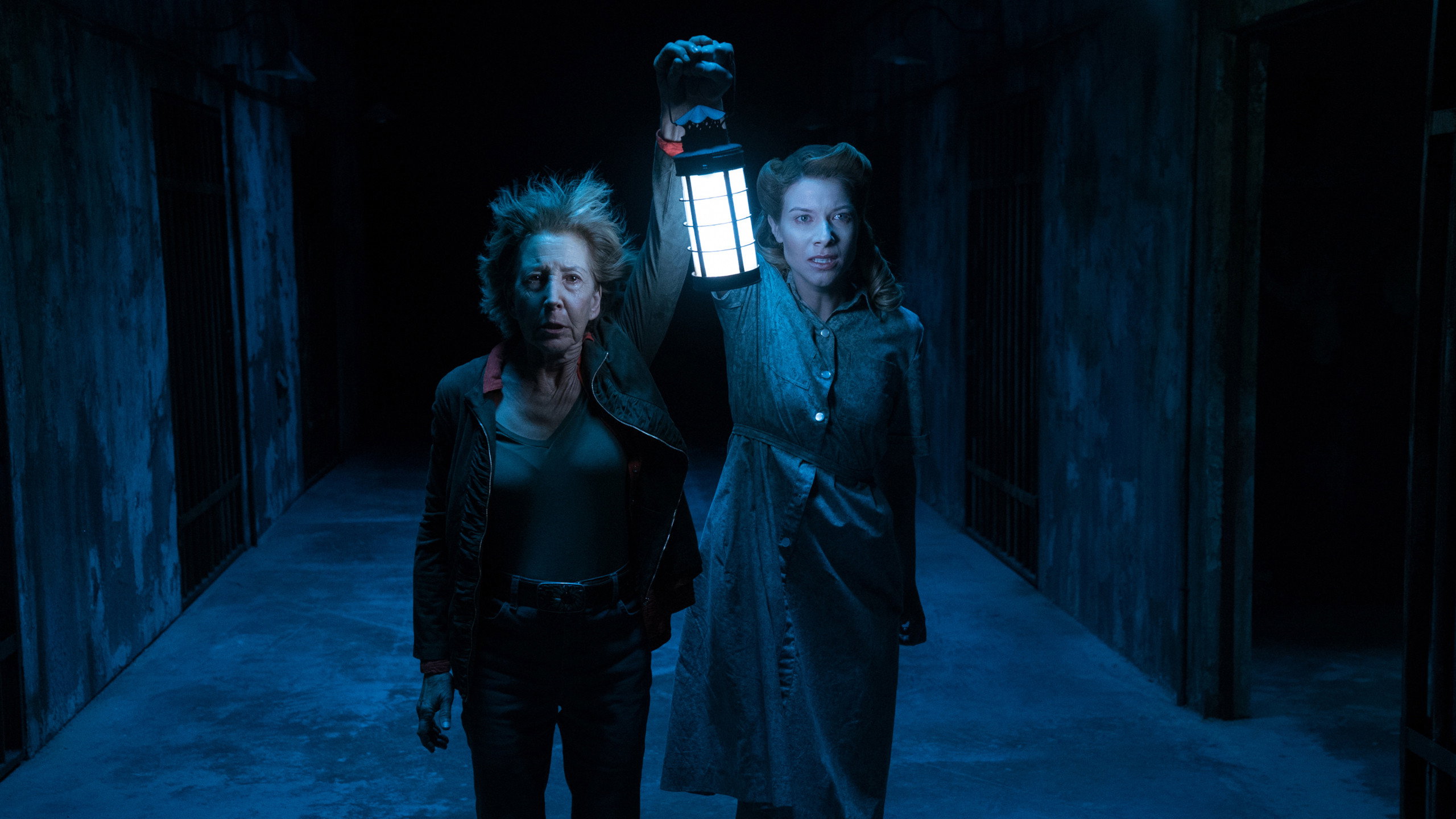
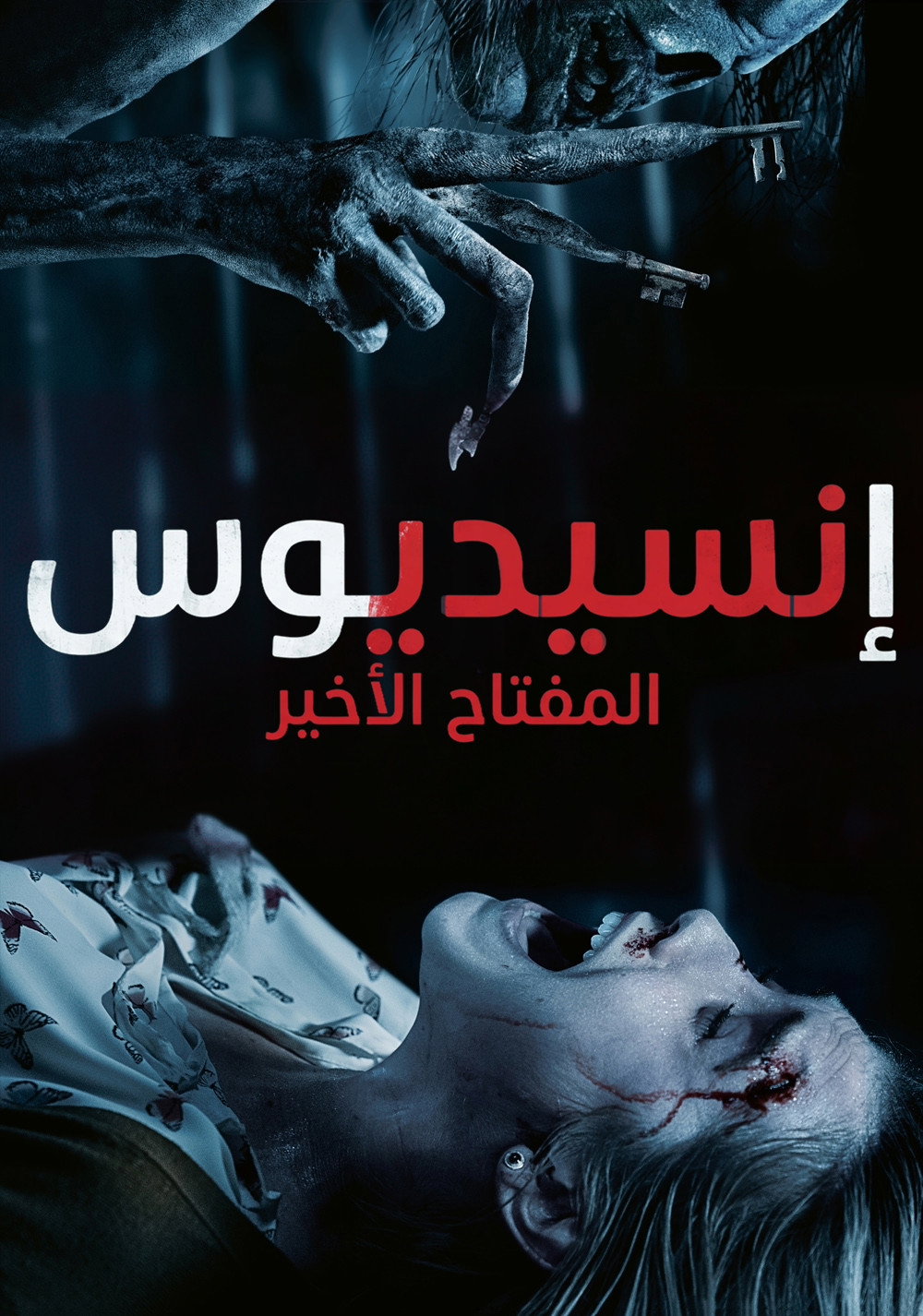
Psychic investigator Elise Rainier receives a request to examine supernatural disturbances in a house in Five Keys, New Mexico. She discovers that the property is the place where she grew up, bringing back memories of her harsh upbringing and the unusual abilities that isolated her as a child. Accompanied by Specs and Tucker, Elise returns to rooms associated with frightening events she has tried to leave behind. As the investigation develops, the group encounters a dangerous presence connected to the building and unresolved incidents in Elise's family history. She must confront both the haunting and the consequences of returning home.
Alternative Titles
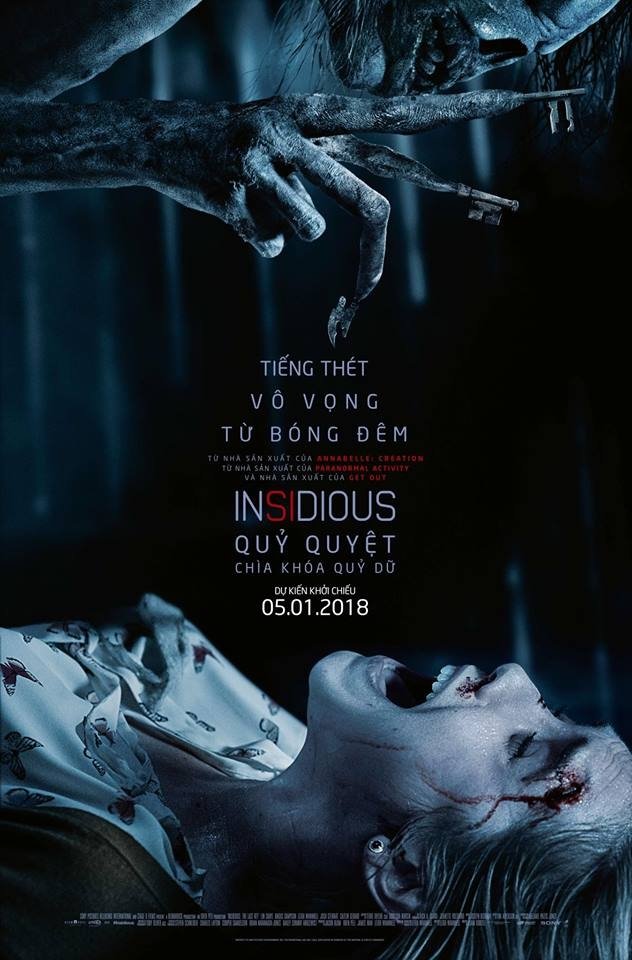
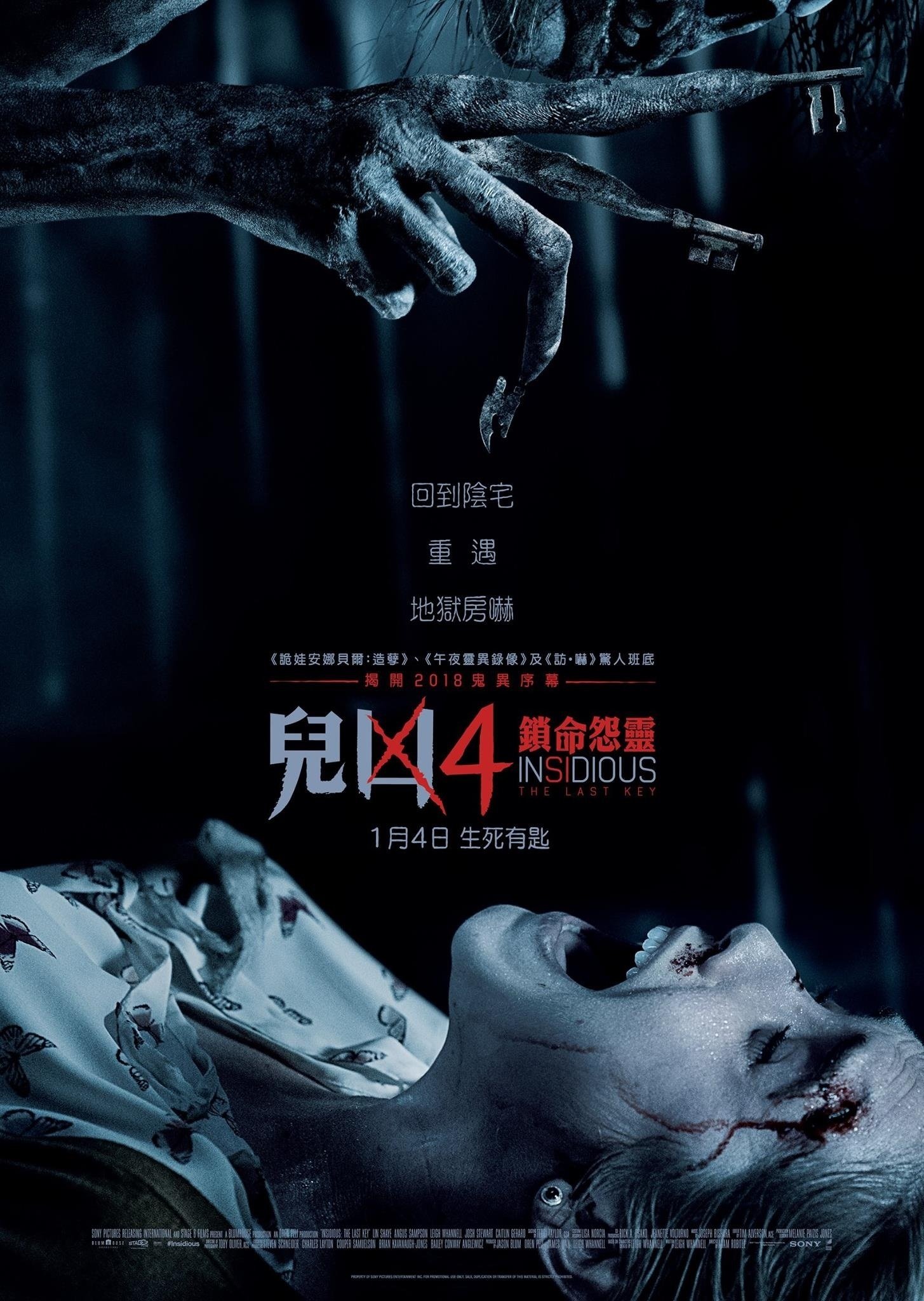
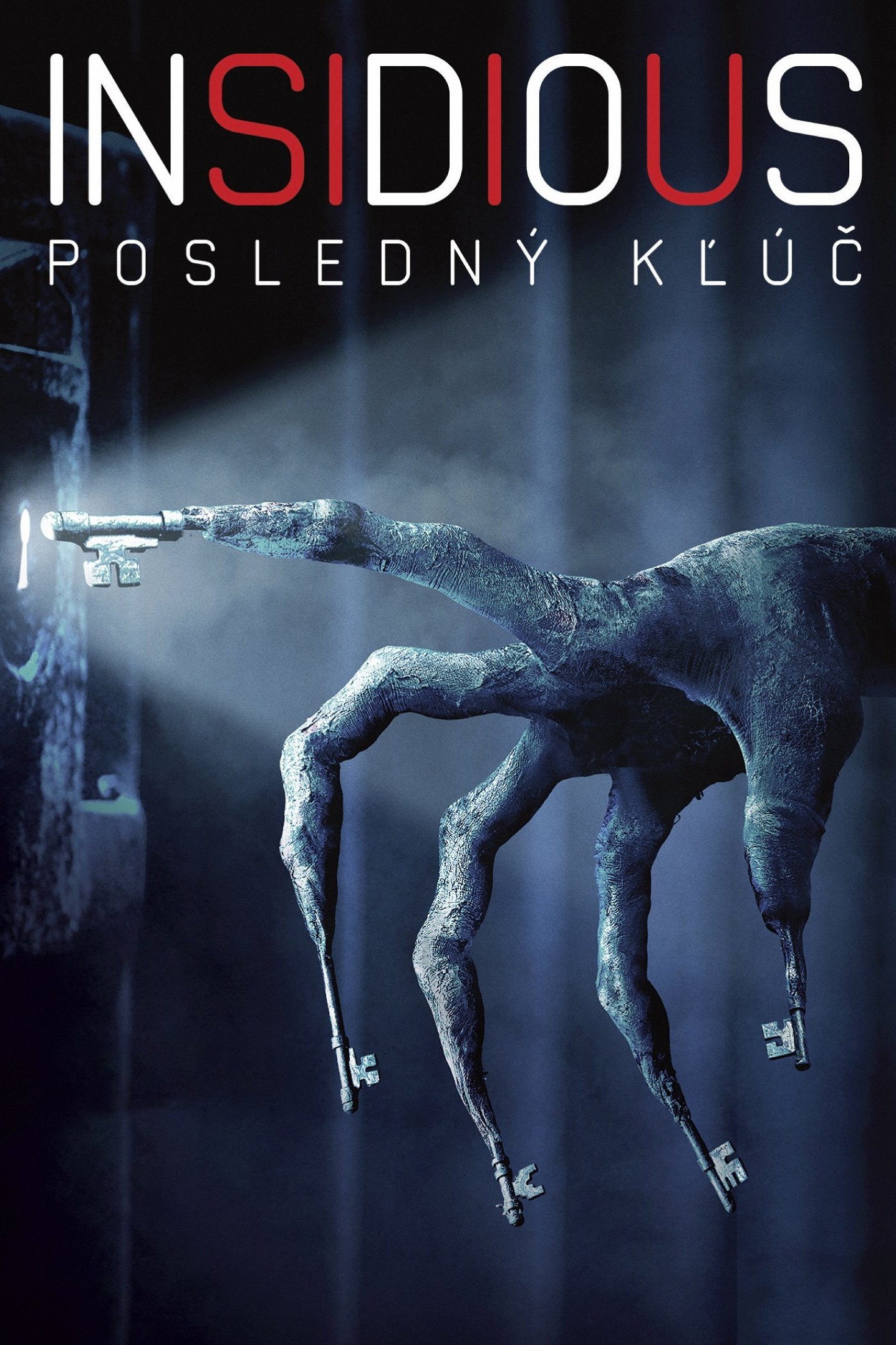
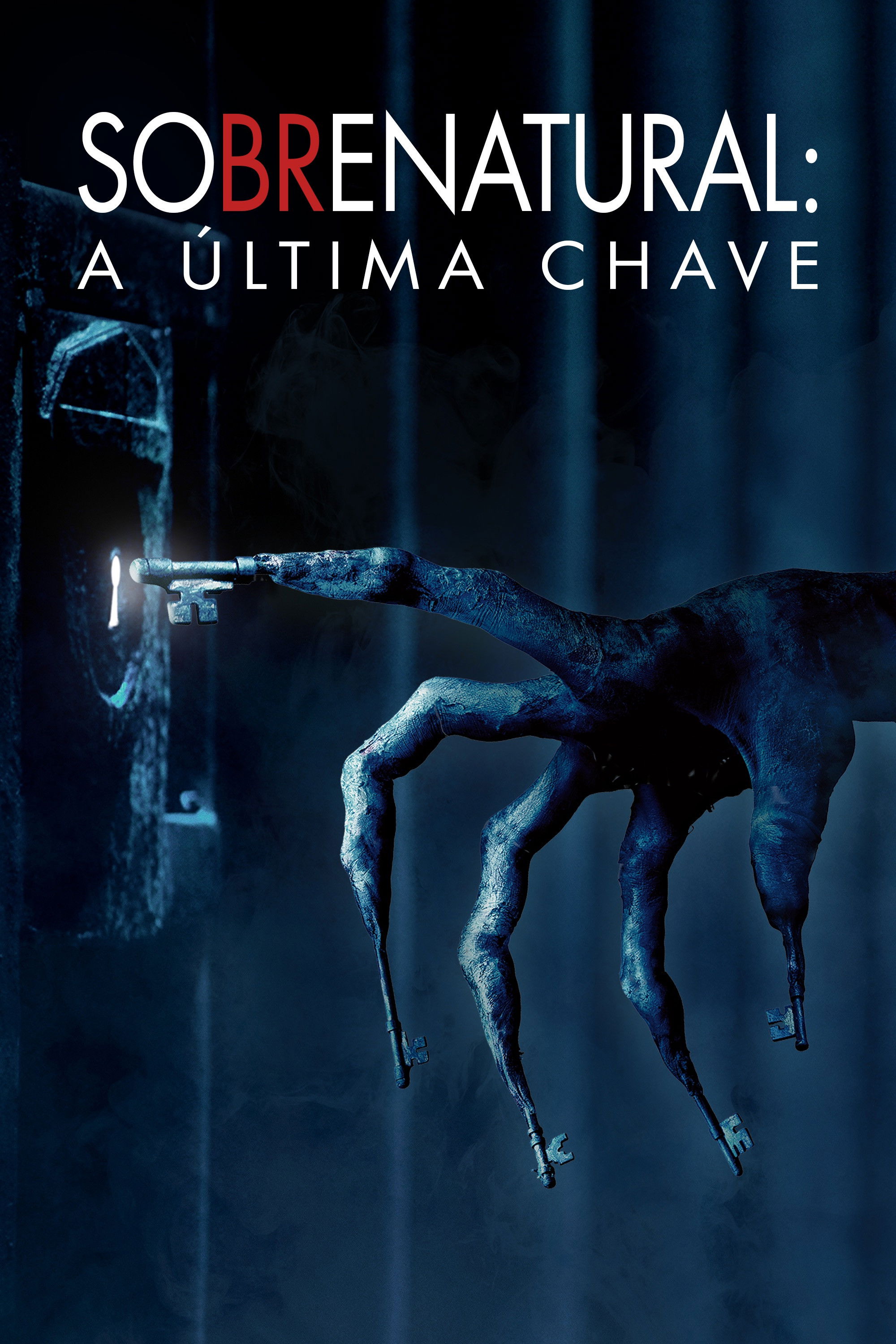
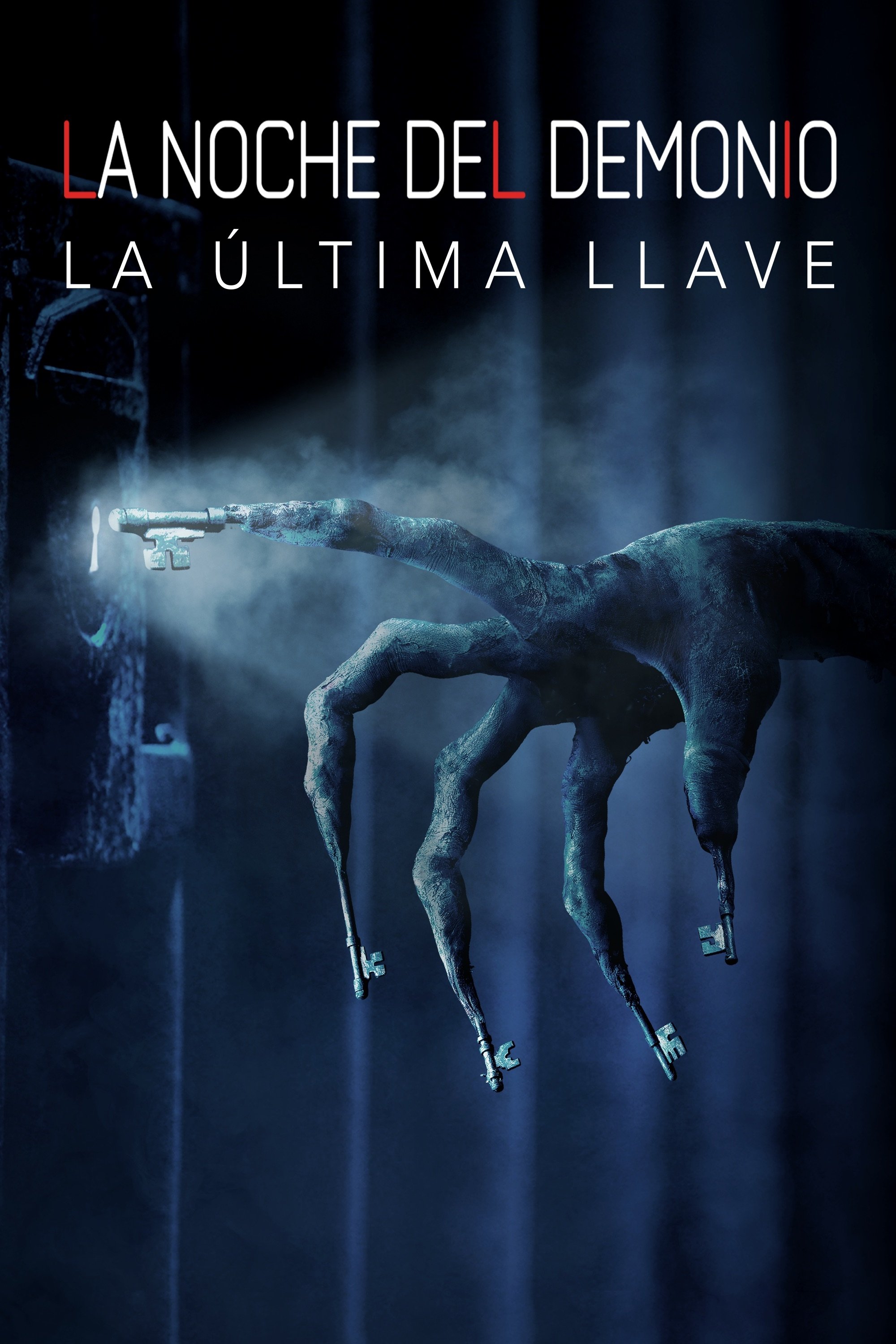
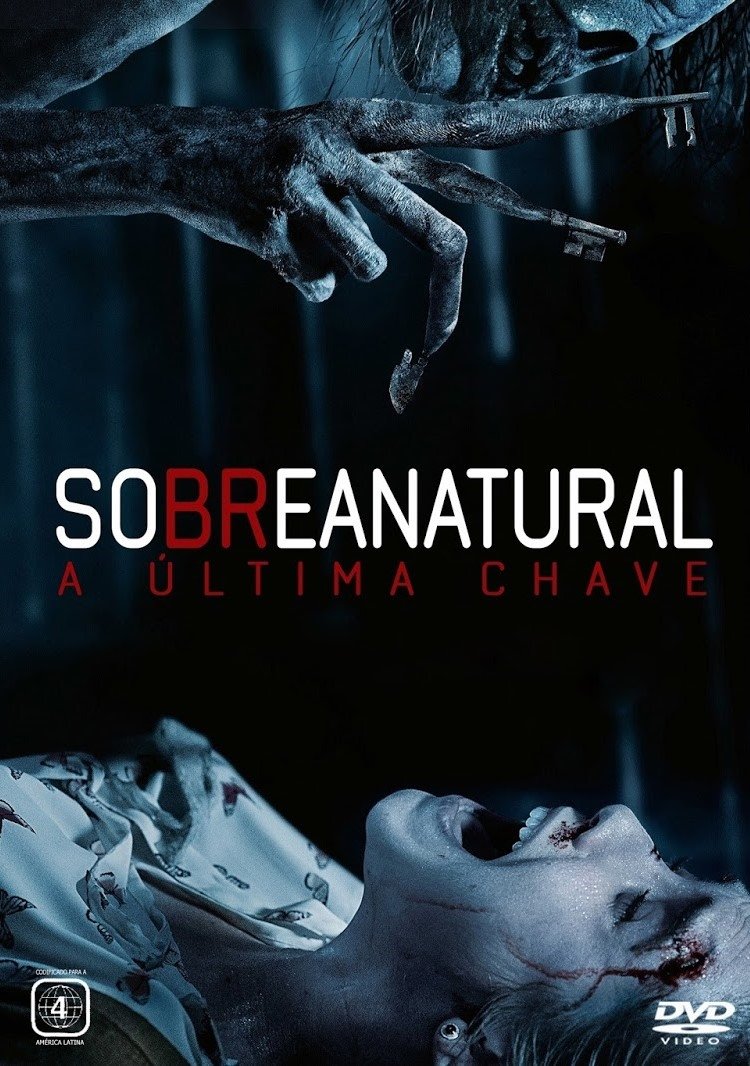
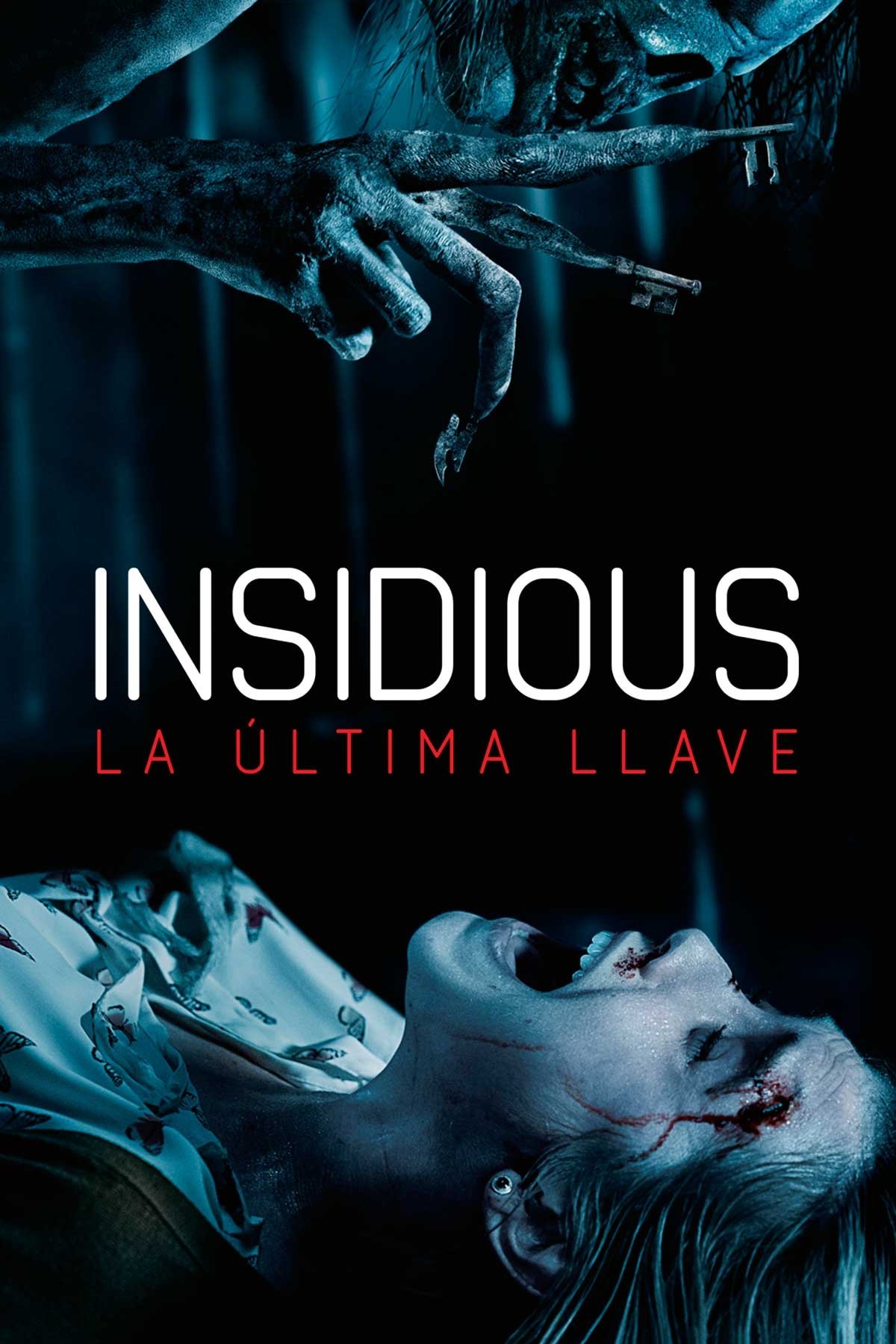
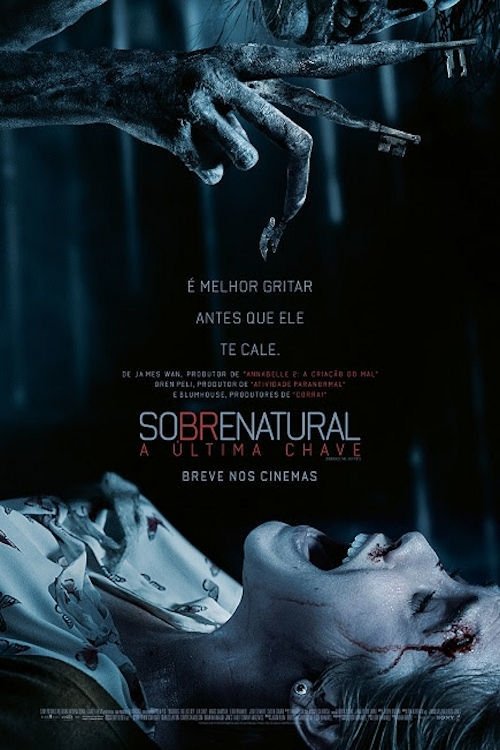
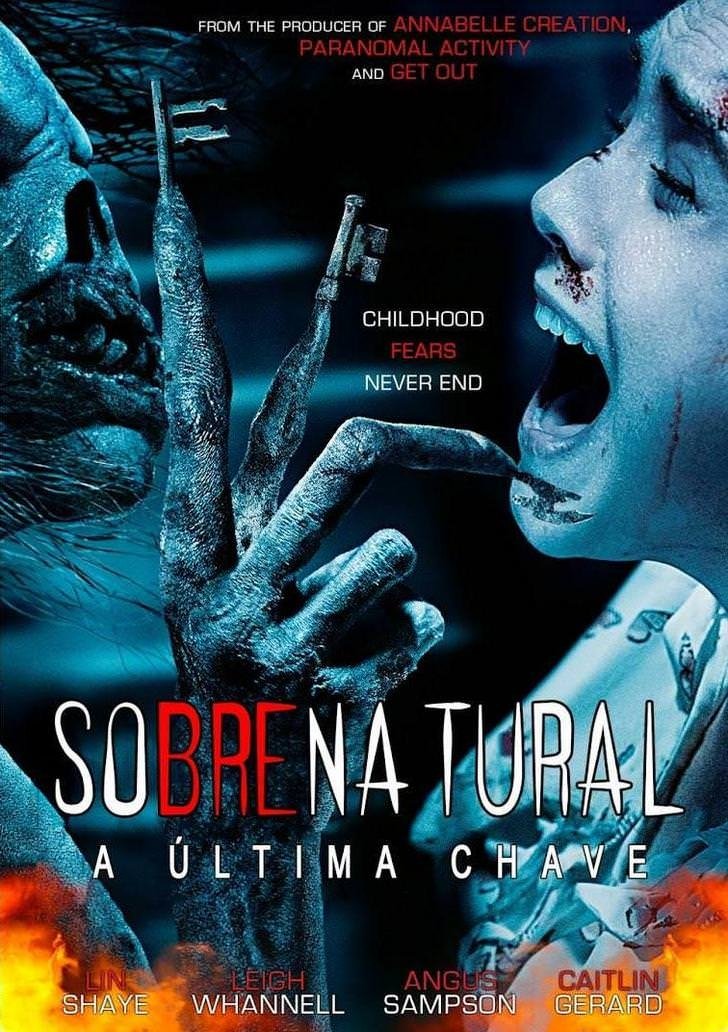
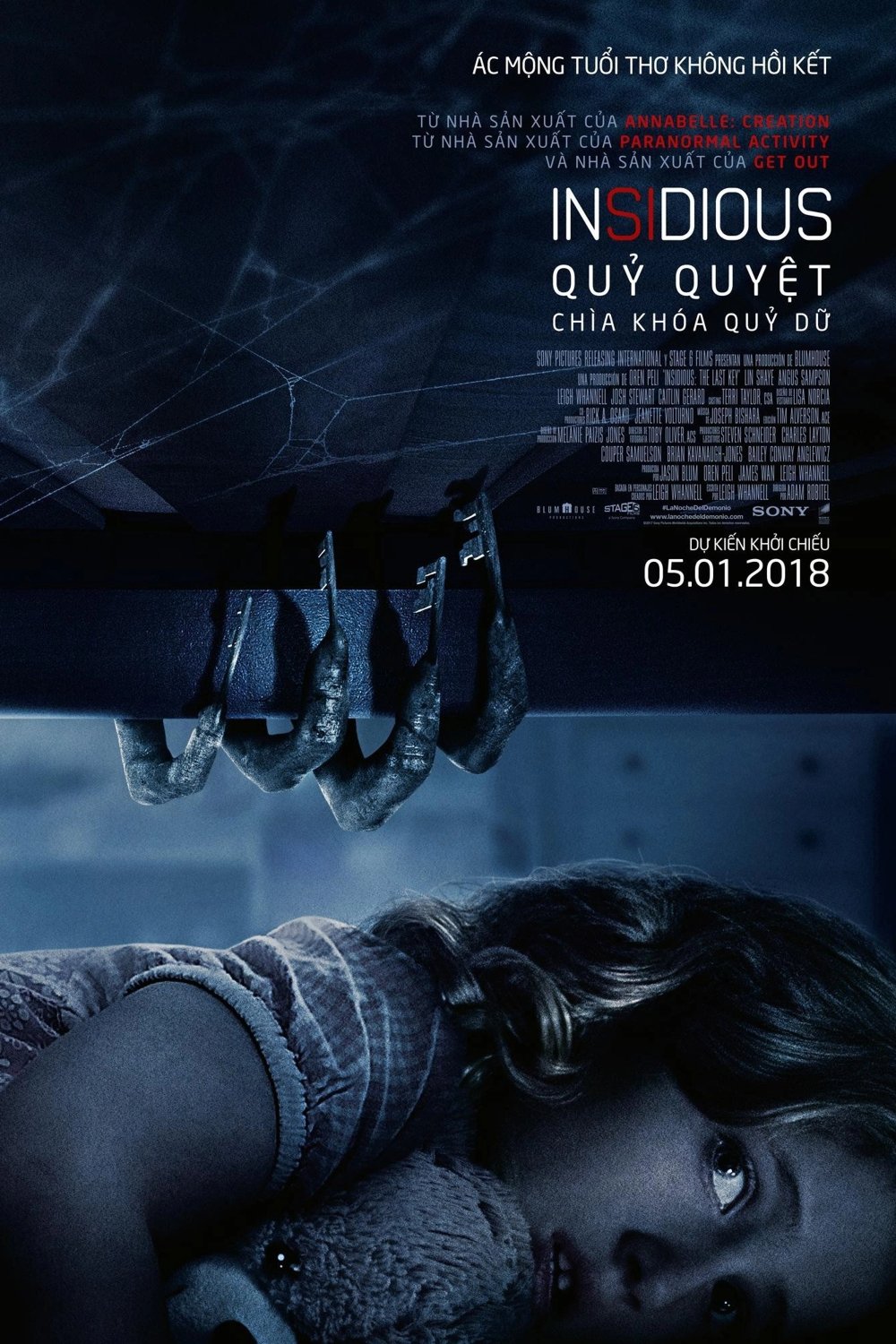
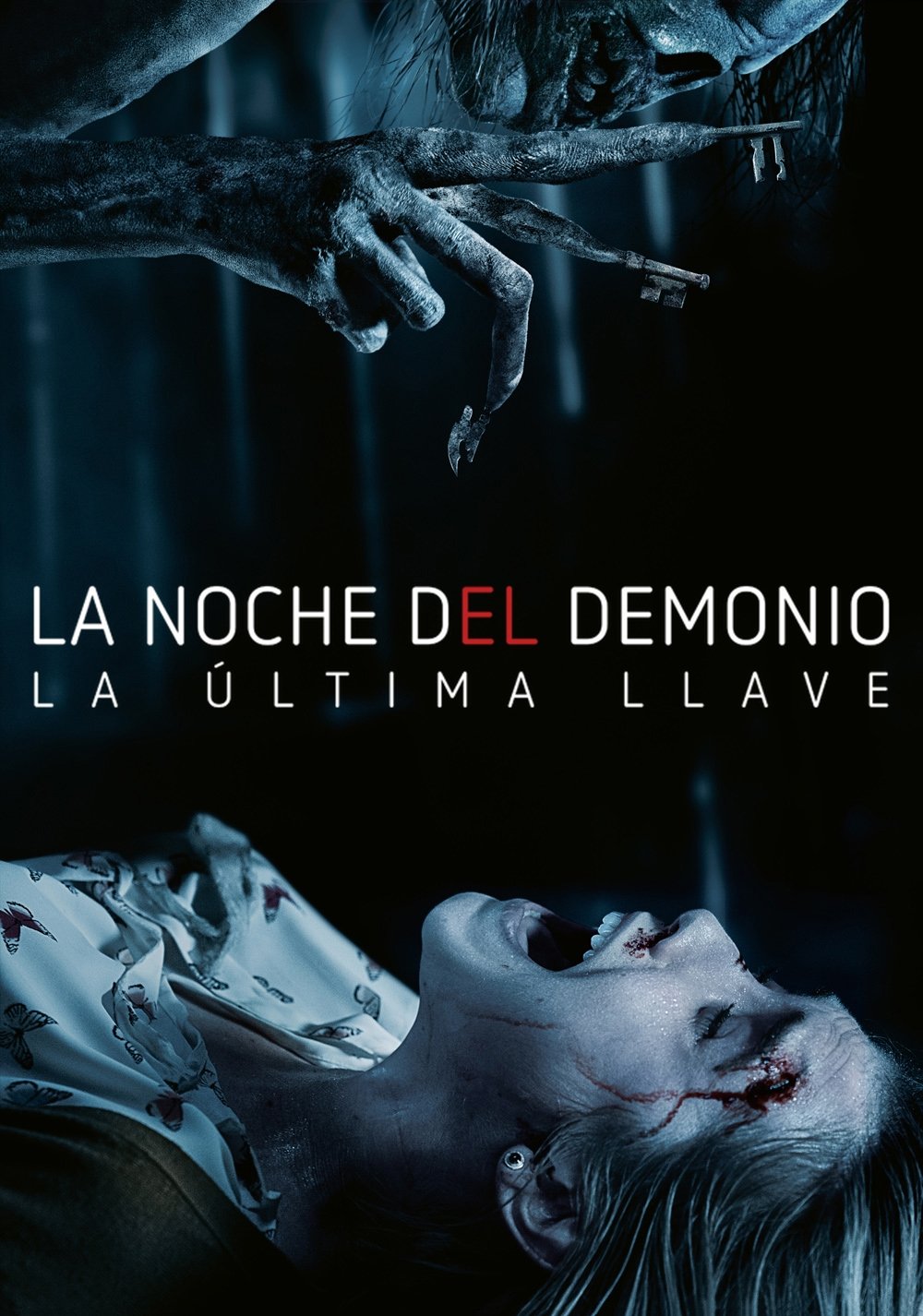
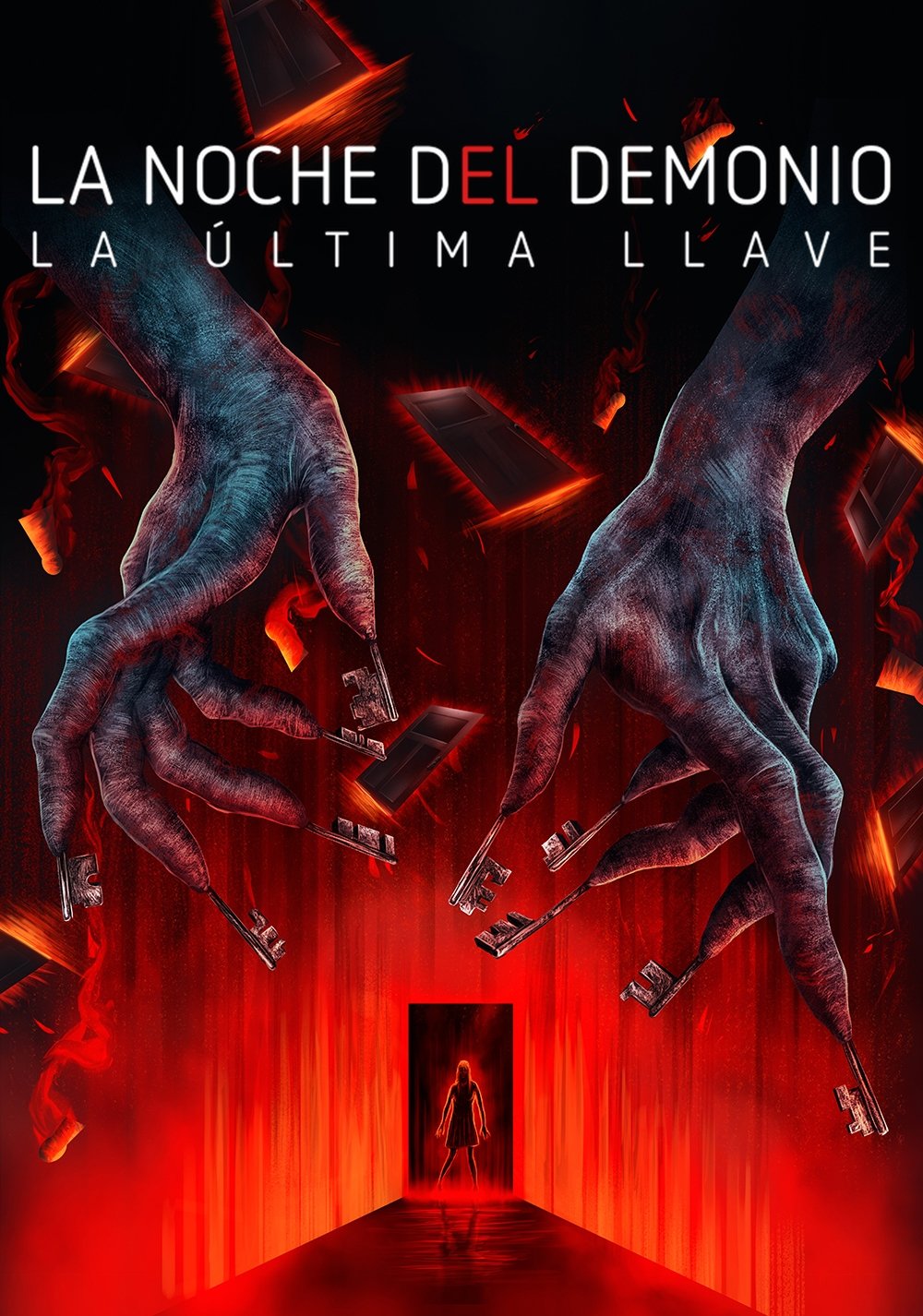
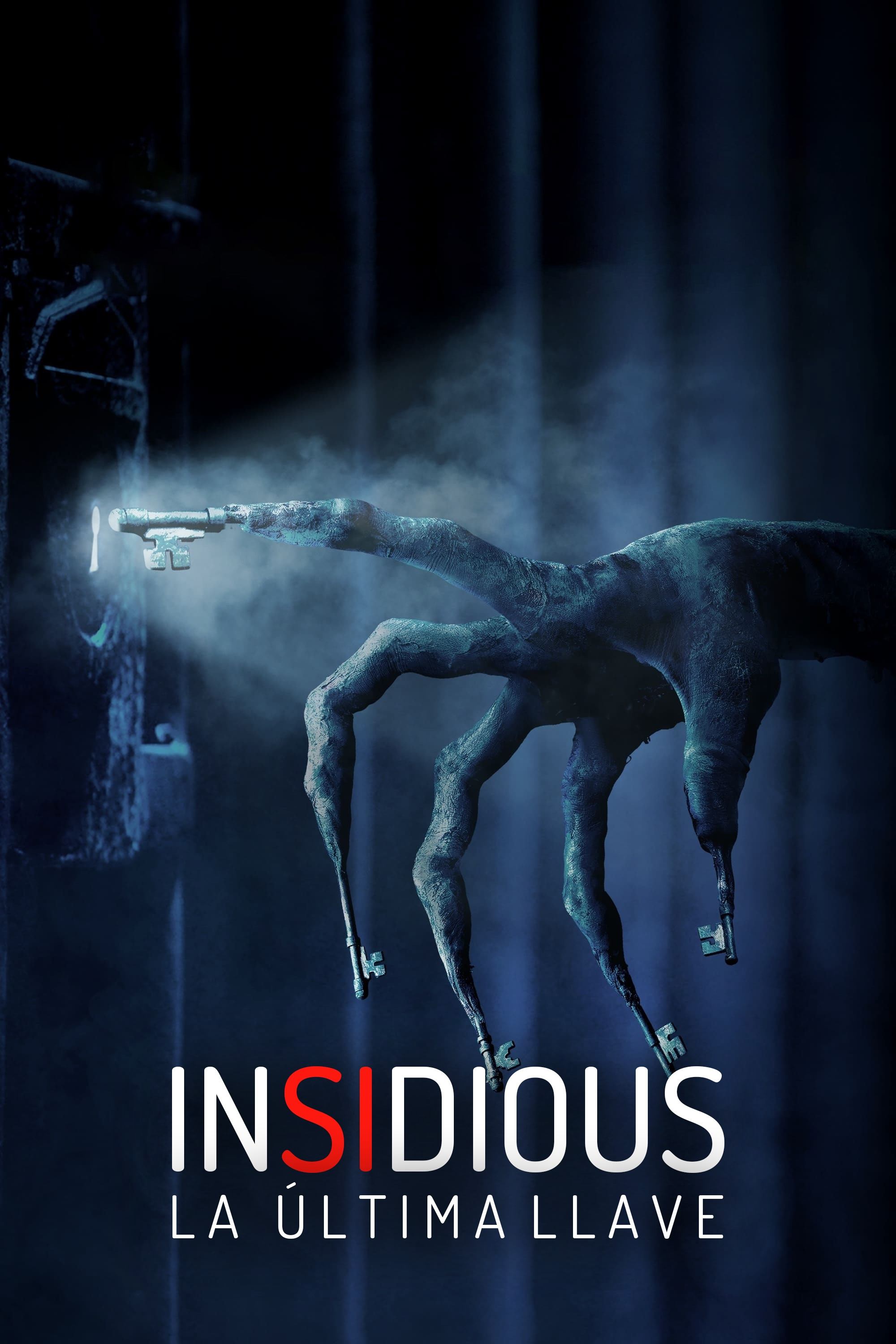
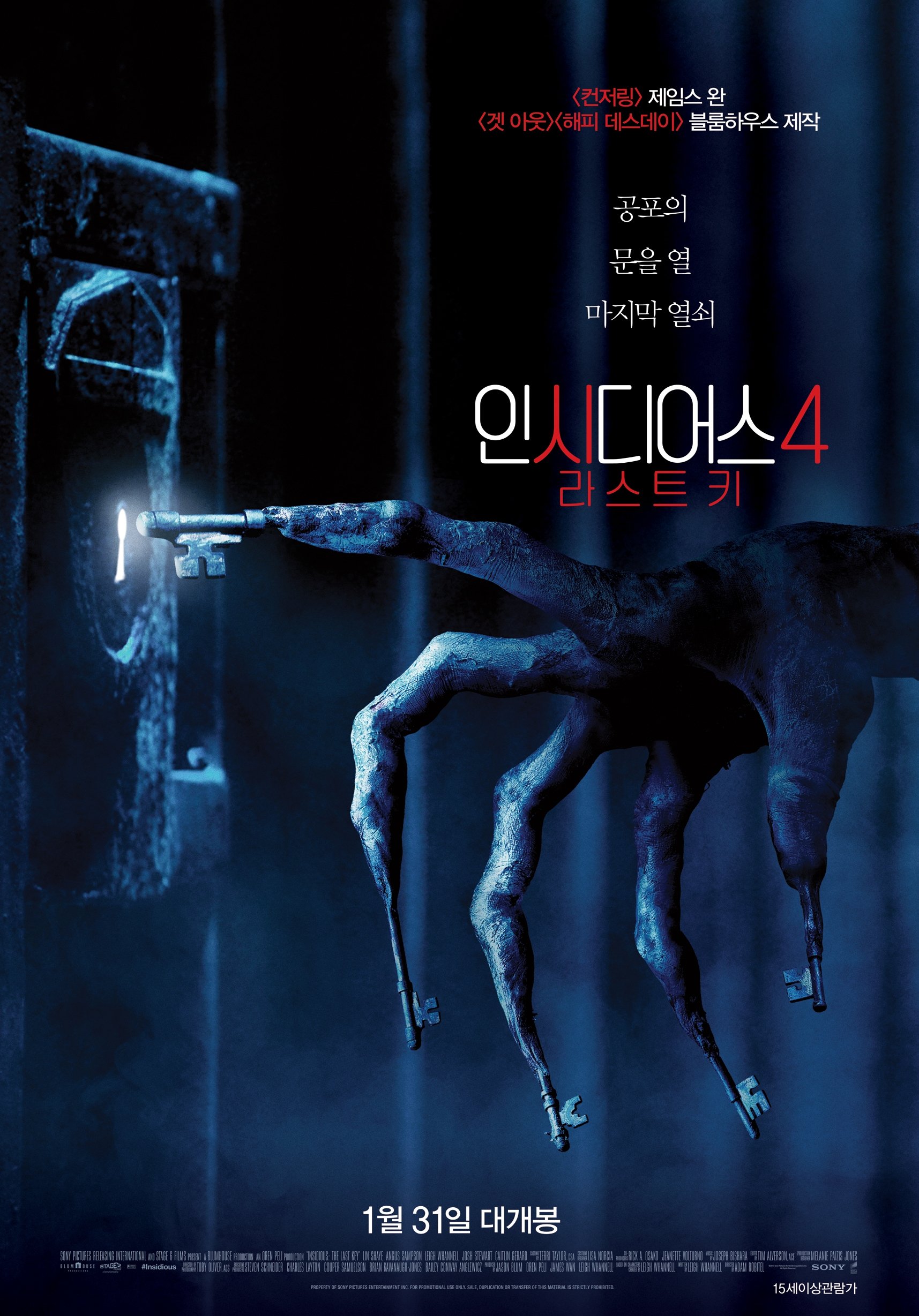
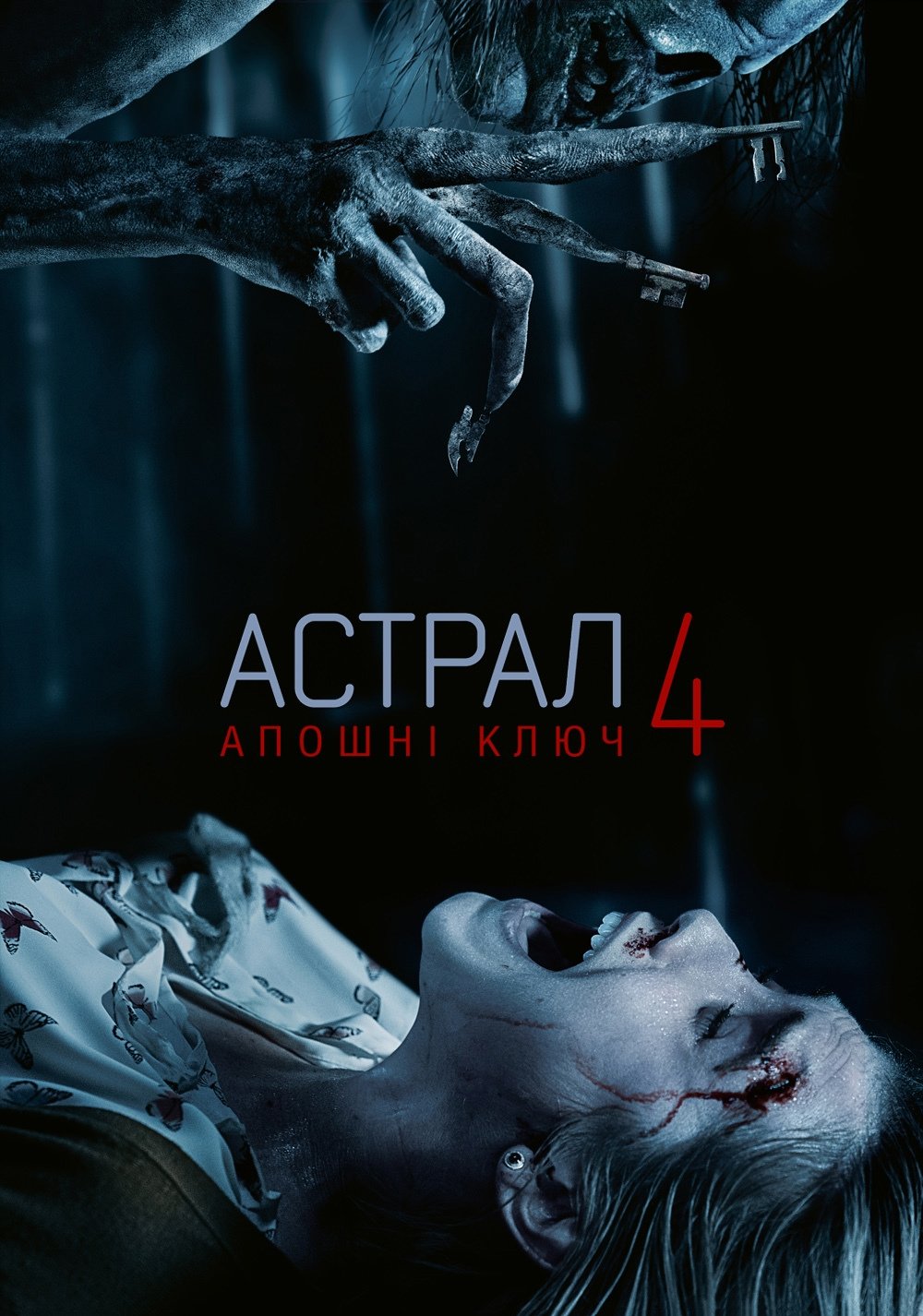
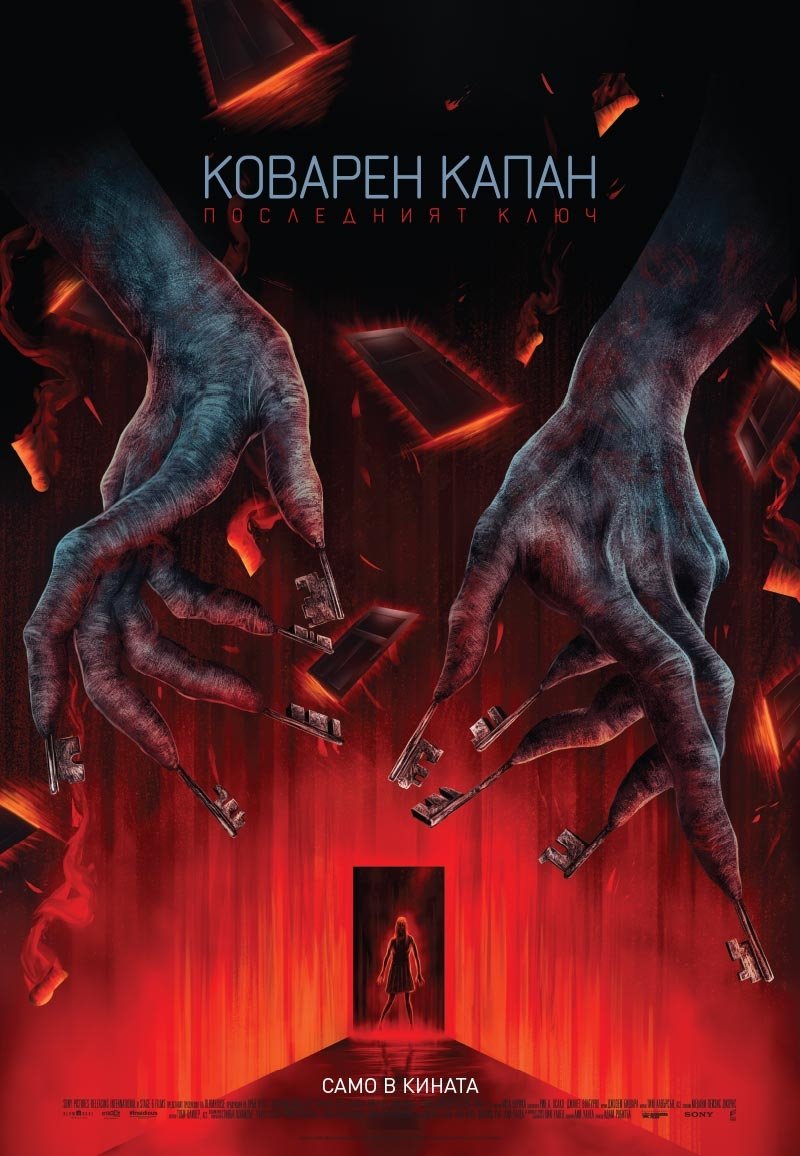
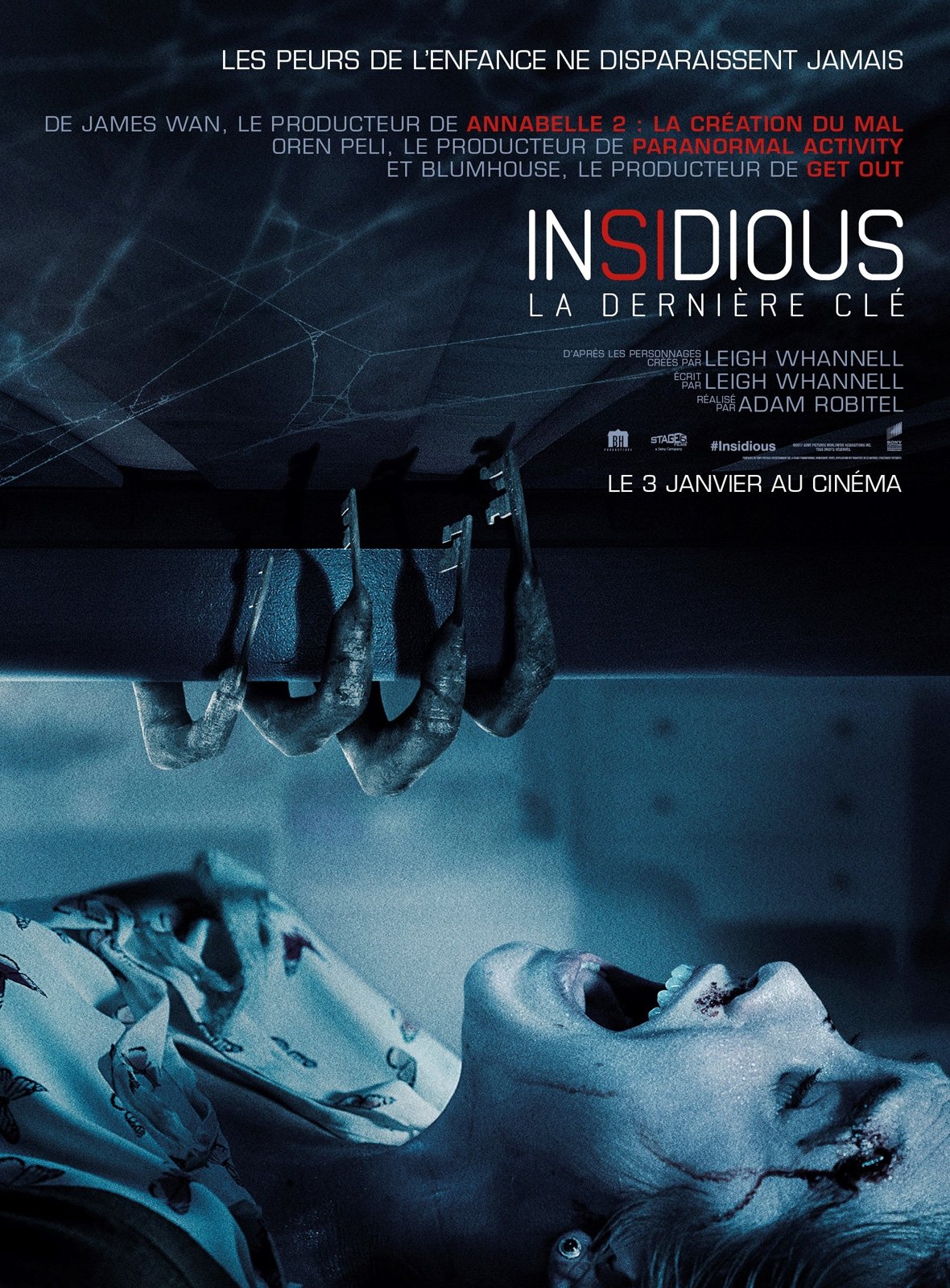
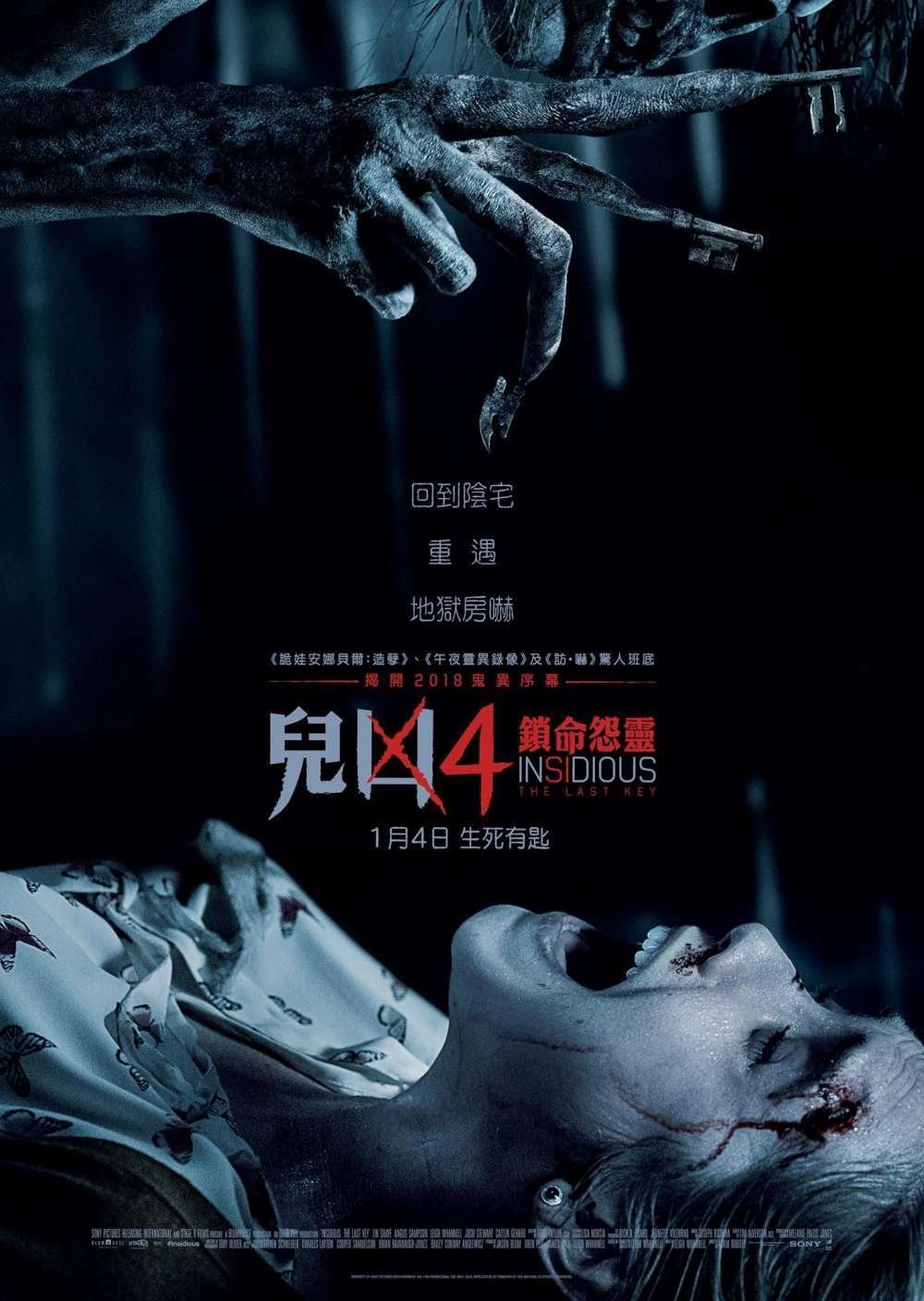
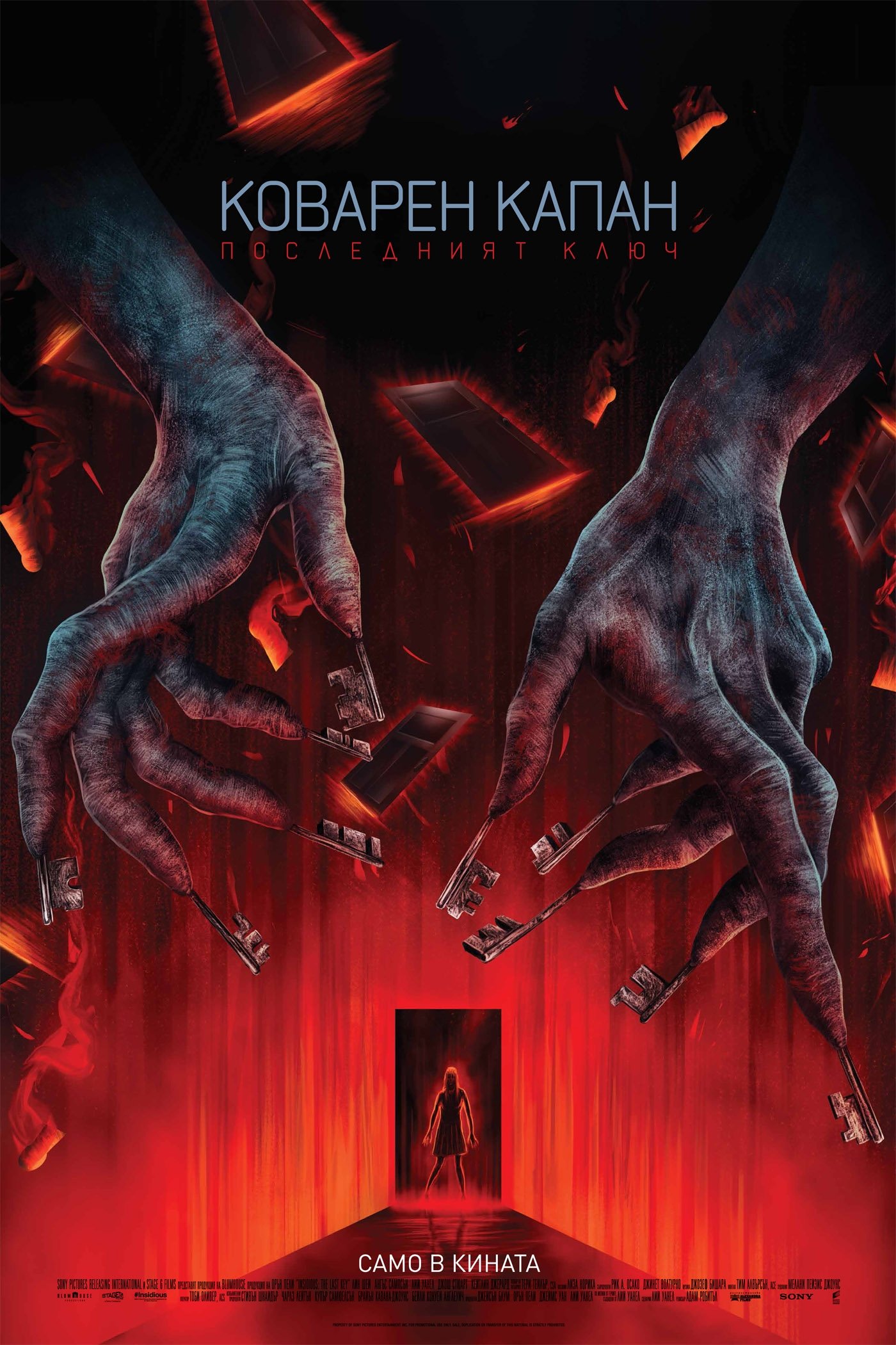
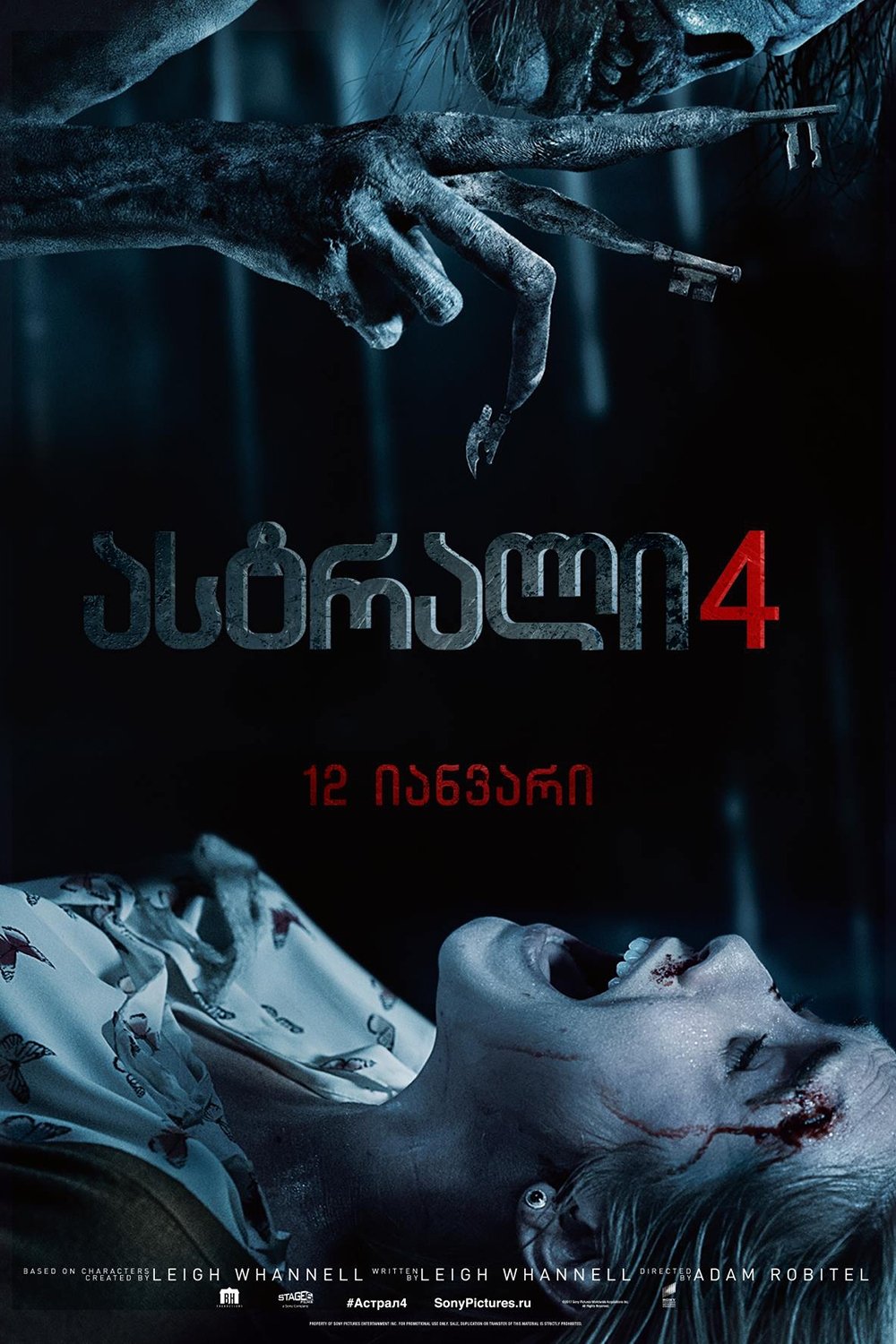
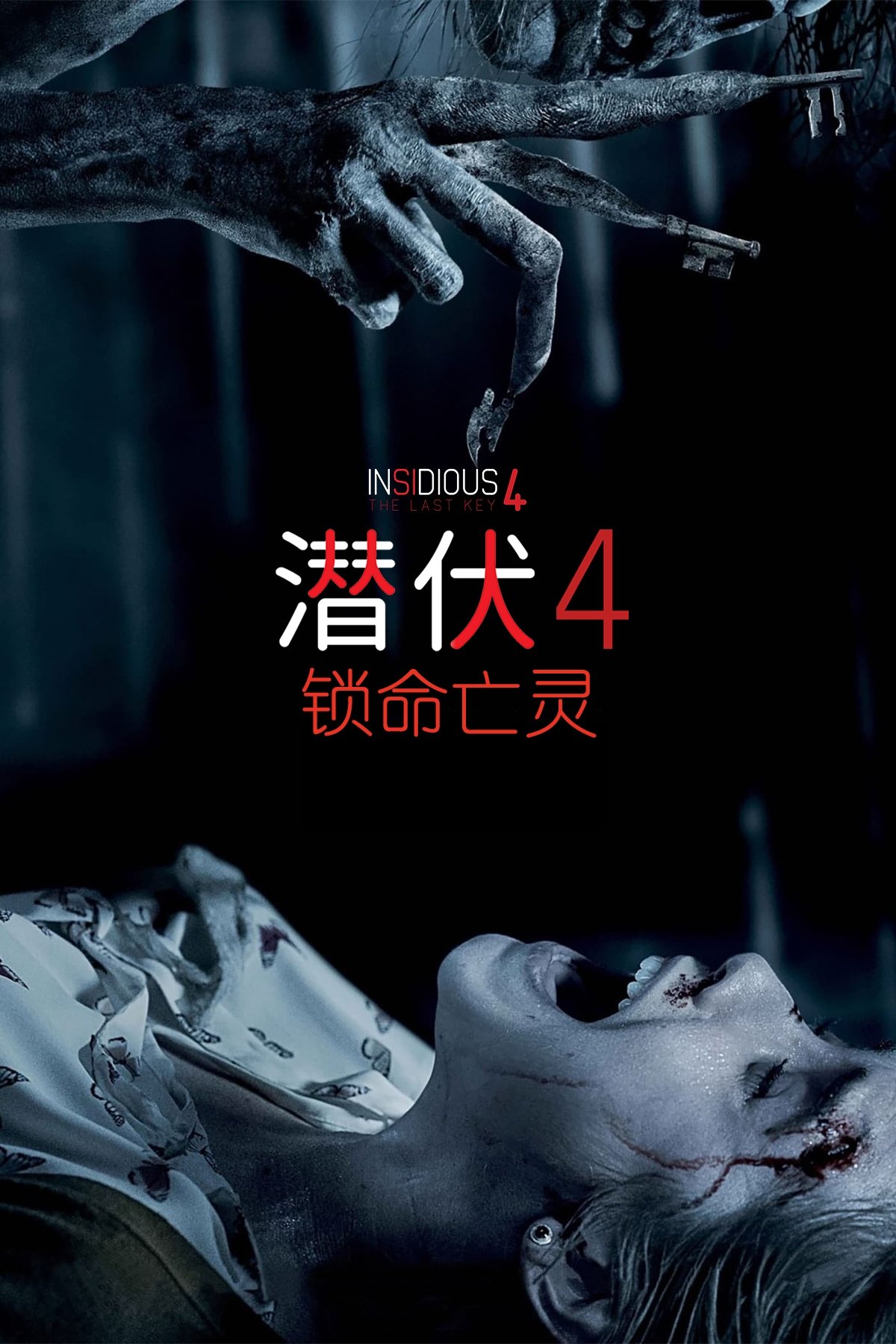
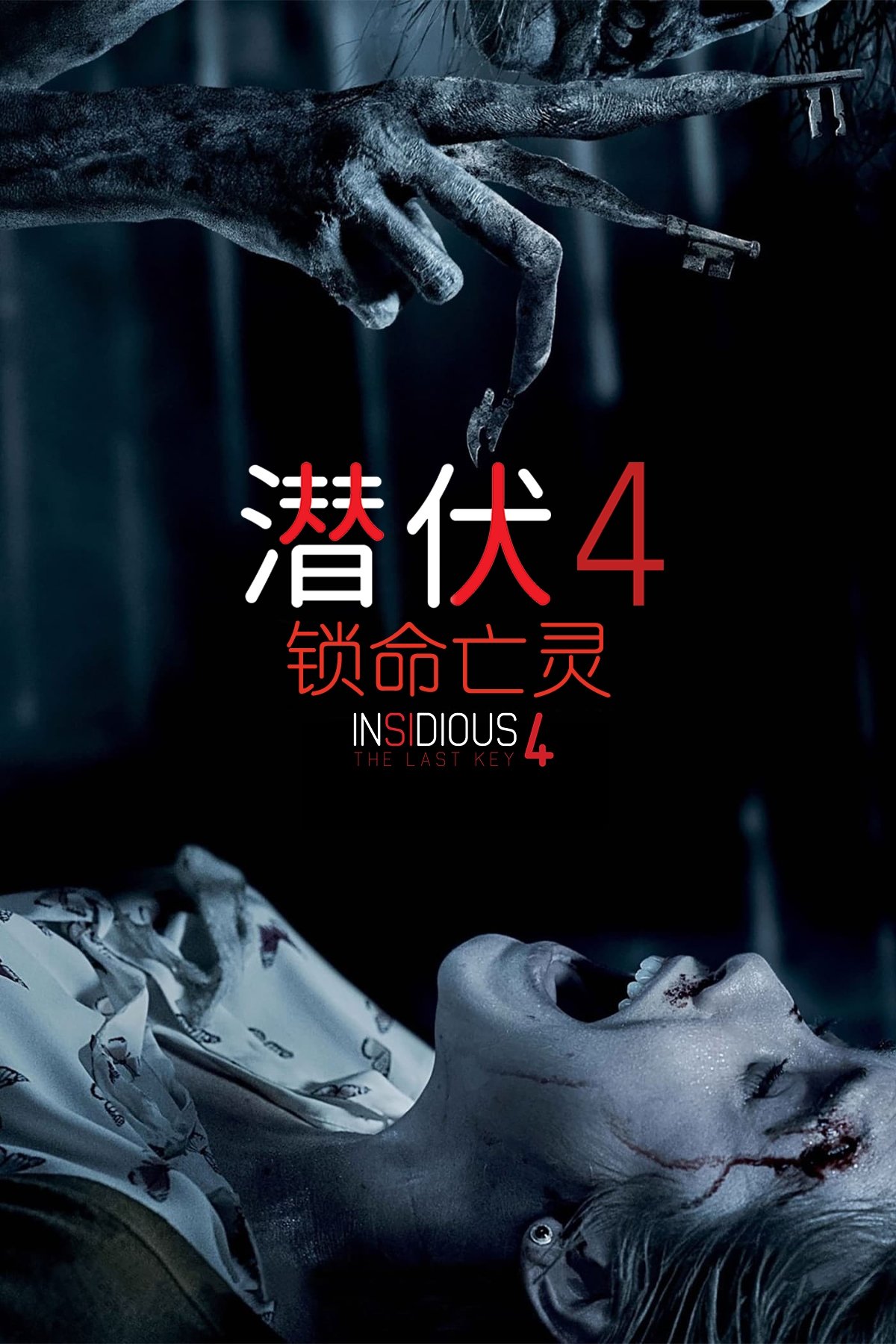
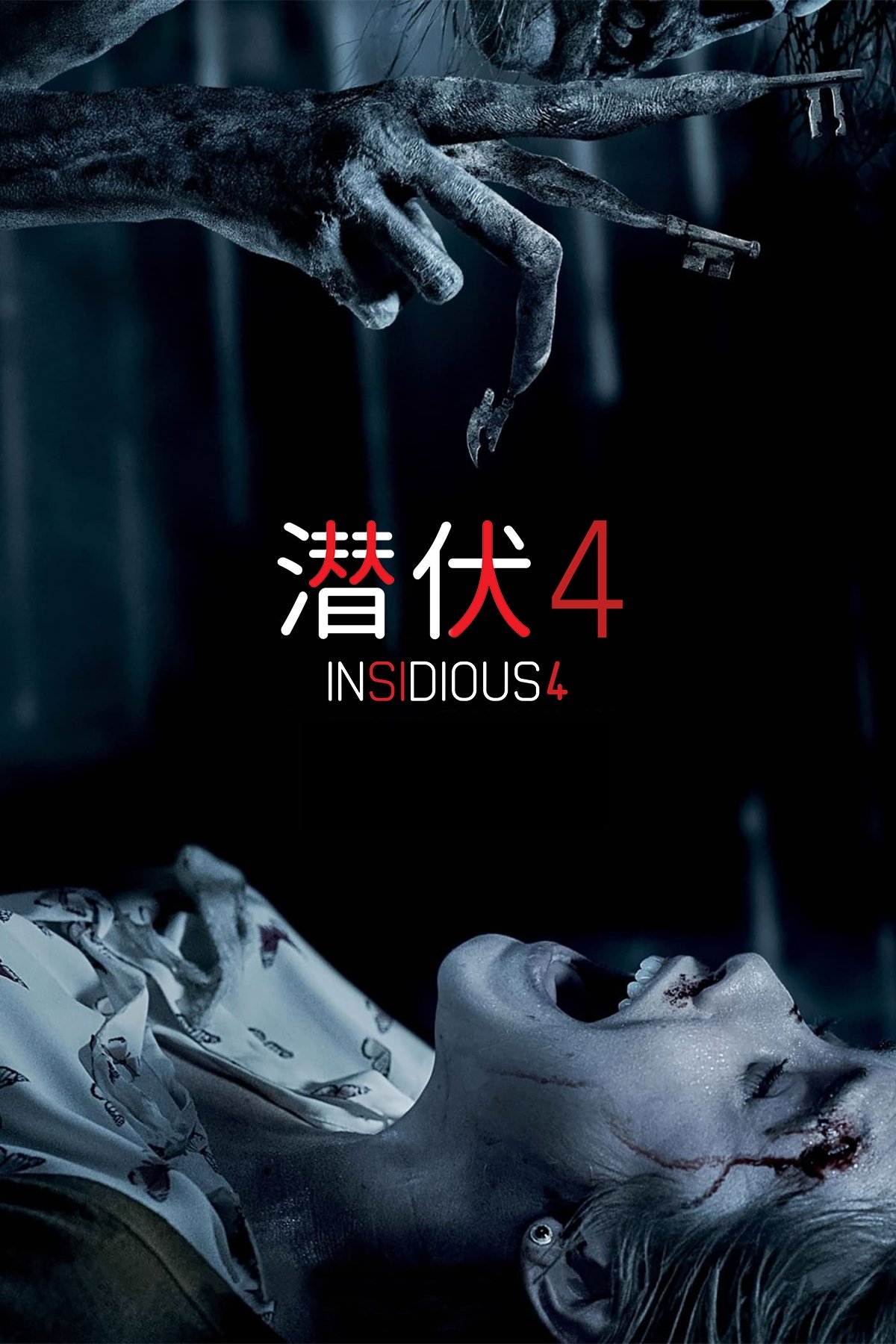
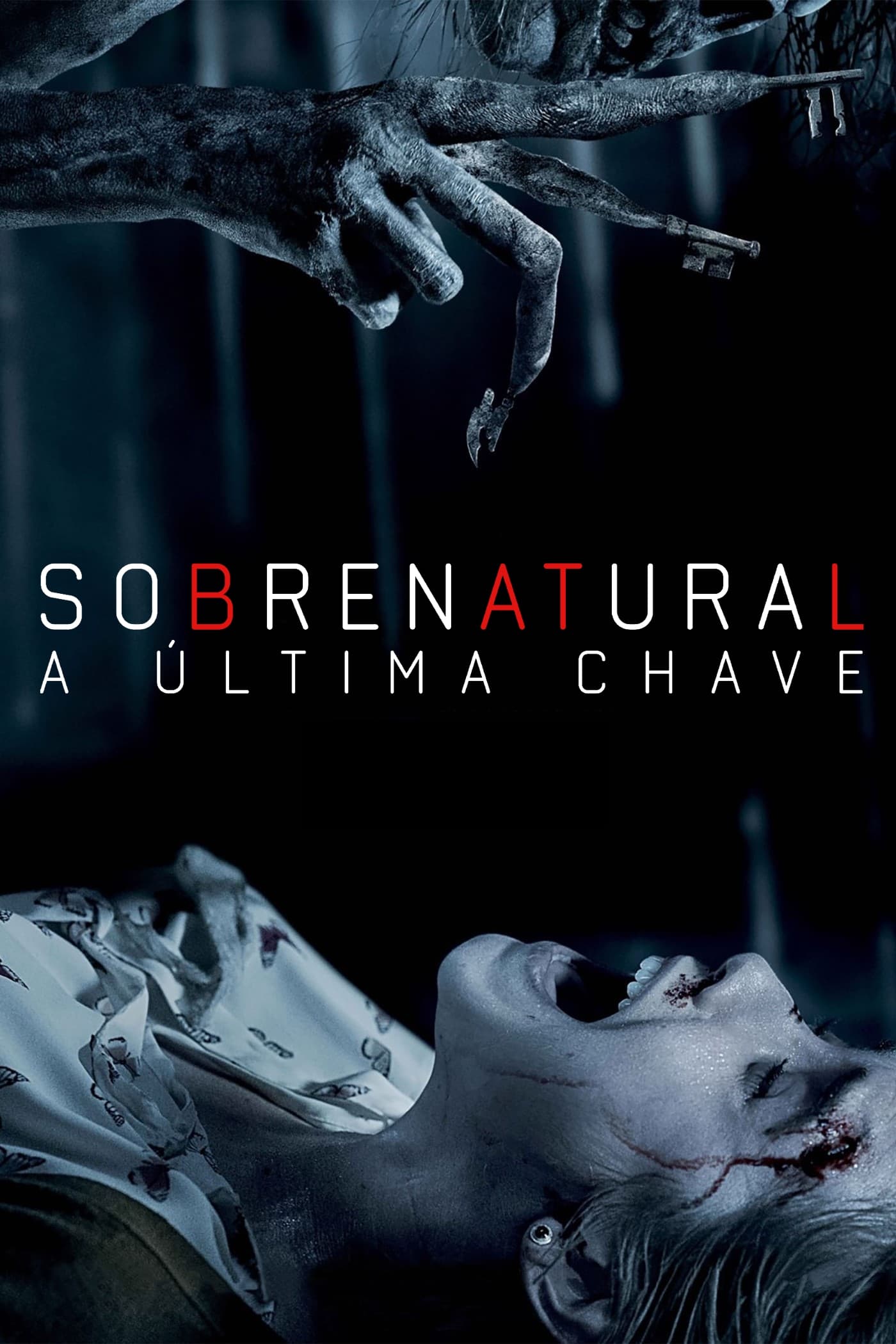
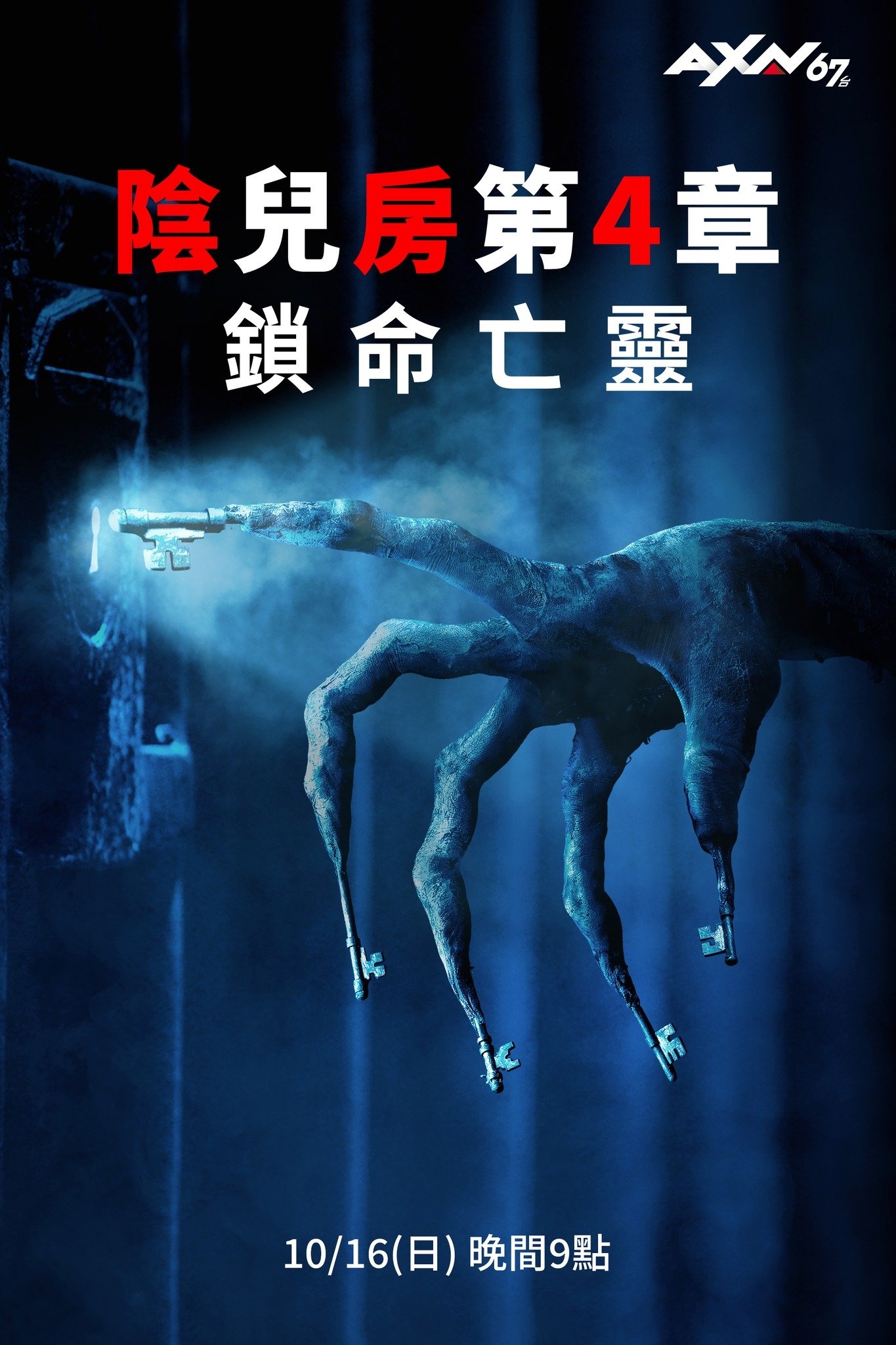
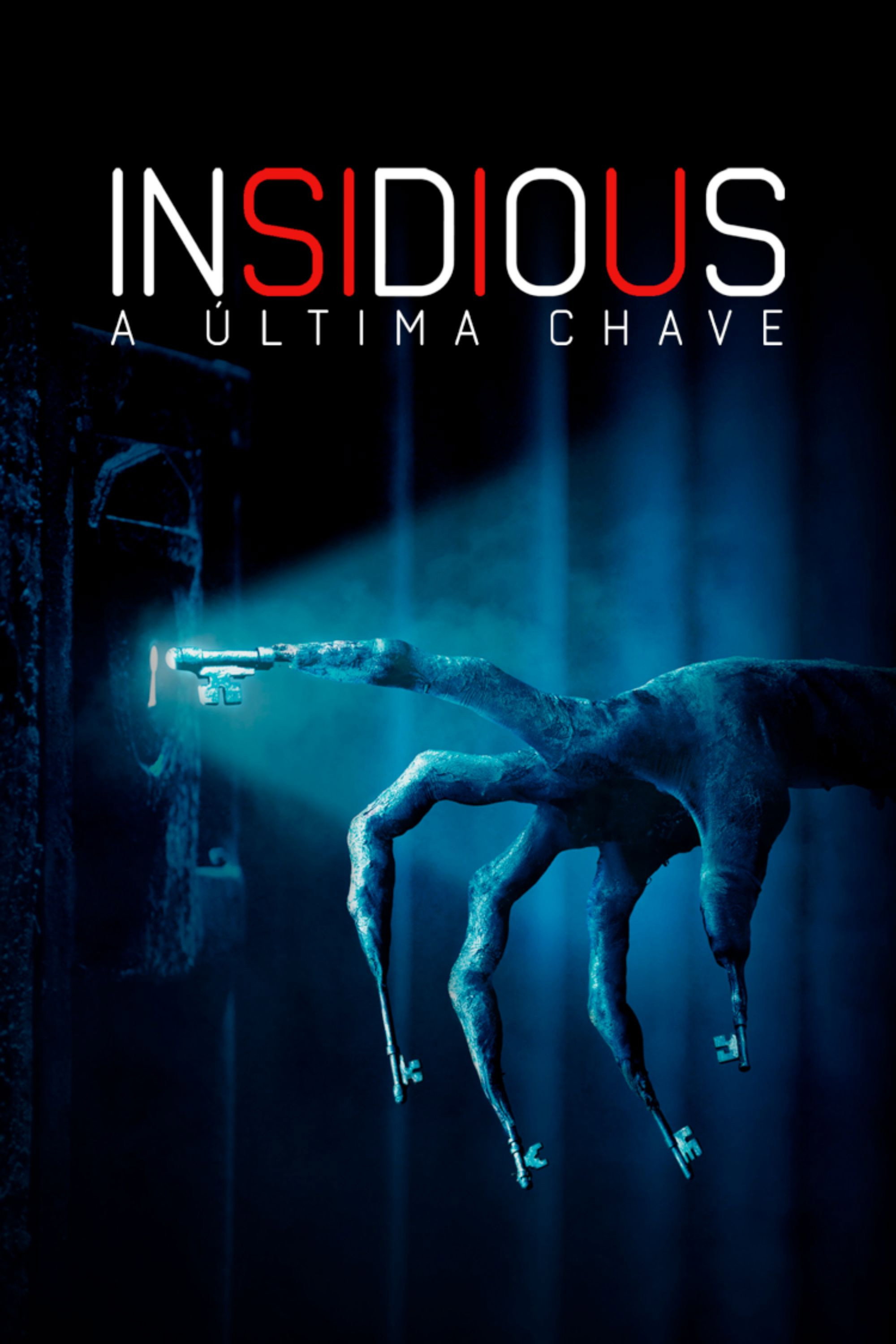
La noche del demonio: La última llave (Argentina) Коварен капан: Последният ключ (Bulgaria) — BulgarianSobrenatural: A Última Chave (Brazil) — PortugueseАстрал: Апошні ключ (Belarus) — BelarusianInsidieux : La dernière clé (Canada) — Frenchinsidious la dernière clé (Canada) 潜伏:最后的钥匙 (China) 潜伏4:锁命亡灵 (China) — ChineseShow all 45 alternative titlesInsidious: Poslední klíč (Czechia) — CzechInsidious 4: The Last Key (Denmark) — DanishInsidious La última llave (Spain) Insidious: La última llave (Spain) — SpanishInsidious : La dernière clé (France) insidious 4 (France) ასტრალი ნაწილი 4 (Georgia) — ქართულიასტრალი: უკანასკნელი გასაღები (Georgia) — GeorgianΠαγιδευμένη Ψυχή: Το Τελευταίο Κλειδί (Greece) — Greek兒凶 4:鎖命怨靈 (Hong Kong SAR China) — ChineseInsidious: Az utolsó kulcs (Hungary) — Hungarianהרוע שבפנים 4: המפתח האחרון (Israel) הרוע שבפנים: המפתח האחרון (Israel) — Hebrewइंसिडियस चैप्टर ४: अंतिम कड़ी (India) — Hindi titleInsidious - L'ultima chiave (Italy) — Italianインシディアス 最後の鍵 (Japan) — Japanese인시디어스 4: 라스트 키 (South Korea) — KoreanTūnąs tamsoje: Paskutinis raktas (Lithuania) — LithuanianAstrāls: Pēdējā atslēga (Latvia) — LatvianLa noche del demonio: La última llave (Mexico) Naznaczony: Ostatni klucz (Poland) — PolishInsidious: A Última Chave (Portugal) — PortugueseInsidious: Ultima cheie (Romania) — RomanianАстрална подмуклост: Поглавље 4 (Serbia) — SerbianАстрал 4: Последний ключ (Russia) — RussianZakleti 4: Zadnji ključ (Slovenia) — SlovenianInsidious: Posledný kľúč (Slovakia) — Slovakวิญญาณตามติด 4 (Thailand) วิญญาณตามติด: กุญแจผีบอก (Thailand) อินซิเดียส 4 (Thailand) Ruhlar Bölgesi: Son Anahtar (Türkiye) — Turkish陰兒房第4章:鎖命亡靈 (Taiwan) — ChineseАстрал: Останній ключ (Ukraine) — UkrainianInsidious 4: The Last Key (United States) — faux titleInsidious: Chapter 4 (United States) — Working TitleQuỷ Quyệt 4: Chìa Khóa Quỷ Dữ (Vietnam) Quỷ Quyệt IV: Chìa Khóa Quỷ Dữ (Vietnam) — Vietnamese
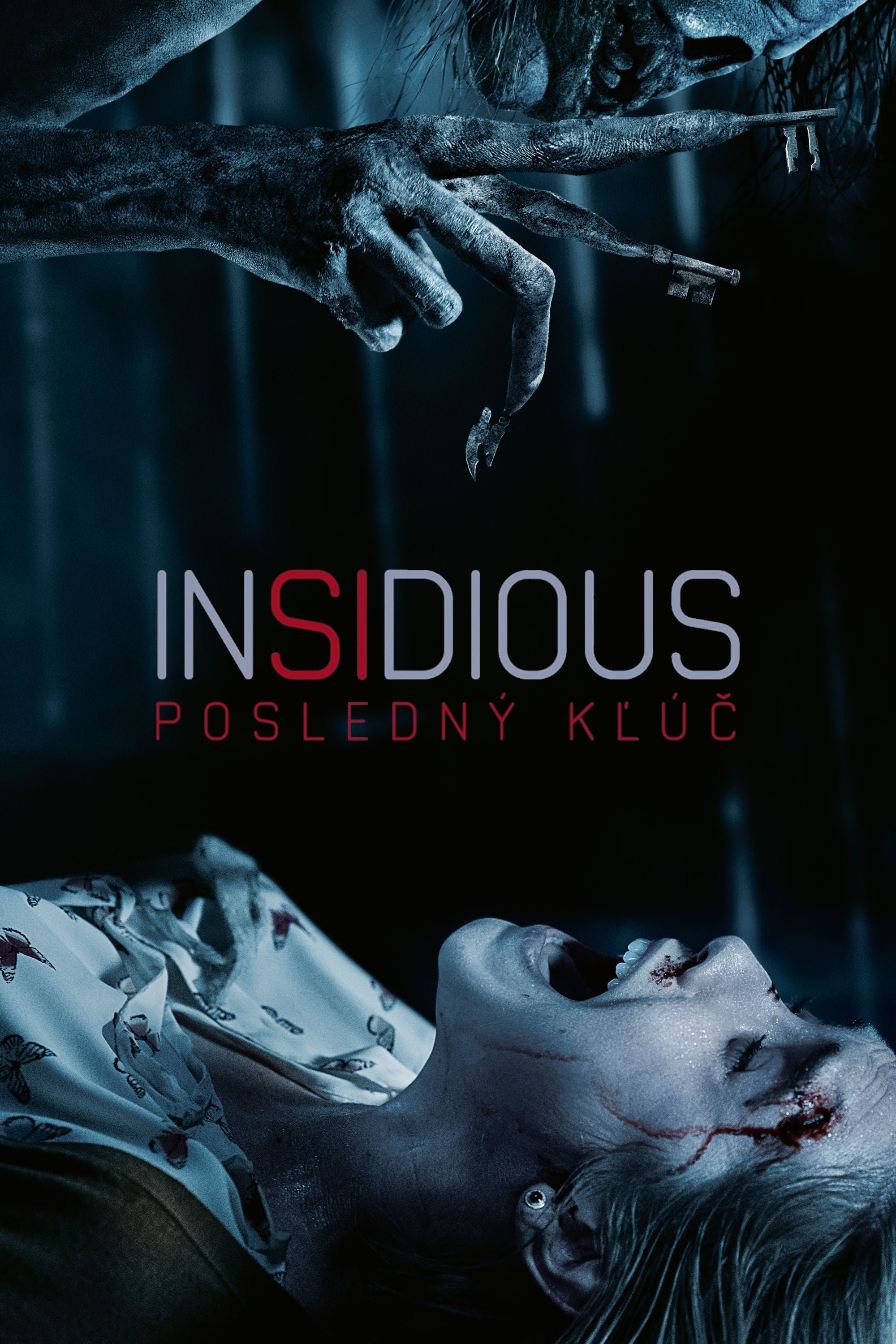
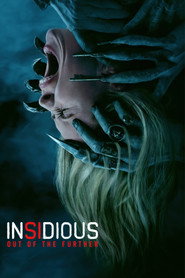
Adam Robitel returns Elise Rainier to the site of her childhood trauma, introducing KeyFace and deepening the mythology of the Further.
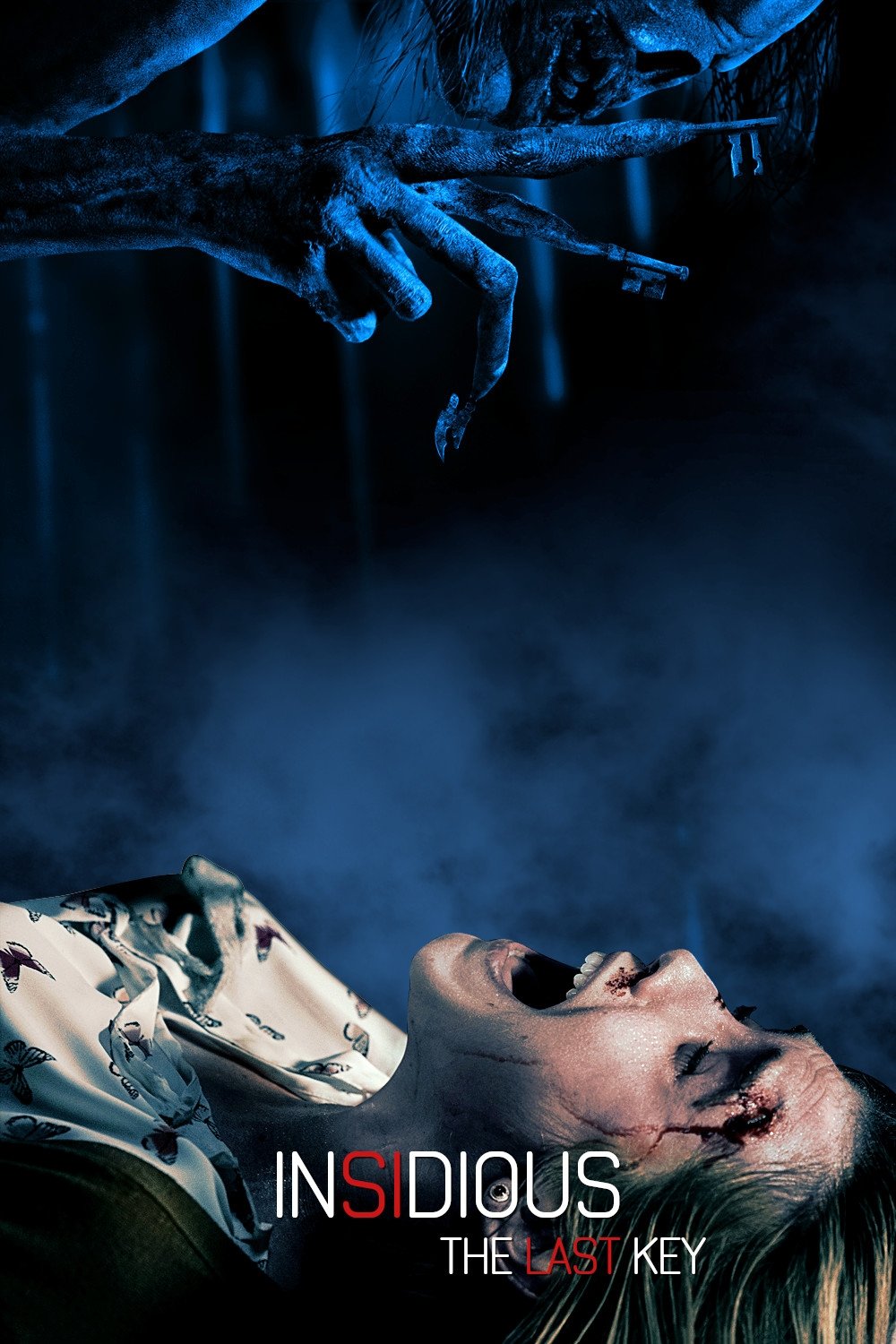
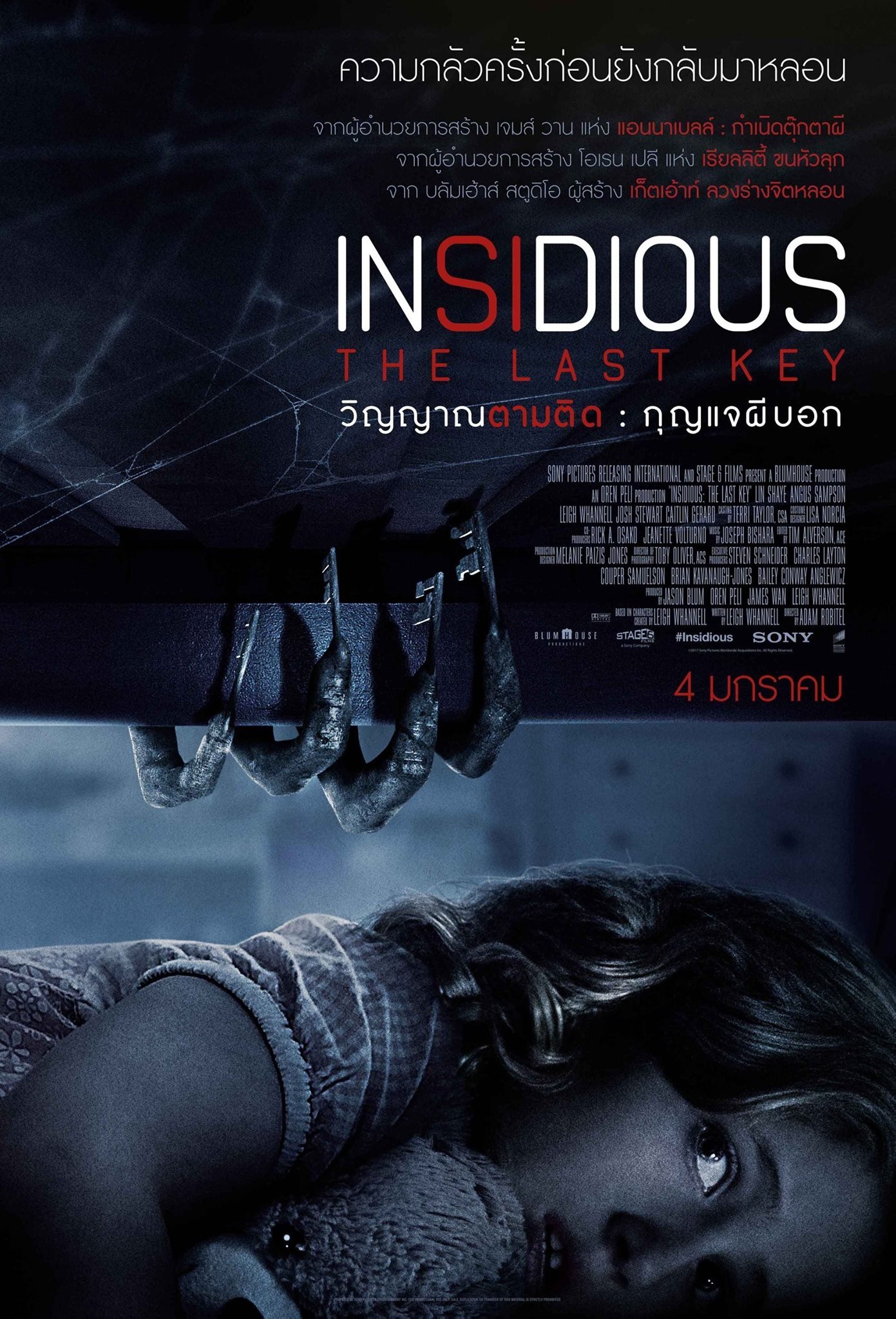
Insidious: The Last Key (2018) returns parapsychologist Elise Rainier to the house in Five Keys, New Mexico, where her childhood ability to perceive spirits was met with punishment. The fourth released film in the series takes place largely before the original Insidious (2010), using an investigation into a reported haunting to uncover the history of Elise's family. What begins as another professional assignment becomes an encounter with the fear that caused her to leave home. The story gives Lin Shaye's character a central role and places a childhood prison, a locked basement and a divided family within the same pattern of confinement.
Adam Robitel directed from a screenplay by Leigh Whannell, who also returns as the investigator Specs. Their production brings a new antagonist, KeyFace, into the supernatural realm called the Further, connecting physical acts of restraint to doors between worlds. Firsthand interviews describe the director's decision to emphasize family trauma and the evolution of the creature from concept drawings to elaborate prosthetic makeup. The film also generated a noteworthy contrast between a strong theatrical opening and sharply critical reviews, making its place in the franchise more specific than an assumption that commercial success establishes artistic influence.
Writing a Fourth Film Around Elise Rainier
Whannell had directed Insidious: Chapter 3 (2015), which established Elise as the emotional center of a prequel story. For the next installment he chose to give her almost the entire dramatic foreground, a decision explained in his January 2018 interview with Rue Morgue. The move capitalized on an actress who had become increasingly important to the series while continuing a chronology in which Elise could appear despite her death in the original film. Shaye's central role also mattered to the writer because leading parts for older women were relatively uncommon in the kind of commercially released genre picture he was making.
Whannell did not return to the director's chair. He told Rue Morgue that he wanted to concentrate on his own science-fiction project after directing the previous installment, while remaining involved as writer, performer and producer. Robitel, whose earlier feature was The Taking of Deborah Logan (2014), obtained the assignment after presenting storyboards, a visual lookbook and concepts for a new antagonist. The director had known Shaye and James Wan socially before joining the production. His description of collaborating within an established fictional universe is more useful than treating the sequel as the unassisted creation of a new filmmaker: the narrative, performers and mythology came from a continuing partnership.
Five Keys, the Prison and Childhood Fear
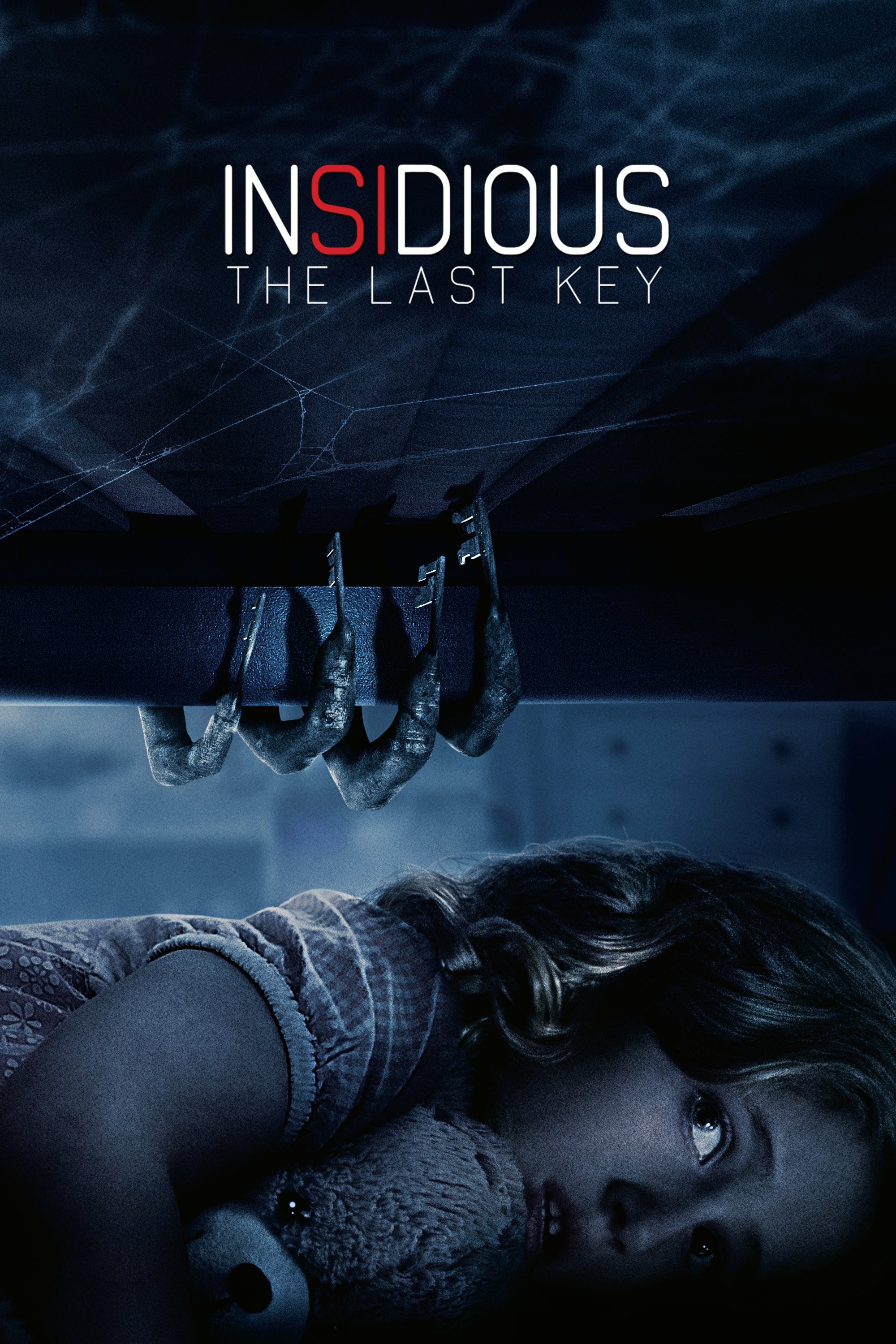
The opening sections establish Elise's powers as a source of danger within her own home long before they become professional skills. Her father Gerald works at a prison beside the family property and reacts violently when she describes the figures she sees. Punishment is carried out through the household's own enclosed spaces. The proximity of the correctional institution makes locking someone away a principle of the physical setting as well as a recurring behavior. Robitel specifically identified the father's abuse and rejection of his daughter as the emotional material he wanted to emphasize; that statement documents the director's intention without making the supernatural events an account of actual childhood experience.
Ava Kolker plays Elise as a young child, while Hana Hayes portrays her at a later age, making the long consequences of early terror visible before Shaye resumes the adult role. Elise's mother Audrey cannot protect her family from everything that enters the house, and her younger brother Christian becomes estranged from his sister after she leaves. Years later, the return to Five Keys brings that rupture into the investigation. The emotional stakes are therefore established before the nature of the new haunting is clear: Elise must revisit rooms connected with injury and abandonment, and the prospect of helping someone else requires her to enter a place she has spent decades avoiding.
Imprisonment, Deception and Human Violence
Ted Garza's request for assistance initially makes the childhood house appear to contain a familiar paranormal mystery. The investigation with Specs and Tucker gradually reveals that not every alarming sign inside it comes from a ghost. Evidence of women held captive by a human captor changes what the characters believe they are confronting. This reversal is important because it prevents the supernatural premise from absorbing the responsibility for every crime. The imprisoned victims face an immediate, material threat independent of what anyone believes about the Further, and Elise's profession gives her no automatic protection against human deception.
The screenplay subsequently ties its demon to patterns of domination, opening a difficult question about the relationship between coercive people and the entity that encourages them. KeyFace's ability to silence and restrain victims visualizes those patterns, but the existence of an evil spirit within the story does not establish that abuse in ordinary life requires a supernatural explanation. The film's treatment of captivity is also more disturbing than a simple succession of apparitions, since the discovery of human prisoners demands a different kind of response. Its interplay between psychological history, crime and spectral intervention supplies an identifiable horror premise, even where the execution relies on the familiar shocks of the series.
Designing KeyFace: Drawings, Prosthetics and Performance
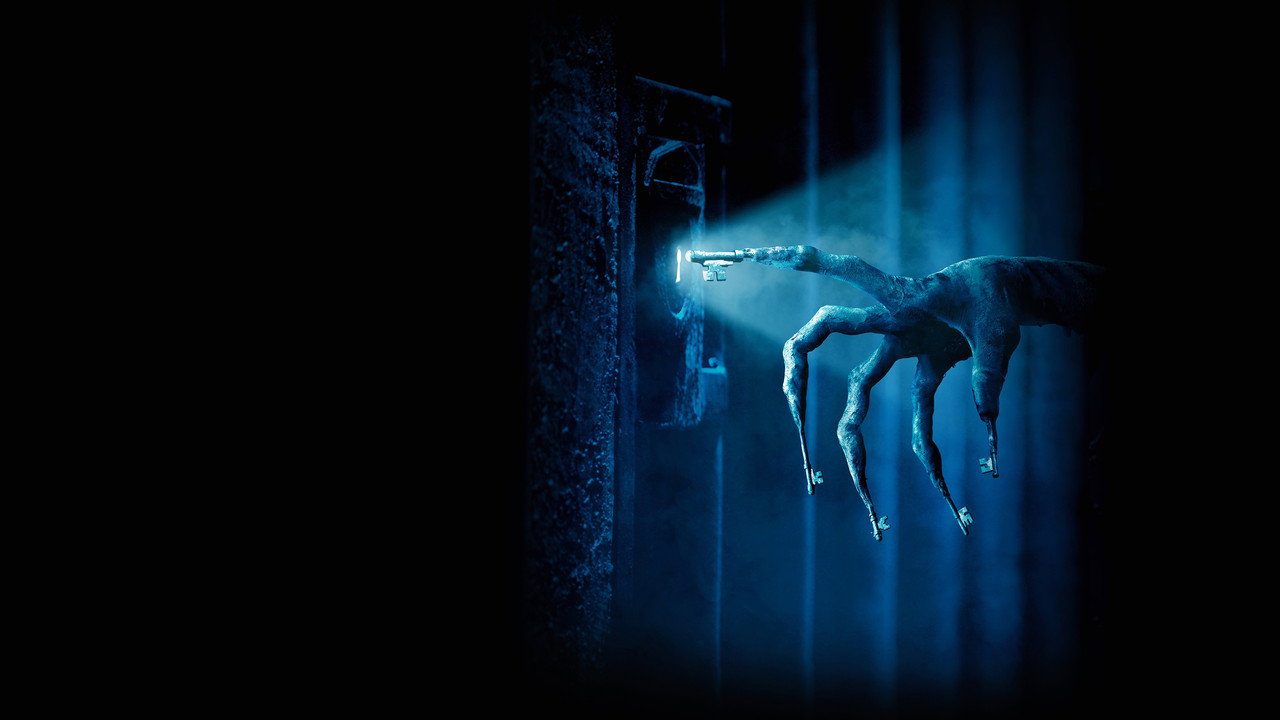
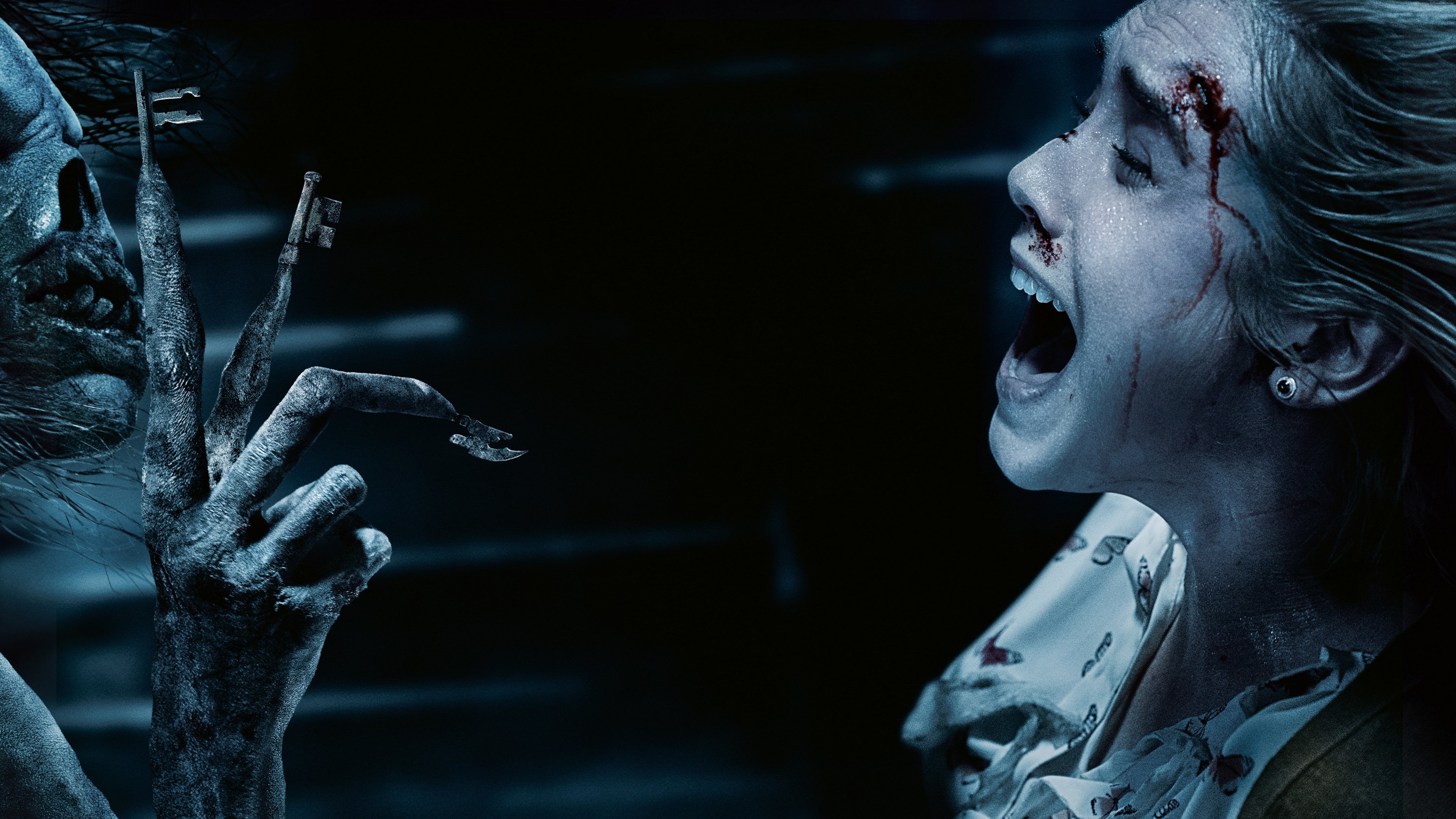
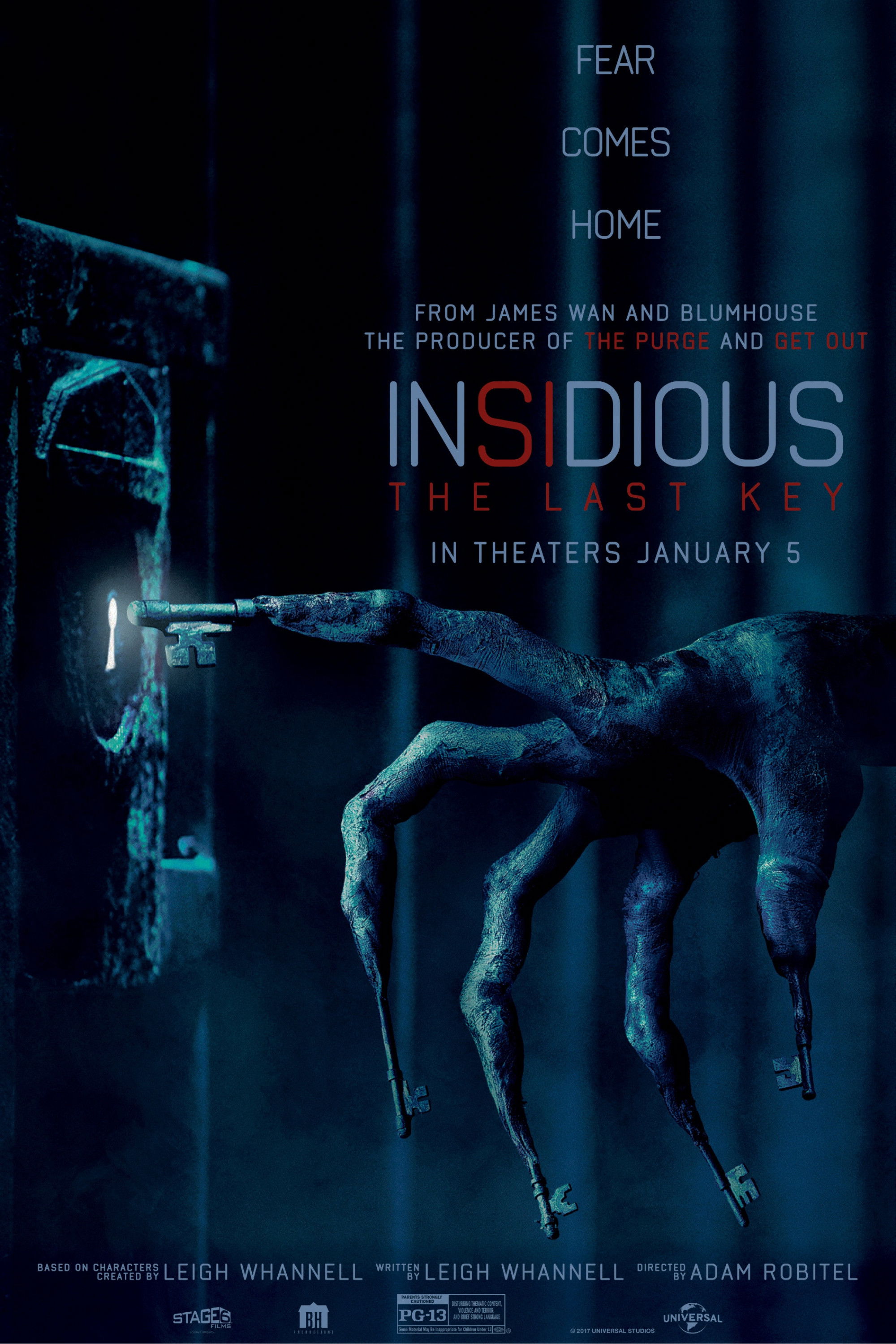
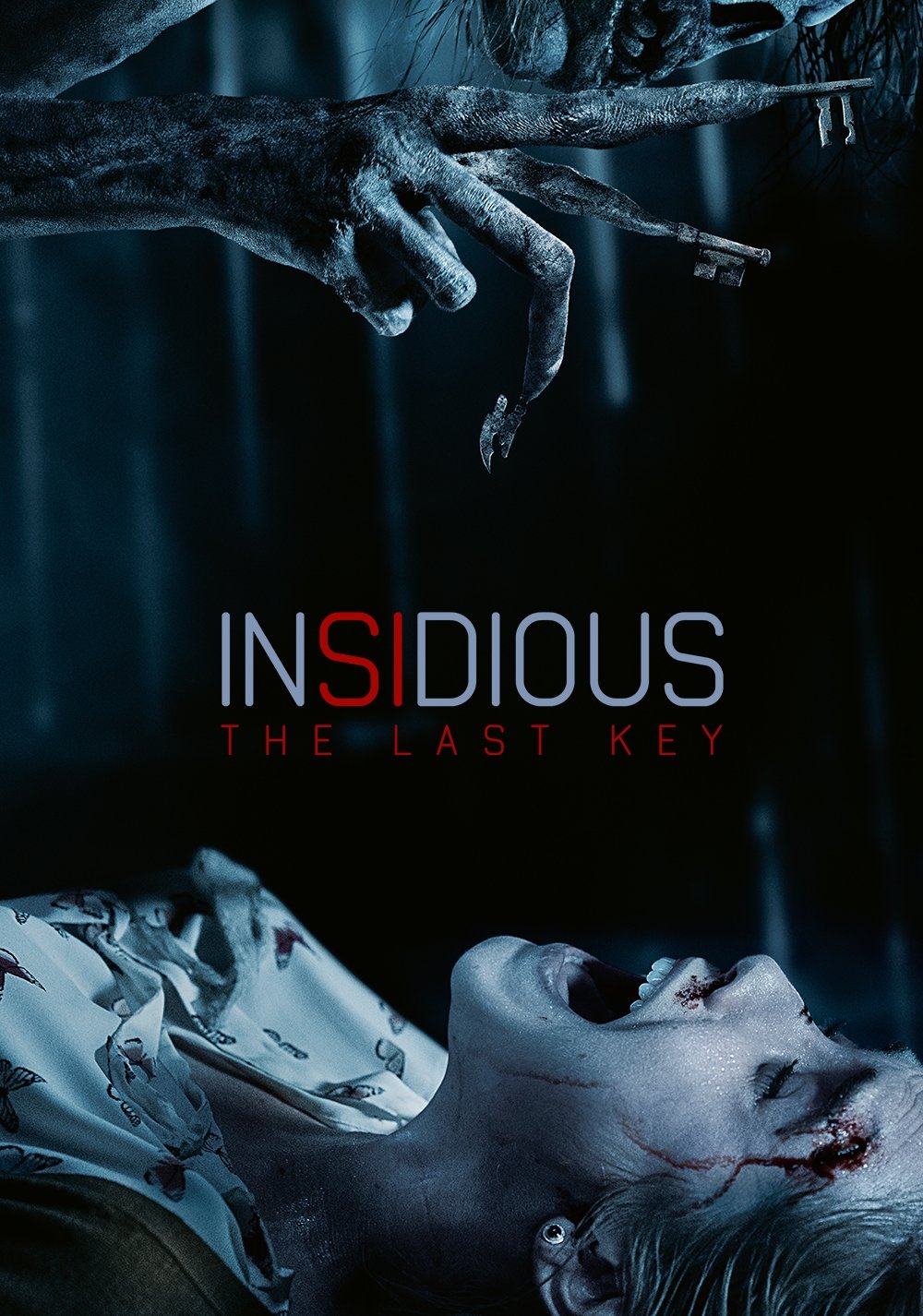
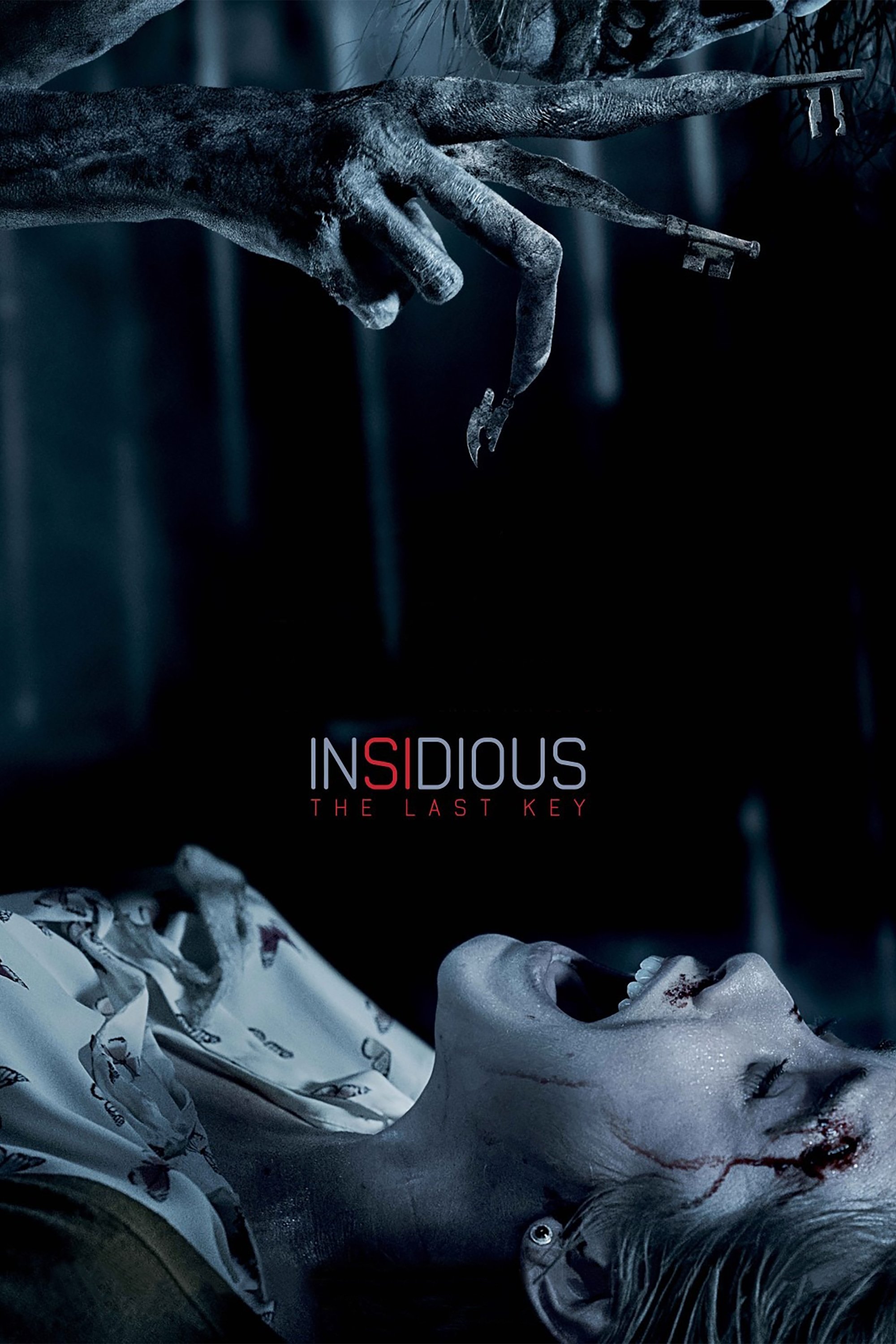
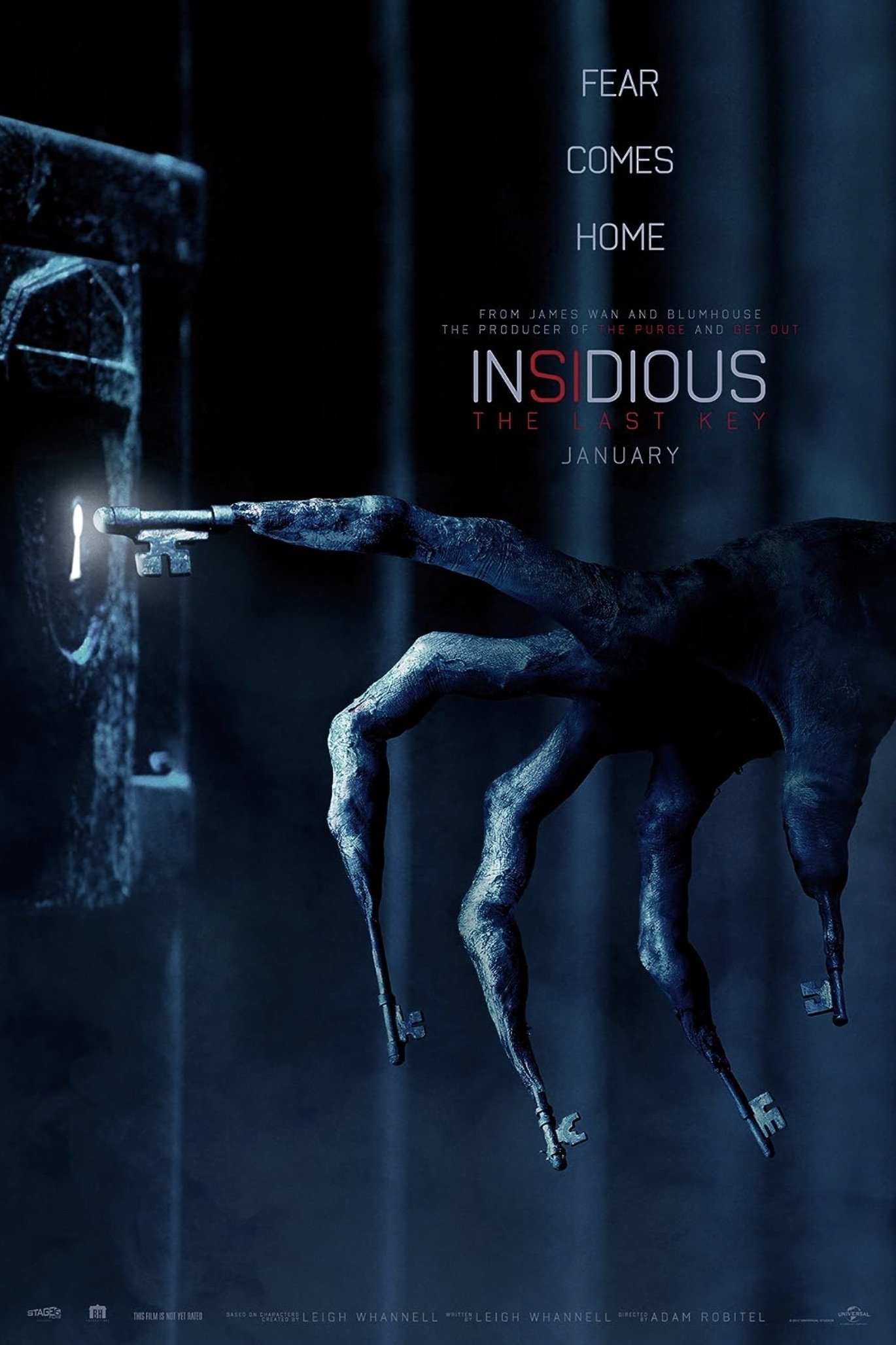
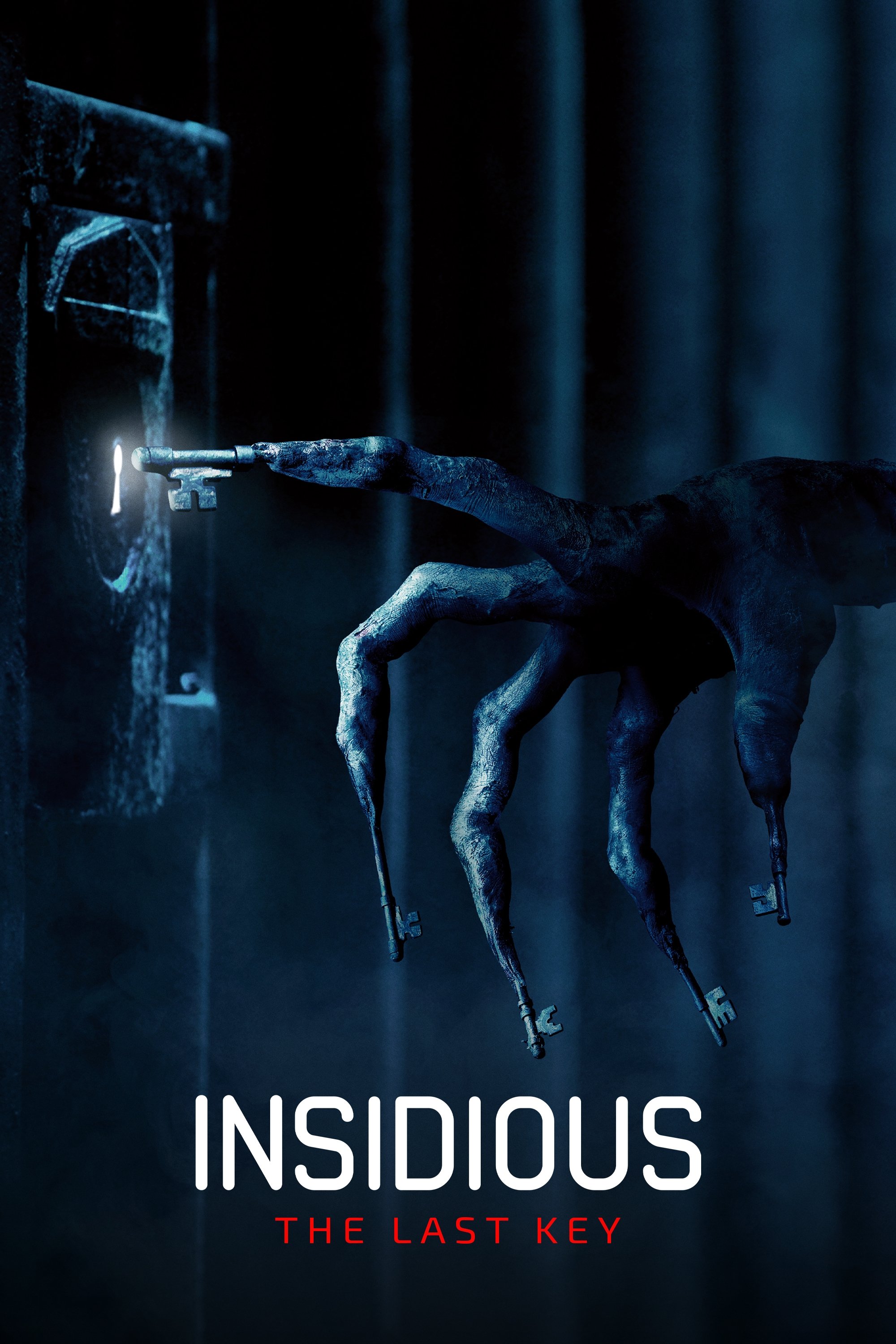
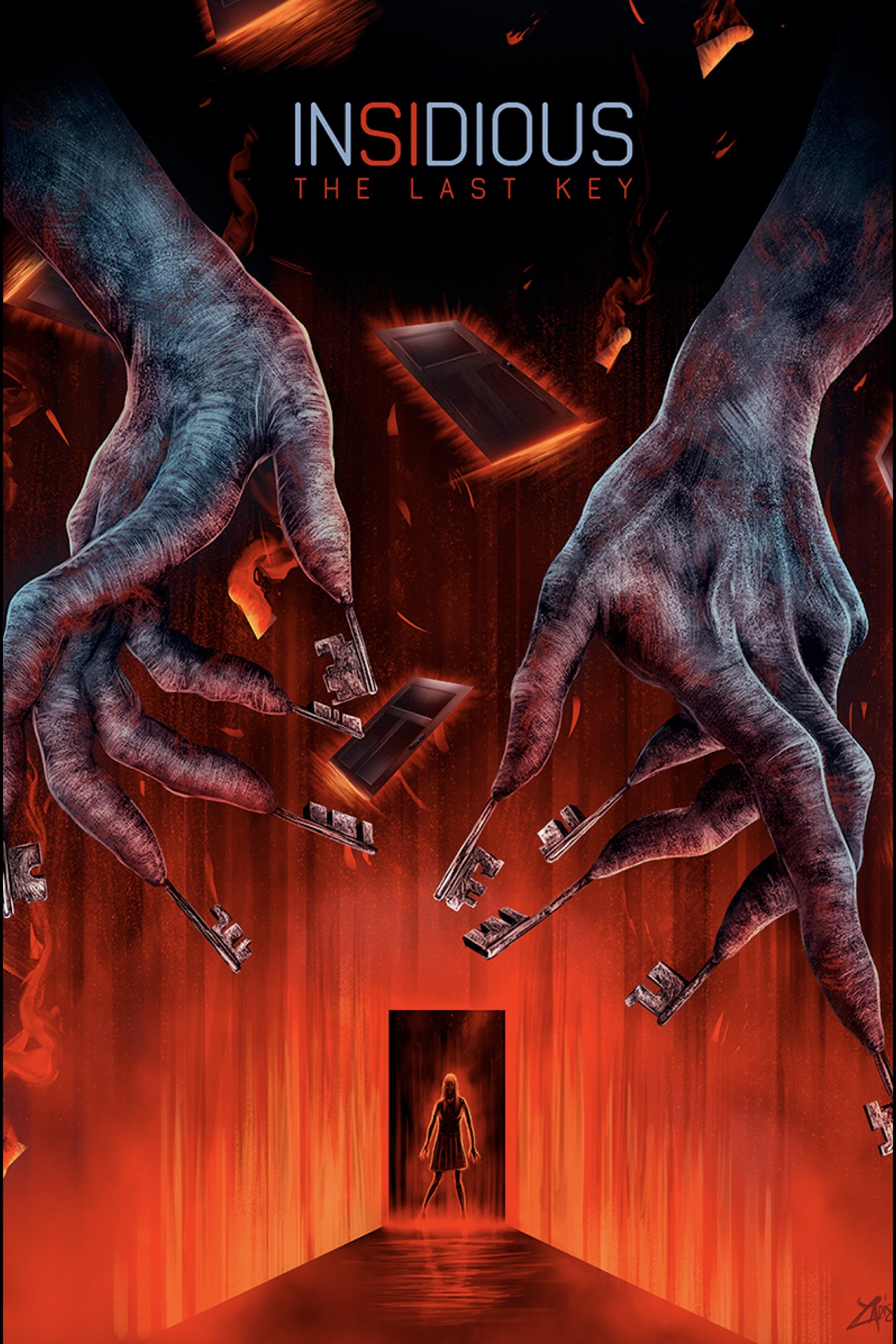
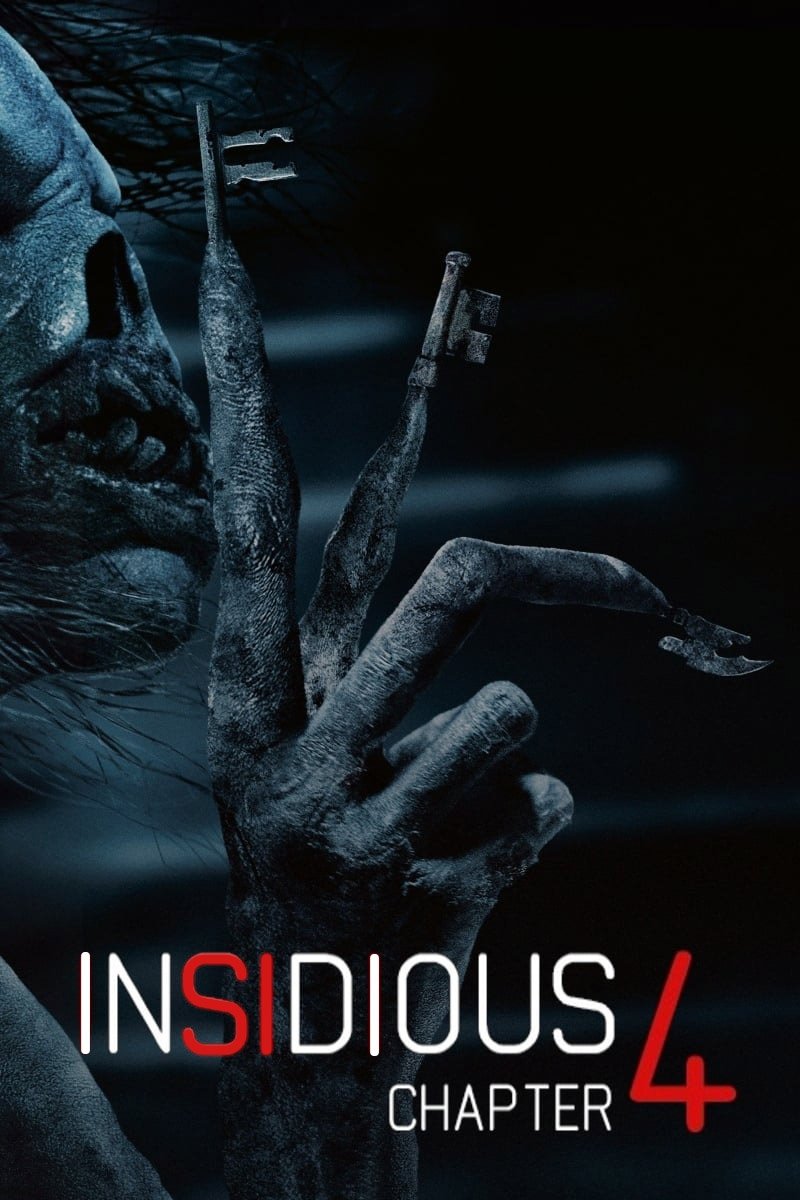
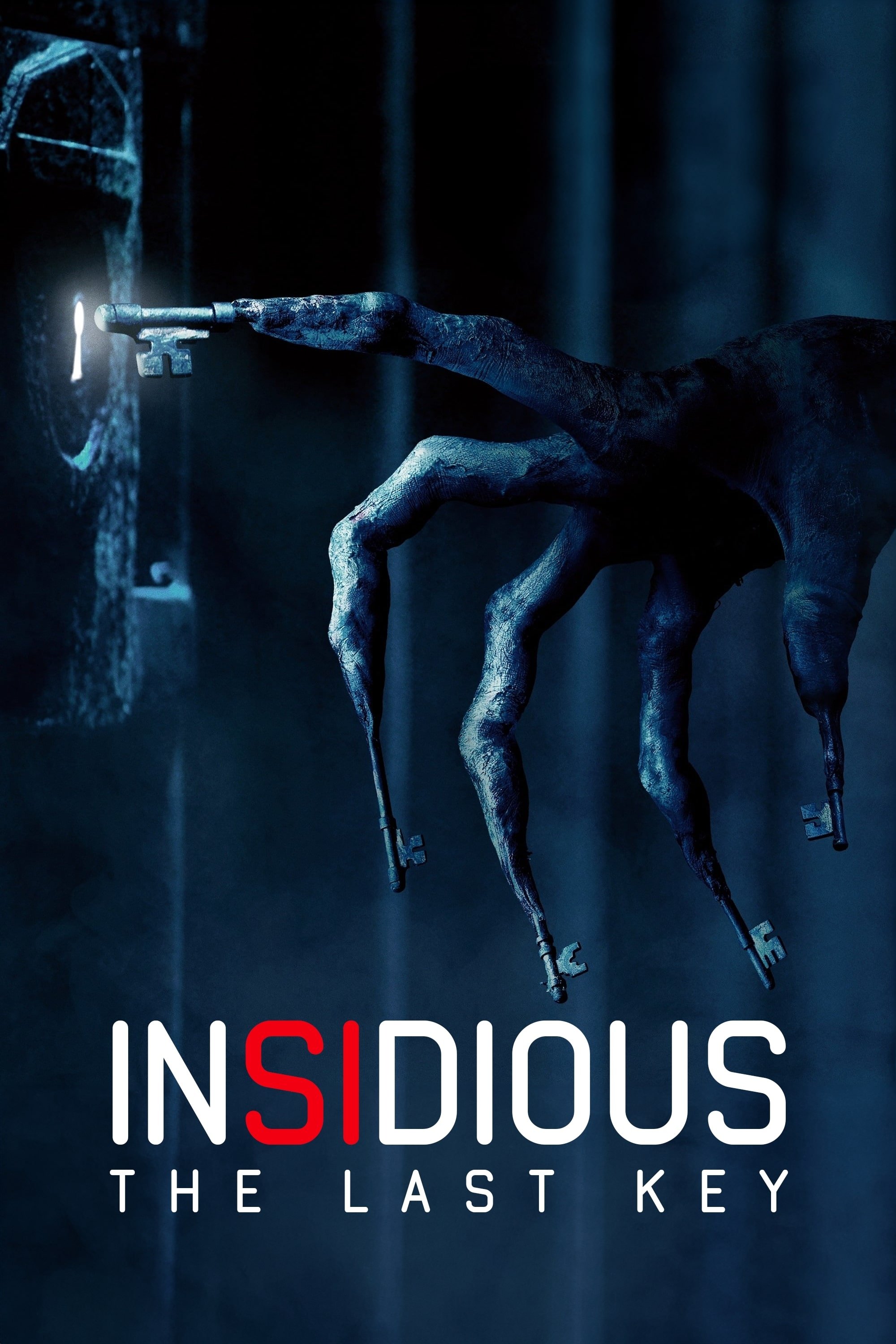
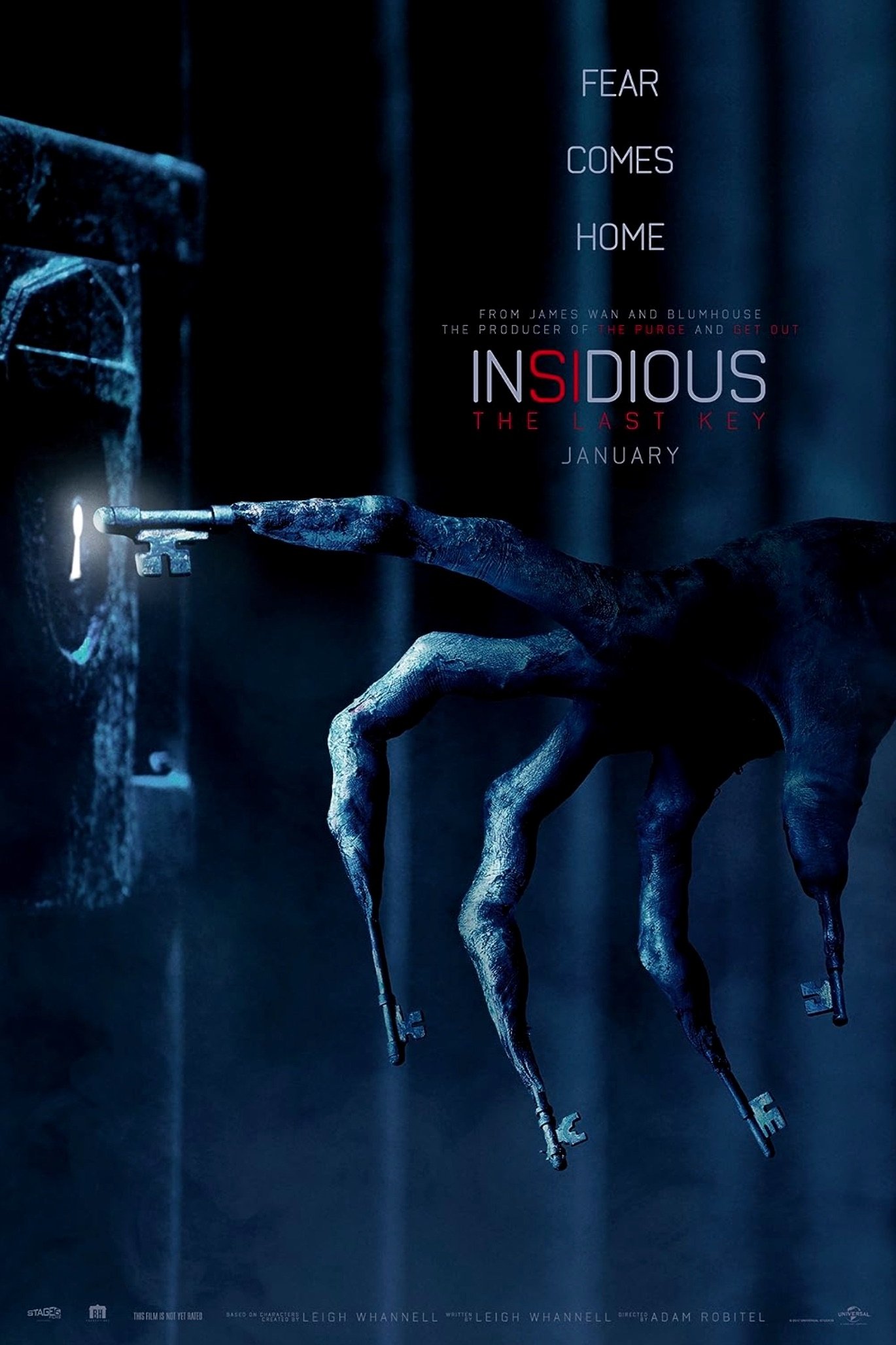
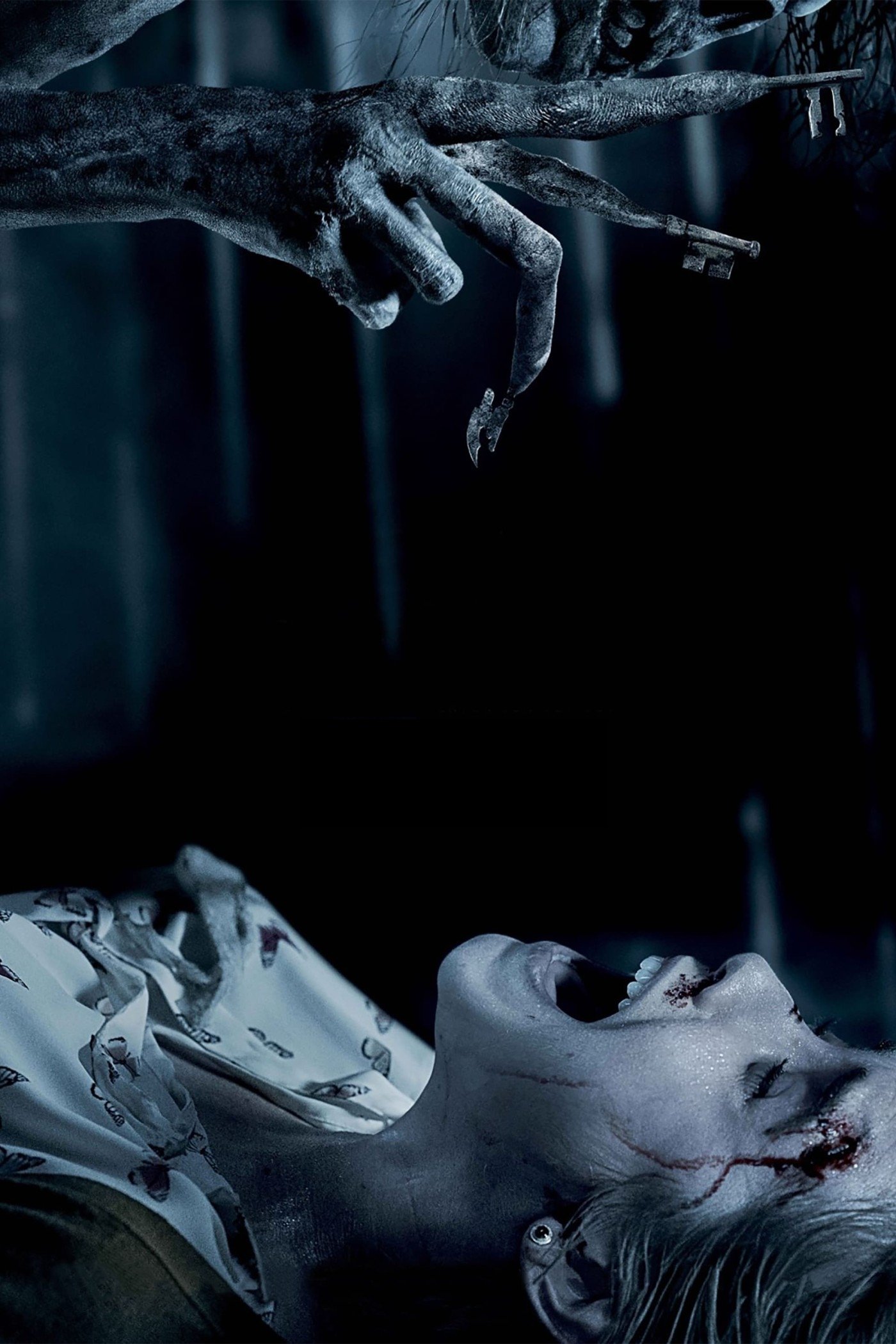
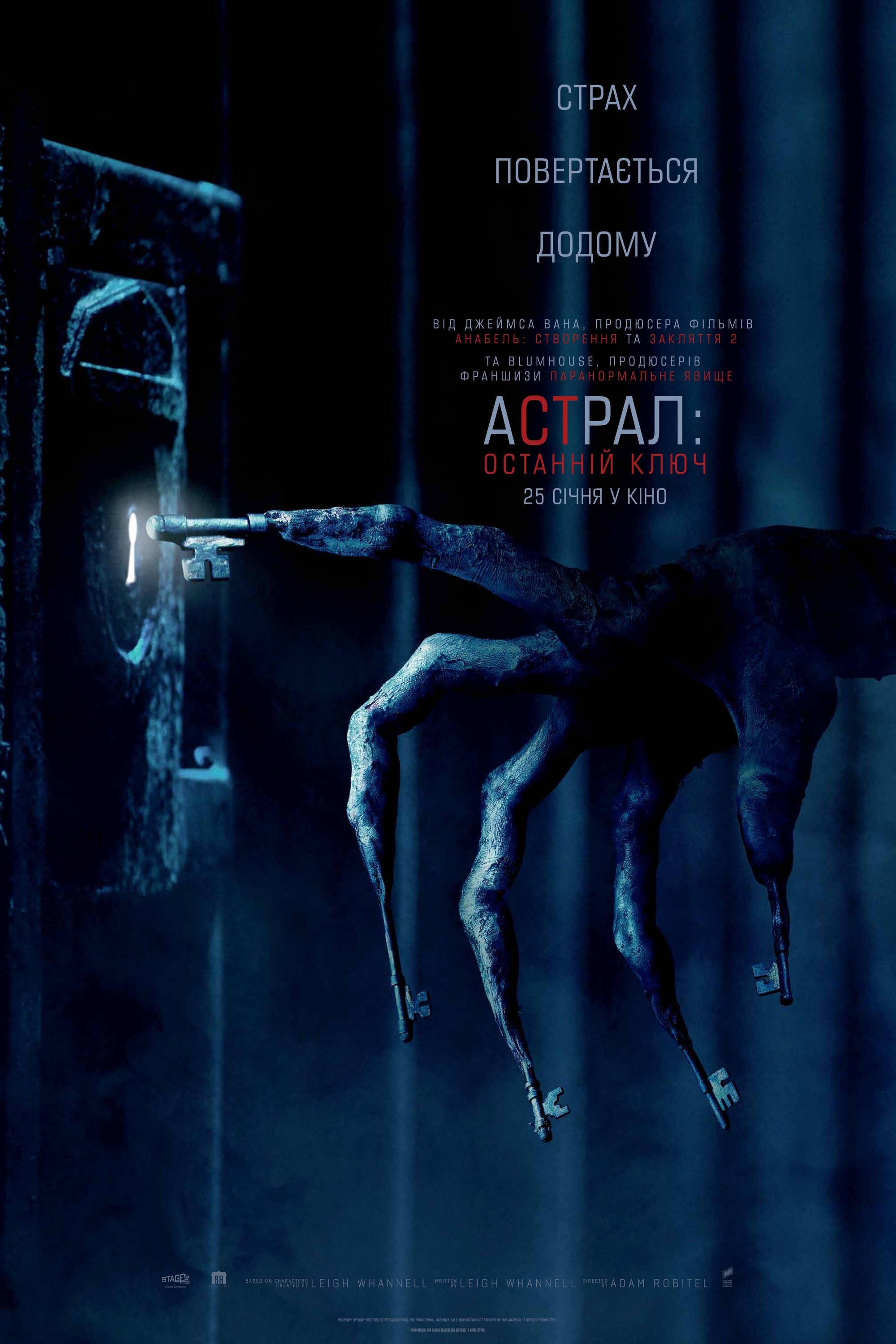
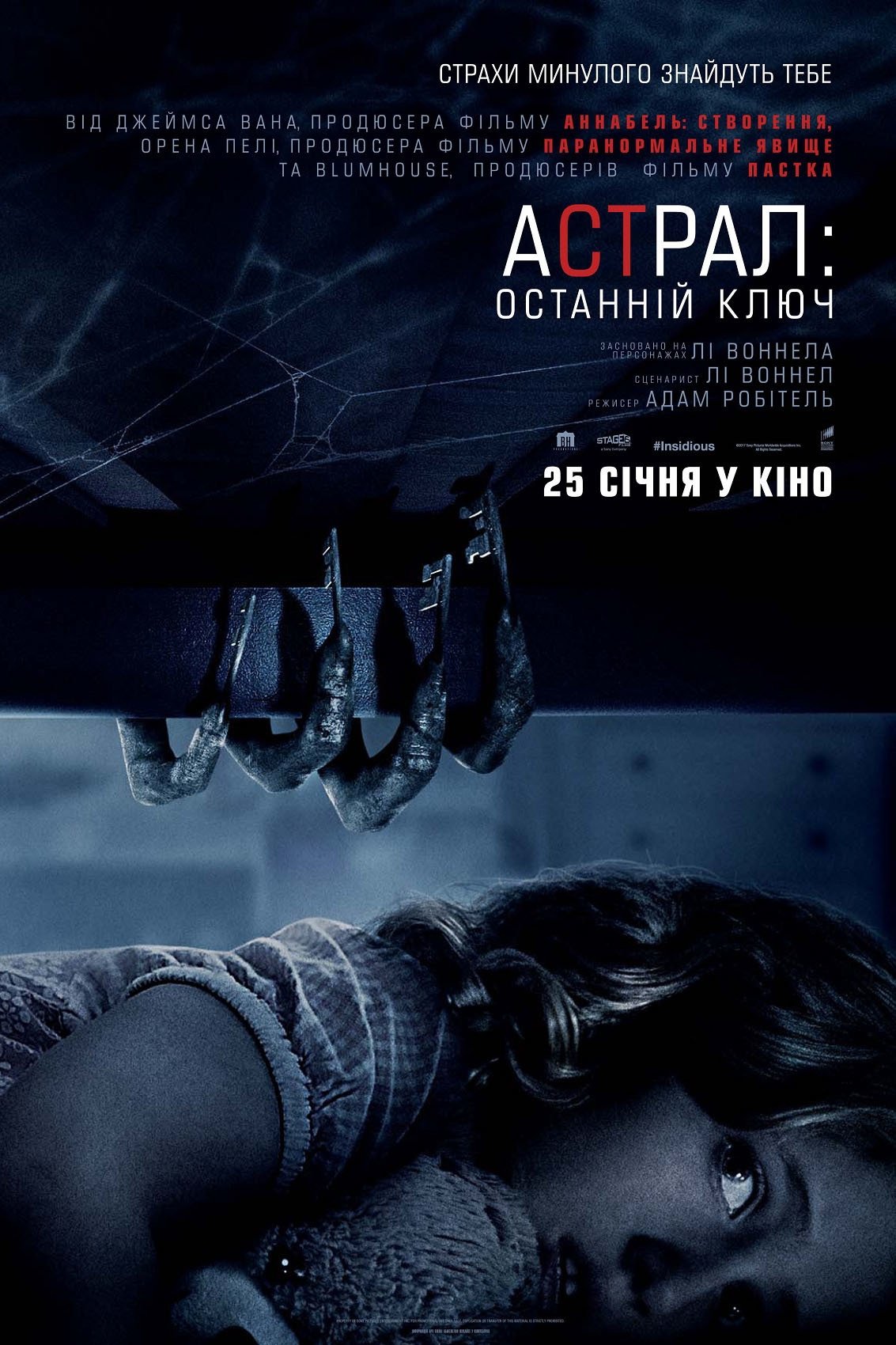
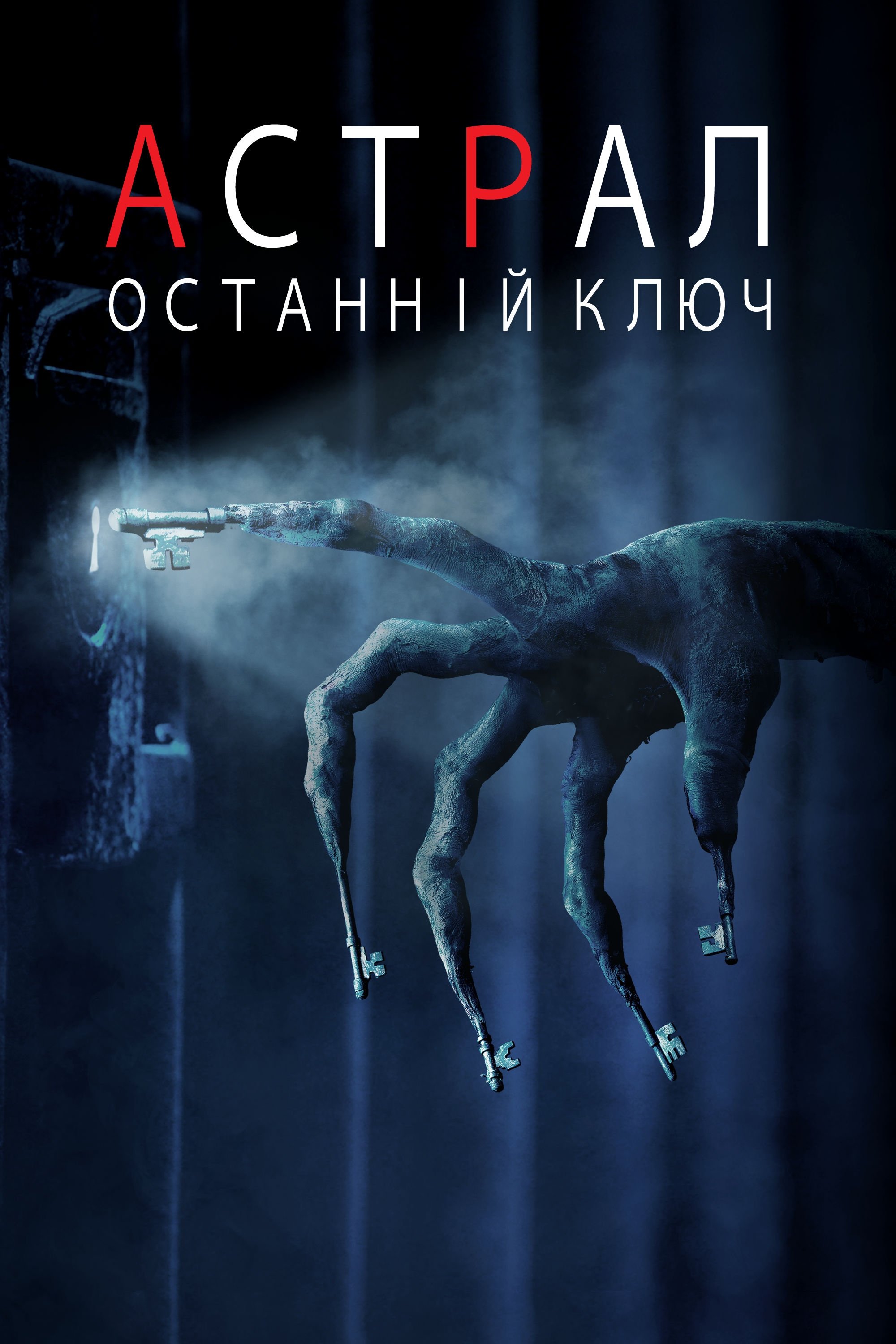
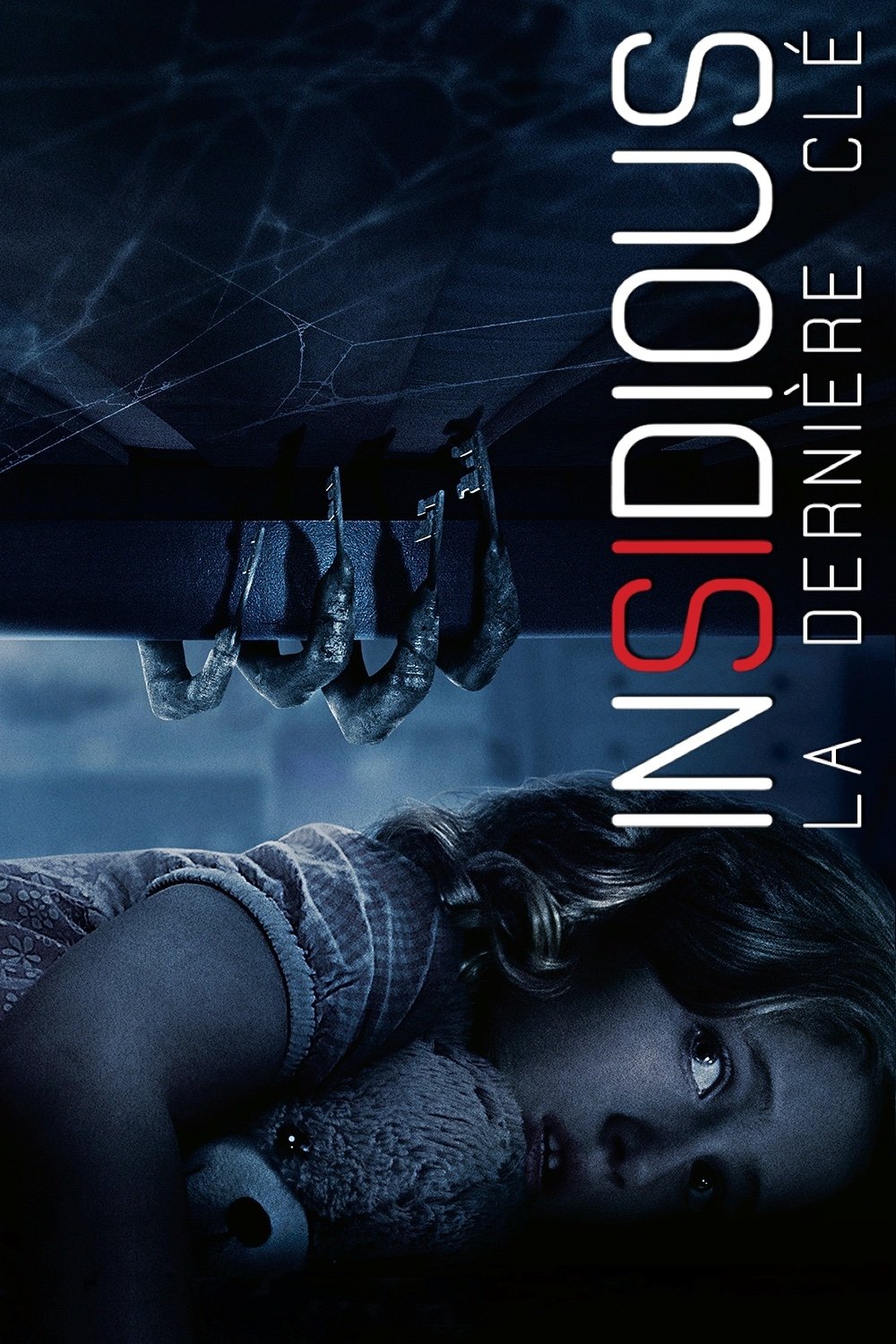
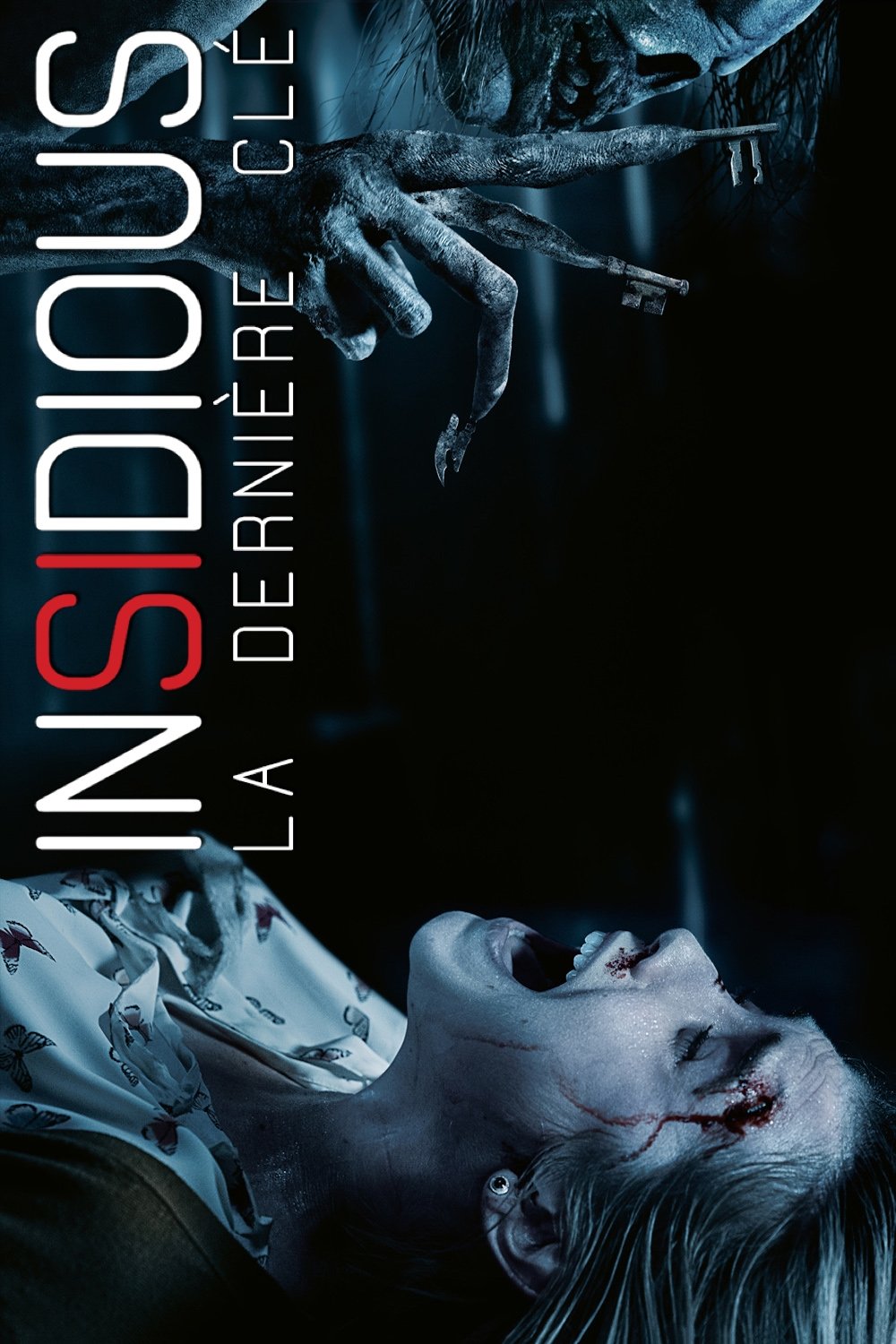
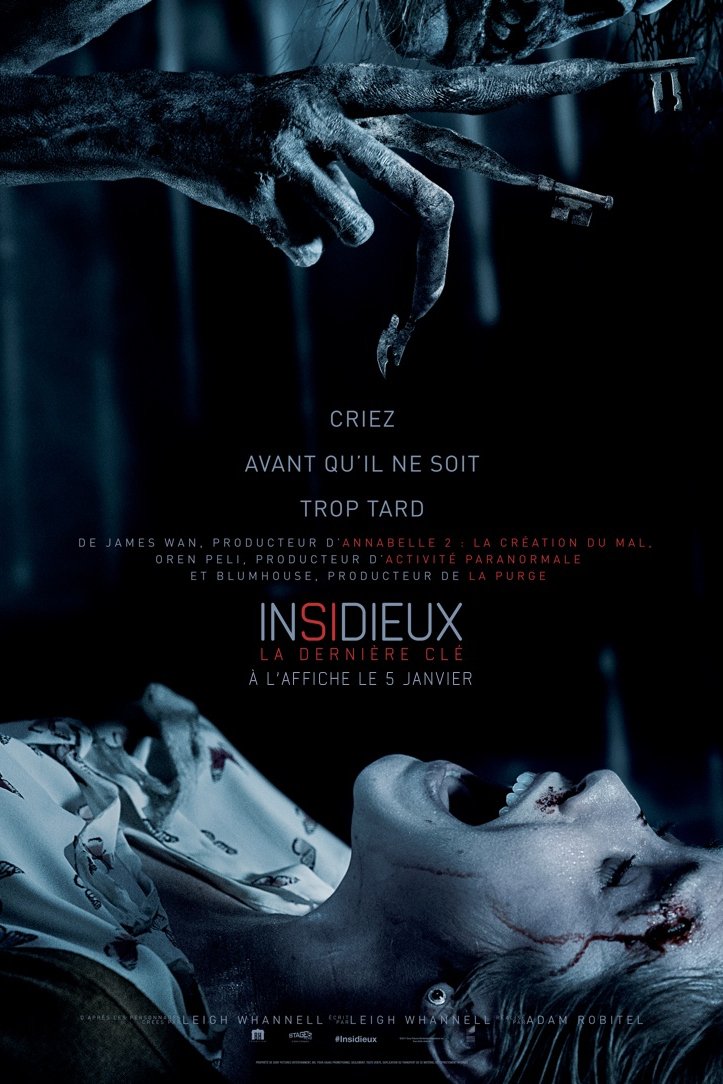
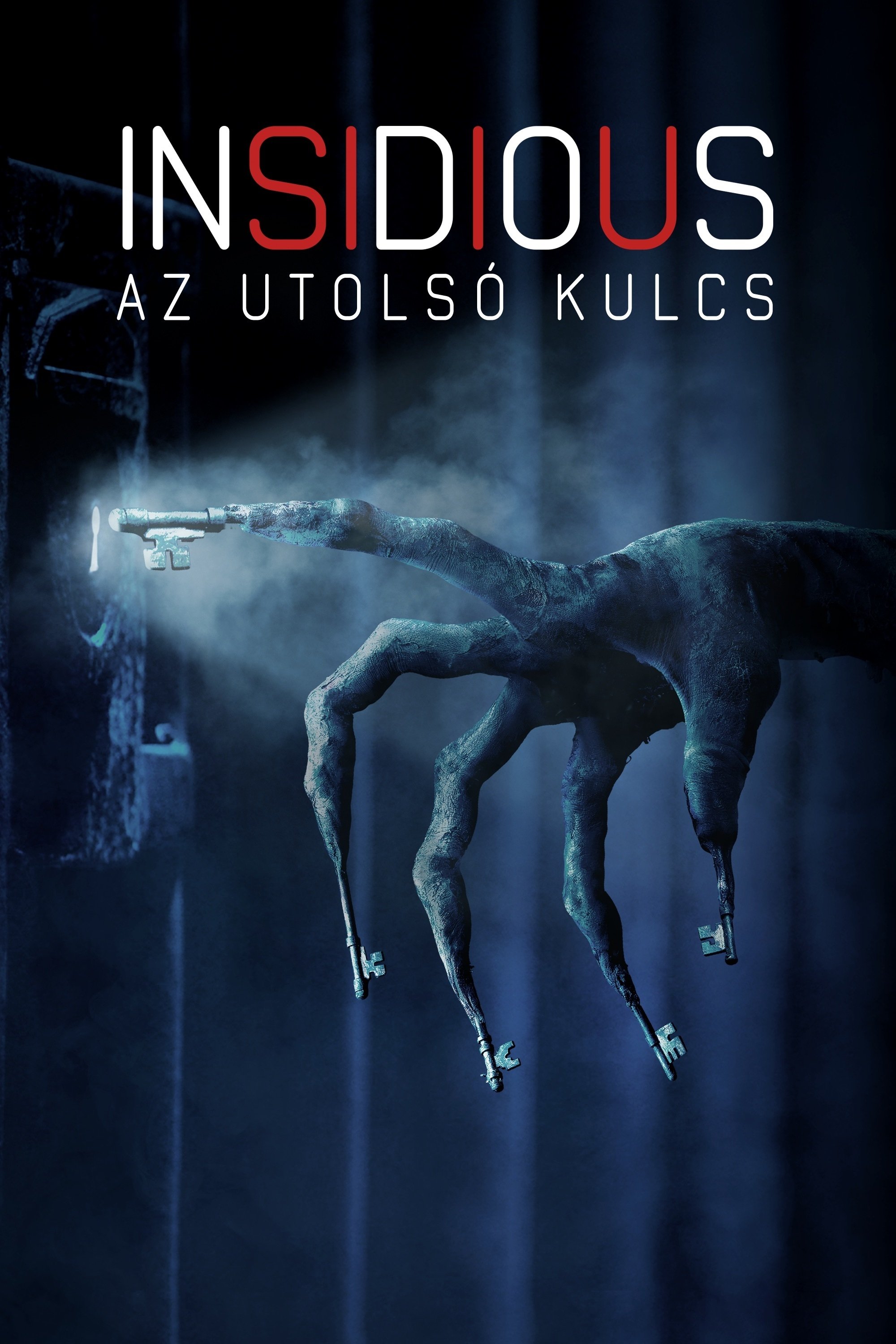
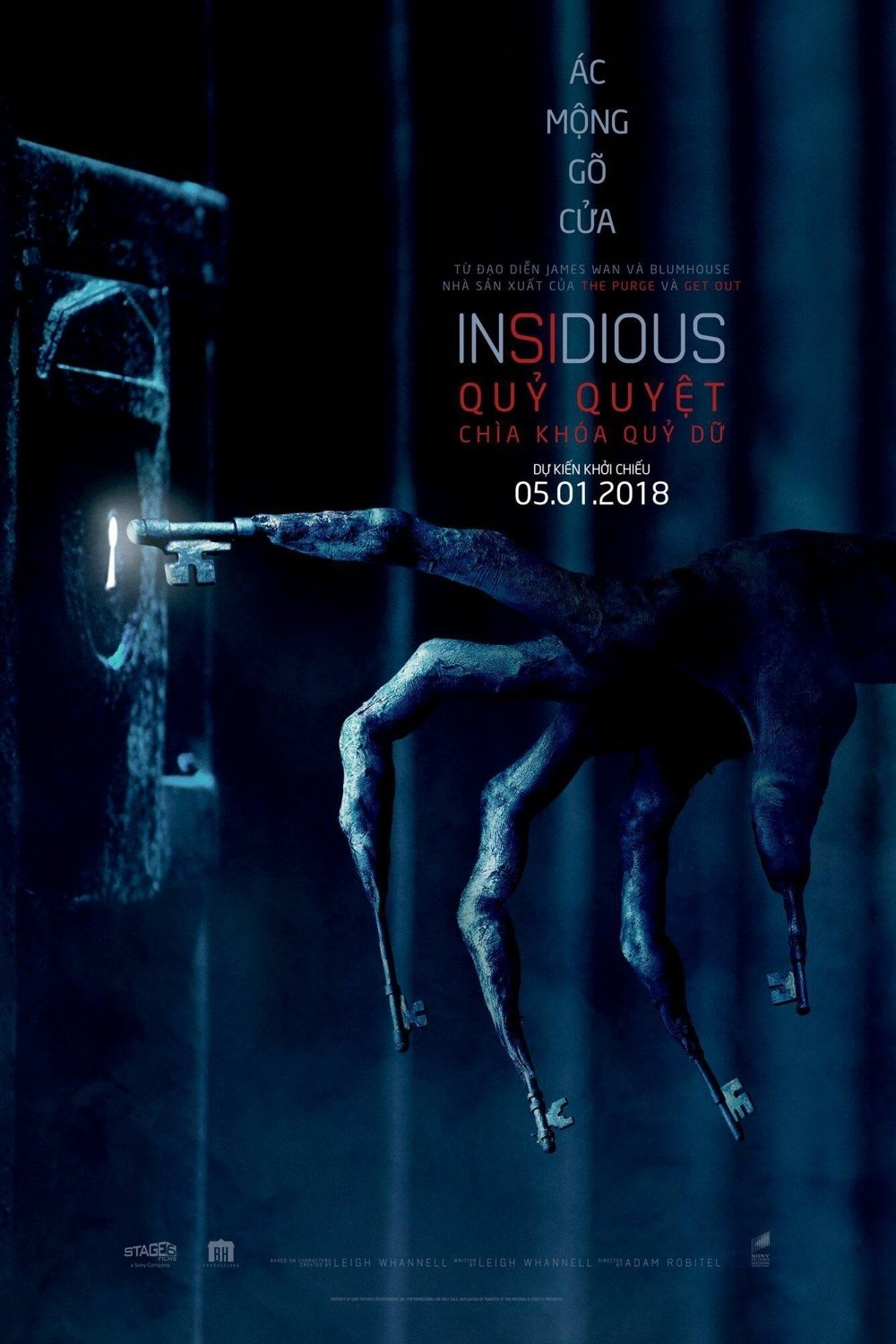
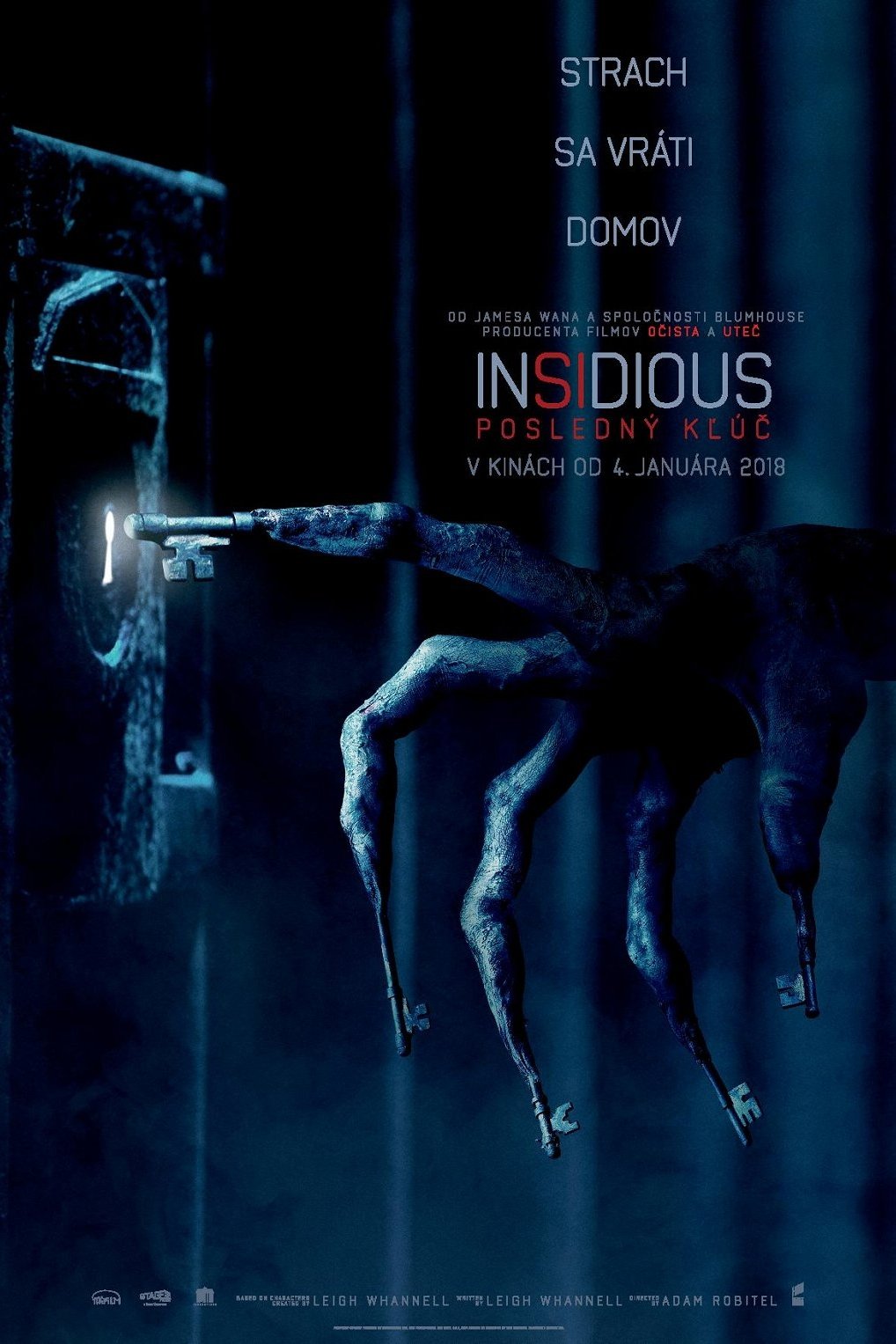
Robitel recalled that the screenplay draft he first encountered contained prison and key imagery but no major demon to embody it. He therefore worked with concept artist Jacob Hair on a creature whose fingers would function as keys, while the idea of a damaged mouth suggested a keyhole within the face. Whannell incorporated the figure into the evolving script. The design gave an abstract principle of access and imprisonment a recognizable physical image: the monster can threaten a person by closing off speech, and its hands make the power to open passages appear like a weapon. These details emerged during development rather than forming part of an established supernatural legend.
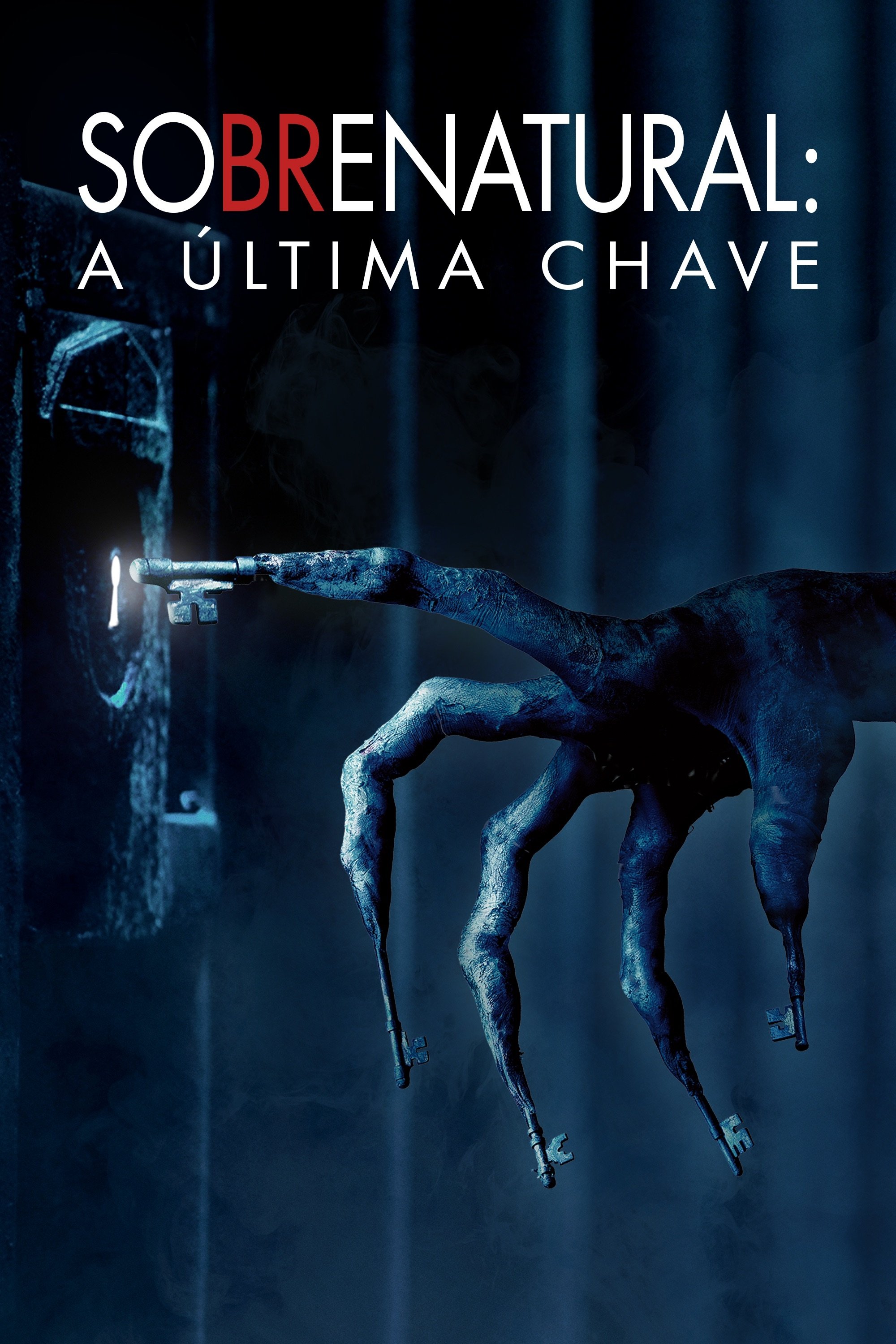
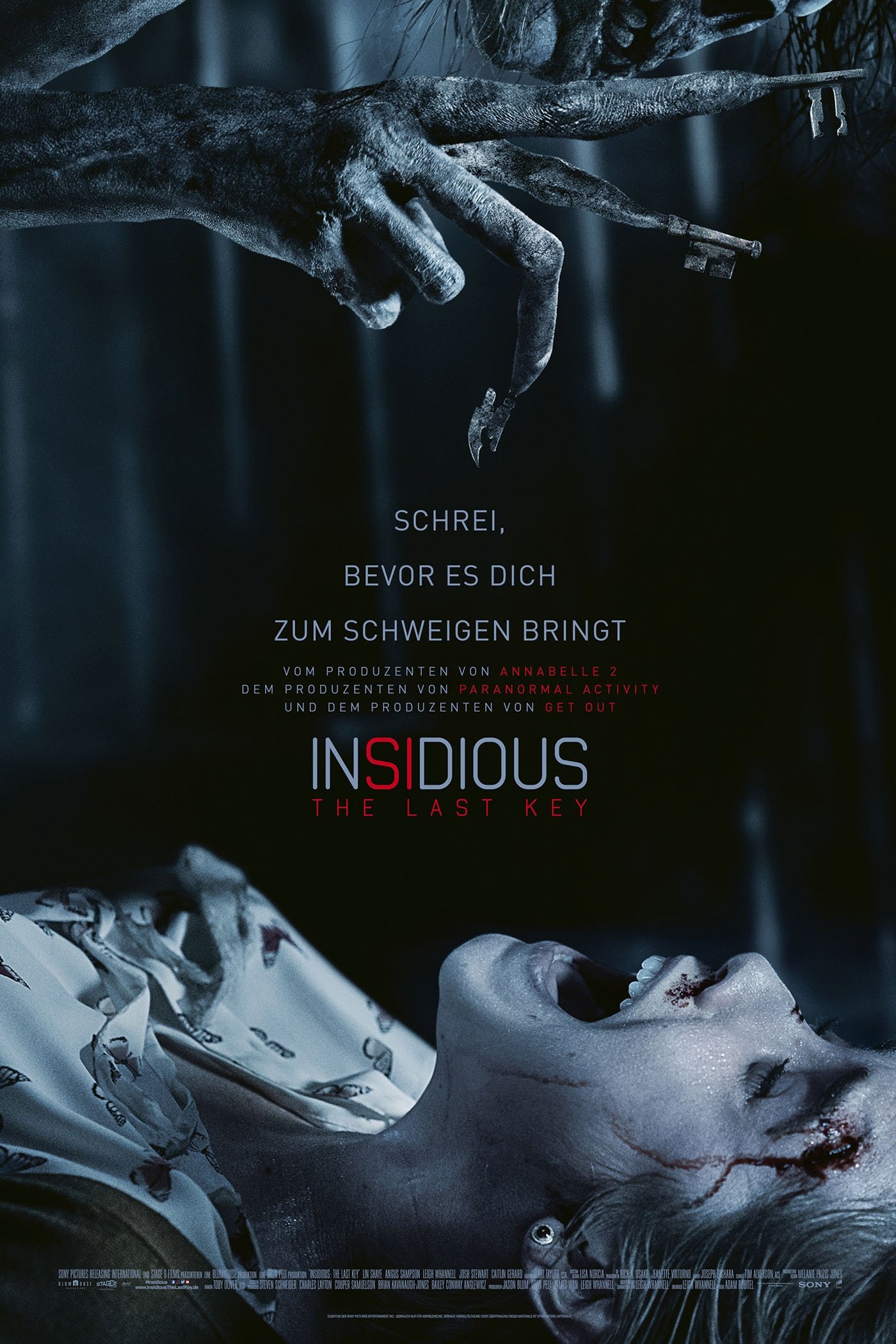
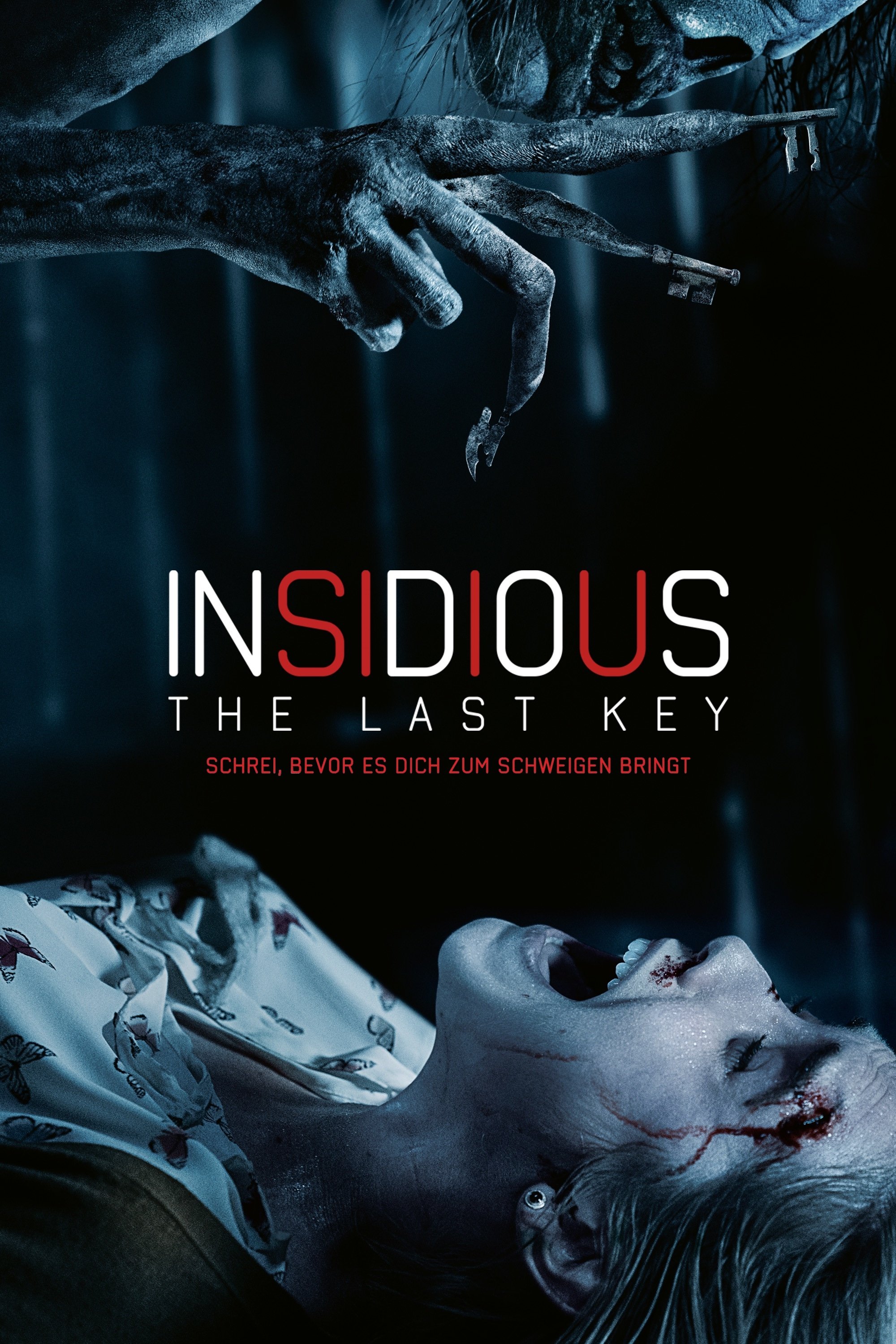
Javier Botet performed as KeyFace after Robitel sought an actor whose movement could give the prosthetic creation a disturbing bodily presence. The director reported that Botet spent roughly four hours in makeup and that breathing and communication could be difficult in the finished appliance. Justin Raleigh and Fractured Effects developed the sculpted character from the early drawings. That testimony establishes important practical work, although it does not justify claiming that every finished shot excludes digital assistance. The monster's skeletal movement, metal-like fingers and proximity to its victims make the design suited to intimate encounters; what it can do to a person carries as much menace as its appearance.
The Further, Red Doors and the Original Film
The story continues the series' conception of the Further as a shadowed version of spaces inhabited by the living. Here the act of opening a door becomes an expression of supernatural access. When Elise and her nieces enter part of that realm, the journey briefly intersects with Dalton Lambert's bedroom and an image already important to the first film. The connection places the fourth release after Chapter 3 but before Insidious in the fictional timeline. Whannell explained the final structural link to TheWrap in January 2018, discussing the possibility that Elise's actions had inadvertently opened a route later exploited by hostile spirits.
Crucially, the writer also said this connection had not been planted as a long-term plan in the original screenplay. Red doors developed new meanings as he revisited the mythology for subsequent installments. His explanation helps separate a retrospective continuity device from evidence that every detail of the series was planned in advance. The result gives Elise a troubling relationship with the very threshold she is supposed to guard. By confronting an entity associated with imprisoning its victims, she also demonstrates that her ability to enter the Further can either threaten other people or permit their release, depending on how she uses it.
Theatrical Opening, Critical Response and Franchise Position
Universal released the fourth installment widely in the United States on January 5, 2018, with a PG-13 classification. The Los Angeles Times reported an estimated $29.3 million domestic opening weekend, second in the market and one of the strongest January launches for a horror film at that point. That figure was an early estimate, not a final audited total; opening revenue also cannot be equated with profit. The response showed that the franchise retained substantial commercial appeal as it shifted the focus to Elise. The film's release date and measured opening performance are firmer evidence of that success than an unsupported claim about its standing among horror audiences.
Critical reception was noticeably less enthusiastic. Jordan Hoffman, reviewing the film for The Guardian on opening day, praised the atmosphere and dramatic potential of the childhood prologue but found the later scares repetitive and the script insufficiently attentive to its protagonist. His criticism contrasts directly with Robitel's account of intending to anchor the supernatural incidents in an older woman's confrontation with family violence. Those are two distinct perspectives, one describing a creative aim and the other assessing the released result. The Last Key remains consequential chiefly within the Insidious narrative: it gives Elise an origin, develops the rules of the Further and carries the prequel sequence into the events of the first feature.
References
Rue Morgue — Exclusive Interview: Director Adam Robitel on His First Trip to the Further with Insidious: The Last Key
Michael Gingold interviews Robitel about his hiring, Elise and family abuse, KeyFace concept development, Javier Botet and Fractured Effects.
Rue Morgue — Exclusive Interview: Insidious: The Last Key Writer and Co-star Leigh Whannell on Lin Shaye, Demon Acting and More
Gingold interviews Whannell about the Elise-led script, his decision not to direct, continuing involvement and the development of the series mythology.
TheWrap — Insidious Co-Creator Leigh Whannell Explains That Big Callback to the First Movie in The Last Key
Phil Owen interviews Whannell about the red door, Dalton Lambert, the temporal relation to the first film and the fact that this connection was not planned from the start.
The Guardian — Insidious: The Last Key Review - Horror Prequel Fails to Unlock Scares
Jordan Hoffmans original January 5 2018 criticism of the childhood prologue, the recurring scare devices and the treatment of Lin Shayes central character.
Los Angeles Times — Box Office: Blockbusters Dominate as Jumanji Overtakes The Last Jedi
Sonaiya Kelleys January 7 2018 original box-office report on the estimated opening weekend and the films place among January horror releases.