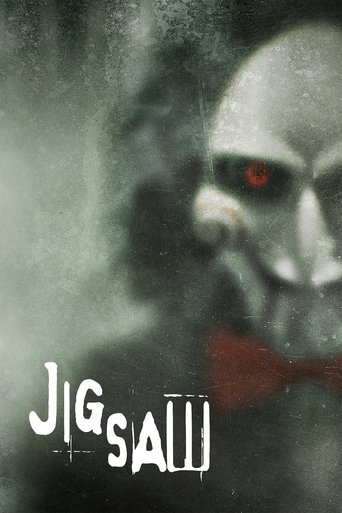
Jigsaw (2017)

US
HORROR FILM Mystery Thriller Crime
5.0/10 1 votes
Runtime
92 min
Release
October 26, 2017
Budget
$10,000,000
Revenue
$104,223,315
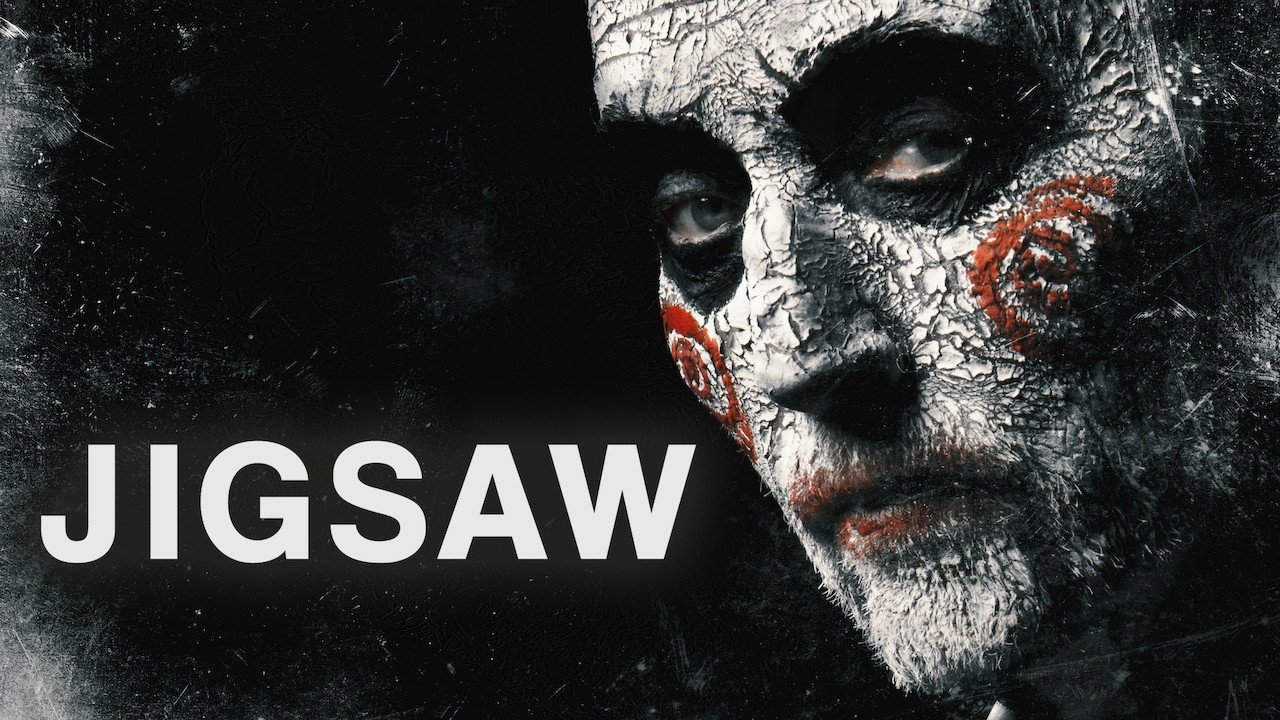
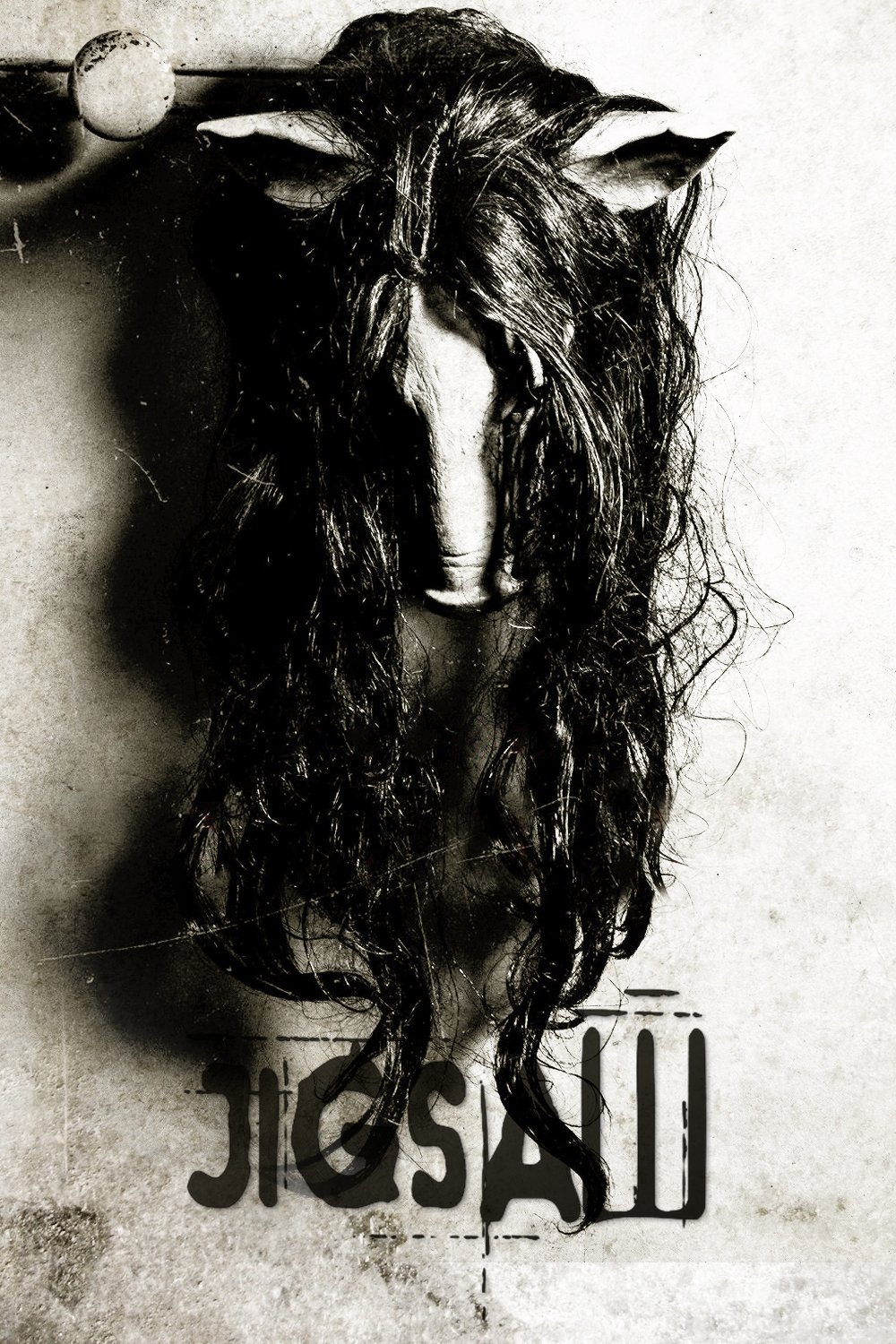
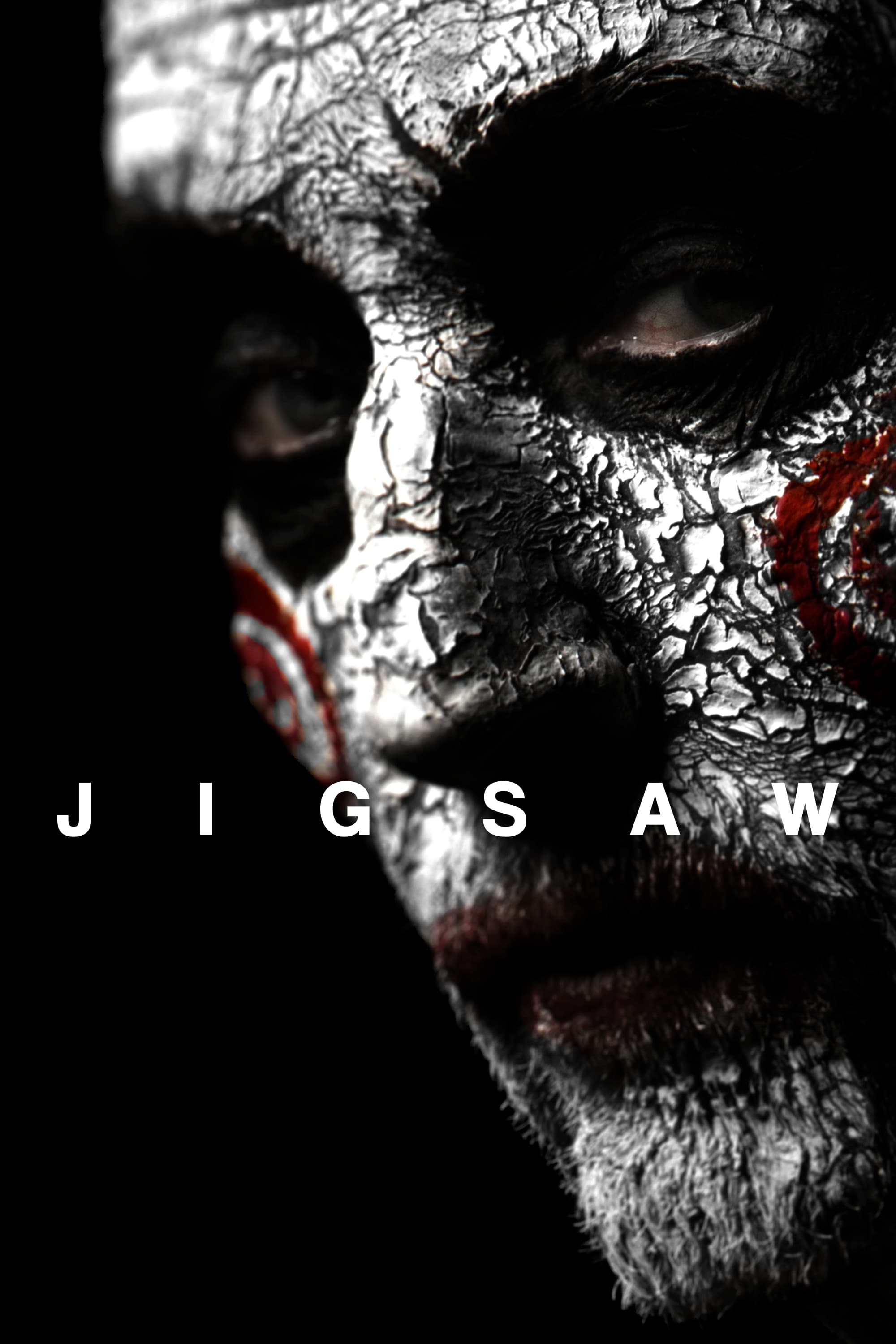
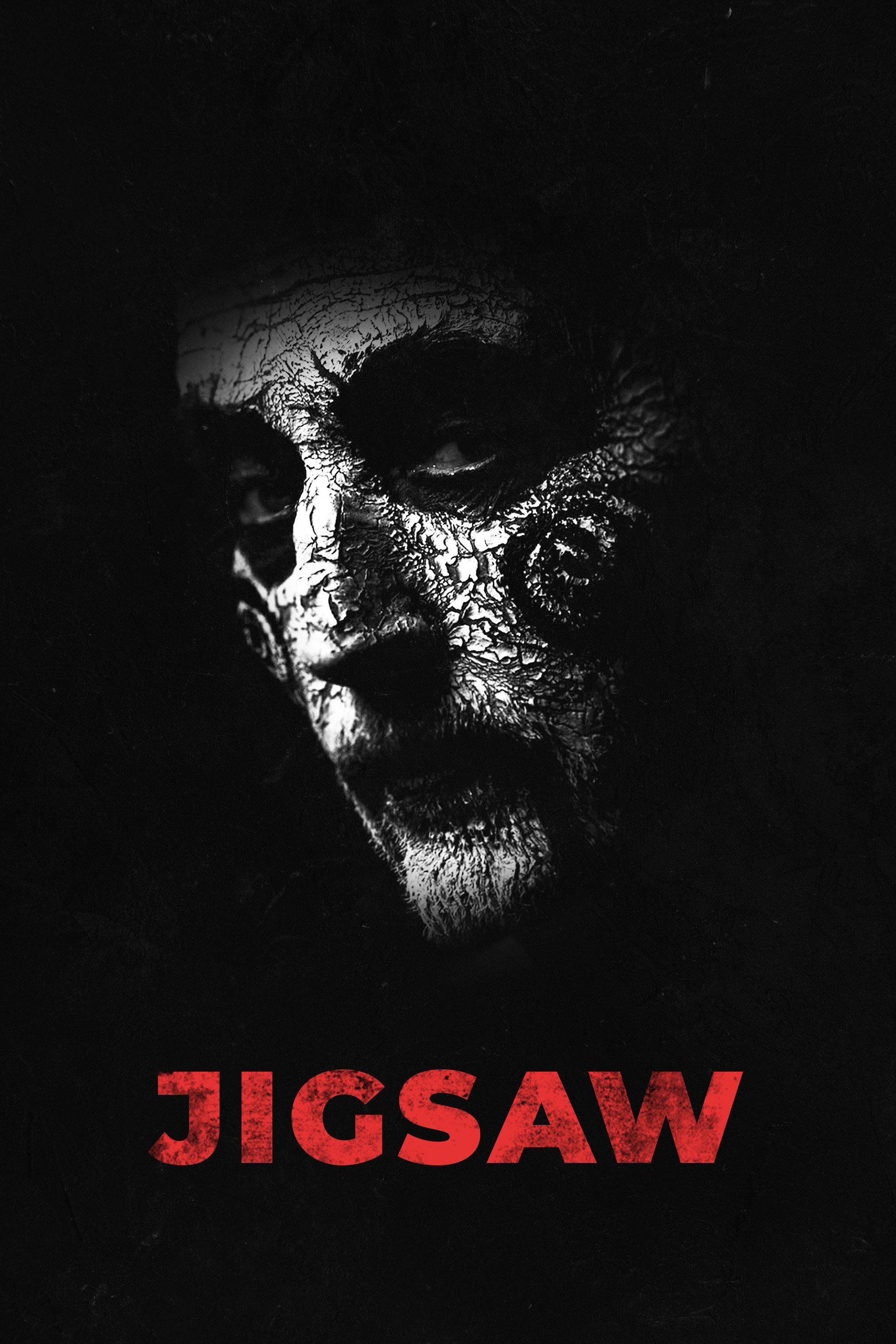
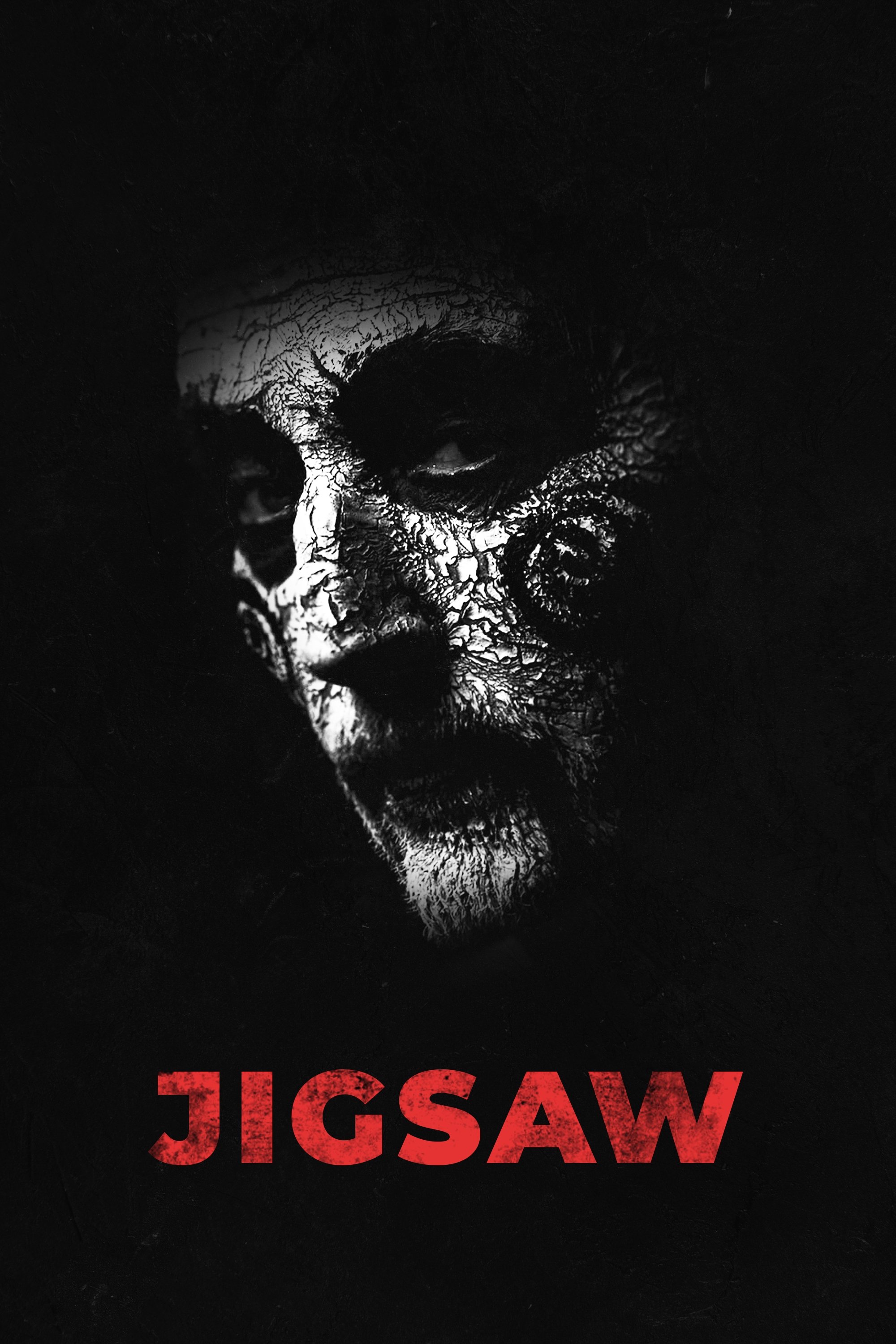
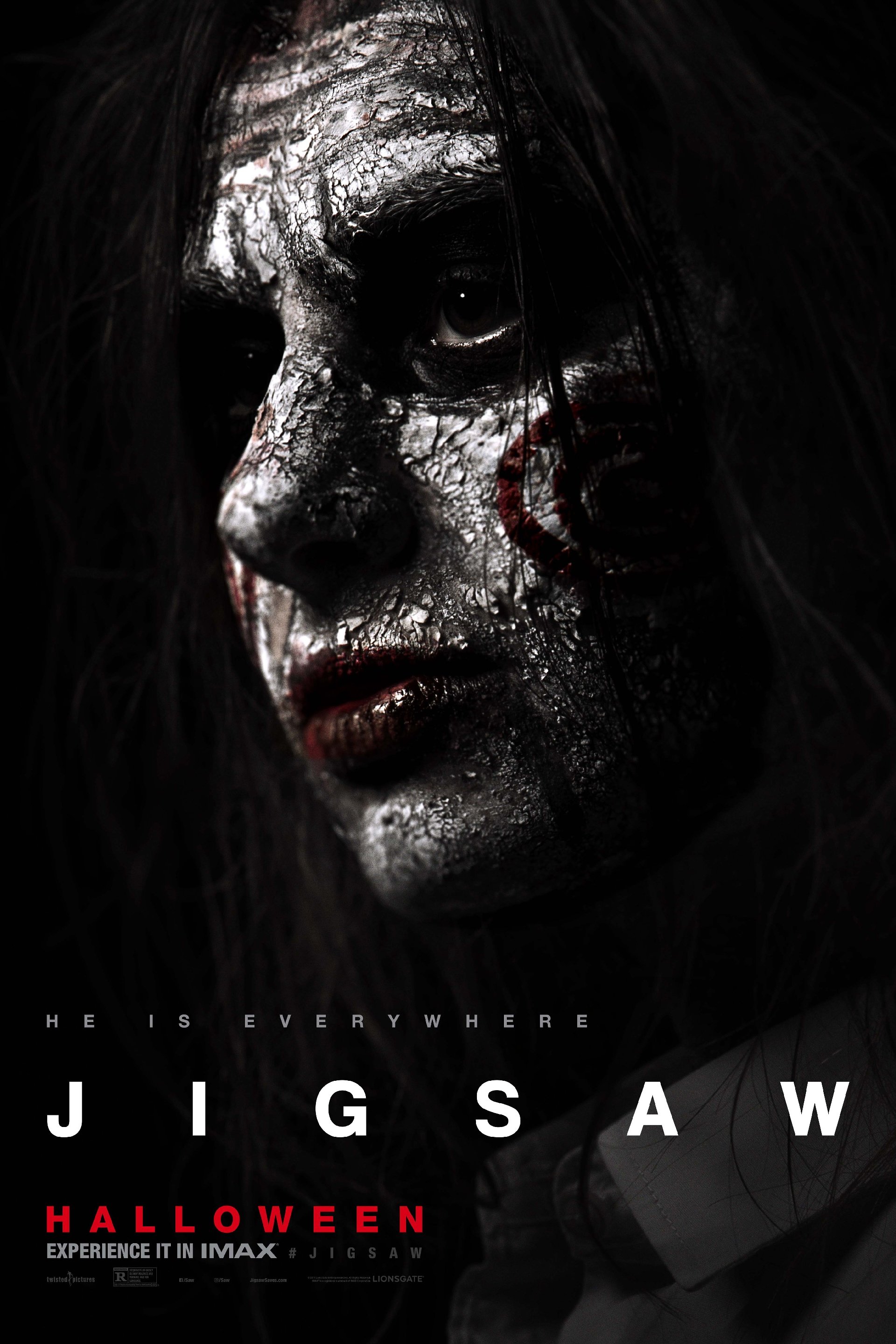
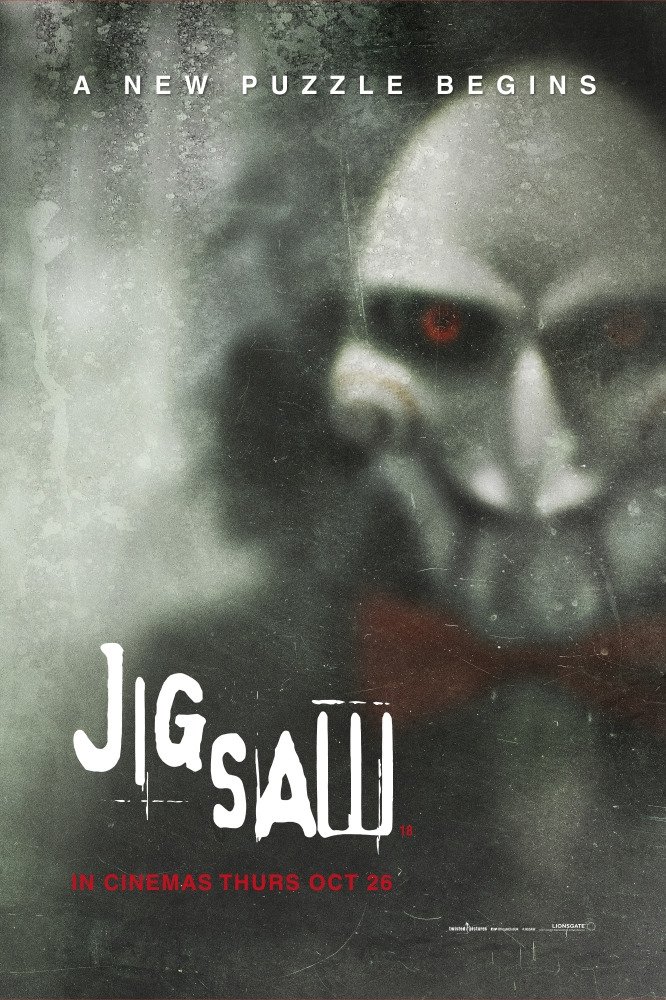
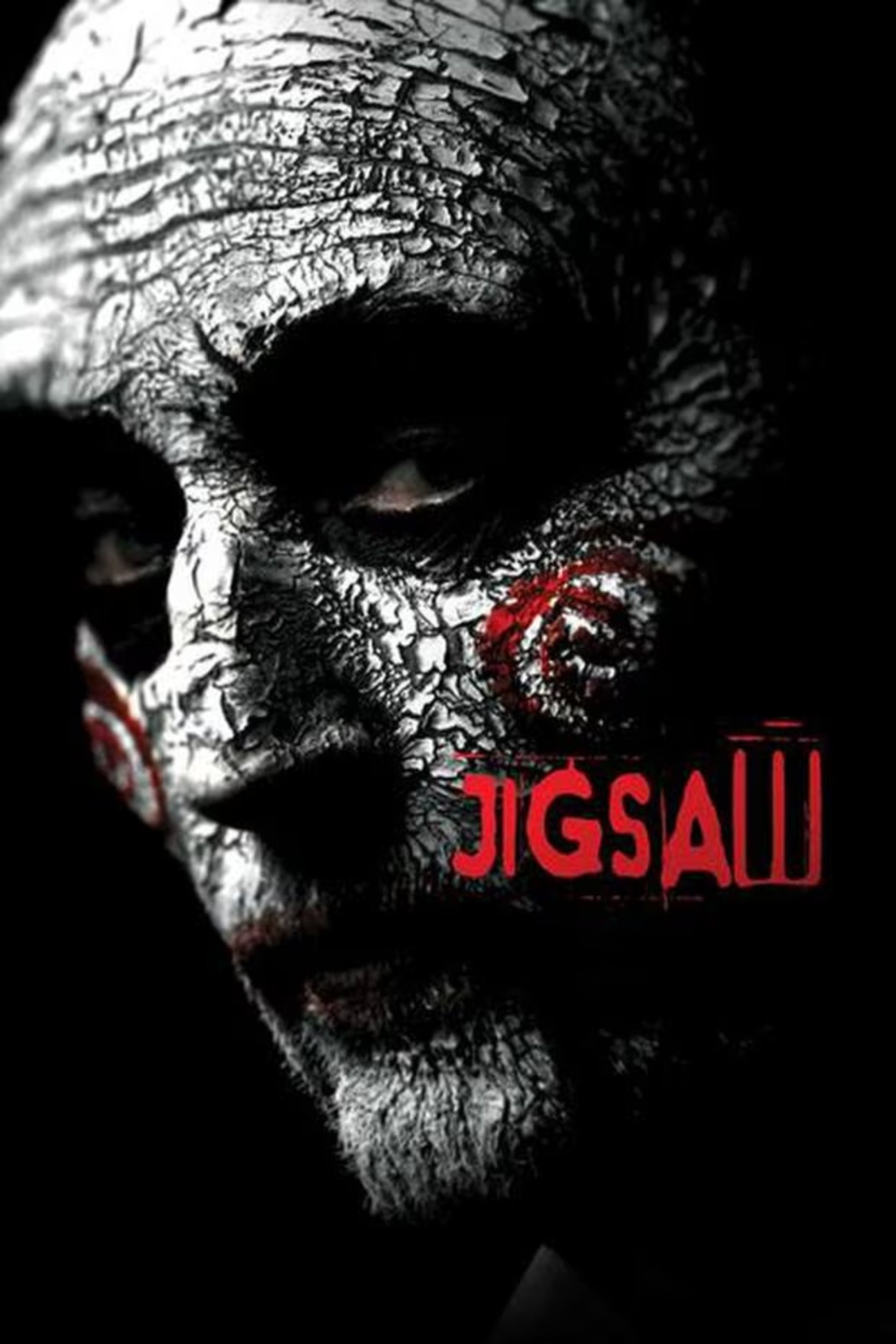
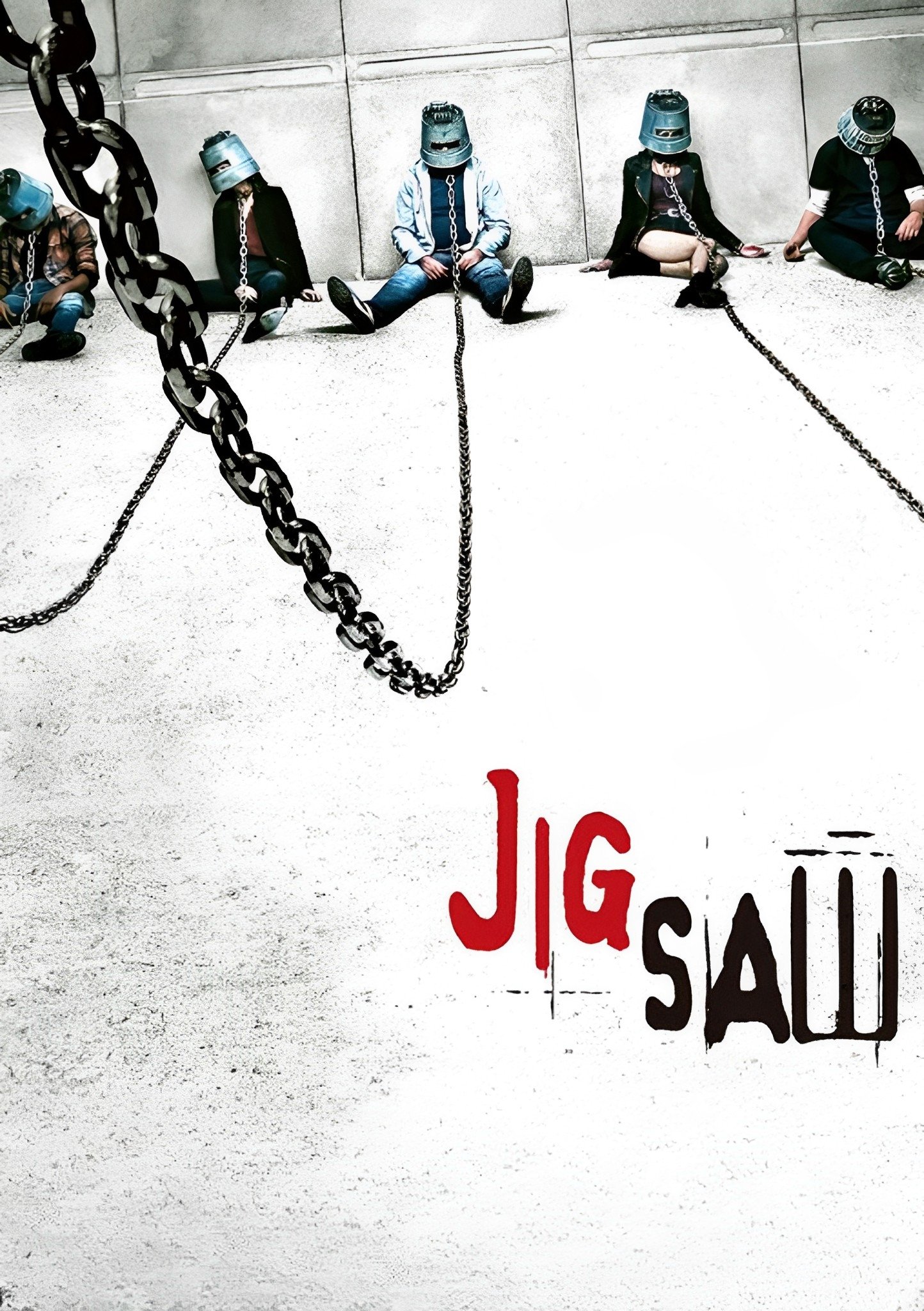
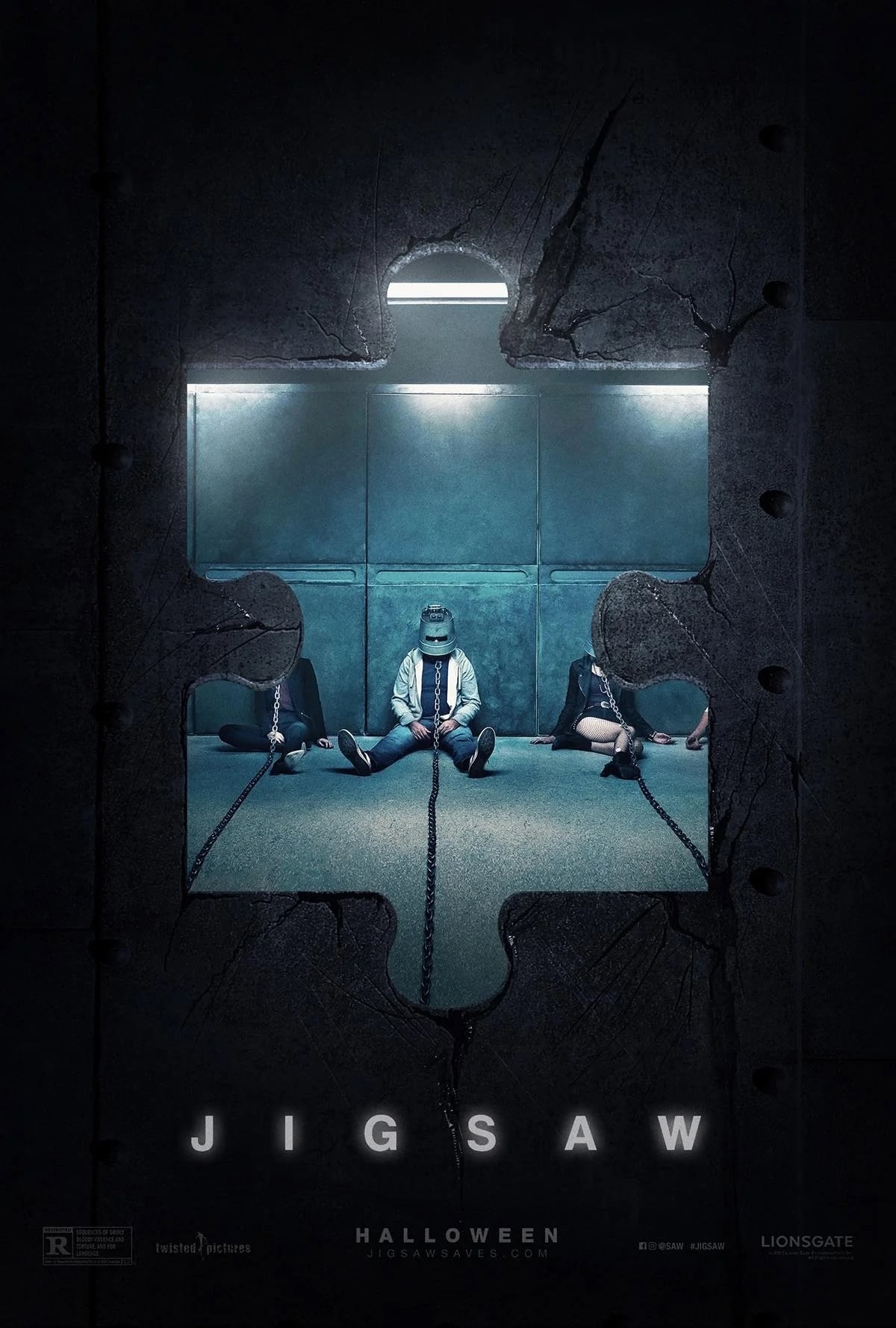
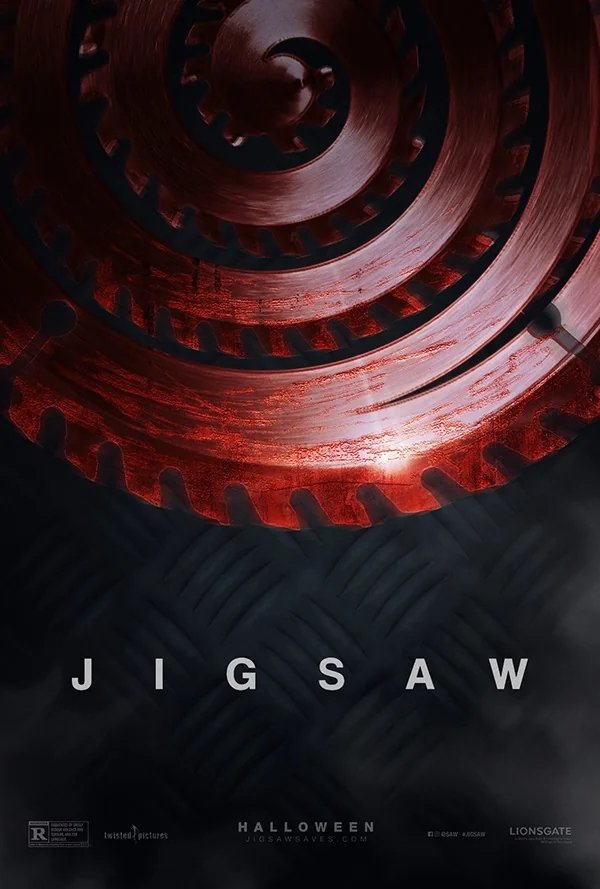
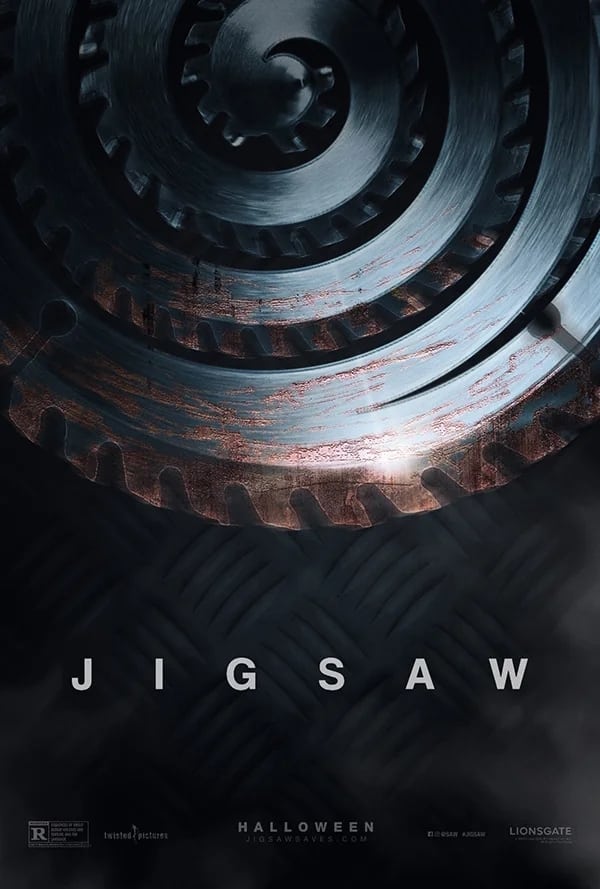
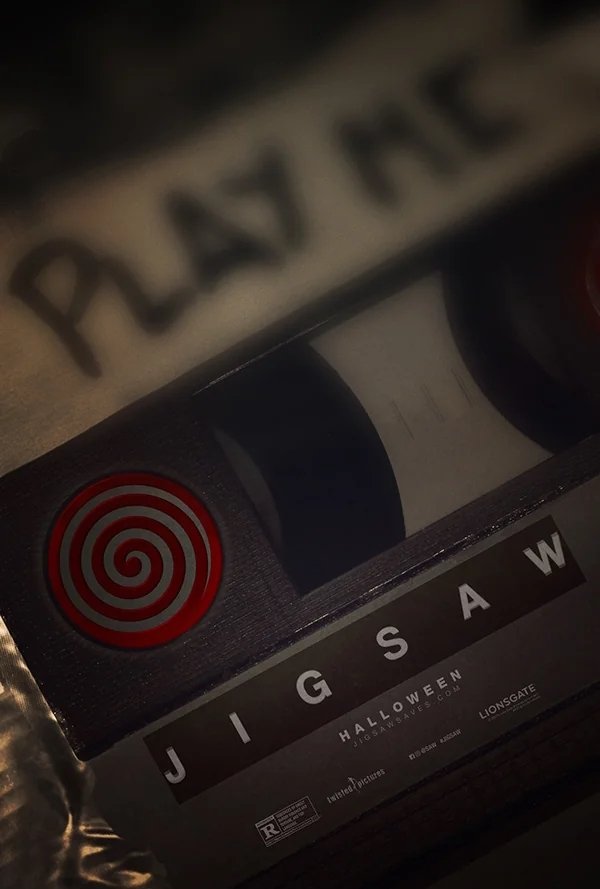
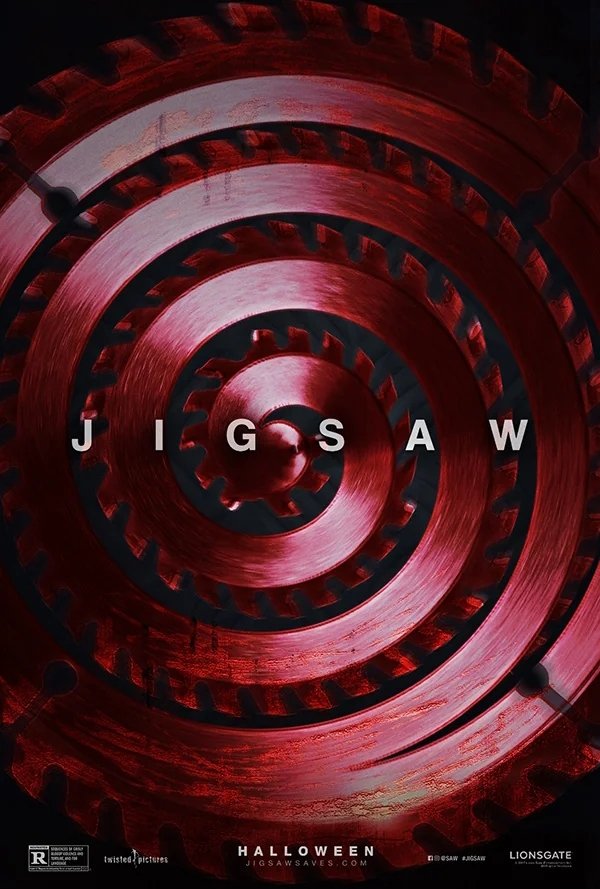
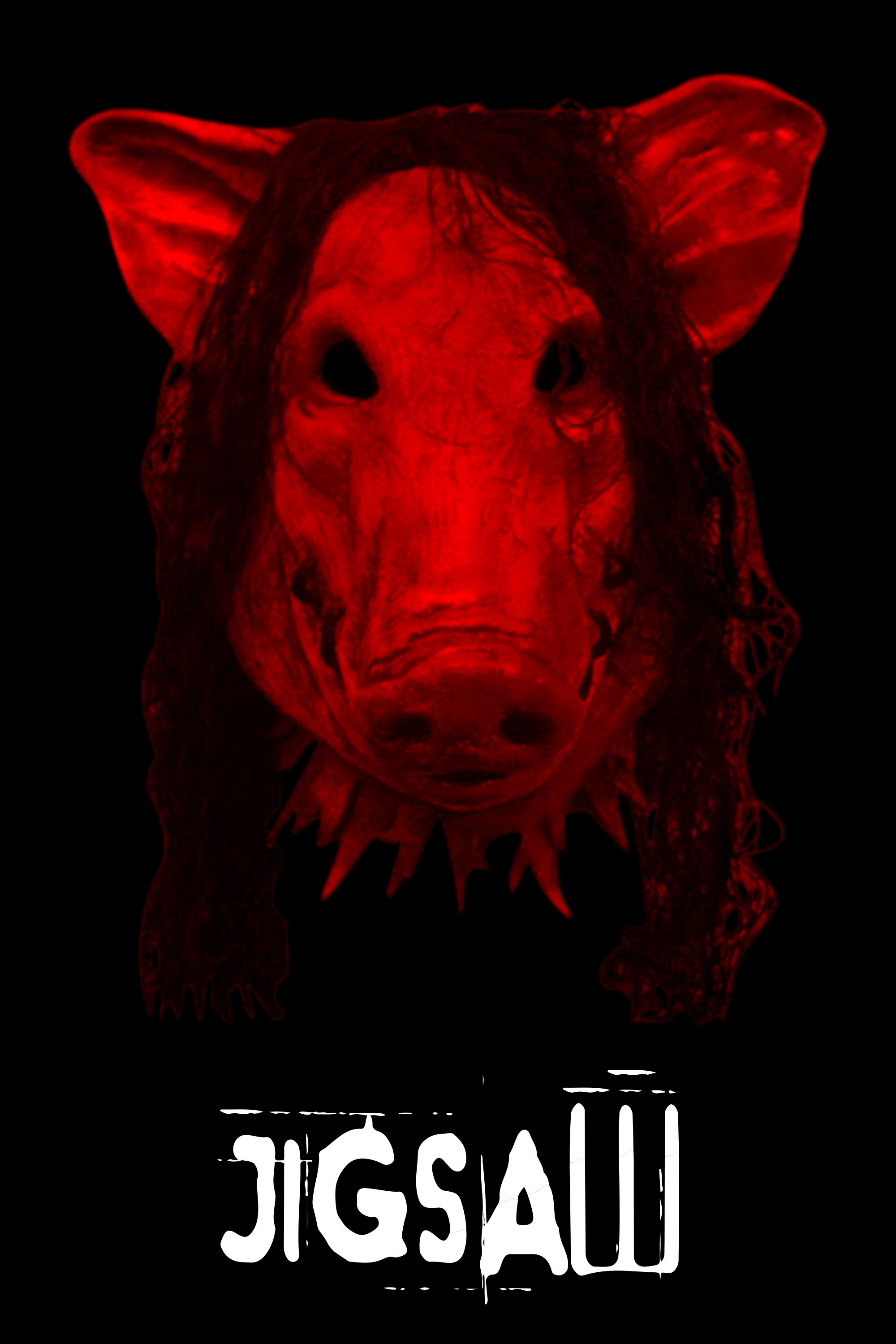
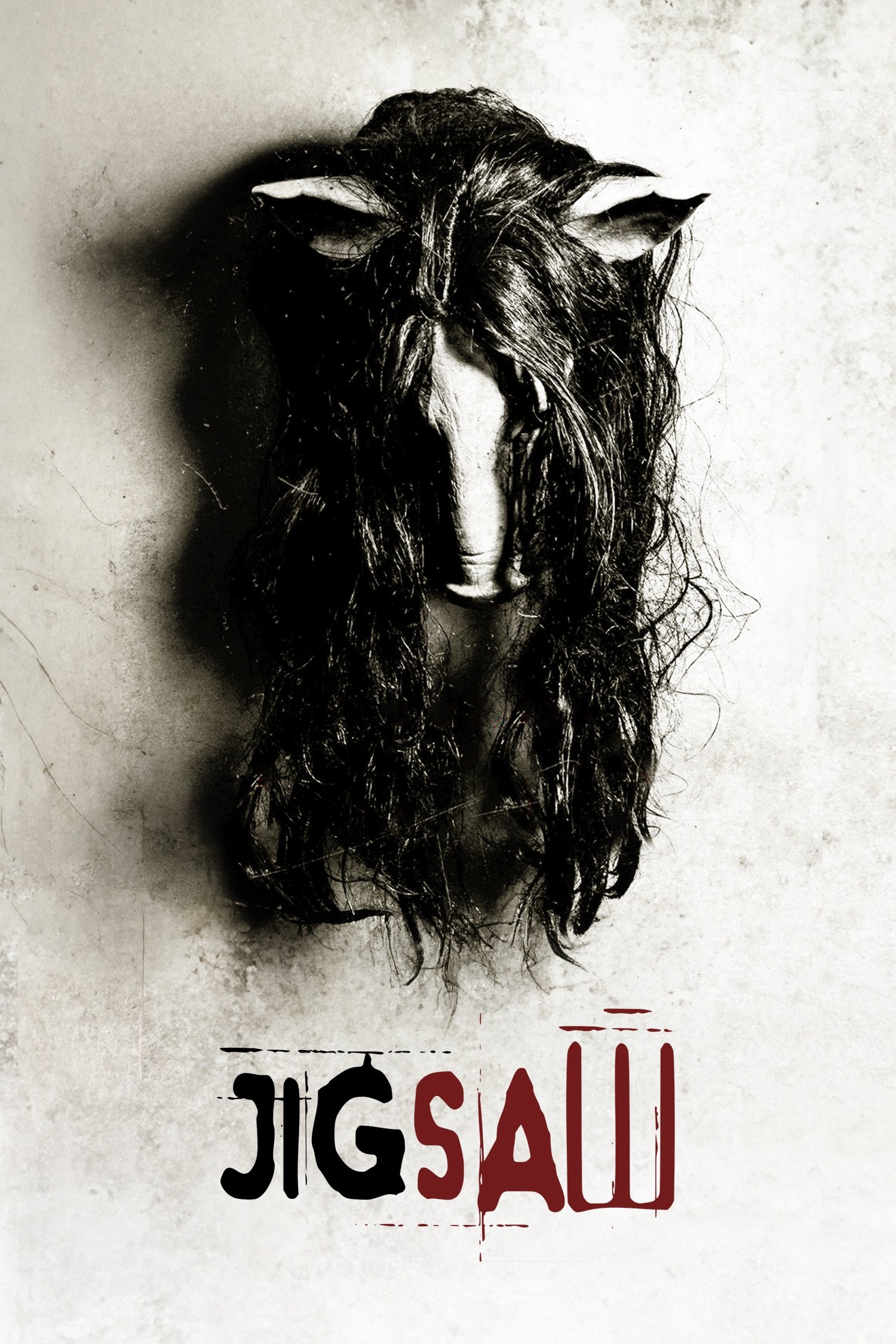
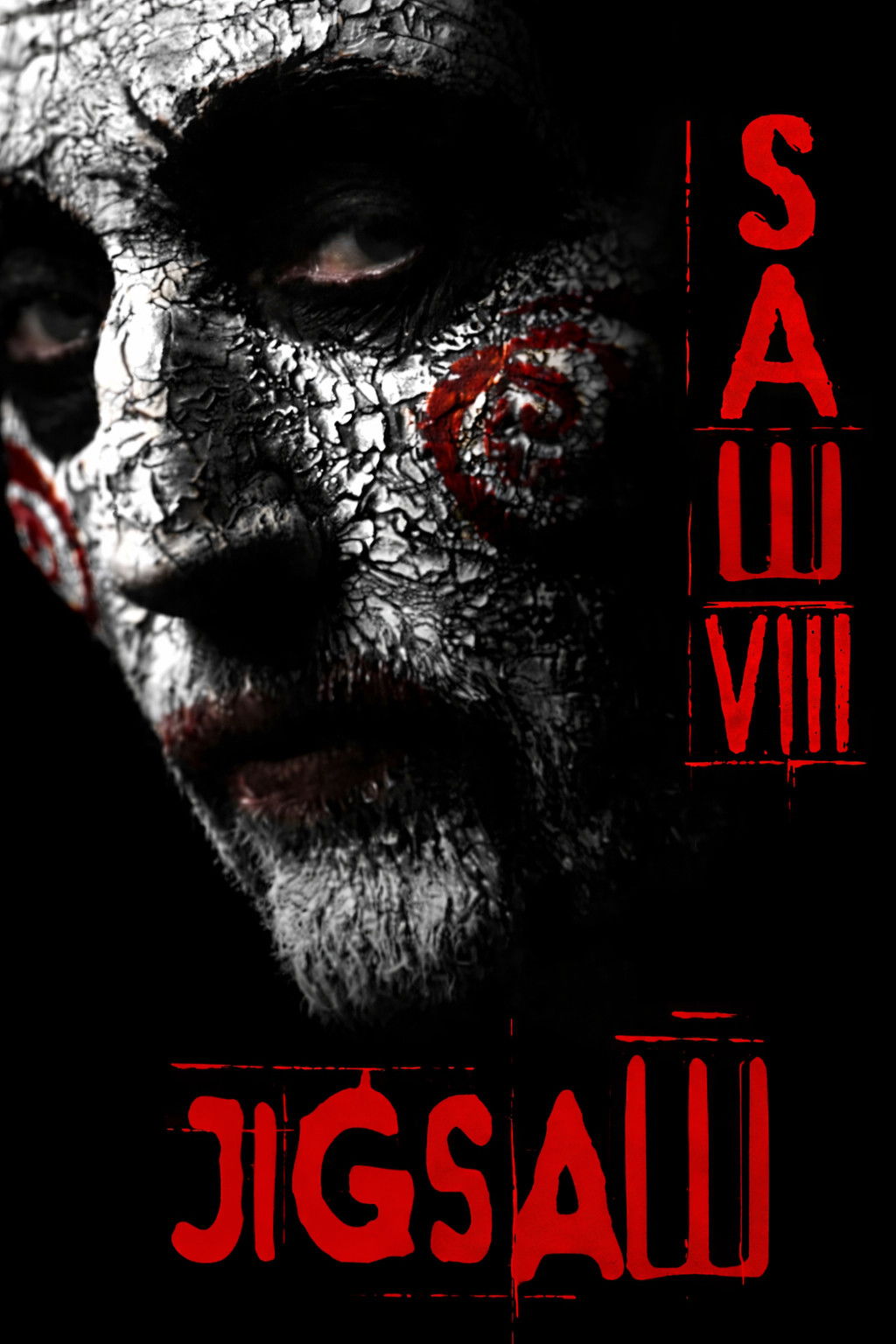
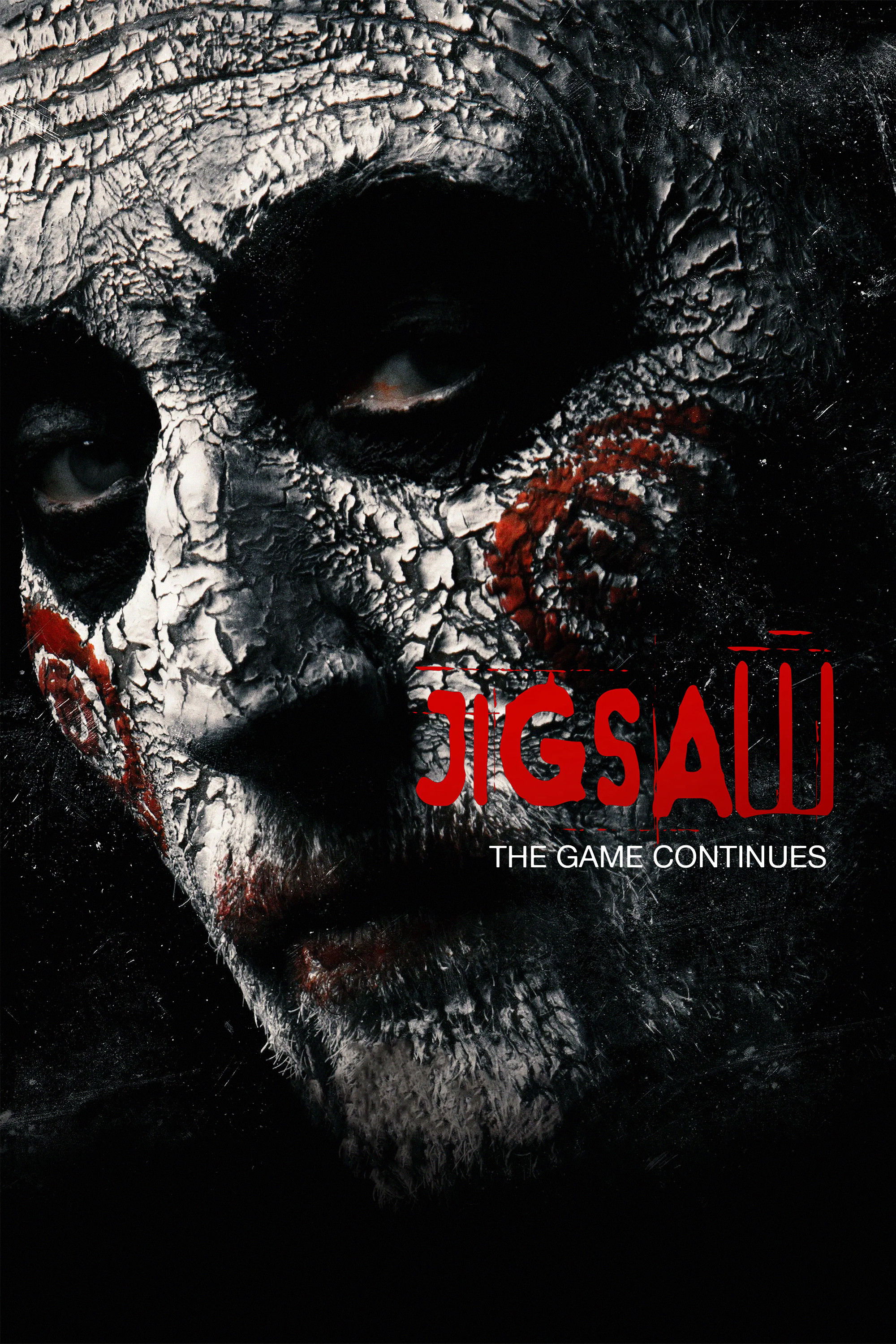
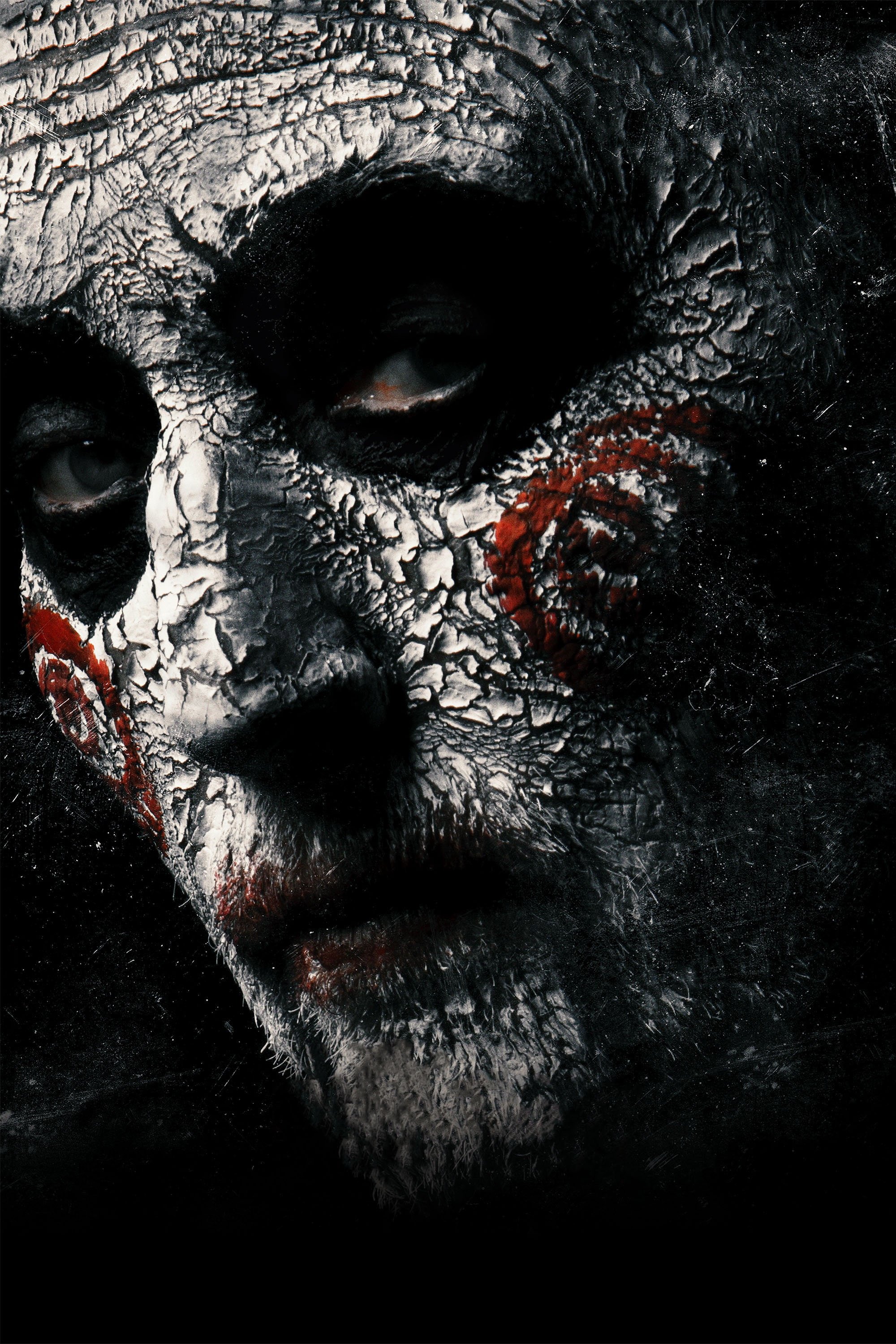
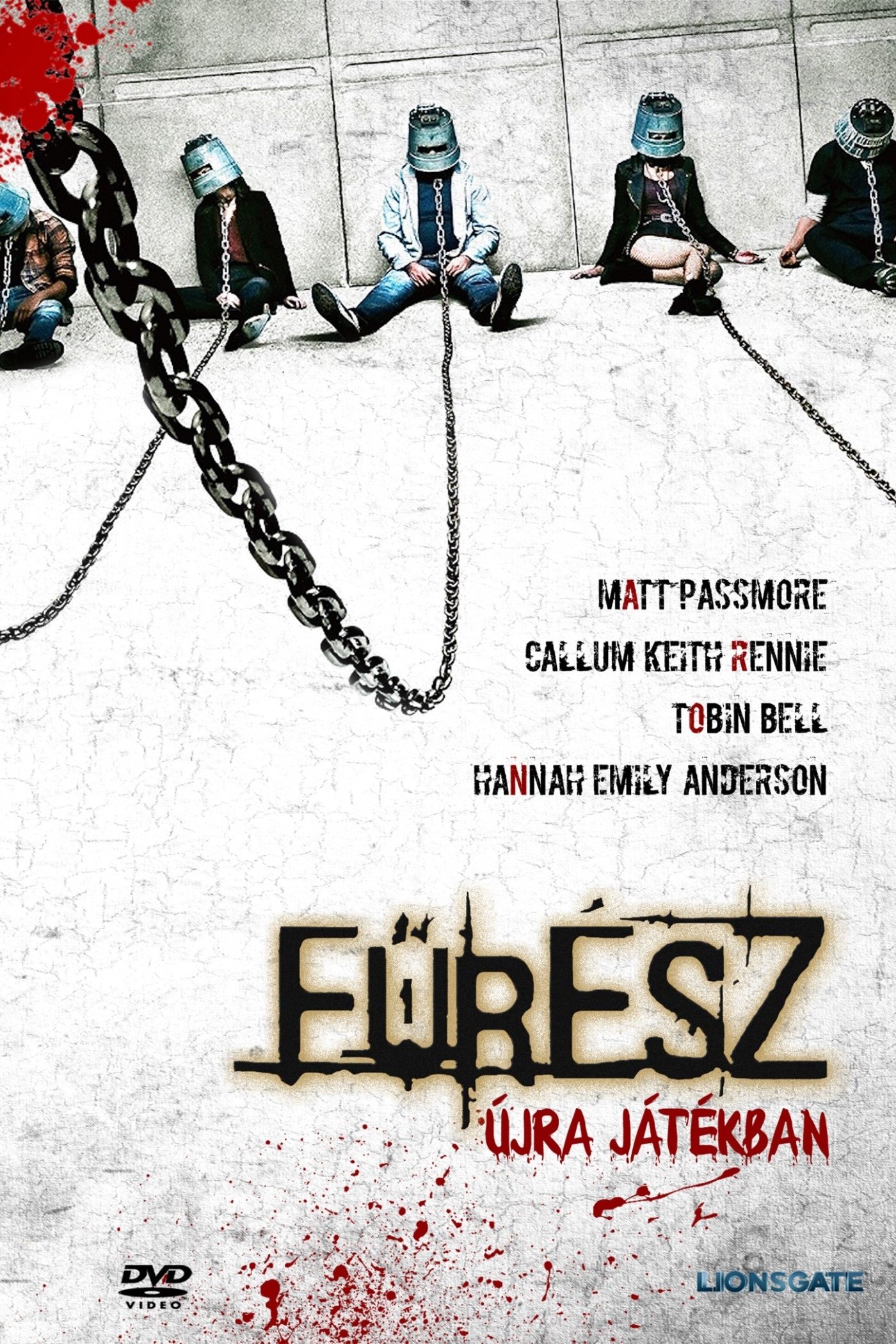
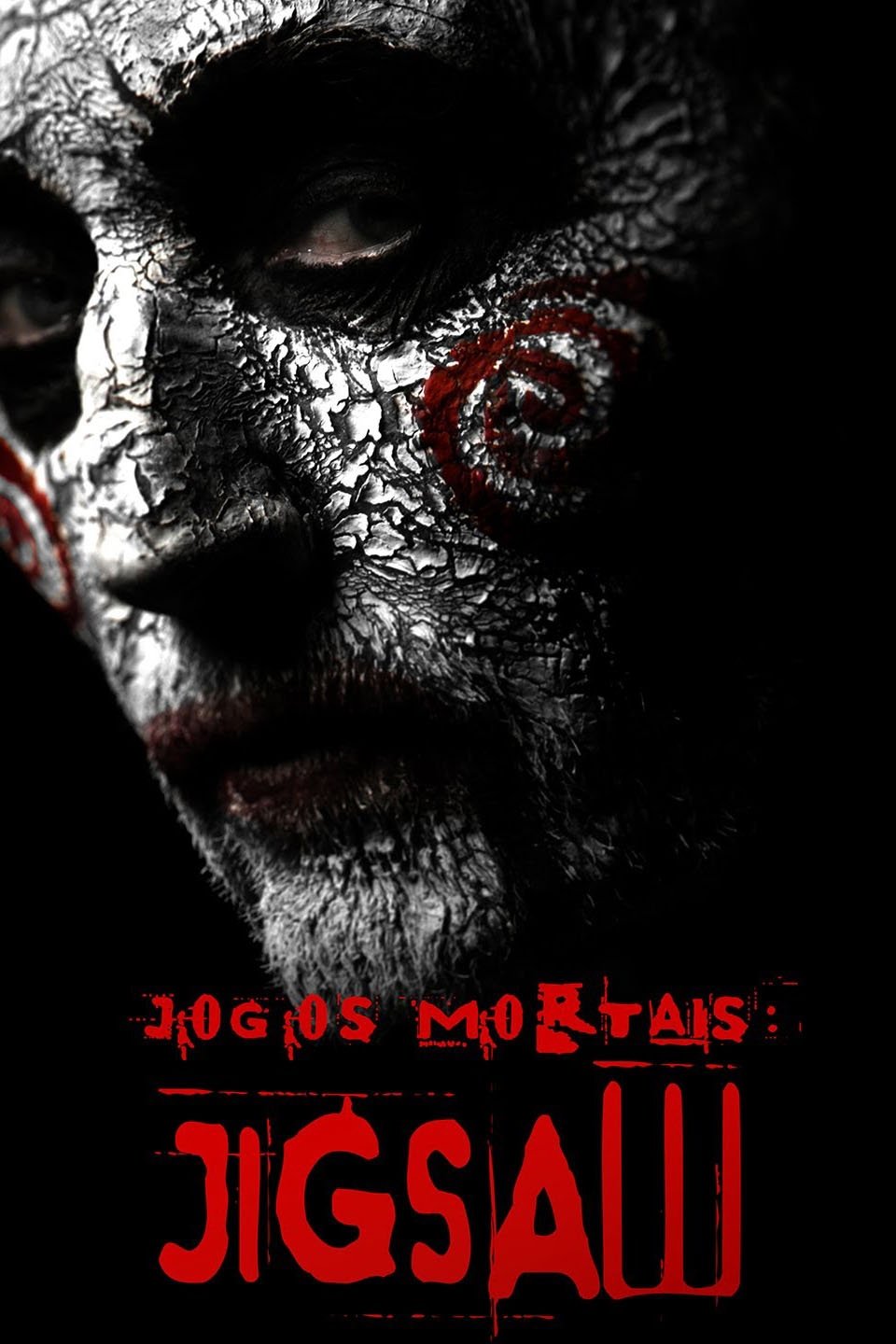
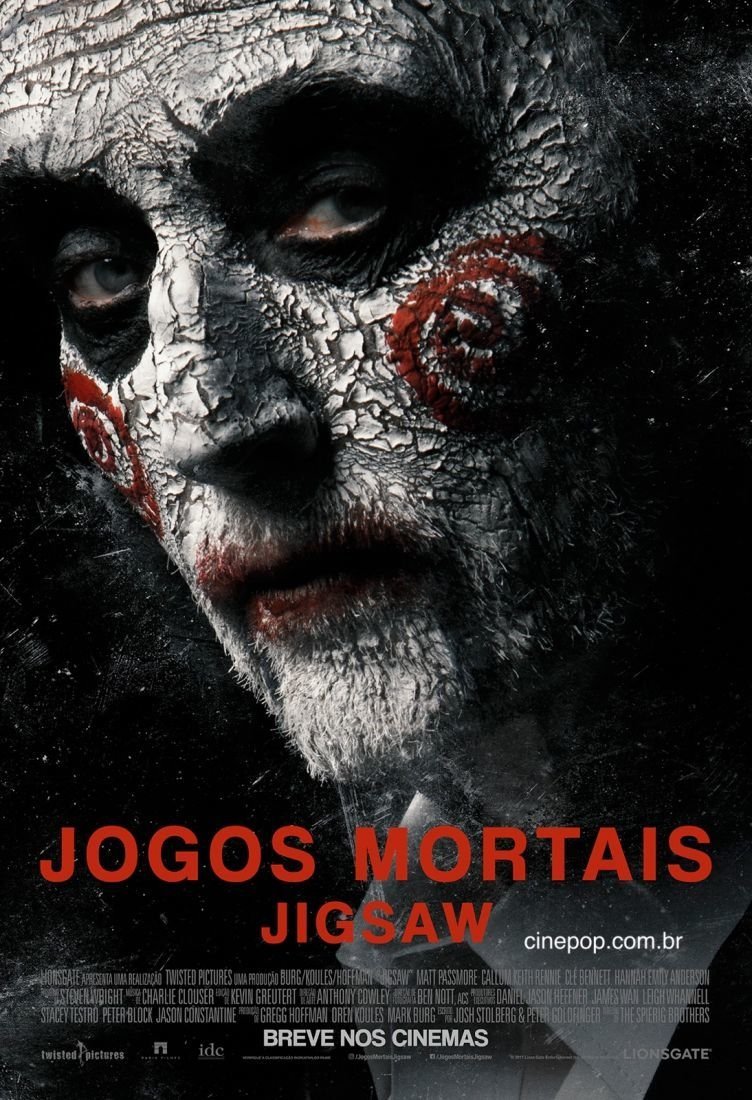
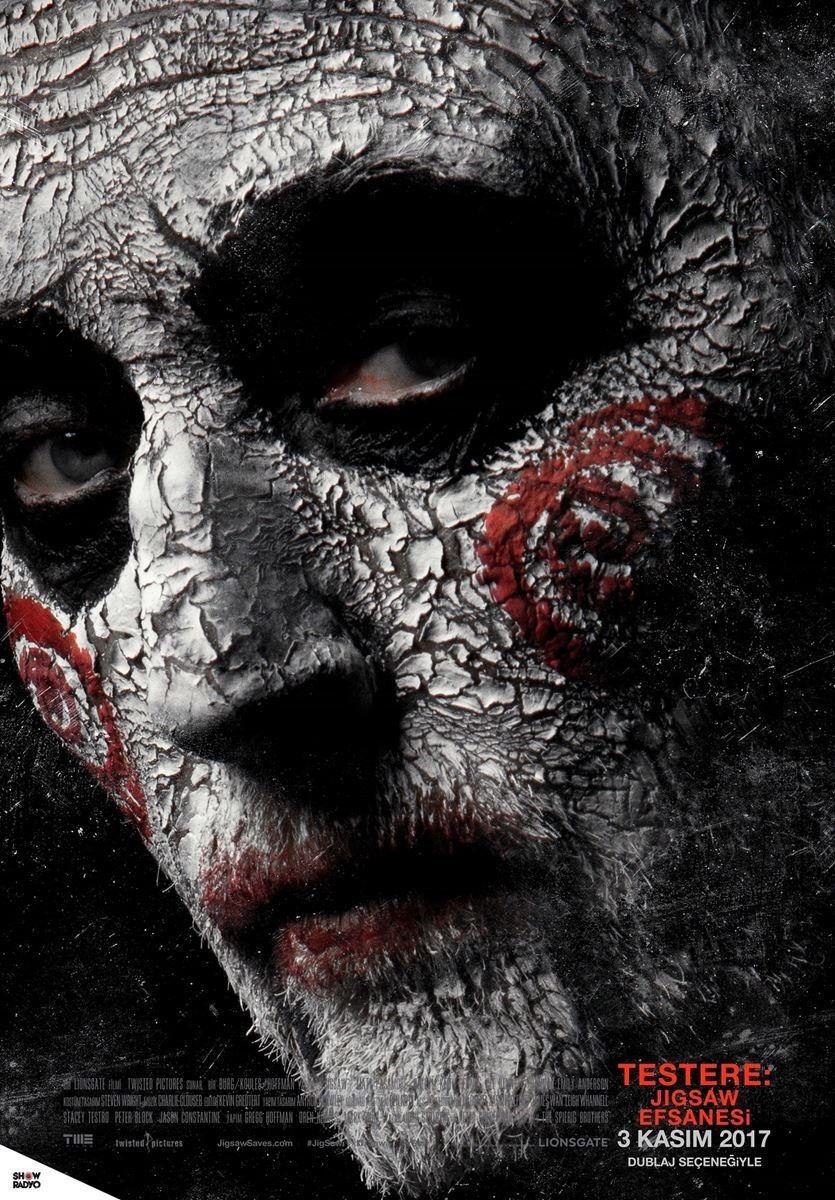
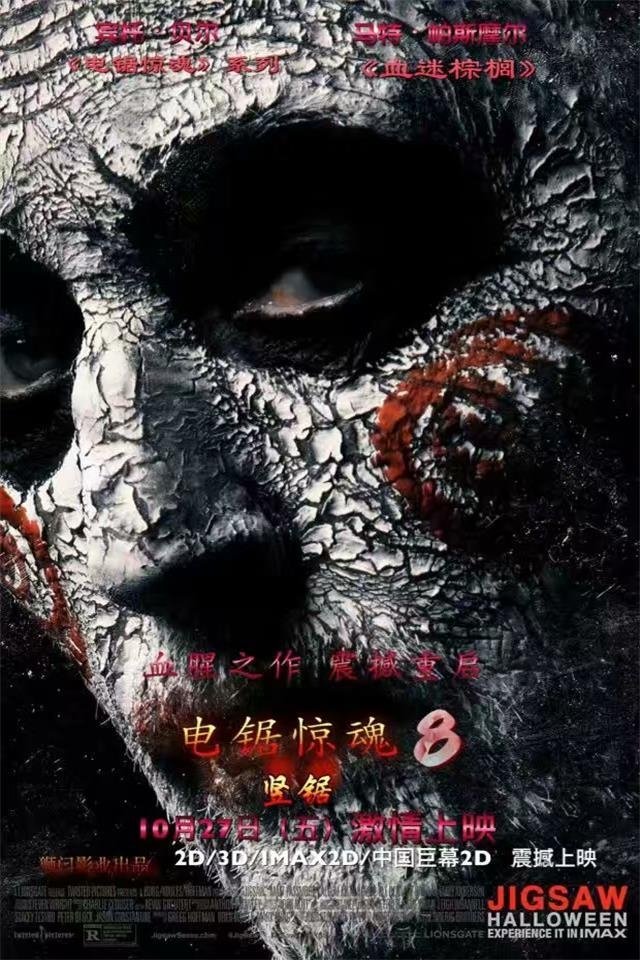
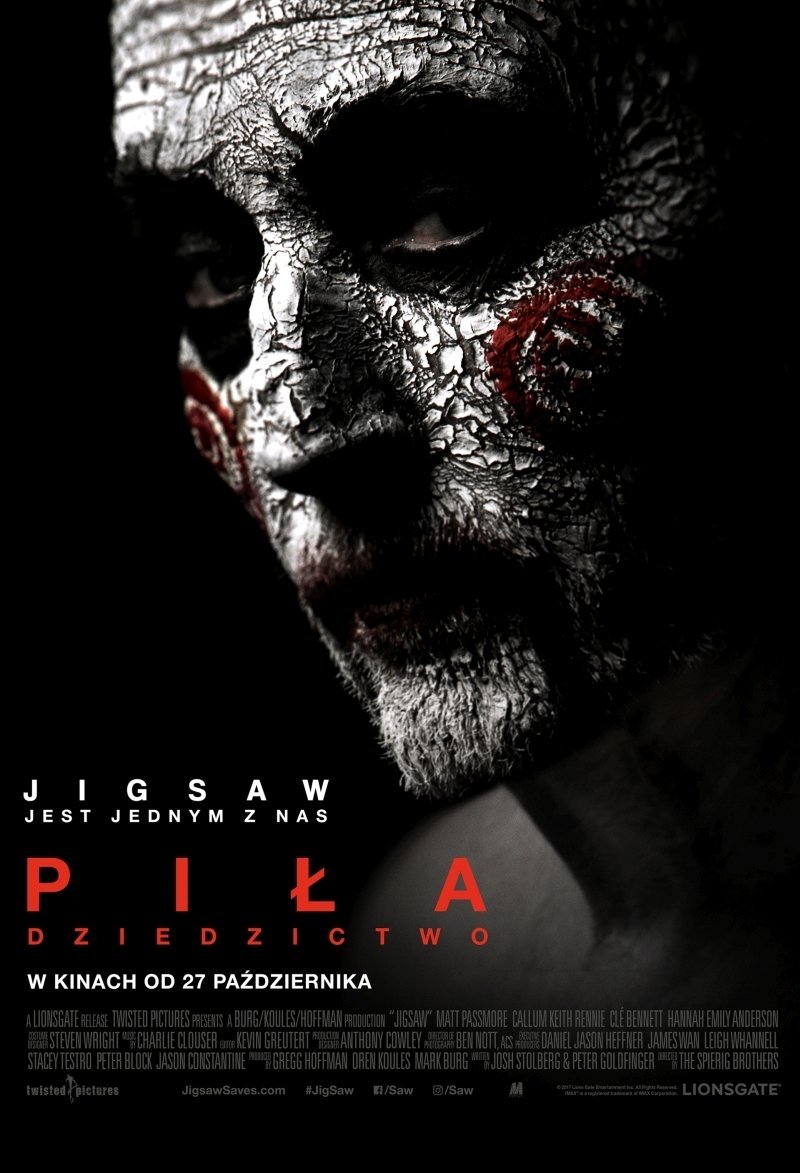
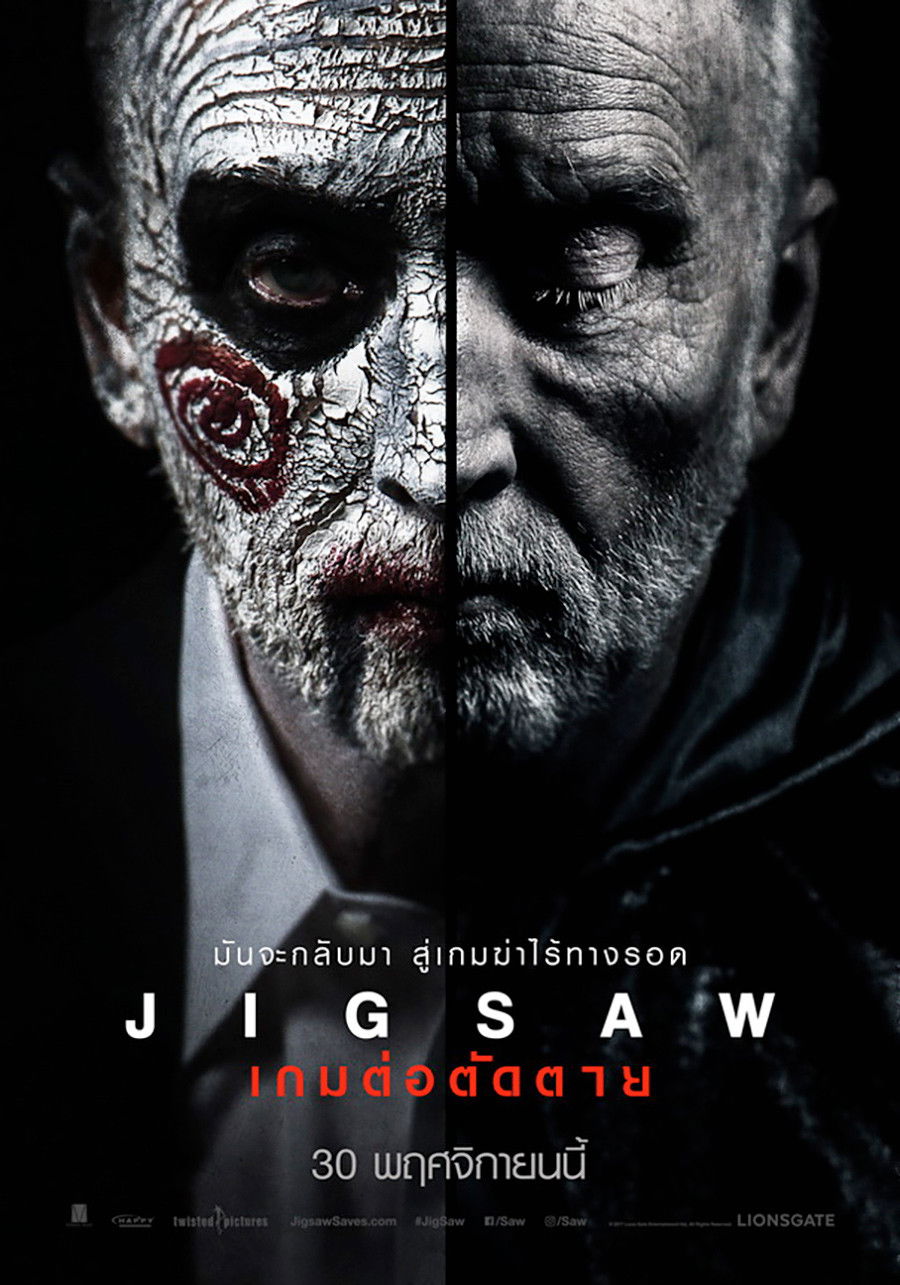
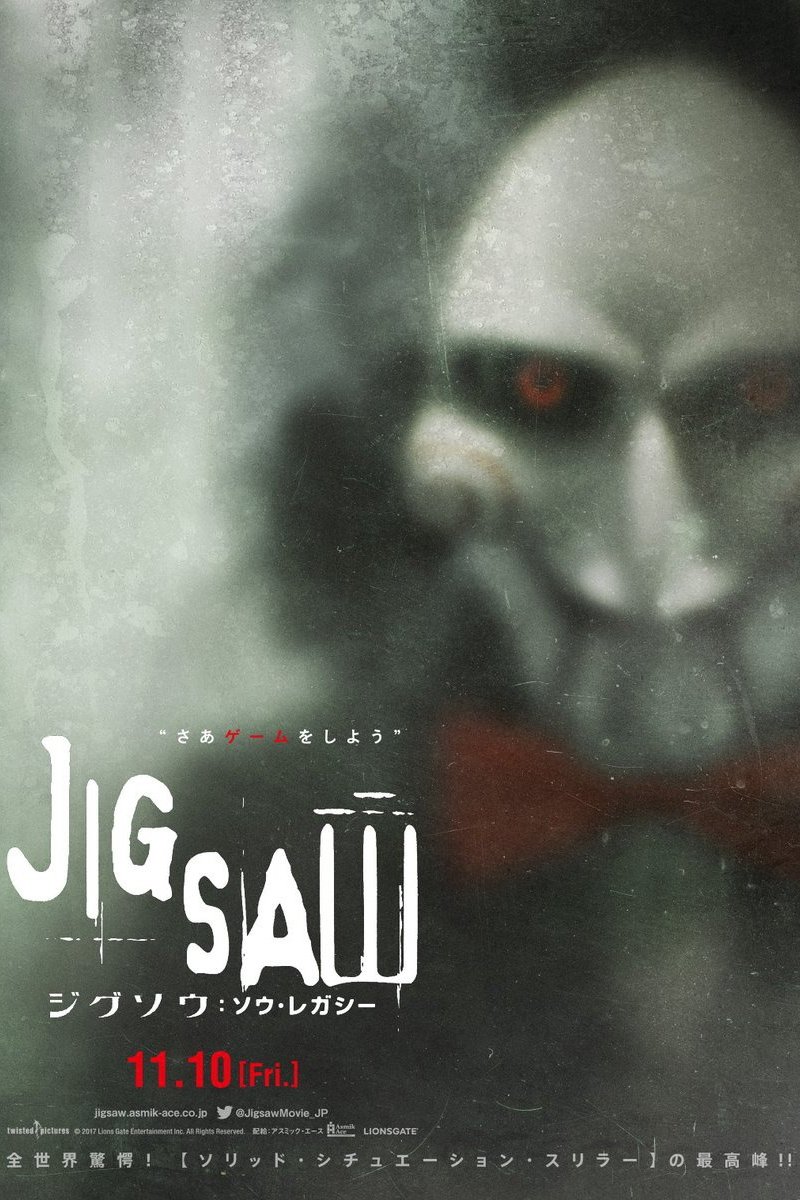
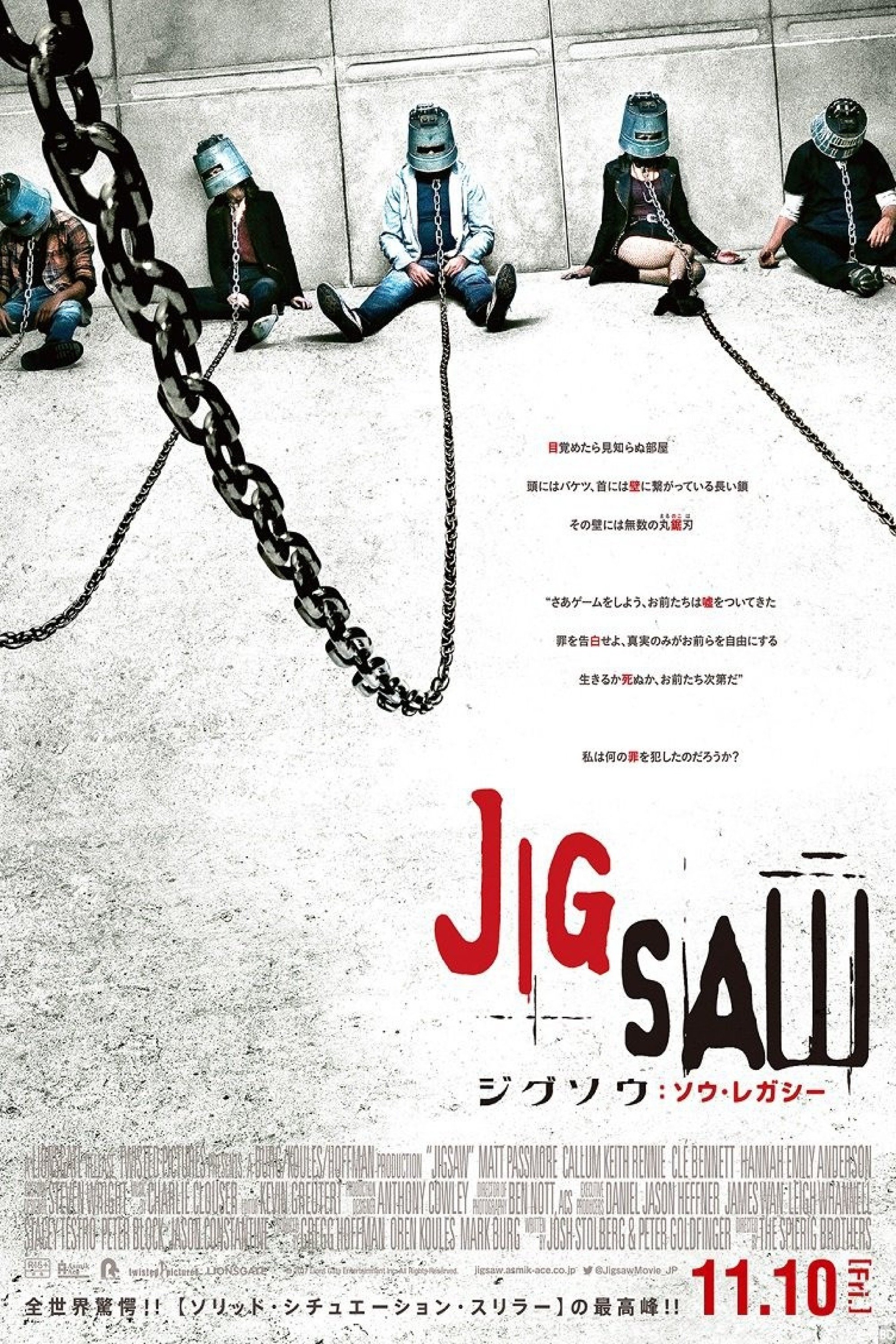
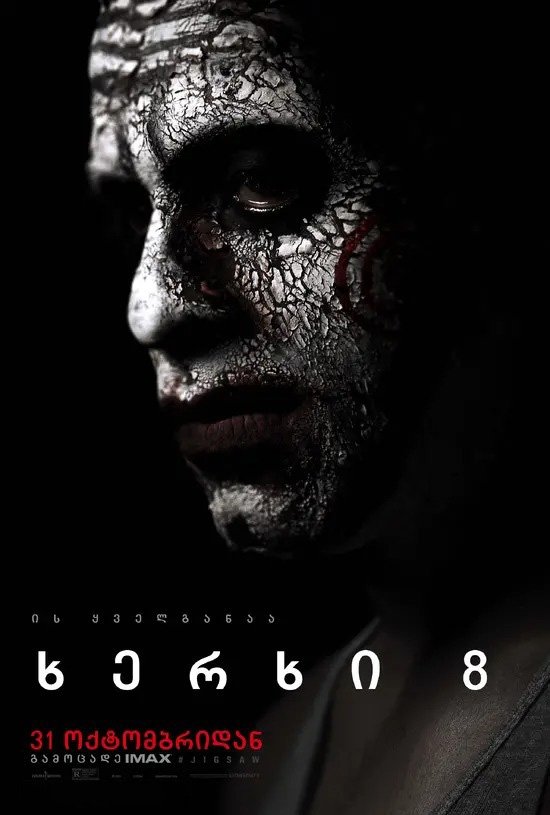
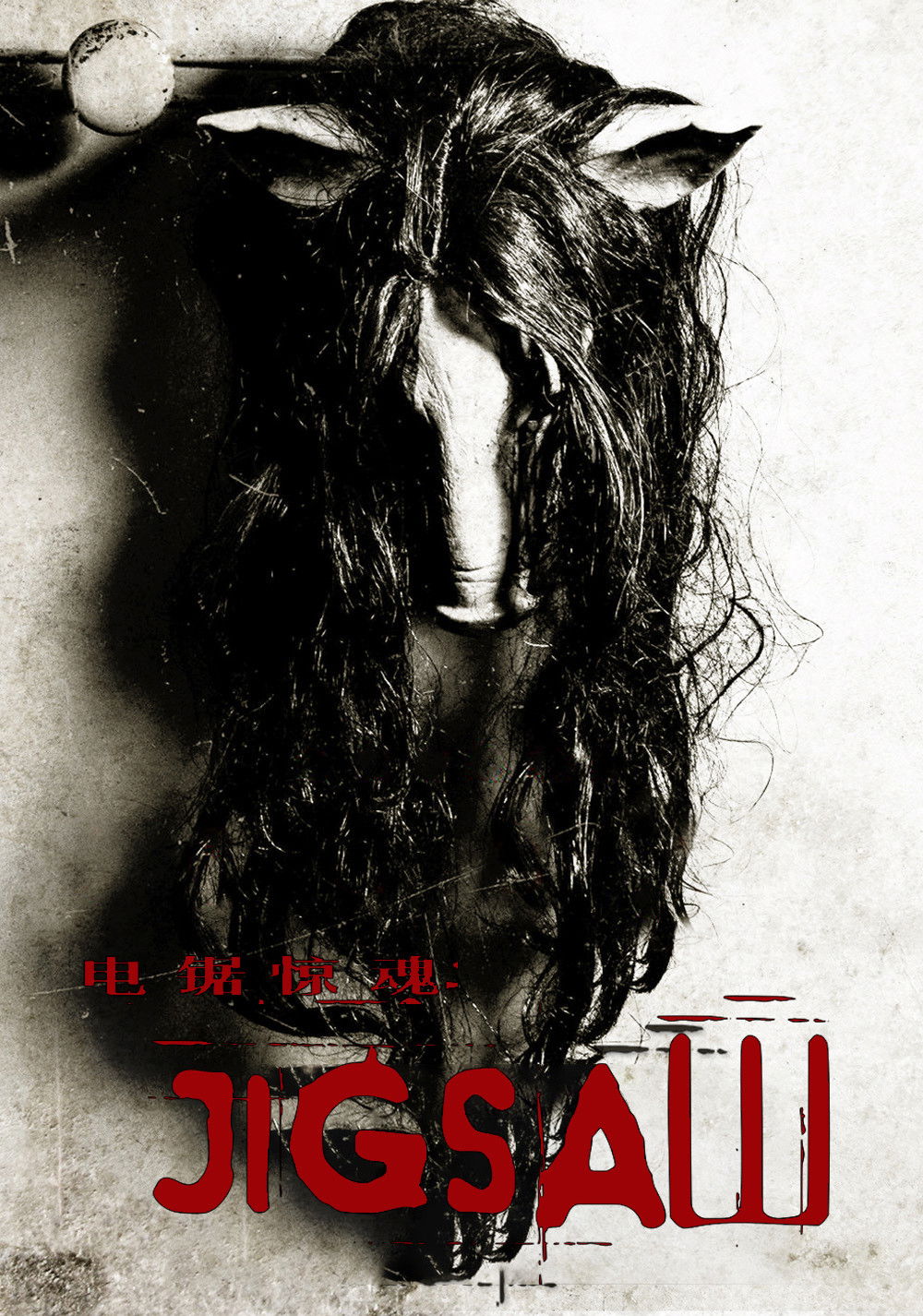
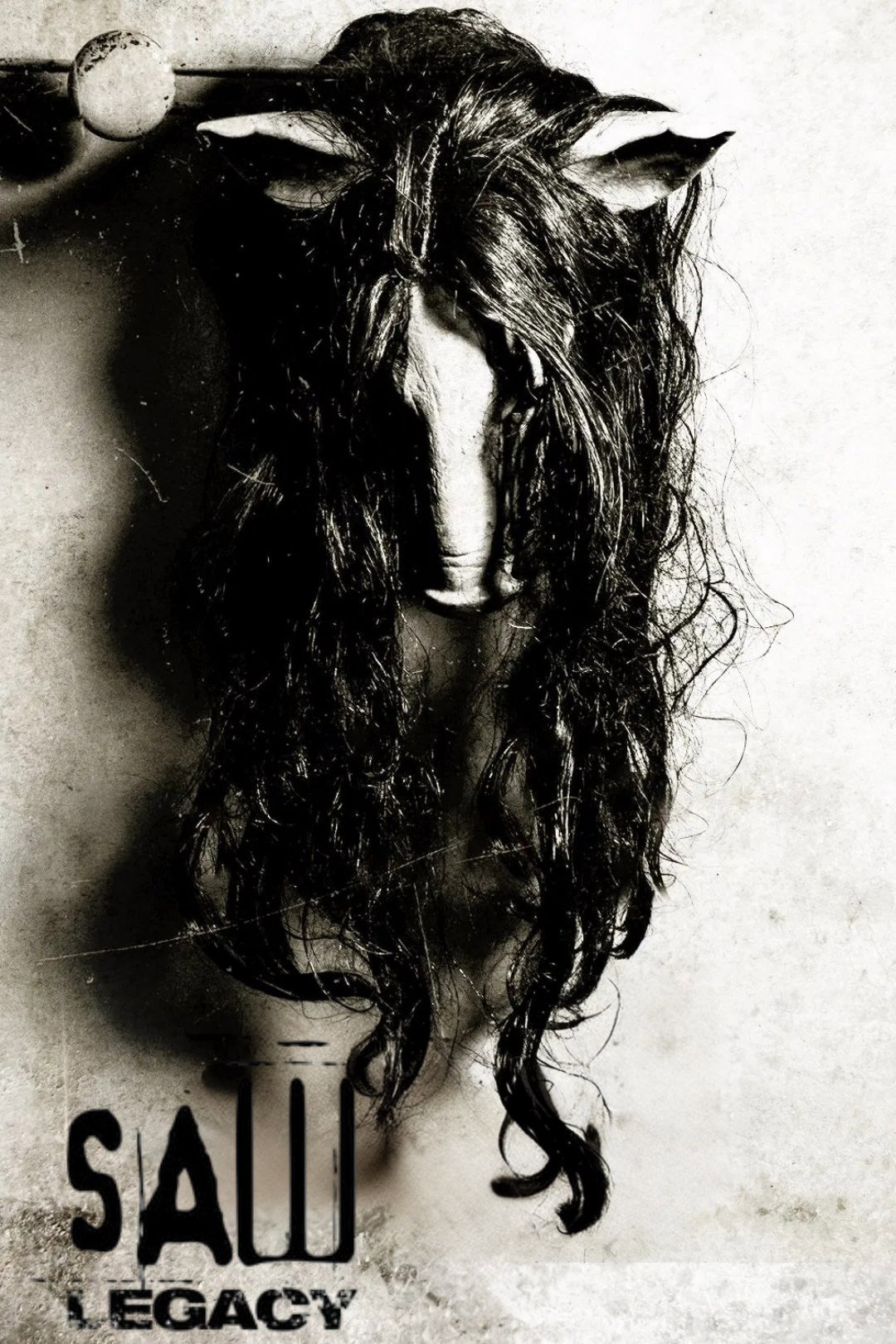
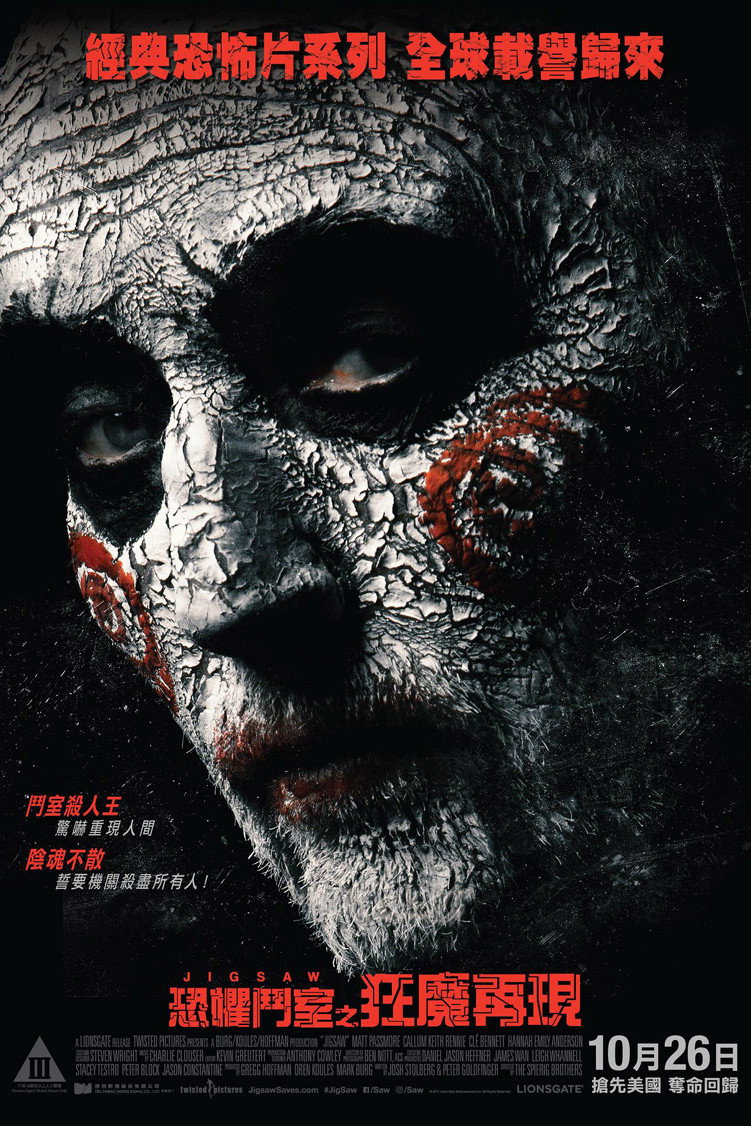
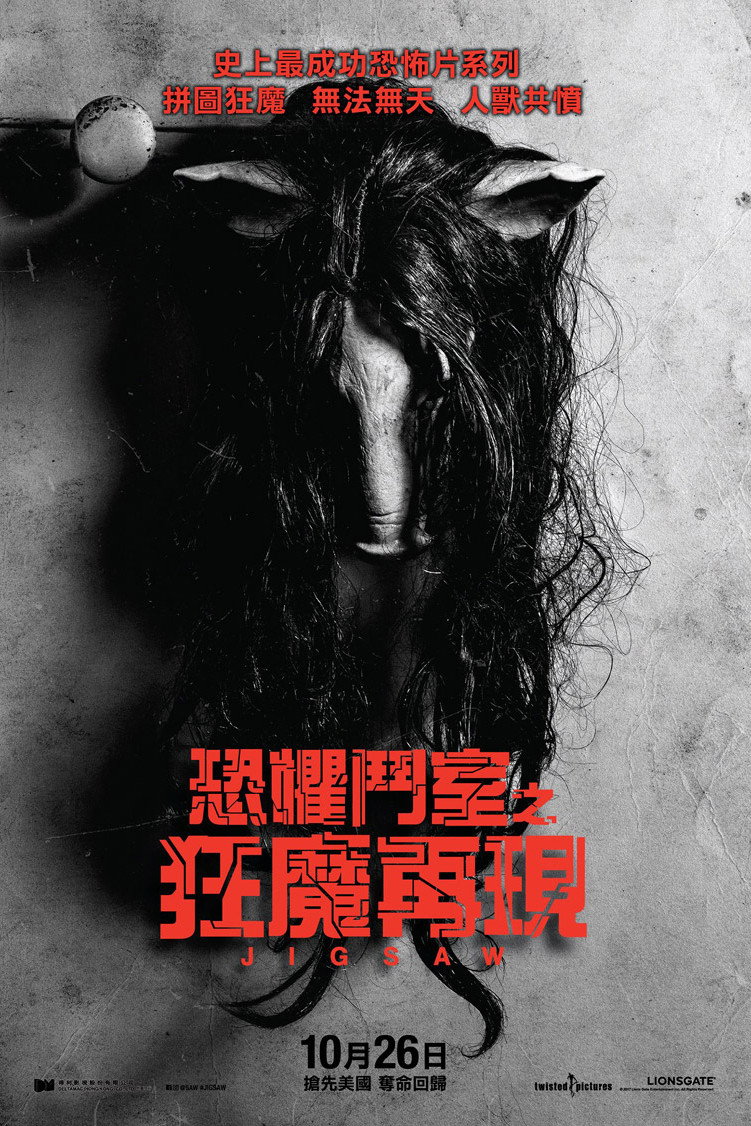
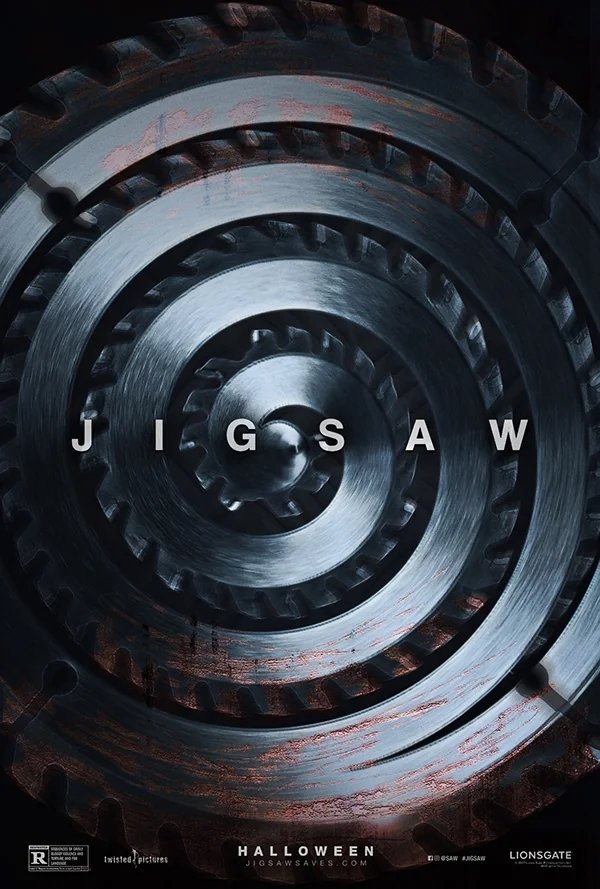
Jigsaw (2017) poster
Production Companies
Twisted Pictures , A Bigger Boat , Serendipity Productions
Plot

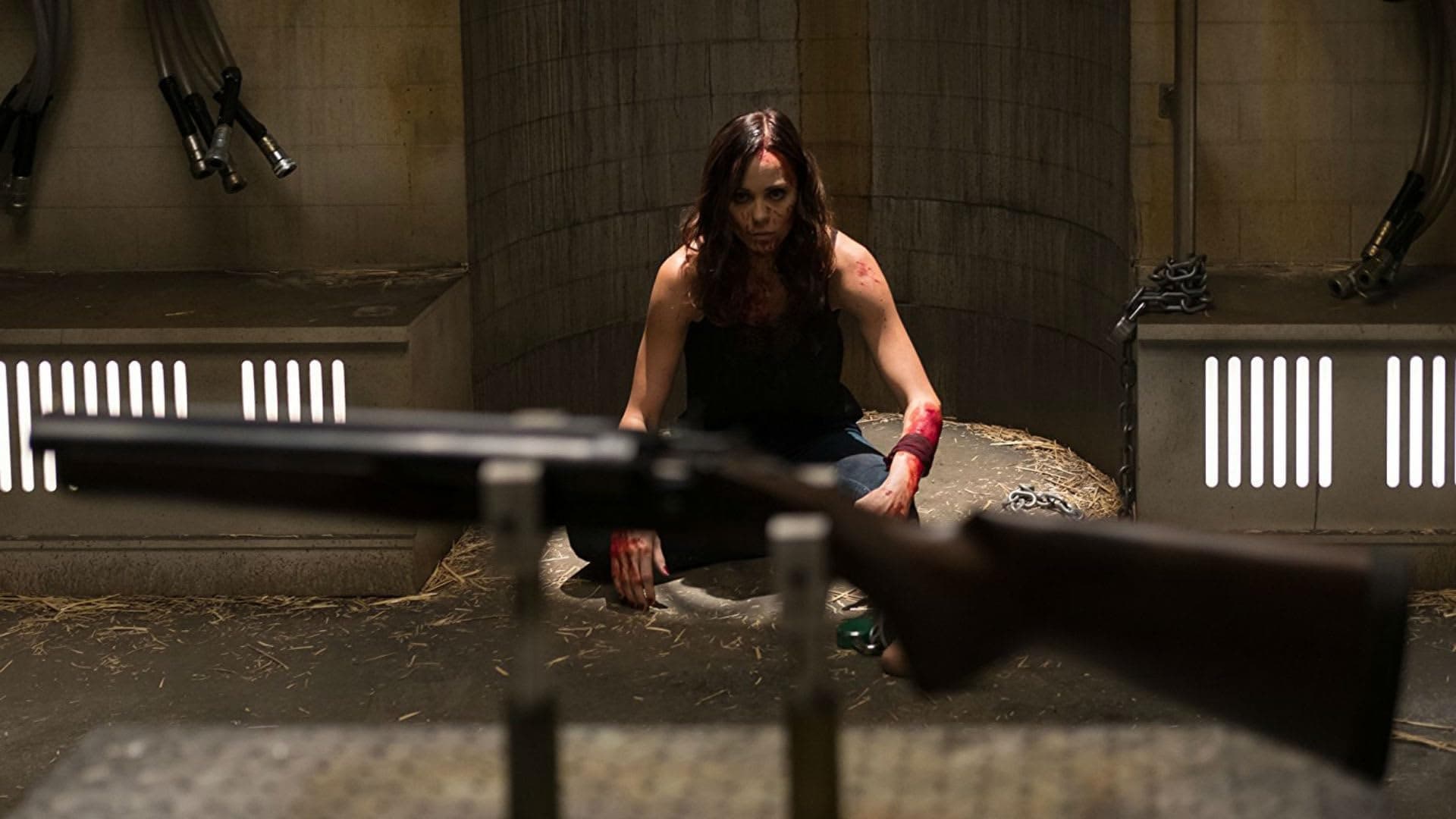
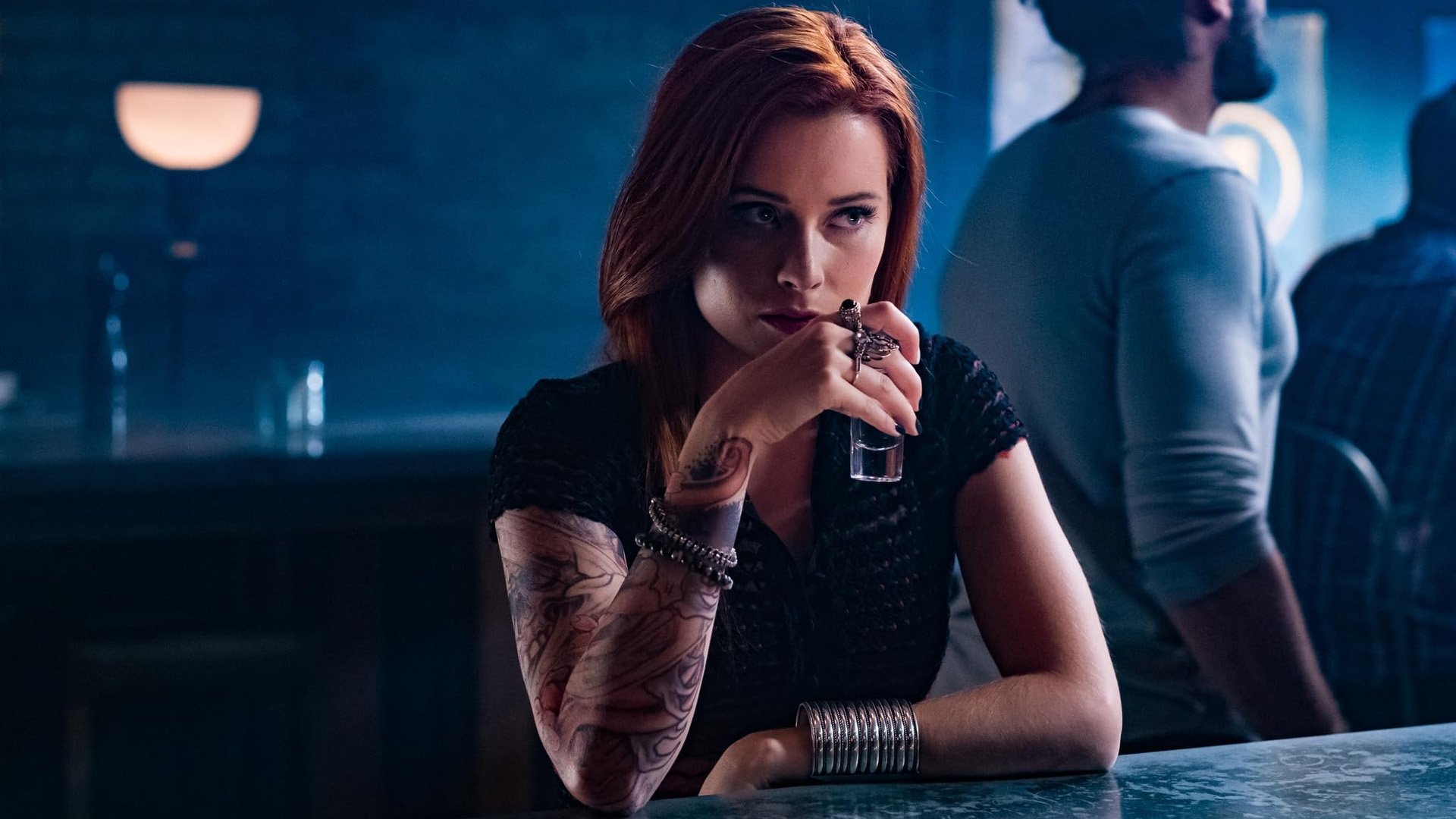
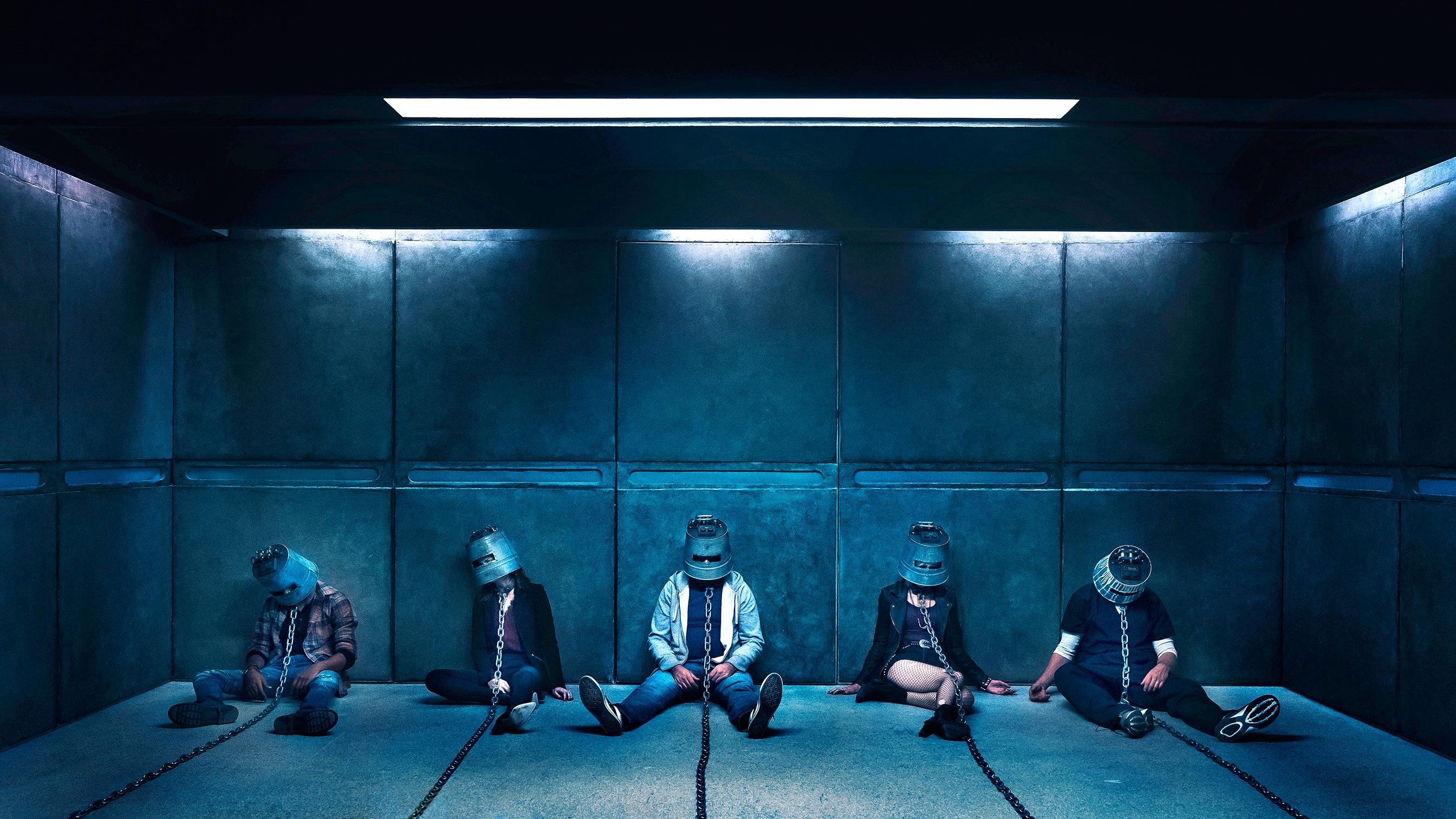
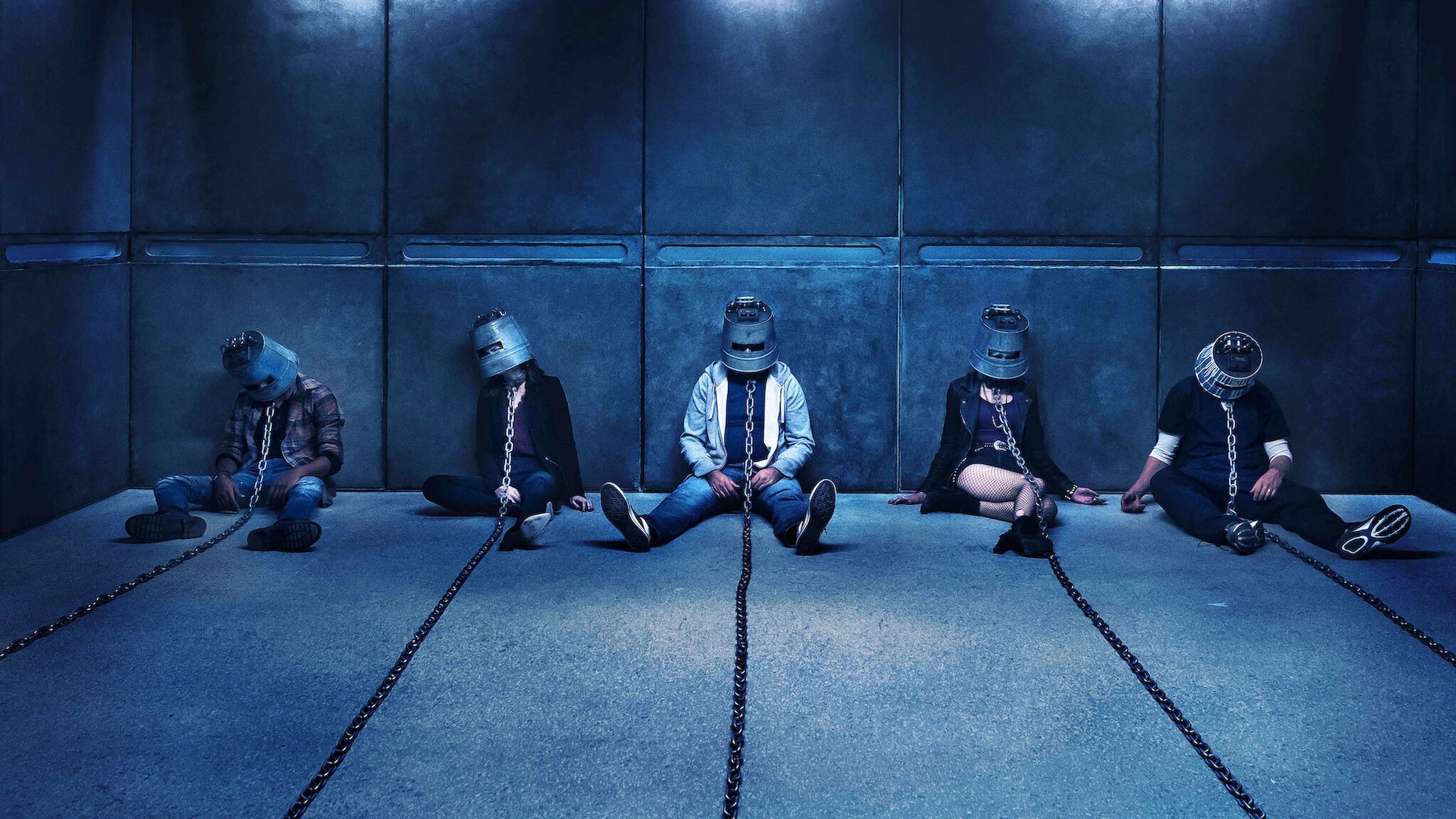
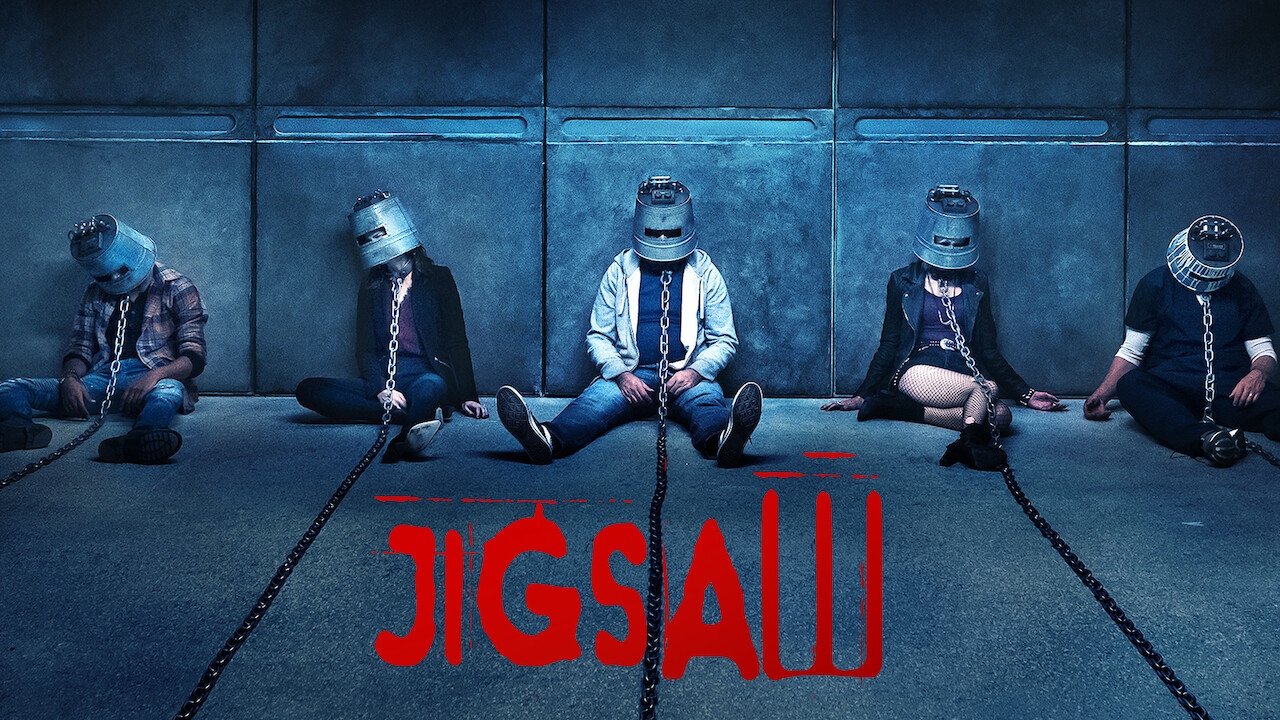
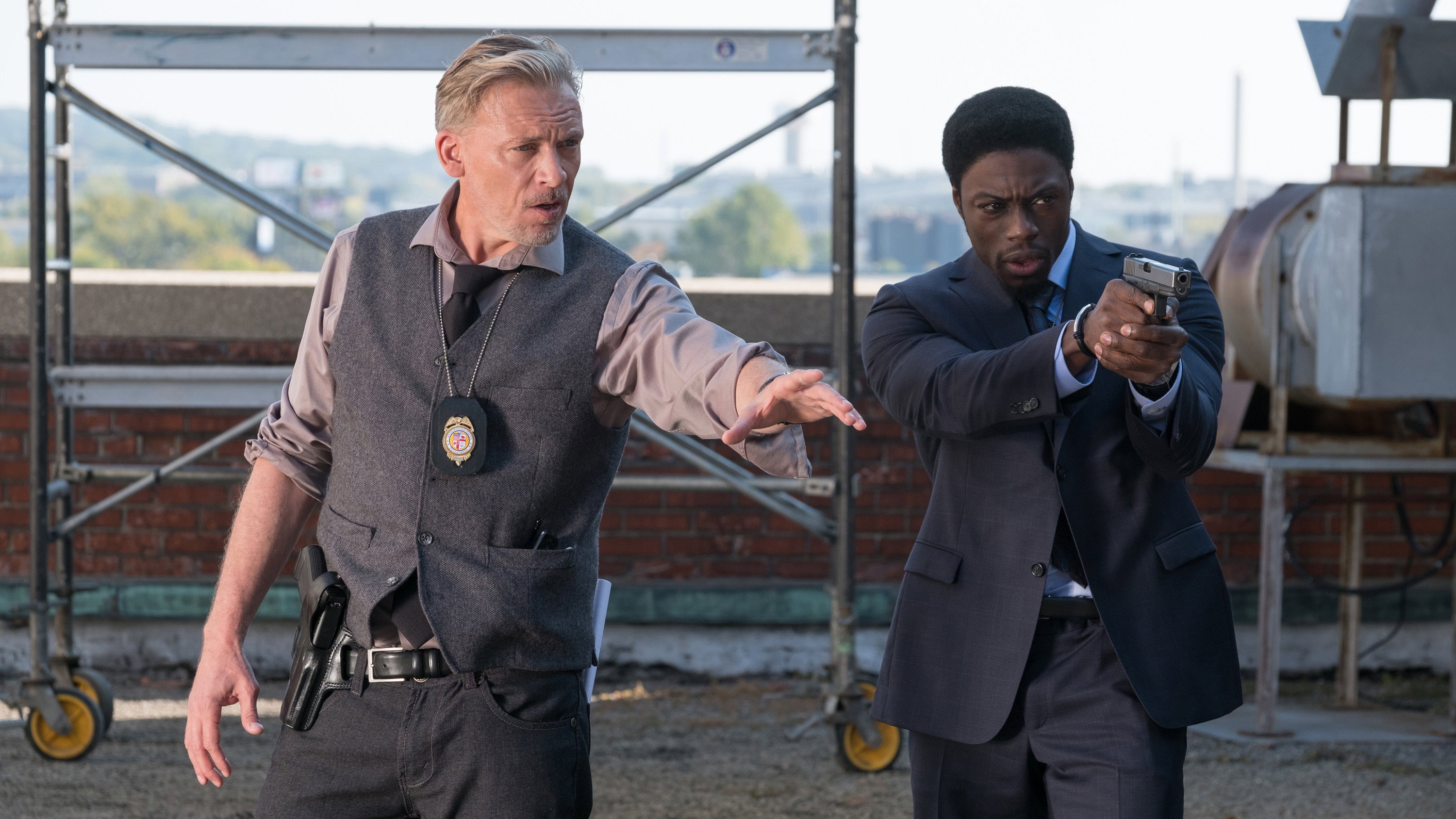
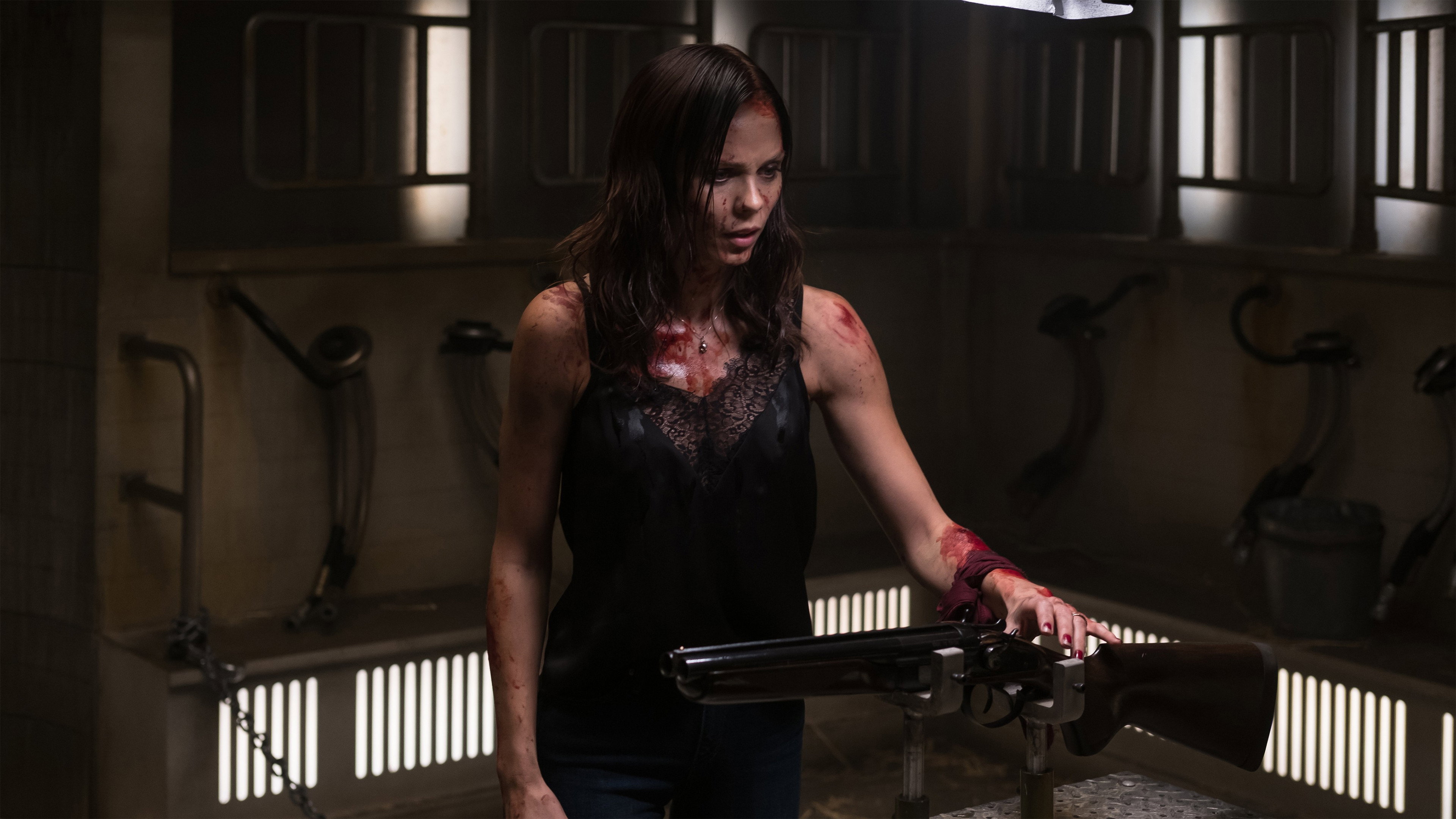
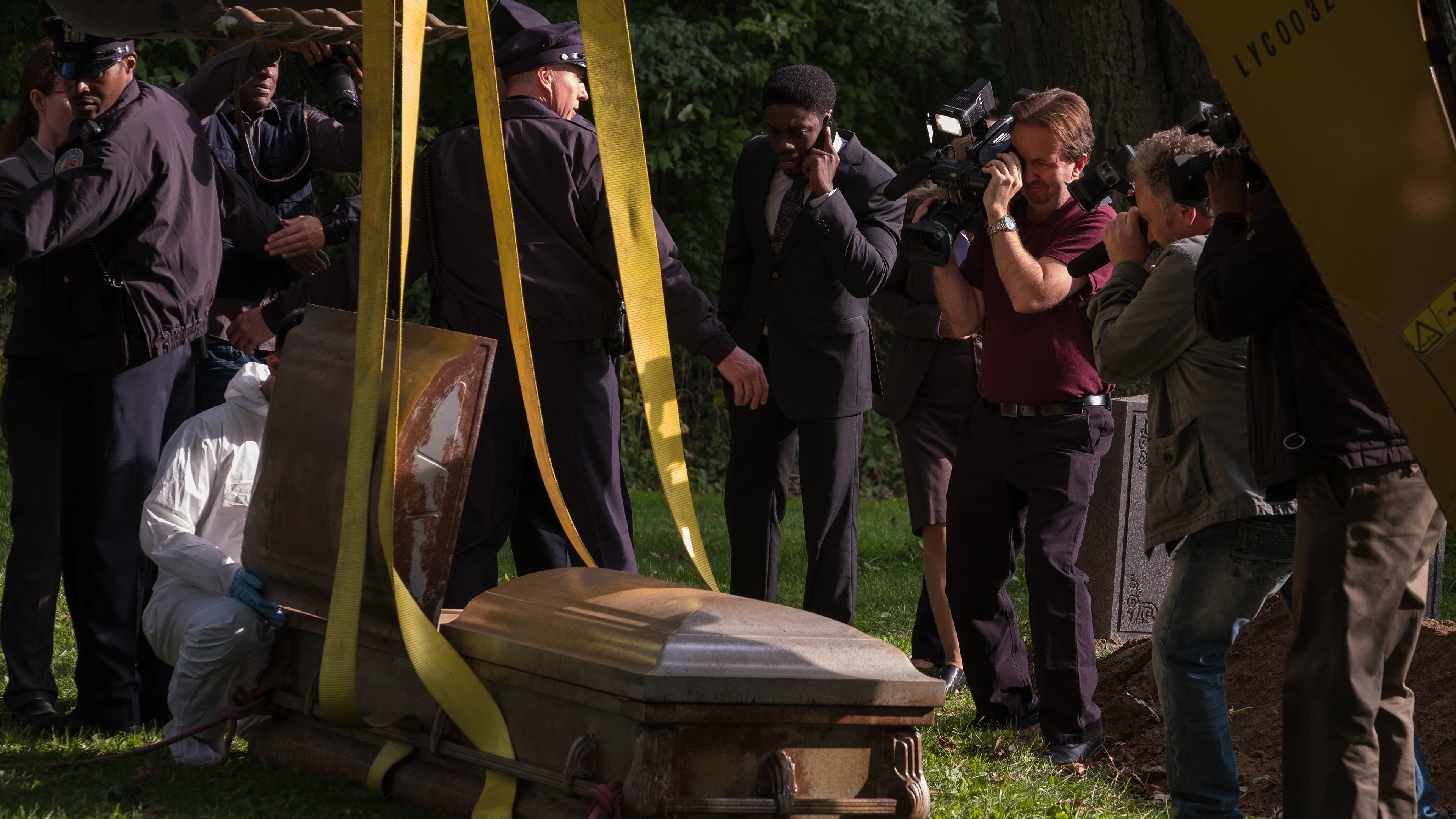
A new series of killings resembles the carefully staged games of John Kramer, who has been dead for years. Detectives Halloran and Hunt investigate the victims while forensic specialists discover clues that revive questions about Jigsaw's methods. At the same time, five people are confined to a remote barn and forced through a sequence of mechanical tests whose rules appear to punish secrets from their past. The investigation moves between the crime scenes and the captive group as competing explanations emerge for the apparent return of Kramer's elaborate schemes.

Alternative Titles
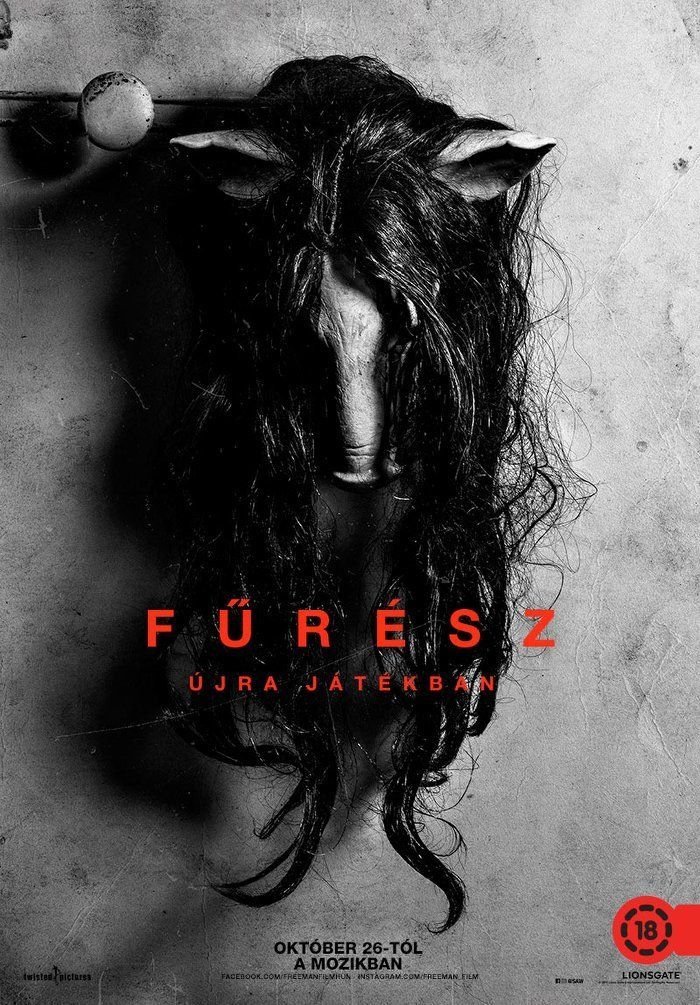
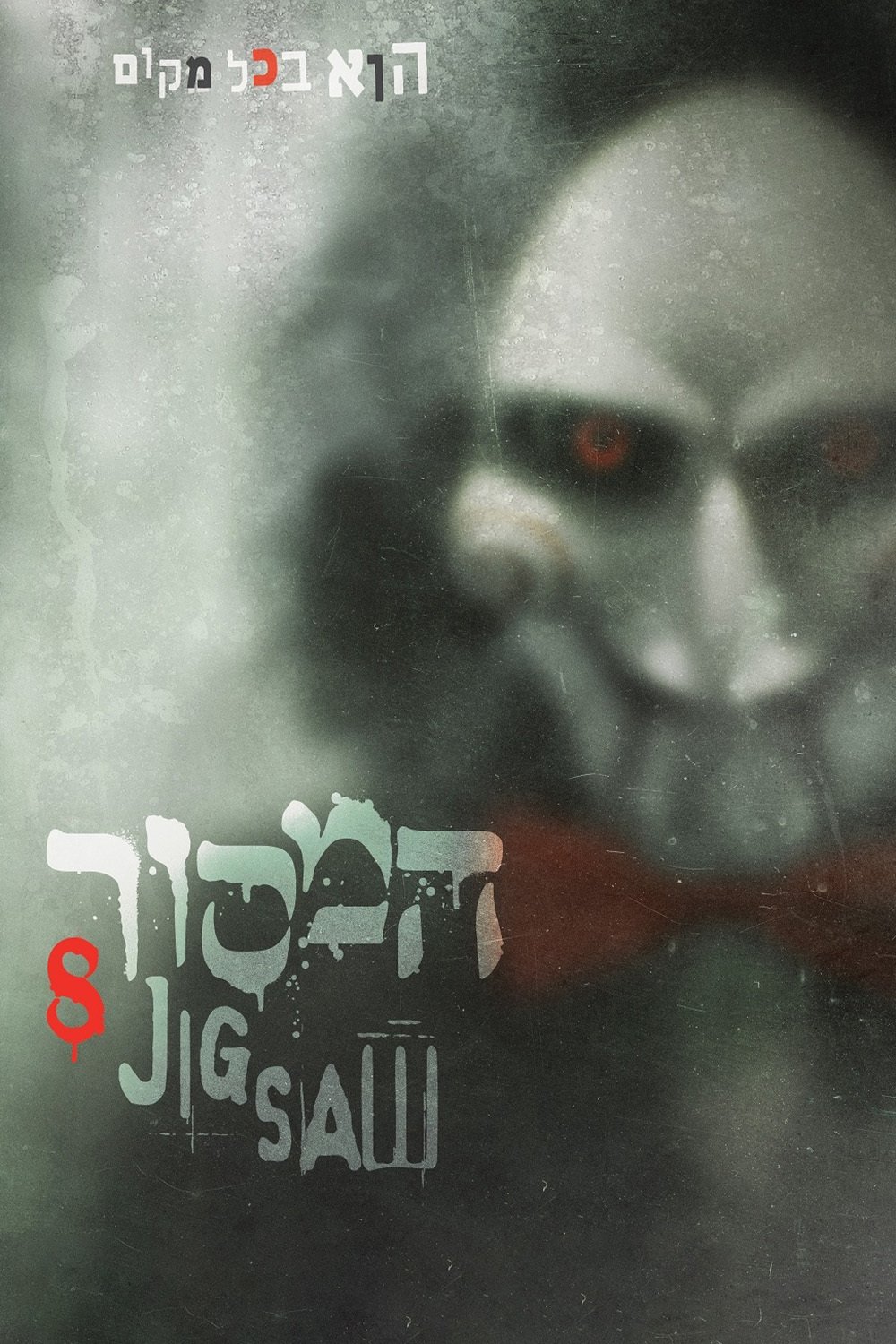
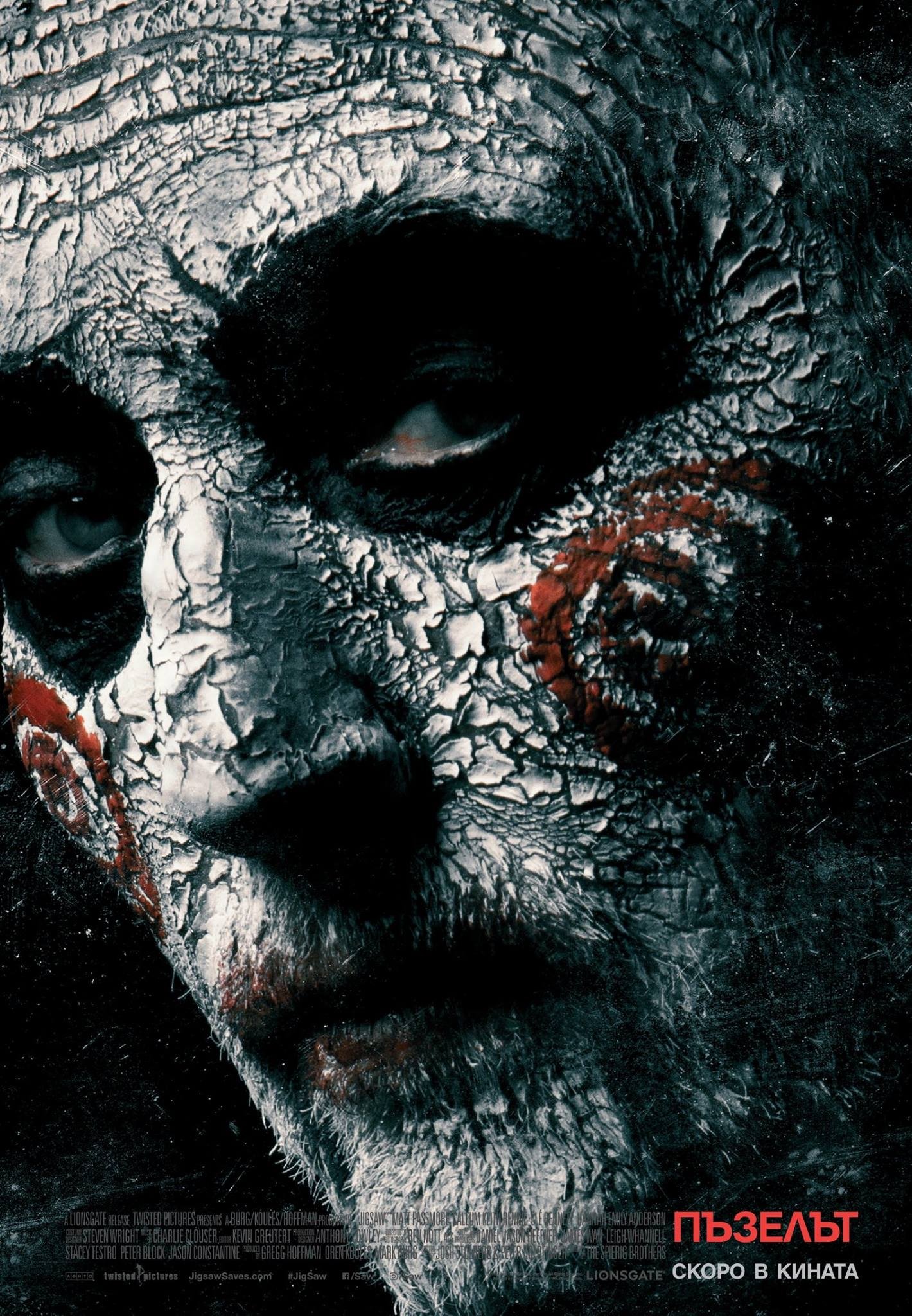
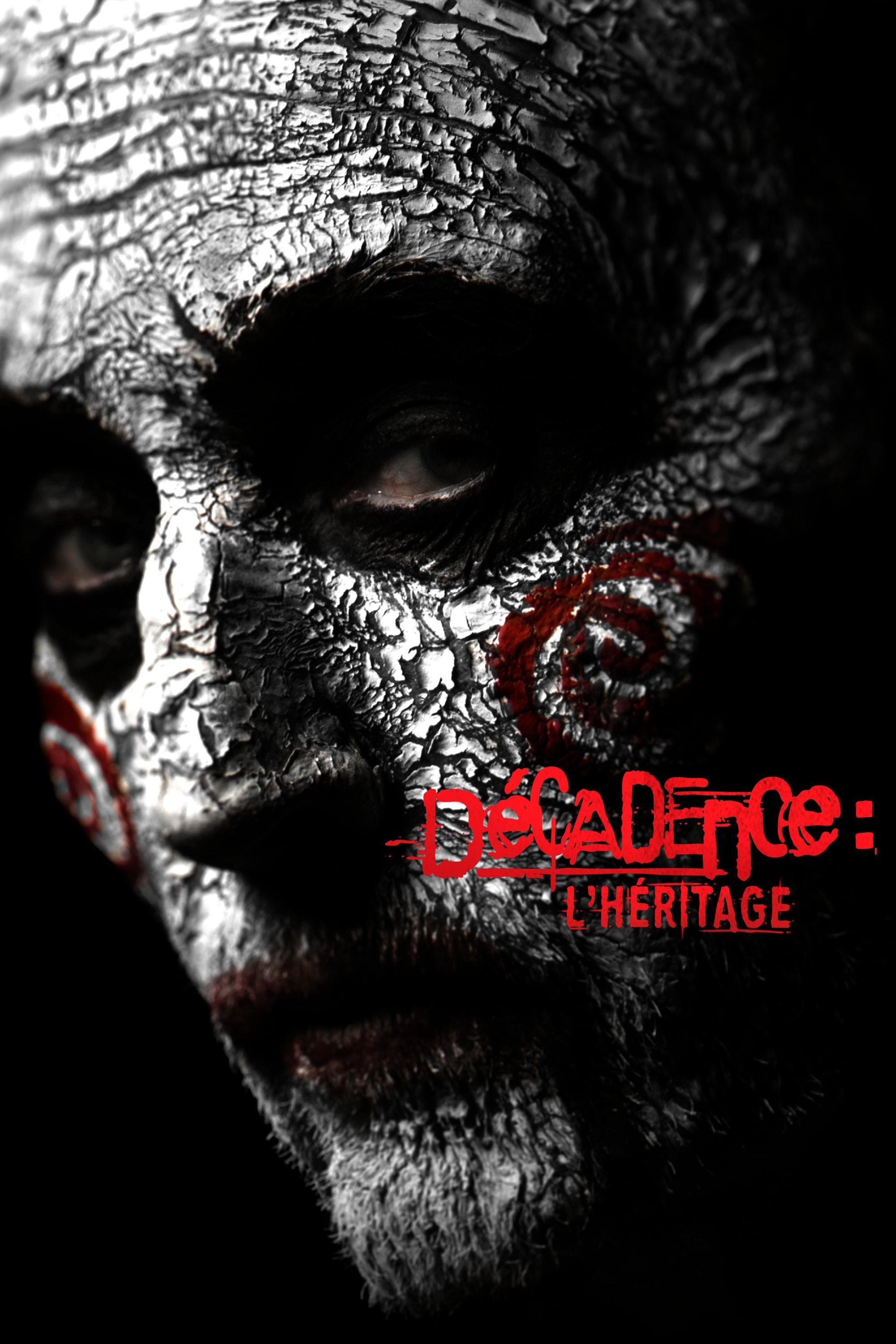
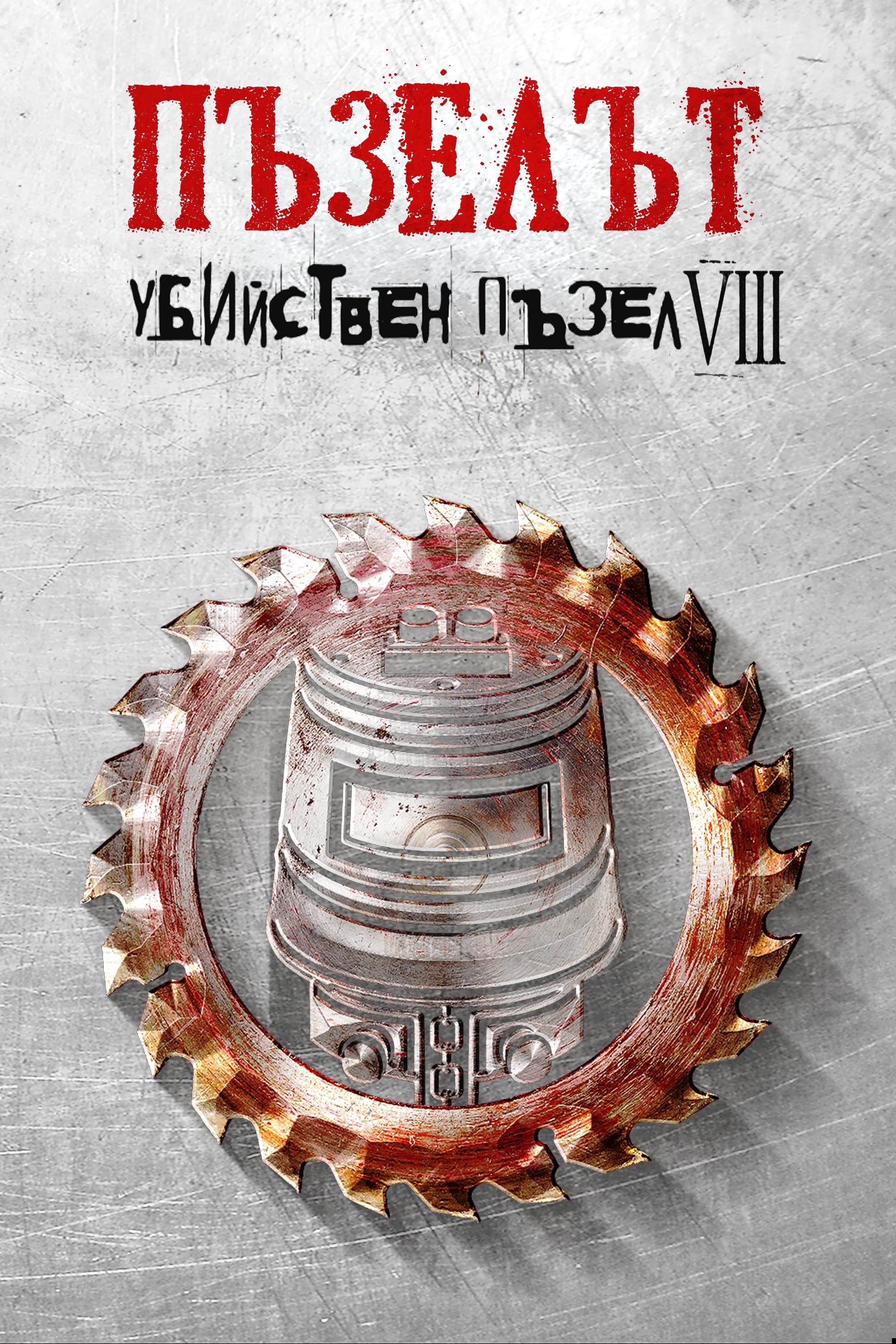
Jigsaw: El juego continúa (Argentina) Saw 8 - Jigsaw (Australia) Mişar 8 (Azerbaijan) — Azerbaijani Testera: Zaostavština (Bosnia & Herzegovina) Пъзелът (Bulgaria) — Bulgarian Убийствен пъзел VIII (Bulgaria) Jogos Mortais: Jigsaw (Brazil) Décadence : L'héritage (Canada) — French
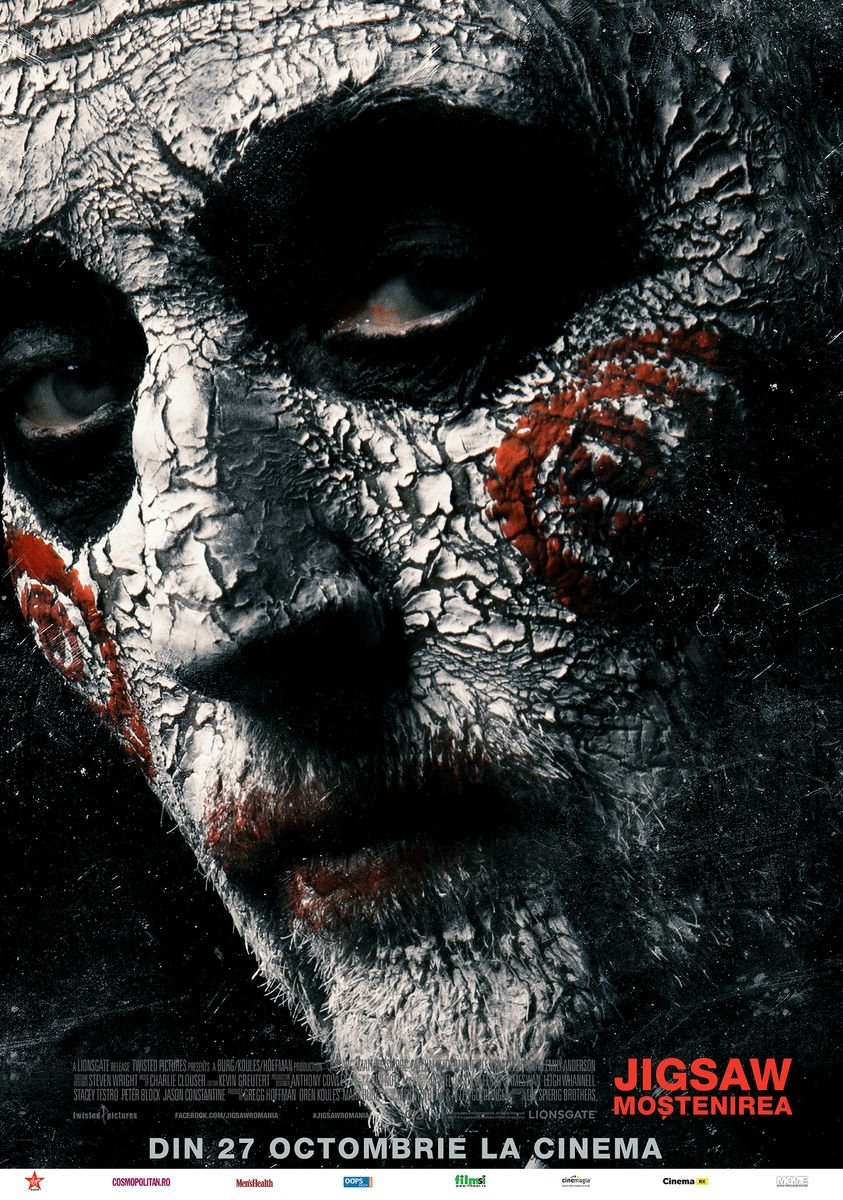
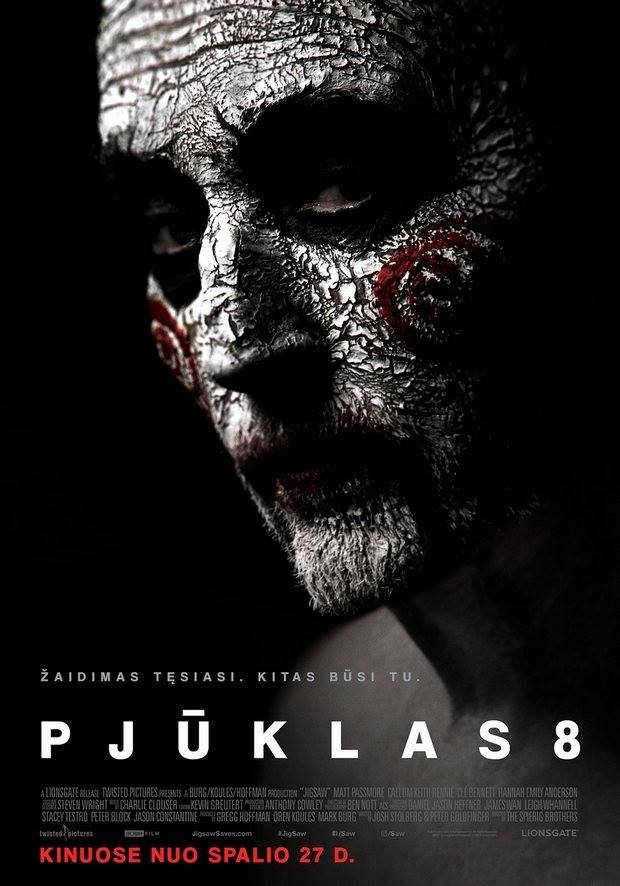
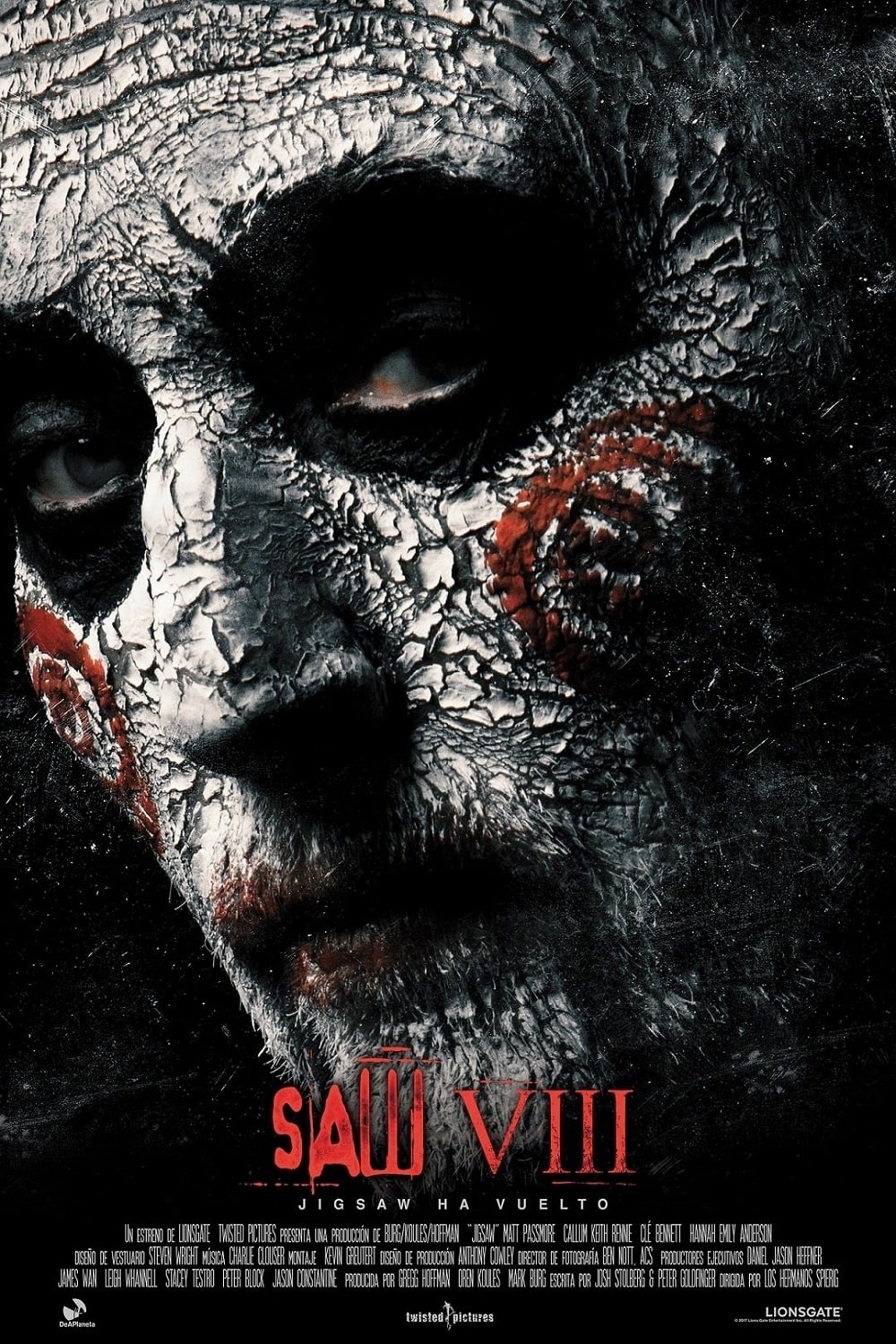
Show all 49 alternative titles 电锯惊魂8 (China) 电锯惊魂8:竖锯 (China) Příchozí (Czechia) Saw VIII - Jigsaw (Germany) Saag VIII: Jigsaw (Estonia) — Estonian Saw VIII (Spain) — Spanish ხერხი 8: მემკვიდრეობა (Georgia) — Georgian Σε Βλέπω 8 (Greece) — Greek 恐懼鬥室 8 :狂魔再現 (Hong Kong SAR China) — Chinese 恐懼鬥室8 狂魔再現 (Hong Kong SAR China) 恐懼鬥室8之狂魔再現 (Hong Kong SAR China) 恐懼鬥室之狂魔再現 (Hong Kong SAR China) Slagalica strave 8 (Croatia) Testera: Zaostavština (Croatia) Fűrész - Újra játékban (Hungary) — Hungarian המסור 8 (Israel) — Hebrew جیگساو (Iran) Saw - Legacy (Italy) — Italian ジグソウ:ソウ・レガシー (Japan) — Japanese 직쏘 (South Korea) — Korean Pjūklas 8 (Lithuania) — Lithuanian Zāģis 8 (Latvia) — Latvian Jigsaw: El Juego Continúa (Mexico) — Spanish Piła: Dziedzictwo (Poland) — Polish Jigsaw: O Legado de Saw (Portugal) — Portuguese Jigsaw: Moștenirea (Romania) — Romanian Слагалица Страве 8 (Serbia) Пила 8 (Russia) — Russian Žaga 8 (Slovenia) — Slovenian เกมต่อตัดตาย (Thailand) — Thai Testere 8: Jigsaw Efsanesi (Türkiye) Testere: Jigsaw Efsanesi (Türkiye) — Turkish 奪魂鋸:遊戲重啟 (Taiwan) — Chinese Пила 8 (Ukraine) — Ukrainian Saw 8 (United States) — Working Title Saw 8: Jigsaw (United States) — Working Title Saw VIII (United States) — Working Title Saw VIII: Jigsaw (United States) — Working Title Saw: Legacy (United States) — Working Title Lưỡi Cưa VIII (Vietnam) Lưỡi Cưa: Di Sản Để Lại (Vietnam) — Vietnamese

Trailers & Videos

10 videos

Film Guide & Analysis

The Saw franchise returns after seven years with a revised visual style, mechanical ordeals and a mystery about John Kramer's legacy.

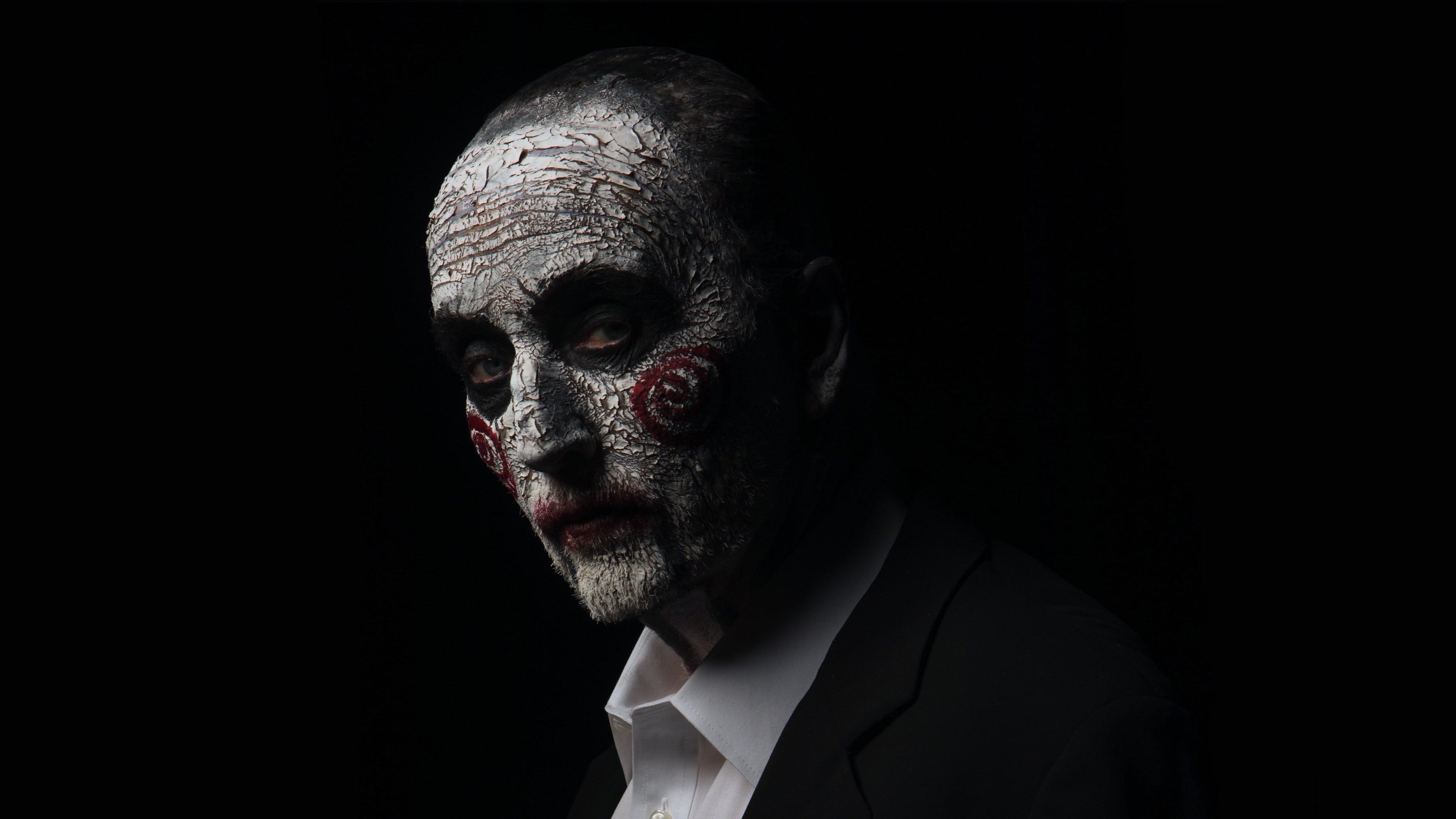
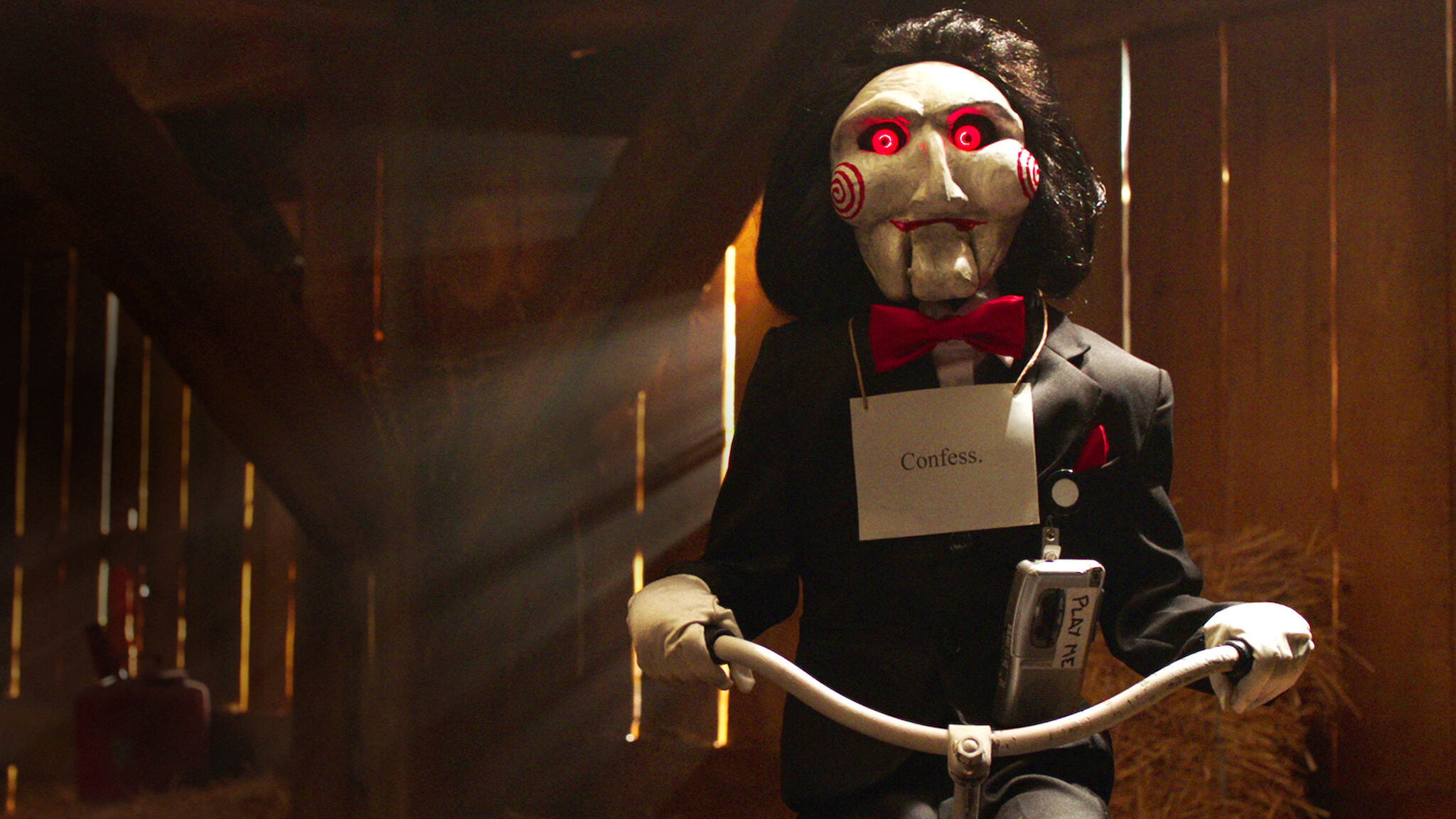
Jigsaw (2017) reopened the Saw series seven years after Saw 3D had been presented as its final chapter. The eighth film confronted a problem created by the earlier sequels: John Kramer had been dead for years, but his voice, his mechanical punishments and his theory of moral correction remained the franchise's main attractions. The new story divides its attention between captives negotiating a sequence of tests in a barn and investigators trying to explain murders that appear to carry Kramer's signature. The apparent contradiction gives the mystery its shape. For horror history, the film is an example of a long-running series attempting to recover the suspense of its original premise while retaining its accumulated mythology.

Australian filmmakers Michael and Peter Spierig were recruited to give the production a different visual identity without discarding the devices audiences associated with Saw. Contemporary interviews with producer Mark Burg, cinematographer Ben Nott, Anthony Cowley and composer Charlie Clouser document that effort in unusual technical detail. They describe a coordinated shift toward more legible spaces, carefully planned shots, mechanical objects and a score that could move between procedural tension and familiar industrial dissonance. Released in October 2017, Jigsaw demonstrates the possibilities and restrictions of reviving a horror property whose audience has learned to anticipate the final revelation.

Reviving Saw After the Final Chapter

The pause following Saw 3D (2010) was a genuine break from the annual production cycle that had kept the franchise in theaters through most of the previous decade. Producer Mark Burg told Horror Cult Films in October 2017 that the team had regarded the series as finished. According to his account, a proposal from writers Josh Stolberg and Pete Goldfinger persuaded the producers that another film was worth attempting. Burg identified the proposed narrative device as the decisive attraction and spoke of a desire to return to the thriller qualities of the early installments. Those remarks establish the producer's contemporary rationale, although they should not be taken as proof that the finished movie achieved that ambition.

Burg also described the selection of the Spierig brothers as a way to preserve a recognizable Saw identity while changing its presentation. The filmmakers had previously directed Daybreakers and Predestination, projects combining genre storytelling with elaborate formal construction. Kevin Greutert, editor of the earlier films and director of Saw VI and Saw 3D, returned as editor, maintaining an experienced link to the previous productions. Tobin Bell's participation likewise mattered beyond simple continuity of casting: the films had invested Kramer's recorded instructions with the authority of a recurring presence. Reassembling such personnel made a new entry possible without pretending the earlier films had never happened.
The Barn Game and the Investigation

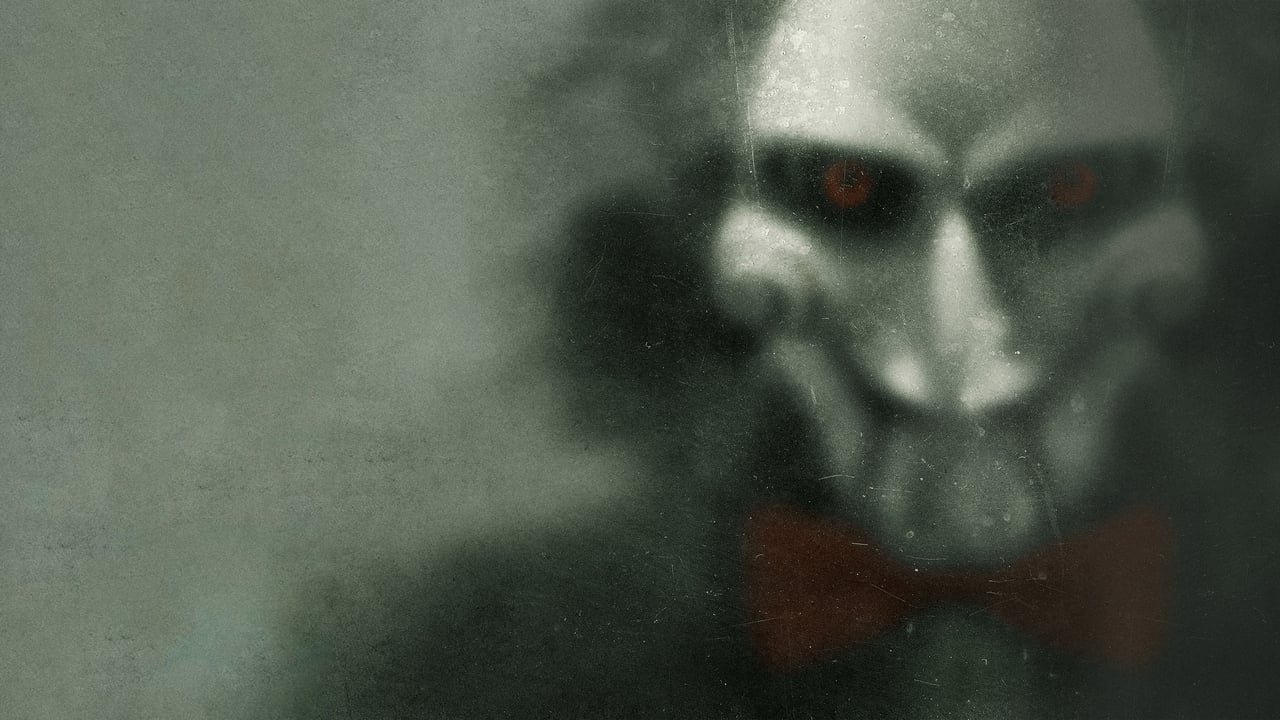
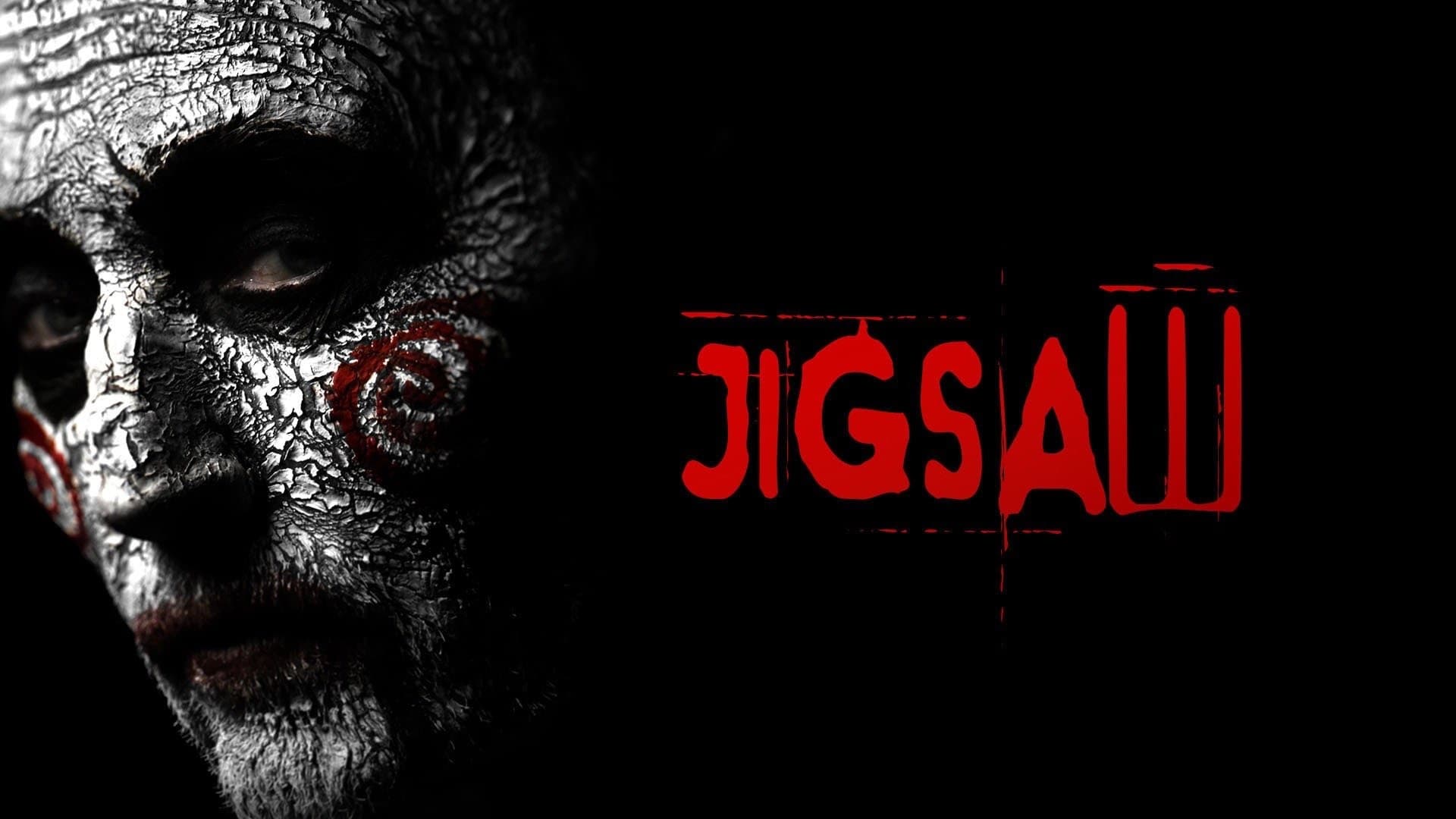
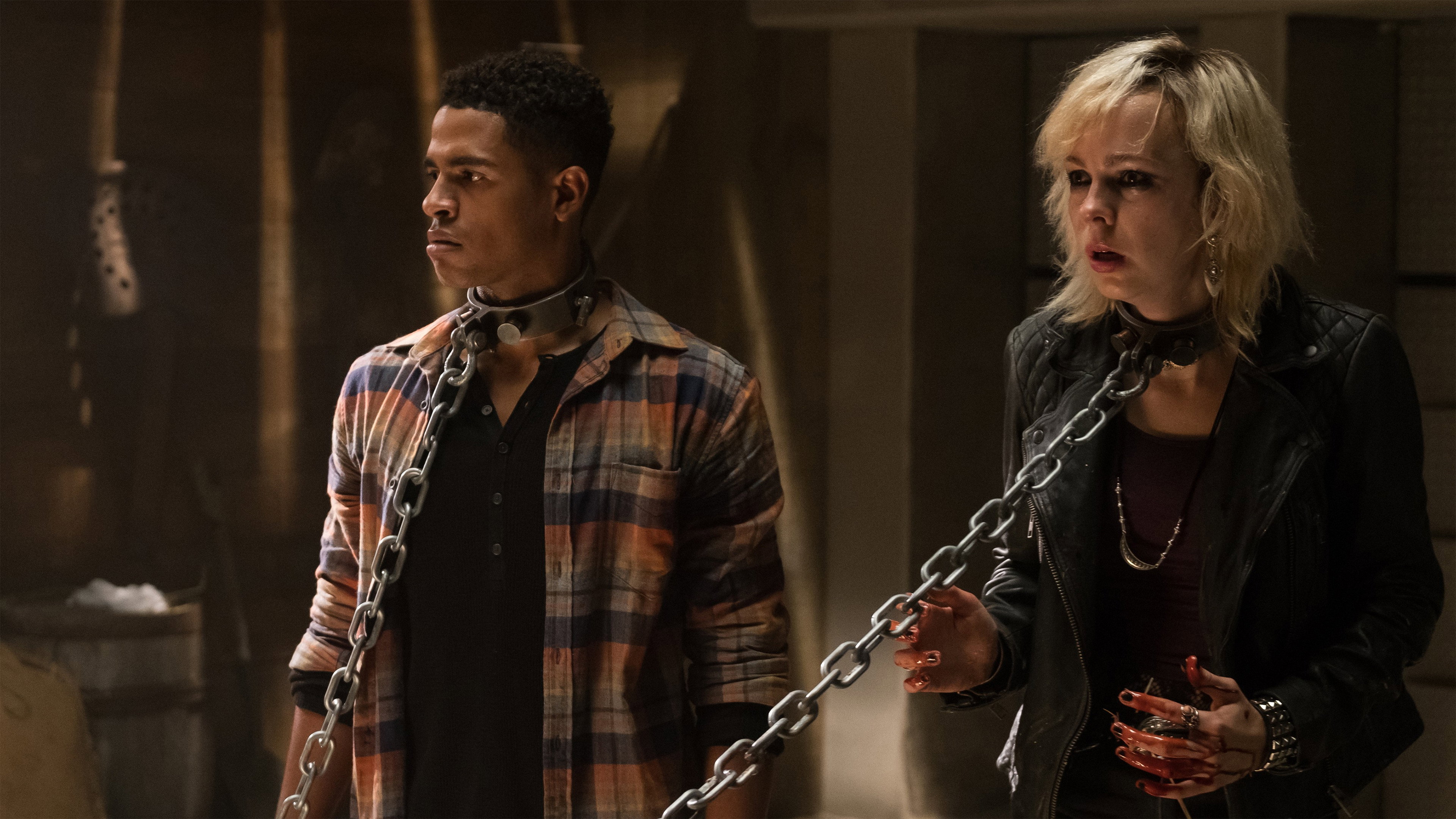
The screenplay alternates between two spaces with different relationships to violence. In the barn, captives encounter instructions that make confession and survival appear inseparable. Outside, investigators examine bodies and clues that suggest an impossible return of a murderer long believed dead. The two strands create different kinds of uncertainty. Each trap presents an immediate physical problem, while forensic evidence invites speculation about chronology, responsibility and imitation. Their intersection supplies the movie's mystery structure. It also enables viewers unfamiliar with every previous sequel to recognize the basic rules before confronting questions about Jigsaw's wider history.

The barn tests return to the series' recurring claim that the victim has a meaningful choice. Mechanical deadlines transform statements about guilt into conditions for physical escape, but the captives can act only within rules imposed by an unseen designer. That imbalance is central to the horror: the apparatus is presented as a test of responsibility even though the person operating it controls the information and the danger. The investigation adds another pressure by treating signs of a particular method as possible proof of a particular perpetrator. The narrative uses the audience's knowledge of Kramer's death to make that inference unstable.

As the story advances, shifts in perspective become as important as individual traps. The picture withholds contextual information and revisits apparent connections between scenes in its concluding explanation. This strategy extends a habit established by earlier Saw films, where a late disclosure could reinterpret actions already witnessed. It also creates an inherent risk: a reversal that depends on hidden chronology can feel persuasive to viewers who accept the rules and arbitrary to those seeking independently available clues. That distinction is a question of narrative construction, not a historical fact about the production. The film's competing timelines are best understood as an attempt to generate surprise from the franchise's existing preoccupation with deceptive appearances.
A Sharper Visual World

Cinematographer Ben Nott gave a detailed account of the visual rethink to Australian Cinematographer Magazine. Working again with the Spierigs after Daybreakers and Predestination, he described a desire to move beyond the heavily processed, stage-oriented look associated with previous Saw productions. The brothers developed extensive storyboards, allowing the small preparation period to be organized around precise camera positions and set requirements. Nott said that the dense screenplay and complex physical effects made such planning especially valuable. His description places the renewed appearance of Jigsaw within specific working methods, rather than attributing it to a vague wish to make the series look modern.

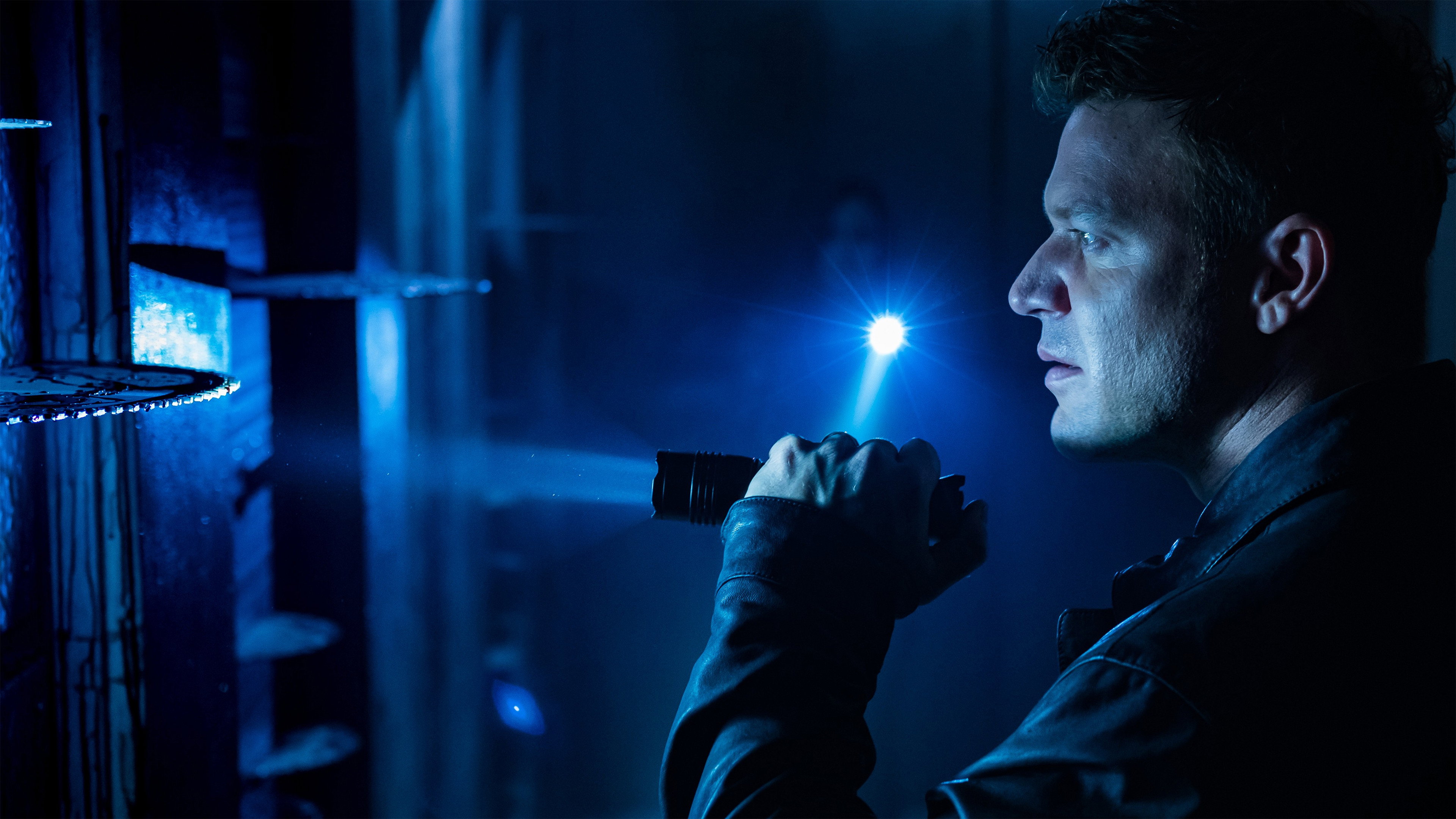
Nott reported a thirty-two-day shoot and described using ARRI Alexa cameras, including the compact Alexa Mini, with Master Prime lenses. Close-focus performance was valuable because the action repeatedly asks viewers to read the arrangement of a trap before understanding its threat. He recorded in ProRes at 3.2K and sought to retain much of the intended color and lighting from the set instead of relying on a radical transformation in grading. These technical choices help account for clearer spatial relationships and more visible surfaces. The film still uses confinement and darkness, but its imagery gives objects and movement a precision that contrasts with the murkier appearance of some predecessors.

Designing the Traps

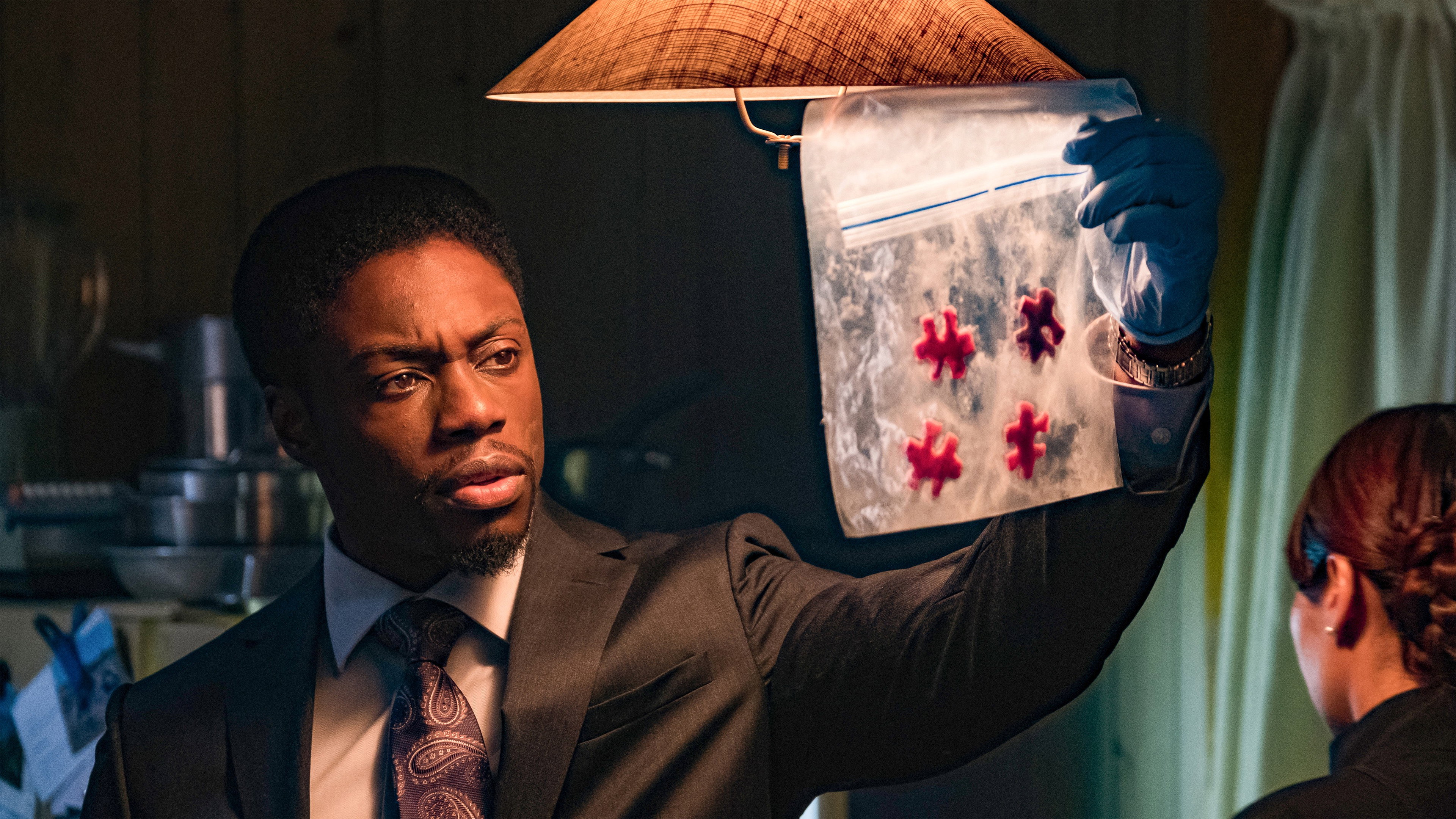
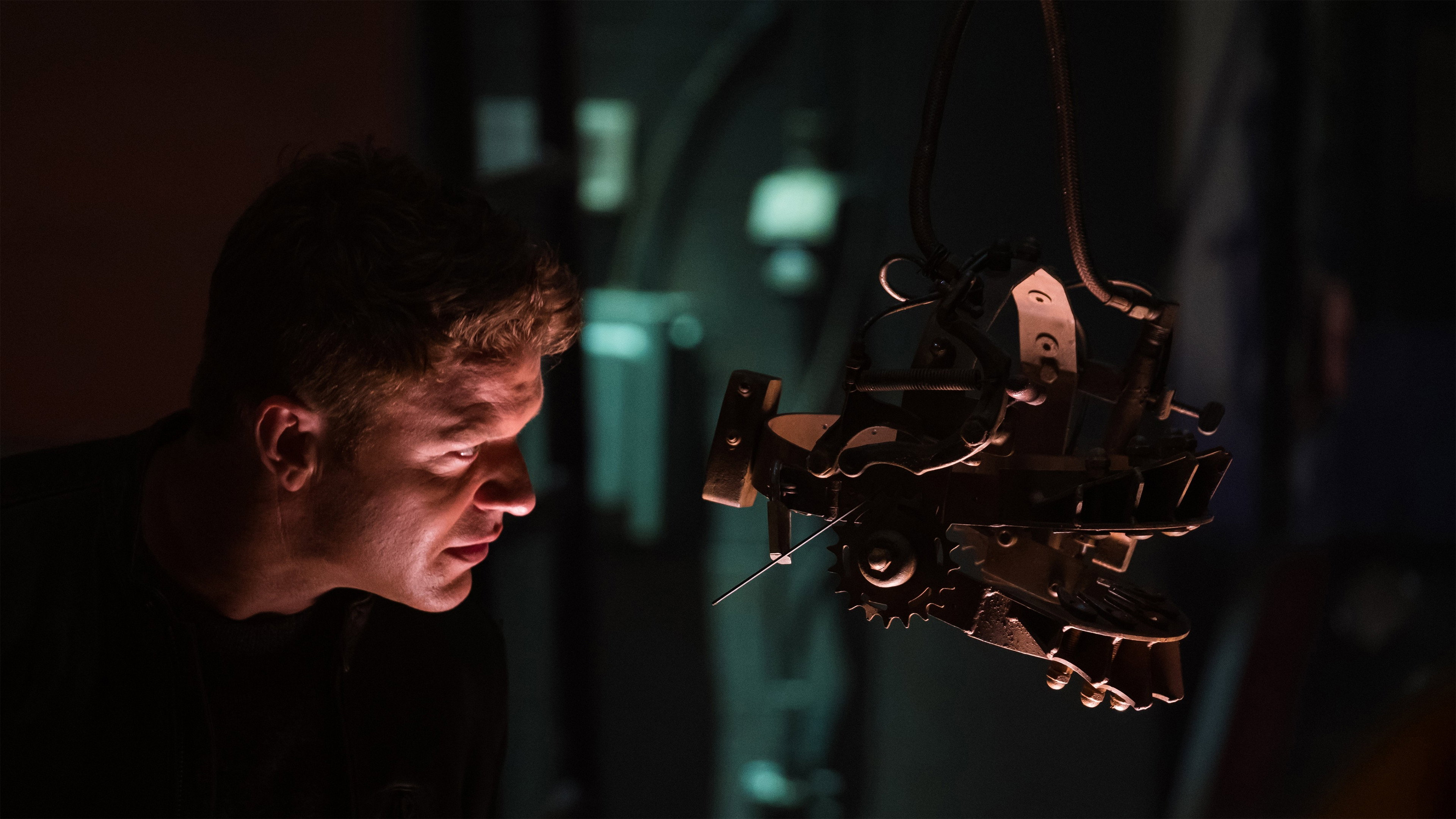
Production designer Anthony Cowley discussed the devices with Inverse during the film's theatrical release. He recalled that the creative team was sometimes given a script placeholder for a trap, leaving the detailed mechanism to be worked out with the directors and other production personnel. A design inspired by an ordinary vegetable slicer was one result of that process. Cowley's account also emphasizes the requirement that a test have an apparent solution connected to its victim's actions. This is evidence about the writers' and designers' intended system; it does not establish that every audience member will find the solutions fair or the machinery plausible.

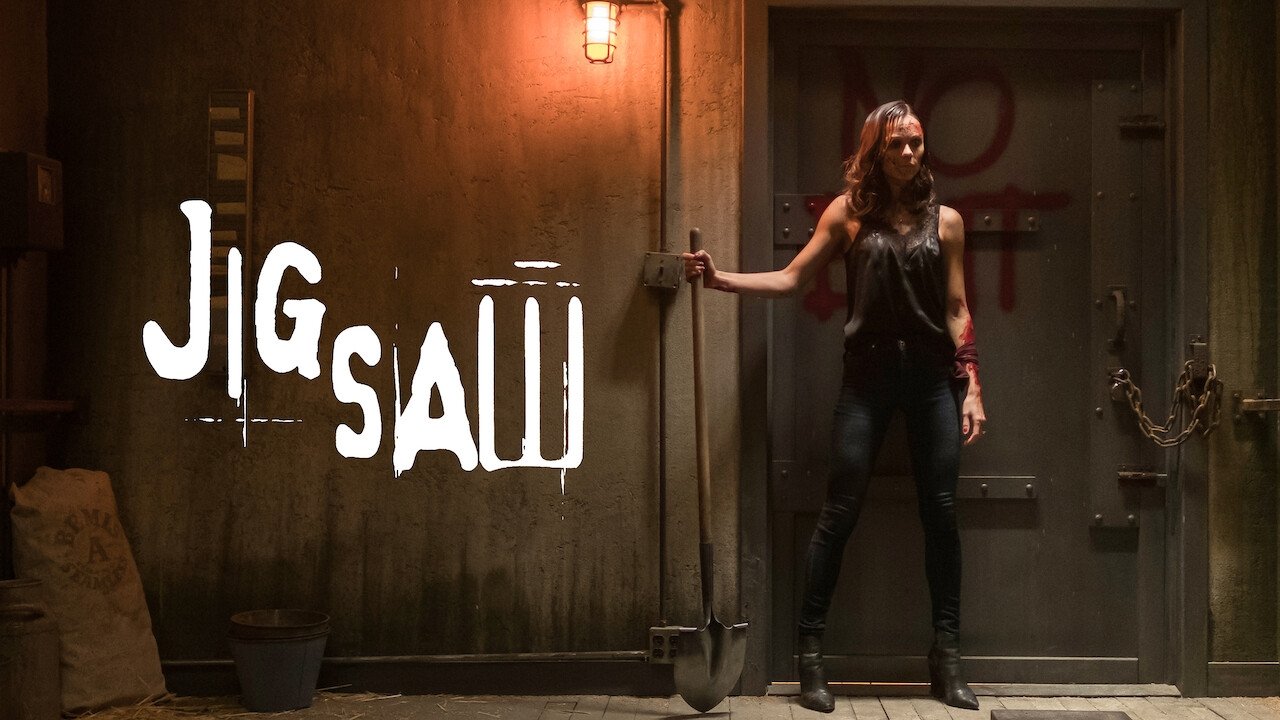
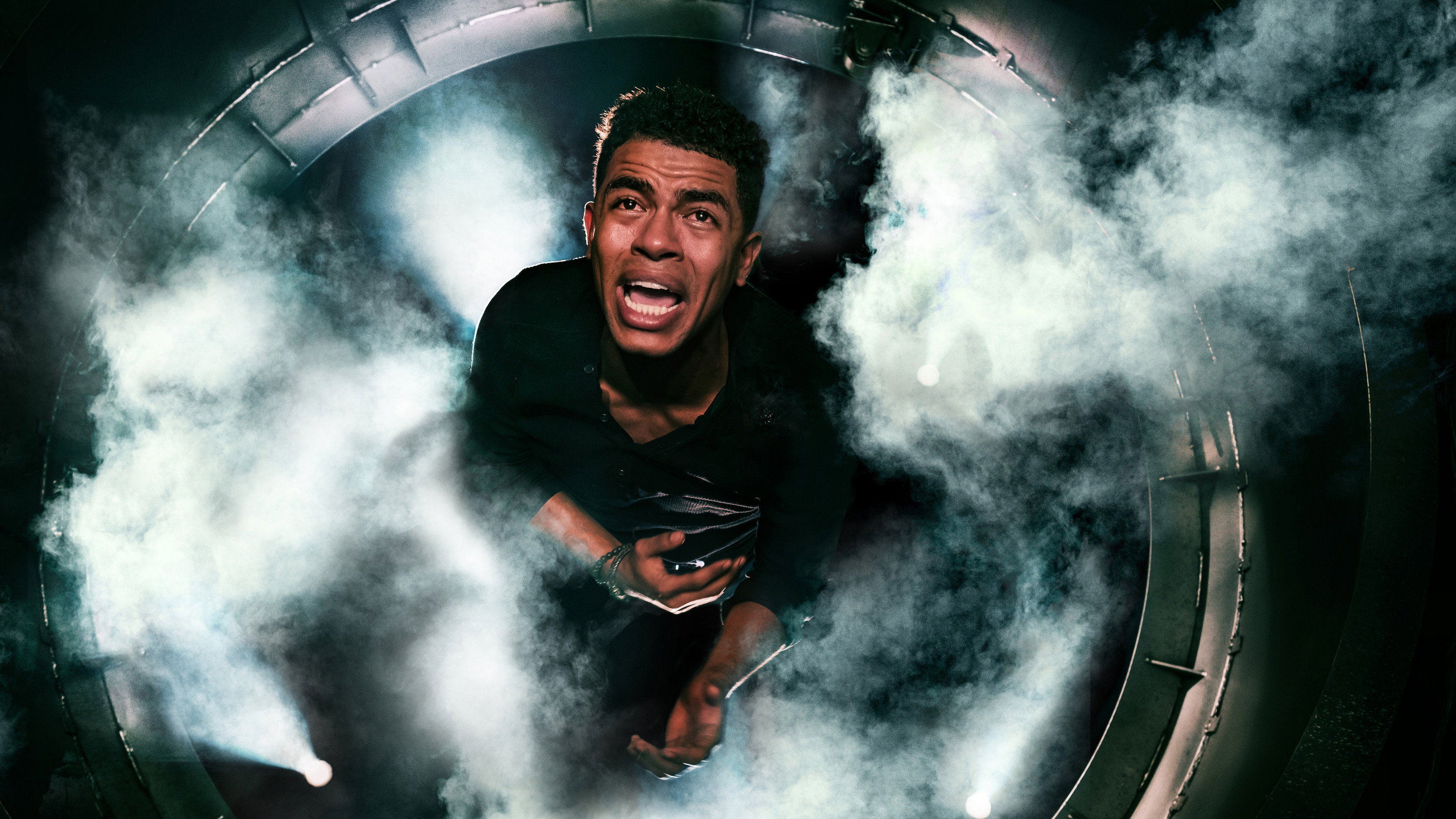
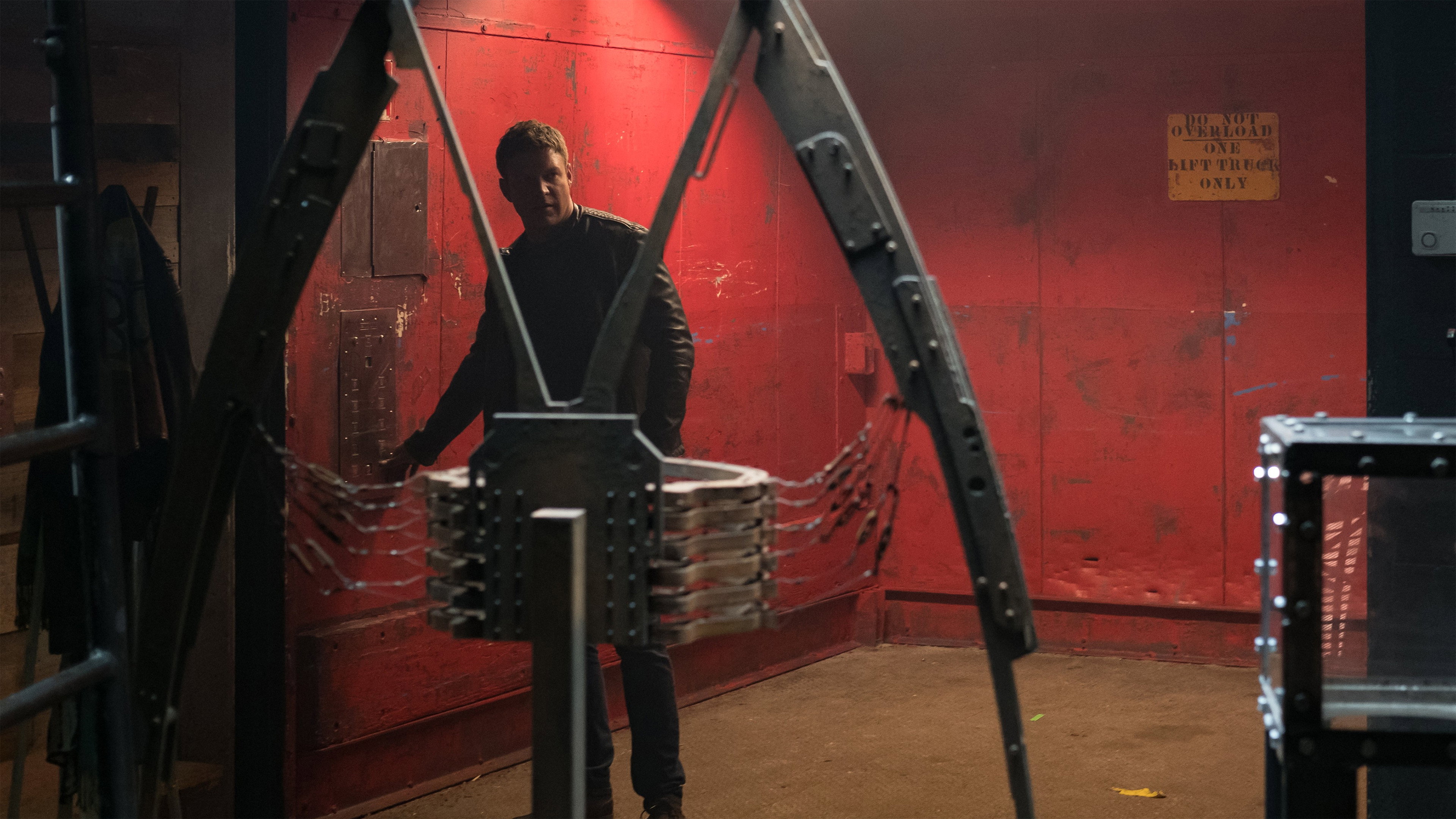
Cowley said that the Spierigs were interested in the mental dimension of Kramer's tests and wanted violence to have a clear narrative function. The barn provides a useful environment for that approach because its agricultural materials, rough machinery and enclosed passages can be adapted into threats with recognizable physical properties. A grain silo that becomes a lethal chamber illustrates the principle: a familiar storage structure turns dangerous through containment, timing and the introduction of sharp objects. The set piece encourages viewers to anticipate injury by understanding the space. Its impact depends as much on staging and performers' responses as on the final depiction of damage.

Accounts of the production consistently stress practical construction, yet that does not license claims that individual onscreen injuries were photographed without digital intervention. Cowley describes planning and mechanical ideas, while Nott discusses the coordination of physical and visual effects; neither provides a shot-by-shot effects inventory. The reliable conclusion is narrower and more useful: built environments, visible mechanisms and tightly arranged camera coverage helped produce the impression of functioning traps. The film's devices are therefore valuable to study as designed dramatic spaces. Their horror arises from an understandable mechanical threat combined with uncertainty about whether a supposedly reversible test is truly survivable.

Charlie Clouser and the Sound of Renewal

Charlie Clouser remained the musical connection between Jigsaw and the original Saw. In a substantial November 2017 interview with Shockya, he described building a fresh set of processed sounds for each installment before composing the cues. For Jigsaw, the more open locations and investigative scenes encouraged him to use brighter sonic elements, clearer synthesizer figures and less dissonant string writing in parts of the score. He compared the external scenes to a conventional suspense thriller, reserving a harsher texture for the more punishing interior spaces. This division was his stated compositional strategy, not an assertion that the film had abandoned the series' established sound.
Clouser also related the more sharply photographed trap scenes to a change in musical articulation. Instead of relying almost entirely on distant metallic textures, he introduced pointed high frequencies and more direct rhythmic energy that could accompany readable mechanical action. The familiar industrial influence remained, and the sound gradually connected the investigation with the barn. His account is especially useful because it links a department often discussed in isolation to cinematography and editing. The score was designed to support the same distinction visible in the images: an apparently ordinary world becoming contaminated by the acoustic vocabulary of Jigsaw's enclosed tests.
Release, Reception and Franchise Position

Lionsgate opened Jigsaw in the United States on October 27, 2017, restoring the Halloween-season association that had been central to the franchise's earlier theatrical identity. Box Office Mojo records a domestic opening weekend of $16,640,452, a North American total of $38,052,832 and worldwide theatrical receipts of $102,952,888. These are gross ticket-sales figures, not a calculation of the producers' earnings or net profit. The result demonstrates that the series could still draw a sizable audience after seven years away from theaters, although its domestic opening was below several of the installments released during the annual cycle.

The critical response exposed disagreement over whether a cleaner presentation amounted to a meaningful creative change. In her November 2017 review for Film Inquiry, Stephanie Archer credited the film with improved polish while finding its editing less disturbing and its dependence on familiar elements limiting. She also noted the contrast between the earlier pictures' dirty, colored imagery and the brighter appearance of the revival. These specific judgments can be compared with Nott's account of the cinematography: the production intended to alter its visual language, but a critic could regard the alteration as a loss of atmosphere. Intention and reception provide complementary evidence without becoming interchangeable.

The film occupies an intermediate position in the franchise's history. It continues Kramer's moral vocabulary, industrial puzzles and climactic rearrangement of evidence while seeking a more accessible entry point after a long interruption. Its makers regarded the shift toward a mystery thriller as a deliberate course correction, whereas contemporary reviewers questioned the effectiveness of its characters and reversals. Later installments would take other approaches to the same inheritance, but Jigsaw's distinct production record already explains its importance within the cycle. It documents a moment when Saw could no longer rely on yearly familiarity alone and had to present its established attractions through a revised technical and narrative framework.

References

  1. Horror Cult Films HCF exclusive interview with producer Mark Burg on Jigsaw

    A substantial 2017 interview on the seven-year hiatus, the writers' pitch, the choice of the Spierig brothers and the effort to recover the franchise's thriller emphasis.

  2. Australian Cinematographer Magazine Ben Nott ACS talks about shooting the new Saw film Jigsaw

    A detailed cinematography interview covering storyboards, locations, camera and lens choices, grading strategy and the compressed thirty-two-day shoot.

  3. Inverse The Jigsaw Death Trap Designer Loves a Good Vegetable Slicer

    Original interview with production designer Anthony Cowley about trap conception, mechanical inspirations, practical construction and the narrative role of gore.

  4. Shockya Composer Charlie Clouser Discusses His Score for the Latest Saw Installment, Jigsaw, & More

    An extensive composer interview on new sound sources, brighter synthesizers and the musical contrast between the investigation and enclosed trap scenes.

  5. Film Inquiry JIGSAW: A Puzzle With Many Missing Pieces

    Stephanie Archer's detailed contemporary review considers the revised cinematography and editing, the return of familiar narrative devices and the film's place in the series.

Connections

Cast

View Full Cast & Crew →

Release & Distribution

Production Companies (3)

  • A Bigger Boat US
  • Serendipity Productions US
  • Twisted Pictures US

Distributors (1)

  • Lionsgate Films US

Release History (38)

Release DateTerritoryRelease TypeFormatDistributorCertificationNotes
2017-10-25 Russia Theatrical — — 18+
2017-10-26 Azerbaijan Theatrical — — —
2017-10-26 Germany Theatrical — — 18
2017-10-26 Denmark Theatrical — — 15
2017-10-26 Hungary Digital — — 18
2017-10-26 Kazakhstan Theatrical — — —
2017-10-26 Netherlands Theatrical — — 16
2017-10-26 Portugal Theatrical — — M/18
2017-10-26 Slovakia Theatrical — — 18
2017-10-26 Ukraine Theatrical — — —
2017-10-27 Canada Theatrical — — 18A
2017-10-27 Estonia Theatrical — — —
2017-10-27 Finland Theatrical — — K-18
2017-10-27 United Kingdom Theatrical — — 18
2017-10-27 Ireland Theatrical — — 18
2017-10-27 Lithuania Theatrical — — —
2017-10-27 Poland Digital — — 18
2017-10-27 Romania Theatrical — — 18+
2017-10-27 United States Theatrical — — R
2017-10-27 South Africa Theatrical — — —
2017-10-31 Italy Theatrical — — 14+
2017-11-01 France Theatrical — — 16
2017-11-02 Australia Theatrical — — MA 15+
2017-11-02 Israel Theatrical — — 18
2017-11-02 South Korea Theatrical — — 19
2017-11-02 New Zealand Theatrical — — —
2017-11-03 Türkiye Theatrical — — 18+
2017-11-08 Indonesia Theatrical — — —
2017-11-09 Greece Theatrical — — —
2017-11-10 Japan Digital — — R15+
2017-11-10 Norway Theatrical — — 18
2017-11-24 Spain Theatrical — — 18
2017-11-30 Brazil Theatrical — — 18
2017-11-30 Thailand Theatrical — — 18
2018-02-26 United Kingdom Physical — — 18
2018-02-28 Brazil Digital — — 18
2018-03-01 Netherlands Physical Blu-ray — 16 Blu-ray
2025-10-27 Slovakia Digital — — 18 VOYO
The game continues.