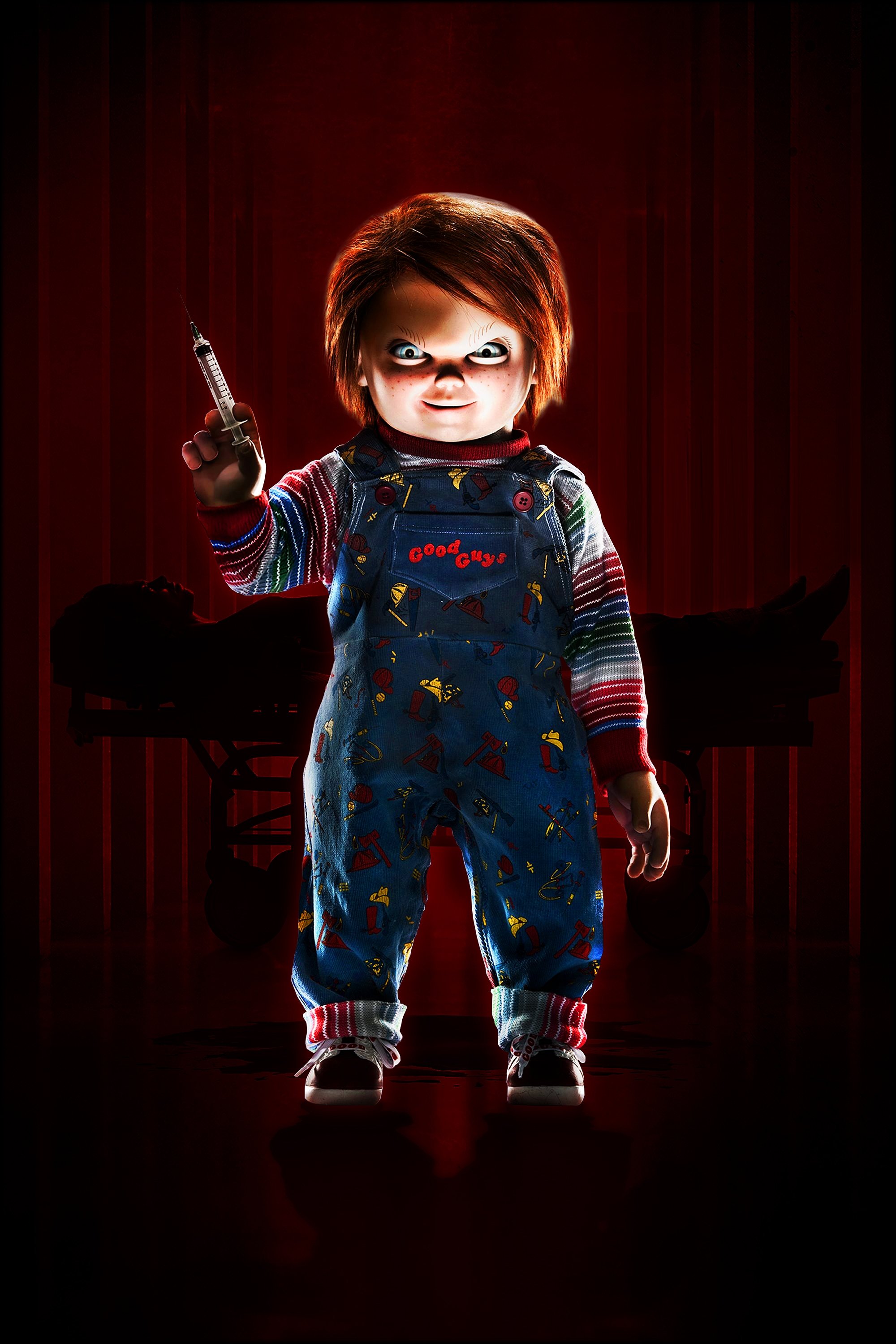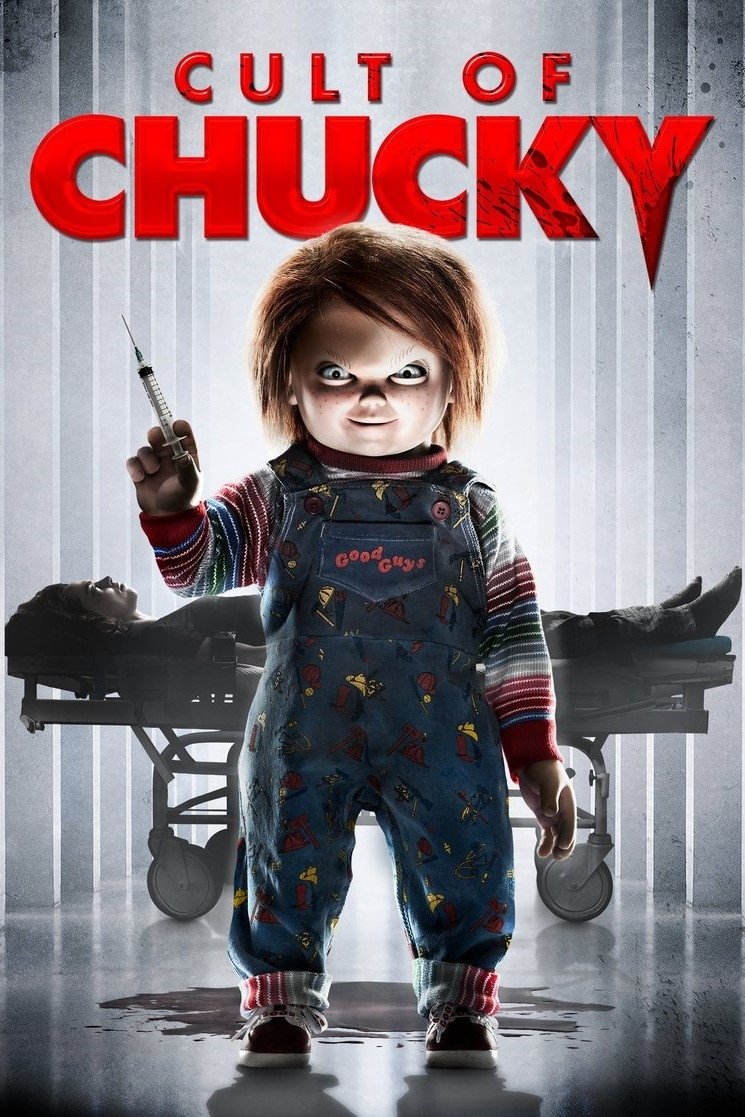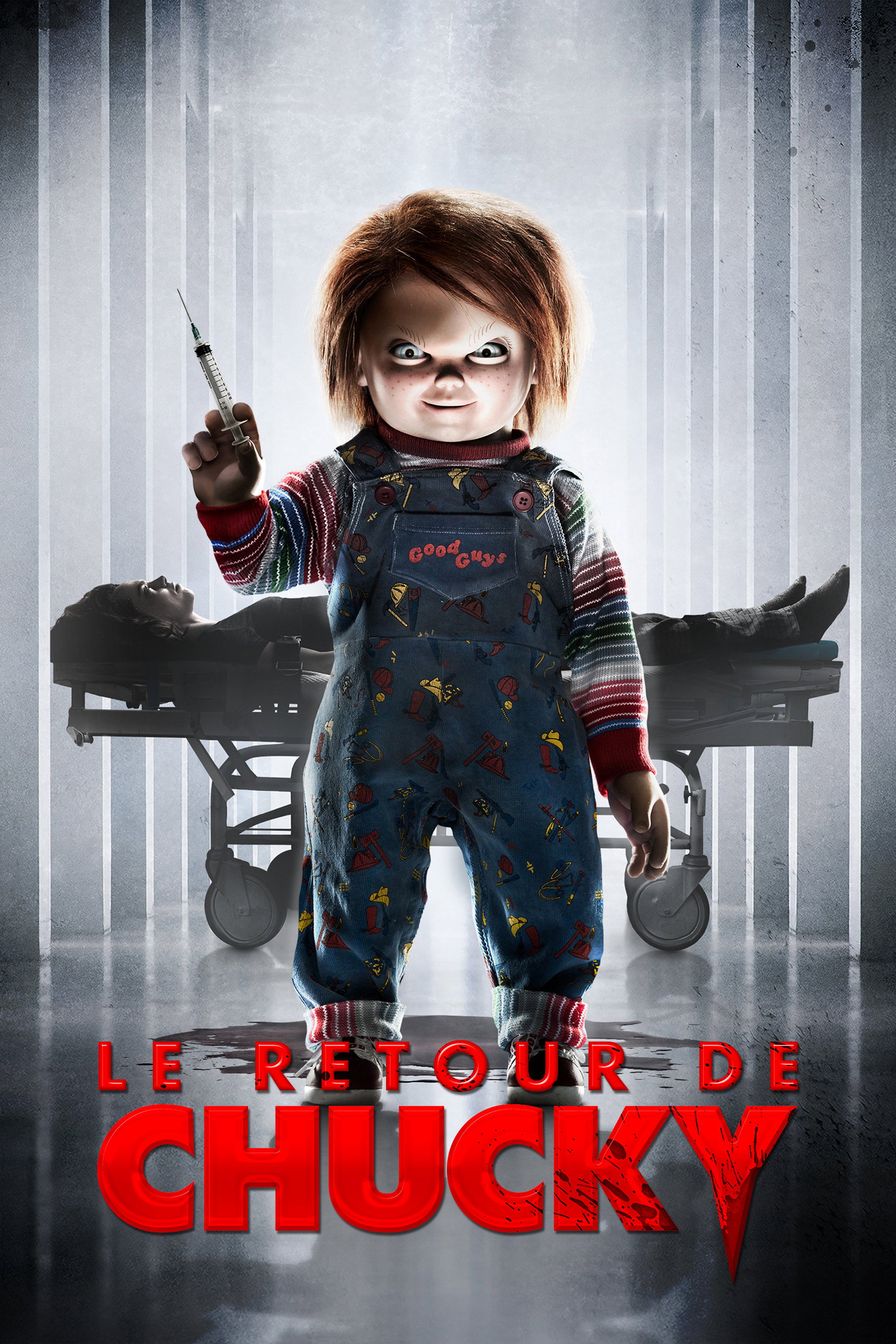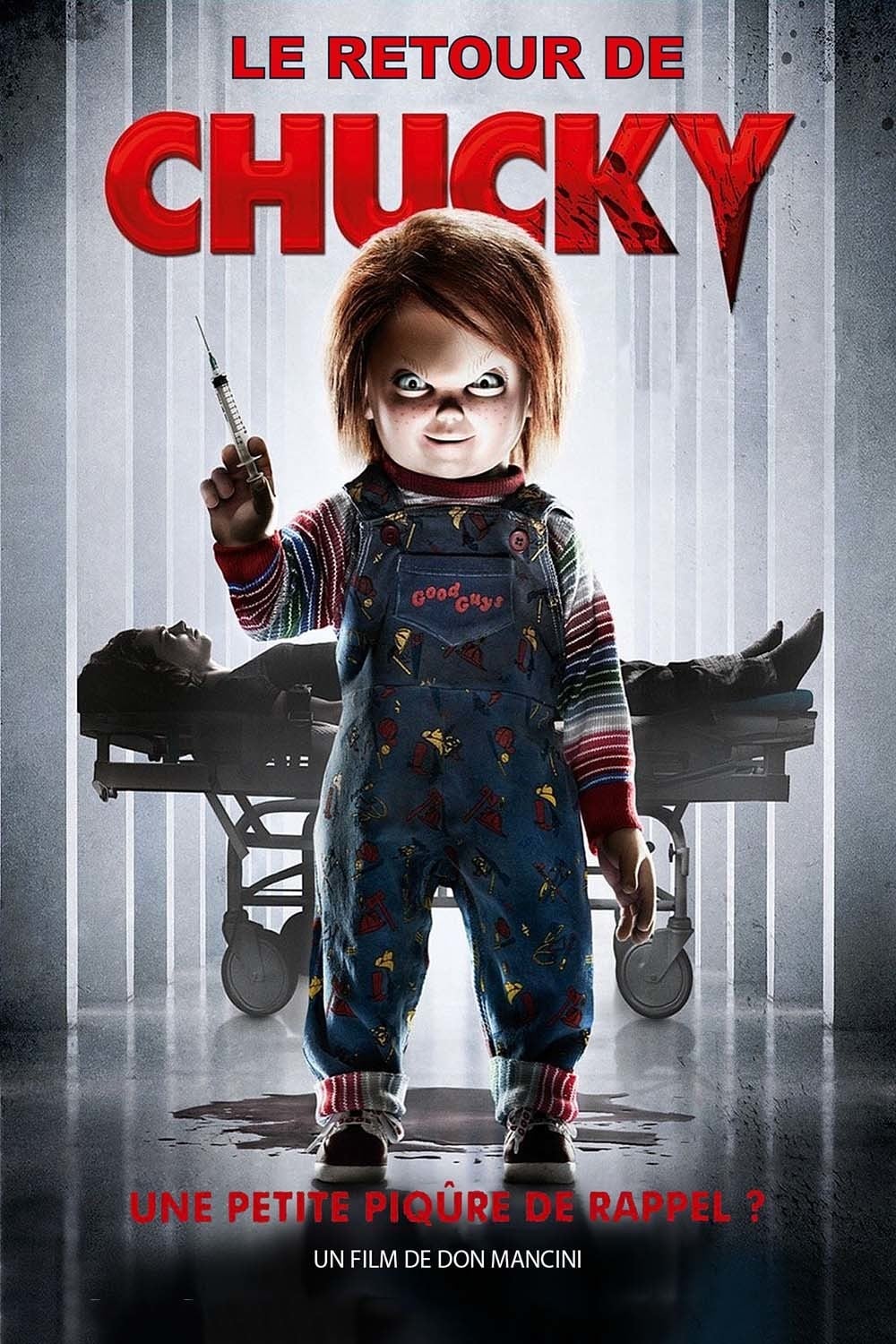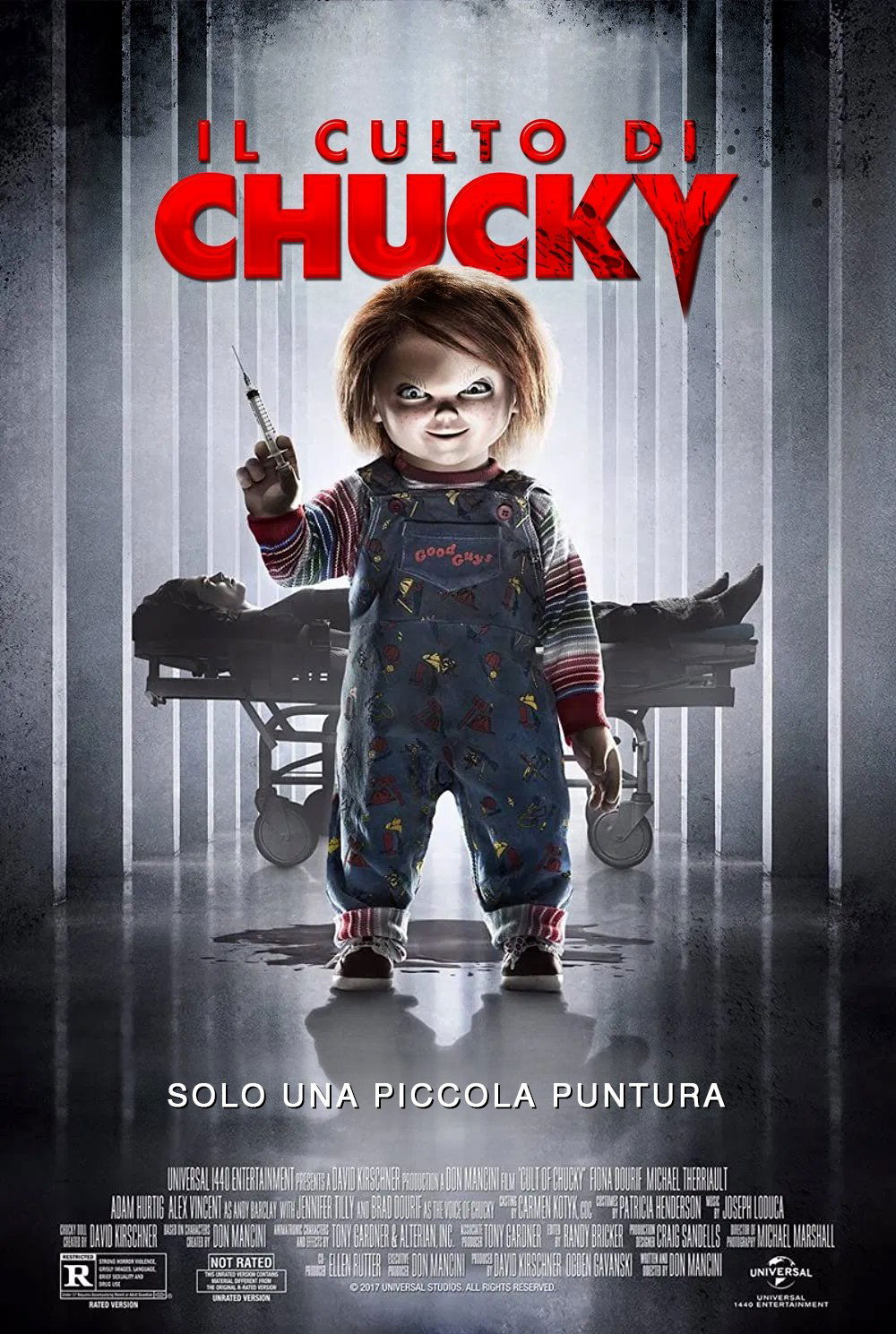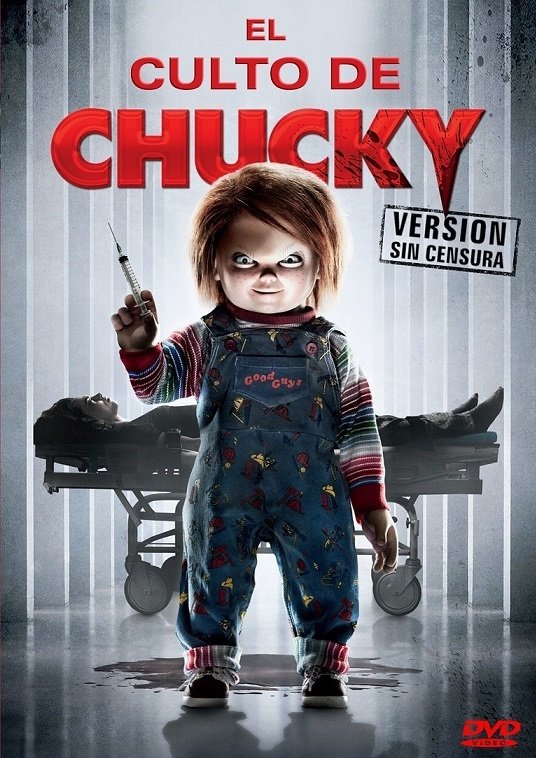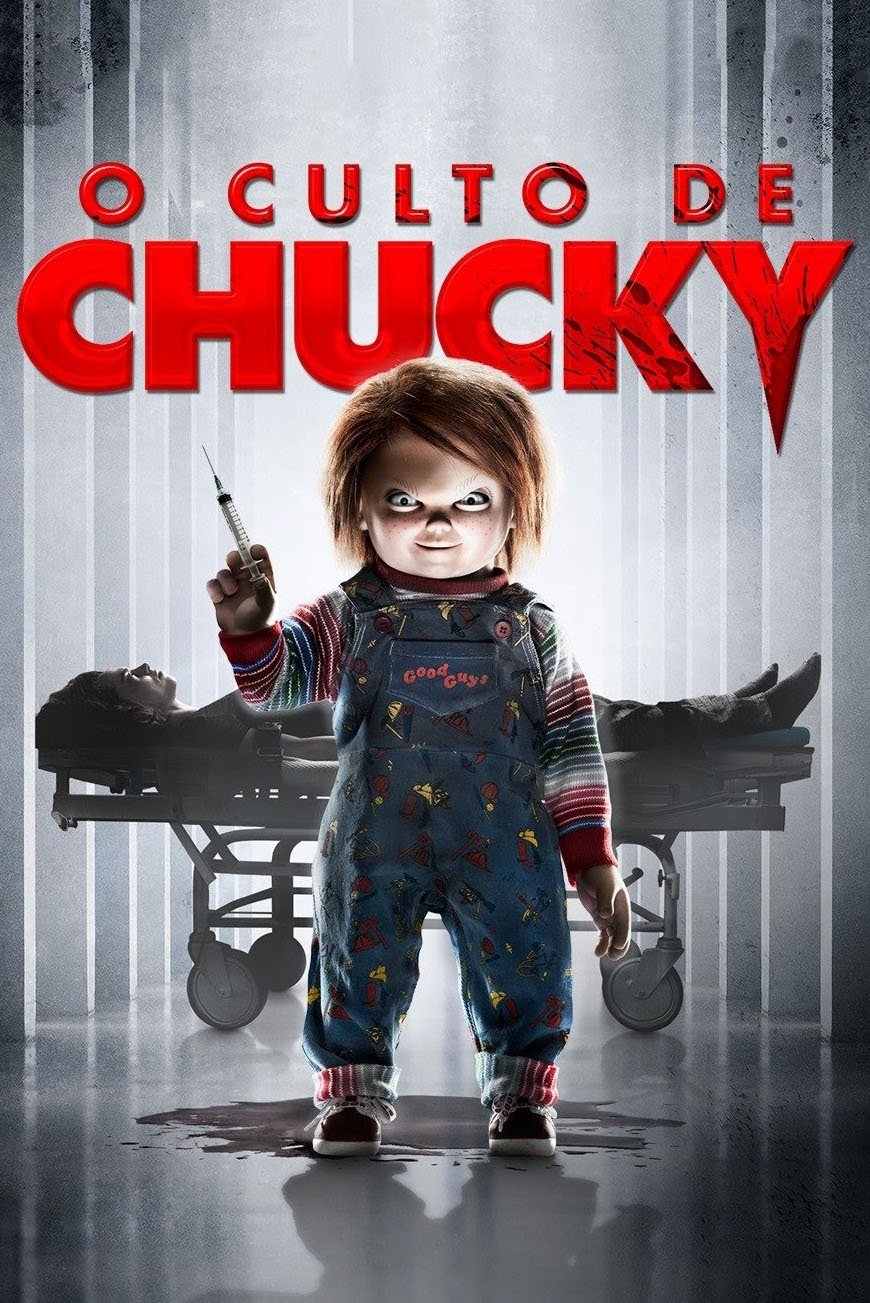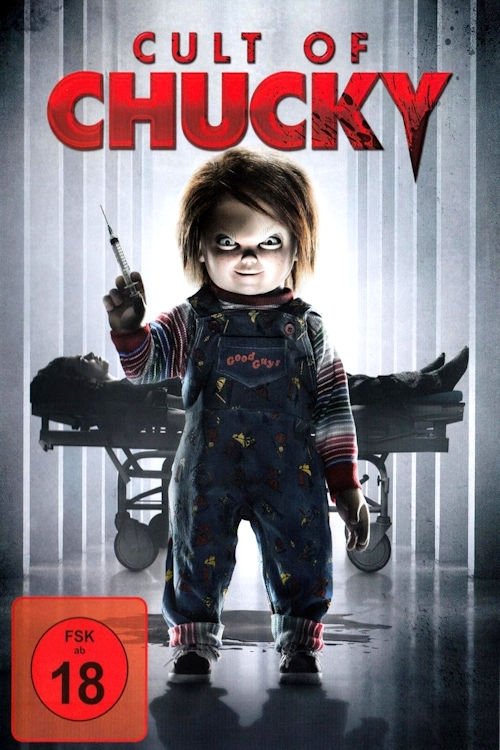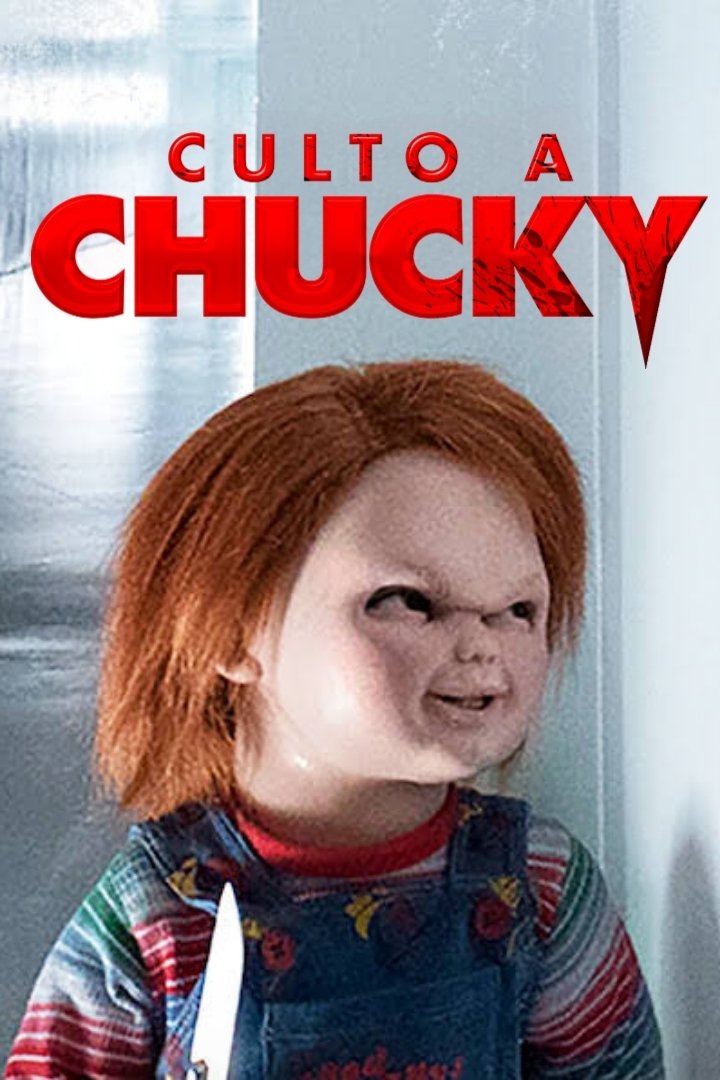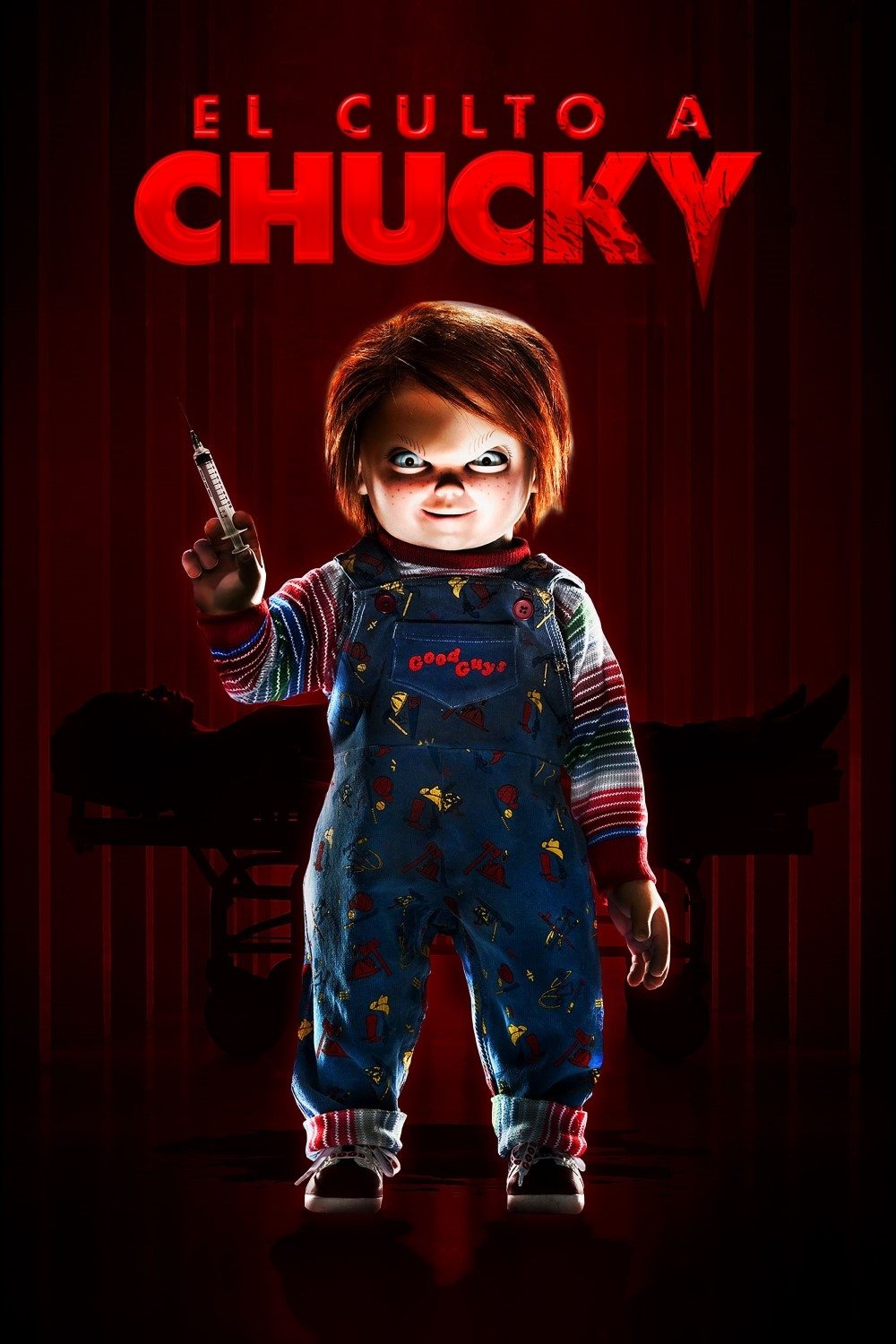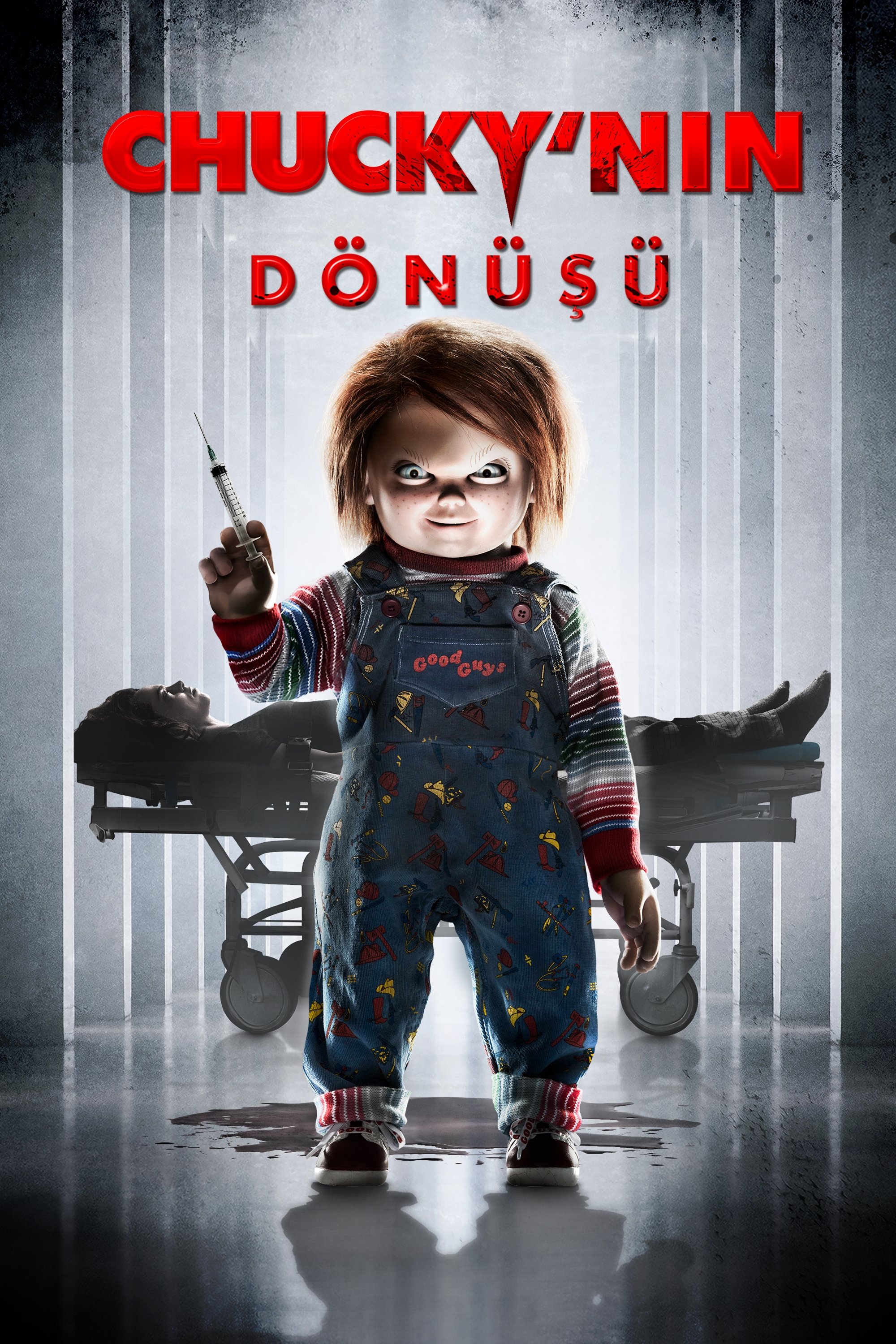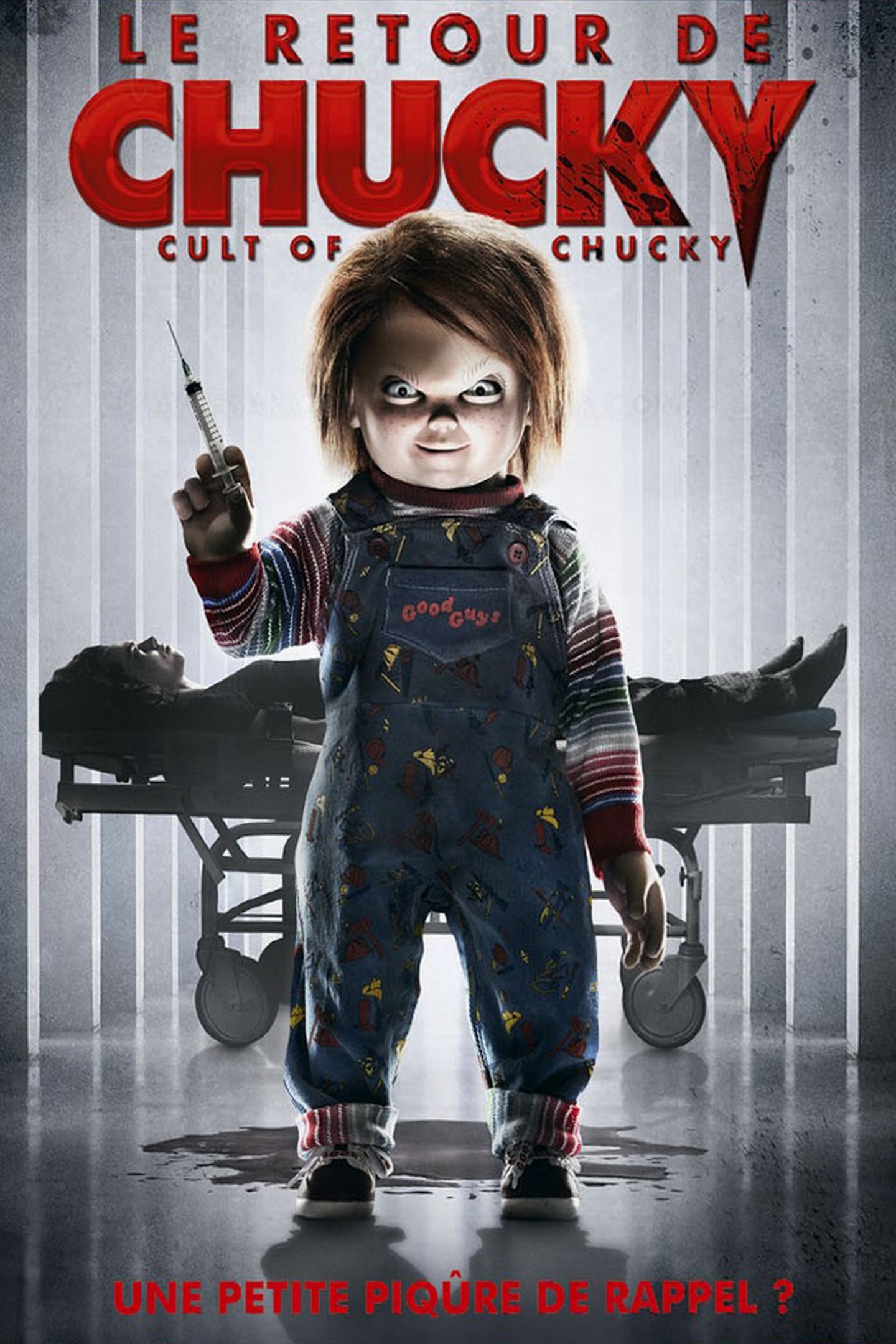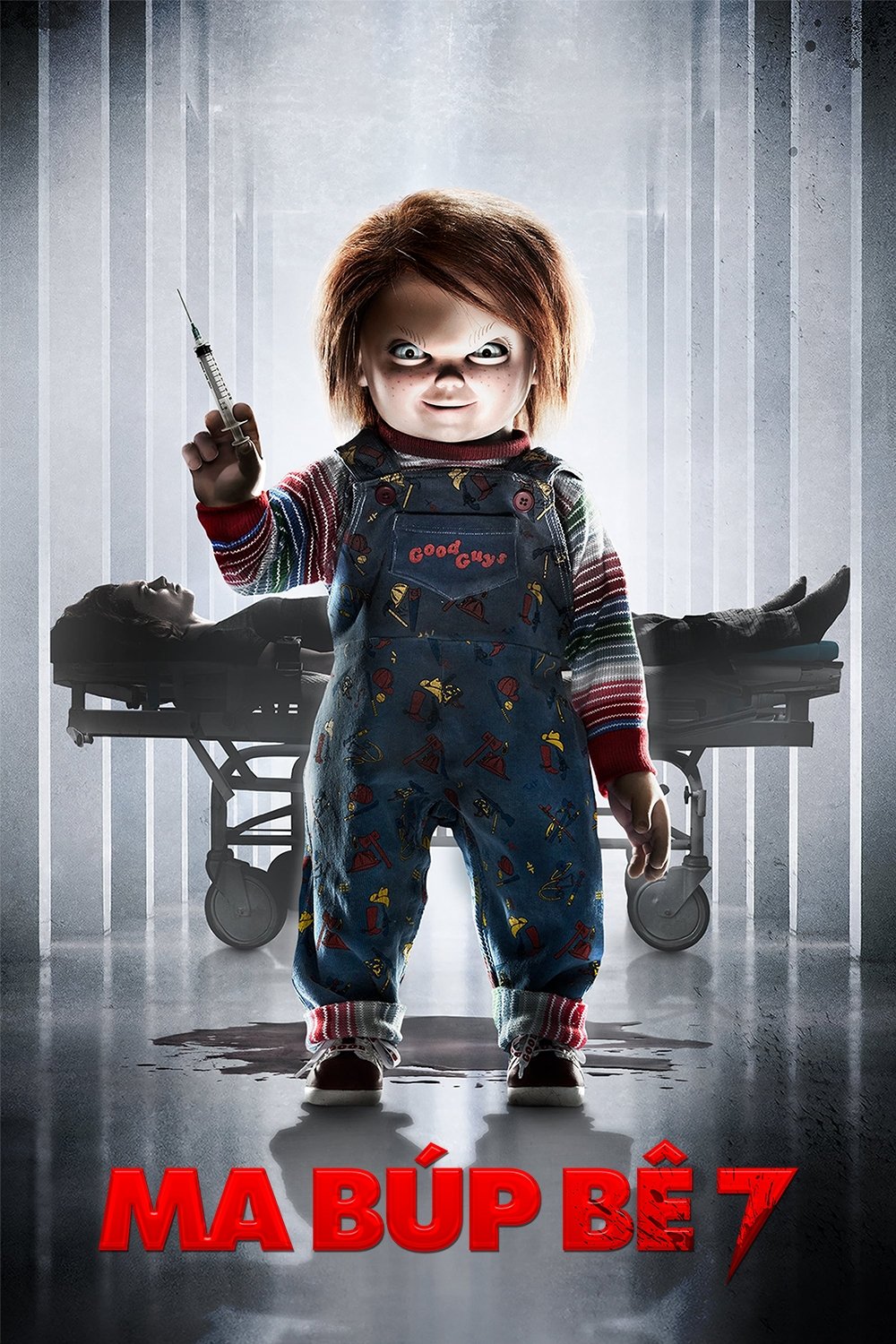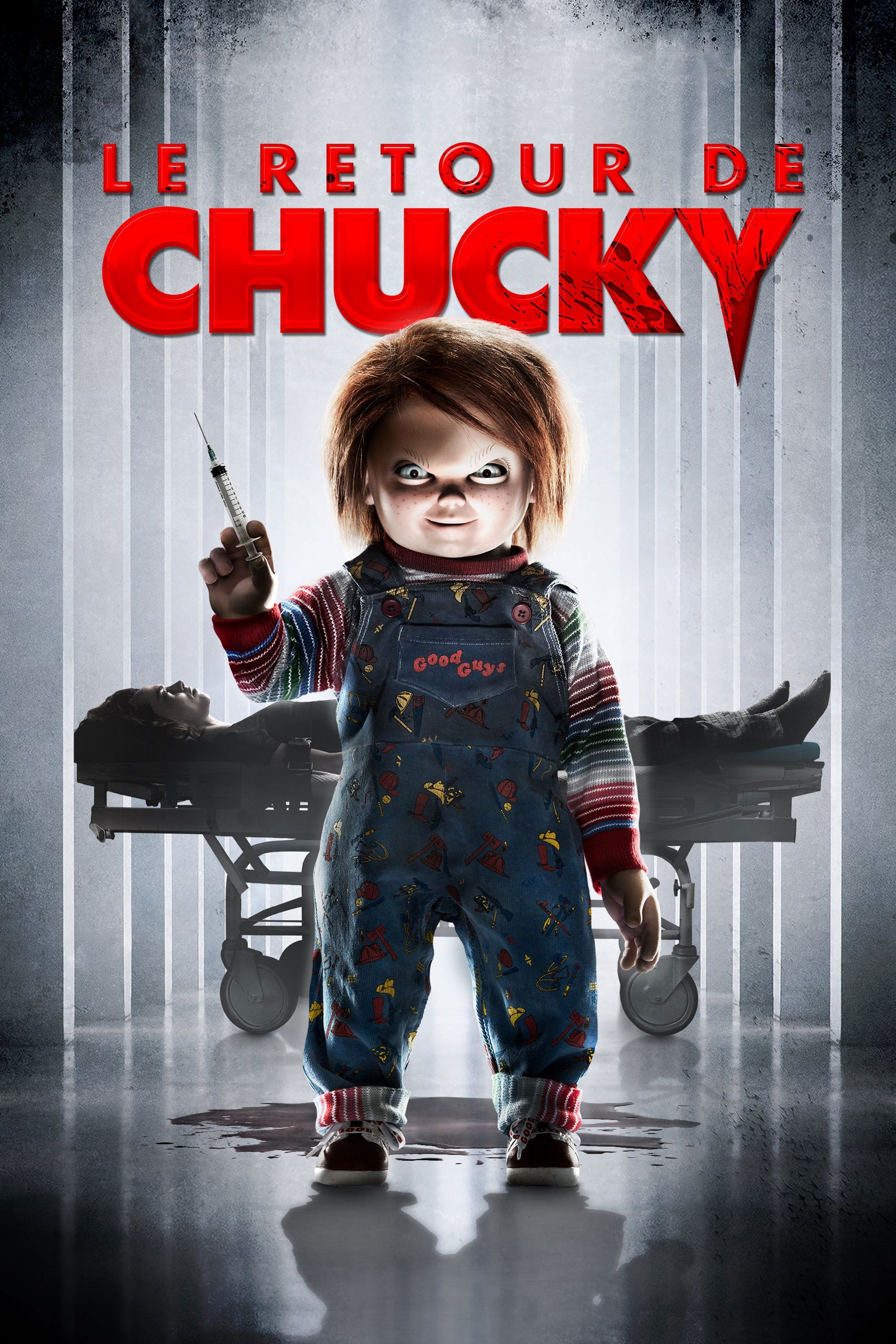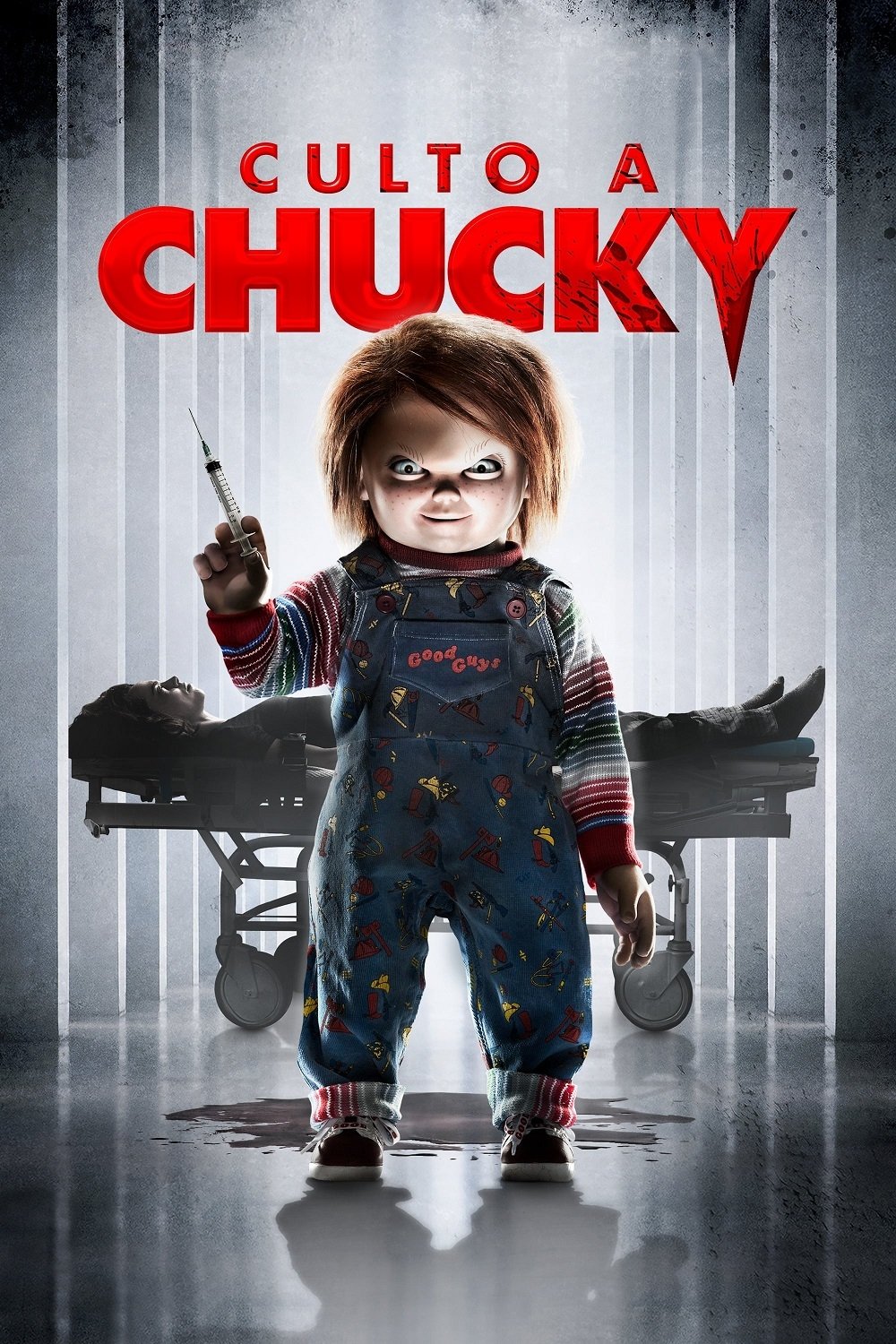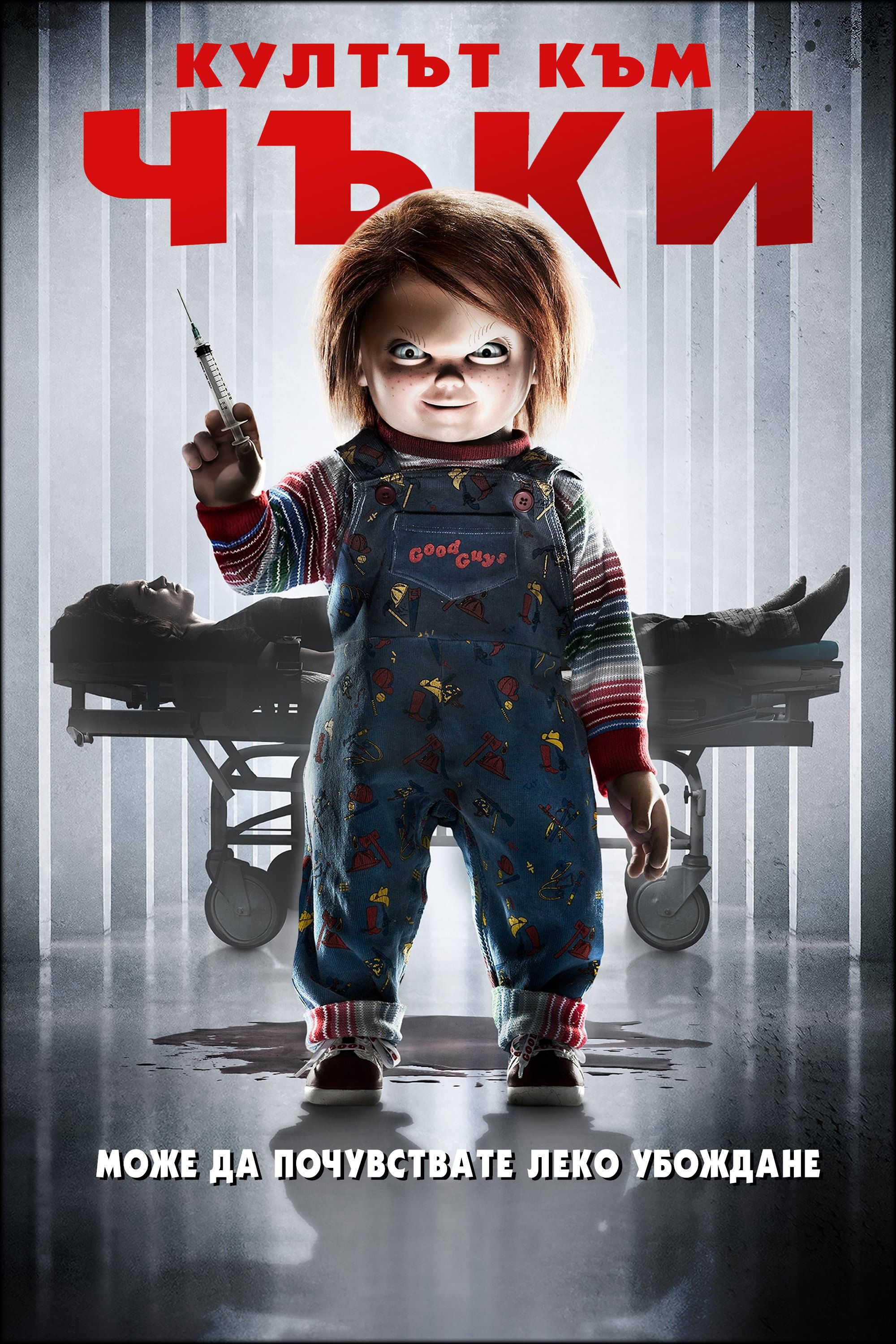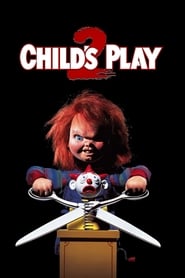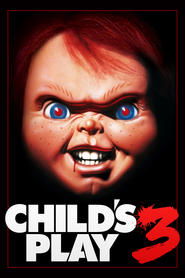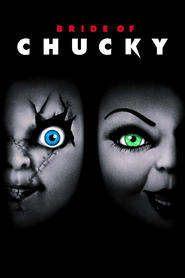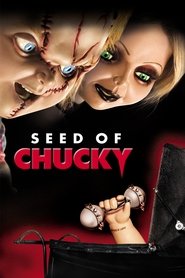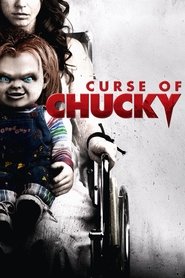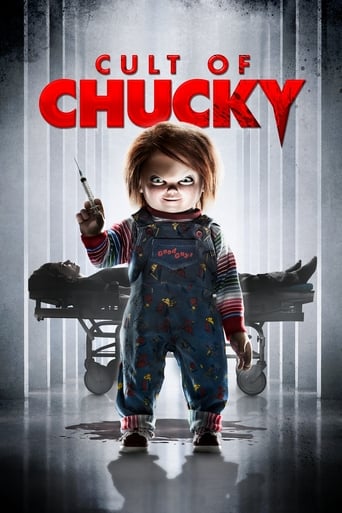
Cult of Chucky (2017)

US
Runtime
91 min
Release
October 12, 2017
Budget
$6,500,000
Revenue
$2,332,018
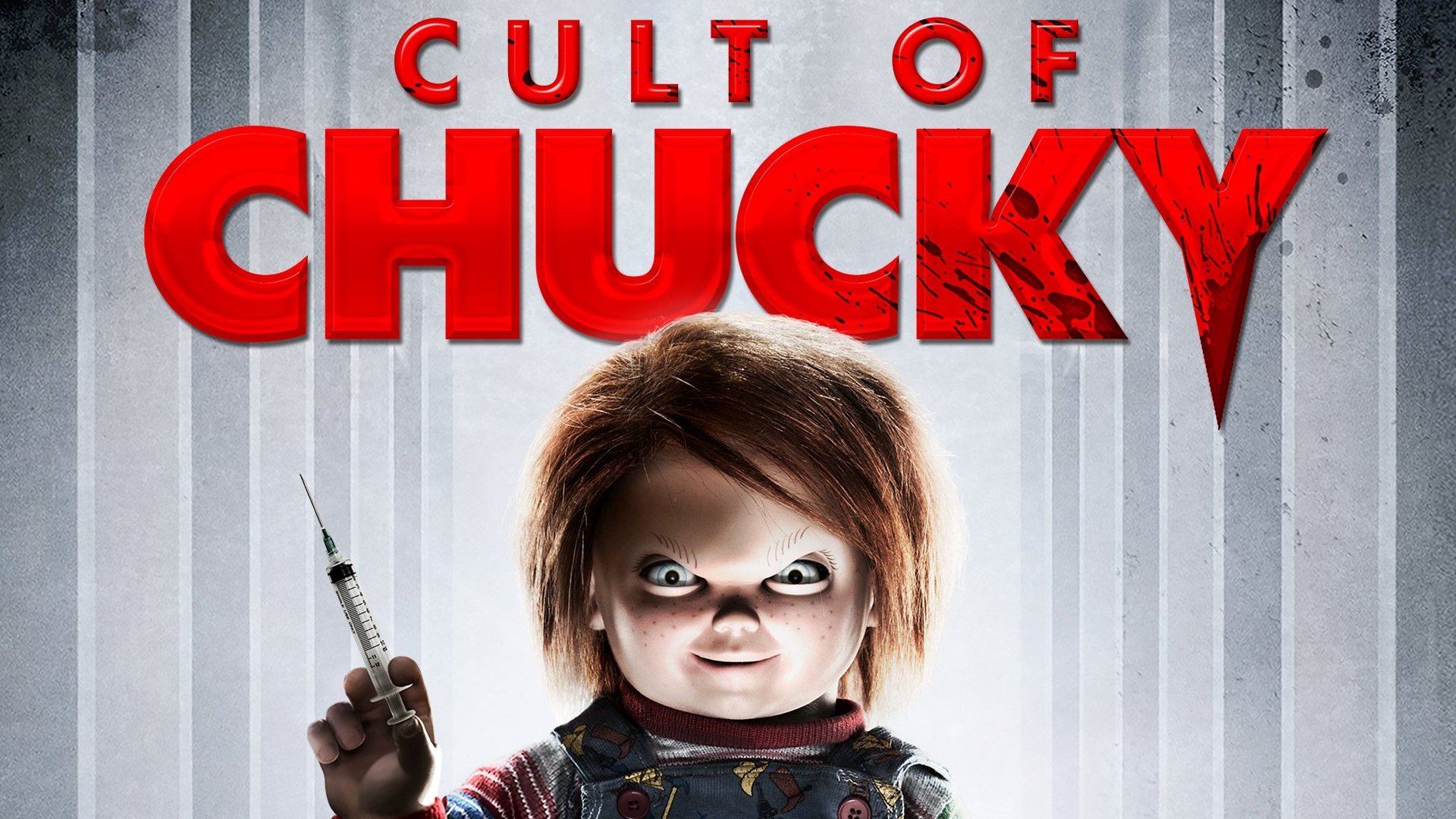
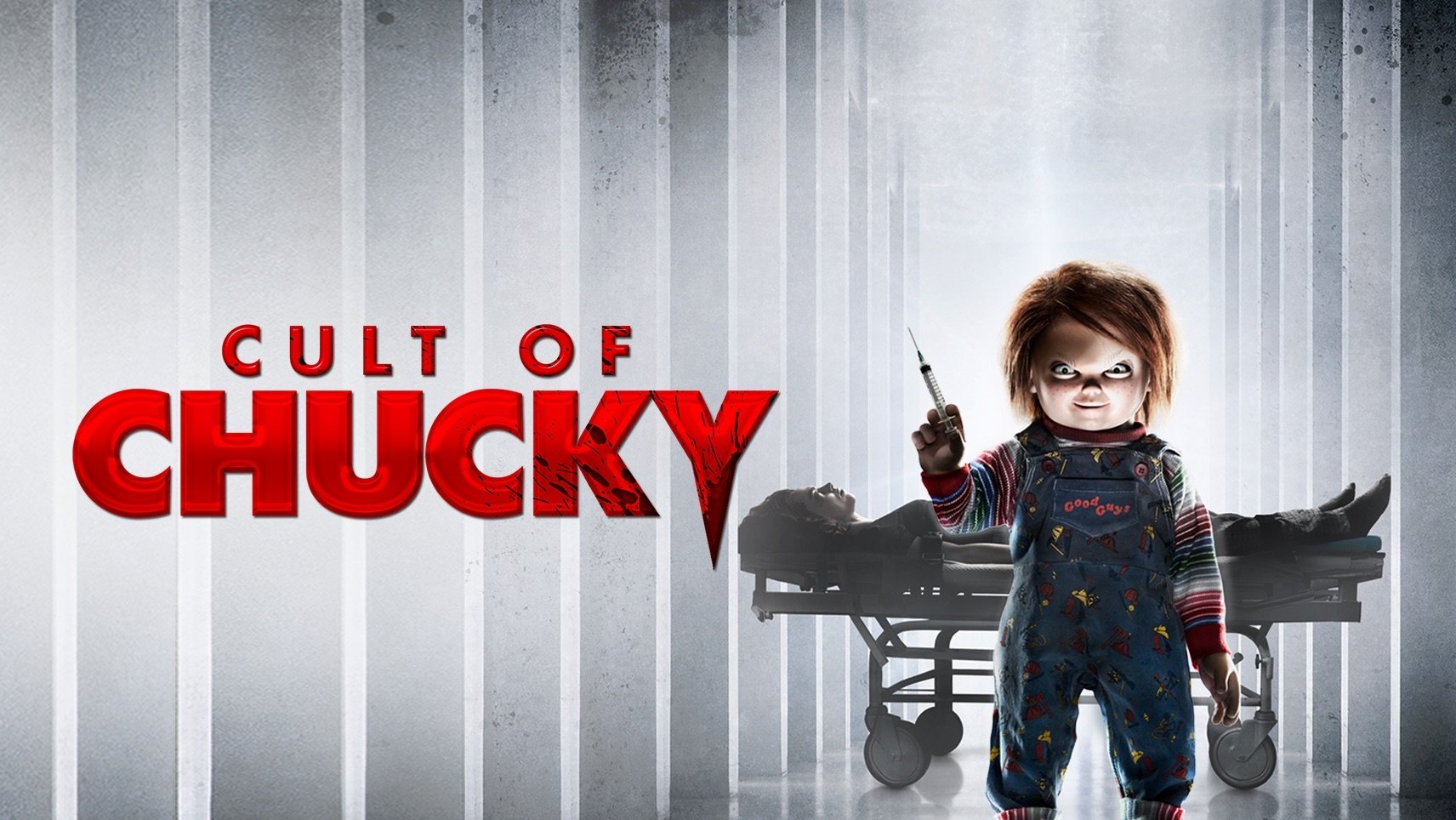
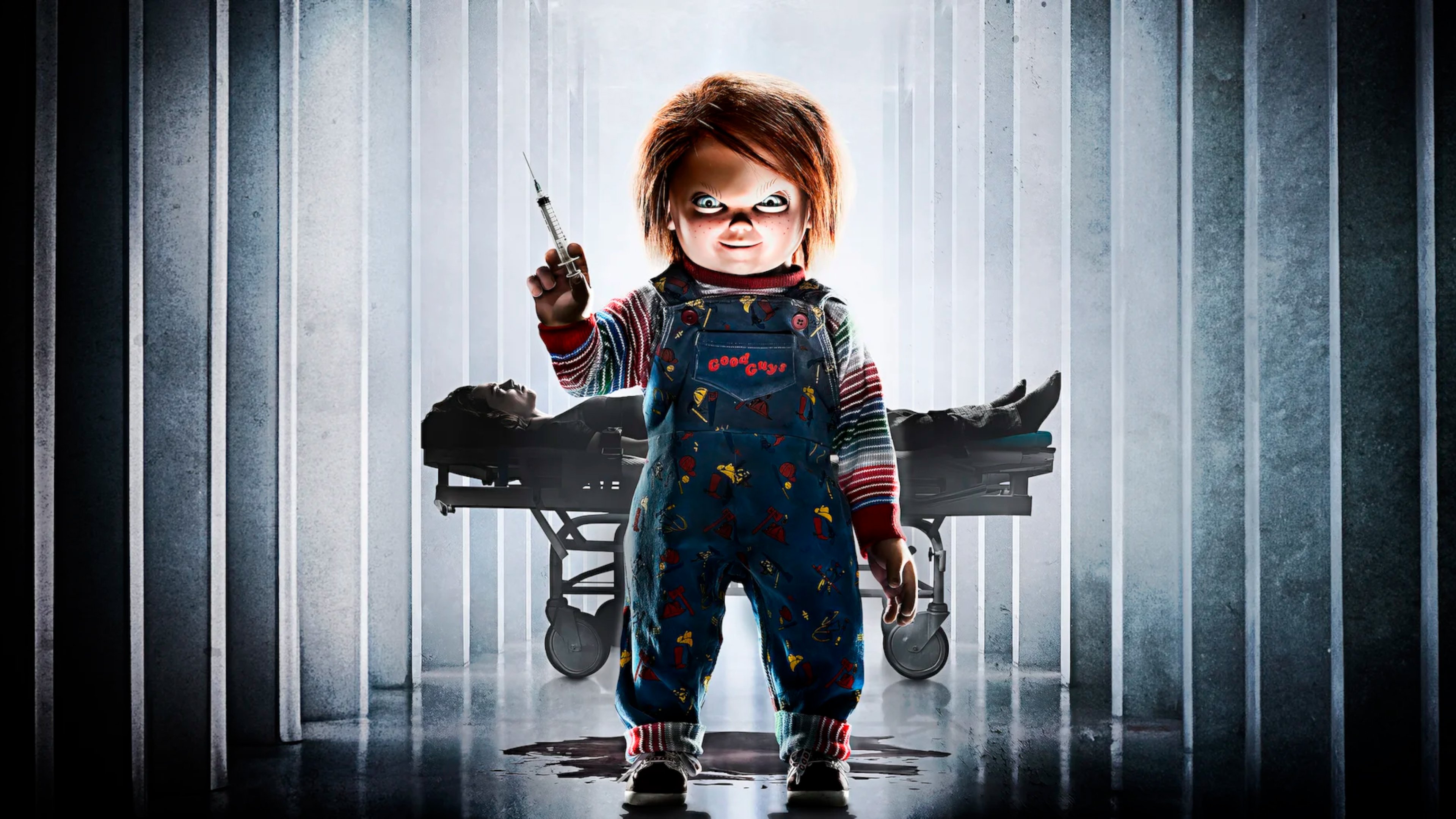
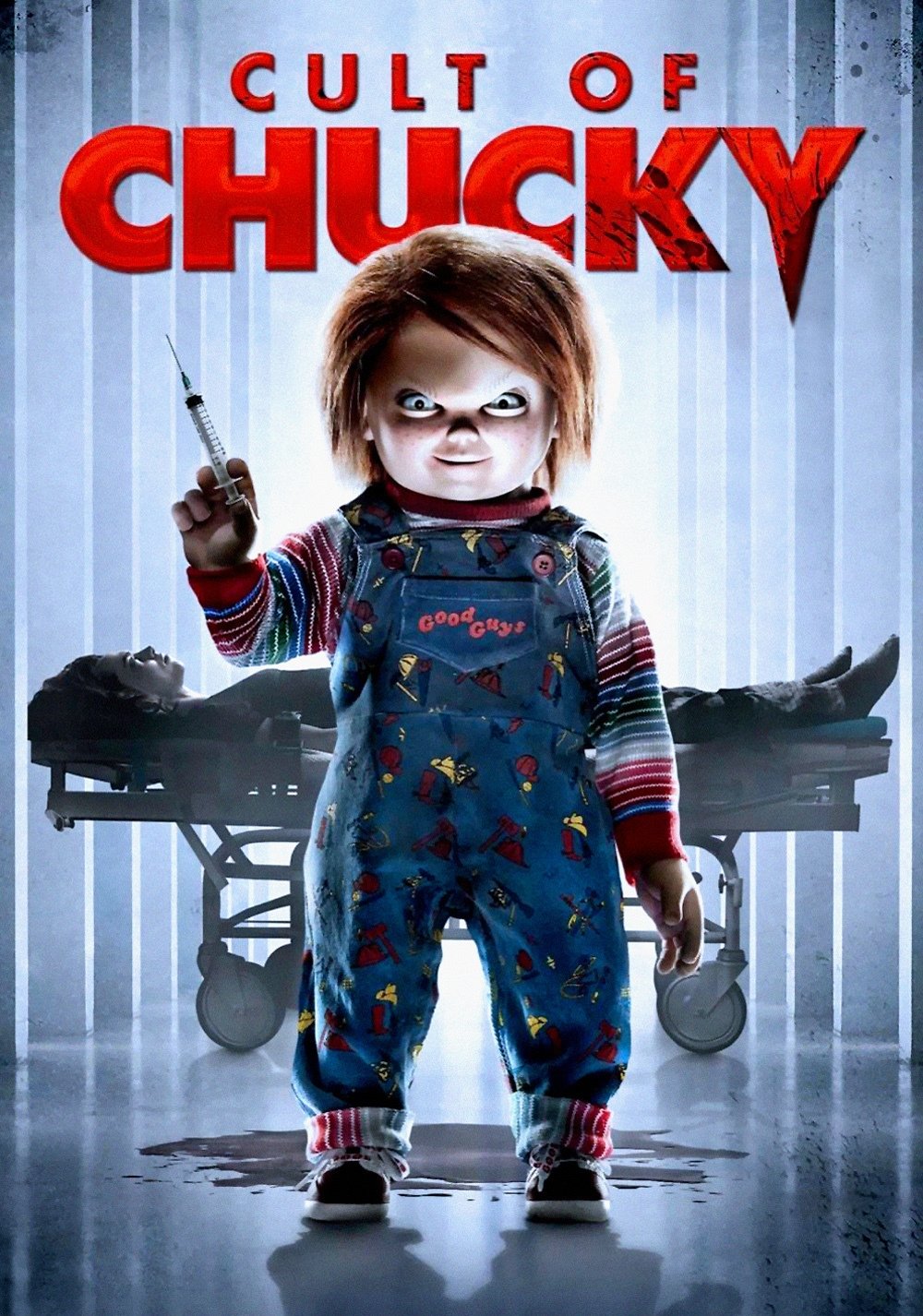
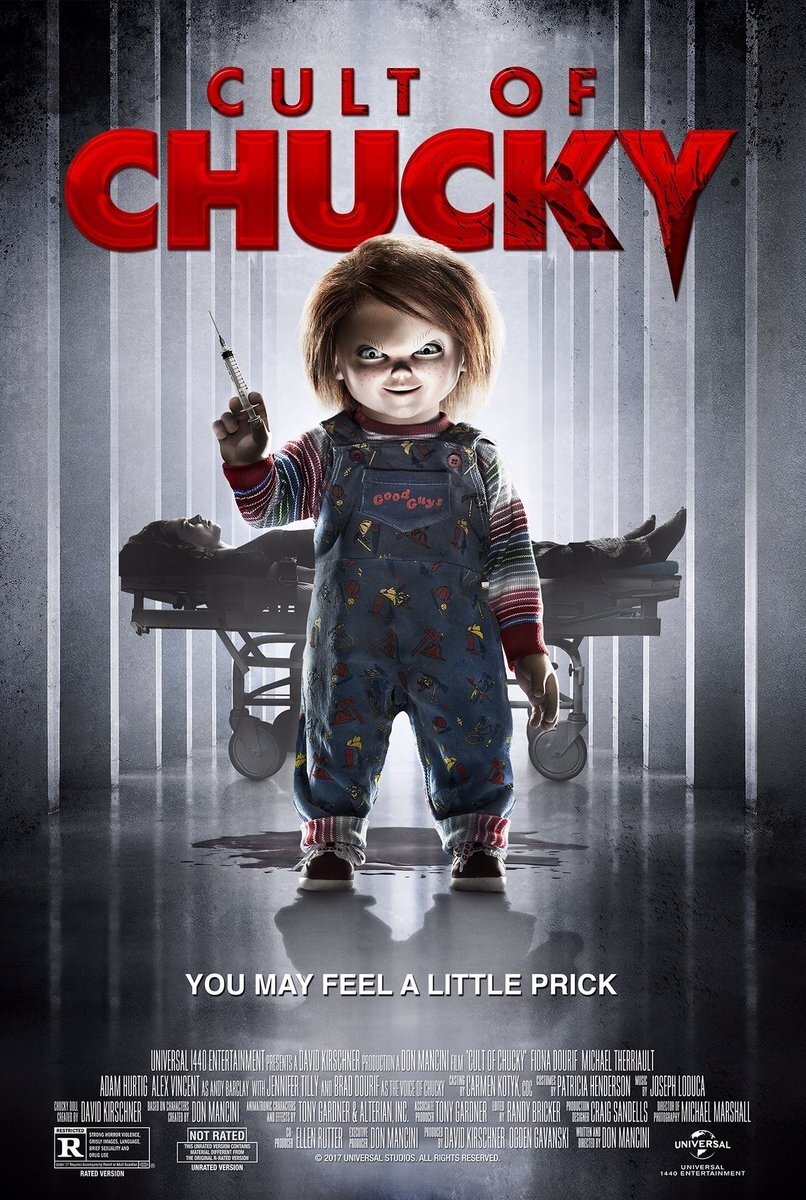
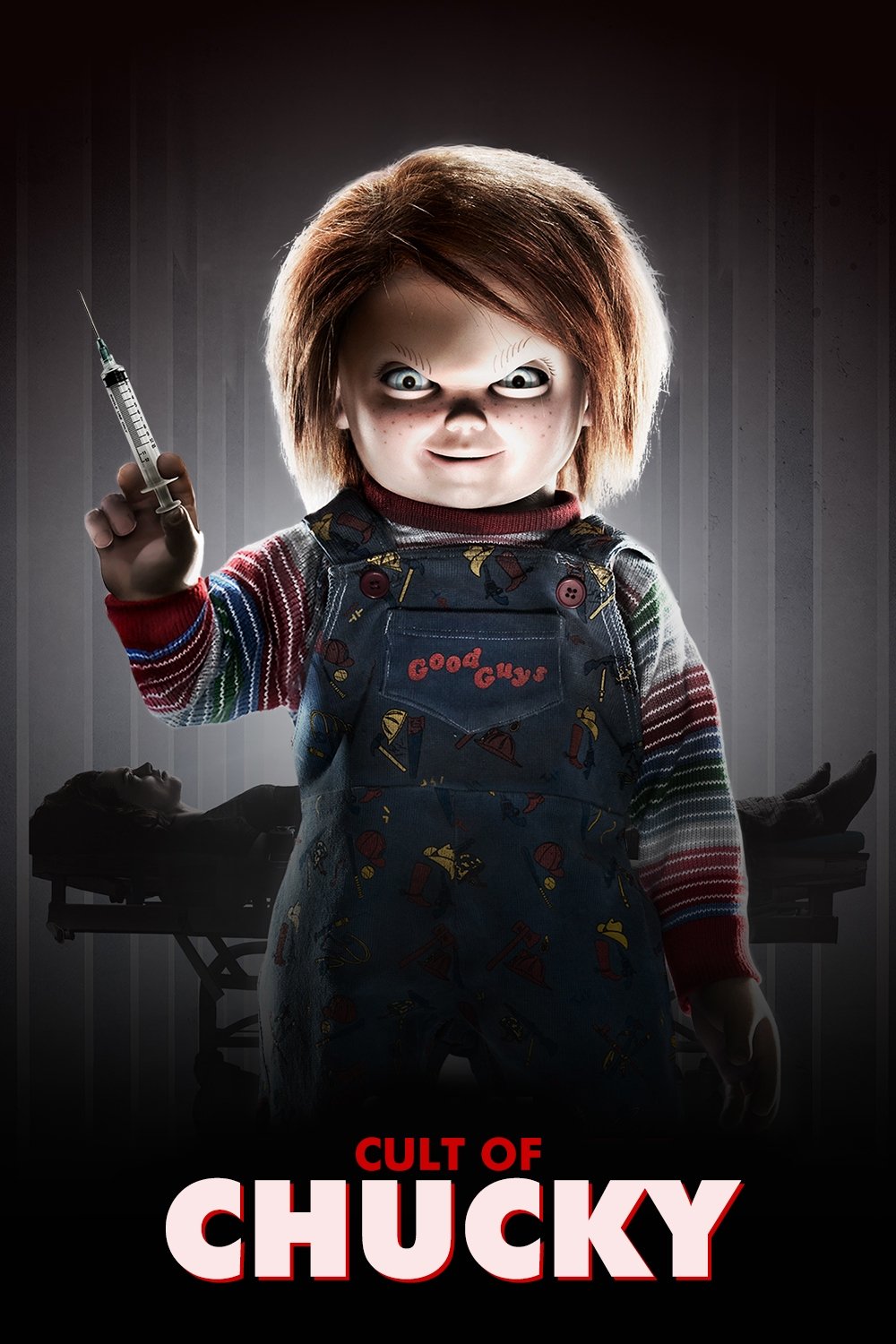
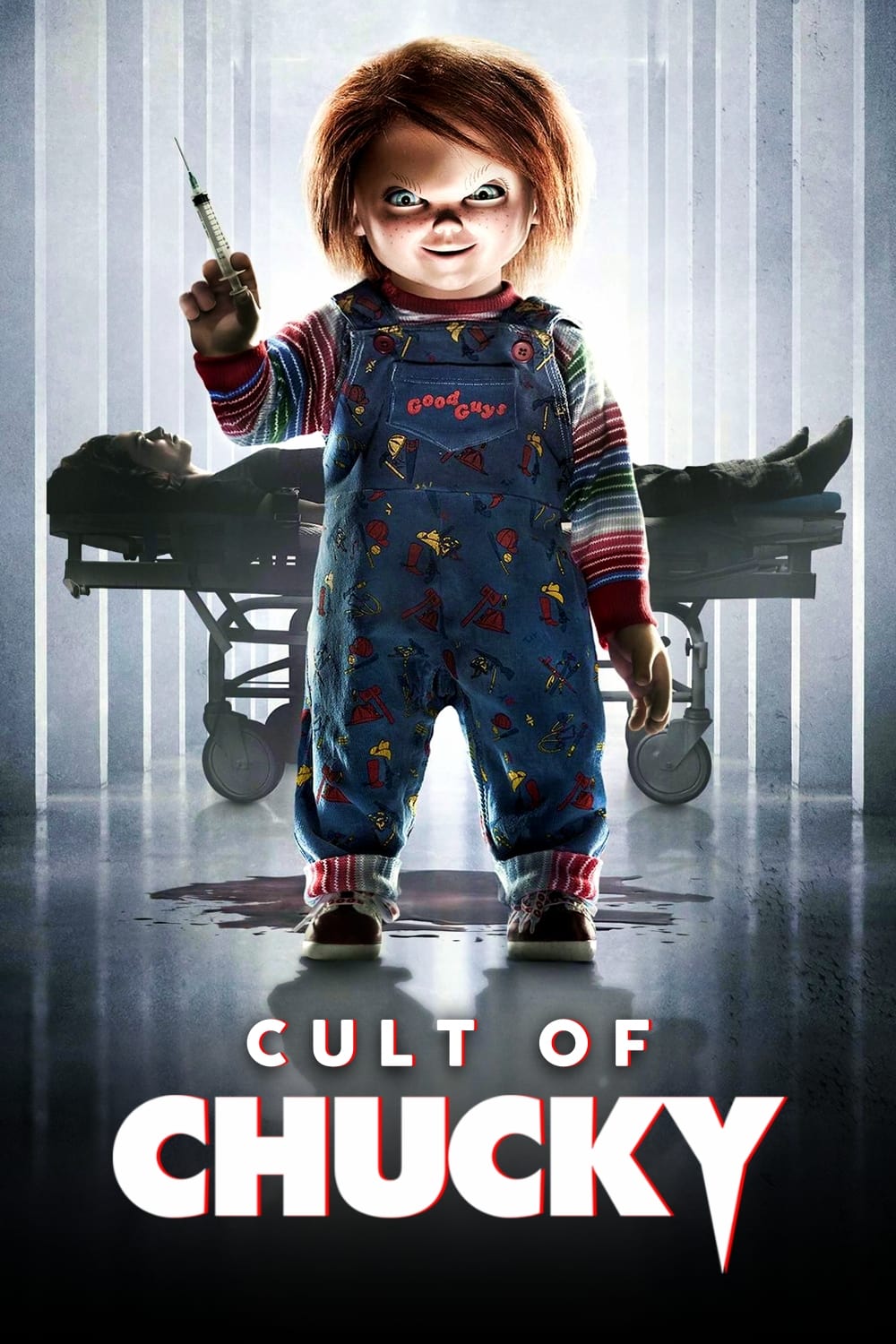
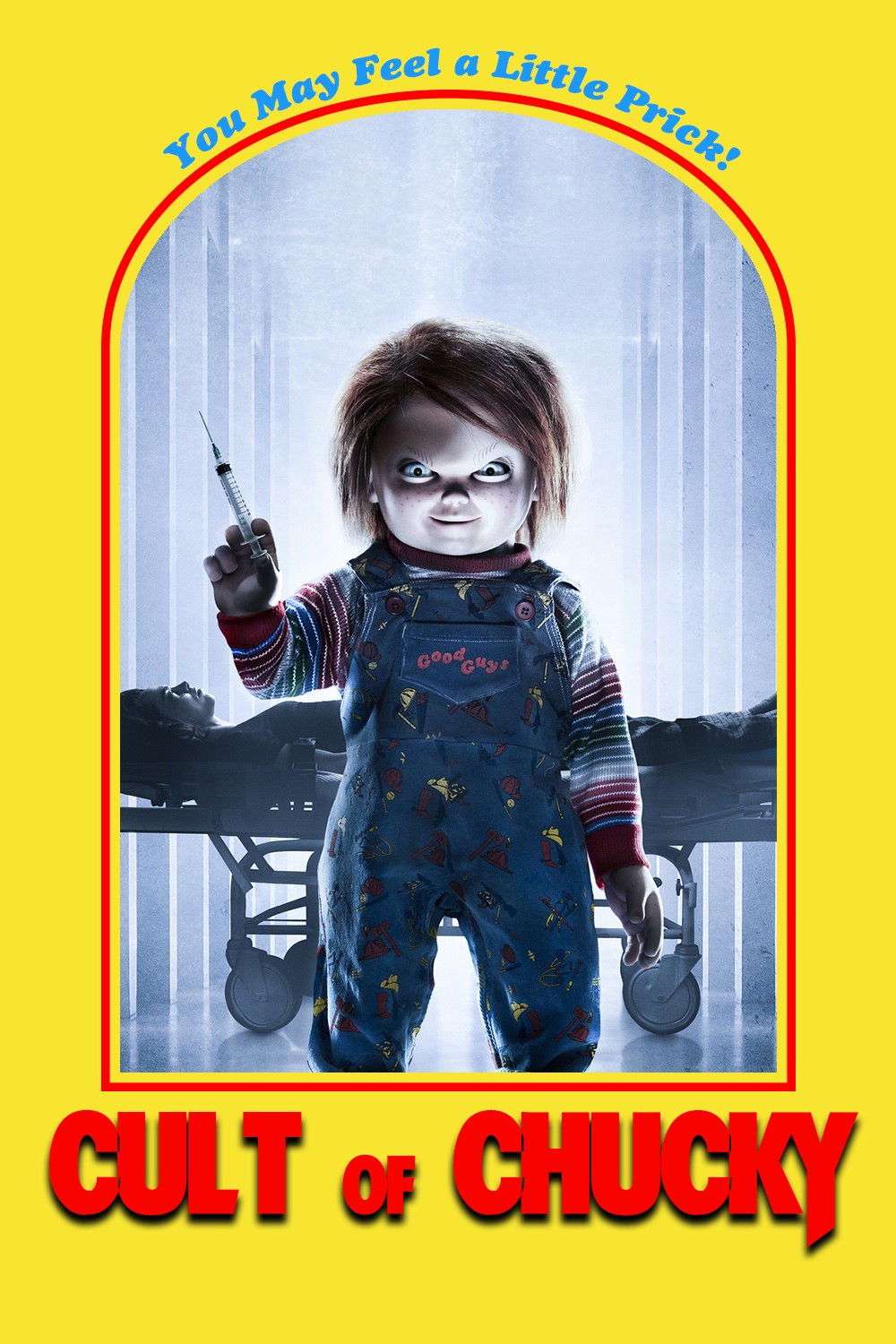
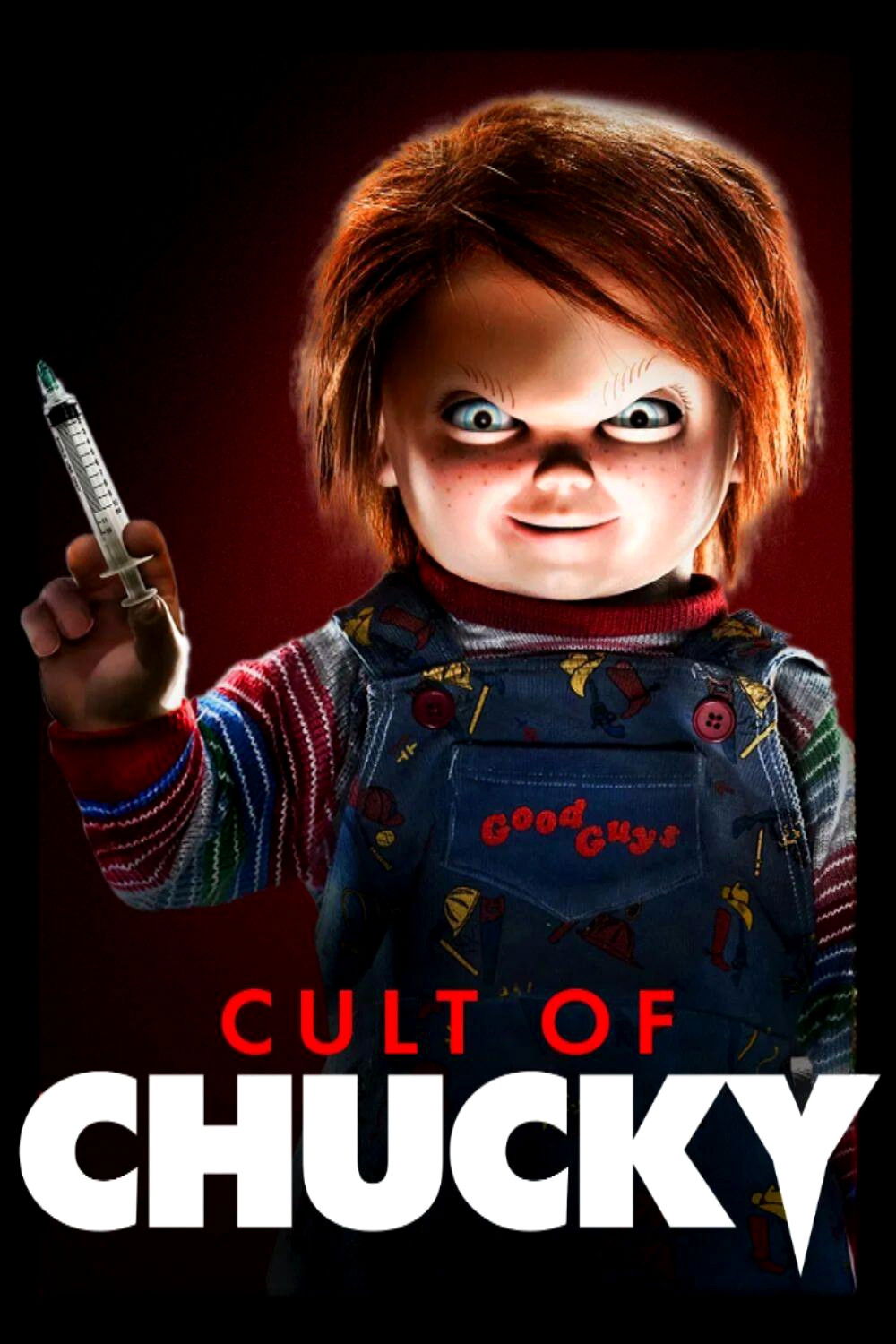
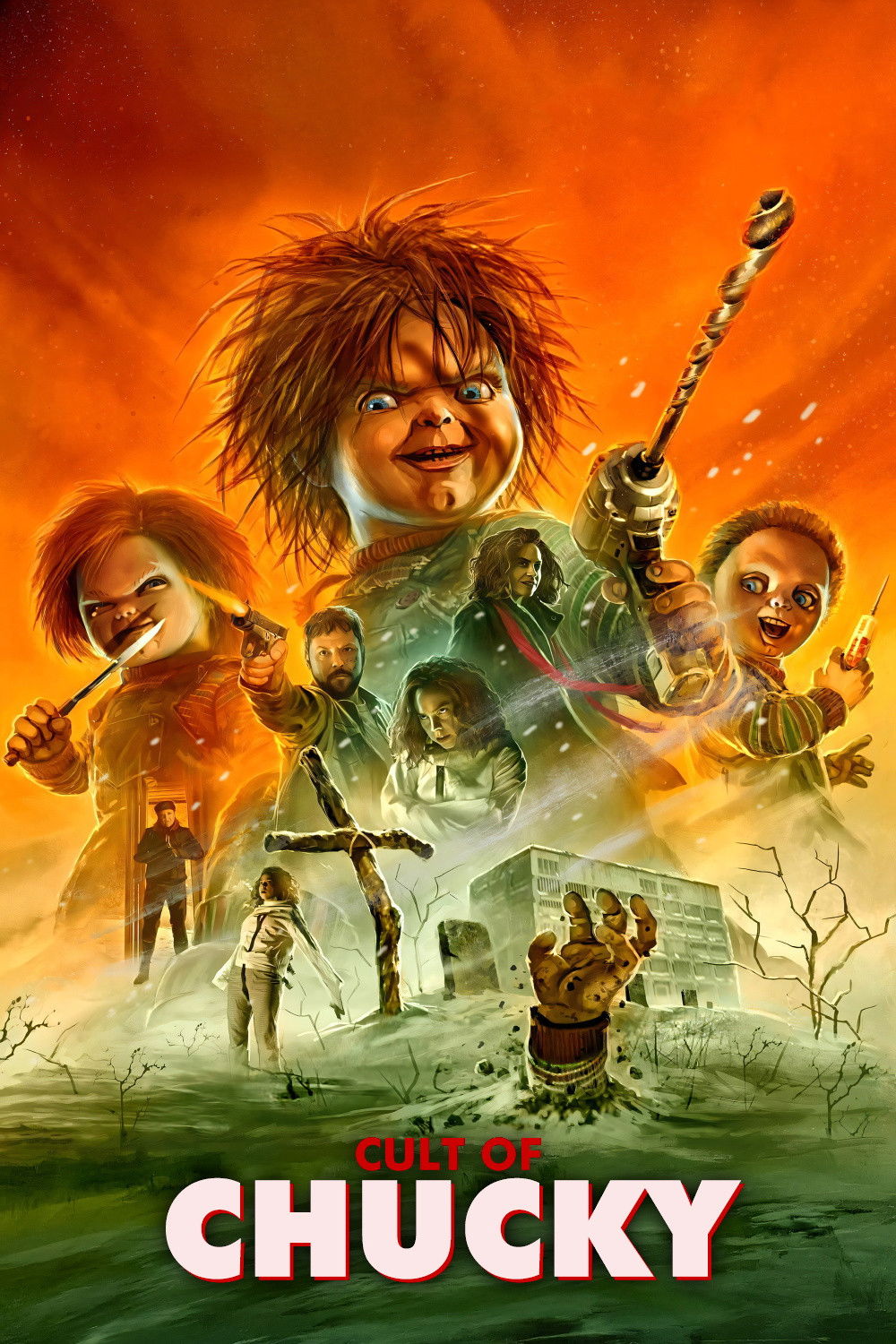
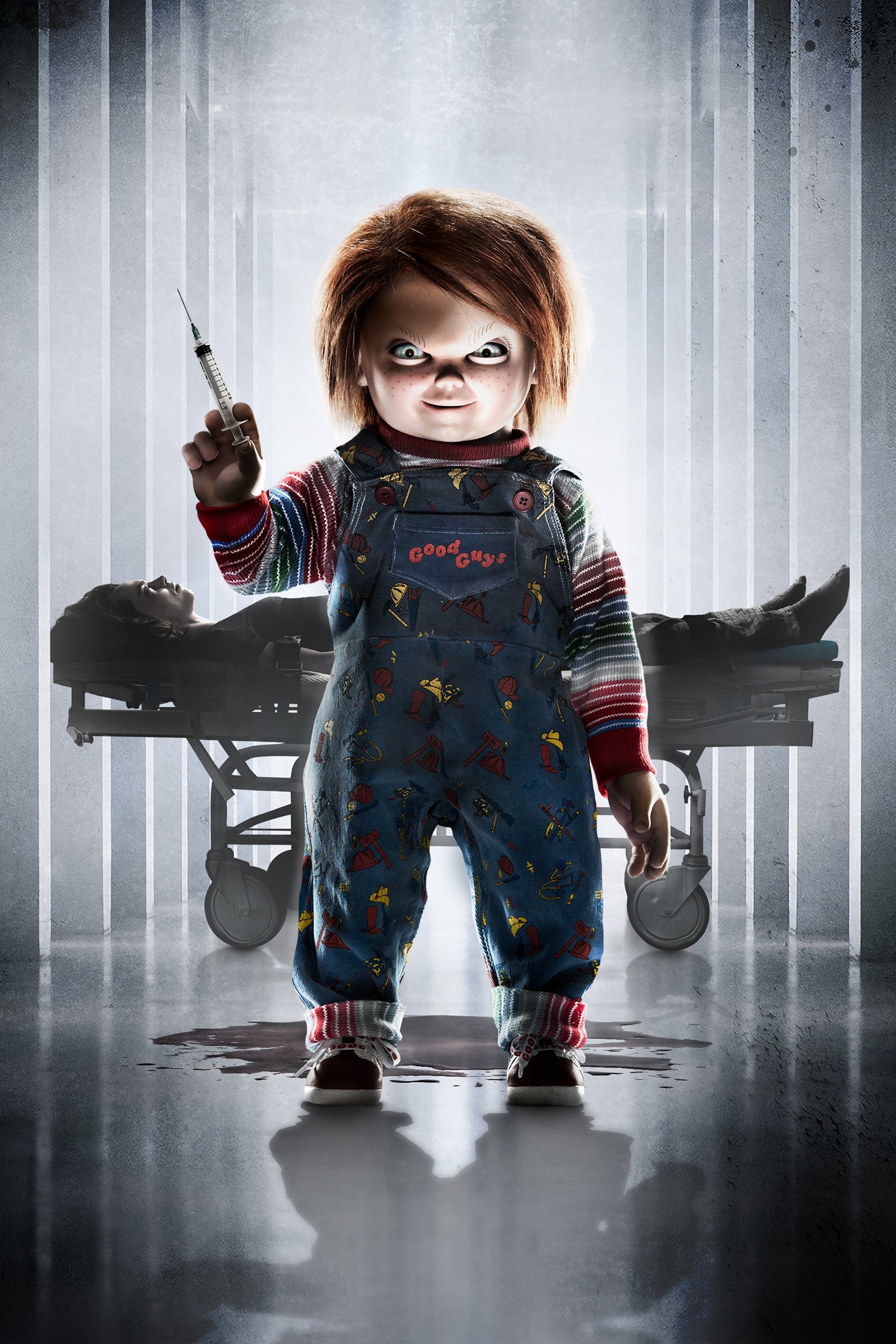
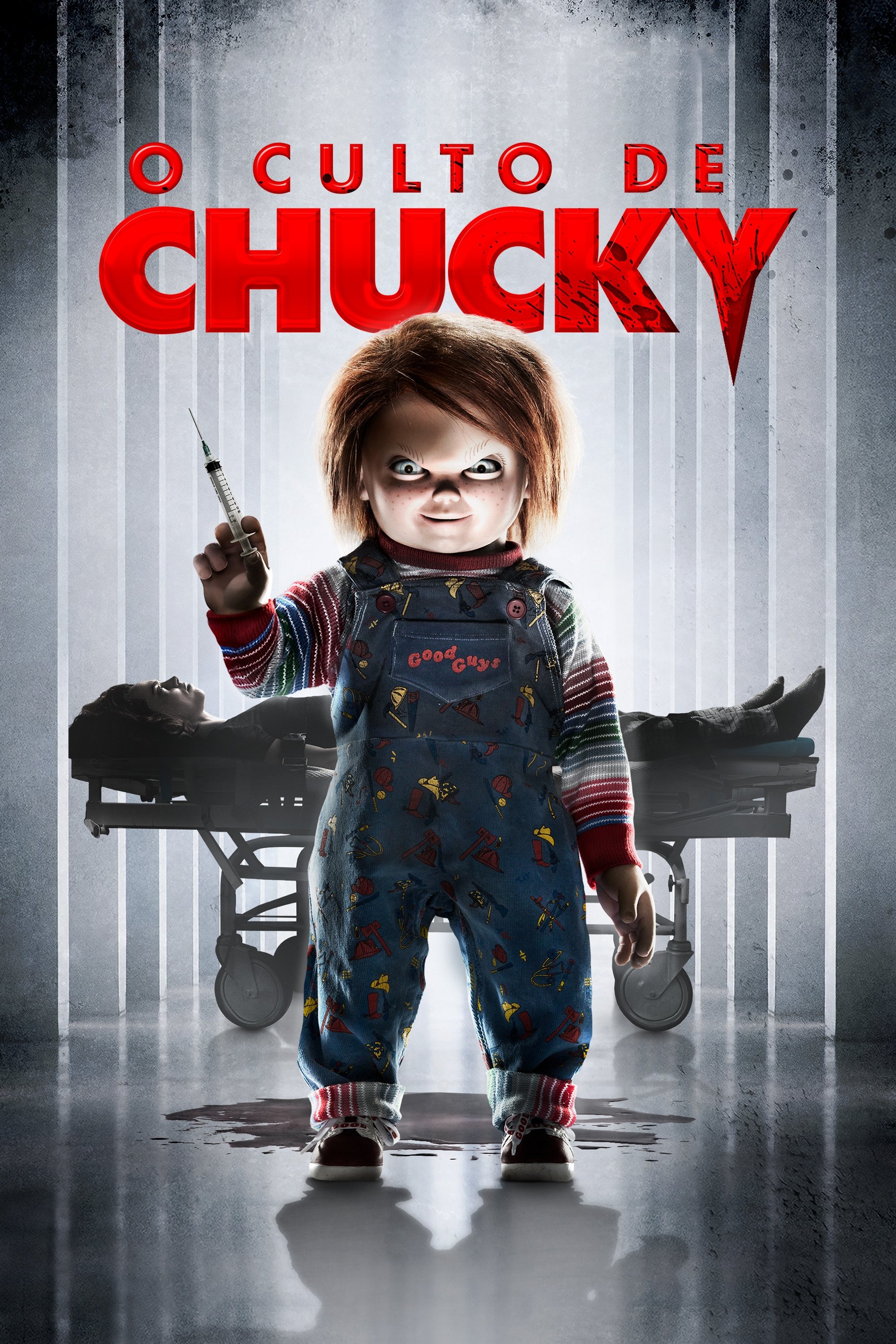
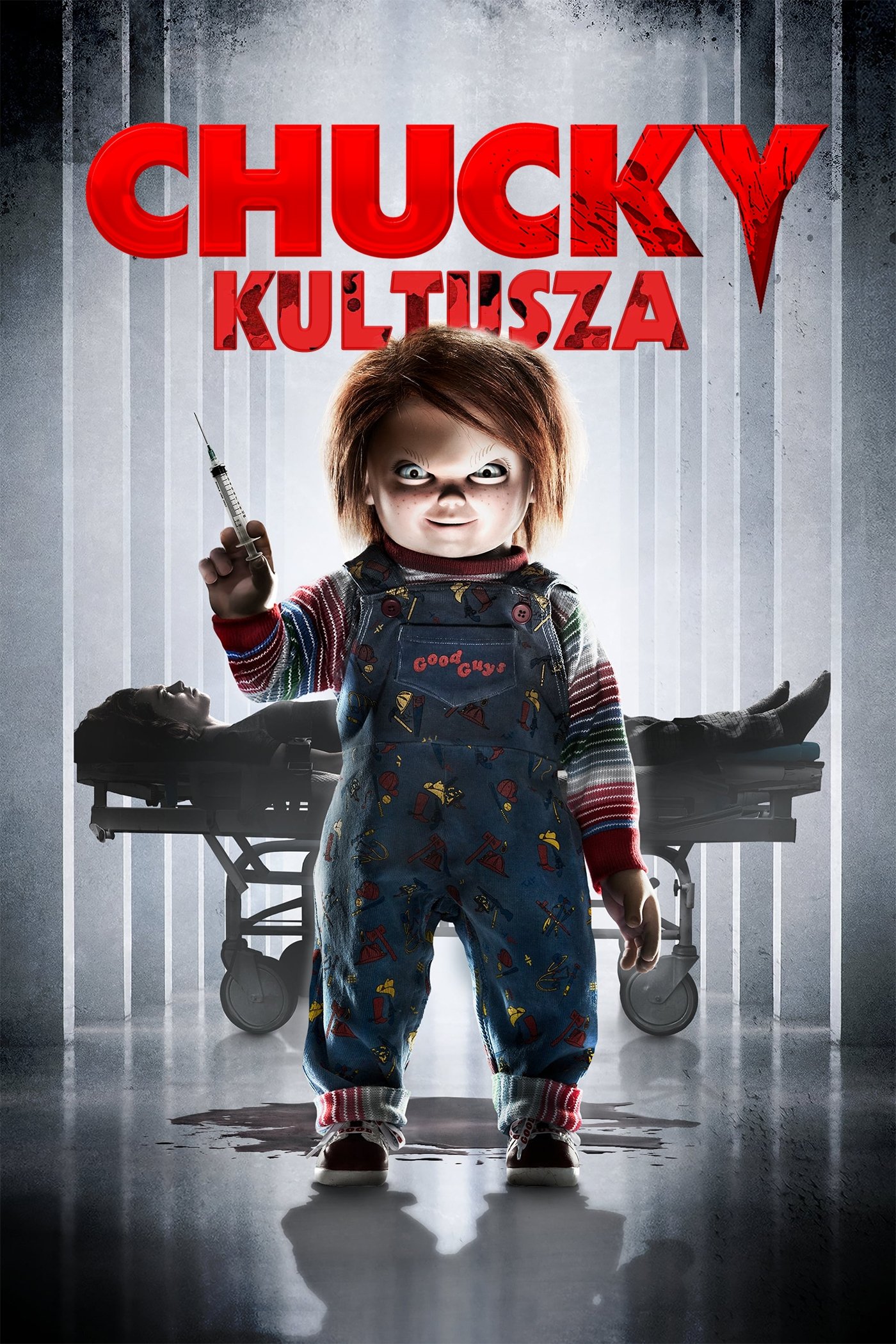
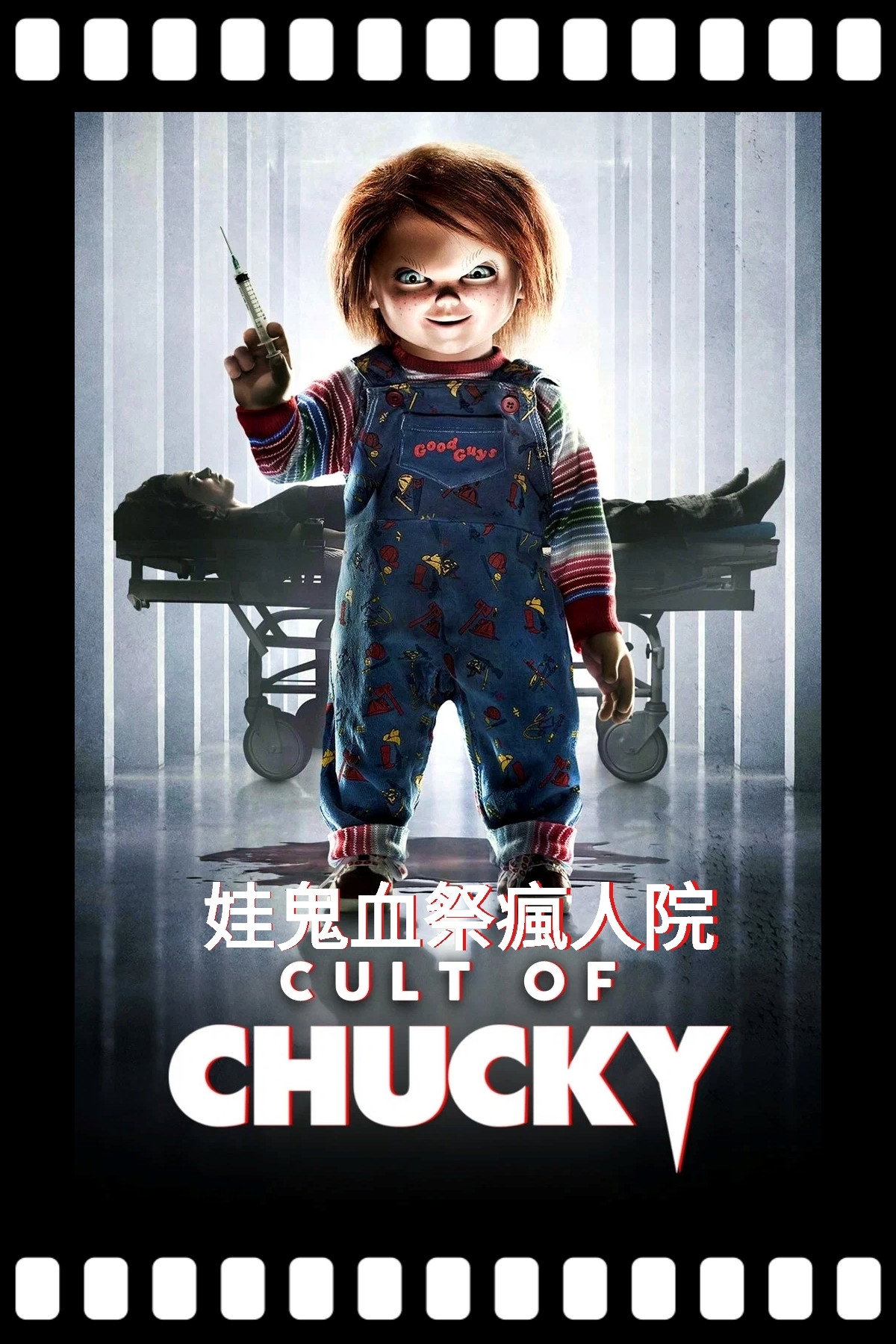
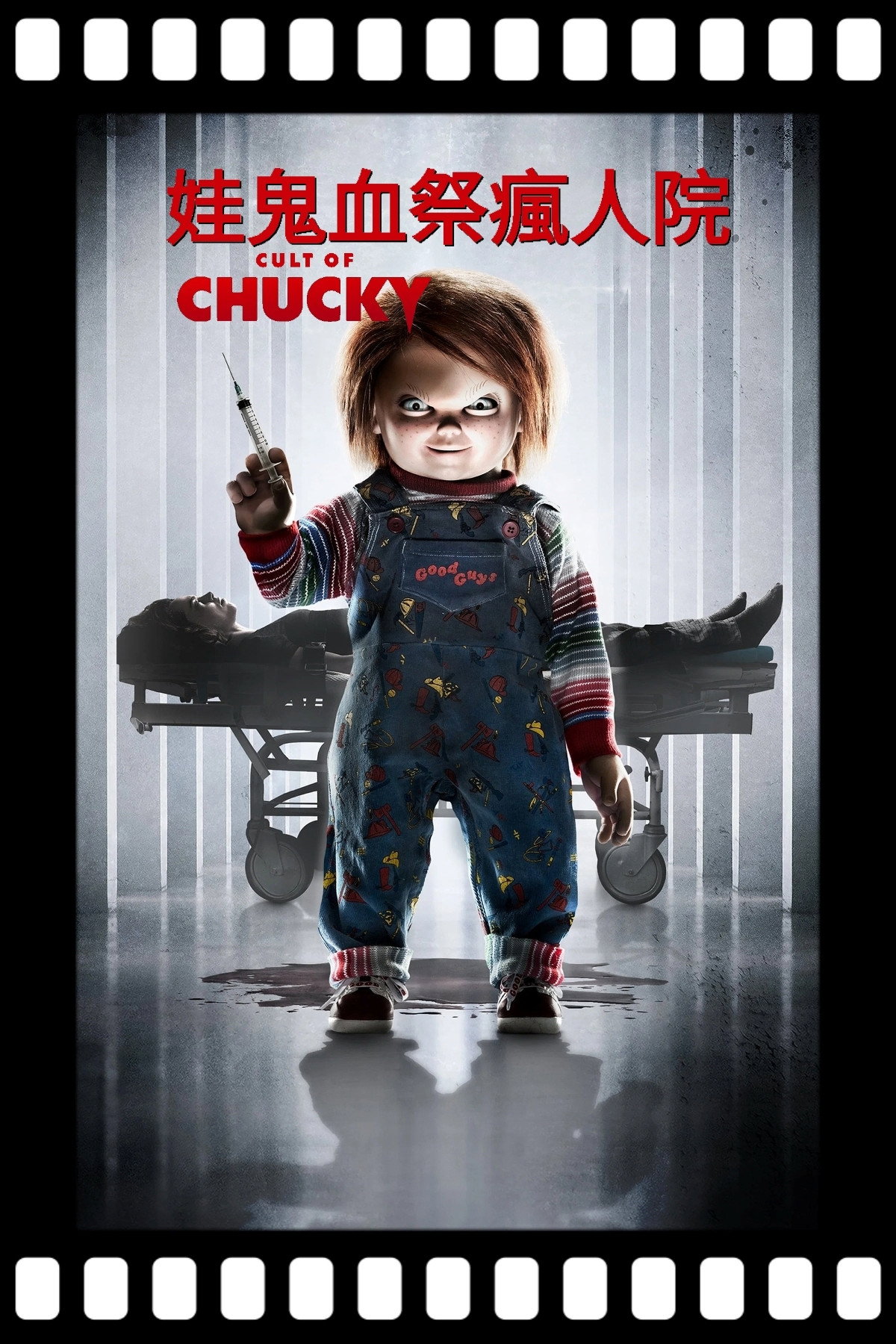
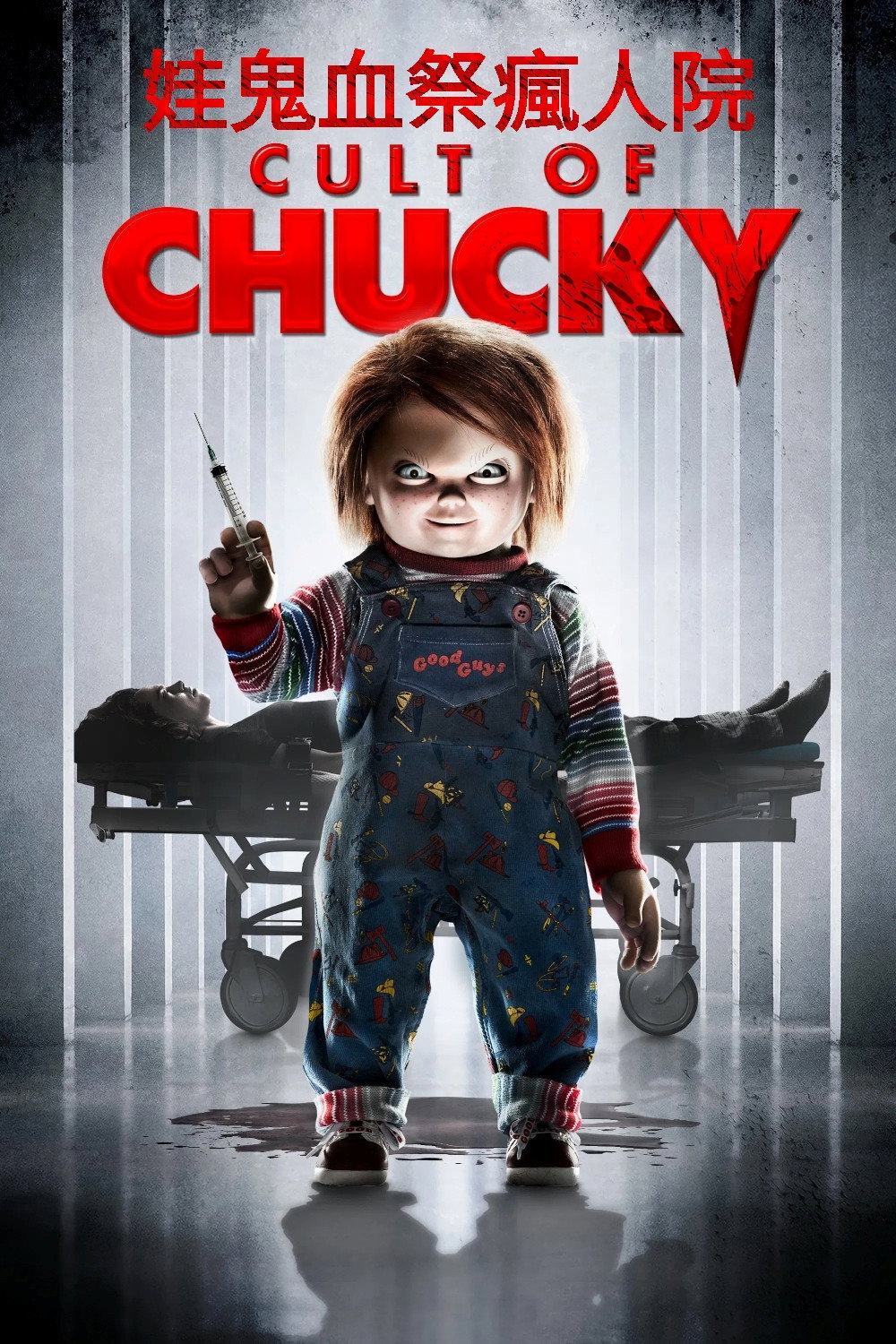
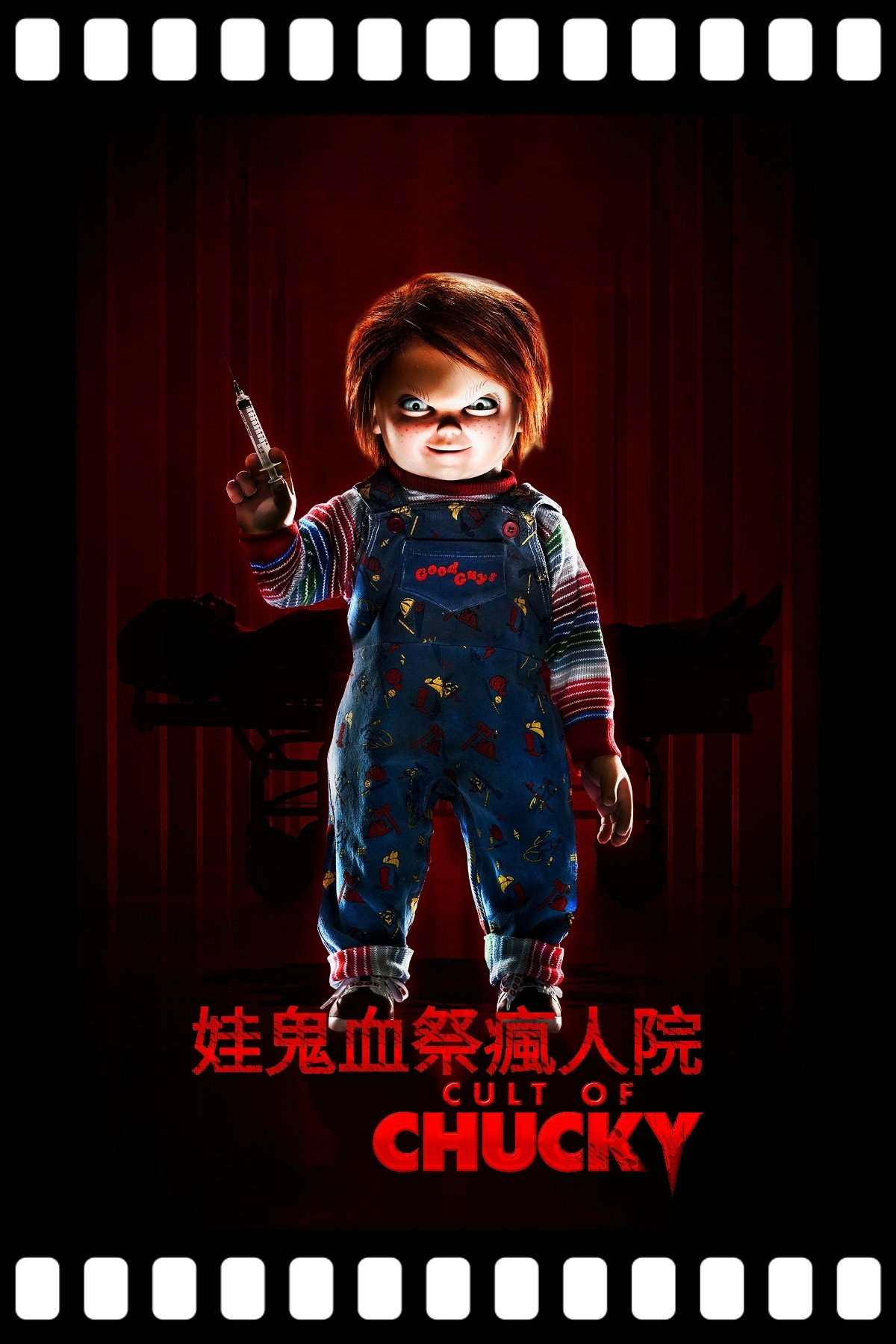
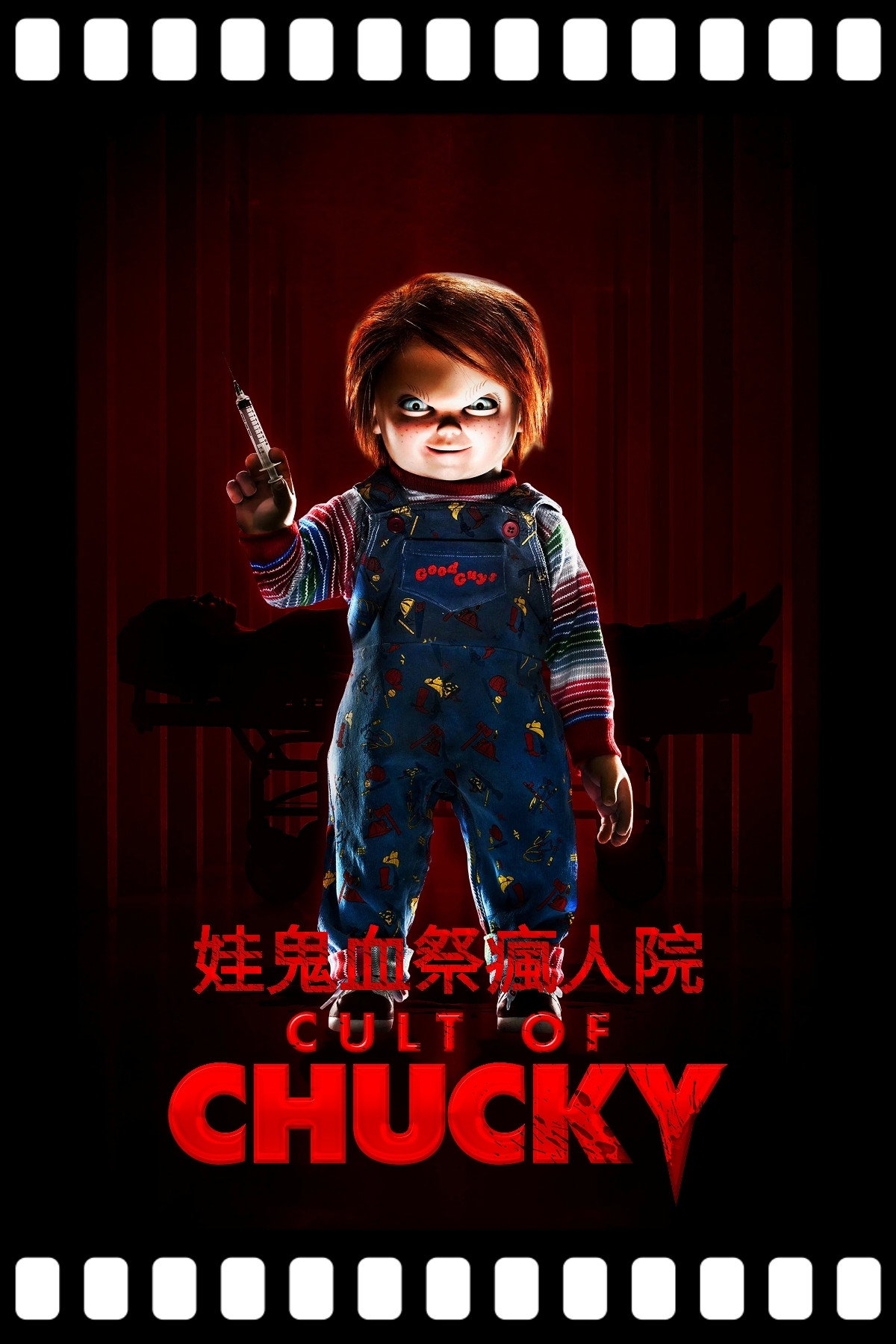
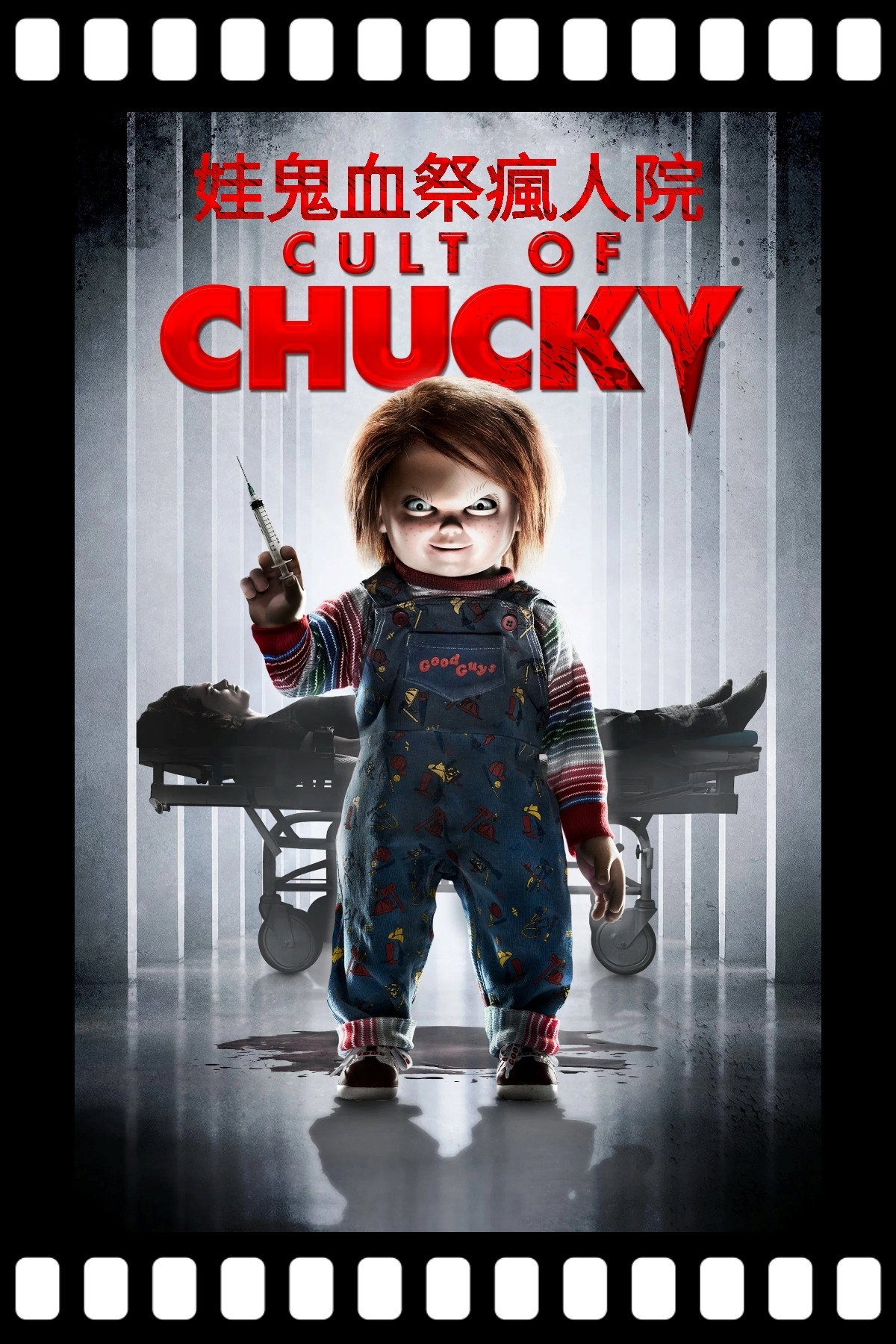
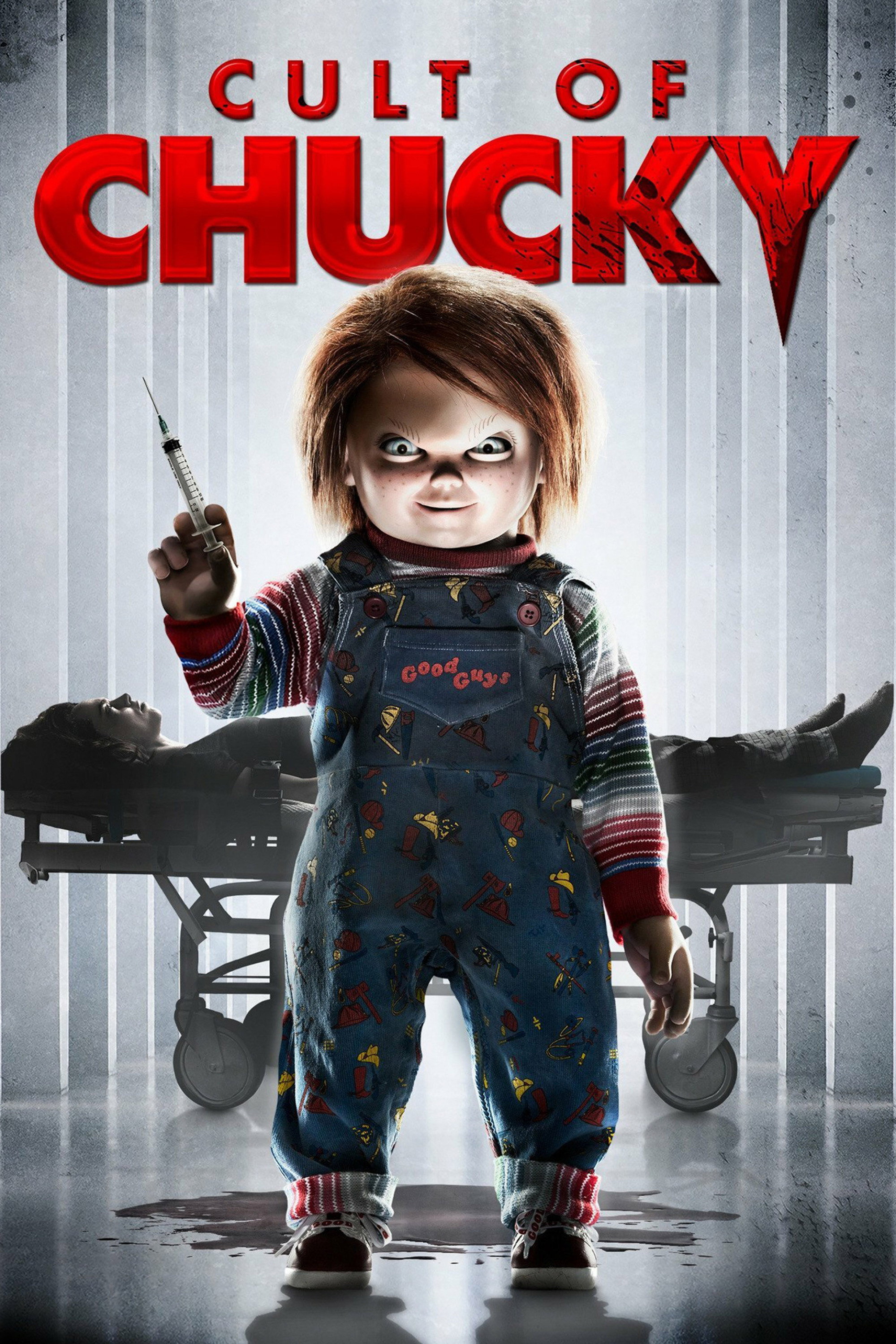
Cult of Chucky (2017) poster
Director
Writer
Production Companies
David Kirschner Productions , Universal 1440 Entertainment
Plot

Nica Pierce is confined to a psychiatric institution after the deaths of her family members. When Good Guy dolls appear among the patients, a new series of killings challenges the institution’s explanation of her experiences. Meanwhile, Andy Barclay continues pursuing the murderer who threatened him as a child. The conflict expands Chucky’s possession mythology and brings together several returning characters.

Alternative Titles
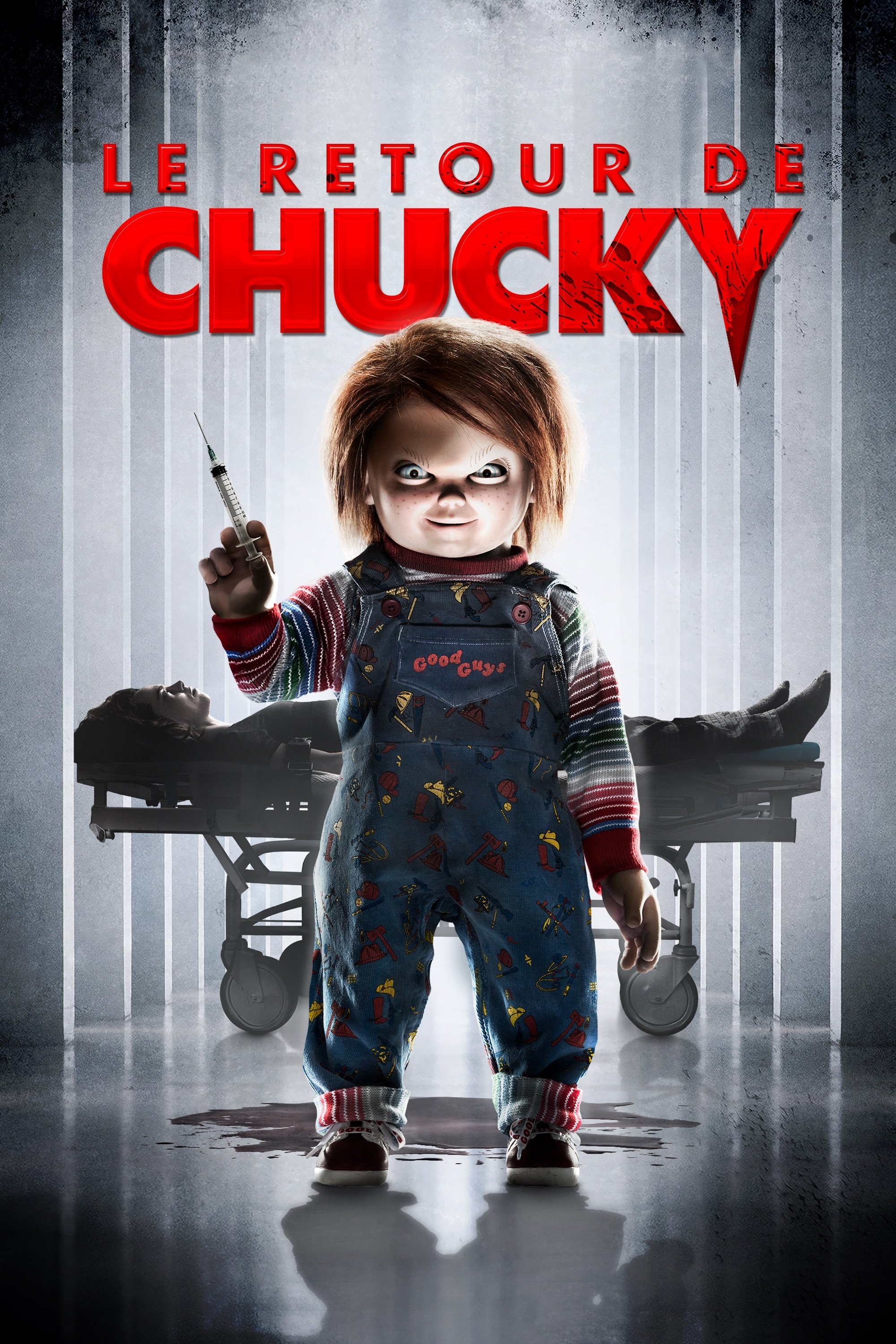
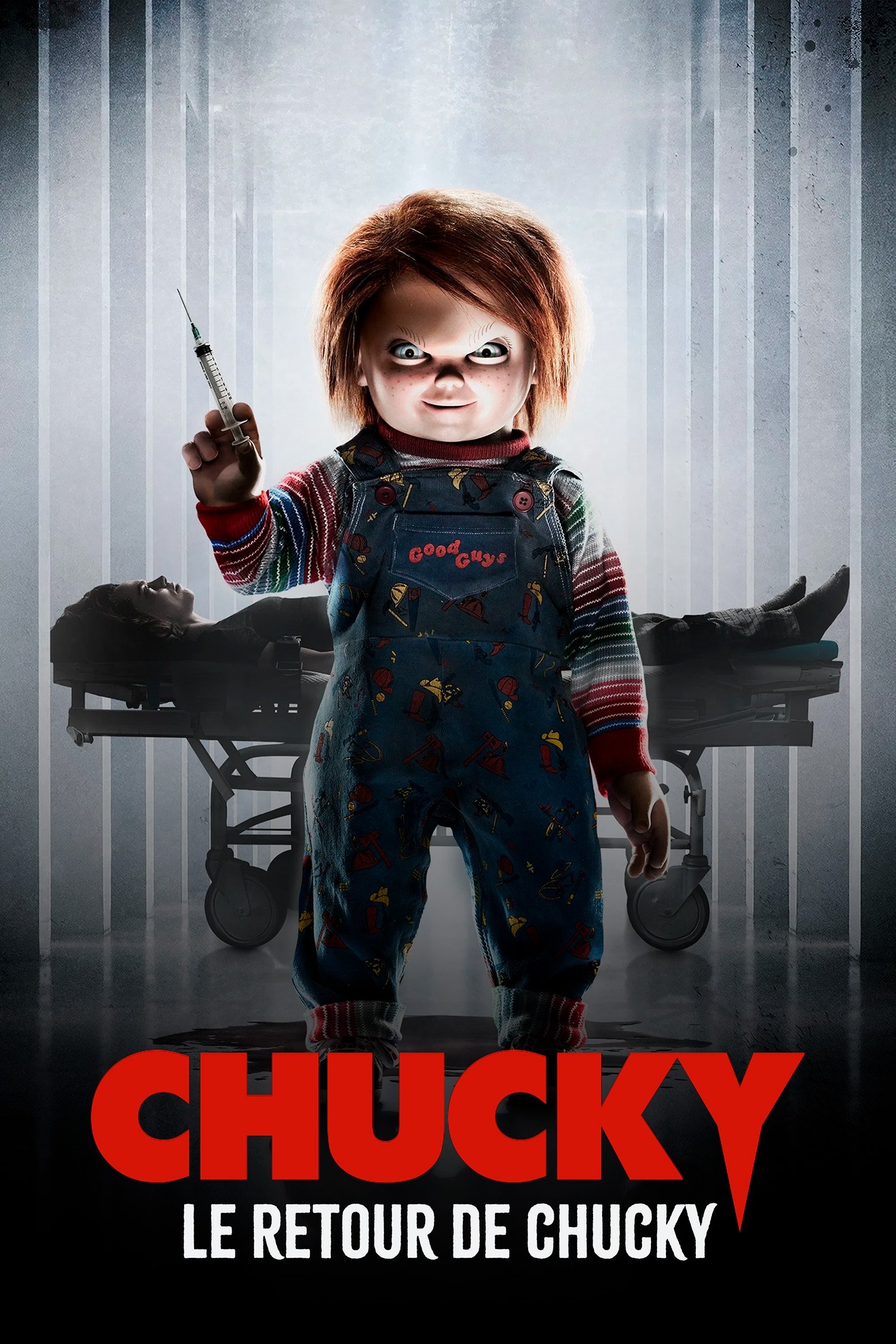
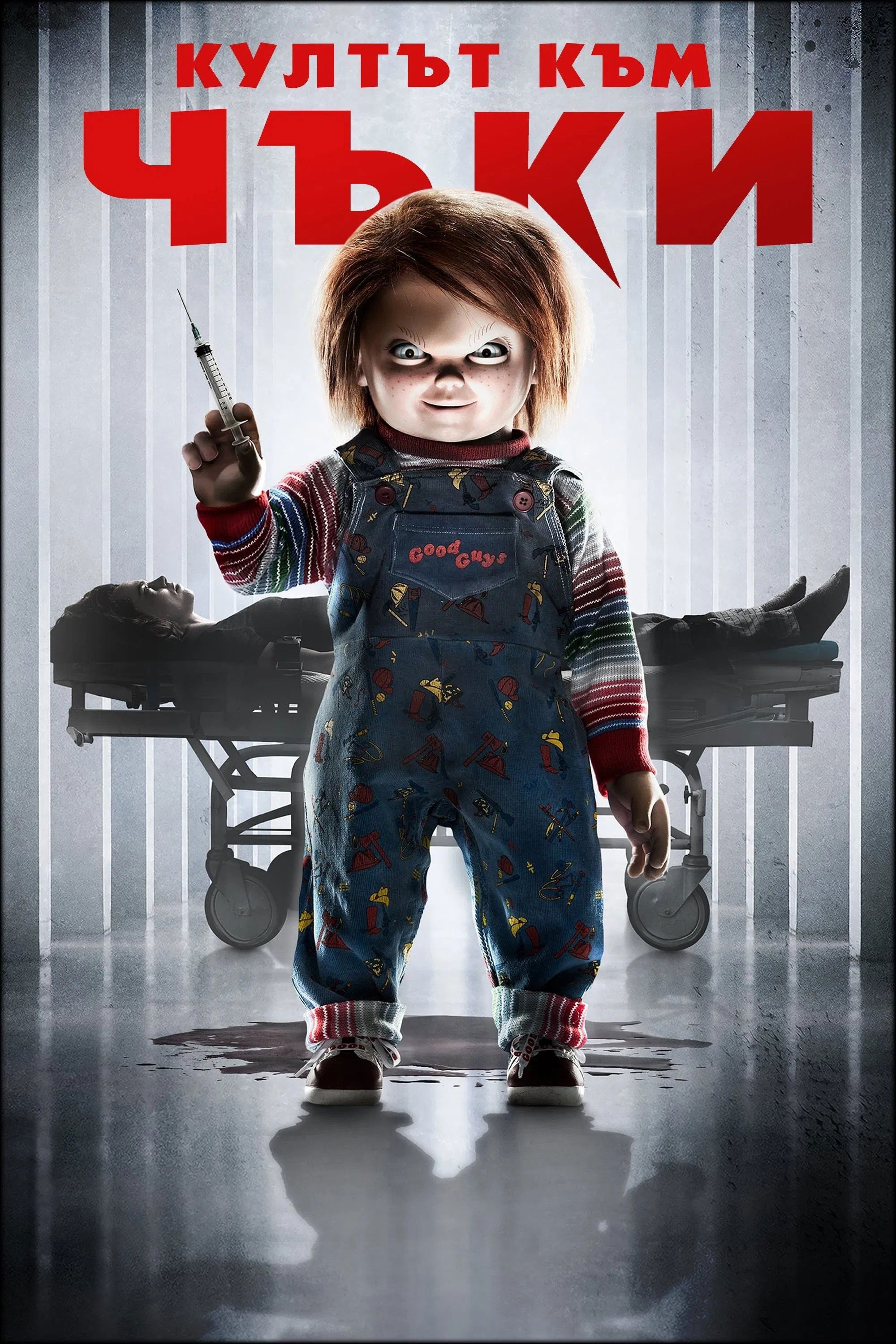
Култът към Чъки (Bulgaria) — Bulgarian O Culto de Chucky (Brazil) Le Retour de Chucky (Canada) — French 鬼娃回魂7 (China) — Chinese Chuckyho kult (Czechia) — Czech El culto de Chucky (Spain) — Spanish Le Retour de Chucky (France) — French 娃鬼血祭瘋人院 (Hong Kong SAR China) — Chinese
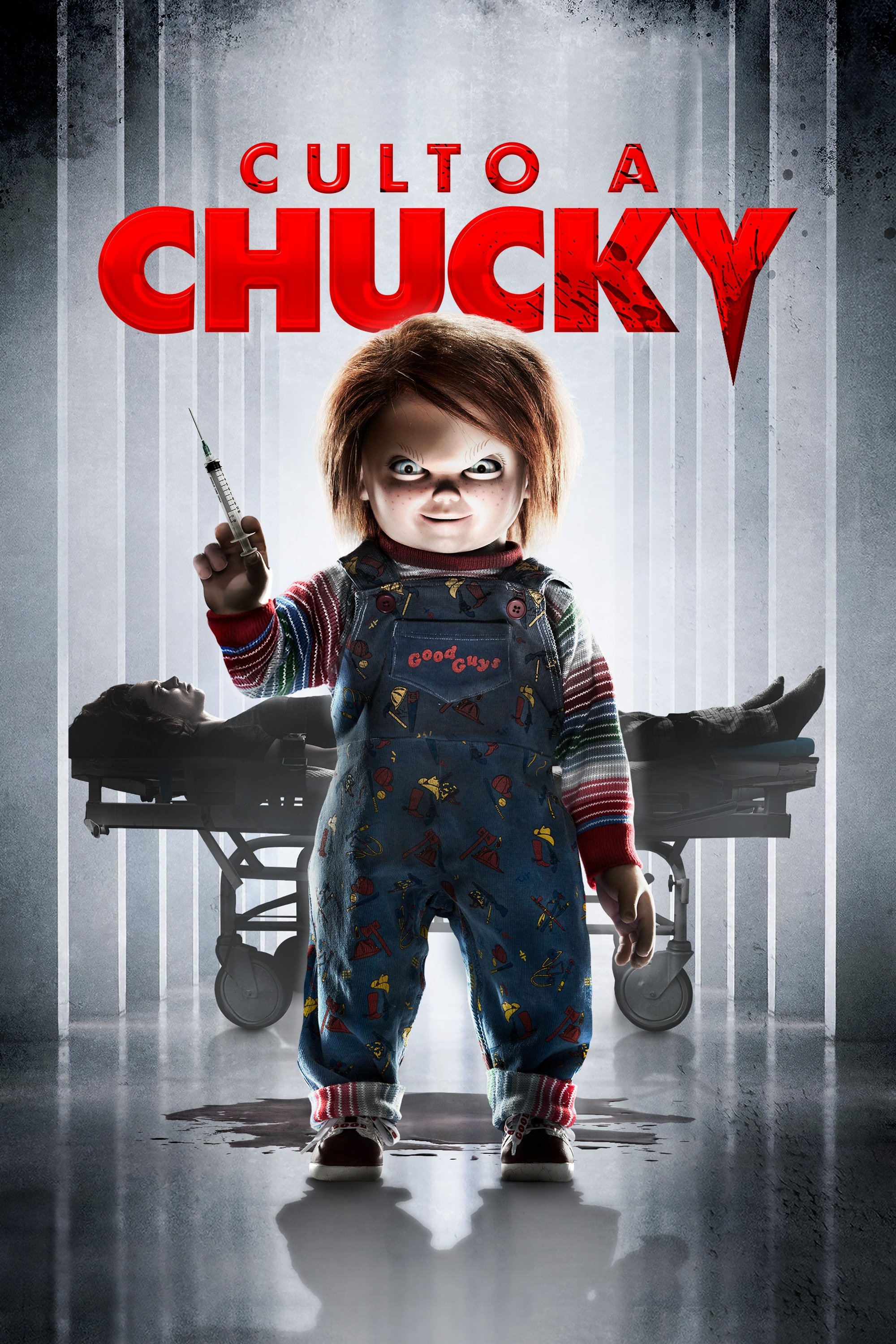
Show all 31 alternative titles Chuckyjev kult (Croatia) — Croatian Kult Chuckyja (Croatia) — SkyShowtime Chucky kultusza (Hungary) — Hungarian הכת של צ'אקי (Israel) — Hebrew Il culto di Chucky (Italy) — Italian チャイルド・プレイ ~チャッキーの狂気病棟~ (Japan) — Japanese 컬트 오브 처키 (South Korea) — Korean Čakio kultas (Lithuania) — Lithuanian Culto a Chucky (Mexico) — Spanish Kult laleczki Chucky (Poland) — Polish Zemsta Laleczki (Poland) O Culto de Chucky (Portugal) — Portuguese Cultul lui Chucky (Romania) — Romanian Kult Čakija (Serbia) — Serbian Культ Чаки (Russia) — Russian طائفة تشاكي (Saudi Arabia) — Arabic แค้นฝังหุ่น รวมทีมนรกสั่งมาเชือด (Thailand) — Thai Chucky Geri Dönüyor (Türkiye) — Turkish 鬼娃恰吉7:鬼娃儀式 (Taiwan) — Chinese 鬼娃森77 (Taiwan) — CATCHPLAY Культ Чакі (Ukraine) — Ukrainian Child's Play 7: Cult of Chucky (United States) — Working Title Ma Búp Bê 7 (Vietnam) — Vietnamese

Trailers & Videos

3 videos

Film Guide

Don Mancini’s 2017 sequel brings Chucky into an isolated psychiatric institution, expanding the possession mythology through multiple animatronic dolls, psychological horror and the return of established franchise characters.

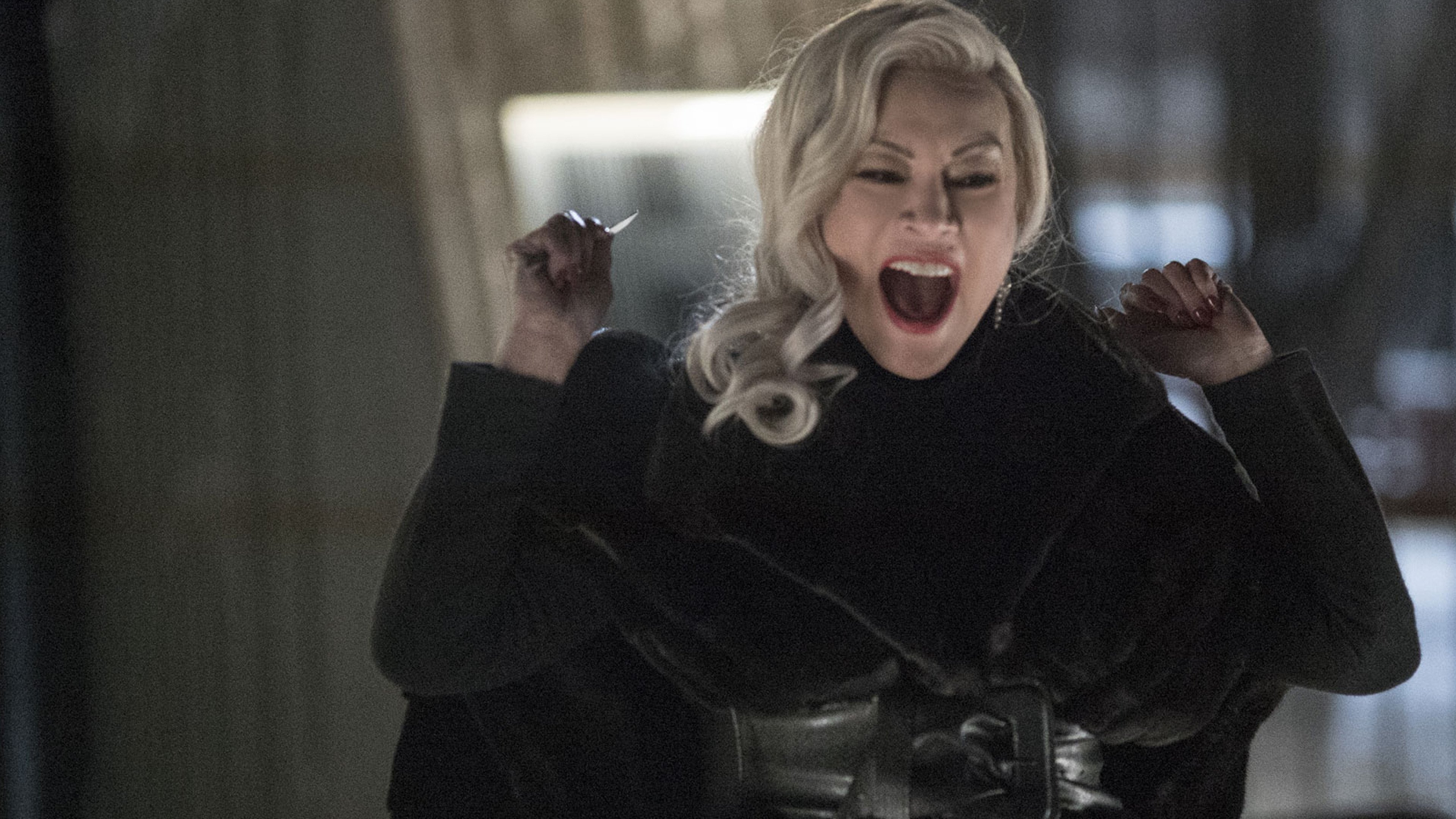
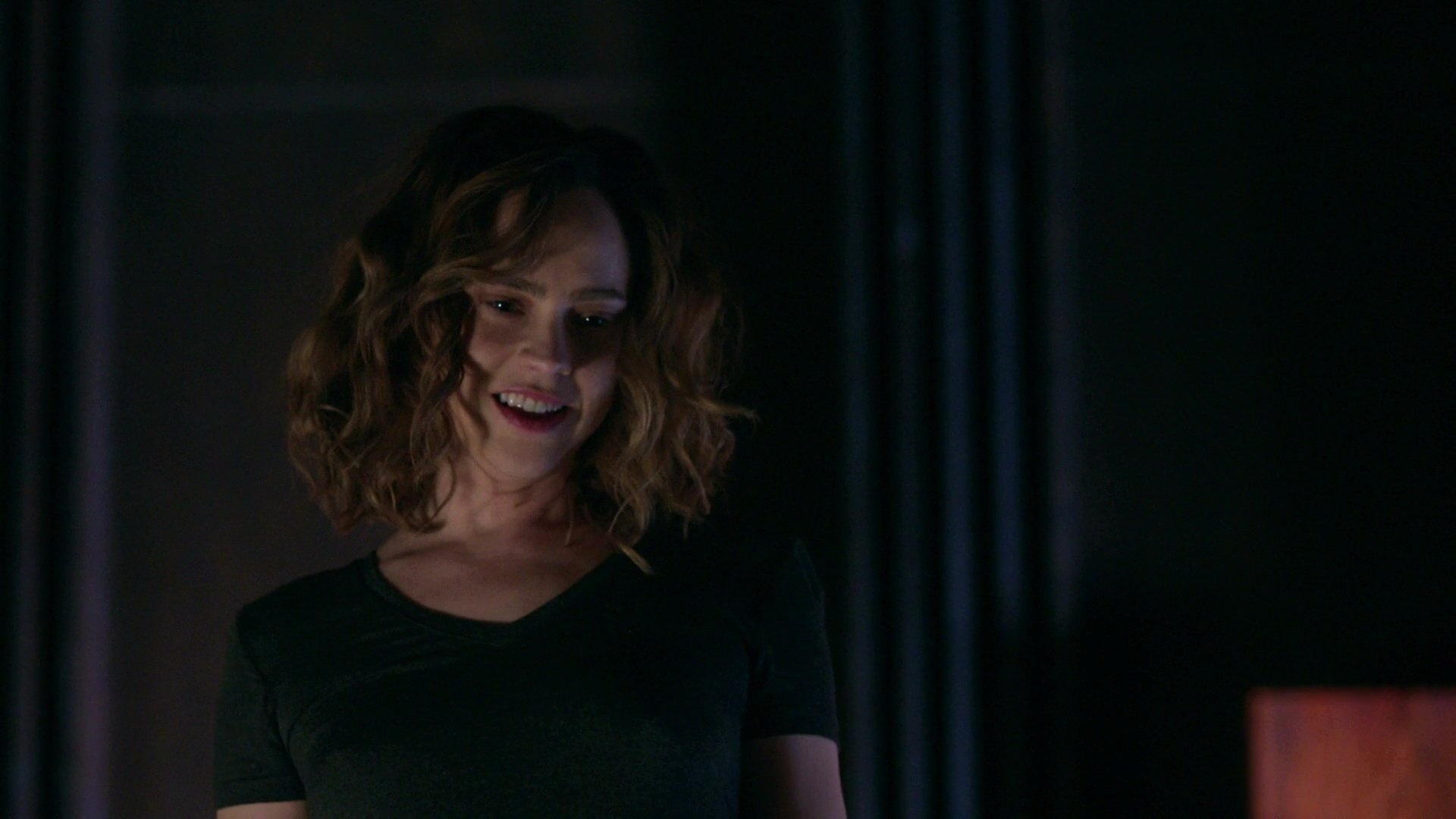
Cult of Chucky (2017) is an American supernatural slasher written and directed by Don Mancini, continuing the narrative established in Curse of Chucky (2013). The seventh installment places Nica Pierce, played by Fiona Dourif, inside an isolated psychiatric institution where she has been persuaded that she murdered her own family. When Good Guy dolls begin appearing among the patients, the distinction between her traumatic memories and the explanations imposed by her doctors becomes increasingly unstable. The film reunites Nica with characters from earlier installments while introducing a significant change to the supernatural rules governing Chucky and his possession of human bodies.

Produced by Universal 1440 Entertainment and photographed in Winnipeg, Manitoba, the film combines psychological horror with the franchise’s established grotesque comedy. Mancini adopts a stark visual environment, using pale institutional interiors, winter landscapes and experimental editing to distinguish the production from the Gothic domestic setting of its predecessor. Tony Gardner supervised the animatronic dolls, while Joseph LoDuca developed a more electronic score in response to the sterile surroundings. Released primarily through home entertainment, Cult of Chucky extended the original narrative continuity and established developments subsequently explored in the Chucky television series.

Development & Franchise Continuity

Mancini began considering another sequel while completing Curse of Chucky. The previous film had restored a comparatively serious atmosphere after the increasingly comic direction of Bride of Chucky (1998) and Seed of Chucky (2004), and its ending introduced unresolved questions involving Nica Pierce, Alice and Andy Barclay. Mancini wanted those events to remain consequential rather than beginning another independent story. In a September 2017 interview with /Film, he explained that continuity had become an important part of his approach to the franchise. He regarded the survival of earlier characters and supernatural rules as opportunities to develop the mythology while introducing situations accessible to new viewers.

The psychiatric institution offered a different narrative structure from the isolated house of Curse of Chucky. Mancini described the project as an asylum film, a recognizable horror subgenre with established conventions surrounding confinement, unreliable perception and the abuse of institutional authority. He wanted to question whether Nica could trust her memories and whether the other patients were experiencing genuine supernatural events. The setting also permitted the return of Chucky’s verbal comedy without entirely abandoning the psychological stakes of Nica’s predicament. Mancini identified this balance between the protagonist’s suffering and the killer’s outrageous personality as a central creative challenge.

The screenplay introduced the possibility of several Chucky dolls operating simultaneously, extending the possession mythology beyond a single inhabited body. Mancini had previously used supernatural explanations to accommodate changes in the series, including the Heart of Damballa in Bride of Chucky. For the seventh installment, multiplying the killer created new opportunities for confrontation and altered the relationship between the individual doll and Charles Lee Ray’s consciousness. The director also retained references to the earlier films, including Andy’s military-school history, while removing a planned dialogue reference to Glen and Glenda. His intention was to preserve established continuity without requiring every viewer to remember the details of six previous features.

Psychiatric Horror & Narrative Structure

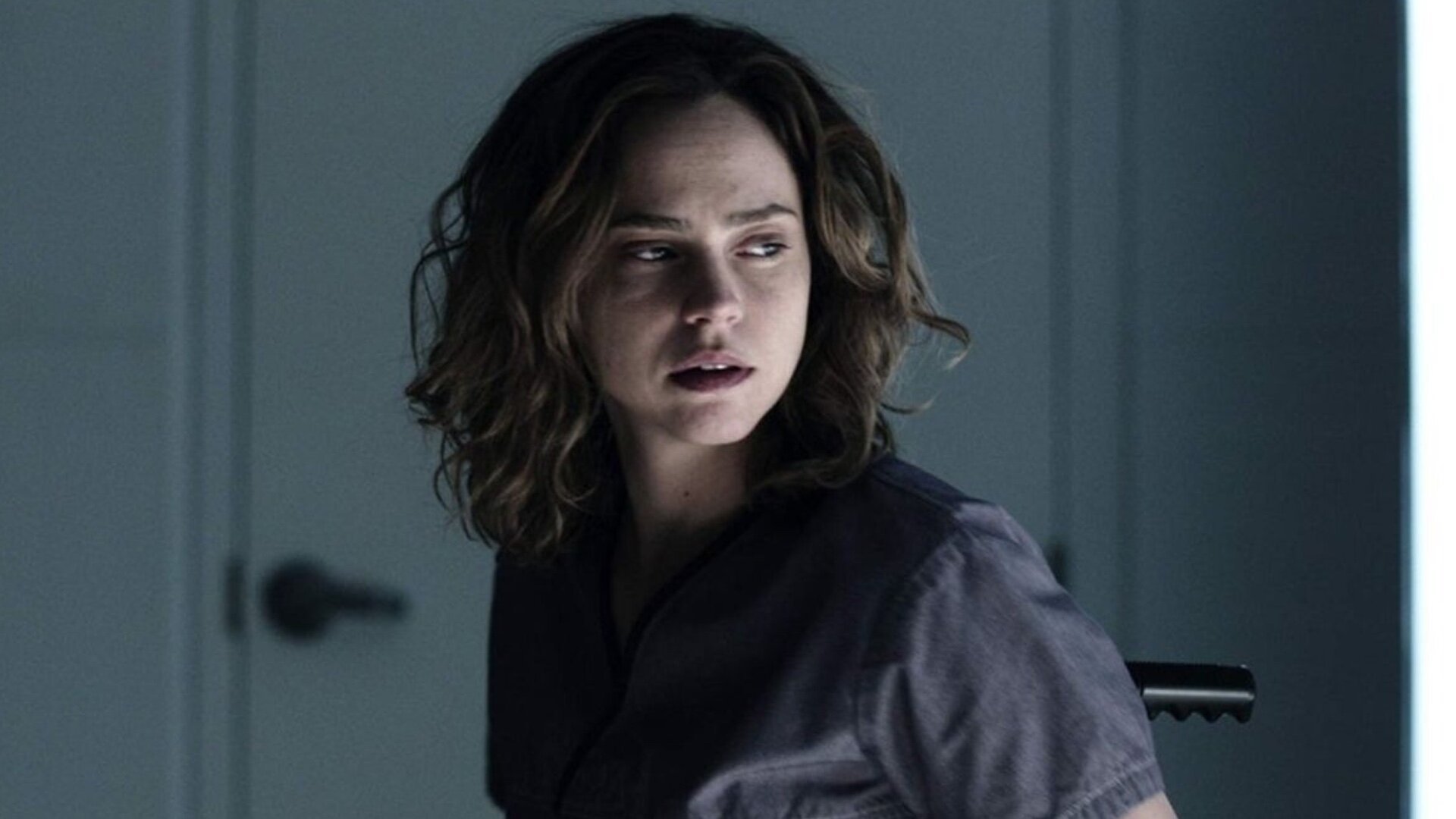
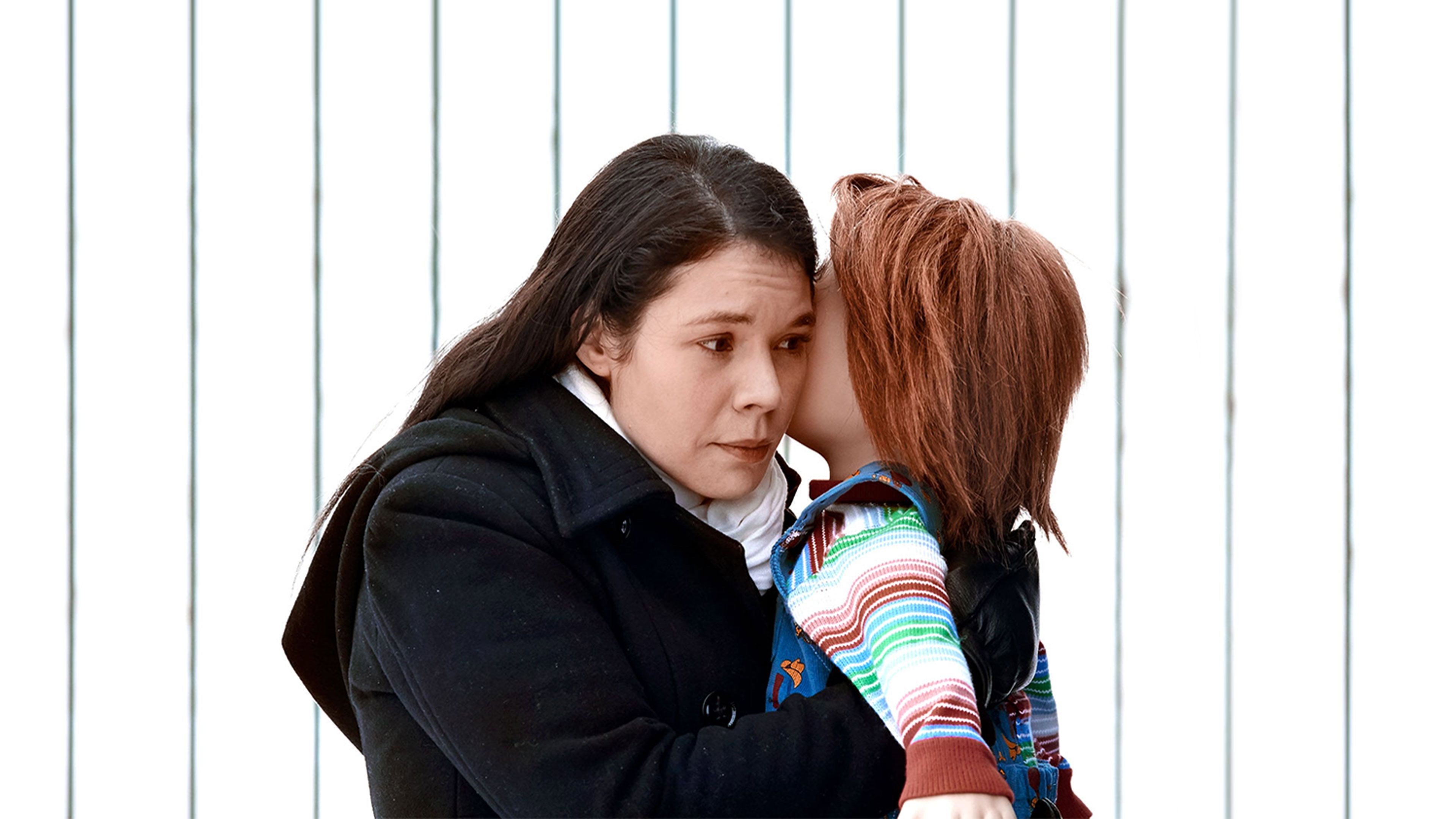
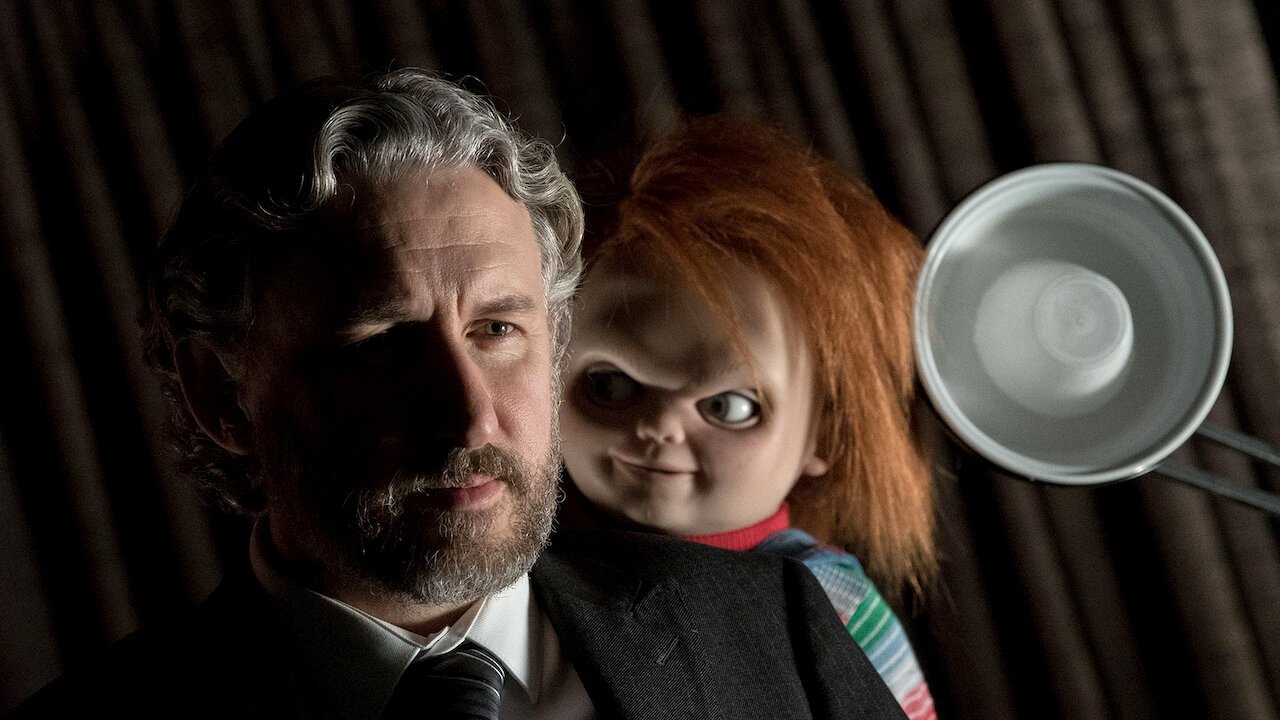
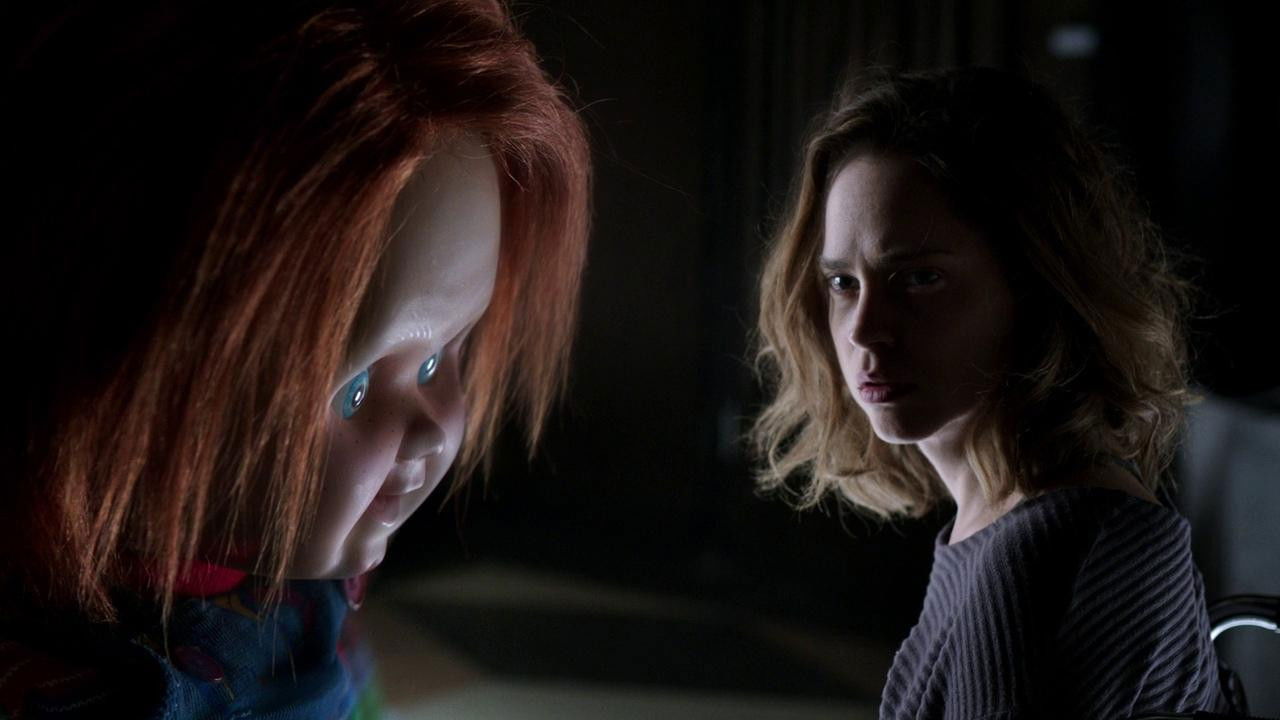
Nica enters the story after years of psychiatric confinement following the murders depicted in Curse of Chucky. She has been encouraged to accept responsibility for crimes committed by the possessed doll, leaving her uncertain about the reliability of her own recollections. Her transfer to Harrogate Psychiatric Hospital provides an apparently less restrictive environment, but the presence of other vulnerable patients and a therapist who dismisses her account intensifies her isolation. Dr. Foley, played by Michael Therriault, introduces a Good Guy doll during treatment, believing that confronting the object associated with her supposed delusion may assist her recovery.

The institution gives Chucky an unusual advantage. Accounts of his movements can be interpreted as symptoms of psychiatric illness, while the staff possess authority over patients who cannot freely leave the building. The narrative exploits this imbalance without providing an accurate representation of mental healthcare as its principal purpose. Among the patients, Madeline develops a maternal attachment to the doll, while Claire and Angela respond differently to the growing disturbances. Their experiences create overlapping uncertainties about individual perception, manipulation and immediate physical danger. Nica must investigate the murders while confronting the possibility that nobody will accept her testimony.

Andy Barclay, again played by Alex Vincent, returns as an adult shaped by his childhood encounters with Chucky. Mancini connected Andy’s interest in firearms to his traumatic history and earlier attendance at military school, explaining that the character had adopted defensive habits through years of persecution. Tiffany, played by Jennifer Tilly, also returns, connecting the institutional storyline to Chucky’s activities beyond the hospital. Their presence gives the sequel a larger narrative structure than the immediate struggle inside Harrogate. The eventual revelation that Charles Lee Ray can divide his soul among multiple vessels changes the nature of the threat and culminates in Nica becoming another host for the killer.

Production, Cinematography & Visual Style

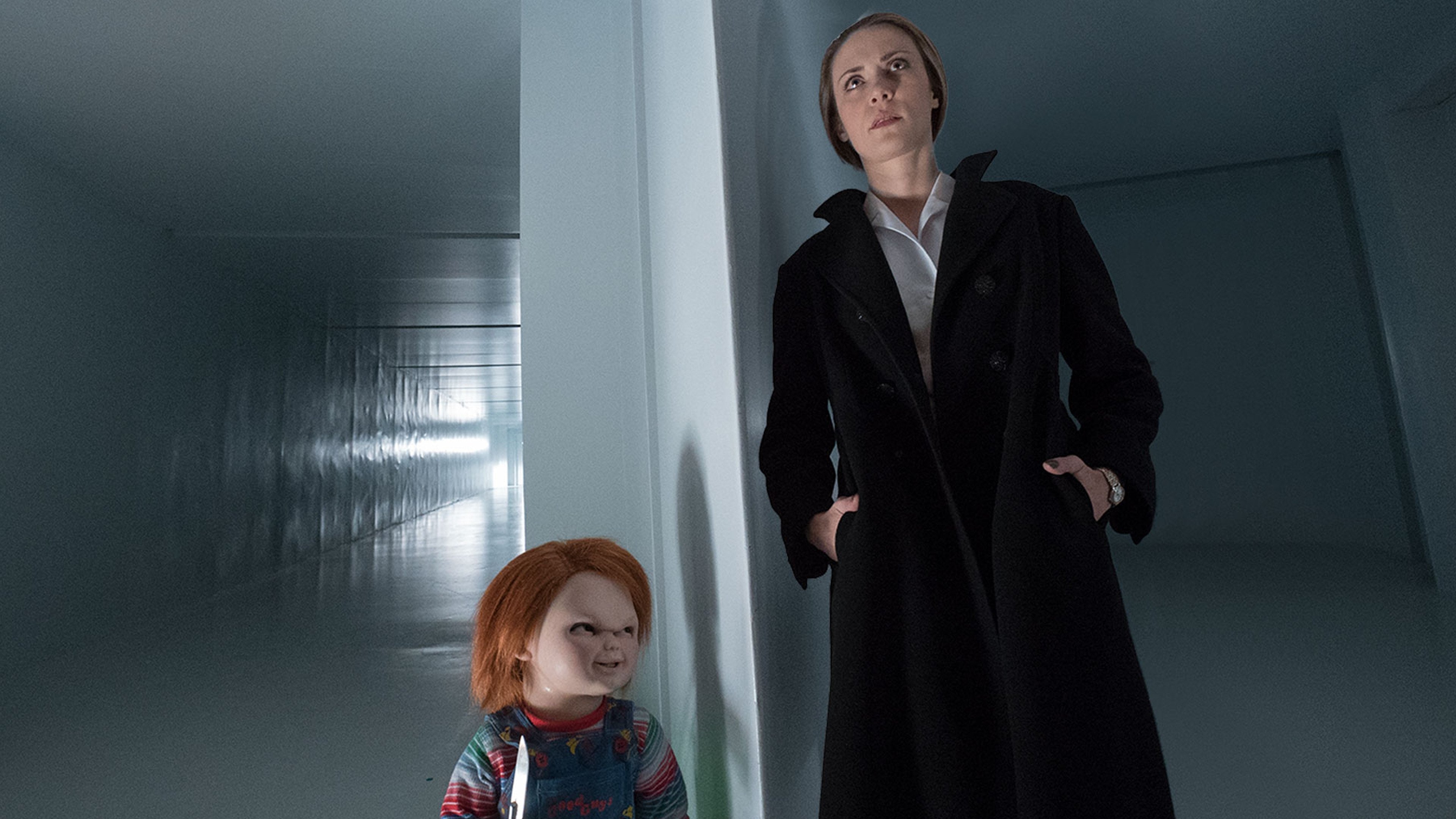
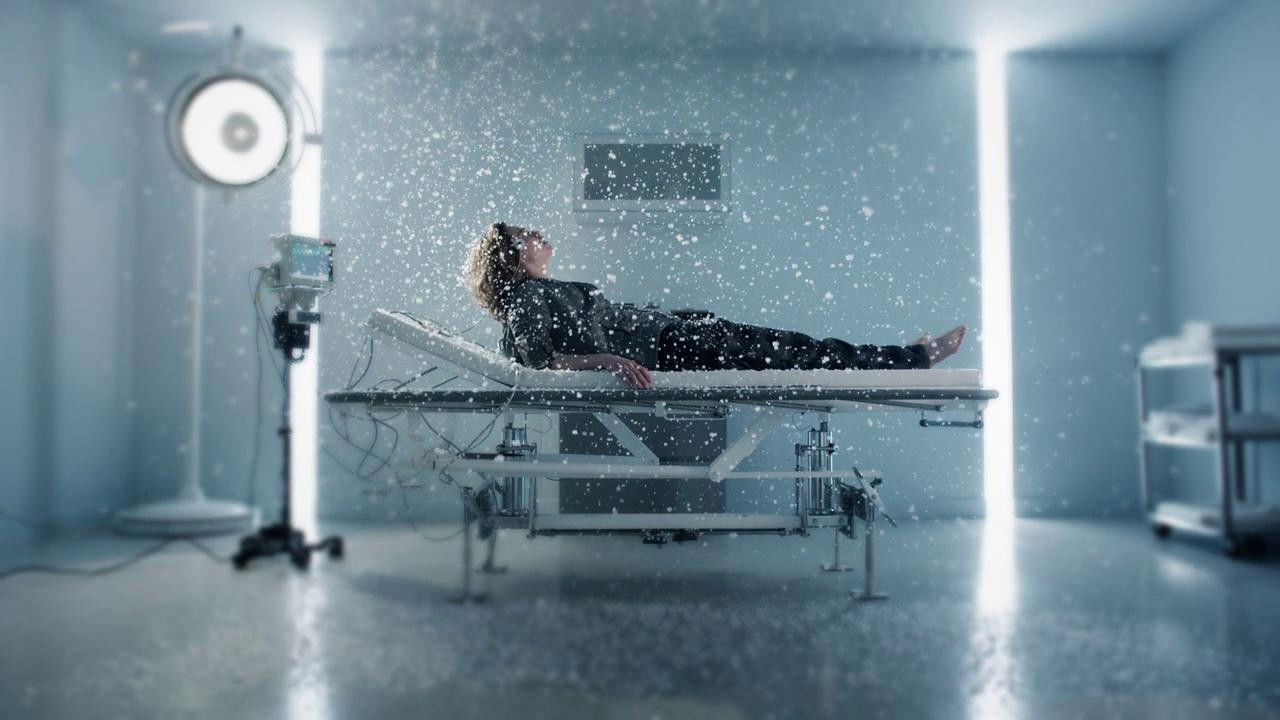
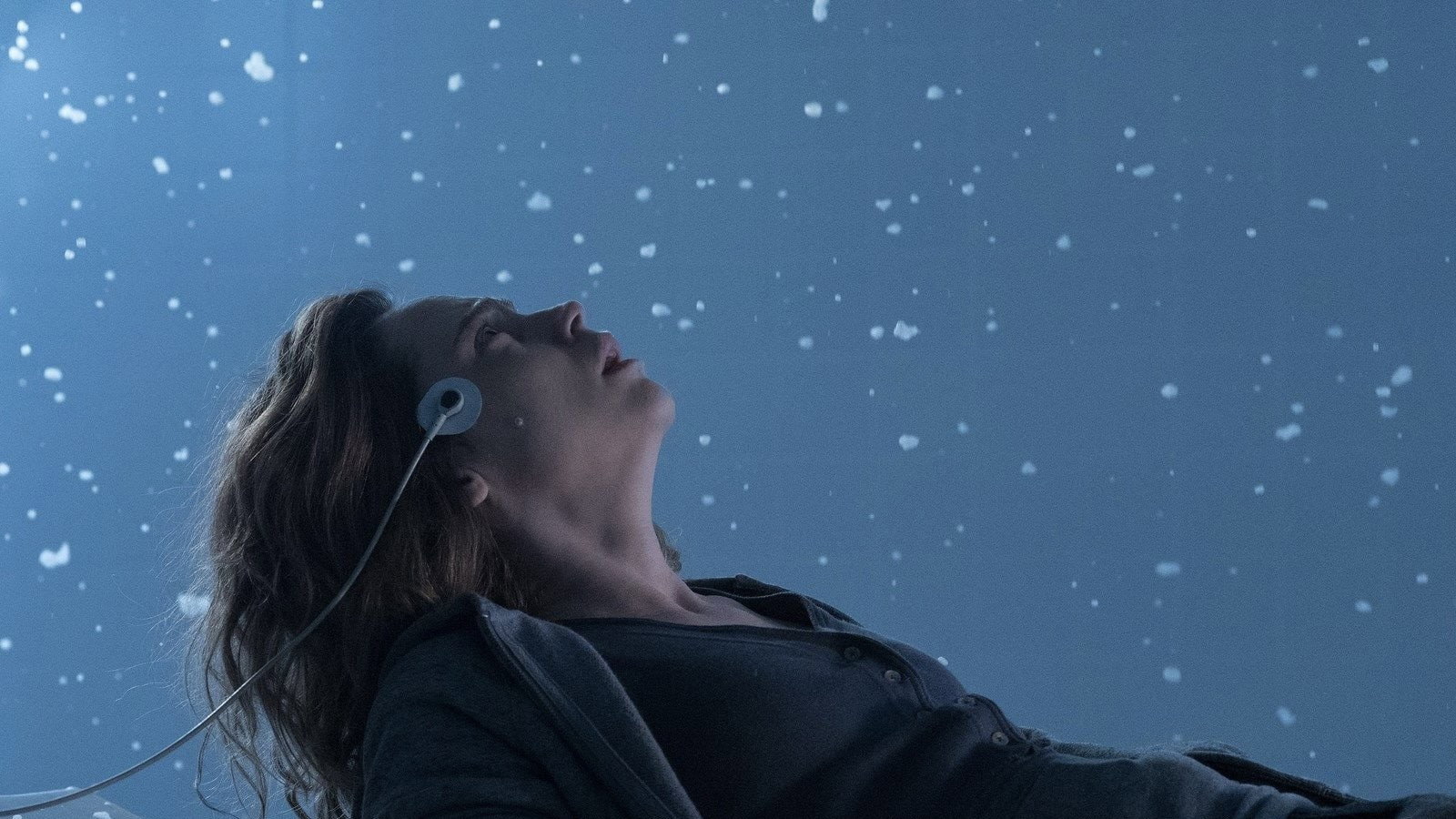
Universal 1440 Entertainment announced on 5 January 2017 that principal photography would begin in Winnipeg on 9 January. The production continued the Canadian working arrangements established for Curse of Chucky, with Michael Marshall returning as cinematographer and Craig Sandells as production designer. The film was constructed around an institution whose pale corridors and communal rooms contrast with the darker domestic setting of the preceding installment. Its enclosed spaces create opportunities for encounters between patients and dolls, while the surrounding snow emphasizes the difficulty of leaving the facility.

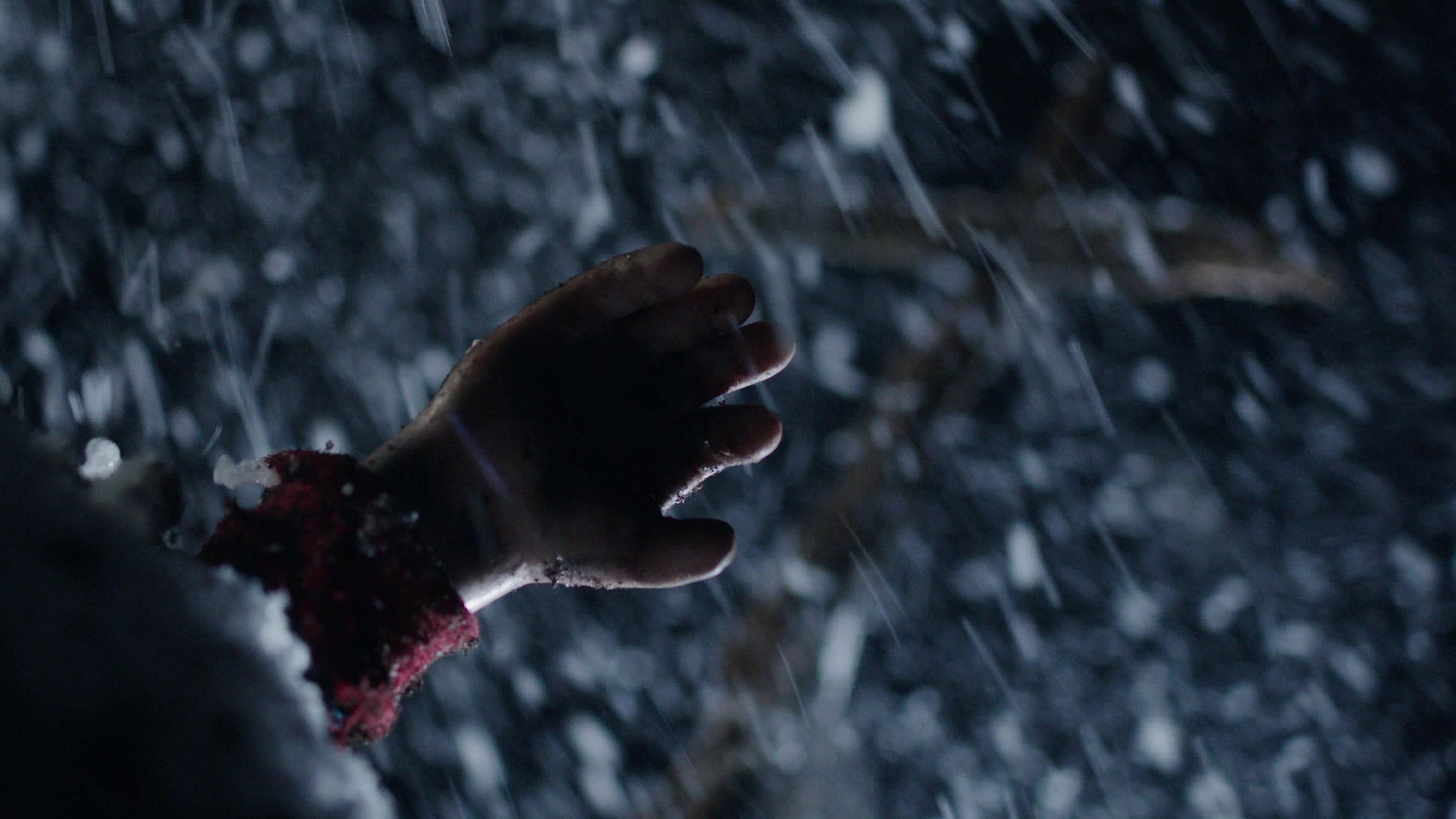
Mancini deliberately incorporated the winter environment into the screenplay. In comments reported during production, he recalled an overnight exterior shoot interrupted by a severe blizzard that forced the crew to stop for safety reasons. A zoom lens also froze during the work. He associated the resulting snowbound atmosphere with The Shining (1980), particularly the isolation of a building surrounded by an inhospitable landscape. The film uses that geography alongside its interior confinement to make the hospital feel detached from ordinary public life.

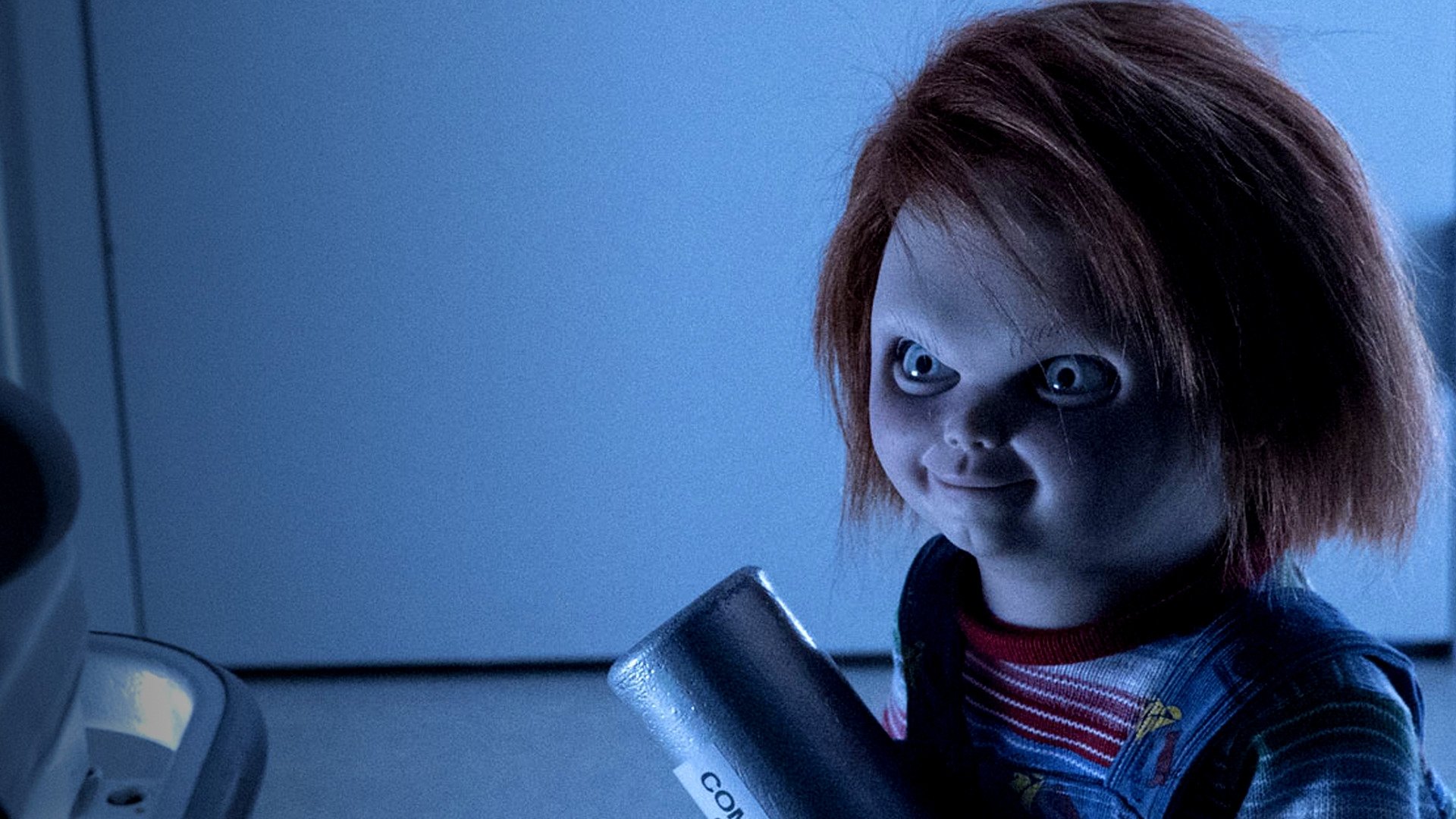
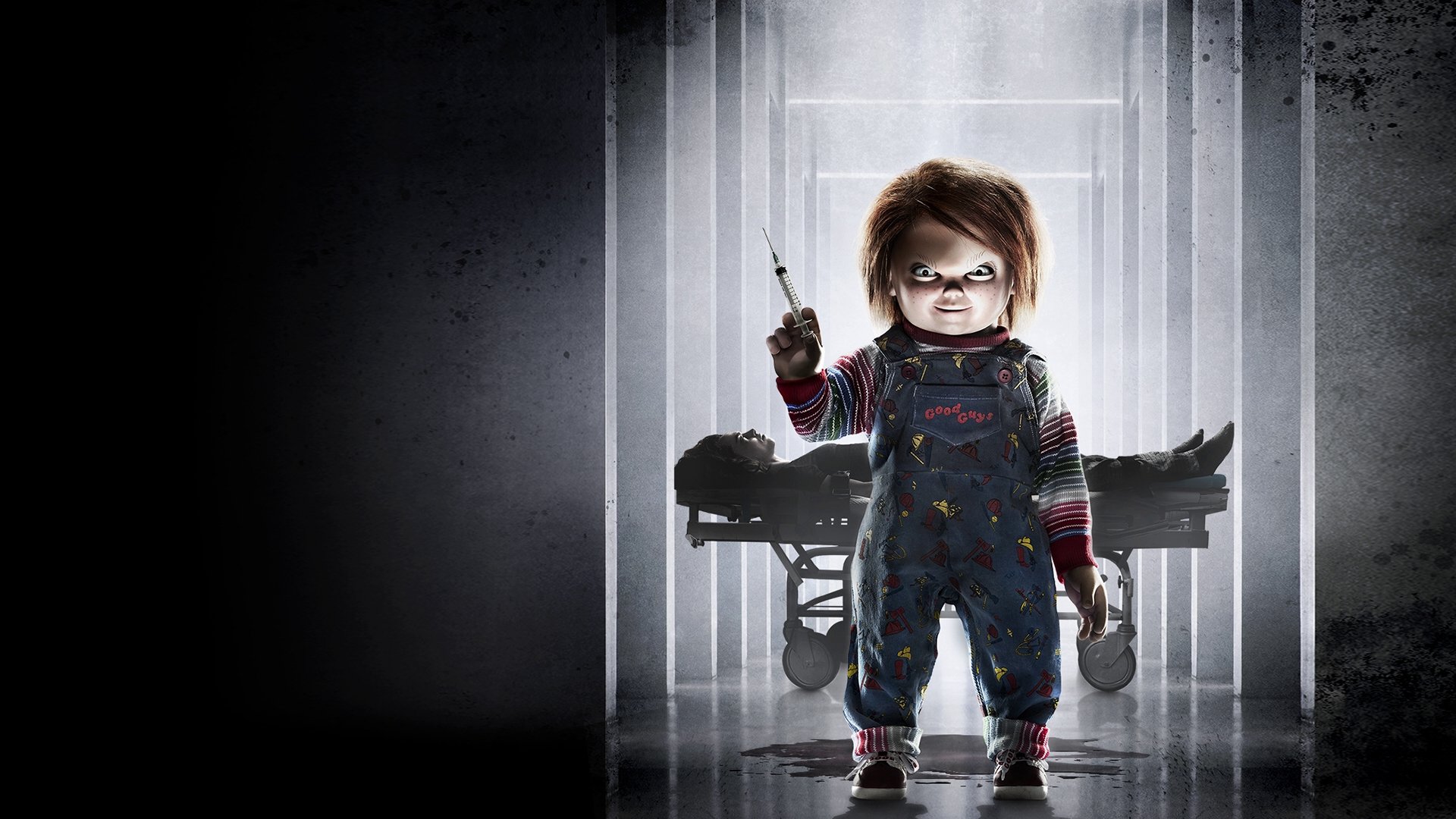
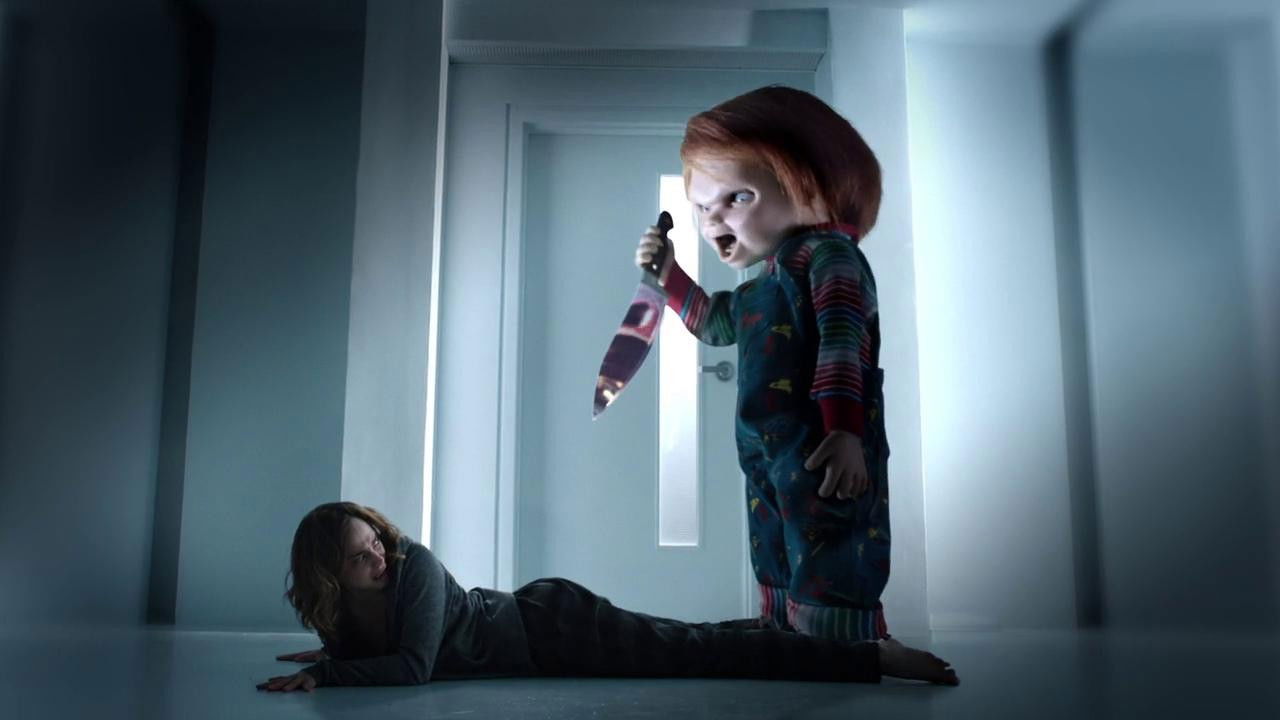
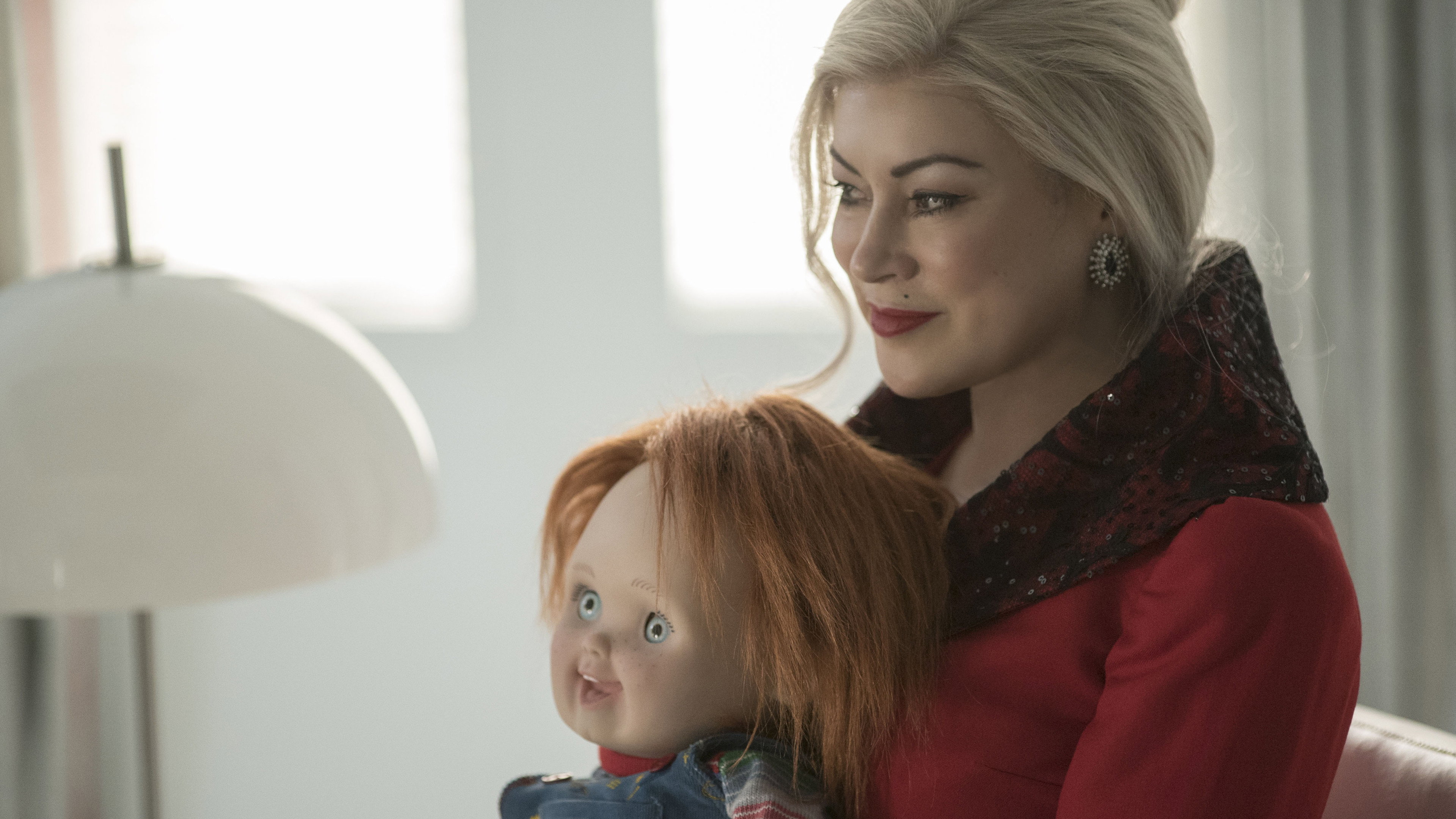
The visual treatment also draws on the psychological thriller. Split-screen compositions, changes of focus and distorted dream imagery complicate the spectator’s understanding of simultaneous events and subjective experience. Reviewing the film at FrightFest, Martyn Conterio identified an affinity with Brian De Palma’s elaborate thriller techniques. The pale institutional backgrounds create unusually strong contrasts with Chucky’s orange hair and the red blood effects. Gardner later explained that the doll’s coloring had been adjusted partly in response to these surroundings. The character’s familiar appearance therefore remained recognizable while being adapted to the particular photographic conditions of the film.

Animatronics & Practical Makeup Effects

Tony Gardner returned as supervisor of Chucky’s animatronic effects and also served as an associate producer. His responsibilities extended into preproduction planning, where the effects team considered how the screenplay’s multiple dolls could be achieved within the available schedule. In interviews published by ComingSoon and Wicked Horror, Gardner described the difficulties of building and operating several versions of the character, including dolls with different hairstyles or missing body parts. The final sequences required multiple figures to perform within the same dramatic space, creating problems of puppeteer access, timing and coordination.

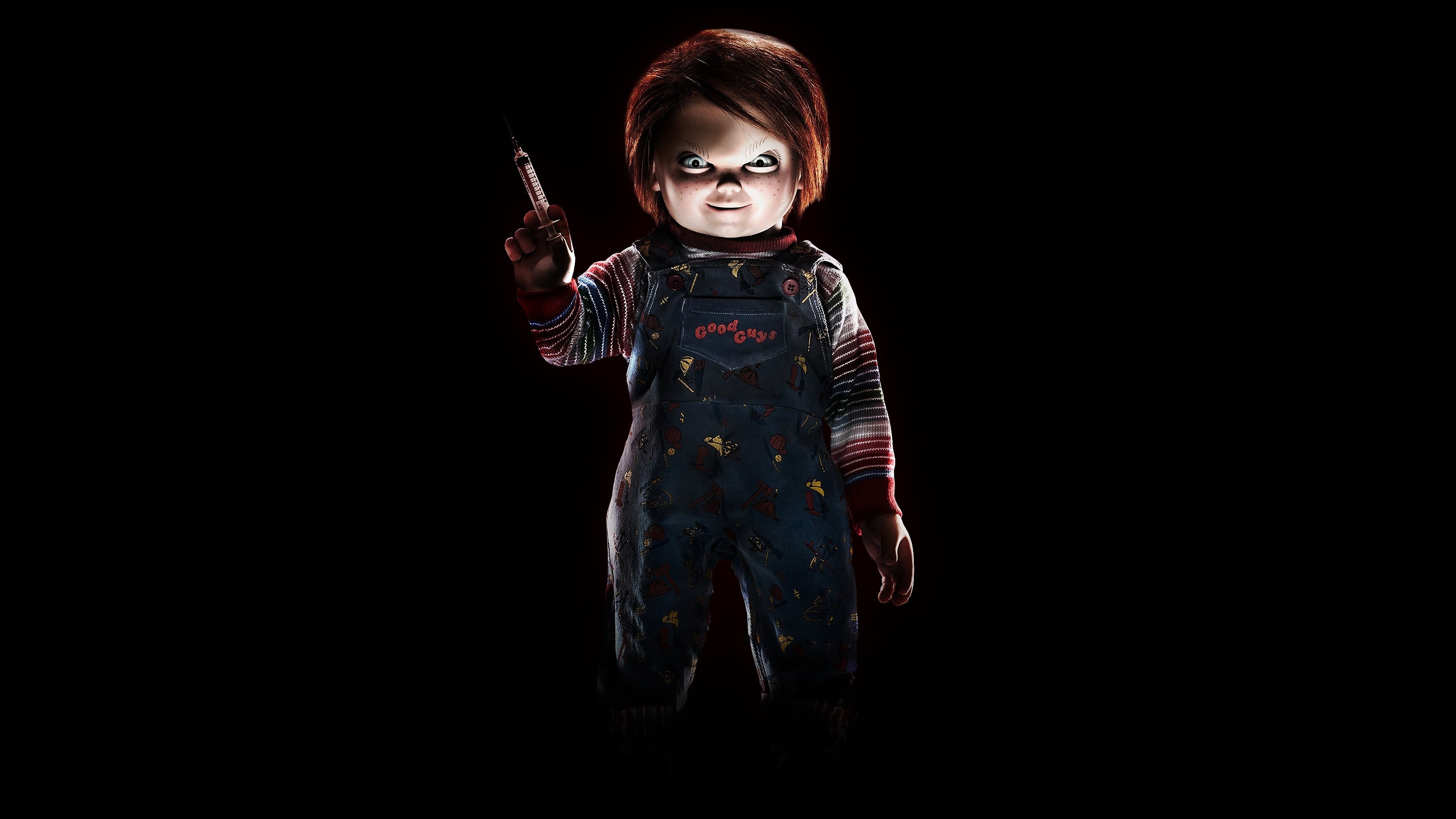
Gardner also revised Chucky’s appearance. The design of Curse of Chucky had required a comparatively smooth face that concealed the character’s earlier injuries. For Cult of Chucky, the effects team returned to the proportions associated particularly with Child’s Play 2 (1990). The hands were reduced toward their earlier dimensions, and the face was redesigned to move between the neutral appearance of a manufactured toy and more expressive, threatening configurations. Subtle alterations around the eyes helped evoke Brad Dourif’s expressions while accommodating the mechanical components beneath the skin. The hair was made brighter to stand out against the pale hospital interiors.

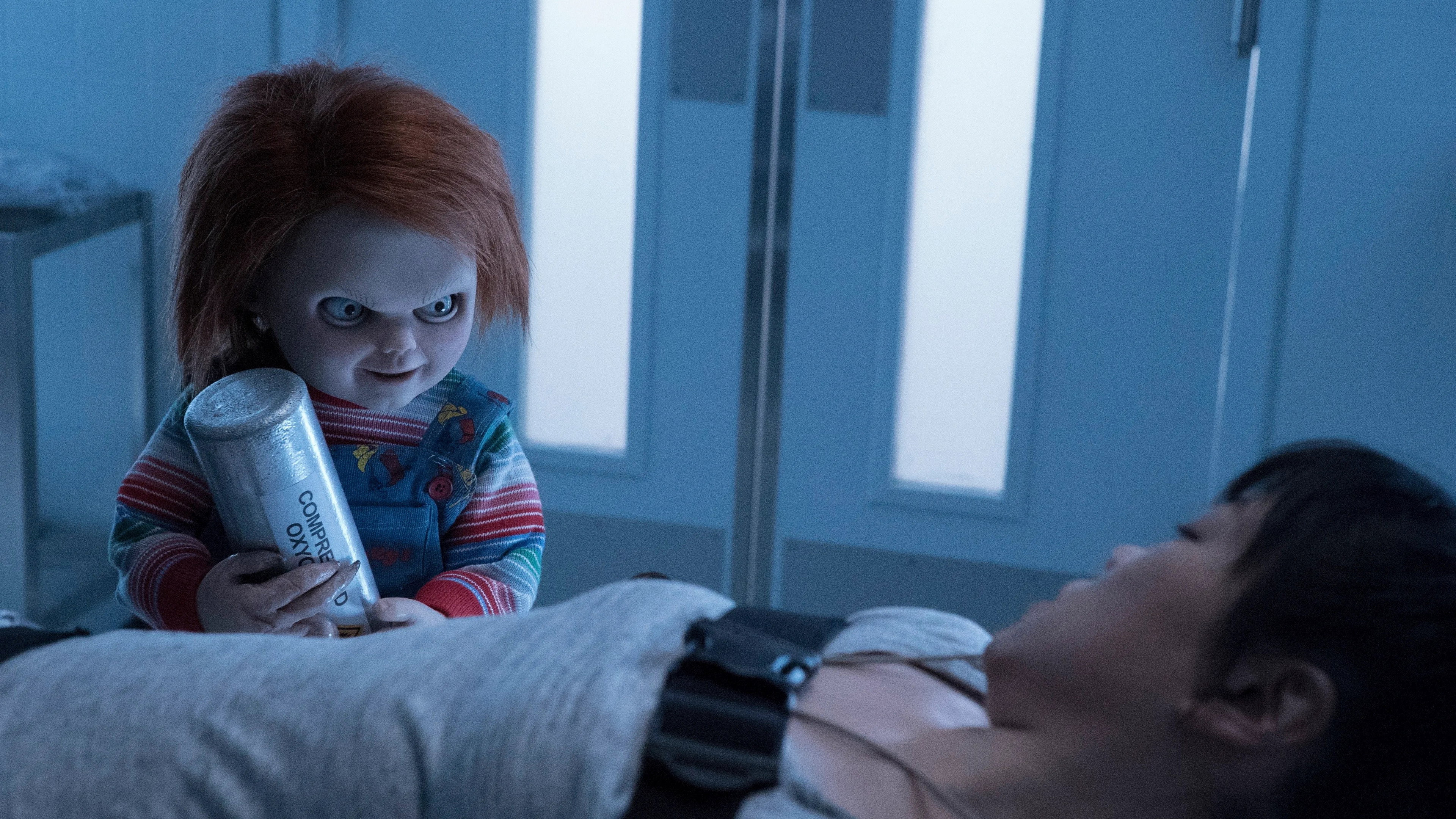
The Chucky performances relied on physical animatronics, although digital compositing assisted the photography. Gardner explained that operators and control rods could be removed from completed shots, allowing the camera greater freedom than traditional beneath-the-floor puppetry permitted. Separate performances could also be combined when several dolls appeared together. The practical construction of the characters should therefore be distinguished from the digital techniques used to conceal their operation. The majority of the injury makeup and blood effects was undertaken by Adrien Morot’s team and Winnipeg makeup artist Doug Morrow. Gardner’s group concentrated primarily on the dolls, becoming directly involved in the death of Nurse Carlos because of the need to coordinate three Chucky figures.
Performances, Music & Sound

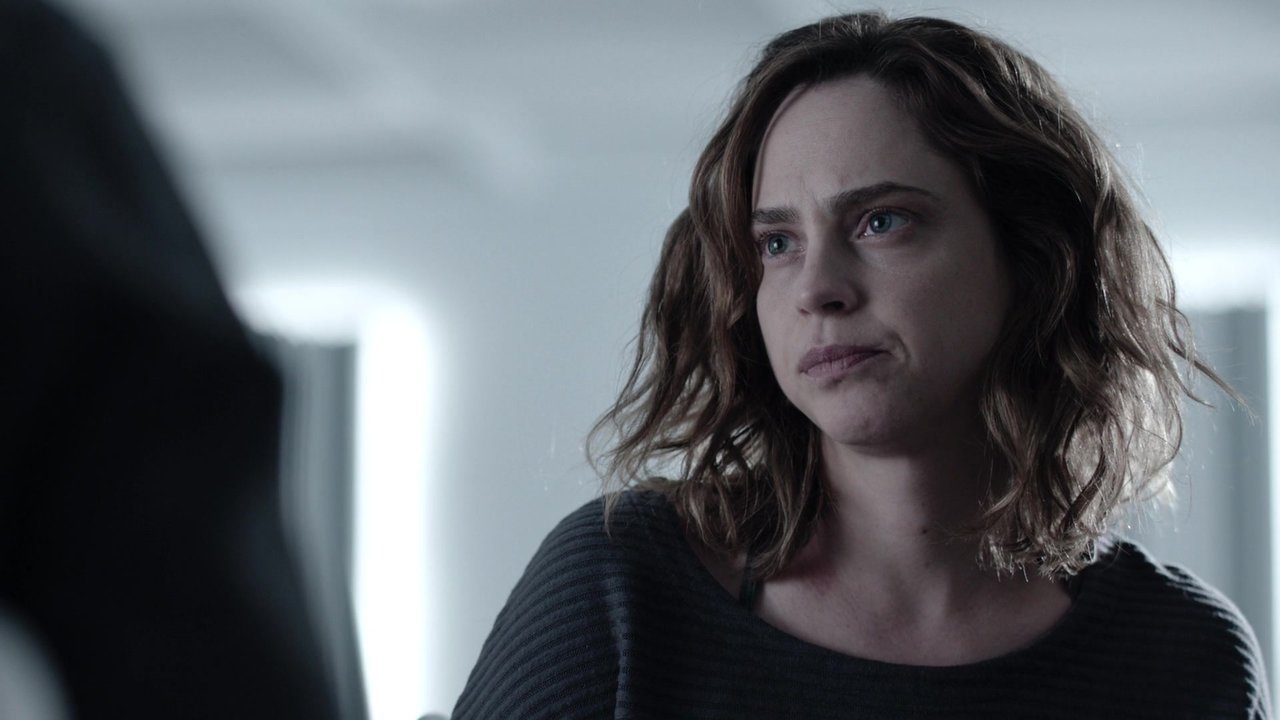
Fiona Dourif’s performance provides the film with its principal emotional continuity. Nica has endured both the physical consequences of Chucky’s violence and the institutional conviction that her explanation is impossible. Dourif must convey uncertainty while remaining alert to threats that the surrounding characters refuse to recognize. In a 2017 interview with Horror Cult Films, she described the unsettling experience of acting against an animatronic figure speaking with her father Brad Dourif’s recorded voice. The familiarity of that voice made the confrontations personally disturbing rather than merely technically unusual. Her account also emphasizes the value of a tangible puppet that performers can observe and react to during filming.

Brad Dourif’s vocal performance retains Chucky’s aggressive humor, while Jennifer Tilly supplies a contrasting theatrical presence as Tiffany. Mancini explained that he moderated aspects of Tiffany’s presentation so that her scenes could coexist with Nica’s more naturalistic distress. He wanted the characters to occupy the same narrative without allowing comic exaggeration to eliminate the seriousness of the protagonist’s experience. The contrast extends to Andy, whose hardened behavior reflects decades of confronting an enemy that other people have difficulty believing exists. The returning performers allow the film to explore the accumulated consequences of the franchise’s earlier events.

Joseph LoDuca composed the score after previously working with Mancini on Curse of Chucky. In a 2021 interview with film-music historian Randall D. Larson, he explained that the different environments of the two productions informed their musical approaches. The isolated house in Curse had encouraged comparatively traditional orchestral horror writing. For Cult of Chucky, the sterile psychiatric institution and its snowbound surroundings suggested a more electronic sound, developed through layered textures and contrasting timbres. LoDuca retained his freedom to create music suited to the individual film rather than reproduce the scores of earlier installments. Back Lot Music released the soundtrack digitally on 29 September 2017.
Release, Reception & Narrative Continuation

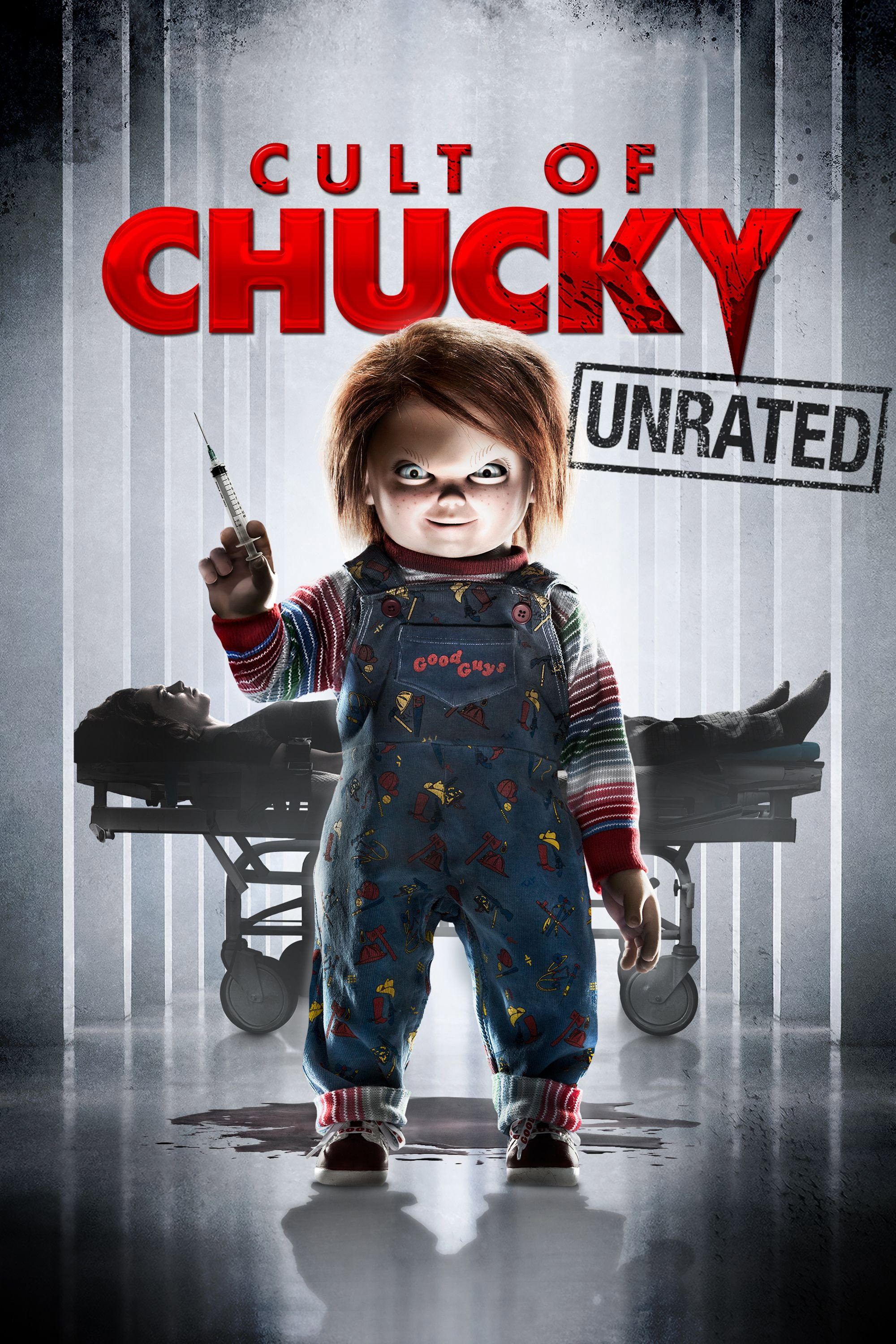
Cult of Chucky premiered at FrightFest in London on 24 August 2017, before reaching American audiences through Universal Pictures Home Entertainment on 3 October. The United States release included Blu-ray, DVD, digital and on-demand distribution, reflecting the home-entertainment strategy also used for Curse of Chucky. Universal issued an unrated presentation alongside the R-rated version. The Motion Picture Association classified the theatrical-rated version R for strong horror violence, grisly imagery, language, brief sexuality and drug use. The existence of separately identified rated and unrated editions is documented by the distributor, although their availability should not be mistaken for evidence of a conventional nationwide American theatrical release.

The initial critical response was generally favorable among specialist reviewers, particularly those assessing the film as a continuation of Mancini’s established series. Martyn Conterio, reviewing it for CineVue during FrightFest, praised Jennifer Tilly’s performance and the inventive use of thriller techniques while acknowledging the extravagance of its plotting. Benedict Seal, writing for Bloody Disgusting at the same festival, emphasized the treatment of the psychiatric setting and the film’s willingness to expand the mythology. Other reviewers questioned the plausibility of its new supernatural rules and the limited narrative function assigned to Andy. The disagreement concerned whether the increasingly elaborate continuity strengthened the characters or made the story unnecessarily complicated.

The film’s position within the franchise became clearer with the introduction of the Chucky television series in 2021. That continuation retained the narrative developments involving multiple vessels, Nica, Andy and Tiffany rather than replacing them with an independent account of the killer. Cult of Chucky therefore occupies a transitional position between the relatively concentrated Gothic suspense of Curse of Chucky and the wider network of characters and supernatural conflicts subsequently developed for television. Its principal contribution lies in extending the possession mechanism and using the psychiatric setting to connect uncertainty about perception with the established slasher mythology.

References

  1. /Film Child’s Play Creator Don Mancini Talks Cult of Chucky and Chucky in the Age of Annabelle

    Original 2017 interview examining the screenplay, continued franchise mythology, Andy Barclay, deleted references and the intended balance of psychological horror and comedy.

  2. ComingSoon Interview: Tony Gardner Talks Cult of Chucky FX

    Direct interview with the animatronics supervisor documenting multiple Chucky puppets, their redesigned proportions, effects planning and the division of practical-effects responsibilities.
  3. Horror Cult Films HCF Exclusive Interview: Don Mancini, Fiona Dourif and Jennifer Tilly on Cult of Chucky
    Contemporary interviews on the asylum setting, the performances, Nica’s relationship with Chucky and the use of physical animatronics.

  4. Musique Fantastique Can Chucky Be Stopped? — Joseph LoDuca Interview

    Original interview with the composer explaining the electronic textures, changes from the preceding film and musical response to the sterile psychiatric environment.

  5. CineVue FrightFest 2017: Cult of Chucky Review

    Martyn Conterio’s contemporary festival review discussing visual style, split-screen techniques, performances, graphic violence and the film’s position within the series.
Connections

Cast

View Full Cast & Crew →

Release & Distribution

Production Companies (2)

  • David Kirschner Productions US
  • Universal 1440 Entertainment US

Distributors (1)

  • Universal Studios Home Entertainment US

Release History (26)

Release DateTerritoryRelease TypeFormatDistributorCertificationNotes
2017-08-24 United Kingdom Premiere — — — FrightFest
2017-09-22 France Digital — — 16 VOD
2017-09-23 United Kingdom Physical DVD, Blu-ray — 18 DVD / Blu-ray
2017-10-03 Australia Digital — — R 18+
2017-10-03 Canada Physical — — 18A
2017-10-03 Singapore Physical — — R21
2017-10-03 United States Digital — — R
2017-10-03 United States Physical DVD, Blu-ray — R DVD / Blu-ray
2017-10-12 Finland Physical — — K-18
2017-10-12 Mexico Theatrical — — B15
2017-10-12 Romania Theatrical — — 18+
2017-10-12 Sweden Physical — — 15
2017-10-14 Spain Premiere — — — Sitges Film Festival
2017-10-18 Netherlands Physical DVD, Blu-ray — 16 DVD / Blu-ray
2017-10-20 Argentina Theatrical — — +18
2017-10-23 United Kingdom Digital — — 18
2017-10-23 Ireland Digital — — 18
2017-10-26 Brazil Physical — — 18
2017-11-01 Spain Physical DVD, Blu-ray — 18 DVD / Blu-ray
2017-11-02 New Zealand Theatrical — — R18
2017-11-08 Japan Digital — — R18+
2017-11-09 Germany Physical DVD, Blu-ray — 18 DVD / Blu-ray
2017-11-24 France Physical DVD, Blu-ray — — DVD / Blu-ray
2022-11-16 Netherlands Digital — — 16 Netflix
2023-07-01 Israel Digital — — 18 Netflix
2026-08-01 United States Digital — — R Netflix
You may feel a little prick.