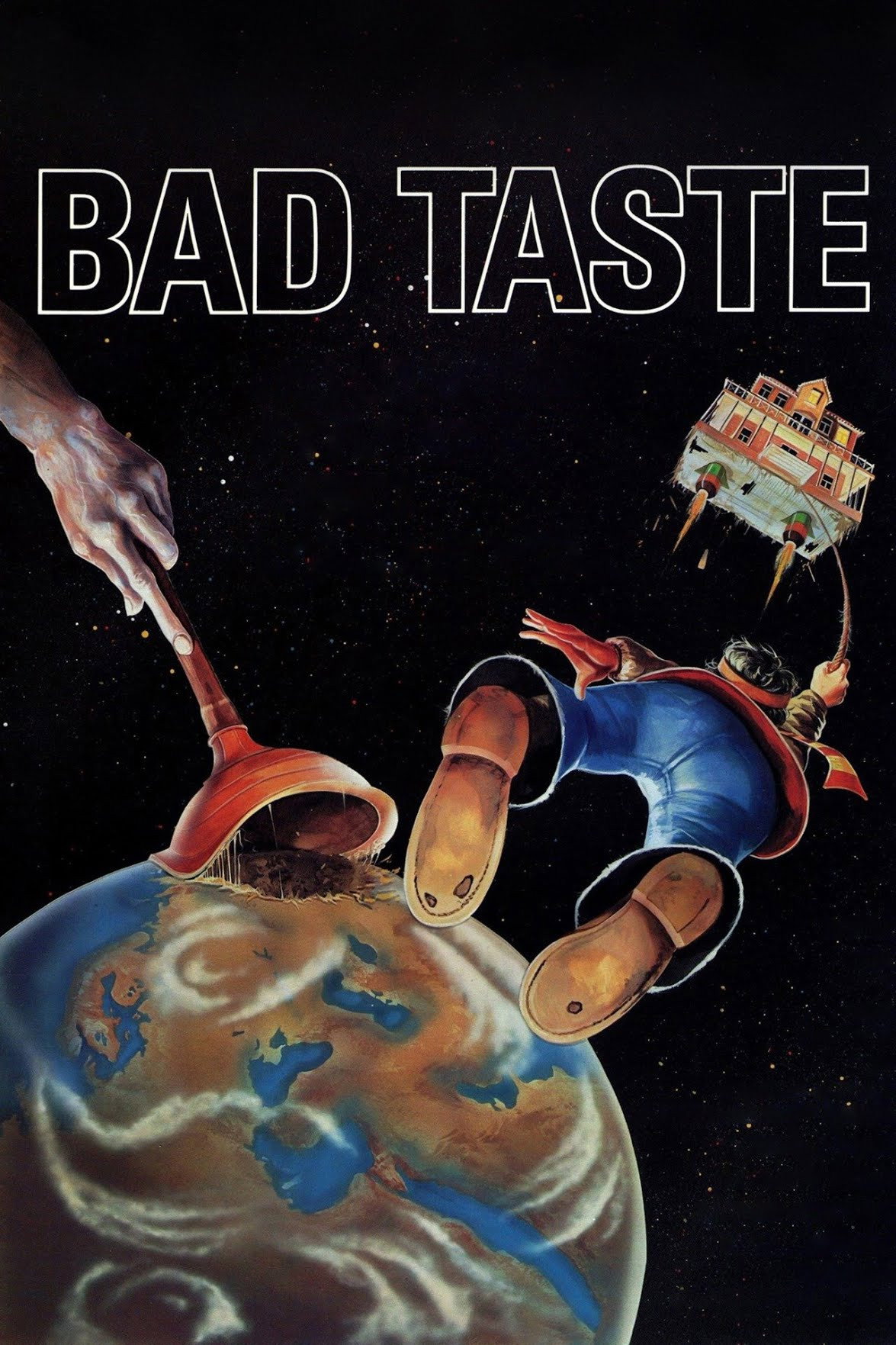
Bad Taste (1987)

NZ
SUBGENRES SPLATTER
8.0/10 1 votes
Runtime
92 min
Release
December 1, 1987
Budget
$25,710
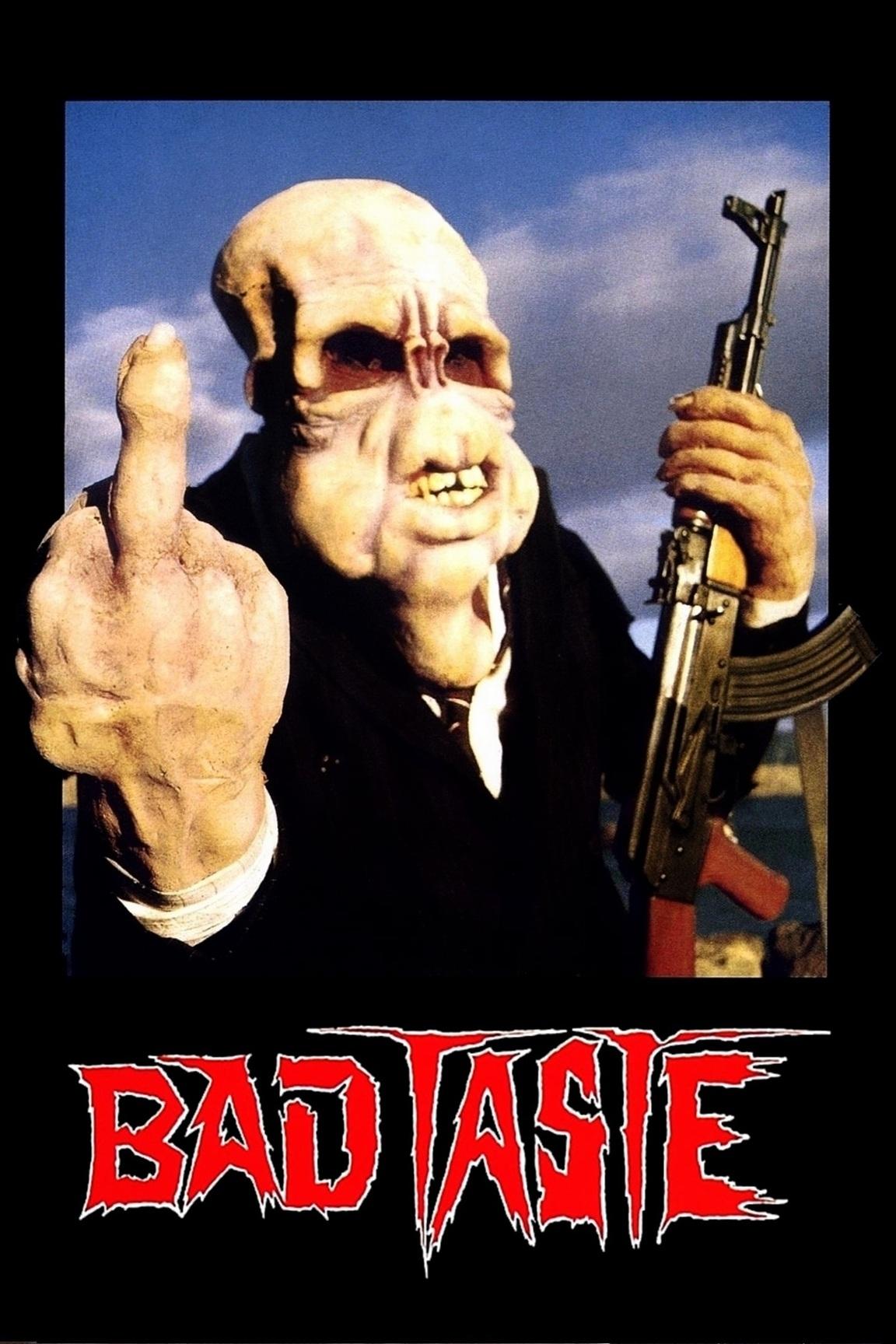
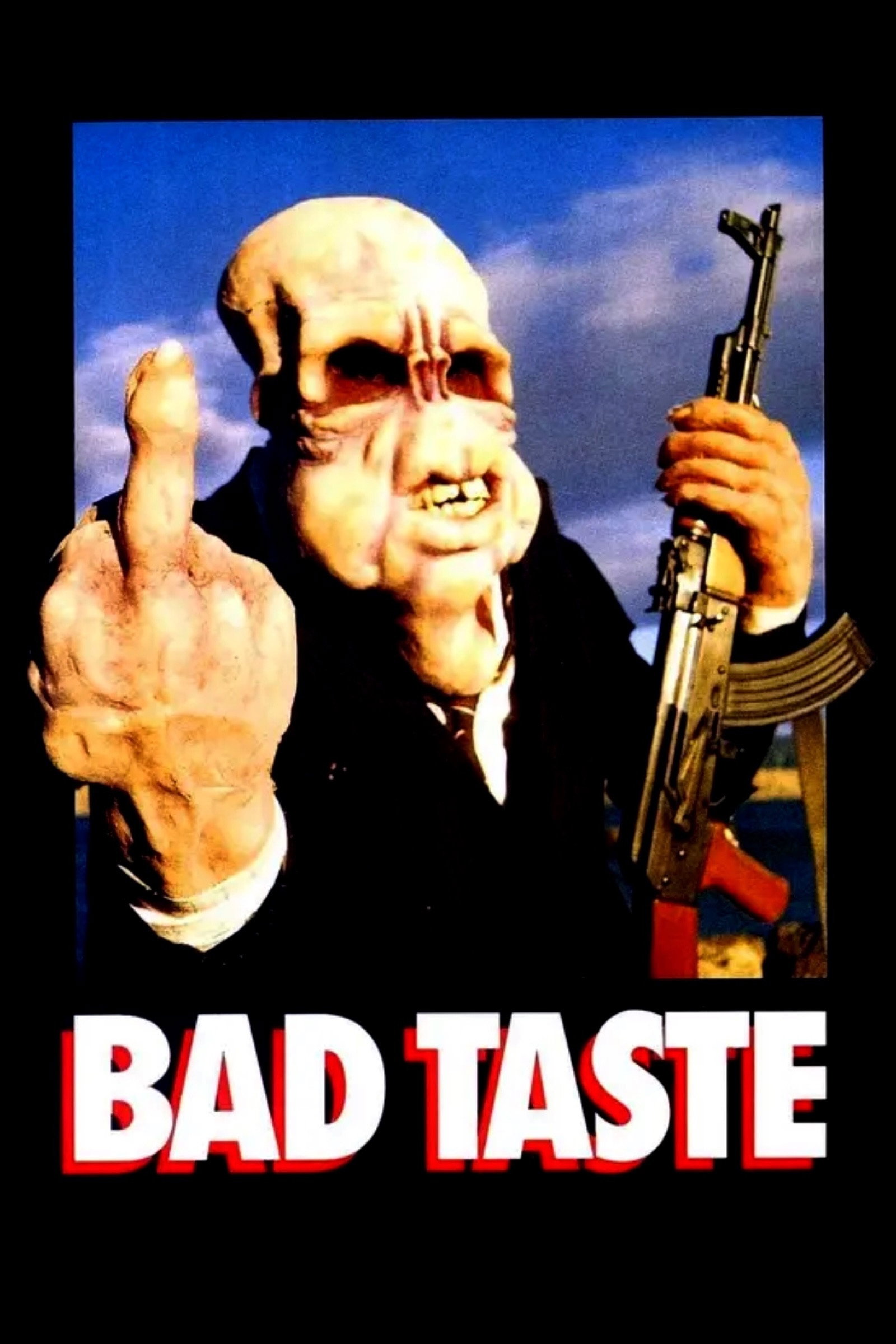
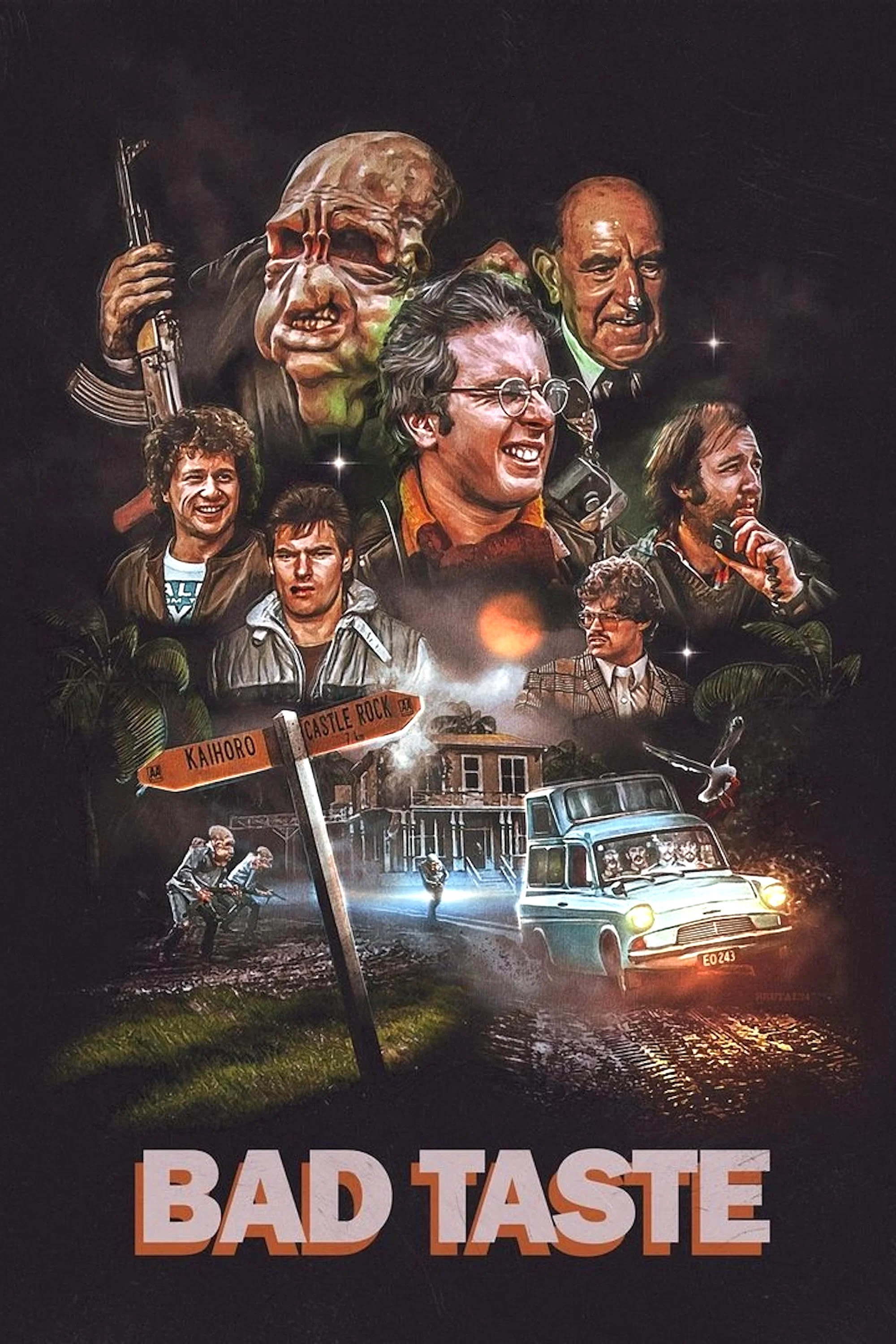
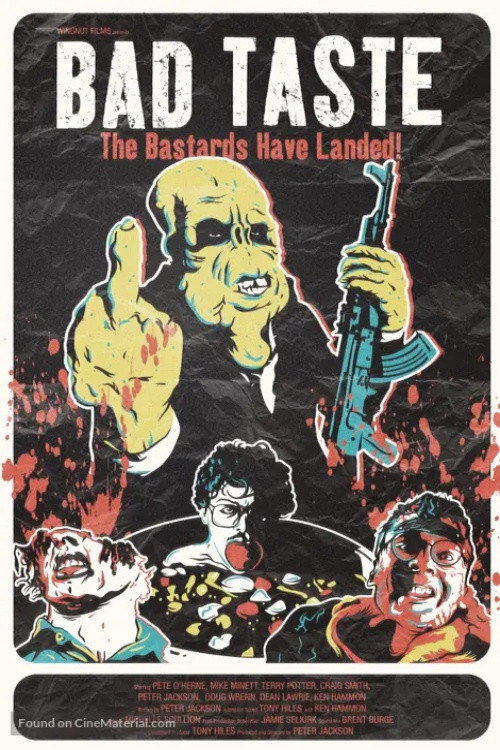
Bad Taste (1987) poster
Director
Plot

A team from the intergalactic fast food chain Crumb's Crunchy Delights descends on Earth, planning to make human flesh the newest taste sensation. After they wipe out the New Zealand town Kaihoro, the country’s Astro-Investigation and Defense Service (AIaDS) is called in to deal with the problem. Things are complicated due to Giles, an aid worker who comes to Kaihoro the same day to collect change from the residents. He is captured by the aliens, and AIaDS stages a rescue mission that quickly becomes an all-out assault on the aliens’ headquarters.

Alternative Titles
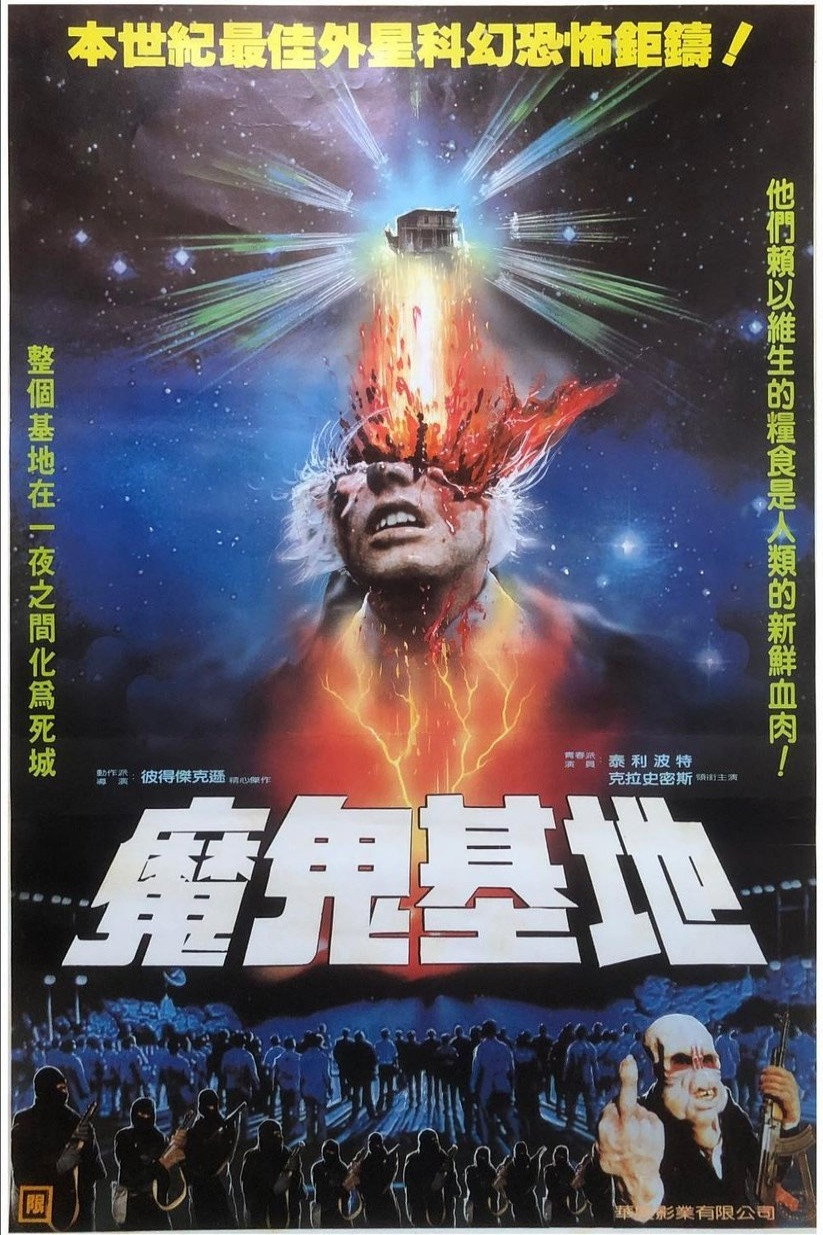
Trash - Náusea Total (Brazil) Dans l'cul (Canada) — French 坏品位 (China) — Chinese Bad Taste – Vesmírní kanibalové (Czechia) — Czech Vesmírní kanibalové (Czechia) Mal gusto (Spain) — Spanish 宇宙怪客 (Hong Kong SAR China) — Chinese Izlésficam (Hungary) — Hungarian
Show all 20 alternative titles טעם רע (Israel) — Hebrew Bad Taste - Fuori di testa (Italy) — Italian Fuori di testa (Italy) バッド・テイスト (Japan) 고무인간의 최후 (South Korea) — Korean Zły Smak (Poland) — Polish Carne Humana Precisa-se (Portugal) — Portuguese Инопланетное рагу (Russia) — Russian Vesmírni kanibali (Slovakia) — Slovak แบดเทสต์ (Thailand) — Thai 宇宙怪客 (Taiwan) — Chinese Поганий смак (Ukraine)

Trailers & Videos

2 videos

Film Guide & Analysis

An in-depth look at the four-year DIY production, homemade equipment, practical gore, New Zealand Film Commission support, international breakthrough and legacy of Bad Taste (1987).

Bad Taste is Peter Jackson's 1987 feature debut and one of the clearest examples of a film whose limitations became part of its creative identity. Set around the fictional New Zealand town of Kaihoro, it follows a small government unit investigating the disappearance of the local population, only to discover that extraterrestrials are harvesting human beings as raw material for an intergalactic fast-food business. The premise provides little interest in conventional science-fiction world-building. Instead, Jackson uses alien invasion as a framework for gunfire, dismemberment, exploding bodies, vomit, exposed brains and increasingly elaborate physical gags.

The film began on a scale far smaller than the feature that eventually reached cinemas. Jackson initially conceived the project as a short called Roast of the Day and financed the early shooting from his own wages. Production then continued largely on weekends over approximately four years, with friends taking acting and technical roles and Jackson himself working across direction, photography, effects, editing and performance. The resulting film is important not merely as the primitive starting point of a filmmaker who later moved into enormous studio productions. Its handmade effects, elastic relationship with conventional filmmaking technique and fusion of slapstick with explicit gore already establish ideas Jackson would develop further in Meet the Feebles and Braindead.

From Roast of the Day to a Feature Film

The project that became Bad Taste began as an approximately twenty-minute short titled Roast of the Day. Jackson was working as a photo-engraver at Wellington newspaper The Evening Post and initially funded the production from his earnings. There was no conventional feature-film infrastructure surrounding the project. Instead, Jackson and a small group of friends filmed during their free time, gradually accumulating enough material for the idea to grow beyond its original dimensions.

The expansion occurred organically rather than through a fully financed feature development process. As new scenes and effects were attempted, the story became larger. The original idea of an unfortunate visitor encountering something terrible in a small town developed into an alien-invasion narrative involving the Astro Investigation and Defence Service, a collection of armed agents and an extraterrestrial organisation preparing human flesh for commercial consumption.

Filming primarily took place during weekends because the people involved had ordinary jobs and other commitments. Tony Hiles, who later helped bring the production to completion, recalled that the schedule even had to accommodate the actors' football matches. That irregular production pattern helps explain the approximately four years required to complete the film, but it also gave Jackson time to experiment. Equipment could be redesigned, effects rebuilt and new ideas introduced without the rigid schedule of a professional production.

Jackson also performed two characters, Derek and the alien Robert. The dual role was partly consistent with the film's small available cast, but it became another demonstration of the production's economy: the same people repeatedly moved between positions in front of and behind the camera. The film converts them into part of its anarchic tone.

A Crew of Friends & DIY Filmmaking

The early production operated with a group of approximately seven people performing multiple jobs. Actors also recorded sound, operated cameras, carried equipment and helped create physical effects. Jackson produced and directed while shooting much of the footage himself. The conventional separation between departments that defines professional film production barely existed.

The camera was an old 16mm Bolex, approximately twenty-five years old by the time Jackson used it for the film. Equipment that the production could not afford was frequently improvised. Jackson constructed his own camera-support equipment, including a homemade Steadicam-style rig, allowing him to attempt moving shots without access to the professional systems available on larger productions.

This resourcefulness extended through virtually every aspect of filming. Weapons were fabricated from inexpensive materials such as aluminium tubing, while actors physically shook the guns during firing so that muzzle flashes and sound effects added later would appear more convincing. The result was not technical realism in the conventional sense. The objective was to create enough physical information in front of the camera that post-production could complete the illusion.

Locations around Wellington and Jackson's home area supplied the production with landscapes that required little construction. Coastal roads, hills and rural surroundings become the apparently abandoned territory around Kaihoro. The visual contrast is central to the comedy: spectacularly messy alien violence takes place within recognisably quiet New Zealand scenery rather than the urban environments more commonly associated with invasion cinema.

The process is documented unusually well because Tony Hiles later made Good Taste Made Bad Taste, a behind-the-scenes film centred on an interview with the twenty-five-year-old Jackson. It preserves the homemade production methods not as retrospective legend from decades later but while the first film was still entering international circulation.

Handmade Creatures, Gore & Special Effects

Jackson devised much of the film's physical-effects work himself. The alien masks were created through inexpensive home methods, with masks famously baked in his mother's oven. Prosthetics, artificial heads, fake blood and mechanical gags had to be developed without a professional effects facility, forcing solutions based on materials that were readily obtainable.

The lack of money did not lead Jackson to minimise the gore. It had almost the opposite effect. Because physical effects were one of the areas in which ingenuity could substitute for production value, the film continually creates opportunities for bodies to rupture, explode or come apart. Violence becomes both horror imagery and evidence of the filmmakers solving another practical problem.

Derek's head injury is the most sustained example. After falling from a cliff, he repeatedly attempts to prevent pieces of his own brain from escaping through the damaged back of his skull. The joke depends on the grotesque effect remaining physically visible while Derek treats the situation as an inconvenience. Jackson therefore combines an explicitly gory prosthetic with the rhythm of physical comedy.

The film continues escalating that principle. Bodies are shot apart, skulls open, internal organs appear and alien characters produce large quantities of green vomit. One of the most memorable effects involves a sheep destroyed by a rocket launcher, a sequence that became emblematic of Jackson's willingness to turn an ordinary element of the New Zealand landscape into the setup for excessive splatter comedy.

This combination eventually became closely associated with the term “splatstick”: gore staged according to the mechanics of slapstick. Injury does not necessarily stop a gag; the injury is often the gag. That distinction separates Bad Taste from horror films in which graphic effects primarily exist to demonstrate suffering. Jackson repeatedly pushes bodily destruction beyond plausibility until the excess itself becomes comic.

Horror, Science Fiction & Splatstick

The extraterrestrial premise allows Jackson to move freely between science-fiction parody and splatter. Lord Crumb and his followers have not travelled to Earth for conquest in the traditional sense. They have identified humanity as a potential food product for an alien restaurant business. The extinction of a town is therefore reduced to corporate food production, turning an invasion narrative into a deliberately crude commercial joke.

That idea determines much of the film's tone. Characters respond to extraordinary situations without the psychological realism that a serious alien-invasion story would demand. The government agents behave less like disciplined professionals than enthusiastic amateurs equipped with excessive firepower. Derek in particular survives injuries that should be fatal and returns to the fighting with increasing enthusiasm.

The violence is similarly detached from realistic consequence. Gore can be extensive without making the film emotionally oppressive because bodies function according to cartoon logic. The film does not ask the audience to believe that a person could realistically survive the damage shown. It establishes a world in which destruction can continue as long as the joke requires another escalation.
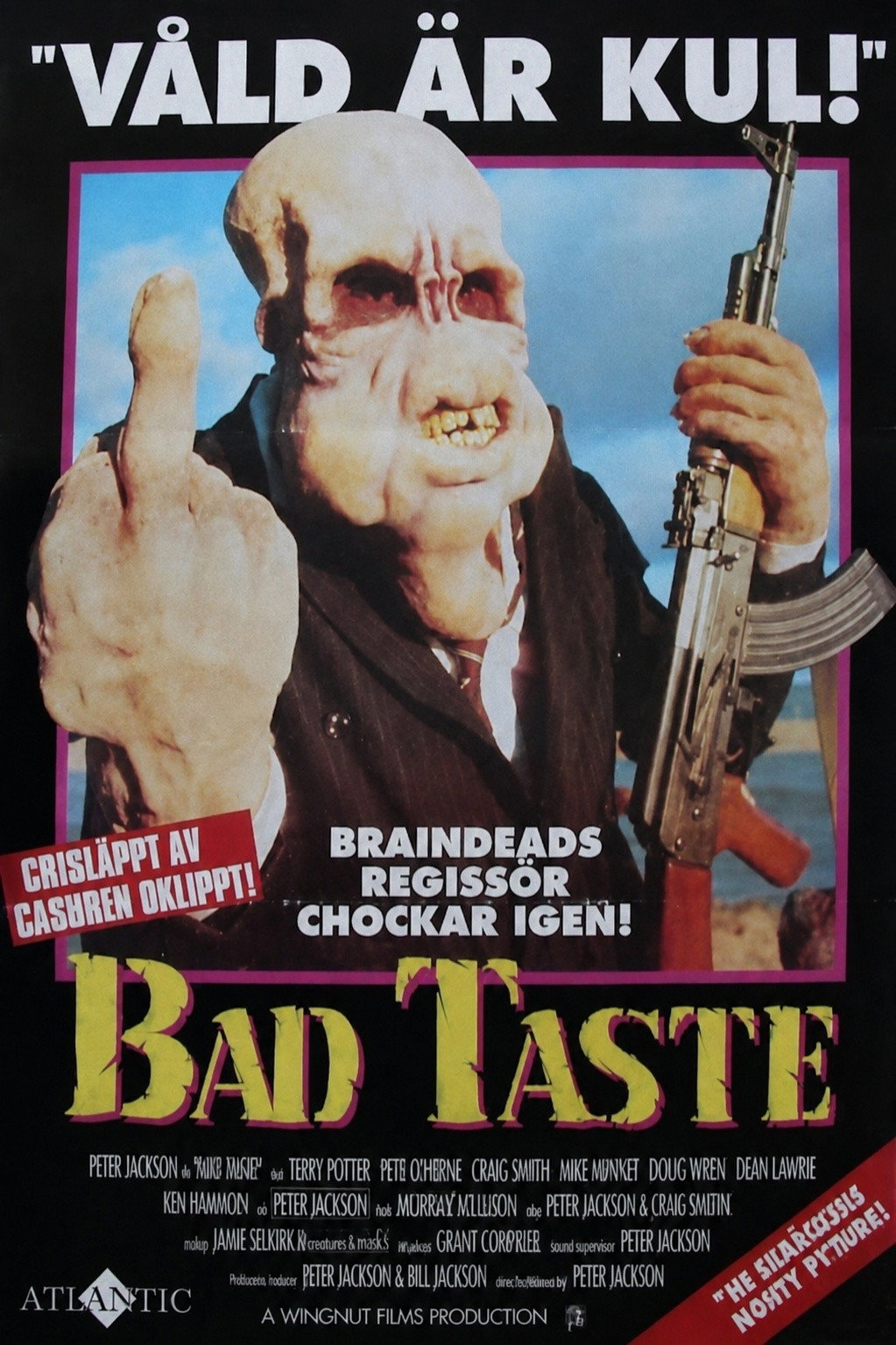
At the same time, the cheapness of the production prevents the parody from becoming visually slick. Spaceships, alien masks, weapons and effects retain visible evidence of construction. Instead of undermining the movie, that handmade quality becomes consistent with its humour. The film repeatedly invites the audience to recognise the ingenuity of an effect at the same moment that it asks them to enjoy the effect as part of the fiction.

This relationship between visible craft and grotesque comedy would become far more elaborate in Jackson's later early work. Meet the Feebles expanded the bad-taste humour into puppetry and musical satire, while Braindead pushed practical gore and slapstick destruction onto a substantially larger scale. Bad Taste already contains the basic grammar of both.

New Zealand Film Commission & Completion

After several years of self-financed production, completing the feature required resources beyond those available to Jackson and his friends. Tony Hiles was asked to examine the footage, and the New Zealand Film Commission subsequently brought him in to help Jackson finish the movie. Jim Booth, then associated with the Film Commission, became an important supporter of the project after Jackson repeatedly approached the organisation seeking assistance.

Hiles recalled that approximately NZ$25,000 had been spent during the first three years, largely from Jackson's own earnings. Completing the remaining photography and post-production ultimately cost more than those first years of shooting. The Film Commission's involvement therefore did not create Bad Taste from the beginning; it allowed a project that had already demonstrated its possibilities through years of independent work to be transformed into a finished feature suitable for professional distribution.

The transition is significant in Jackson's career because the film sits directly between amateur and professional production. Its basic aesthetic, performers and many of its techniques came from the self-financed period, while institutional support made completion and international exploitation possible. The finished film therefore retains the appearance of backyard filmmaking even though its final stages depended on the infrastructure of the New Zealand film industry.

Booth subsequently left the Film Commission and became closely involved with Jackson's career as a producer. The relationship that developed around the completion of Bad Taste therefore had consequences beyond the film itself, connecting Jackson's self-taught filmmaking to a professional production network that would support his next projects.

Release, Cannes Market & International Breakthrough

Bad Taste was completed as an 87-minute New Zealand feature in 1987 and entered domestic circulation late that year. Its unconventional mixture of gore, science fiction and comedy placed it far outside the respectable image often associated with publicly supported national cinema. The film received no major recognition at the New Zealand film awards, and members of the local television and film establishment openly questioned whether work of its kind deserved support.

International response proved more commercially useful. The film was taken to the Cannes market, where screenings attracted genre buyers. Tony Hiles later recalled that sales generated there recovered the production budget within approximately a week. The important distinction is that Bad Taste was being sold through the Cannes film market rather than competing for the Palme d'Or as an official festival selection.

That marketplace success transformed the practical meaning of the production. A film begun by friends during weekends in the Wellington area now had an international commercial life. Its gore and humour, which could appear incompatible with conventional ideas of New Zealand filmmaking, were precisely what made it distinctive to foreign horror distributors.

The film subsequently circulated widely through theatrical and home-video genre markets and developed a cult audience far removed from its original local production conditions. Jackson's association with excessive splatter became established internationally before he had made a second professional feature.

Legacy & the Beginning of Peter Jackson's Cinema

The most obvious legacy of Bad Taste is Peter Jackson's subsequent career, but treating the film merely as an amateur curiosity made by the future director of The Lord of the Rings obscures what was already present in 1987. Jackson demonstrates an ability to turn technical restrictions into visual ideas, to build sequences around effects he can physically achieve and to move rapidly between horror and comedy without requiring either genre to dominate completely.

The film also establishes his early fascination with practical illusion. Miniatures, prosthetics, homemade weapons, masks, camera rigs and editorial tricks are not secondary support for the story; they are among its principal creative attractions. The film continually asks what can be made visible with limited resources and then redesigns its action around the answer.

New Zealand screen history consequently treats Bad Taste as more than a strange prelude to later international success. The New Zealand Film Commission identifies it as Jackson's breakthrough feature, while contemporary accounts of the production describe it as a DIY film whose success launched his professional career and established the splatter-comedy approach he would continue developing.

Its importance within horror is similarly specific. Bad Taste did not invent splatter comedy, and its influence should not be exaggerated beyond the available evidence. What it demonstrates exceptionally clearly is how extreme practical gore could be created outside established effects industries and integrated into comedy through rhythm, performance and deliberate excess.

That DIY character remains the film's defining achievement. The four-year production converted weekends, friends, an ageing 16mm camera, improvised equipment and homemade effects into a commercially distributable feature. The later scale of Jackson's filmmaking changed almost beyond recognition, but Bad Taste already contains the underlying impulse: constructing an image first by determining how seemingly impossible spectacle might be physically manufactured.

Cast

View Full Cast & Crew →

Release & Distribution

Distributors (1)

  • Image Entertainment US

Release History (18)

Release DateTerritoryRelease TypeFormatDistributorCertificationNotes
1987-12-11 New Zealand Theatrical — — —
1988-08-24 France Theatrical — — 12
1988-09-30 Japan Theatrical — — R15+
1988-12-02 Spain Theatrical — — 18
1989-06-10 Italy Premiere — — 14+ Fantafestival
1989-06-21 United States Theatrical — — NR
1989-10-26 Italy Theatrical — — 14+
1989-12-08 Netherlands Theatrical — — 16
1990-02-09 Portugal Theatrical — — M/16 Fastasporto - Porto International Film Festival
1990-04-12 Australia Theatrical — — R 18+
1990-11-16 United Kingdom Theatrical — — 18
1991-07-31 Canada Theatrical — — —
1991-11-29 Finland Theatrical — — K-16
1991-12-20 South Korea Theatrical — — 18
1992-02-05 Brazil Theatrical — — 18
1993-11-05 Sweden Premiere — — 15
1993-11-19 Sweden Theatrical — — 15
1995-07-01 Czechia Physical — — —