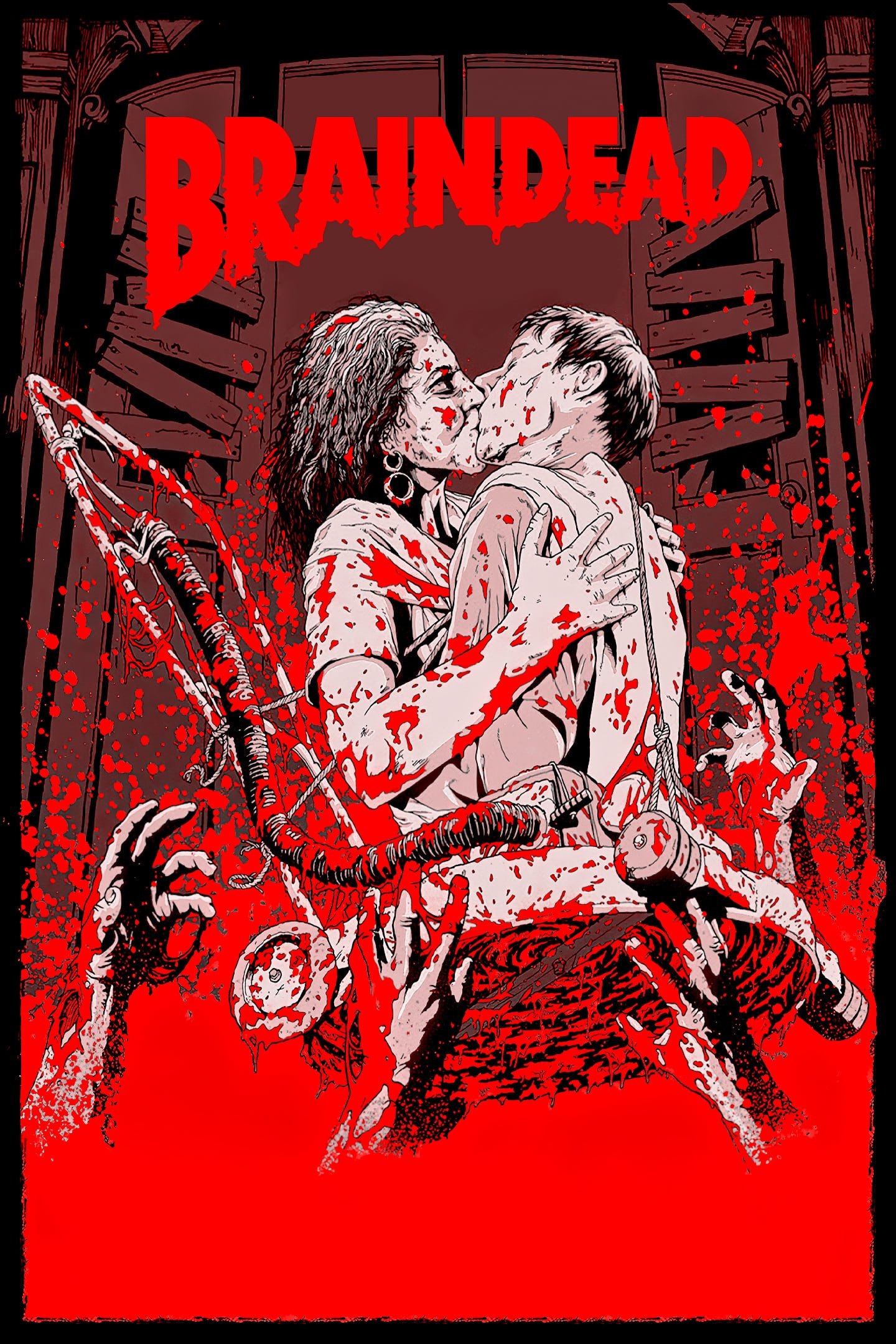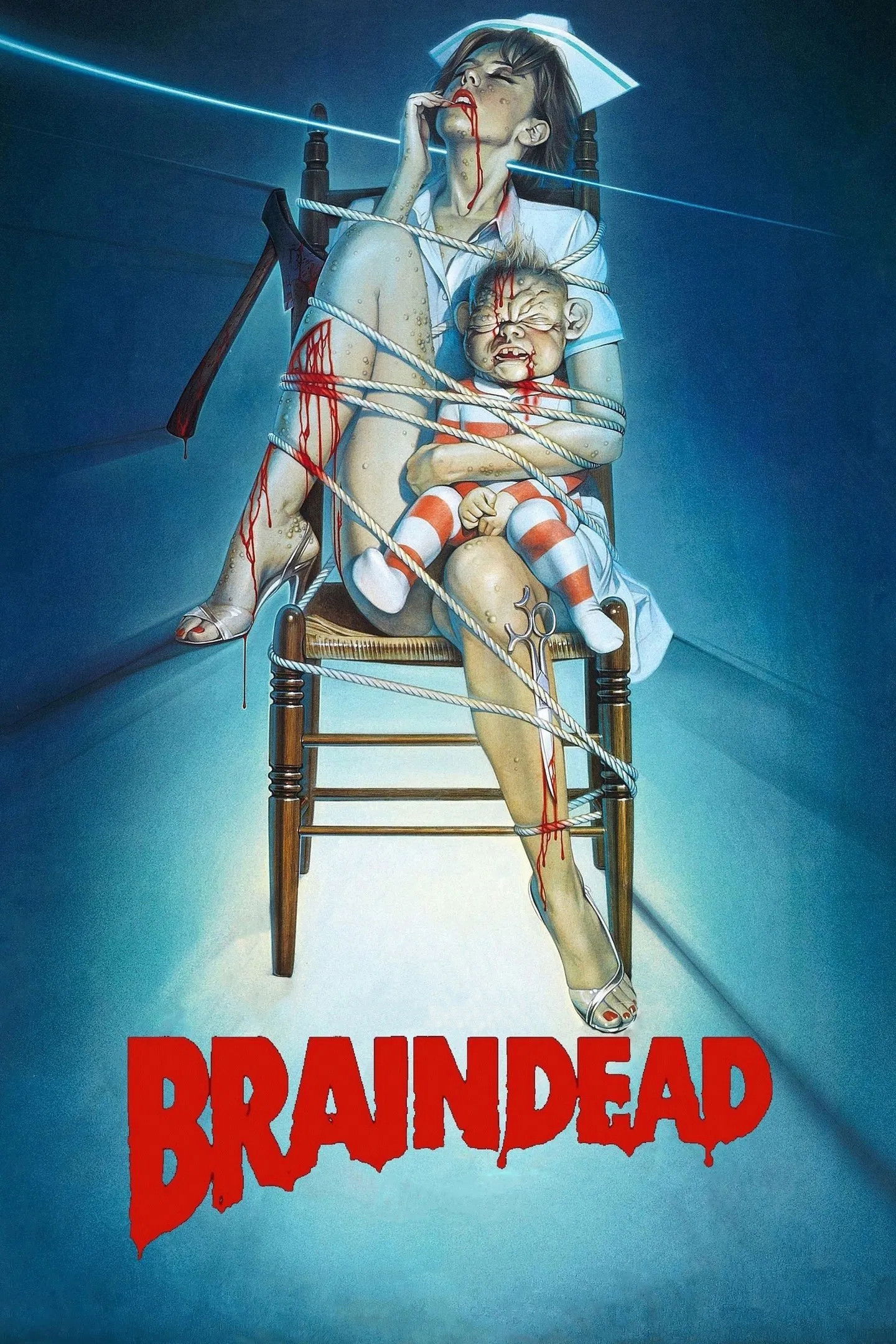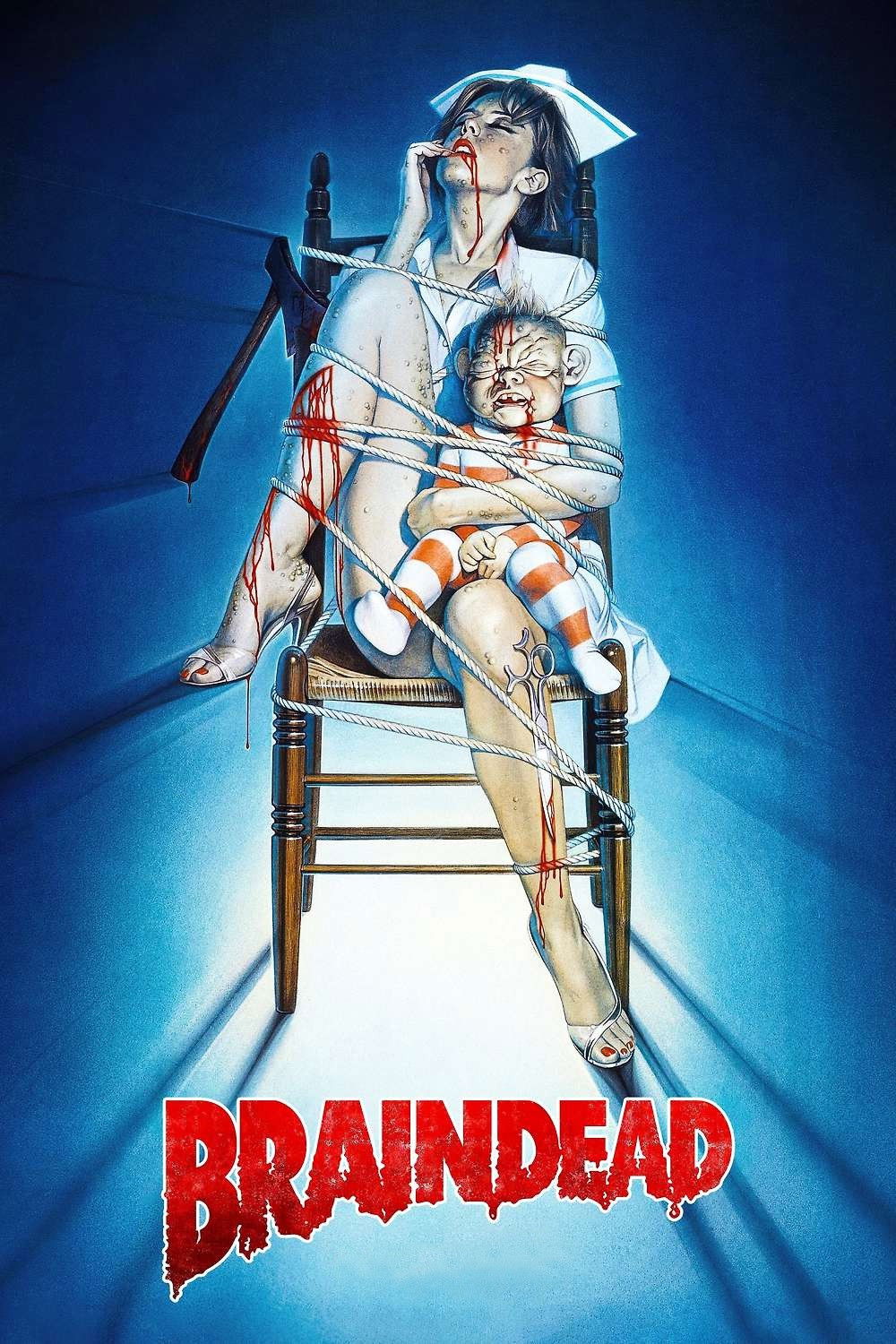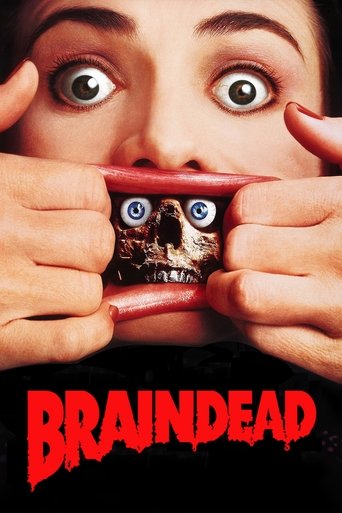

Development, Fran Walsh, Stephen Sinclair & a Delayed Zombie Film
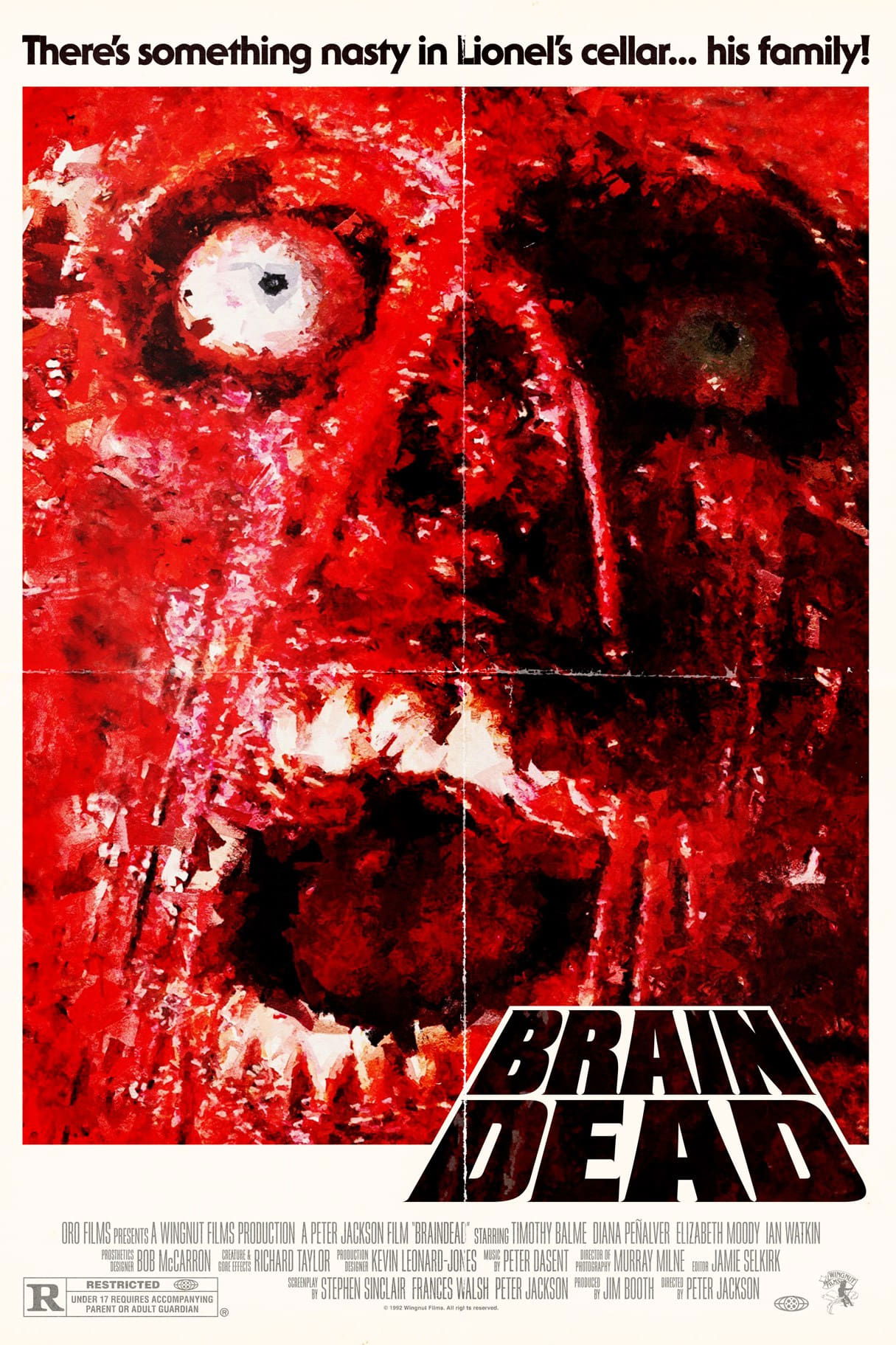
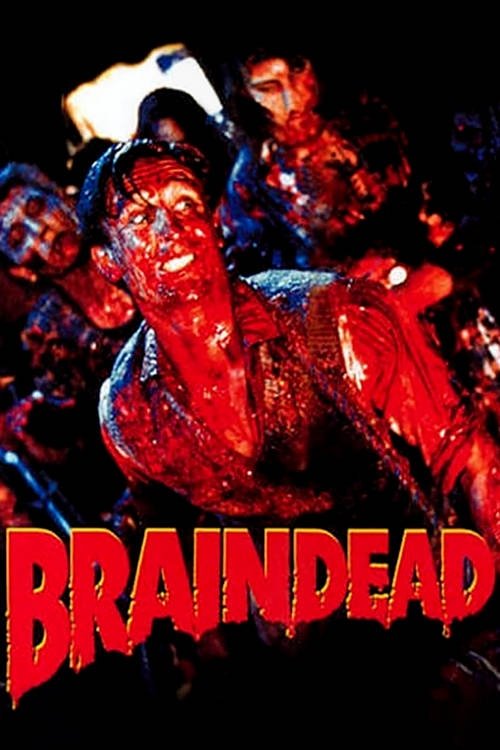
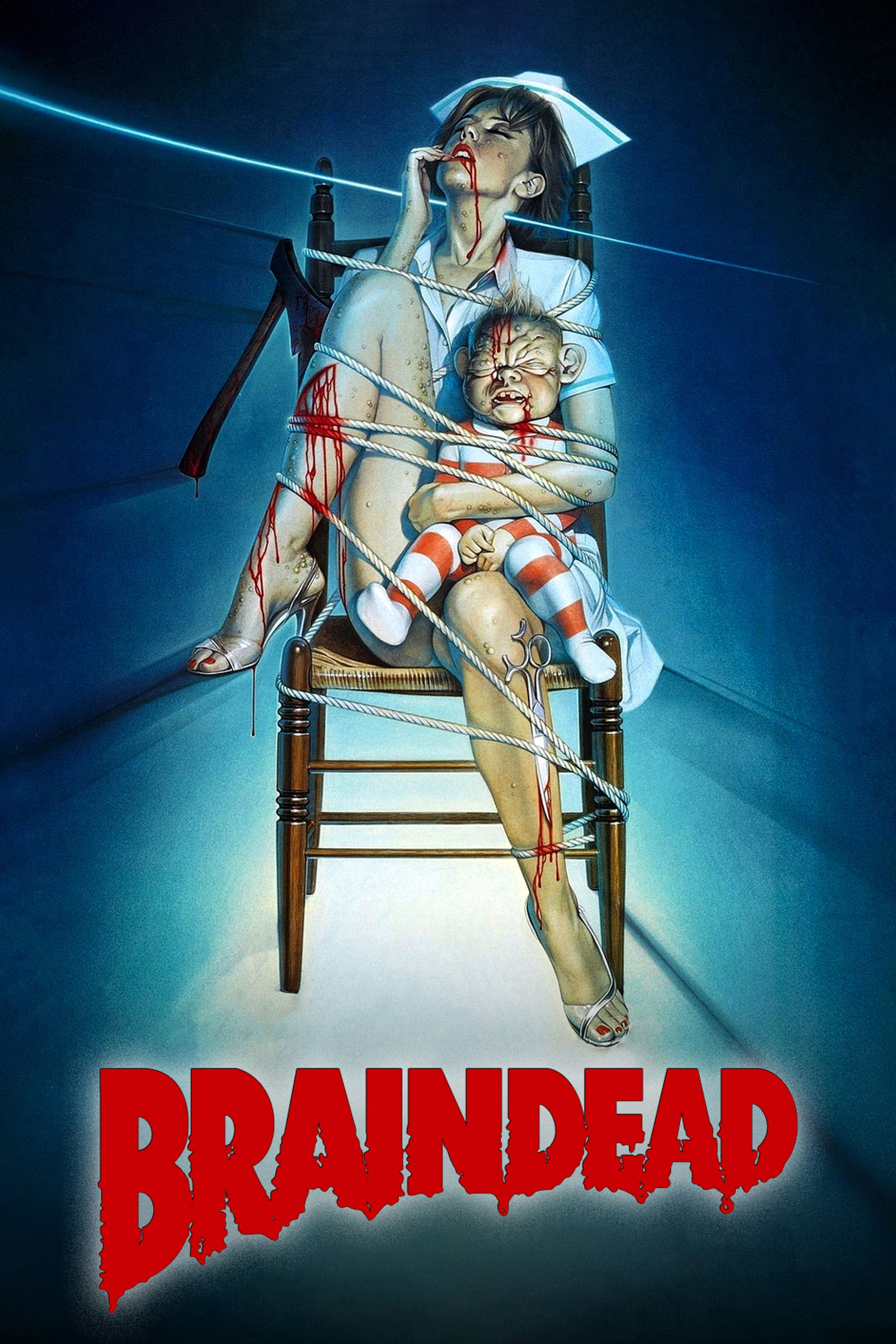
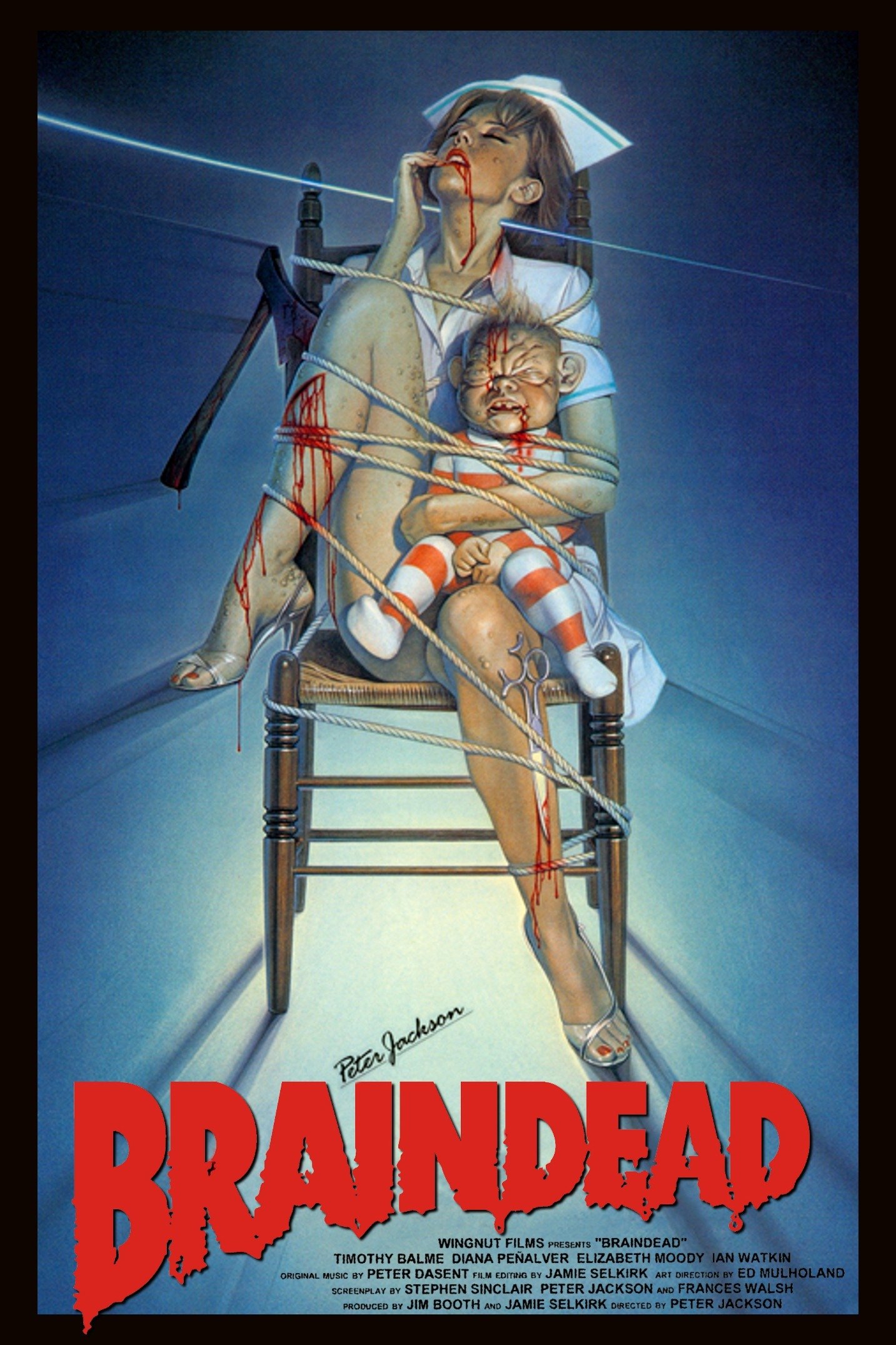
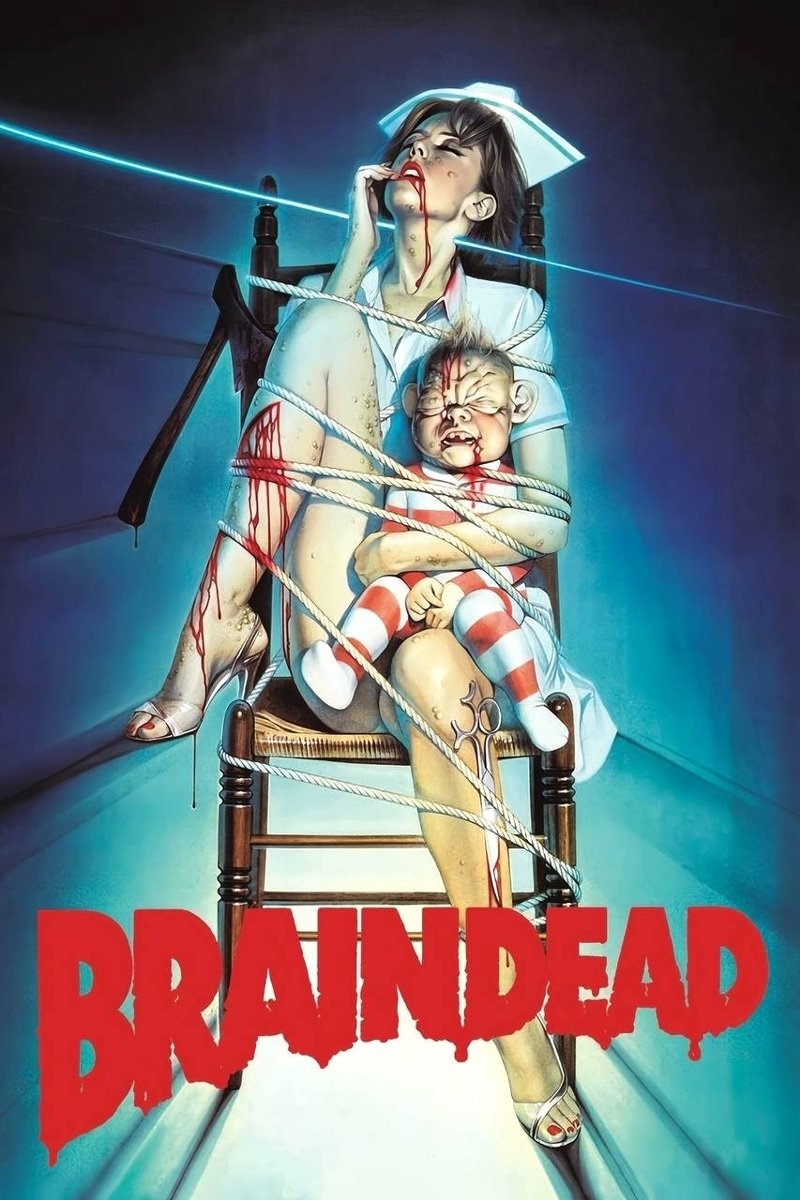
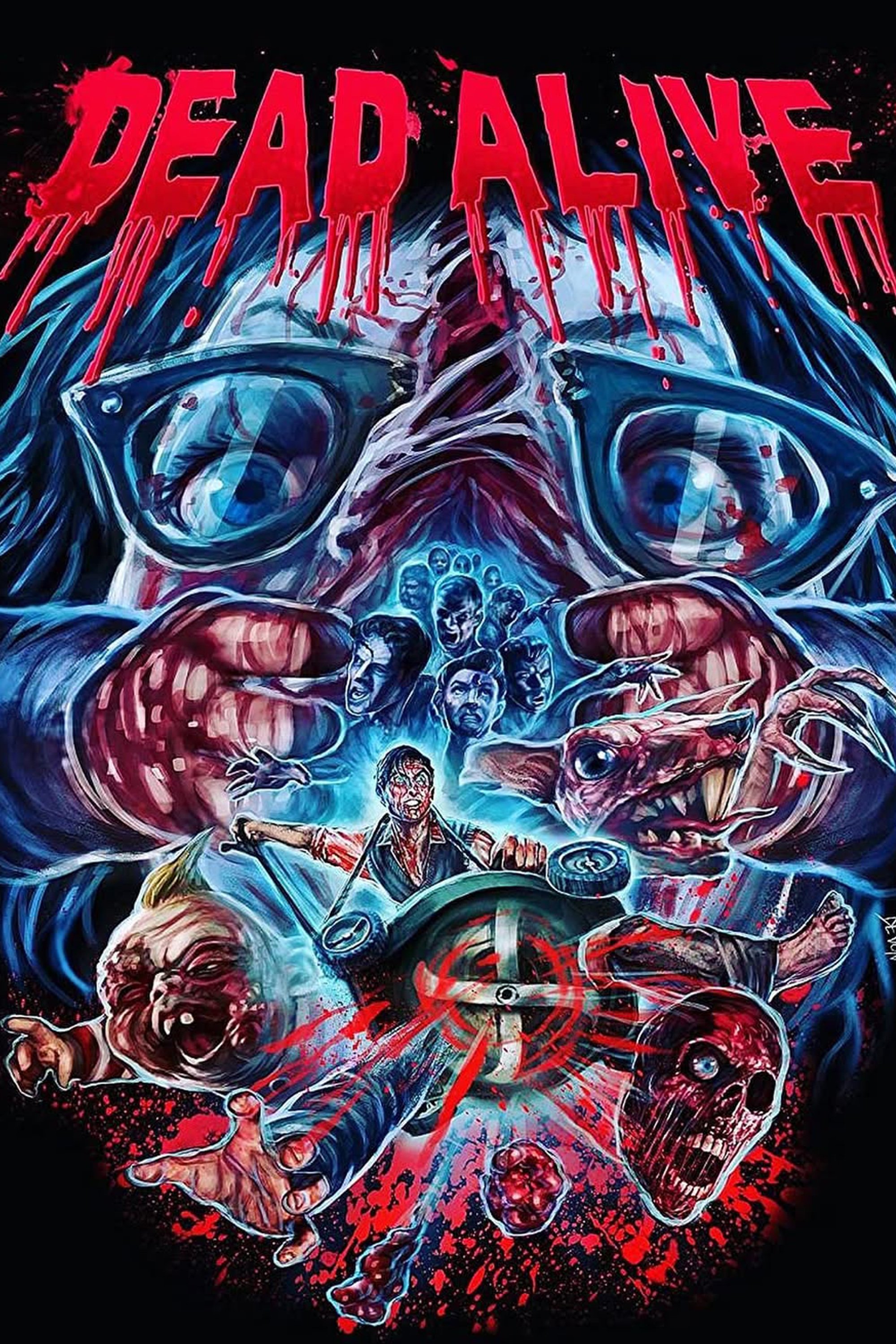
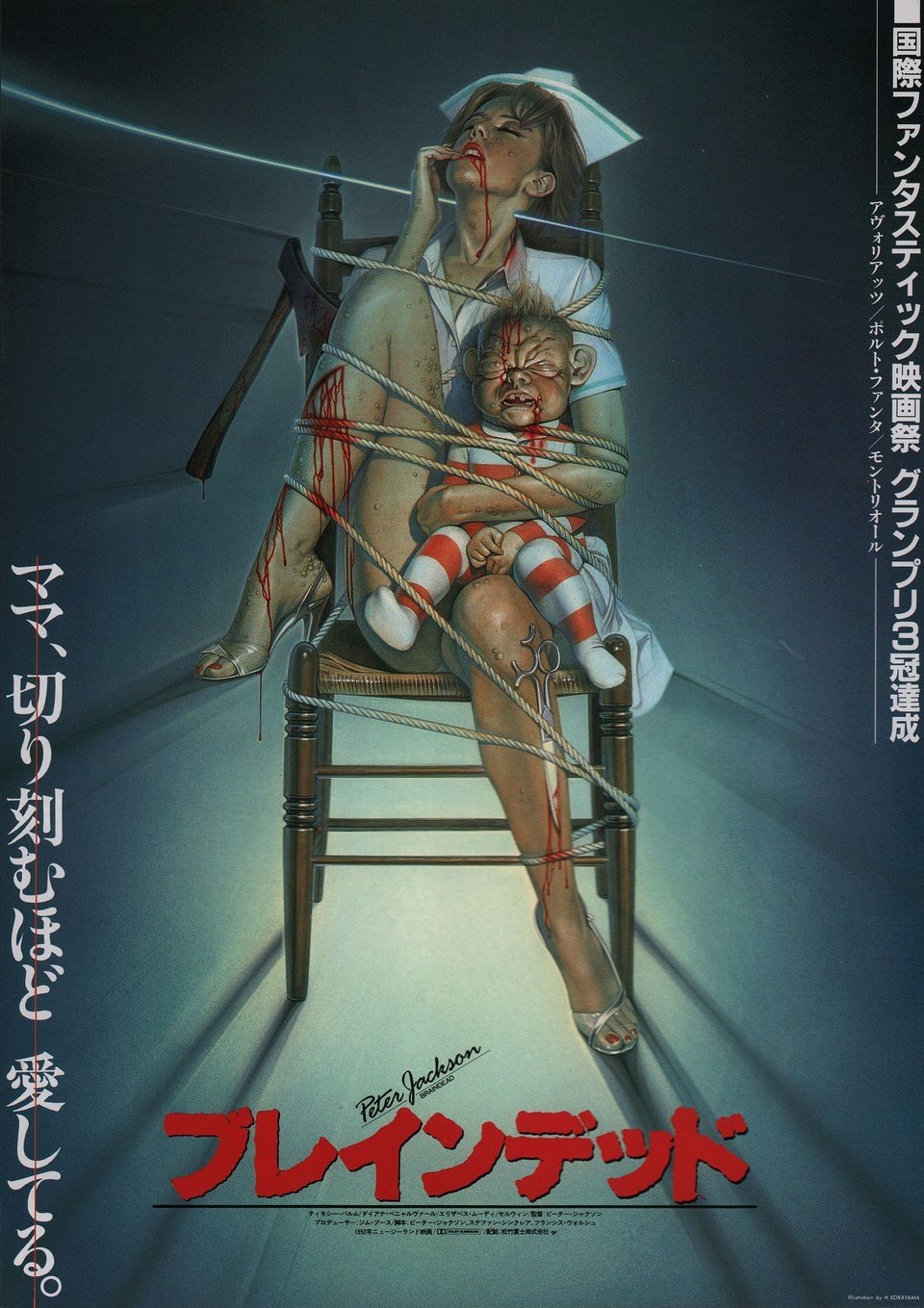
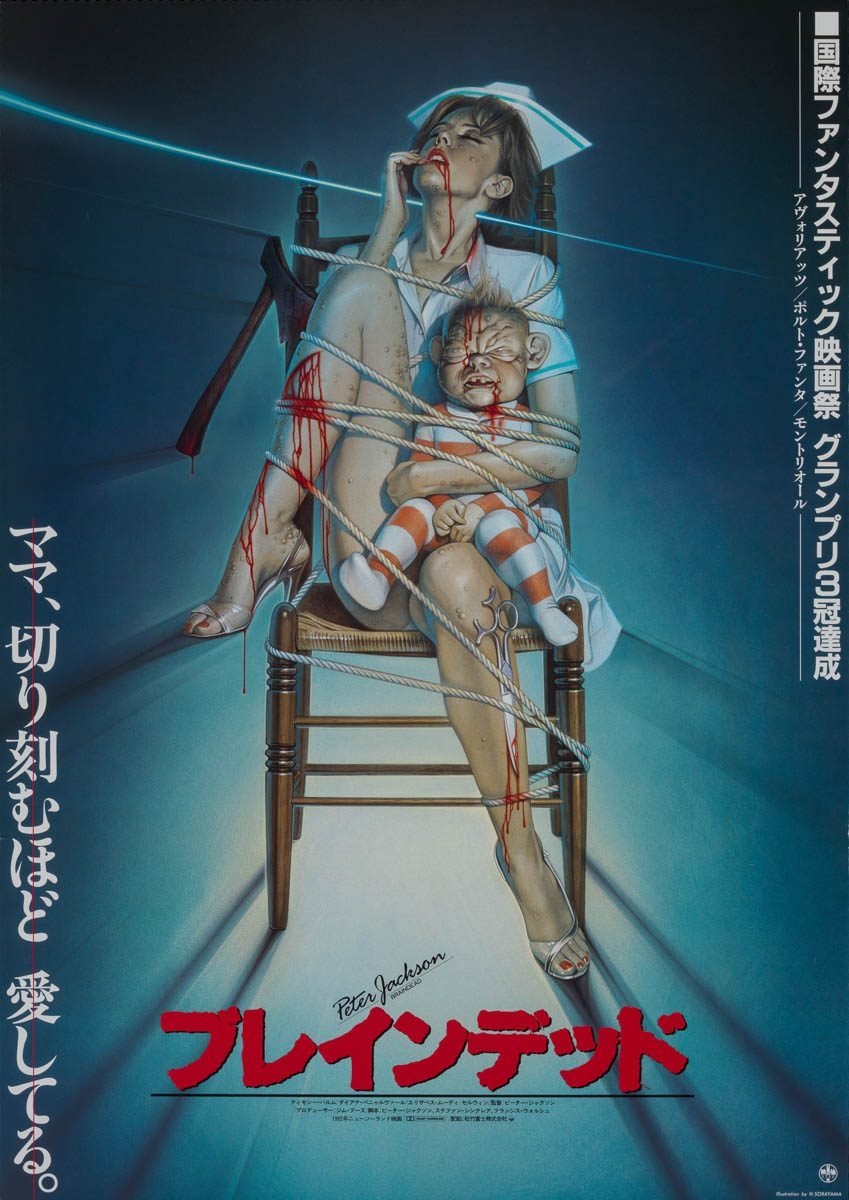
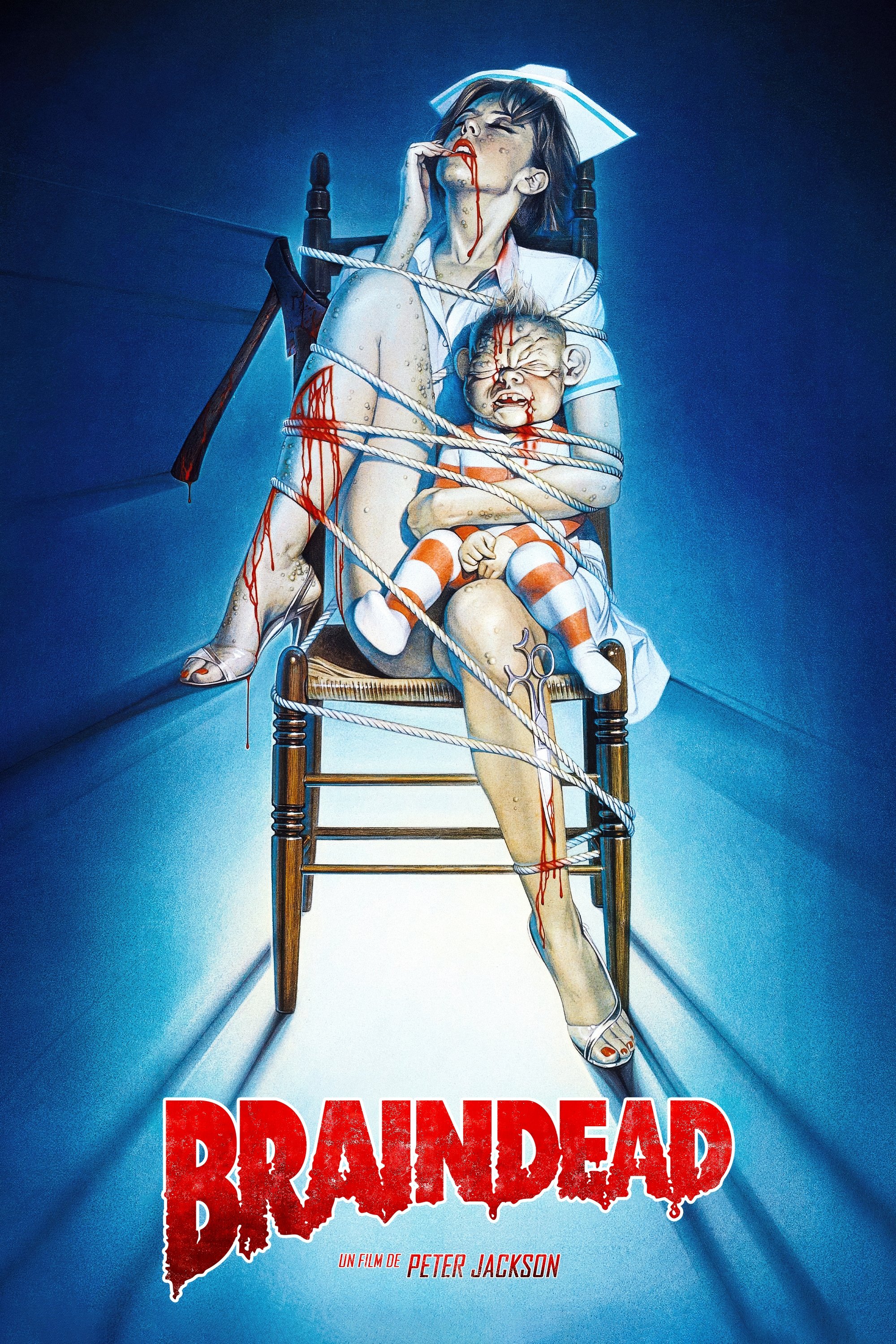
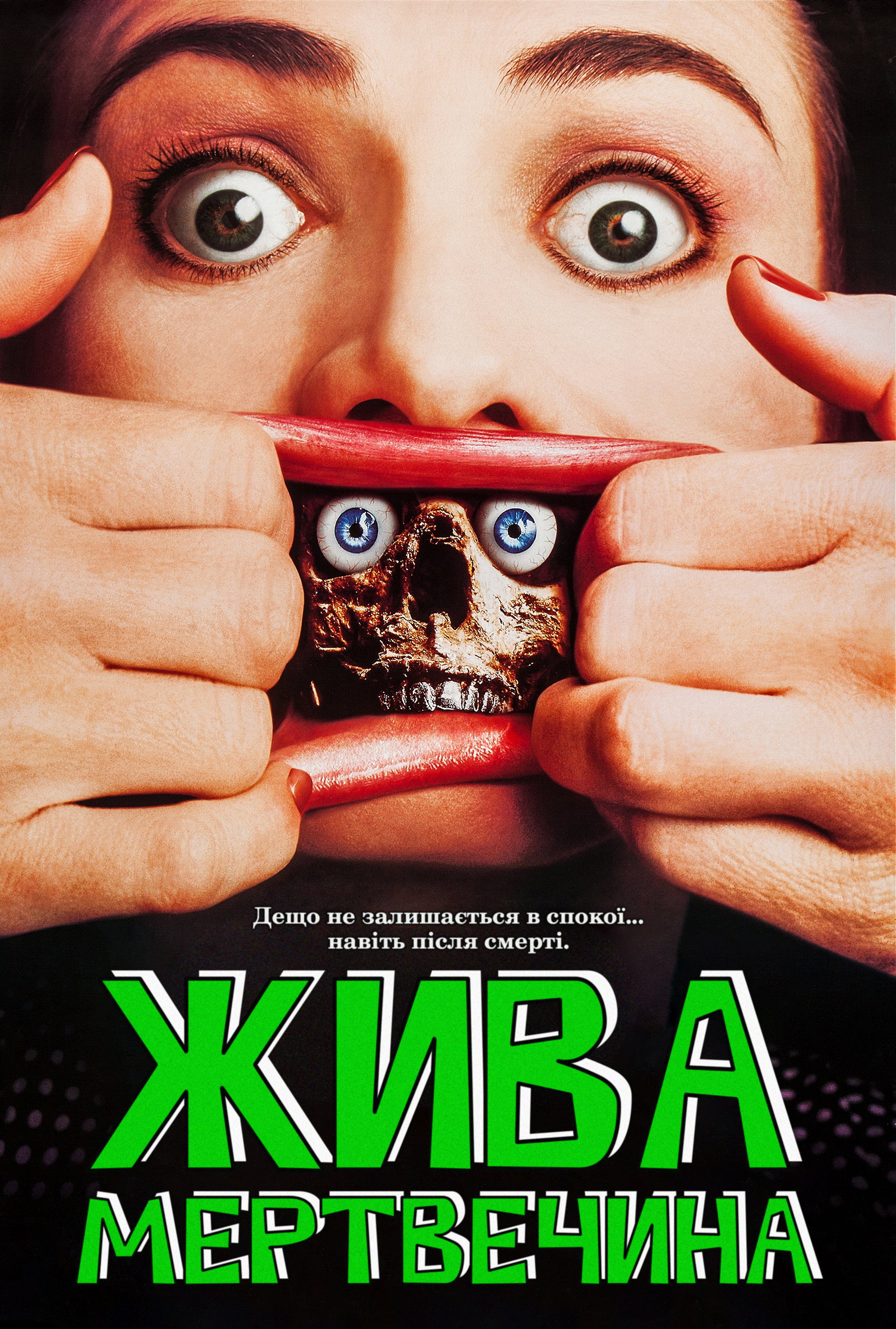
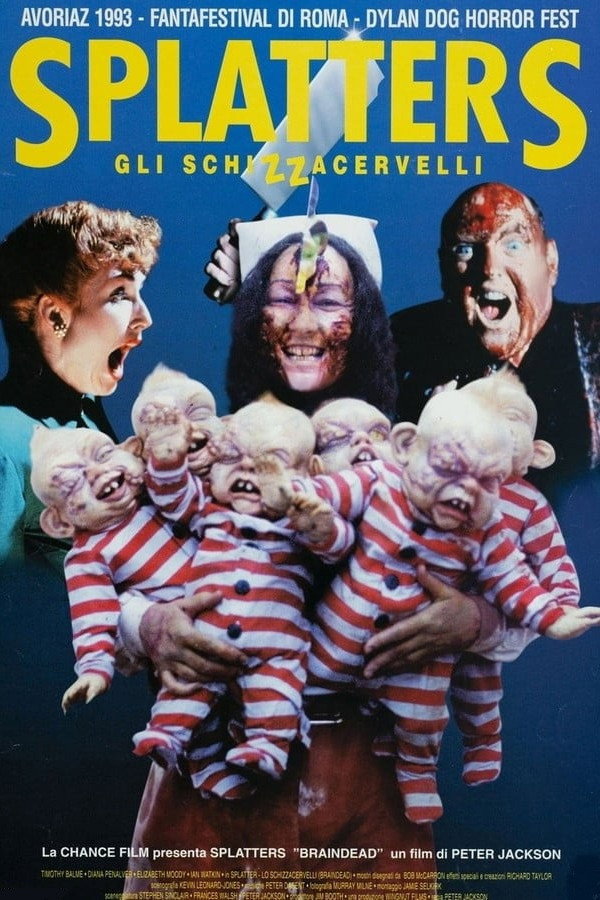
The origins of Braindead reach back to the period when Jackson was still completing Bad Taste. He met Fran Walsh and Stephen Sinclair during this stage of his career, and the three began developing a zombie story together. Sinclair supplied the original story idea, while the eventual screenplay was credited jointly to Sinclair, Walsh and Jackson. Jackson later recalled that the script had been written approximately five years before the film finally appeared. That delay mattered because the project did not move directly from screenplay to production.
An early attempt to mount Braindead collapsed shortly before filming was expected to begin, leading Jackson toward the smaller project that became Meet the Feebles. Richard Taylor and Tania Rodger had already been recruited for this earlier incarnation. Taylor later remembered that they spent roughly twelve weeks constructing models, miniatures and props before the production fell apart. Jackson then redirected his energy toward Meet the Feebles, on which Taylor and Rodger continued working and deepened a creative partnership that would become central to Jackson's filmmaking.
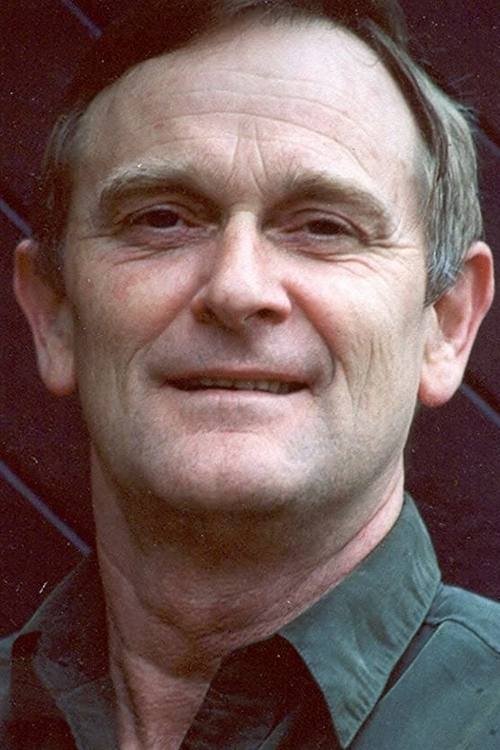
By the time Braindead returned, Jackson had considerably more professional experience than when the screenplay was conceived. Bad Taste had proved that his homemade effects and irreverent humour could find international audiences, while Meet the Feebles had forced him to work on a more organised production with a larger team. The New Zealand Film Commission ultimately backed Braindead, with Jim Booth producing through WingNut Films. Booth had previously supported Jackson while working at the Film Commission and later left the institution to become his producer. One of Jackson's most consequential creative decisions came comparatively late.
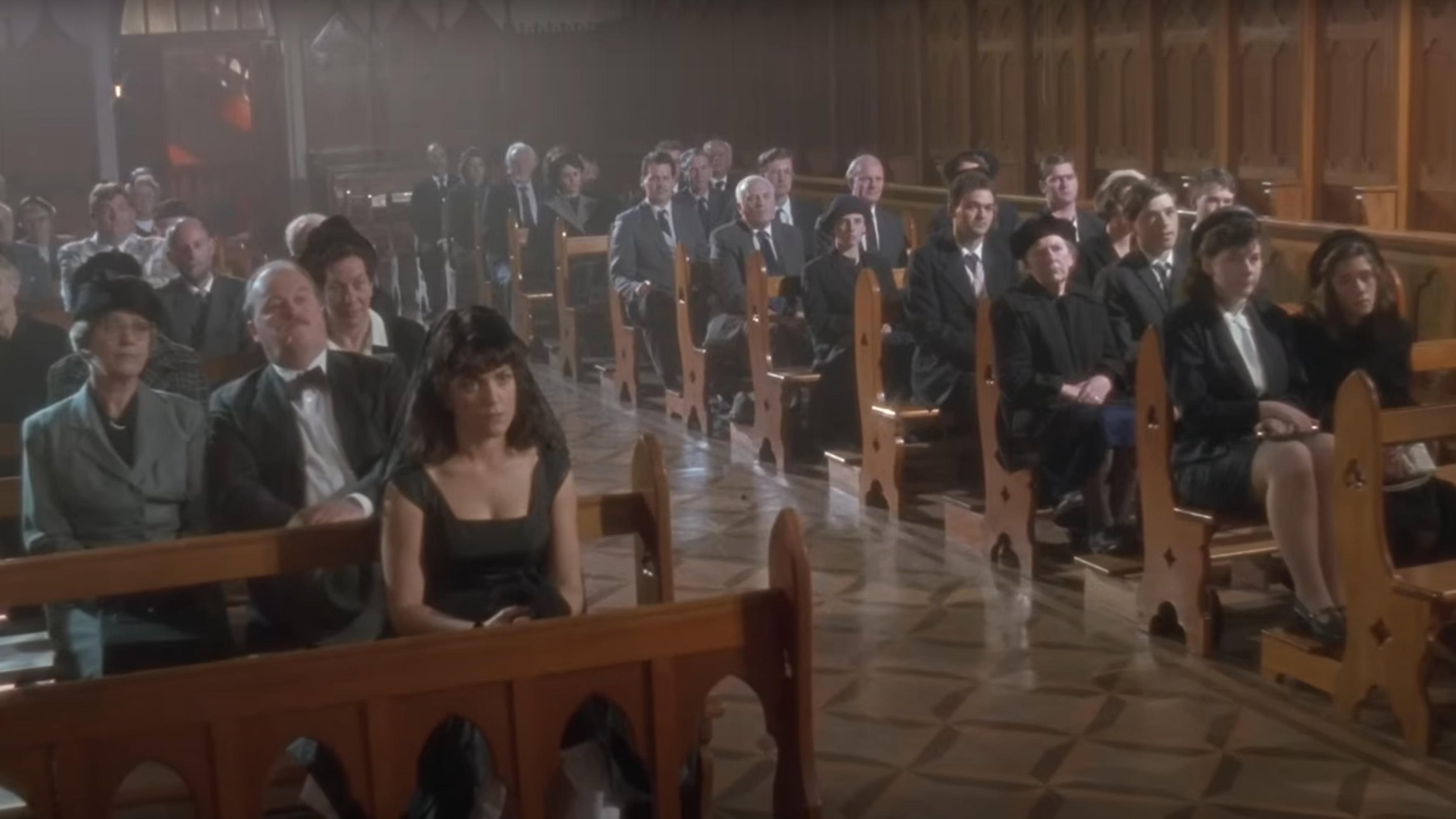
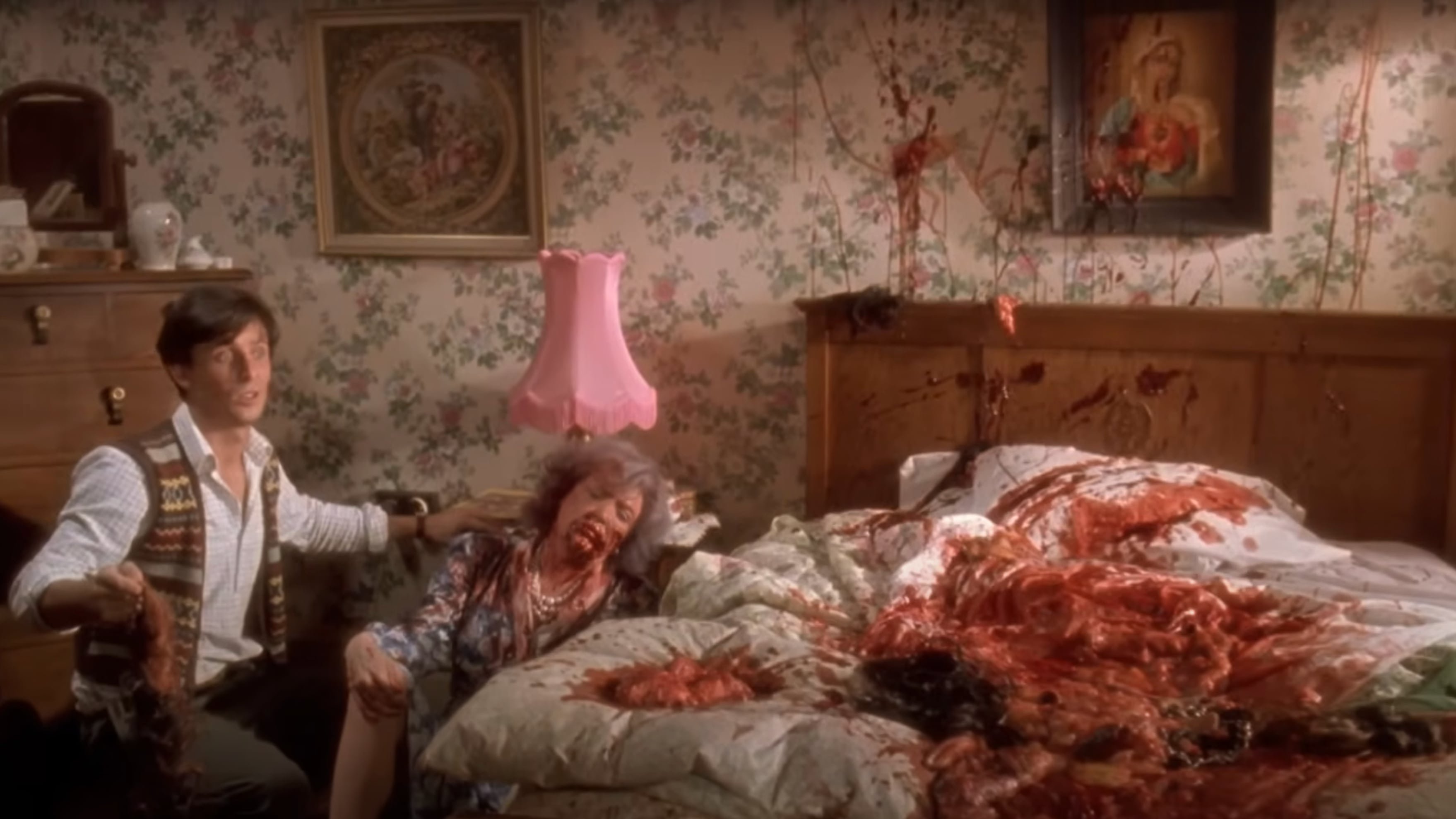
The story had originally been conceived in a contemporary setting, but he moved it back to the 1950s. The change increased the difficulty and expense of production because locations, clothes, vehicles and social behaviour now had to evoke another period, but it also gave the absurd premise an internally consistent world. Instead of zombies erupting into recognisably modern New Zealand, they invade a conservative version of 1957 Wellington whose manners and social expectations are already heightened. The period setting therefore becomes part of the comedy rather than decorative nostalgia.