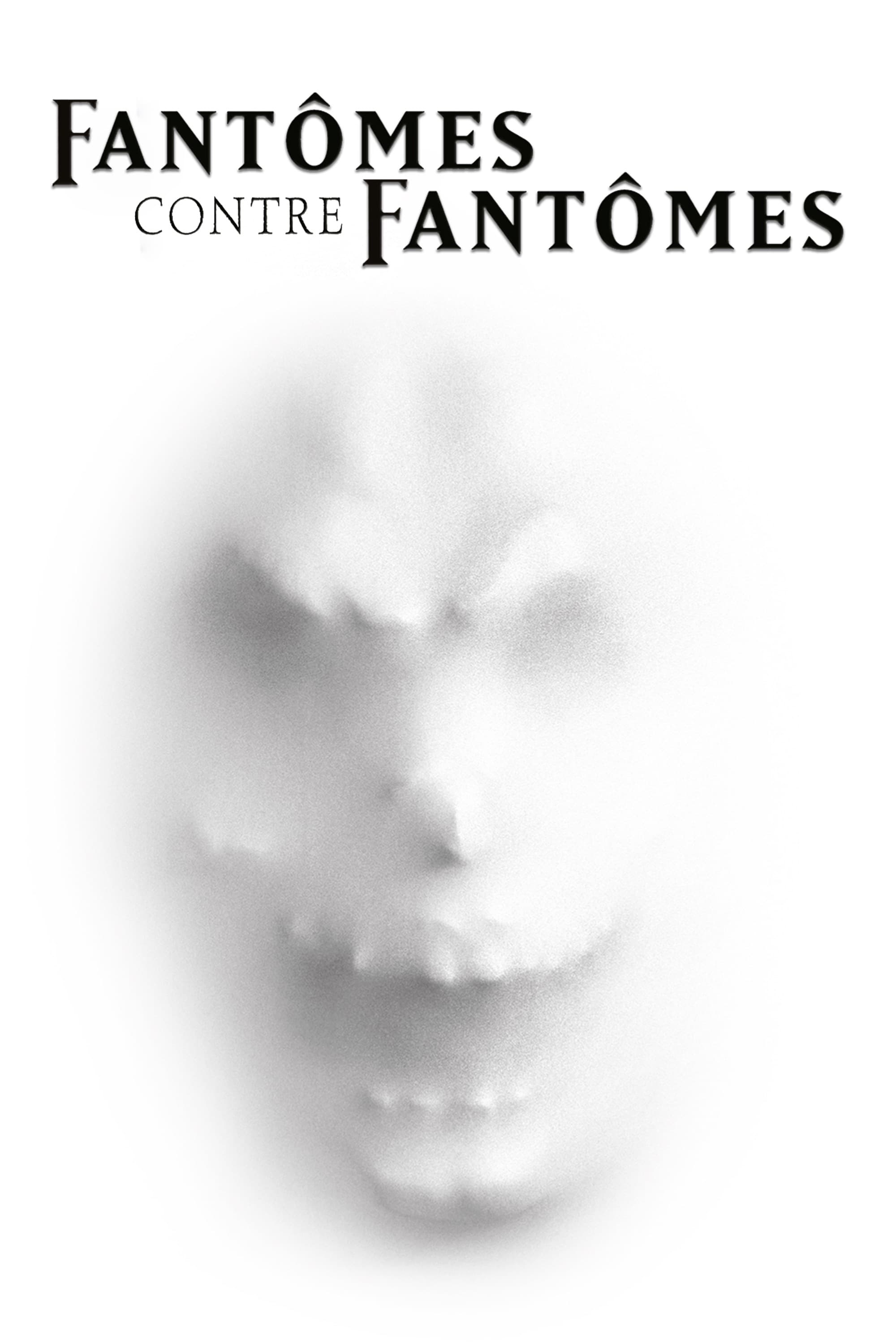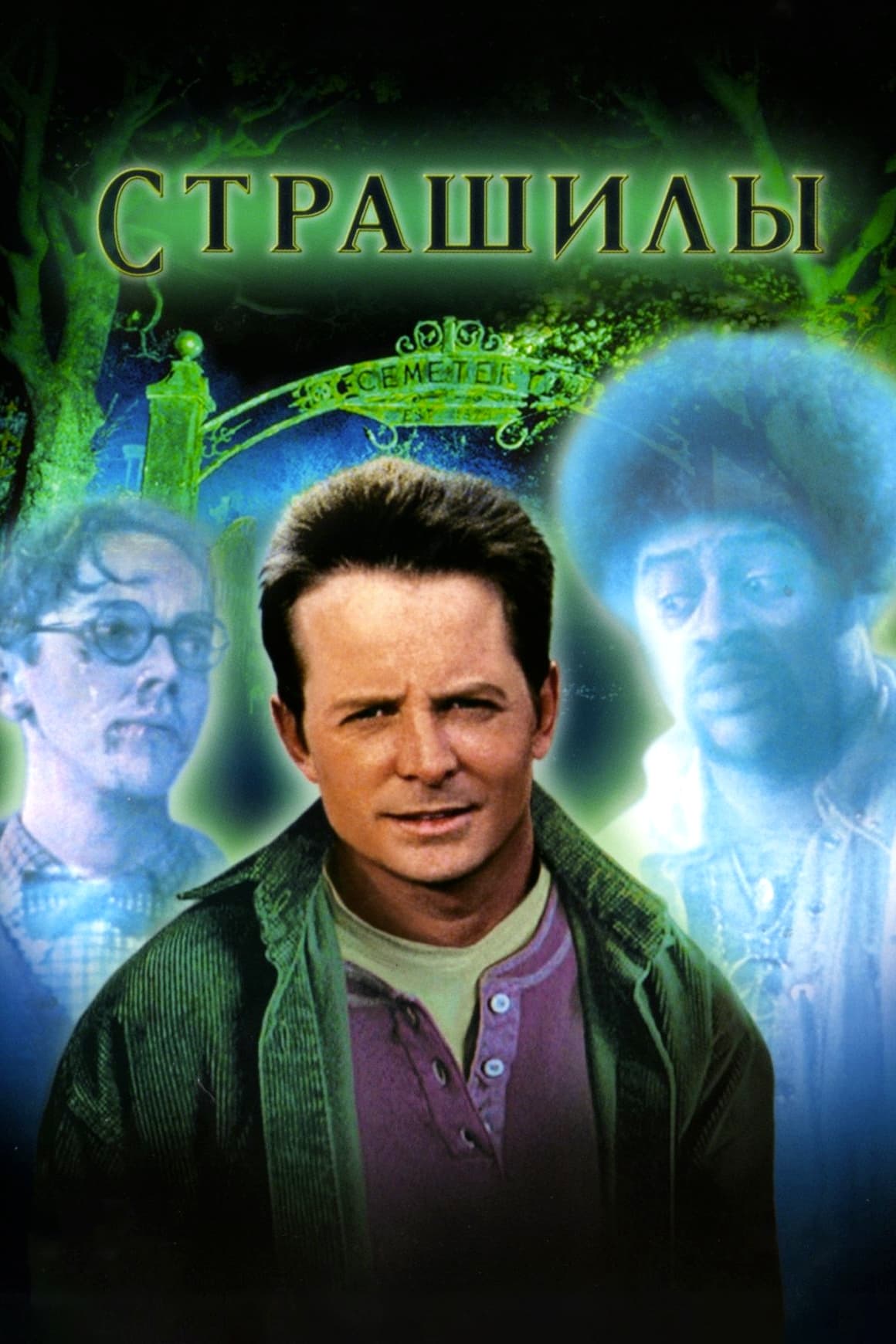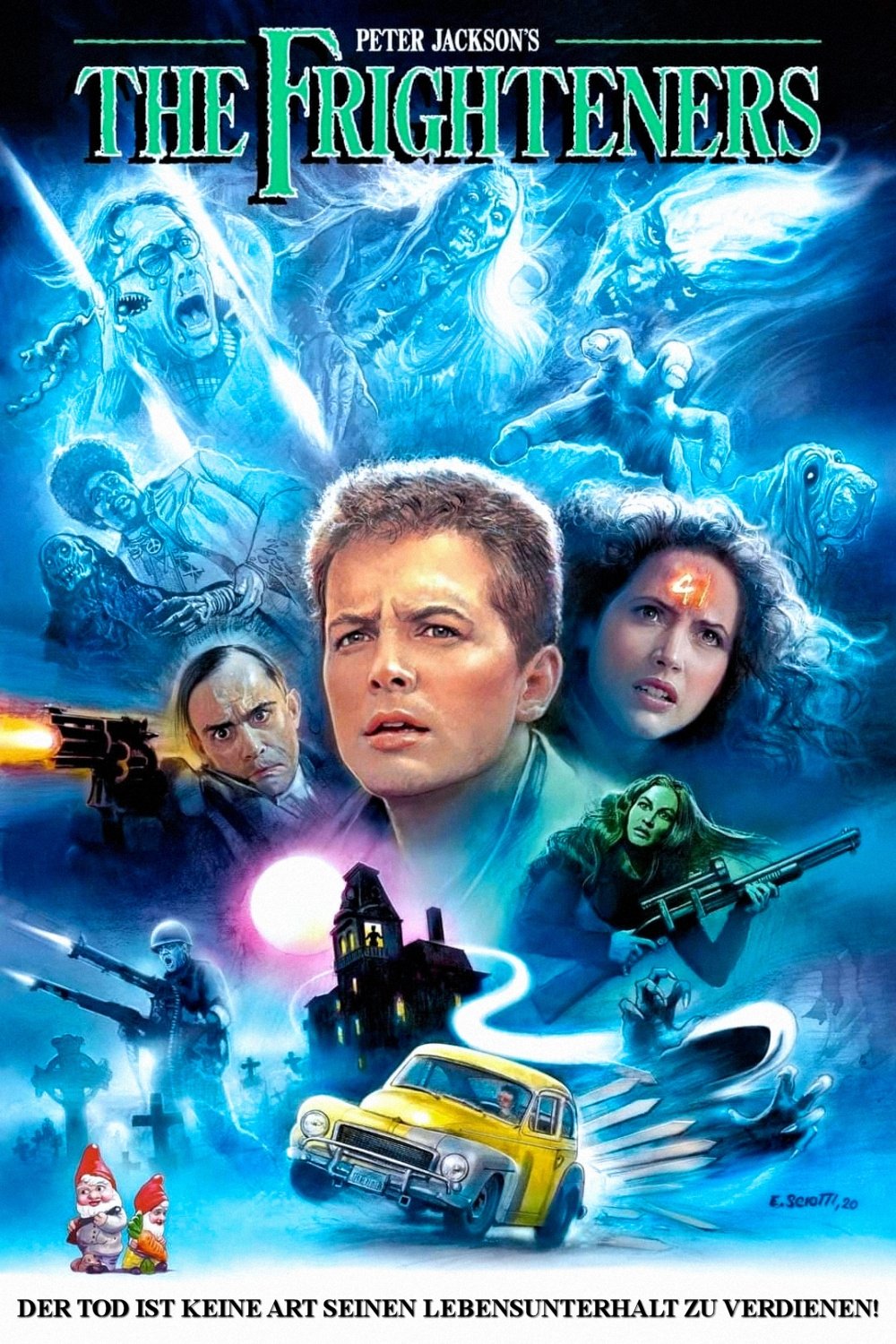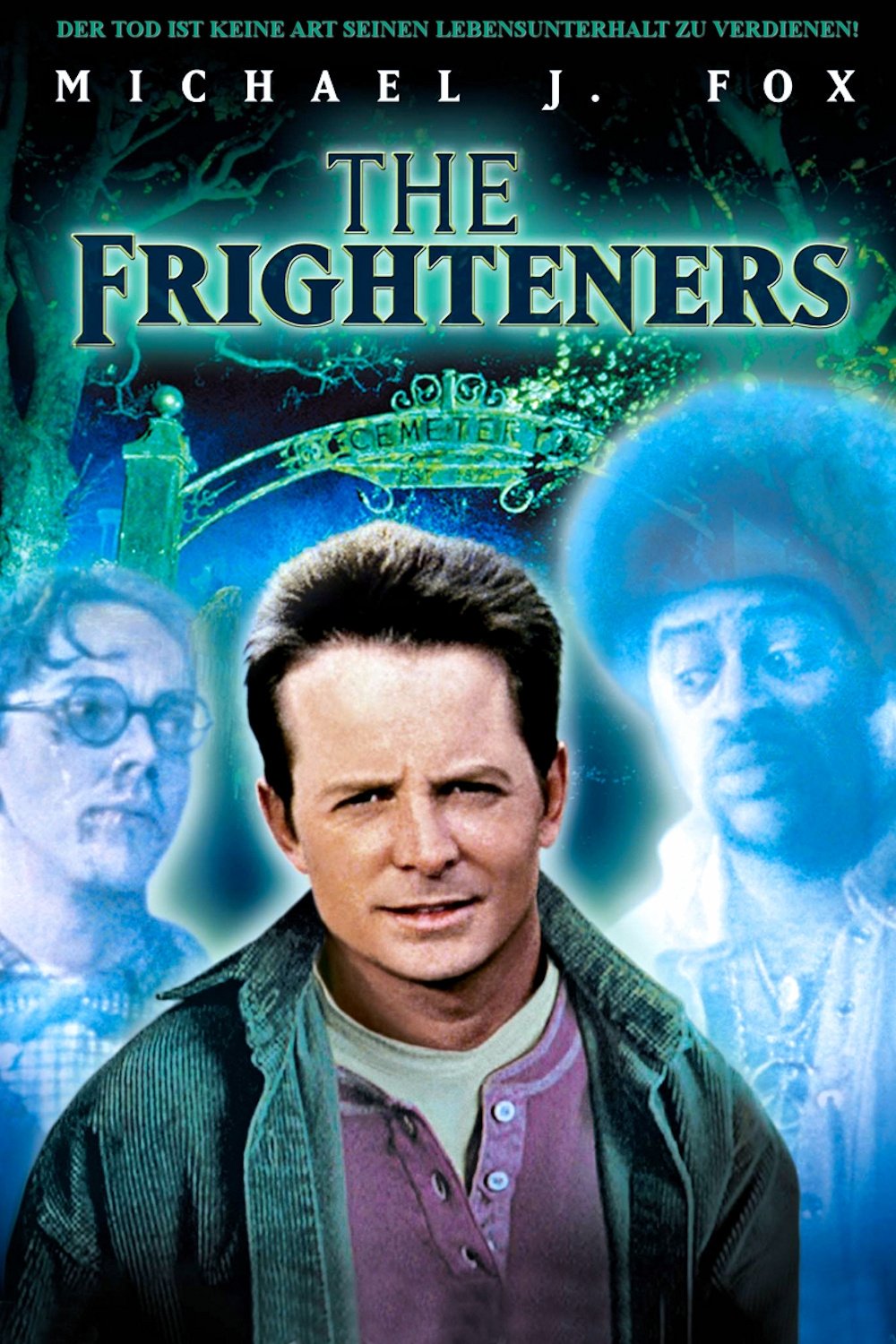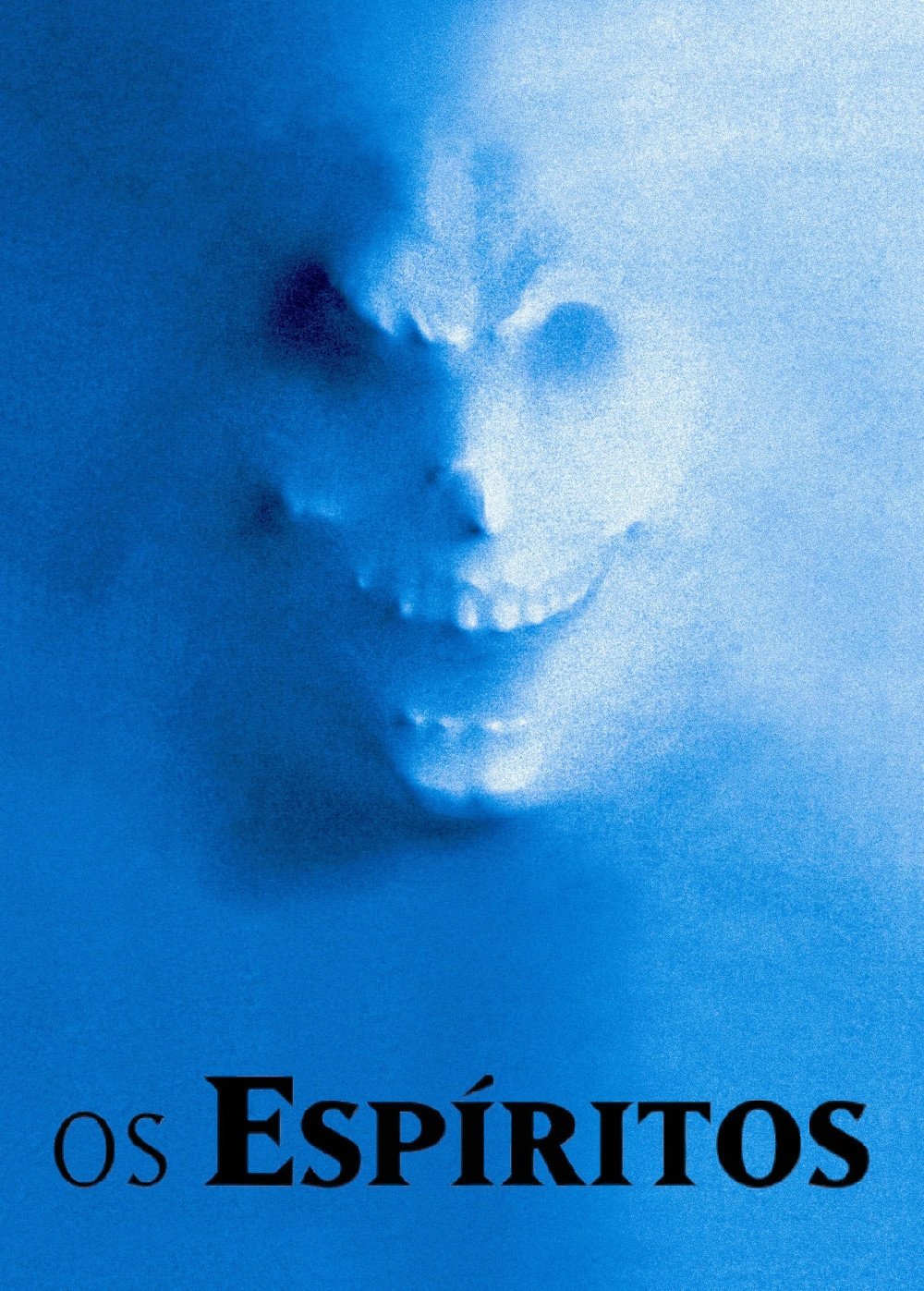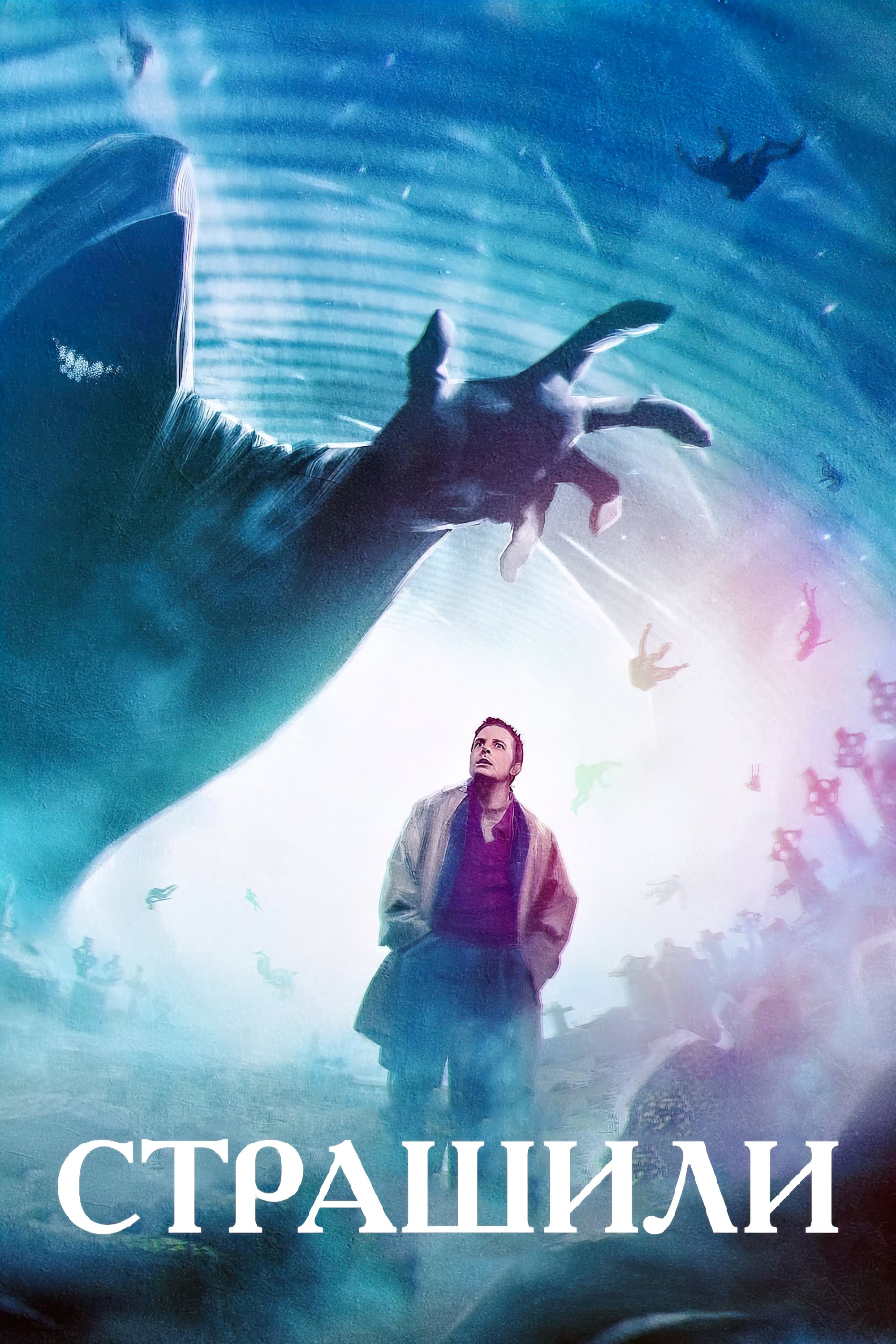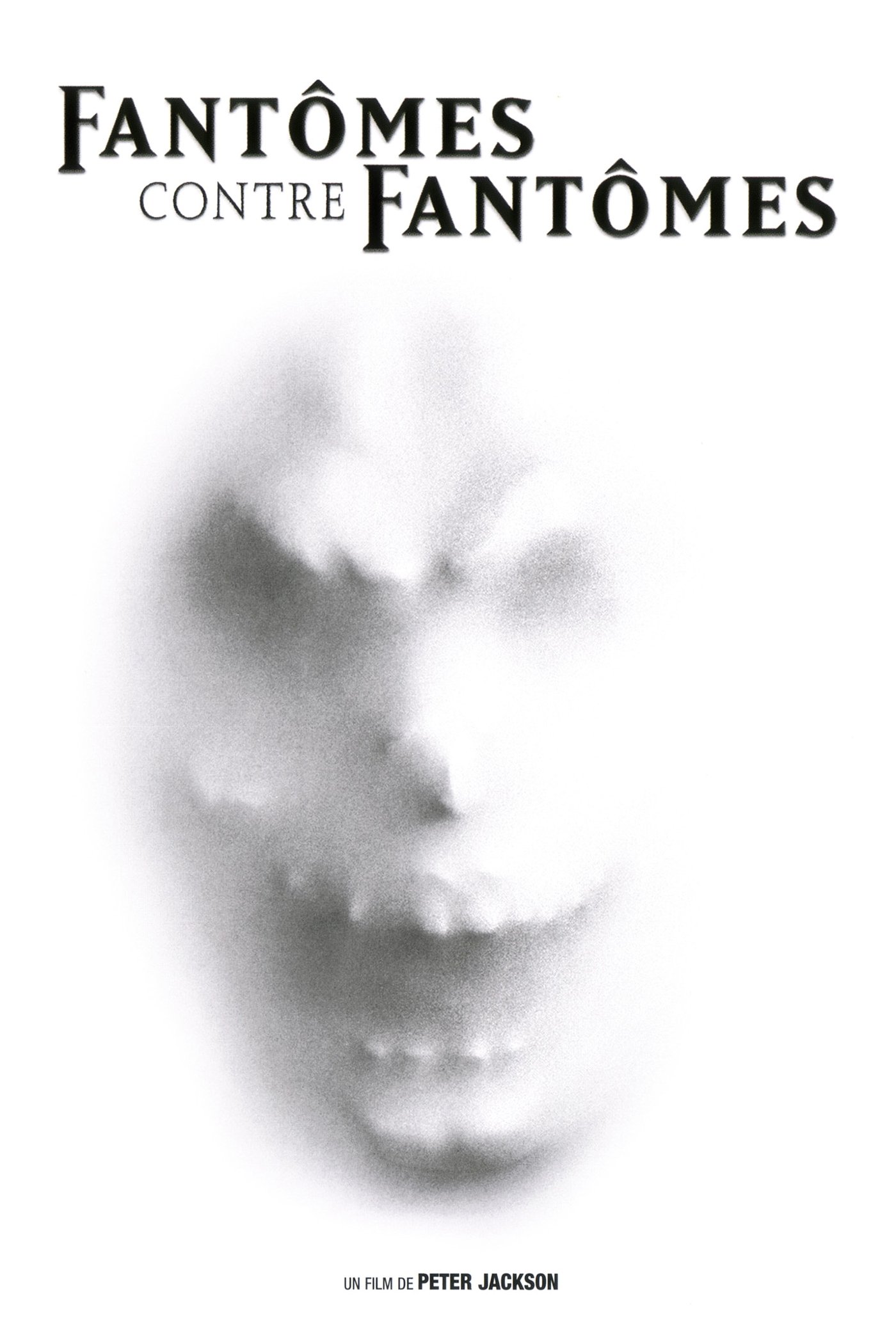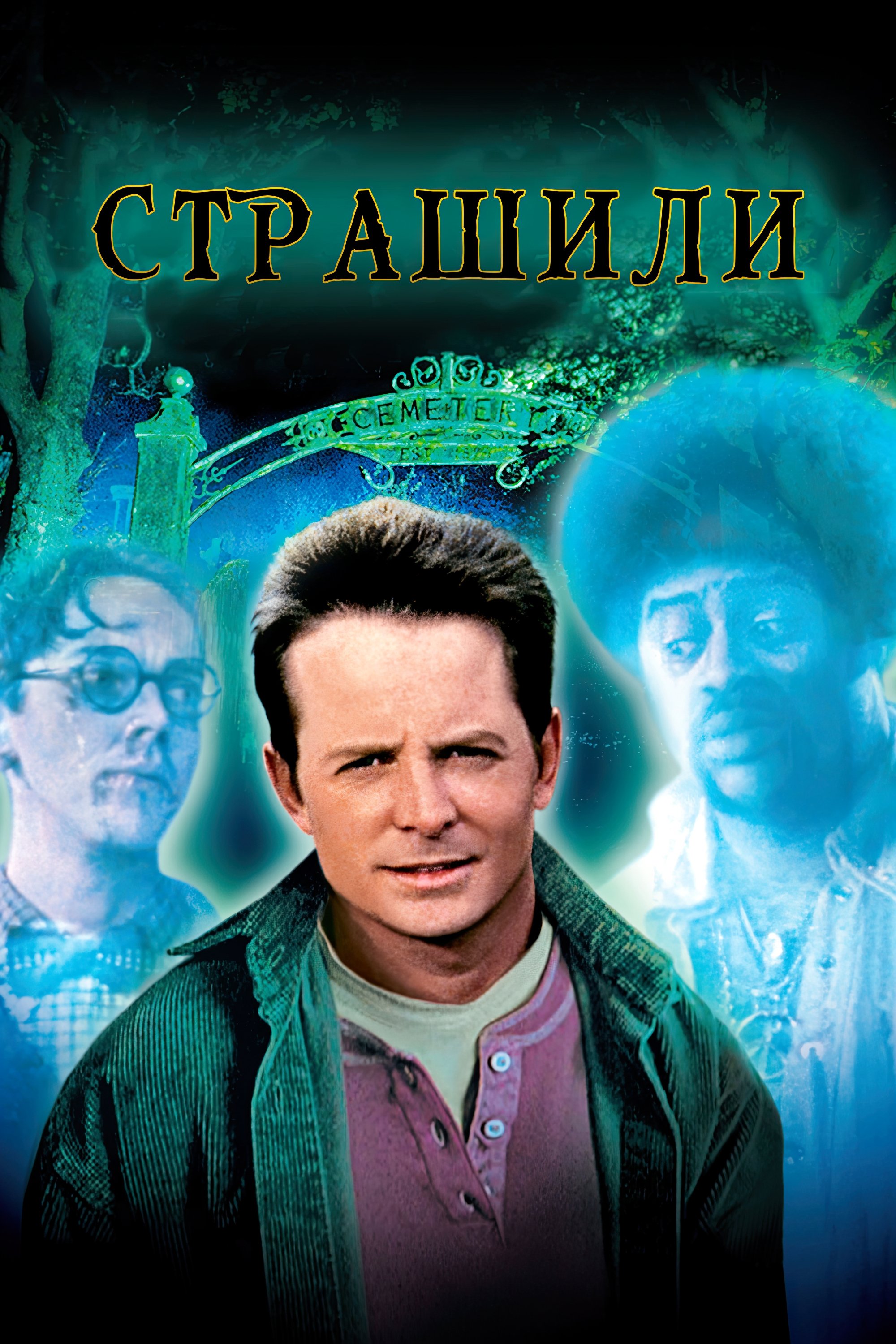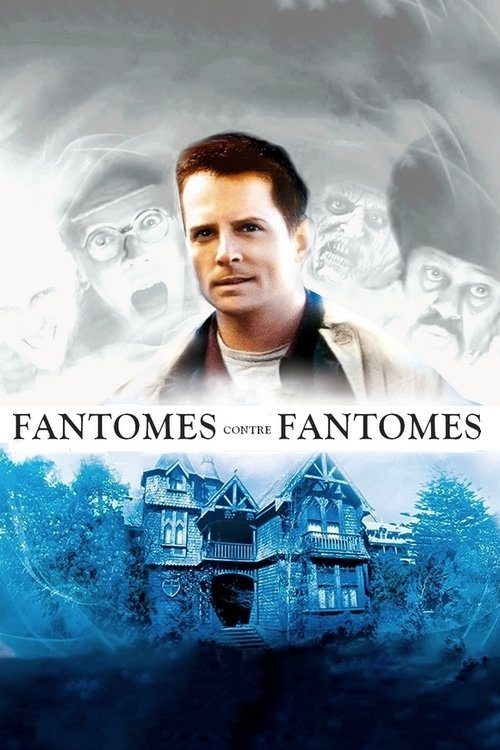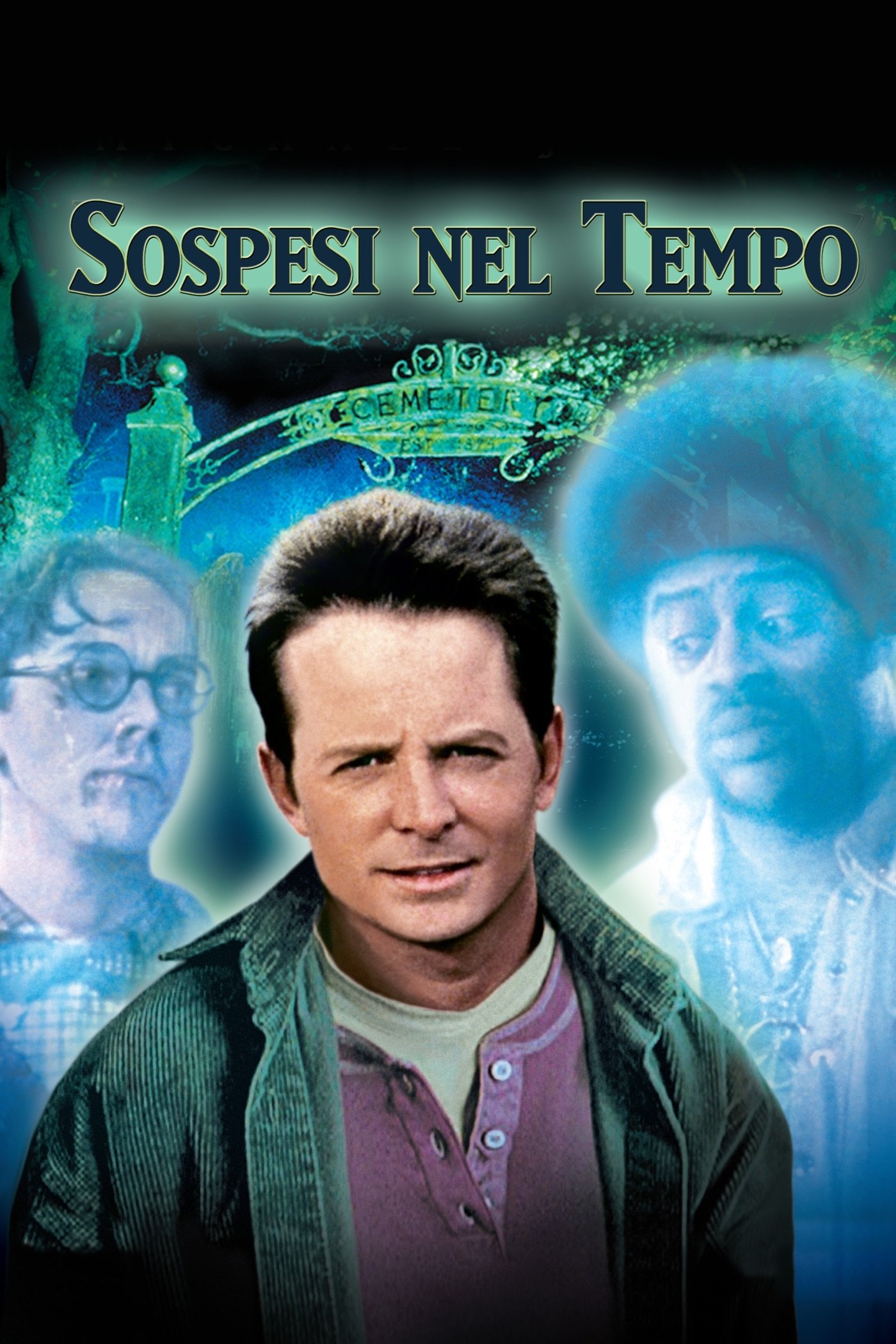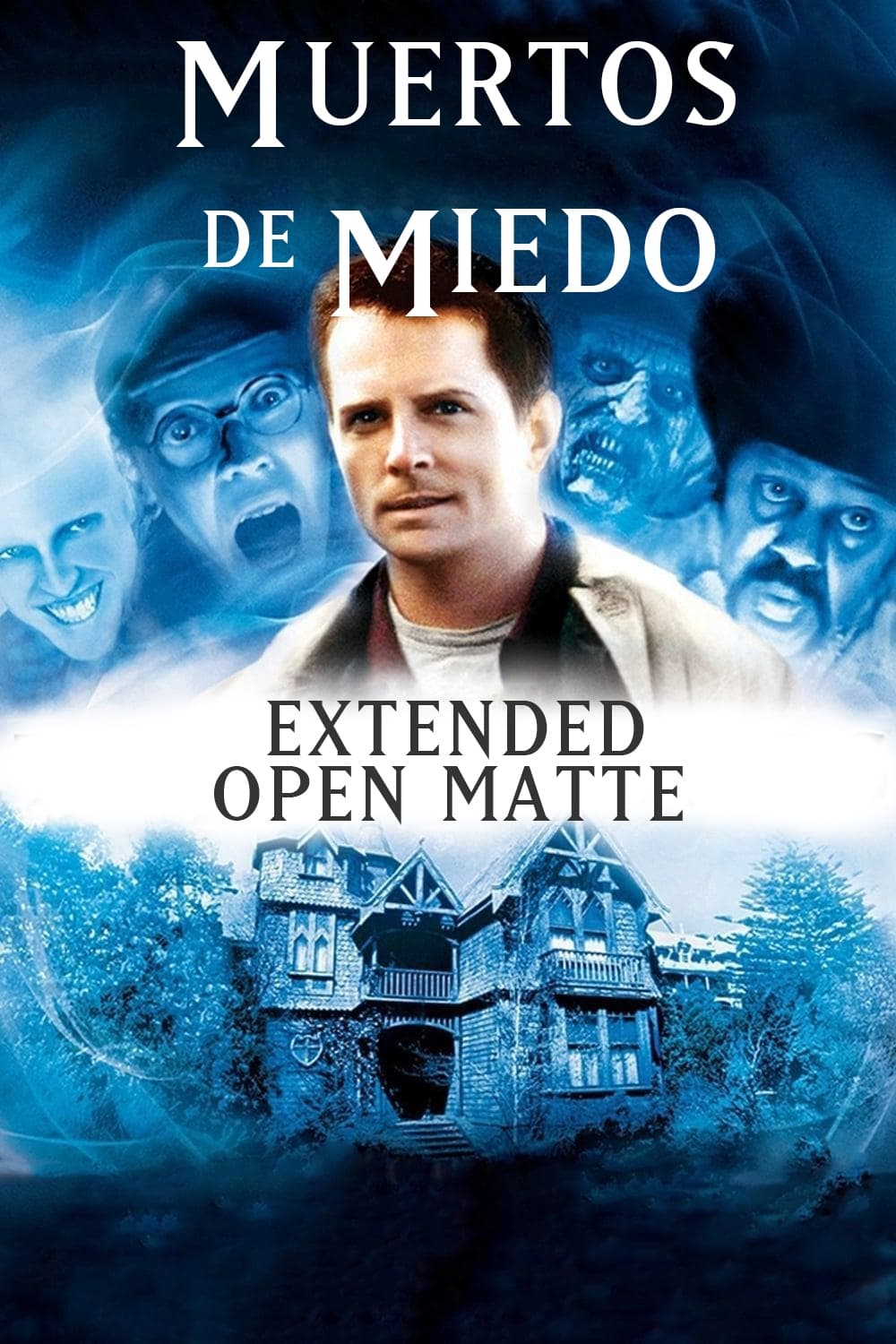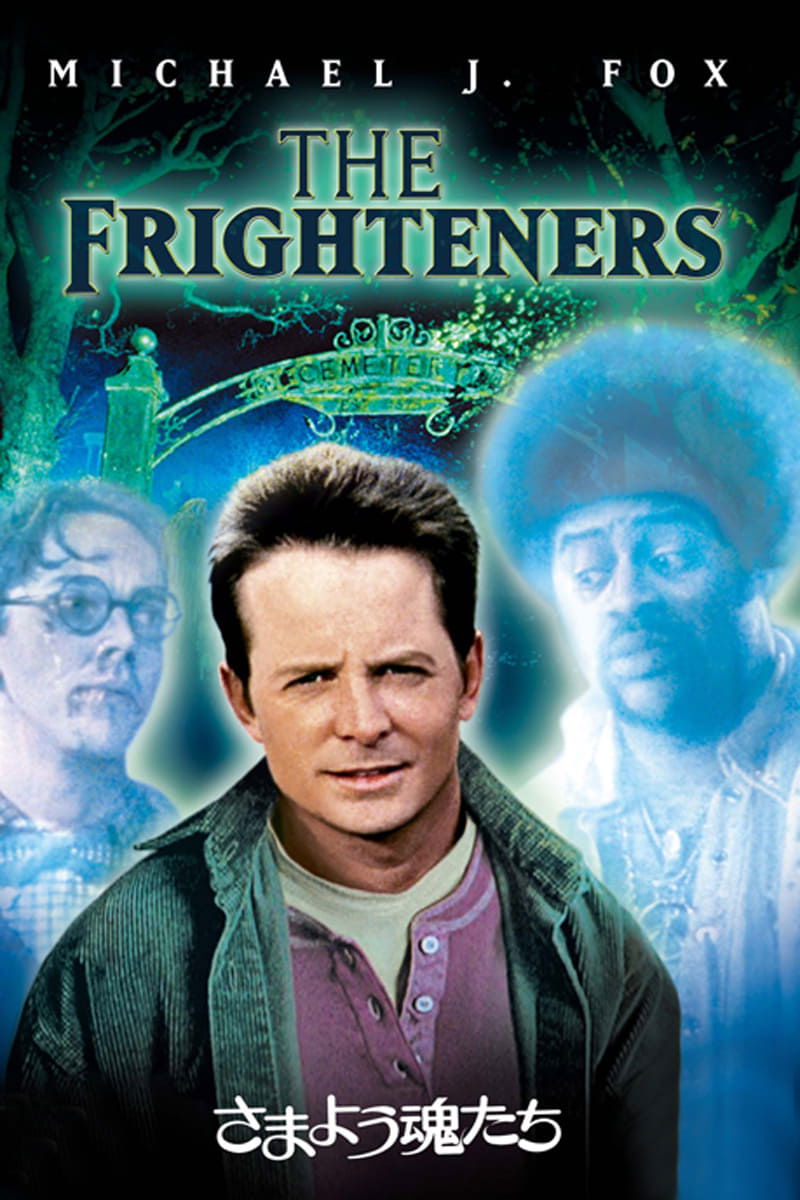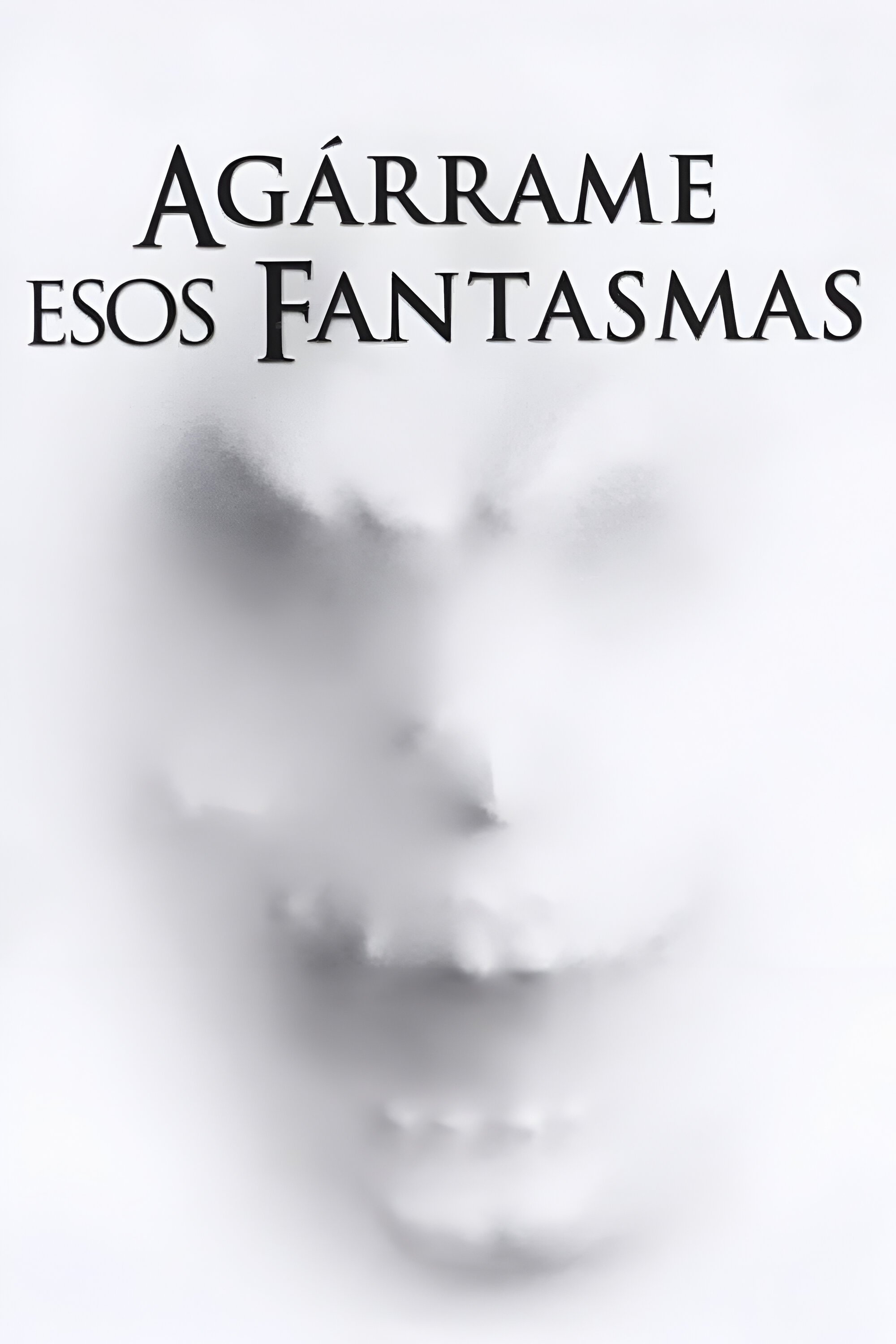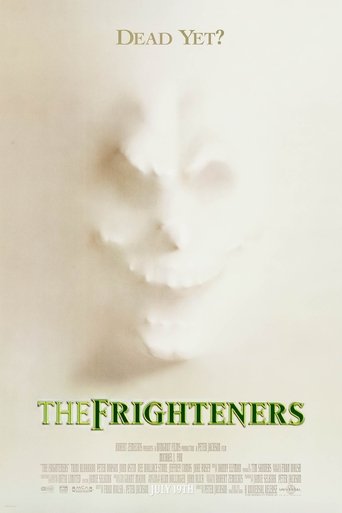
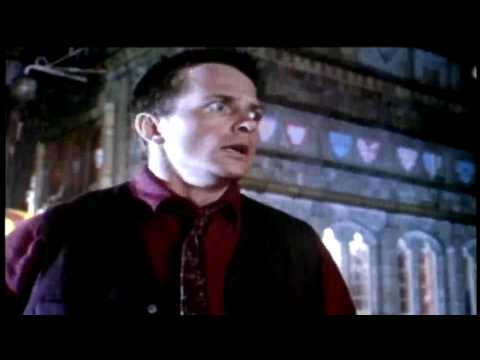
The Frighteners (1996)

US
HORROR FILM Comedy
7.0/10 4 votes
Runtime
110 min
Release
July 18, 1996
Budget
$30,000,000
Revenue
$29,359,216
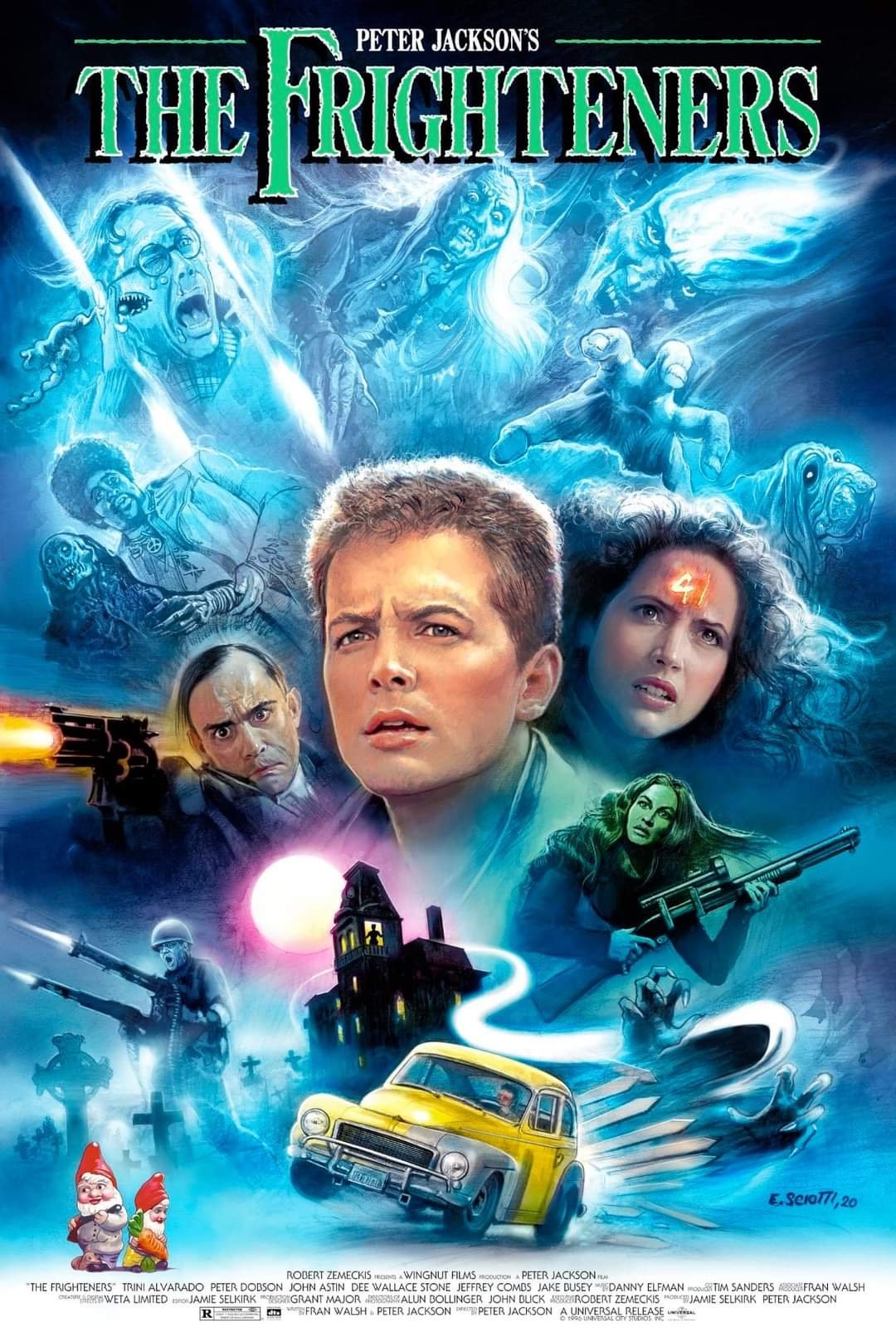
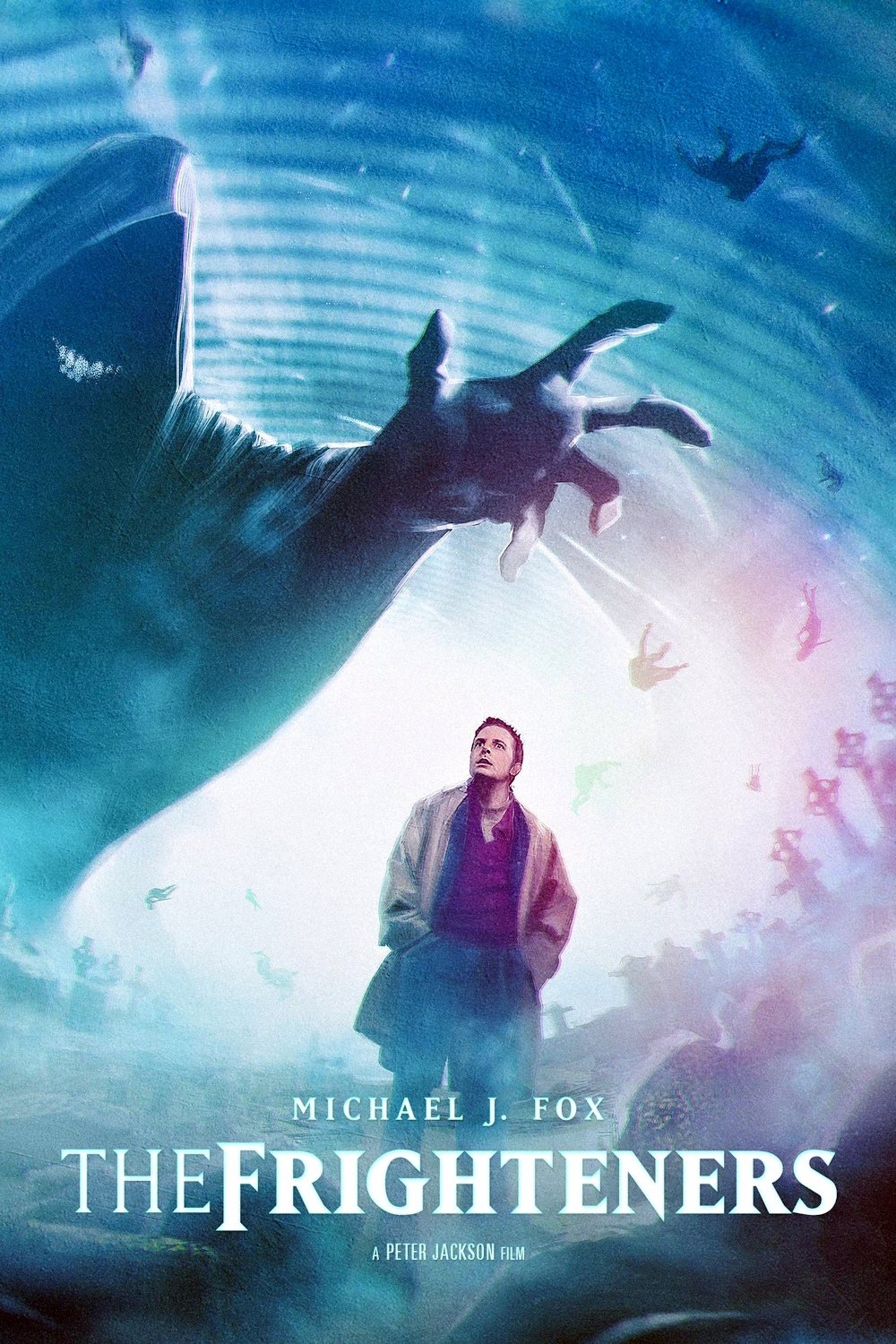
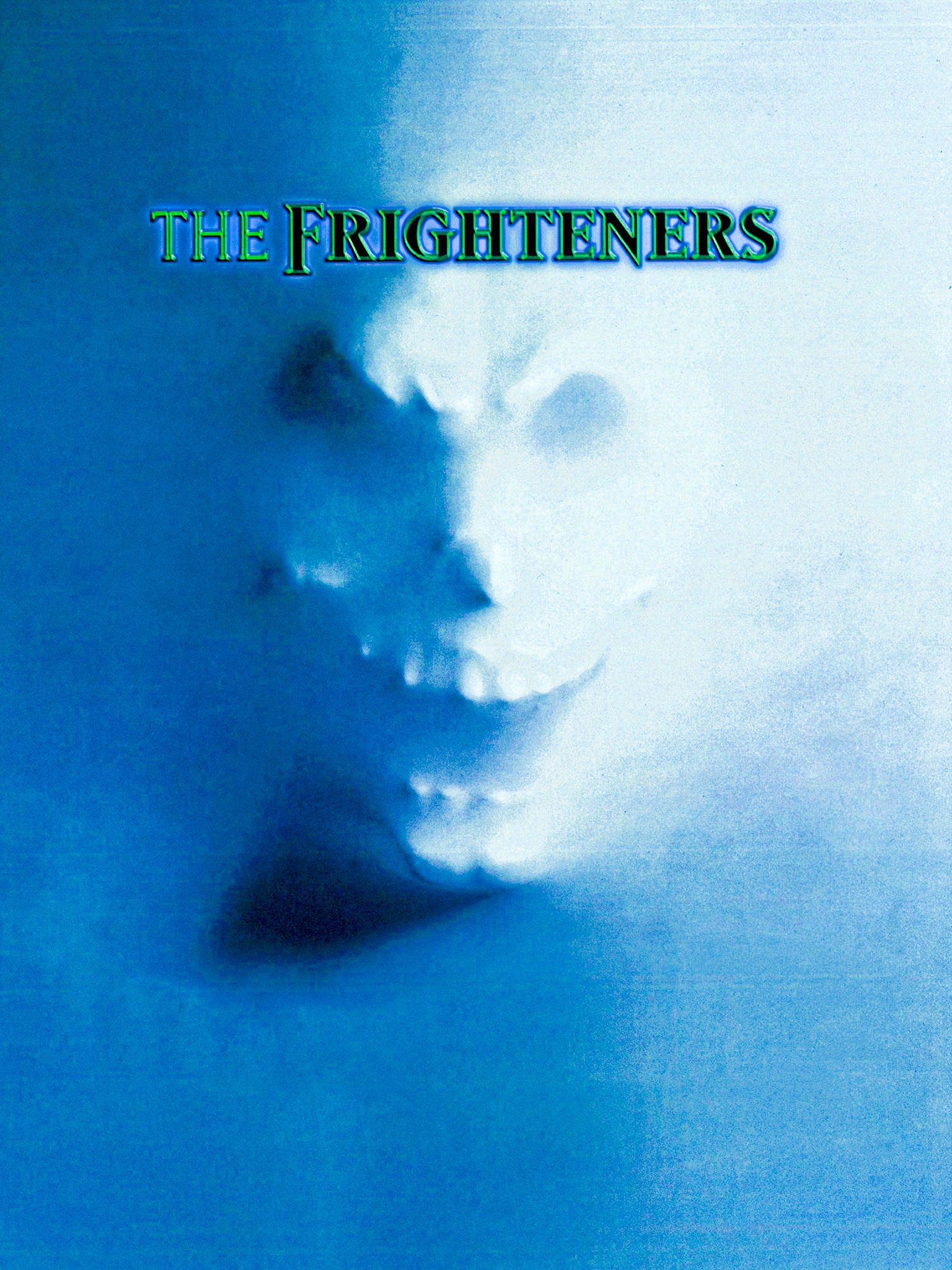
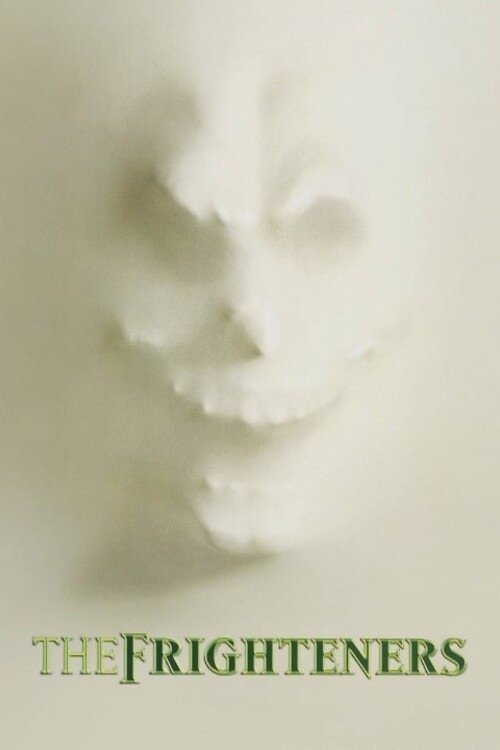
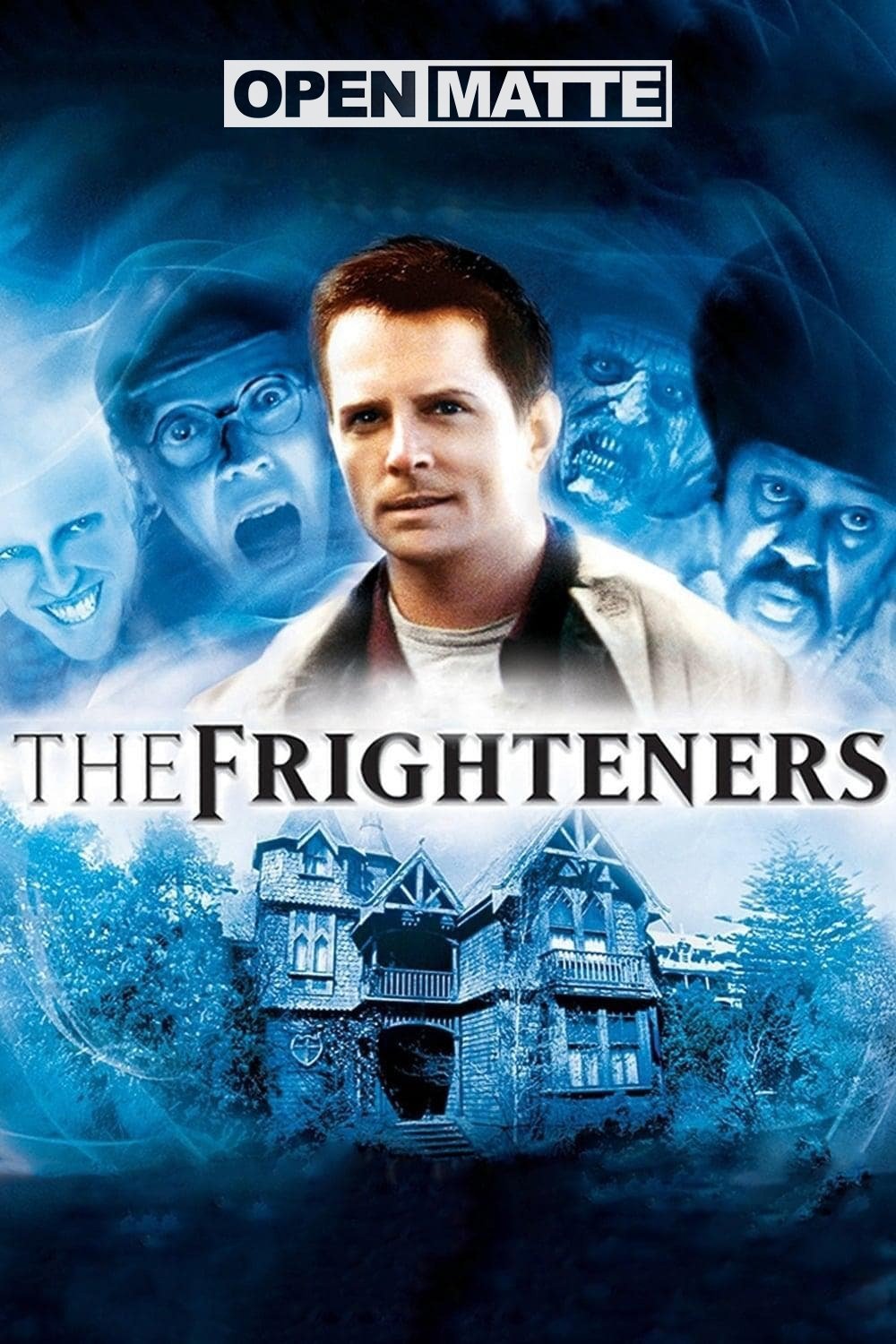
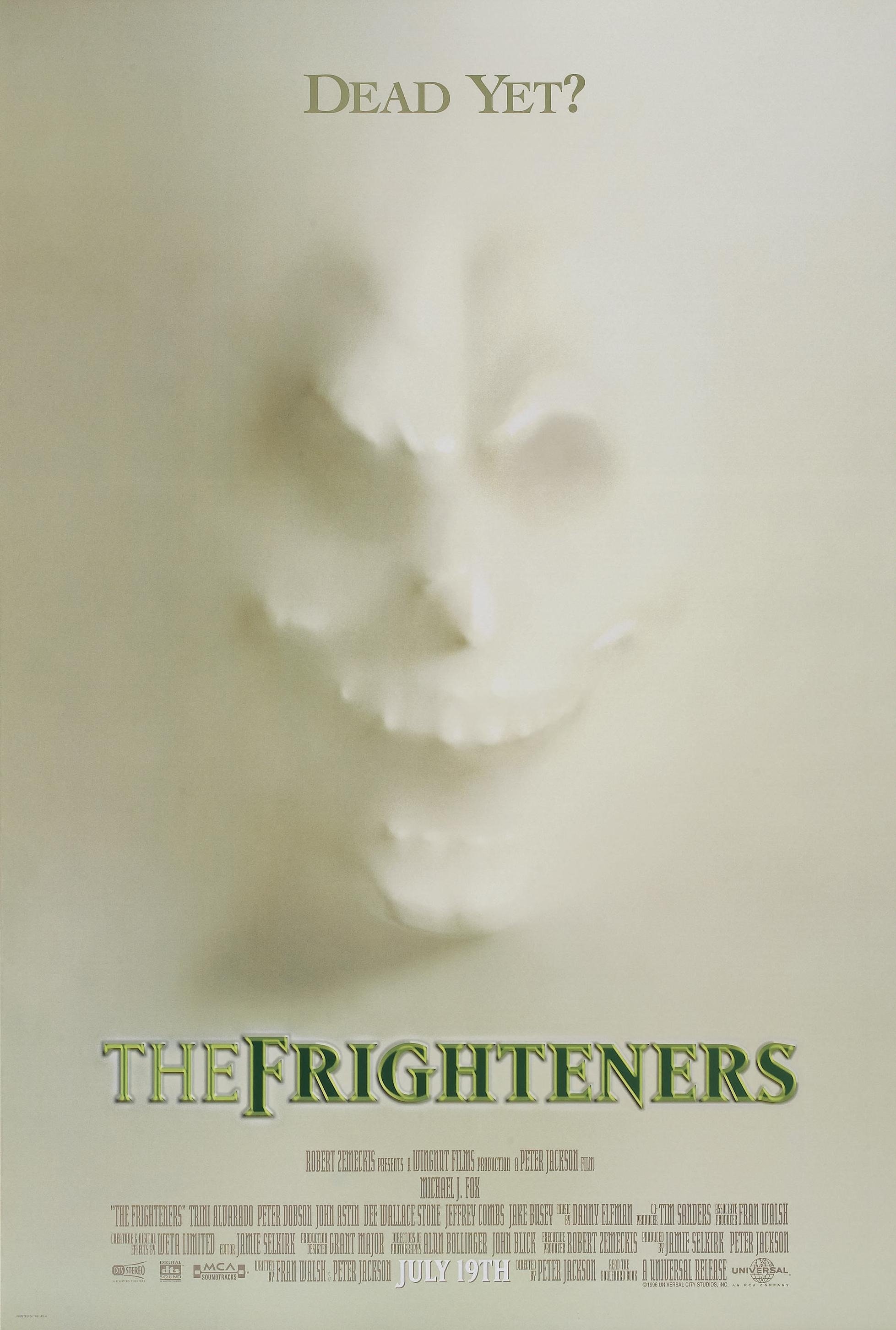
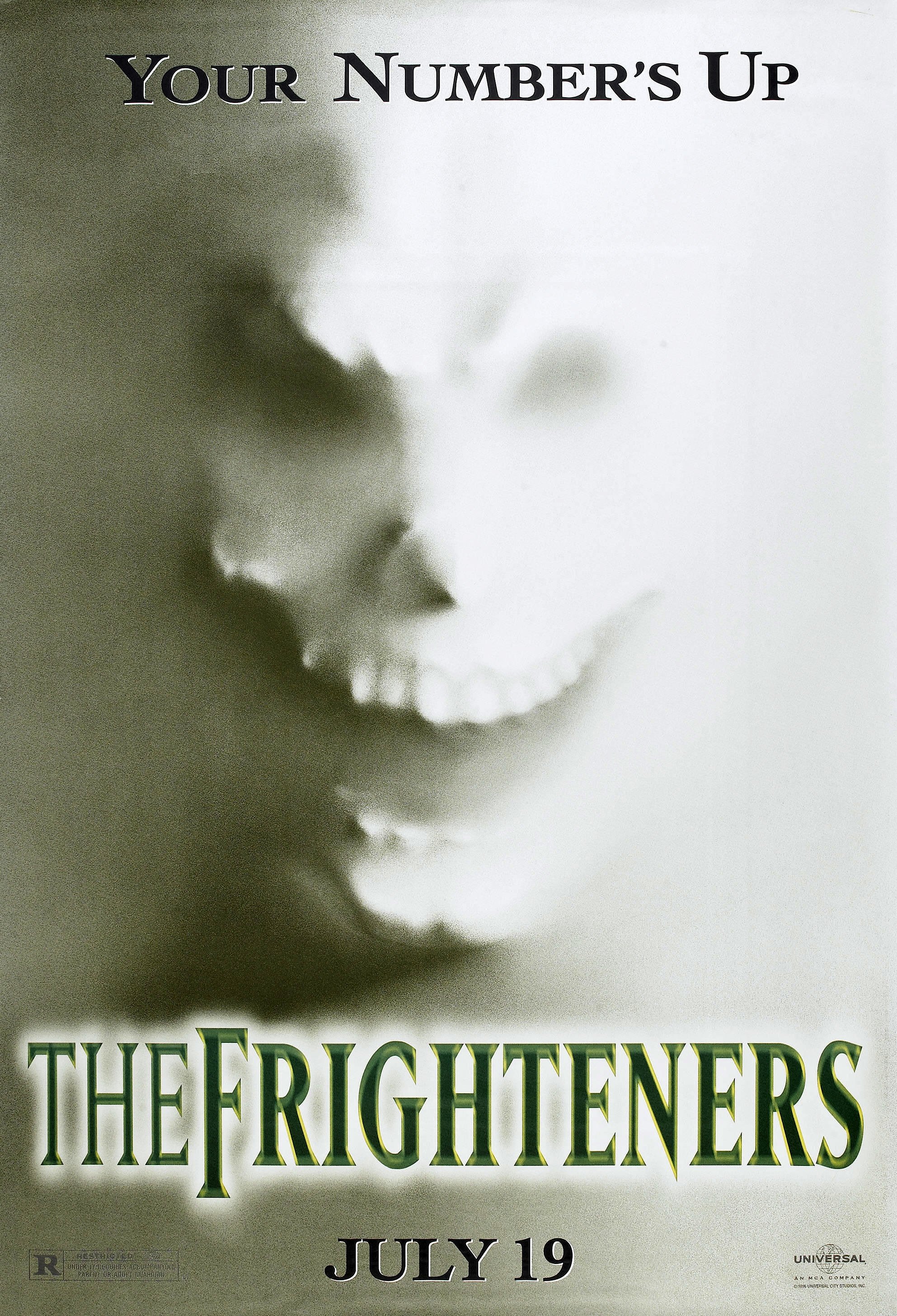
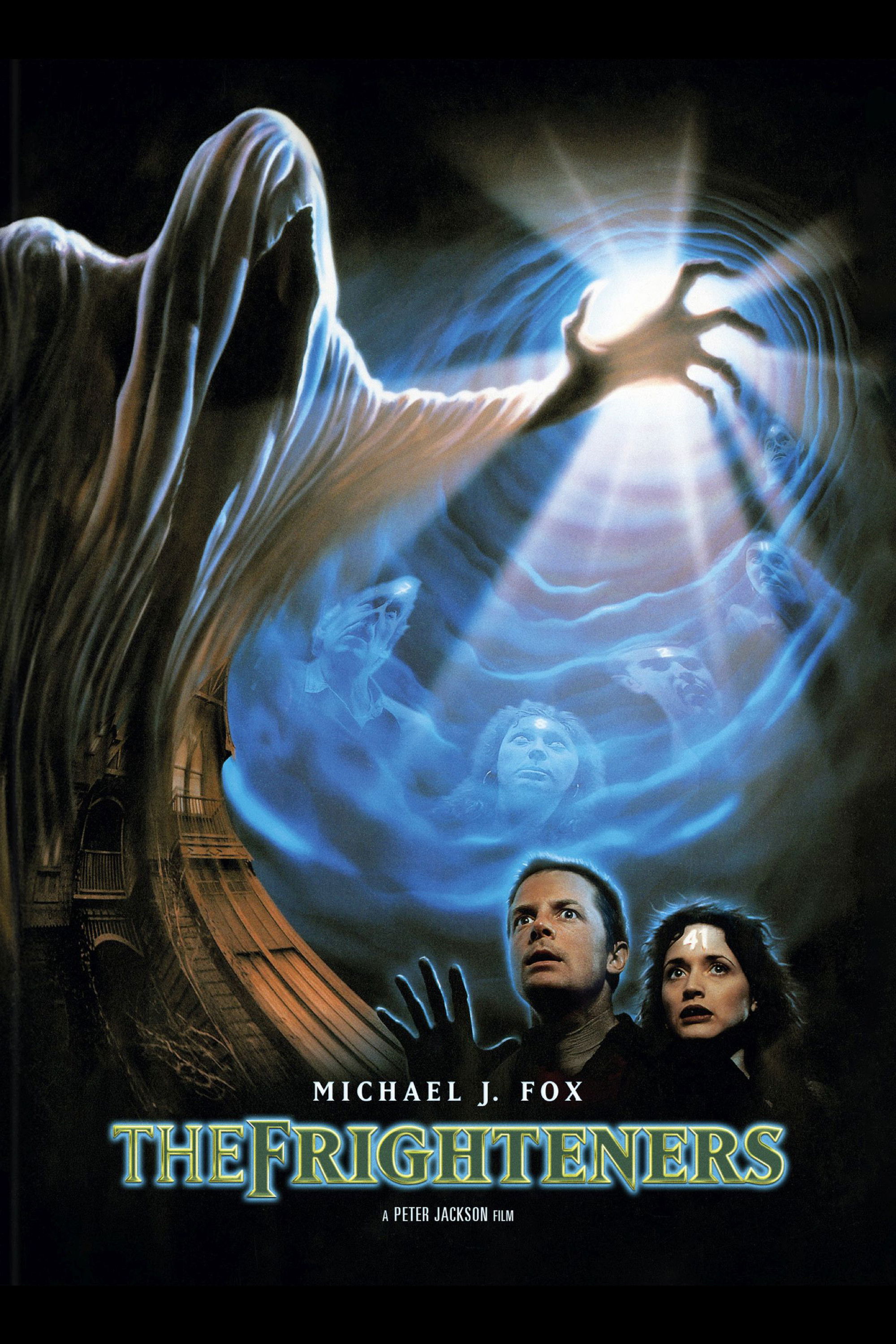
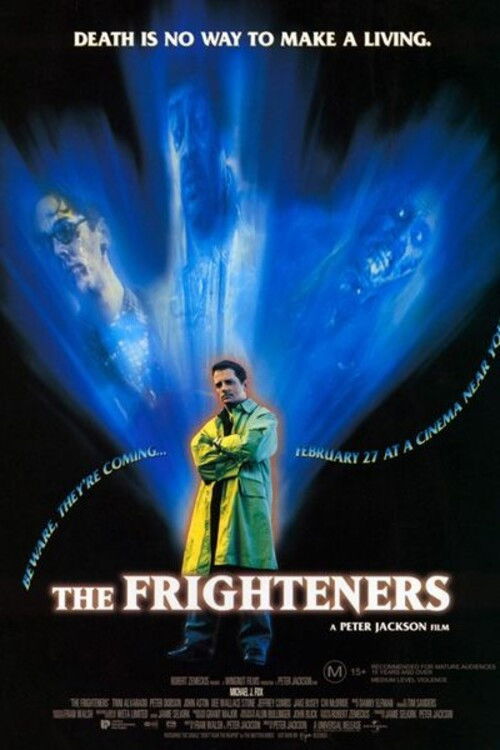
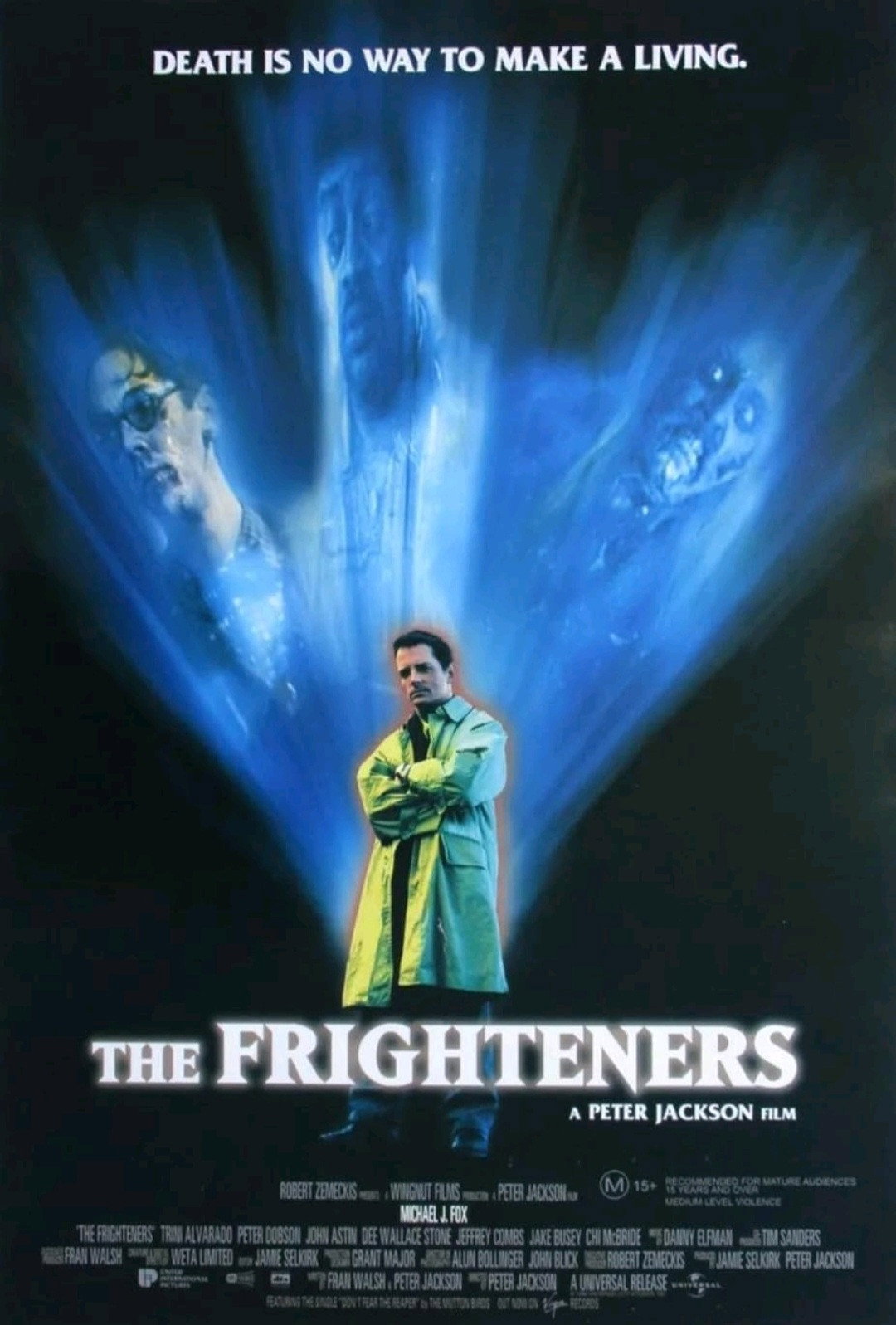
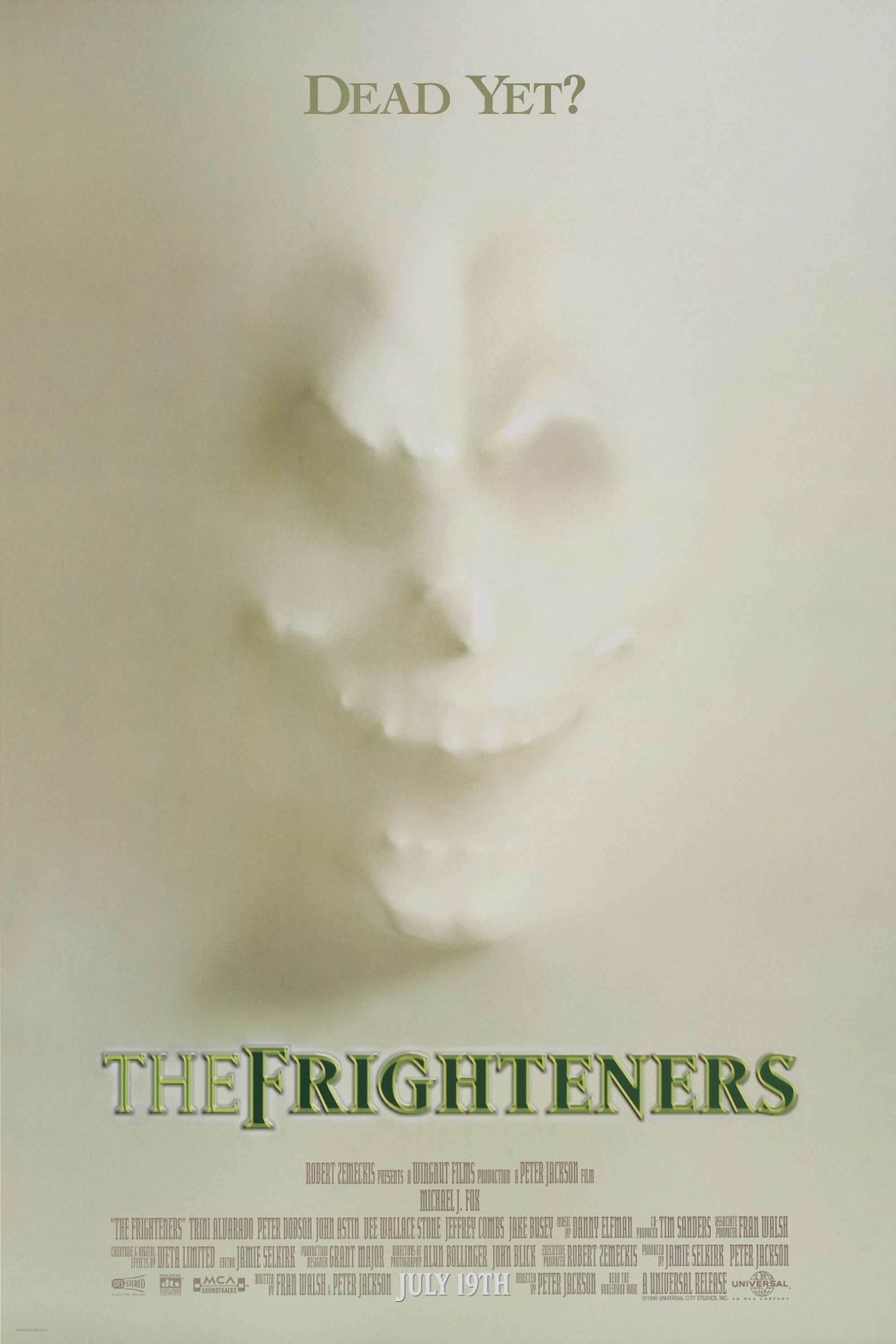
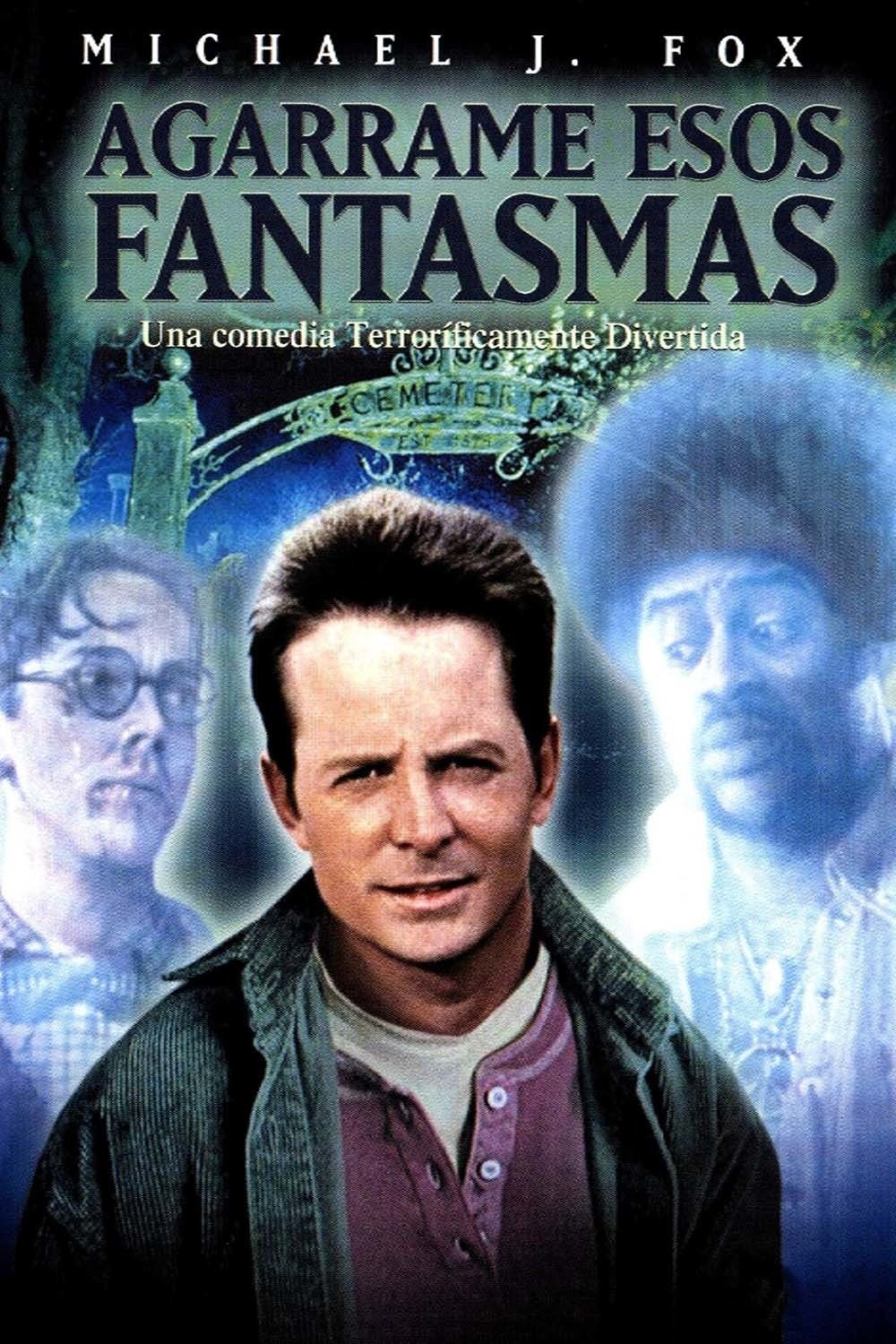
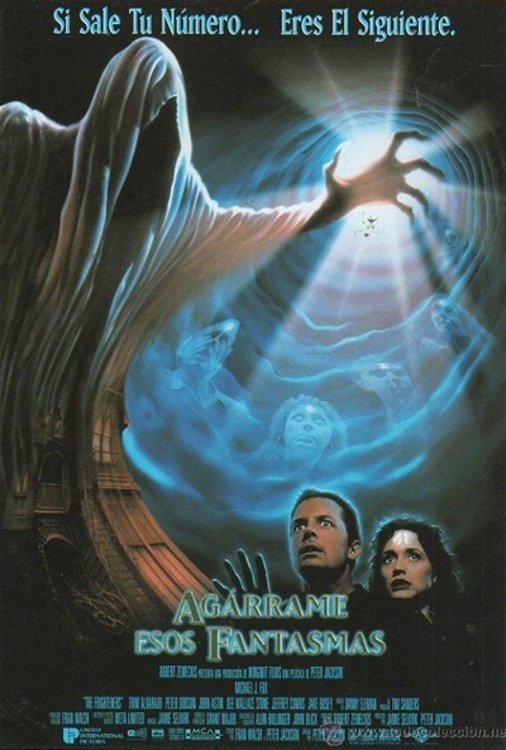
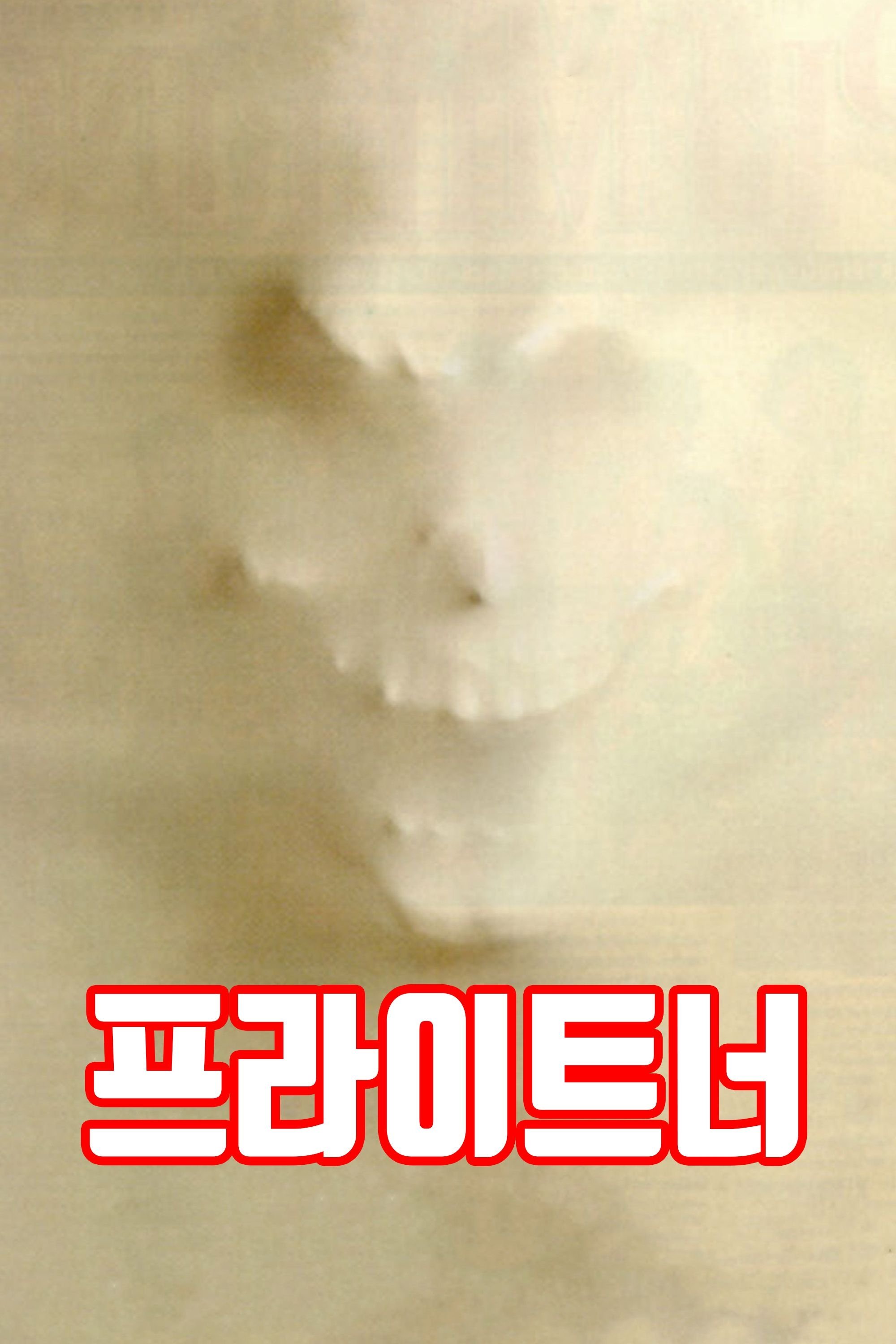
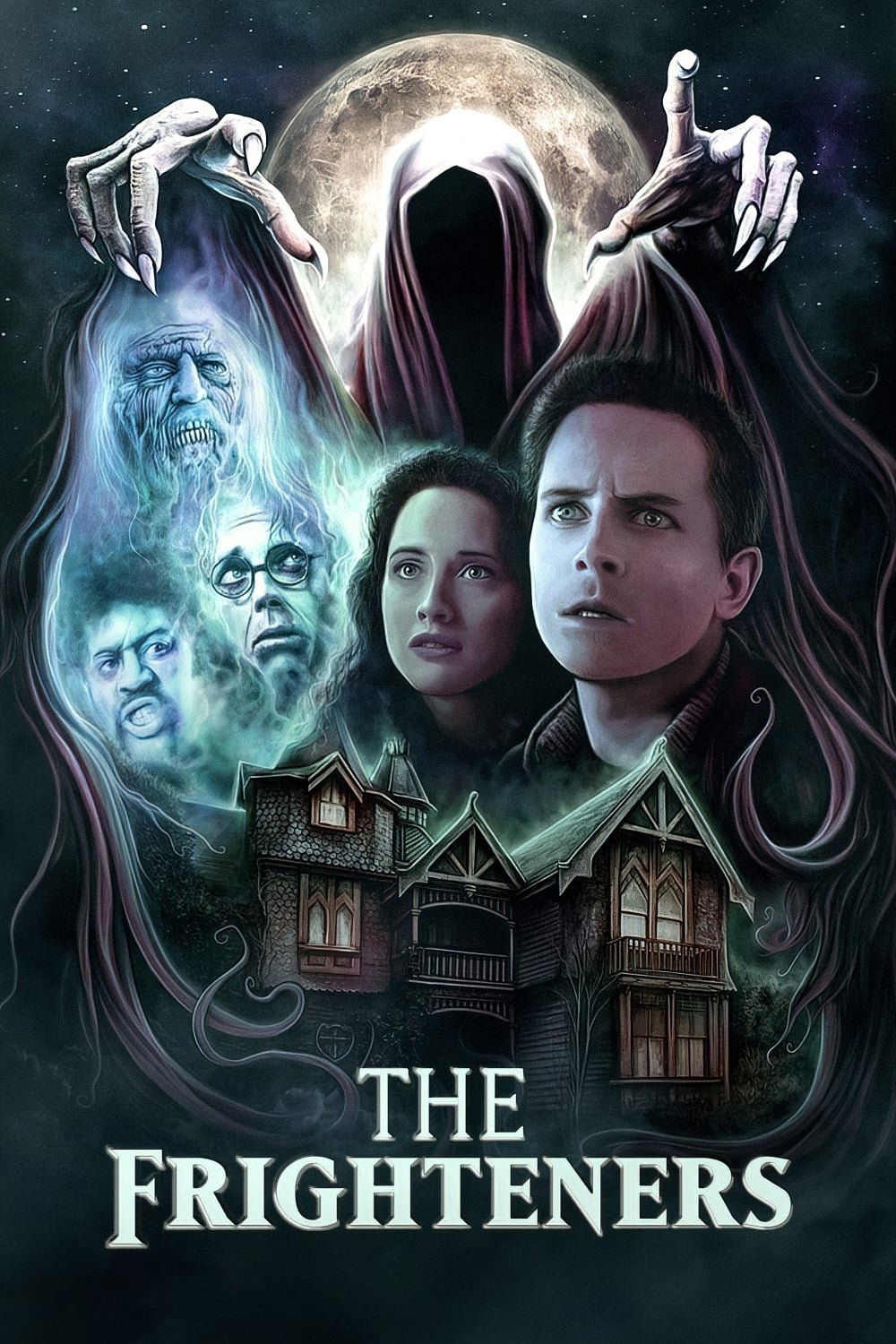
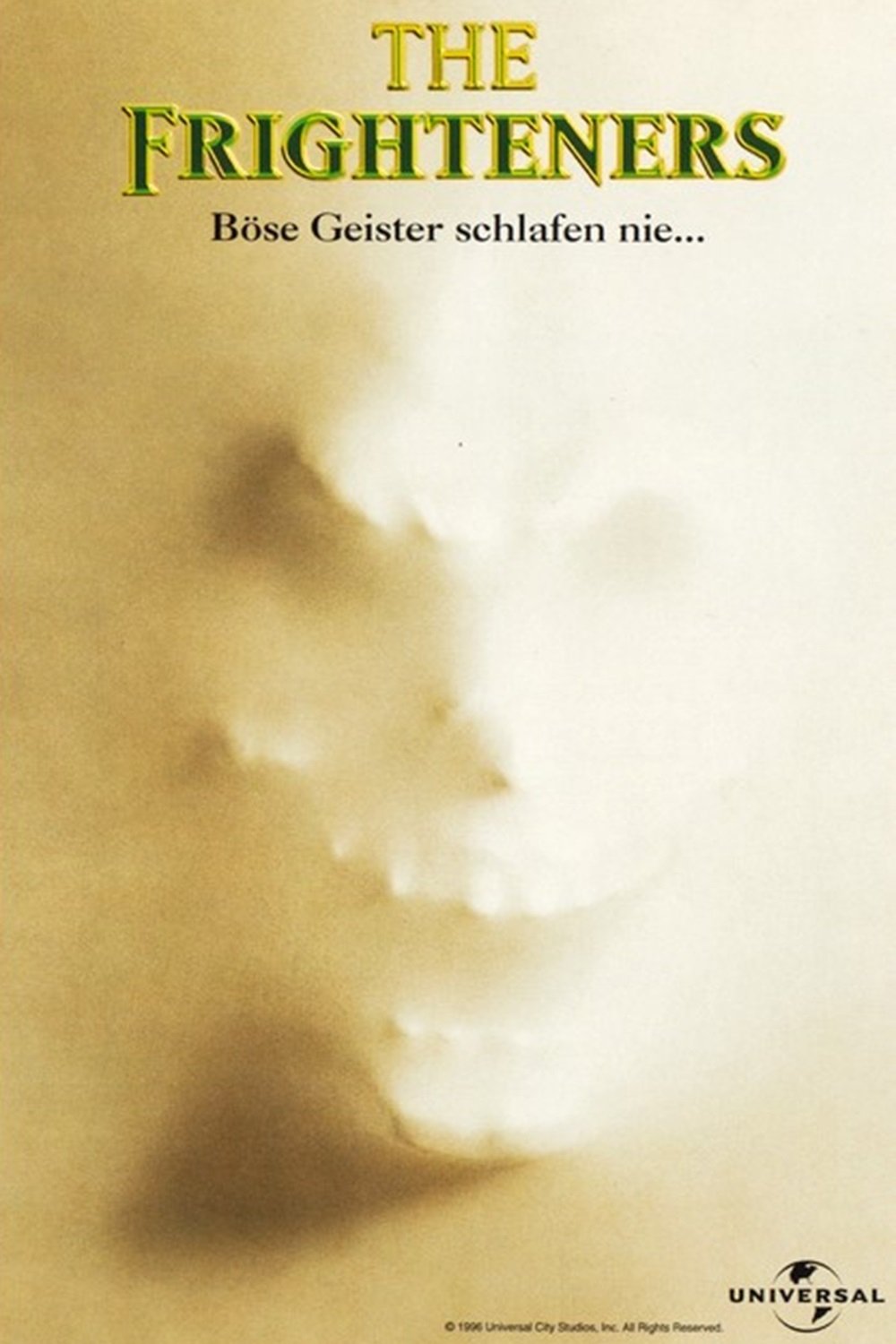
The Frighteners (1996) poster
Director
Production Companies
WingNut Films , Universal Pictures
Plot

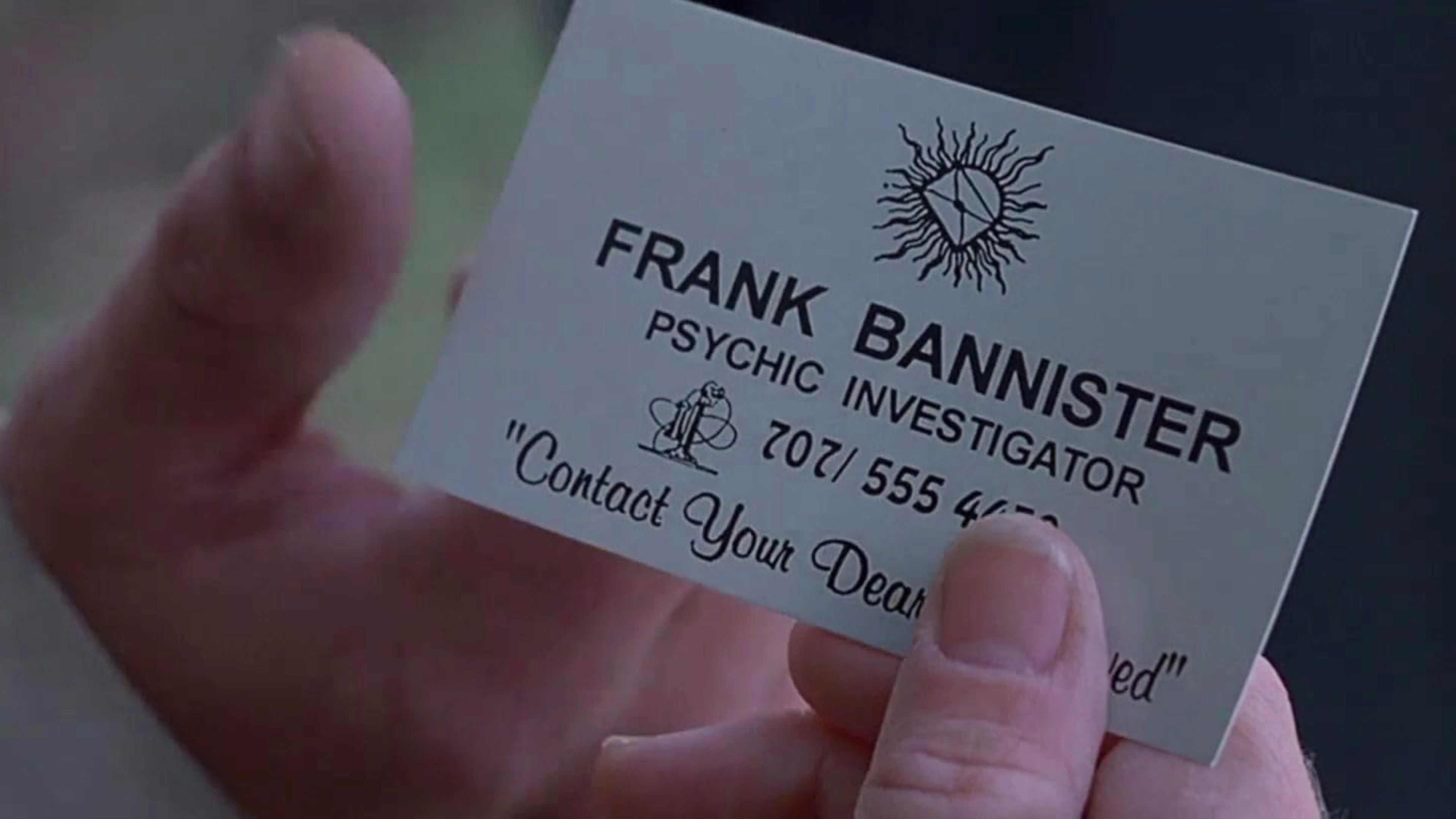
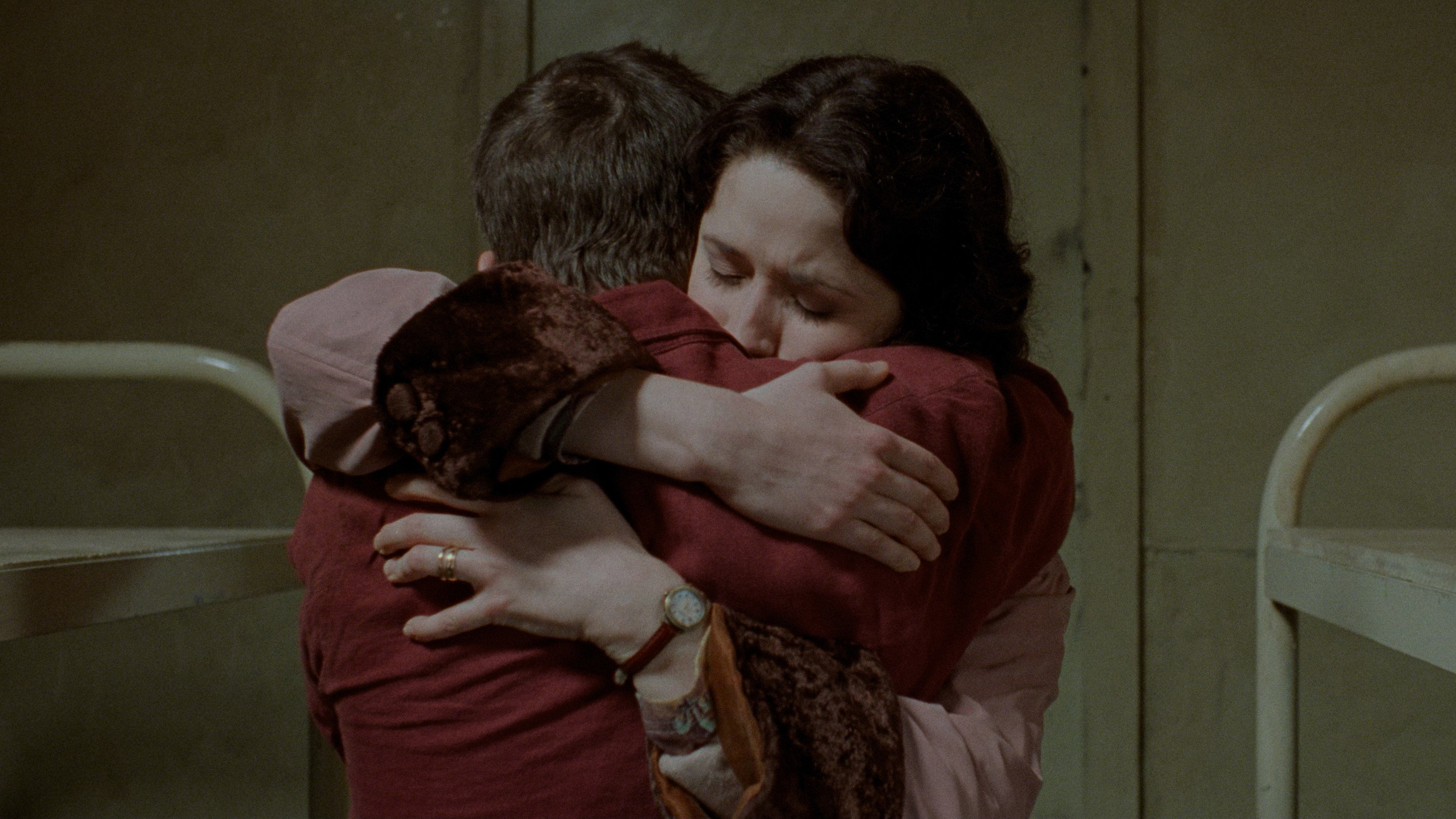
Once an architect, Frank Bannister now passes himself off as an exorcist of evil spirits. To bolster his facade, he claims his "special" gift is the result of a car accident that killed his wife. But what he does not count on is more people dying in the small town where he lives. As he tries to piece together the supernatural mystery of these killings, he falls in love with the wife of one of the victims and deals with a crazy FBI agent.

Alternative Titles
Сянката на смъртта (Bulgaria) — Bulgarian Os Espíritos (Brazil) — Portuguese Chasseurs de fantômes (Canada) — French 恐怖幽灵 (China) — Chinese Přízraky (Czechia) — Czech The Frighteners - Herr der Geister (Germany) — TV Agárrame esos fantasmas (Spain) — Spanish Kummituskopla (Finland) — Finnish
Show all 31 alternative titles Fantômes contre fantômes (France) — French საფრთხობელები (Georgia) — Georgian Κυνηγός Φαντασμάτων (Greece) — Greek 神通鬼大 (Hong Kong SAR China) — Chinese Zastrašivači (Croatia) — Croatian Törjön ki a frász! (Hungary) — Hungarian עיר הרשע (Israel) — Hebrew Sospesi nel tempo (Italy) — Italian さまよう魂たち (Japan) — Japanese 프라이트너 (South Korea) — Korean Baubai (Lithuania) — Lithuanian Muertos de miedo (Mexico) — Spanish Przerażacze (Poland) — Polish Agarrem-me esses Fantasmas (Portugal) — Portuguese Un om și trei fantome (Romania) — Romanian Застрашивачи (Serbia) — Serbian Страшилы (Russia) — Russian Prestrašeni (Slovenia) — Slovenian สามผีสี่เผ่าเขย่าโลก (Thailand) — Thai Sevimli Hayaletler (Türkiye) — Turkish 神通鬼大 (Taiwan) — Chinese Страшили (Ukraine) — Ukrainian Robert Zemeckis Presents: The Frighteners (United States)

Trailers & Videos

2 videos

Film Guide & Analysis

Peter Jackson and Fran Walsh’s ghostly horror comedy: Robert Zemeckis, the New Zealand shoot, Michael J. Fox, Weta Digital, Danny Elfman, versions, reception and restoration.

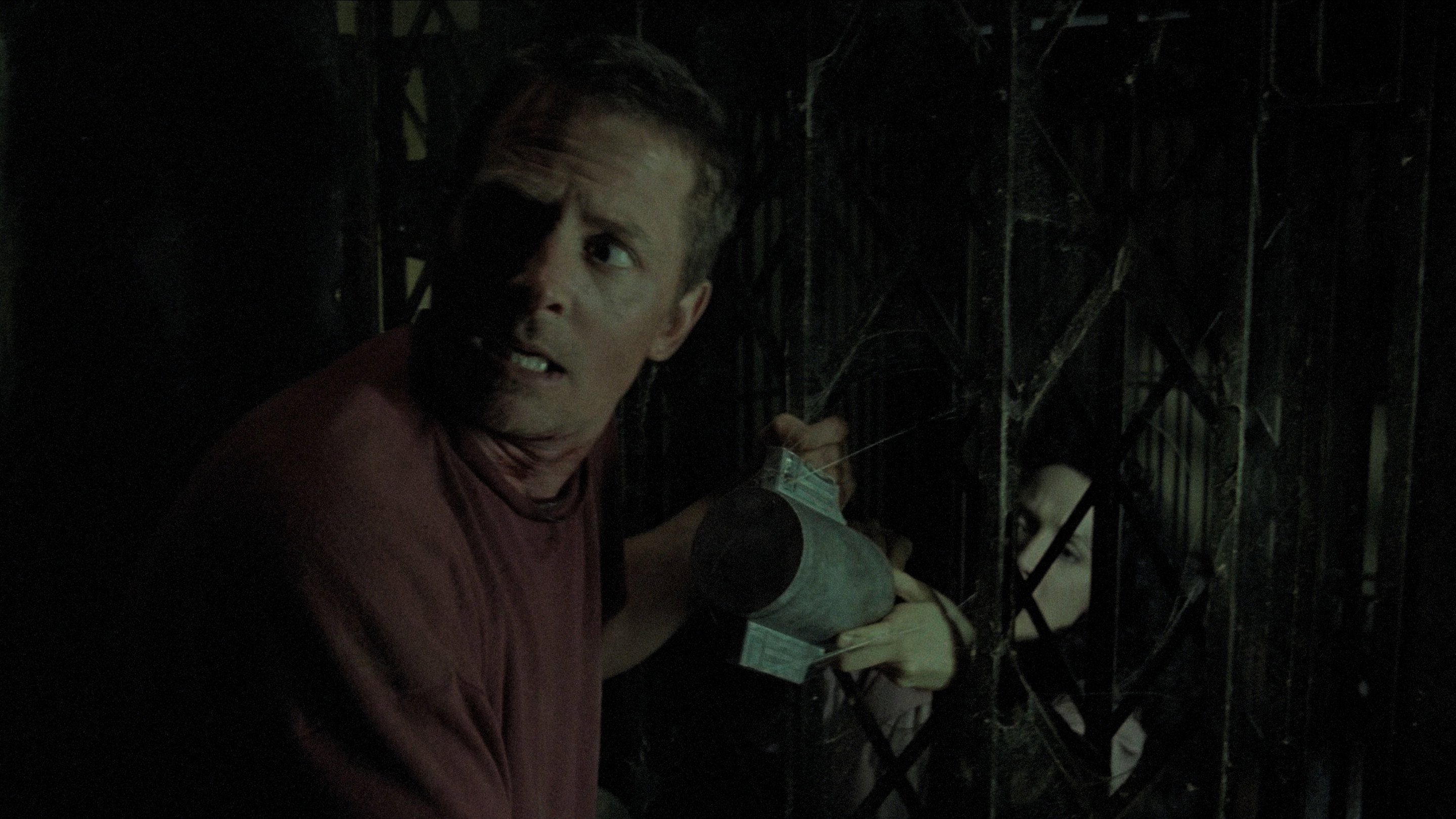
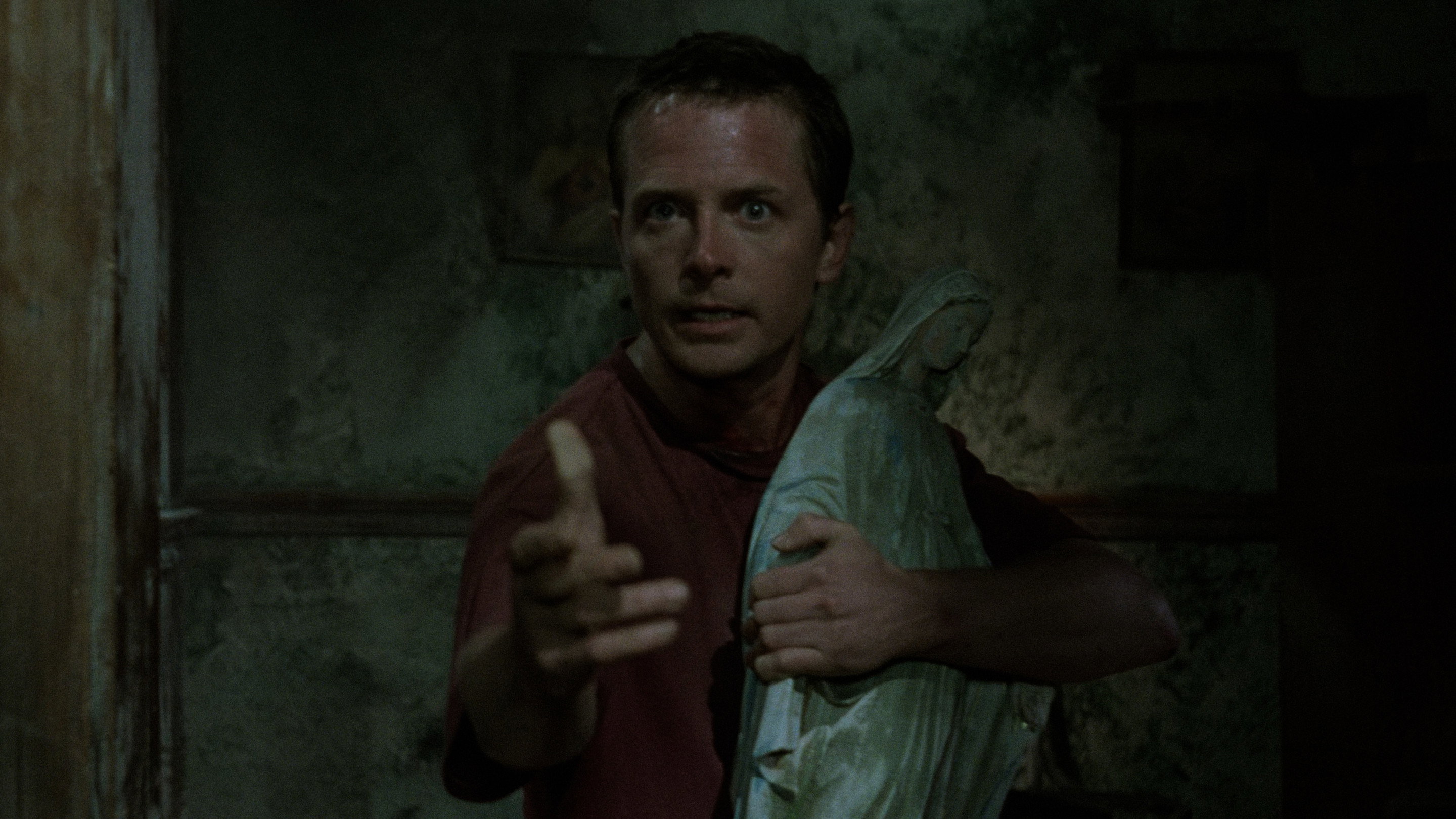
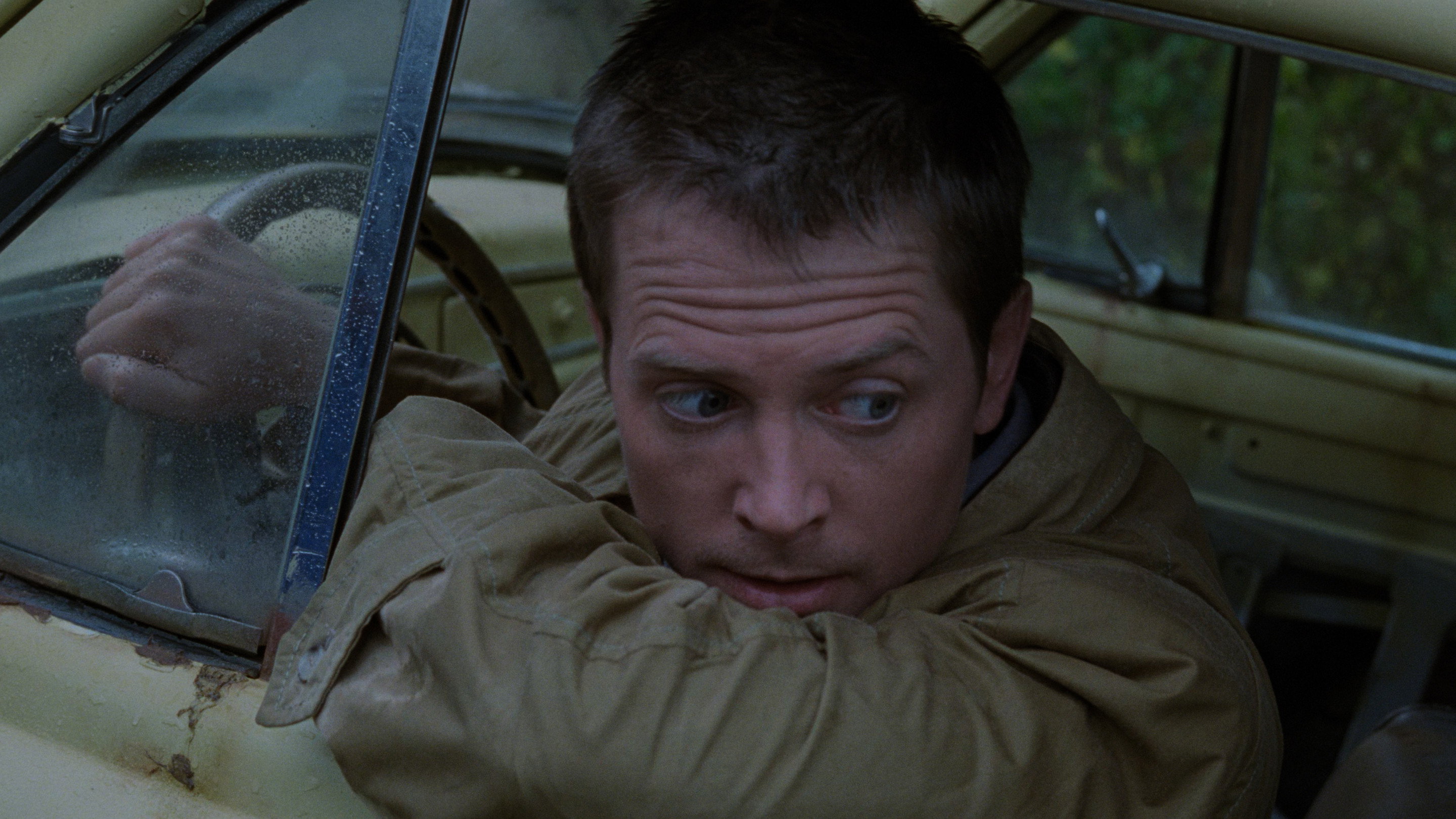
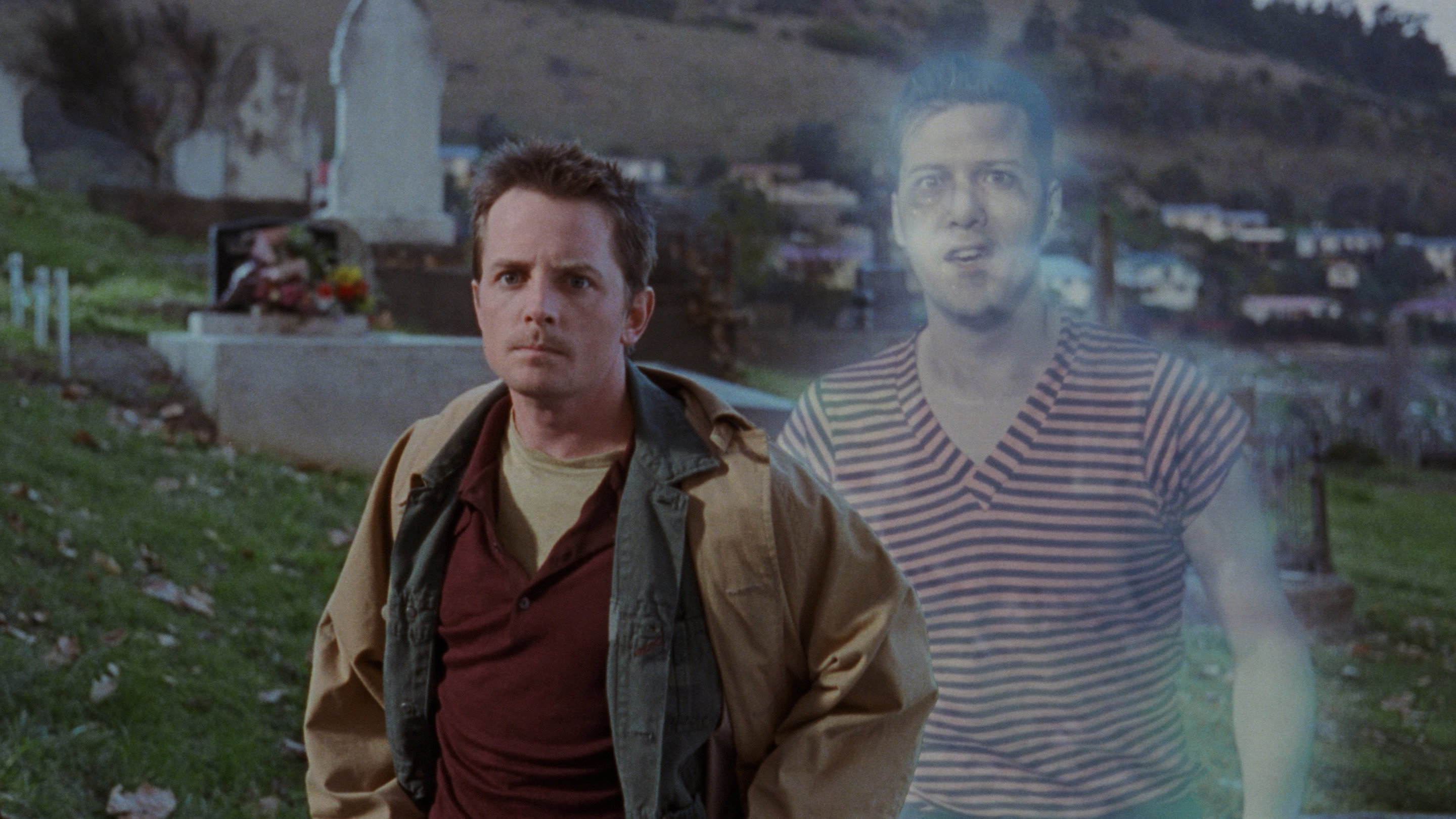
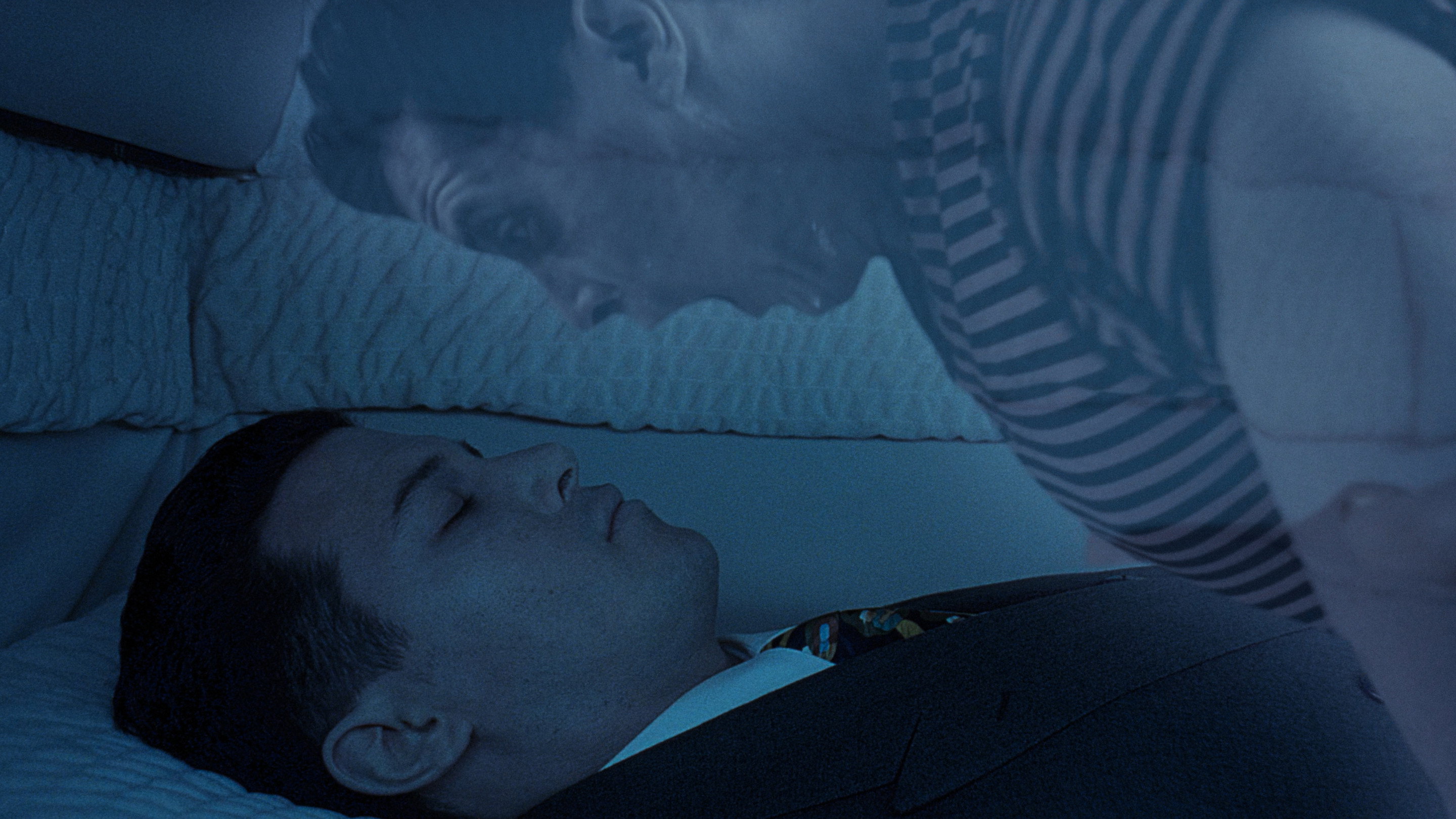
Peter Jackson’s The Frighteners (1996) begins with a fraudulent ghost hunter who genuinely possesses the ability to see the dead. Frank Bannister, played by Michael J. Fox, earns his living by sending three friendly spirits into houses and then charging their frightened occupants for an exorcism. His arrangement becomes dangerously inadequate when inhabitants of the town of Fairwater start dying from apparently unexplained heart attacks. A black-robed figure appears to move through walls and pursue both the living and the dead, while Frank finds himself suspected of the murders he is attempting to understand. The film’s comic premise opens onto a story of guilt, repeated killing and the unfinished history of a mass murderer.

Written by Jackson and Fran Walsh, financed and distributed by Universal Pictures, and executive-produced by Robert Zemeckis, The Frighteners was filmed in New Zealand despite its American setting. Its combination of practical makeup, miniatures and unusually extensive digital animation marked an important stage in the growth of Weta Digital. Jackson’s direction moves between broad spectral comedy and violence involving human victims, with Danny Elfman’s score helping bind its contrasting registers. The film’s disappointing original box office and its later director’s cut form separate chapters in the history of an ambitious horror production made before Jackson’s international success with The Lord of the Rings.

Development, Zemeckis and the Universal Production

Jackson and Walsh began considering the premise while working on Heavenly Creatures (1994). Their initial idea concerned a supposed paranormal investigator who stages hauntings with real ghosts, creating a contradiction between professional dishonesty and genuine supernatural knowledge. In a thirtieth-anniversary interview with Empire, Jackson recalled that their agent Ken Kamins learned Robert Zemeckis was considering feature projects connected with Tales from the Crypt. Zemeckis liked the outline and commissioned a screenplay, but eventually judged the idea better suited to an independent feature. He encouraged Jackson to direct rather than taking the assignment himself, remaining involved as executive producer.

The development placed a filmmaker known for Bad Taste (1987), Meet the Feebles (1989) and Braindead (1992) inside a considerably larger American-backed production. Heavenly Creatures had already established that Jackson and Walsh could sustain psychological material beyond splatter comedy. The Frighteners asked them to combine those abilities with extensive fantasy imagery and a leading Hollywood actor. Contemporary reporting in the Los Angeles Times identifies WingNut Films, producer and editor Jamie Selkirk and the involvement of Universal executives who allowed the production to be organized in New Zealand.

The screenplay’s movement from comedy toward a murder mystery is essential to its final shape. Frank’s business initially exploits the audience’s familiarity with haunted-house films, using spirits as accomplices rather than enemies. The apparently harmless scheme then exposes him to a real killer whose methods he cannot control. This structure allows the story to revisit its opening premise with much darker consequences: seeing the dead becomes an obligation rather than a convenient commercial advantage. The creative relationship with Zemeckis supplied resources and a route into international distribution, while leaving Jackson and Walsh responsible for the screenplay’s conflicting tones.

New Zealand Locations and the Construction of Fairwater

The fictional town of Fairwater is American, but its streets and much of the surrounding environment were assembled from New Zealand locations. Lyttelton, near Christchurch, supplied important town exteriors, while Wellington and nearby studio facilities accommodated other scenes. Jackson later described the effort required to make left-hand-driving New Zealand streets resemble an American community. Production vehicles, signs and set dressing changed what could be seen at street level, while constructed elements extended locations beyond their actual boundaries.
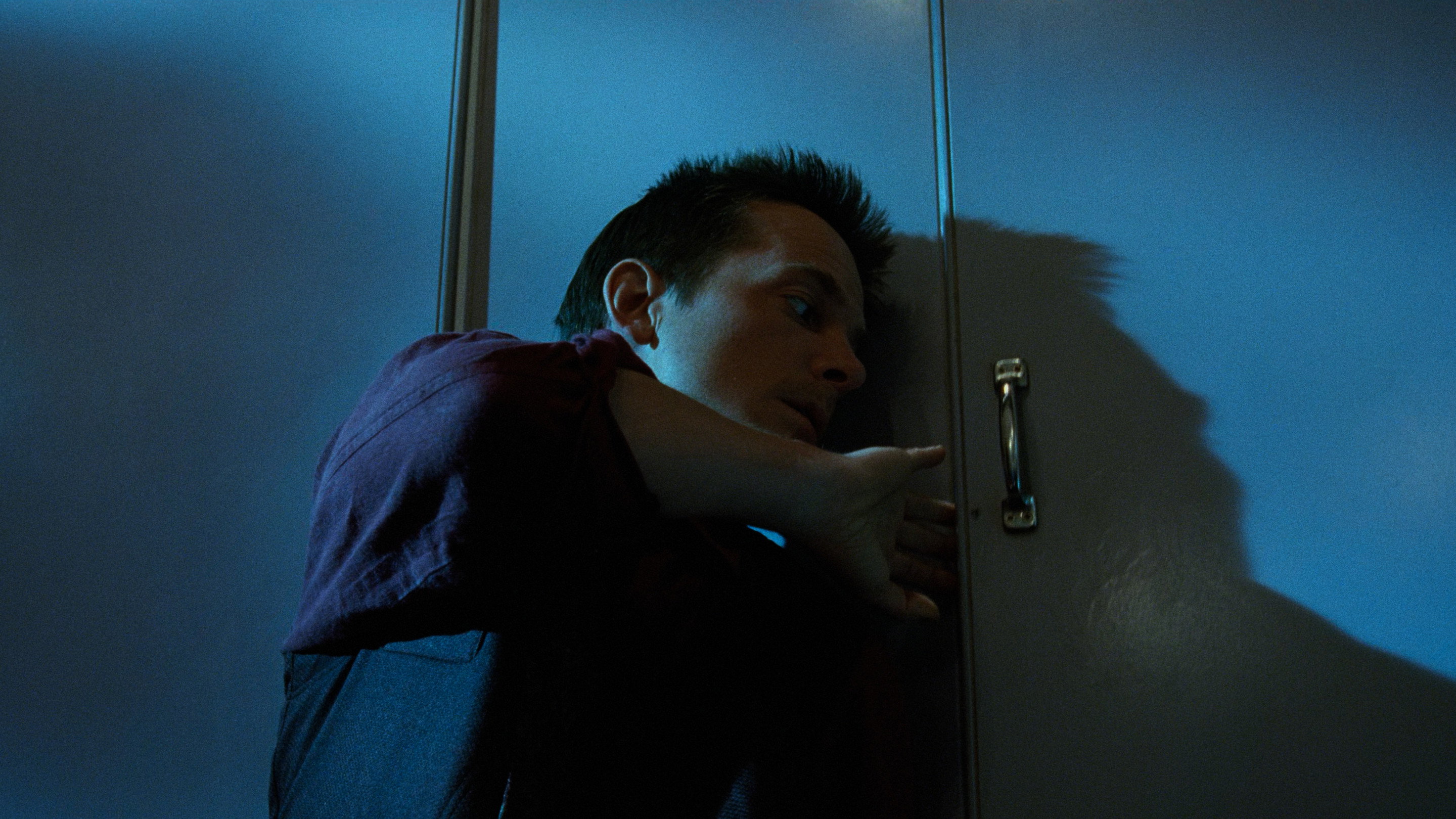
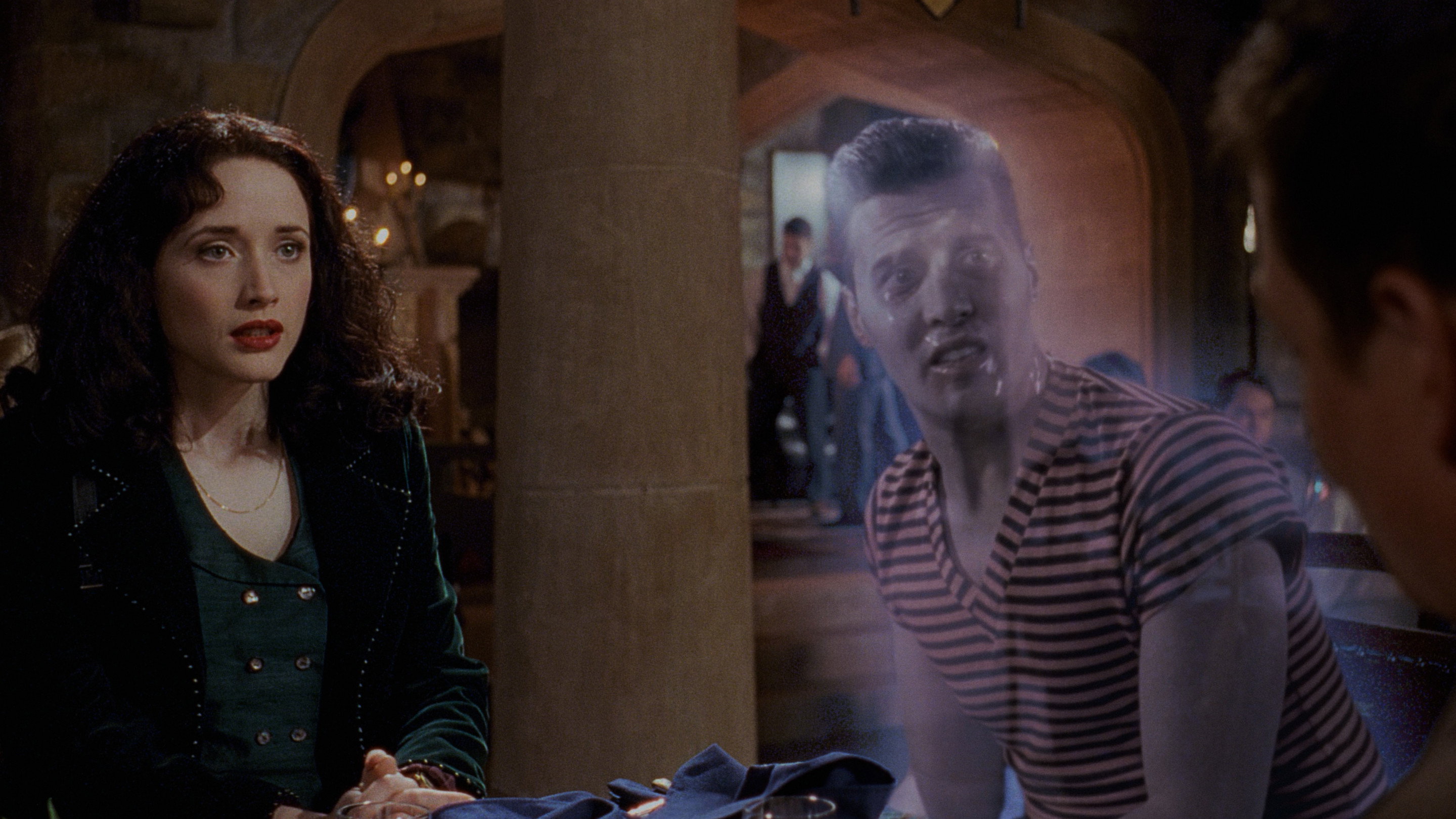
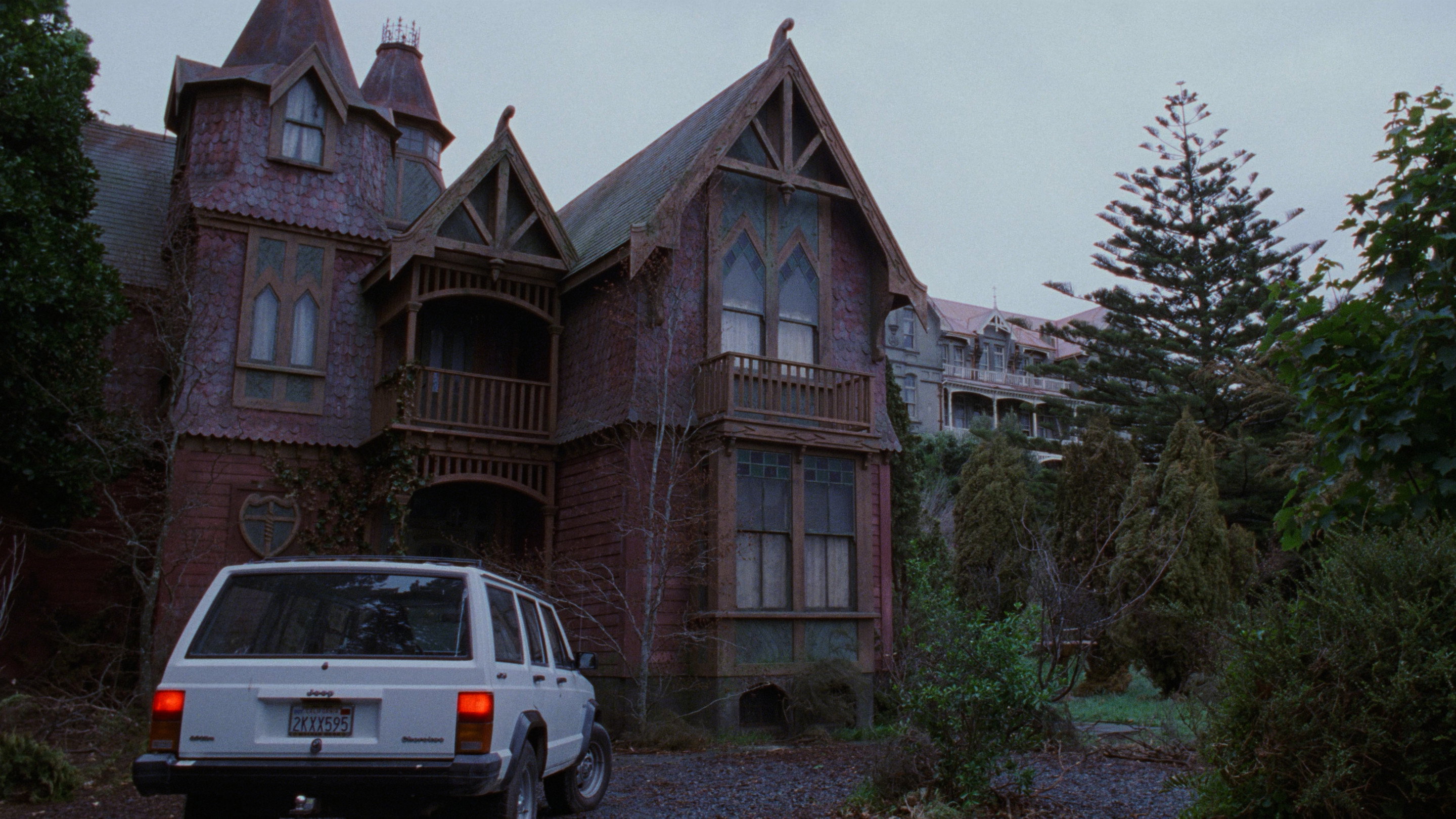
Production designer Grant Major developed a town capable of supporting both broad comic incidents and a darker history. The public spaces initially appear suitable for a ghostbusting comedy, but cemeteries, a ruined building and the old psychiatric institution gradually dominate Frank’s investigation. The unfinished house associated with his marriage is particularly significant: it preserves the possibility of a future destroyed by his wife’s death. Such settings provide material continuity as the film shifts from mischievous spirits to the discovery of violence committed decades earlier. Fairwater becomes a community in which the past remains active because the living have misunderstood its most important events.
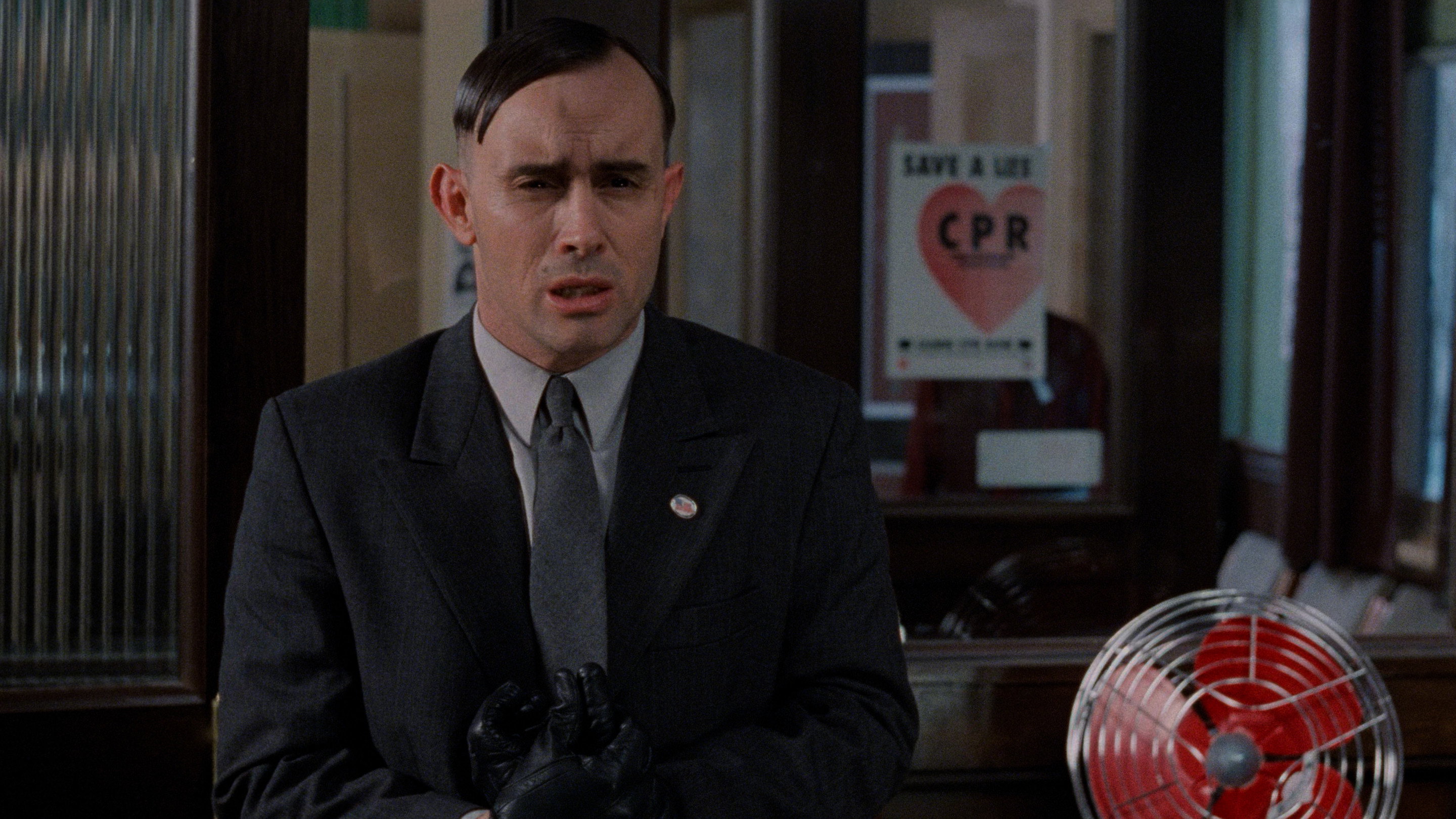
Alun Bollinger and John Blick share the cinematography credit, with Jamie Selkirk responsible for editing. Their work gives the physical locations enough clarity for the later digital events to transform them. Camera movements can follow a figure through a room until a spectral body passes into a surface that had seemed solid. During attacks, the spectator can still recognize doors, floors and furniture, making their sudden loss of physical certainty disturbing. The New Zealand production also meant that substantial scenic and technical decisions could be taken close to Jackson and his effects team, an advantage emphasized in contemporary accounts of the film’s working arrangements.
Frank Bannister, Lucy Lynskey and the Ghostly Accomplices

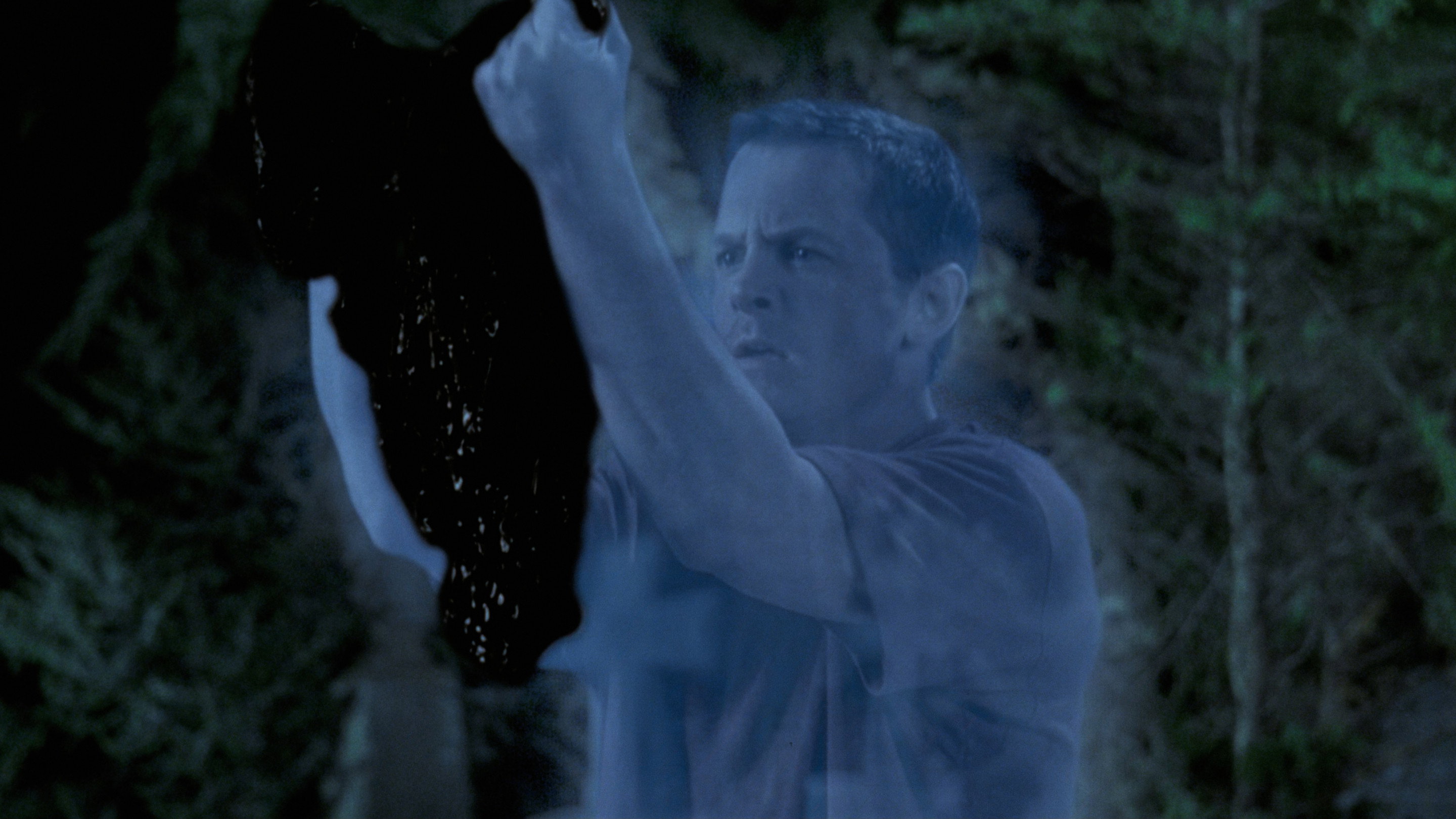
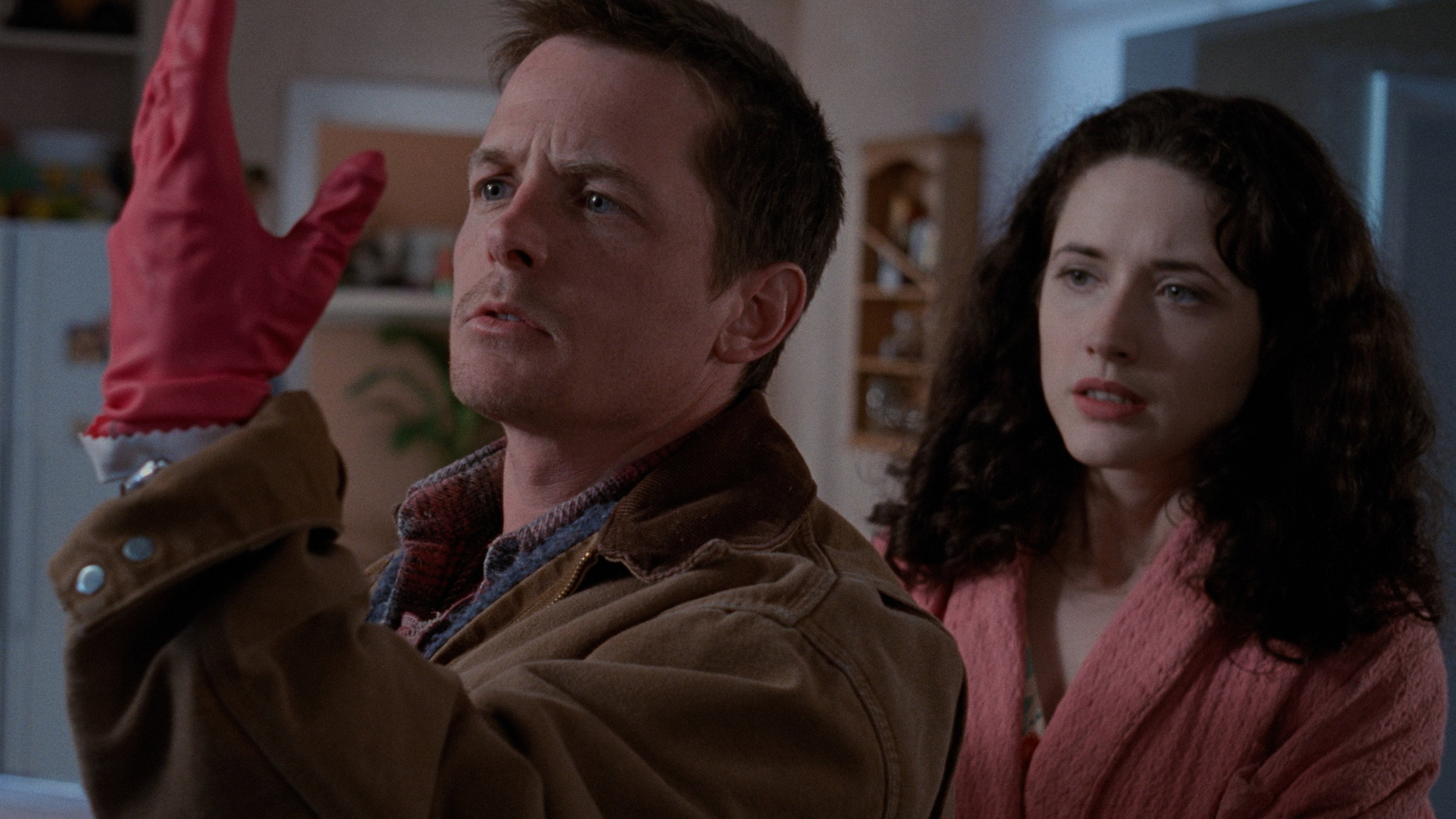
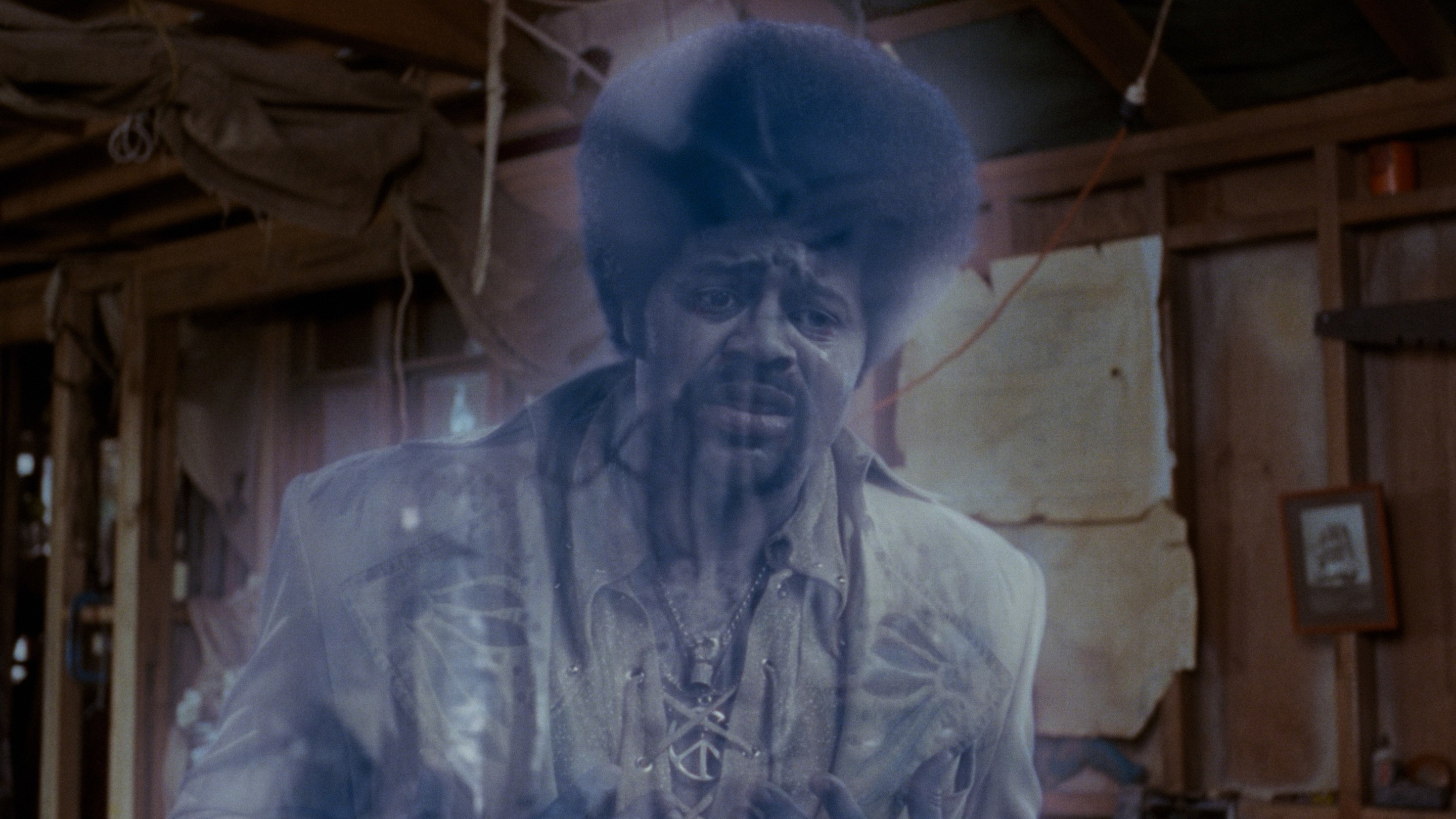
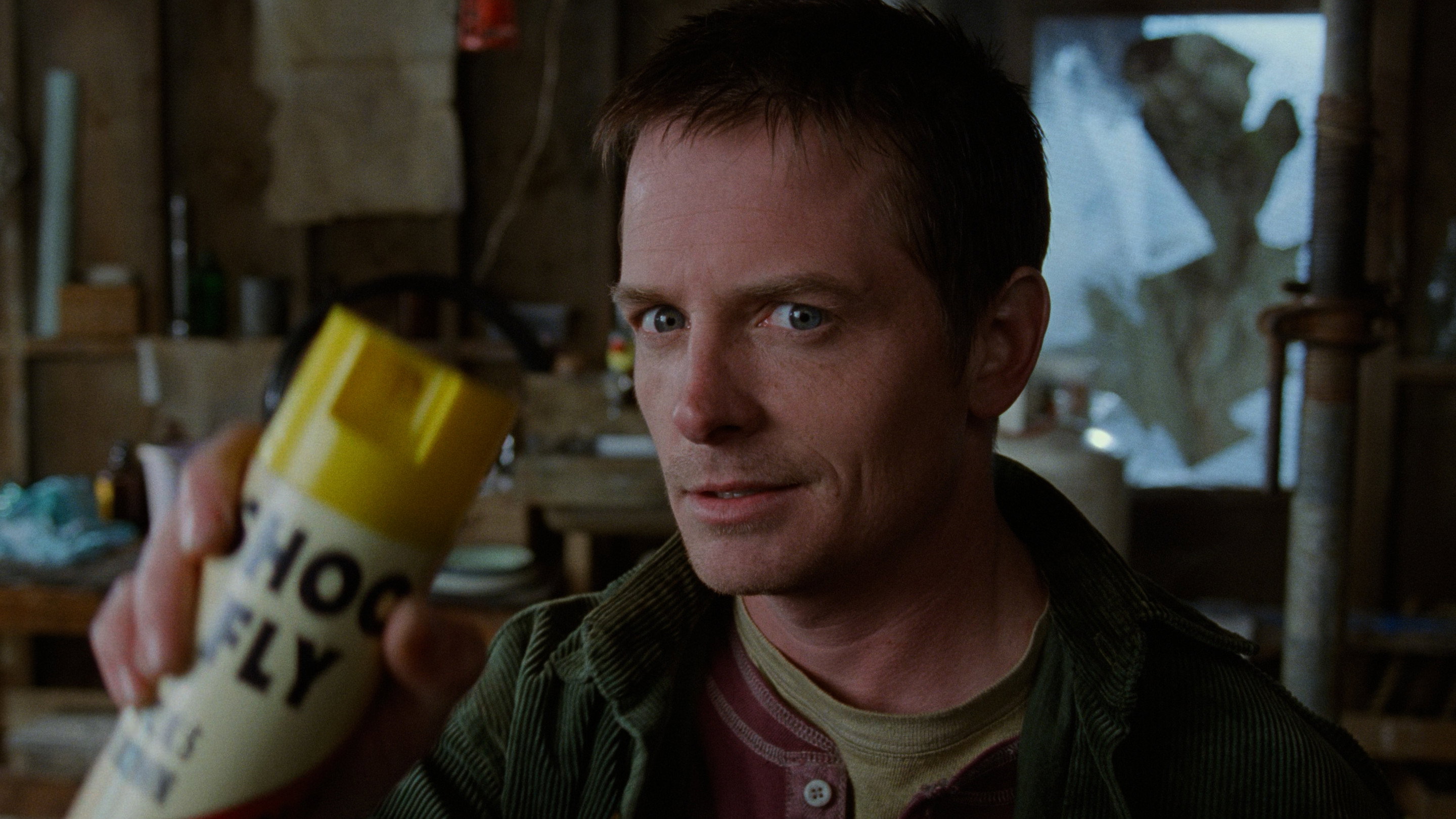
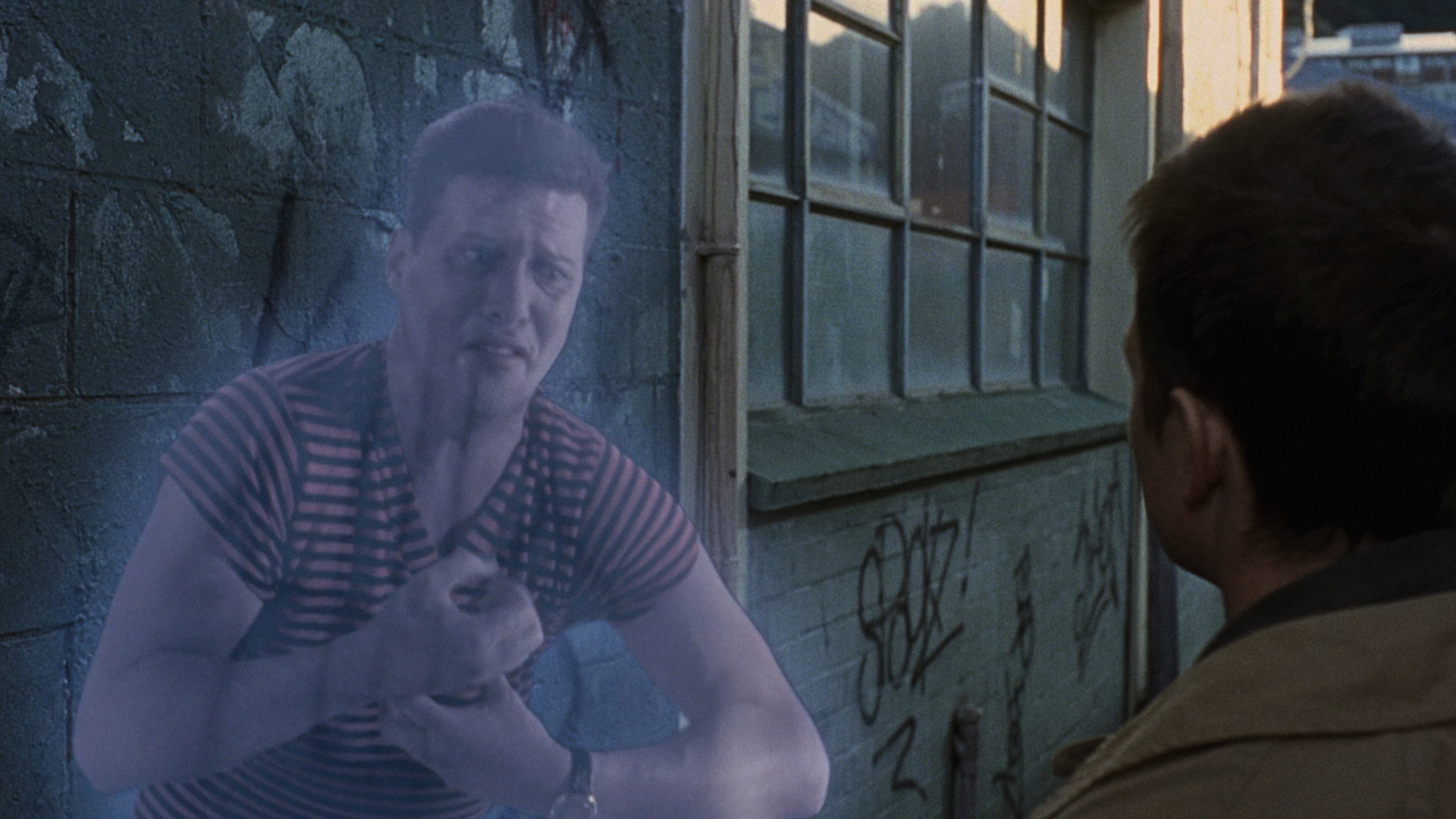
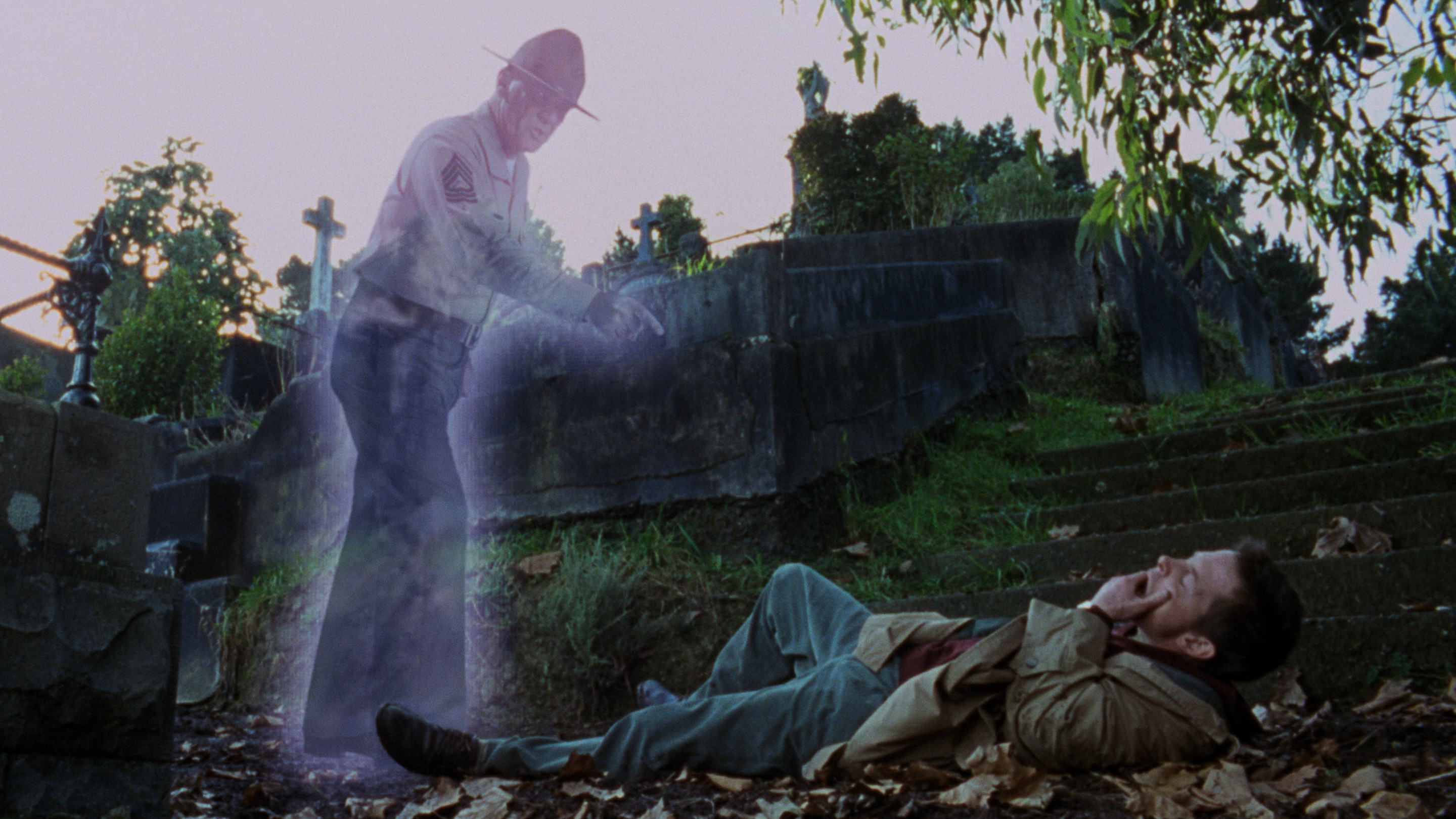
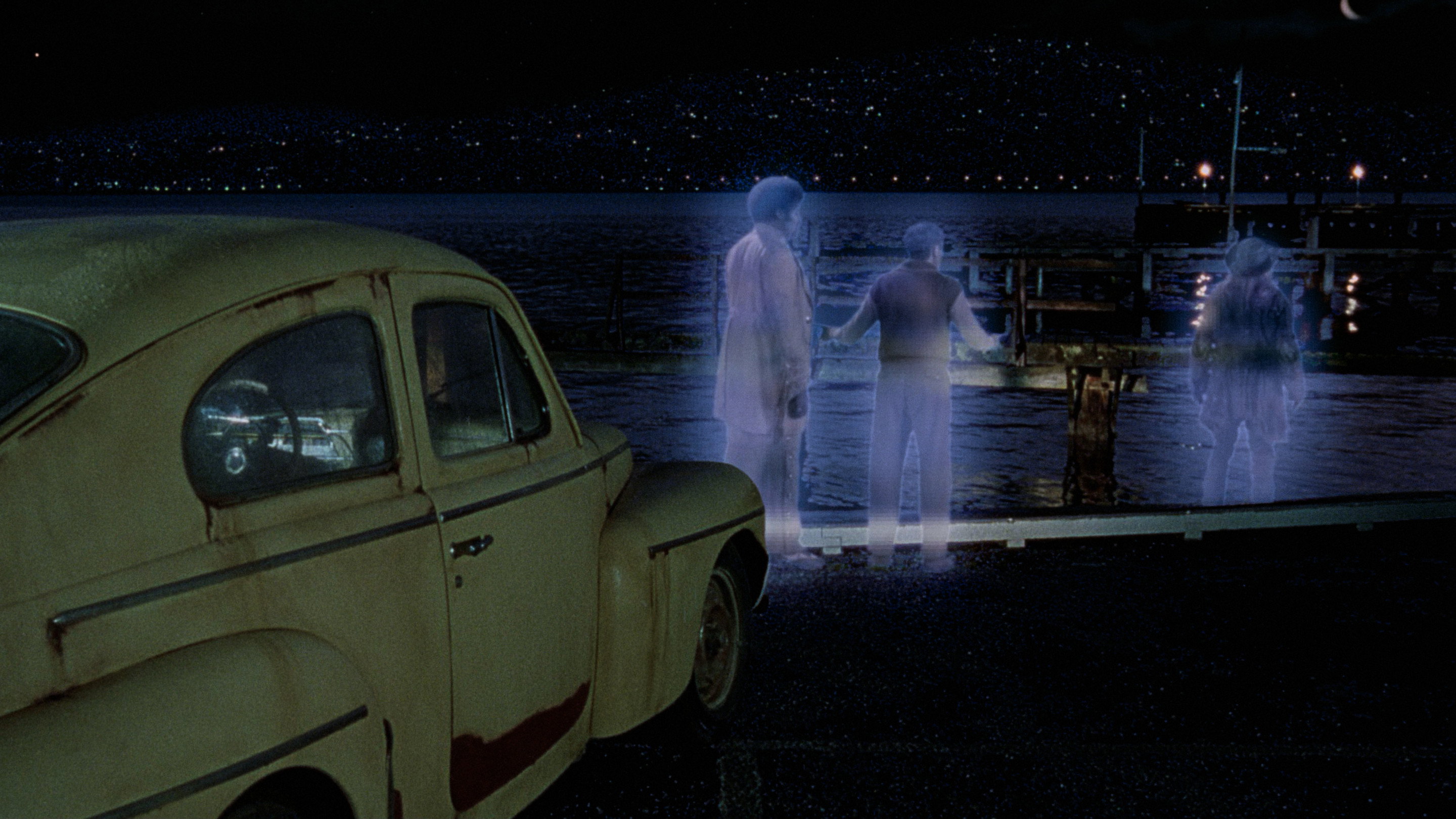
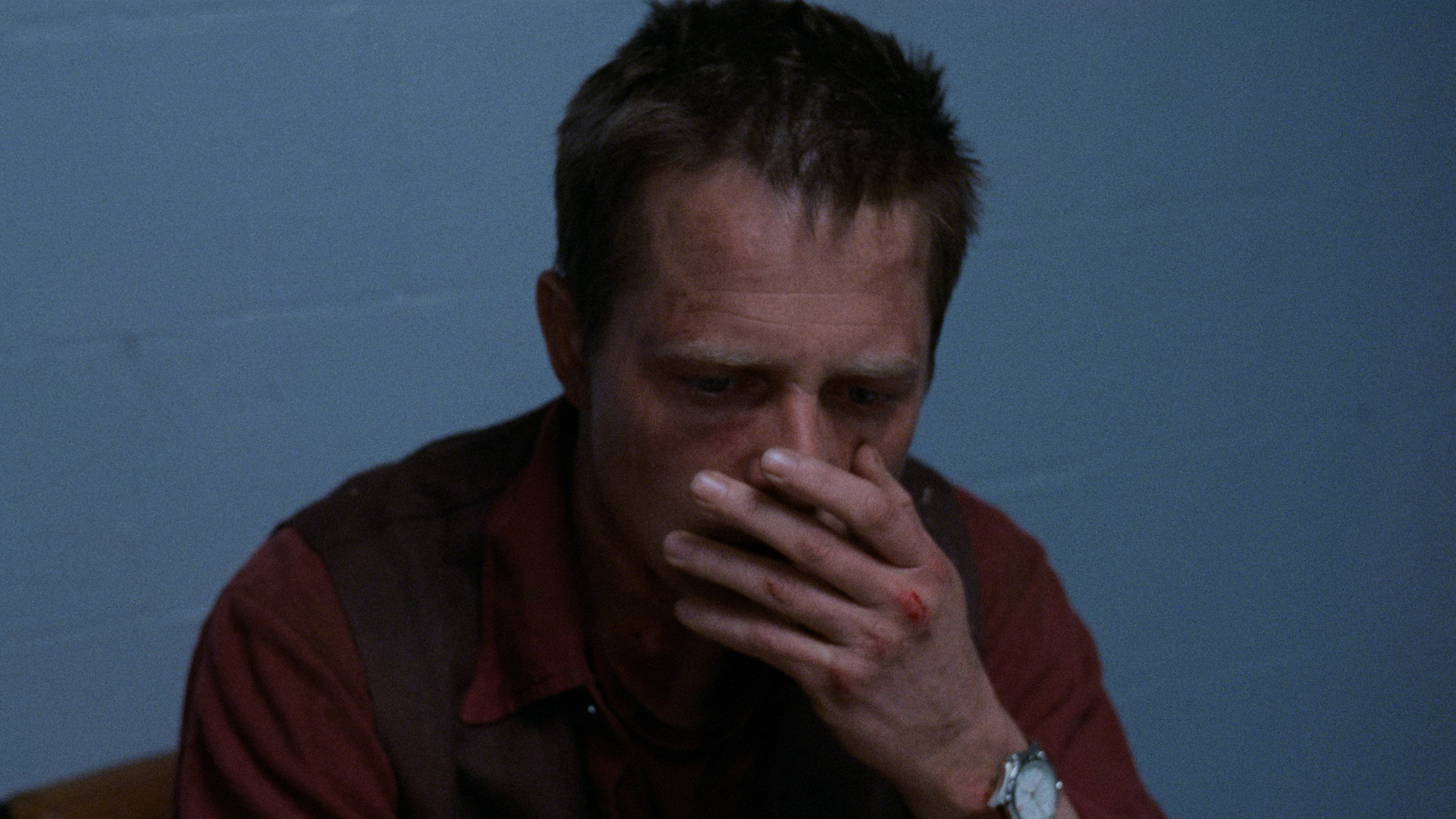
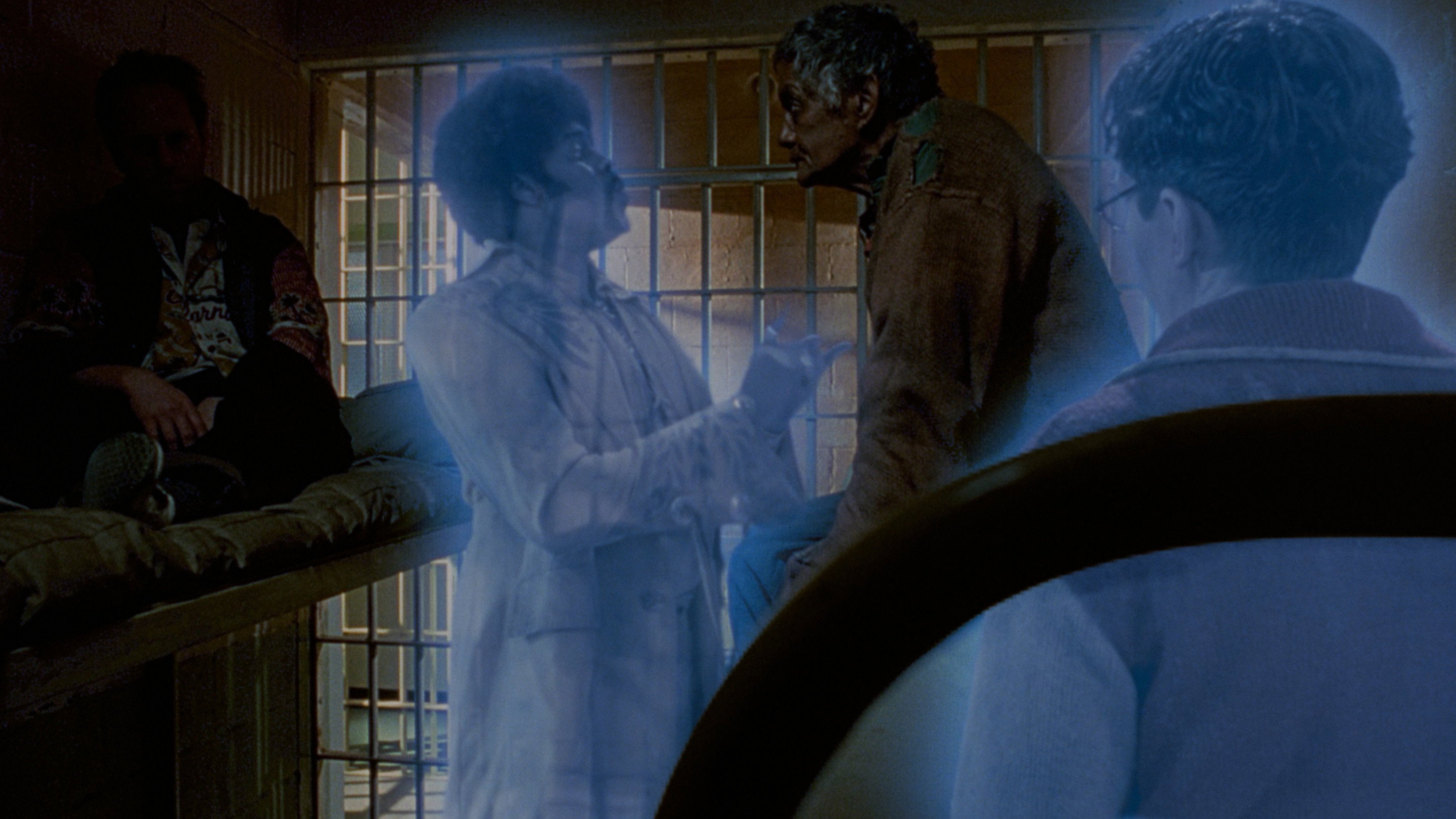
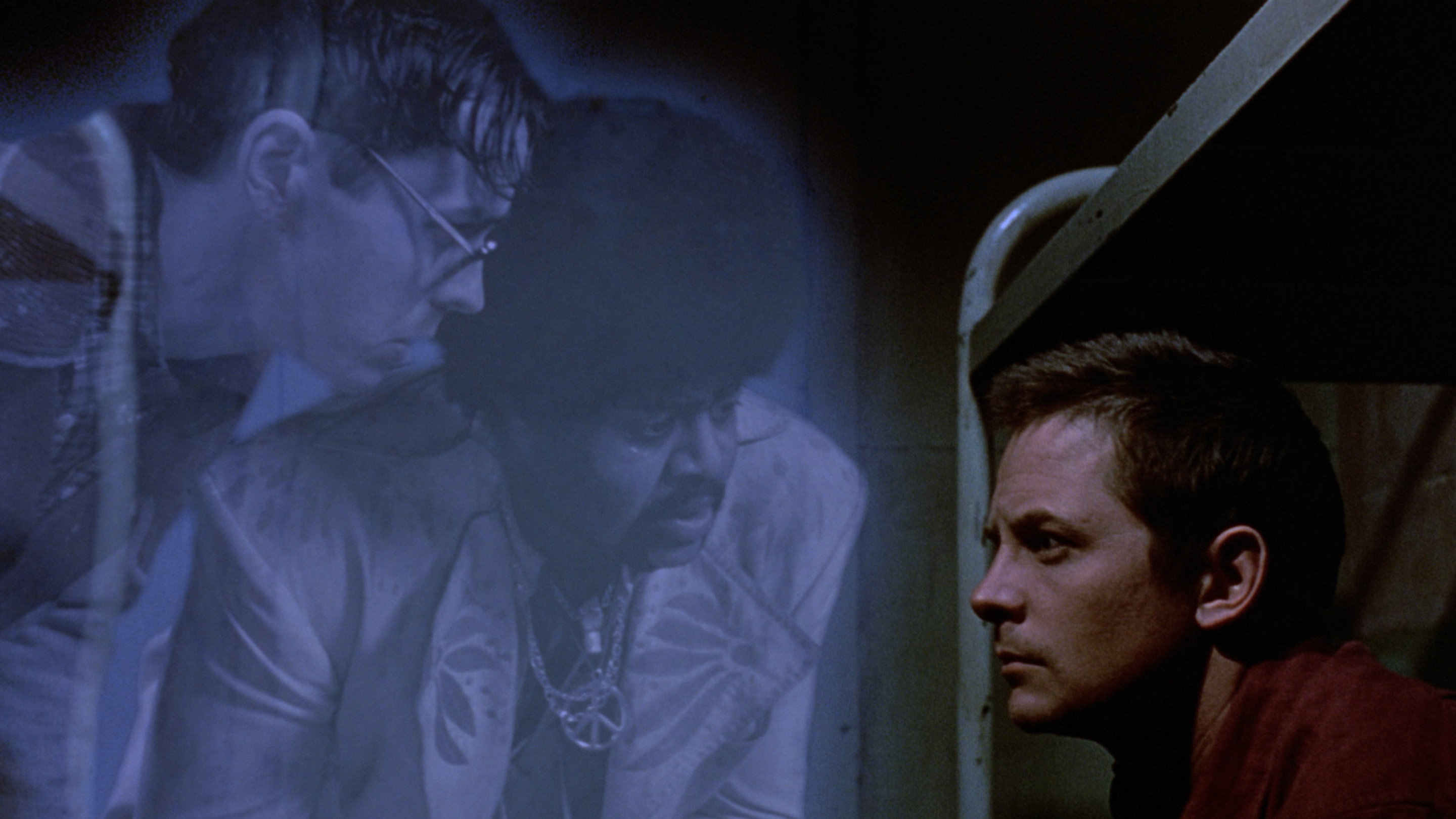
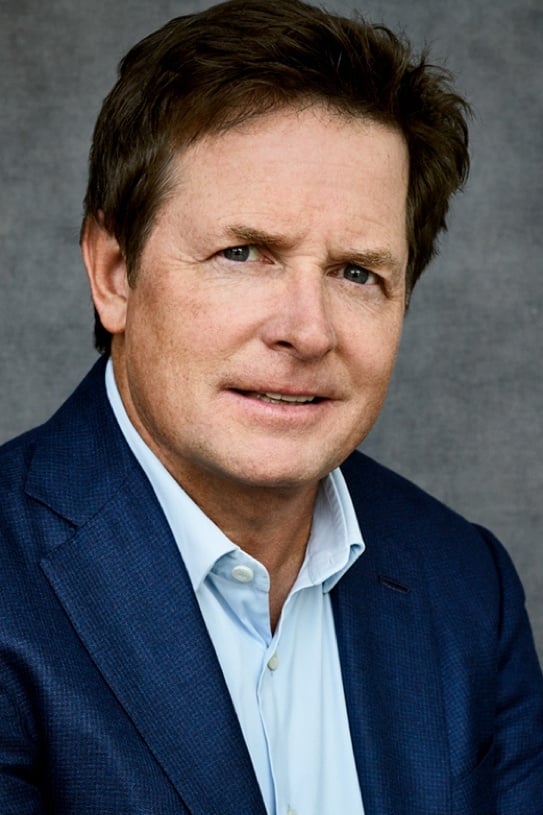
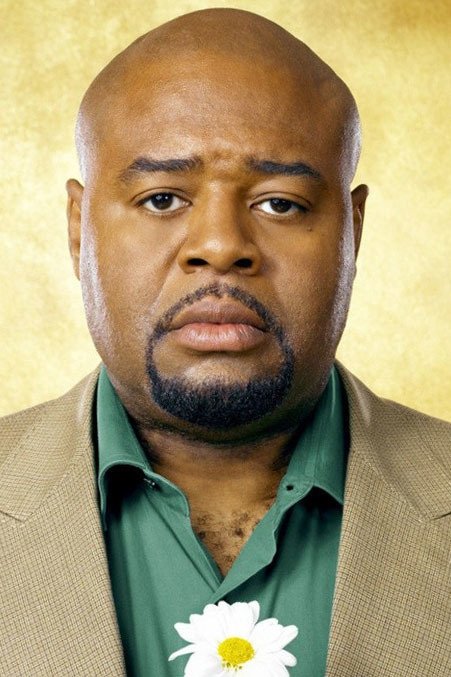
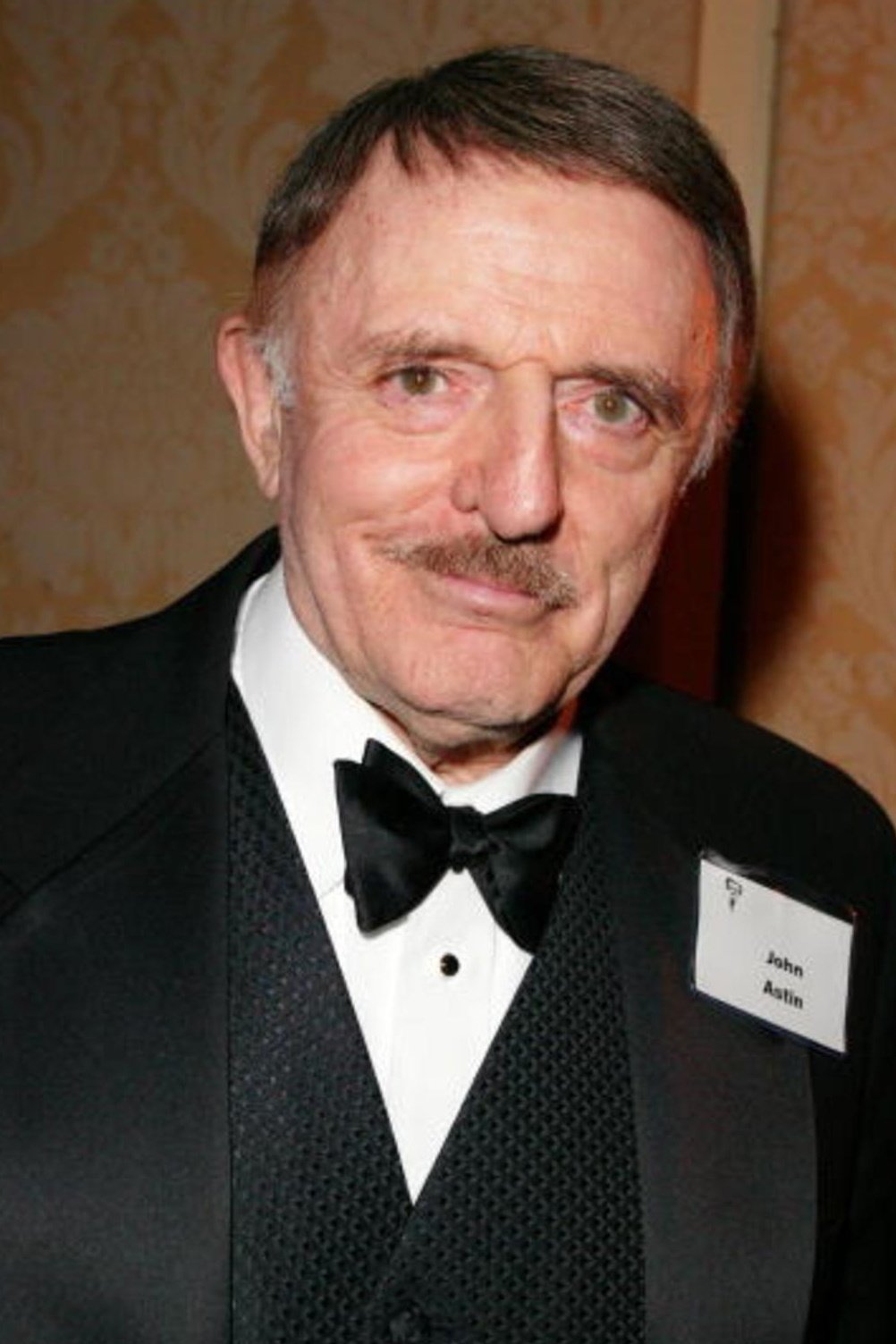
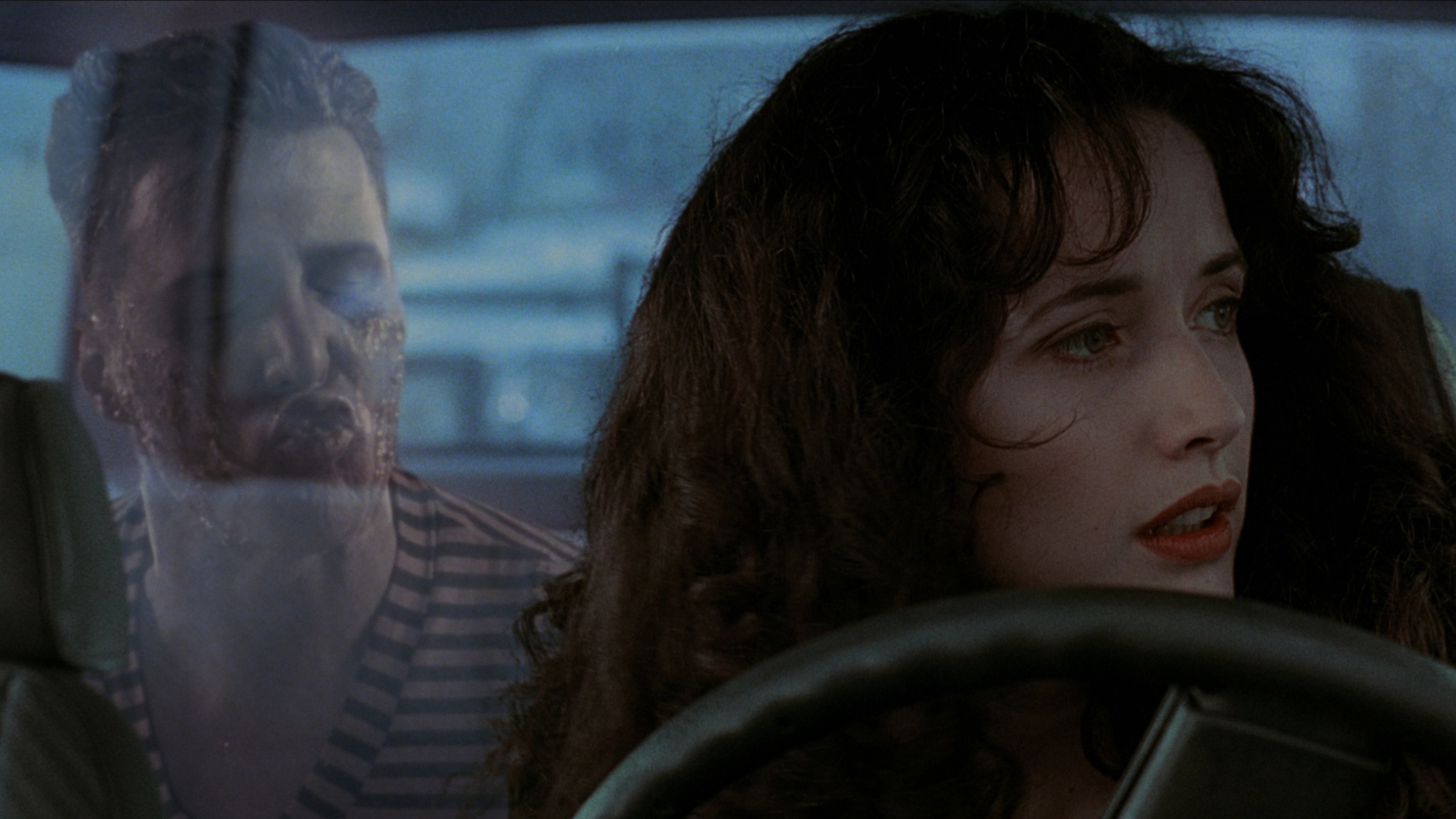
Michael J. Fox plays Frank as a man whose quick explanations and opportunism conceal unresolved grief. After the car crash that killed his wife Debra, he can see spirits, but the town associates him with death and treats his gifts with suspicion. His scheme depends on Cyrus, played by Chi McBride, Stuart, played by Jim Fyfe, and the Judge, portrayed by John Astin. These ghosts have different personalities and often disagree about their treatment as business partners. The encounters are amusing partly because Frank’s powers are genuine even when his services are fraudulent.

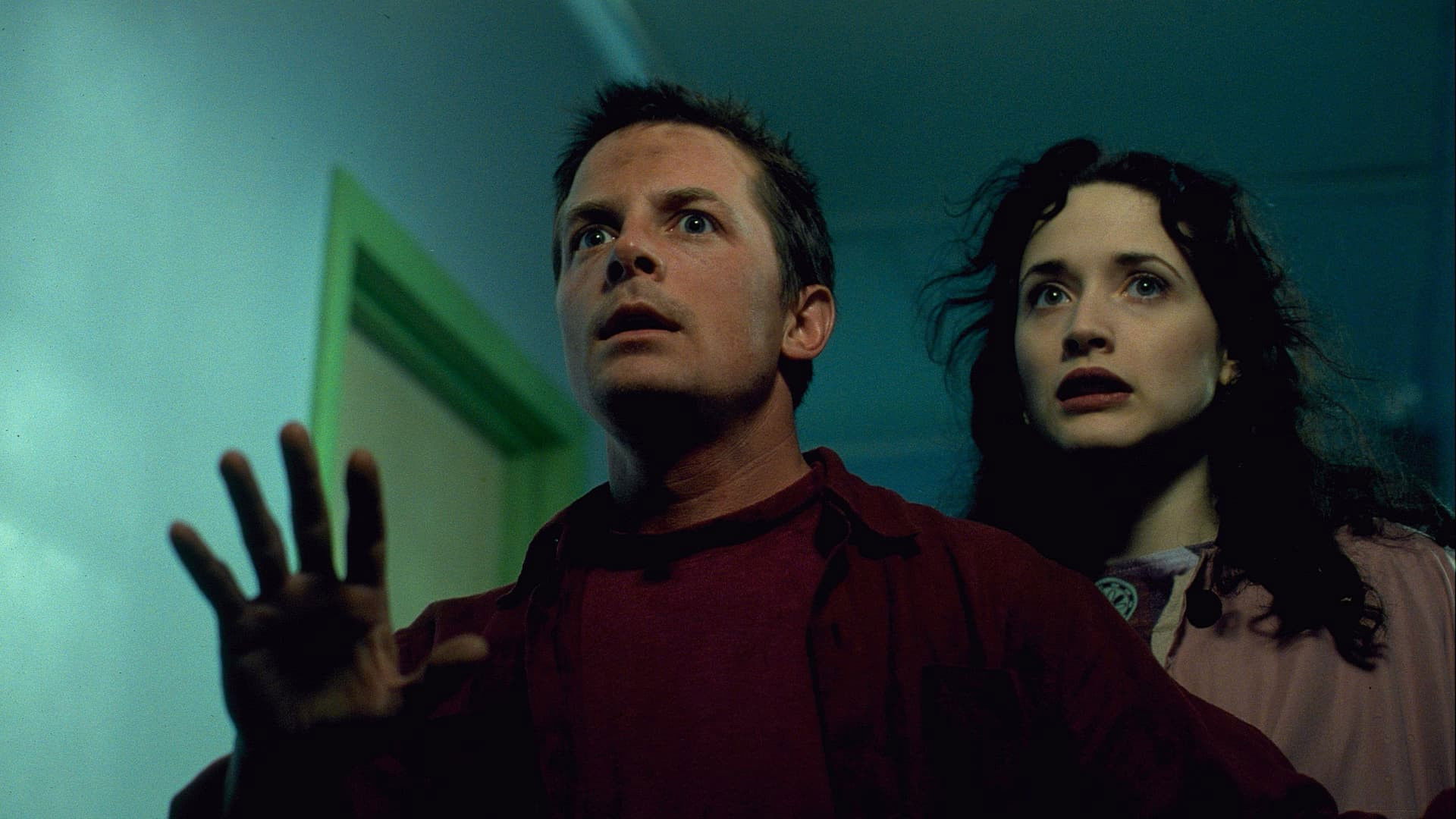
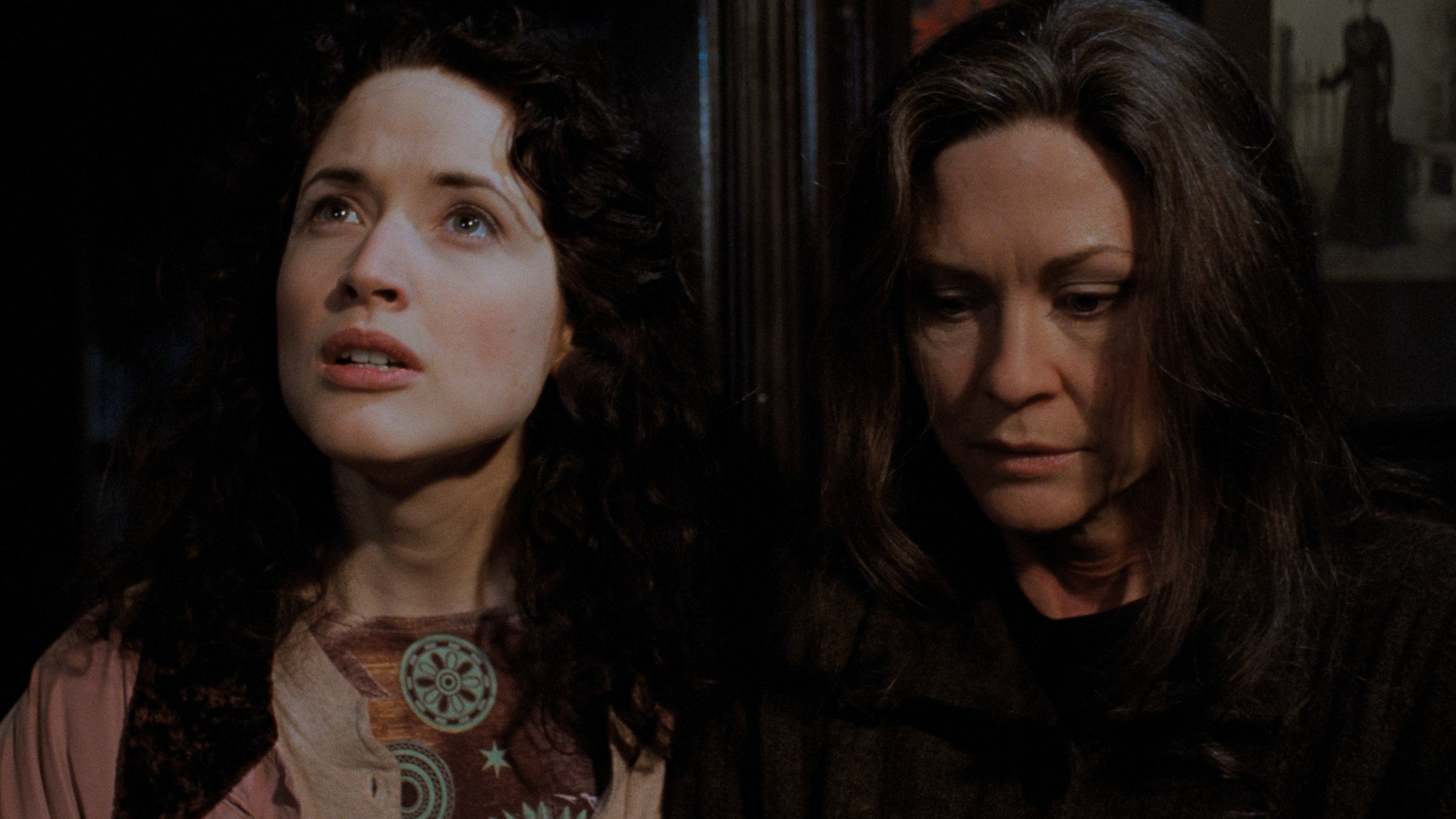
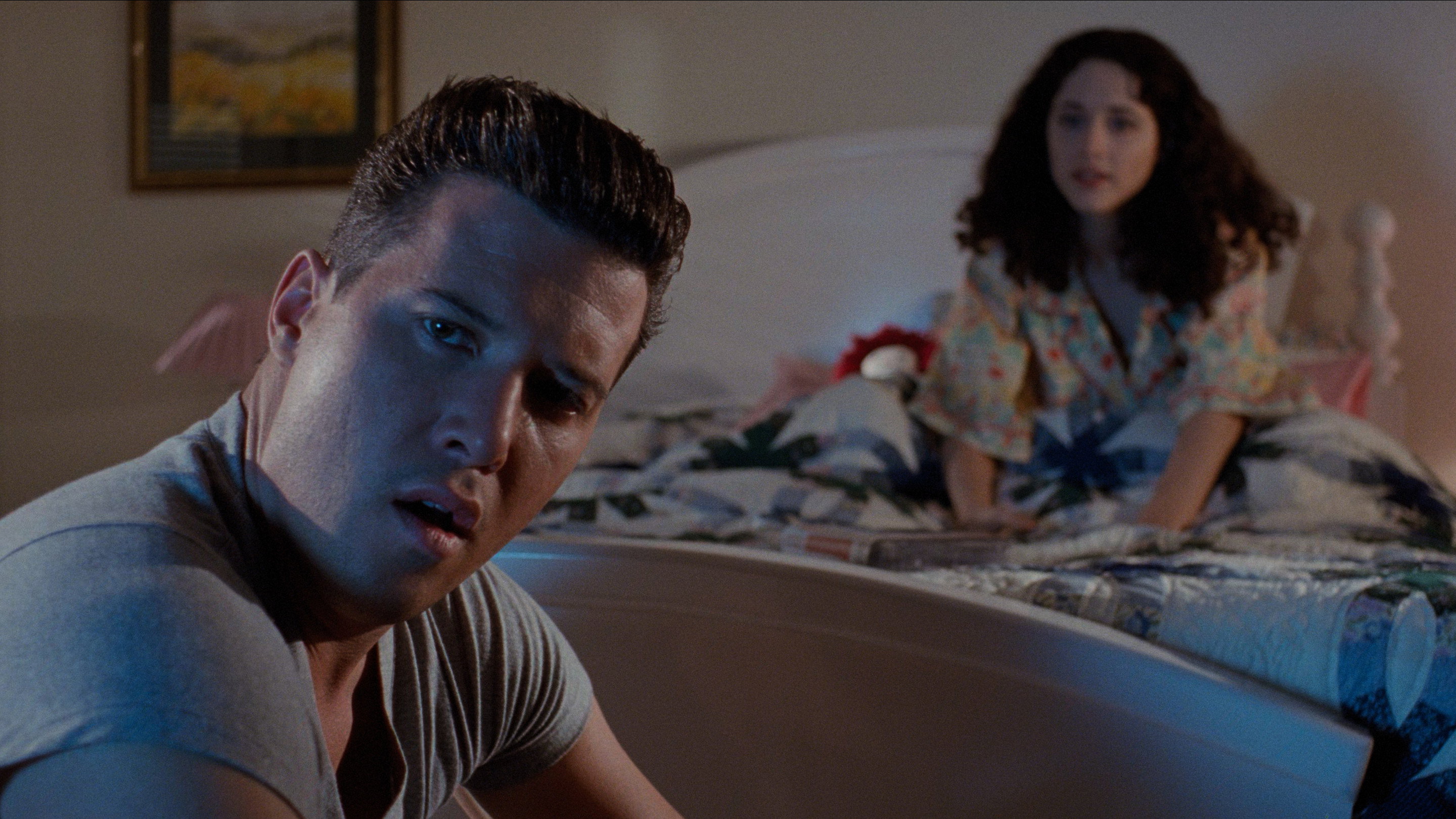
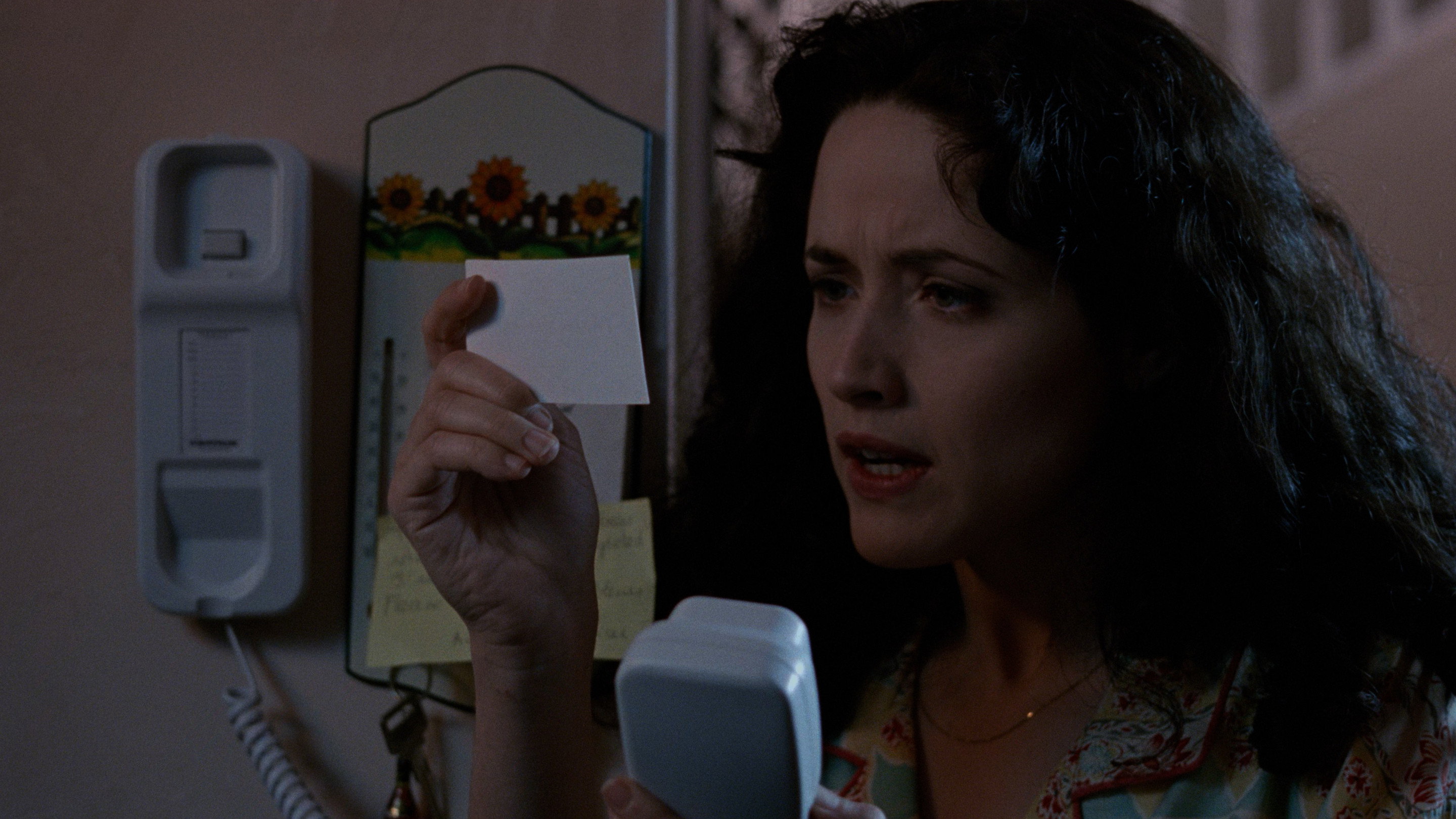
Trini Alvarado’s Lucy Lynskey begins as a physician married to Ray, played by Peter Dobson. After Ray dies, her willingness to question the official explanation makes her an increasingly important ally. Lucy’s profession gives her a distinct perspective on deaths attributed to sudden cardiac failure, but it does not allow her to explain every supernatural sign. She also challenges the idea that Frank’s damaged reputation proves his responsibility for the murders. Their growing trust supplies a human relationship through which the investigation can progress, especially when his ghostly companions become vulnerable to a threat that ordinary witnesses cannot see.

The film’s comedy depends on a provisional order among the dead: ghosts retain memories, habits and the ability to quarrel, while some remain trapped near places that mattered to them. Yet those rules are not sufficient to protect them from the robed killer. Its attacks establish that death itself may not end vulnerability. The destruction of this apparent safety changes the meaning of Frank’s original business and makes his remaining relationships more urgent. His emotional movement is therefore connected with his professional deception: he must stop using the spirits merely to generate customers and accept responsibility for people whose suffering has become visible to him.

The Reaper, Johnny Bartlett and the Murder Mystery

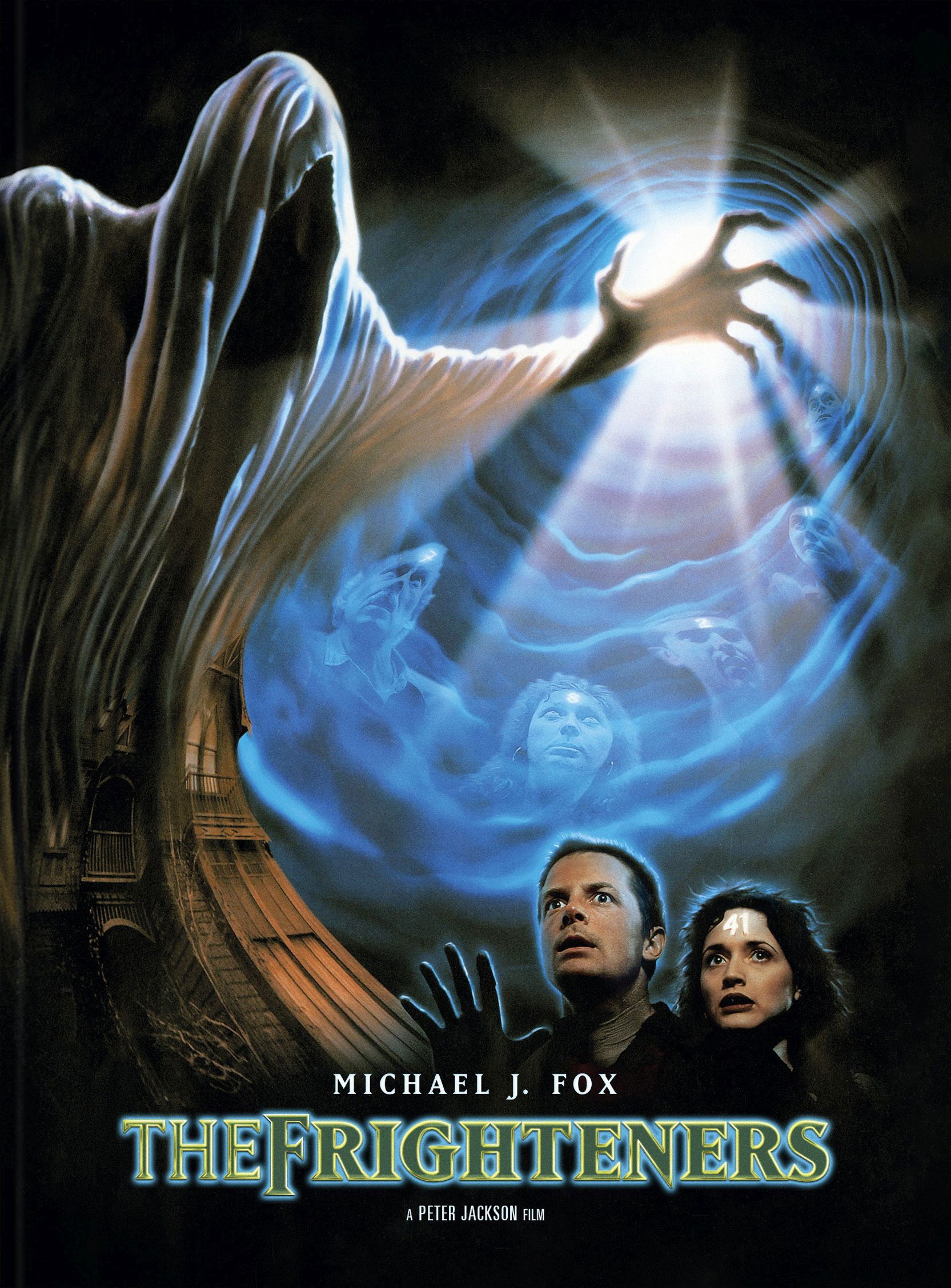
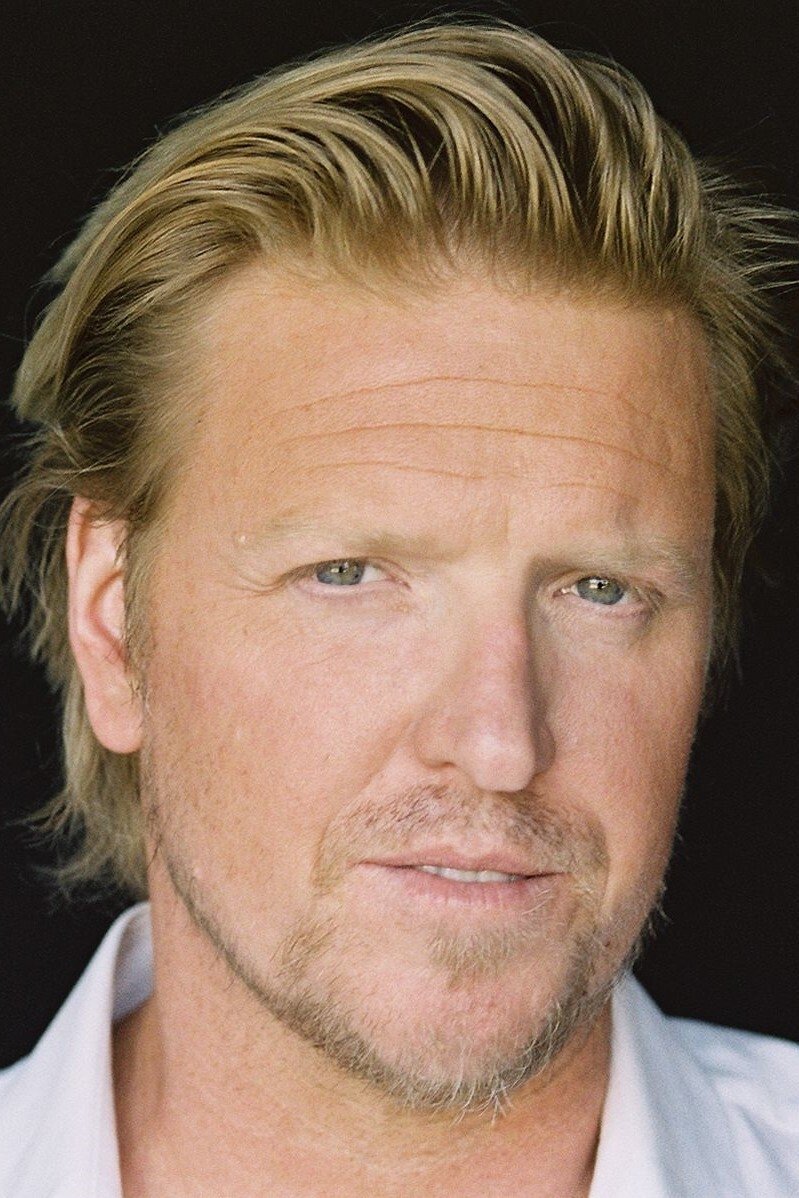
The principal horror image is a hooded figure resembling the Grim Reaper, which slips through surfaces and crushes victims’ hearts. Its apparently supernatural identity offers an explanation for deaths that seem impossible to prevent, but the investigation gradually connects the killings with a historical massacre. Johnny Charles Bartlett, played by Jake Busey, once murdered patients and staff in the local institution. Patricia Bradley, portrayed by Dee Wallace, retains a concealed connection to those crimes. The film’s revelation of their relationship reorganizes the apparent haunting into an extension of human cruelty, even though the afterlife and its inhabitants remain objectively real within the story.
Bartlett’s desire to increase his record of killings gives the murders a grotesque competitive motive, while Patricia’s apparent vulnerability proves misleading. Her home and the abandoned institution function as repositories of an old crime that has not stopped shaping the town. Frank’s sense of guilt over Debra’s death becomes entangled with the killer’s history, creating a frightening uncertainty about what actually happened during the accident. The film withholds essential evidence long enough to make that uncertainty part of his identity.

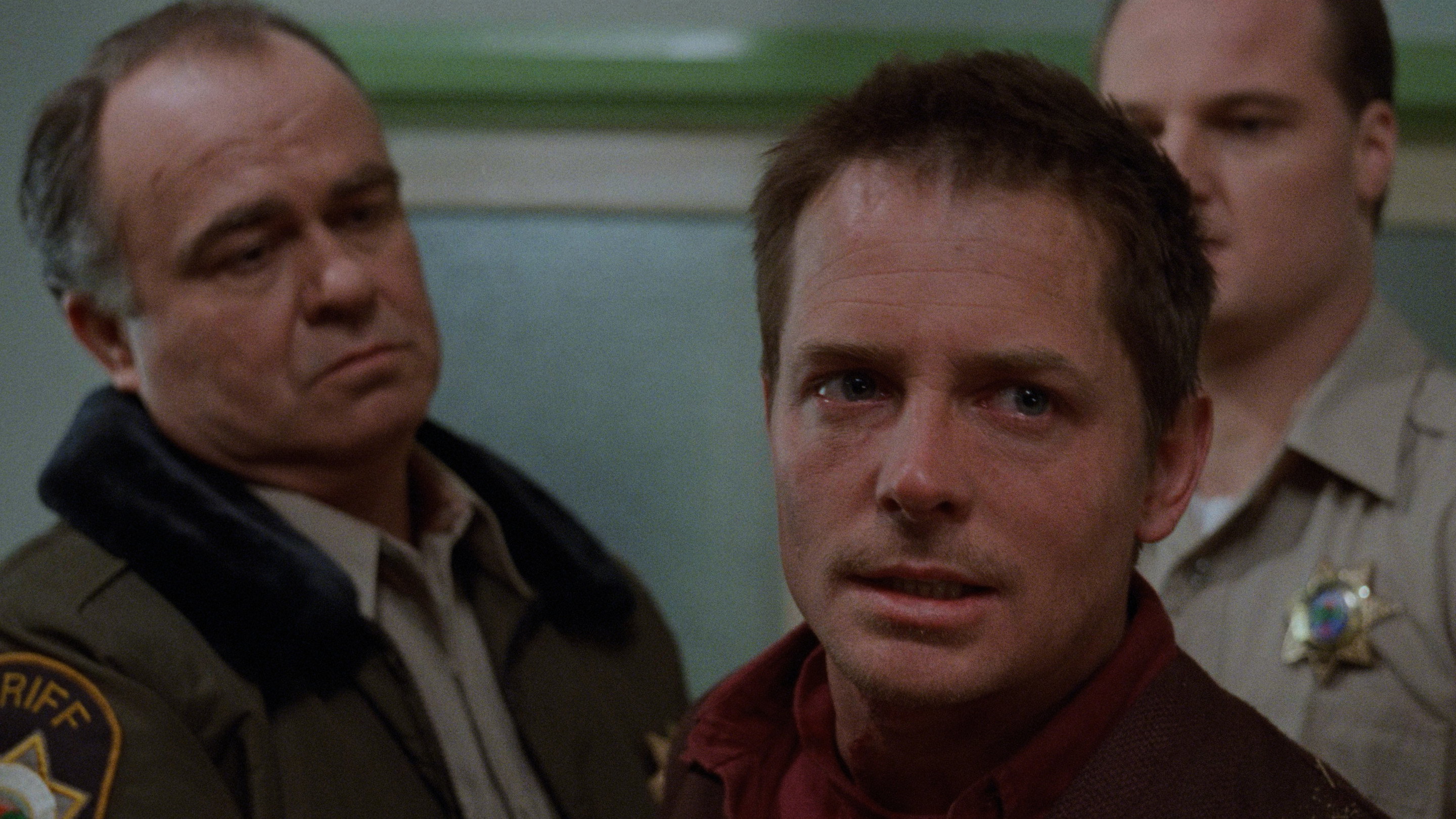
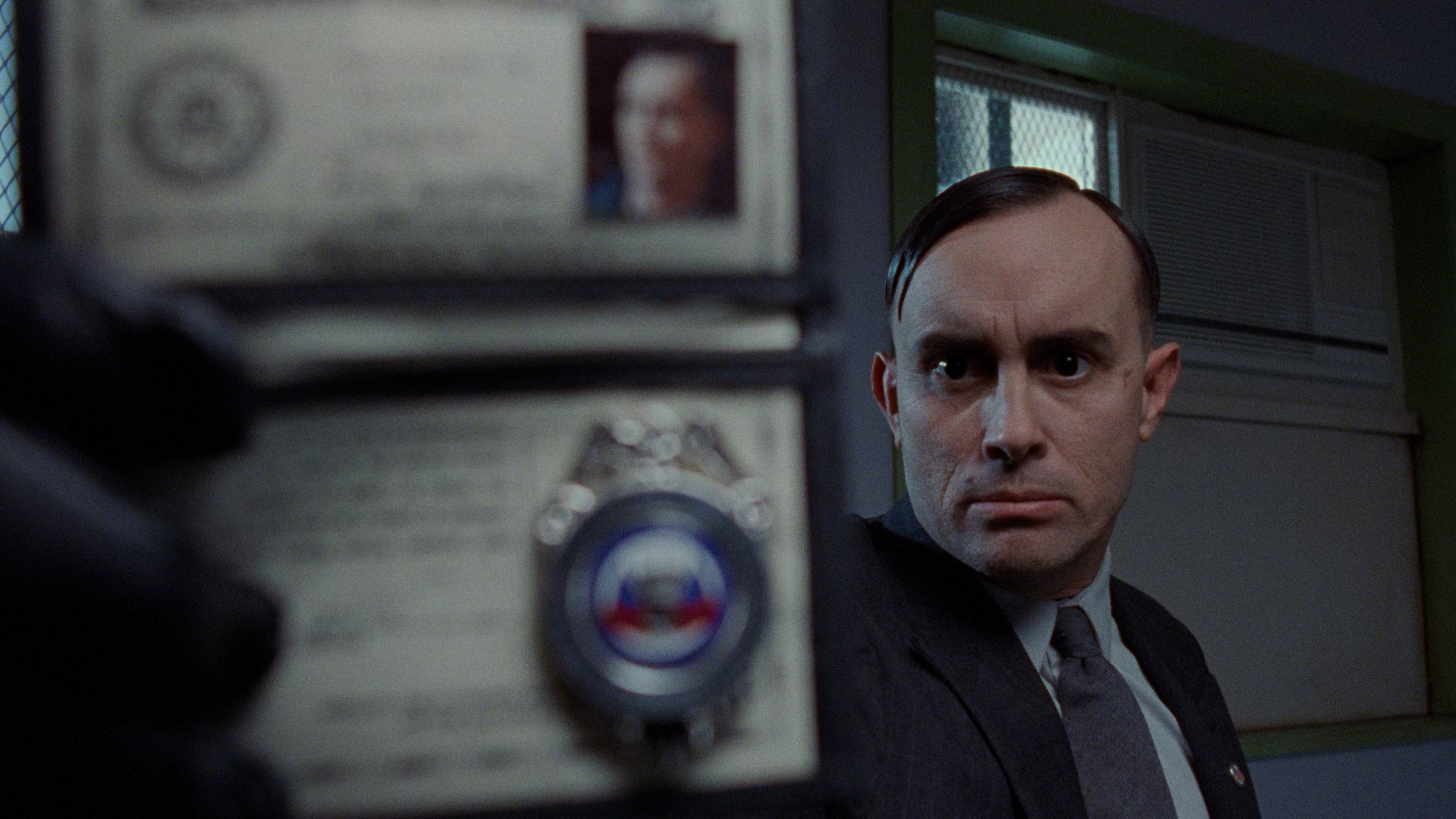
Jeffrey Combs’s Milton Dammers represents another kind of threat. He is an FBI investigator whose history of undercover work has left him obsessed with hidden systems and convinced that Frank is implicated in the deaths. Combs performs him with clipped intensity and physical eccentricity, transforming an official investigation into another source of danger. Dammers approaches bizarre events with absolute certainty but repeatedly misreads the people involved. His excesses restore comic energy without neutralizing the violence surrounding Bartlett and Patricia. The combination of murderous human agency, supernatural disguise and institutional suspicion gives the mystery its distinctive shape.
Weta Digital and the Construction of the Ghosts

The Frighteners was a major technical undertaking for Weta Digital. In a later interview with befores & afters, visual-effects supervisor Matt Aitken recalled approximately 570 delivered effects shots, a figure also reported by New Zealand production coverage in 1996. Weta’s team had to grow rapidly to meet that workload. Jackson could therefore plan an unusually large number of supernatural encounters while retaining a production base in Wellington.

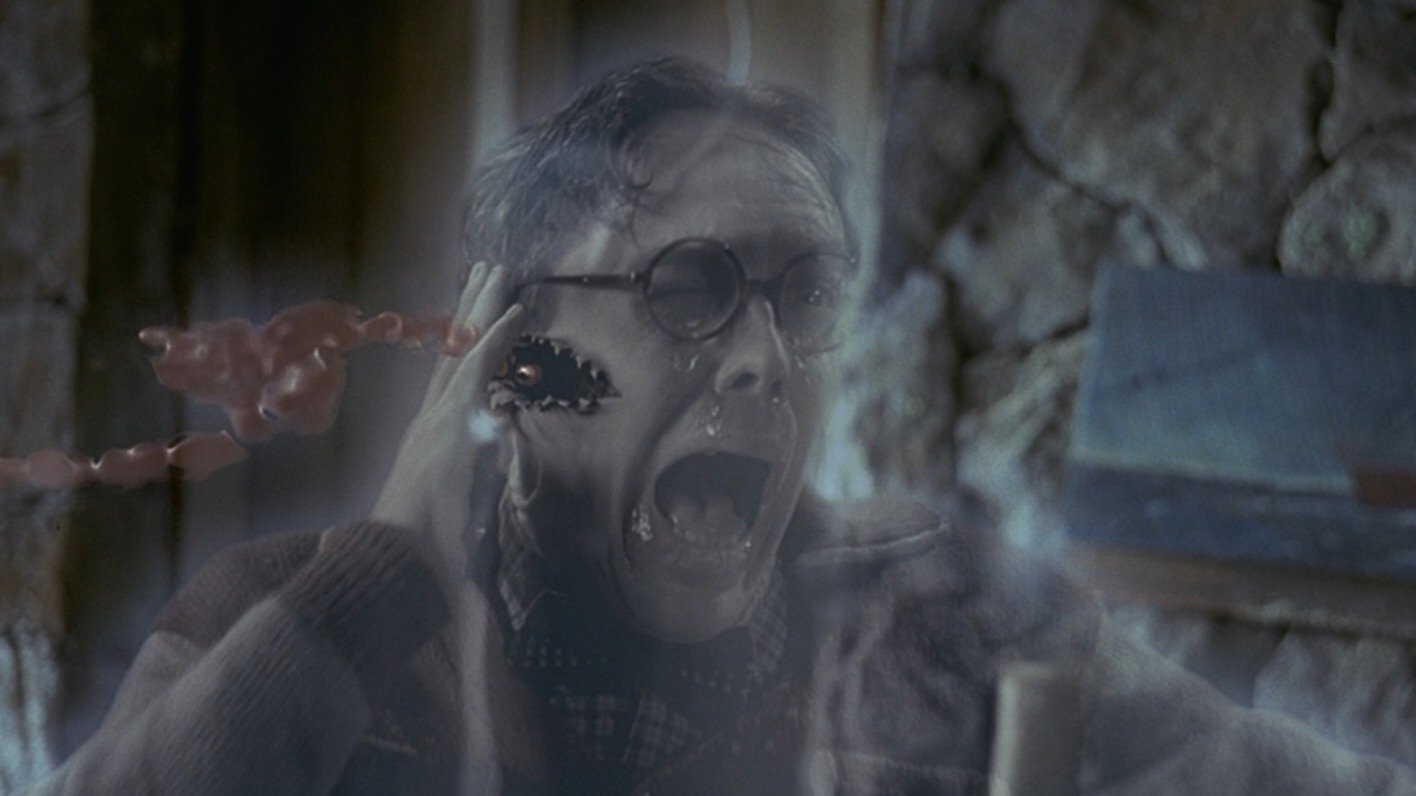
Aitken identifies the Grim Reaper and the figure known as Wallpaper Man among the studio’s important early digital characters. They were animated with keyframes, not with performance capture. The ability to make a threatening form travel beneath wallpaper or force its way through a surface depended on giving an impossible body plausible weight and movement. The Reaper’s cloth-like appearance also required the illusion that an empty garment could act with intent. Such work anticipated later Weta research into digital characters, while remaining visually distinct from the performance-driven approaches developed for subsequent films.

The effects relied on a collaboration between digital animation, photographed actors, physical makeup and practical environments. Jackson’s earlier horror films had demonstrated an interest in tangible grotesque objects; here digital tools extended that interest into transformations that could not be achieved as readily with puppets alone. Richard Taylor and Weta’s physical-effects collaborators remained part of the production, as the detailed making-of materials preserved in later editions demonstrate. The mixture helps explain why a single scene may contain real sets and performers, prosthetic work and an animated figure crossing through the architecture. Attributing the entire result either to computer graphics or to traditional makeup would erase how the illusion was assembled.

Camera Movement, Danny Elfman and the Film’s Changing Tone

Jackson’s direction makes sudden changes of tone a formal principle. The opening scenes invite laughter at the indignities of ghostly existence, but the same ability to pass through walls becomes terrifying when used by an attacker. Rapid movement across rooms and buildings helps connect the comic and horrific images: the camera treats both sorts of apparition as active participants in a physical world. Selkirk’s editing gives the action momentum while also managing revelations about Frank’s accident and the earlier massacre.

Danny Elfman composed the score, combining energetic, macabre orchestral writing with passages that emphasize Frank’s bereavement. Its changes in musical intensity help the film negotiate the passage from broad comedy to a story about violence and remorse. The soundtrack also includes a cover of Blue Öyster Cult’s (Don’t Fear) The Reaper performed by the New Zealand band the Mutton Birds. Its use over the closing credits supplies an ironic musical comment on a film in which fear of death has been repeatedly exploited, confronted and partially transformed. The song should be distinguished from Elfman’s original score rather than credited to him as a composition.

These choices also expose the film’s risks. A viewer enjoying the ghostly scams may be unsettled when the story introduces mass murder, the injuries of institutionalized patients and the threat to Lucy. The film does not maintain one continuous level of comic distance. Instead, scenes of broad physical humour can precede a shock involving damaged bodies or death. Jackson’s reputation for splatter comedy makes that contrast recognizable, but the larger production gives him tools to sustain both registers within a single elaborate action sequence. Whether the contrast succeeds was one of the central disagreements among its contemporary critics.

Theatrical Release and Divided Contemporary Reception

Universal released The Frighteners widely in the United States on 19 July 1996, with the Motion Picture Association’s R rating for terror and violence. A contemporary Los Angeles Times production report described a budget of approximately $38 million, while later databases often cite about $30 million; those figures should not be presented as a single uncontested audited amount. Box Office Mojo reports approximately $16.76 million in domestic theatrical receipts and $29.36 million worldwide. The worldwide sum is a reported box-office figure, not evidence that ticket sales covered the separate costs of marketing and distribution. The performance fell short of the expectations attached to a major effects-driven studio release.

Contemporary responses illustrate why the commercial failure cannot be explained through one simple cause. Roger Ebert’s July 1996 review admired the effort and technical sophistication while dismissing the result as an accumulation of effects without sufficient dramatic interest. Kenneth Turan, writing for the Los Angeles Times, responded more favourably to Jackson’s ability to maintain momentum as the material became darker. The distinction concerns narrative organization as much as tolerance for graphic material. Both recognized a film conspicuously different in scale from its director’s earlier productions. The range of opinions is more informative than a retrospective claim that the picture was immediately recognized as a modern classic.

The film circulated internationally under varying titles, including Sospesi nel tempo in Italy. Its appearance during a crowded summer release season exposed the difficulties of marketing a picture that joined supernatural comedy to material closer to a serial-killer thriller. Subsequent attention to its special effects and performances has helped the film acquire a stronger reputation, but that later interest should remain distinct from the mixed reviews and disappointing revenue recorded in 1996.

Director’s Cut, Restoration and Horror Legacy

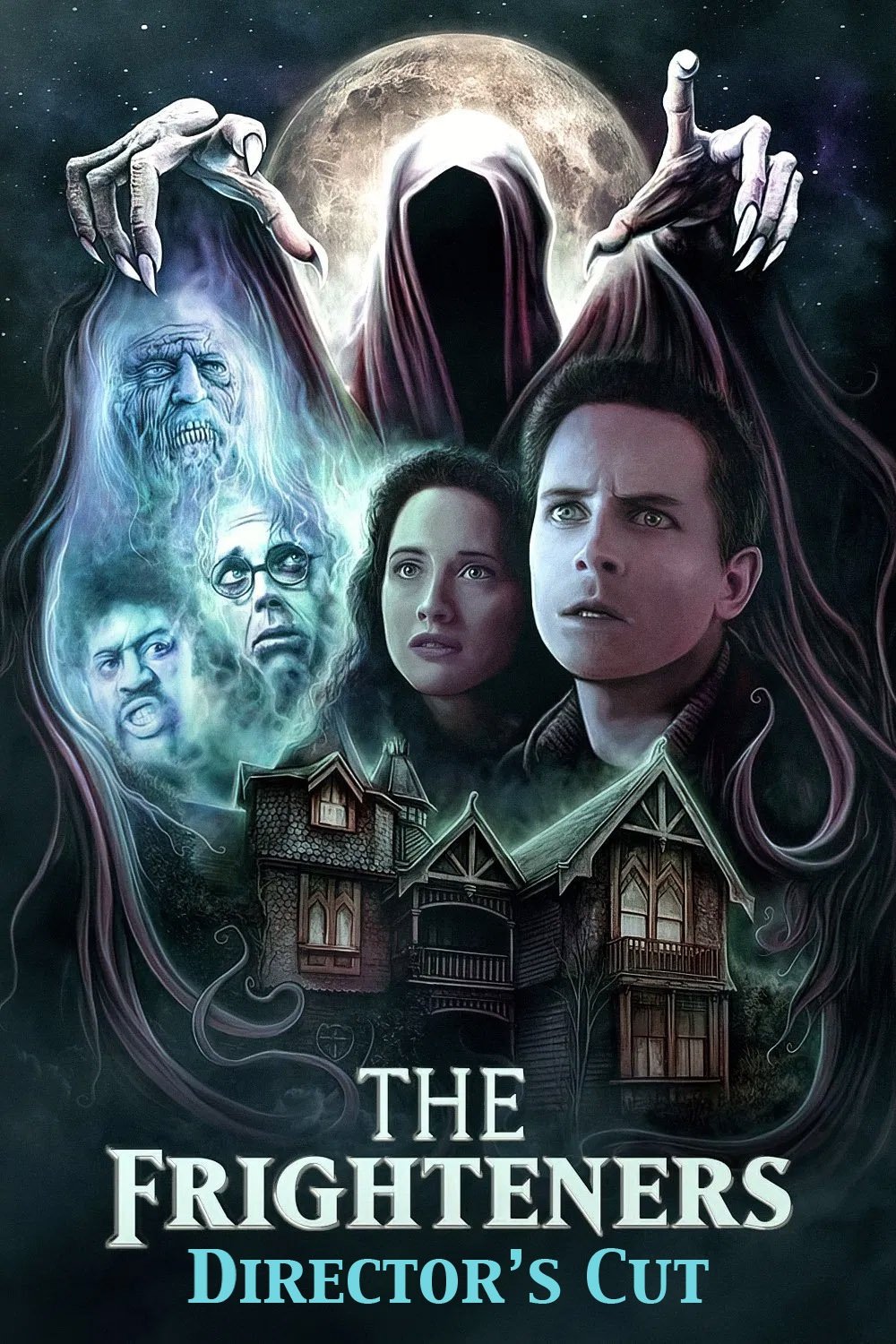
The original theatrical version is commonly listed at approximately 110 minutes. Jackson’s longer director’s cut adds material that gives more room to Frank’s relationships with the ghosts and to the investigation. The German distributor Turbine documents a presentation of approximately 123 minutes alongside the theatrical cut and identifies a restoration from the 35 mm negative approved by Jackson. Those are distinct versions of the same production, not separate films. Differences in reported television, festival and video running times may also reflect presentation standards, and should not automatically be interpreted as missing scenes or deliberate censorship.

The film also experienced classification changes in some territories. In Italy, archival records identify a January 1997 decision restricting the theatrical version to viewers aged fourteen and over. A later 1999 television-related submission was approved without an age restriction after modifications described in the decision. Such entries establish that differently assessed presentations existed, although they do not by themselves identify every altered frame. The availability of restored editions with both major cuts has made it easier to study the construction of the picture instead of relying on an abbreviated or technically compromised version. Turbine’s edition additionally preserves extensive production interviews and documentaries about Weta’s work.

The Frighteners remains particularly important to the history of New Zealand visual-effects production. It demonstrated that a Wellington-based team could deliver a complex studio feature with hundreds of digital shots, helping build the personnel and methods that would support Jackson’s later films. Its supernatural imagery also offers a specific point of transition between practical creature comedy and animation-based digital performance. Its historical importance is grounded in this combination of technical development and a narrative whose levity remains inseparable from death.

References

  1. Empire High Spirits — Peter Jackson interviewed for the 30th anniversary

    Extended 2026 interview with Jackson about developing the idea with Fran Walsh, its proposed connection with Tales from the Crypt and Robert Zemeckis’s decision to make it a standalone feature.

  2. Los Angeles Times Nothing to Be Afraid Of — Erin Kennedy

    Contemporary July 1996 report from Wellington documenting production financing, filming arrangements, the effects workload and Jackson’s collaboration with local crews and Universal.

  3. befores & afters 25 Years On, The Frighteners Still Thrills as Weta Digital’s First Calling Card — Ian Failes

    Firsthand technical interviews with Matt Aitken and Wayne Stables on 570 effects shots, the Reaper, Wallpaper Man and Weta’s early digital production methods.

  4. Turbine Medien The Frighteners — Ultra HD Blu-ray and Special Edition

    Distributor’s documentation of the Jackson-approved negative restoration, theatrical and director’s cuts, their running times, audio presentations and extensive retrospective production materials.

  5. RogerEbert.com / Chicago Sun-Times The Frighteners — Roger Ebert

    Contemporary 19 July 1996 review assessing the extensive digital and makeup effects, tonal shifts, performances and perceived weaknesses in the narrative.

Cast

View Full Cast & Crew →

Release & Distribution

Production Companies (2)

  • Universal Pictures US
  • WingNut Films NZ

Distributors (1)

  • Universal Pictures US

Release History (23)

Release DateTerritoryRelease TypeFormatDistributorCertificationNotes
1996-07-17 United States Premiere — — —
1996-07-18 Finland Physical — — K-16
1996-07-19 United States Theatrical — — R
1996-11-12 Spain Theatrical — — 12
1997-01-24 United Kingdom Theatrical — — 15
1997-01-24 Ireland Theatrical — — 15
1997-01-29 France Theatrical — — 12
1997-03-13 Australia Theatrical — — M
1997-04-22 Sweden Physical VHS — 15 VHS
1997-05-29 Netherlands Theatrical — — 16
1997-07-19 South Korea Theatrical — — 15
1997-08-27 Czechia Physical — — 15+
1997-11-13 Hungary Theatrical — — 16
1997-12-31 Germany Theatrical — — 18
2000-01-20 France Physical DVD — 12 DVD
2000-02-16 Sweden Physical DVD — 15 DVD
2002-08-31 Netherlands TV — — 16 SBS 6
2003-09-04 Netherlands Physical DVD — 16 DVD
2005-12-08 Germany Physical — — 16 Director's Cut
2011-09-29 Netherlands Physical Blu-ray — 16 Blu Ray
2011-10-19 Sweden Physical Blu-ray — 15 Blu-ray
2011-11-15 France Physical Blu-ray — 12 Blu-Ray
2017-08-05 France Digital — — — VOD
No rest for the wicked.