OPERA MORTEM (1975)

GB
5.5/10 2 votes
Runtime
70 min
Release
November 2, 1975
Budget
$10,400
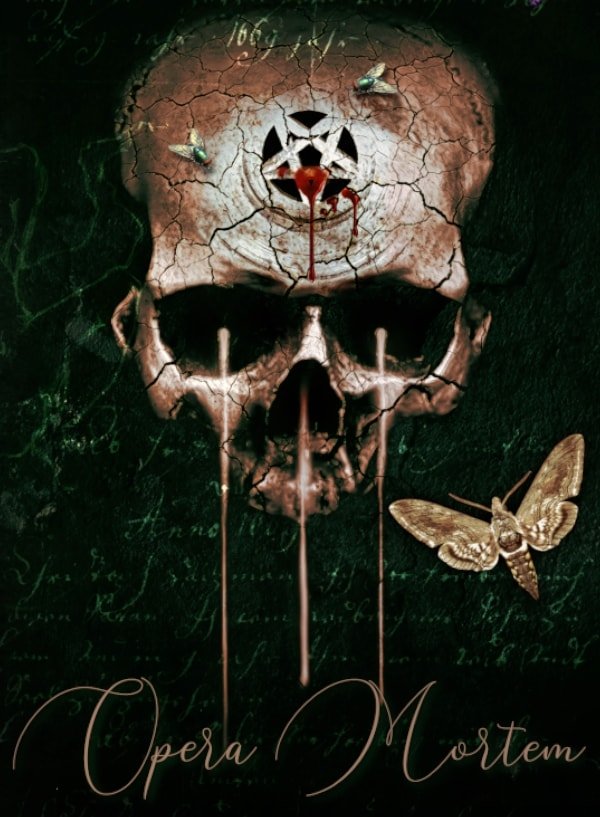
OPERA MORTEM (1975) poster
Director
Writer
Production Company
TetroVideo
Plot

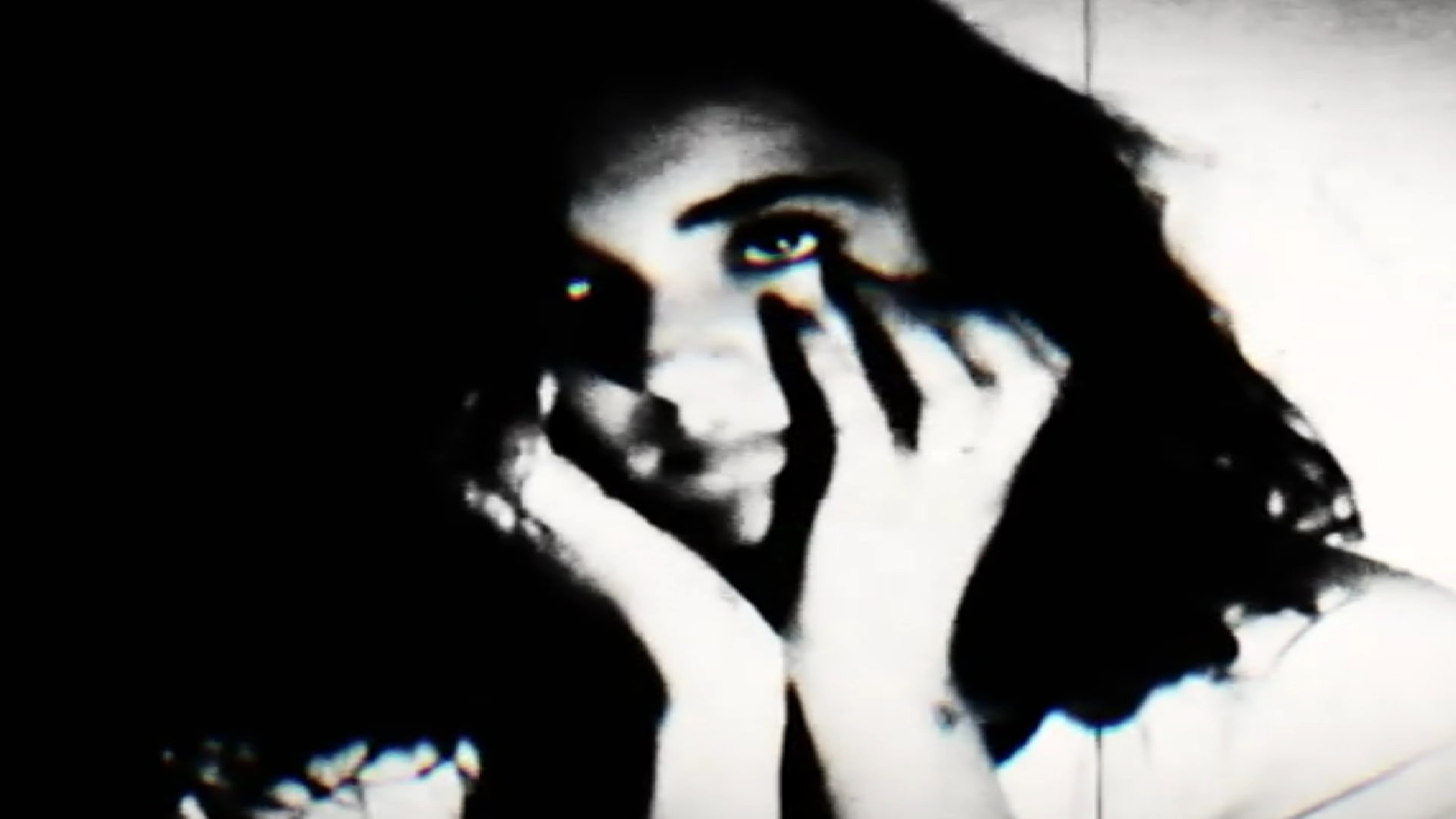
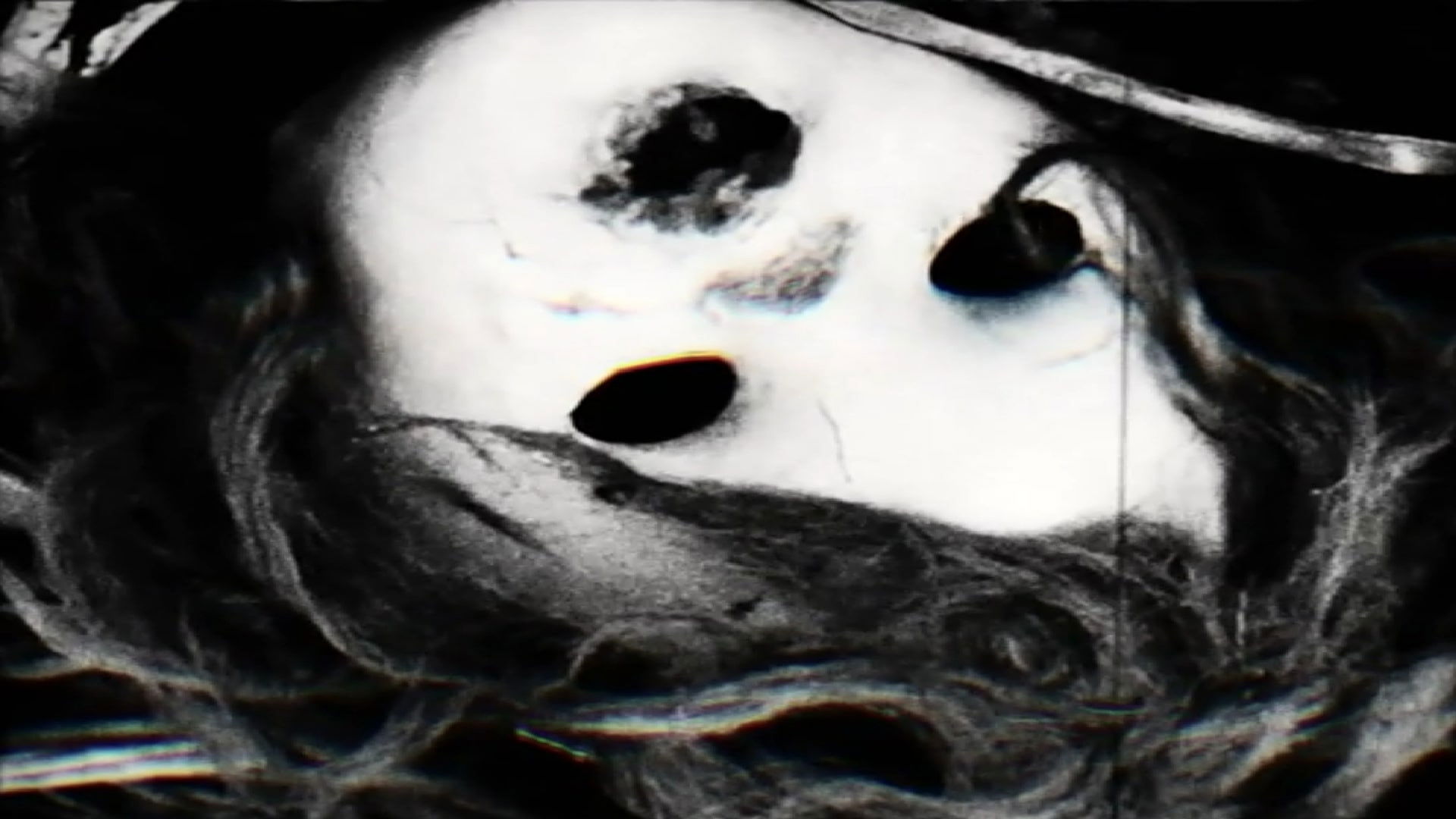
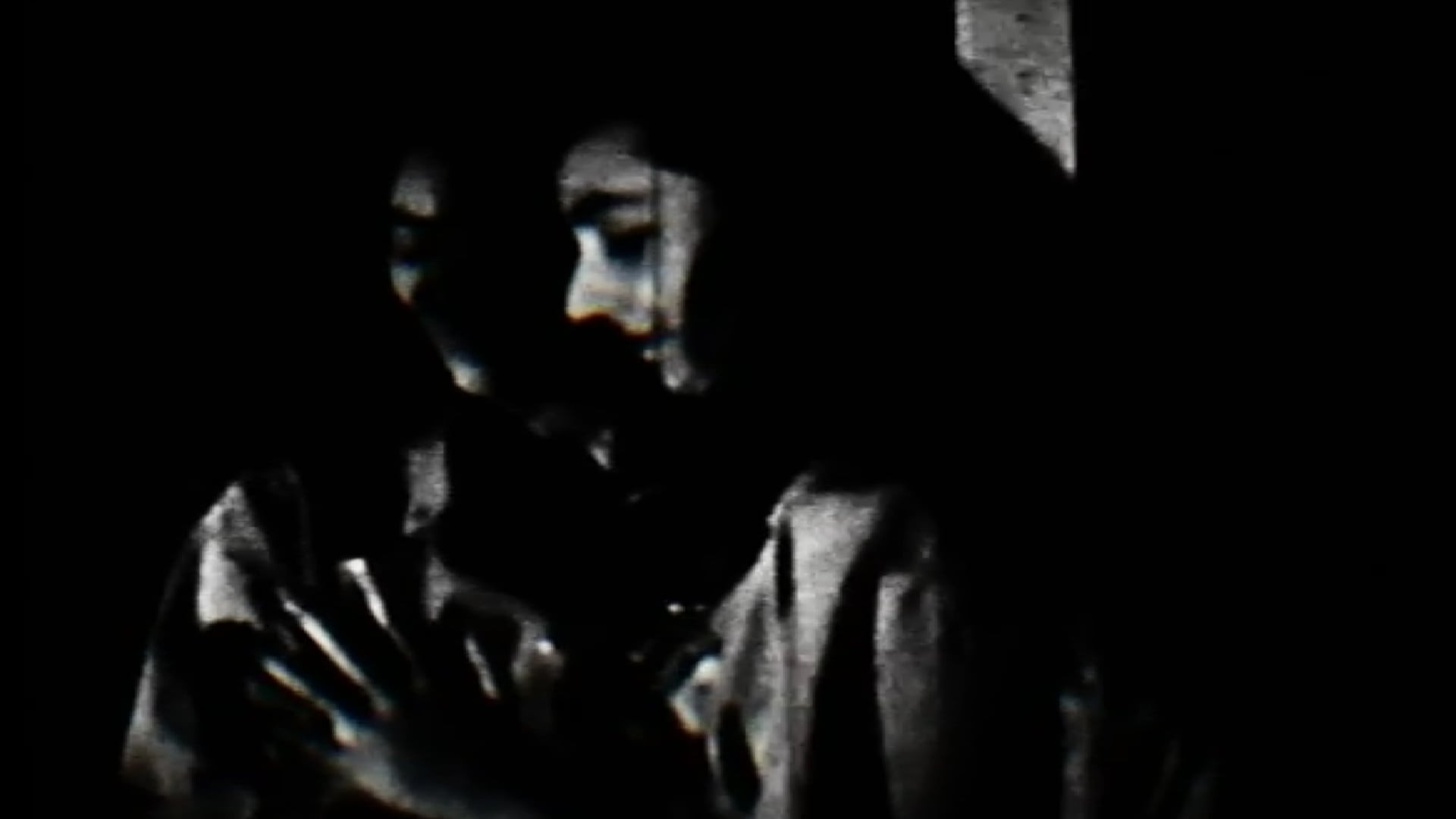
OPERA MORTEM is a medium-length film with strong surrealist/dadaist influences where distorted and disturbing images are shown without a real narrative thread which could be a visual dream of death that intersects the story of a suicidal girl and a necrophiliac killer. According to some theological scholars, the film hides a metaphorical evocative code of a satanic ritual. But perhaps David Fleas only followed the manifesto of the Dadaist movement, between anarchist, nihilistic and sarcastic ideas, giving voice to the search for that absolute freedom that art demands.

Trailers & Videos

1 video

Opera Mortem Film Guide

An experimental extreme-horror collage whose disputed origins, reconstruction claims and physical-media circulation became central to its reception.

Opera Mortem circulates at the intersection of extreme horror, experimental film and the mythology of lost cinema. The work is presented as a fragmented assemblage of distressed images, sexual violence, bodily injury and occult references, organized around the death visions of a young woman and a necrophilic killer. Its public identity is inseparable from claims that it originated with a British painter named David Fleas and was shown at Nottingham in the early 1970s. Those claims became the subject of contemporary scrutiny when a trailer appeared online in 2018. The available reporting documents that controversy more securely than it establishes the purported early exhibition history.

Its later circulation through the Italian extreme-cinema label TetroVideo gave the film a tangible home-video presence and renewed attention to its materials. The distinction between a film's advertised provenance and the history that can be independently documented is especially important here. Interviews describe recovered reels, missing footage and reconstruction, while journalists have identified inconsistencies in the dates and recording formats. The result can be discussed as an occult-horror collage and as a case study in how stories of forbidden or recovered films shape their reception, without accepting any unverified supernatural events as historical facts.

The Story of a Lost Film

The account circulated in 2018 described a picture made over many years by Fleas, an English painter associated in publicity with occult practice. It was said to have received a single screening at the Nottingham Odeon in 1973 before disappearing from public view. Later tellings added disturbances around the screening and allegations of deaths among people connected with it. These incidents are part of the story told about the film; the contemporary reports available to verify them have not been established. The filmmaker's biography and the venue's purported programme therefore require careful attribution, particularly when a specific date is presented as settled fact.

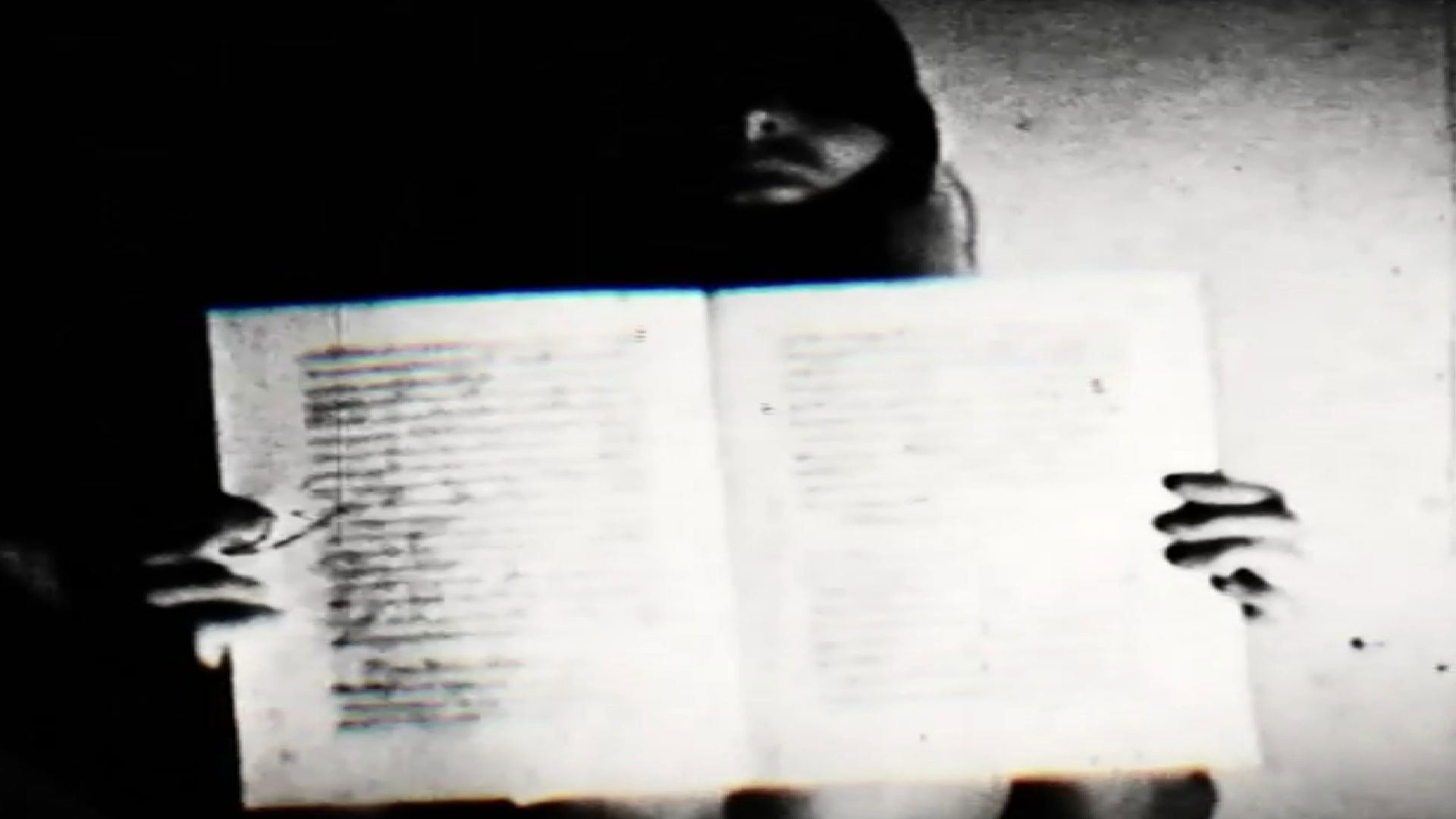
The promotional narrative then moved to Italian collector Giovanni Mele, who said he acquired reels and videotapes together with handwritten notes. In an April 2019 interview with journalist Masina, Mele described finding the material in a lot purchased at auction and tracing the rights through the filmmaker's family. He also claimed that an Australian source contained additional footage useful for reconstruction. That interview is valuable as a direct record of the collector's statements. It does not independently authenticate the materials, the painter's identity or the circumstances of the alleged 1970s screening.

Dates, Recording Formats and Reconstruction

The chronology became controversial immediately. Reporting on the trailer in November 2018, Dread Central noted the difficulty of reconciling a film reportedly screened in 1973 with claims that it had been photographed on VHS. Klub99 likewise raised questions about the technology and about the scarcity of independent records concerning Fleas. In his later interview, Mele described filming as extending from around 1970 into the 1980s and involving Super 8, VHS and Hi8. This longer timeframe is his account of a changing collection of materials, not proof that a completed version of the circulating work existed at the earliest claimed date.

The reconstruction story contains another significant qualification. Dread Central published an explanation from a person involved with the release acknowledging that newly made material replaced some damaged passages. Mele later said he had inserted comparable archive footage where original portions were missing and had consulted incomplete notes associated with the supposed filmmaker. A release incorporating footage from different periods and sources cannot automatically be treated as a transparent reproduction of an earlier cut. The extent of each intervention has not been documented in a publicly accessible shot-by-shot restoration record, so precise claims about the original composition would exceed the evidence.

Occult Collage and Horror Form

The film's reported visual language draws on high-contrast monochrome, grain, abrupt juxtapositions and sequences whose continuity remains uncertain. Images associated with physical injury, sexuality and suicide appear alongside symbols interpreted as occult, producing a form closer to an audiovisual collage than to plot-driven supernatural horror. Dread Central compared the trailer's atmosphere to the confrontational experimentation of Luis Buñuel's Un Chien Andalou, while promotional descriptions have invoked Surrealism and Dada. Those comparisons identify an aesthetic context; they do not establish that the work was made during the historical avant-garde or that its creator participated in a specific artistic movement.

Mele claimed that a theologian had identified numerical and visual patterns potentially linked to an invocation. That statement belongs to the history of the film's interpretation and publicity. Without the scholar's identifiable analysis or an independently examinable method, the supposed hidden ritual remains a proposition rather than a documented feature. The more concrete horror mechanism is perceptual: repeated unsettling images and their uncertain relationship to each other invite viewers to search for meaning. In that setting, the work's advertised curse becomes a frame through which the audience approaches the imagery, particularly when the publicity stresses material that has supposedly survived concealment or destruction.

Distribution, Reception and the Question of Authenticity

The trailer's appearance in late 2018 placed Opera Mortem in circulation as a subject of horror journalism before most viewers had access to the complete release. Dread Central was openly skeptical, and Klub99 published its own inquiry into inconsistencies in the background story. In 2019, Mele spoke about ongoing restoration, damaged materials and his search for distribution. TetroVideo subsequently handled a limited DVD edition, making the previously publicized work available to collectors. In January 2024, contemporary coverage described a further Goredrome Pictures Blu-ray edition, including an anaglyph 3D presentation and supplemental footage identified in the announcement as original material.

This release history illustrates an unusual relationship between film and paratext. Stories of a single forbidden screening, disputed provenance and surviving fragments were already shaping expectations when the physical editions reached audiences. A viewer may consider the abrasive montage on its own terms while remaining unconvinced by the accompanying chronology. Conversely, the unresolved provenance can become part of the experience of encountering the work. Claims of a documentary discovery, a deliberate fabrication and a mixture of reconstructed materials should be kept distinct unless stronger evidence becomes available. Opera Mortem's importance within underground horror lies partly in that unresolved tension between an experimental image object and the mythology used to circulate it.

References

  1. Dread Central Exclusive NSFW OPERA MORTEM Trailer Surfaces After Being Lost For Over Four Decades

    Jonathan Barkan reports on the 2018 trailer, recording-format inconsistencies and a release representative's account of replacement footage.

  2. Il Cinema per Antonomasia OPERA MORTEM il figlio di Satana

    An original 2019 interview in which Giovanni Mele describes his claimed discovery, the formats, missing material and reconstruction process.

  3. Klub99 Diciamo la nostra sul film ritrovato dopo 40 anni Opera Mortem

    Roberto Junior Fusco examines the 2018 publicity claims, technical chronology and gaps in evidence surrounding the alleged early screening.

  4. Horror Screams Video Vault OPERA MORTEM: the infamous lost haunted film on Blu-ray

    Contemporary January 2024 reporting documents the announced Goredrome Pictures edition, anaglyph 3D presentation and supplemental materials.

Cast

View Full Cast & Crew →

Release & Distribution

Production Companies (1)

  • TetroVideo IT

Catalogue Labels (2)

Release History (2)

Release DateTerritoryRelease TypeFormatDistributorCertificationNotes
1973-06-05 United Kingdom Theatrical — — R18
1975-01-01 United Kingdom Premiere — — R18 Preview Cut

Physical Media (1)

EditionLabelReleaseFormatPackagingTerritoryCatalogueDetails
OPERA MORTEM [Blu-ray Digipack edition] Goredrome Pictures Blu-ray Digipack available. Edition details ↗