
The Legend and Jewish Prague
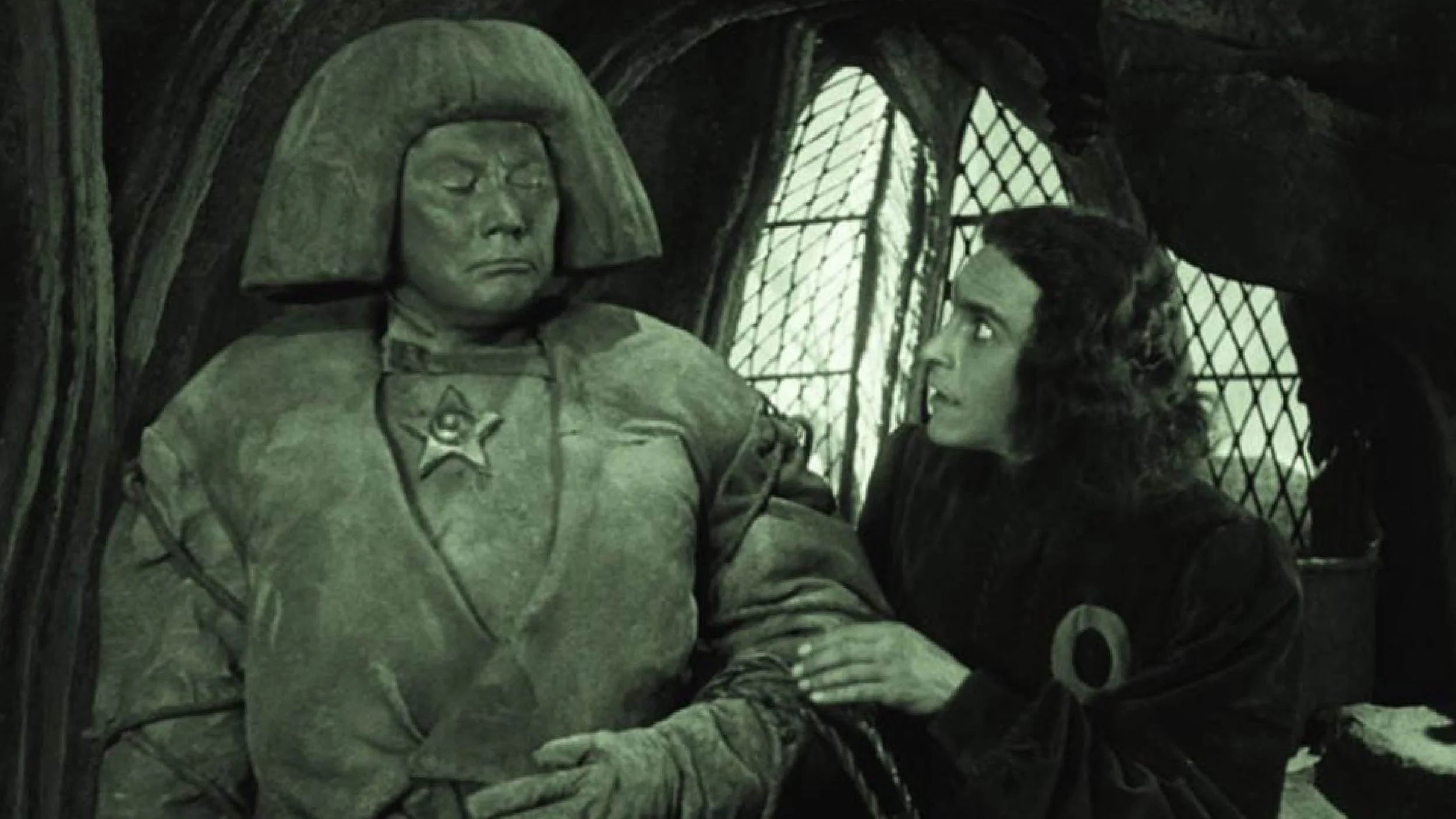
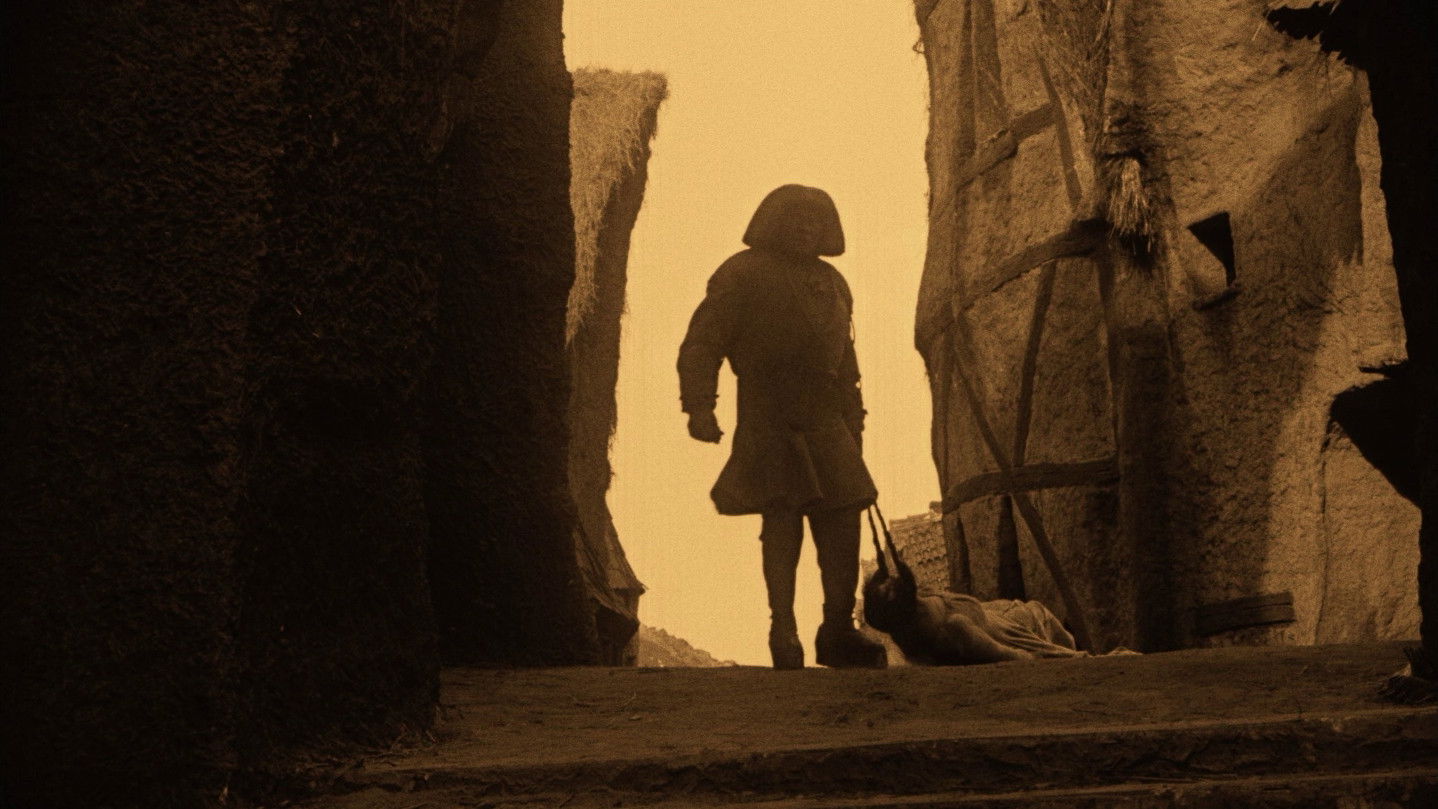
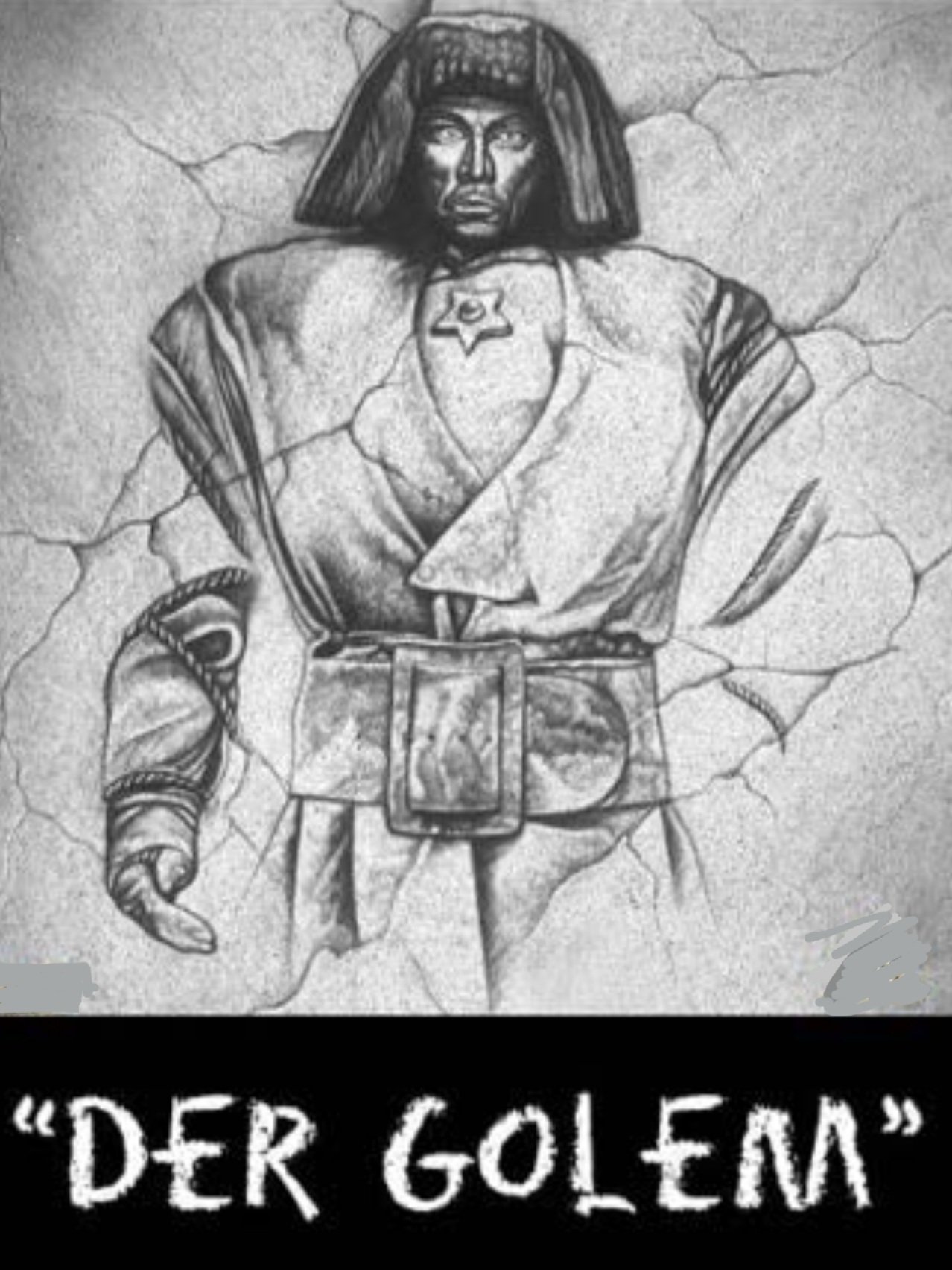
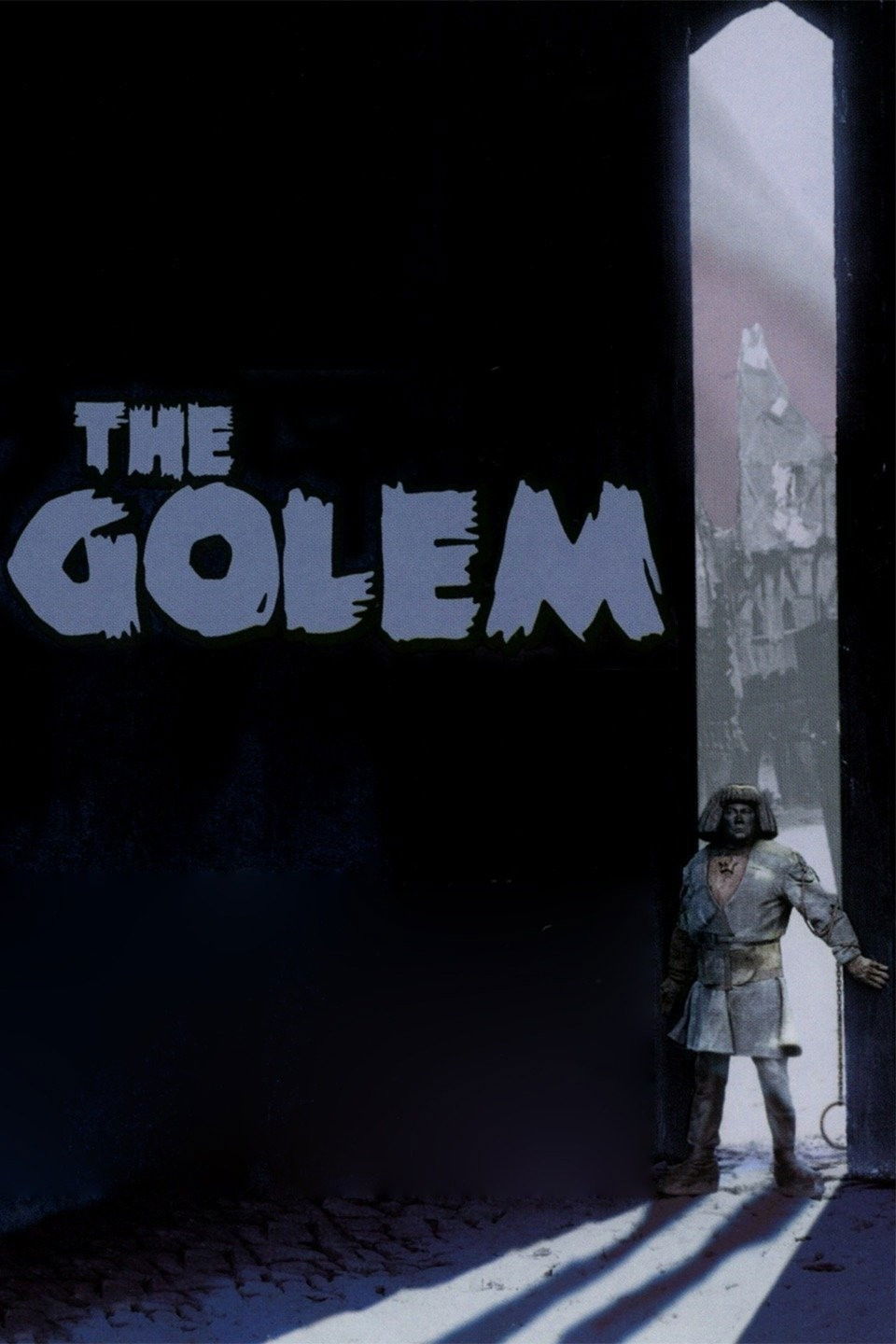
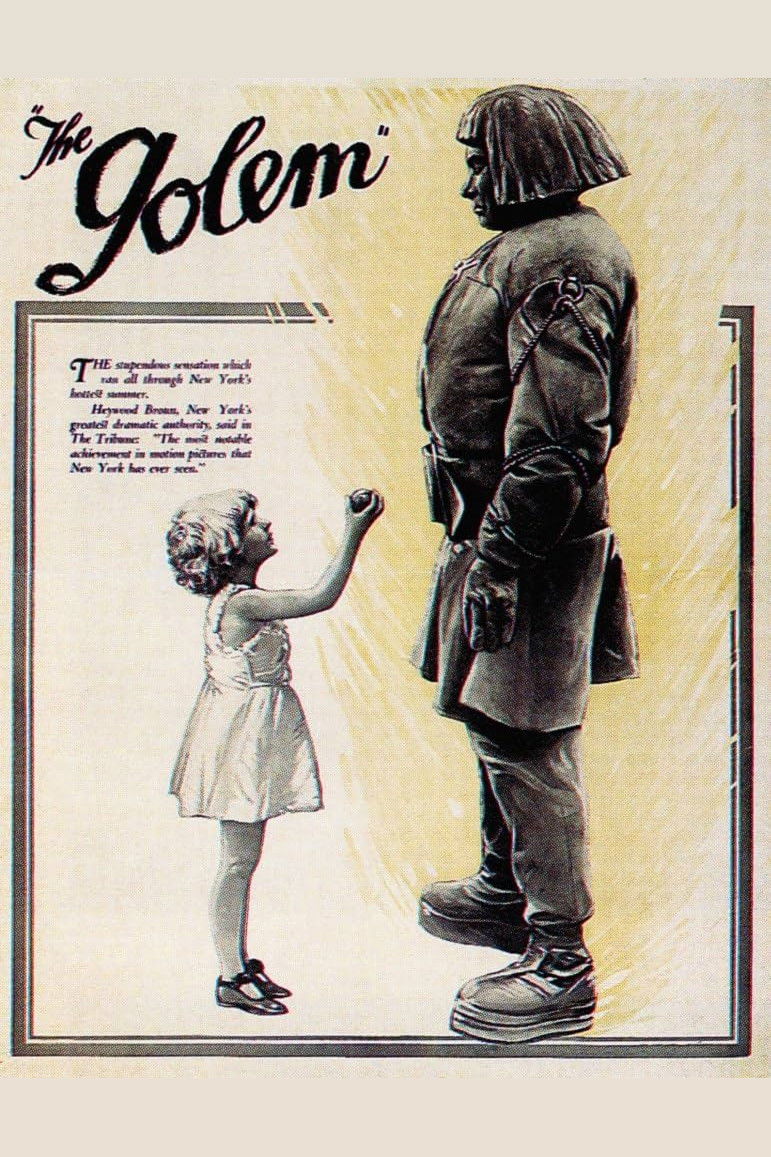
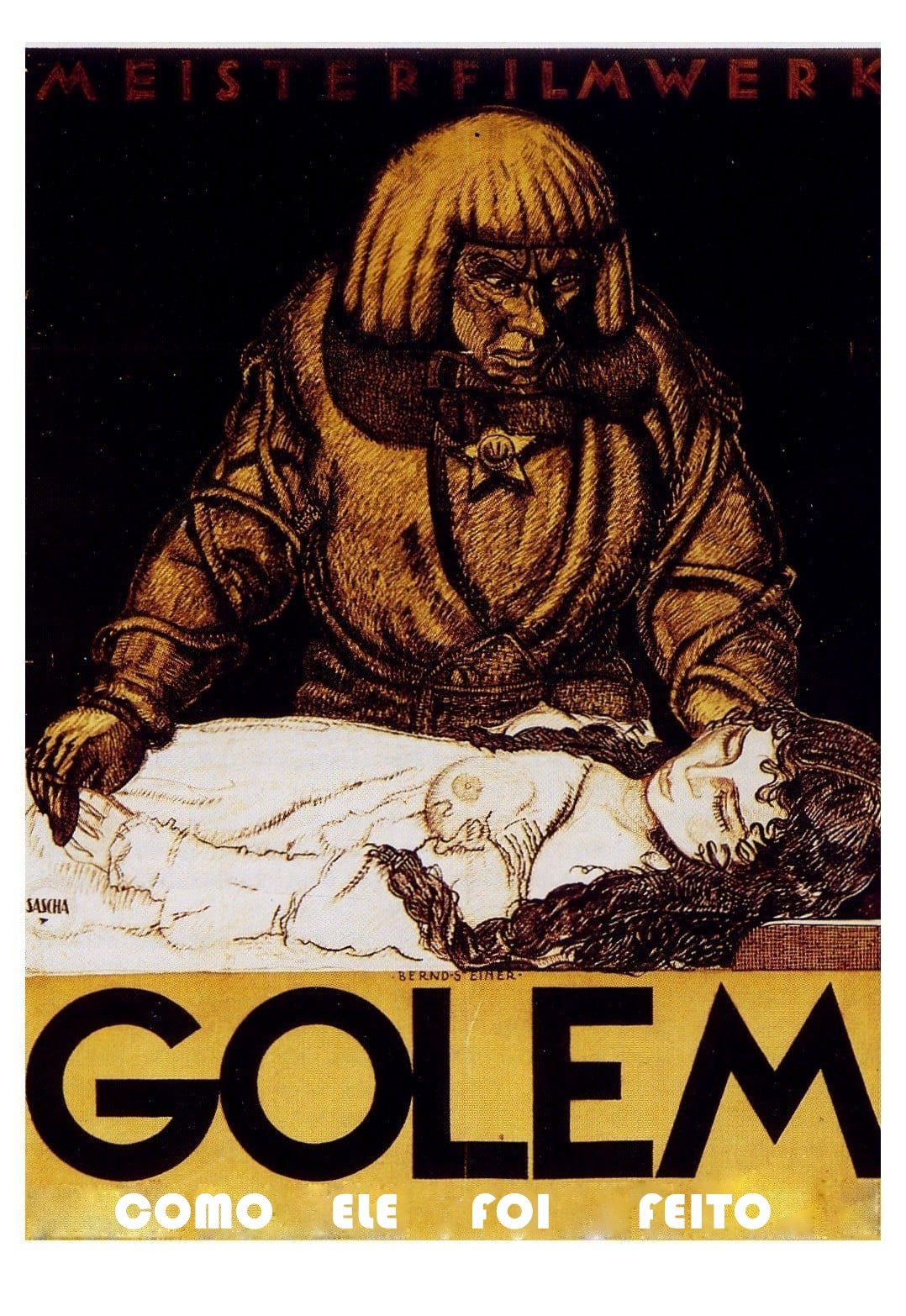
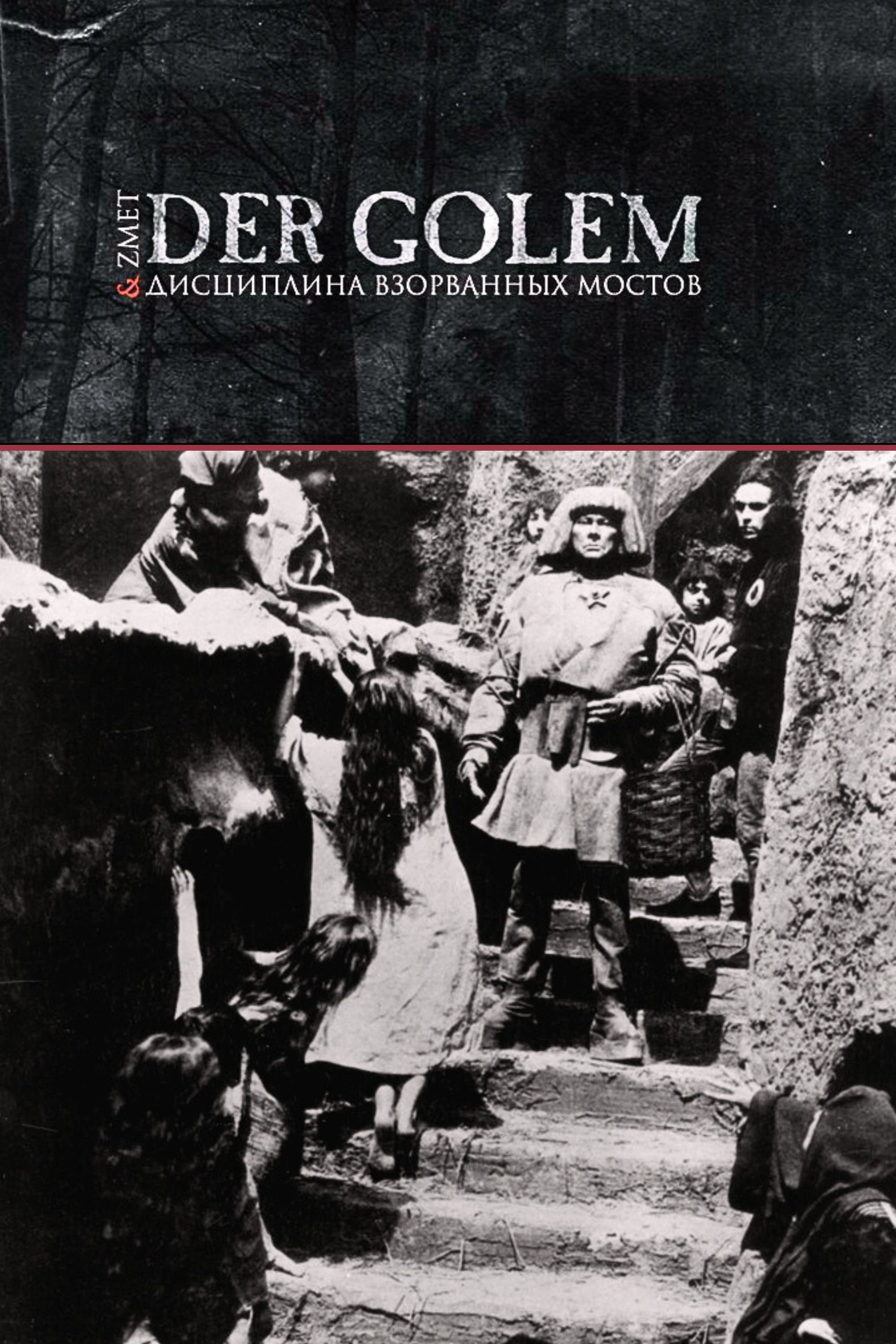
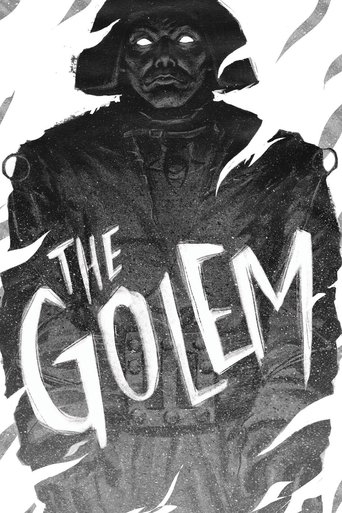
The golem belongs to a long and varied history of Jewish narratives about the making of artificial life. The Jewish Museum Berlin traces accounts of creation through sacred letters and combinations of Hebrew characters to medieval mystical traditions. Over time, stories of an animated figure made from earth or clay came to emphasize service, communal defense and the threat posed by a being whose strength might exceed its maker's authority. The Prague version eventually became especially prominent, although other traditions placed golem-makers in different communities. Wegener's film draws its dramatic premise from this body of legend rather than treating the creature merely as a generic supernatural adversary.
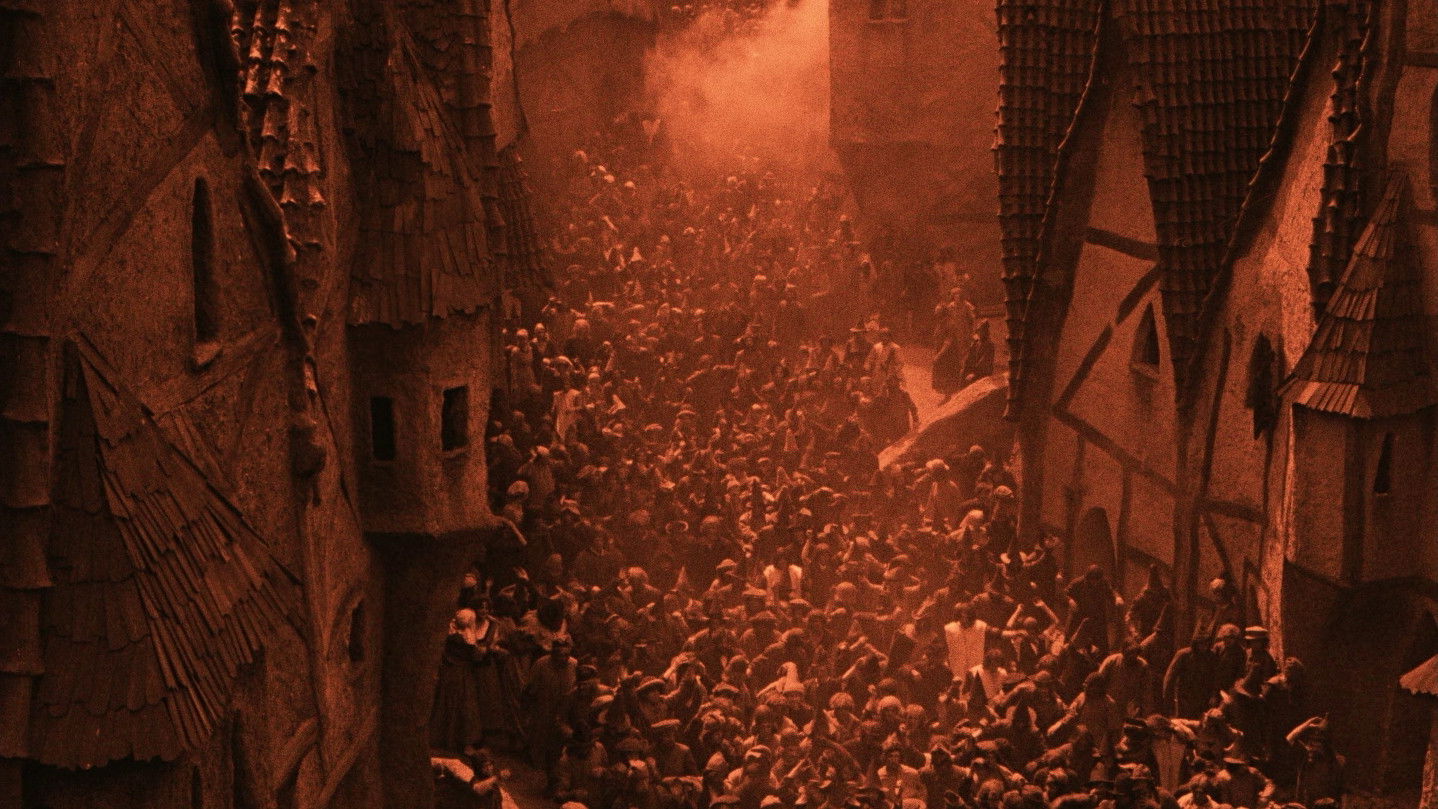
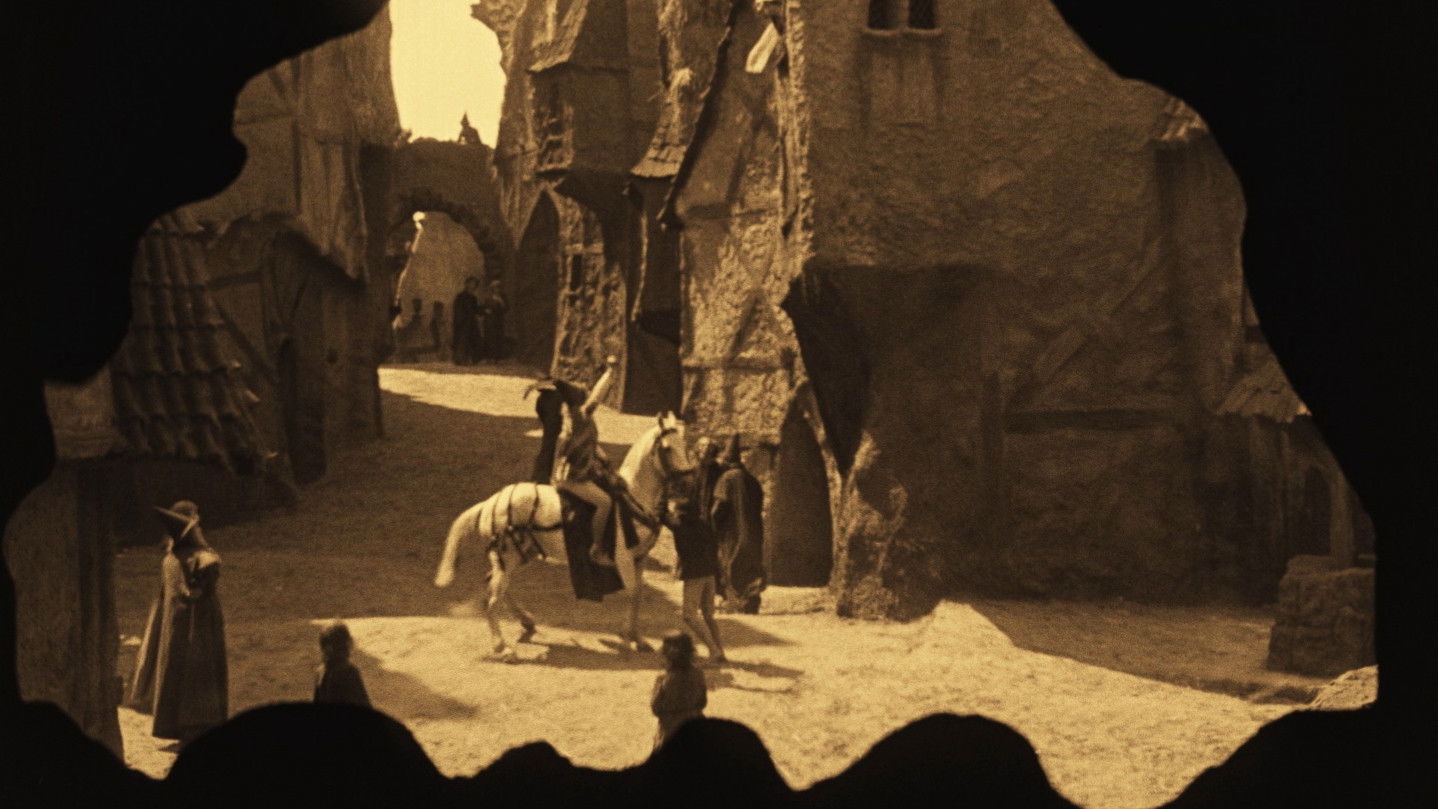
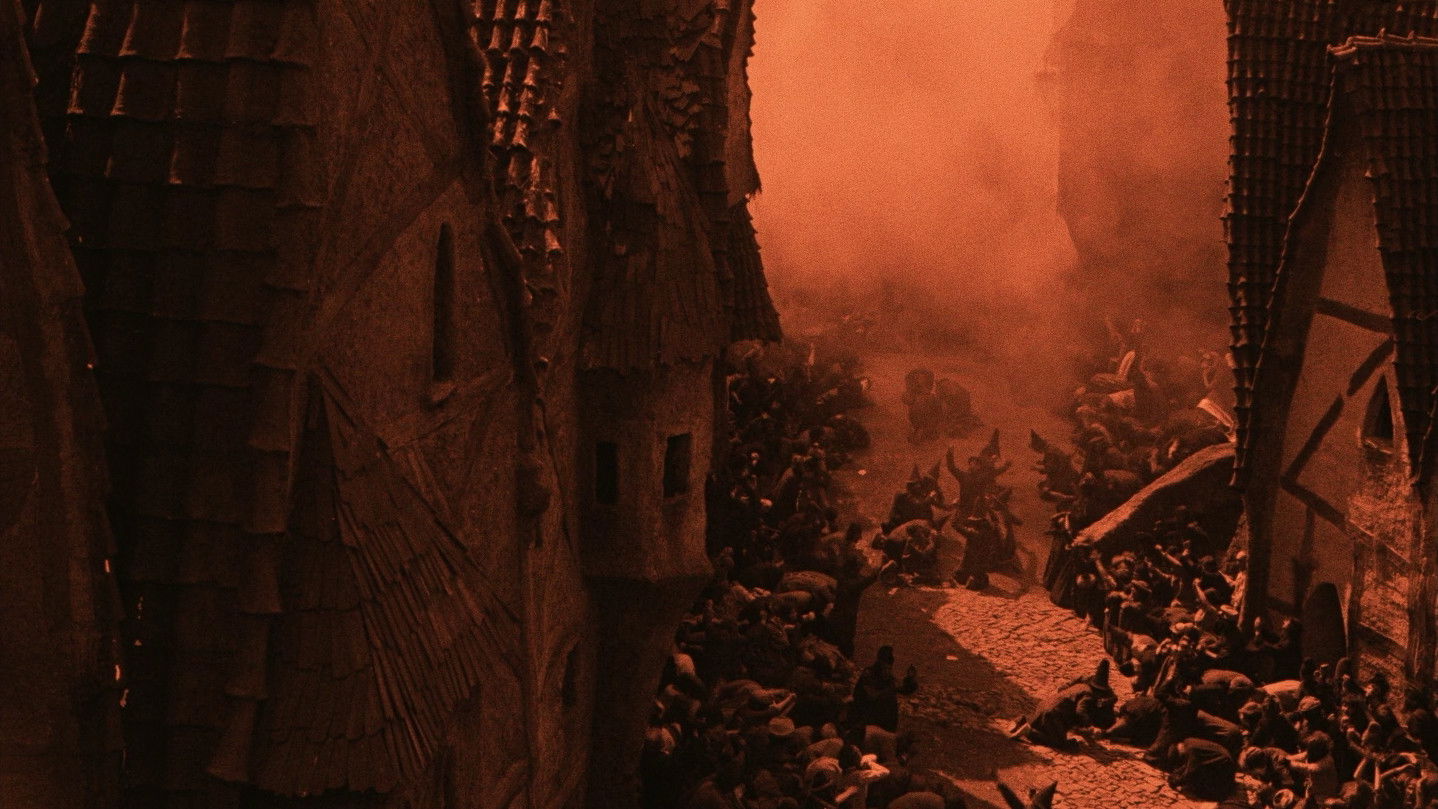
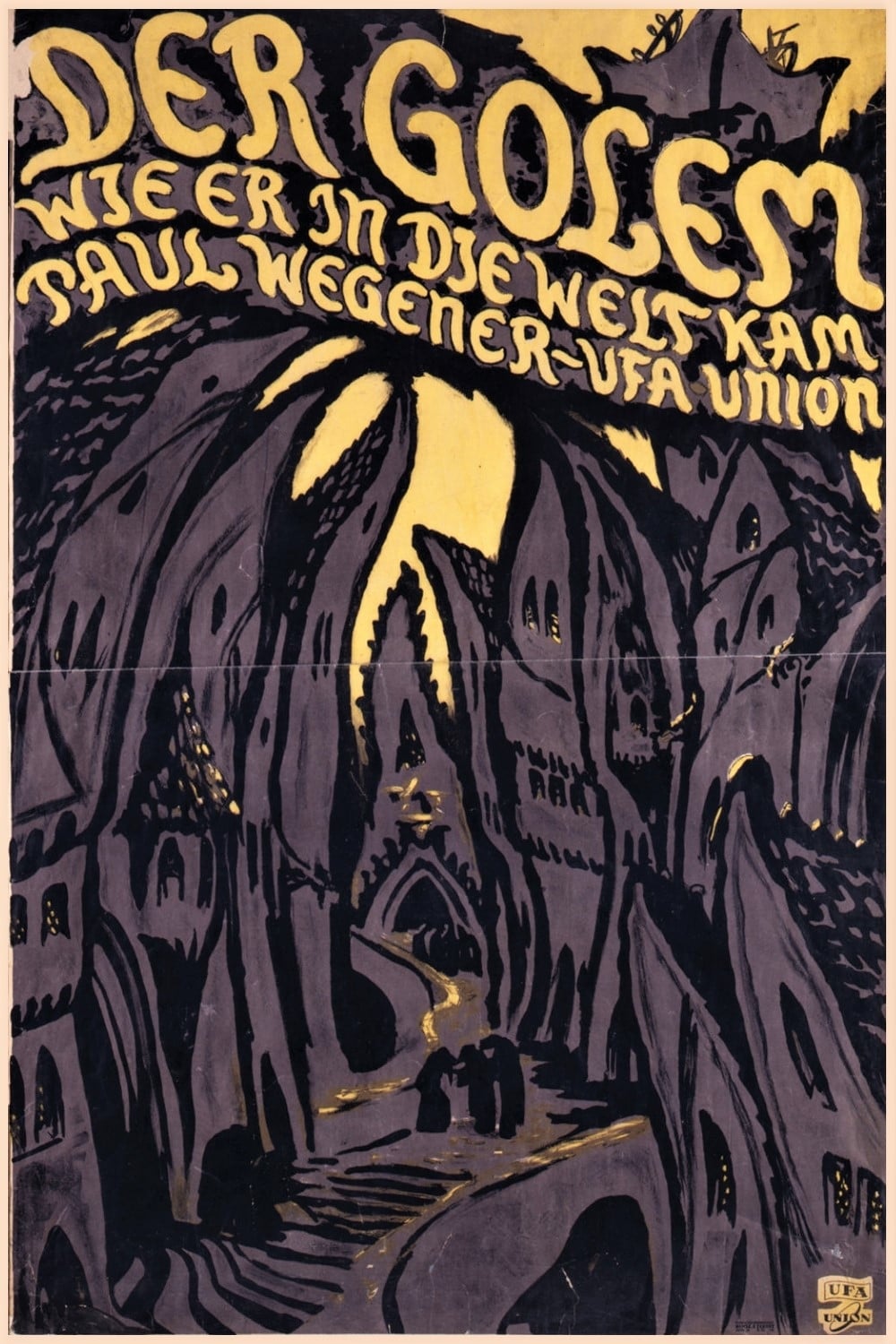
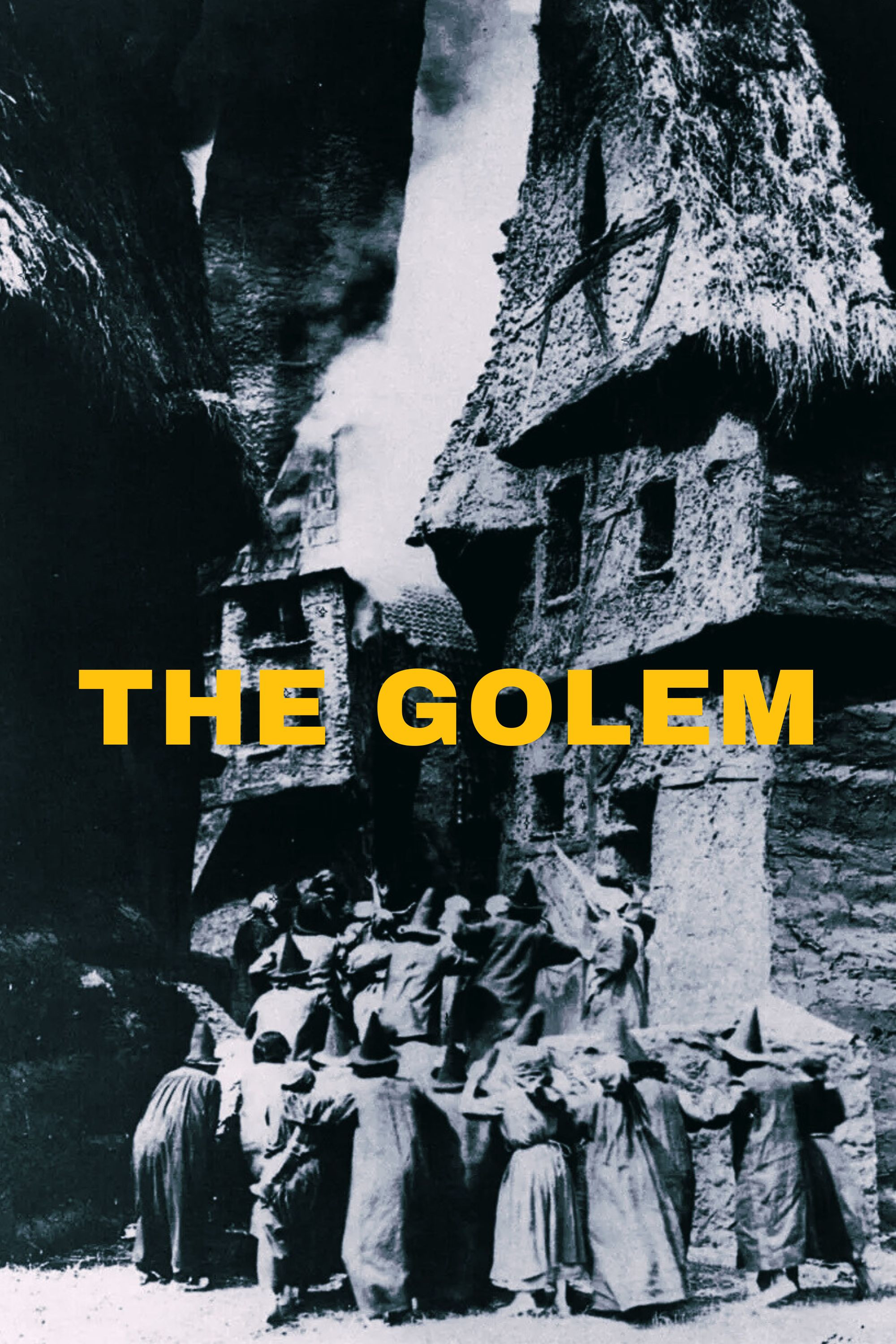
Rabbi Yehudah Löw ben Bezalel and Emperor Rudolf II were historical figures associated with late-sixteenth-century Prague, but the film's creation ritual and impending expulsion belong to its fictionalized world. The Jewish Museum Berlin cautions that the historical rabbi was not known as a mystic and that the Prague golem tradition acquired its familiar form over time. The imperial decree supplies the narrative's immediate crisis: a threatened community seeks protection through knowledge that appears capable of overcoming political force. The setting therefore carries a specific history of Jewish vulnerability, even as the film converts that history into a supernatural story and a highly stylized vision of the city.
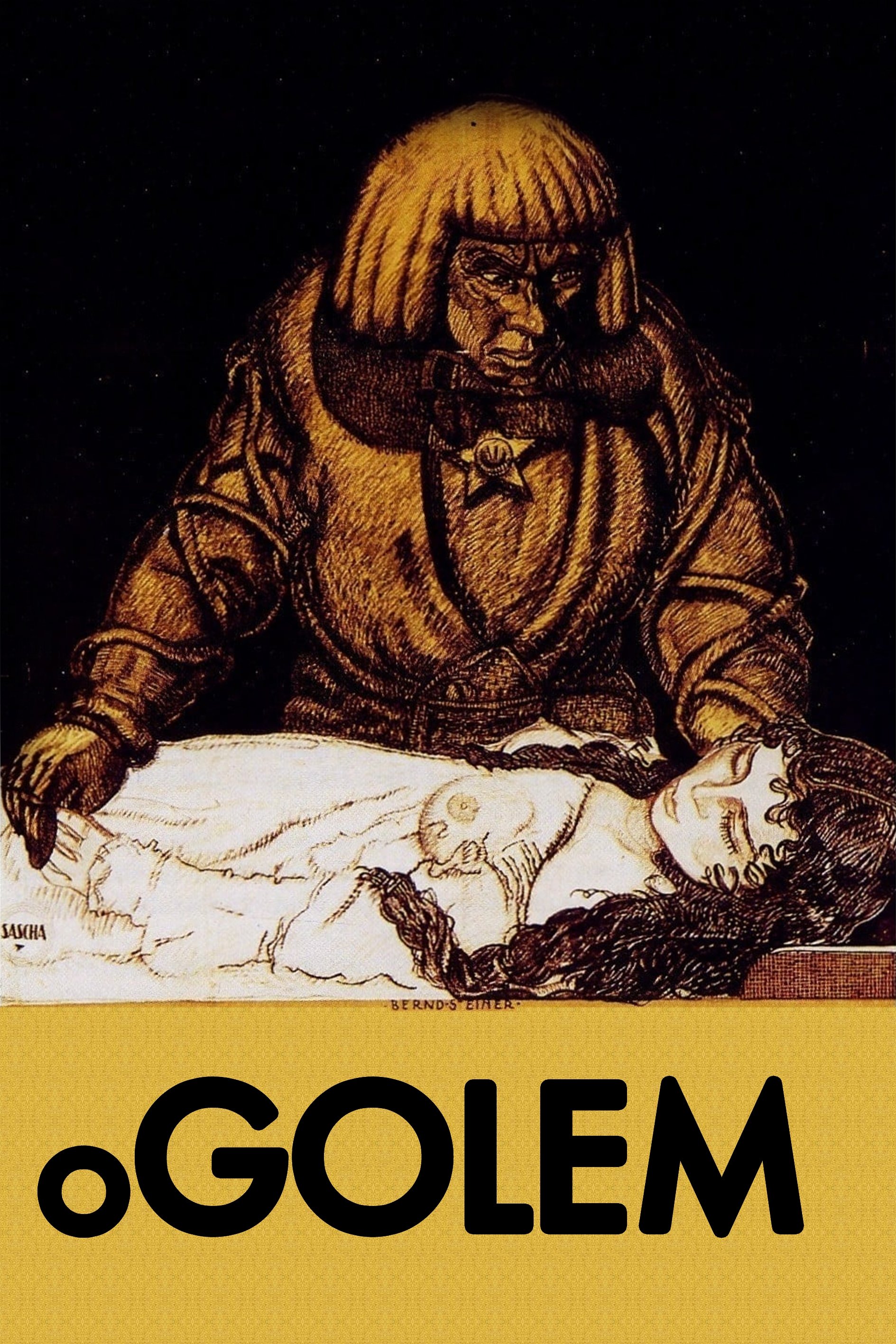
Gustav Meyrink's novel The Golem, published around the same period as Wegener's first screen treatment, helped popularize Prague's supernatural associations among non-Jewish readers. Its elusive, intermittently appearing figure differs substantially from the powerful clay servant brought to life by Rabbi Löw in the 1920 film. The shared title and setting should not erase those differences or reduce the movie to a straightforward dramatization of Meyrink's narrative. Its more immediate organizing principle is the legendary act of creation and the obligation that follows when the creature is employed to preserve a community.