Victor Crowley (2017)

US
HORROR FILM Comedy
SUBGENRES SLASHER SPLATTER
Runtime
83 min
Release
September 12, 2017
Budget
$400,000
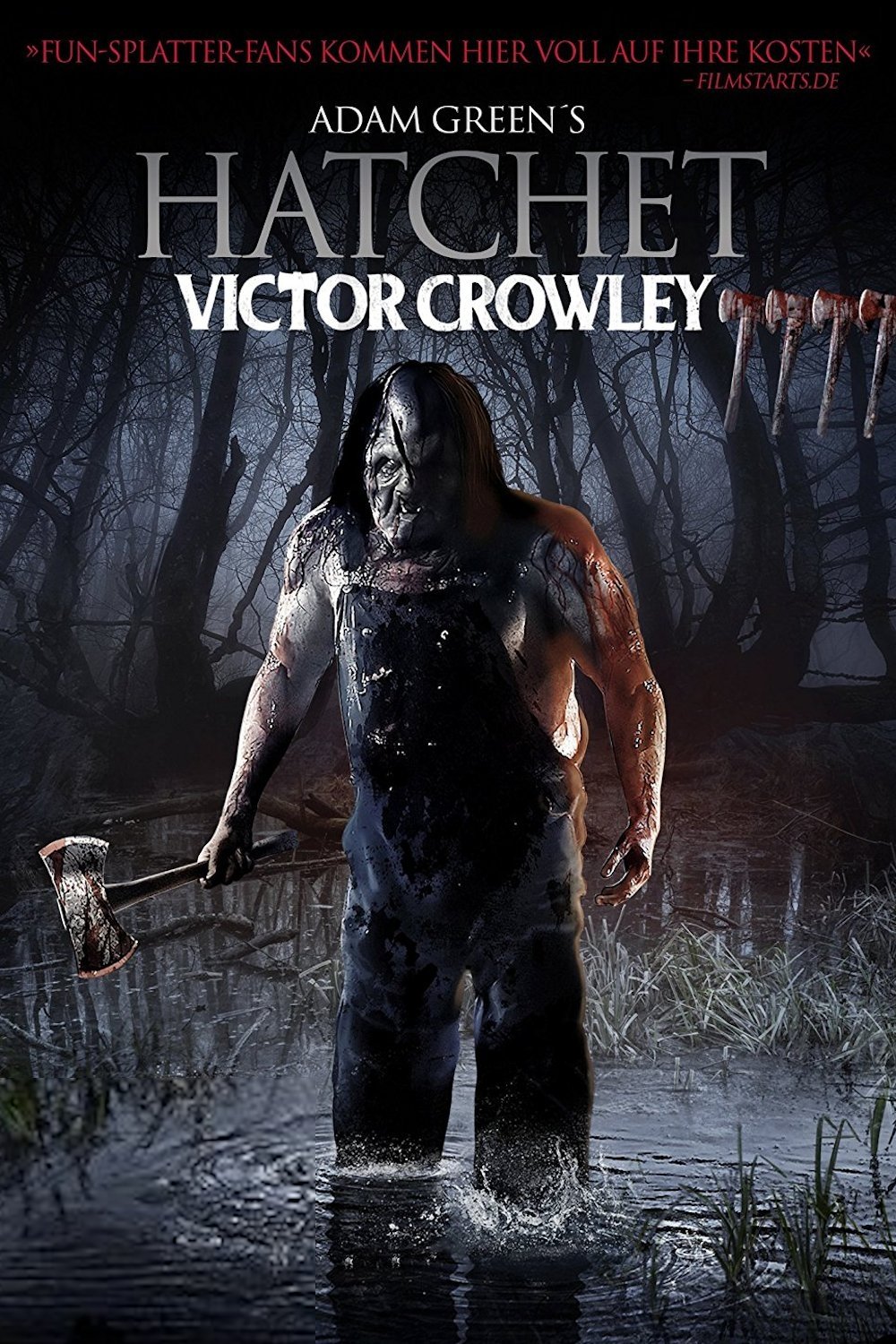
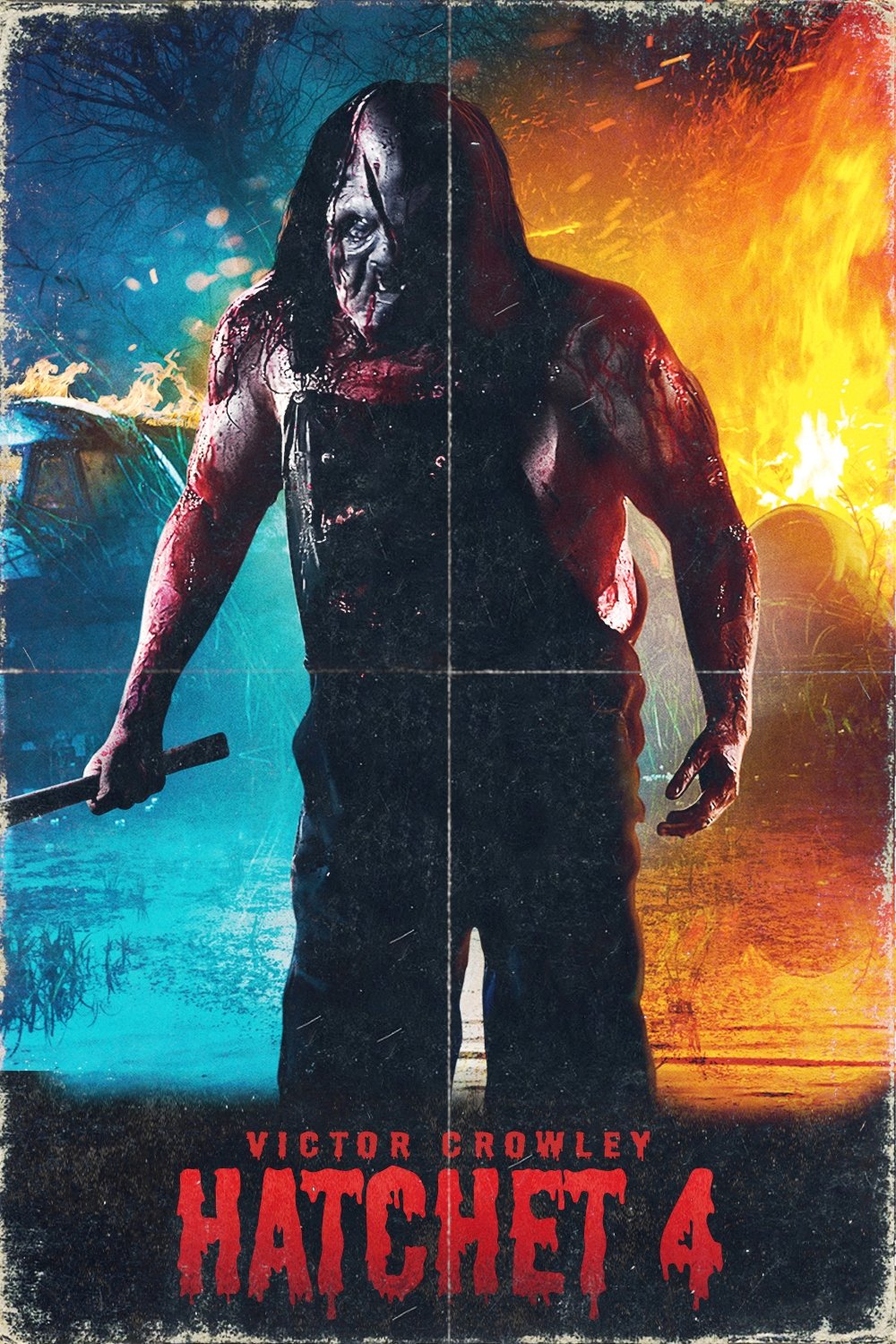
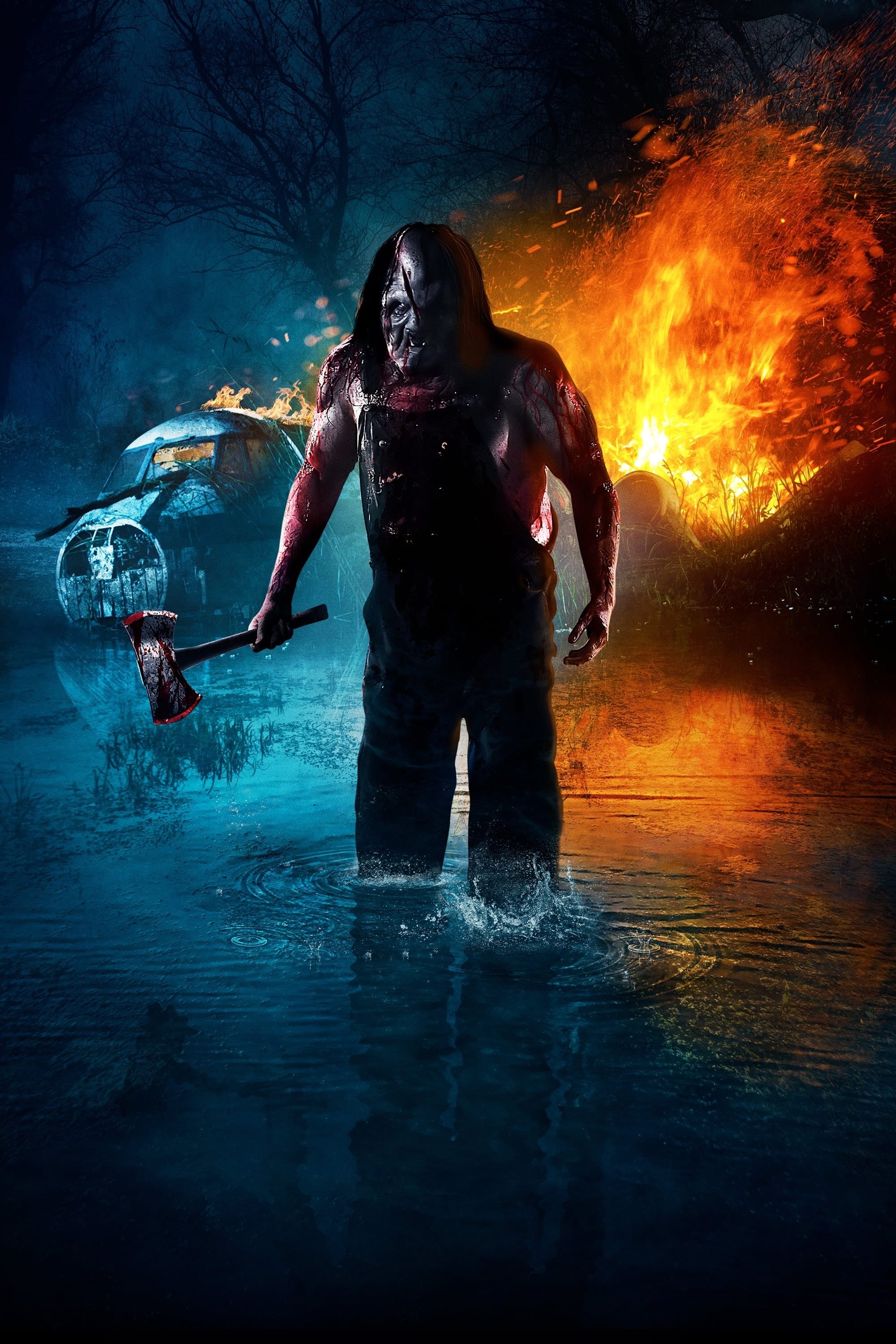
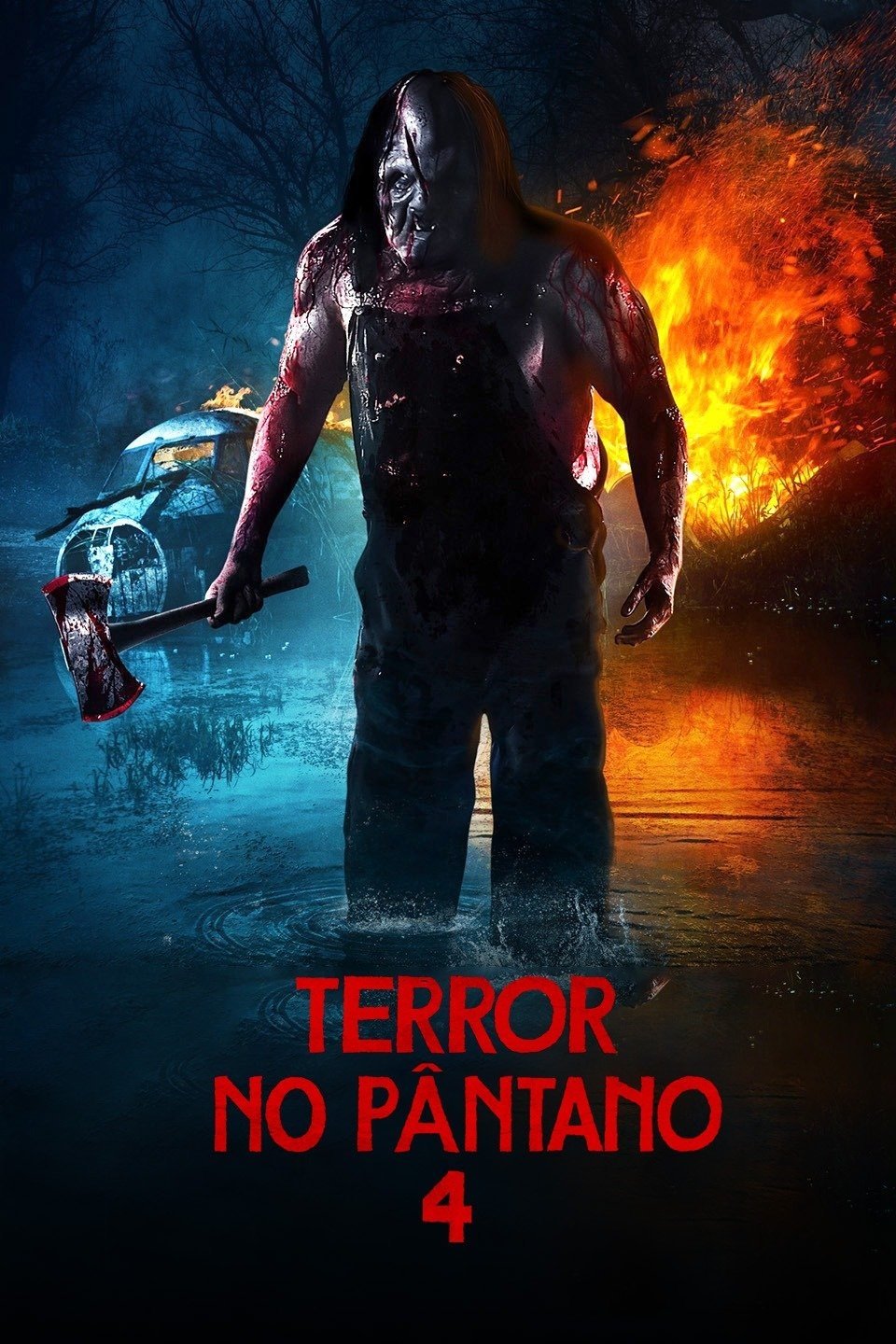
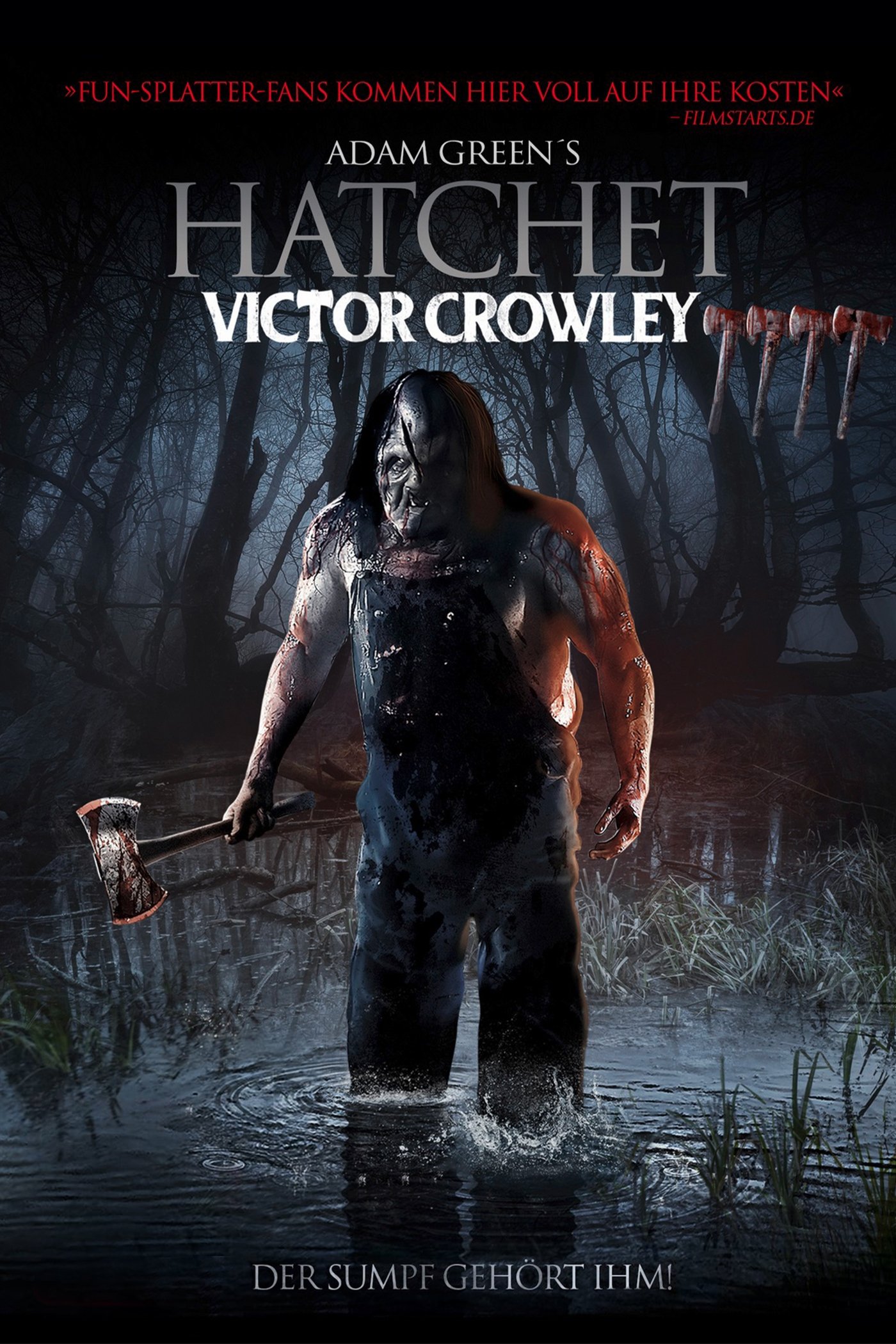
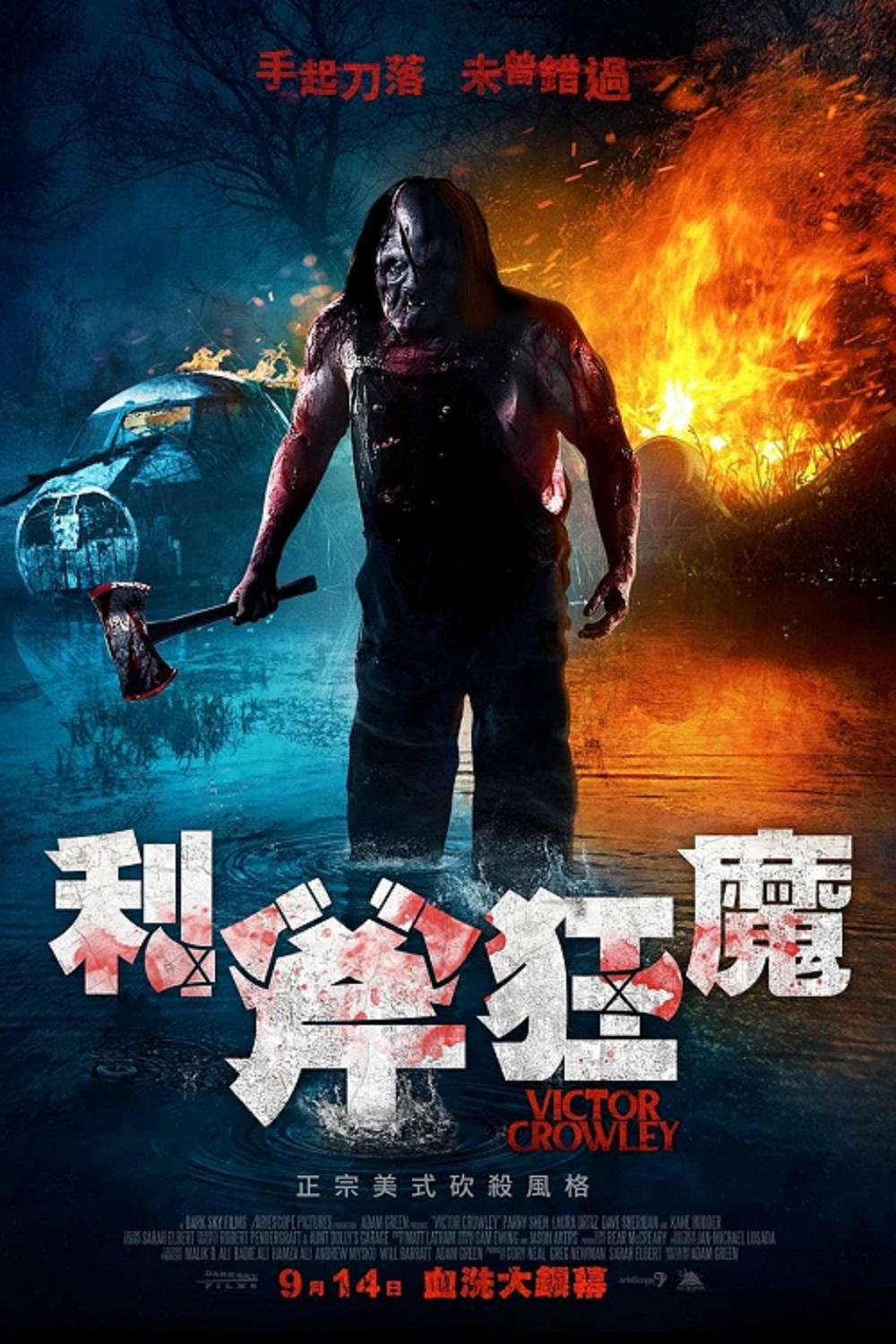
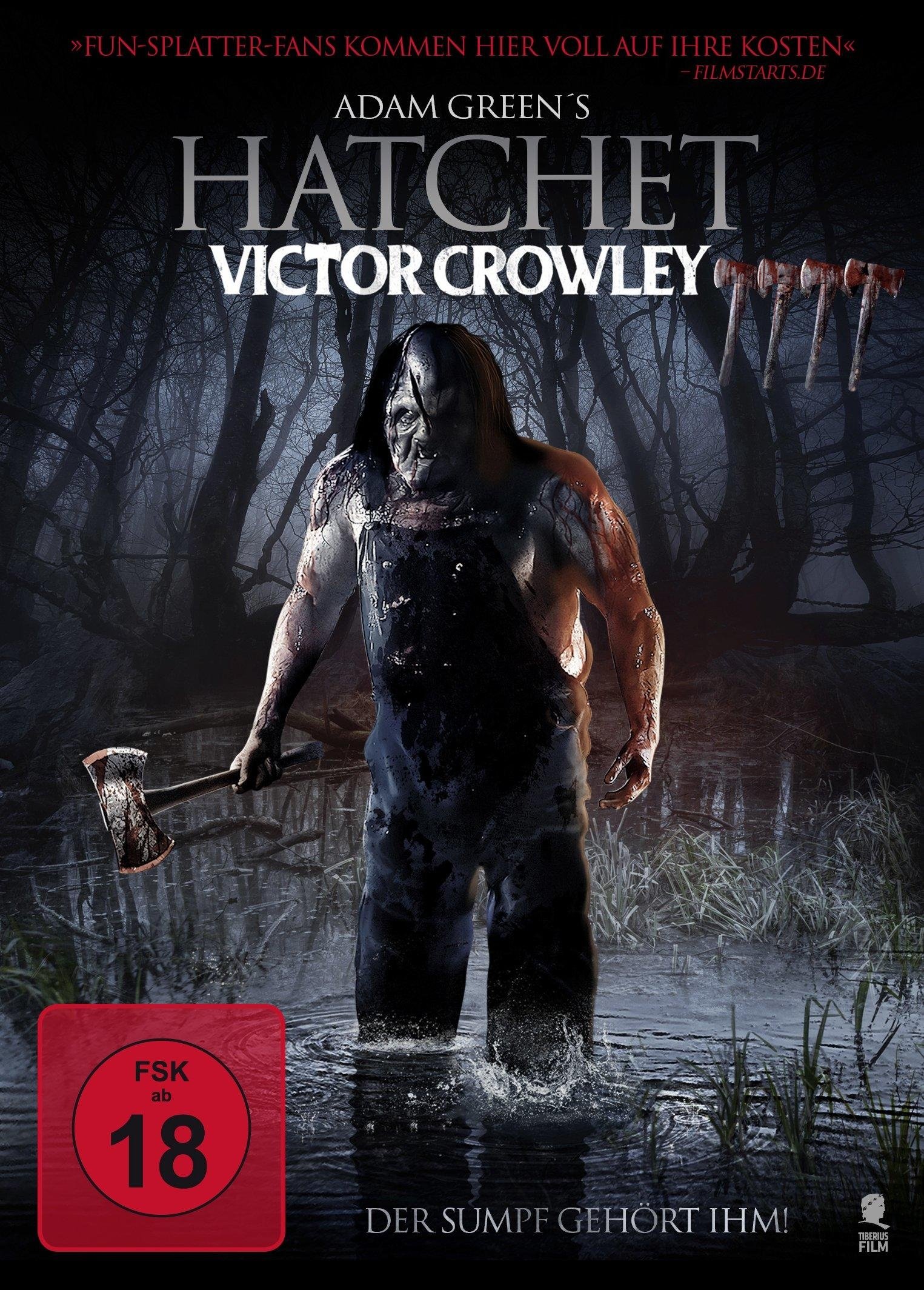
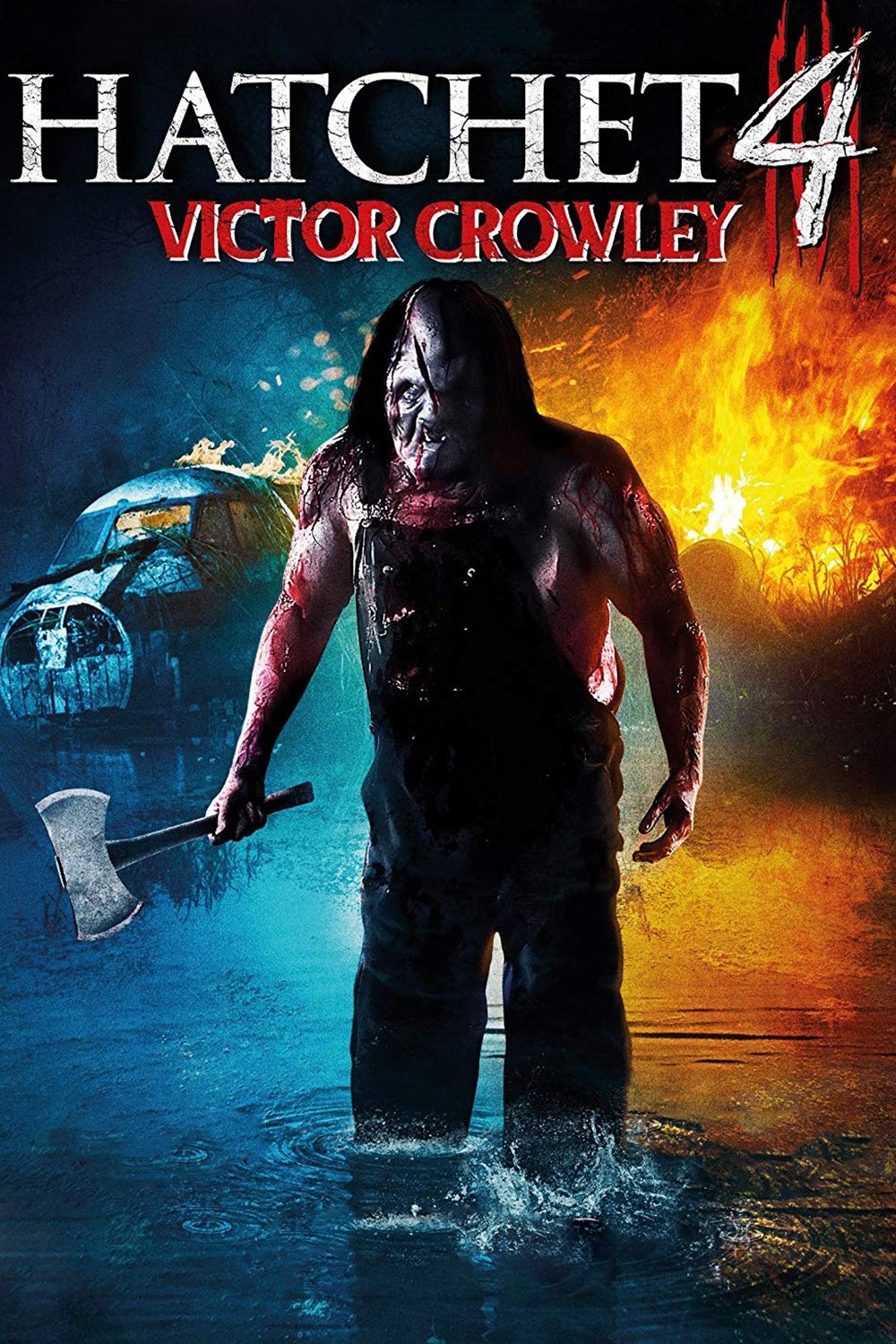
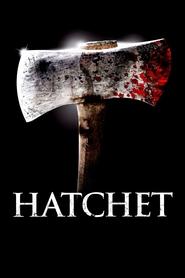
Victor Crowley (2017) poster
Director
Writer
Production Company
ArieScope Pictures
Plot

A decade after the killings in Honey Island Swamp, Andrew Yong remains associated with the legend of Victor Crowley after claiming to have survived one of the massacres. A publicity trip brings him back toward the location of the earlier events, where an accident leaves several people stranded. The circumstances of their arrival lead to Crowley's return, forcing the survivors to navigate the swamp as the killer begins attacking again. The fourth installment shifts attention to a new group and a returning survivor while continuing the supernatural story established by the earlier films.

Alternative Titles
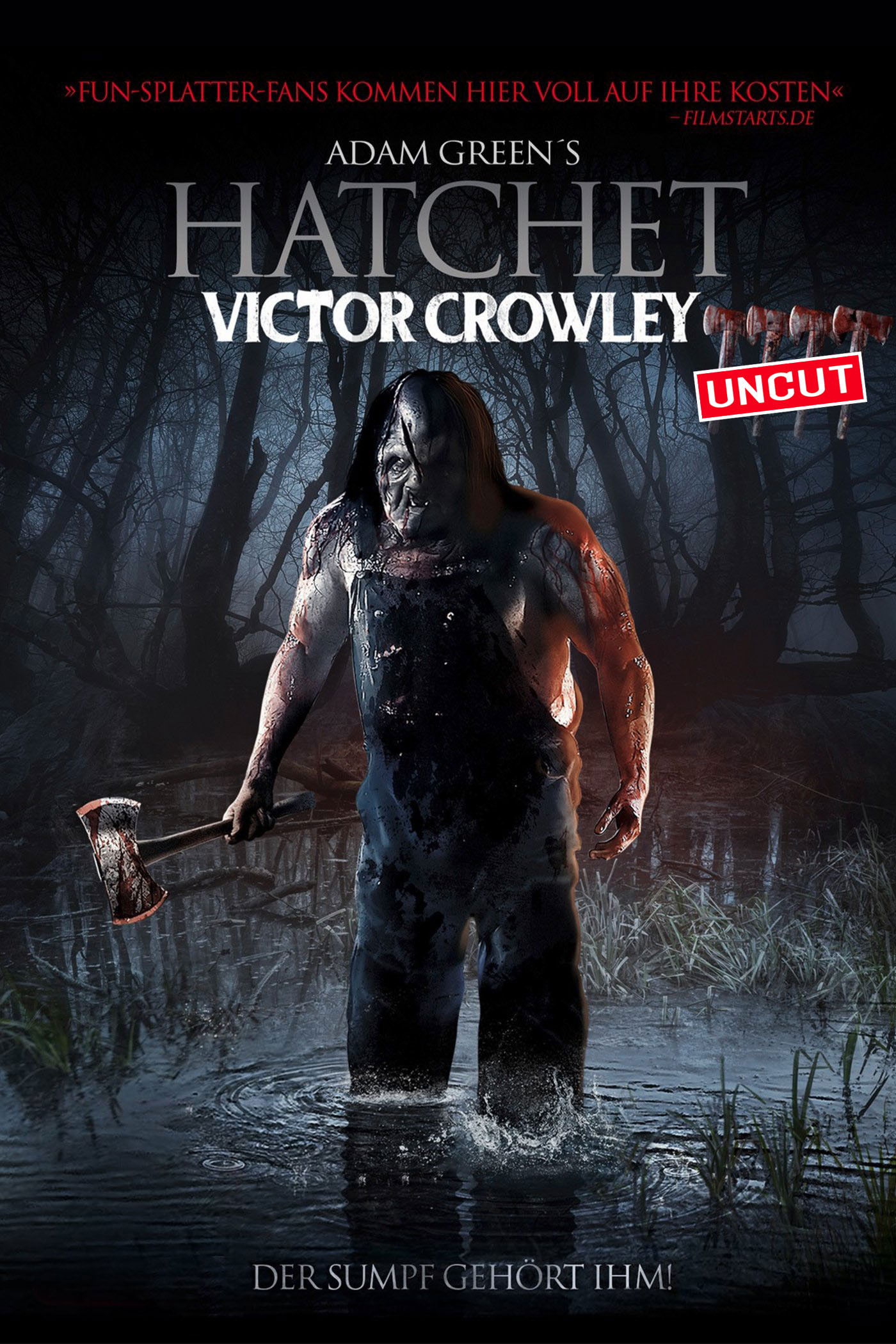
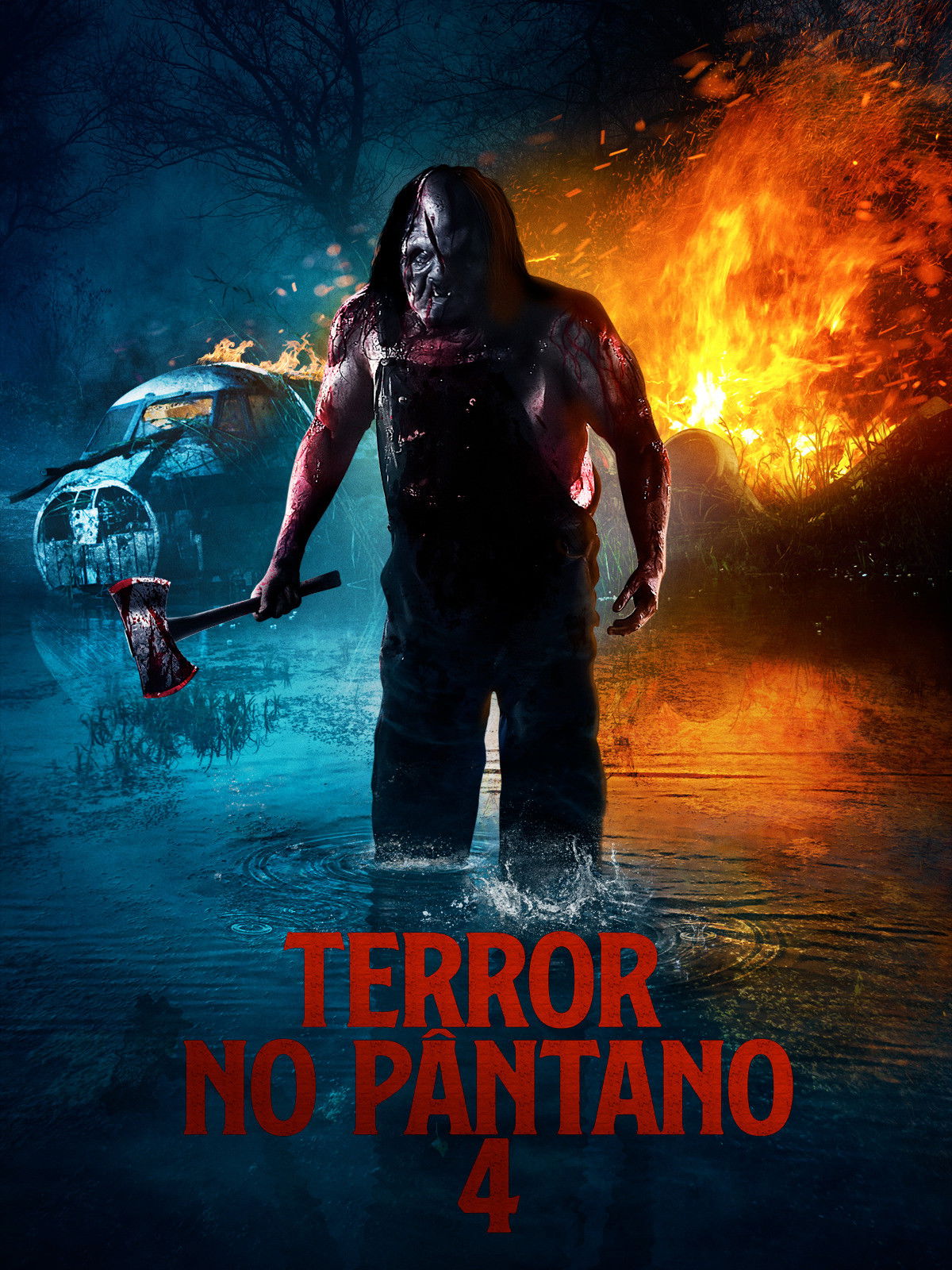
Брадвата 4 (Bulgaria) Виктор Краули (Bulgaria) — Bulgarian Terror no Pântano 4 (Brazil) — Portuguese 短柄斧4 (China) — Chinese Hatchet 4 - Victor Crowley (Germany) Hatchet IV - Victor Crowley (Germany) Hatchet: Victor Crowley (Germany) — German Victor Crowley - Hatchet IV (Finland) — Finnish
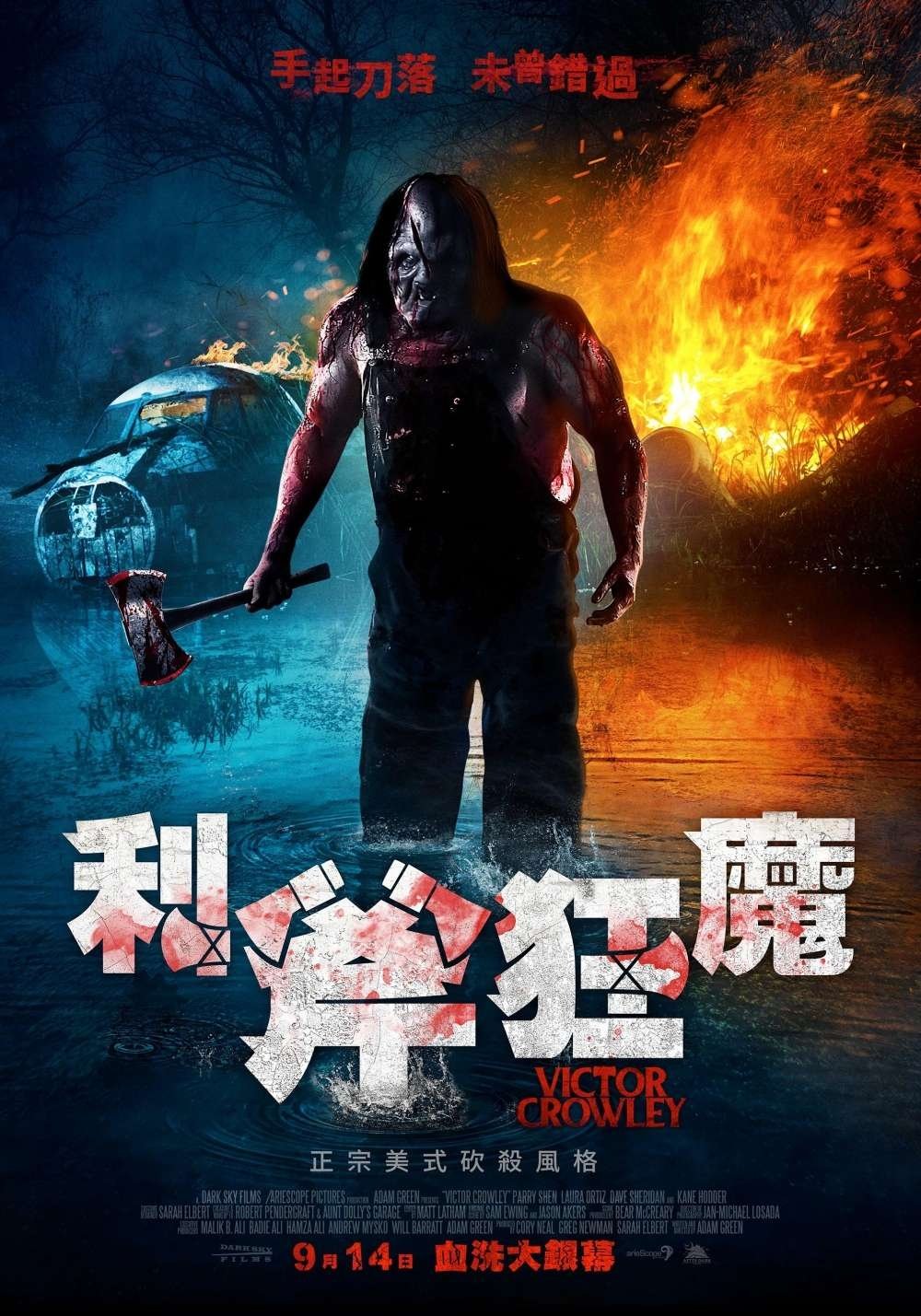
Show all 23 alternative titles Butcher 4 - Victor Crowley (France) 利斧狂魔 (Hong Kong SAR China) — Chinese Victor Crowley - Balta 4 (Hungary) — Hungarian ויקטור קראולי (Israel) — Hebrew ヴィクター・クロウリー 史上最凶の怪人 (Japan) 빅터 크로울리 (South Korea) — Korean Topór 4: Victor Crowley (Poland) — Polish Pesadelo no Pântano IV: Victor Crowley (Portugal) — Portuguese Виктор Кроули (Russia) — Russian فيكتور كراولي (Saudi Arabia) — Arabic Victor Crowley - Hatchet 4 (Sweden) 利斧狂魔 (Taiwan) — Chinese Hatchet 4 (United States) — Alternative Title Hatchet IV (United States) — Alternative Title Hatchet IV: Victor Crowley (United States)

Trailers & Videos

2 videos

Film Guide & Analysis

Adam Green secretly revives his swamp slasher, combining physical gore, dark comedy and an unexpected tenth-anniversary premiere.

Victor Crowley (2017) returns to the Louisiana swamp of Adam Green's Hatchet series after a decade-long gap in its fictional chronology. The original trilogy unfolded as an almost continuous ordeal, with successive films taking up the action where the previous one stopped. Here the passing years have changed the people who survived the massacre. Andrew Yong has become a public figure whose account of a supernatural killer remains disputed, and his attempt to revisit the site of the killings leads to another encounter with Crowley. The film combines that shift in perspective with the series' familiar practical gore and abrasive comic dialogue.

Its production was unusual for a fourth installment of an established horror property. Green shot the picture without announcing it, then revealed it at a screening advertised as a tenth-anniversary celebration of the first Hatchet. The surprise was enabled by a small budget, a compressed schedule and a recurring group of collaborators. Behind the knowingly excessive violence lies a personal reason for Green's return to a series he had previously considered finished, while the film's marketing and theatrical tour were shaped by the secrecy surrounding its creation.

A Secret Return to the Swamp

After Hatchet III (2013), Green said that he had no intention of returning to the franchise. He later connected his change of mind to a difficult period in 2014 and to encouragement from George A. Romero at a convention in Boston in October 2015. In interviews with Nerdly and Bloody Disgusting, Green described Romero's response to the enthusiasm of horror fans as a decisive influence on his decision to resume working. He began writing the next script shortly after that meeting. The film was dedicated to Romero and Wes Craven, whose work and encouragement Green associated with his own career in genre cinema.

Secrecy governed the production from casting to publicity. Green has said that some performers auditioned without knowing they were trying out for a Hatchet sequel. The script circulated under the name Arwen's Fancy Dinner, while Arwen's Revenge was used during production; both titles referred to Green's dog. The principal collaborators and crew were asked to keep the project confidential. Kane Hodder later recalled spending approximately eleven months after filming answering questions about the possibility of another sequel while knowing that the film had already been shot.

A 2022 retrospective interview reported a budget of approximately $400,000 and eleven days of principal photography, followed by two smaller pickup days. That limited schedule mattered especially for a picture involving extensive prosthetics and an ensemble cast. Green credited familiar collaborators with making the production possible, while also describing the physical demands and financial constraints of the shoot. Cinematographer Jan-Michael Losada took over photography duties from Green's longtime associate Will Barratt, who was unavailable. The continuity of the creative circle therefore coexisted with practical changes required by the timetable.

The Ten-Year Gap and Andrew Yong

The screenplay creates a different point of entry into the Hatchet mythology. Andrew Yong, played by Parry Shen, is a survivor whose notoriety has become inseparable from the massacre. He has published an account of his experience, yet the existence of Victor Crowley remains a subject of public skepticism. His return to Honey Island Swamp is entangled with the media's appetite for an extraordinary crime story. A publicist and a television opportunity place his past suffering within a commercial entertainment industry, adding a contemporary context to the traditional slasher setup.
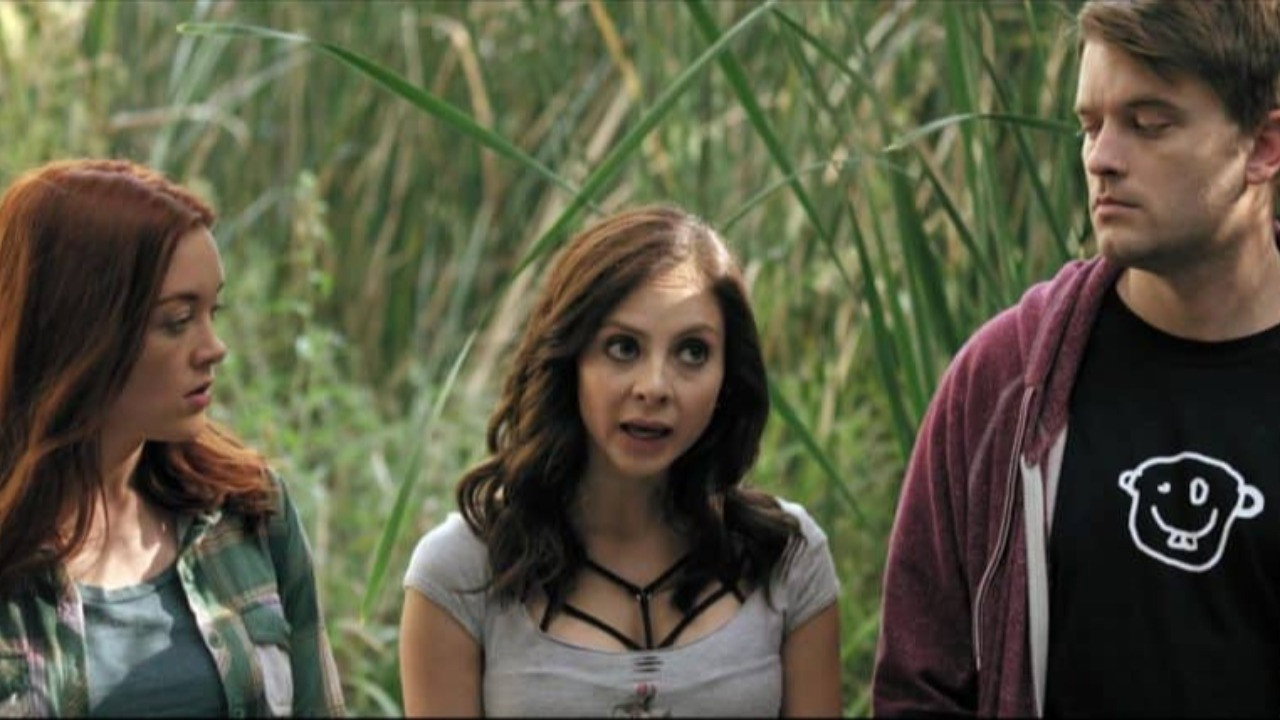
Green also introduces a group attempting to make a film about the killings. Their interest in the local legend creates another layer of exploitation: the swamp is a source of marketable images before it becomes a place of immediate danger. In a 2020 interview, Green related this element to what he regarded as growing public fascination with real-life crimes and their packaging as entertainment. That explanation is his own stated thematic intention. On screen, the characters' plans to profit from the massacre serve the more immediate dramatic purpose of placing competing interests and fragile alliances in an isolated location.

The ten-year interval lets Crowley return without erasing the previous three stories. Parry Shen had appeared in earlier Hatchet installments in different roles, but Andrew now provides the ongoing series with a survivor whose experience can be examined rather than simply repeated. Kane Hodder returns as the physically imposing killer. The film's structure draws fresh conflict from the distance between a survivor's public narrative and his traumatic memories, while Crowley's reappearance restores the supernatural threat that no amount of media attention can adequately explain.

Practical Effects and the Performance of Crowley

The killings remain central to Green's approach, with staged physical impacts and prosthetic destruction built into the action. In a 2018 Dread Central interview, the director emphasized the value he placed on practical effects and described the recurring challenge of executing elaborate deaths with limited money. He said digital work was generally used for corrective tasks, such as removing equipment from a shot, rather than replacing the central gore effects. Such statements express a production preference, not a claim that the completed film contains no digital imagery.

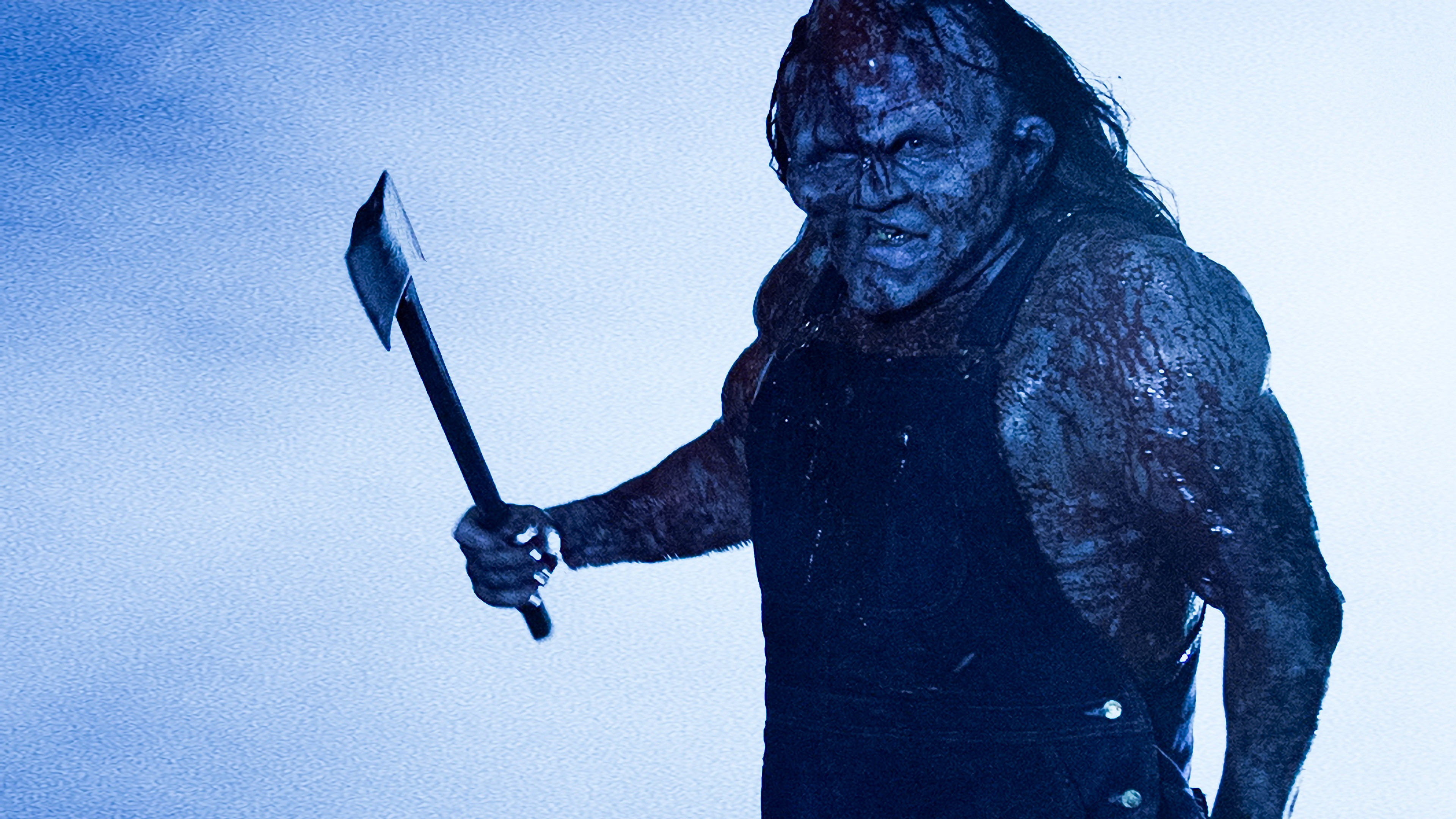
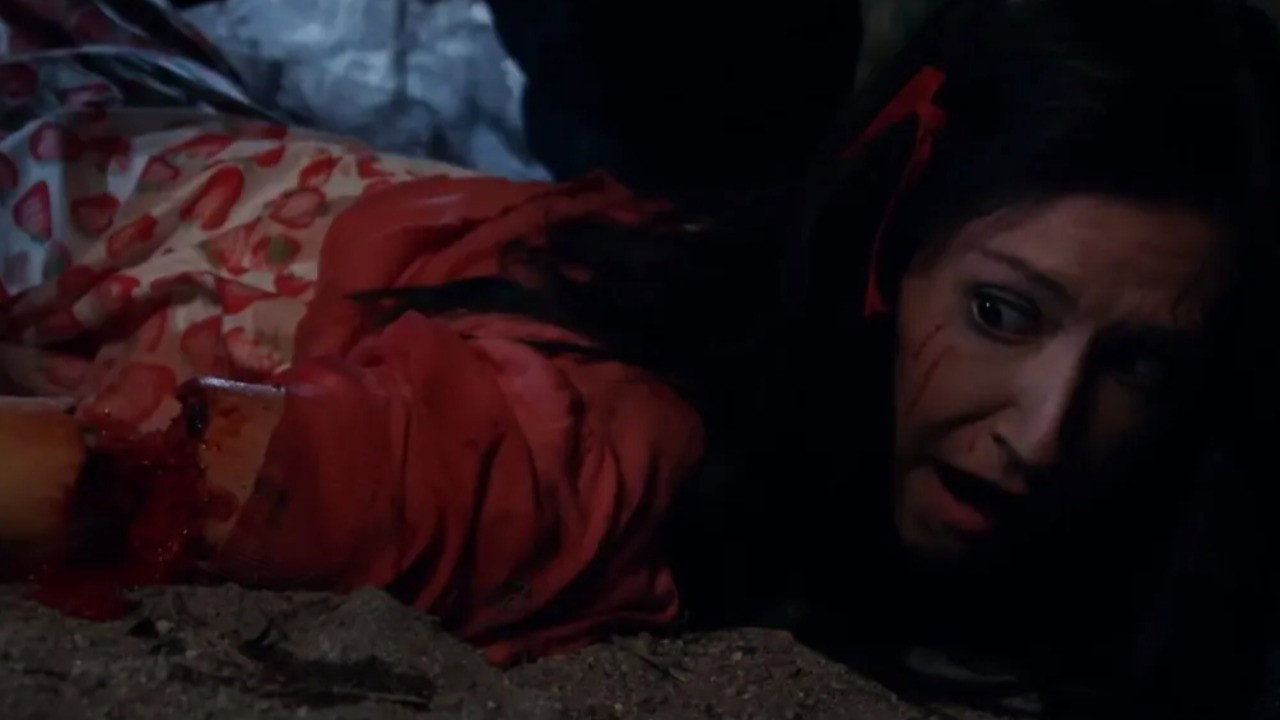
Robert Pendergraft worked on the makeup effects, and the home-video technical commentary identifies him alongside Green, cinematographer Losada and editor Matt Latham. Crowley's appearance and the elaborate mutilations require a visible interaction between Hodder, his victims and the manufactured effects. The film regularly turns a violent encounter into an extended physical gag: the force of an attack escalates beyond recognizable human injury until the anatomical damage becomes the scene's grotesque payoff. Gore and comedy share the same timing, making the spectacular impossibility of the action part of its appeal.

Hodder discussed the killer's progression across the series in the same interview. He recalled playing Crowley initially as unsettled and inexperienced, whereas the fourth film presents him with greater confidence and anger after his supernatural return. The change is conveyed through movement and the force of his attacks. Green also places much of the action around an aircraft in the swamp, restricting how the characters can escape and how they can perceive the approaching threat. The confined setting gives the practical effects a strong spatial context: performers are forced into close contact with a killer whose attacks can be staged at very short range.

The Opening Montage and the Soundtrack

The film's introductory mythology sequence shows that the production did not exclude digital effects. Visual-effects artist Jeremy Wanek provided a detailed firsthand account of its completion shortly before the secret premiere. After an earlier contributor became unavailable, Green approached Wanek to assemble an opening that could convey both the history of the killings and the sadness underlying Crowley's origin. The director supplied fictional newspaper material about deaths in the swamp, with instructions that the articles should function as layered imagery rather than readable exposition.

Wanek filmed a real candle with a Sony a6300 camera and used Adobe After Effects to combine the flame with photographs, simulated websites, paper textures, heat distortion and film grain. A slow movement toward the candle referred consciously to the opening of Halloween (1978). The process gave the montage an aged, memorial quality while allowing fictional documents from different periods to appear together. According to Wanek, his final delivery was completed in August 2017, only days before the Hollywood reveal.

The sequence also offers a specific documented example of the film's music. Wanek credited Sam Ewing and Jason Akers with the score accompanying his work and identified Bear McCreary as producer. The subdued treatment of the candle and newspaper images contrasts with the louder comic violence that follows. That contrast provides the film with a brief acknowledgment of the victimhood and family tragedy built into Crowley's origin before returning to the familiar rhythms of a splatter comedy.

Comic Horror, Spectacle and Emotional Undercurrents

Green's conception of Hatchet has consistently involved humor as much as bodily destruction. In his interview with Nerdly, he cited An American Werewolf in London and Fright Night as important influences on the original series' blending of horror and comic character exchanges. He described Victor Crowley as an opportunity to increase the comedy after the escalating action of the earlier trilogy. The new film accordingly spends time on arguments, vanity and attempts to manage a public image before its violence interrupts those ambitions.

The film's self-conscious connection to horror culture is particularly visible in the characters who plan to manufacture entertainment out of a notorious crime. Their proposed production turns the relationship between real suffering and screen spectacle into a joke at the characters' expense. Meanwhile, the small airborne setting and surrounding swamp organize the attacks around an increasingly limited set of escape routes. The mixture allows Green to retain the series' deliberately excessive gore while varying the kind of people who encounter its monster.

The director has also described the writing as a personal response to loss. In a later interview with Bloody Disgusting, he discussed his interest in the motif of lost love and the distinct audience reaction to a death involving a pregnant character played by Tiffany Shepis. Those comments explain his intentions without requiring every violent scene to carry a symbolic meaning. Much of the running time remains devoted to loud confrontations and physical spectacle, but the occasional shift toward vulnerability helps distinguish this installment from an uninterrupted sequence of comic kills.

Surprise Premiere, Roadshow and Home Video

The film was unveiled on August 22, 2017, at a Hollywood event presented as a celebration of Hatchet's first decade. Attendees expecting to revisit the original instead saw the previously unannounced fourth entry. The event transformed the secrecy of the shoot into a specific exhibition strategy: an audience already invested in the franchise encountered the sequel before a conventional advertising campaign could define its reception. Green subsequently traveled with the film on a limited theatrical roadshow, keeping the encounter with audiences central to its launch.

Dark Sky Films released Victor Crowley on North American DVD, Blu-ray, digital platforms and video on demand on February 6, 2018. That edition included cast and technical commentaries, providing a record of work by actors, the director and members of the crew. Its circulation through fan screenings and domestic formats suited a low-budget production with an existing specialist audience. These release events establish the film's route to viewers without supporting any claim about comprehensive box-office returns; no reliable worldwide total is established by the sources used here.

The Australian Classification Board records an original 83-minute version, classified R 18+ for high-impact horror violence on July 4, 2019. That is a classification of a particular Australian submission, not evidence of an additional cut or a United States MPAA rating. The film's production and release history illustrates how the fourth entry used an established killer and returning collaborators while relying on secrecy, personal appearances and domestic distribution to reach viewers.

References

  1. Bloody Disgusting Victor Crowley - Adam Green Reflects on Hatchet 4 Five Years Later and Teases Whats Next (2022)

    Original retrospective interview documenting the secret shoot, budget, production schedule, personal motivation and narrative themes.

  2. Dread Central Adam Green and Kane Hodder on Victor Crowley, Filmmaking Hurdles and Swamp Witches (2018)

    Direct testimony about practical gore, the performance of Crowley, franchise continuity and the film's central aircraft setting.

  3. Morbidly Beautiful Cuts and Guts: Jeremy Wanek (Victor Crowley) (2019)

    Firsthand technical account of the opening sequence, compositing workflow and its musical contributors.

  4. Nerdly Interview: Adam Green talks Victor Crowley and more! (2020)

    Director interview addressing the return to the series, Romero's encouragement, comedy and media treatment of violent crime.

  5. Australian Classification Victor Crowley - Classification Decision (2019)

    Official record of the 83-minute original version and its Australian R 18+ classification.

Connections

Cast

View Full Cast & Crew →

Release & Distribution

Production Companies (1)

  • ArieScope Pictures US

Distributors (1)

  • MPI Media Group US

Release History (9)

Release DateTerritoryRelease TypeFormatDistributorCertificationNotes
2017-08-22 United States Premiere — — NR
2017-09-12 Germany Limited Theatrical — — 18 Fantasy Filmfest
2017-09-12 Spain Theatrical — — 18
2017-10-13 Canada Premiere — — 18A Toronto After Dark Film Festival
2018-02-06 United States Digital — — —
2018-02-06 United States Physical DVD, Blu-ray — — DVD, Blu-ray
2018-03-01 Germany Physical DVD — 18 DVD
2018-06-20 France Digital — — —
2019-06-14 Netherlands Physical DVD — 16 DVD
Return to his swamp.