Leatherface (2017)

US
Runtime
88 min
Release
September 14, 2017
Budget
$500,000
Revenue
$1,476,843
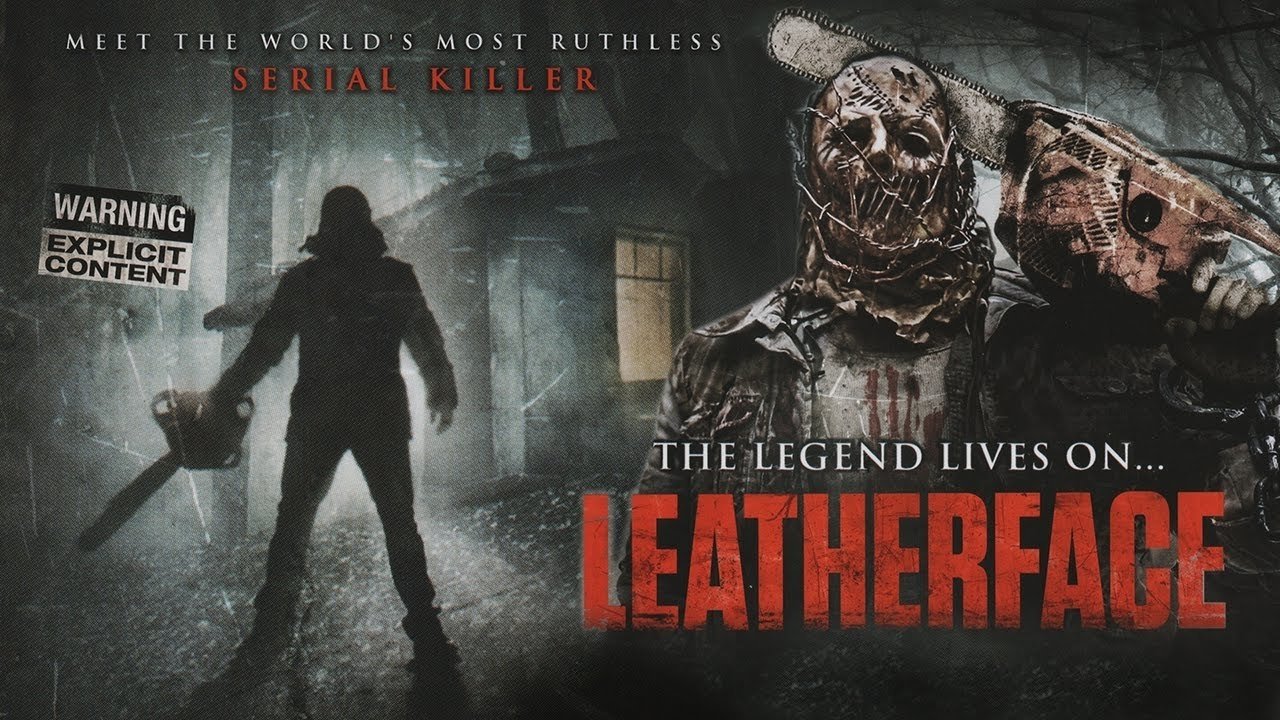
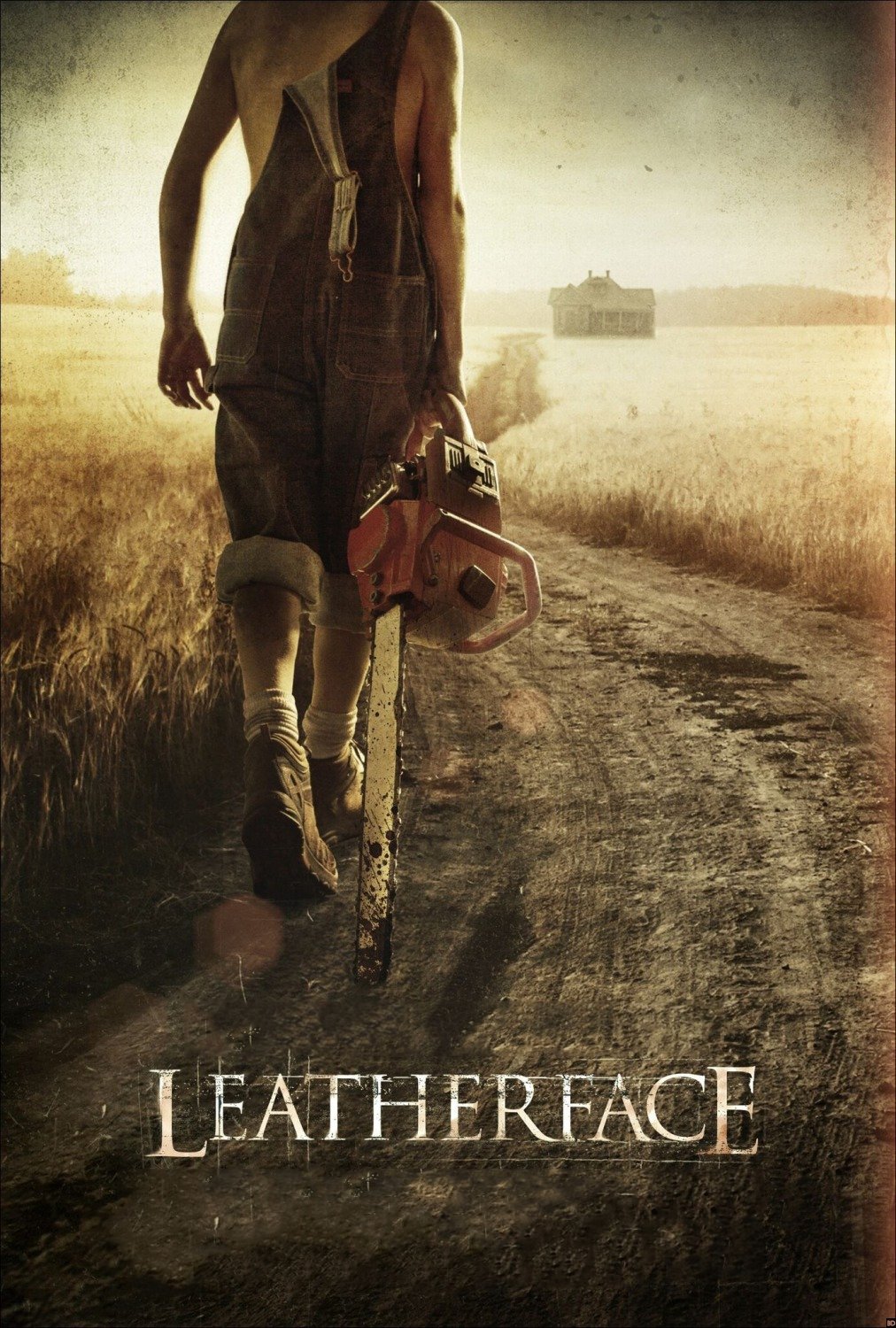
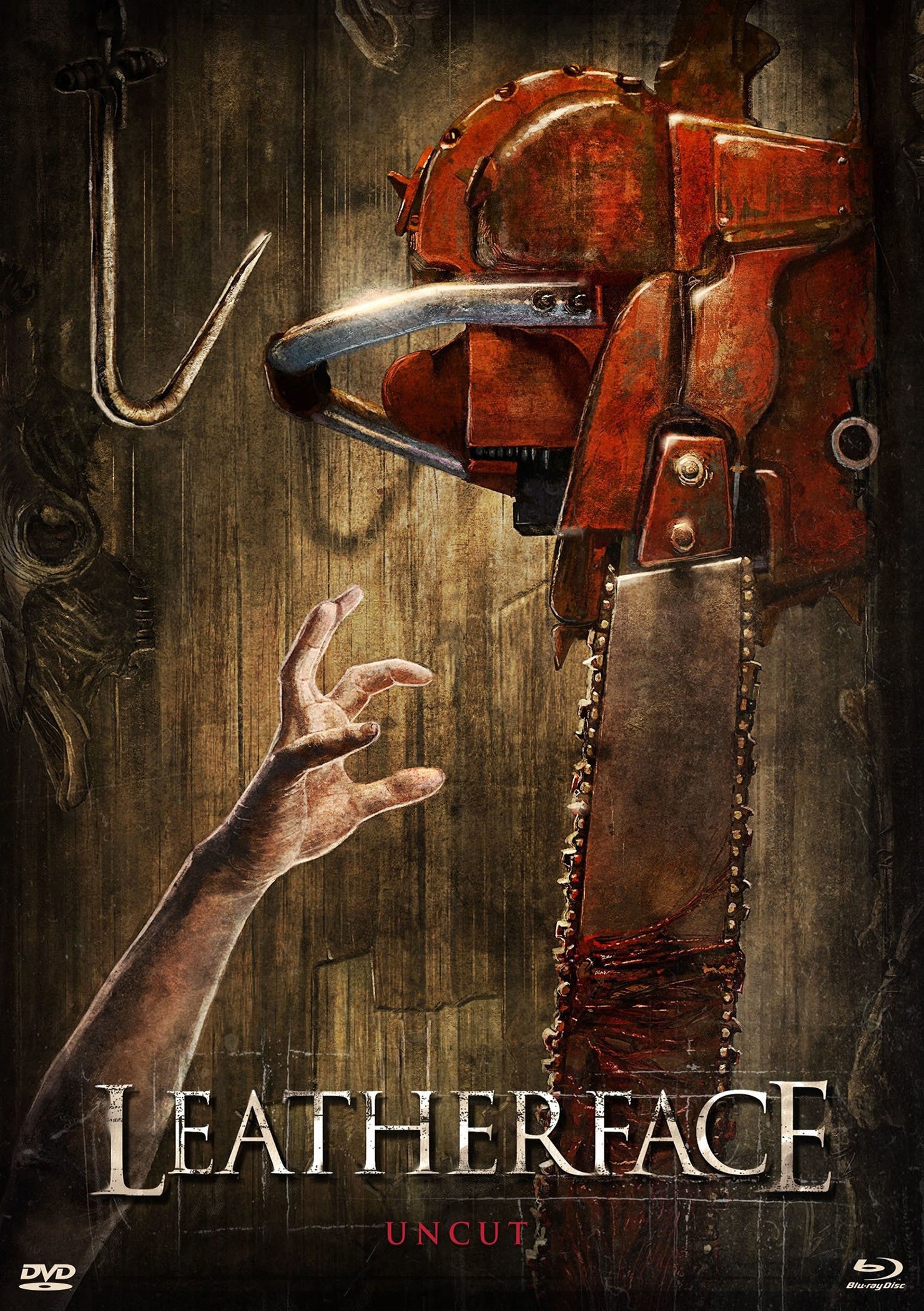
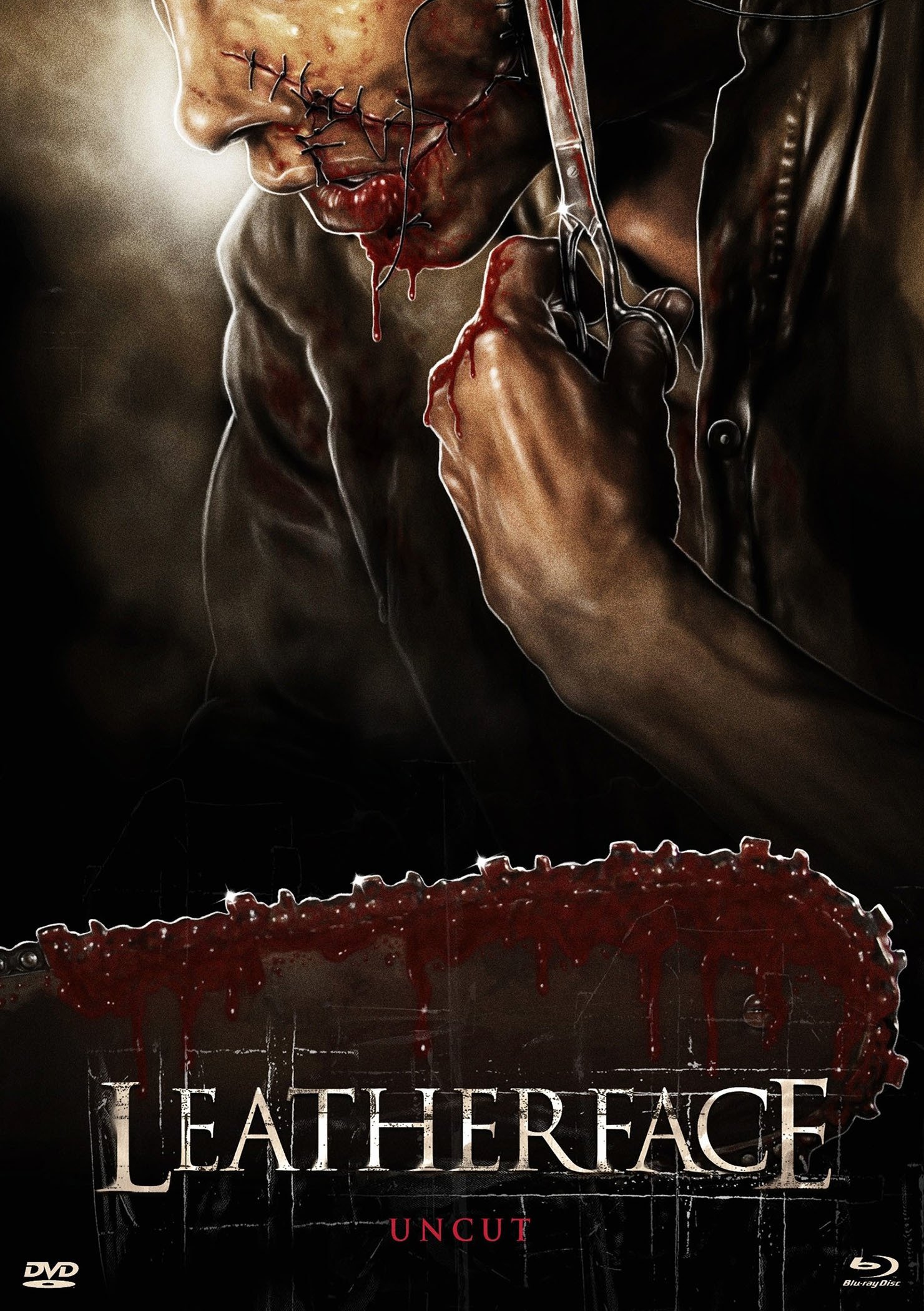
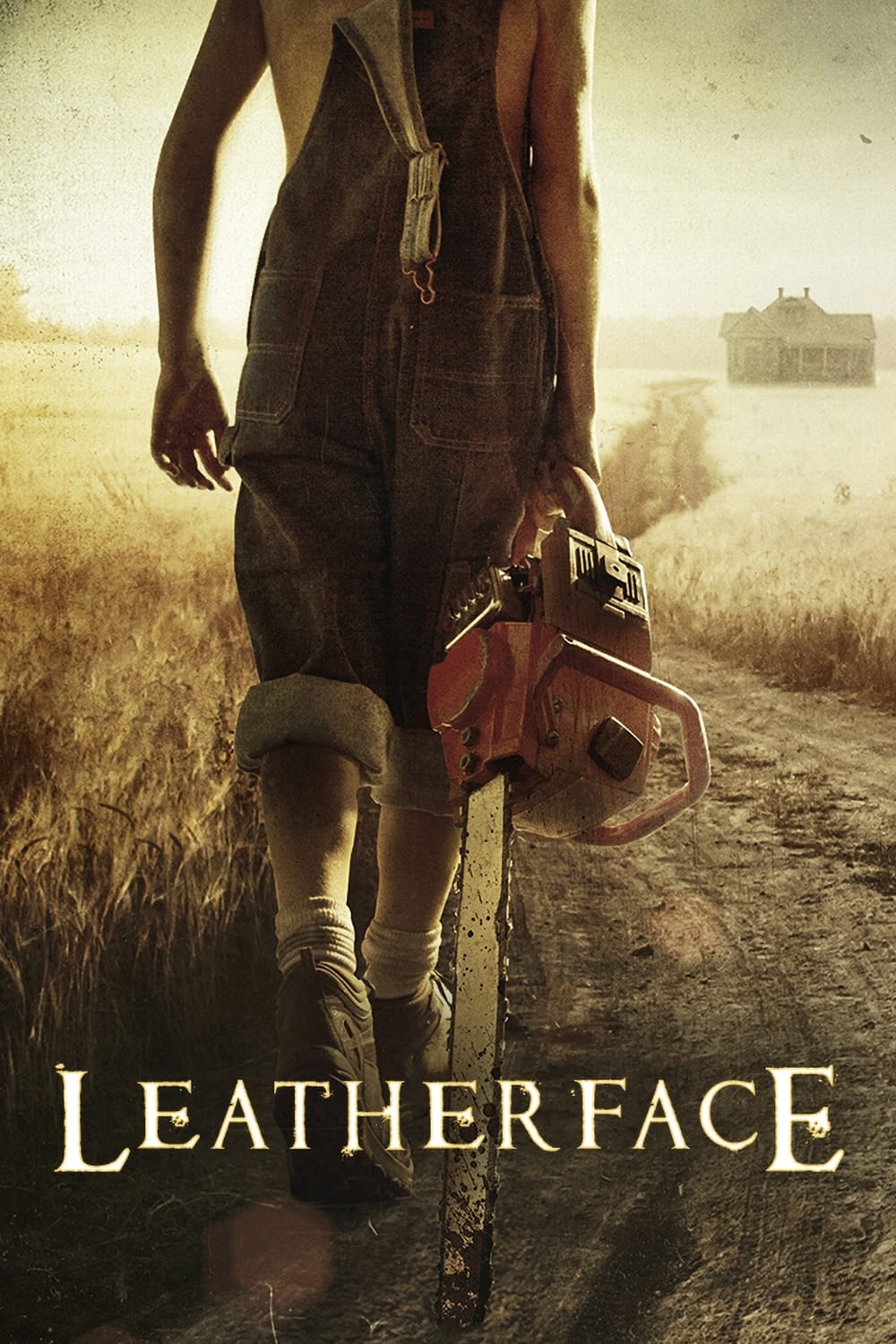
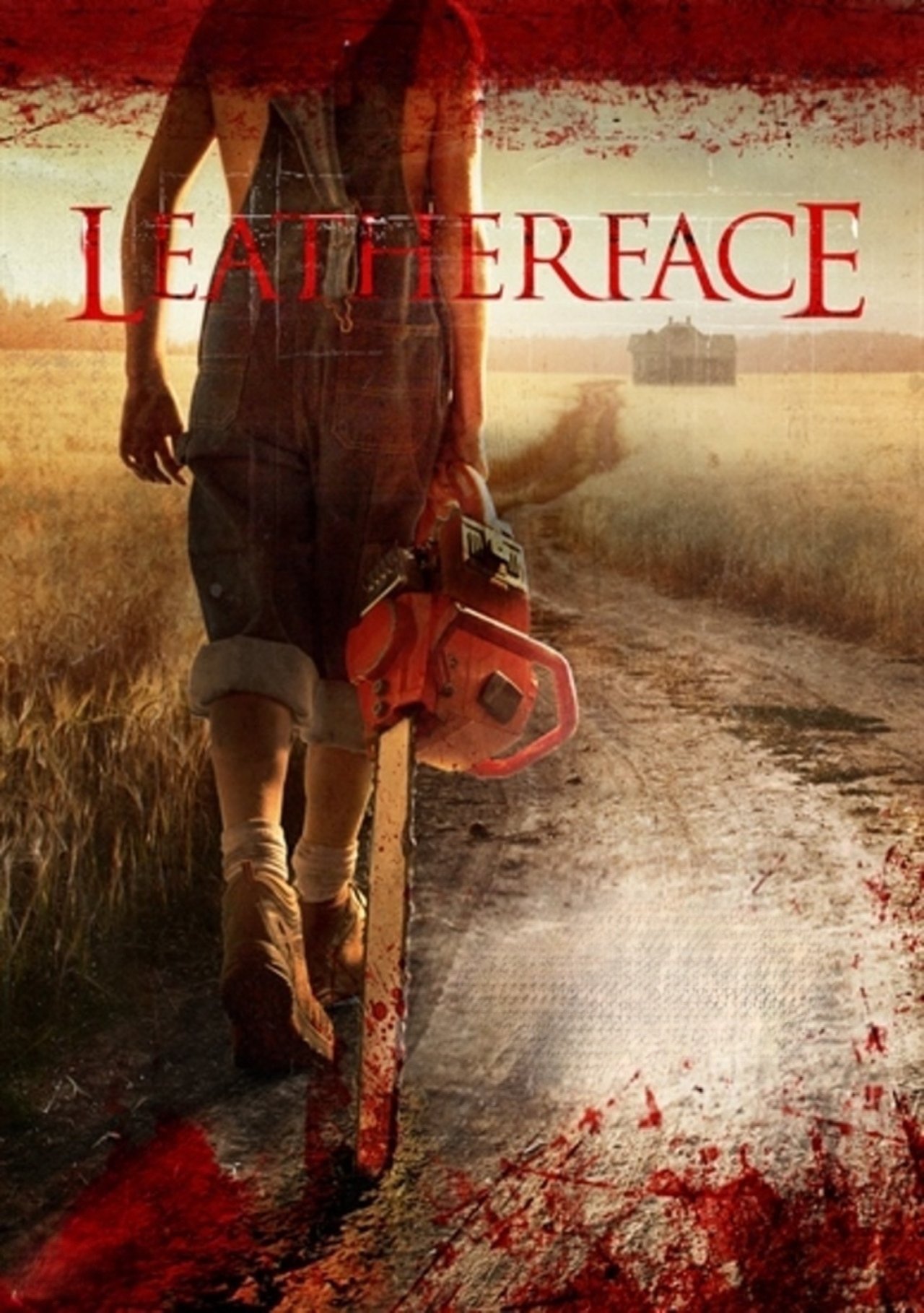
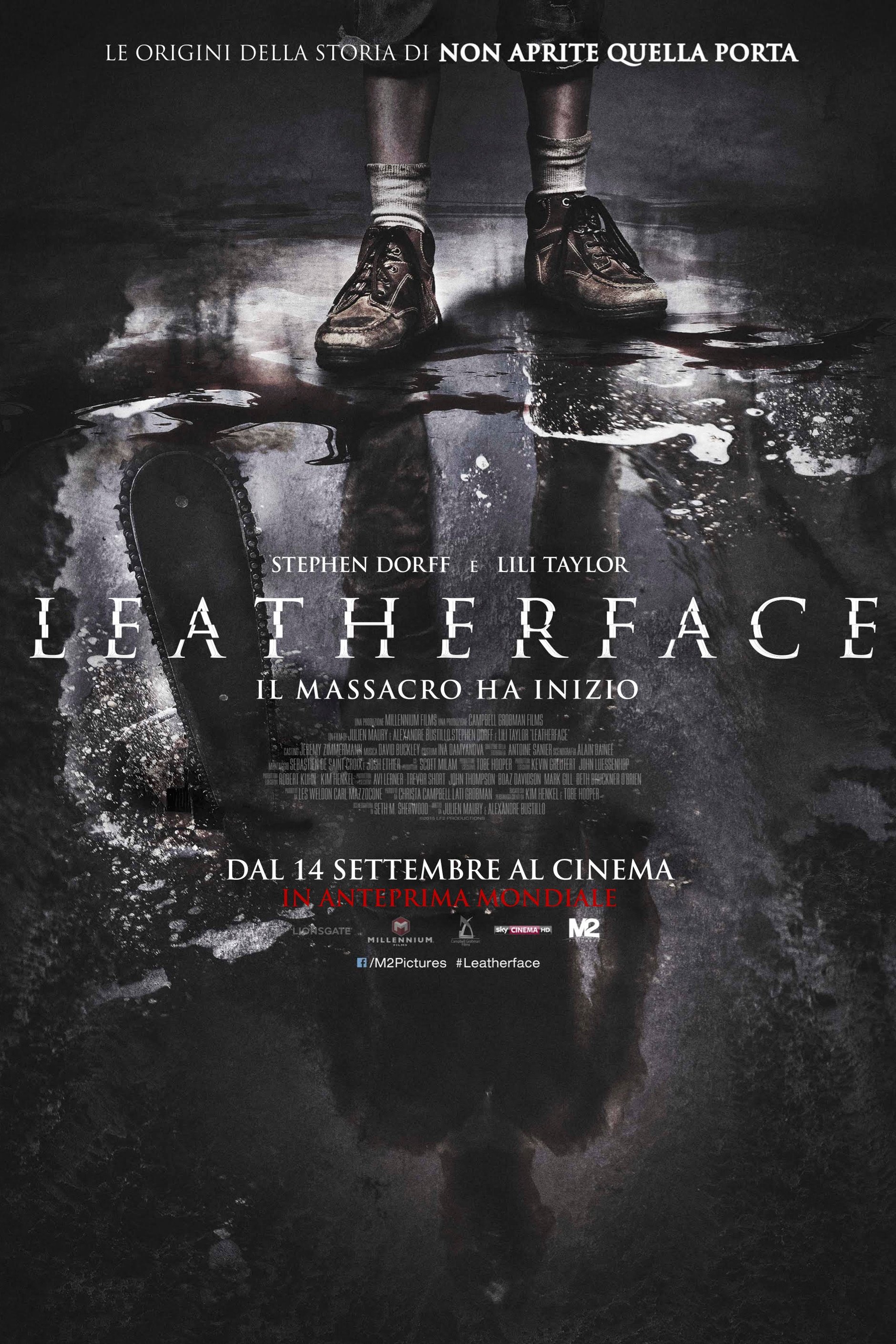
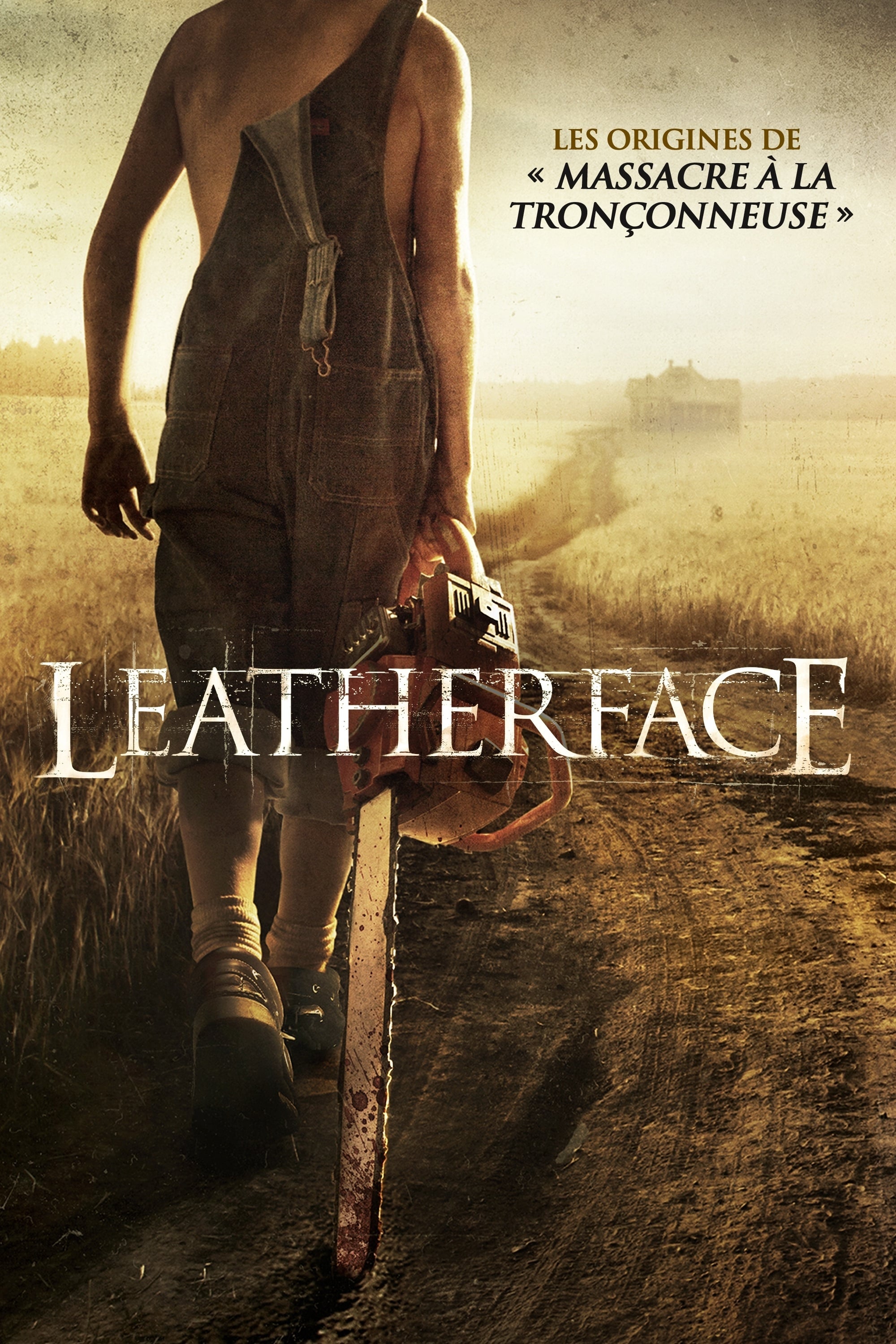
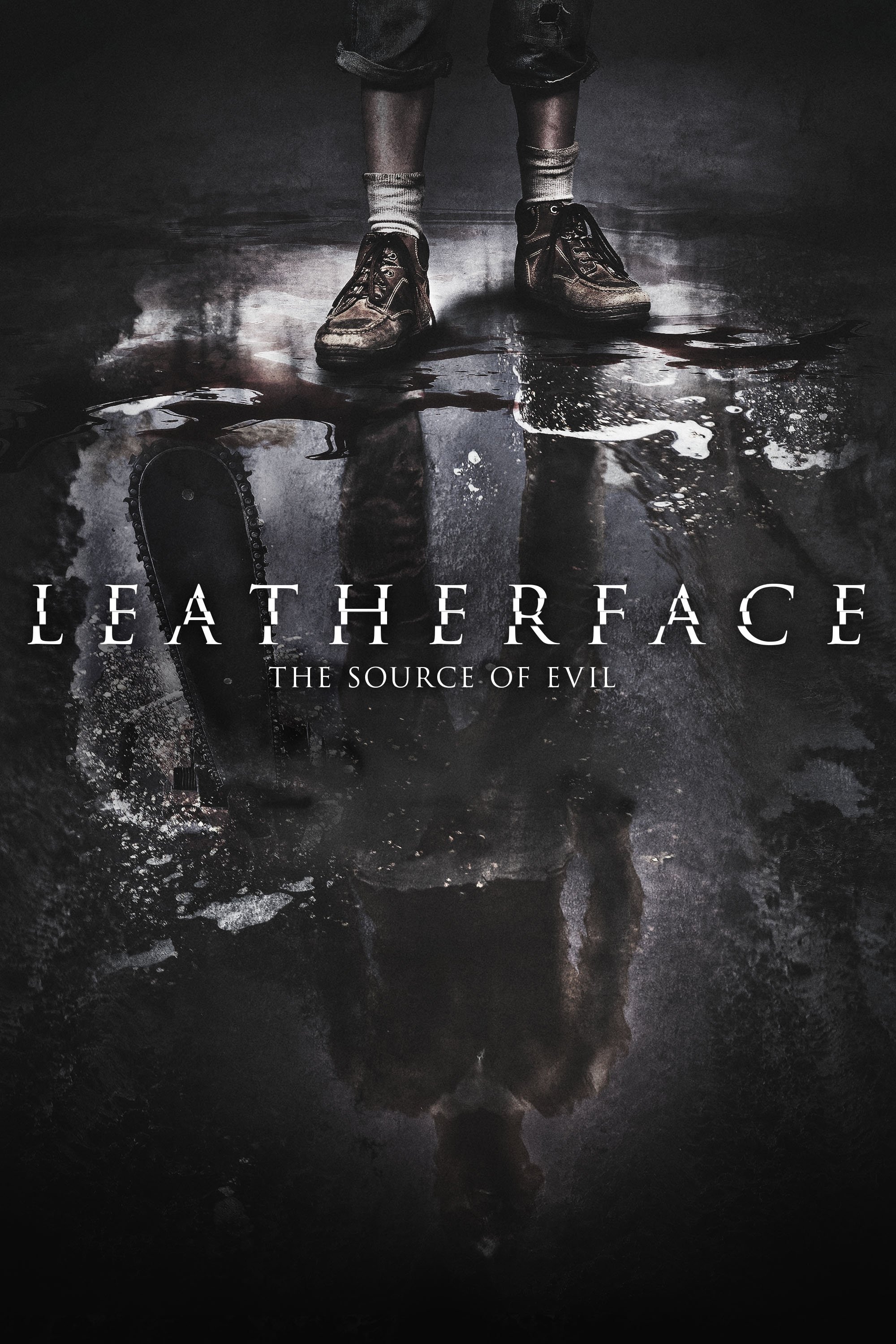
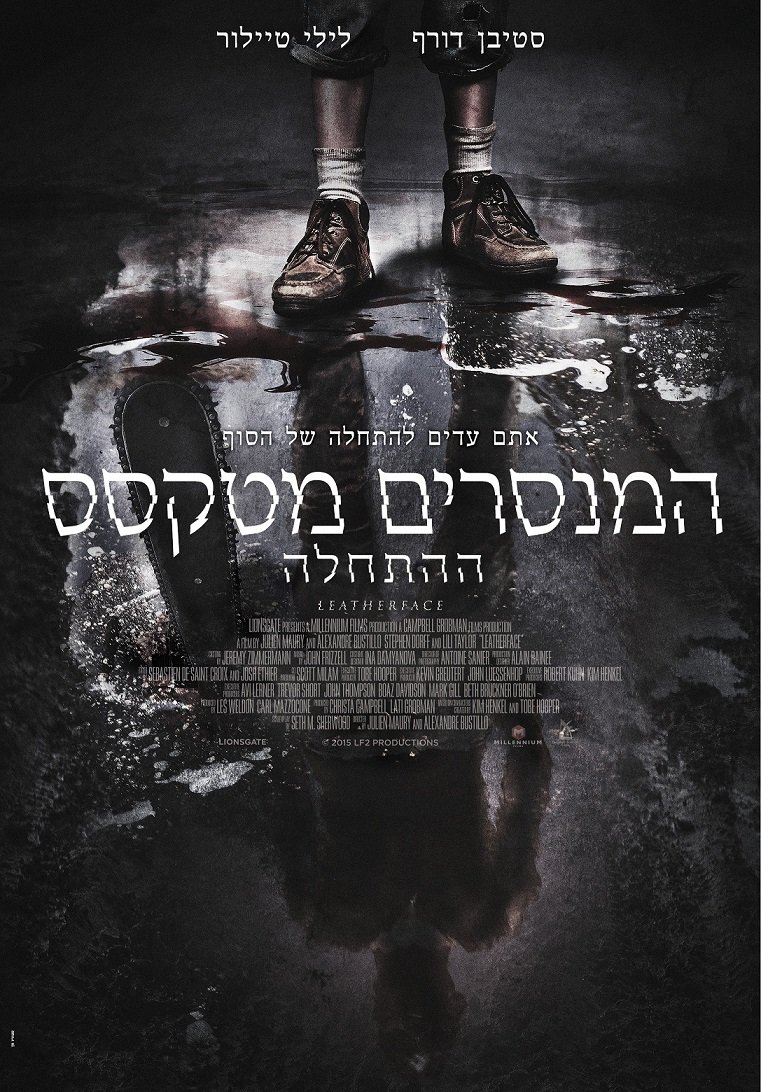
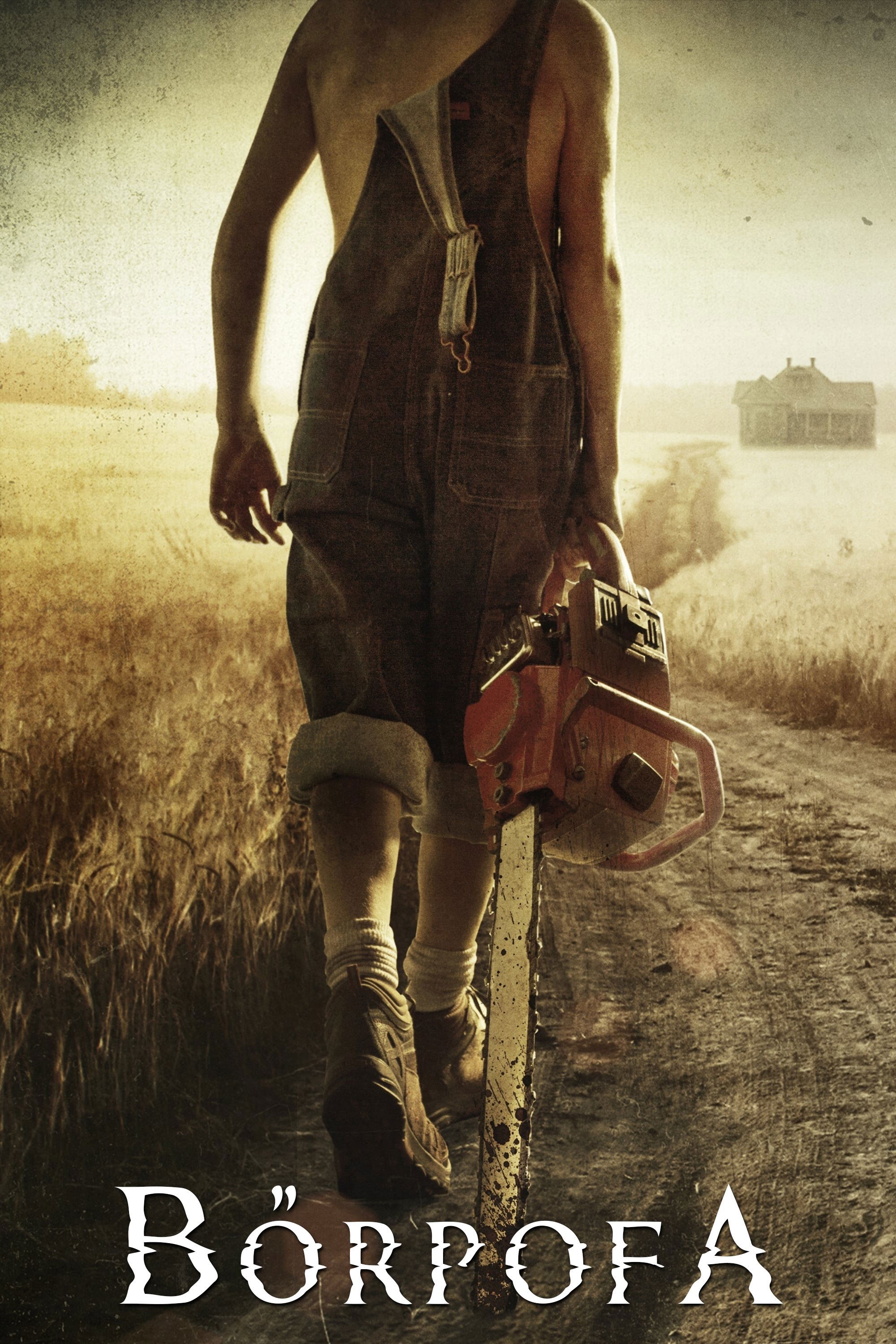
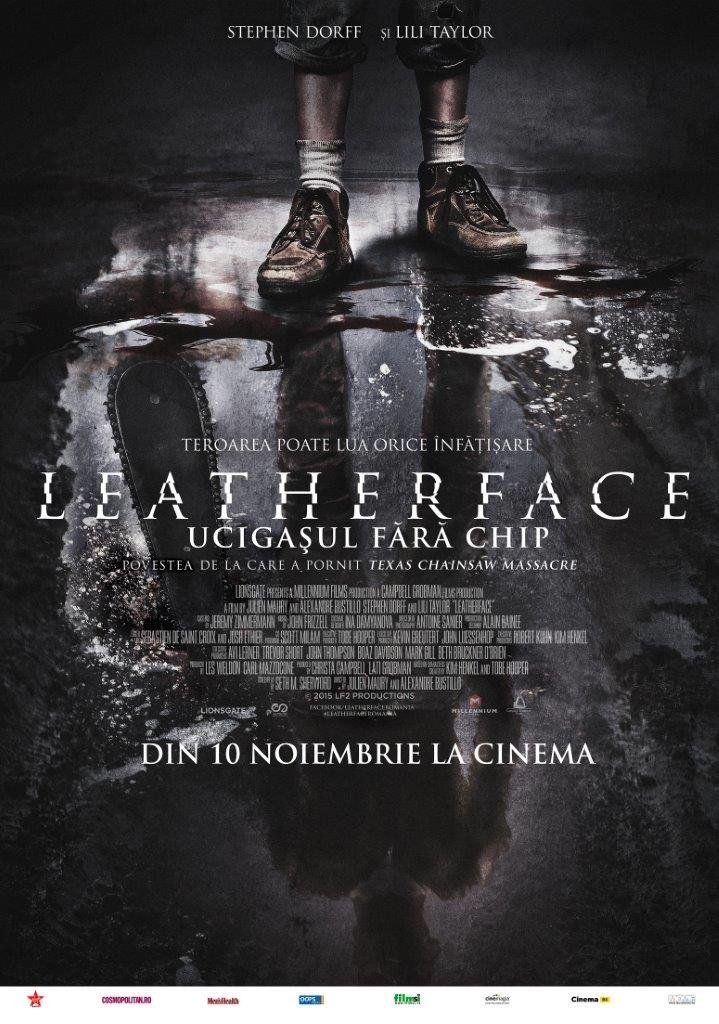
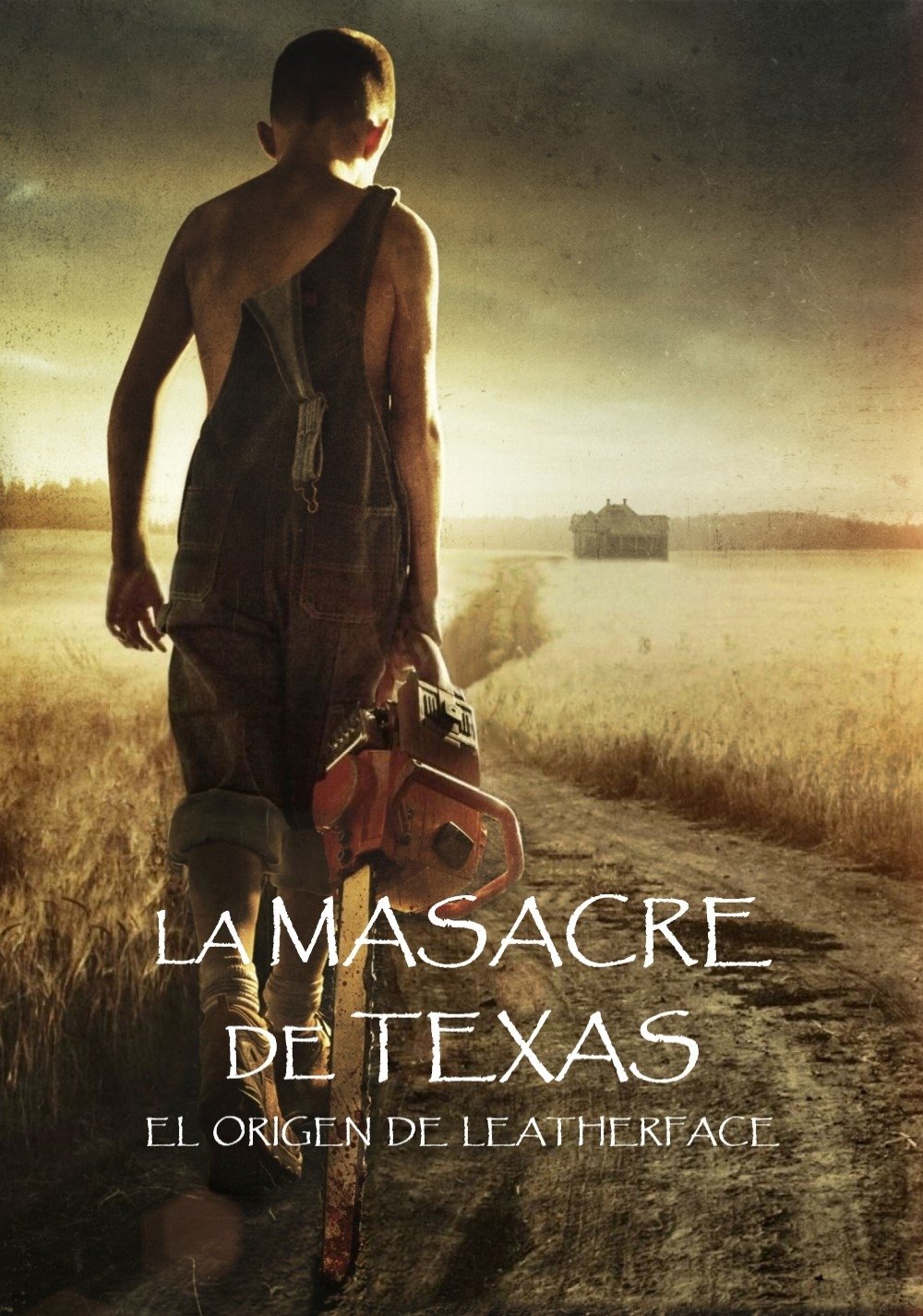
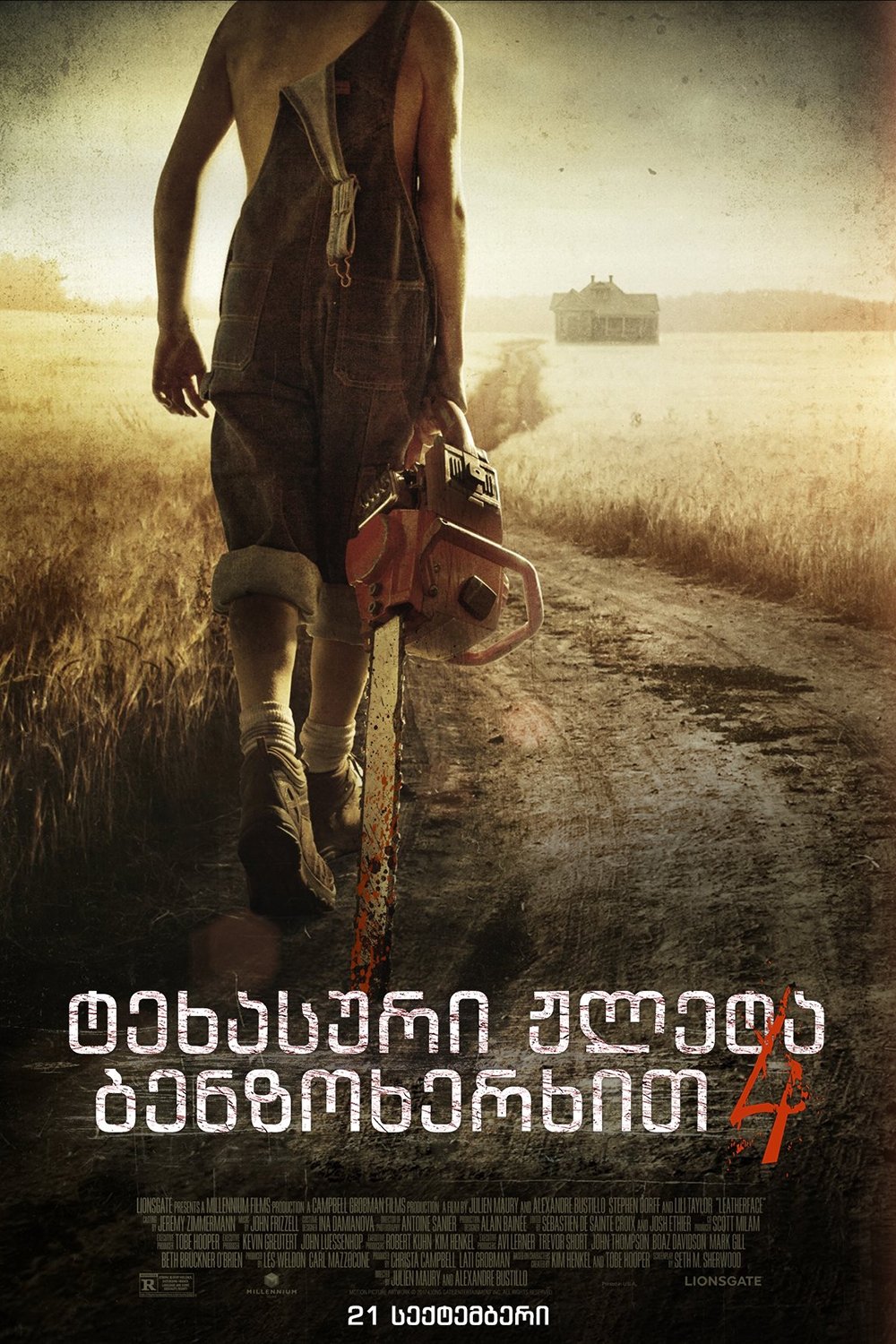
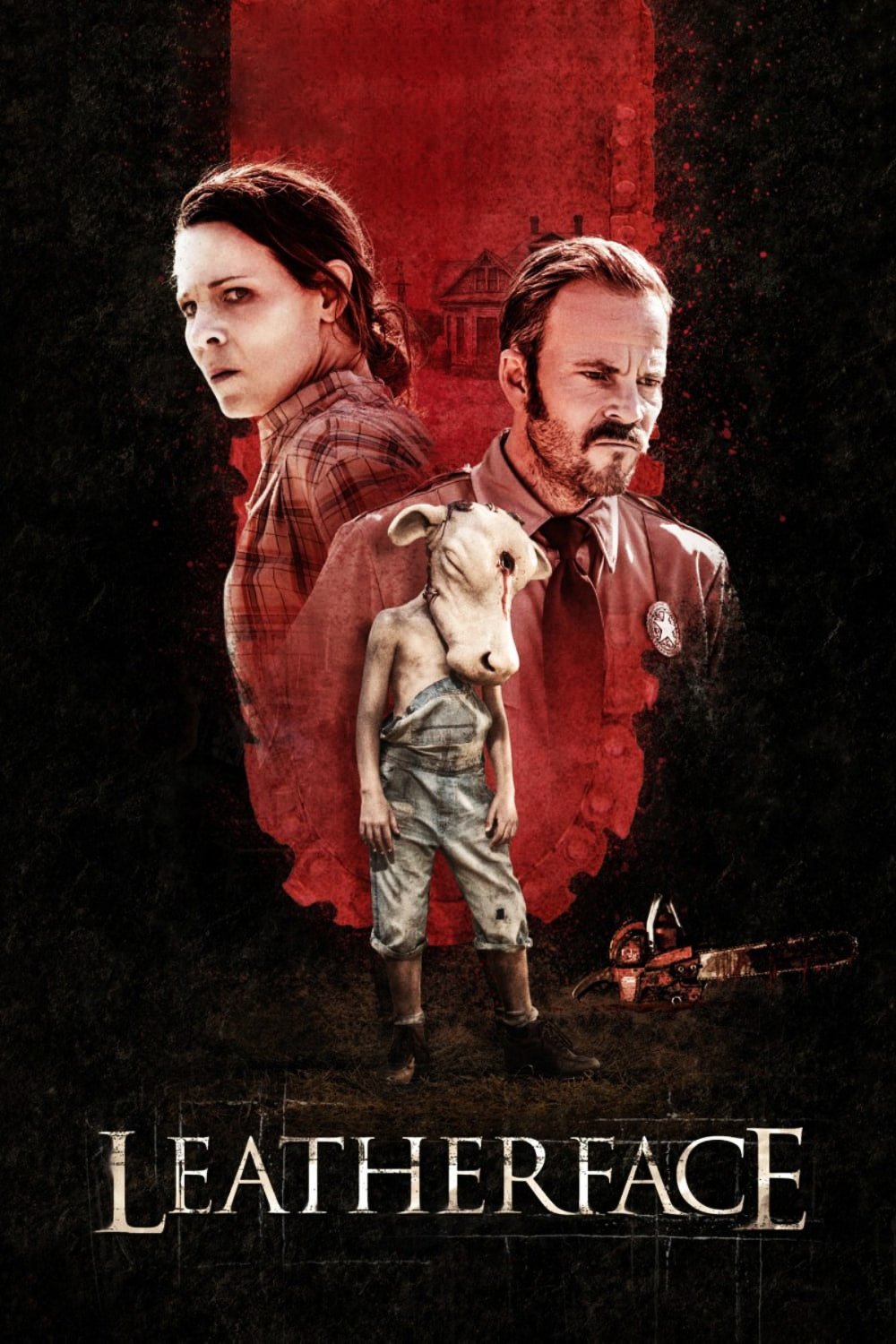
Leatherface (2017) poster
Production Companies
Starz Entertainment , Mainline Pictures , Millennium Media , LF2 Productions , Campbell Grobman Films
Plot

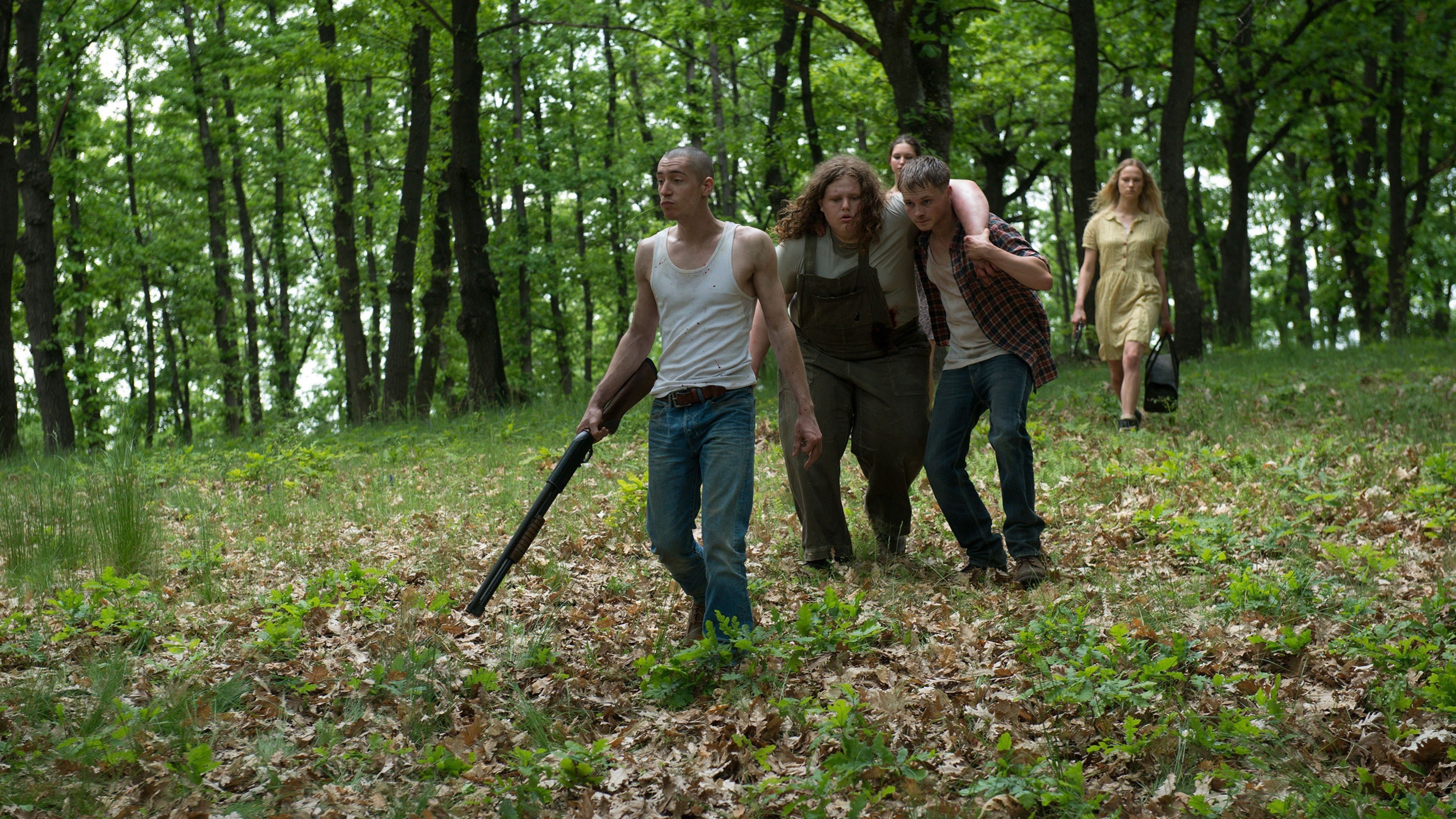
A group of troubled youths escapes from a psychiatric institution in Texas and takes nurse Lizzy White hostage. The fugitives move through a series of increasingly violent encounters while a vengeful lawman pursues them. Their journey is connected to the Sawyer family and to the early circumstances surrounding the figure later known as Leatherface. Directed by Alexandre Bustillo and Julien Maury, the film approaches the franchise as an origin story, using uncertainty about its young characters to sustain suspense. It precedes the events revisited in the alternate continuity of Texas Chainsaw 3D.

Alternative Titles
La masacre de Texas: El origen de Leatherface (Argentina) Кожено лице (Bulgaria) — Bulgarian Massacre no Texas (Brazil) Leatherface : Le massacre (Canada) — French Leatherface: Le massacre (Canada) — French Title 人皮脸 (China) — Chinese 德州电锯杀人狂前传 (China) — Mandarin, Alternative Title Leatherface - zrození (Czechia) — Czech
Show all 37 alternative titles Leatherface - The Source of Evil (Germany) — German The Texas Chainsaw Massacre 6 - Leatherface (Germany) The Texas Chainsaw Massacre 6 - Leatherface - The Source of Evil (Germany) La máscara del terror (Ecuador) ტეხასური ჟლეტა ბენზოხერხით 4 (Georgia) — Georgian 德州電鋸殺人狂前傳 (Hong Kong SAR China) — Chinese Leatherface: Početak (Croatia) — Croatian Bőrpofa (Hungary) — Hungarian המנסרים מטקסס: ההתחלה (Israel) — Hebrew Leatherface - Il massacro ha inizio (Italy) — Italian レザーフェイス 悪魔のいけにえ (Japan) — Japanese 레더페이스 (South Korea) — Korean Kruvinos skerdynės Teksase. Odinveidis (Lithuania) — Lithuanian Leatherface: La máscara del terror (Mexico) Leatherface: La máscara del terror (Peru) Skórzana twarz (Poland) — Polish Leatherface - A Origem do Mal (Portugal) — Portuguese Leatherface: A Origem do Mal (Portugal) Leatherface: Ucigașul fără chip (Romania) — Romanian Маска од коже: Почетак (Serbia) — alternative title Техасская резня бензопилой: Кожаное лицо (Russia) — Russian ليذرفيس (Saudi Arabia) — Arabic Leatherface - zrodenie (Slovakia) — Slovak สิงหาสับ 2017 (Thailand) — Thai 德州電鋸殺人狂前傳:皮面人 (Taiwan) Шкіряне обличчя (Ukraine) — Ukrainian Texas Chainsaw 6 (United States) — Working Title La masacre de Texas: El origen de Leatherface (Uruguay) — Original Subtitled Version Sát Nhân Lưỡi Cưa (Vietnam) — Vietnamese

Trailers & Videos

1 video

Leatherface (2017) Film Guide

A French directing team revisits the Sawyer mythology through a fugitive road movie, a disputed origin story, Bulgarian production and delayed distribution.

Leatherface (2017), directed by Julien Maury and Alexandre Bustillo, approaches the Texas Chain Saw Massacre mythology through the years preceding the murderous family's encounter with Sally Hardesty. The film belongs to the continuity developed around Texas Chainsaw 3D, although its directors treated the earlier picture by Tobe Hooper as the central reference. Instead of following visitors trapped at the Sawyer property, it places troubled adolescents on the road with a kidnapped nurse and a vengeful lawman pursuing them. That shift changes the source of suspense: the familiar masked killer is withheld while the story asks which fugitive will acquire his identity.

The production also connects an American horror franchise to the methods of two French filmmakers associated with Inside. Working from a screenplay by Seth M. Sherwood, Maury and Bustillo tried to preserve uncertainty about their future monster while redirecting the material toward a violent coming-of-age story. Their account of the rewrite, the Bulgarian locations standing in for Texas and the release delay provides a documented context for the finished film. Its significance lies primarily in the franchise's repeated effort to give Leatherface a past without surrendering the frightening ambiguity that made him memorable in 1974.

Development, Screenplay and Franchise Continuity

Leatherface emerged after Texas Chainsaw 3D had established a narrative connection to Hooper's first film while setting aside several intervening sequels and remakes. Millennium Films approached Maury and Bustillo with Sherwood's existing script. The directors had already been associated with unrealized projects involving other famous horror villains, including Hellraiser and A Nightmare on Elm Street. In Anton Bitel's FrightFest interview, Bustillo recalled that this script appealed because it departed from the usual premise of outsiders wandering onto the murderous family's land. Its fugitive structure offered the filmmakers a different way into material otherwise dominated by one familiar figure.

This was the first feature the two collaborators directed together from a script they had not originated. They retained Sherwood's overall road-movie design but requested changes to individual violent sequences. In their account, an early version culminated in a much larger massacre involving numerous chainsaw victims. They considered that spectacle unsuitable for the character they were constructing and reduced its scale. Such testimony establishes a specific difference between the screenplay they received and their intended direction; it does not establish that every proposed scene reached production or survives in an alternate cut. Their intervention concerned the tone and arrangement of violence within the preexisting story.

Continuity posed another challenge. The story borrows the Sawyer family name and Verna's place in the chronology introduced by Texas Chainsaw 3D, yet the directors described these links as relatively minor obligations. Maury emphasized that the protagonist shown here remains some distance from the adult monster encountered in Hooper's film. This distinction is important because the prequel offers one authorized account of his youth, not a definitive explanation applicable to every branch of the franchise. Subsequent installments have followed different narrative histories, making the relationship between the individual films a matter of production choices as well as fictional events.

The Road Movie and the Withheld Identity of Leatherface

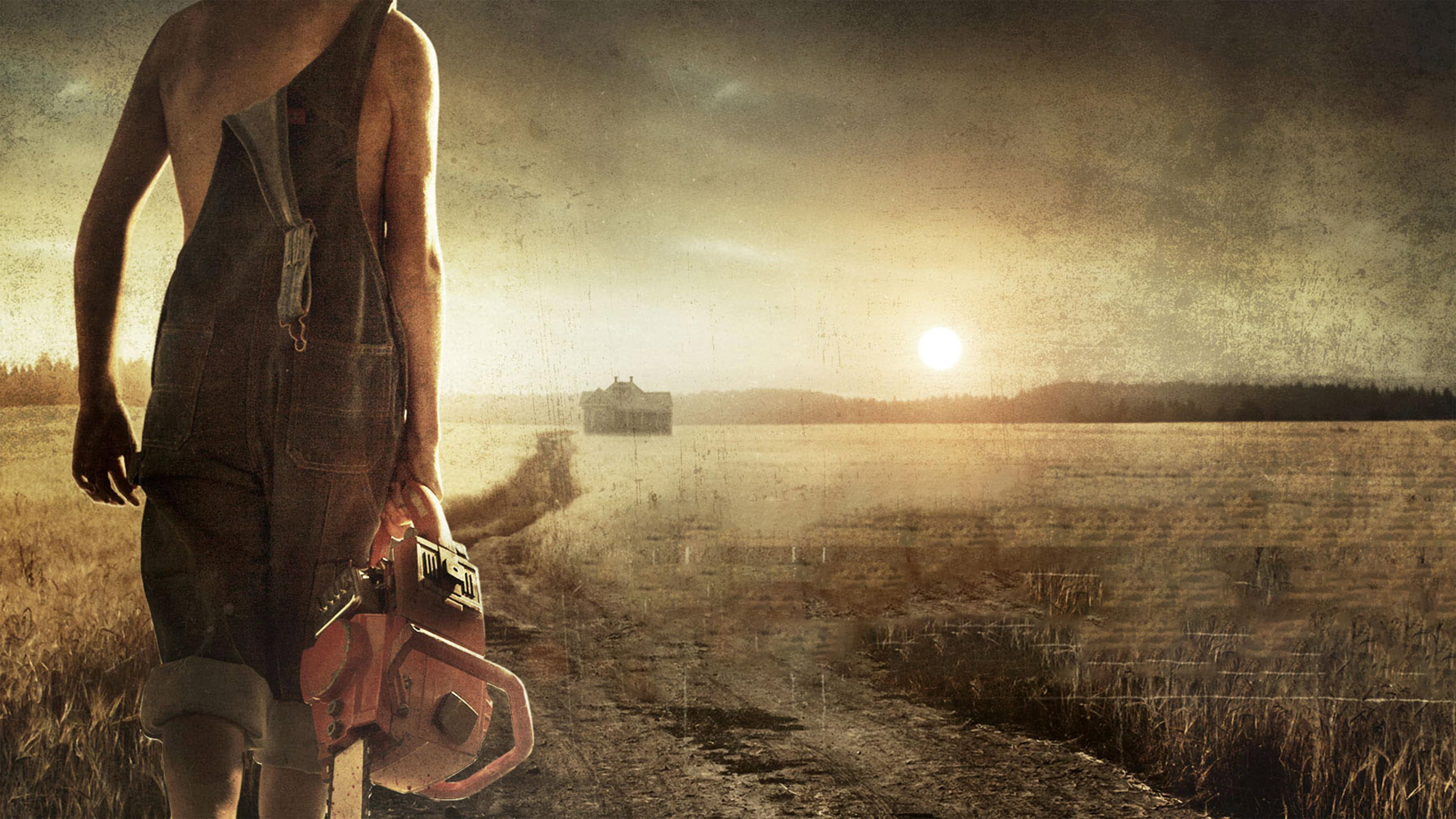
The film moves from the Sawyer household to an institution and then onto the open road, creating a succession of settings that resist the usual fixed-location siege structure. Its central group includes Jackson, Bud, Ike and Clarice, whose behavior offers competing possibilities for the identity of the future killer. The abducted nurse Lizzy supplies an outsider's viewpoint, while Verna Sawyer and lawman Hal Hartman embody opposed forms of coercion. Rather than immediately positioning Leatherface as an unmistakable physical threat, the narrative converts his familiar name into an unanswered question. Knowledge inherited from earlier films becomes something the screenplay actively manipulates.

Maury and Bustillo have acknowledged the influence of road films and stories about dangerous young people. They specifically cited Badlands and The Virgin Suicides while discussing their ambition to give the fugitives a more naturalistic environment. They also referred to The Devil's Rejects as an example of following violent characters without asking viewers to endorse their actions. These influences help explain the mixture of psychological vulnerability, reckless behavior and sudden brutality. The institutional and police figures do not provide a reliable moral counterweight; Hartman's pursuit is bound to personal vengeance, making the supposed distinction between authority and outlaw difficult to sustain.

Lili Taylor's Verna anchors the idea that brutality is learned inside an intensely possessive family. Her insistence on reclaiming her son competes with the institution's power to erase his earlier identity, including the assignment of new names to the young patients. Sam Strike's Jackson is therefore introduced through an unstable combination of apparent empathy and concealed history. The eventual revelation changes the meaning of earlier scenes, but it also exposes a limitation of the origin-story premise: the precise series of injuries and decisions cannot fully account for the adult figure's disturbing dependence on masks and family ritual. The film leaves some of that transformation beyond its closing events.

Bulgarian Locations and Visual Design

Principal photography took place in Bulgaria, with landscapes and sets around Sofia substituting for the American South. Maury admitted in a detailed Eye for Film interview that the location initially worried the directors because it appeared distant from their mental image of Texas. Research into the diversity of Texan terrain, combined with location scouting, helped them choose wooded and open landscapes capable of accommodating the story's movement. Cinematographer Antoine Sanier had previous experience working in Bulgaria, which the filmmakers identified as a practical advantage. These accounts explain a production choice that might otherwise appear to be merely a budgetary compromise.

The imagery makes substantial use of landscape and period settings before returning to the Sawyer property's more enclosed spaces. Roads, wooded areas and temporary shelters give the fugitives room to move while making every stop a potential site of violence. In the filmmakers' approach, the surrounding countryside had to be plausible enough for the characters' flight, even as each new environment supplied another situation in which pursuit could become threatening. The camera's attention to faces and the physical proximity of bodies also places emotional pressure on scenes that could have been structured as ordinary slasher attacks. Such effects are visible in the finished film without requiring speculative claims about a particular lens or lighting rig.

The location strategy created a contrast with Hooper's original. The 1974 film's cramped interiors and coarse photographic texture helped make the Sawyer residence feel inseparable from its violence; the 2017 prequel broadens the space and gives much of its first movement to the countryside. Contemporary reviewers disagreed over whether its carefully controlled, earth-toned images enriched that change or reduced the earlier film's unsettling roughness. The disagreement belongs to the film's reception, but the underlying visual choice is clear: this installment makes geographical movement and a gradual return to the family home central to its particular form of suspense.

Violence, Gore and the Origins of a Monster

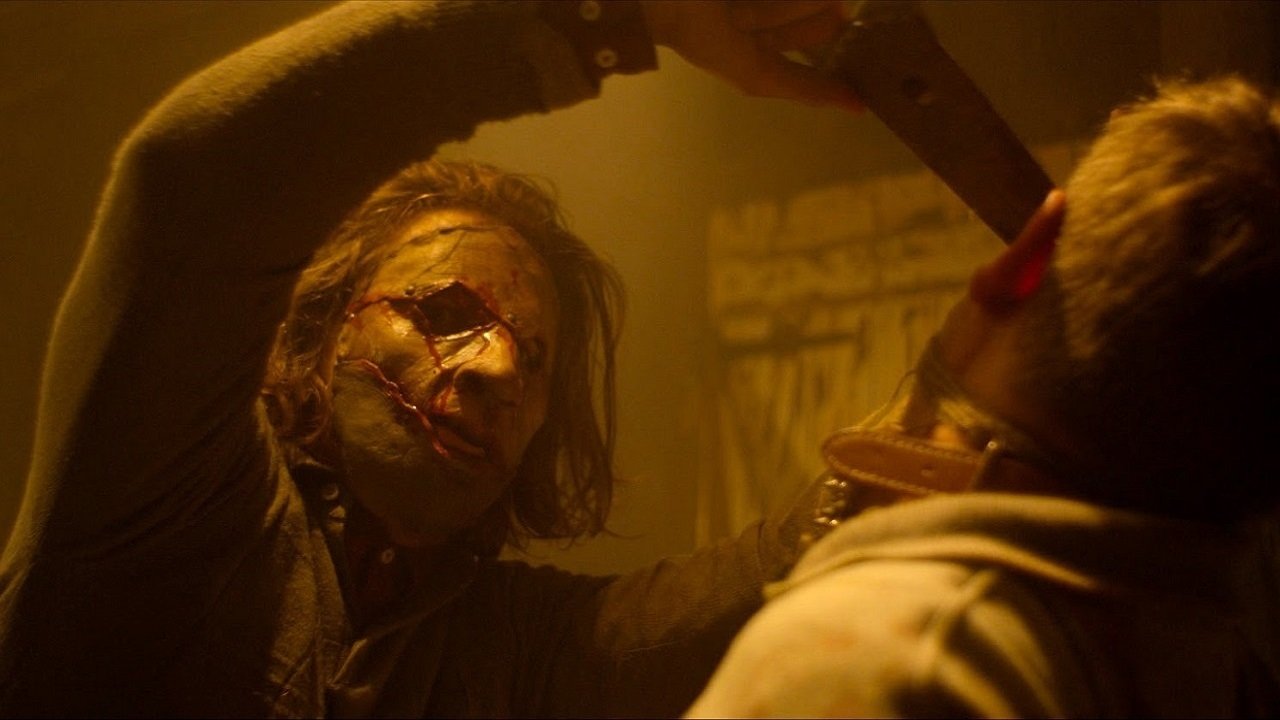
Maury and Bustillo entered the project with a reputation for direct physical horror, yet their own interviews complicate the assumption that they simply demanded additional bloodshed. They said the screenplay originally pushed several killings further than they wanted, particularly in the proposed climax. They reshaped those passages while preserving eruptions of extreme violence as markers of the fugitives' unraveling. The roadside attacks interrupt stretches of character interaction, forcing the audience to revise its understanding of people who have sometimes been presented as vulnerable. These scenes also connect the picture to the harsher tendencies of the filmmakers' earlier work without reproducing the same dramatic situation.

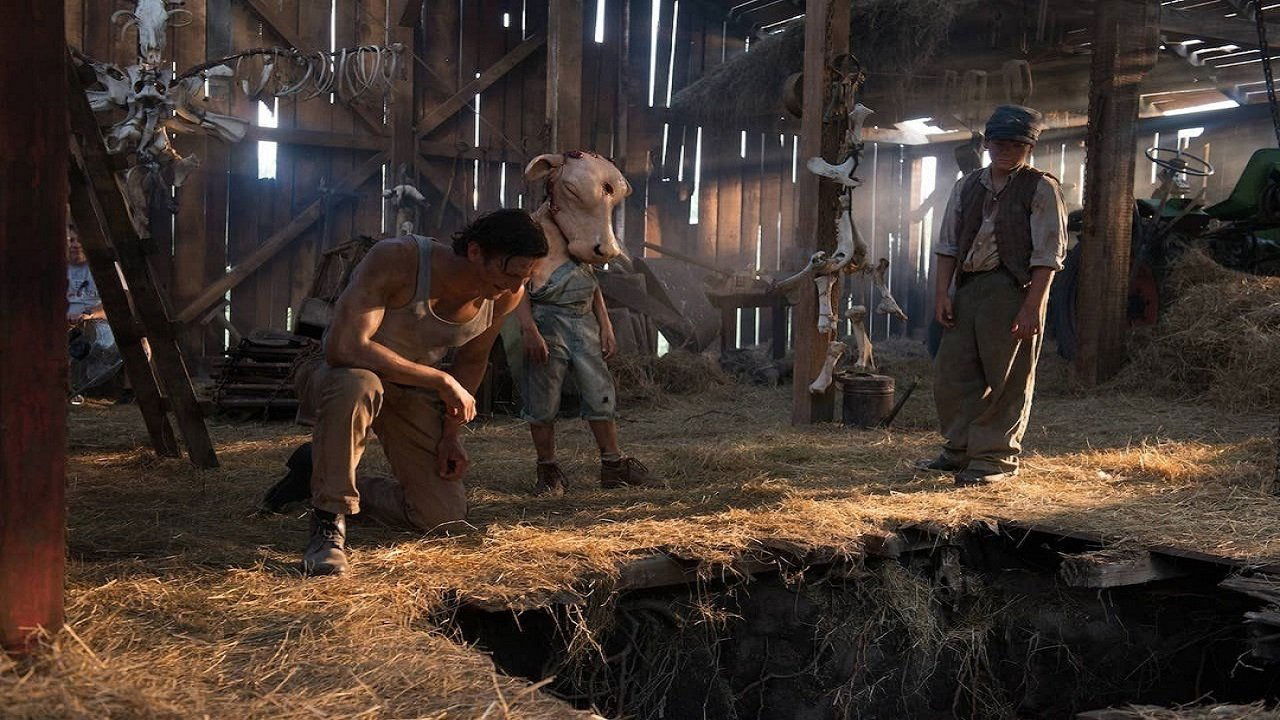
The directors expressed a preference for practical effects because physical materials change the performers' experience of a violent scene. In a separate interview for The Hollywood News, they recalled wanting the unsettling presence of actual carcasses associated with stories about Hooper's original production. The practical difficulties and health concerns surrounding real animal remains shaped what could be used on the later set. Bitel's interview further records their rejection of the claim that the fabricated cow carcass used for one sequence consumed an exceptional share of the budget. These details are unusually useful because they distinguish a filmmaker's intention, a production limitation and an exaggerated behind-the-scenes anecdote.

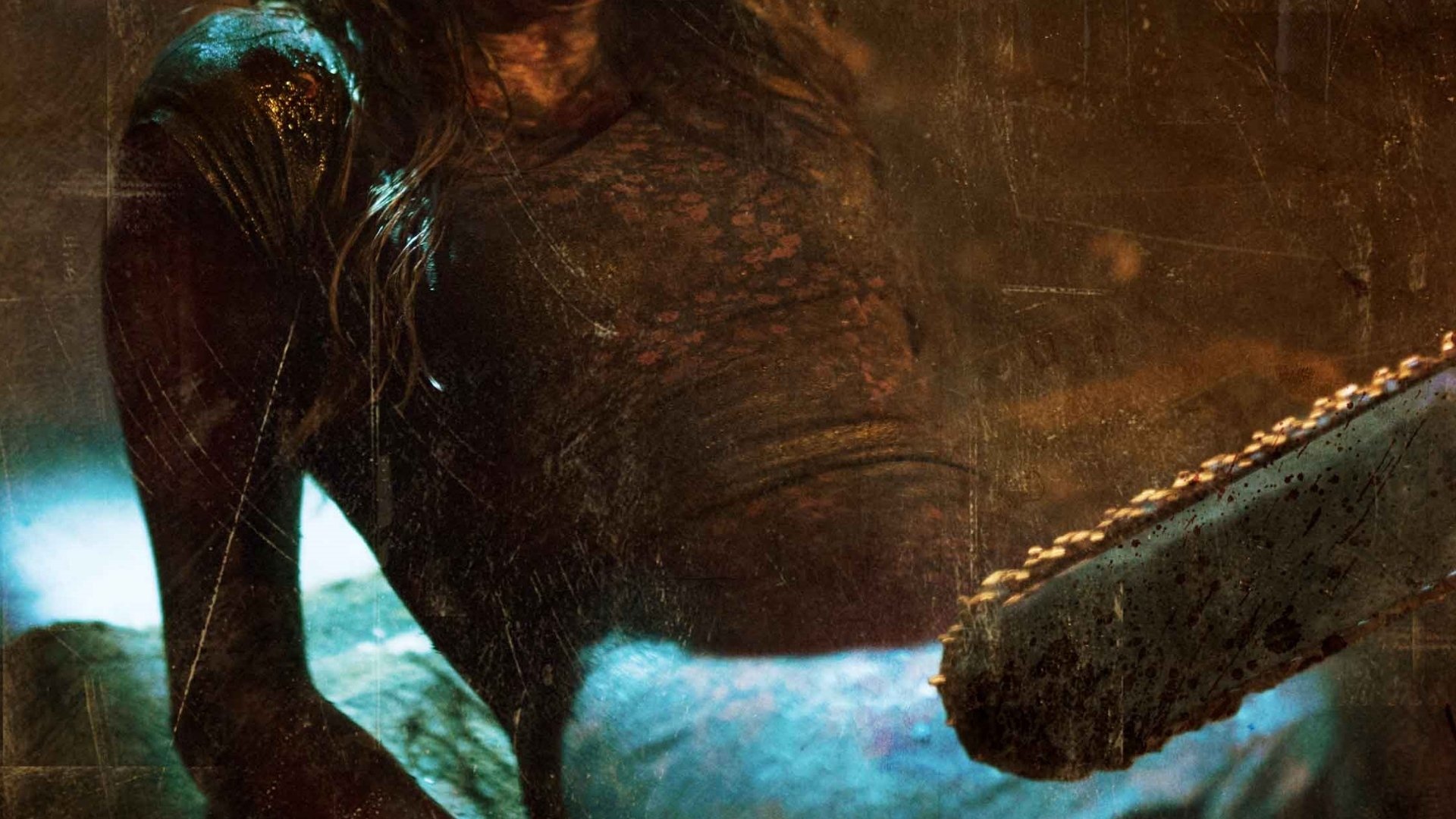
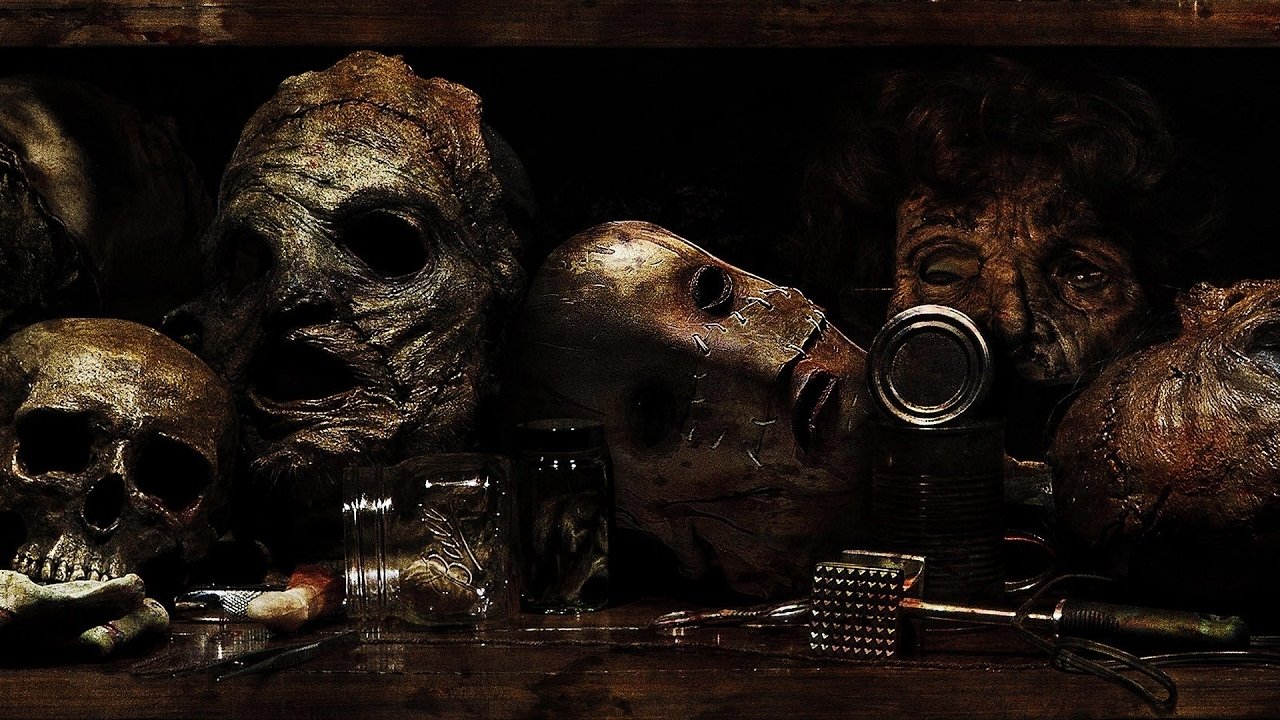
The final movement turns the concealed identity into a recognizable piece of horror iconography. The emerging mask, the chainsaw and the return to family space link the individual story to an already established monster, while the preceding injuries supply a specific explanation for part of his appearance. The result is a form of bodily transformation arranged as narrative disclosure. Yet this structure carries an unavoidable risk: assigning clear causes to a figure once encountered without a sympathetic biography can narrow the character's mystery. The film's horror therefore depends both on anticipation of a known image and on its attempt to make the path toward that image disturbing in its own right.

Delayed Release and Contemporary Critical Response

Leatherface was filmed in 2015 but did not reach audiences on the schedule originally anticipated. At the time of its eventual appearance, Maury told Movieplayer that he had feared the completed film might remain unseen. It screened at FrightFest in August 2017 and received a conventional theatrical release in Italy in September. The American rollout followed a different arrangement: a DirecTV window preceded a limited theatrical opening and video-on-demand availability in October. Maury described this strategy as a distributor's commercial decision. His remarks document the uncertainty experienced by the directors without establishing a single definitive cause for the postponement.

Contemporary critical responses were markedly divided over the origin-story approach. Writing for Slant Magazine in October 2017, Chuck Bowen argued that the prequel substituted recognizable rural-horror conventions and stylized cruelty for the disturbing immediacy of Hooper's first film. Other reviewers, including Kim Newman at Screen International, found interest in the way the film interrupted the franchise's familiar pursuit-and-massacre pattern. These assessments cannot be combined into a simple verdict: they differ both in their evaluation of the filmmaking and in how much explanatory detail a longstanding horror character can withstand. The arguments themselves show why origin stories remain contentious in established slasher series.

The film is best understood as an experiment within a frequently revised fictional history. It transfers Leatherface's identity from the immediate spectacle of a masked killer to a narrative of institutional confinement, family pressure and violent adolescence. Its production methods also illustrate how a franchise rooted in a specific American landscape can be reassembled through international financing, European personnel and locations far from Texas. Those features make Leatherface historically informative even when its artistic achievements are disputed. It occupies a distinct position between the direct-sequel ambitions of Texas Chainsaw 3D and later attempts to discard previously established continuity once again.

References

  1. Projected Figures Alexandre Bustillo and Julien Maury Talk Leatherface

    Anton Bitel republishes his substantial FrightFest interview, documenting the directors' screenplay revisions, influences, franchise continuity and decisions about violent effects.

  2. Eye for Film Behind the Mask: Julien Maury and Alexandre Bustillo on Leatherface

    Jennie Kermode interviews both directors about the road-movie structure, sympathy for villains, Bulgarian locations, cinematographer Antoine Sanier and their shared directing method.

  3. Movieplayer Leatherface, intervista a Julien Maury: Odio le origin stories

    Max Borg interviews Maury about the delayed release, DirecTV and theatrical strategy, contractual credits, the unresolved origin mythology and production in Bulgaria.

  4. The Hollywood News Interview with Leatherface Directors Alexandre Bustillo and Julien Maury

    Andrew Gaudion records the directors' comparison with Hooper's approach to violence and their preference for physical effects during the new production.

  5. Slant Magazine Review: Leatherface

    Chuck Bowen's October 2017 review documents contemporary objections to the film's origin story, period stylization and treatment of the Sawyer mythology.

Connections

Cast

View Full Cast & Crew →

Release & Distribution

Production Companies (5)

  • Campbell Grobman Films US
  • LF2 Productions US
  • Mainline Pictures US
  • Millennium Media US
  • Starz Entertainment US

Distributors (1)

  • Starz Entertainment US

Release History (36)

Release DateTerritoryRelease TypeFormatDistributorCertificationNotes
2017-08-25 United Kingdom Premiere — — — Horror Channel FrightFest
2017-09-14 Denmark Physical — — 15
2017-09-14 Finland Physical — — K-18
2017-09-14 Italy Theatrical — — 14+
2017-09-21 Greece Theatrical — — —
2017-09-21 Russia Limited Theatrical — — 18+
2017-09-21 Ukraine Theatrical — — —
2017-09-21 United States TV — — —
2017-10-07 United Kingdom Premiere — — — Grimmfest International Festival of Fantastic Film
2017-10-13 United States Premiere — — — Screamfest Horror Film Festival
2017-10-14 Spain Premiere — — — Sitges Film Festival
2017-10-19 Brazil Theatrical — — 18
2017-10-19 Thailand Theatrical — — 20
2017-10-20 Canada Limited Theatrical — — 18A
2017-10-20 Canada Digital — — R
2017-10-20 United States Limited Theatrical — — R
2017-10-20 United States Physical DVD — — DVD
2017-10-27 Poland Digital — — 16
2017-11-02 Netherlands Theatrical — — 16
2017-11-10 Romania Theatrical — — —
2017-12-09 France Premiere — — — Paris International Fantastic Film Festival
2017-12-19 Canada Physical DVD, Blu-ray — R DVD / Blu-ray
2017-12-19 Germany Physical DVD, Blu-ray — 18 DVD / Blu-ray
2017-12-21 France Digital — — — VOD
2017-12-28 Hungary Theatrical — — X
2018-01-02 France Physical DVD, Blu-ray — — DVD / Blu-ray
2018-01-08 United Kingdom Limited Theatrical — — 18
2018-01-08 United Kingdom Digital — — —
2018-01-08 United Kingdom Physical DVD, Blu-ray — — DVD / Blu-ray
2018-03-09 Netherlands Physical DVD — 16 DVD
2018-05-12 Japan Digital — — R18+
2018-06-17 Spain Digital — — 18
2018-10-18 Israel Theatrical — — —
2018-11-13 Spain Premiere — — — Molins Film Festival
2020-09-04 Taiwan Theatrical — — 18+
2022-03-21 Spain Physical Blu-ray — — Bluray
Witness the beginning of your end.