

Production & Development
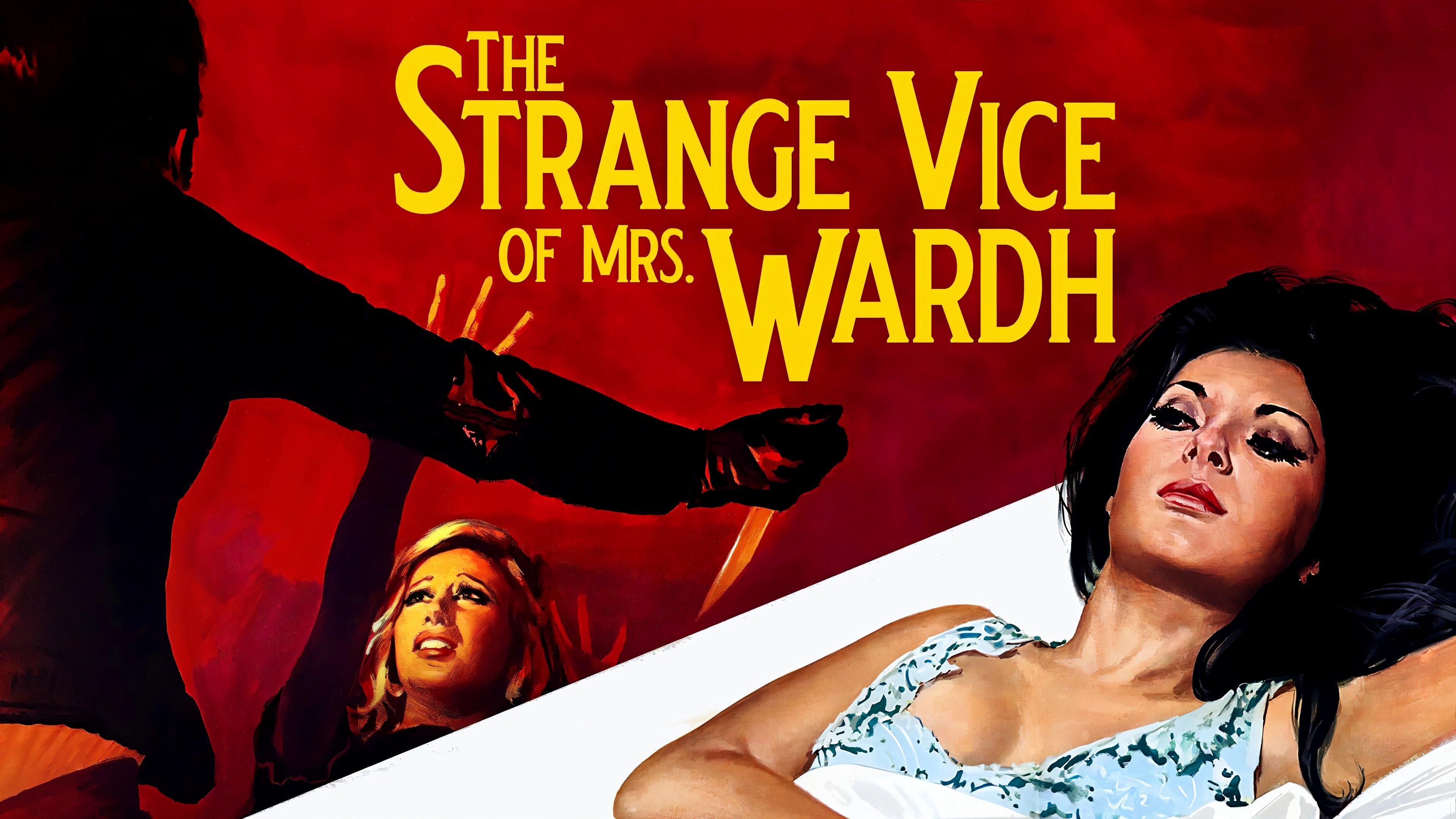
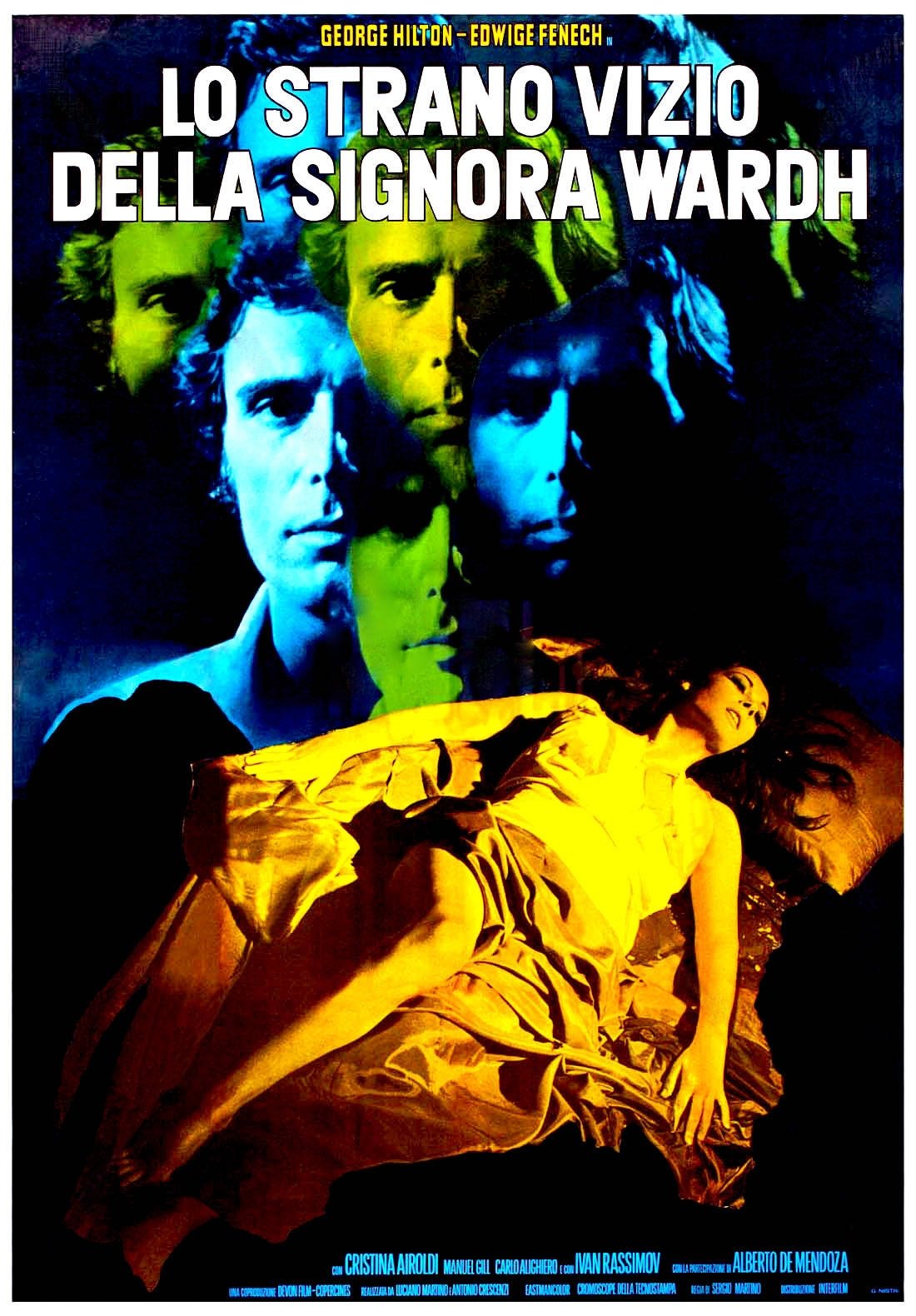
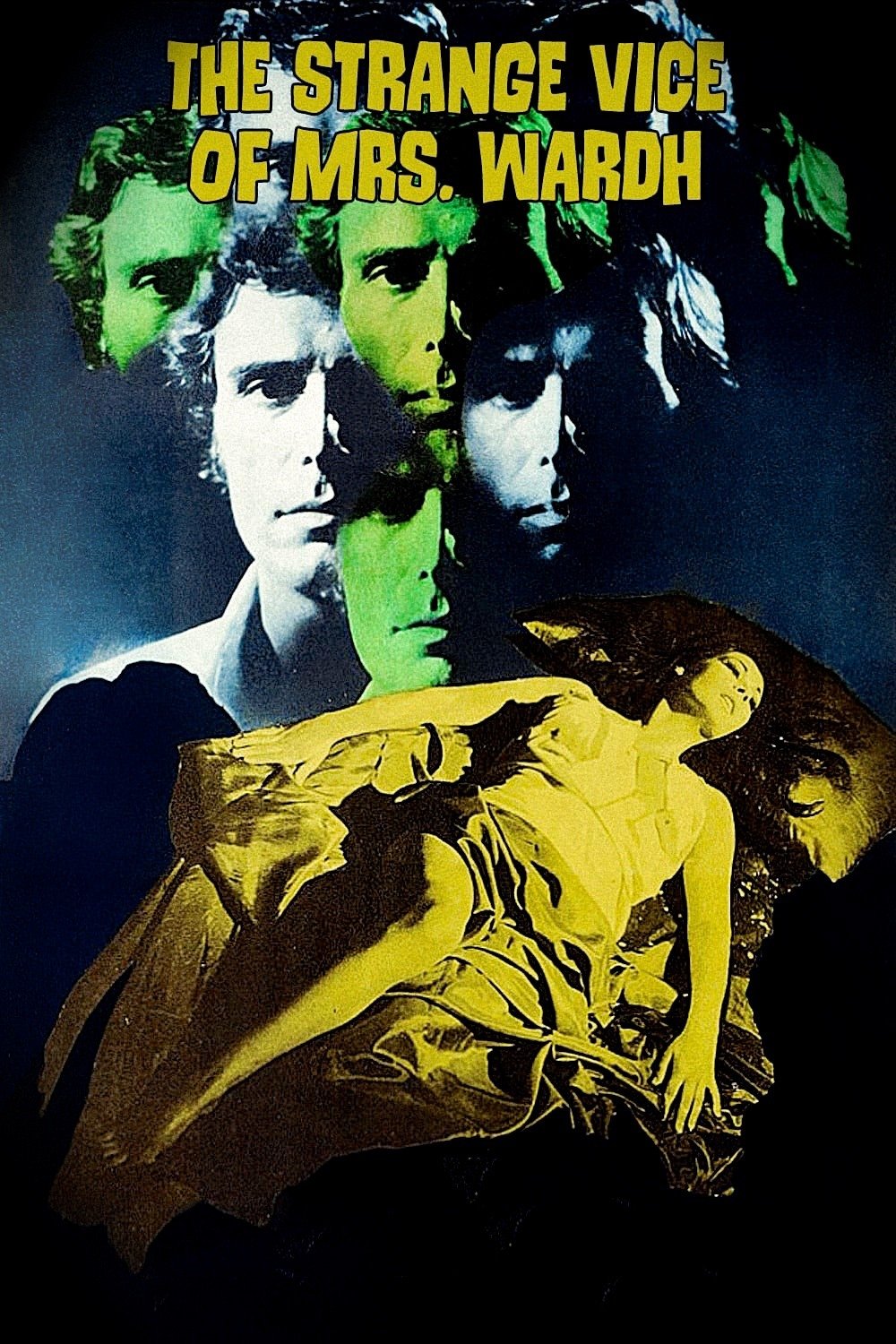
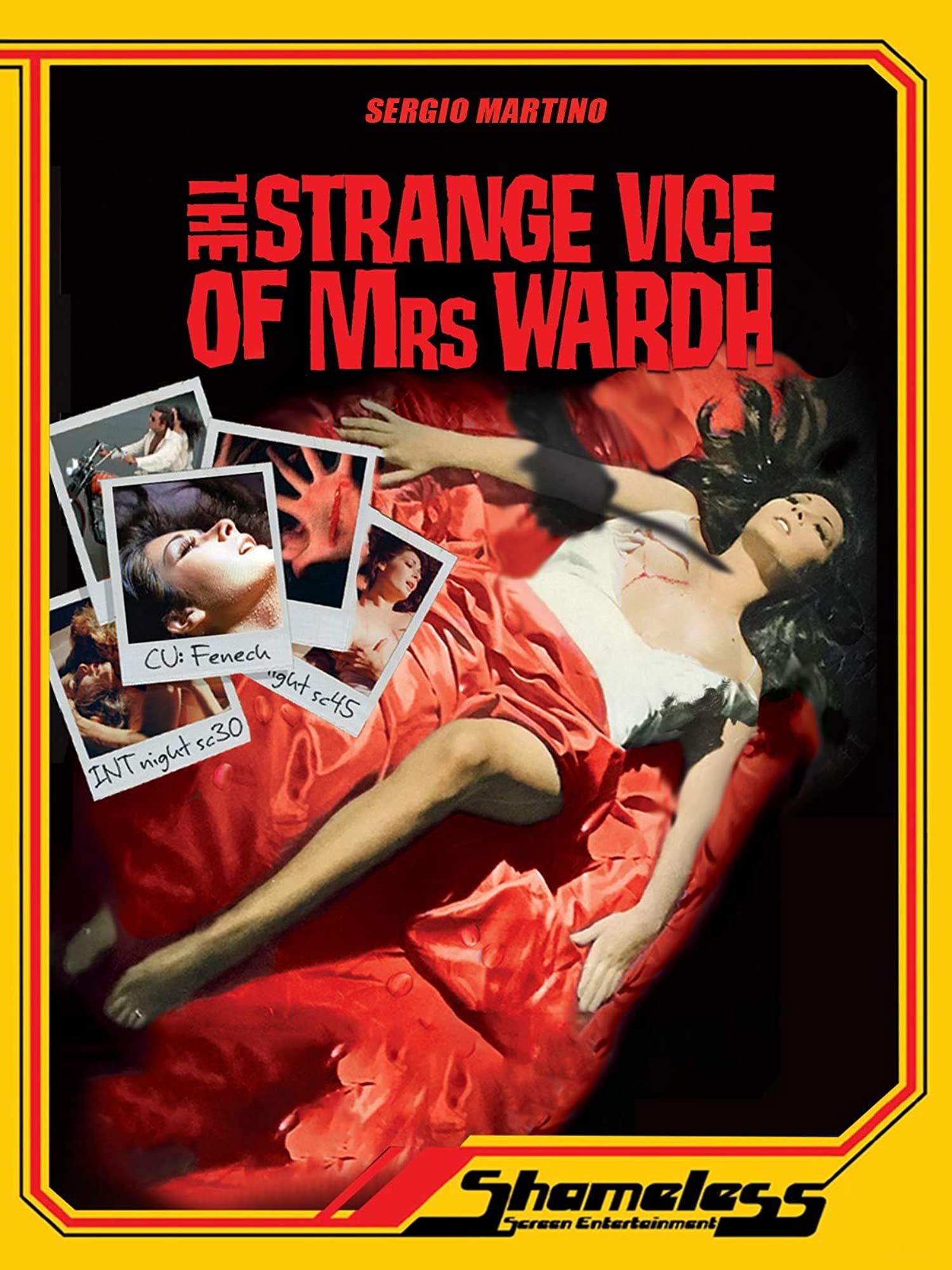
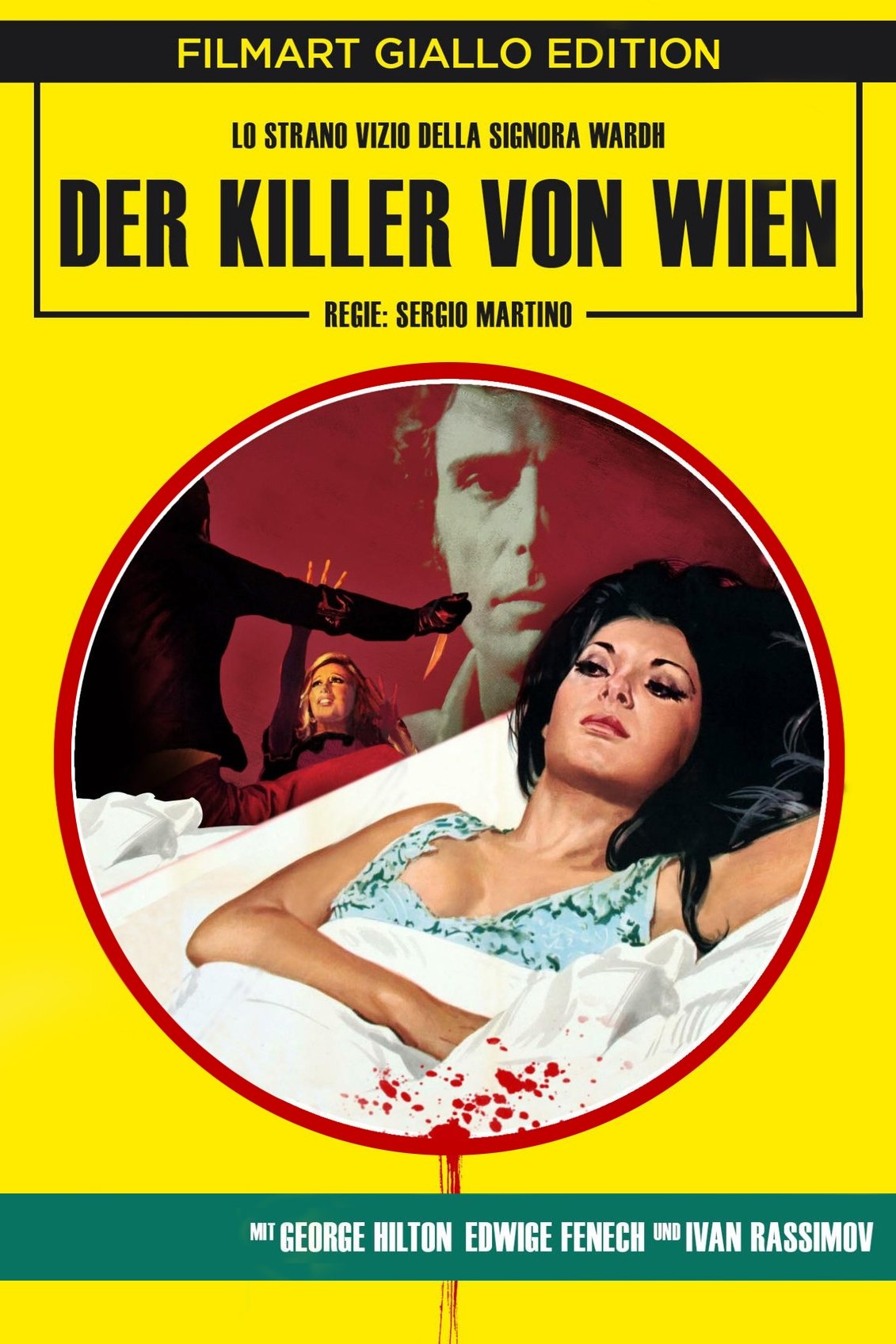
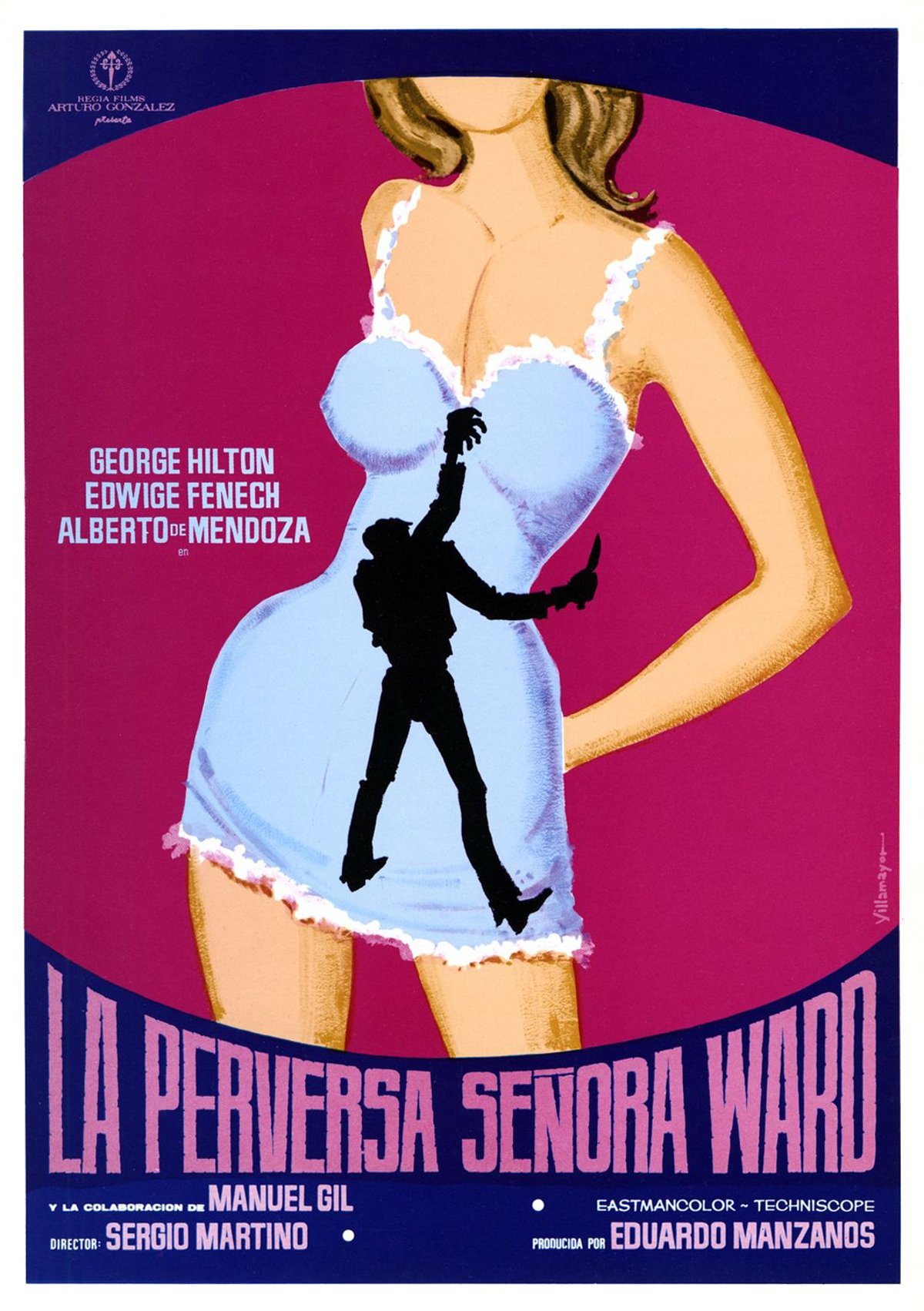
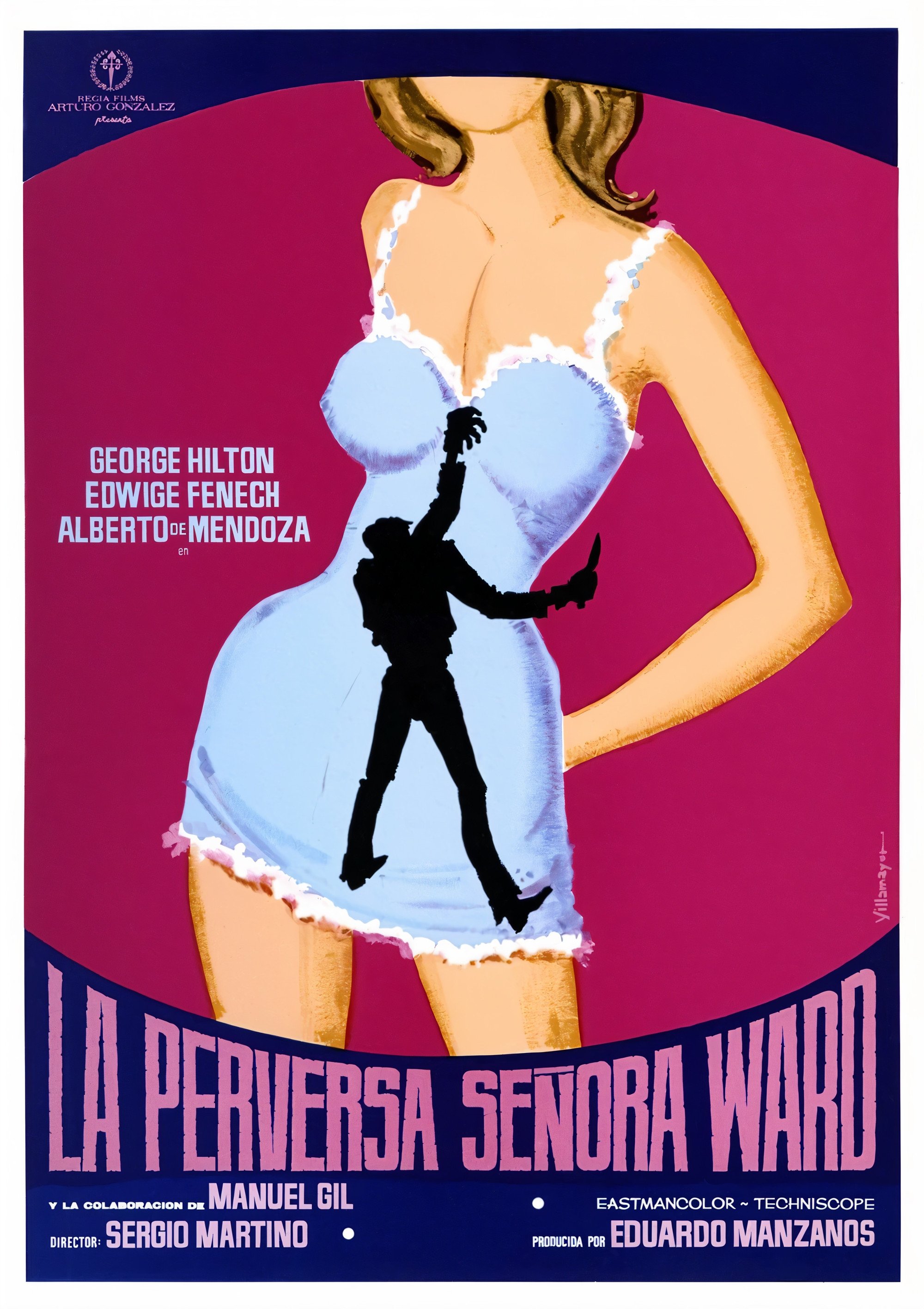
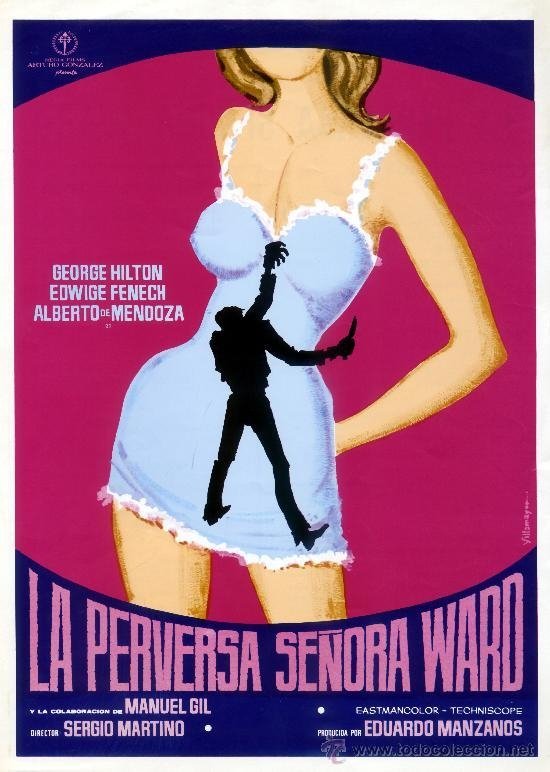
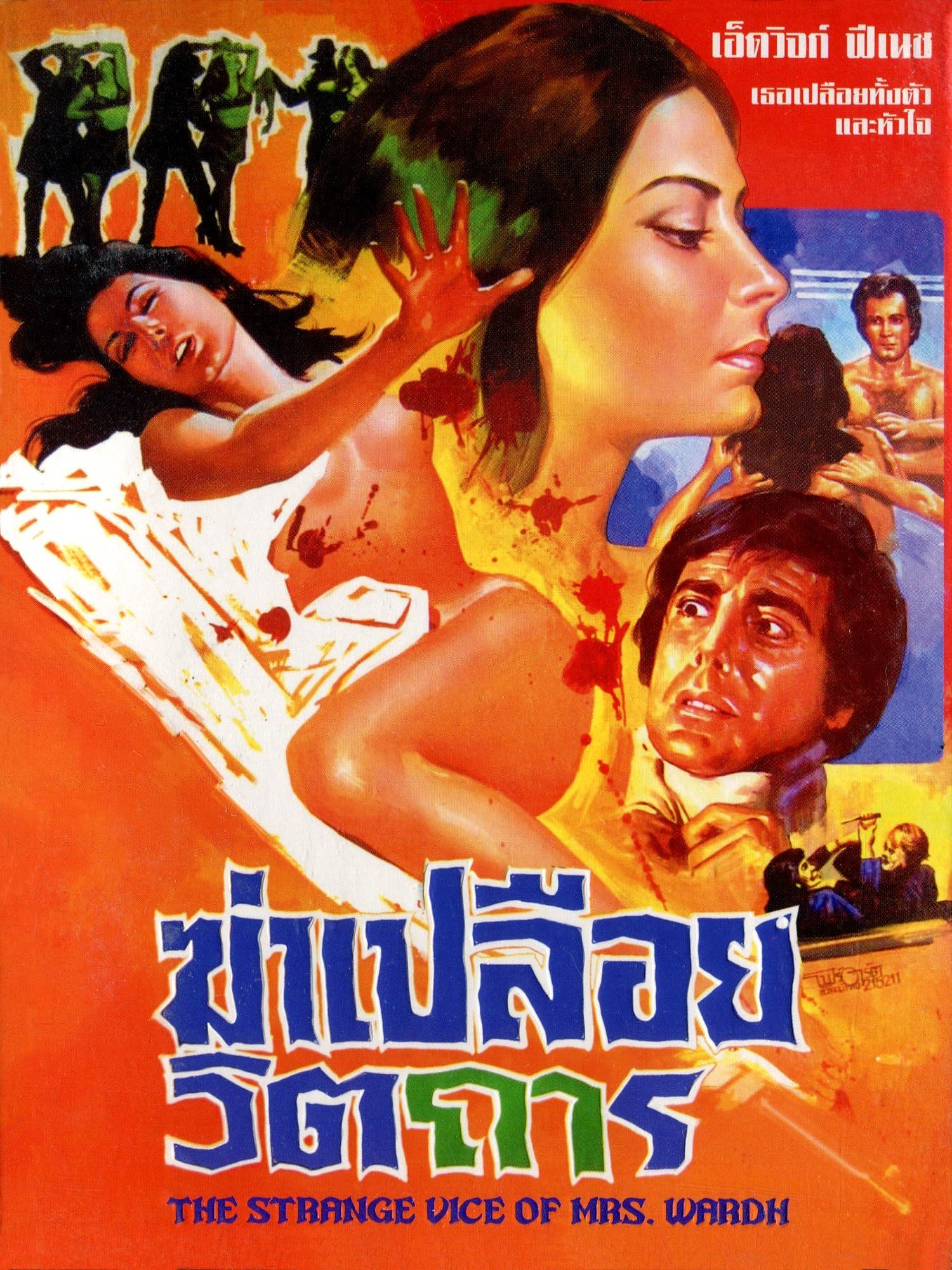
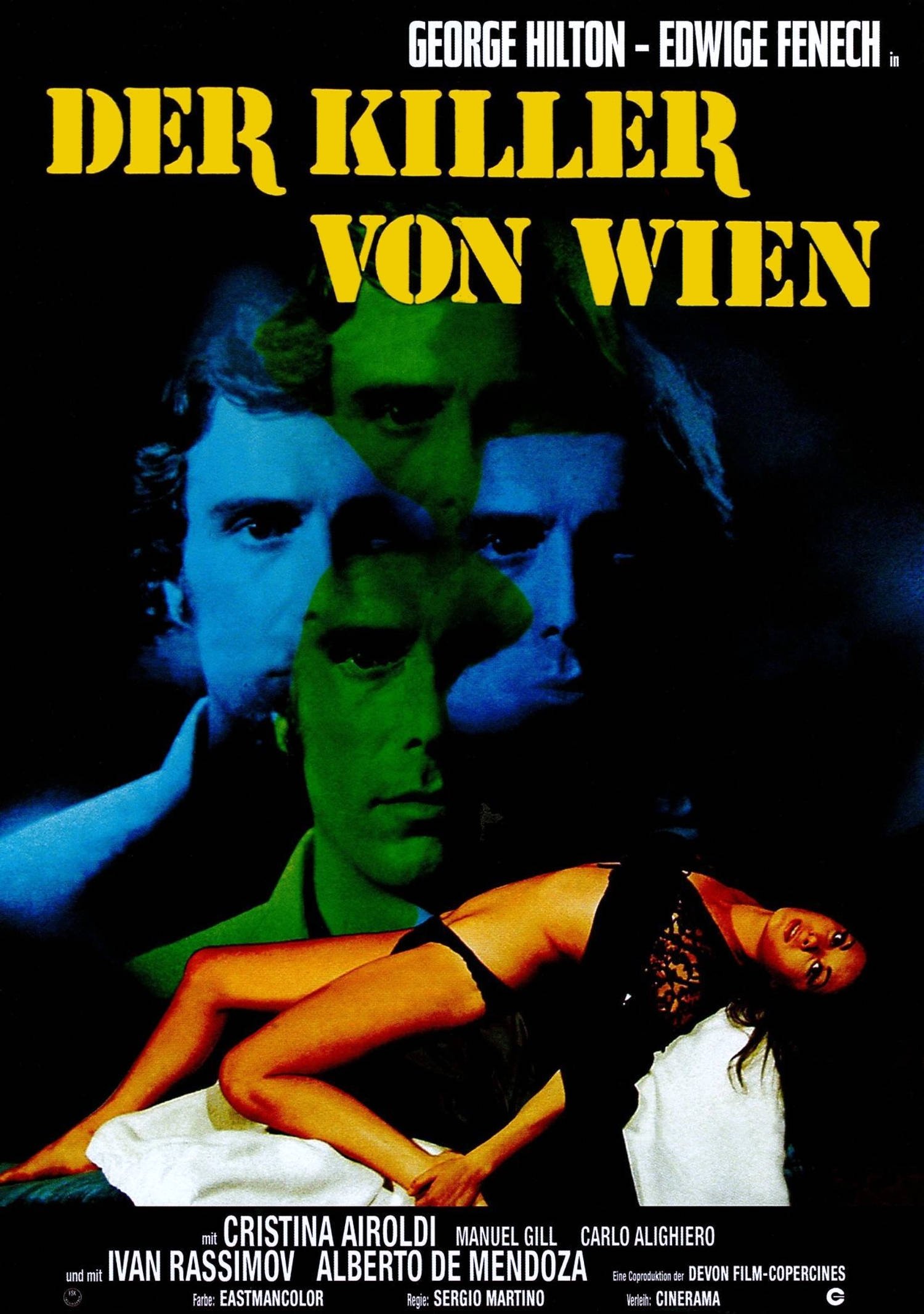
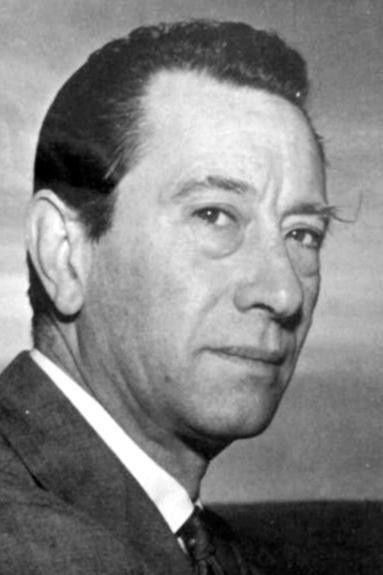
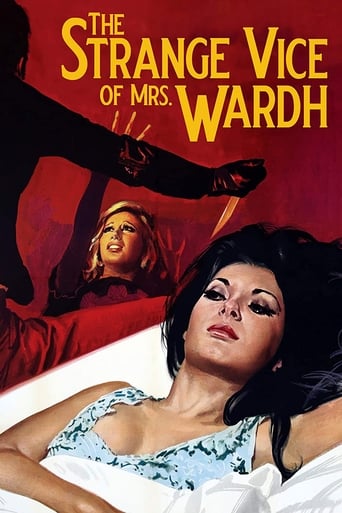
The Strange Vice of Mrs. Wardh emerged from an Italian film industry increasingly receptive to violent murder mysteries after the commercial success of Dario Argento’s The Bird with the Crystal Plumage. Sergio Martino had worked across documentary and popular entertainment before directing his first giallo. The project brought him together with producer Luciano Martino, whose involvement in Italian genre cinema provided an important professional connection. Produced by Devon Film in cooperation with the Spanish company Copercines, the picture was developed for an international market in which contemporary European settings, recognizable performers and sensational advertising could facilitate distribution.
The story originated with Eduardo Manzanos Brochero and was developed into a screenplay with Ernesto Gastaldi, whose experience in Italian horror extended back to the beginning of the 1960s. Vittorio Caronia is also associated with the screenplay in historical critical accounts, although surviving filmographic credits differ in the personnel they identify. The narrative combines the apparently spontaneous violence of a razor murderer with an elaborate conspiracy involving intimate relationships and financial interests. Its construction reflects the increasing importance of misleading evidence and unexpected reversals within Italian thrillers, where the final explanation could radically change the interpretation of earlier events.
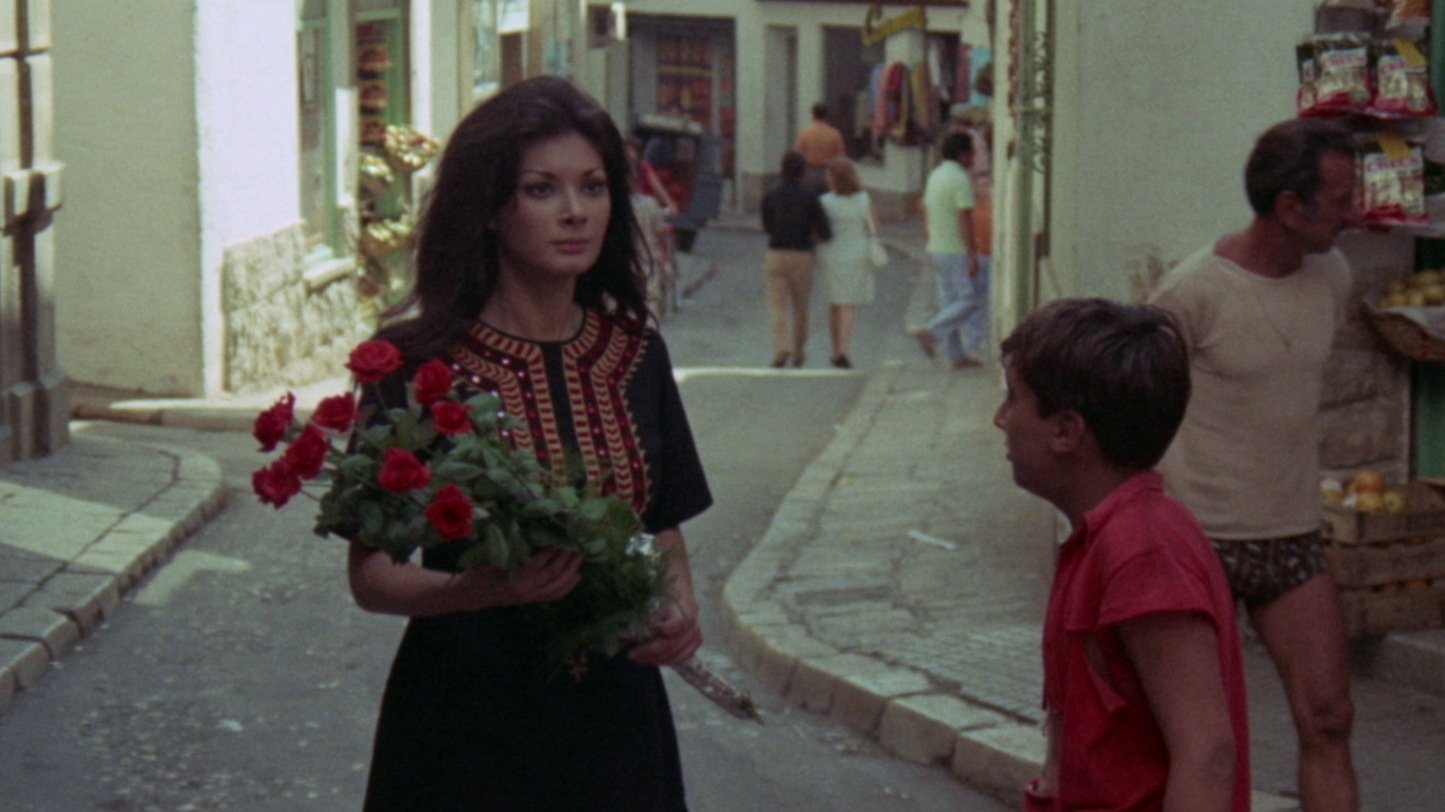
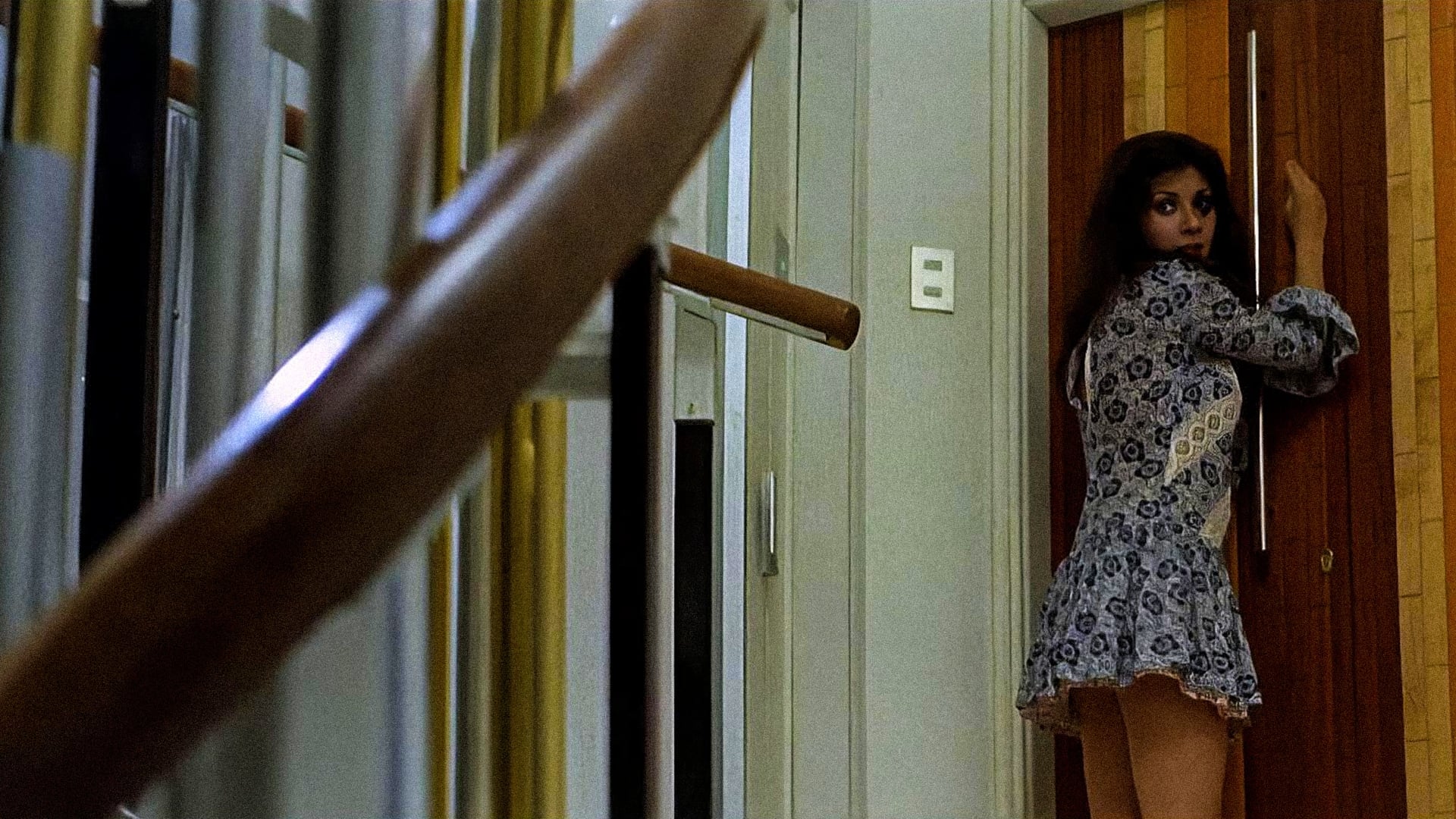
Filming took place in 1970, with production documentation reproduced by CG Entertainment describing a thirty-six-day schedule beginning on 24 August. The account divides the work between Vienna, Spain and Rome, identifying ten days in Austria, eight in Spain and eighteen in Italy. These figures establish the approximate scale of the location work without documenting every individual scene. The use of different countries also reflects the international production arrangements behind the film. Vienna supplied the principal urban environment, while Spanish locations became important during the later stages of the story.
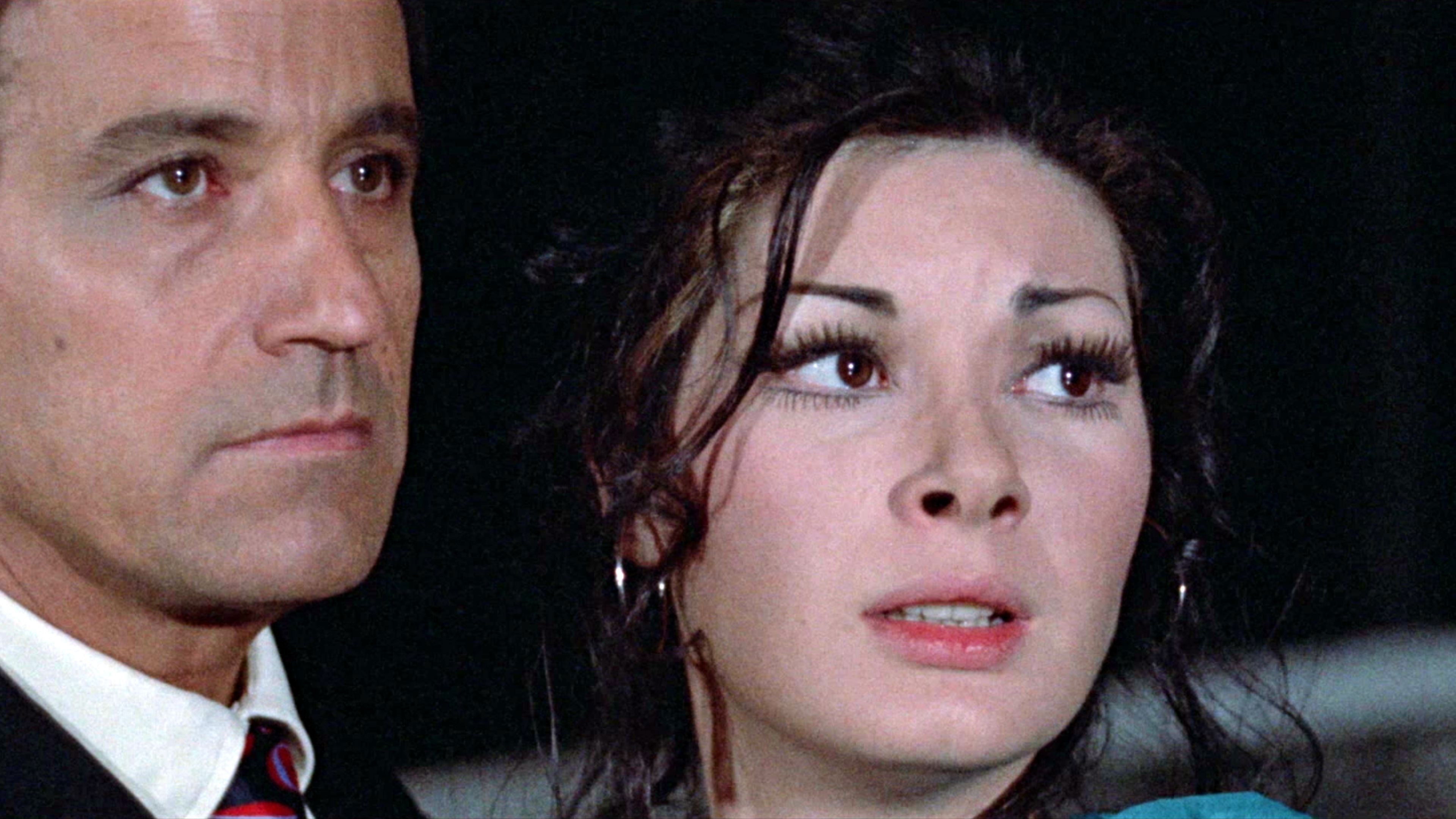
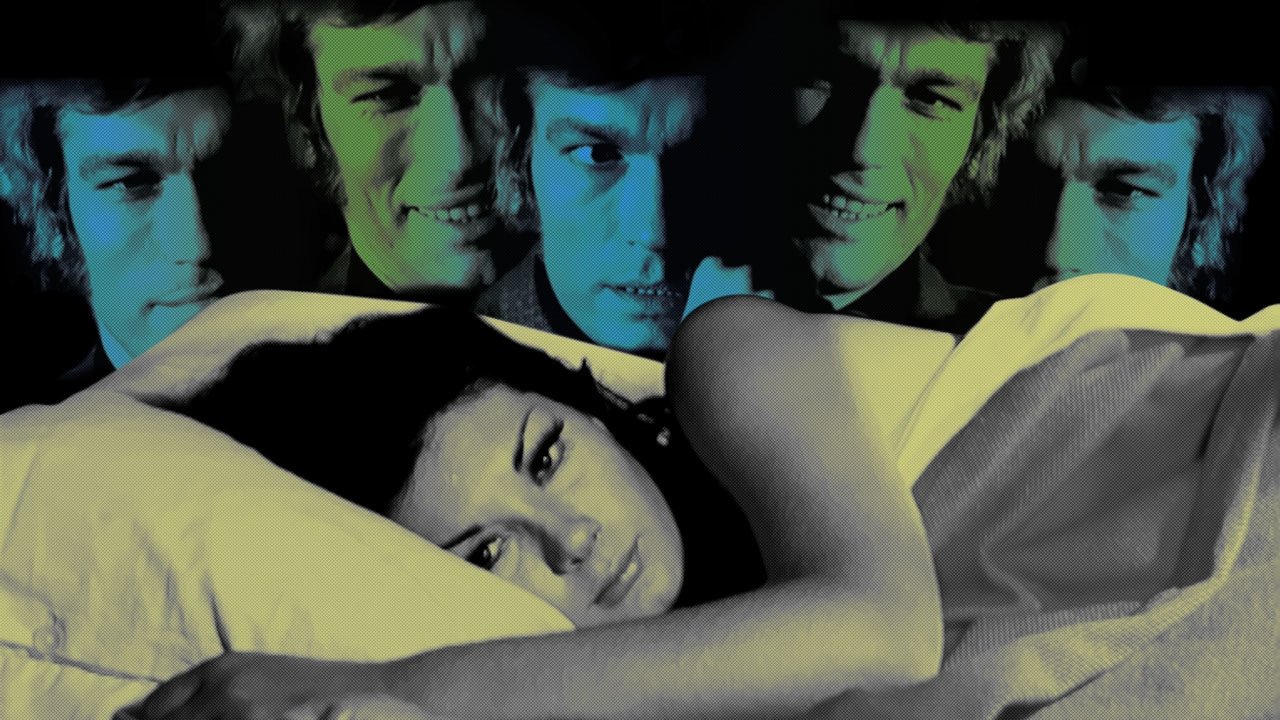
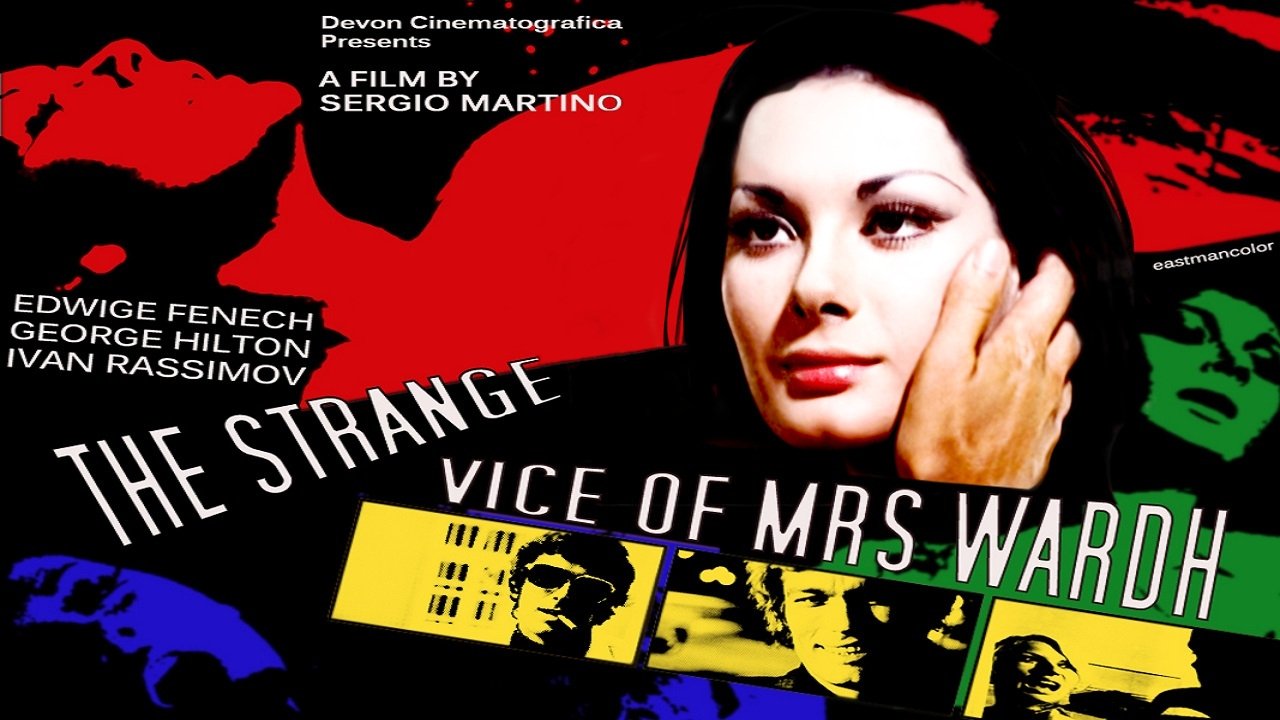
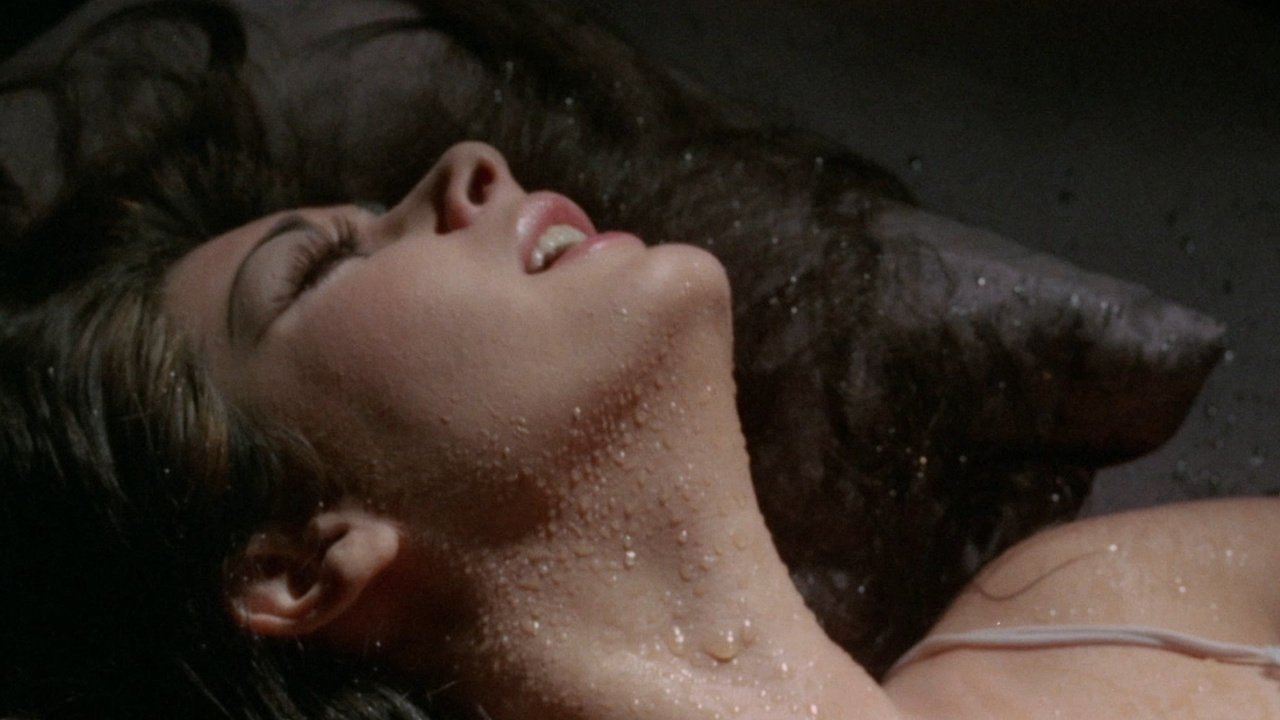
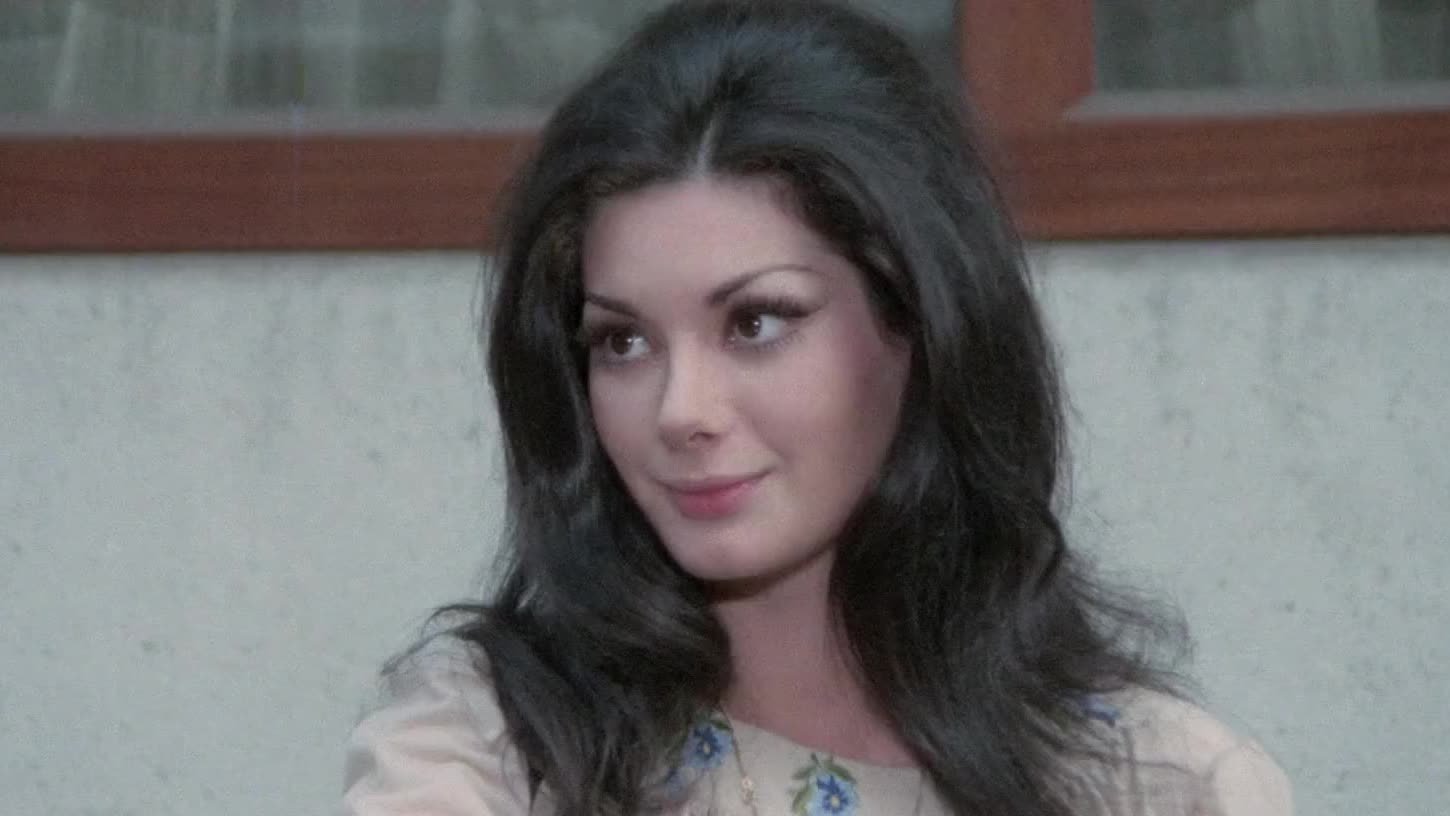
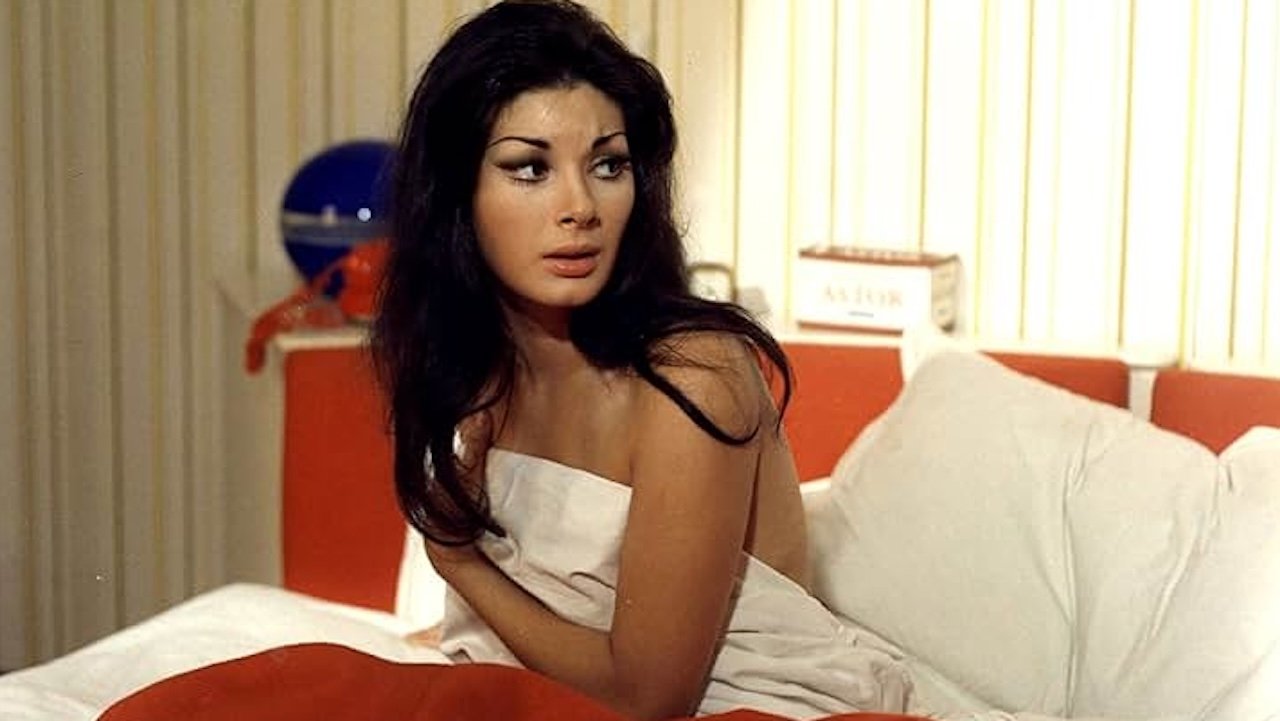
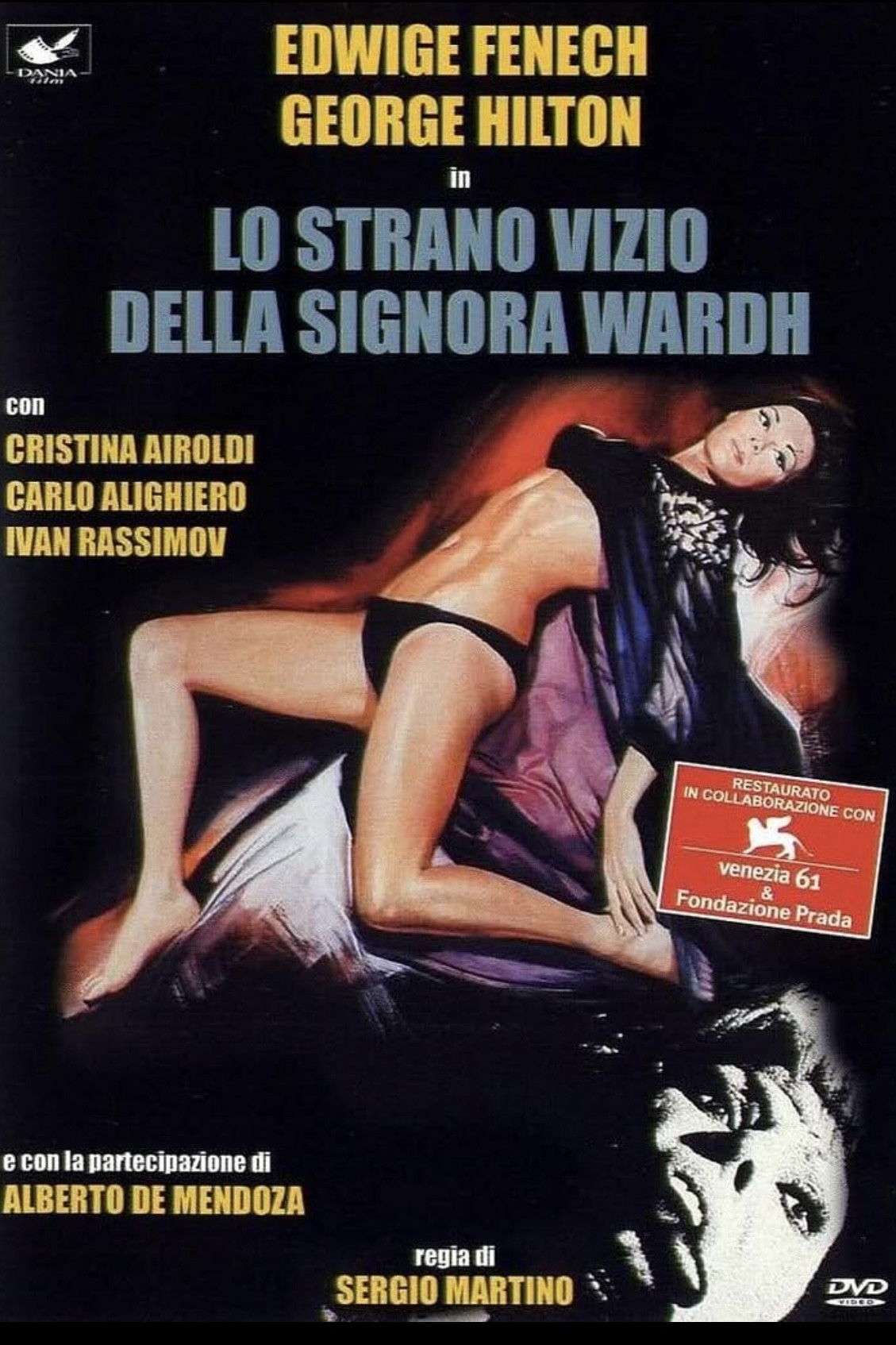
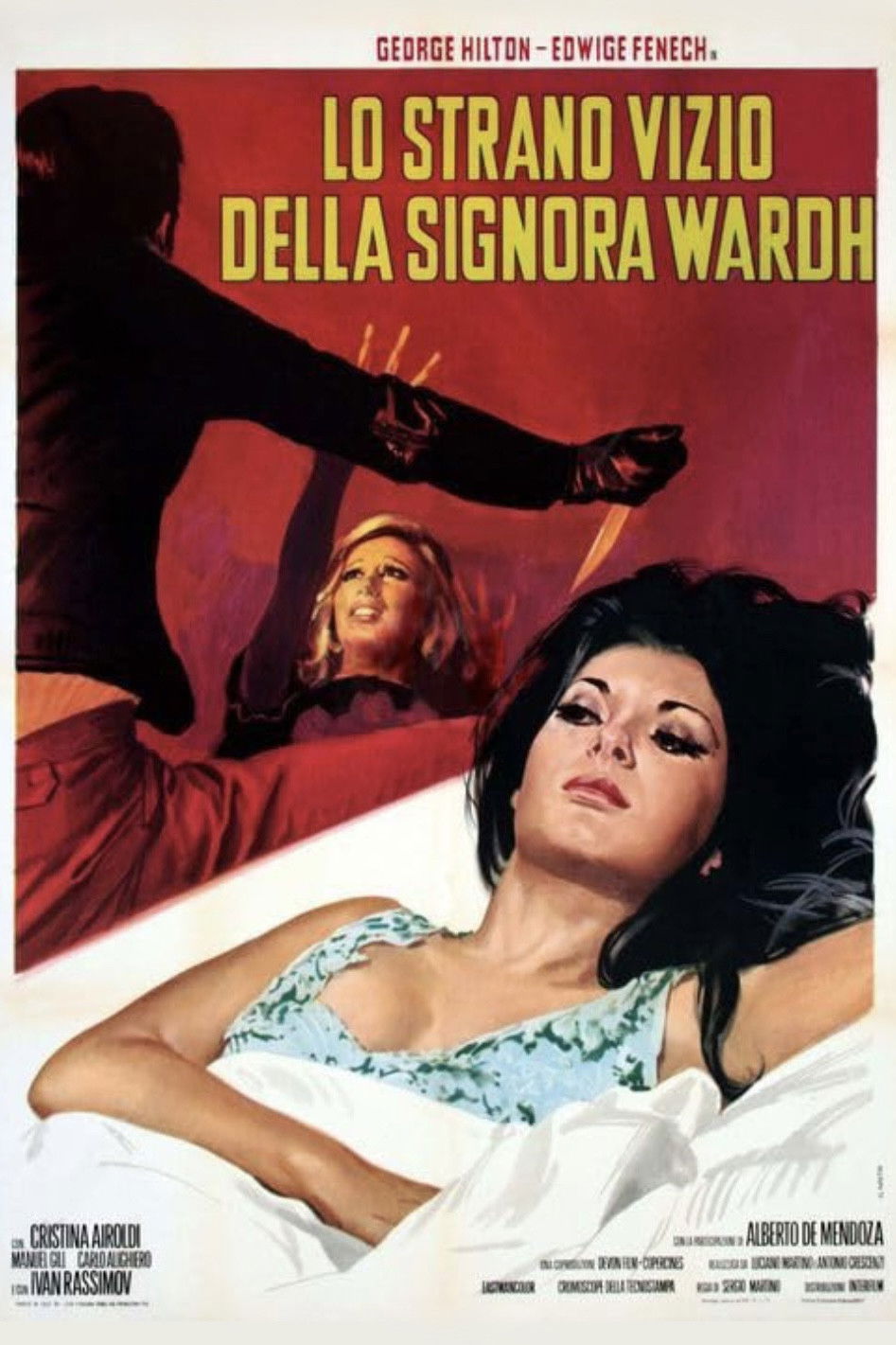
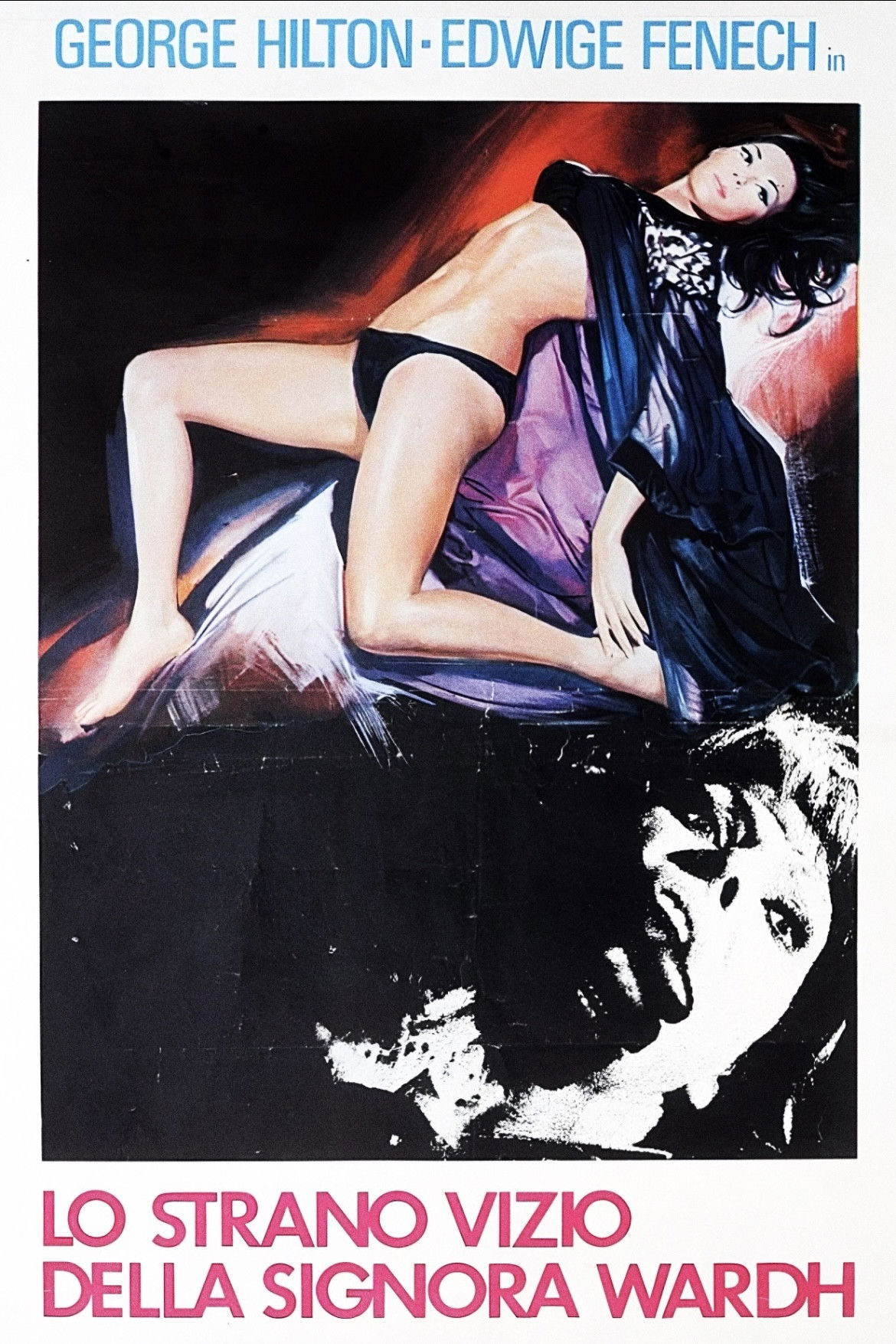
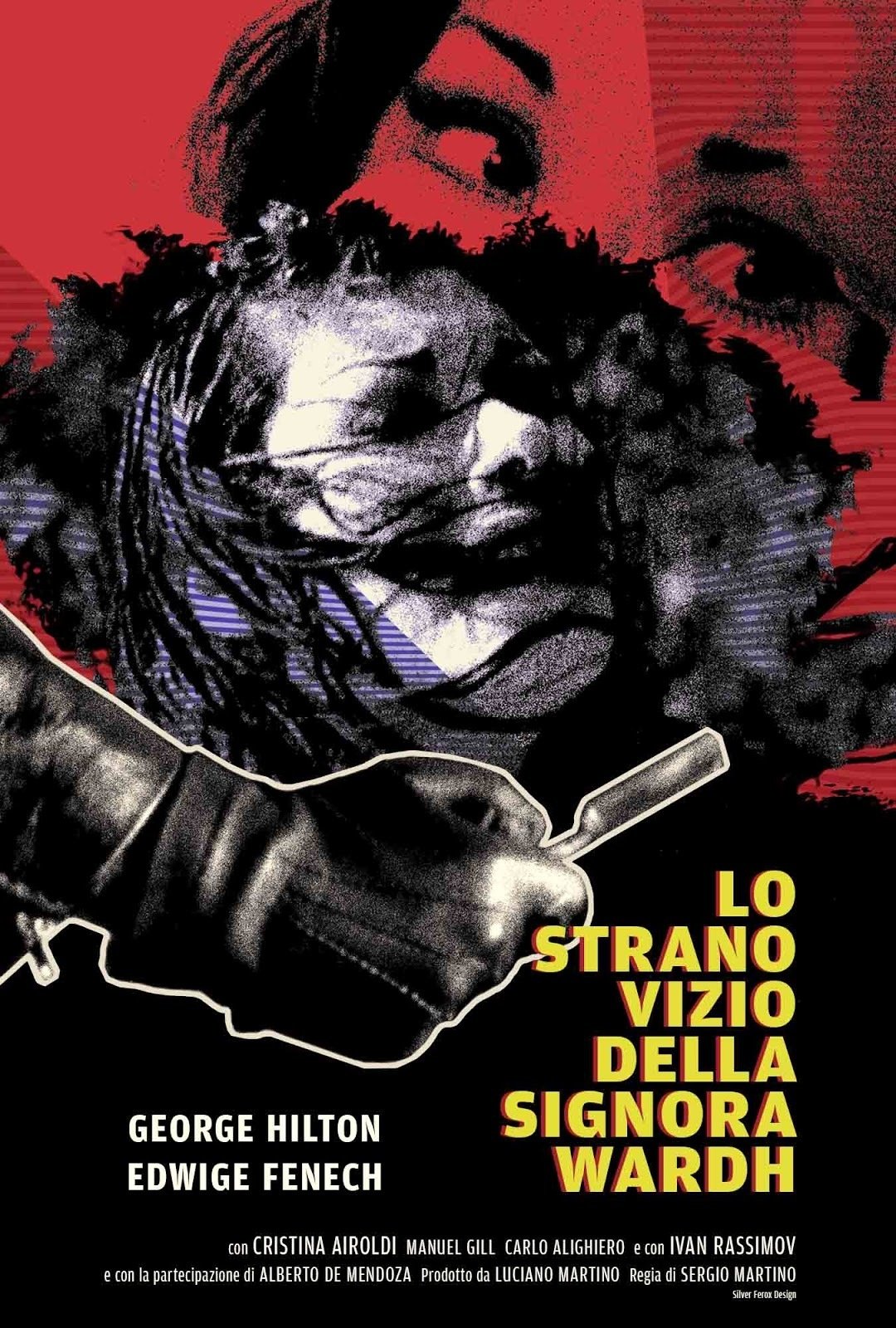
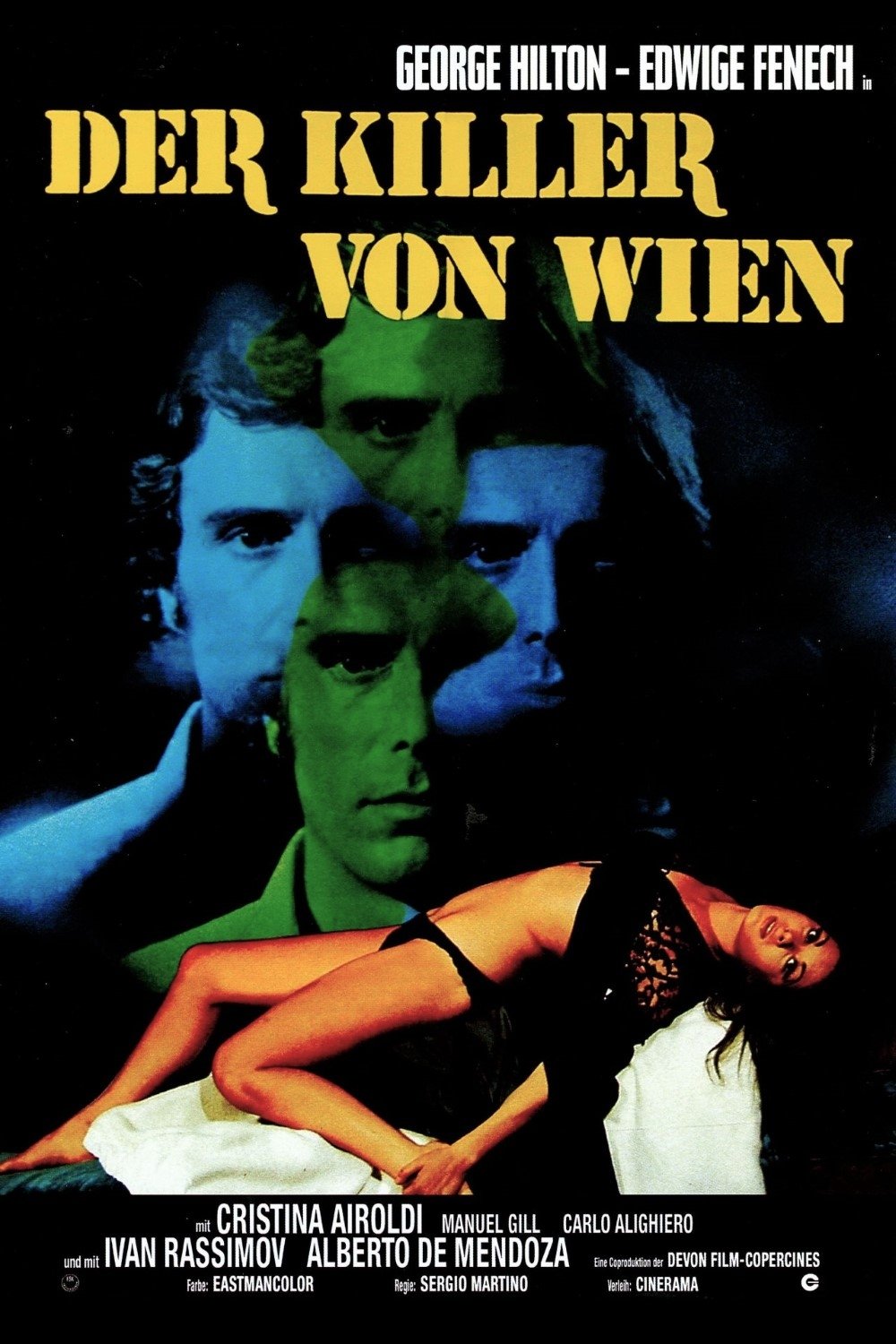
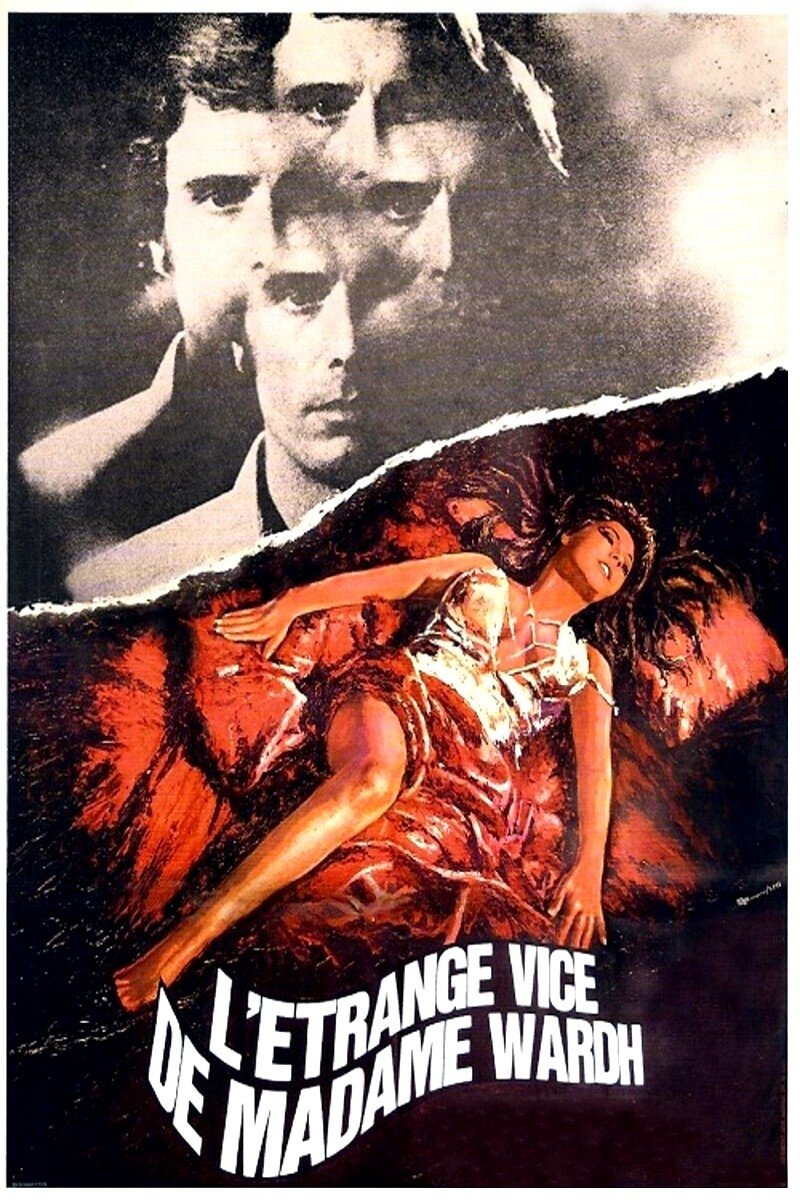
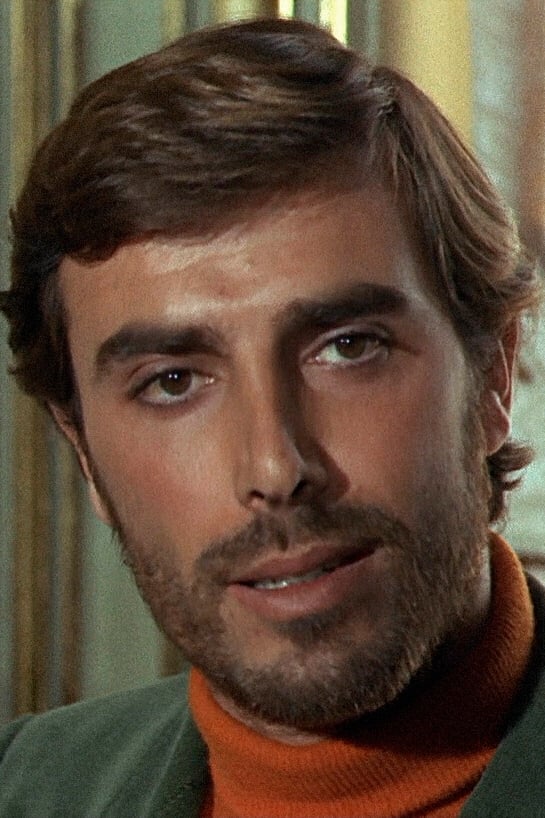
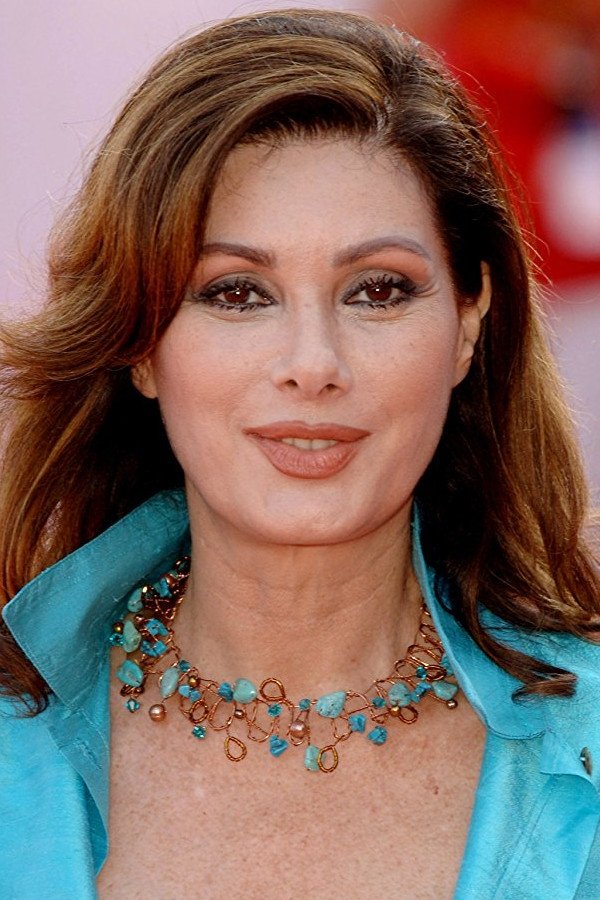
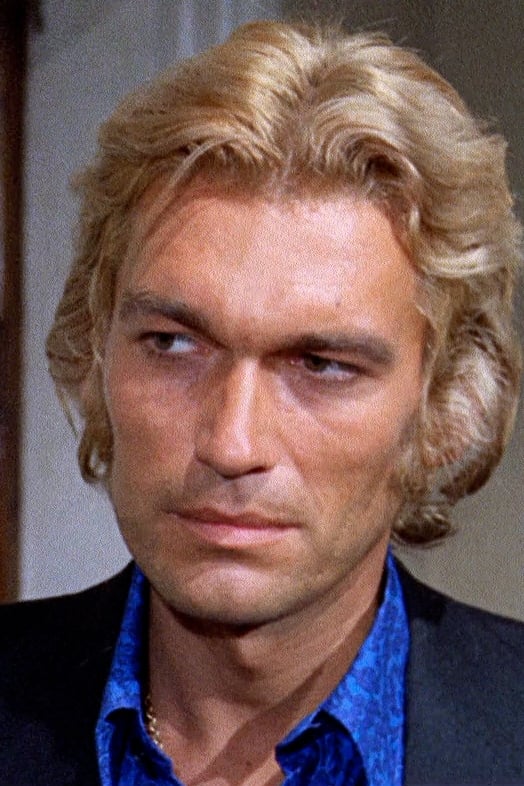
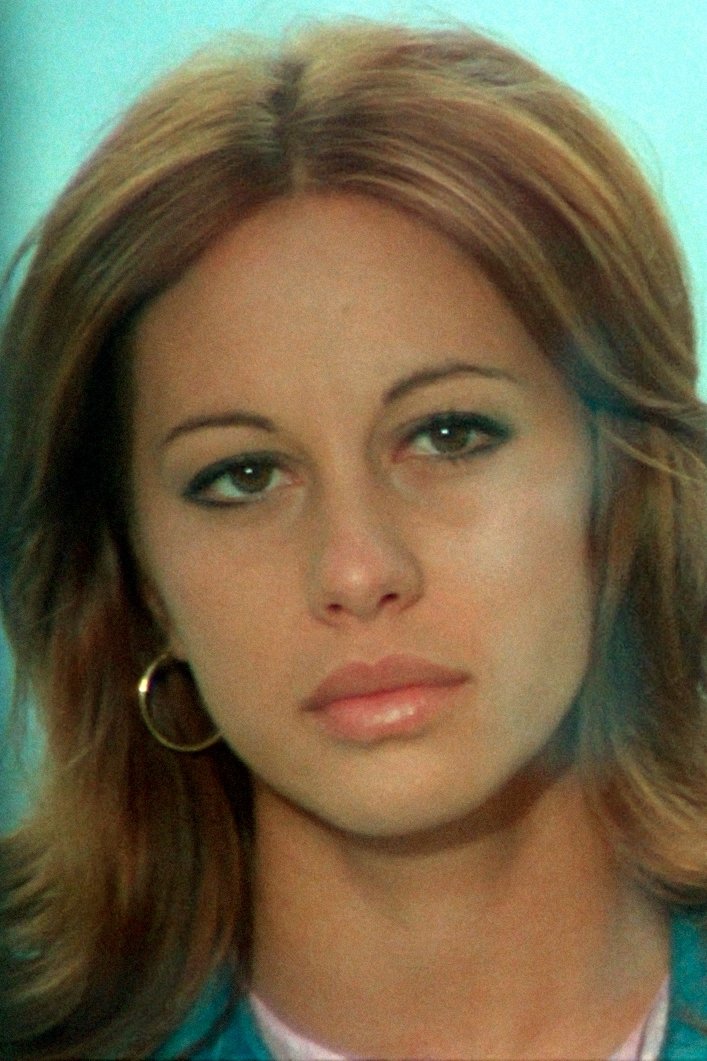
Martino’s collaboration with Edwige Fenech and George Hilton proved particularly significant. The film brought together performers whose appearances would become closely associated with his subsequent thrillers. Ivan Rassimov provided a contrasting presence as Jean, a character whose threatening behavior makes him an apparently convincing suspect. The production exploited these differences through a narrative in which romantic attraction, suspicion and coercion continually overlap. Its commercial identity consequently depended upon the interaction between a recognizable giallo murder mystery and a more explicitly erotic account of the central character’s relationships.