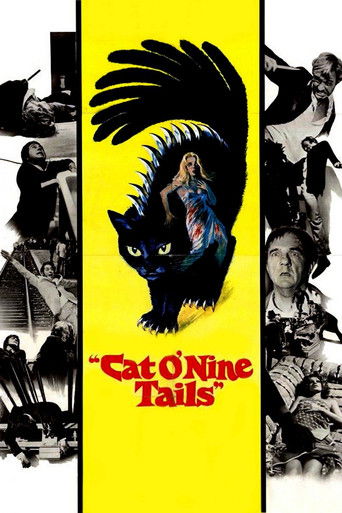
Labrador Films
, Seda Spettacoli
, Terra-Filmkunst
, Titanus
Plot
A reporter and a blind retired journalist try to solve a series of murders. The crimes are connected to experiments by a pharmaceutical company in secret research. The two end up becoming targets of the killer.
Alternative Titles
Doqquz Quyruqlu Pişik (Azerbaijan) O Gato de Nove Caudas (Brazil) — Portuguese九尾怪猫 (China) — ChineseDevítiocasá kočka (Czechia) — CzechDie neunschwänzige Katze (Germany) — GermanEl gato de las 9 colas (Spain) — DVD titleEl gato de las nueve colas (Spain) — SpanishHiipivä kauhu (Finland) — FinnishShow all 25 alternative titlesLe Chat à neuf queues (France) — FrenchΟ Γάτος με τις 9 Ουρές (Greece) — Greek盲俠智多星 (Hong Kong SAR China) — ChineseA kilencfarkú macska (Hungary) — Hungarianگربه نه دم (Iran) — Persianわたしは目撃者 (Japan) — Japanese아홉 개의 꼬리를 가진 고양이 (South Korea) — KoreanKaķis ar deviņām astēm (Latvia) — LatvianEl gato de las nueve colas (Mexico) — SpanishDøden leker blindebukk (Norway) — NorwegianKot o dziewięciu ogonach (Poland) — PolishO Gato das Sete Vidas (Portugal) O Gato de Nove Caudas (Portugal) — PortugueseКошка о девяти хвостах (Russia) — RussianDe nio heta spåren (Sweden) Cat o' Nine Tails (United States) — dubbed versionCat O'Nine Tails (United States)
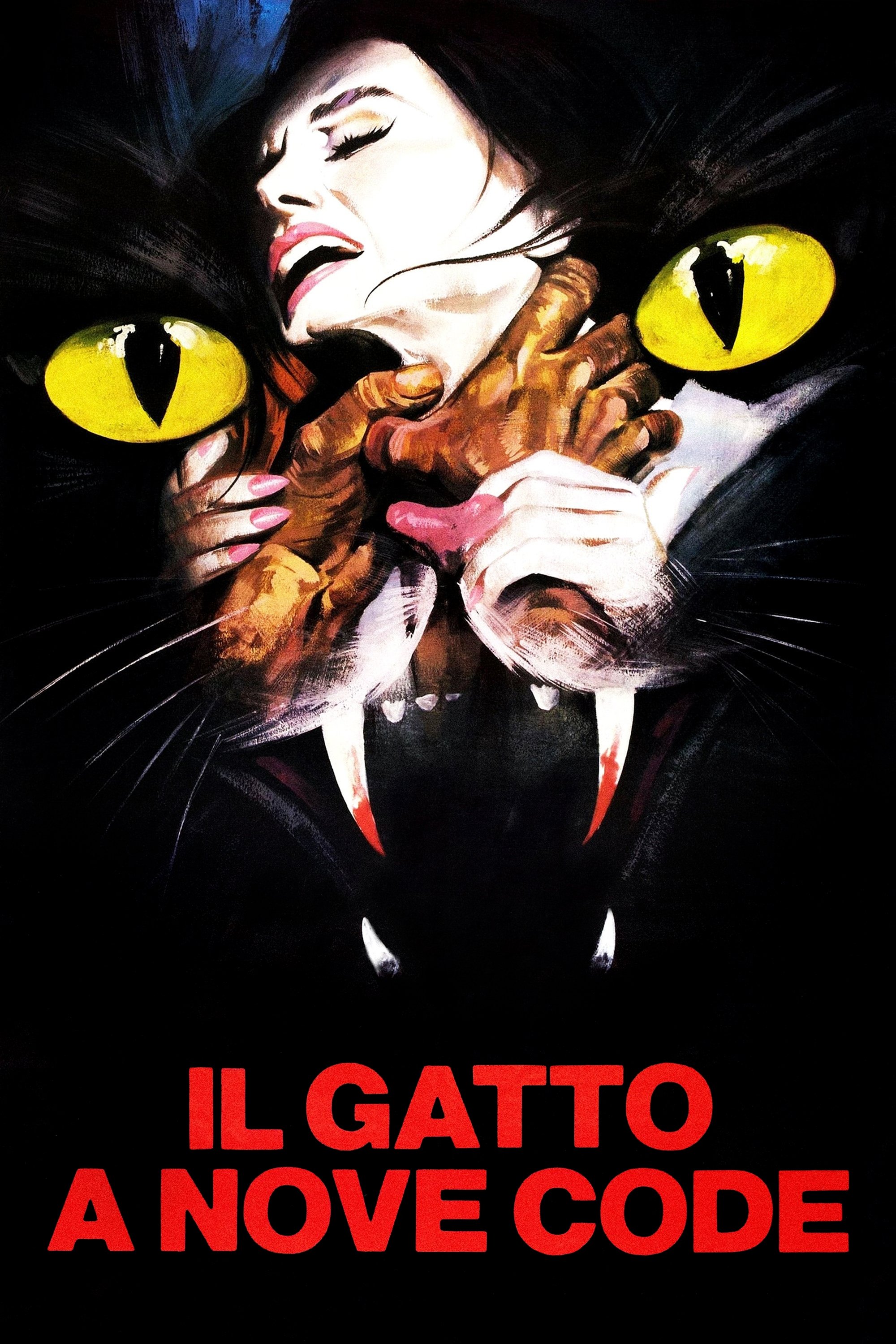
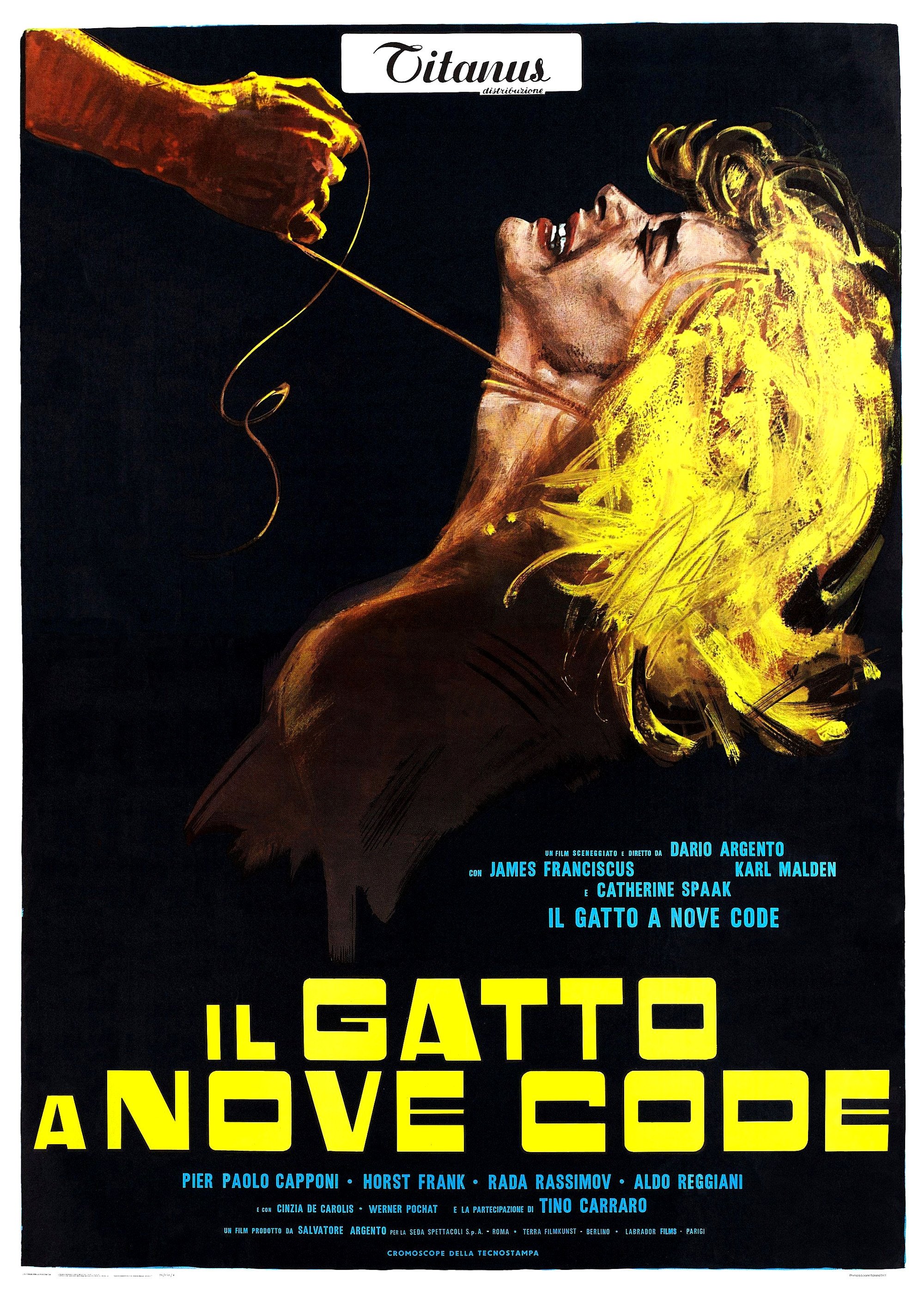
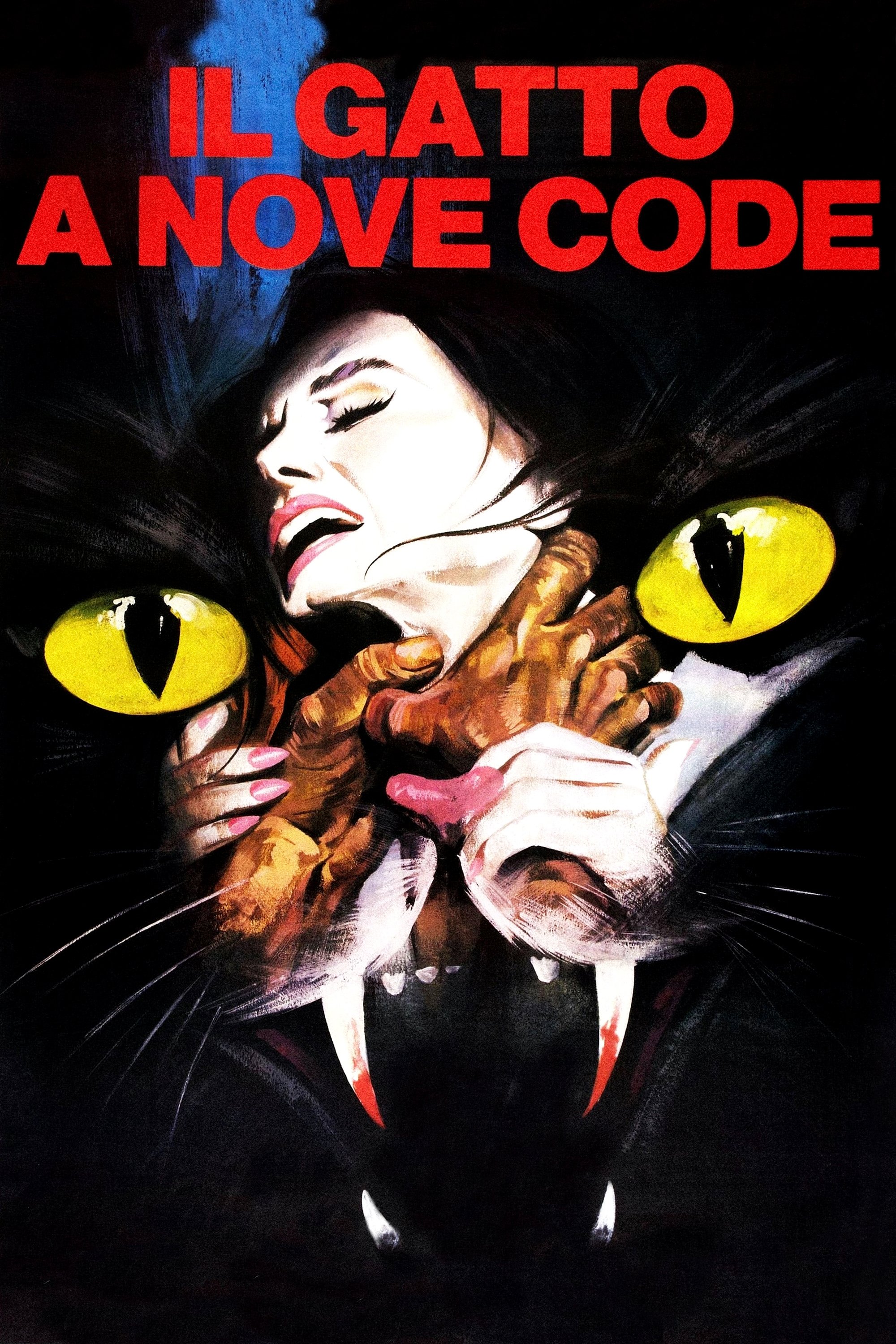
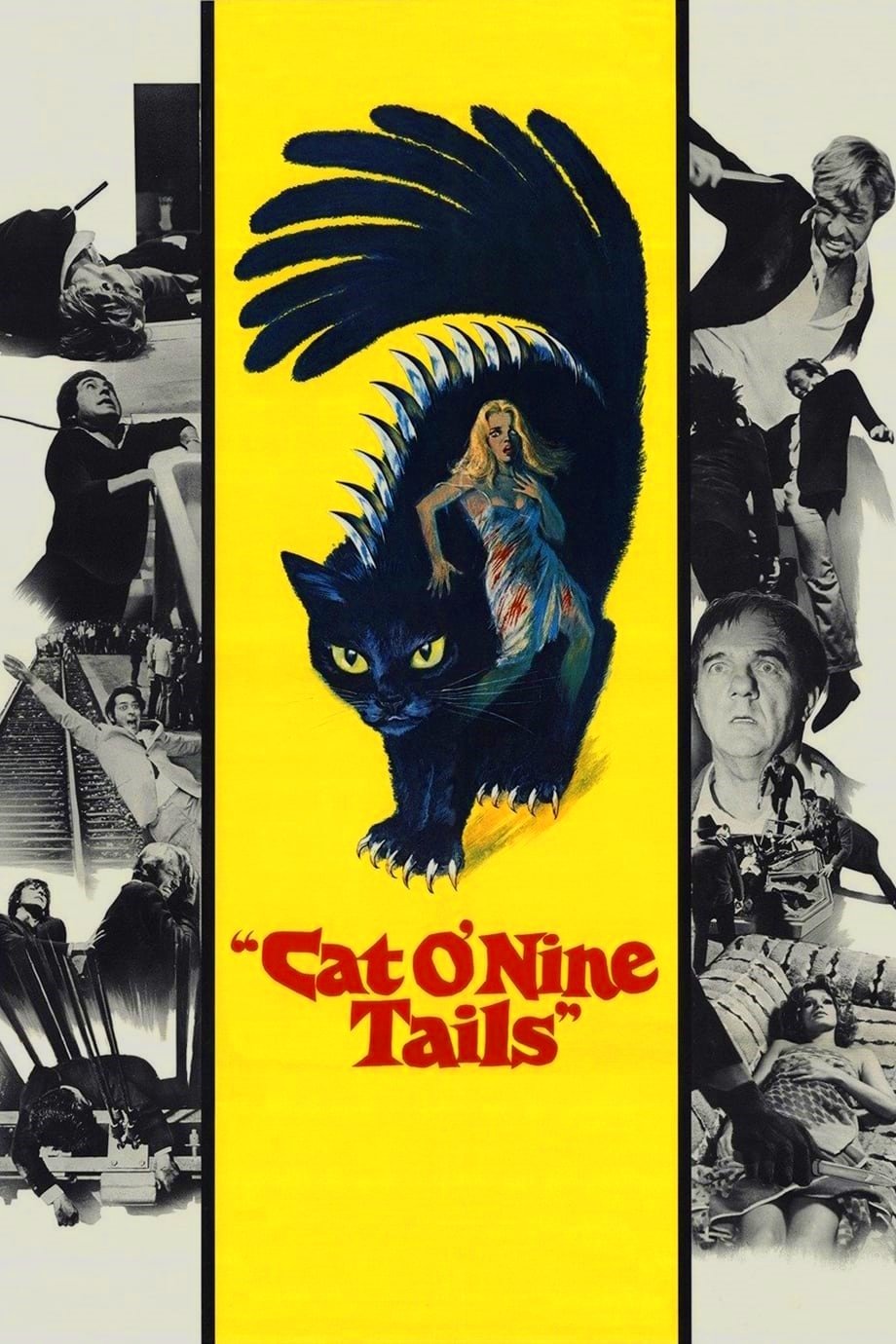
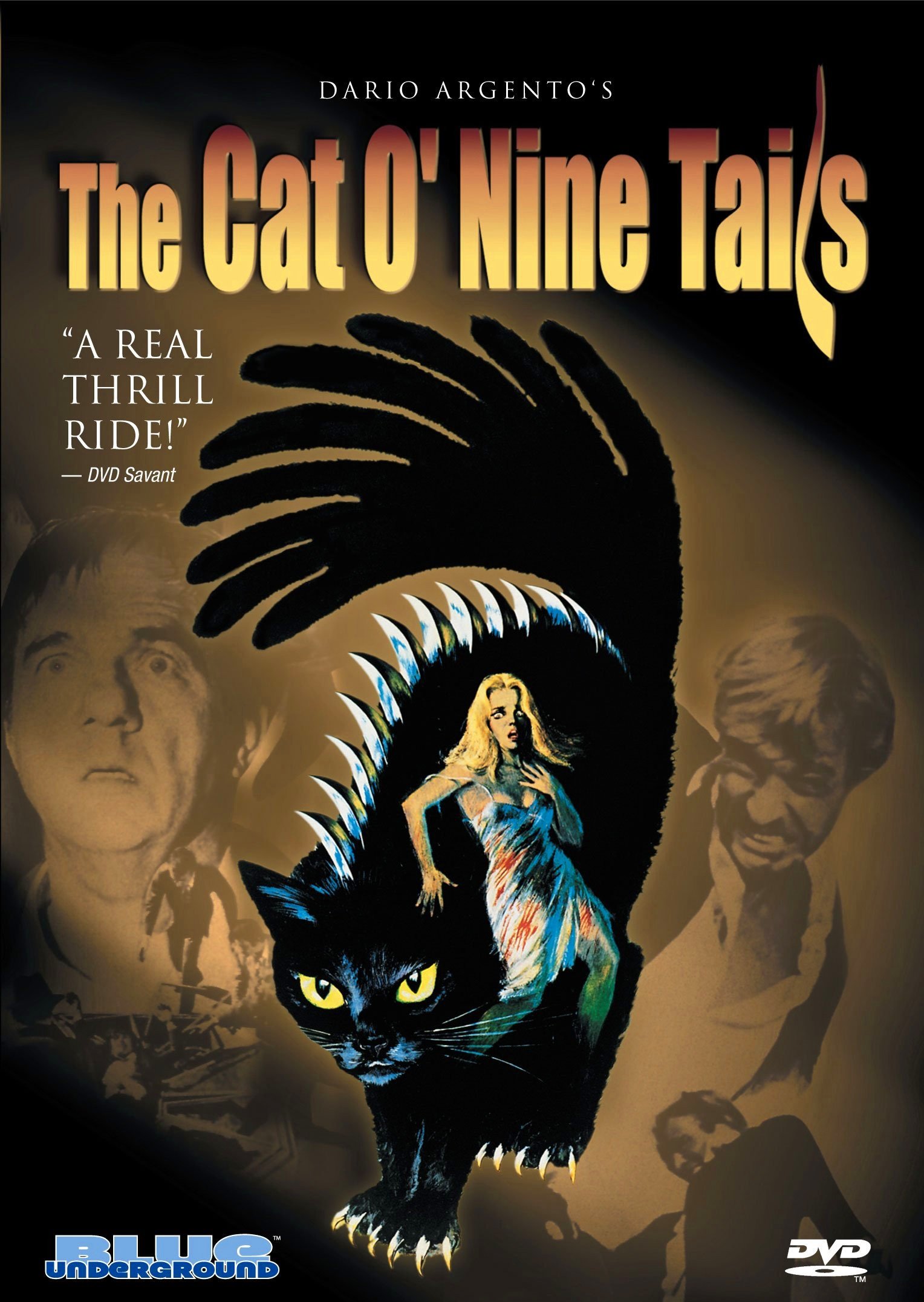
Dario Argento's second giallo explores the limits of perception through Turin locations, dual investigators, practical effects and Ennio Morricone's music.
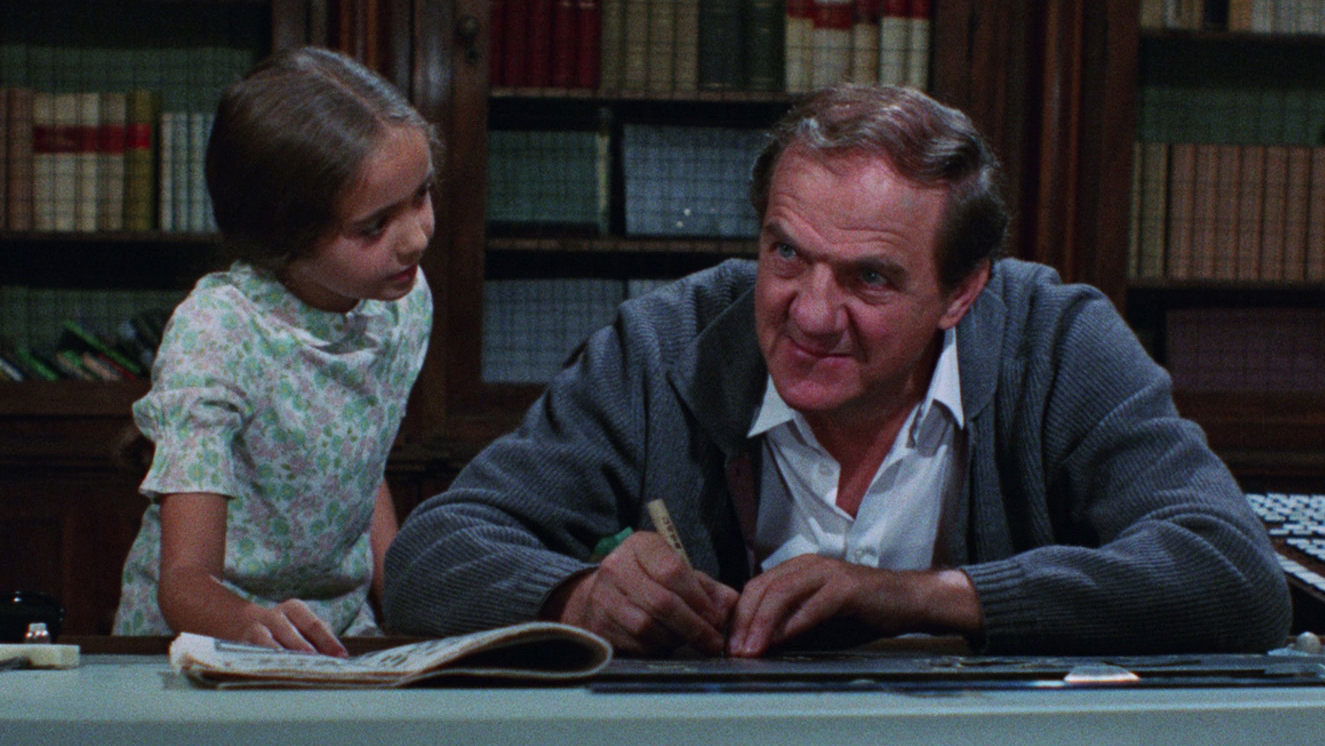
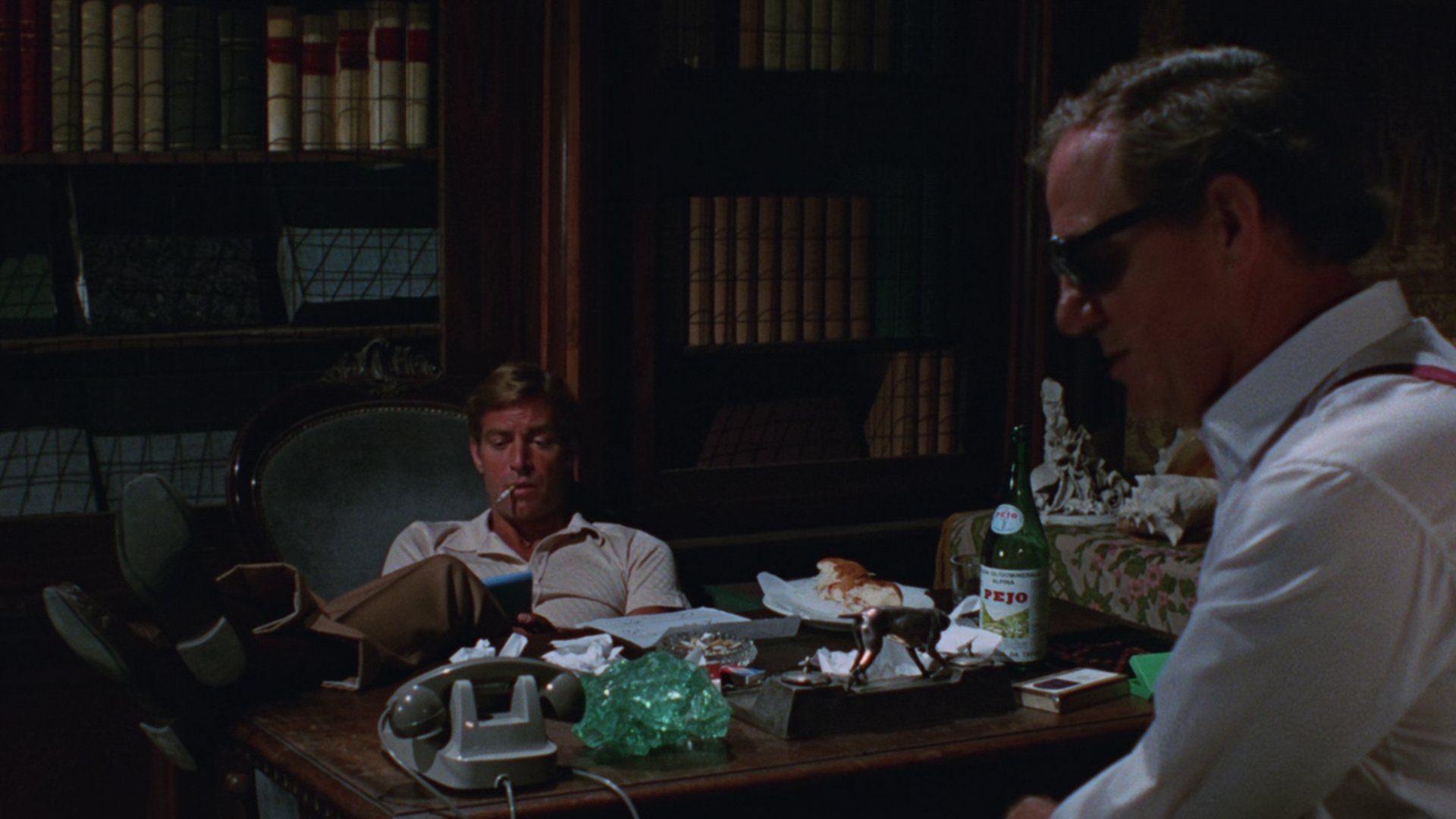
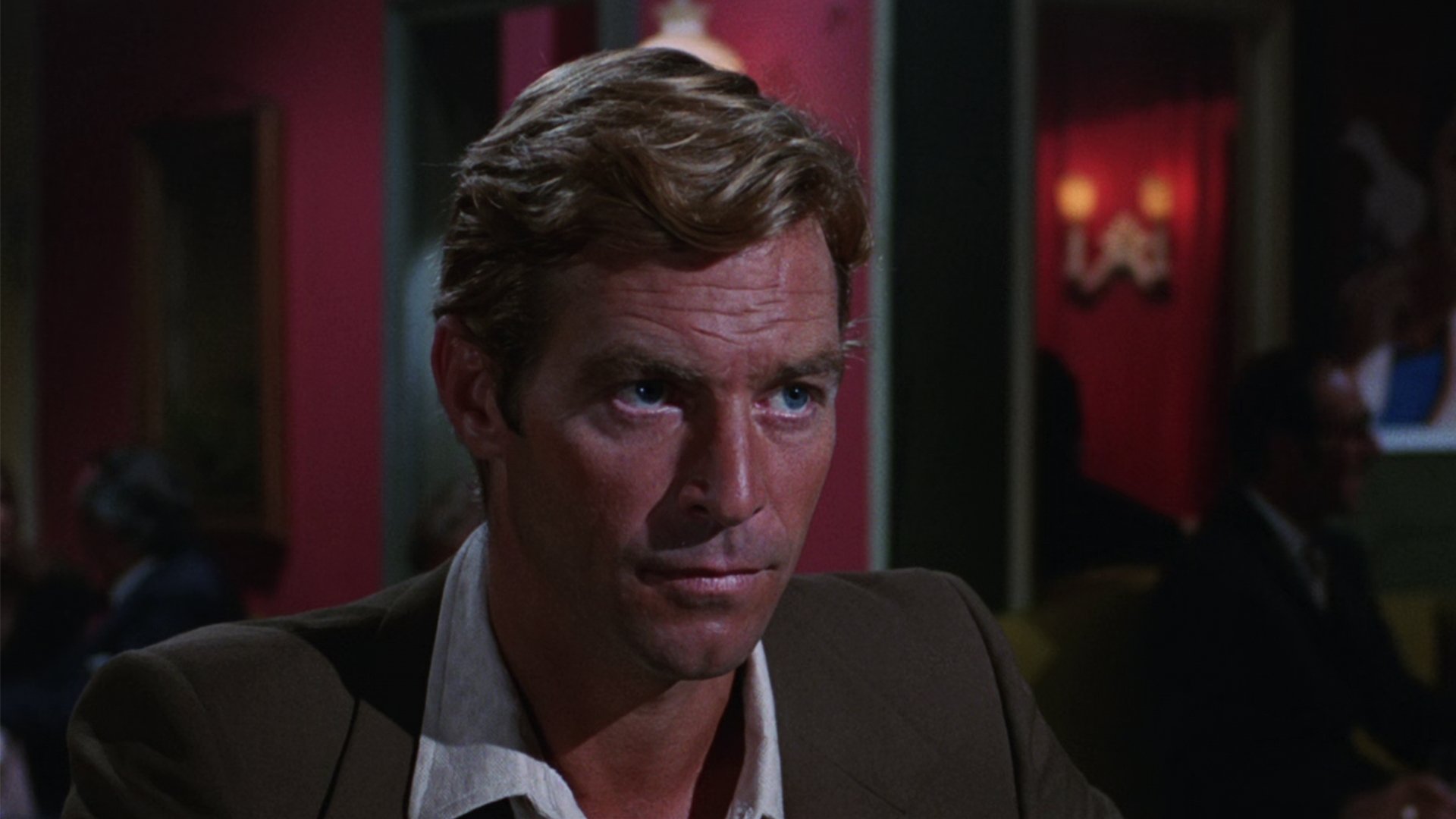
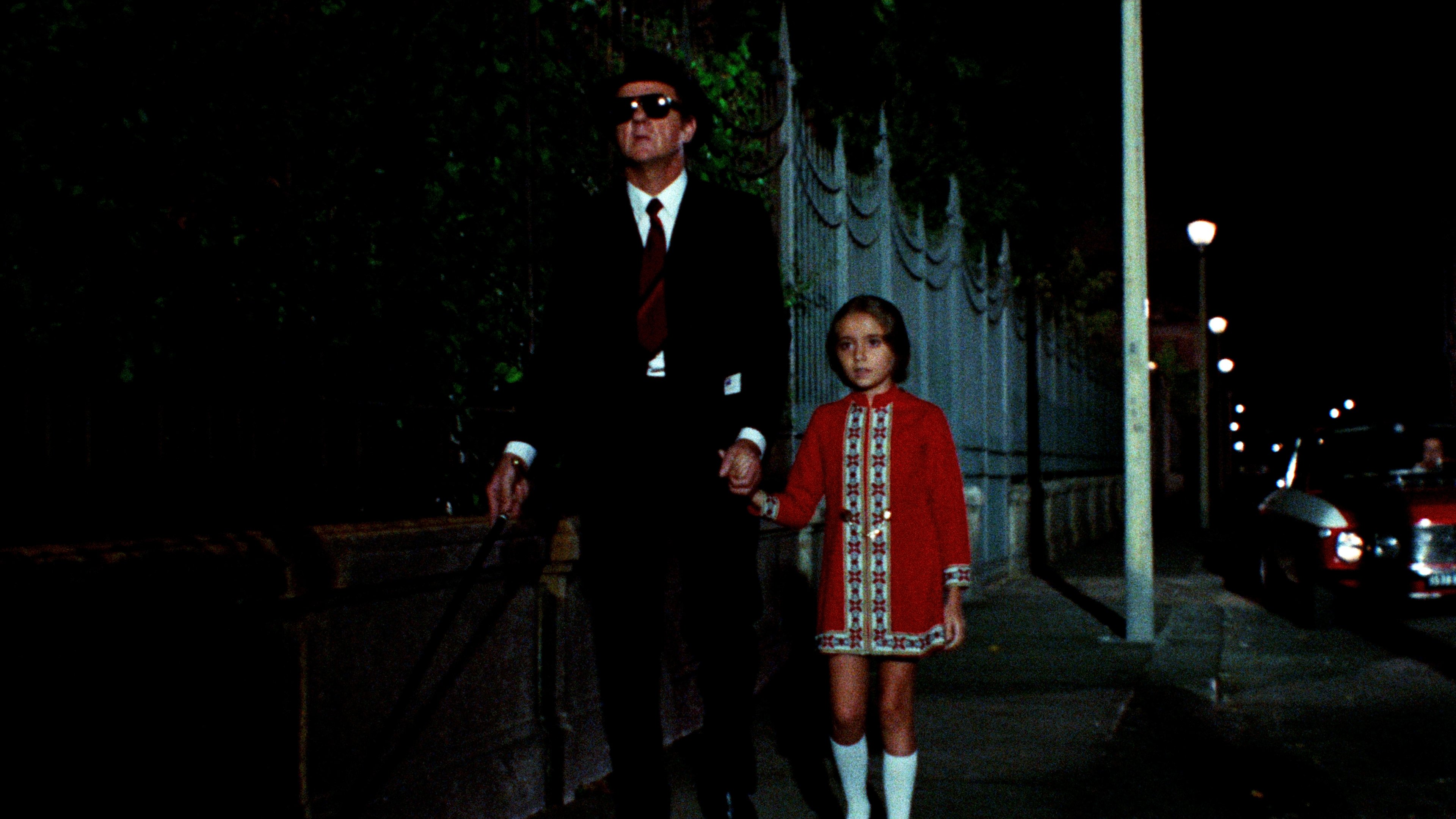
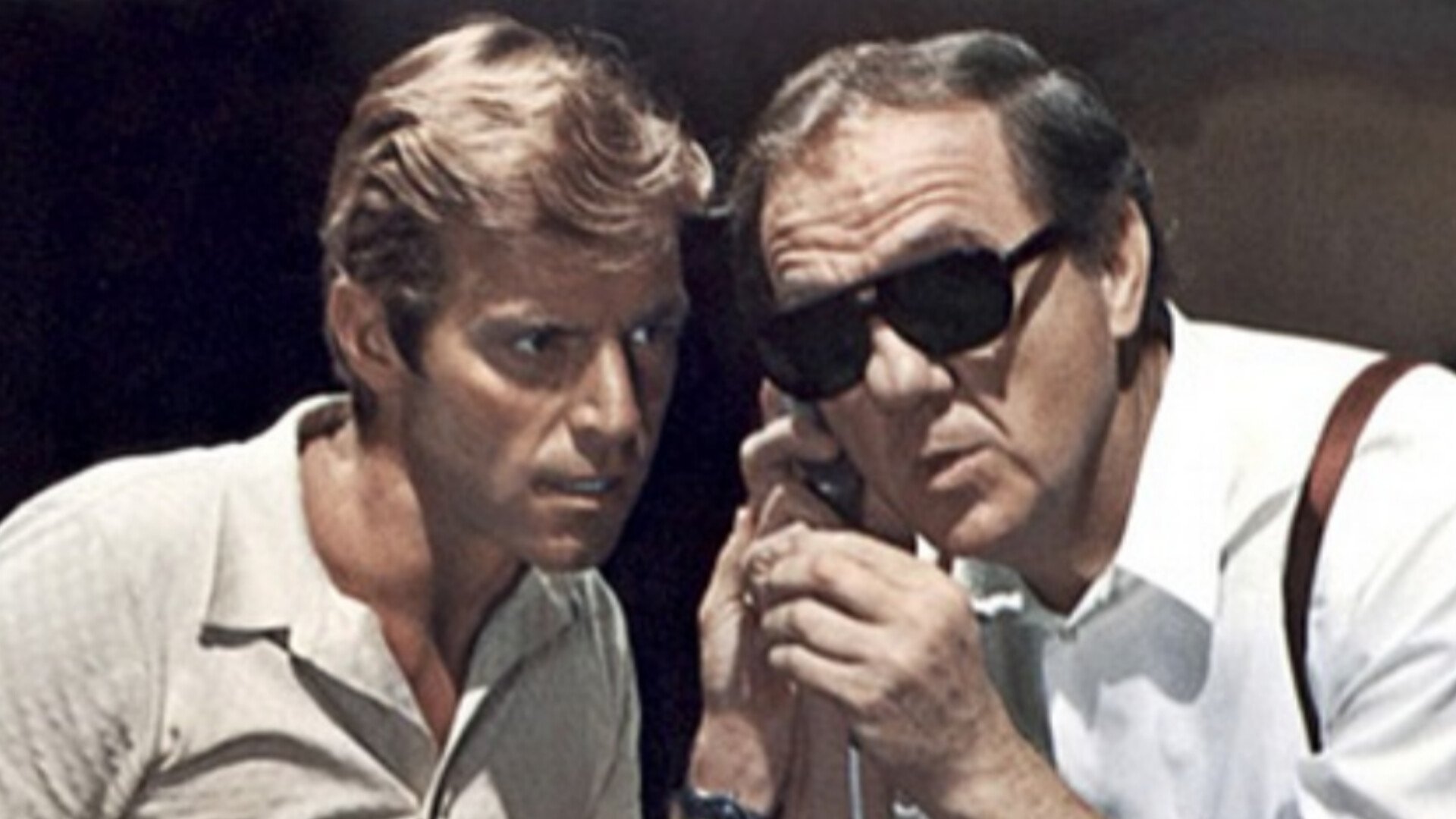
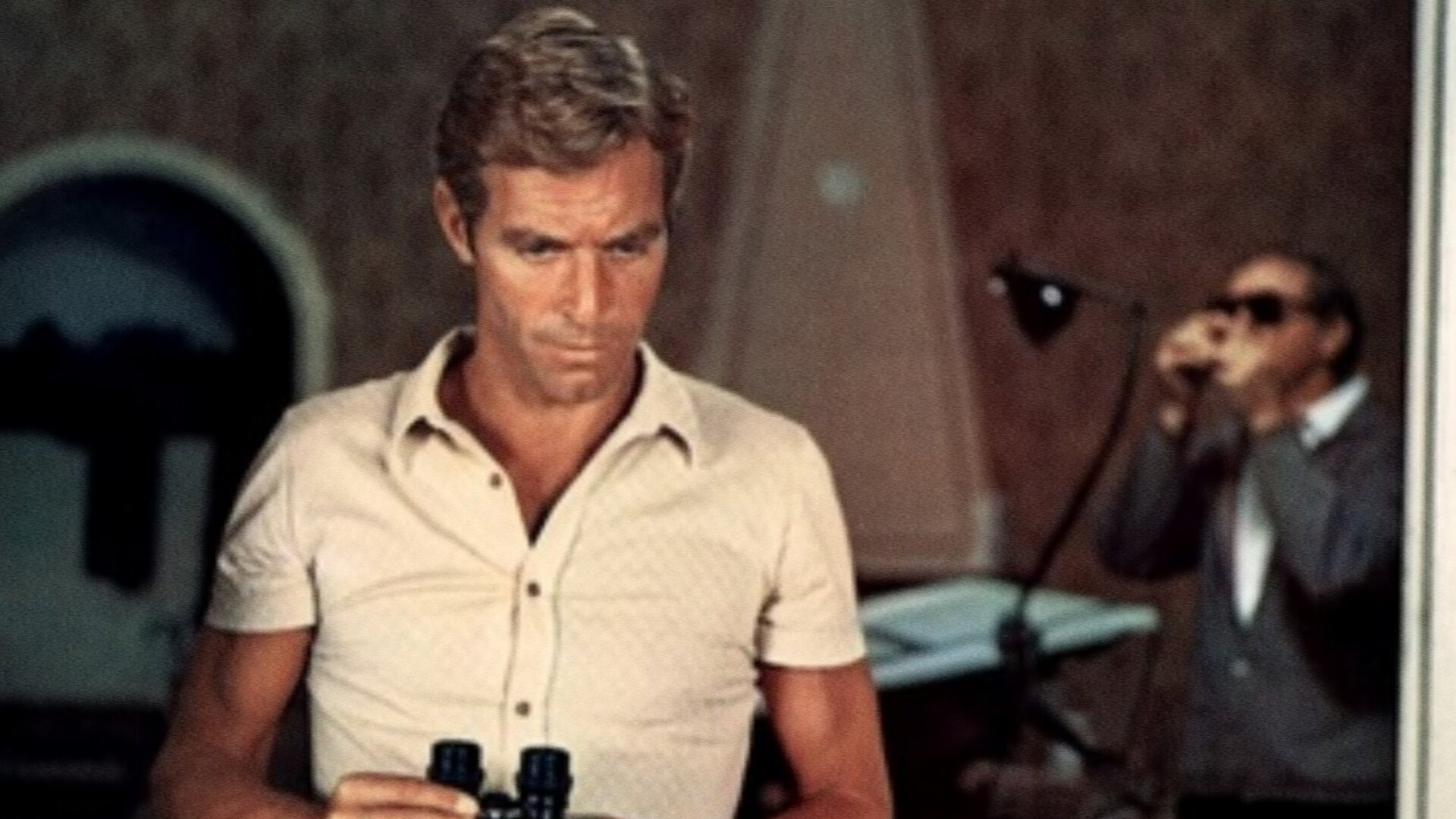
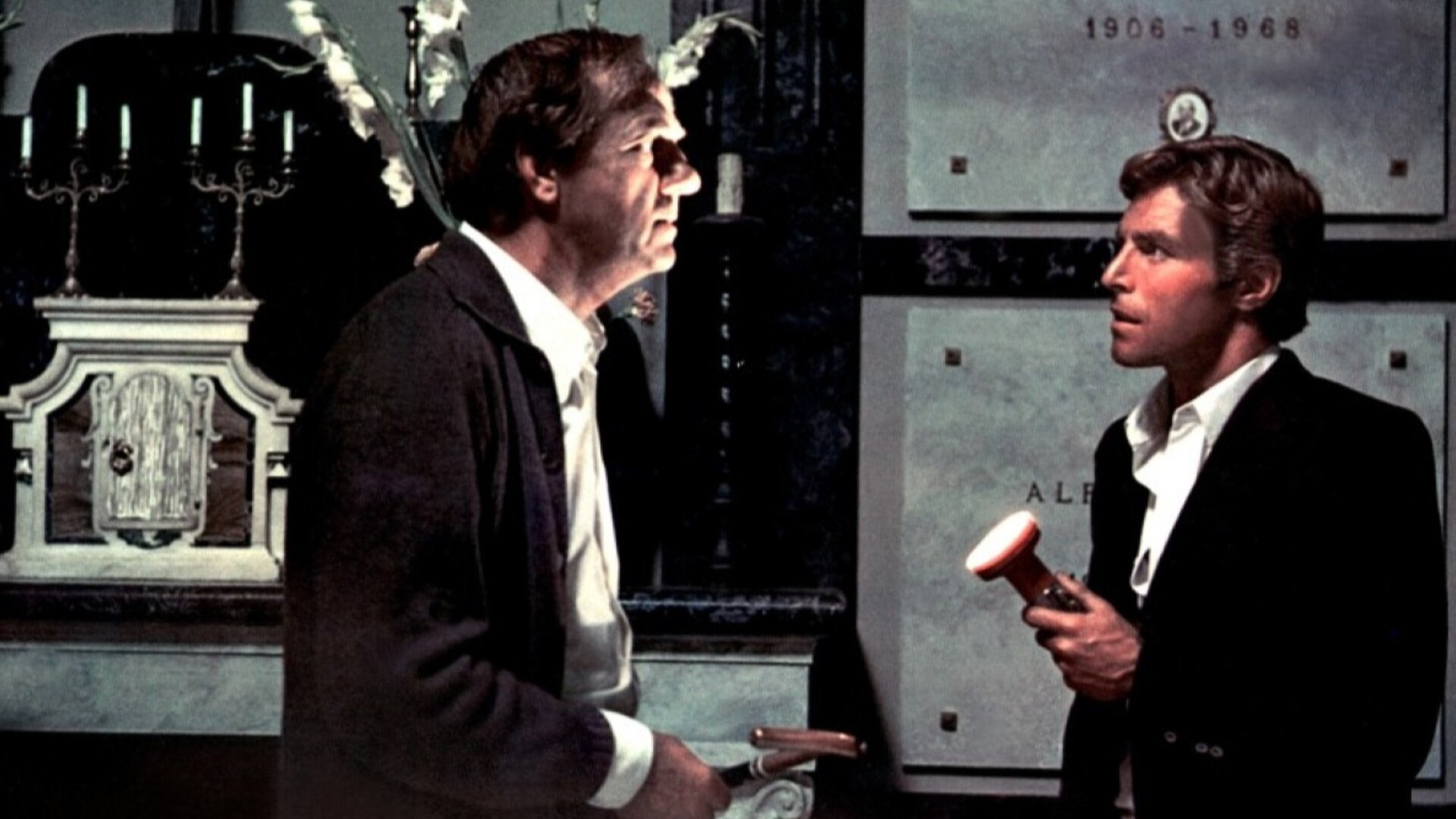
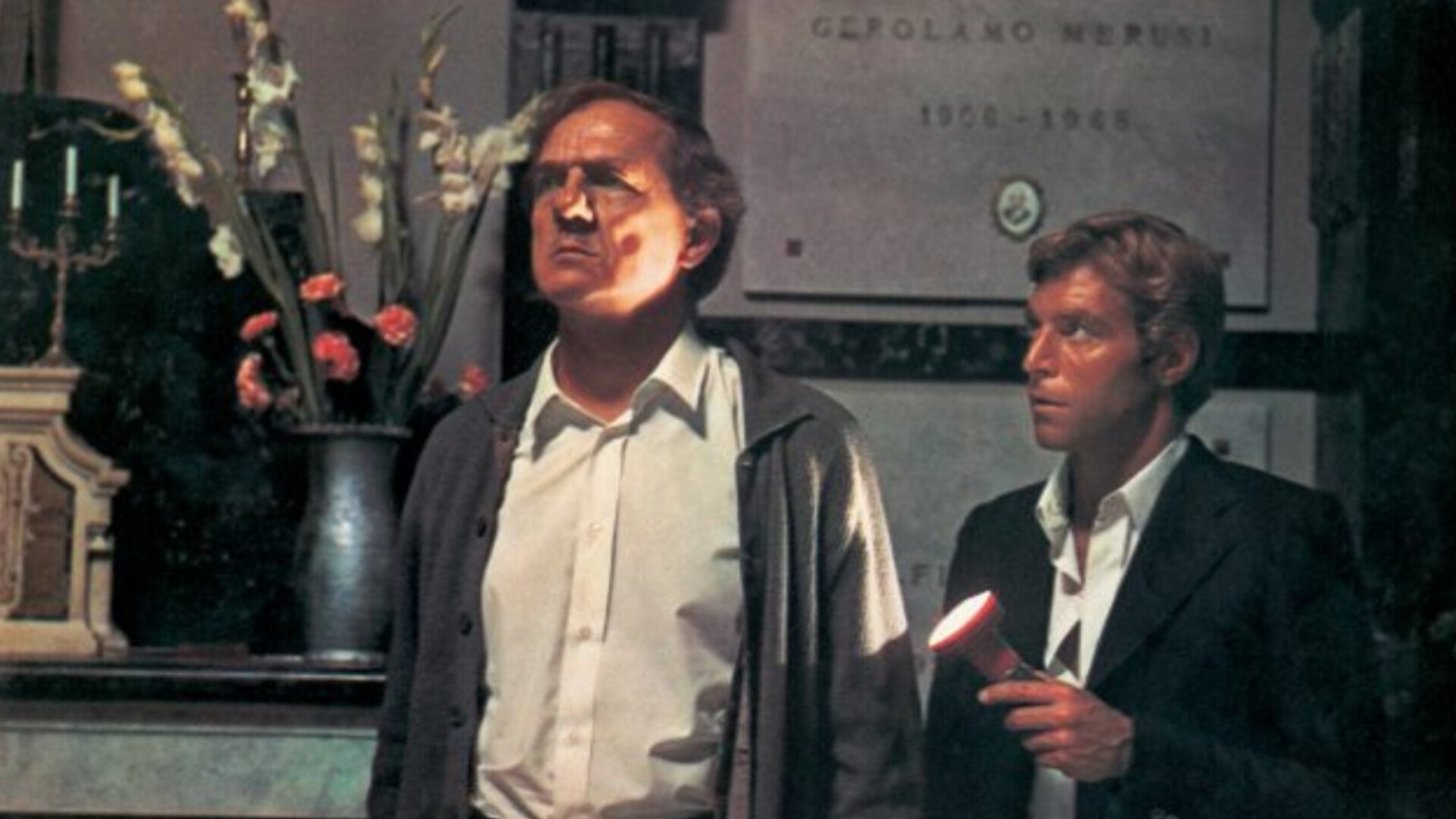
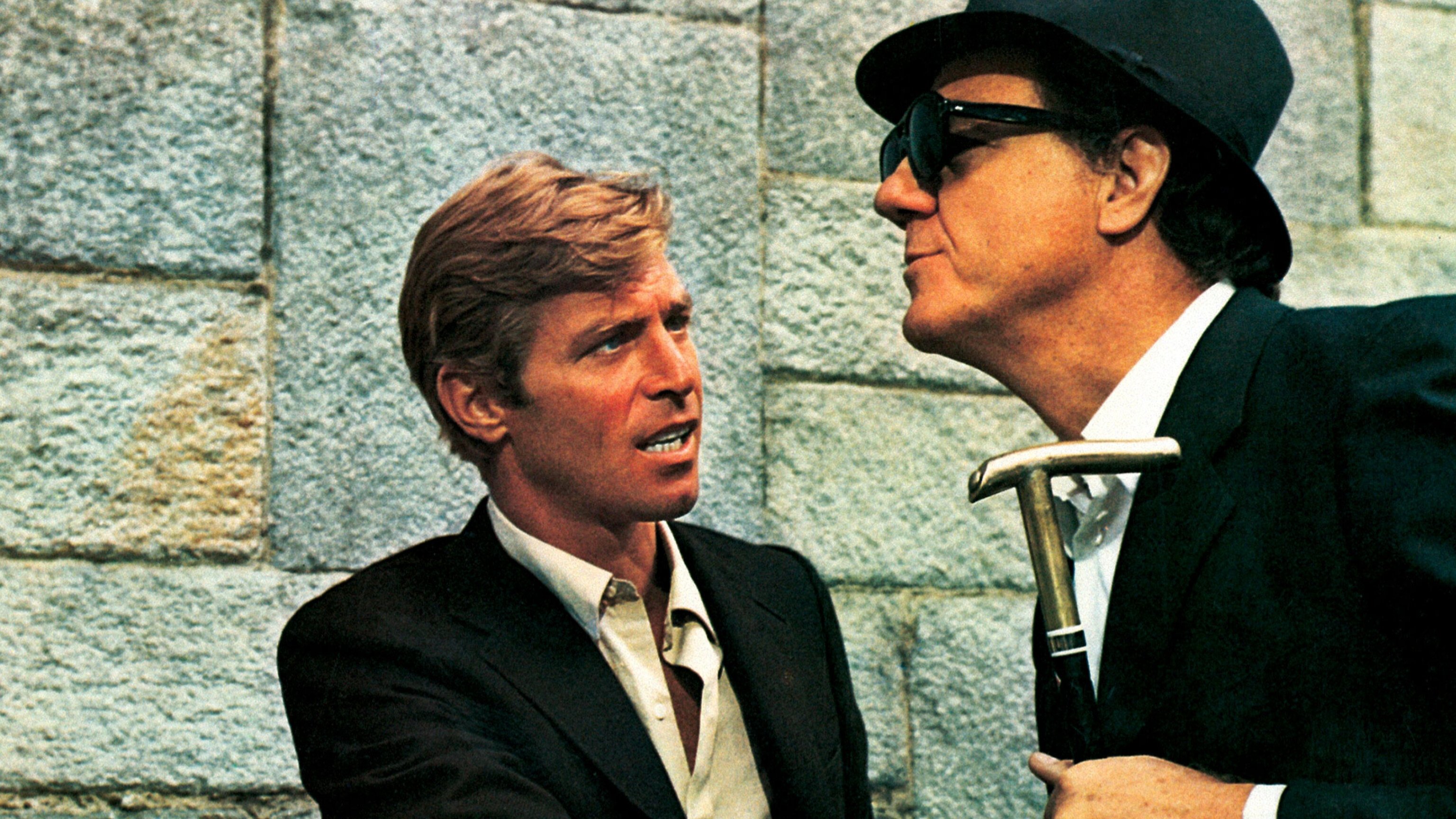
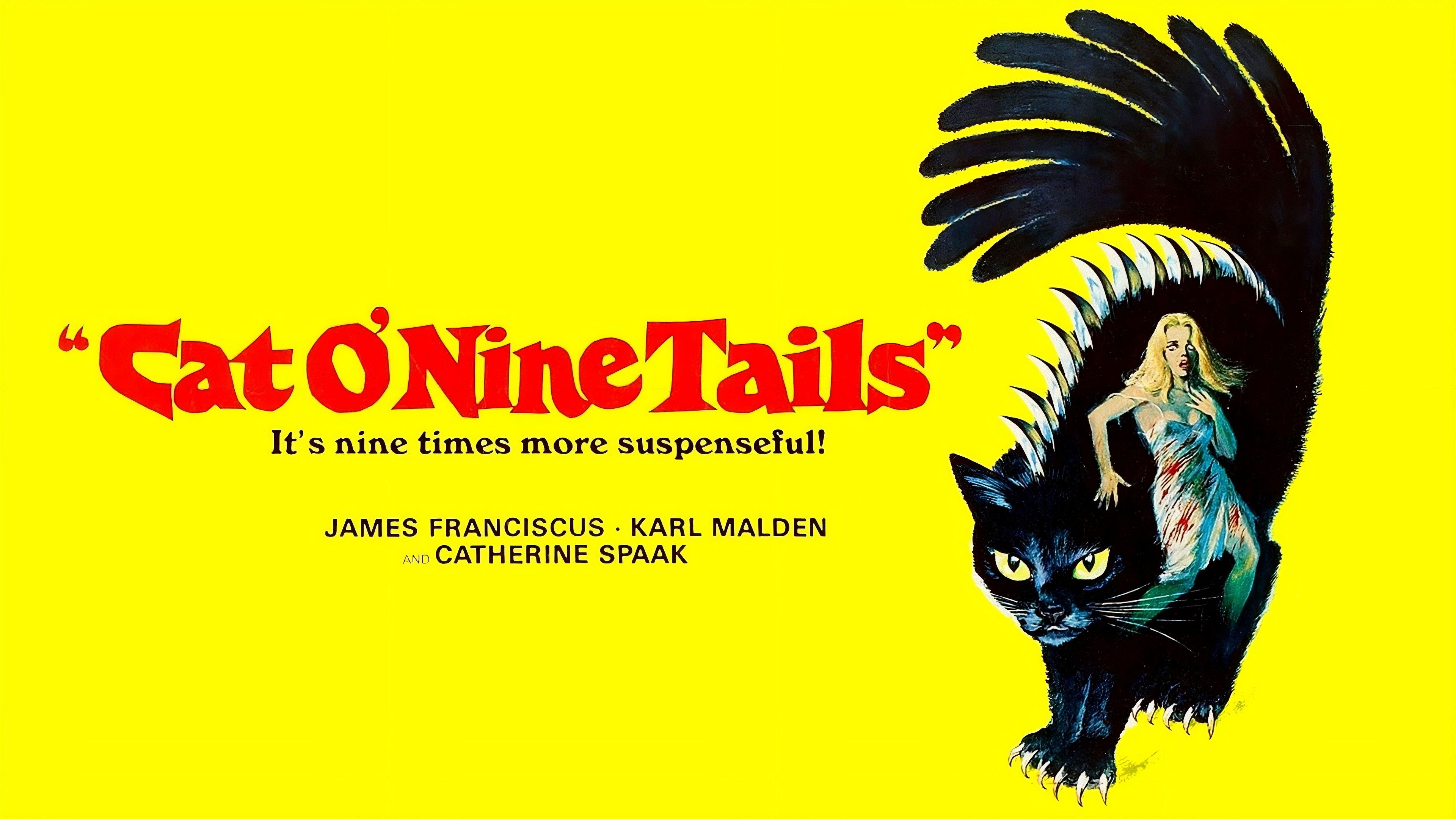
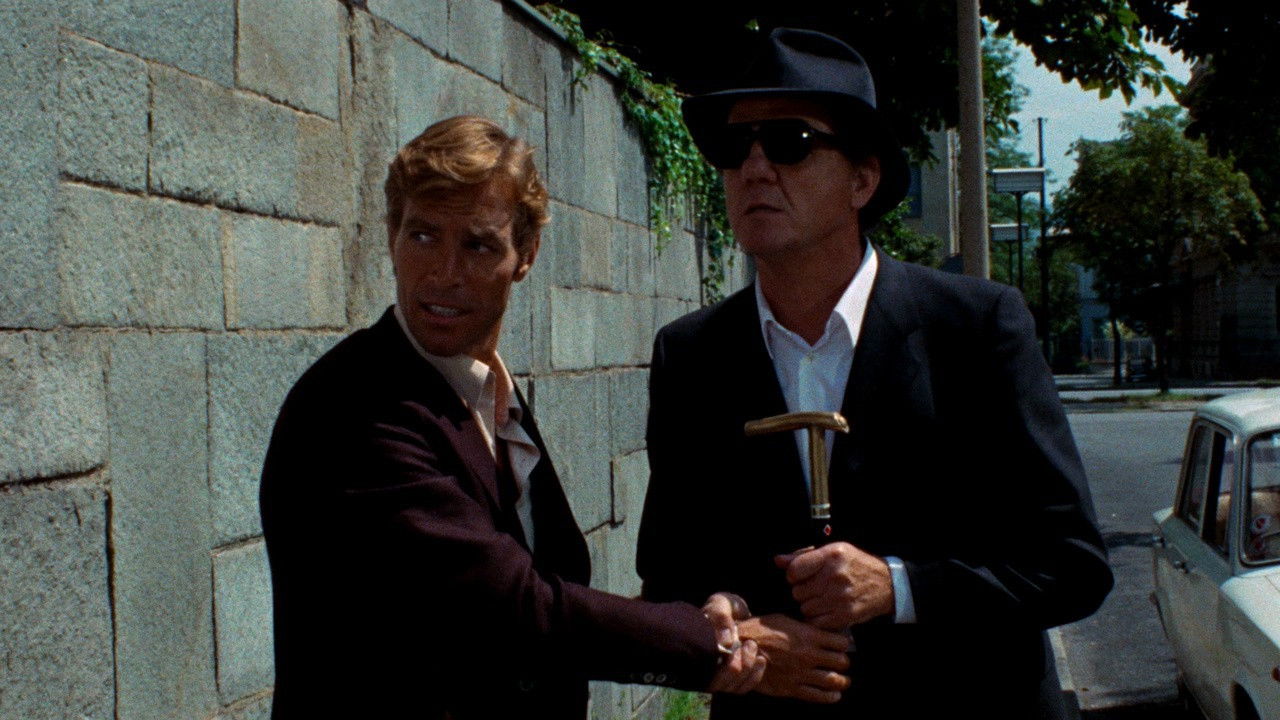
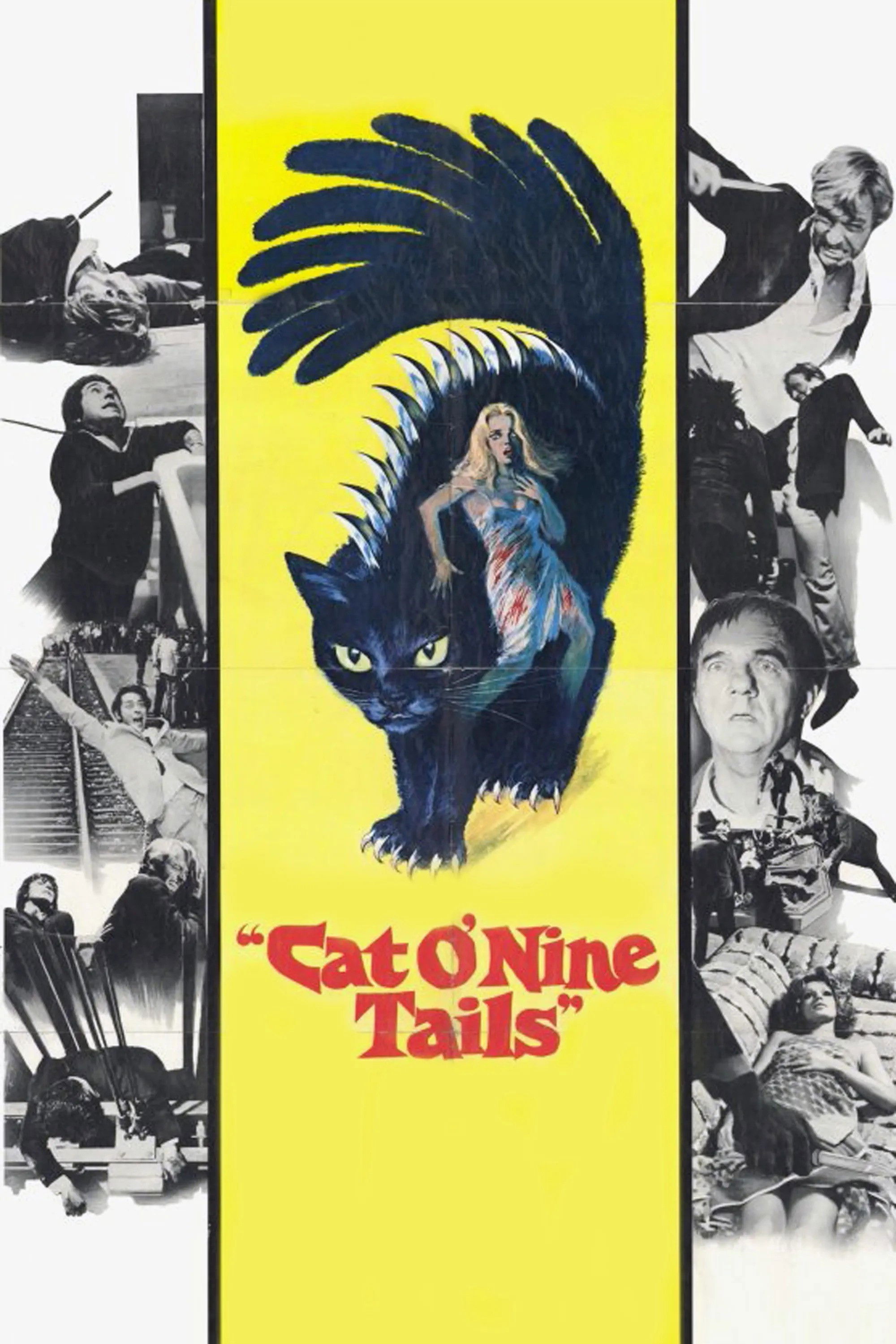
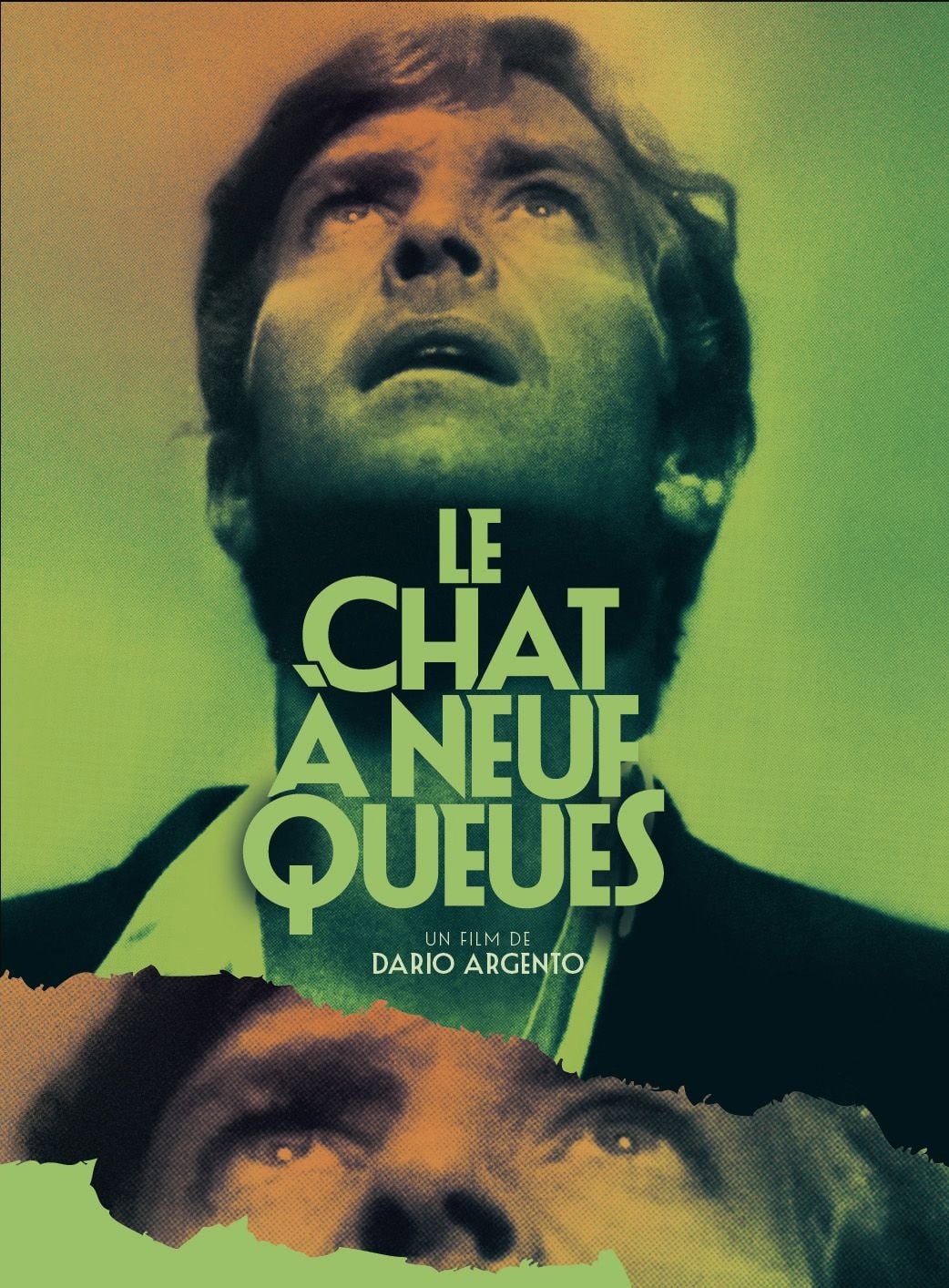
The Cat o' Nine Tails (1971) gave Dario Argento a second opportunity to develop the giallo after the success of The Bird with the Crystal Plumage (1970). The story begins with a conversation overheard outside a genetics institute and follows murders that turn an apparent burglary into a widening conspiracy. Its investigators are unusually complementary: Franco Arnò, a blind former journalist who compiles crossword puzzles, works alongside newspaper reporter Carlo Giordani. Their alliance makes hearing, interpretation and the uncertain meaning of visual evidence central to the suspense. The investigation occupies an urban environment where scientific authority offers a convincing surface for hidden personal motives.
Produced for an international market, the picture pairs American leading actors with Italian and European performers and gives Turin a prominent role in its visual identity. Its orderly succession of clues places it closer to a conventional detective thriller than some of Argento's later works, although several murders interrupt that structure with elaborate staging. Contemporary Italian censorship restricted it to viewers aged fourteen and over. Later responses have divided over the relative restraint of its narrative, while production testimony and critical analysis reveal a film particularly valuable for understanding Argento's developing methods and the relationship between mystery cinema and screen horror.
Development After the First Breakthrough
The commercial impact of Argento's debut quickly established demand for another thriller by the young director. The new production involved Salvatore Argento and international partners, and its casting placed recognizable American performers at the center of an otherwise European ensemble. Karl Malden brought a markedly sympathetic presence to Franco Arnò, while James Franciscus supplied the mobility and professional access required of Giordani. Argento later identified working with Malden as an important lesson in how an actor could enlarge a scripted character. His testimony concerns the creative effect of a specific collaboration, rather than merely the prestige of hiring an established star.
Production manager Angelo Iacono recalled meeting Argento in 1970, when he was invited to organize the shoot. He left work on another Italian production to join the project and subsequently collaborated with Argento on several more films. Iacono characterized this initial experience as carefully arranged and attentive to the needs of the director. His account gives the production history a concrete human dimension: the filmmaker's expanding ambitions required someone to organize locations, schedules and permissions without disrupting his intended staging. The story credits also identify Luigi Cozzi and Dardano Sacchetti, although accounts of the writing should not be reduced to a presumed single-author process simply because Argento received the screenplay credit.
Turin, Architecture and Constructed Spaces
Argento had wanted to work in Turin before making his debut and later recalled insisting that his second feature use the city. The location supplied a mixture of monumental facades, modern institutions and anonymous streets that could be combined into a fictional geography. Interiors were also filmed at Cinecittà, while exterior work extended to Rome. The Piedmont film archive preserves the director's recollection of being drawn to Turin's architecture and Carlo Leva's account of transforming its existing spaces into settings for the story. Their testimony establishes deliberate design decisions behind the apparently seamless urban environment.
Leva described the exterior of Turin's Gallery of Modern Art as a stand-in for the research institute, placing a familiar cultural building inside the film's scientific conspiracy. For a rooftop conversation at the Torre Littoria, he improvised a temporary bar with borrowed furnishings and rapidly assembled materials. The installation was removed after the scene had been photographed. Such alterations created a city that could not be found in precisely the same form outside the film. The resulting spaces serve the mystery by keeping characters close to recognizably modern life while allowing danger to appear in places that seem orderly, public and securely controlled.
Hearing, Photographs and the Investigators
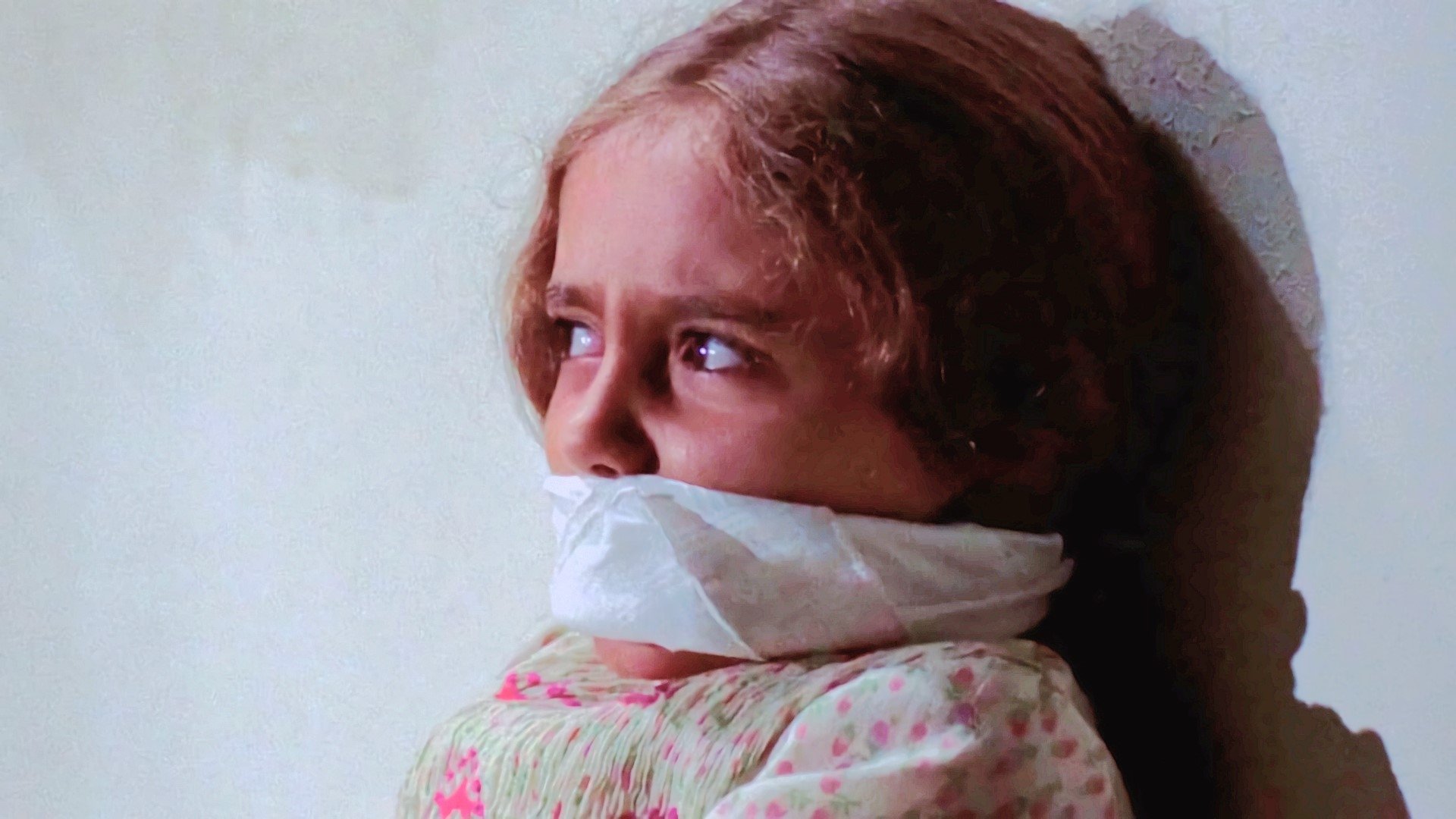
The opening establishes the limits of perception before the first fatal attack. Arno hears fragments of a conversation near the institute, while his young niece Lori is in a position to observe what he cannot. The scene offers an apparent clue whose implications remain unsettled as the investigation develops. When Giordani enters the case, his capacity to question witnesses and obtain photographs extends Arno's powers of deduction. The partnership allows information to pass between two different methods of inquiry. It also gives the film an emotional anchor in the older man's relationship with Lori, whose safety gradually becomes inseparable from the search for the murderer.
A killing at a railway station generates photographic evidence that has to be examined after the event. Enlarging a fragment of an image promises to disclose something missed by the original observer, an idea familiar from Michelangelo Antonioni's Blow-Up (1966). Matteo Berardini's study of the film places this episode within Argento's recurring concern with spectators who possess information but struggle to interpret it. The comparison is an argument about visual storytelling, rather than evidence that every choice originated in direct imitation. Here the photograph functions both as an investigative object and as a reminder that a camera can preserve details without explaining their meaning.
Murder Set Pieces and Practical Illusion
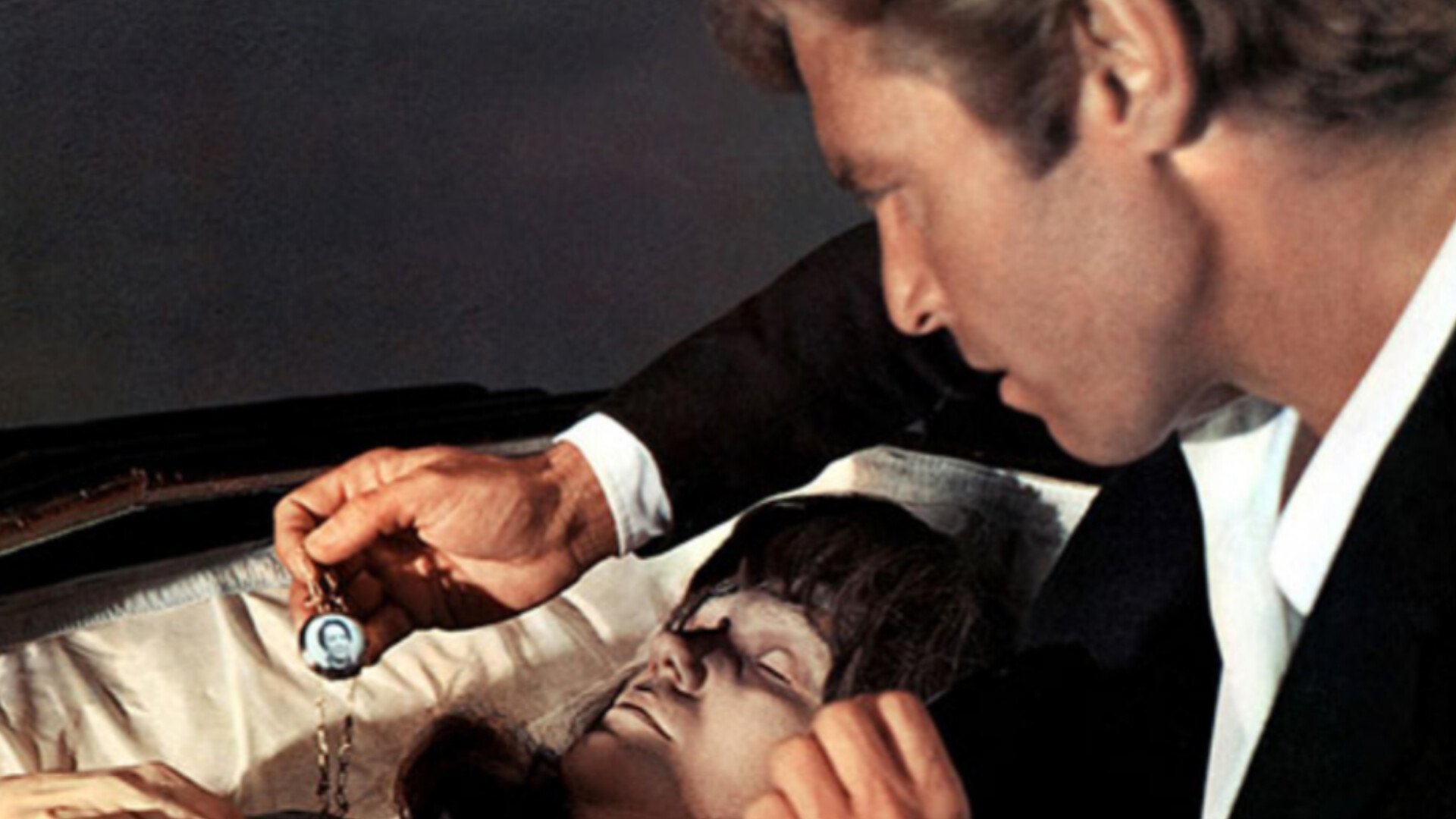
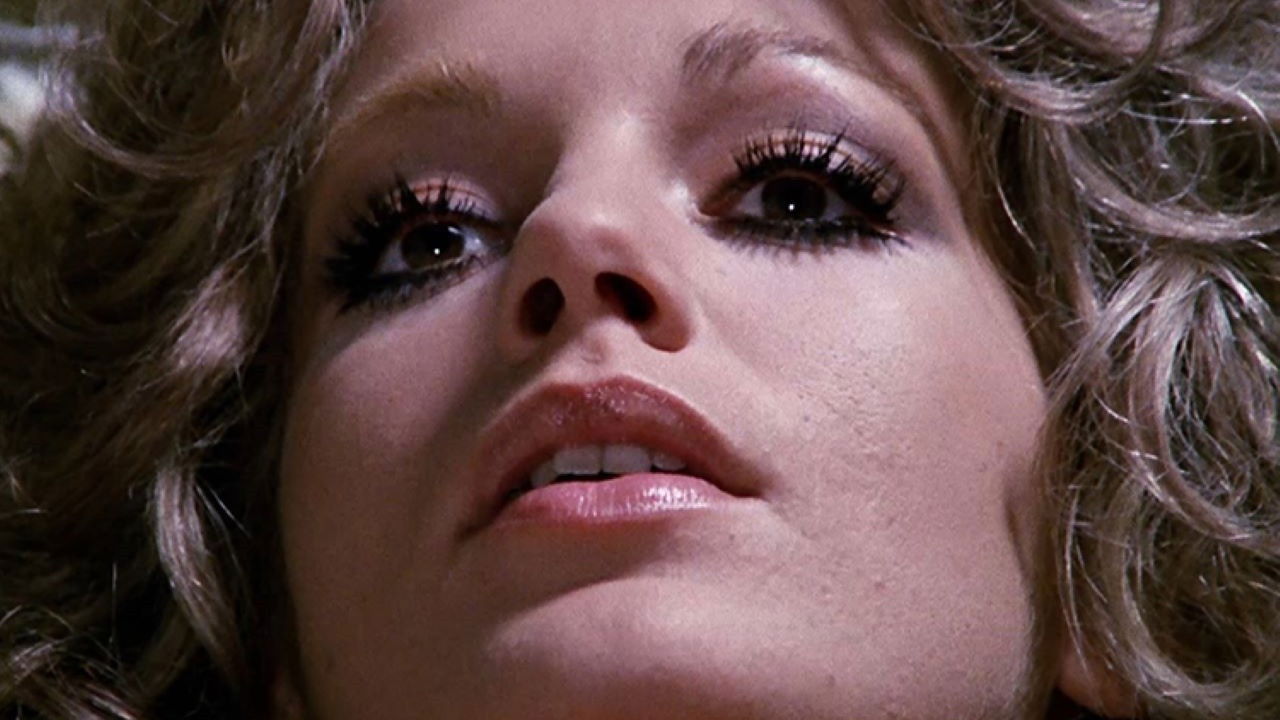
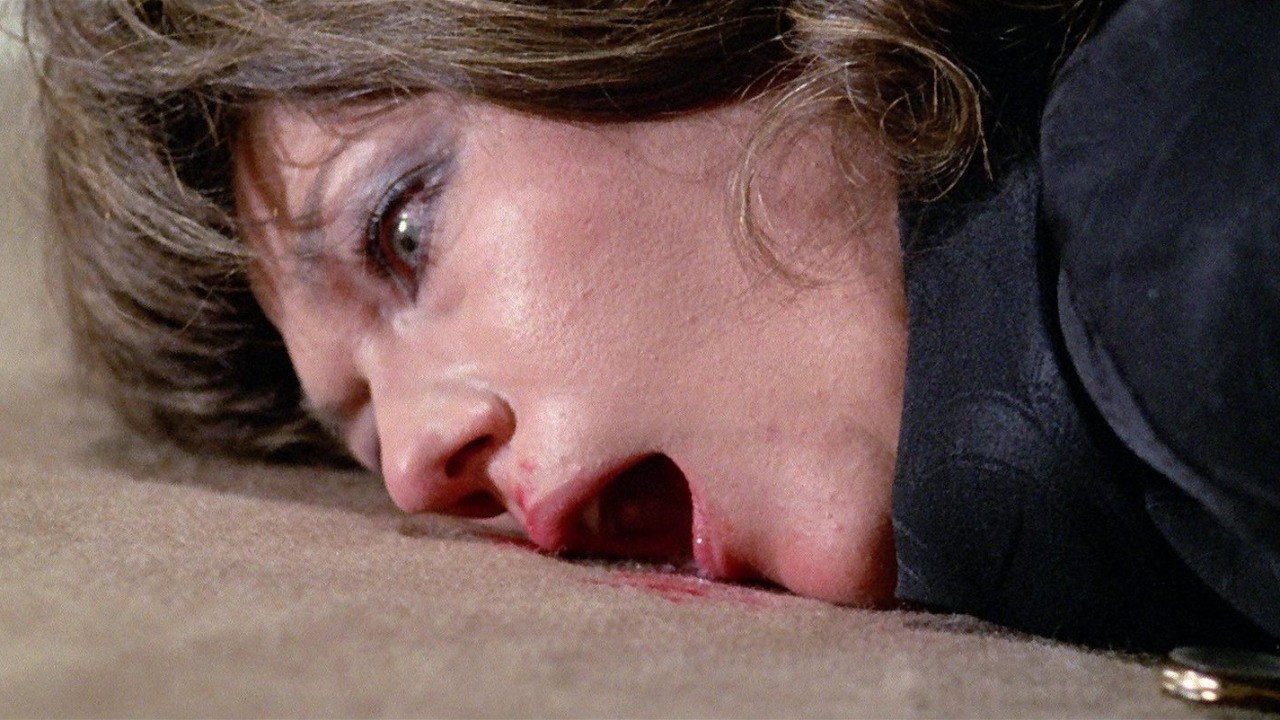
Although the detective plot proceeds through conversations and discoveries, specific attacks puncture its measured rhythm. The death at the station uses the movement of a train to turn a public location into a site of sudden violence. The murder of Bianca Merusi produces a different form of pressure, as the confined encounter focuses attention on the victim's diminishing possibilities of escape. Argento alternates the viewer's access to the killer's actions with deliberately withheld identity, a tactic sharpened by close views of eyes and hands. The violence therefore contributes to the picture's pattern of looking and misrecognition as well as to its immediate shocks.
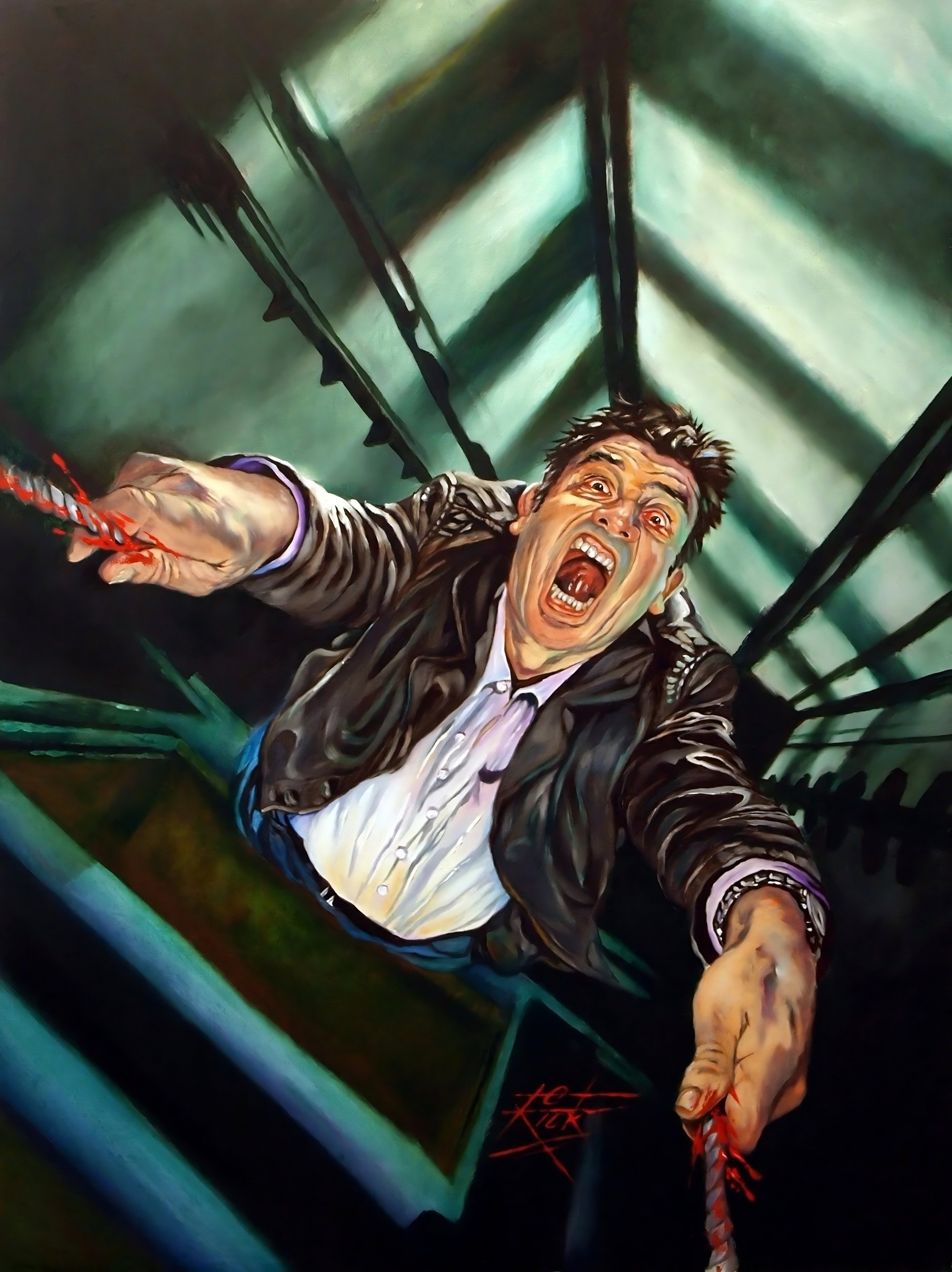
The ending offers unusually detailed evidence of physical effects construction. Leva recalled that the roof and skylight involved in the confrontation were prepared at a location in Pomezia, while the view from beneath the broken glass was created on a soundstage. He described combining a mannequin falling through a real lift shaft with a separately staged image of the actor grasping greased aluminum ropes. A moving painted background, a fan and a practical smoke effect helped suggest the speed and friction of a dangerous descent. Editing compressed work undertaken over several days into a brief screen event. This reconstruction is valuable because it identifies particular techniques rather than attributing the spectacle vaguely to special effects.
Genetic Anxiety, Sexuality and Music
The Terzi institute provides the murders with a scientific frame that reflects the period's appetite for sensational explanations of criminal behavior. The screenplay introduces research linking chromosomal characteristics with violent tendencies, including the XYY hypothesis. That claim operates as a story device and should not be mistaken for established genetic knowledge about murderers. The surrounding relationships bring additional tensions into the investigation, including blackmail and concealed sexuality. Nathaniel Thompson's account of the film draws attention to the contrast between the straight-laced newspaper reporter and the complicated intimate histories of suspects. The script's handling of those histories also exposes assumptions about sexuality that merit critical distance today.
Ennio Morricone's score offers a second layer of instability. His lullaby-like theme, often identified as Ninna Nanna in Blu, is strikingly gentle beside the plot's violence. More abrasive cues draw upon uneasy instrumental textures and jazz-inflected dissonance, connecting changes in musical mood to the uncertainty of the investigation. The contrast was part of Morricone's broader experimentation within contemporary Italian thrillers, but its role here is especially apparent because the central investigators seek order in evidence that continually produces new fears. The soft melodic material supplies a sense of vulnerability; harsher passages make seemingly controlled environments feel unreliable. These are audible choices within the finished film, without any need to invent undocumented recording sessions or technical arrangements.
Release, Versions and Critical Reassessment
Italian authorities authorized public exhibition in January 1971 with a prohibition for audiences under fourteen, recorded as clearance number 57,565 in the regional historical film archive. The Italian theatrical release followed in February. National General Pictures subsequently promoted the American run by comparing the suspense to Argento's debut, and Turner Classic Movies records a GP classification for the uncut United States release. These decisions concern different national markets; the existence of an age restriction in Italy does not itself prove that the same scenes were removed from American prints. The archive also documents a 112-minute version, while other circulations and shorter television presentations have contributed to confusion over running times.
An additional ending has complicated the film's version history. Thompson reports surviving photographs of a more reassuring final scene with Giordani and Anna, and describes a separate ending in an American tie-in novelization. Neither should automatically be presented as the conclusion of the widely circulated feature. Critical reactions have likewise shifted according to which version viewers encountered. The film's relatively elaborate investigation has sometimes been judged less forceful than the imagery in Argento's other early gialli, while Berardini argues that its isolated visual sequences reveal a more experimental sensibility beneath the conventional plot. Argento himself recalled disliking the completed picture before reconsidering it after a later Los Angeles screening. Its continuing significance rests on these documented tensions between commercial form and directorial invention.
Piedmont film archive with first-hand recollections from Dario Argento and production designer Carlo Leva, including Turin locations, the rooftop set and the staged final fall.
Bietti — Il gatto a nove code. Giocare con le aspettative
Matteo Berardini examines Argento's investigative structure, visual evidence, deceptive viewpoints and the film's place within the animal trilogy.
Nathaniel Thompson documents international casting, Morricone's score, American distribution, alternate-ending evidence and the film's later circulation.