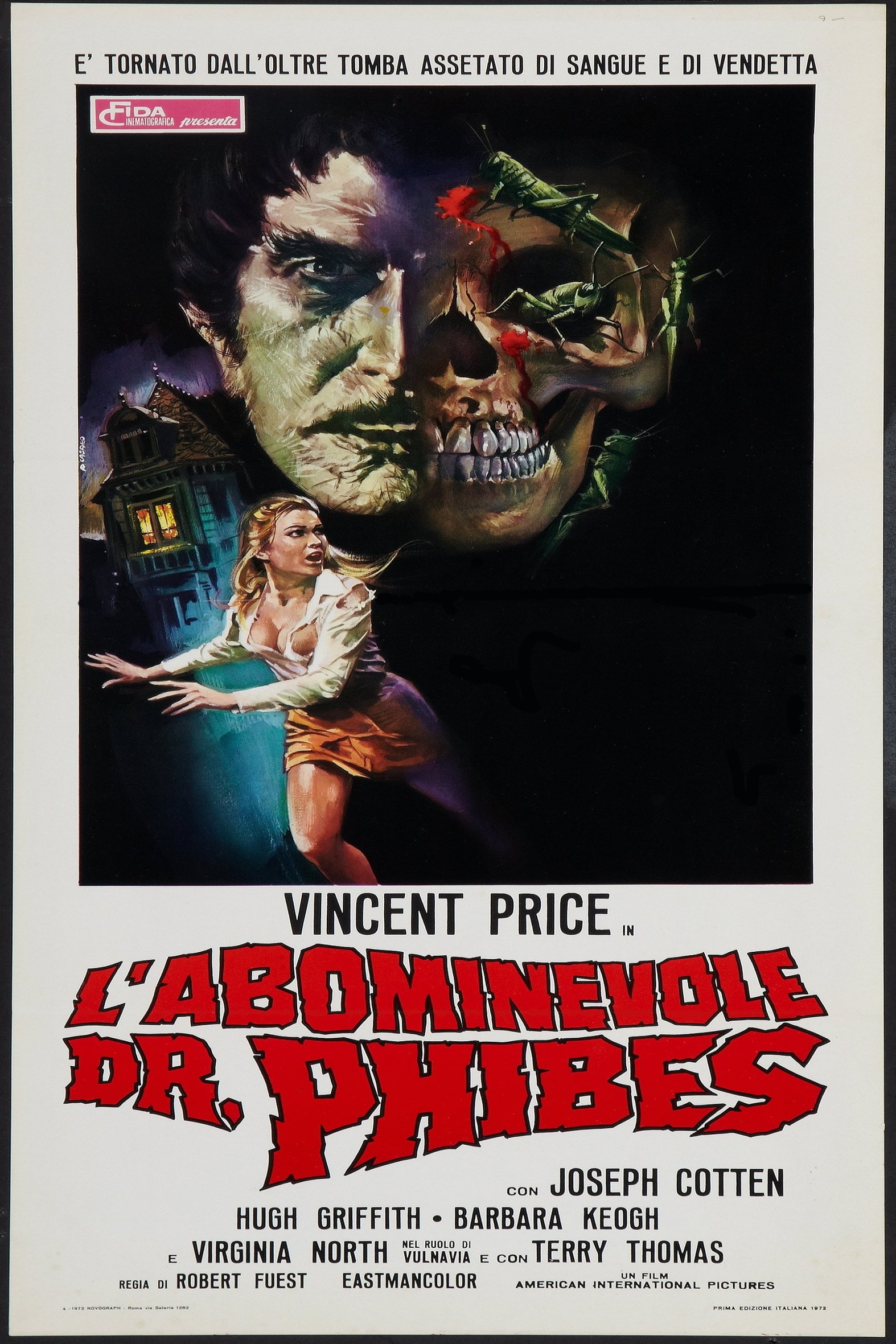

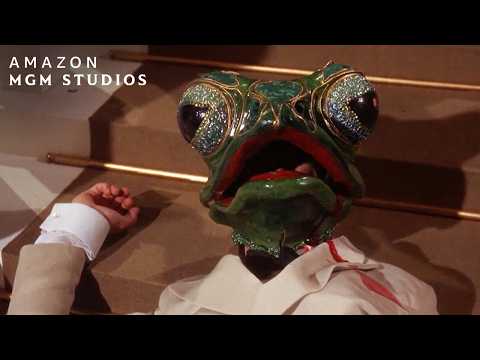
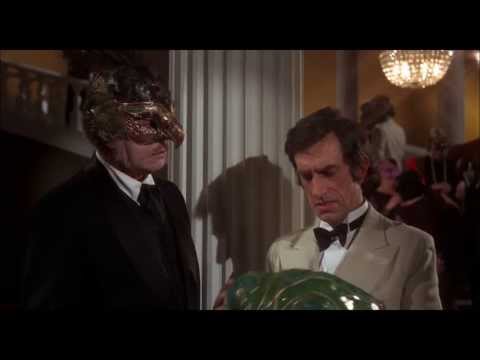
The Abominable Dr. Phibes (1971)

GB
HORROR FILM Comedy
Runtime
94 min
Release
May 18, 1971
Budget
$3,000,000
Revenue
$1,827,000
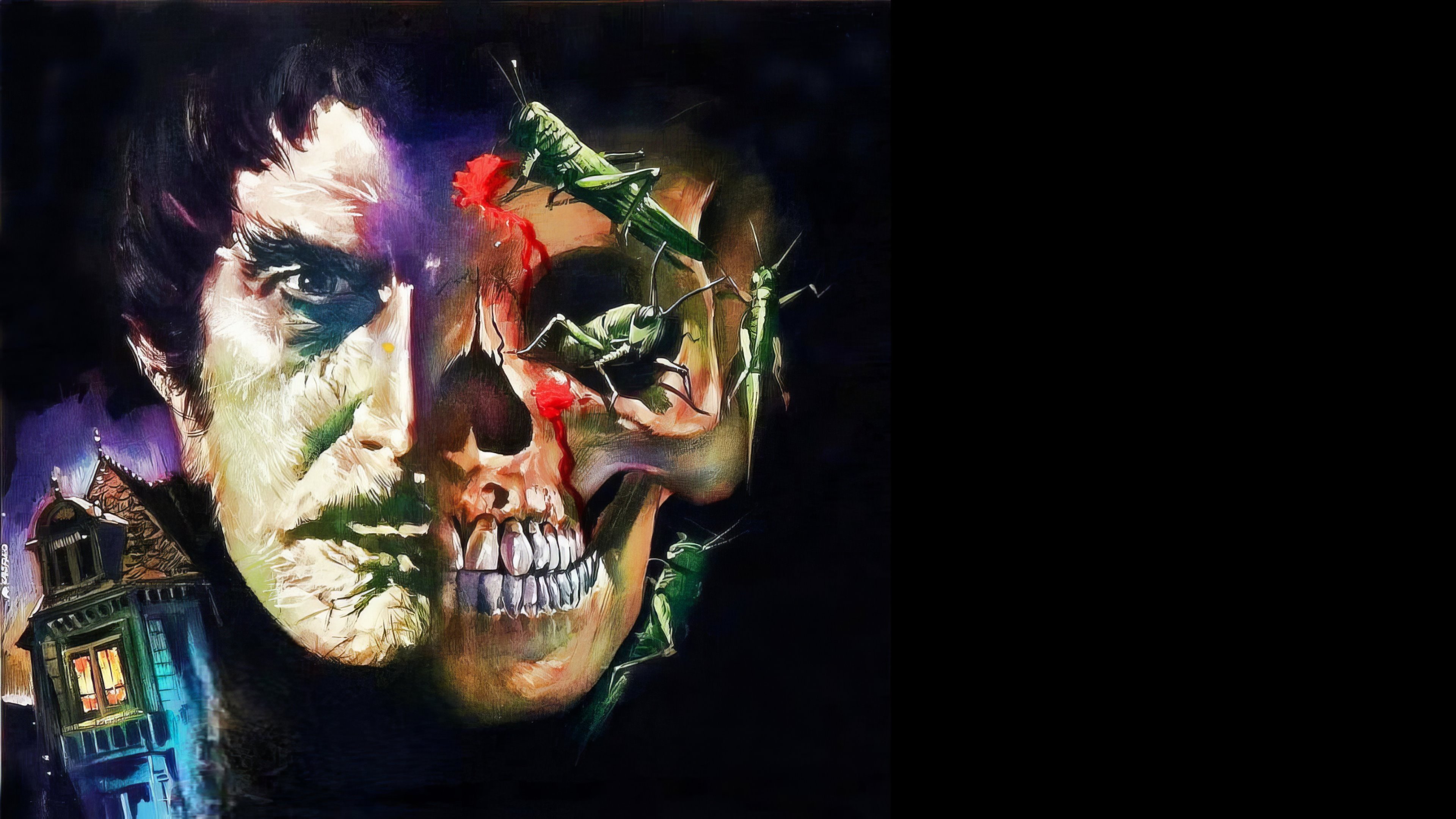
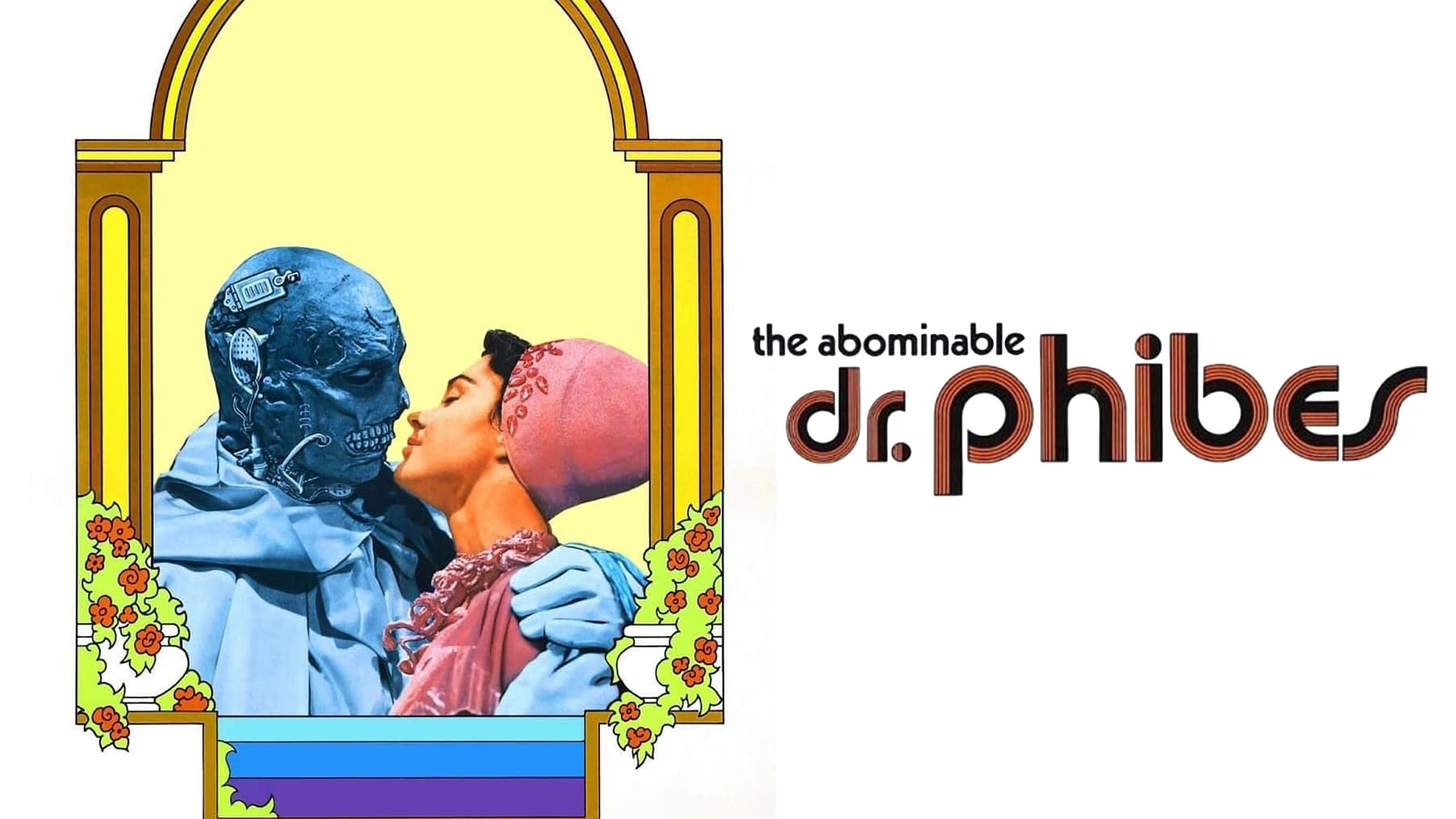
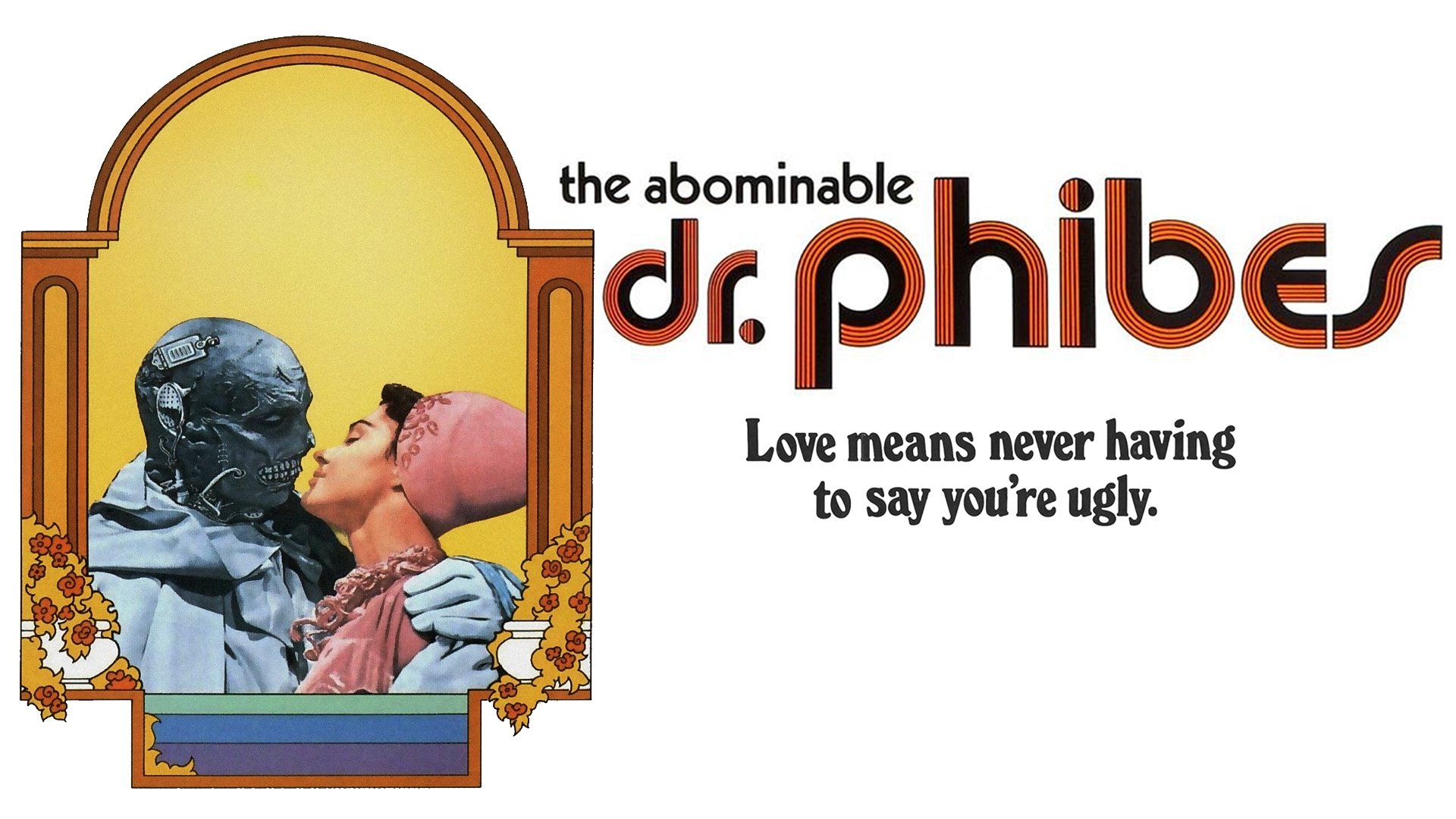
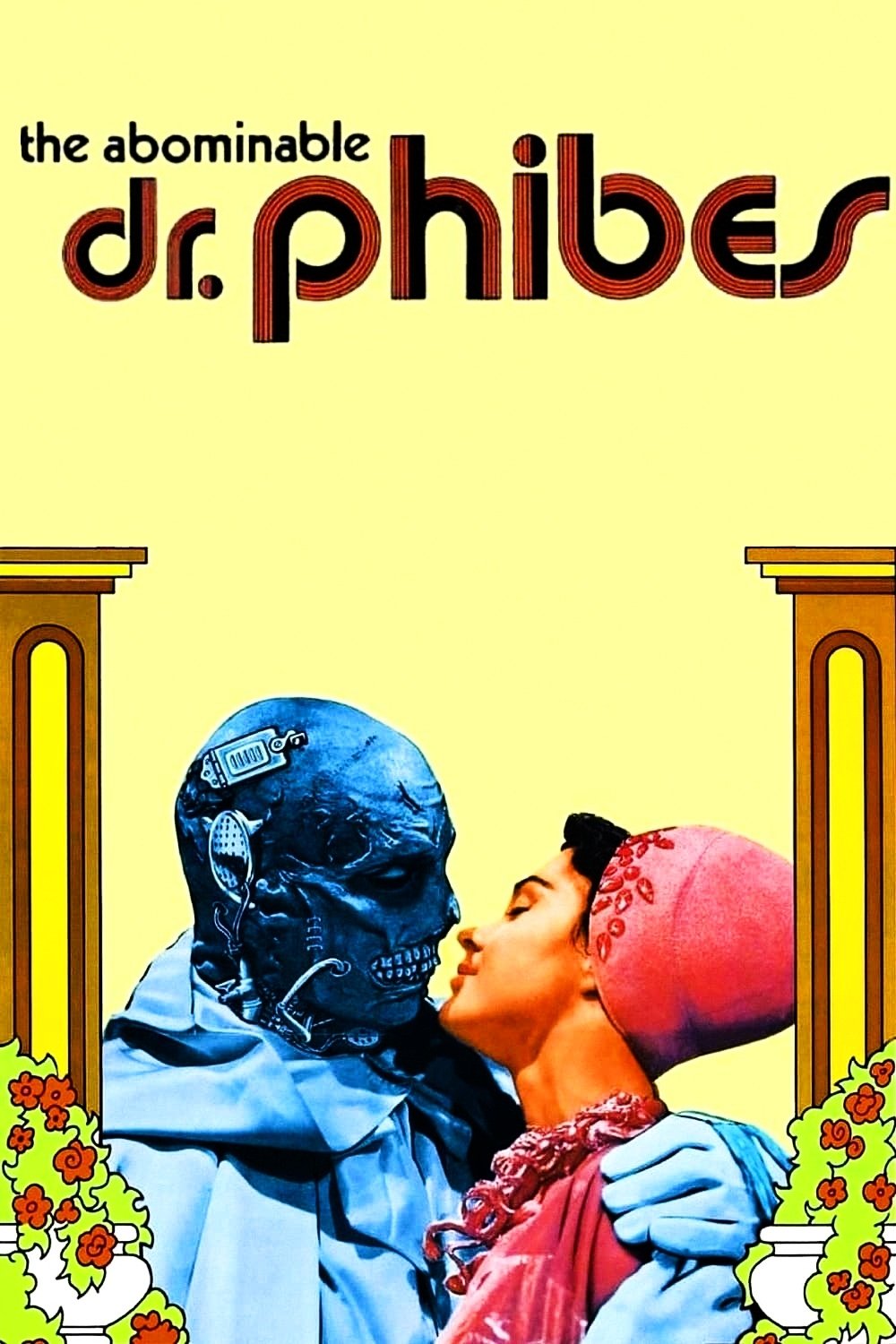
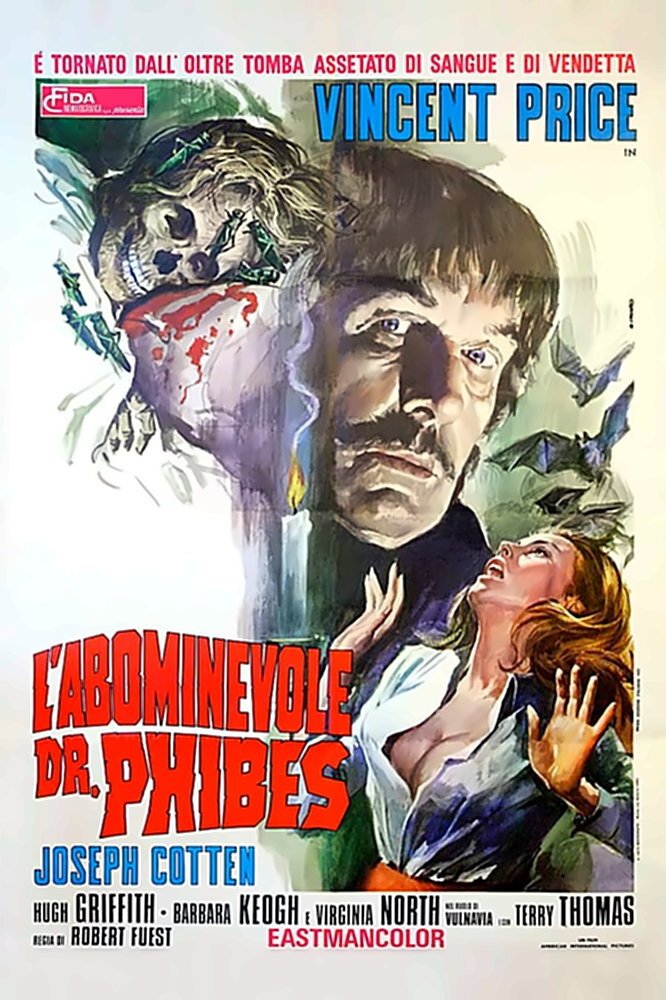
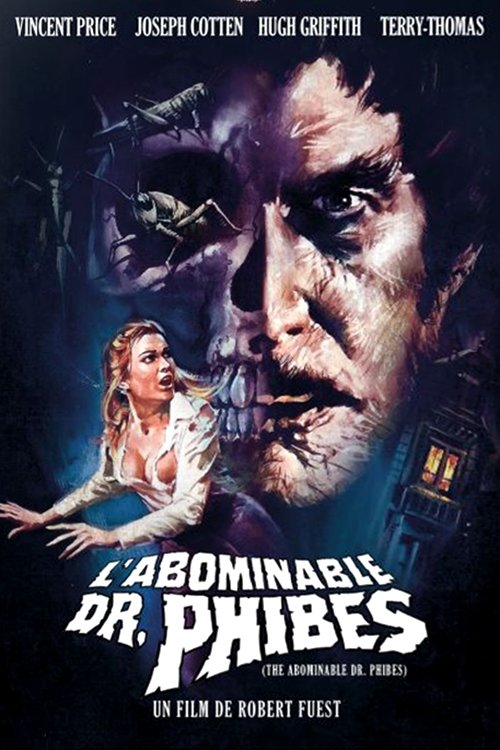
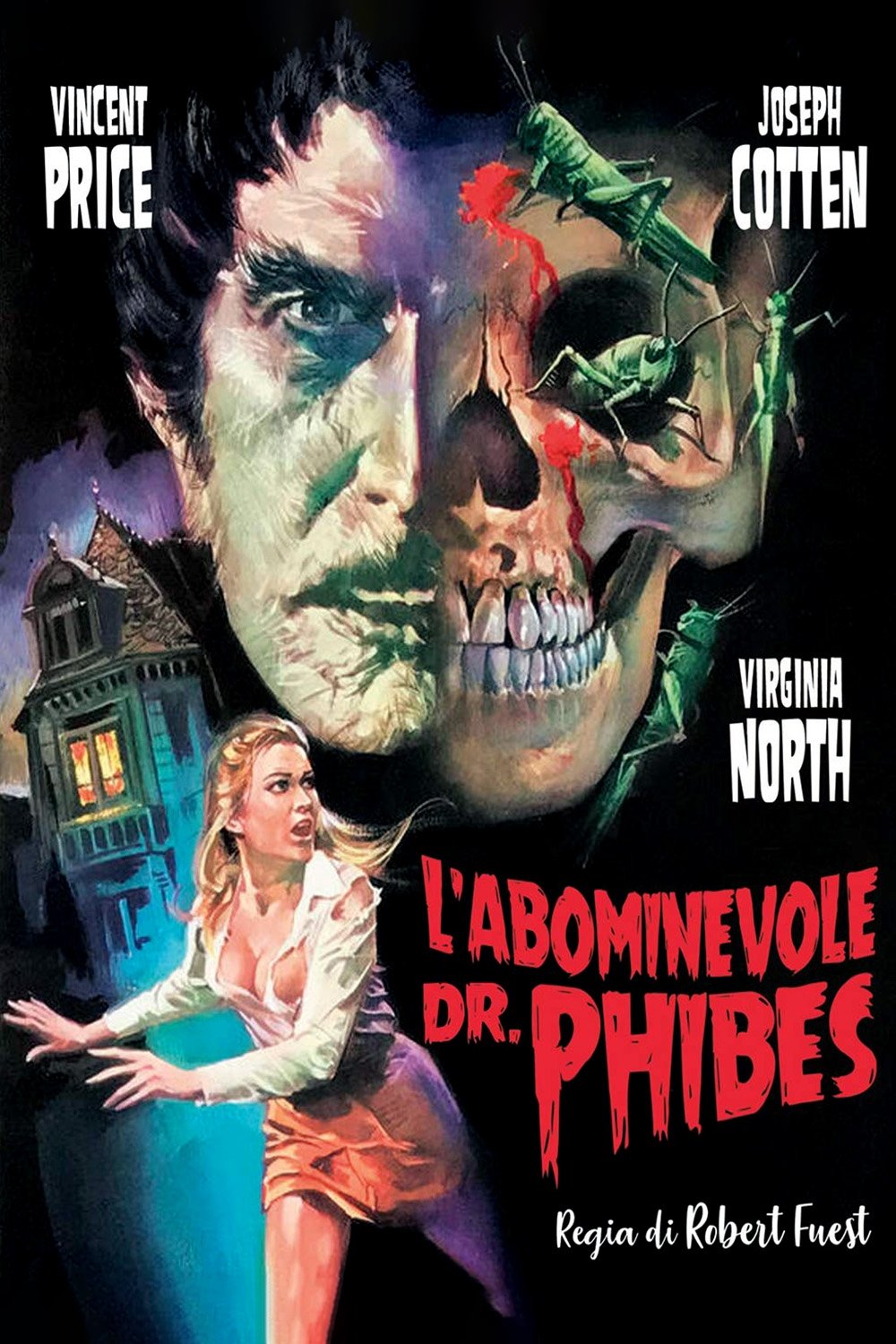
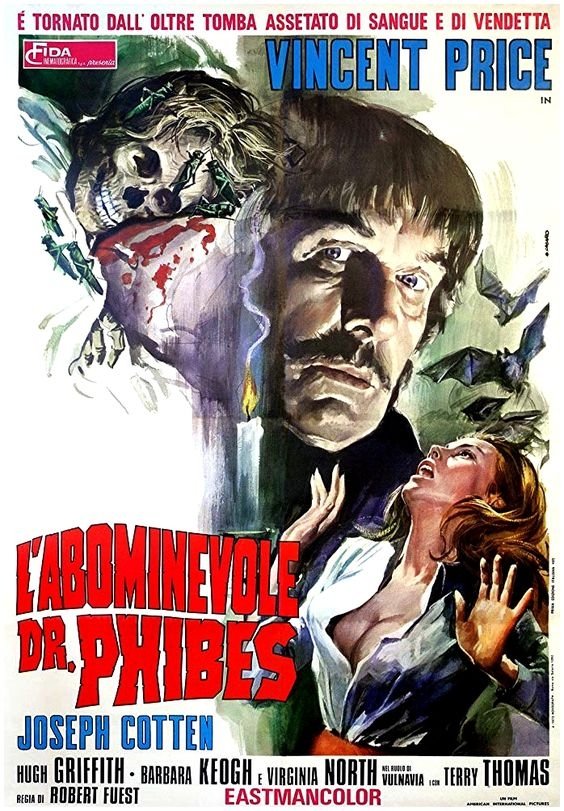
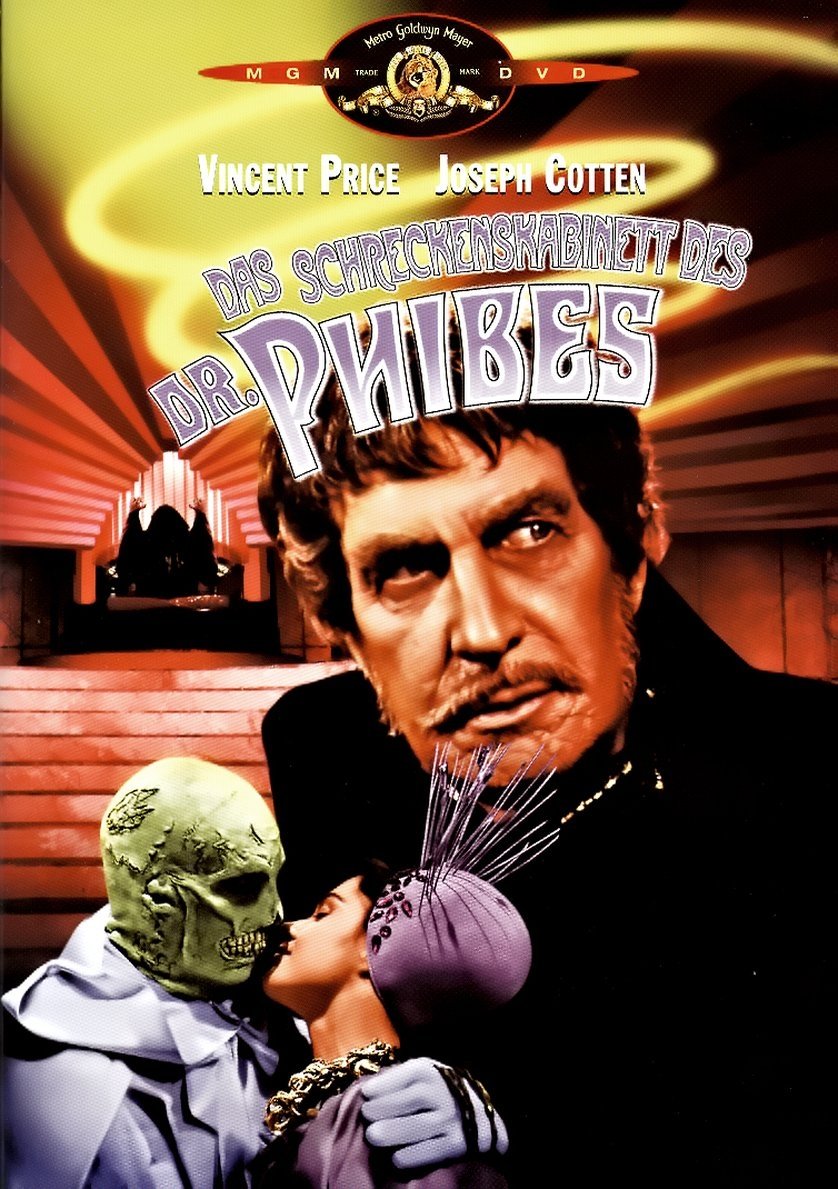
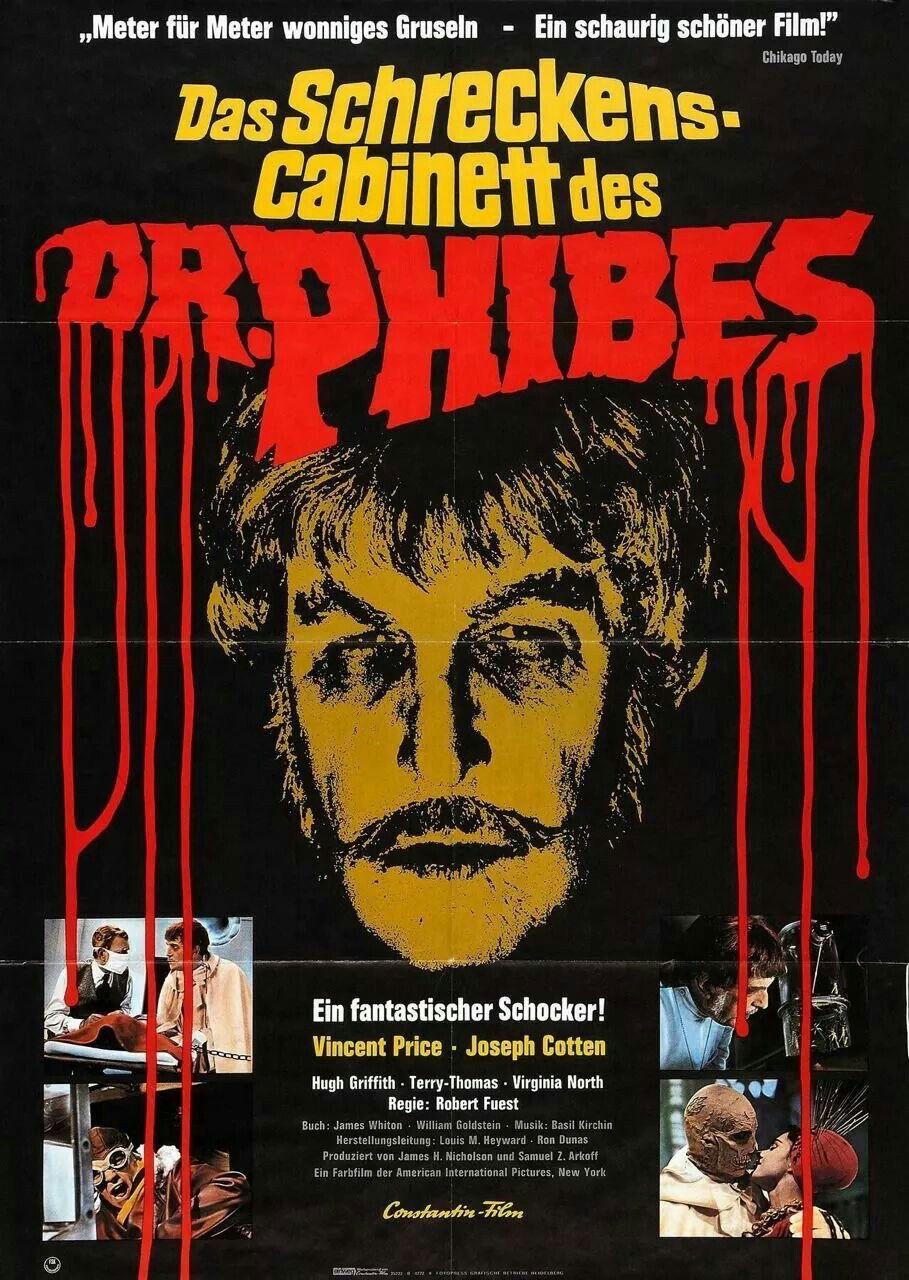
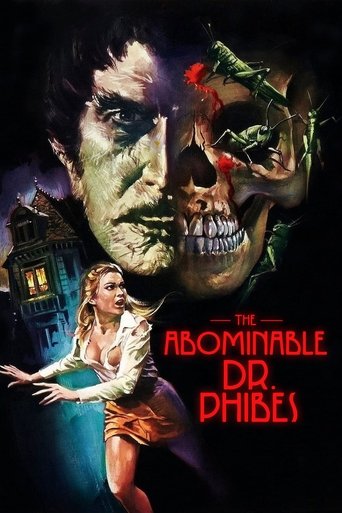
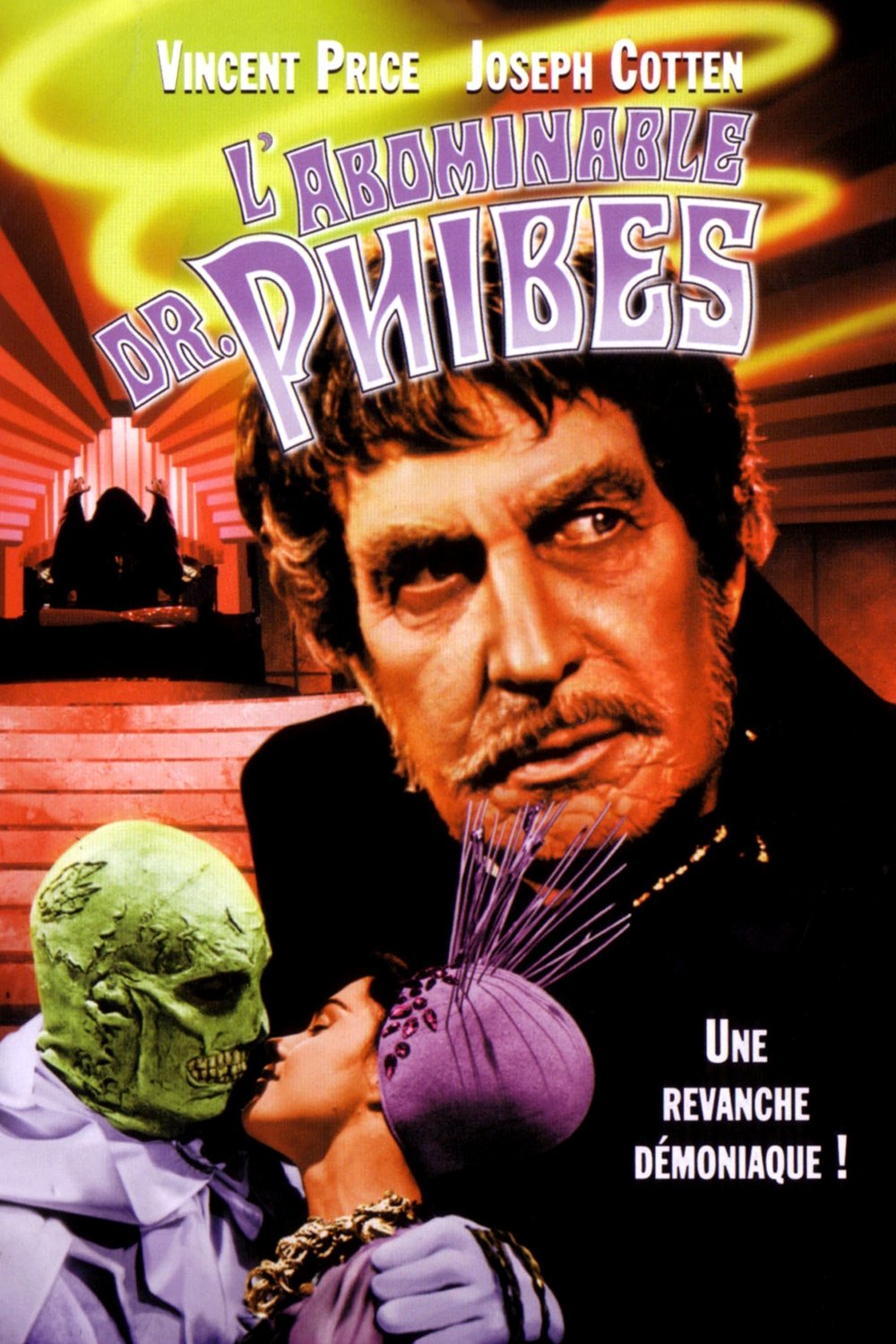
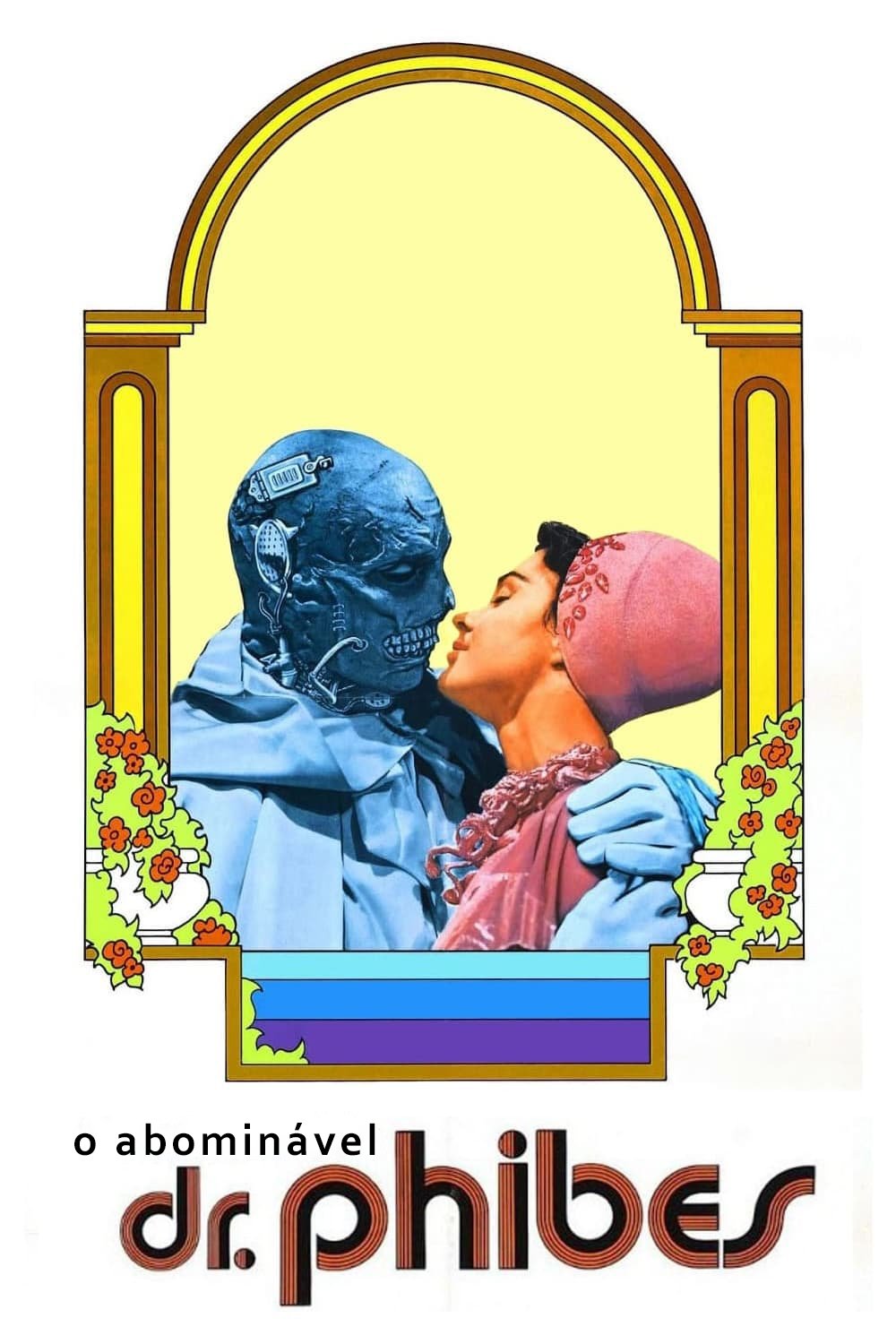
The Abominable Dr. Phibes (1971) poster
Director
Production Company
American International Productions (England)
Plot

Famous organist Anton Phibes is horribly disfigured in an automobile accident while rushing to the side of his sick wife and presumed to be dead. Once Phibes learns that his wife died on the operating table, he is convinced the doctors are responsible and begins exacting his revenge on all those involved.

Alternative Titles
O Abominável Dr. Phibes (Brazil) — Portuguese 恐怖博士菲布斯 (China) 恐怖博士费比斯 (China) 歌剧院杀人王 (China) 血咒追魂 (China) 魔鬼怪婴 (China) Ohavný Dr. Phibes (Czechia) — Czech Champagner für den Satan (Germany) — Home Video Title
Show all 37 alternative titles Das Schreckens-Cabinett des Dr. Phibes (Germany) Das Schreckenscabinett des Dr. Phibes (Germany) Das Schreckenskabinett des Dr. Phibes (Germany) — German Djævlelægen (Denmark) — Danish El abominable doctor Phibes (Spain) El abominable Dr. Phibes (Spain) — Spanish L’abominable Dr. Phibes (Spain) — Catalan Vampyyrin kosto (Finland) — Finnish L'Abominable Docteur Phibes (France) — French Ο Σατανικός Δόκτωρ Φάιμπς (Greece) — Greek 魔鬼怪医 (Hong Kong SAR China) A förtelmes Dr. Phibes (Hungary) — Hungarian דוקטור פייבס (Israel) — Hebrew L'abominevole Dr. Phibes (Italy) — Italian Kaijin Dokutâ Faibusu (Japan) 복수의 화신 닥터 화이브 (South Korea) — Korean El abominable Dr. Phibes (Mexico) — Spanish Odrażający dr Phibes (Poland) — Polish O Abominável Dr. Phibes (Portugal) — Portuguese Ужасный доктор Файбс (Russia) — Russian Den blodtörstige hämnaren (Sweden) Dr. Phibes - den fasansfulle (Sweden) — Swedish Hrôzostrašný Dr. Phibes (Slovakia) — Slovak Ужасный доктор Файбс (Russia) İğrenç Dr. Phibes (Türkiye) — Turkish Жахливий доктор Файбс (Ukraine) — Ukrainian Dr. Phibes (United States) — promotional title The Curse of Dr. Phibes (United States) — Working Title Ohavny Dr. Phibes (XC)

Trailers & Videos

7 videos

Film Guide & Analysis

Robert Fuest’s Gothic horror comedy: Vincent Price, Art Déco production design, biblical revenge, Basil Kirchin’s music and the history of Dr. Phibes.

The Abominable Dr. Phibes (1971), directed by Robert Fuest and starring Vincent Price, is a British-American Gothic horror film in which biblical vengeance, elaborate murder devices and black comedy inhabit a strikingly artificial version of 1920s England. The story follows Anton Phibes, a gifted organist and inventor presumed dead after a catastrophic automobile accident. Believing that the medical team responsible for operating on his wife Victoria caused her death, he returns to punish its members through killings modeled on the Ten Plagues of Egypt. His campaign unfolds through theatrical machinery, concealed identities and carefully staged spectacles, while the police struggle to understand the connection between the victims. The film gives its antagonist an unusually prominent position, allowing the elaborate preparations for each murder to become an attraction in themselves.

Produced by American International Pictures in Britain, the film belongs to a period when traditional Gothic horror was being reshaped by more explicit violence and increasingly self-aware humor. Fuest, whose background included art direction and work on the television series The Avengers, constructed a highly stylized world of Art Déco interiors, mechanical musicians and period costumes. Vincent Price plays the central character with much of his natural voice deliberately withheld, creating a performance dependent on physical expression and a mechanical speech device. The film also established a distinctive place within Price’s later career, leading directly to Dr. Phibes Rises Again (1972) and becoming an enduring example of the revenge-driven horror comedy.

Origins and Development

The character originated in a story developed by William Goldstein and James Whiton during the 1960s. In a 2018 interview with the Times Union, Goldstein recalled writing the original story in 1964 while working as a chemist at the University of California Medical Center in San Francisco. He described the initial conception as emerging from a dream and confirmed that the character had originally been called Dr. Pibes, without the letter h. His recollections establish that the central idea preceded the film’s production by several years. Goldstein also characterized Phibes primarily through his attachment to Victoria, identifying the desire to recover his wife as the emotional basis of the character.

American International Pictures developed the screenplay credited to Goldstein and Whiton, with Robert Fuest directing the production. The AFI Catalog identifies Dr. Phibes and The Curse of Dr. Phibes as working titles and records principal photography at EMI-MGM Elstree Studios in Hertfordshire between mid-November 1970 and early January 1971. Contemporary trade reporting also mentioned Peter Cushing as a prospective co-star, although the completed film features Joseph Cotten as Dr. Vesalius. The production combined American financing and star power with British studio facilities and performers. Its setting in a reconstructed 1920s London provided considerable freedom for decorative exaggeration and anachronistic visual invention.
Art Déco, Production Design and Visual Style

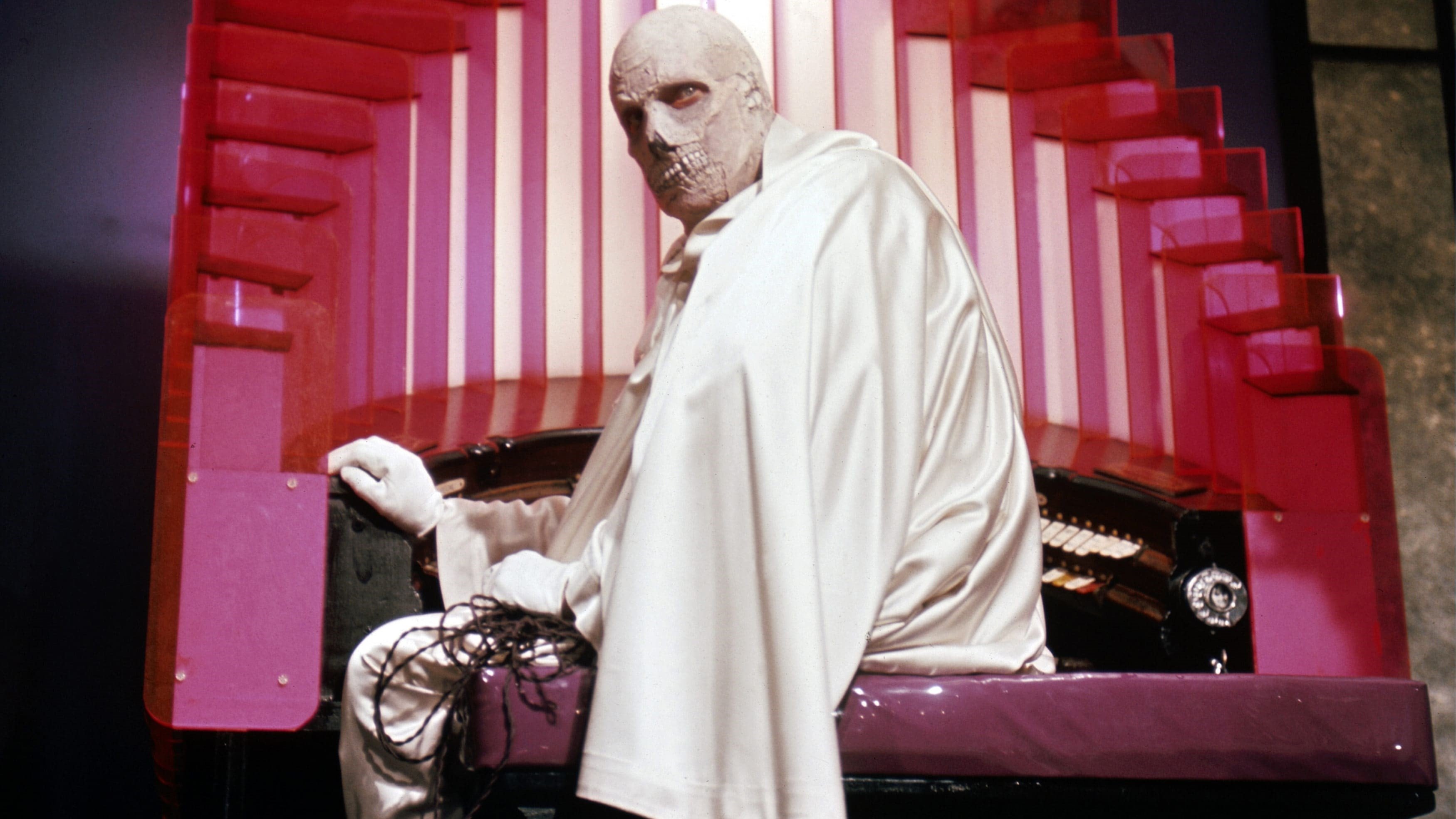
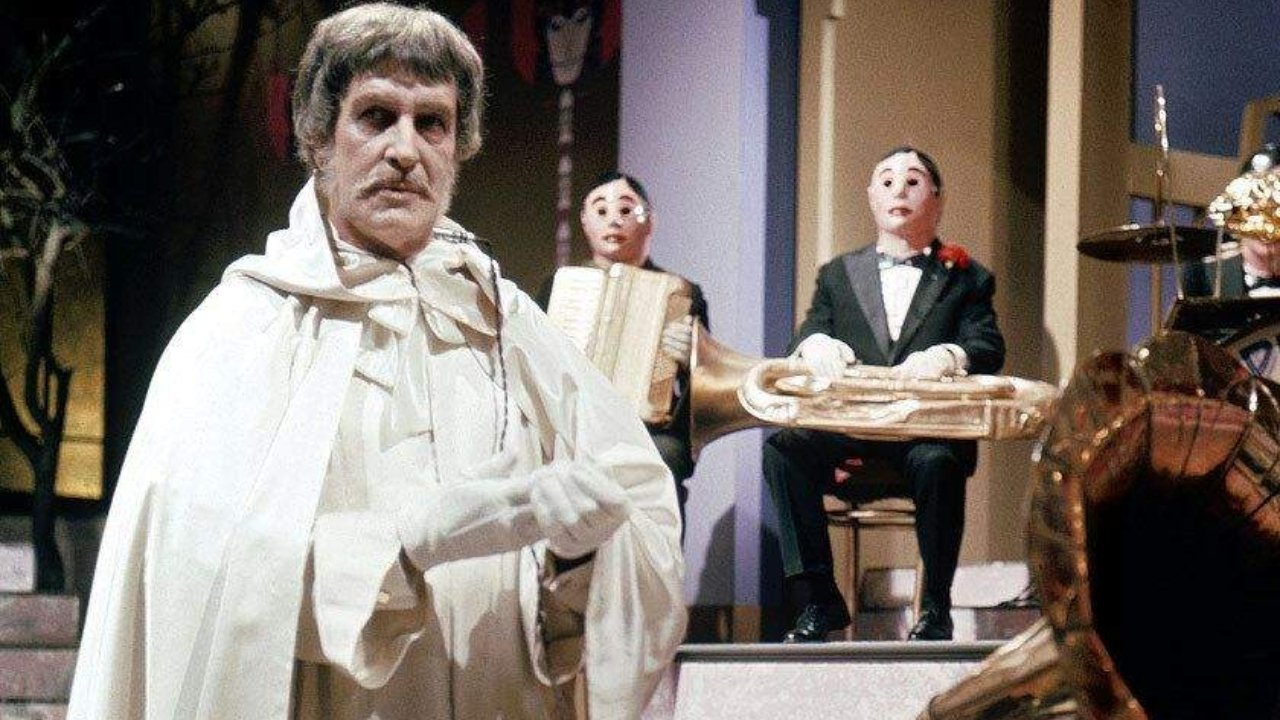
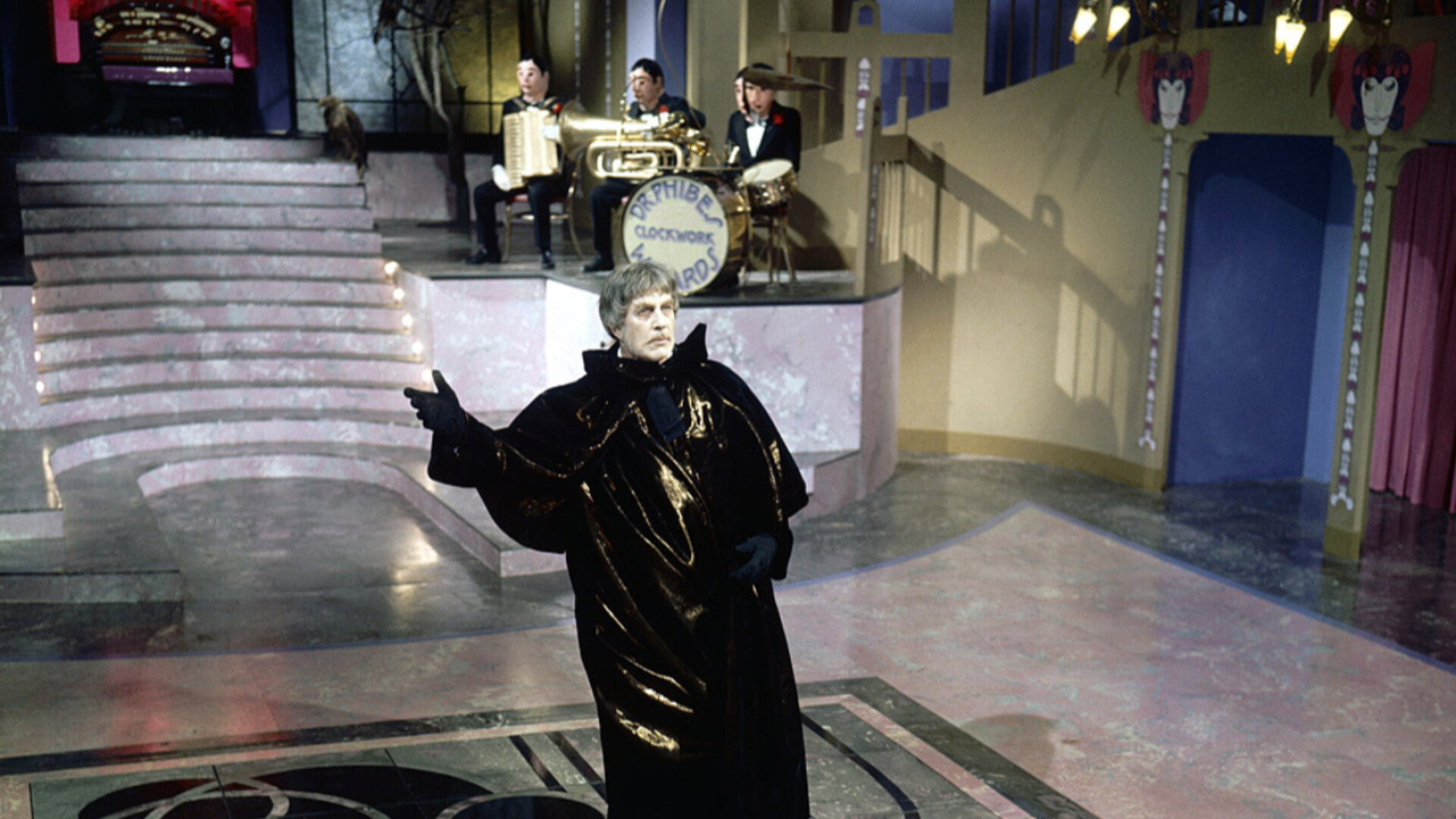
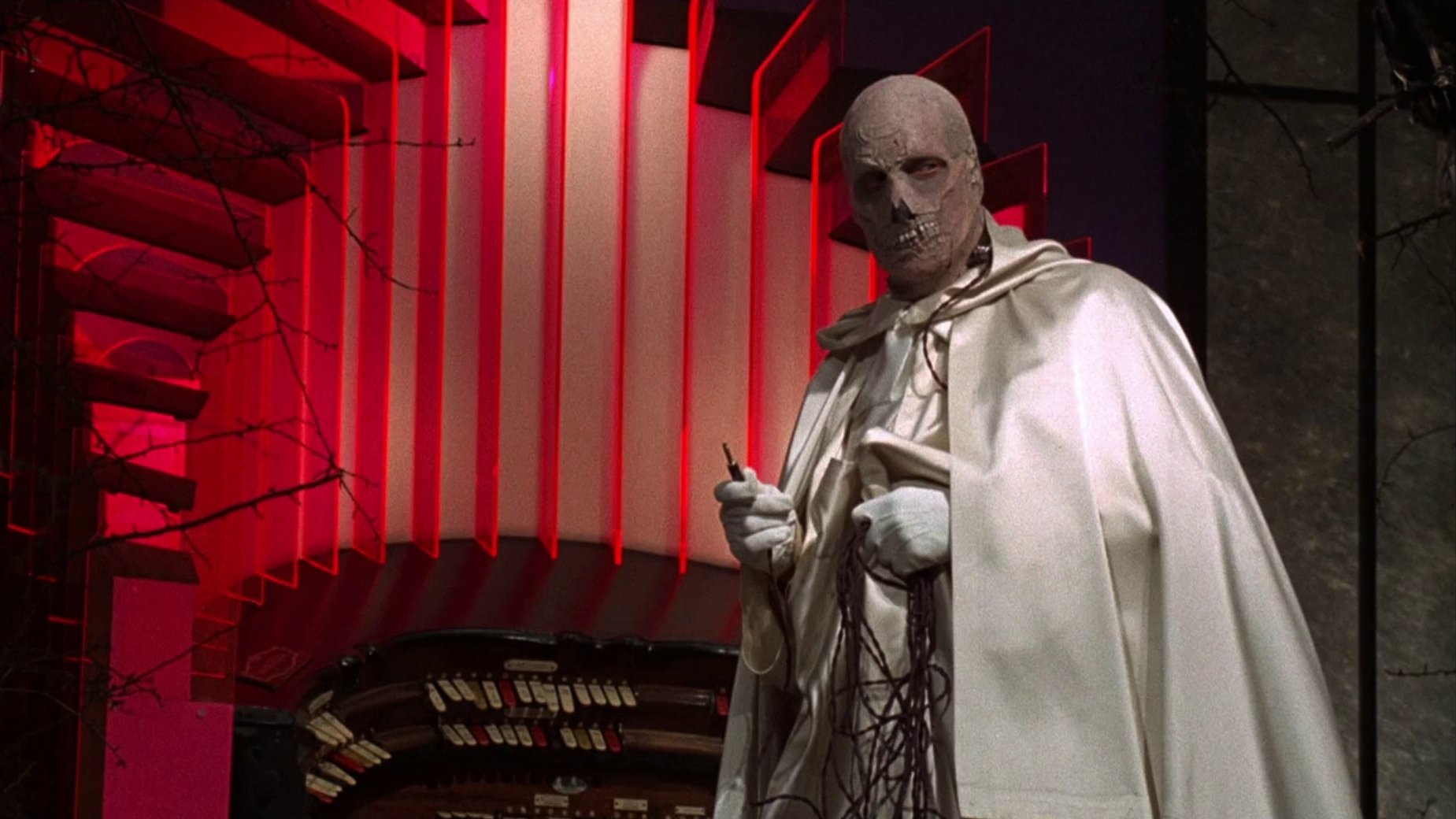
The film’s most distinctive visual achievement is its construction of an elaborate private universe around Phibes. Production designer Brian Eatwell’s interiors employ geometric arrangements, reflective surfaces, saturated colors and theatrical lighting, while Norman Warwick’s cinematography repeatedly emphasizes the relationship between human figures and large decorative spaces. Phibes inhabits rooms that resemble a nightclub, a private theater and an exhibition gallery rather than the conventional laboratory of a mad scientist. The opening sequence establishes this environment through an organ performance followed by the activation of a mechanical orchestra. These spaces provide the setting for the murders and communicate the character’s peculiar mixture of technical ingenuity, artistic ambition and isolation.
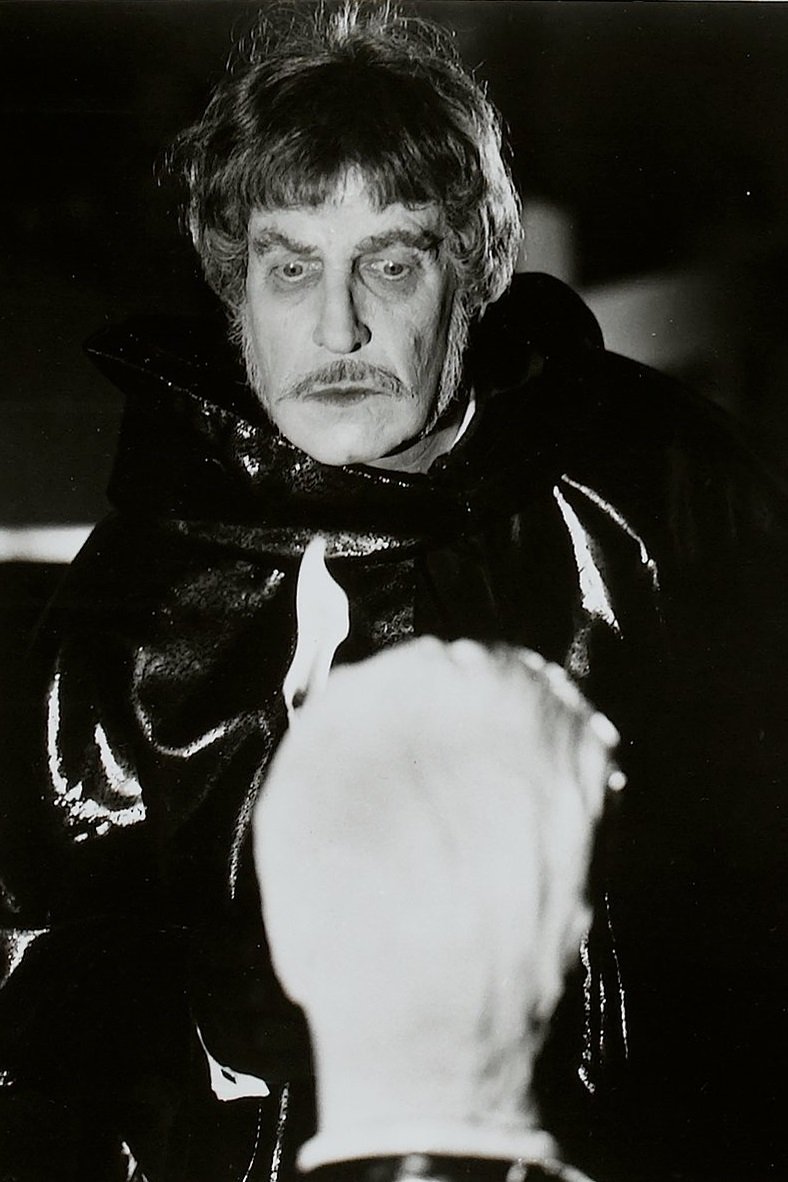
Fuest’s earlier experience in art direction and his association with The Avengers are relevant to the film’s combination of decorative sophistication and macabre absurdity. The compositions frequently isolate performers against strongly defined architectural elements, while the contrast between Phibes’s ceremonial movements and the policemen’s practical investigations creates a persistent tonal opposition. Doors, stairways, ornamental panels and mechanisms acquire importance because the narrative depends on hidden movement and precisely timed surprises. The production’s Art Déco vocabulary is deliberately expansive, drawing on period associations while extending beyond strict historical reconstruction. The resulting environments belong to the film’s invented world, where everyday physical restrictions can be overcome by apparently limitless mechanical resources.
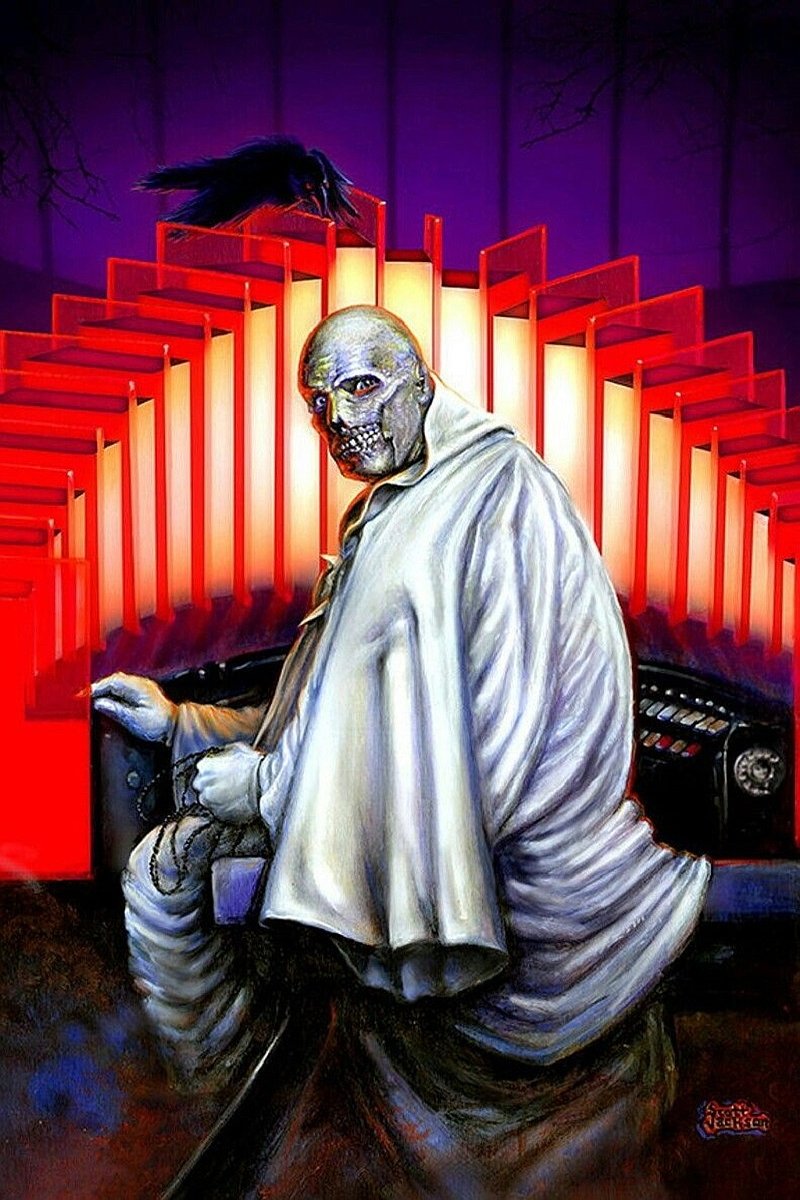
The design also distinguishes Phibes’s private spaces from those occupied by his victims and the authorities. The former are carefully ordered and theatrical; the latter become sites of intrusion, confusion and sudden death. This contrast allows the film to communicate much of its narrative through visual organization, an important consideration in a story whose central character speaks relatively little. The visual approach was later singled out by the British Film Institute in its retrospective selection of notable British films from 1971, which emphasized the relationship between the production’s elaborate design, theatrical performances and unusual mixture of horror and comedy.

Biblical Plagues and the Structure of Revenge

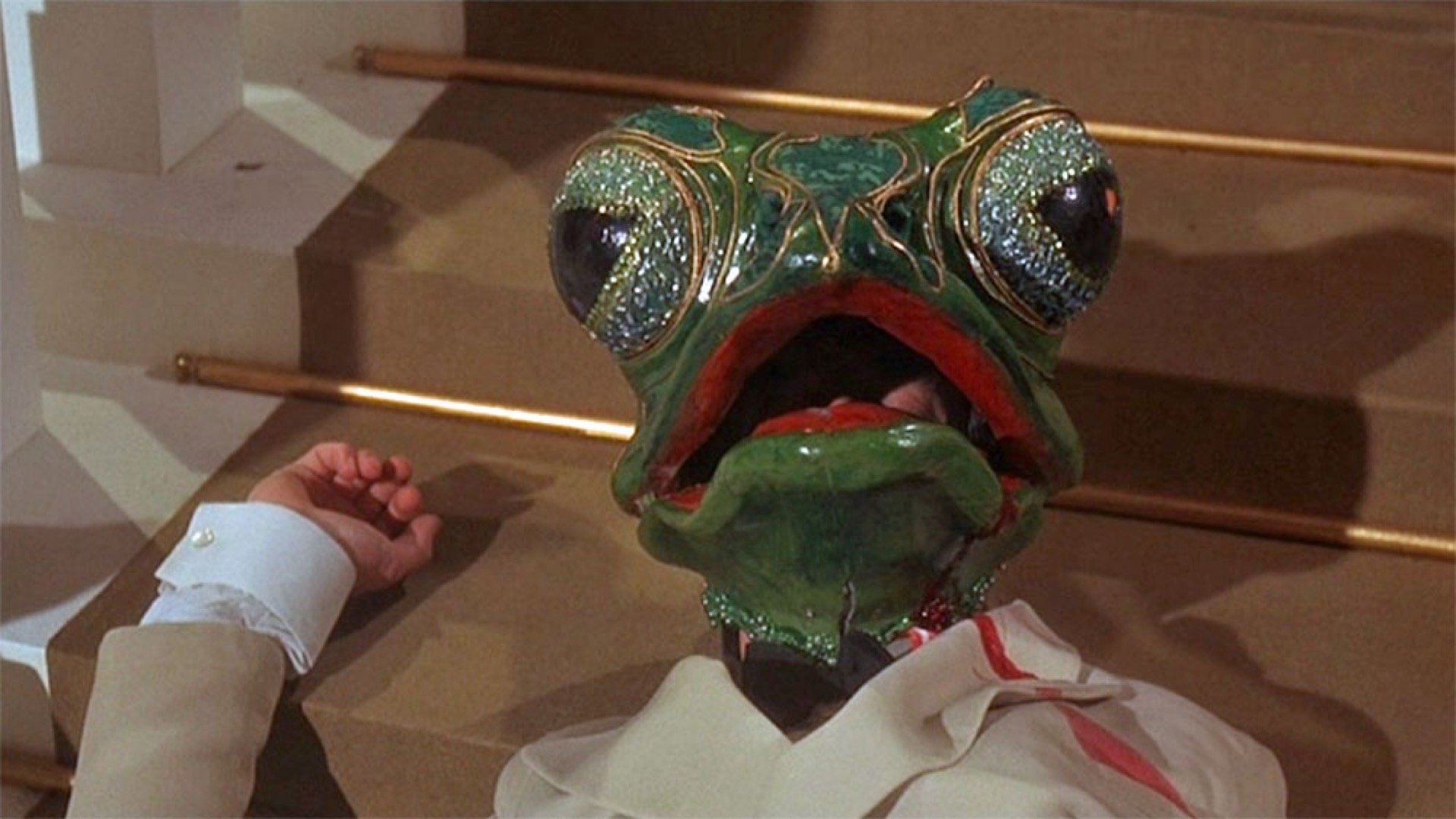
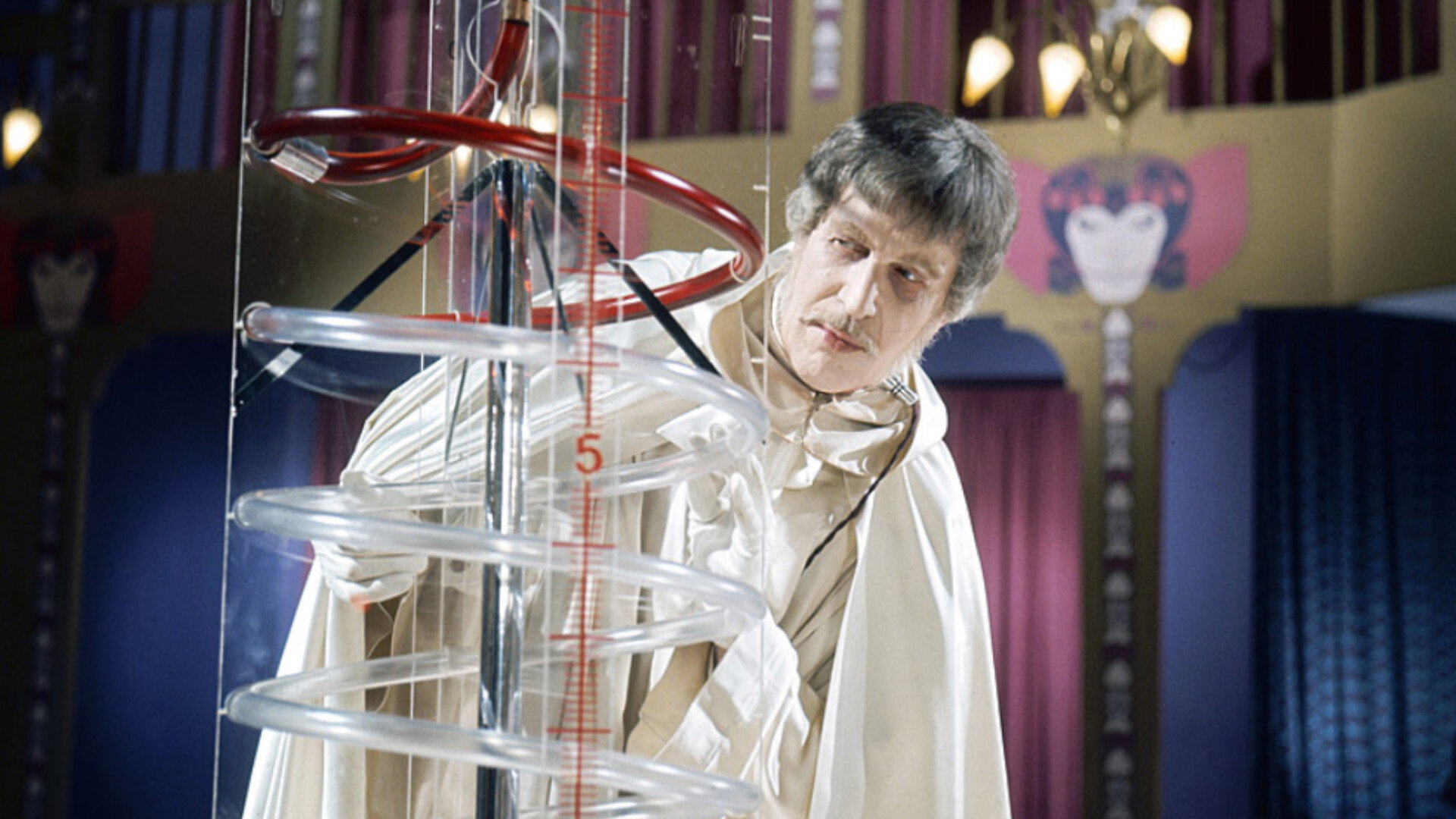
Phibes organizes his murders around a sequence of punishments identified in the film with the biblical plagues inflicted upon Egypt. The scheme incorporates bats, blood, frogs, rats, locusts and other forms of destruction, adapting the religious material with considerable freedom. Several of the methods, including mechanical devices and attacks by animals outside the traditional biblical list, are inventions developed for the narrative. The connection is eventually recognized by the investigating police, but identifying the pattern offers little practical protection against Phibes’s ingenuity. Each killing requires a different physical arrangement, turning the investigation into a succession of increasingly improbable crime scenes.

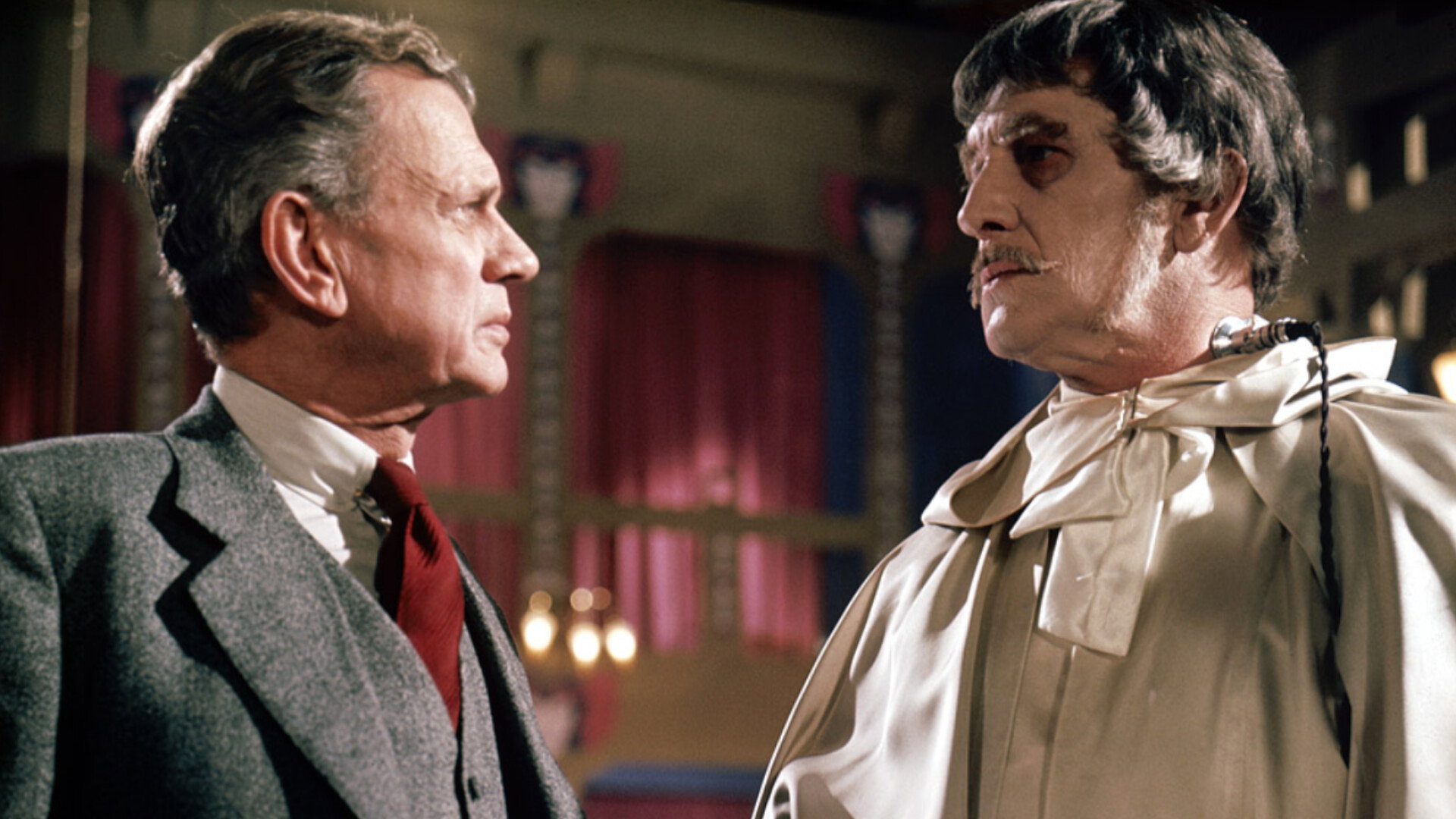
The victims belong to the medical circle associated with Victoria’s fatal operation. Phibes interprets her death as an injustice requiring personal retribution, even though the film does not establish that the doctors deliberately caused it. His convictions supply the logic of his actions while remaining distinct from an objective account of medical responsibility. The repeated murders also expose the limitations of the police investigation. Inspector Trout and Superintendent Waverley encounter evidence that appears irrational because the killer deliberately transforms practical mechanisms into ritual displays. The film’s black comedy emerges from their attempts to impose ordinary investigative procedures upon crimes constructed as grotesque theatrical performances.
The final confrontation with Dr. Vesalius makes the connection between medical expertise and physical punishment especially explicit. Vesalius must perform an operation under severe time pressure to save his son, while Phibes controls the conditions and the consequences of failure. The sequence concentrates the film’s central conflict within a single enclosed space, replacing the earlier series of individual traps with a challenge requiring the intended victim to exercise his professional skills. The resolution leaves Phibes’s obsession with Victoria unresolved and provides the narrative foundation for the sequel produced the following year.

Vincent Price and the Character of Anton Phibes

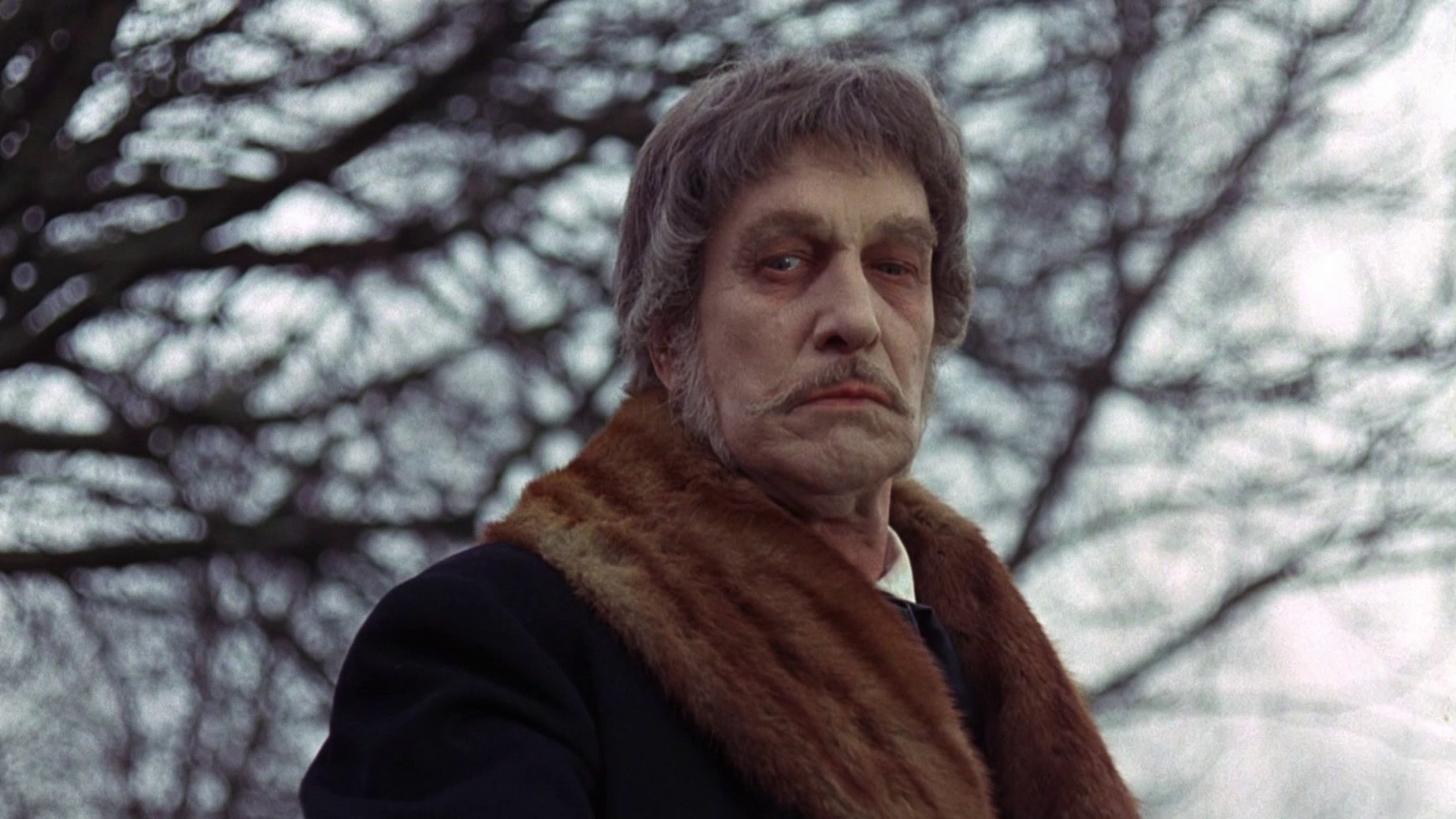
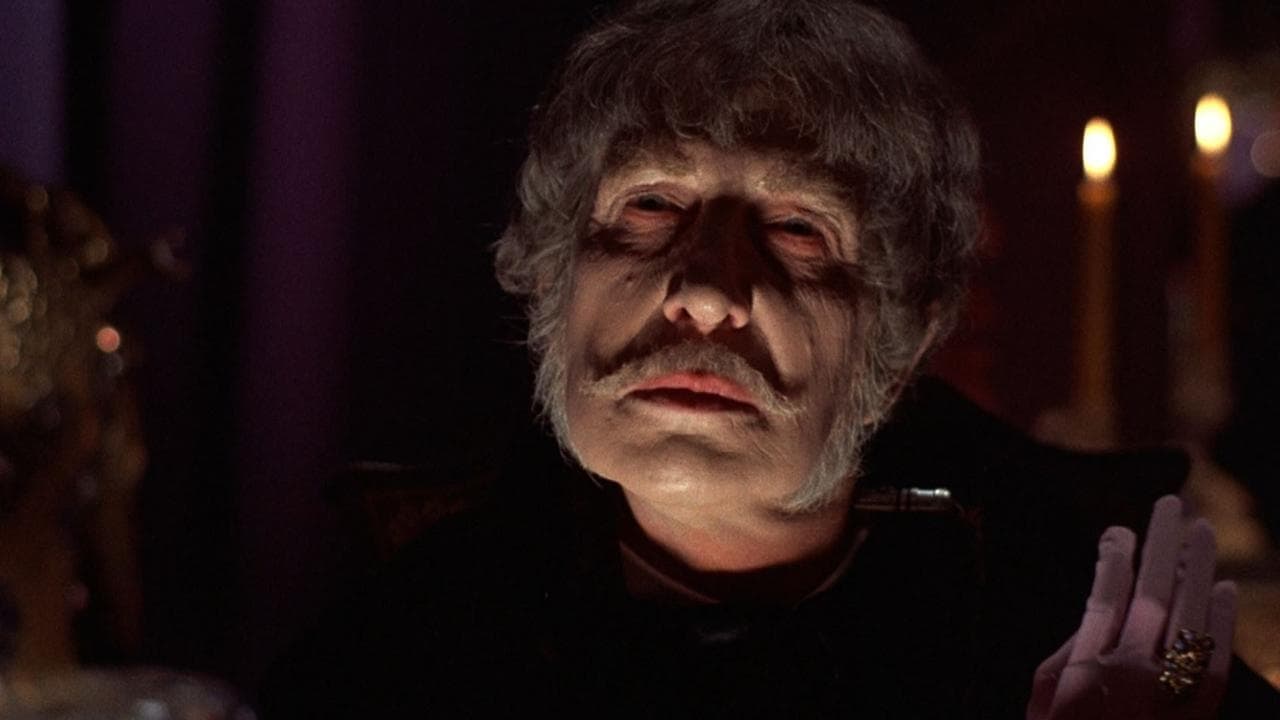
Vincent Price’s performance makes unusual demands on an actor strongly associated with his distinctive speaking voice. Phibes’s injuries have destroyed his ability to speak normally, and he communicates through an apparatus connected to his neck and linked to a phonographic device. The character therefore spends substantial portions of the film silent, with Price relying on posture, gestures and controlled facial movement. The artificial face concealing Phibes’s injuries also restricts his expression. These conditions alter the familiar relationship between Price’s elegant vocal delivery and the threatening or ironic dialogue characteristic of many of his earlier horror performances.

Price later described the difficulty of maintaining the facial makeup while performing. In a recollection reproduced by Turner Classic Movies, he explained that his own laughter repeatedly disturbed the material covering his face, requiring frequent repairs. He also emphasized the need to perform the character seriously in order for the comedy to work. The account illustrates the balance between deliberate absurdity and committed characterization. Phibes performs monstrous acts without behaving as though he recognizes their ridiculousness. His solemnity allows the surrounding situations, elaborate disguises and mechanical inventions to produce humor without requiring him to interrupt the drama with overt jokes.

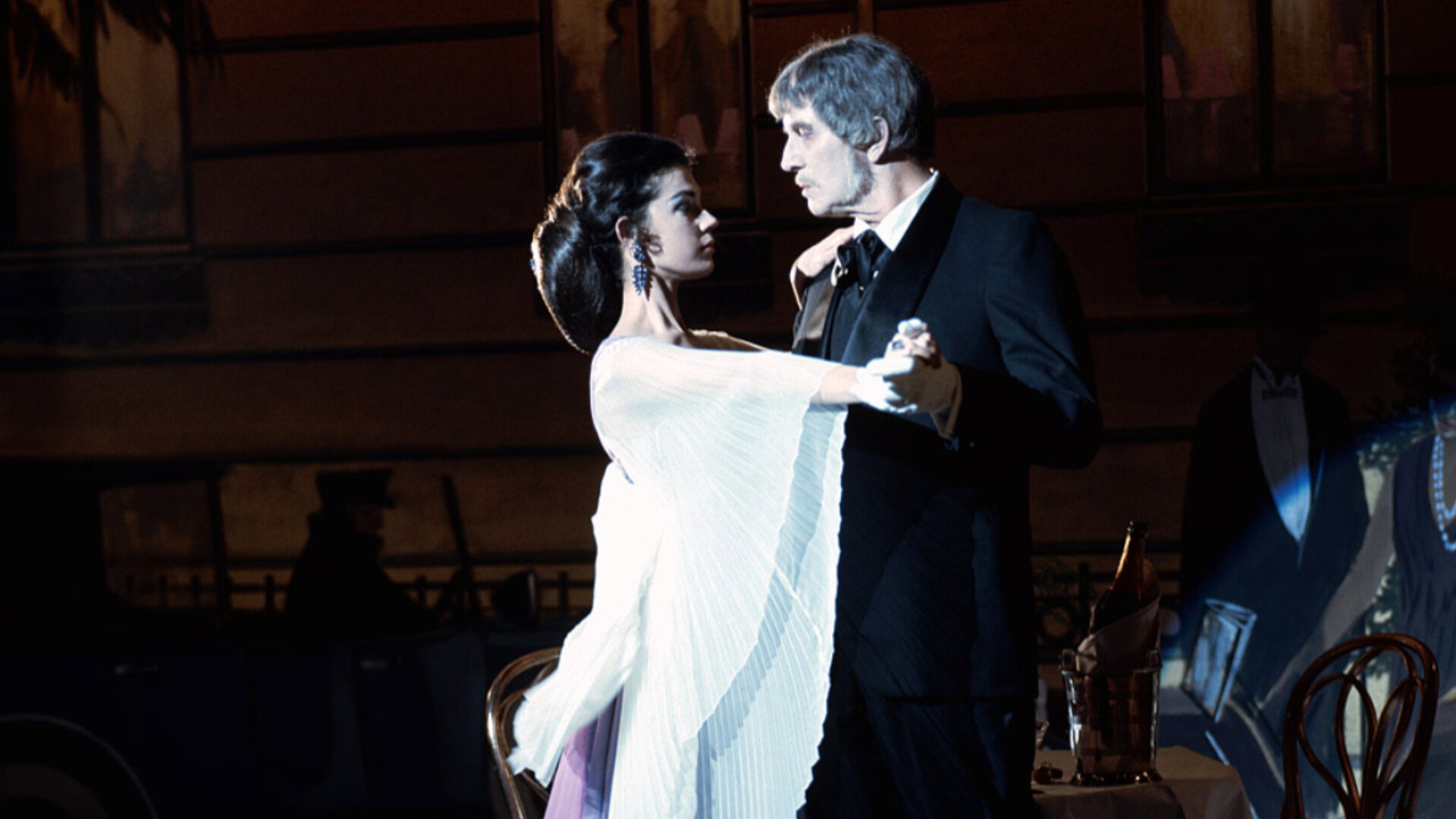
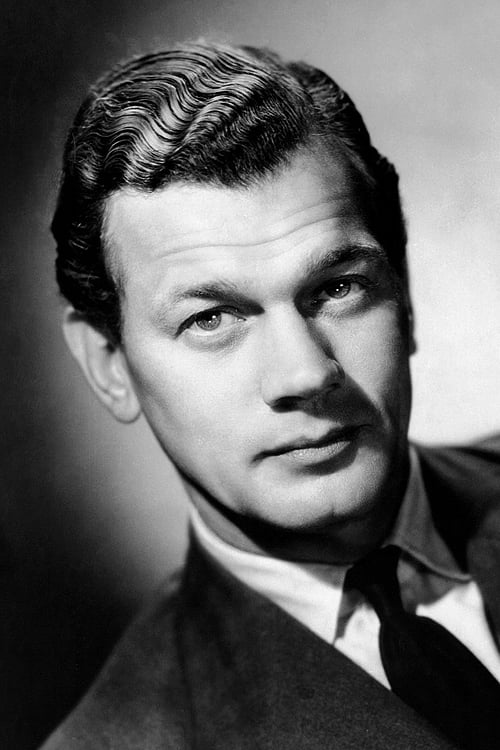
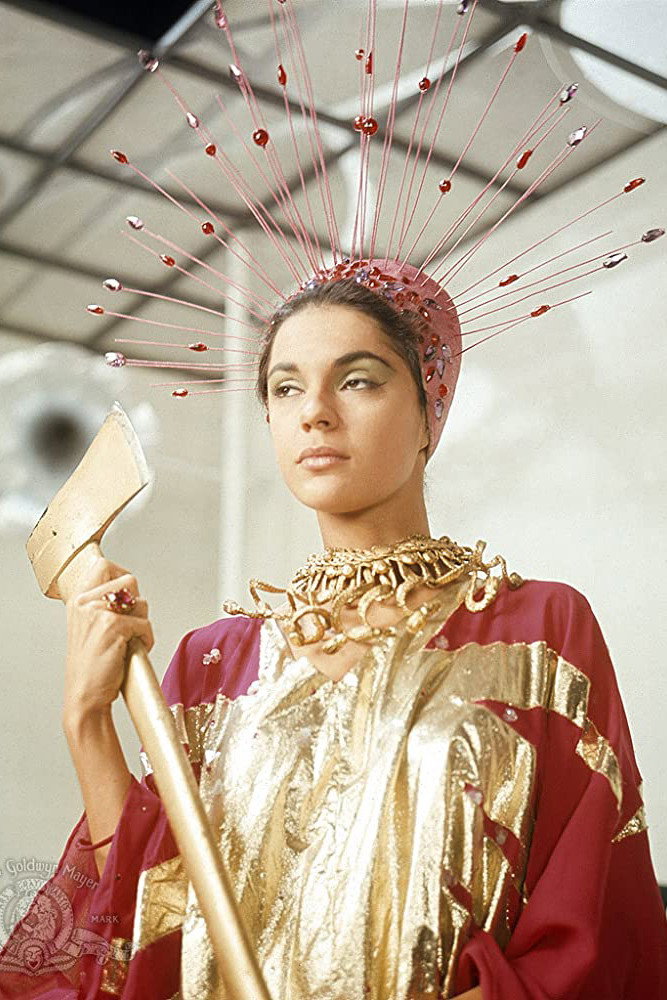
Virginia North’s Vulnavia provides a similarly stylized presence. Her changing costumes, silent assistance and musical performances make her an active participant in the elaborate world Phibes has constructed. Joseph Cotten gives Dr. Vesalius a contrasting identity as a medical professional confronted by a threat that exceeds his ordinary experience. Peter Jeffrey’s Inspector Trout supplies much of the investigative continuity and dry humor. Together these performances support a narrative in which the antagonist’s actions dominate the visual spectacle while the threatened characters retain enough credibility to sustain the horror.

Practical Effects and Murder Design

The killing sequences depend on a mixture of physical effects, suggestive editing and the placement of performers within carefully prepared environments. Rather than relying on a single repeated method, the film gives each murder its own arrangement of objects, animals or mechanisms. The attack involving bats, the draining of a victim’s blood and the use of a mechanical unicorn all provide memorable variations on the central revenge pattern. Their effectiveness depends partly on withholding the decisive action or emphasizing its consequences. The contrast between complicated preparation and abrupt violence also reinforces the black comedy of the film’s structure.

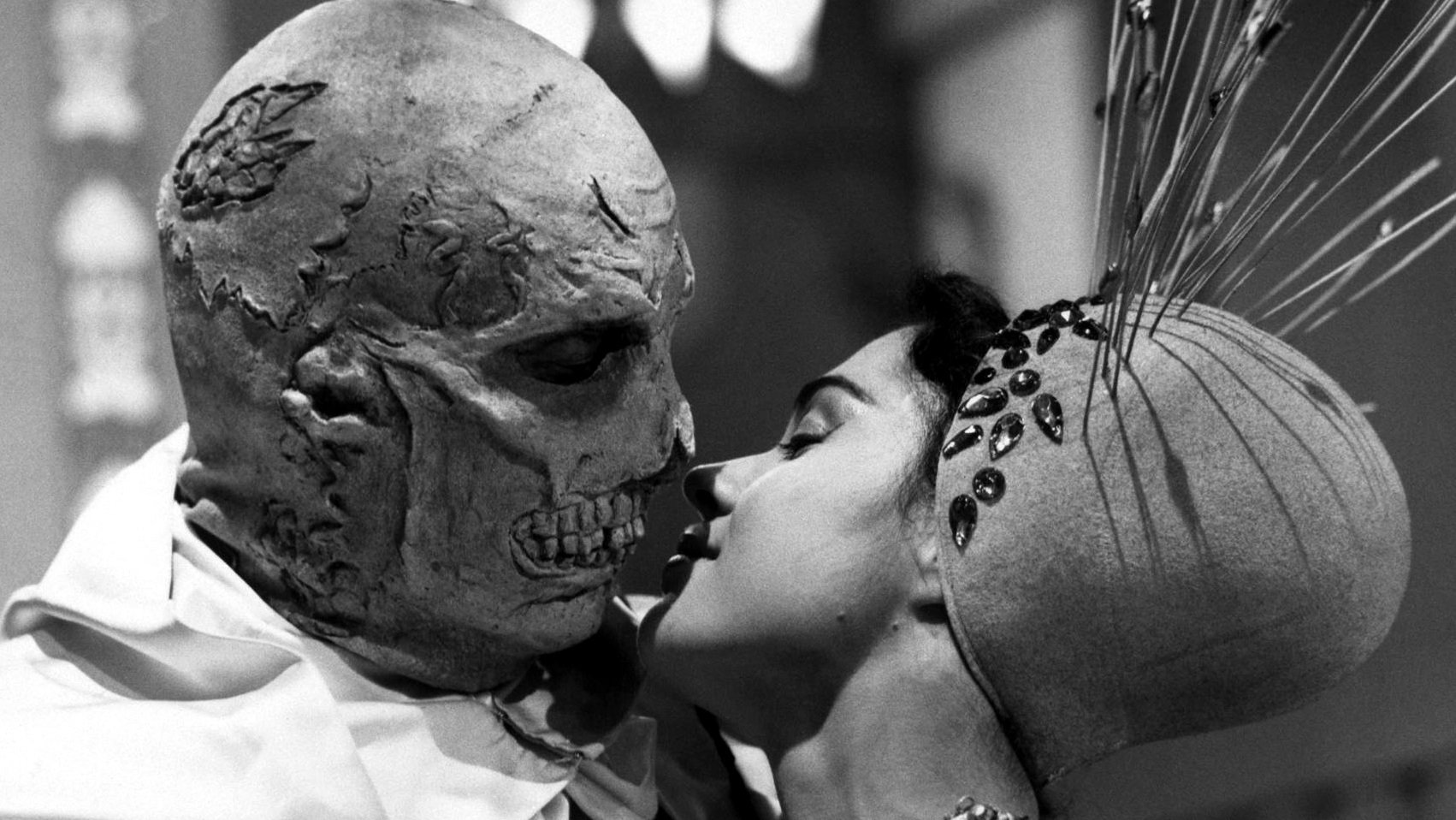
Phibes’s artificial face constitutes another important element of the makeup design. His public appearance depends on concealing severe disfigurement beneath a carefully maintained surface, while the eventual revelation connects the character to a long tradition of masked and physically damaged Gothic figures. The sequence also gives a physical explanation for the mechanical nature of his speech. The film uses this combination of disguise and bodily injury to make the antagonist recognizable as both a theatrical invention and a victim of earlier violence. The grotesque machinery surrounding him extends that principle outward, transforming ordinary medical, domestic and decorative objects into instruments of punishment.

Music, Mechanical Performance and Sound

Music is incorporated directly into the world of Phibes through his organ performances, the mechanical orchestra and Vulnavia’s violin playing. The opening uses Felix Mendelssohn’s War March of the Priests, while popular songs associated with earlier decades recur throughout the film. The juxtaposition of familiar melodies with preparations for murder contributes to its distinctive tonal character. The mechanical musicians also provide a visual expression of Phibes’s abilities as an inventor, making music part of the architecture and physical action. The AFI Catalog documents the film’s acknowledgment of the Big Three Music Company for the use of several songs.

The original score was composed by Basil Kirchin, whose work in film, television and experimental music provided an unusual background for the production. In a retrospective account preserved by The Independent, Kirchin recalled that Robert Fuest had admired his earlier work for director David Greene. He developed principal musical themes associated with Phibes and Vulnavia, but subsequently expressed dissatisfaction with changes made during the film’s completion. According to the composer, disagreements among the production’s decision-makers resulted in portions of his intended score being replaced by other material. His testimony documents a creative conflict rather than establishing a single universally accepted version of the film’s music.

The original soundtrack album combined selections from Kirchin’s compositions with additional musical material. A later CD reconstruction assembled surviving recordings supplied by the composer, including passages absent from the original record and material that had not appeared in the completed film. The reconstruction therefore differs from a simple reissue of the theatrical soundtrack. Its history is useful for understanding the distinction between Kirchin’s recorded work and the final musical arrangement heard in the film. The mixture of commissioned music, existing songs and mechanical performances remains an essential component of the production’s approach to theatrical horror.

Release, Reception and Historical Legacy

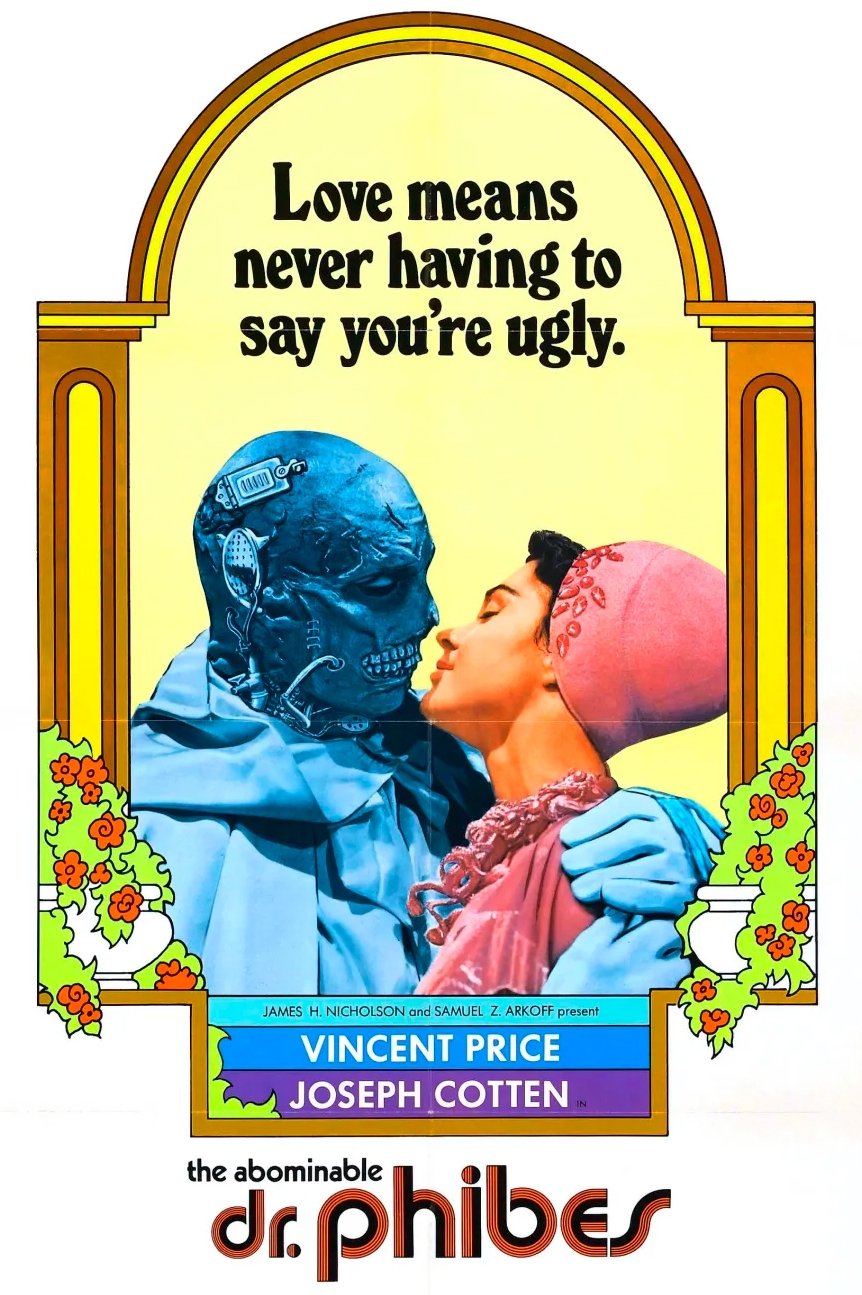
The Abominable Dr. Phibes entered American distribution in May 1971, with the AFI Catalog recording a Los Angeles premiere on May 20. American International Pictures marketed the film through the recognizable appeal of Vincent Price and the unusual character of its central murderer. Turner Classic Movies documents an initial campaign that borrowed a popular romantic slogan for comic effect, followed by a stronger emphasis on the horror elements. The success of the release encouraged the company to develop Dr. Phibes Rises Again (1972), which reunited Price with Robert Fuest and continued the character’s attempt to recover Victoria. Contemporary commercial totals require caution because readily circulated estimates do not consistently identify theatrical grosses, distributor rentals or specific territories.

British classification records establish that the original theatrical presentation was submitted under the title The Abominable Doctor Phibes and classified on June 10, 1971. The BBFC records a running time of 94 minutes and indicates that cuts or alterations formed part of the classification process. The available public entry does not specify which images or passages were affected. Subsequent British home-video submissions include a 90-minute presentation in 1988 and a version running approximately 93 minutes in 2003. Differences between these recorded durations cannot independently establish the existence of a substantially different narrative edit without examining the relevant prints and technical circumstances.

The film’s place within horror history is reflected in its continuing critical attention and the immediate development of a sequel. The British Film Institute included it in a retrospective selection of ten notable British films from 1971, highlighting its elaborate visual style and the mixture of grotesque comedy and Gothic performance. Its revenge structure also invites comparison with Theatre of Blood (1973), another Vincent Price vehicle built around elaborate murders inspired by a fixed body of cultural material. The connection is a formal comparison rather than proof of a direct creative borrowing. Within Price’s filmography, Phibes remains distinctive for his dependence on mechanical speech, his highly stylized surroundings and the unusual prominence given to the preparation of each killing.

References

  1. AFI Catalog The Abominable Dr. Phibes (1971)

    Archival production history documenting screenplay development, filming dates, personnel and theatrical release.

  2. Times Union Horror Film Veterans with Local Ties Have Fright in Common

    Original interview with William Goldstein about the creation of Anton Phibes and the early development of the story.

  3. The Independent Basil Kirchin

    Biographical study by Pierre Perrone documenting firsthand testimony about production disputes and changes to the musical score.

  4. Turner Classic Movies The Abominable Dr. Phibes

    Production history covering Vincent Price, visual design, promotional campaigns and development of the sequel.

  5. British Board of Film Classification The Abominable Doctor Phibes

    Official classification records documenting the 1971 theatrical submission and subsequent home-video editions.

Cast

View Full Cast & Crew →

Release & Distribution

Production Companies (1)

  • American International Productions (England) GB

Distributors (1)

  • EMI Films GB

Release History (10)

Release DateTerritoryRelease TypeFormatDistributorCertificationNotes
1971-04-01 United Kingdom Theatrical — — —
1971-05-18 United States Theatrical — — PG
1971-07-07 United States Limited Theatrical — — PG San Francisco, California
1972-03-03 Ireland Theatrical — — 15A
1972-05-04 Germany Theatrical — — 12
1994-08-06 United States Physical — — PG Orion Home Video #7110 [𝐕𝐇𝐒📼] 𝟵𝟱 mínutєѕ
1996-11-09 Slovakia TV — — 12 TV Markíza
2000-03-03 United States Theatrical — — — re-release
2001-02-20 United States Physical DVD — PG-13 DVD
2003-10-20 United Kingdom Physical DVD — 15 DVD
Love means never having to say you're ugly.