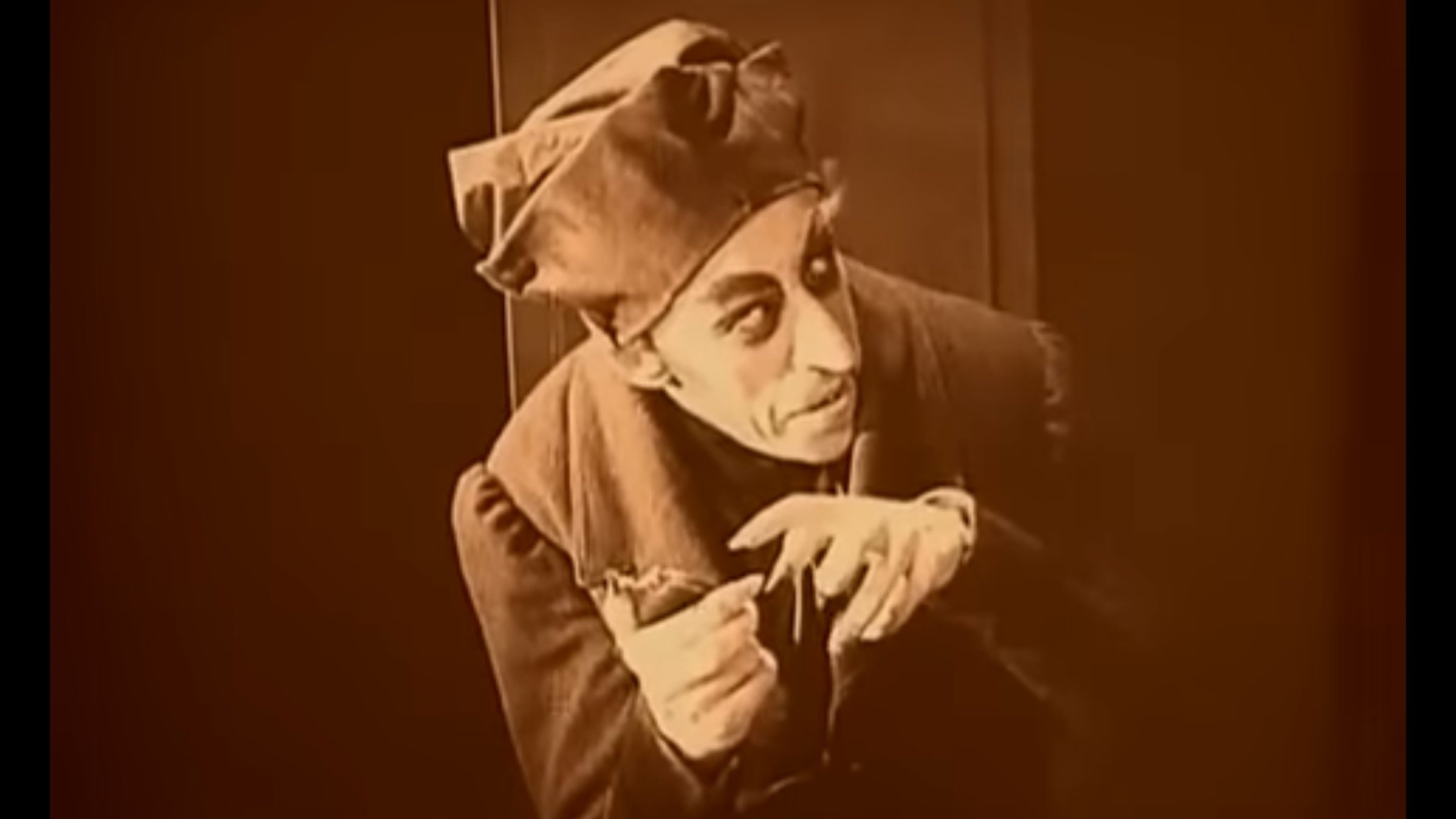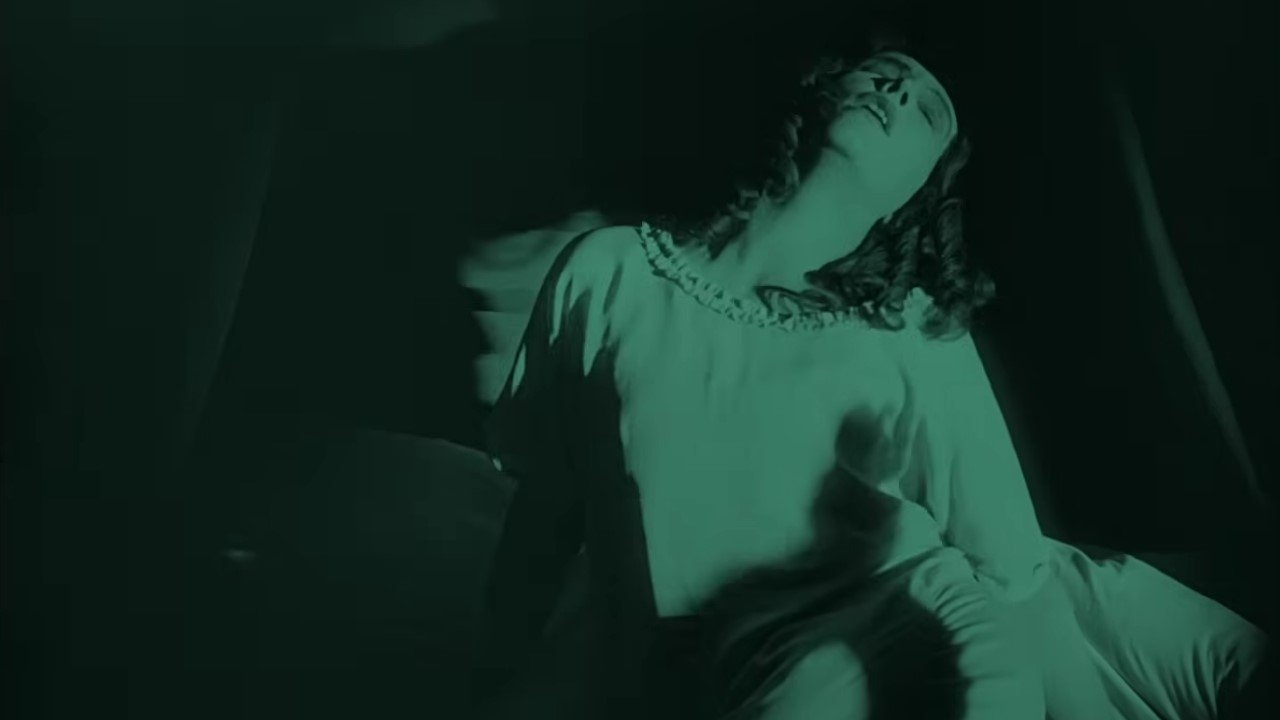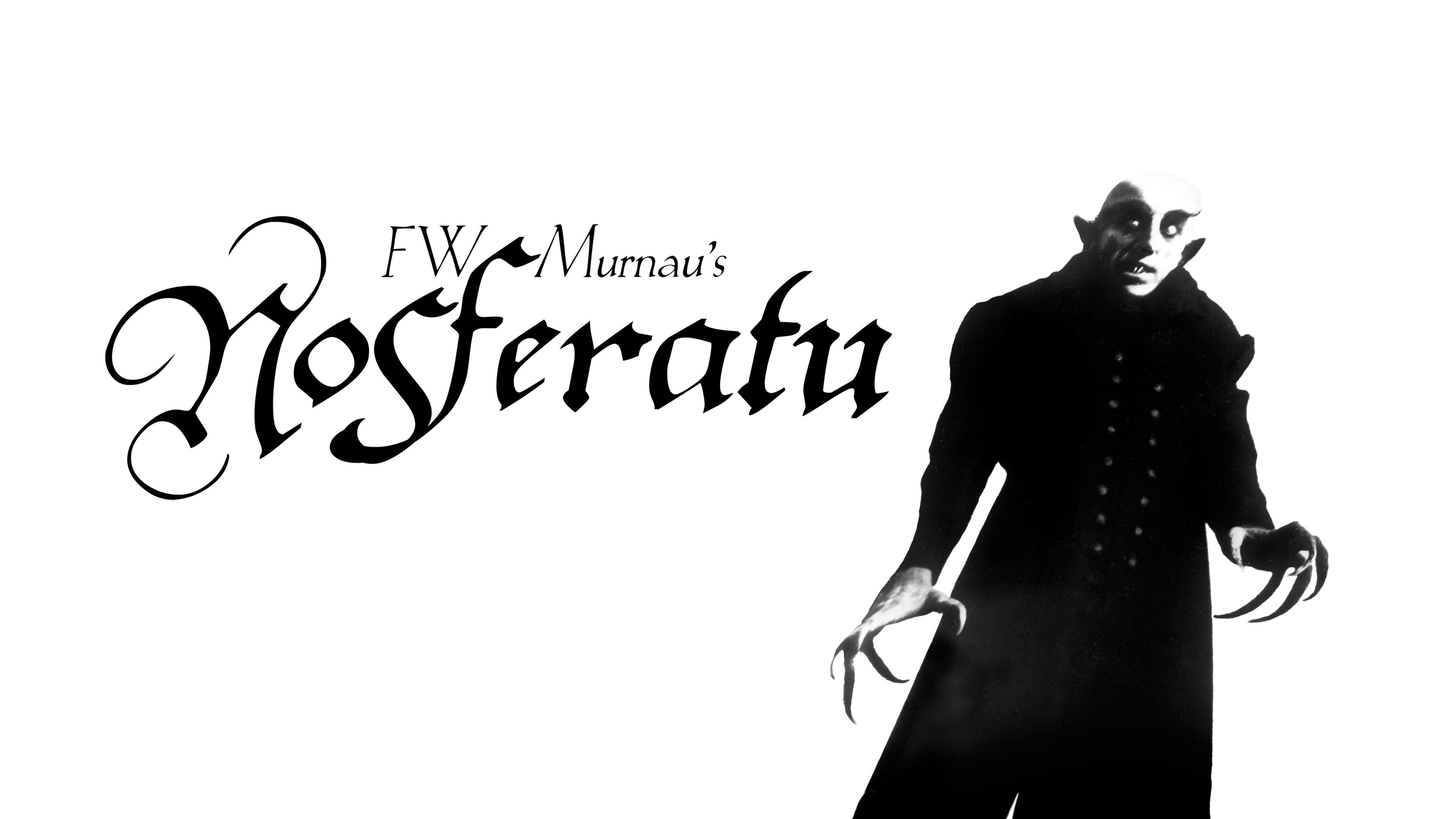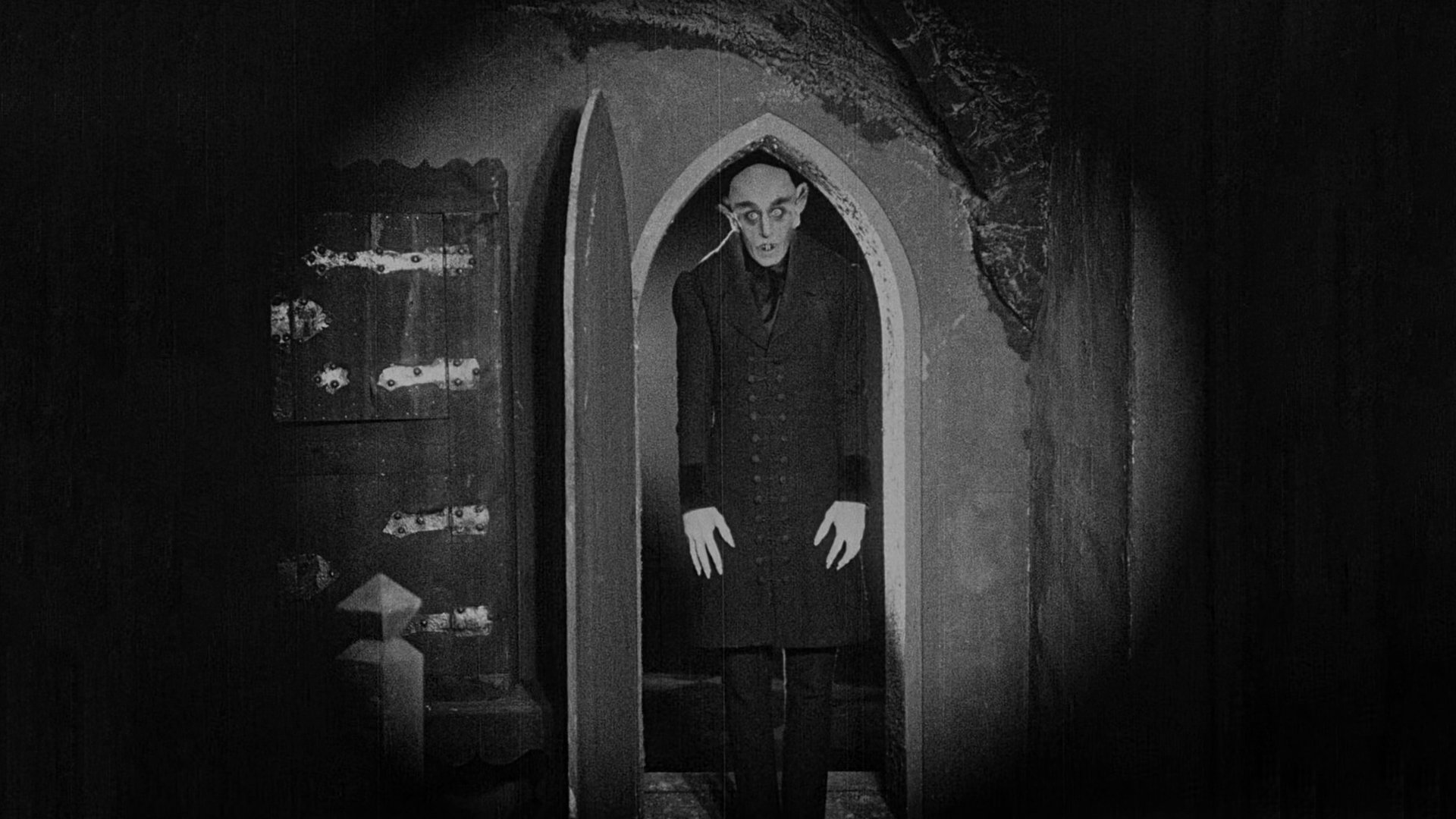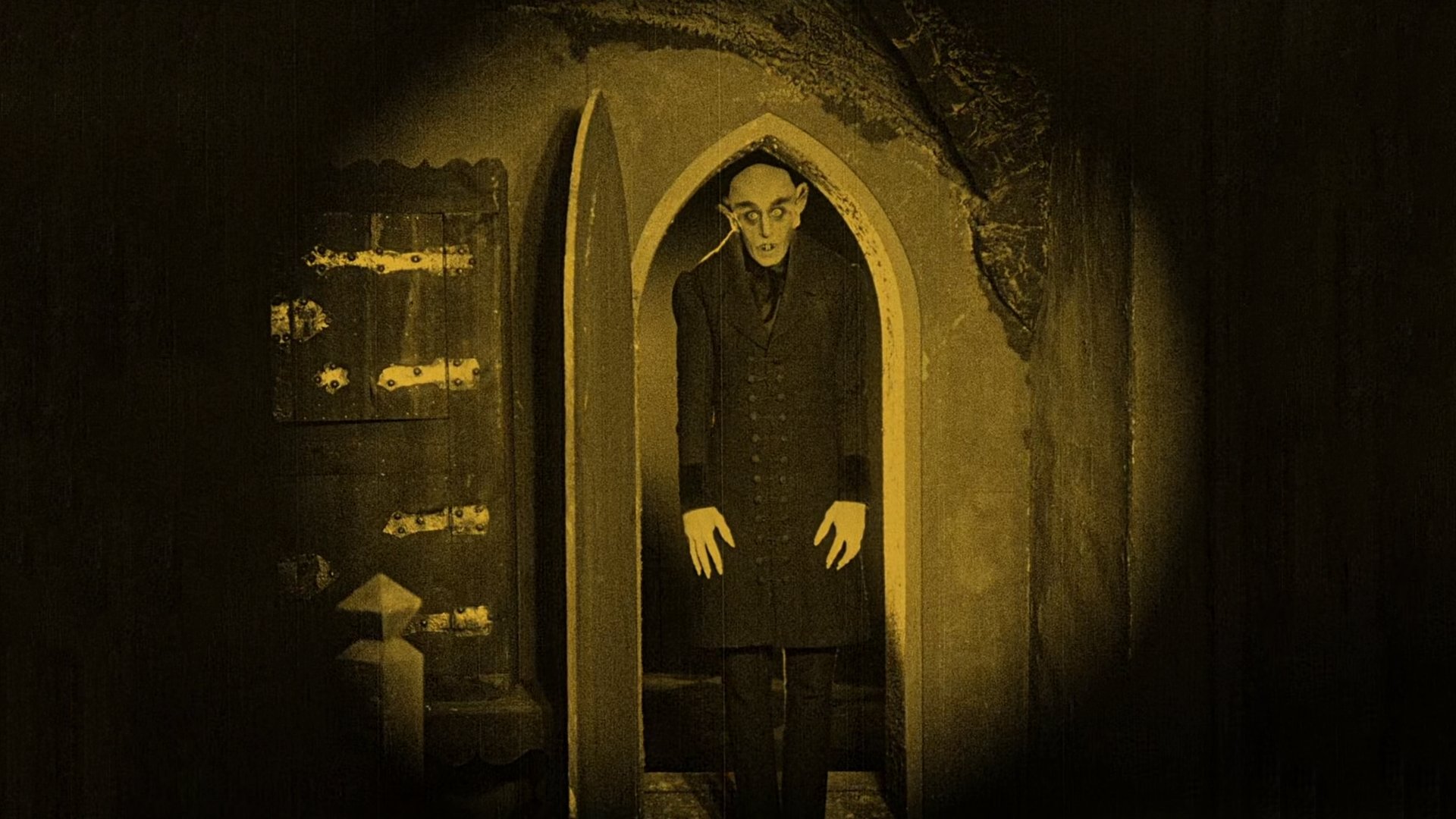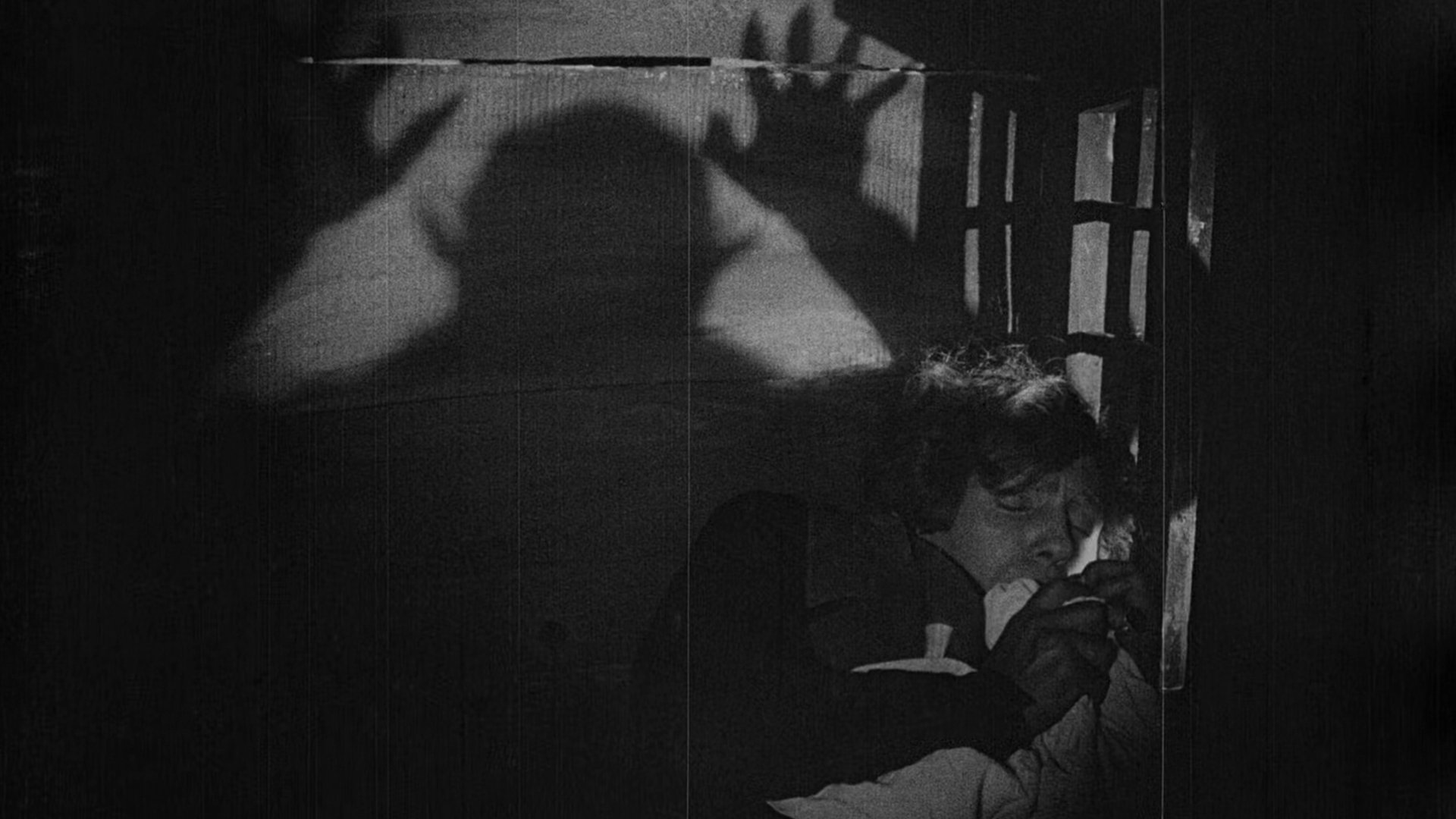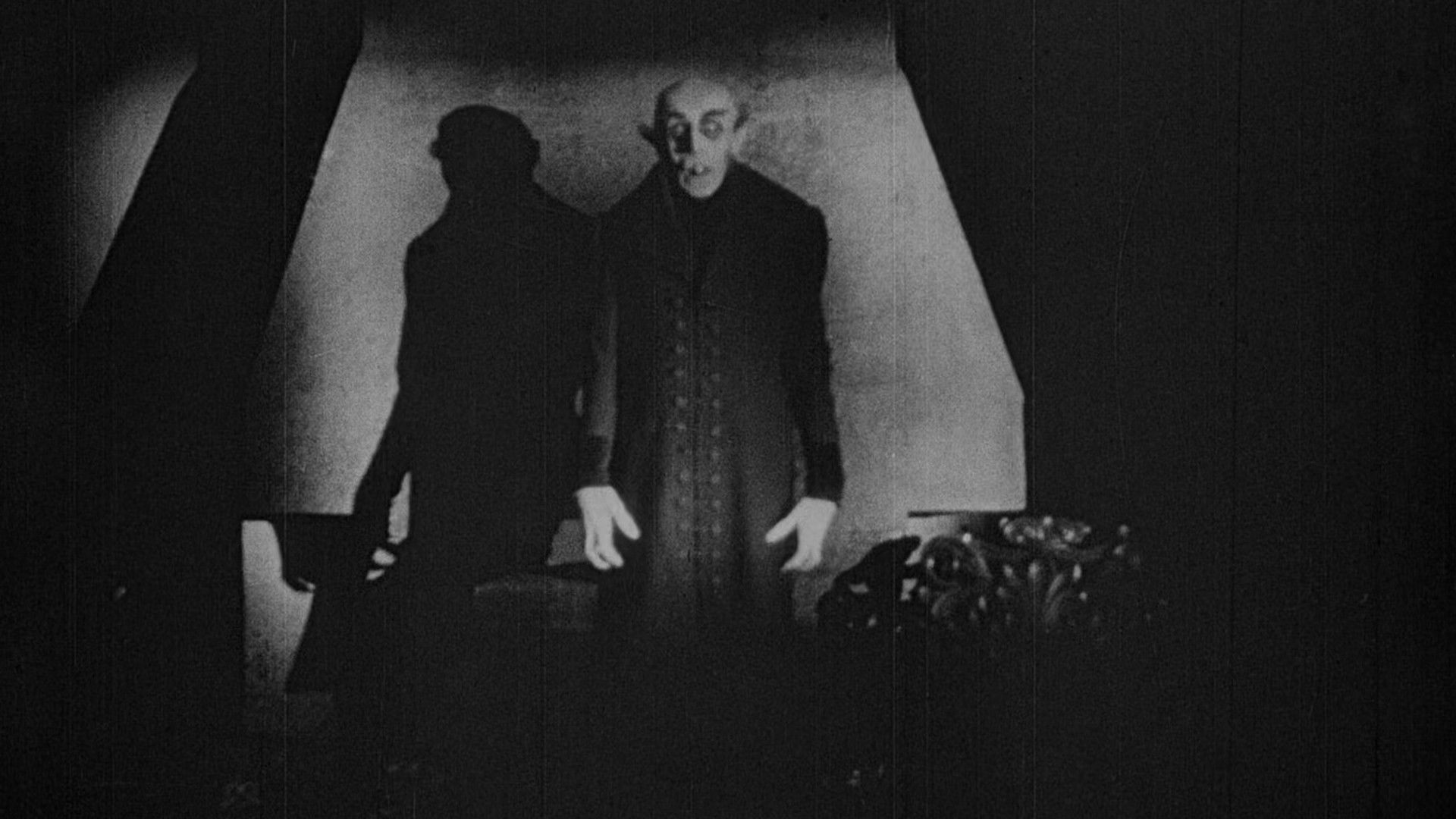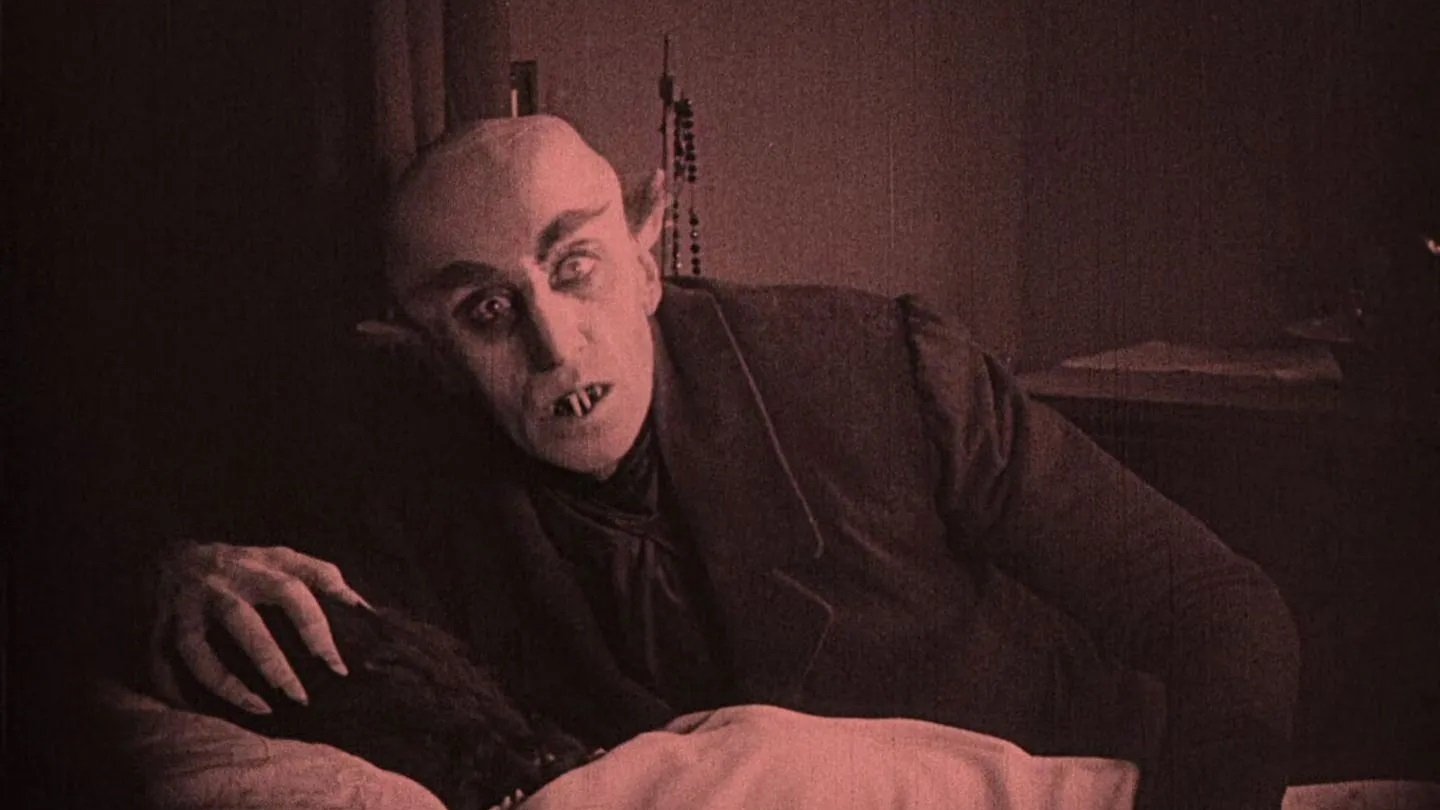


Prana-Film, Albin Grau and the Production
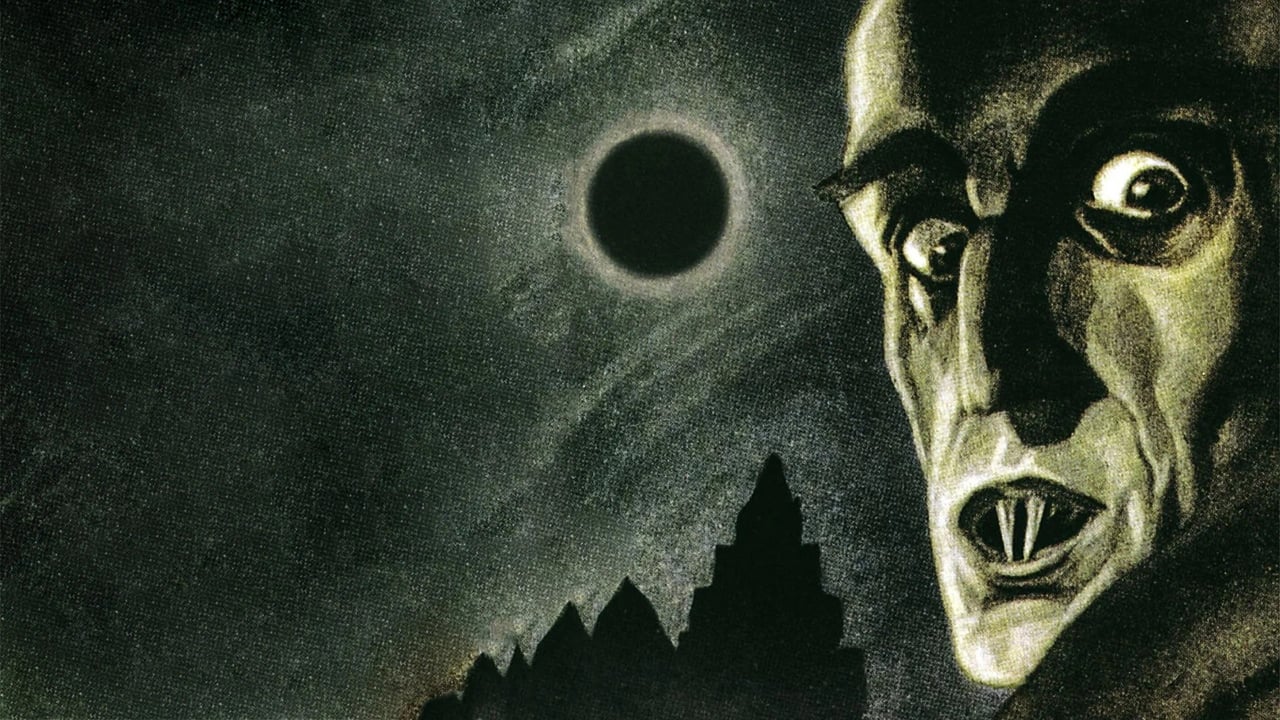
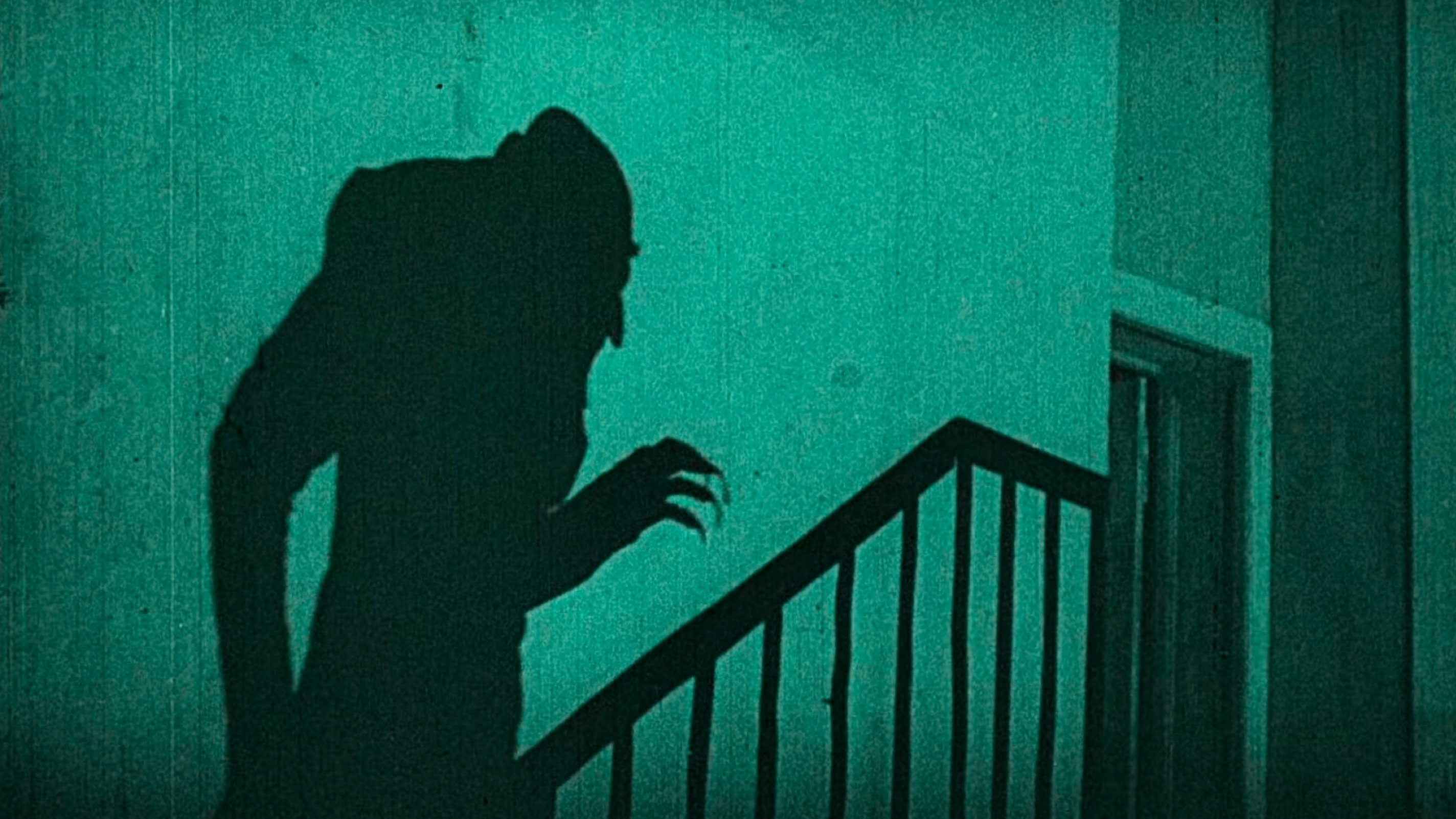
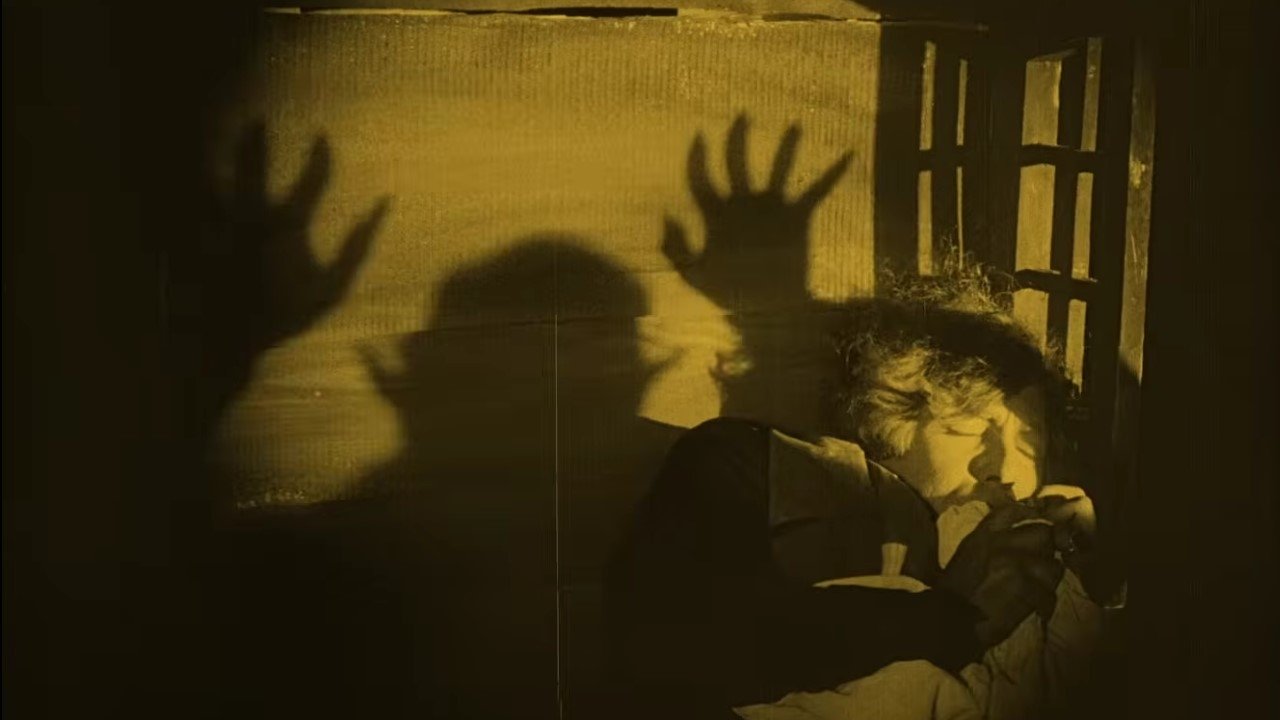
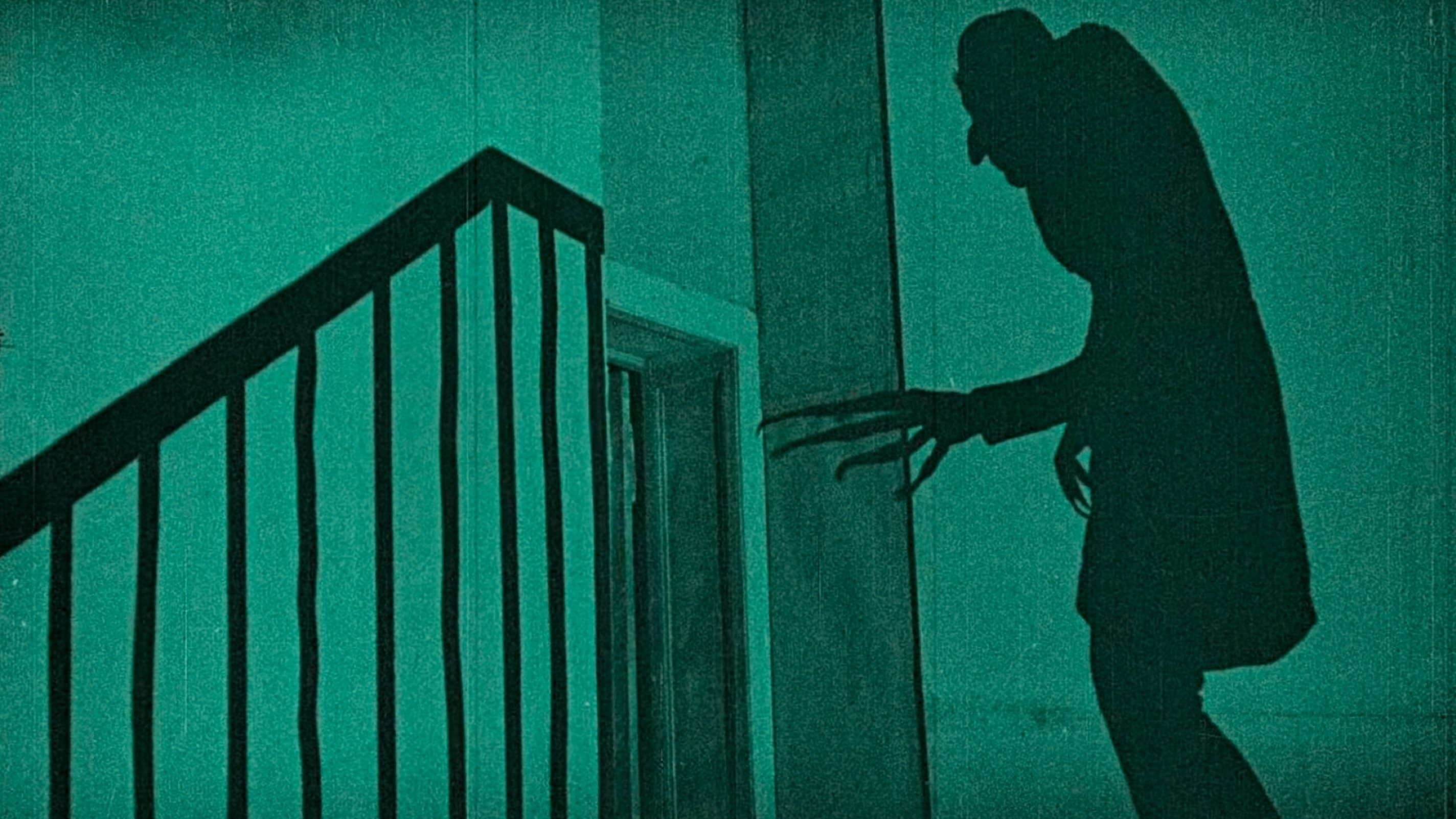
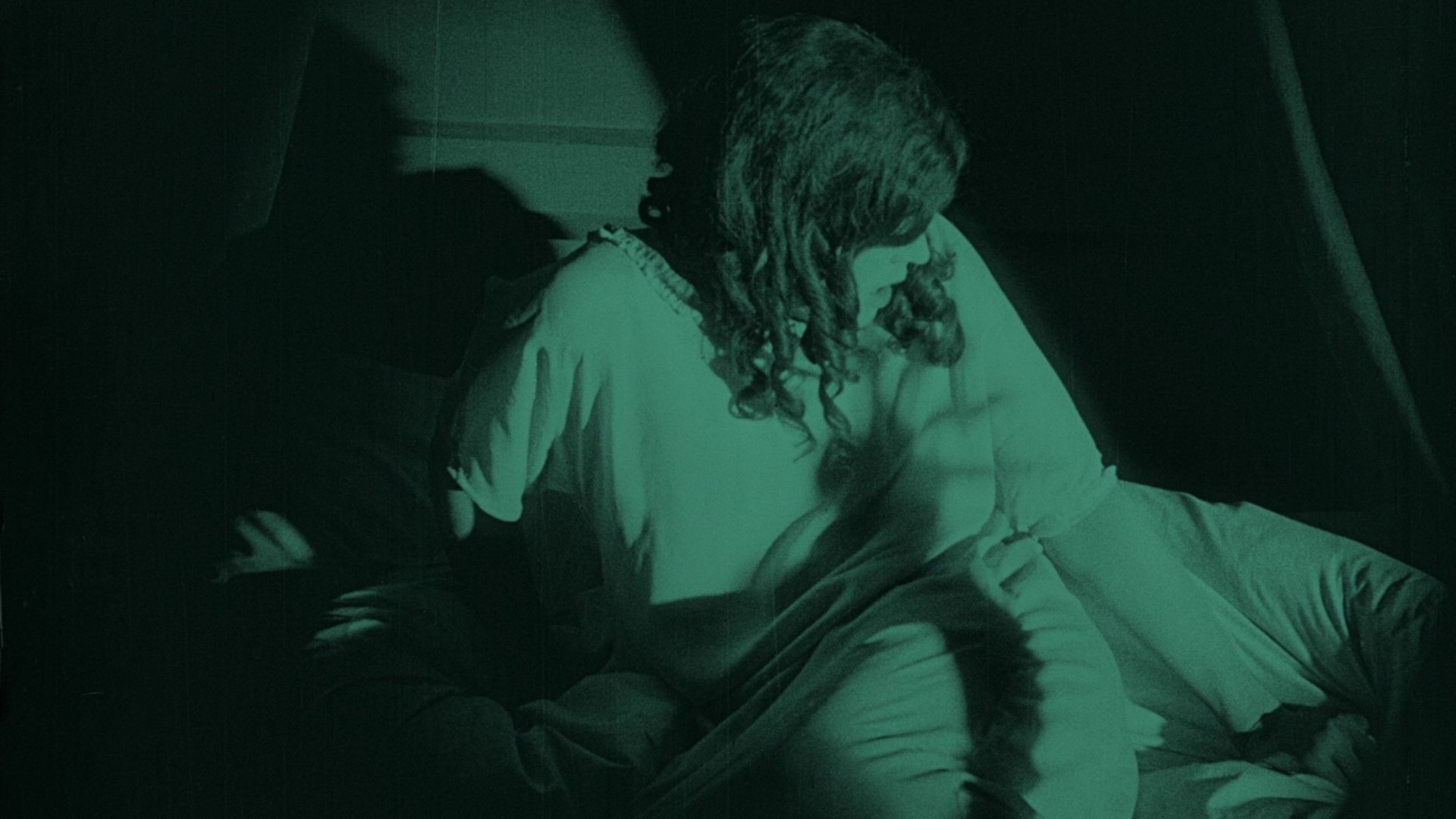
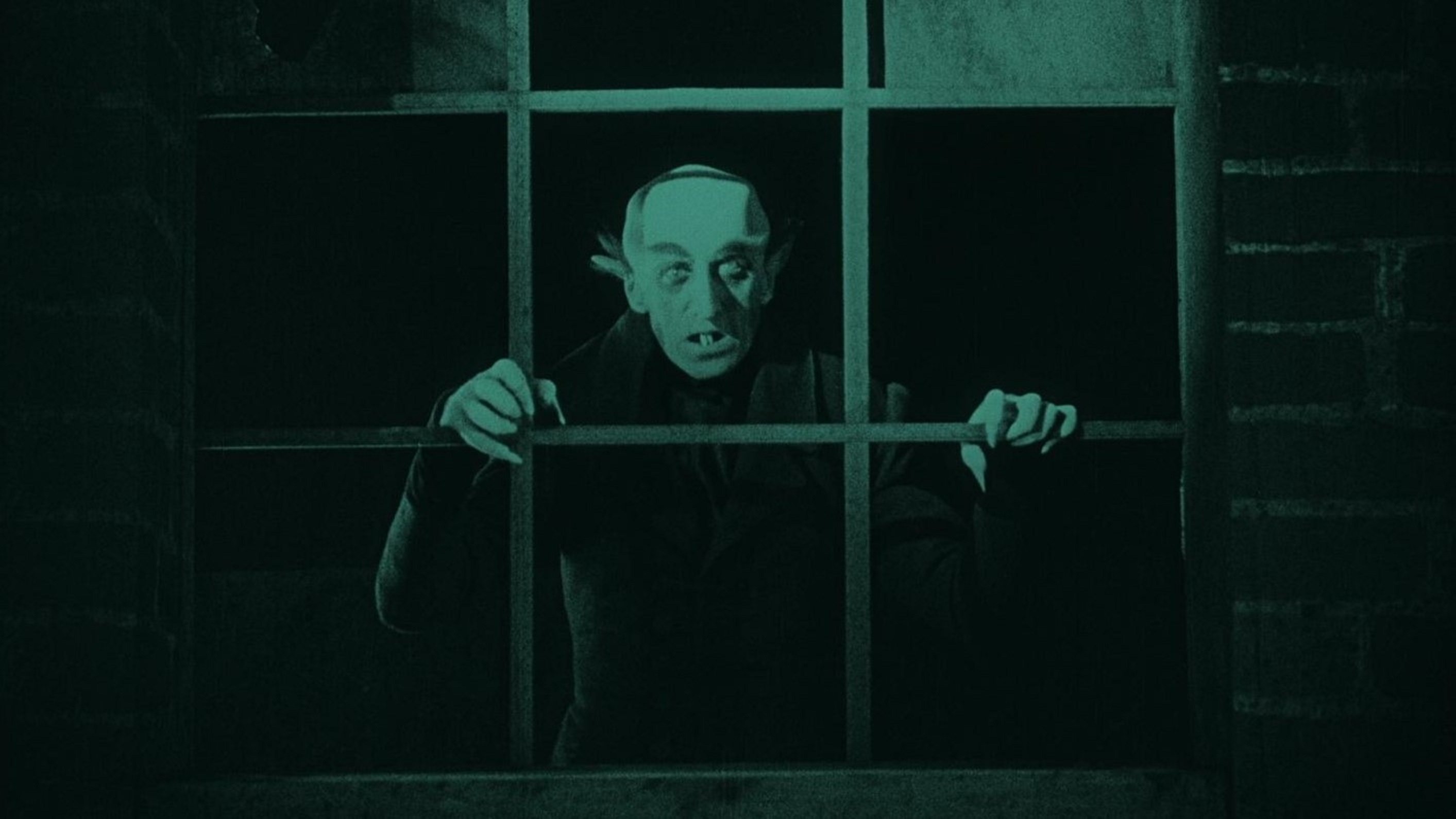
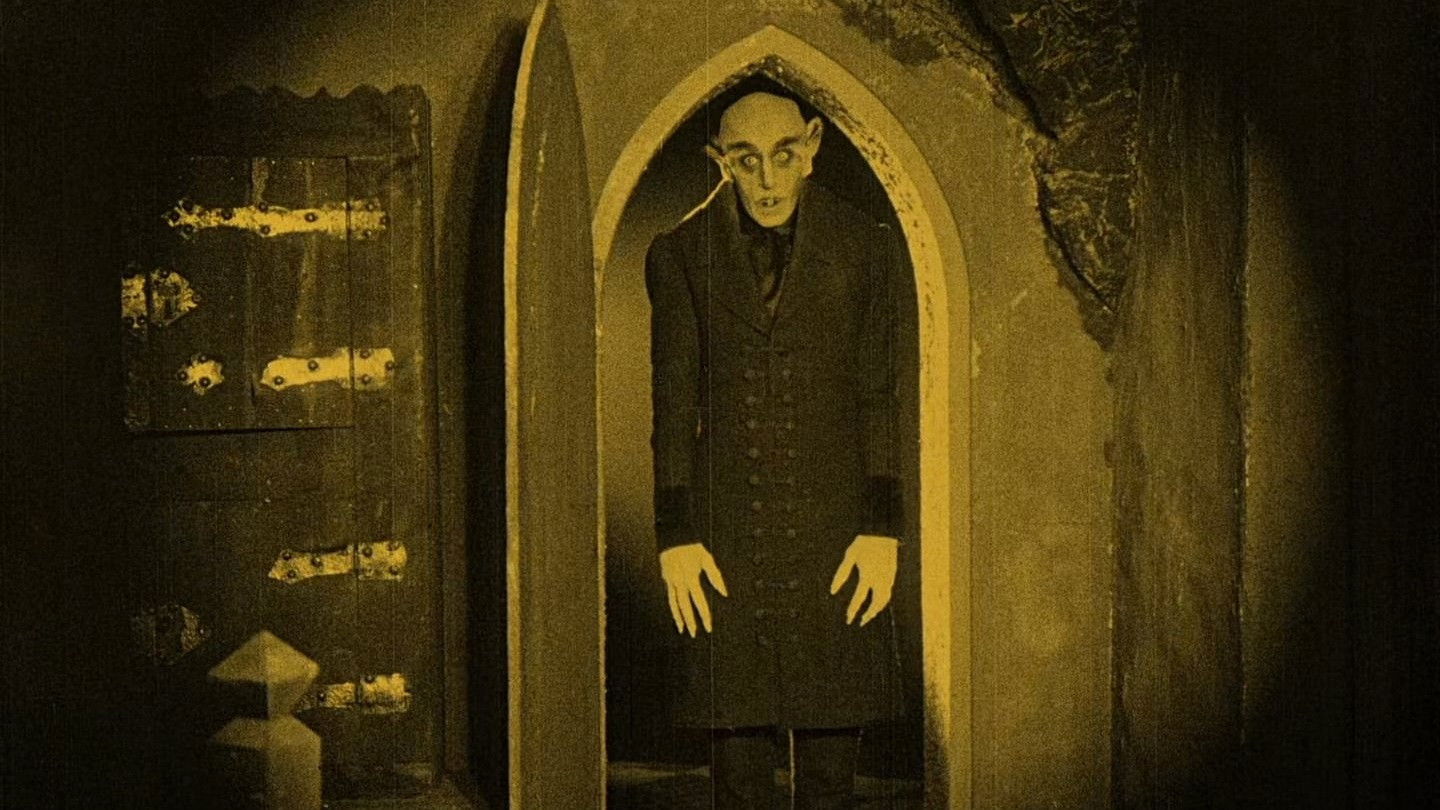
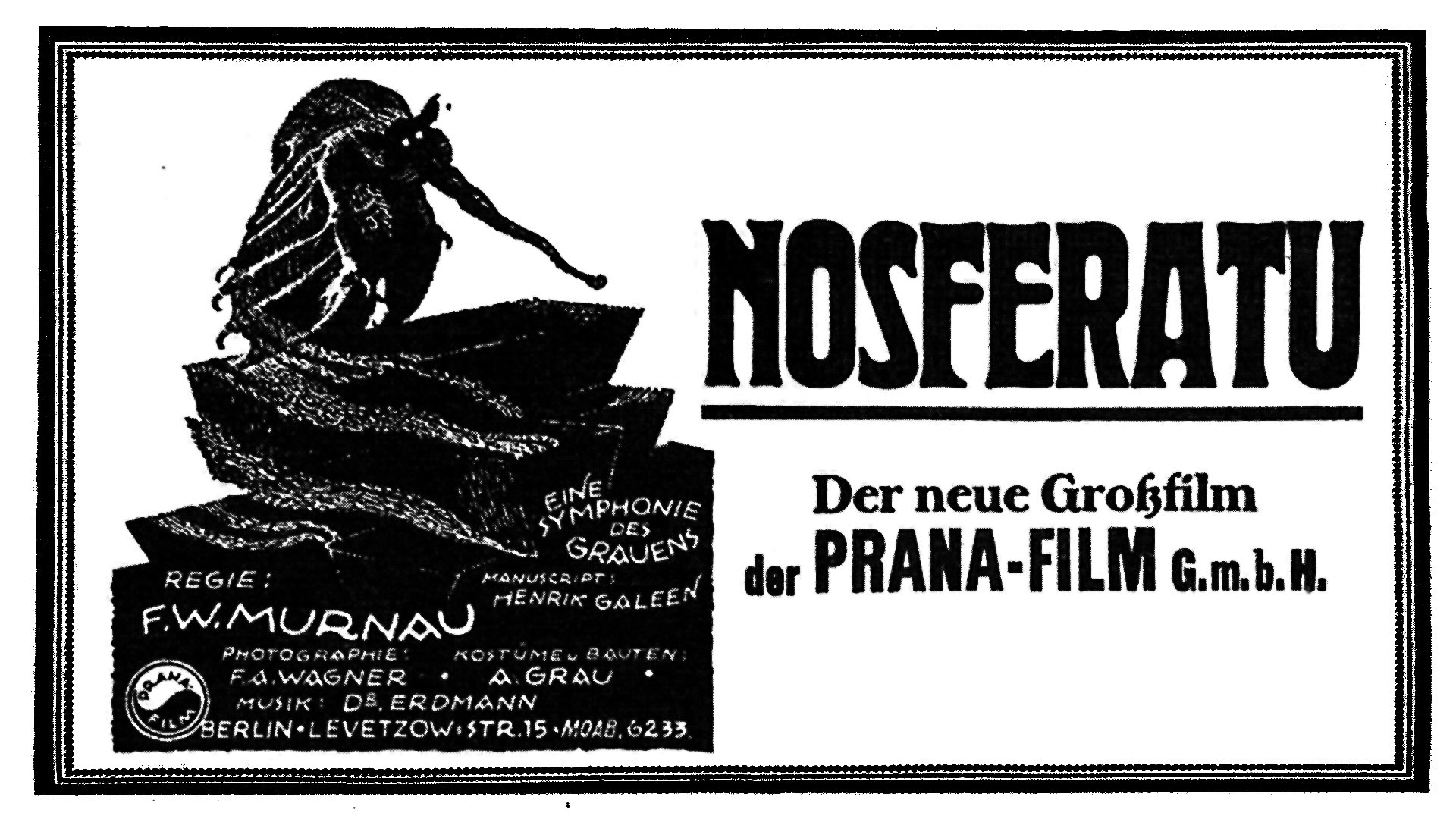
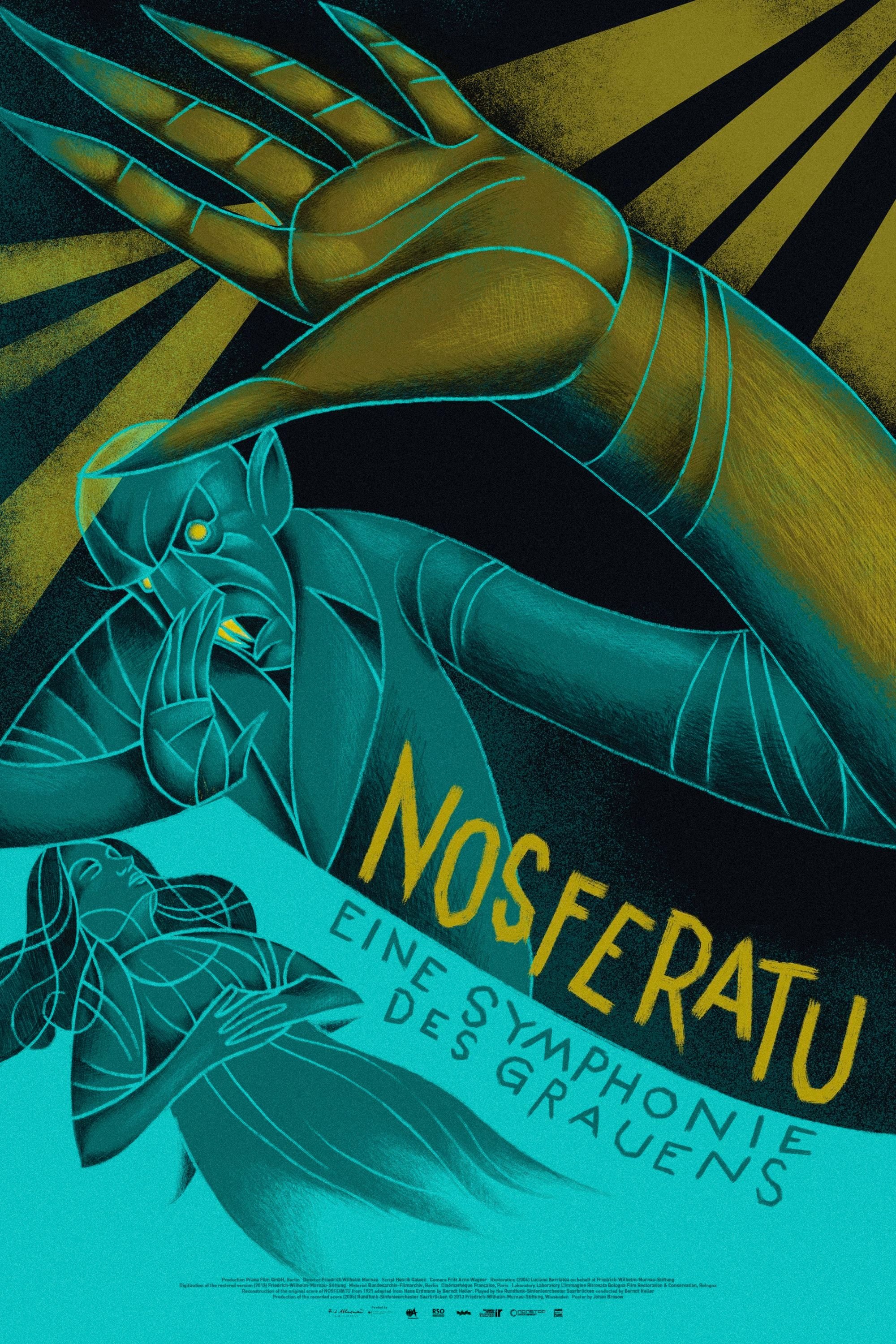
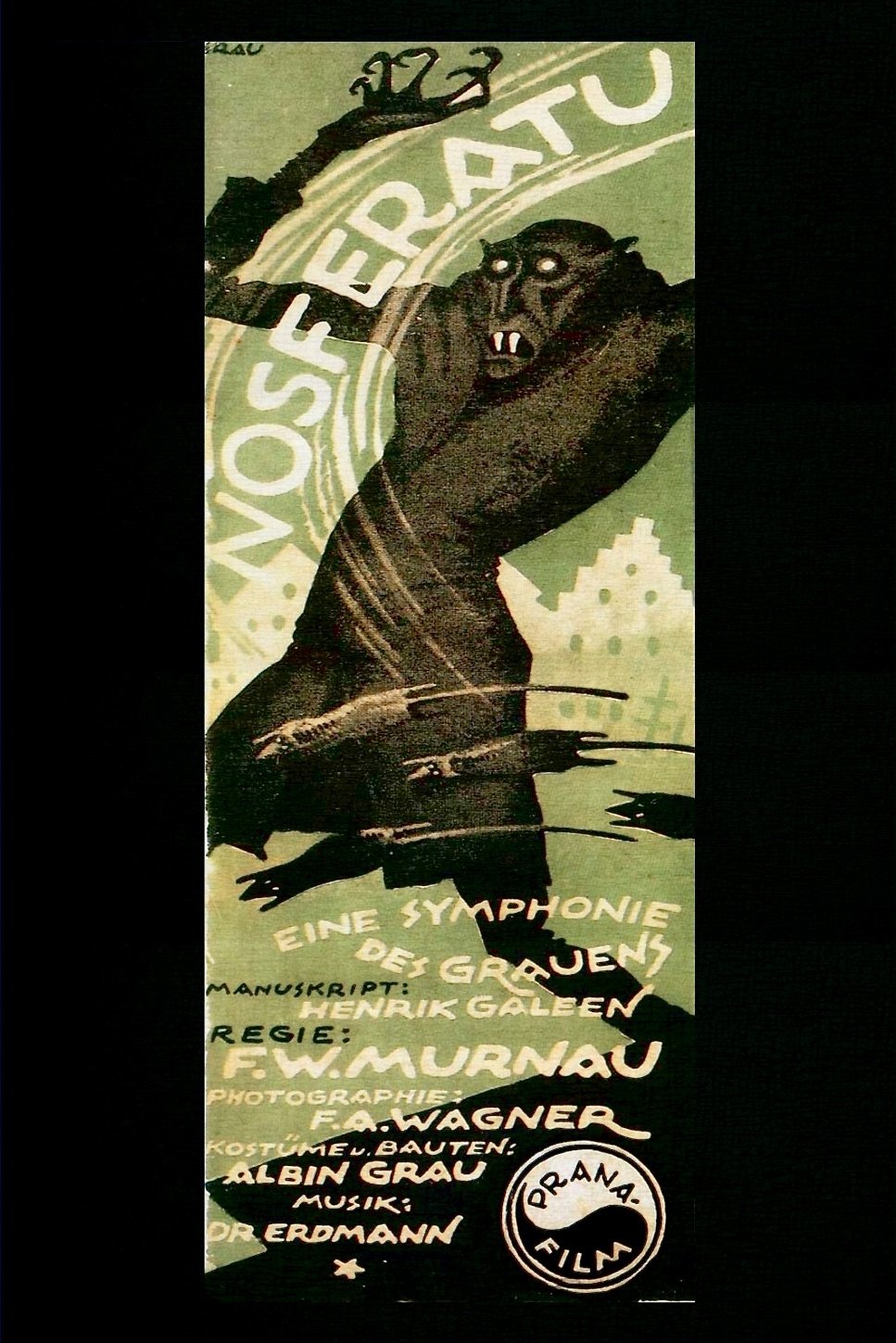
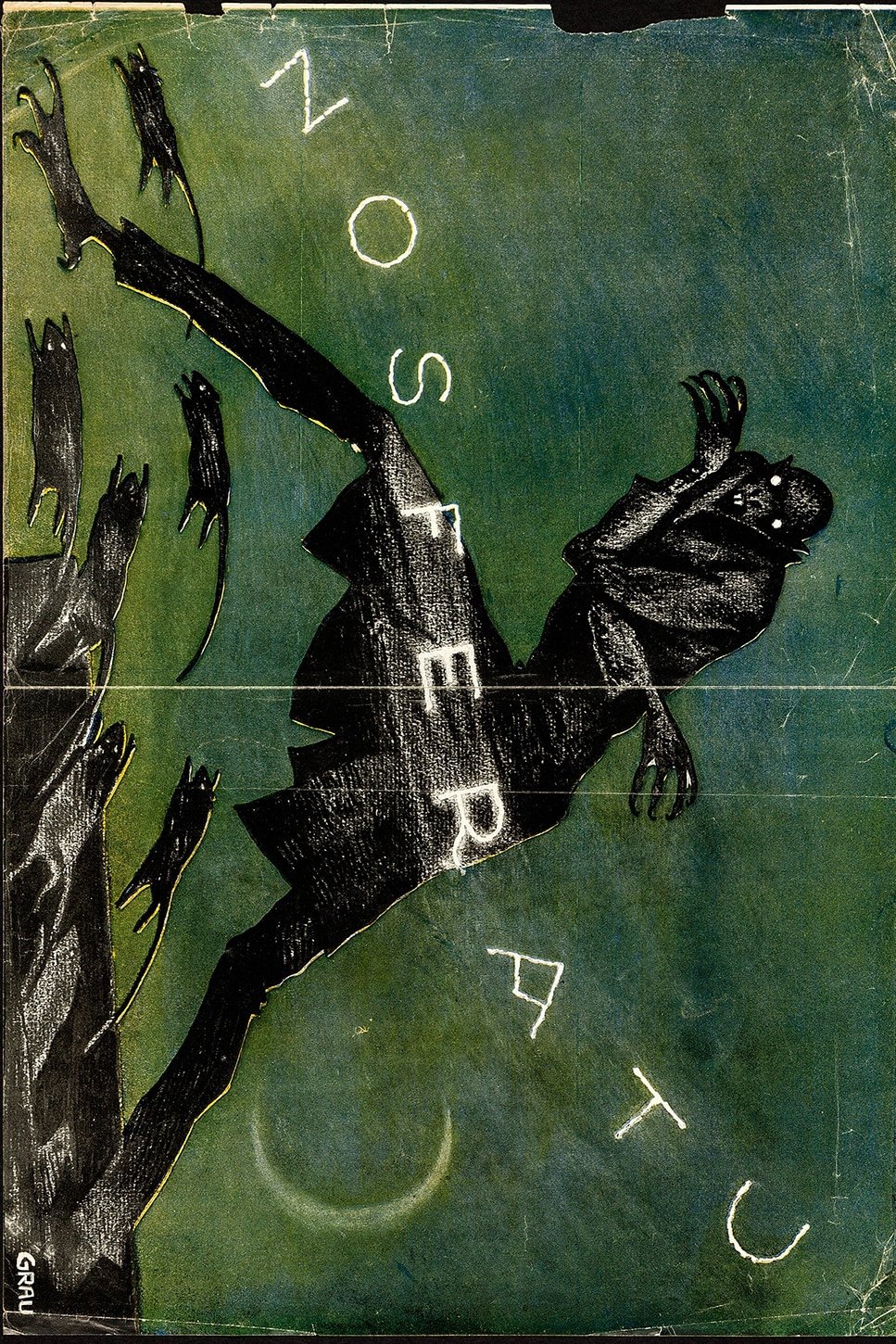
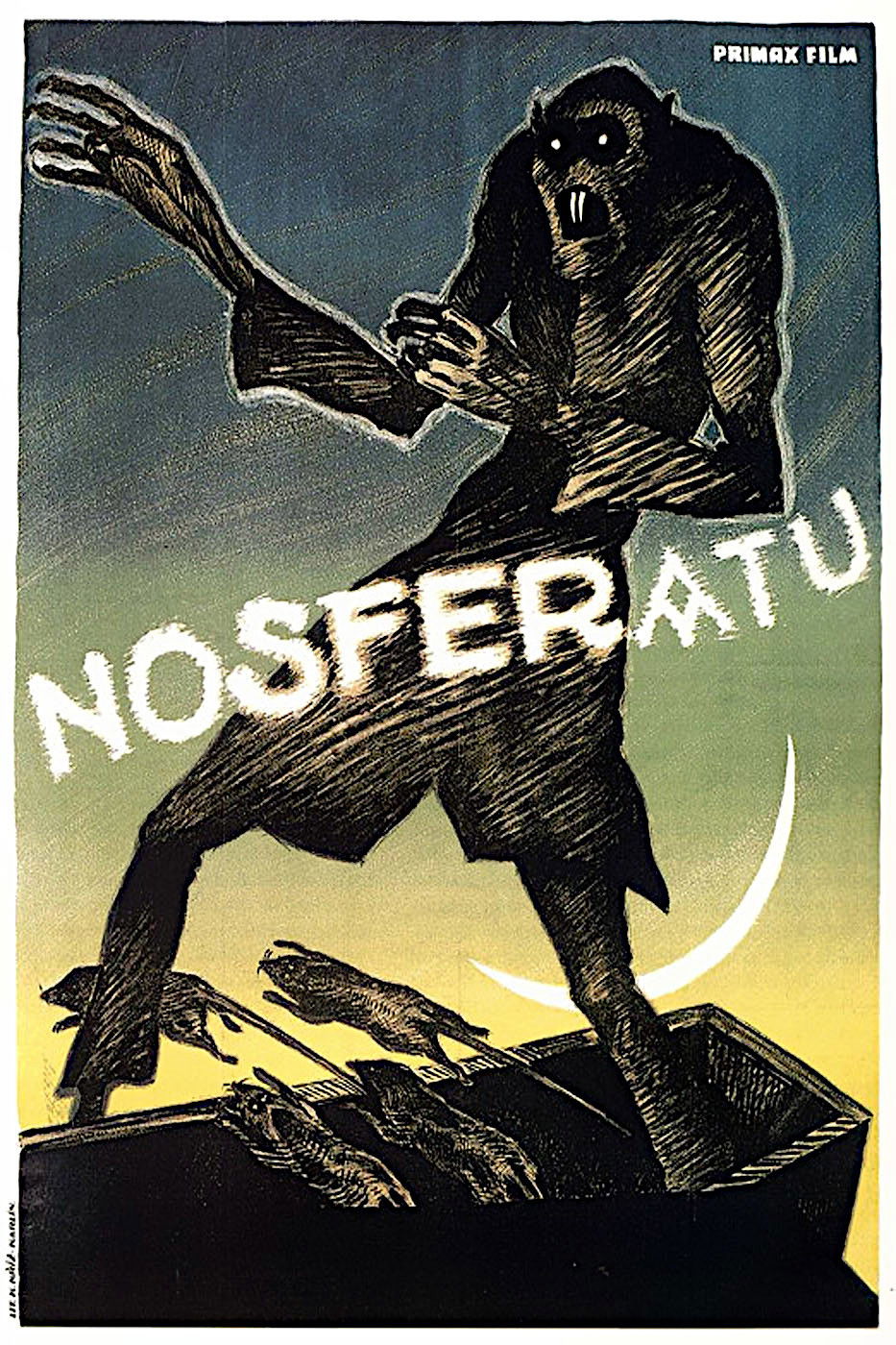
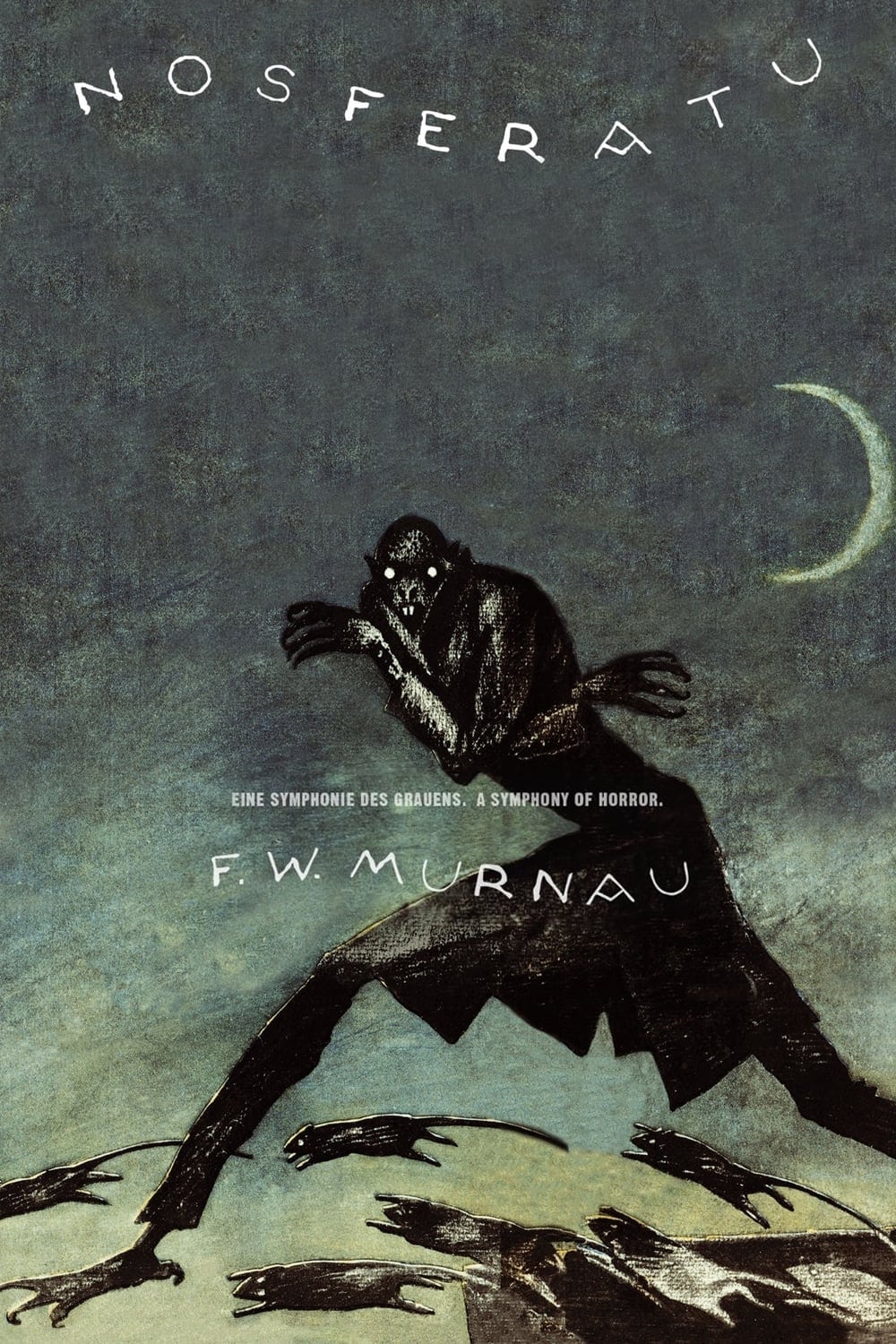
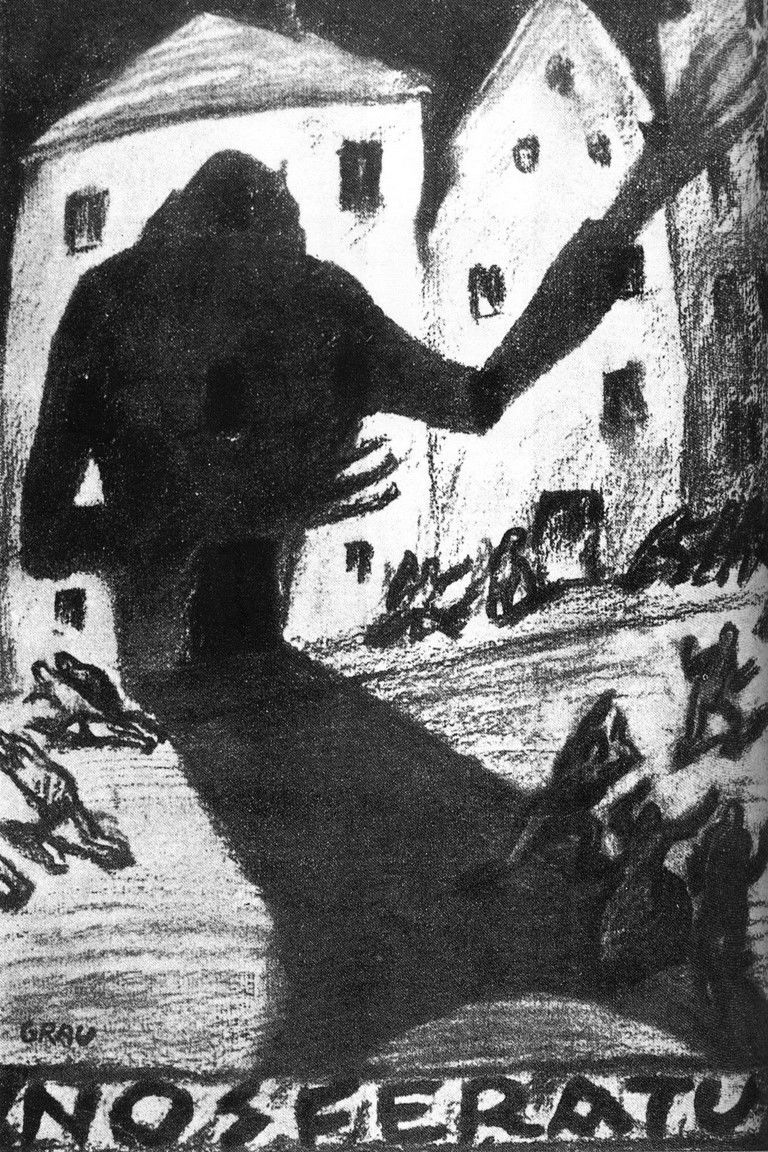
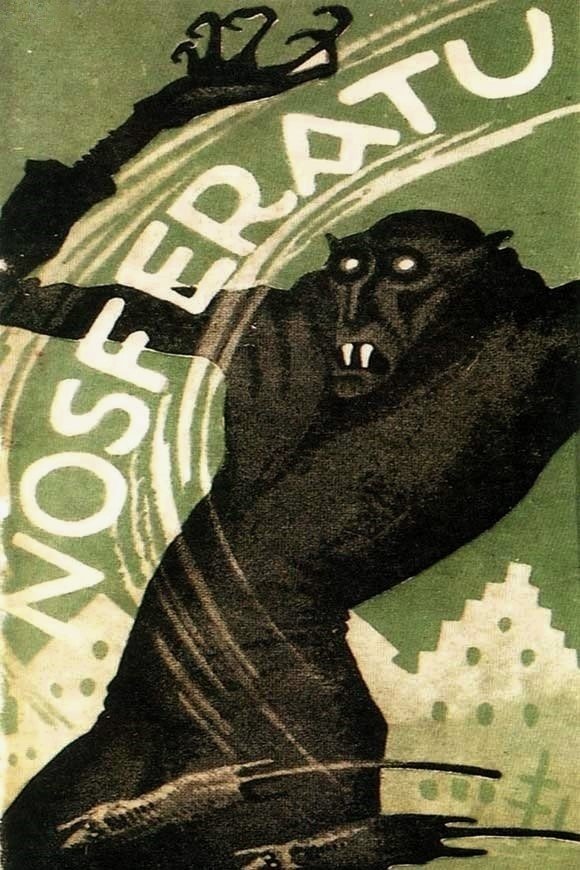
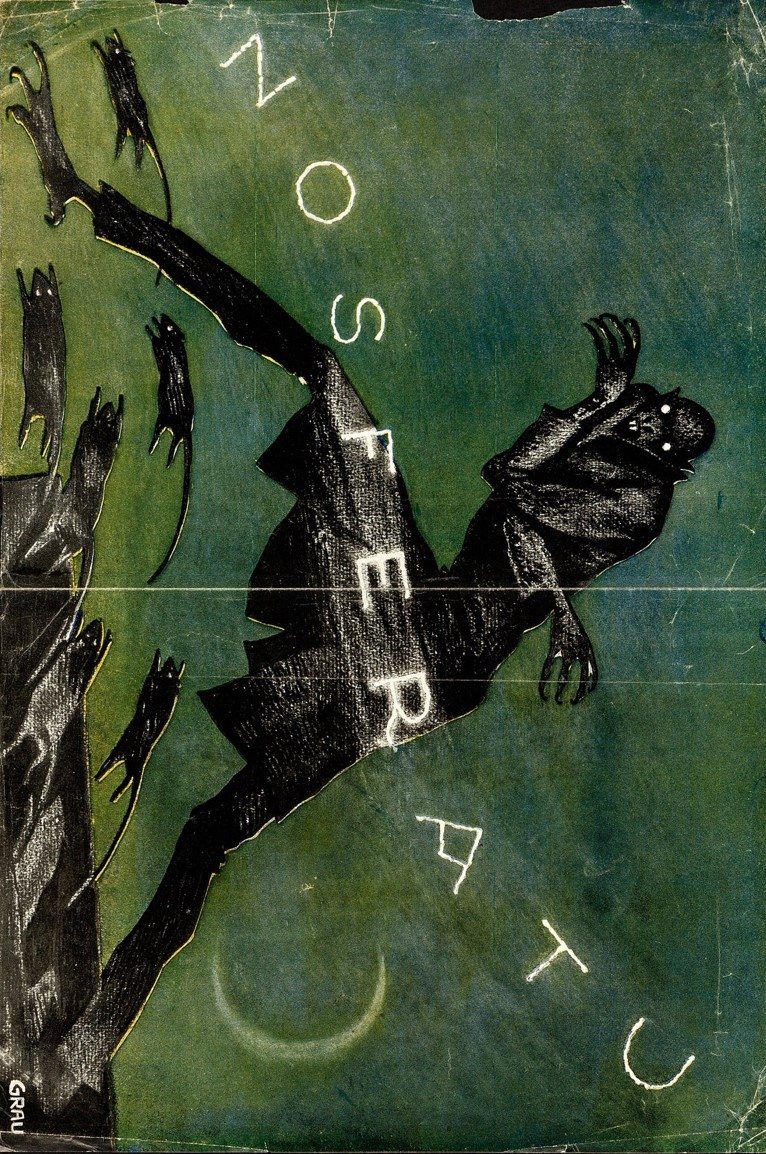
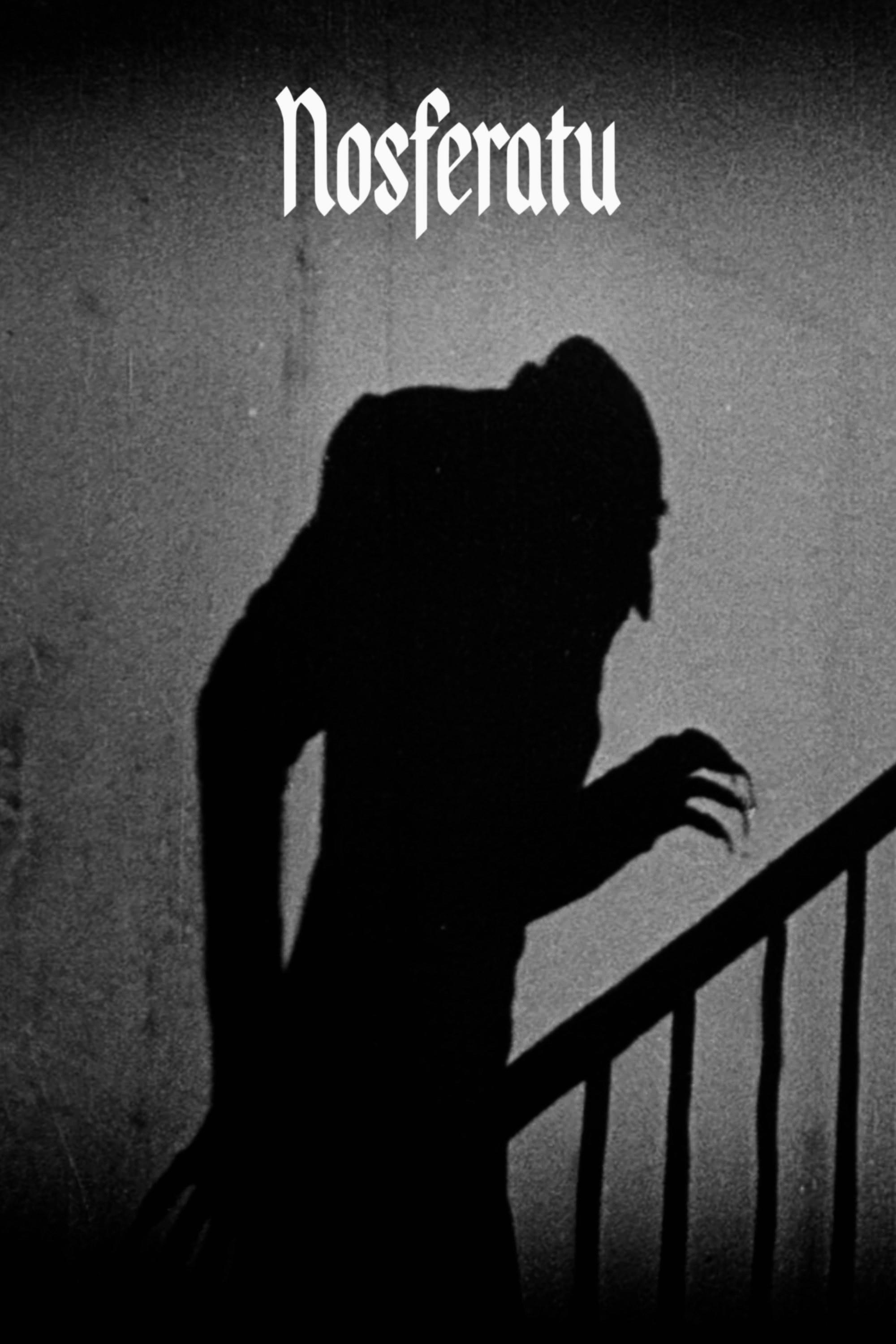
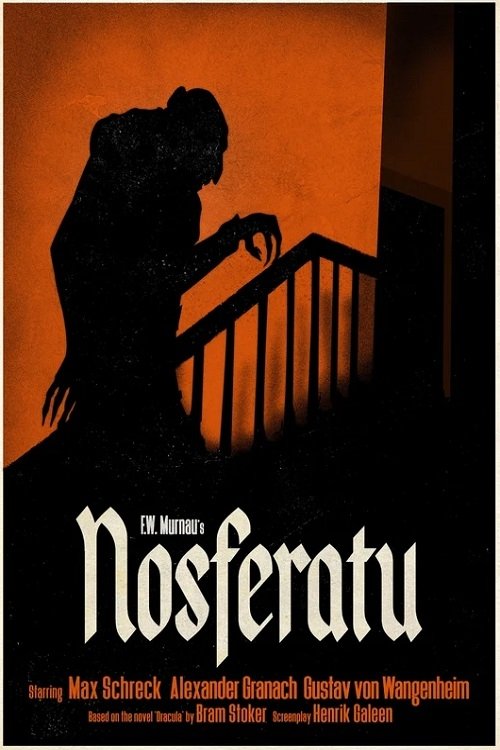
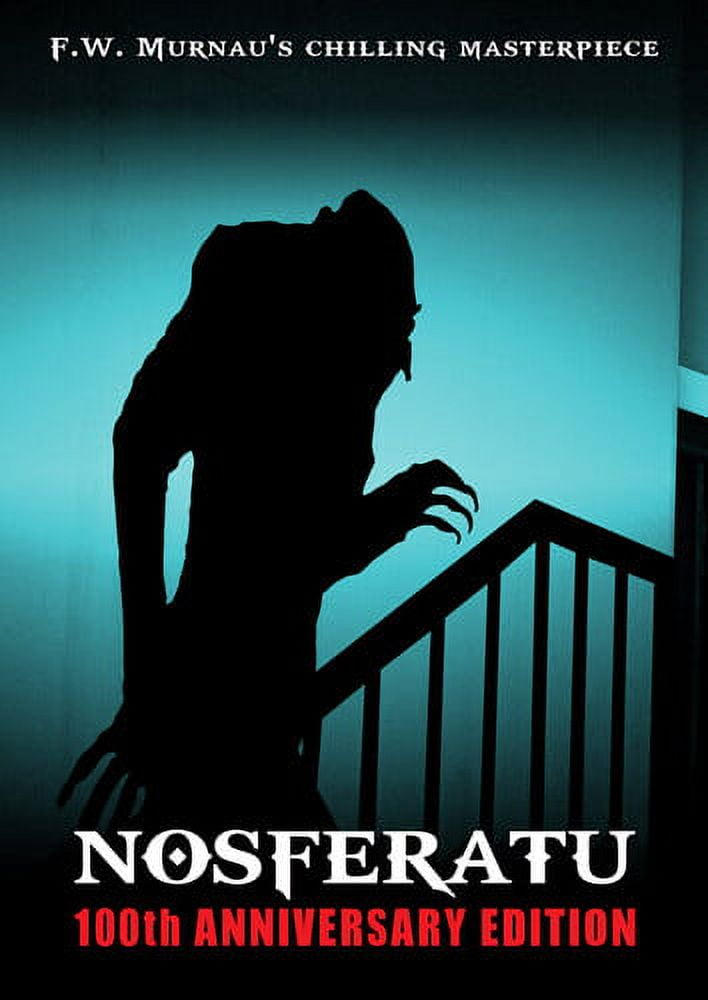
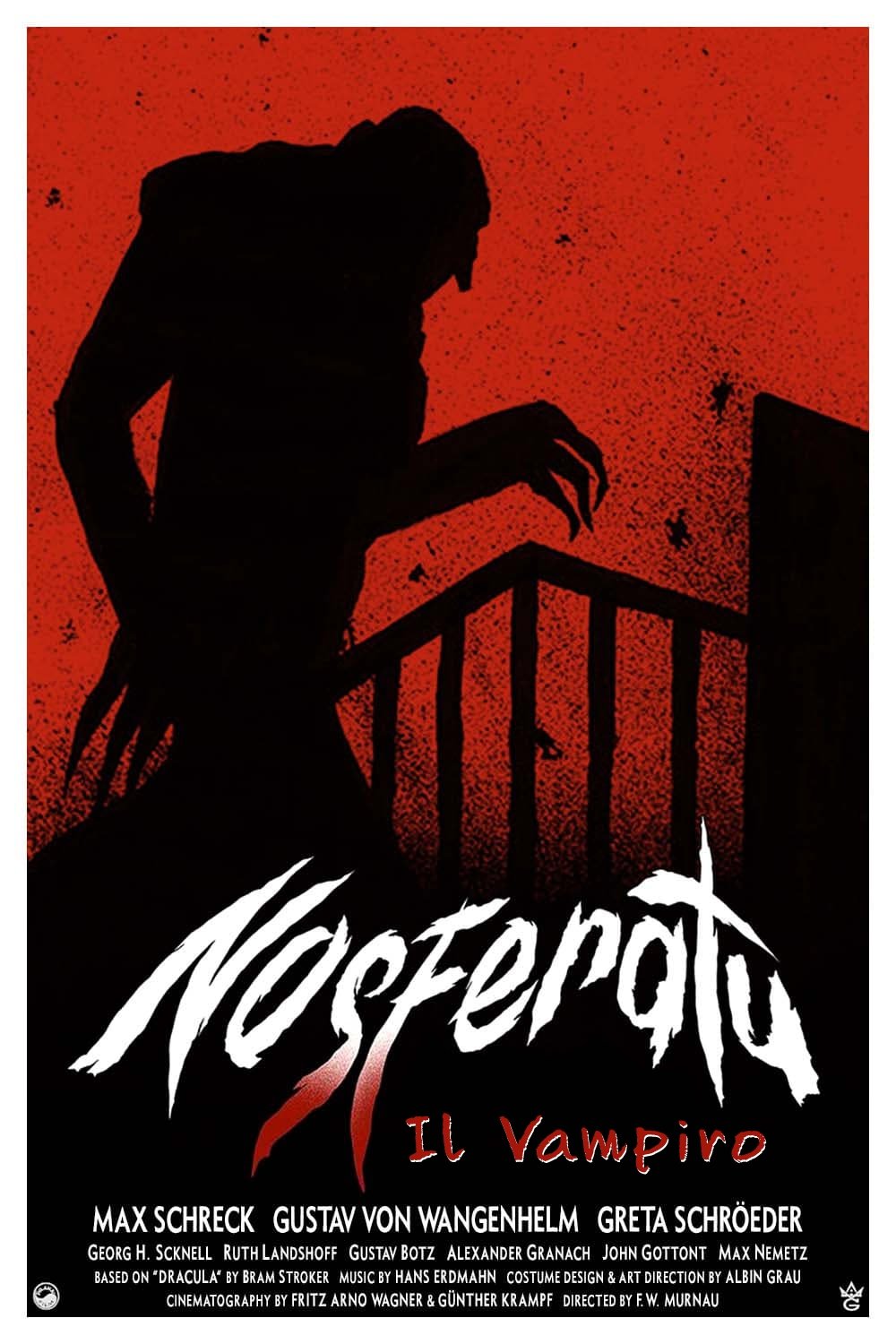
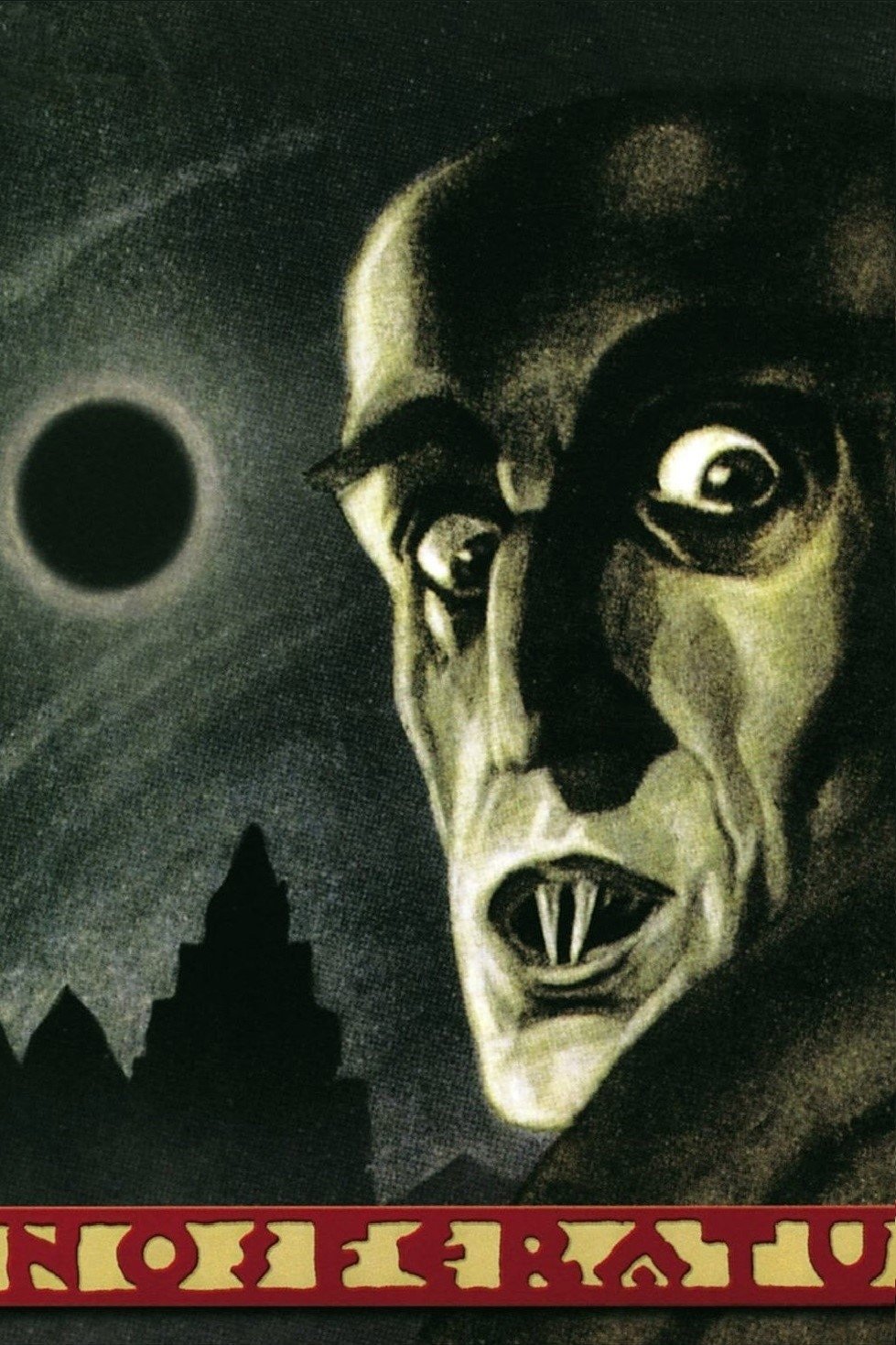
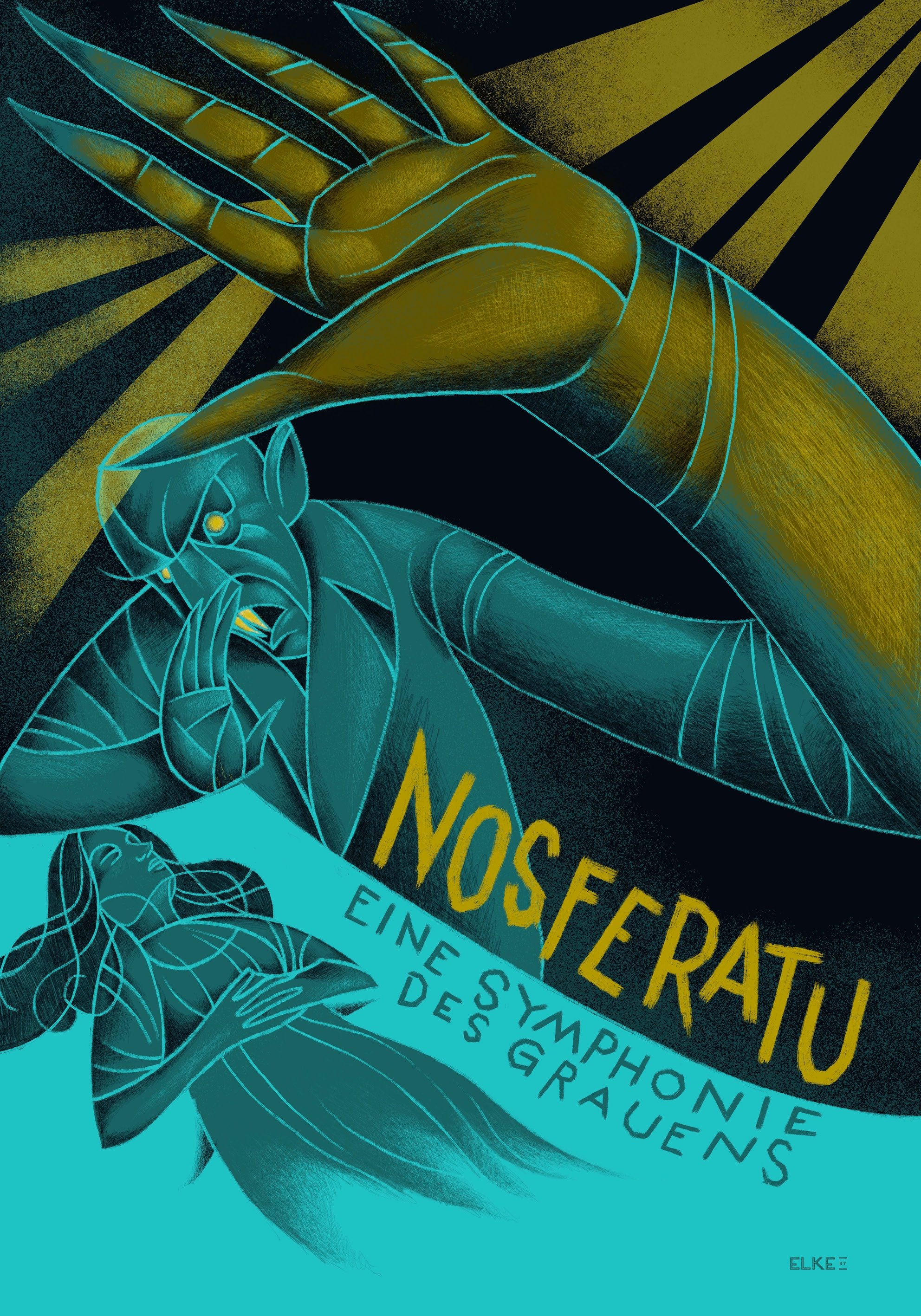
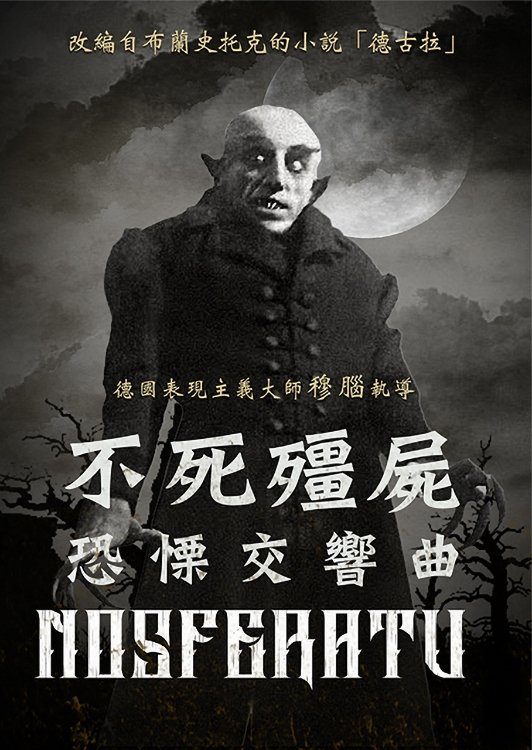
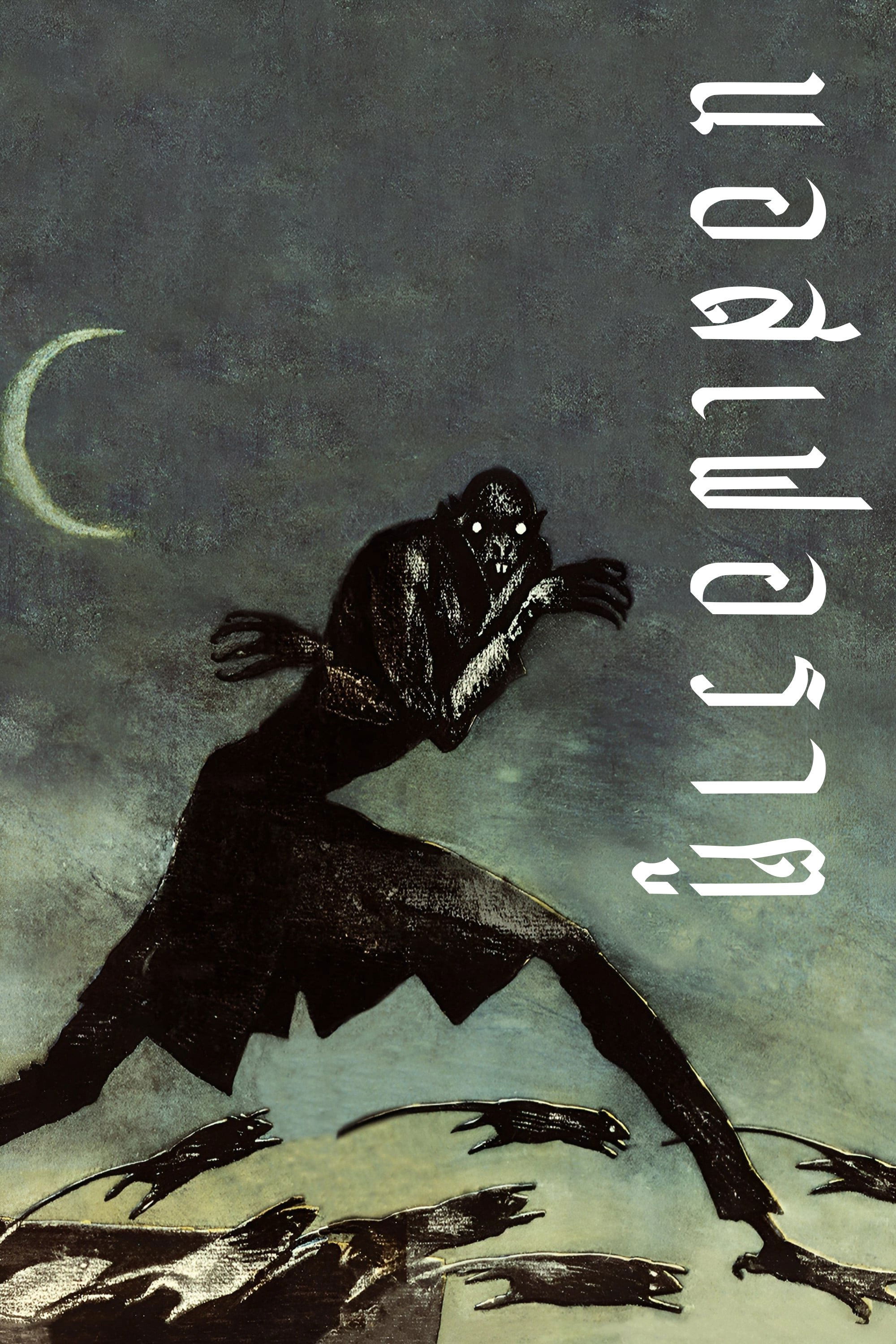
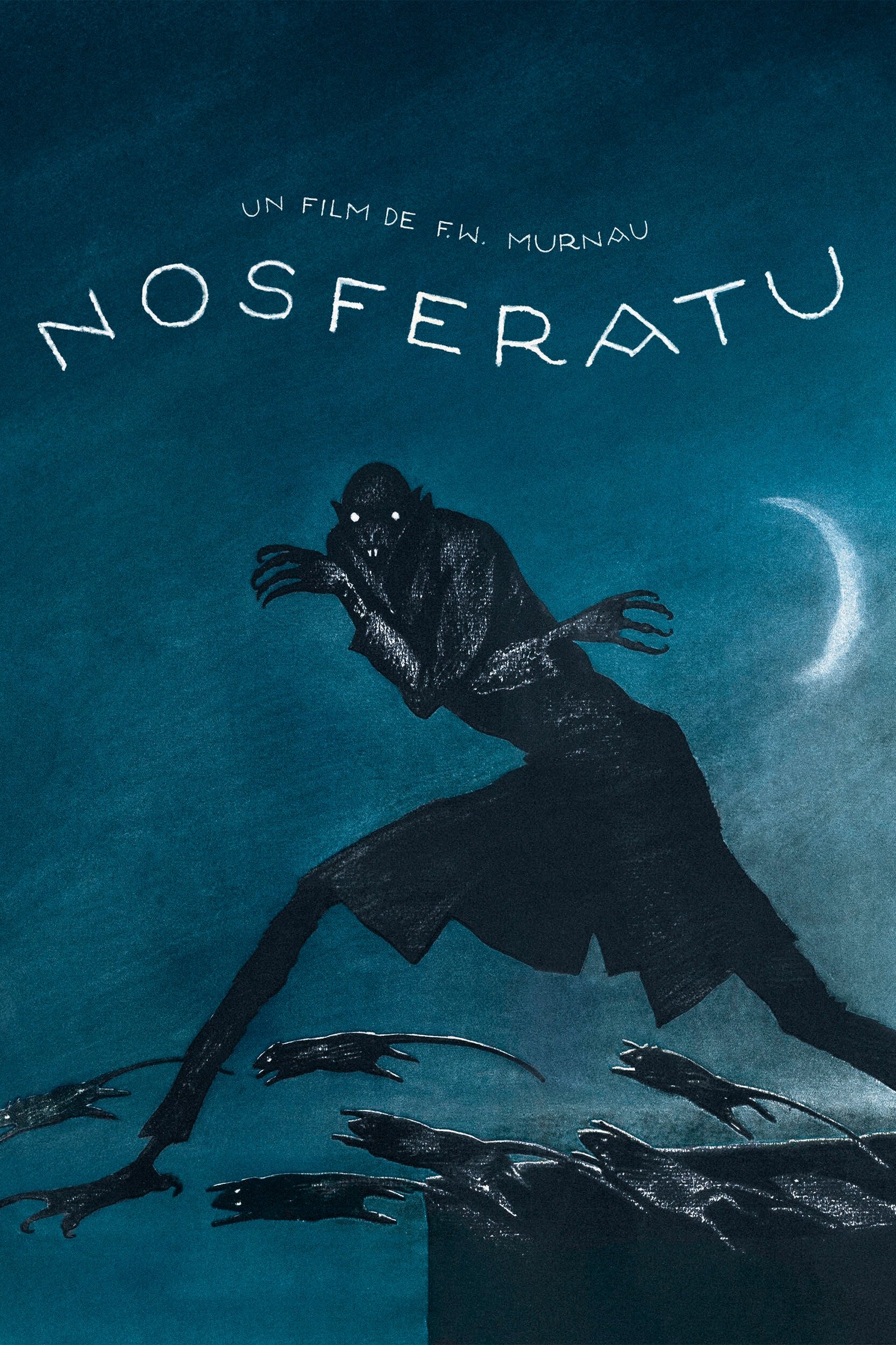
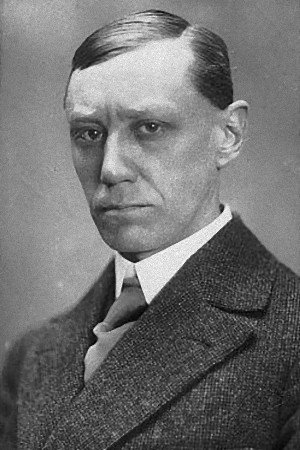
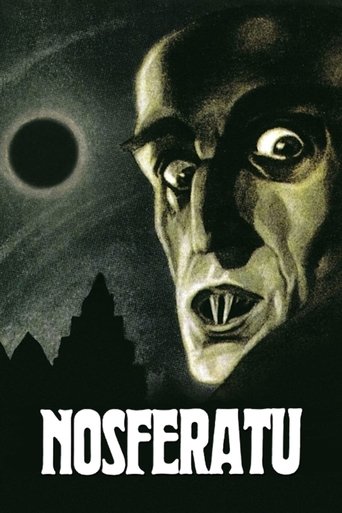
Nosferatu originated with Albin Grau, a German artist, graphic designer and participant in occultist circles who sought to incorporate esoteric subjects into commercial filmmaking. In 1921, Grau and businessman Enrico Dieckmann established Prana-Film in Berlin, intending to develop productions concerned with supernatural and occult themes. The company took its name from a concept associated with vital energy in Indian philosophy and adopted within Western esoteric movements. Grau had previously worked on film publicity and knew Murnau through the director's earlier productions. He recognized the possibilities of translating a vampire narrative into a visual language capable of combining historical settings, threatening physical forms and psychological suggestion.
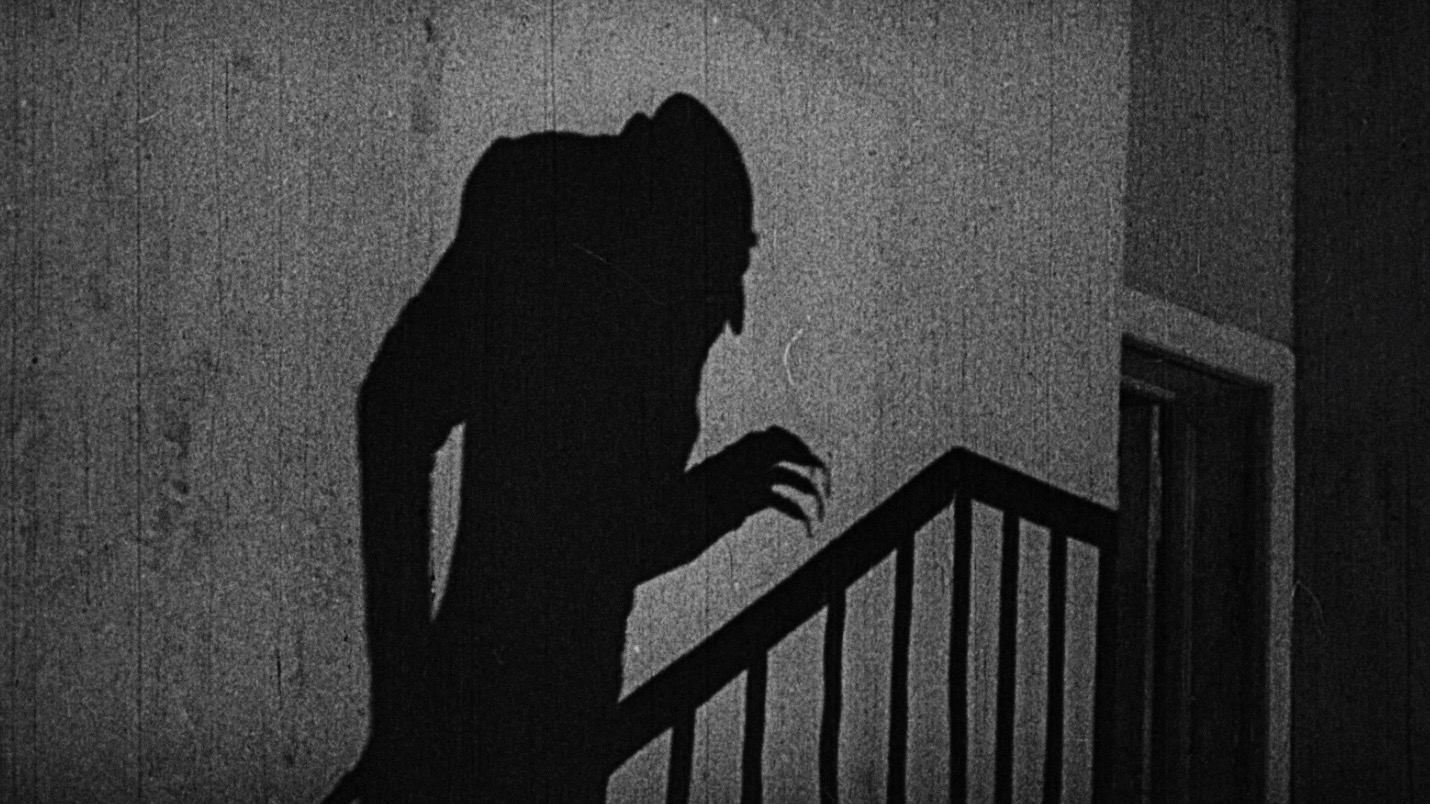
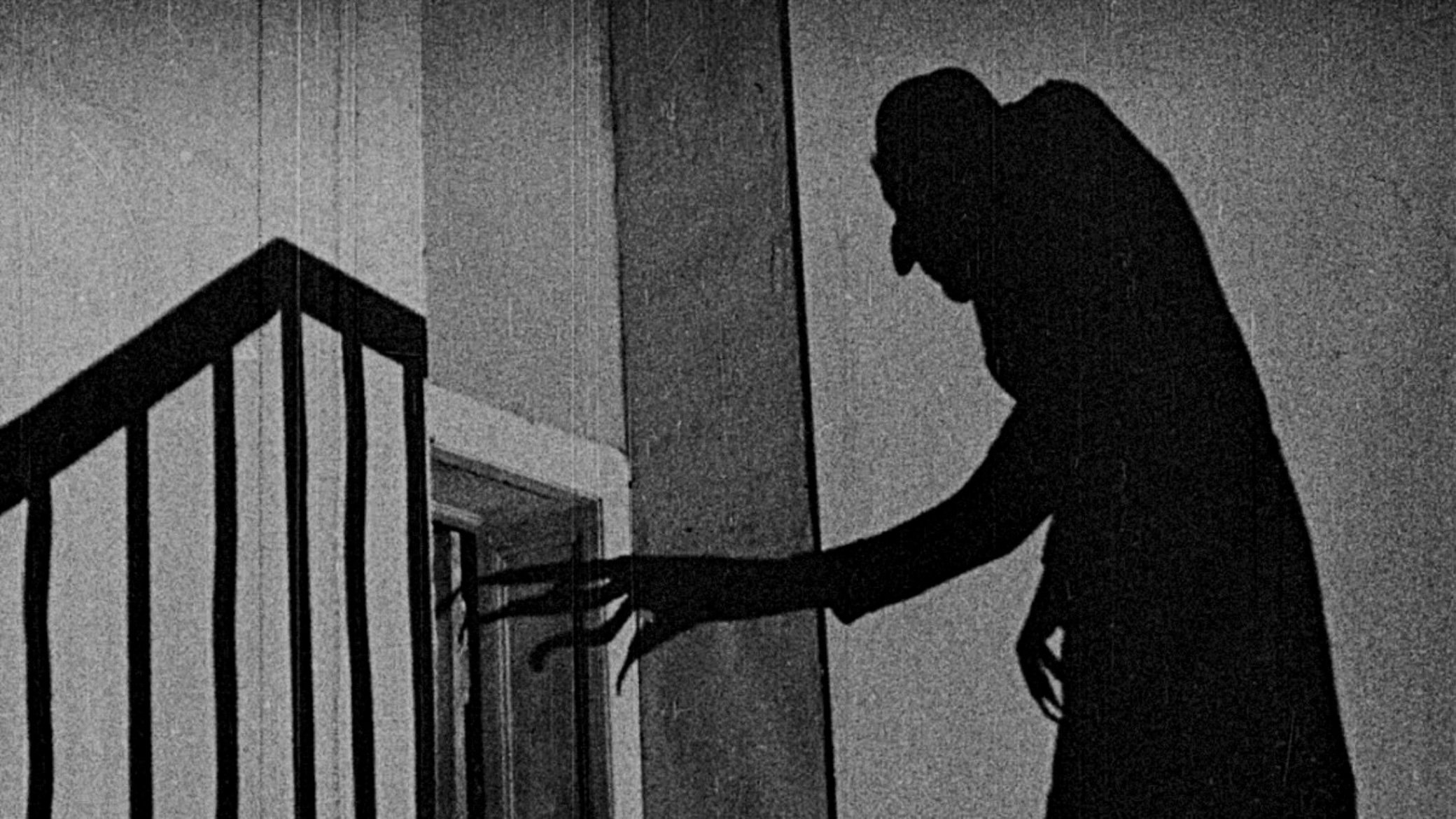
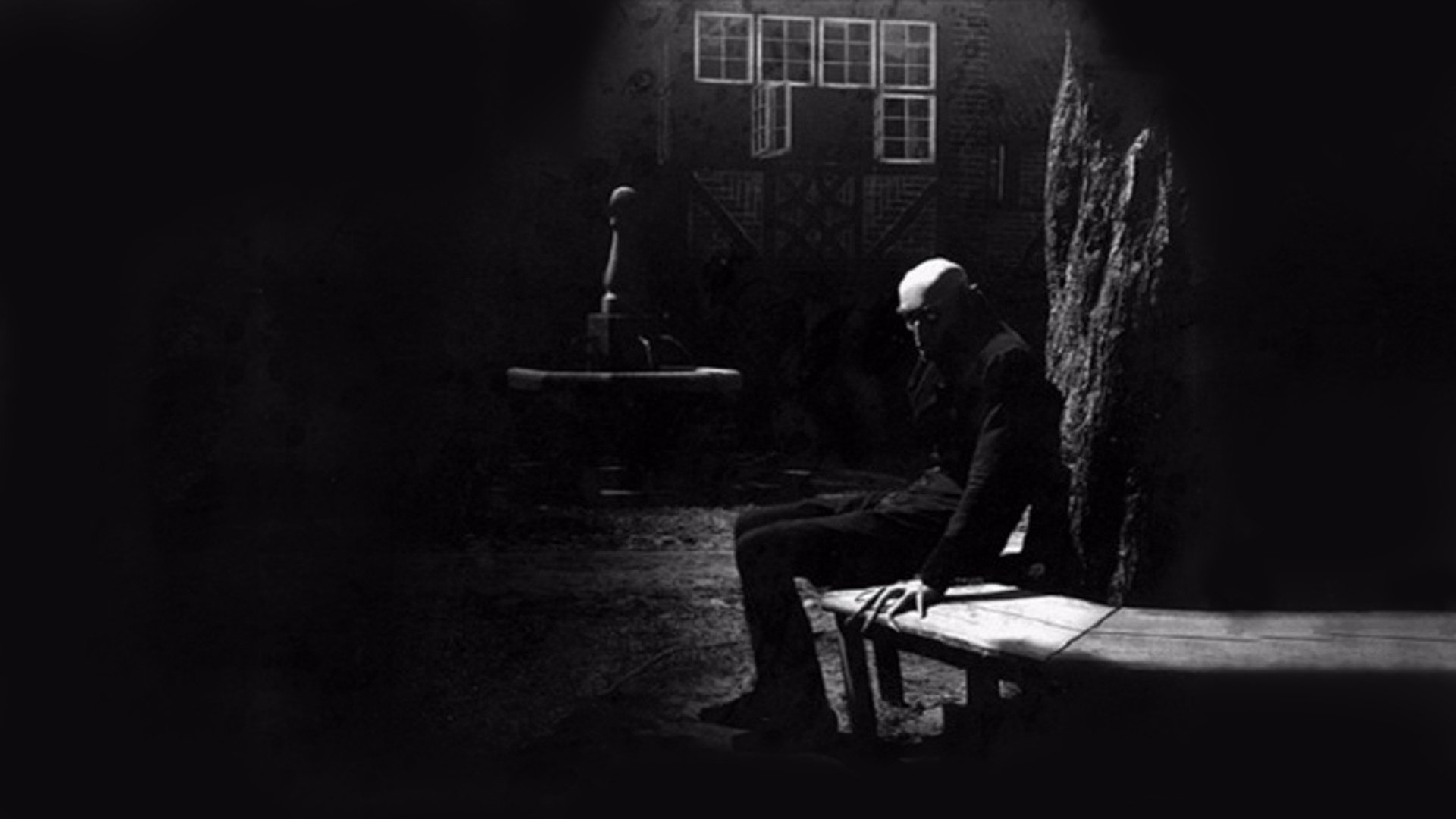
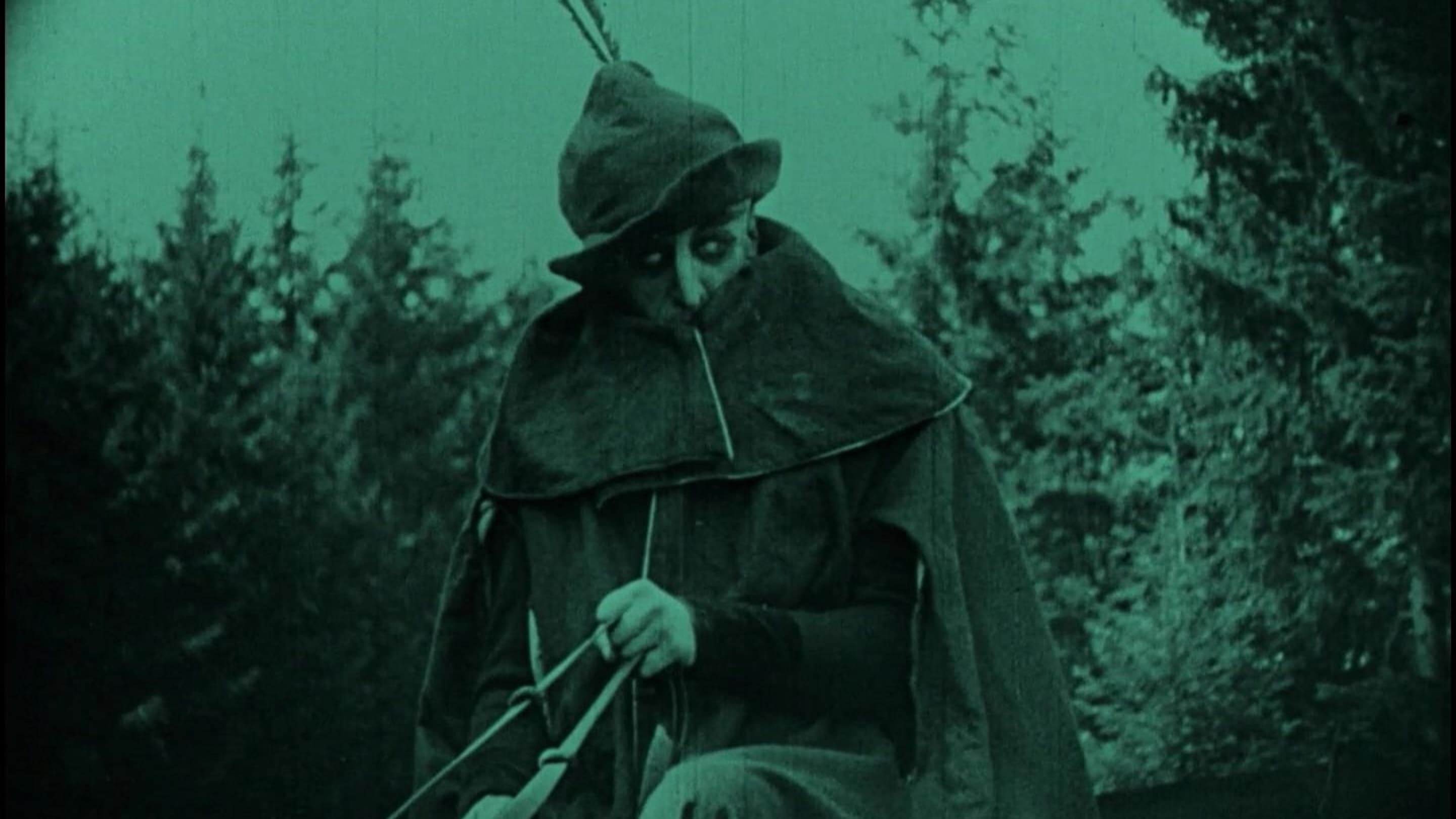
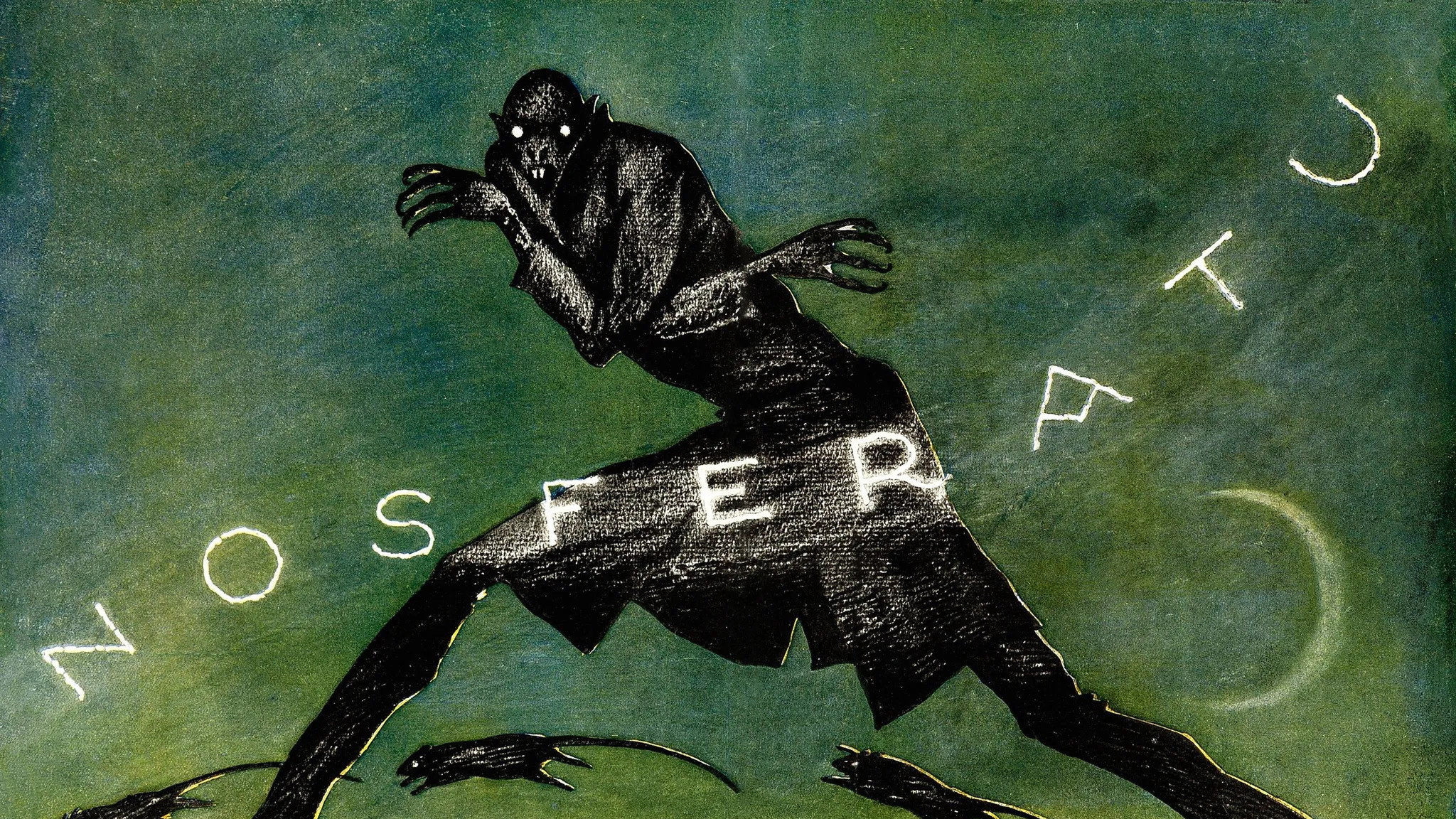
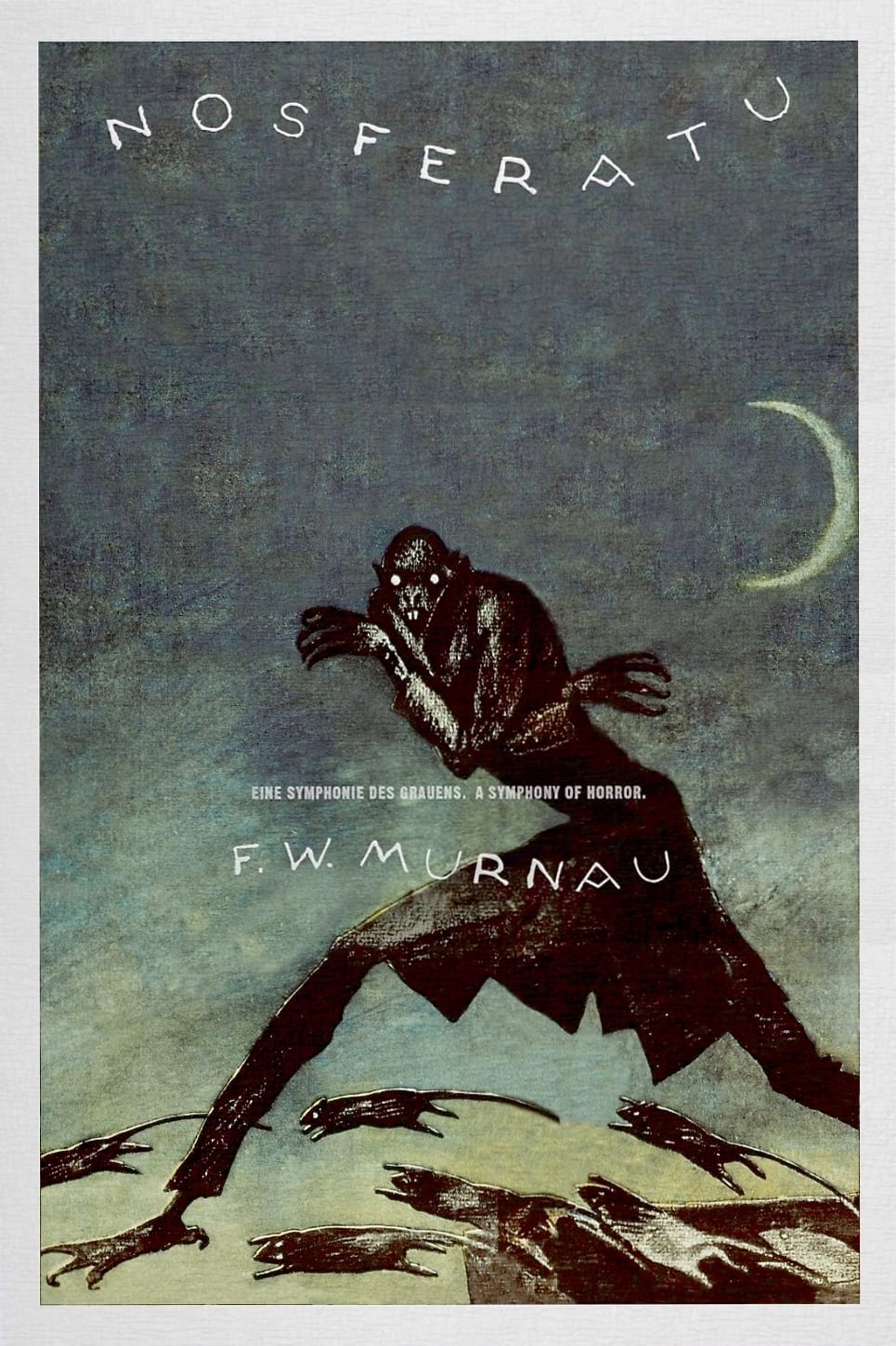
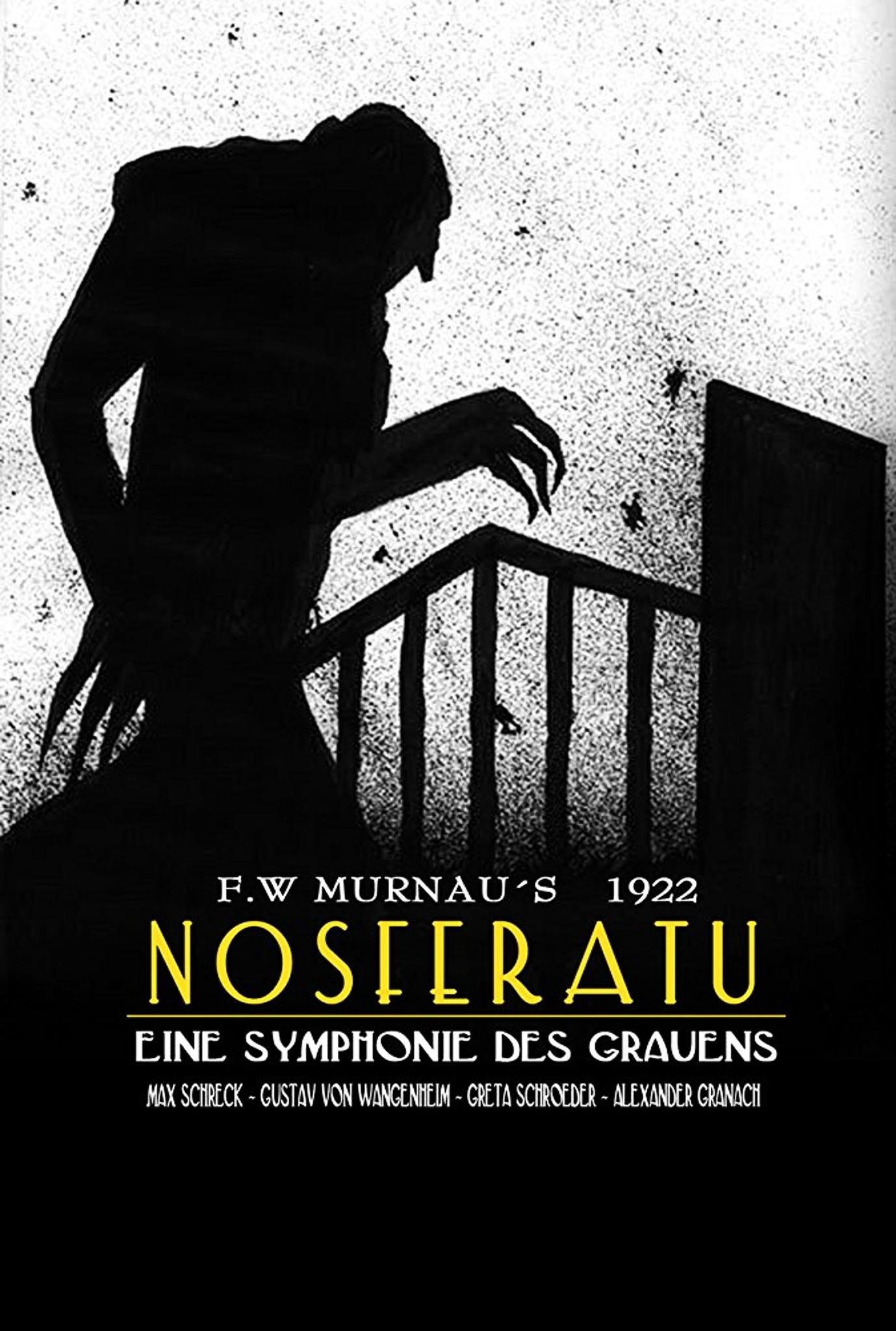
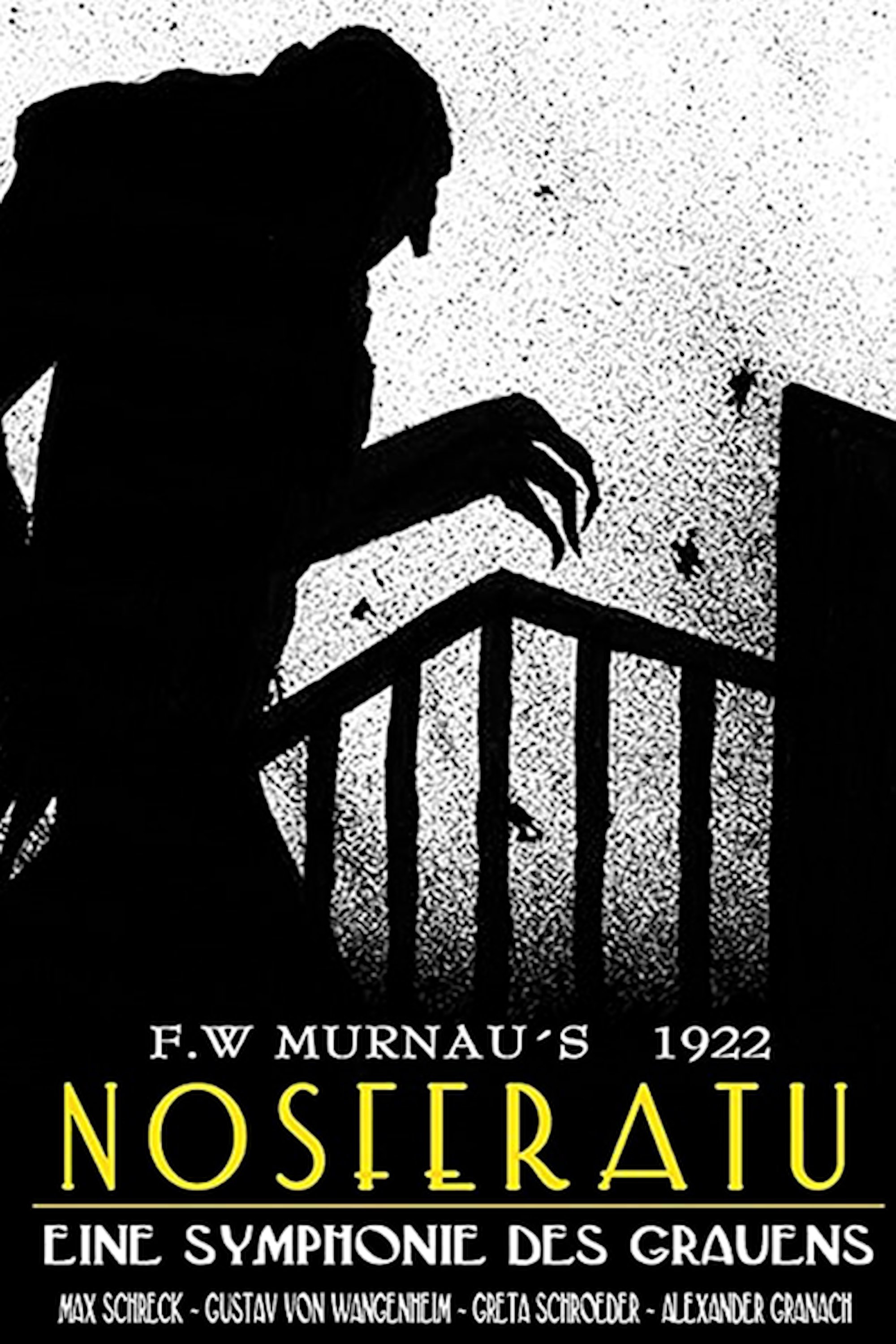
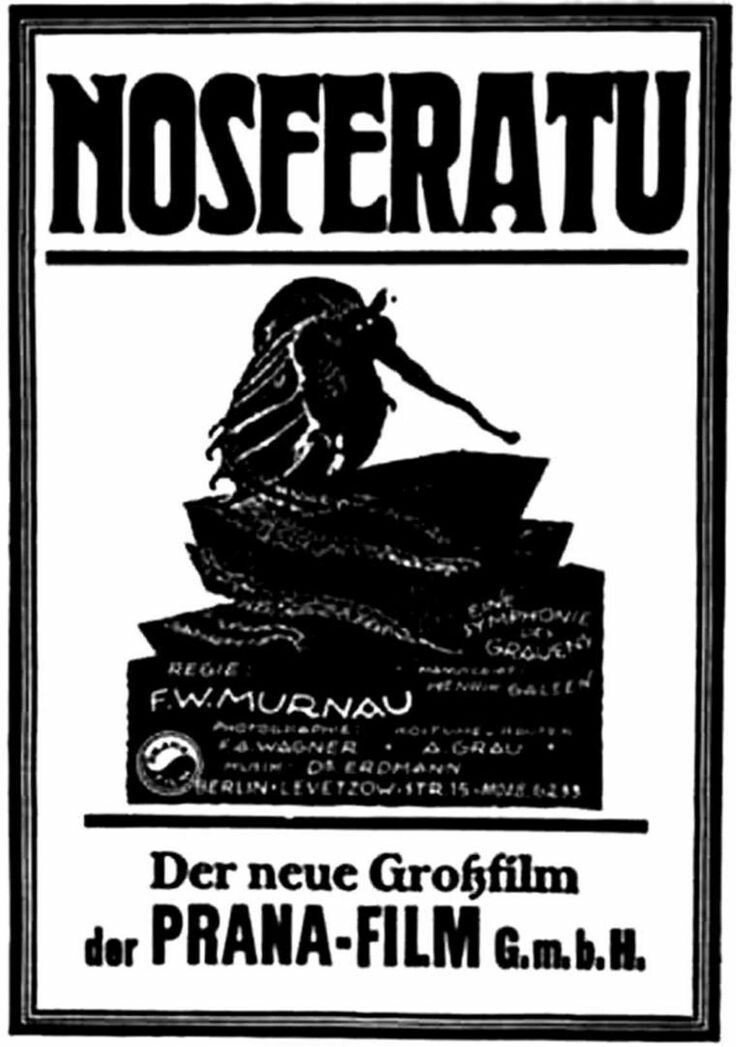
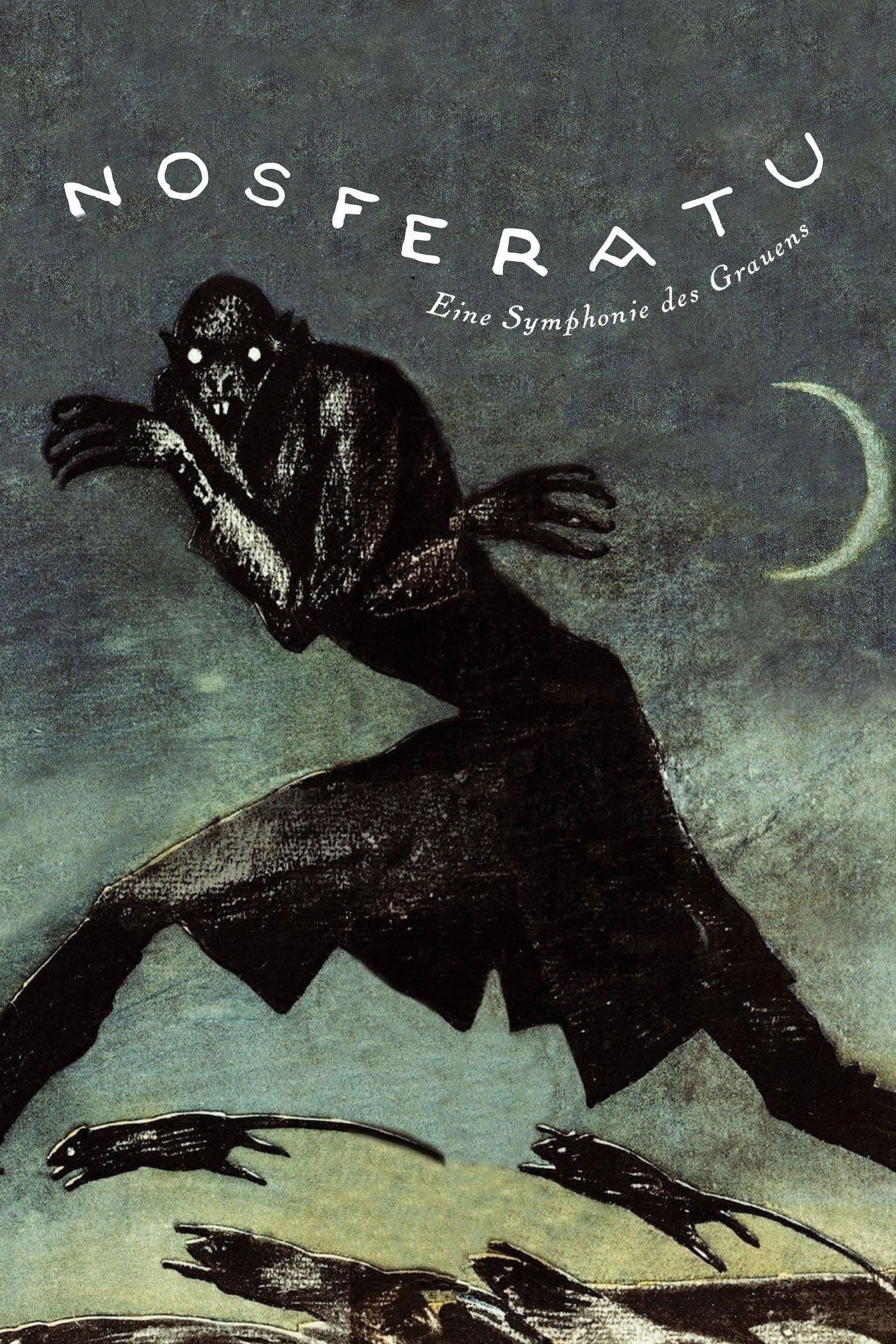
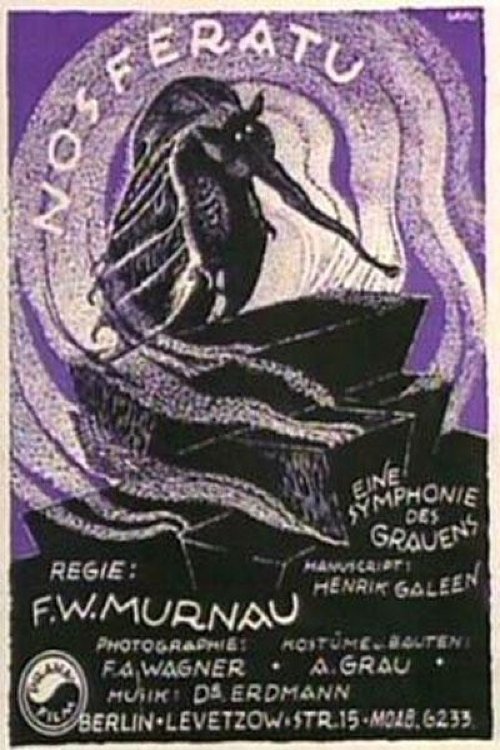
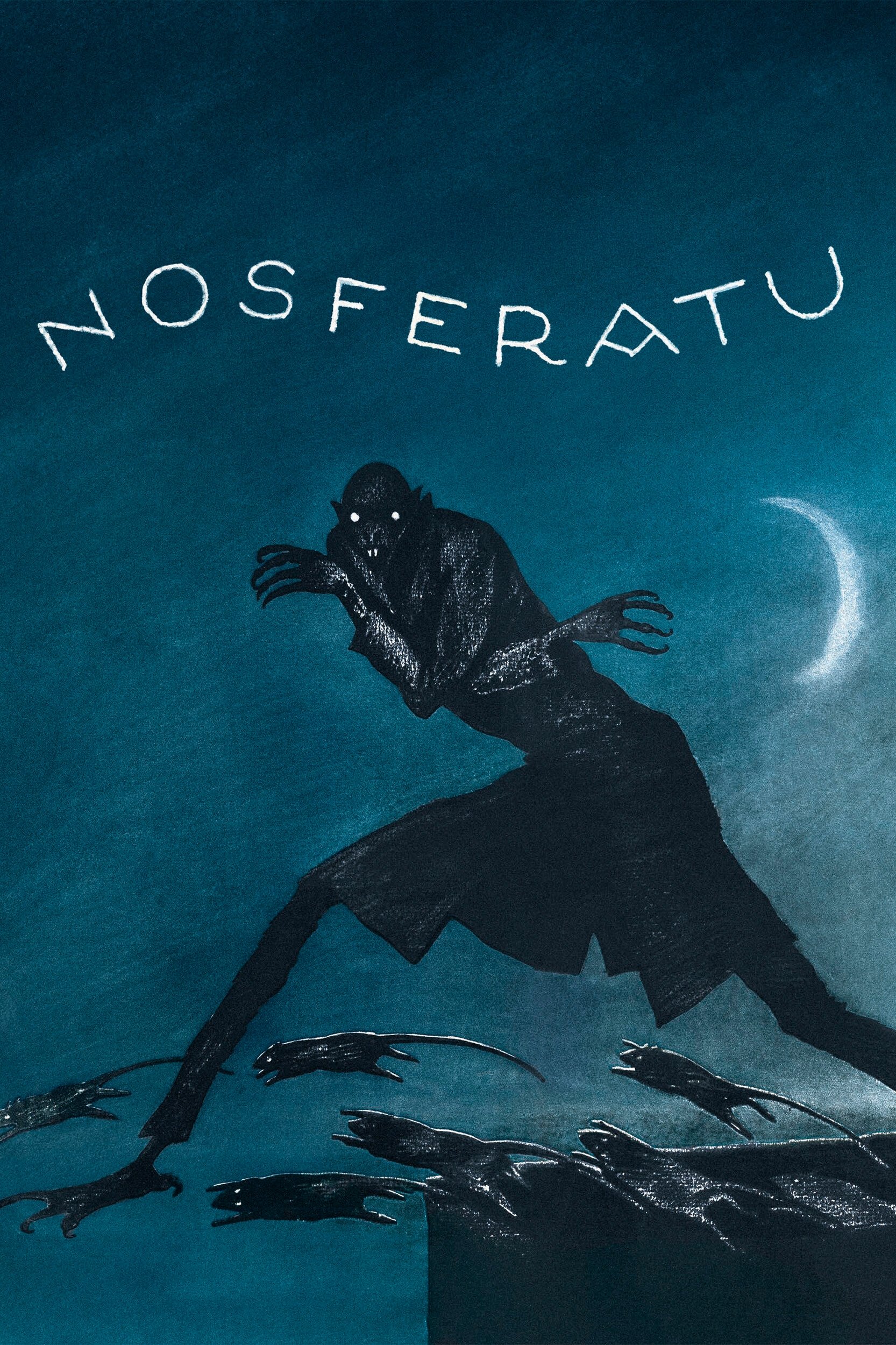
Grau's contribution extended substantially beyond conventional producing duties. He developed designs for sets, costumes and publicity, as well as preparatory drawings intended to determine the visual treatment of individual sequences. Film historian and restoration specialist Luciano Berriatúa has examined contemporary production reporting that describes Grau preparing scenes according to their intended psychological and pictorial effects before they were filmed. These materials document the sustained collaboration behind the film's visual design. Grau also supplied a publicity account describing a wartime encounter with a peasant who believed that a deceased villager had returned as a vampire. The story belongs to the project's contemporary promotion and cannot independently establish the historical existence of the alleged supernatural incident.
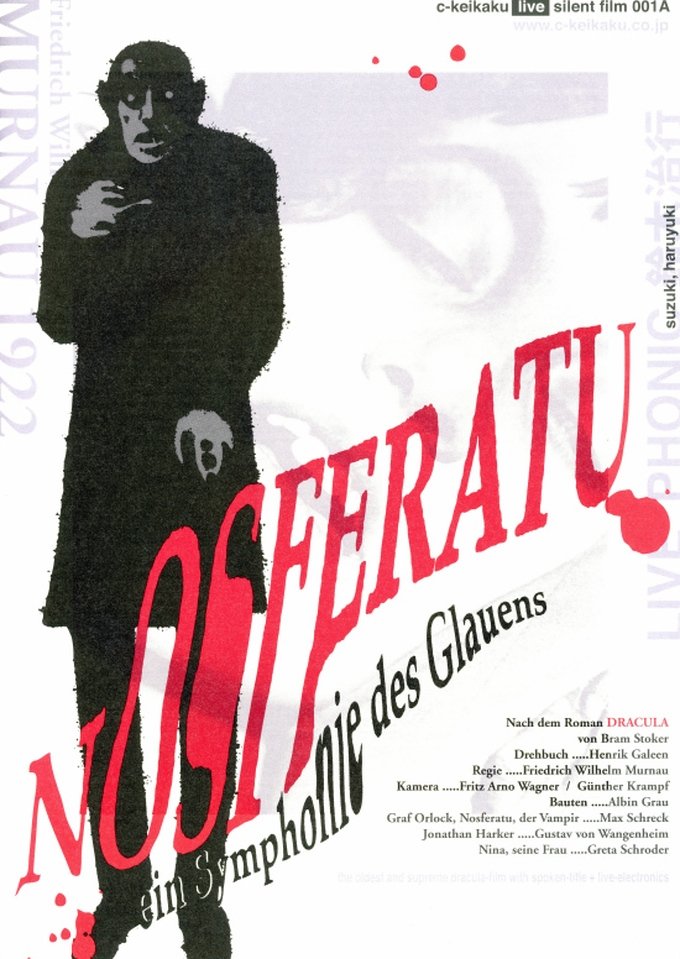
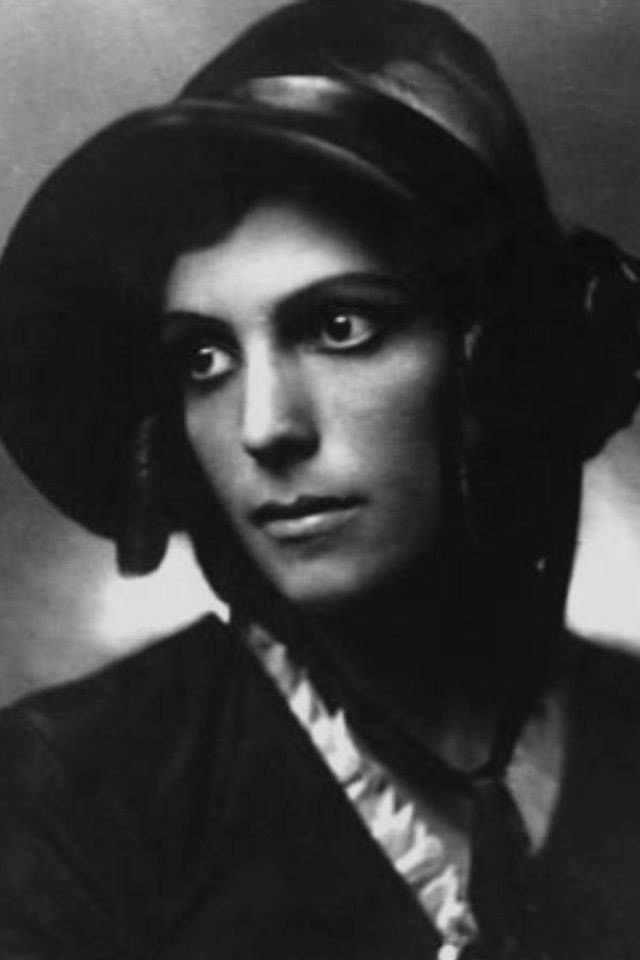
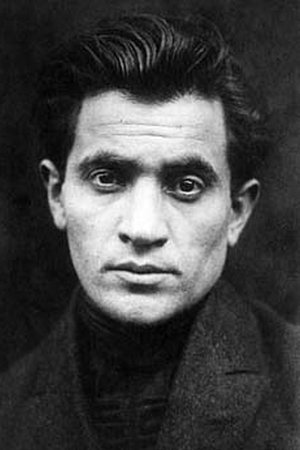
The screenplay was entrusted to Henrik Galeen, whose earlier work included The Student of Prague (1913) and The Golem: How He Came into the World (1920). Murnau had begun directing features in 1919 and was already developing the visual methods that would become more widely recognized through The Last Laugh (1924), Faust (1926) and Sunrise (1927). Nosferatu brought together filmmakers with experience in fantastic material at a time when German cinema was gaining an international reputation for psychological and supernatural subjects. The project was nevertheless commercially precarious. Prana lacked the distribution advantages of the major German companies, and Nosferatu ultimately remained its only completed feature.