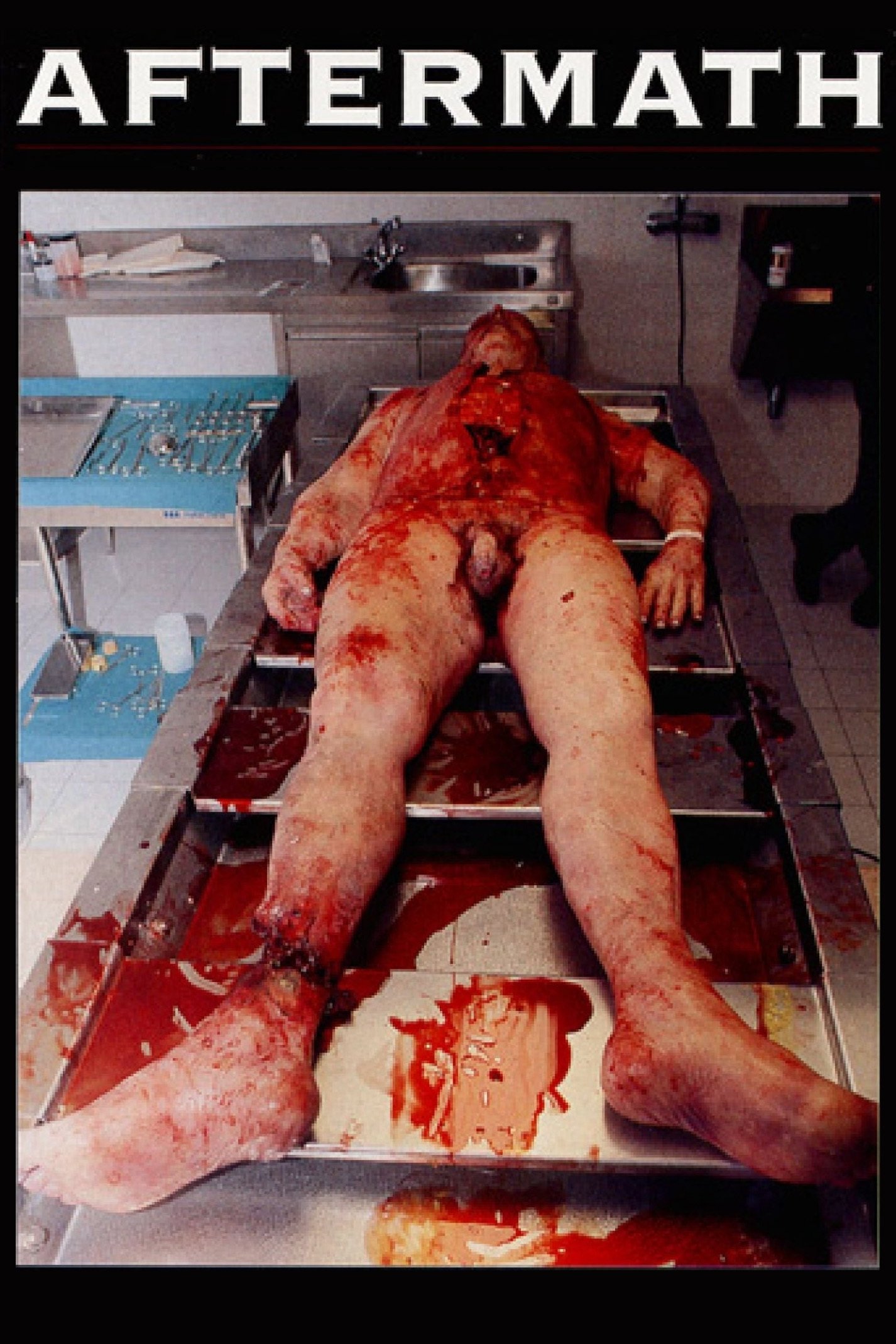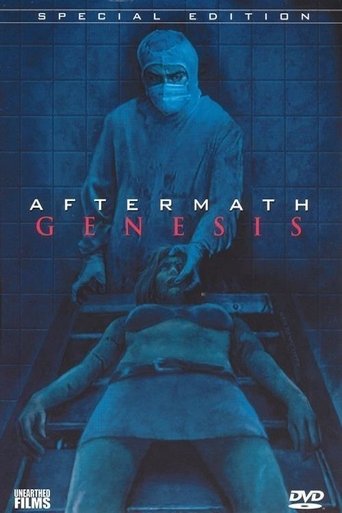
Aftermath (1994)

ES
HORROR FILM Crime
SUBGENRES EXTREME NECROPHILIA
6.0/10 1 votes
Runtime
30 min
Release
October 8, 1994
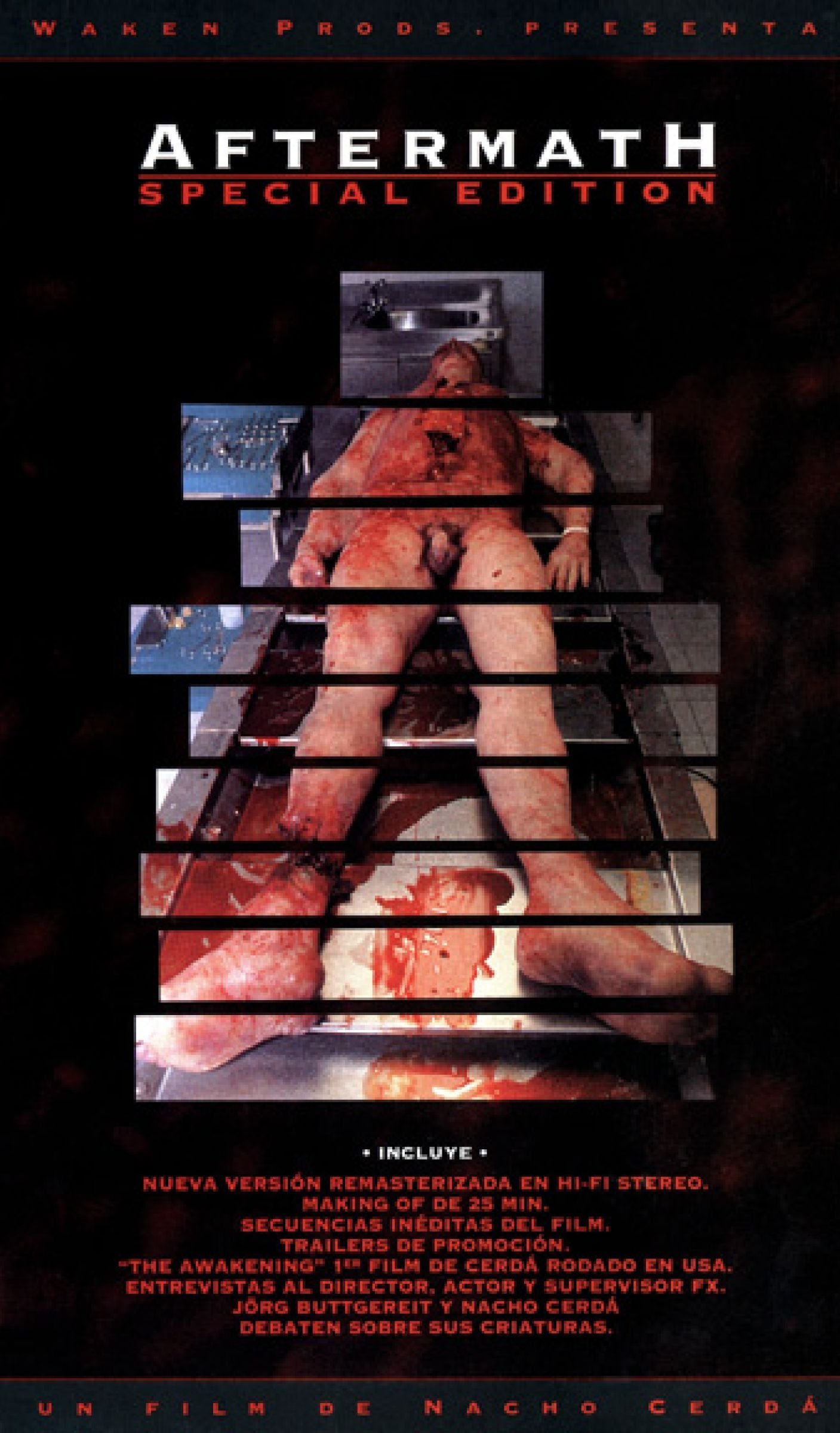
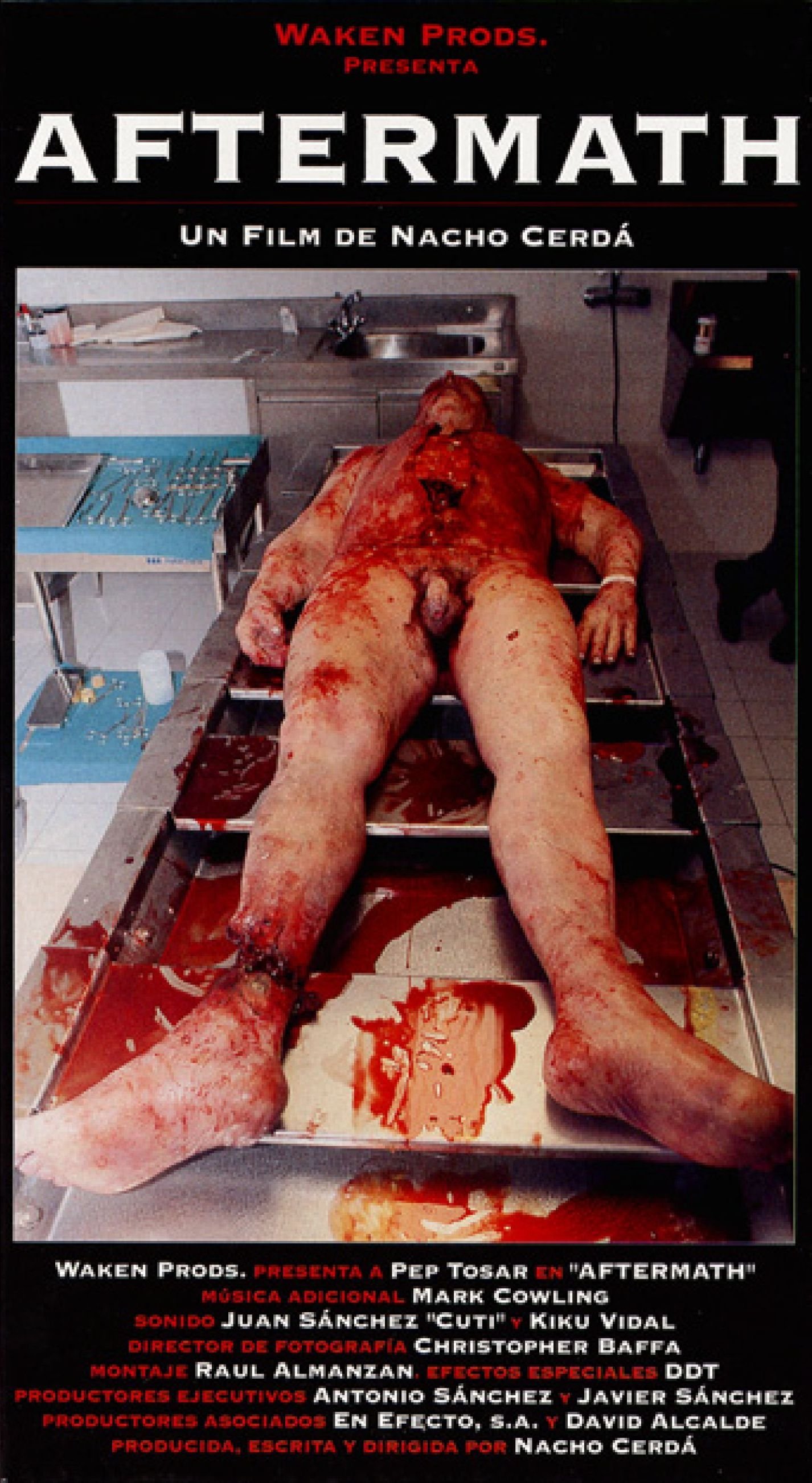
Aftermath (1994) poster
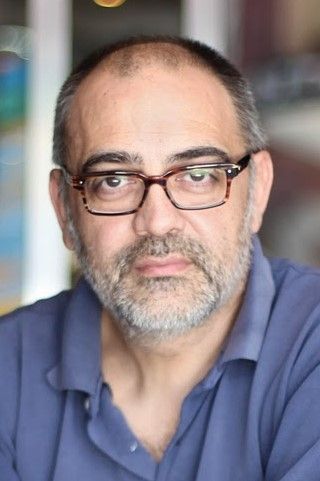
Director
Writer
Production Company
Waken Productions
Plot

When the others leave for the night, the last mortician begins to fondle the corpses. He quickly moves to the corpse of a young woman who died in a car crash.

Alternative Titles
后果 (China) — Chinese 後果 (Hong Kong SAR China) — Chinese Utóhatás (Hungary) После смерти (Russia)

Trailers & Videos

1 video

Film Guide & Analysis

Nacho Cerdà turns a real Barcelona morgue, clinical framing and disturbingly convincing practical effects into a severe meditation on death, bodily dignity and desecration.

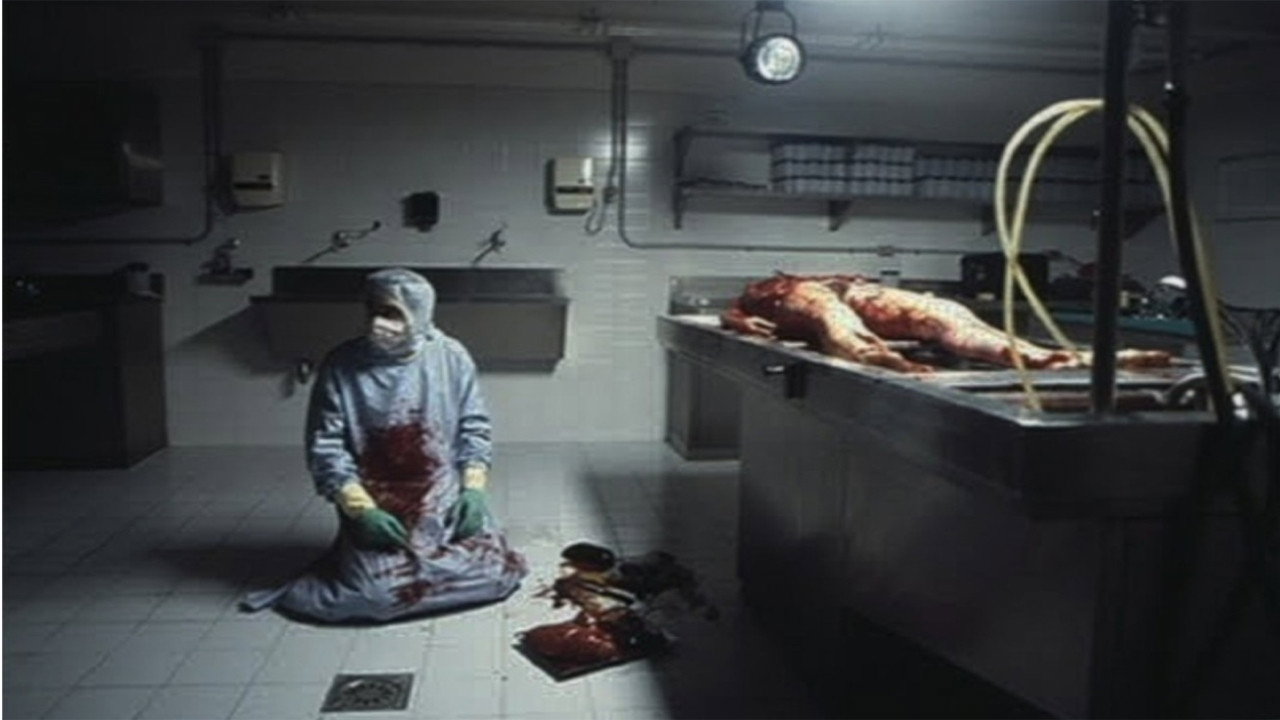
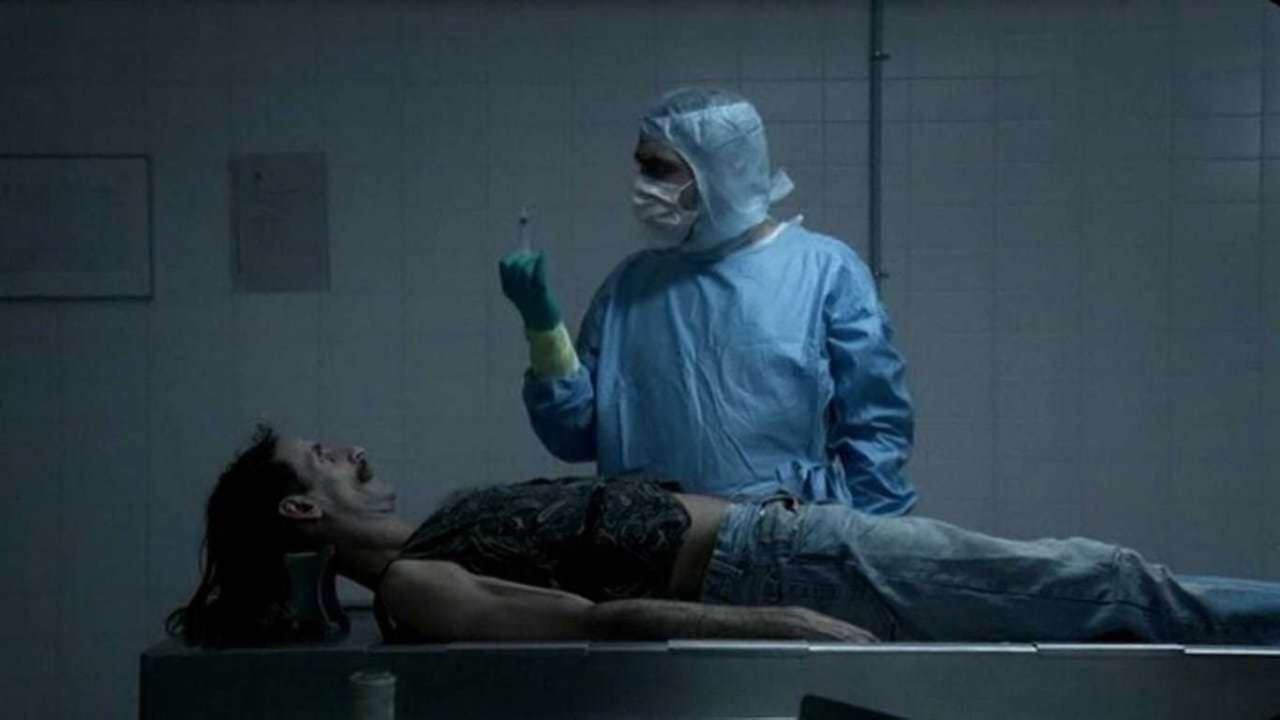
Aftermath is a 1994 Spanish horror short written, directed and produced by Nacho Cerdà. Set almost entirely inside a morgue, the film follows the routine work of forensic personnel before narrowing its attention to one pathologist, played by Pep Tosar, who remains alone with the body of a young woman. What begins as an observational study of autopsy procedure becomes an increasingly severe confrontation with desecration, sexual violence and the reduction of the human body to physical matter.

Running for roughly thirty minutes and containing no spoken dialogue, Aftermath depends on framing, sound, editing and practical effects rather than exposition. Cerdà designed the film not as a realistic portrait of a particular criminal case but as an examination of mortality and the treatment of the body after death. Its clinical style, refusal to offer psychological explanation and unusually convincing effects made it one of the most controversial Spanish horror shorts of the 1990s. Initially encountered by relatively small festival audiences, it later circulated internationally through videotapes, specialist screenings and home video, developing a cult reputation far beyond its original scale.

Development, Autopsy Research & the Barcelona Morgue

Cerdà conceived Aftermath while in Los Angeles, initially seeing the project both as a film about death and autopsy and as a directing showcase that might help him obtain financing for larger work. His interest was already connected to medicine, mortality and religious iconography, subjects he regarded as naturally cinematic and disturbing. He approached the material through direct research rather than relying only on existing films. Cerdà interviewed a female forensic surgeon who explained the mechanics of an autopsy and subsequently invited him to observe the process himself. He watched three autopsies during a single morning at very close range, taking notes while the procedures were performed.

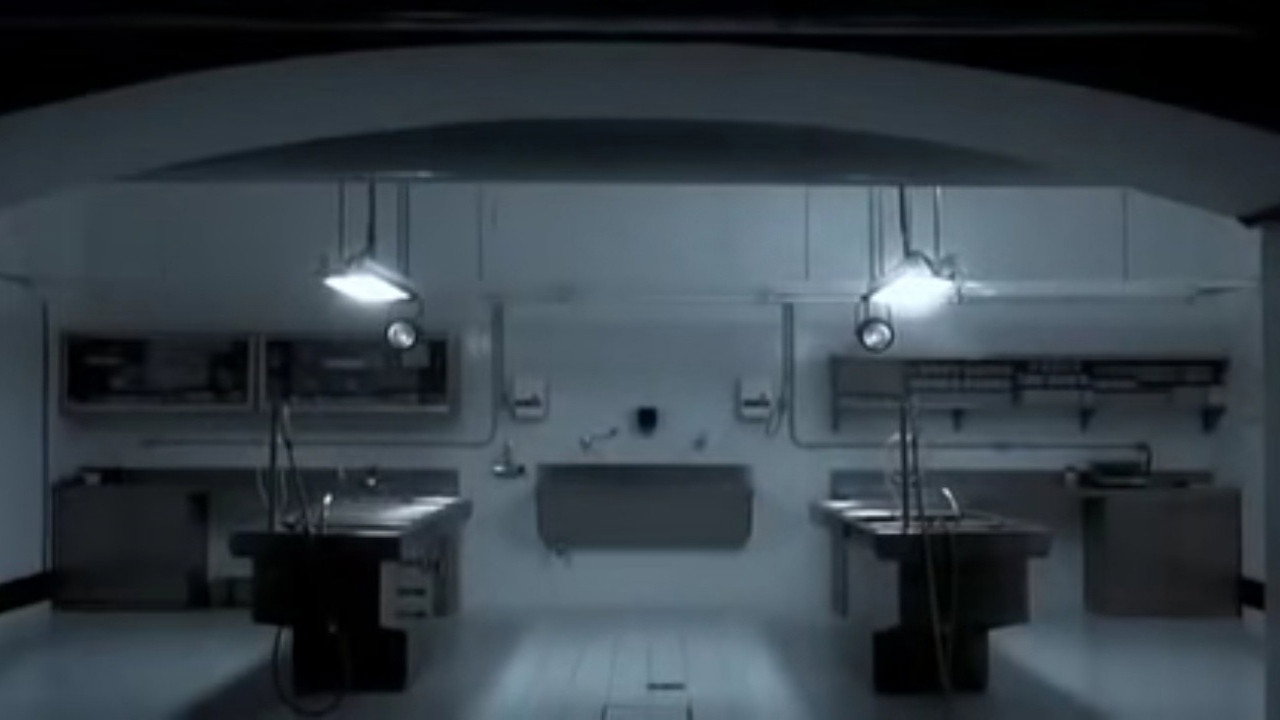
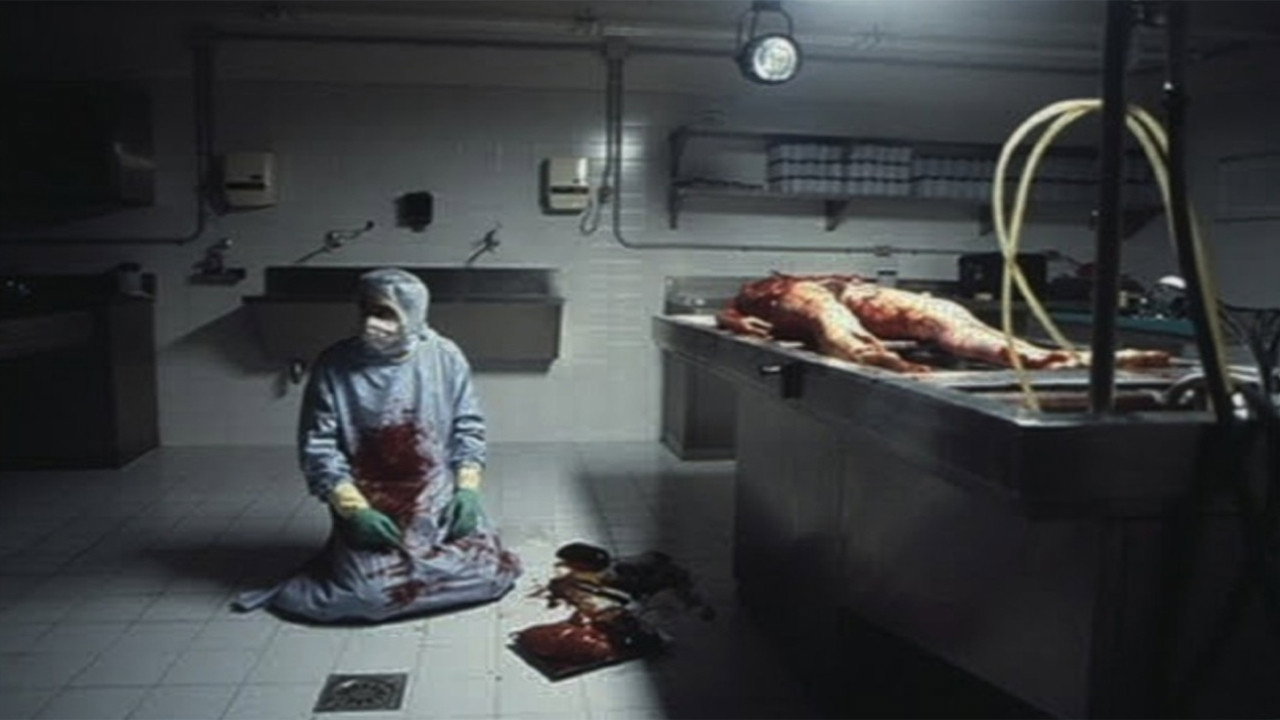
The experience became an important foundation for the screenplay. Cerdà later remembered becoming physically unsettled while watching, eventually having to sit down as he continued writing. Years later he still possessed the notebook he had used during the visit and described the real procedures he observed as the basis for the film's medical actions. Production then took place inside an actual Barcelona mortuary rather than a constructed set. Cerdà said the decision was partly financial, since recreating such an environment convincingly would have been expensive, but authenticity was equally important to him.

The location reportedly handled several bodies each day and possessed an atmosphere he believed could not easily be manufactured. That decision created a practical risk: Cerdà wrote the script and designed the storyboards specifically around the physical layout of the mortuary before knowing with absolute certainty that he would be allowed to shoot there. Once access was secured, however, the location gave Aftermath the institutional coldness that defines much of the finished film. The project moved quickly. Cerdà later recalled beginning the screenplay in early 1994 and shooting only a few months later, with the film appearing at Sitges that same year.
Christopher Baffa, Framing & the Living Dead

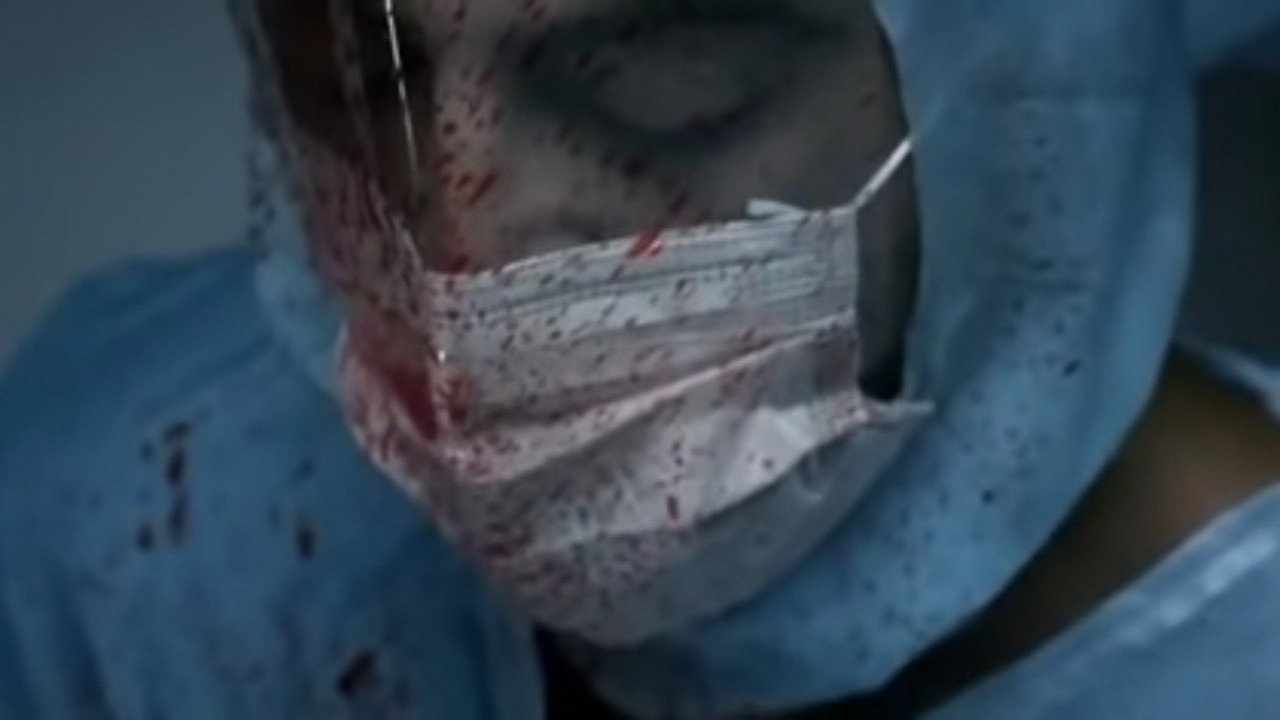
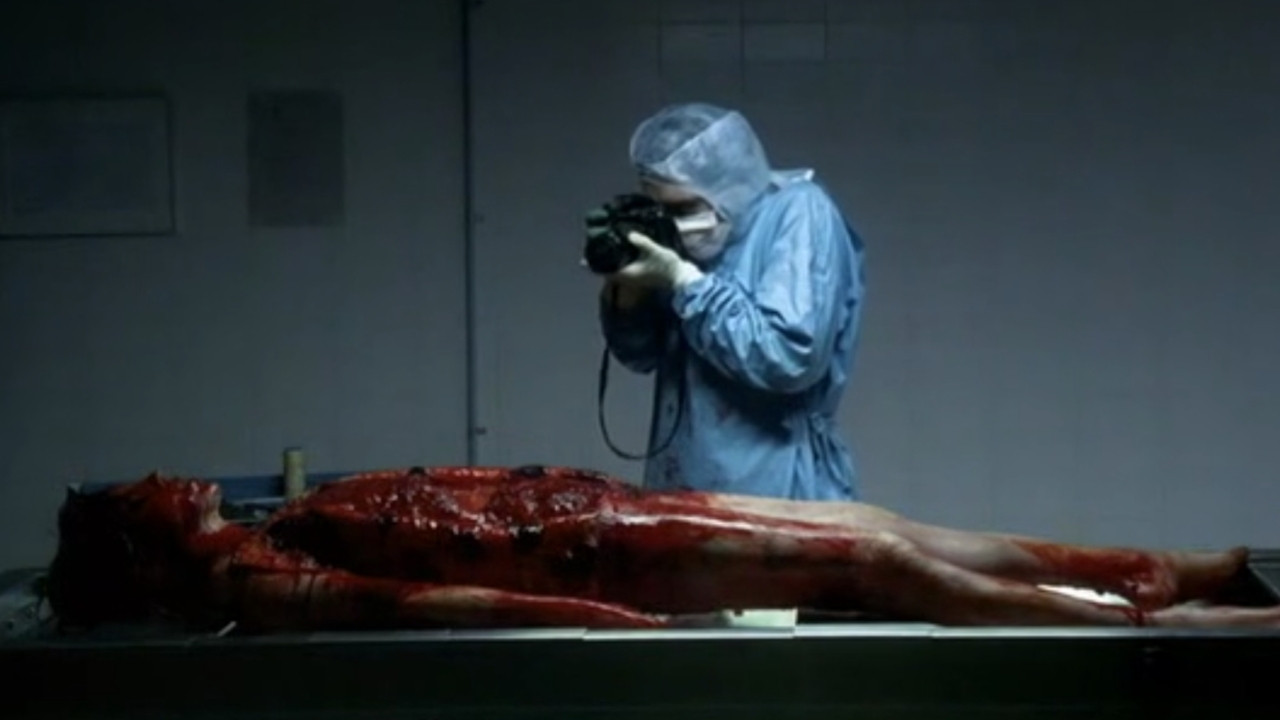
Christopher Baffa served as director of photography, and the visual strategy is unusually deliberate for such an extreme subject. The film uses close-ups to determine what information and physical detail the audience receives. Its framing establishes a hierarchy between the living forensic worker and the bodies occupying the room. Cerdà explained that he wanted the dead to appear alive and the living character to appear dead. To achieve that reversal, Tosar's pathologist is frequently fragmented by the frame. Hands, masked features and isolated areas of his body perform tasks mechanically, preventing him from developing the visual intimacy normally granted to a protagonist.

The corpses receive different treatment. Their faces are given sustained attention, allowing features, eyes and skin to retain a suggestion of personhood even when the characters can no longer act. The contrast becomes increasingly disturbing as the pathologist treats bodies as objects while the film's own camera continues to acknowledge their human presence. Pep Tosar understood that this approach meant sacrificing many of the normal privileges of an actor. His face is often obscured by a surgical mask and Cerdà intentionally avoided conventional close-up performance. Instead Tosar constructed the character primarily through controlled physical action. Cerdà described the performance he wanted as mechanical.

The forensic worker does not transform suddenly from a normal man into a monster; the possibility of something deeply wrong is present from the beginning in the way he observes and handles the environment. This strategy prevents the film from relying on a conventional psychological explanation. The audience receives no childhood history, confession or diagnostic speech. Character is communicated almost entirely through gesture, framing and behaviour. The visual restraint also creates a paradox. Aftermath is an extremely graphic film, yet much of its impact comes from the controlled distance of the camera. Cerdà himself argued that viewers often remember more explicit imagery than the film literally contains because editing, clinical framing and sound encourage the imagination to complete what is not shown.

DDT, Practical Effects & Autopsy Realism

The practical effects are fundamental to the film's credibility. DDT Efectos Especiales worked on Aftermath during the early years of the Barcelona effects company later associated with David Martí and Montse Ribé. The production required both fabricated corpses and living performers capable of remaining motionless under extremely demanding conditions. Cerdà recalled using two artificial bodies, one male and one female, alongside an actor who portrayed another corpse and remained naked and still on a cold stretcher for extended periods. The effects were designed with Cerdà's autopsy research in mind.

He supplied DDT with reference material based on what he had personally observed, allowing the physical procedures and manufactured bodies to reproduce details that ordinary exploitation makeup could easily have exaggerated into fantasy. This realism serves a different purpose from spectacular splatter. The forensic environment operates according to routine. Instruments, incisions and handling of bodies are presented with procedural calm, so that artificial effects become convincing precisely because the characters do not react to them dramatically. Cerdà repeatedly rejected the idea that he had set out simply to create a gore showcase. His intention was to make the body's vulnerability impossible to abstract.

Graphic material becomes disturbing not because it belongs to a supernatural monster but because the film presents flesh as physical matter that can be opened, moved and manipulated once consciousness is absent. The DDT work also had consequences beyond the short itself. David Martí later recalled that Guillermo del Toro saw Aftermath at Sitges and was sufficiently impressed by the makeup effects to seek out the DDT team. That encounter eventually contributed to a professional relationship between the artists and del Toro, whose later Spanish productions would include their work. For DDT, Aftermath therefore occupies an important early place in a career that would eventually lead Martí and Ribé to major international productions and an Academy Award for Pan's Labyrinth.

Mortality, Desecration & Religious Imagery

Although Aftermath became notorious for its necrophilic material, Cerdà consistently described death rather than sexuality as the central subject. He regarded awareness of mortality as a universal anxiety and wanted the film to force viewers to confront what remains after consciousness disappears. Religious imagery introduces another layer. A crucifix associated with the dead woman establishes the idea of a spiritual identity before the film concentrates almost entirely on the physical body. Cerdà openly connected his interest in medicine with Catholic and religious iconography and described the entire film in ritualistic terms. The morgue itself can therefore resemble a corrupted ceremonial space.

Forensic procedures possess order, specialised instruments and repeated gestures, but that ritual is progressively detached from ordinary ideas of dignity. Cerdà described the film as being against violence and against manipulation of the human body. Whether every viewer accepts that intention is another matter: the extremity of the imagery has always generated disagreement over whether representation condemns violation or risks becoming exploitation itself. That tension is essential to the film's reputation. Aftermath does not permit its anti-violence argument to remain theoretical. It forces the audience to look at the very acts it claims to condemn, creating an uncomfortable relationship between moral rejection and spectatorship.

The absence of dialogue strengthens that confrontation. No character interprets events for the audience and no explanation provides emotional distance. Sound instead supplies much of the material impact that dialogue normally carries. Cerdà specifically noted that audio allows the film to suggest actions beyond what is literally shown. The result is intentionally impersonal. The pathologist does not justify himself and the dead cannot object. Meaning emerges from the contrast between a body that can no longer defend its dignity and a living person who possesses the power to violate it.

Sitges, Fant-Asia & the Growth of a Cult Film

Aftermath appeared at the Sitges International Fantastic Film Festival in 1994 during a period when a new generation of Spanish and Catalan filmmakers was beginning to attract attention within genre cinema. Sitges later identified Cerdà alongside filmmakers such as Jaume Balagueró and Santiago Segura as part of that emerging movement. Reaction was predictably divided. Cerdà later recalled walkouts and strongly hostile responses, while other viewers responded to the precision of the filmmaking and effects. He understood such reactions as inseparable from the film's purpose rather than evidence that the project had failed.

Its early distribution remained limited. According to Cerdà, demand for videotapes in Barcelona eventually encouraged a domestic video release, after which copies began circulating internationally and were widely duplicated. This underground movement helped Aftermath acquire a reputation in places where it had never received conventional theatrical distribution. A major step came with its North American appearance at Montreal's Fant-Asia festival in 1997. The short won the festival's top short-film honour, while contemporary reports described the screening as unusually intense even for an experienced genre audience. Cerdà later completed Genesis in 1998.

Together with the earlier The Awakening, the three shorts became what he called his death trilogy, examining mortality through radically different approaches. Contemporary Fant-Asia coverage explicitly identified Aftermath as the middle work between The Awakening and Genesis. Home-video editions later placed the three films together and preserved extensive material about Aftermath, including Cerdà's commentary, a making-of documentary and contributions from DDT. The short consequently survived not merely as a notorious tape-trading title but as a documented piece of Spanish genre filmmaking. Its significance is disproportionate to its length.

Aftermath helped establish Cerdà internationally, provided an early showcase for DDT's makeup work and became one of the most frequently cited European examples of extreme horror built around clinical realism rather than fantasy. More importantly, its reputation has not depended solely on the shock of its central act. The film remains memorable because its form is controlled: the real mortuary, Baffa's detached photography, Tosar's almost anonymous performance, practical effects and dialogue-free structure all serve the same idea. The human body may become an object after death, but the film continually forces the spectator to remember that it once belonged to a person.

Cast

View Full Cast & Crew →

Release & Distribution

Production Companies (1)

  • Waken Productions

Release History (3)

Release DateTerritoryRelease TypeFormatDistributorCertificationNotes
1994-10-08 Spain Theatrical — — —
1997-07-05 United States Premiere — — R
2010-09-07 France Premiere — — 18