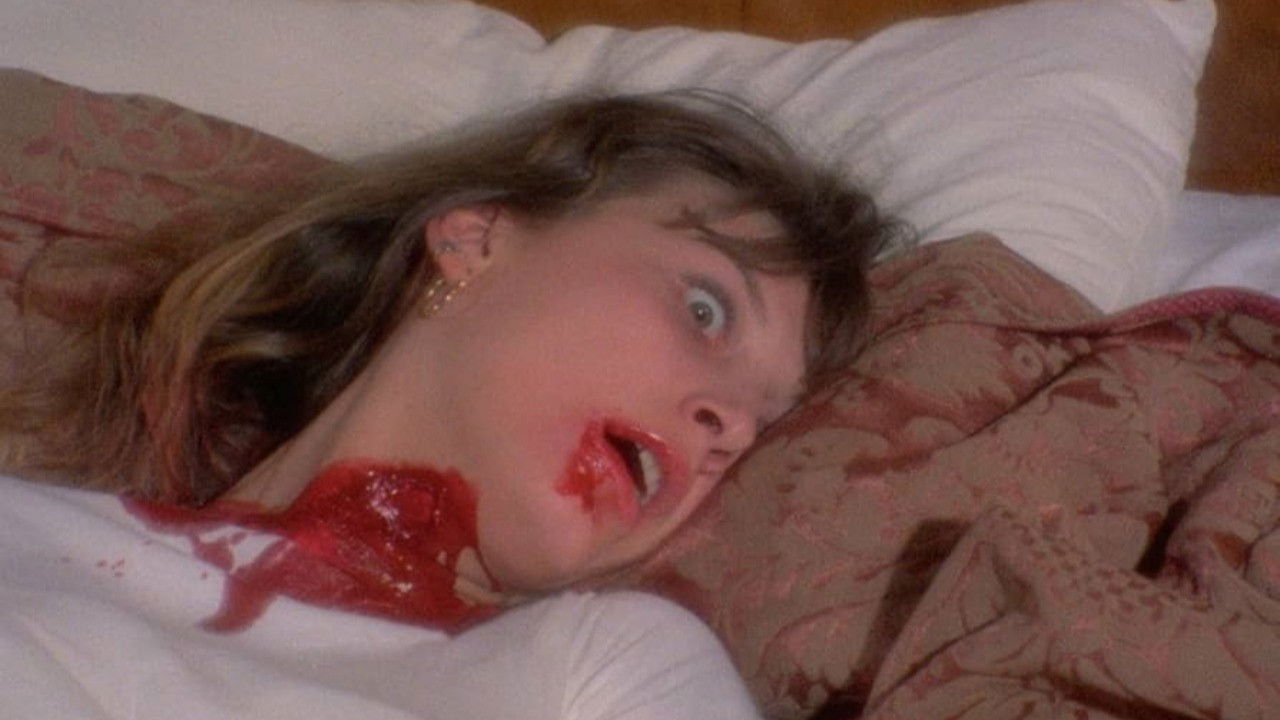
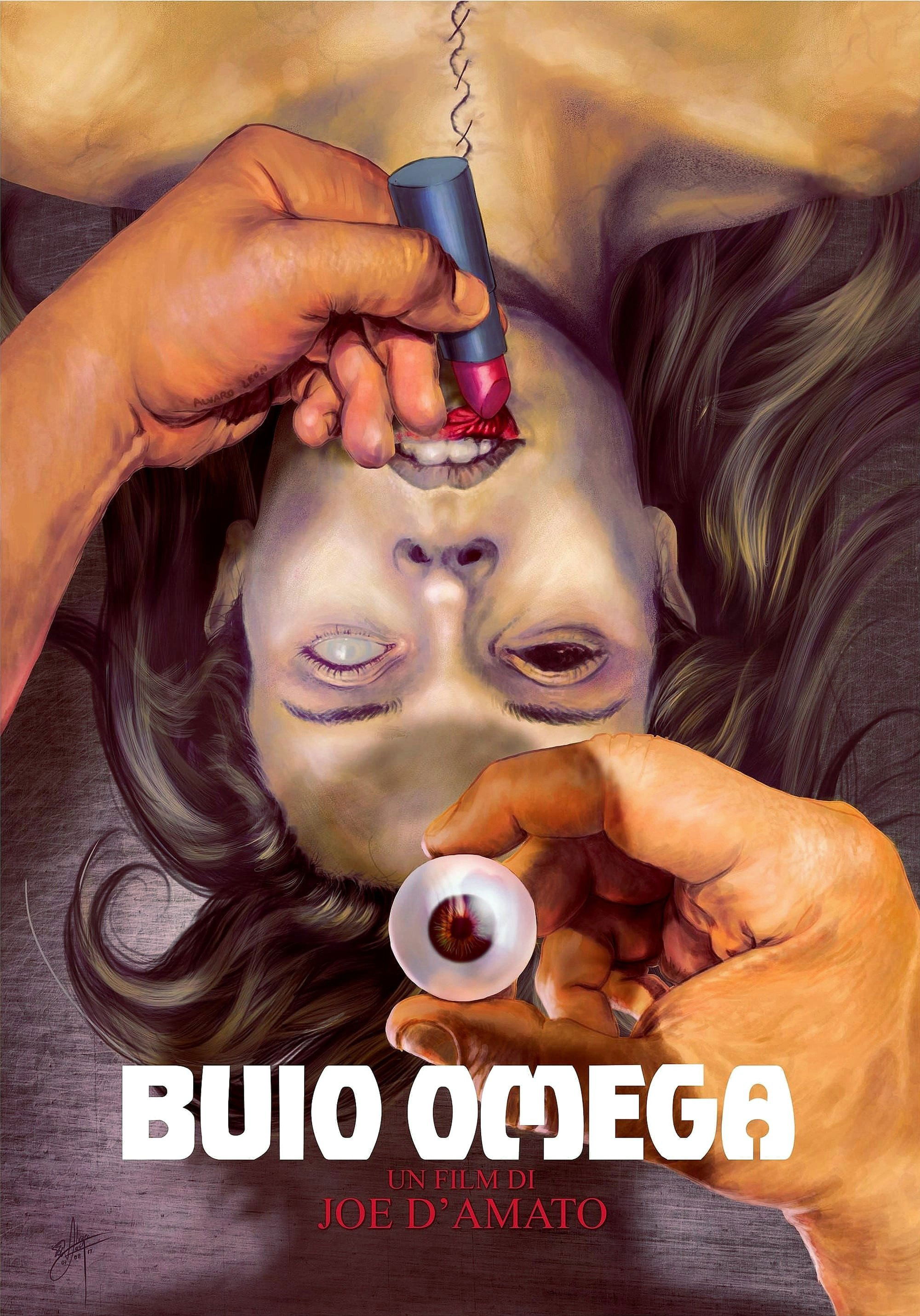
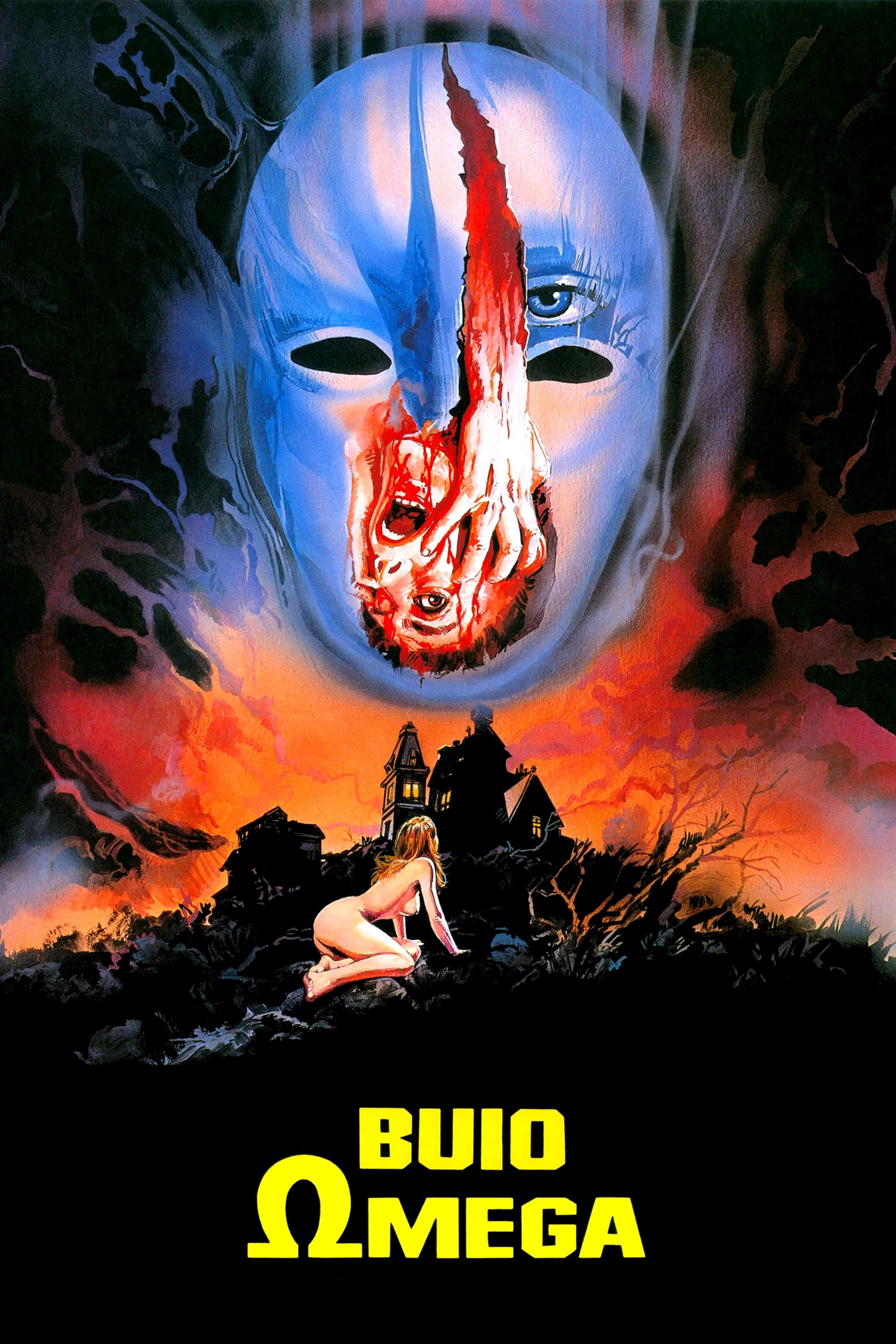
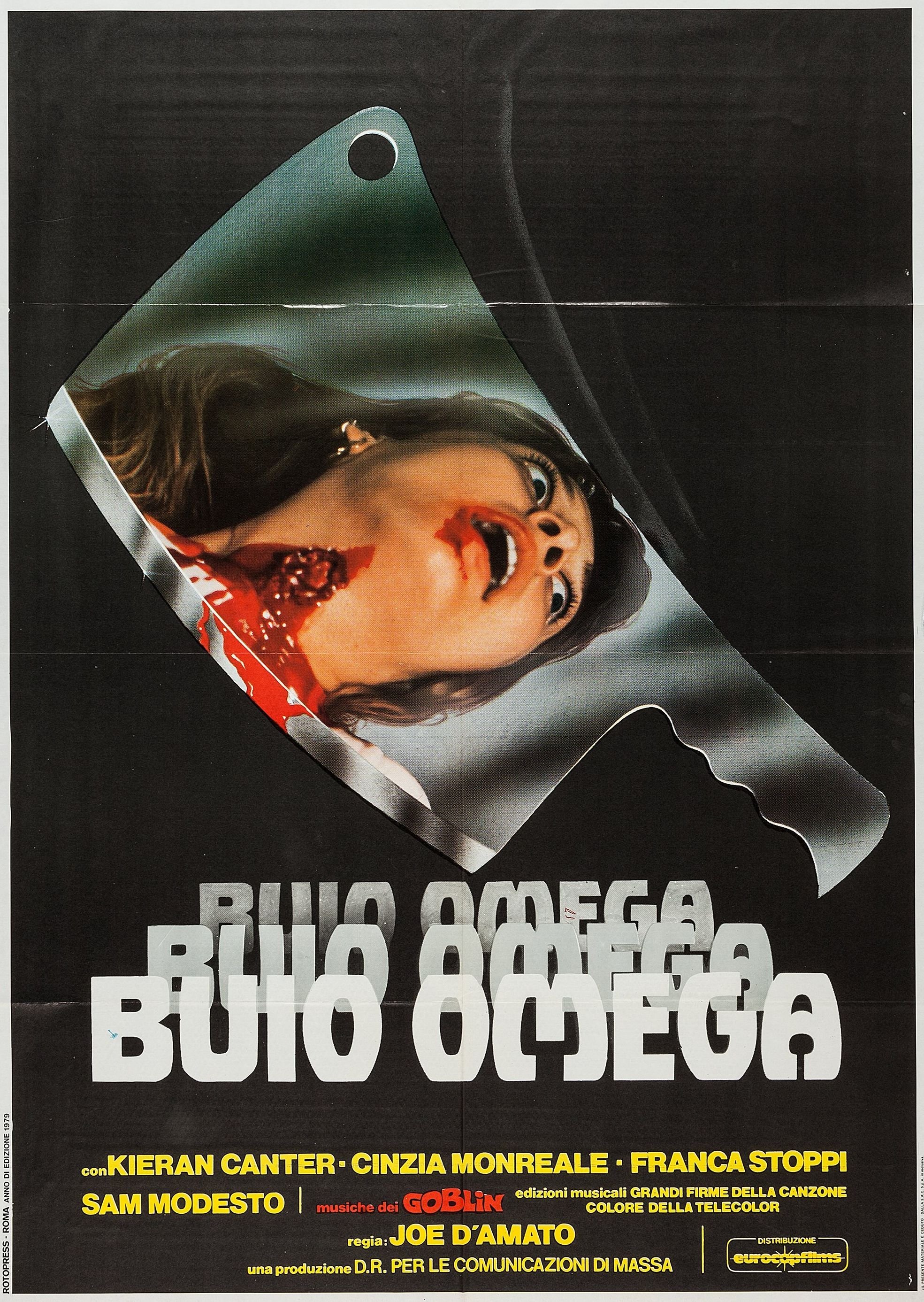
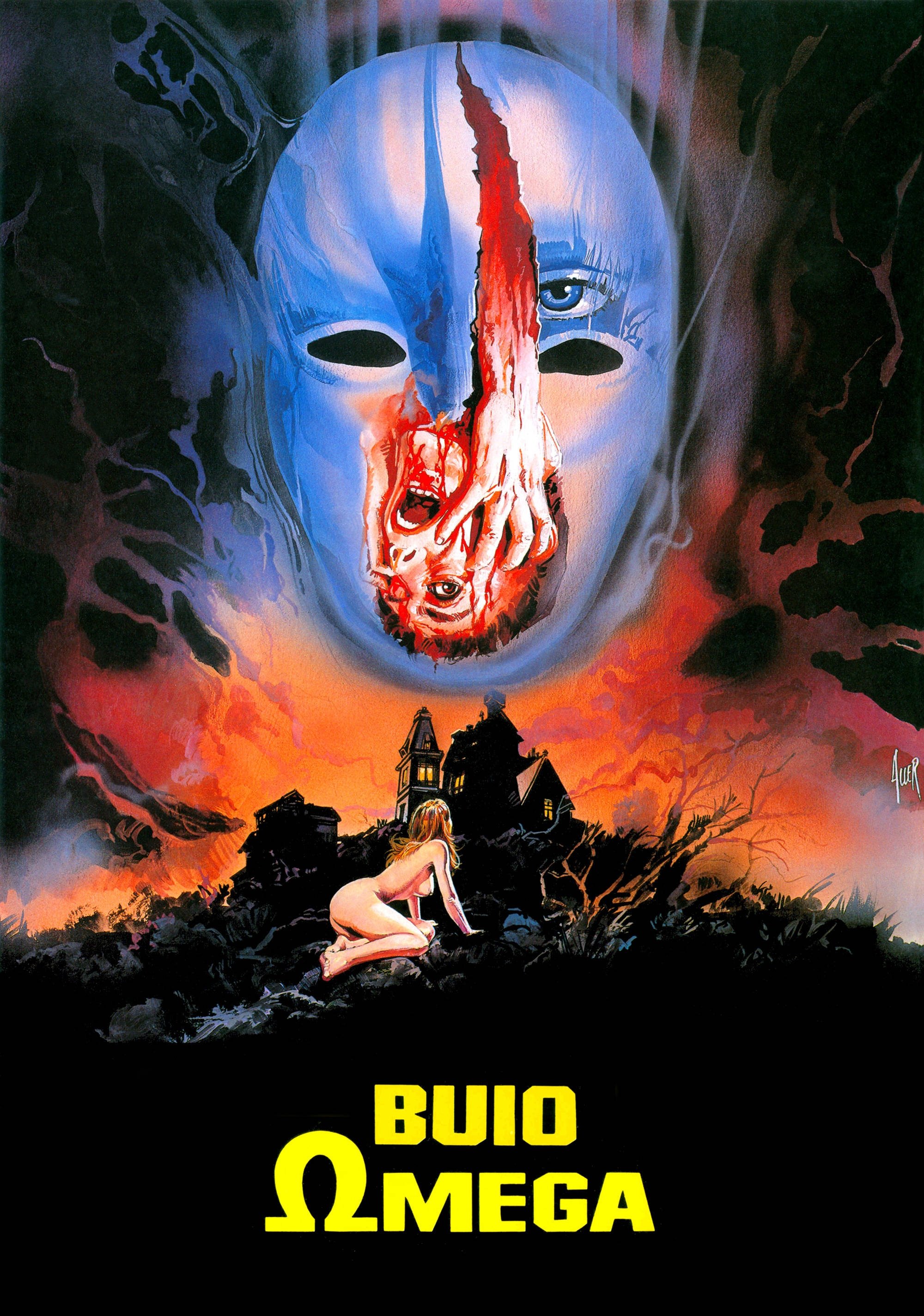
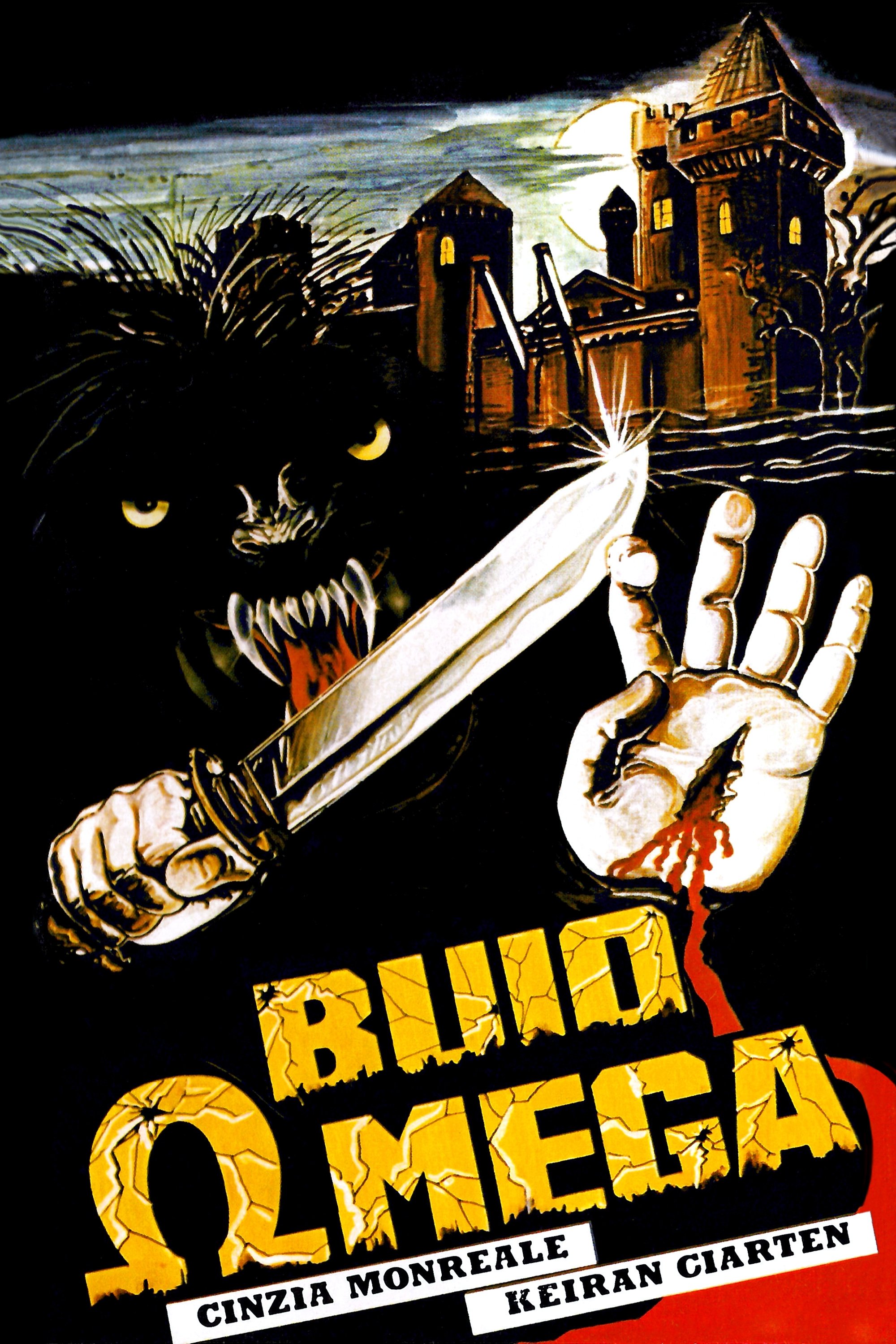
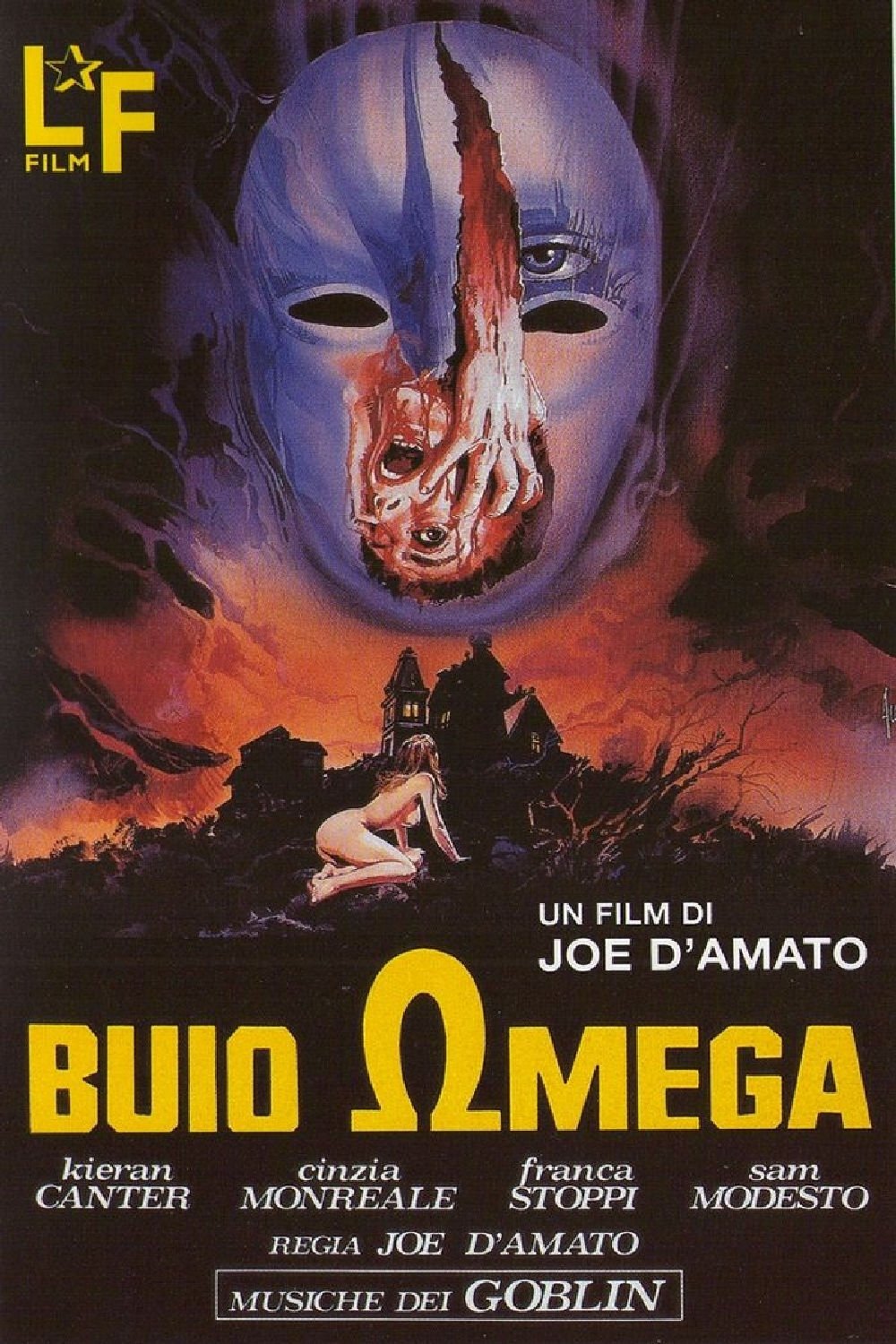
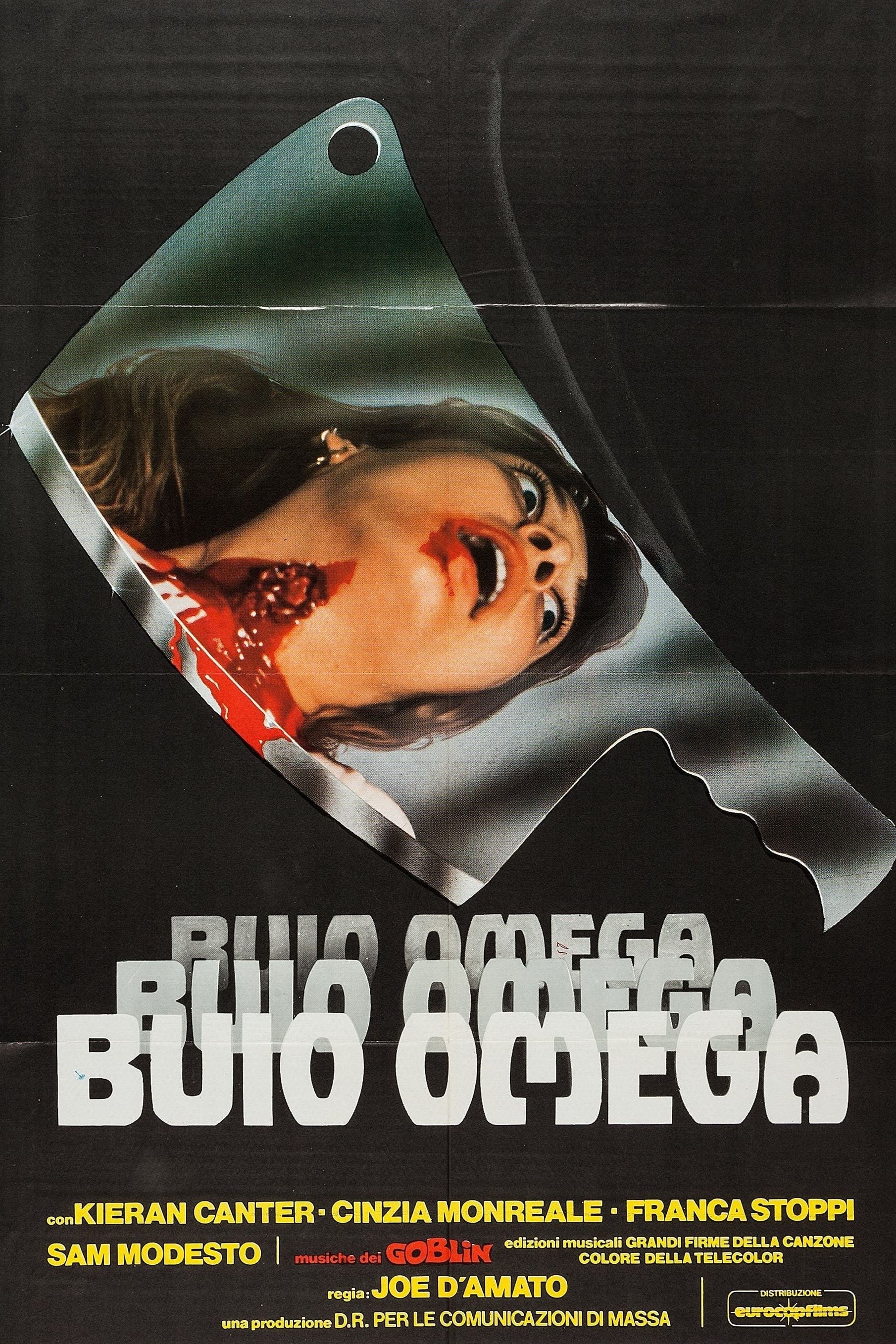
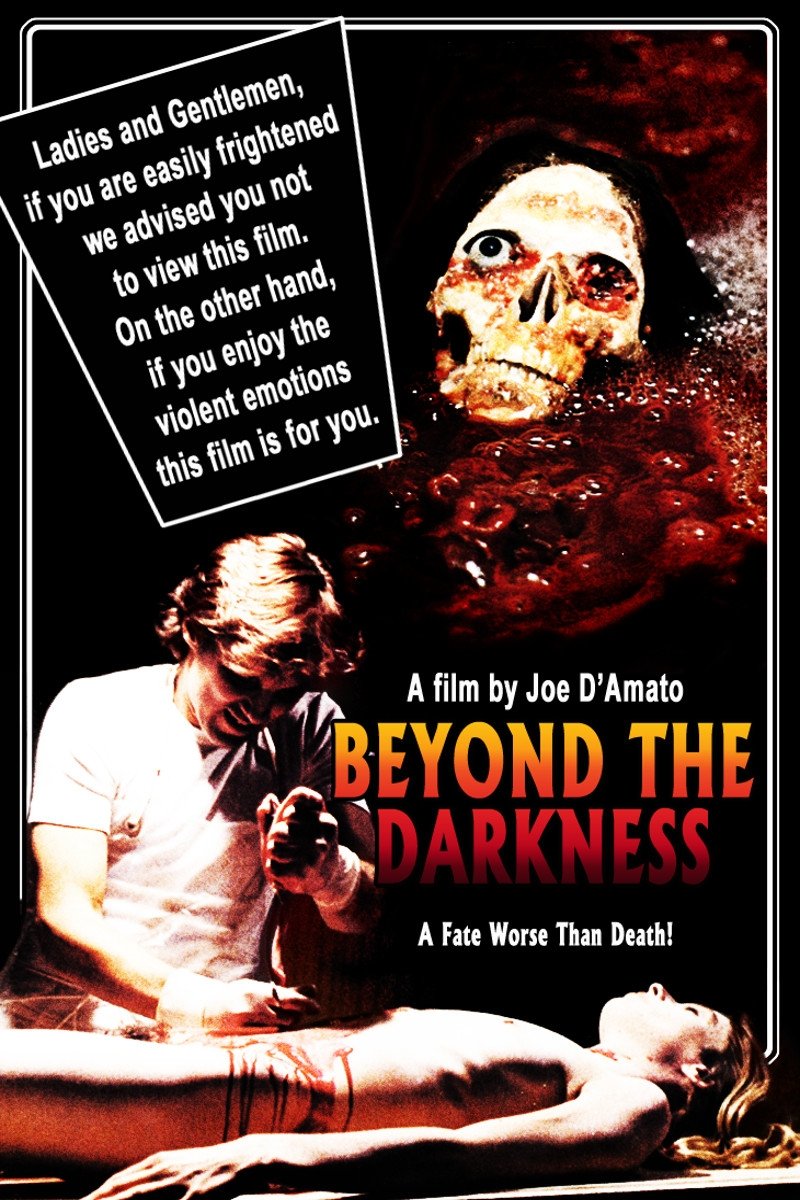
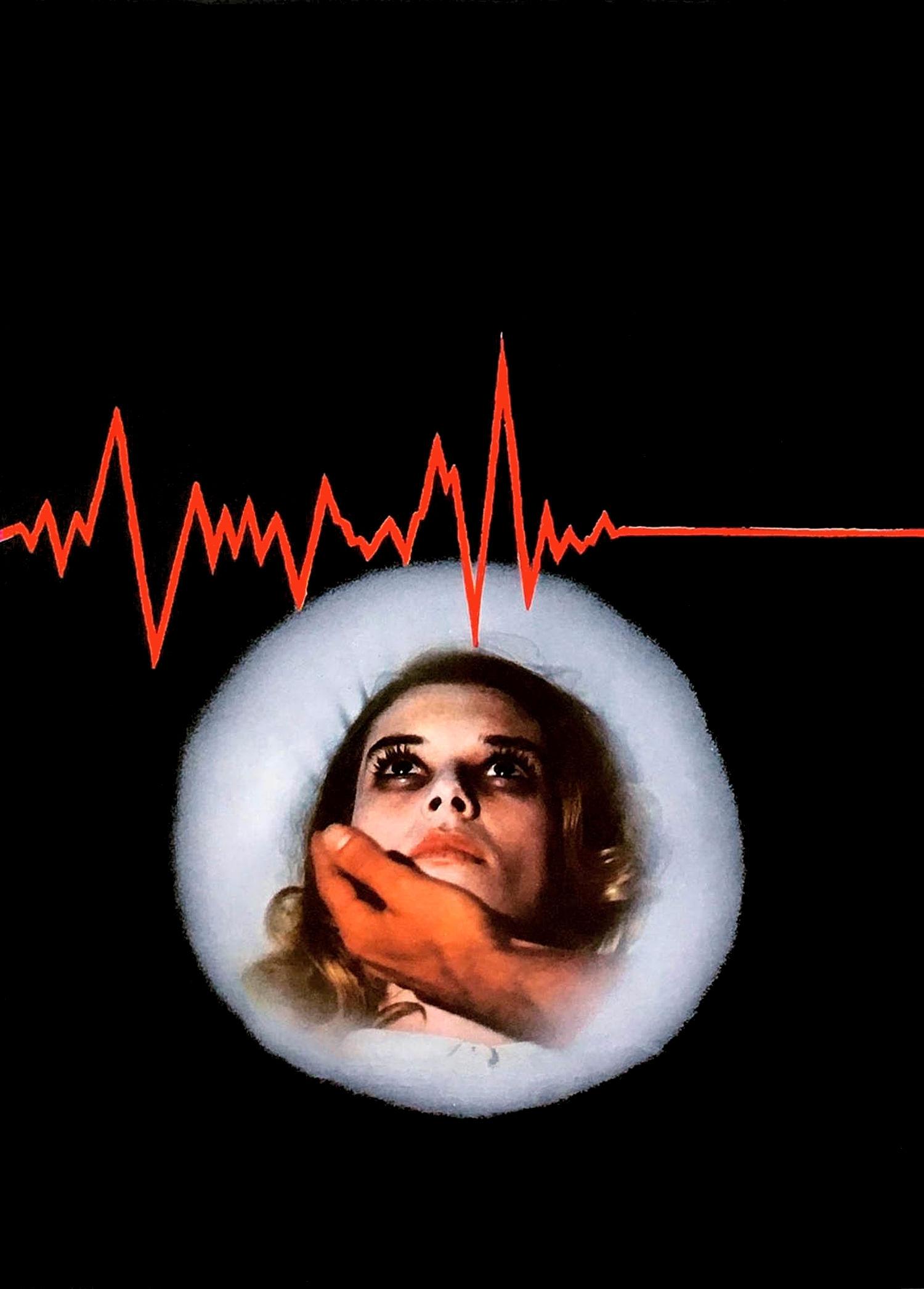
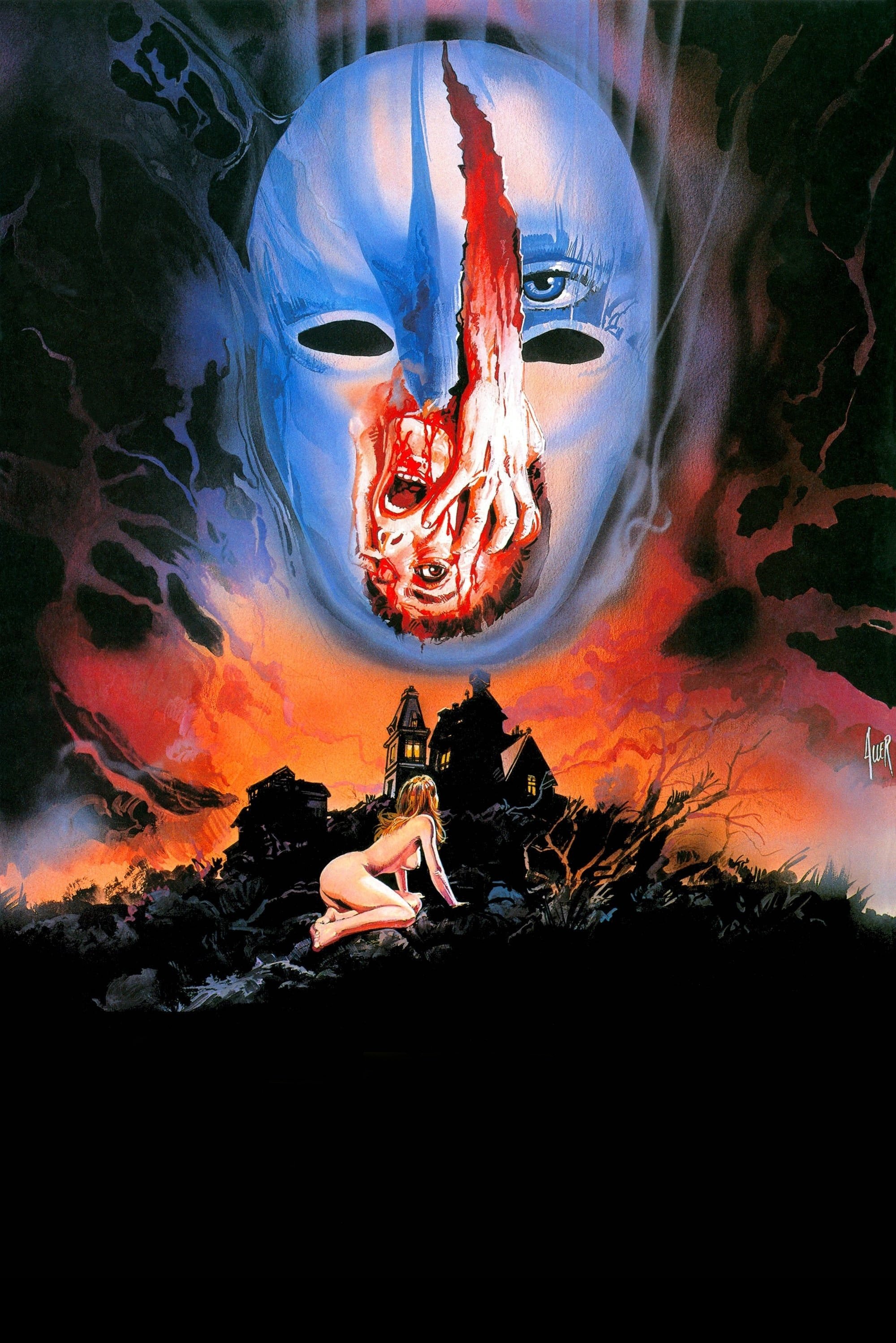
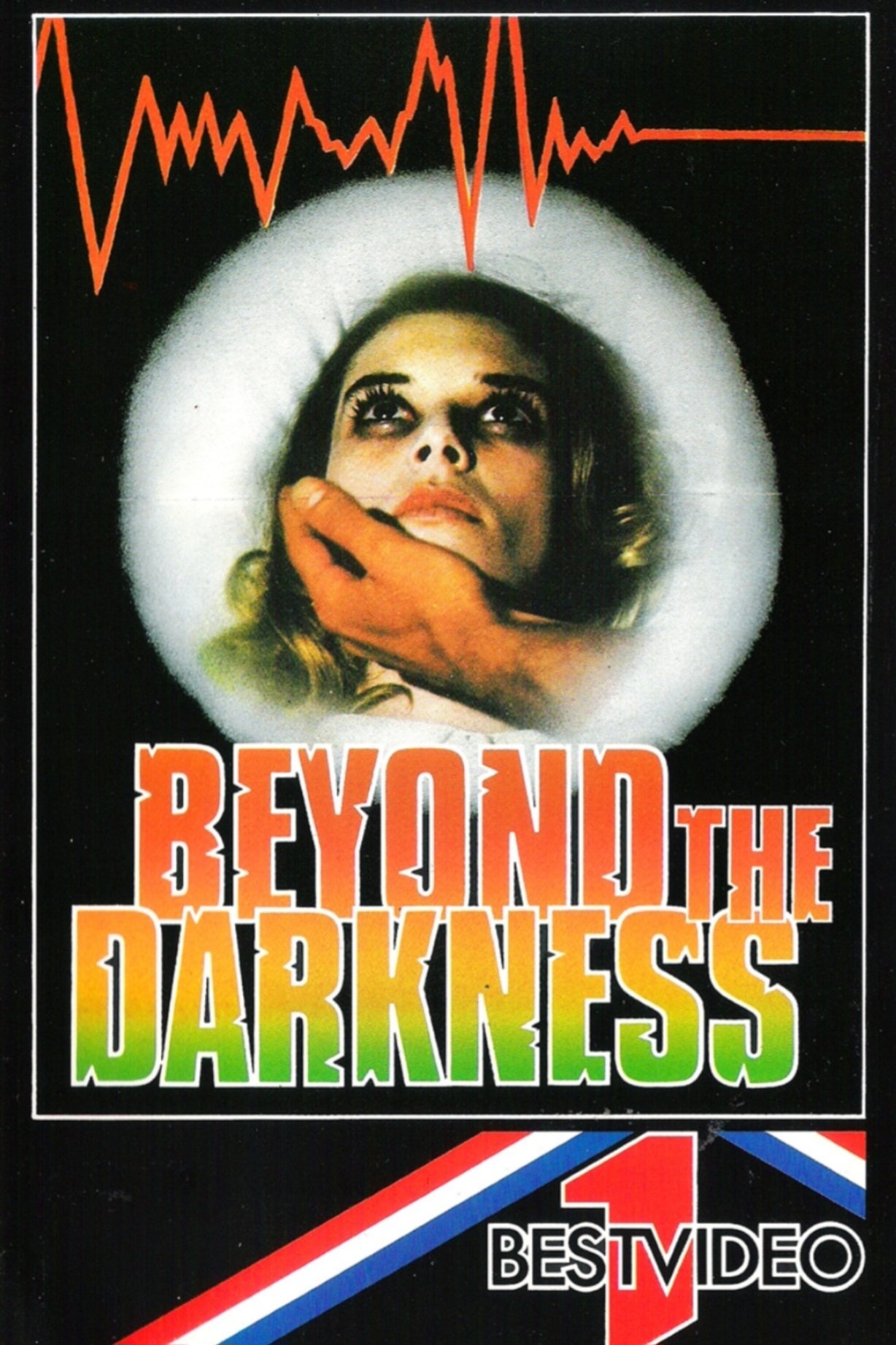
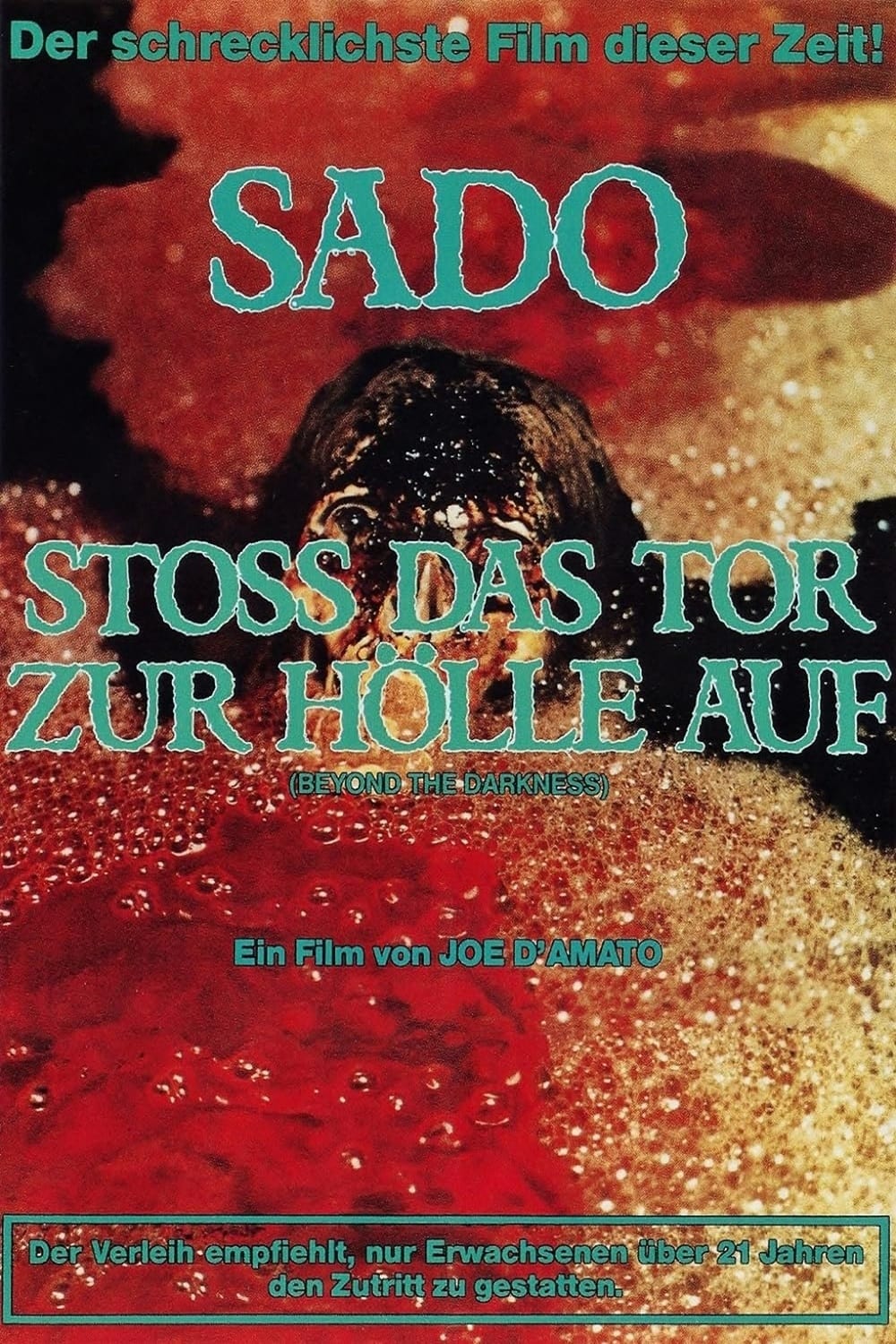
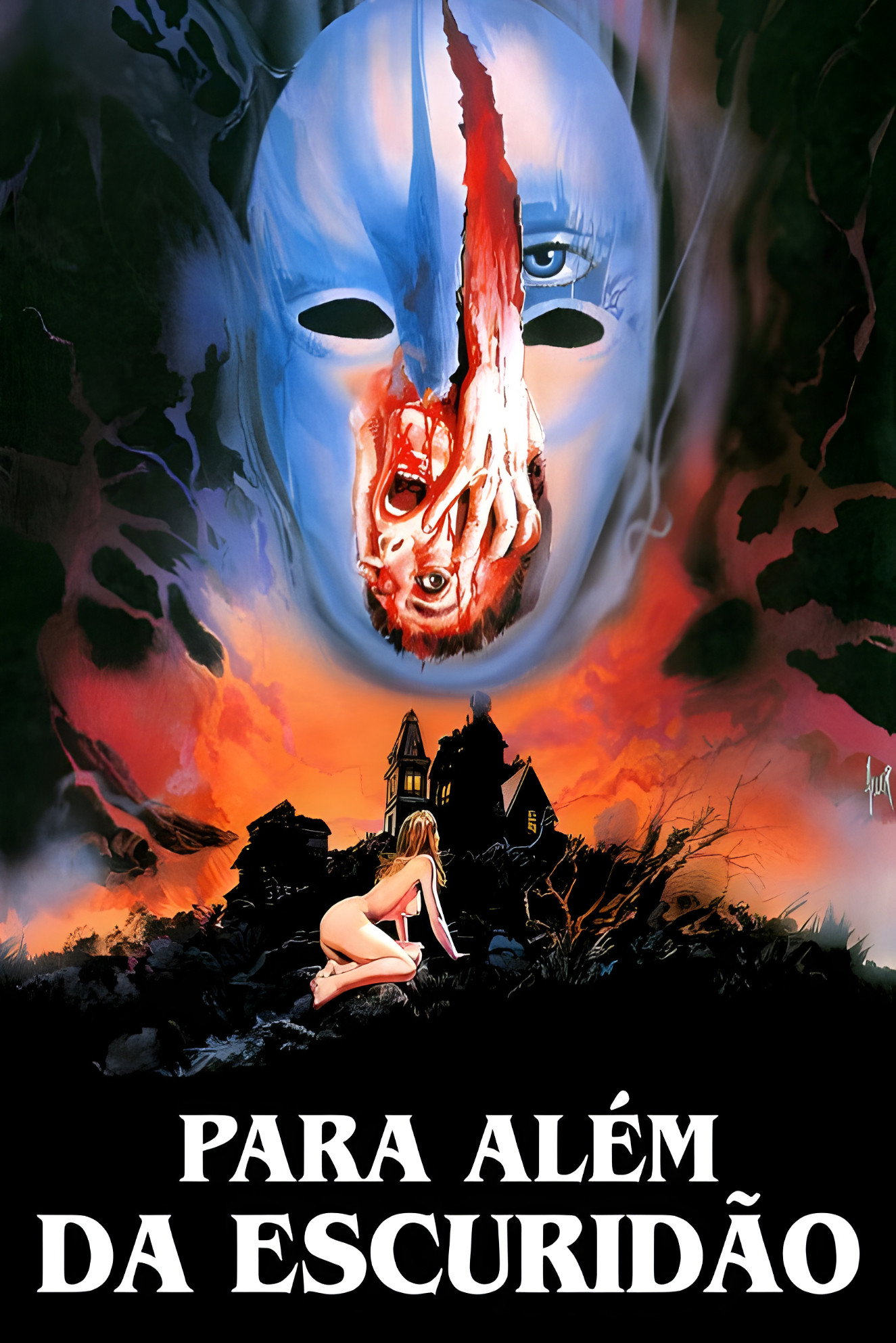
A disturbed young embalmer digs the grave of his recently deceased girlfriend and brings her body to his family villa with help from his strange housekeeper. But his bouts of insanity are just beginning.
Alternative Titles
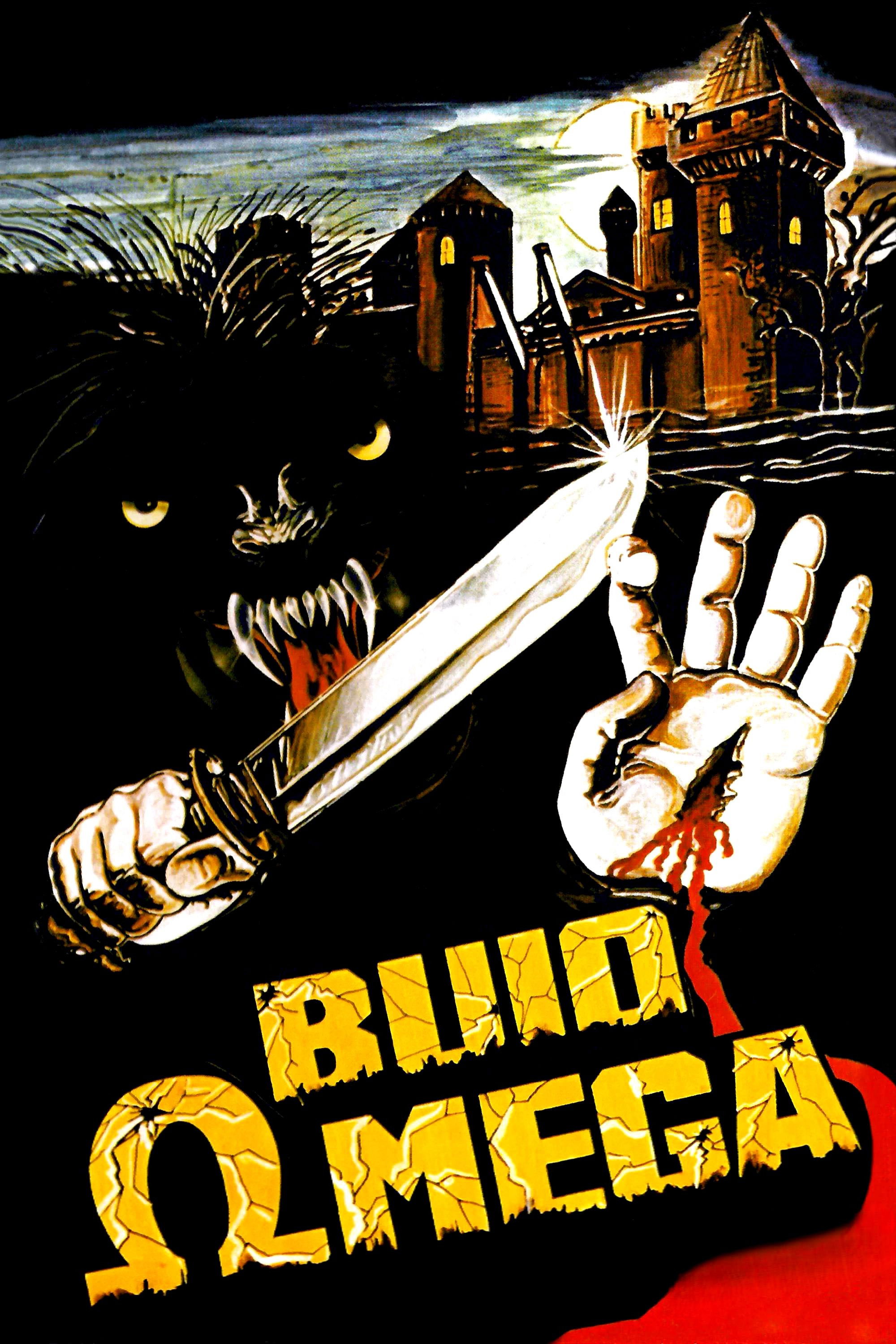
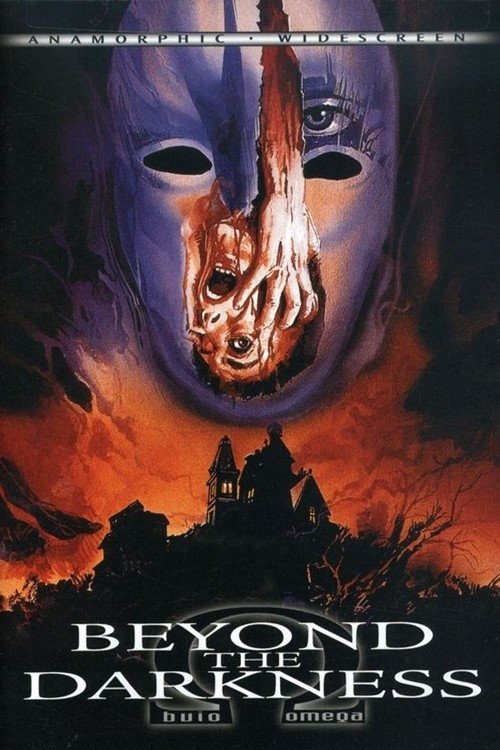
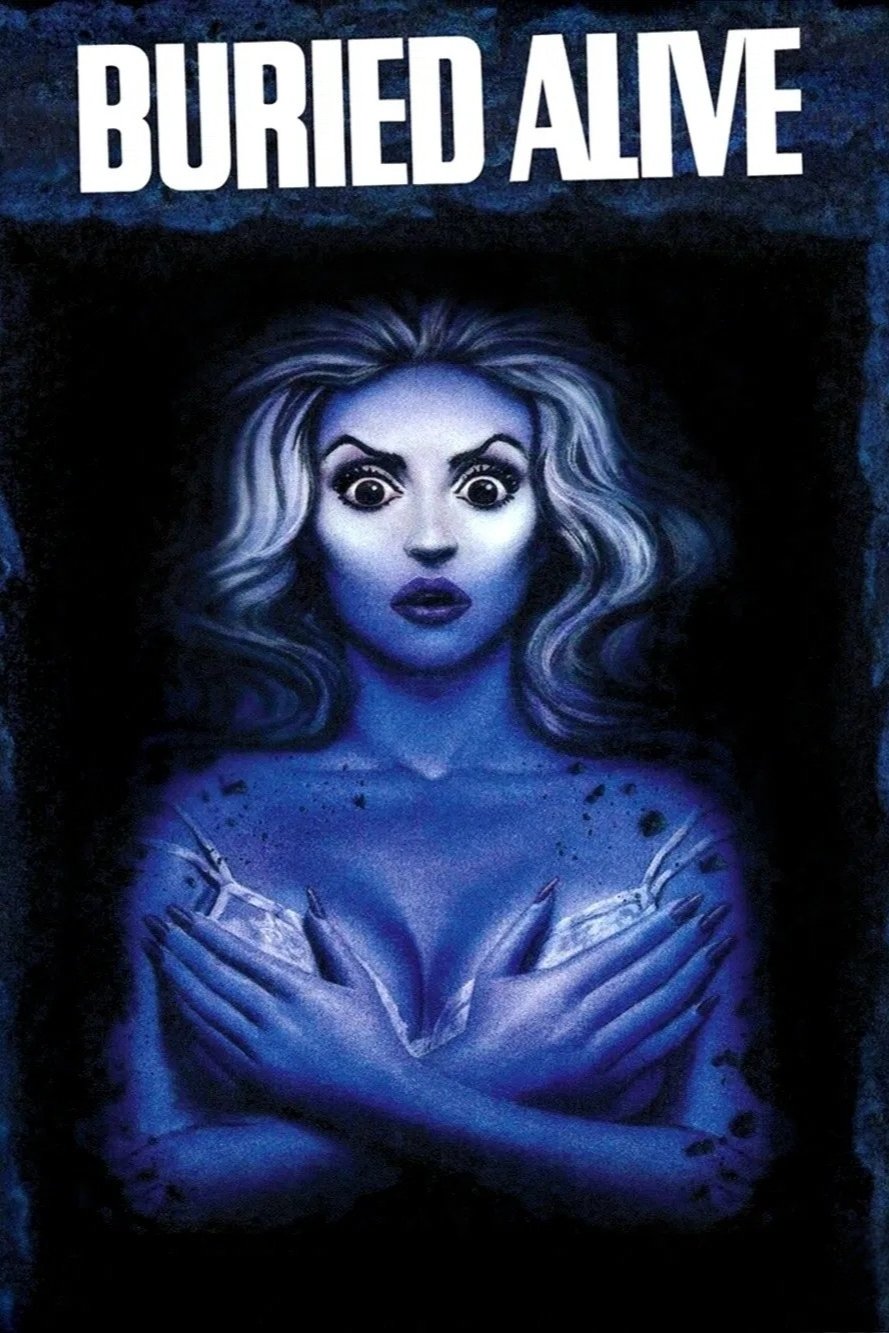
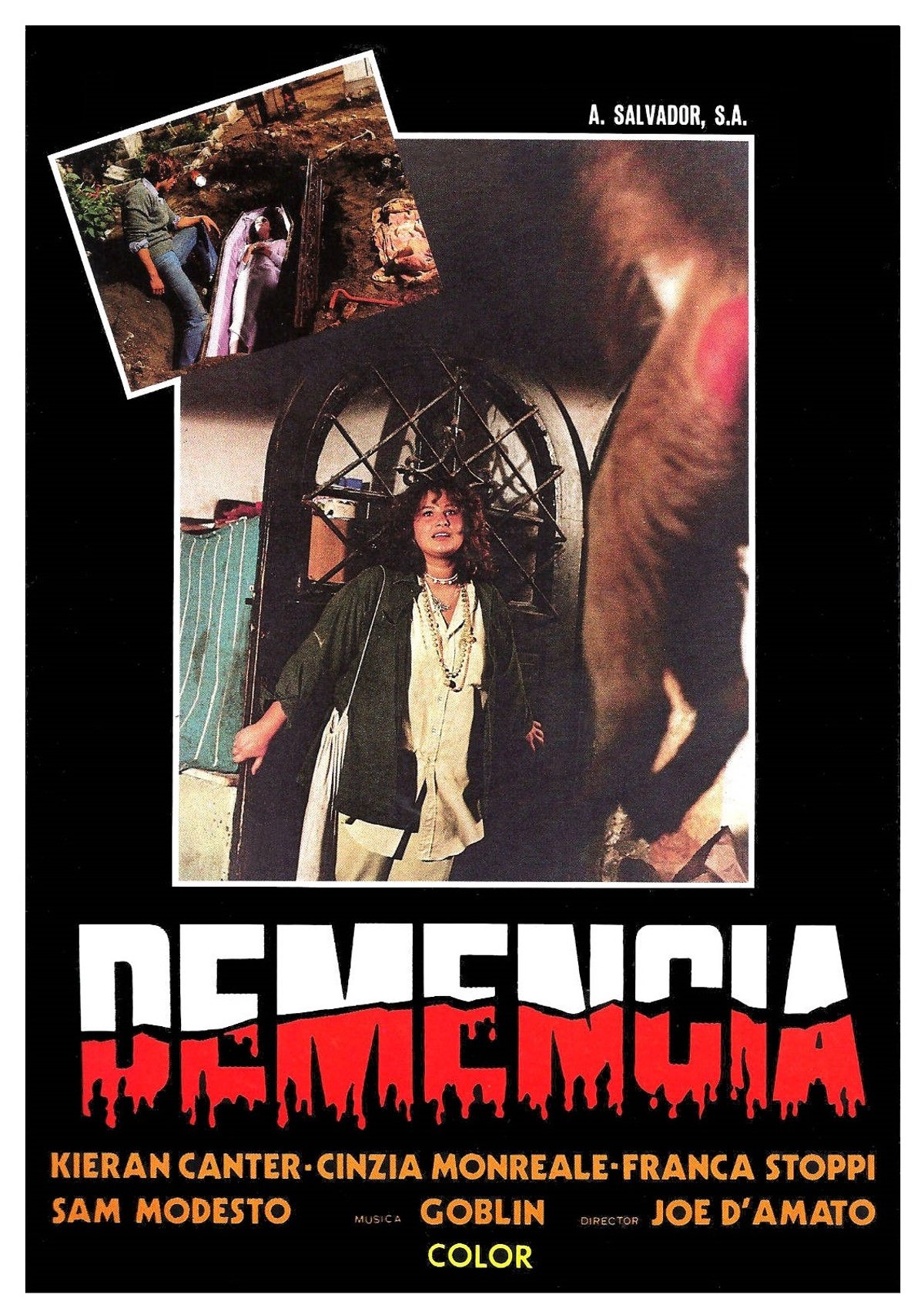
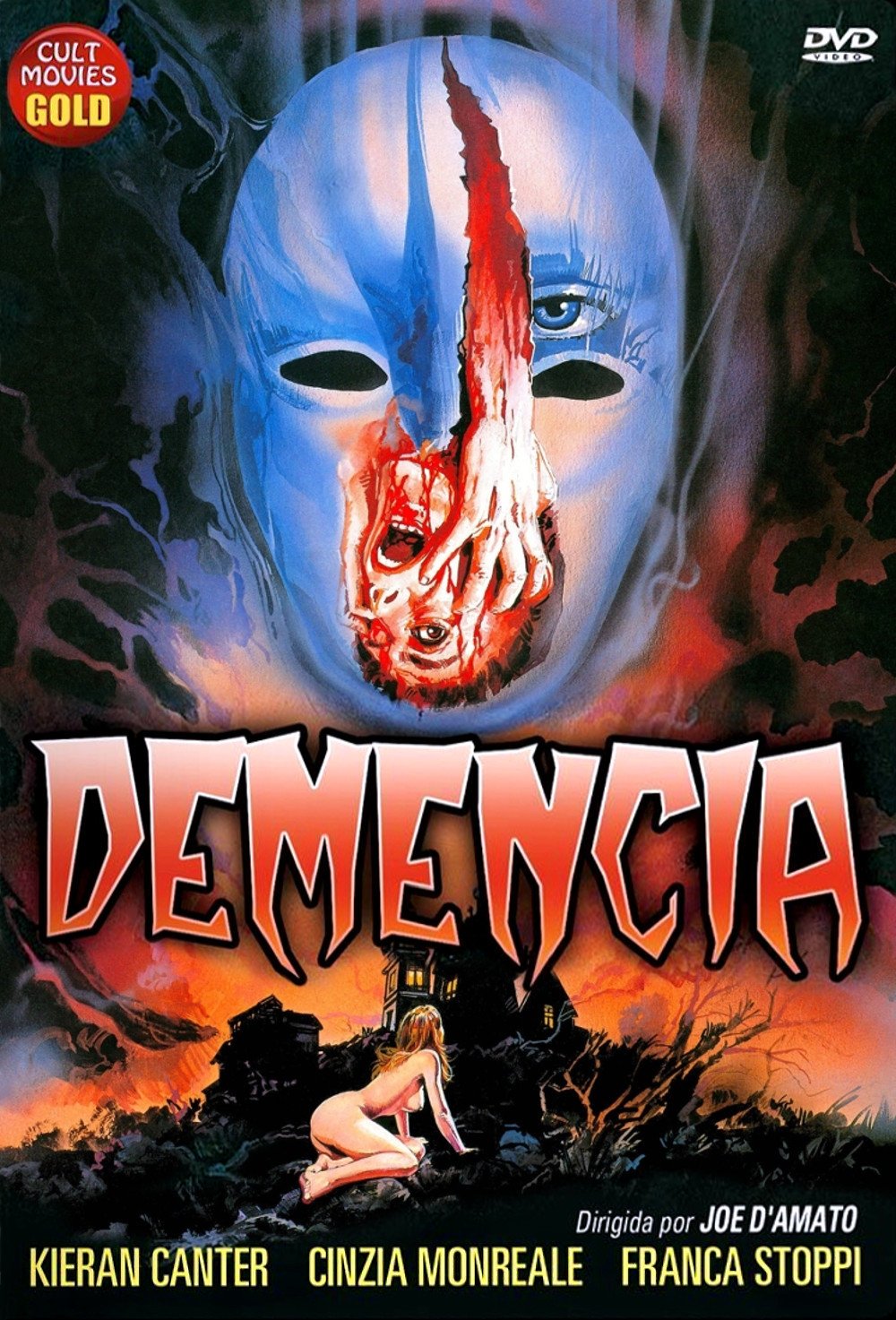
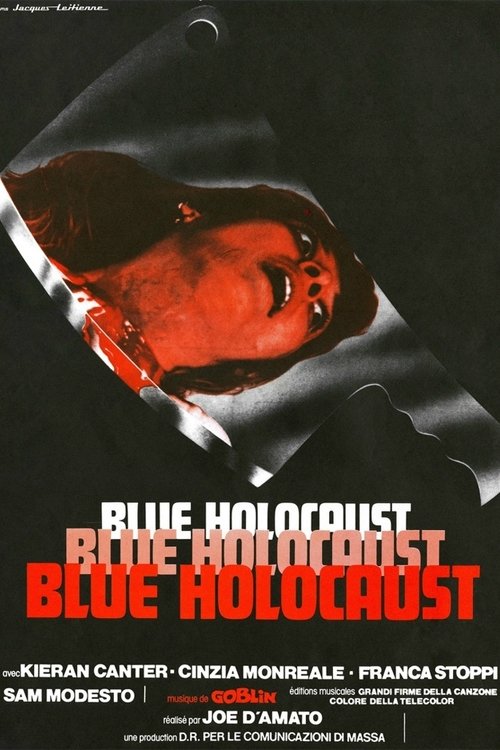
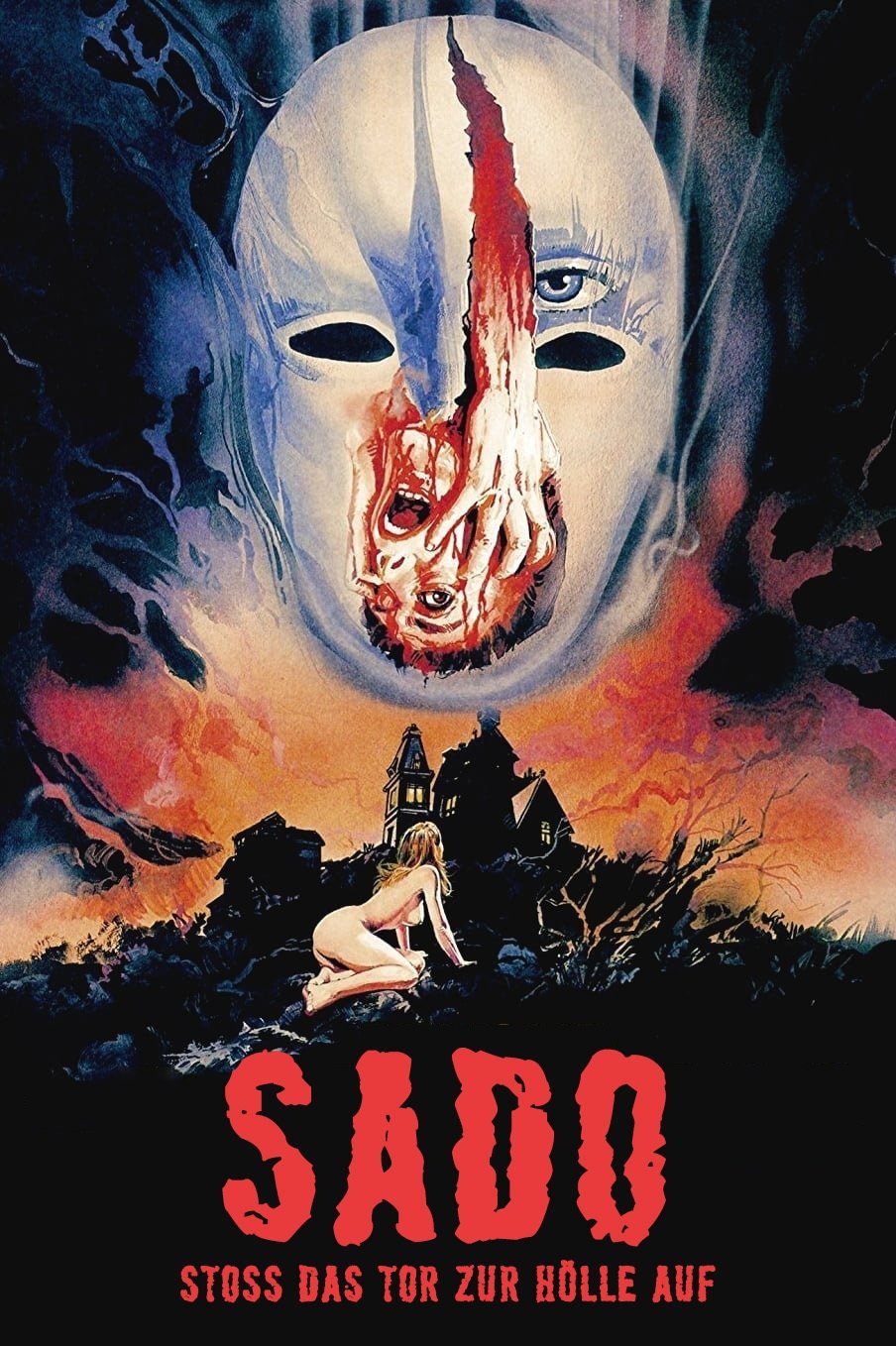
House 6 (Argentina) Folie Sanglante (Canada) — French title黑暗之外 (China) — ChineseSado - Stoß das Tor zur Hölle auf (Germany) — GermanDemencia (Spain) House 6: El terror continua (Spain) — Home Video TitleBio Omega (France) — English VHS titleBlue Holocaust (France) — FrenchShow all 23 alternative titlesFolie Sanglante (France) — French VHS titleΜέσα στο Σκοτάδι (Greece) — Reissue titleΠέρα απ' το Σκοτάδι (Greece) — VHS titleΠύρινα Μάτια στο Σκοτάδι (Greece) 黑暗之外 (Hong Kong SAR China) — ChineseBuio Ωmega (Italy) — alternative spellingIn Quella Casa Buio Omega (Italy) — Reissue titleビヨンド・ザ・ダークネス 嗜肉の愛 (Japan) 부이오 오메가 (South Korea) — KoreanZombi 10 (Mexico) — alternative titleMroczny instynkt (Poland) — PolishPara Além da Escuridão (Portugal) — PortugueseЗа пределами тьмы (Russia) — RussianBuried Alive (United States) — Dubbed Version's VHS titleSaddo: Beyond the Darkness (United States) — VHS title
A Gothic descent into preservation, necrophilia and material horror, shaped by practical effects, Goblin and Italian censorship.
Beyond the Darkness (1979), released in Italy as Buio Omega, is a defining example of Joe D'Amato's approach to extreme horror. Its premise is disturbingly intimate: a young taxidermist steals his dead fiancee's body and preserves it inside the home he shares with a possessive housekeeper. The film turns the technical handling of a corpse into sustained spectacle, bringing methods associated with animal preservation into a story of bereavement, sexual dependence and murder. The result belongs to the Italian exploitation tradition, yet its atmosphere also draws on older Gothic stories about dead lovers, doubles and households governed by forbidden attachments.
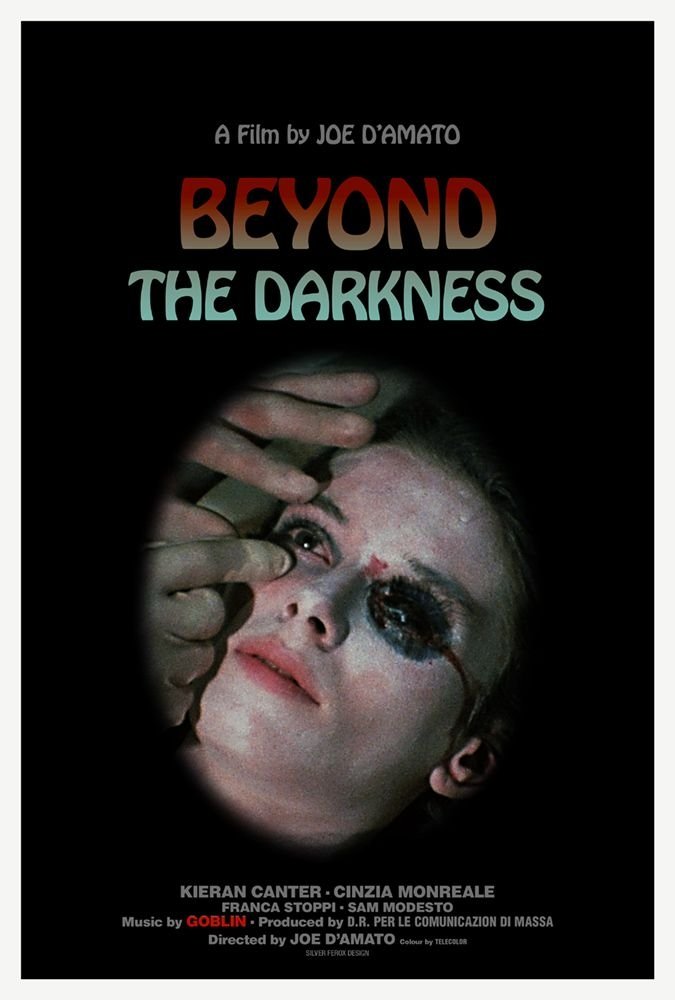
Aristide Massaccesi, working as Joe D'Amato, directed and photographed the feature after years spent moving between cinematography, thrillers and erotic productions. Beyond the Darkness reworks the 1966 Italian thriller The Third Eye but carries its morbid material into a more physically explicit register. A score credited to Goblin gives the gruesome passages an unexpectedly melodic accompaniment. The film's later reputation has been shaped by accounts of its practical effects, inconsistent international titles and documented changes made for Italian censorship. These histories also reveal why its images should be separated from sensational claims that real human remains were used on camera.
Development and the Earlier Thriller
The narrative follows the basic structure of Mino Guerrini's The Third Eye (1966), in which a disturbed young man keeps the body of a dead lover and lives under the influence of a jealous housekeeper. That earlier film starred Franco Nero and treated most of its violence through implication. For the later production, Ottavio Fabbri wrote the screenplay from a story credited to Giacomo Guerrini. In a recollection reproduced by the Monsters Fantastic Film Festival, D'Amato also described Mino Guerrini's contribution to revising the story. This production genealogy matters because the necrophilic relationship and the female double predate D'Amato's more confrontational realization of them.
The production retained a recognizably Gothic household while substantially changing the audience's experience of death. D'Amato recalled working happily with producer Ermanno Donati, and the location's physical character provided a strong framework for the film. His own photographic work could take advantage of rooms that looked occupied and lived in, then reveal activities fundamentally at odds with that domestic appearance. Accounts of the shoot place key photography around Bressanone in northern Italy, although the precise duration is less securely documented by the primary testimony consulted. The available evidence supports an economical production adapted around a striking location; a precise budget would add unsupported certainty.
The Villa, Framing and Enclosed Space
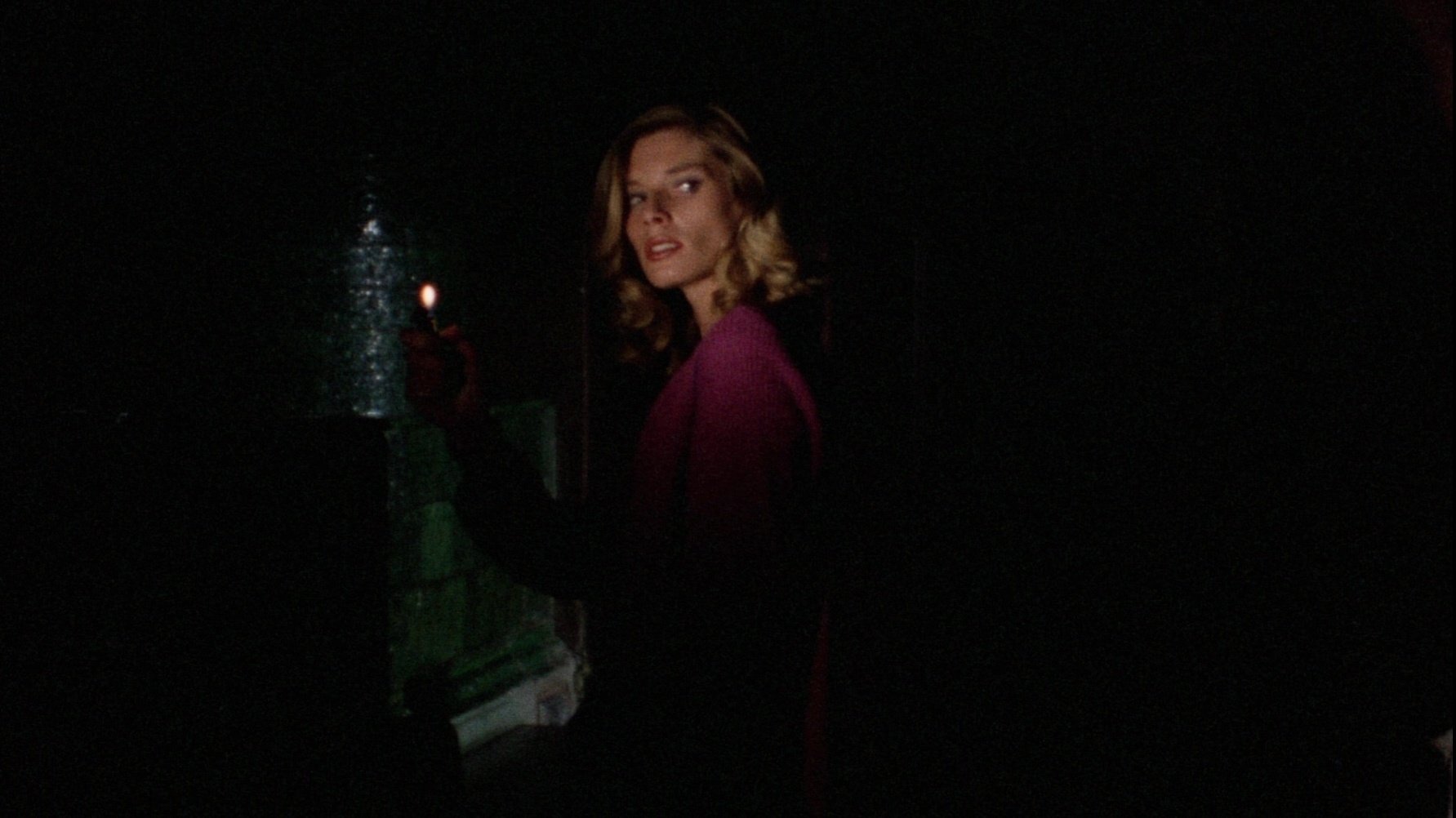
Much of the film's visual force comes from the tension between the house's ordinary surfaces and the secrets contained within it. Bedrooms, corridors and workspaces are joined into a single environment where an intruder can encounter traces of a hidden death. D'Amato's background as a cinematographer is especially evident in the handling of these interiors. Depth, thresholds and offscreen space allow objects to remain concealed until a character moves toward them. The villa functions almost like a sealed institution, with access to information controlled by Frank and Iris. Exterior passages briefly promise relief before the narrative returns to the building's suffocating routines.
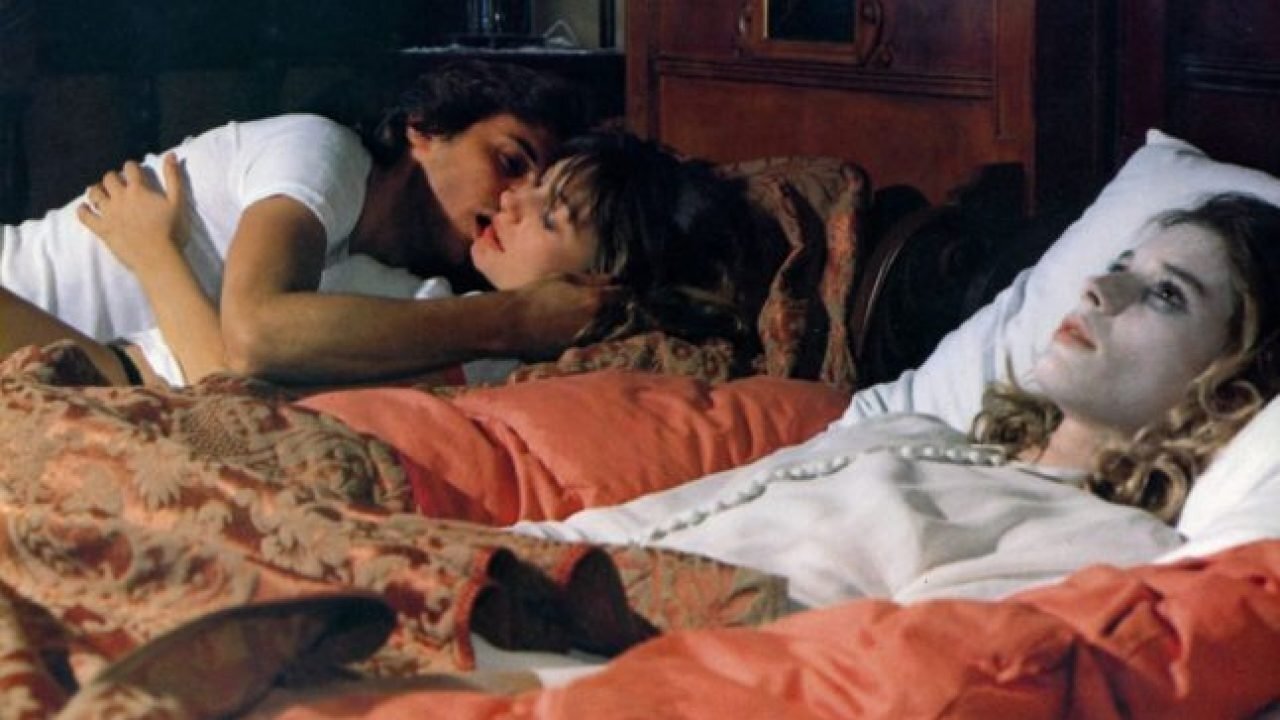
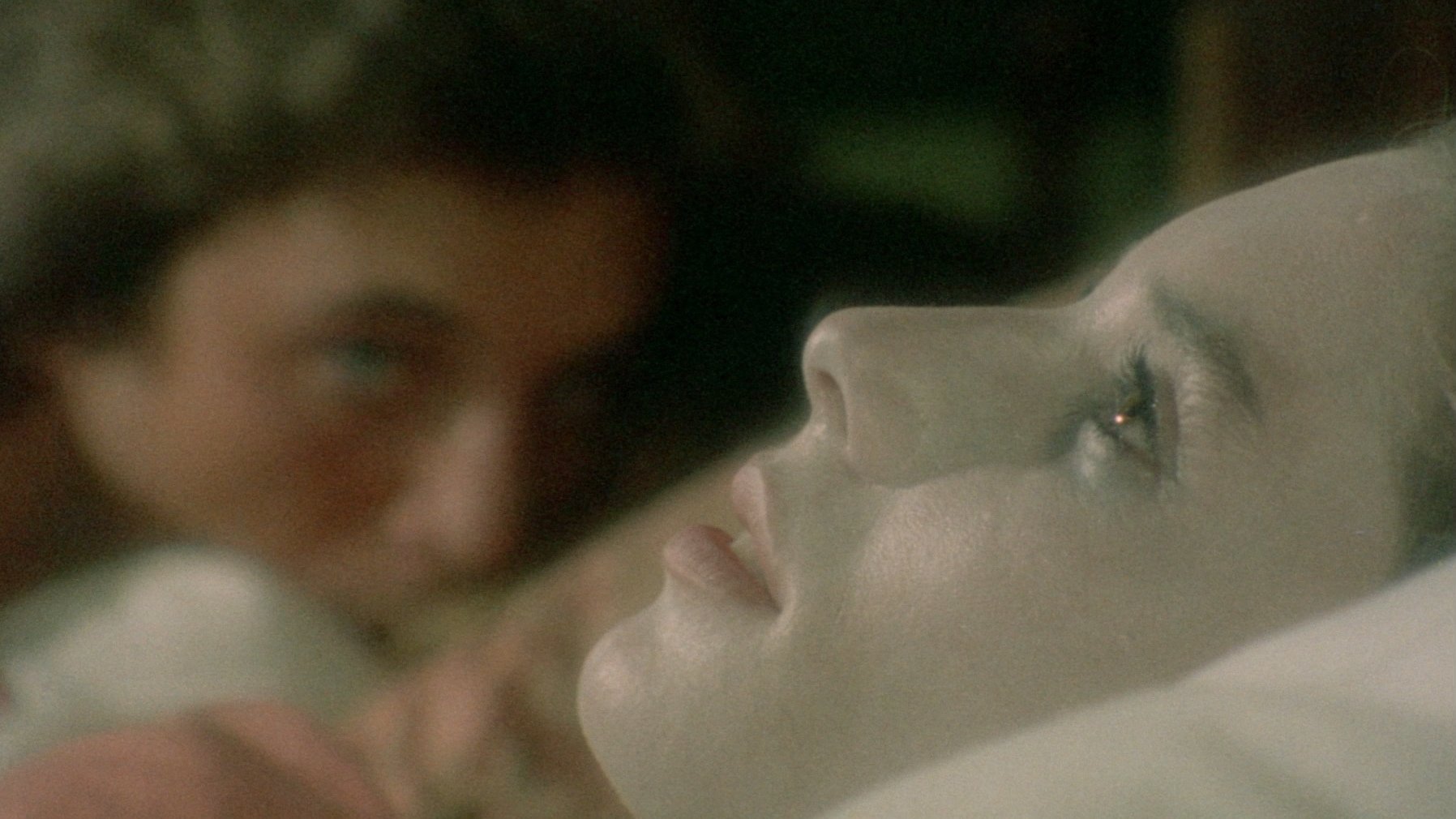
The camera also registers changes in the physical status of people and objects. The preserved body can resemble a sleeping woman when framed at a distance, while closer examination exposes the labor needed to produce that appearance. The difference creates tension even before another killing occurs. A visitor approaching the bedroom sees a conventional space of intimacy; the viewer already understands it as an extension of the taxidermist's workshop. This discrepancy allows the film to draw suspense from sightlines and concealment. Its visual design is more specific than an accumulation of shocking close-ups, because the placement of a body within a room repeatedly governs what the characters may discover.
Grief, Possession and Female Doubles
Frank's attempt to keep Anna close is structured around a refusal to accept physical change. Preservation promises permanence while also making the beloved dependent on his manipulation. Iris supports his crimes and tries to make herself indispensable, so control over Frank and the preserved body dictates life inside the house. Her position combines domestic authority with sexual desire, a dynamic intensified by scenes in which she treats Frank as someone who requires maternal care. The violence directed at other women follows from this closed relationship: anyone who discovers the corpse threatens the arrangement by bringing ordinary social knowledge into a private world of denial.
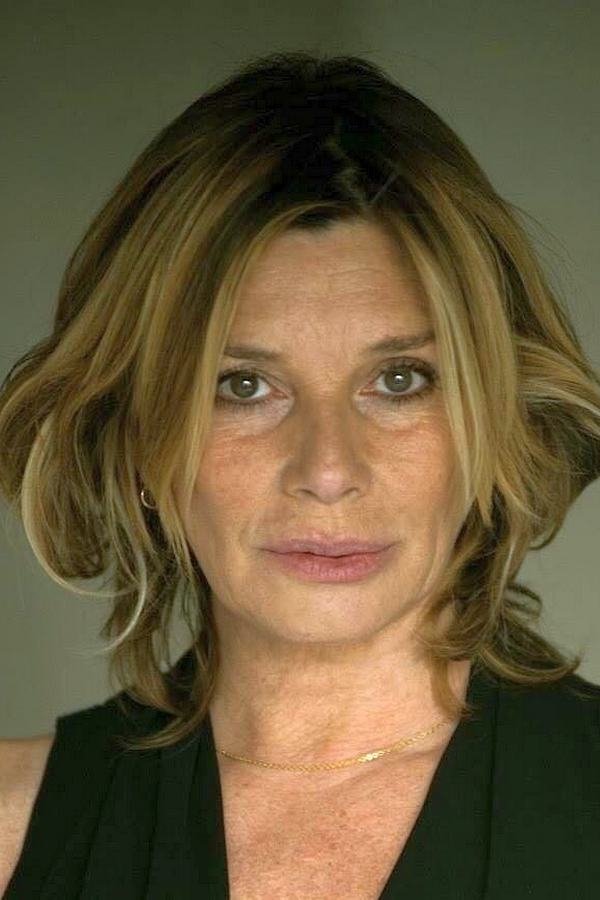
Film scholar Xavier Mendik reads Beyond the Darkness through the Gothic uncanny, particularly the recurrence of female figures and the connection between mourning and repeated desire. This is an interpretive framework, not a claim that the filmmakers consciously adapted psychoanalytic theory. Cinzia Monreale's casting as both Anna and her sister gives the resemblance a literal form, complicating Frank's capacity to distinguish the individual he has lost from an image he wishes to recreate. The ending makes that confusion especially significant. It leaves the audience confronting a question about identity that the protagonist has refused to address, extending the narrative's concern with the uncertain boundary between an animated body and a preserved one.
Embalming and Practical Effects
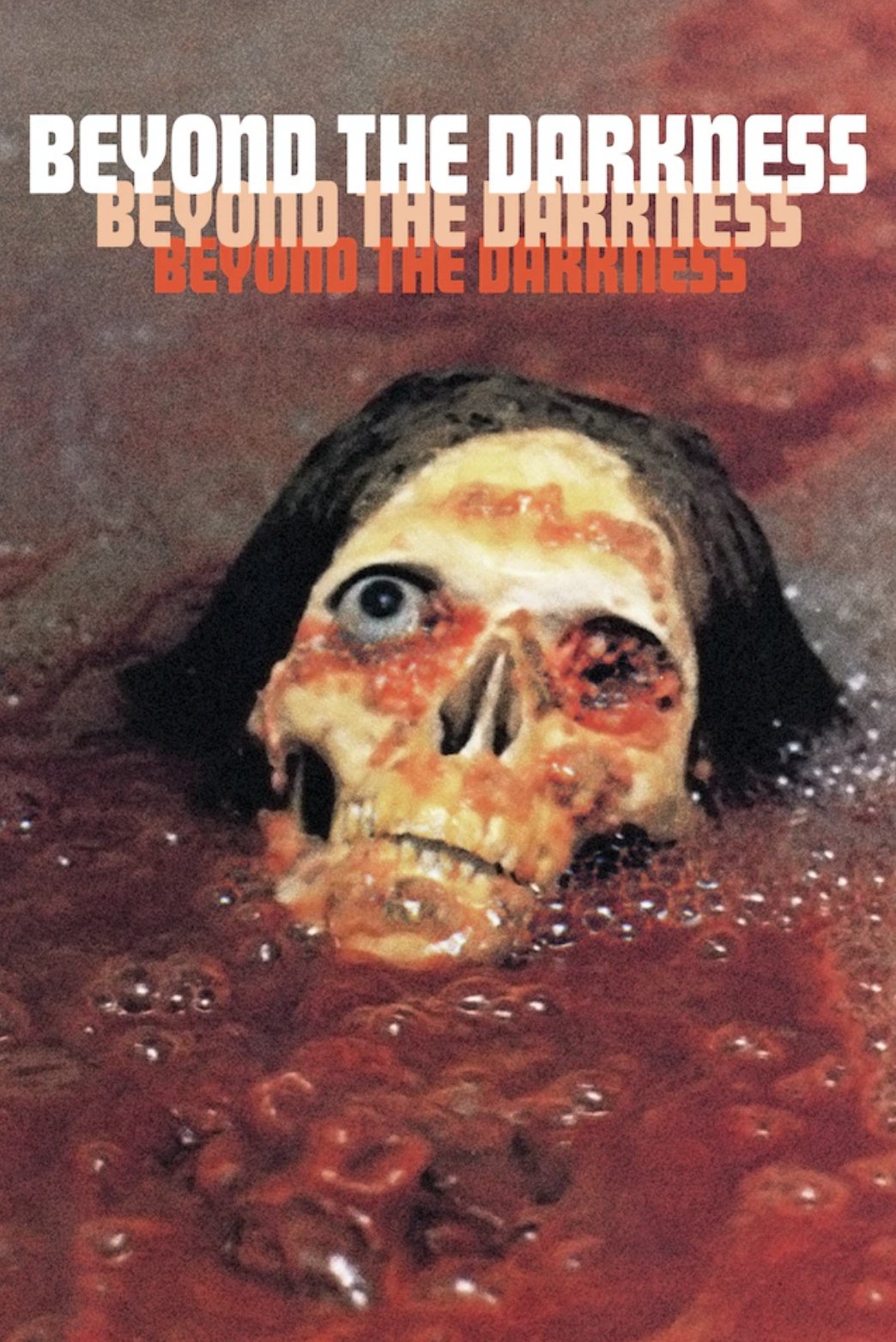
The embalming sequence supplies the film's most distinctive encounter with bodily horror. The emphasis falls on a process: incision, removal of material and preparation of the corpse for preservation. D'Amato later rejected stories that he had recorded an authentic autopsy, explaining that the material shown being taken from the body consisted of animal offal obtained from a butcher near the shooting location. In a separate 1991 interview, he again described the use of butcher's giblets and treated the rumor of genuine human remains as a measure of the illusion's effectiveness. Those statements identify a specific practical method without justifying claims about every makeup application or prop used elsewhere in the film.
The festival's technical credits also identify Cesare Biseo in connection with special makeup effects. The director's testimony and that credit together document an effects practice combining photography, prepared materials and makeup. The handling of flesh on screen is more unsettling because the editing allows physical actions to continue beyond the point at which conventional horror might cut away. Later passages involving the destruction or concealment of bodies return to the same preoccupation with matter. The killings threaten life, but the subsequent treatment of the remains attacks the distinction between a person and an object.
Goblin and the Film's Musical Character
Goblin's score connects Beyond the Darkness to a prominent current in 1970s Italian horror music, although the recording belongs to a different band configuration from the one associated with the group's most famous work for Dario Argento. By this period Massimo Morante and Claudio Simonetti had departed, with Carlo Pennisi on guitar and Maurizio Guarini on keyboards alongside Fabio Pignatelli and Agostino Marangolo. The changing personnel are documented in the band's historical accounts and in specialist histories of Italian film music. Treating the soundtrack as a straightforward reunion of the original lineup would therefore misrepresent how the record came to be made.
The music alternates electronically colored textures with strong rhythmic movement and more reflective melodic passages. Those contrasting qualities alter the experience of scenes that might otherwise be understood only in terms of shock. A recurring pulse can sustain the sense of a character trapped in a repeated behavior, while lyrical material makes the attachment to Anna sound emotionally recognizable even when its actions become grotesque. This description concerns the audible relationship between score and images; it does not imply knowledge of unrecorded composition sessions. The soundtrack's distinctive arrangement is part of the film's identity within the broader Italian horror tradition.
Italian Censorship and Circulating Versions
Italian censorship is unusually well documented through materials preserved by Cinecensura, a project associated with the Ministry of Culture and the National Film Archive. The records identify a first submitted version in which three particularly gruesome scenes were modified before the film was authorized for public exhibition with an under-eighteen restriction. A later edition, submitted with changes described in the archive as totaling 471 meters of film, received a reduced age limit of fourteen. These are distinct regulatory decisions. The figure should not automatically be presented as an exact quantity of gore removed, and neither certificate alone establishes which later release is identical to the initial director-approved assembly.
D'Amato described the production of alternate versions for different national markets in his 1991 interview, linking that practice to varying standards of permissible sex and violence. He also spoke of distributors changing material without his direct supervision. His remarks are useful firsthand evidence for a general industry practice, but they cannot prove the contents of every surviving edition of this particular film. Beyond the Darkness circulated under alternate names, including Buried Alive, which have sometimes made editions difficult to compare. The film's archival history depends on identified submissions, documented titles and the contents of individual prints. No single international cut explains every edition.
Critical Interpretation and Later Reputation
Specialist commentary has increasingly separated the film's formal qualities from the sensational publicity attached to its violence. Writing about D'Amato's horror work, Gabe Powers treats the physical effects as integral to the oppressive method of staging. Mendik's academic study instead concentrates on the preserved female body, doubling and the repetition of traumatic attachments. These approaches reach the film from different directions, yet both attend to how its central situation is maintained across the running time. Neither interpretation establishes that the picture changed the direction of the genre or enjoyed a particular level of contemporary commercial success.
The film remains a revealing case in D'Amato's horror career because it joins accomplished camerawork to an unusually explicit account of decay. Its earlier source in The Third Eye clarifies what was inherited, while the practical effects reveal what the new version insisted on displaying. The censorship record confirms that different Italian audiences encountered material altered for classification, complicating casual references to an unchanging original. Later critical interest has also highlighted the role of Franca Stoppi's Iris, whose domestic command gives the narrative an unsettling center of power. Beyond the Darkness can be assessed as both an extreme exploitation production and an extension of older Gothic anxieties about preserving the dead.
Italian Ministry of Culture and National Film Archive records documenting the first and second censorship submissions, scene modifications and changes of age restriction.
Festival programme preserving D'Amato's production recollections from Nocturno Dossier, the butcher-shop effects explanation, original crew information and specialist critical commentary.
Cinepugno — Interview with Aristide Massaccesi aka Joe D'Amato (1991)
English translation of an original DROP OUT interview in which the director discusses filmed versions, censorship and the practical illusion of the embalming scene.
Academic book, chapter six, examining uncanny women, maternal substitutes, necrophilia and female doubles in D'Amato's Gothic horror films, including an extended discussion of Beyond the Darkness.
Genre Grinder — Italian Grinders: Joe D'Amato Horror Retrospective Part 2 - Video Nasties
Long-form critical essay comparing The Third Eye with Beyond the Darkness and examining its location photography, practical effects and changing international titles.