



Production & Development
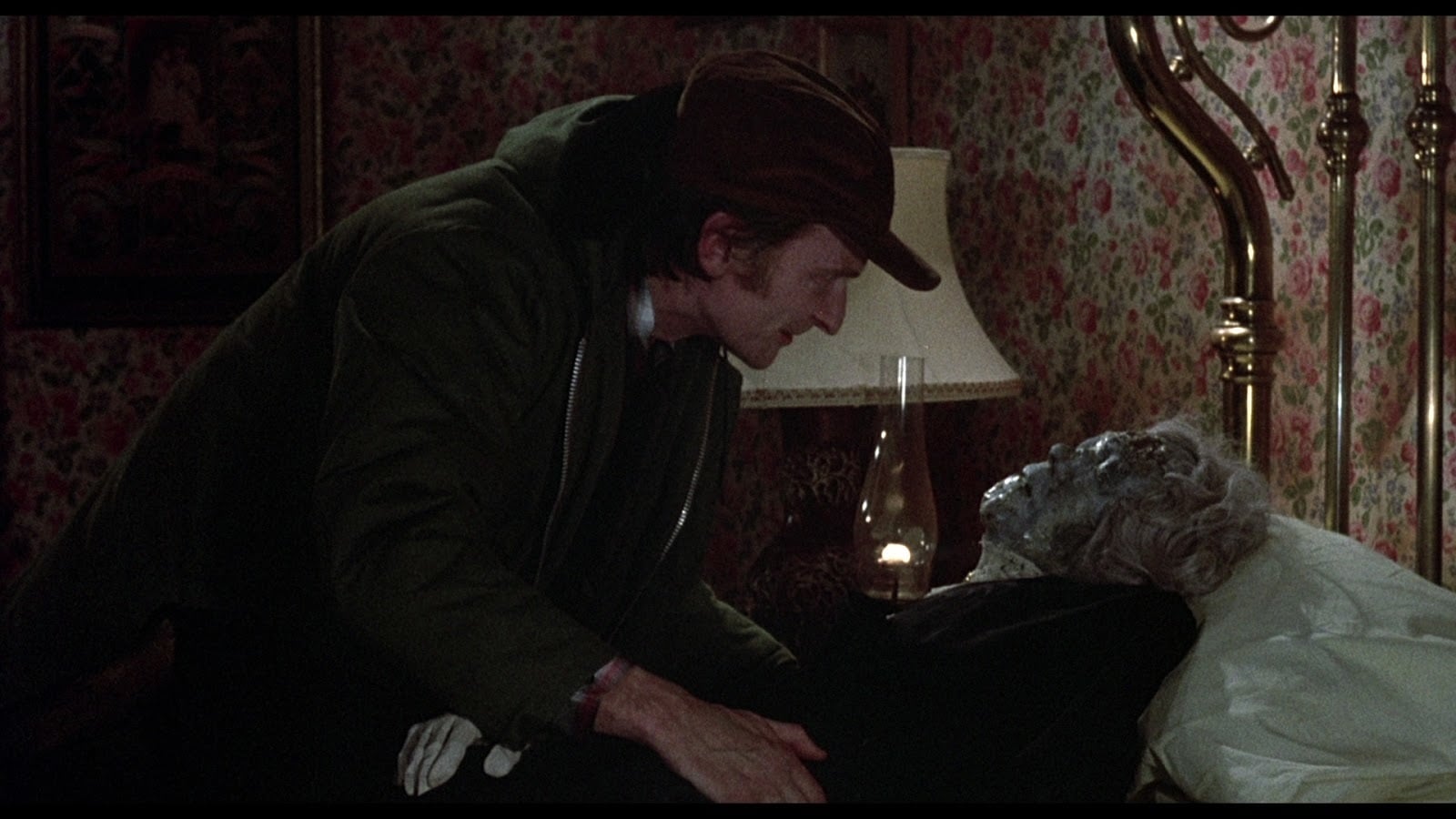
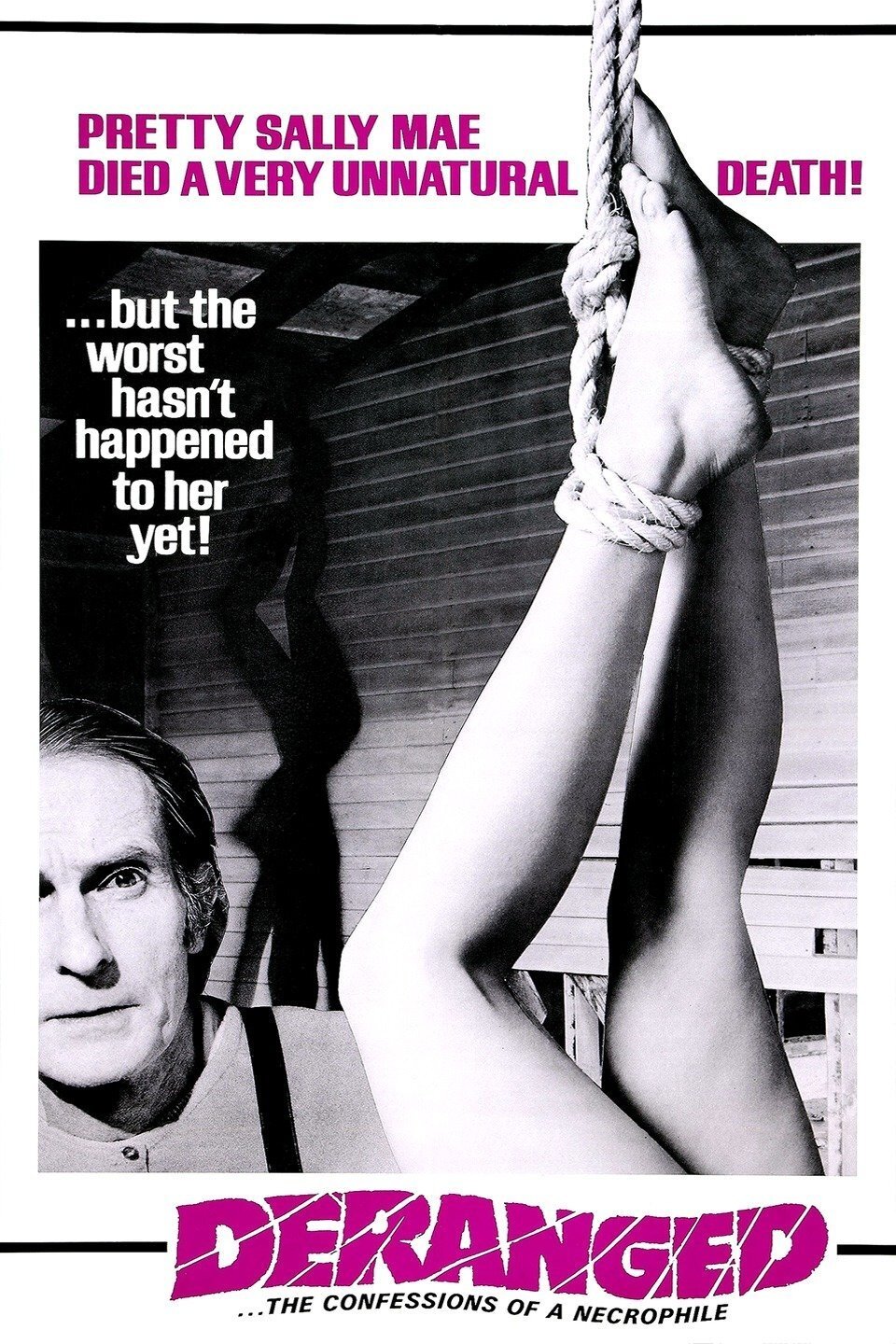
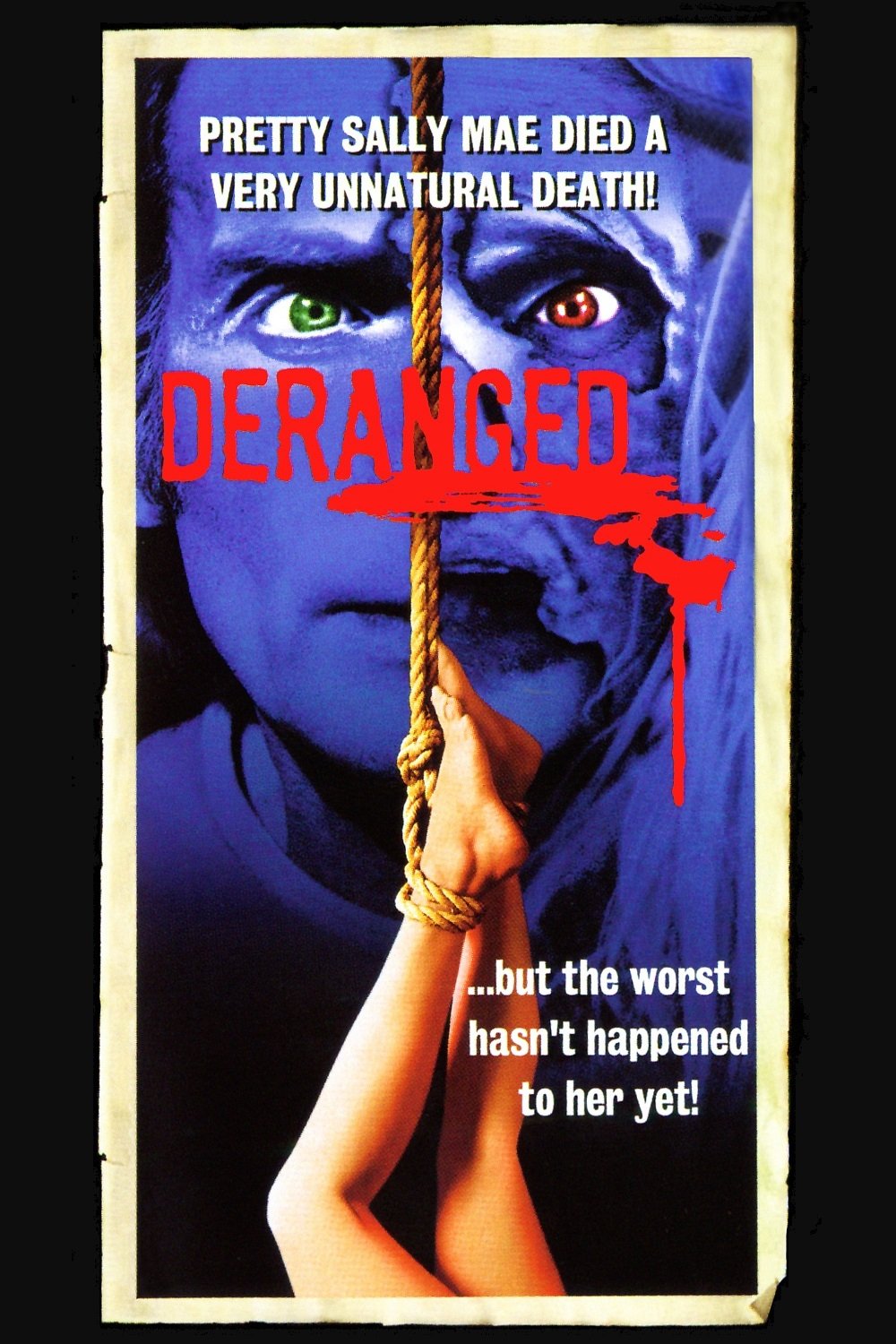
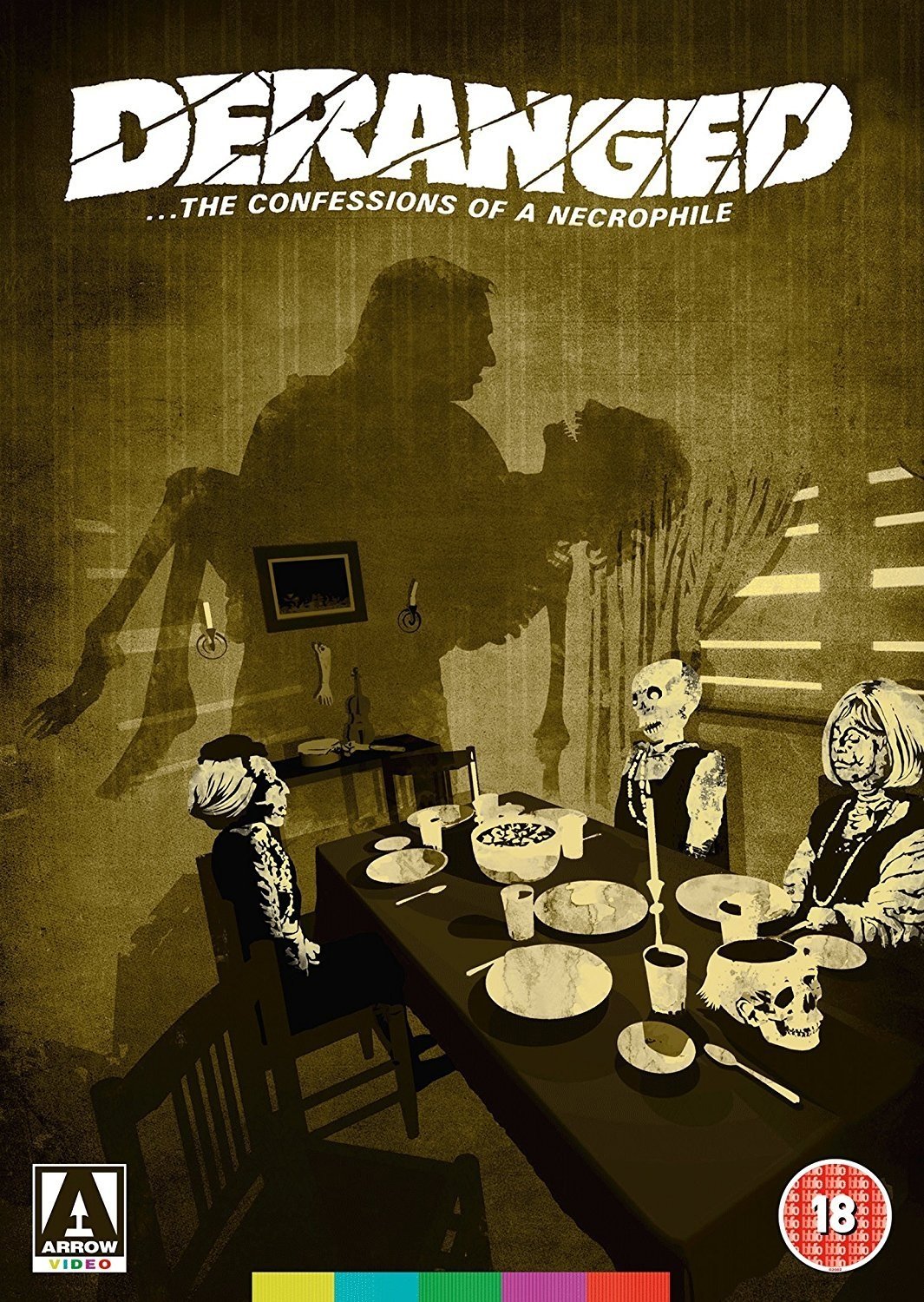
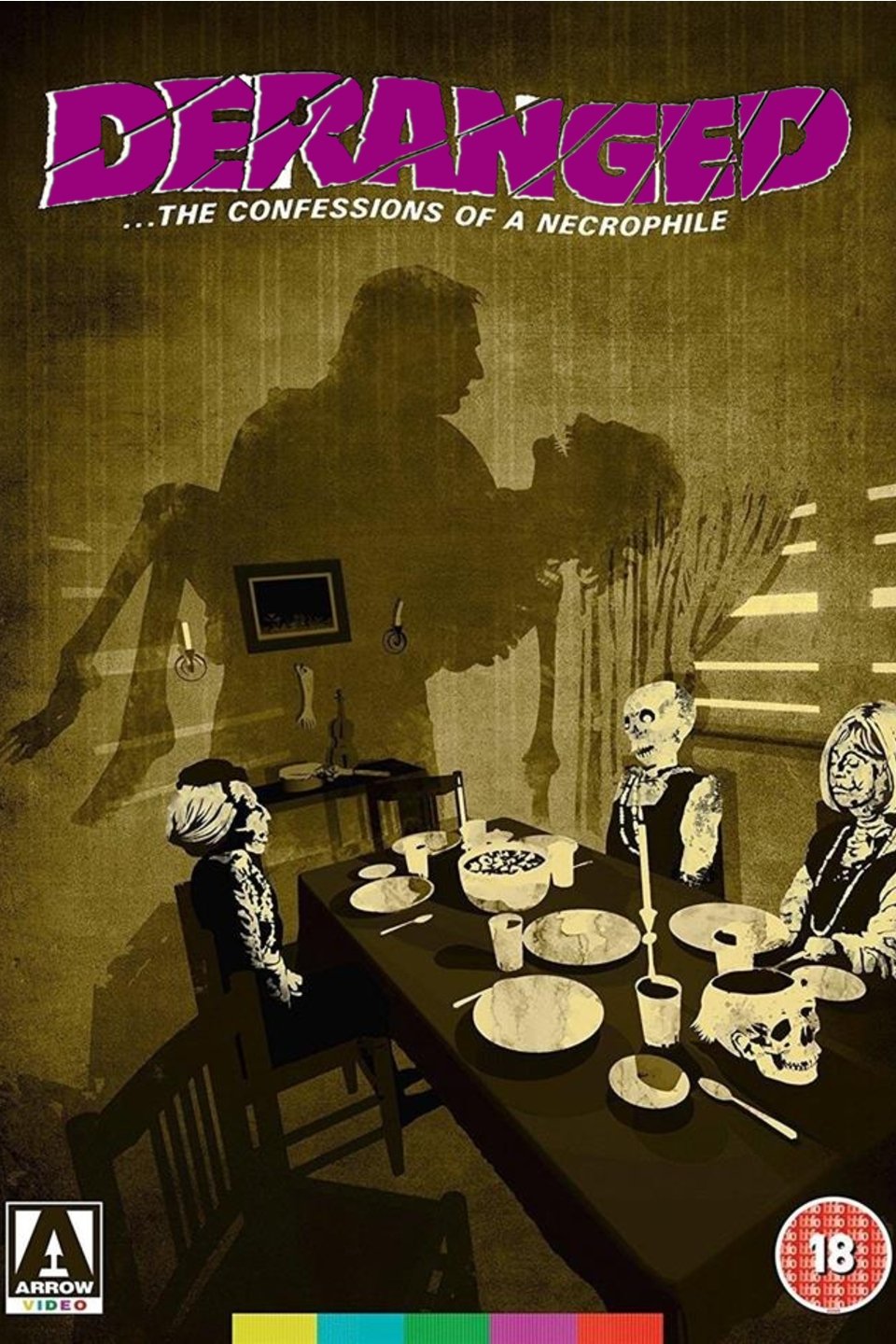
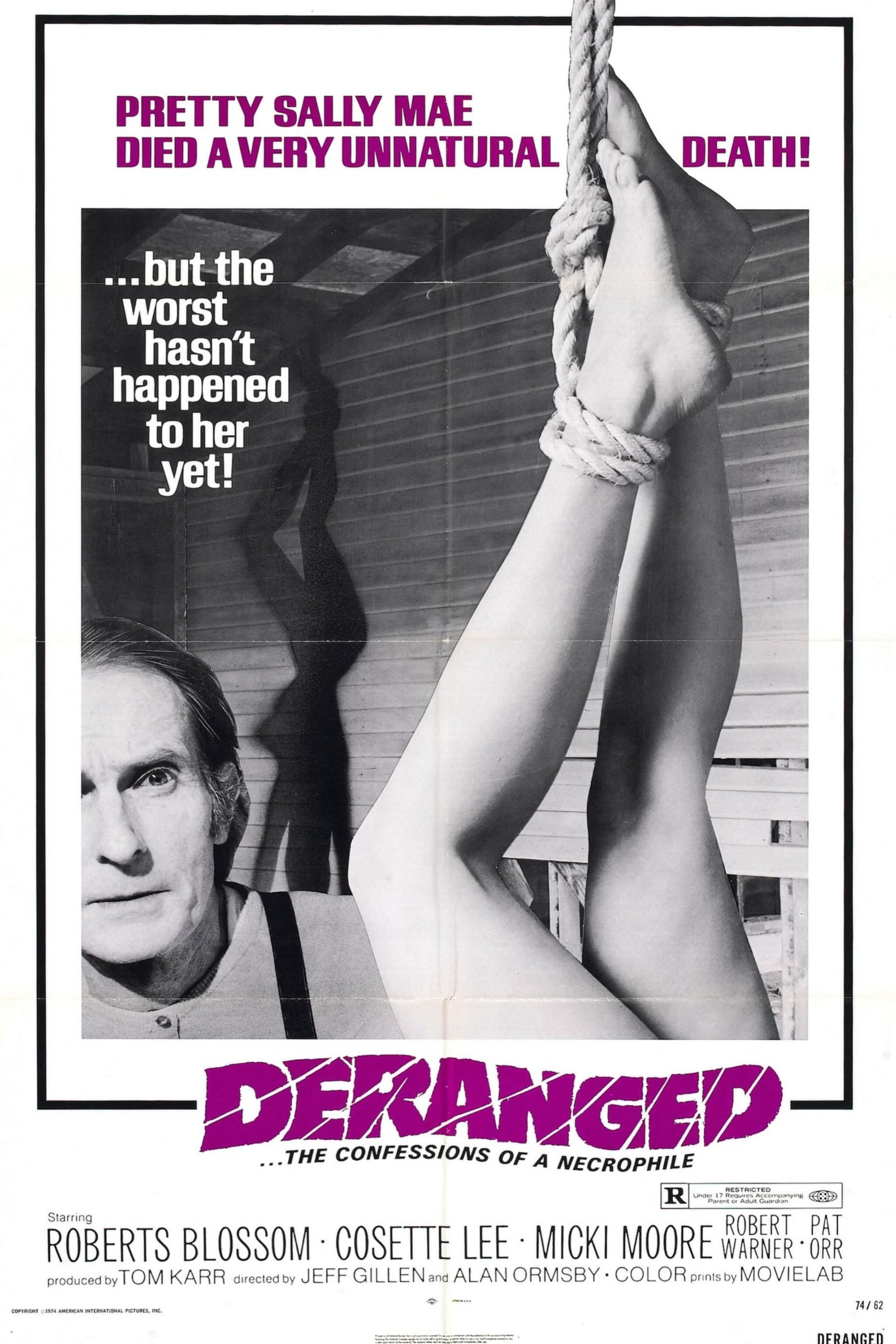
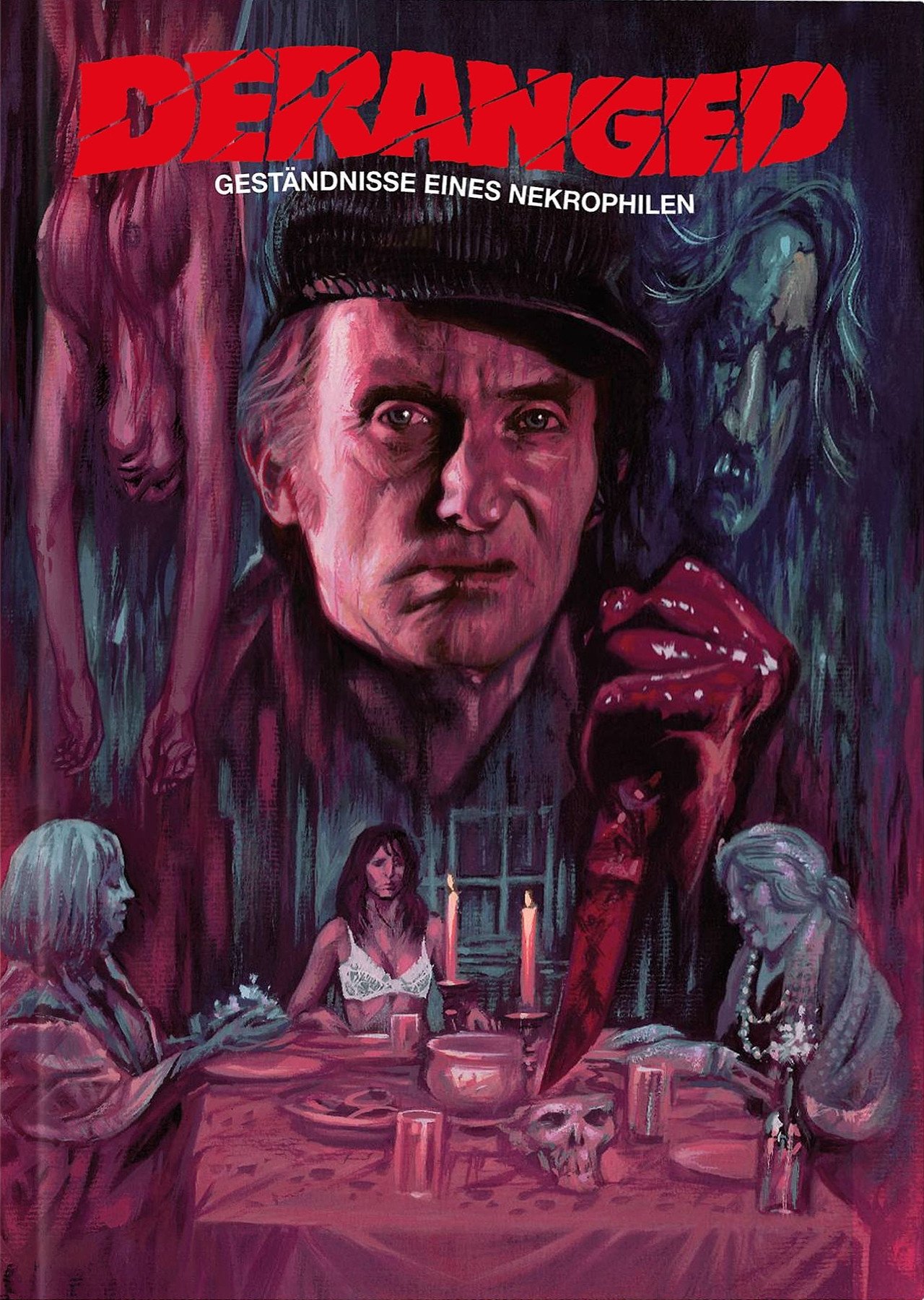
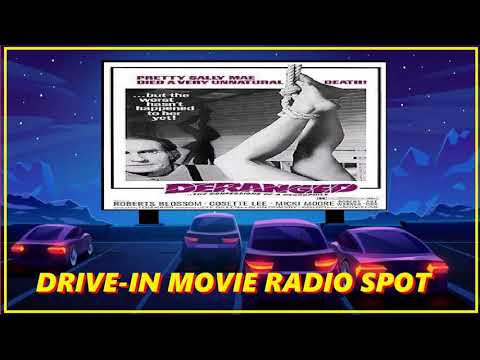
Producer Tom Karr's interest in the Ed Gein story dated back to his childhood. Production history preserved by the American Film Institute records that Karr later financed Deranged with $200,000 of his own money after working as a concert promoter. Alan Ormsby's screenplay originally carried the title Necromania, but Karr believed that Ormsby's treatment contained too much black humor for the subject. Karr later stated that he rewrote roughly half of the film, including the material in which Ezra exhumes his mother's corpse, brings it back to the farmhouse and attempts to preserve it. Those scenes became fundamental to the finished film even though the incident did not occur in the actual Gein case.
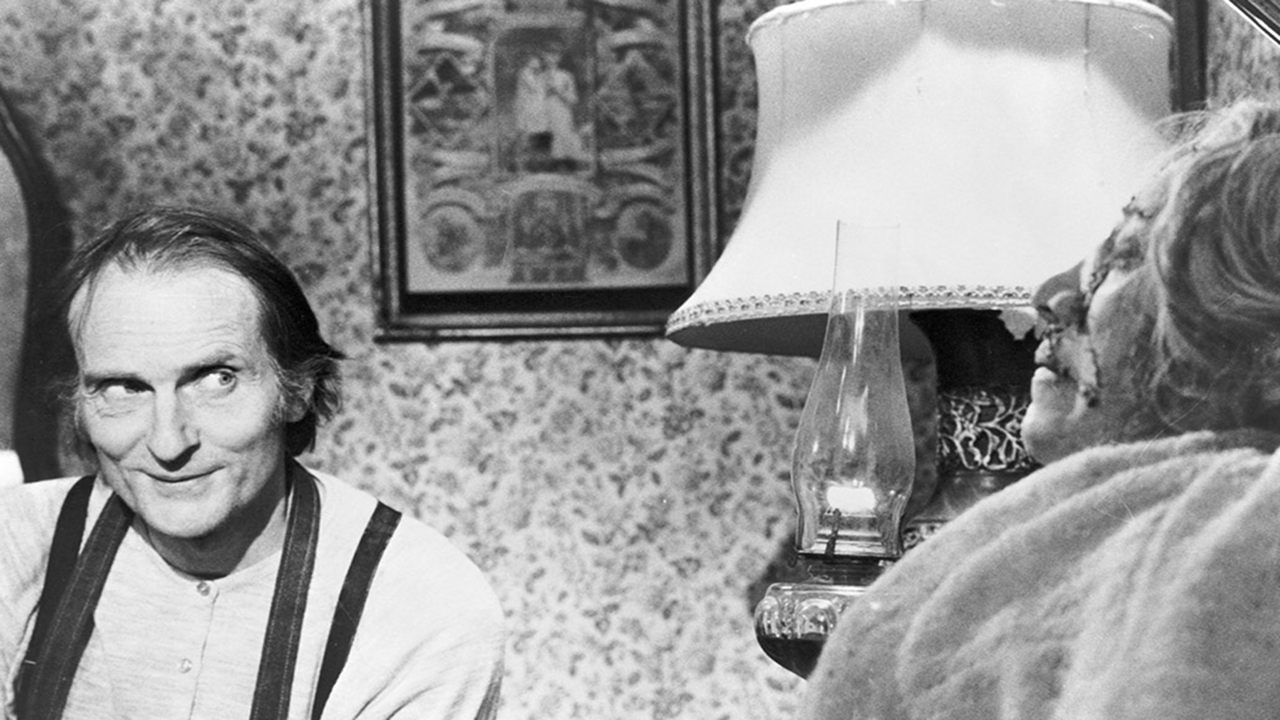
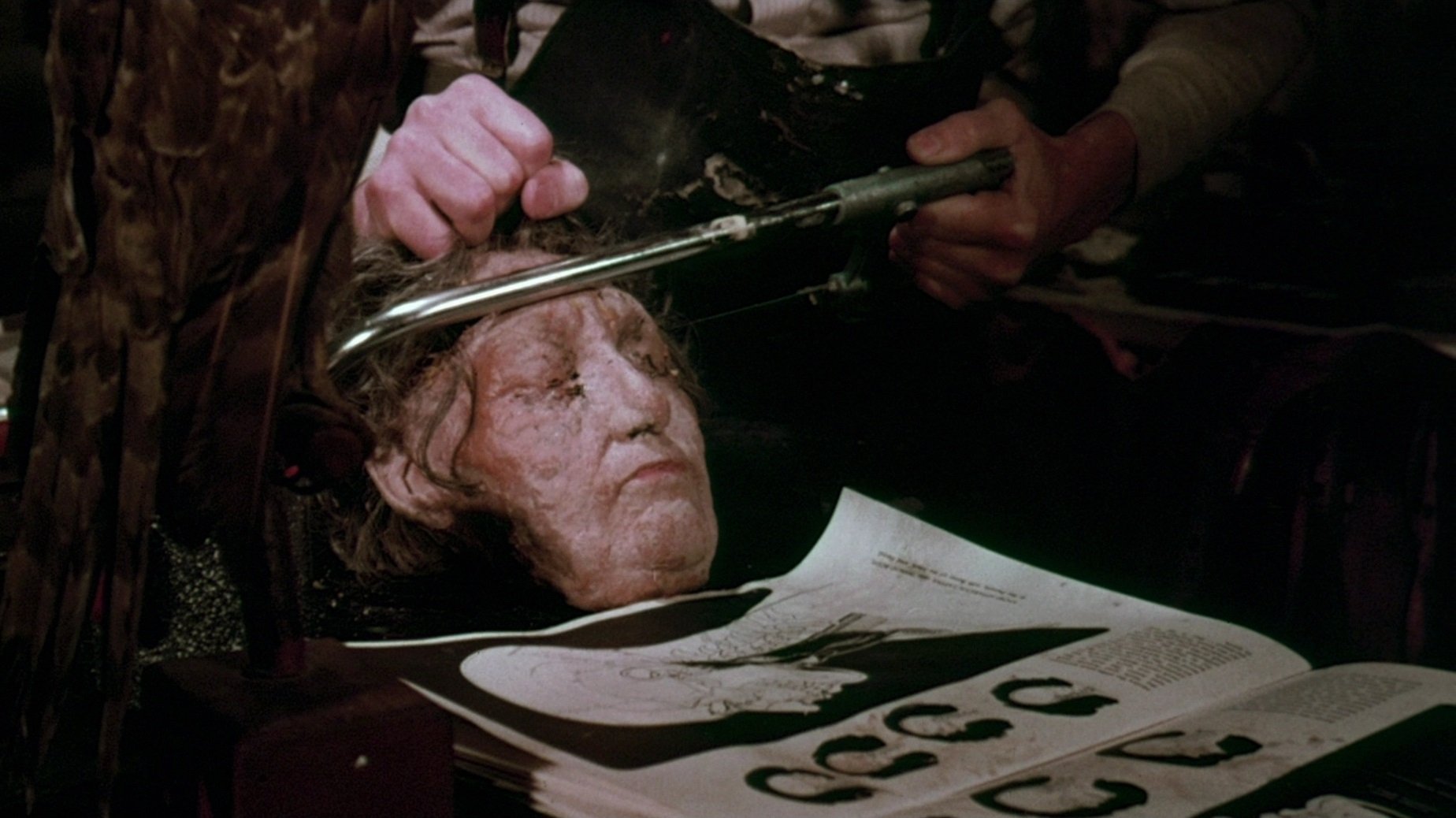
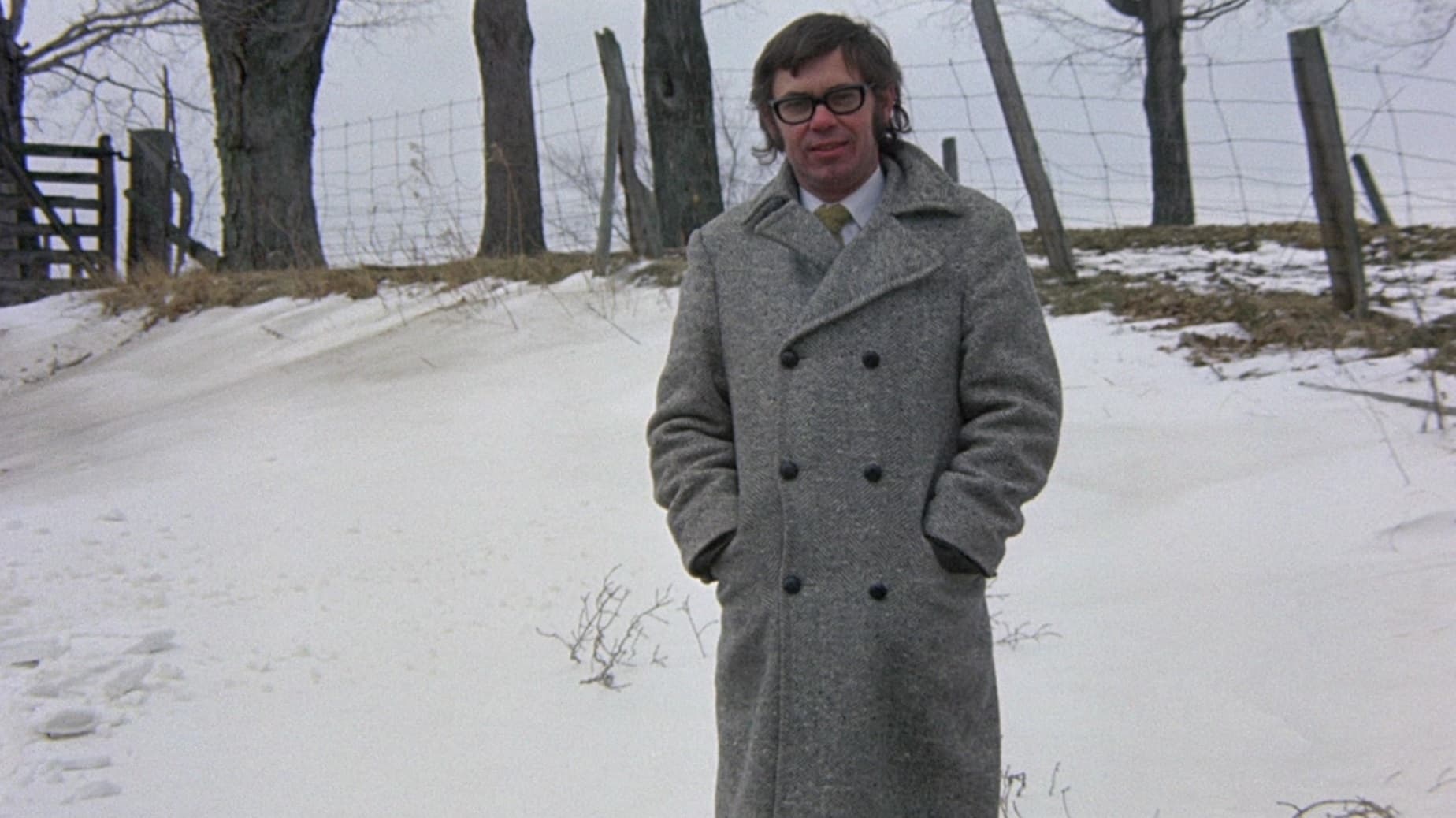
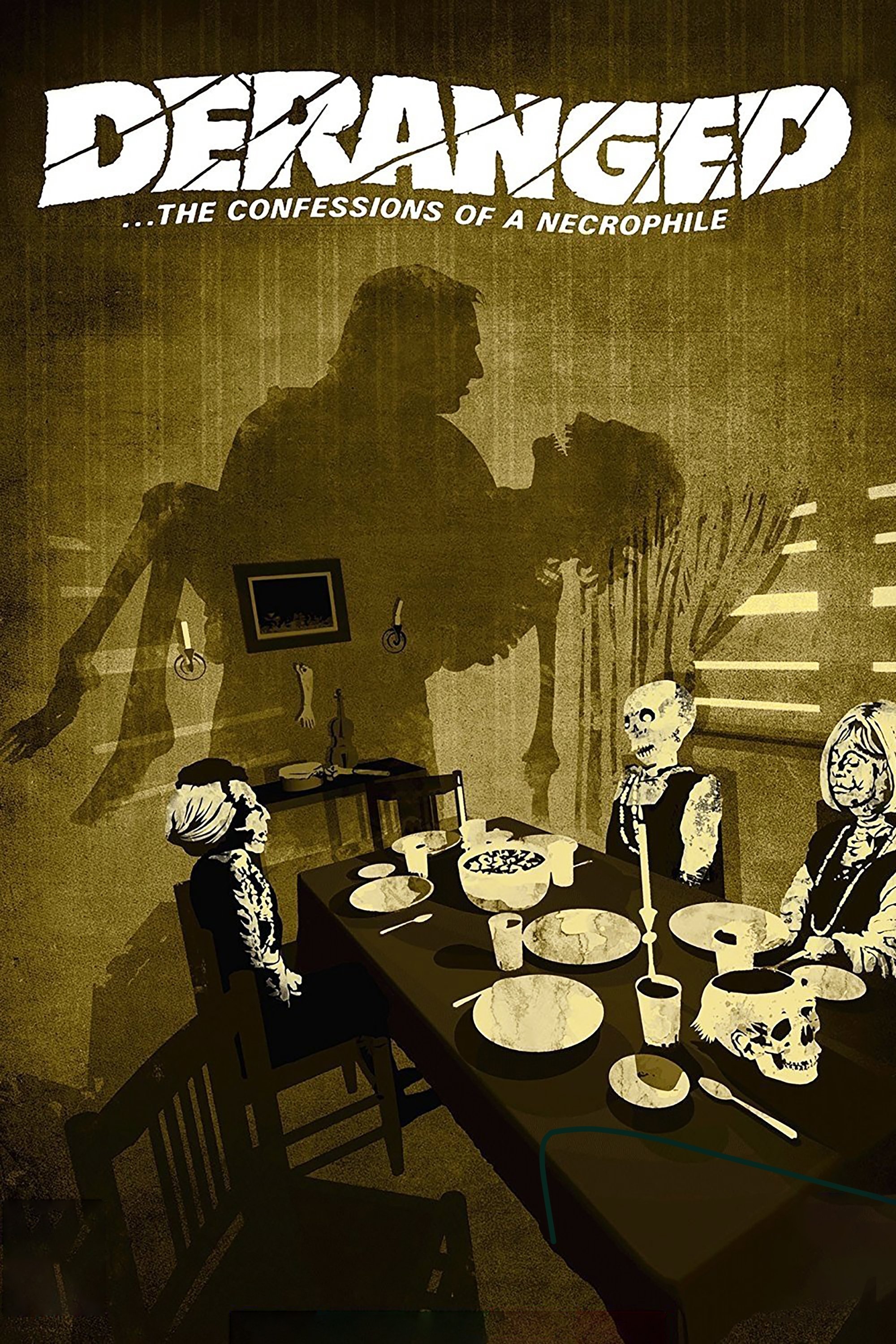
Production took place during February and March 1973 in and around Oshawa, Ontario. The filmmakers selected the area partly because they wanted a reliably snow-covered landscape. Locations included an abandoned farmhouse, a local hardware store and the basement lounge of the hotel used by the cast and crew, while much of the remaining work was completed on sets constructed at a nearby studio. Art director Albert Fisher researched contemporary reporting on Gein while preparing Ezra's farmhouse, including the accumulation of printed material within the house. The resulting setting combines everyday domestic clutter with increasingly grotesque discoveries, grounding the horror in a familiar rural home.
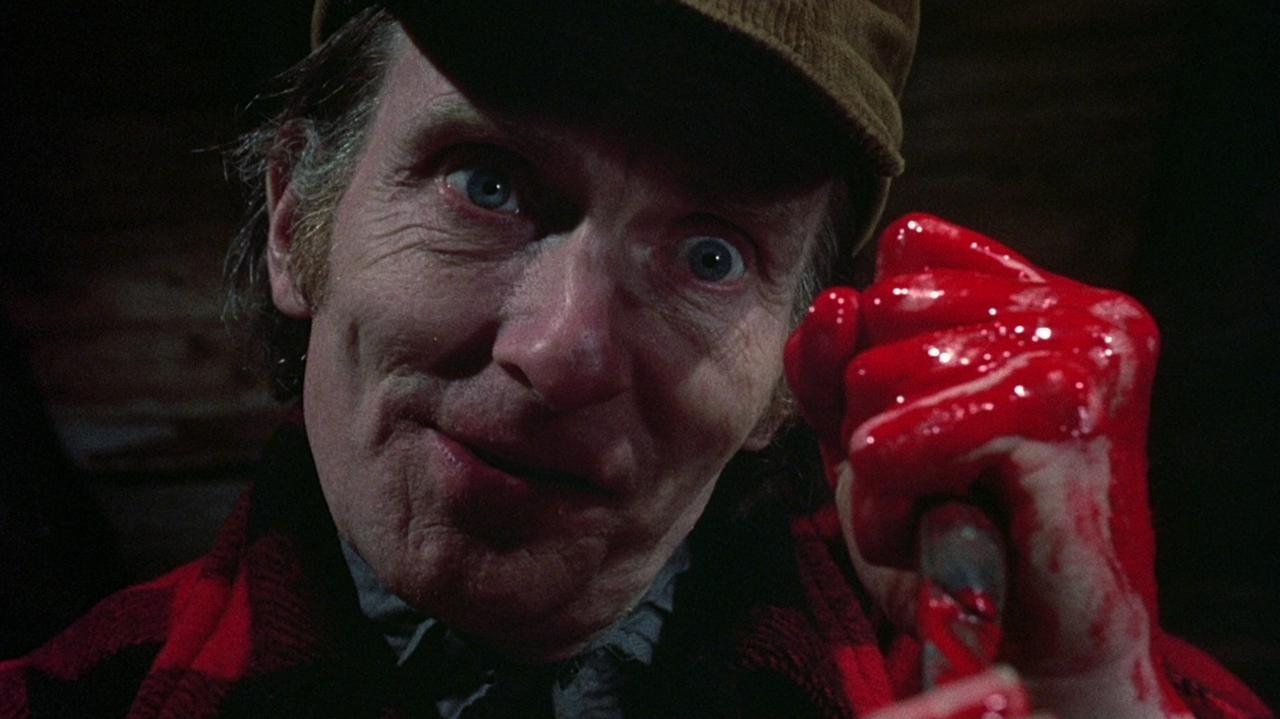
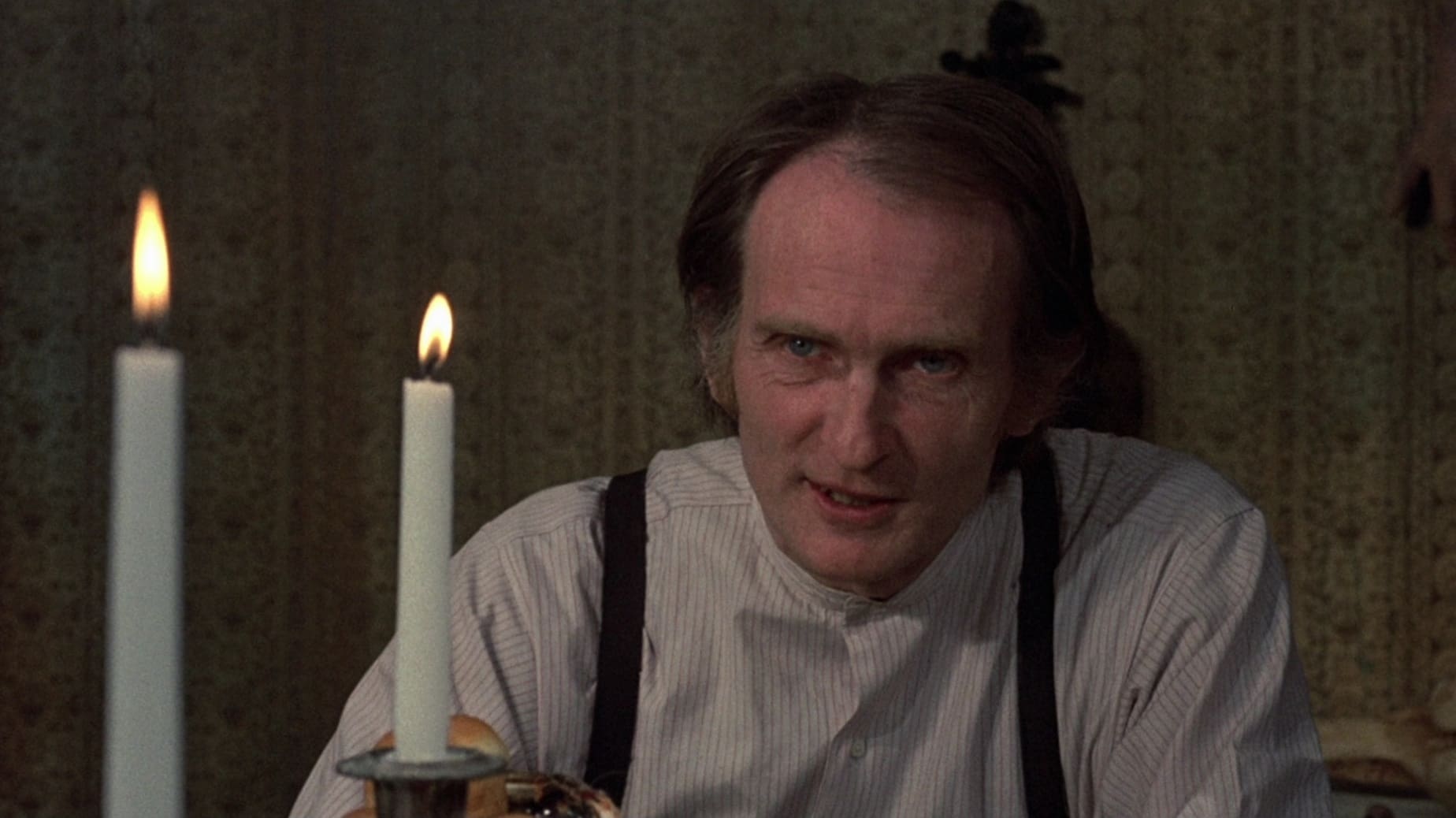
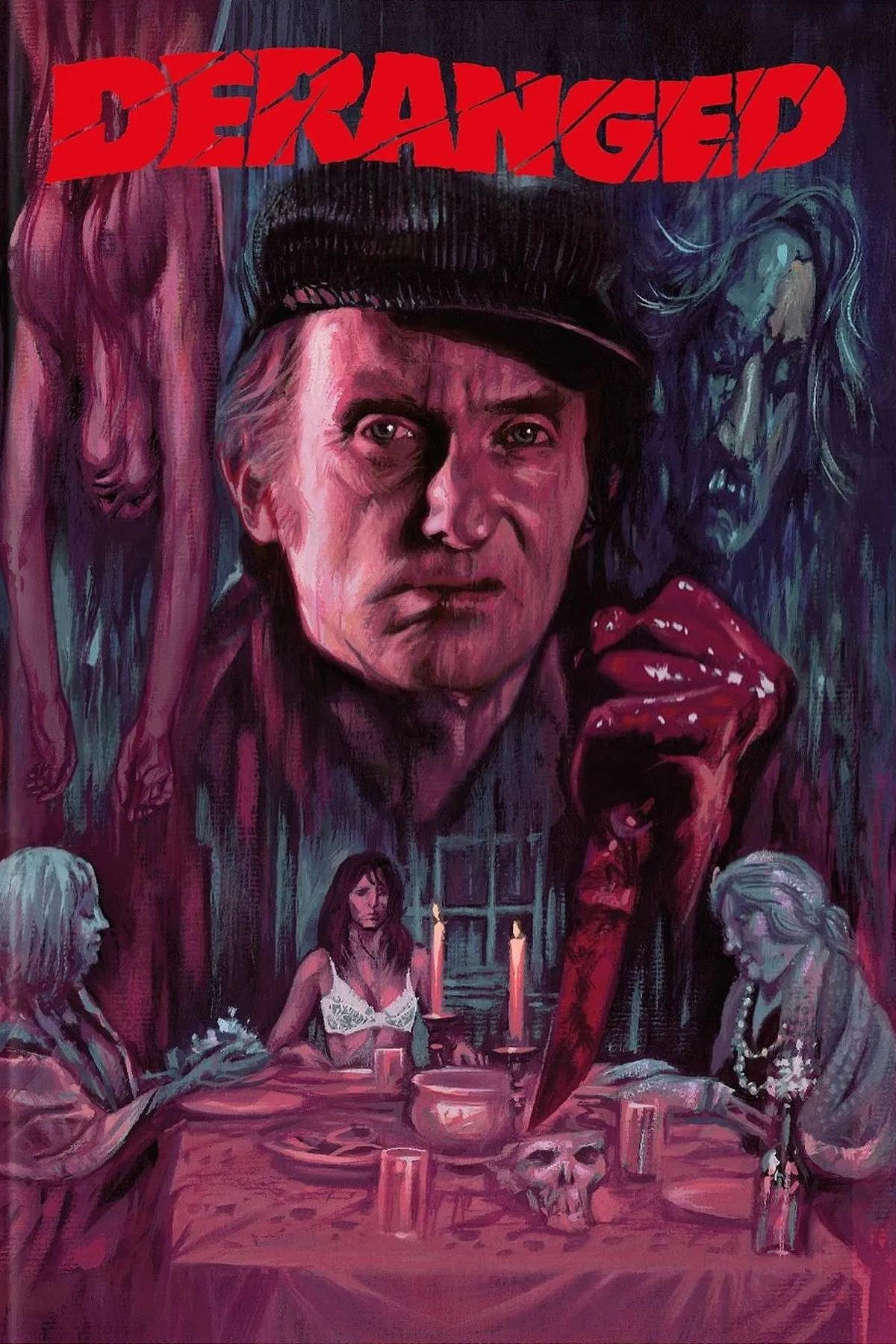
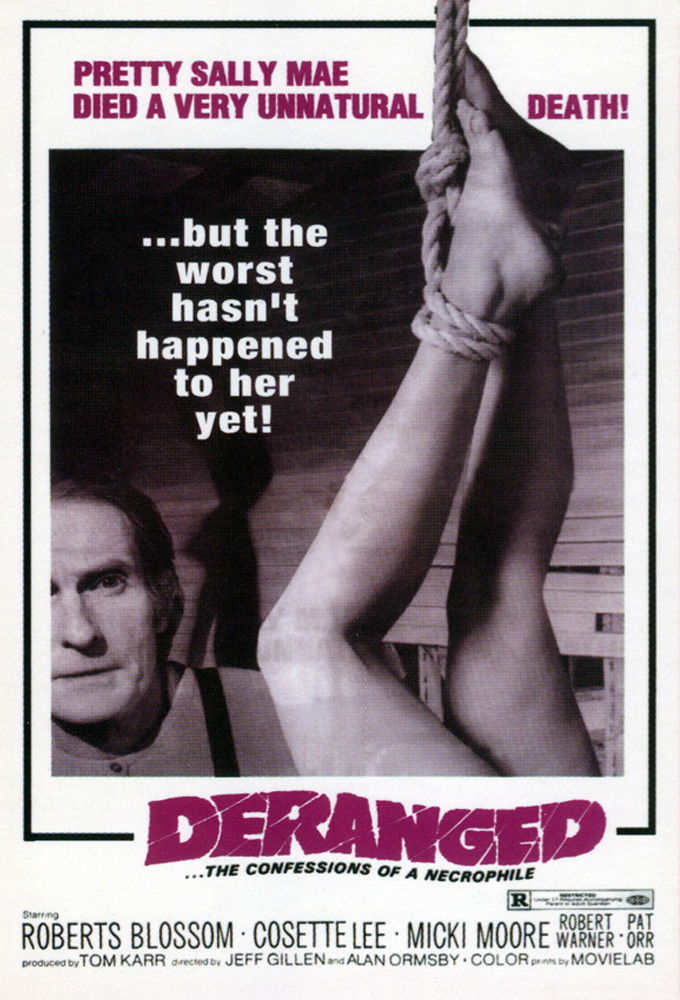
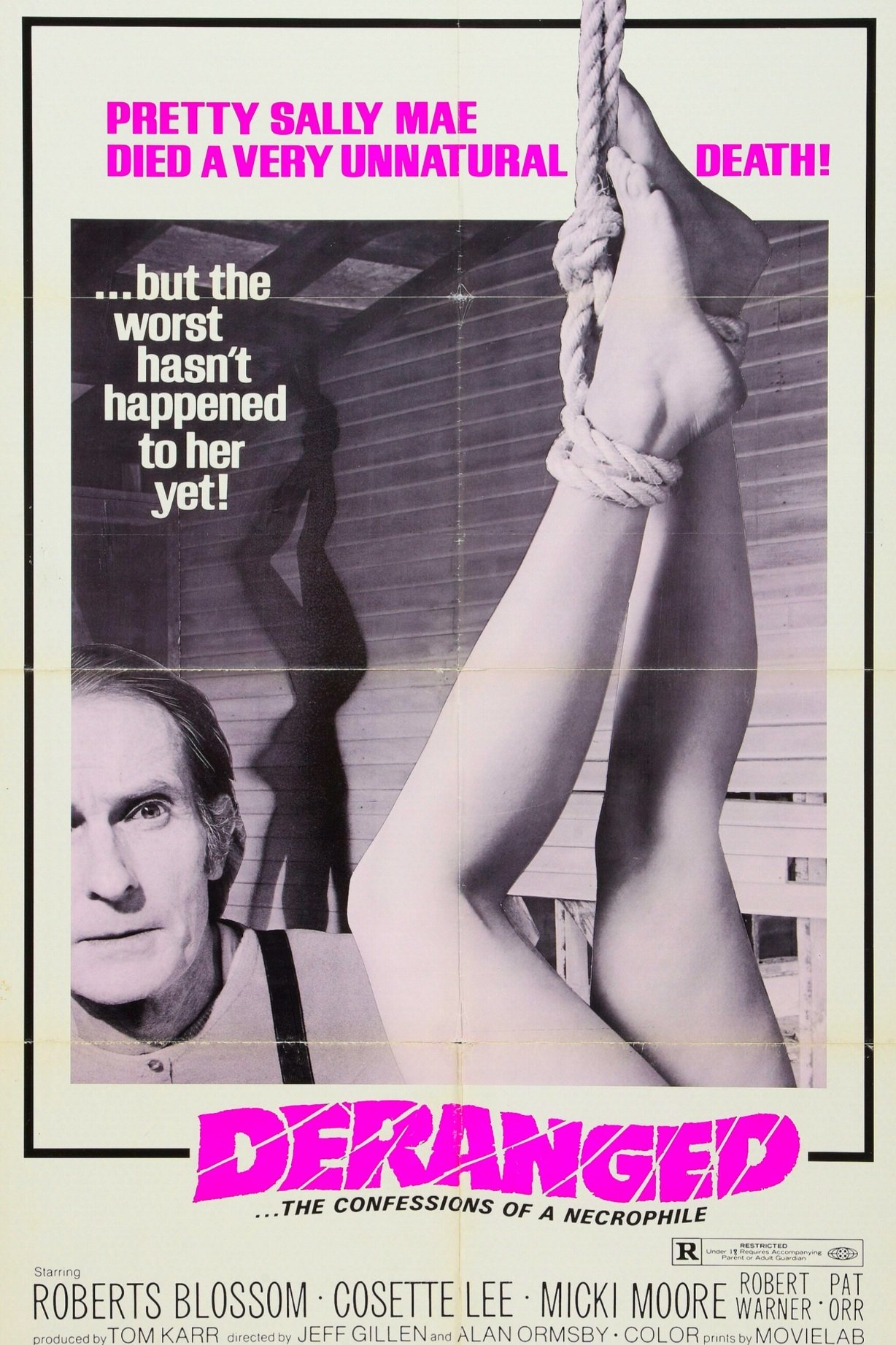
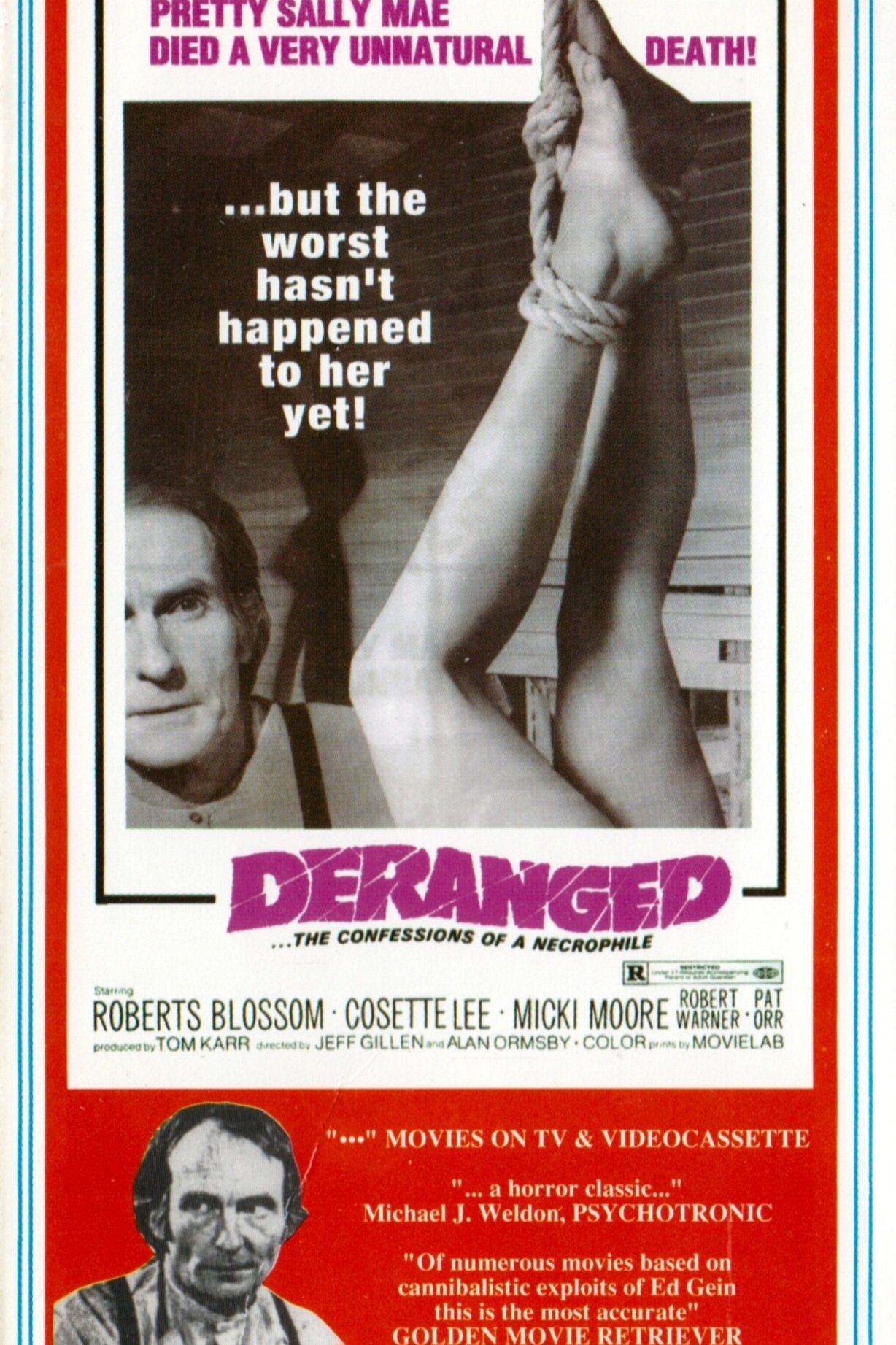
Almost the entire cast was Canadian, with Roberts Blossom as the major exception. Casting agent Vic Ramos held late auditions in New York for the role of Ezra Cobb, and both Harvey Keitel and Christopher Walken were among the actors who auditioned before Blossom was selected. His casting gave the film a distinctive center. Blossom's slight frame, hesitant delivery and socially awkward behavior make Ezra appear eccentric and sometimes almost innocuous in public, allowing the story to develop its horror through concealment in plain sight.