Häxan (1922)

DK
HORROR FILM Documentary History
7.0/10 2 votes
Runtime
105 min
Release
September 18, 1922
Budget
$220,000
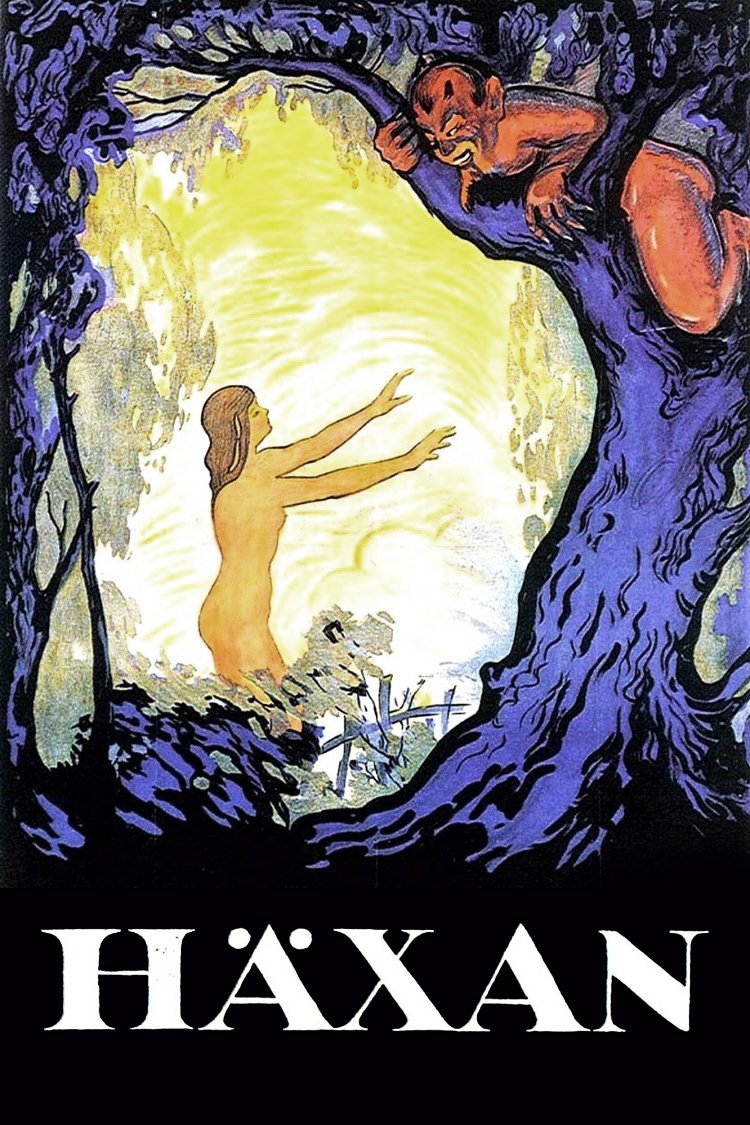
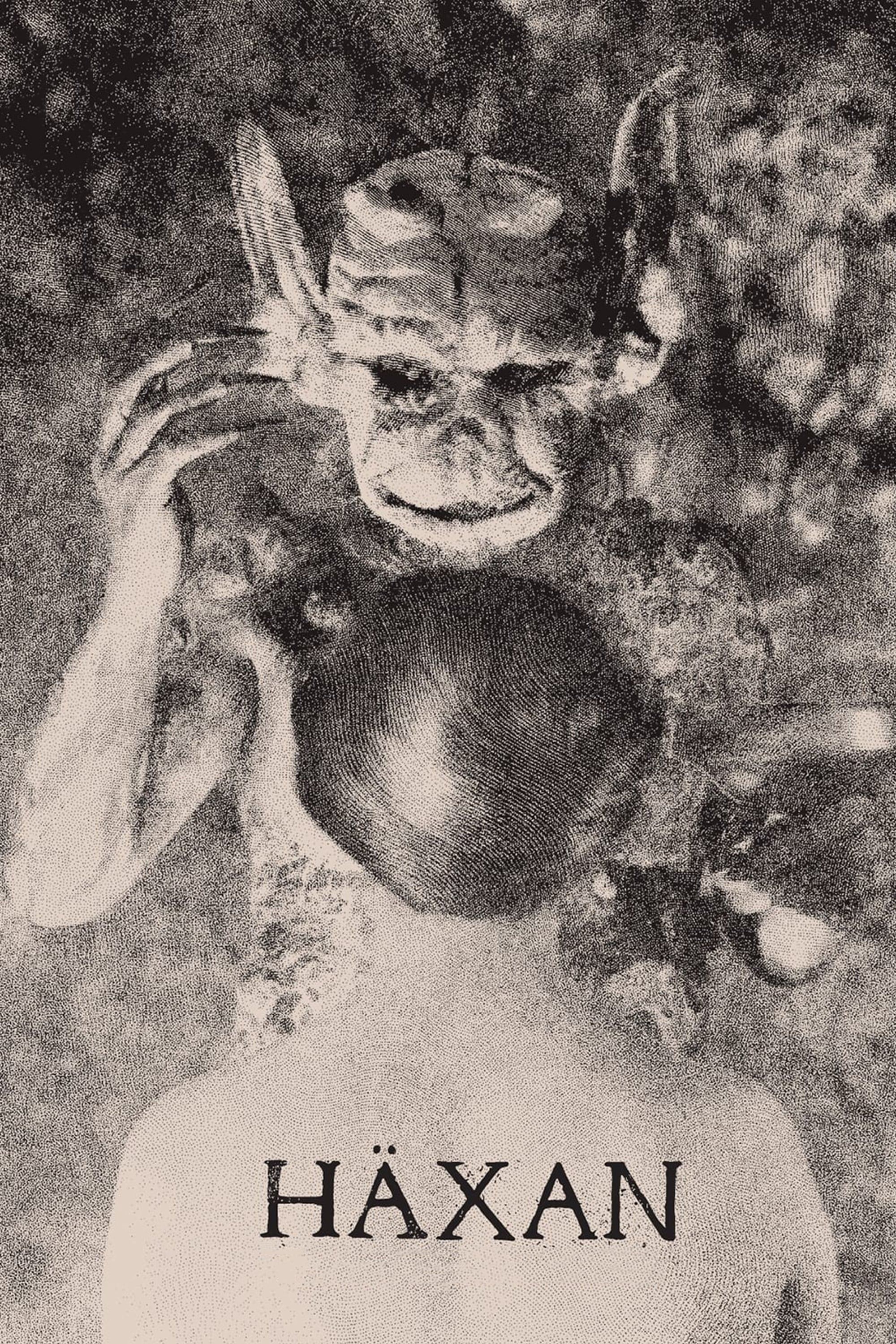
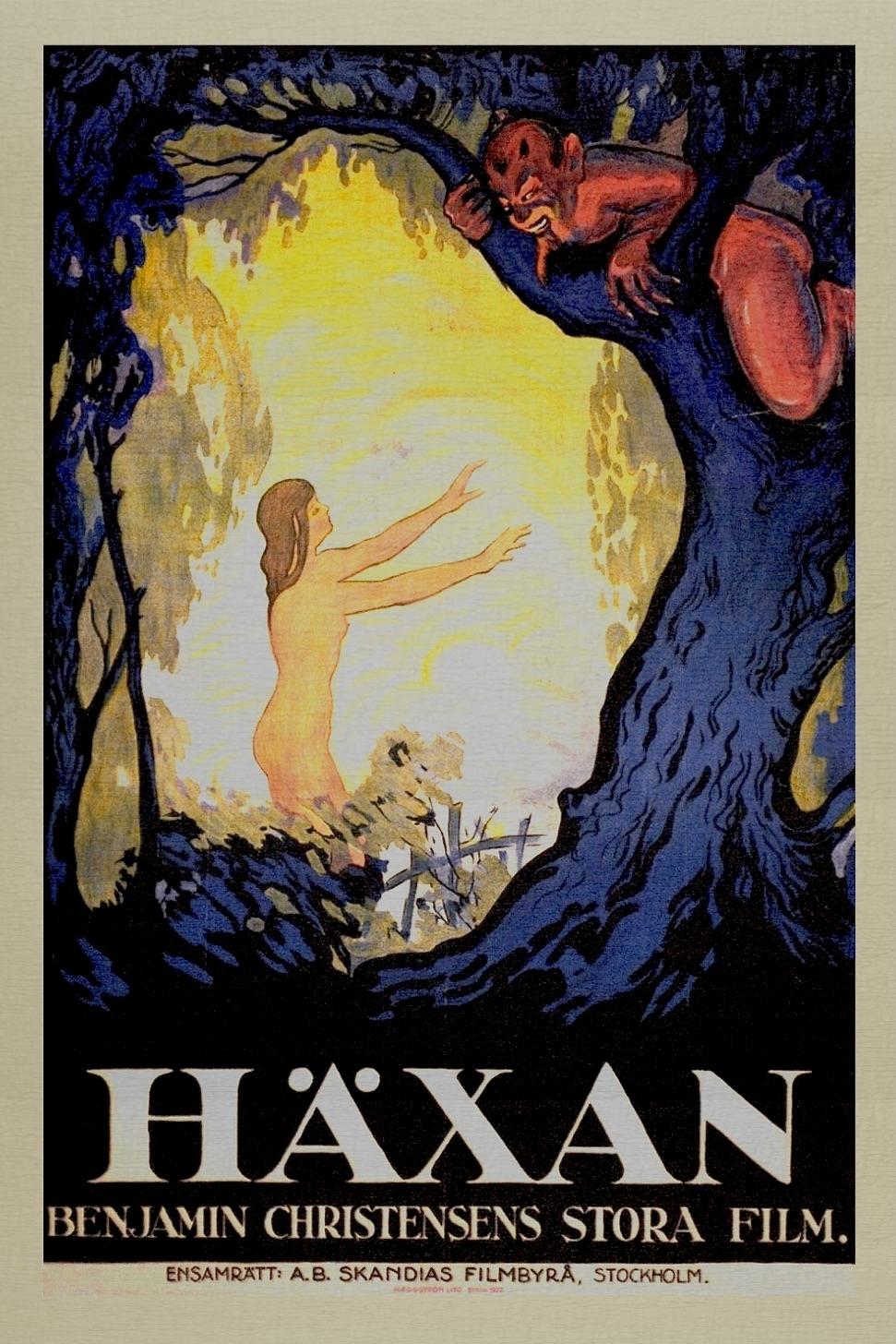
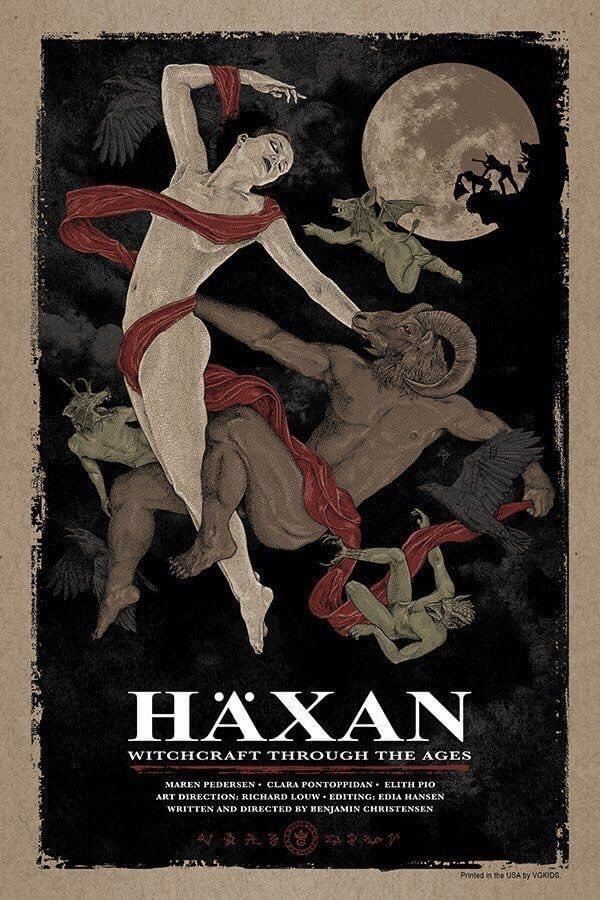
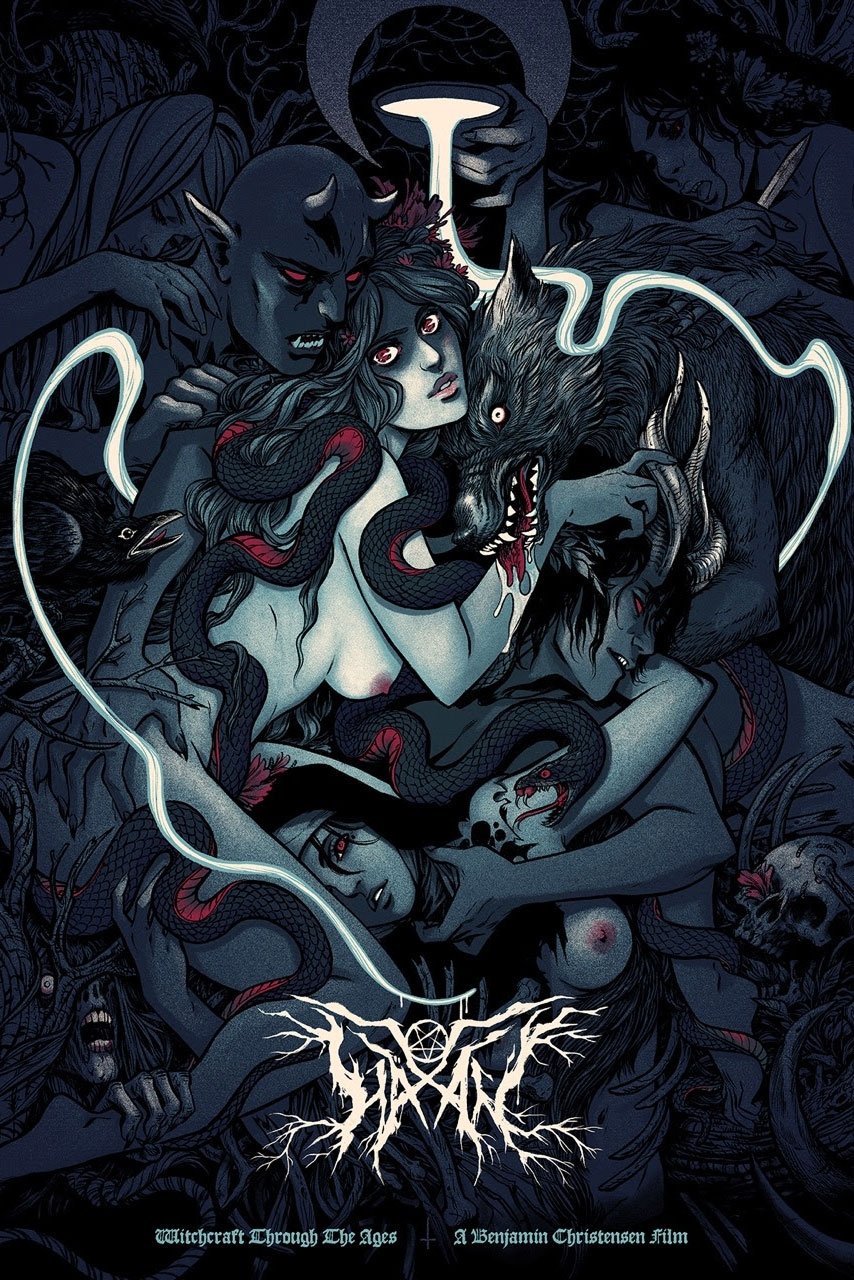
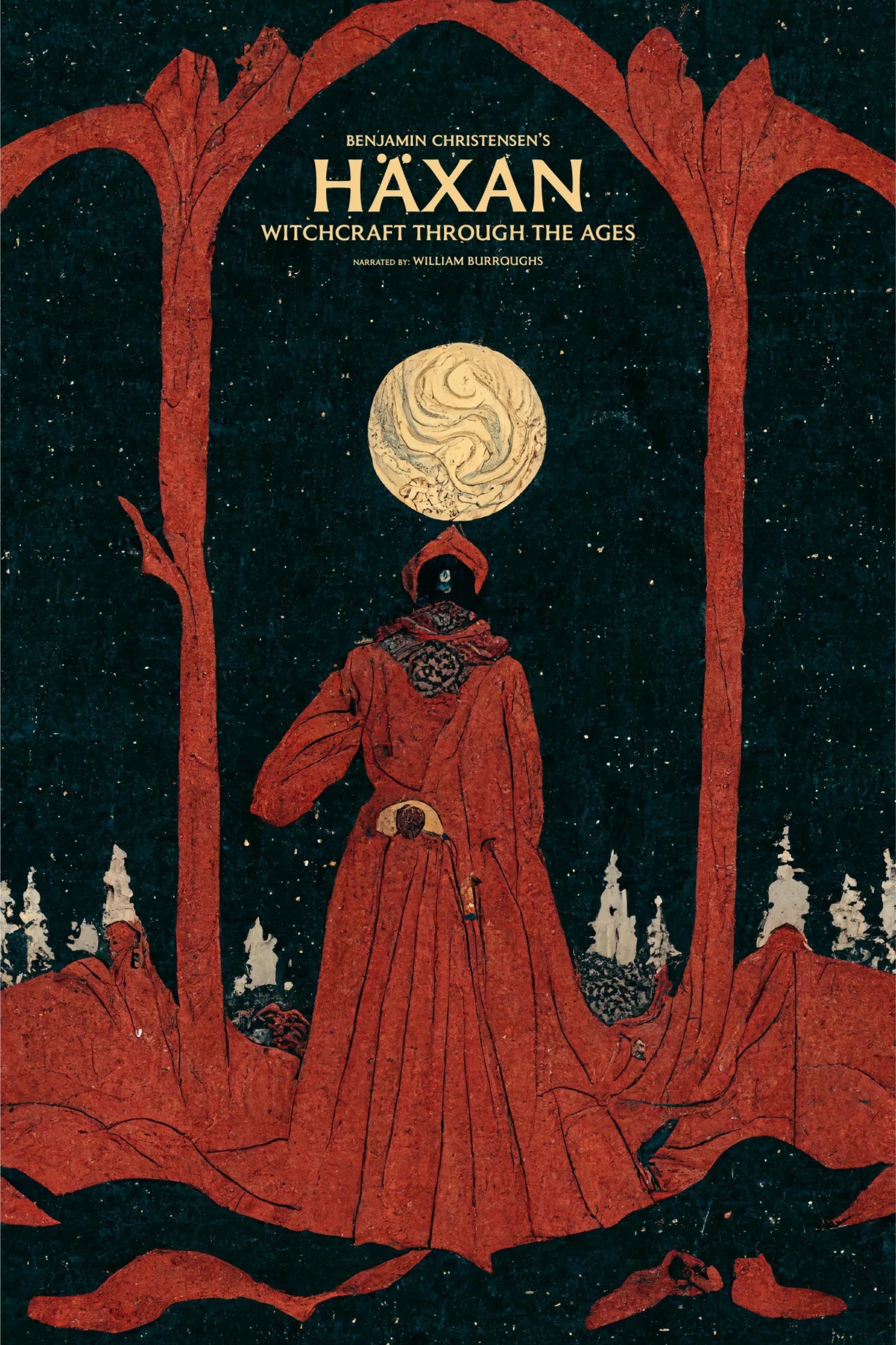
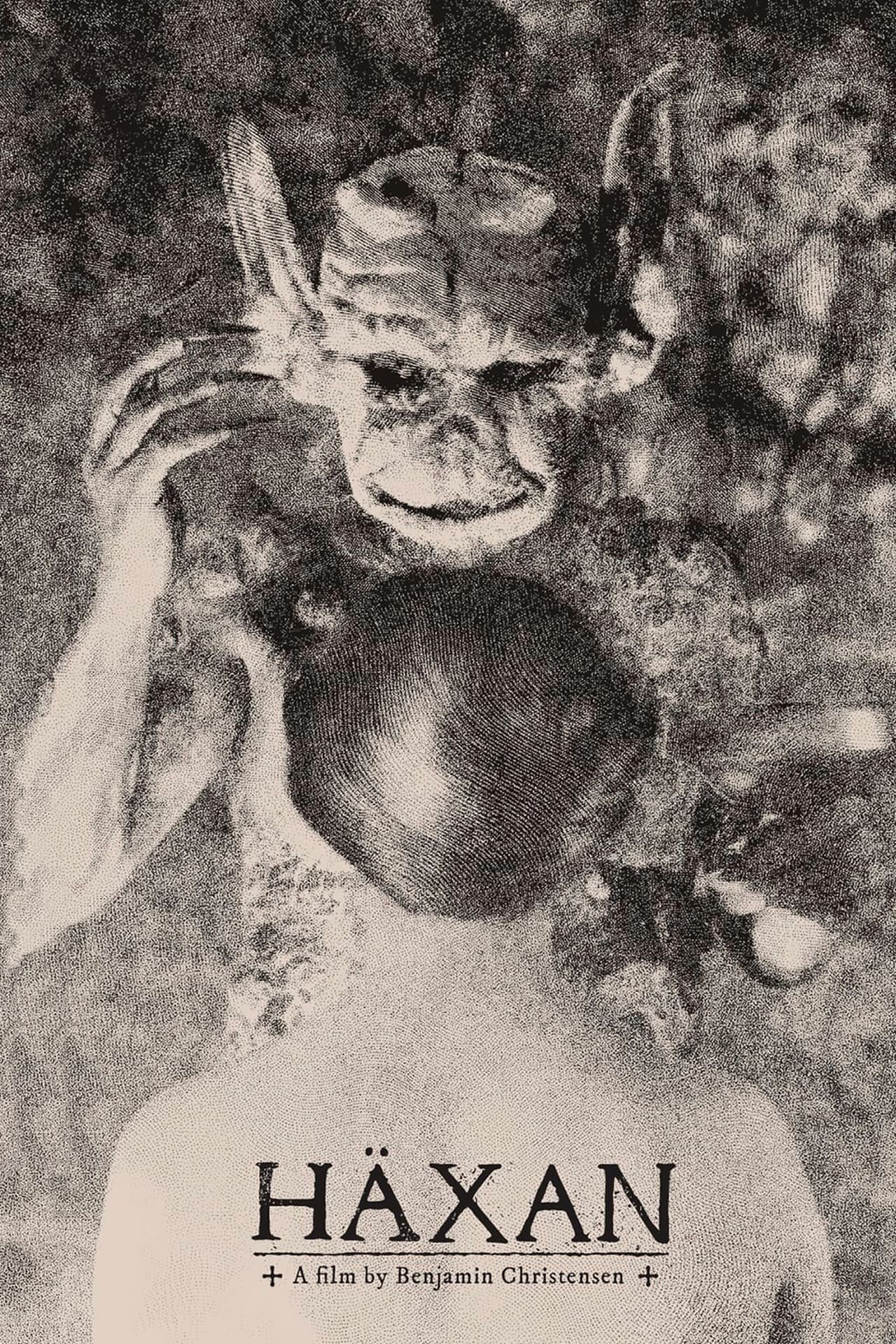
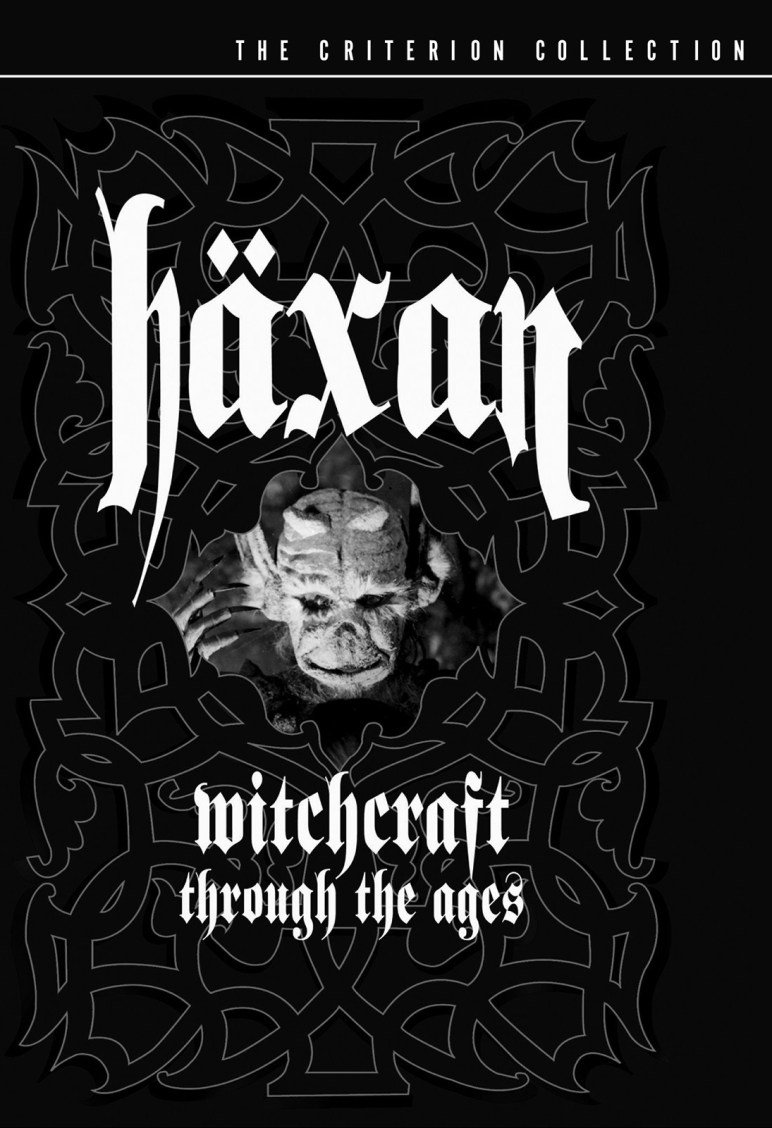
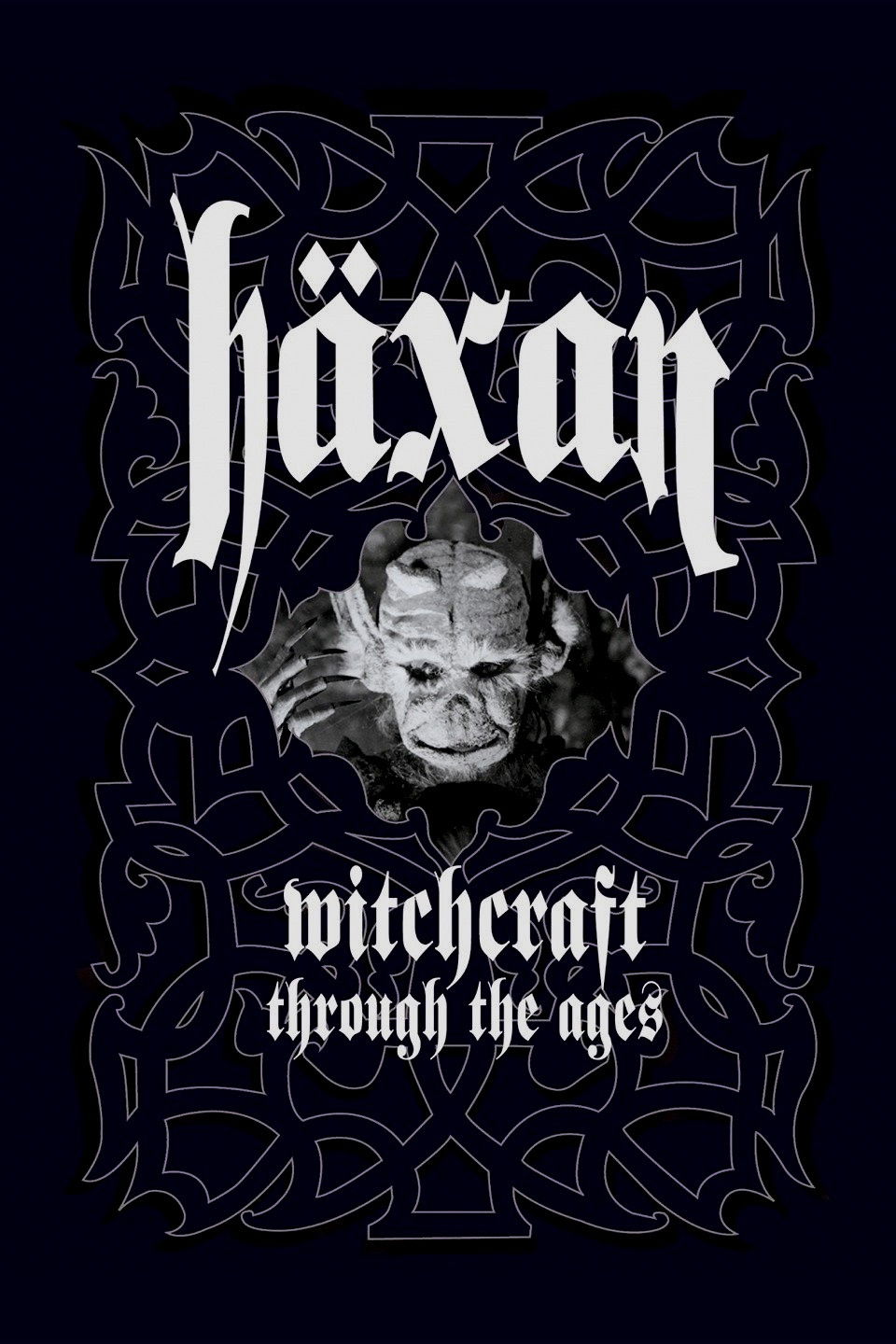
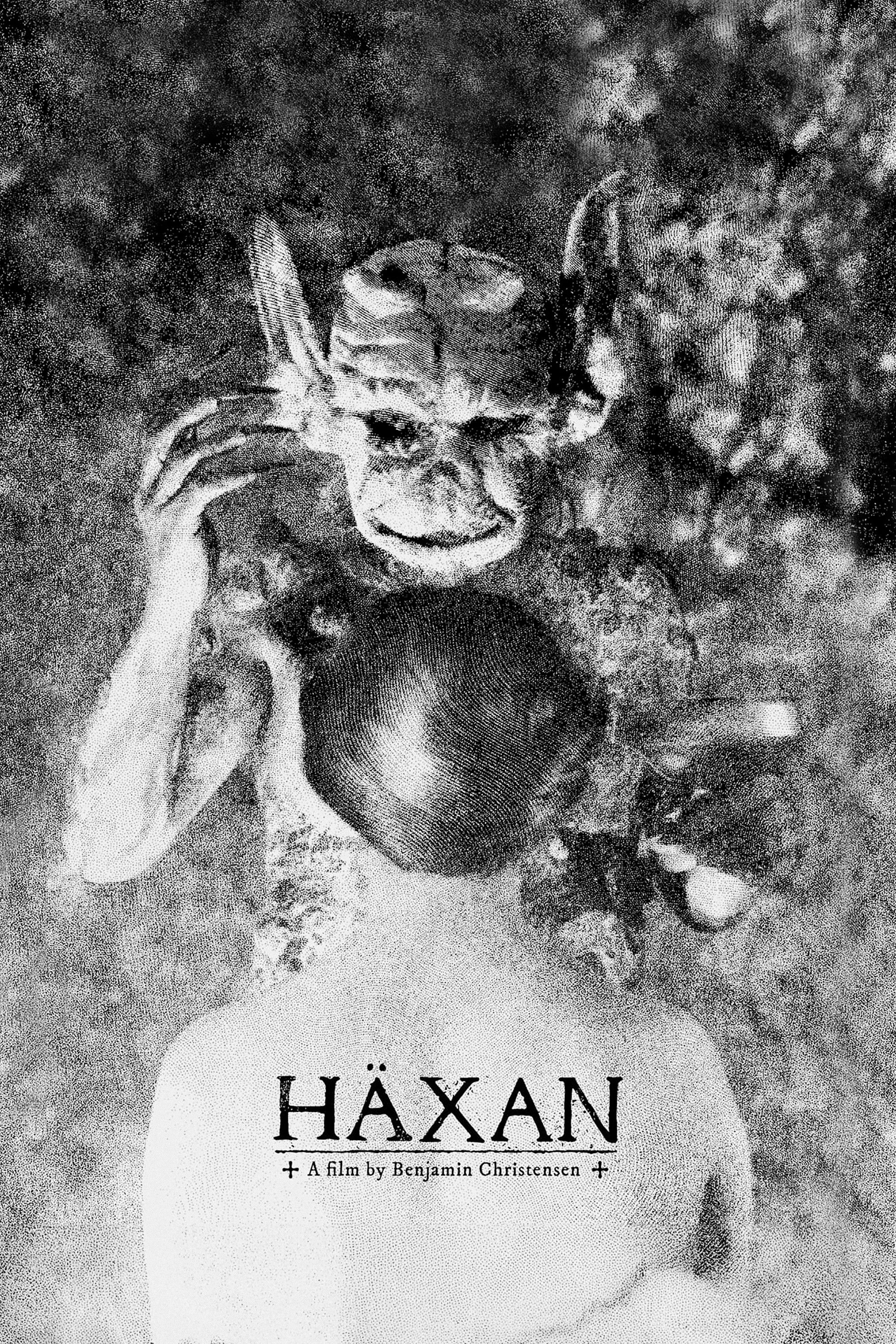
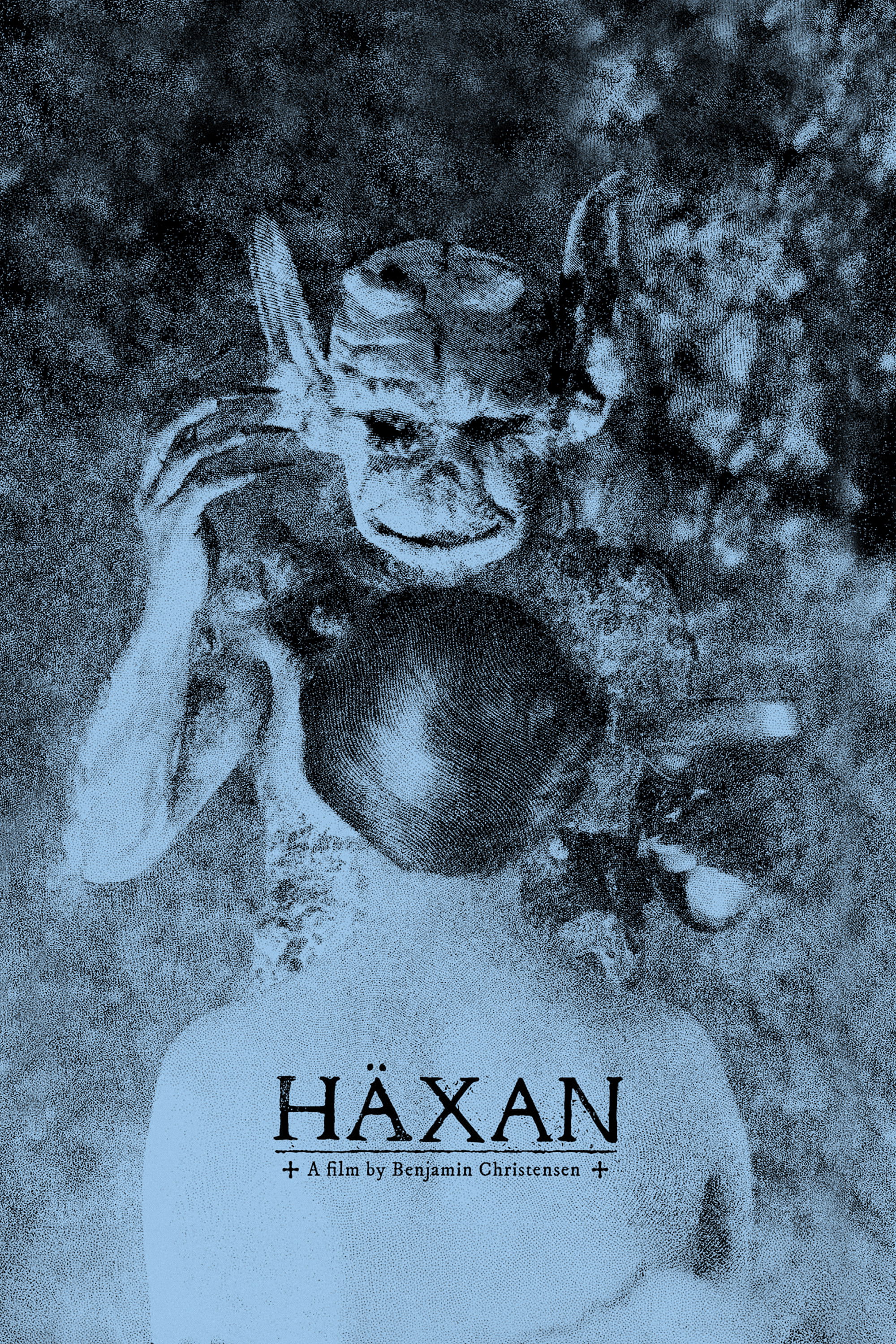
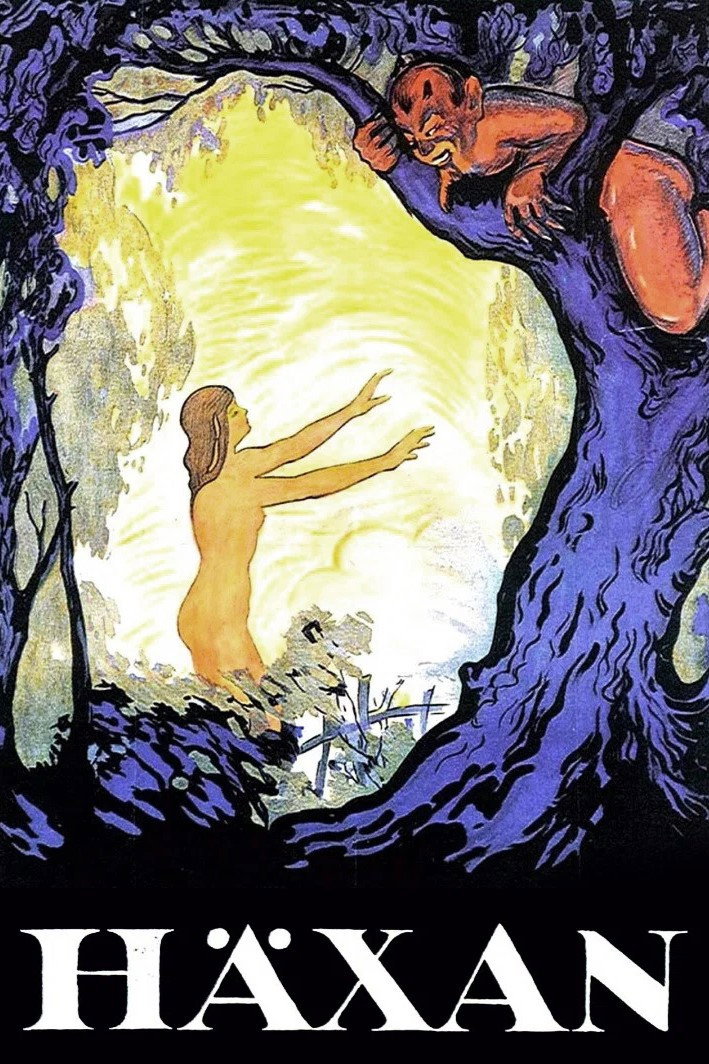
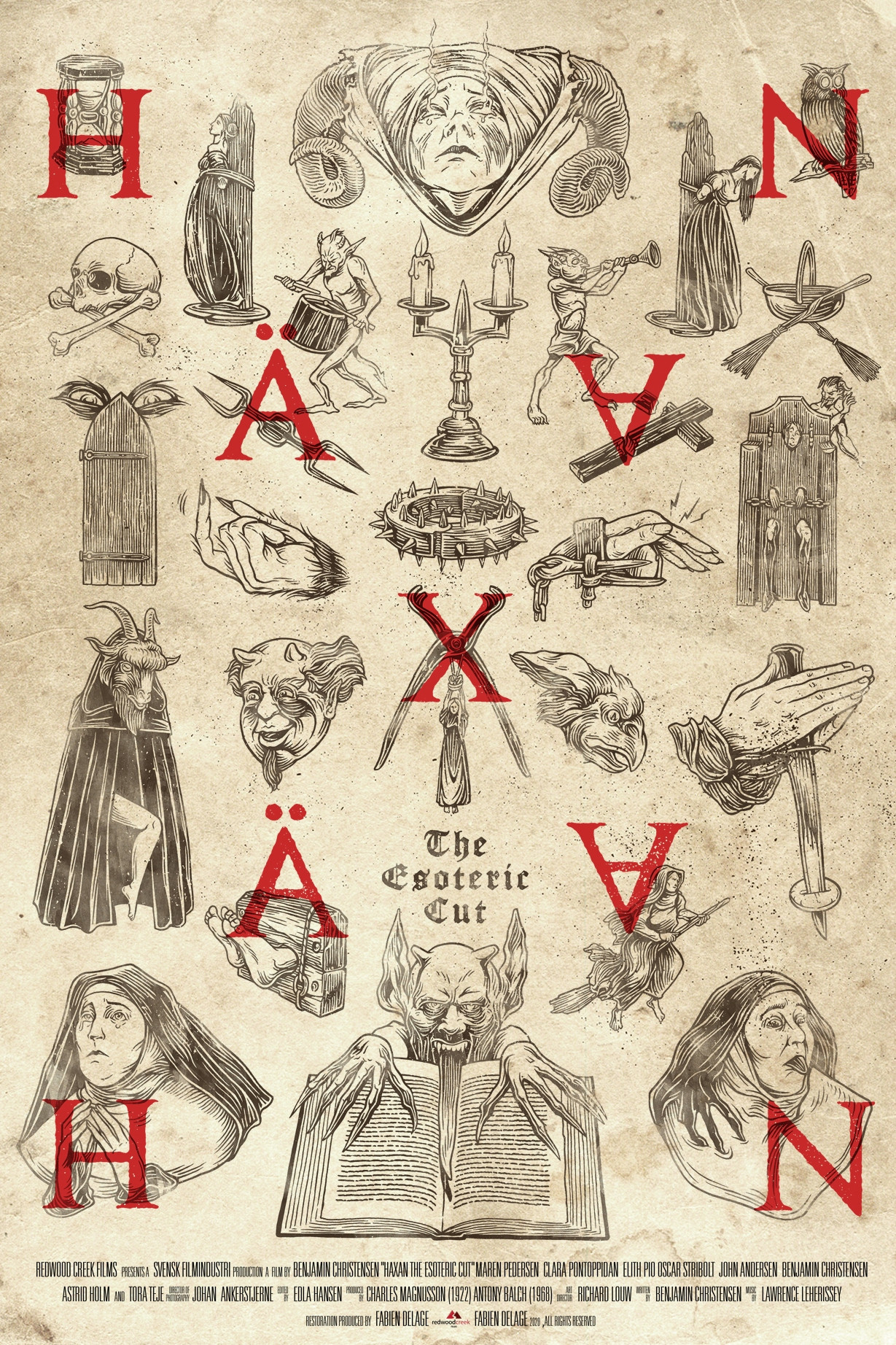
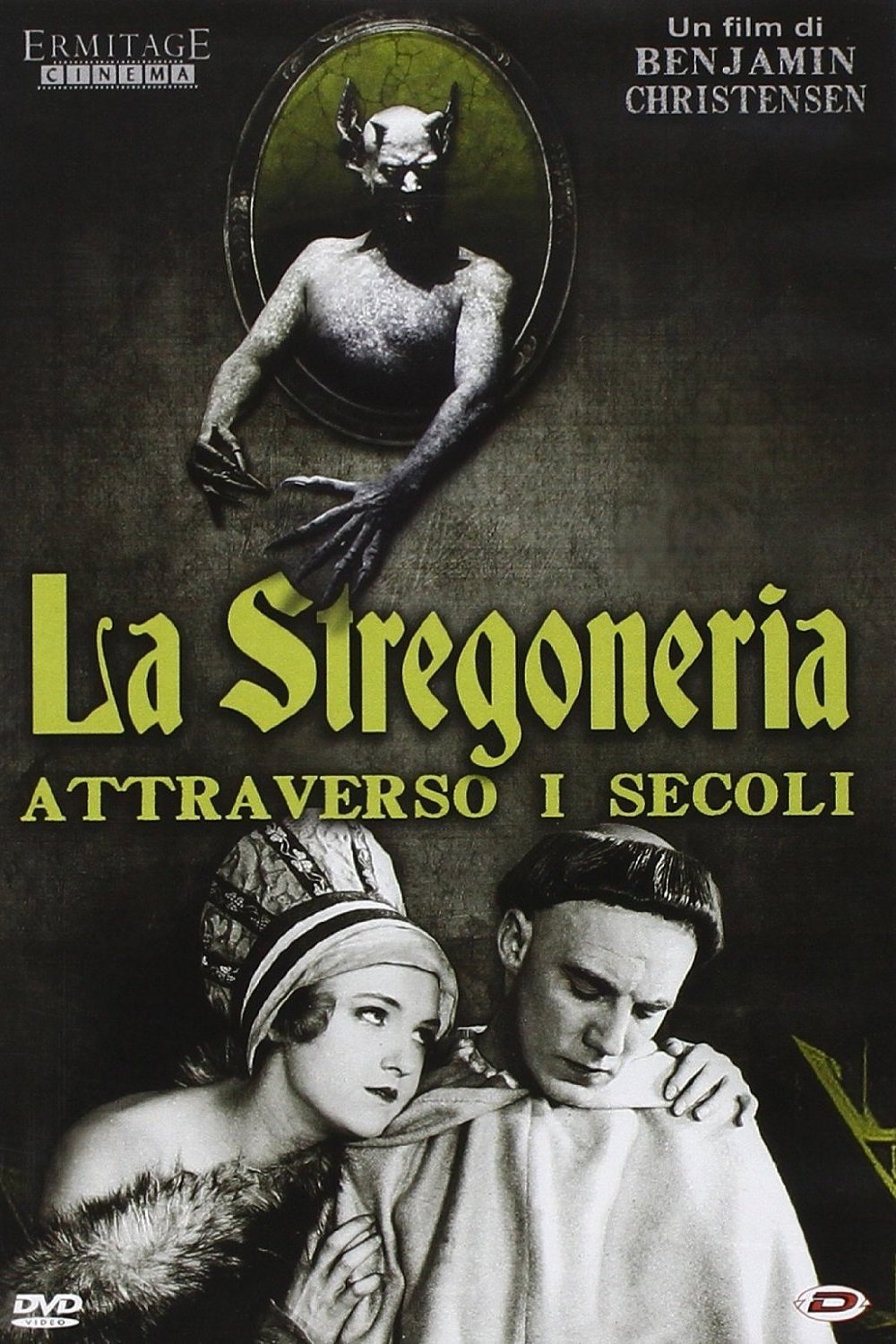
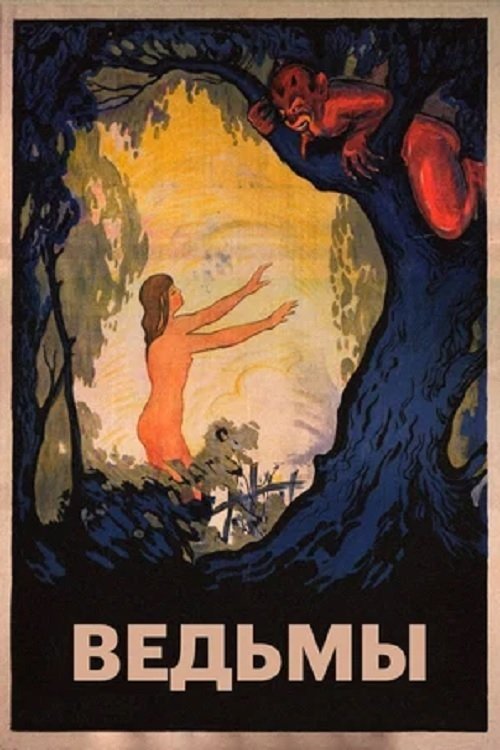
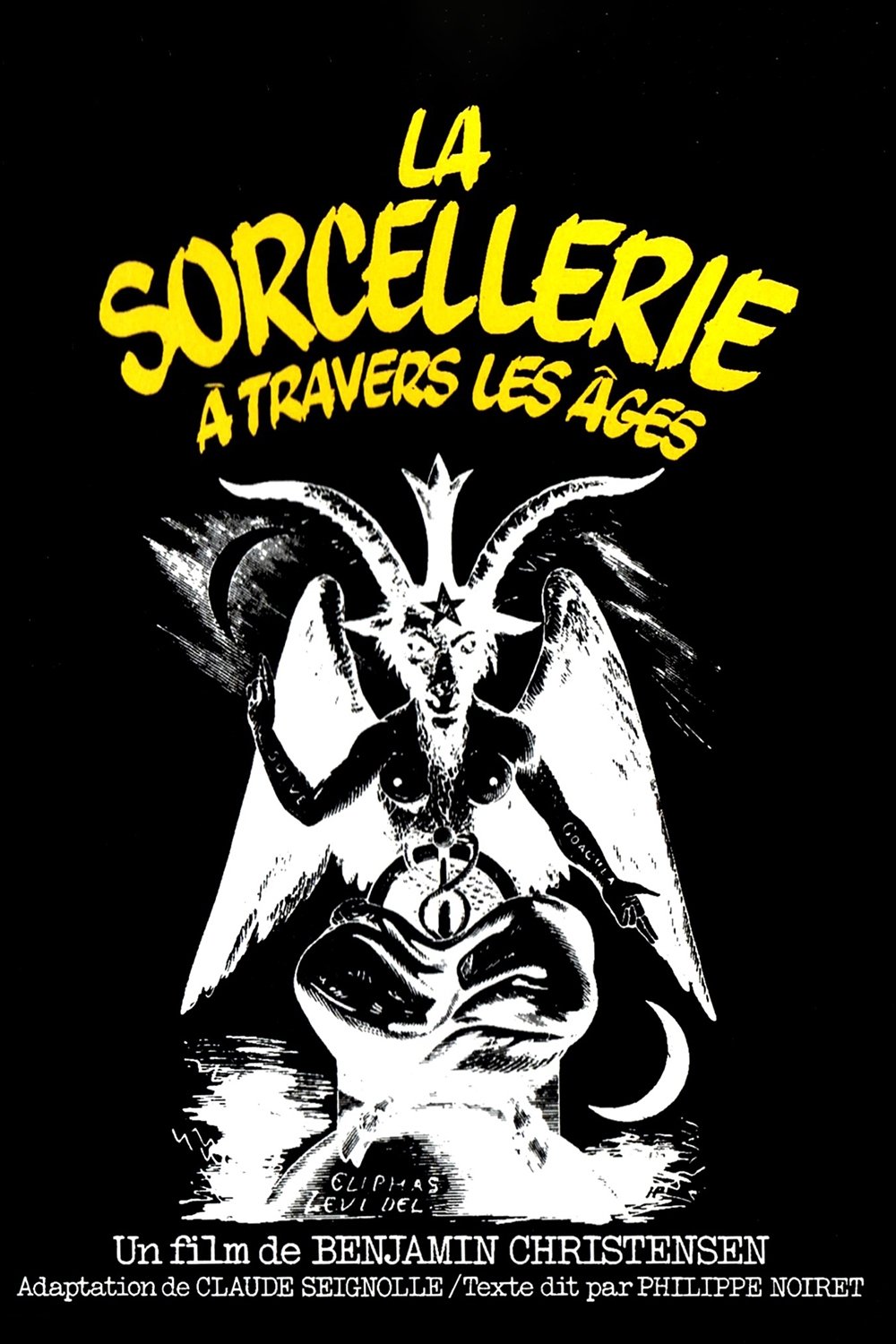
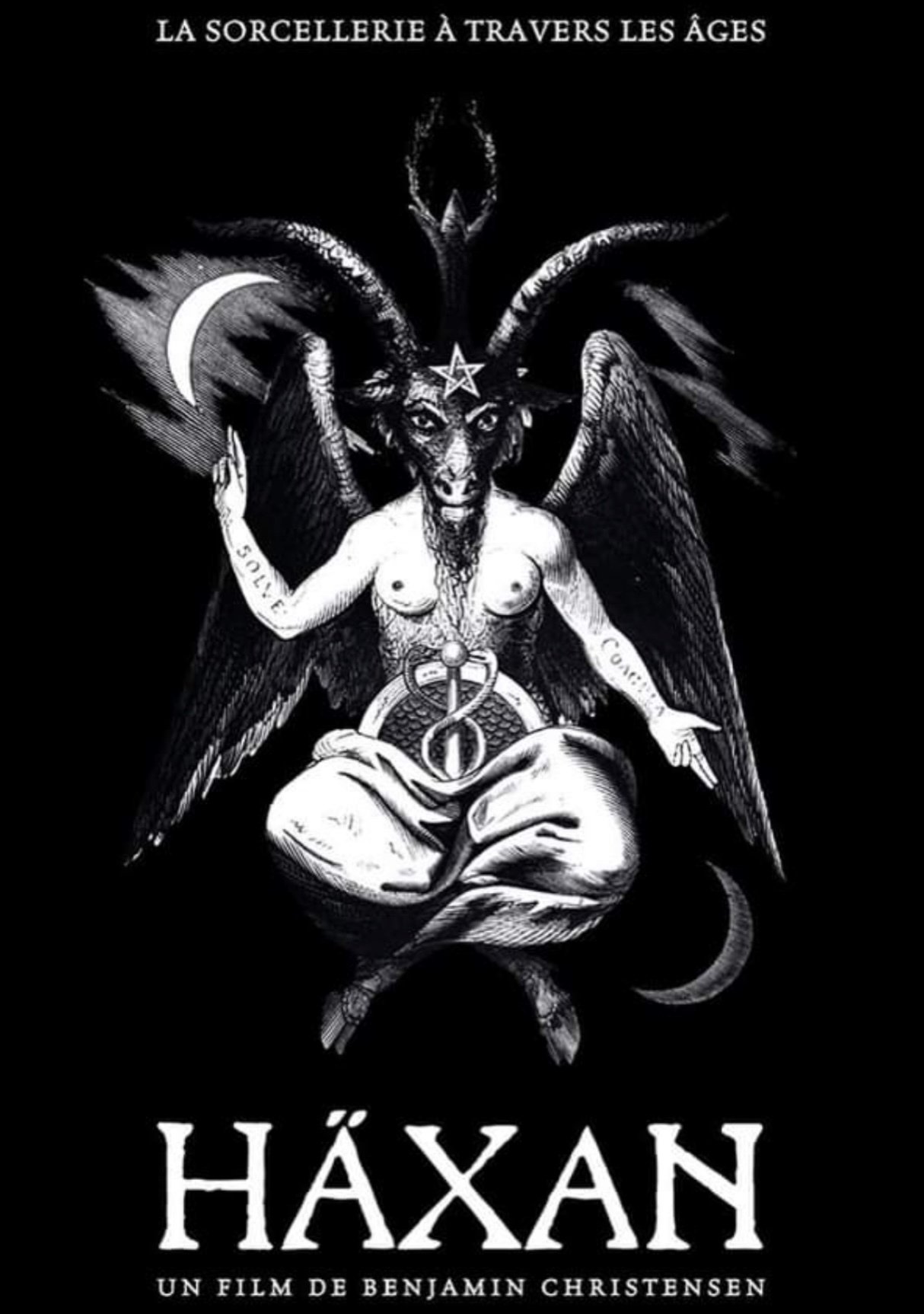
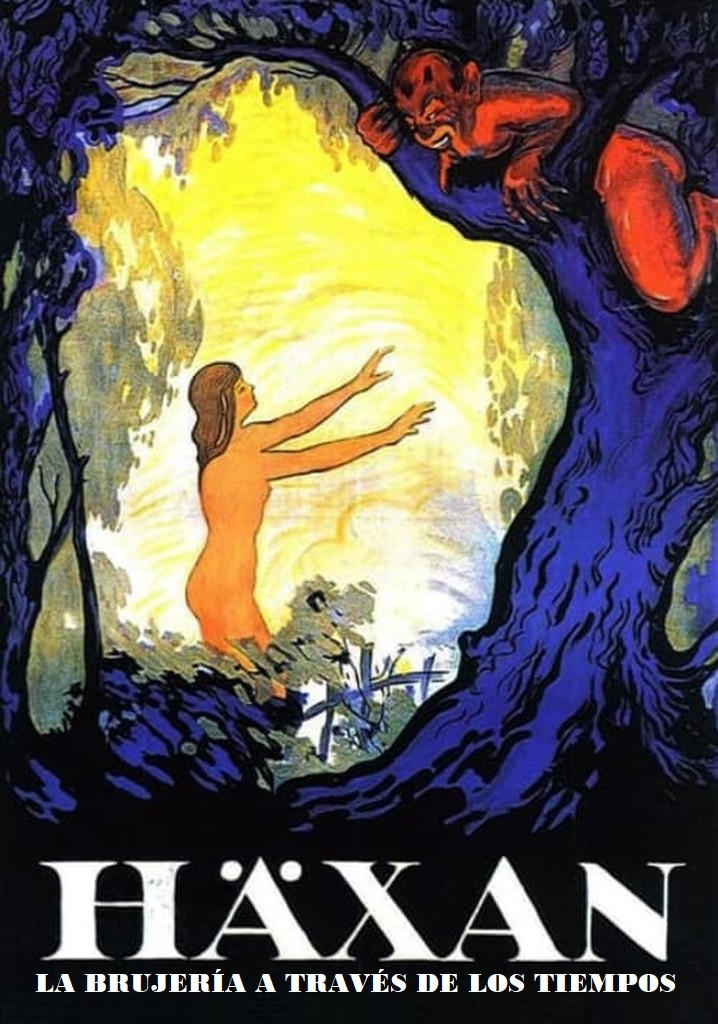
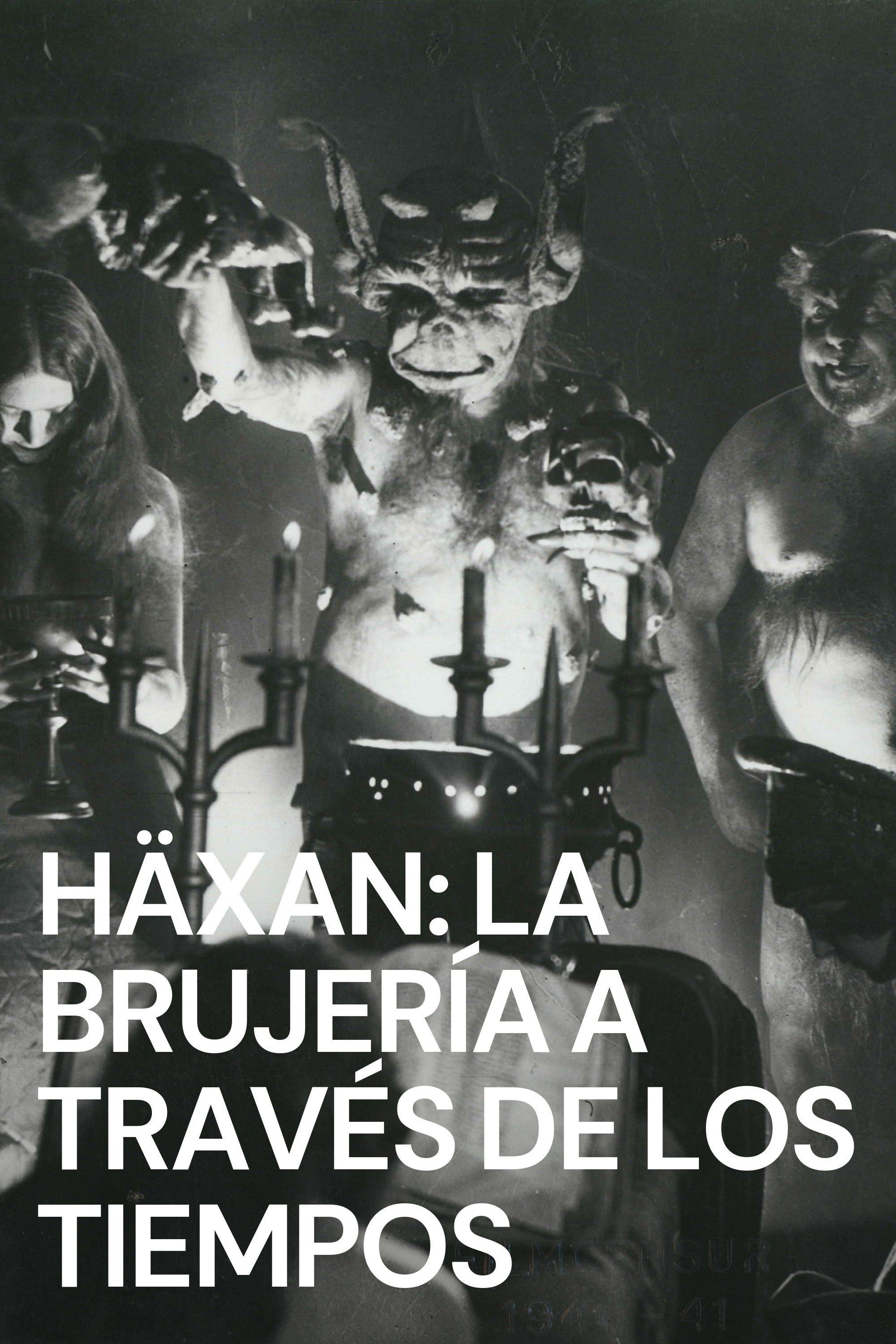
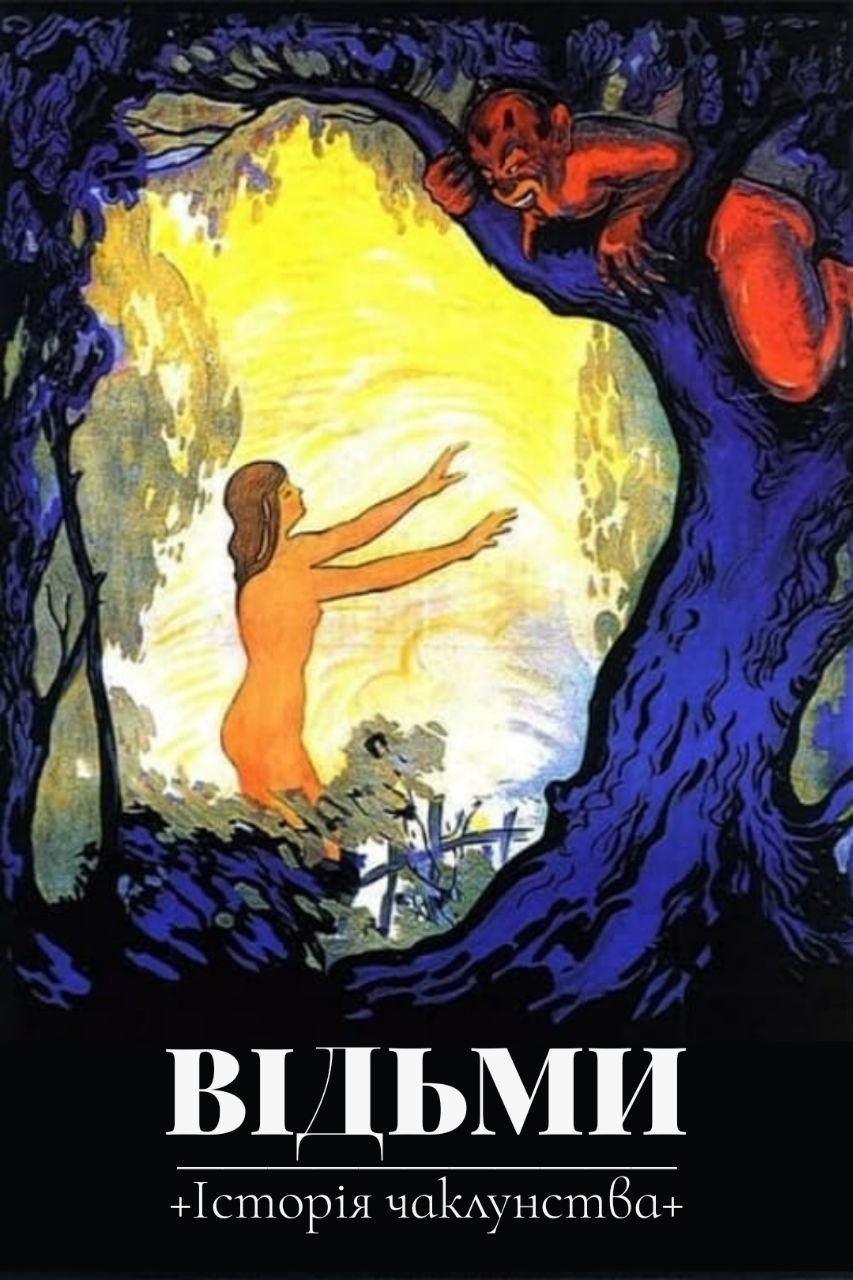
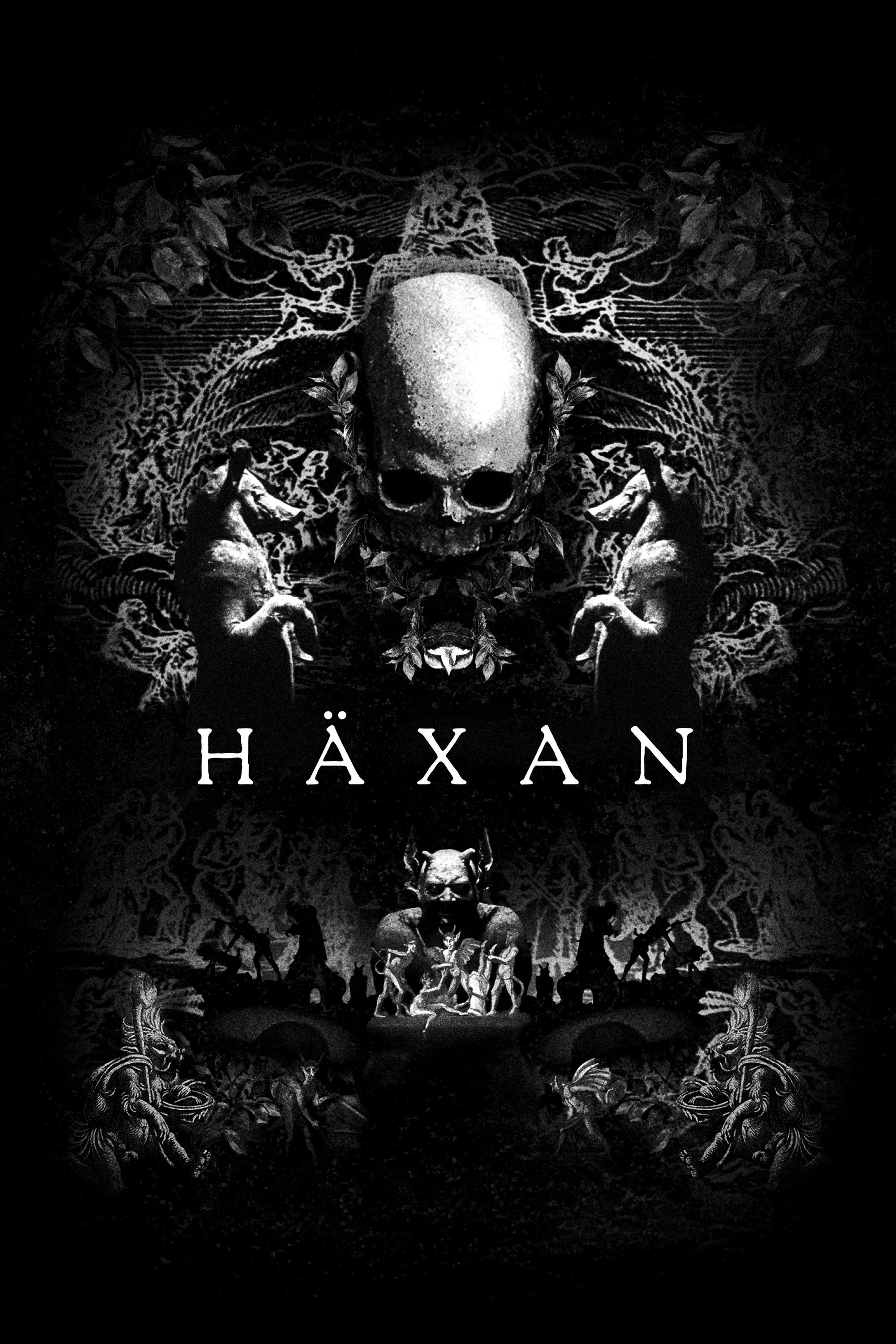
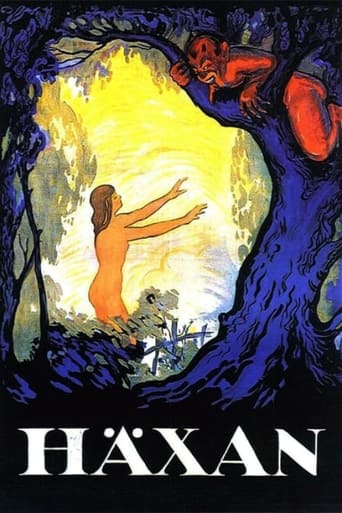
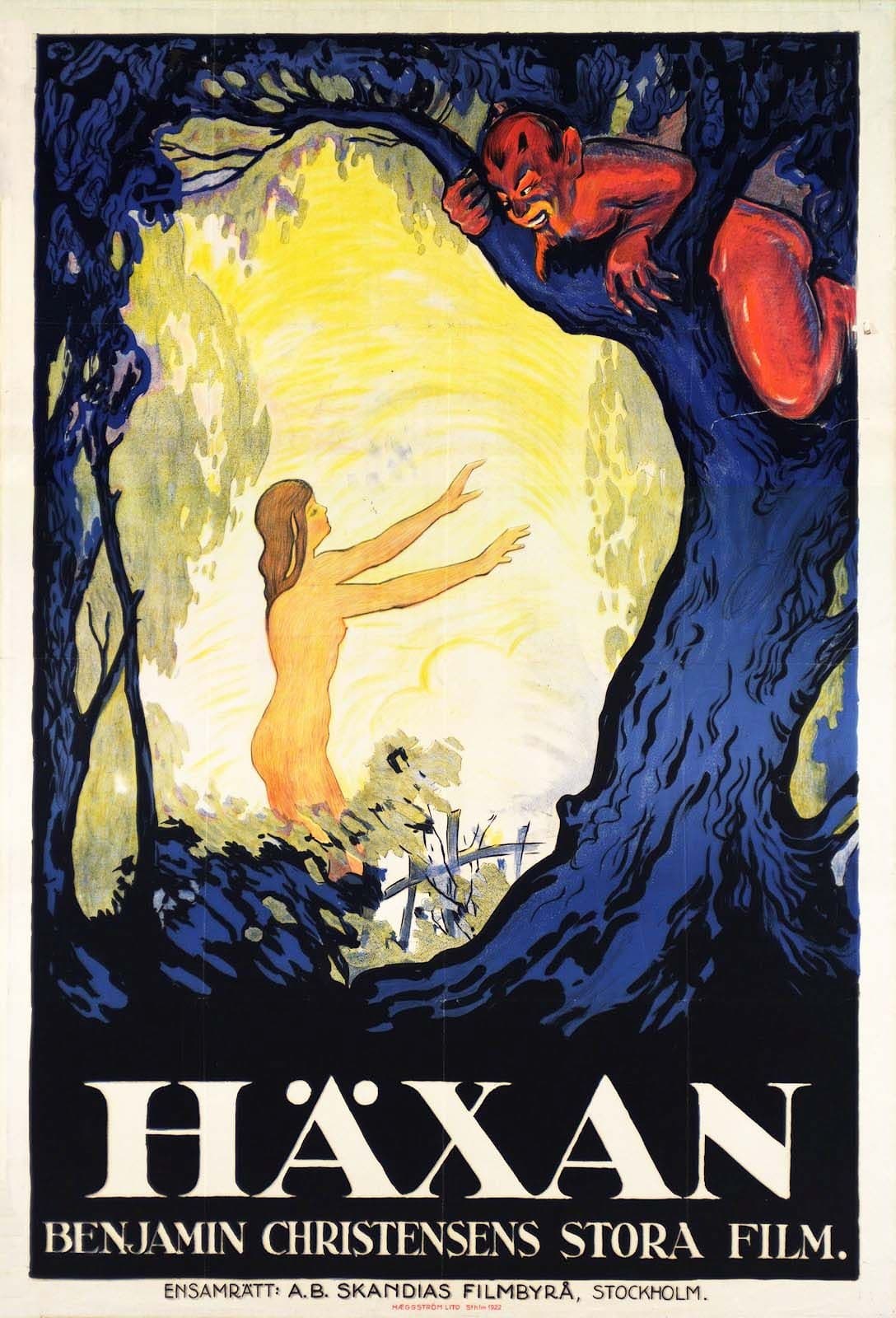
Häxan (1922) poster
Production Companies
Aljosha Production Company , SF Studios
Plot

Grave robbing, torture, possessed nuns, and a satanic Sabbath: Benjamin Christensen's legendary film uses a series of dramatic vignettes to explore the scientific hypothesis that the witches of the Middle Ages suffered the same hysteria as turn-of-the-century psychiatric patients. But the film itself is far from serious-- instead it's a witches' brew of the scary, gross, and darkly humorous.

Alternative Titles
Häxan - A Feitiçaria Através dos Tempos (Brazil) Häxan: A Feitiçaria Através dos Tempos (Brazil) — Portuguese 女巫 (China) — Chinese Čarodějnictví v průběhu věků (Czechia) — Czech Häxan: Čarodějnictví v průběhu věků (Czechia) — Edisonline title Die Hexe (Germany) Hexen (Germany) Heksen (Denmark)
Show all 32 alternative titles Häxan: nõiakunst läbi aegade (Estonia) — Estonian Nõid (Estonia) — Alternative title Häxan: La brujería a través de los tiempos (Spain) Häxan. La brujería a través de los tiempos (Spain) La brujería a través de los tiempos (Spain) Noita (Finland) La sorcellerie à travers les ages (France) — French Häxan: Witchcraft Through the Ages (United Kingdom) Witchcaft Through the Ages (United Kingdom) — alternative title Häxan: Η Μαγεία Μέσα από τους Αιώνες (Greece) — Greek Η Μαγεία Μέσα από τους Αιώνες (Greece) Boszorkányok (Hungary) La stregoneria attraverso i secoli (Italy) 魔女 (Japan) 헥산: 마녀들 (South Korea) Czarownice (Poland) A Feitiçaria Através dos Tempos (Portugal) Vrăjitoria de-a lungul veacurilor (Romania) Ведьмы (Russia) — Russian Ведьмы (Russia) Cadılar (Türkiye) — Turkish Відьми: Історія чаклунства (Ukraine) — Ukrainian Haxan (United States) The Witches (United States) — Informal Title

Trailers & Videos

5 videos

Film Guide & Analysis

A pioneering silent-film investigation of witchcraft, persecution and the imagery of the Devil.

Benjamin Christensen’s Häxan (1922), produced by Svensk Filmindustri and photographed in Denmark, stands at an unusual junction in the history of silent horror. It presents itself as an illustrated investigation of witchcraft, moving between historical images, staged supernatural encounters, judicial persecution and modern psychiatric practice. The documentary framework gives authority to material that often resembles a nightmare: witches fly to nocturnal gatherings, grotesque demons crowd the screen, and clerical interrogators turn suspicion into confession through pain. The result is a film whose frightening images cannot be separated from its inquiry into how societies define dangerous or abnormal people.

Christensen wrote and directed the picture and appeared as its extravagant Devil. Its mixture of argument, fictional episodes and graphic spectacle anticipated techniques later associated with the essay film, while its depiction of the witches’ sabbath and the persecution of accused women became important points of comparison for subsequent horror cinema. Häxan also exposes the limits of its own era: its appeal to the medical diagnosis of hysteria reflects early-twentieth-century thinking, not an established modern explanation of historic witch trials. That tension is essential to understanding both the achievement and the contradictions of the film.

Research and the Origin of the Project

Christensen had directed the Danish films Sealed Orders (1914) and Blind Justice (1916) before undertaking Häxan, his third feature as director. His new project emerged from an extended investigation into European accounts of witchcraft and persecution. According to the Swedish Film Institute, he encountered the Malleus Maleficarum in 1919 and began studying the subject in detail. The notorious witch-hunting treatise offered examples of beliefs and accusations that the film would make visible, but it was itself a document of persecution, not a neutral description of magical practices. The difference matters whenever the film depicts supernatural allegations as scenes taking place before the camera.

Svensk Filmindustri backed Christensen and allowed him unusual creative latitude. Rather than assemble a conventional period melodrama, he developed what he described as a cultural-historical lecture in moving pictures. Production took place in Denmark, with filming during 1921 and 1922 following an extended preparatory period. The Swedish Film Institute identifies the undertaking as the most expensive Scandinavian silent-film production of its time. Its scale is evident in the number of elaborate environments and historical tableaux, although an exact equivalent in contemporary currency is not necessary to establish the production’s ambition.

The subject also reflected Christensen’s interest in psychology and in the institutional treatment of people thought to deviate from accepted behavior. In contemporary statements discussed by film historian Chris Fujiwara, he linked witch prosecutions to psychological conditions that he believed persisted into his own century. This perspective gave the project its temporal design: accusations made in earlier European societies would eventually be placed beside the medical classifications of modern life. It also created a problem that remains visible to present-day viewers, because the film’s critique of superstition relies on concepts of mental illness that have themselves undergone substantial revision.

An Illustrated Lecture Becomes Horror

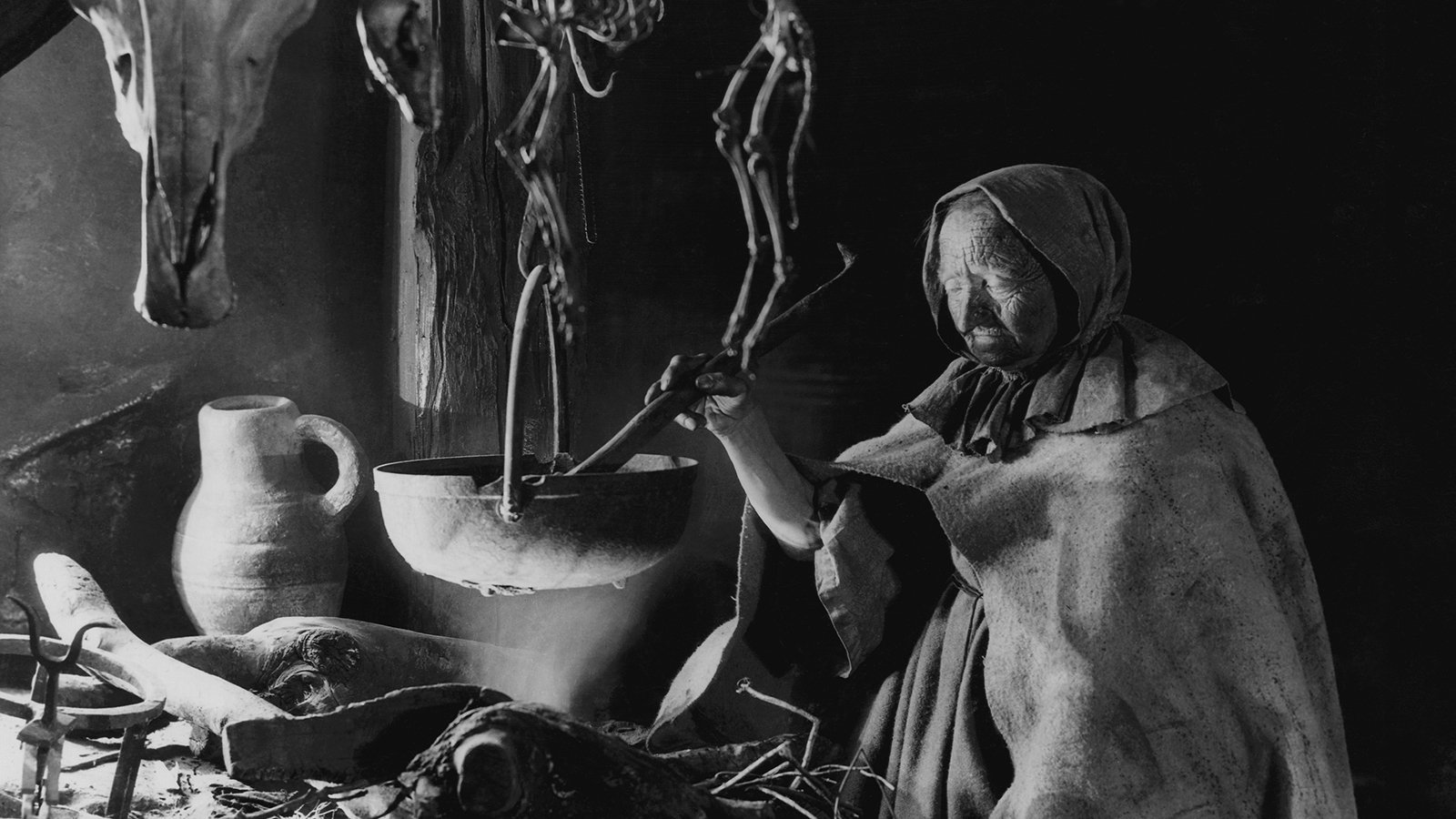
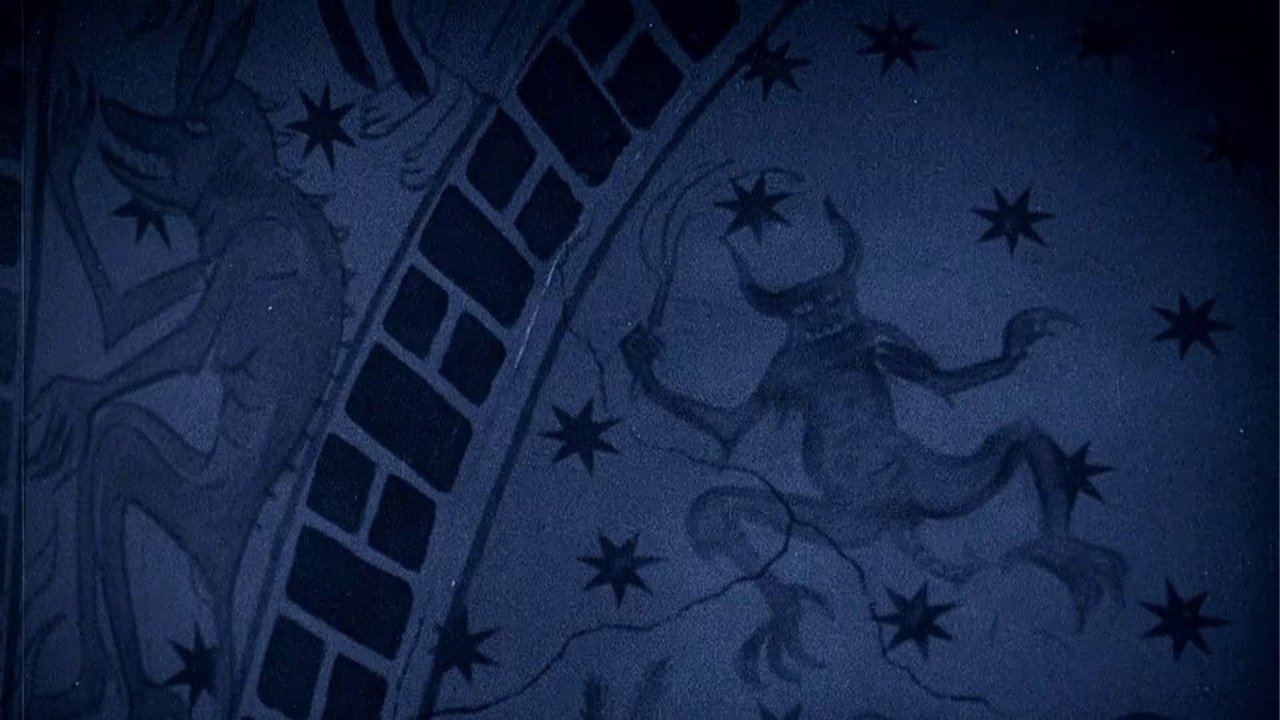
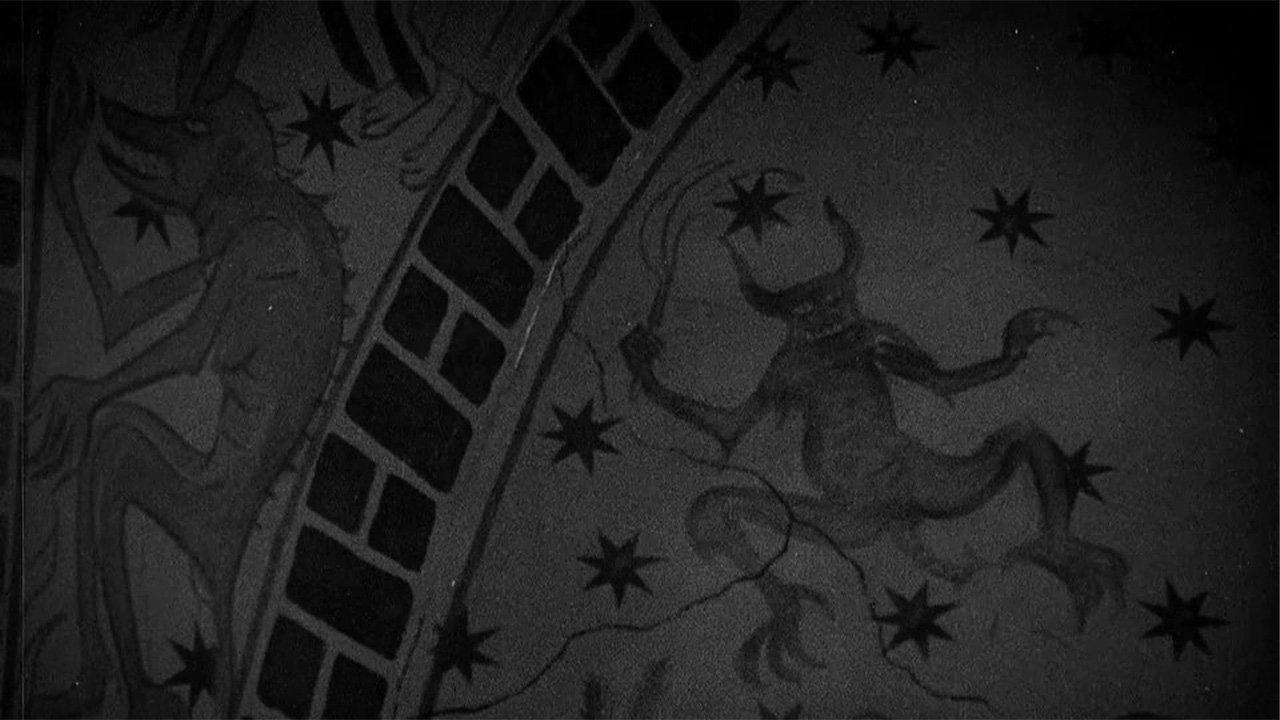
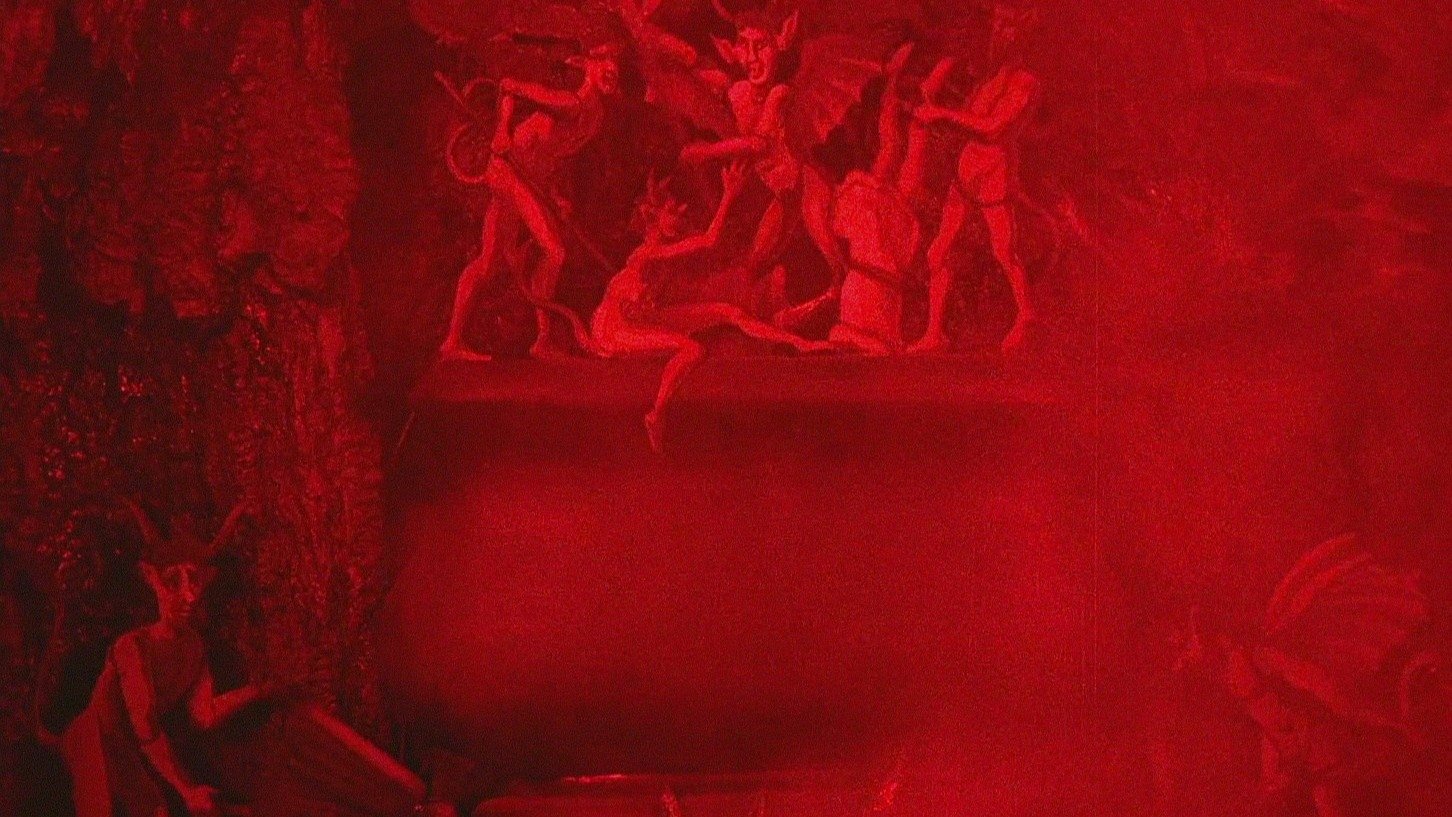
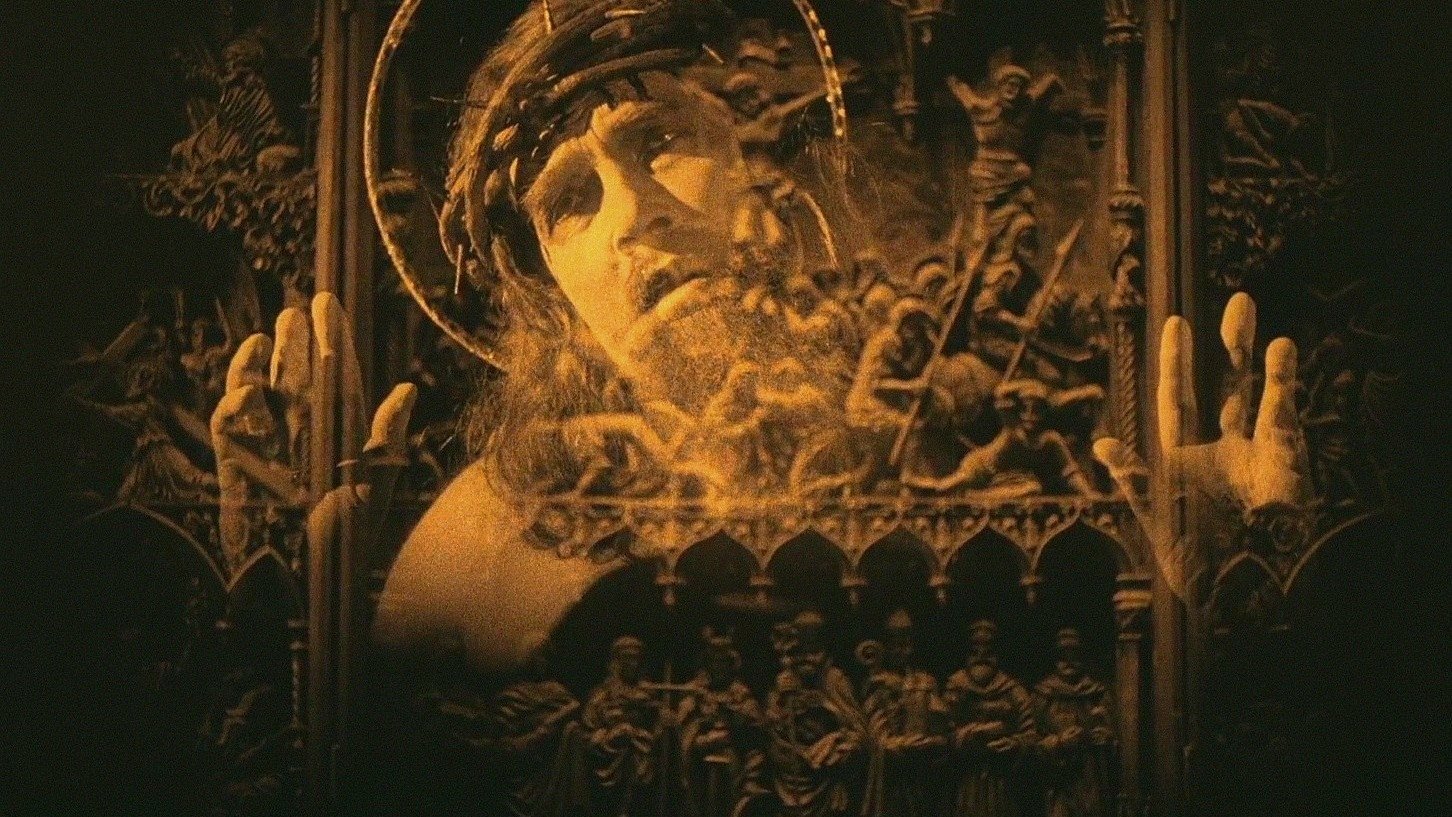
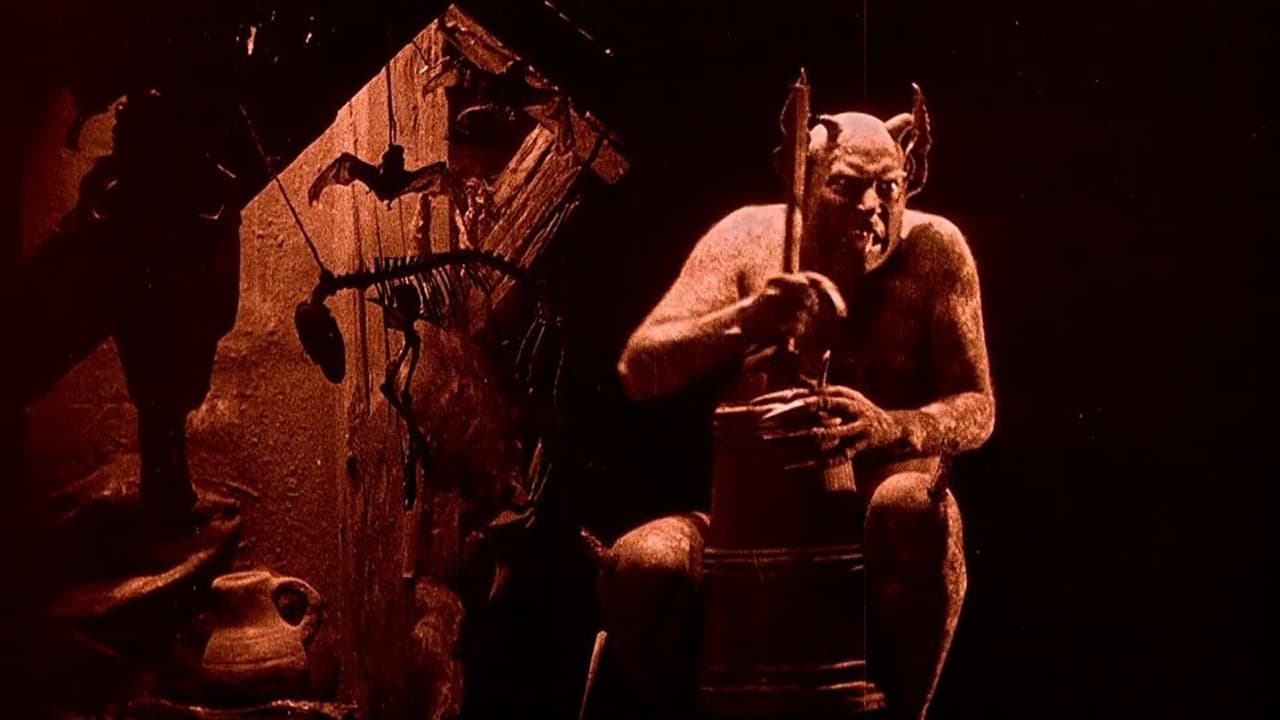
Häxan opens with images and objects presented in the manner of a lecture. Drawings, printed illustrations and models introduce older cosmologies, conceptions of hell and the supernatural forces thought to surround human existence. A pointing hand directs attention toward particular details, making the viewer briefly resemble a student examining evidence. Yet some images are deliberately grotesque, and the mechanical representation of hell adds motion to what might otherwise have remained an academic display. The method establishes a recurring instability: materials offered as testimony to historical beliefs become the visual basis for scenes that seem to bring those beliefs to life.

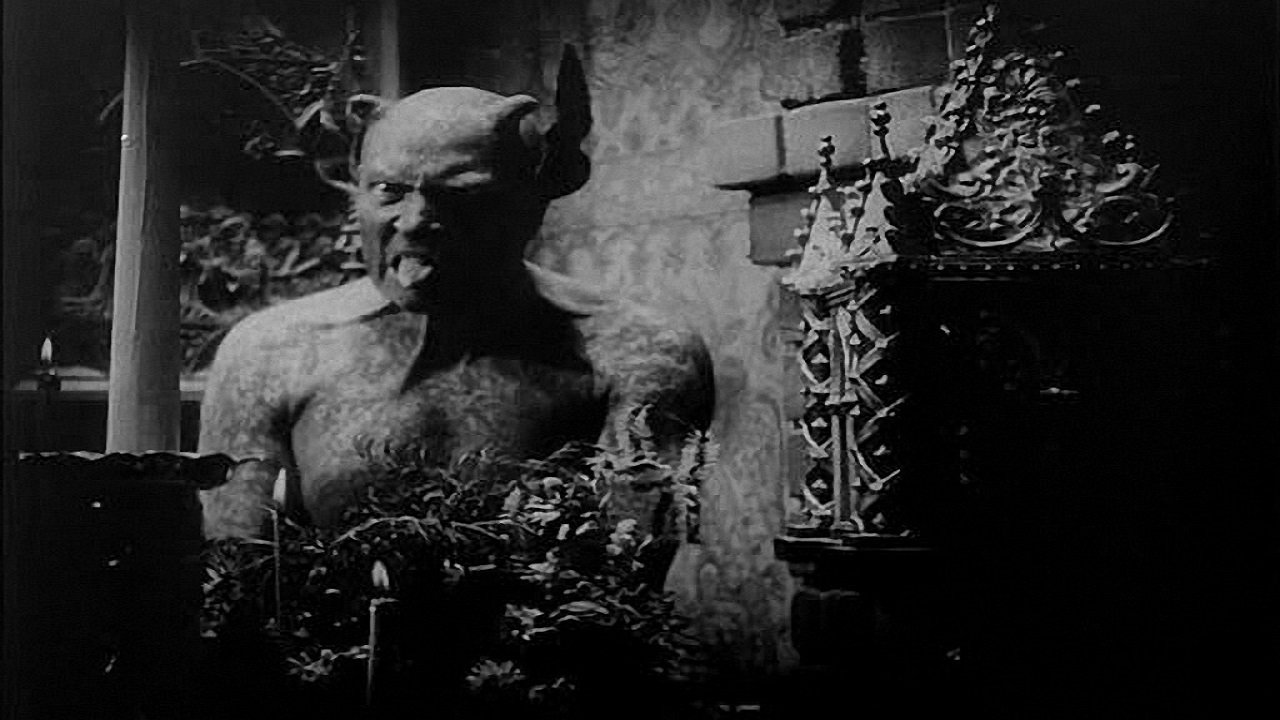
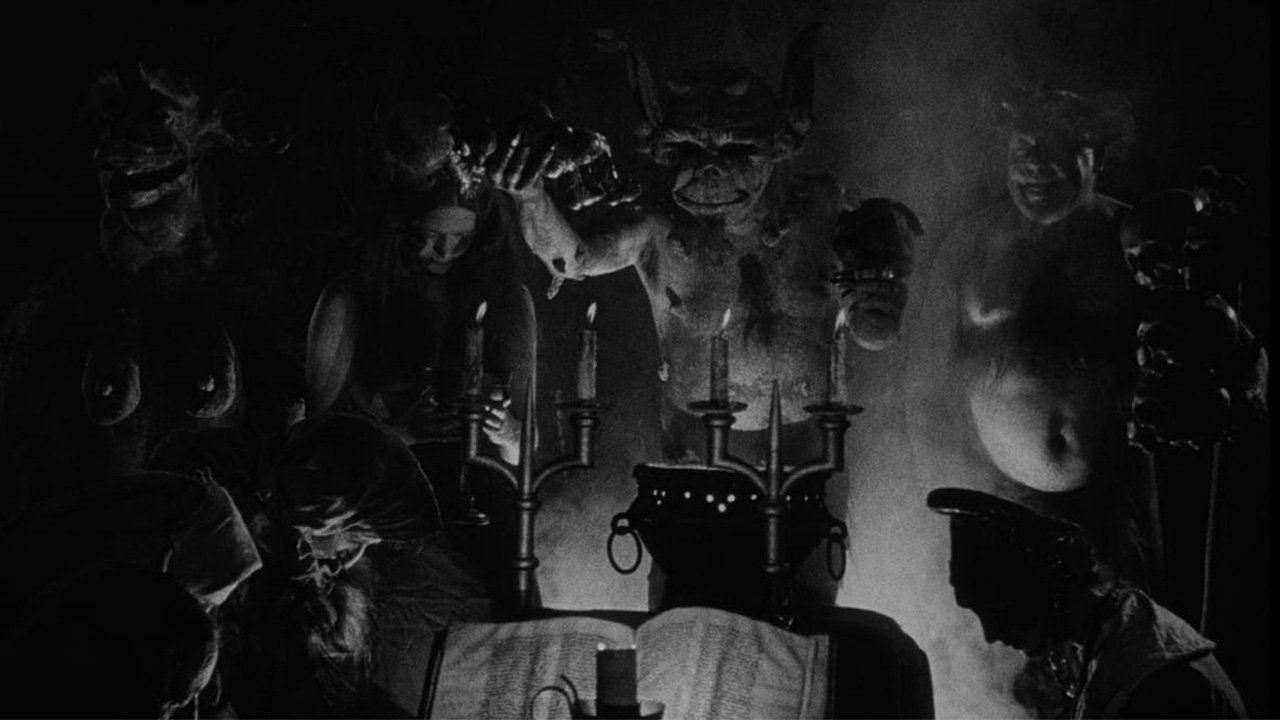
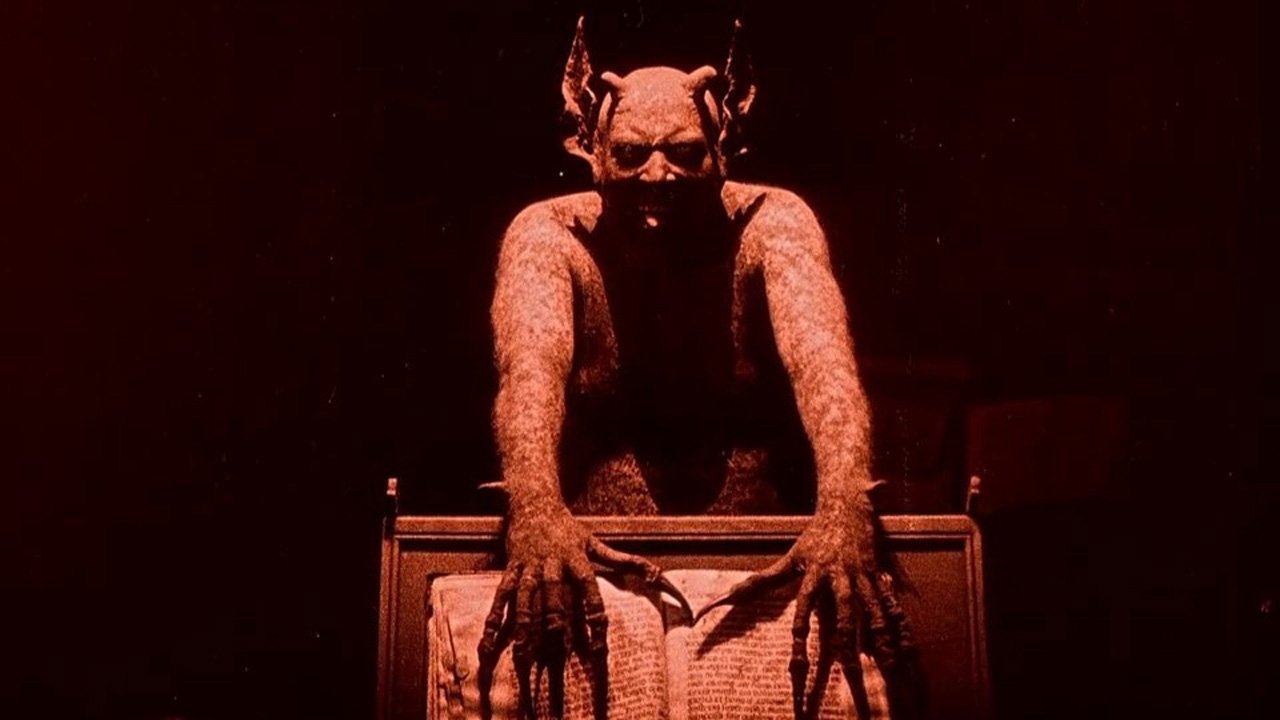
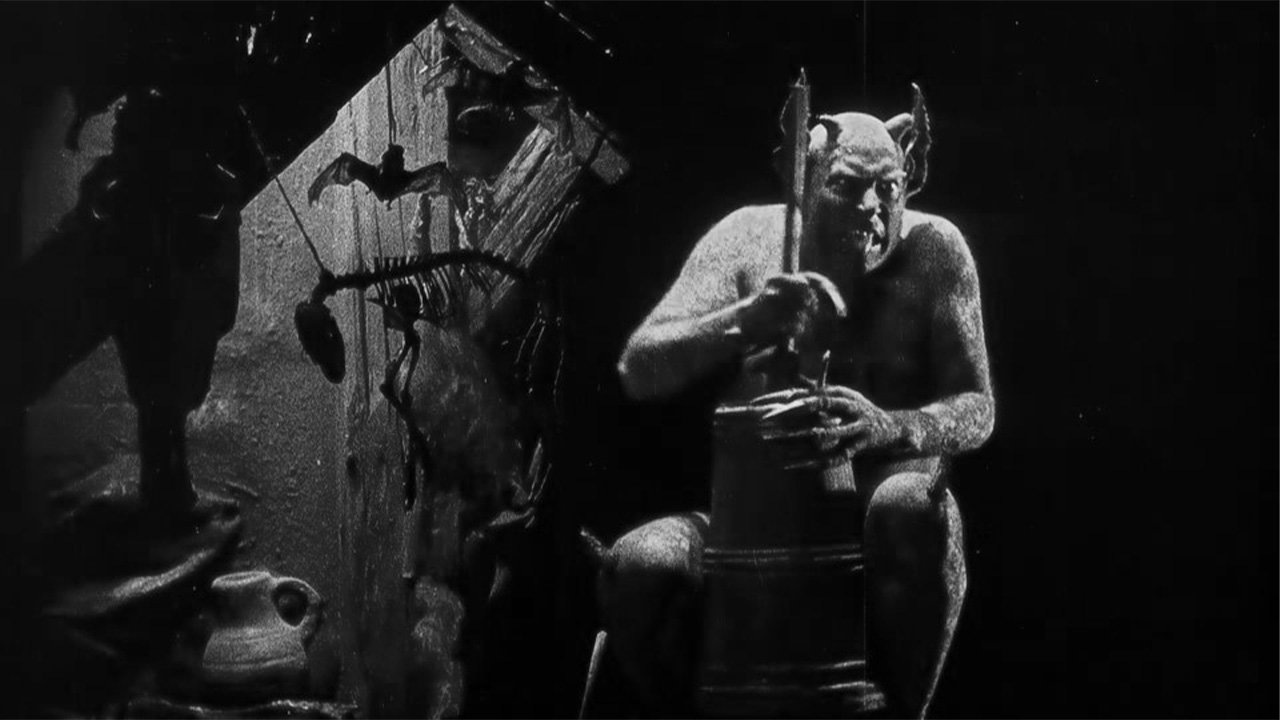
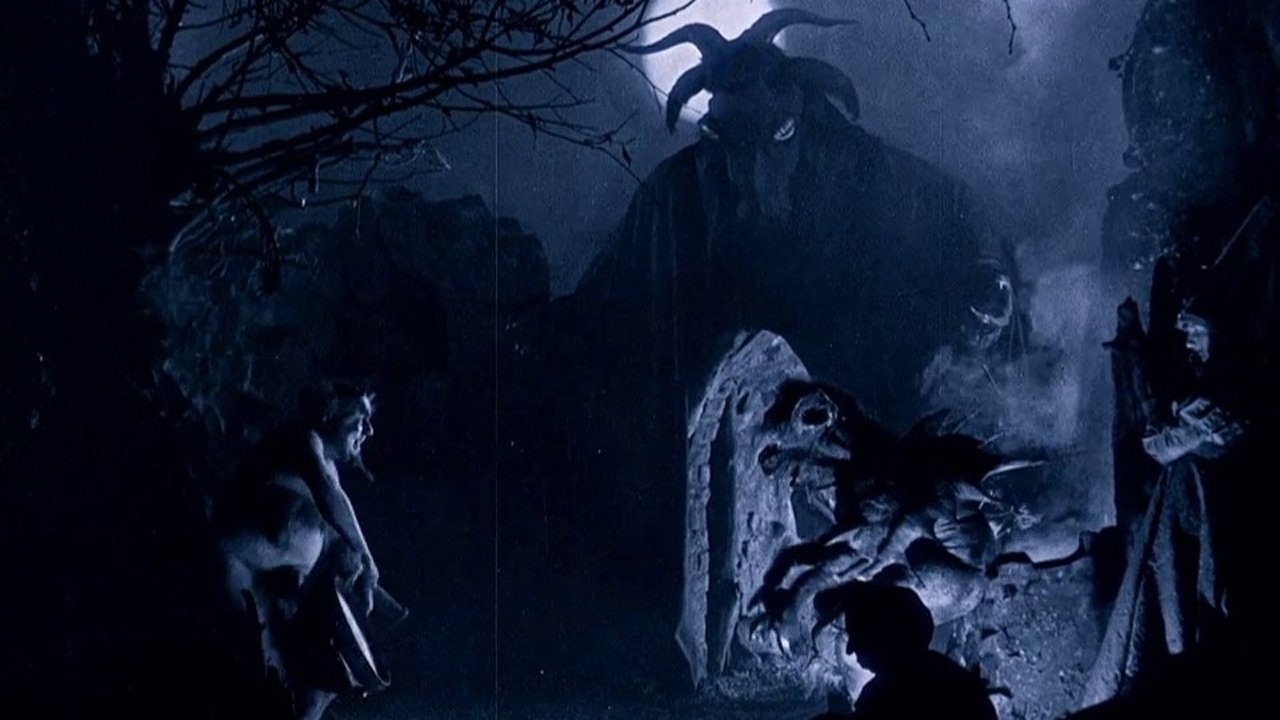
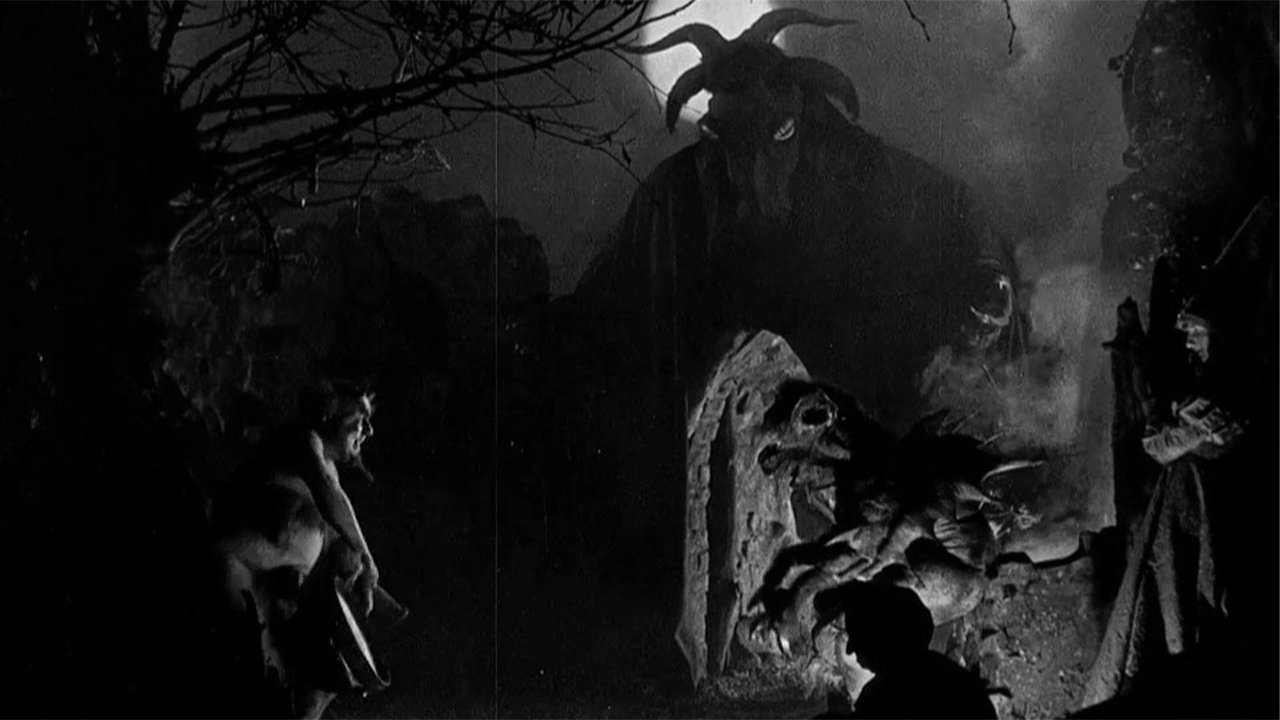
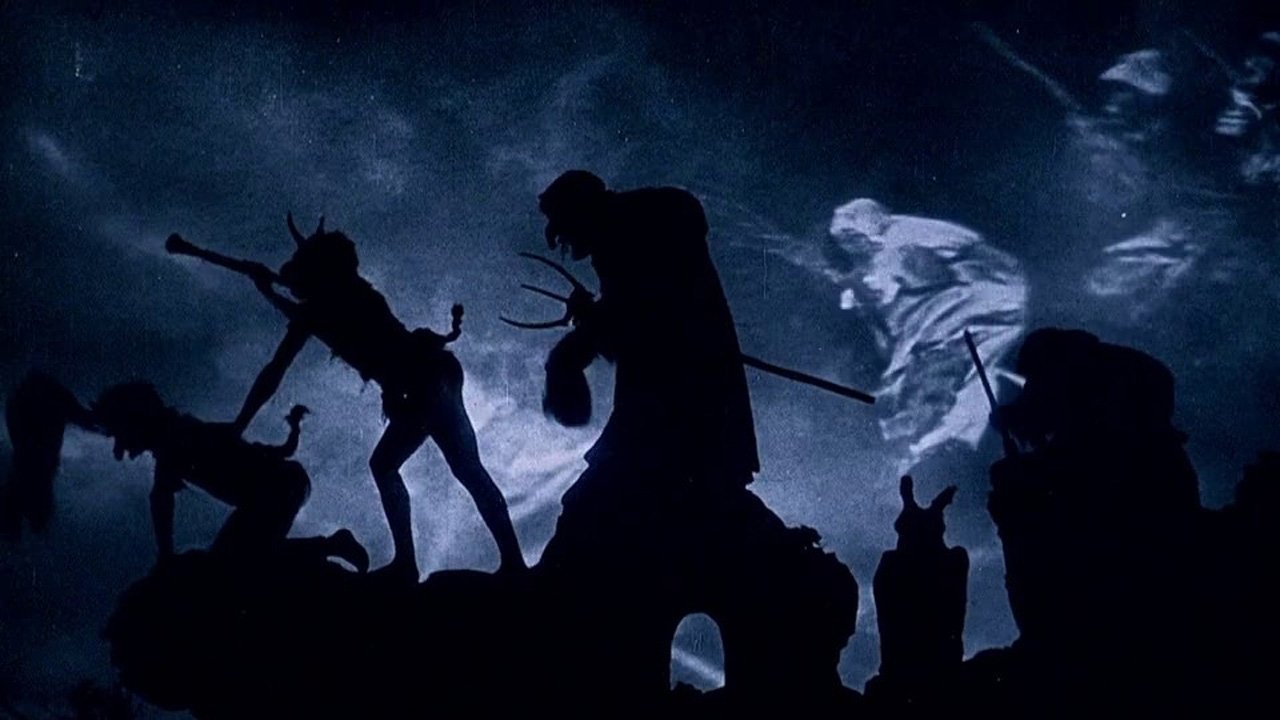
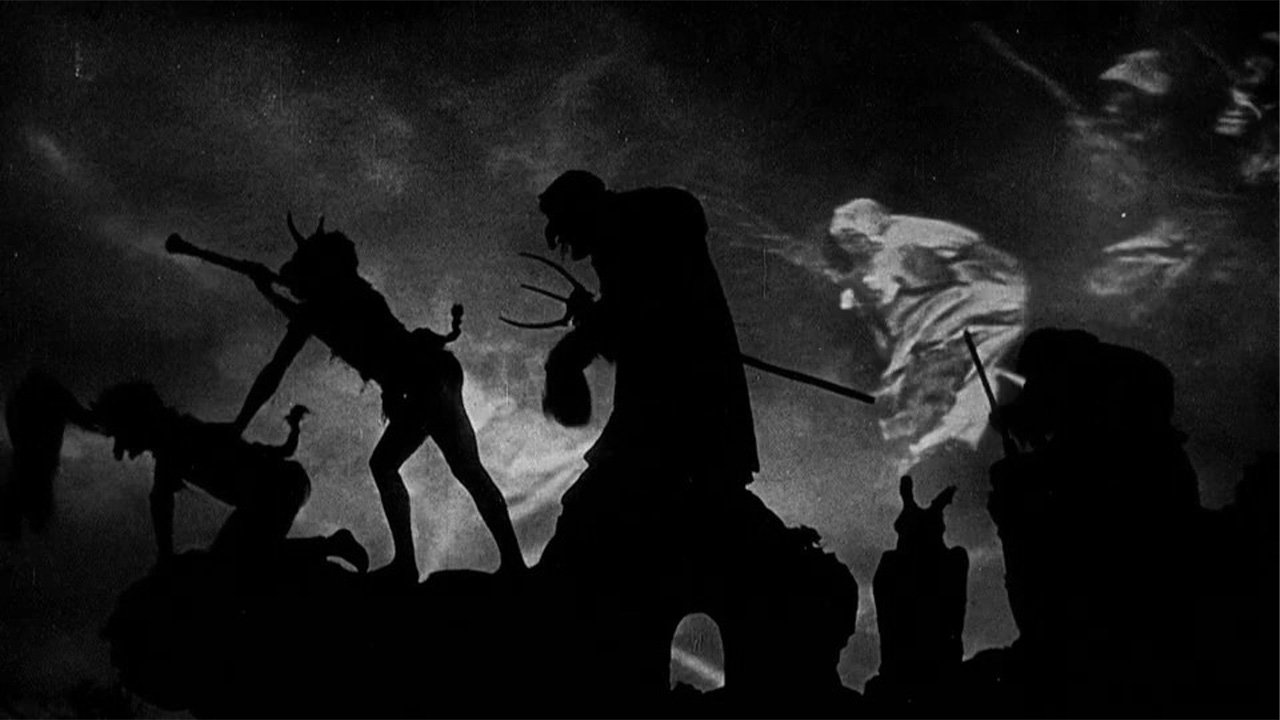
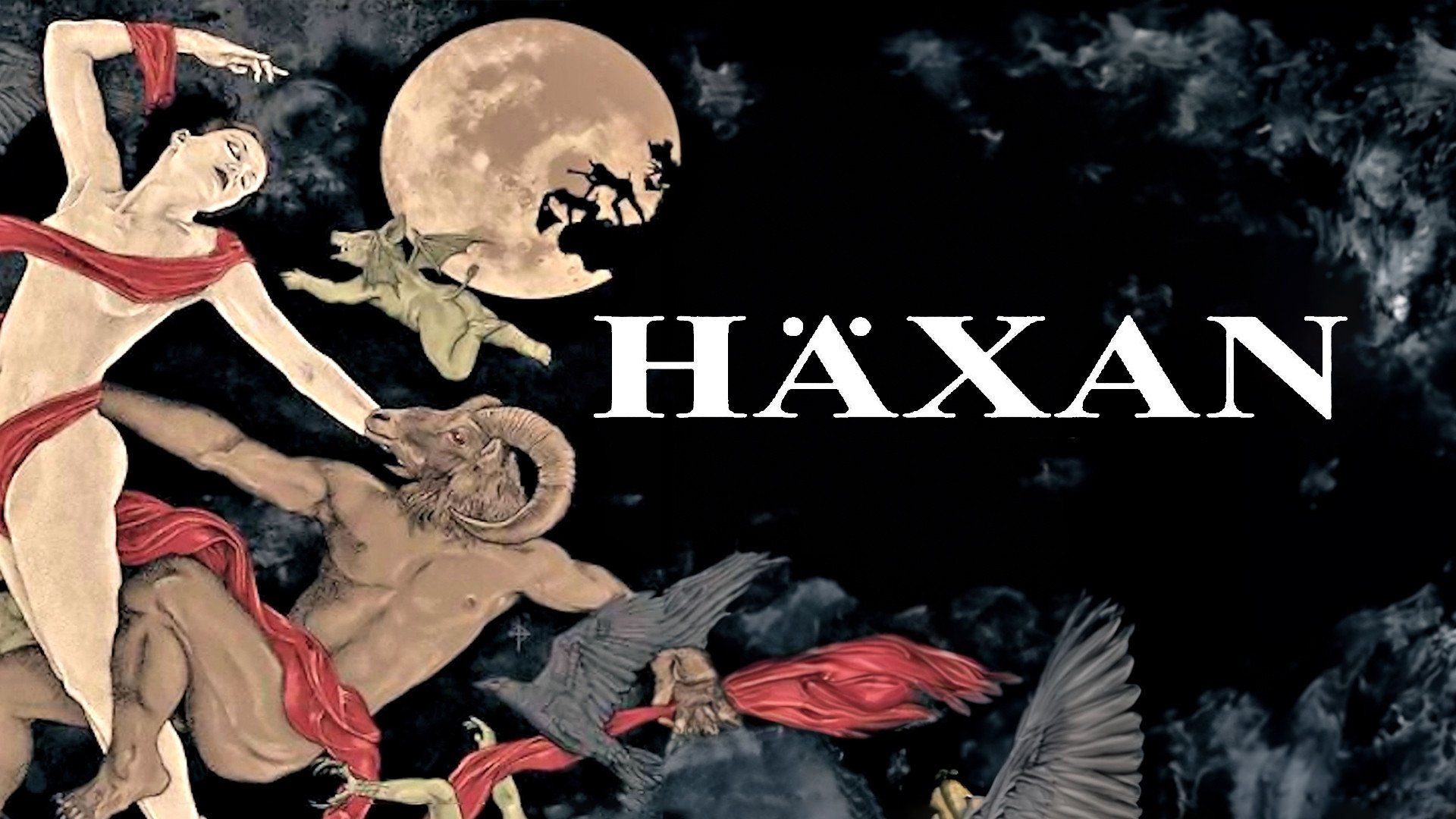
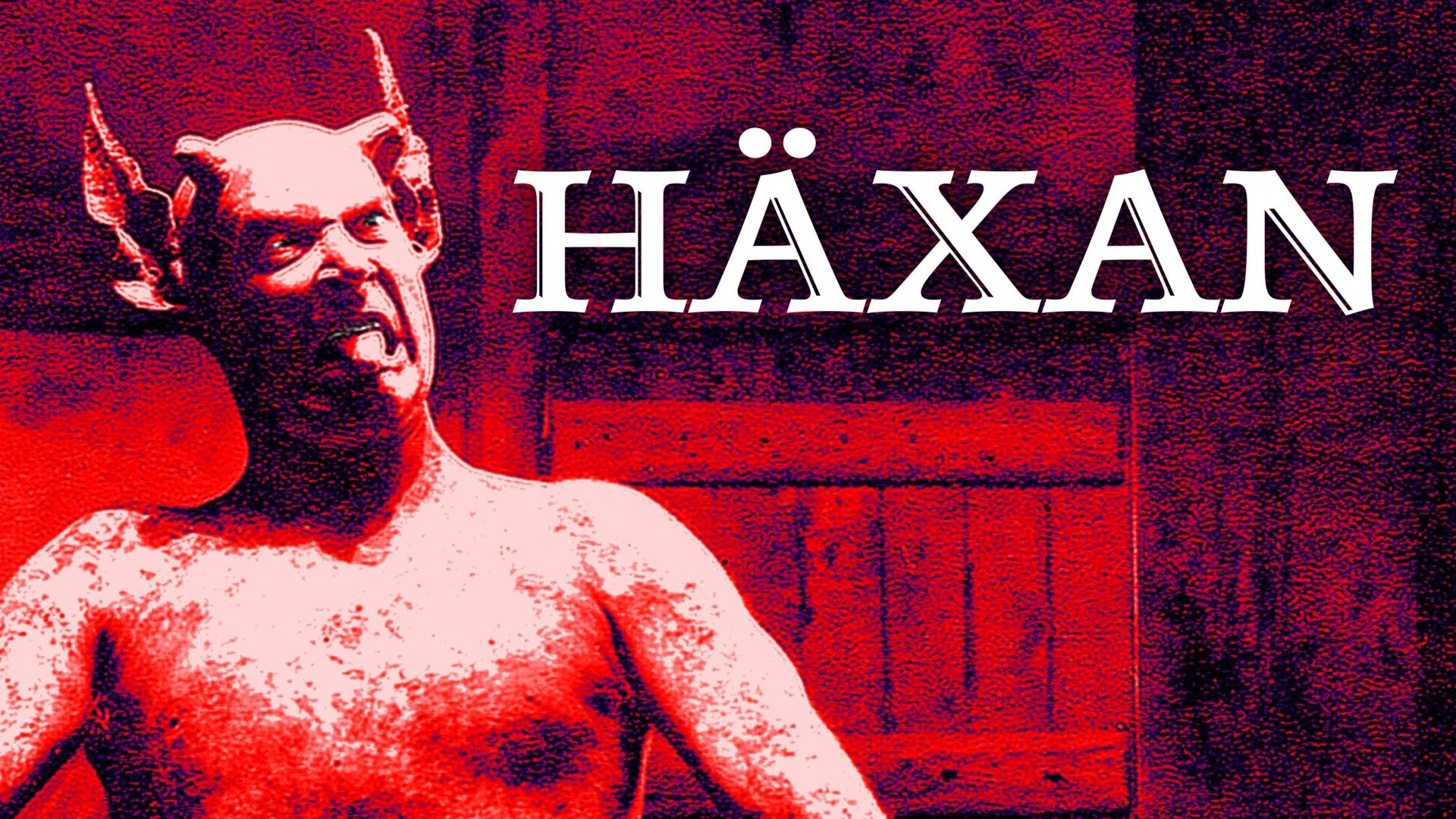
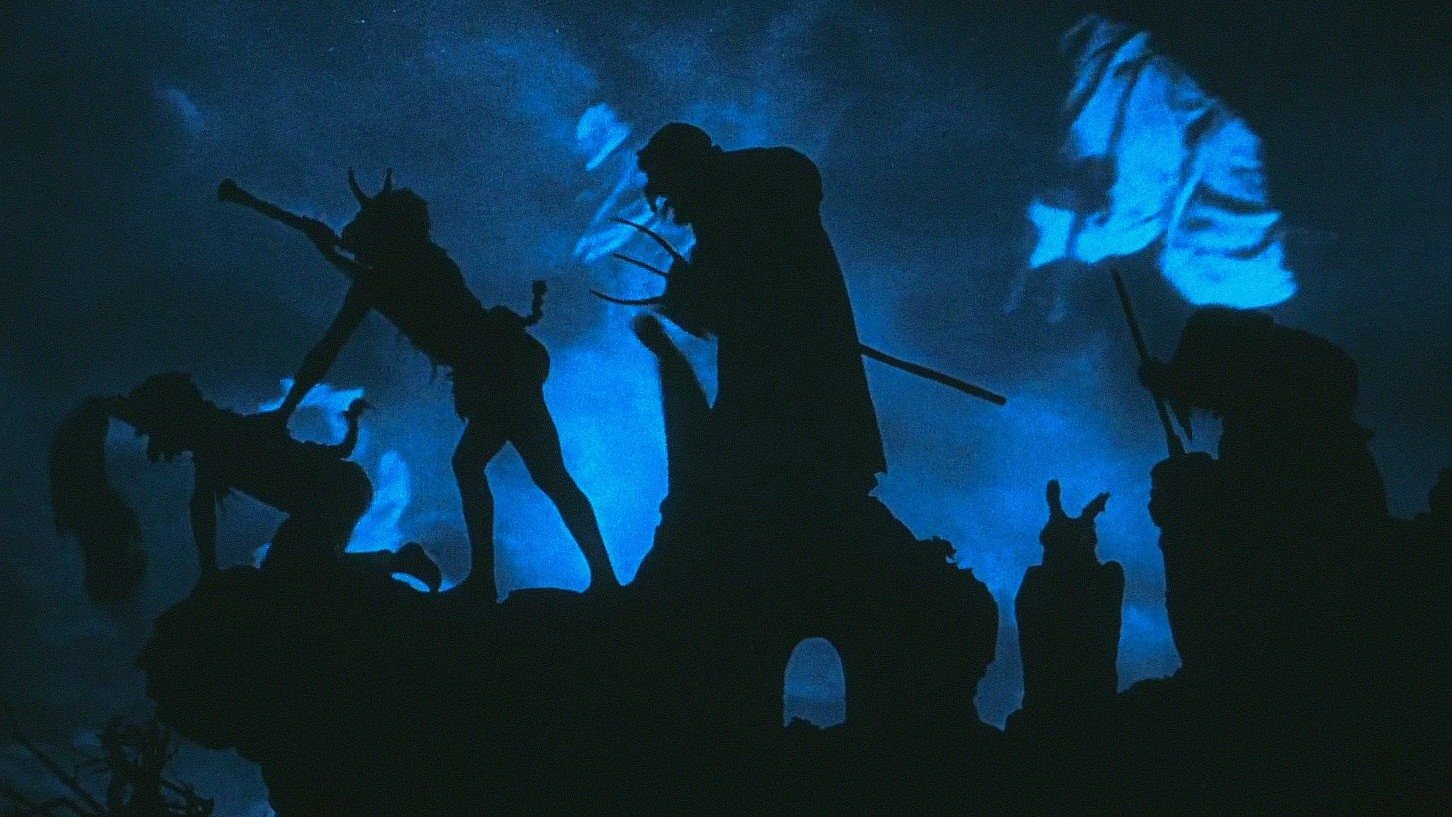
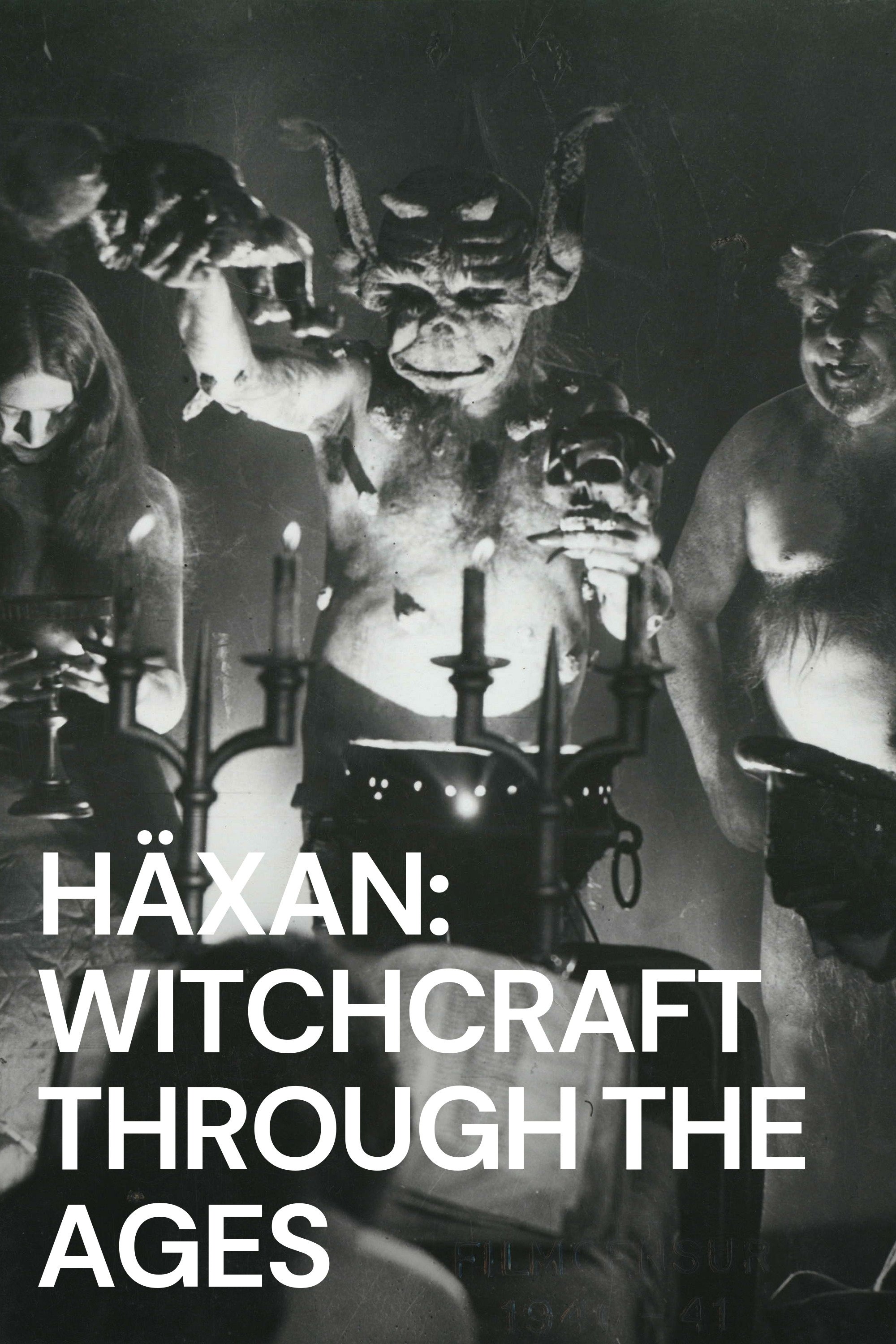
The film then shifts into staged incidents involving folk magic, conjured demons, flight through the night and assemblies of witches. These scenes illustrate what people imagined witches could do, while frequently adopting the vivid immediacy of supernatural fiction. Christensen plays the Devil with a physicality very different from an abstract figure in a printed diagram: he leers, thrusts out his tongue and dominates a succession of extravagantly designed encounters. The atmosphere can be sinister, grotesque or darkly comic, often within the same sequence. Its excess makes the film harder to classify than a straightforward documentary about the history of religious persecution.
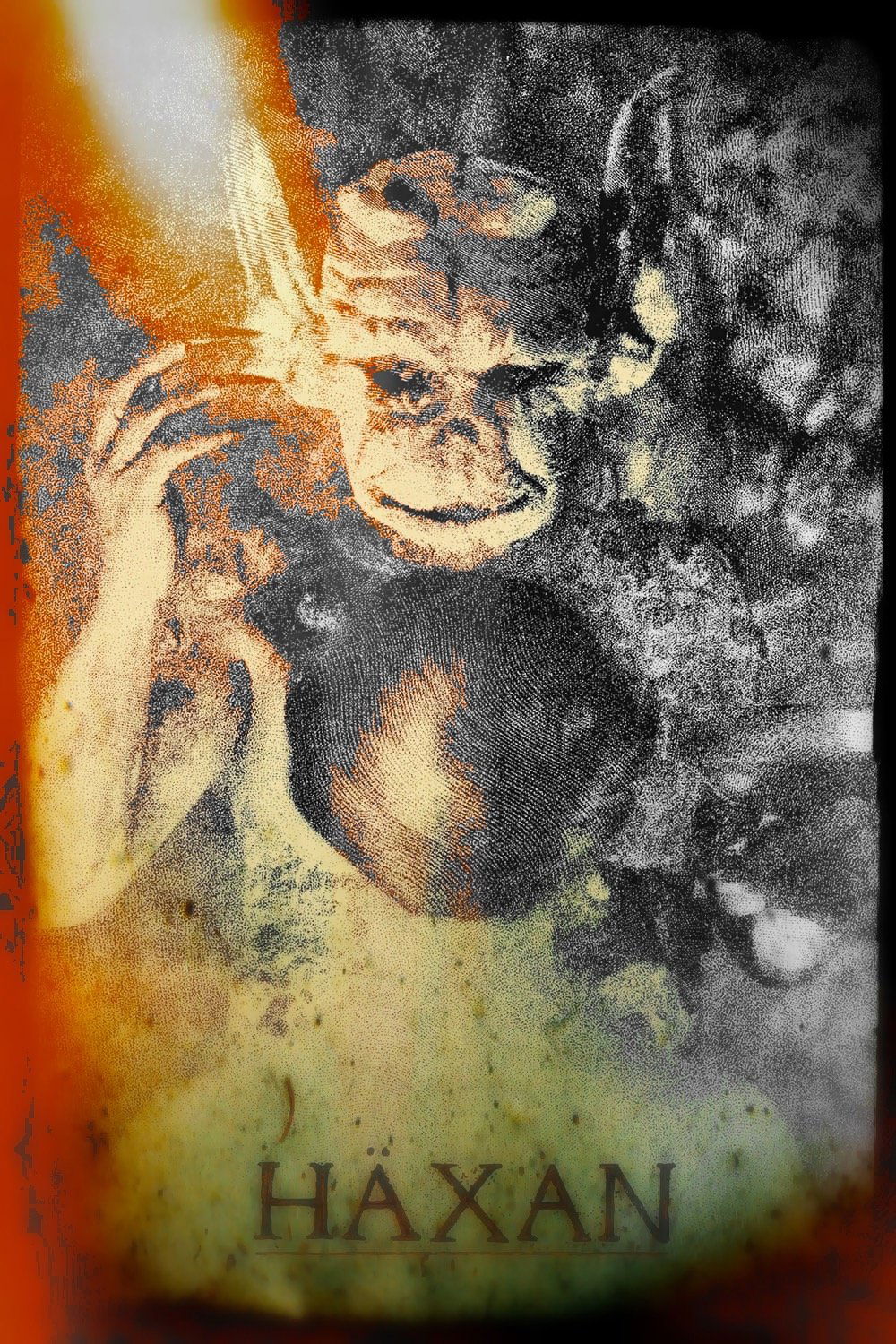
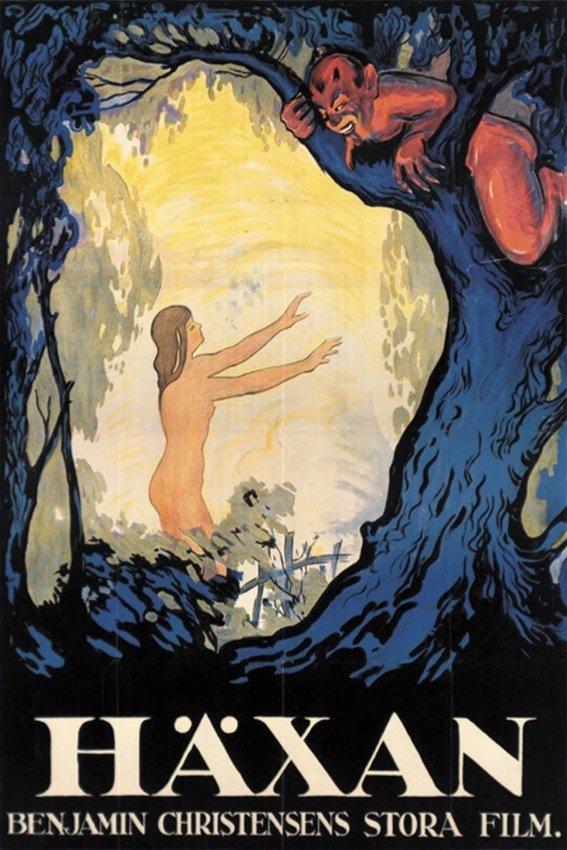
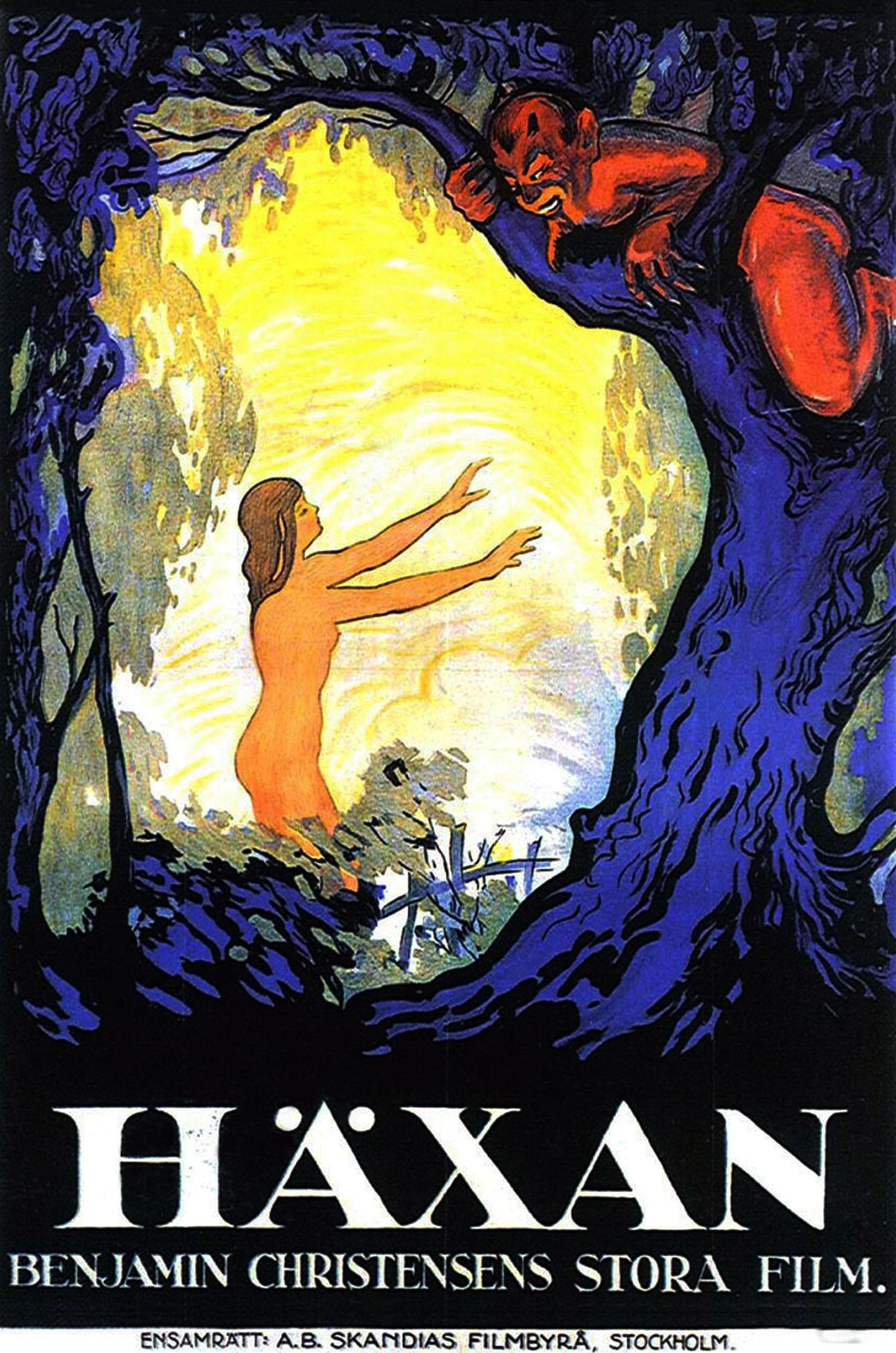
This method also complicates the viewer’s position. A reconstructed witches’ sabbath does not prove that such a gathering took place, and images of demonic activity are better understood as dramatizations of accusations, folklore and fantasy. Christensen does not always maintain a firm boundary between what his materials report and what his camera imagines. The tension is artistically productive: the film can expose the destructive consequences of believing in demons while granting those demons an almost irresistible screen presence. In that respect, its horror arises partly from the power of representations that the film ostensibly intends to examine critically.
Cinematography, Sets and Physical Spectacle

Johan Ankerstjerne’s cinematography gives the staged passages a distinct visual weight. Dense interiors, narrow beams of light and carefully arranged groups of bodies support the contrast between ordinary human vulnerability and outsize infernal creatures. Christensen often lets the spectator examine a crowded composition before introducing movement within it, a procedure suited to images of witches, monks, prisoners and demons. The Swedish Film Institute preserves a contemporary response from the critic Marfa in Dagens Nyheter praising the film’s carefully organized images and lighting, with particular attention to the architecture-like arrangement of the inquisitorial scenes.

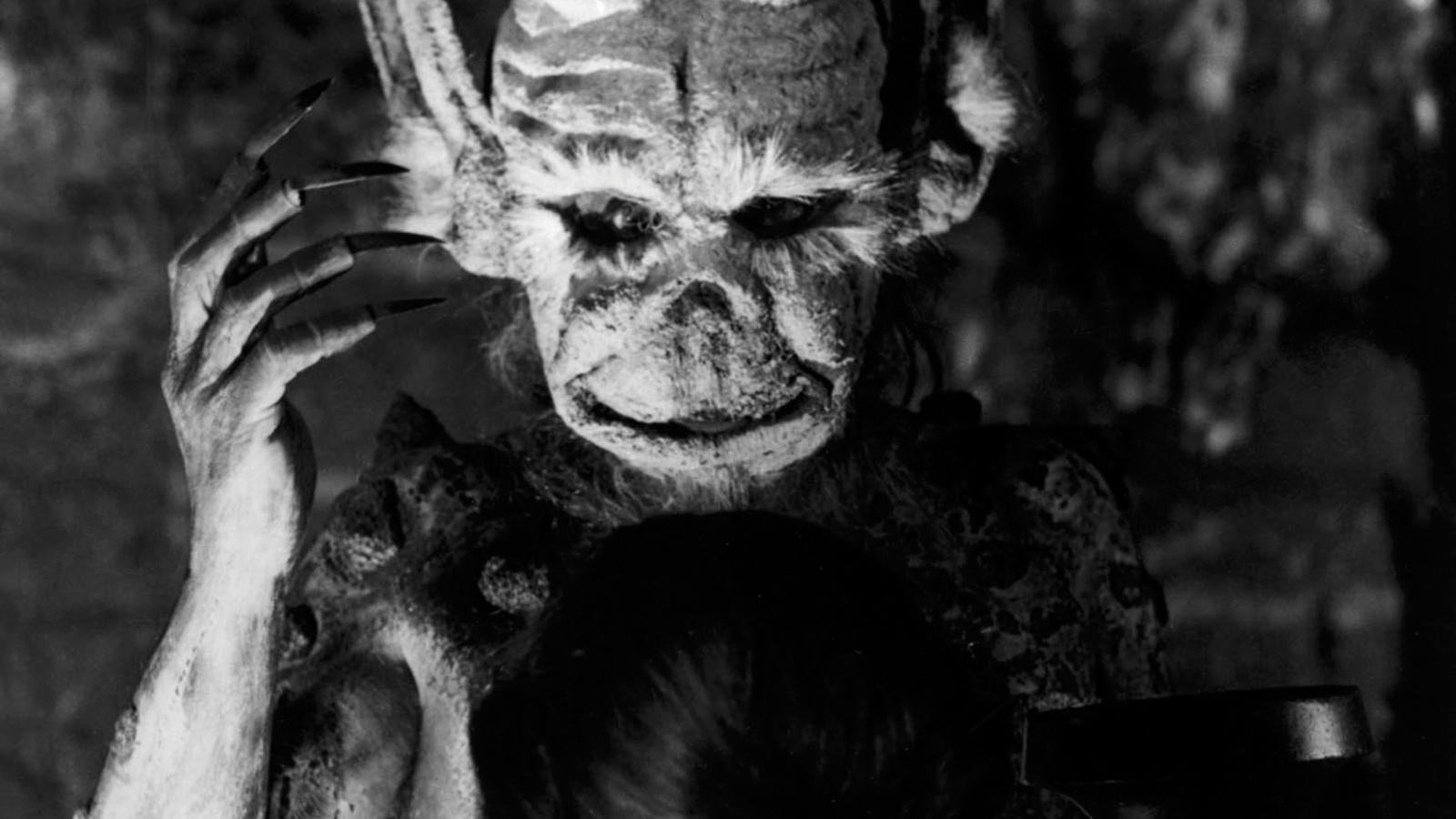
The production relied on substantial practical construction. One of the most memorable objects is the mechanical representation of hell, whose moving figures turn a theological image into a grotesque demonstration. The Swedish Film Institute reports that the apparatus survives in its collections, alongside devices used in the torture sequences. That surviving material provides tangible evidence of how seriously the filmmakers treated the physical staging of the fantastic. Makeup, costumes, props and performer movement contribute to the creature scenes without requiring every illusion to be assigned an unsupported technical explanation. The monsters remain unsettling because of their bodily presence and proximity to human figures.

The visual design is inseparable from the film’s treatment of pain. In the interrogation episodes, restraints and instruments occupy the foreground and place the vulnerable person at the center of an organized institution. During the sabbath, elaborate scenery and repeated bodily gestures suggest an environment operating under radically different rules. The difference between the two kinds of space is revealing. The supernatural passages visualize the terrors imagined by the persecutors, whereas the interrogation chamber contains violence that the film presents as a human action. Both are staged with a fascination for spectacle, a choice that has become central to critical arguments about the work.

Accusation, Torture and the Inquisition

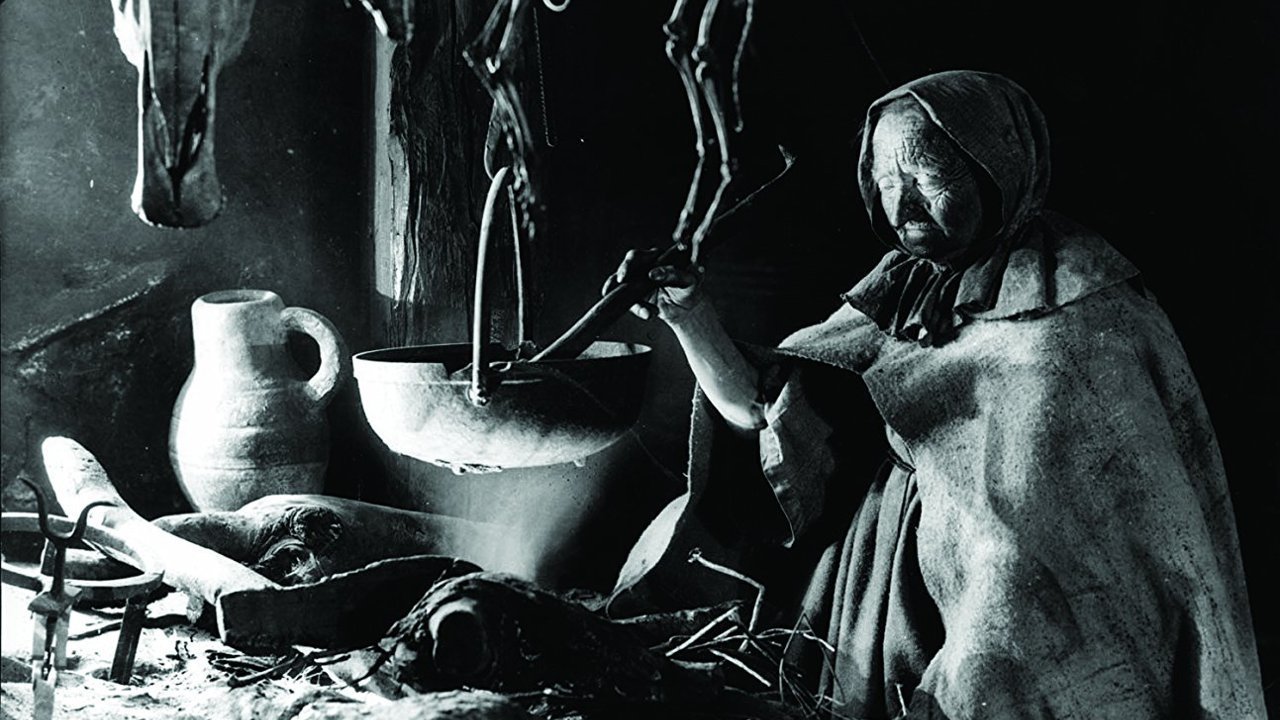
The film’s sustained treatment of witch trials examines how an accusation can expand into a system of punishment. An old woman, identified as Maria the weaver, becomes a target of suspicion, and interrogation converts her supposed knowledge into material for further allegations. The officials do not need to discover genuine supernatural activity; their procedures are capable of generating the testimony they seek. Fear, coercion and the desire to satisfy interrogators shape the resulting confessions. The horror lies in the imbalance between the authority of those asking questions and the helplessness of the people compelled to answer them.

Christensen incorporates scenes of stripping, restraint and physical torment that were unusually direct for a major silent production. Their purpose within the argument is to expose cruelty carried out in the name of religious and legal certainty. Yet the film also displays an evident appetite for the dramatic possibilities of this suffering. The British Film Institute has drawn attention to the uncomfortable proximity between the condemnation of torture and the visual attraction of the bodies exposed to it. That contradiction should be acknowledged rather than resolved by describing every shocking shot as a purely humanitarian gesture.

Another episode follows a convent disturbed by apparent possession and disorder, with Sister Cecilia among its central figures. It places religious discipline in contact with collective fear and conduct interpreted as diabolical. The film does not offer these scenes as a verified record of a particular historical community. They function as dramatic examples of explanations that could turn unusual behavior into evidence of malign spiritual influence. Such portrayals invite comparison with later films about witch-finding and religious repression, but their historical significance is rooted first in the film’s own account of what institutions do when their interpretation of events cannot be challenged.

Witchcraft, Hysteria and Modern Medicine

In its final movement, Häxan leaves the historical reconstructions and considers women whose behavior was classified as abnormal in the early twentieth century. The transition is central to Christensen’s intended argument. He asks the viewer to recognize a continuity between past accusations of witchcraft and modern judgments made through psychiatric authority. The cases involve conduct interpreted through the contemporary language of hysteria, including compulsions and distress that an earlier age might have explained as possession or the influence of the Devil. Tora Teje’s modern character makes this comparison part of the film’s dramatic material rather than a conclusion confined to title cards.

The parallel is important, but its medical terms must be treated historically. Hysteria was a broad and changing diagnostic category, strongly shaped by the gender assumptions of its period. It is therefore inaccurate to claim that people executed as witches were demonstrably suffering from a single psychiatric disorder, or that Christensen established such a fact. The film records a proposed explanation available to a filmmaker in 1922 and uses it to question punishment and confinement. Its attempt to replace supernatural certainty with scientific authority also exposes how readily professional institutions can define vulnerable women through restrictive categories.

This closing argument changes the significance of the earlier apparitions. A demon may be frightening as a creature on screen, but the more lasting threat is the ability of observers to impose an explanation upon another person and then act upon it. Its view of institutional power also creates points of comparison with later witchcraft cinema, where the accused woman may be a victim of persecution, an imagined menace or both. These parallels are critical readings, not proof that modern psychiatry and early modern courts were historically identical. The film’s movement from witch trial to clinic remains provocative precisely because the viewer must examine the assumptions behind both settings.

Premiere, Reception and Censorship

Häxan premiered in Stockholm on 18 September 1922, with a Danish premiere in Copenhagen that November. Its unusual mixture of historical argument and explicit imagery attracted attention, but contemporary responses were not uniform. The Swedish Film Institute describes a mixed reception while also documenting the film’s considerable international circulation. A 1922 Variety assessment discussed by the British Film Institute recognized the picture’s horror qualities yet questioned whether its material was appropriate for public exhibition. Such evidence is more precise than an unqualified claim that contemporary critics either unanimously celebrated or rejected it.

The imagery created problems with censor boards beyond the original production. Scenes involving nudity, torture, blasphemous behavior and sexualized diabolical rituals were cut or challenged in various markets. The Swedish Film Institute states that the producers themselves removed material under pressure and that the film faced a ban in the United States. Chris Fujiwara also identifies censorship obstacles in Germany and France, with altered versions becoming necessary for public screenings. These histories should not be collapsed into a universal prohibition: restrictions, local decisions, cuts and eventual circulation differed by territory and period.

There was also a later reworking that changed the form of the work substantially. In 1968 Antony Balch prepared Witchcraft Through the Ages, a shortened edition of roughly seventy-six minutes with English narration spoken by William S. Burroughs and modern jazz accompaniment. This version introduced the imagery to another generation, but its narration, editing, speed and music distinguish it from the 1922 presentation. A viewing or release record that refers to the Balch version should not automatically be treated as evidence for Christensen’s original assembly. The existence of the recut is part of the film’s reception history, not a replacement for the original.

Music, Restoration and Horror Legacy

Häxan was made for silent exhibition, but its premieres were accompanied by organized music. Film-music researcher Gillian B. Anderson examined surviving information about the 1922 performances and found a published list of compositions used at the Copenhagen premiere, assembled under musical director Jacob Gade. Christensen praised Rudolf Sahlberg’s arrangement for the Stockholm screening in a contemporary interview. Anderson stresses that the relationship between the two programs cannot be proved and that the surviving Danish list gives neither a reliable scene-by-scene cue order nor a complete record of performance practice. Her later arrangement, recorded with an eleven-player ensemble, is consequently a historically informed reconstruction rather than a recovered original score.

The film’s renewed visibility also depends on preservation. The Swedish Film Institute reports a digital restoration completed in 2016, including material that had been removed from some earlier presentations. The 2019 Criterion edition used a new 2K restoration and offered a presentation of the 1922 film alongside the shorter 1968 version as a separate supplement. Different listed running times must be assessed in relation to print, projection speed and edition; they are not sufficient evidence by themselves that a given version contains unique scenes. The Institute’s continued public screenings, including international presentations during the centenary year in 2022, demonstrate the active circulation of its restored materials.

Within horror history, Häxan is particularly important for bringing witch persecution, satanic imagery and the display of bodily suffering into an ambitious feature-length hybrid form. Chris Fujiwara has compared aspects of its apparitions and grotesque design with later supernatural cinema, while scholarly discussion has placed its approach to accusations and ritual beside traditions of witch-hunt and folk horror. These are ways of tracing artistic relationships and retrospective affinities, not licenses to assert direct influence in every case. The film remains significant because its most alarming images arise from a conflict between imagined supernatural evil and documented forms of human coercion.

References

  1. Institutional research on production, visual design and contemporary reception.

  2. Swedish Film Institute Worldwide Success for Häxan

    Archival research on international distribution, censorship and restoration.

  3. British Film Institute Häxan: the silent-era witchcraft film at 100

    Historical analysis of witchcraft imagery, persecution and censorship.

  4. The Criterion Collection Häxan: The Real Unreal

    Chris Fujiwara’s study of Christensen’s production and cinematic legacy.

  5. The Criterion Collection Häxan: About the Music

    Gillian B. Anderson’s research into the original musical accompaniments.

Cast

View Full Cast & Crew →

Release & Distribution

Production Companies (2)

  • Aljosha Production Company
  • SF Studios SE

Release History (10)

Release DateTerritoryRelease TypeFormatDistributorCertificationNotes
1922-09-18 France Theatrical — — —
1922-09-18 Sweden Theatrical — — 15
1924-02-01 Germany Theatrical — — —
1929-05-27 United States Theatrical — — —
1968-05-01 France Theatrical — — — Reprise
2011-05-03 France Physical DVD — U DVD
2011-05-06 Netherlands Physical DVD — — DVD
2018-02-22 France Digital — — U VOD
2021-06-15 France Physical Blu-ray — U Blu-Ray (Restored Version)
2023-07-04 South Korea Theatrical — — 15 Bucheon International Fantastic Film Festival
But isn’t superstition still rampant among us?