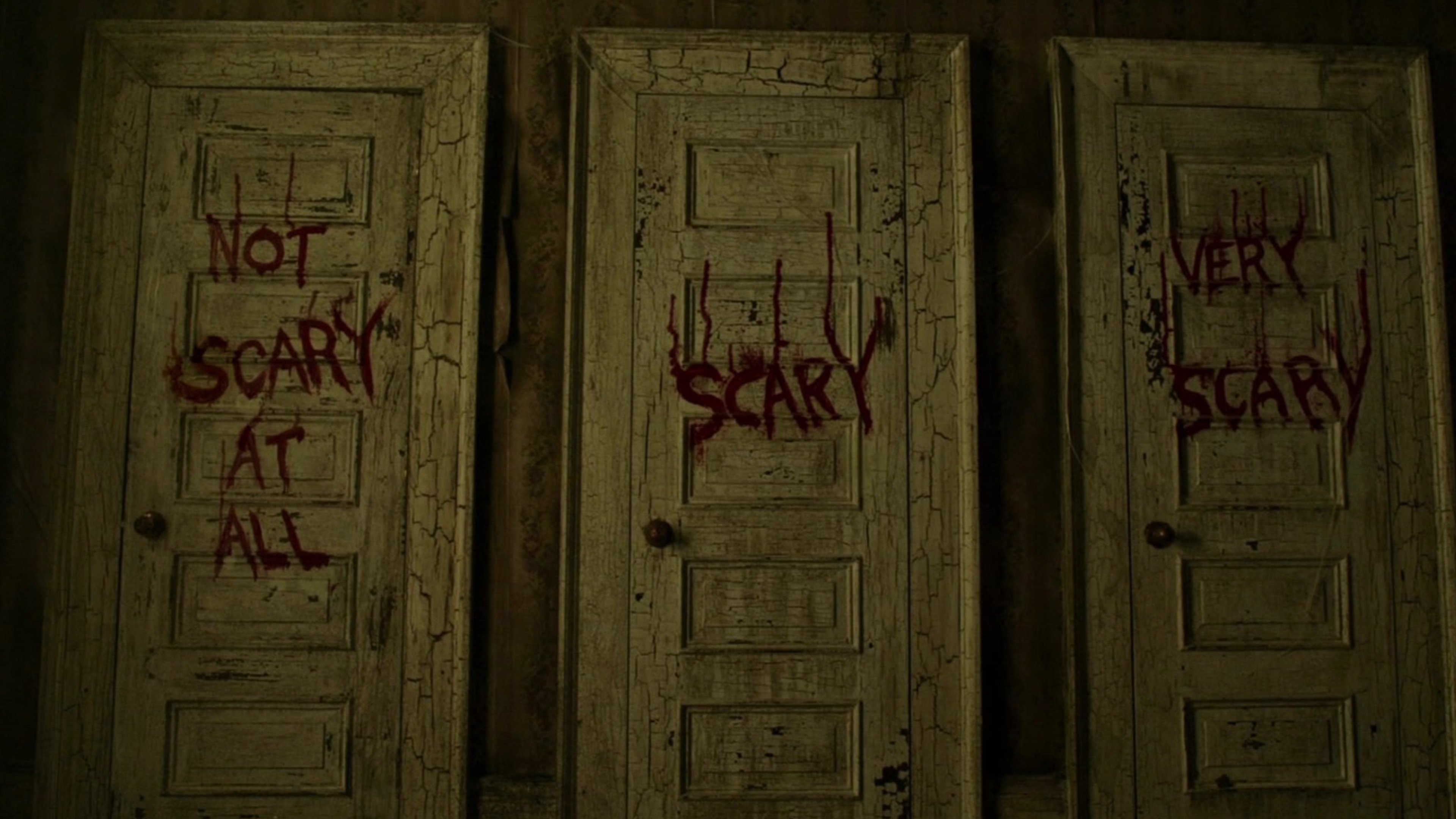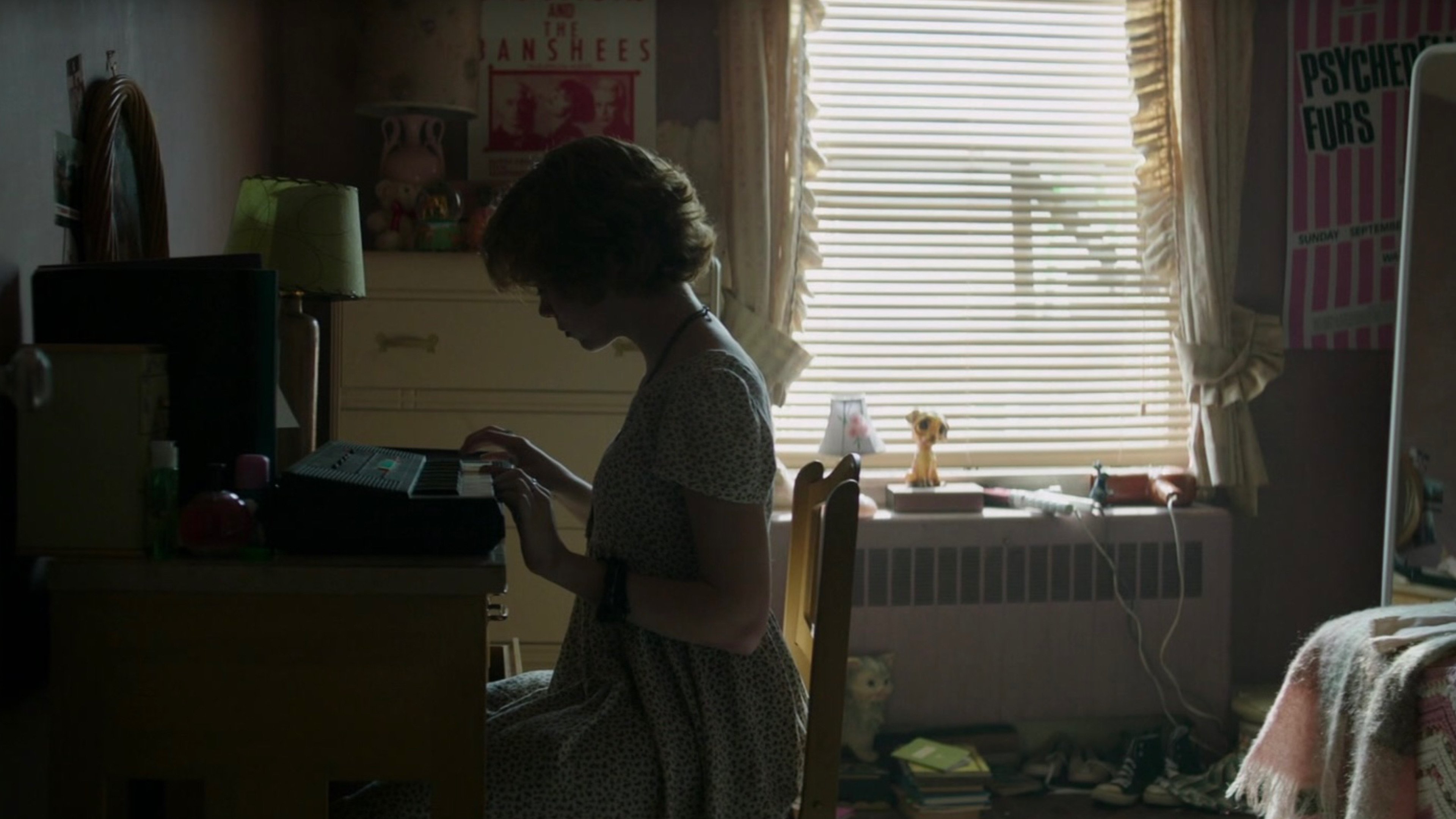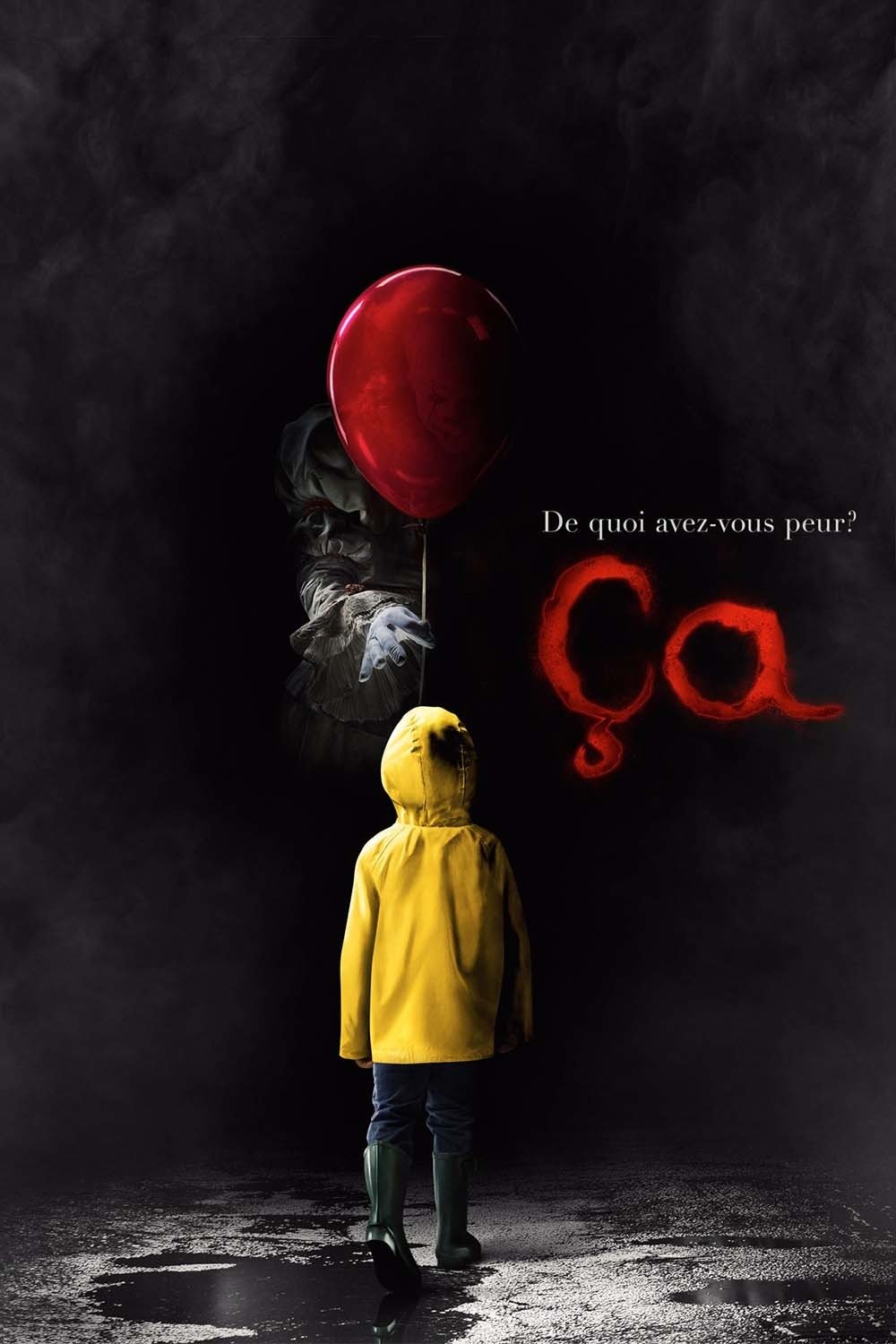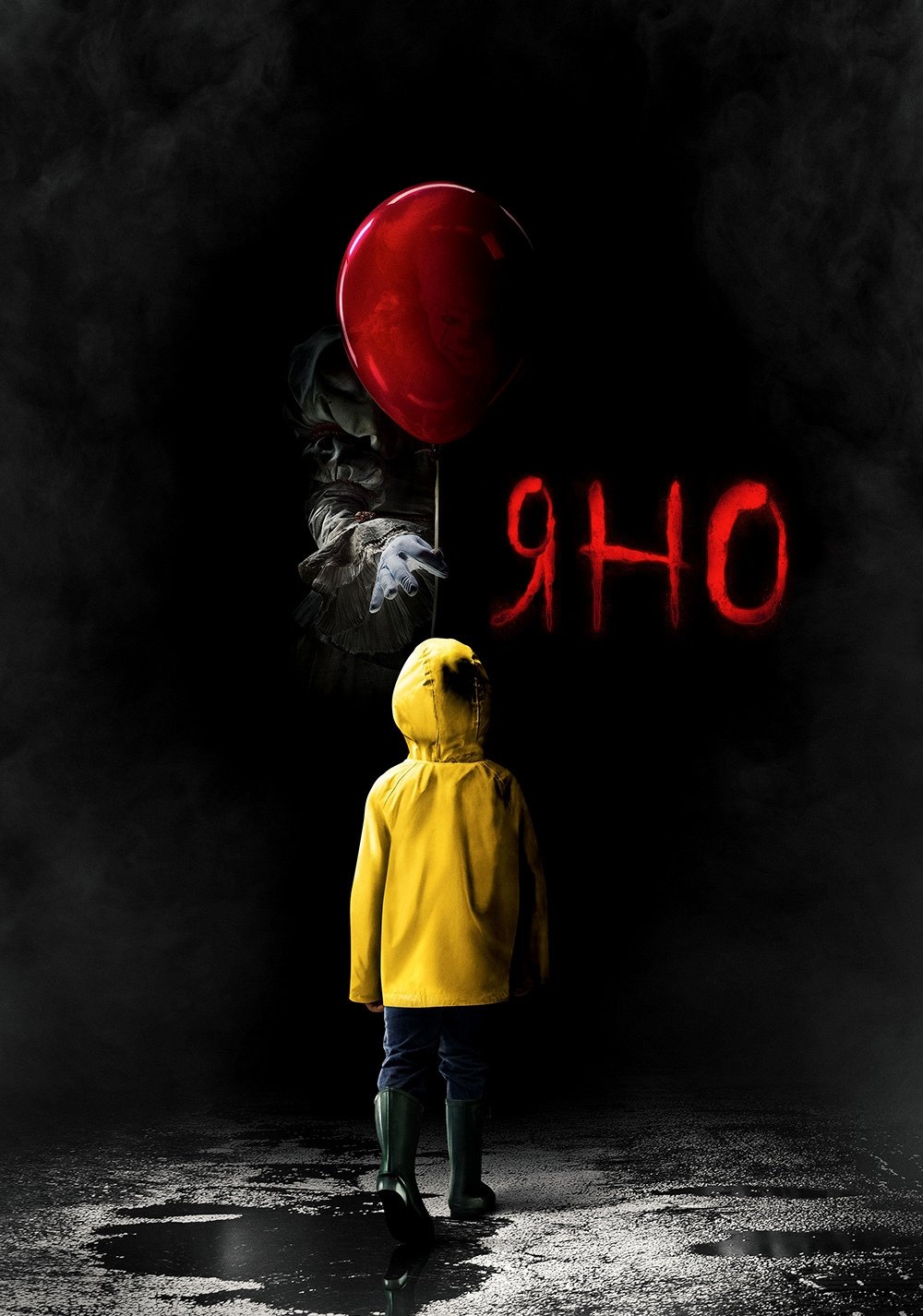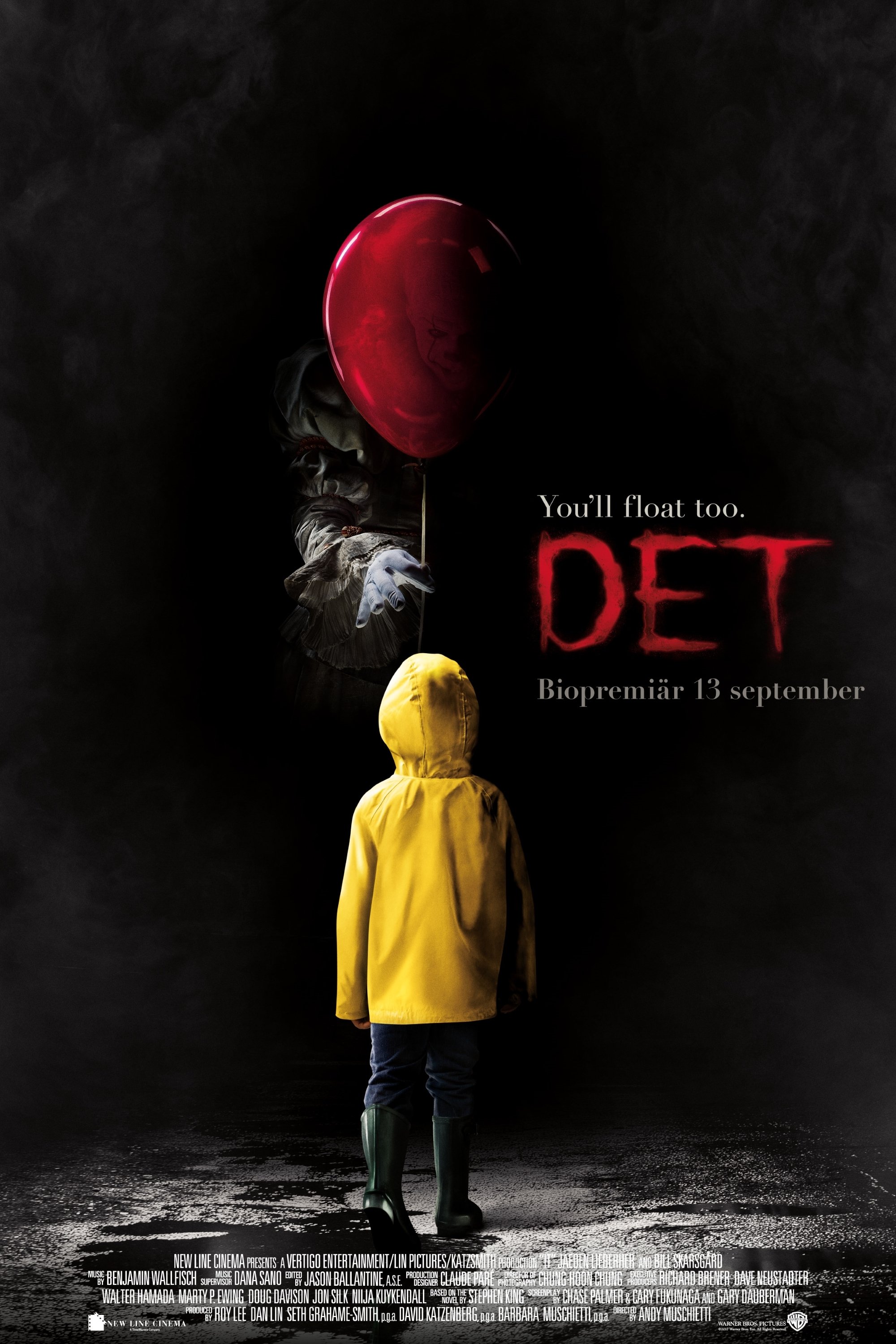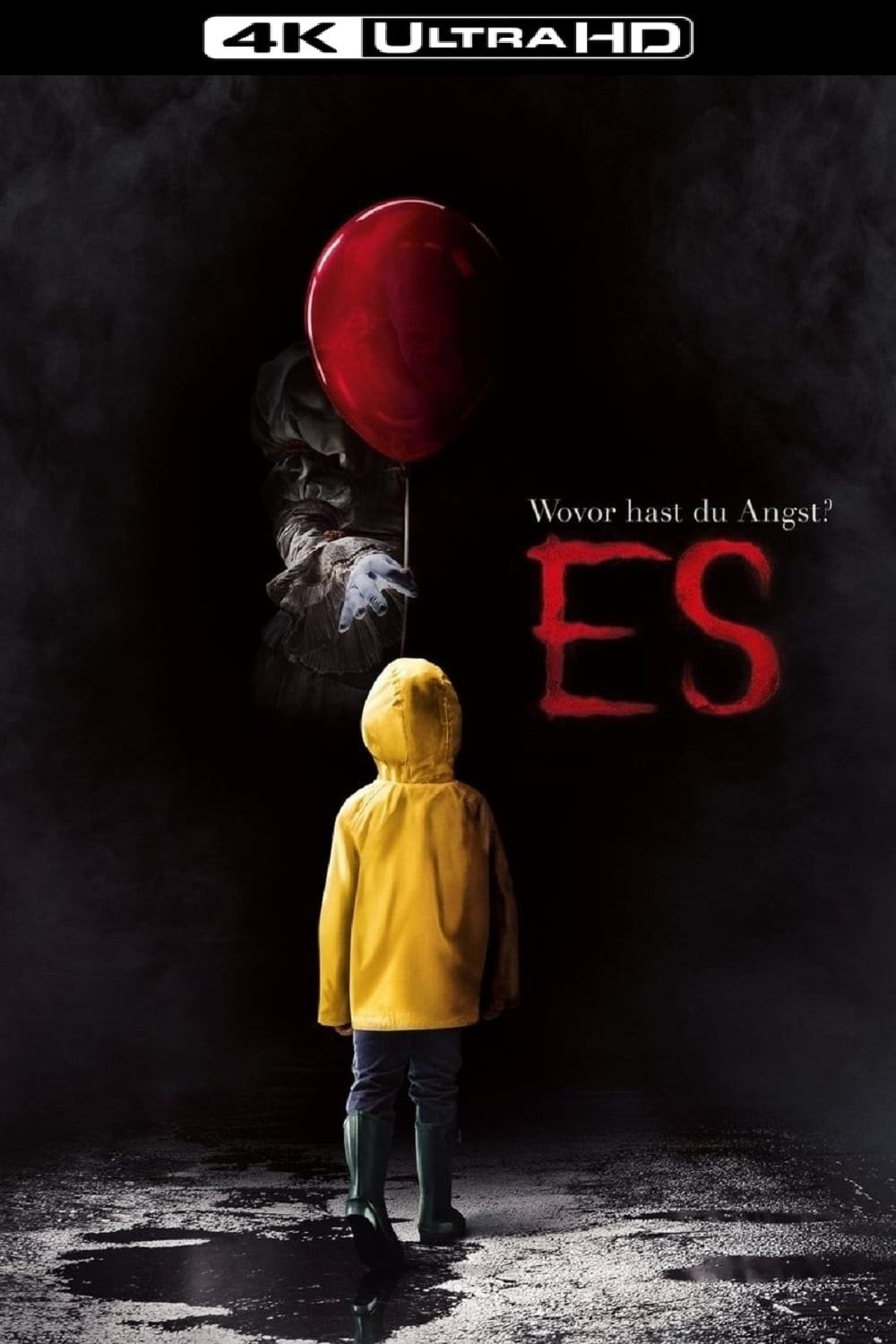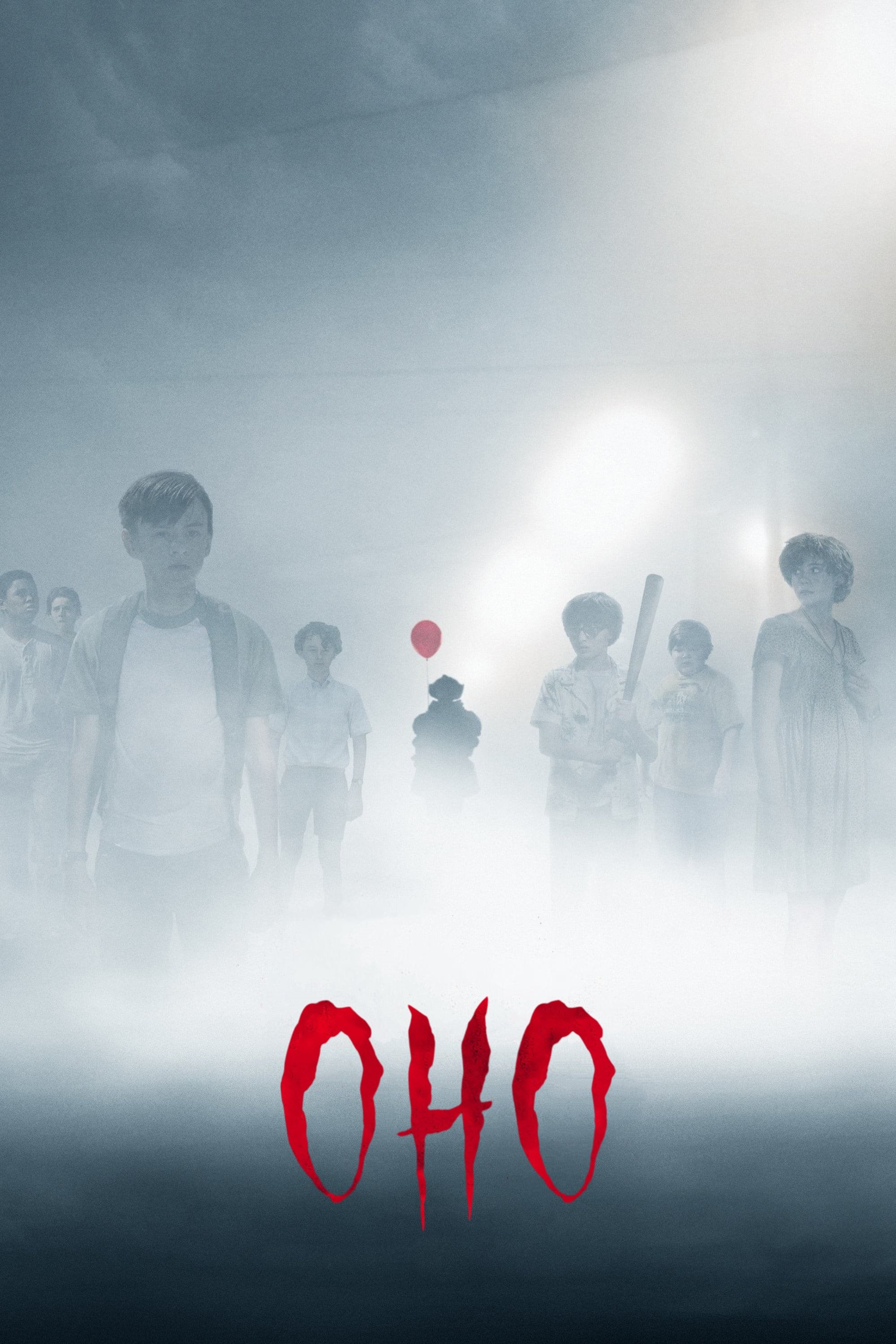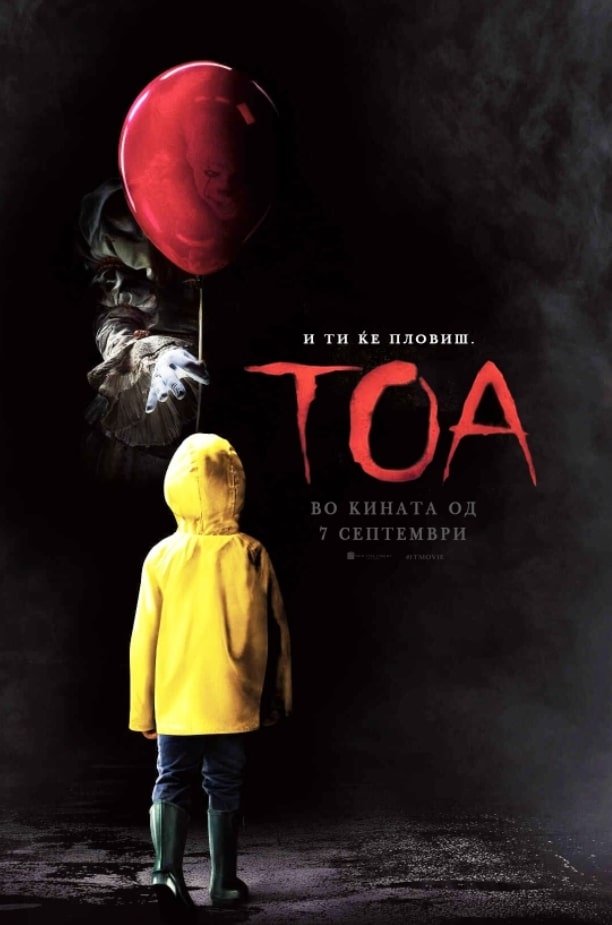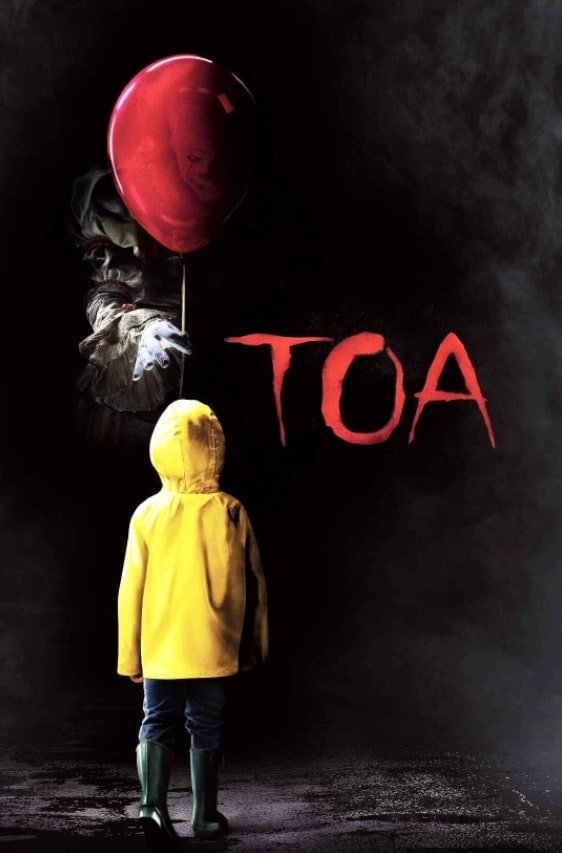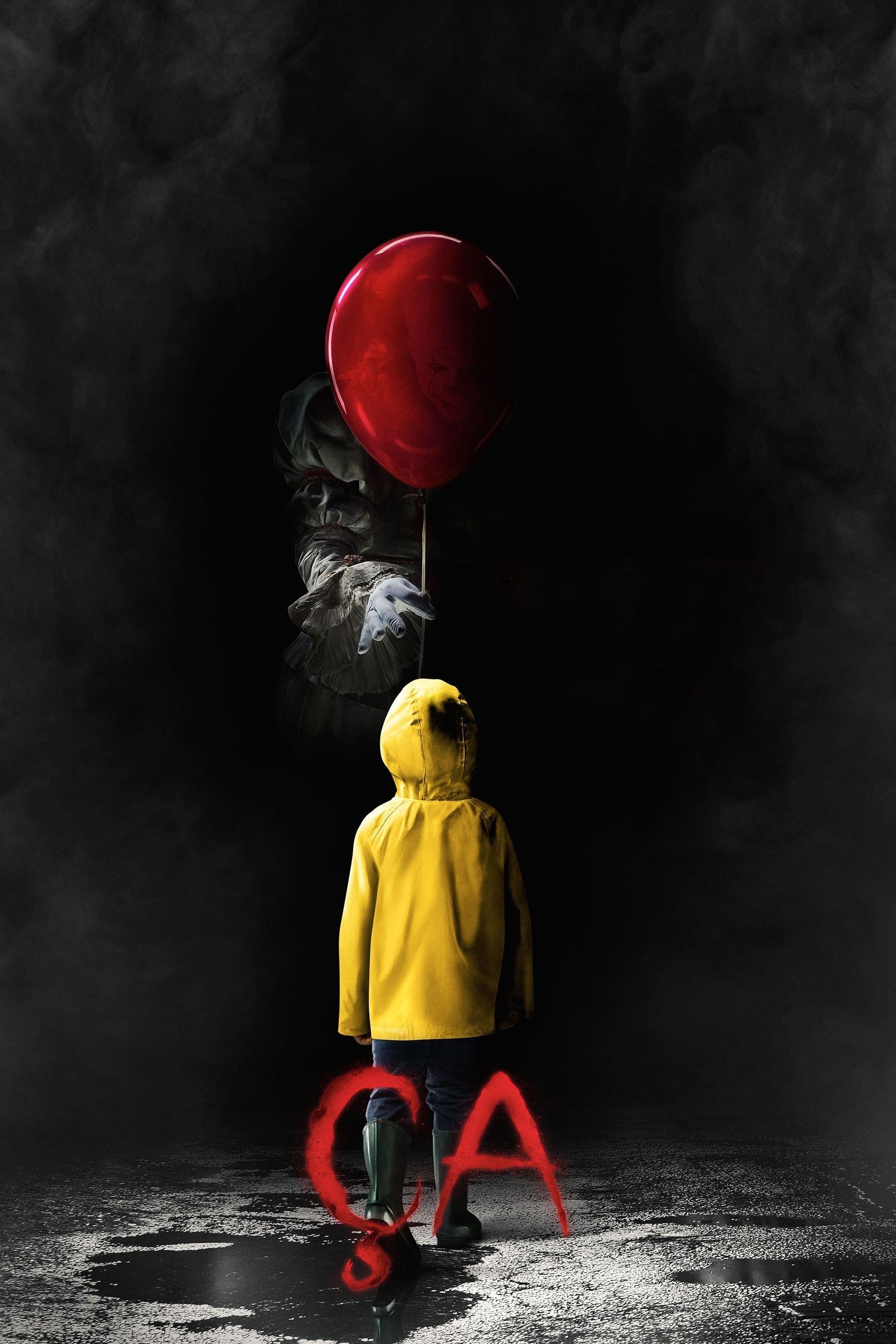
It (2017)

US
HORROR FILM Thriller Drama
SUBGENRES CLOWN
8.0/10 8 votes
Runtime
135 min
Release
September 6, 2017
Budget
$35,000,000
Revenue
$719,766,009
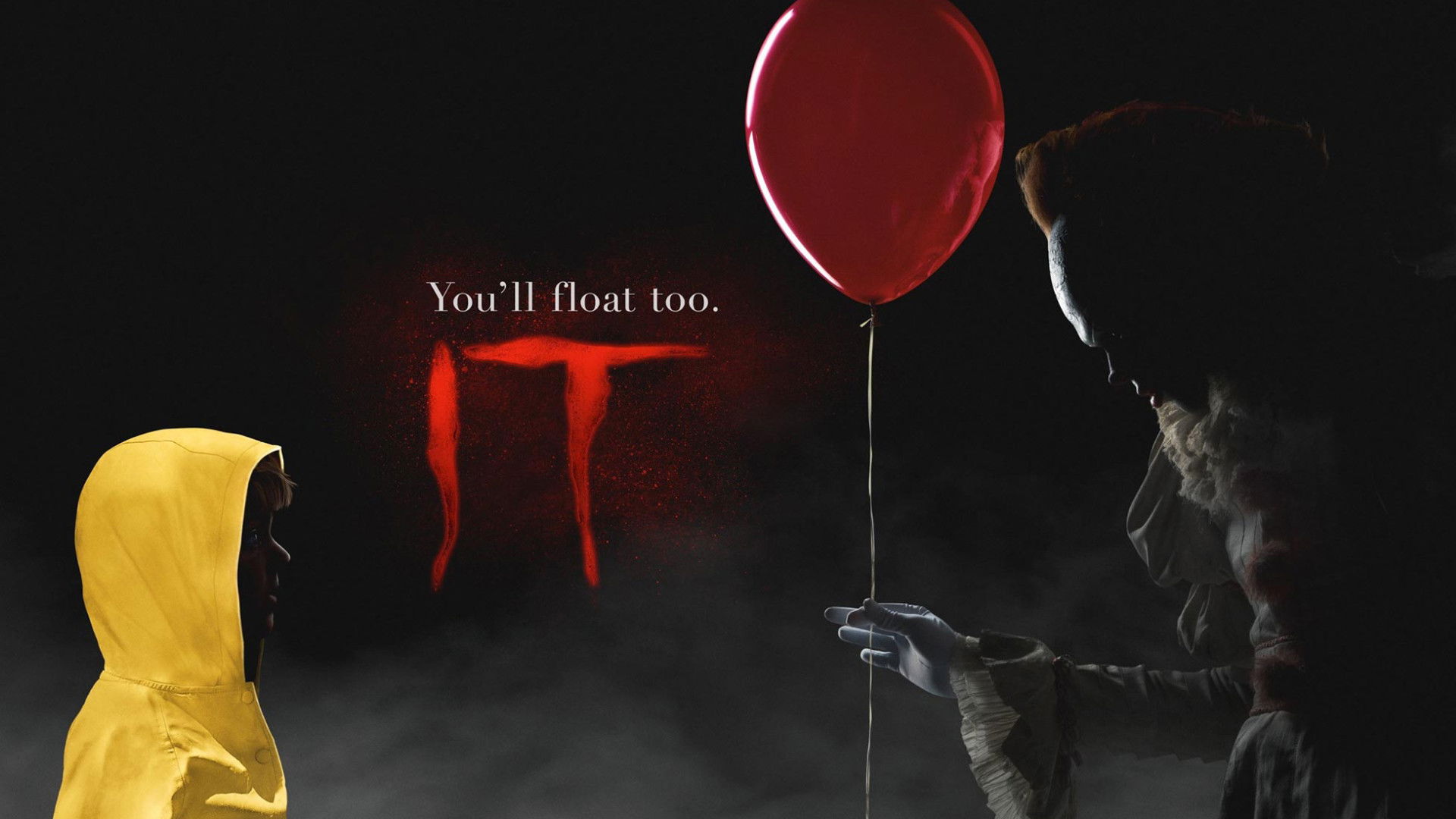
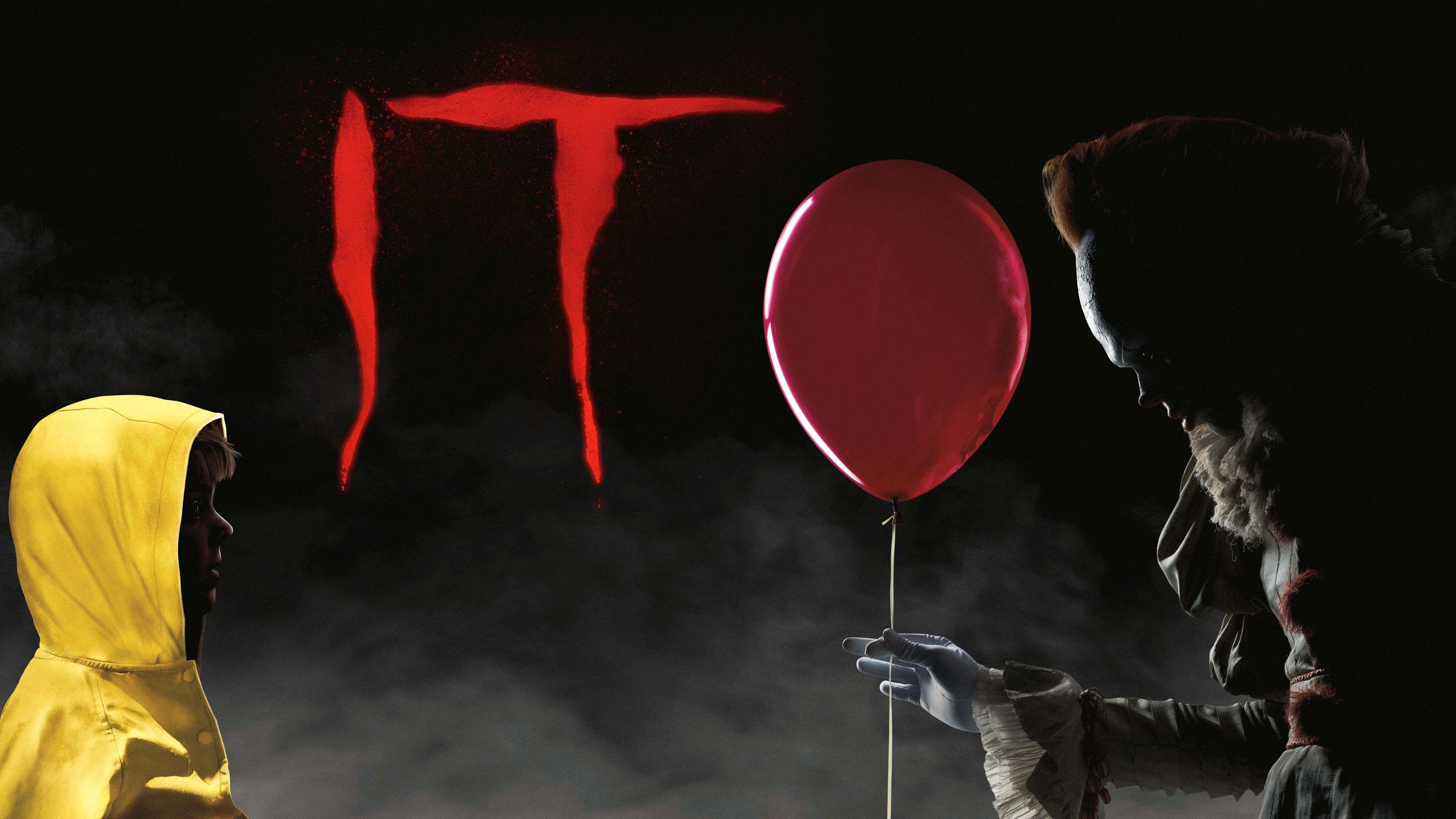
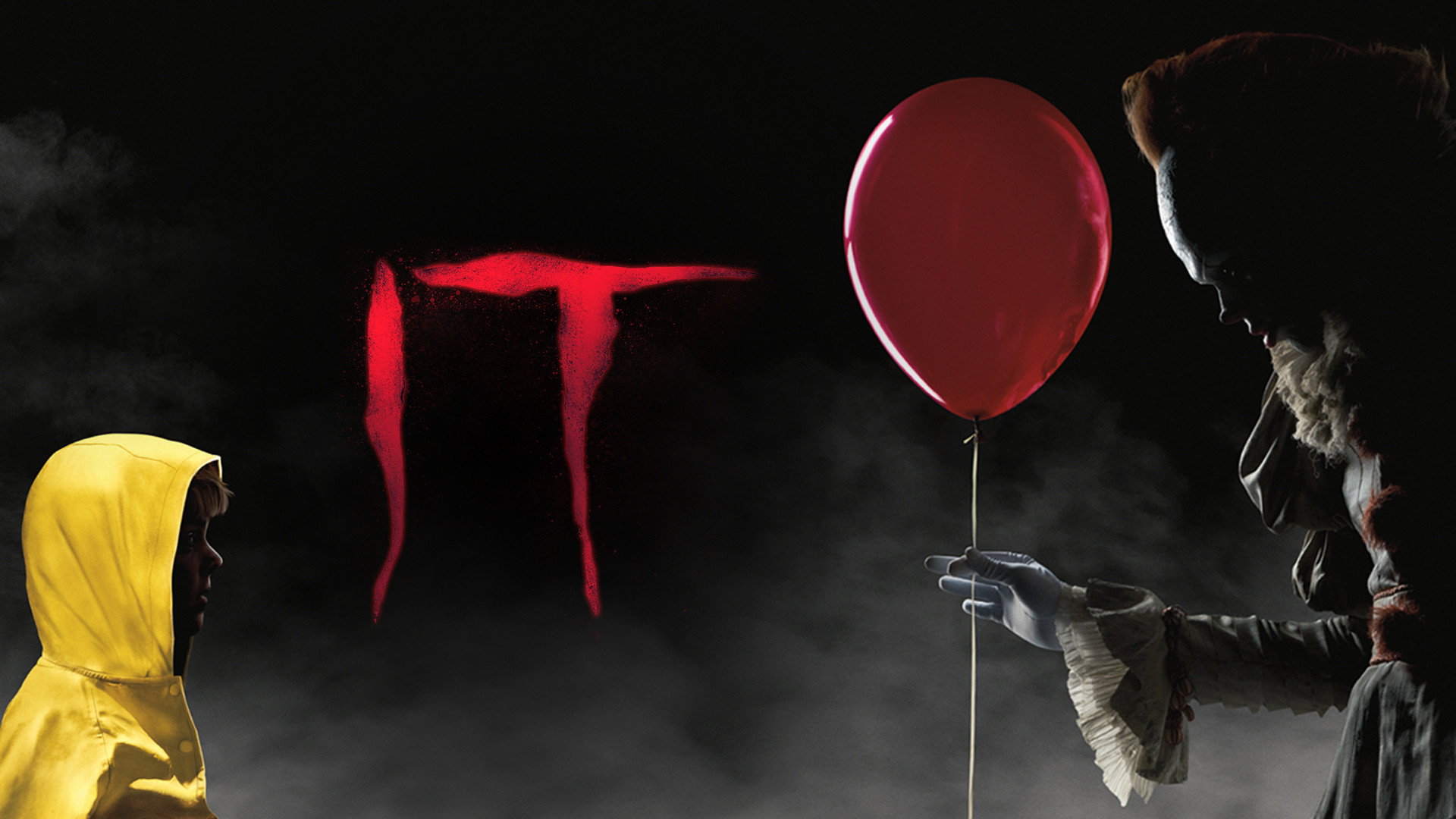
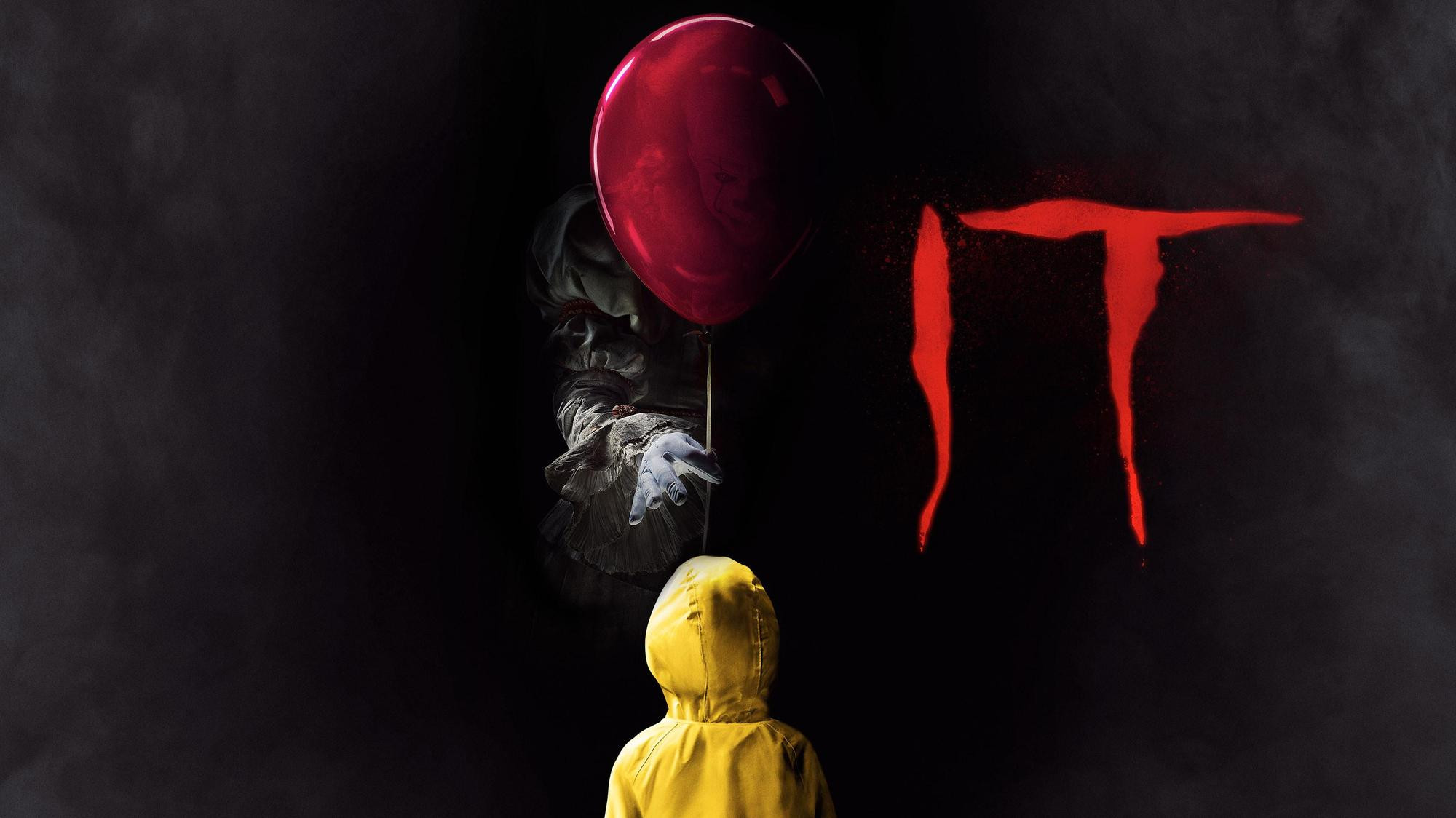
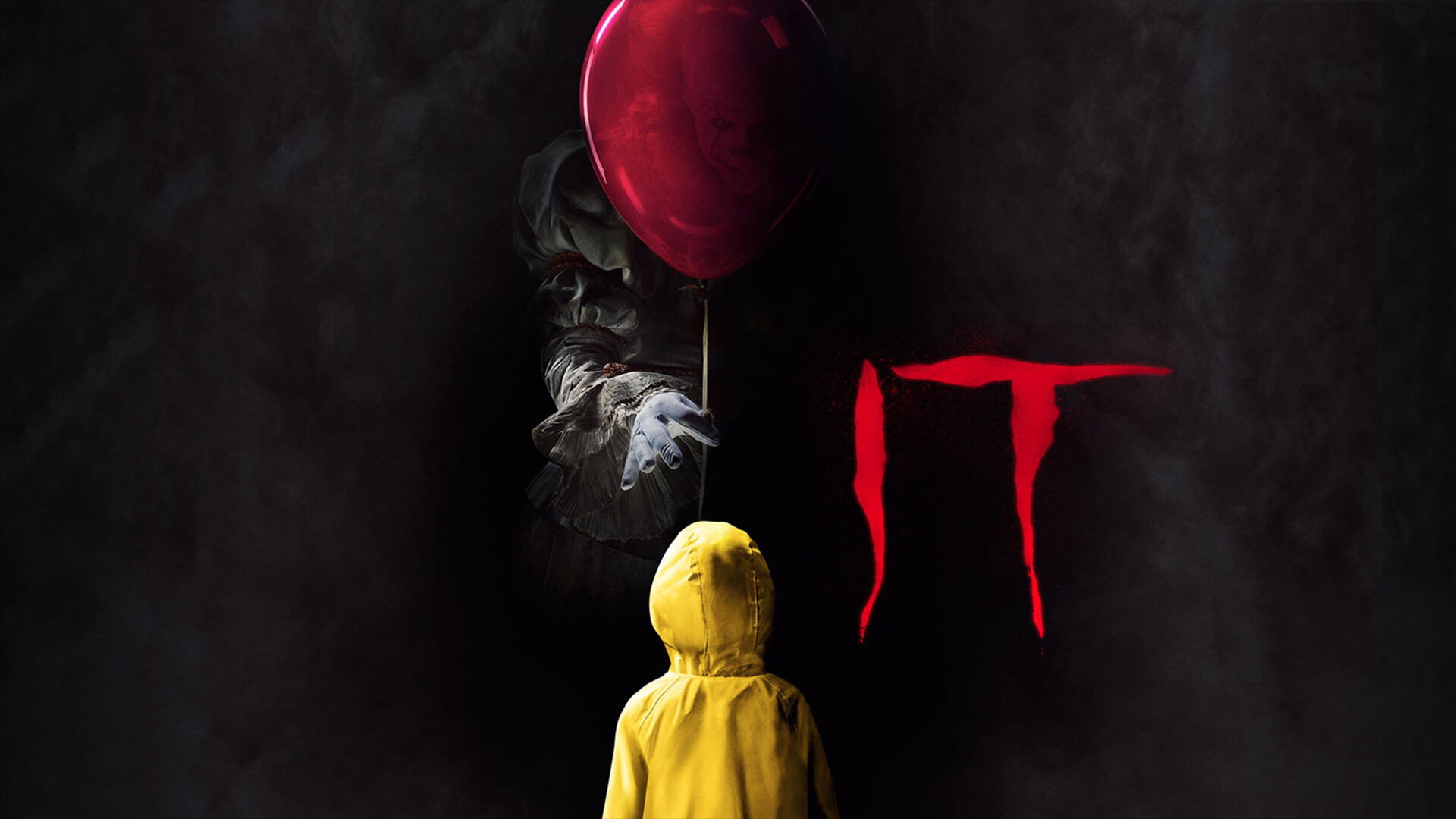
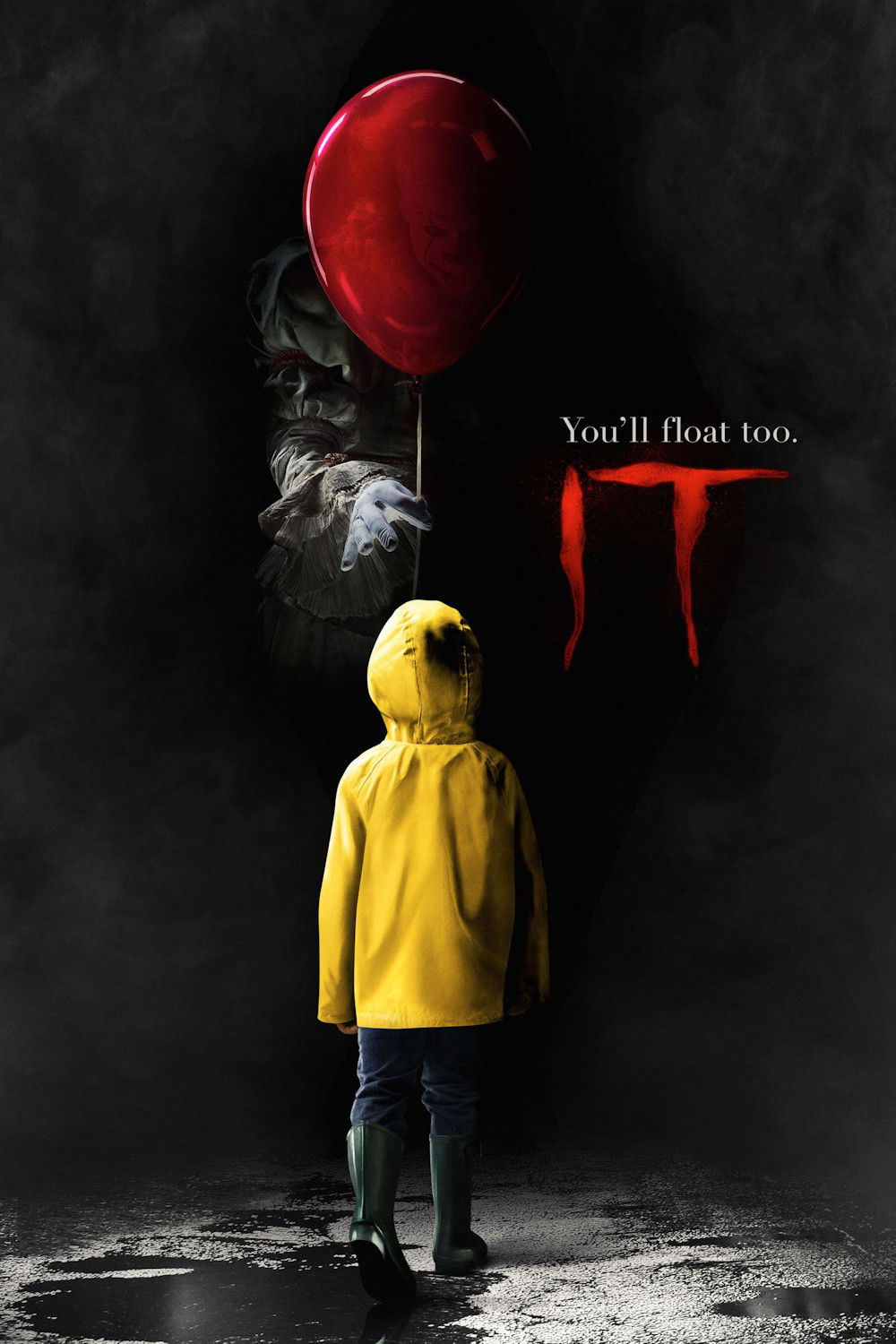
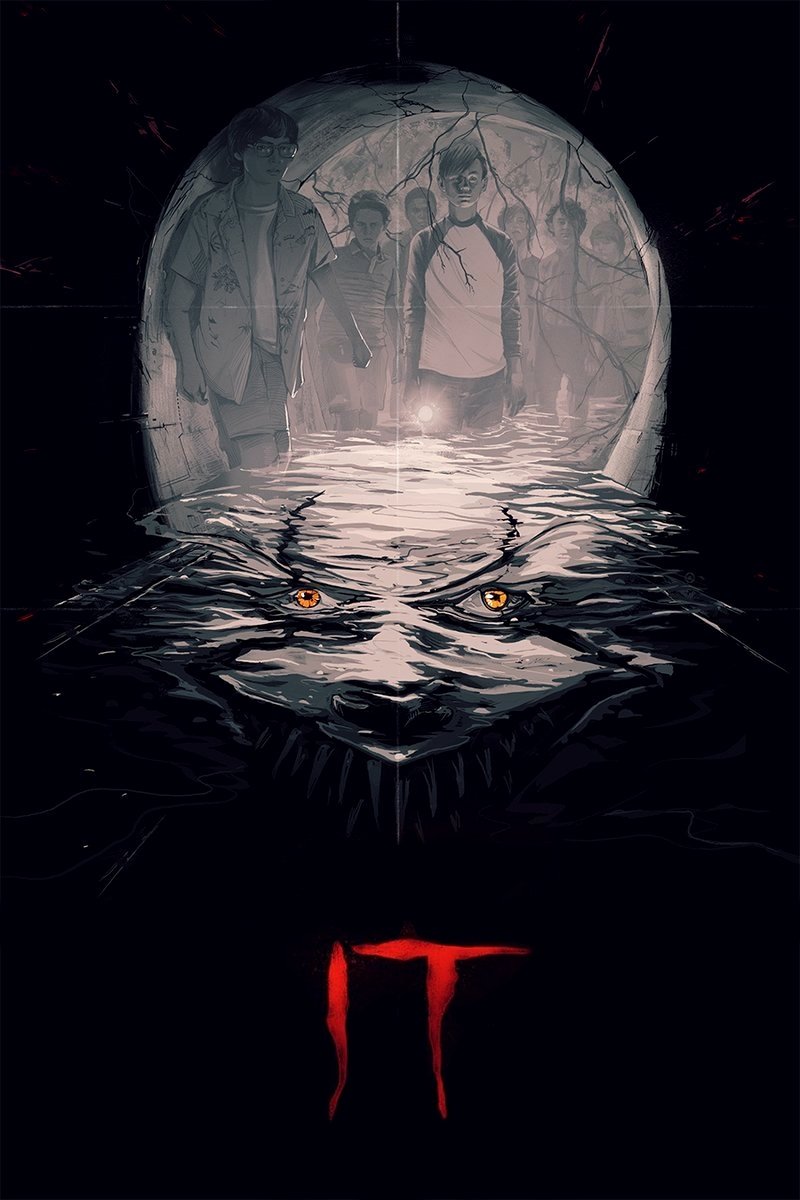
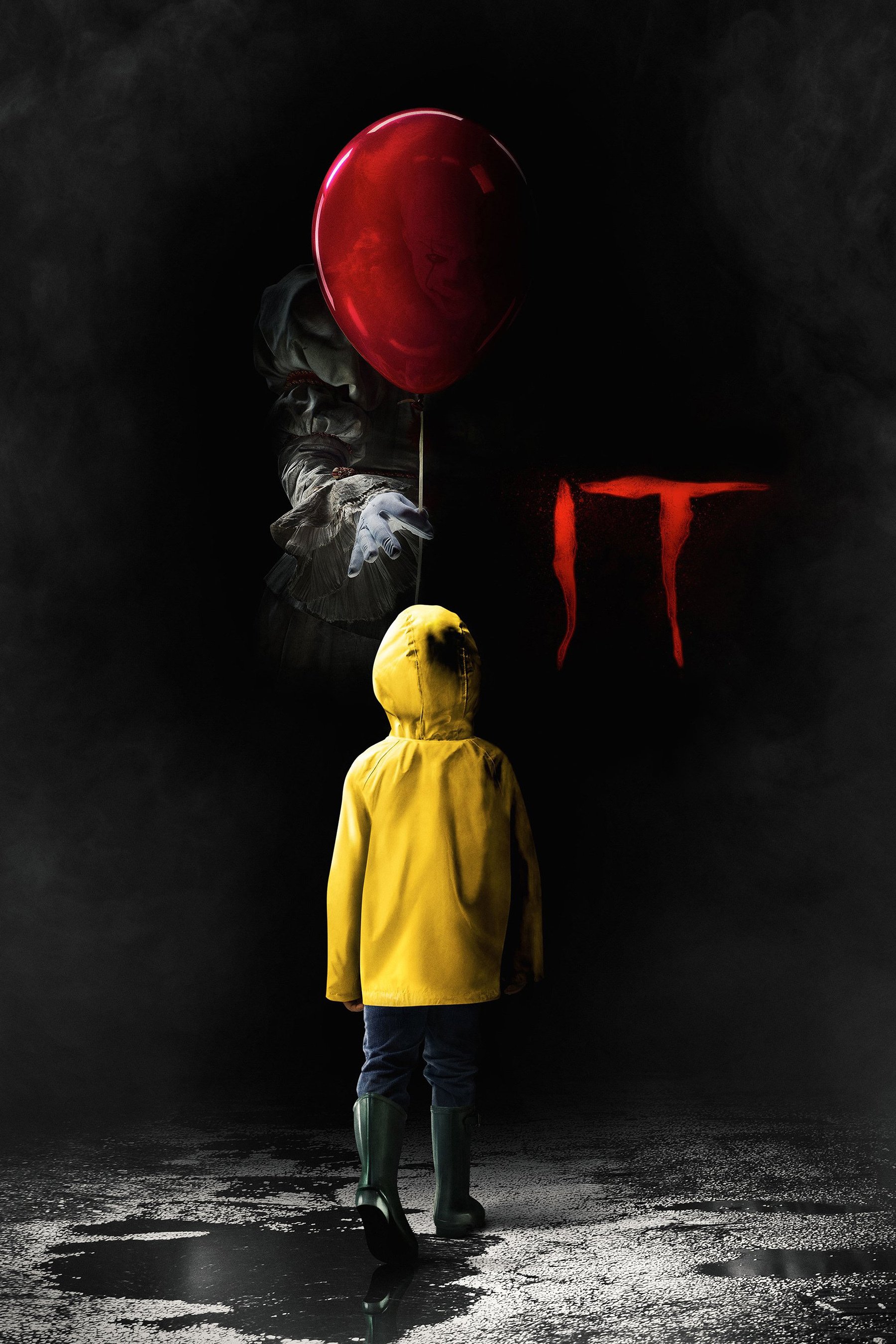
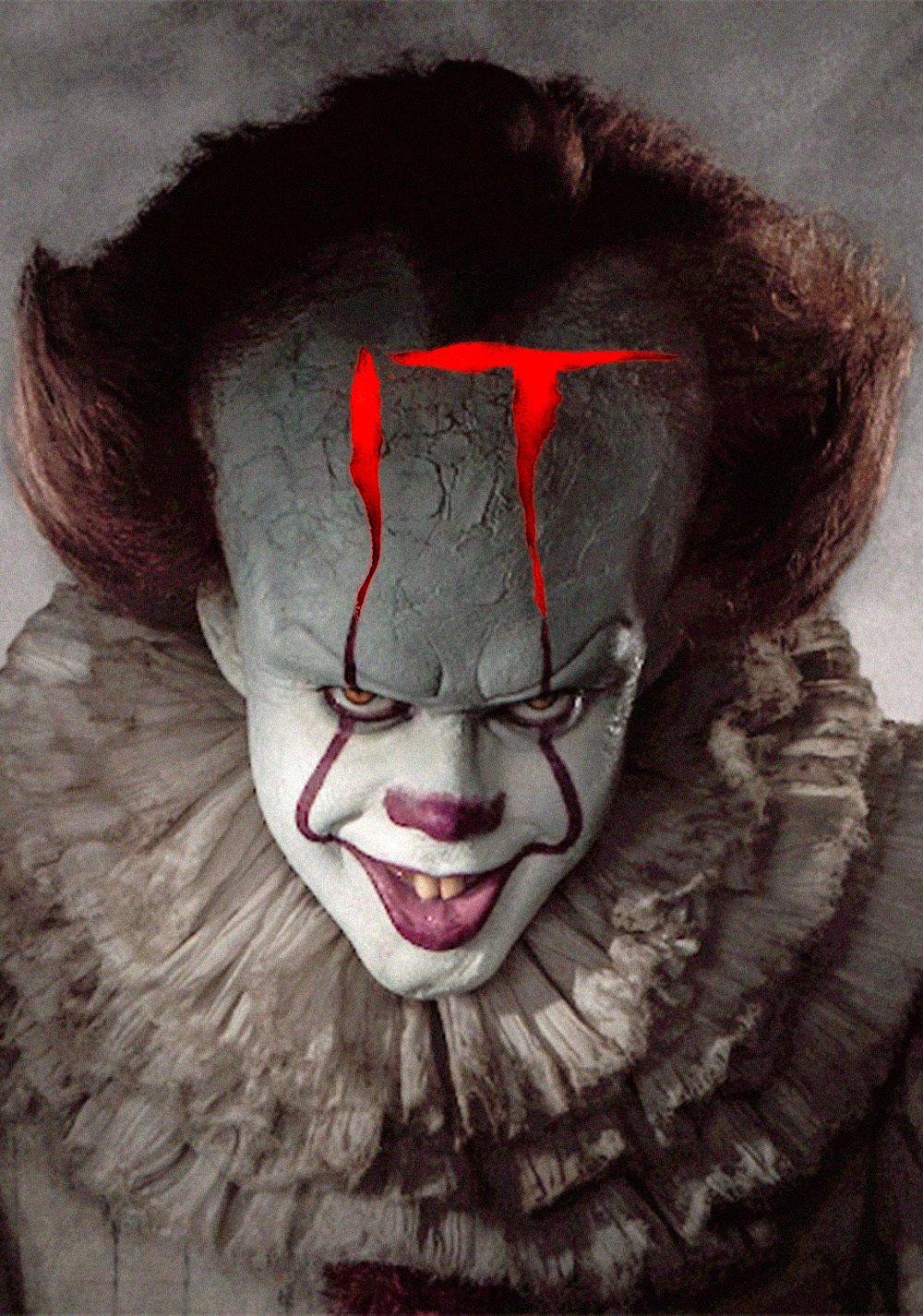
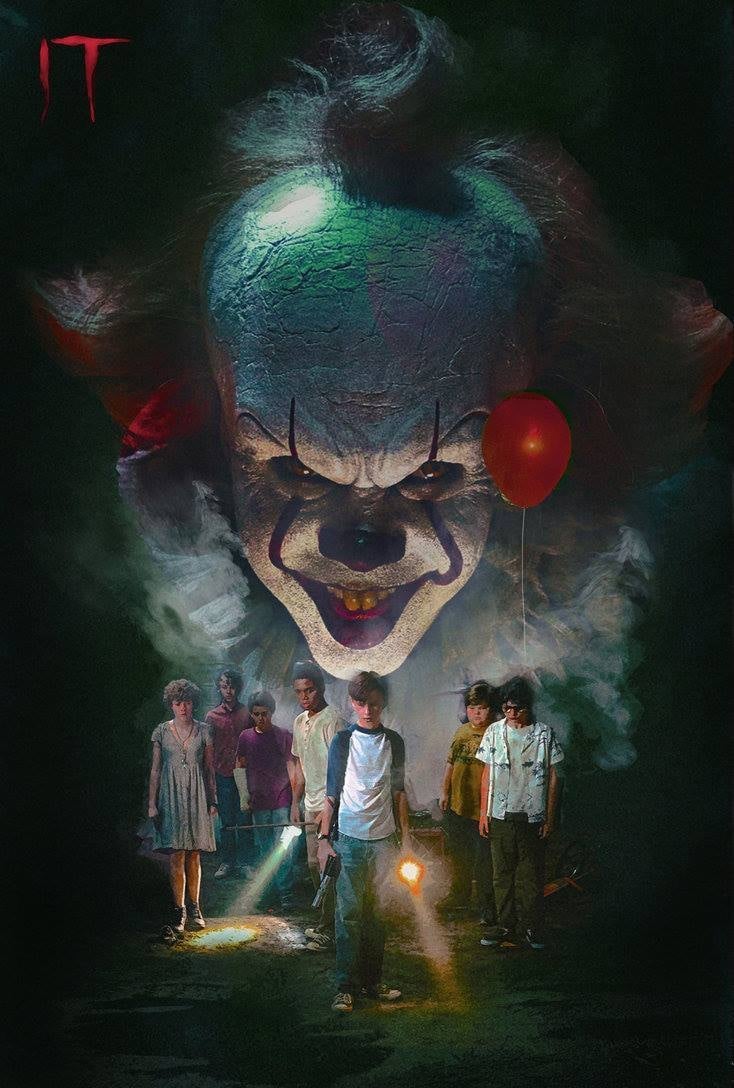
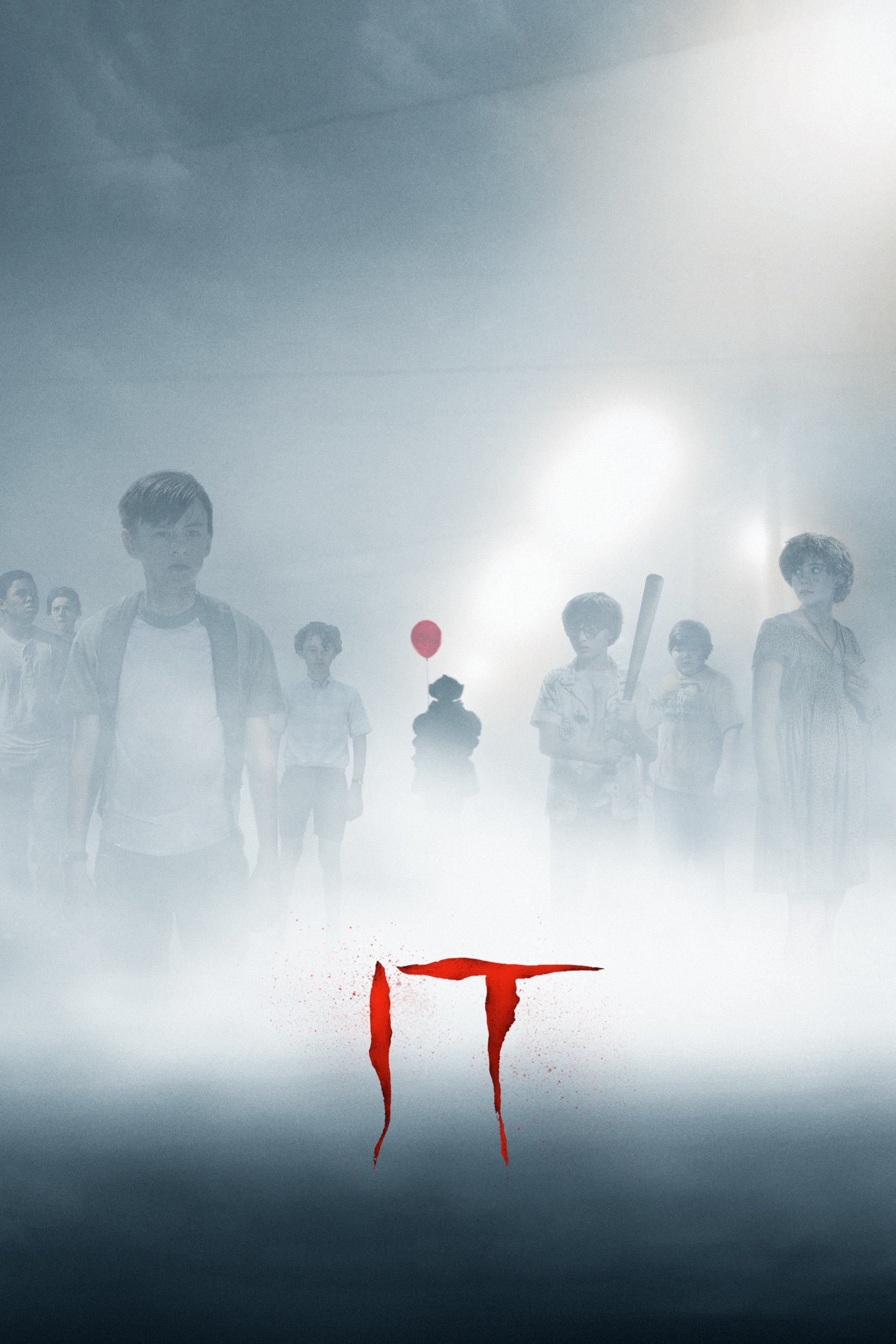
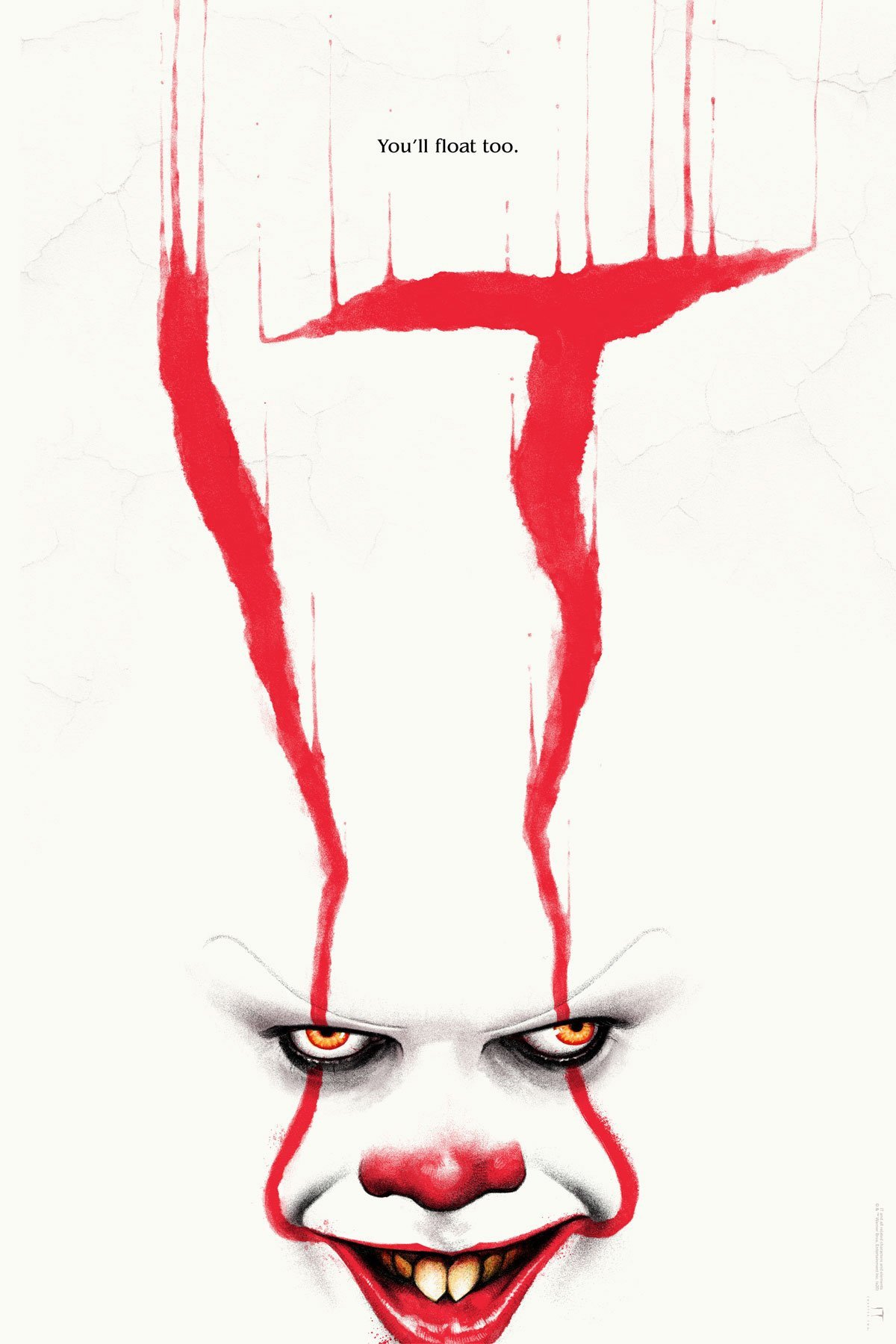
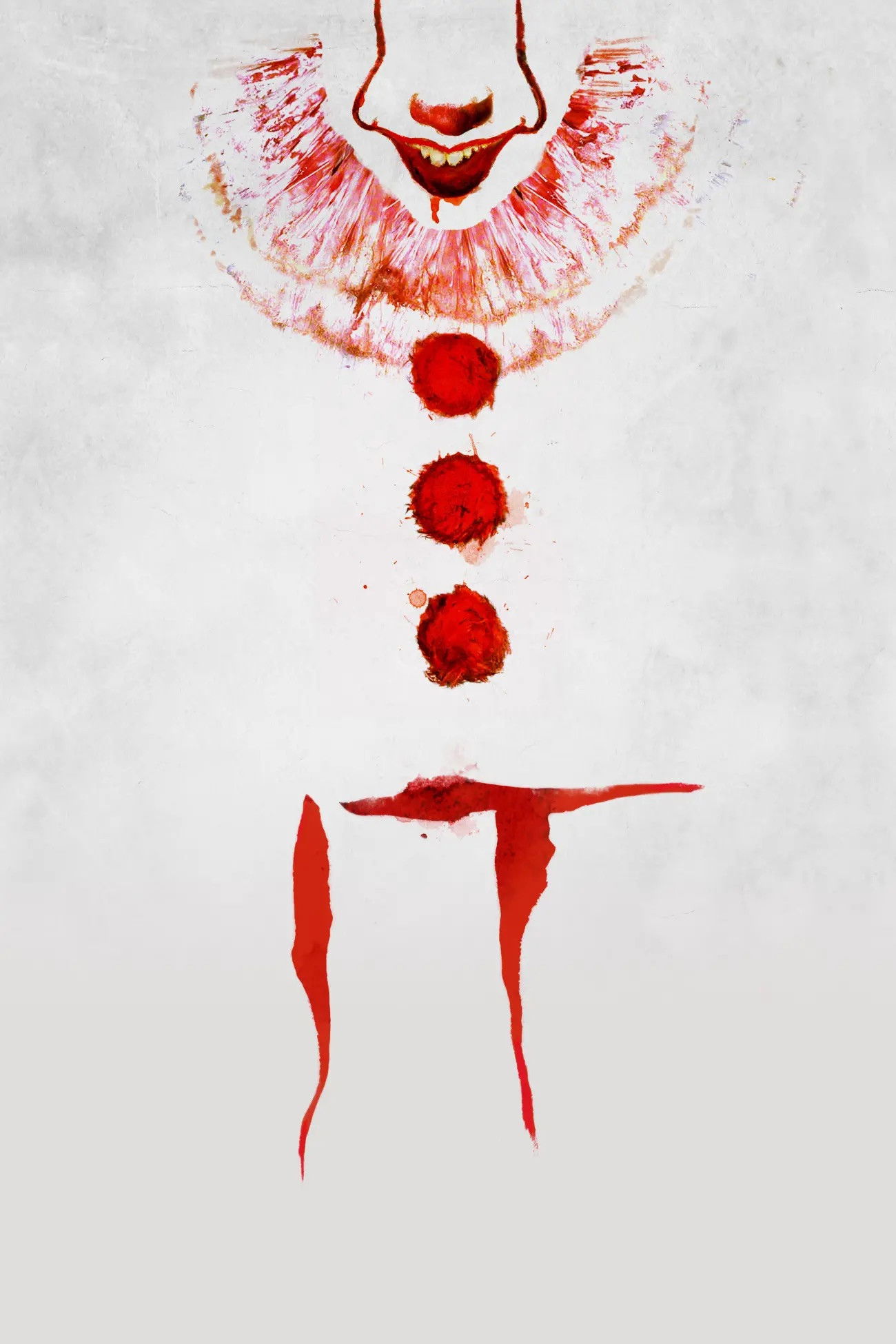
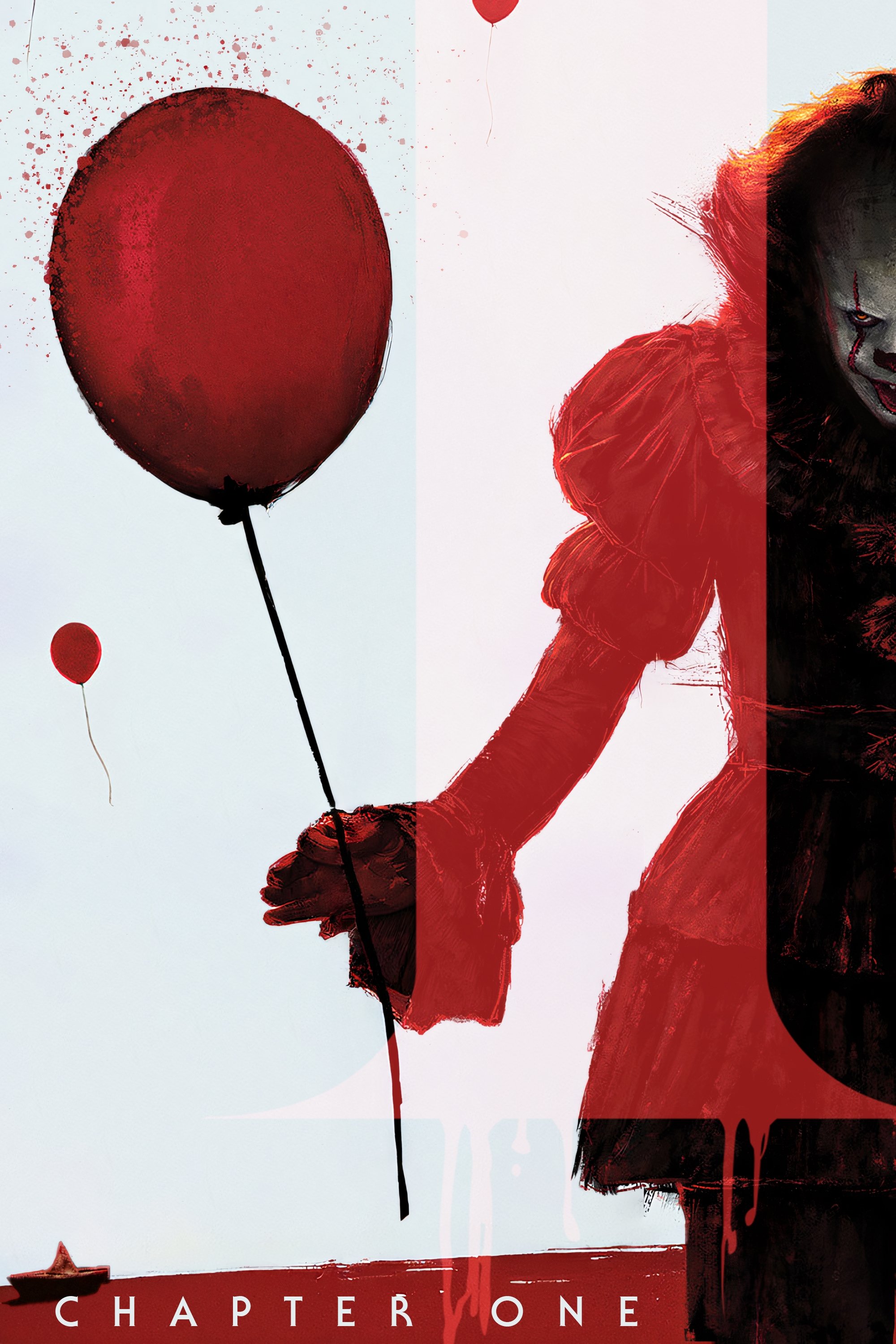
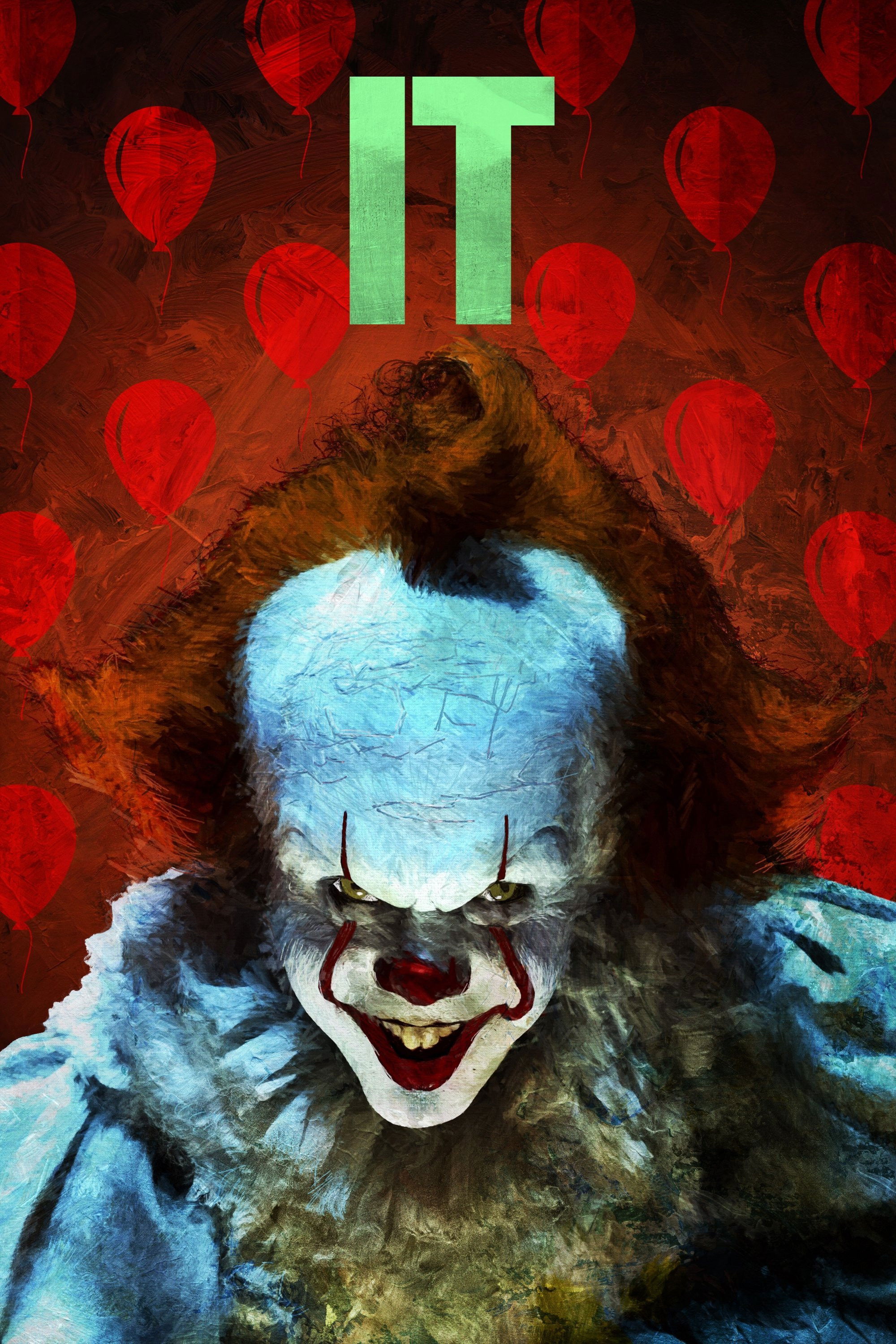
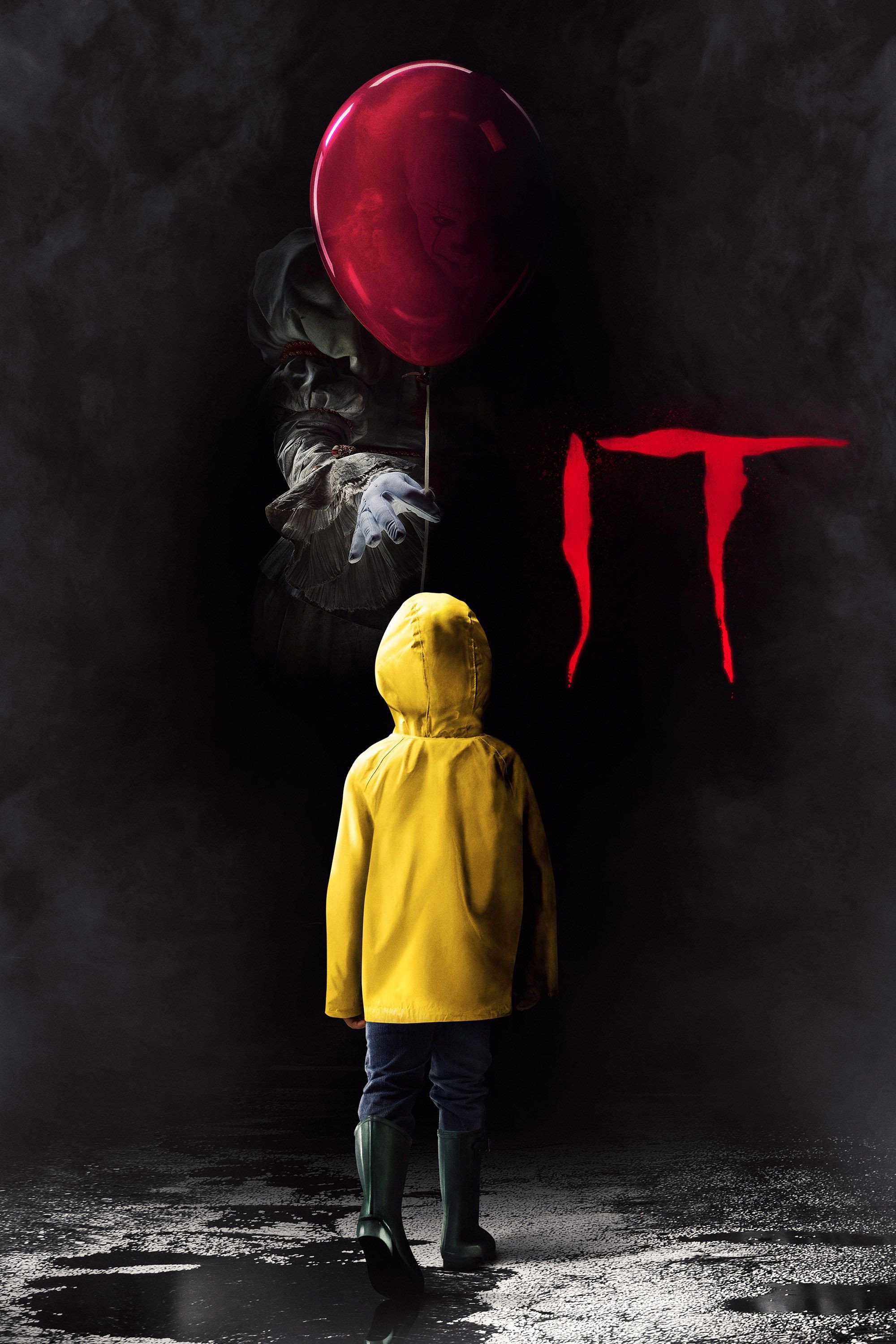
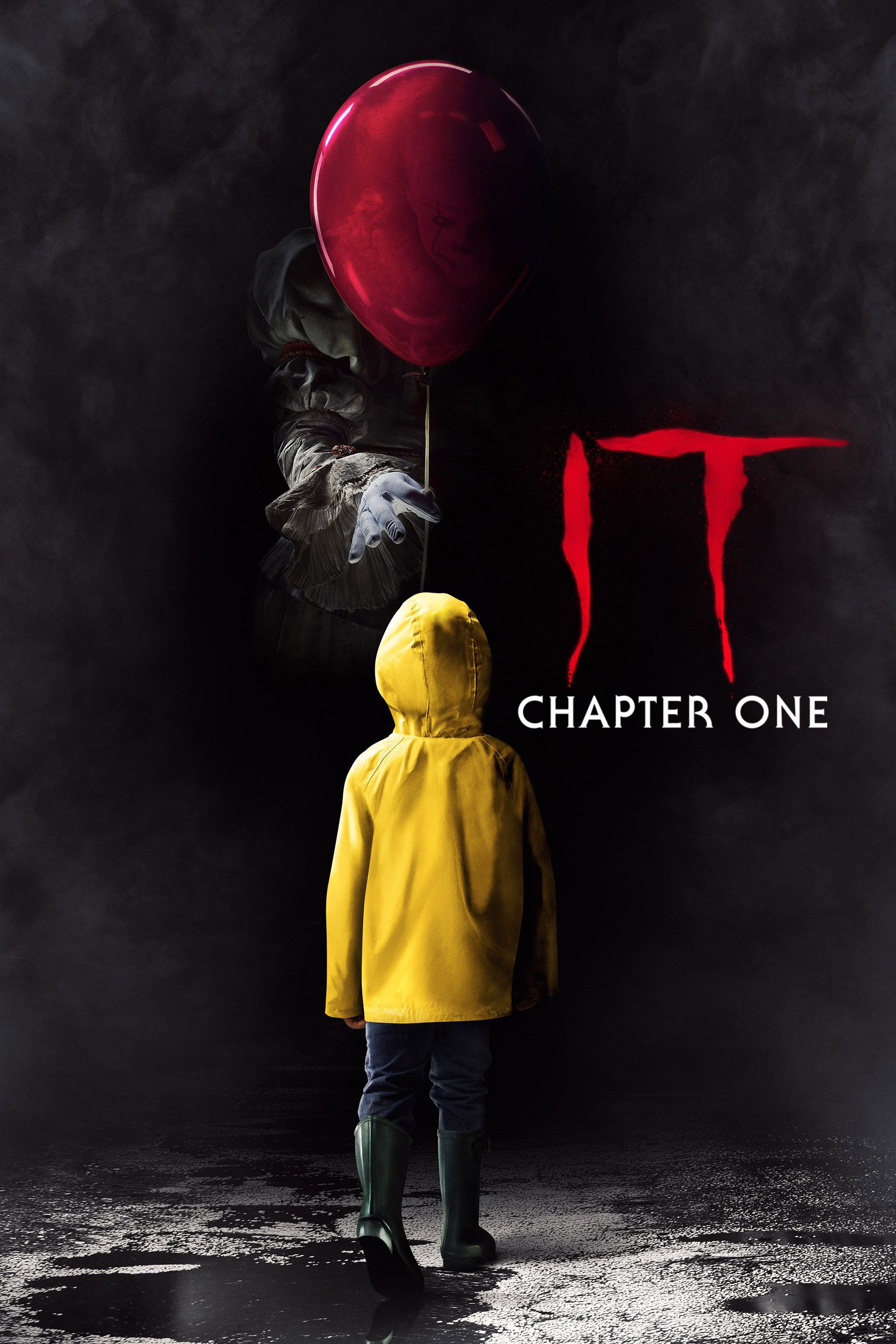
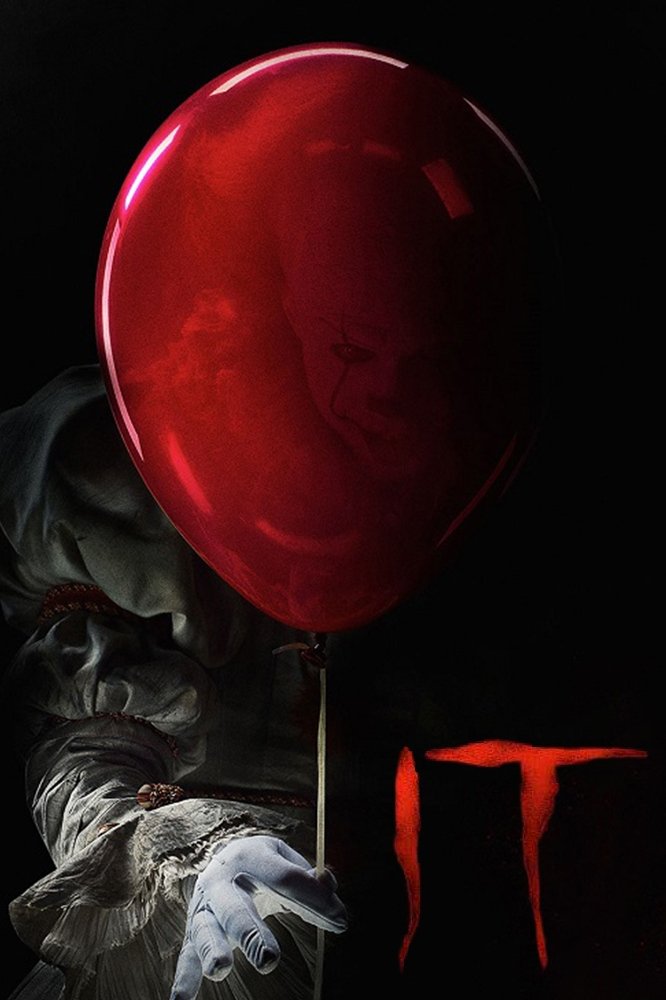
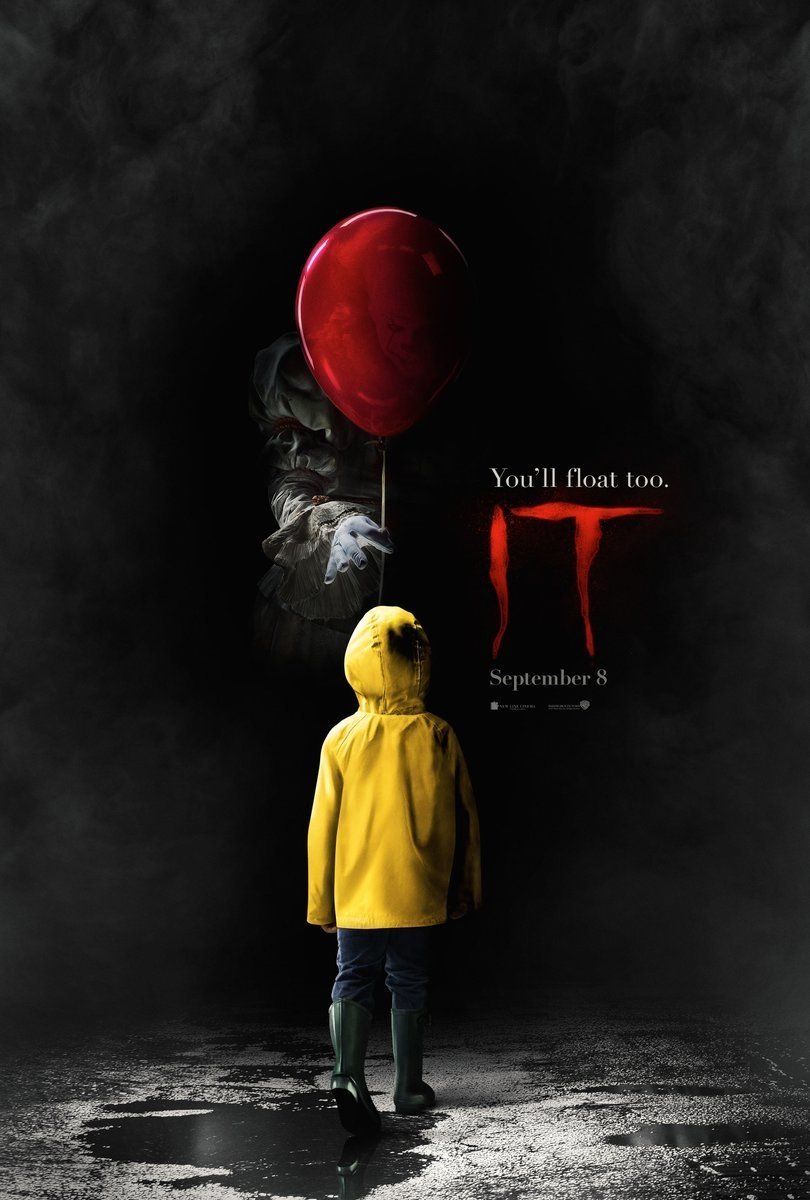
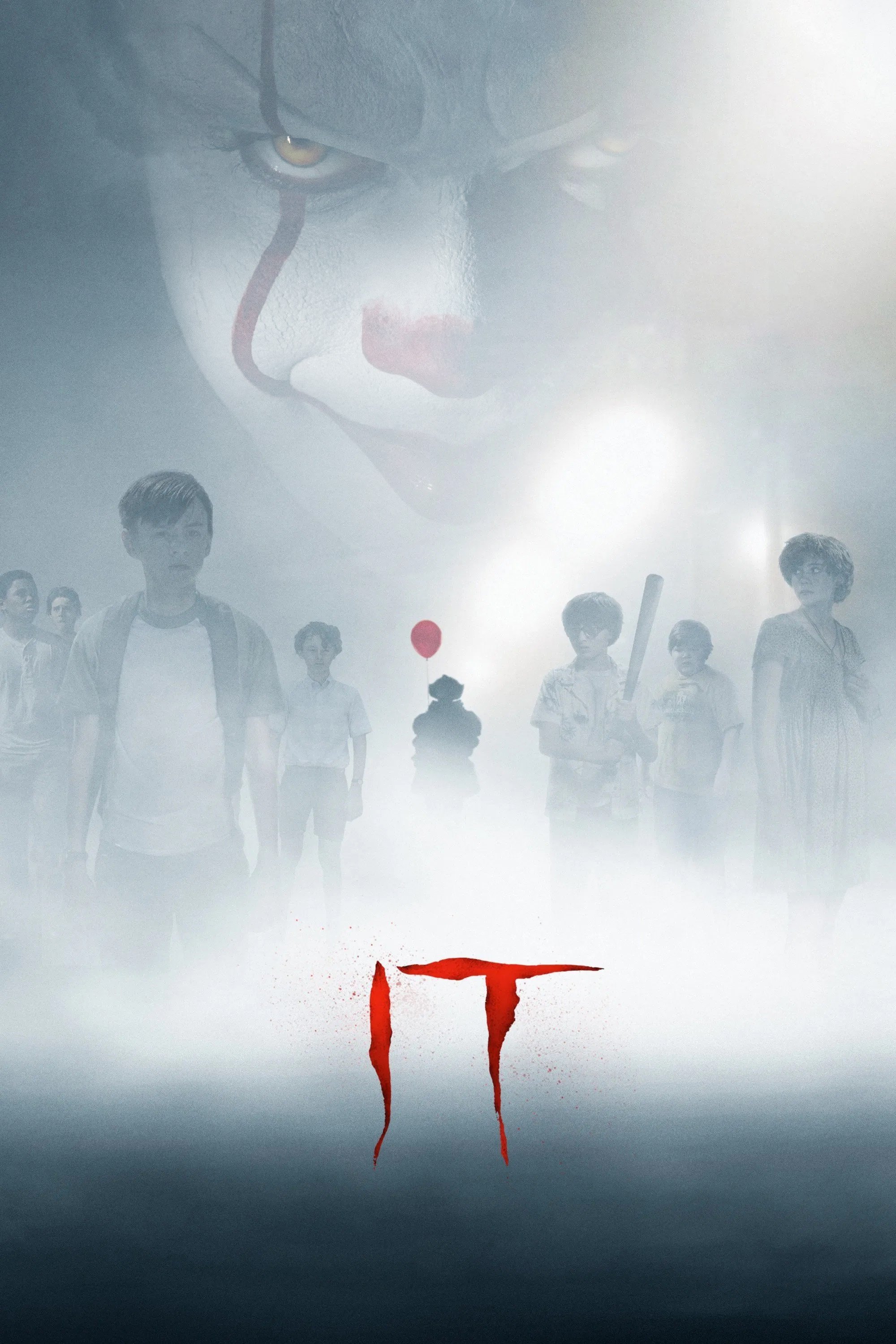
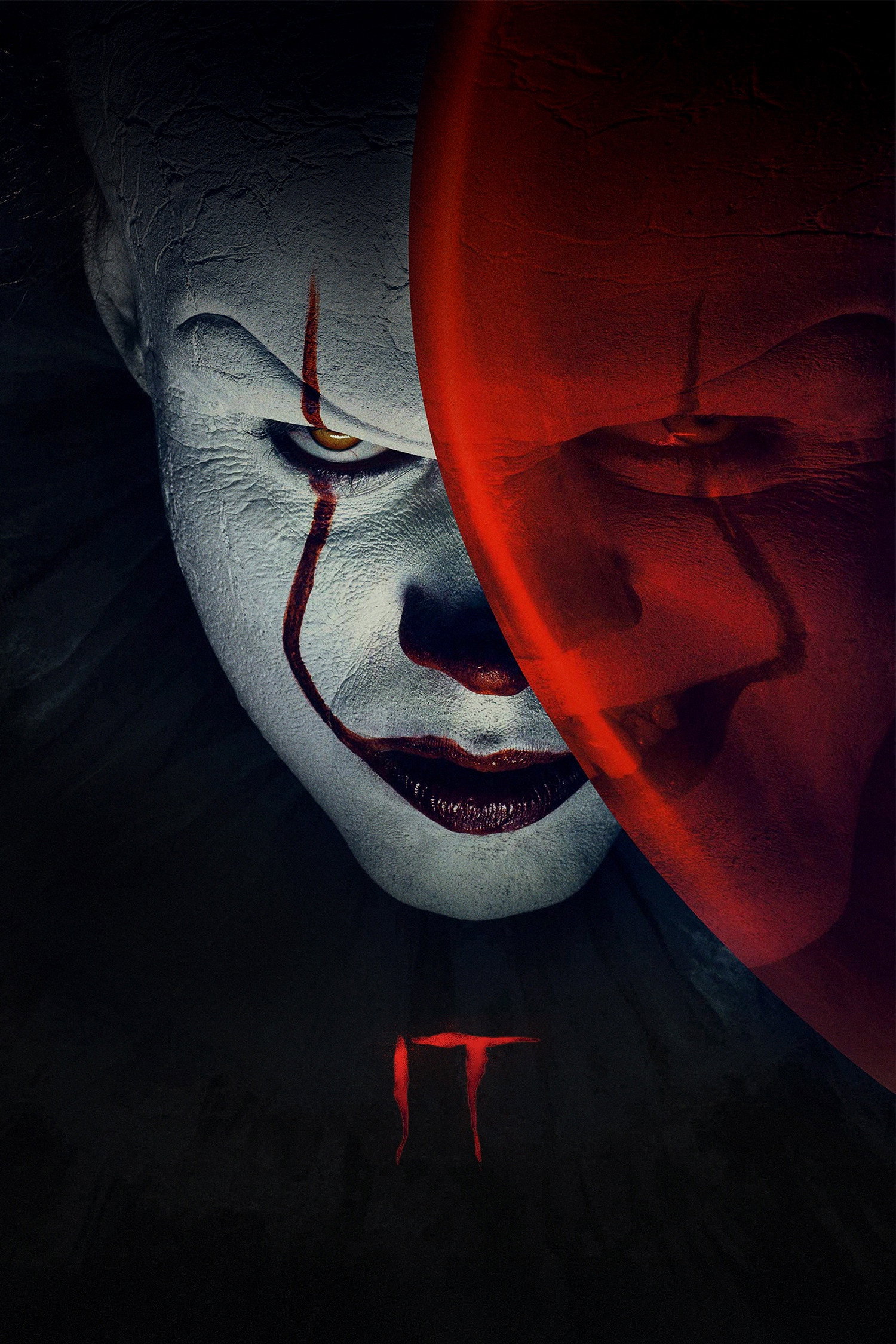
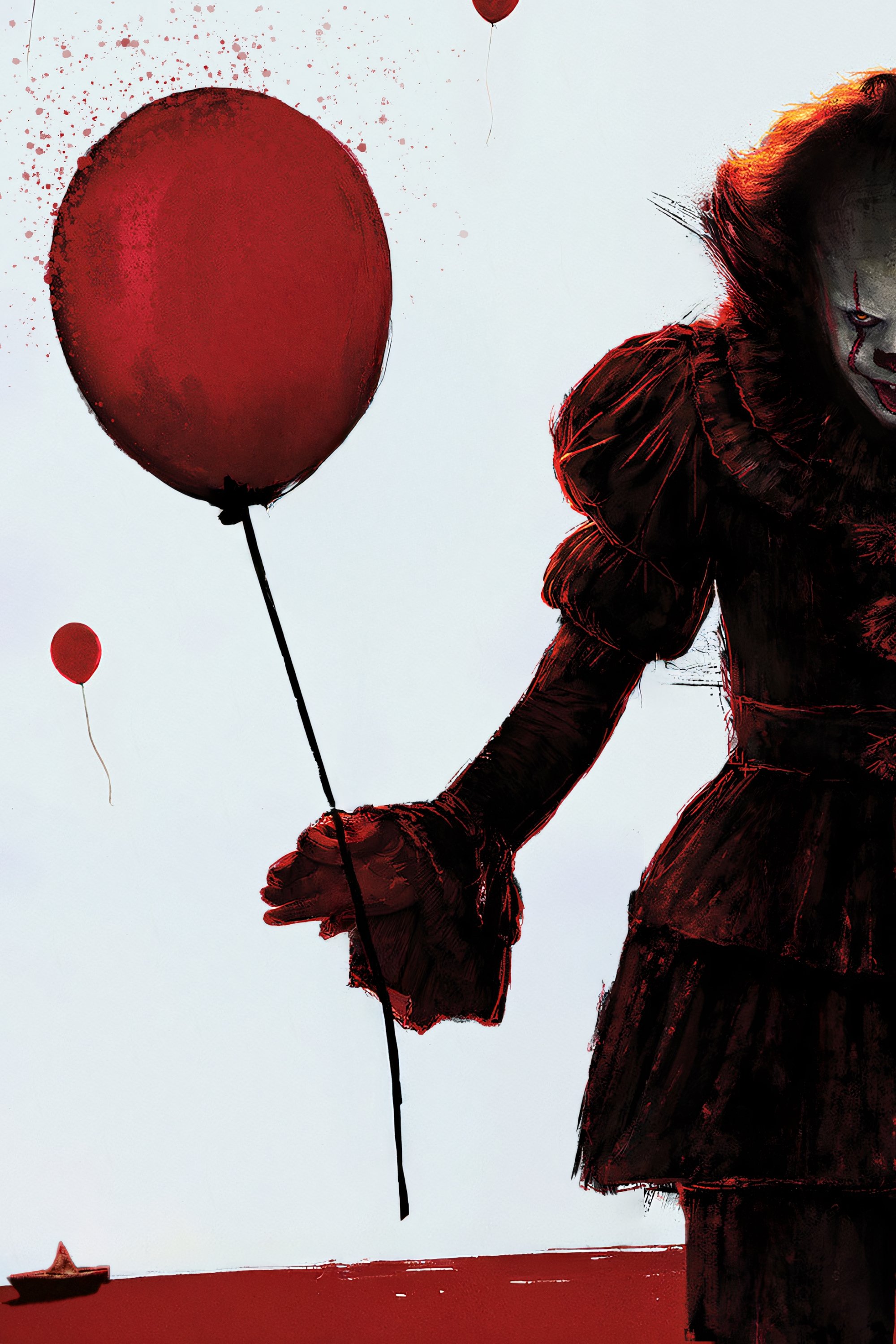
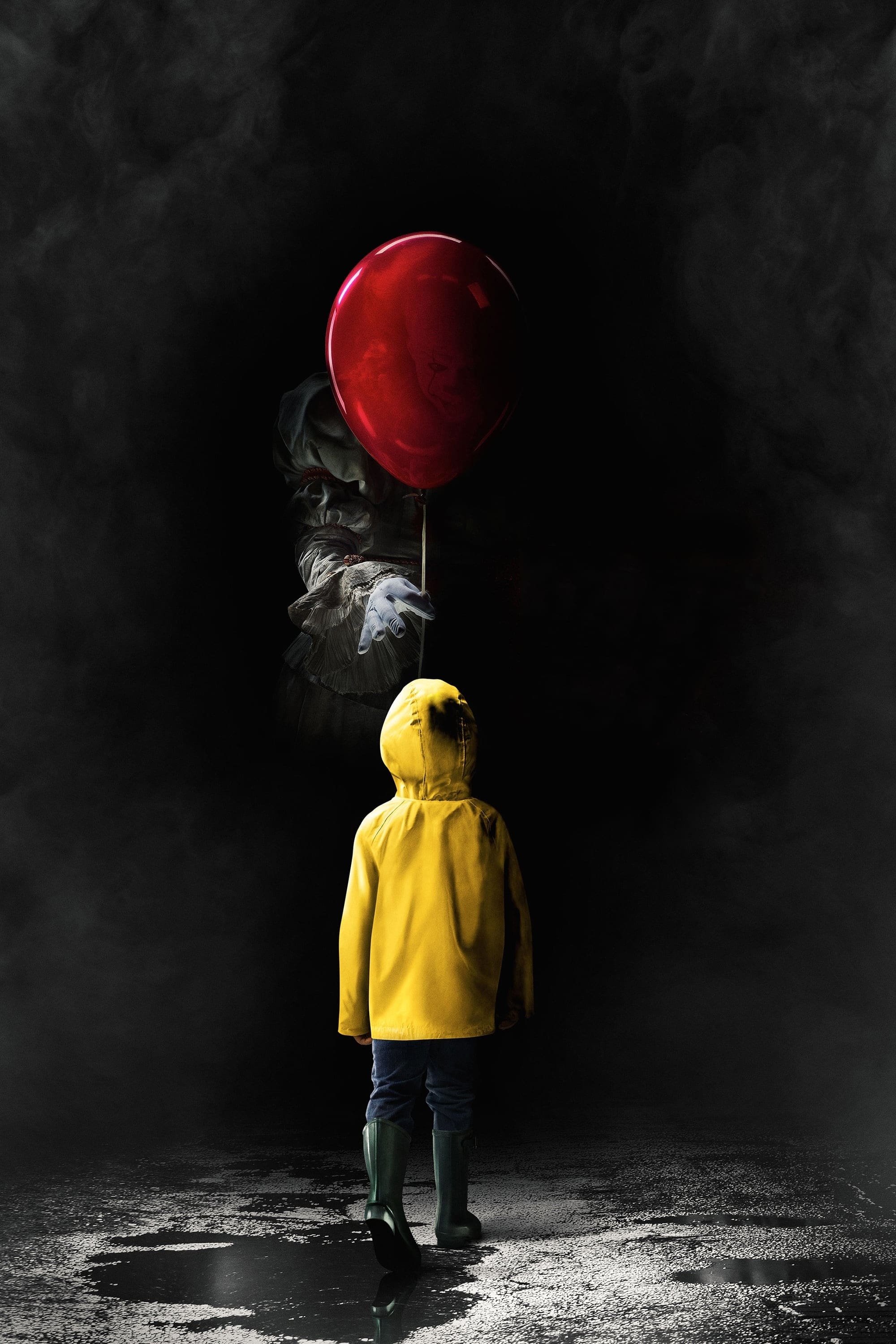
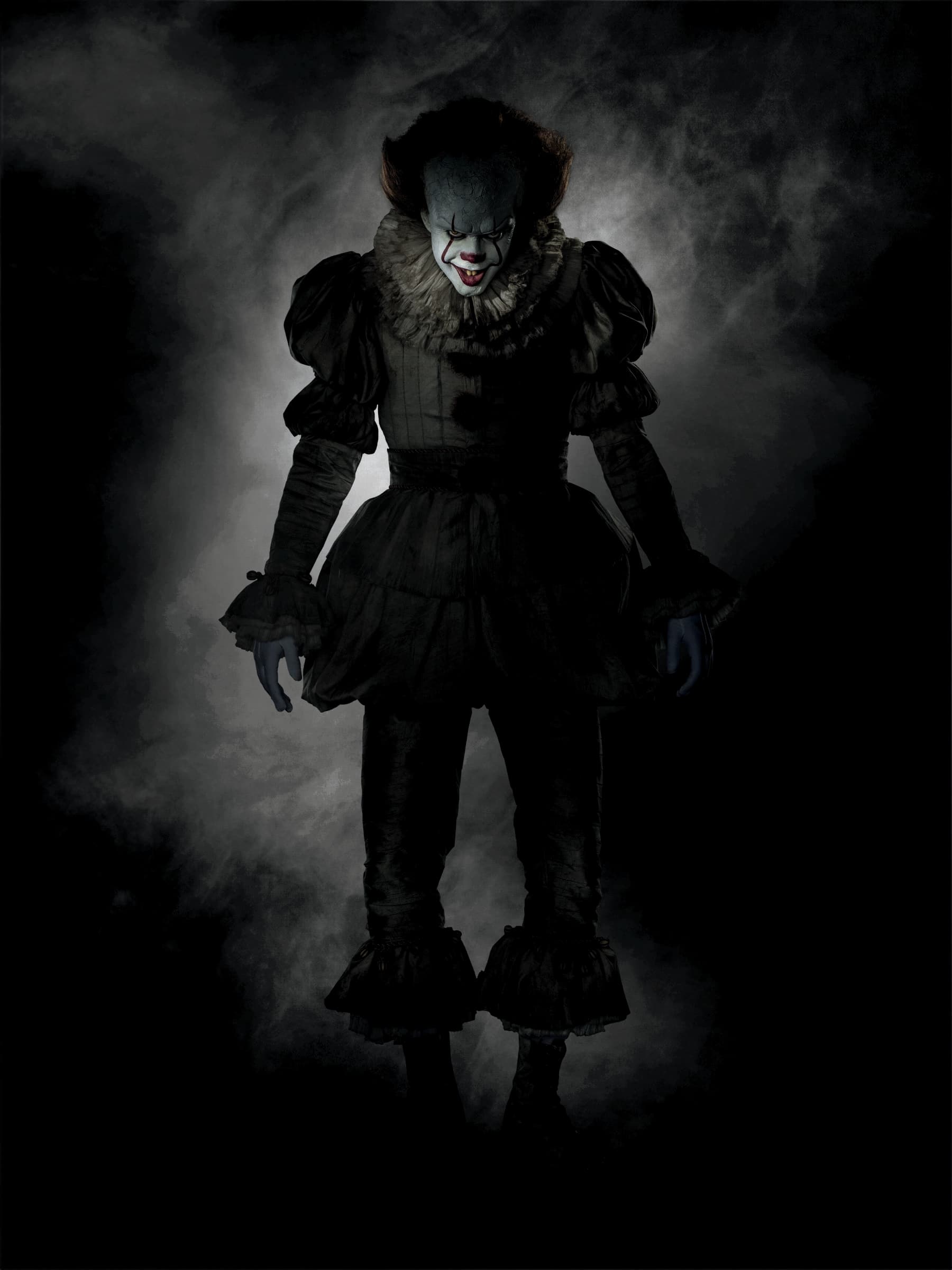
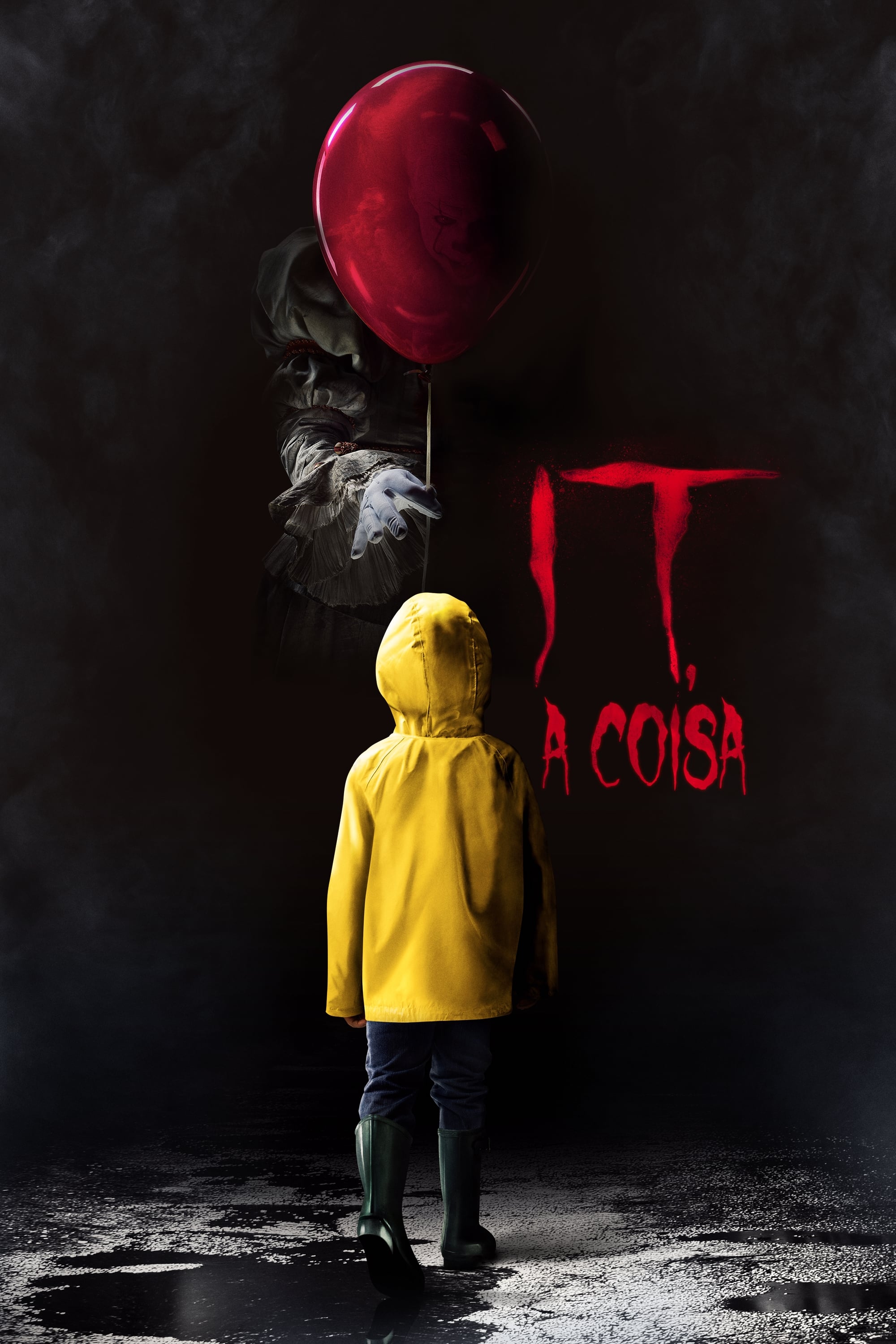
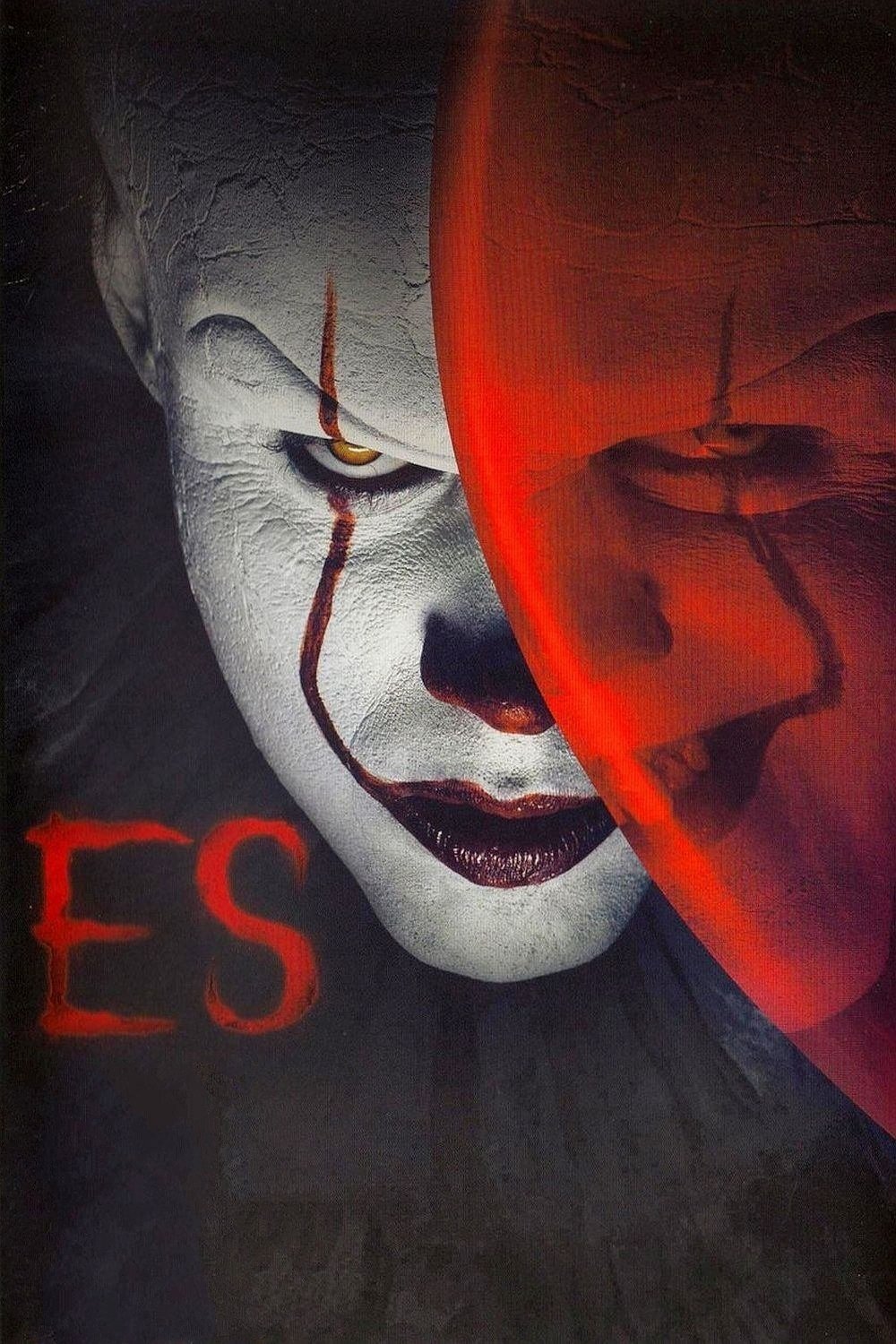
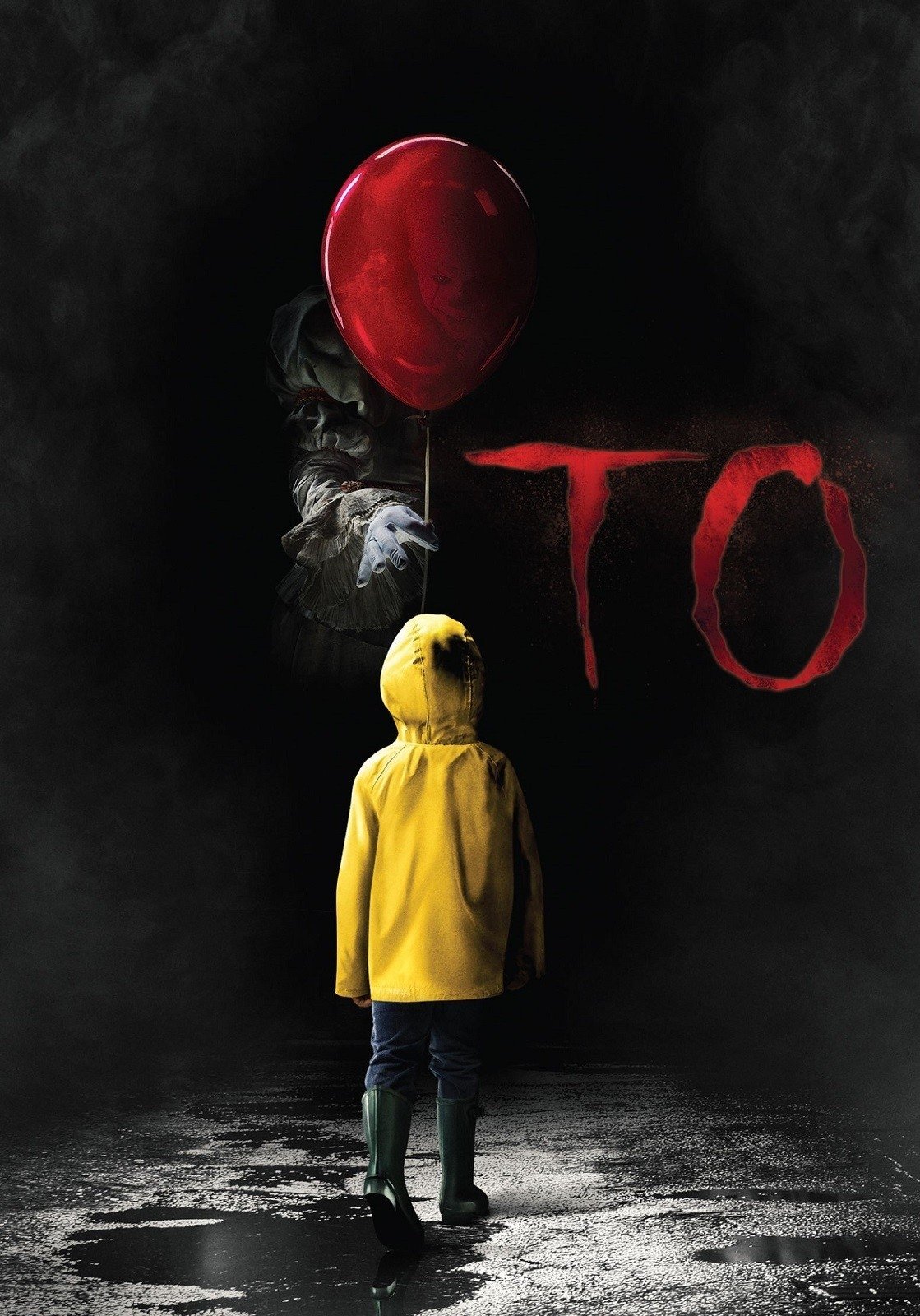
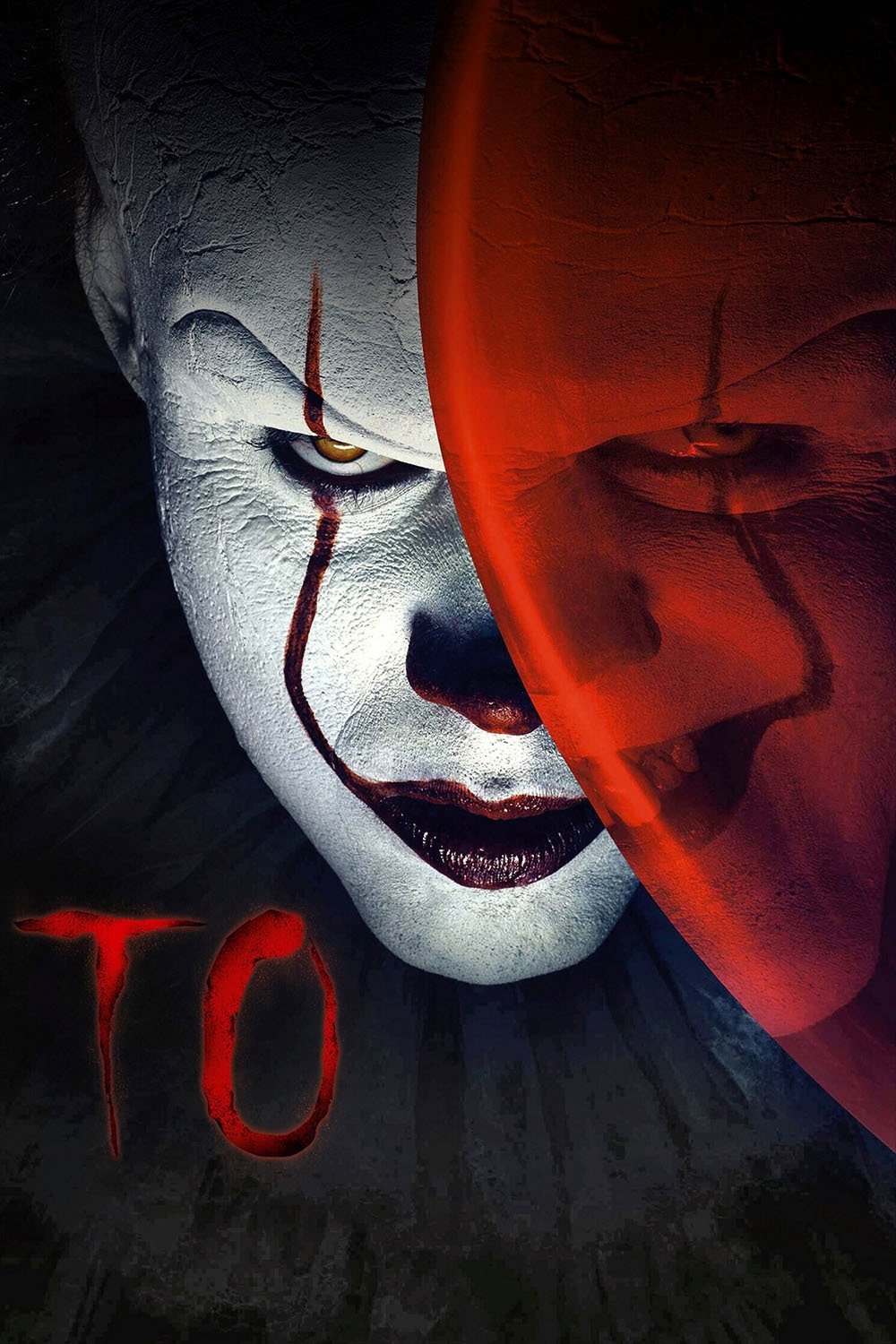
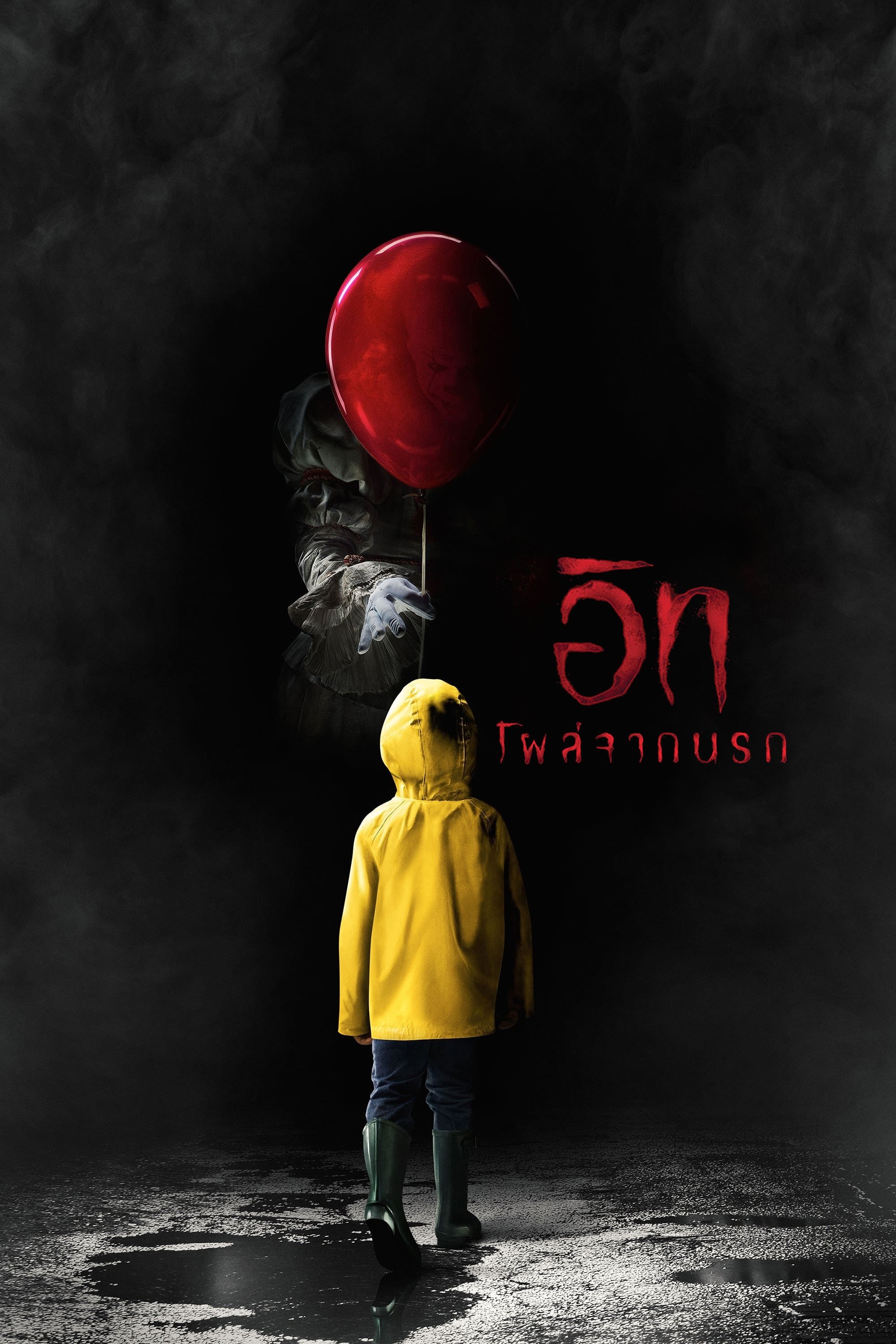
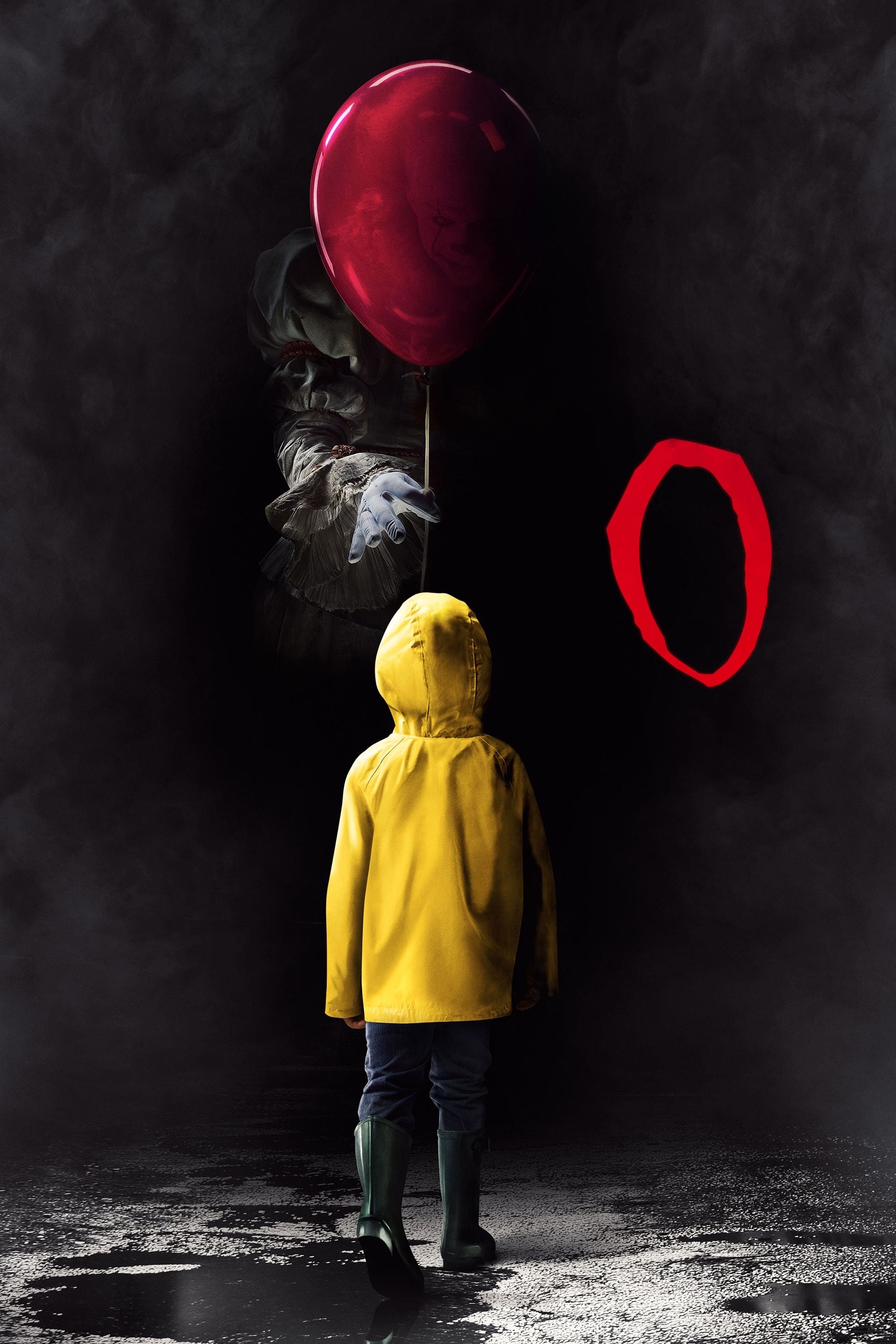
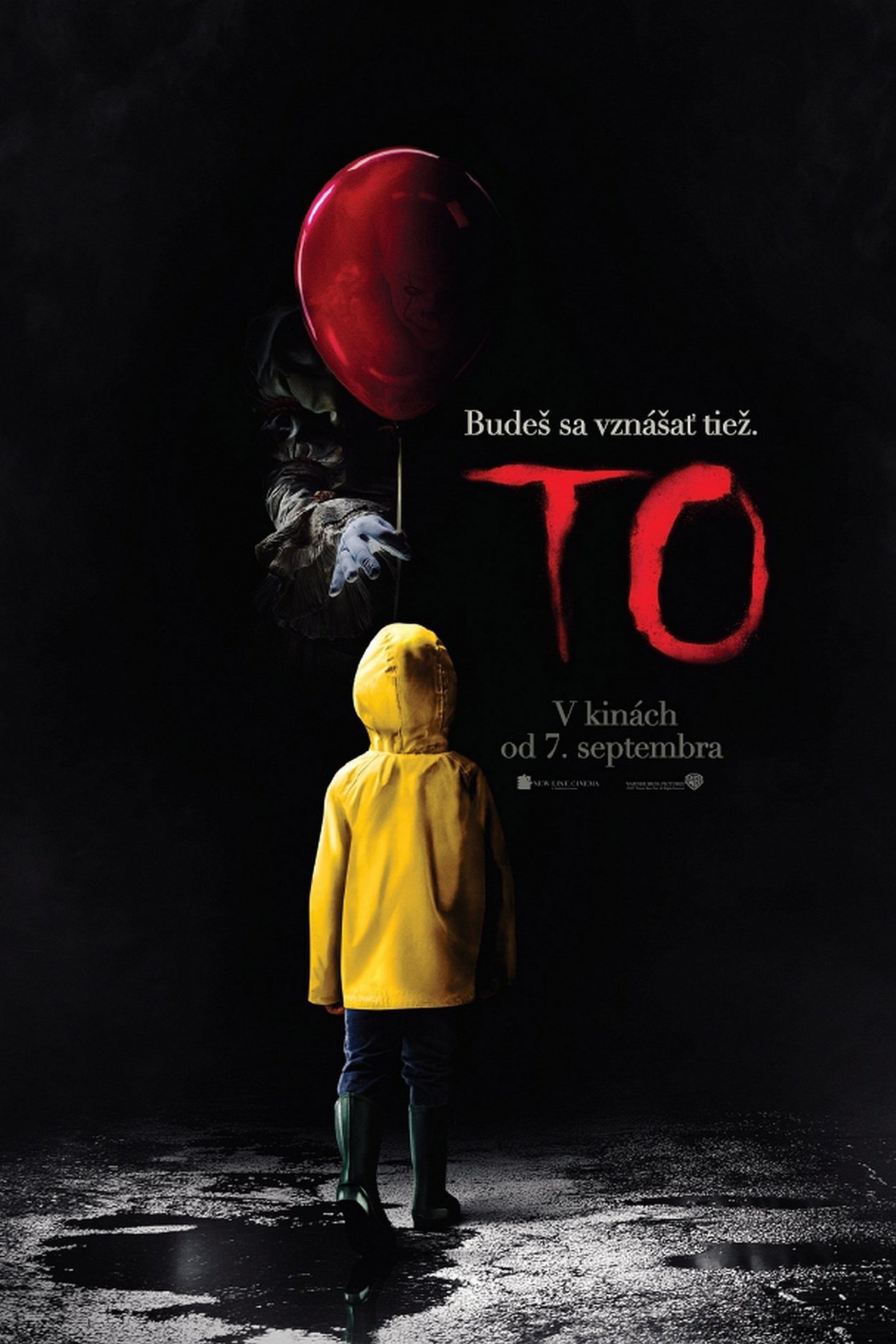
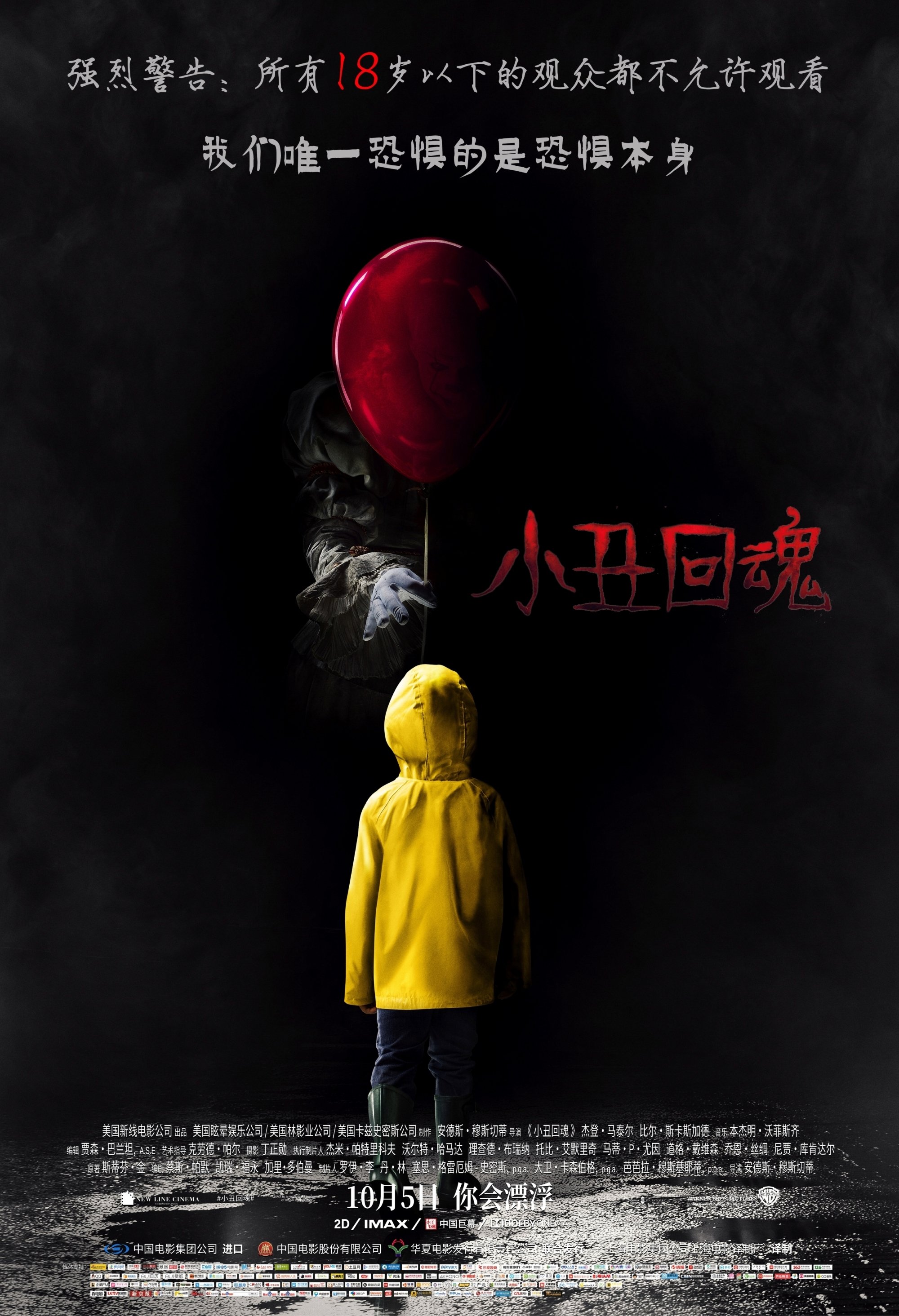
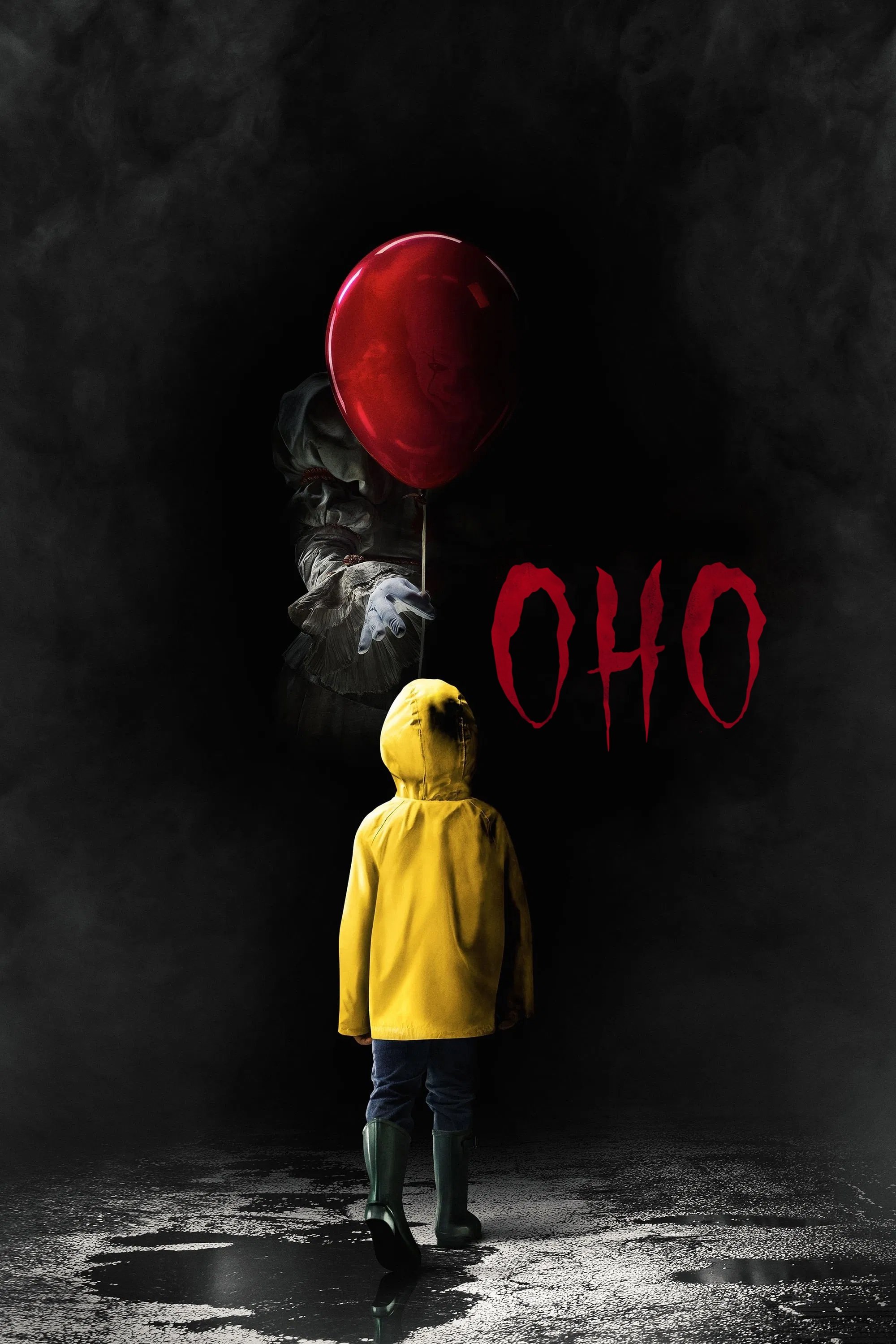
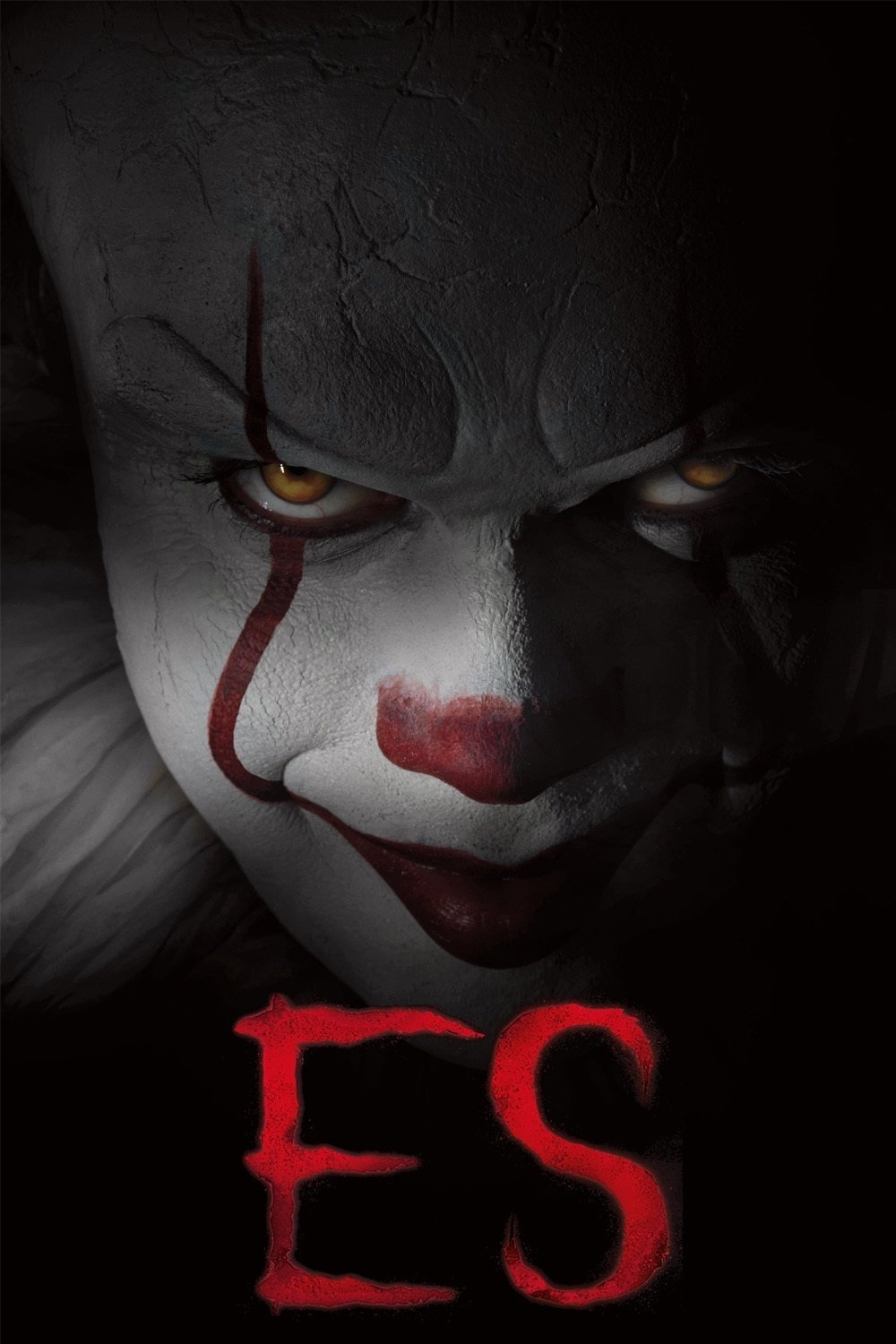
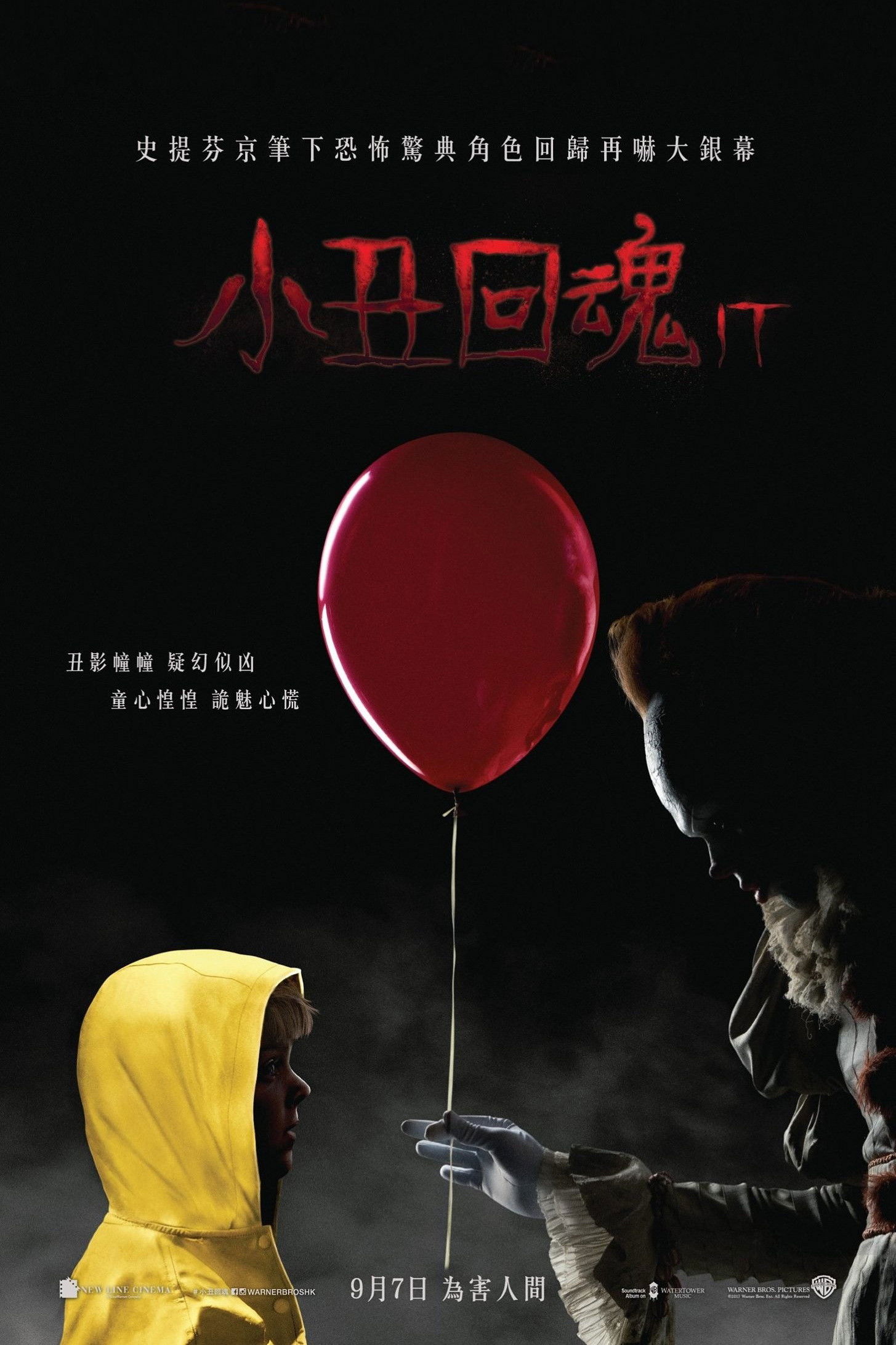
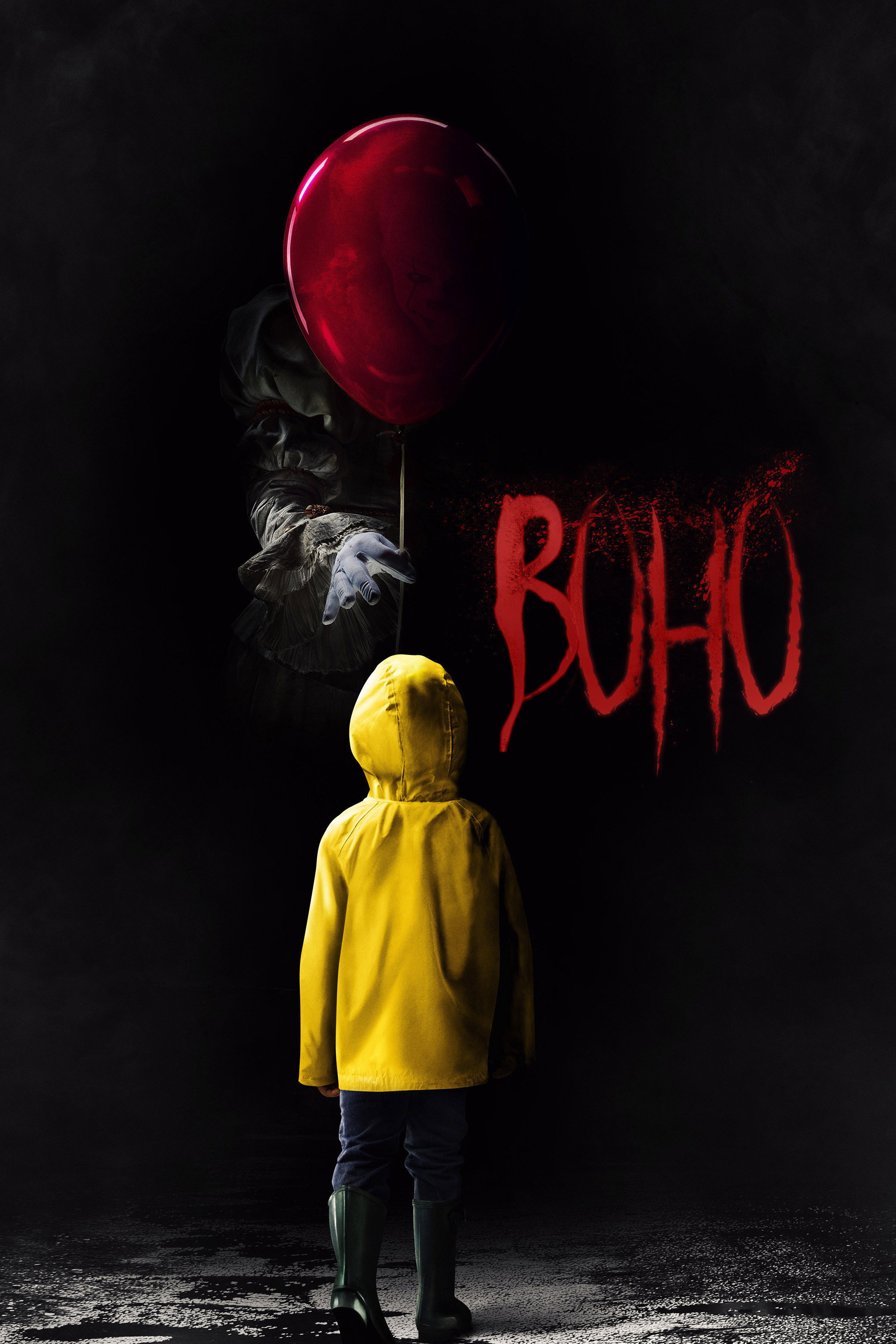
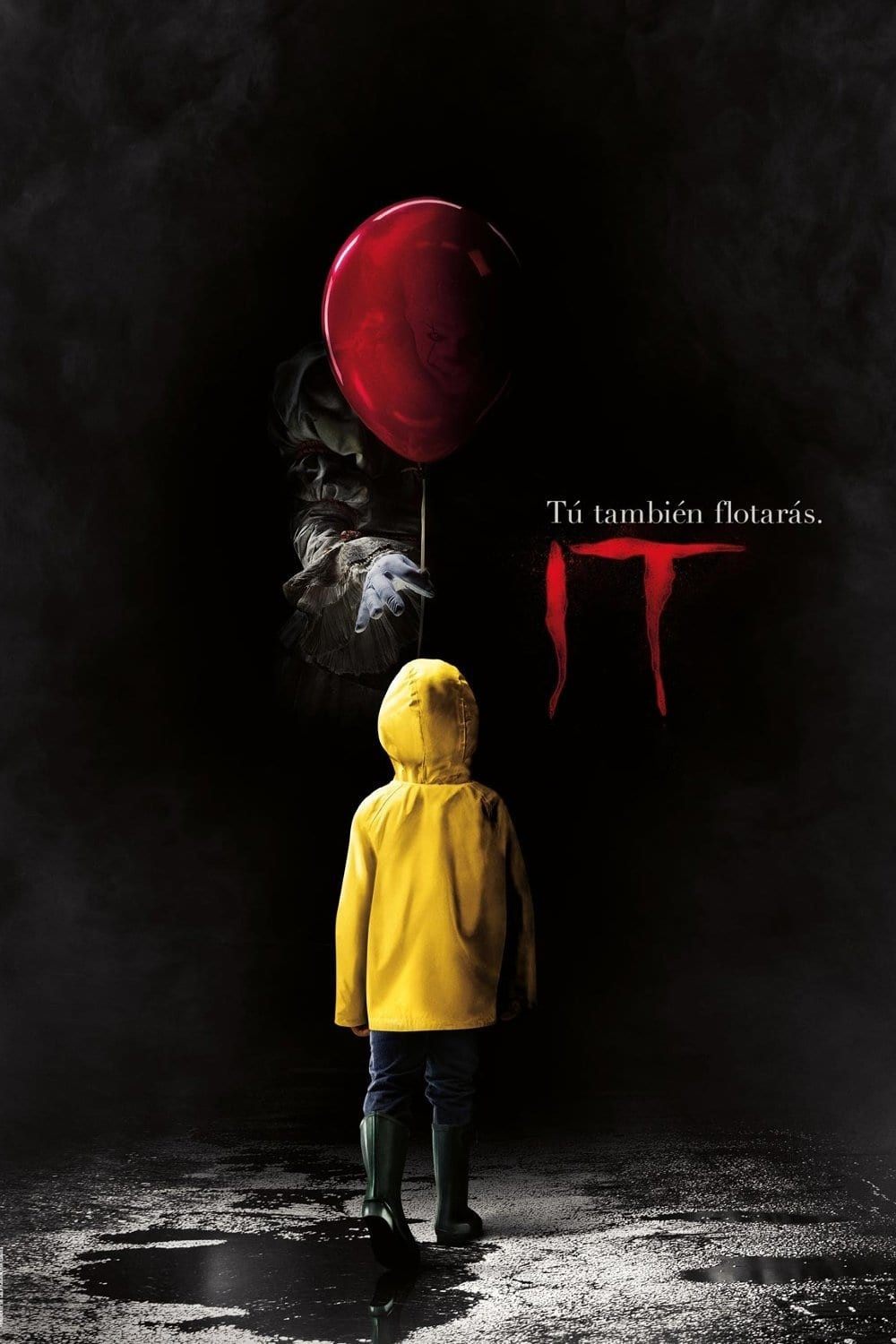
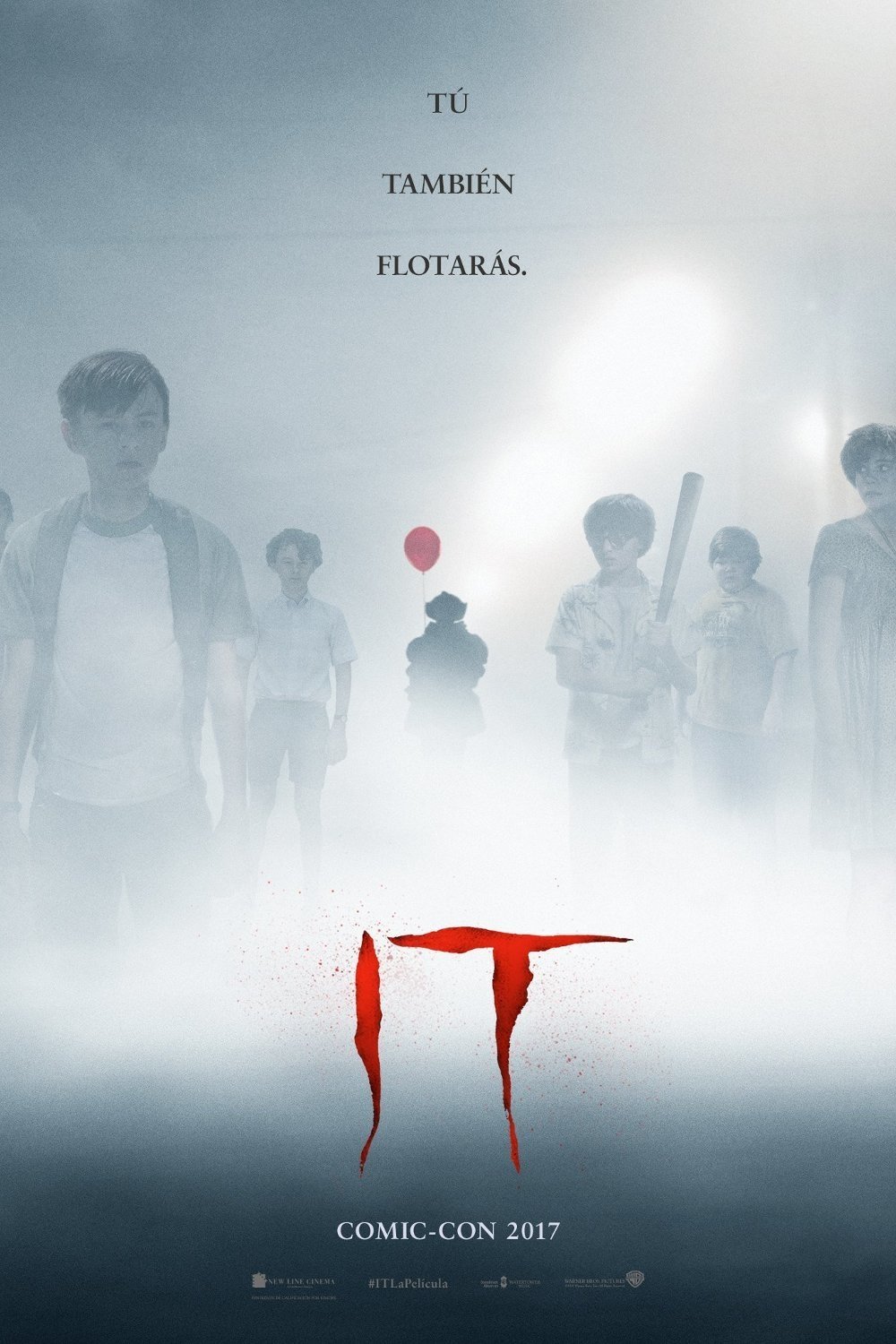
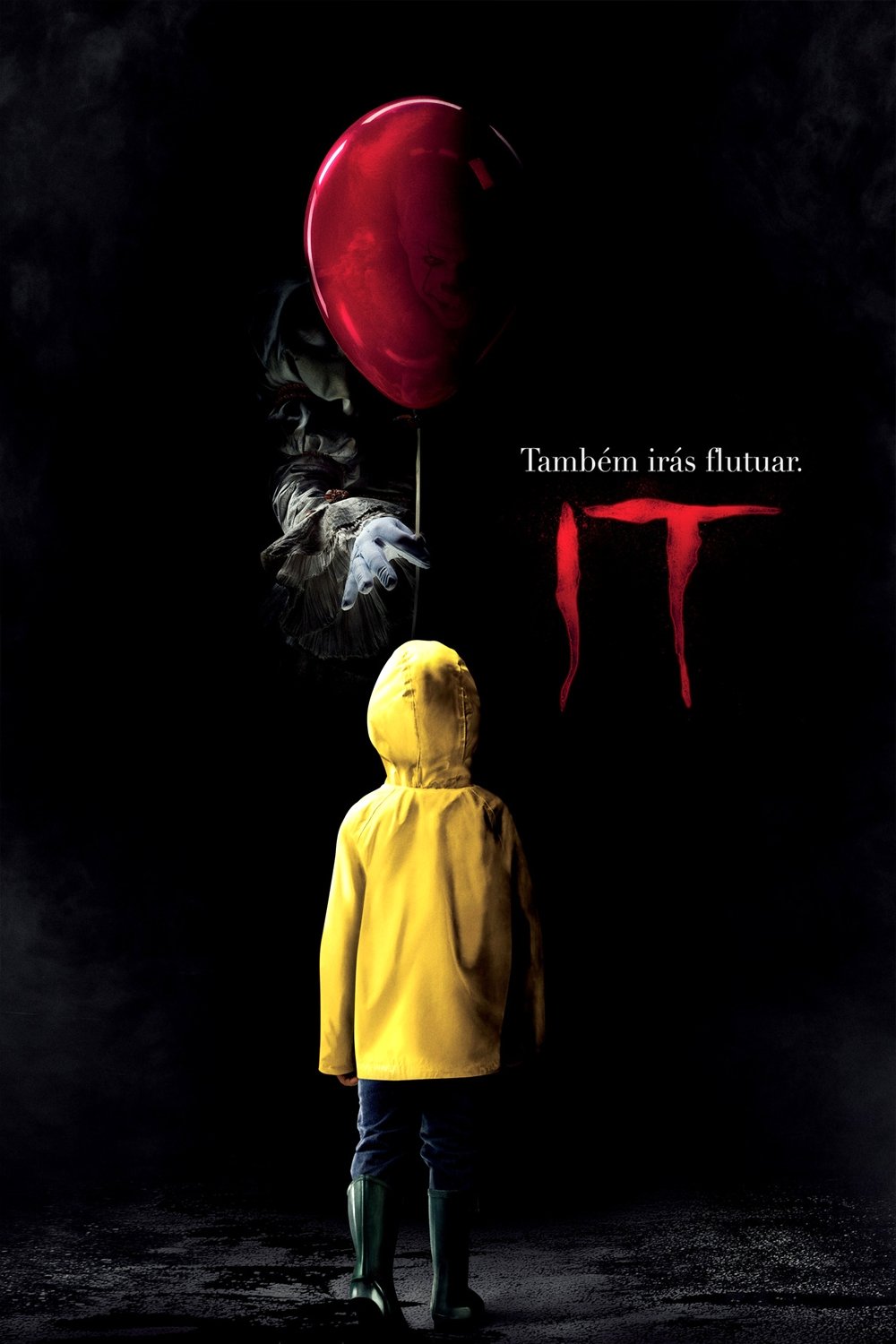
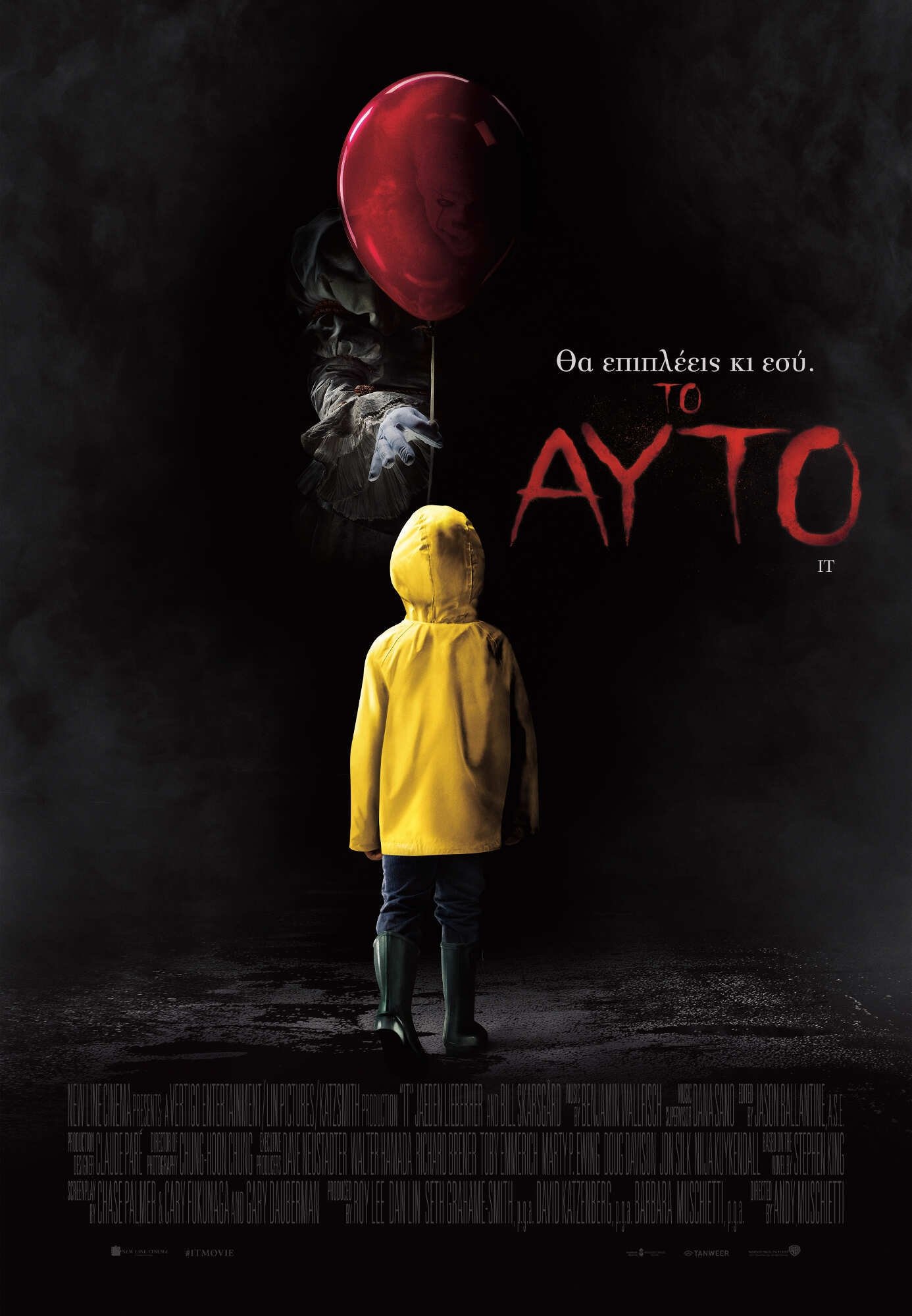
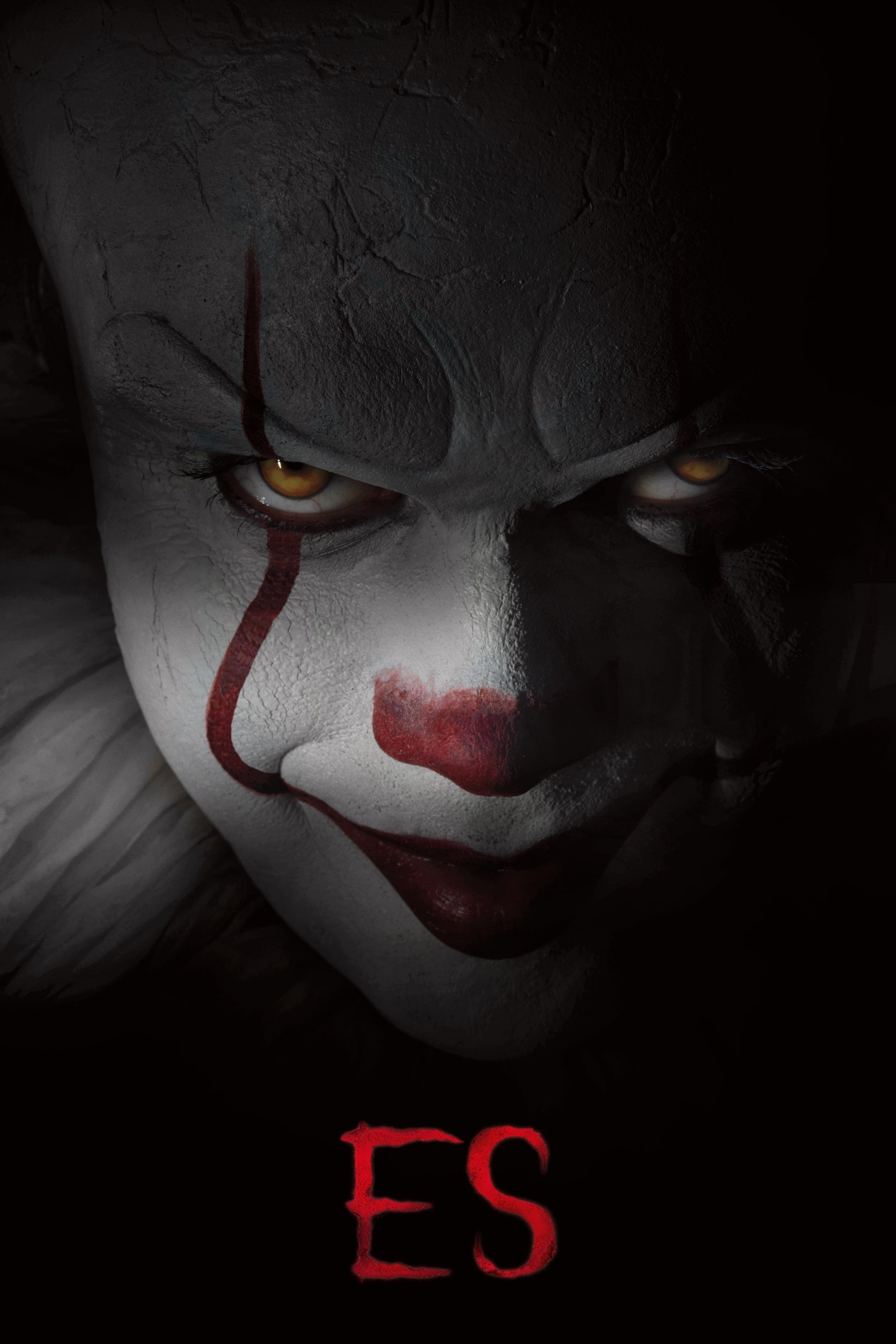
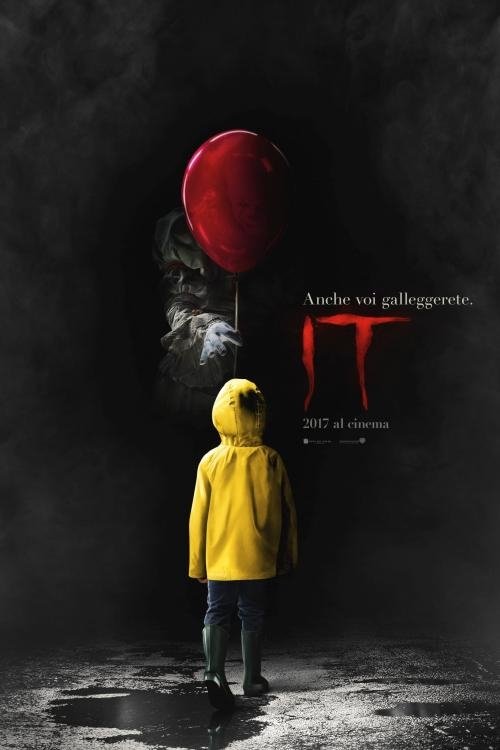
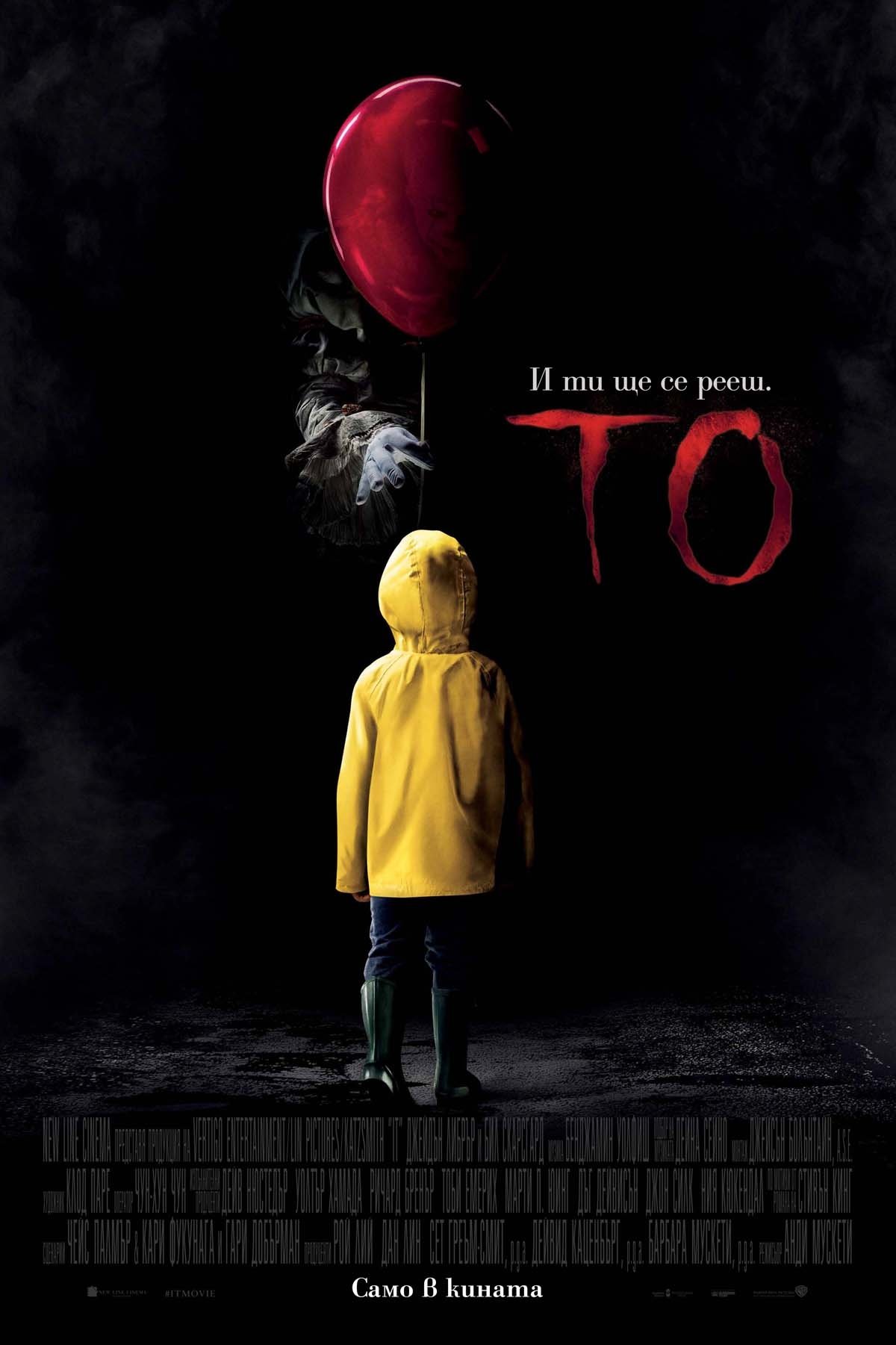
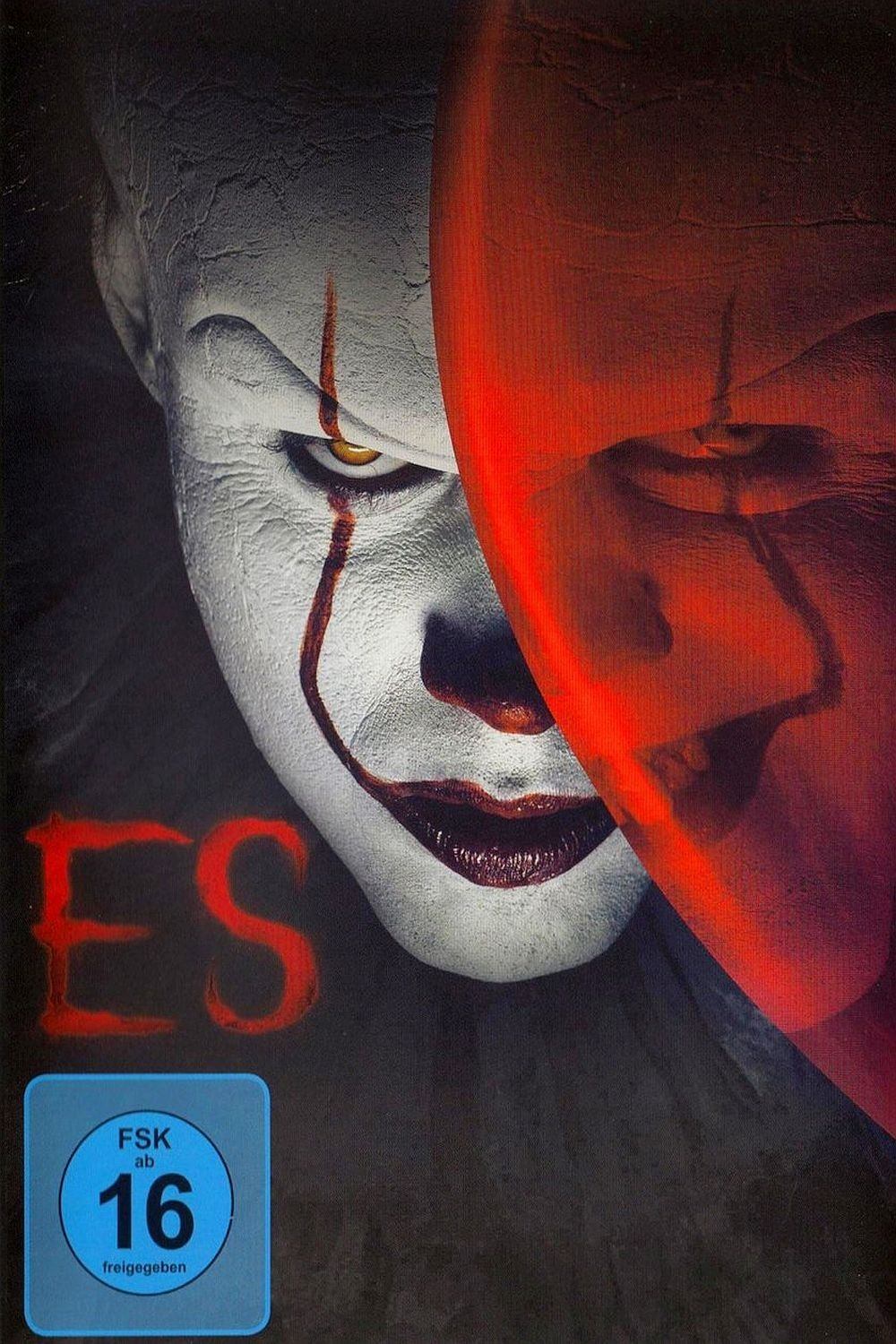
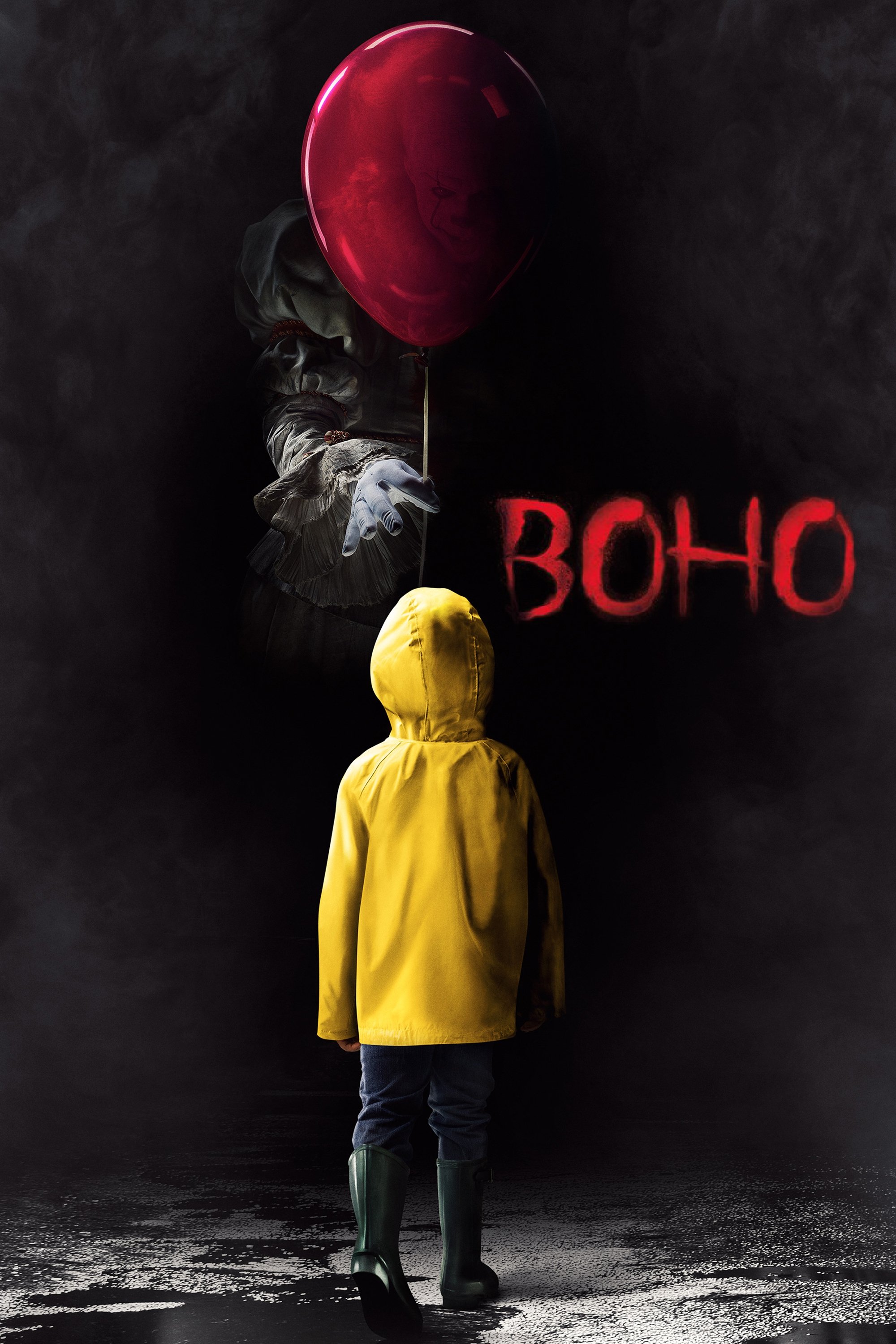
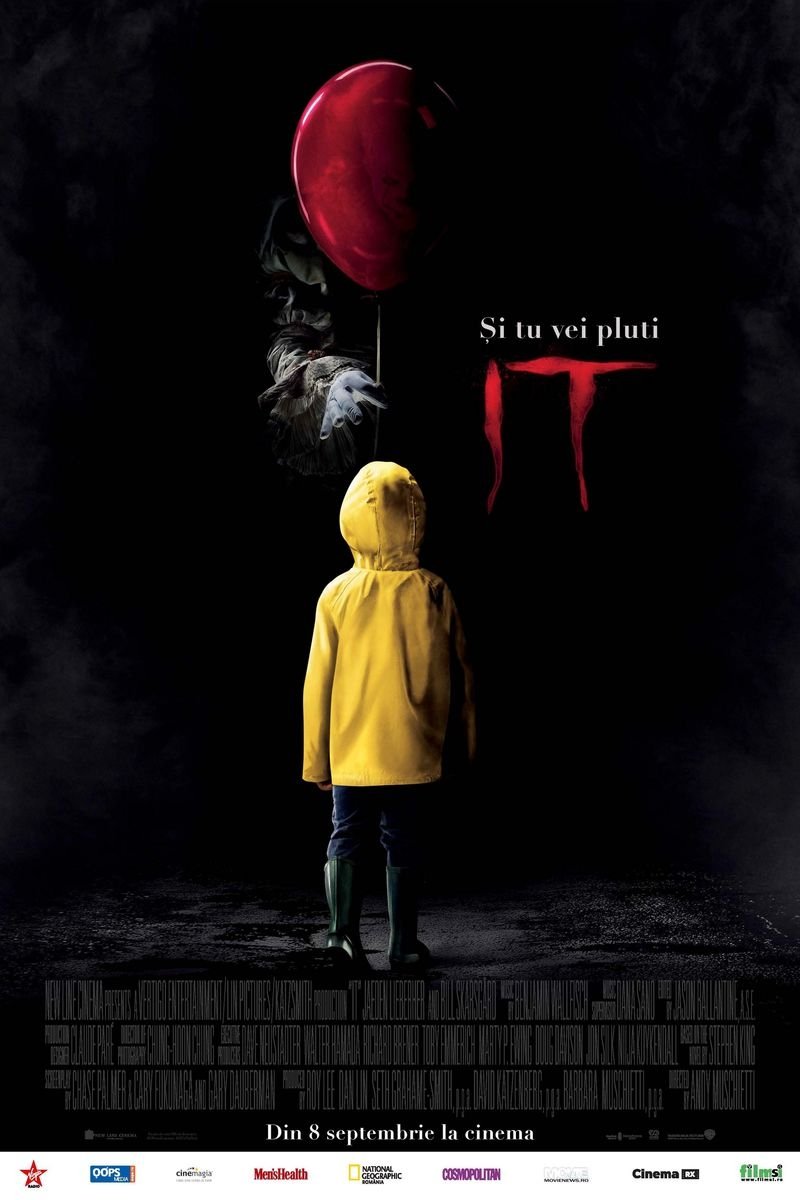
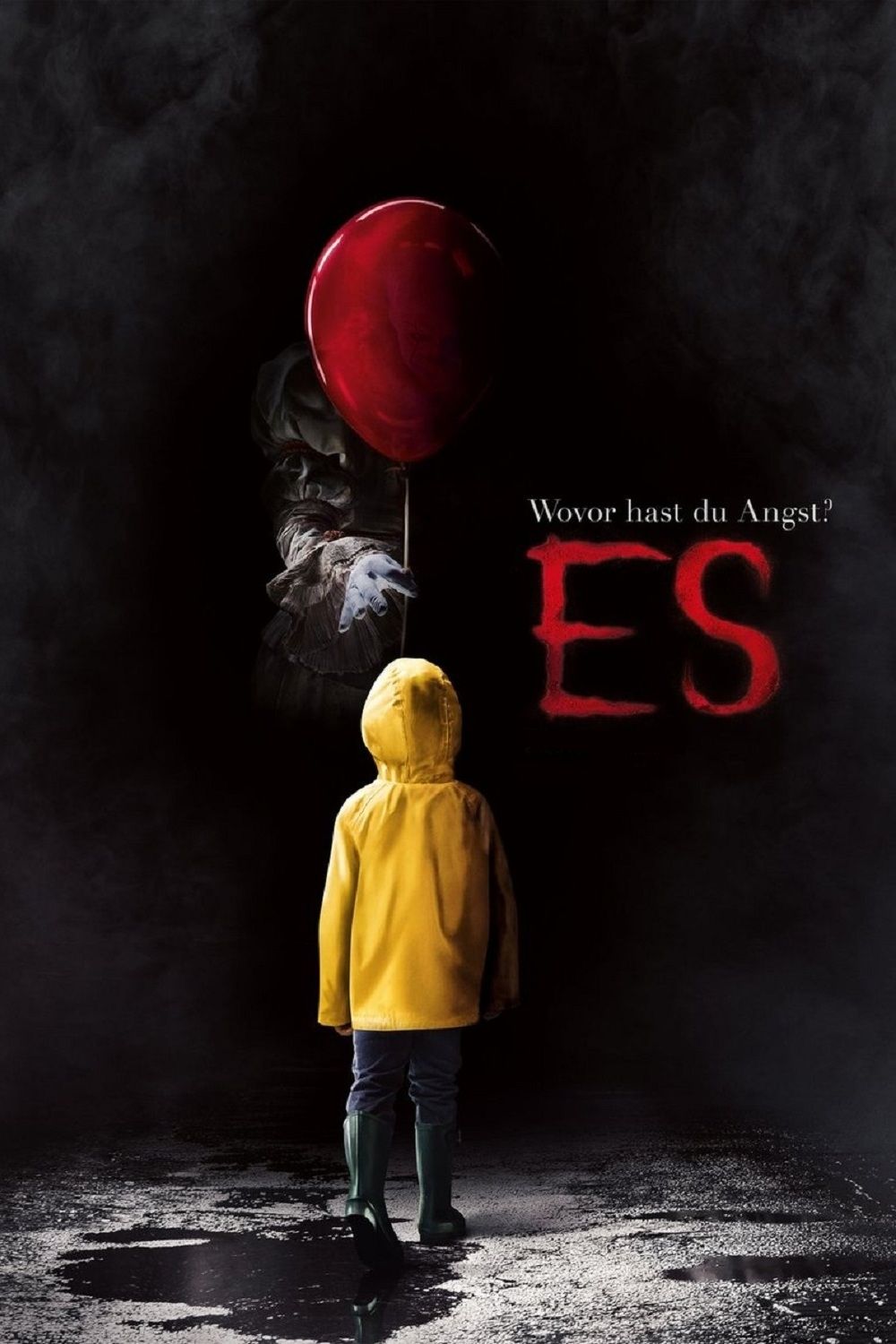
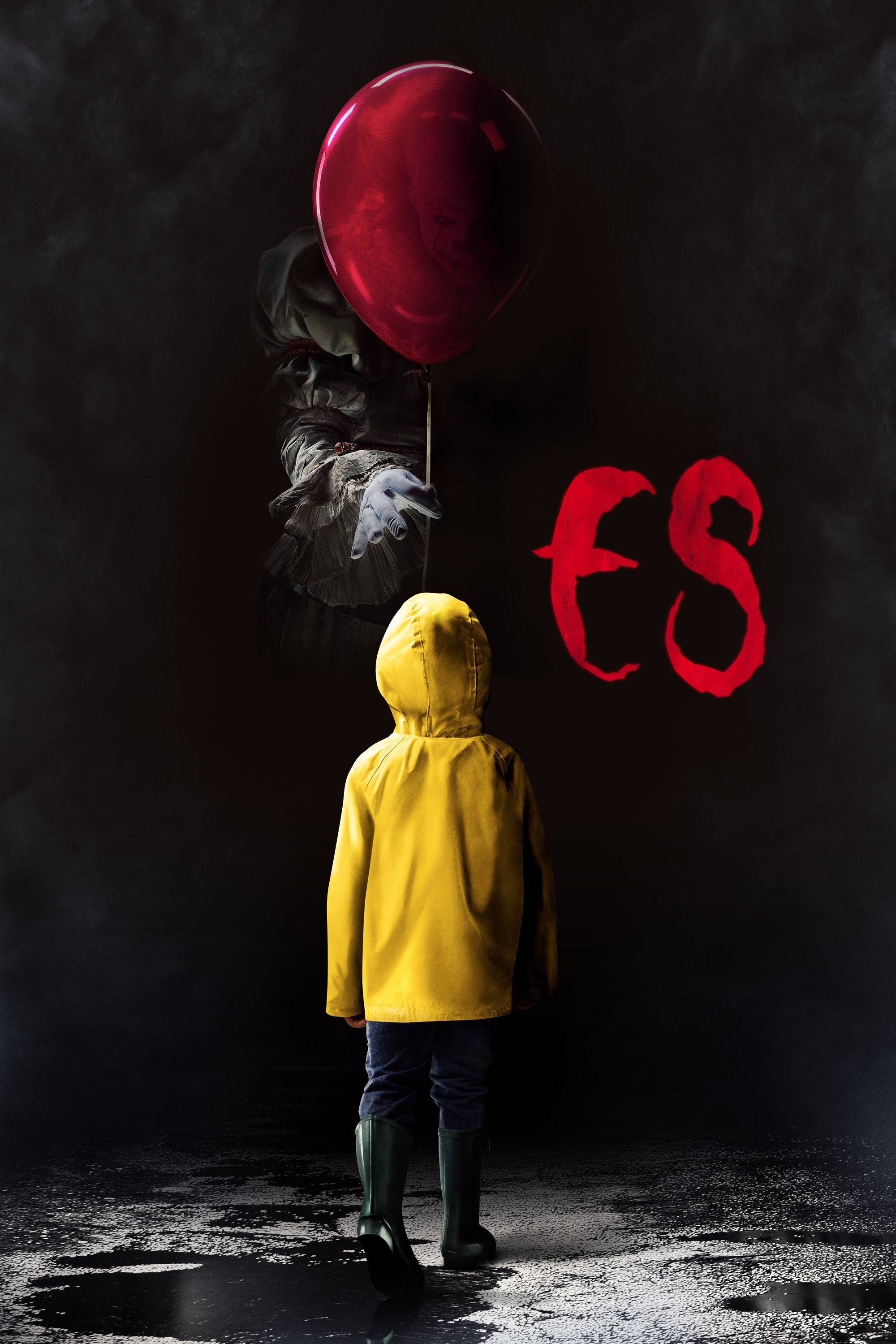
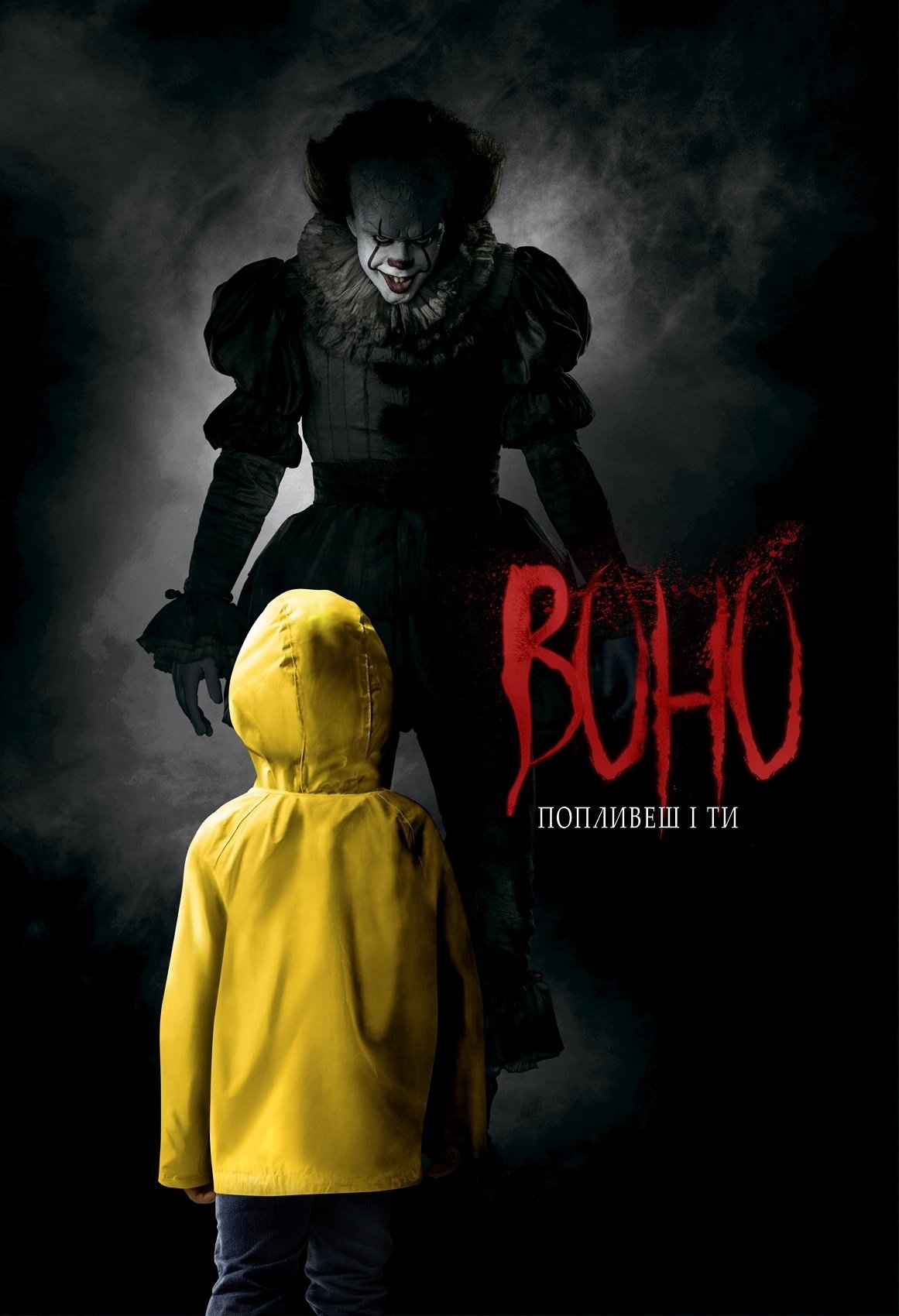
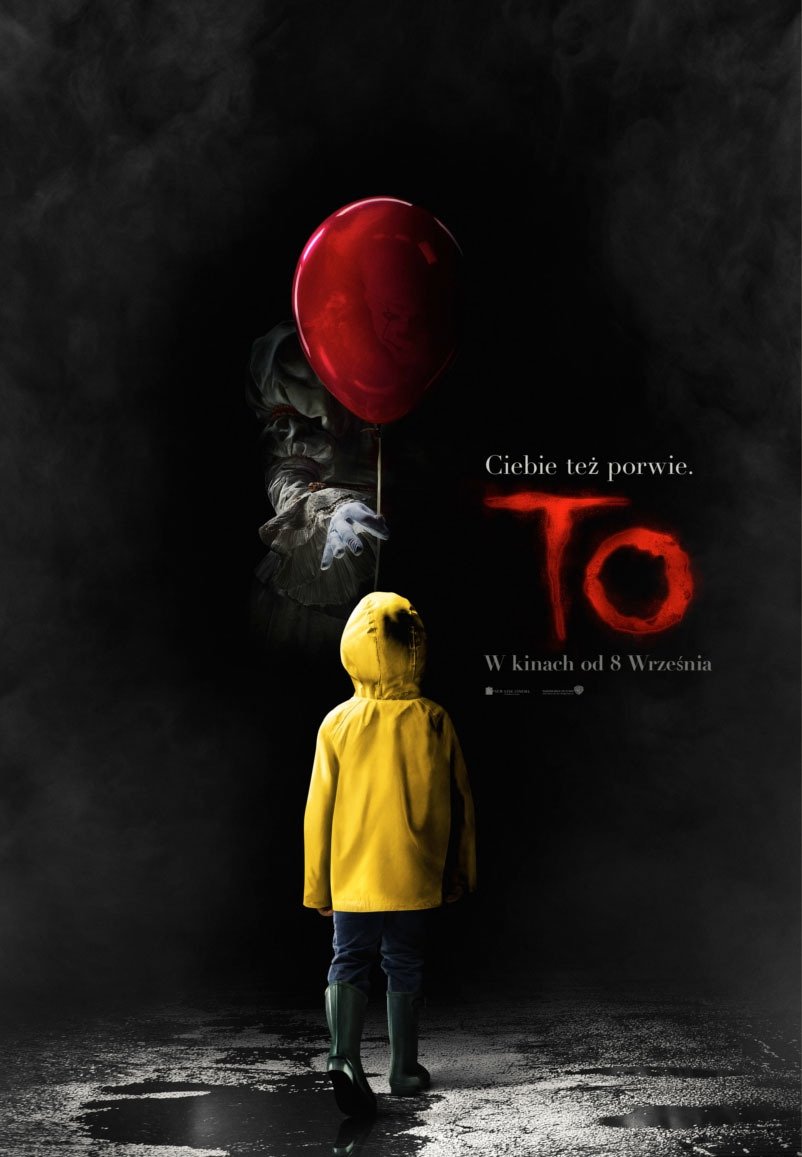
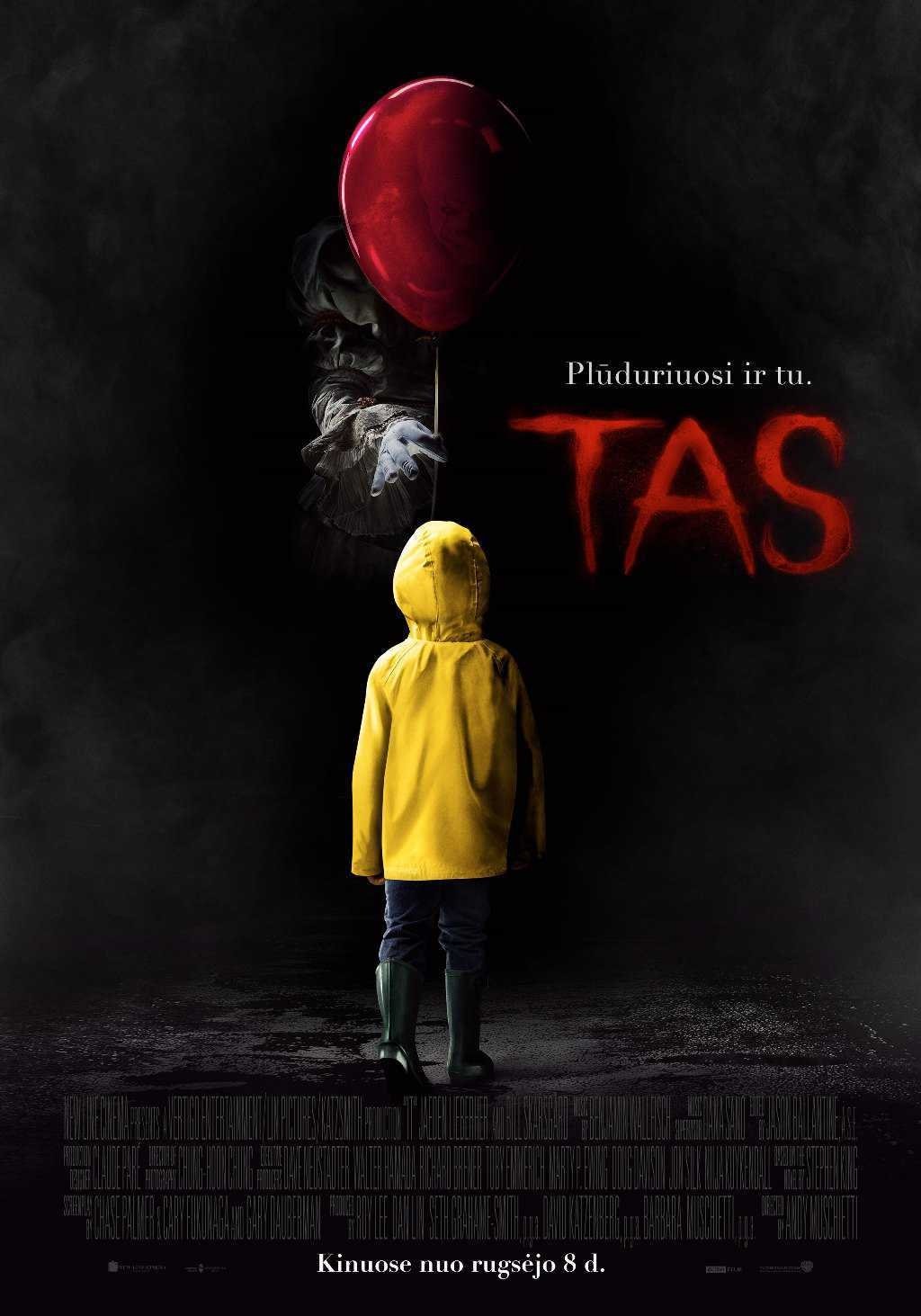
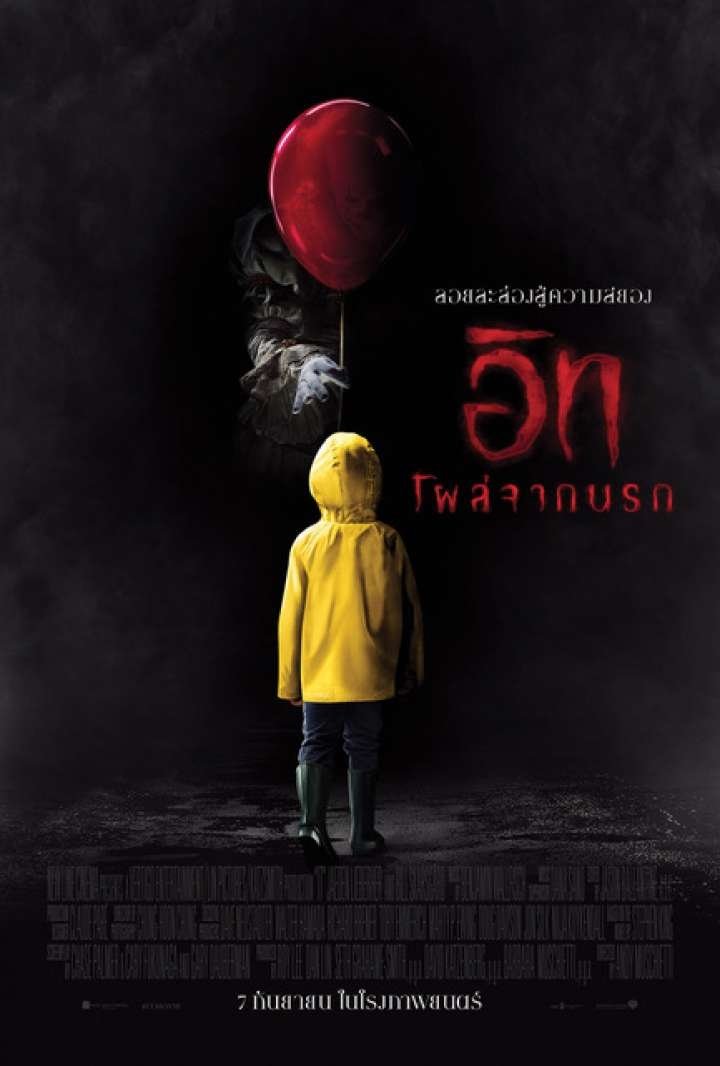
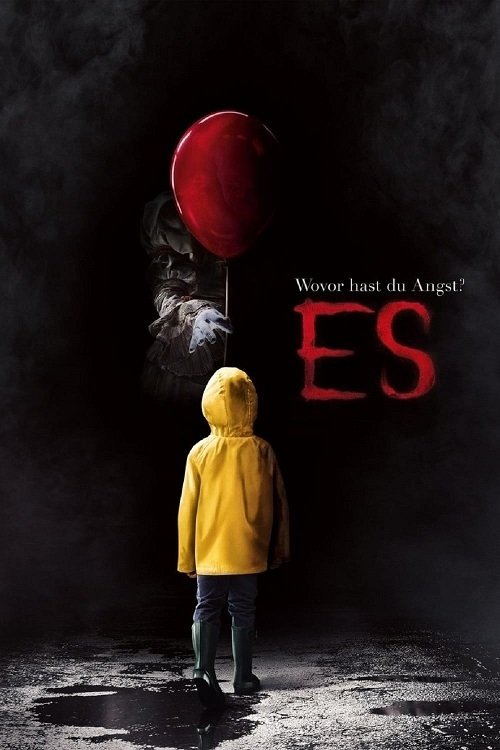
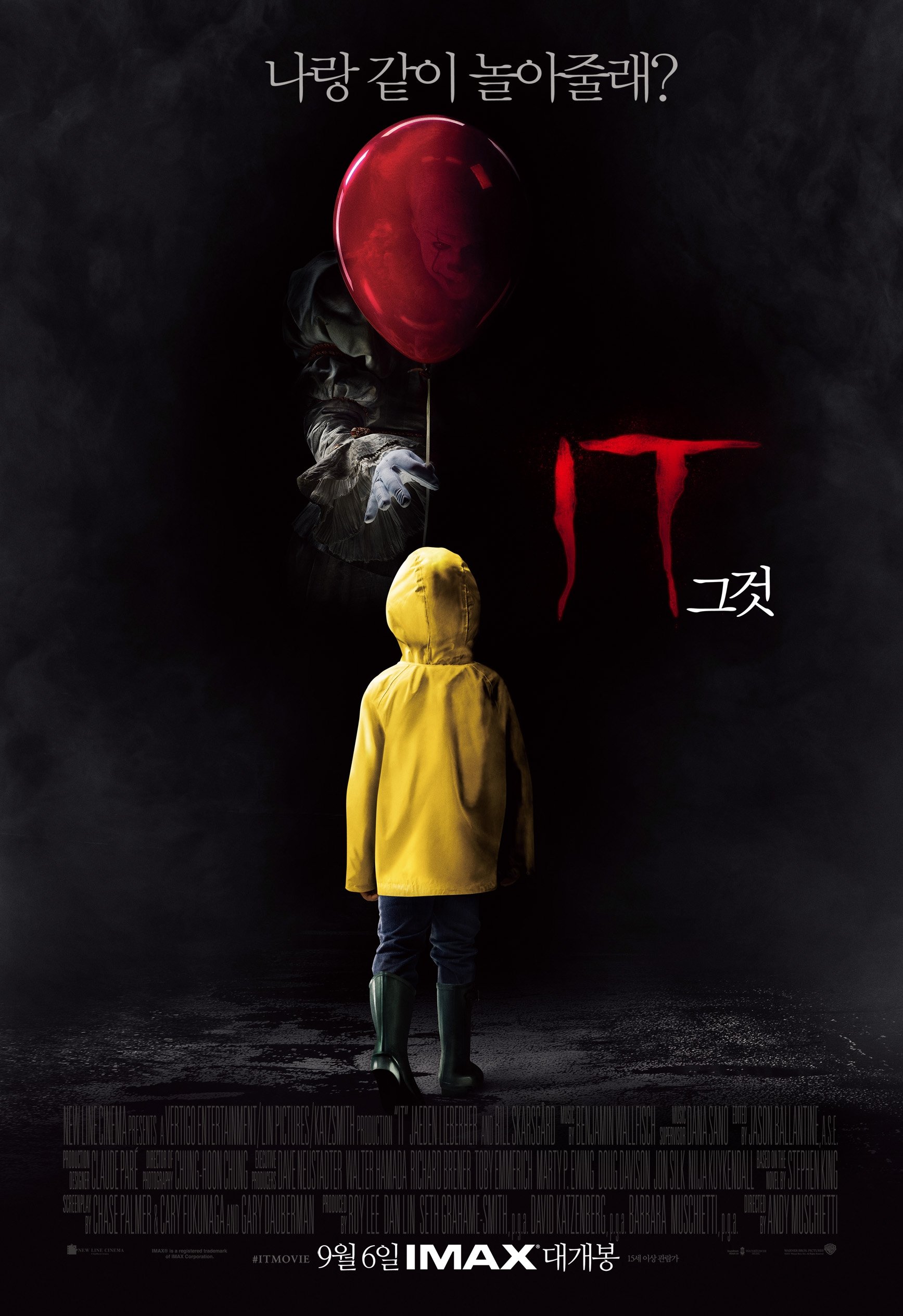
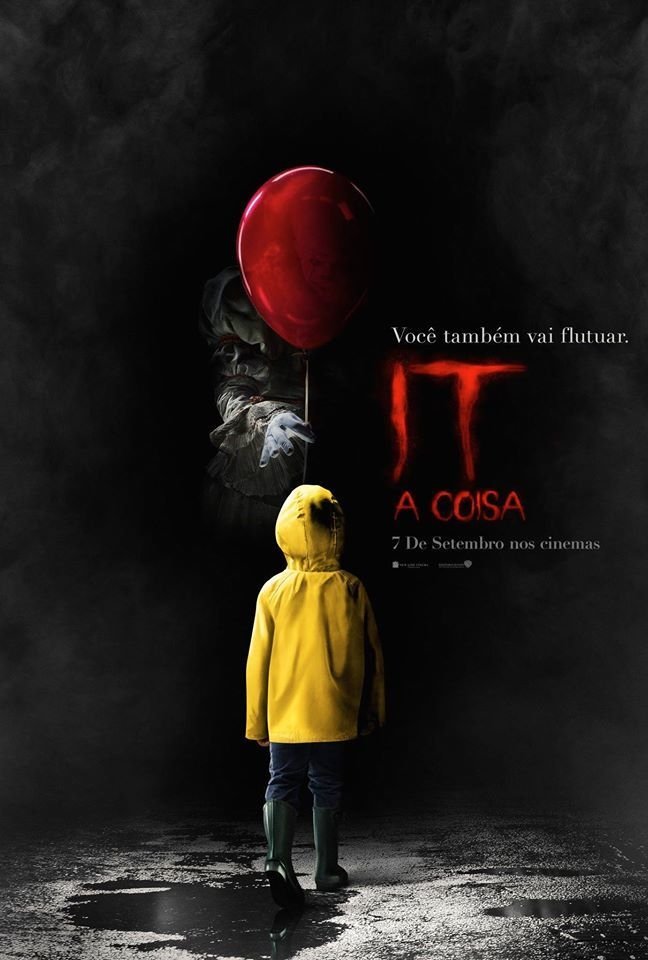
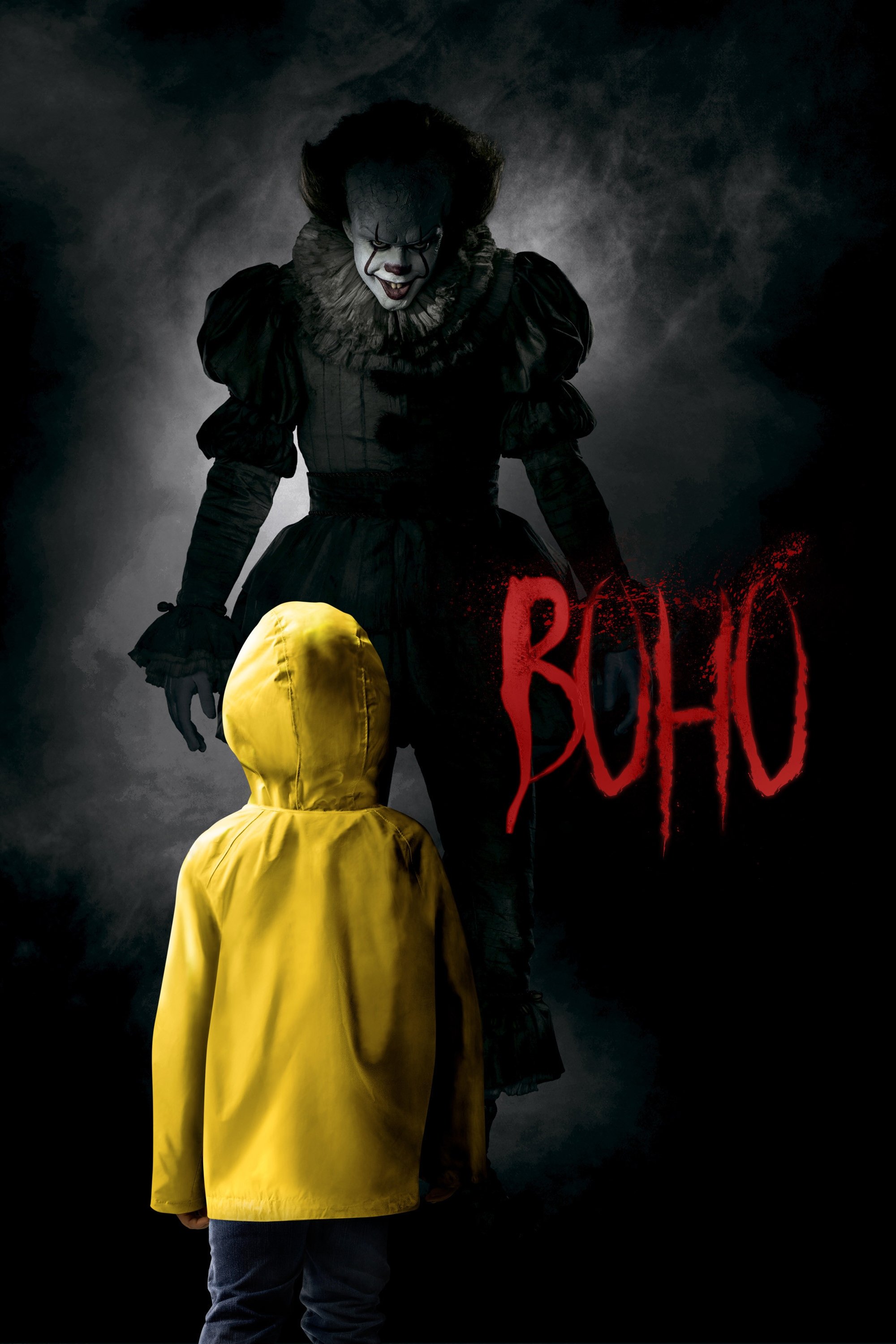
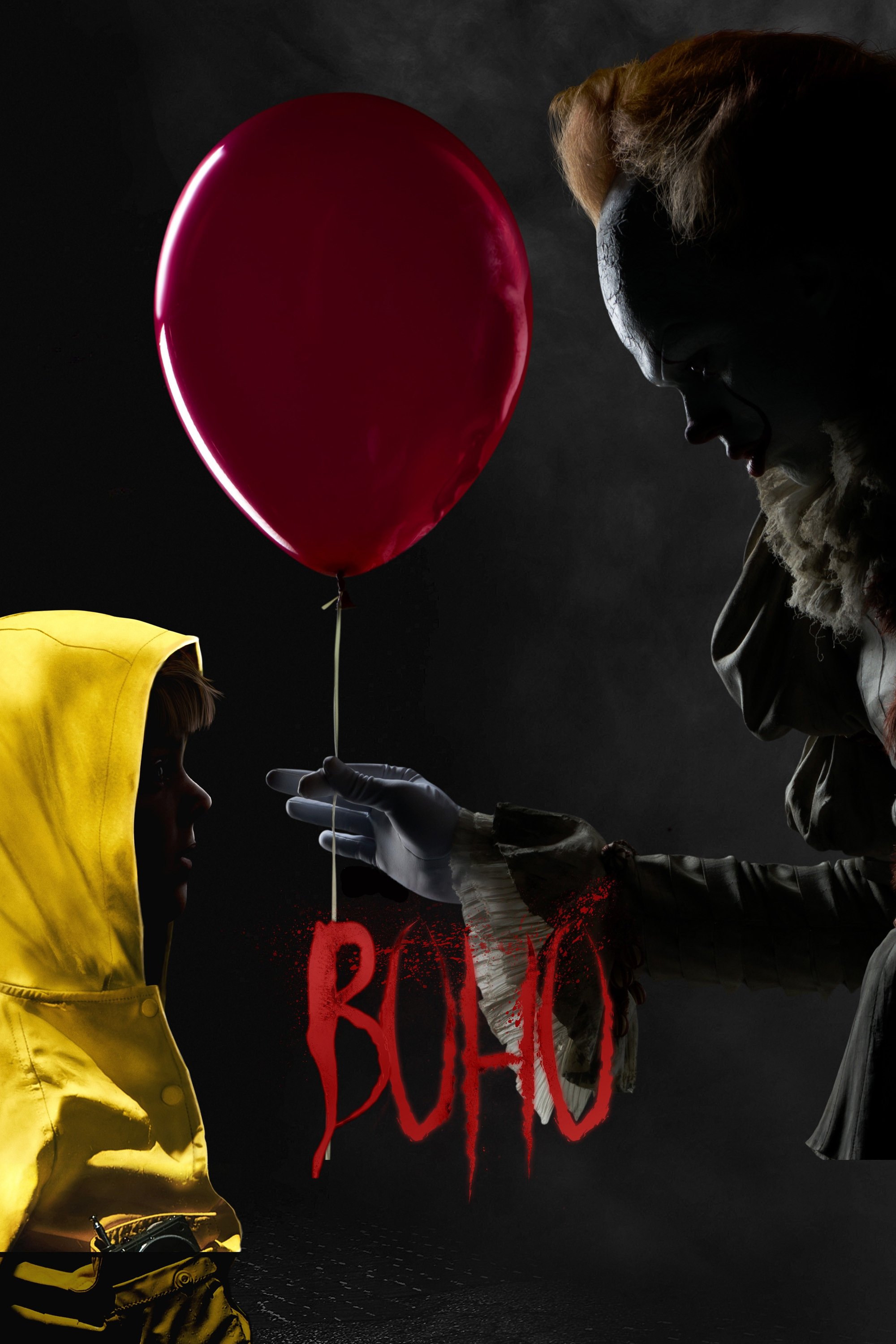
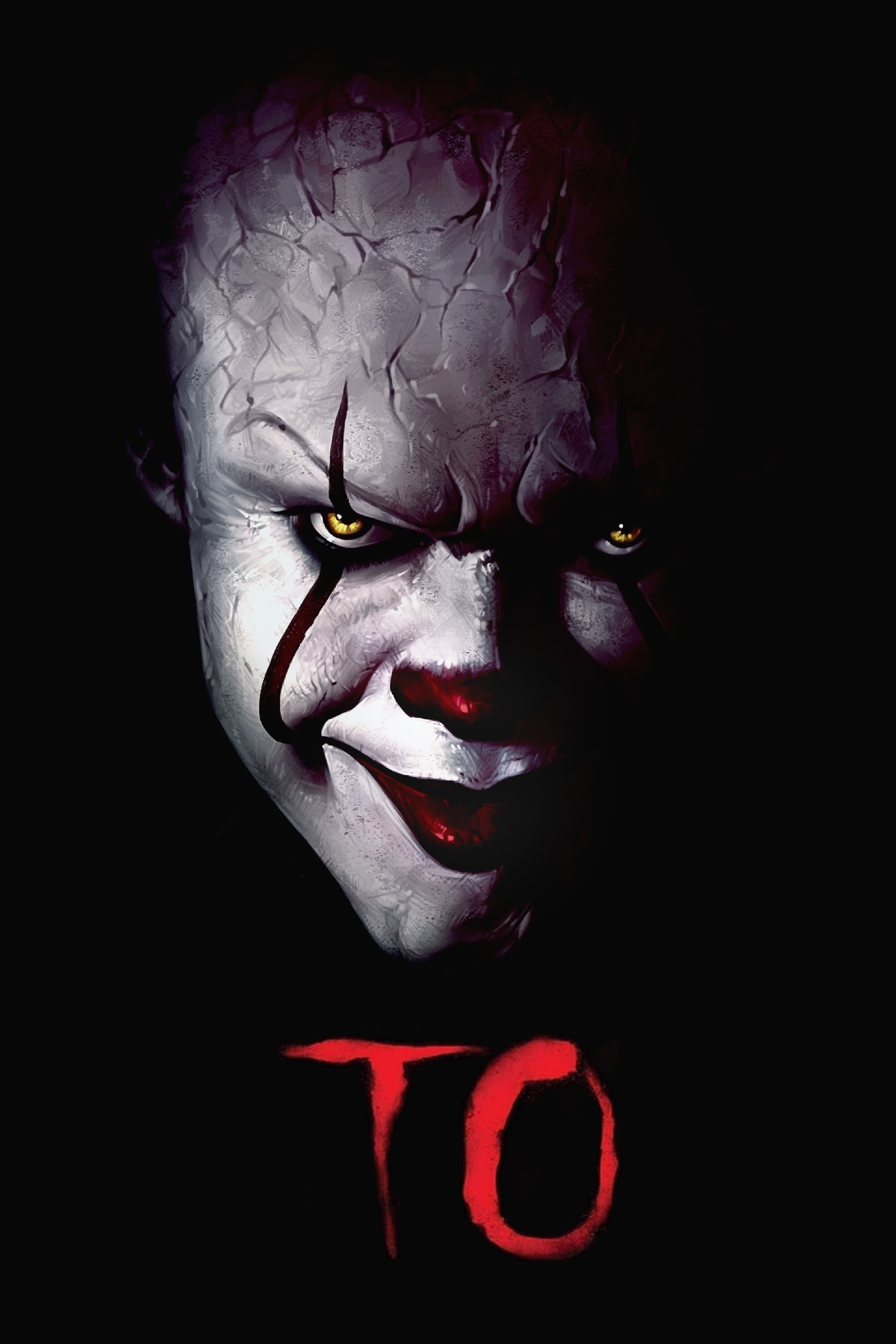
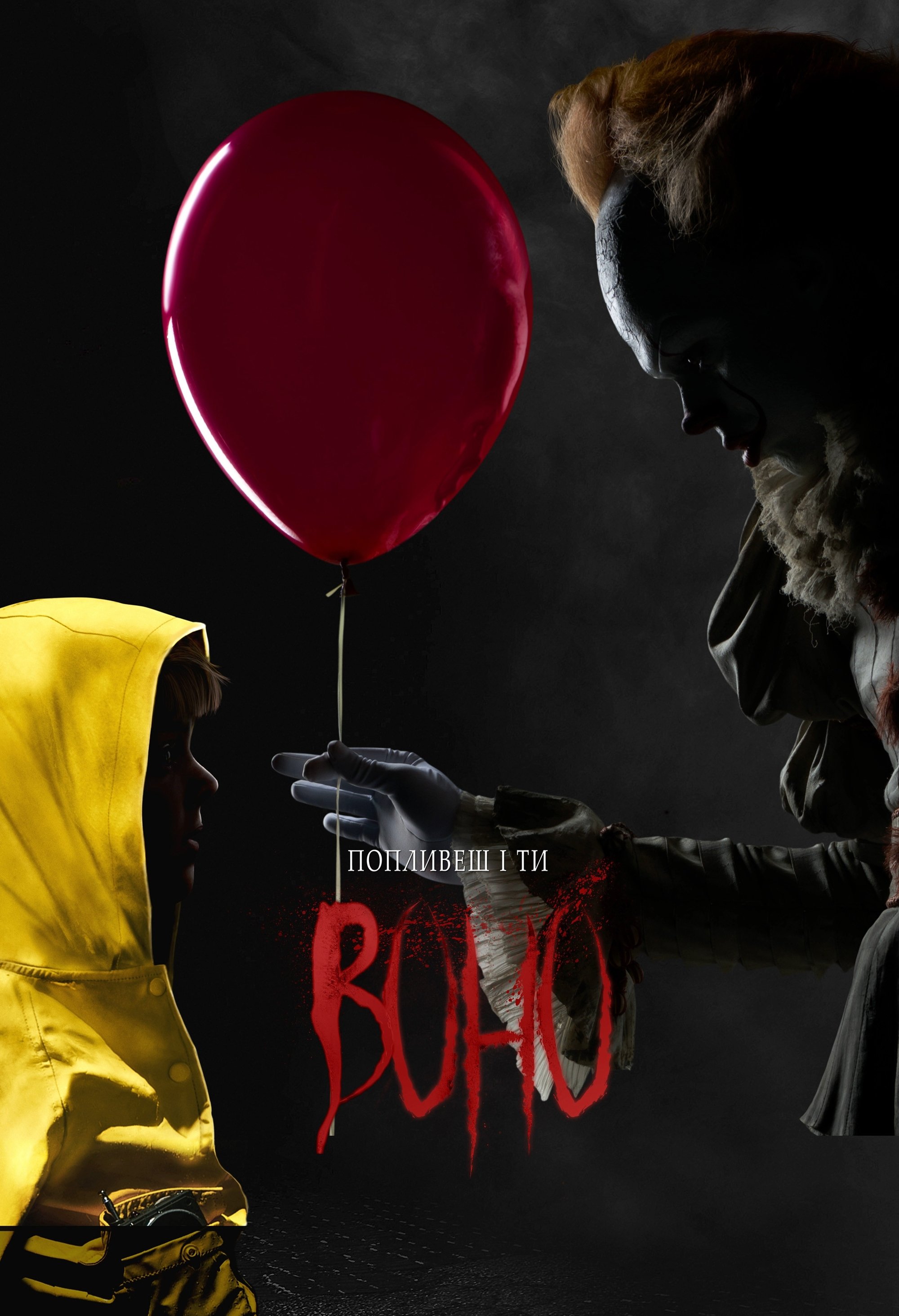
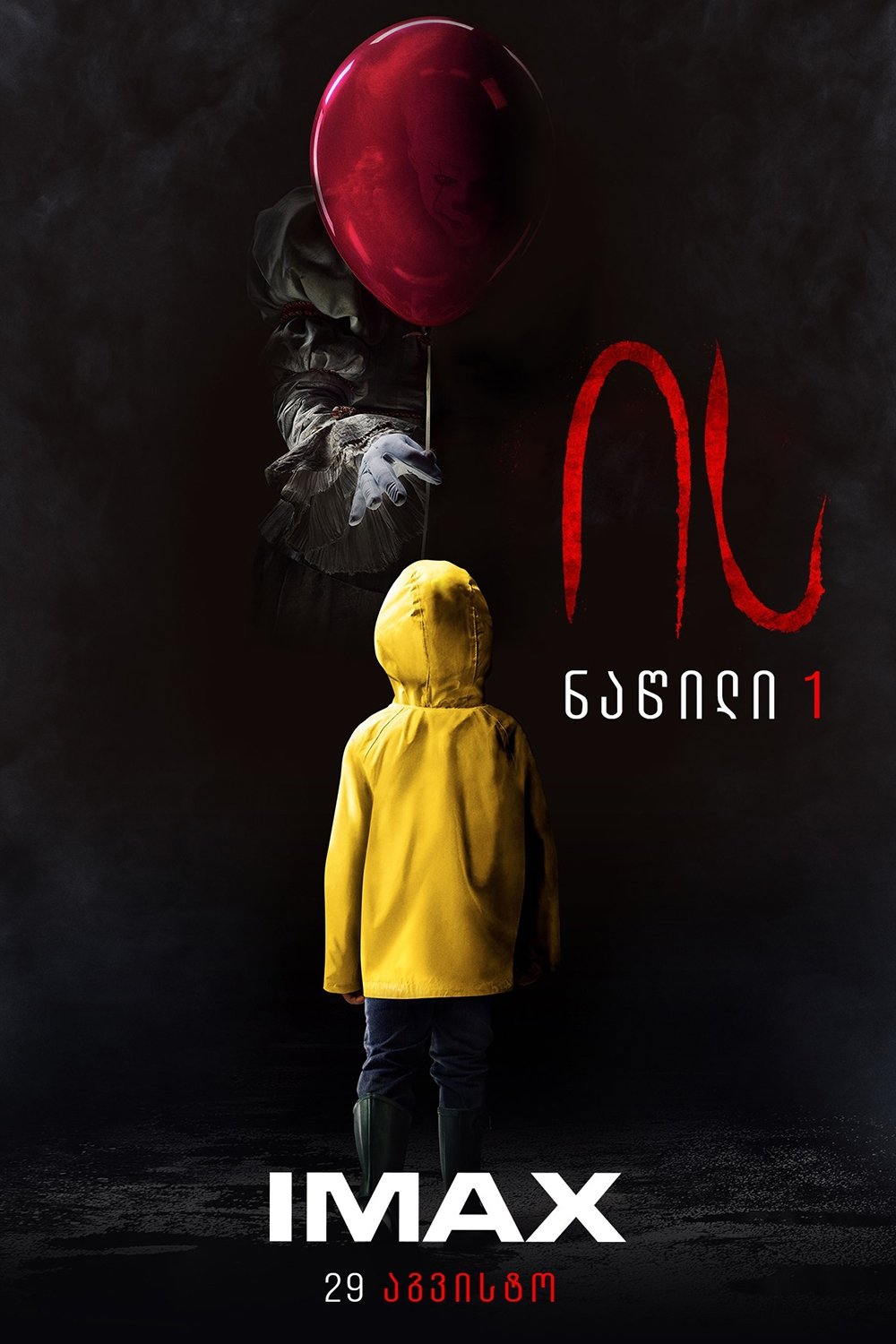
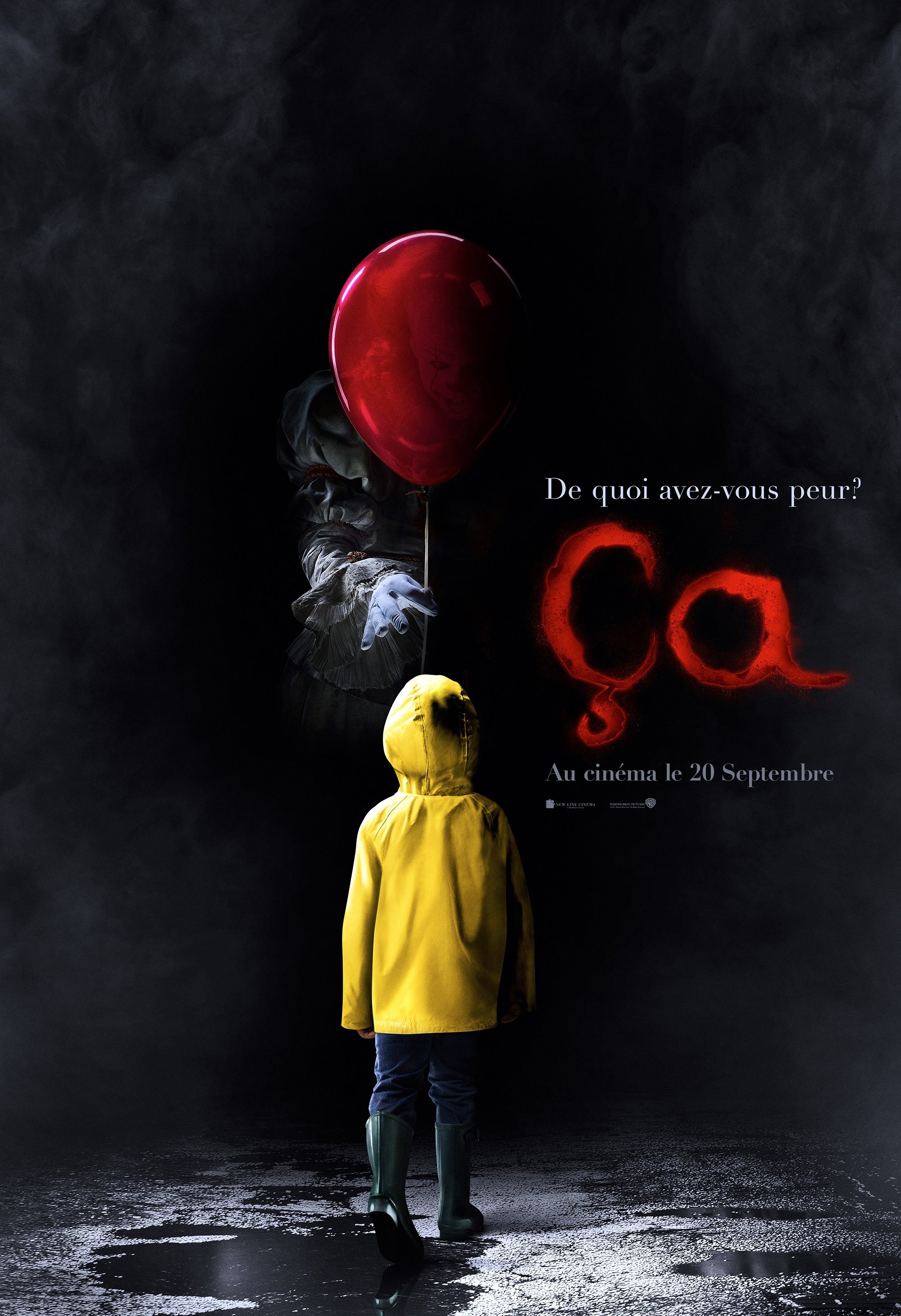
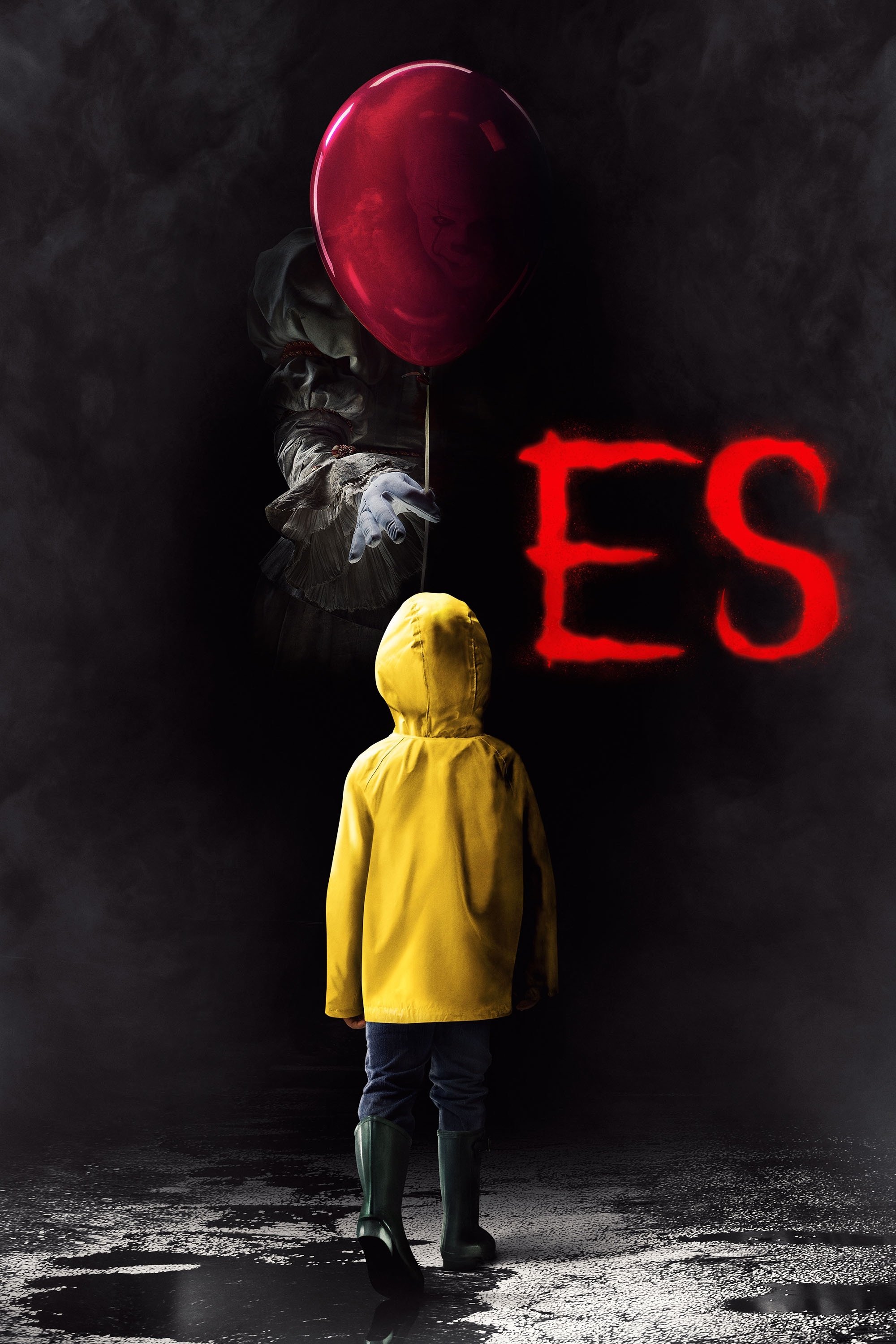
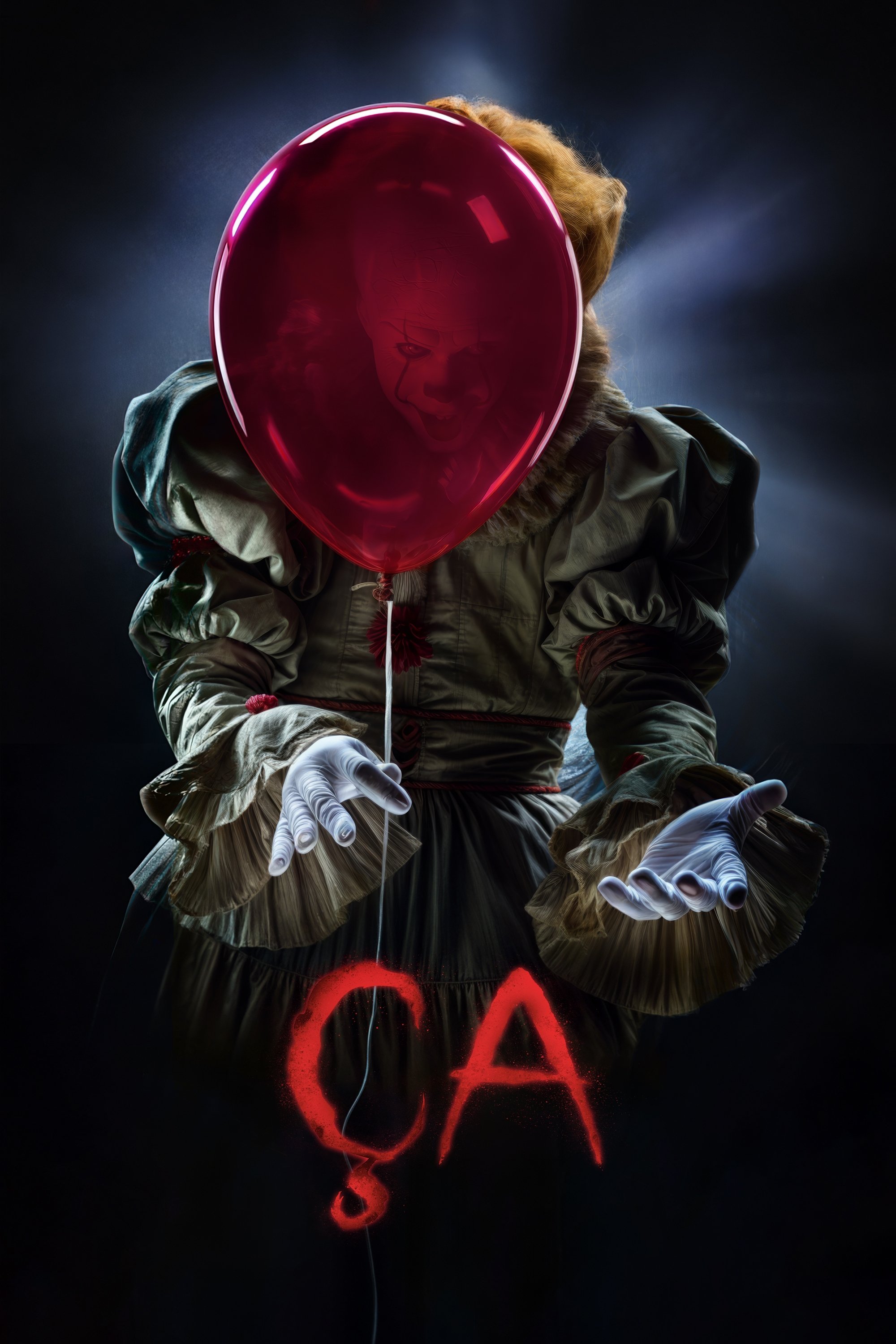
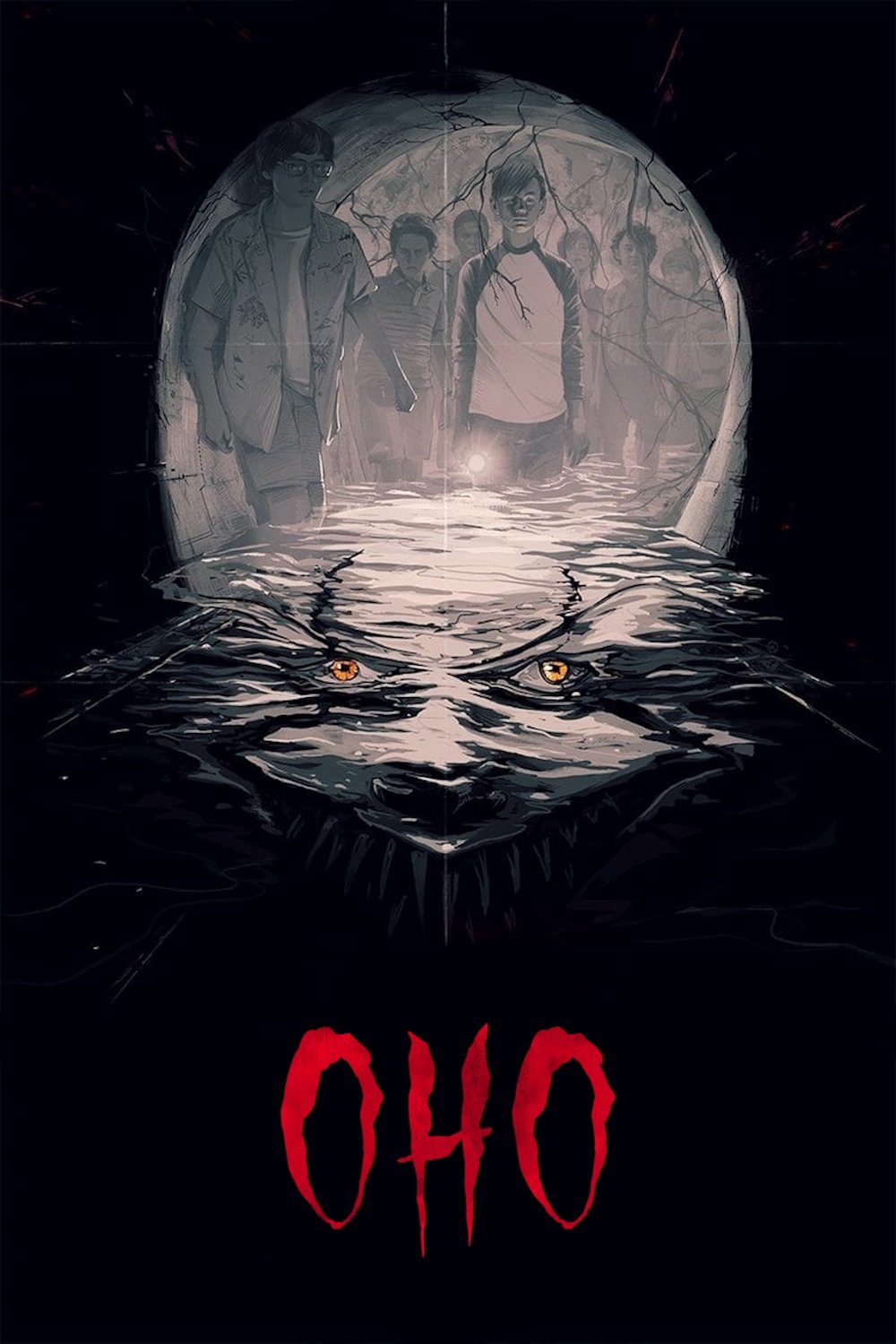
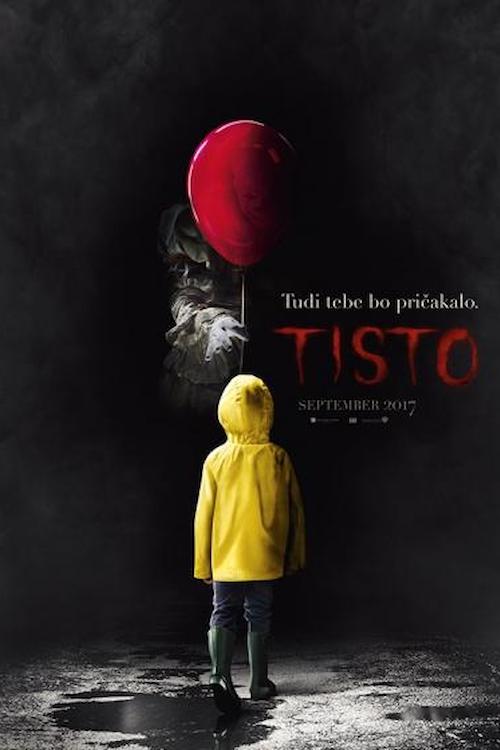
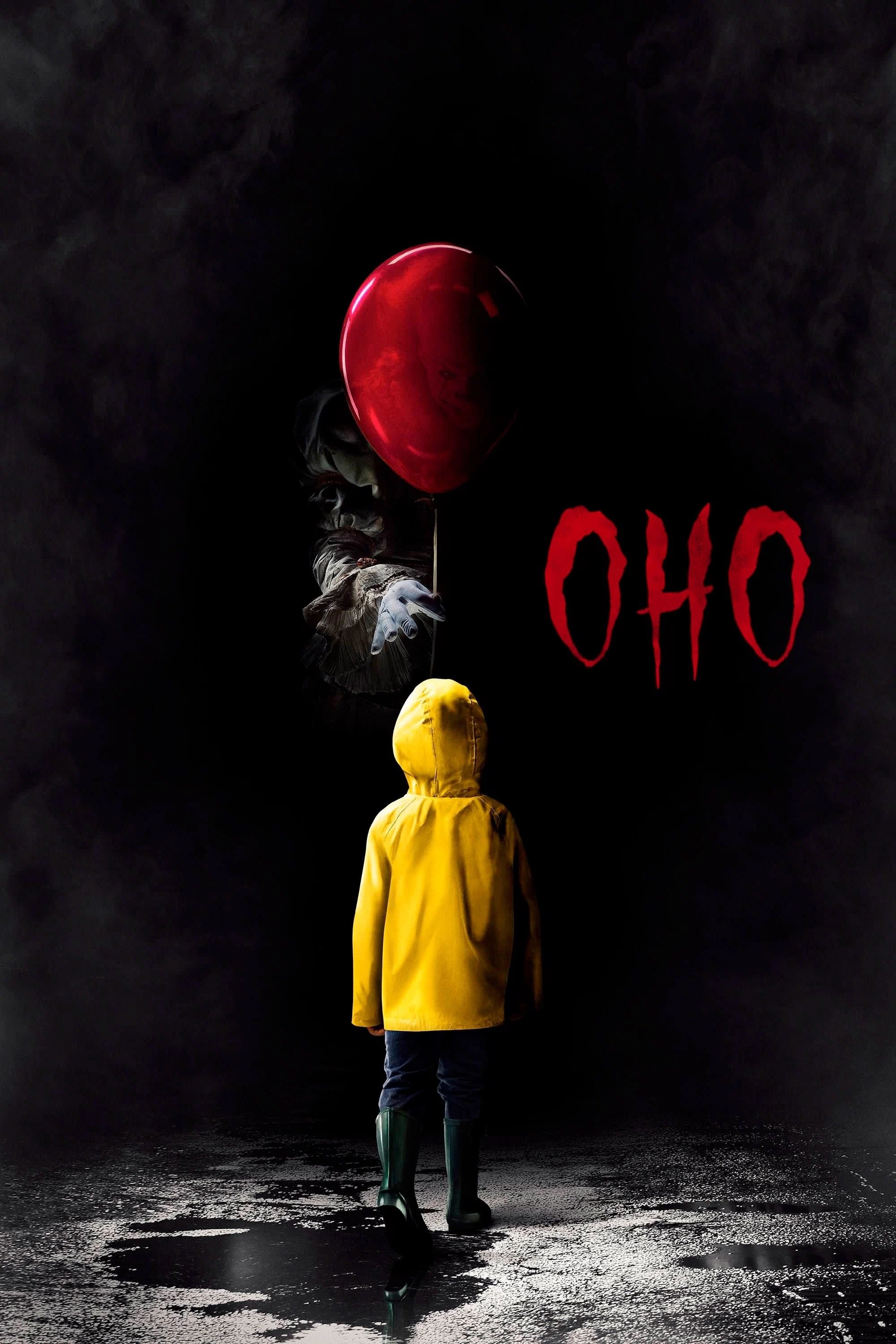
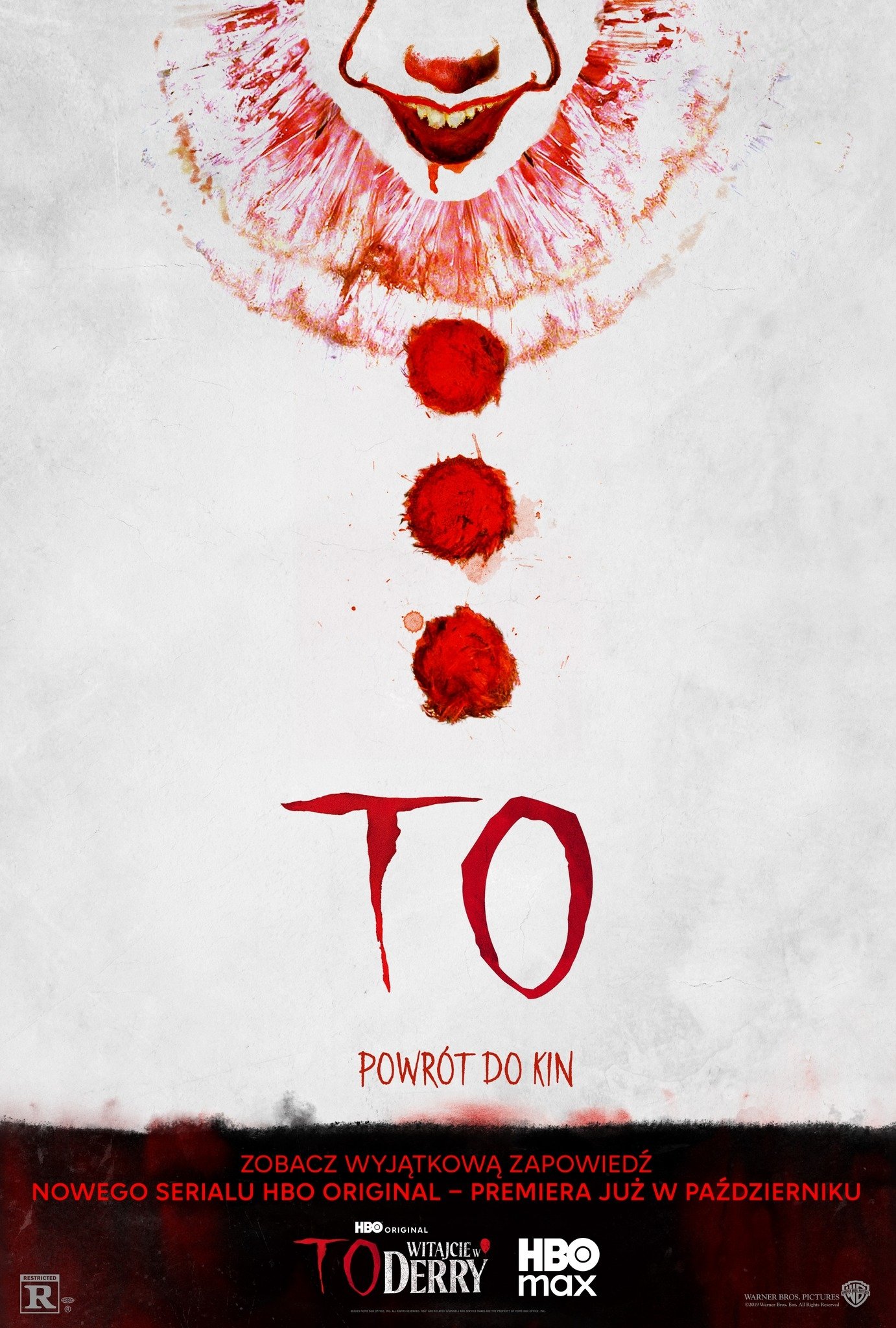
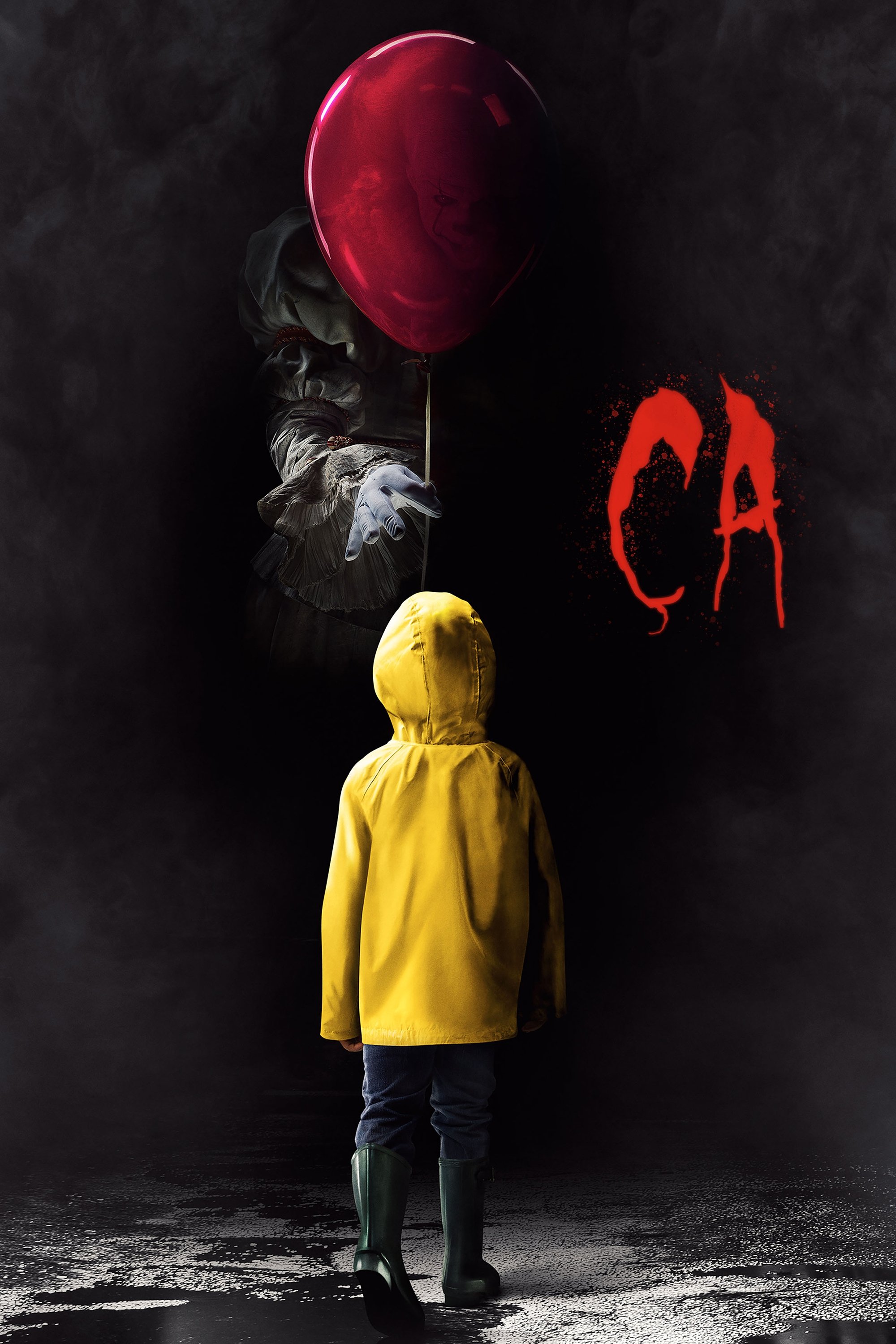
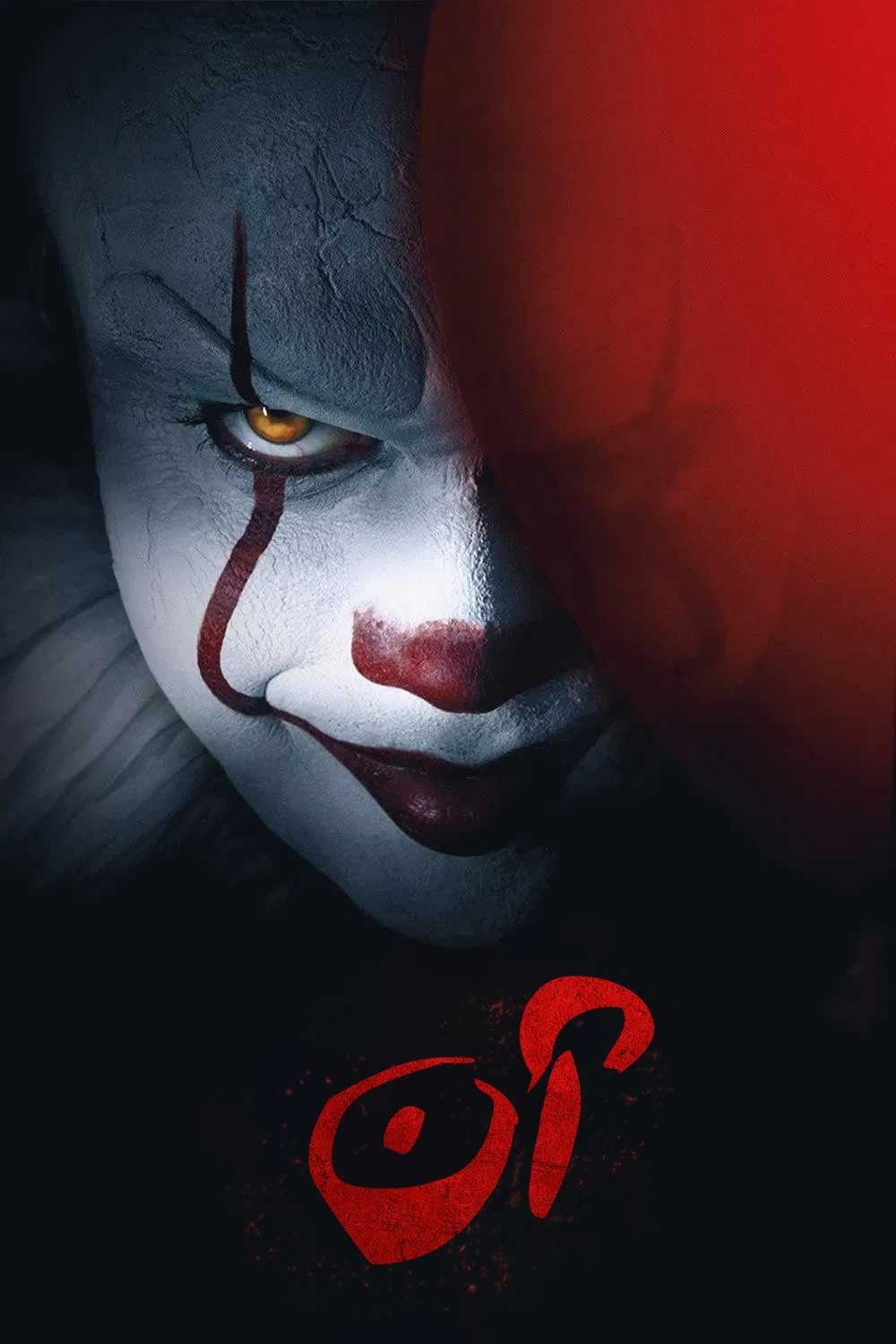
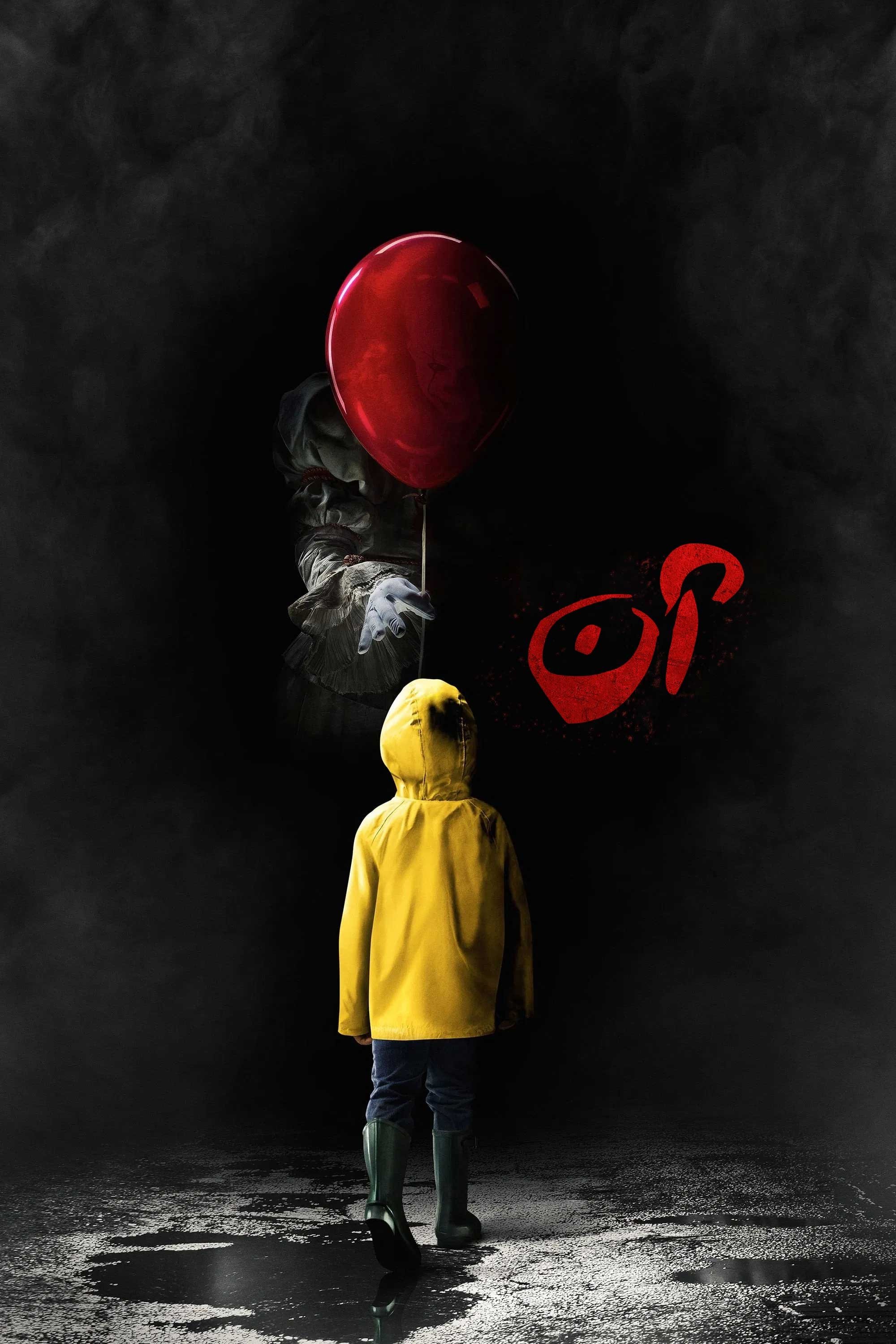
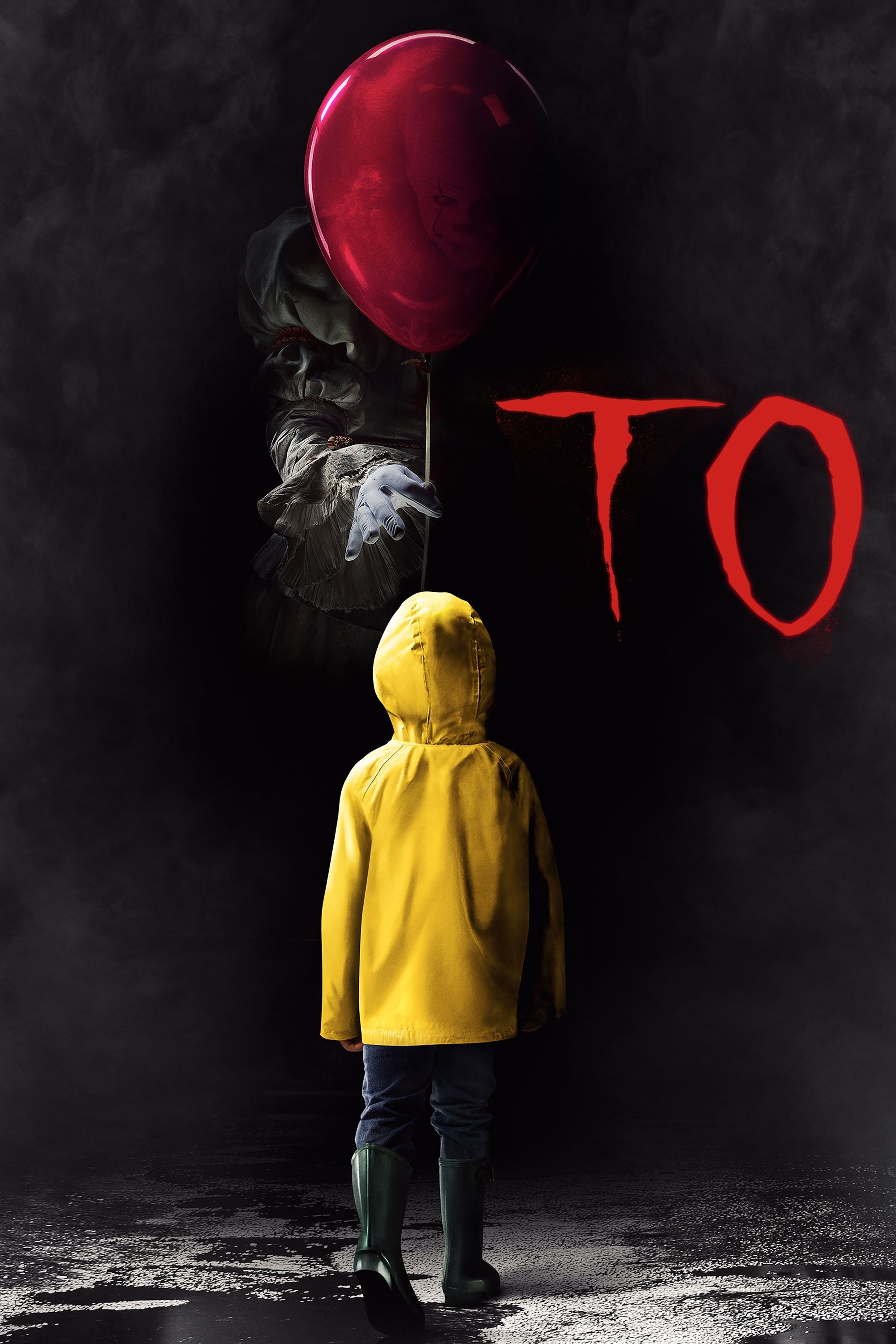
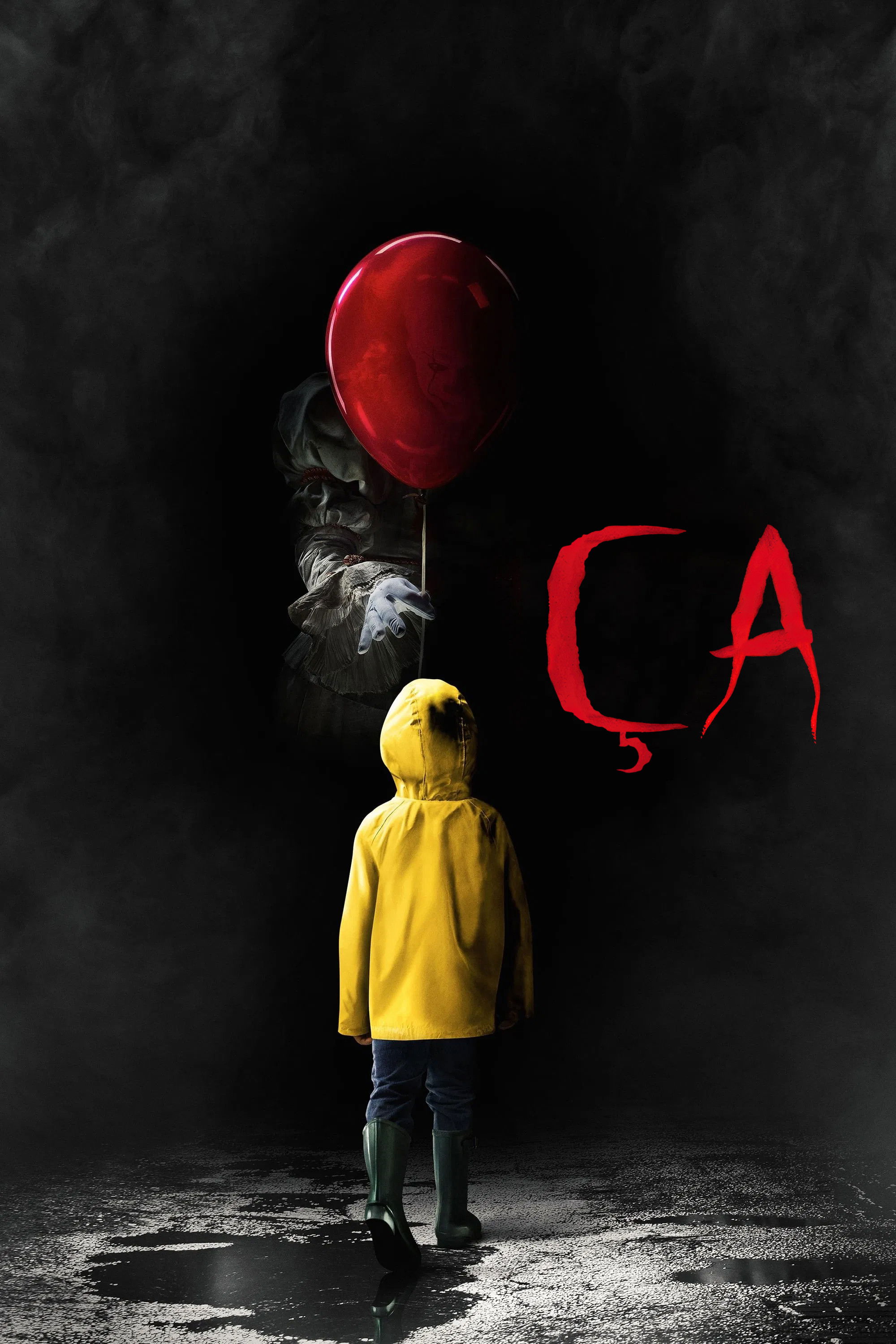
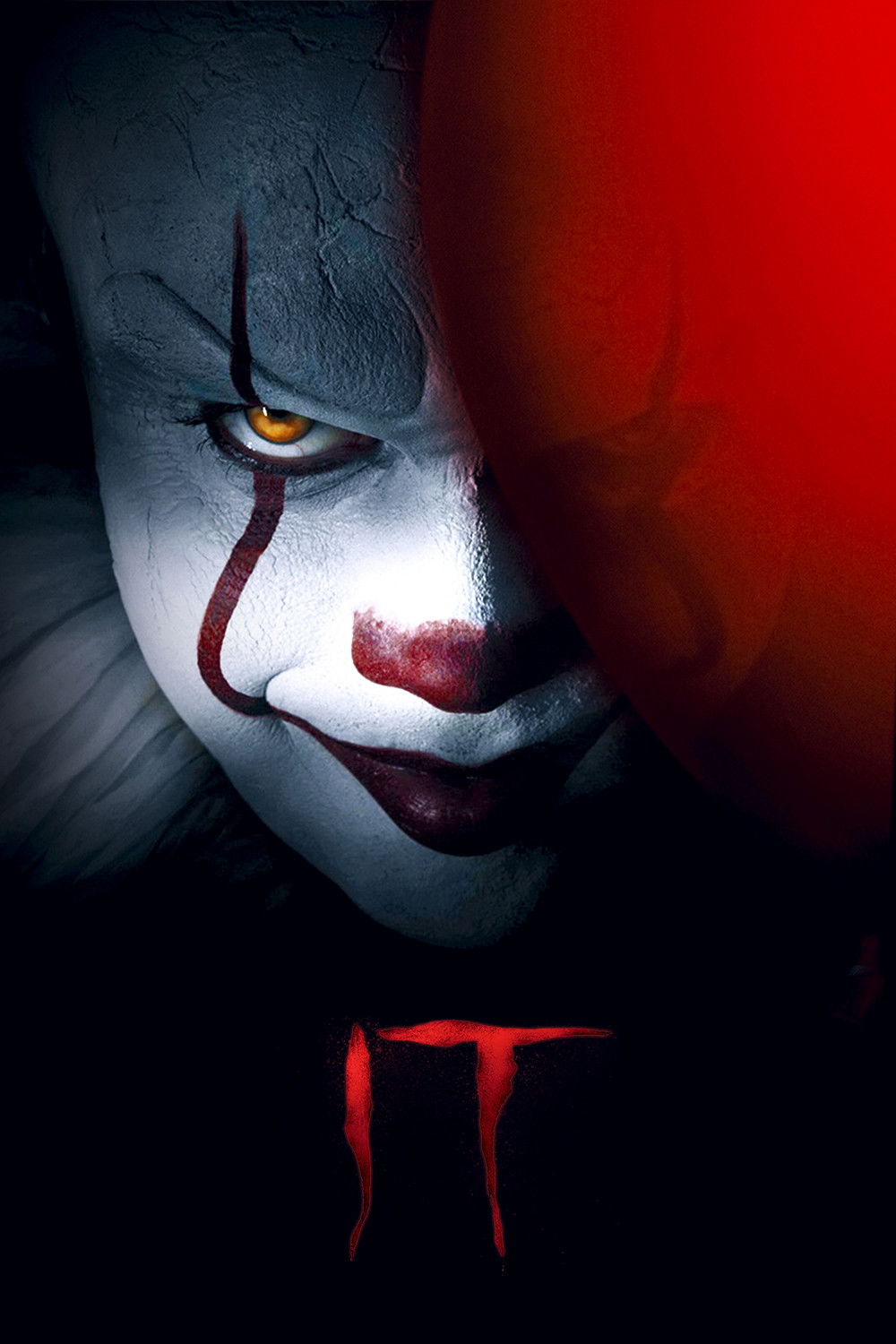
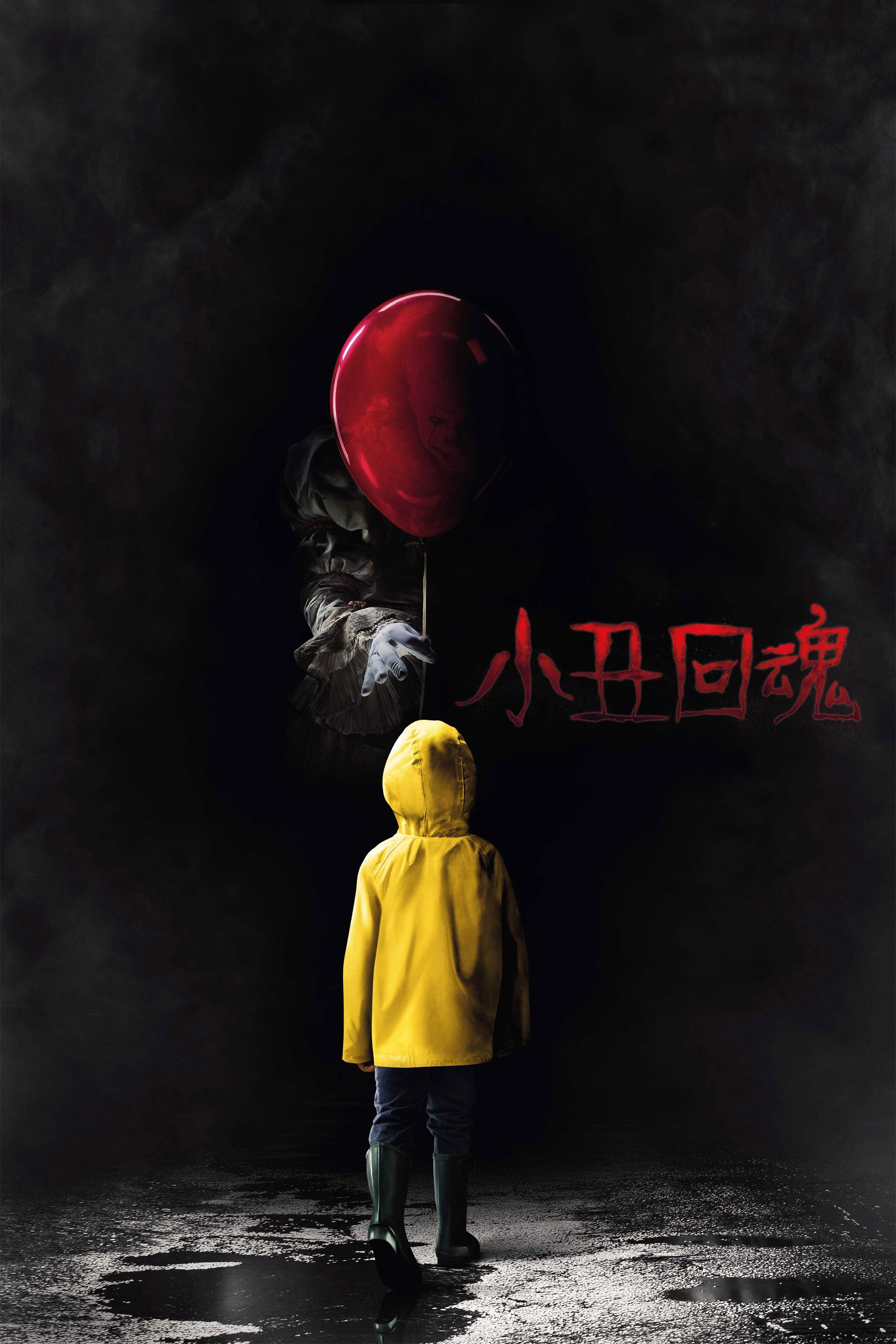
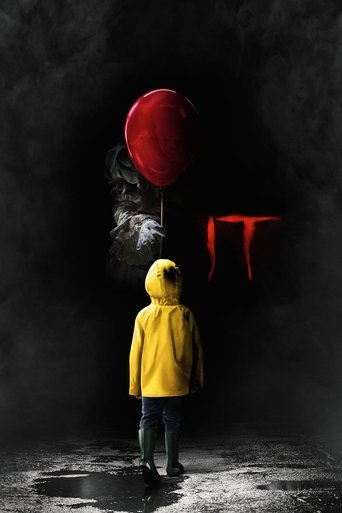
It (2017) poster
Director
Production Companies
New Line Cinema , Vertigo Entertainment , Lin Pictures , KatzSmith Productions
Plot

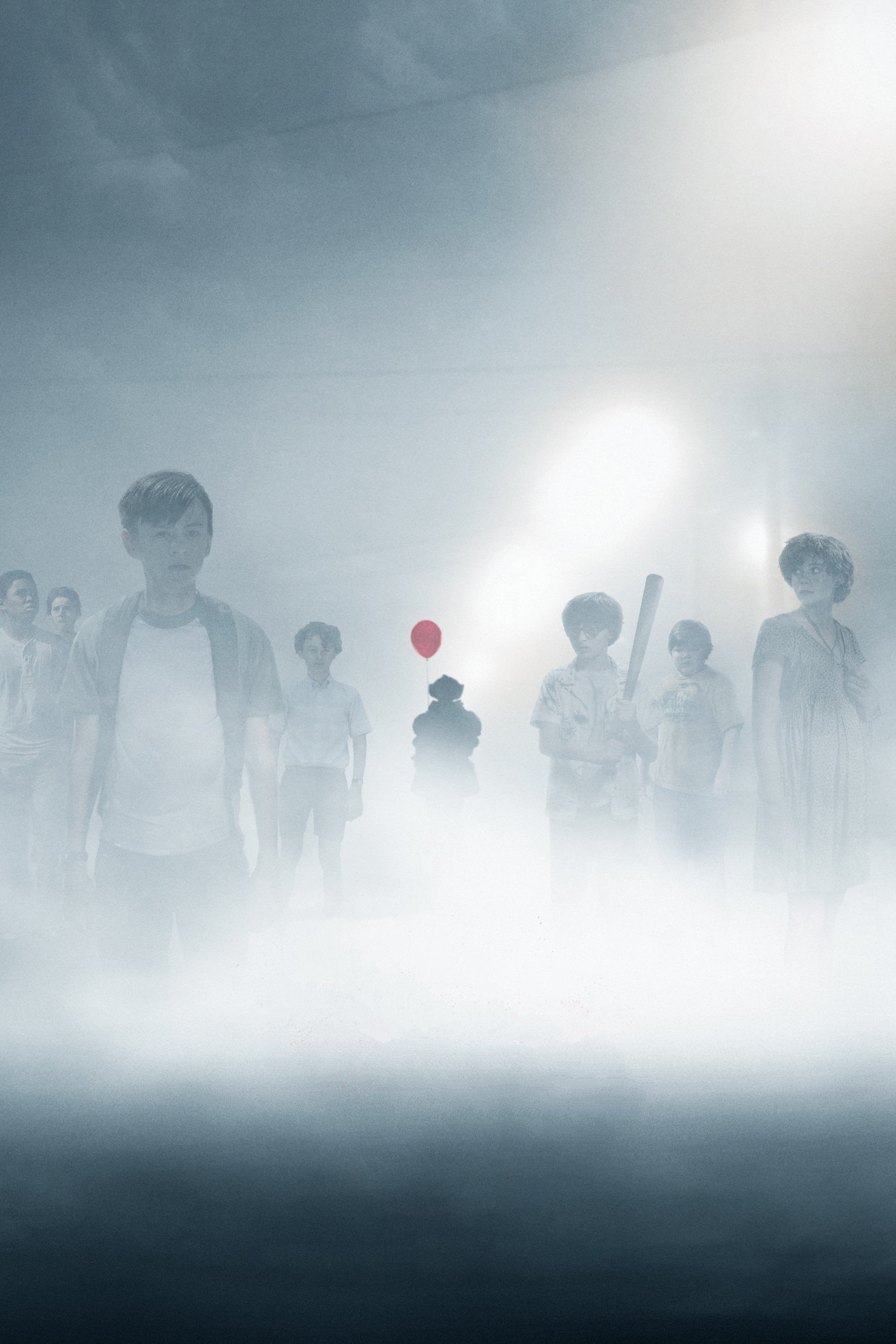
In a small town in Maine, seven children known as The Losers Club come face to face with life problems, bullies and a monster that takes the shape of a clown called Pennywise.

Alternative Titles
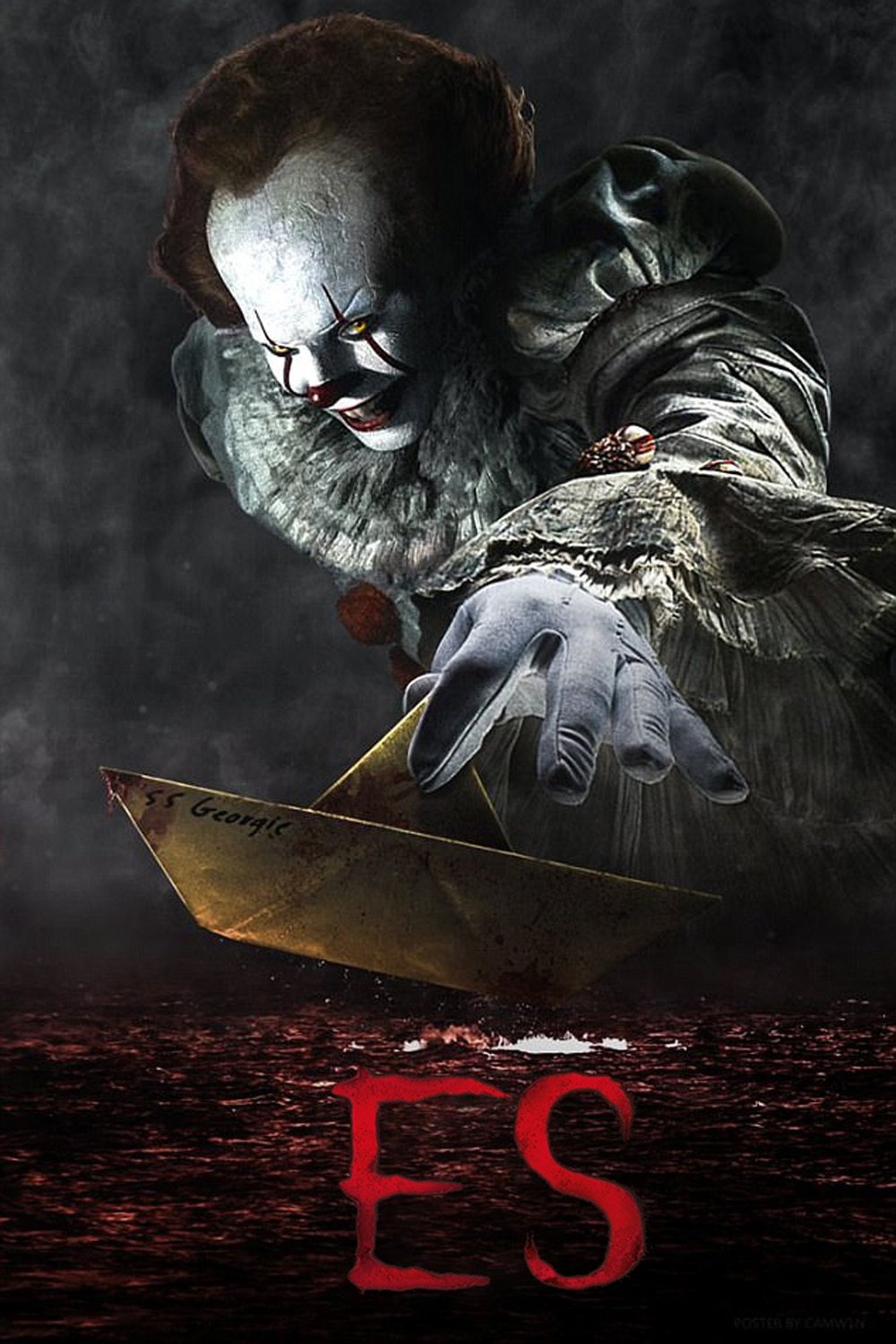
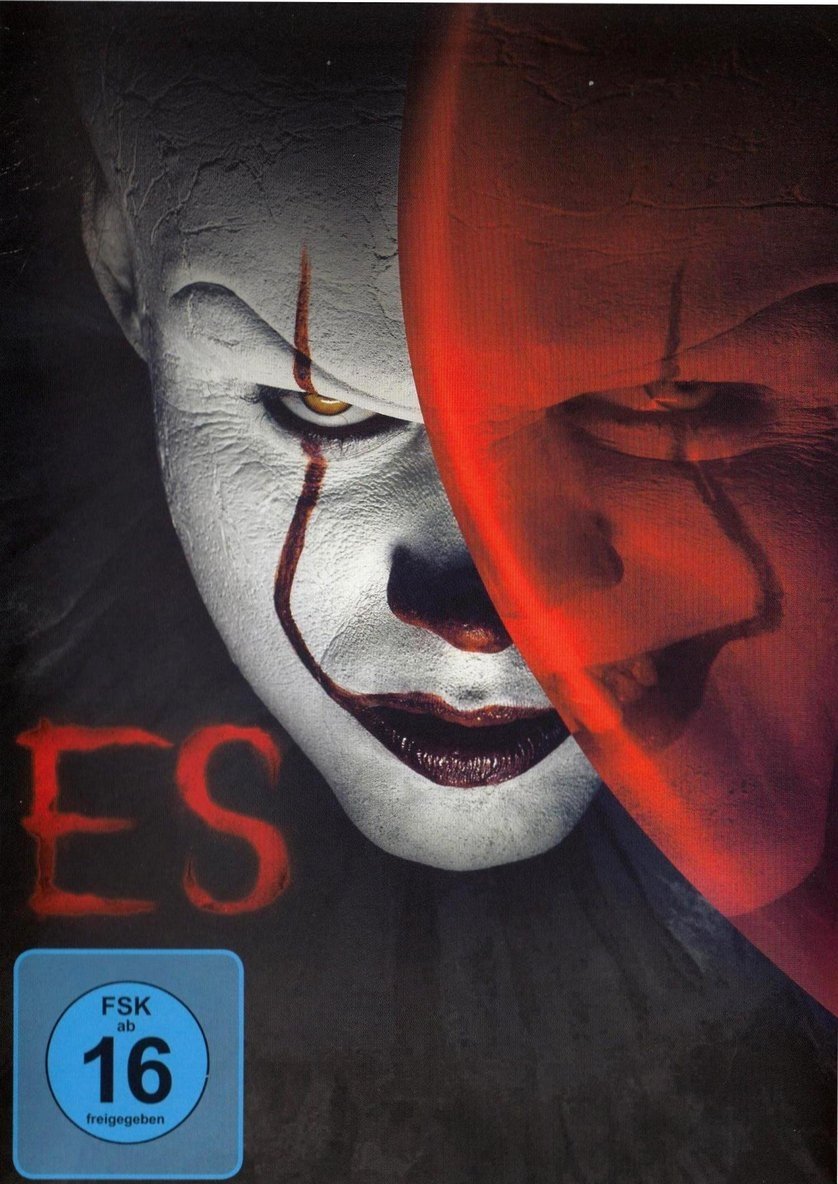
الشيء (United Arab Emirates) — Arabic Այն (Armenia) Es (Austria) — German То (Bulgaria) — Bulgarian It: A Coisa (Brazil) Яно (Belarus) — Belarusian Ça (Canada) — French Es (Switzerland) — German
Show all 54 alternative titles 小丑回魂 (China) To (Czechia) — Czech To It (Czechia) To Kapitola 1 (Czechia) Es (Germany) — German ES - Kapitel 1 (Germany) — closing credits title See (Estonia) — Estonian It (Eso) (Spain) — Spanish Se (Finland) — Finnish Ça (France) — French Ça - Chapitre 1 (France) ის (Georgia) — Georgian Το Αυτό (Greece) — Greek 小丑回魂 (Hong Kong SAR China) — Chinese Ono (Croatia) — Croatian Az (Hungary) — Hungarian זה (Israel) — Hebrew זה: חלק 1 (Israel) זה: פרק ראשון (Israel) इट (India) — Hindi آن (Iran) — Persian It - Capitolo uno (Italy) IT/イット “それ”が見えたら、終わり。 (Japan) — Japanese It/イット それ が見えたら終わり (Japan) 그것 (South Korea) — Korean Tas (Lithuania) — Lithuanian Tas (Latvia) — Latvian Oraşul bântuIT (Moldova) — Romanian title It (Eso) (Mexico) — Spanish It: Chapter One (Netherlands) — Dutch To (Poland) — Polish То (Serbia) — Serbian Оно (Russia) — Russian الشيء (Saudi Arabia) — Arabic Det (Sweden) Tisto (Slovenia) — Slovenian To (Slovakia) — Slovak อิท (Thailand) อิท โผล่จากนรก (Thailand) — Thai O (Türkiye) — Turkish 牠 (Taiwan) — Chinese Воно (Ukraine) — Ukrainian It: Chapter One (United States) — closing credits title U (Uzbekistan) — Uzbek Chúa Hề Ma Quái (Vietnam) — Other name Gã Hề Ma Quái (Vietnam) — Vietnamese

Trailers & Videos

10 videos

Film Guide & Analysis

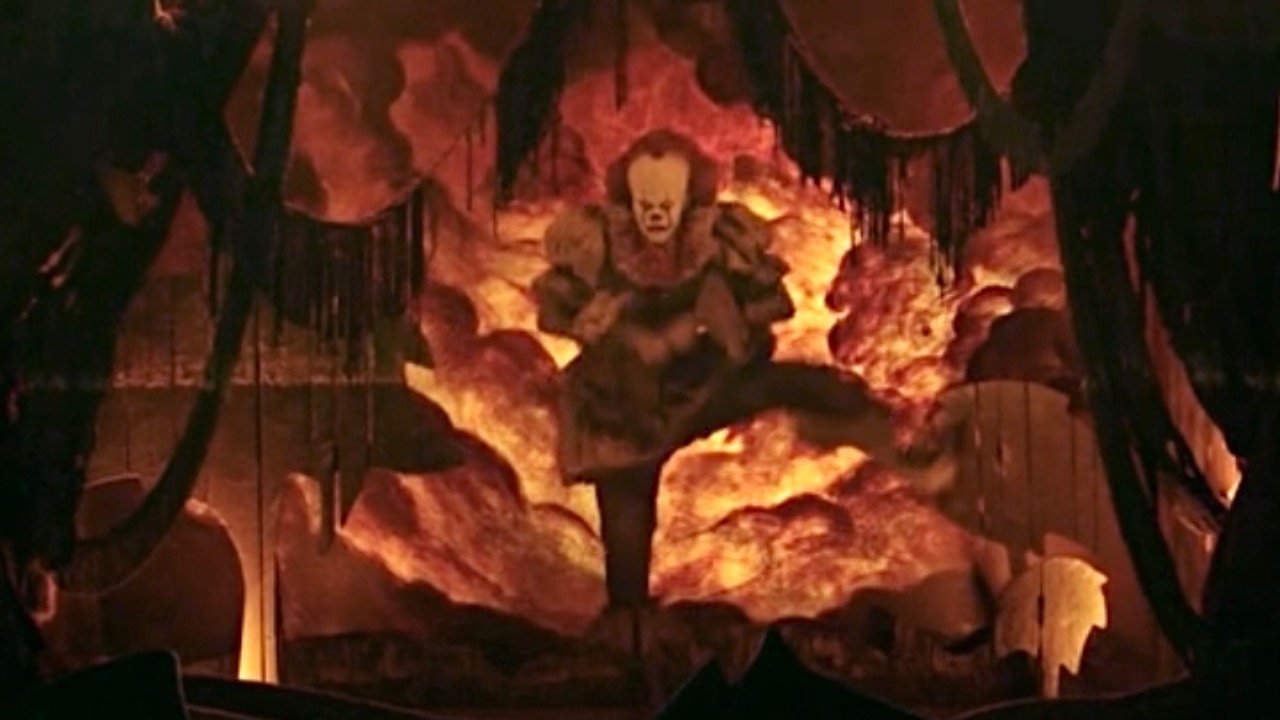
Andy Muschietti’s 2017 adaptation of Stephen King’s It combines childhood trauma, supernatural horror, Bill Skarsgård’s Pennywise and elaborate creature effects in a landmark theatrical success.

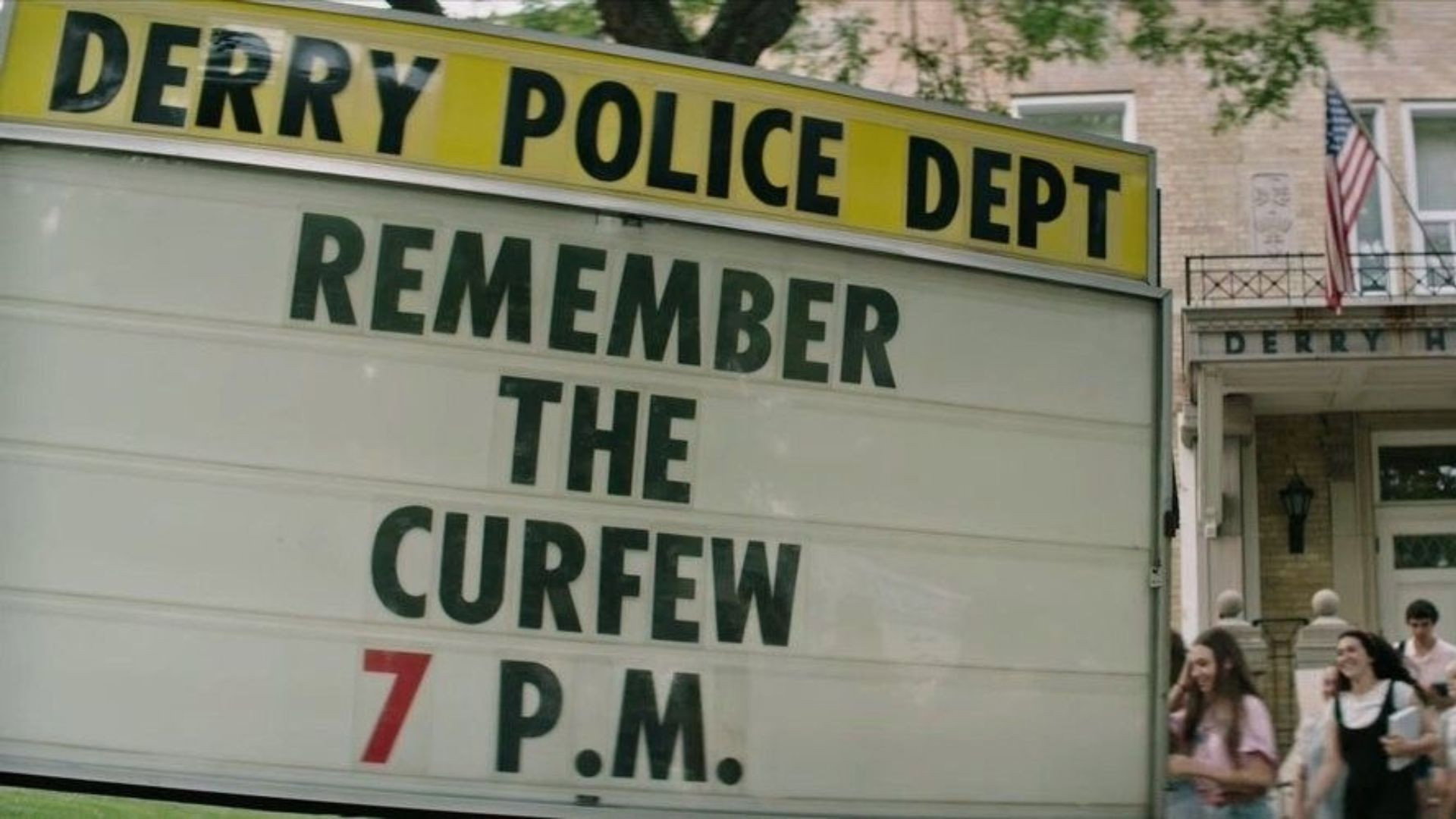
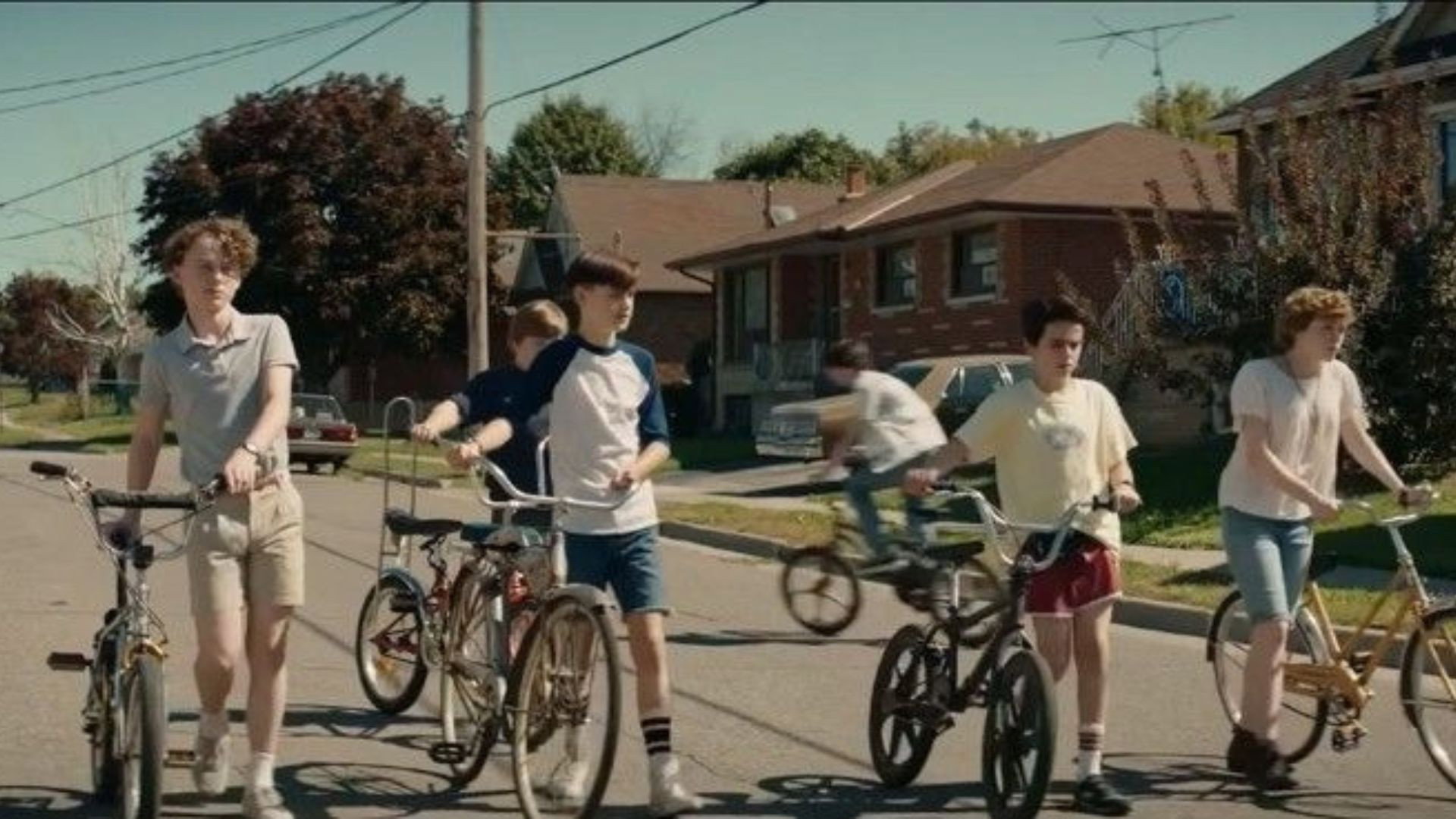
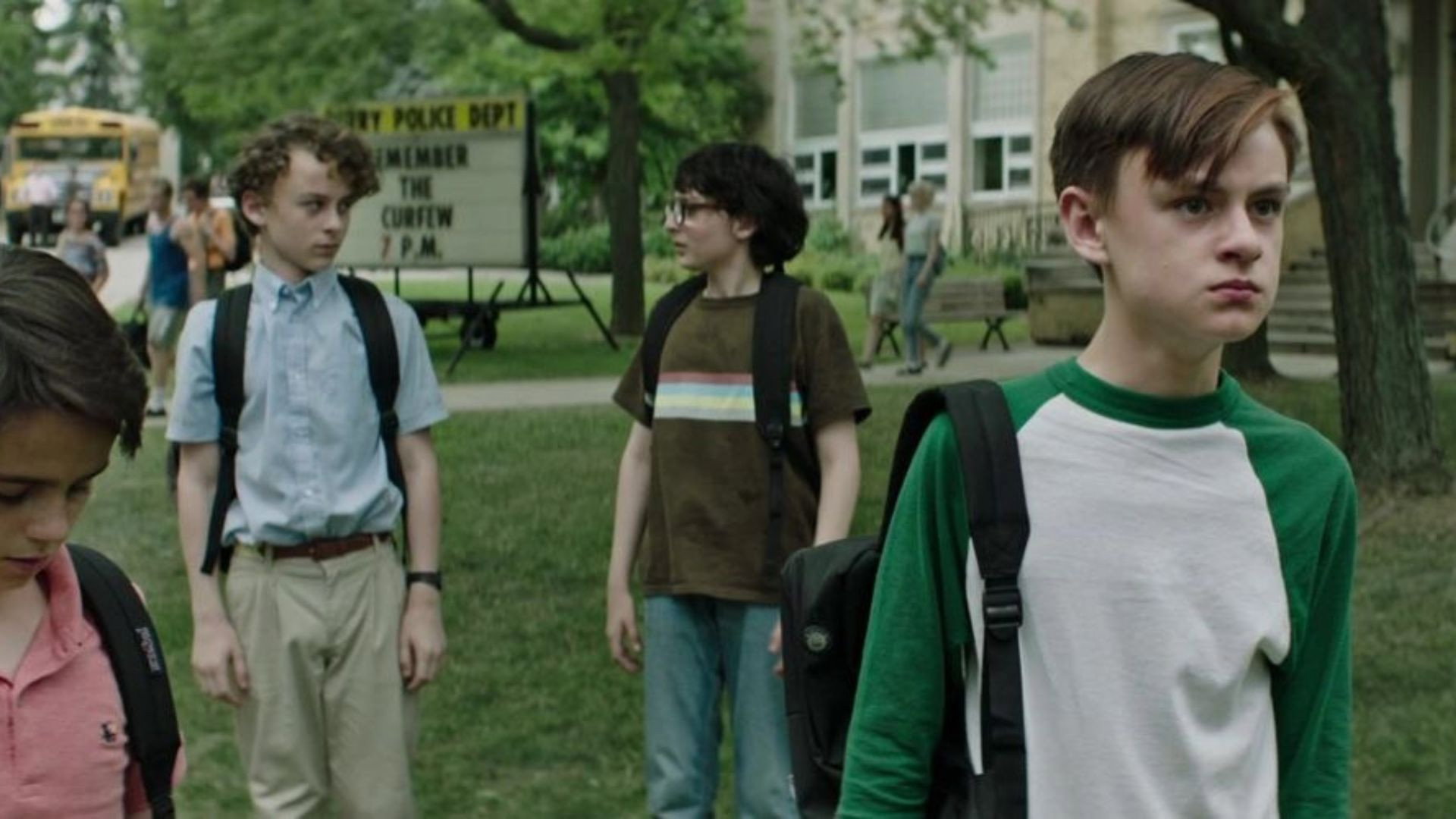
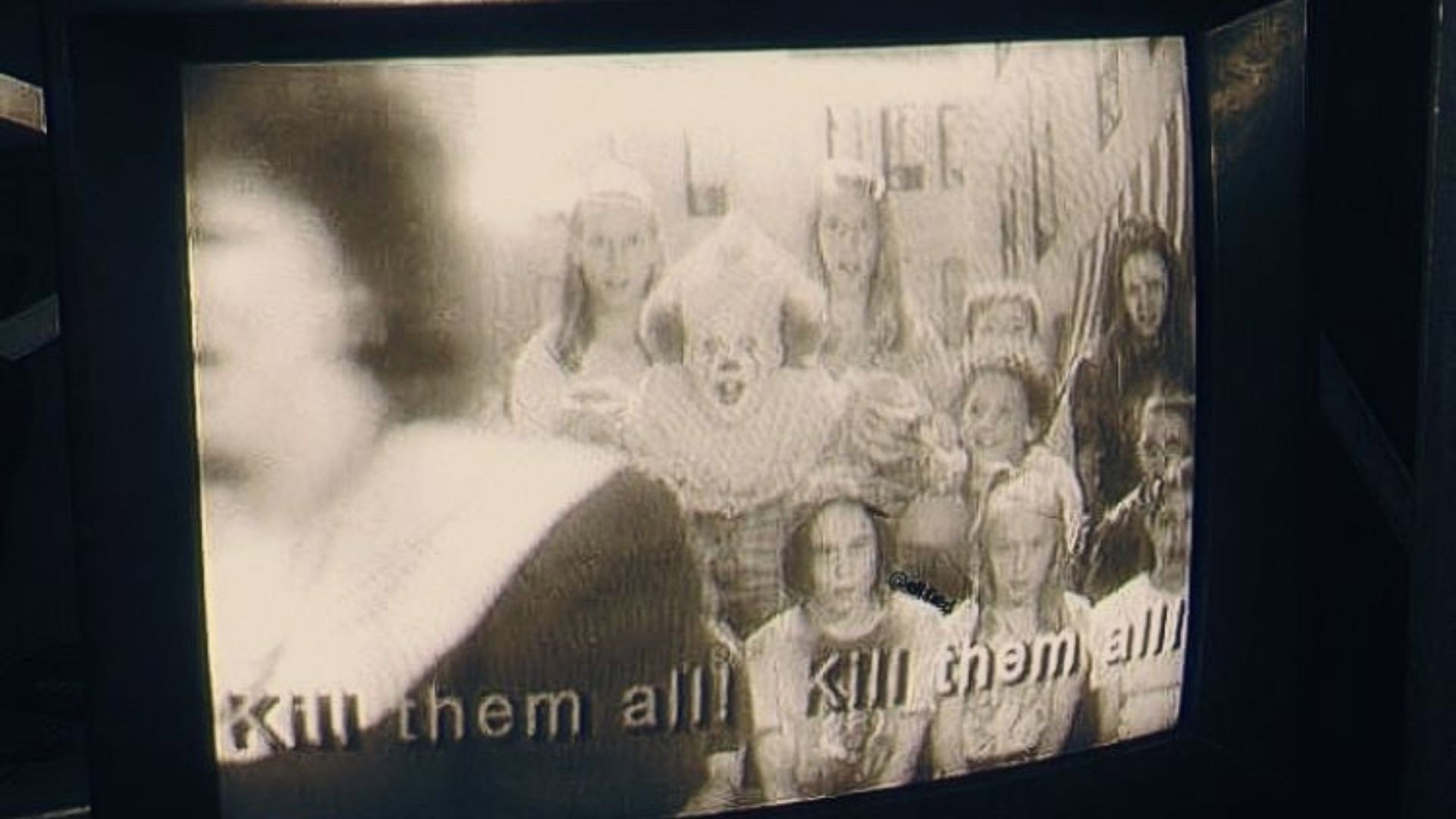
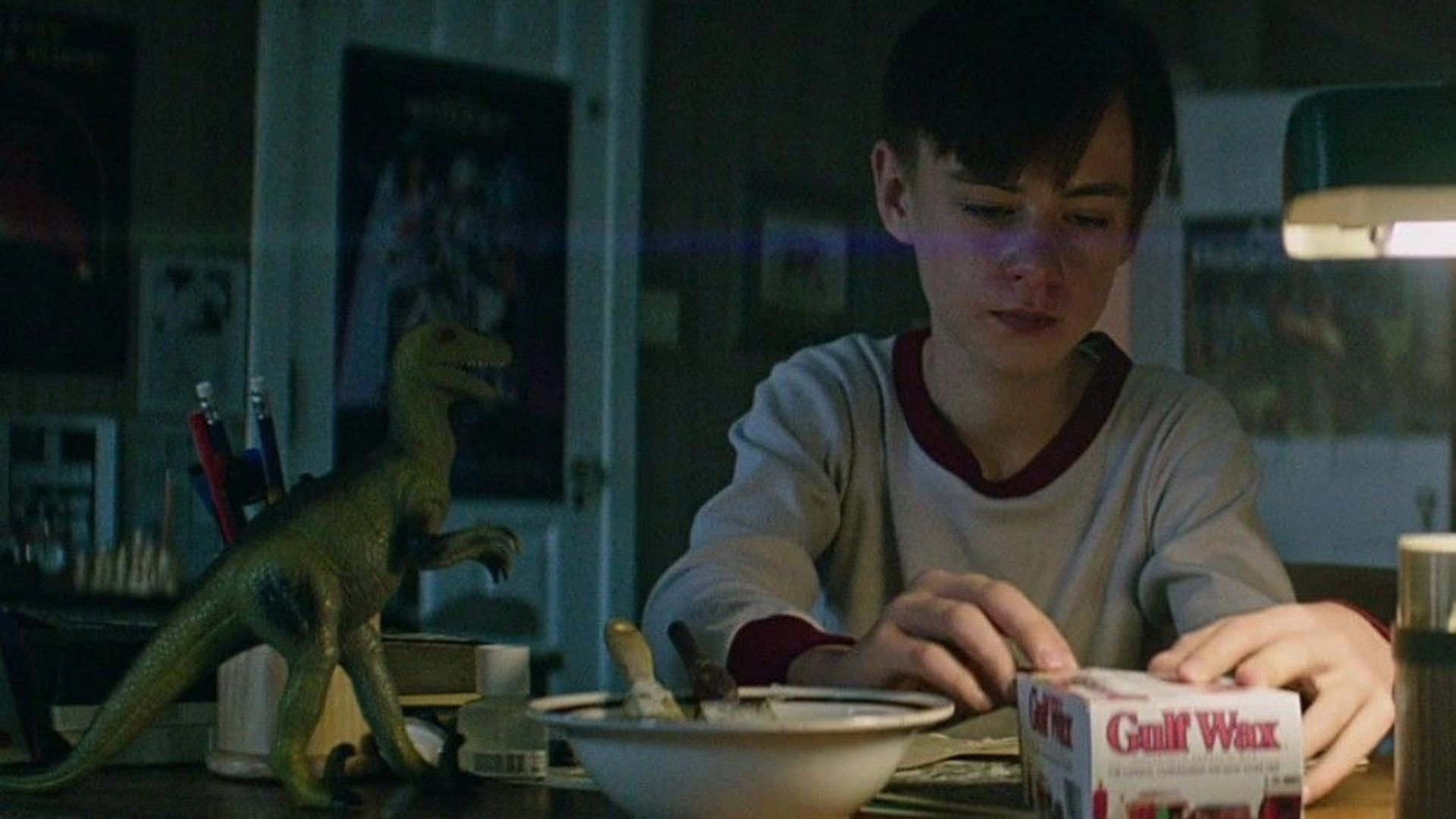
It (2017) is an American supernatural horror film directed by Andy Muschietti from a screenplay by Chase Palmer, Cary Joji Fukunaga and Gary Dauberman, adapted from Stephen King’s 1986 novel. Set in the fictional town of Derry, Maine, during the summer of 1989, the story follows seven children who discover that a shape-shifting entity has been preying upon the community for generations. Its most familiar appearance is Pennywise the Dancing Clown, portrayed by Bill Skarsgård. The film concentrates on the childhood portion of King’s narrative, connecting supernatural terror to bullying, abusive families, bereavement and the vulnerability of children in an environment where adults repeatedly fail to protect them.

Developed over several years and produced by New Line Cinema, It became a landmark commercial success for contemporary theatrical horror. Muschietti combined the intimate dynamics of the Losers’ Club with elaborate creature transformations, practical prosthetic makeup and digital visual effects. Cinematographer Chung Chung-hoon gave the fictional town a recognizable physical environment while introducing disturbing changes of perspective and scale. Benjamin Wallfisch’s score connected the children’s friendships to the predatory presence of Pennywise through recurring musical themes. Released in September 2017, the film established a new screen interpretation of King’s monster and led to the second installment, It Chapter Two (2019).

Development & Adaptation

The adaptation emerged from a lengthy development process involving producers Dan Lin and Roy Lee, who had obtained the screen rights to King’s novel. Early plans involved David Katzenberg and Seth Grahame-Smith, before Cary Joji Fukunaga became attached as director and developed a screenplay with Chase Palmer. Fukunaga’s version progressed toward production but encountered disagreements with New Line Cinema. In an October 2017 Los Angeles Times investigation, Grahame-Smith described the departure as a matter of creative differences rather than a dispute primarily concerned with personality or financing. Fukunaga left the production shortly before its planned start, although his contribution remained part of the eventual screenwriting credit.

Andy Muschietti, whose previous feature Mama (2013) had demonstrated his interest in childhood trauma and supernatural motherhood, subsequently assumed direction. Producers interviewed by the Los Angeles Times recalled that his presentation concentrated on the experiences of the Losers rather than beginning with elaborate creature designs. Muschietti had encountered King’s novel during his adolescence in Argentina and identified strongly with its depiction of children who found solidarity through their exclusion from ordinary social groups. The emotional relationship among the protagonists became an organizing principle for the adaptation, influencing decisions about performance, photographic style and the distribution of horror sequences.

The filmmakers divided the novel’s alternating childhood and adult narratives into separate films. The first installment moves the childhood events from the late 1950s to 1989, allowing the prospective continuation to examine the surviving characters approximately twenty-seven years later. This change required alterations to the novel’s cultural references and historical environment. The screenplay also selects particular incidents from a book whose extensive treatment of Derry cannot be reproduced within a single feature. The finished film concentrates on the children’s first confrontation with the entity while preserving the larger mythology as a continuing narrative possibility.
Childhood, Derry & the Nature of Fear

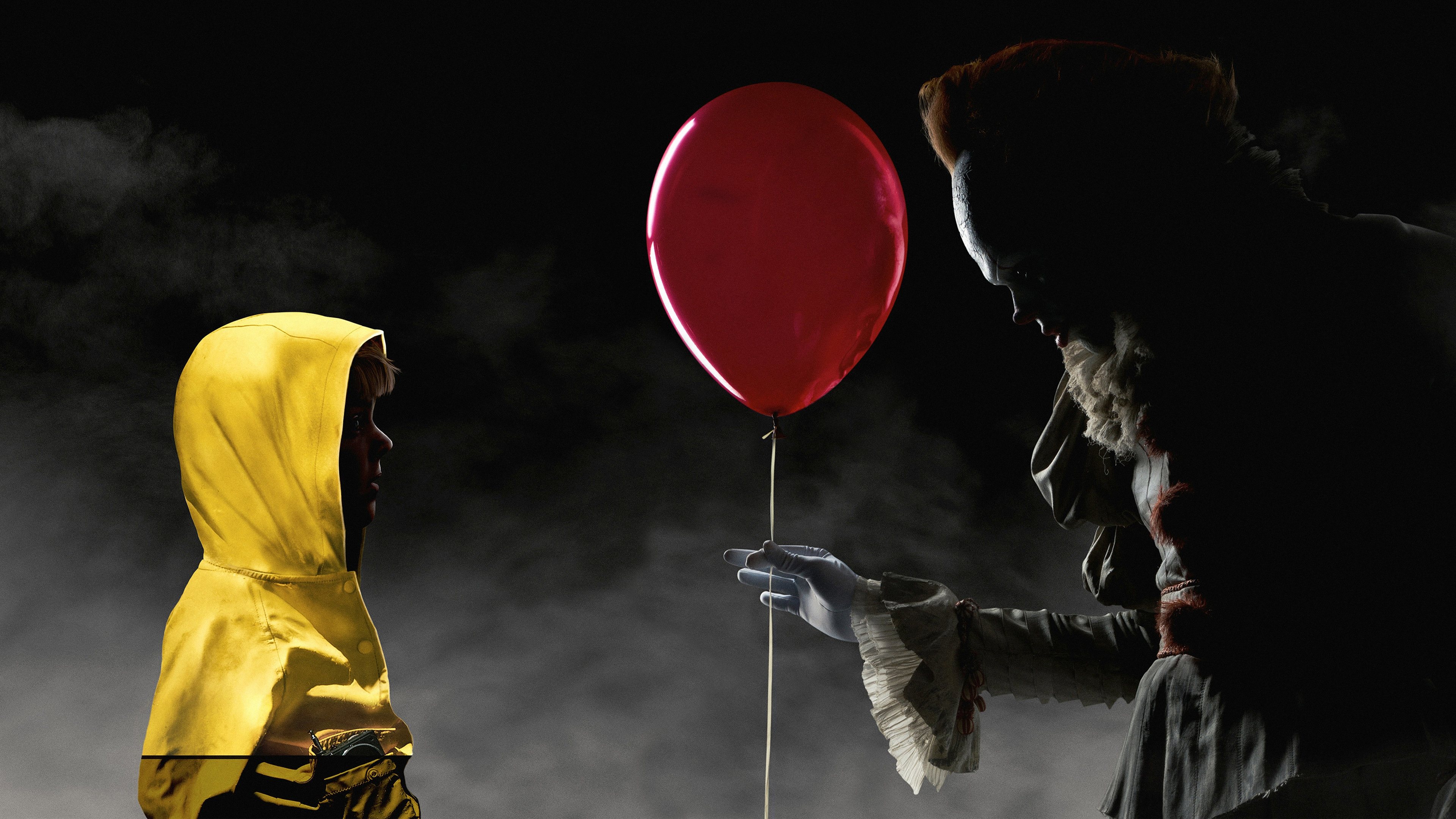
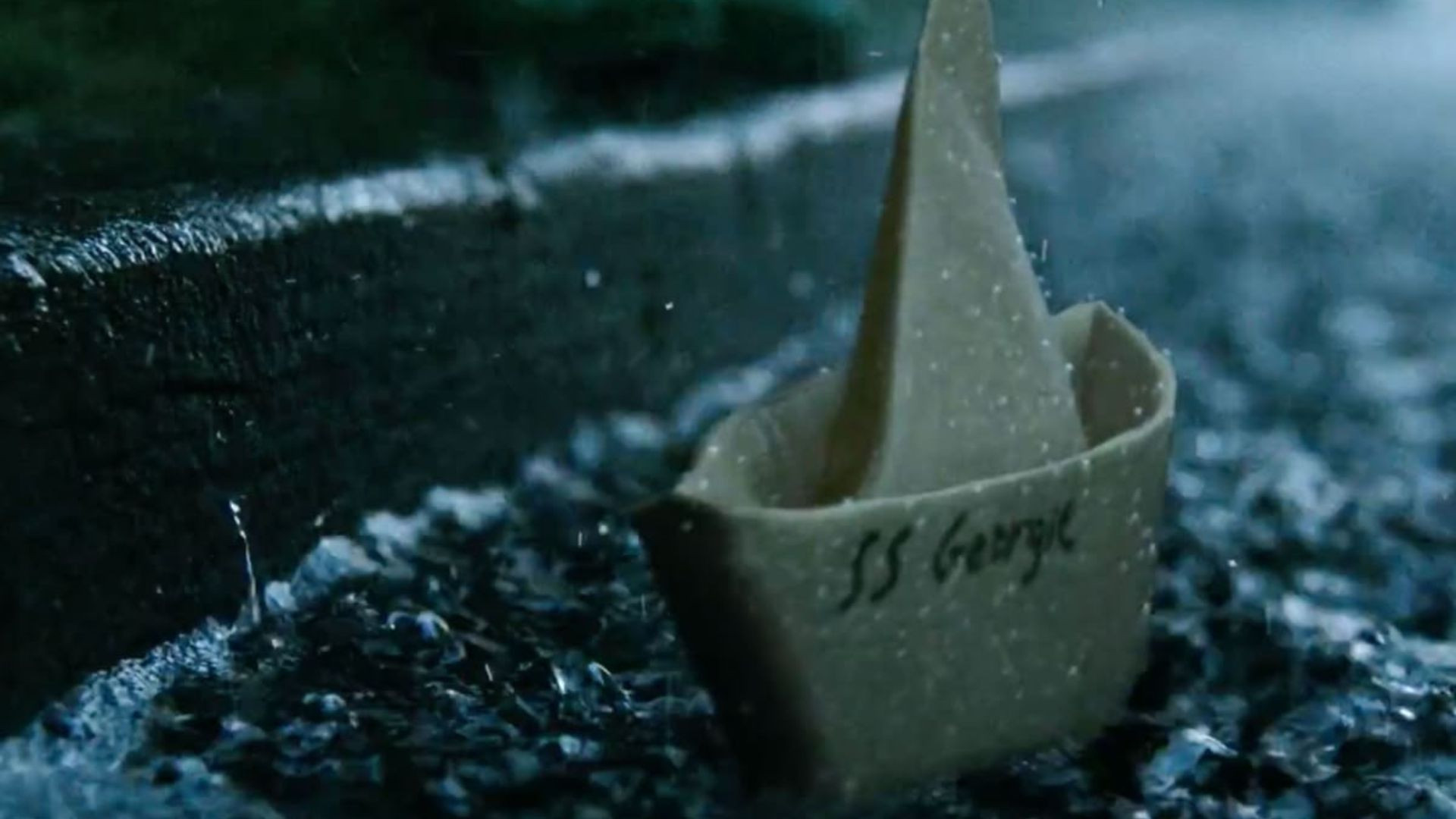
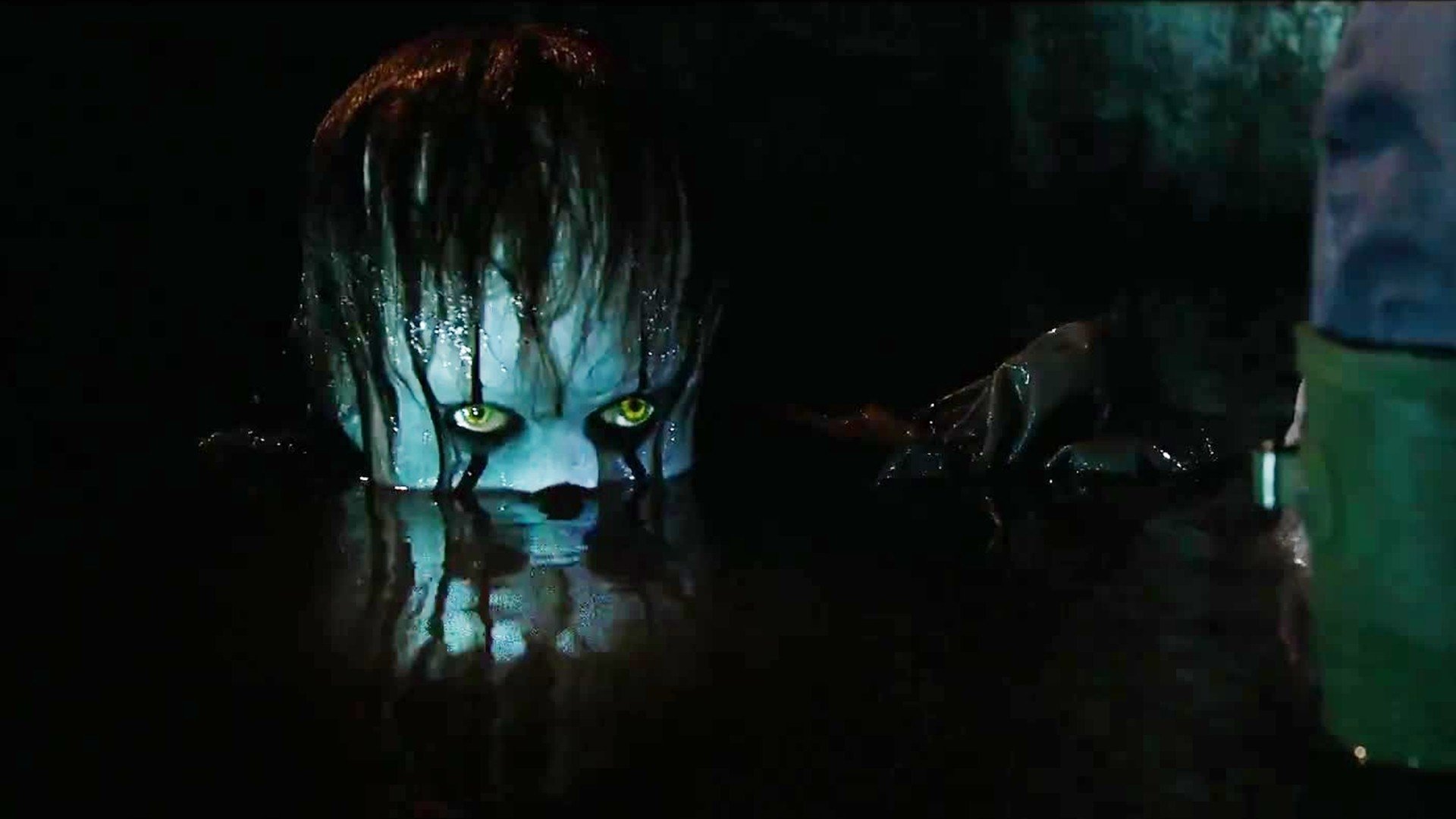
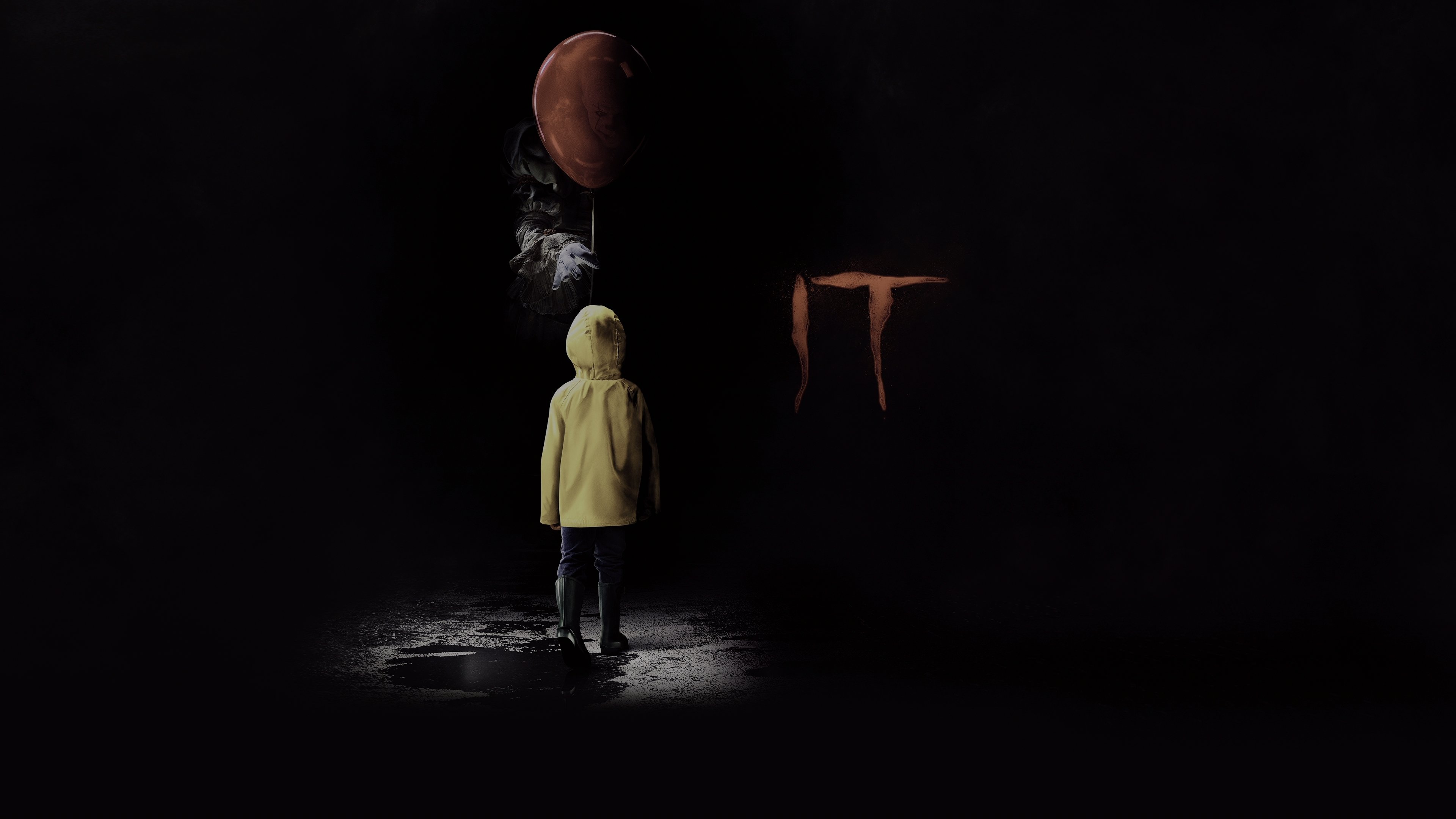
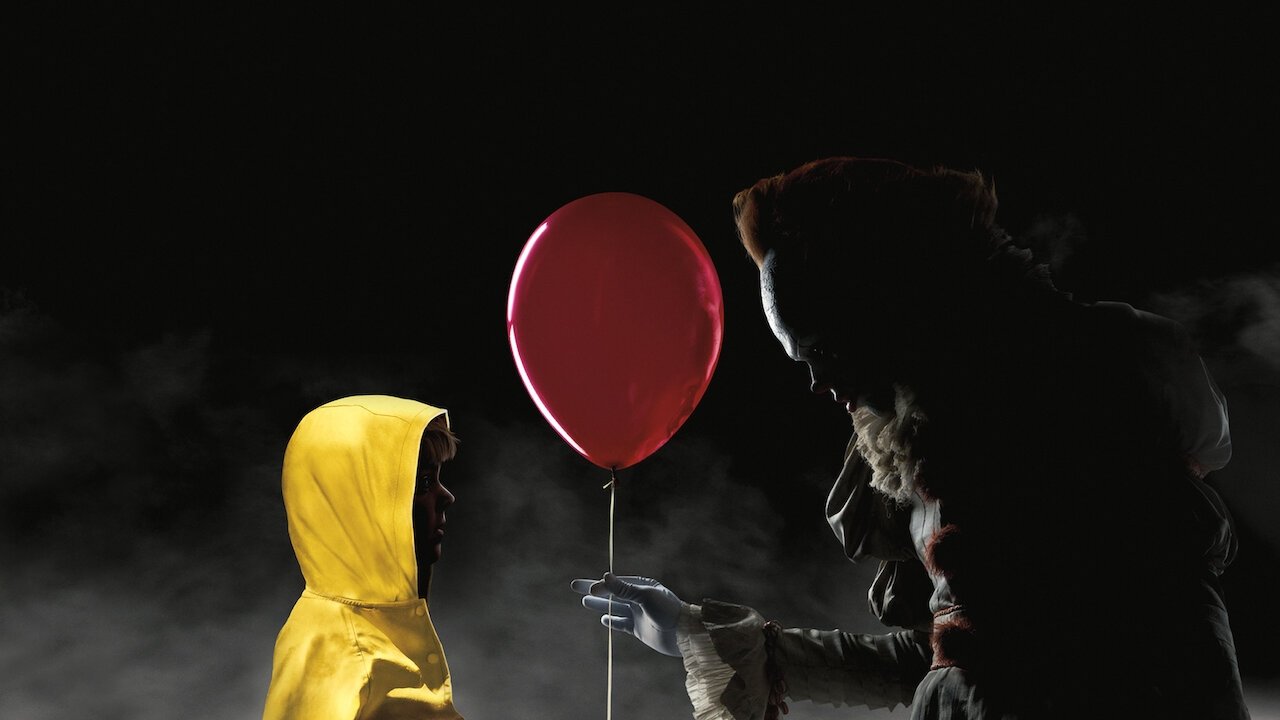
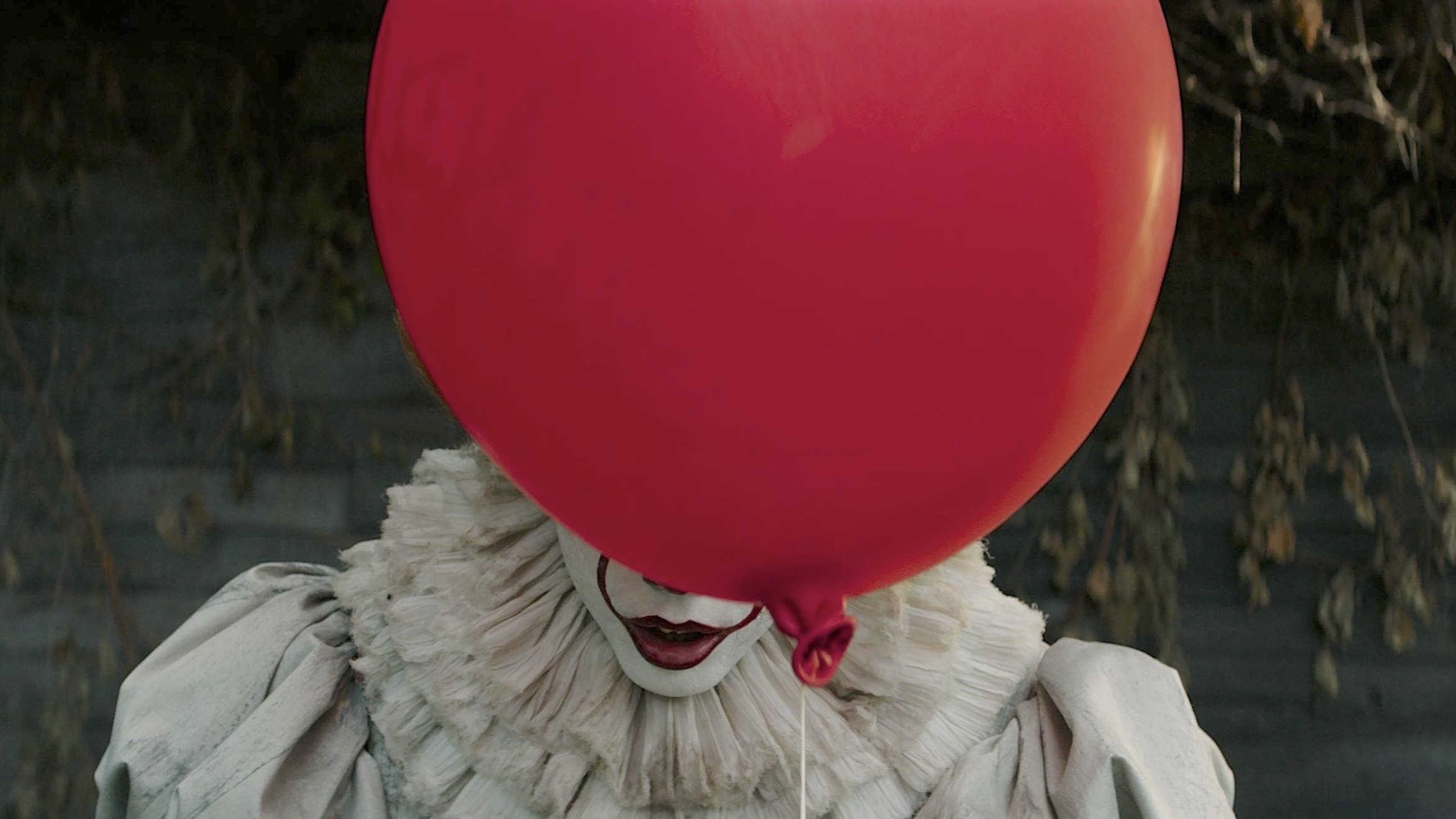
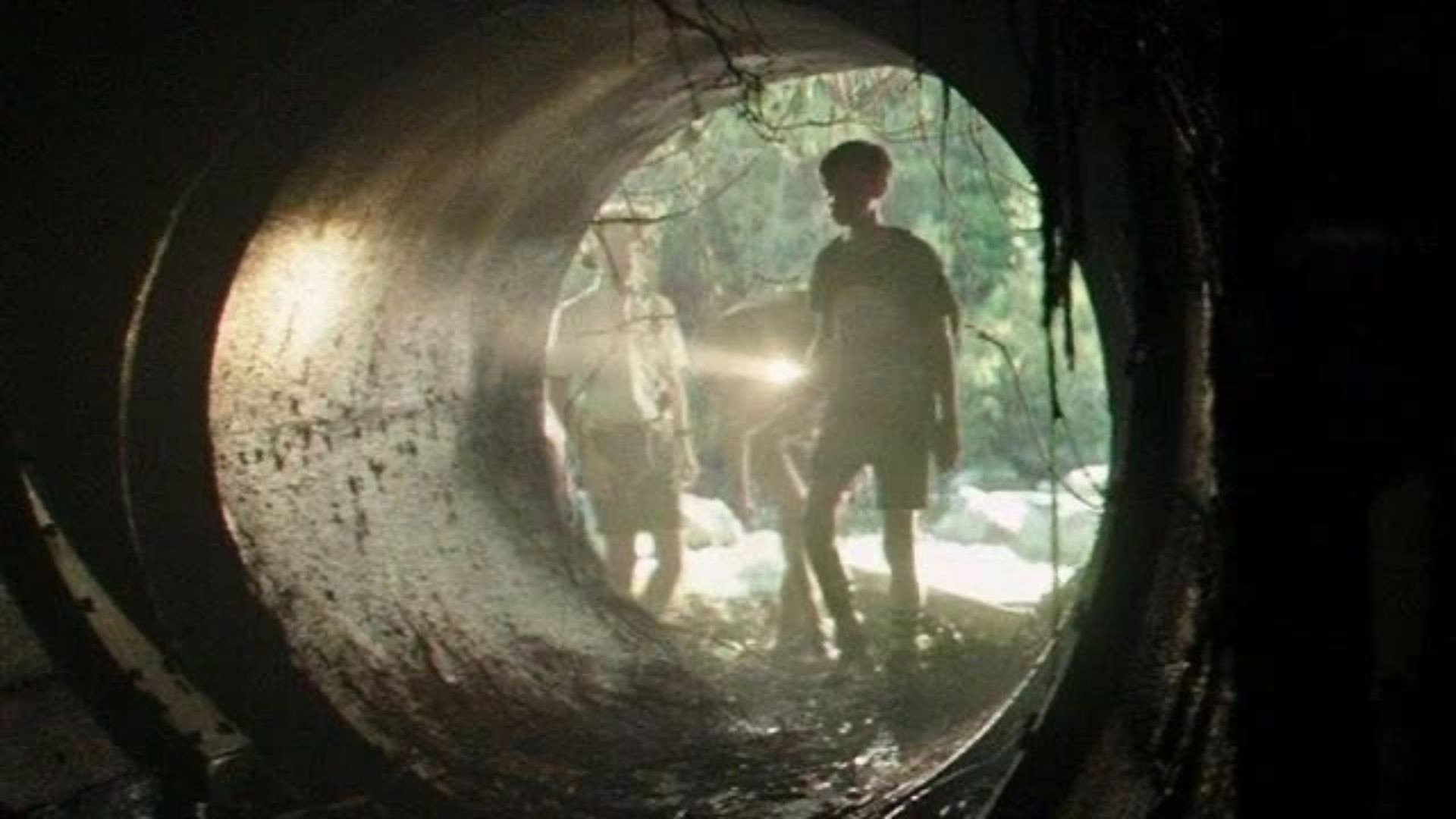
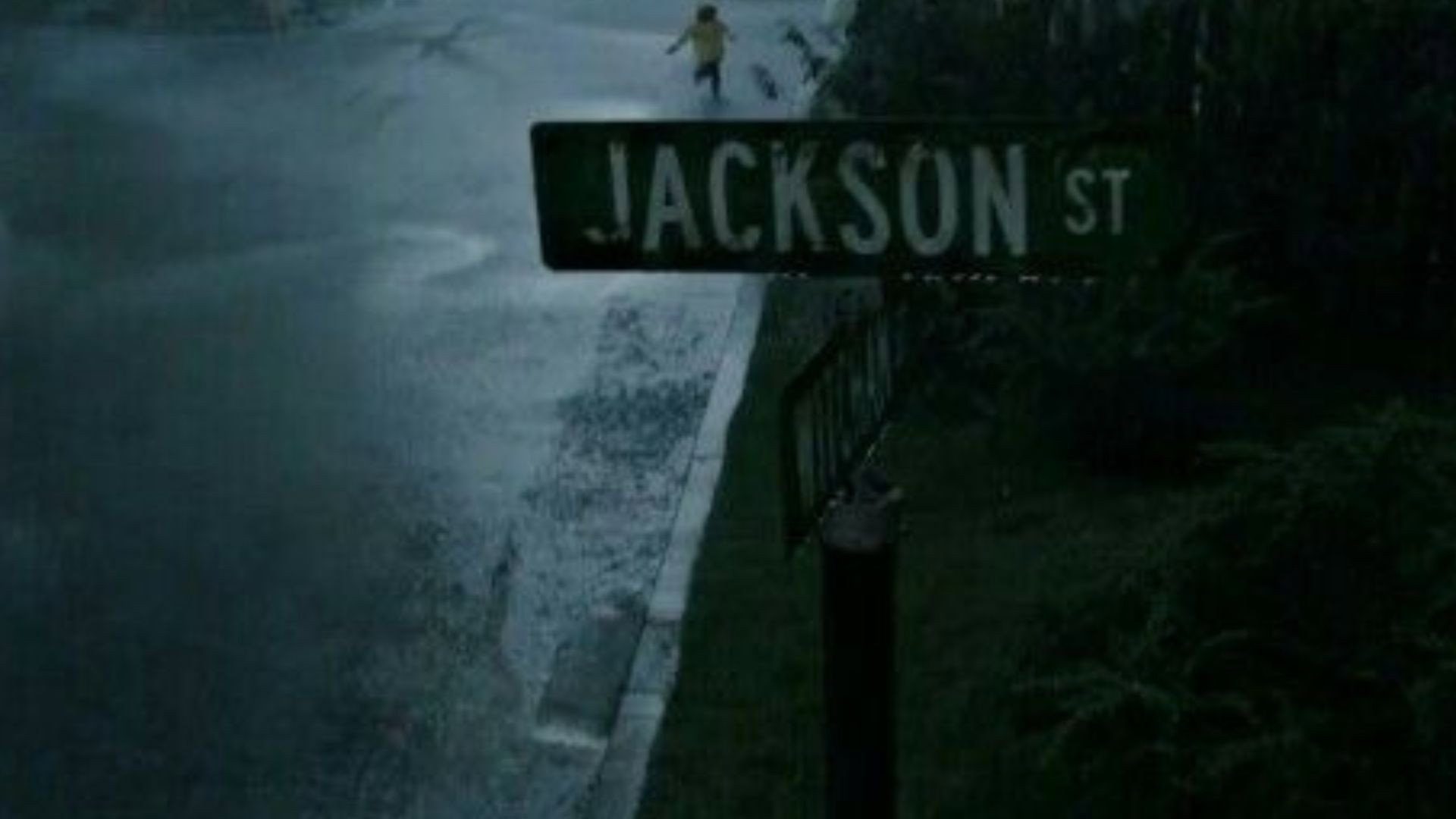
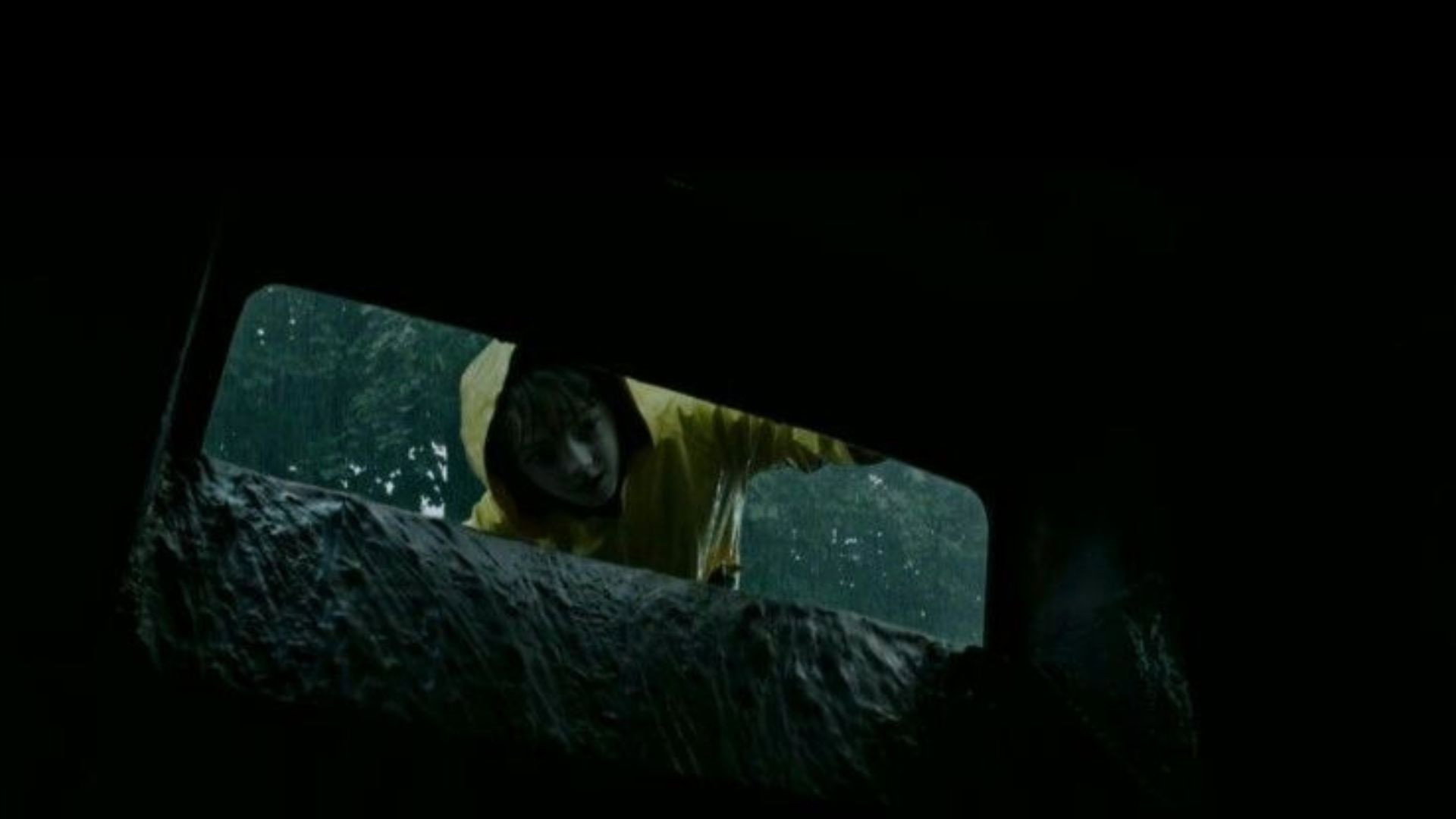
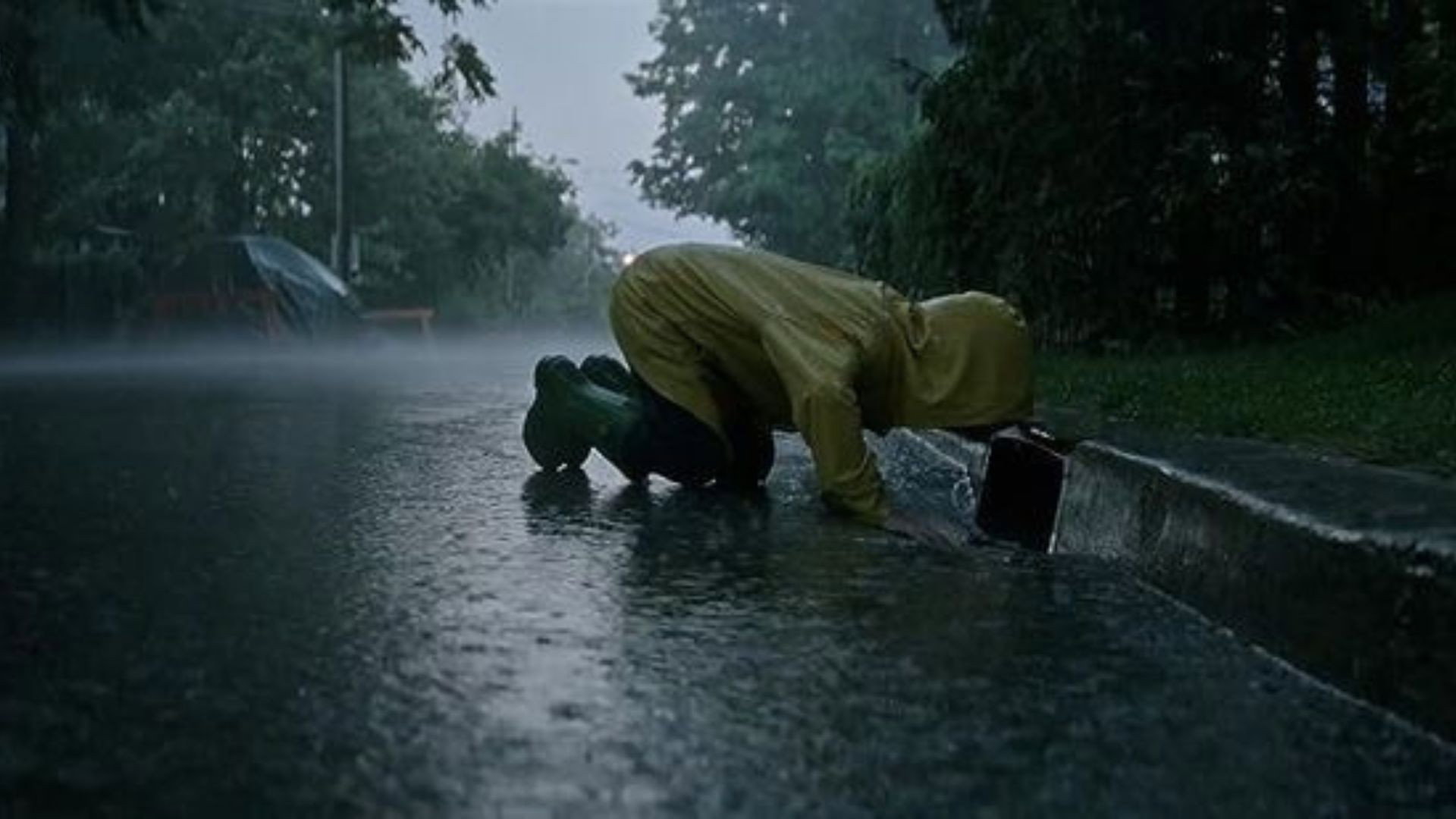
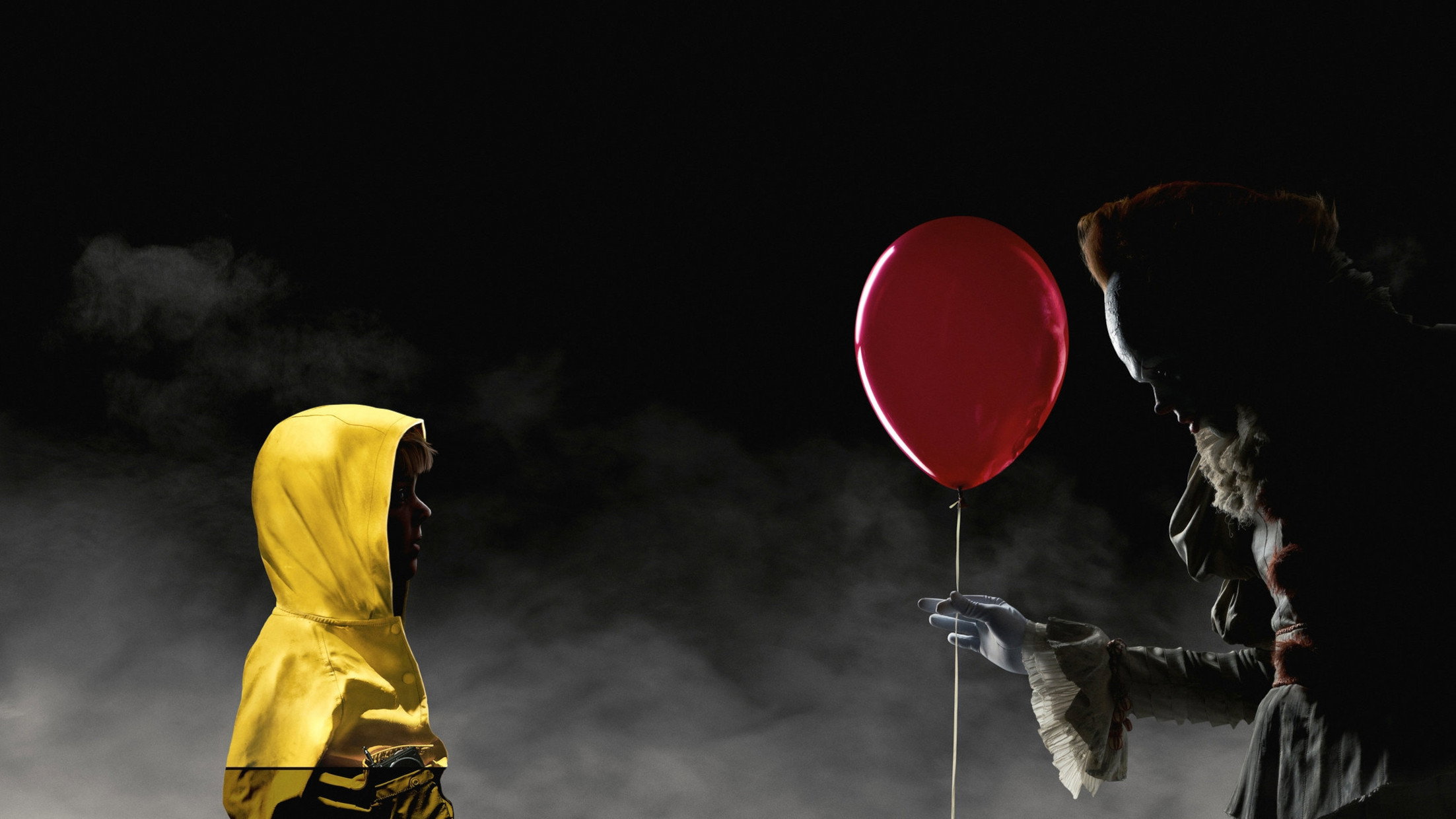
The opening disappearance of Georgie Denbrough establishes the nature of the threat before the central group has assembled. Pennywise approaches the child from a storm drain, presenting himself as an apparently friendly clown before revealing his predatory intentions. Georgie’s death becomes the motivating absence in the life of his older brother Bill, whose determination to discover what happened gradually draws other children into the investigation. The narrative establishes the danger through an encounter that combines familiar childhood objects, especially the paper boat and balloon, with the sudden intrusion of extreme violence.

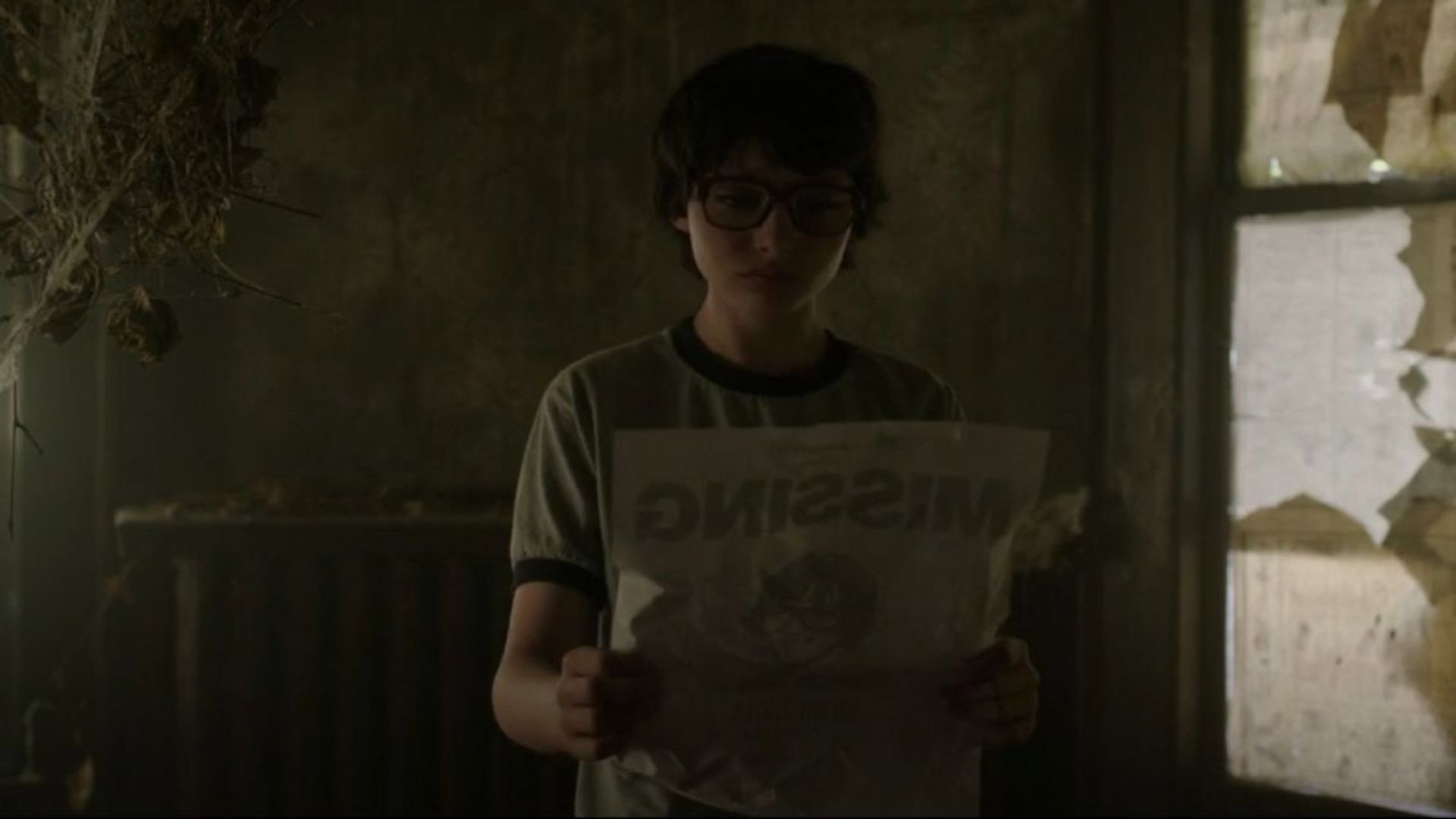
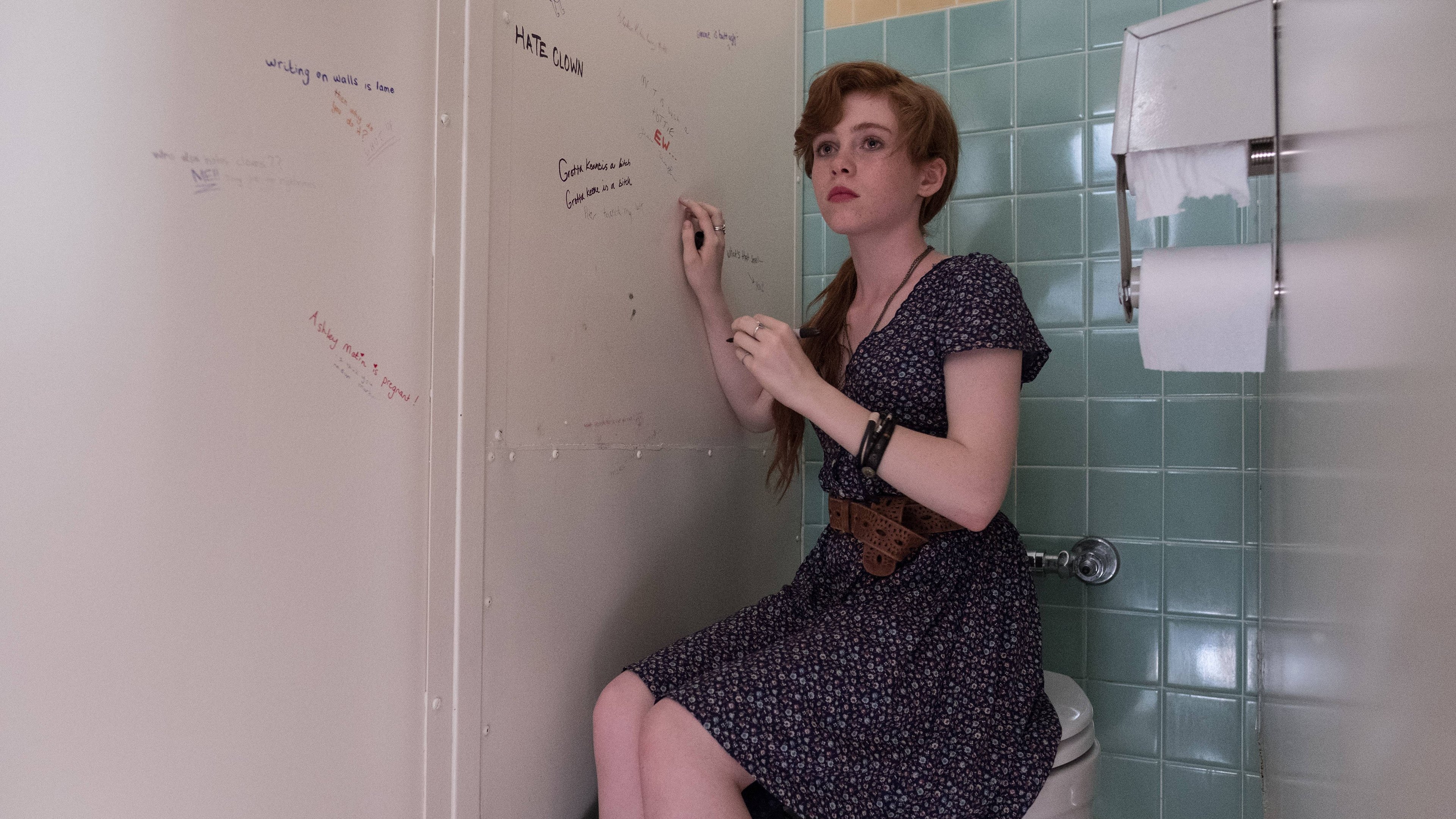
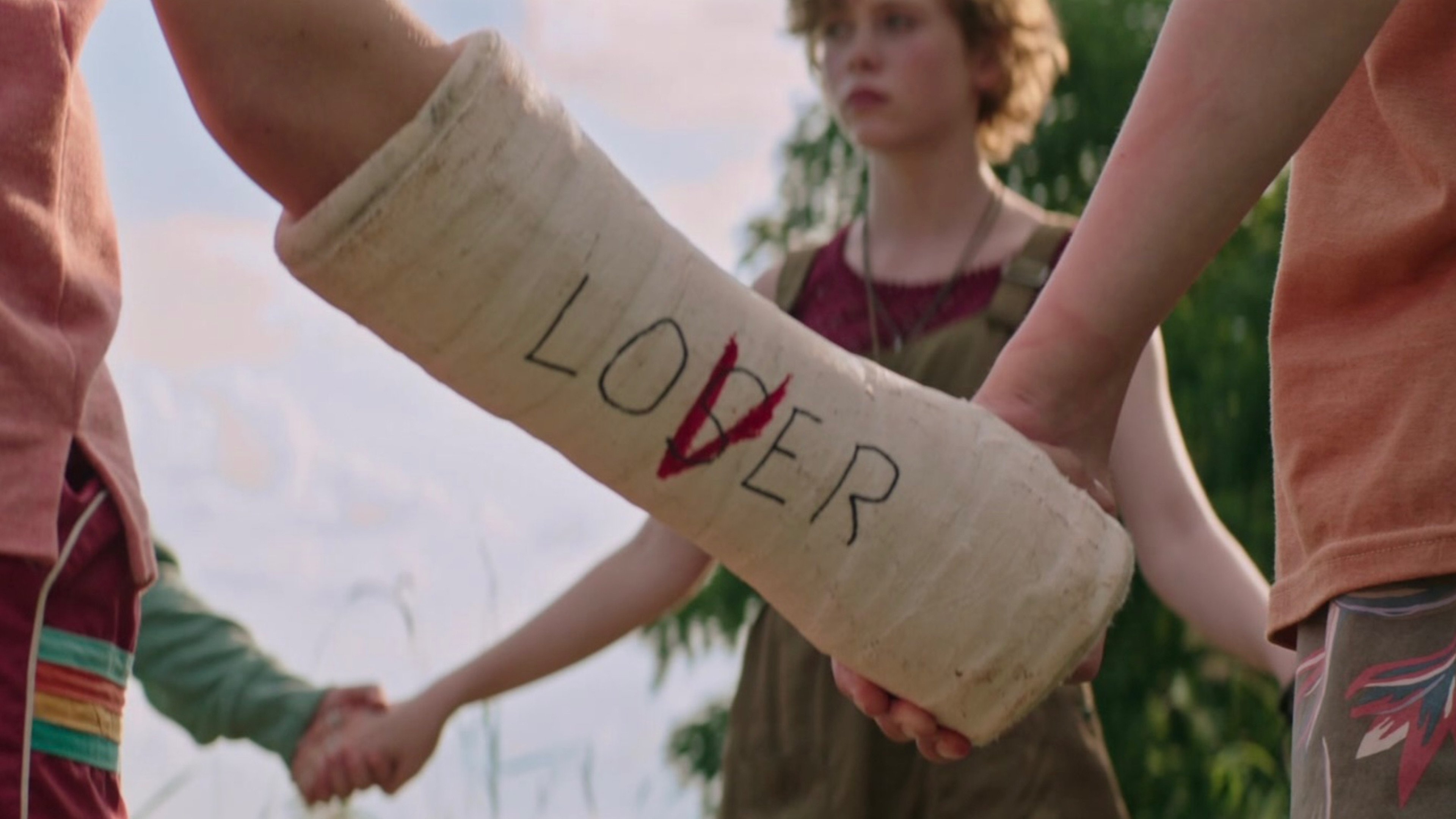
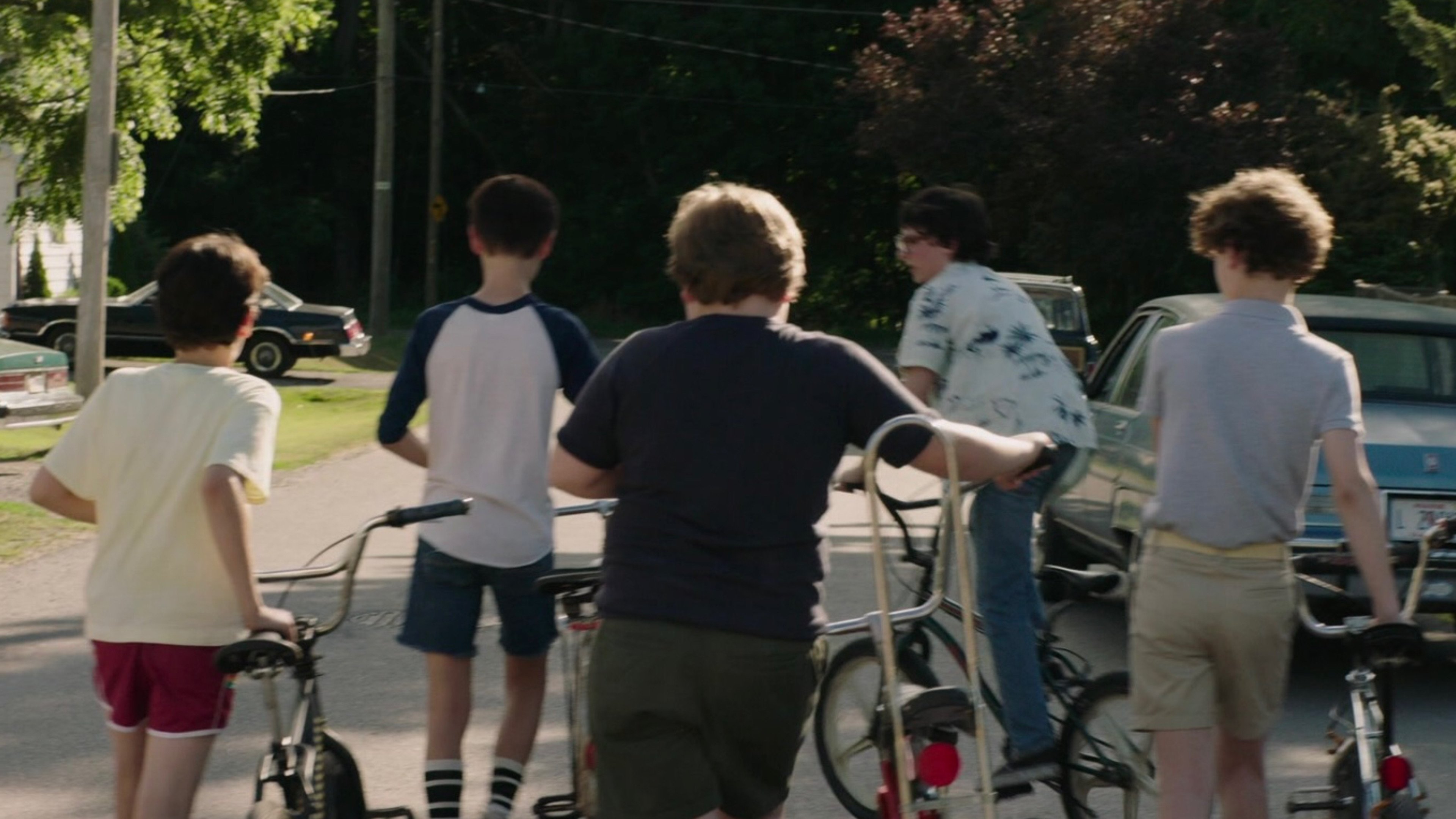
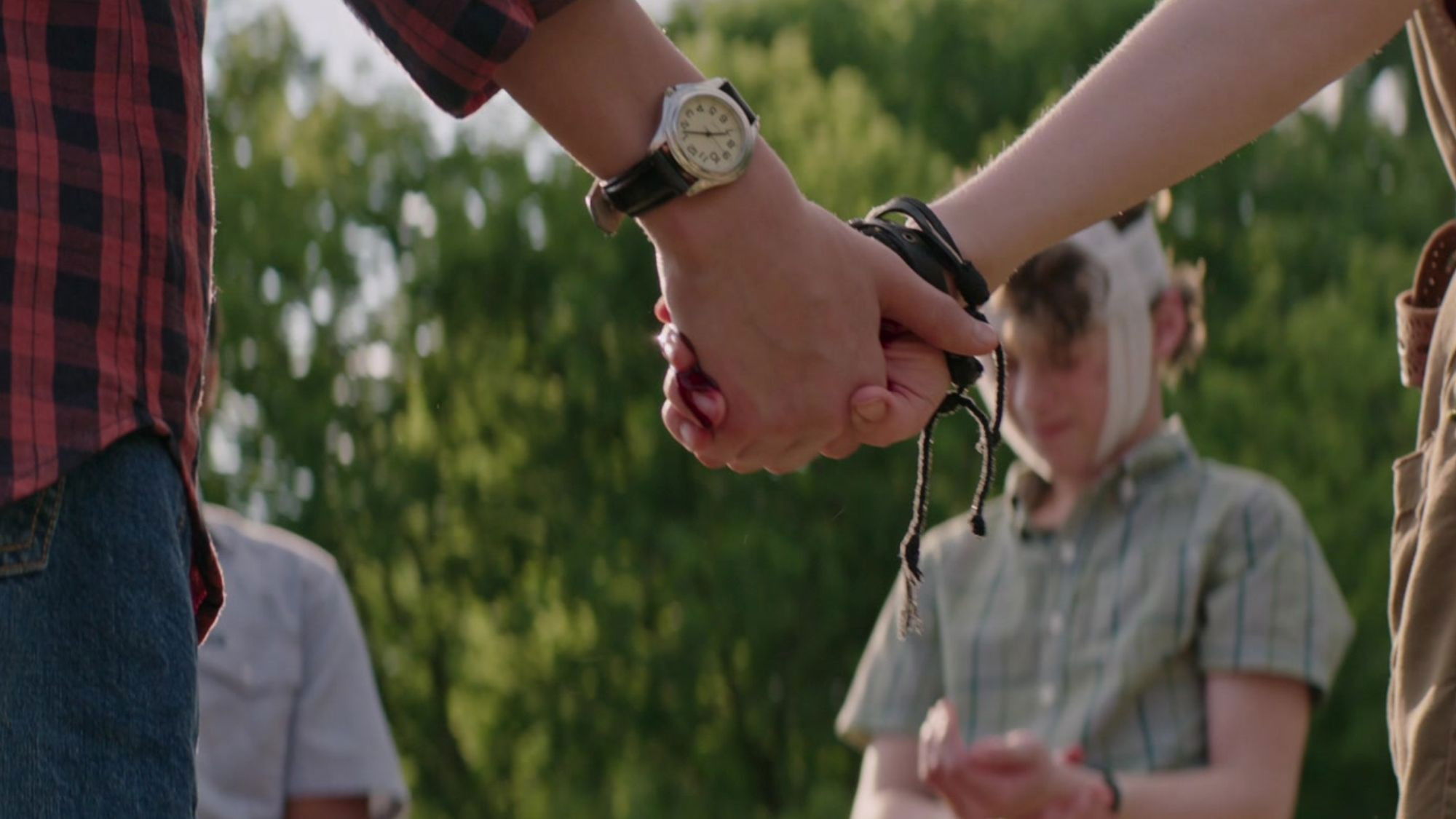
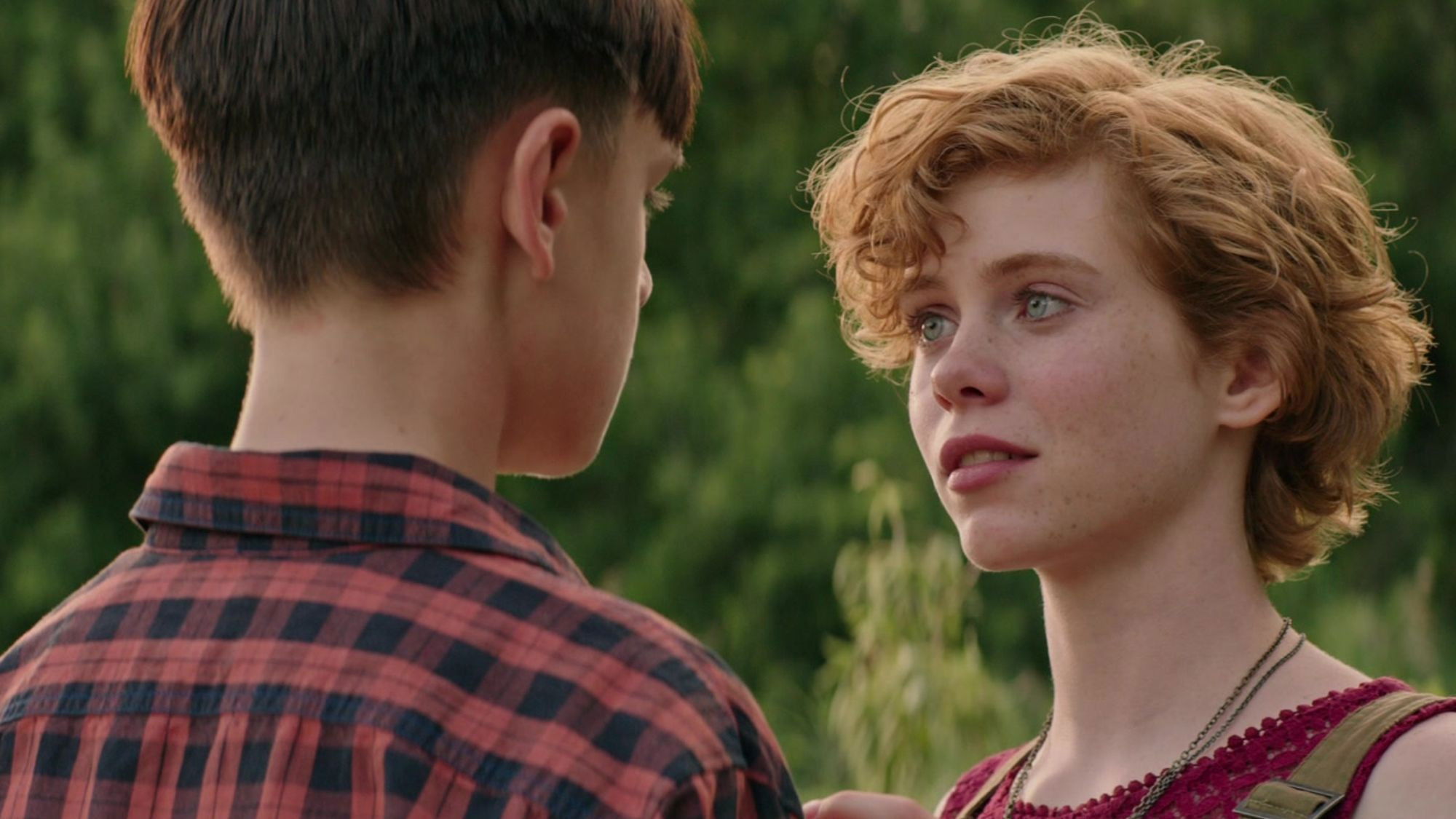
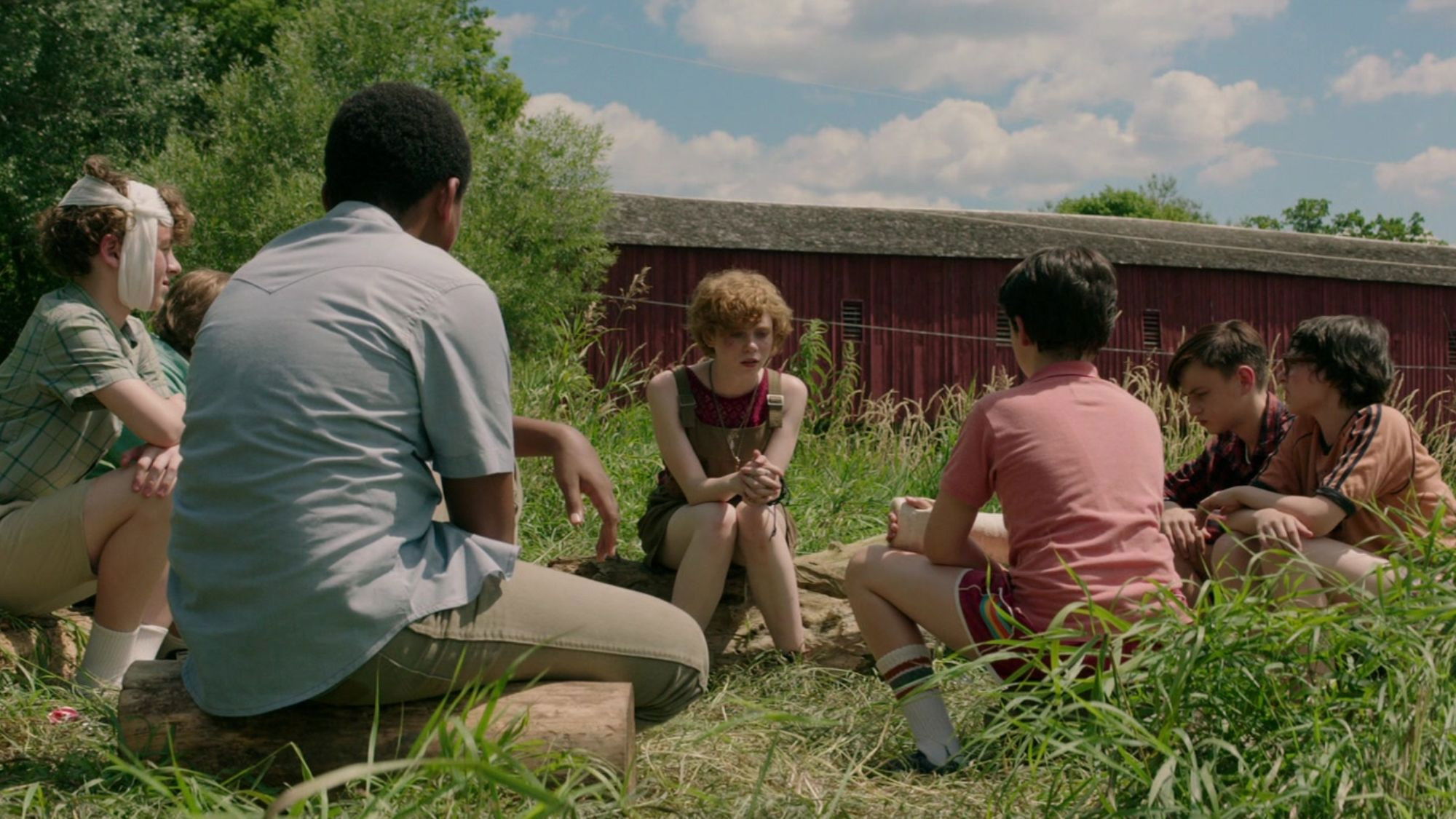
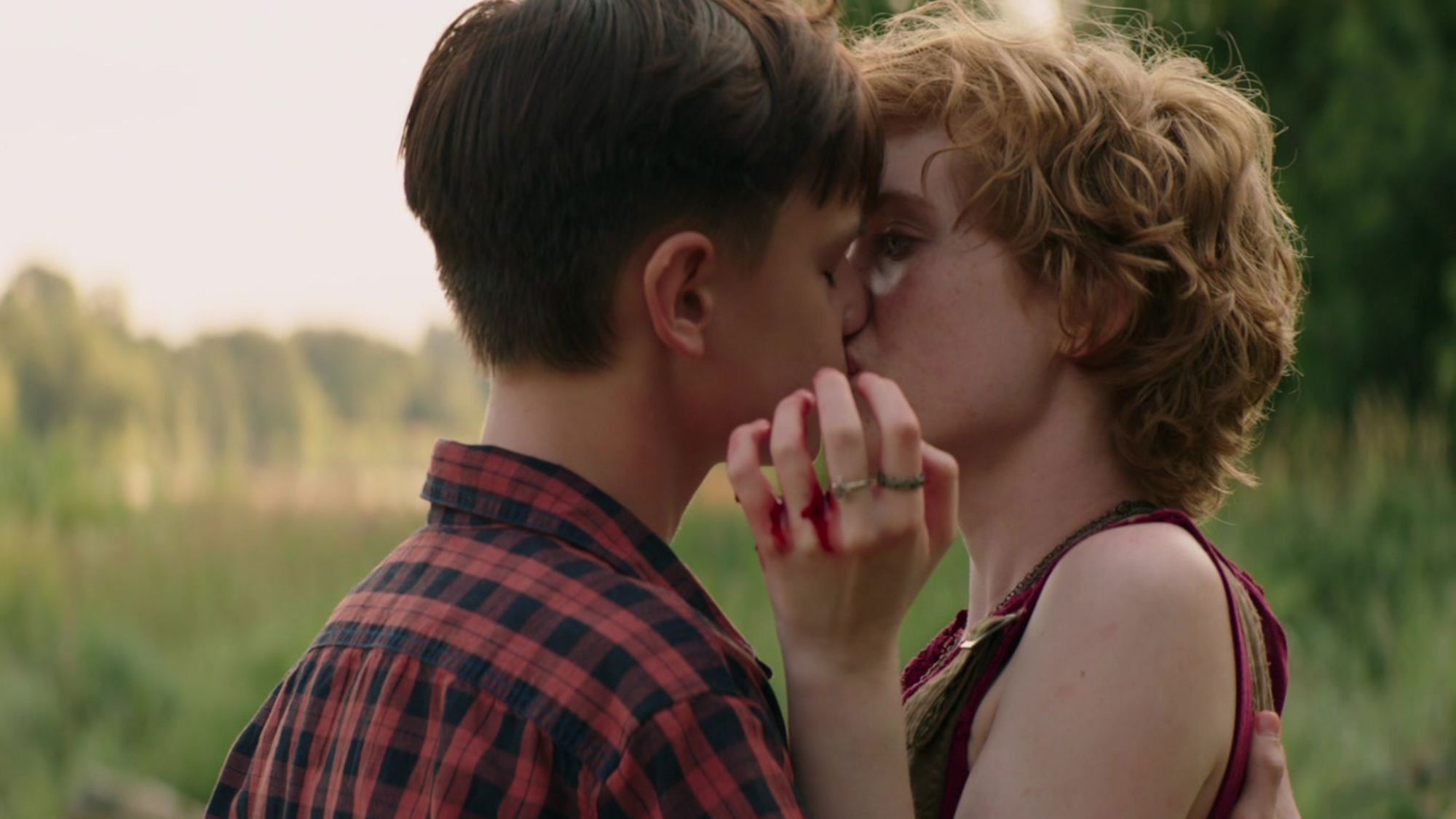
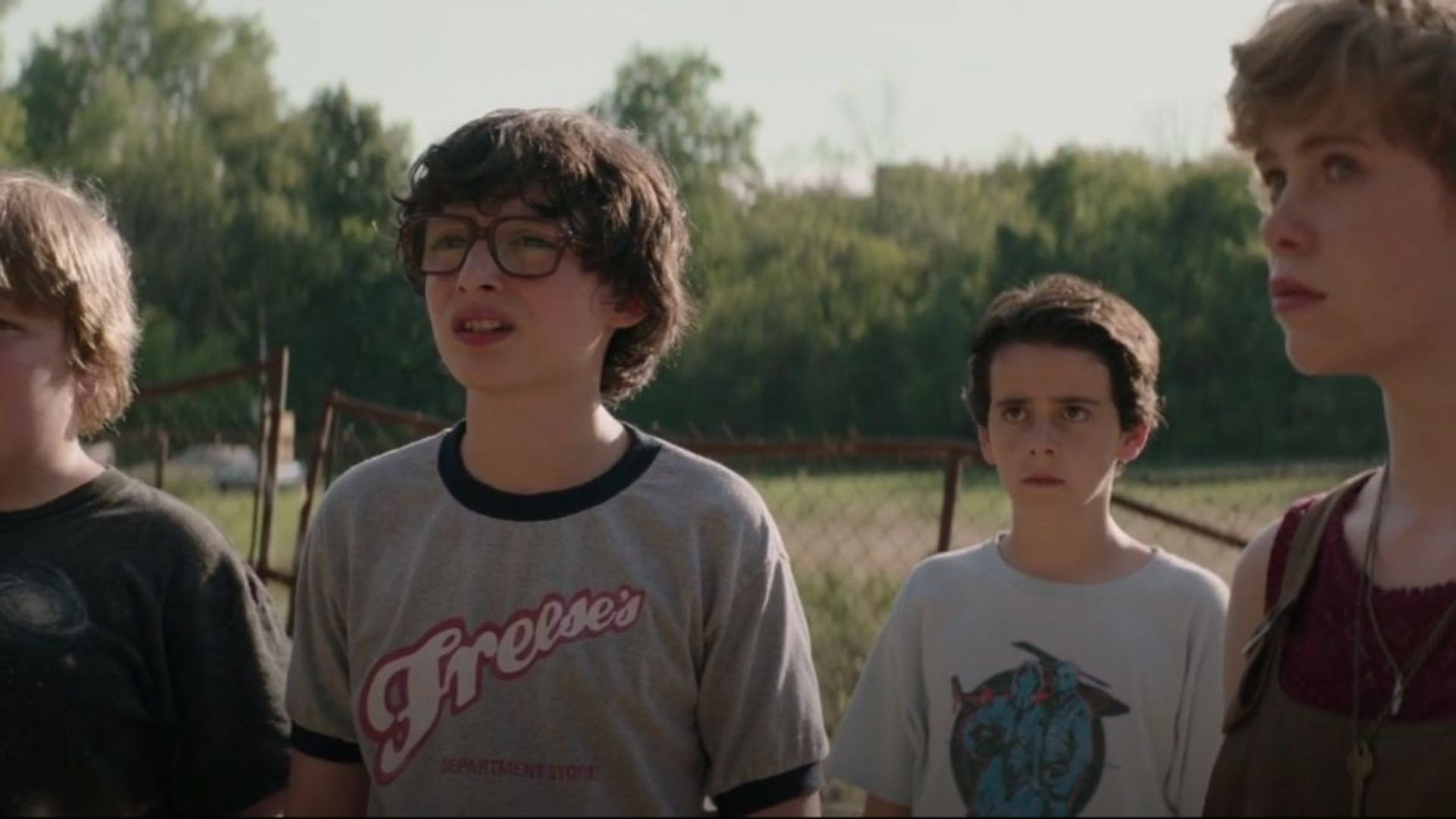
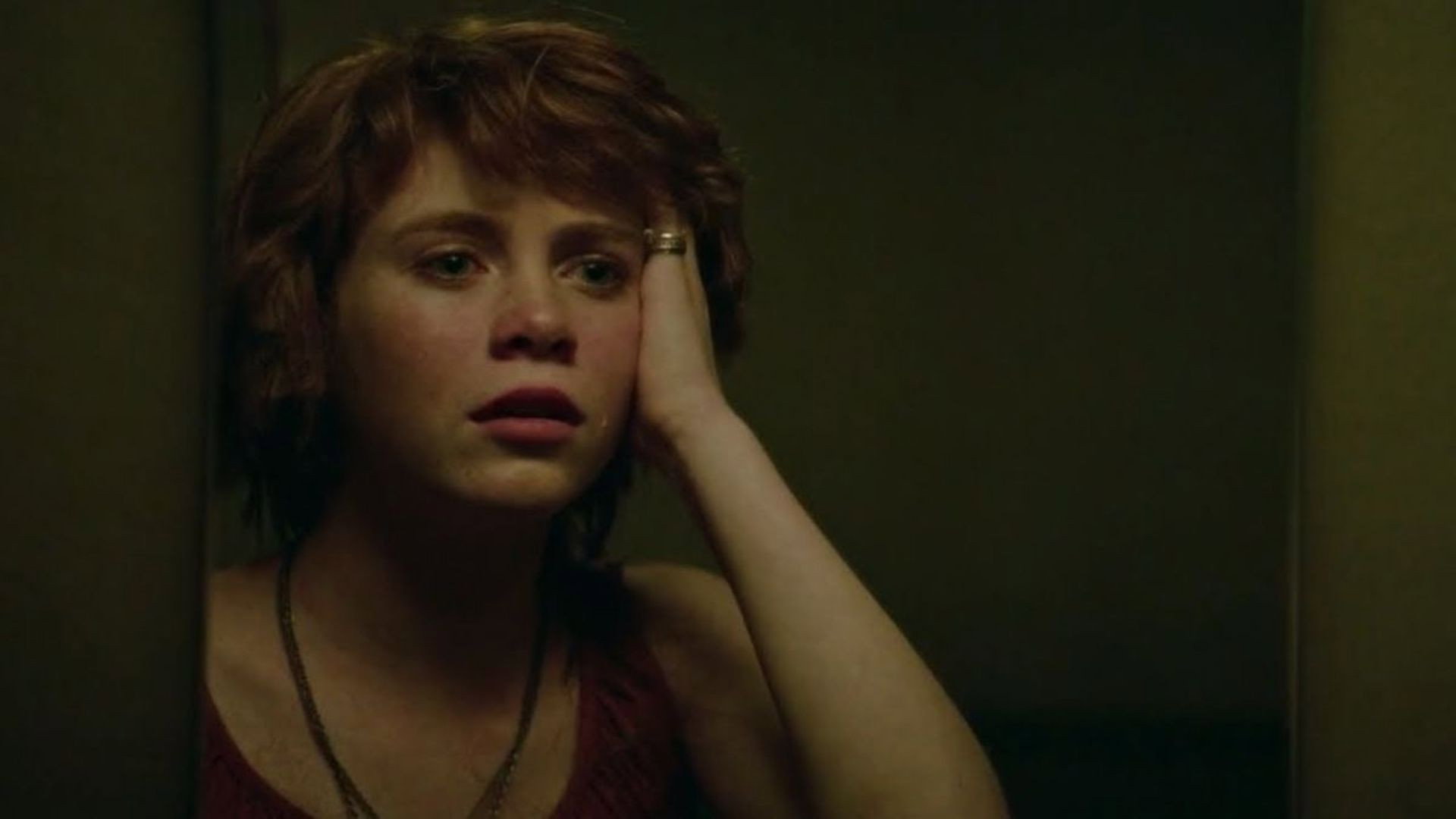
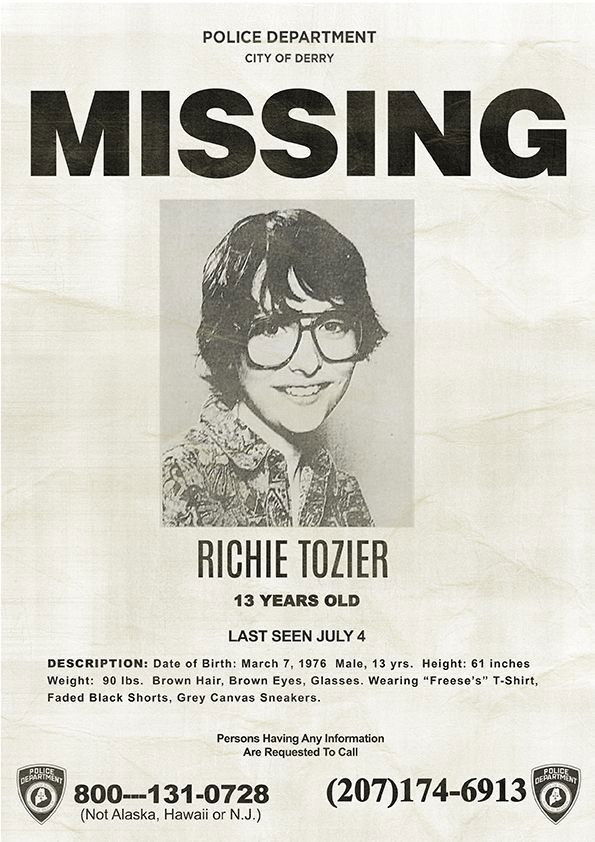
Bill, Beverly Marsh, Ben Hanscom, Richie Tozier, Eddie Kaspbrak, Stanley Uris and Mike Hanlon form the Losers’ Club through experiences of loneliness, intimidation and exclusion. Their individual fears are connected to recognizable circumstances. Beverly lives under the control of an abusive father, Eddie is constrained by his mother’s anxieties, and Mike experiences racist hostility and the consequences of family loss. Henry Bowers and his companions provide a continuing human threat. The supernatural manifestations exploit vulnerabilities already present in the children’s lives, making Pennywise particularly dangerous because he can imitate experiences and images that they find personally terrifying.

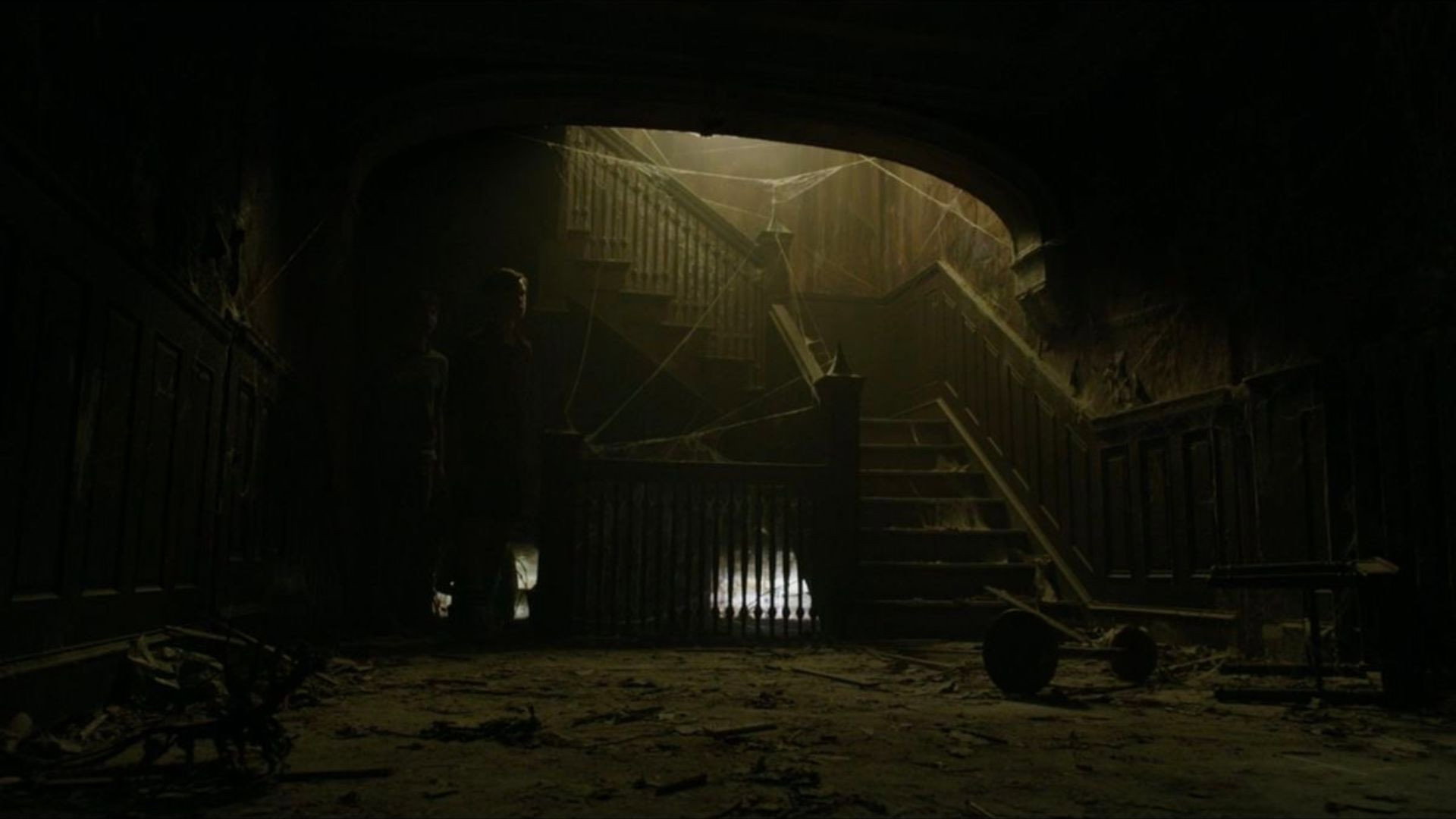
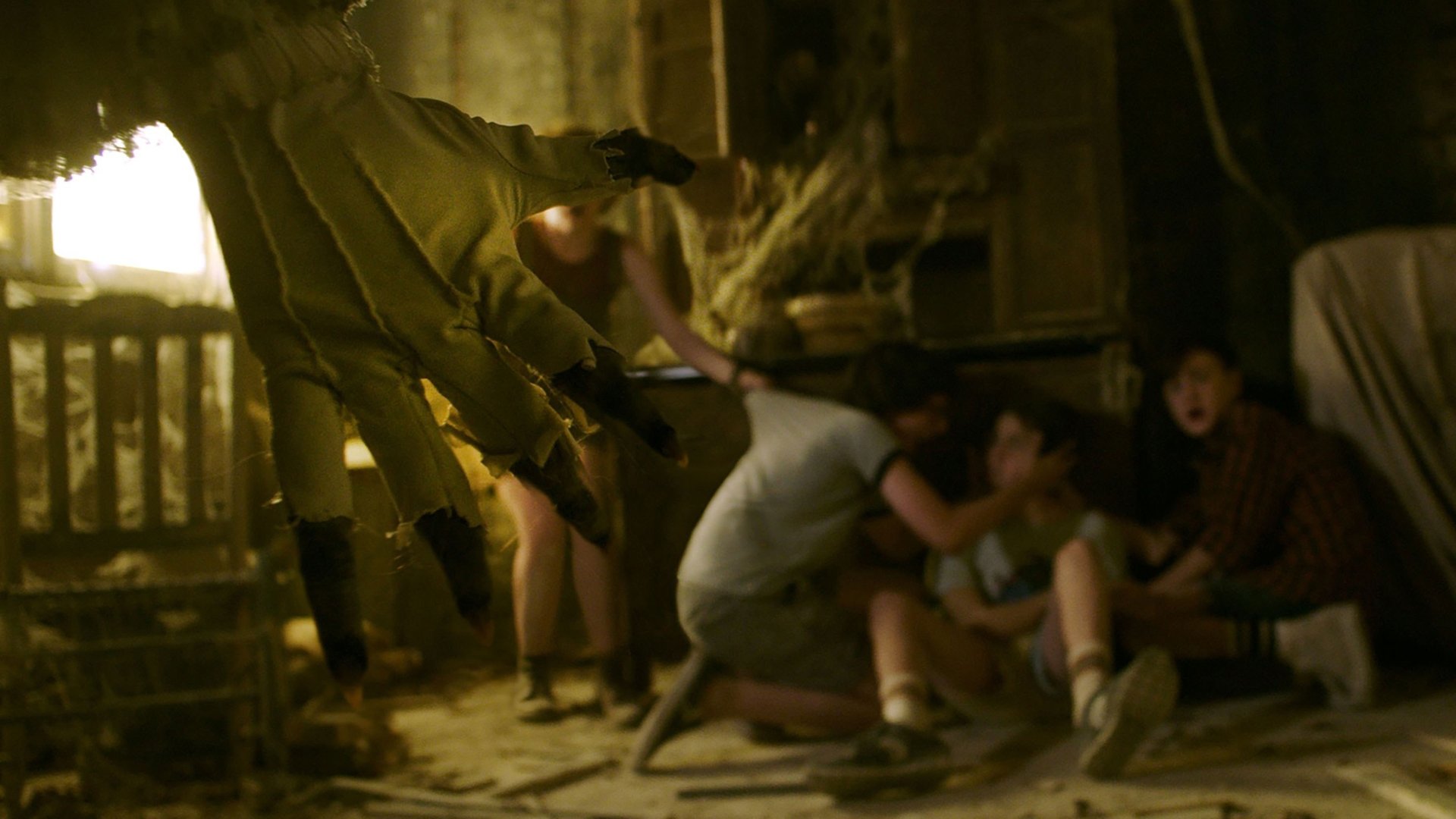
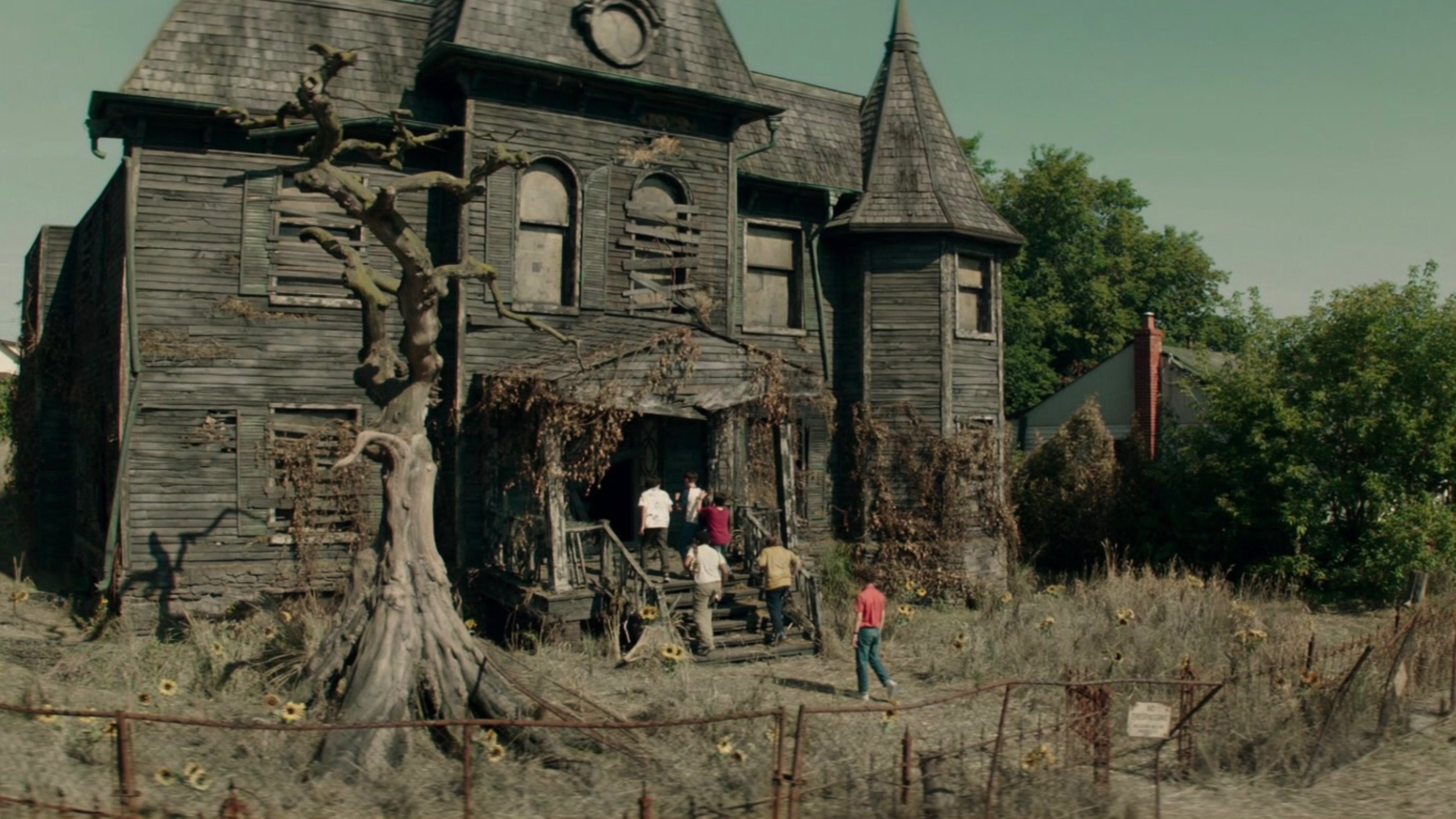
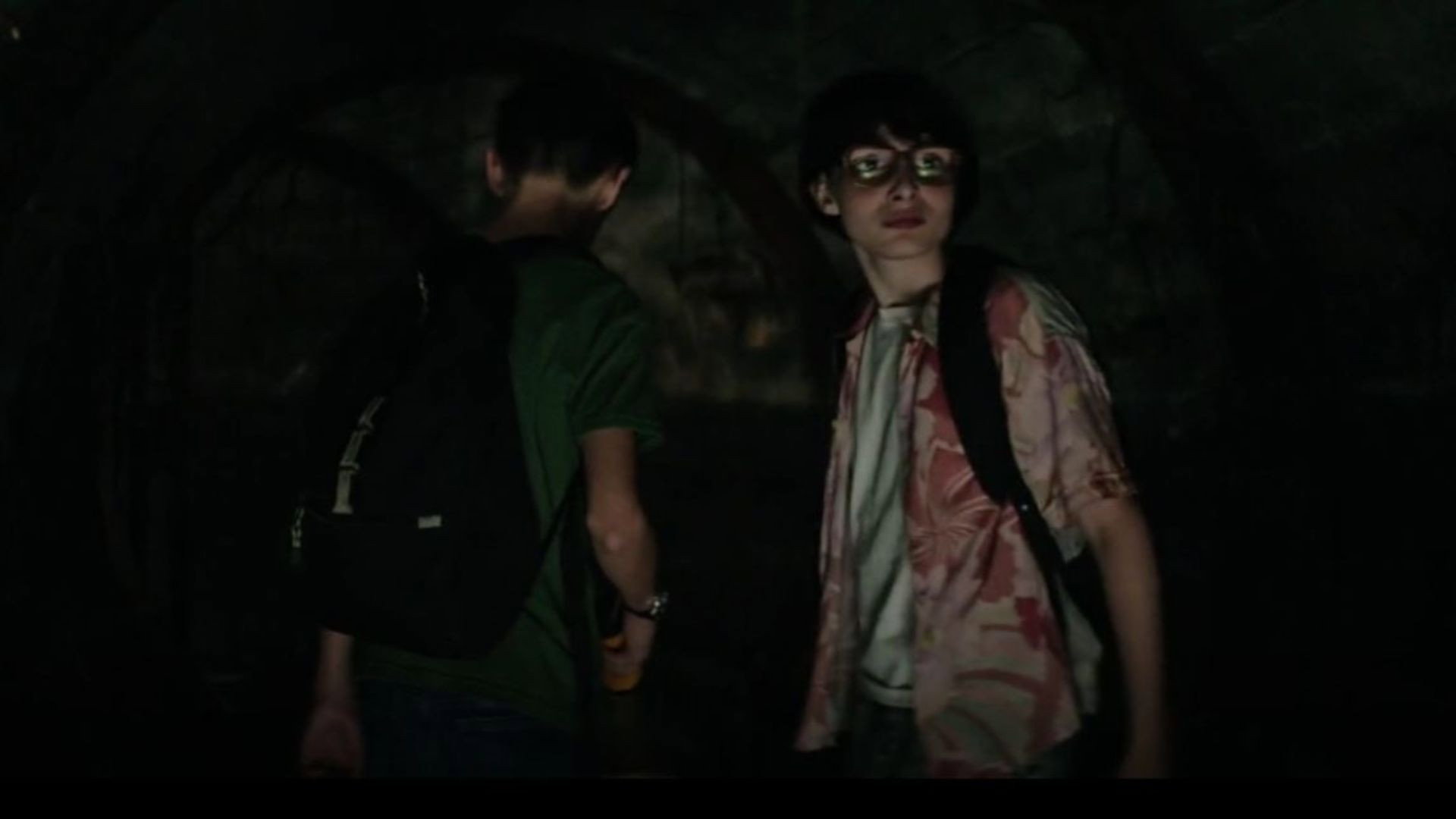
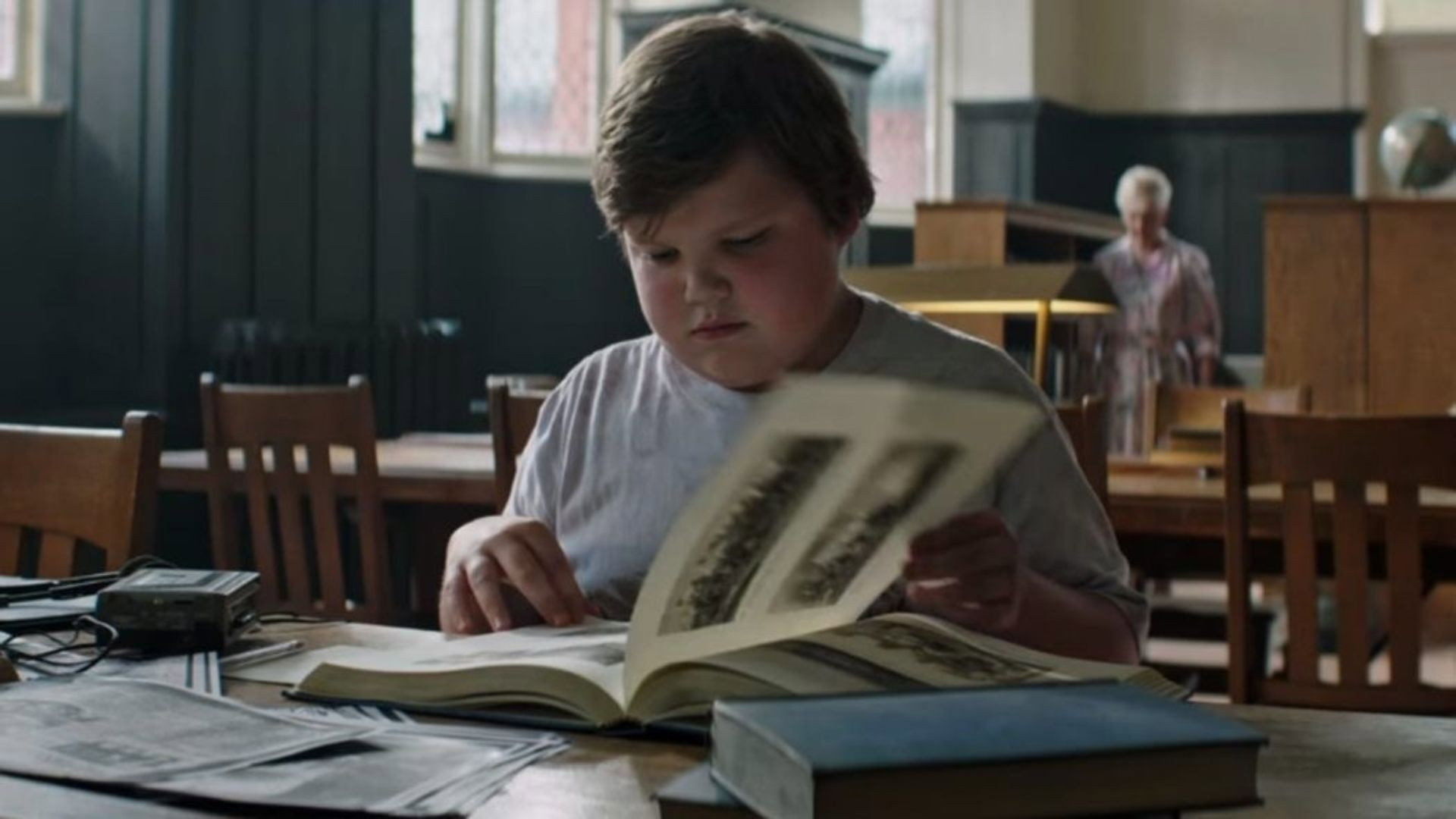
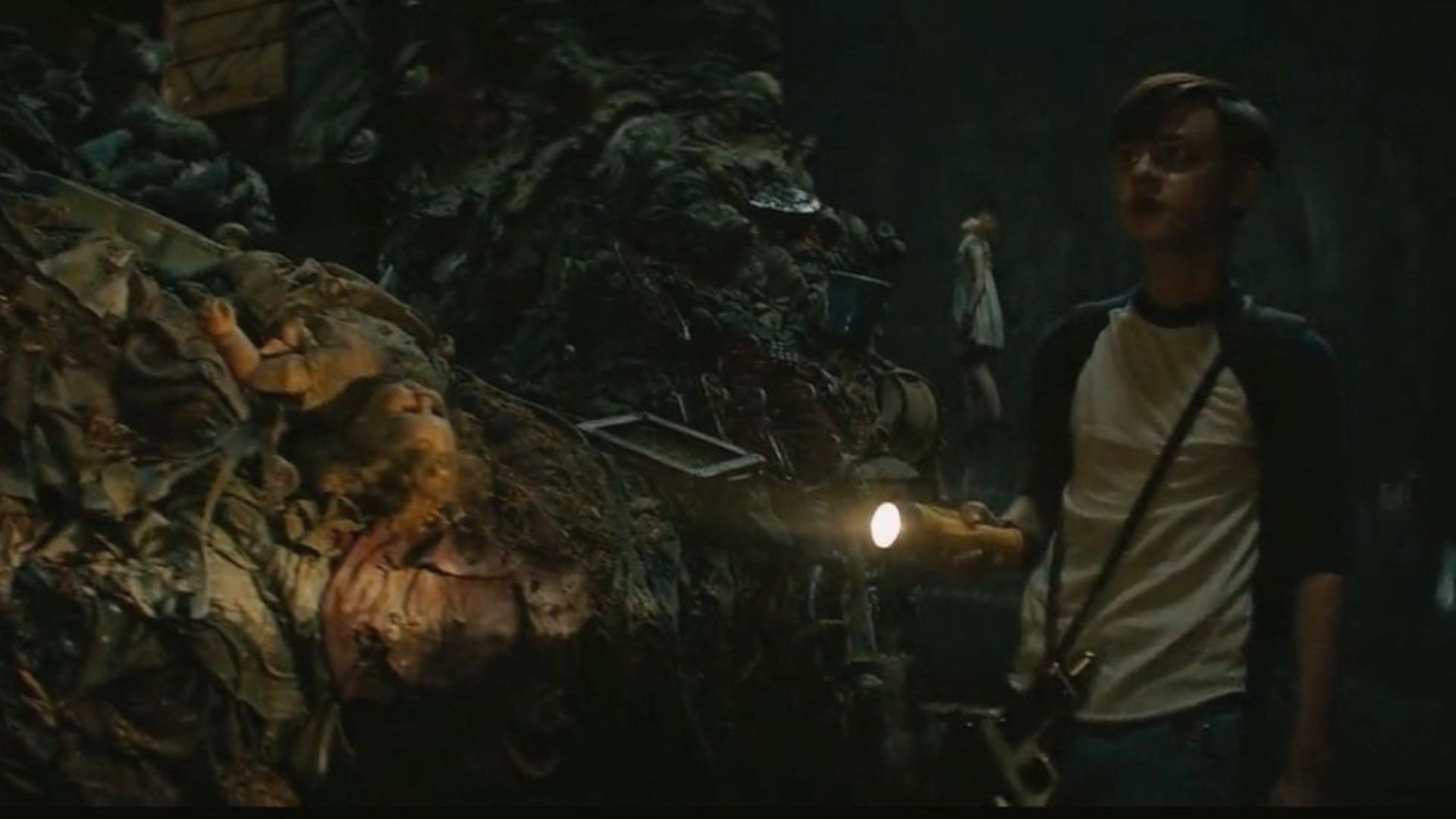
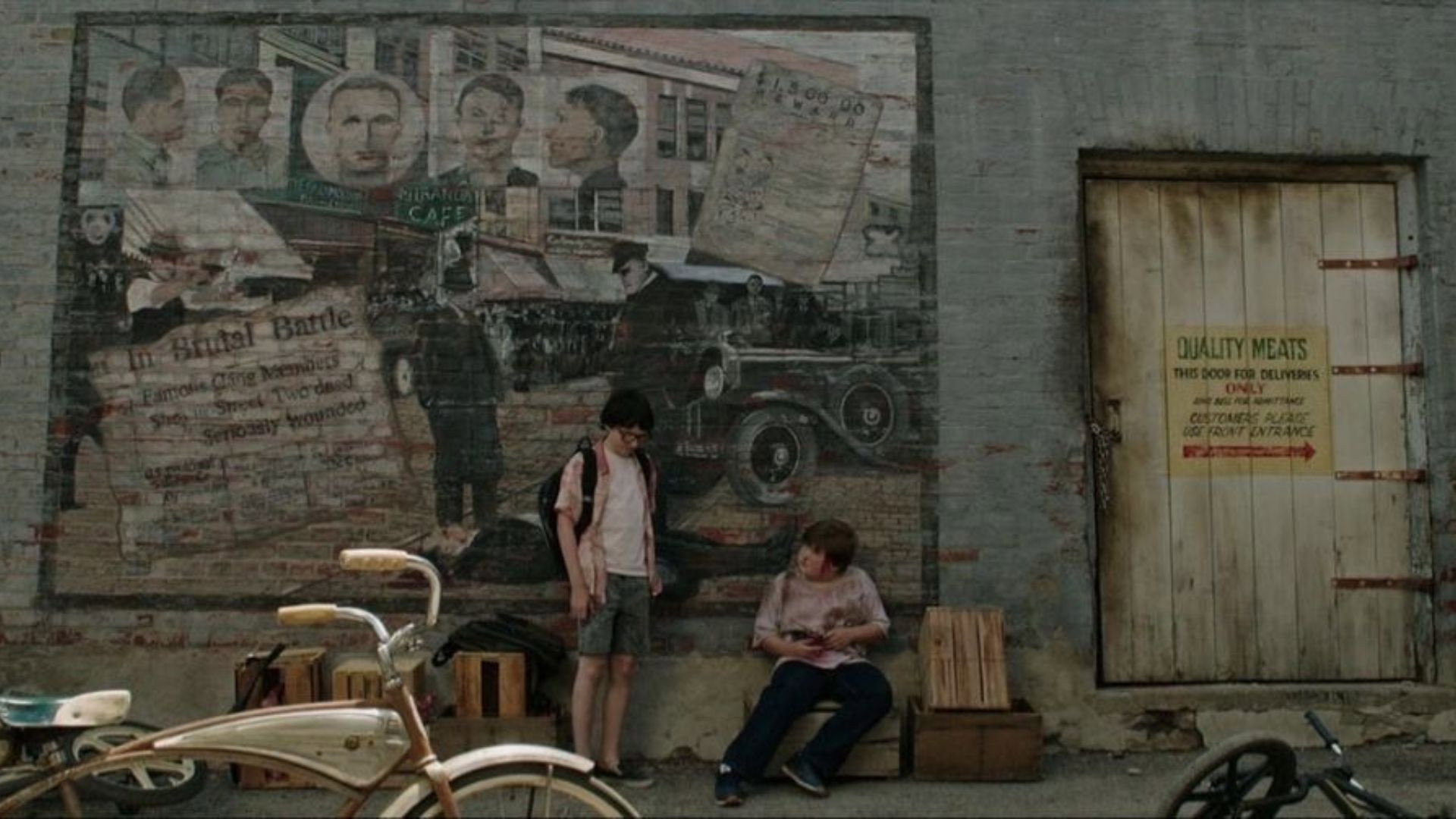
The film also develops Derry as a community whose history contains recurrent violence and disappearances. Ben’s research reveals earlier catastrophes, while encounters with adults suggest that the children cannot depend upon the town’s institutions for protection. Their investigation leads toward the abandoned house on Neibolt Street and the underground spaces associated with Pennywise. Muschietti uses the separation of the children to construct individual encounters before bringing them together against the creature. Their solidarity becomes a practical advantage because Pennywise’s attacks depend upon isolating his victims and making their fears appear overwhelming.

Pennywise & Physical Performance

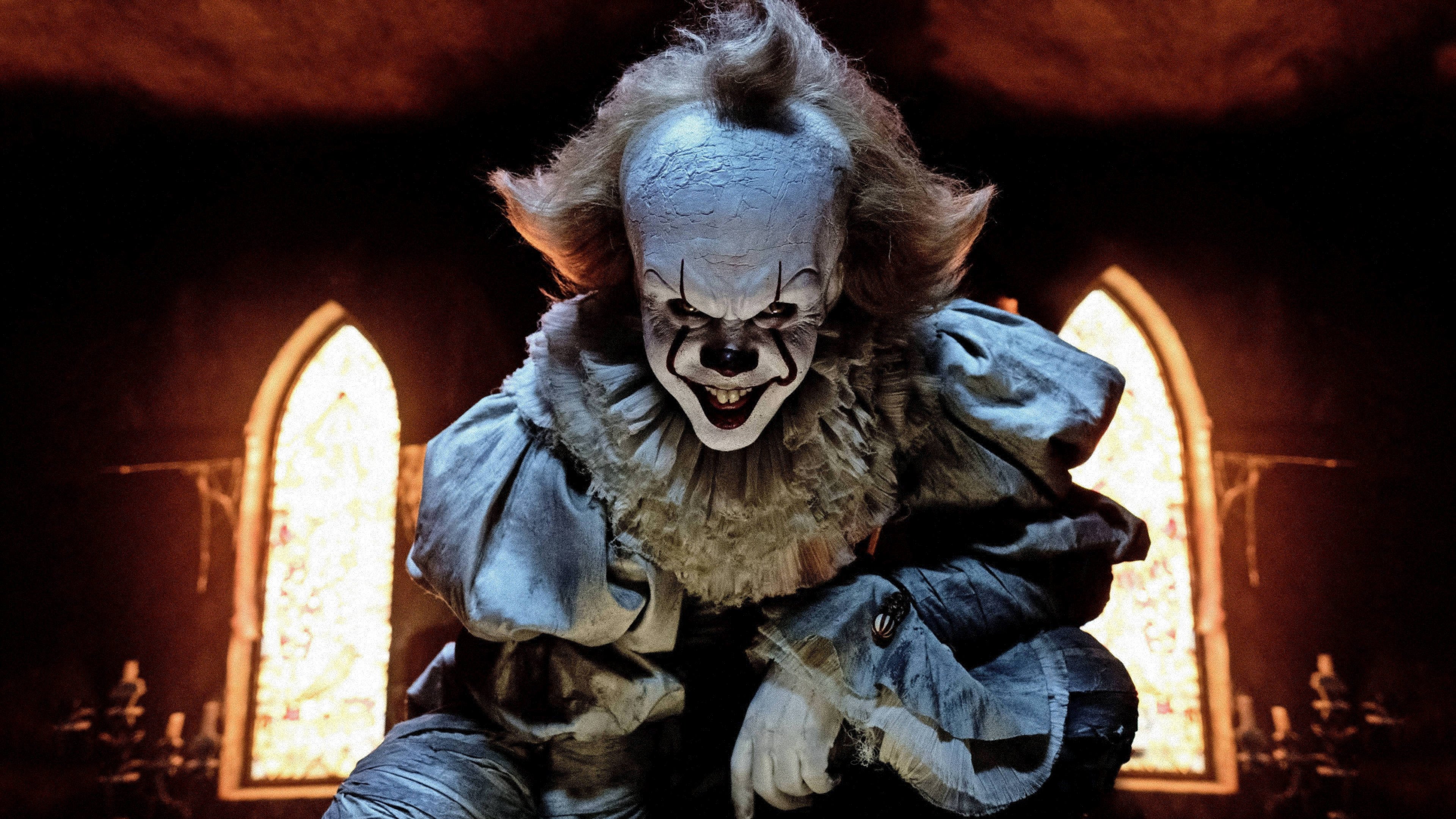
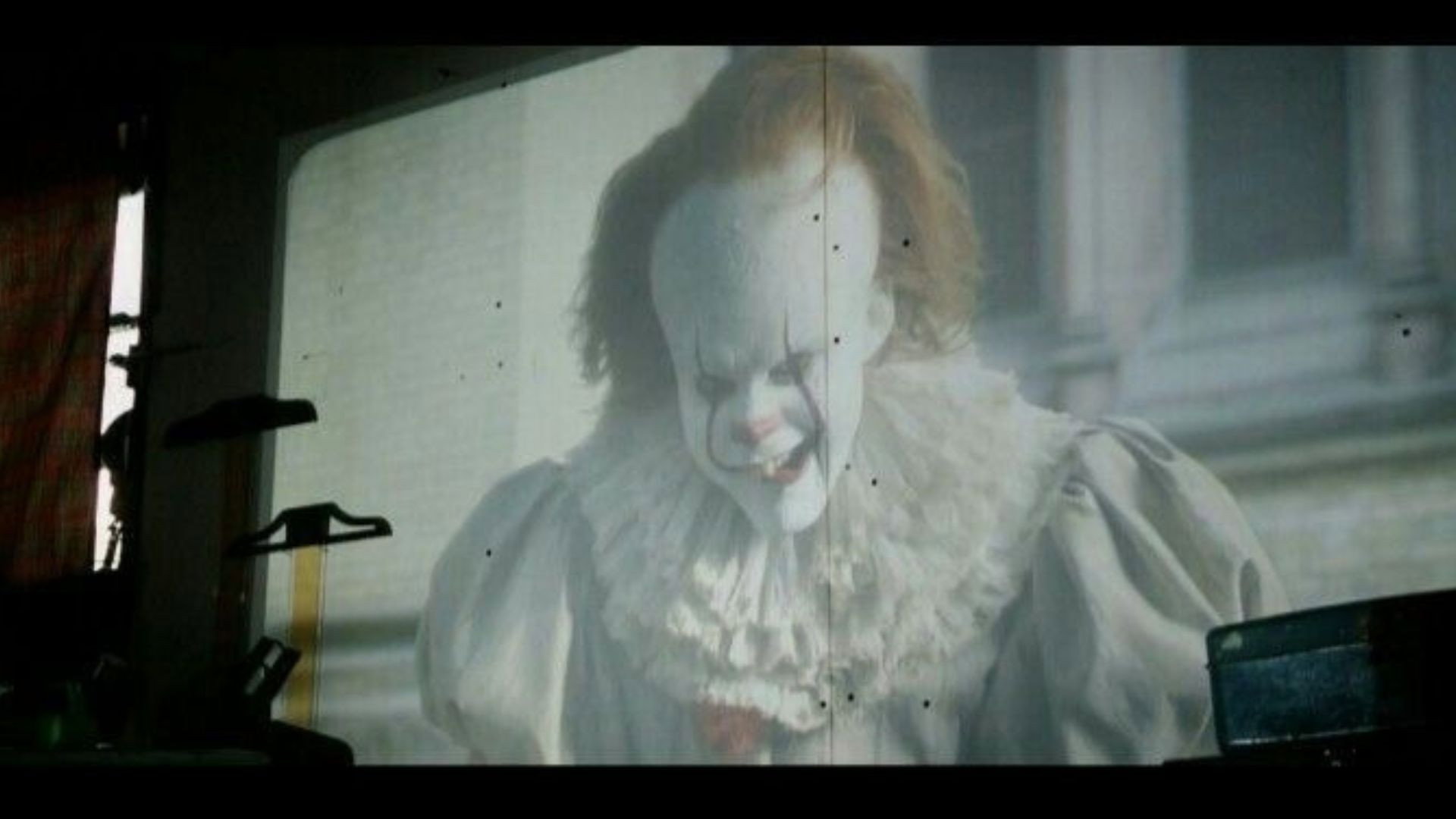
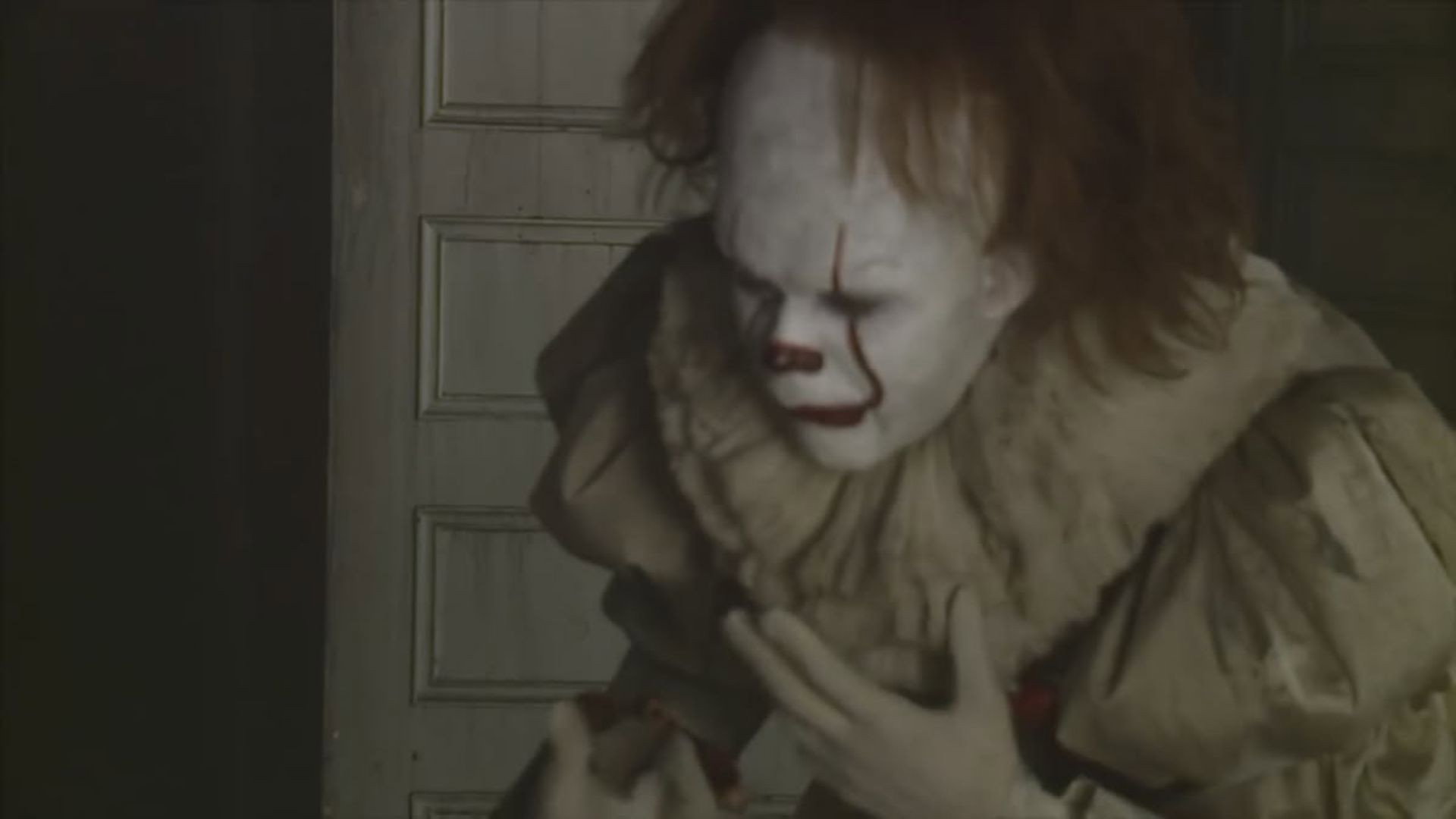
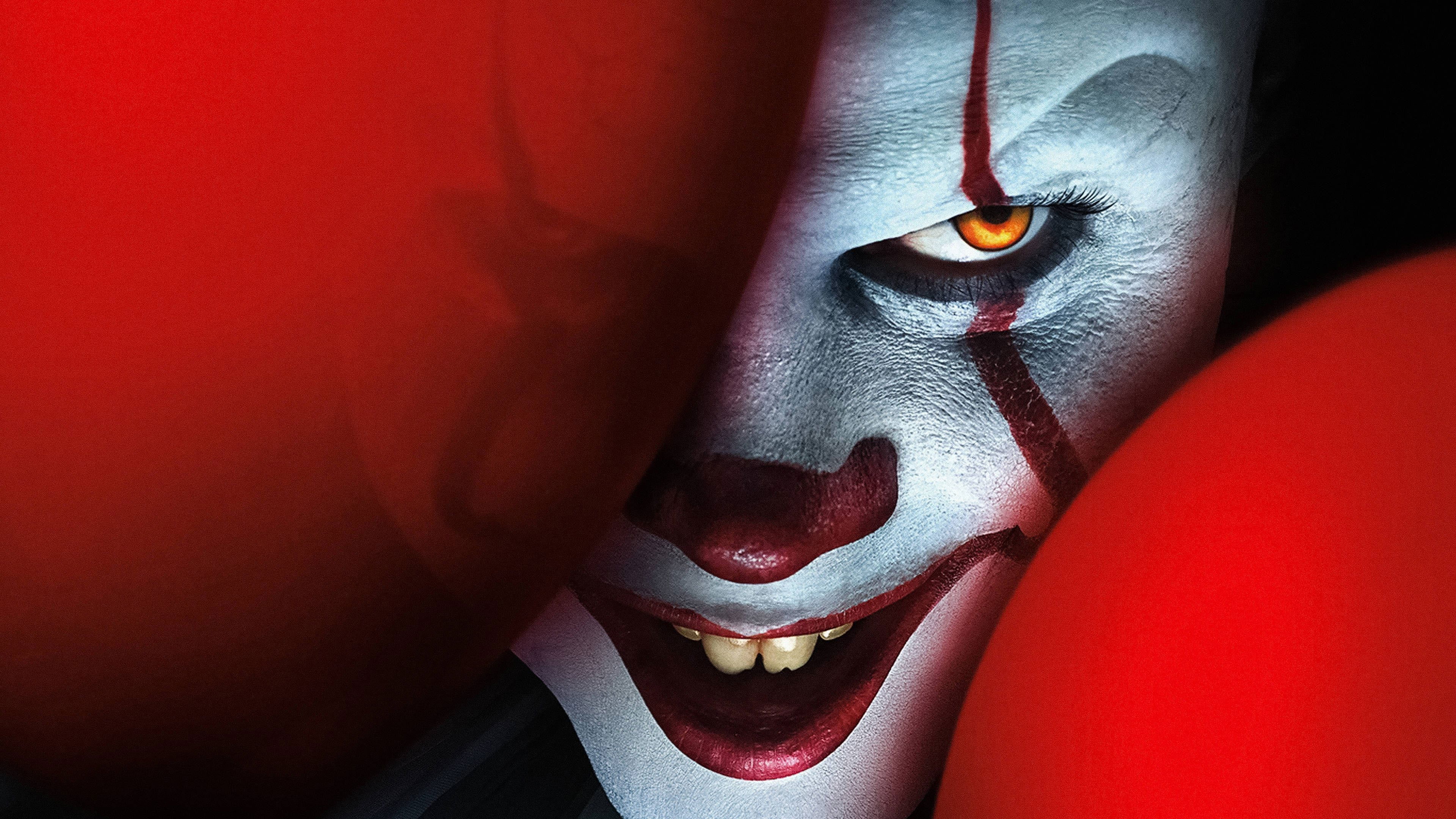
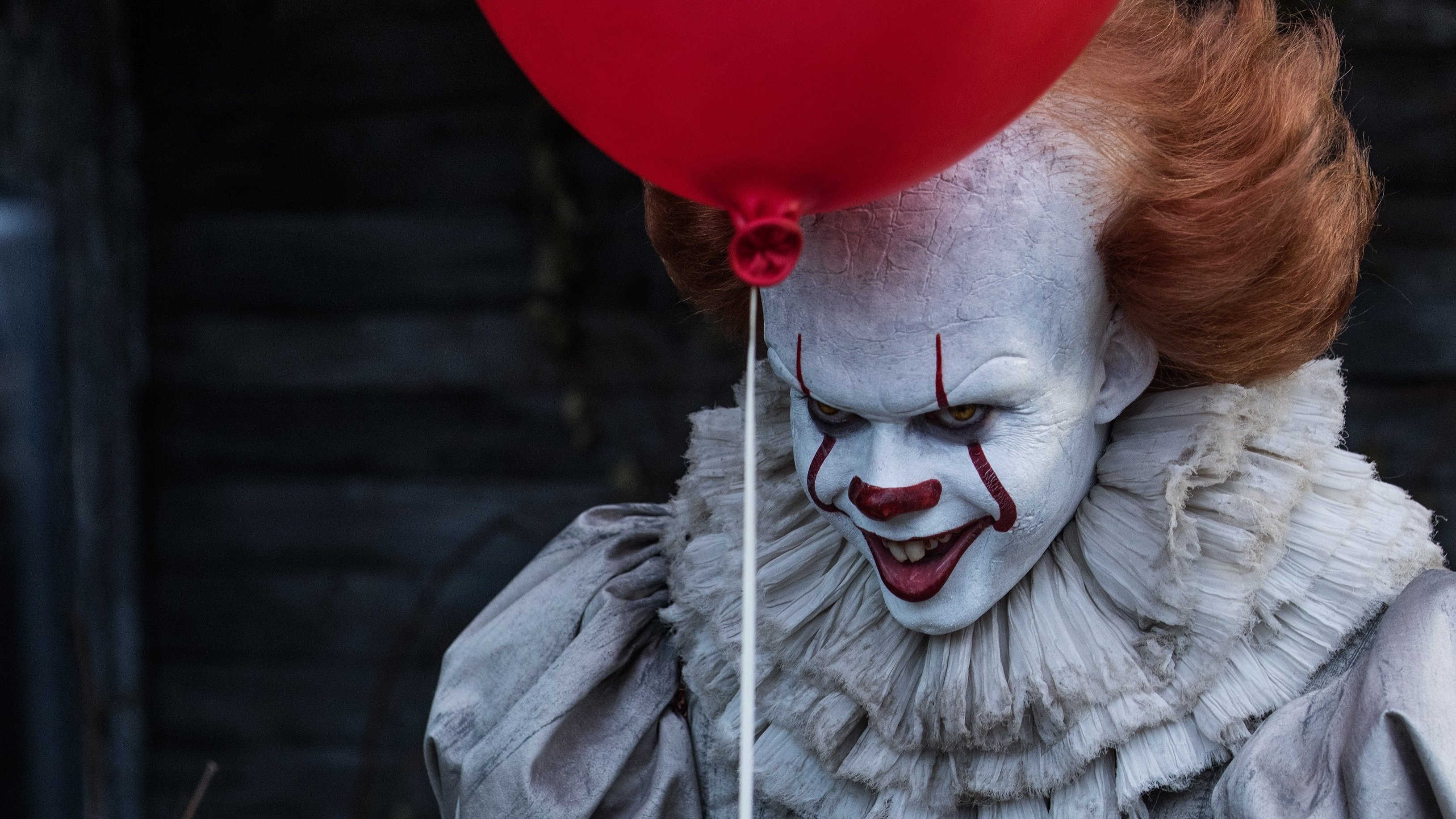
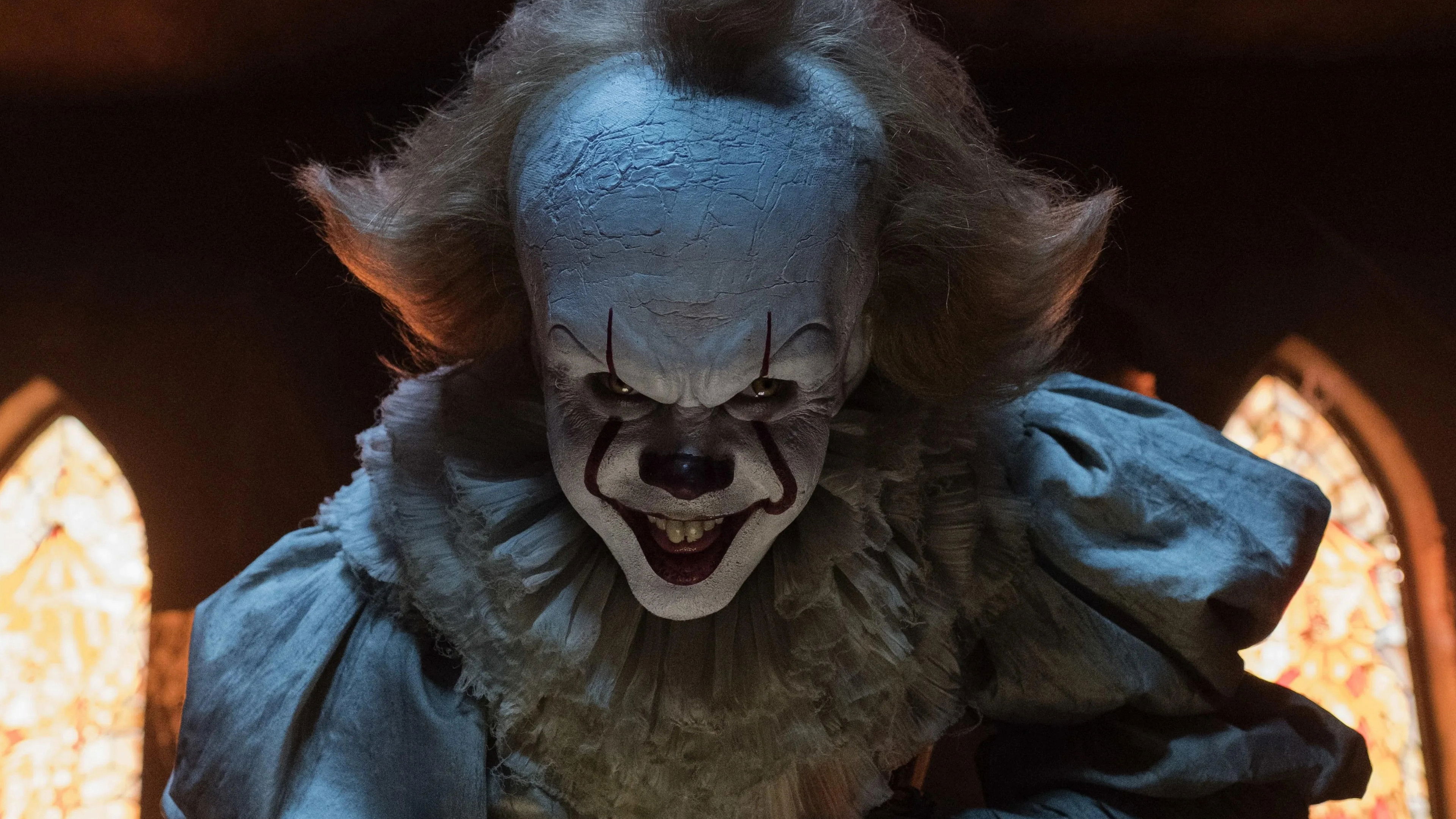
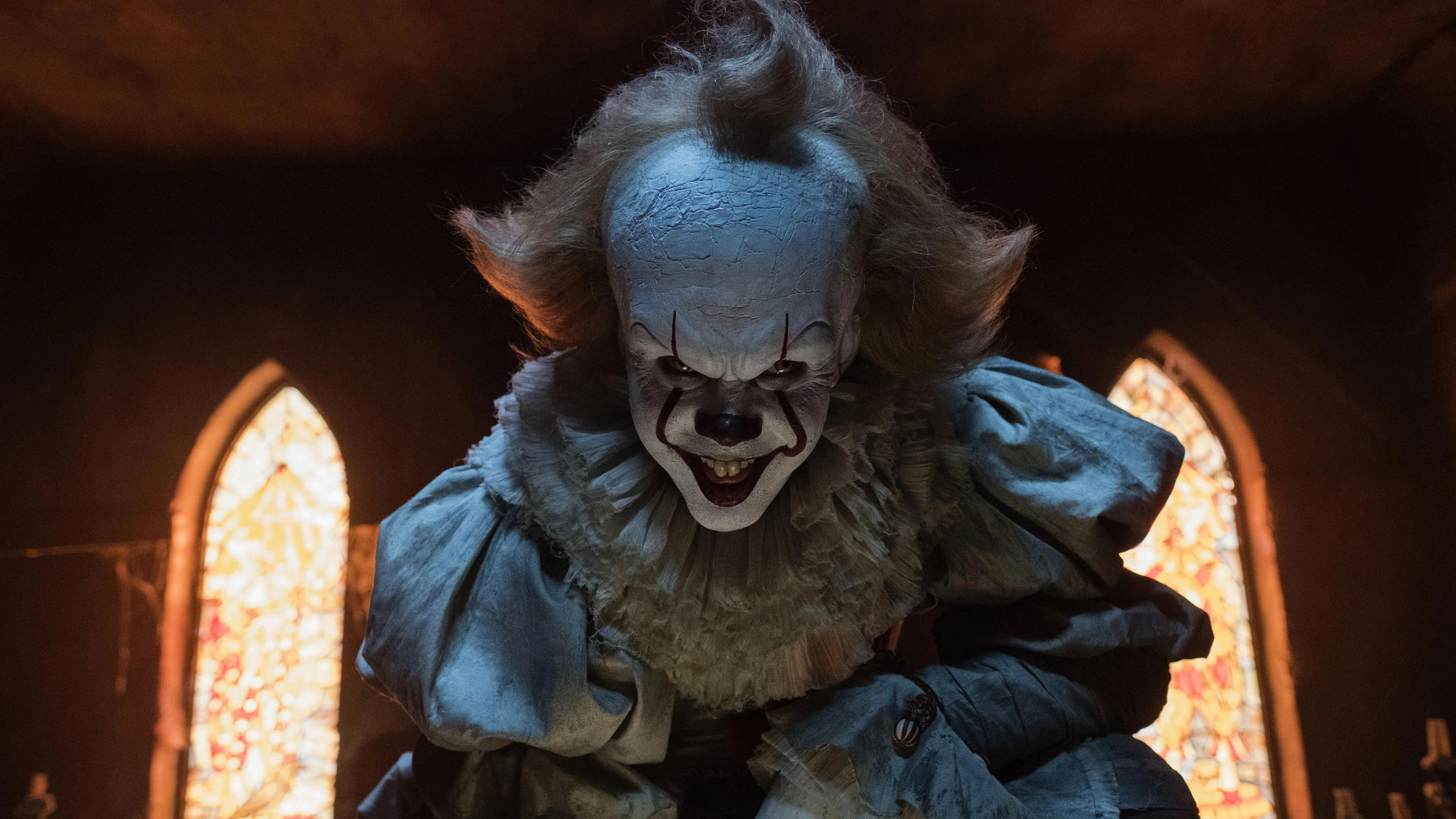
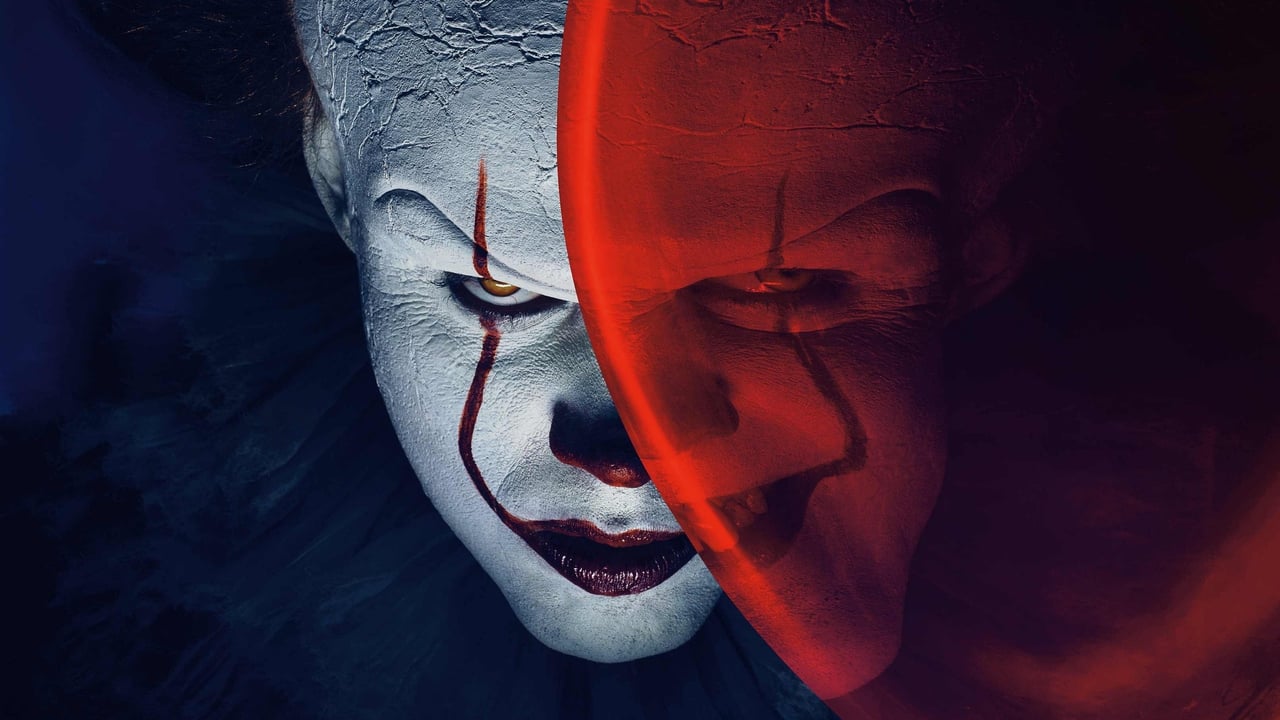
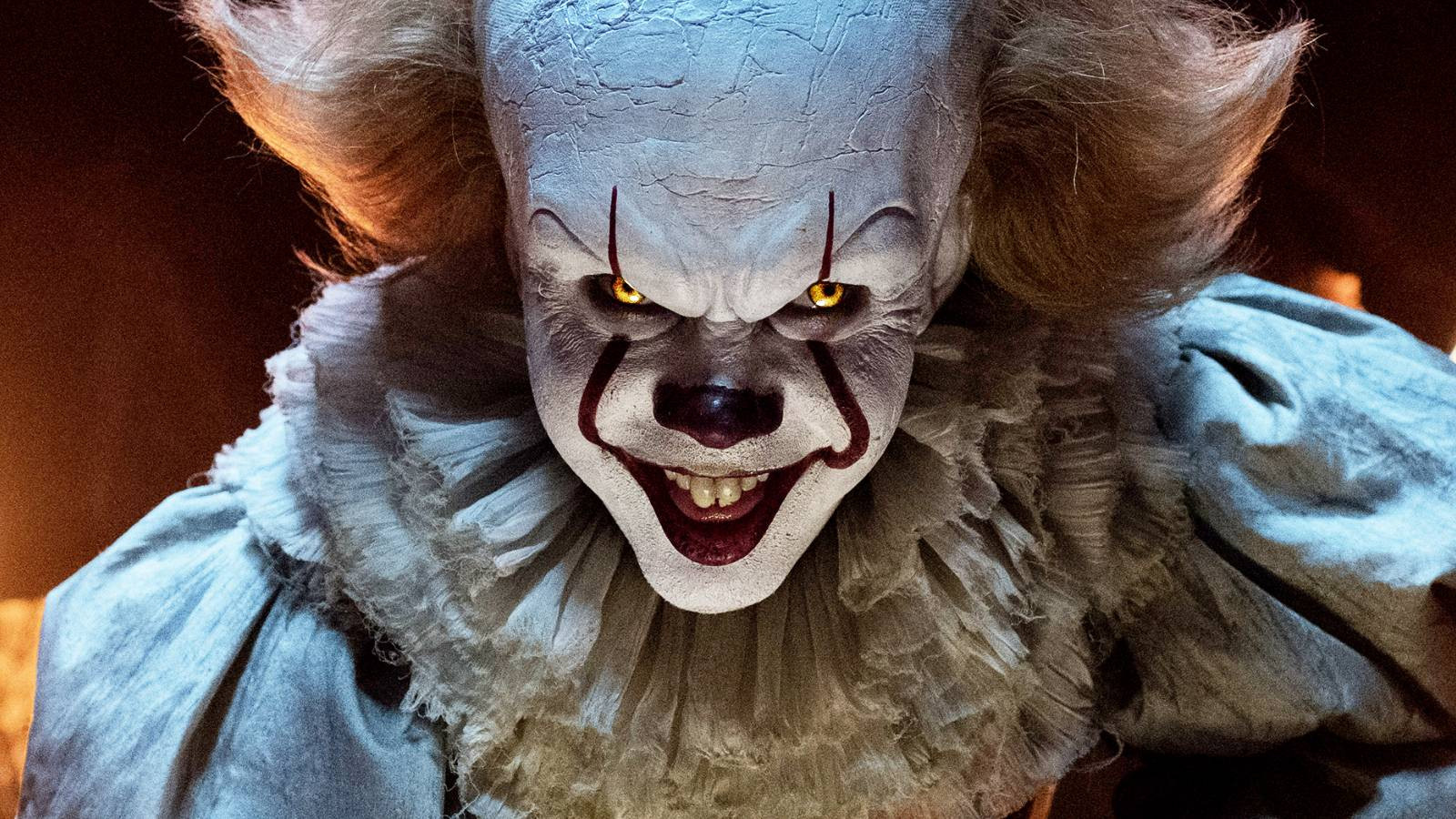
Bill Skarsgård’s portrayal of Pennywise was developed around a creature whose apparent humanity remains incomplete. Muschietti wanted the clown to retain qualities associated with childhood entertainment while behaving with unpredictable aggression. The actor’s performance incorporates abrupt changes of posture, unusual vocal inflections and sudden movements that suggest an organism imitating human behavior. In interviews during the original release, Muschietti described extensive discussions with Skarsgård about the creature’s psychology. The filmmaker was particularly interested in the possibility that Pennywise’s behavior reflected the fears and expectations of the children he pursued.

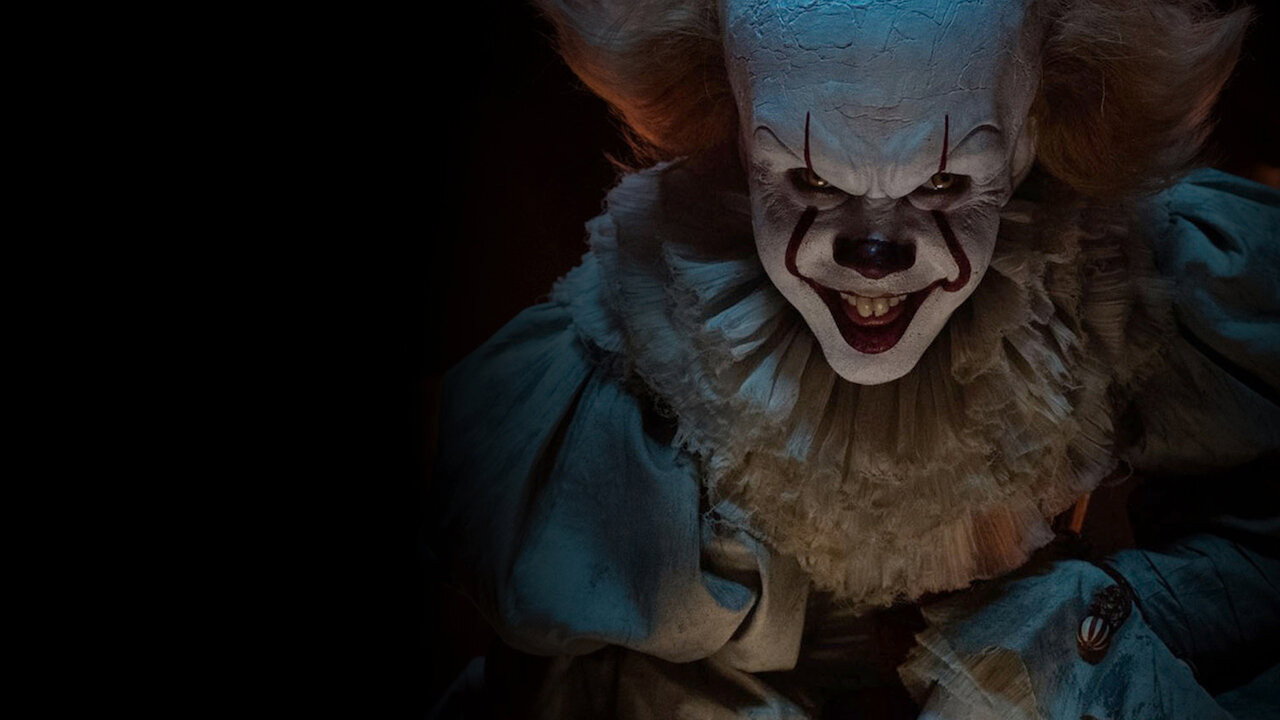
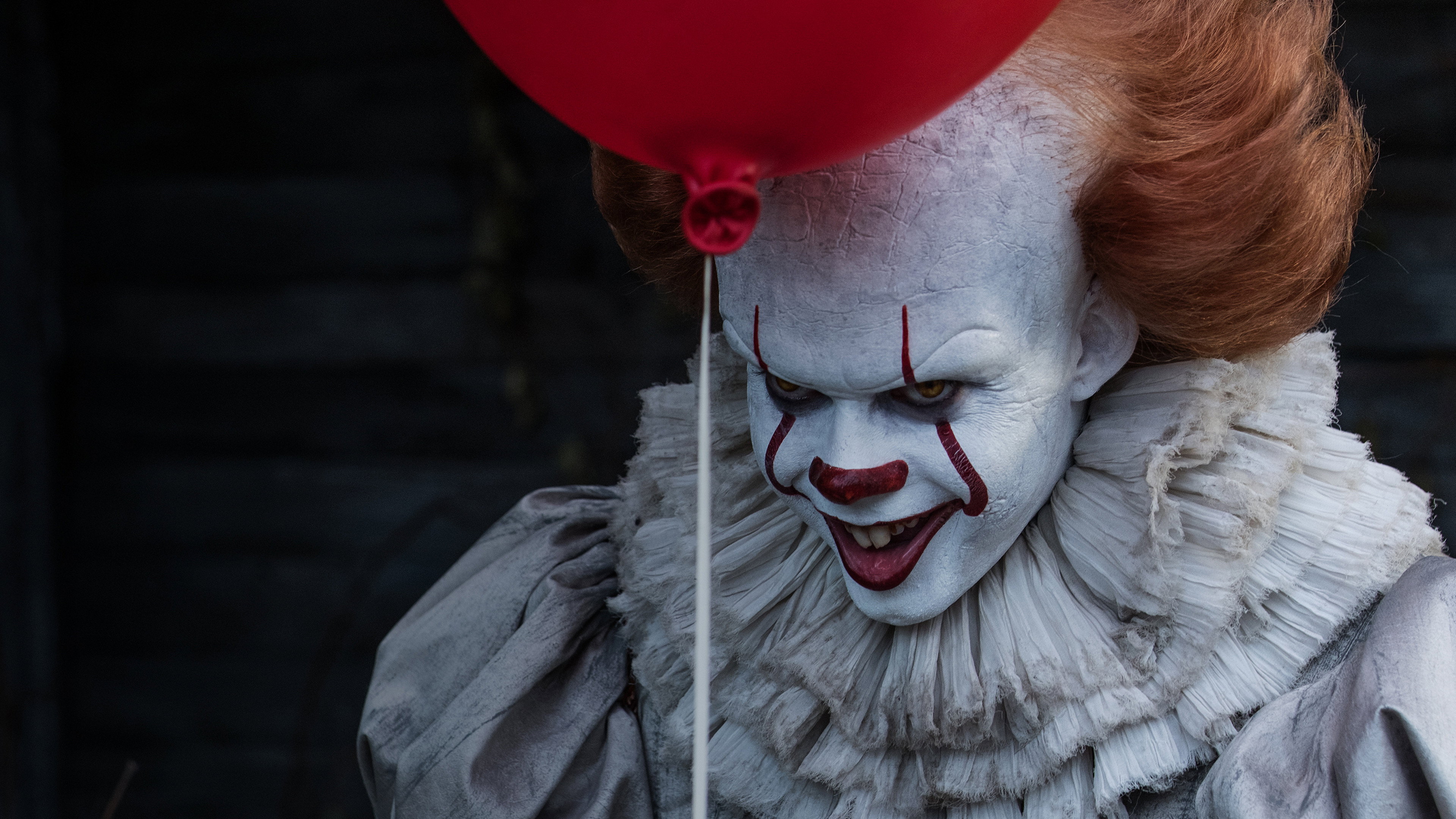
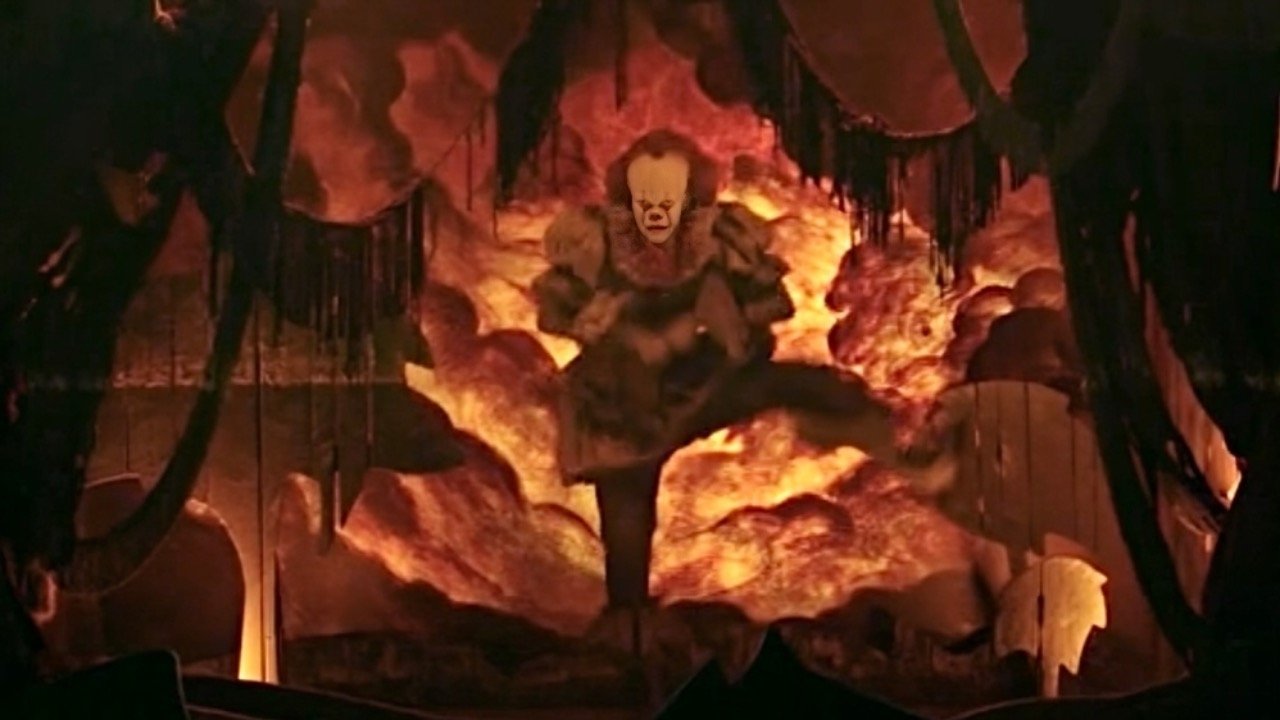
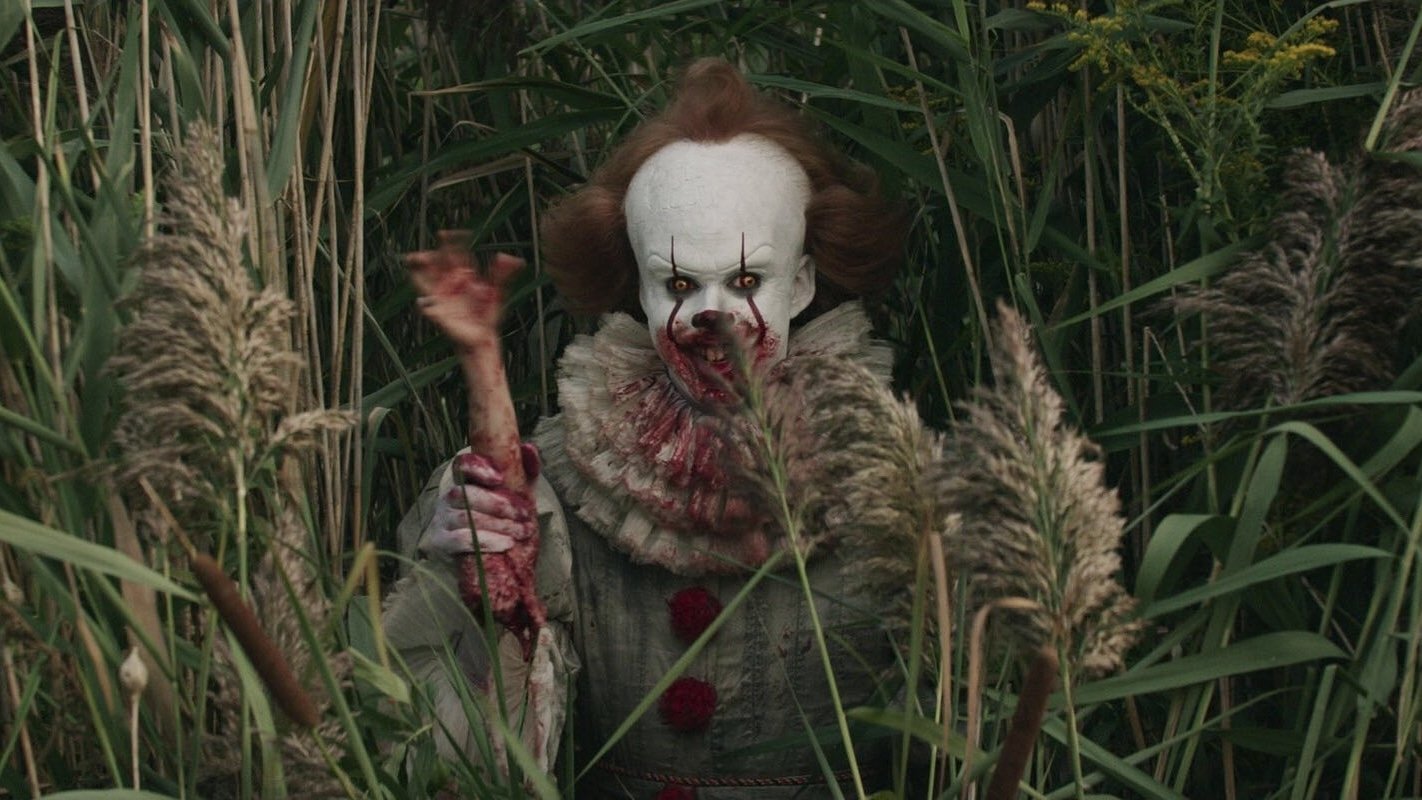
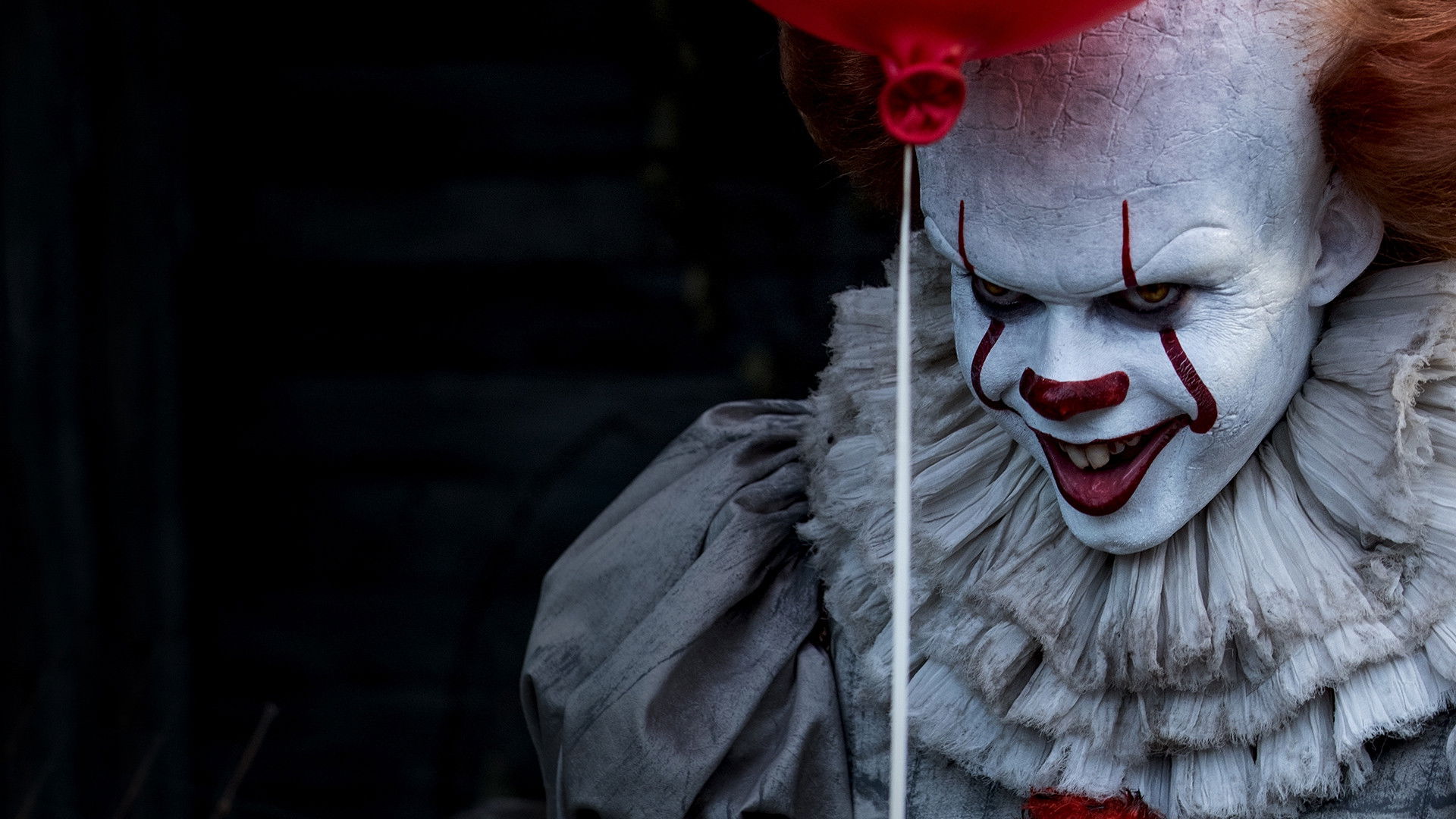
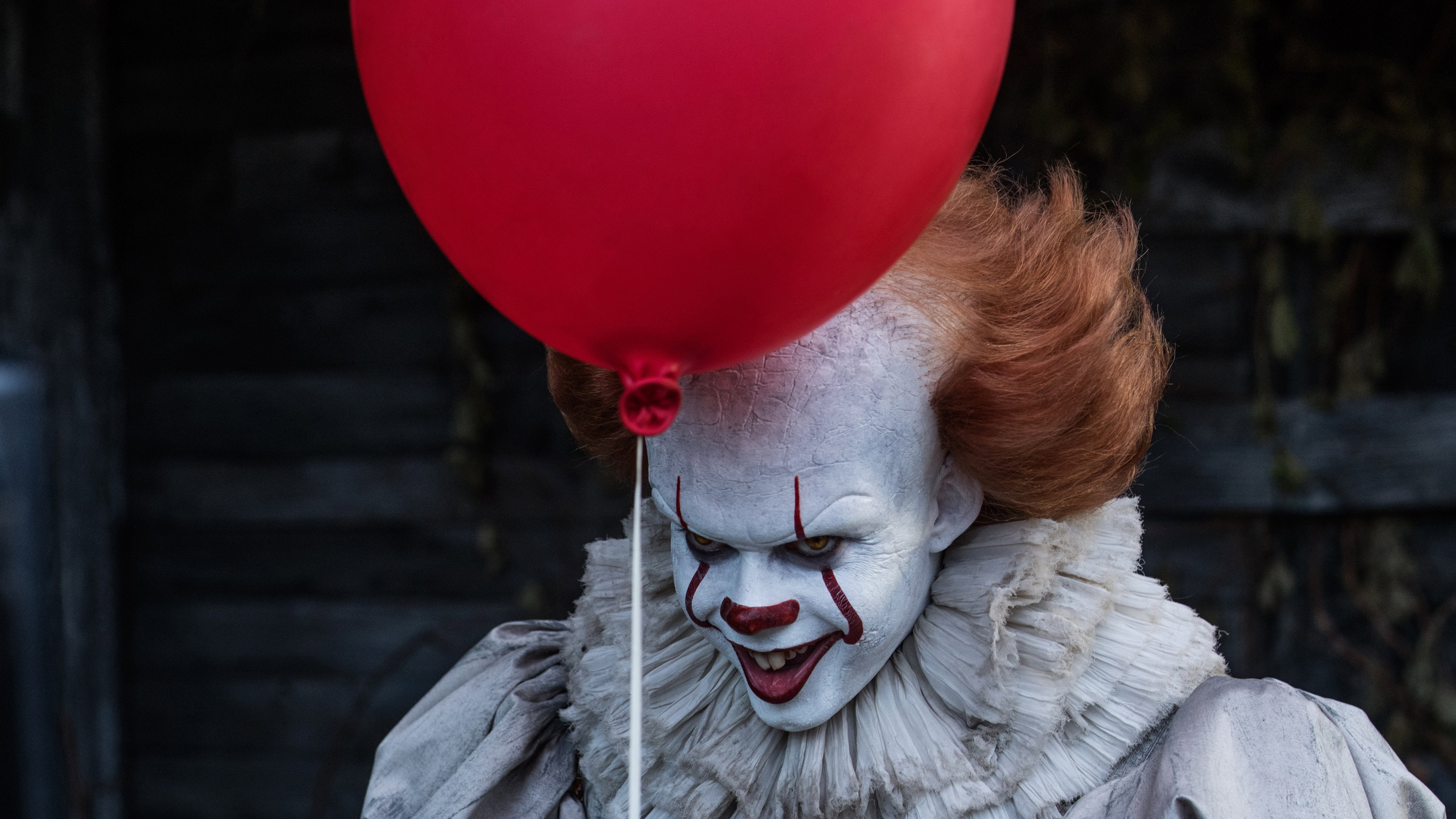
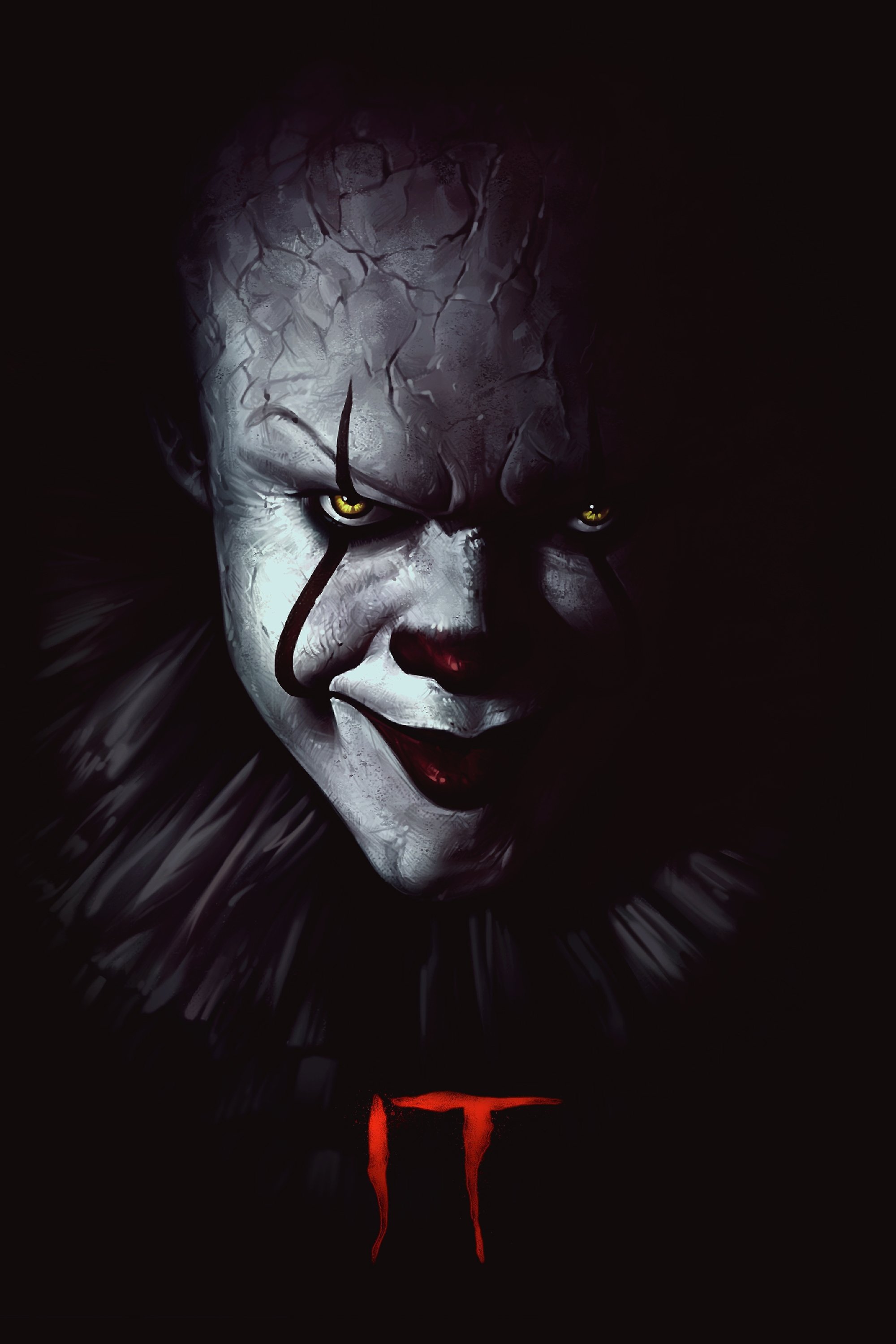
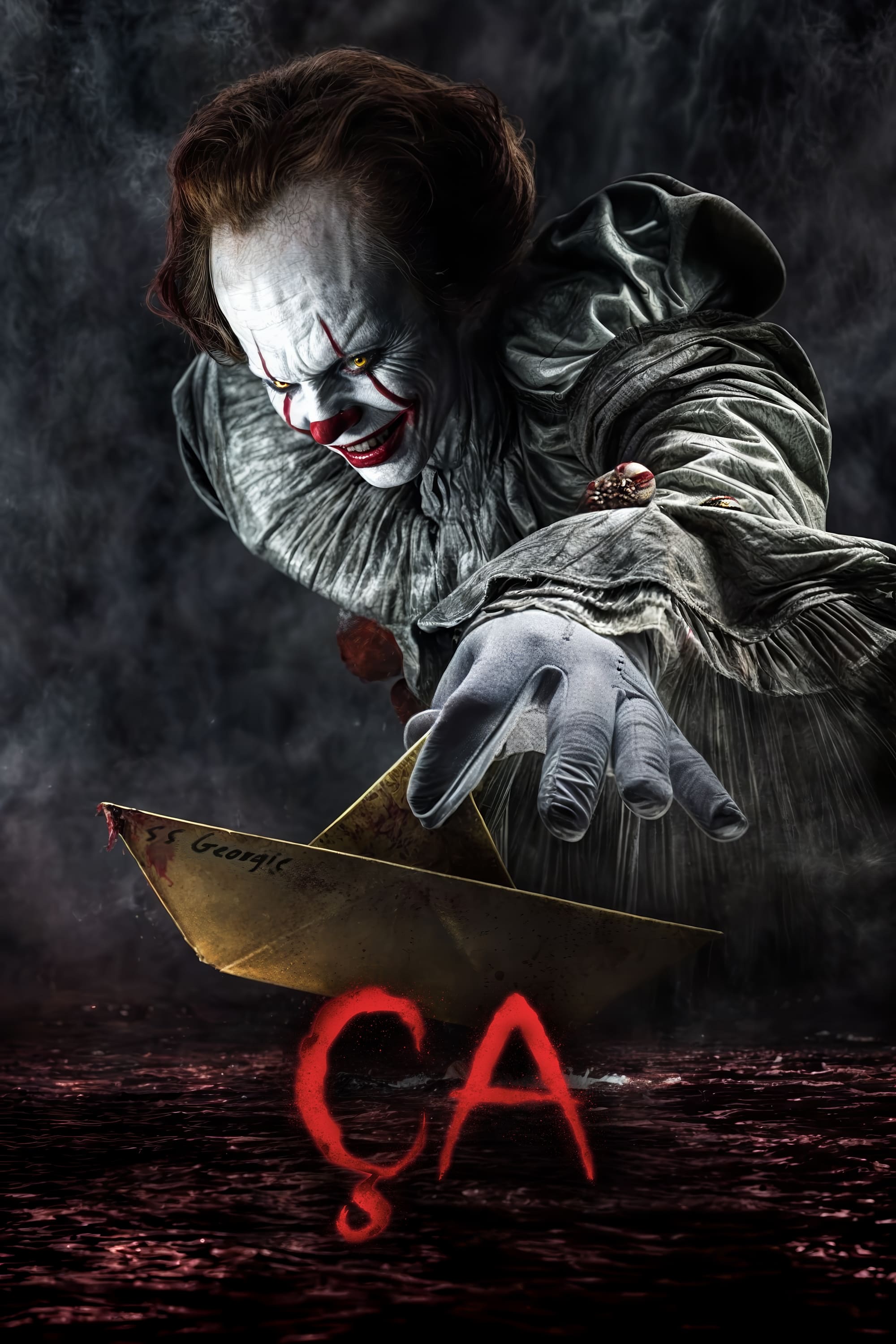
The performance differs from Tim Curry’s portrayal in the 1990 television adaptation. Skarsgård’s clown possesses a more elaborate costume, enlarged facial proportions and movements that frequently become physically unnatural. Costume designer Janie Bryant created clothing informed by historical clown and theatrical traditions, giving the figure an appearance that cannot be assigned comfortably to the film’s 1989 setting. The pale fabric, ornamental details and red markings contribute to the character’s association with an older, apparently timeless presence. His recognizable costume also establishes visual continuity when the surrounding environment and the creature’s apparent physical dimensions change.

Muschietti deliberately restricted the children’s early encounters with Skarsgård in full makeup. The actor remained separated from the young performers during much of their initial preparation, allowing his completed appearance to retain an unfamiliar quality when they first worked together. The approach did not eliminate the need for carefully rehearsed performances, particularly during scenes requiring physical interaction or digital augmentation. The seven principal young actors also had to establish convincing friendships through their own scenes. Their exchanges provide humor and emotional continuity between the more elaborate supernatural episodes, preventing Pennywise from becoming the sole dramatic focus.

Production, Locations & Cinematography

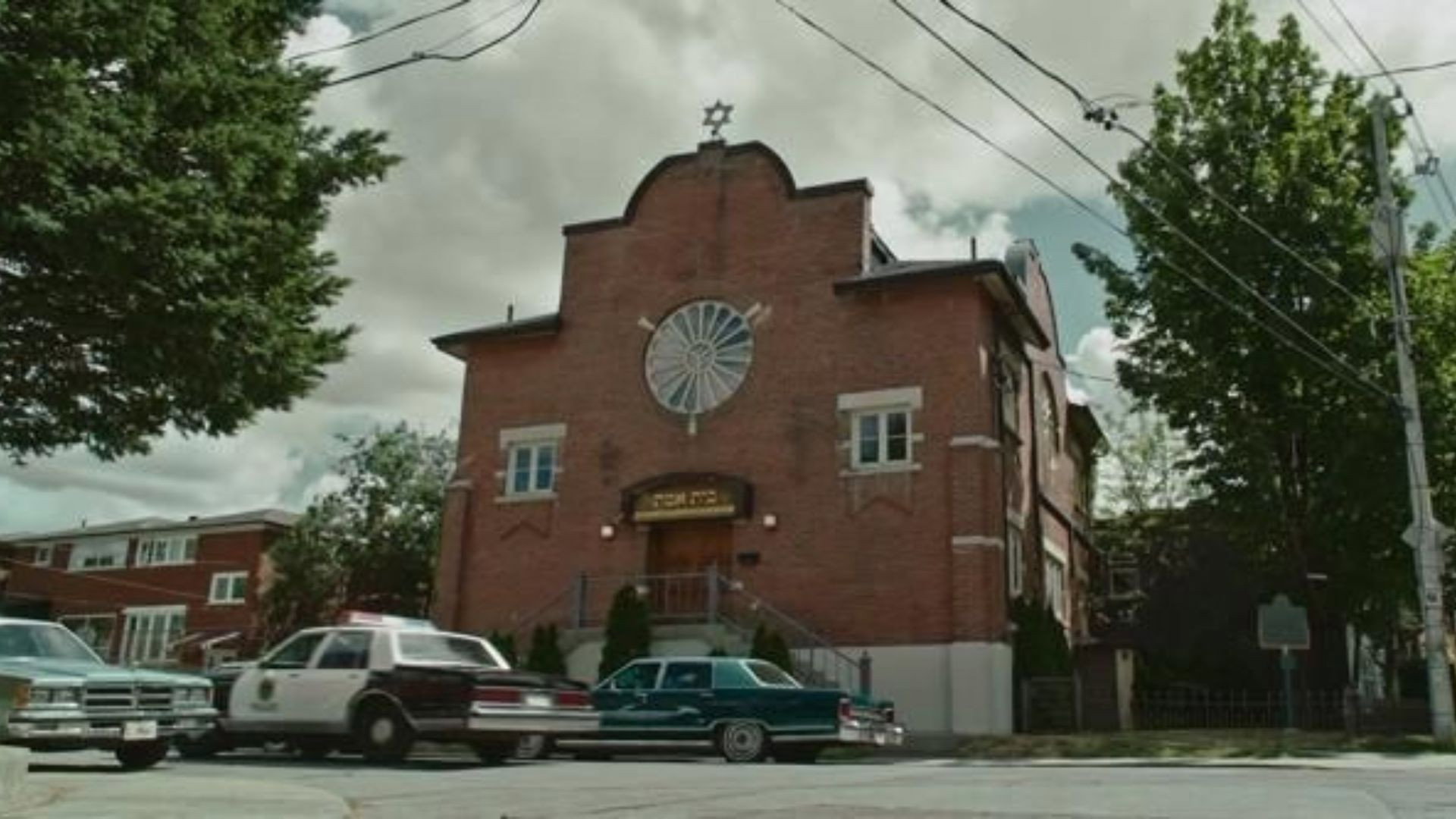
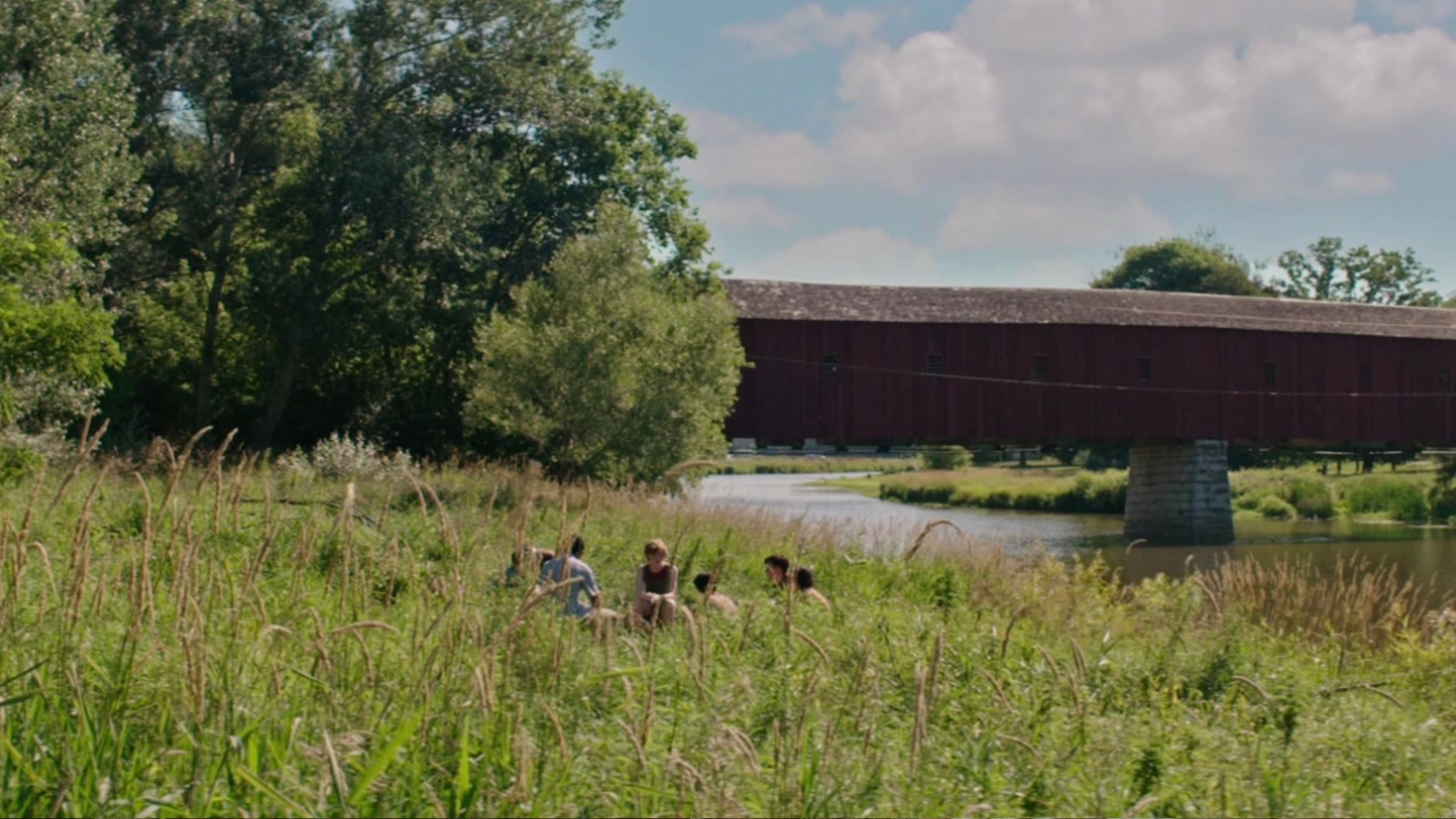
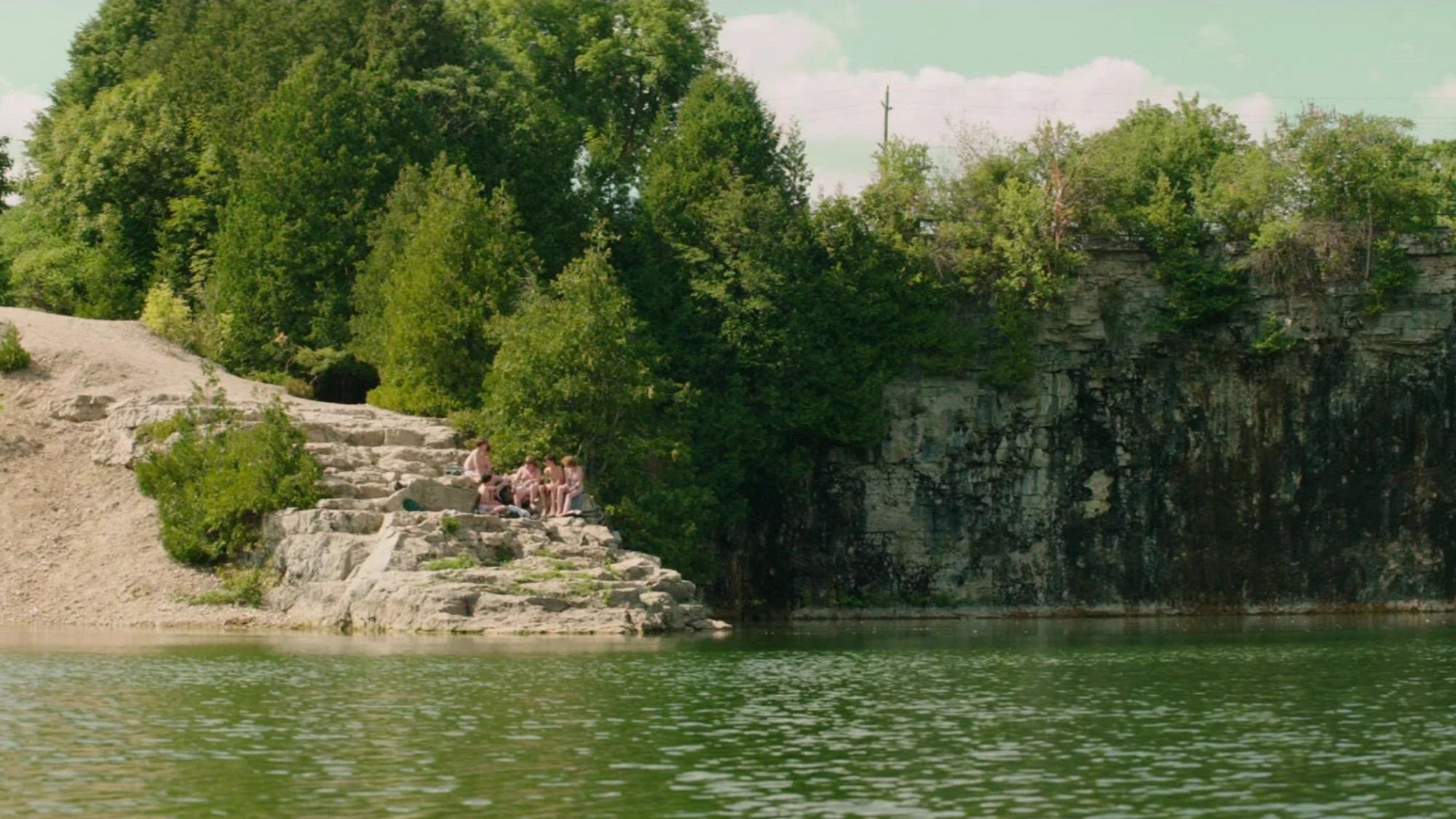
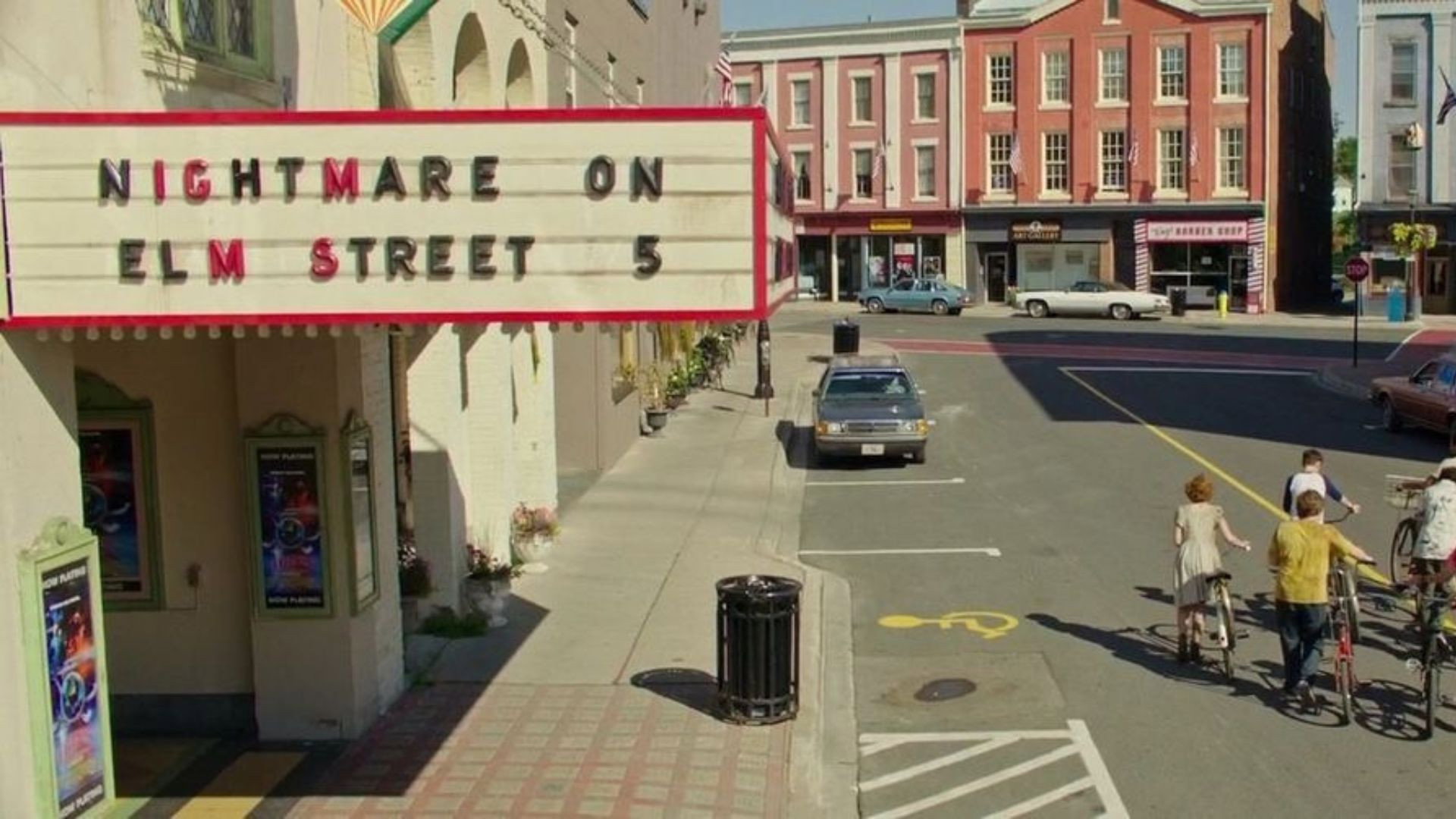
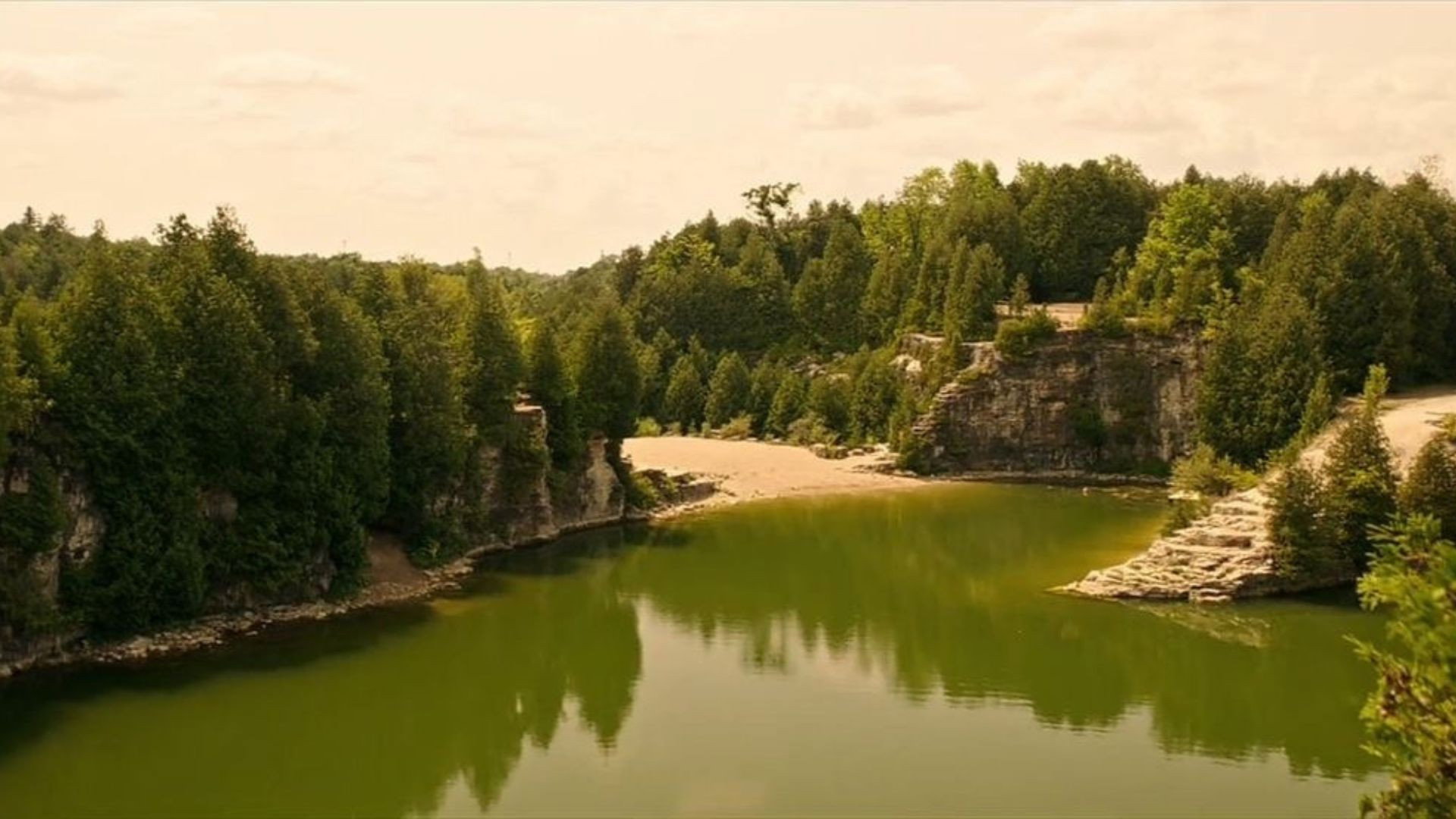
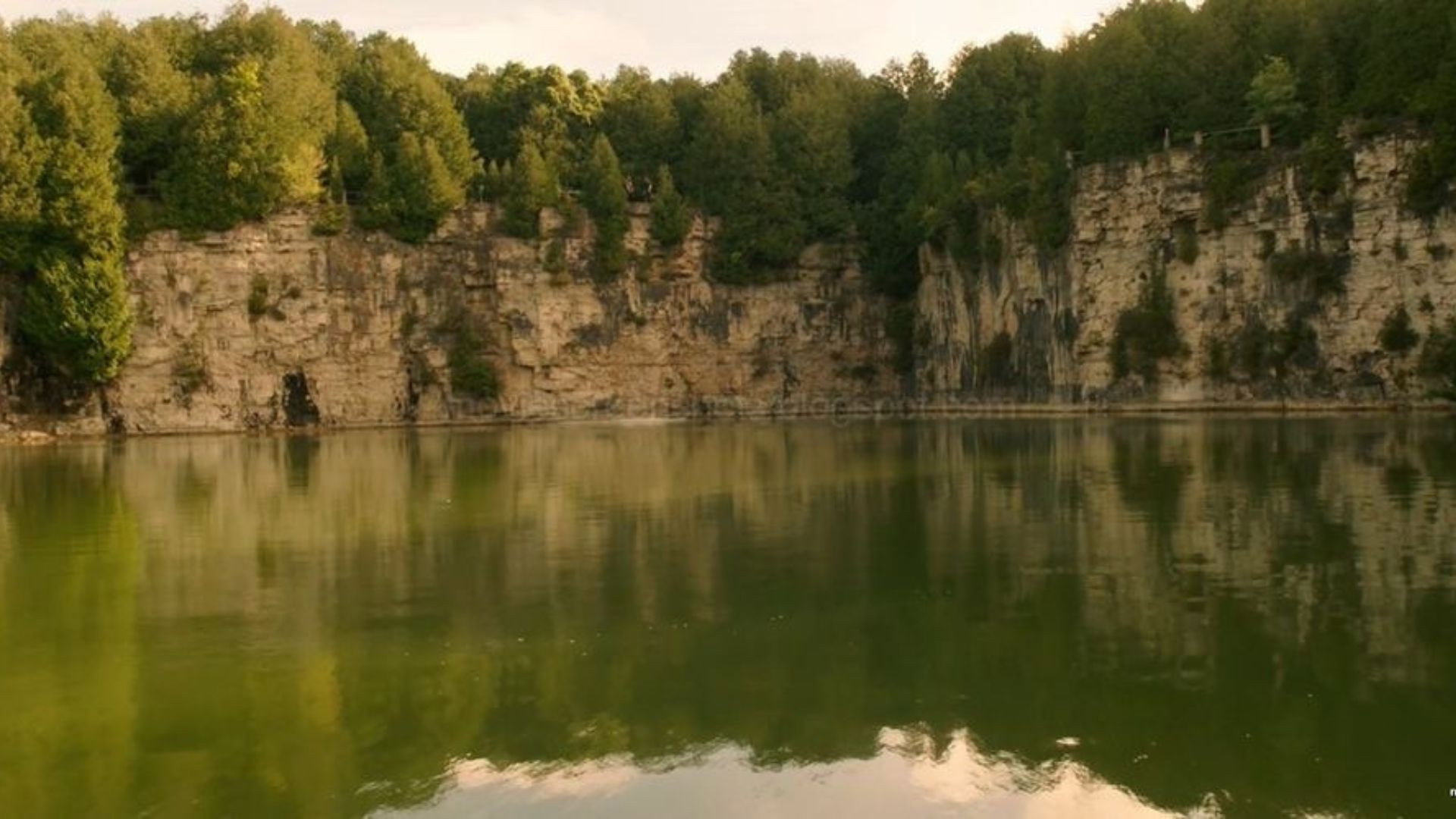
Principal photography took place in Ontario, Canada, during 2016. The production used Pinewood Toronto Studios for extensive interior work, while the town of Port Hope supplied many of Derry’s exterior locations. Muschietti had considered filming in Bangor, Maine, the city closely associated with King’s fictional setting, but the Canadian location offered a practical alternative. Cinematographer Chung Chung-hoon explained to American Cinematographer that the apparently pleasant streets and buildings were photographed to suggest an environment containing hidden hostility. The location’s familiar architecture allowed supernatural disturbances to occur within spaces that initially appeared ordinary.
Chung photographed the film primarily with ARRI Alexa cameras and Panavision lenses, combining G Series anamorphic primes with Primo spherical lenses when wider perspectives or additional space for visual effects were required. The director admired Chung’s work with Park Chan-wook and sought a visual style capable of moving between realism and surrealistic horror. Their discussions emphasized the appearance of a hot summer and the importance of recognizable natural lighting. The director of photography generally preferred an organic image to a conspicuously artificial period treatment, allowing costumes, locations and production design to establish the late-1980s setting.

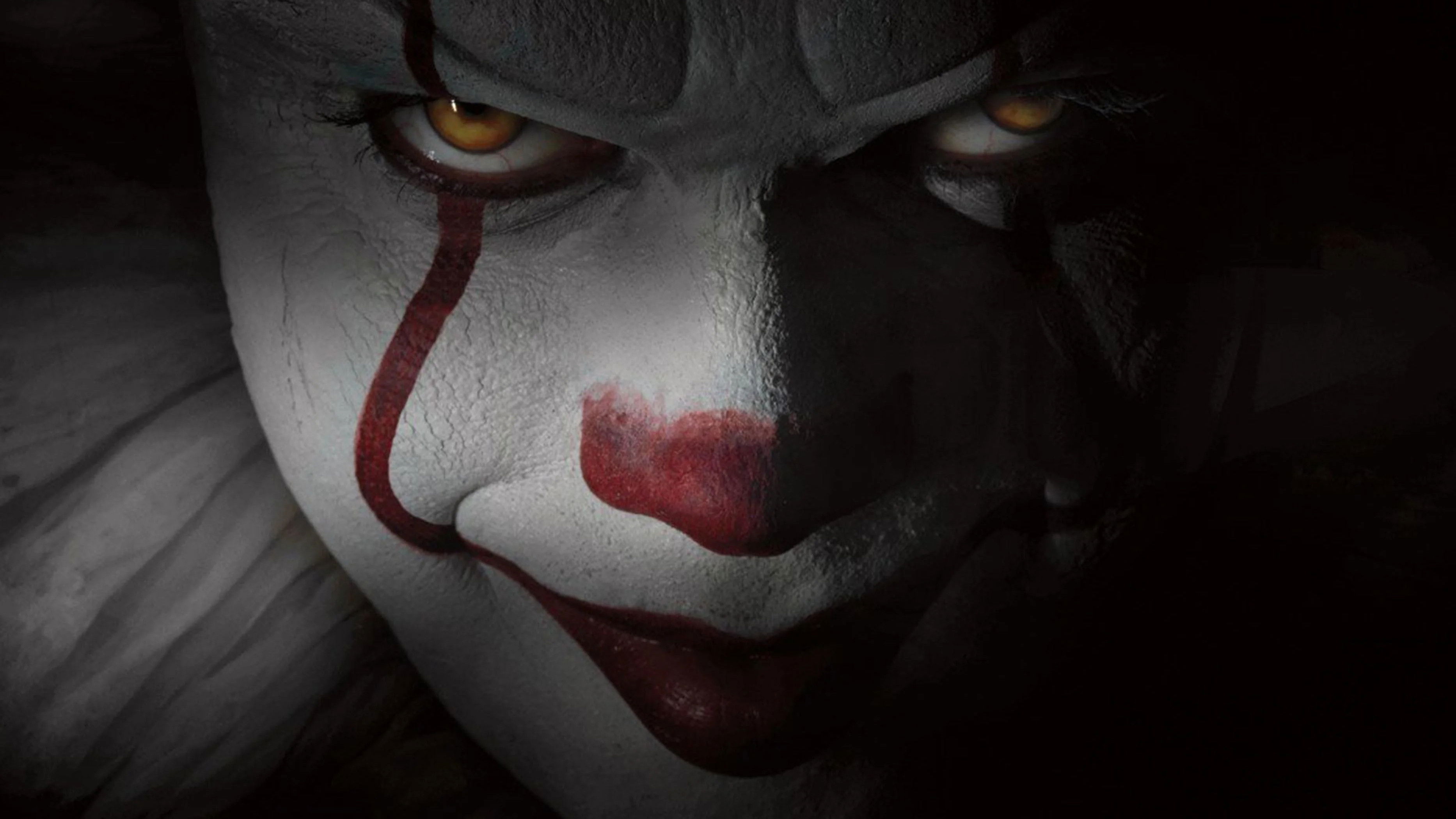
The lighting of Pennywise required particular attention. Muschietti wanted a persistent reflection near the lower portion of the clown’s eyes, and Chung sometimes used a carefully positioned flashlight to achieve the effect. Colorist Stephen Nakamura subsequently refined the character’s facial contrasts during grading. Exterior scenes also underwent selective adjustments of saturation and luminance, although Chung resisted excessive manipulation that might undermine the realism of the surrounding environment. The resulting photography allows familiar daylight settings to coexist with dark interiors, distorted perspectives and supernatural imagery. This contrast makes Derry’s ordinary geography essential to the film’s frightening atmosphere.

Practical Makeup & Visual Effects

Pennywise’s principal makeup was created through practical prosthetic appliances designed by Tom Woodruff Jr. and Amalgamated Dynamics, with Sean Sansom and Shane Zander responsible for application during filming. The design used foam latex pieces to enlarge the forehead and alter the proportions of Skarsgård’s face. Cracked textures beneath the white makeup gave the skin an aged and deteriorating appearance. Woodruff explained in an interview with VFX Voice that the exaggerated head shape contributed to a disturbing combination of childlike proportions and predatory expression. The makeup process required several hours and accommodated variations in the clown’s teeth and facial appearance.

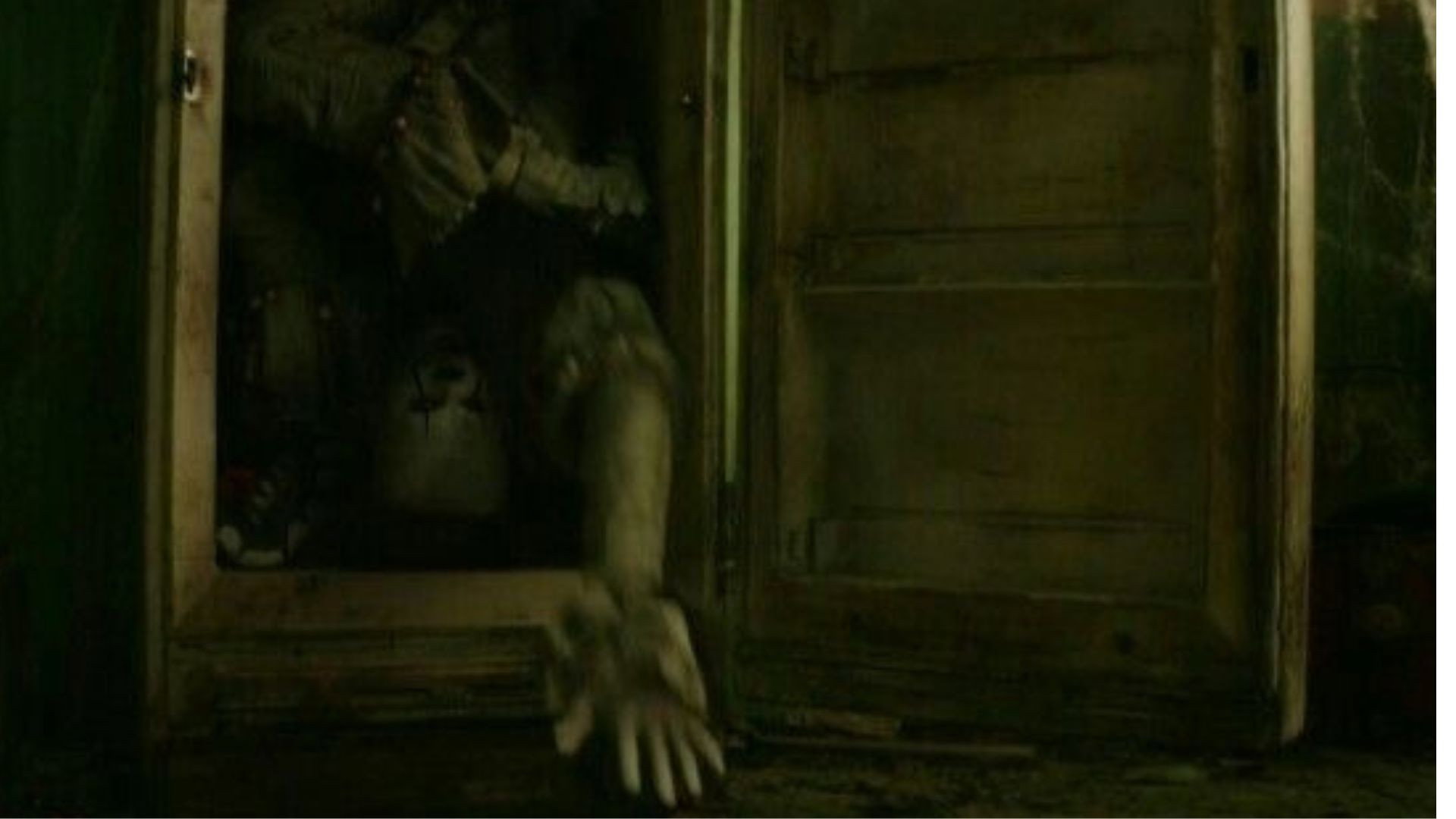
The film’s supernatural transformations required an extensive digital-effects operation supervised by Nicholas Brooks. RodeoFX contributed previs and final creature animation, alongside several other visual-effects vendors. The filmmakers attempted to preserve a physical basis for the transformations whenever possible. Skarsgård or another performer could provide the initial movement, after which the digital team modified the body, extended the jaws or created anatomical changes that could not be realized practically. Brooks described the sequence involving Pennywise emerging from a refrigerator as an example: the actor performed the movement before his body was digitally replaced to create an impossible contortion.

The final confrontation beneath Derry required particularly complicated coordination between physical performances and computer-generated creatures. Brooks encouraged the team to choreograph the action before completing the digital designs, allowing the young performers to interact with a planned sequence of movements. Foam weapons and rehearsed physical encounters supplied material that could be combined with later creature animation. The effects department also developed the enormous mouth and other manifestations of Pennywise’s shape-shifting abilities. These sequences represent a deliberate combination of practical makeup, stunt performance, previs and digital transformation, rather than a production dependent exclusively upon either physical or computer-generated effects.

Music & Sound

Benjamin Wallfisch composed the original score after previous collaborations with New Line Cinema on horror productions. In a September 2017 interview with Showbiz Junkies, he explained that his discussions with Muschietti concentrated on the emotional importance of the Losers’ Club and the director’s appreciation of thematic adventure scores from the 1980s. Wallfisch had read King’s novel when it was first published and regarded the friendships among the children as the foundation of the film. His music therefore needed to express affection, vulnerability and determination alongside the threat posed by Pennywise.

The composer developed several interconnected musical ideas. Pennywise’s principal theme begins as an apparently delicate, childlike figure before acquiring increasingly threatening forms. Wallfisch described his intention to make the villain’s musical identity infiltrate other themes, reflecting the creature’s influence over Derry even when he is not visible. A second musical element drew upon a traditional children’s song, associated with the clown’s predatory anticipation. The use of familiar childhood material in an altered musical context connects the soundtrack to the film’s transformation of ordinary objects and experiences into sources of terror.

The score combines orchestral writing with electronic manipulation and unusual vocal textures. Its quieter passages accompany the children’s developing relationships, while the confrontation sequences require more aggressive instrumental gestures and changes of intensity. The soundtrack was released by WaterTower Music in September 2017. Wallfisch’s approach is significant because the music follows the same dramatic distinction established by the screenplay: the children experience personal grief and affection within a town threatened by an ancient supernatural presence. The score moves between these emotional environments while retaining thematic connections across the film.

Release, Reception & Historical Position

Warner Bros. released It in the United States on 8 September 2017 with an R classification. Produced for a reported budget of approximately $35 million, the film earned $123,403,419 during its opening weekend in 4,103 North American theaters. The result established an exceptional commercial debut for an R-rated horror production. The original theatrical release ultimately generated more than $700 million worldwide, although different box-office services record varying totals and later reissues have increased cumulative figures. The original release, subsequent re-releases and home-video distribution should therefore be distinguished when citing its commercial performance.

Critical reception frequently praised the young ensemble and Skarsgård’s performance while differing over the frequency and effectiveness of the supernatural set pieces. Kim Newman, writing for Sight and Sound, considered the film heavily dependent upon elaborate scares and less successful at preserving the gentler aspects of King’s depiction of childhood. He also examined the way the adaptation relocates the story to an environment marked by late-1980s popular culture. His assessment distinguished the threatening adults and human cruelty from Pennywise’s supernatural appearances, recognizing that the children encounter danger within their ordinary lives as well as through the clown.

The commercial success led to the production of It Chapter Two (2019), directed again by Muschietti and centered on the Losers’ return to Derry as adults. The division of King’s novel into two features became a defining structural feature of the adaptation. The 2017 film also reinforced the commercial importance of Stephen King’s work within contemporary theatrical horror and demonstrated the audience available for an adult-rated production combining supernatural spectacle with a substantial ensemble of young performers. Its historical position rests upon that commercial achievement and its distinctive construction of Pennywise, whose performance combines traditional clown imagery, physical acting and digitally extended creature effects.

References

  1. Los Angeles Times The Making of a Monster Hit: How It Could Change the Way Hollywood Makes Movies

    Original reporting with producers Seth Grahame-Smith and David Katzenberg concerning the adaptation’s development, Fukunaga’s departure, Muschietti’s creative approach and production decisions.

  2. American Cinematographer It: Fear Itself

    Extensive on-set reporting and interviews with Andy Muschietti, Chung Chung-hoon and the camera department documenting Canadian locations, camera equipment, lighting and color grading.

  3. VFX Voice Effects Nightmare: The Creatures of It

    Original technical interviews with Tom Woodruff Jr. and Nicholas Brooks explaining Pennywise’s prosthetic design, digital transformations, previs and creature-effects production.

  4. Showbiz Junkies It Composer Benjamin Wallfisch Exclusive Interview on Composing the Music and Pennywise’s Theme

    Direct interview with Benjamin Wallfisch concerning the musical themes, collaboration with Muschietti, orchestral approach and development of Pennywise’s musical identity.

  5. British Film Institute — Sight and Sound It Review: Diminishing Returns of the King
    Kim Newman’s contemporary critical assessment of the adaptation, late-1980s setting, childhood themes, performances and emphasis on supernatural spectacle.

Connections

Cast

View Full Cast & Crew →

Release & Distribution

Production Companies (4)

  • KatzSmith Productions US
  • Lin Pictures US
  • New Line Cinema US
  • Vertigo Entertainment US

Distributors (3)

  • InterCom HU
  • New Line Cinema US
  • Warner Bros. Entertainment US

Release History (101)

Release DateTerritoryRelease TypeFormatDistributorCertificationNotes
2017-09-05 United States Premiere — — R Los Angeles
2017-09-06 Belgium Premiere — — 18 Kinepolis
2017-09-06 Germany Premiere — — — Fantasy Filmfest
2017-09-06 Indonesia Theatrical — — 17+
2017-09-06 South Korea Theatrical — — 15
2017-09-07 United Arab Emirates Theatrical — — —
2017-09-07 Armenia Theatrical — — —
2017-09-07 Australia Theatrical — — MA15+
2017-09-07 Brazil Theatrical — — 16
2017-09-07 Colombia Theatrical — — —
2017-09-07 Cyprus Theatrical — — —
2017-09-07 Czechia Theatrical — — 15+
2017-09-07 Denmark Theatrical — — 15
2017-09-07 Georgia Theatrical — — —
2017-09-07 Hong Kong SAR China Theatrical — — IIB
2017-09-07 Croatia Theatrical — — —
2017-09-07 Hungary Theatrical — — 18
2017-09-07 Israel Theatrical — — 16
2017-09-07 Kuwait Theatrical — — —
2017-09-07 Kazakhstan Theatrical — — —
2017-09-07 Lebanon Theatrical — — —
2017-09-07 Malaysia Theatrical — — —
2017-09-07 Netherlands Theatrical — — 16
2017-09-07 New Zealand Theatrical — — R16
2017-09-07 Panama Theatrical — — —
2017-09-07 Peru Theatrical — — —
2017-09-07 Philippines Theatrical — — R-13
2017-09-07 Serbia Theatrical — — —
2017-09-07 Russia Theatrical — — 18+
2017-09-07 Singapore Theatrical — — NC16
2017-09-07 Slovenia Theatrical — — —
2017-09-07 Slovakia Theatrical — — 15
2017-09-07 Thailand Theatrical — — 15
2017-09-07 Taiwan Theatrical — — 輔15
2017-09-07 Ukraine Theatrical — — —
2017-09-07 Uzbekistan Theatrical — — —
2017-09-08 Bulgaria Theatrical — — —
2017-09-08 Bahamas Theatrical — — —
2017-09-08 Canada Theatrical — — 18A movie score rate is M
2017-09-08 Estonia Theatrical — — —
2017-09-08 Spain Theatrical — — 16
2017-09-08 Finland Theatrical — — K-16
2017-09-08 United Kingdom Theatrical — — 15
2017-09-08 Ireland Theatrical — — 16
2017-09-08 India Theatrical — — A
2017-09-08 Iceland Theatrical — — —
2017-09-08 Cambodia Theatrical — — —
2017-09-08 Lithuania Theatrical — — N-16
2017-09-08 Latvia Theatrical — — —
2017-09-08 Malta Theatrical — — —
2017-09-08 Mexico Theatrical — — B-15
2017-09-08 Norway Theatrical — — 15
2017-09-08 Poland Theatrical — — 18
2017-09-08 Romania Theatrical — — 15
2017-09-08 United States Theatrical — — R
2017-09-08 Vietnam Theatrical — — —
2017-09-09 France Premiere — — — Deauville Film Festival
2017-09-10 Portugal Premiere — — M/16 MOTELX - Lisbon International Horror Film Festival
2017-09-13 Chile Theatrical — — —
2017-09-13 Sweden Theatrical — — 15
2017-09-14 Bolivia Theatrical — — —
2017-09-14 Portugal Theatrical — — M/16
2017-09-14 Uruguay Theatrical — — —
2017-09-15 France Limited Theatrical — — — Paris
2017-09-15 Türkiye Theatrical — — 15+
2017-09-15 Venezuela Theatrical — — —
2017-09-15 South Africa Theatrical — — 16
2017-09-17 Japan Premiere — — — Down Town Taito International Comedy Film Festival
2017-09-19 Argentina Premiere — — — Buenos Aires
2017-09-20 Switzerland Theatrical — — 16
2017-09-20 France Theatrical — — 12
2017-09-20 Luxembourg Theatrical — — —
2017-09-21 Argentina Theatrical — — +16
2017-09-21 Kyrgyzstan Theatrical — — —
2017-09-28 Switzerland Theatrical — — 16
2017-09-28 Germany Theatrical — — 16
2017-09-28 Greece Theatrical — — —
2017-09-29 Austria Theatrical — — —
2017-10-19 Switzerland Theatrical — — 16
2017-10-19 Italy Theatrical — — VM14
2017-11-03 Japan Theatrical — — R15+
2017-12-19 Brazil Digital — — 16
2017-12-19 United States Digital — — R
2017-12-20 Russia Digital — — 18+
2018-01-09 United States Physical DVD, Blu-ray — R DVD / Blu-ray
2018-01-10 Hungary Physical DVD, Blu-ray — 18 DVD / Blu-ray
2018-01-17 Czechia Physical DVD, Blu-ray — 15+ DVD / Blu-ray
2018-01-20 France Digital — — —
2018-01-22 Sweden Physical — — 15
2018-01-24 France Physical 4K UHD, DVD, Blu-ray — 12 DVD / Blu-ray / 4K UHD
2018-01-24 Netherlands Physical DVD, Blu-ray — 16 DVD / Blu-ray
2018-02-22 Germany Physical — — 16
2018-10-12 Mexico Limited Theatrical — — C Re-release
2018-10-15 United Kingdom Digital — — —
2018-10-15 United Kingdom Physical — — —
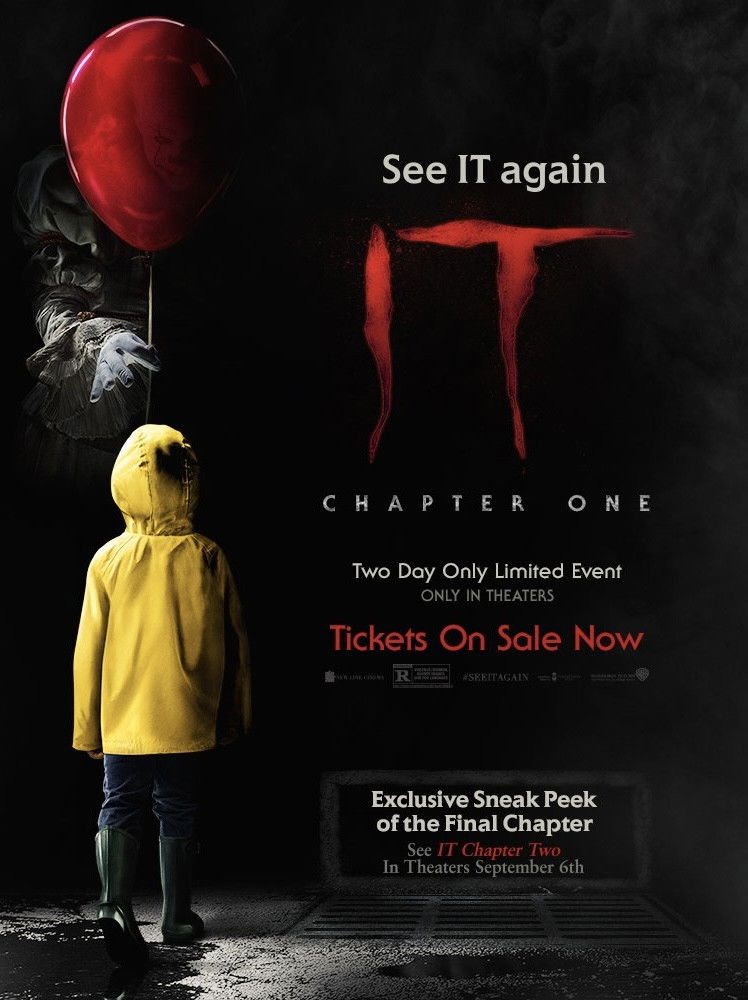
2019-08-23 United Kingdom Theatrical — — — Re-release
2019-08-30 Vietnam Theatrical — — — Re-release
2019-09-05 Spain Digital — — 16 Re-release
2021-06-15 France Digital — — — Netflix
2022-07-01 France Digital — — 18 Prime Video
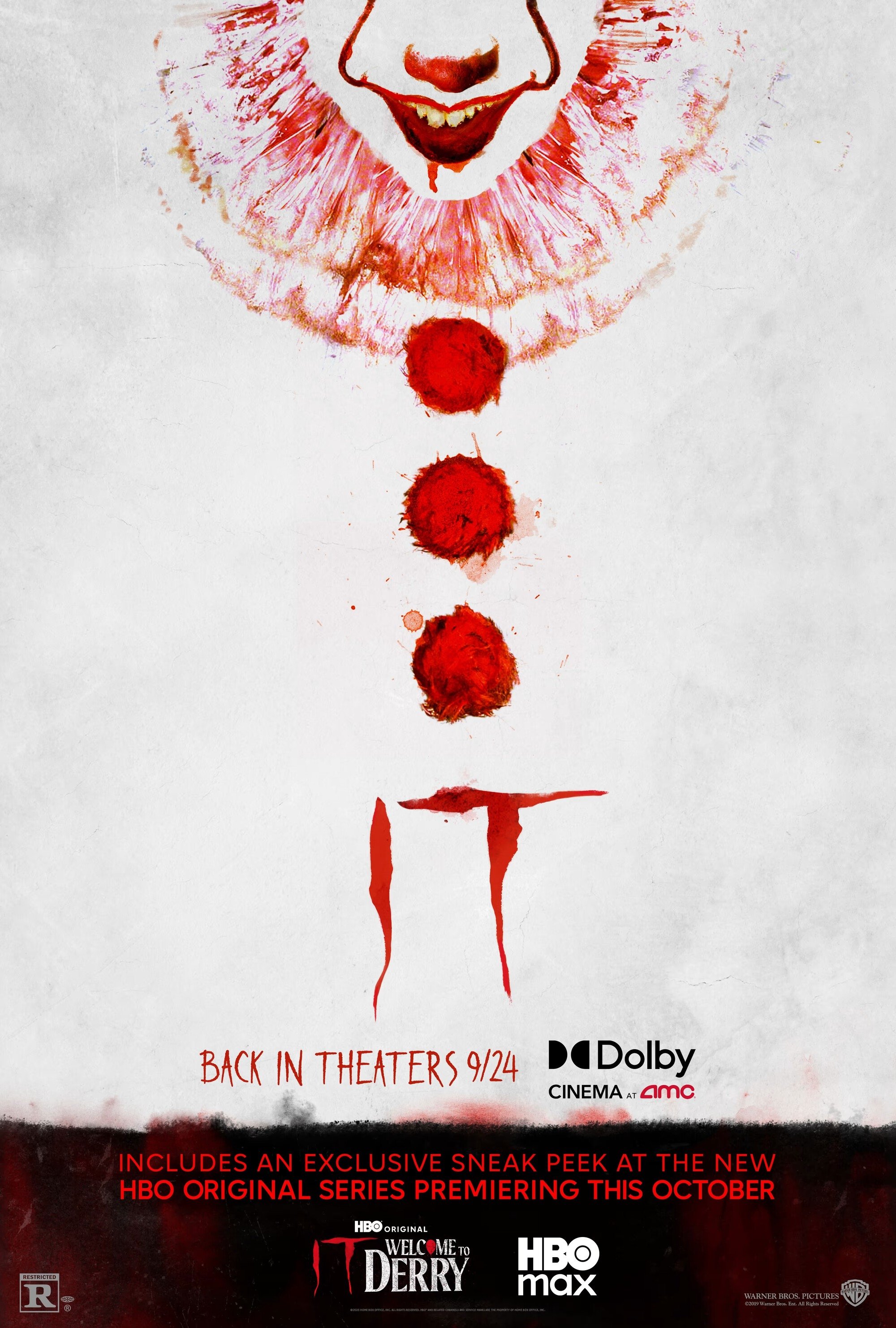
2025-09-24 United States Limited Theatrical — — R IT (2017) + IT: Welcome to Derry Sneak Peek - Dolby Cinema Exclusive
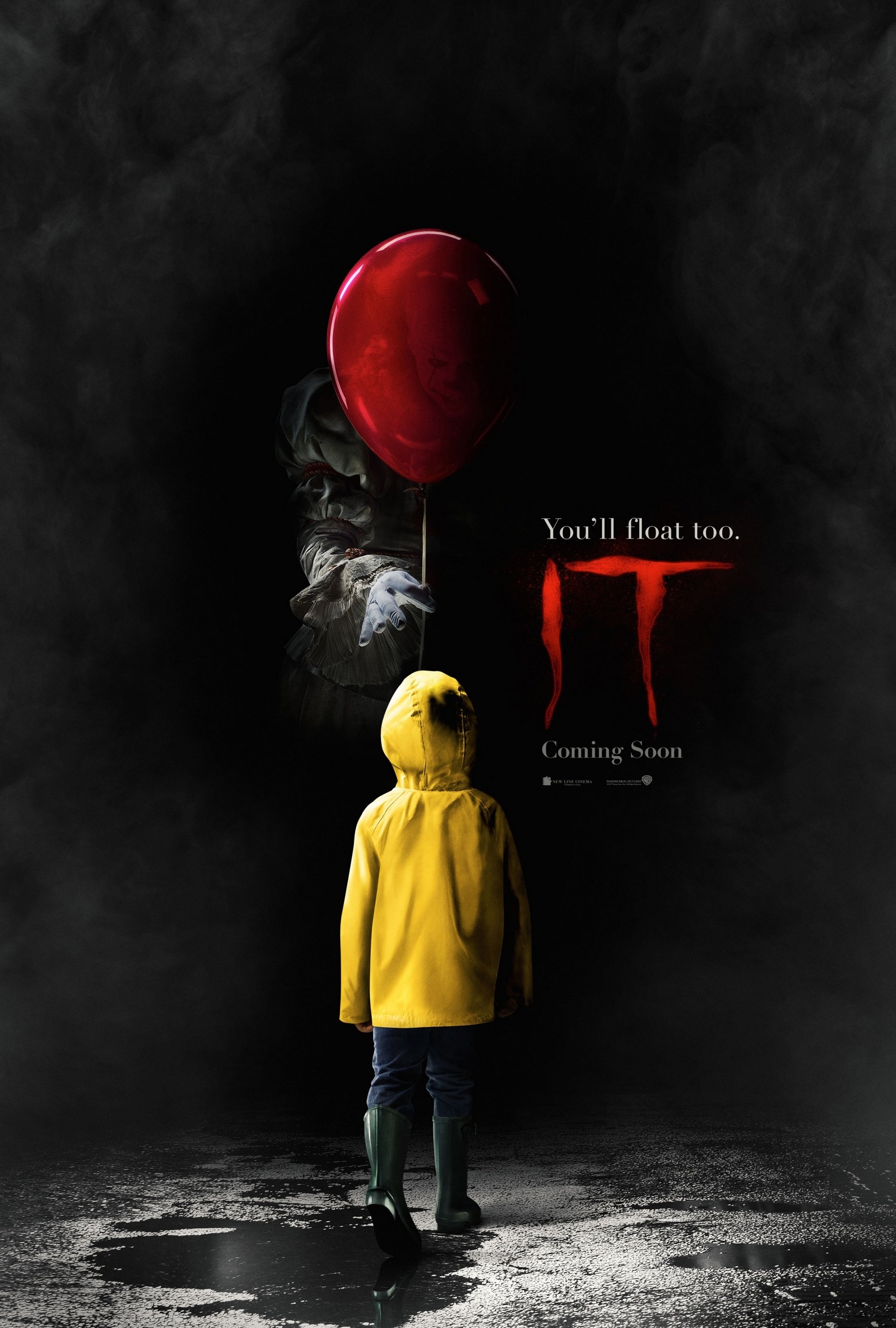
You'll float too.