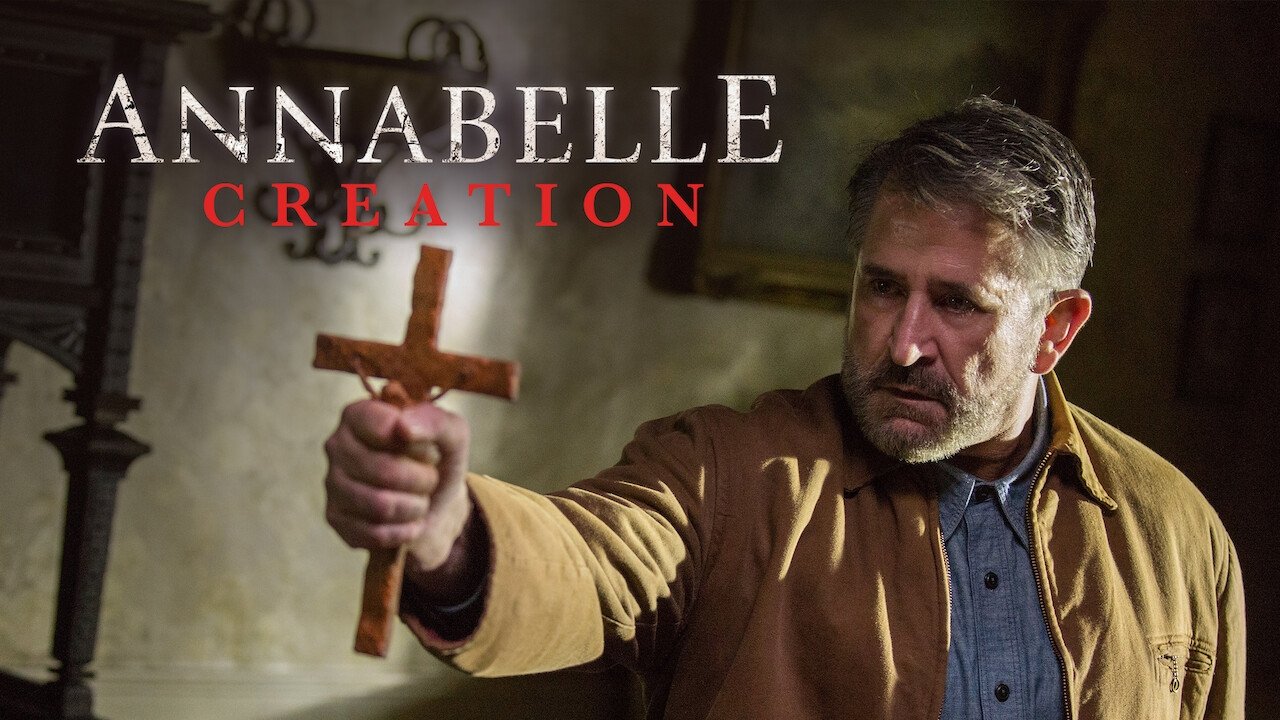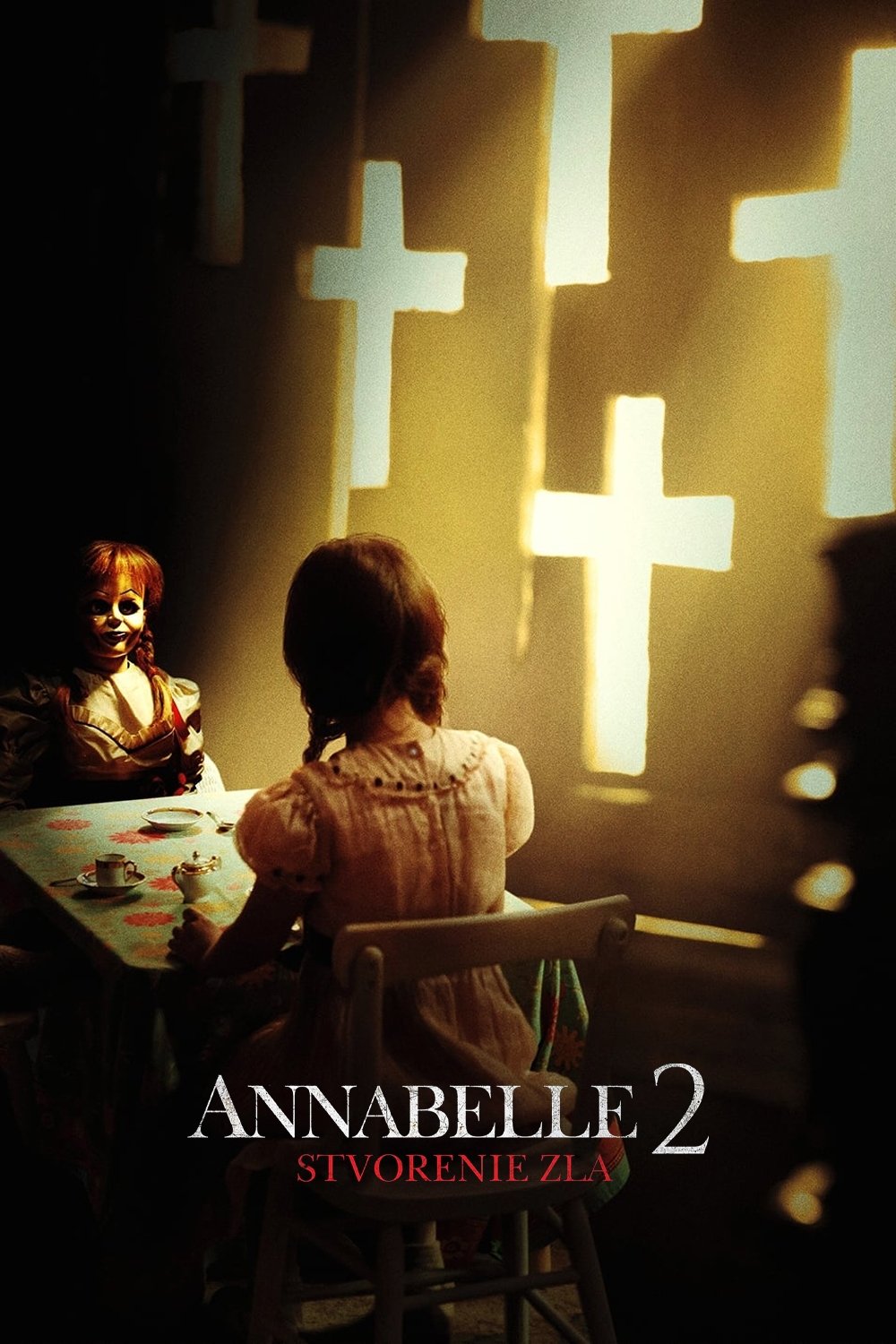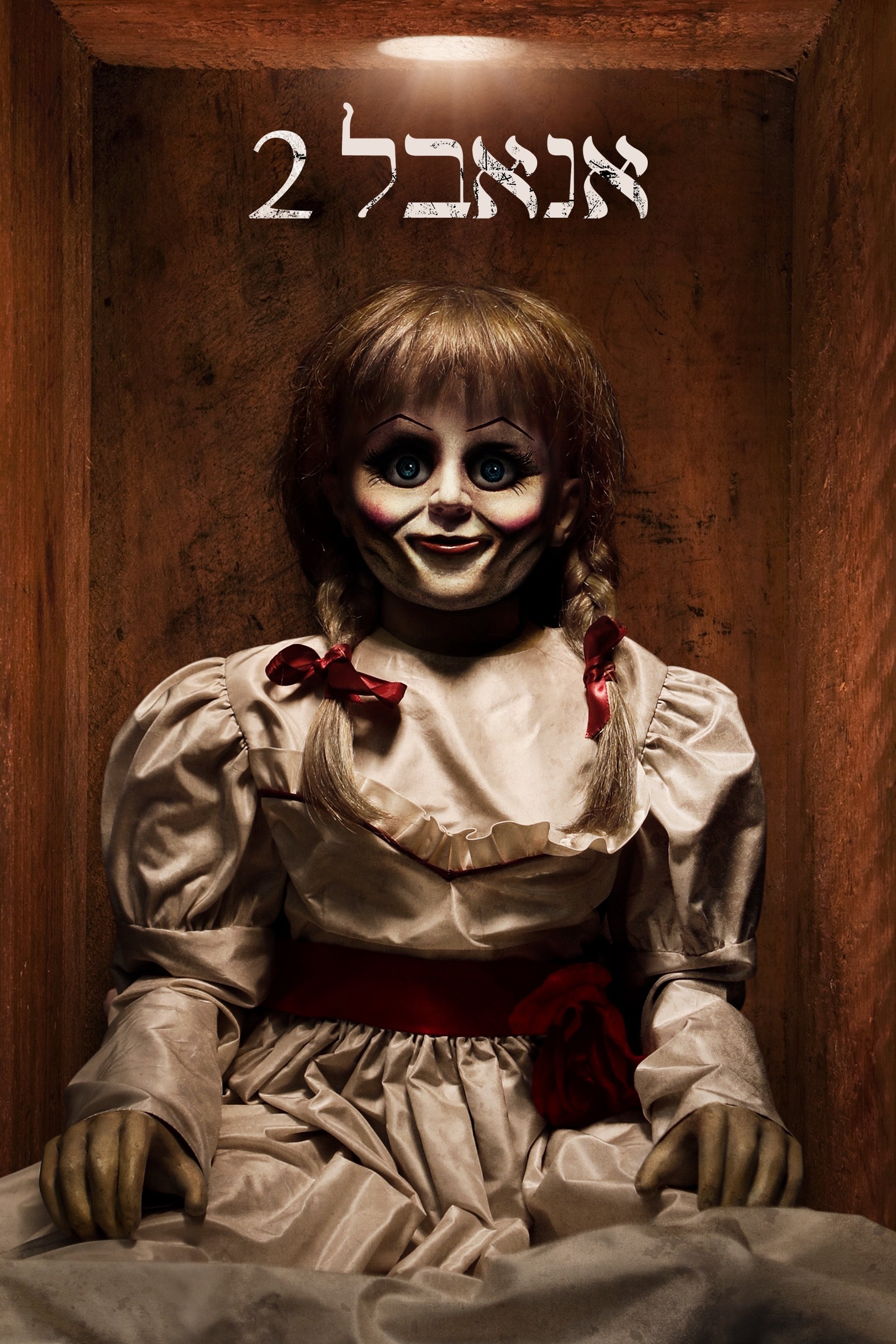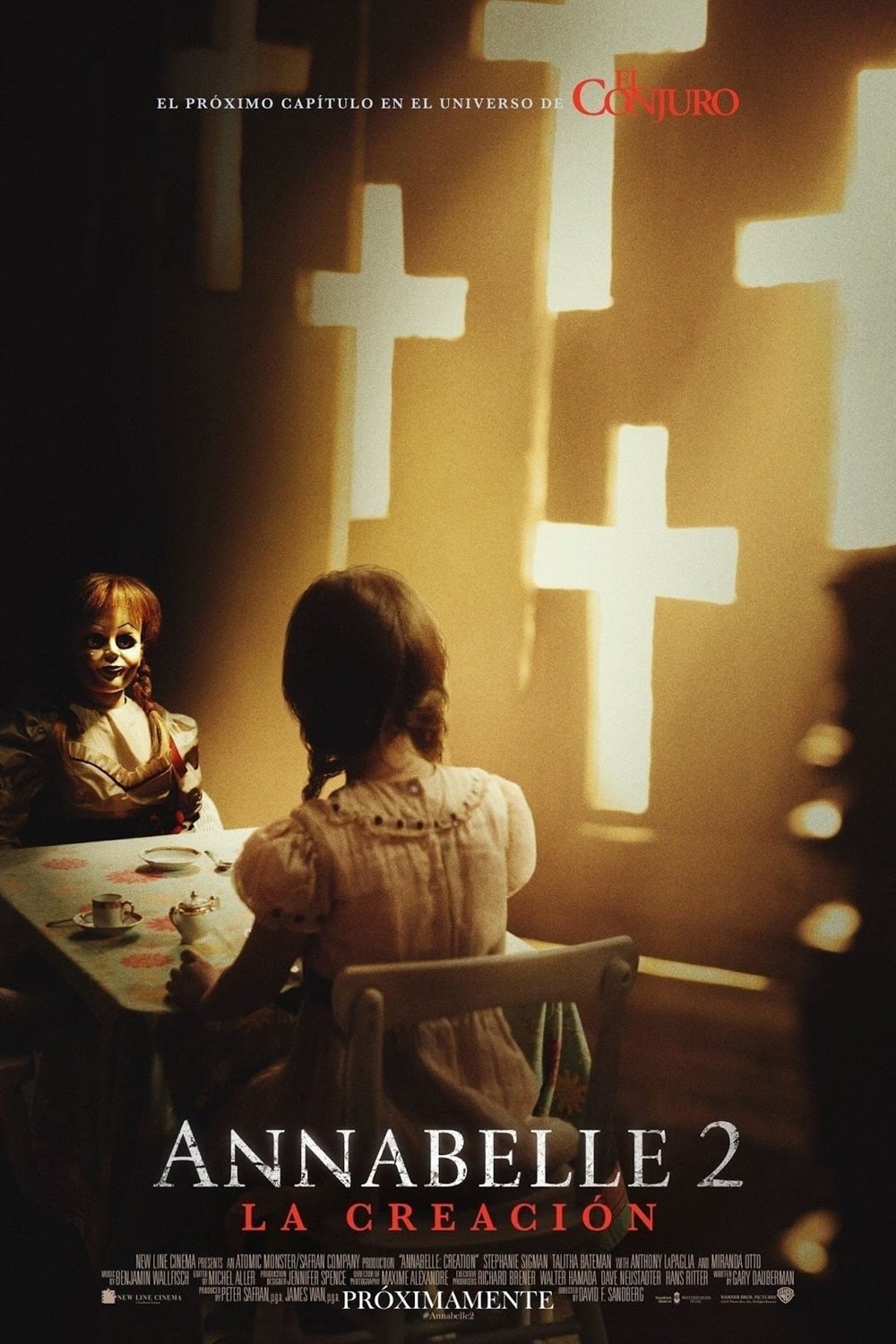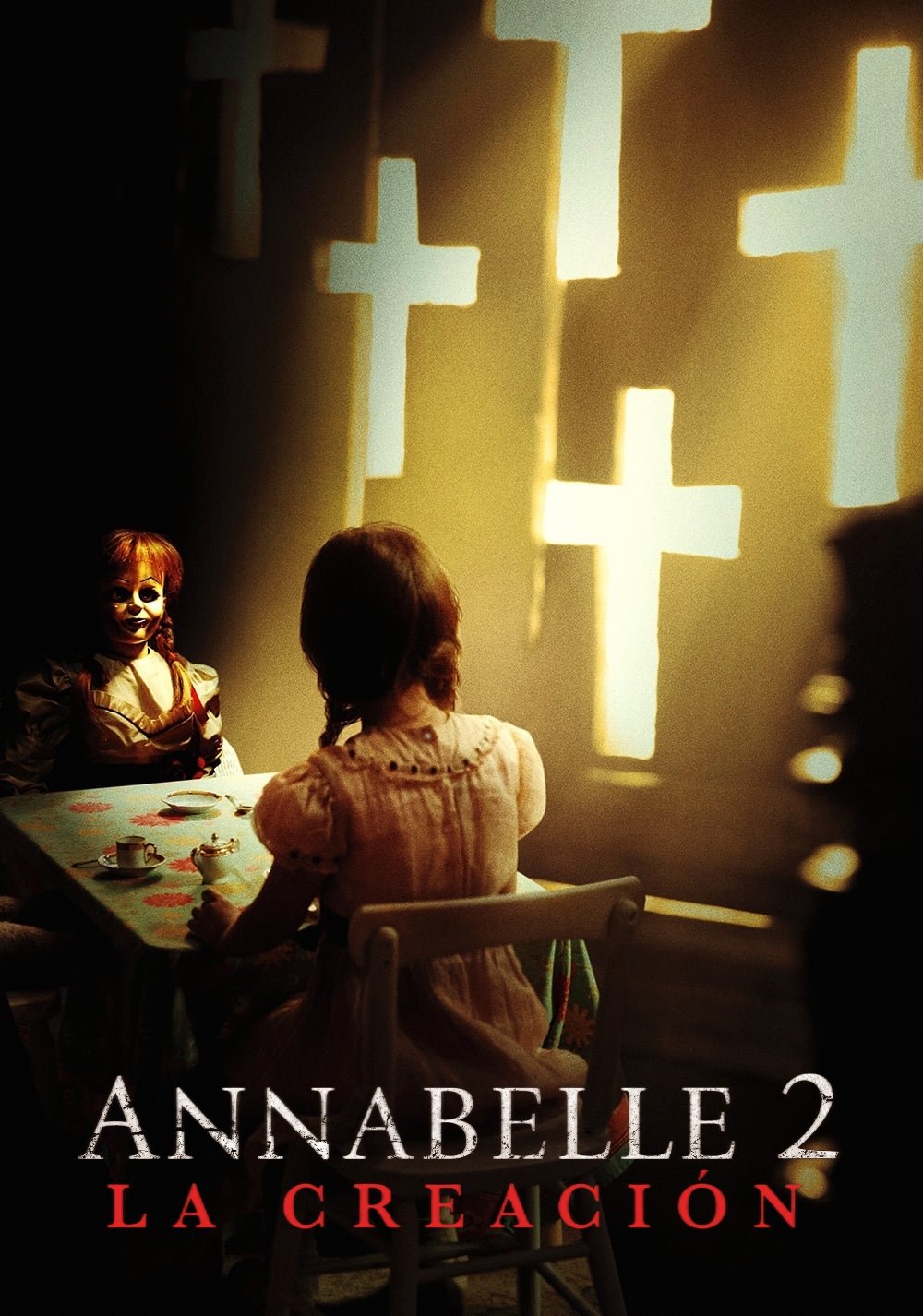
Annabelle: Creation (2017)

US
HORROR FILM Mystery Thriller
SUBGENRES EVIL DOLL
6.3/10 3 votes
Runtime
109 min
Release
August 3, 2017
Budget
$15,000,000
Revenue
$306,592,201
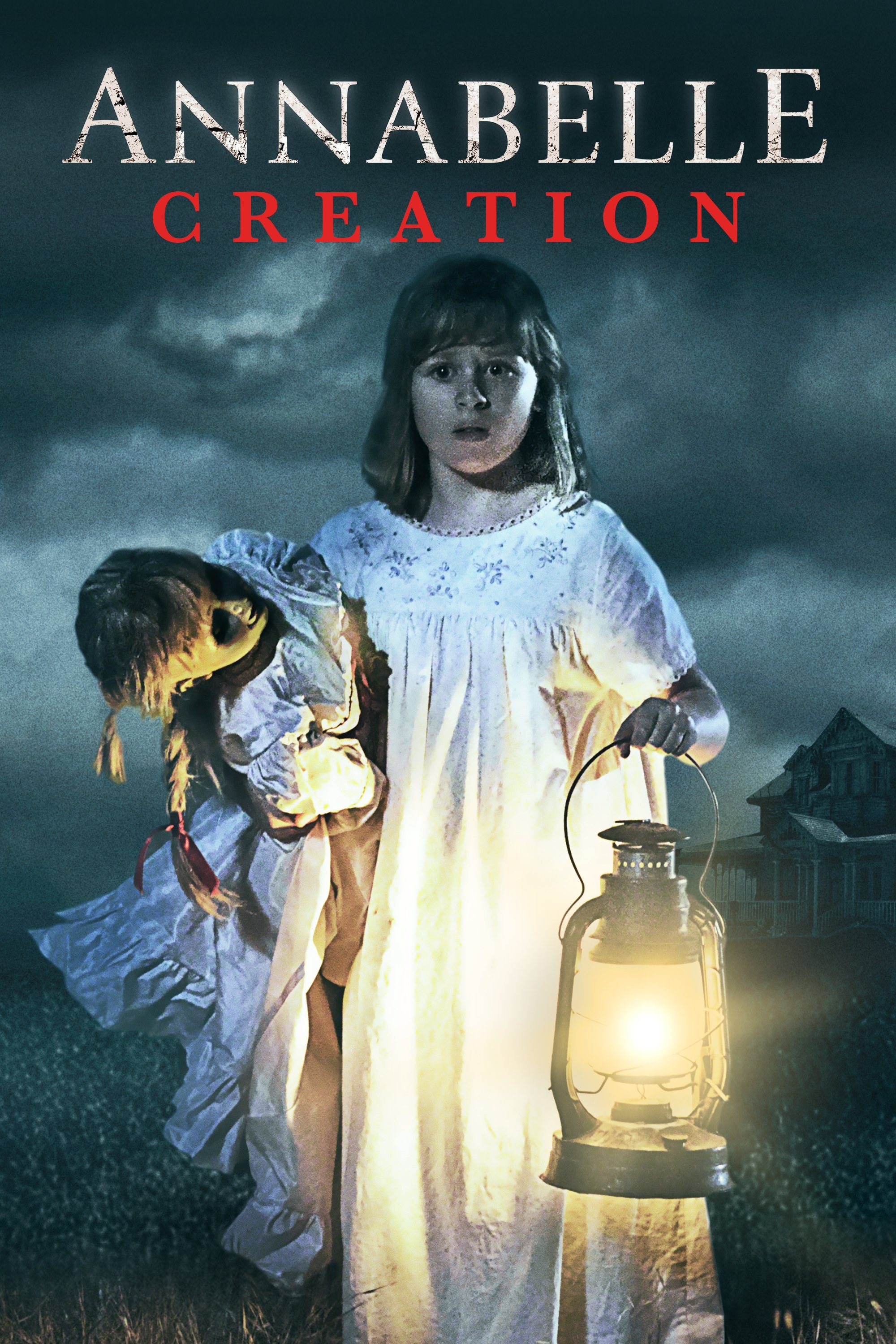
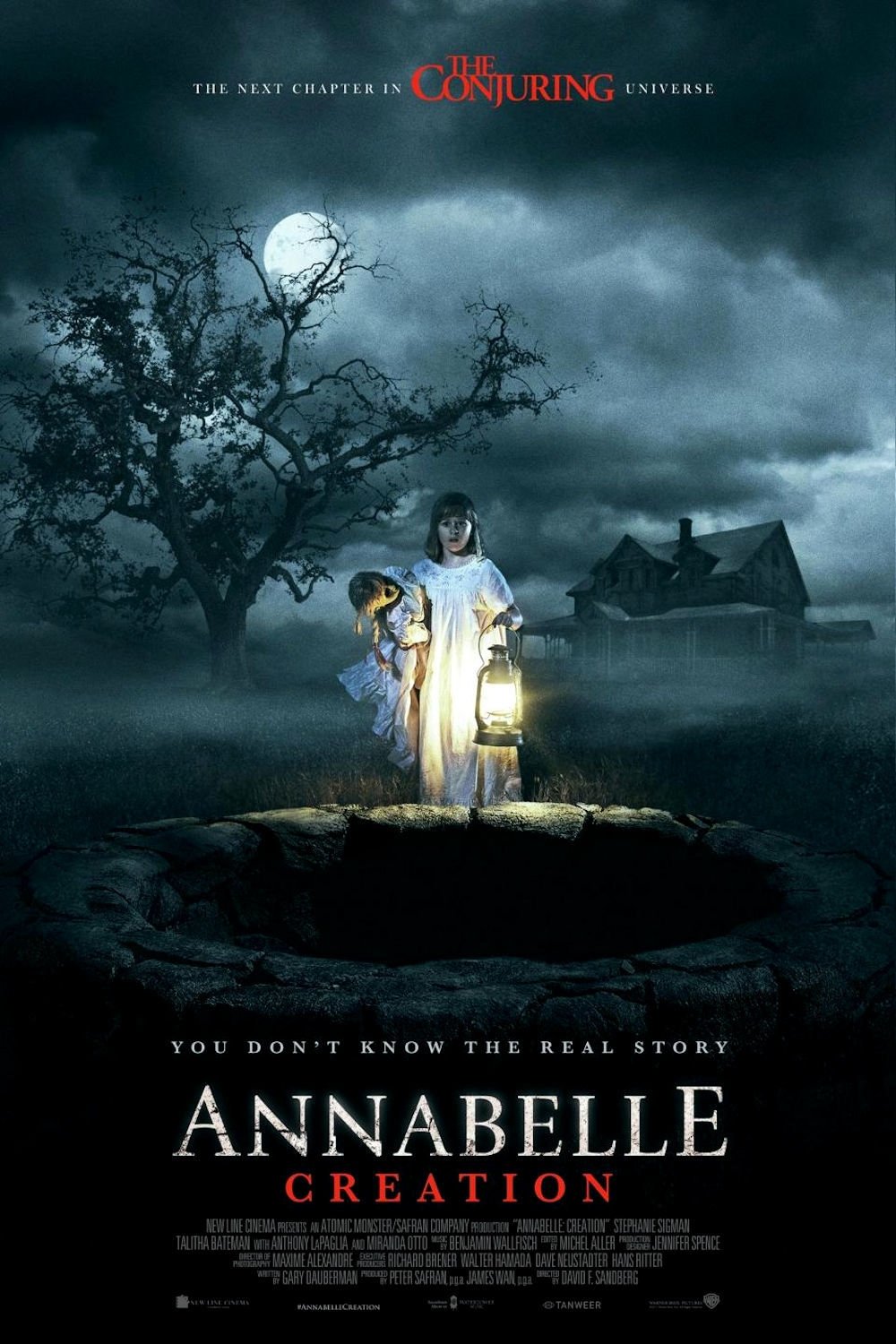
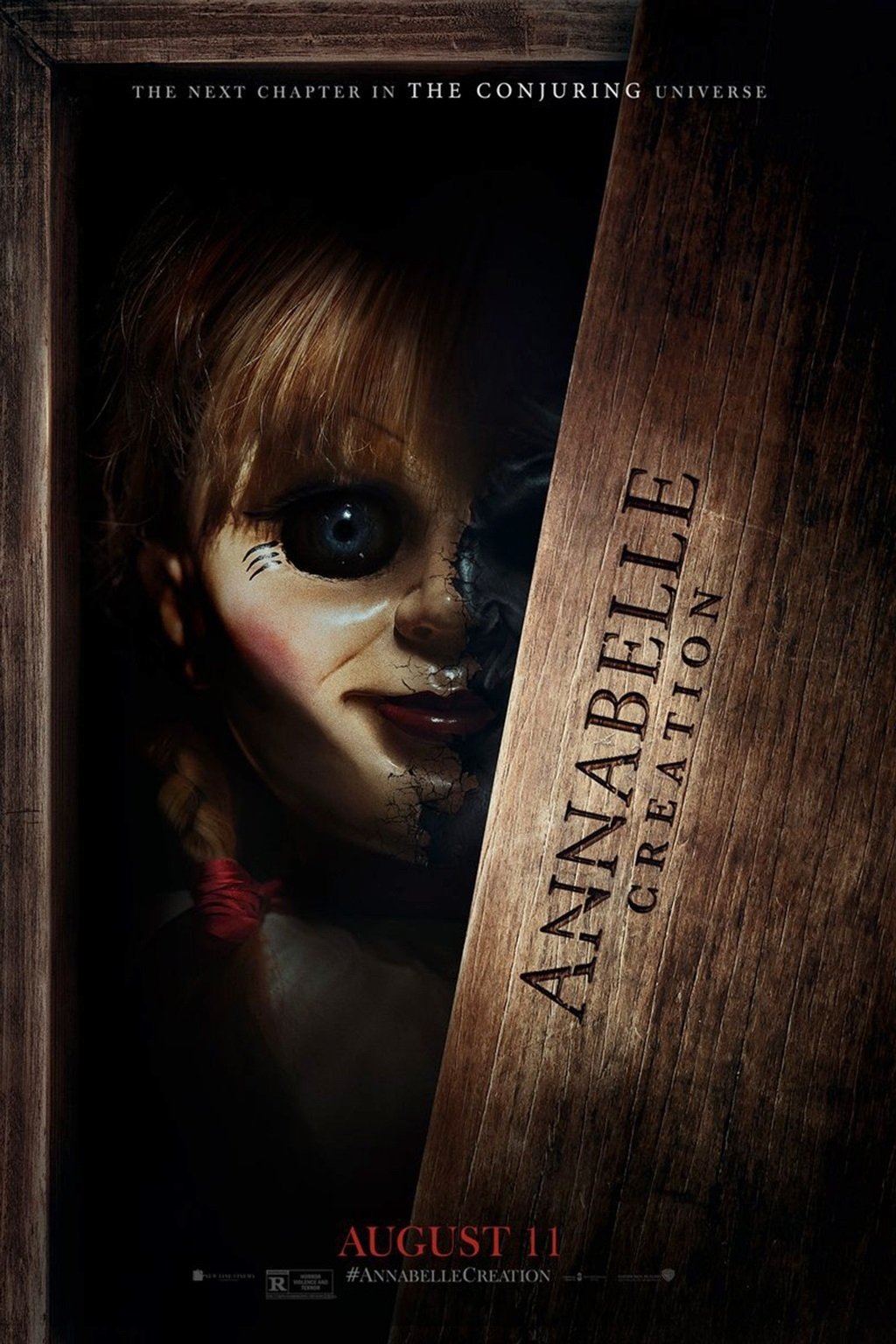
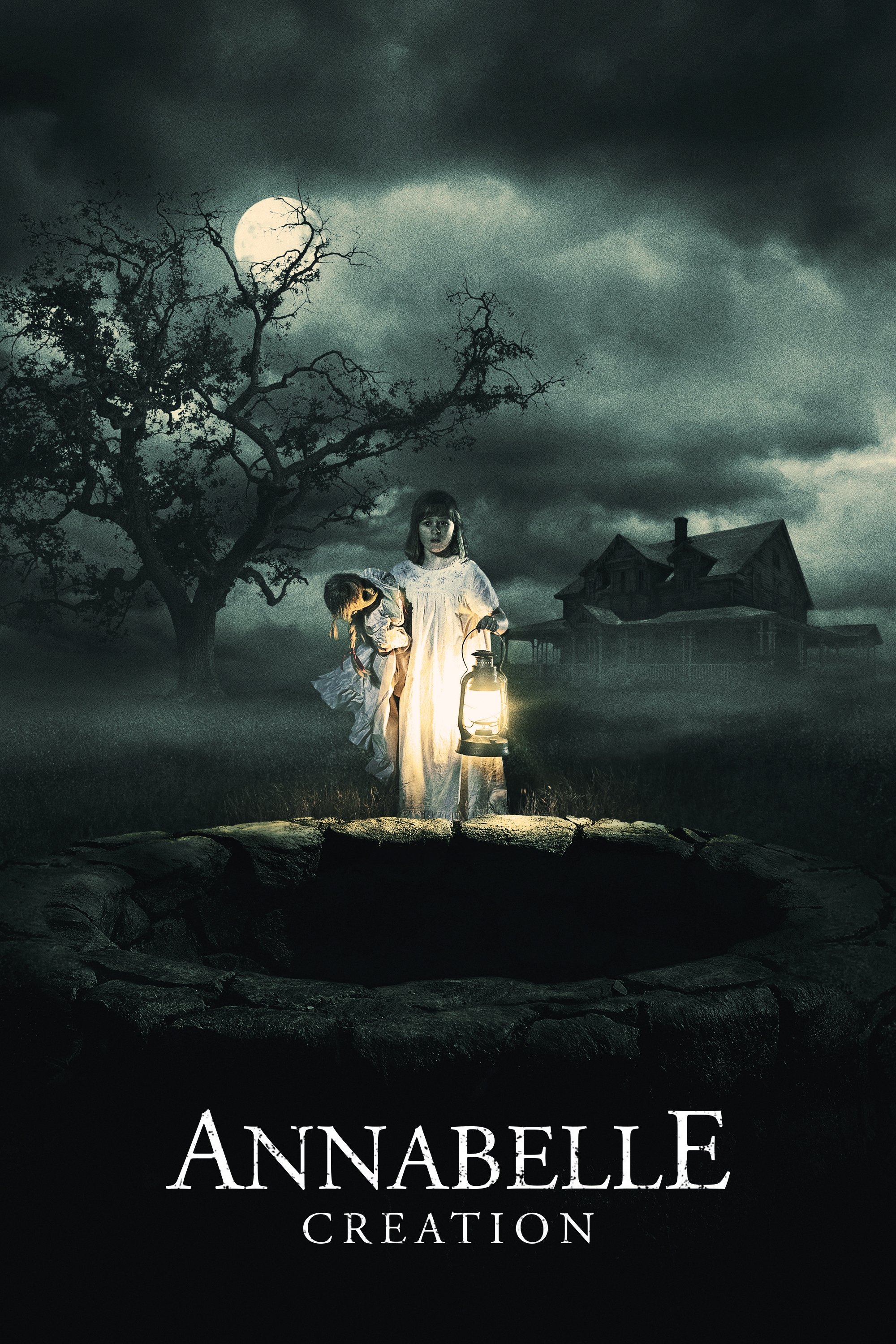
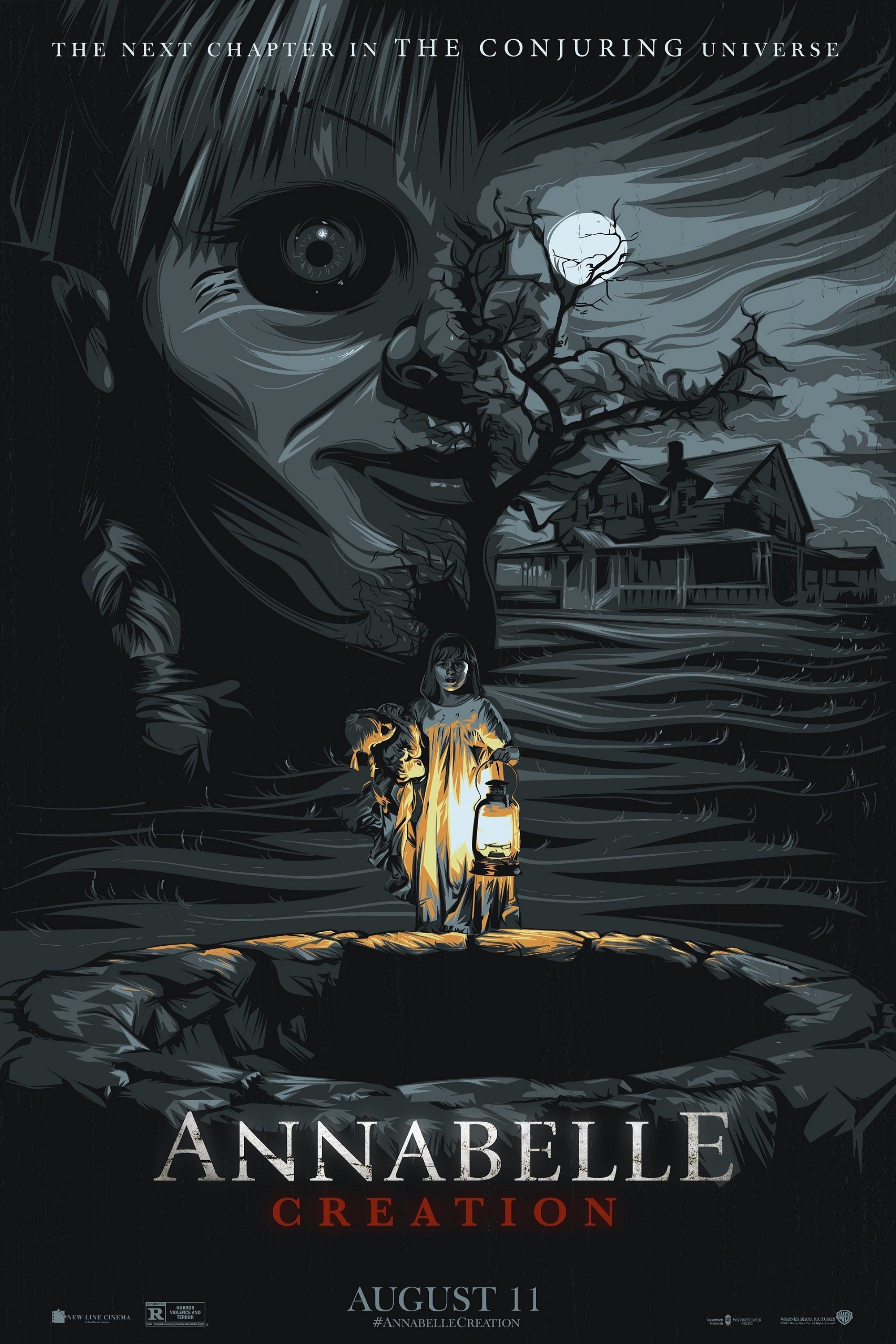
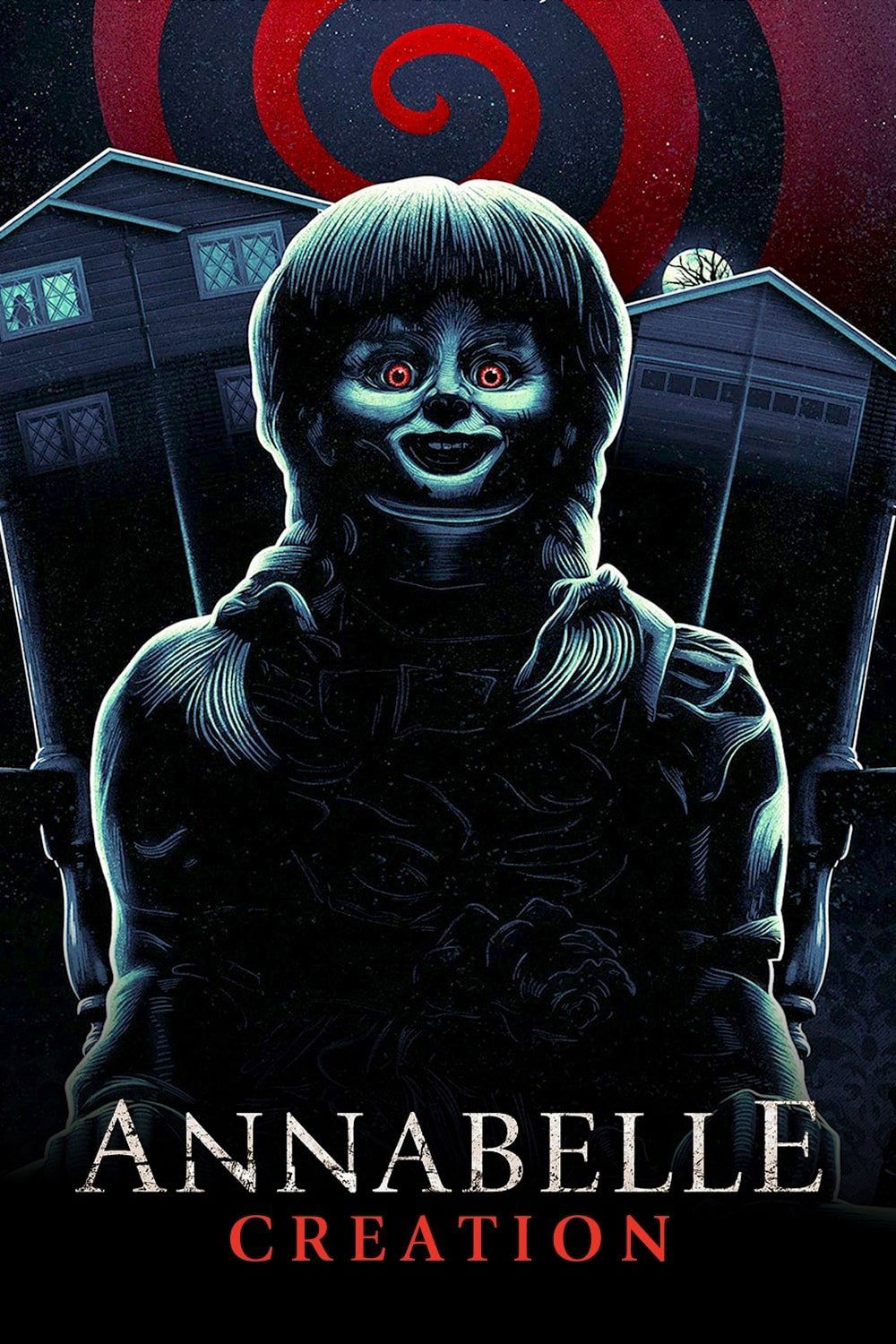
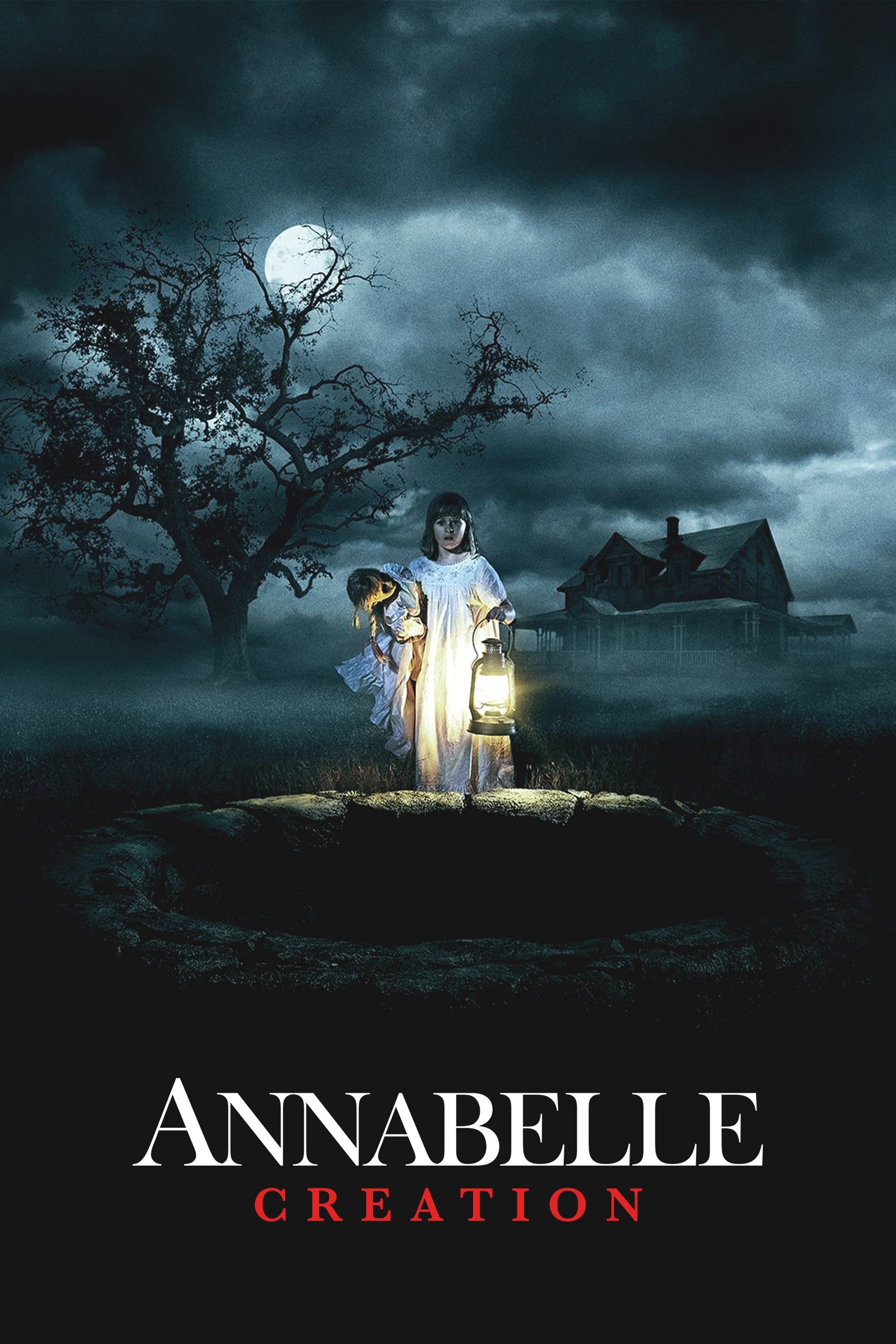
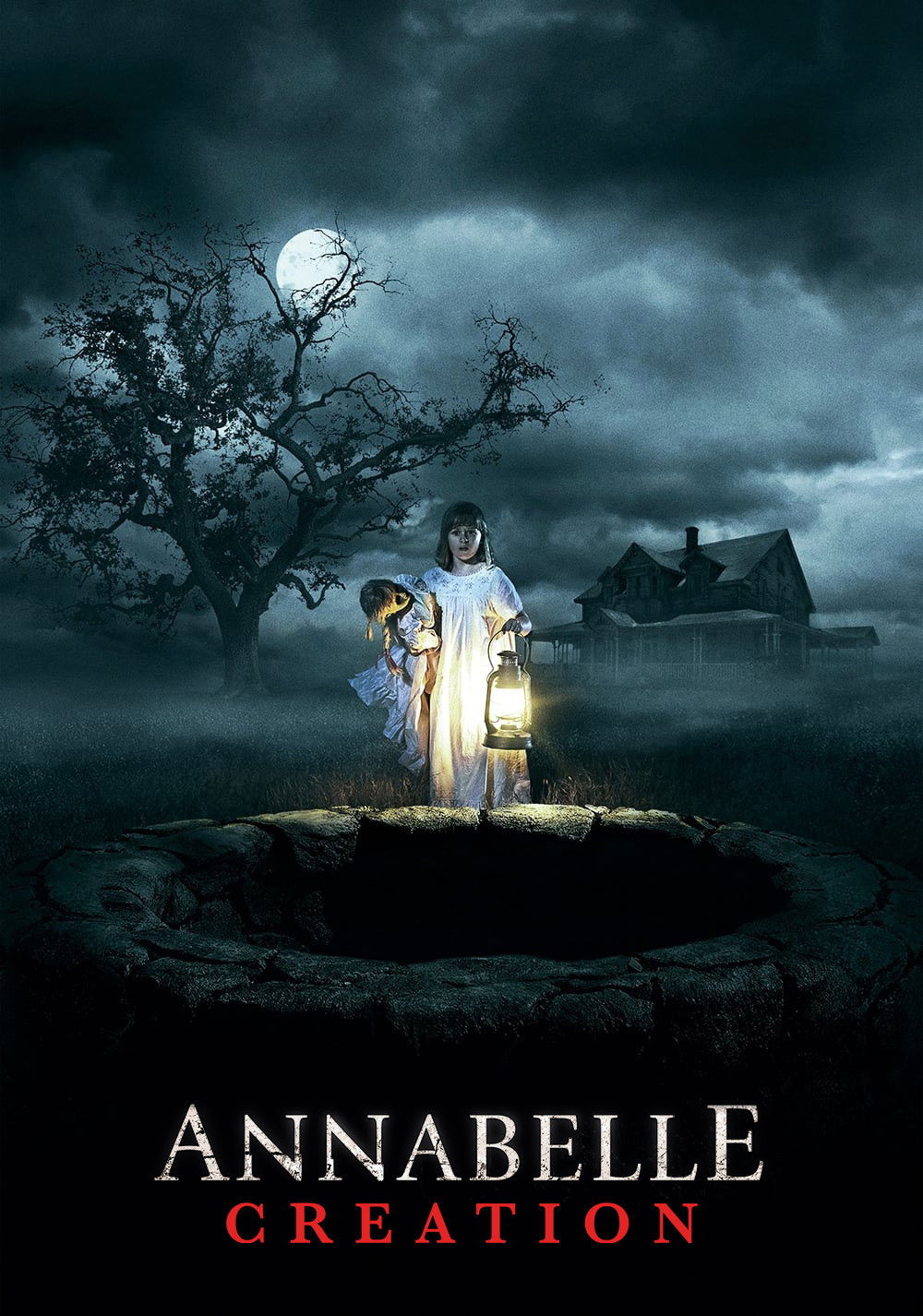
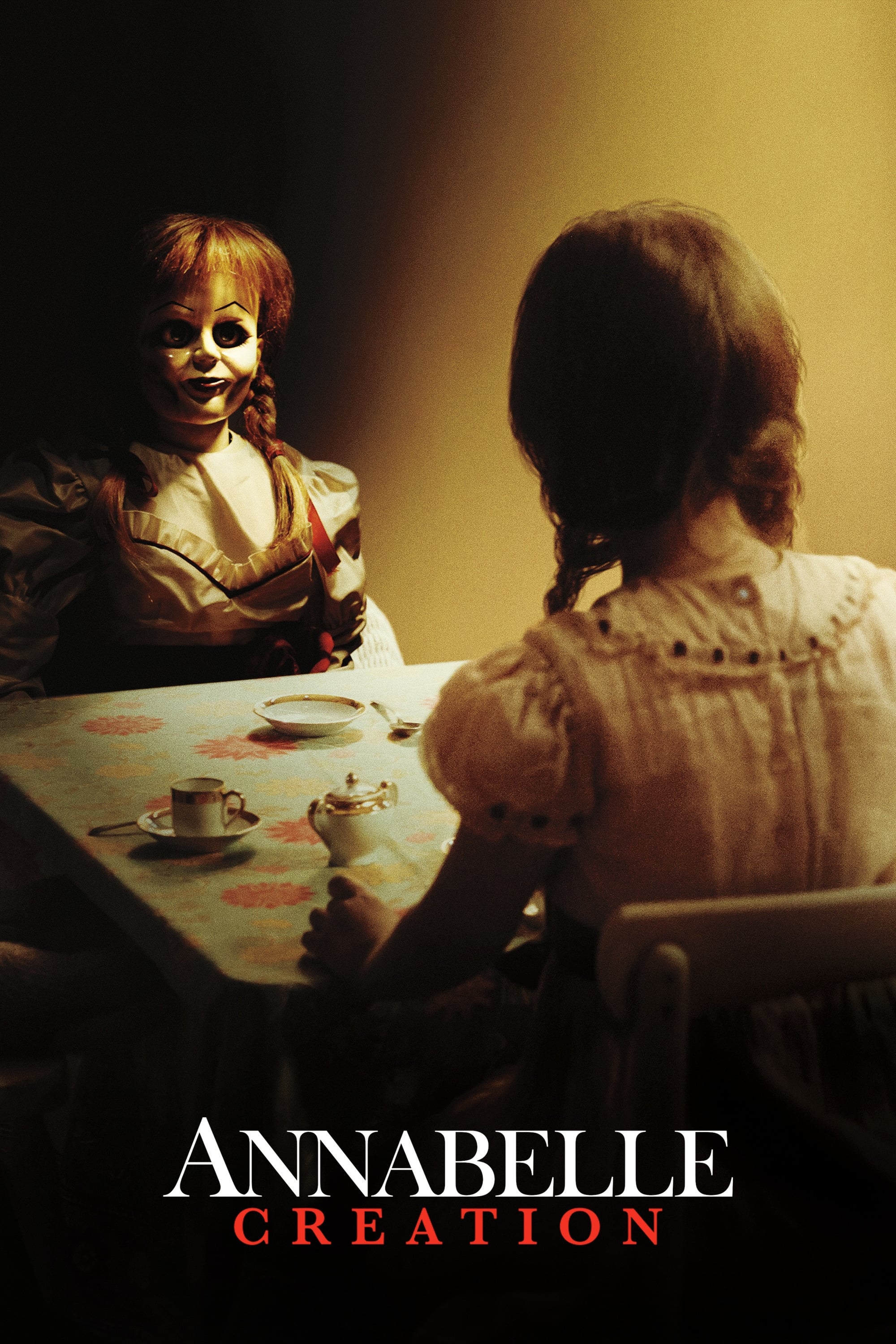
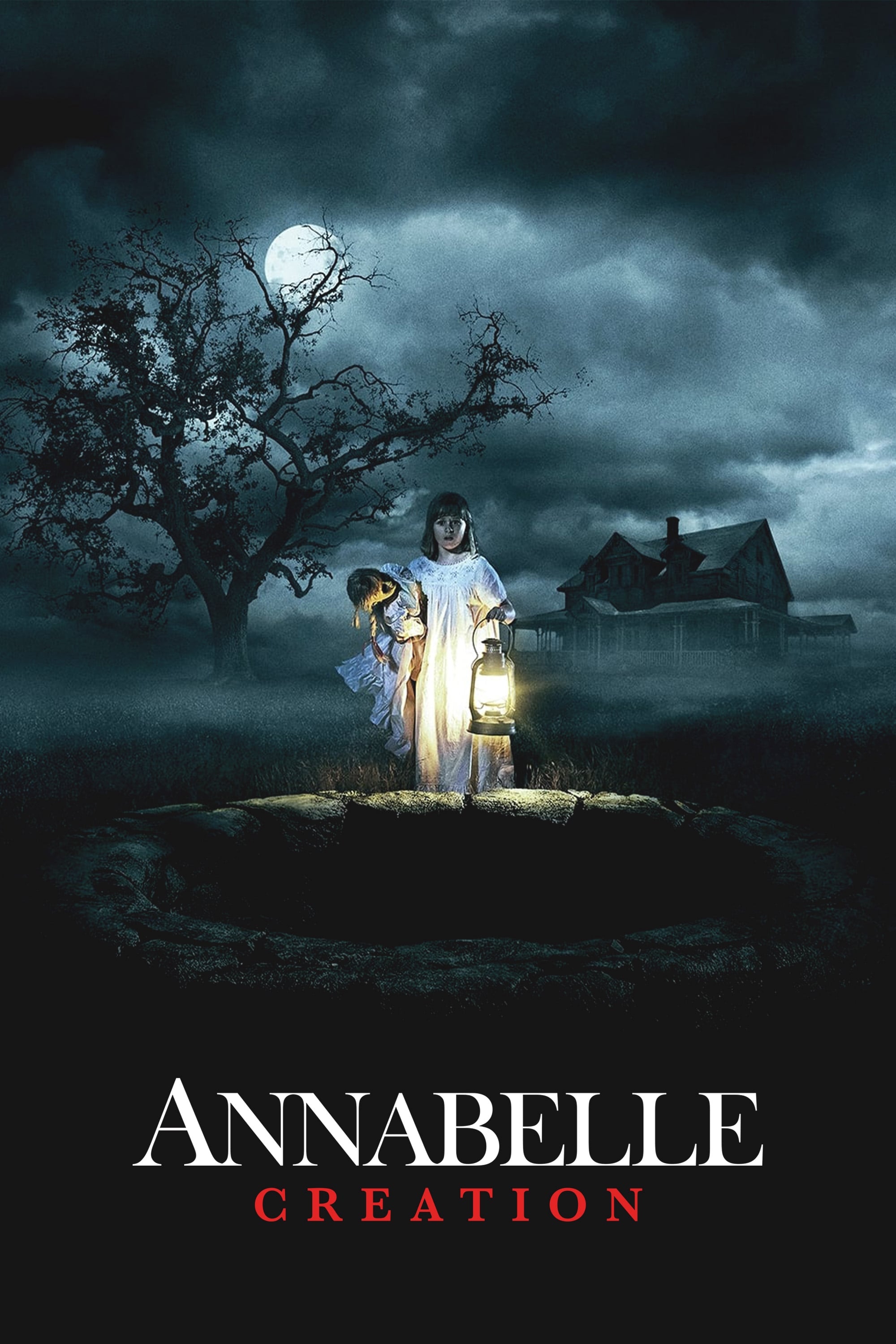
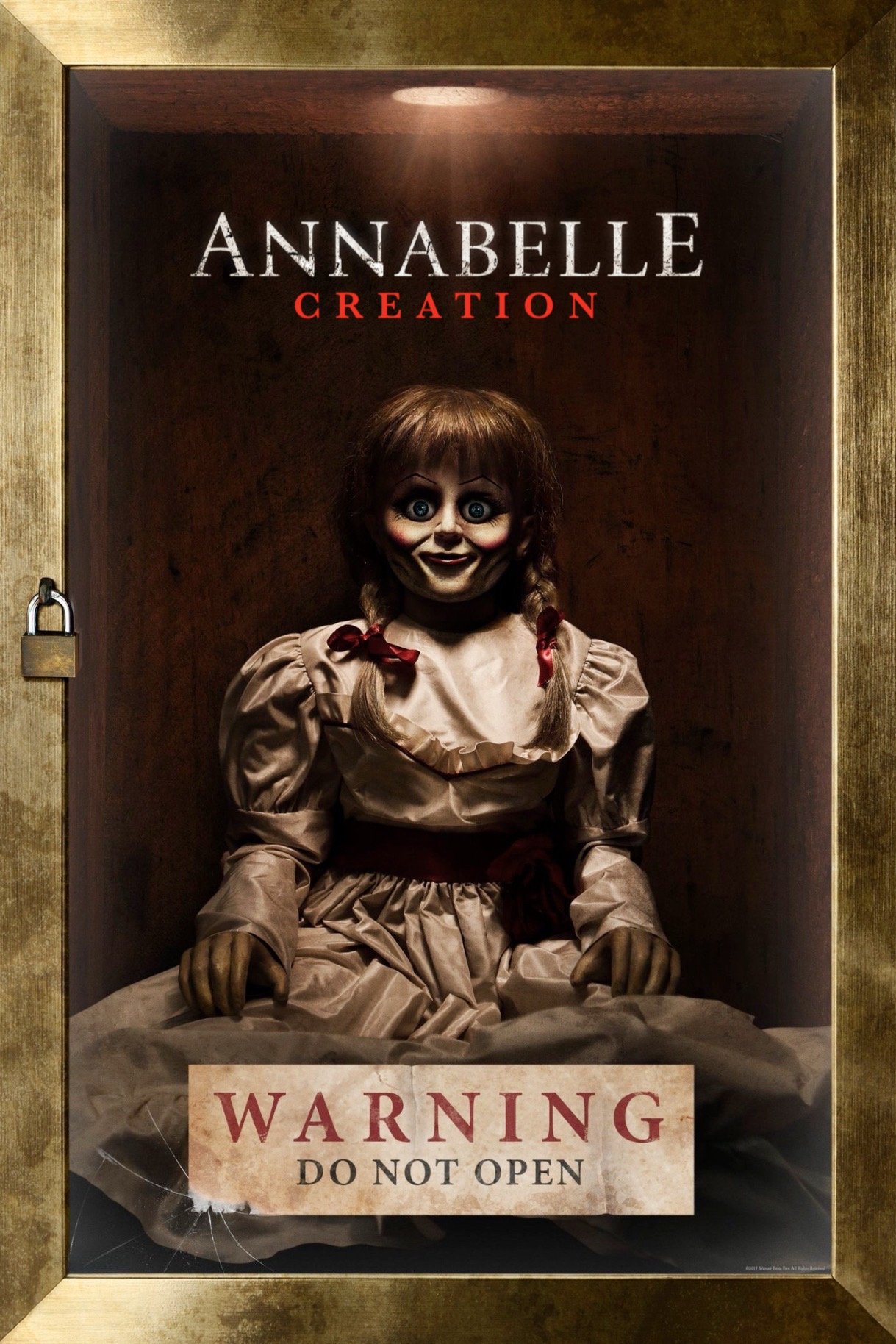
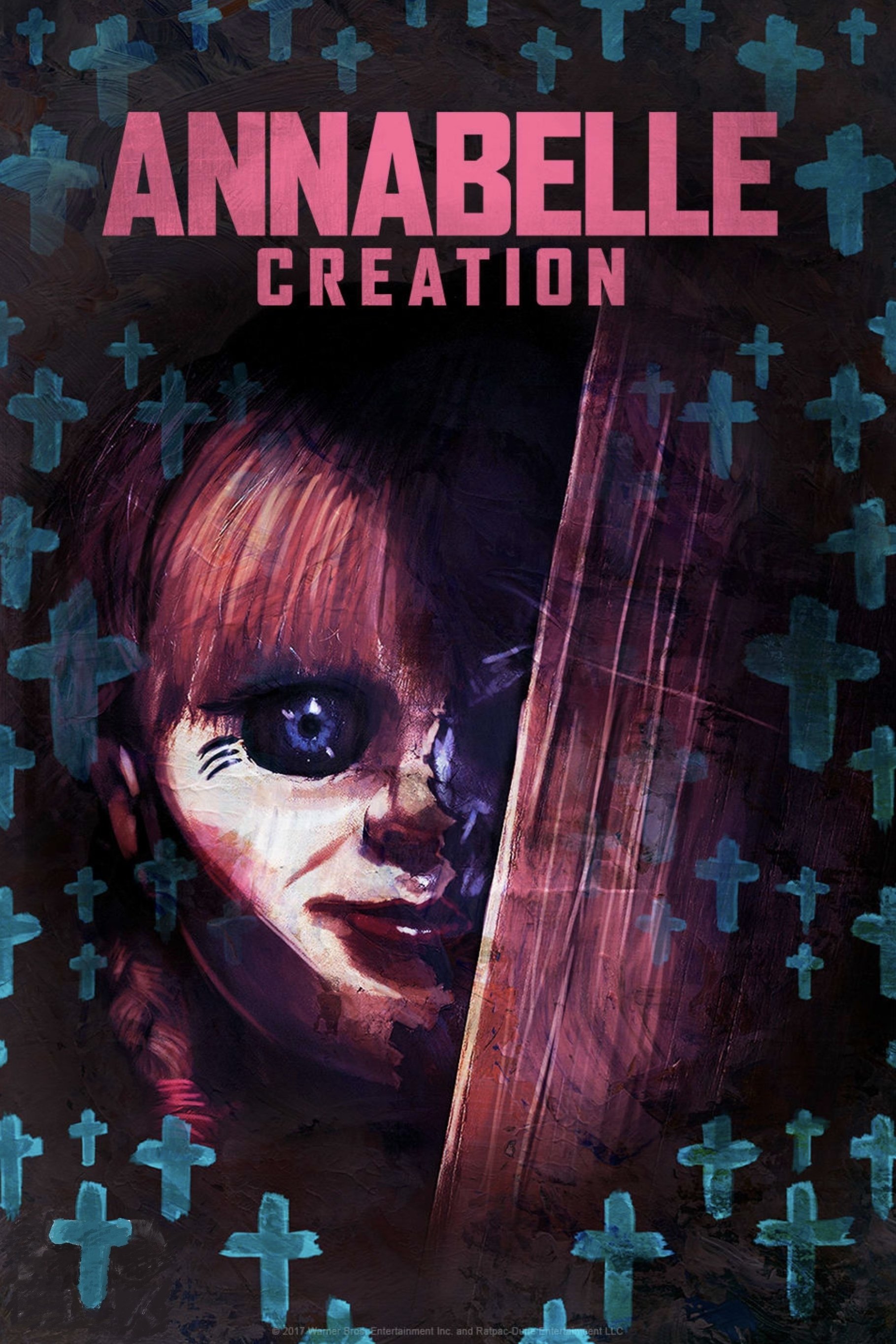
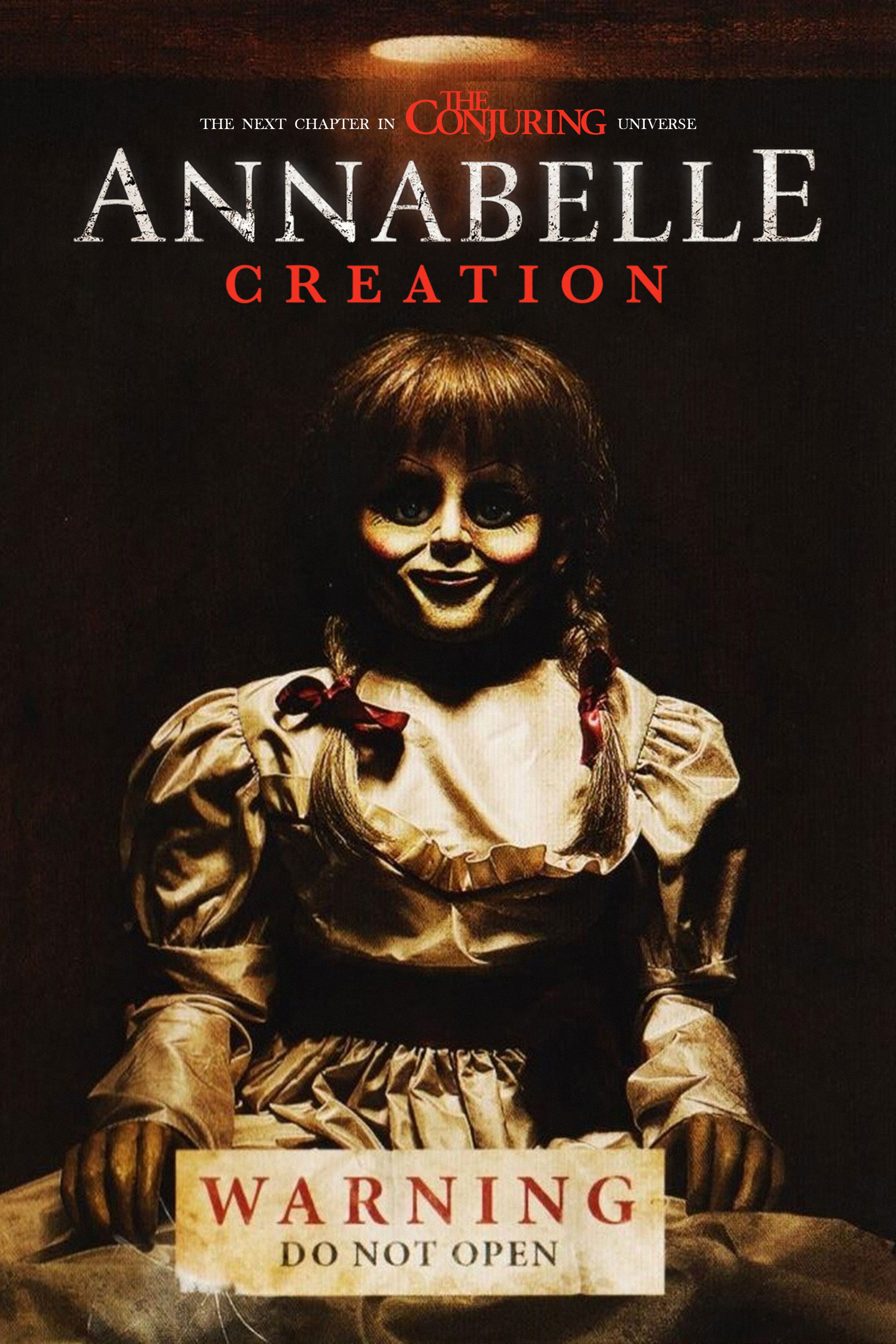
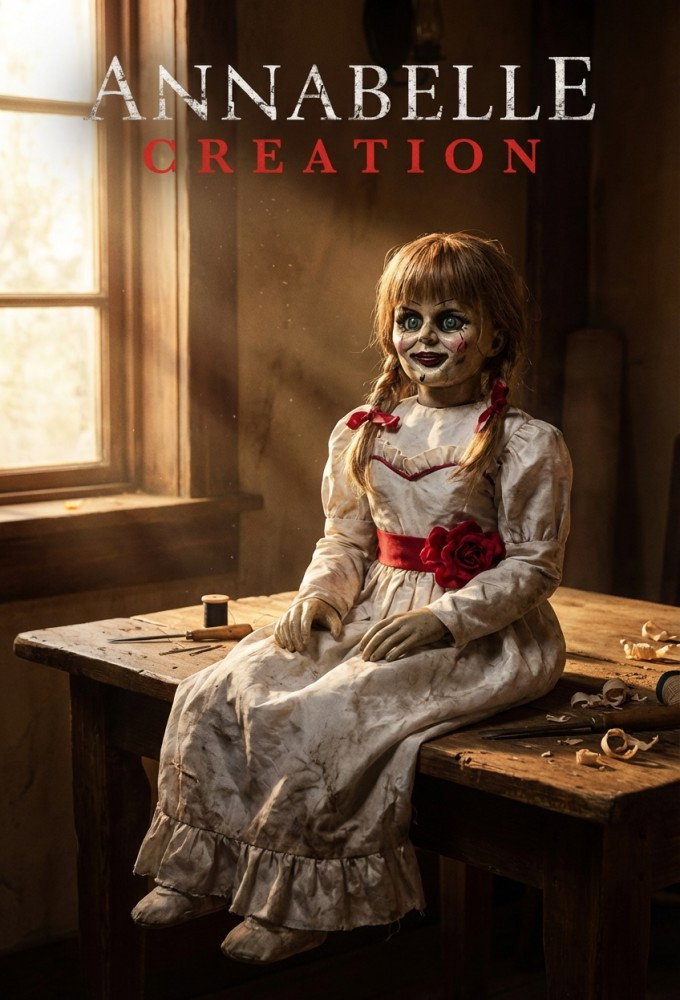
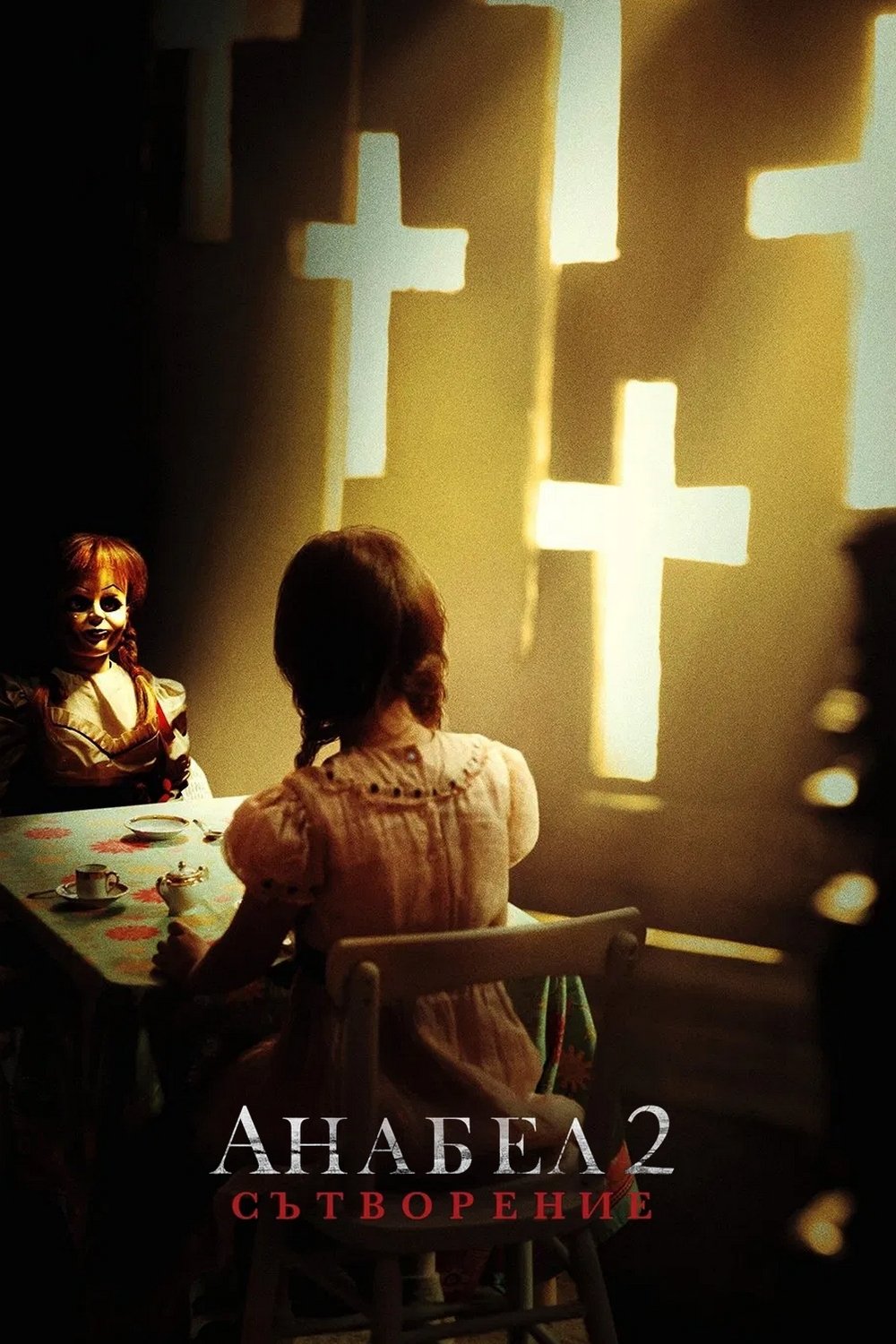
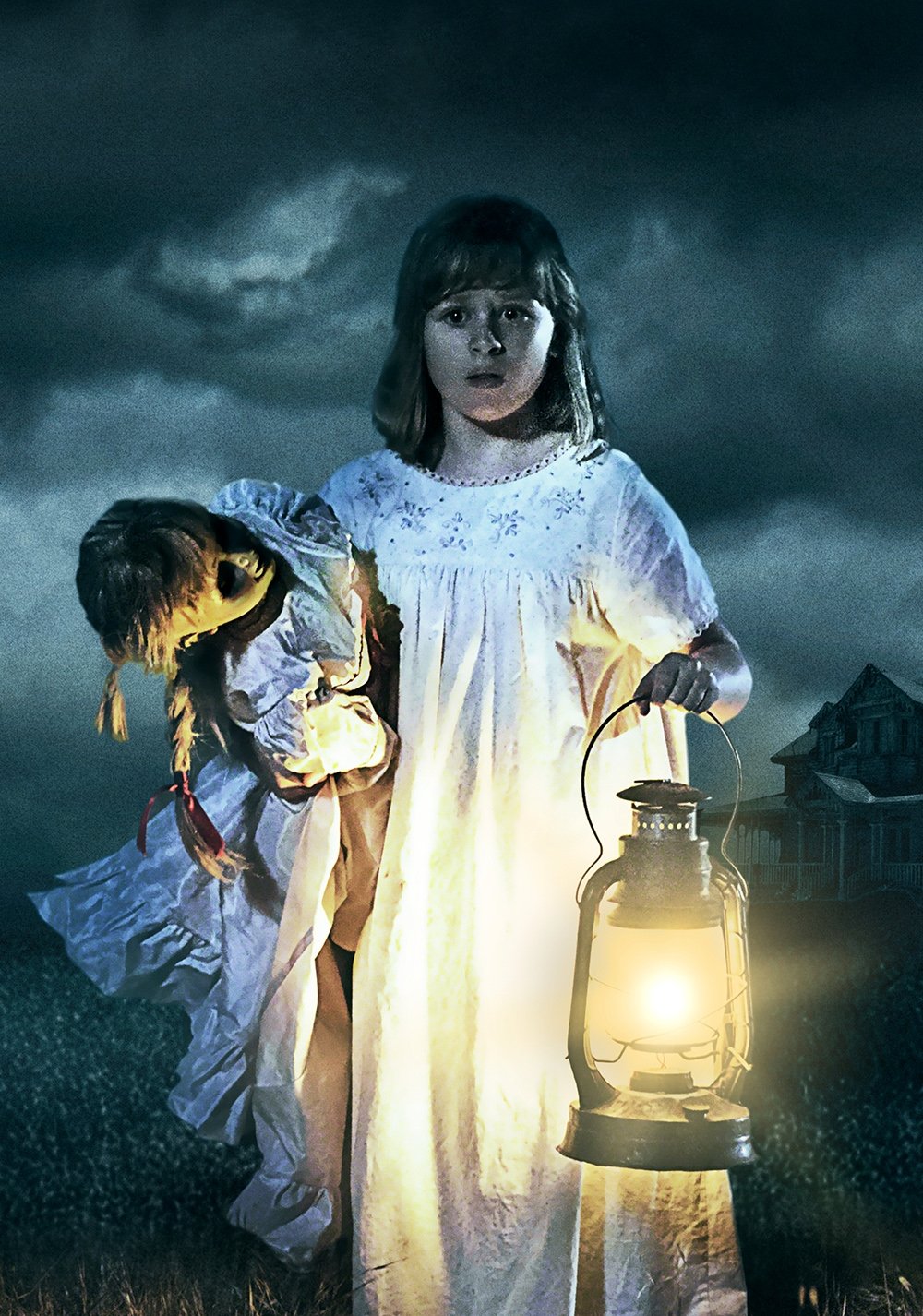
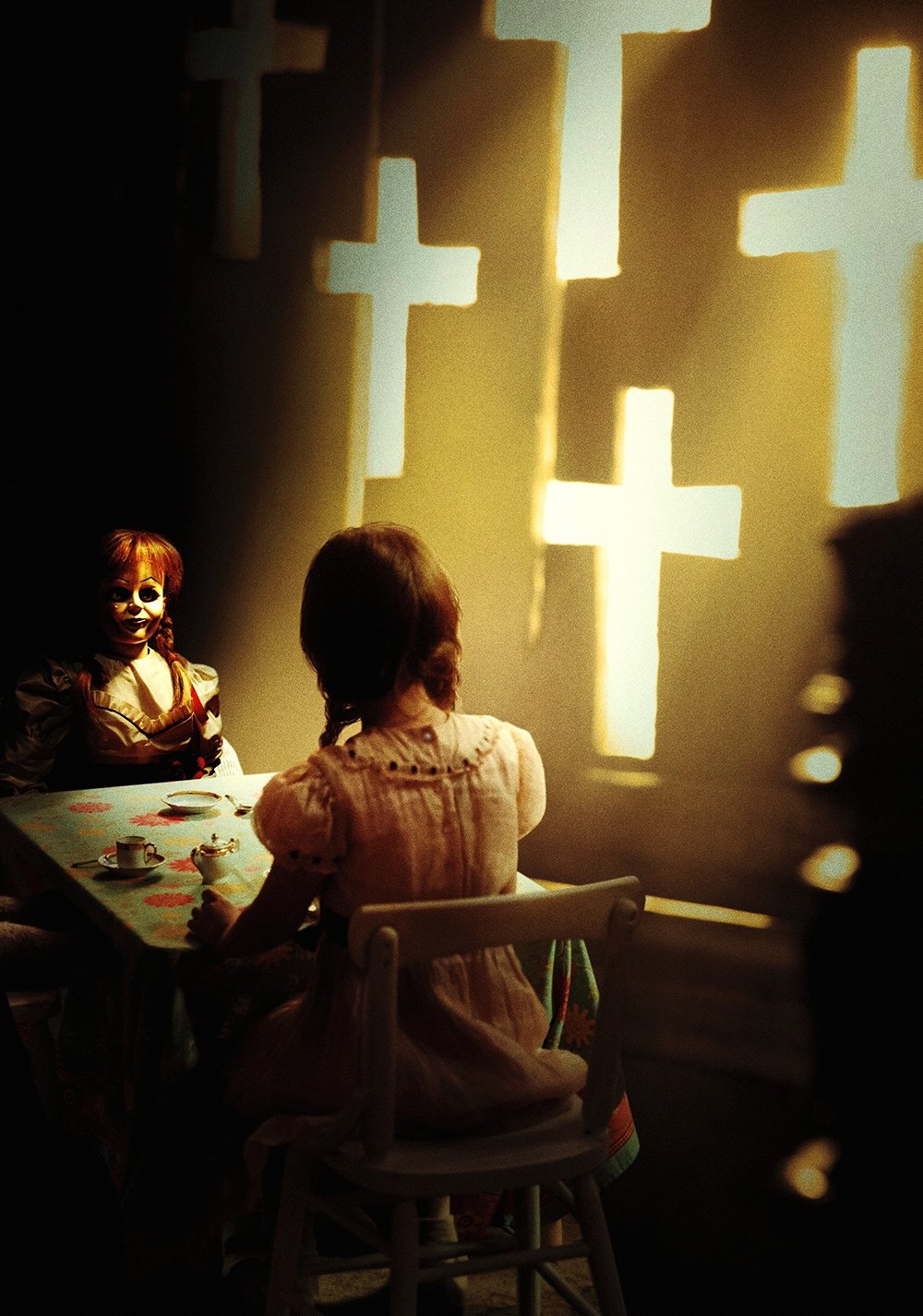
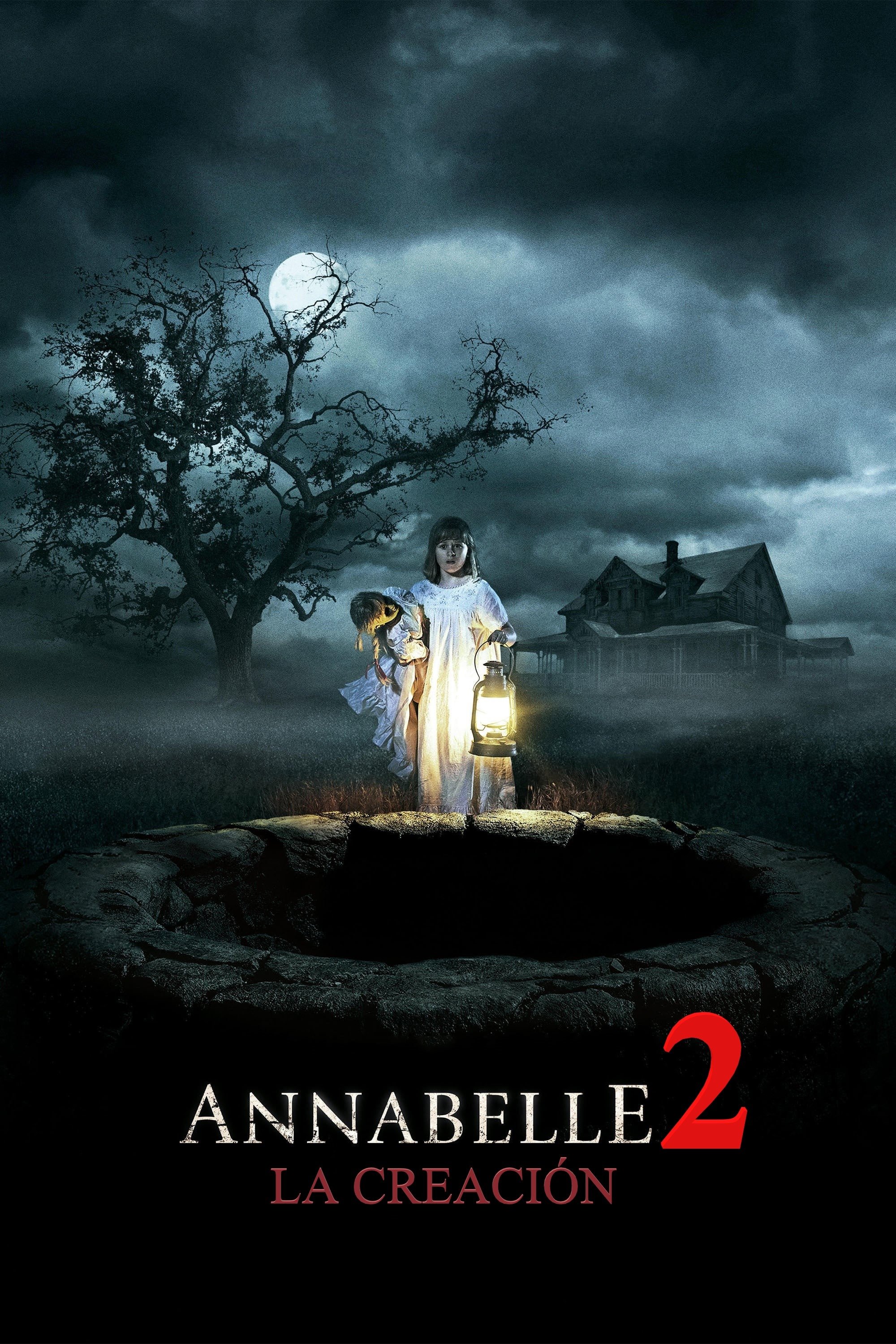
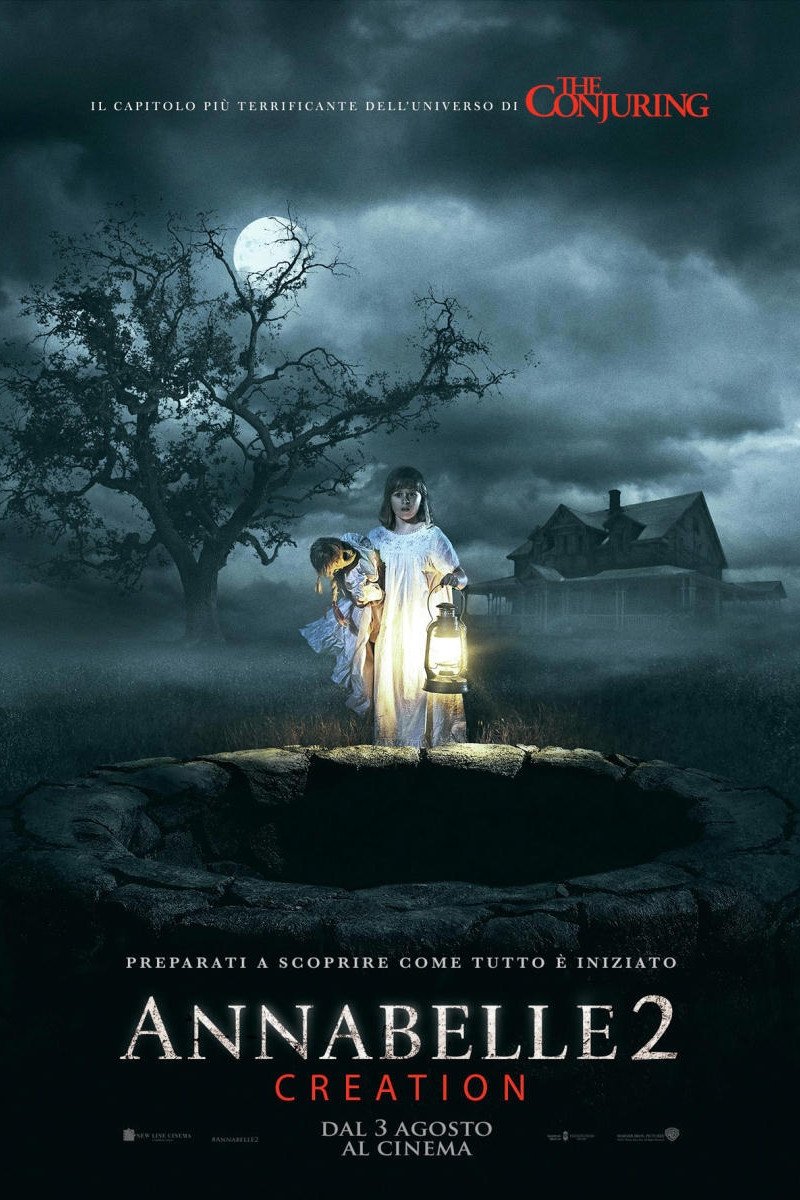
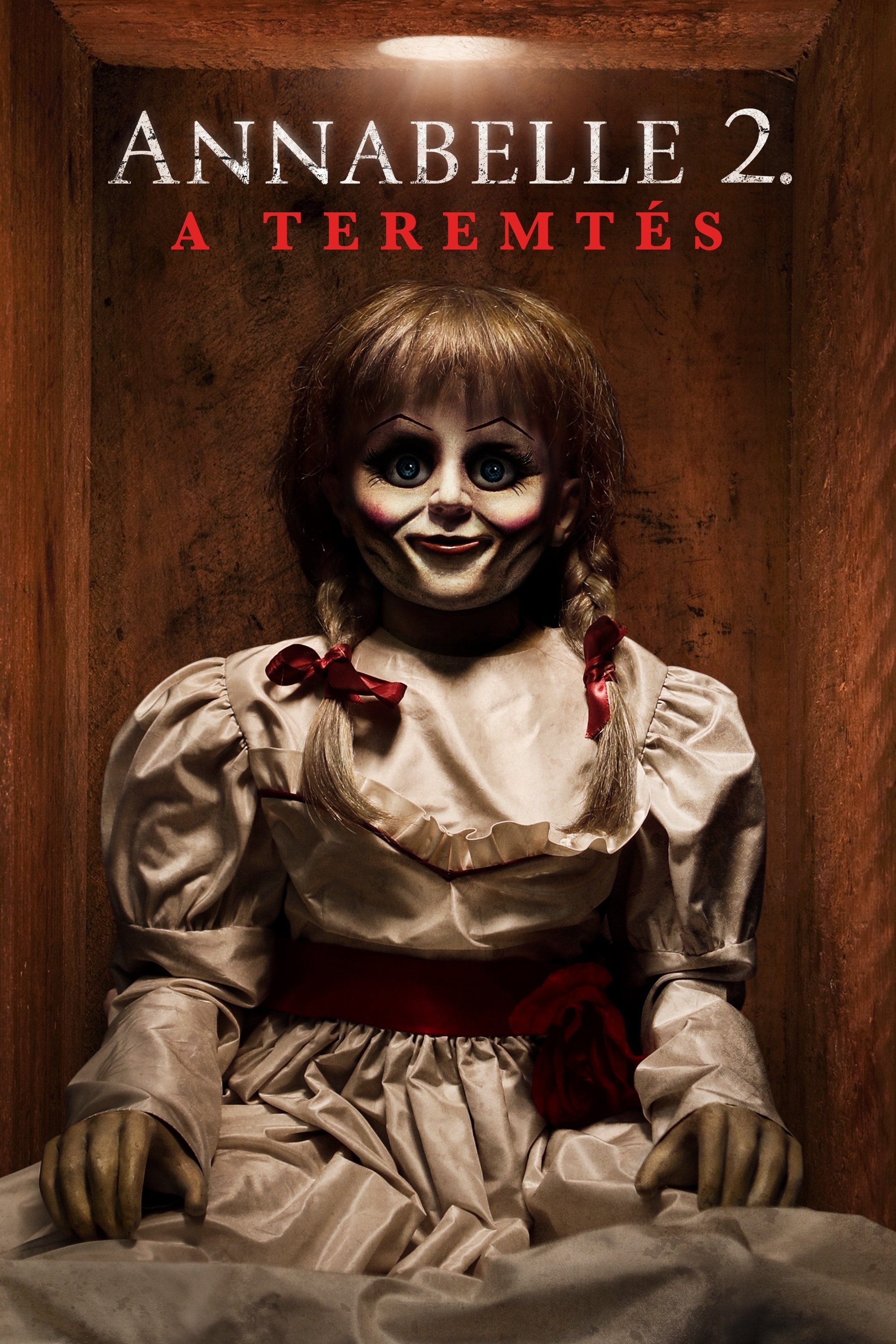
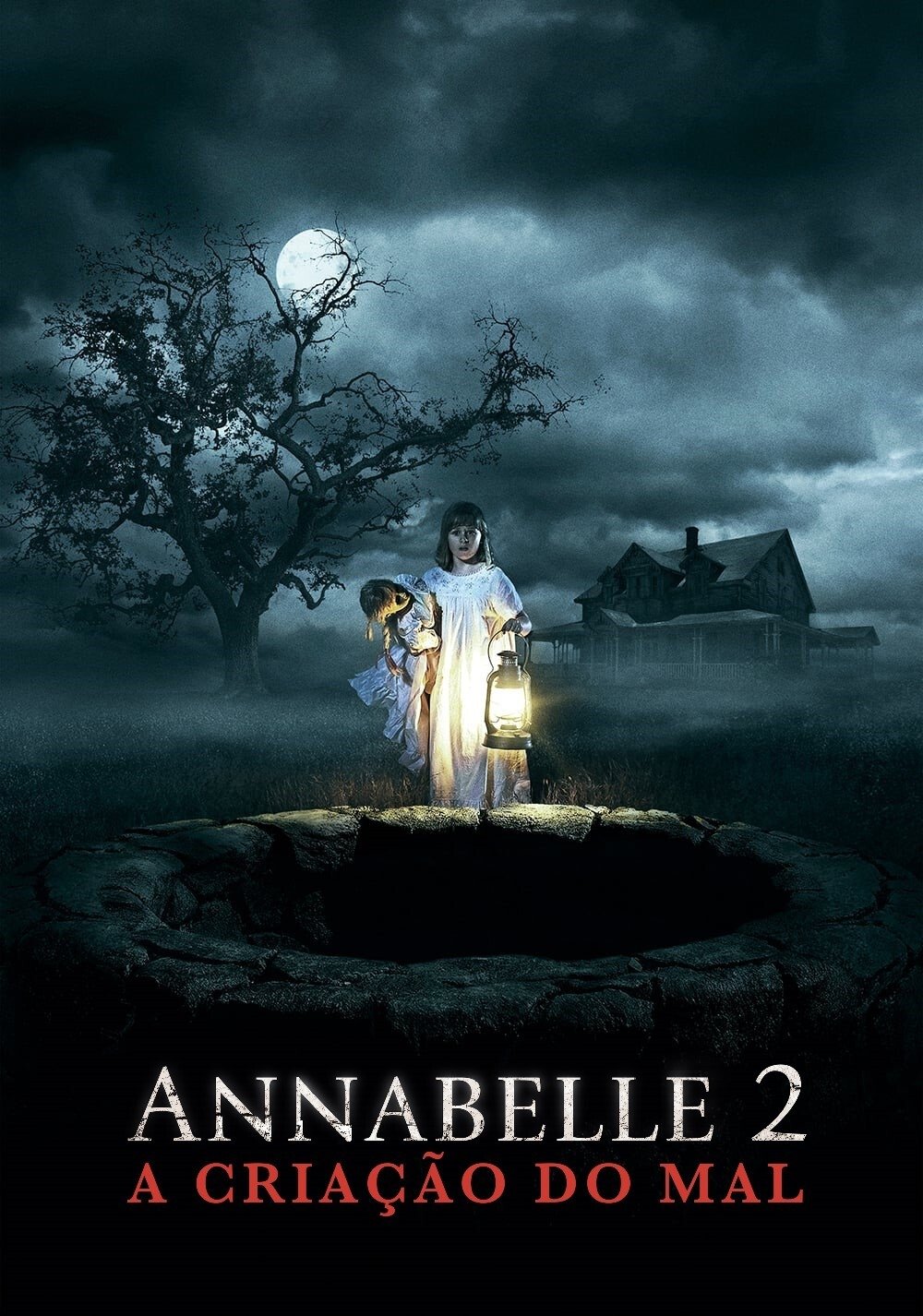
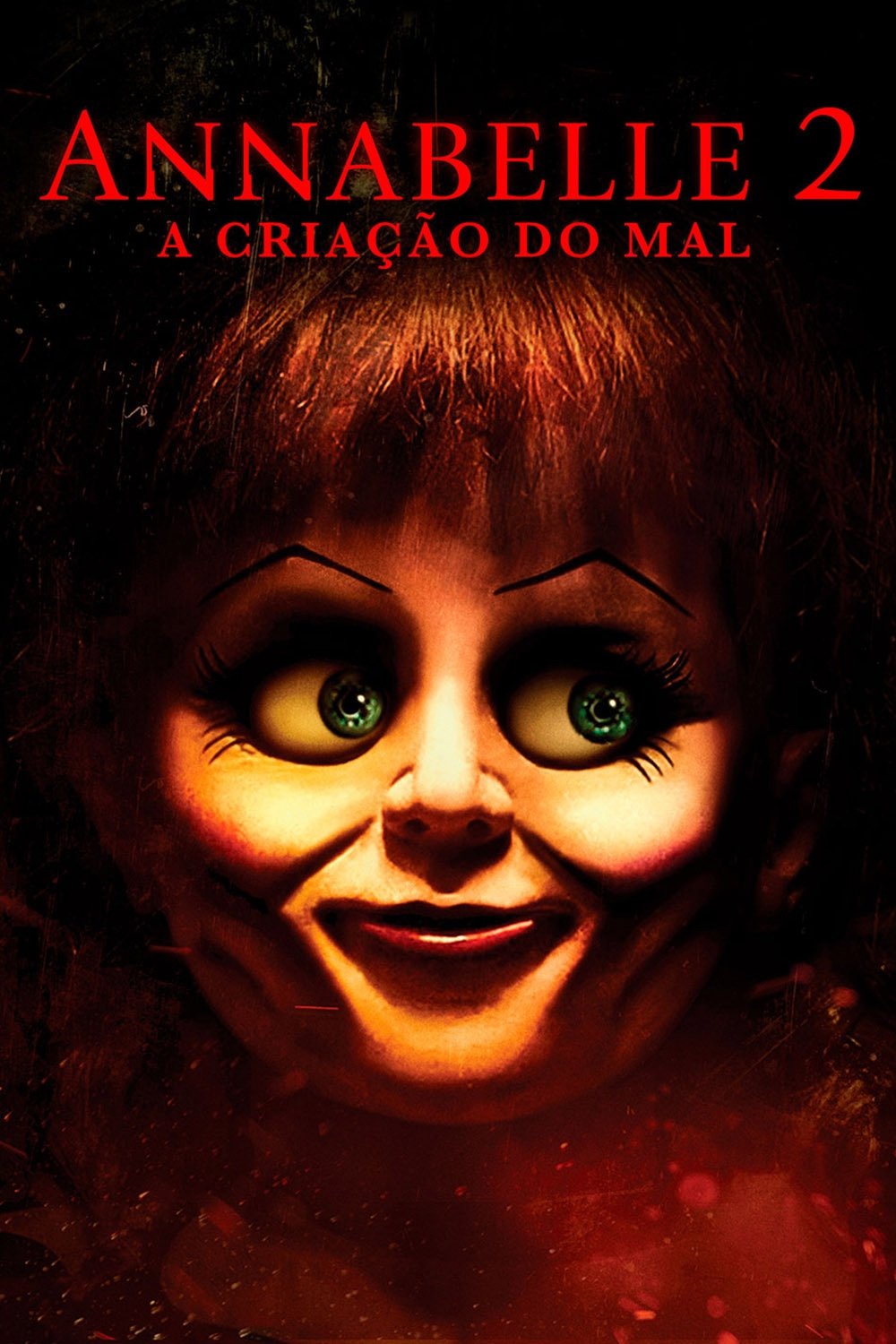
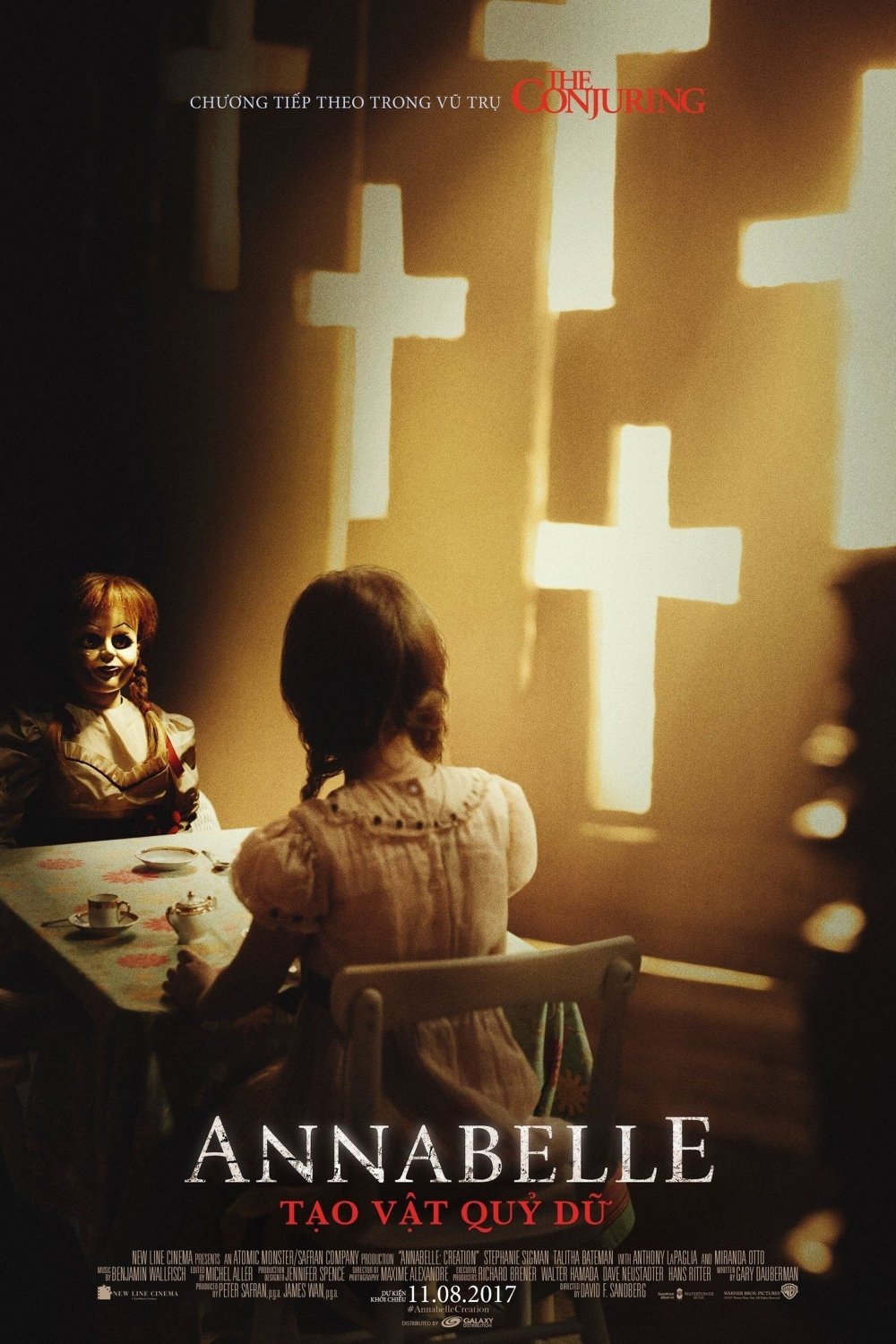
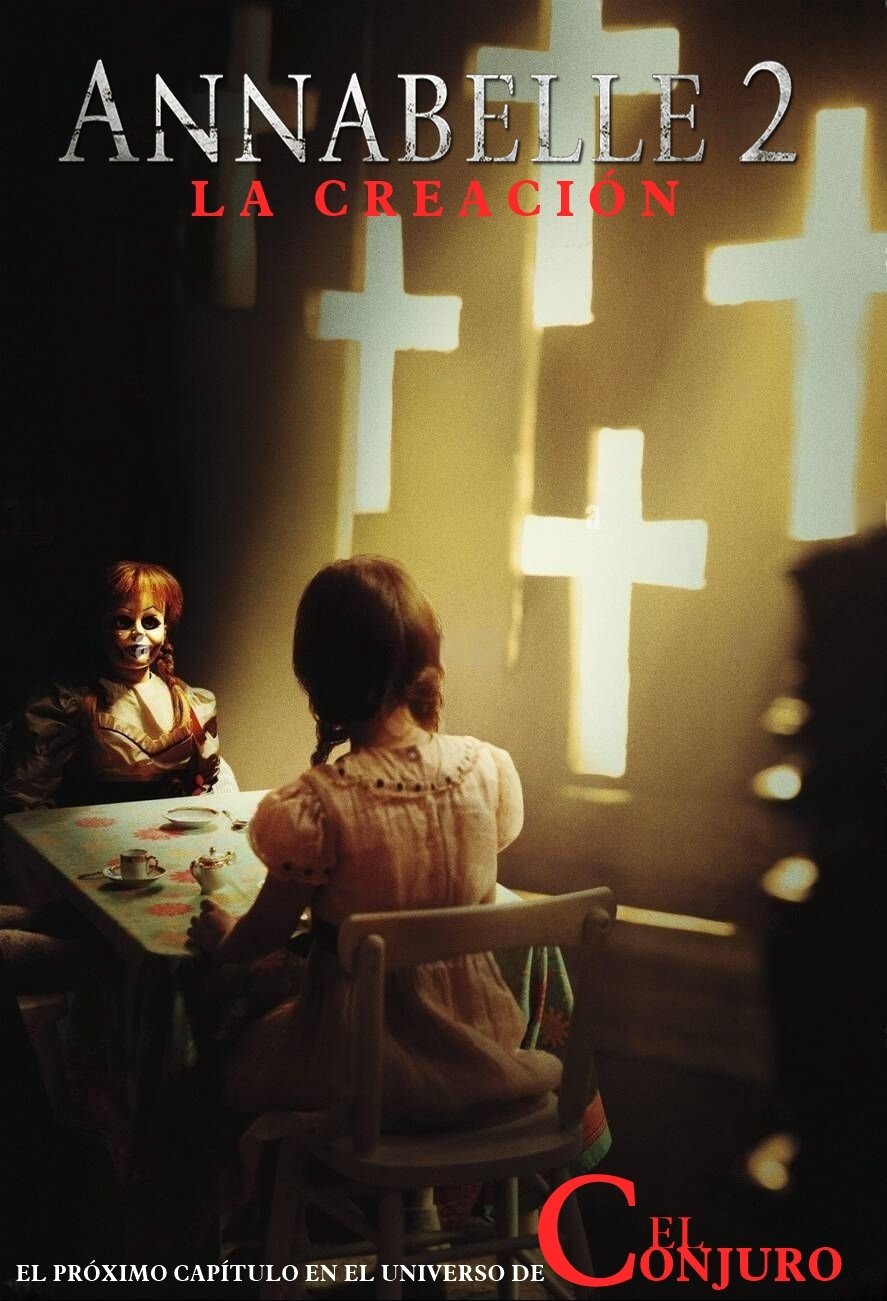
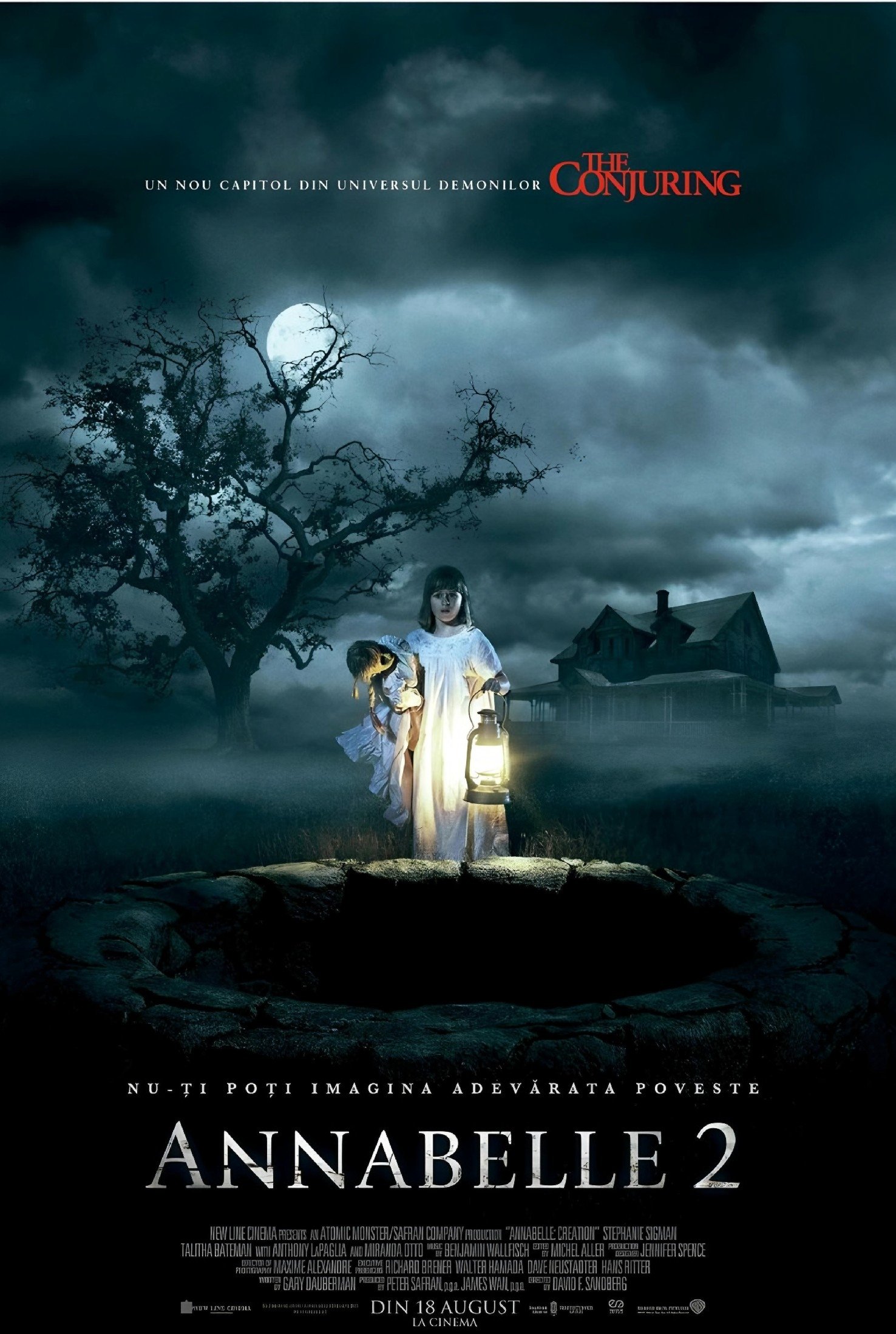
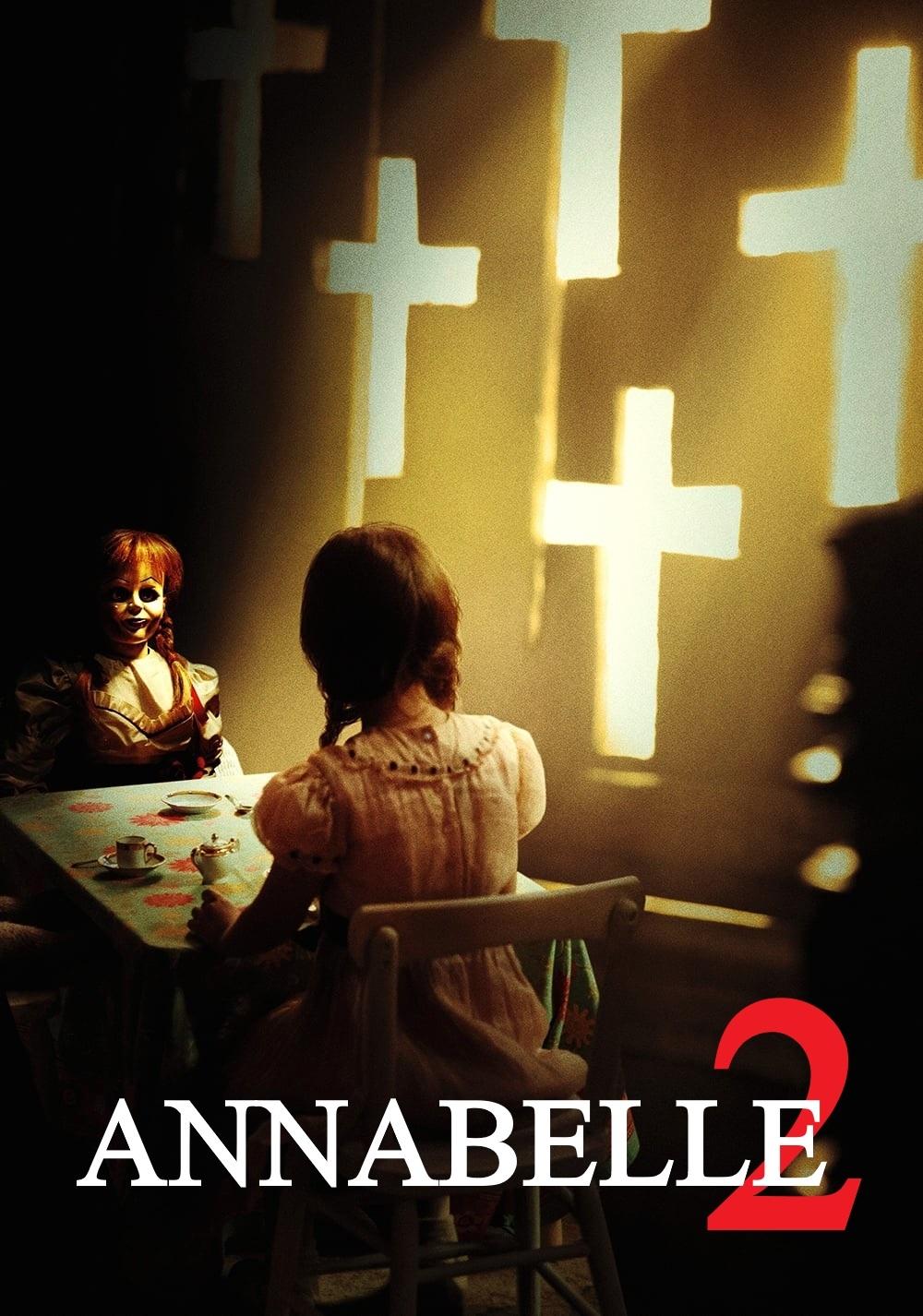
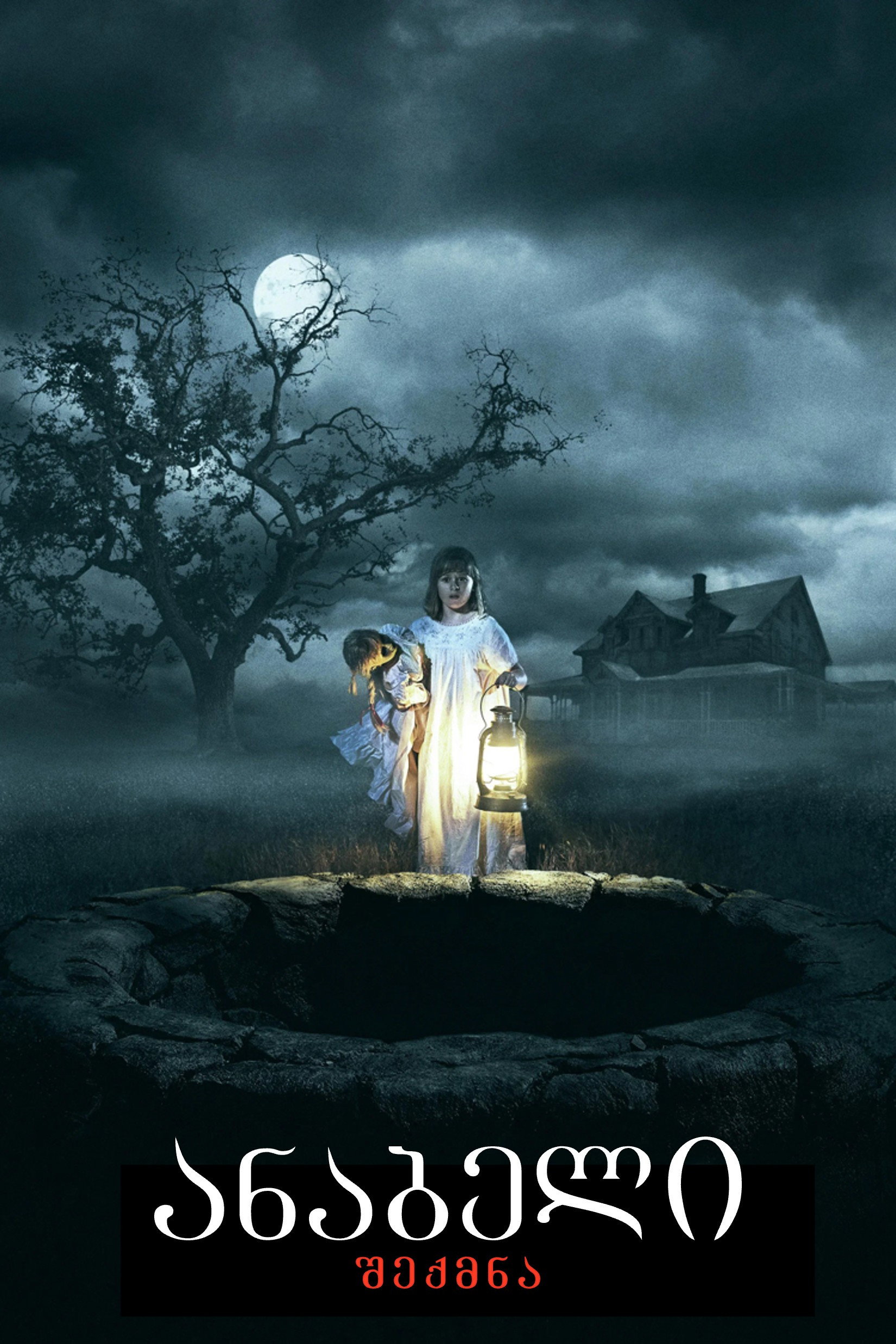
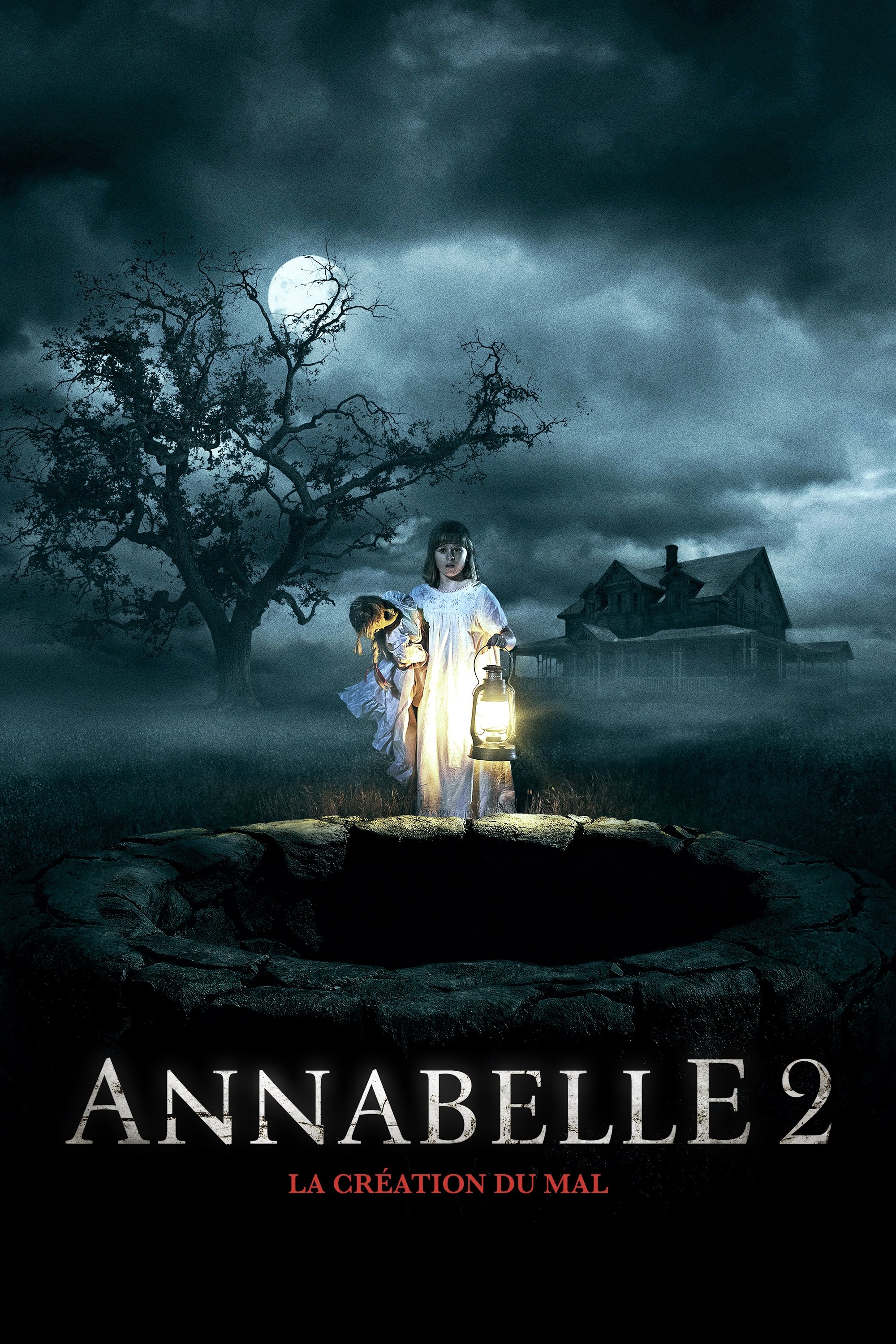
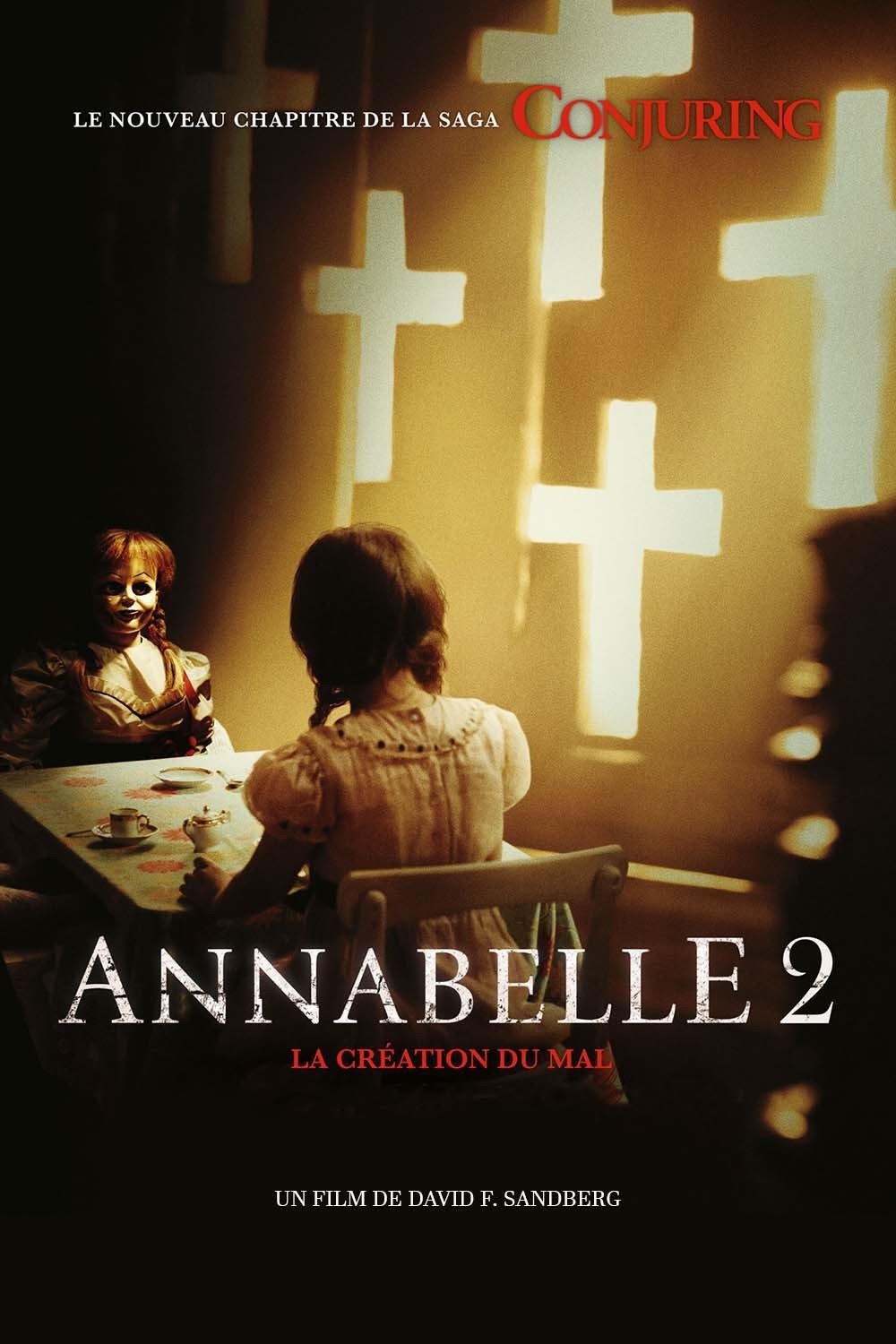
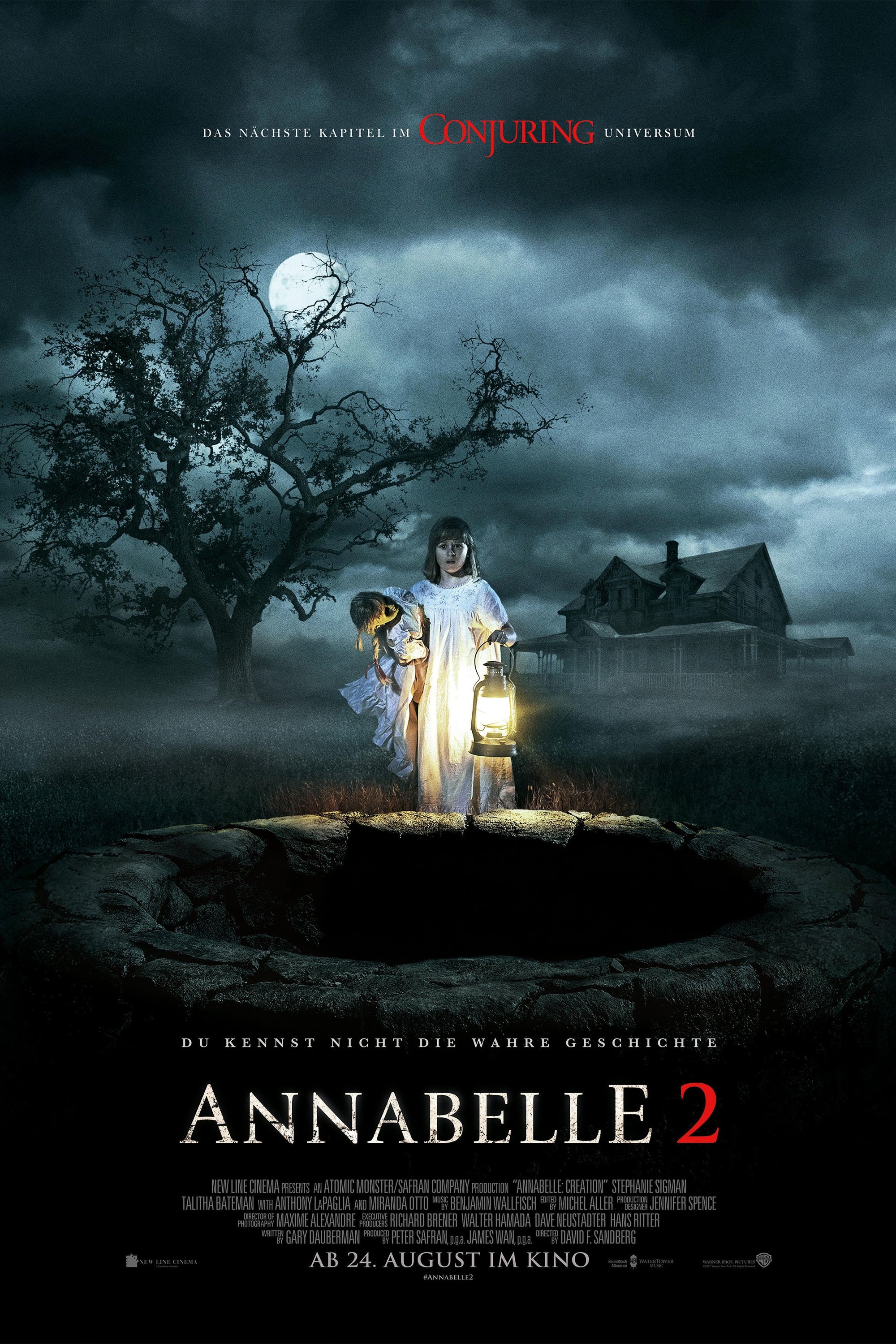
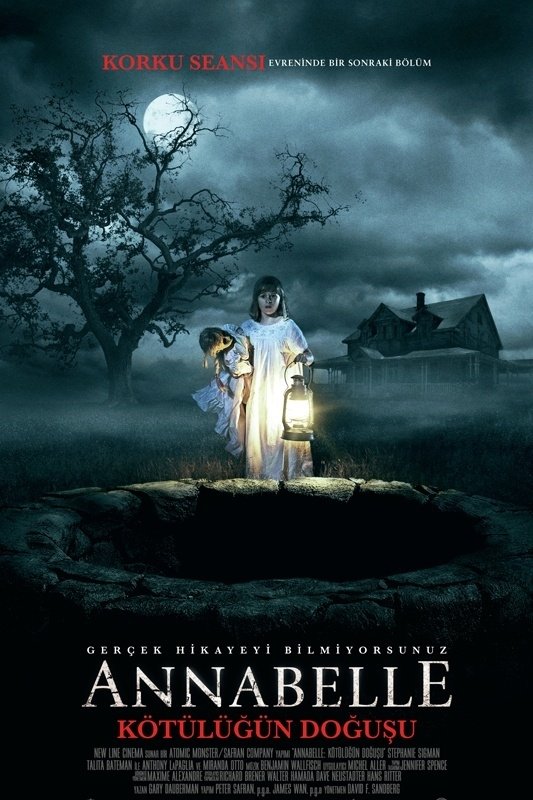
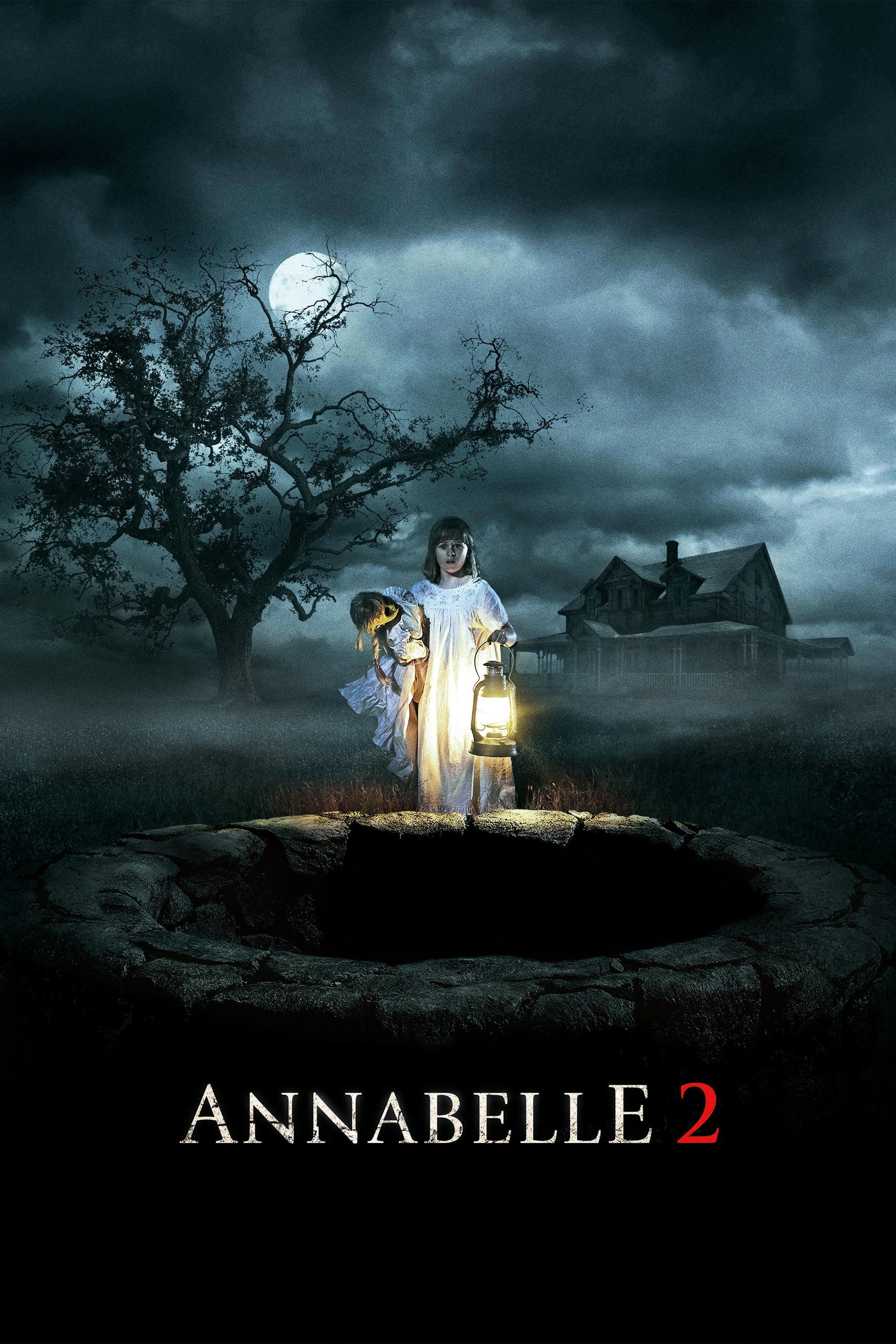
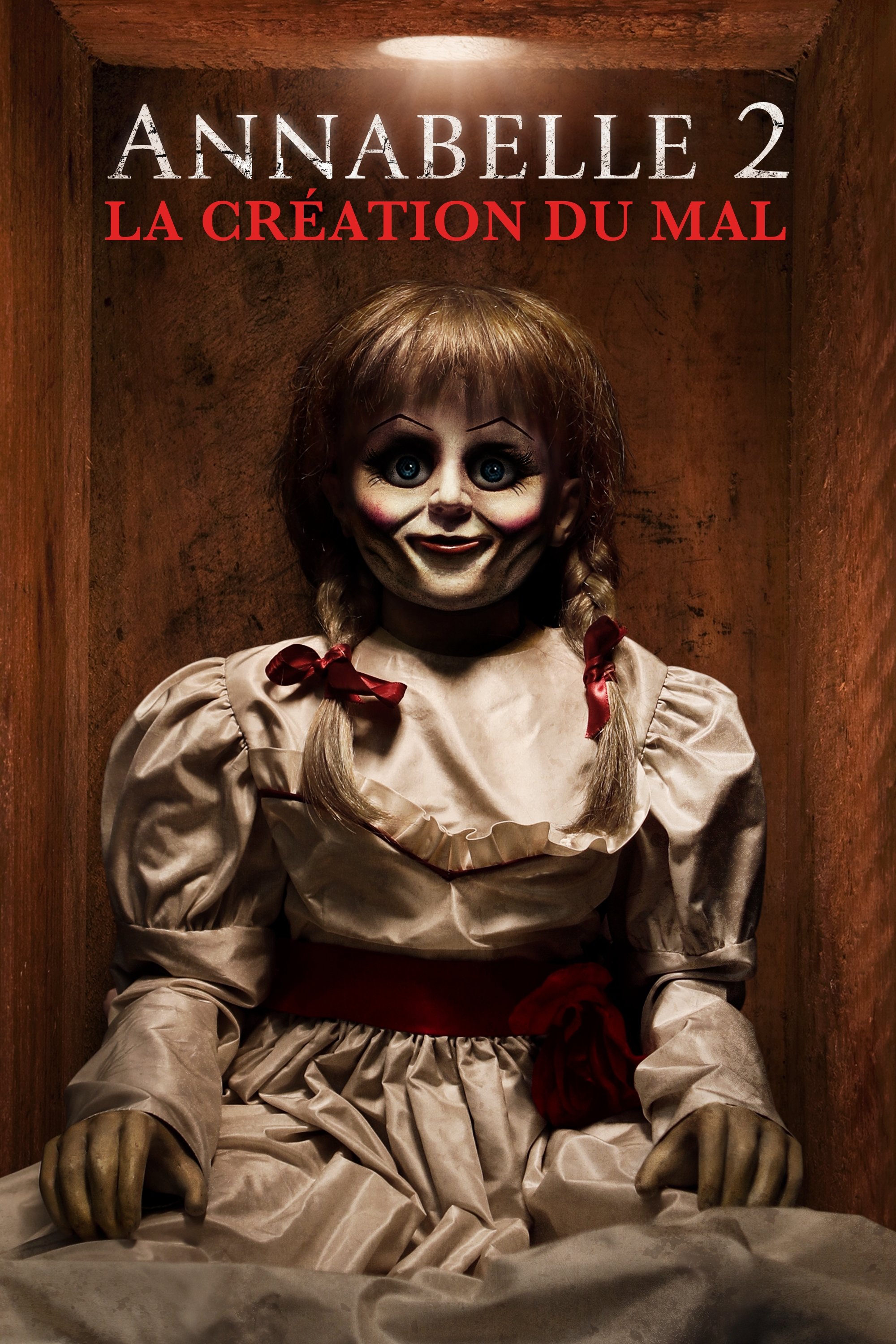
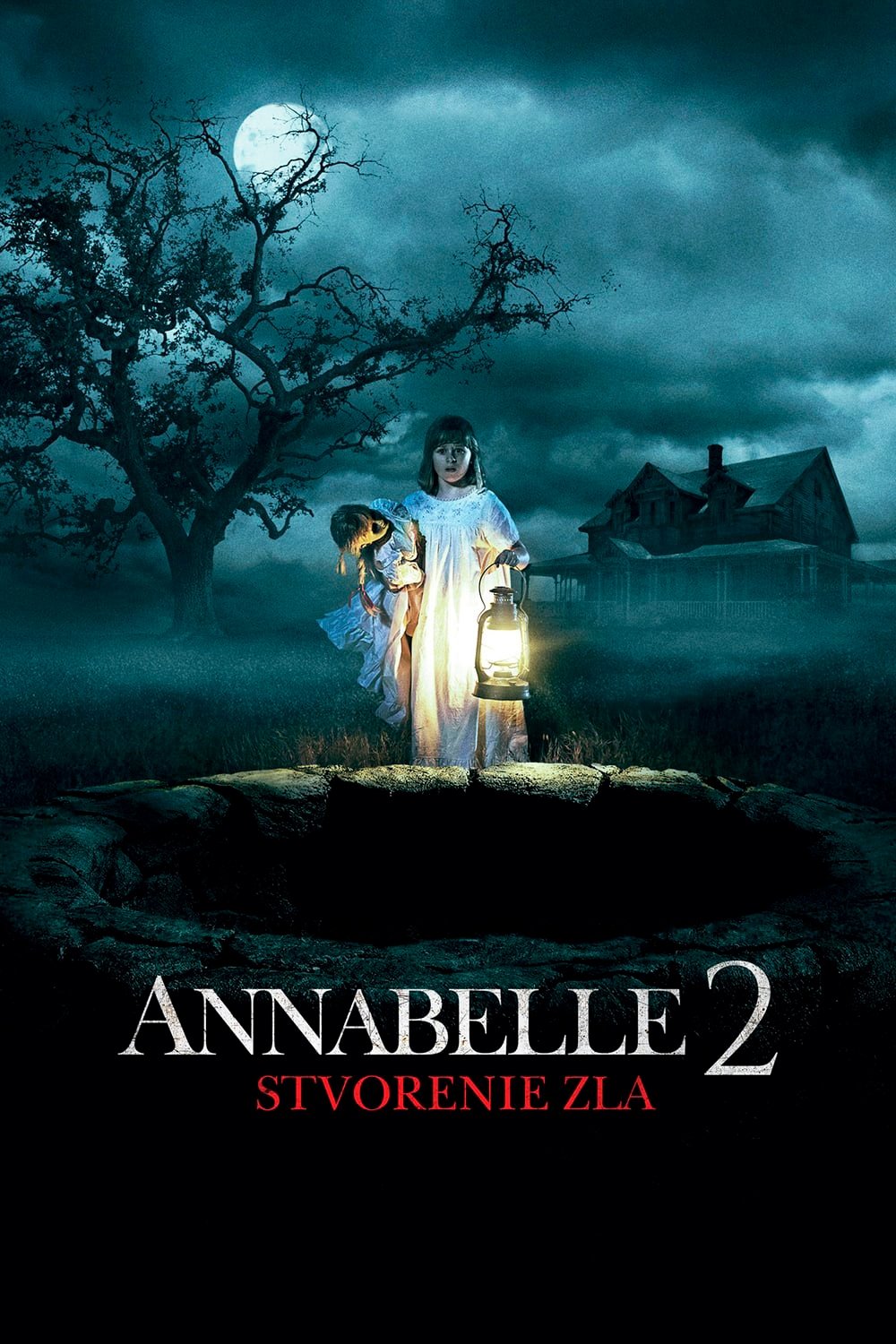
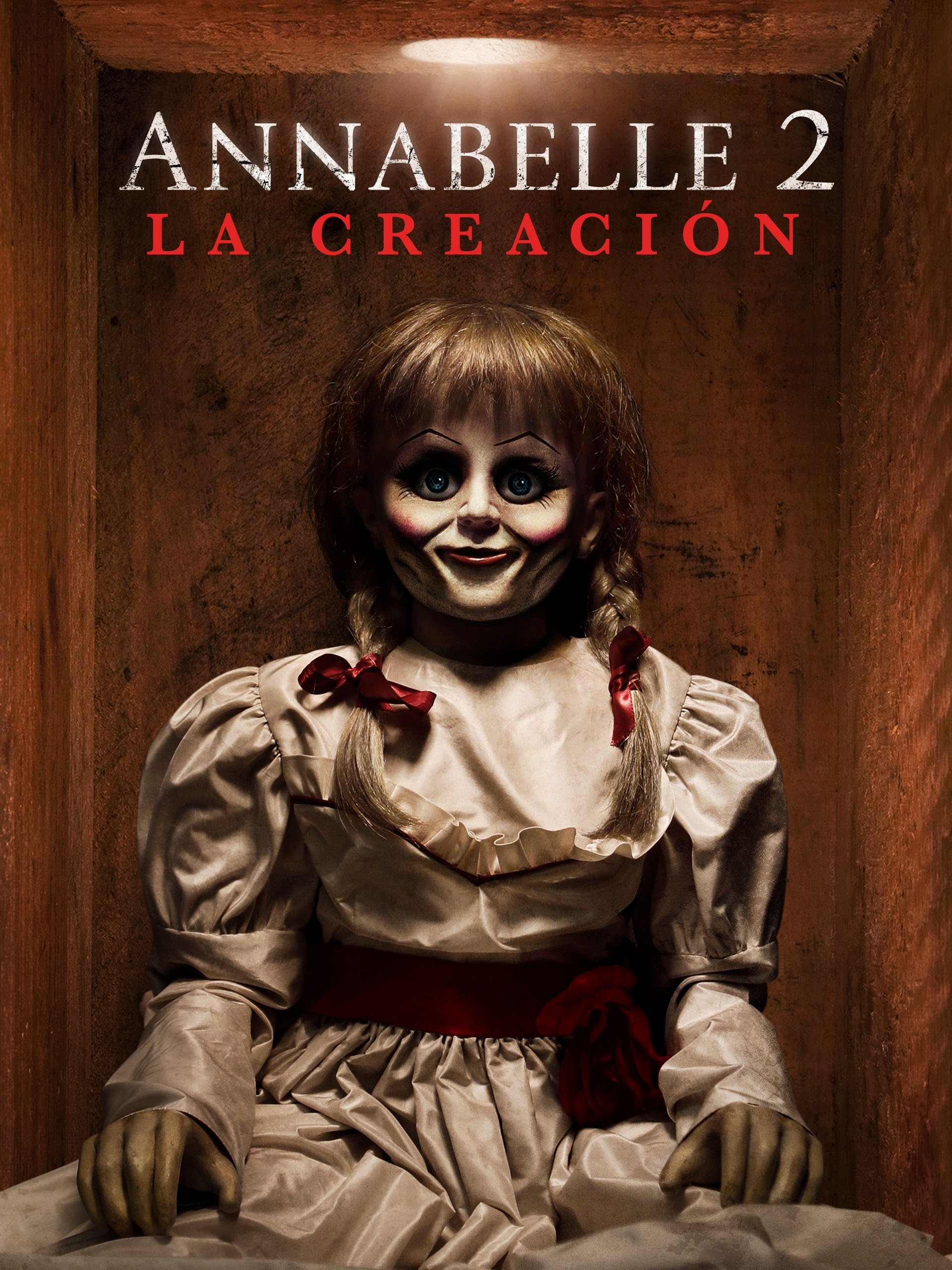
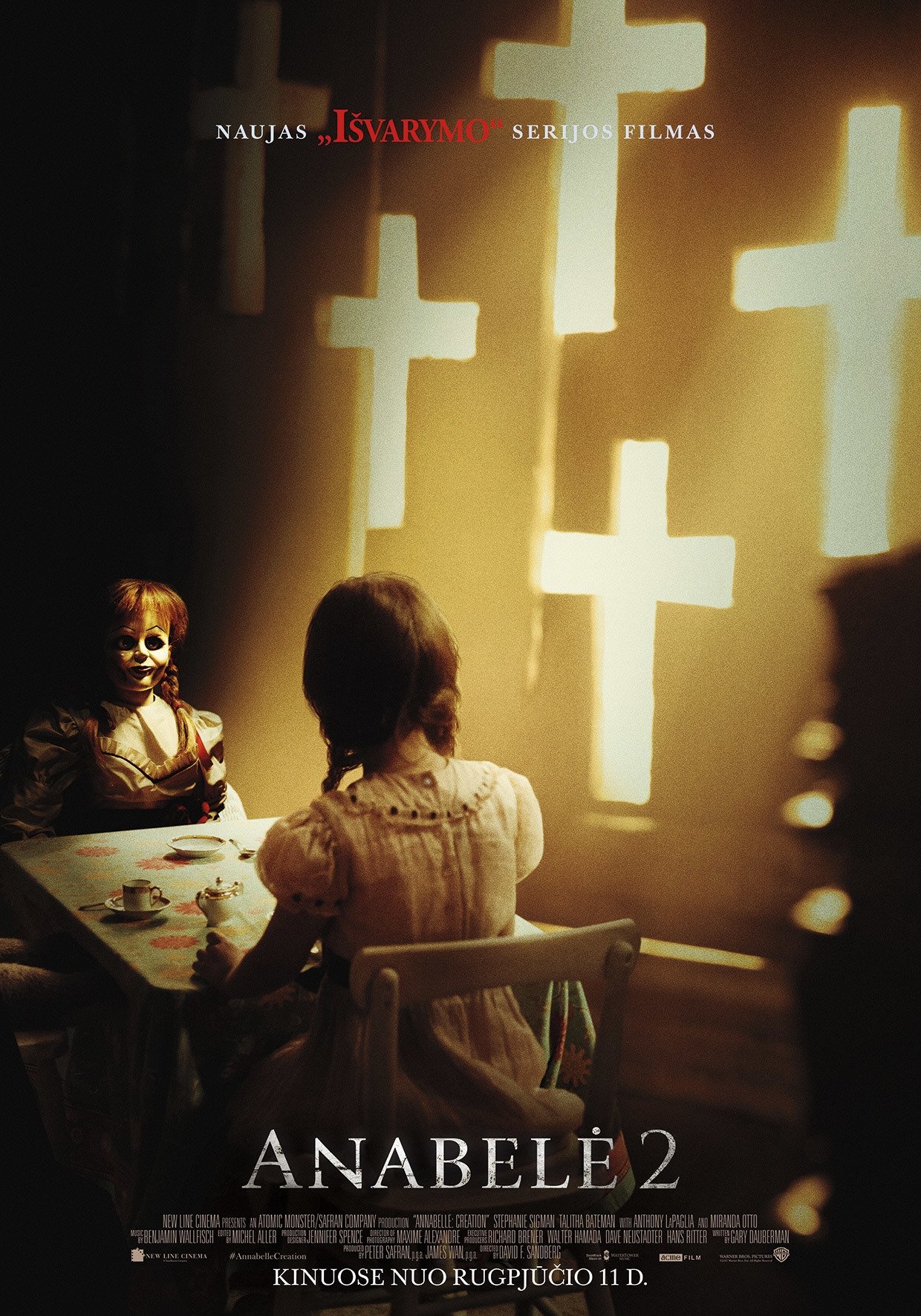
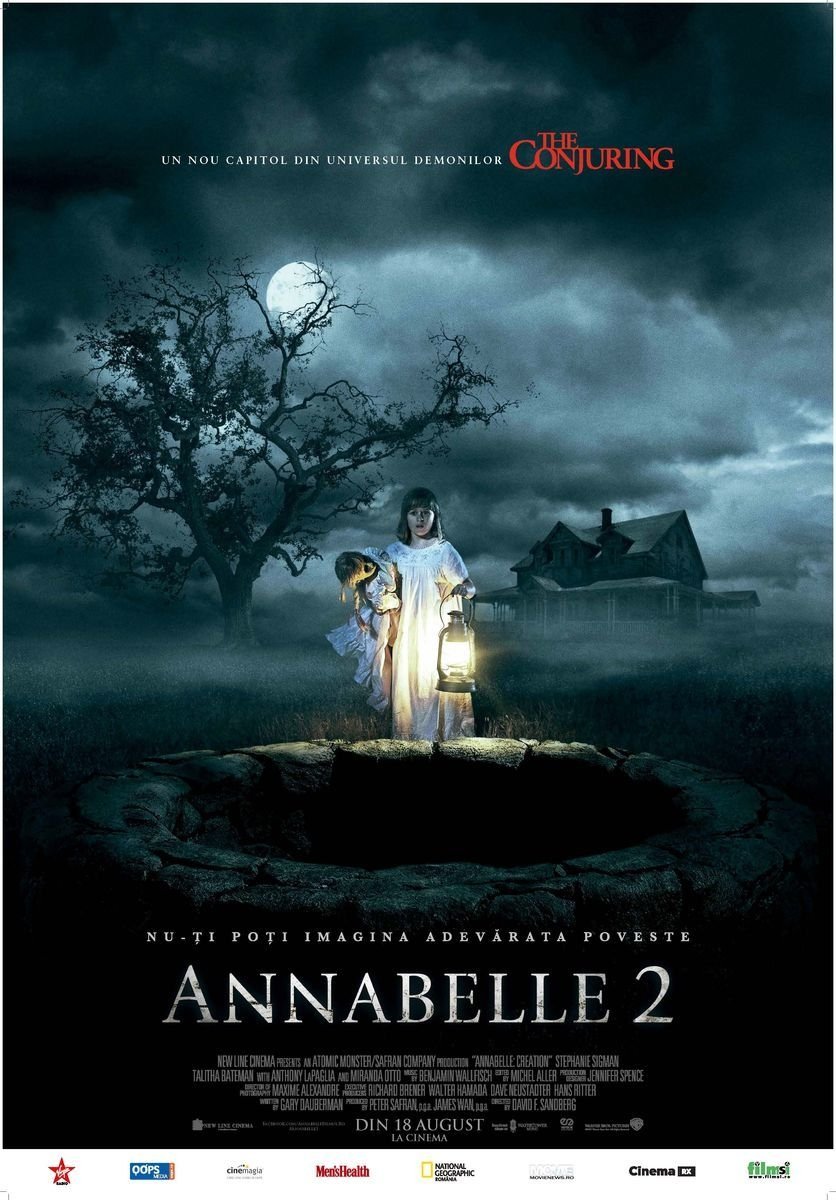
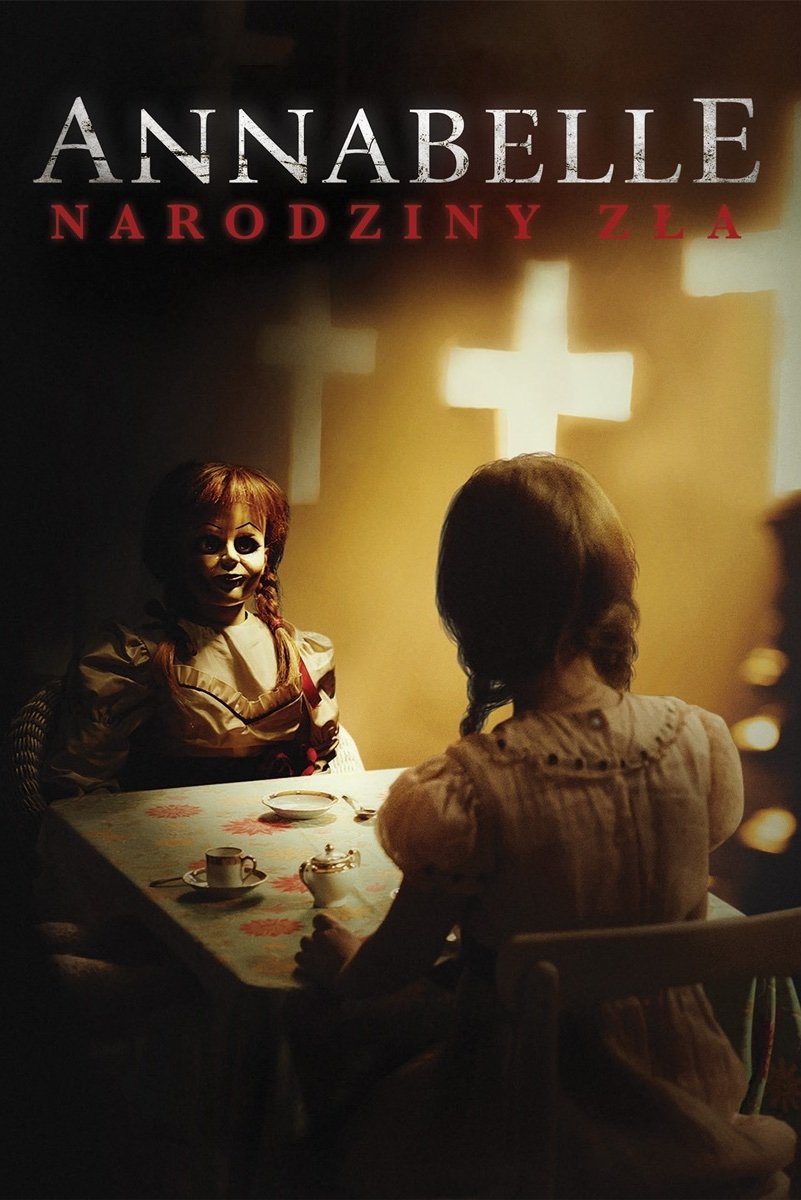
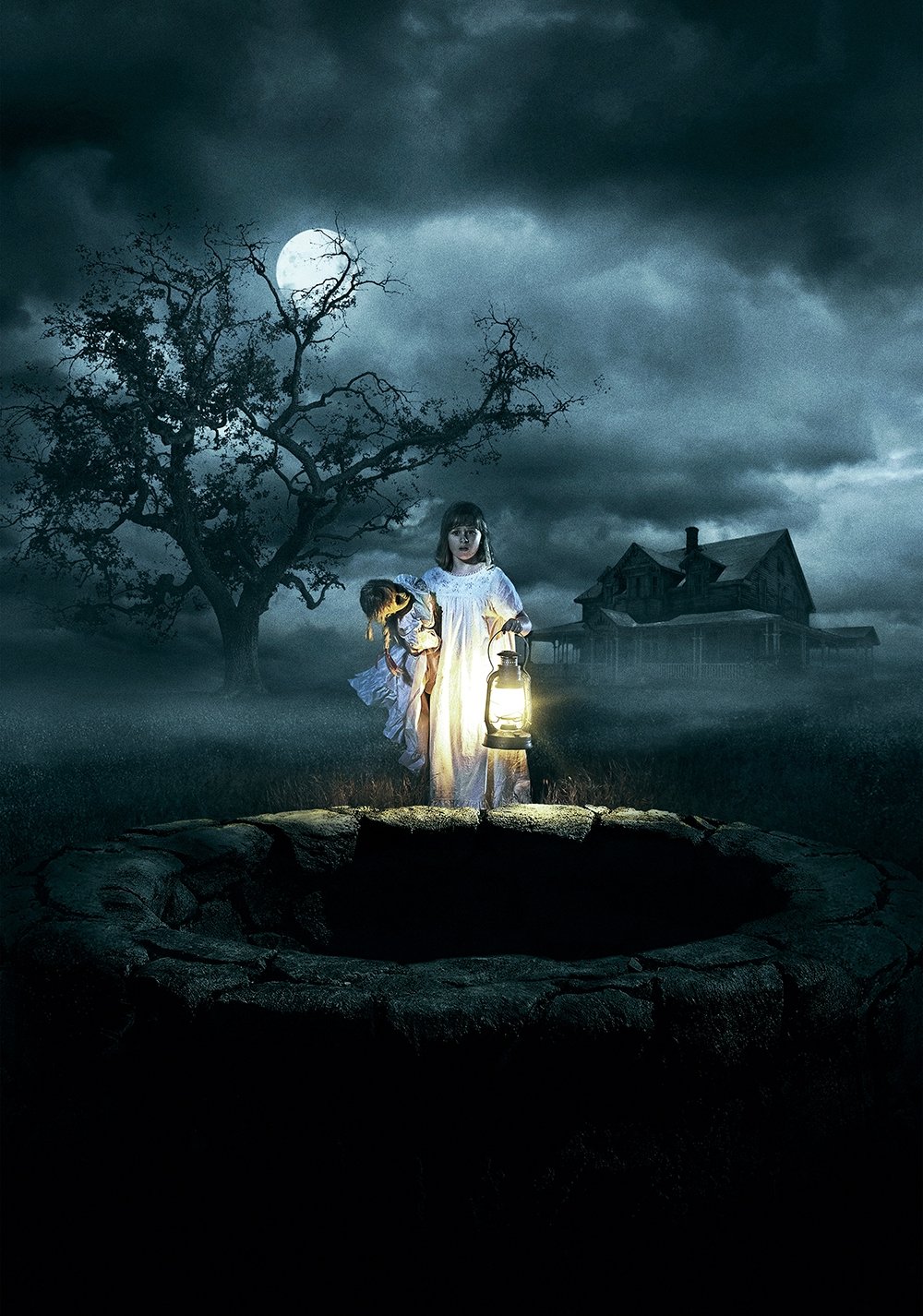
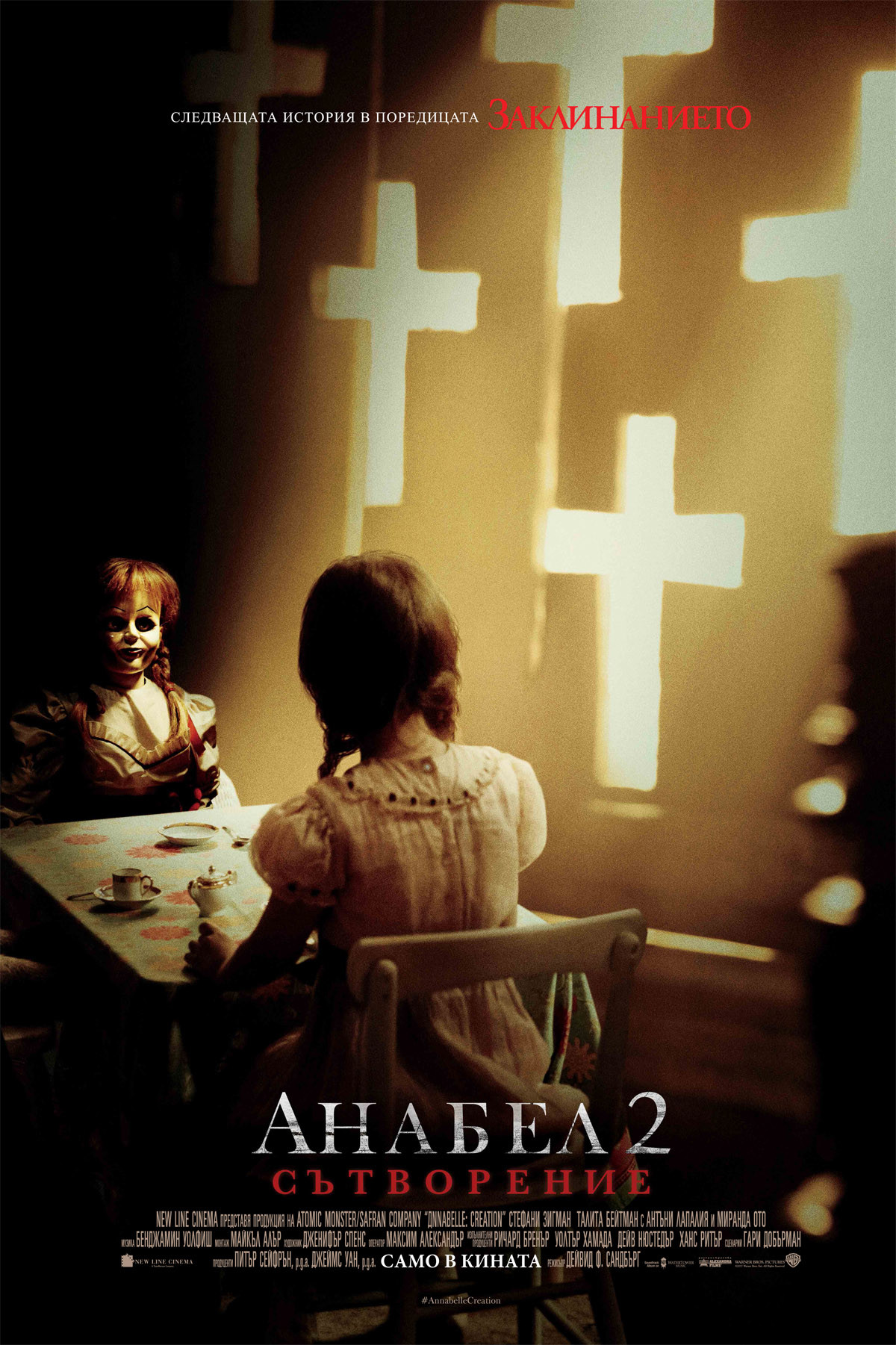
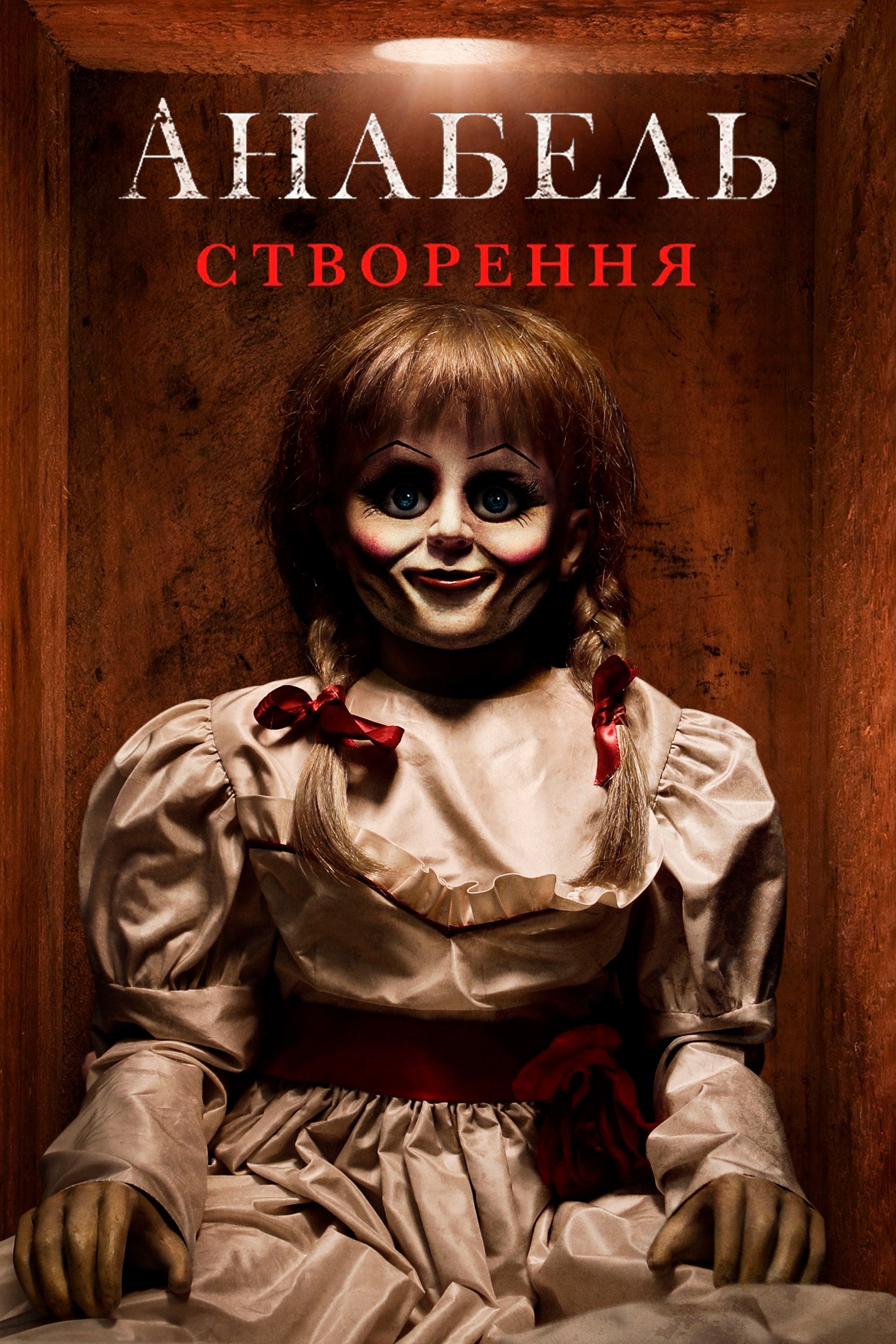
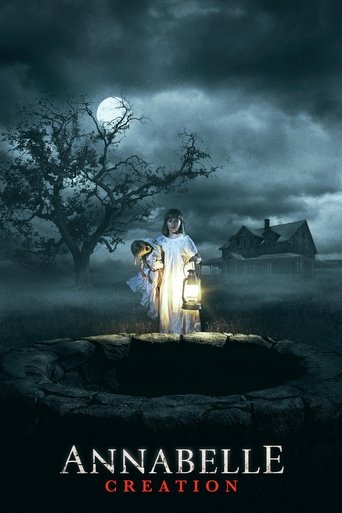
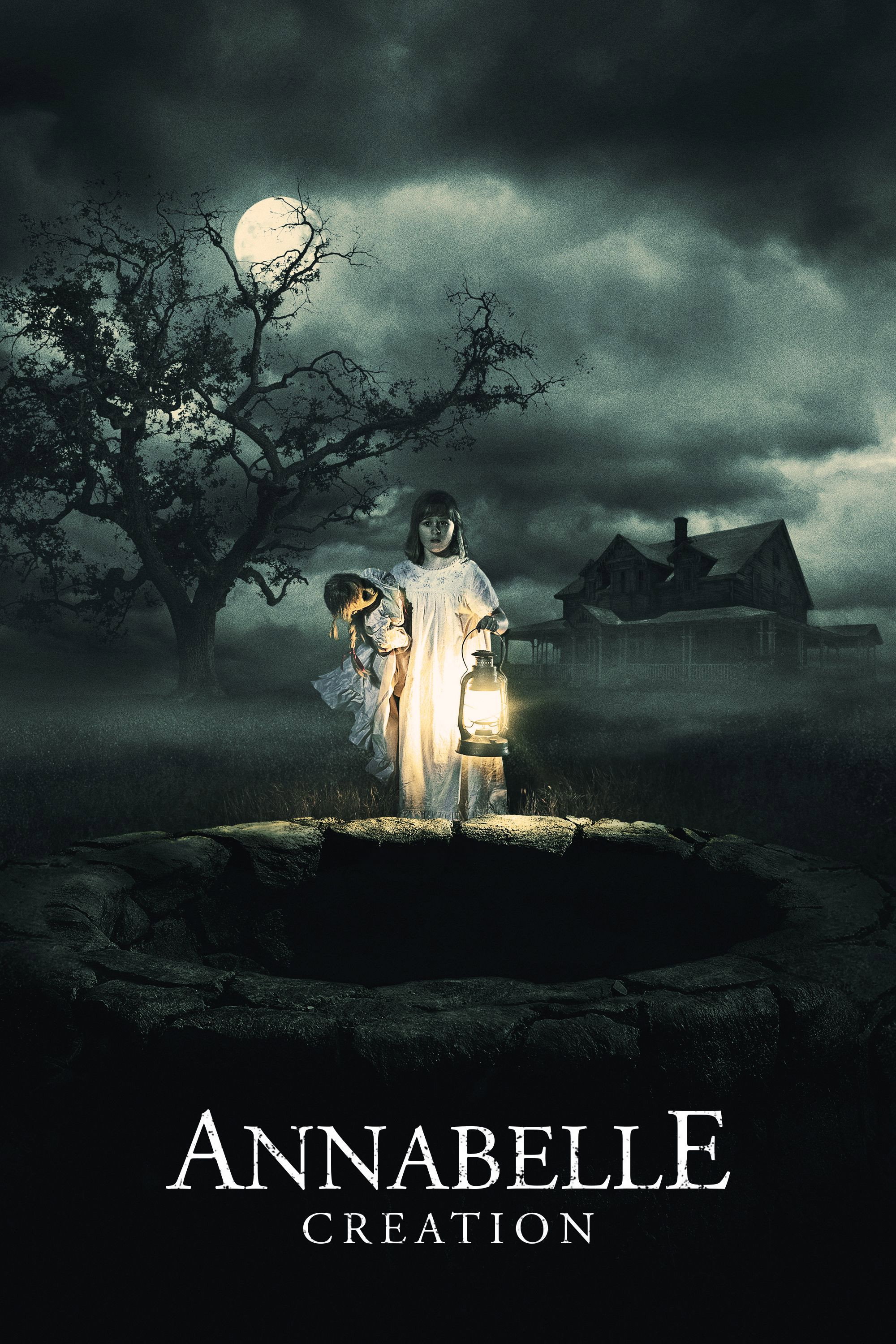
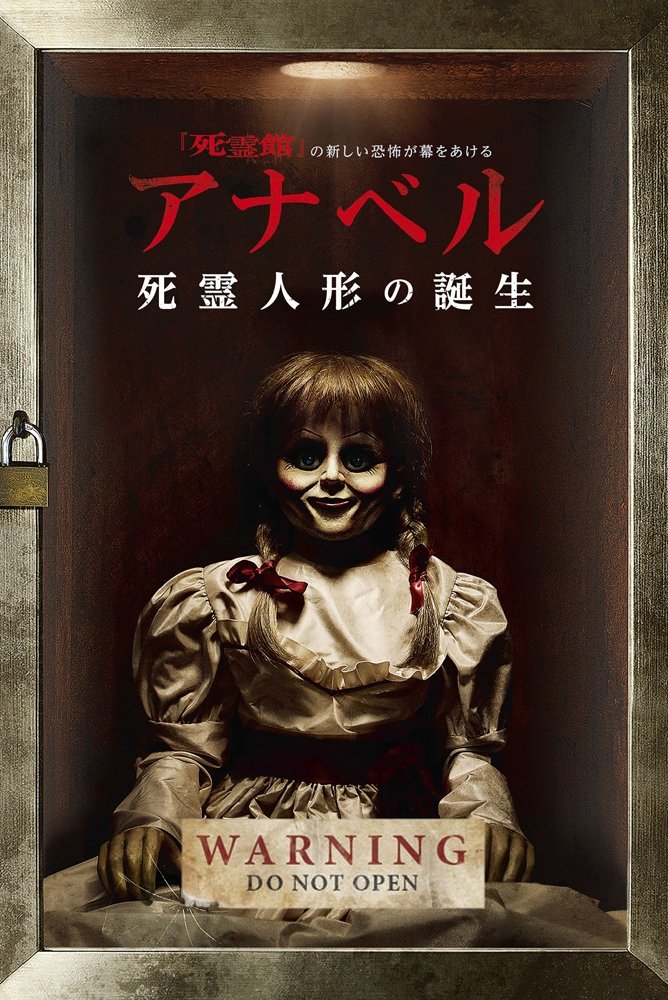
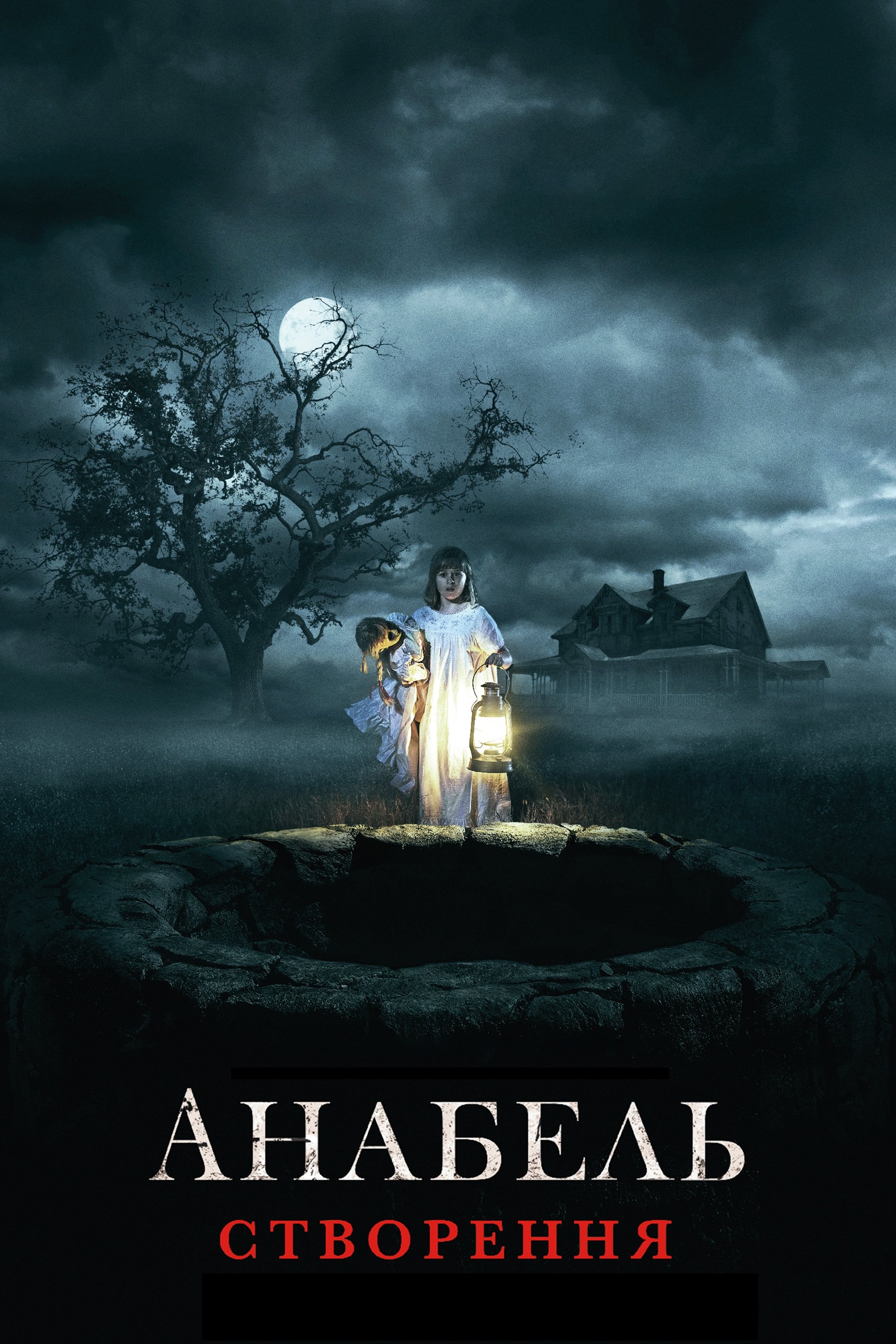
Annabelle: Creation (2017) poster
Production Companies
Atomic Monster , New Line Cinema , The Safran Company , RatPac Entertainment
Plot

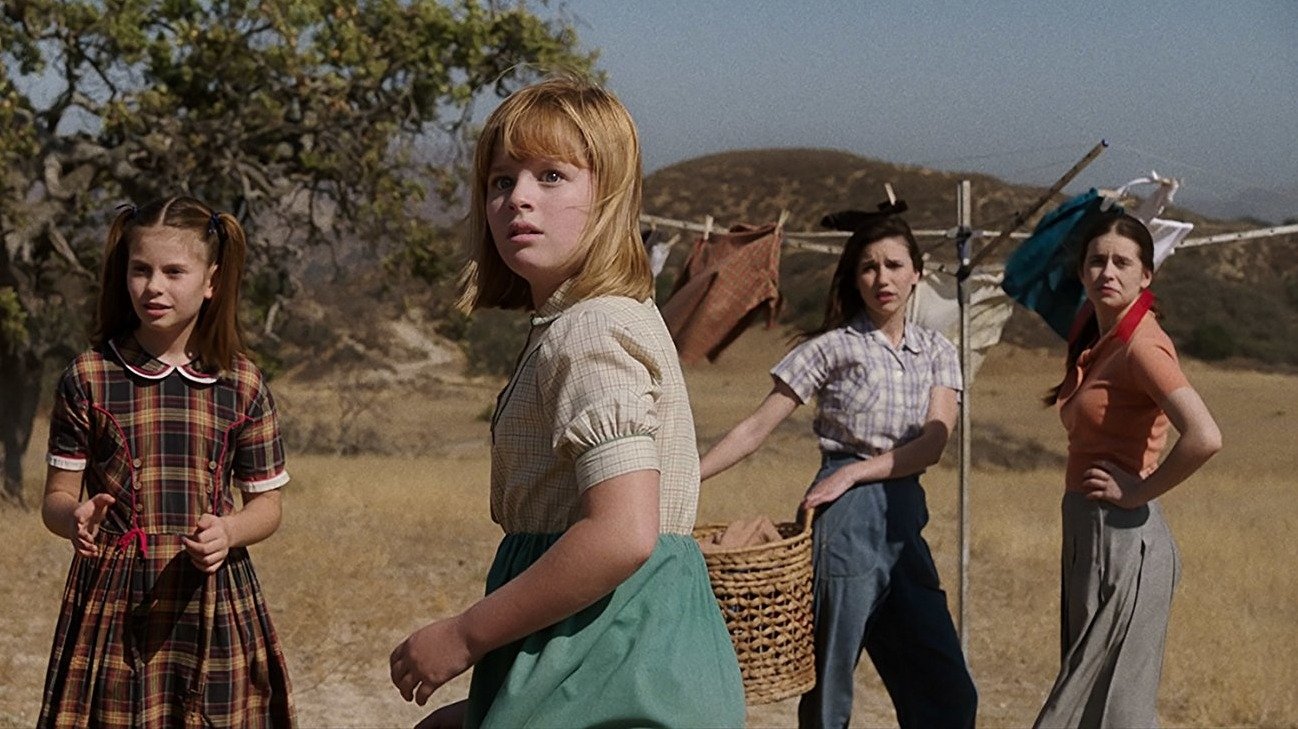
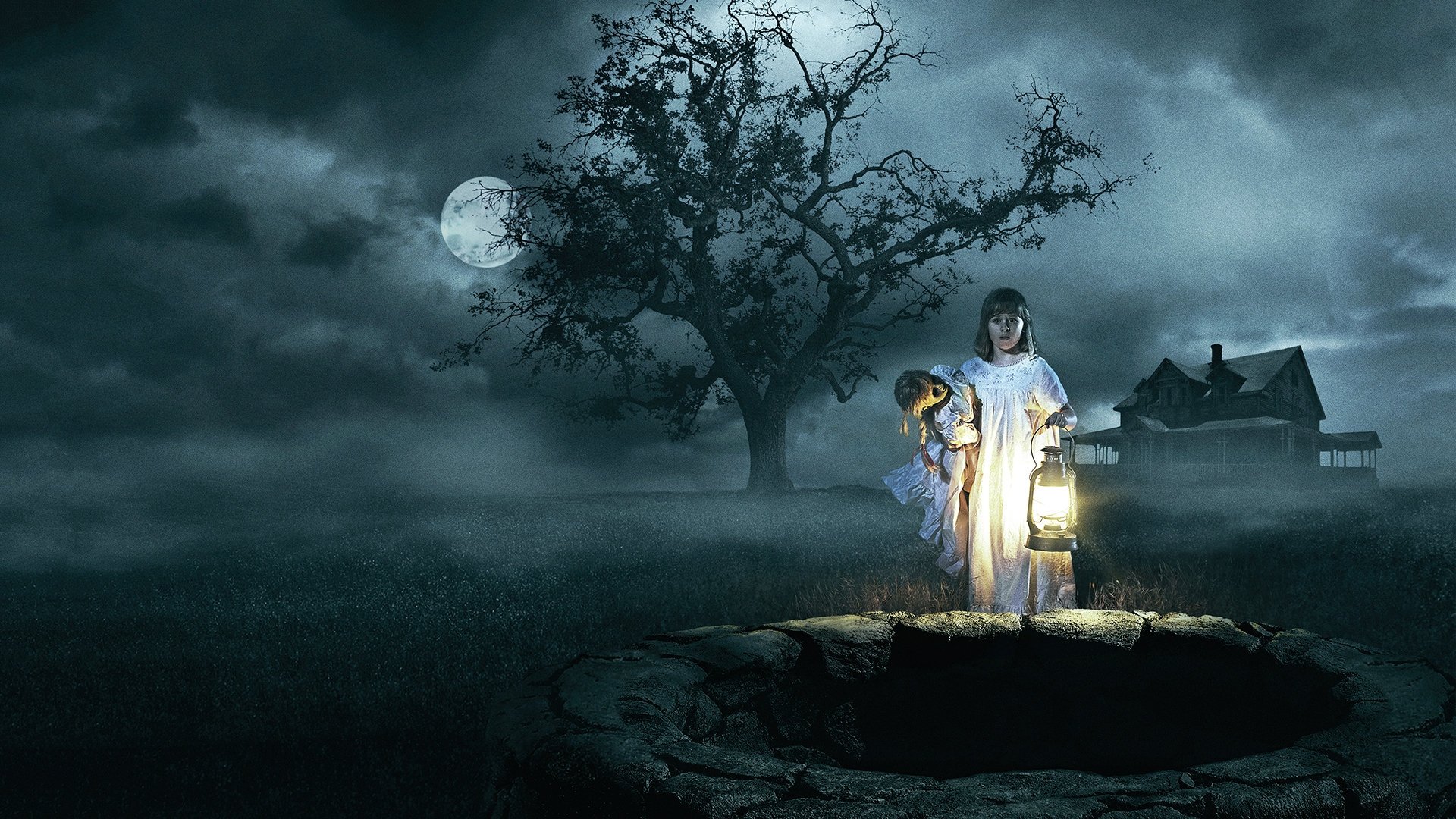
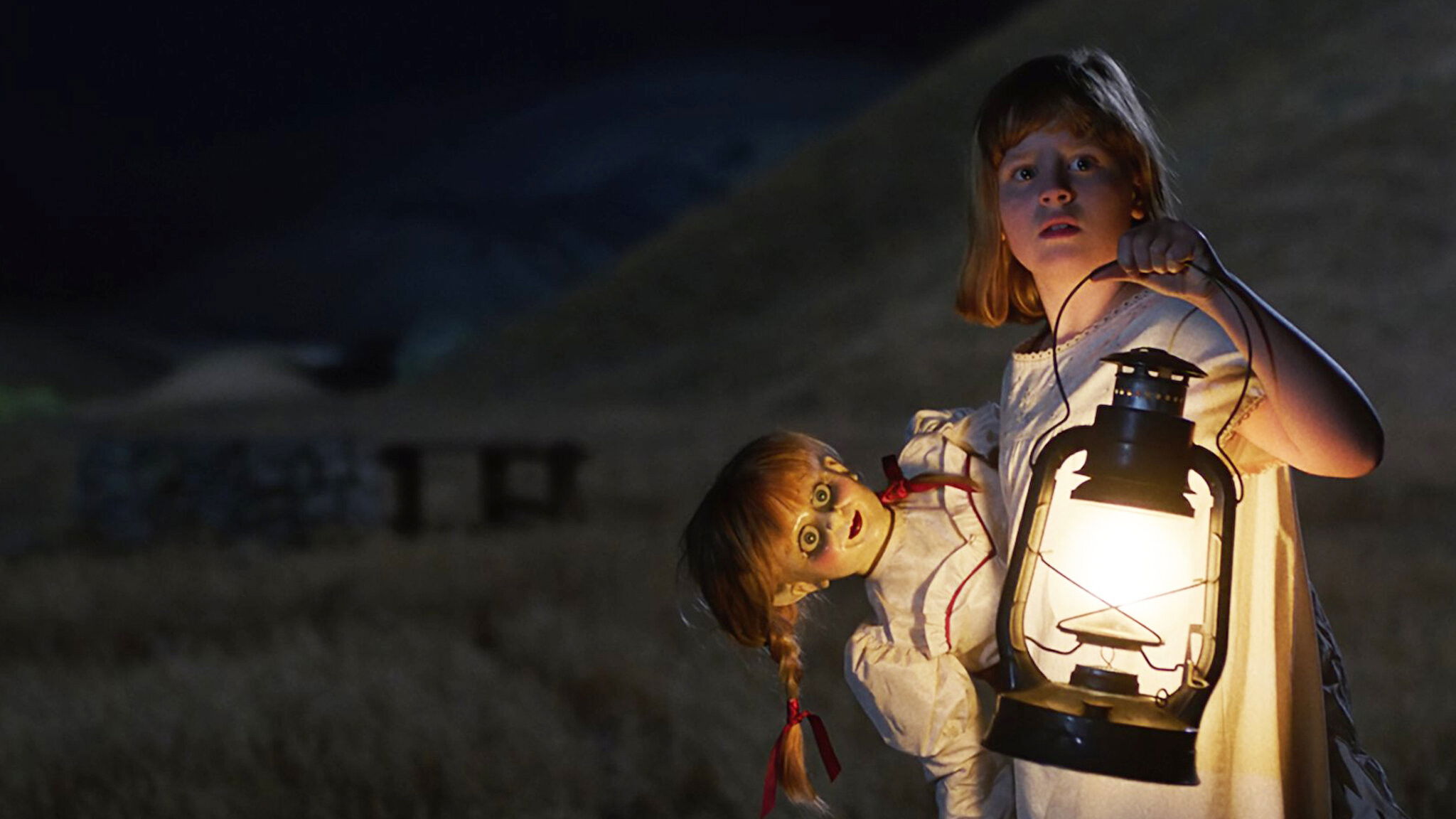
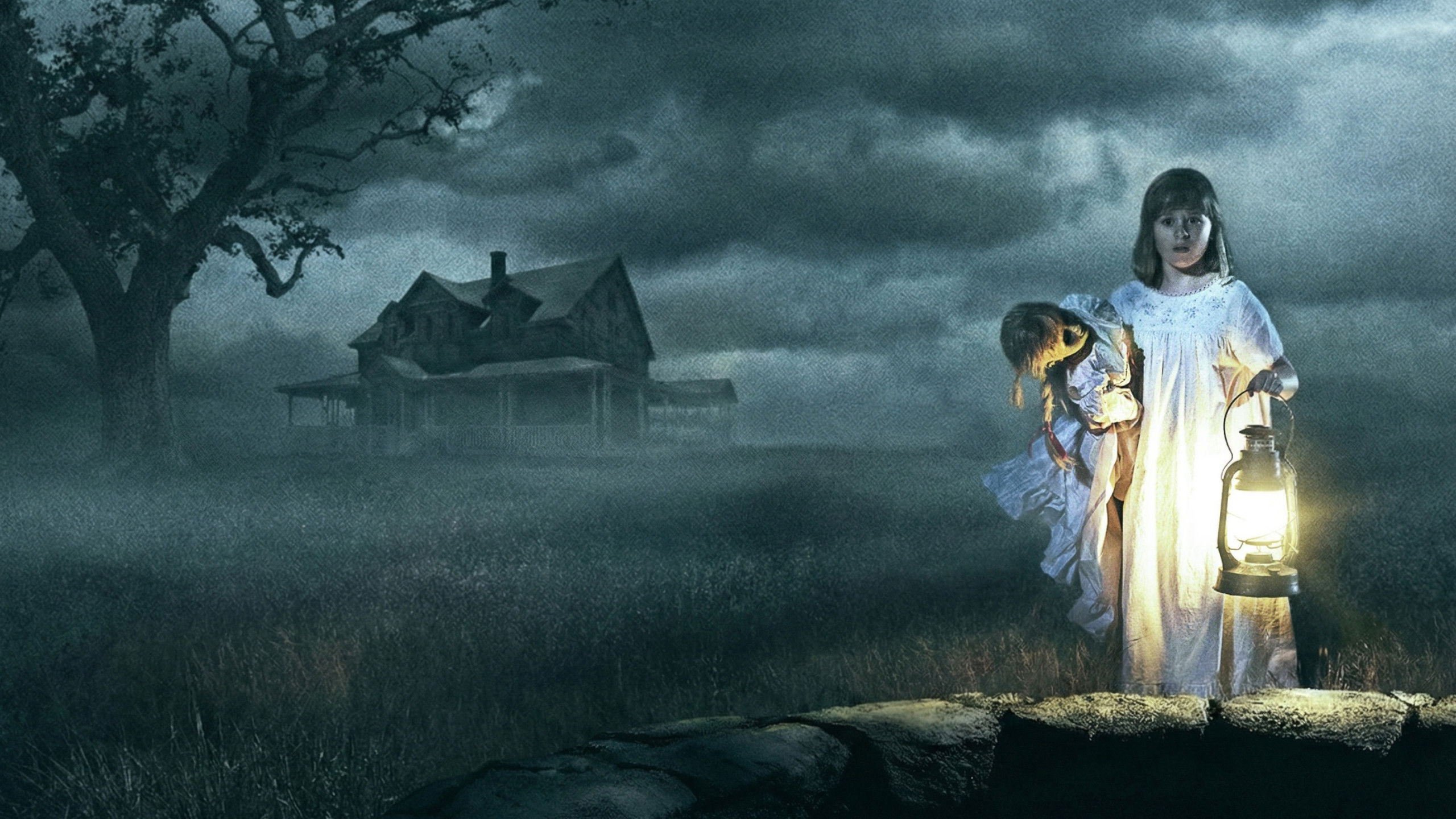
Years after losing their young daughter Bee, dollmaker Samuel Mullins and his wife Esther open their isolated home to Sister Charlotte and a group of girls from a closed orphanage. Janice, who has difficulty walking, becomes curious about a forbidden bedroom and discovers a porcelain doll hidden inside. Soon she and her friend Linda encounter disturbing sounds, unexplained movements and a threatening presence that seems to follow the doll. While the adults conceal painful secrets about the Mullins household, the girls struggle to understand why the house has become dangerous and what may have been released from the locked room.

Alternative Titles
آنابيل: التكوين (United Arab Emirates) — Arabic Annabelle 2 (Austria) — German Annabelle 2 - Creation (Australia) Анабел 2: Сътворение (Bulgaria) — Bulgarian Annabelle 2 - A Criação do Mal (Brazil) Annabelle 2: A Criação do Mal (Brazil) — Portuguese Annabelle 2 : La création du mal (Canada) — French Annabelle 2 (Switzerland) — German
Show all 51 alternative titles 安娜贝尔2:诞生 (China) — Chinese Annabelle 2: Zrození zla (Czechia) — Czech Annabelle 2 (Germany) — German Annabelle 2: Skabelsen (Denmark) — Danish Anabelo: Kreado (EO) — Esperanto Annabelle: 2 - La creación (Spain) — Castellano Annabelle 2 : La Création du Mal (France) ანაბელი: შექმნა (Georgia) — Georgian 詭娃安娜貝爾:造孽 (Hong Kong SAR China) — Chinese Annabelle: Početak (Croatia) — Croatian Annabelle 2. - A teremtés (Hungary) — Hungarian אנאבל 2 (Israel) — Hebrew אנאבל 2: הבריאה (Israel) אנאבל: הבריאה (Israel) ऐनाबेल: क्रिएशन (India) — Hindi آنابل: آفرینش (Iran) — Persian Annabelle 2 - Creation (Italy) — Italian Annabelle 2: Creation (Italy) アナベル 死霊人形の誕生 (Japan) — Japanese 애나벨-인형의 주인 (South Korea) 애나벨: 인형의 주인 (South Korea) — Korean Anabelė 2 (Lithuania) — Lithuanian Anabella 2: Radīšana (Latvia) — Latvian Annabelle 2: La Creación (Mexico) — Spanish Annabelle: Narodziny zła (Poland) — Polish Annabelle 2: A Criação do Mal (Portugal) — Portuguese Annabelle 2 (Romania) — Romanian Анабел 2: Стварање зла (Serbia) — Serbian Проклятие Аннабель: Зарождение зла (Russia) — Russian آنابيل: نشأة (Saudi Arabia) — Arabic Annabelle 2: Creation (Sweden) — Swedish Annabelle: Stvarjenje (Slovenia) — Slovenian Annabelle 2: Stvorenie zla (Slovakia) — Slovak แอนนาเบลล์ กำเนิดตุ๊กตาผี (Thailand) — Thai Annabelle: Kötülüğün Doğuşu (Türkiye) — Turkish 安娜貝爾:造孽 (Taiwan) — Chinese Анабель 2 (Ukraine) Анабель: Створення (Ukraine) — Ukrainian Аннабель: Створення (Ukraine) Annabelle 2 (United States) — Working Title Annabelle II: Annabelle Creation (2017) (United States) — alternative title Annabelle 2: Tạo Vật Quỷ Dữ (Vietnam) Annabelle: Tạo Vật Quỷ Dữ (Vietnam) — Vietnamese

Trailers & Videos

10 videos

Film Guide & Analysis

David F. Sandberg builds a haunted-house prequel through designed space, stationary objects, controlled darkness and the fear of a grieving family.

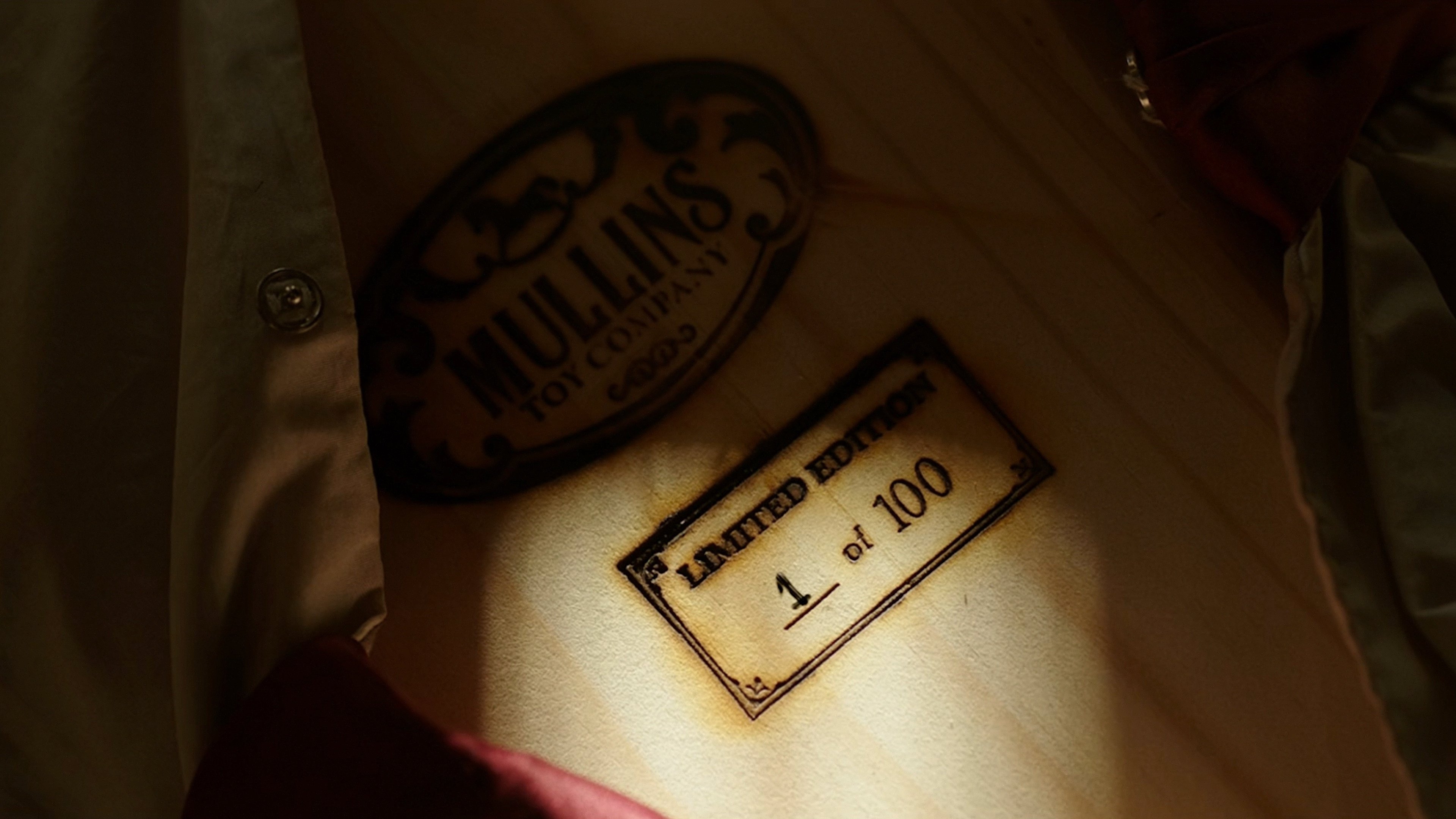
Annabelle: Creation (2017) gives the sinister doll introduced in The Conjuring a fictional history rooted in bereavement and the desire to recover a lost child. The action moves from a family tragedy in 1945 to 1957, when six orphaned girls and their caretaker enter the couple's isolated home. Its most important horror device is the house itself: long passages, rooms that can be watched from elsewhere, and equipment designed to assist a child with limited mobility become ways of withholding safety. Director David F. Sandberg builds suspense around a figure that generally remains physically motionless, leaving sound, perspective and sudden changes in the environment to imply an active supernatural presence.

The film is a prequel to Annabelle (2014), produced within the expanding Conjuring series, yet its central story can be followed independently of the wider chronology. Sandberg came from the success of Lights Out, and his collaborators made unusually detailed statements about the creation of the house, the performers' movements, the visual effects and the image's final color. Those accounts allow the picture to be examined as a worked-out example of contemporary studio ghost-story technique. Its release in August 2017 also prompted differing assessments of how effectively such craftsmanship could sustain a franchise built around familiar demonic imagery.

A Prequel Built Around a Separate Household

Sandberg was approached about another Annabelle film while his first studio feature, Lights Out, was still in postproduction. In a 2017 set report, he recalled that the studio's enthusiasm for the earlier project helped produce the offer. What attracted him was Gary Dauberman's prequel screenplay, which gave the new entry different characters and a period setting. It was not conceived as a simple continuation of the previous film's domestic plot. Sandberg's account explains a specific directing decision, although his description of the project as a worthwhile addition to the franchise remains a participant's judgment made before its full theatrical reception.

The story opens with the Mullins family before turning to the young residents who occupy their home years after their daughter's death. Grief provides the premise for a supernatural deception: the adults' wish for contact with the lost child exposes them to something whose purposes they misunderstand. The later arrivals have no knowledge of that history, creating an imbalance between what the household conceals and what the children can discover. The film does not need an elaborate catalogue of occult rules to initiate fear. Its basic structure depends on the consequences of adults making decisions about an apparently protected place and leaving younger occupants to confront what those decisions released.
The Mullins House as an Engine of Suspense

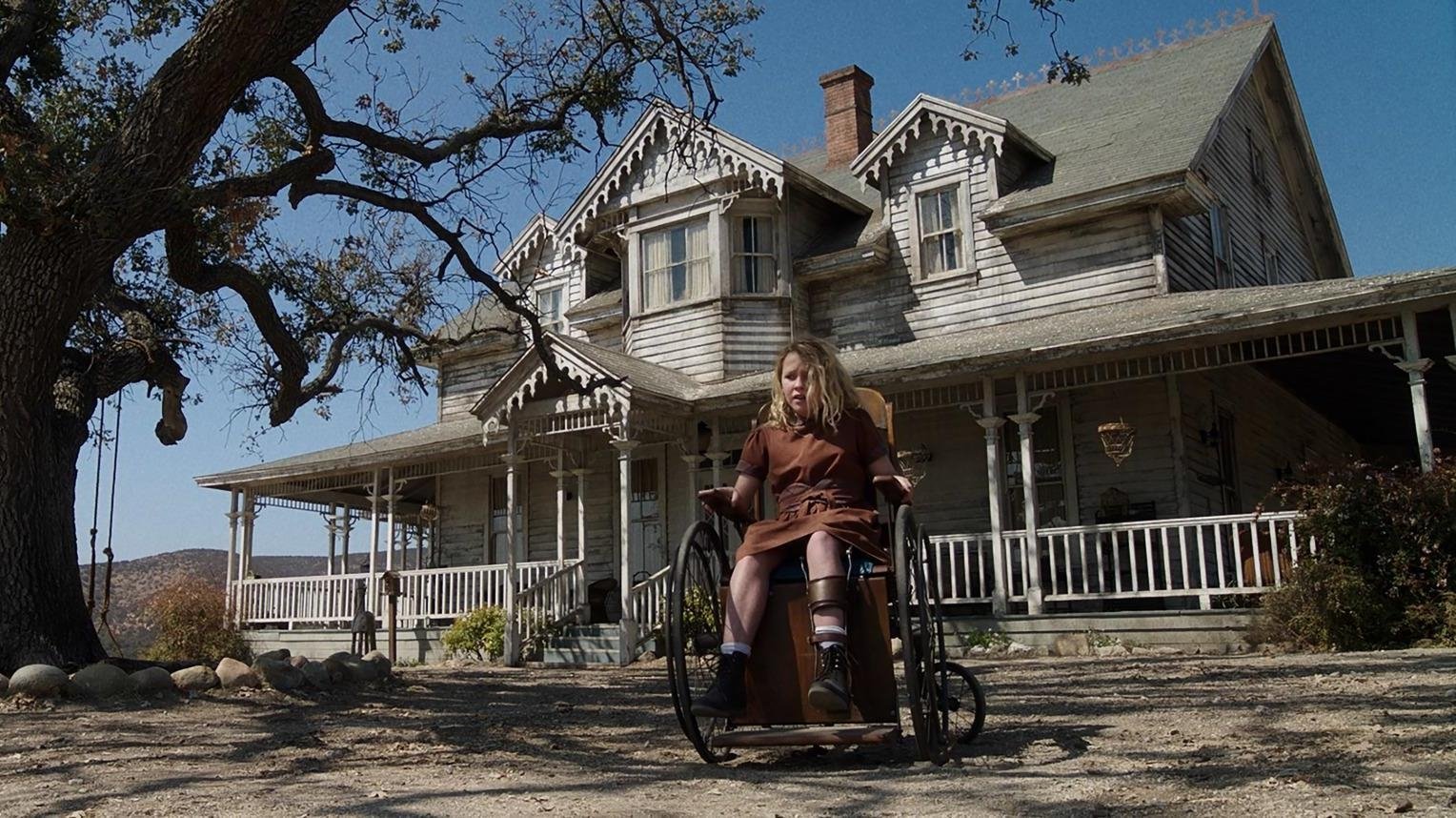
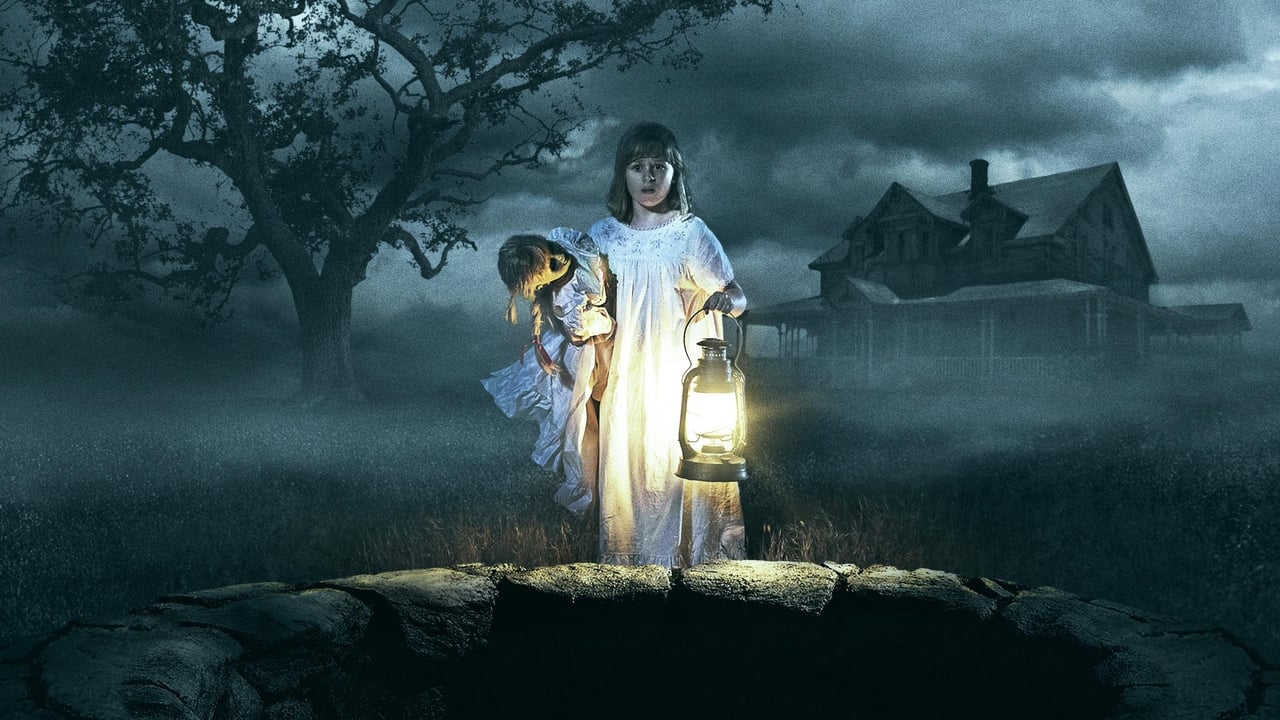
Production designer Jennifer Spence made the house a spatial problem to be solved before individual scenes were staged. In Heather Wixson's on-set report for Daily Dead, Spence described researching historical interiors and designing sightlines that allowed one room to look into another. Decorative details included architectural crosses and grates that opened views beneath the staircase. These elements help place the characters within a building that seems complete, even as its residents can never be certain who is observing them. The rooms were arranged for successive discoveries, giving the children reasons to move through the house and reasons to fear what lies beyond a doorway.
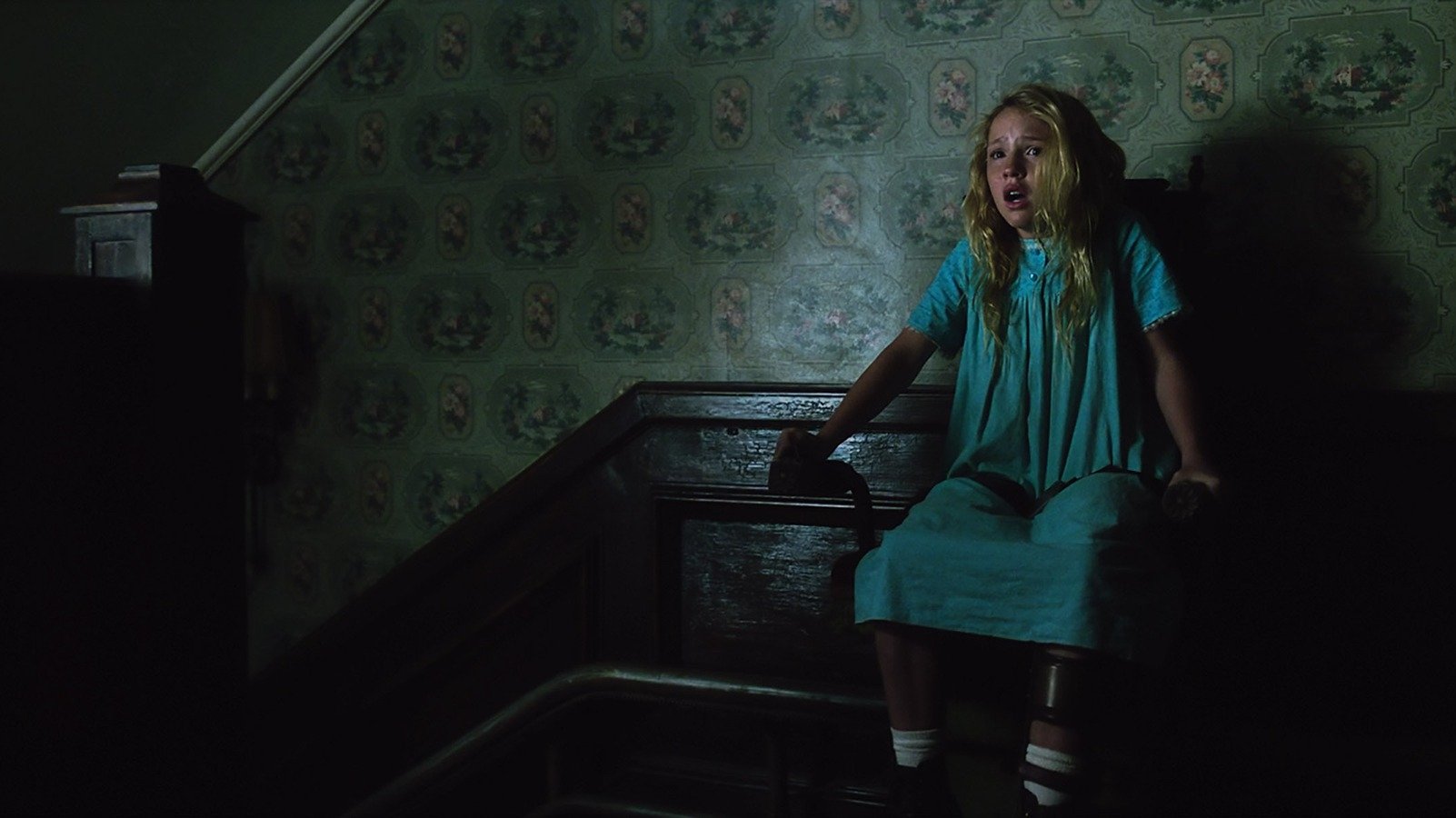
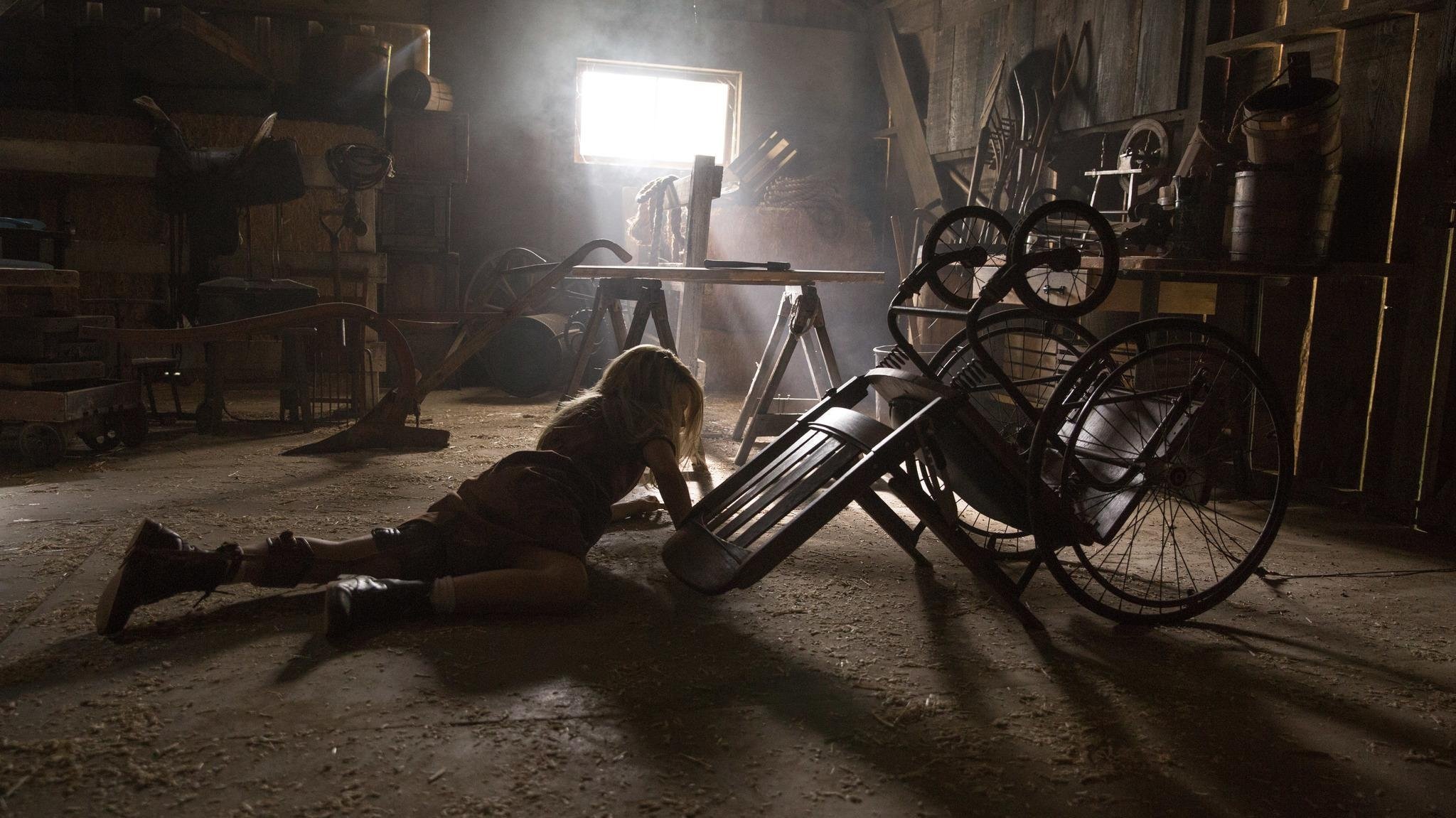
Janice's impaired mobility was a structural requirement, not merely a character detail added to the finished set. Spence explained that the screenplay's needs prompted a stair chair, whose slow travel could sustain an extended moment of danger. Sandberg separately credited the designer with proposing a dumbwaiter that inspired the sequence involving Linda. These examples demonstrate how architecture and mechanical movement could generate action during production, with dramatic opportunities emerging from objects that had not been specified in exactly that form at the outset. The director also requested a staircase that allowed the camera to curve around its shape, turning access between floors into a visual concern.

Spence recalled first assembling the sets in a warehouse, walking through them with the filmmakers, then dismantling and reconstructing them on the Warner Bros. stage. The process offered control over the distances and corners required by the suspense scenes. Janice and Linda have different degrees of physical freedom, so an apparently spacious residence becomes restrictive in distinct ways. An inaccessible room or unreliable route is threatening because the viewer already understands what movement through it demands. The children's friendship also gives those dangers an emotional consequence, particularly when the more mobile girl tries to protect the one who cannot readily flee.

The Doll, the Children and the Shape of Fear

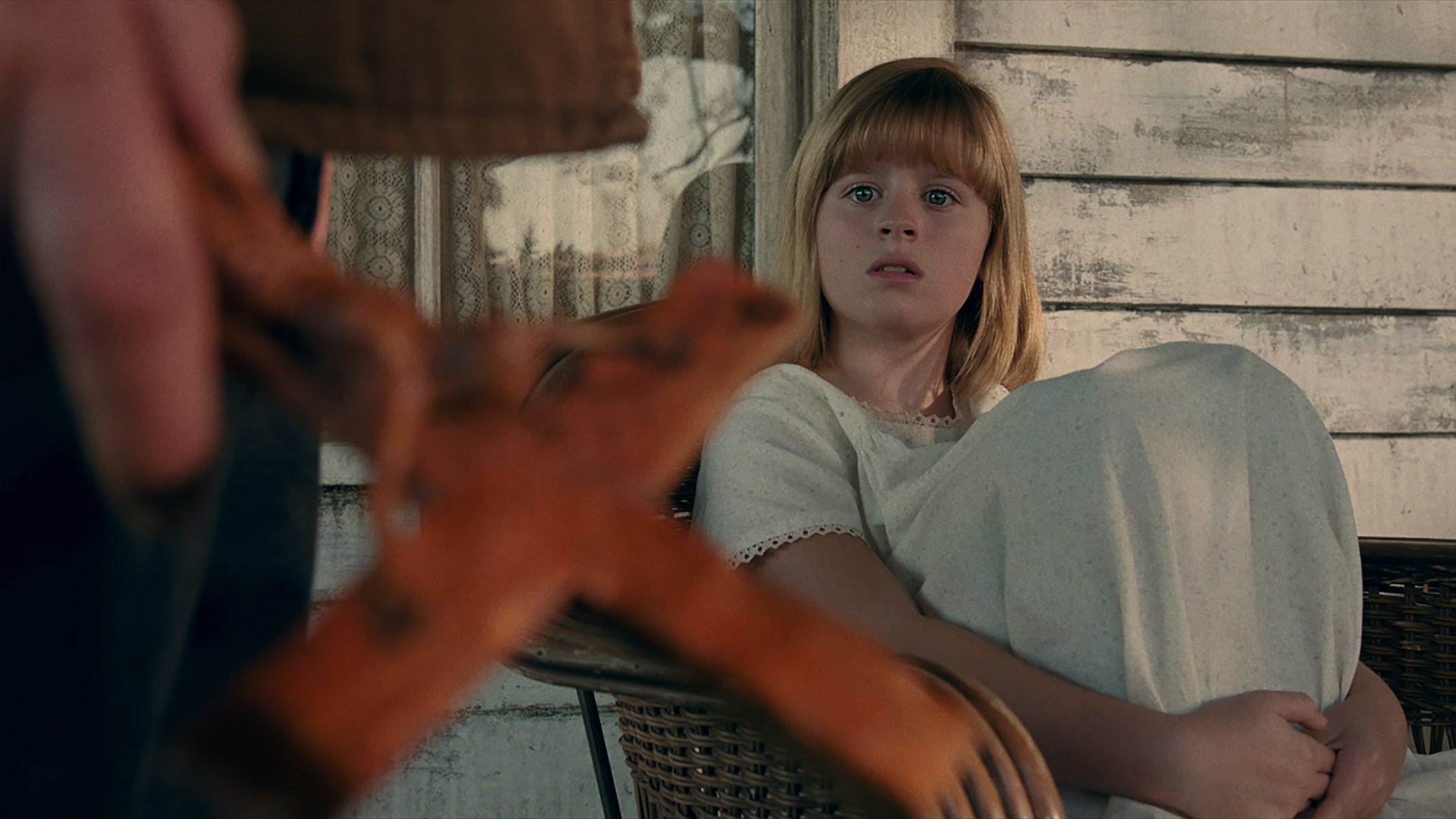
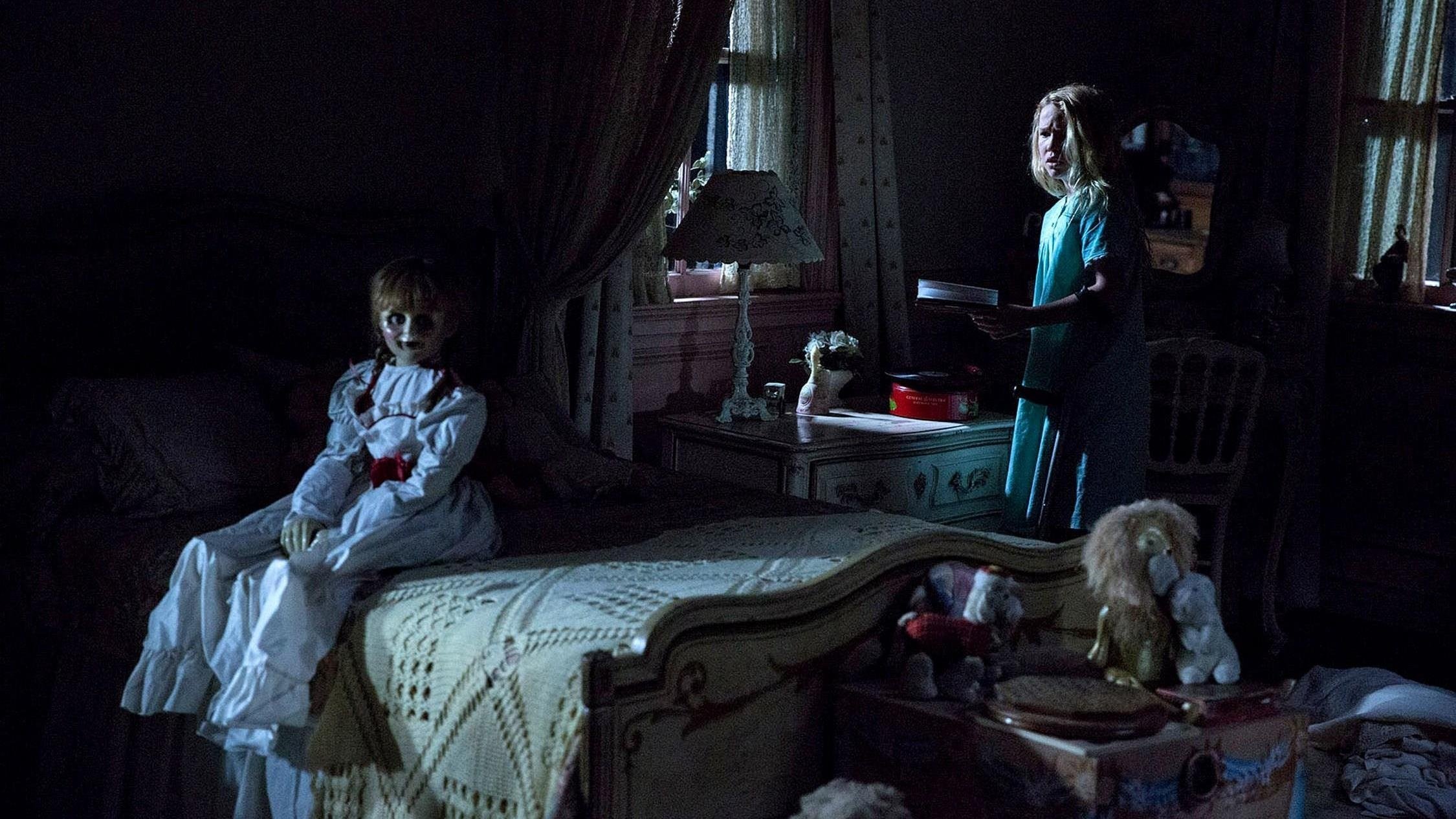
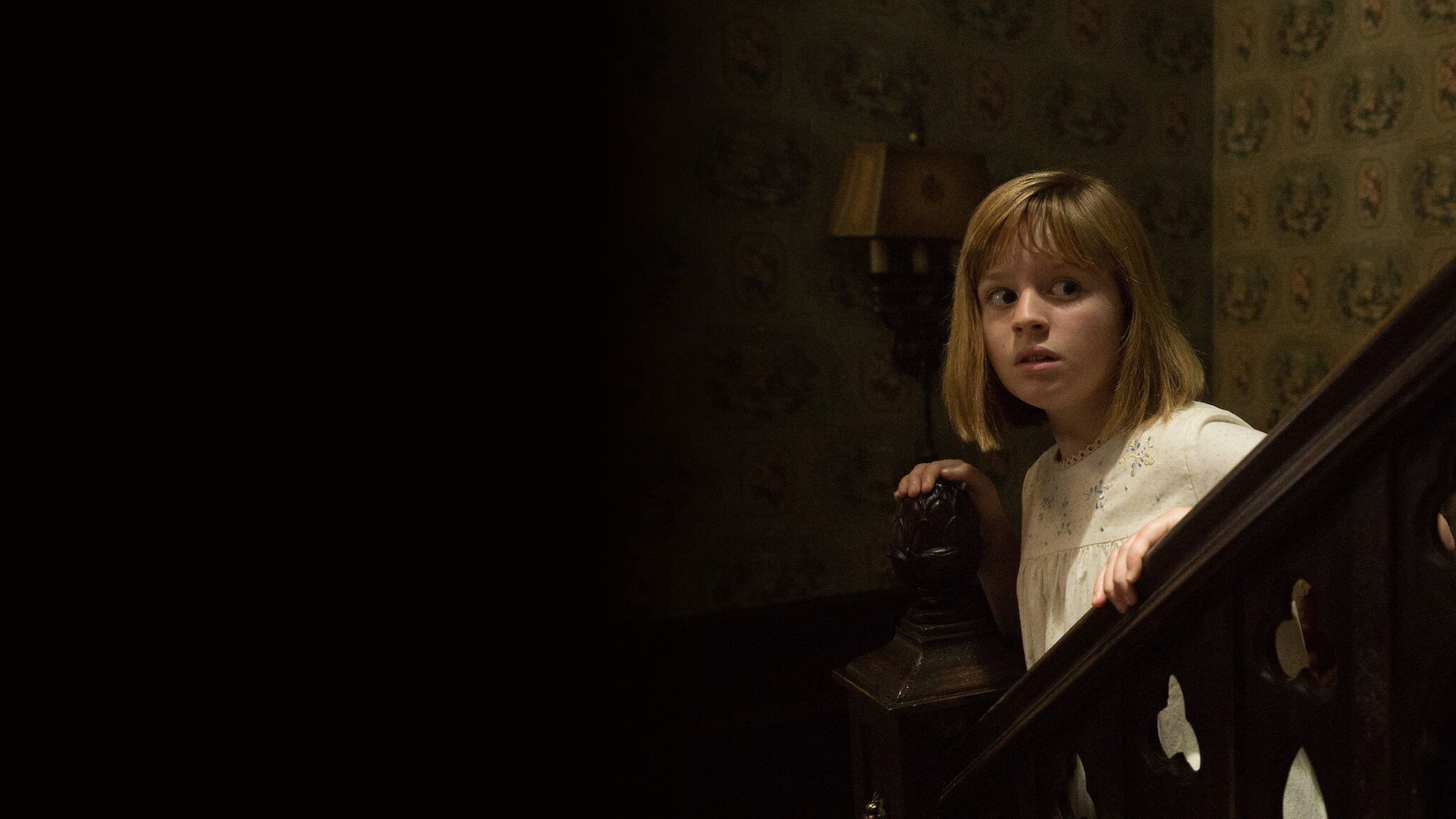
The performances keep the haunting attached to particular vulnerabilities. Talitha Bateman told Daily Dead that Janice's polio and leg braces separate her from some of the other girls, while Linda remains her closest ally. That relationship gives the children's explorations an emotional center without requiring a detailed history for every member of the orphanage group. In the movie, a forbidden room carries the memory of the Mullins daughter, and its objects become a temptation to someone who has been given only limited freedom in the house. Curiosity is therefore intertwined with loneliness and with a child's wish to find a space of her own.

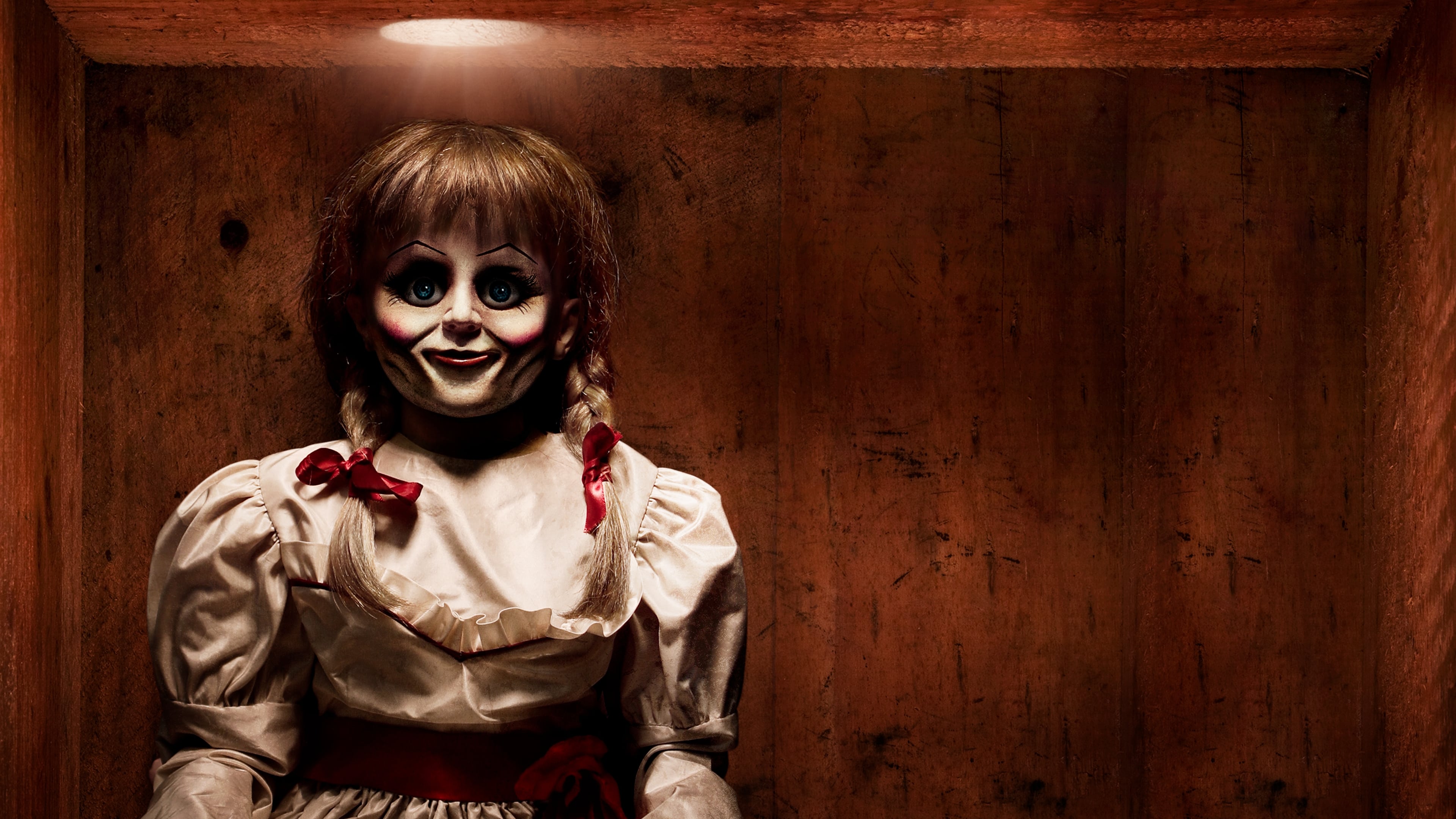
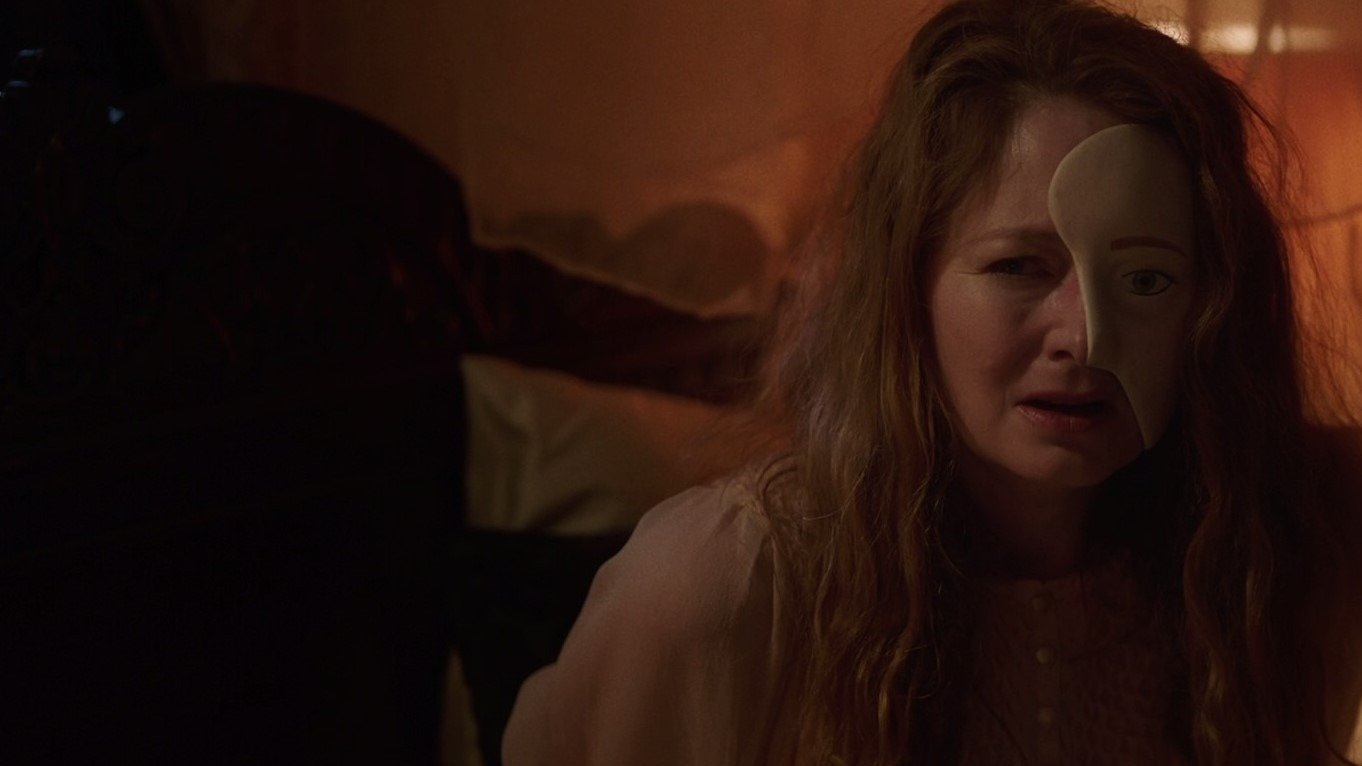
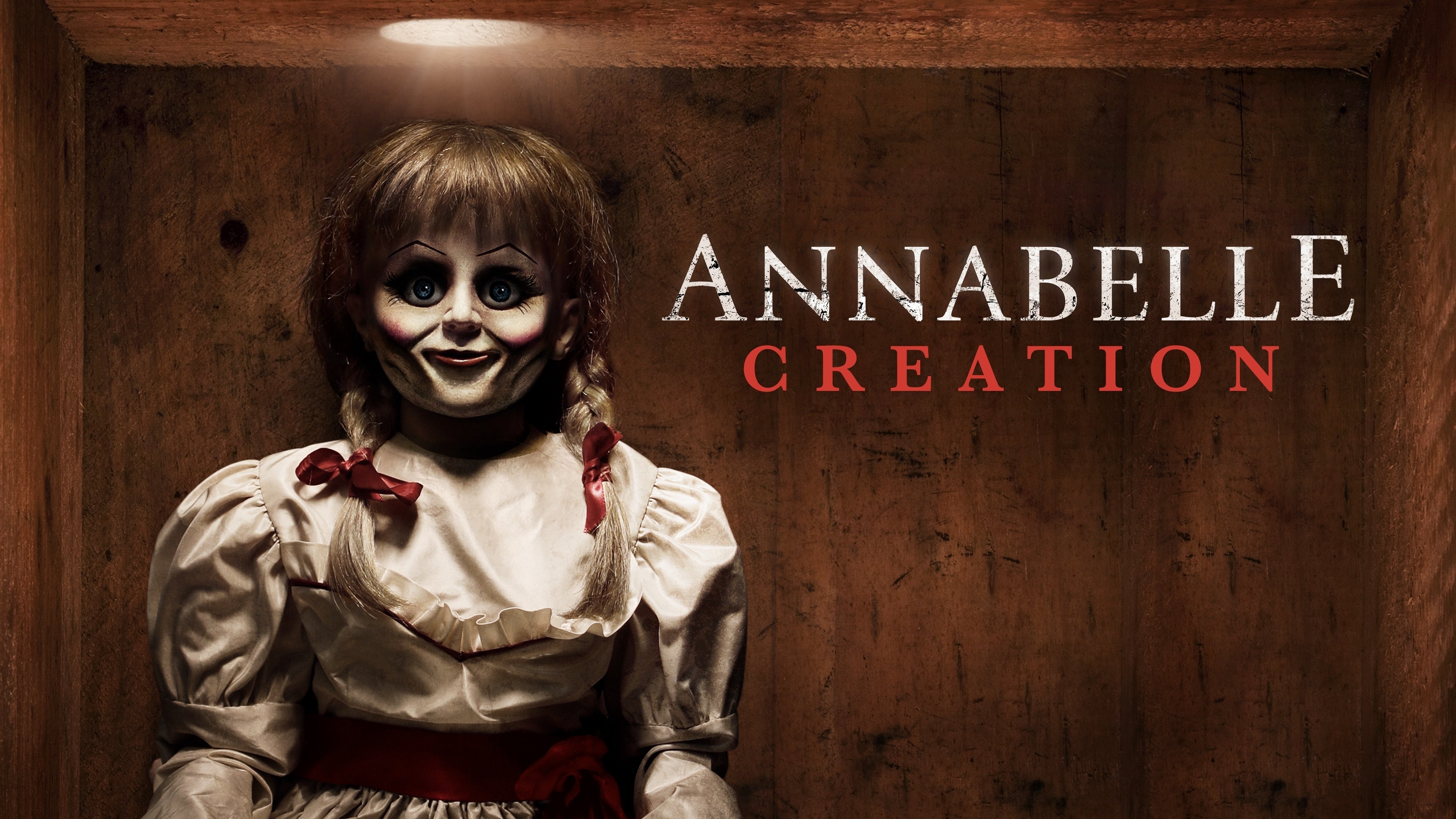
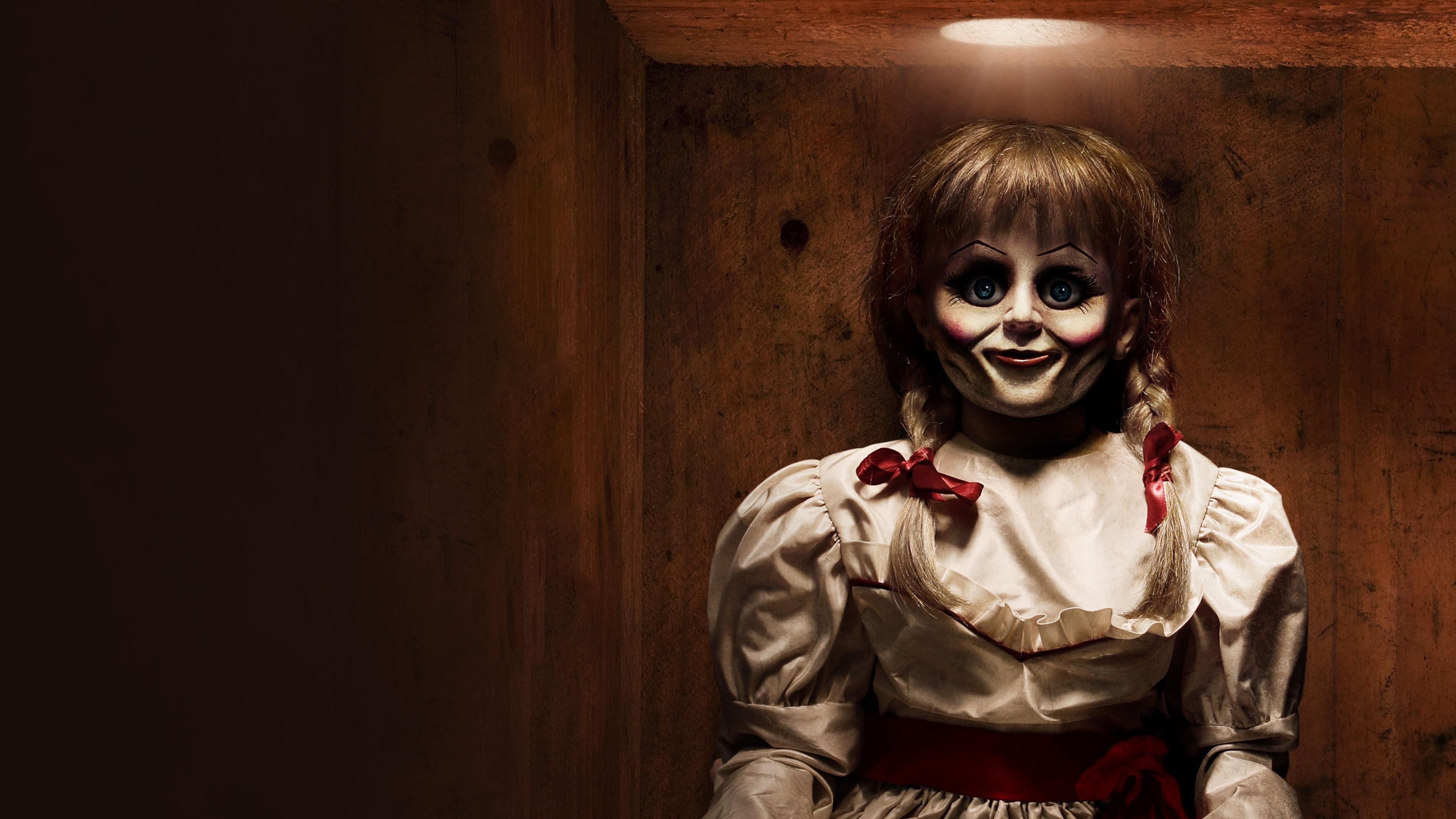
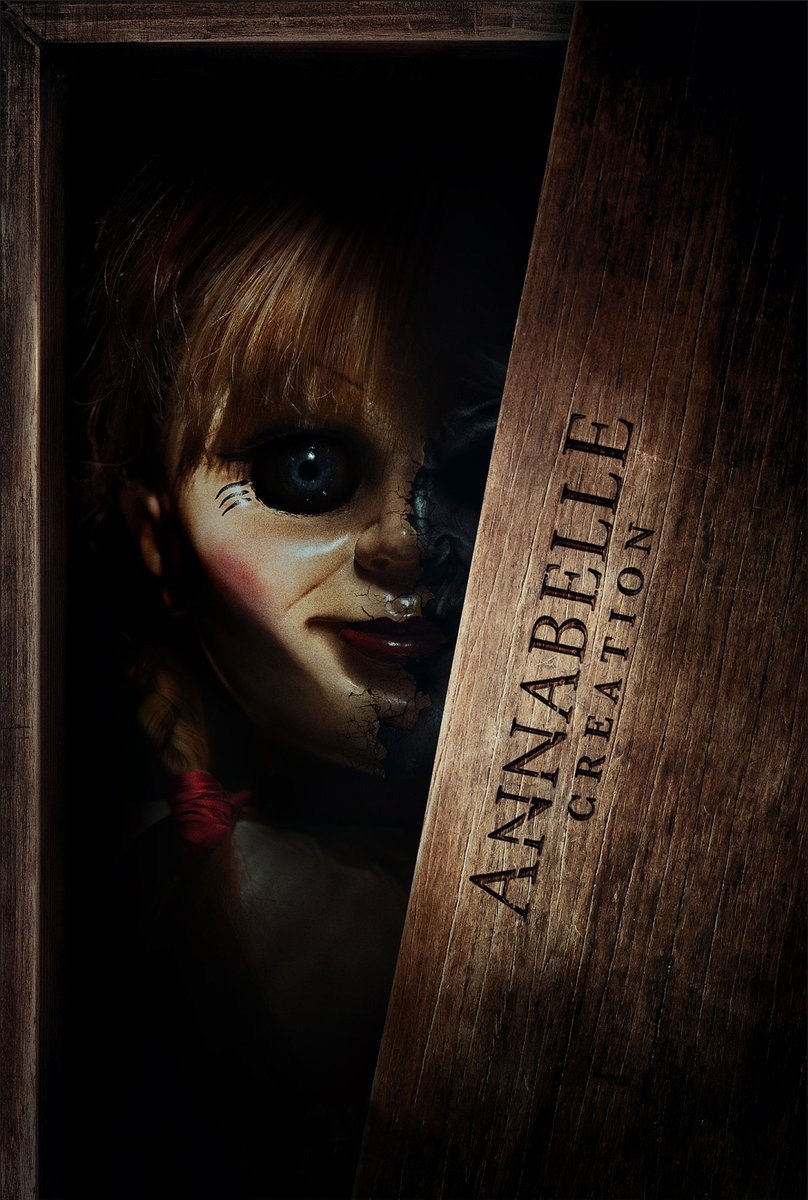
Sandberg's strategy makes the doll an uncanny stationary object, relying on a spectator to inspect its placement and expression. The difficulty is unusually precise: if Annabelle moves openly like a mechanical attacker, the film loses the disturbing uncertainty created by an ordinary object that may have changed position between shots. Her stillness gives the characters' attention an important role. When someone looks toward a door or turns away from a shelf, the film can redirect suspicion without confirming an action. A demonic apparition and an immobile manufactured figure serve different functions in that system, letting the physical doll remain familiar while the surrounding danger becomes unpredictable.

Cinematography, Color and Concealed Information

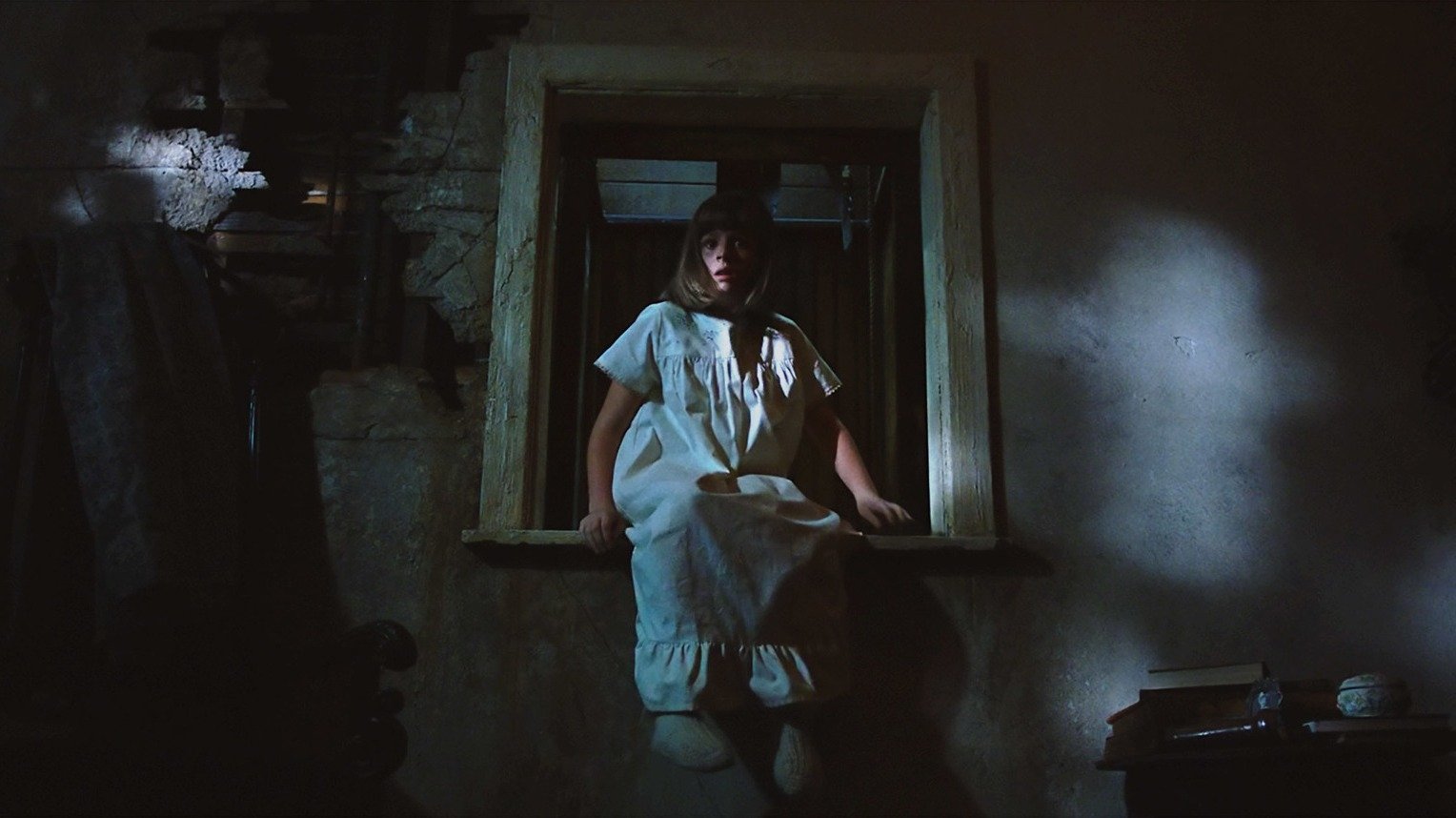
Sandberg wanted darkness to remain a genuine source of danger, and he favored camera movement designed around the action. In an August 2017 roundtable interview he connected his approach with the classical staging of earlier Conjuring films and explained his preference for longer takes over routine coverage. Cinematographer Maxime Alexandre worked within that approach. The result uses windows, practical fixtures and the shape of the rooms to limit visual certainty. In several passages the audience can see enough of a corridor to understand its depth while being unable to determine whether a figure is standing beyond the light. Suspense develops from that incomplete field of vision before any musical or physical shock arrives.

The color treatment was planned around a period atmosphere and then refined in postproduction. Colorist John Daro told Post Magazine that he and Alexandre sought a palette associated with mid-century photography, including subdued greens and pale yellows. Their process also incorporated grain sampled from actual film stock to introduce texture and slight irregularity. Daro said the production had been photographed on ARRI Alexa cameras, with spherical lenses selected after tests. Such testimony establishes the materials and decisions involved in finishing the picture; it does not mean that the story was actually photographed on vintage film or that a particular stock was used during principal photography.

Daro also described a Dolby Vision pass in which the dark areas could retain greater detail without revealing too much. That qualification identifies the central problem of the images: if shadows become featureless, viewers cannot actively search them; if everything is clearly visible, the environment ceases to conceal danger. The calibrated relationship between the two is part of Sandberg's method. The film's long views of doors, stairs and partially lit corners invite a viewer to examine space before the characters can confirm what is there. This approach uses image design as a continuing source of tension instead of depending solely on abrupt appearances.

Performers, Prosthetics and Digital Intervention

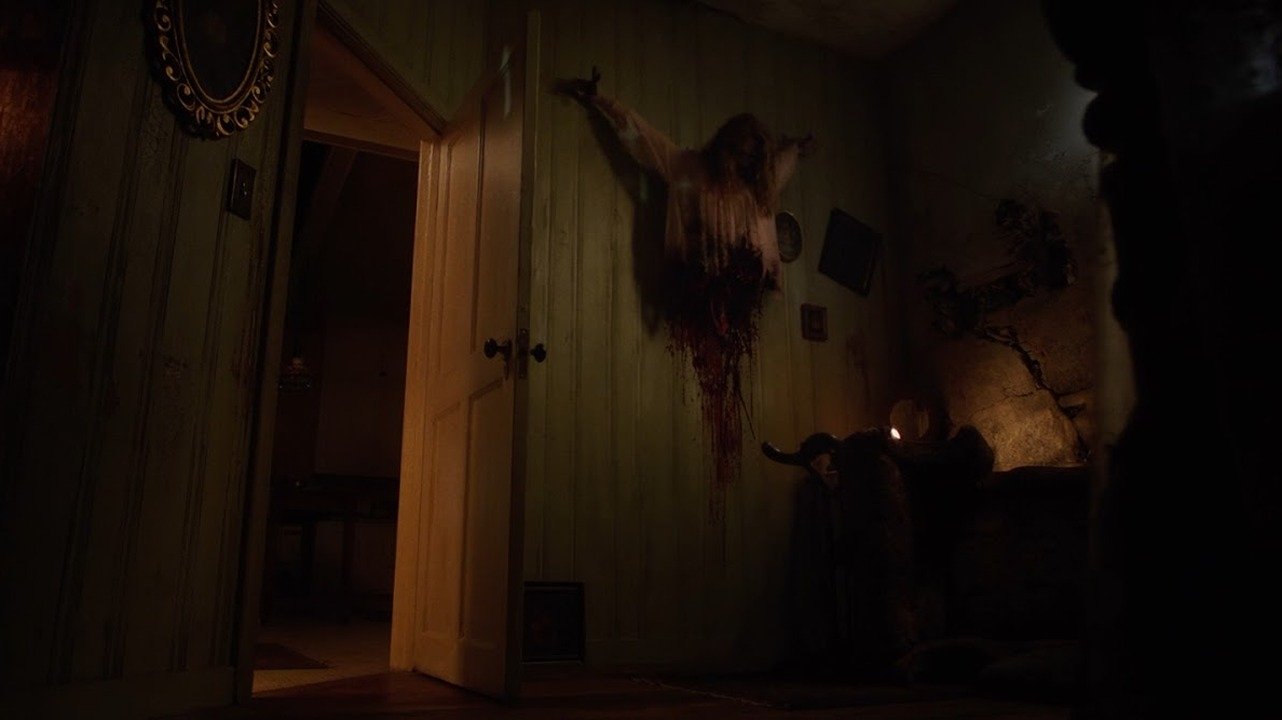
The set report documents the physical labor supporting the apparition scenes. Alicia Vela-Bailey, who had worked with Sandberg on Lights Out, described modifying her posture and hand movements for the threatening version of Mrs. Mullins. Because the character often appears in silhouette or low light, her outline had to communicate more than a fully illuminated face could. A performance involving an extended figure and carefully controlled movement works with the cinematography's concealment. The same production visit observed Lulu Wilson rehearsing demanding work around the elevated dumbwaiter, showing that a sequence experienced as supernatural terror also required planned action by performers on a constructed set.
Sandberg brought a personal background in digital effects to the larger studio production. In a 2017 OpenVisual FX interview, he said Warner Bros. had allowed him to prepare selected visual-effects material himself when an idea was not part of the original budget. He reported finishing four shots for Annabelle: Creation, in contrast to a larger number on Lights Out. He also explained a specific postproduction problem involving a long crane move that required carefully altered frames to reduce its apparent duration while preserving natural movement. This first-hand description establishes a limited contribution by the director, not a complete accounting of the film's digital work.

The practical and digital approaches did different jobs. Set construction gave the actors credible thresholds, stairways and enclosures; the body of a performer supplied a recognizable physical threat; editorial manipulation could alter a movement or hide the join between photographed material and its final presentation. No shot-specific inventory establishes the technique behind every supernatural event. The better-documented achievement is their coordination, which allows an everyday object to remain inert while the house around it appears to respond to a malicious intelligence.

Release, Reception and Place in the Series

Annabelle: Creation opened widely in the United States on August 11, 2017, after an earlier festival presentation. Contemporary reporting in Post Magazine placed its opening weekend at approximately $35 million. That was a theatrical gross estimate, not a measure of the film's profit. The success of a prequel to a spin-off reflected the capacity of the Conjuring brand to support stories that did not require the Warrens as central characters. The new installment linked itself to Annabelle (2014) through its ending, but the house-based ordeal and its younger protagonists supplied the bulk of the experience before the continuity was made explicit.

Justin Chang's August 10 review for the Los Angeles Times recognized Sandberg's control of suspense, emphasizing careful camera movement and the viewer's searching attention. He nevertheless found that the screenplay left several younger characters thinly developed and devoted too much effort to connecting the films. This is a specific contemporary assessment, and it should not be converted into a claim of uniform critical agreement. His observations help separate the production's documented accomplishment in staging scares from a broader judgment about the depth of its character writing. An audience could respond strongly to an uneasy hallway or lift without finding every relationship equally convincing.

References

  1. LRM Online Annabelle: Creation: Roundtable Interview With Director David F. Sandberg and Stephanie Sigman

    Gig Patta records a substantial August 2017 roundtable interview on the prequel timeline, classic visual staging, the directing handover and the performers.

  2. Daily Dead Set Visit Report: What We Learned on the Set of ANNABELLE: CREATION

    Heather Wixson reports from the production stage and interviews Sandberg, Jennifer Spence, Talitha Bateman, Lulu Wilson and Alicia Vela-Bailey about sets, stunts and performance.

  3. Post Magazine Film: Annabelle: Creation

    Marc Loftus interviews colorist John Daro about lens tests, ARRI Alexa photography, a mid-century color palette, scanned film grain and the Dolby Vision finish.

  4. OpenVisual FX Interview with David F. Sandberg

    An extended original technical interview with Sandberg on working methods, unbudgeted visual effects, his four completed shots and postproduction alterations.

  5. Los Angeles Times Review: Hello, dolly! Annabelle: Creation is a creaky, crafty origin story

    Justin Chang's original August 2017 review evaluates Sandberg's control of suspense, the performances, the house sequences and the demands of franchise continuity.

Connections

Cast

View Full Cast & Crew →

Release & Distribution

Production Companies (4)

  • Atomic Monster US
  • New Line Cinema US
  • RatPac Entertainment US
  • The Safran Company US

Distributors (2)

  • InterCom HU
  • Warner Bros. Entertainment US

Release History (80)

Release DateTerritoryRelease TypeFormatDistributorCertificationNotes
2017-06-19 United States Premiere — — R Los Angeles Film Festival
2017-08-03 Switzerland Theatrical — — 16
2017-08-03 Italy Theatrical — — —
2017-08-09 Belgium Theatrical — — 18
2017-08-09 Switzerland Theatrical — — 16
2017-08-09 Egypt Theatrical — — —
2017-08-09 France Theatrical — — 12
2017-08-09 Indonesia Theatrical — — —
2017-08-09 Iceland Theatrical — — —
2017-08-09 Sweden Theatrical — — 15
2017-08-09 Singapore Theatrical — — —
2017-08-10 United Arab Emirates Theatrical — — —
2017-08-10 Albania Theatrical — — —
2017-08-10 Australia Theatrical — — MA 15+
2017-08-10 Cyprus Theatrical — — —
2017-08-10 Czechia Theatrical — — 15+
2017-08-10 Denmark Theatrical — — 15
2017-08-10 Hong Kong SAR China Theatrical — — —
2017-08-10 Croatia Theatrical — — —
2017-08-10 Hungary Theatrical — — 18
2017-08-10 South Korea Theatrical — — 15
2017-08-10 Montenegro Theatrical — — —
2017-08-10 North Macedonia Theatrical — — —
2017-08-10 Malaysia Theatrical — — —
2017-08-10 Netherlands Theatrical — — 16
2017-08-10 New Zealand Theatrical — — R16
2017-08-10 Portugal Theatrical — — M/16
2017-08-10 Serbia Theatrical — — —
2017-08-10 Russia Theatrical — — 18+
2017-08-10 Slovenia Theatrical — — —
2017-08-10 Slovakia Theatrical — — 15
2017-08-10 Thailand Theatrical — — 13
2017-08-10 Ukraine Theatrical — — —
2017-08-11 Bulgaria Theatrical — — —
2017-08-11 Bahamas Theatrical — — —
2017-08-11 Canada Theatrical — — 14A
2017-08-11 Estonia Theatrical — — —
2017-08-11 Finland Theatrical — — K-16
2017-08-11 United Kingdom Theatrical — — 15
2017-08-11 Ireland Digital — — 15
2017-08-11 Iceland Theatrical — — —
2017-08-11 Lithuania Theatrical — — —
2017-08-11 Latvia Theatrical — — —
2017-08-11 Norway Theatrical — — 15 Angstskapende stemning, kraftige skrekkeffekter og en blodig drapsskildring gjør at denne filmen får 15-årsgrense.
2017-08-11 Poland Theatrical — — 18
2017-08-11 Taiwan Theatrical — — —
2017-08-11 United States Theatrical — — R
2017-08-11 Vietnam Theatrical — — —
2017-08-15 India Theatrical — — A Also in HINDI, TELUGU, TAMIL
2017-08-17 Bolivia Theatrical — — —
2017-08-17 Brazil Theatrical — — 14
2017-08-17 Chile Theatrical — — —
2017-08-17 Colombia Theatrical — — —
2017-08-17 Israel Theatrical — — —
2017-08-17 Kuwait Theatrical — — —
2017-08-17 Lebanon Theatrical — — —
2017-08-17 Mexico Theatrical — — B-15
2017-08-17 Panama Theatrical — — —
2017-08-17 Peru Theatrical — — —
2017-08-17 Puerto Rico Theatrical — — —
2017-08-17 Uruguay Theatrical — — —
2017-08-18 Romania Theatrical — — 15
2017-08-18 Türkiye Theatrical — — 15+
2017-08-18 Venezuela Theatrical — — —
2017-08-18 South Africa Theatrical — — —
2017-08-20 Sri Lanka Theatrical — — —
2017-08-23 Philippines Theatrical — — —
2017-08-24 Switzerland Theatrical — — 16
2017-08-24 Germany Theatrical — — 16
2017-08-25 Austria Theatrical — — —
2017-08-31 Argentina Theatrical — — —
2017-09-14 Greece Theatrical — — —
2017-10-06 Spain Premiere — — — Sitges Film Festival
2017-10-12 Spain Theatrical — — 18
2017-10-13 Brazil Digital — — 14 Streaming
2017-10-13 Japan Theatrical — — —
2017-10-17 United States Digital — — R
2017-10-24 United States Physical DVD, Blu-ray — R Blu-ray / DVD
2017-12-13 Netherlands Physical DVD, Blu-ray — 16 DVD, Blu ray
2026-01-13 Germany Digital — — 16 HBO Max
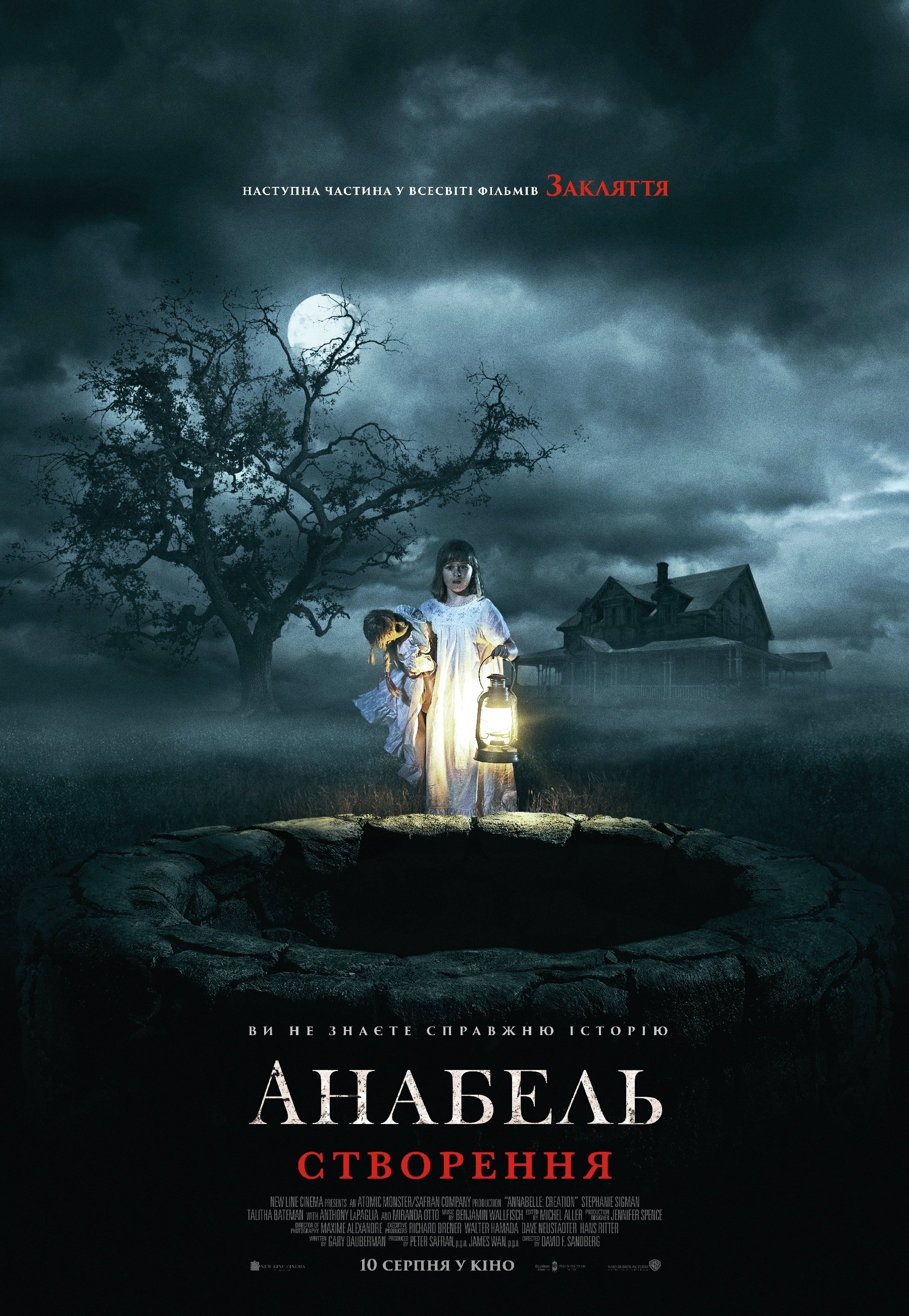
You don't know the real story.