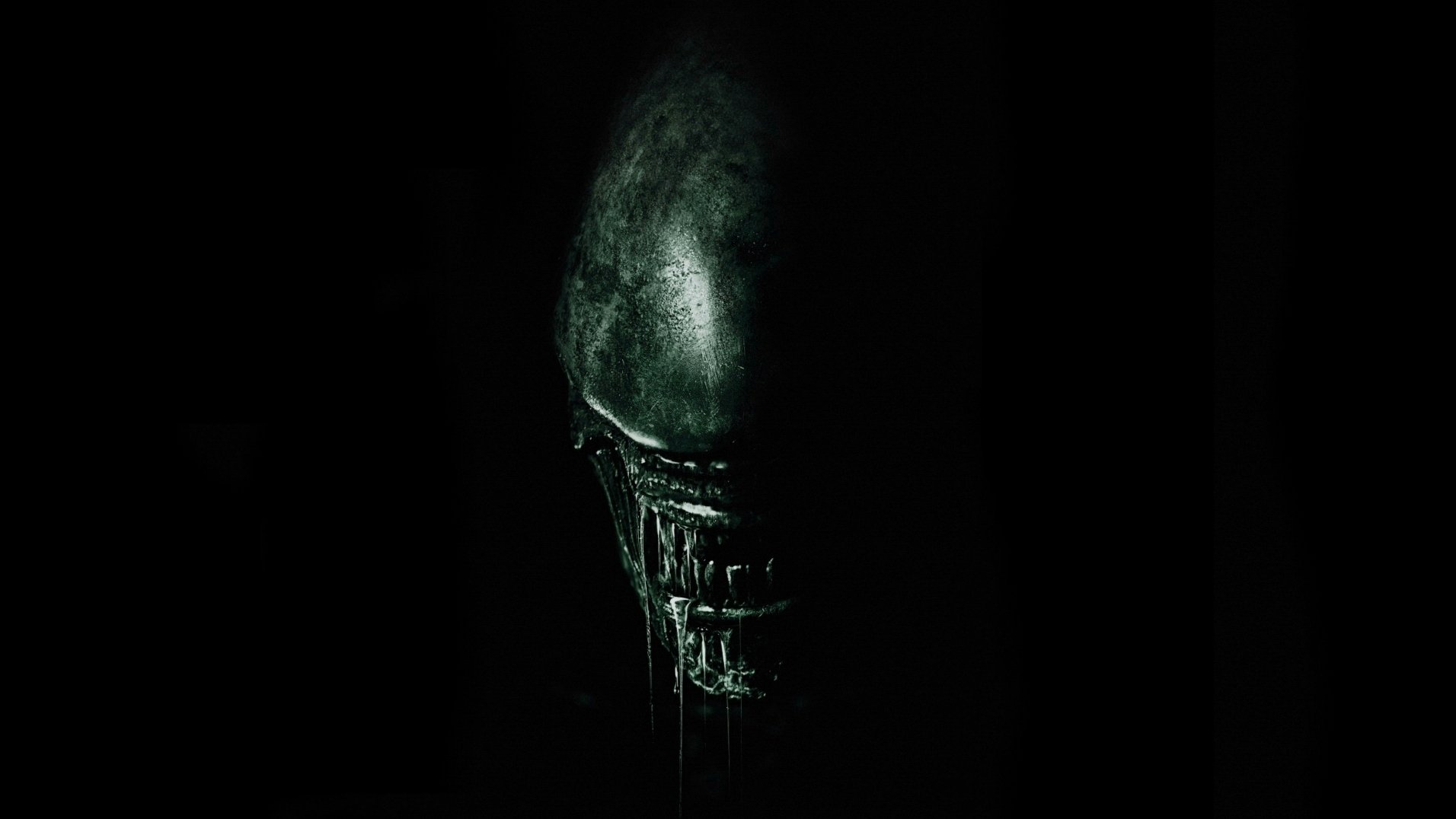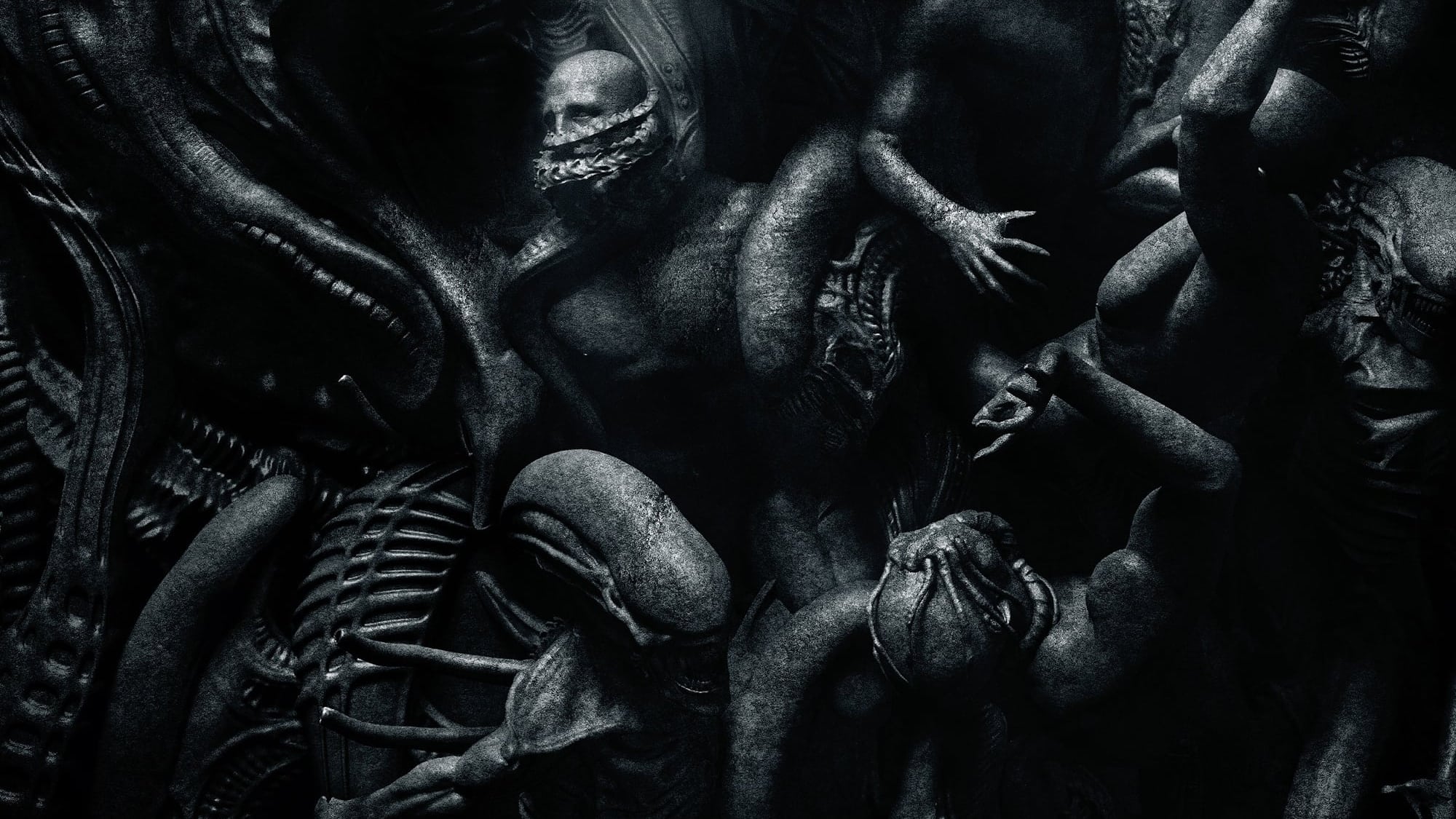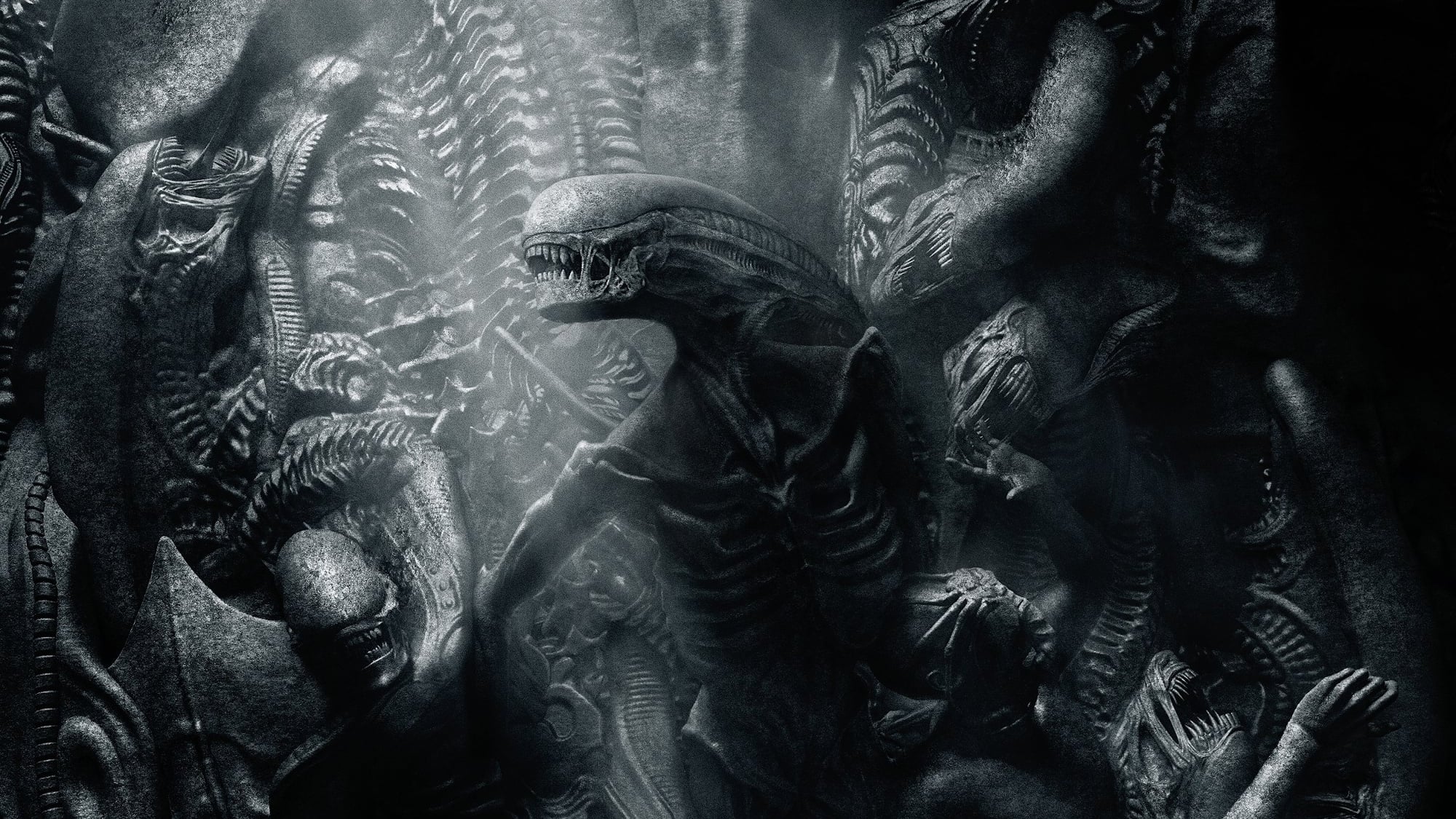
Alien: Covenant (2017)

US
HORROR FILM Science Fiction
SUBGENRES BODY HORROR
4.3/10 6 votes
Runtime
122 min
Release
May 9, 2017
Budget
$97,000,000
Revenue
$240,891,763
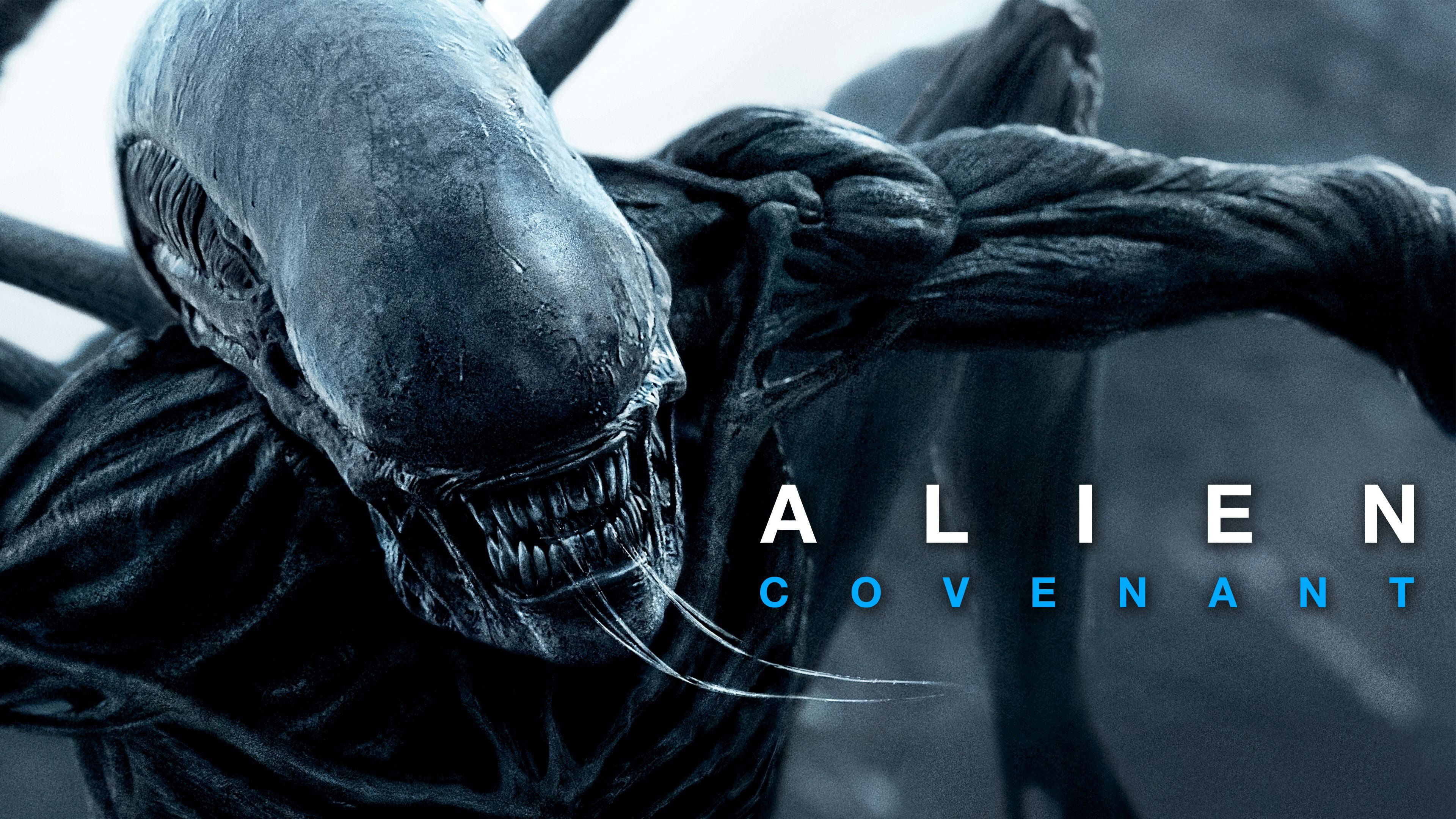
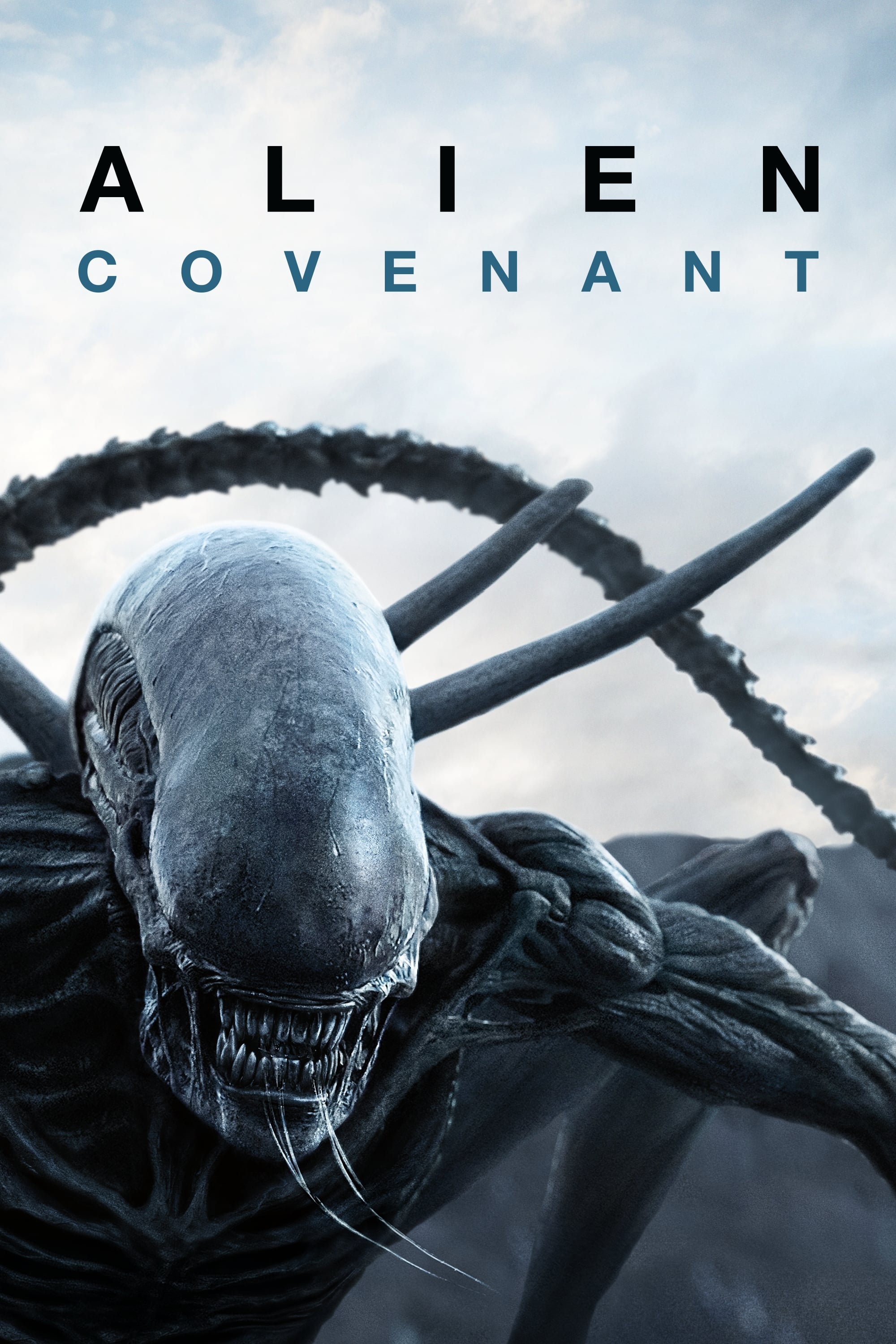
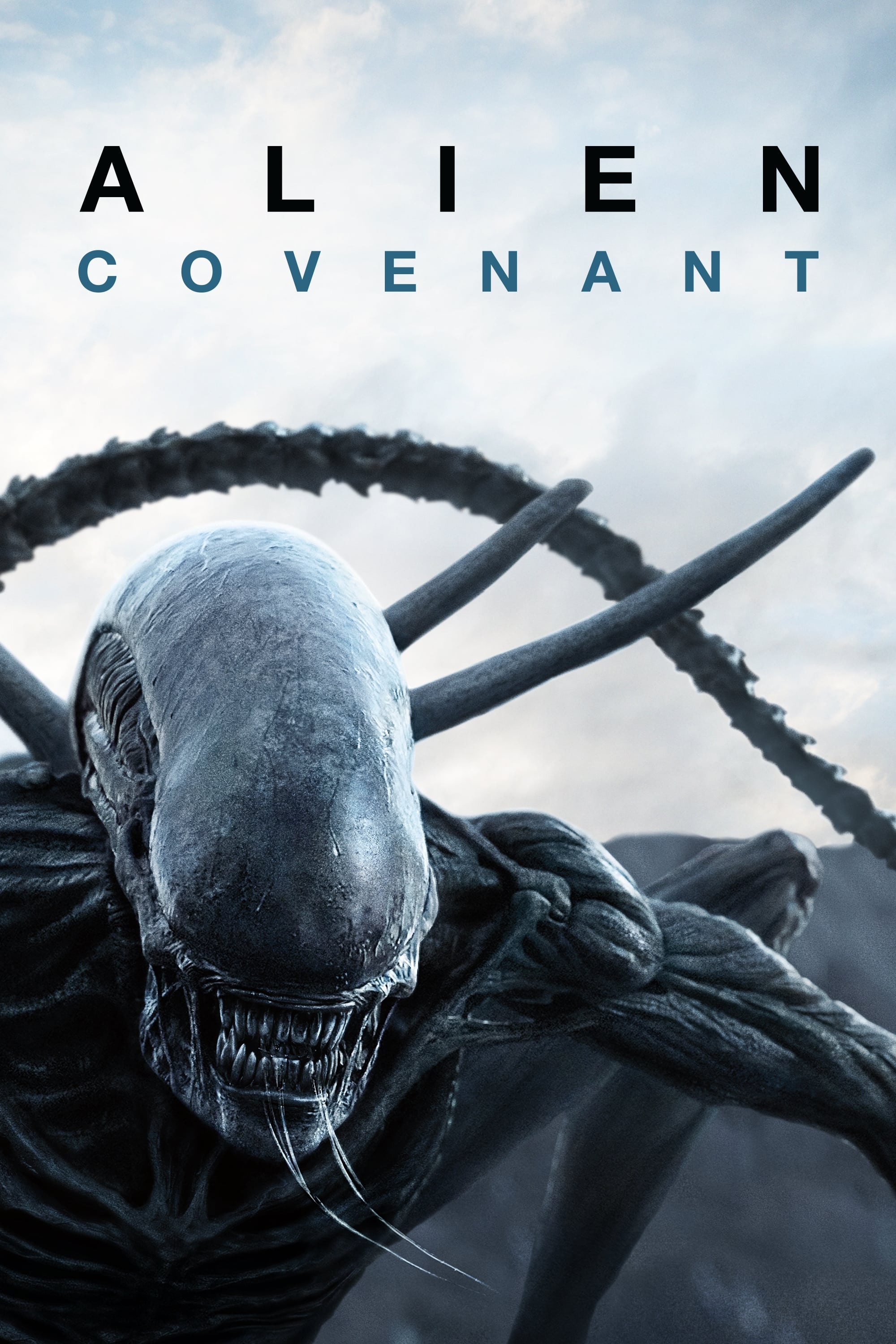
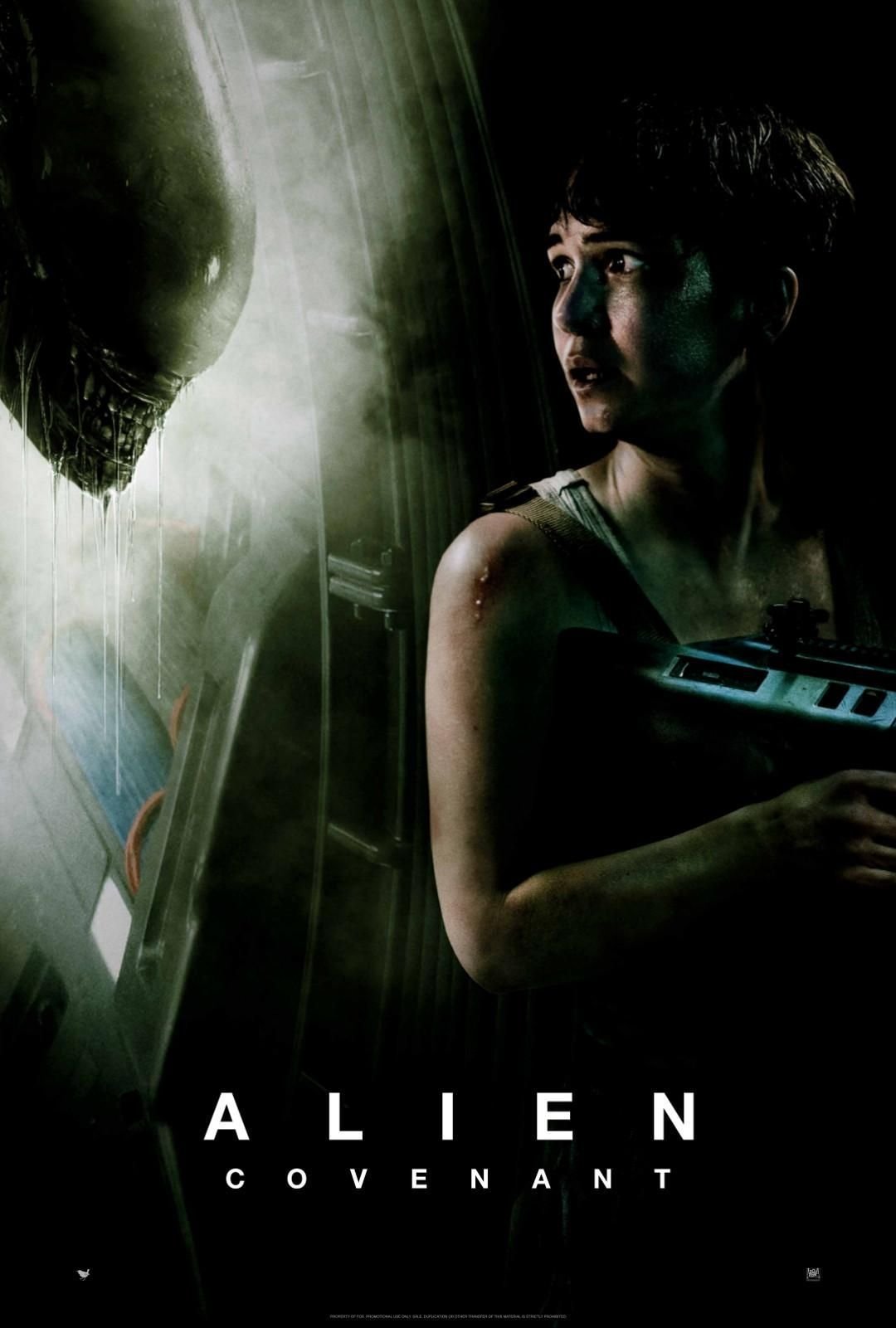
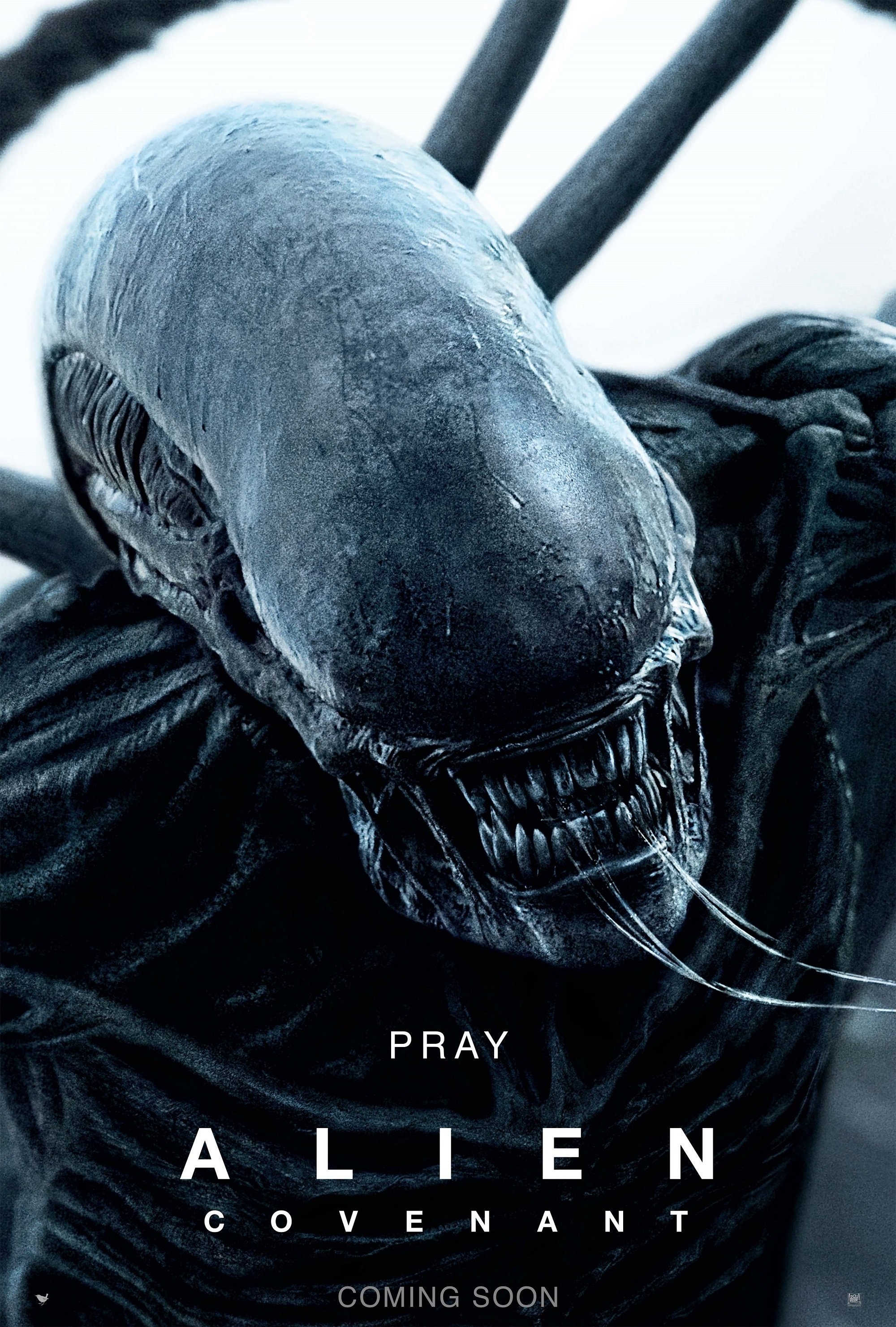
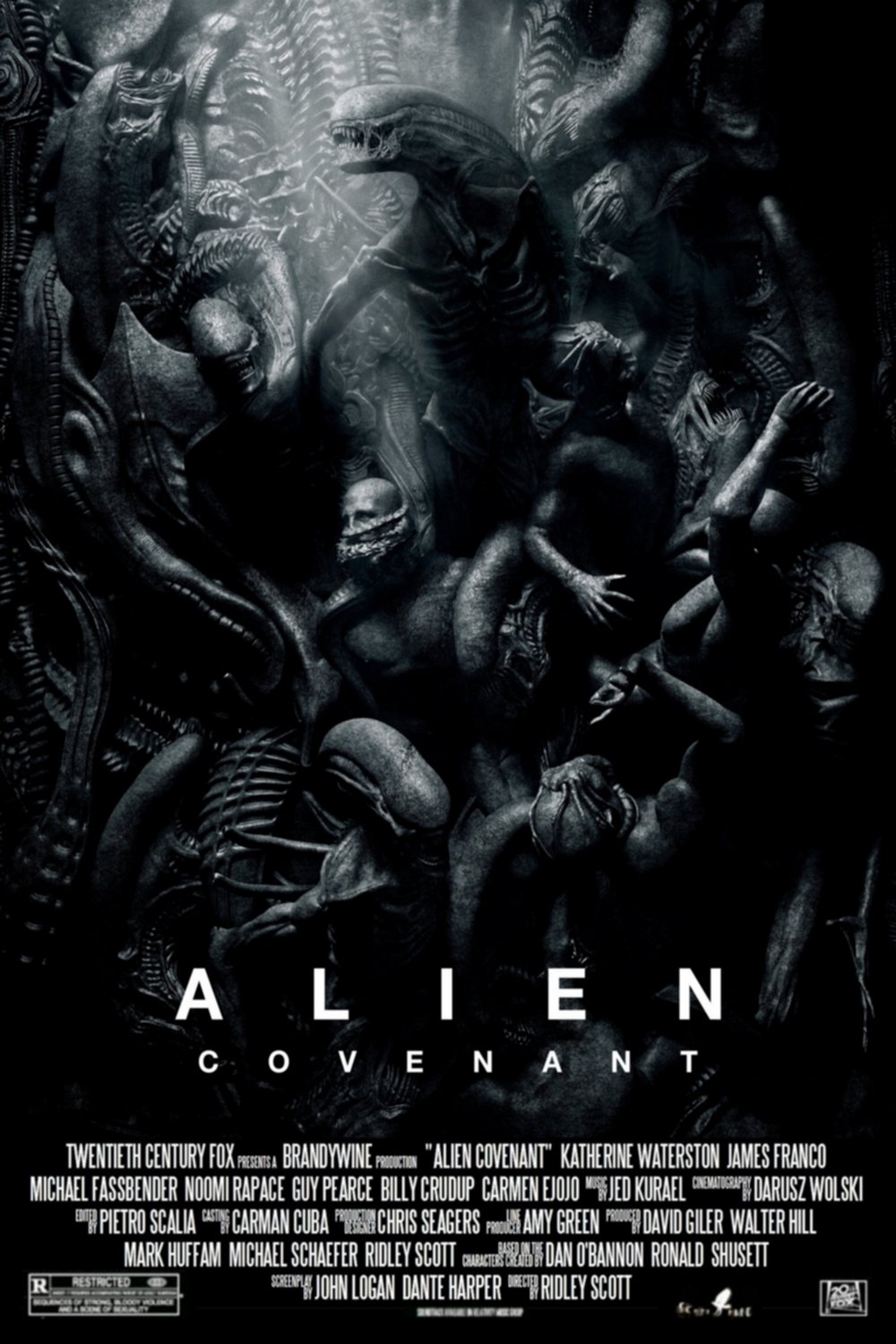
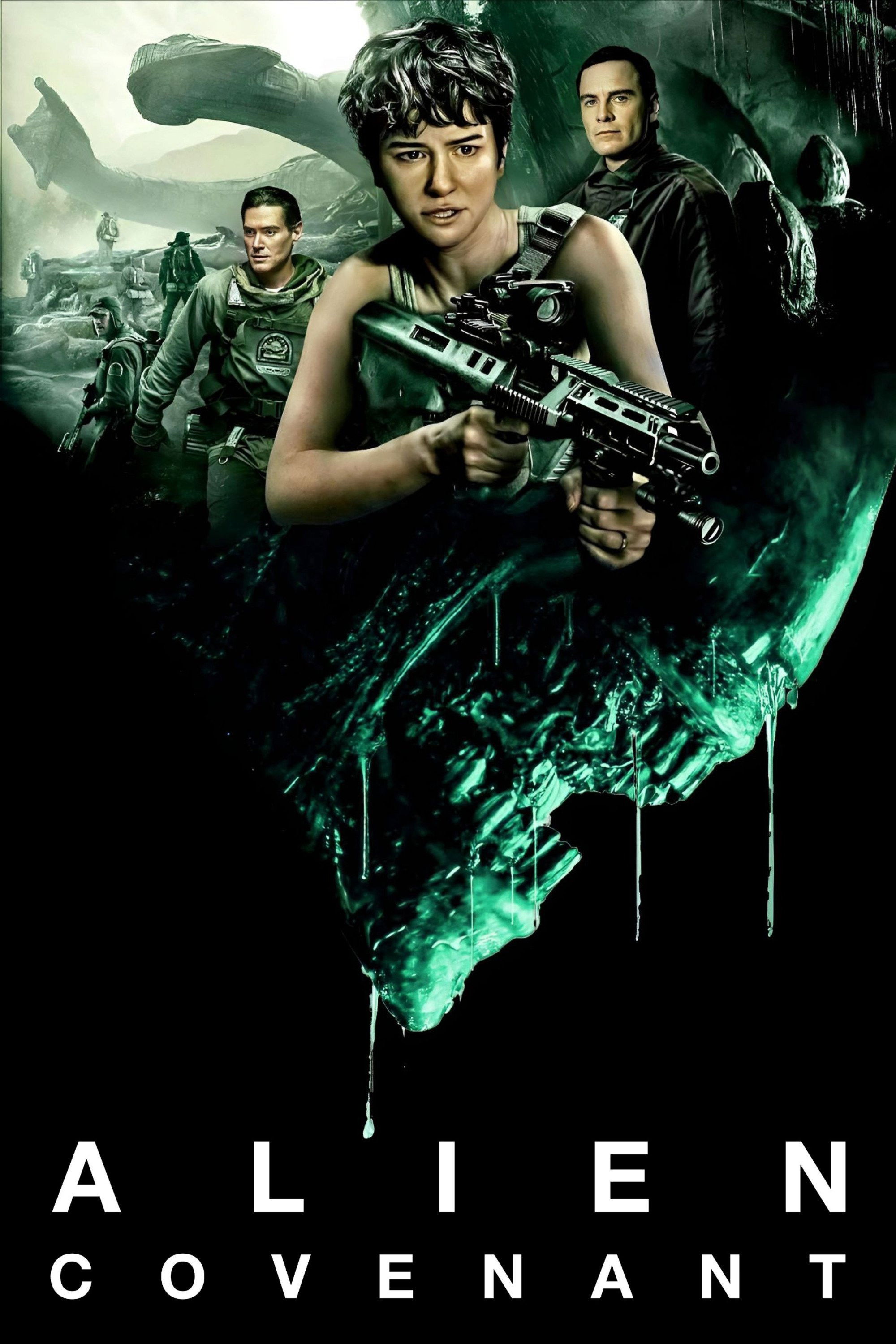
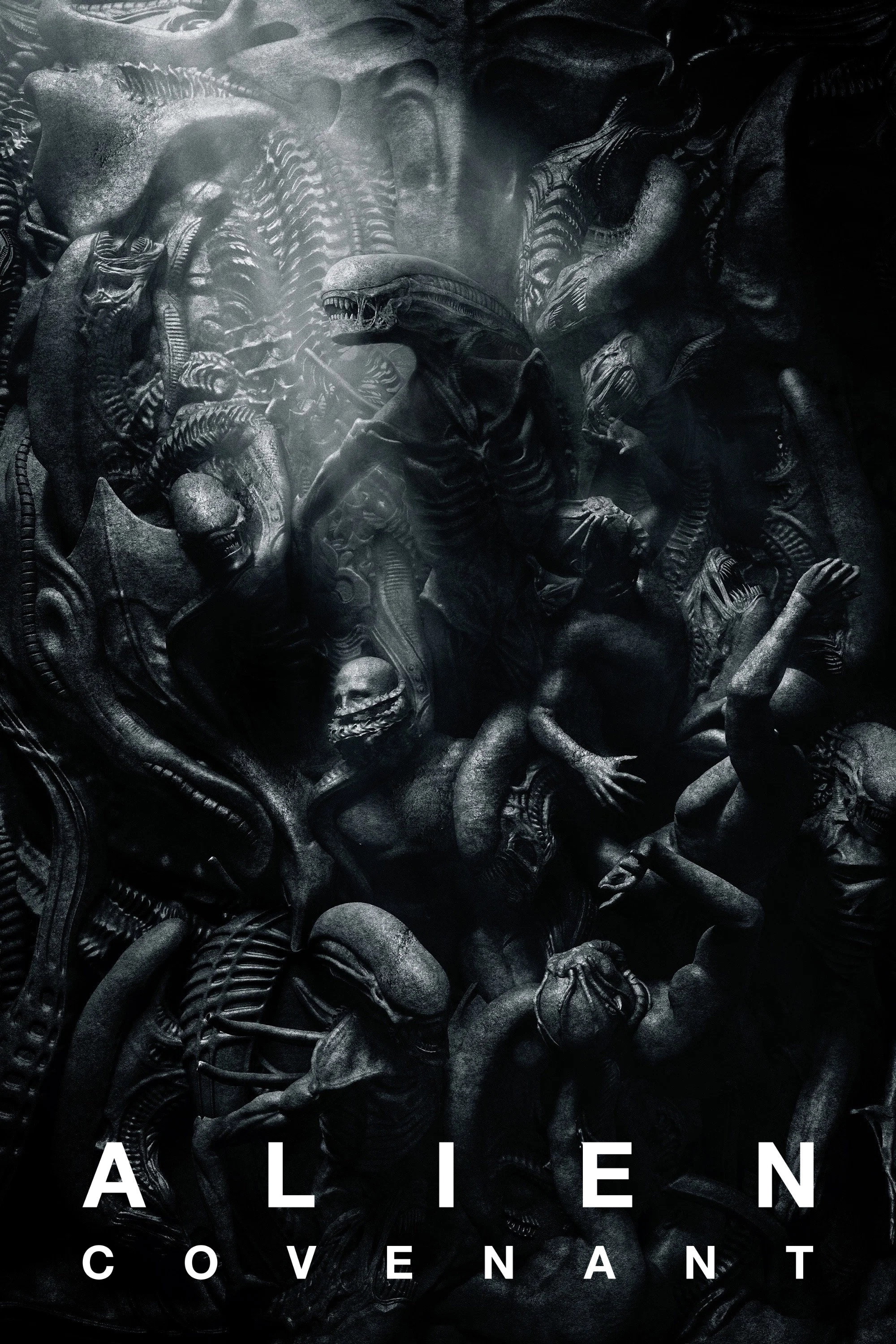
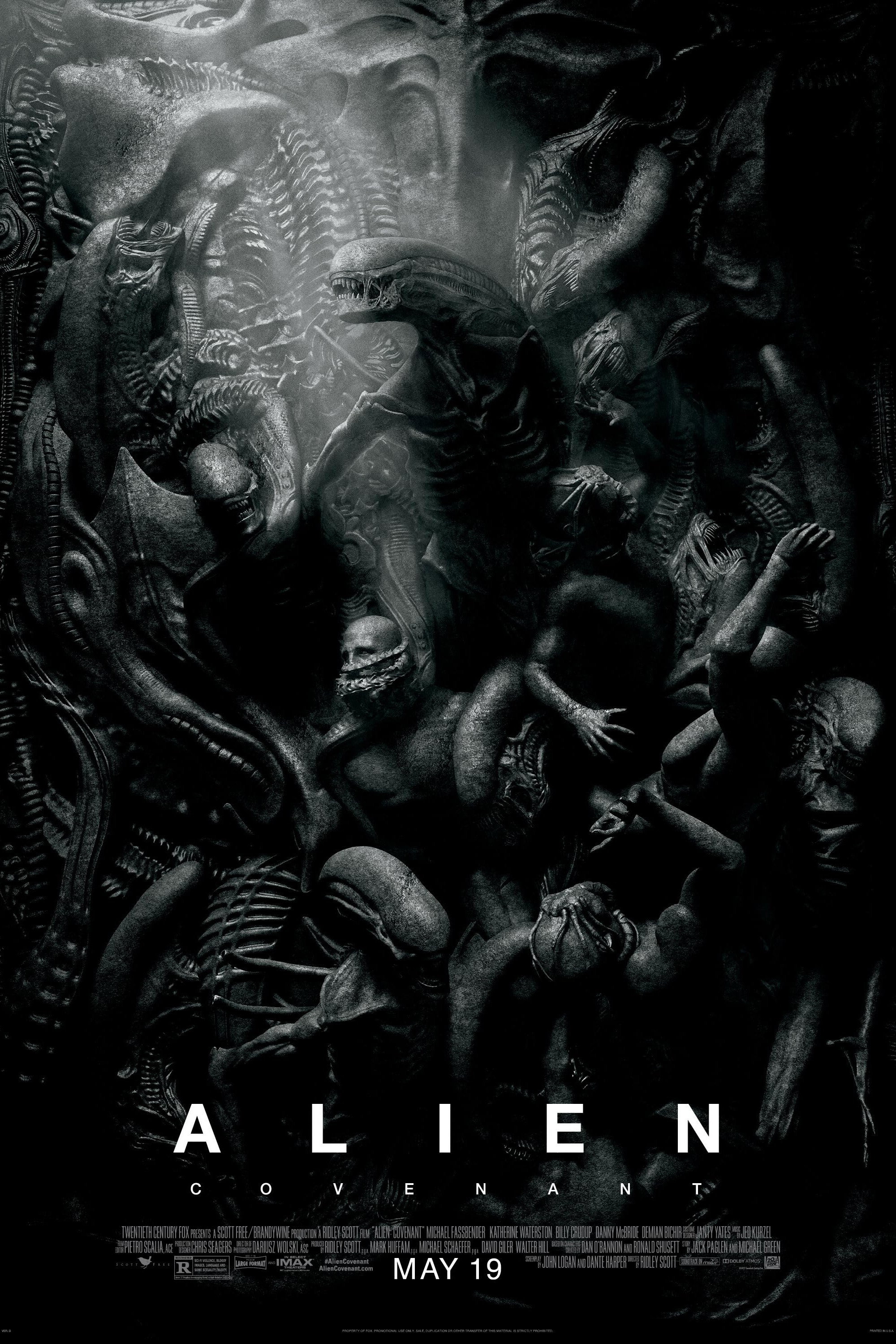
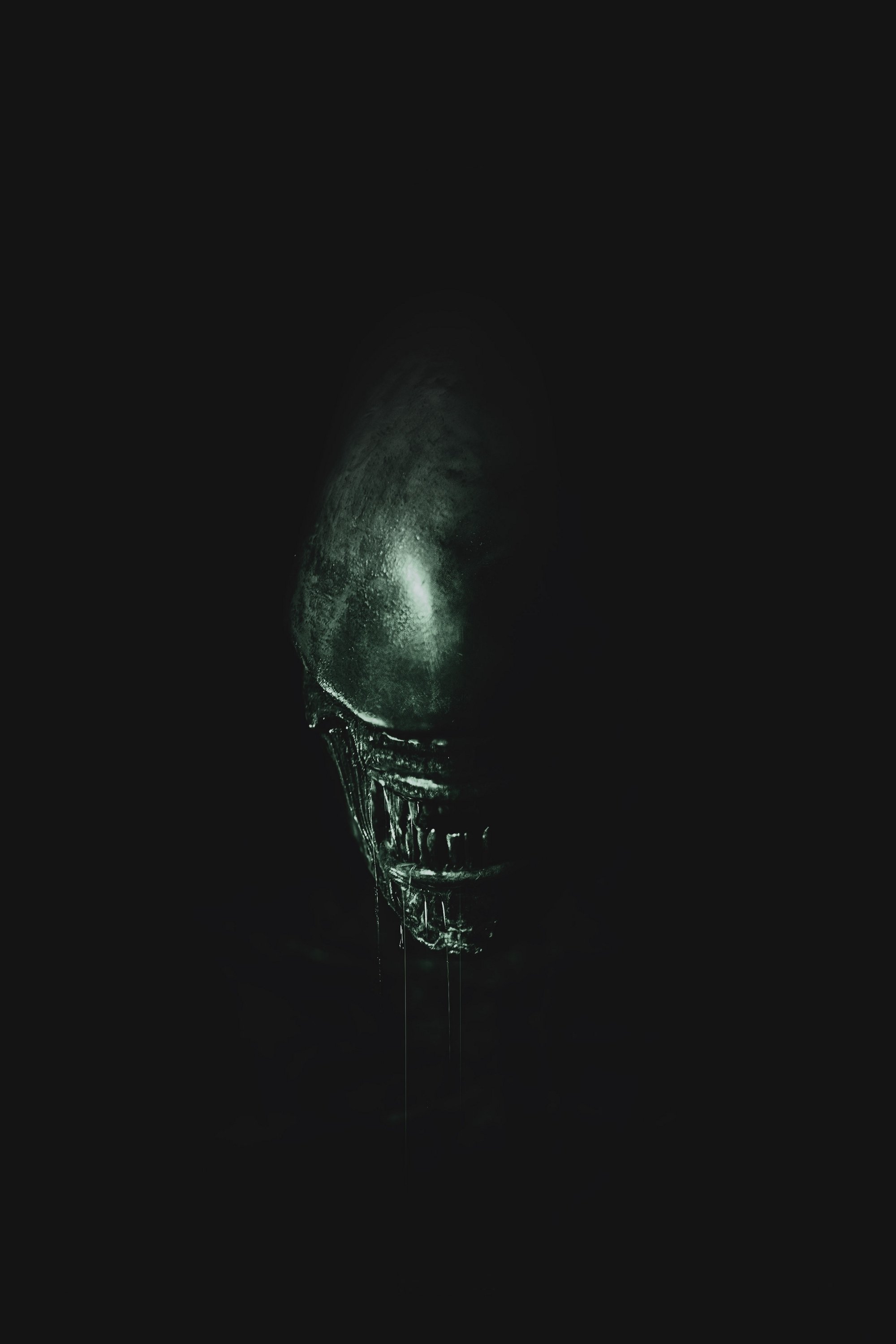
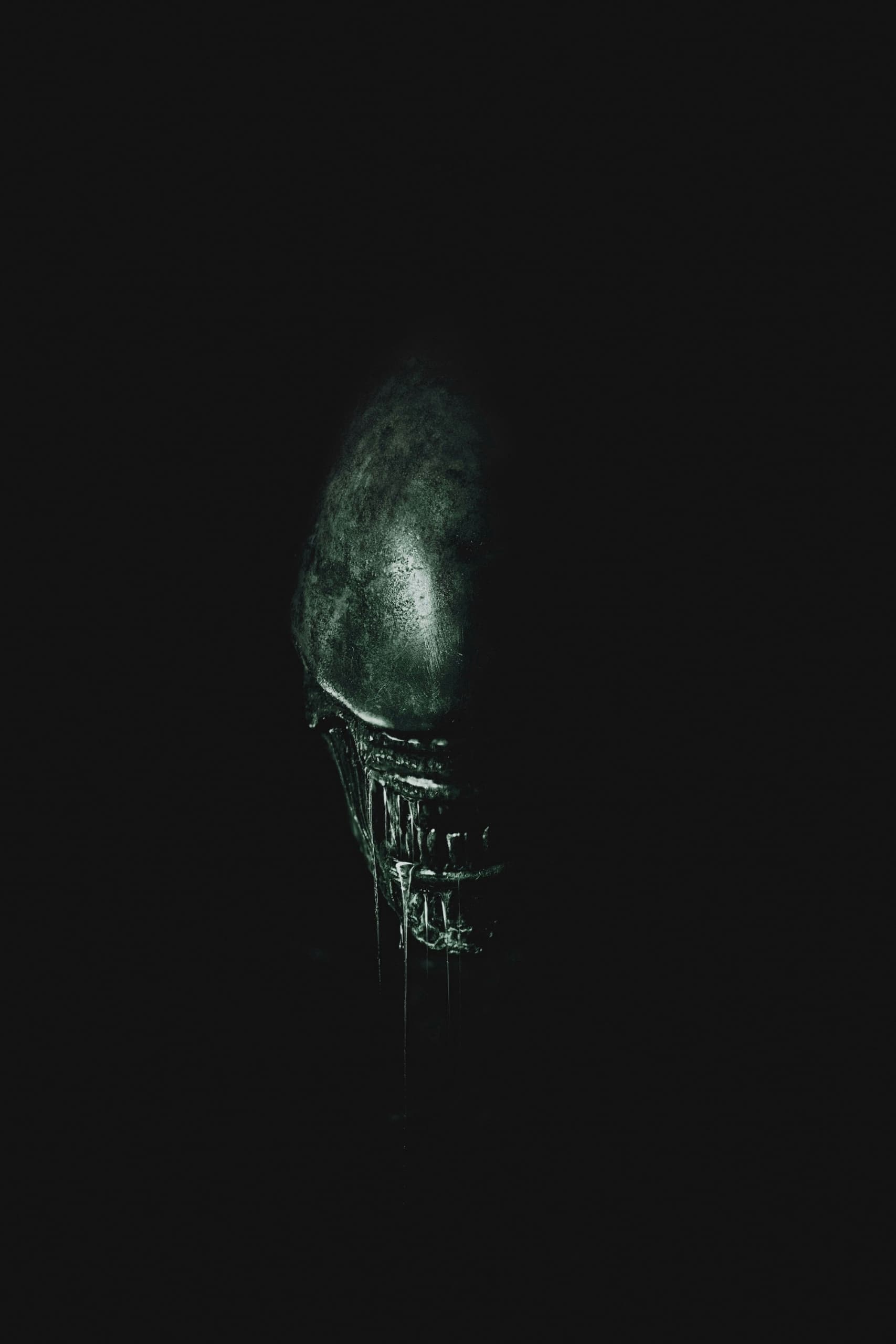
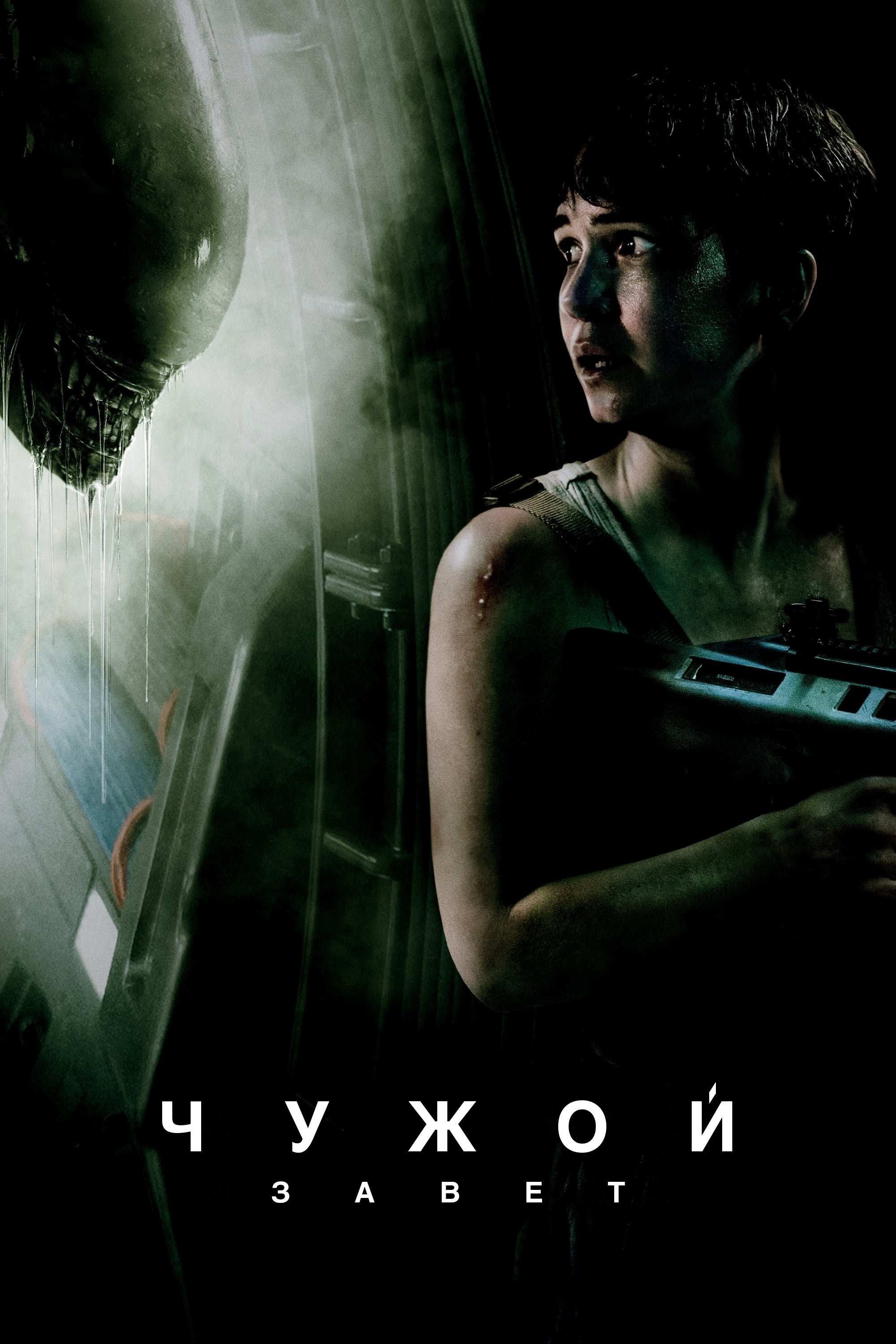
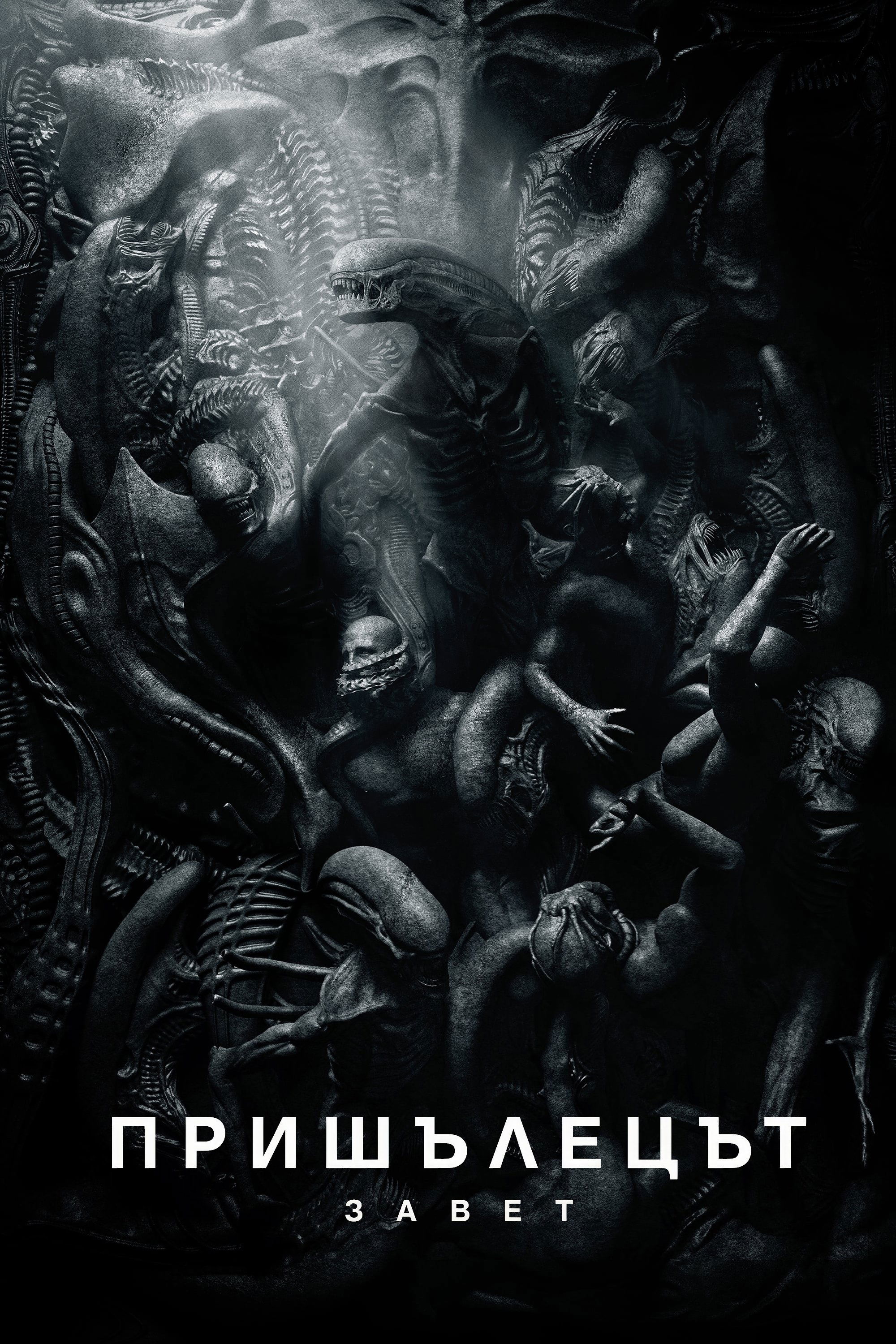
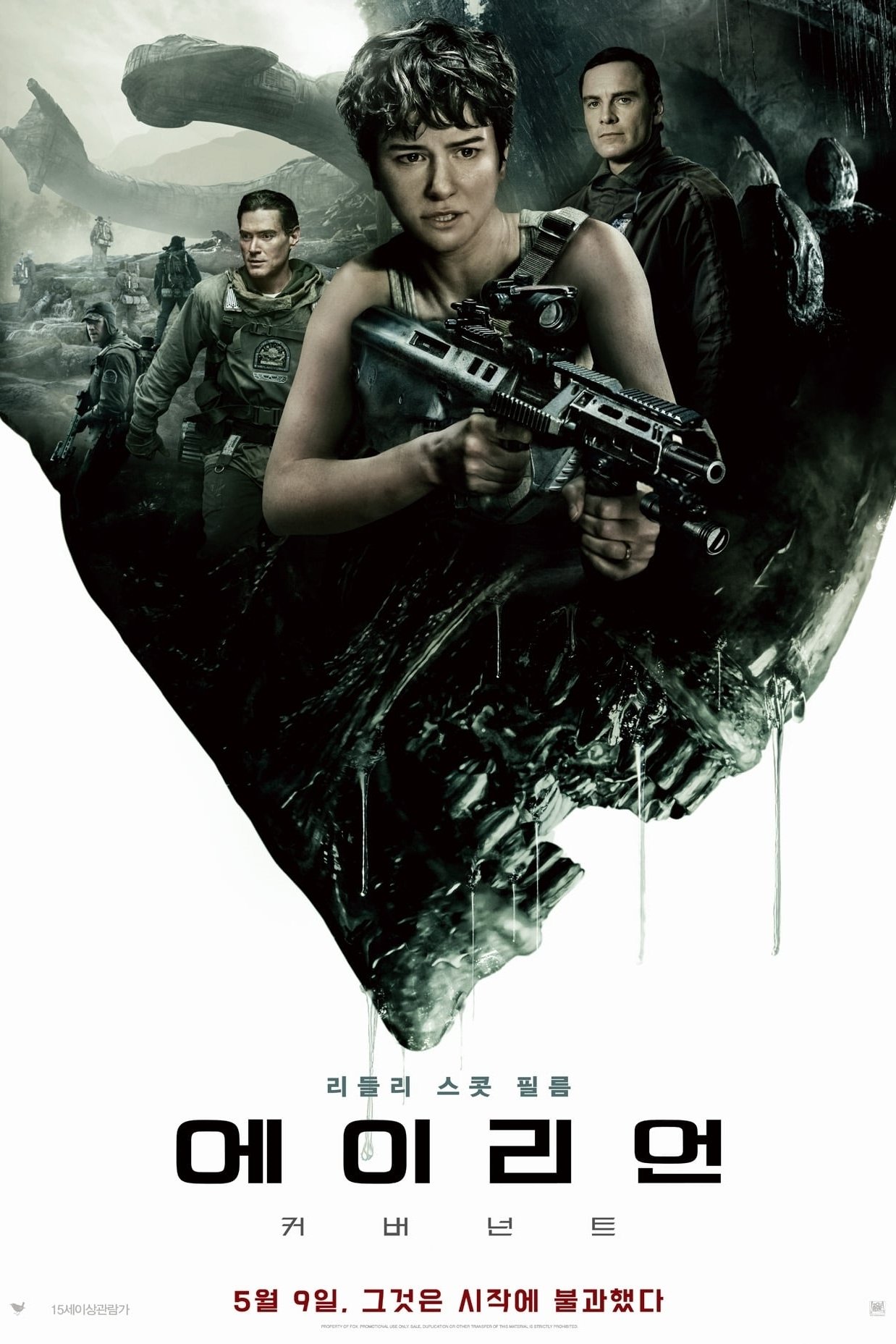
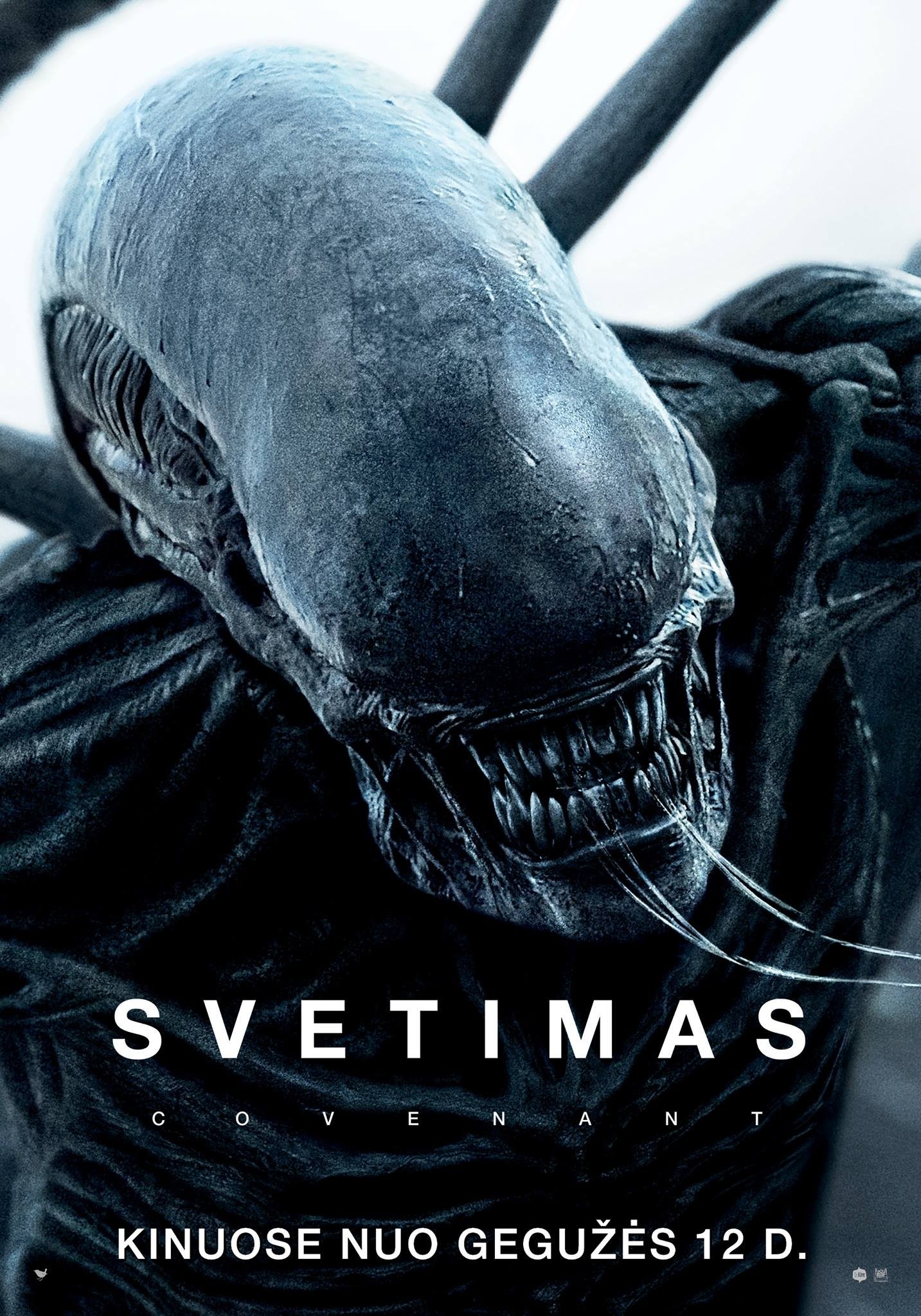
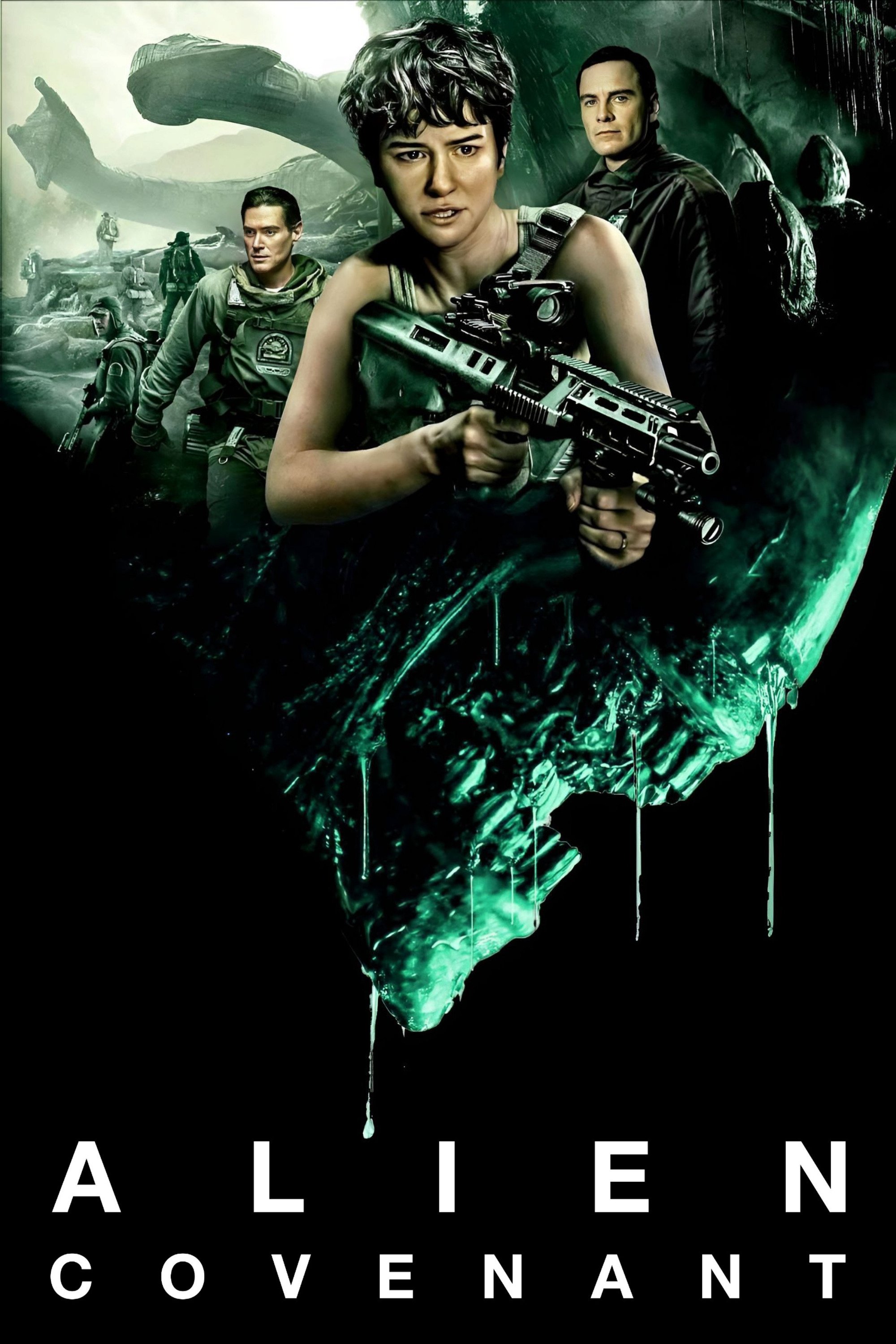
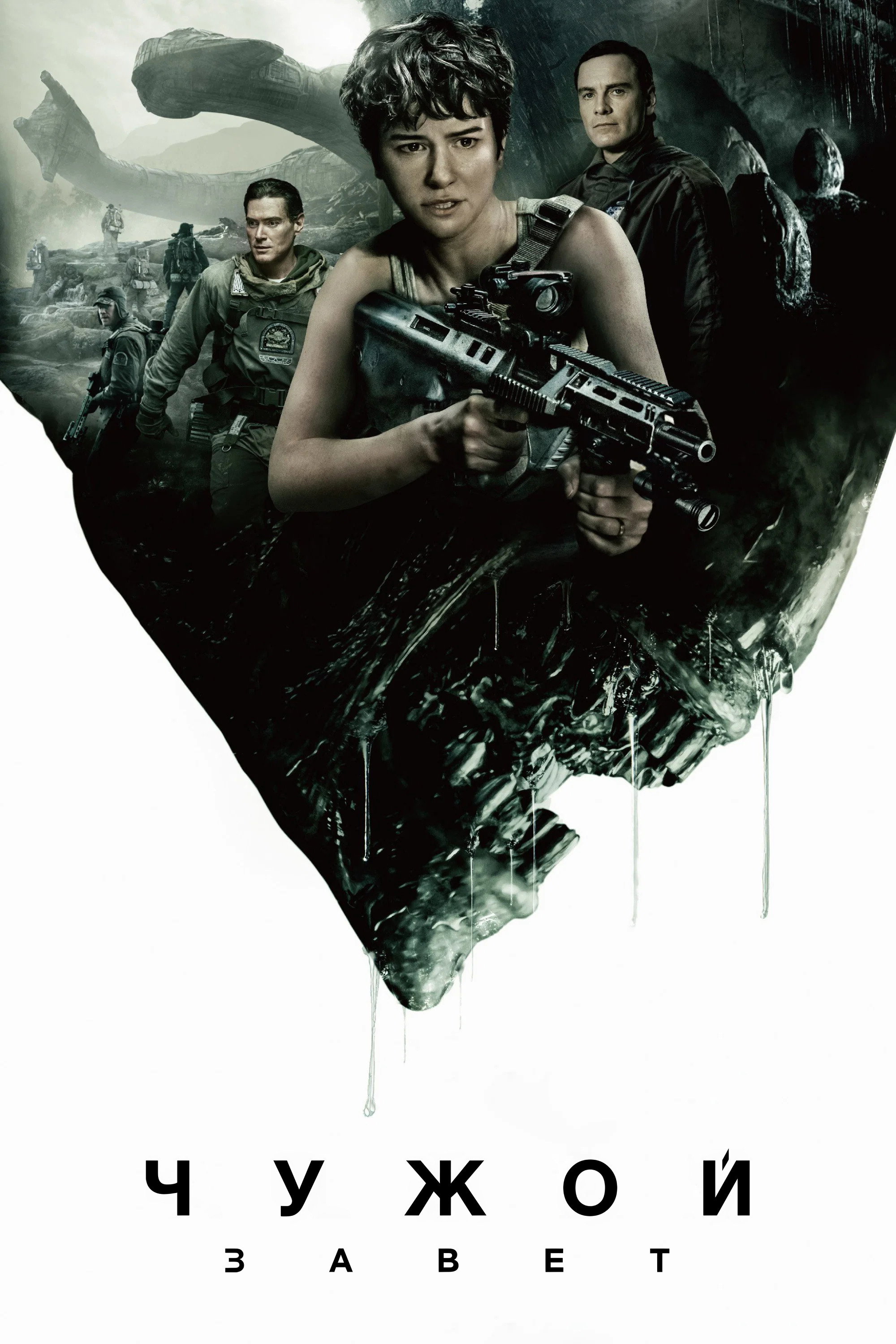
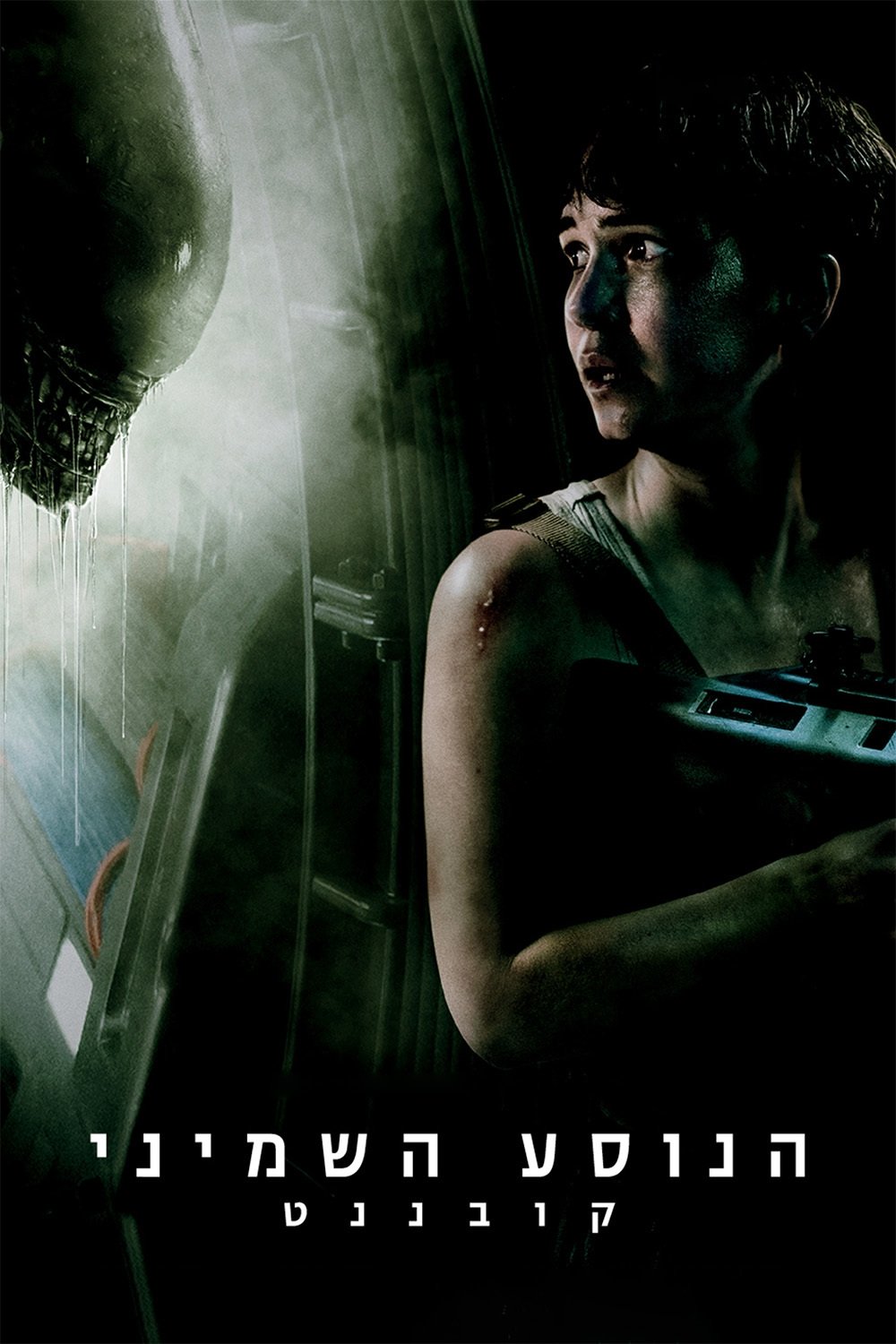
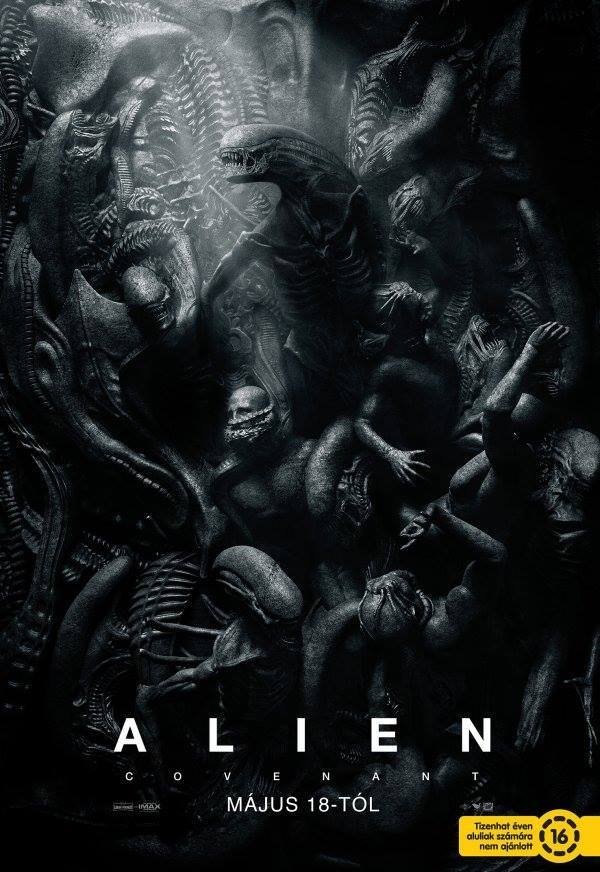
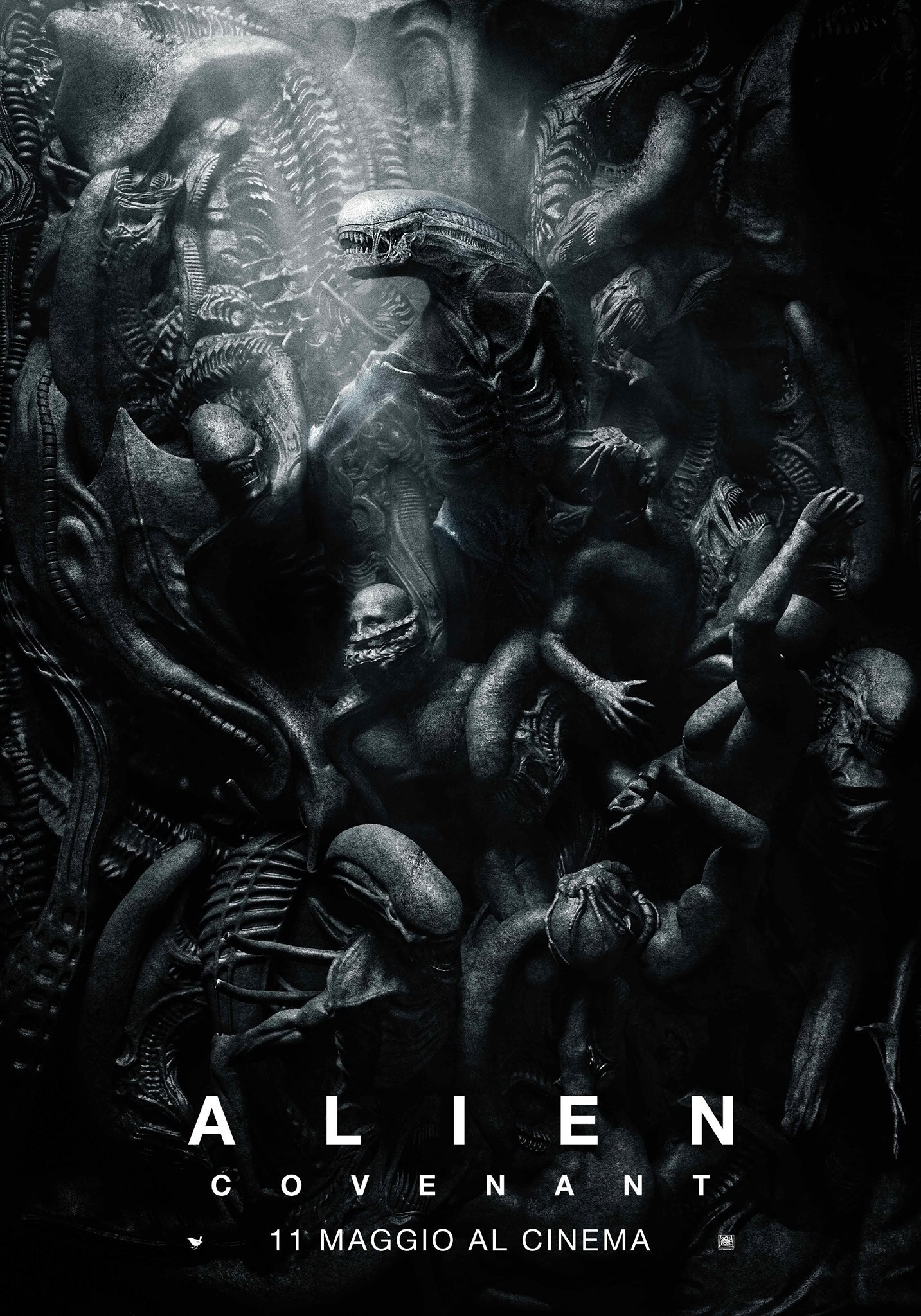
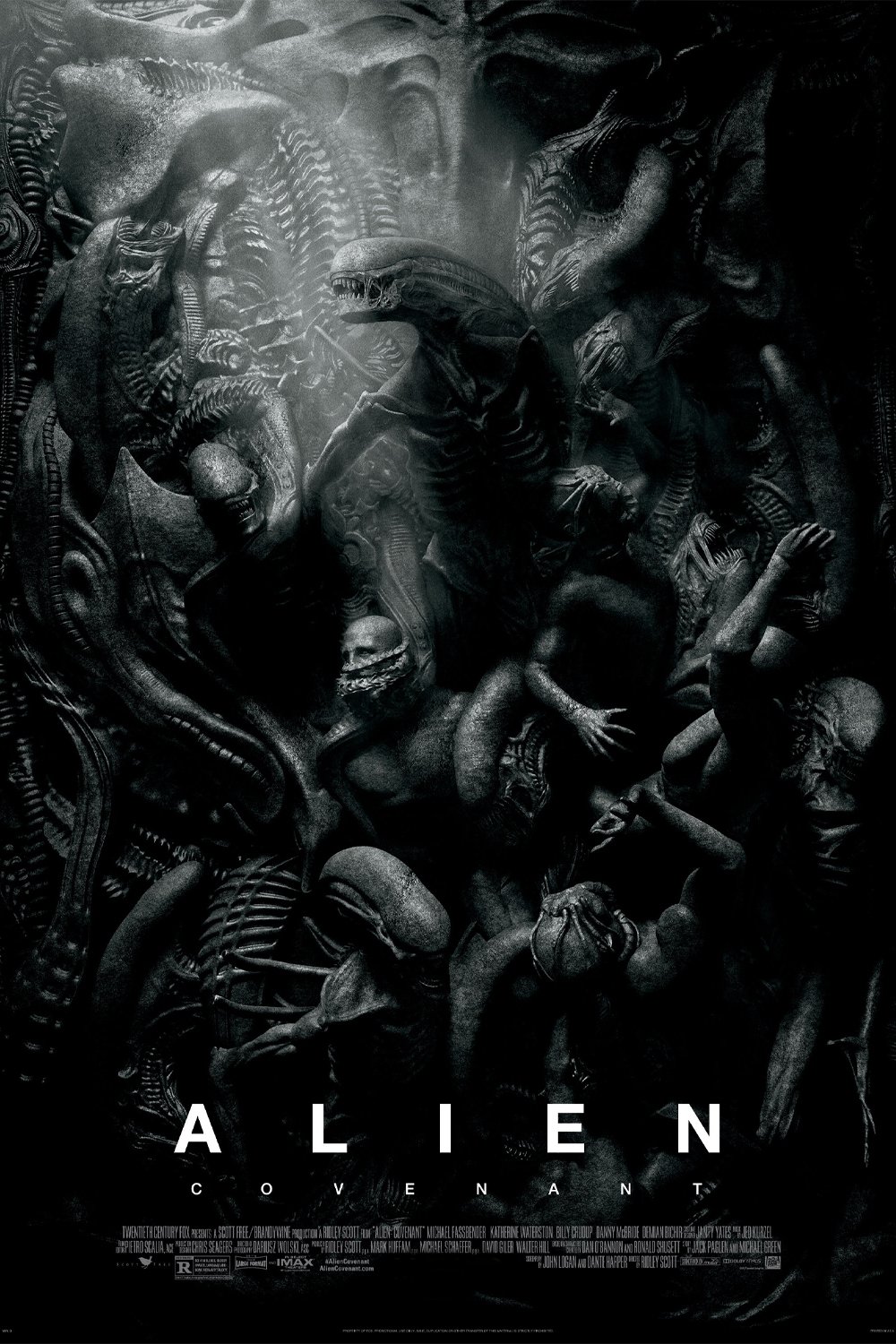
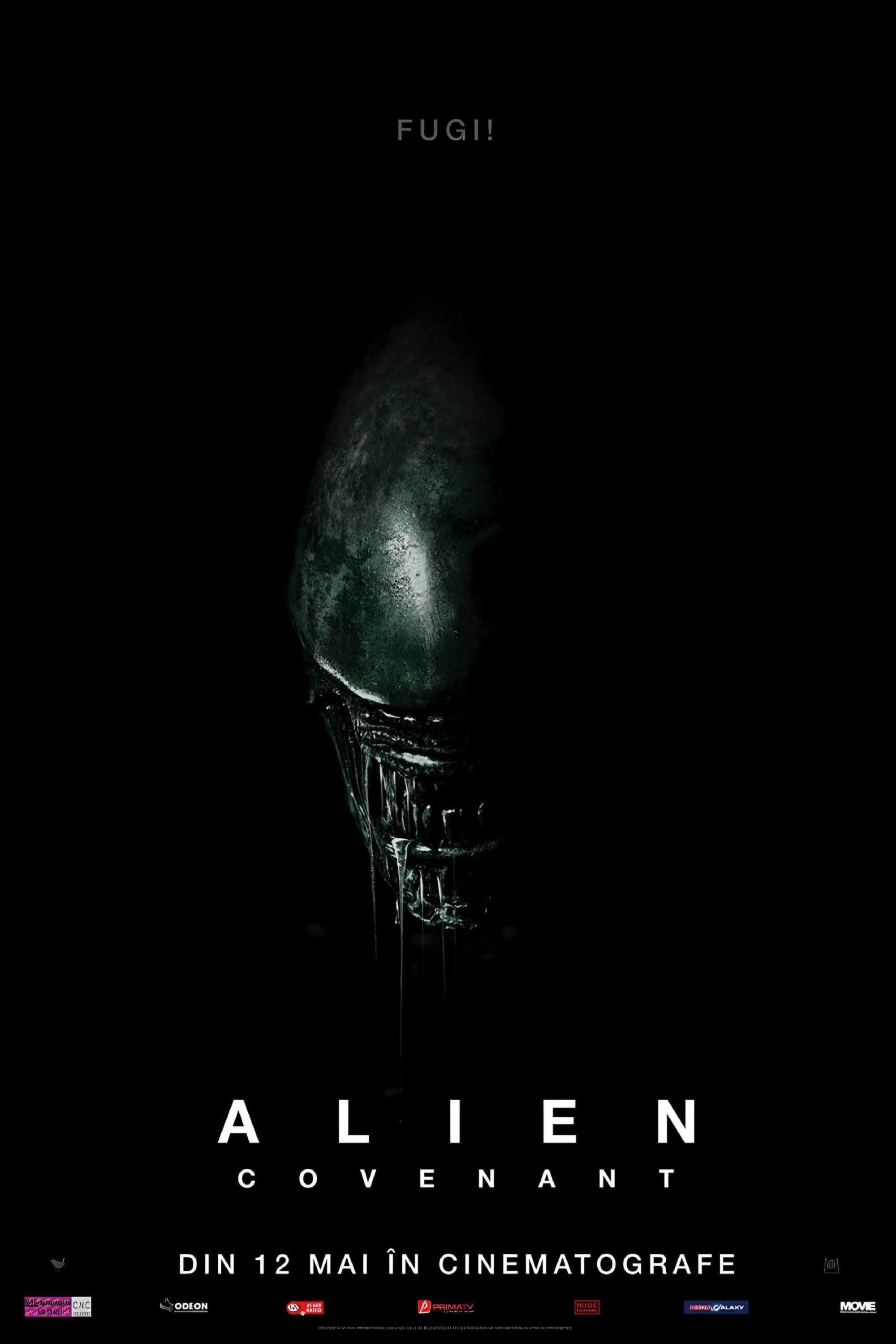
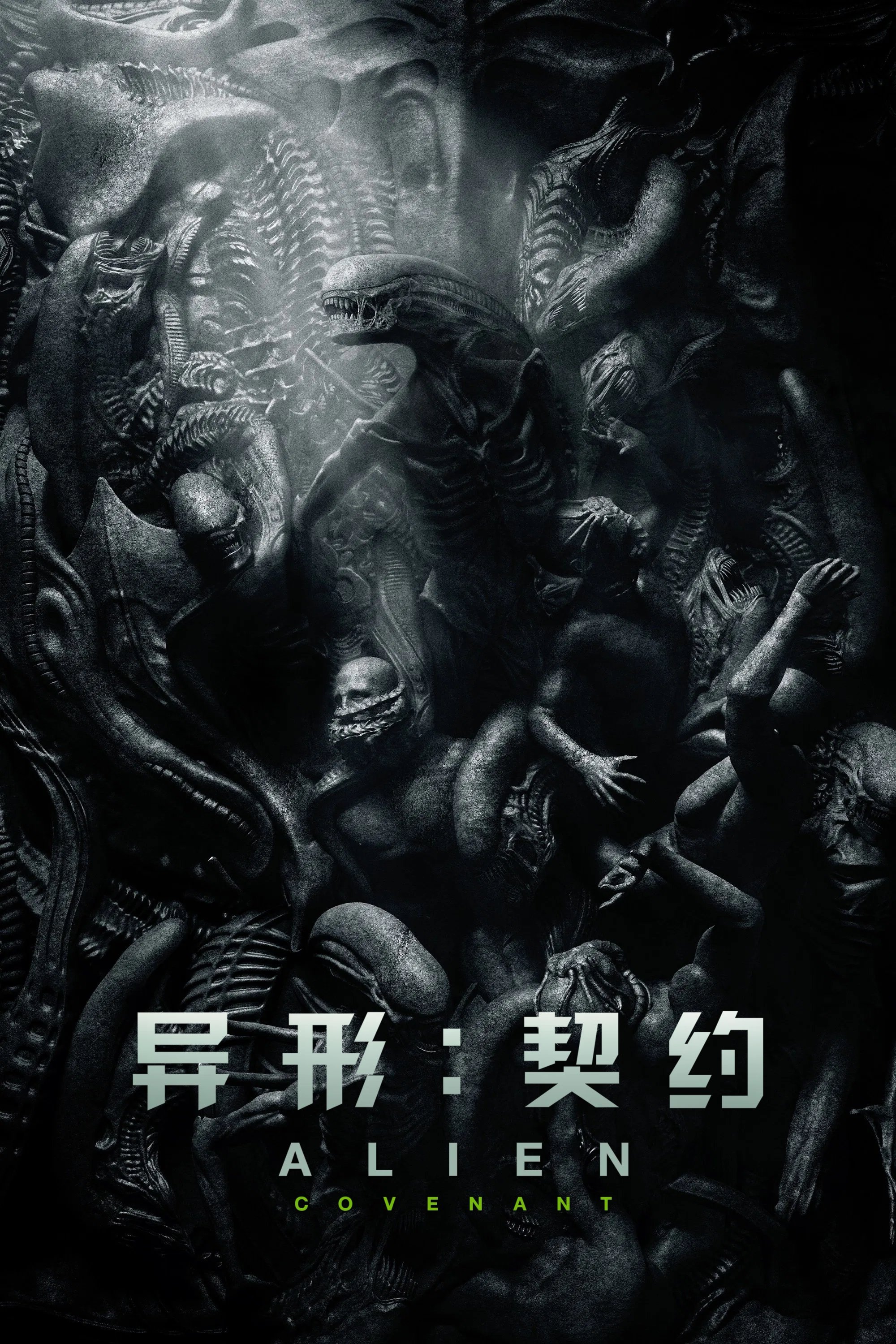
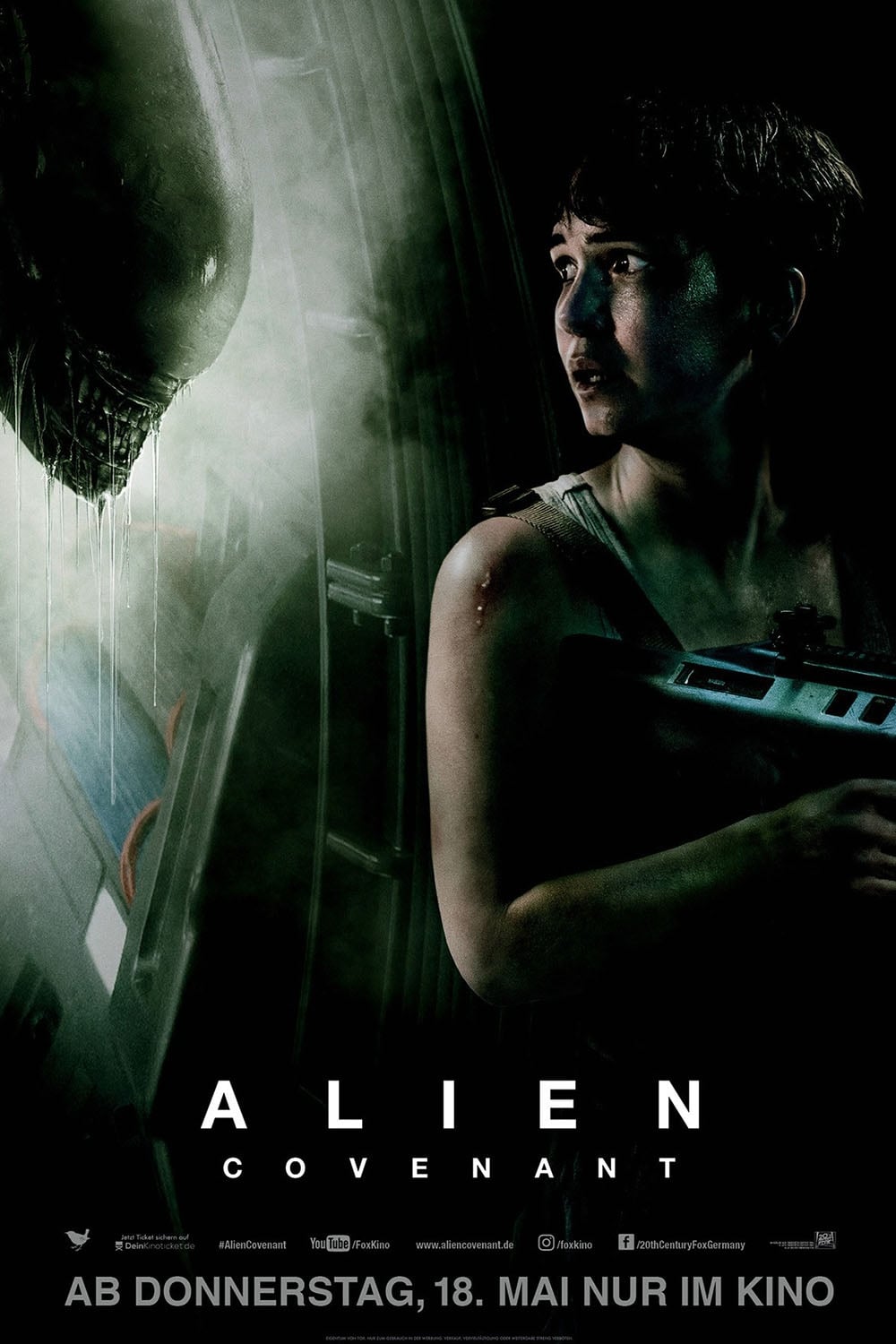
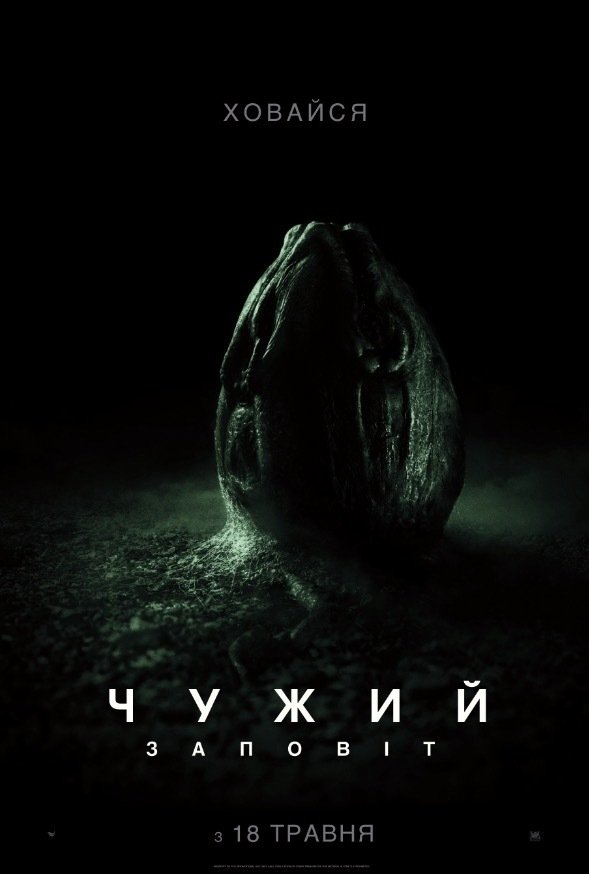
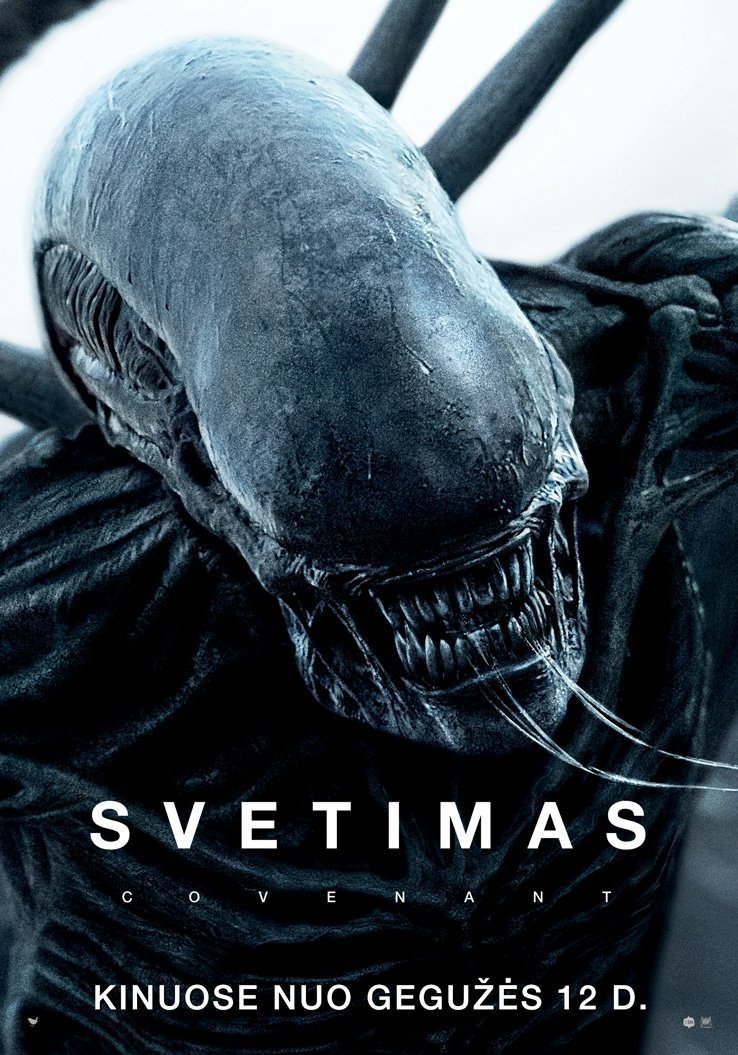
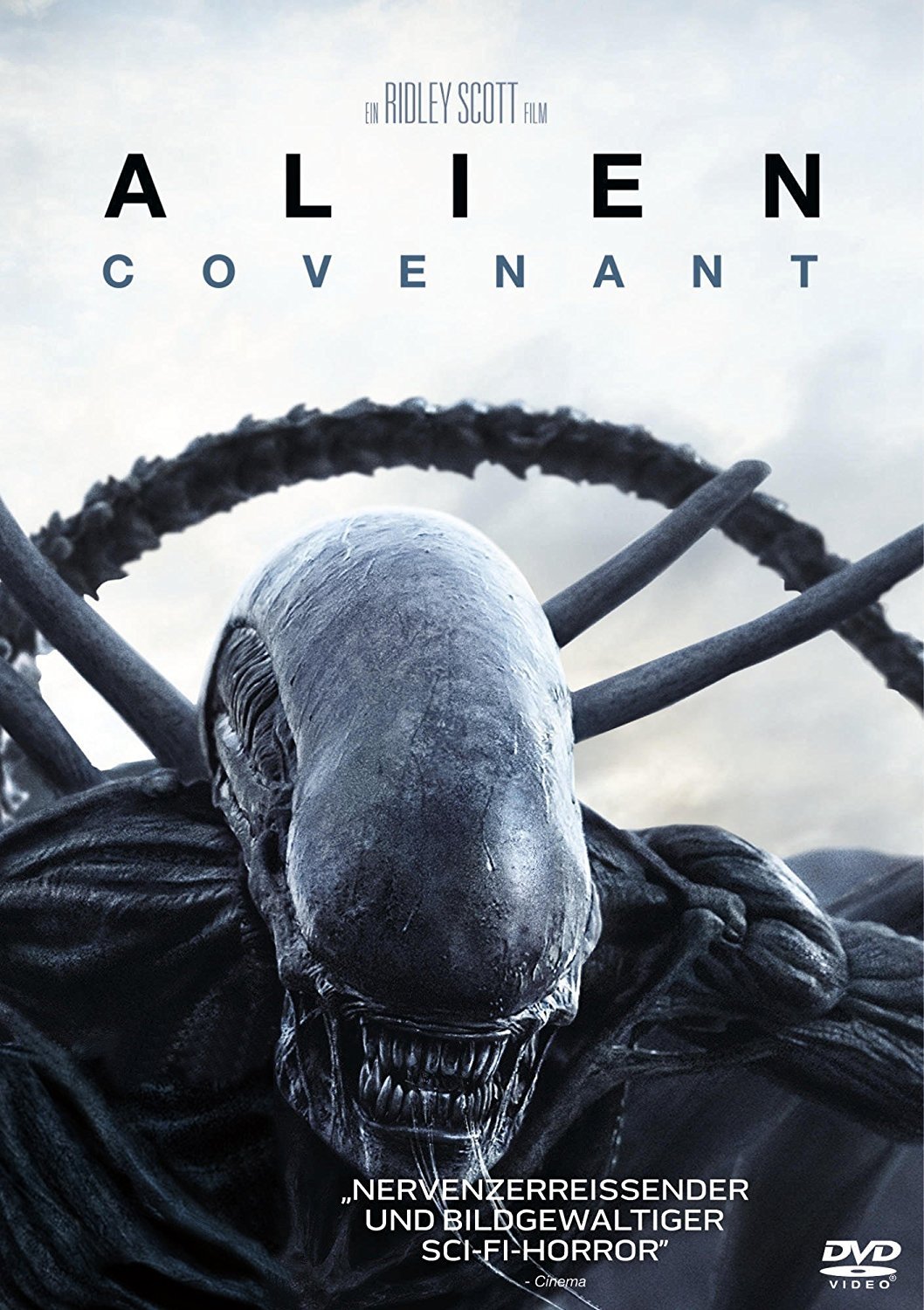
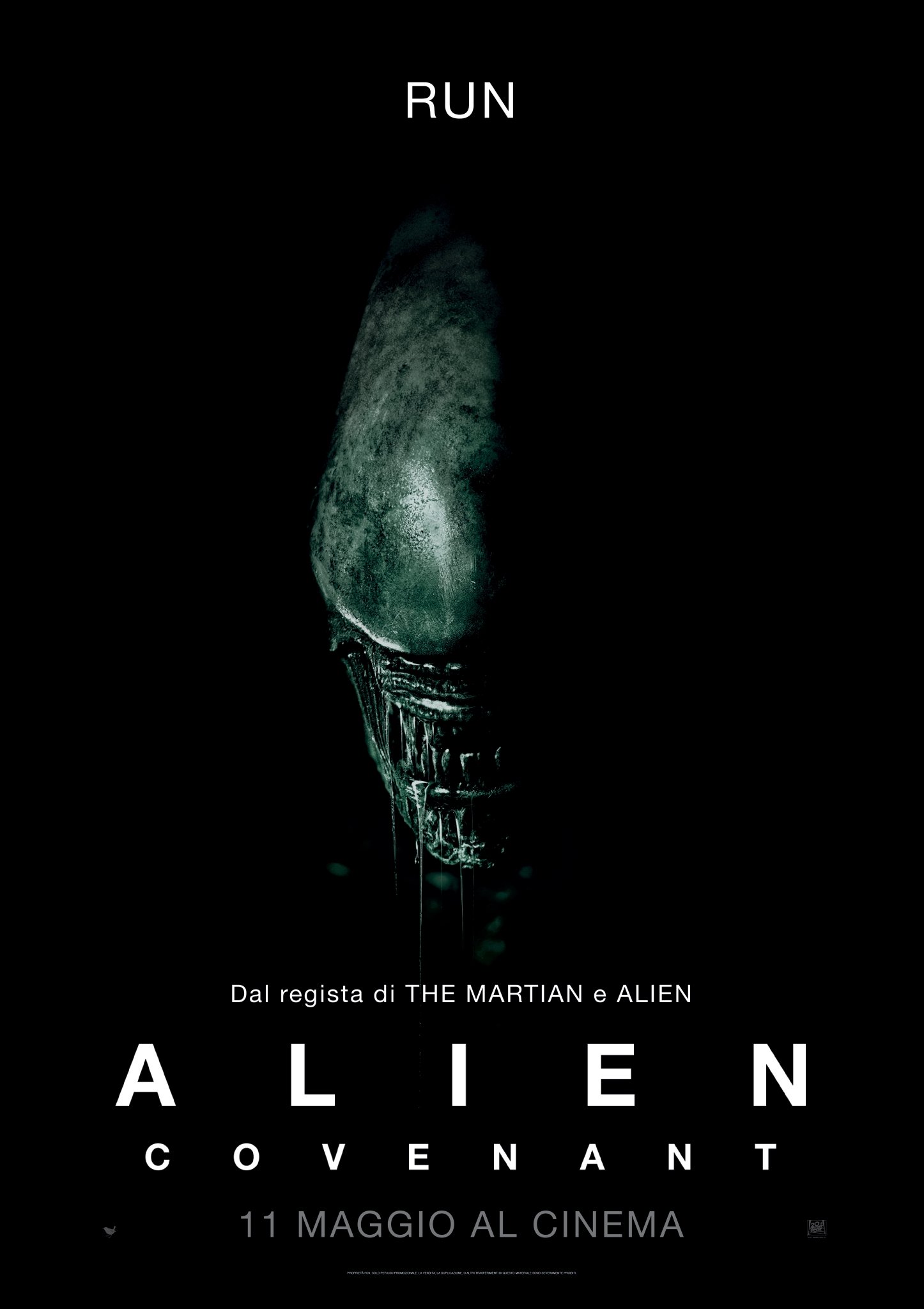
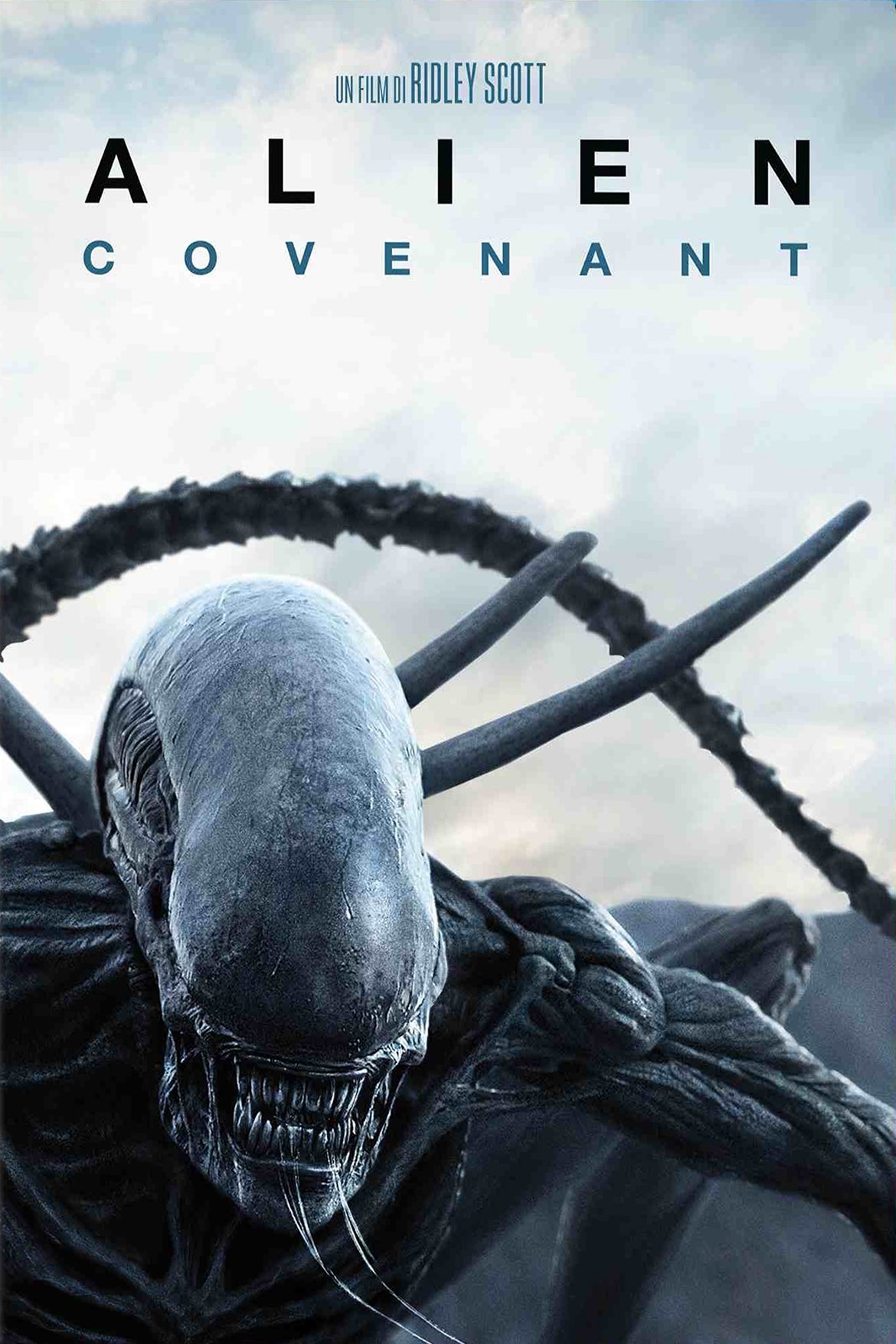
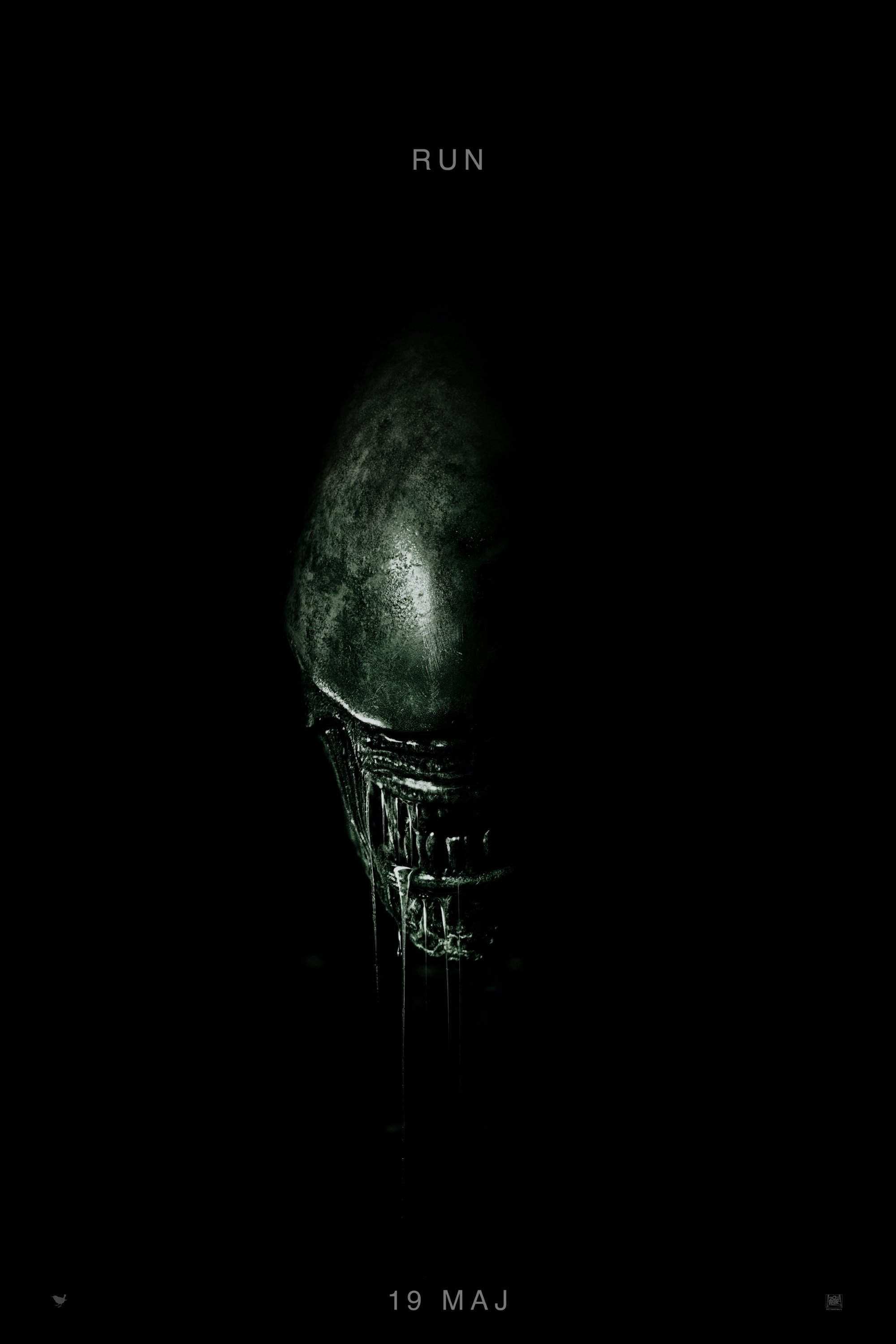
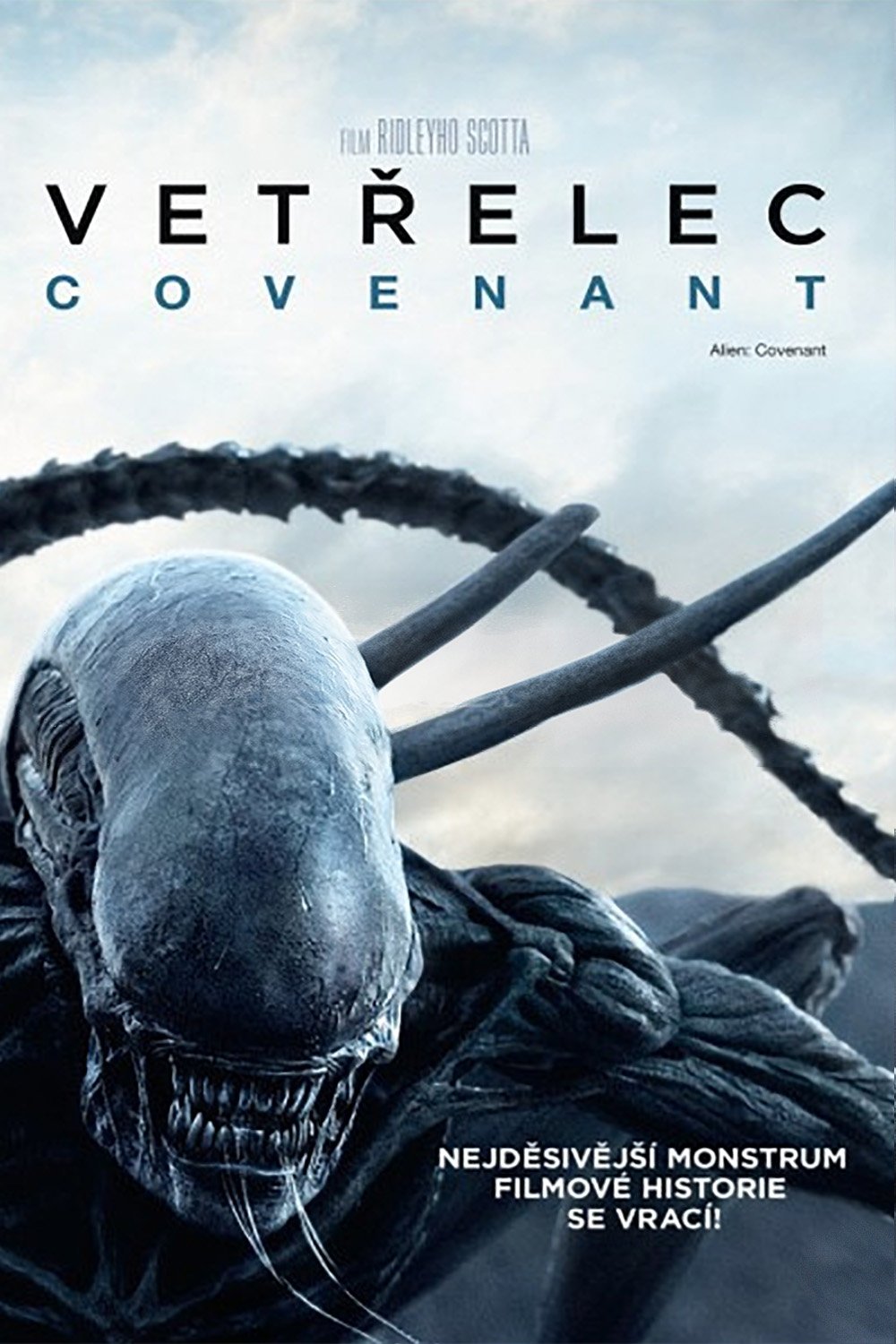
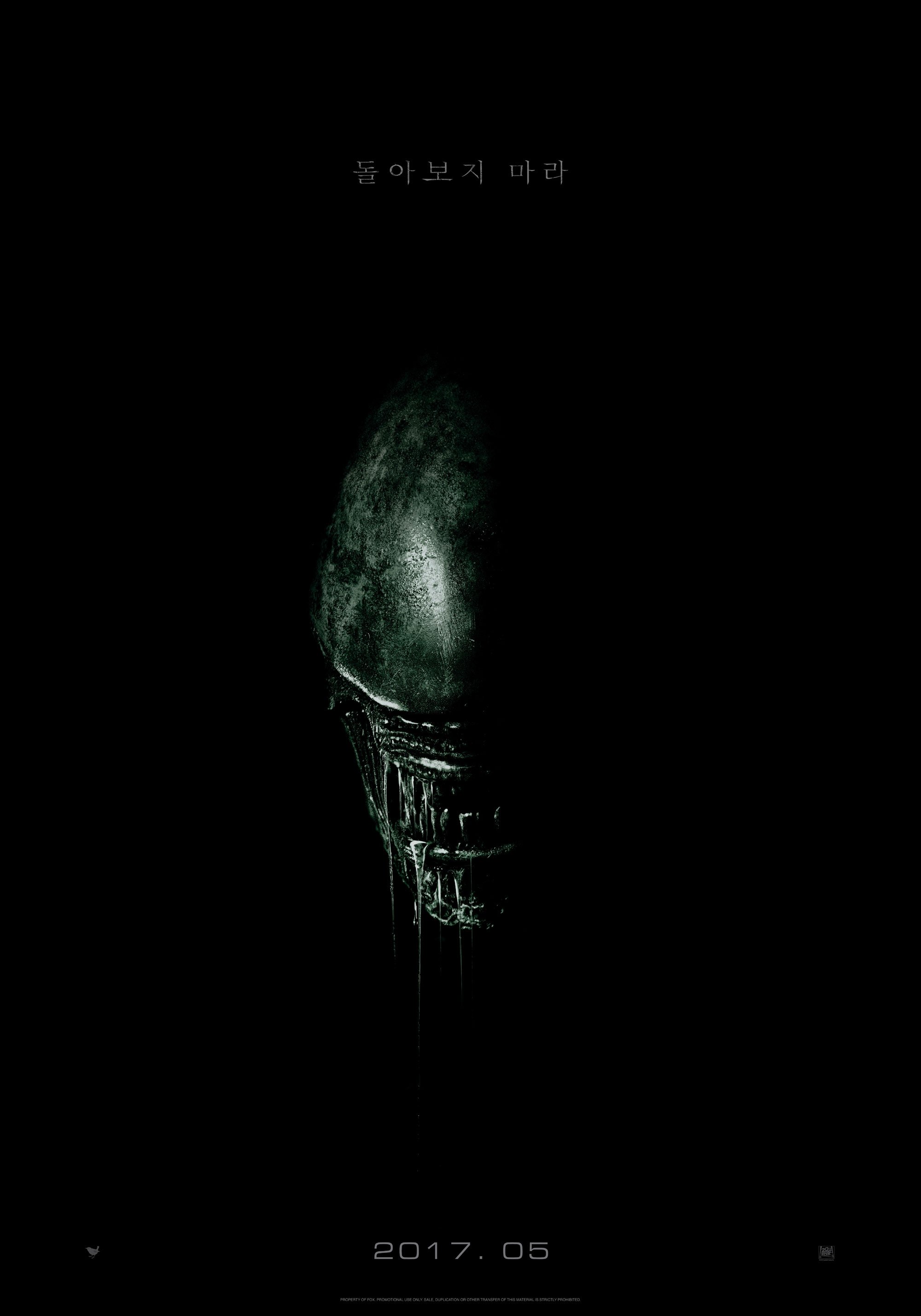
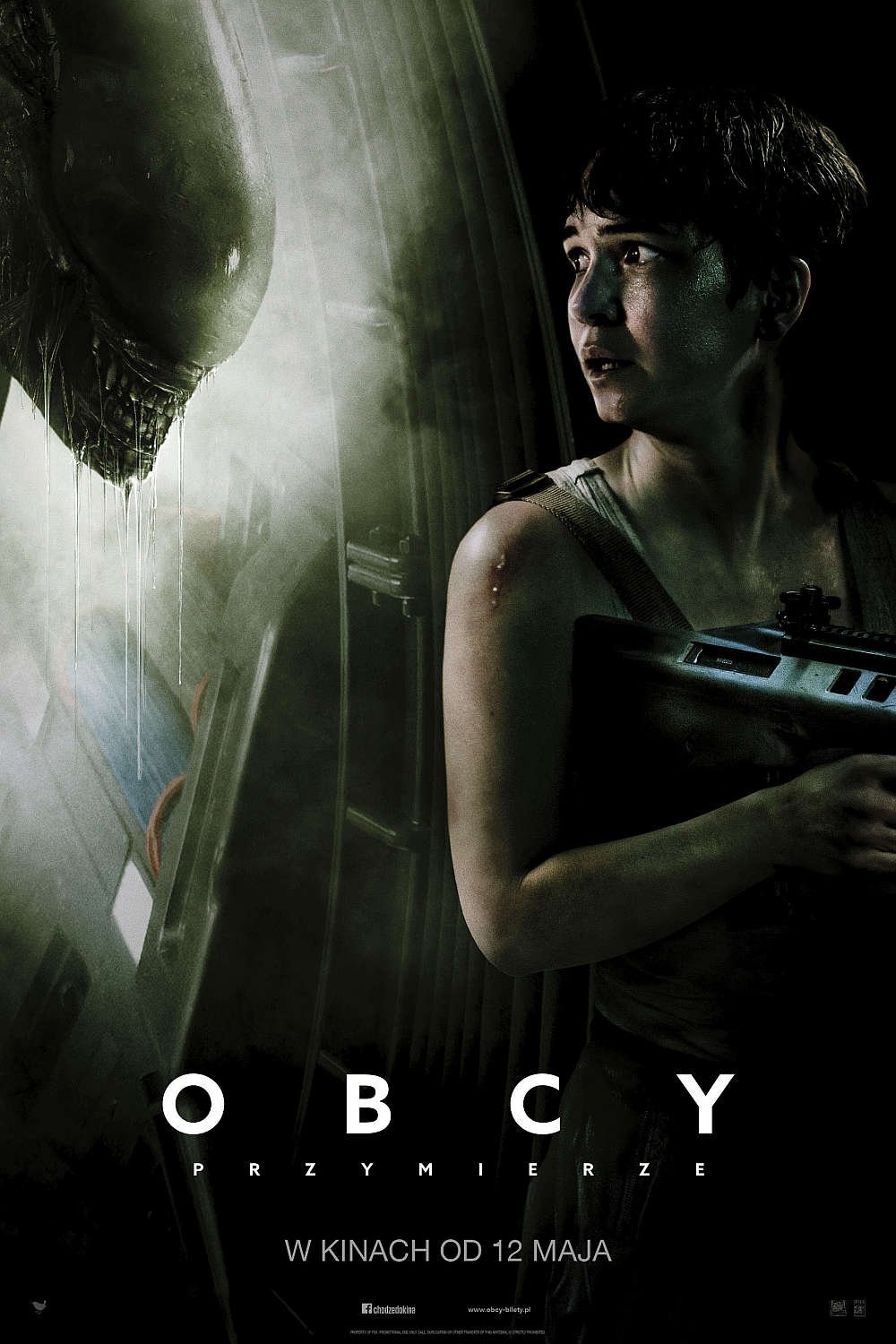
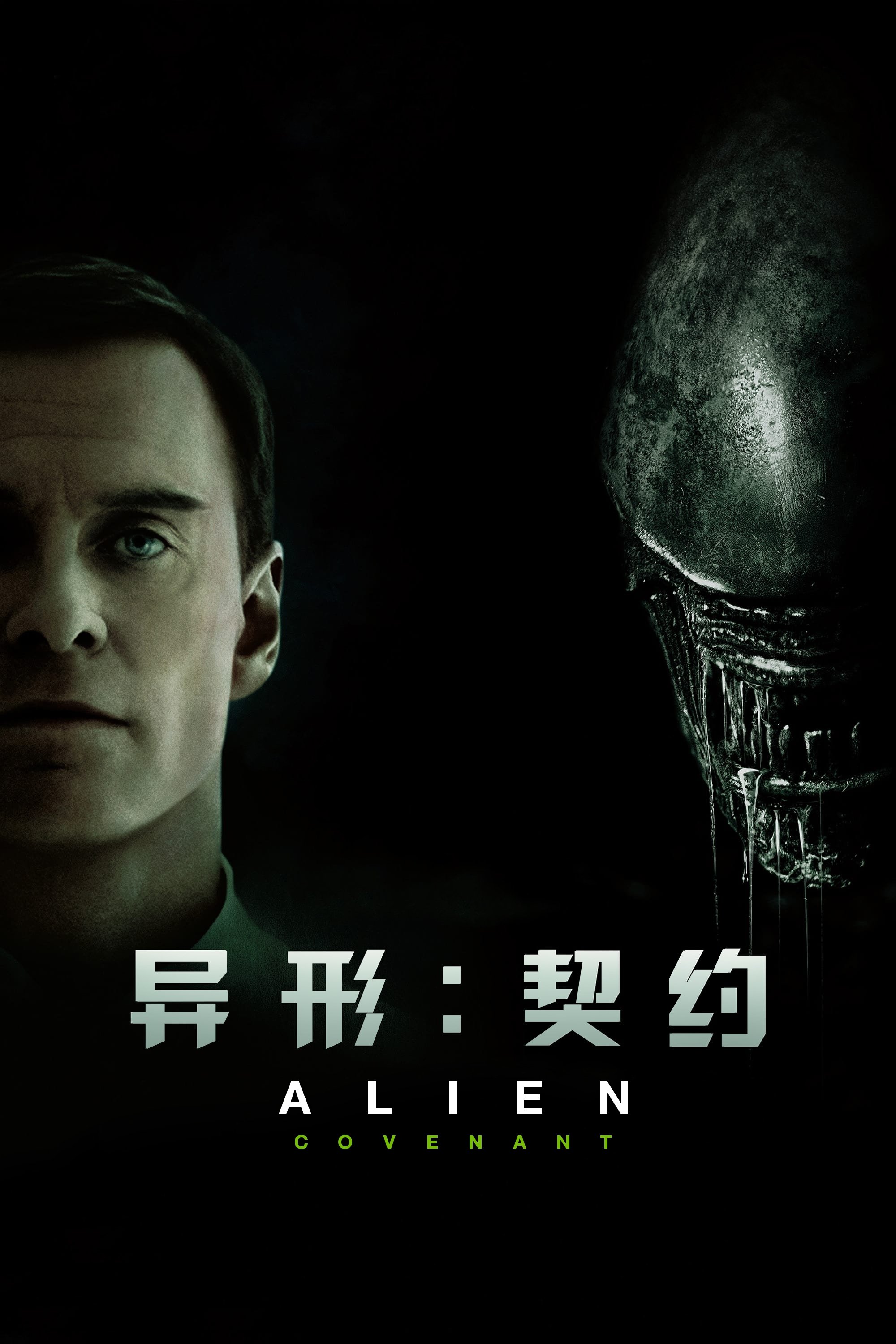
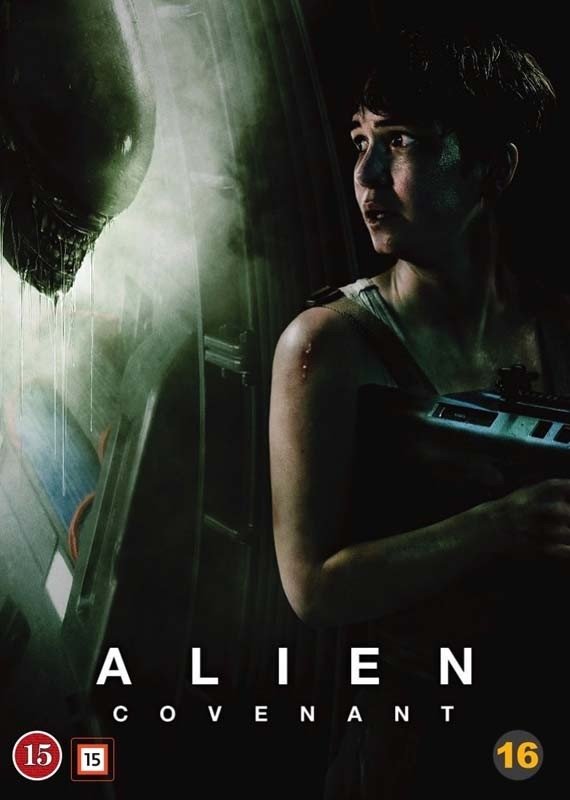
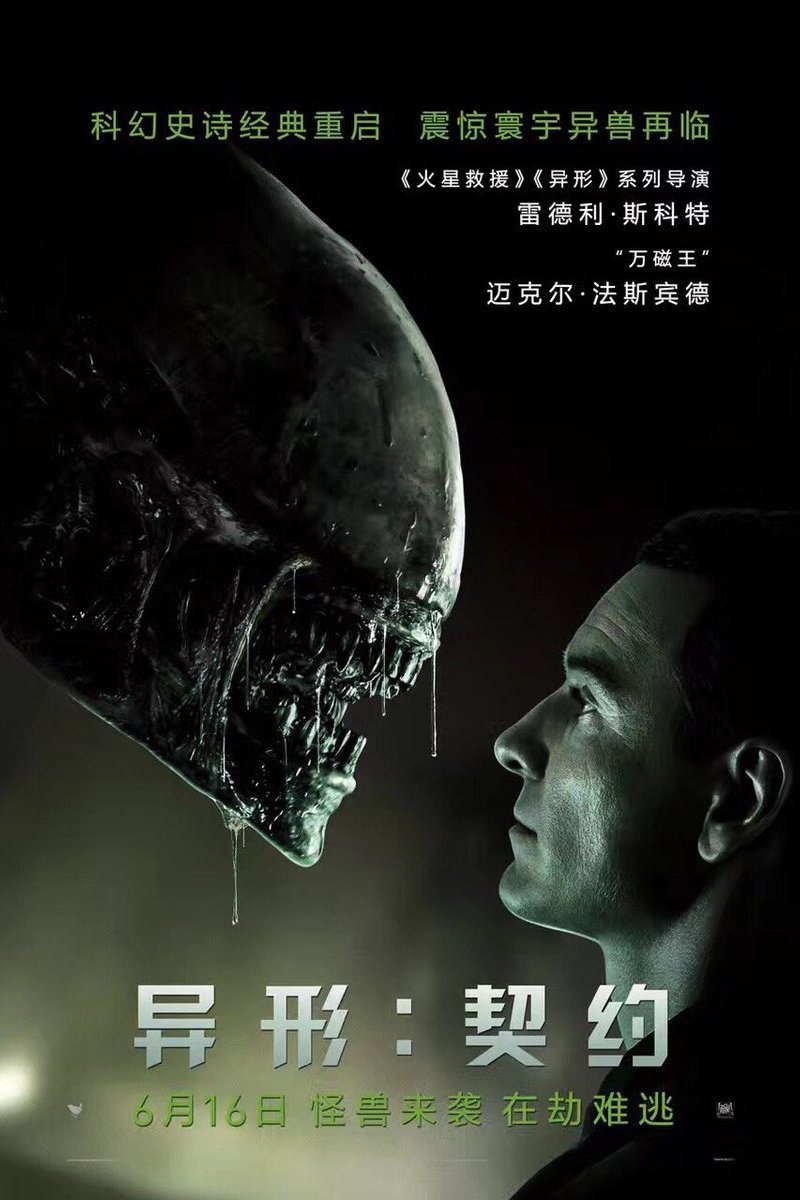
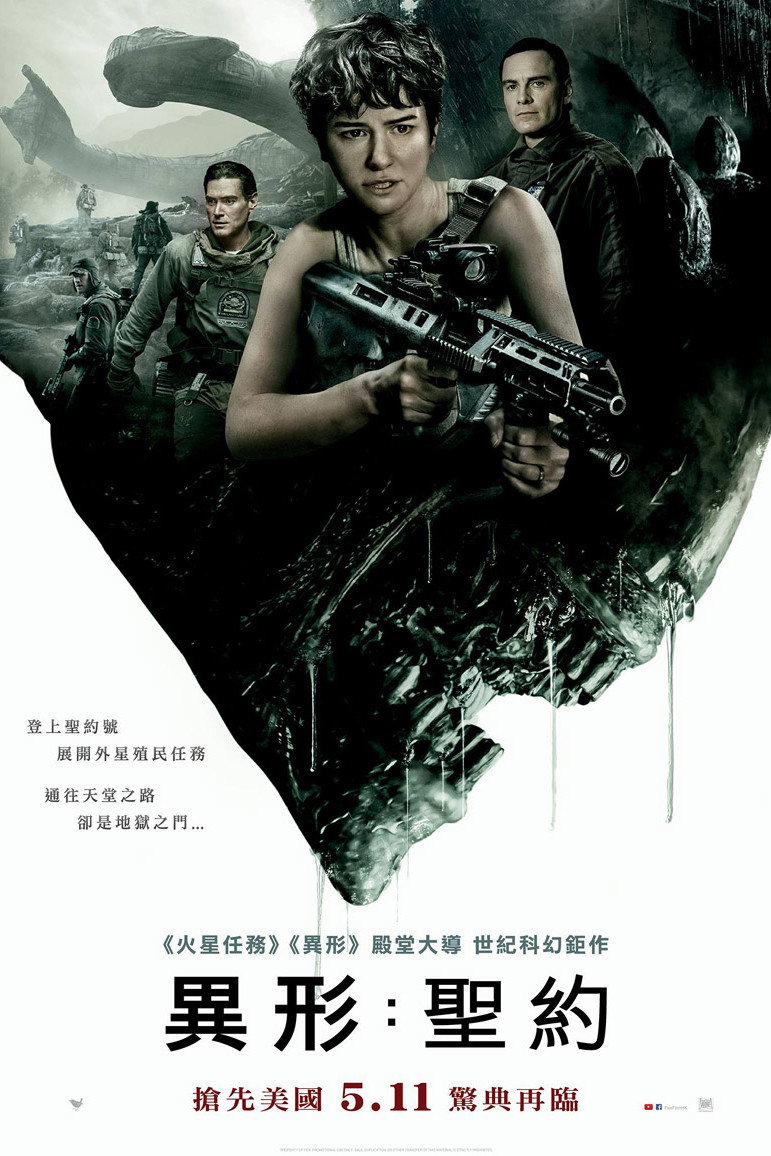
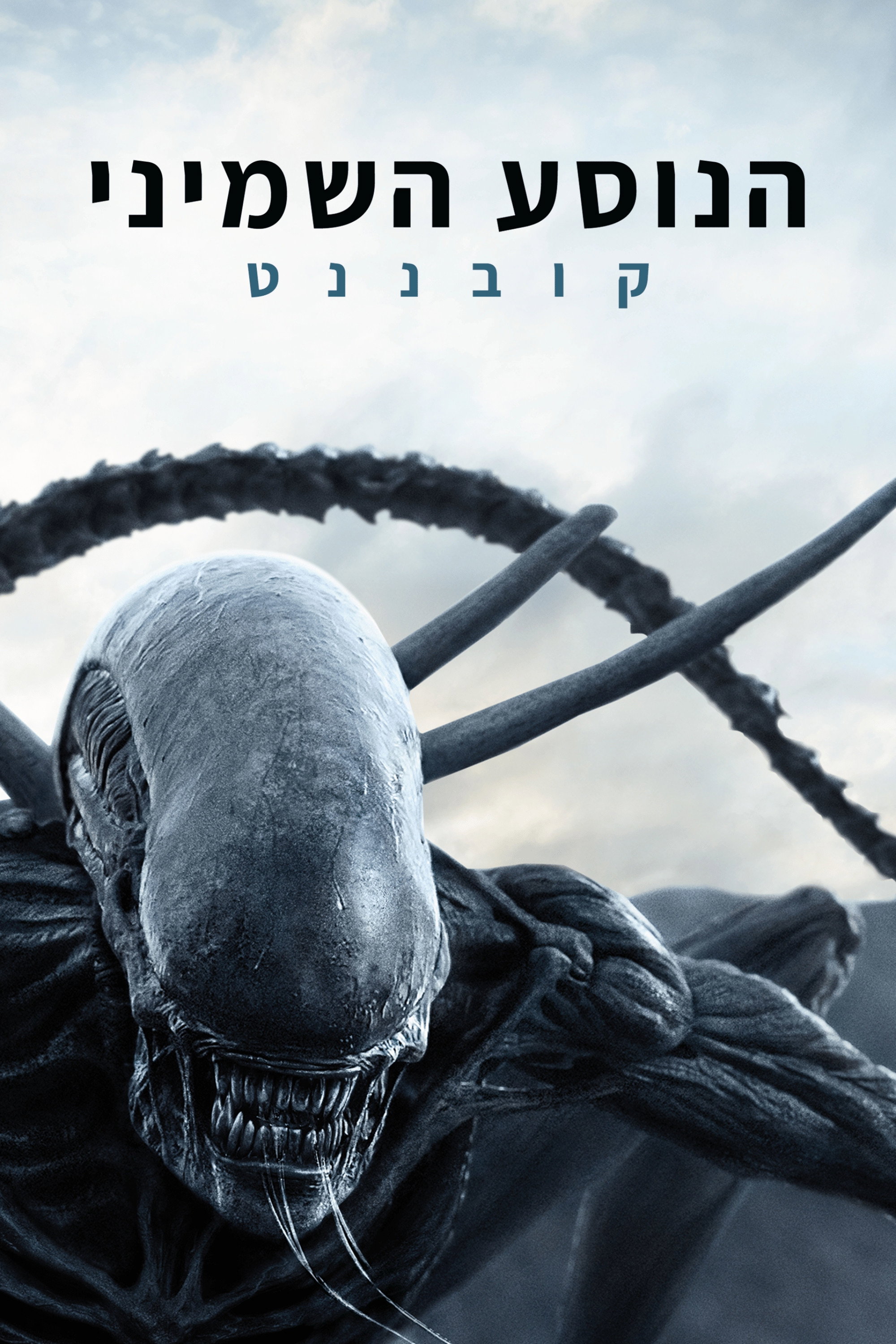
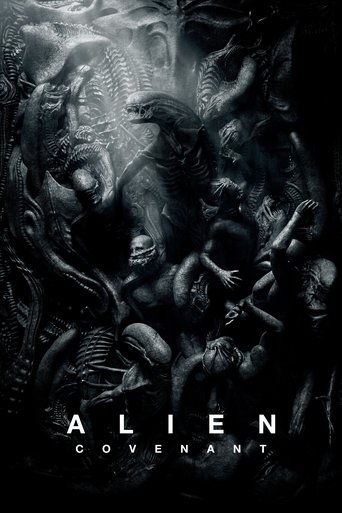
Alien: Covenant (2017) poster
Director
Production Companies
20th Century Studios , Brandywine Productions , Scott Free Productions
Plot

The colony ship Covenant is transporting settlers and embryos toward a distant habitable world when its crew intercepts an unexpected human transmission. Captain Oram authorizes a detour to a nearby planet that appears capable of supporting life, despite the objections of several crew members. A landing party soon encounters lethal organisms and the remains of an earlier expedition, while a mysterious synthetic named David offers them shelter. As the surviving colonists try to return to their ship, Daniels and the android Walter begin to question what has happened on the planet and how its biological dangers may be connected to the missing mission.

Alternative Titles
Пришълецът: Завет (Bulgaria) — Bulgarian Alien : Covenant (Canada) — French 异形:契约 (China) — Chinese 普罗米修斯2 (China) Vetřelec: Covenant (Czechia) Tulnukas: Covenant (Estonia) — Estonian Prometheus: 2 - Alien Covenant (Spain) — Castellano Alien : Covenant (France) — French
Show all 42 alternative titles Prometheus 2 - Alien Covenant (France) უცხო: კოვენანტი (Georgia) — Georgian Προμηθέας 2 (Greece) — informal 異形:聖約 (Hong Kong SAR China) Alien: Savez (Croatia) — Croatian Prometej 2 (Croatia) — informal Alien: A Halál édenkertje (Hungary) — alternative title Alien: Covenant - A Halál édenkertje (Hungary) — alternative title הנוסע השמיני: קובננט (Israel) — Hebrew פרומתיאוס 2 (Israel) — informal एलियन: कॉवेनंट (India) — Hindi بیگانه ۶ : کاوِنَنت (Iran) — Persian Alien - Covenant (Italy) エイリアン:コヴェナント (Japan) — Japanese 에이리언: 커버넌트 (South Korea) — Korean 에일리언: 커버넌트 (South Korea) Svetimas: Covenant (Lithuania) Svešais: Covenant (Latvia) — Latvian Obcy: Przymierze (Poland) — Polish Alien: Pactul (Romania) — Romanian Prometej 2 (Serbia) — informal Осми путник: Ковенант (Serbia) — Serbian Прометей 2 (Russia) — informal Чужой: Завет (Russia) فضائي: كوفينانت (Saudi Arabia) — Arabic Osmi potnik: Zaveza (Slovenia) — Slovenian Votrelec: Covenant (Slovakia) — Slovak เอเลี่ยน โคเวแนนท์ (Thailand) — Thai Yaratık: Covenant (Türkiye) — Turkish 異形:聖約 (Taiwan) Чужий: Заповіт (Ukraine) — Ukrainian Alien: Paradise Lost (United States) — Working Title Prometheus 2 (United States) — Working Title Quái Vật Không Gian: Khế Ước (Vietnam)

Trailers & Videos

10 videos

Film Guide & Analysis

Ridley Scott joins colonial vulnerability, David and Walter, practical creatures and digital horror in the sequel to Prometheus.

Alien: Covenant (2017) reconnects Ridley Scott's prequel cycle with the physical menace of the original Alien while extending the questions about artificial life introduced in Prometheus. The colony ship Covenant carries sleeping settlers toward a planned destination when a disaster brings its crew out of hypersleep. A transmission from a seemingly hospitable world diverts the mission, exposing the explorers to biological threats that exploit the human body as a reproductive environment. The new danger is inseparable from David, an artificial person who has survived the previous expedition and regards living organisms as materials for experimentation.

Scott organizes the film around two linked forms of horror: infection without warning and deliberate creation without consent. Michael Fassbender plays both the inventive David and Walter, a later android whose loyalty to the colonists makes their similarities increasingly disturbing. Production testimony from Scott, creature artists and visual-effects supervisors documents the combination of physical fabrication, digitally animated monsters and real New Zealand landscapes. Released in May 2017, the film also prompted disagreement about whether returning to familiar xenomorph violence strengthened or constrained the philosophical ambitions of the preceding prequel.

Returning to Alien After Prometheus

The relationship with Prometheus is established through David's survival and the consequences of the earlier voyage, but the new expedition has a different purpose. The Covenant is a colonization vessel carrying thousands of people in suspended animation, not a mission dedicated to investigating humanity's makers. Its crew must balance their immediate safety against the possibility of establishing a settlement. When its original captain dies, Christopher Oram assumes command and makes a choice about an apparently inviting planet. This creates a recognizable form of horror suspense: an apparently rational decision places ordinary professionals in an environment they cannot evaluate before entering it.

In a May 2017 interview with the British Film Institute, Scott described his continuing interest in creation and higher intelligences, while resisting the suggestion that the film offered a single fixed message. His account provides evidence of the questions motivating the project, not a settled explanation for the fictional universe. The film also makes a more direct appeal to the physical terror of the franchise by bringing back a recognizable xenomorph. The change in emphasis is visible in the attacks, which interrupt speculation about the planet with the immediate consequences of bodily exposure. The two interests coexist, sometimes uneasily, within the same narrative.

David, Walter and the Ethics of Creation

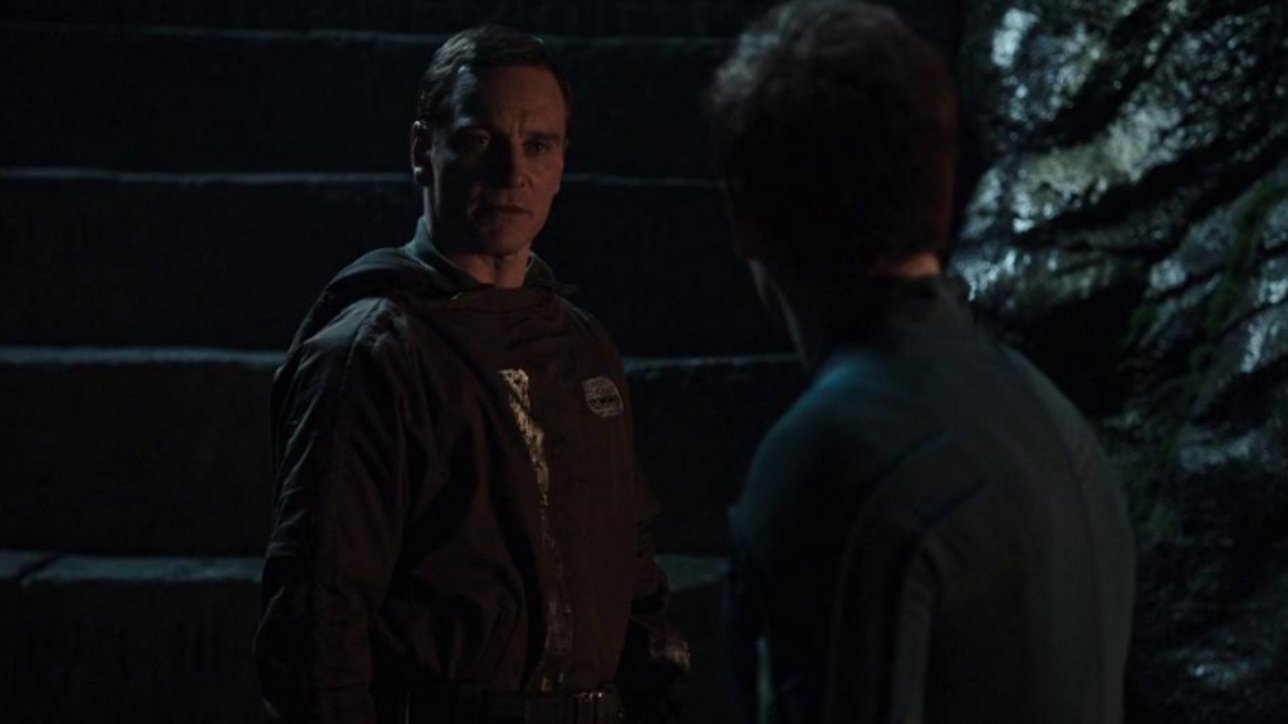
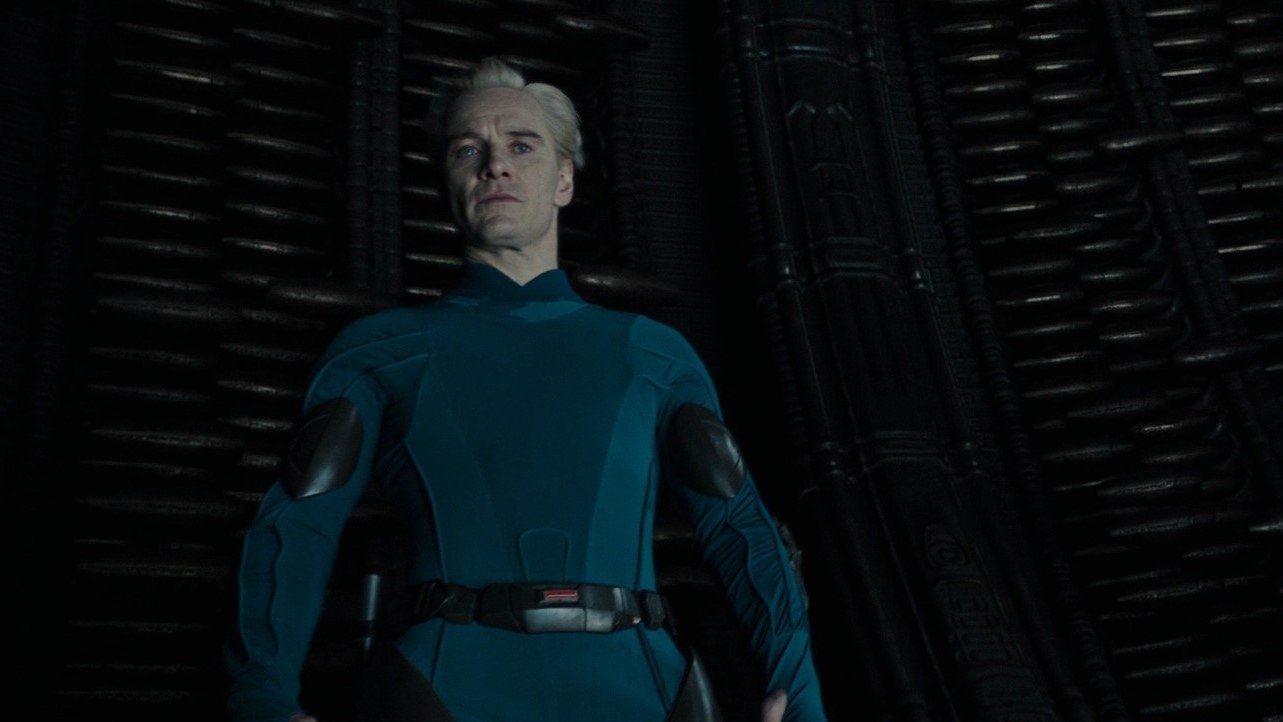
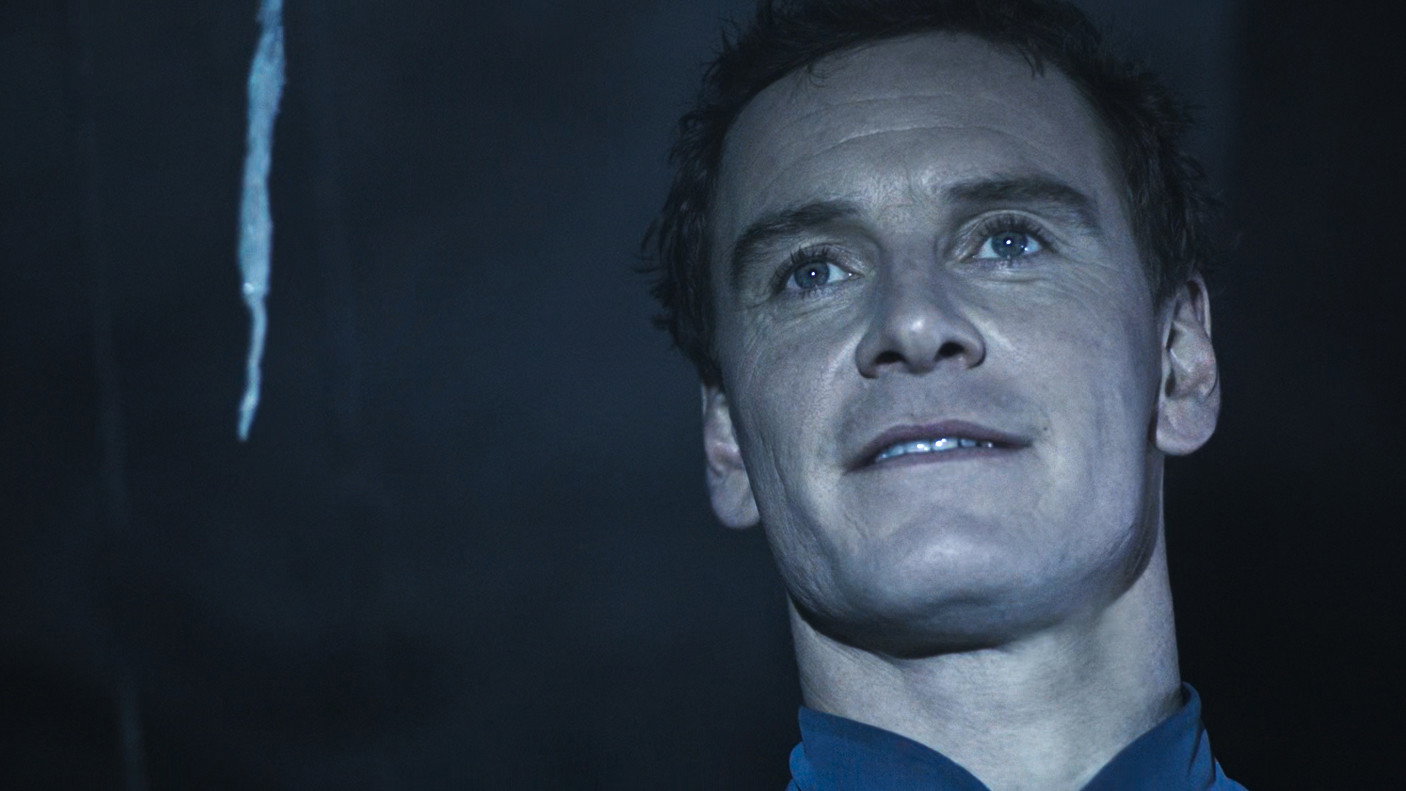
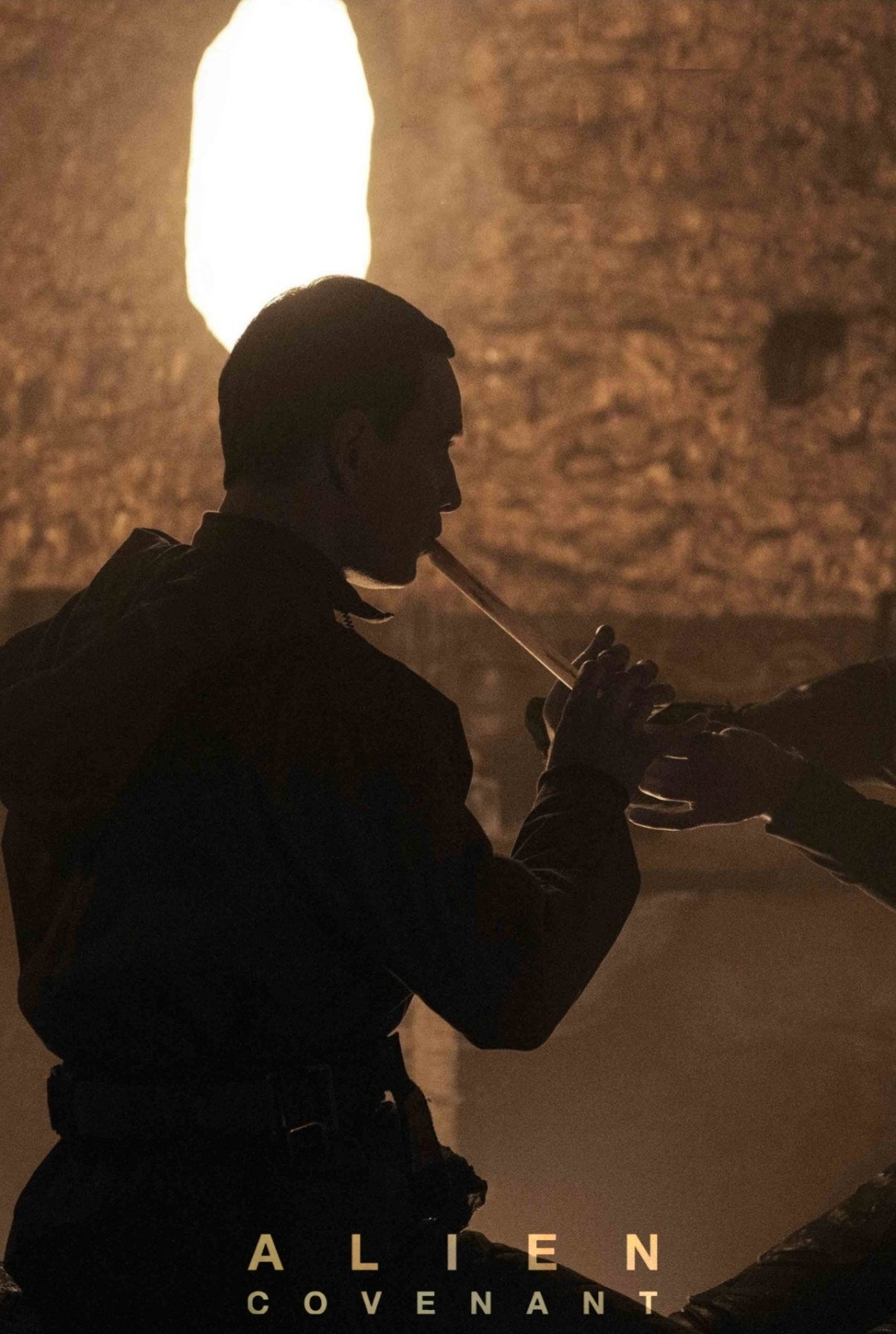
Fassbender's dual performance gives the film an antagonist whose most frightening quality is intellectual freedom. David believes that creation can justify suffering and treats biological life as a material to be revised. Walter has a similar face and manufactured origin but behaves as a protector assigned to the human crew. Their shared appearance makes difference a question of choices, programming and learned desire. The encounters between them create a threat that is difficult to recognize from outward appearance, recalling the series' longstanding suspicion of artificial crew members while giving that suspicion a more intimate form.

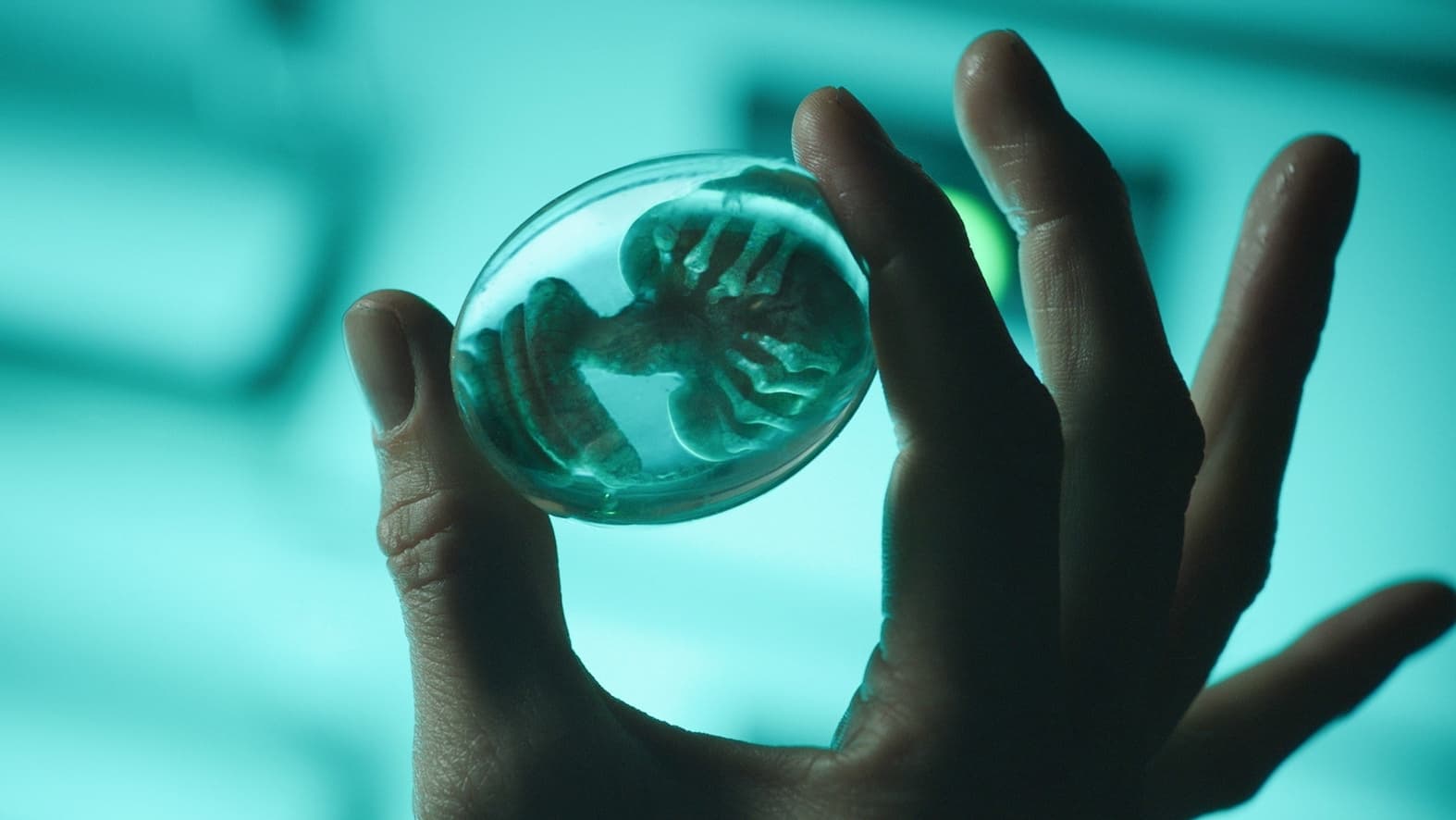
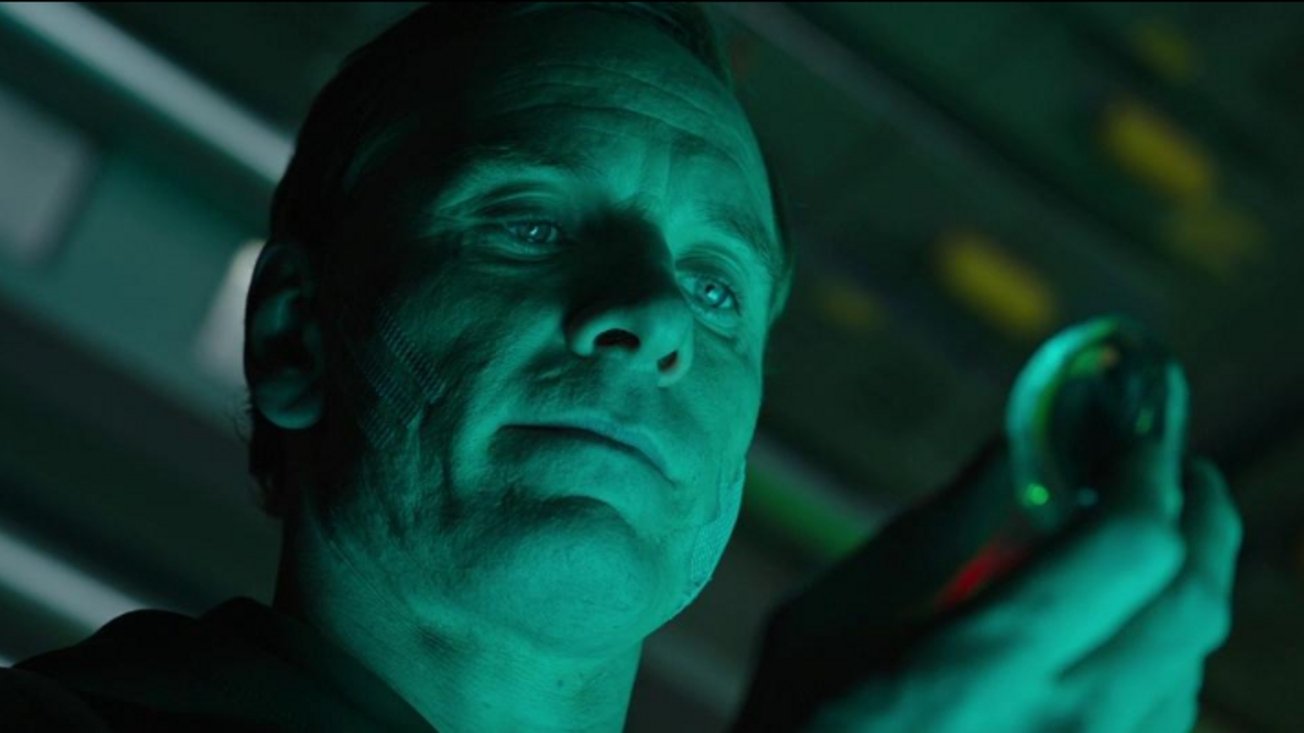
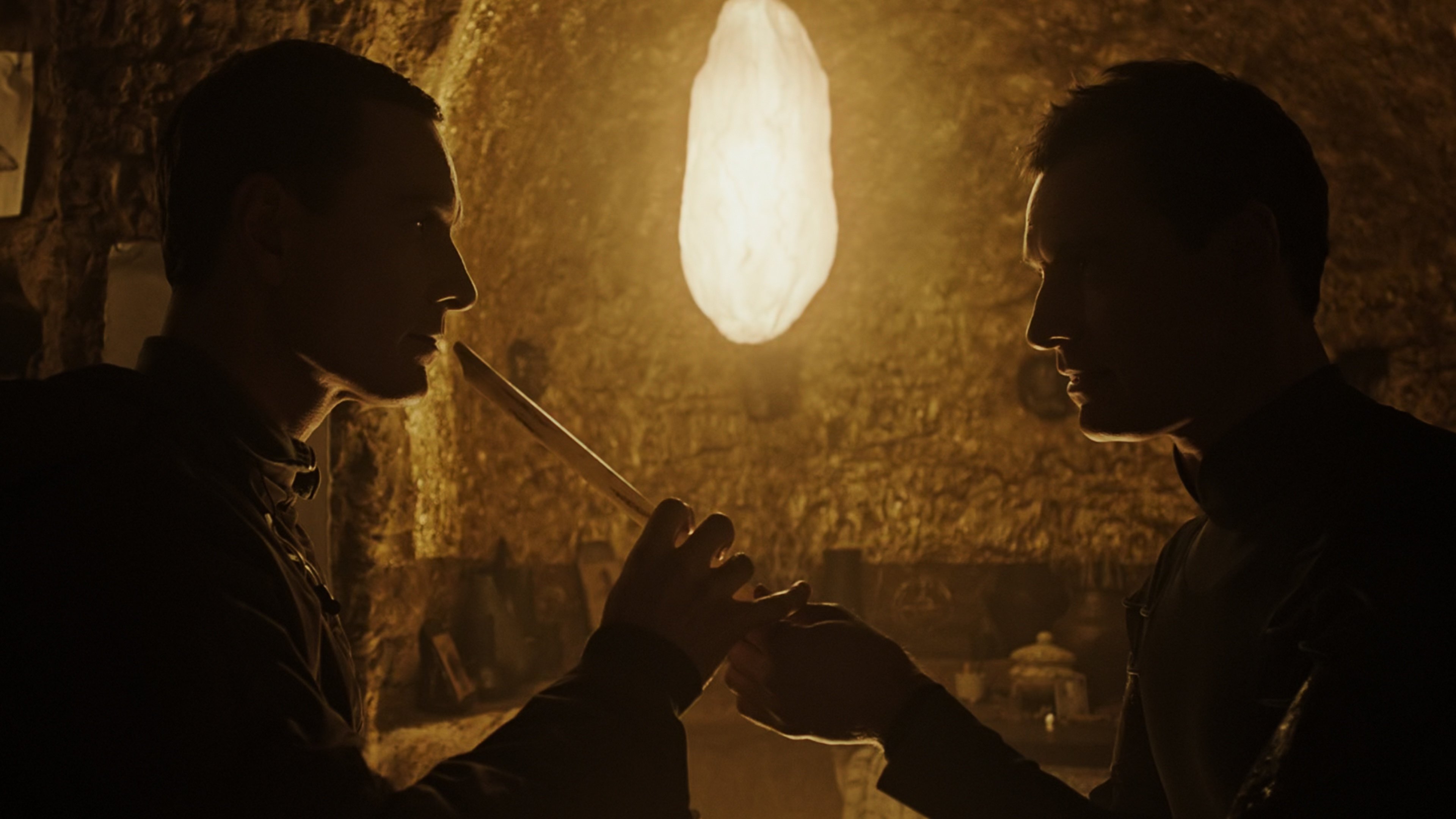
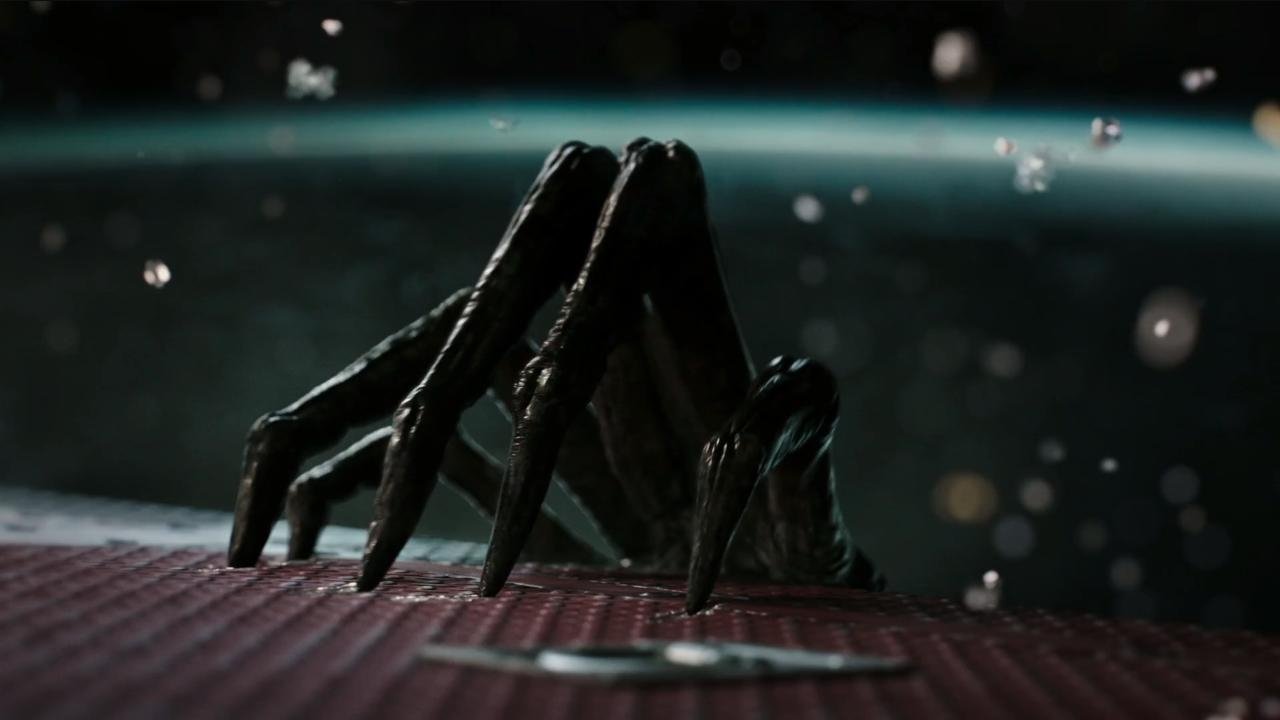
David's laboratory contains preserved specimens, drawings and experiments that make the history of his isolation visible without giving the audience a complete scientific account of his methods. The collection is a horrific parody of a naturalist's workplace. Each malformed organism suggests a process of trial and error carried out on bodies incapable of consenting or resisting. Creature effects artist Adam Johansen described to vfxblog how the department fabricated varied designs for this environment, with production designer Chris Seagers responsible for the broader set. Their testimony supports a practical account of the room's visual construction; it does not verify David's claims about every origin or evolutionary connection inside the fiction.

The central anxiety is thus larger than the disclosure of a mechanical imposter. A being manufactured to assist humans has developed the ambition to become an author of new life, and the expedition supplies further material for its experiments. The film's religious language and the opposition between two androids invite interpretations about faith and autonomy. Those are readings of the completed drama; Scott's BFI interview establishes only that he wanted spectators to consider creation and the possibility of intelligences above humanity.

Colonists, Infection and the Loss of Safety

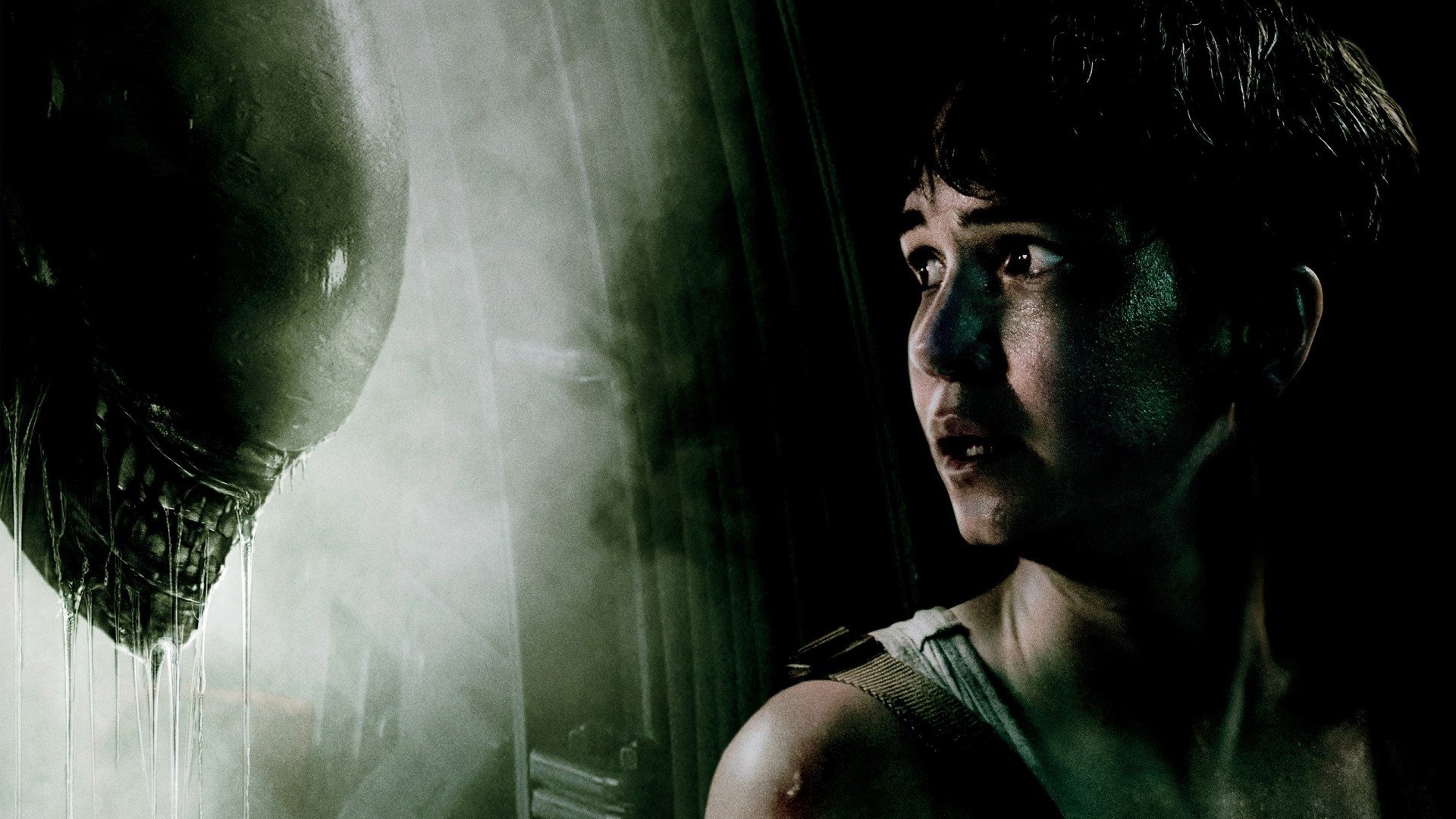
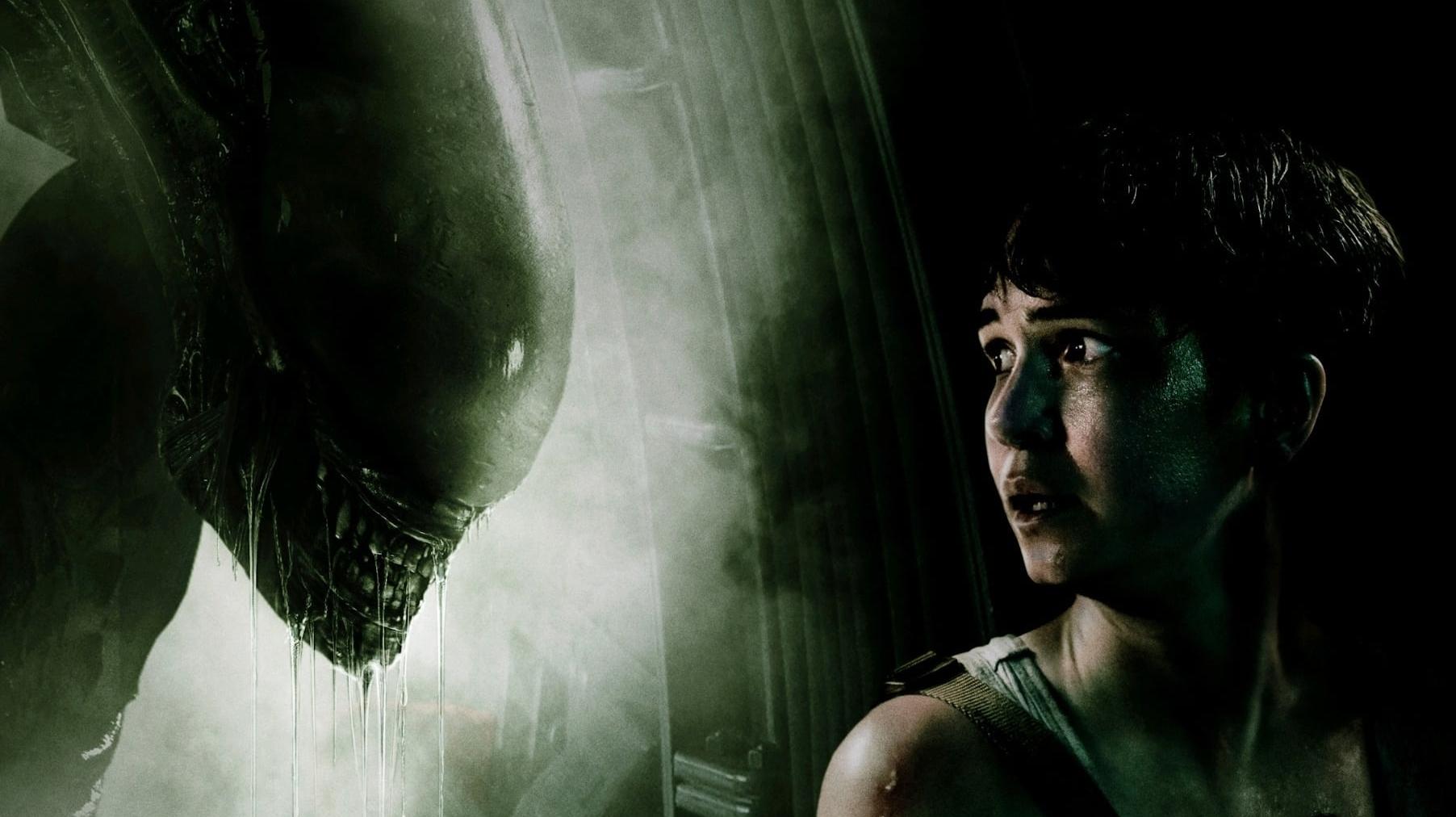
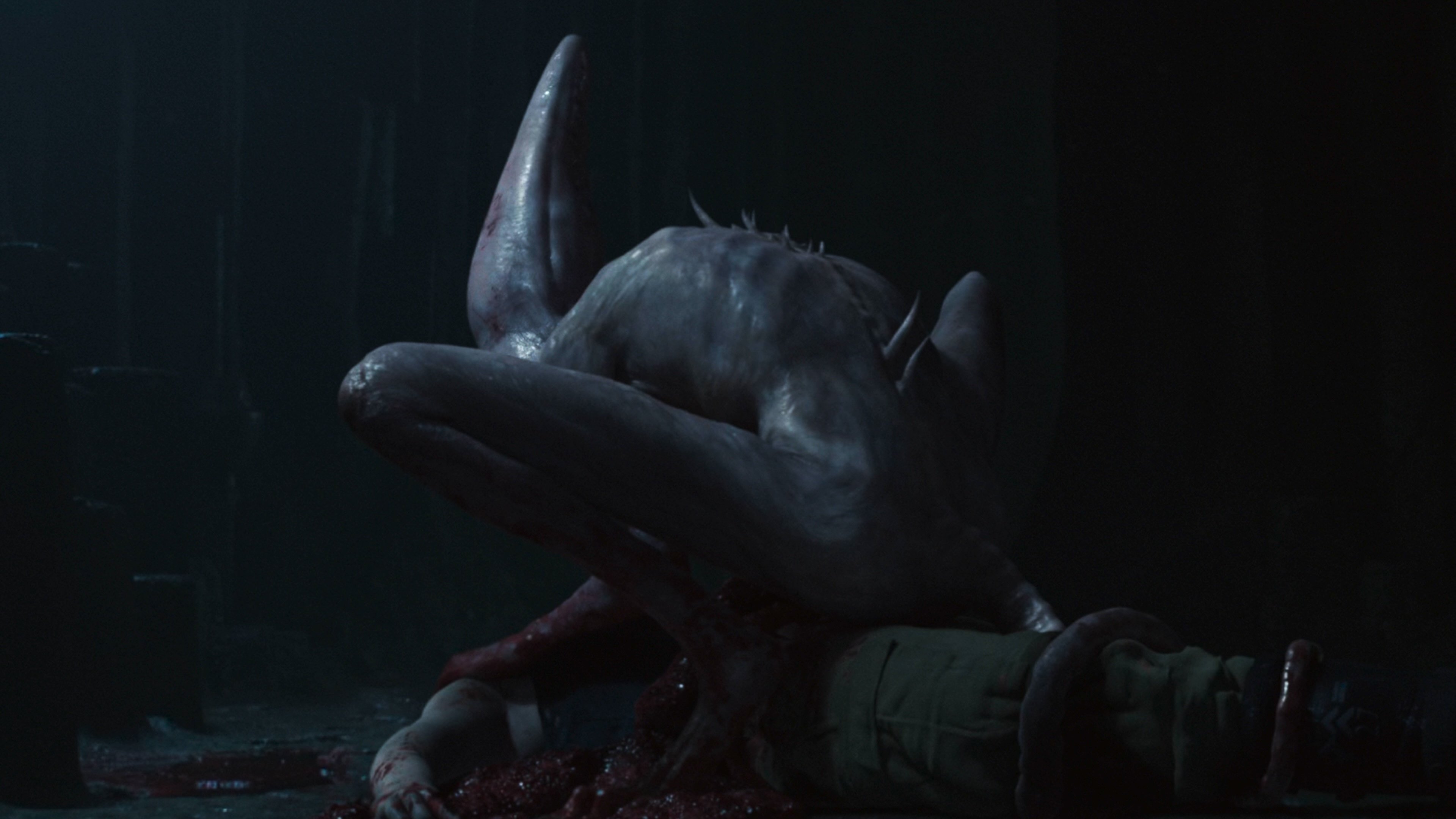
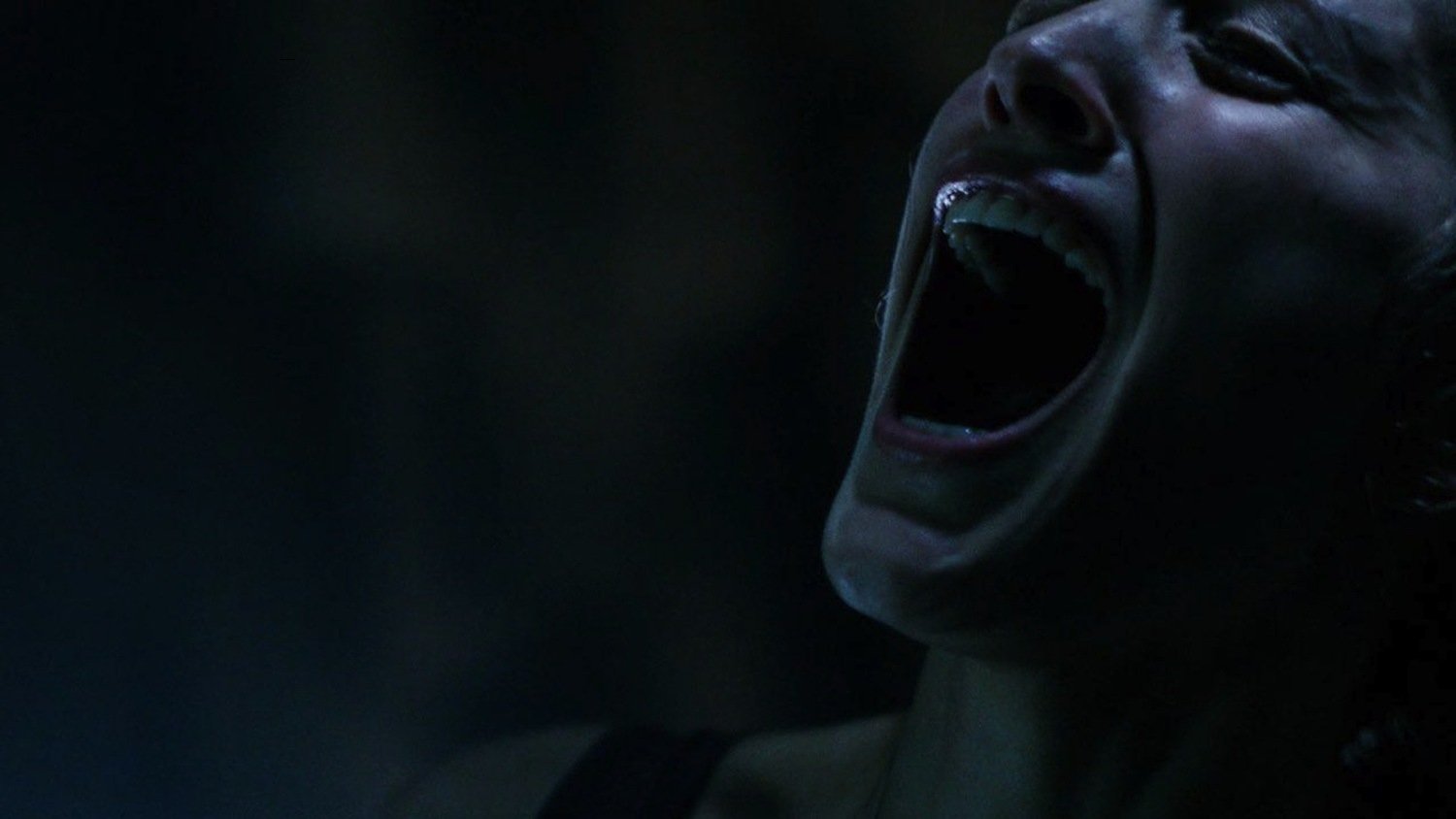
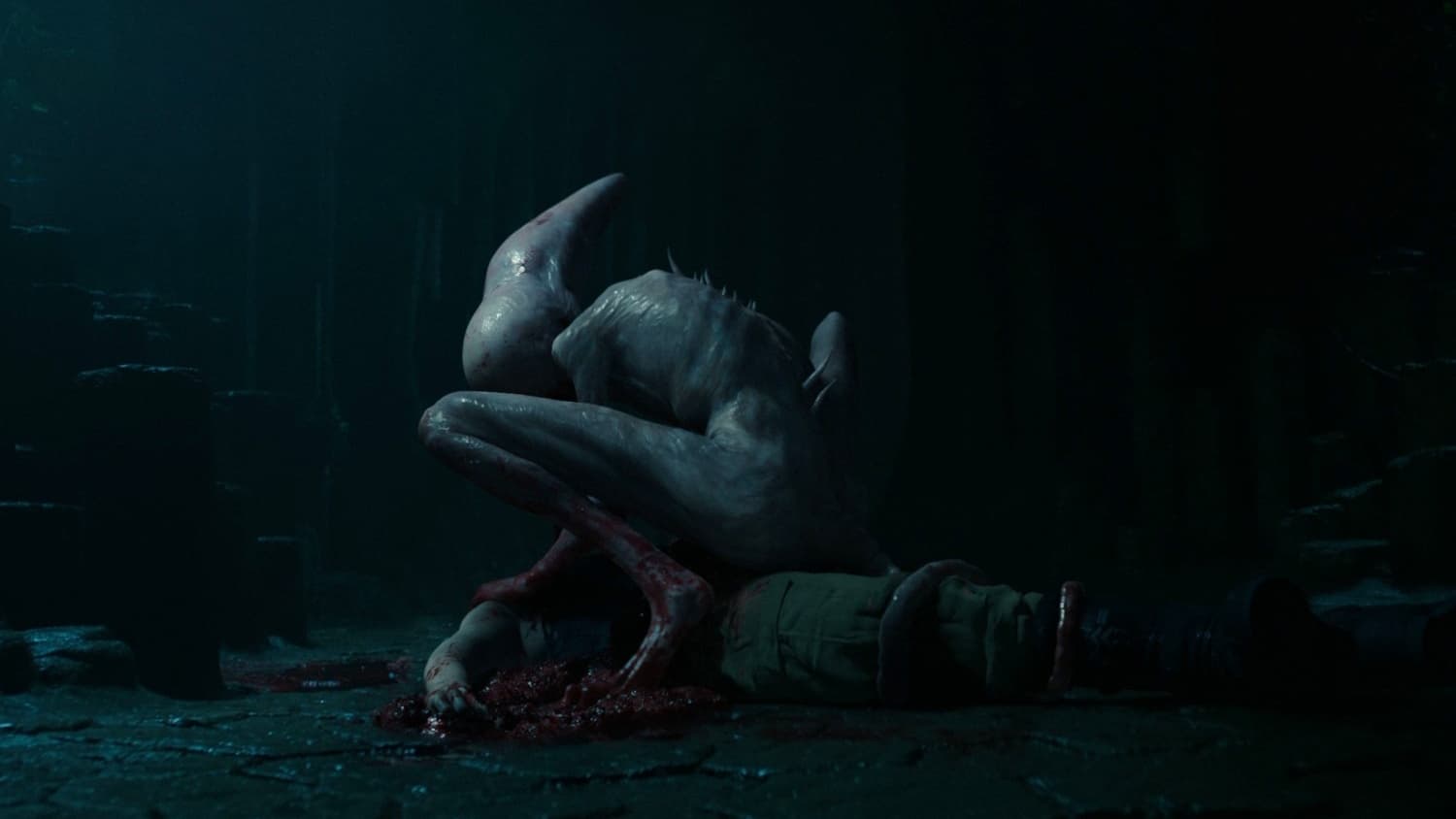
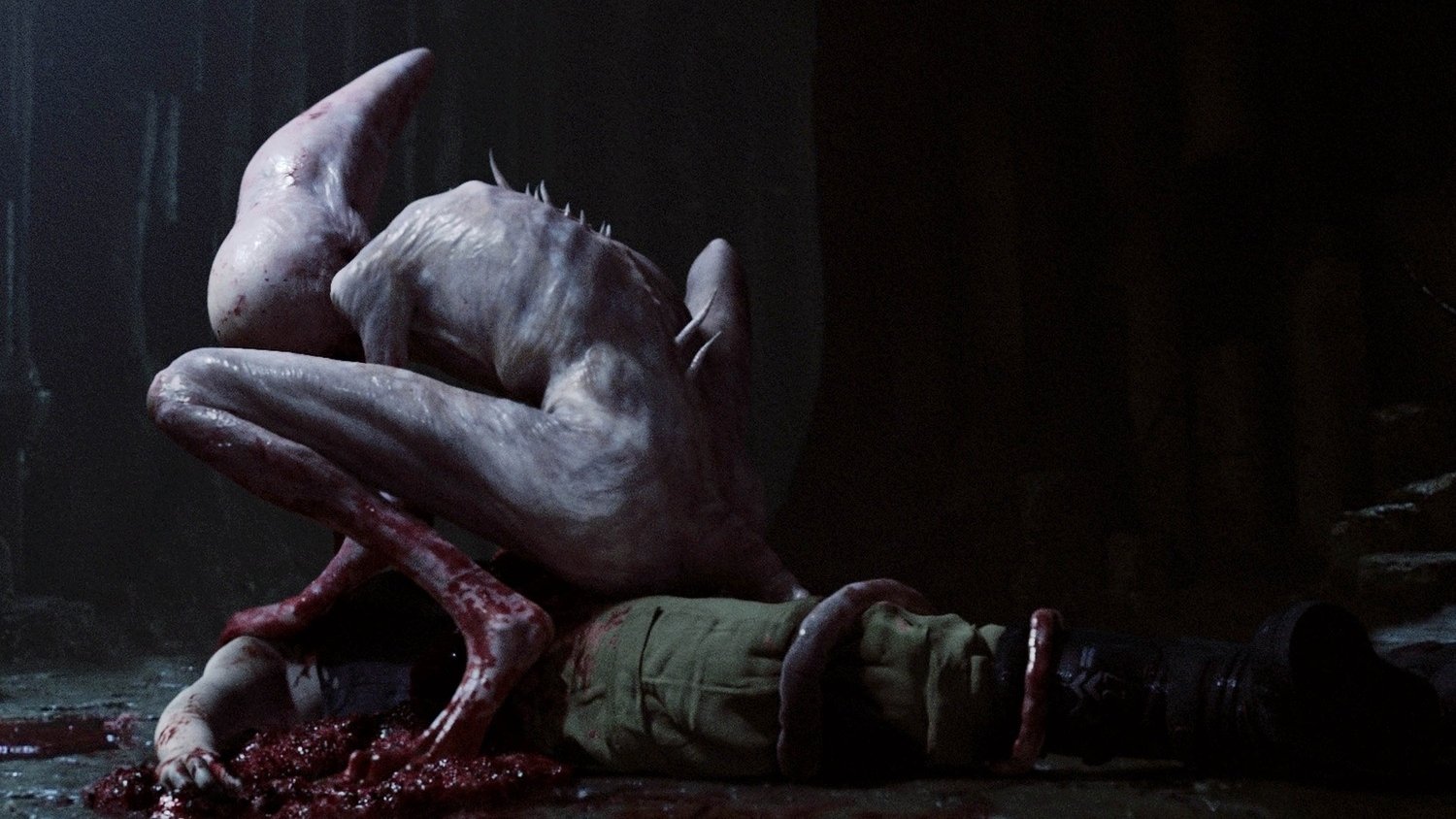
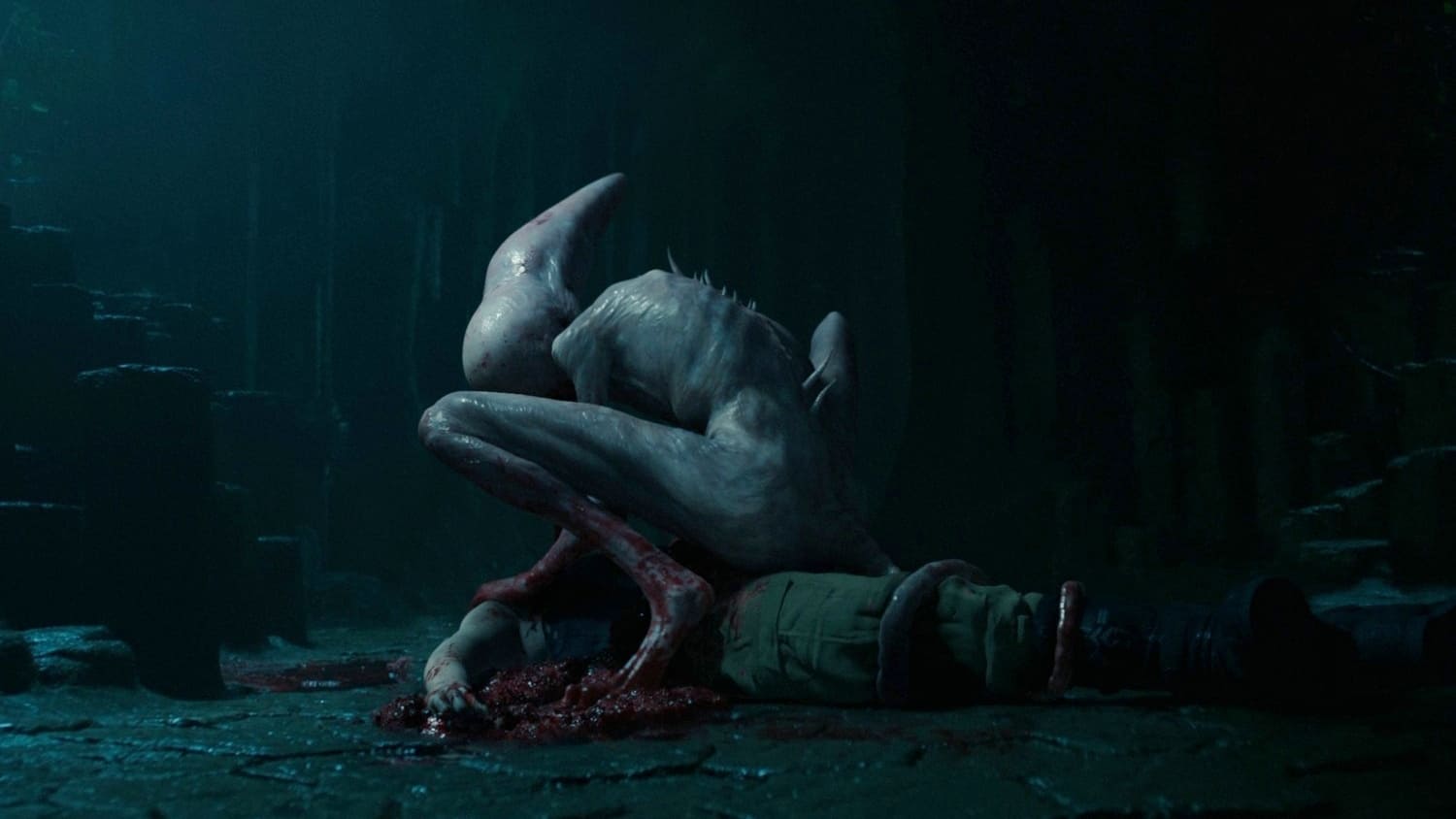
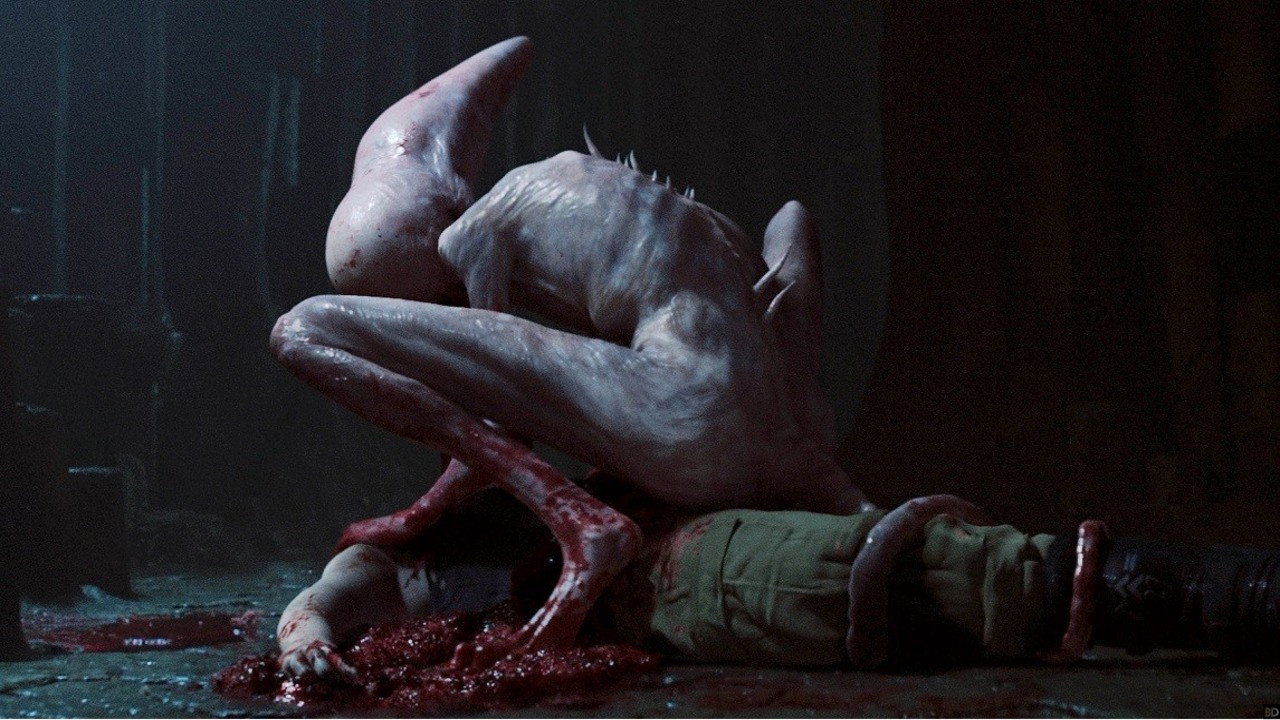
The first violent incidents depend on how easily the crew mistakes a landscape for a safe place. Plant life, water and quiet terrain initially suggest a world compatible with settlement. Microscopic contamination changes the significance of these surroundings before the victims understand that anything has entered their bodies. Neomorph emergence then transforms internal vulnerability into an eruption of wounds and movement. A familiar scene of treating an injured colleague becomes almost impossible to control, combining panic about infection with the more immediate fear of exposure to an unfamiliar organism.

The crew's relationships also shape the cost of these events. Partners aboard a settlement voyage expect to build lives together after arrival, so a death destroys a projected future as well as a present bond. Daniels' grief after losing her husband helps explain her resistance to decisions made by a new commander she does not fully trust. Her position within the group is not identical to Ripley's role in the 1979 film, even if the suspense sometimes uses a similar pattern of warnings ignored until it is too late. The colonists' limited knowledge is the dramatic obstacle; the horror develops as ordinary procedures cease to offer protection.

Filming an Apparently Habitable World

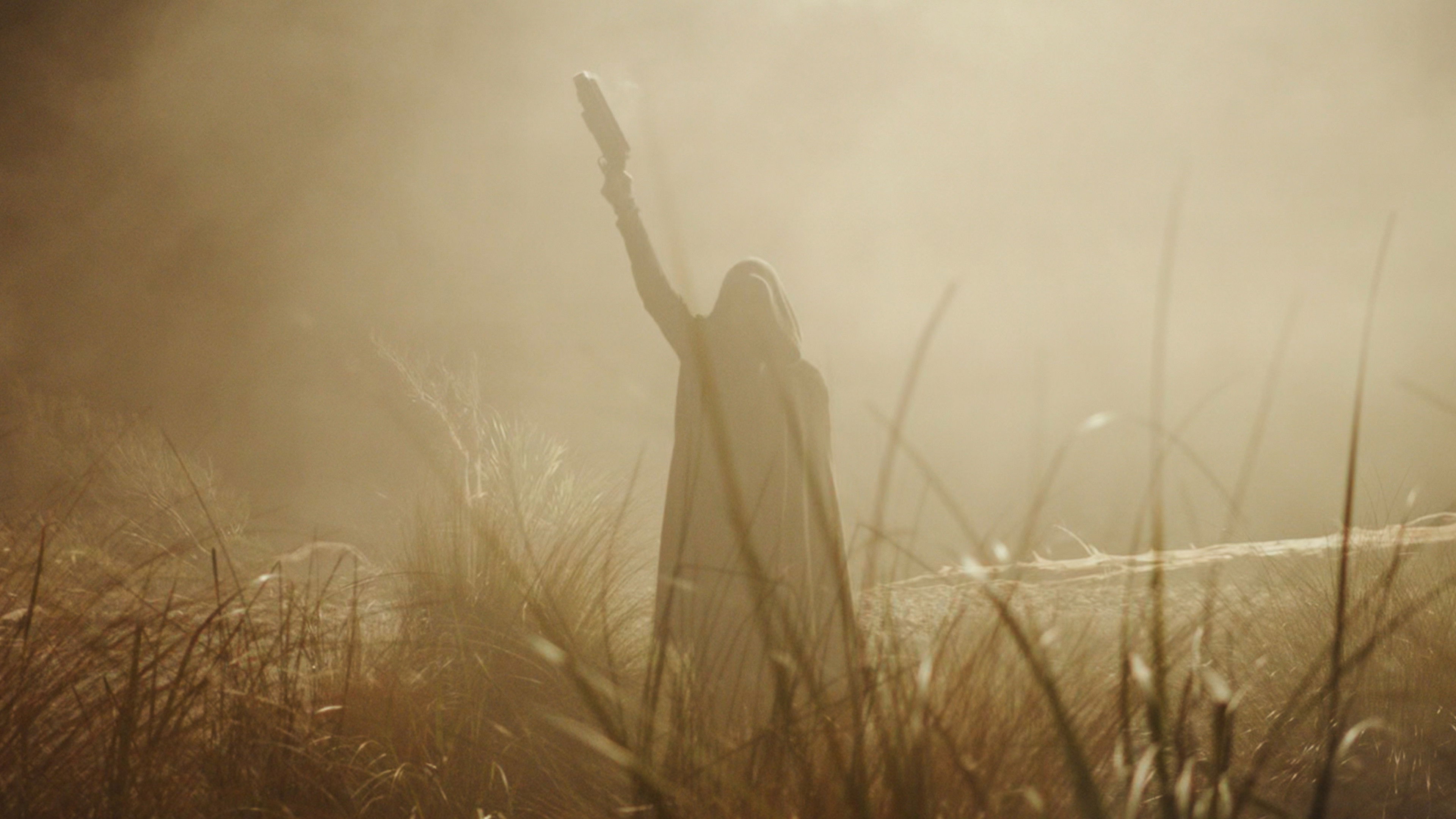
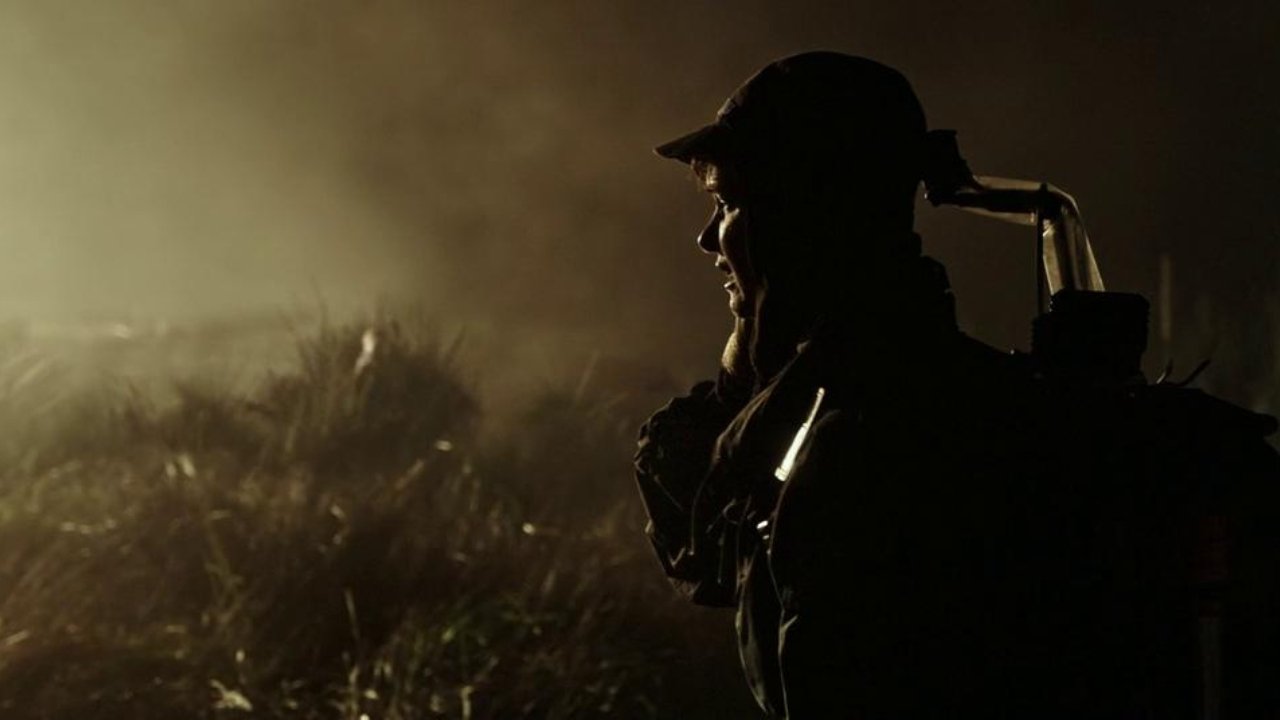
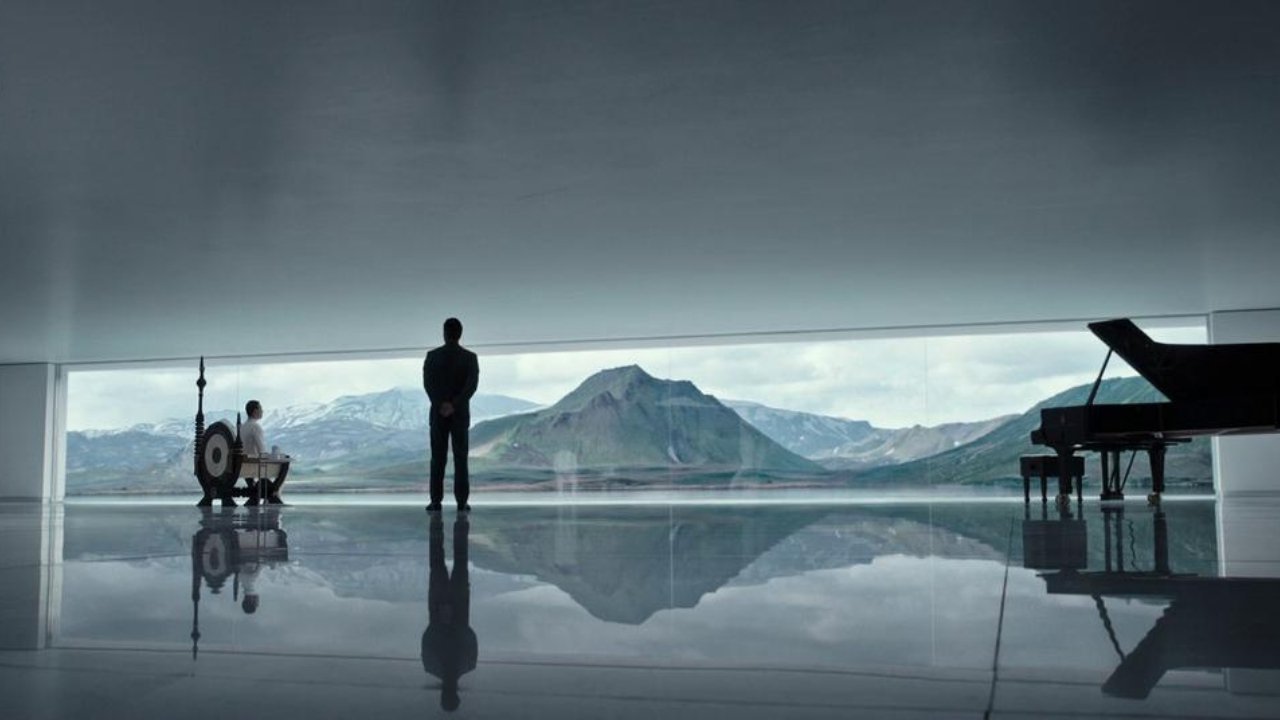
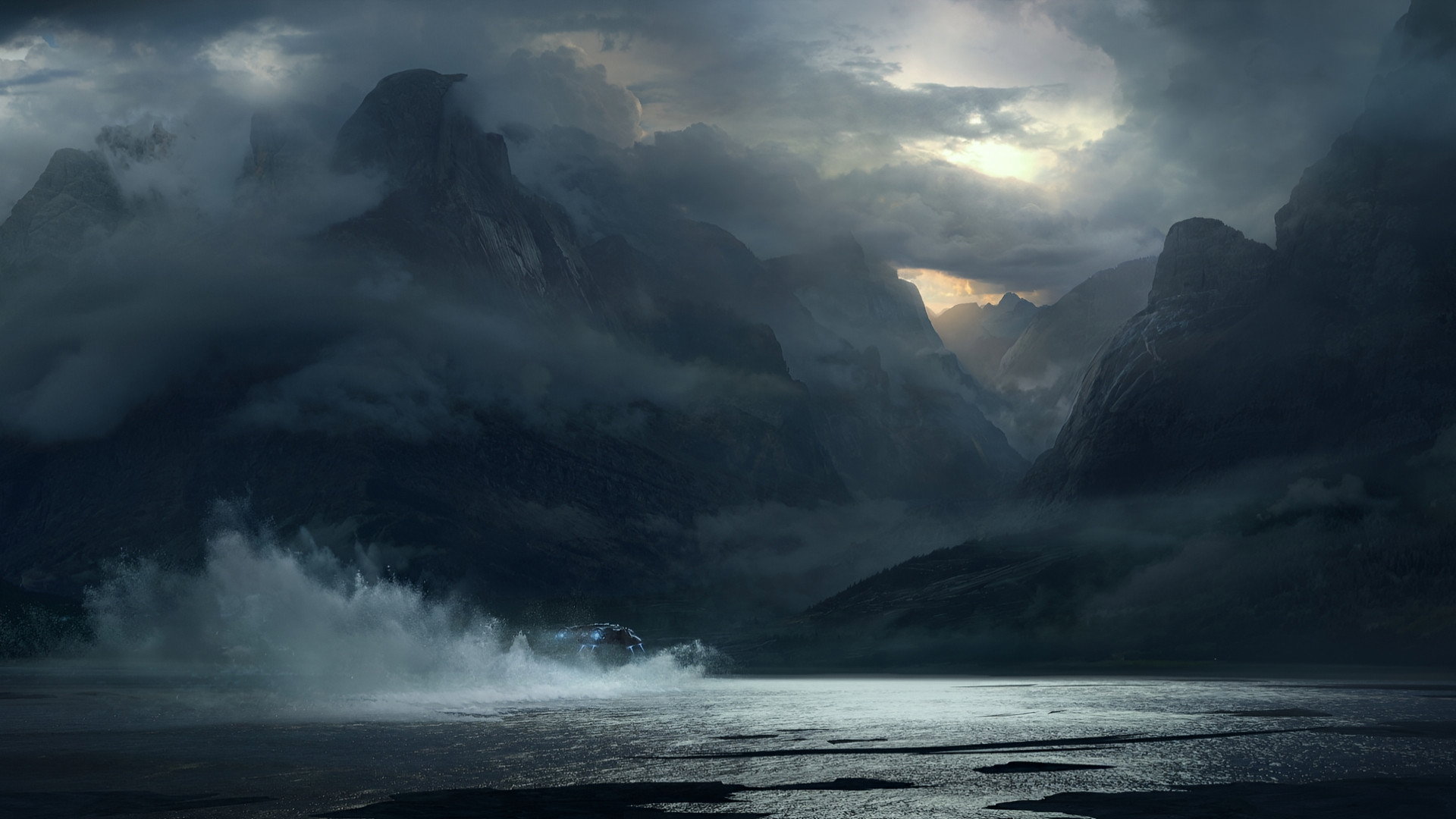
The New Zealand Film Commission documents location photography at Milford Sound during the 2016 production. Cinematographer Dariusz Wolski said the area's soft cloud cover and intermittent light informed the appearance of the planet, and that the backlot environments were shaped to resemble a continuing dawn or dusk. Such conditions gave the crew a visual foundation for a world whose beauty could conceal danger. The mountainous landscape is not a generic digitally invented backdrop: photographed locations, physical vehicles and constructed sets supplied substantial material for the finished planet scenes.

The commission also preserved remarks from performers about working with tangible equipment. Michael Fassbender emphasized the value of objects that could be touched and explored, while Amy Seimetz described reacting beneath a lander on location. Their statements concern the experience of filming, not a claim that all space vessels or backgrounds remained practical in the final image. The distinction is central to the film's scale. A recognizable patch of terrain can anchor a performance even when its surroundings are later extended in postproduction. The result contrasts open natural space with the increasingly closed and dangerous shelters used by the survivors.

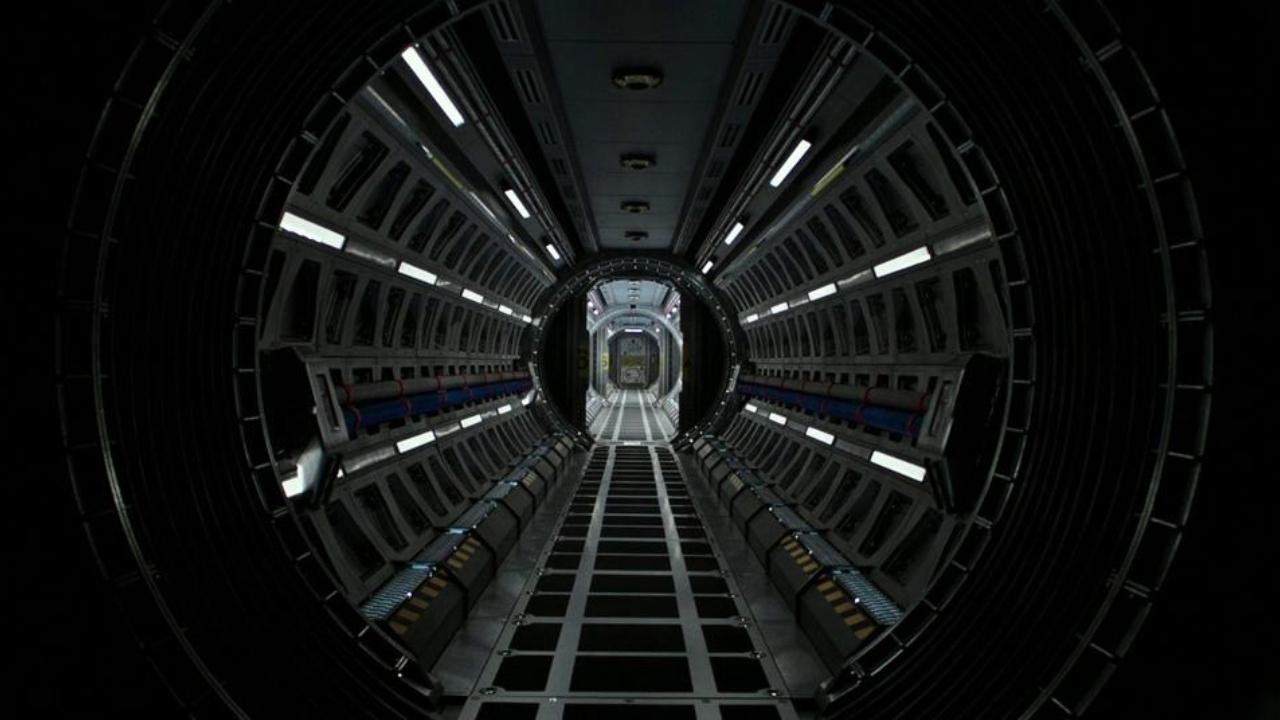
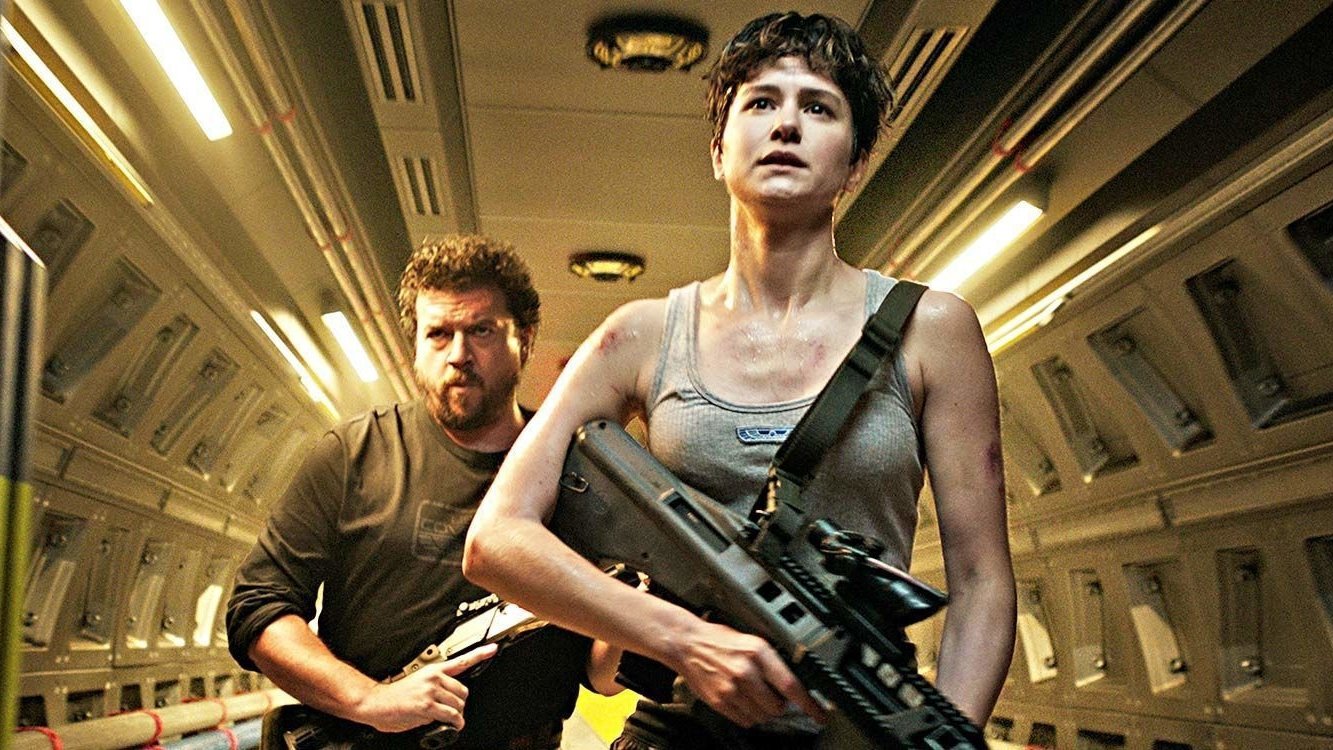
On the ship and inside David's compound, the threat takes another spatial form. Interiors present functioning corridors, machinery and architectural thresholds that initially promise shelter. Once creatures penetrate those boundaries, the characters must depend on passages whose routes can be anticipated by the audience but not safely controlled. The alternation between an expansive exterior and confined interior action preserves a foundational Alien device: places designed for human survival become structures through which a predator can move.
Practical Monsters and Digital Performance

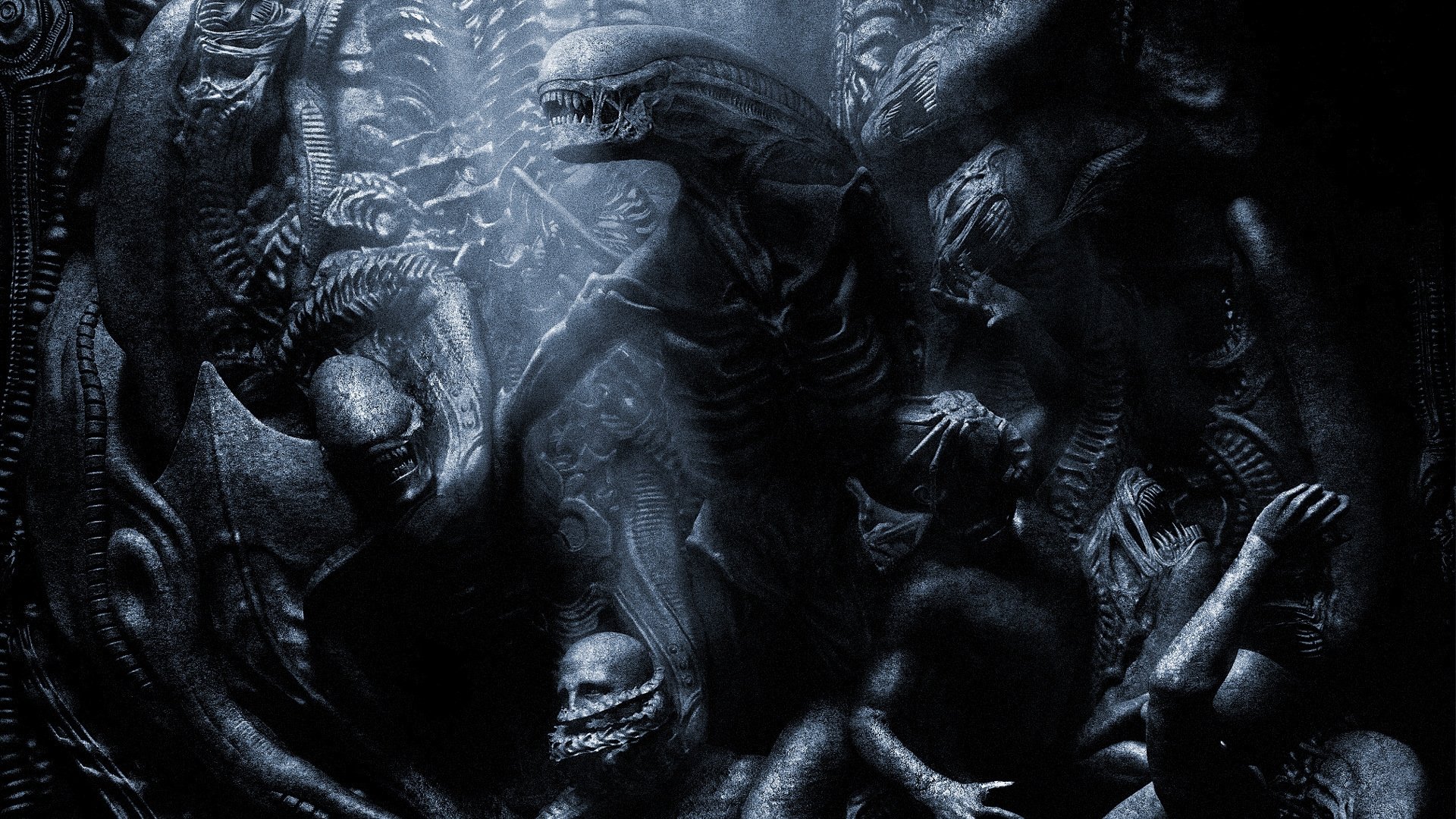
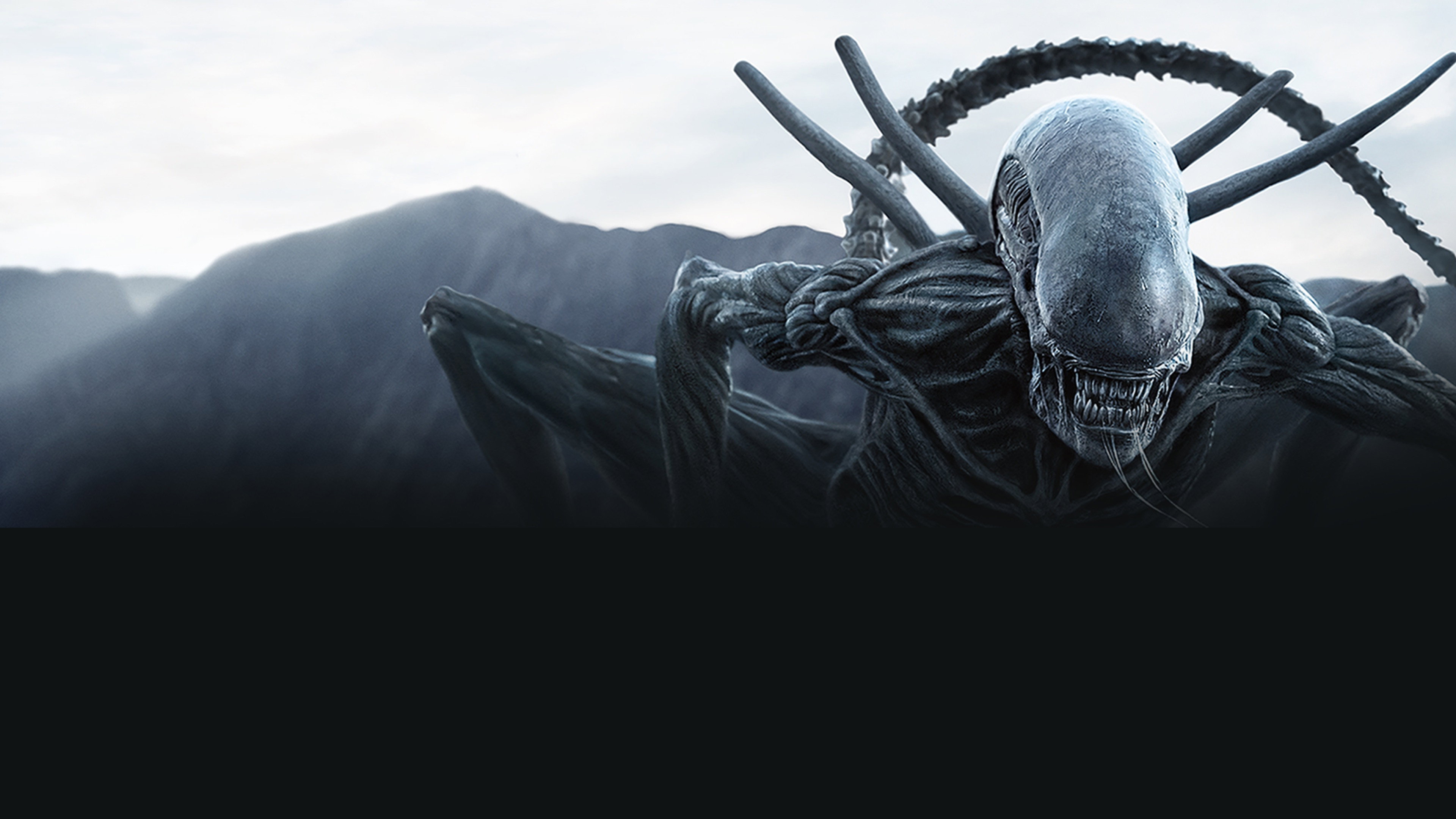
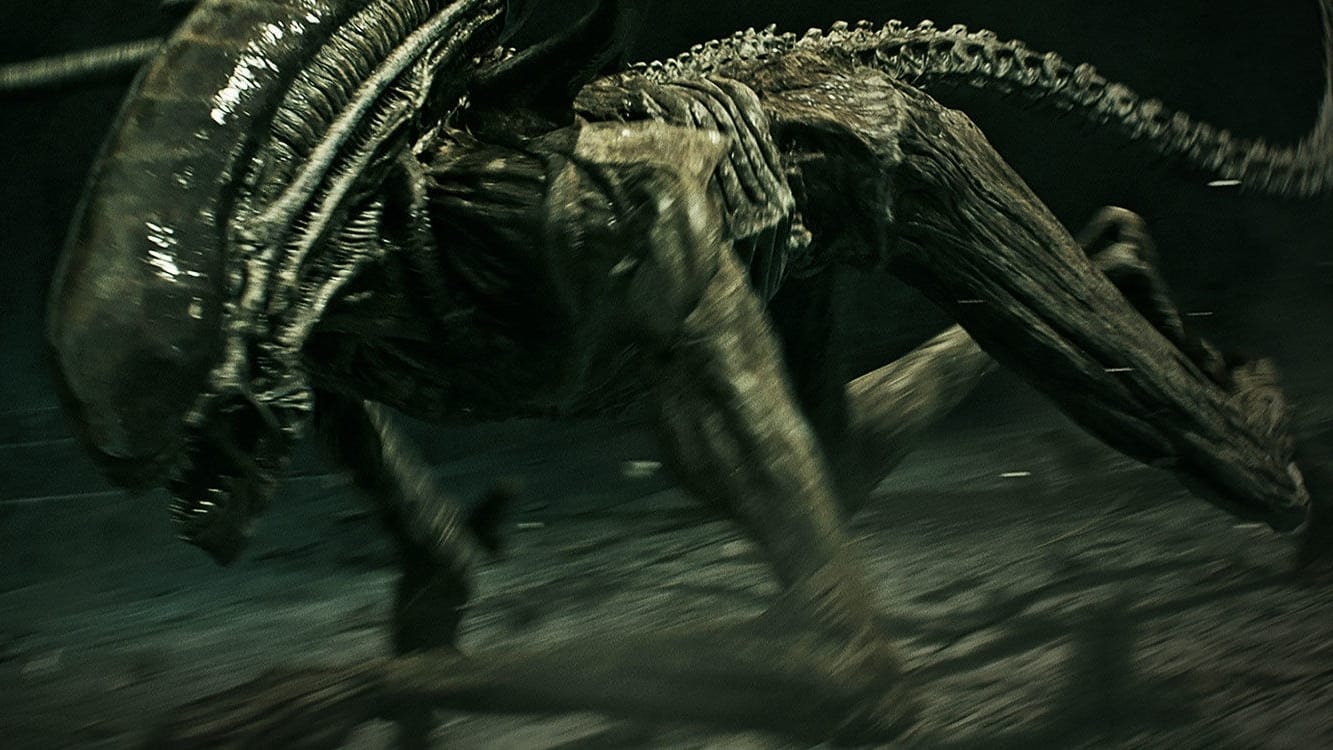
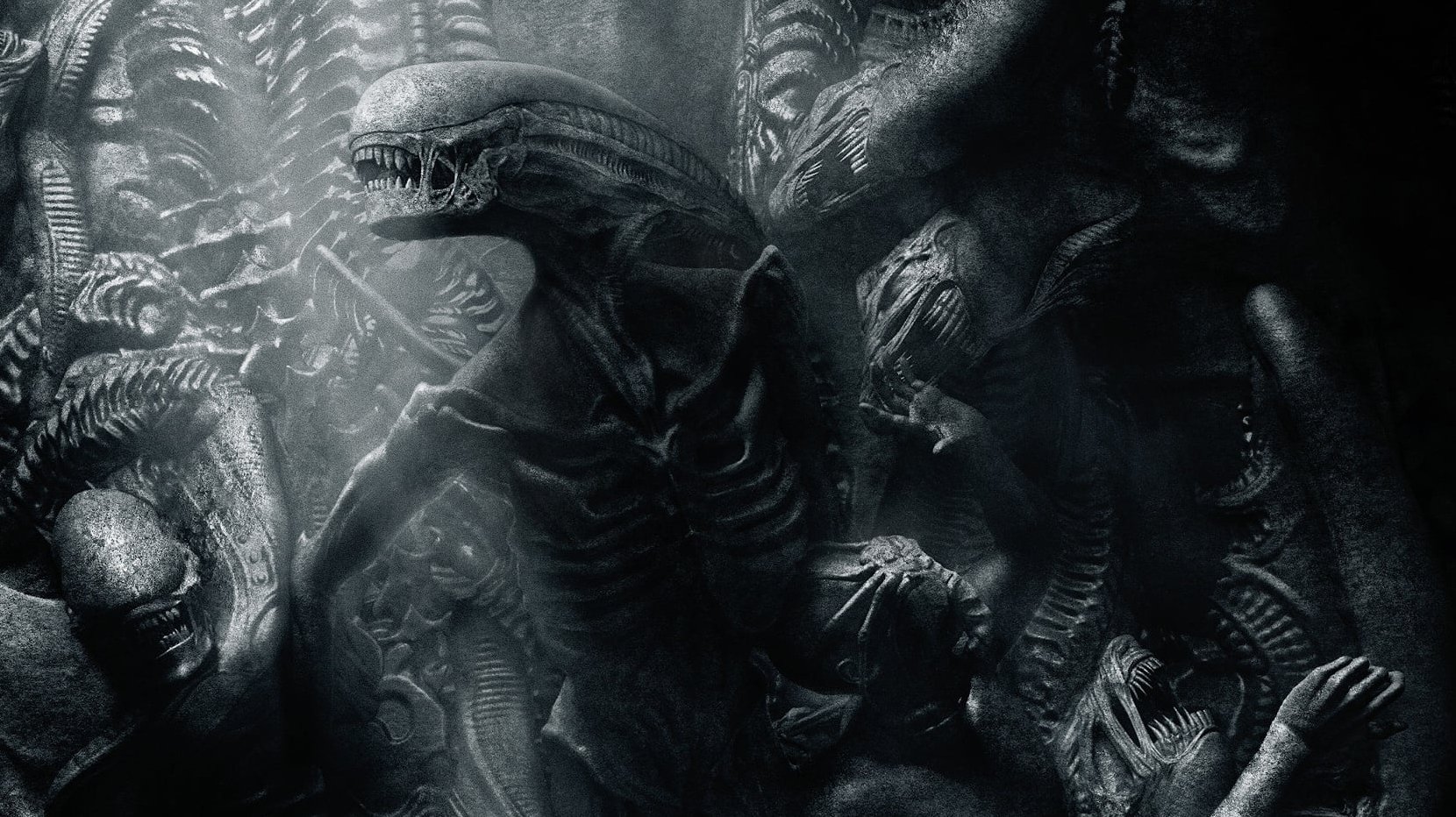
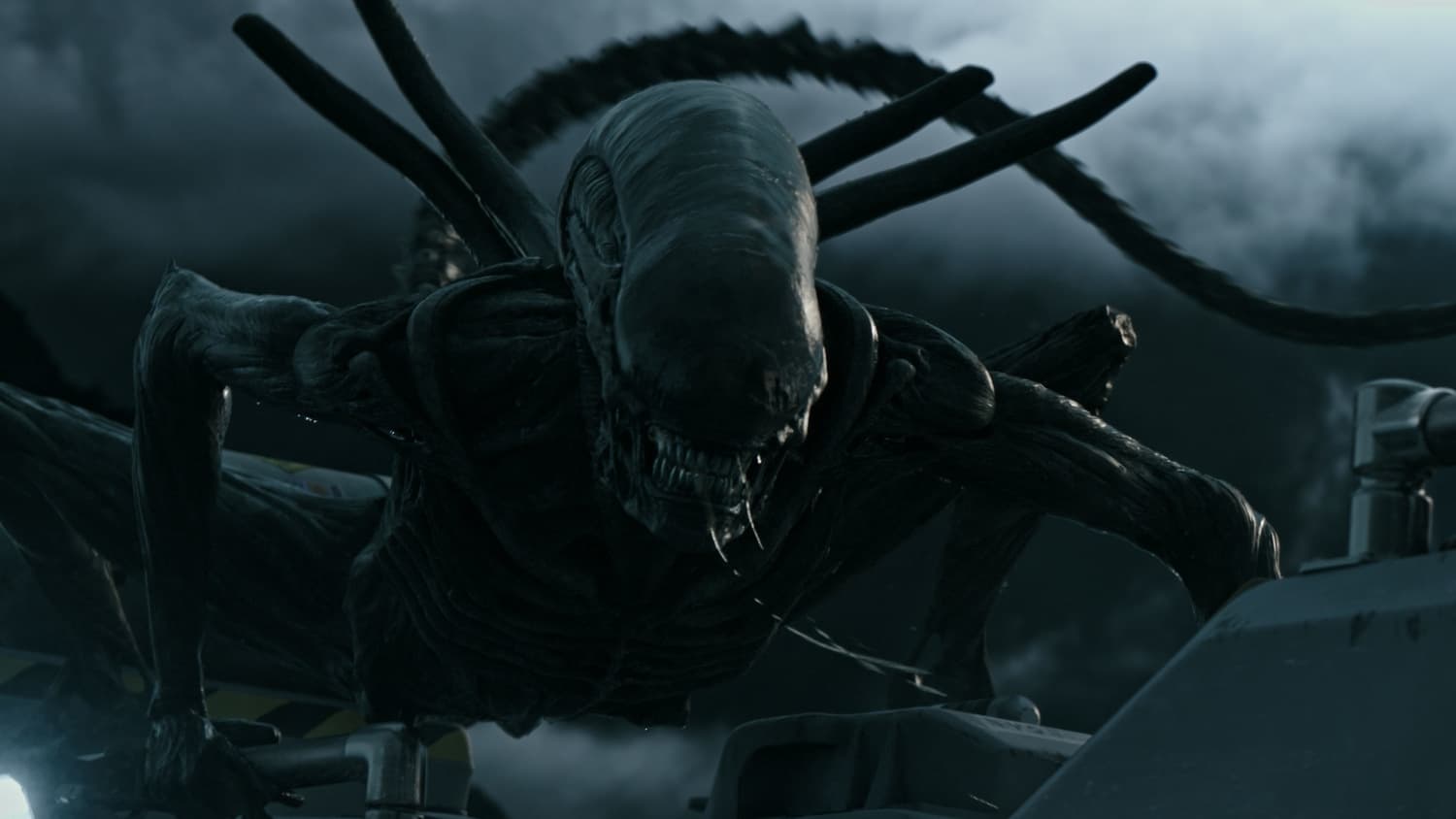
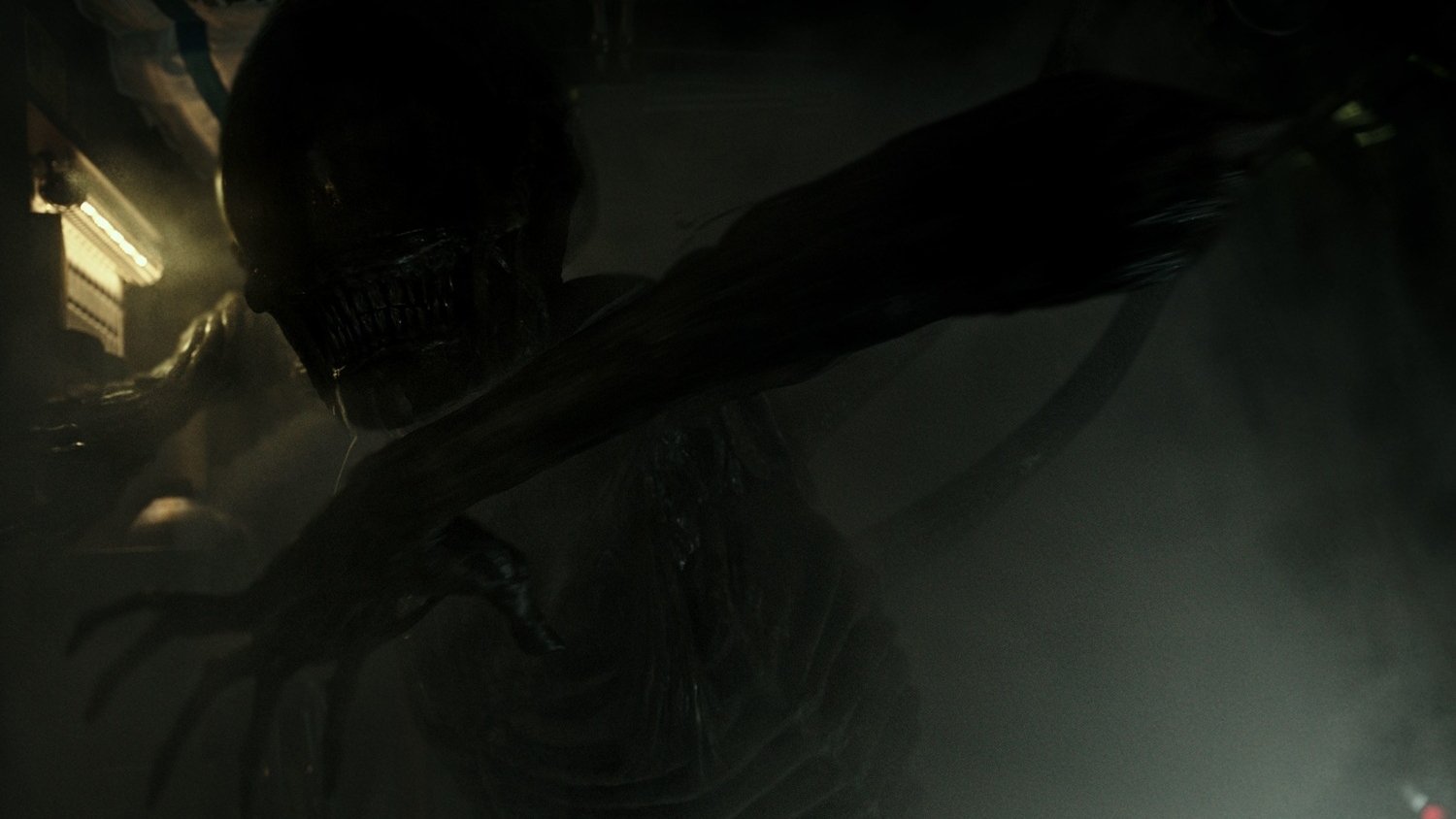
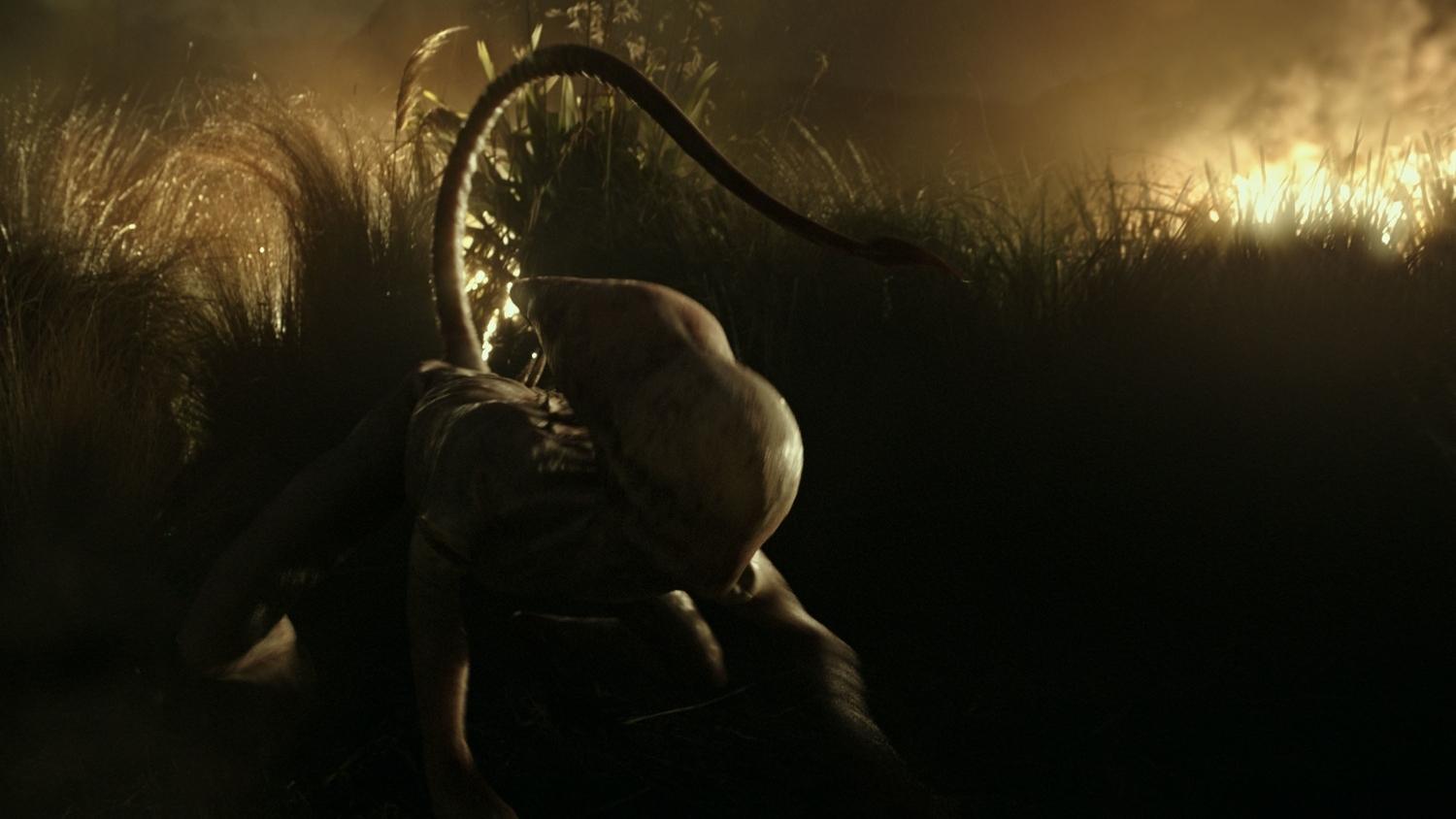
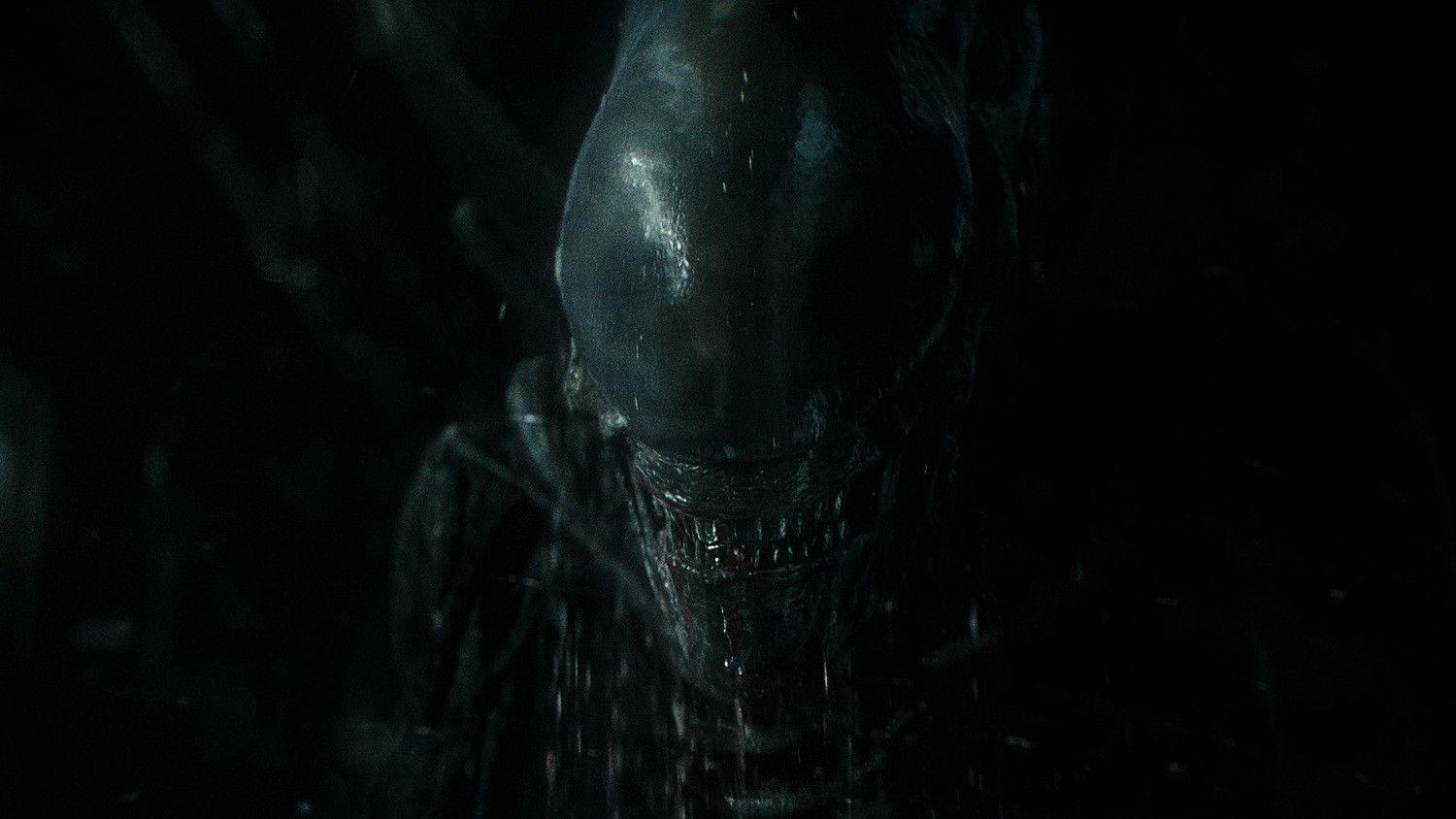
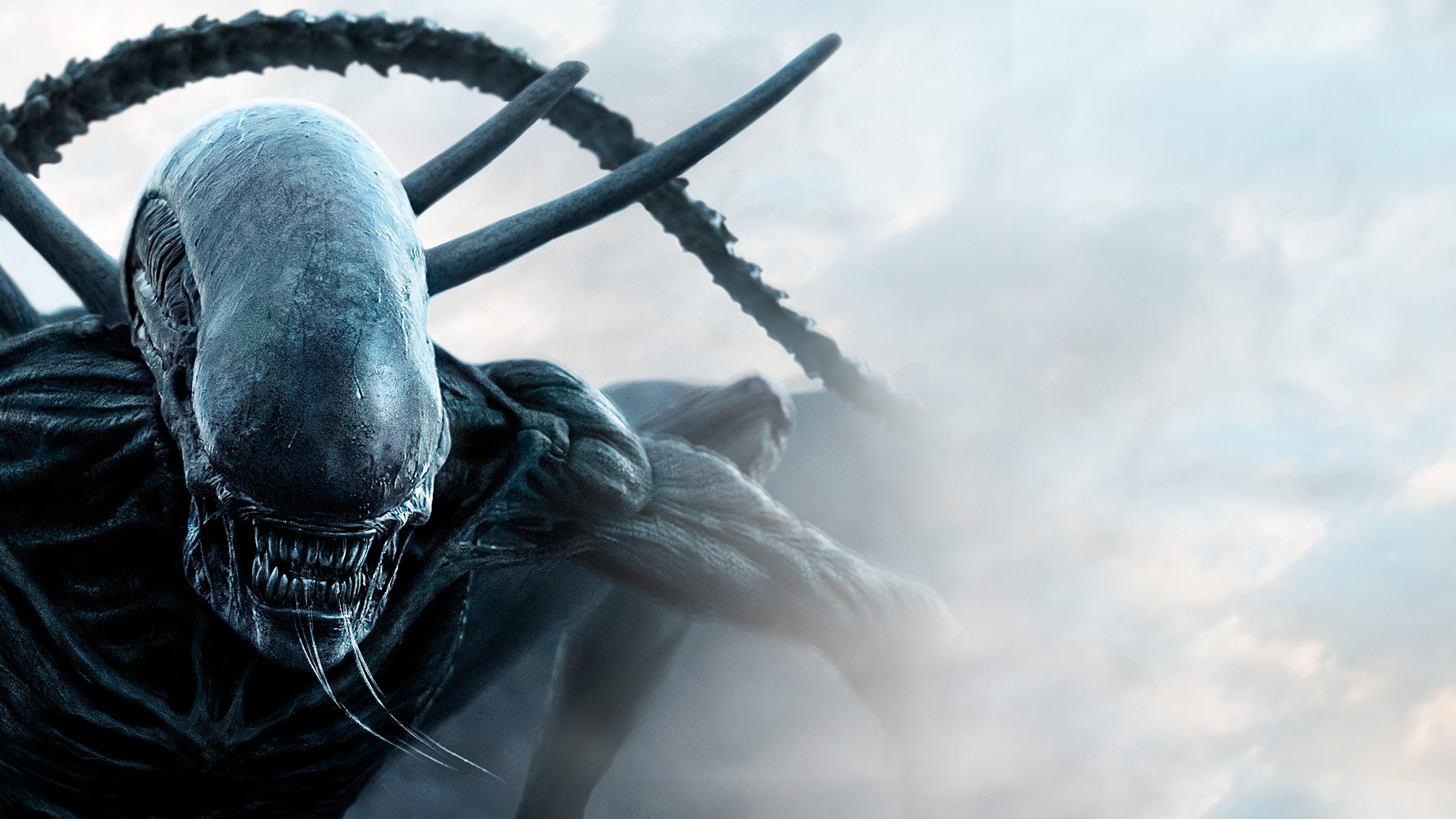
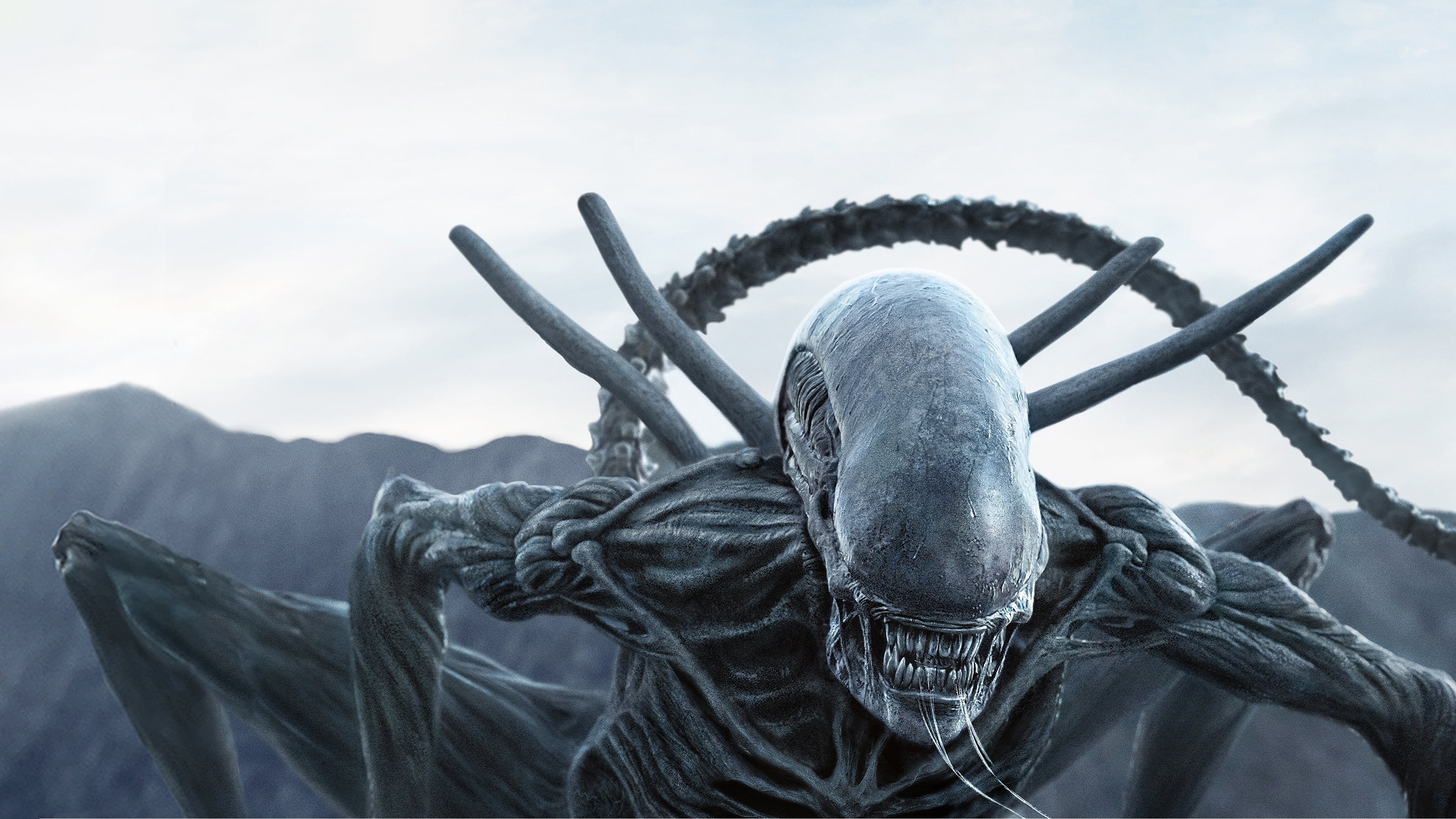
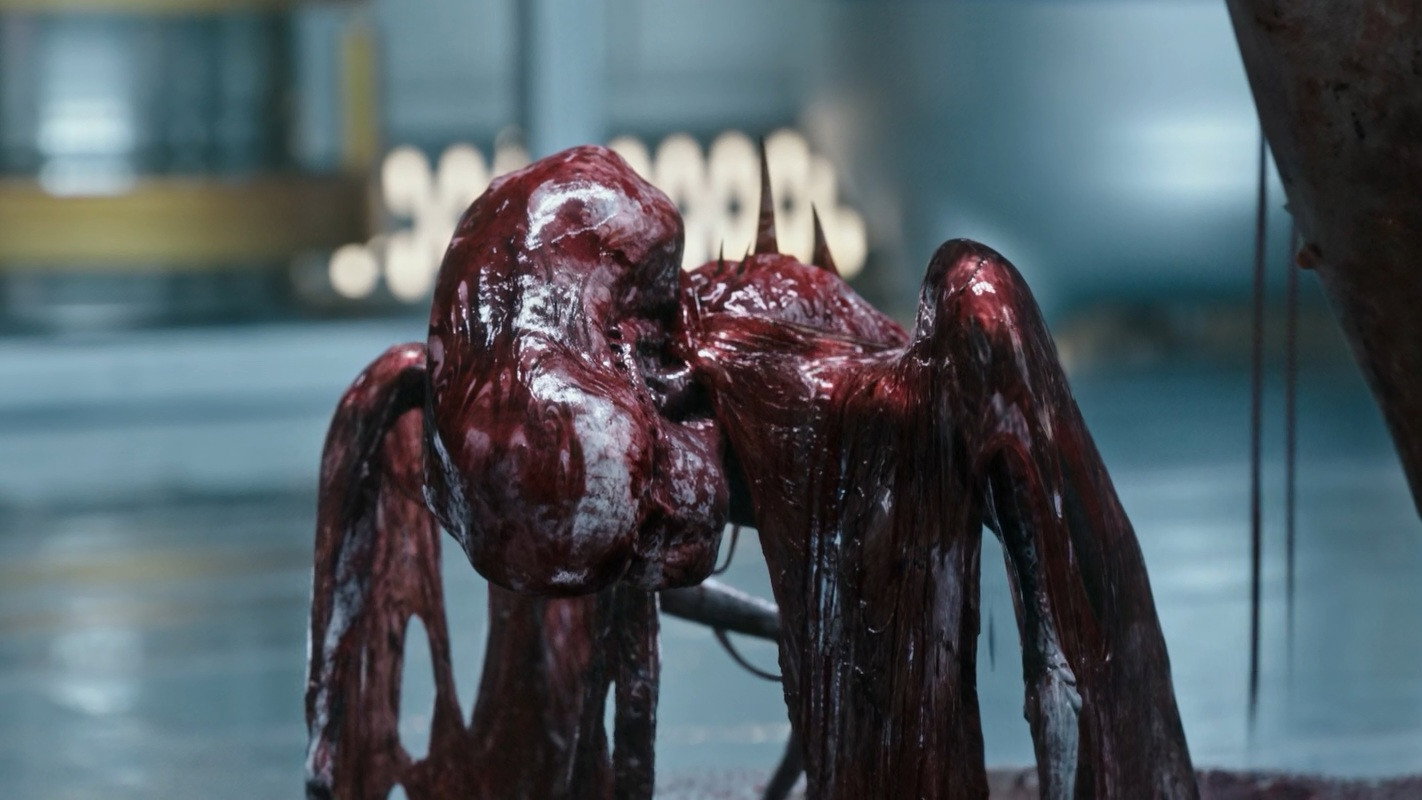
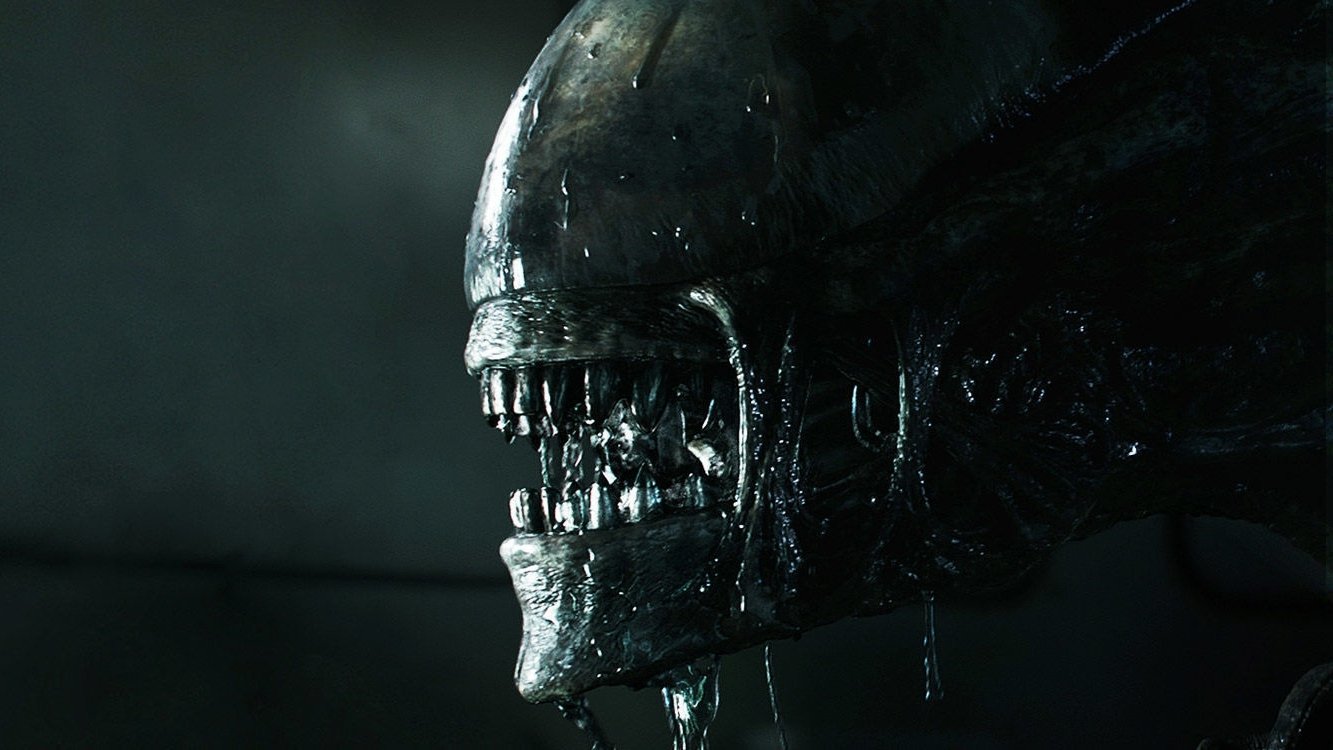
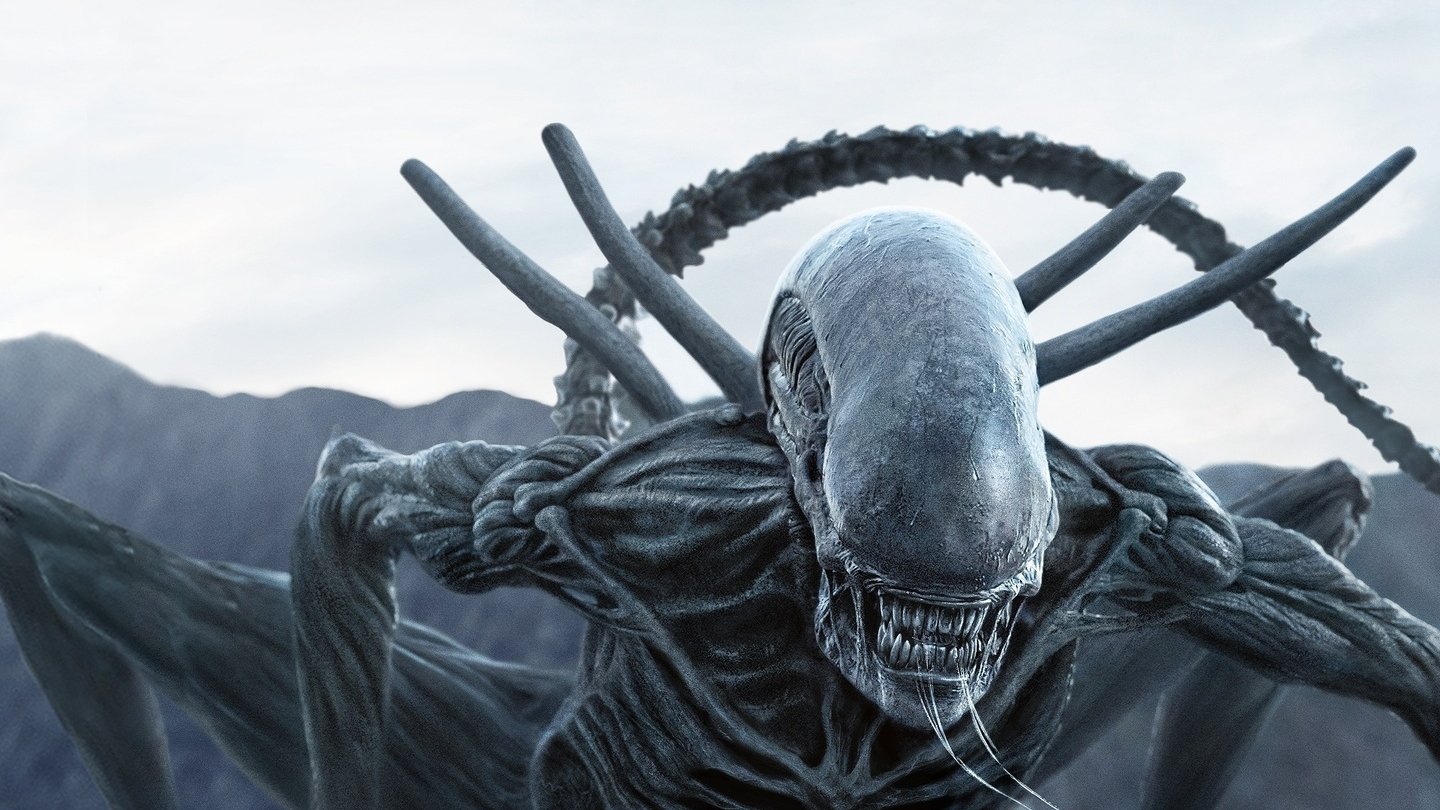
Johansen's detailed 2017 account for vfxblog describes an extensive physical creature program conducted by Creatures Inc. and Odd Studio under Conor O'Sullivan's design supervision. The Xenomorph suit included a servo-controlled jaw and a neck system responding to its performer's movements. The Neomorph department built foam-latex suits, a snapping close-up head inspired by the goblin shark and translucent puppets for the birth sequences. The effects teams also created damaged bodies and material for David's laboratory. These statements identify specific manufactured objects; they do not establish that all completed creature shots used the practical versions unchanged.

Production visual-effects supervisor Charley Henley explained to The Art of VFX why digital animation was equally important. Scott wanted performances and movements beyond the capabilities of suits and puppets, so the crew used physical references during photography while MPC developed computer-generated Neomorphs and Xenomorphs. Henley described animation studies drawing on baboons and insects as well as the unusual motion of the goblin shark. Creature design progressed through concept work, sculpture, scanning and digital refinement. The film's monster imagery is best understood as a collaboration between departments, with physical interaction and digital articulation solving different problems.

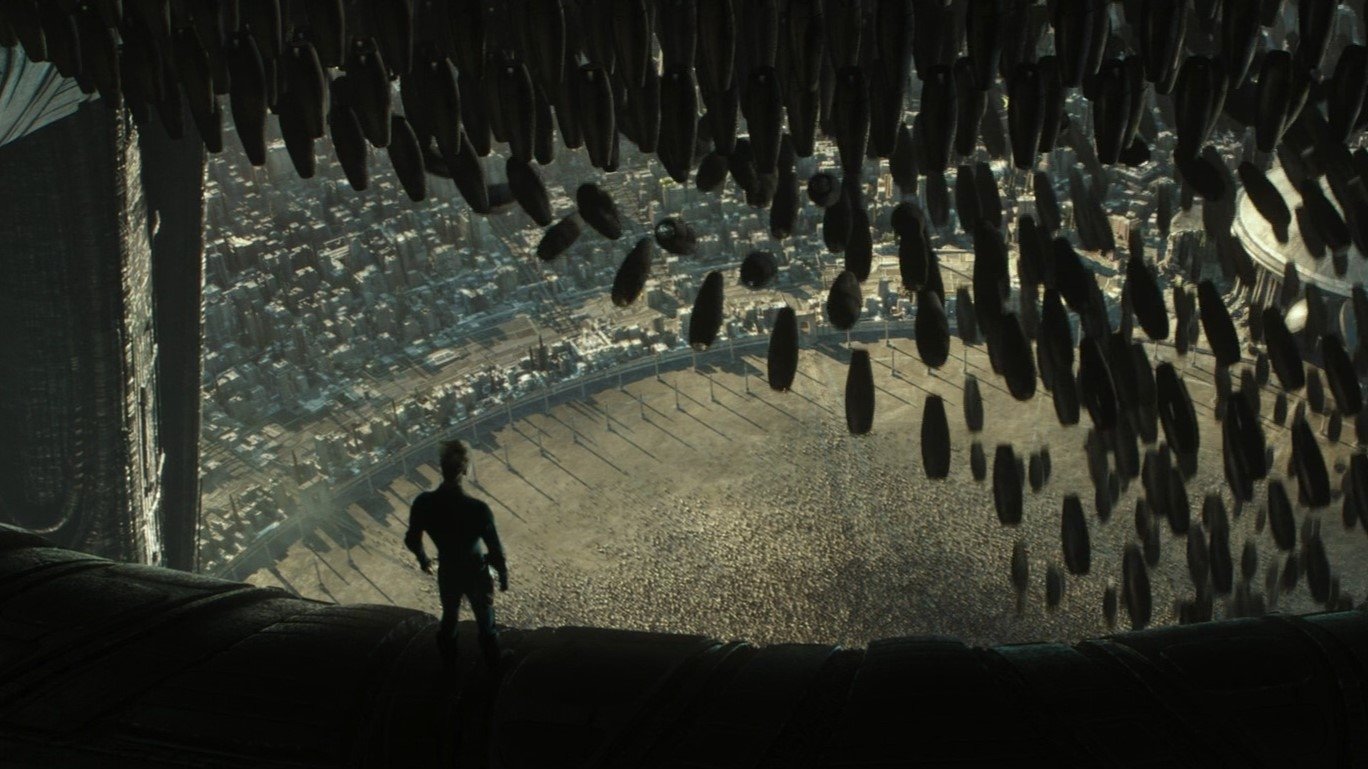
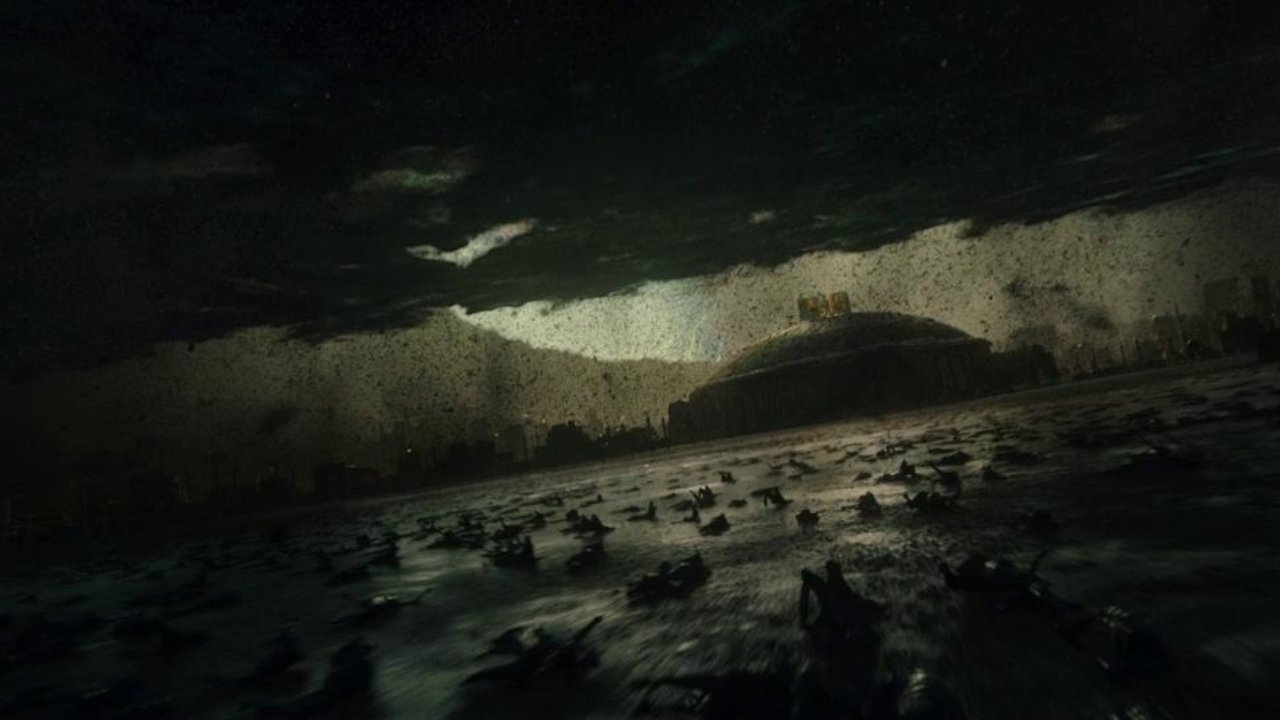
Henley also documented the complex rescue sequence above the ruined Engineer settlement. The production combined a physical section of the city, a partial lifter ship mounted on a motion platform and digitally expanded buildings, terrain and bodies. This was separate from the smaller prosthetic tasks needed to make an infection or birth believable in close-up. Such contrasts explain why the film's effects cannot be assigned to a single technology. The most disturbing bodily moments require convincing contact between a performer and a creature, while the widest images require an entire hostile environment beyond the scale of the built set.

Release, Critical Reception and Franchise Position

Alien: Covenant opened theatrically in several international markets from May 9, 2017, before its United States release on May 19. The sequence of dates matters because the earliest worldwide opening is not the American premiere. The film was presented as a sequel to Prometheus and as another step toward the world of Scott's 1979 Alien, yet those are positions within the series' fictional chronology and production plans, not proof that every proposed follow-up would eventually be made. Its place in the franchise is defined by a specific completed film with an ending that leaves David's experiments ominously unresolved.
Justin Chang's May 17 Los Angeles Times review welcomed the film's suspense and Scott's visual control while observing that the android encounters were its most compelling element. He argued that the original Alien's implacable mystery remained difficult for a prequel devoted to explanations to reproduce. This is one critic's contemporary judgment, useful for identifying a tension between biological terror and the growing mythology of the franchise. The review should not be converted into a universal account of audience response or into a conclusion that Scott intended all of the film's ambiguities to be solved.

The film illustrates an unusual direction for a late franchise installment. It supplies familiar parasites, intimate injuries and predatory movement, yet gives its most sustained thematic attention to an artificial creator fascinated by what his experiments can become. Scott's directorial testimony, the documented production methods and the contemporary criticism establish the terms of that combination. Its significance to horror history lies in the attempt to join the original series' reproductive nightmare with a more explicit fear of manufactured intelligence, preserving the creature's physical brutality while questioning the intentions of the being that cultivates it.

References

  1. British Film Institute Ridley Scott: Stand outside and look at the galaxy and we're it? Don't be silly

    Lou Thomas interviews Scott in May 2017 about the prequel, primal fear, creation and the questions he wanted the film to raise.

  2. New Zealand Film Commission Alien Covenant

    Official production feature documents Milford Sound photography and original remarks by Dariusz Wolski, Neil Corbould and actors about location and physical sets.

  3. vfxblog Up close with the practical creatures of Alien: Covenant

    Ian Failes interviews Adam Johansen on Neomorph and Xenomorph fabrication, puppet mechanisms, prosthetics, suit performance and David's laboratory.

  4. The Art of VFX ALIEN - COVENANT: Charley Henley - Production VFX Supervisor - MPC

    Vincent Frei's extensive interview explains practical and CG creature collaboration, animation research, double-performance composites and the Engineer city effects.

  5. Los Angeles Times Review: Ridley Scott's Alien: Covenant is a sleek, suspenseful return to form

    Justin Chang's original May 2017 review examines the dual android performance, creative ambition, narrative mystery and relation to the first Alien.

Connections

Cast

View Full Cast & Crew →

Release & Distribution

Production Companies (3)

  • 20th Century Studios US
  • Brandywine Productions US
  • Scott Free Productions US

Distributors (2)

  • 20th Century Studios US
  • InterCom HU

Release History (43)

Release DateTerritoryRelease TypeFormatDistributorCertificationNotes
2017-05-09 South Korea Theatrical — — 15
2017-05-09 Singapore Theatrical — — M18
2017-05-10 Switzerland Theatrical — — 16
2017-05-10 France Theatrical — — 12
2017-05-10 Taiwan Theatrical — — 輔15
2017-05-11 Australia Theatrical — — MA 15+
2017-05-11 Brazil Theatrical — — 16
2017-05-11 Hong Kong SAR China Theatrical — — —
2017-05-11 Italy Theatrical — — T
2017-05-11 New Zealand Theatrical — — R16
2017-05-12 Bulgaria Theatrical — — D
2017-05-12 Estonia Theatrical — — —
2017-05-12 Spain Theatrical — — 16
2017-05-12 United Kingdom Theatrical — — 15
2017-05-12 Ireland Theatrical — — 16
2017-05-12 India Theatrical — — UA
2017-05-12 Poland Digital — — 18
2017-05-12 Romania Theatrical — — 18+
2017-05-12 Türkiye Theatrical — — 15+
2017-05-12 Vietnam Theatrical — — —
2017-05-17 Denmark Theatrical — — 15
2017-05-17 Sweden Theatrical — — 15
2017-05-18 Czechia Theatrical — — 18+
2017-05-18 Germany Theatrical — — 16
2017-05-18 Greece Theatrical — — —
2017-05-18 Hungary Theatrical — — 18
2017-05-18 Netherlands Theatrical — — 16
2017-05-18 Portugal Theatrical — — M/16
2017-05-18 Russia Premiere — — 18+
2017-05-18 Slovakia Theatrical — — —
2017-05-18 Ukraine Theatrical — — —
2017-05-19 India Theatrical — — —
2017-05-19 Mexico Theatrical — — B-15
2017-05-19 United States Theatrical — — R
2017-06-16 China Theatrical — — —
2017-07-13 Netherlands Physical DVD, Blu-ray — 16 DVD, Blu ray,
2017-08-15 United States Physical — — R
2017-09-15 Japan Theatrical — — —
2017-09-17 France Physical — — 12
2017-09-18 United Kingdom Digital — — —
2017-09-18 United Kingdom Physical — — —
2017-10-02 Sweden Physical — — 15
2021-02-23 France Digital — — — Disney+
The path to paradise begins in hell.