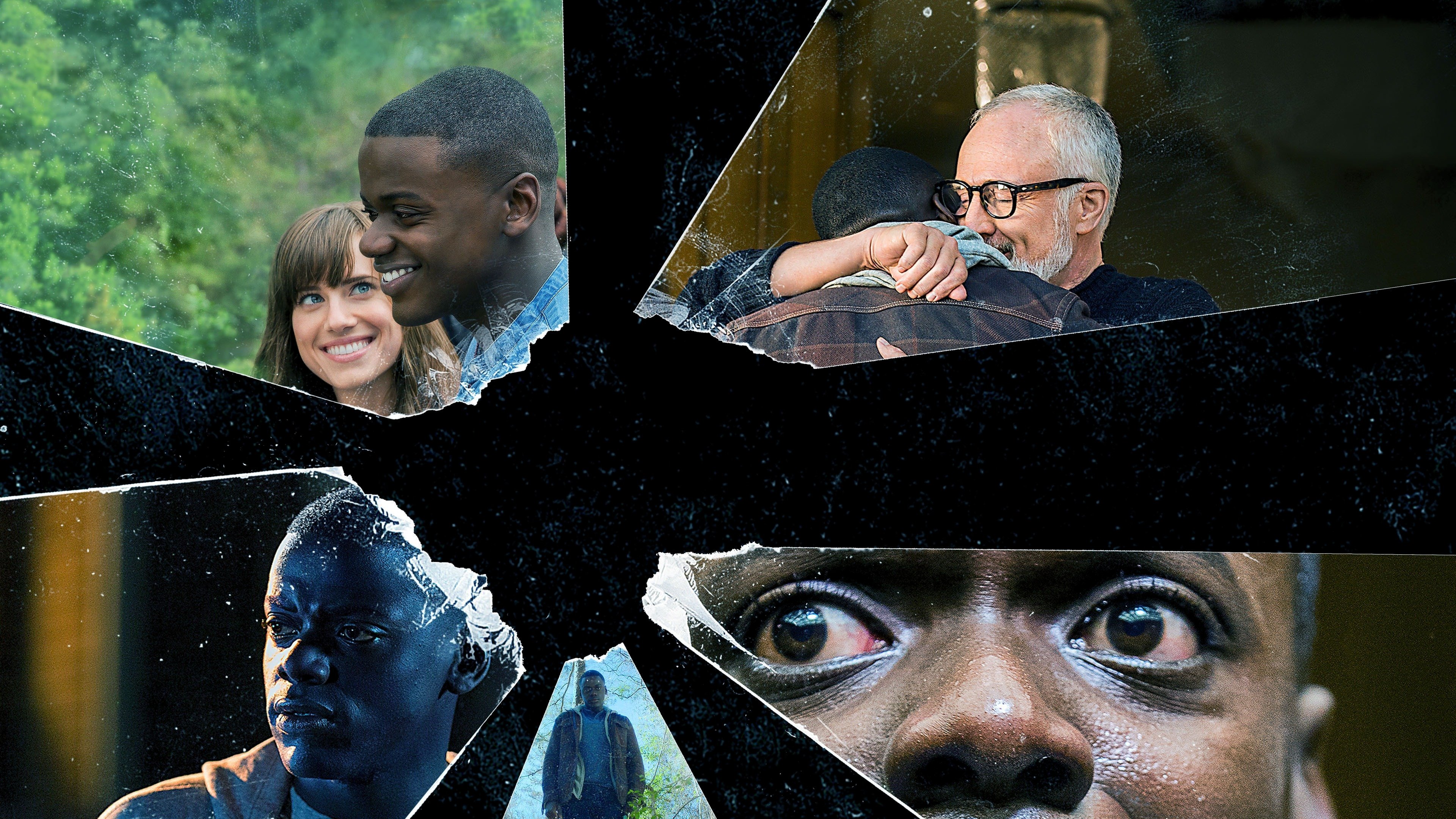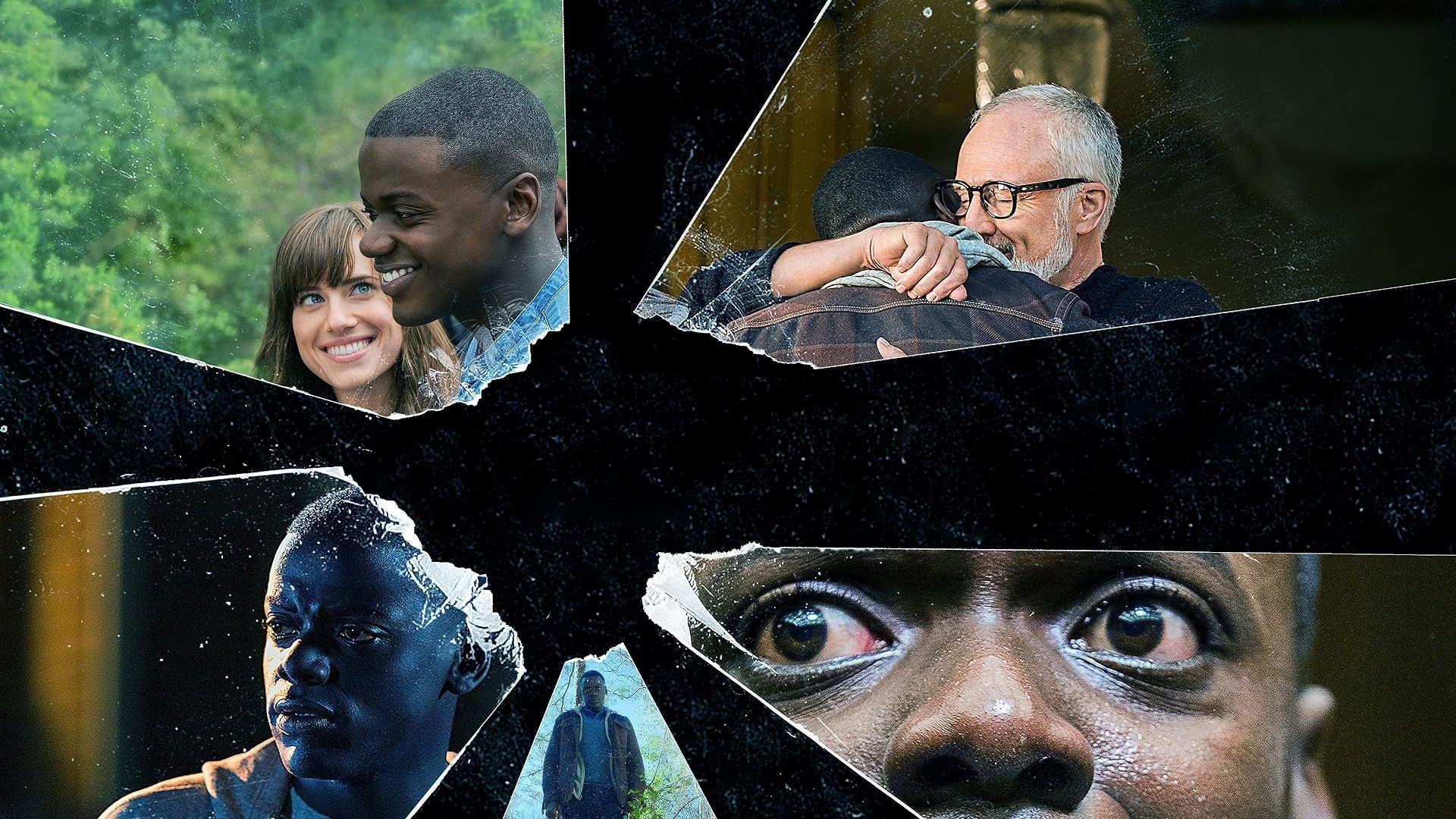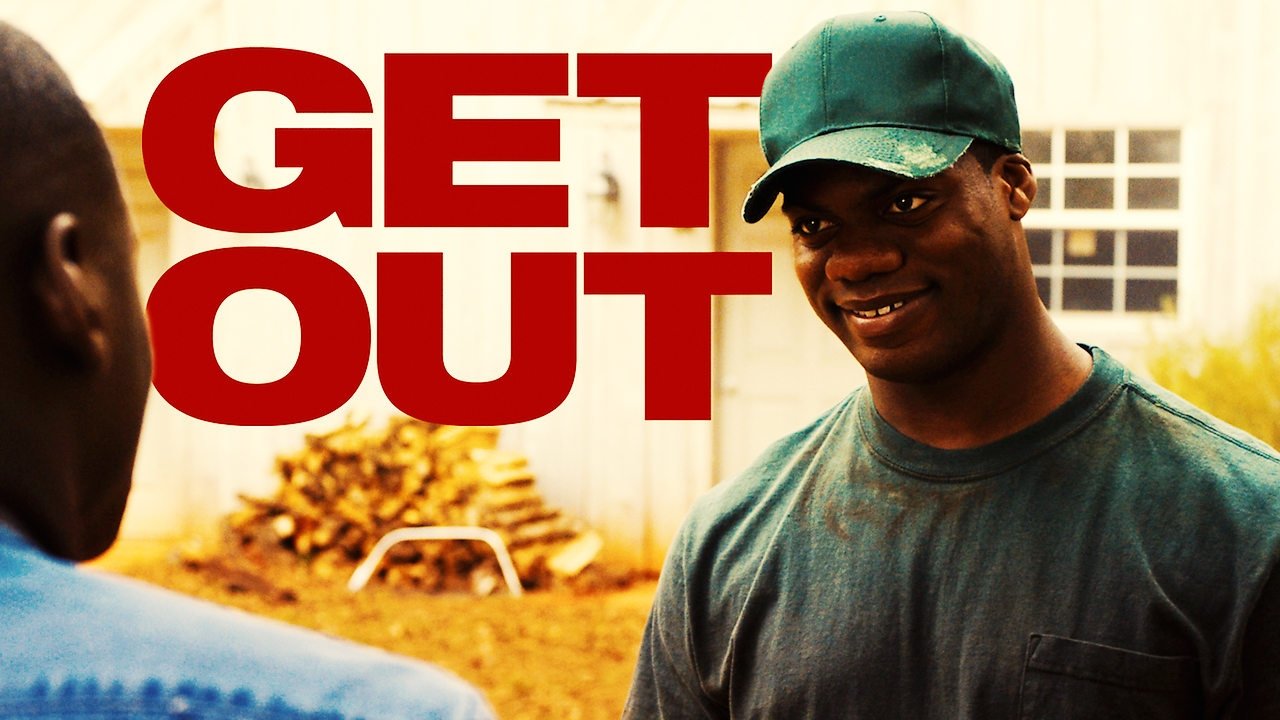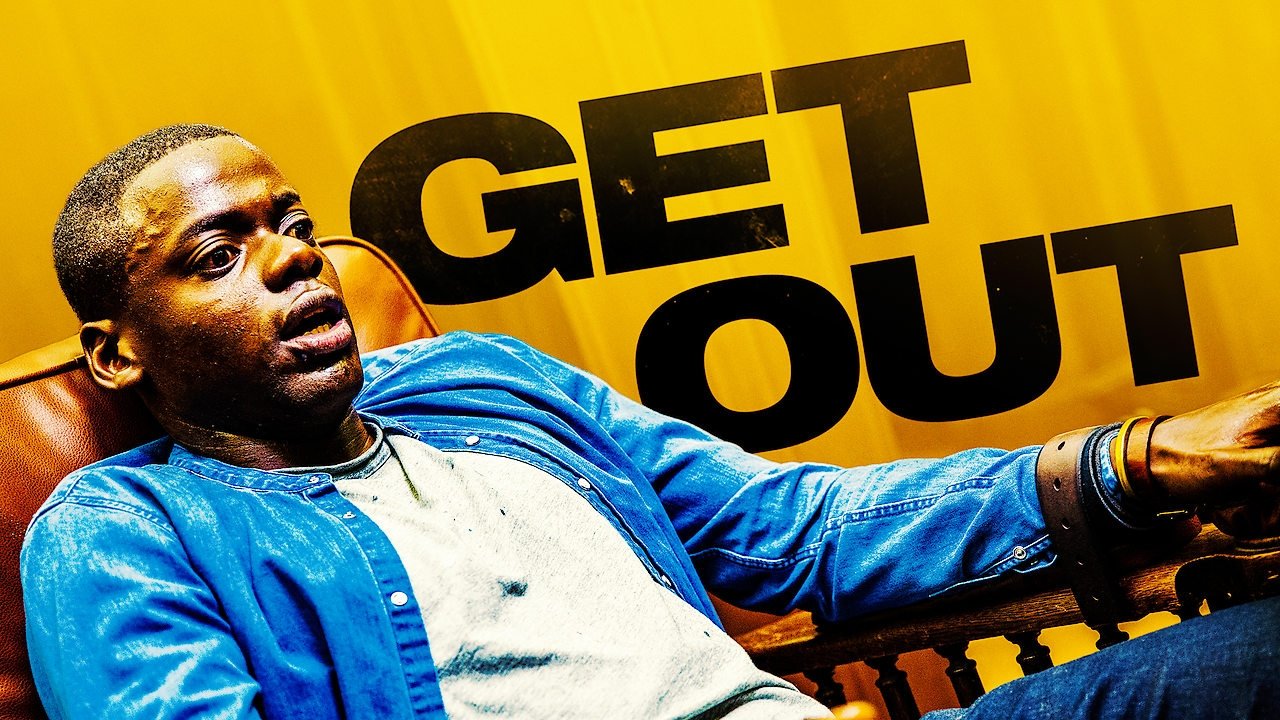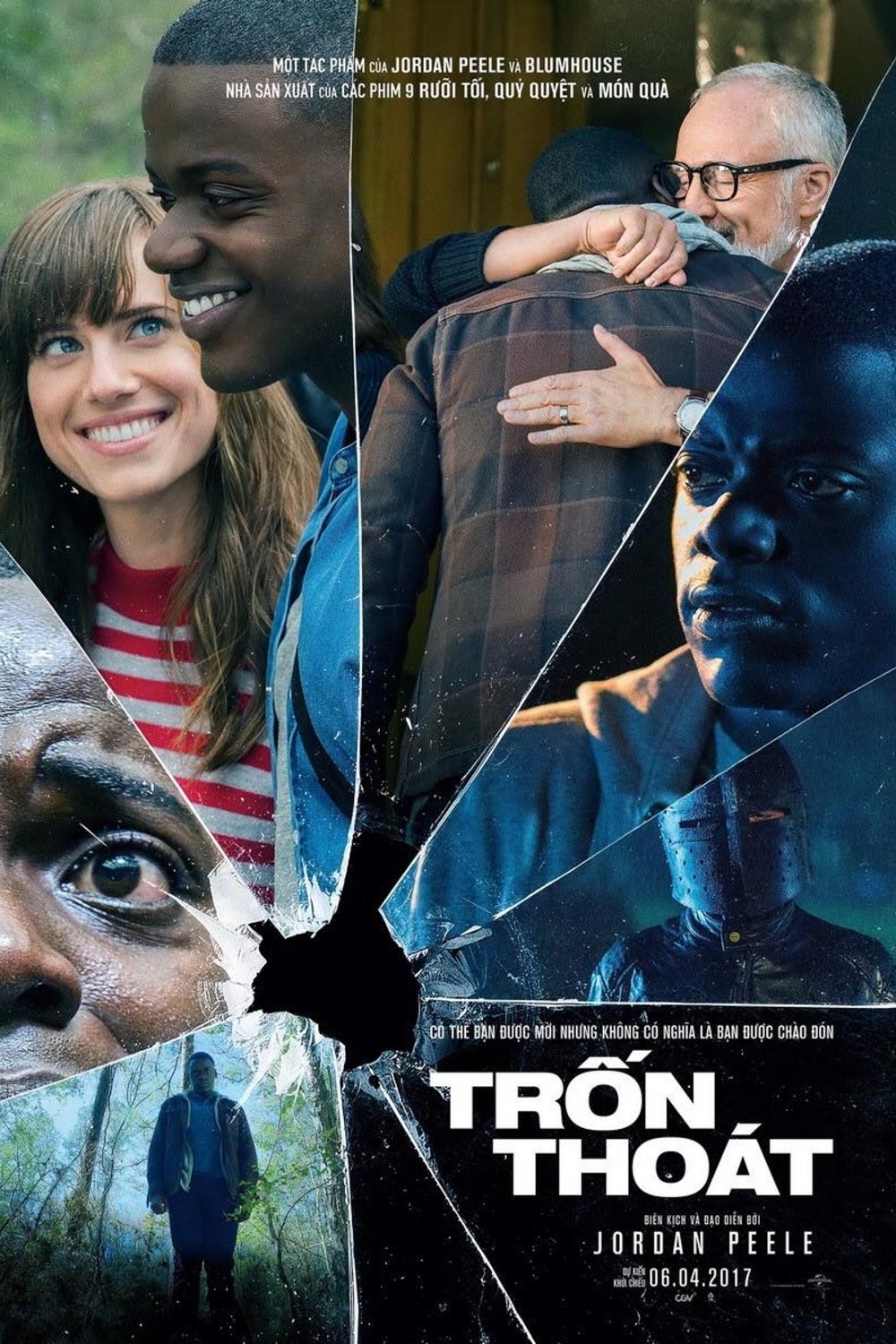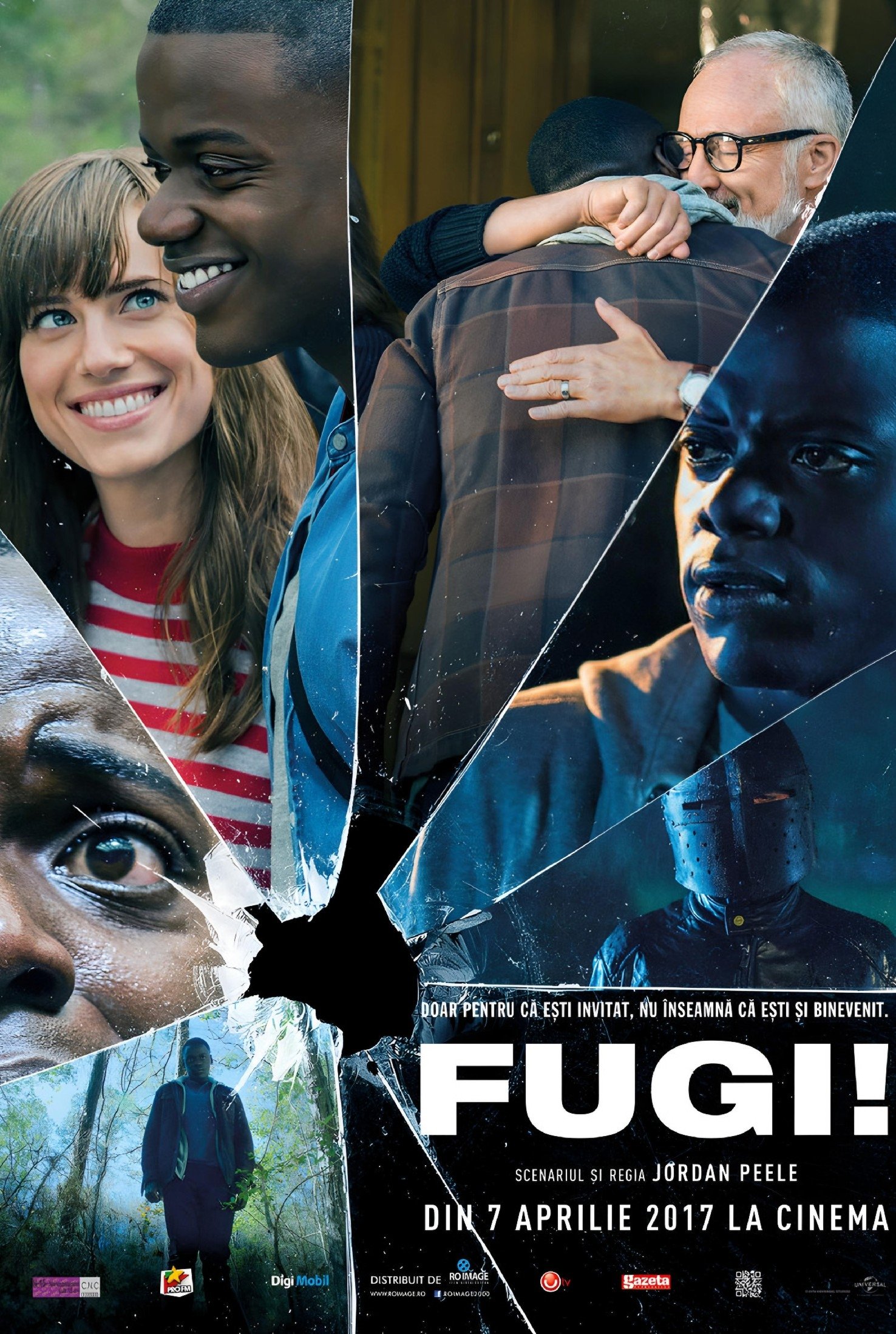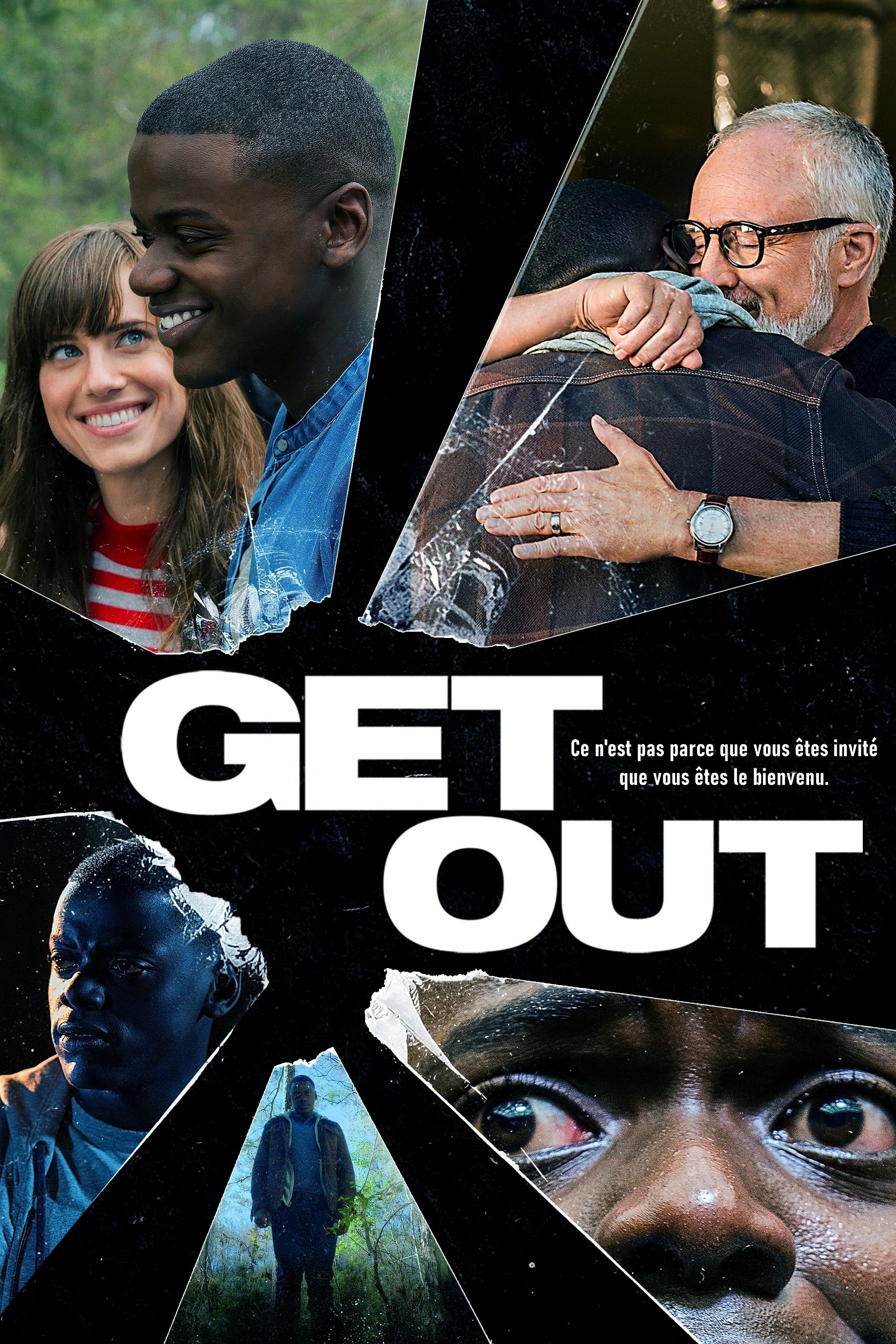
Get Out (2017)

US
HORROR FILM Mystery Thriller
7.6/10 9 votes
Runtime
104 min
Release
February 24, 2017
Budget
$4,500,000
Revenue
$255,407,969
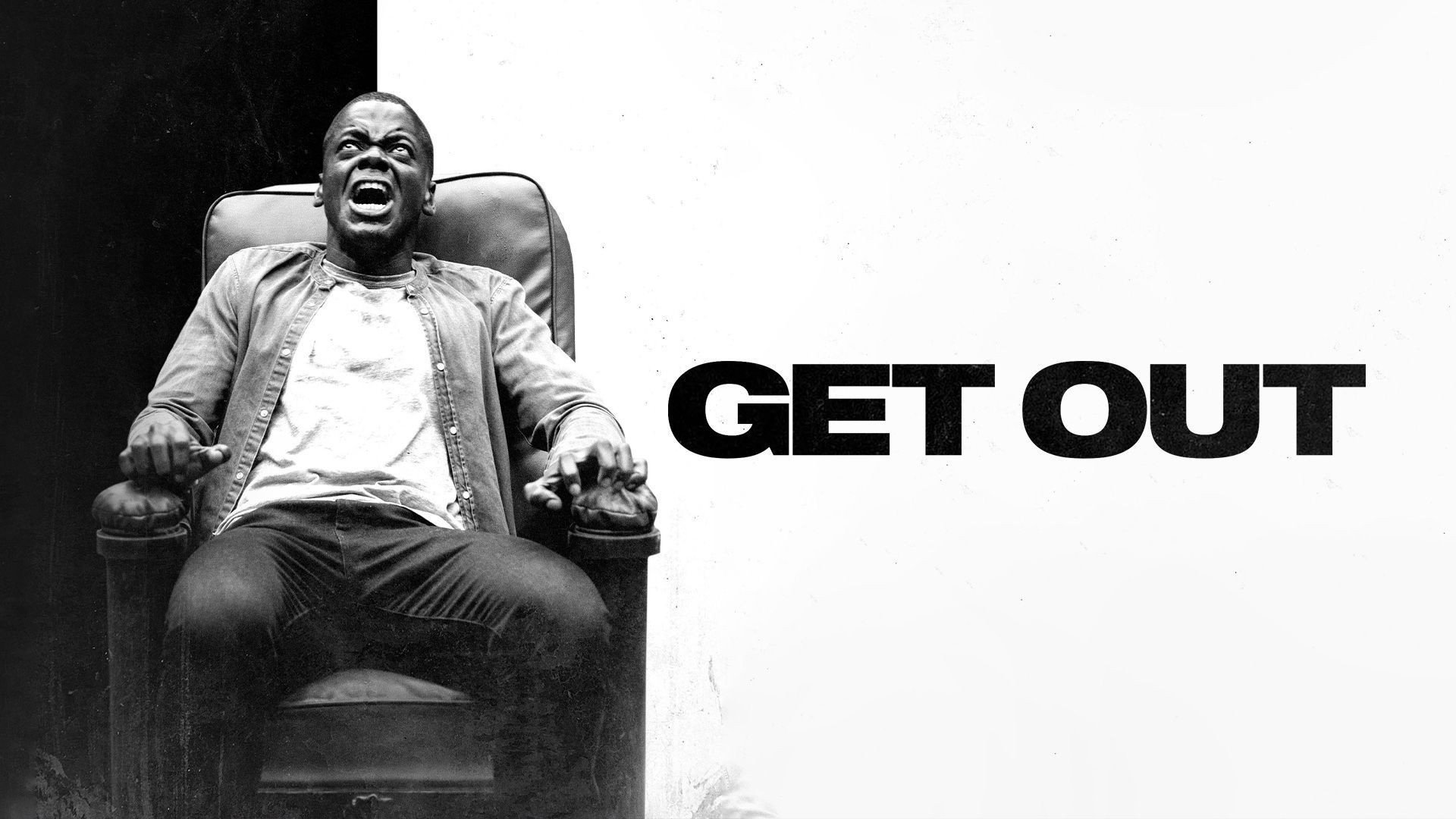
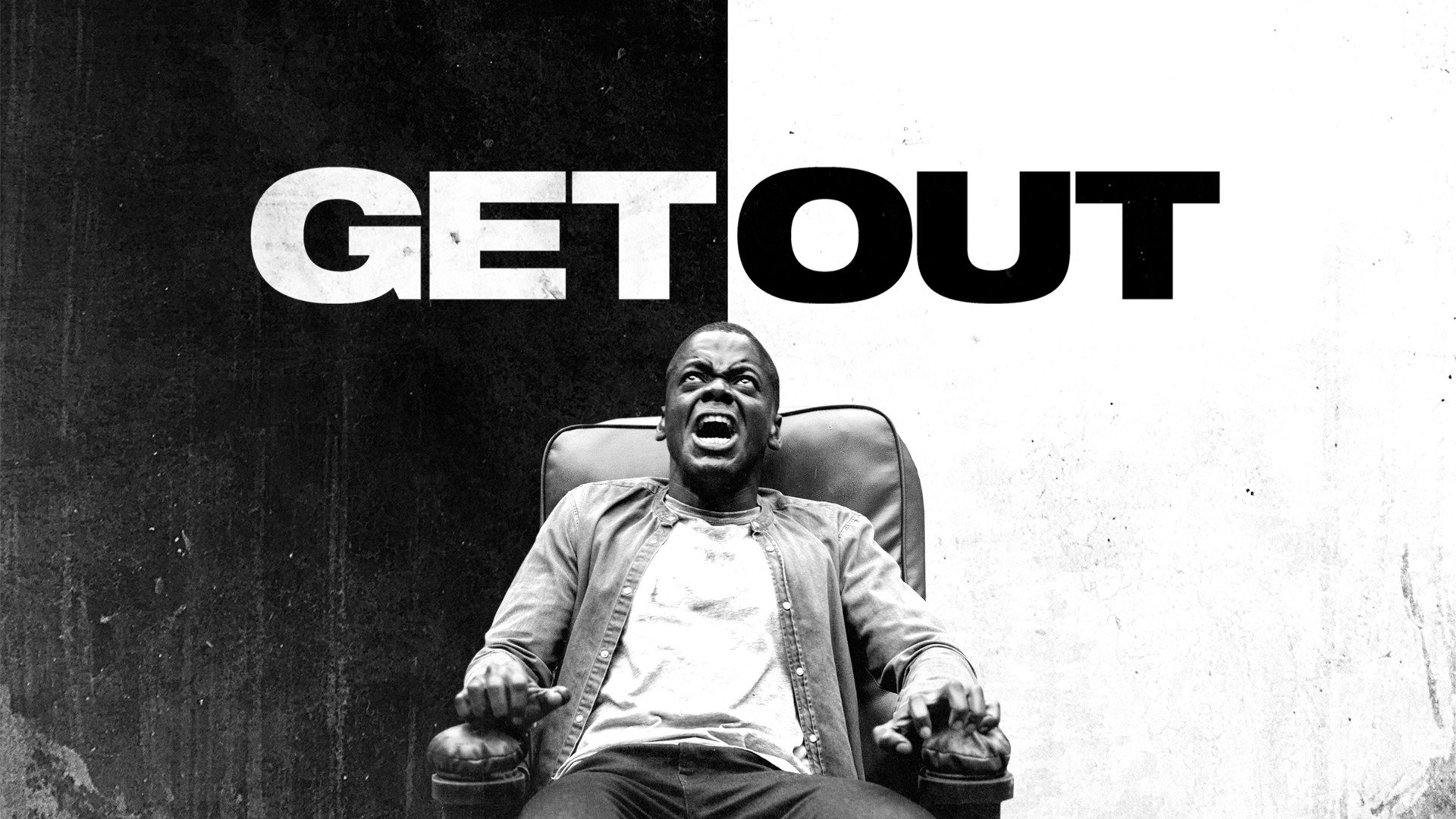
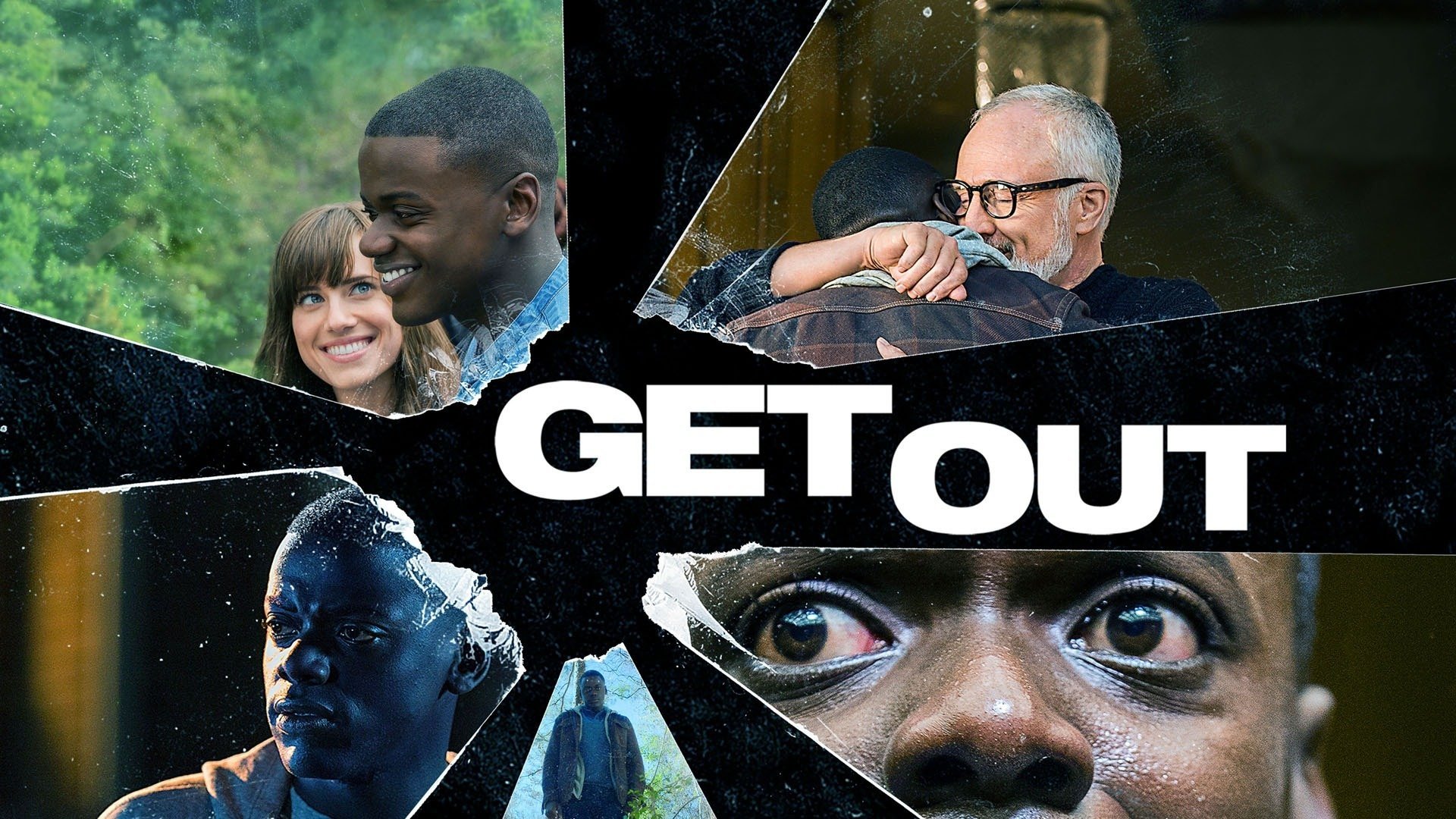
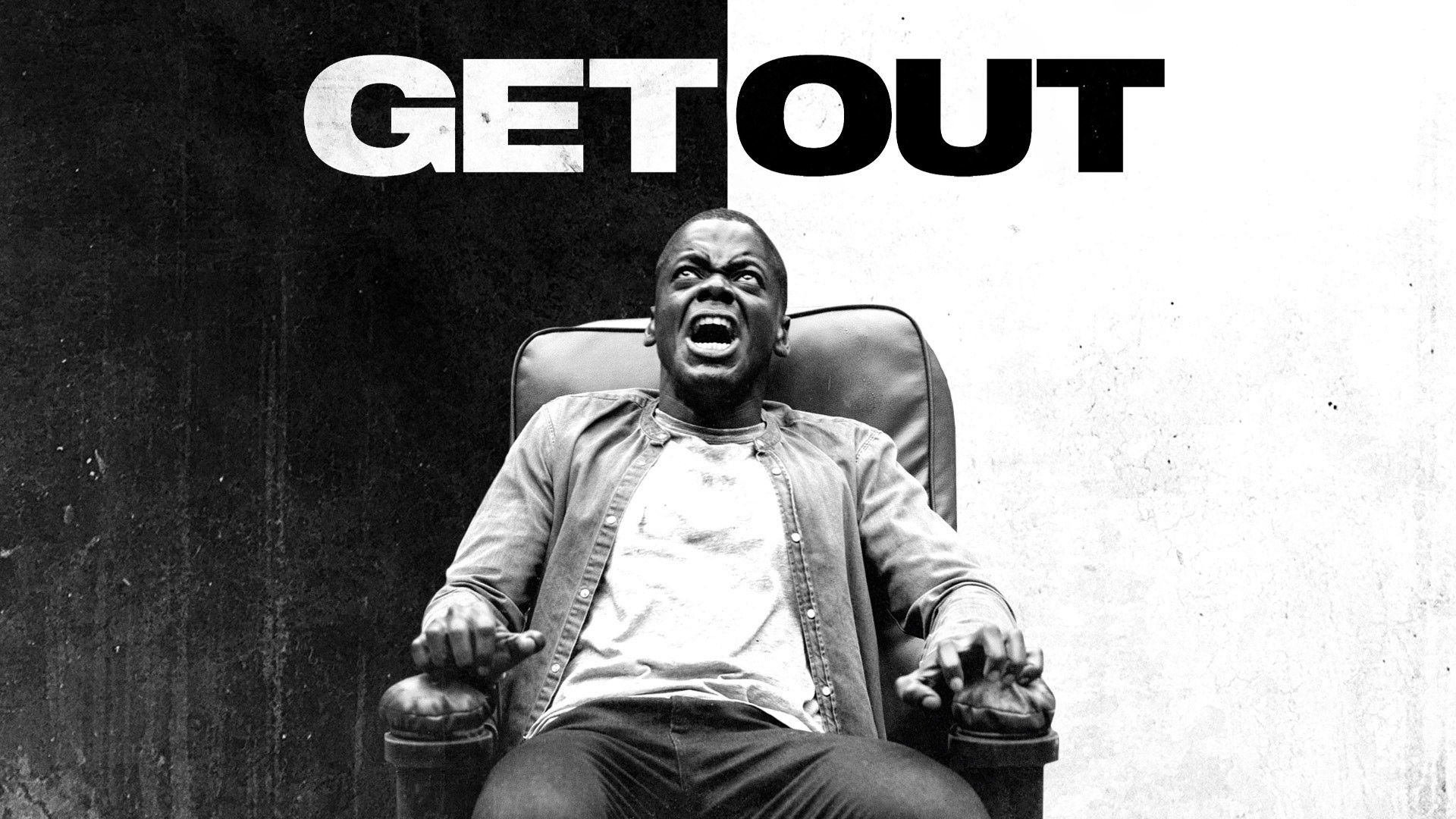
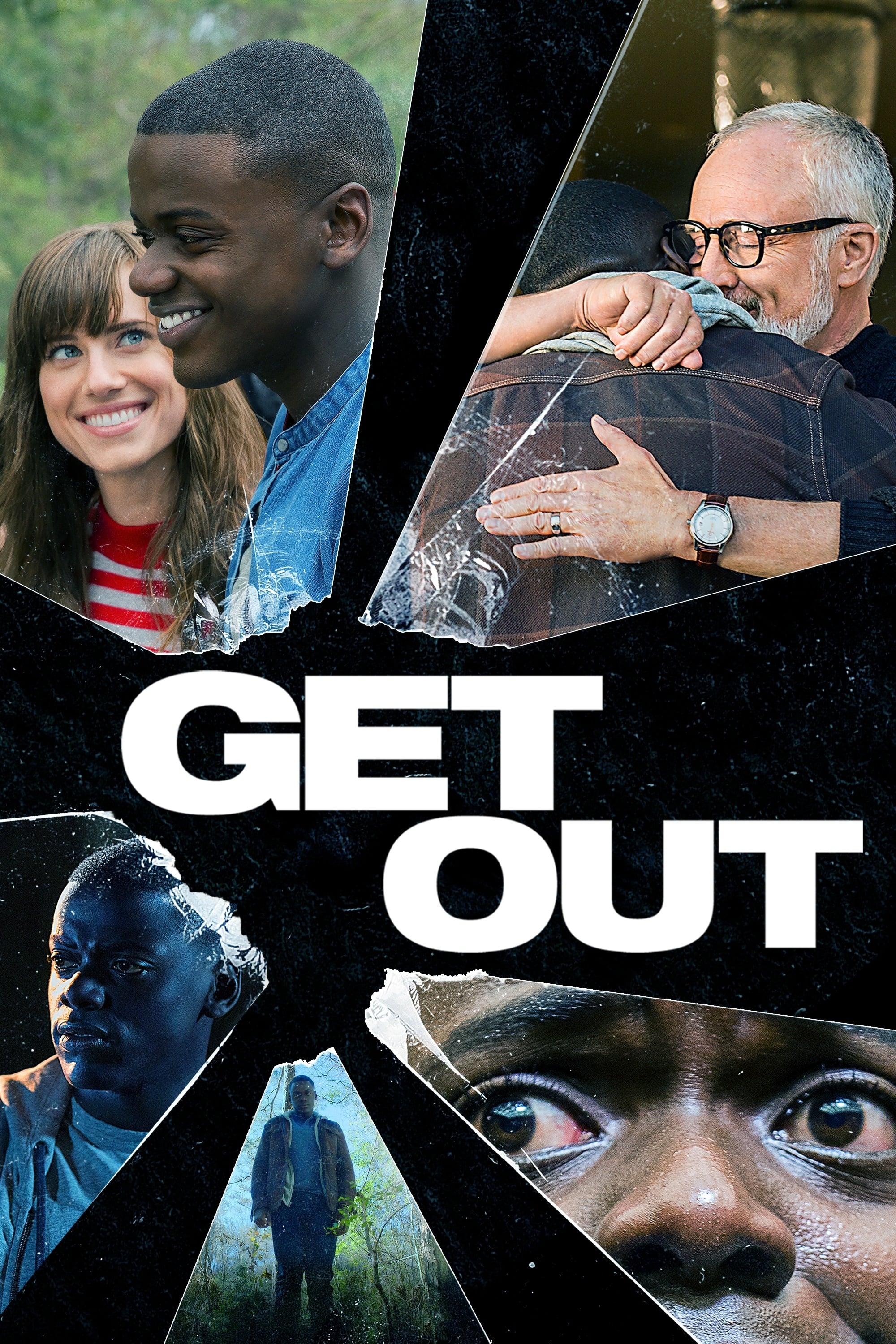
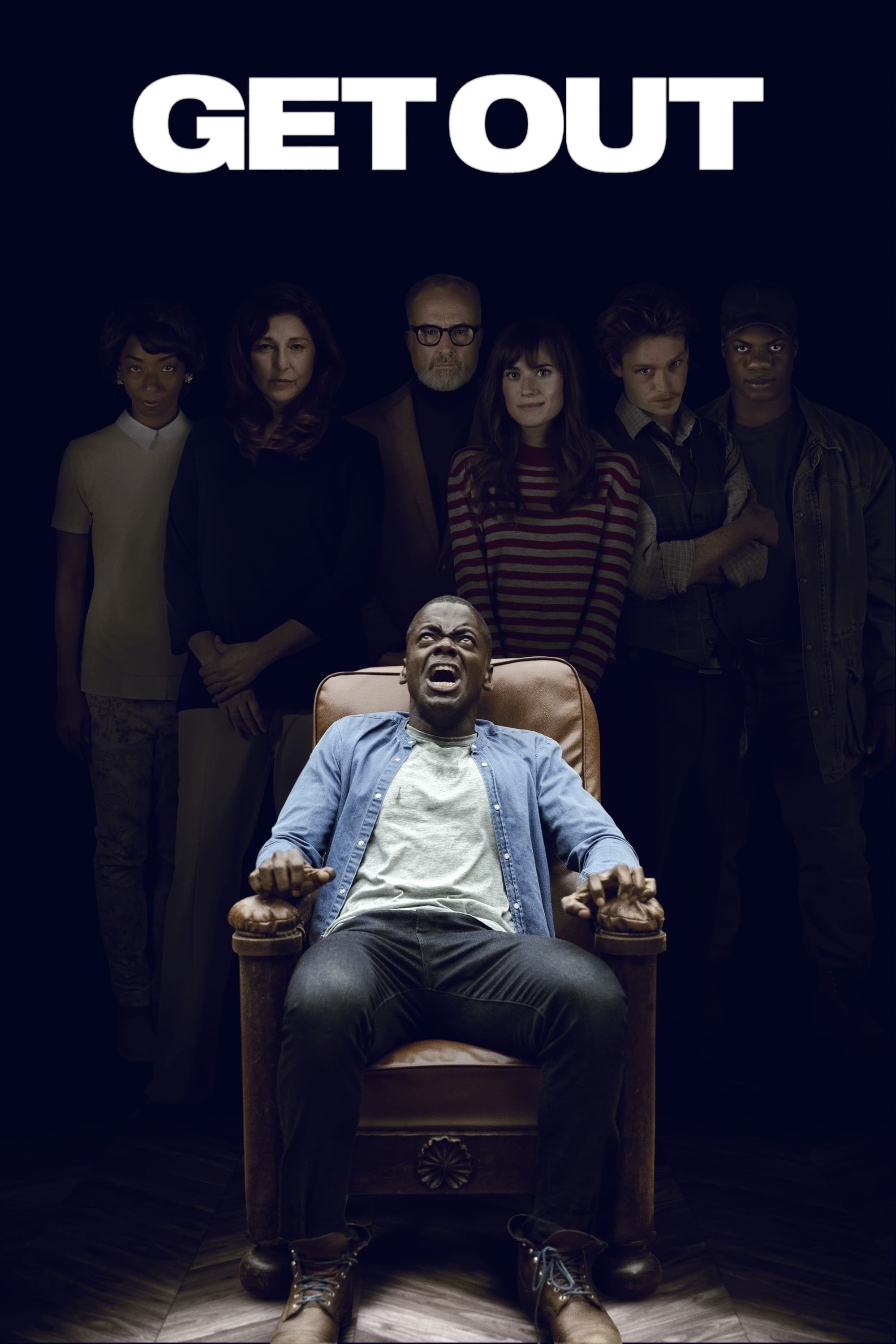
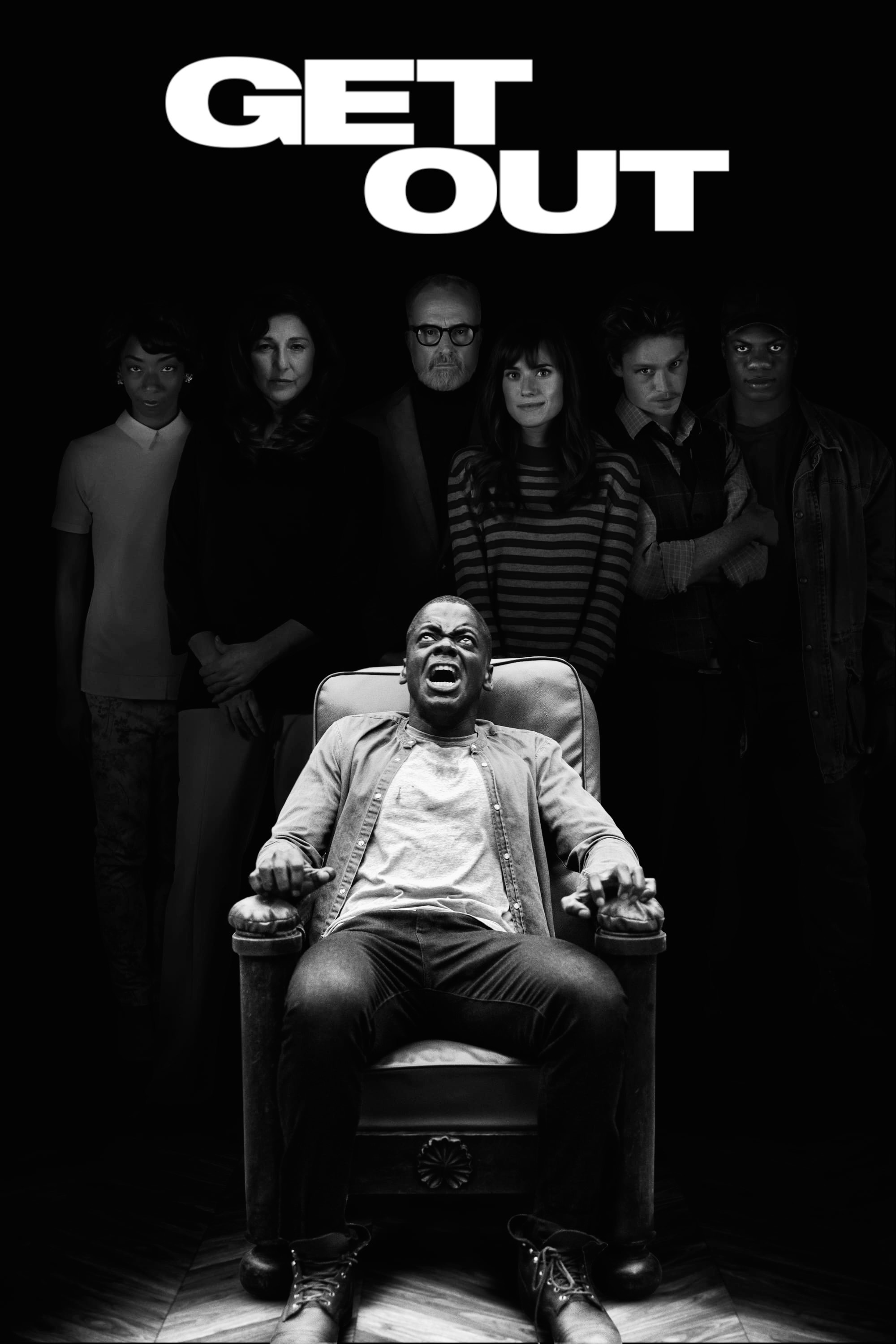
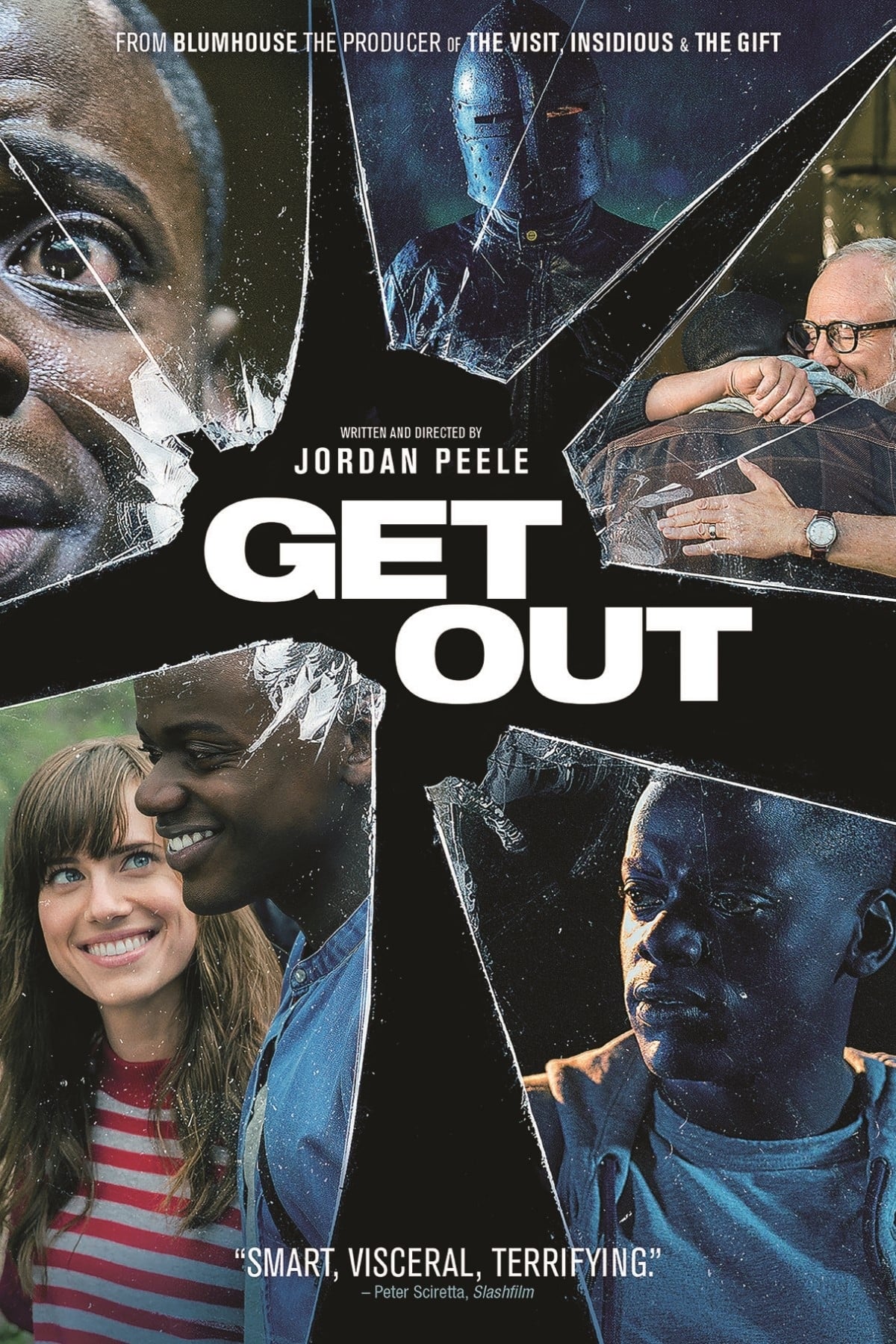
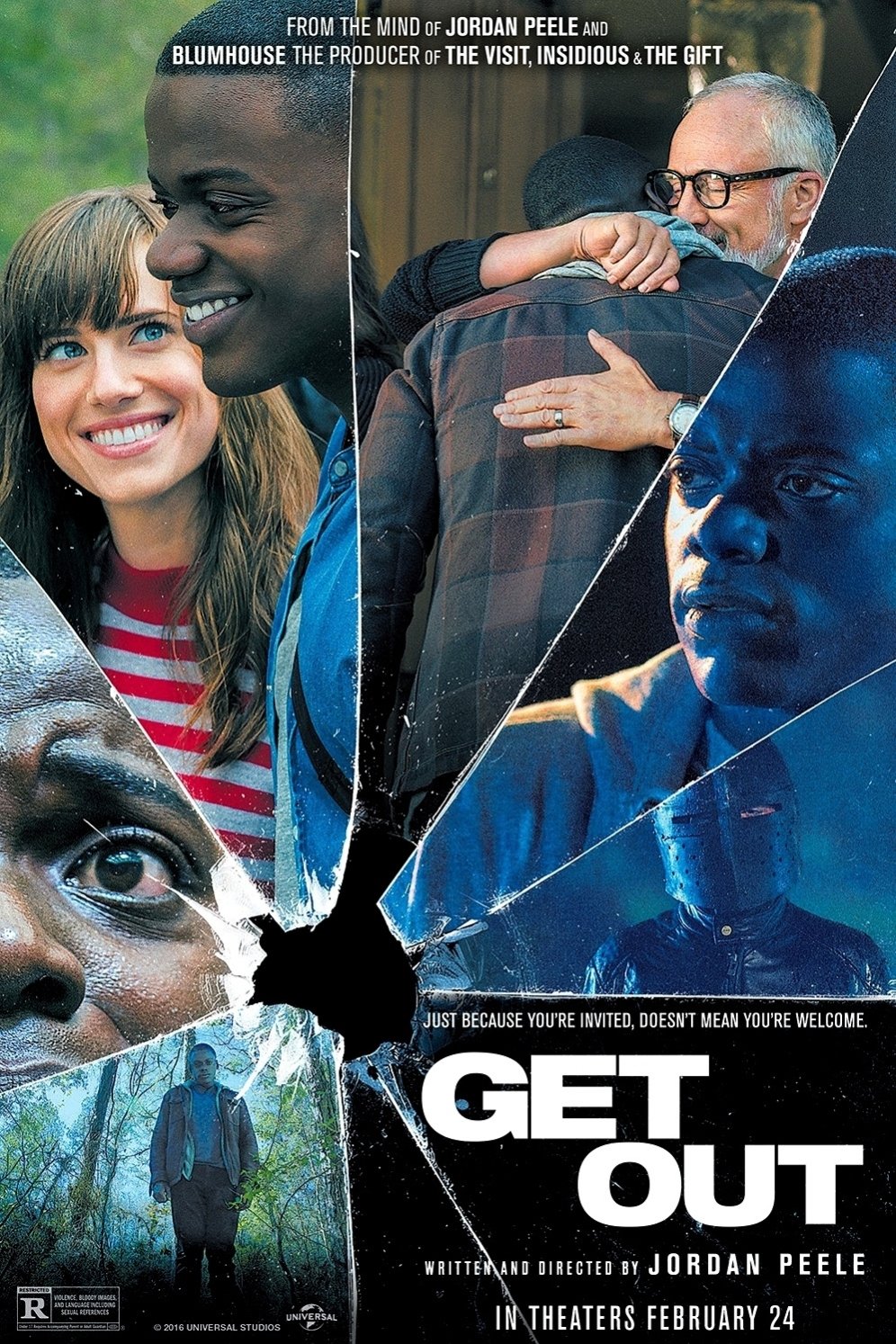
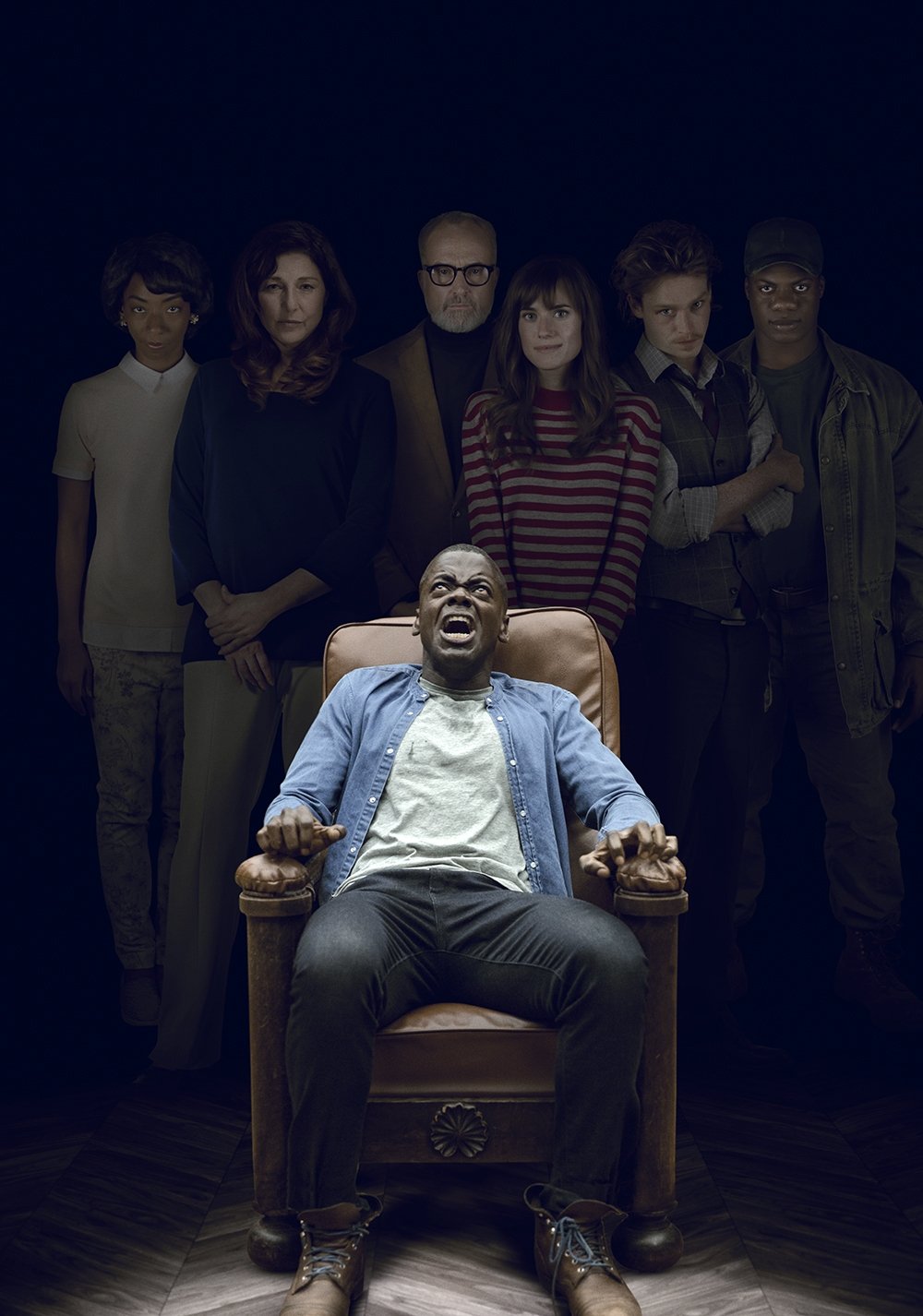
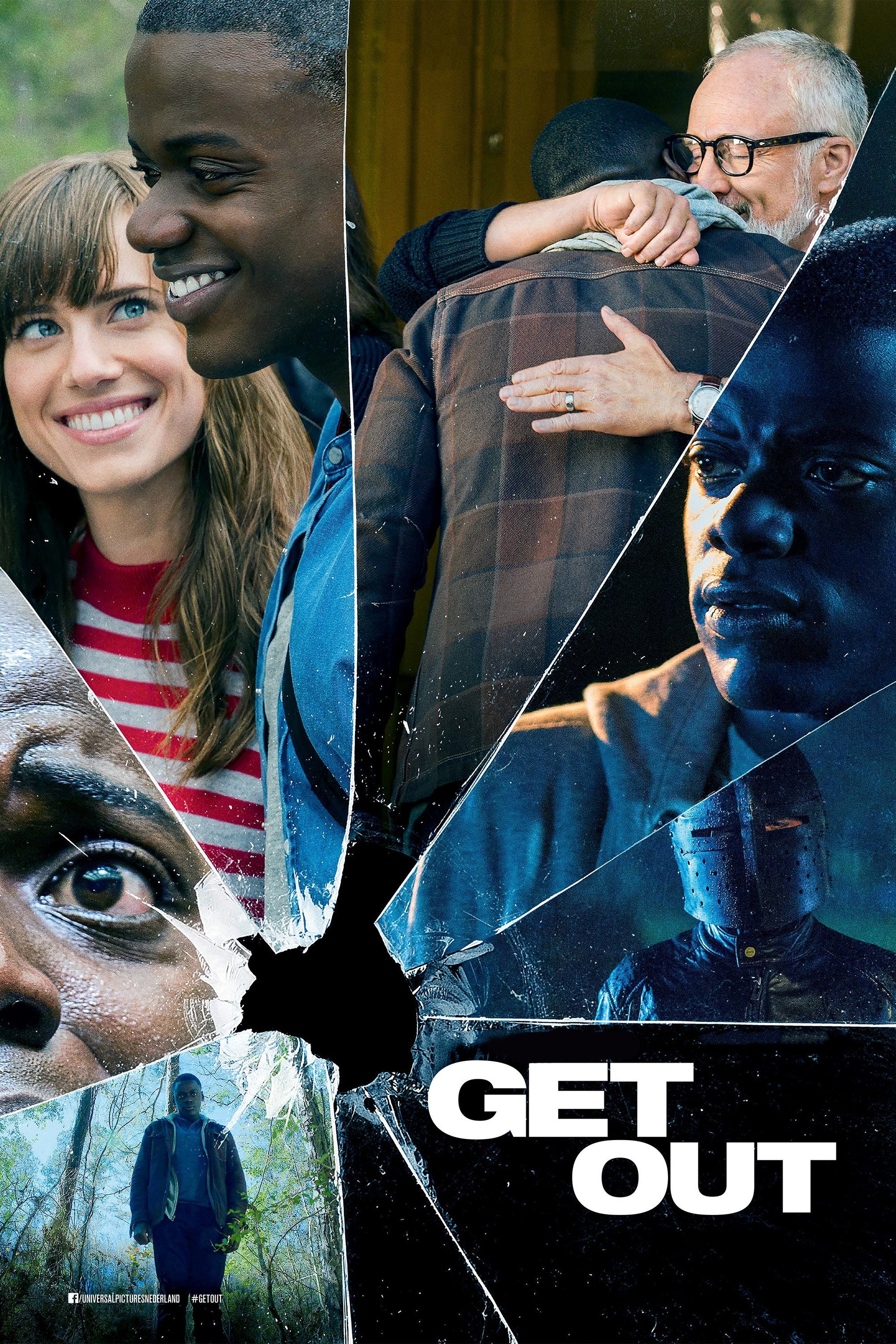
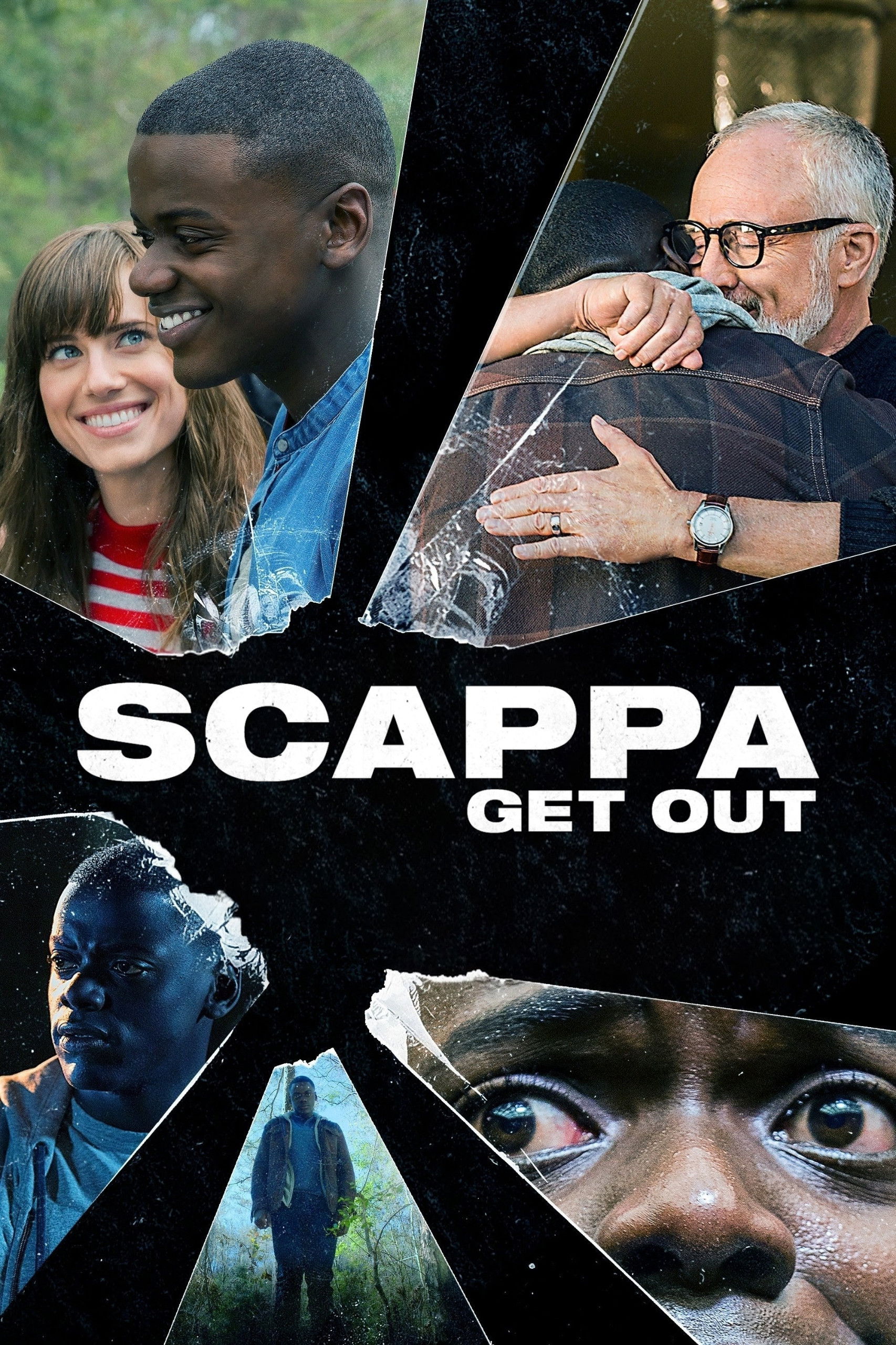
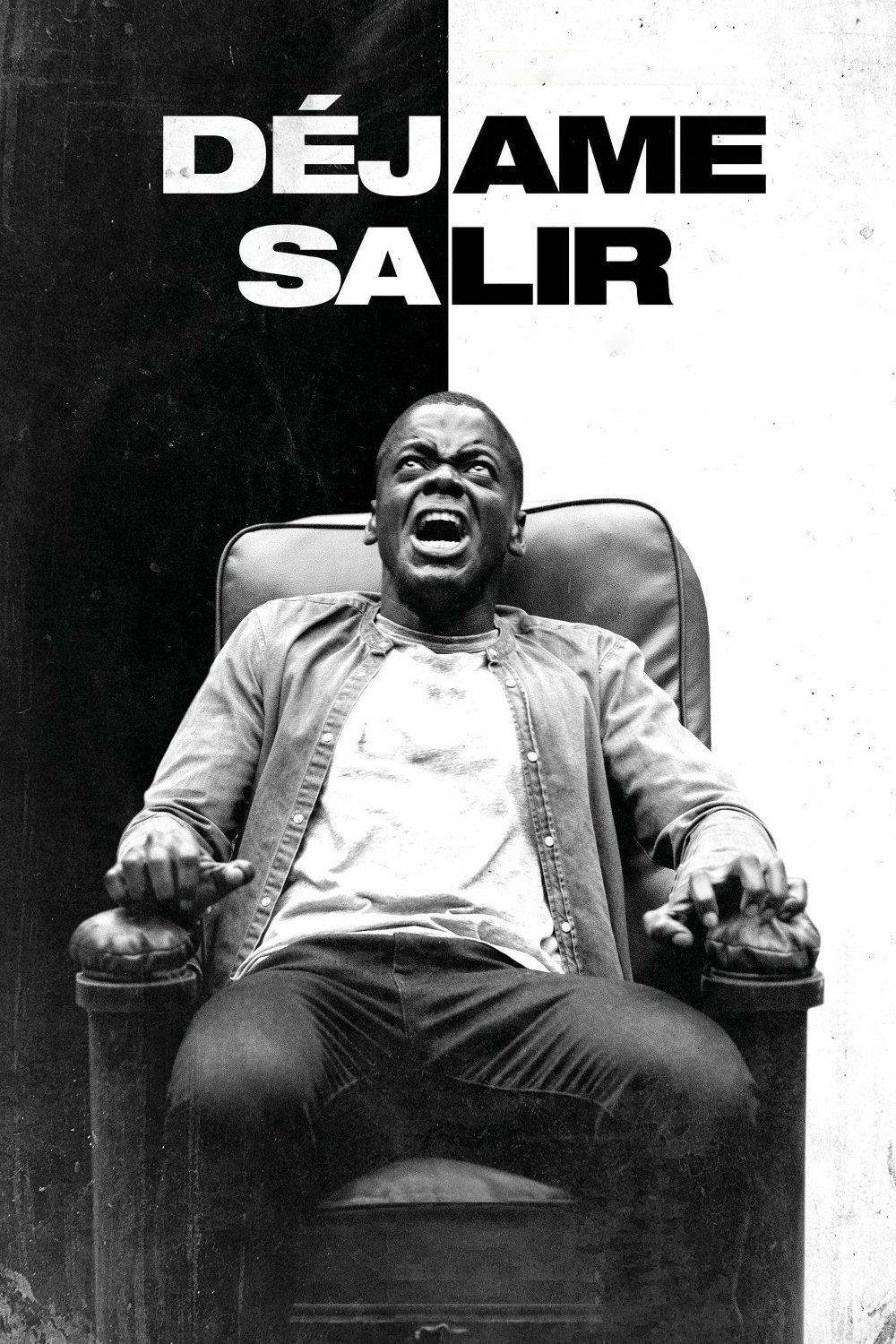
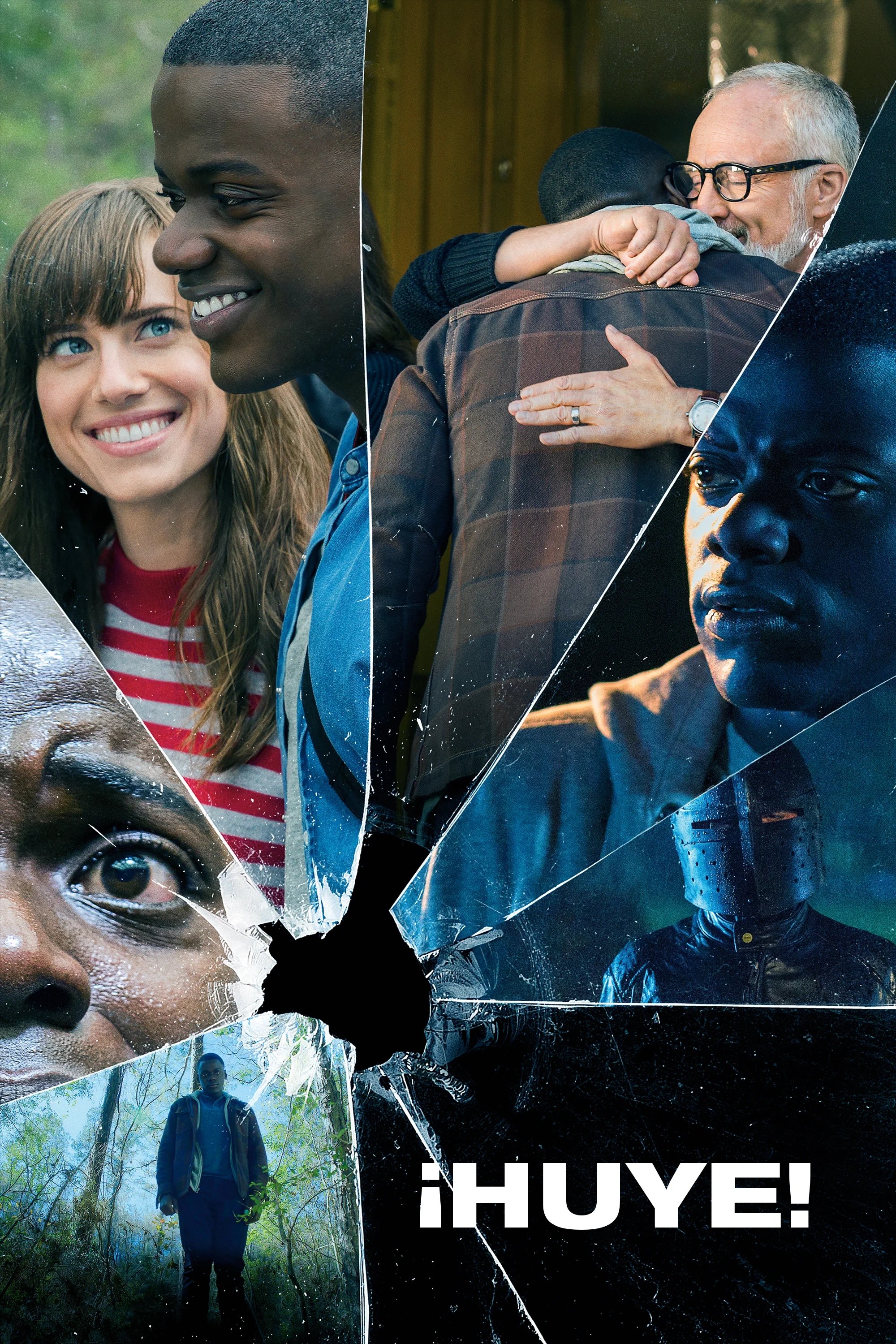
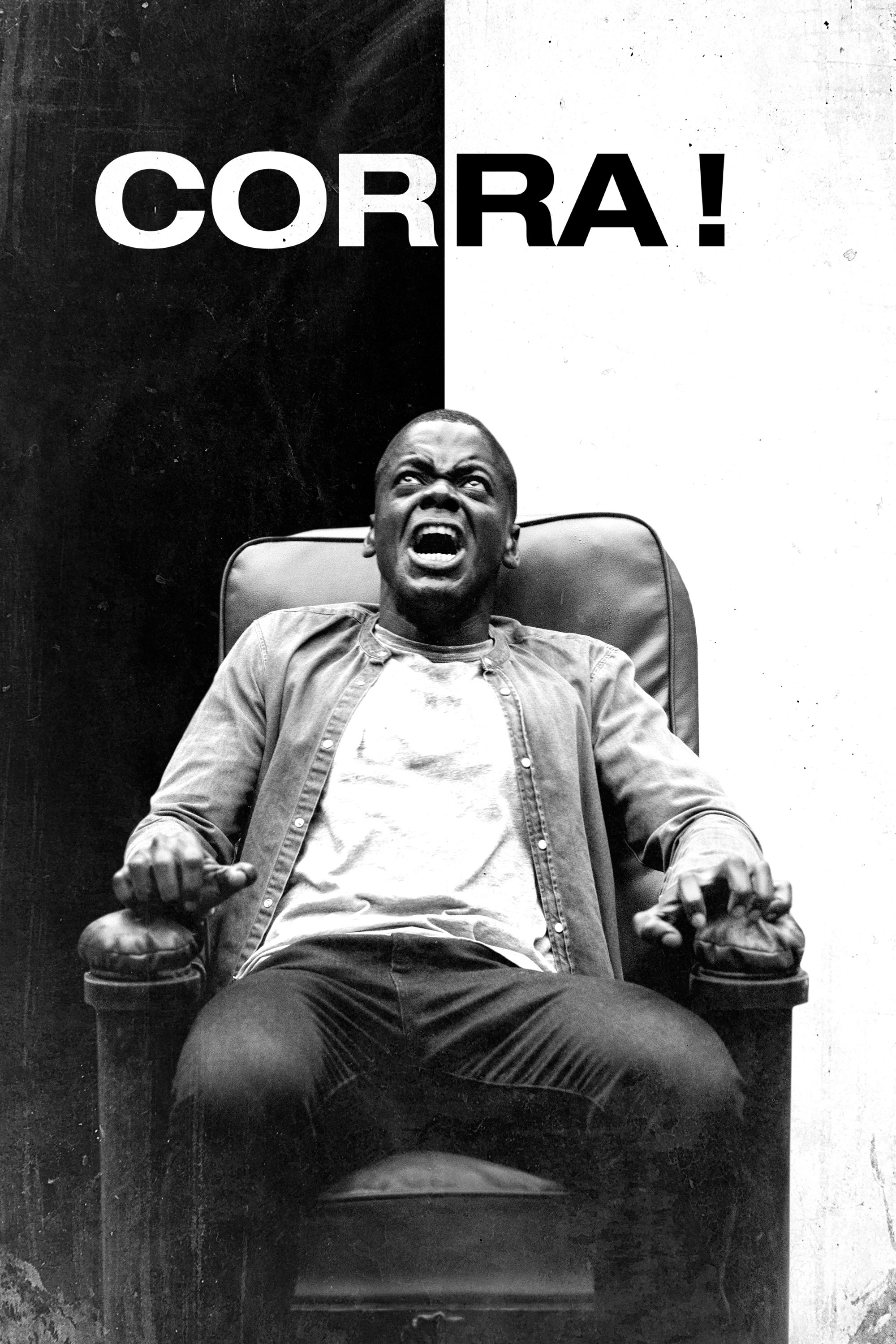
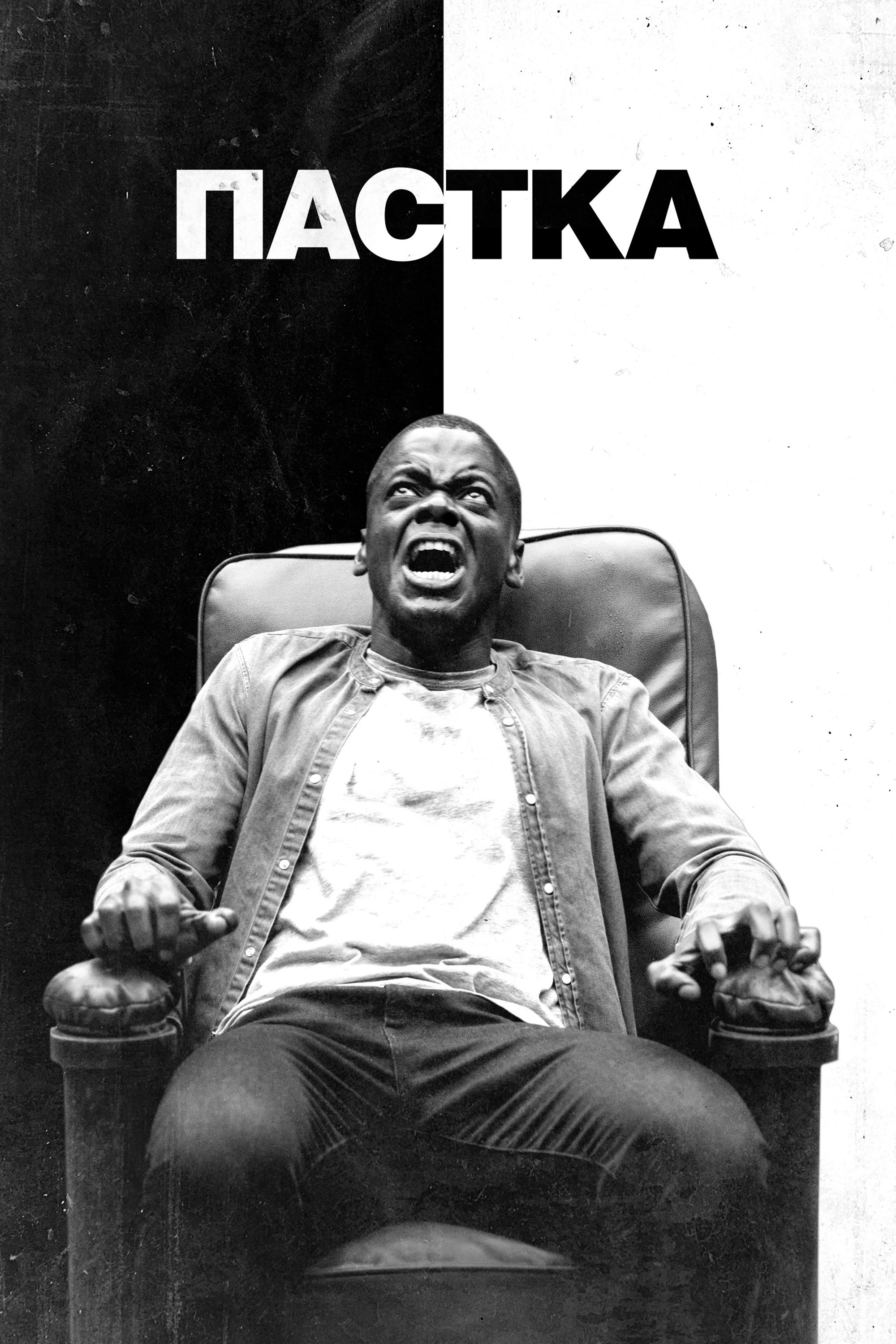
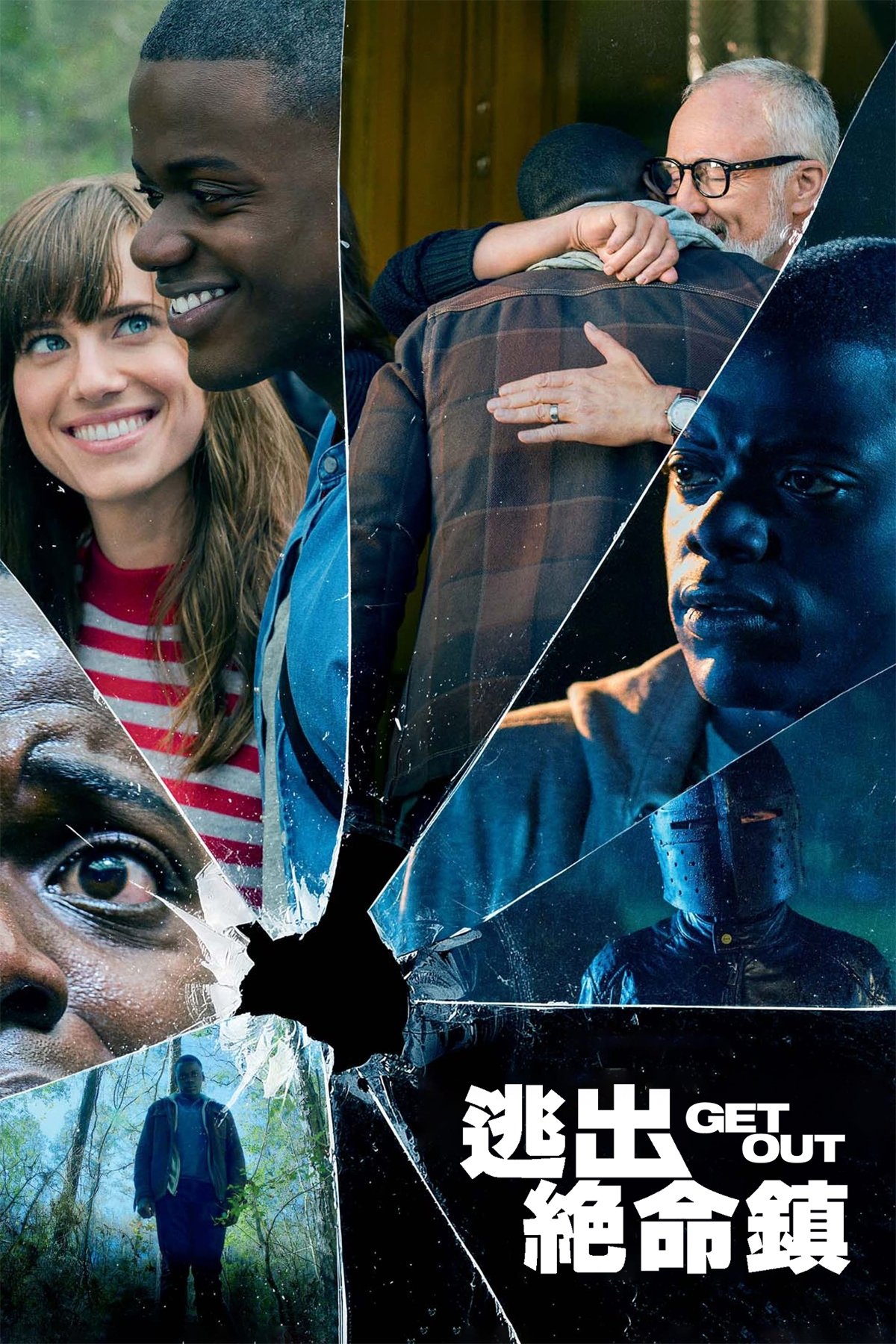
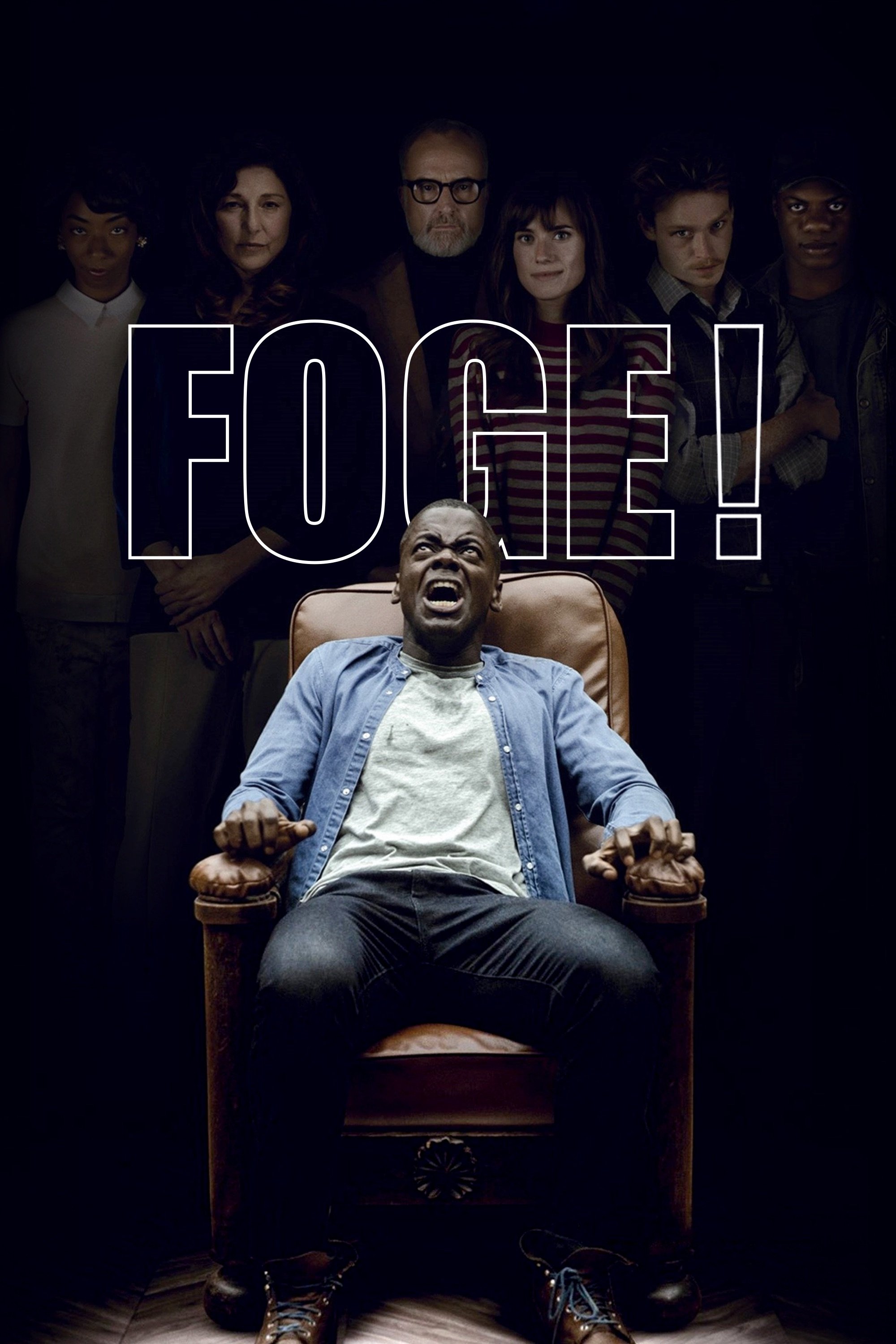
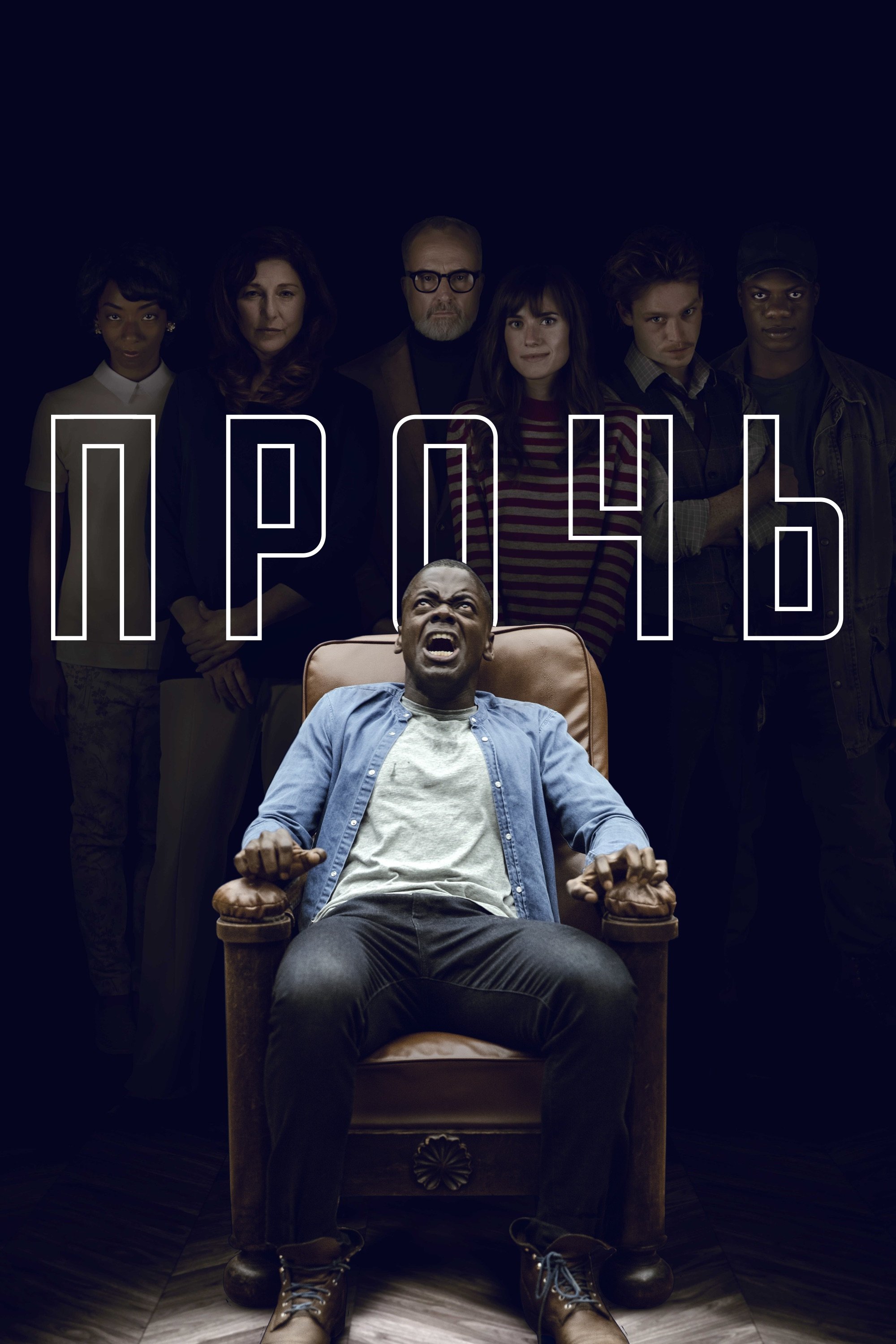
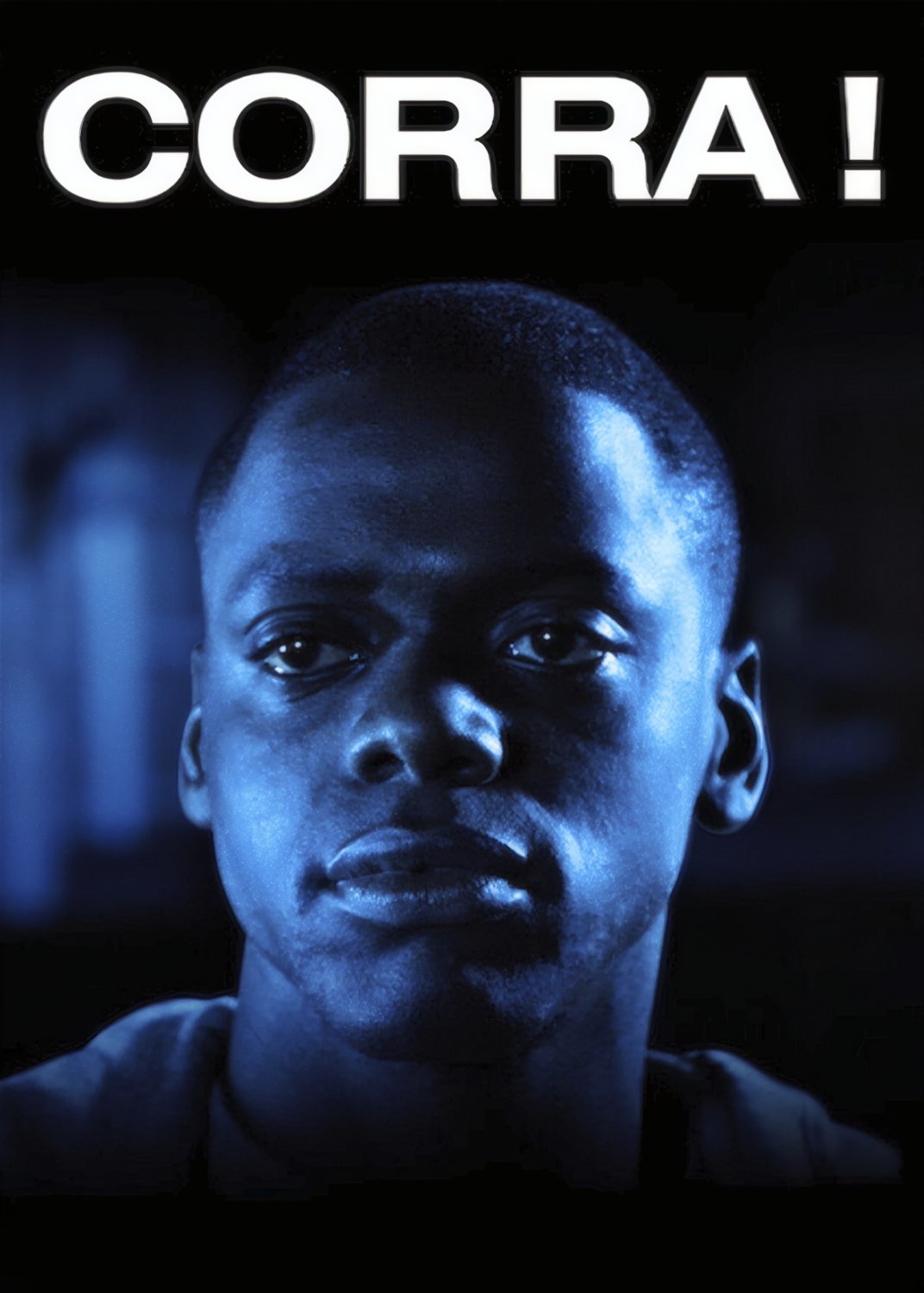
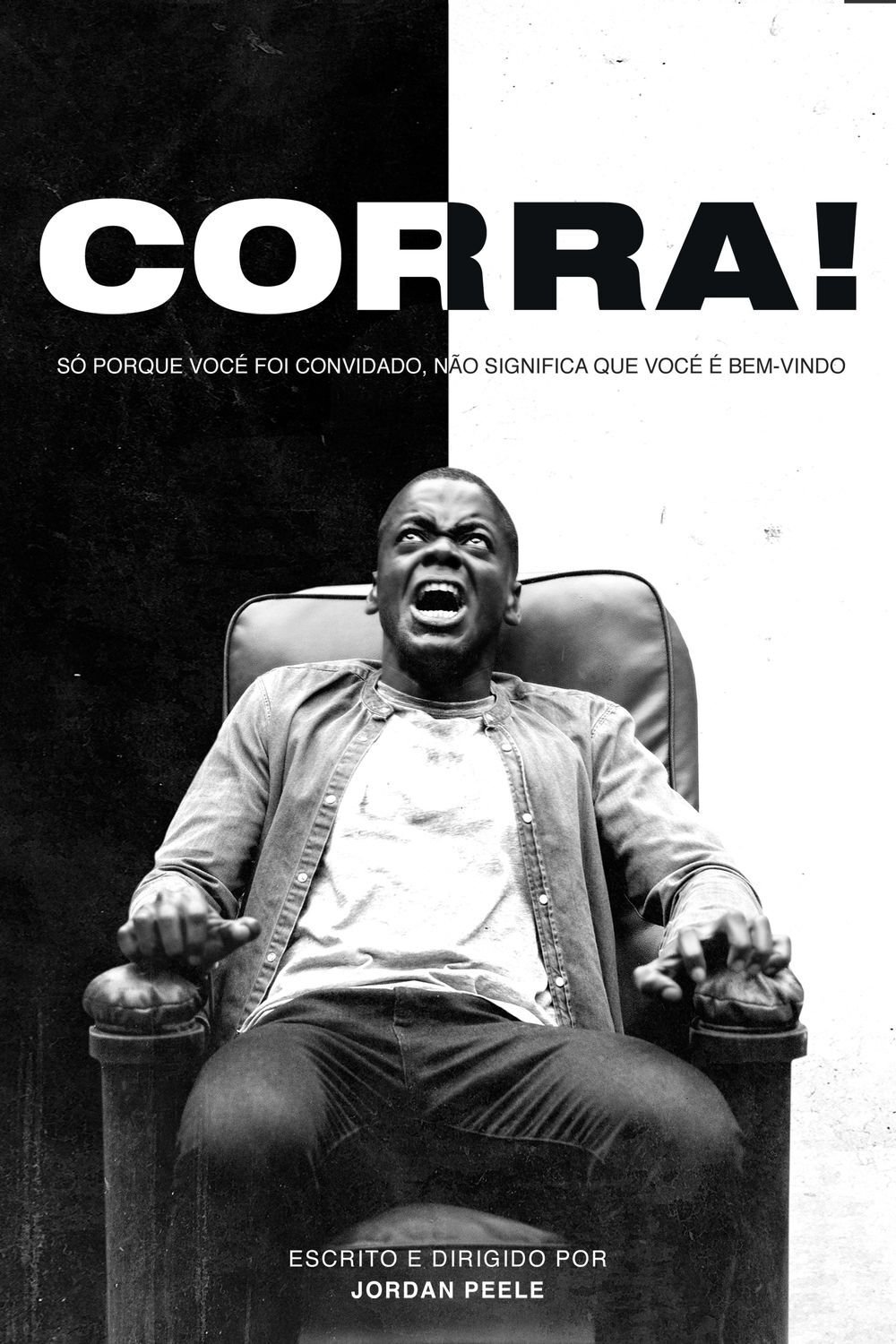
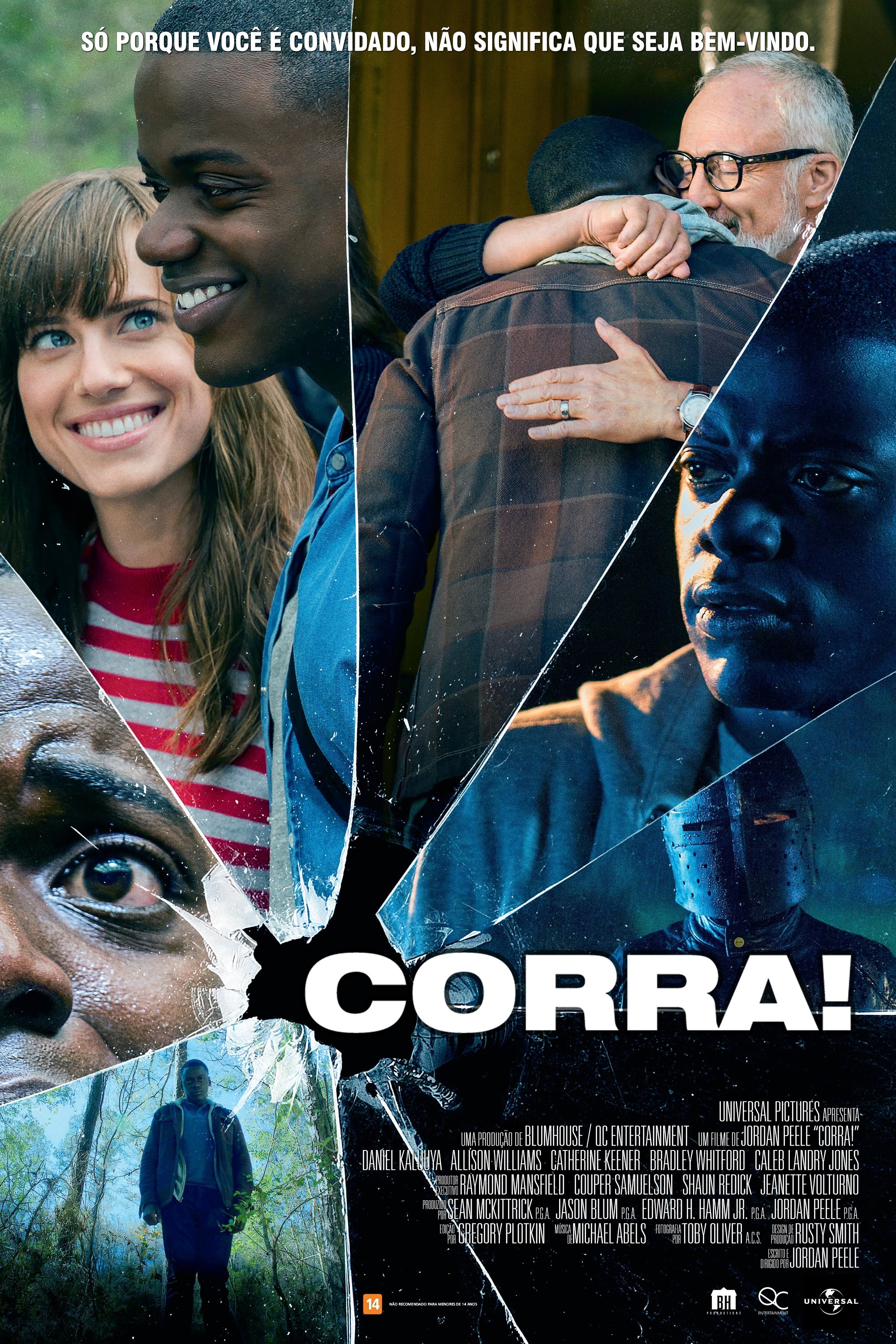
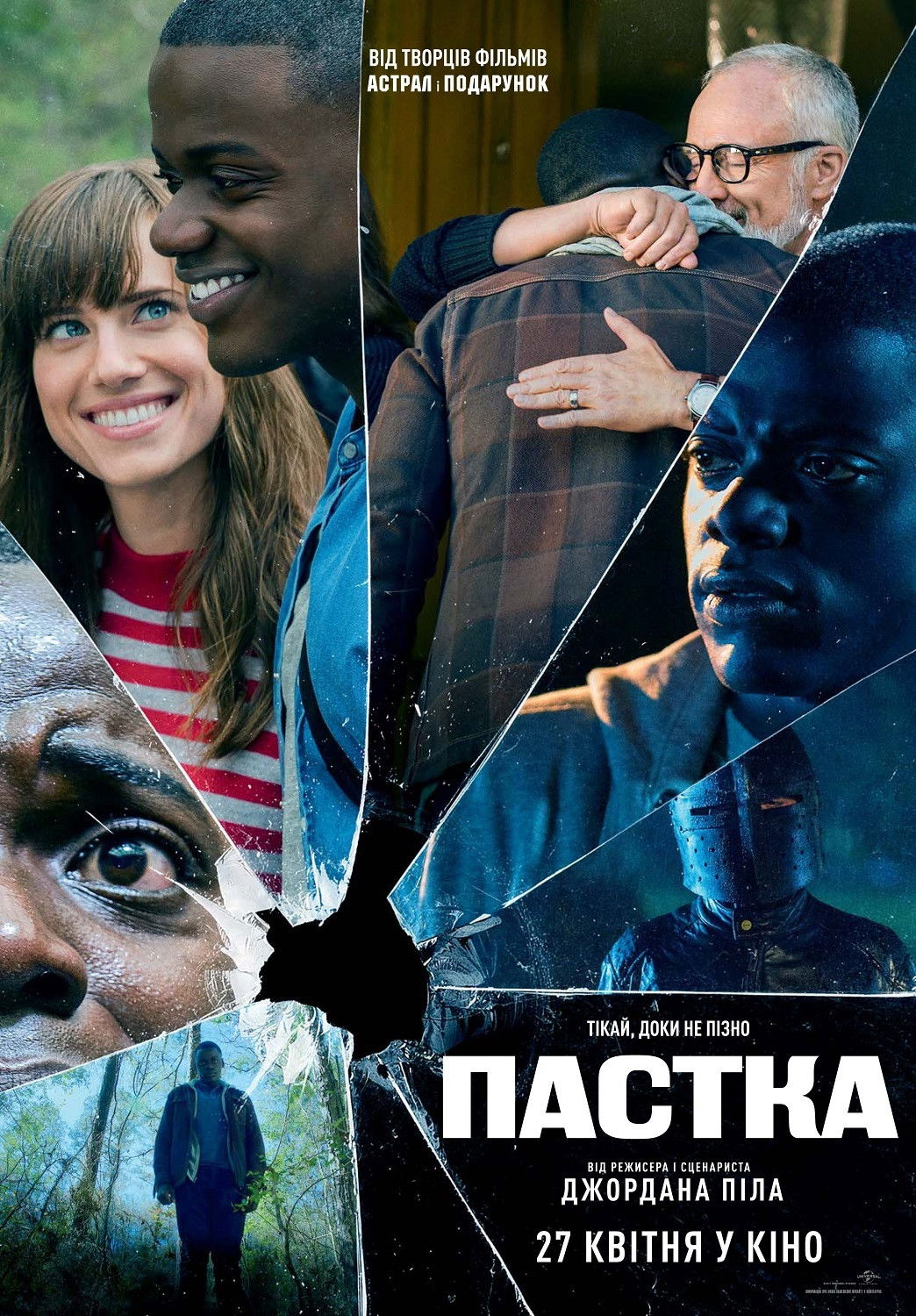
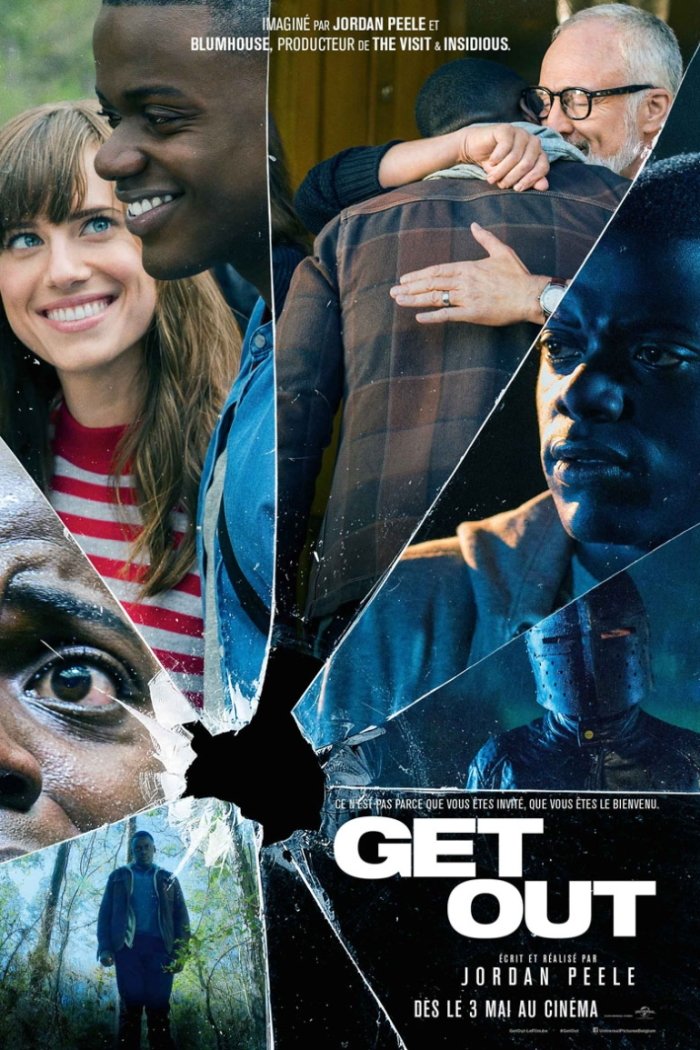
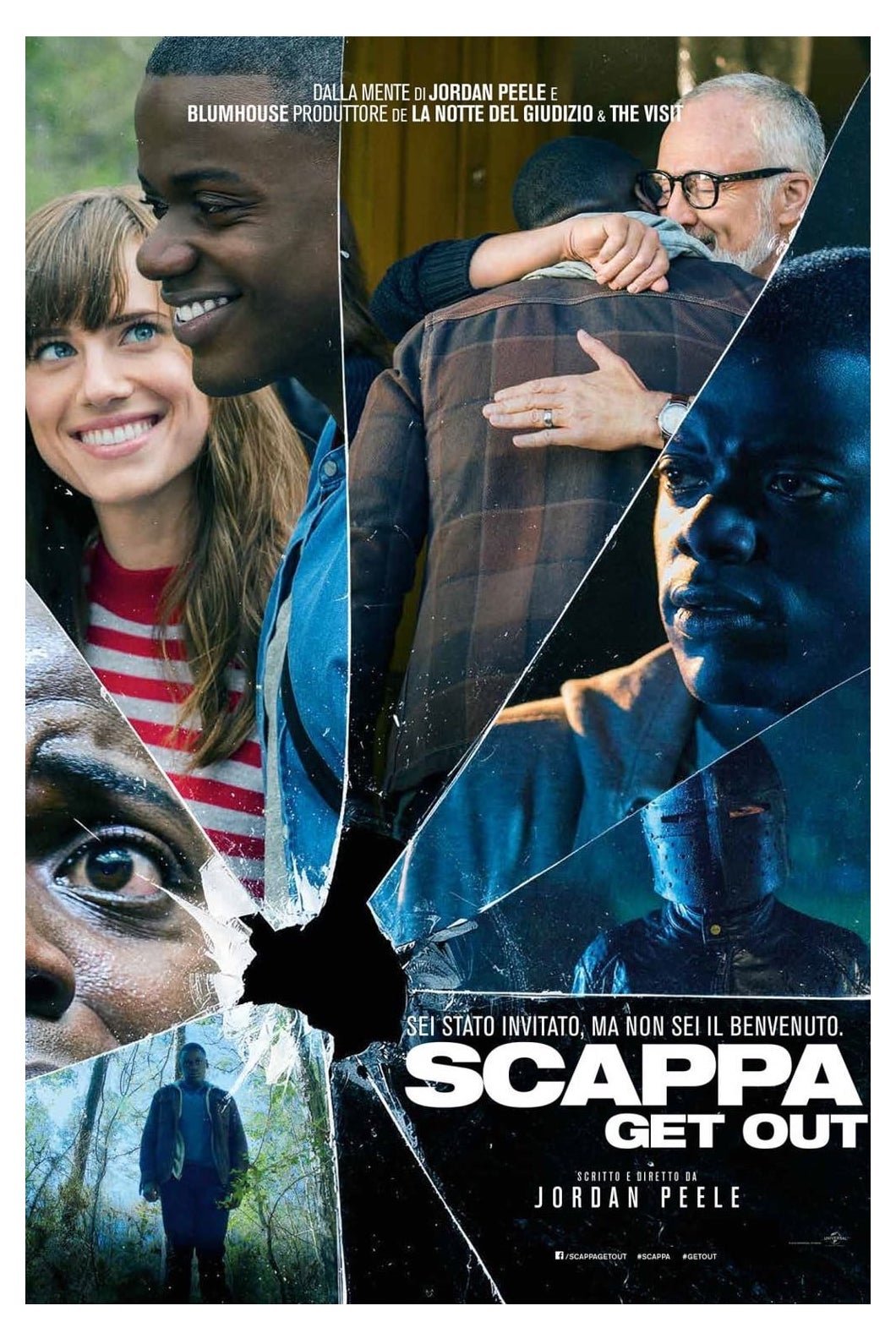
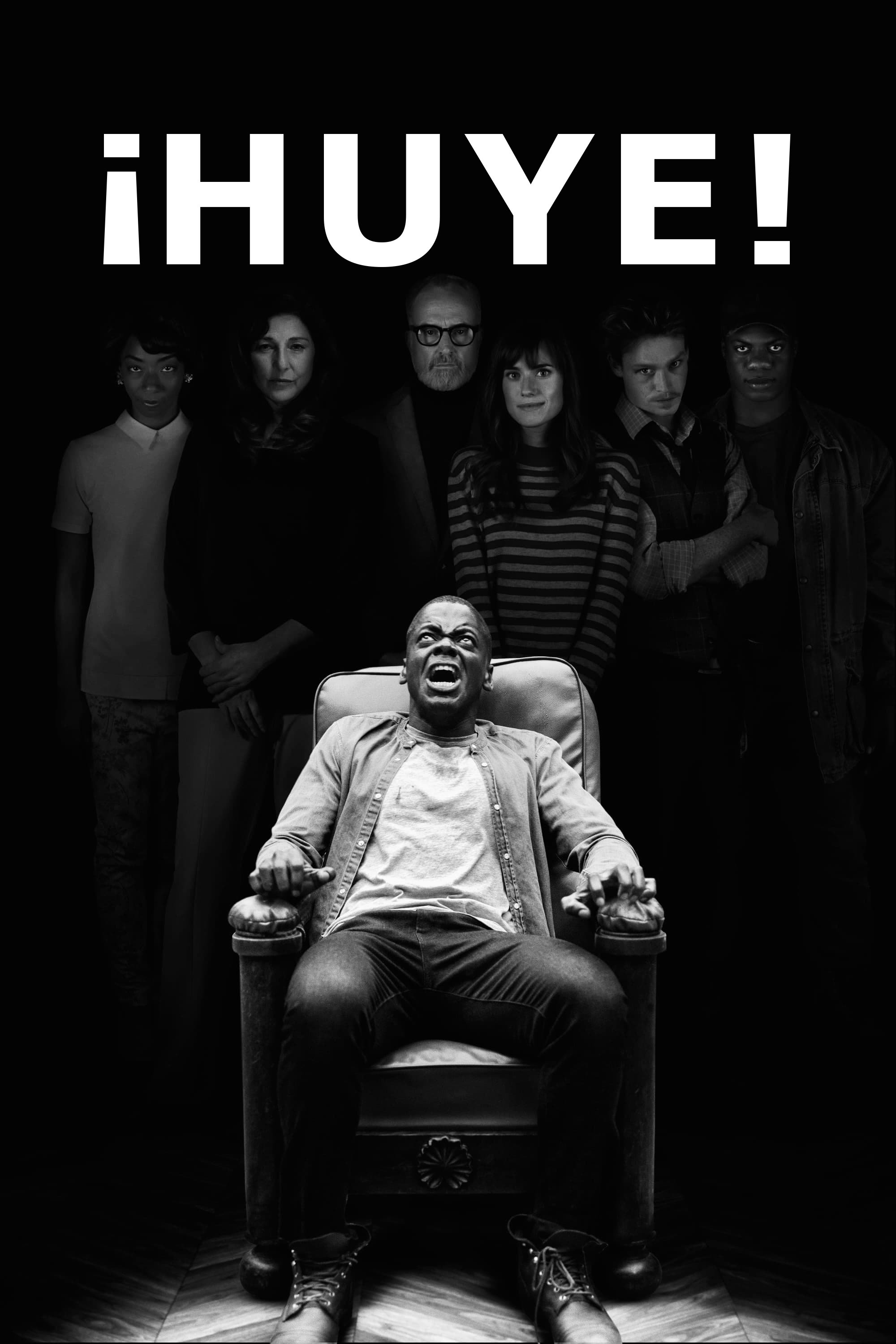
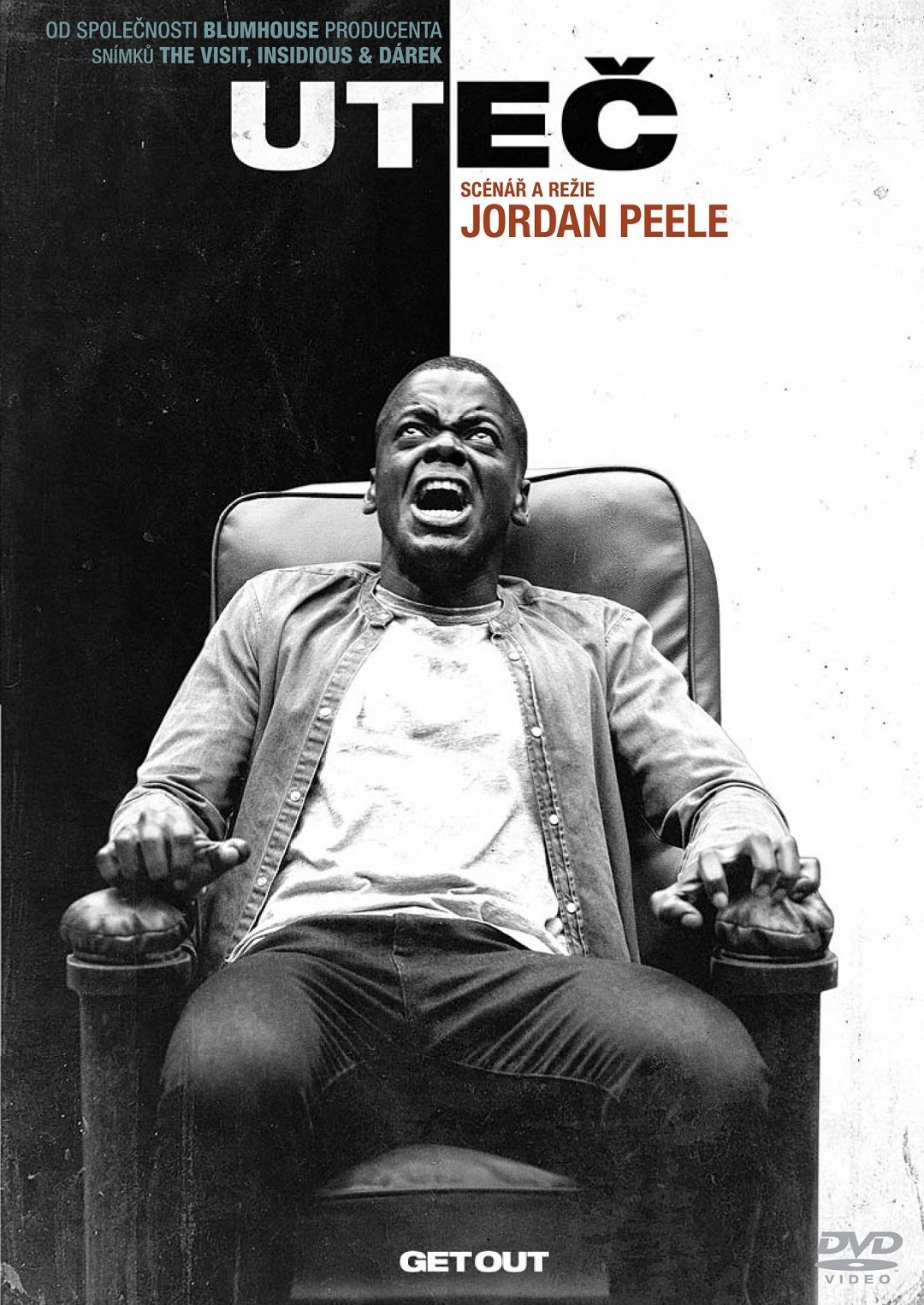
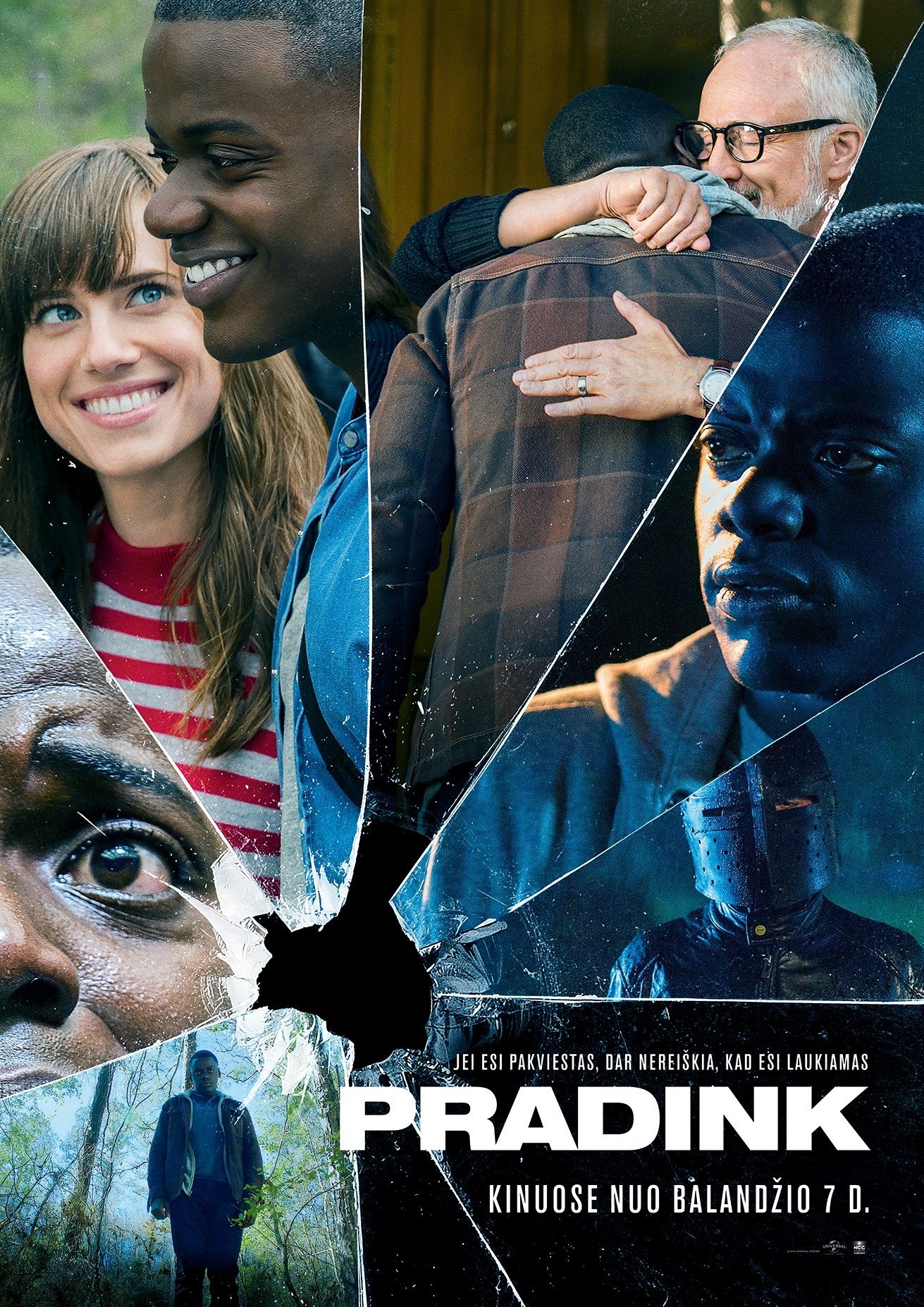
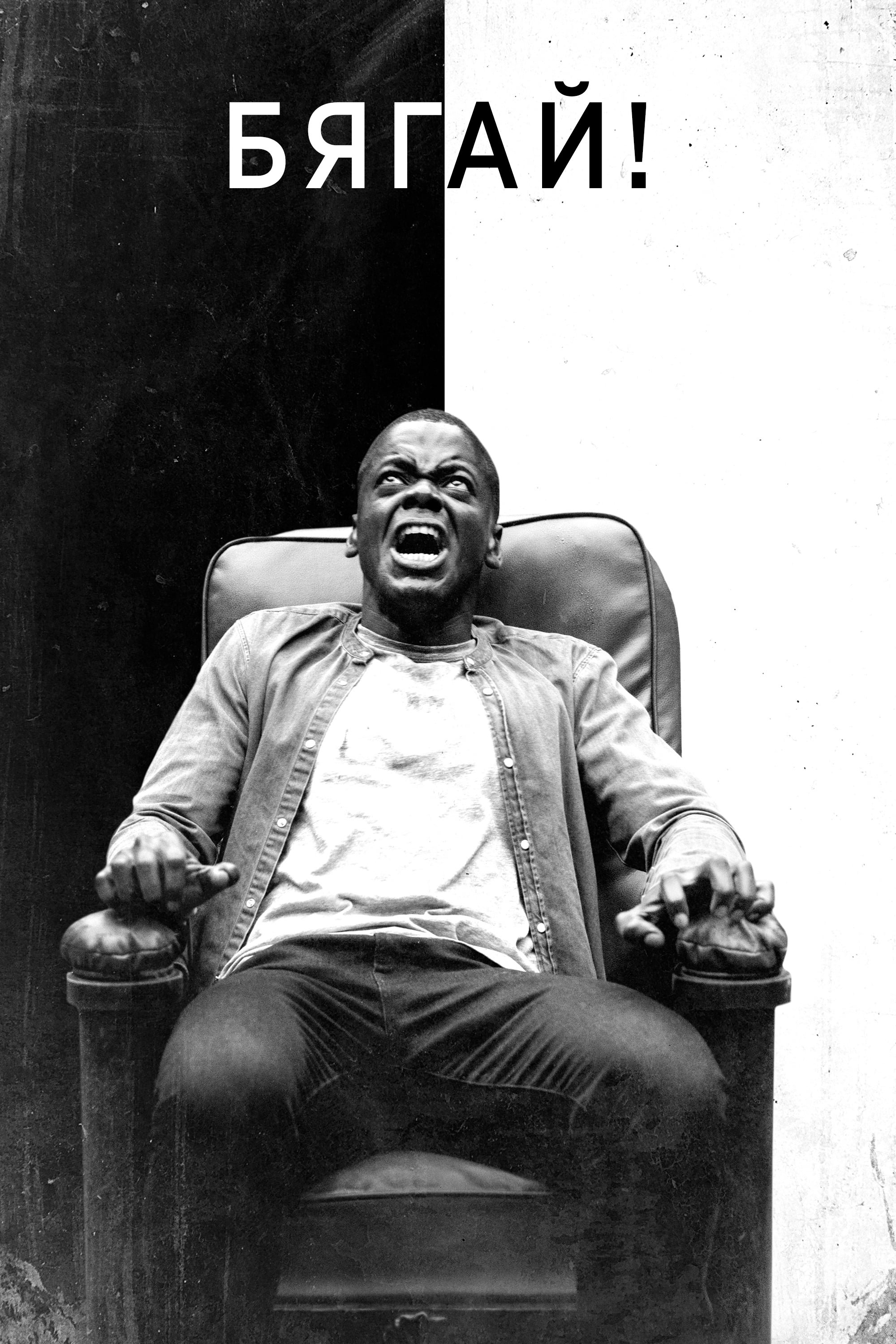
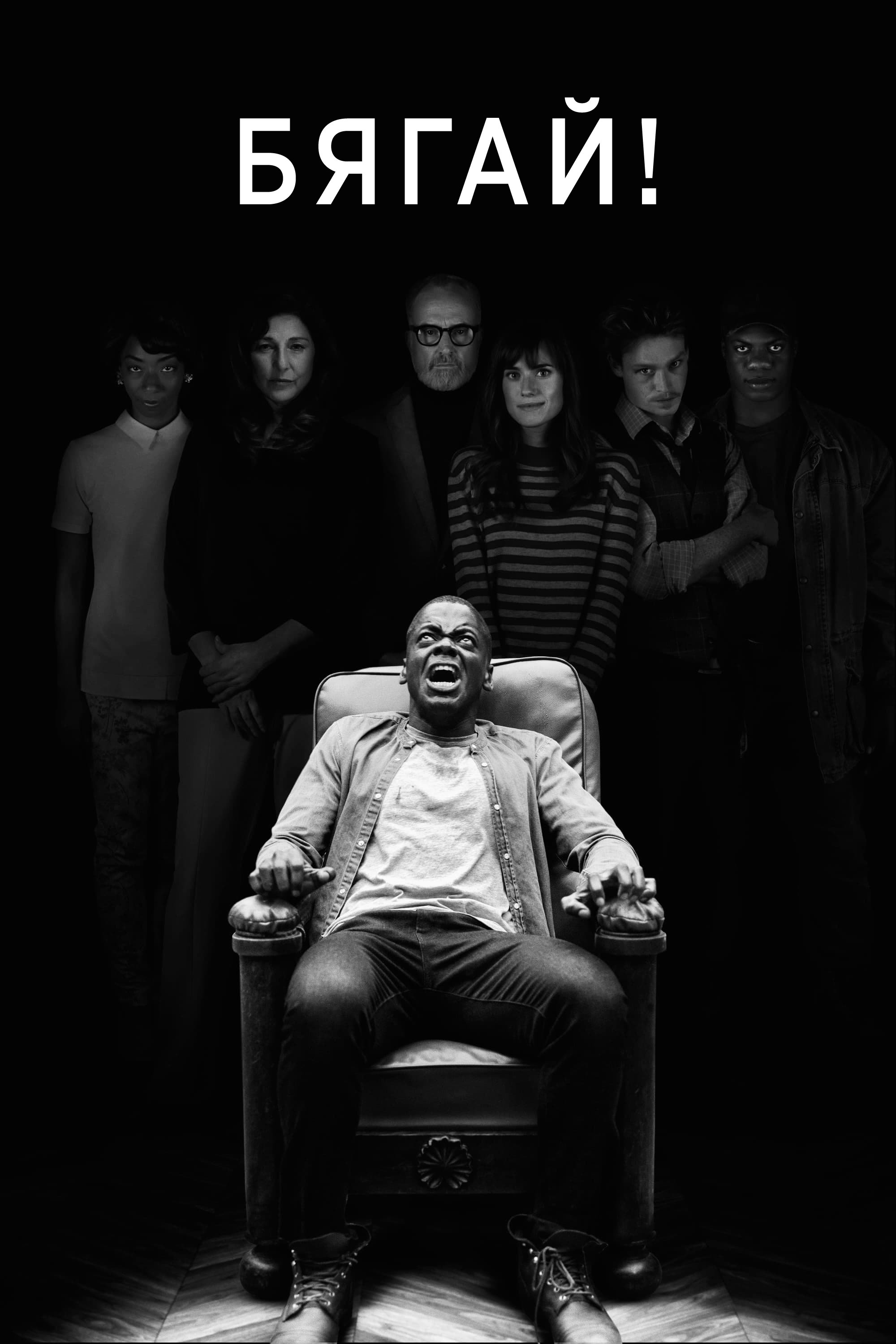
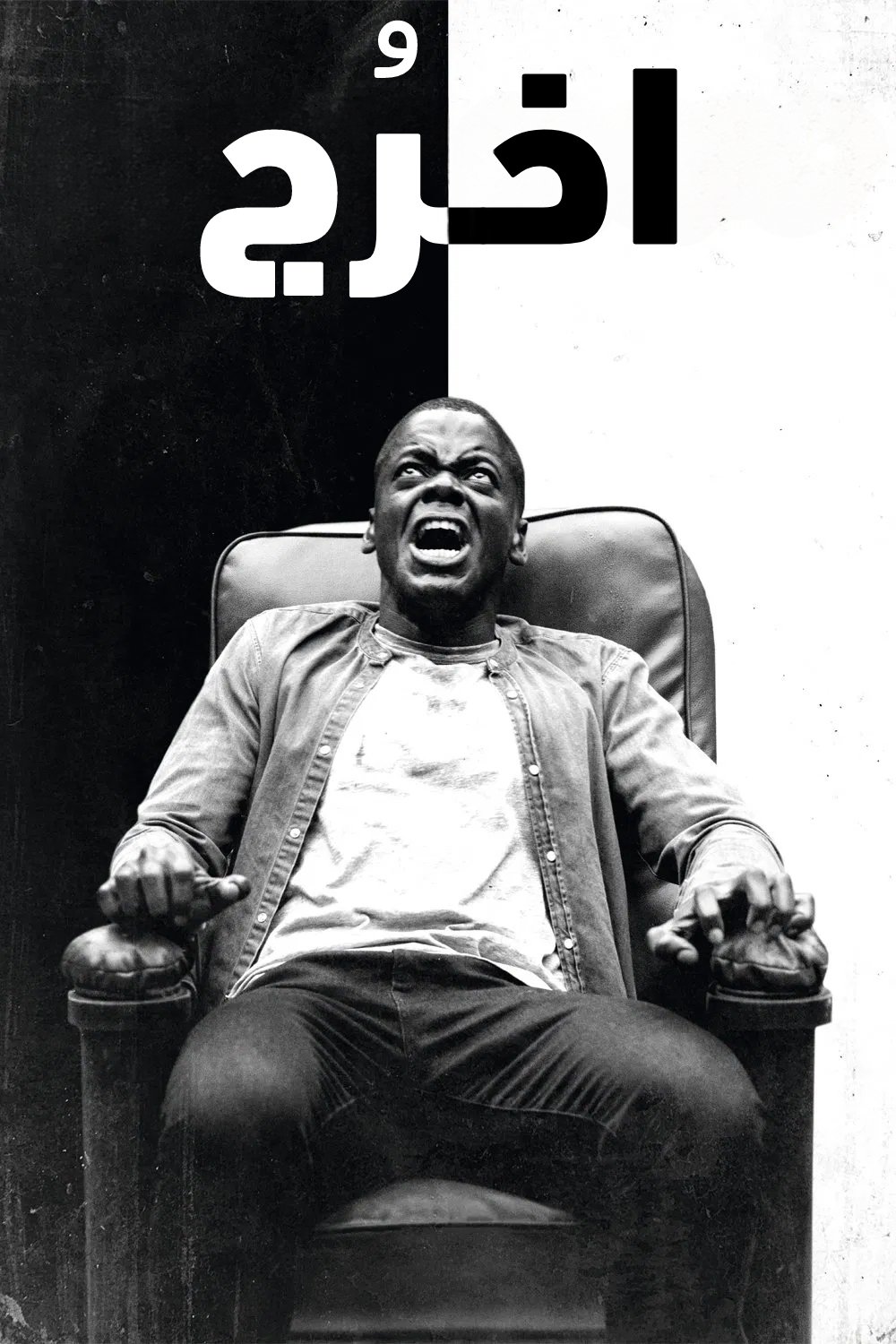
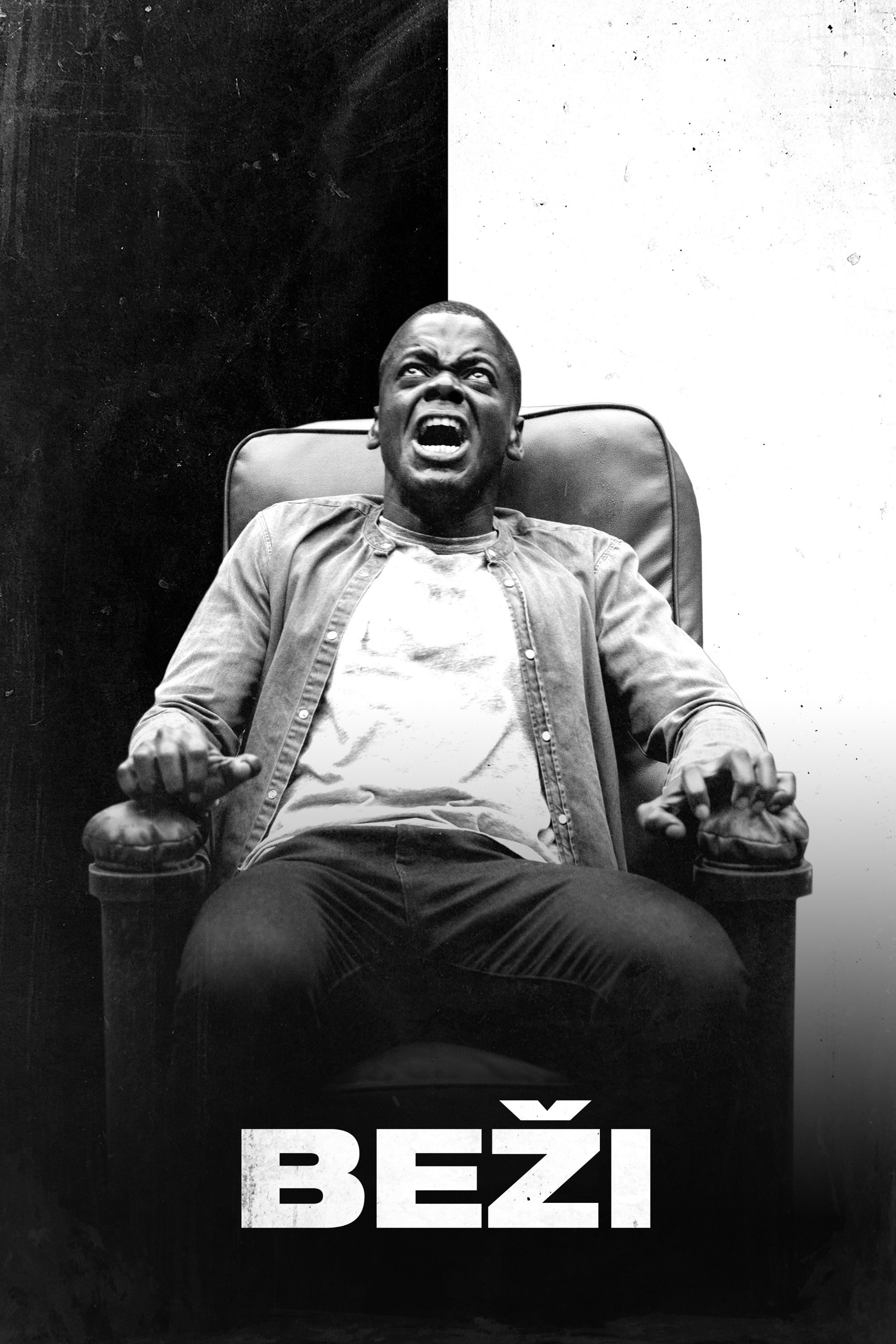
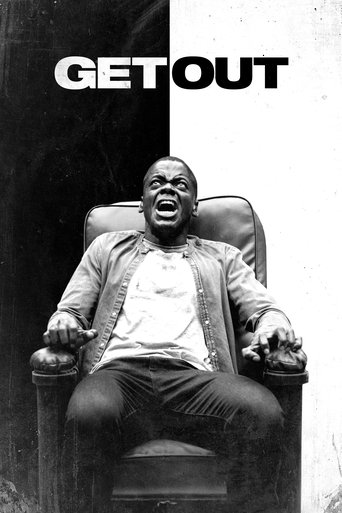
Get Out (2017) poster
Director
Writer
Production Companies
Monkeypaw Productions , Blumhouse Productions , QC Entertainment
Plot

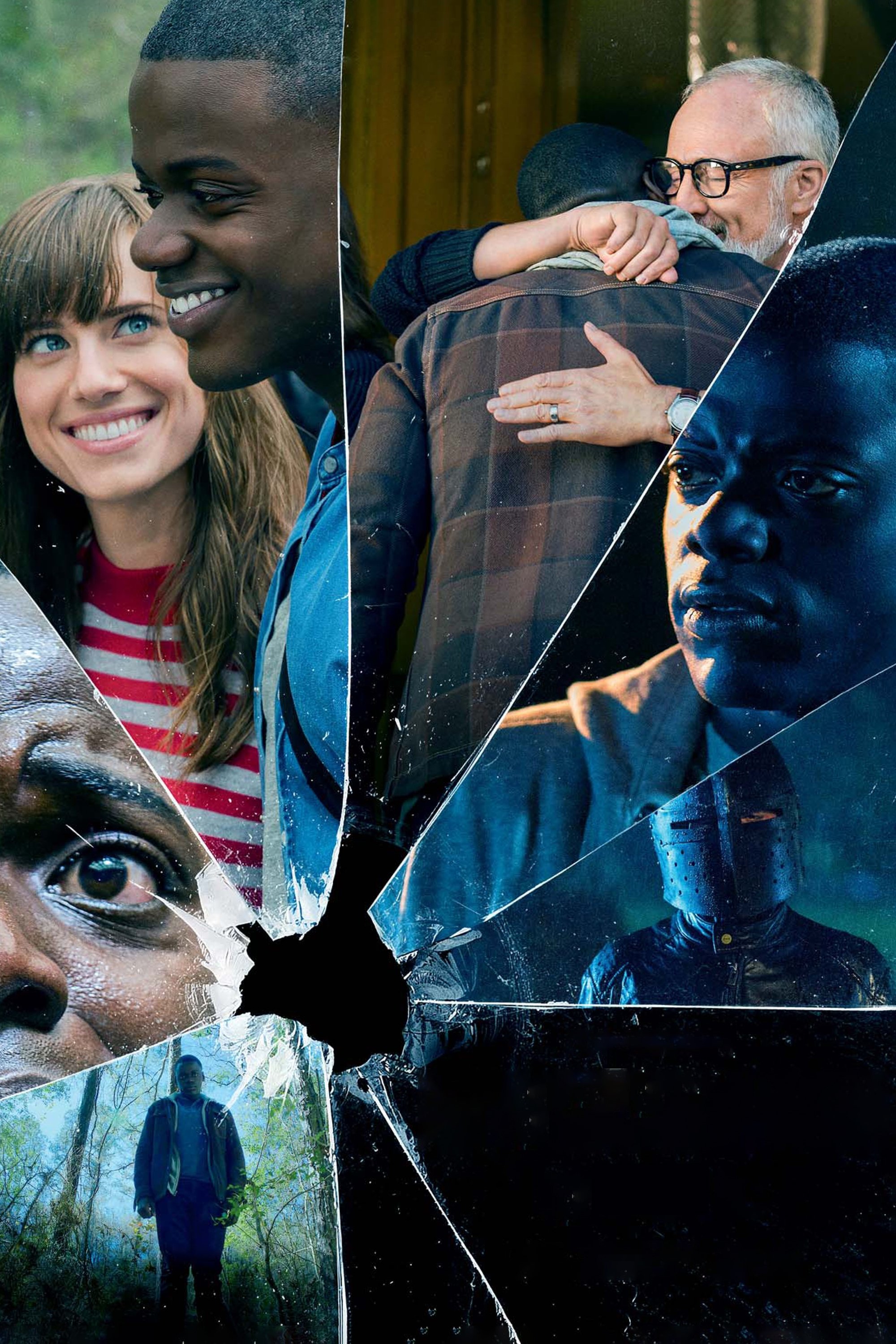
Chris and his girlfriend Rose go upstate to visit her parents for the weekend. At first, Chris reads the family's overly accommodating behavior as nervous attempts to deal with their daughter's interracial relationship, but as the weekend progresses, a series of increasingly disturbing discoveries lead him to a truth that he never could have imagined.

Alternative Titles
اخرج (United Arab Emirates) — Arabic Çıx Get Burdan (Azerbaijan) Rədd ol (Azerbaijan) — Azerbaijani Бягай! (Bulgaria) — Bulgarian Corra! (Brazil) — Portuguese 逃出绝命镇 (China) — Chinese Uteč (Czechia) — Czech Get Out - Rette deine Haut (Germany)
Show all 41 alternative titles Kao ära (Estonia) — Estonian Déjame salir (Spain) — Spanish თავს უშველე (Georgia) — Georgian Τρέξε! (Greece) — Greek 訪.嚇 (Hong Kong SAR China) 訪·嚇 (Hong Kong SAR China) — Chinese Bježi! (Croatia) — Croatian Tűnj el! (Hungary) — Hungarian תברח (Israel) — Hebrew गेट ऑउट (India) — Hindi ഗെറ്റ് ഔട്ട് (India) — Malayalam Scappa - Get Out (Italy) — Italian ゲット・アウト (Japan) — Japanese 겟 아웃 (South Korea) — Korean Pradink (Lithuania) — Lithuanian Prom! (Latvia) — Latvian Бегај! (North Macedonia) — Macedonian ¡Huye! (Mexico) — Spanish Uciekaj! (Poland) — Polish Foge (Portugal) — Portuguese Fugi! (Romania) — Romanian Бежи (Serbia) — Serbian Бежи! (Serbia) Прочь (Russia) — Russian اخرج (Saudi Arabia) — Arabic 逃出绝命镇 (Singapore) — Chinese Zbeži! (Slovenia) — Slovenian Uteč (Slovakia) — Slovak ลวงร่างจิตหลอน (Thailand) Kapan (Türkiye) — Turkish 逃出絕命鎮 (Taiwan) — Chinese Пастка (Ukraine) — Ukrainian Trốn Thoát (Vietnam) — Vietnamese

Trailers & Videos

10 videos

Film Guide & Analysis

Jordan Peele’s psychological horror landmark: the origins of the screenplay, racial anxiety, the Sunken Place, Toby Oliver’s cinematography, Michael Abels’s score, alternative endings and critical reception.

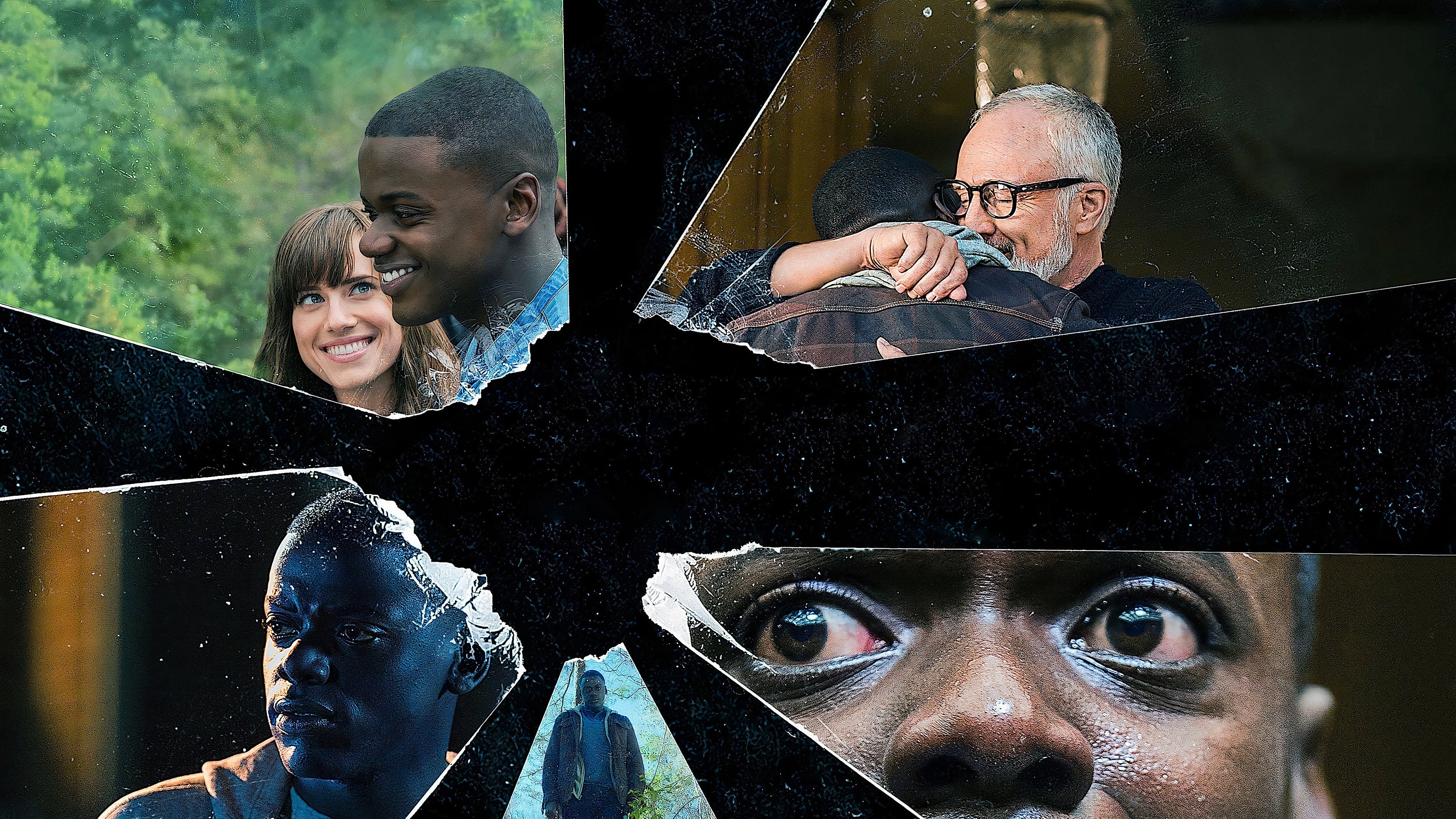
Get Out (2017) is an American psychological horror film written and directed by Jordan Peele in his feature-directing debut. Combining the conventions of paranoid thrillers with an examination of racism in contemporary American society, the film follows a Black photographer whose visit to his white girlfriend’s family reveals an elaborate system of coercion and bodily exploitation. Its horror develops from apparently courteous social encounters into a conspiracy involving hypnosis, medical experimentation and the appropriation of Black bodies. Peele’s screenplay uses familiar genre devices to expose the threatening implications of behaviour initially presented as harmless or complimentary.

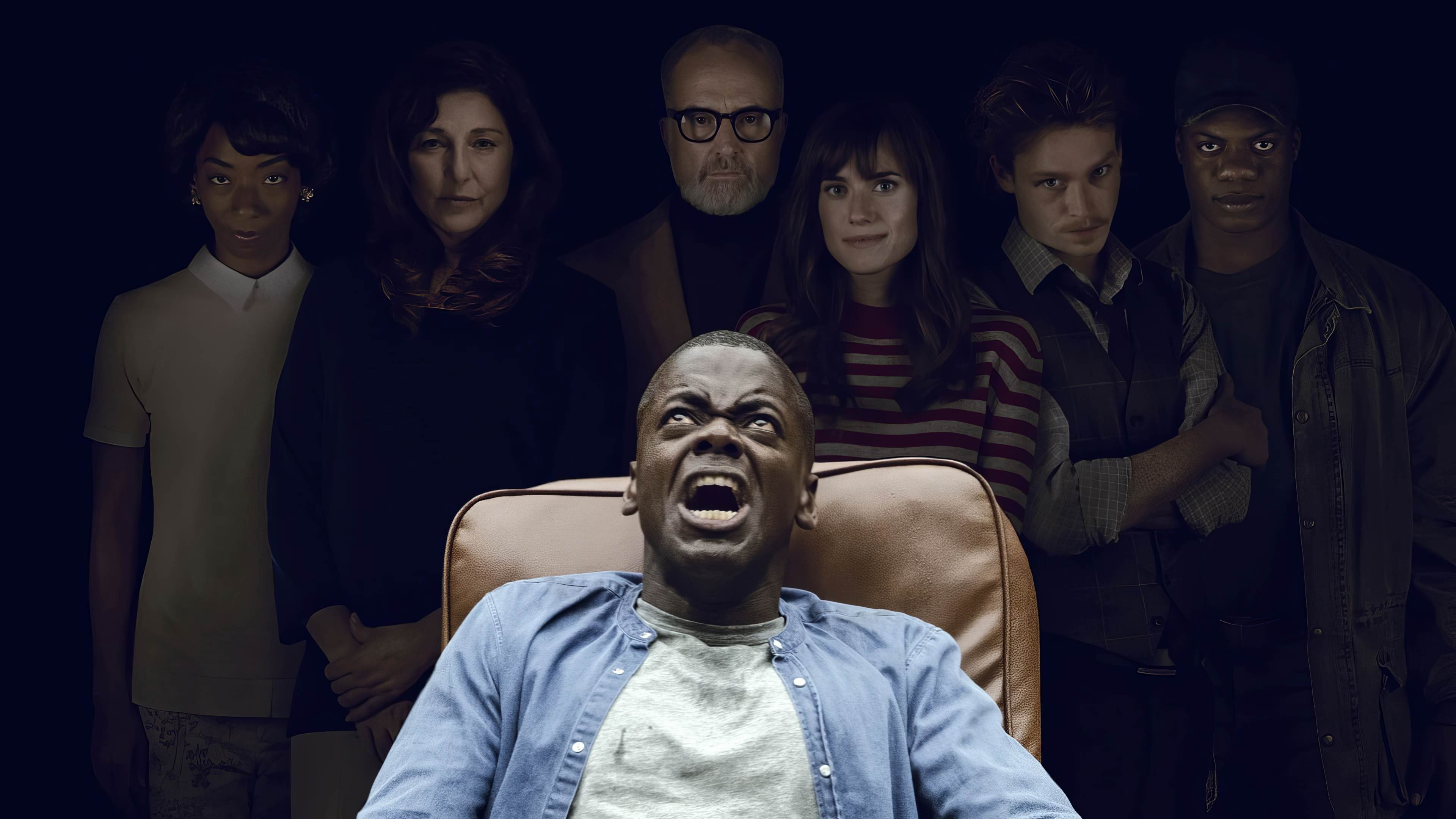
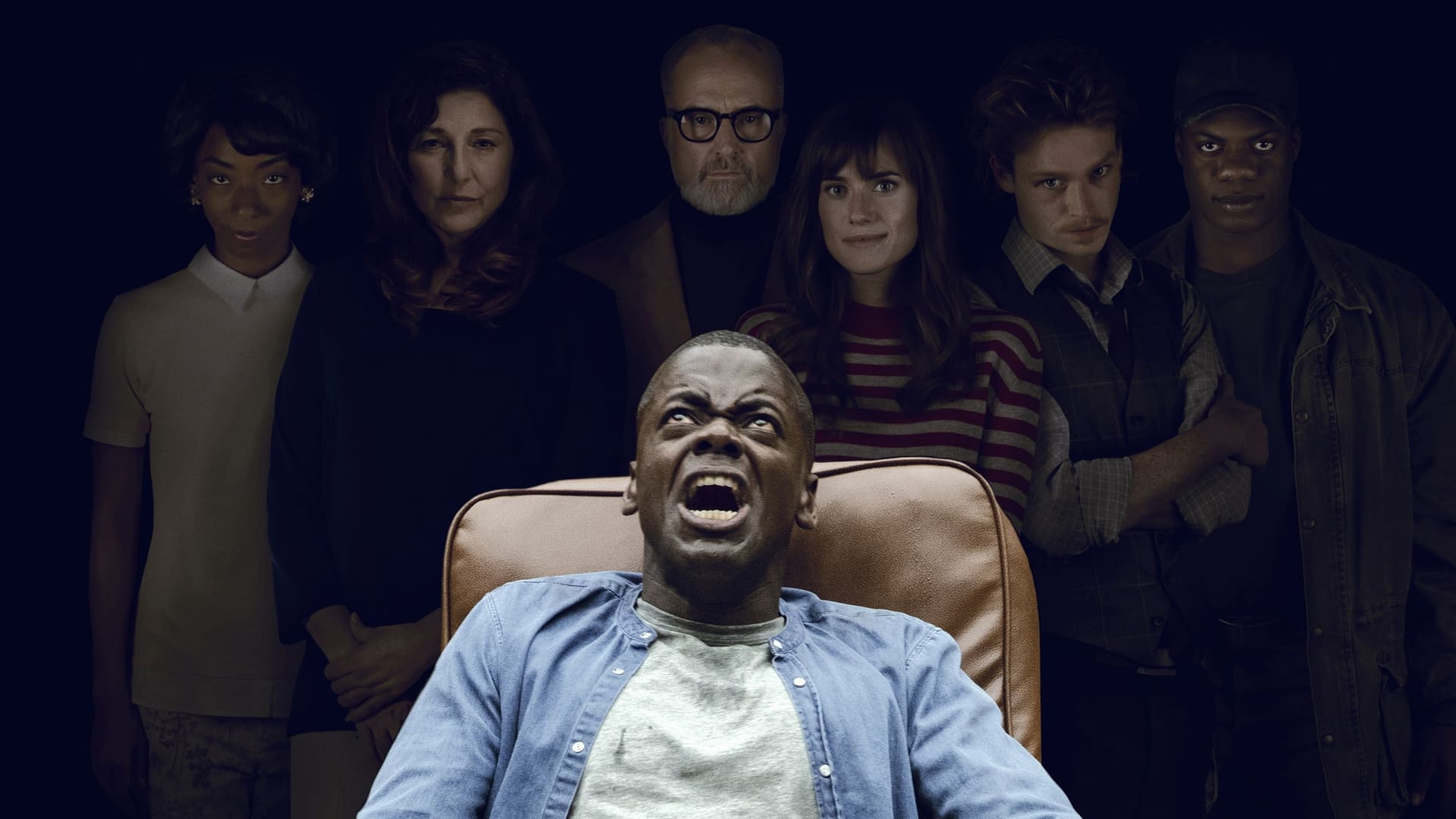
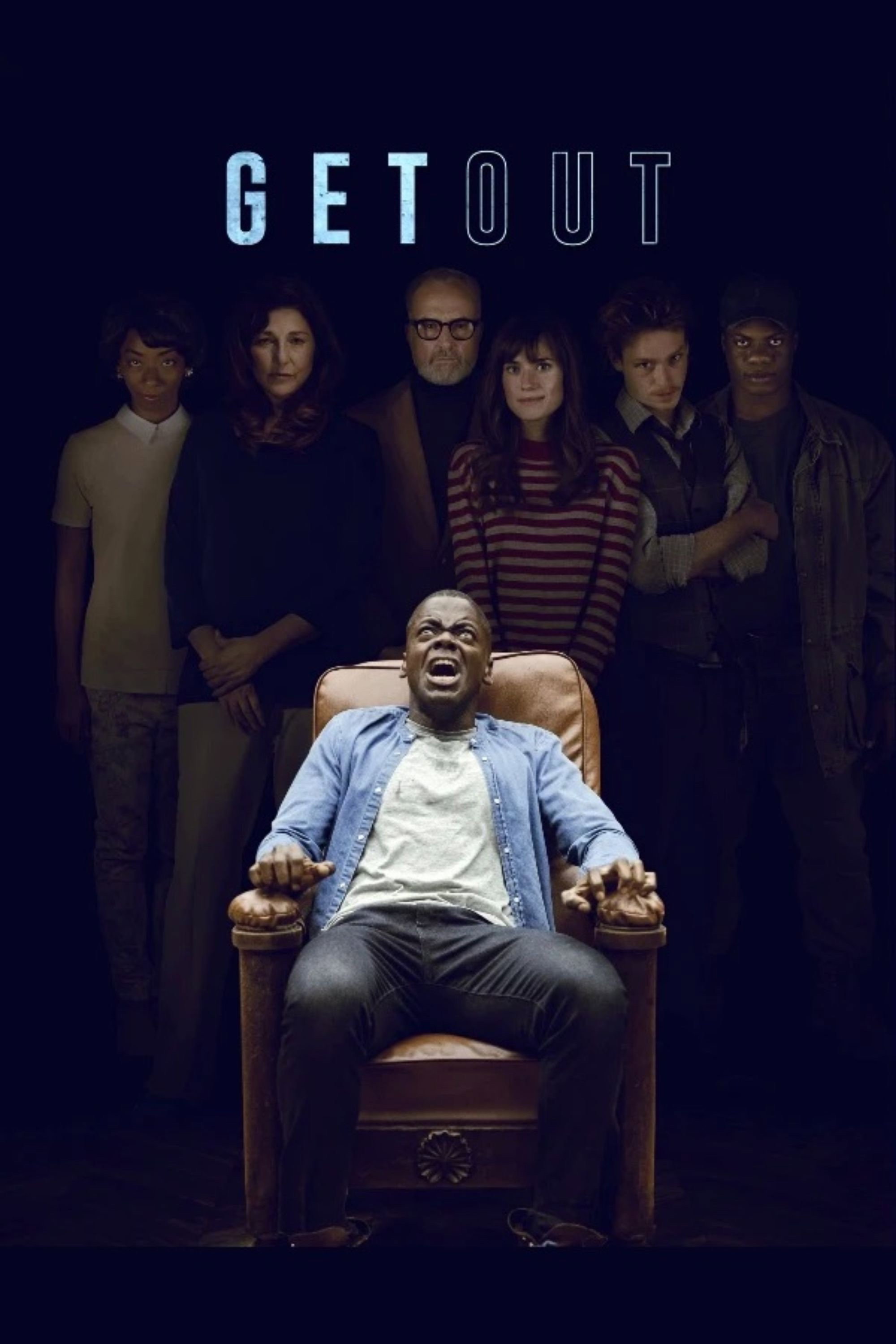
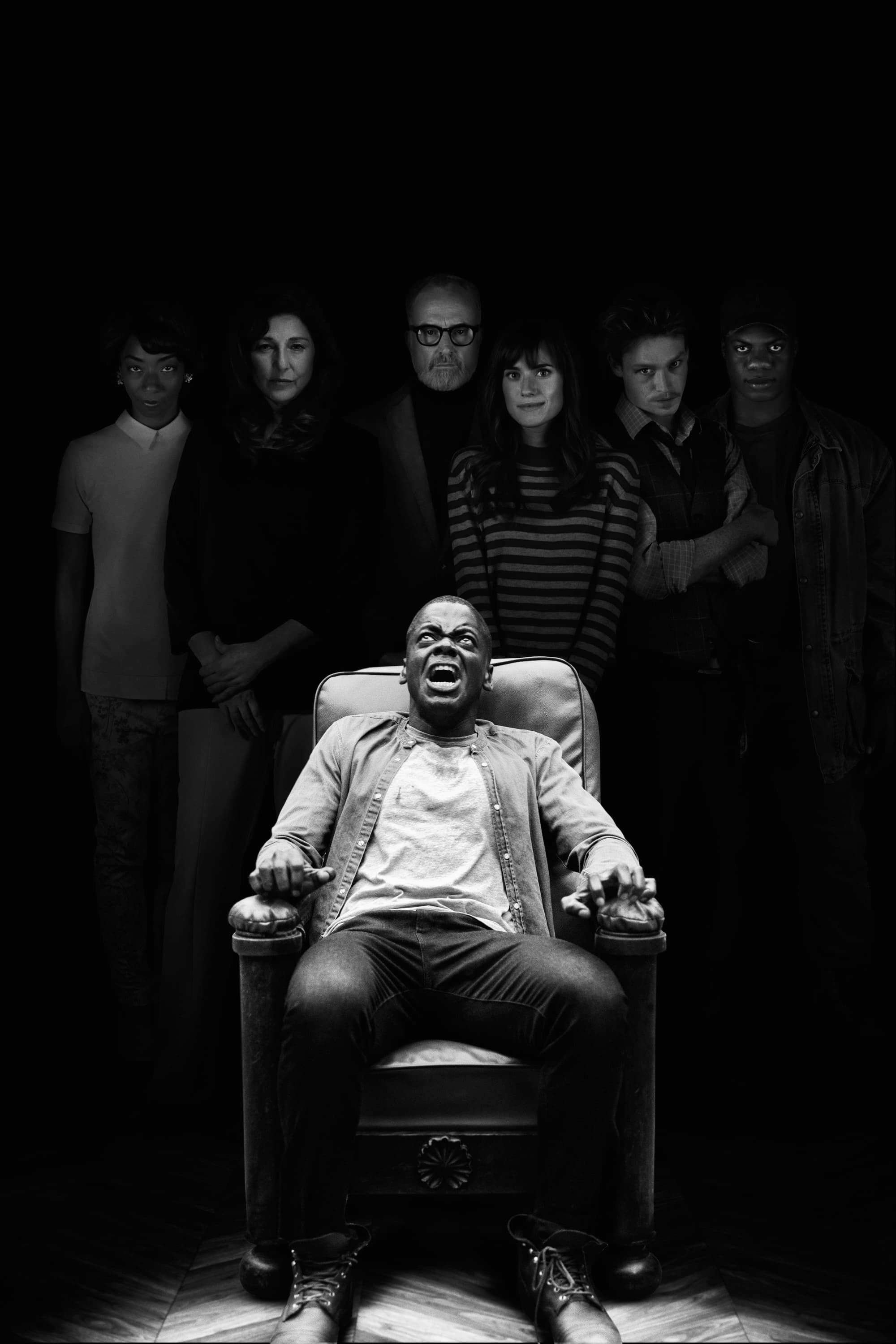
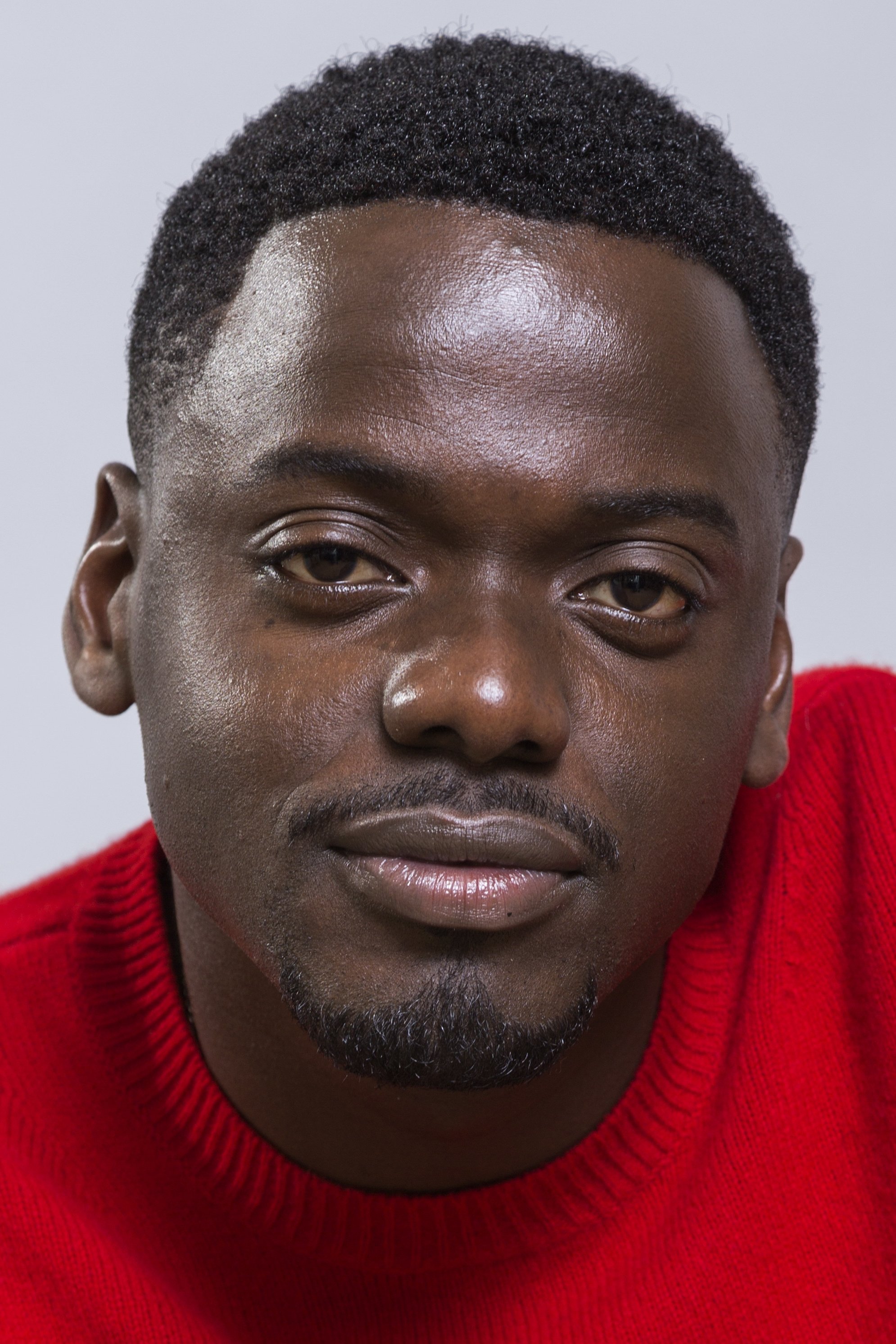
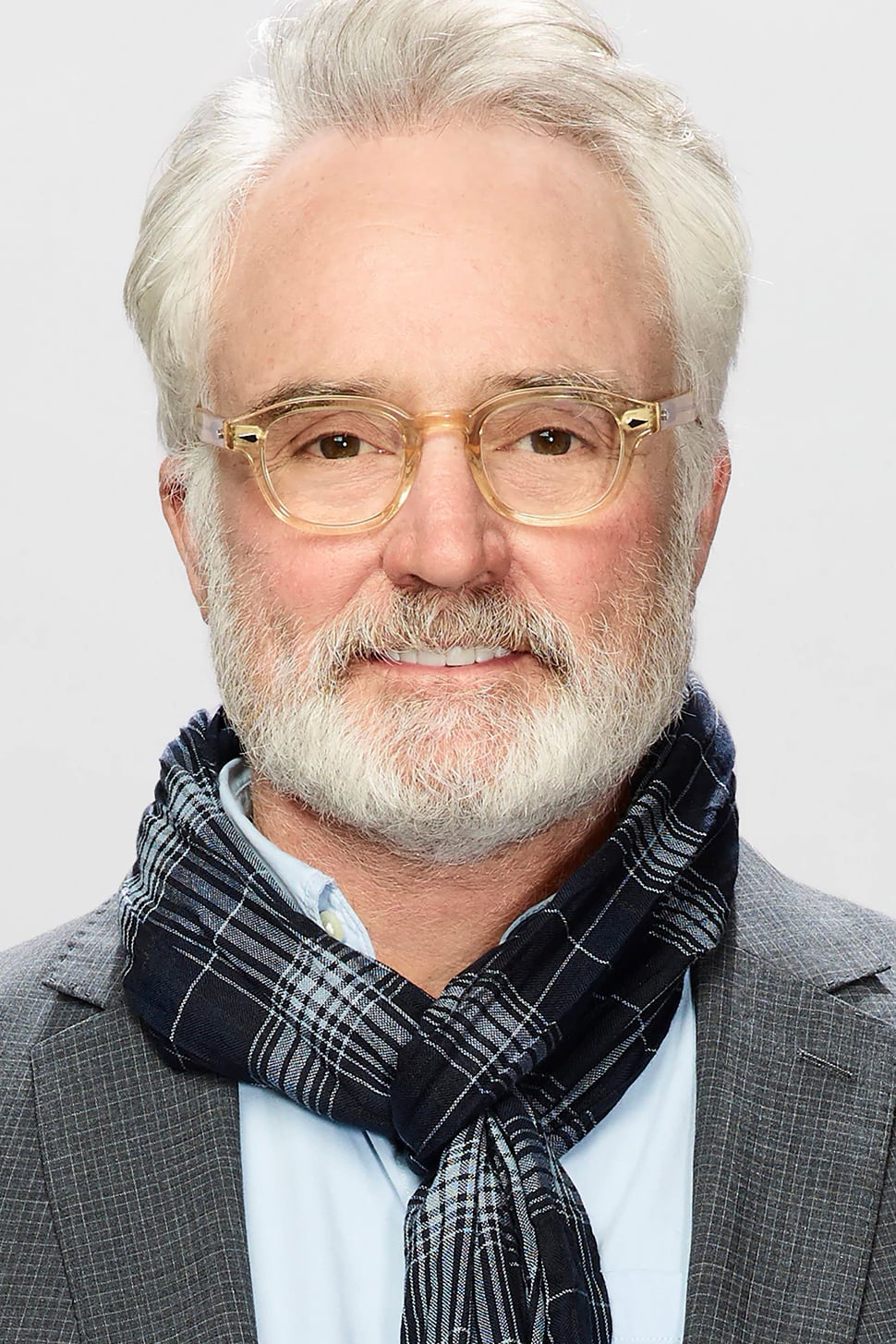
Daniel Kaluuya portrays Chris Washington, who accompanies Rose Armitage, played by Allison Williams, to her parents’ secluded estate. Catherine Keener and Bradley Whitford play Missy and Dean Armitage, whose welcoming manner conceals the activities of their family and associates. Produced through Blumhouse Productions, QC Entertainment and Monkeypaw Productions, the film premiered at the Sundance Film Festival in January 2017 before its American theatrical release on February 24. Its reported $4.5 million production budget contrasted with an original worldwide theatrical gross exceeding $255 million. The film subsequently received four Academy Award nominations, winning Best Original Screenplay for Peele.

Conception, Development, and the Horror Tradition

Peele began developing the idea for Get Out around 2008, during the period surrounding Barack Obama’s first presidential campaign. In a March 2017 interview with The Ringer, he explained that the earliest premise concerned the discomfort of entering a social group whose members shared experiences inaccessible to an outsider. The racial dimension emerged as he recognized the potential of that situation to represent the experiences of Black Americans. The screenplay gradually developed during the following years, as Peele observed the growing tendency to describe American society as having moved beyond racism after Obama’s election. He regarded that assumption as an obstacle to discussing continuing racial inequality.

The project drew on a tradition of horror stories in which apparently respectable environments conceal systems of control. Peele identified Rosemary’s Baby and The Stepford Wives as important influences, particularly their treatment of bodily autonomy and seemingly trustworthy communities. He also cited The Shining for its transformation of an isolated location into a threatening environment, Halloween for its use of familiar suburban spaces, and The Silence of the Lambs in connection with hypnosis. These references informed different aspects of the film rather than providing a single model for its narrative. Peele wanted the audience to recognize ordinary social behaviour before discovering the organized violence beneath it.

The production brought Peele together with producers including Jason Blum, Sean McKittrick and Edward H. Hamm Jr. His experience in comedy, especially the television series Key & Peele, had established his ability to construct scenes around awkward social exchanges and unexpected reversals. Get Out applied those skills to a feature-length suspense narrative. In interviews following the release, Peele described the unusual freedom of writing the initial story without assuming it would necessarily be produced. The eventual low-budget production required careful concentration on a limited number of environments and characters. Daniel Kaluuya’s casting gave the film a central performance capable of conveying Chris’s changing understanding through observation, hesitation and restrained physical reactions.
Social Horror, Racial Anxiety, and the Armitage Family

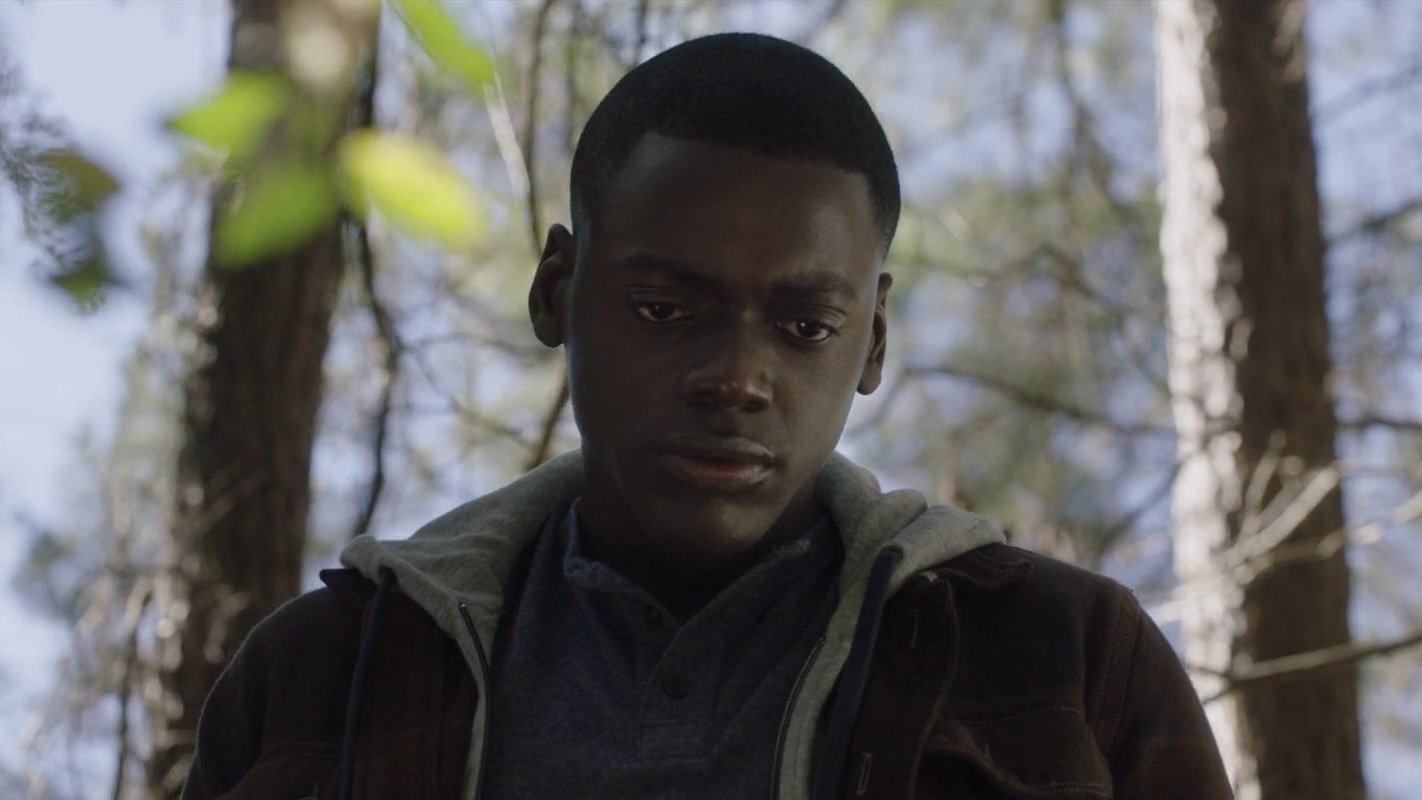
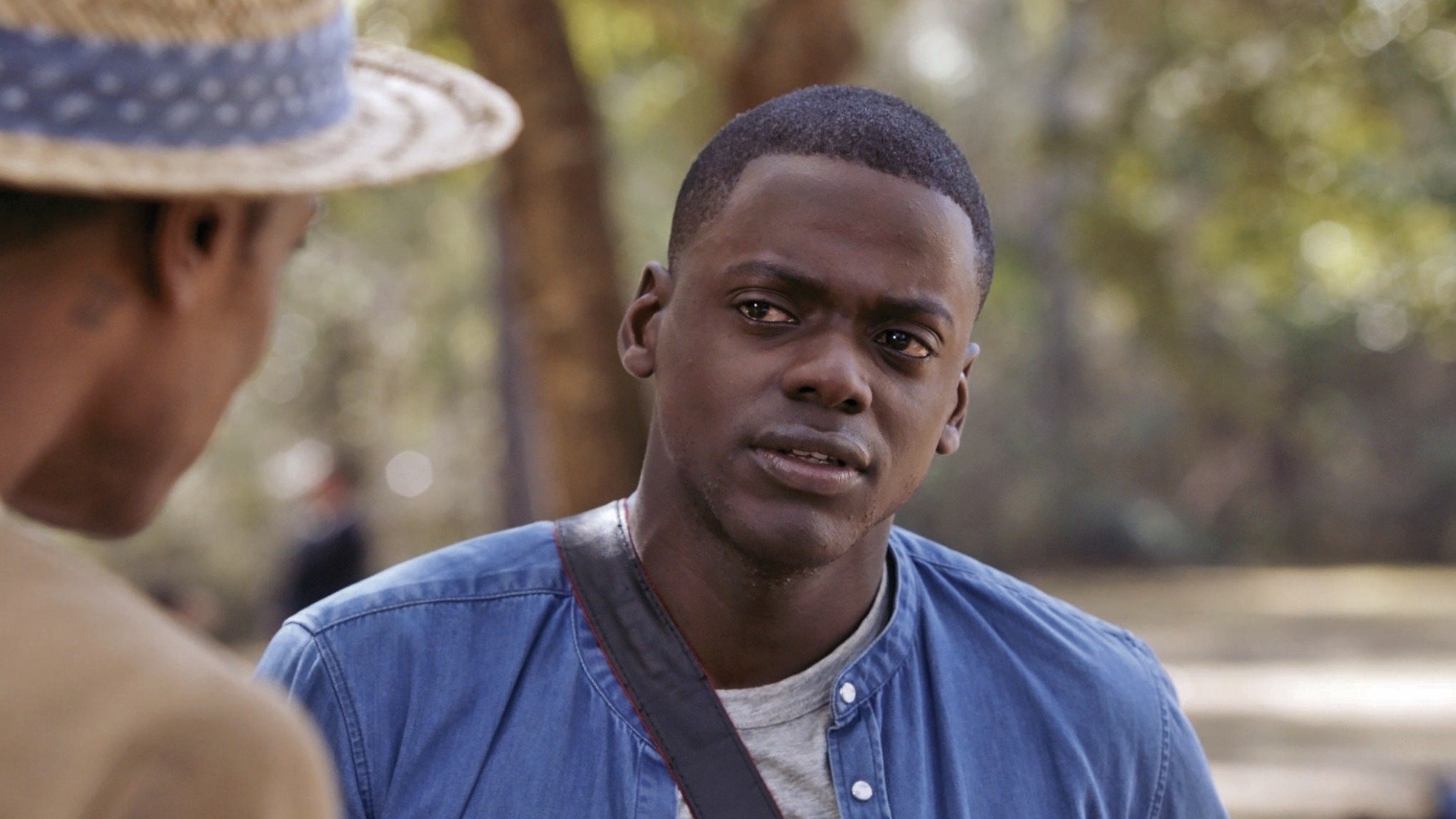
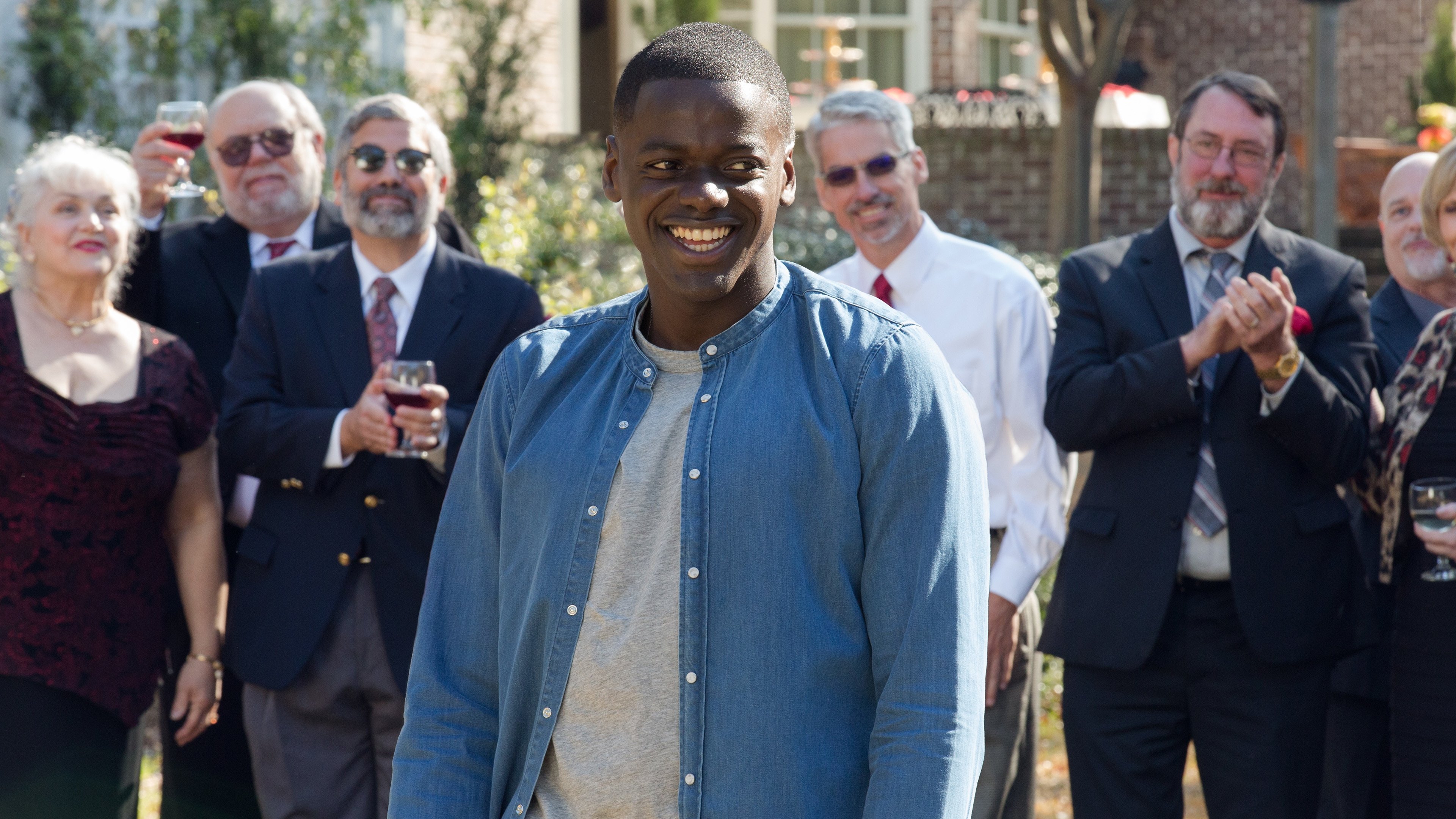
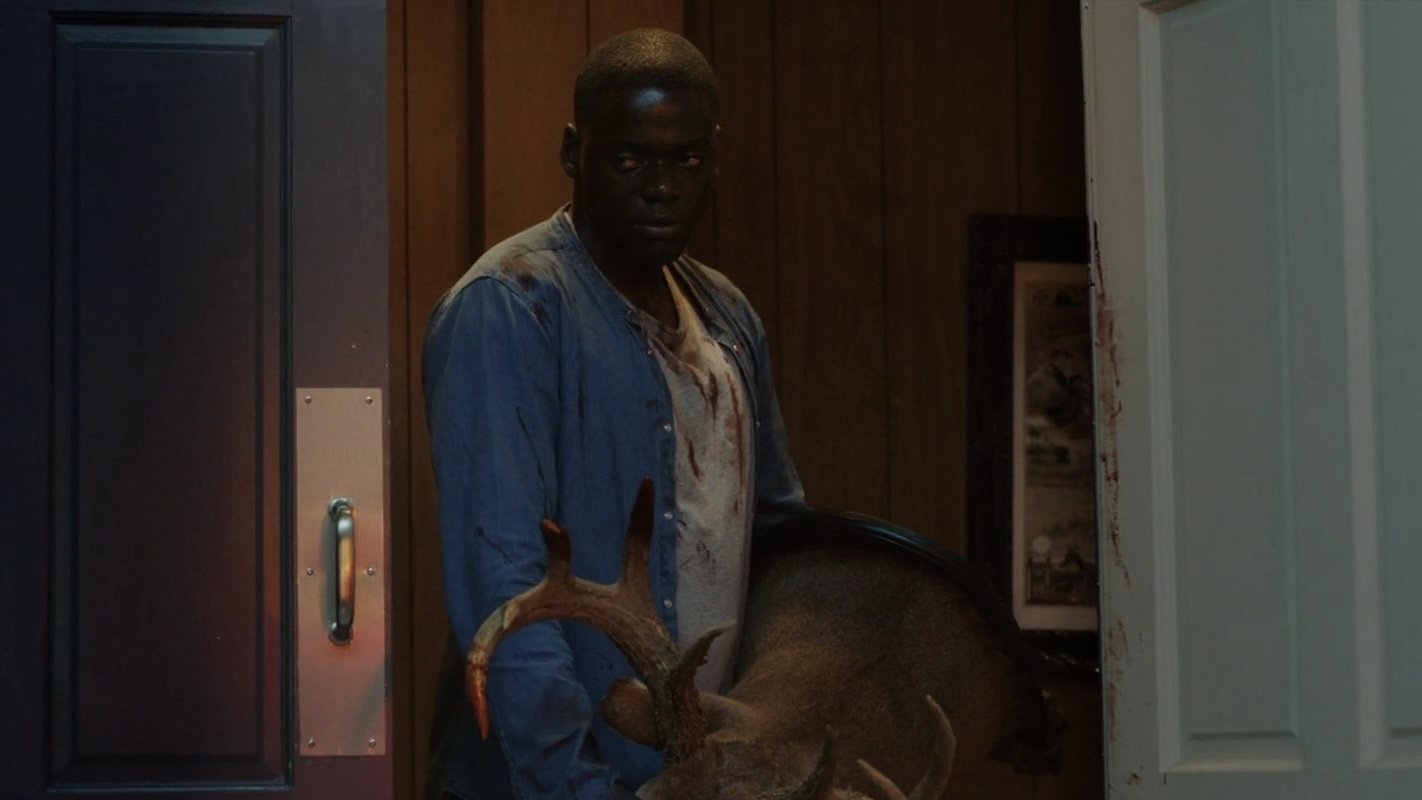
The film initially presents racial hostility through encounters that can be dismissed individually as misunderstandings. Rose’s failure to tell her parents that Chris is Black creates anxiety before the couple arrives at the estate. Following a collision with a deer, a police officer asks Chris for identification despite his not having driven the vehicle. Rose challenges the request, apparently defending her boyfriend. At the family home, Dean repeatedly attempts to demonstrate his progressive attitudes, while the conversation surrounding Chris remains marked by assumptions about race. These incidents establish a pattern in which the protagonist must evaluate the intentions of people who insist that their behaviour is friendly.

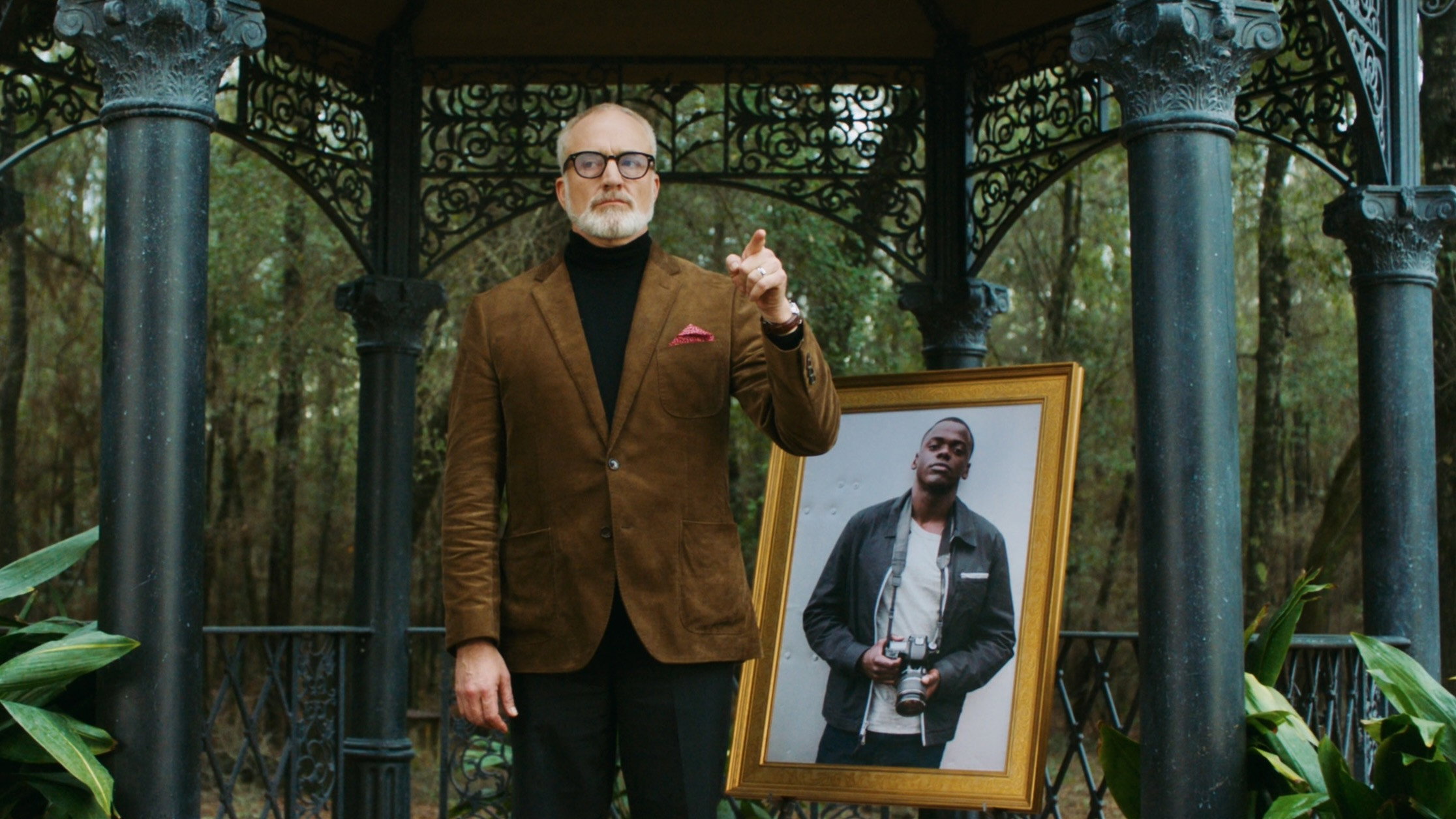
The gathering organized by the Armitages intensifies that discomfort. Wealthy white visitors comment on Chris’s physique, appearance and supposed athletic abilities, treating him as an object of curiosity. Their remarks become more disturbing after the revelation that the event conceals an auction for control of his body. The family’s operation, called the Coagula procedure, allows an older person’s consciousness to occupy another individual through surgical transplantation and psychological suppression. Its victims retain a limited awareness of their surroundings while losing control of their actions. The procedure turns the earlier comments about Chris’s physical characteristics into evidence of a coordinated process of evaluation and possession.

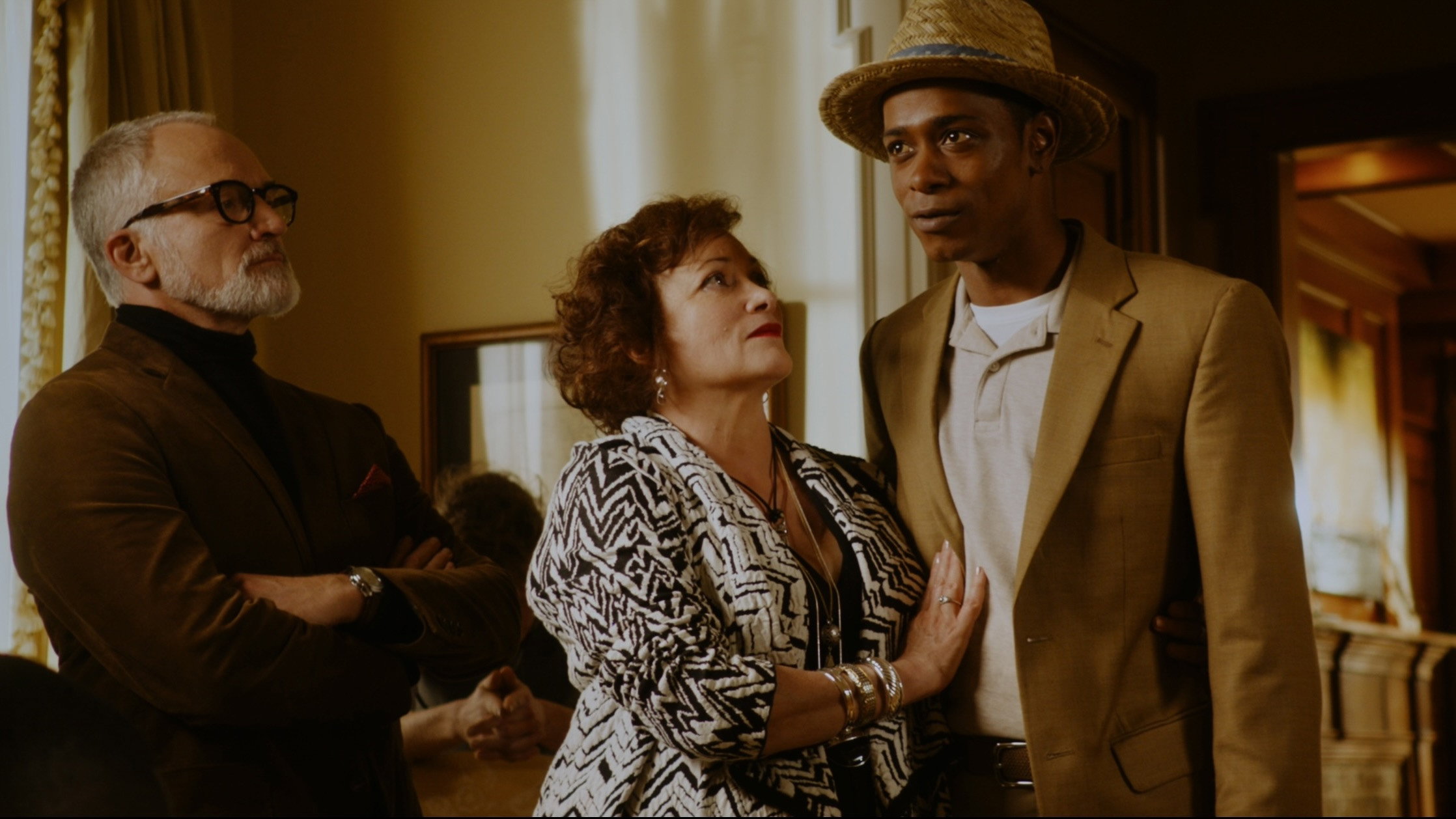
This fictional mechanism gives bodily form to the film’s examination of racial exploitation. The affluent participants seek the perceived advantages of Black bodies while retaining their own identities and power. Jim Hudson, the blind art dealer interested in Chris’s photography, offers a particularly revealing variation because his stated motivation concerns sight rather than conventional racial stereotypes. His willingness to participate nevertheless depends on the same violation of personal autonomy. Georgina and Walter, who initially appear to be household employees, embody the consequences of earlier procedures. Their controlled behaviour establishes the horror of consciousness surviving within a body directed by someone else.

Cinematography and the Construction of the Sunken Place

Australian cinematographer Toby Oliver developed the film’s images around Chris’s experience of increasingly threatening surroundings. In a June 2017 interview with Australian Cinematographer Magazine, Oliver explained that the camera frequently places the protagonist within wider compositions that reveal disturbing details around him. The apparently comfortable Armitage estate becomes threatening through the relationship between foreground activity and background observation. A long shot of the family greeting Chris and Rose, for example, gradually reveals Walter watching from the grounds. Oliver described the composition as a deliberate means of introducing a perspective that the audience might not initially expect.

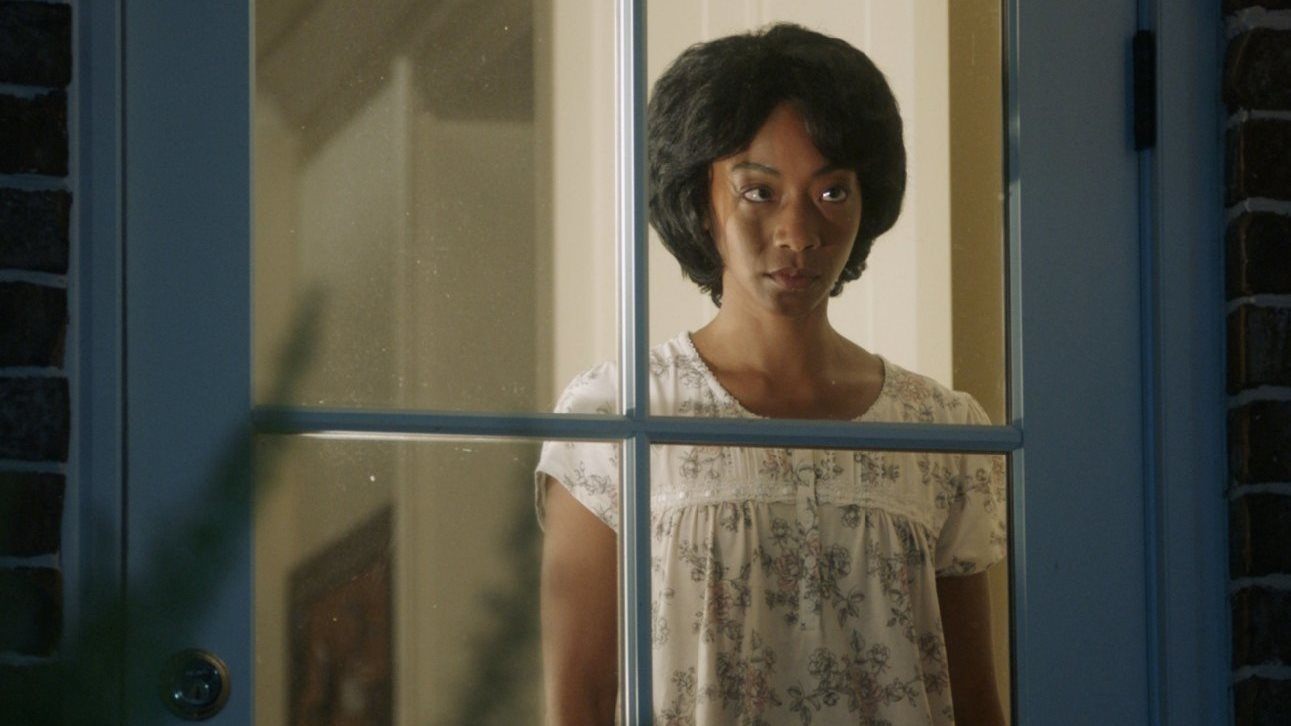
The photography also gives importance to the movement of performers within apparently ordinary spaces. Oliver recalled suggesting that Georgina move slowly toward Chris during a nighttime encounter rather than remain stationary in the doorway. The camera retreats as she approaches, intensifying her unsettling behaviour without requiring an abrupt visual effect. The film generally maintains a restrained colour palette in the domestic scenes, allowing facial expression, spatial distance and selective lighting to contribute to the tension. As Chris becomes increasingly suspicious, close compositions and the placement of figures within the frame make the house appear less welcoming. The camera’s attention to small changes in behaviour supports the screenplay’s gradual revelation of the family’s intentions.

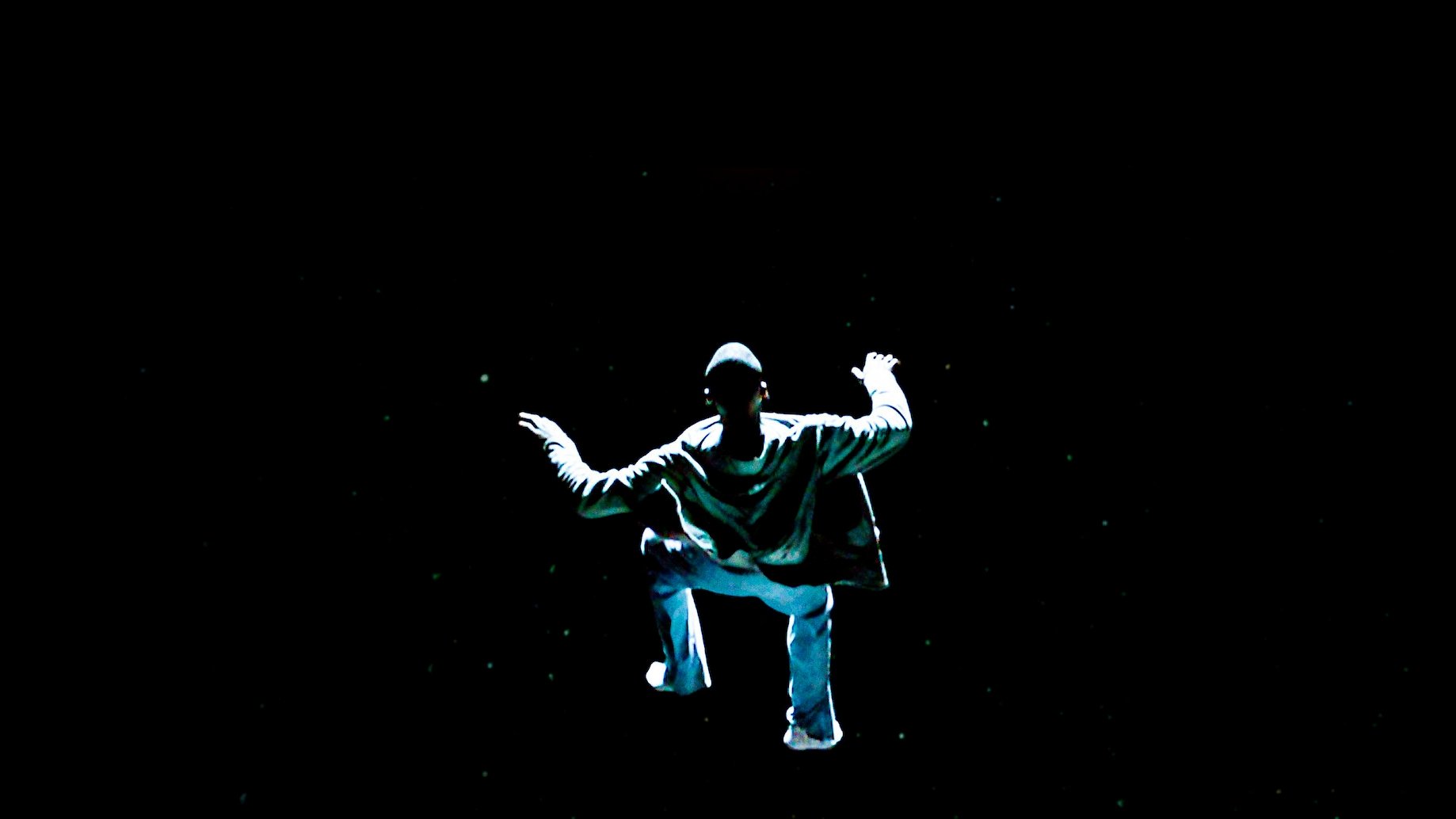
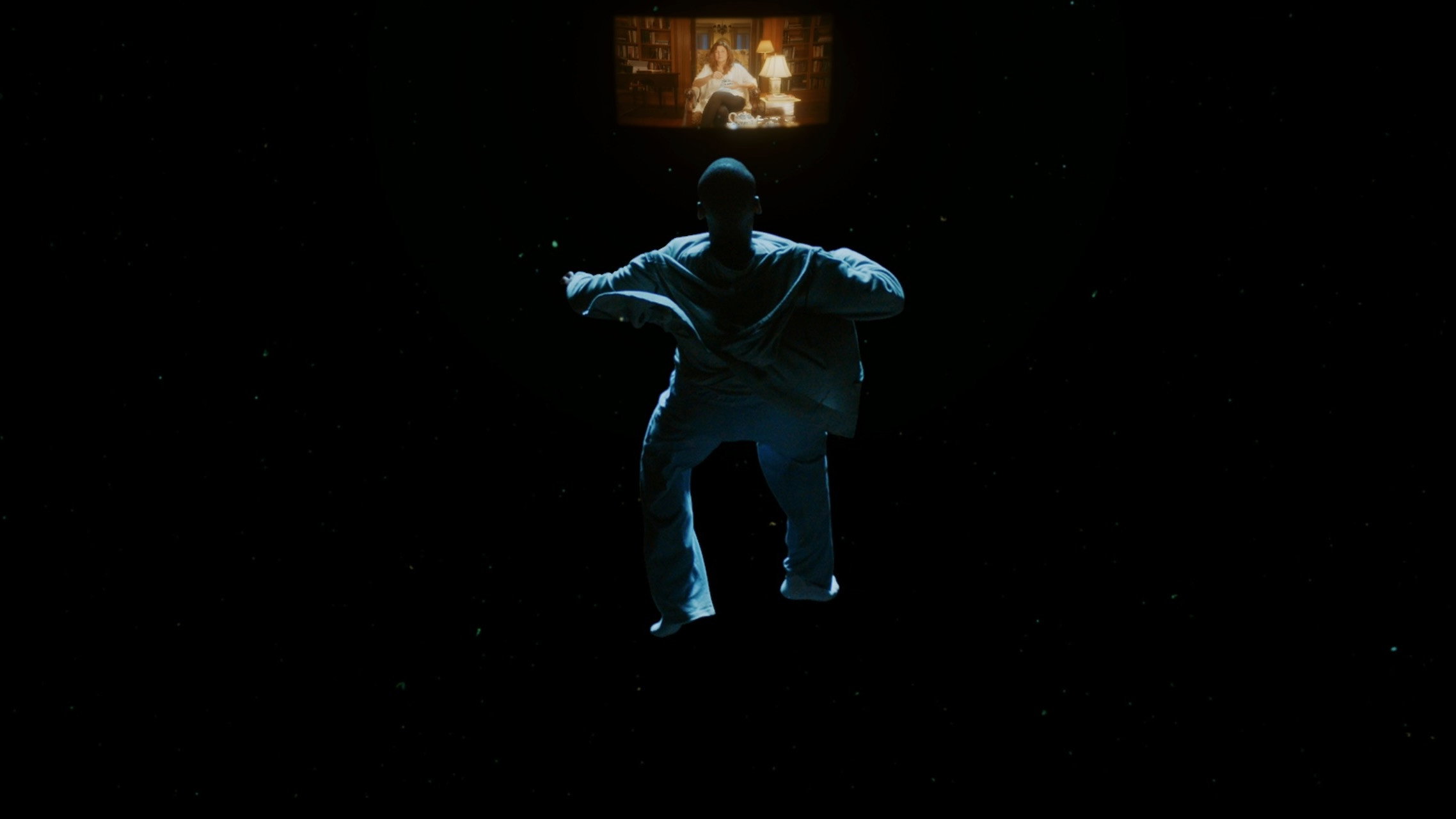
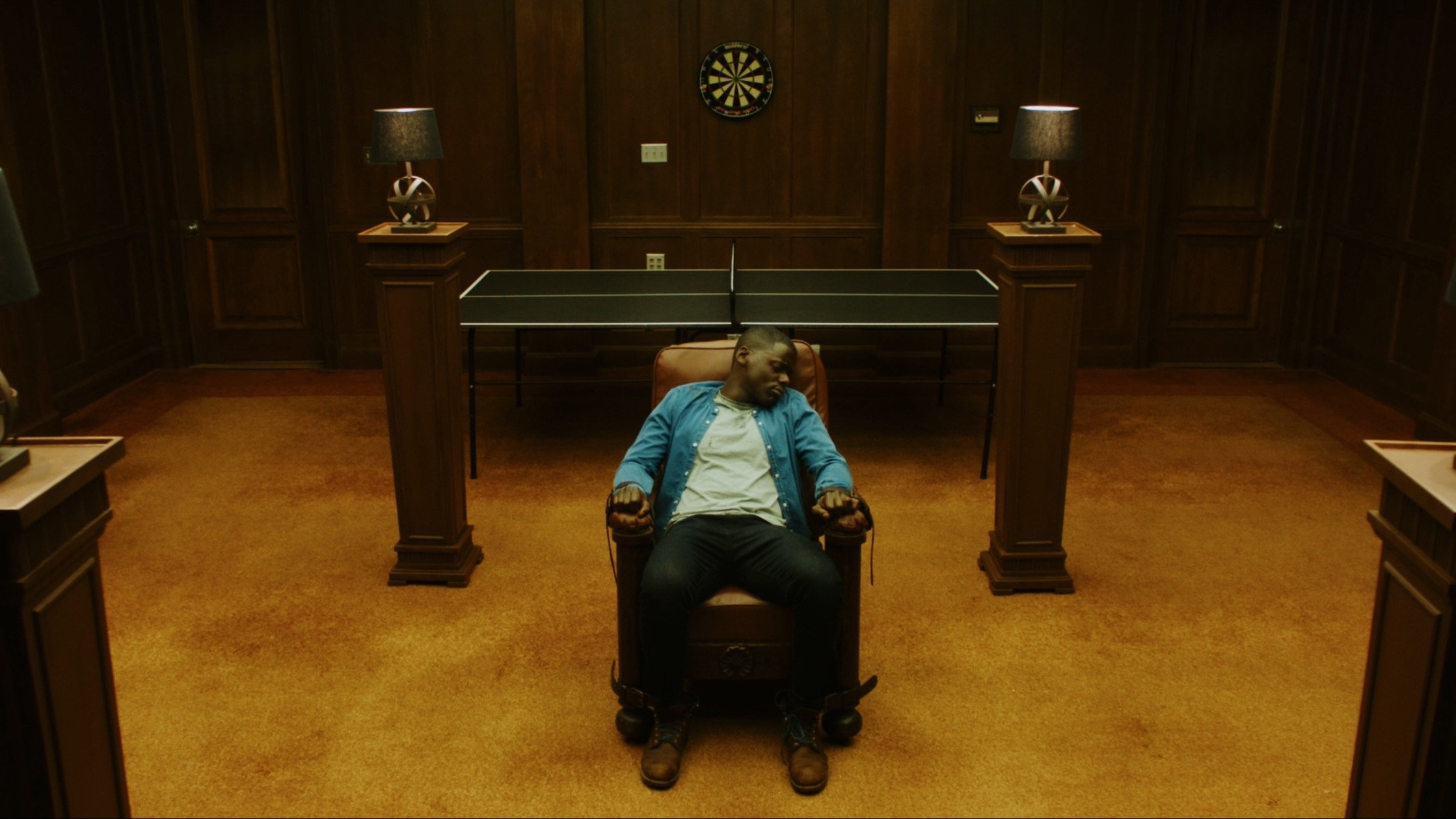
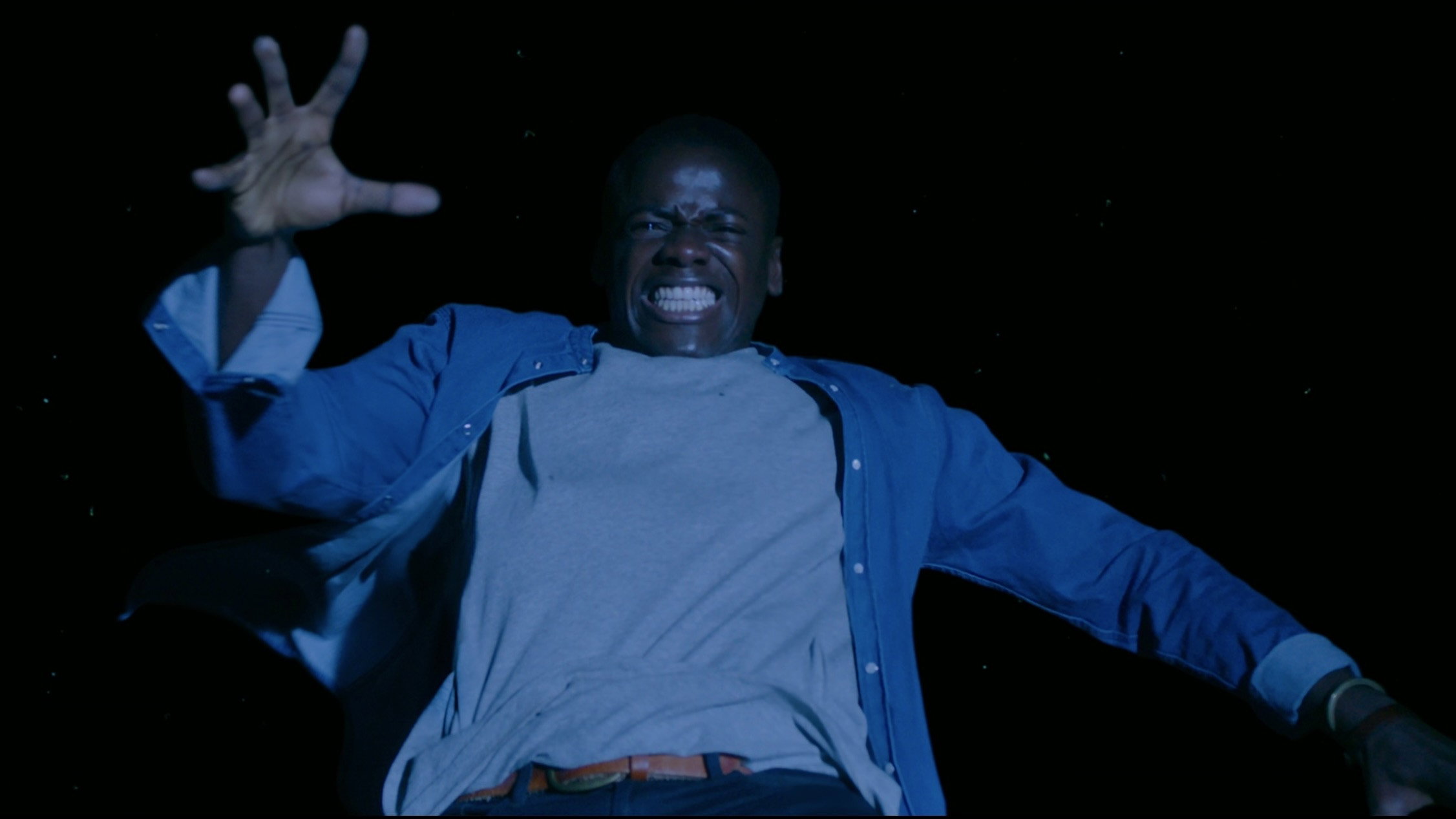
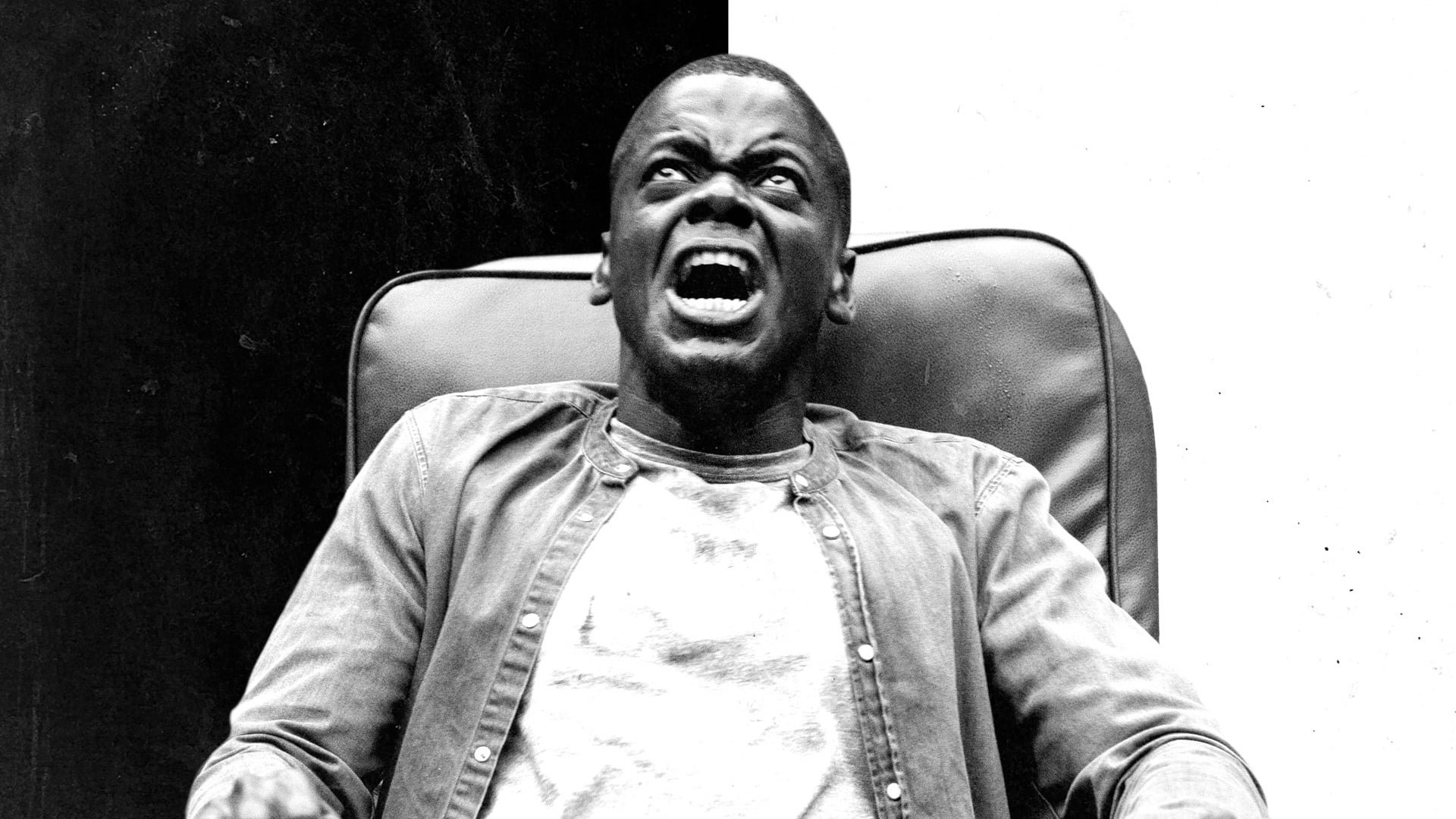
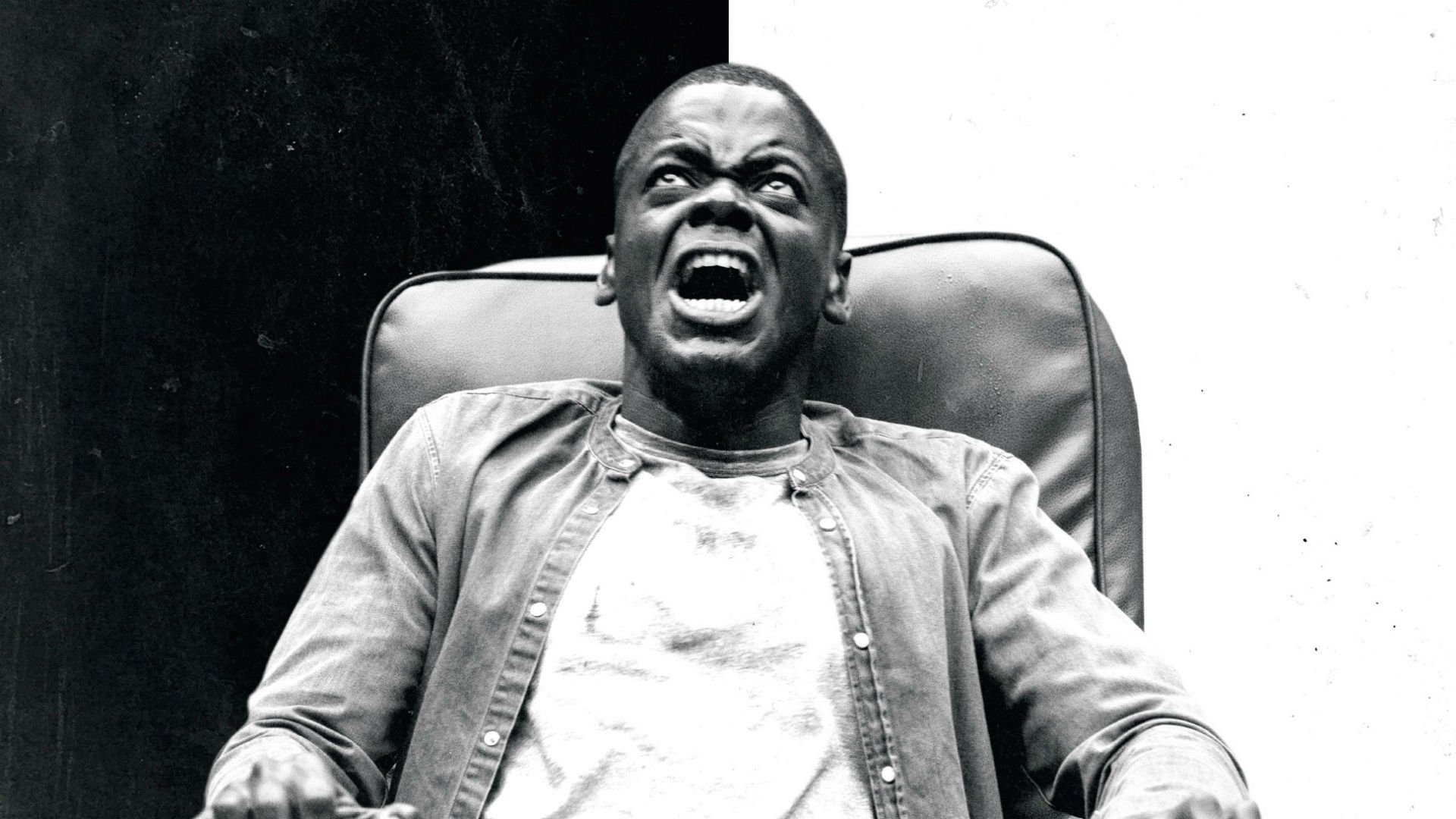
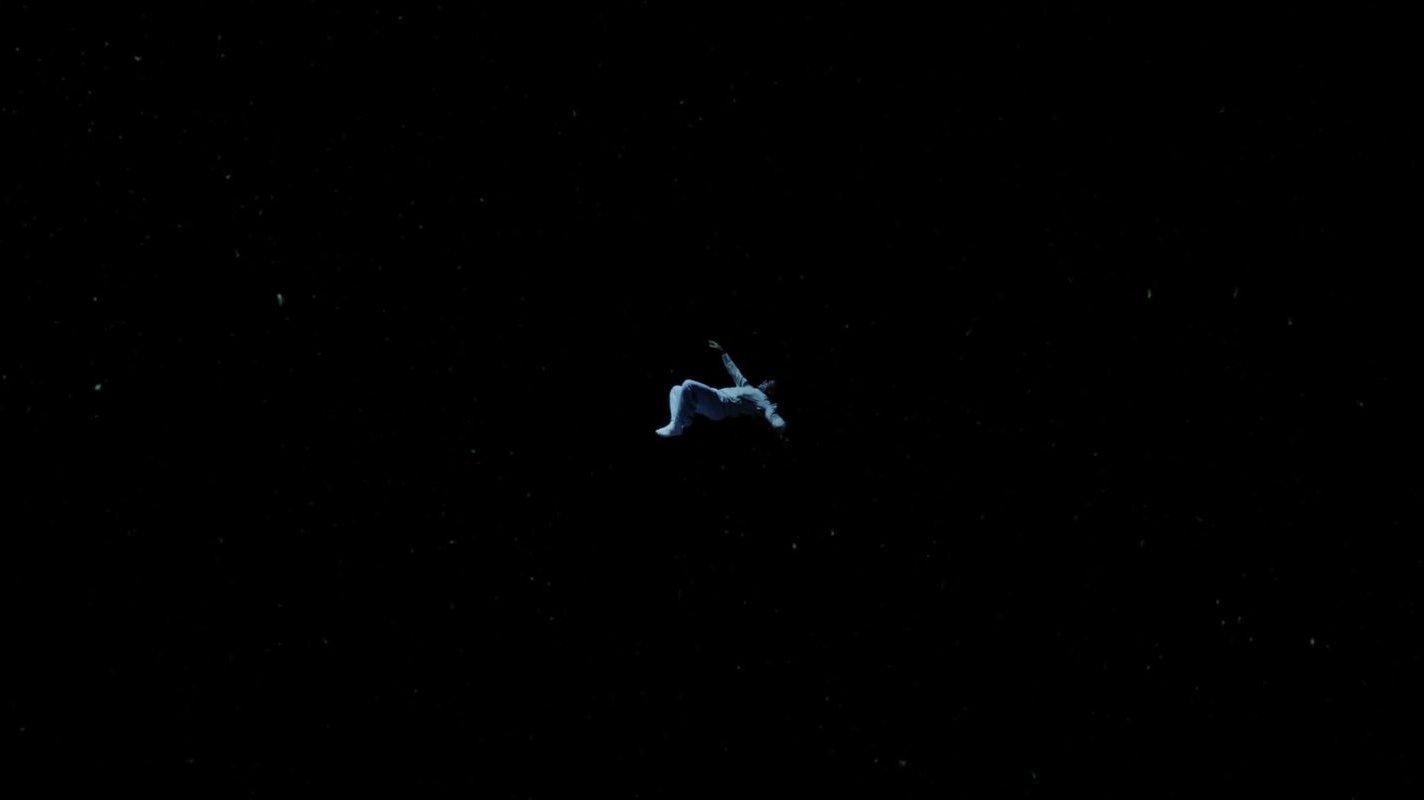
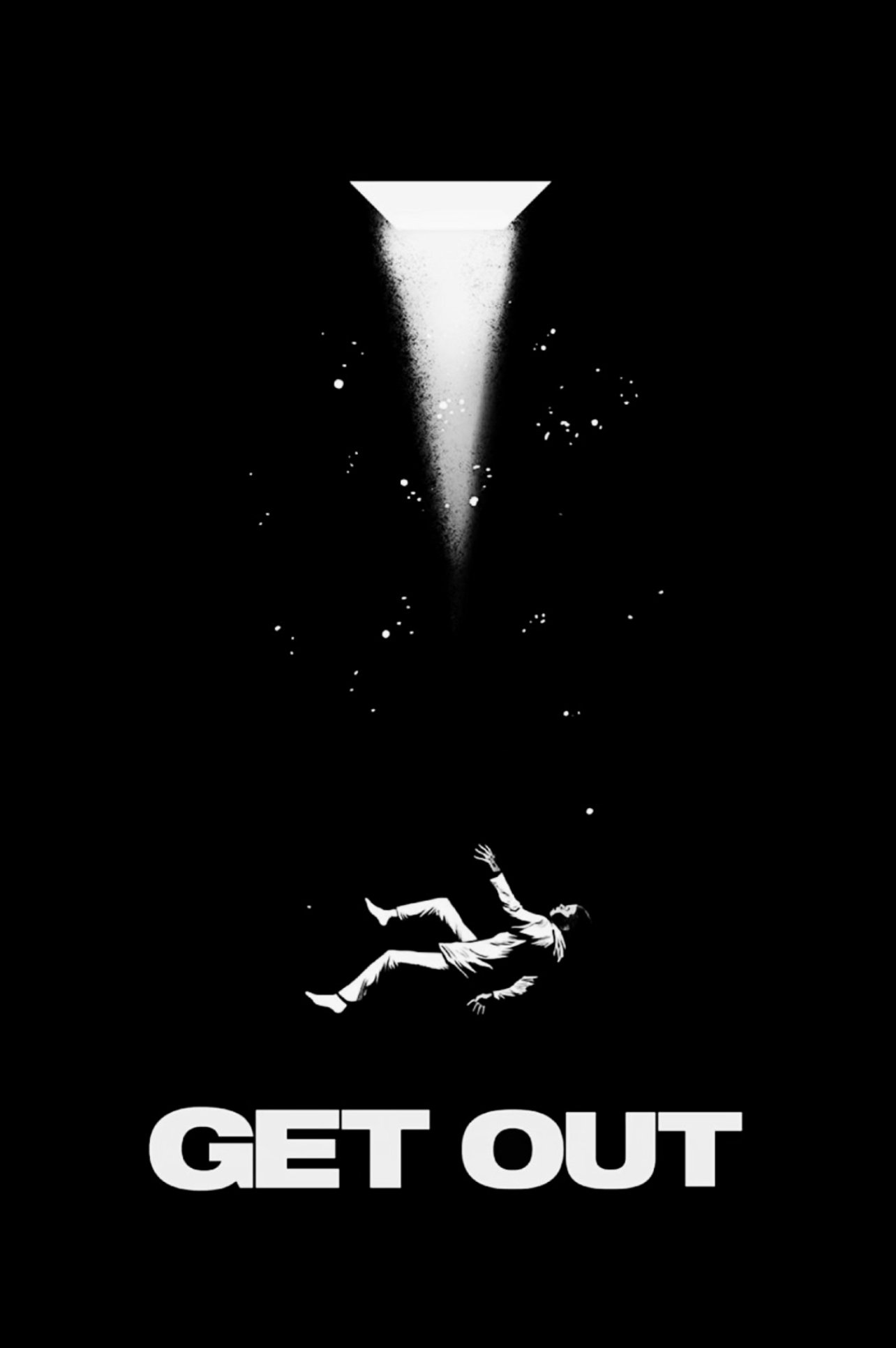
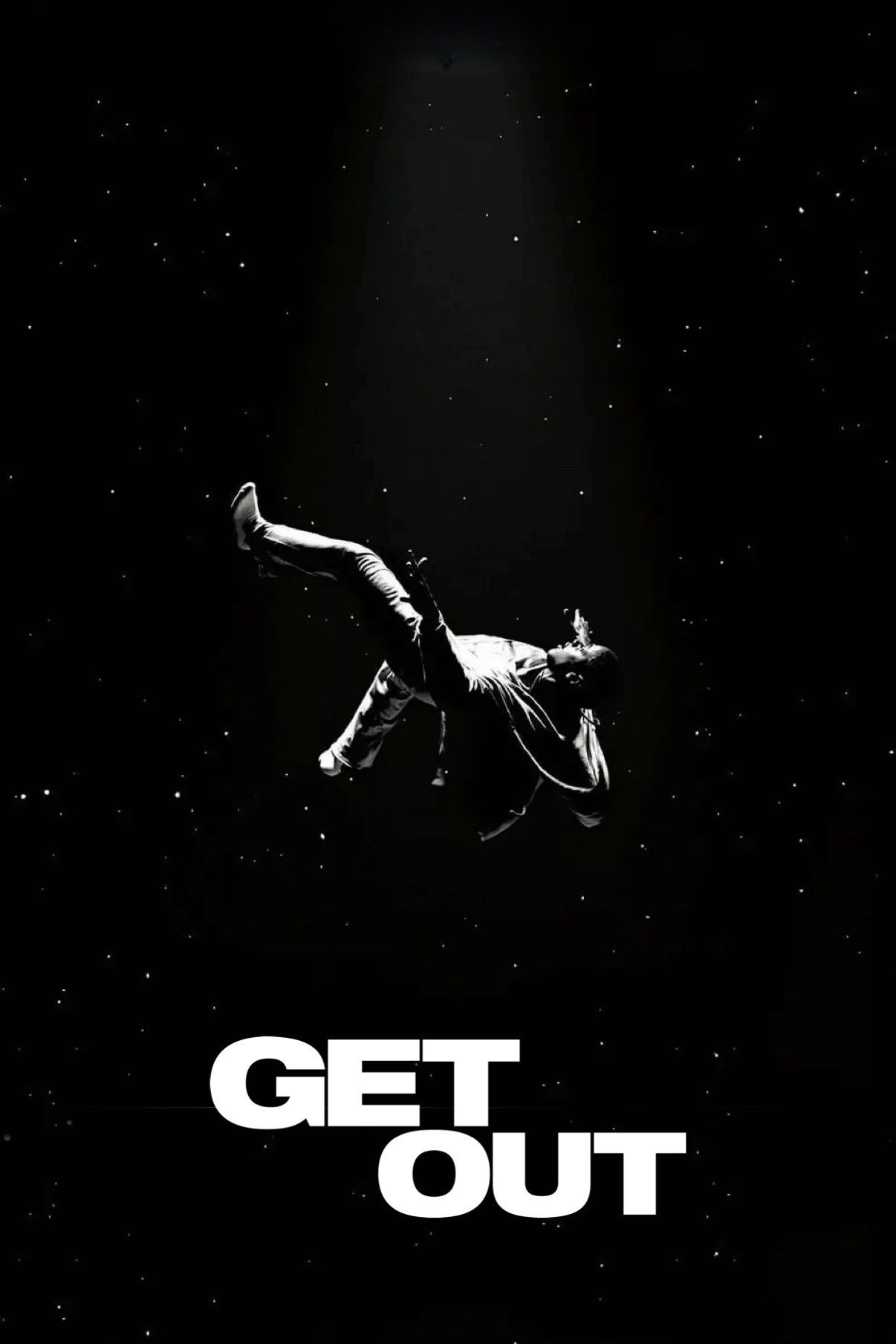
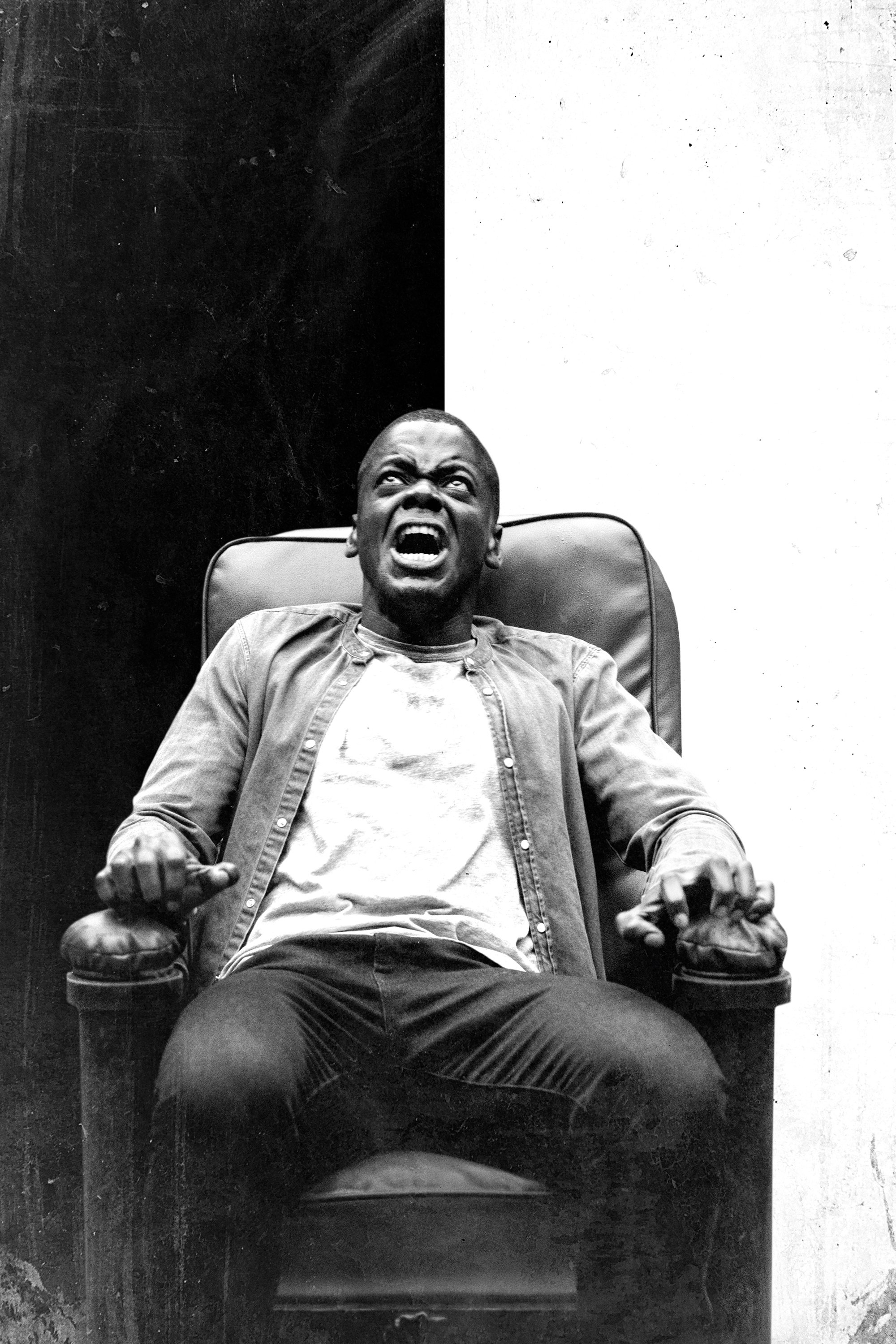
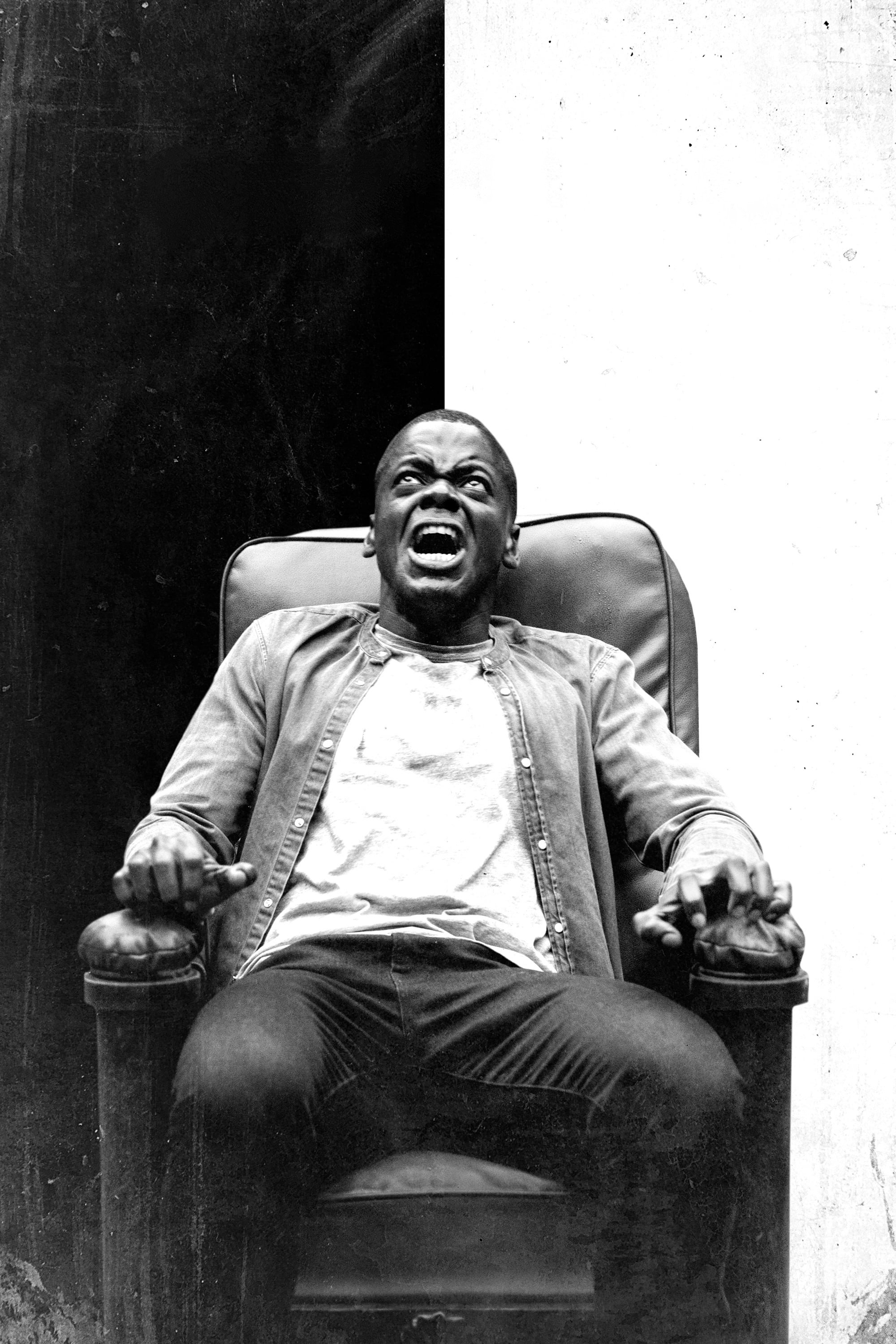
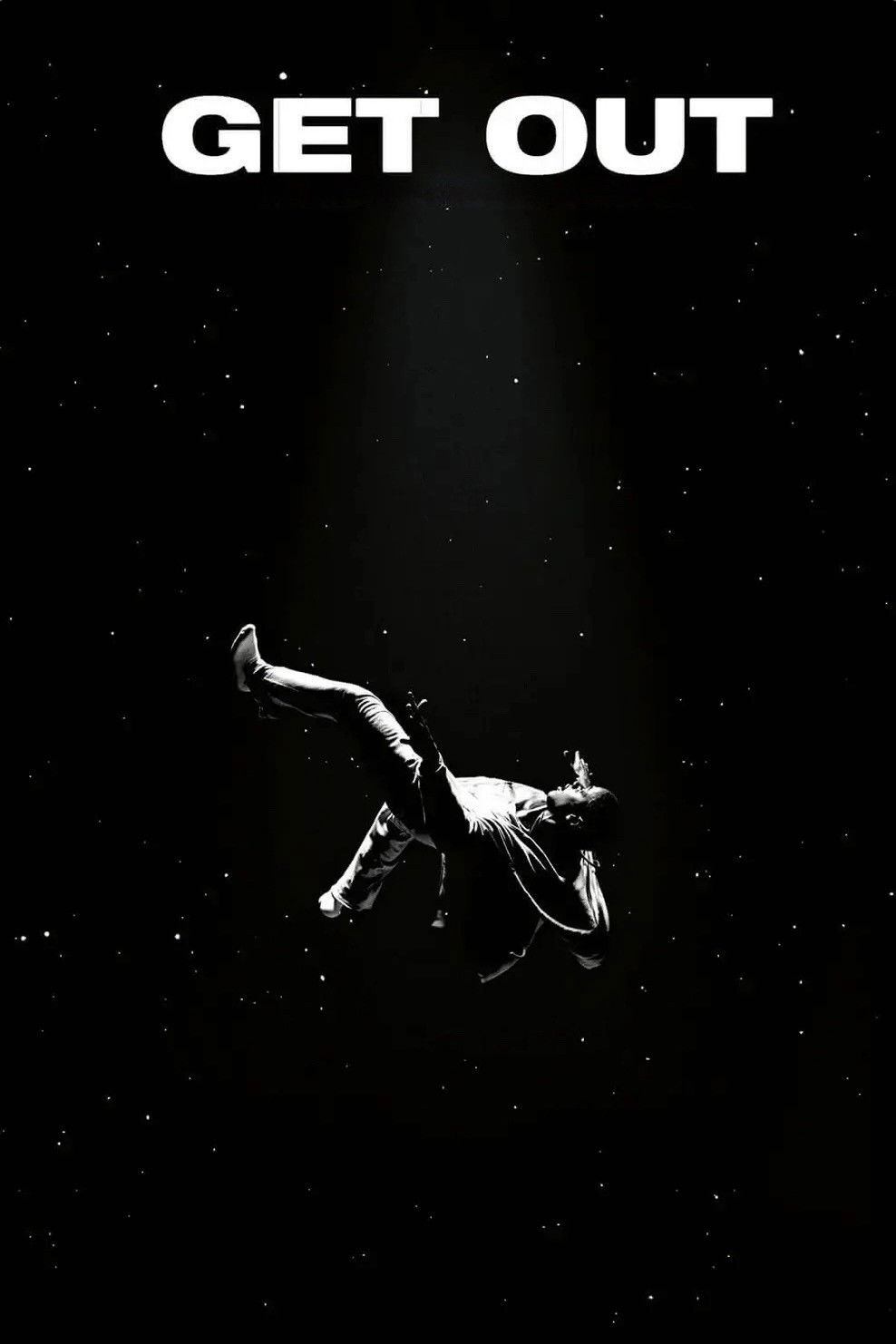
The Sunken Place required a different photographic approach. It represents the mental condition imposed upon Chris during hypnosis, leaving him conscious but unable to control his body. Oliver described suspending Kaluuya on a wire inside a darkened studio environment surrounded by large black screens. The camera moved around the actor while a concentrated light source suggested the distant image of the external world. Much of the falling material was photographed at approximately 200 frames per second, producing a suspended movement distinct from ordinary slow motion. The resulting image makes the loss of bodily control visible through the apparent separation between Chris’s awareness and the world he can no longer reach.

Performance, Hypnosis, and the Horror of Lost Autonomy

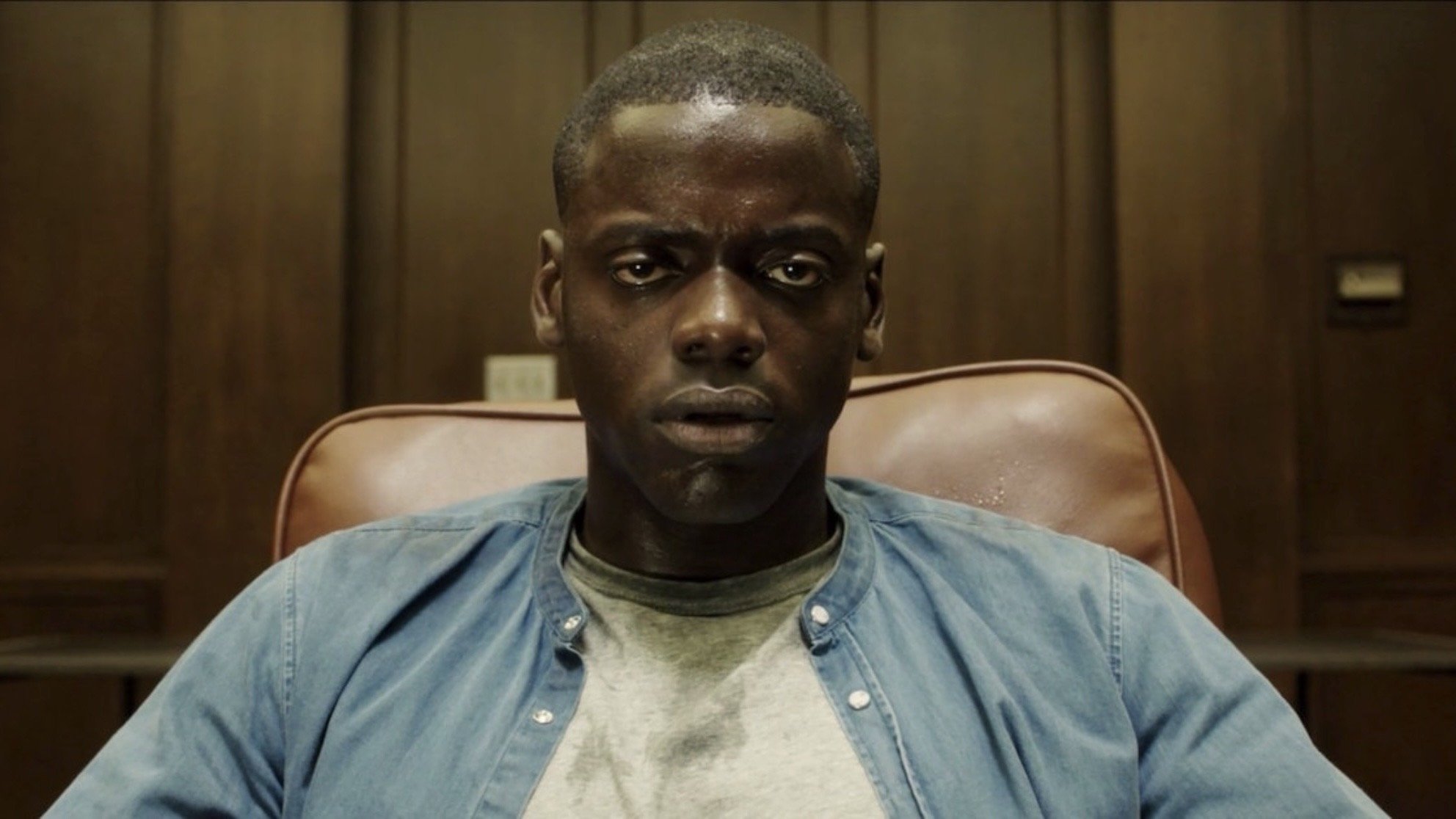
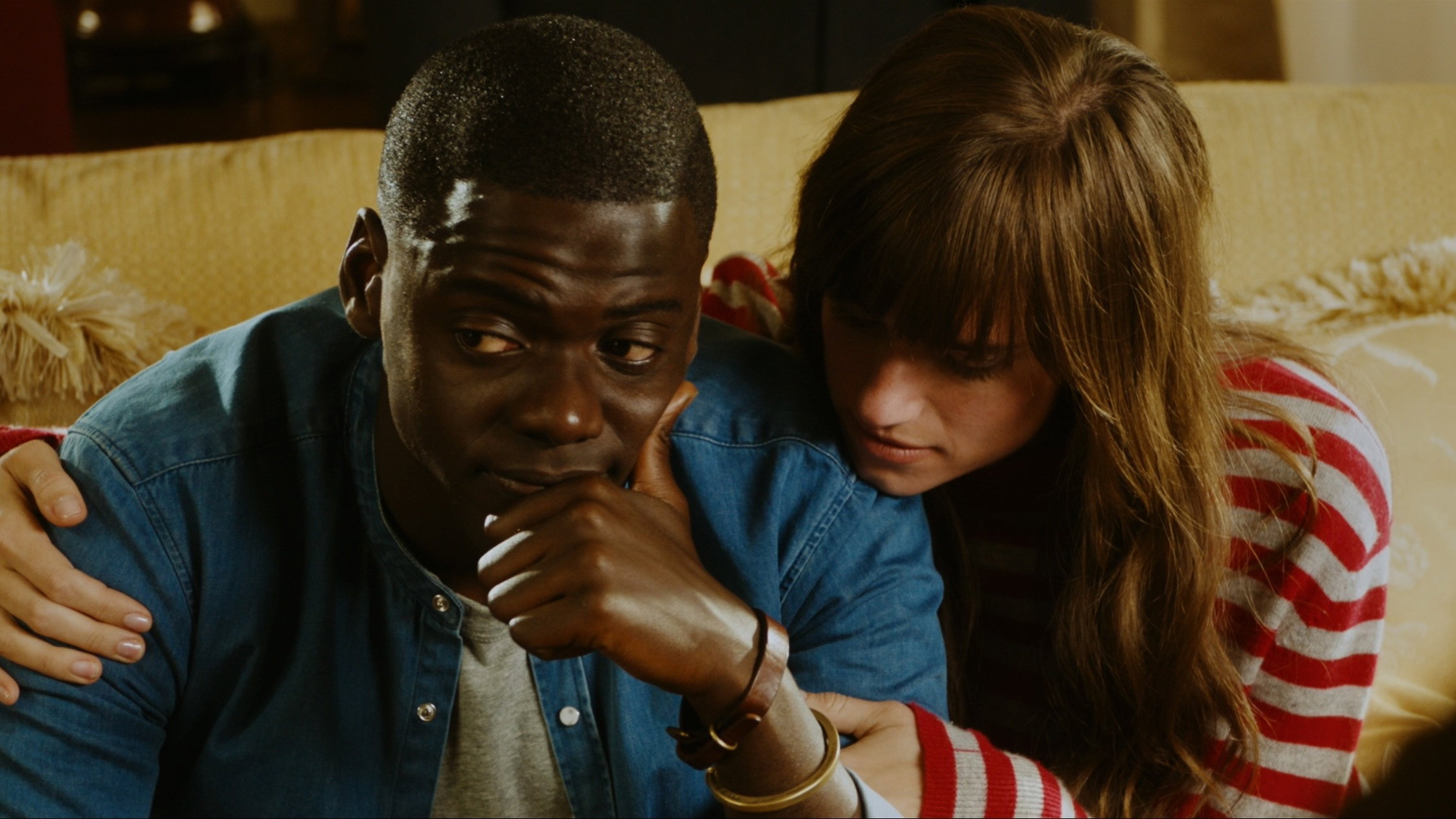
Kaluuya’s performance establishes the film’s principal perspective through changes in Chris’s ability to respond to his environment. During the early visit, he attempts to remain polite even when conversations become intrusive. His reactions communicate discomfort without immediately converting every encounter into open confrontation. This restraint becomes more significant when Missy, a psychiatrist, offers to help him stop smoking. Her late-night conversation moves from apparently therapeutic questioning toward forced hypnosis, exploiting Chris’s guilt over his mother’s death. The sequence reveals how information obtained through an apparently sympathetic exchange can become an instrument of psychological domination.

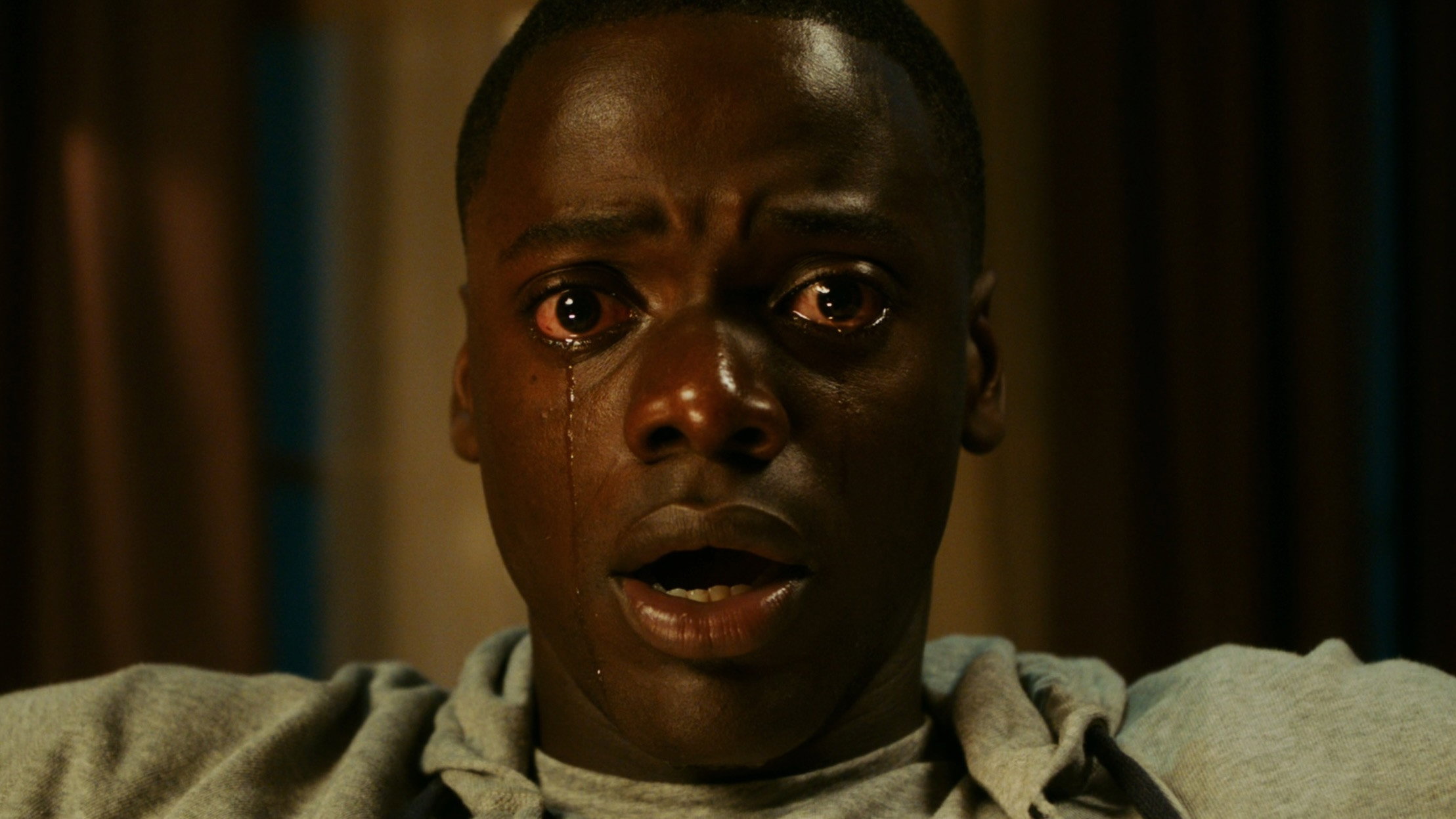
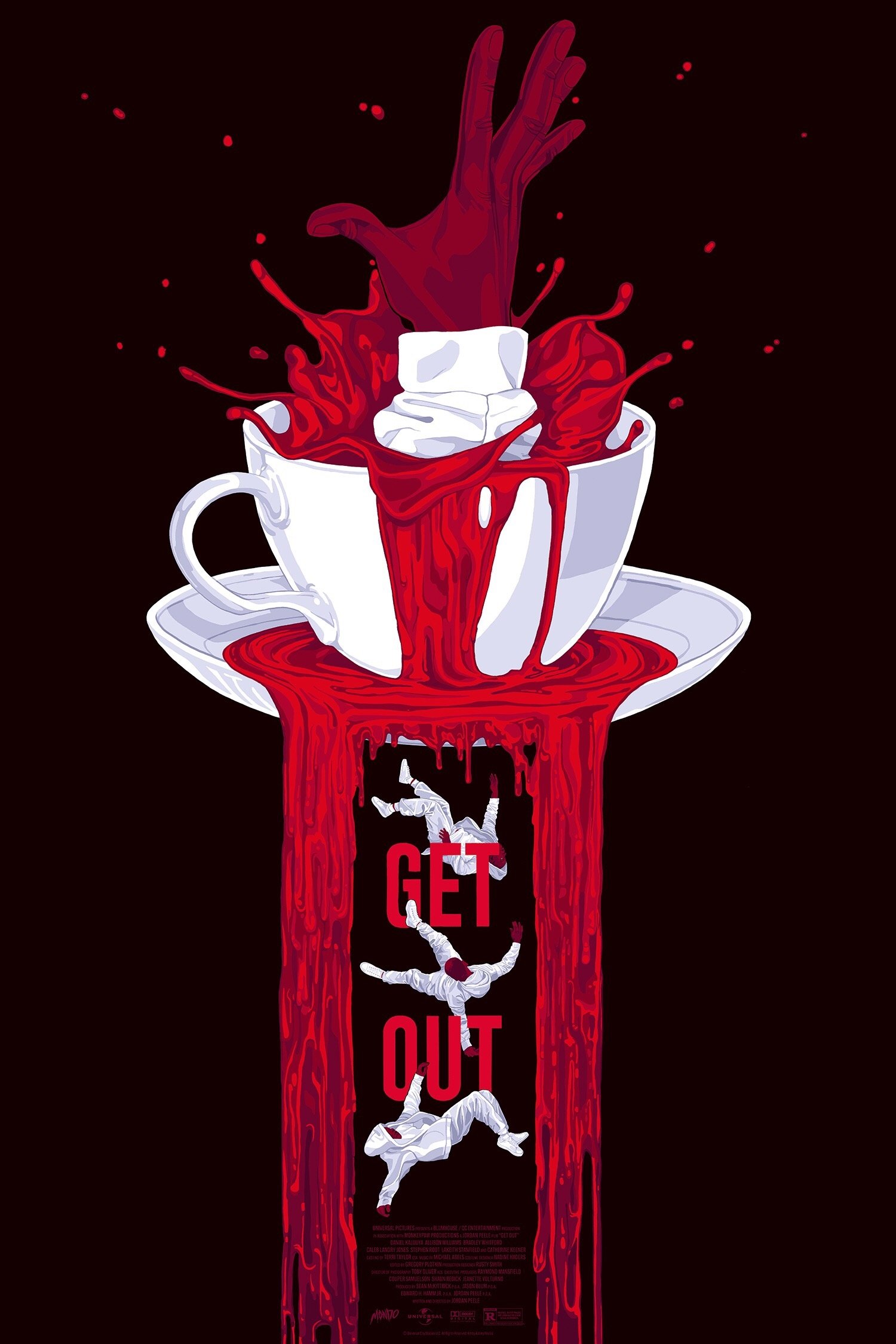
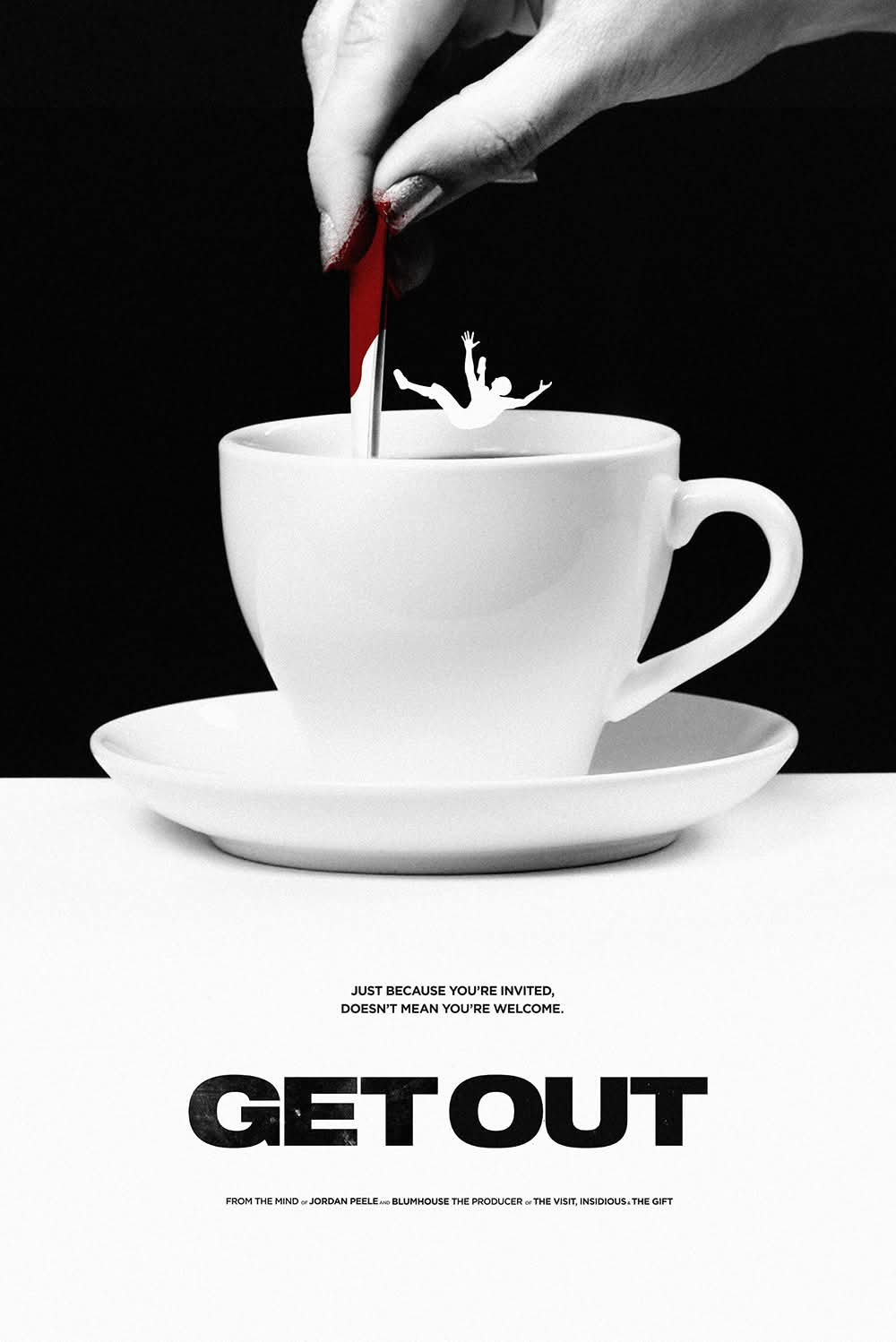
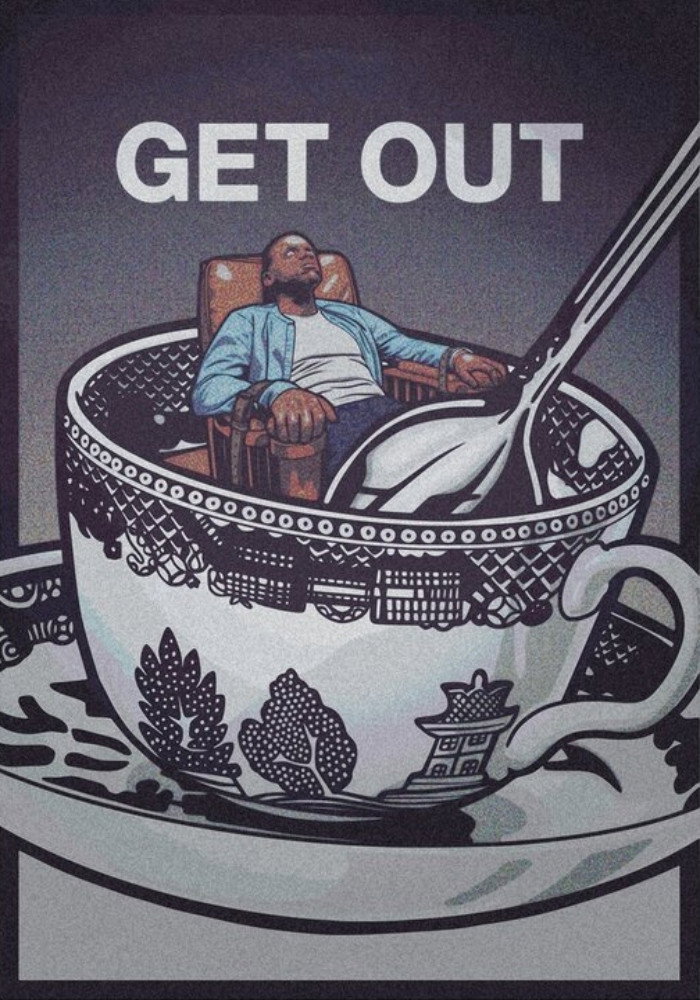
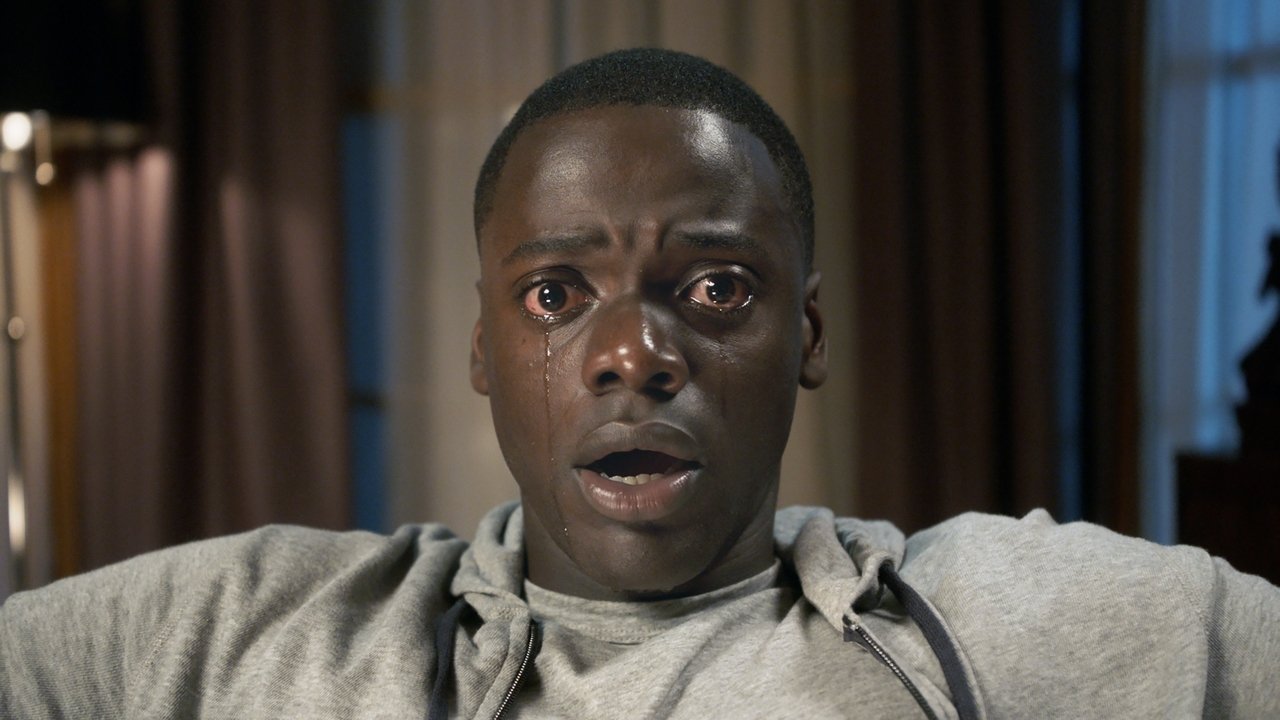
The sound of Missy’s spoon against a teacup becomes a conditioned trigger for Chris’s loss of control. Once the technique is established, a familiar household object acquires the power to summon the Sunken Place. Catherine Keener’s controlled delivery and Kaluuya’s increasingly distressed expressions give the encounter its intensity before the film introduces its more elaborate visual effects. Chris’s tears are particularly important because his emotional response remains visible even as his ability to resist disappears. The scene combines a recognizable therapeutic setting with a supernatural mechanism that transforms attention and apparent care into coercion.

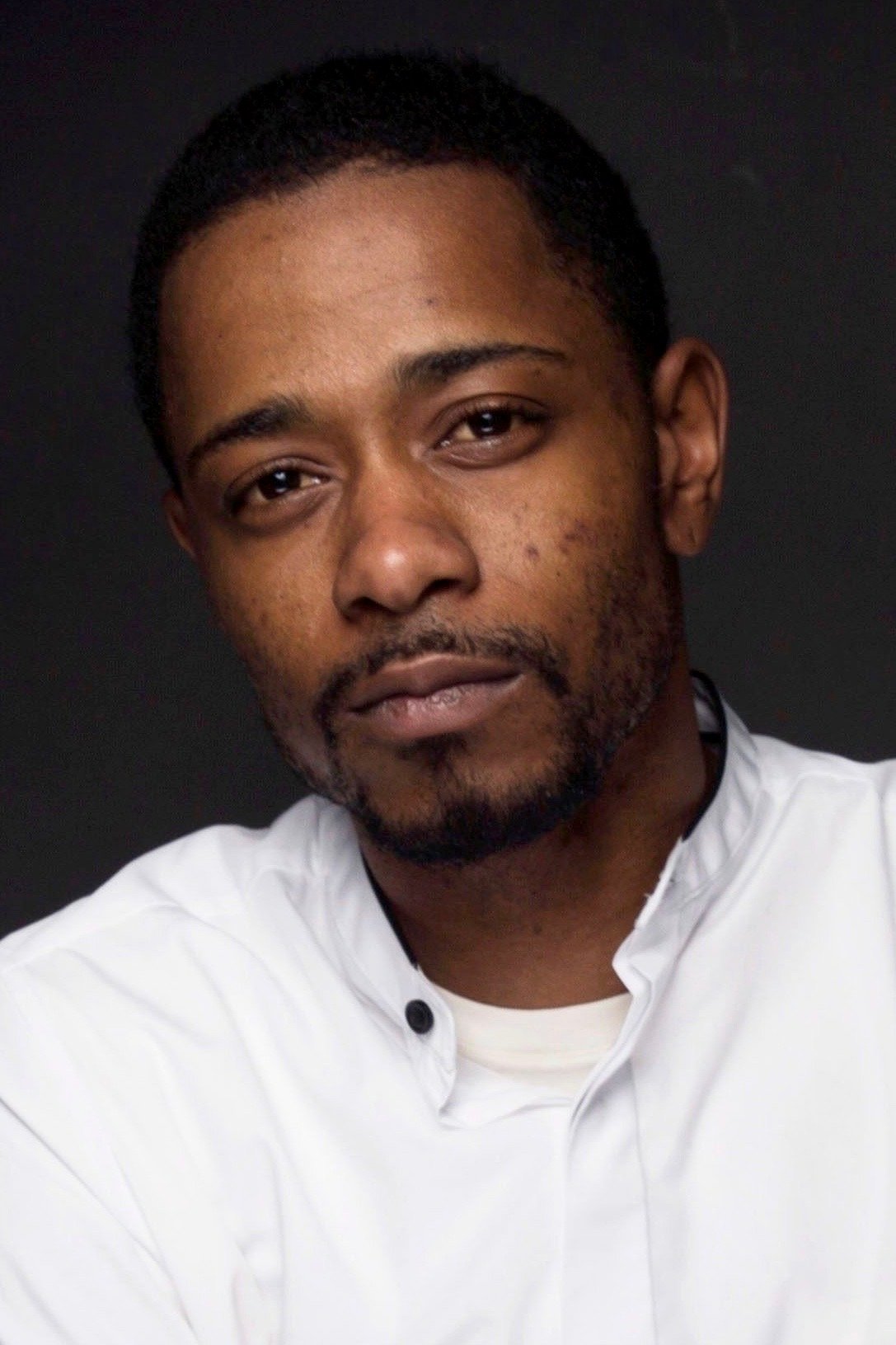
The supporting performances create contrasting forms of knowledge. Allison Williams initially presents Rose as a protective partner, making her eventual involvement in the conspiracy a decisive change in Chris’s understanding. Betty Gabriel and Marcus Henderson portray Georgina and Walter through restrained speech and abrupt changes of expression, suggesting conflict between the consciousness controlling each body and the person trapped within it. Lakeith Stanfield’s appearance as Andre, living under another identity, becomes central to this revelation when a camera flash briefly interrupts the imposed control. Lil Rel Howery’s Rod Williams provides a separate perspective outside the estate, interpreting Chris’s disappearance with greater suspicion than the authorities. His investigation also supplies comic relief without weakening the danger faced by his friend.

Michael Abels, Gospel Horror, and the Soundtrack

Peele selected composer Michael Abels after encountering a performance of his concert work Urban Legends online. Abels had extensive experience writing orchestral and choral music but had not previously composed a feature-film score. In a December 2017 interview with the Los Angeles Times, he explained that Peele wanted a musical identity incorporating African American voices without relying on familiar stereotypes. Their discussions produced an approach Abels described as gospel horror, combining vocal writing associated with African American musical traditions and the unsettling textures of supernatural cinema. The collaboration established a distinctive sound for the film’s mixture of social anxiety and bodily threat.

The opening composition, Sikiliza Kwa Wahenga, uses voices singing and chanting in Swahili. Abels explained that the text represents warnings from the ancestors and from people subjected to historical oppression, urging Chris to recognize the danger surrounding him. The choral writing also introduces an audible presence that the protagonist cannot consciously interpret. Elsewhere, Abels uses harp, low strings, electronically manipulated sounds and unusual percussion. A ticking motif accompanies the hypnosis sequence, while sustained string writing contributes to the Sunken Place’s impression of distance and helplessness. The composer recorded the string material in Budapest and combined it with electronic and sampled sounds during production.

The film’s existing songs serve different dramatic purposes from the original score. Redbone by Childish Gambino accompanies the opening titles, establishing a contemporary musical context around the protagonist. Peele told The Ringer that he wanted the recording included because it connected the film with the moment of its release. Run Rabbit Run, performed by Flanagan and Allen, accompanies the opening abduction, creating a disturbing contrast between cheerful popular music and sudden violence. The relationship between original composition and recorded songs allows the soundtrack to move from historical warning to immediate suspense. Abels’s musical design also preserves the importance of silence and environmental sounds, particularly during encounters in which Chris is attempting to determine whether a person or location is safe.

Screenplay Construction and the Alternative Ending

The screenplay delays the explanation of the Armitage operation while placing evidence of its existence in ordinary conversations and behaviour. The family’s unusual interest in Chris, Georgina’s strained reactions and the gathering of visitors acquire different meanings after the Coagula procedure is revealed. The narrative’s movement from social embarrassment to physical imprisonment depends on the audience gradually reconsidering those earlier encounters. Chris’s work as a photographer also becomes important to the investigation. His camera records the behaviour of another Black guest, and the flash unexpectedly interrupts the control imposed upon him. The device contributes to the plot while reinforcing the protagonist’s occupation and his attention to visual evidence.

Peele wrote several different endings during development. In his March 2017 conversation with The Ringer, he explained that earlier versions concluded more pessimistically, with the arrival of police representing another threat to Chris after his escape from the Armitage house. The filmmaker initially wanted the ending to confront audiences with the consequences a Black man might face after surviving an encounter involving the deaths of several white people. As the project moved toward completion, he reconsidered the dramatic effect. He concluded that the audience had already understood the implications of police arriving at that particular moment and that the film could offer its protagonist a more hopeful resolution.

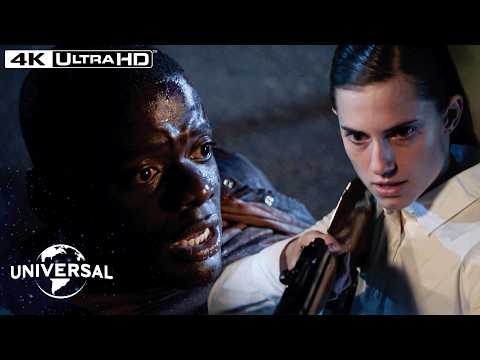
The completed ending exploits that expectation. When flashing lights appear beside the injured Chris and Rose, the scene briefly suggests that his survival may result in arrest or death. The vehicle instead belongs to Rod, who has traced his friend’s disappearance and arrives to rescue him. Peele also explained that he deliberately prevented Chris from killing Rose in anger after the immediate threat had passed. He wanted the protagonist’s violence to remain connected to survival rather than revenge. The decision distinguishes the completed sequence from a conventional slasher climax in which the surviving character destroys every antagonist. It also gives the return of Rod a dramatic function established through the earlier scenes of friendship and investigation.

Theatrical Release, Critical Reception, and Historical Recognition

Get Out premiered at the Sundance Film Festival on January 23, 2017, and opened widely in the United States on February 24 through Universal Pictures. The film received an R classification for violence, bloody images and language, including sexual references, and ran approximately 104 minutes. Its opening weekend earned $33,377,060 from 2,781 North American theatres. The original domestic theatrical engagement eventually generated $176,040,665, with international earnings bringing the original worldwide total to approximately $255.4 million. These figures should be distinguished from later re-release receipts and from the reported $4.5 million production budget. The difference between gross ticket revenue and production expenditure does not establish the net profit retained by the companies involved.

Contemporary criticism responded strongly to the combination of horror and social observation. In a March 2017 essay for The New Yorker, Richard Brody praised Peele’s ability to construct the story through Chris’s experience of a hostile environment disguised as hospitality. He emphasized the relationship between the film’s genre conventions and its examination of racial power in everyday interactions. Brody’s assessment also recognized how the performances and the carefully organized scenes made the characters’ social behaviour progressively more disturbing. Other critical discussions focused on the treatment of bodily autonomy, the film’s dark humour and its use of suspense to expose violence concealed beneath apparently progressive attitudes.

The film received four nominations at the 90th Academy Awards, held on March 4, 2018: Best Picture, Best Director for Peele, Best Actor for Daniel Kaluuya and Best Original Screenplay. Peele won the screenplay award, becoming the first Black writer to receive that Oscar in the category. The recognition was unusual for a contemporary horror production, particularly one made on a relatively modest budget. Its commercial performance also demonstrated the audience potential of an original screenplay constructed around a specifically Black protagonist and an explicit examination of racism. The subsequent attention given to Peele’s filmmaking helped establish Get Out as an important reference point in discussions of American social horror during the late 2010s.

References

  1. The Ringer The Big Picture — Jordan Peele Scares America

    Sean Fennessey’s March 2017 direct interview with Jordan Peele documenting the screenplay’s origins, racial themes, production decisions, music selection and development of the alternative endings.

  2. Australian Cinematographer Magazine Cinematographer Toby Oliver on Shooting Get Out

    Hawkins DuBois’s June 2017 interview with cinematographer Toby Oliver explaining the camera compositions, lighting choices, Georgina’s movement and practical photography of the Sunken Place.

  3. Los Angeles Times Jordan Peele Used Unknown Composer Michael Abels for Get Out — and Got a Thumbs Up from Steven Spielberg

    Tim Greiving’s December 2017 profile featuring direct testimony from Peele and Michael Abels about the composer’s recruitment, gospel horror, Swahili choral writing, recording methods and musical motifs.

  4. The New Yorker Get Out: Jordan Peele’s Radical Cinematic Vision of the World Through a Black Man’s Eyes

    Richard Brody’s March 2017 contemporary critical essay examining the film’s direction, racial perspective, narrative construction, performance and relationship with American horror traditions.

  5. Academy of Motion Picture Arts and Sciences The 90th Academy Awards — 2018

    Official Academy record documenting Get Out’s nominations for Best Picture, Best Director, Best Actor and its award for Best Original Screenplay.
Cast

View Full Cast & Crew →

Release & Distribution

Production Companies (3)

  • Blumhouse Productions US
  • Monkeypaw Productions US
  • QC Entertainment US

Distributors (2)

  • UIP-Dunafilm HU
  • Universal Pictures US

Release History (77)

Release DateTerritoryRelease TypeFormatDistributorCertificationNotes
2017-01-23 United States Premiere — — R Sundance Film Festival
2017-02-24 Canada Theatrical — — 14A
2017-02-24 India Theatrical — — —
2017-02-24 United States Theatrical — — R
2017-03-15 Philippines Theatrical — — —
2017-03-16 Cyprus Theatrical — — —
2017-03-16 Greece Theatrical — — —
2017-03-16 Singapore Theatrical — — —
2017-03-17 Estonia Theatrical — — —
2017-03-17 United Kingdom Theatrical — — 15
2017-03-17 Ireland Theatrical — — 15A
2017-03-24 Latvia Theatrical — — —
2017-03-24 South Africa Theatrical — — —
2017-03-30 Denmark Theatrical — — 15
2017-03-30 Kuwait Theatrical — — —
2017-04-01 France Premiere — — — Beaune Film Festival
2017-04-06 Thailand Theatrical — — 18
2017-04-06 Vietnam Theatrical — — —
2017-04-07 Indonesia Theatrical — — —
2017-04-07 Lithuania Theatrical — — N-16
2017-04-07 Norway Theatrical — — 15
2017-04-07 Romania Theatrical — — 18+
2017-04-12 Netherlands Premiere — — 16 Imagine Film Festival
2017-04-19 Sweden Theatrical — — 15
2017-04-20 Hungary Theatrical — — 18
2017-04-20 Malaysia Theatrical — — —
2017-04-20 Netherlands Theatrical — — 16
2017-04-21 Türkiye Theatrical — — —
2017-04-21 Taiwan Theatrical — — —
2017-04-24 Slovakia Theatrical — — —
2017-04-27 Czechia Theatrical — — 15+
2017-04-27 Israel Theatrical — — —
2017-04-27 Ukraine Theatrical — — —
2017-04-28 Poland Theatrical — — R
2017-05-02 Luxembourg Theatrical — — —
2017-05-03 Belgium Theatrical — — 18
2017-05-03 Switzerland Theatrical — — 16
2017-05-03 France Theatrical — — 12 Visa CNC 146568
2017-05-04 Austria Theatrical — — —
2017-05-04 Australia Theatrical — — MA 15+
2017-05-04 Switzerland Theatrical — — 16
2017-05-04 Chile Theatrical — — —
2017-05-04 Germany Theatrical — — 16
2017-05-04 New Zealand Theatrical — — —
2017-05-04 Peru Theatrical — — —
2017-05-04 Portugal Theatrical — — M/16
2017-05-05 Finland Theatrical — — K-16
2017-05-11 Argentina Theatrical — — —
2017-05-11 Azerbaijan Theatrical — — — 18+
2017-05-11 Georgia Theatrical — — —
2017-05-11 Russia Theatrical — — 18+
2017-05-17 South Korea Theatrical — — 15
2017-05-18 Brazil Theatrical — — 14
2017-05-18 Switzerland Theatrical — — 16
2017-05-18 Colombia Theatrical — — —
2017-05-18 Hong Kong SAR China Theatrical — — IIB
2017-05-18 Italy Theatrical — — —
2017-05-18 Uruguay Theatrical — — —
2017-05-19 Spain Theatrical — — 16
2017-05-23 Thailand Physical DVD — 18 DVD
2017-05-23 United States Physical 4K UHD, DVD, Blu-ray — R 4k Ultra HD Blu-ray / Blu-ray / DVD
2017-05-26 Mexico Theatrical — — B-15
2017-07-07 Bulgaria Theatrical — — D
2017-07-24 United Kingdom Digital — — 15
2017-07-24 United Kingdom Physical 4K UHD, DVD, Blu-ray — 15 4k Ultra HD Blu-ray / Blu-ray / DVD
2017-08-30 Netherlands Physical Blu-ray — 16 Blu-ray
2017-09-17 Japan Premiere — — — Down Town Taito International Comedy Film Festival
2017-09-18 Sweden Physical 4K UHD, DVD, Blu-ray — 15 DVD / Blu-ray / 4K Ultra HD
2017-09-20 Italy Physical — — T
2017-10-27 Japan Theatrical — — —
2018-03-01 United Arab Emirates Theatrical — — —
2018-04-12 China Premiere — — — Beijing International Film Festival
2019-01-23 Netherlands TV — — 16 Net 5
2021-01-13 Spain Digital — — 16 Netflix
2021-04-04 Egypt Physical DVD — — DVD
2022-07-01 Ecuador Digital — — —
2023-06-15 France Digital — — —

Awards & Festivals

7 entries
YearFestival / AwardEntrySectionCategoryResultPremiere
2018Academy Award for Best Actorawardnominated
2018Academy Award for Best Writing, Original Screenplayawardwon
2018Academy AwardsawardAcademy Award for Best Directornominated
2018Academy AwardsawardAcademy Award for Best Picturenominated
2018Producers Guild of America AwardsawardProducers Guild Stanley Kramer Awardwon
—Academy Award for Best Writing, Original Screenplayawardnominated
—National Board of Review: Top Ten Filmsawardwon
Just because you're invited, doesn't mean you're welcome.