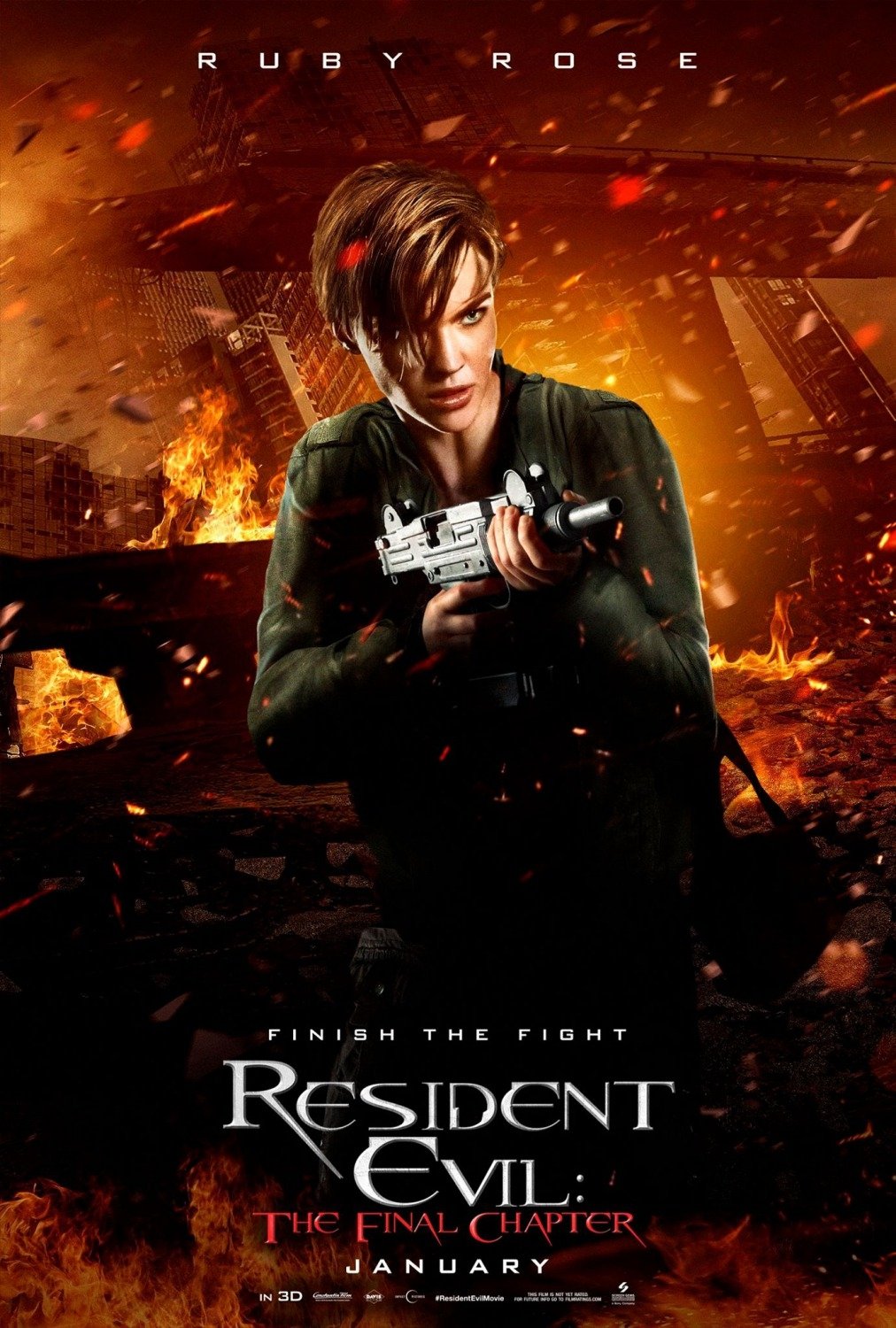
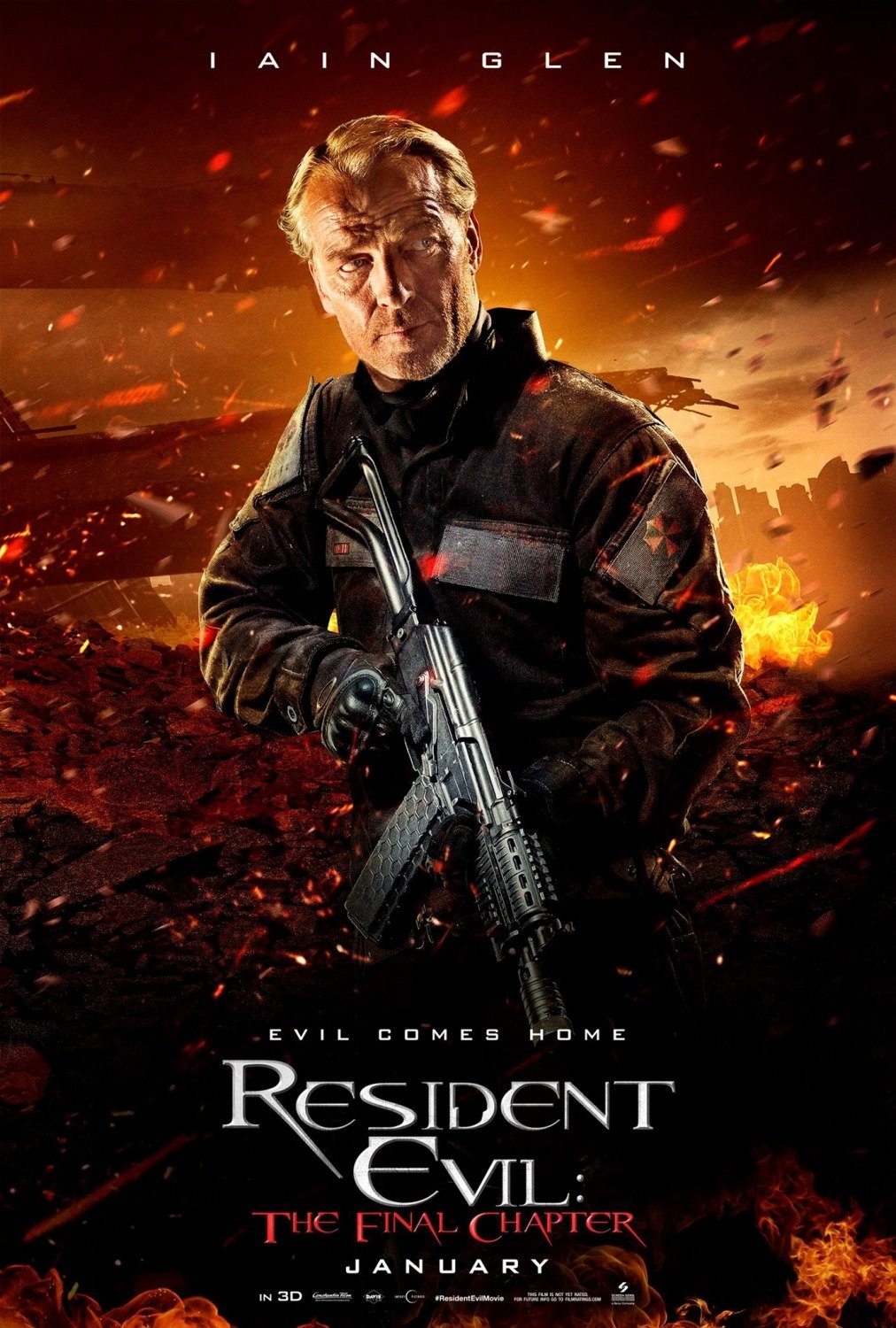
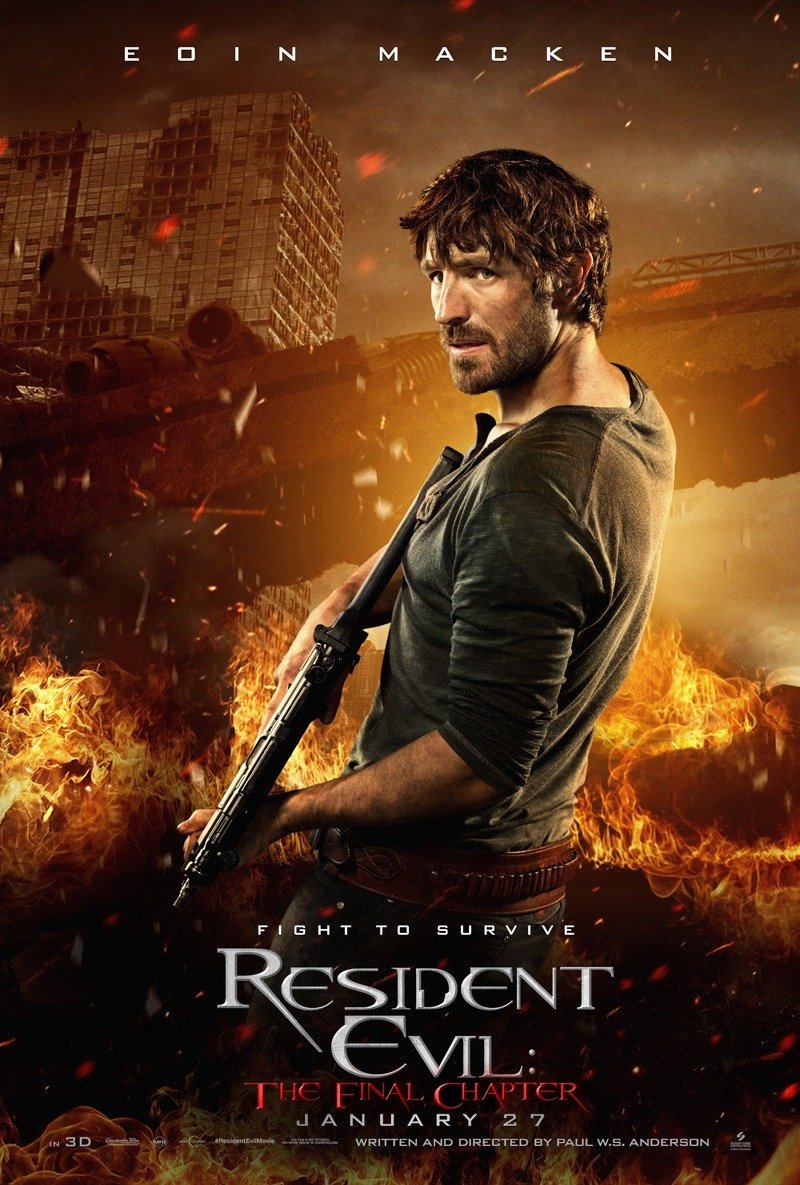
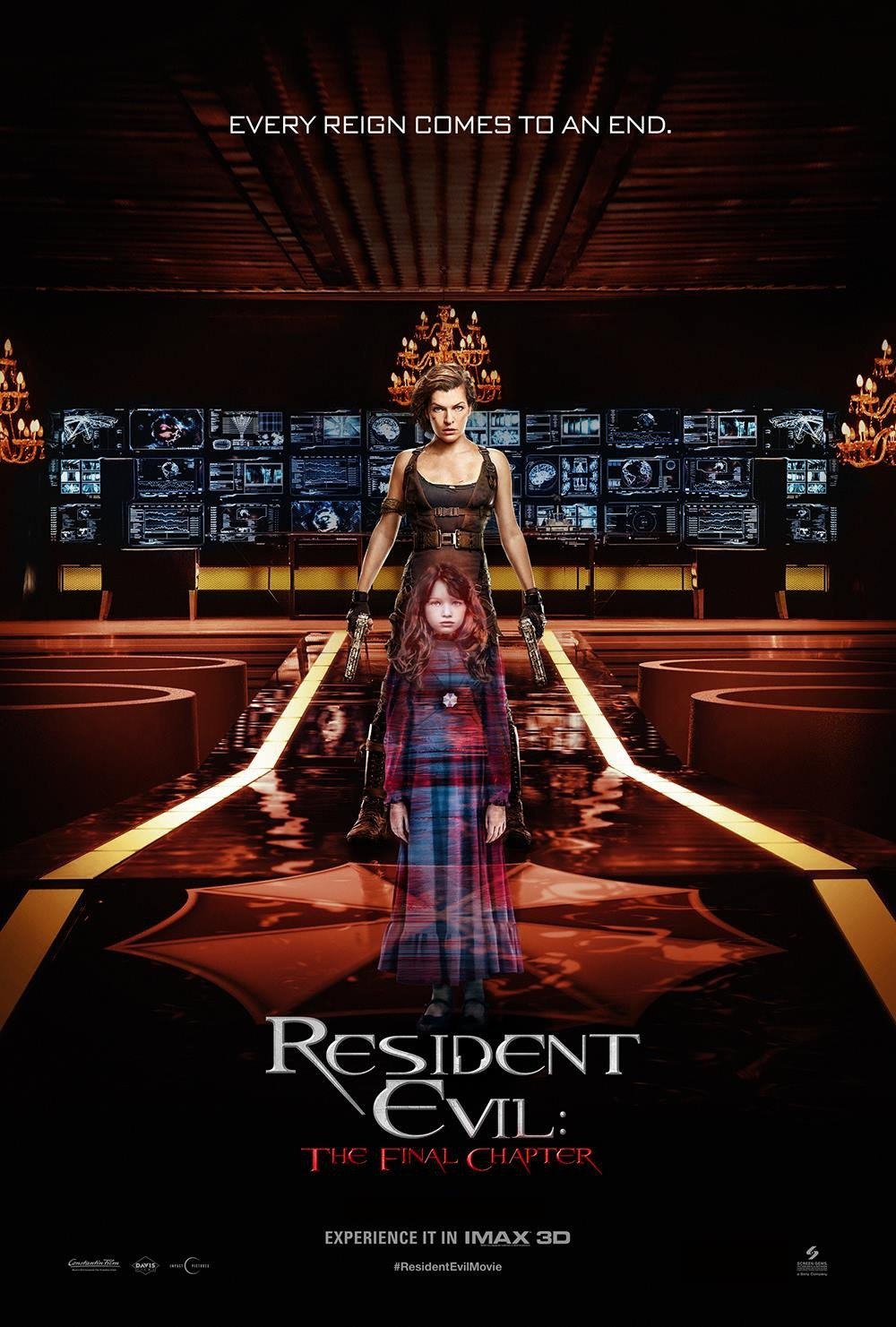
Screen Gems
, Constantin Film
, Impact Pictures
, Davis Films
Plot
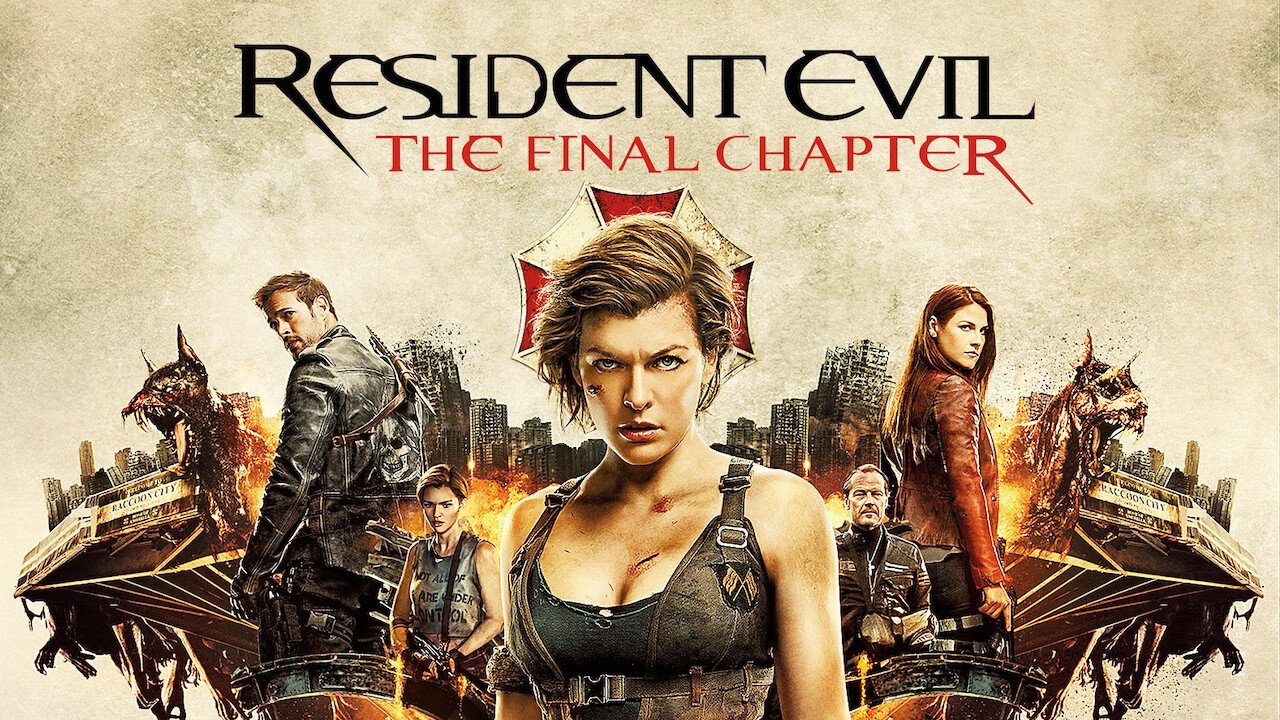
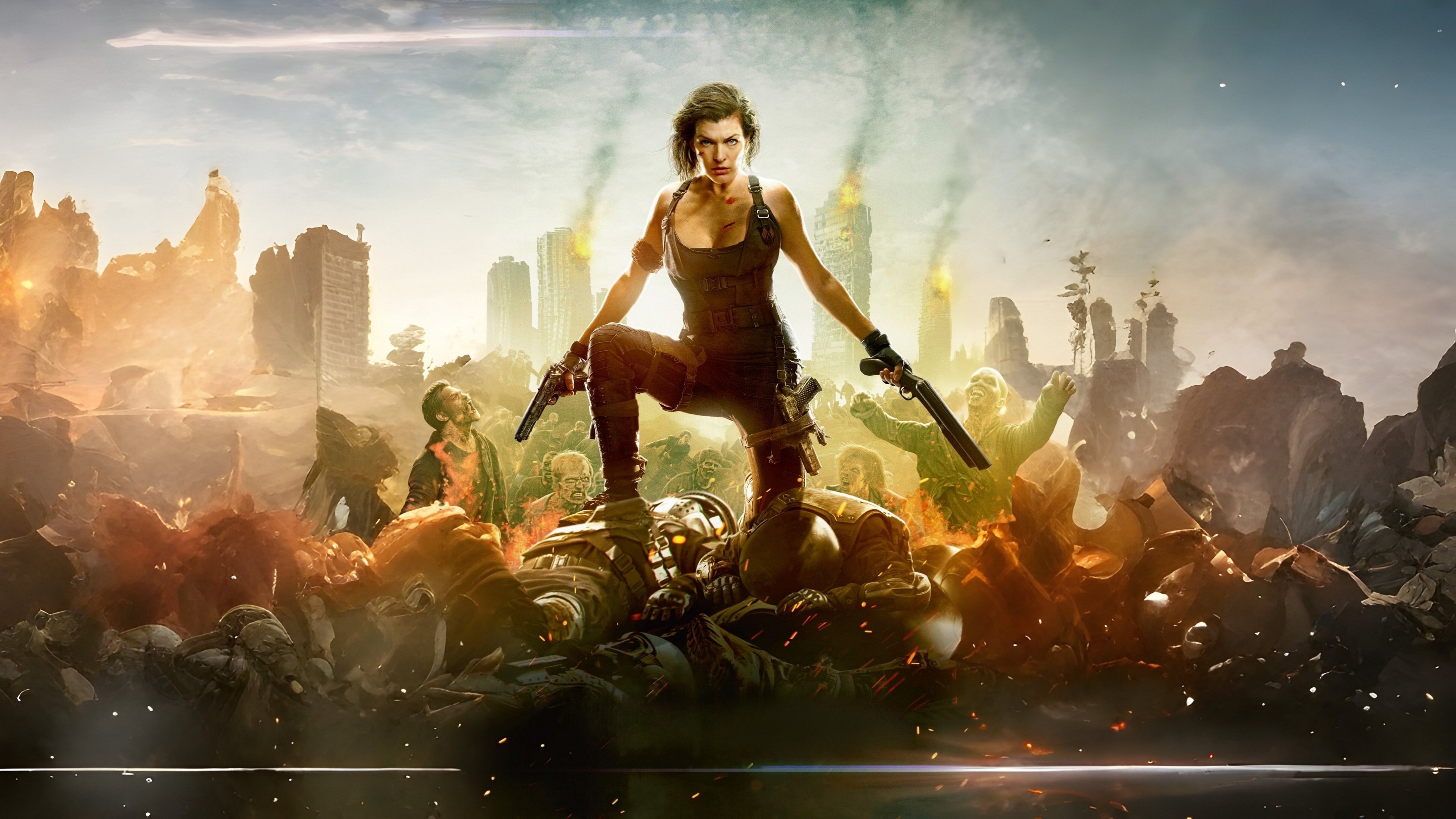
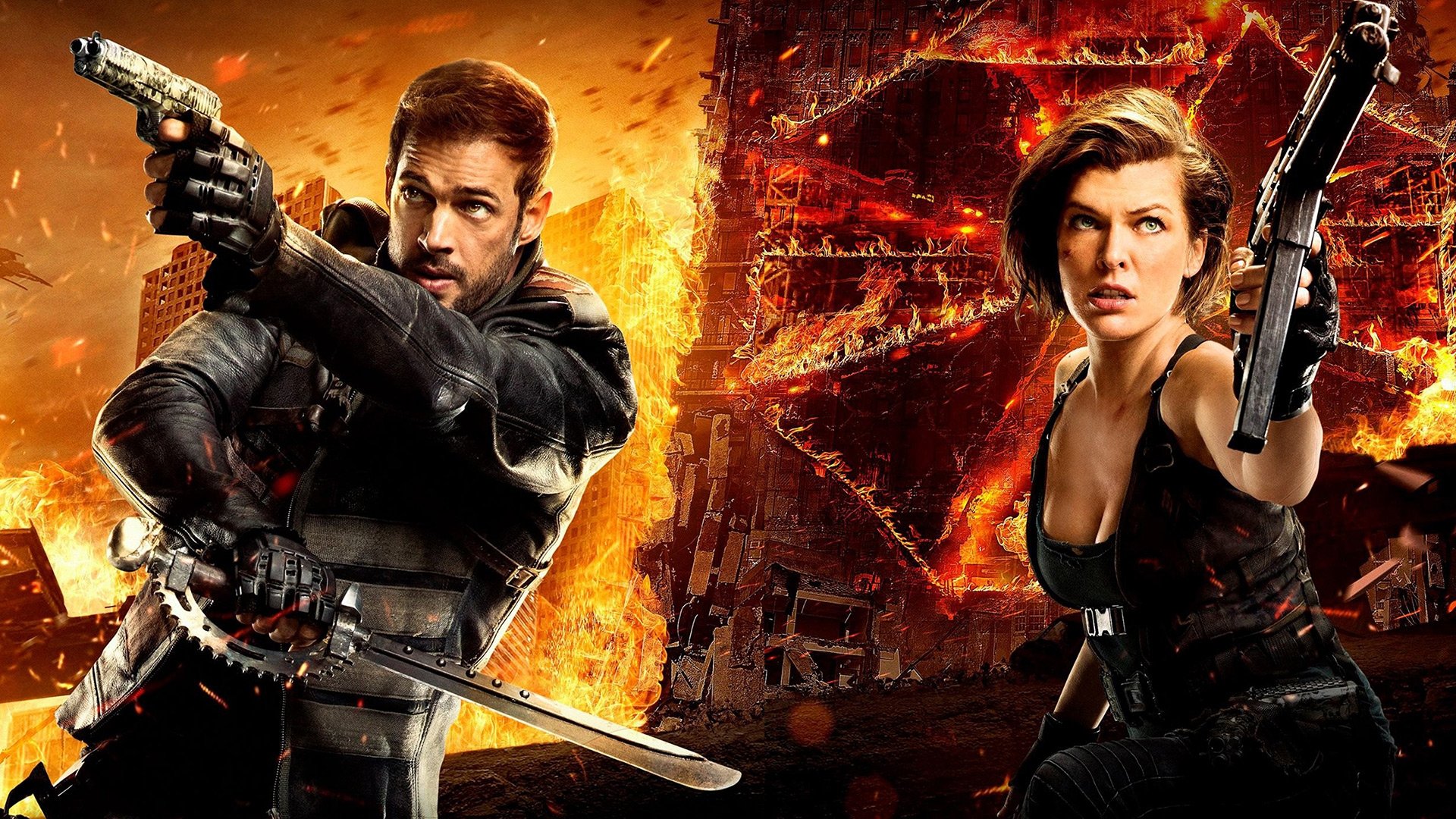
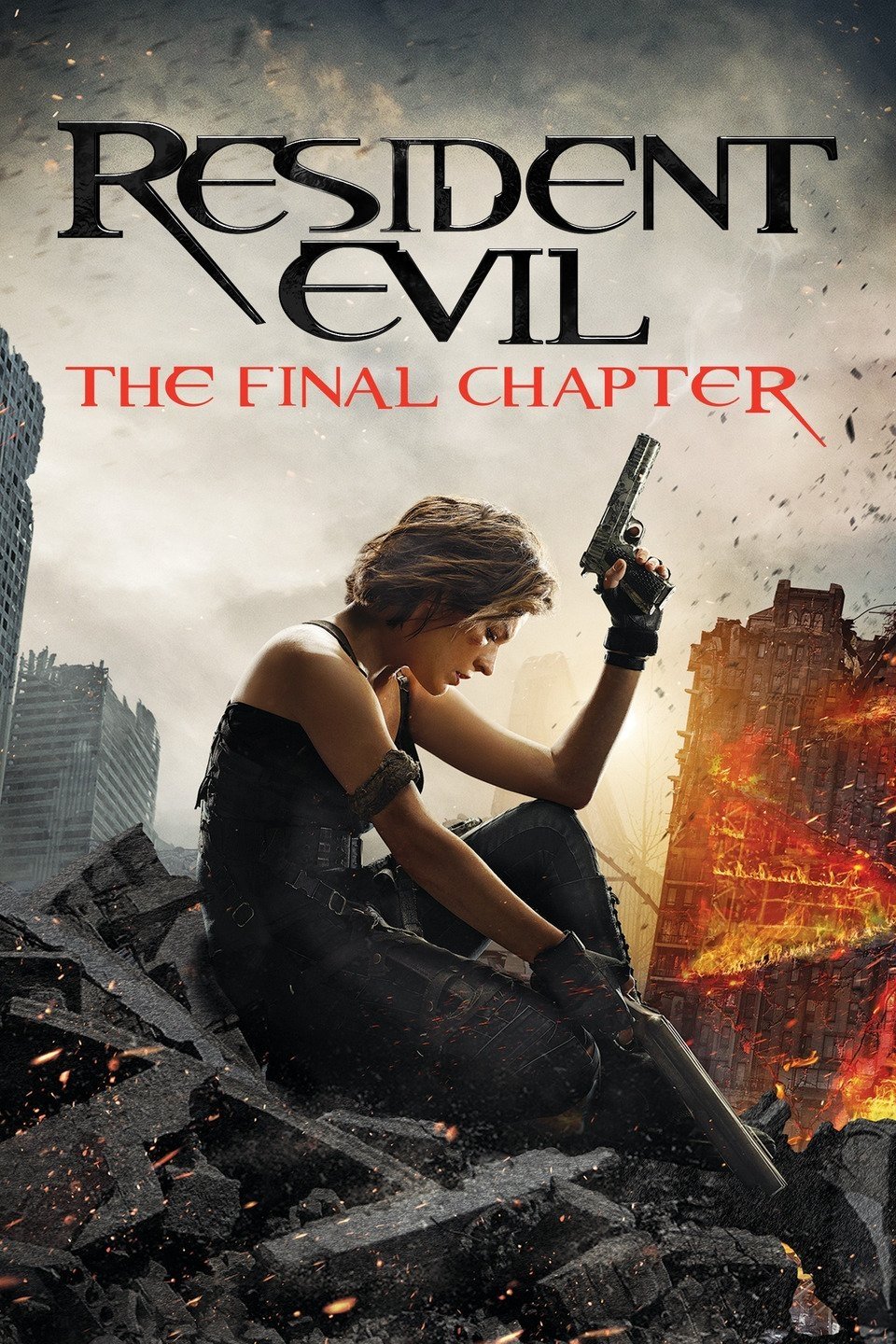
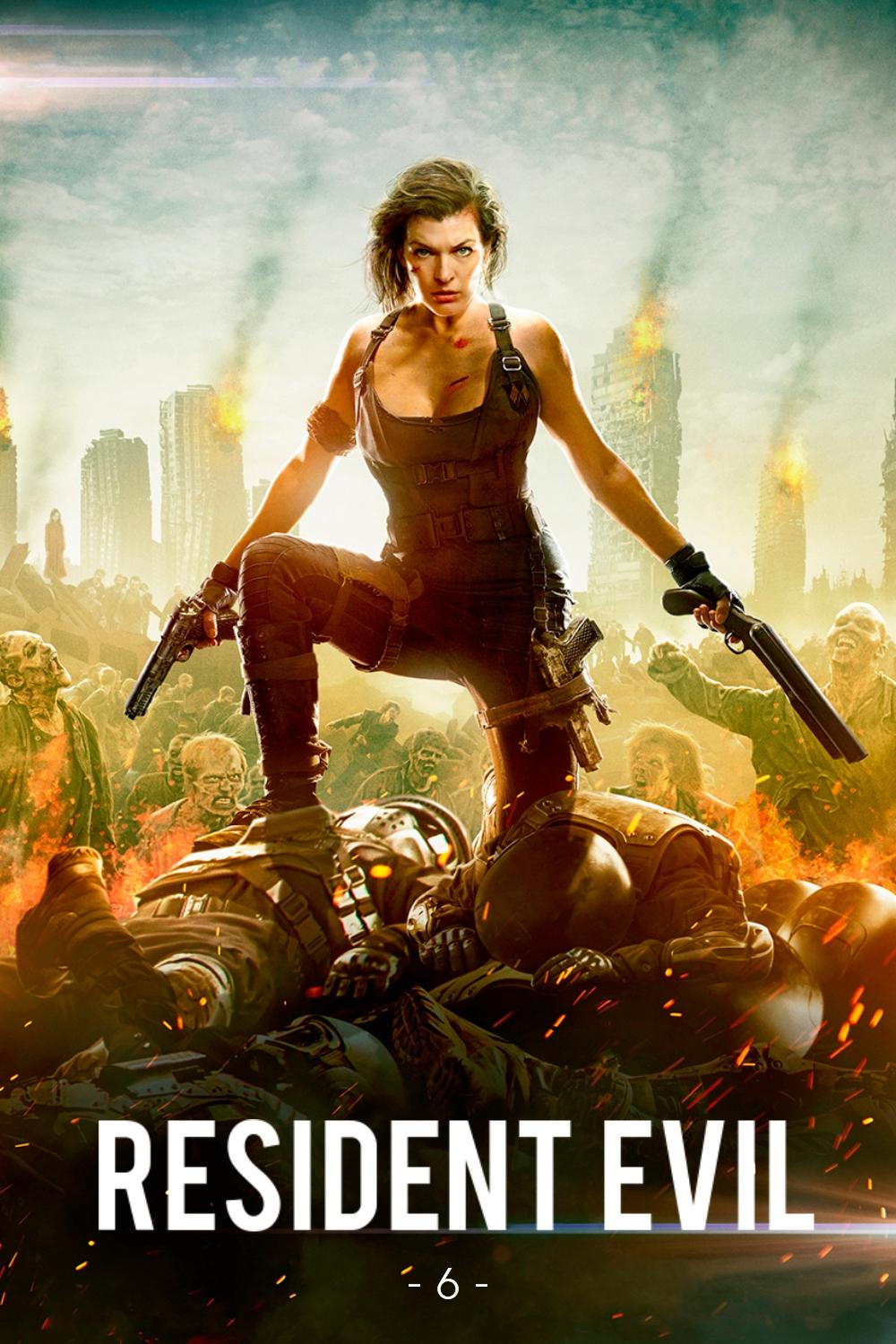
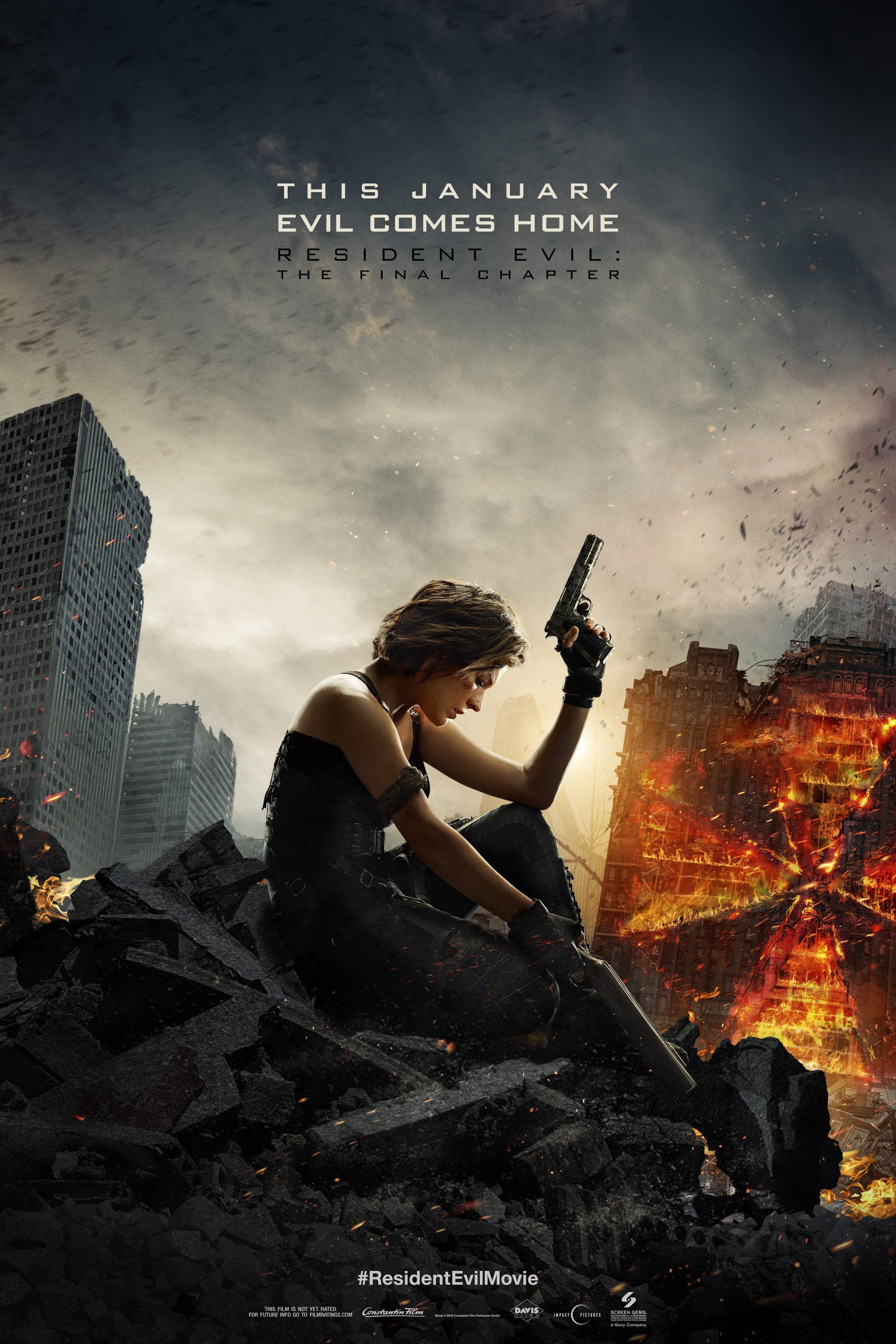
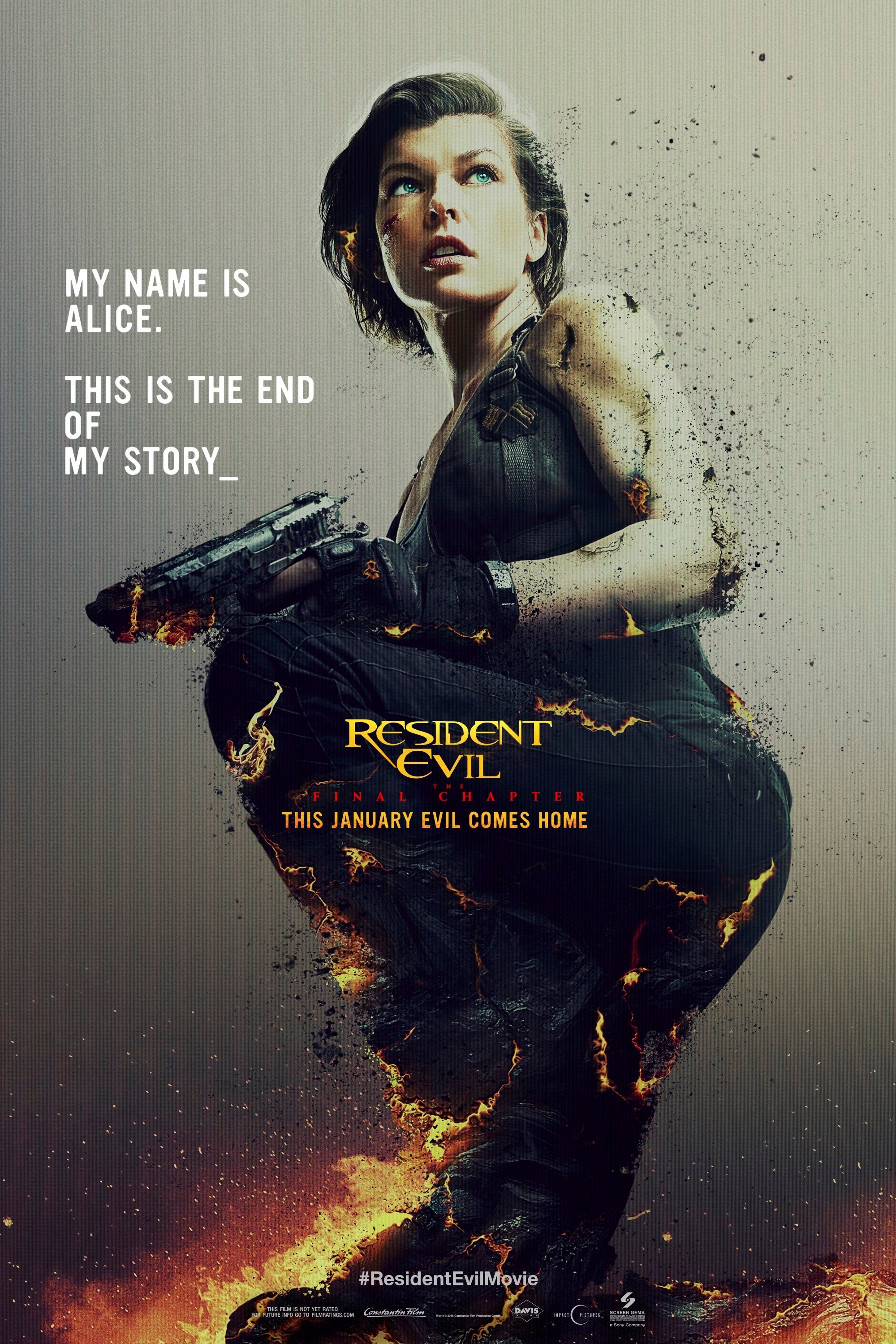
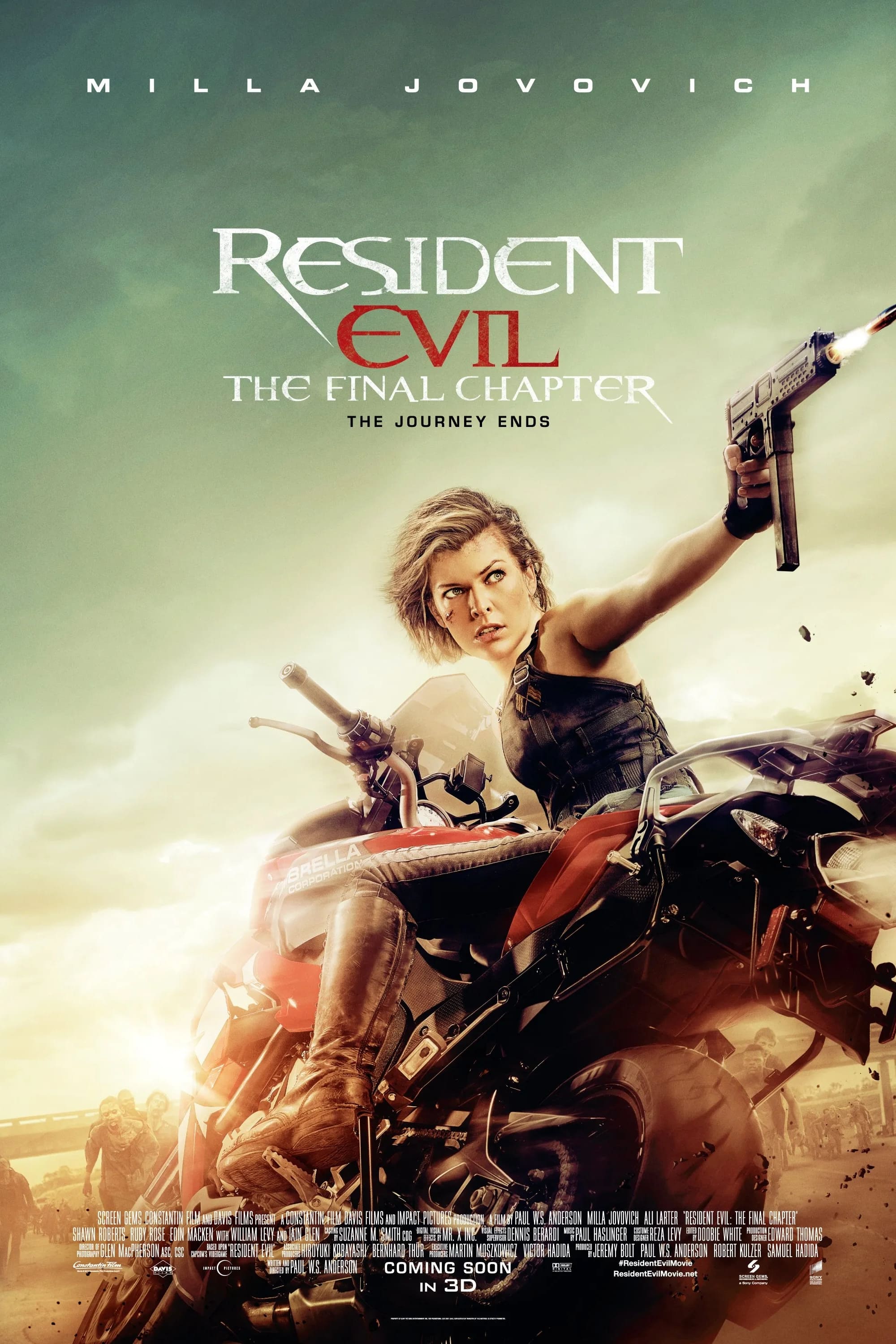
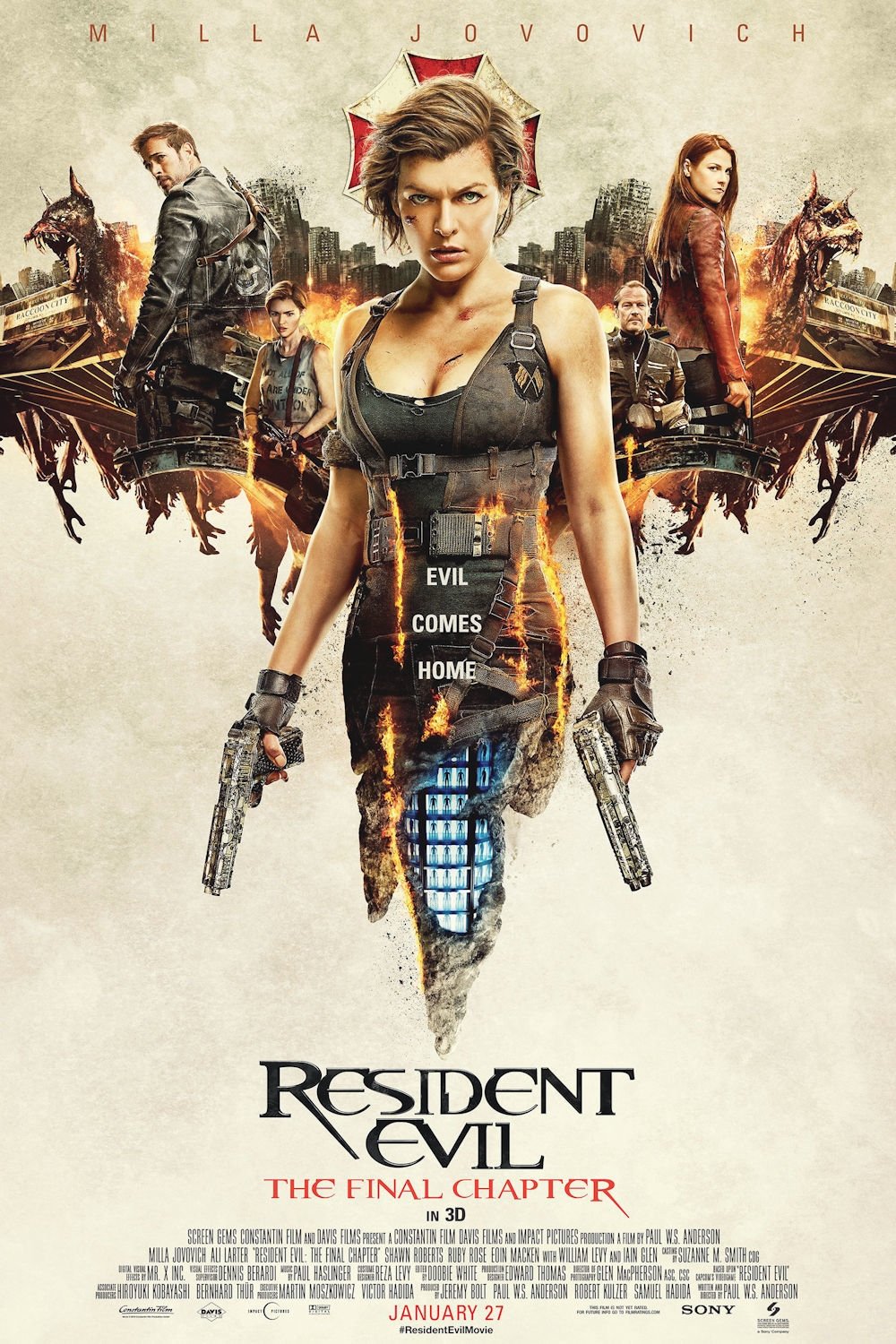
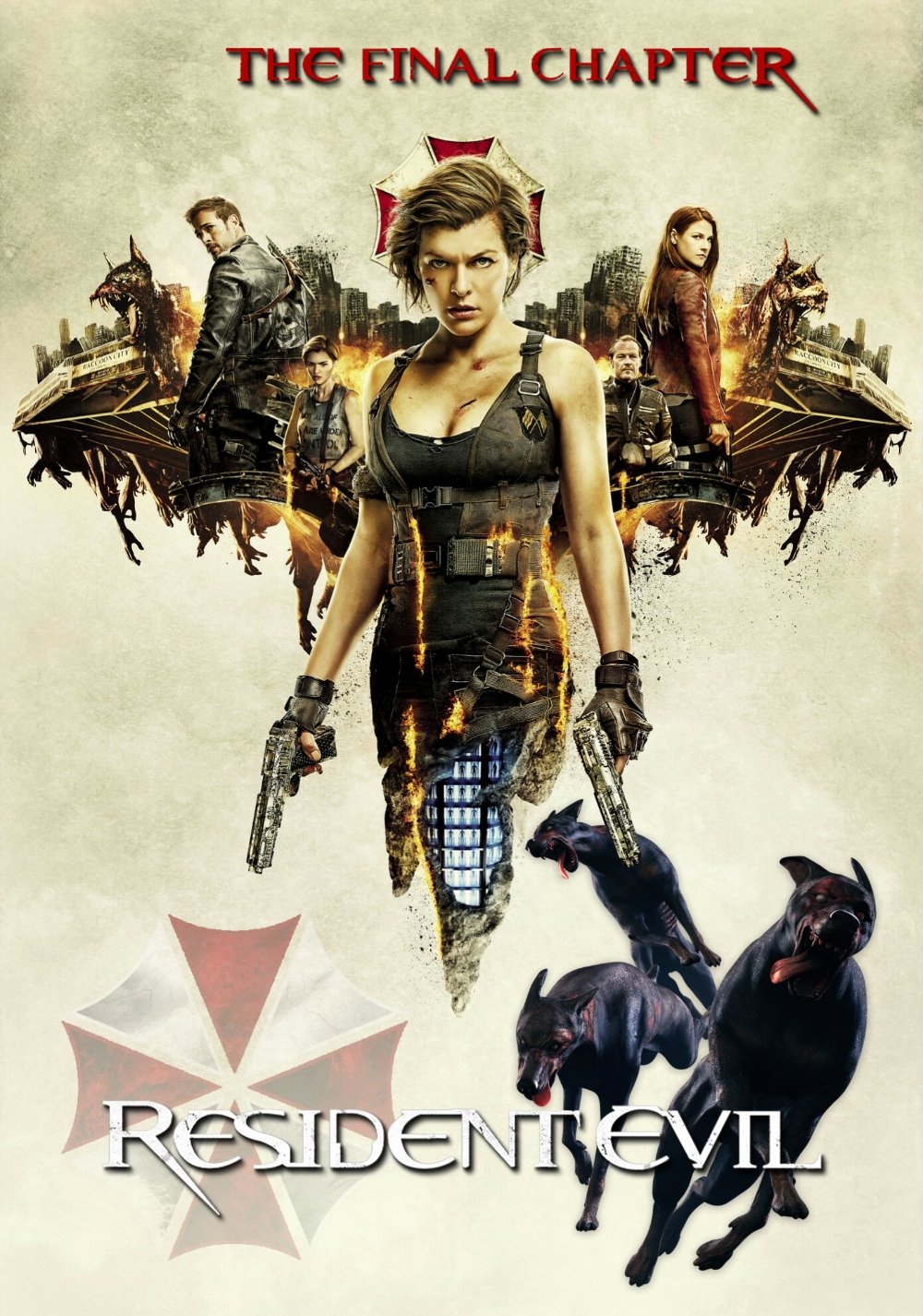
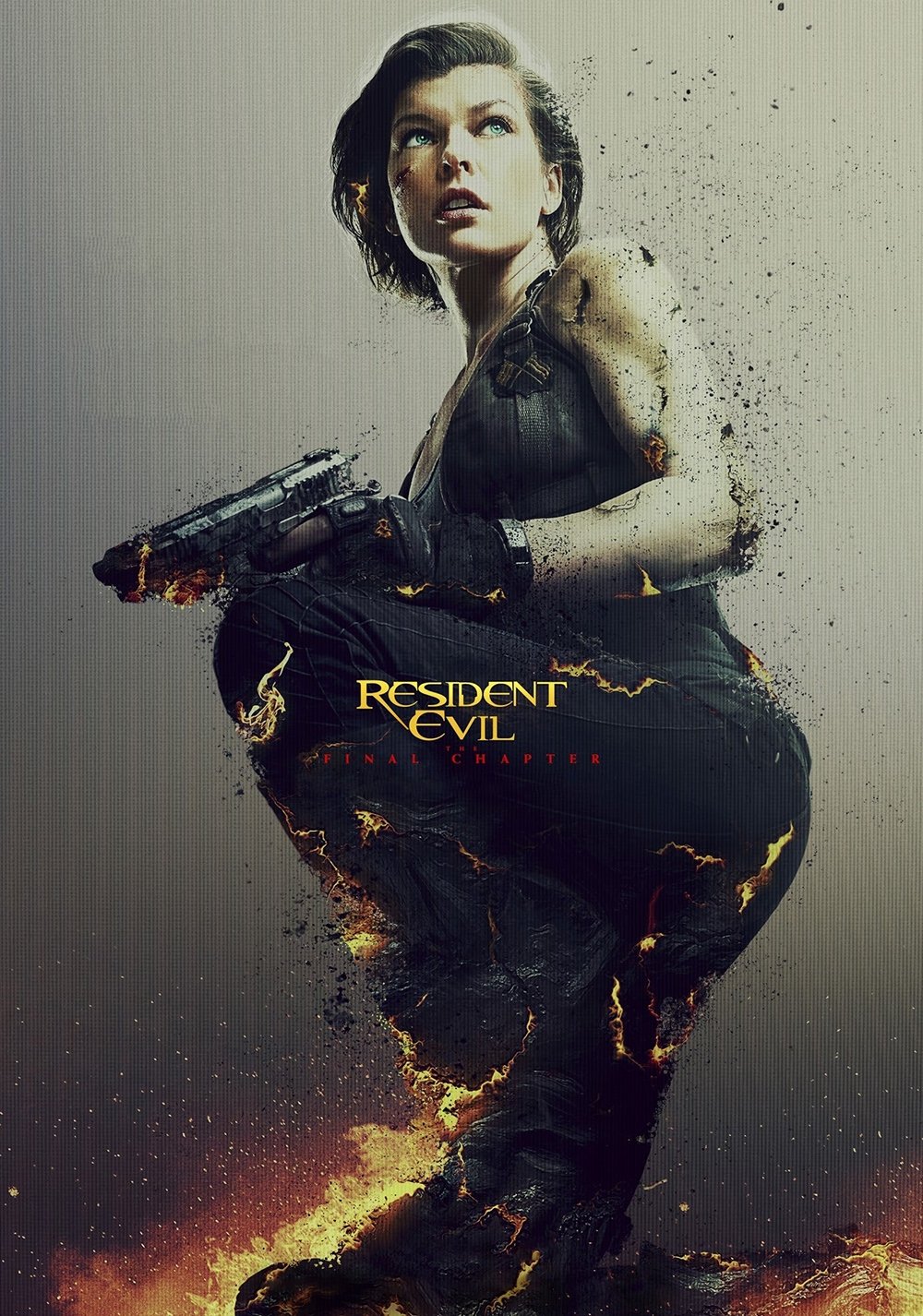
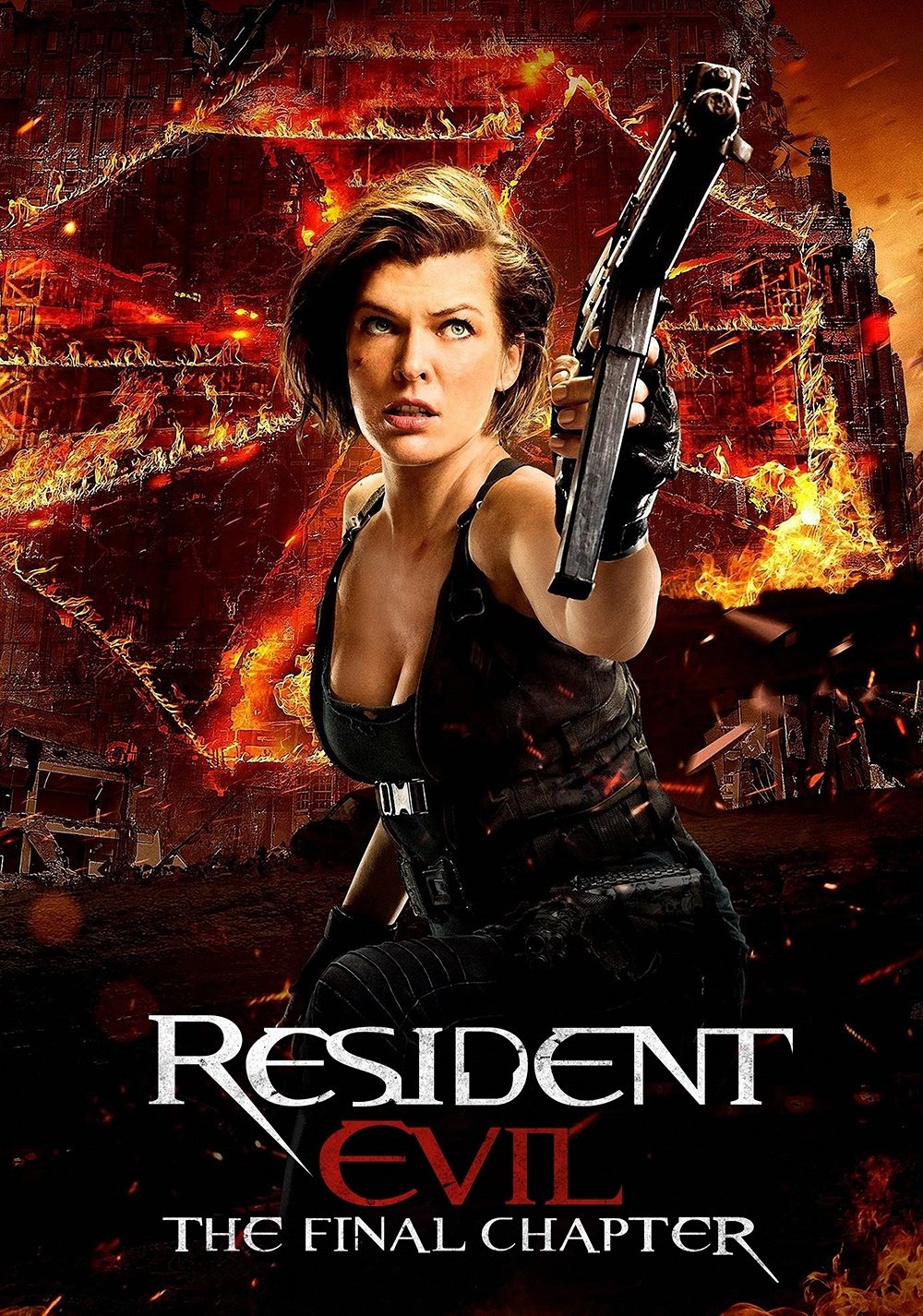
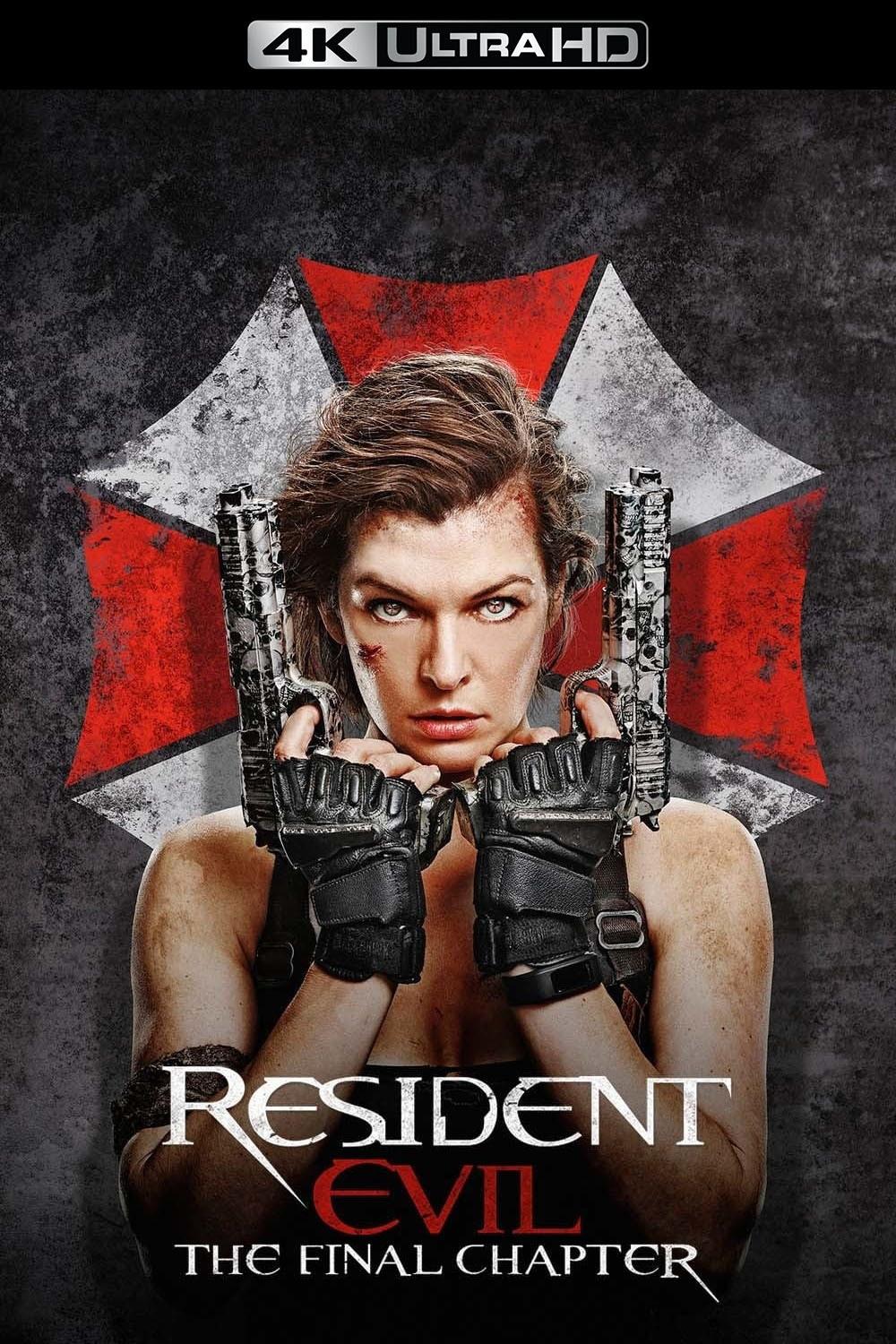
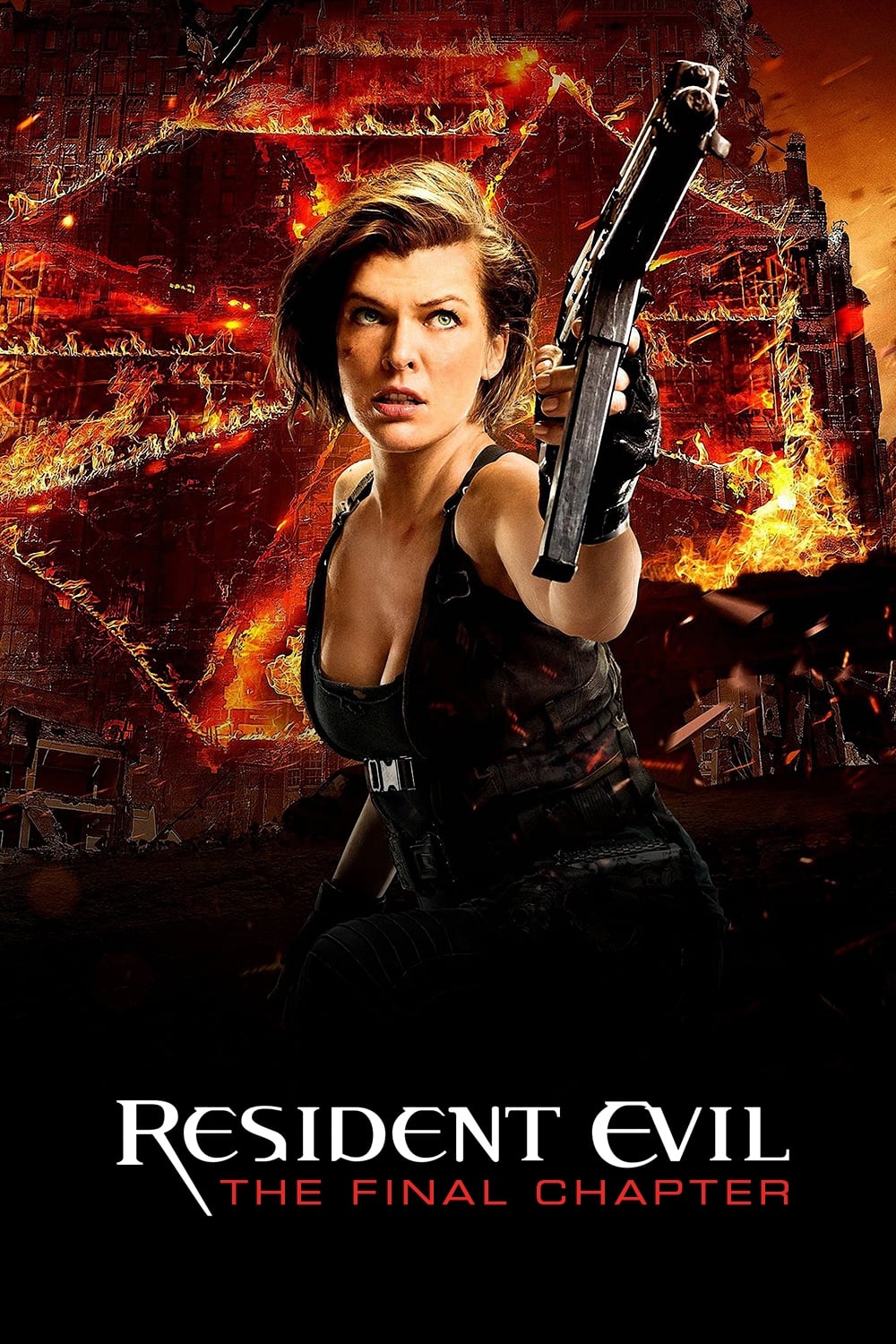
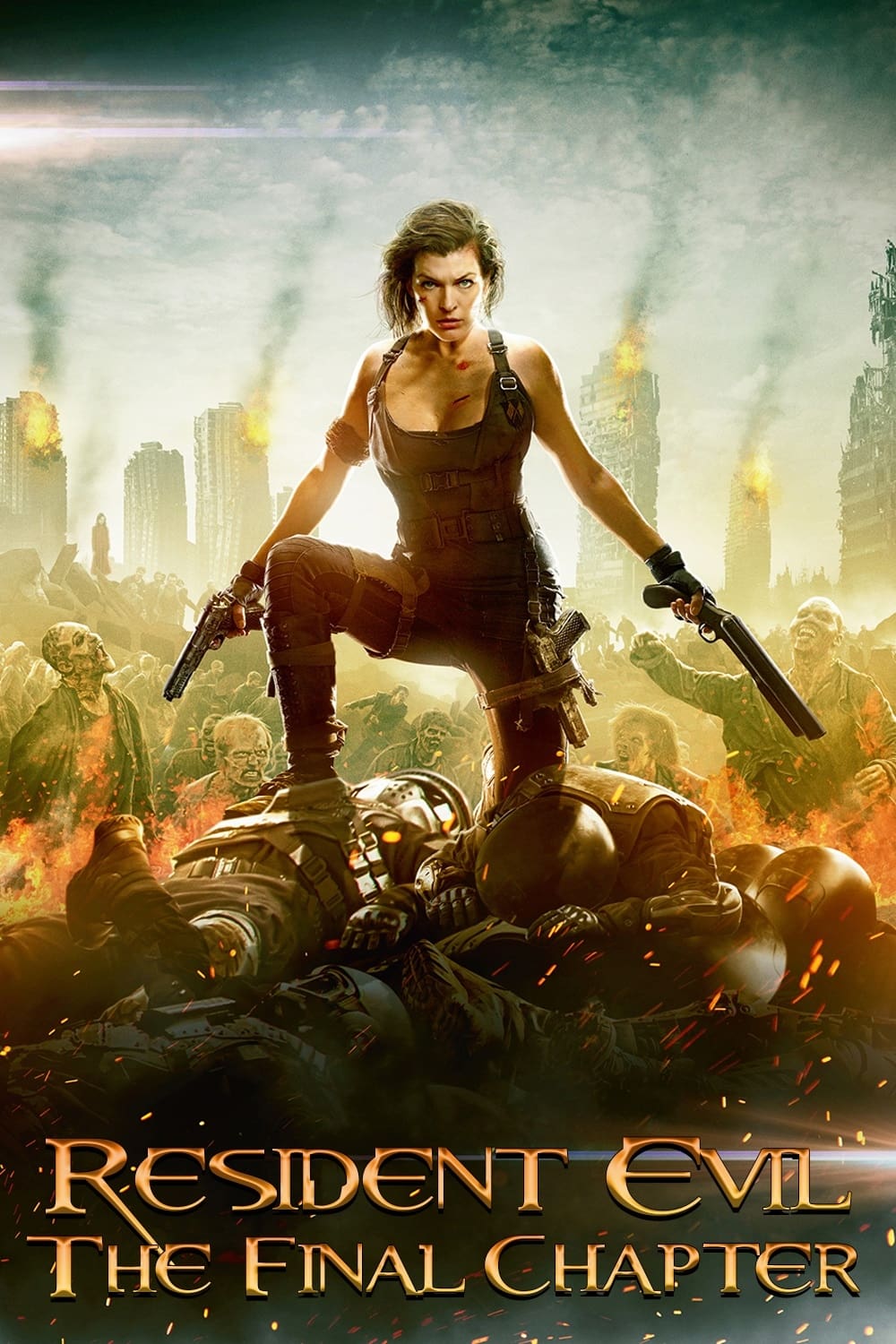
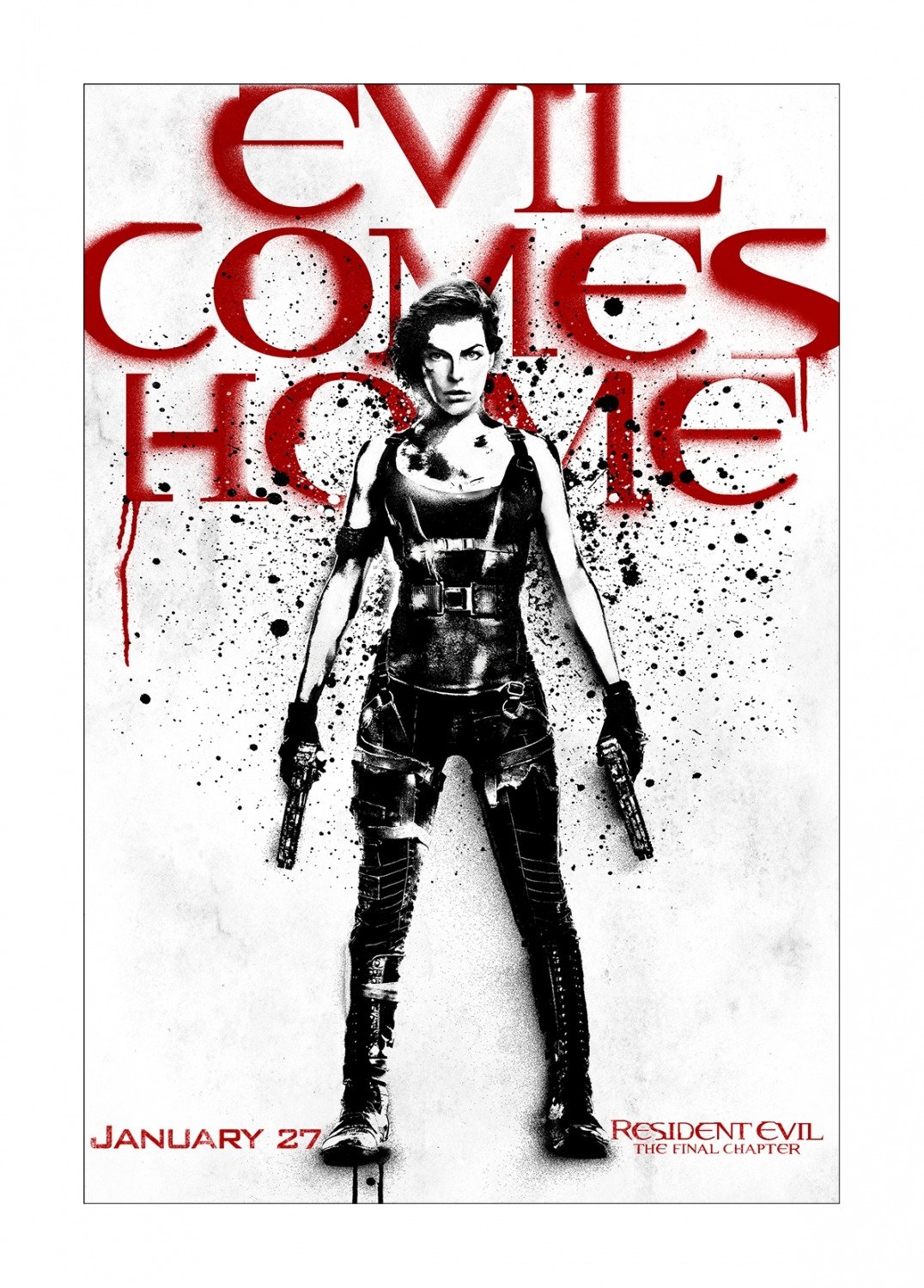
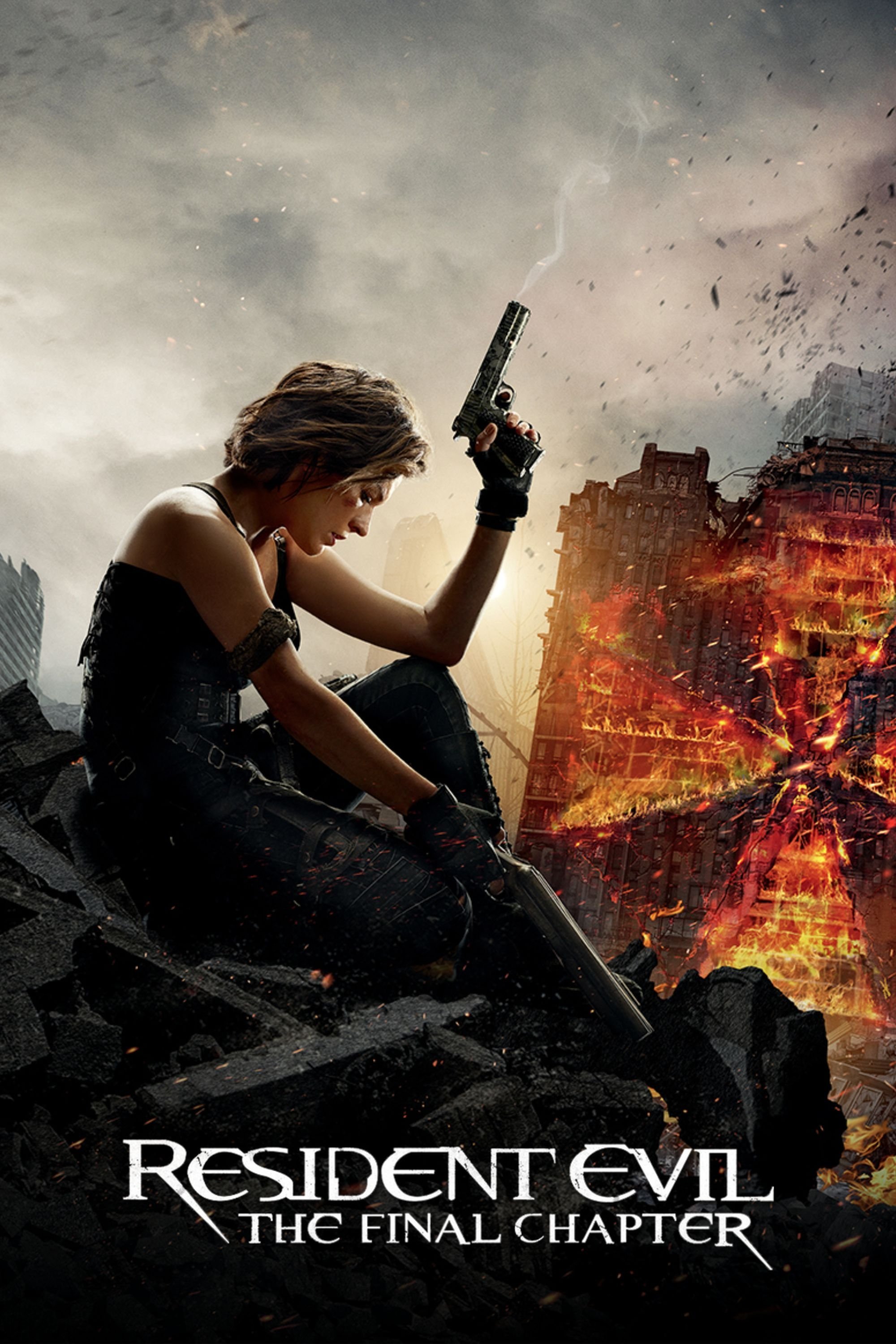
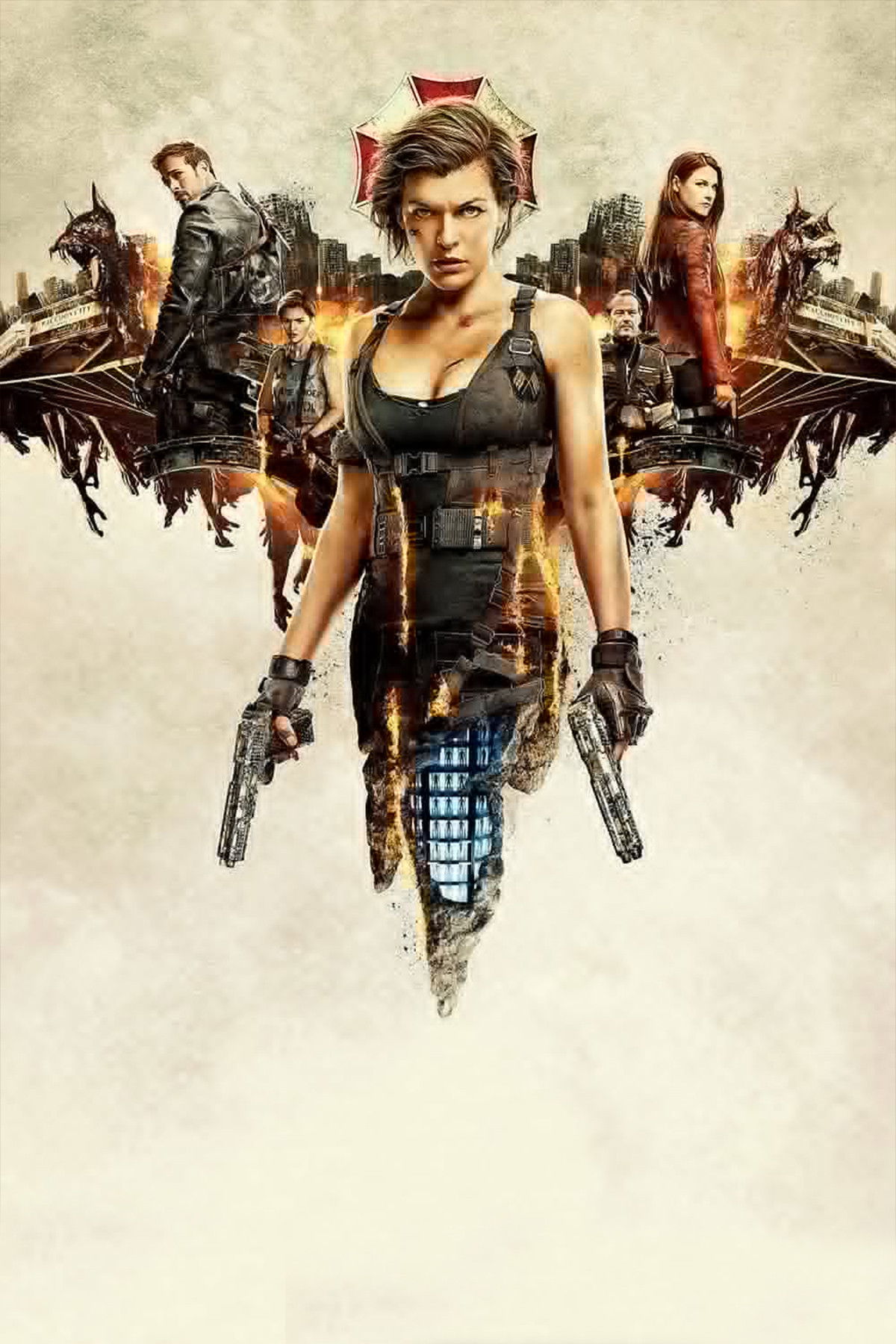
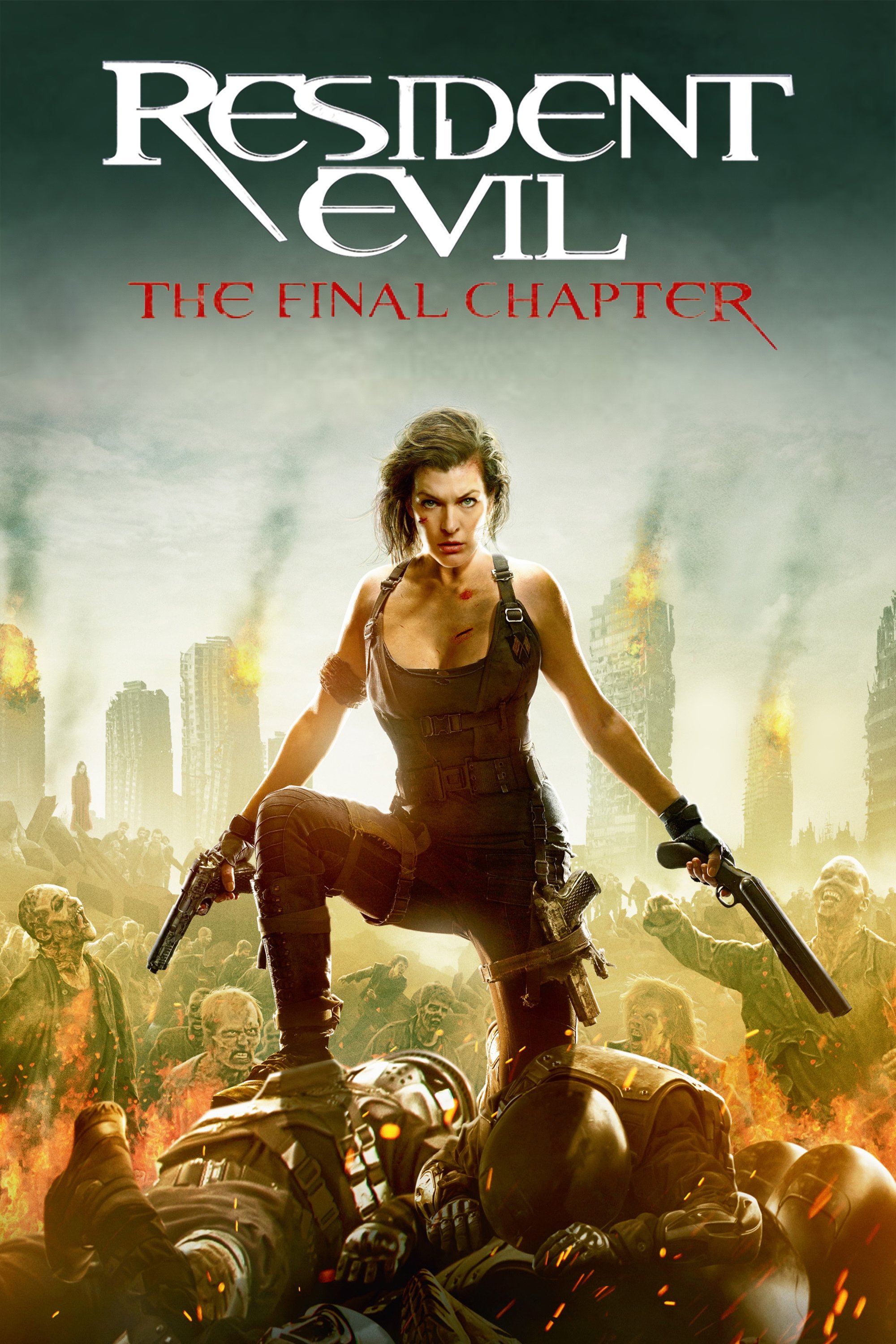
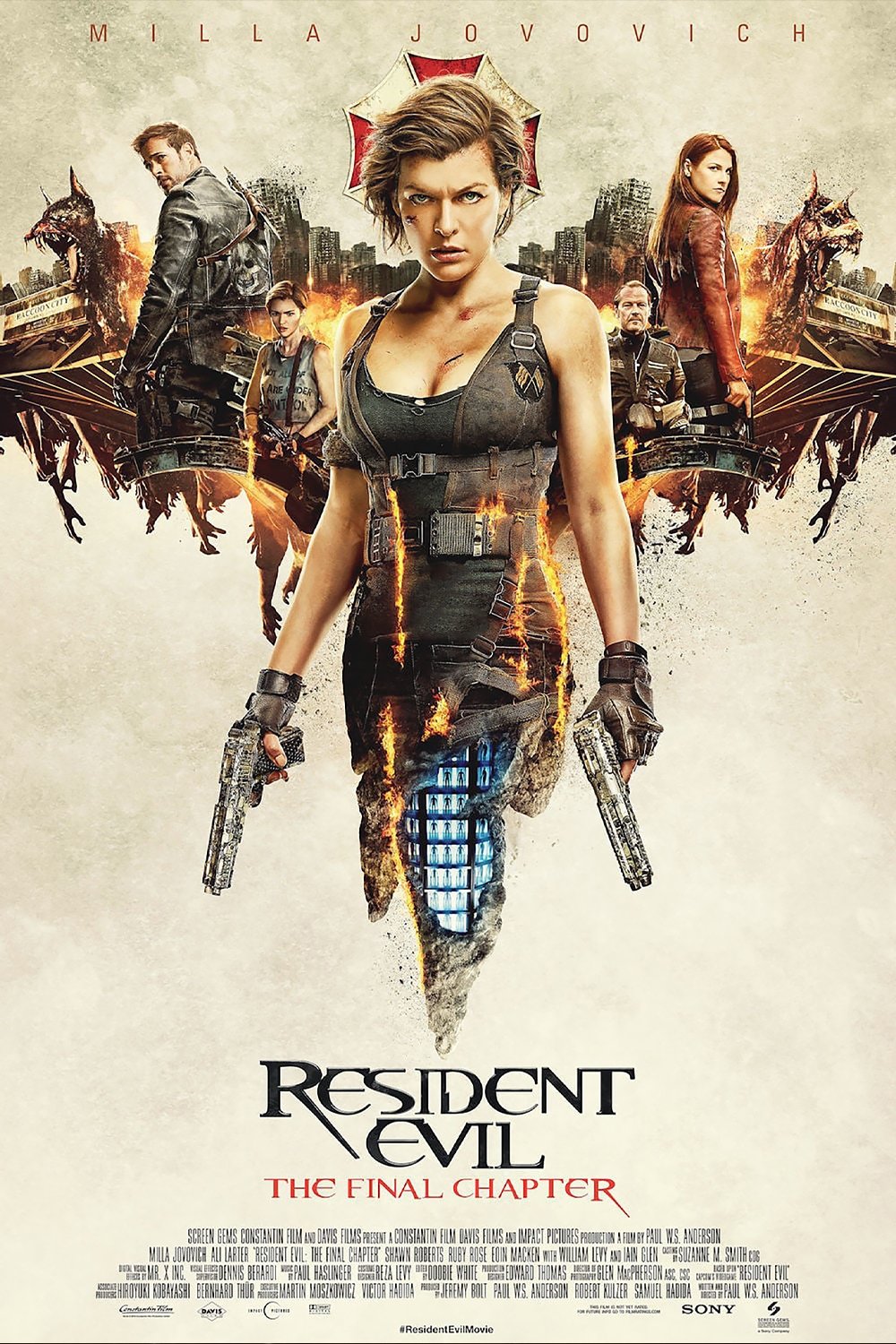
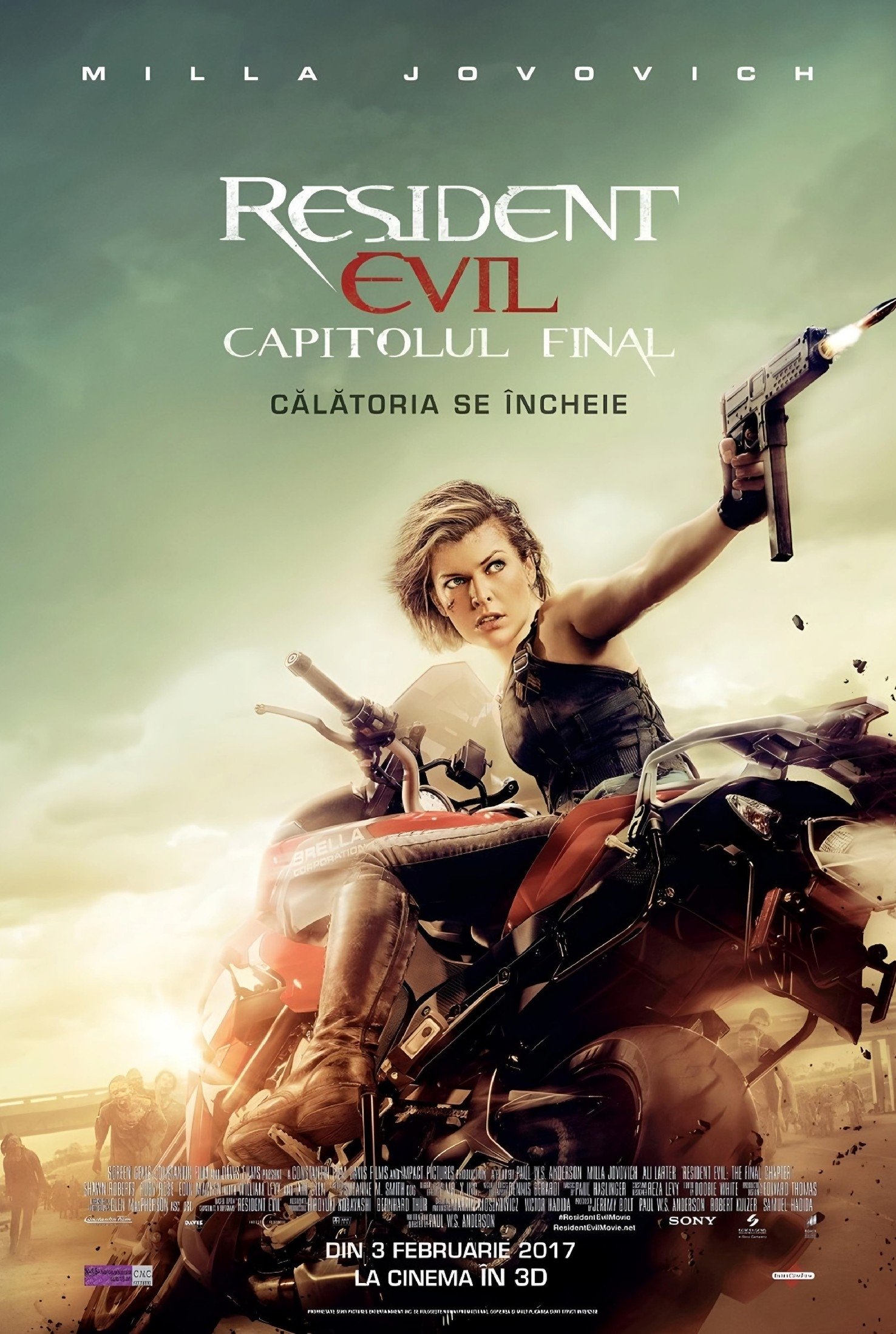
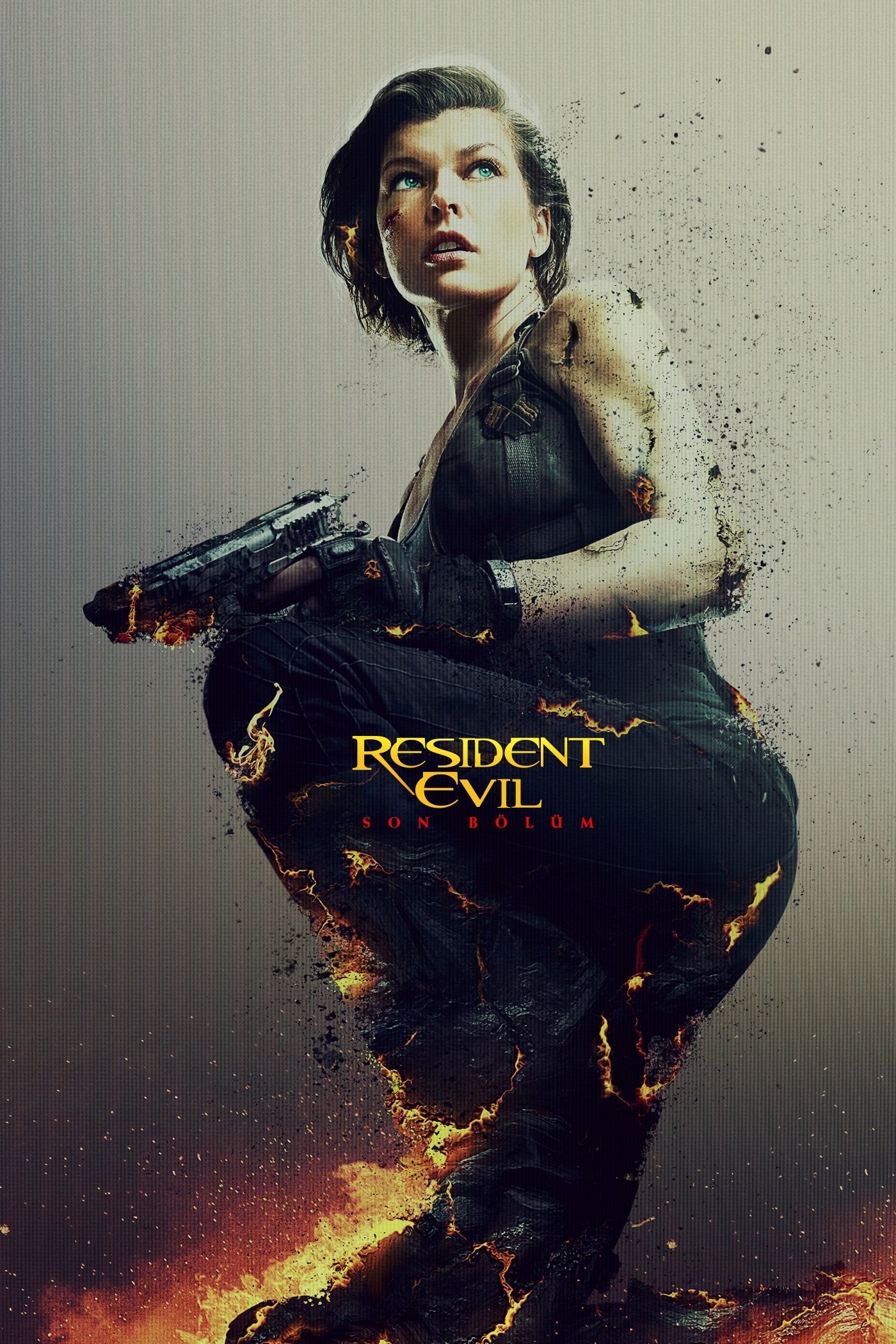
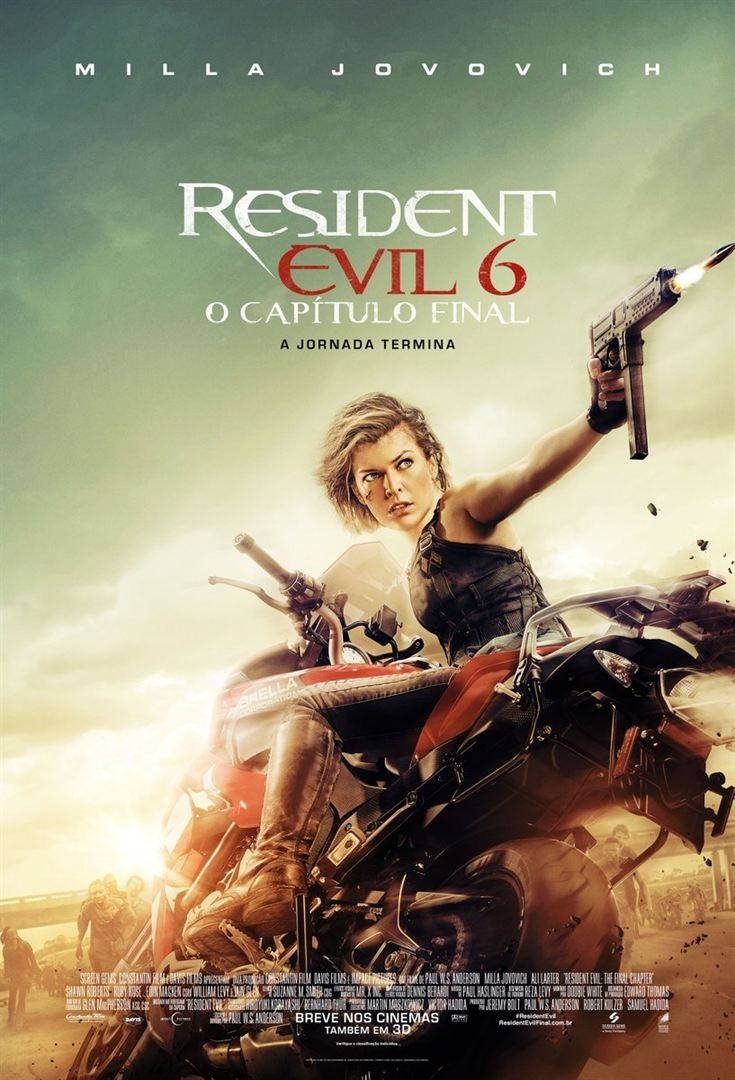
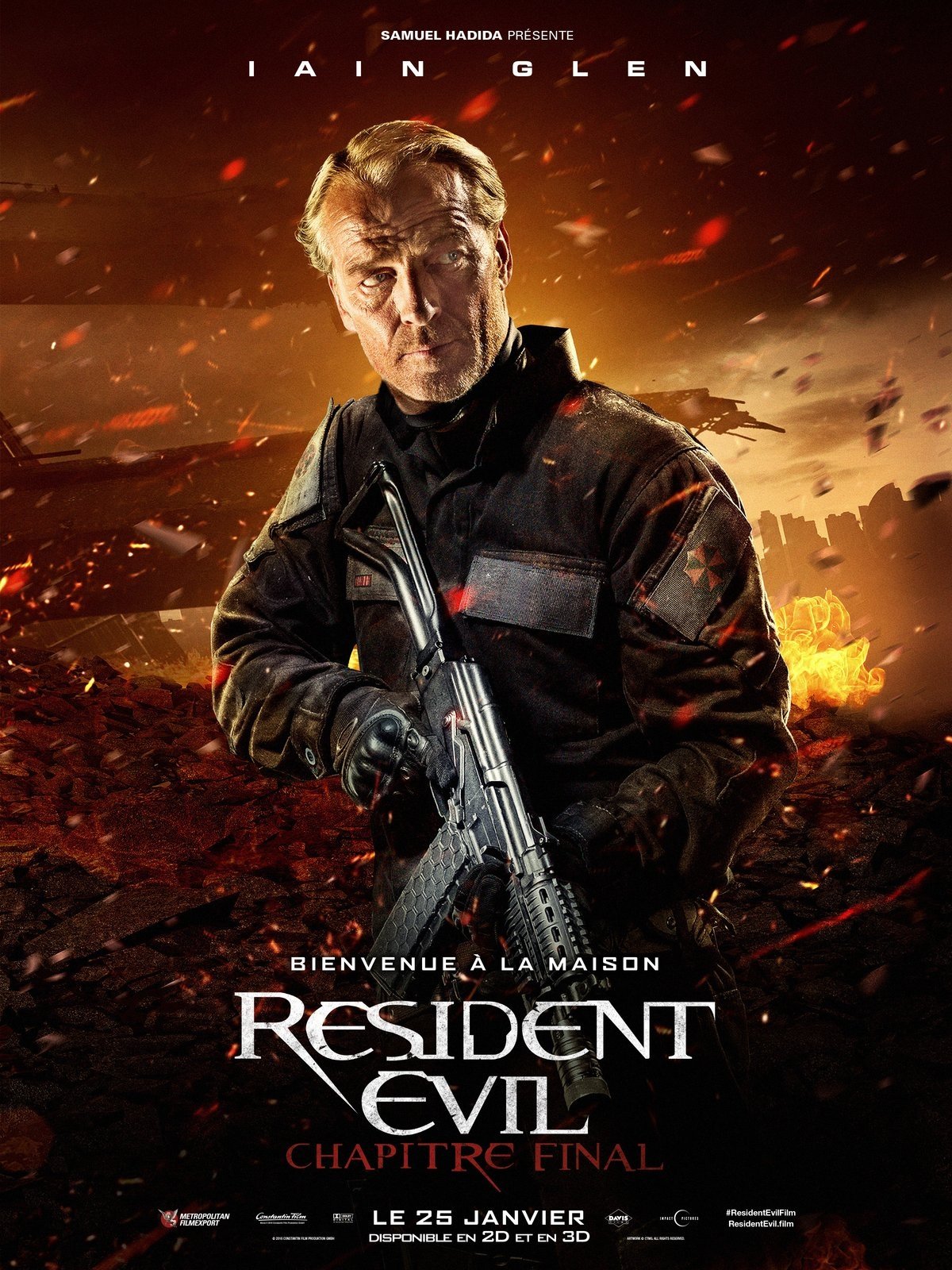
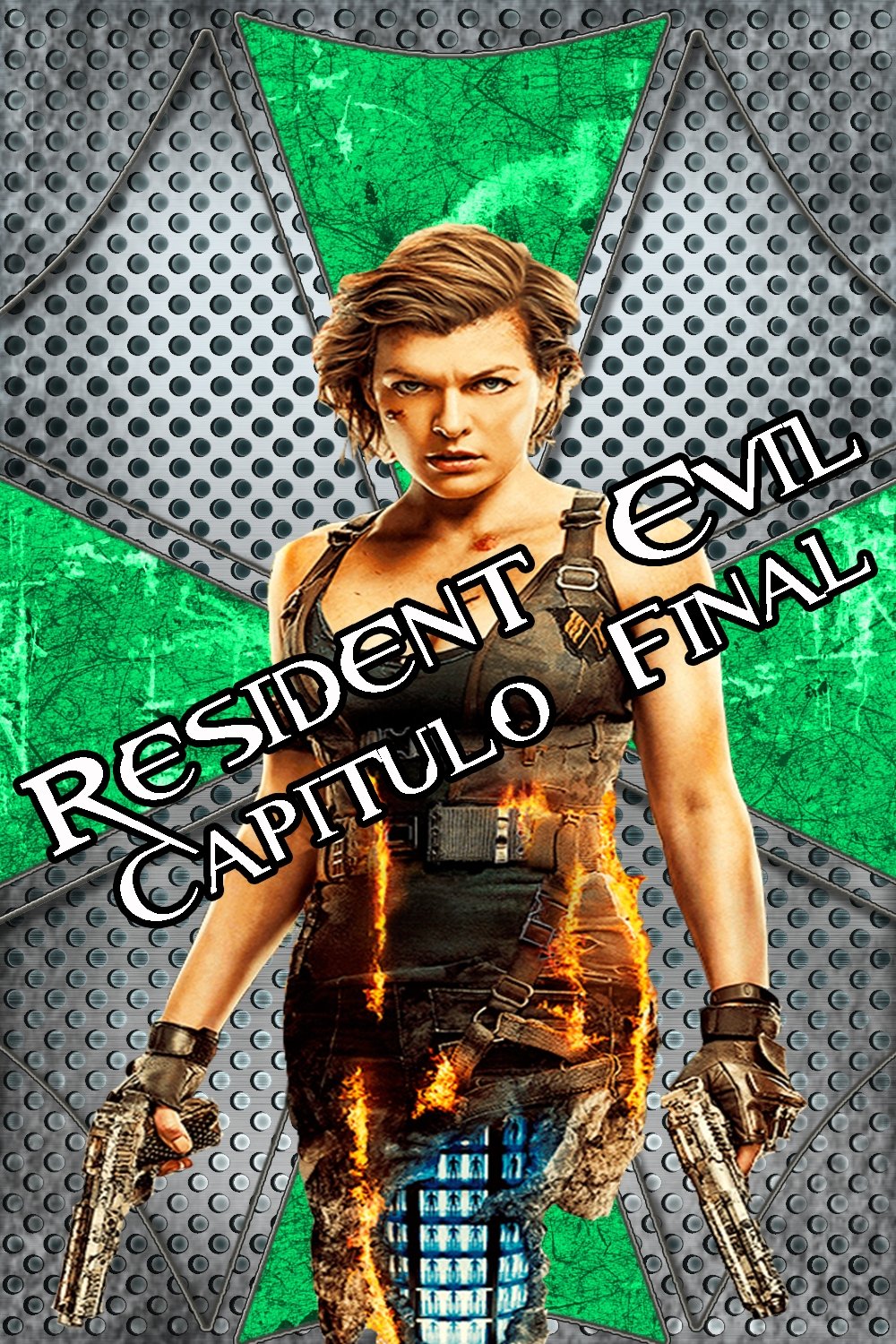
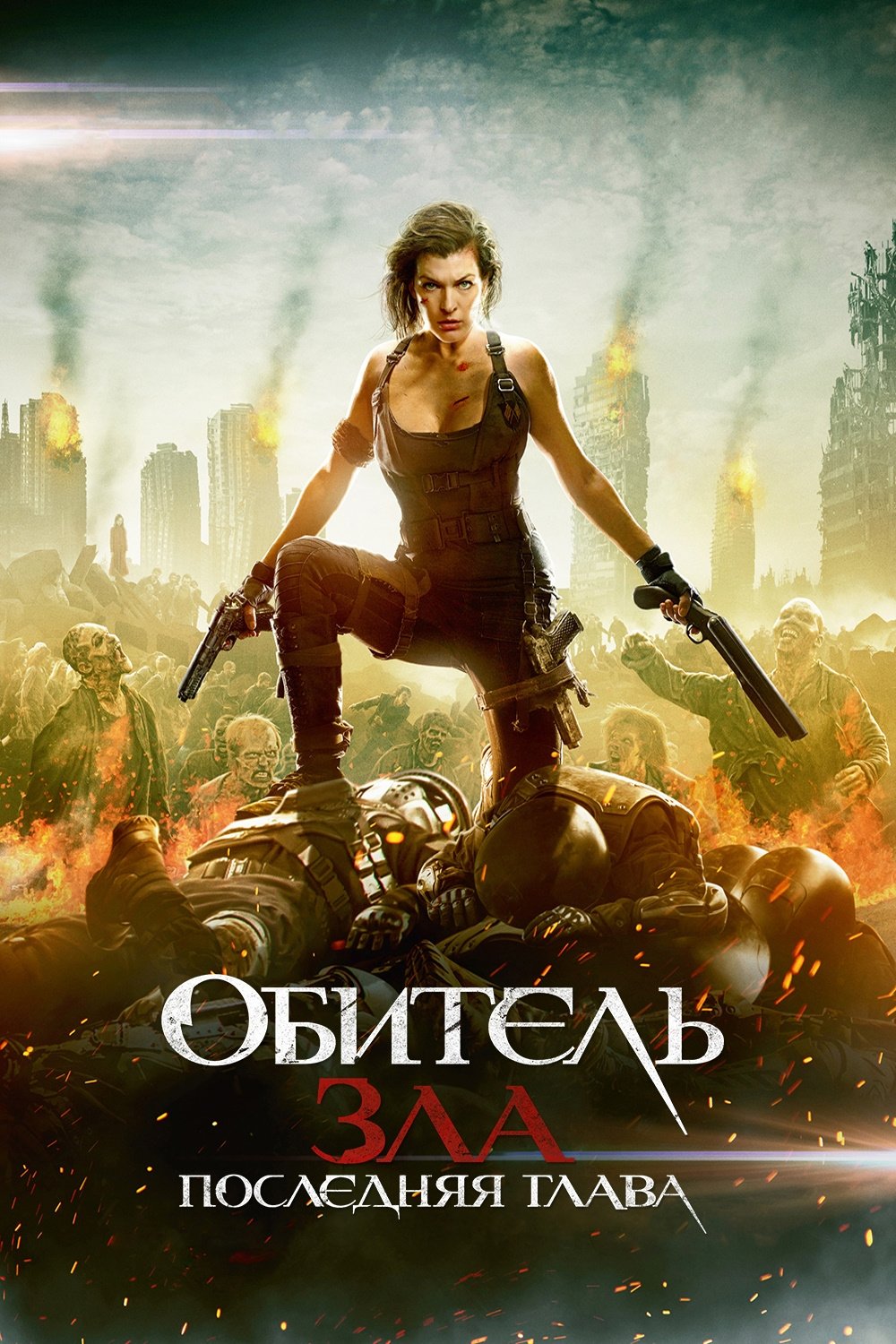
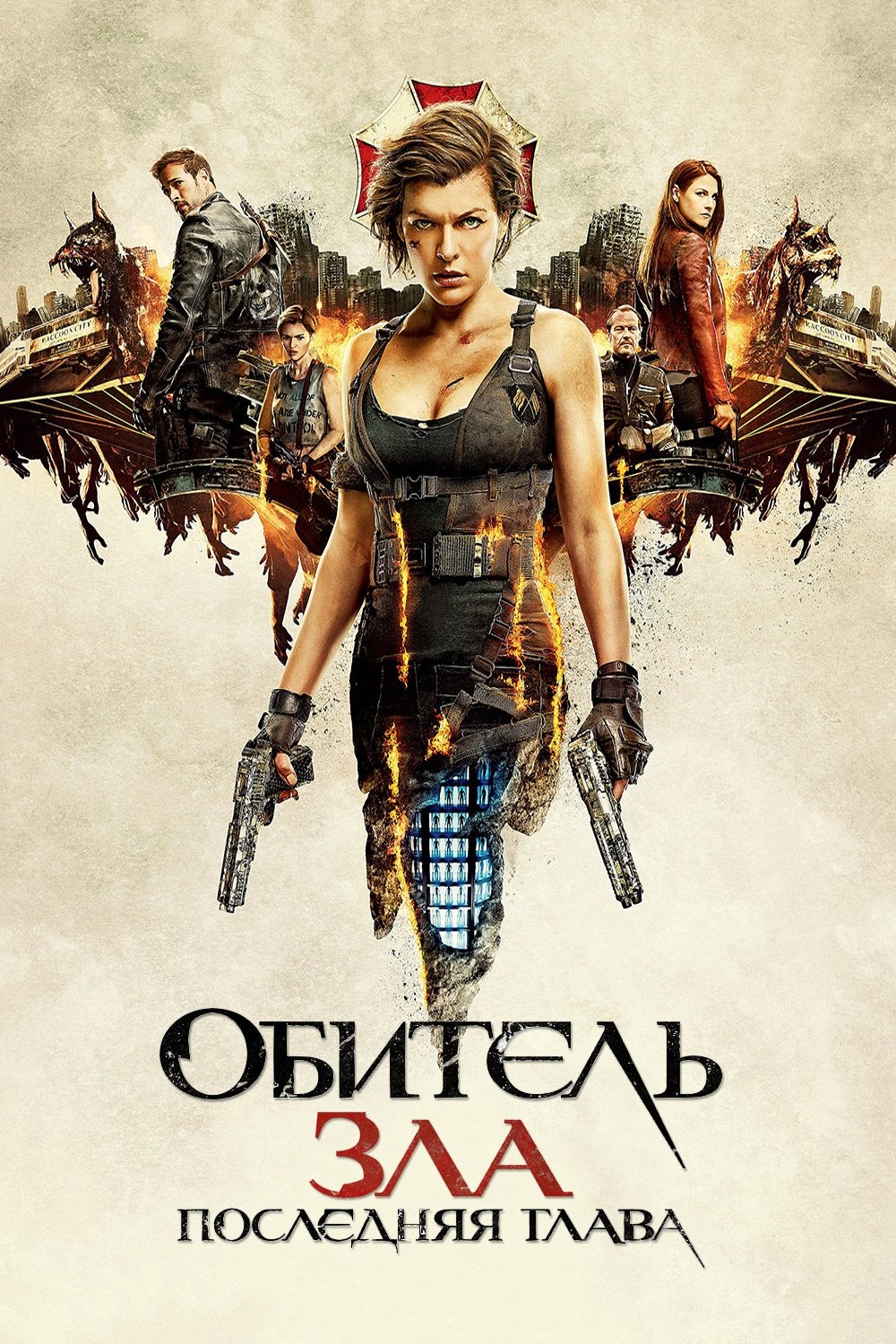
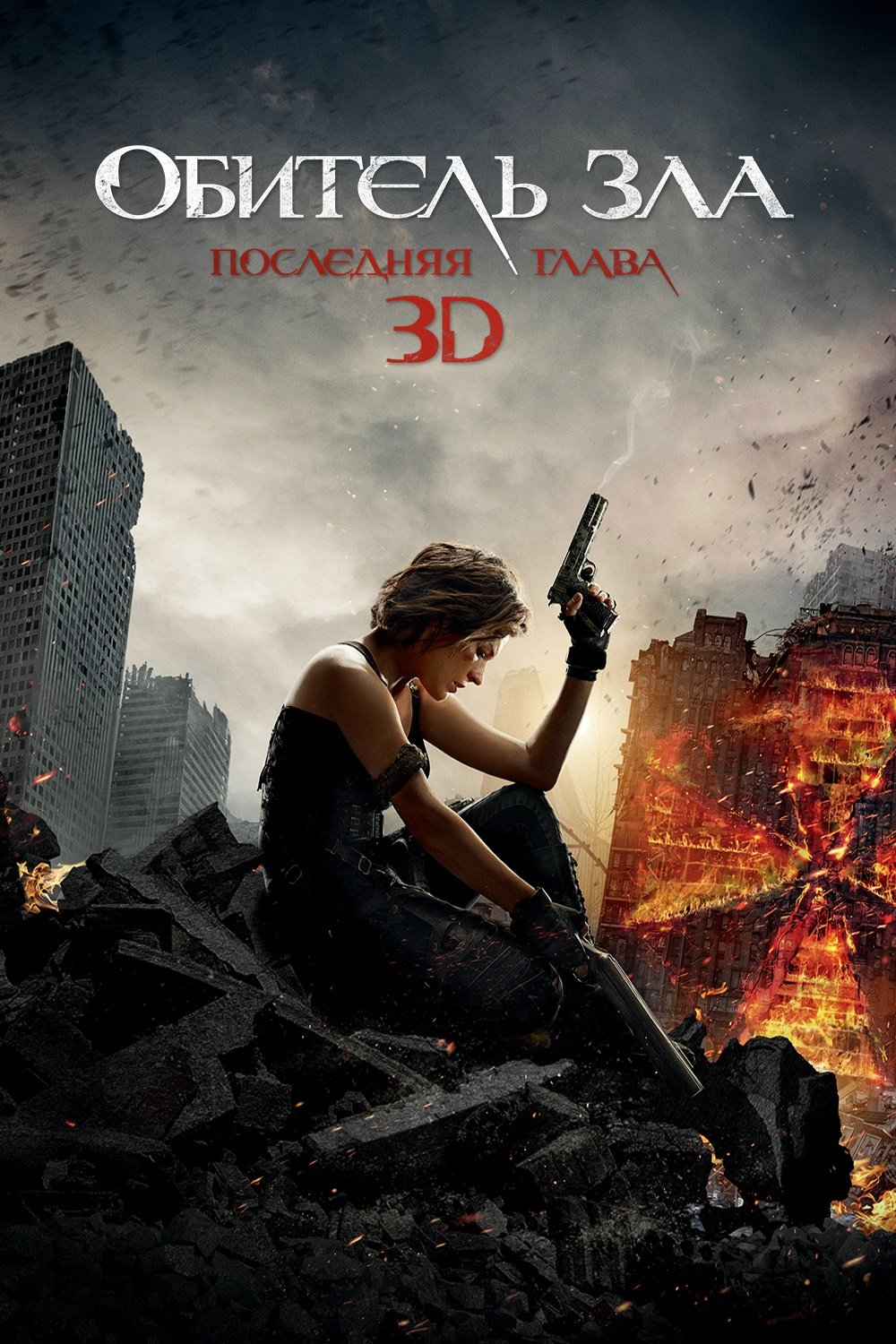
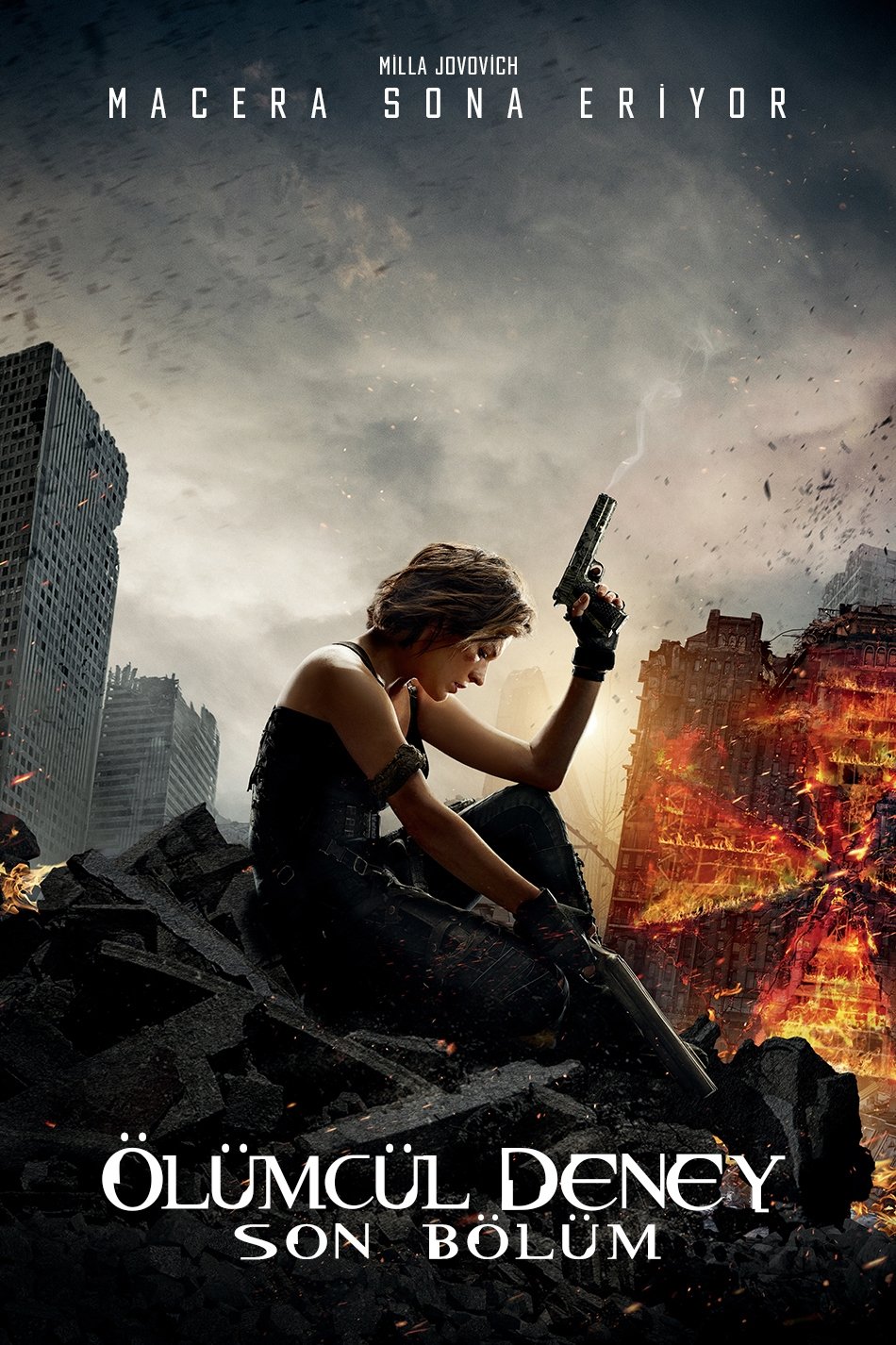
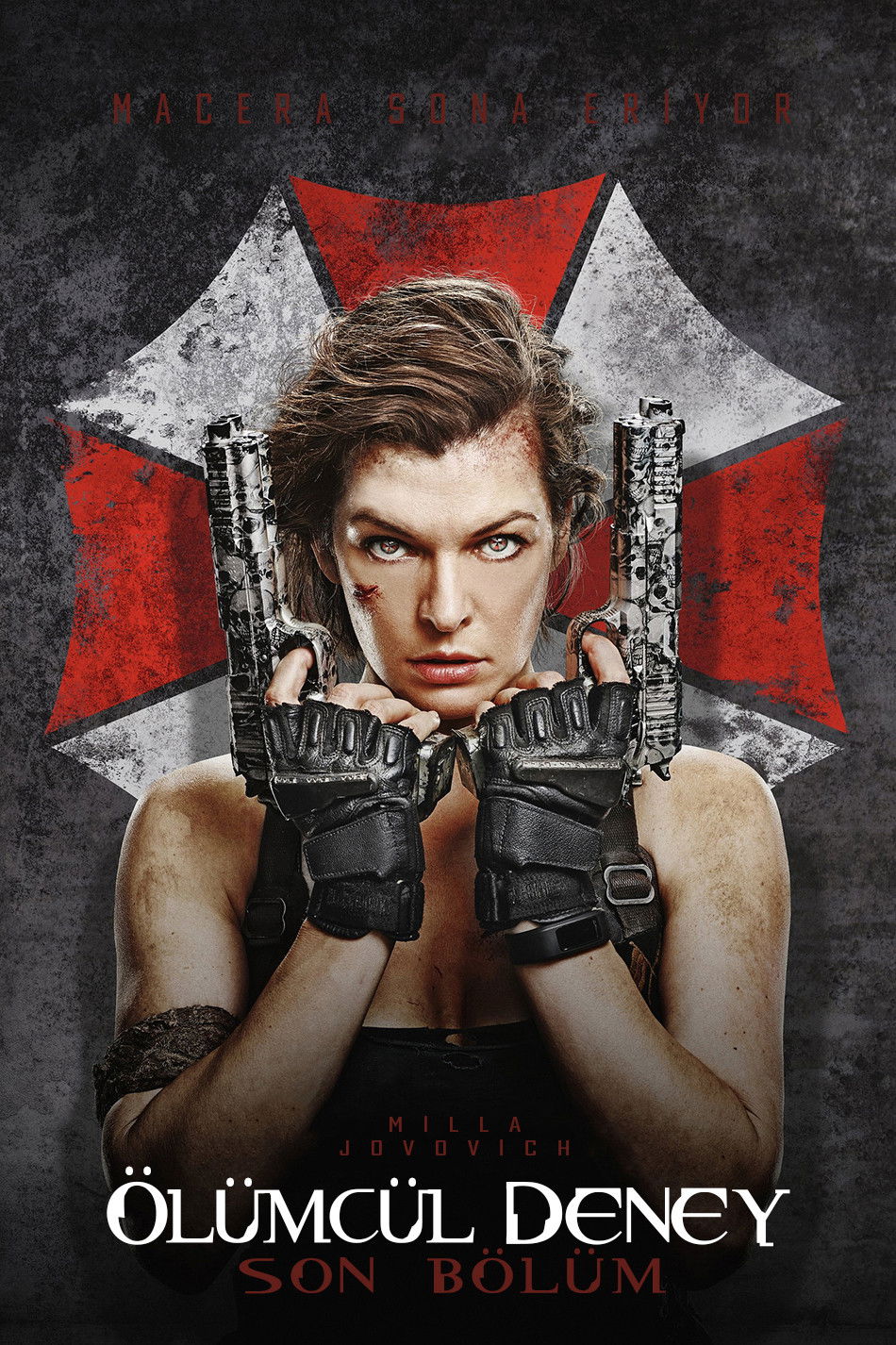
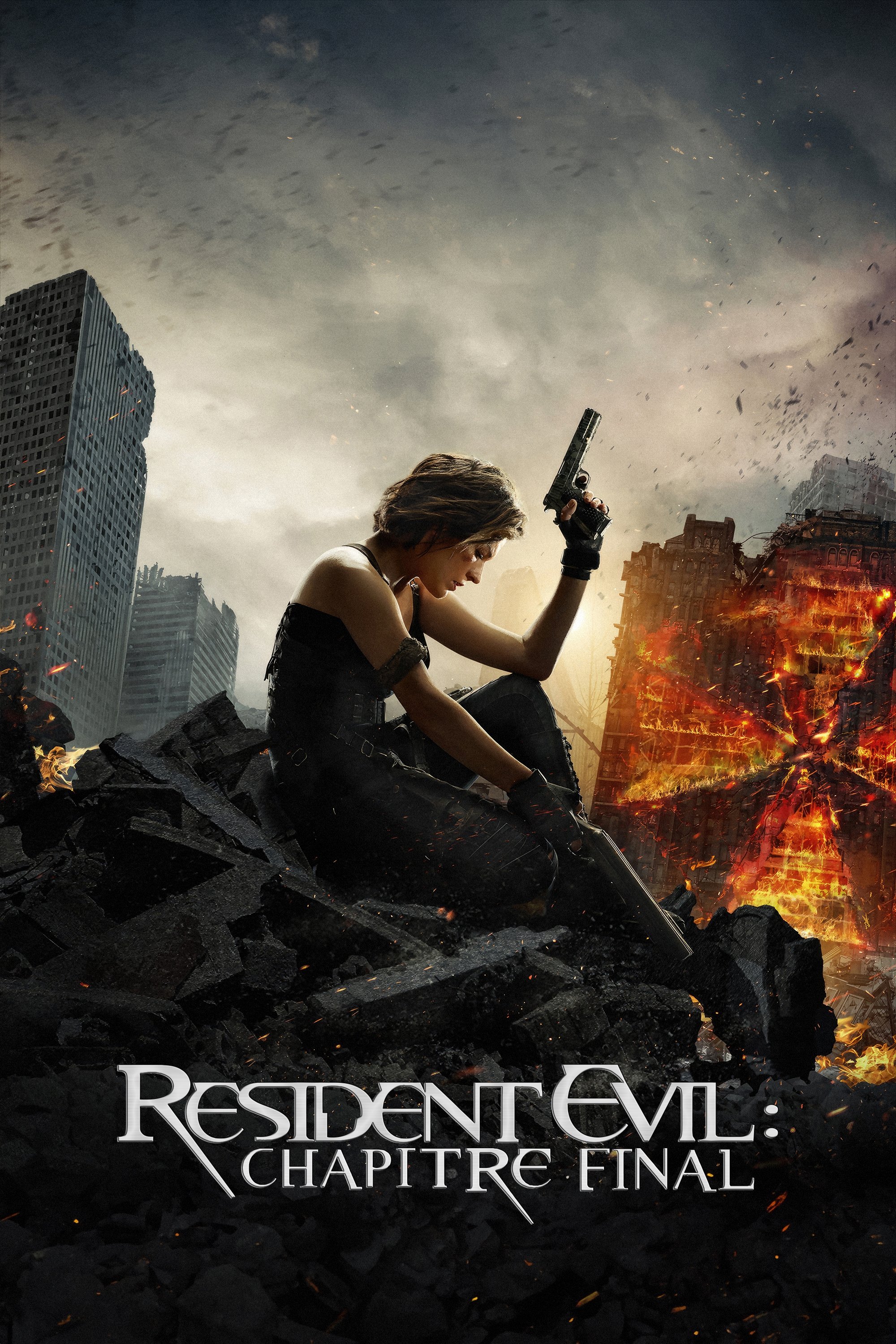
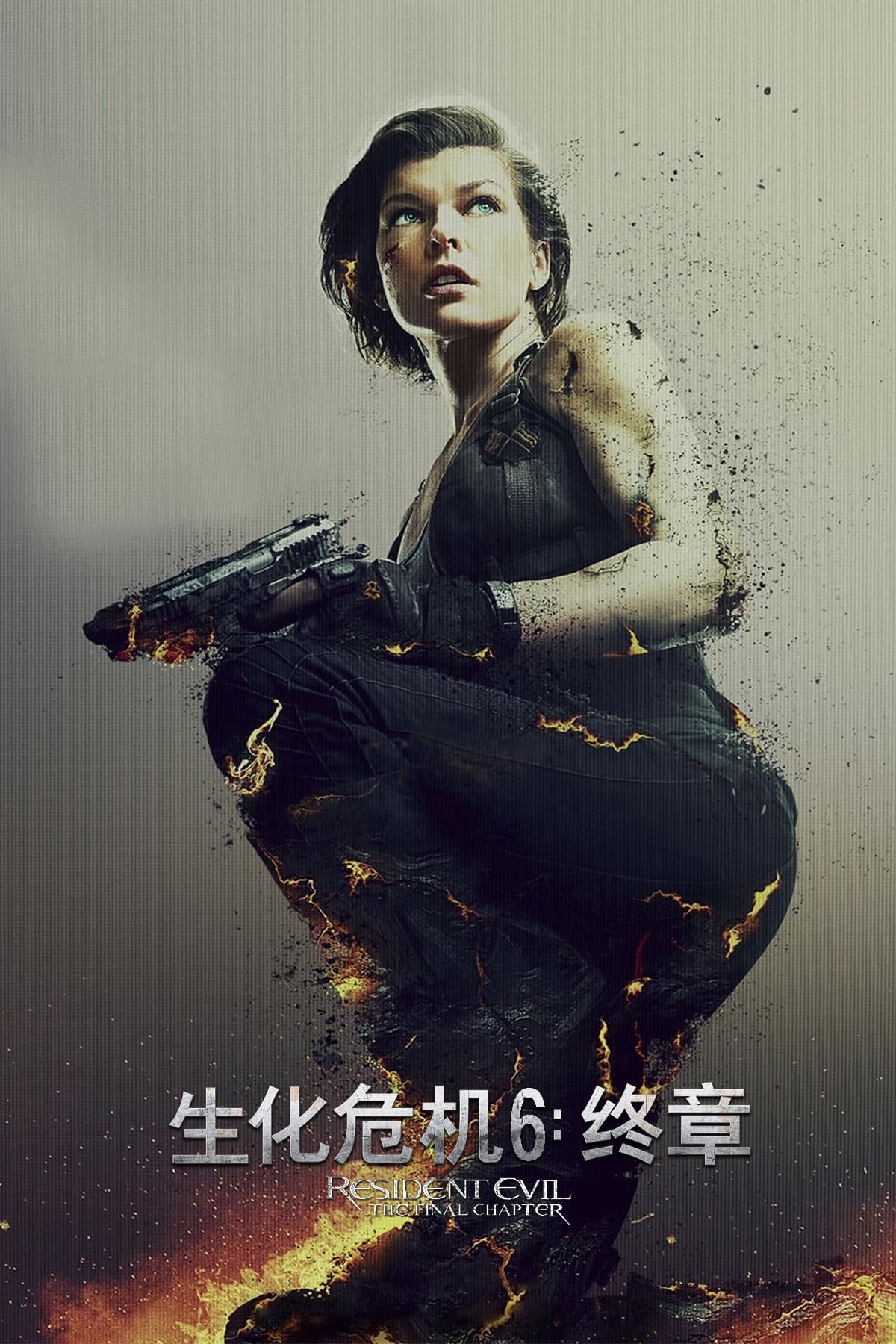
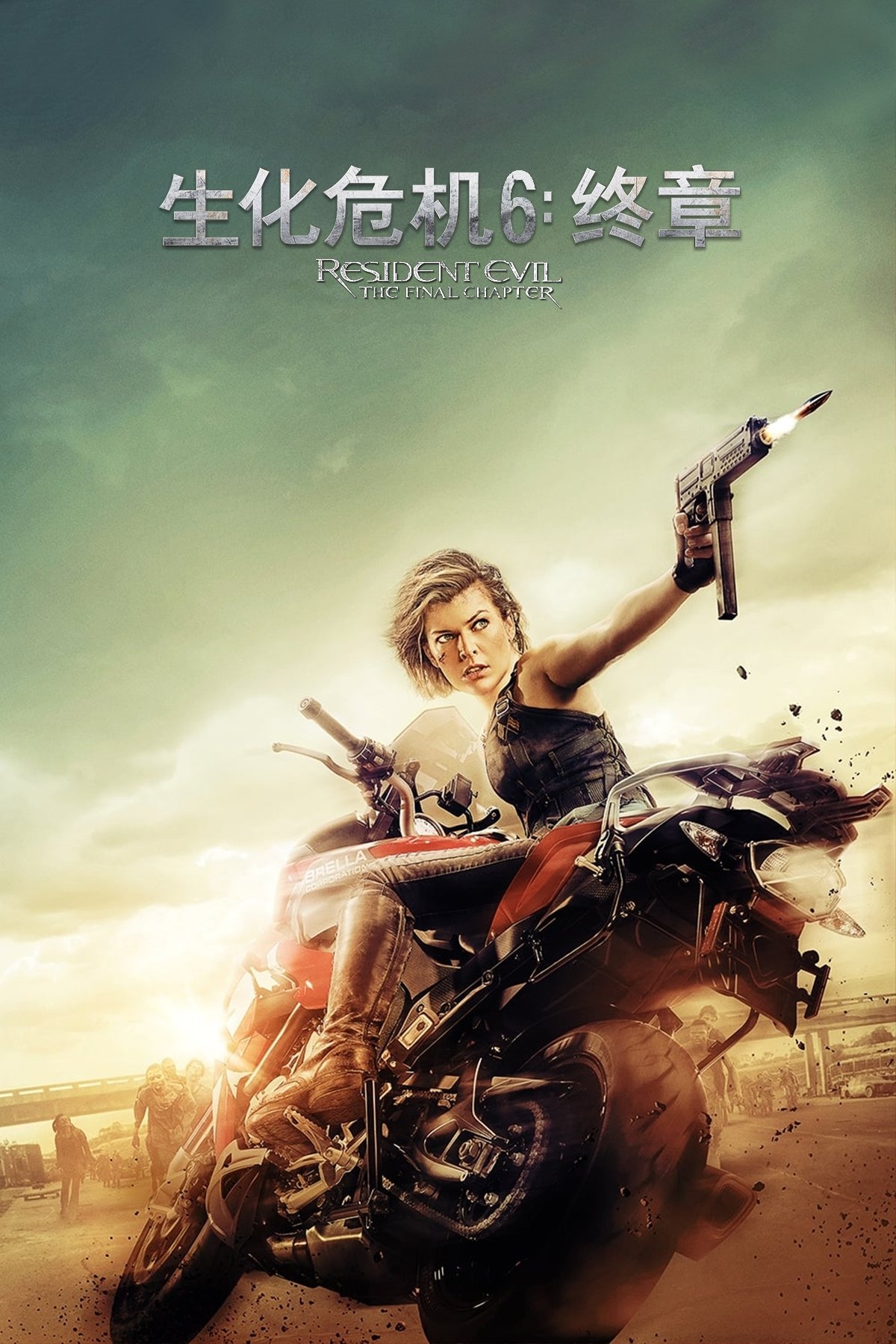
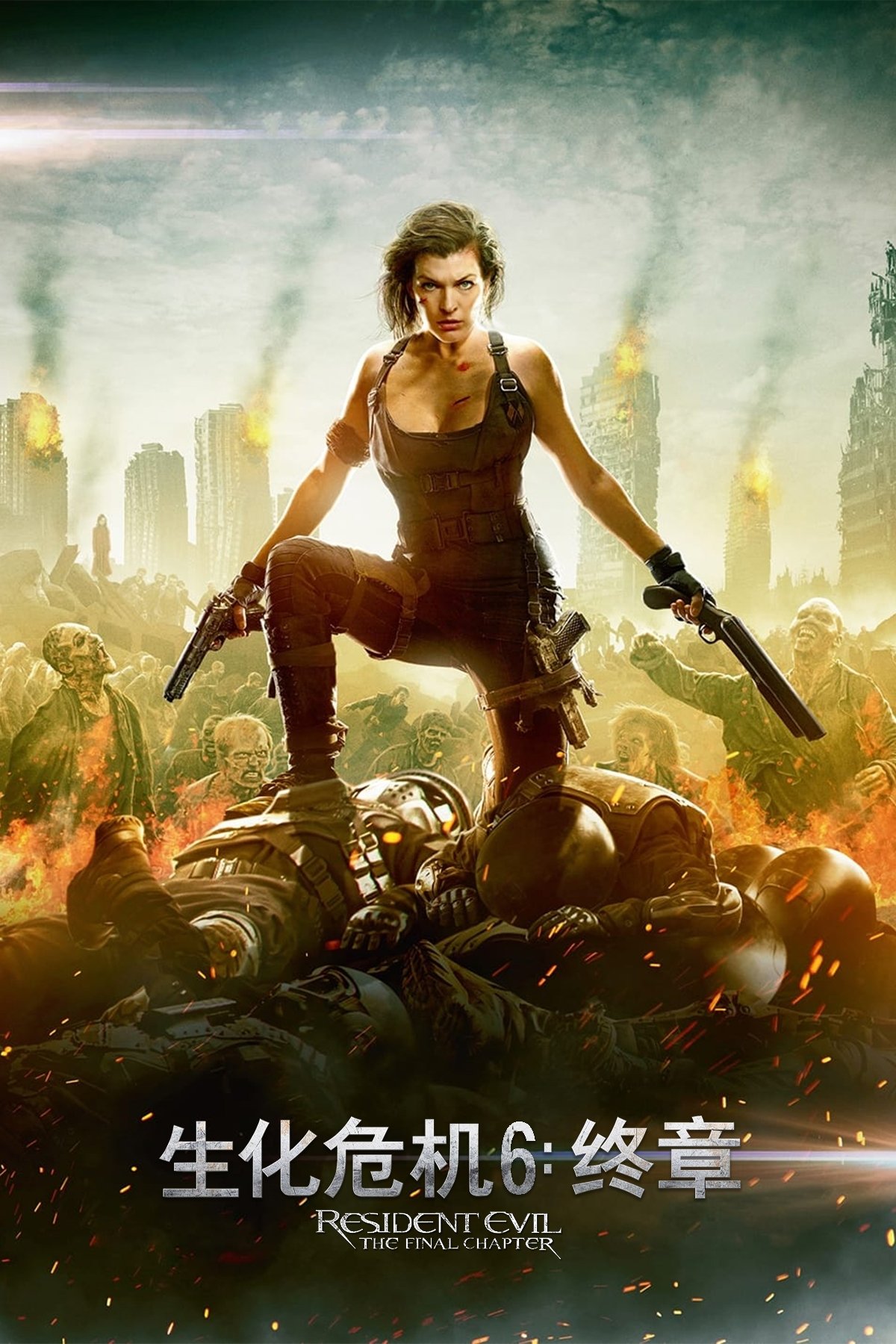
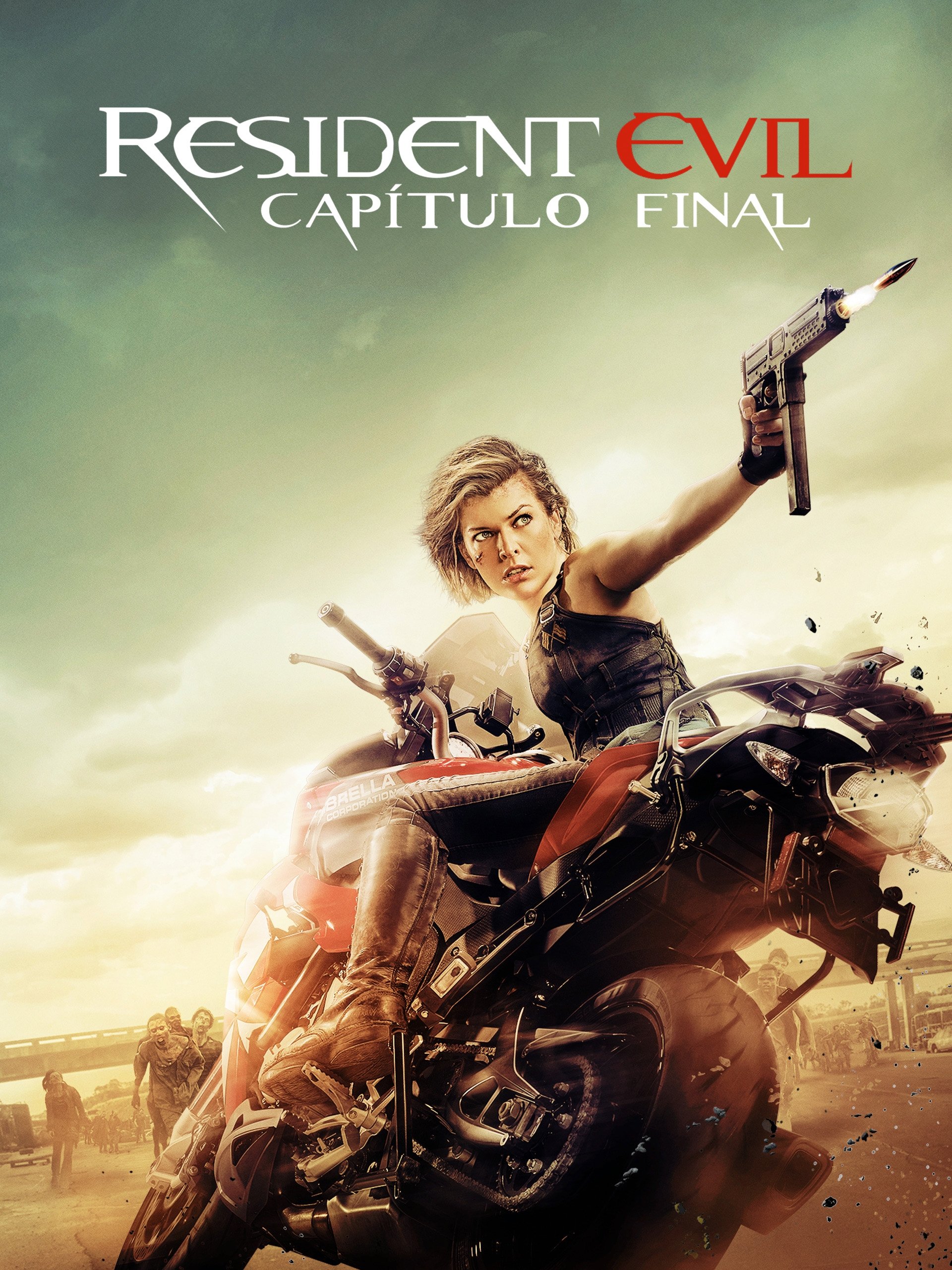
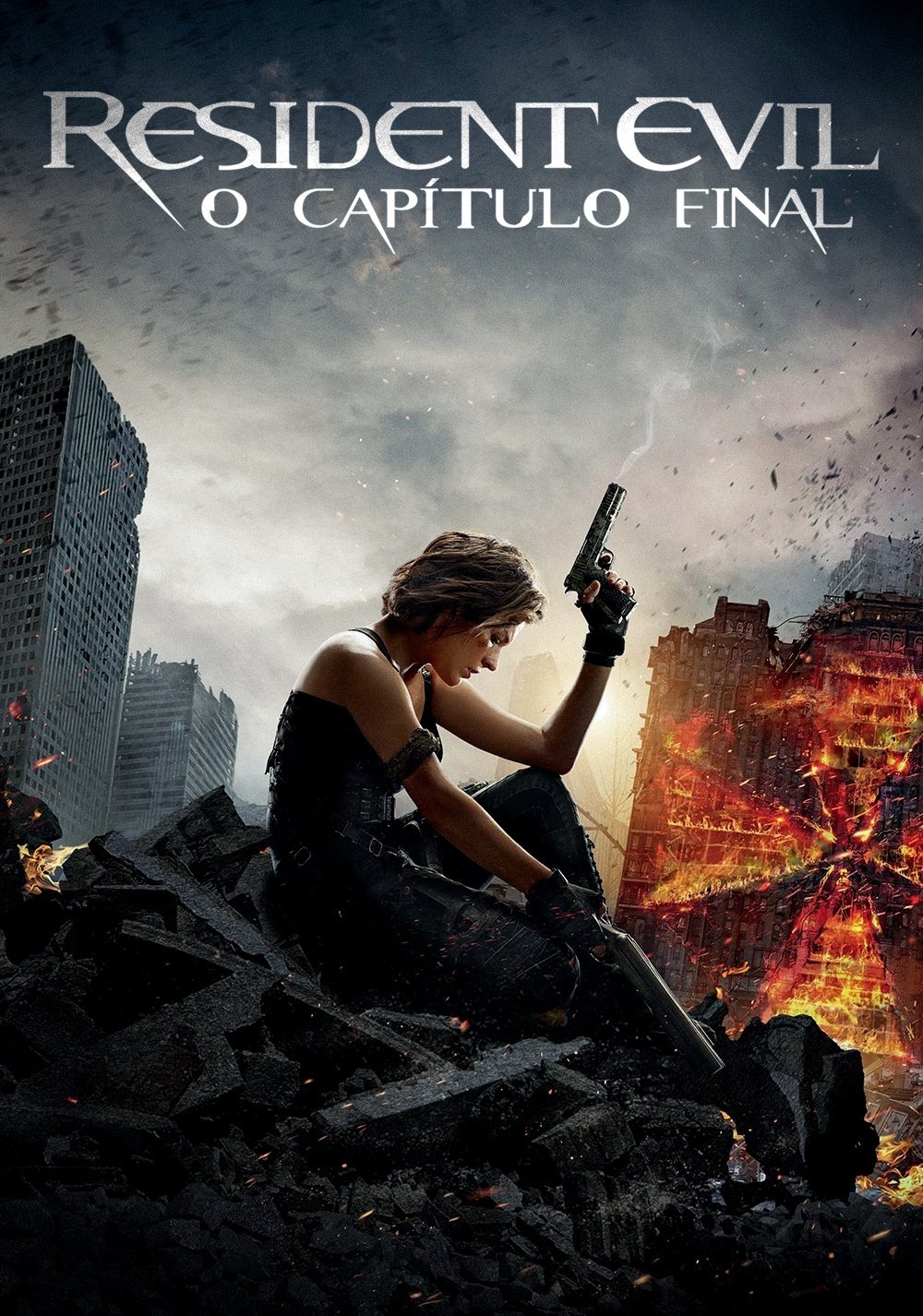
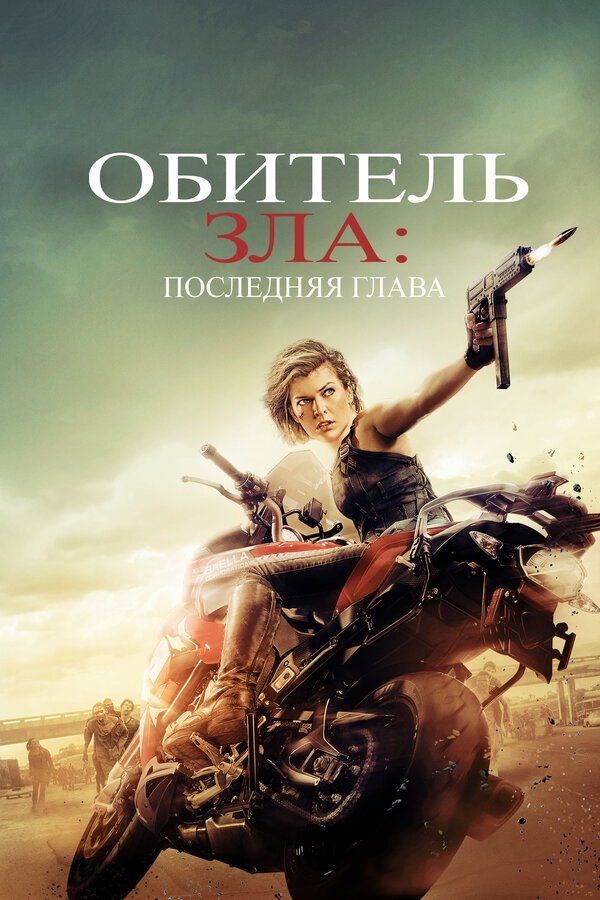
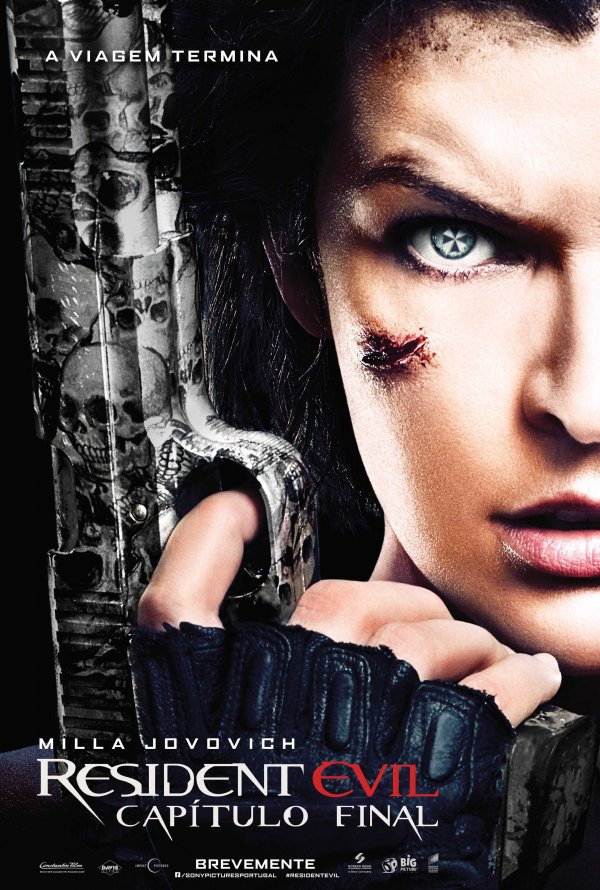
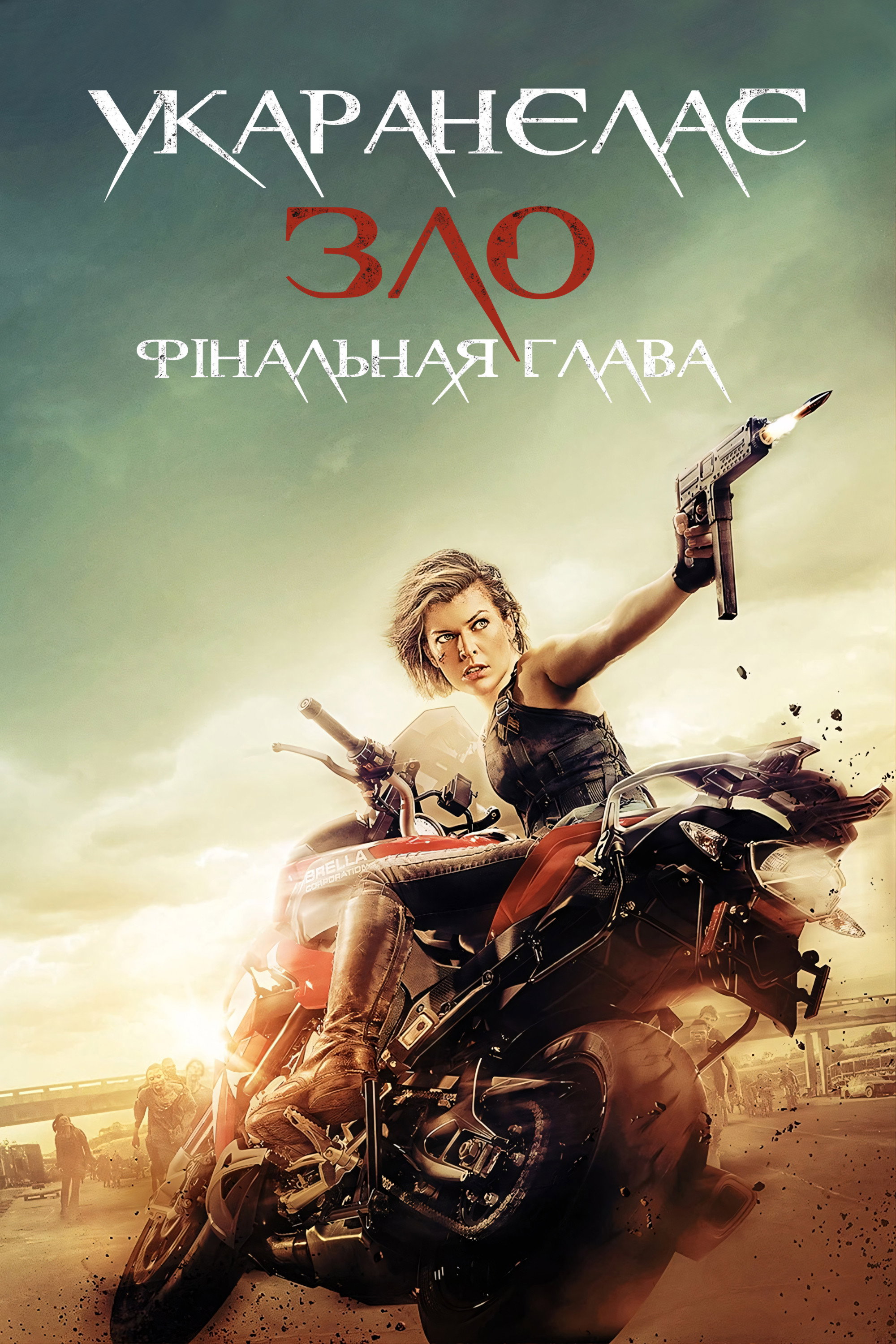
Alice returns to Raccoon City after learning that Umbrella possesses a substance capable of ending the global T-virus epidemic. With human settlements near collapse, she travels back to the Hive, the underground laboratory where the first outbreak took place. The journey forces her to confront Umbrella's remaining forces and reconsider details of her own creation. Survivors help her enter the facility, where automated defenses, infected creatures and senior company figures protect the research. The final confrontation centers on the antidote and the fate of the remaining population.
Alternative Titles
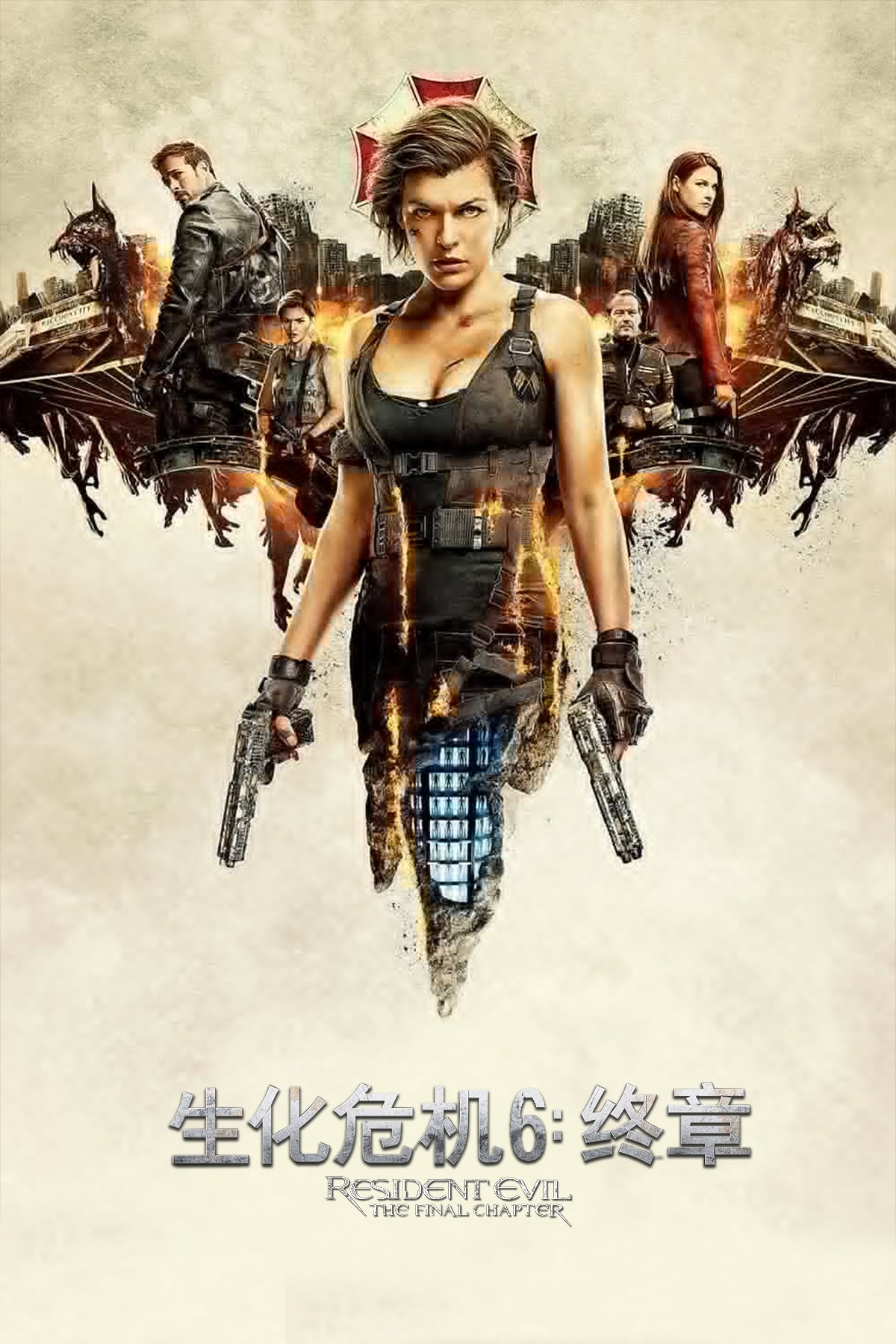
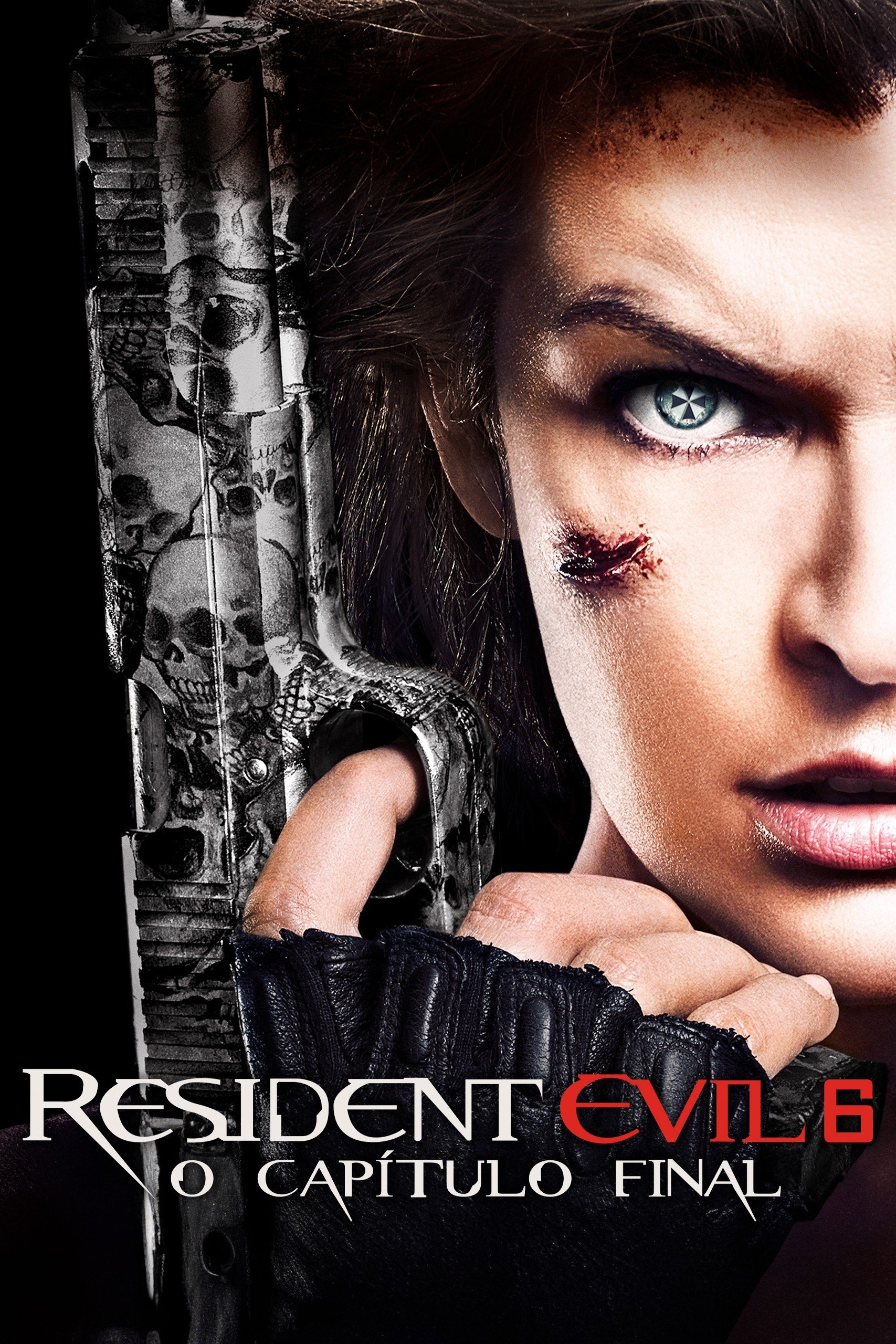
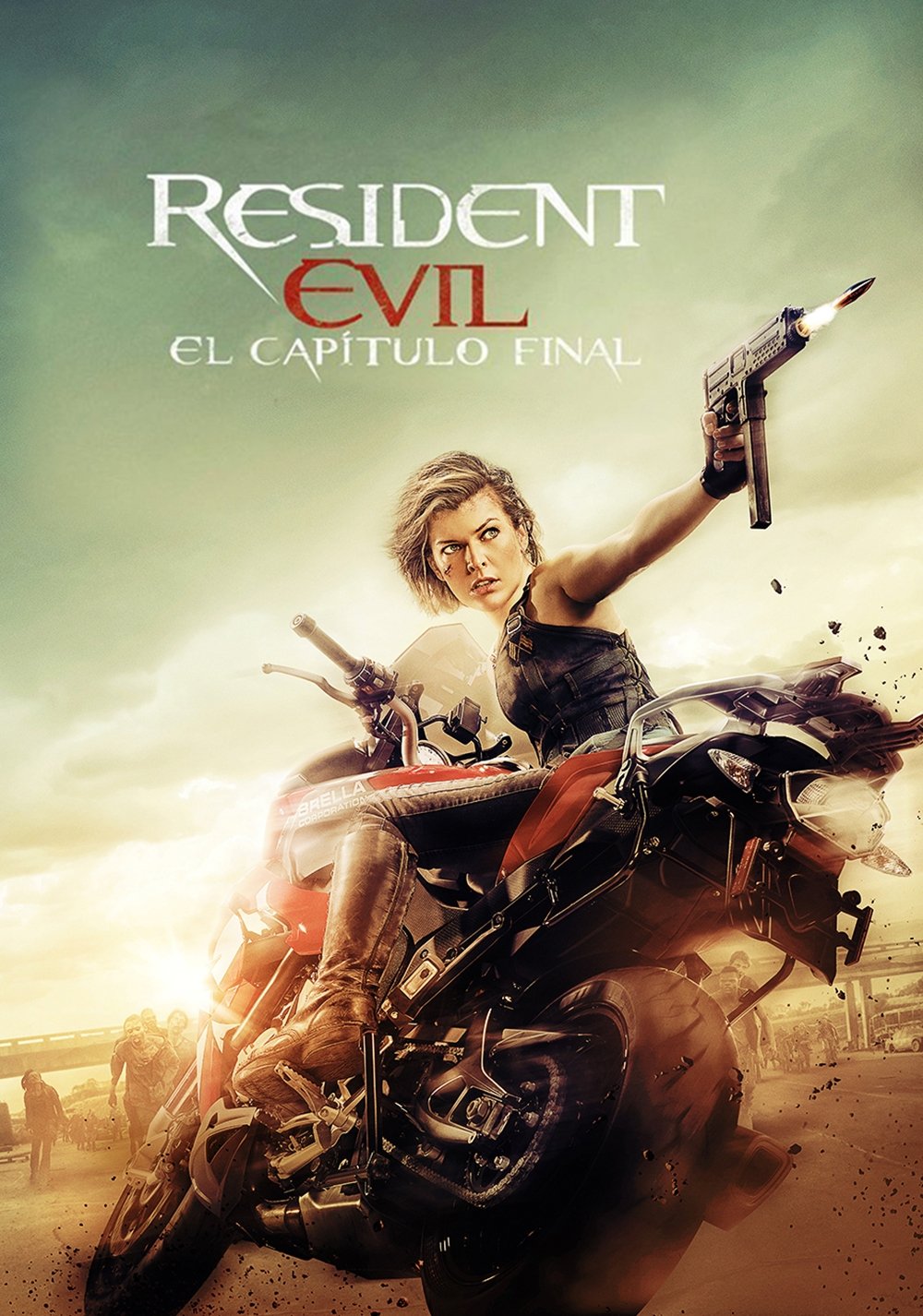
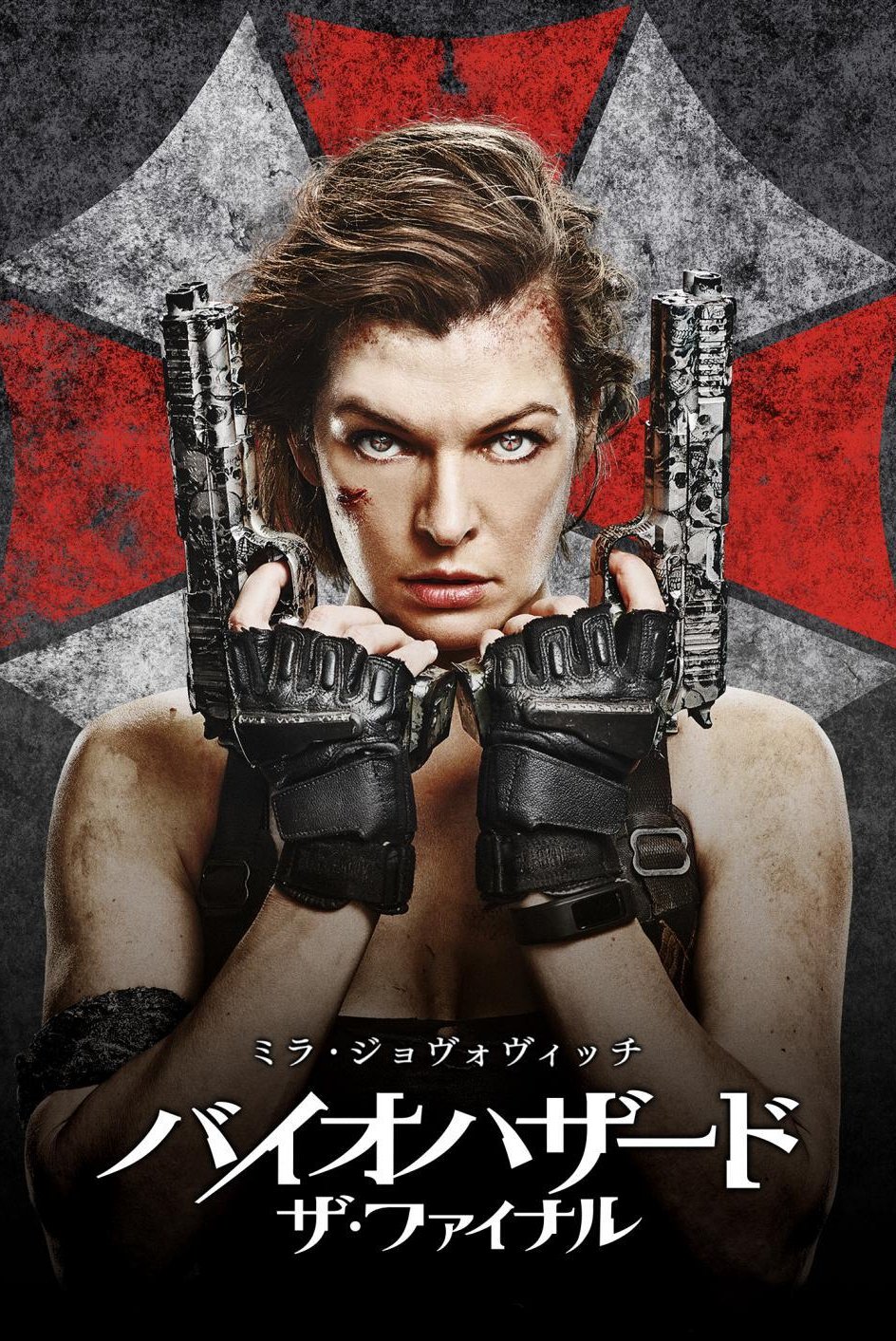
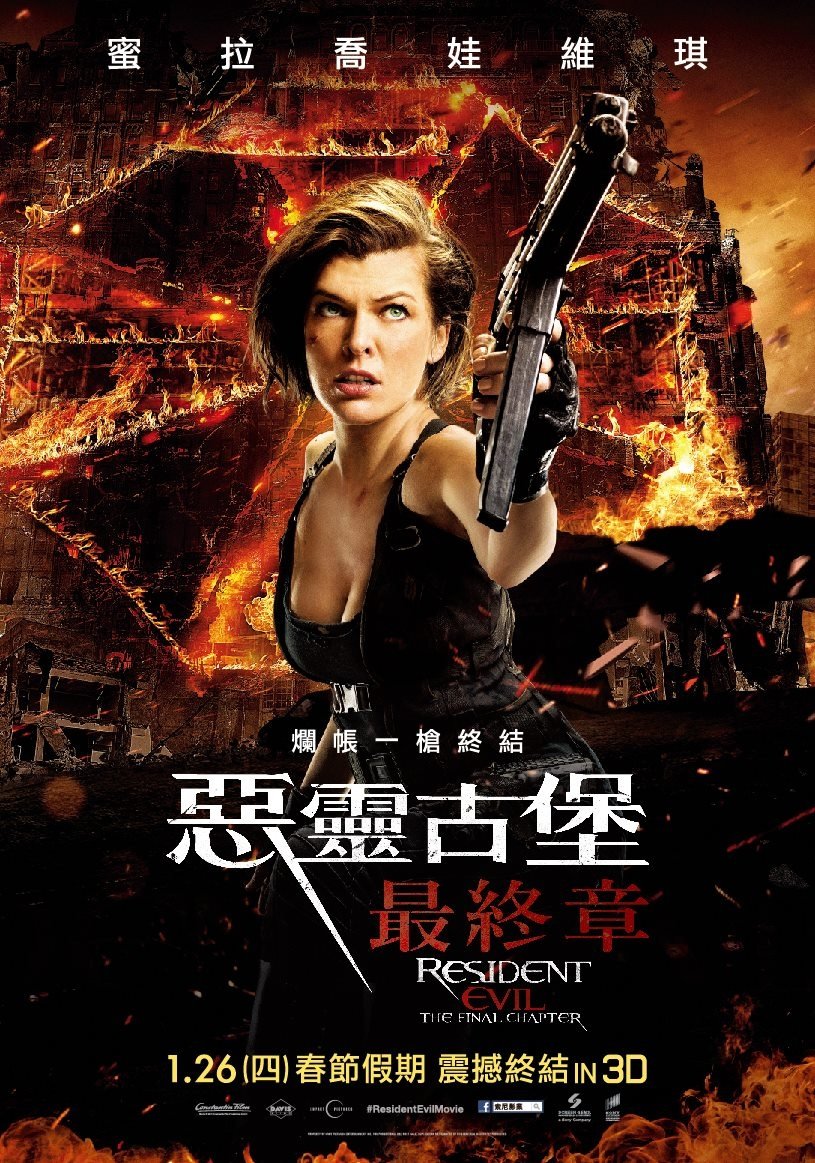
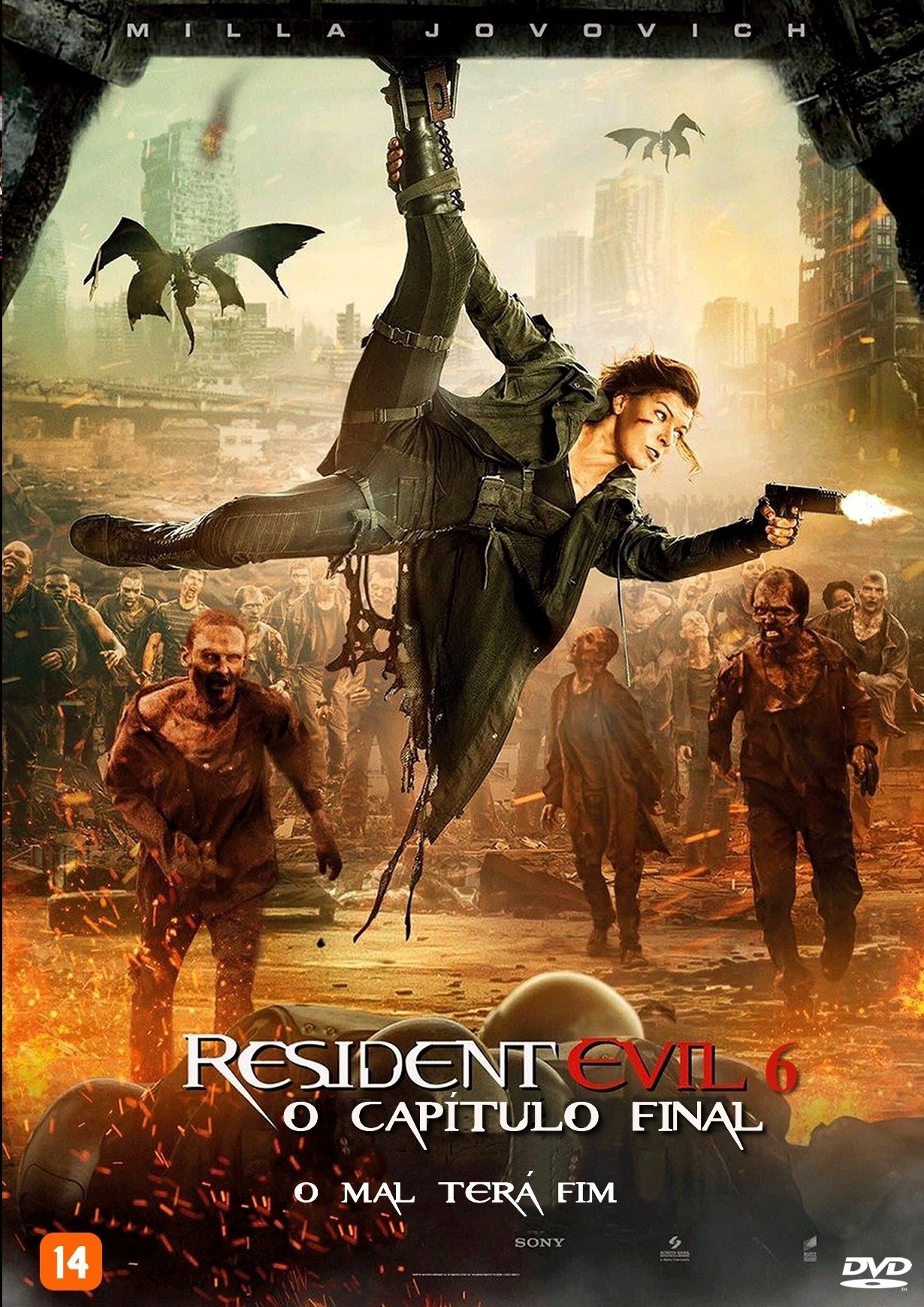
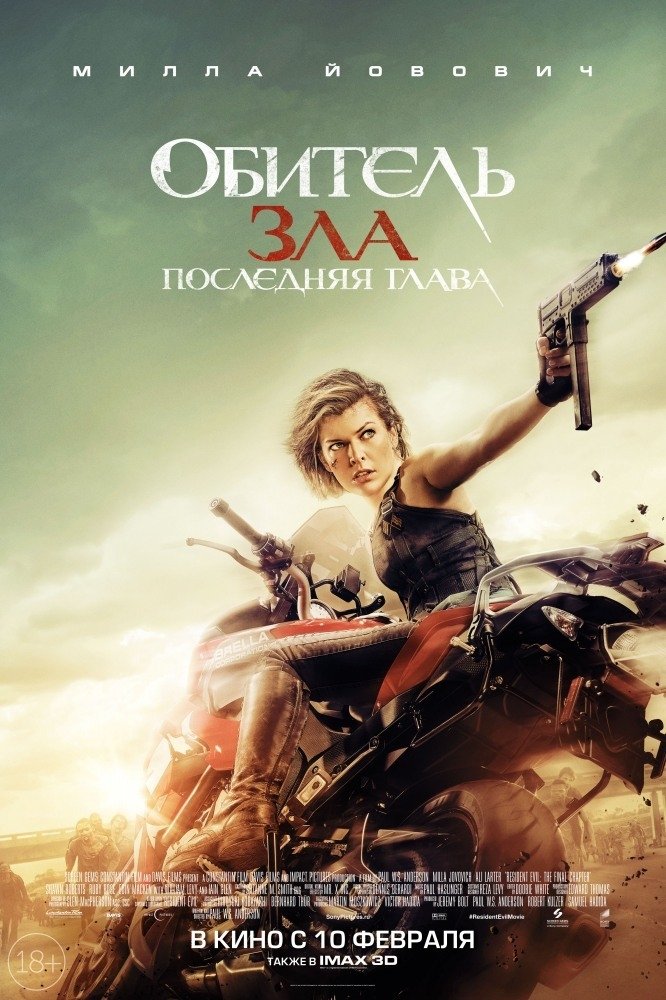
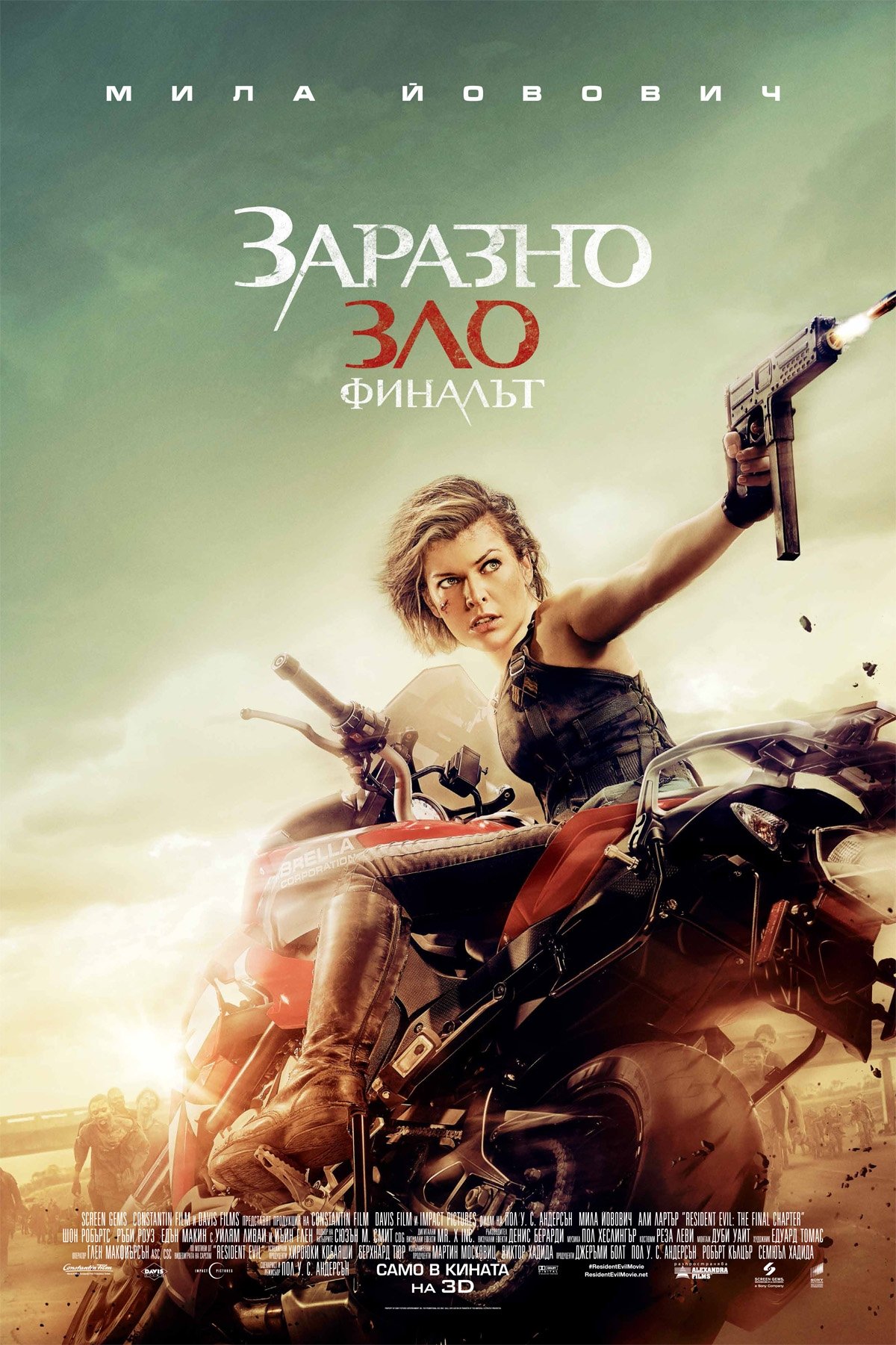
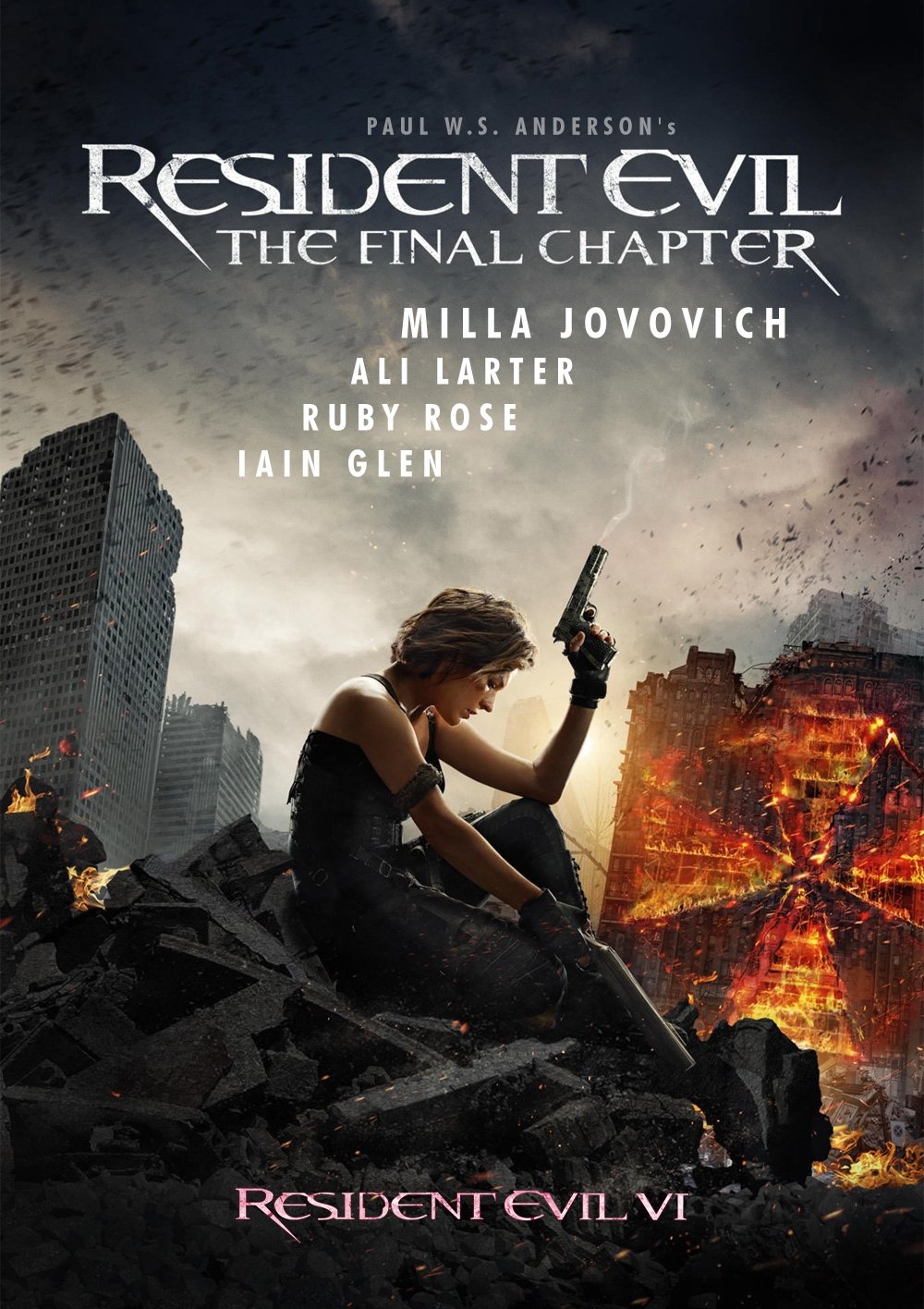
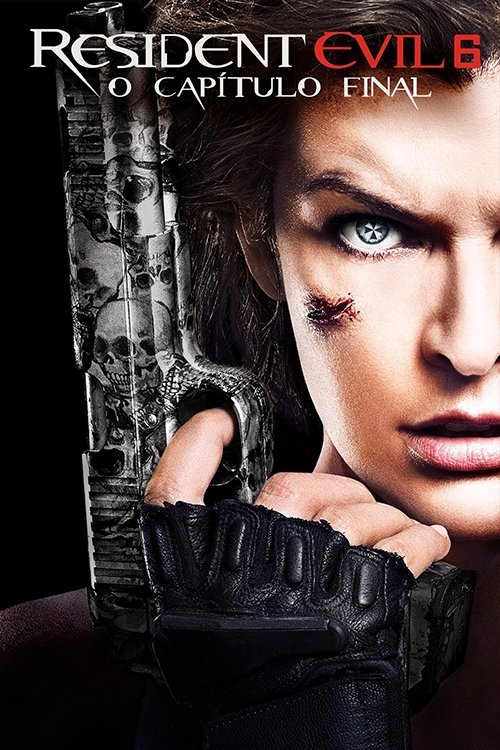
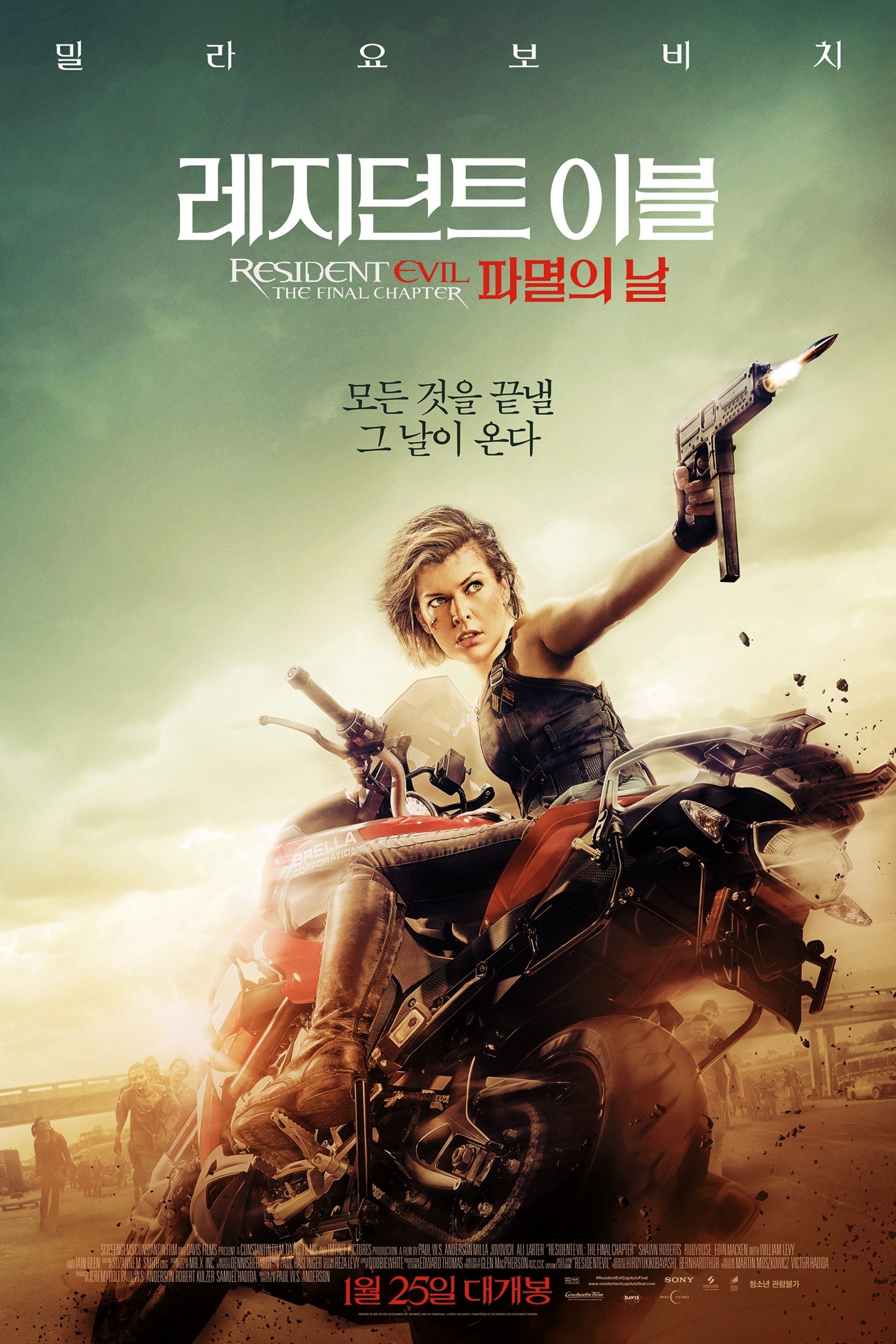
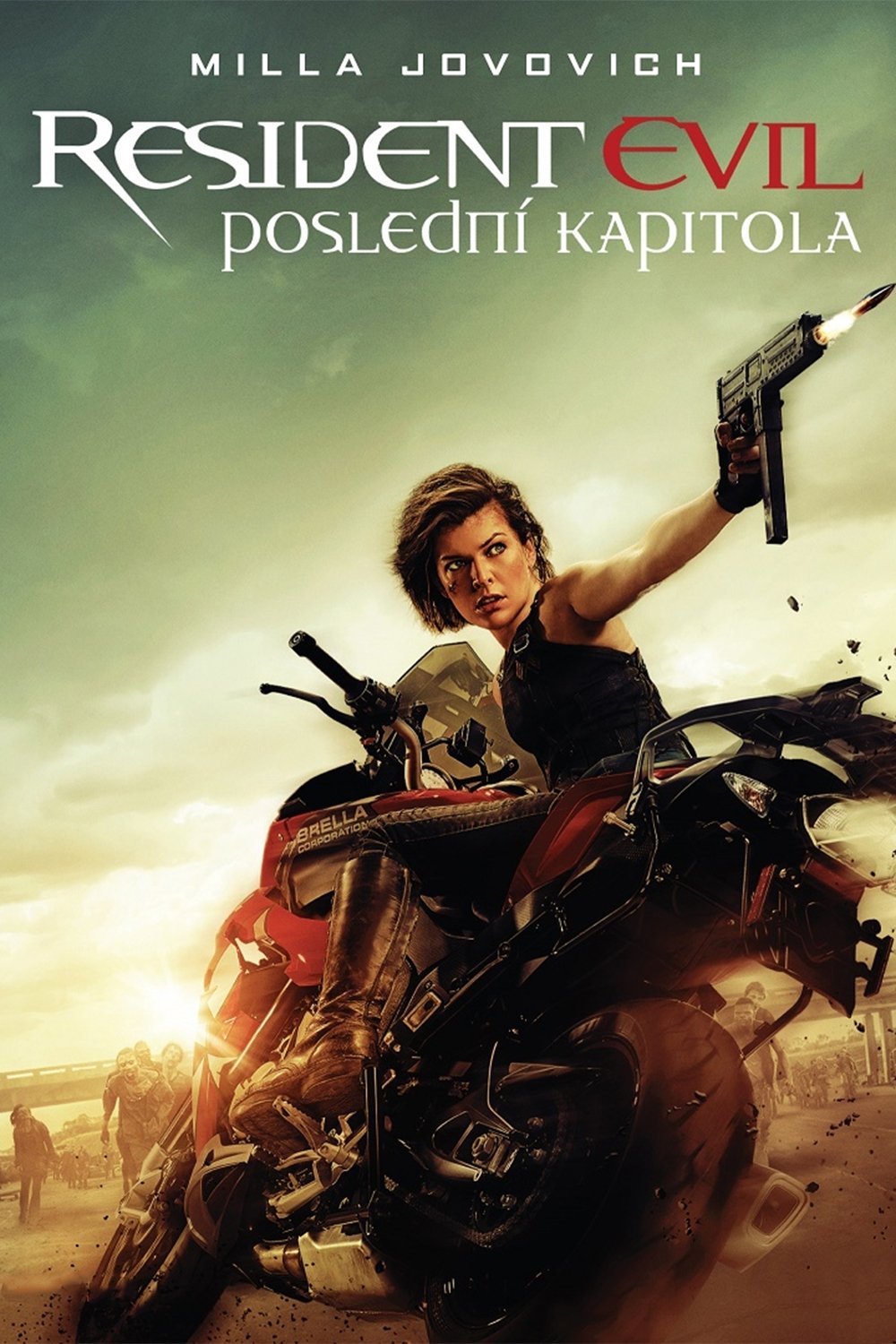
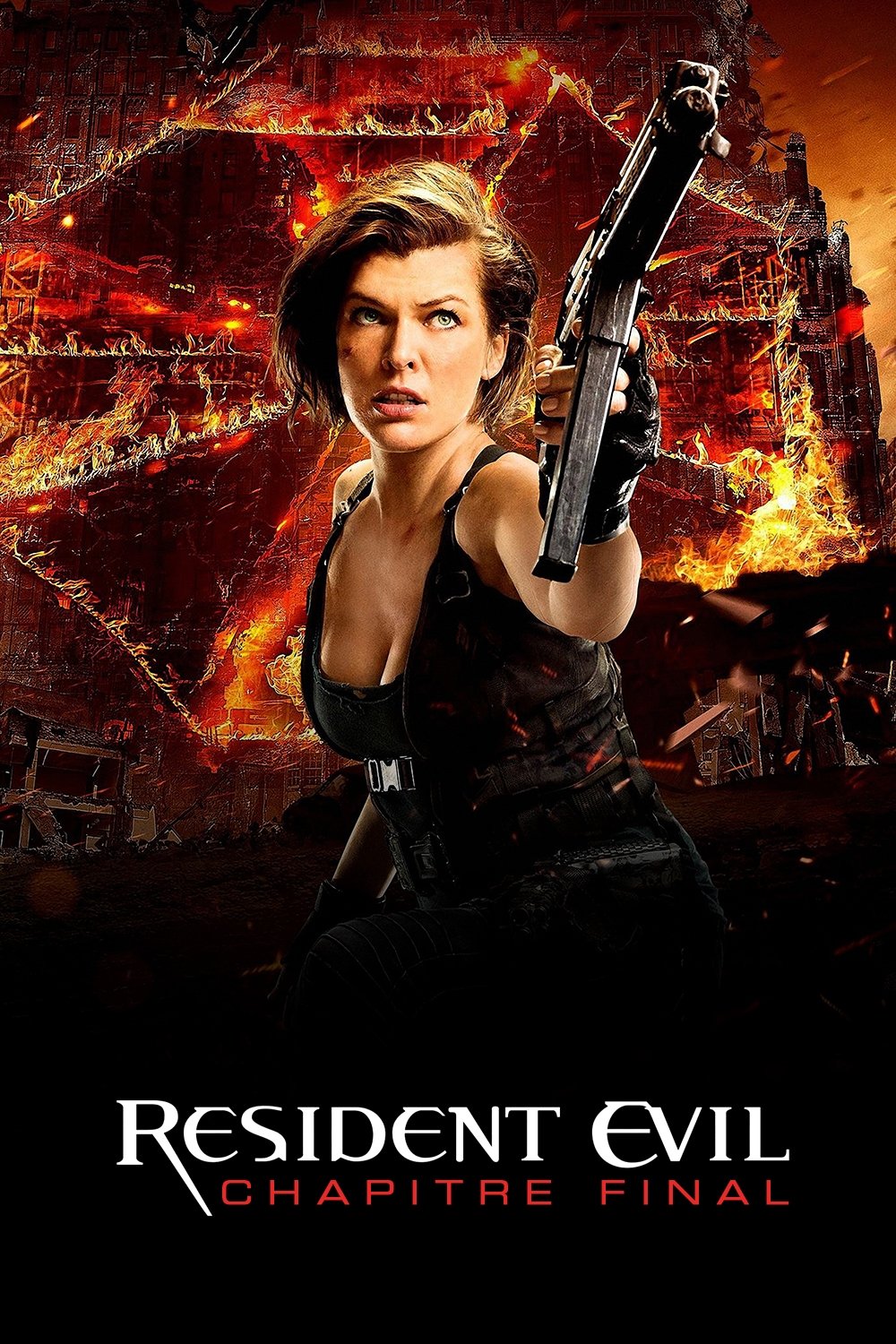
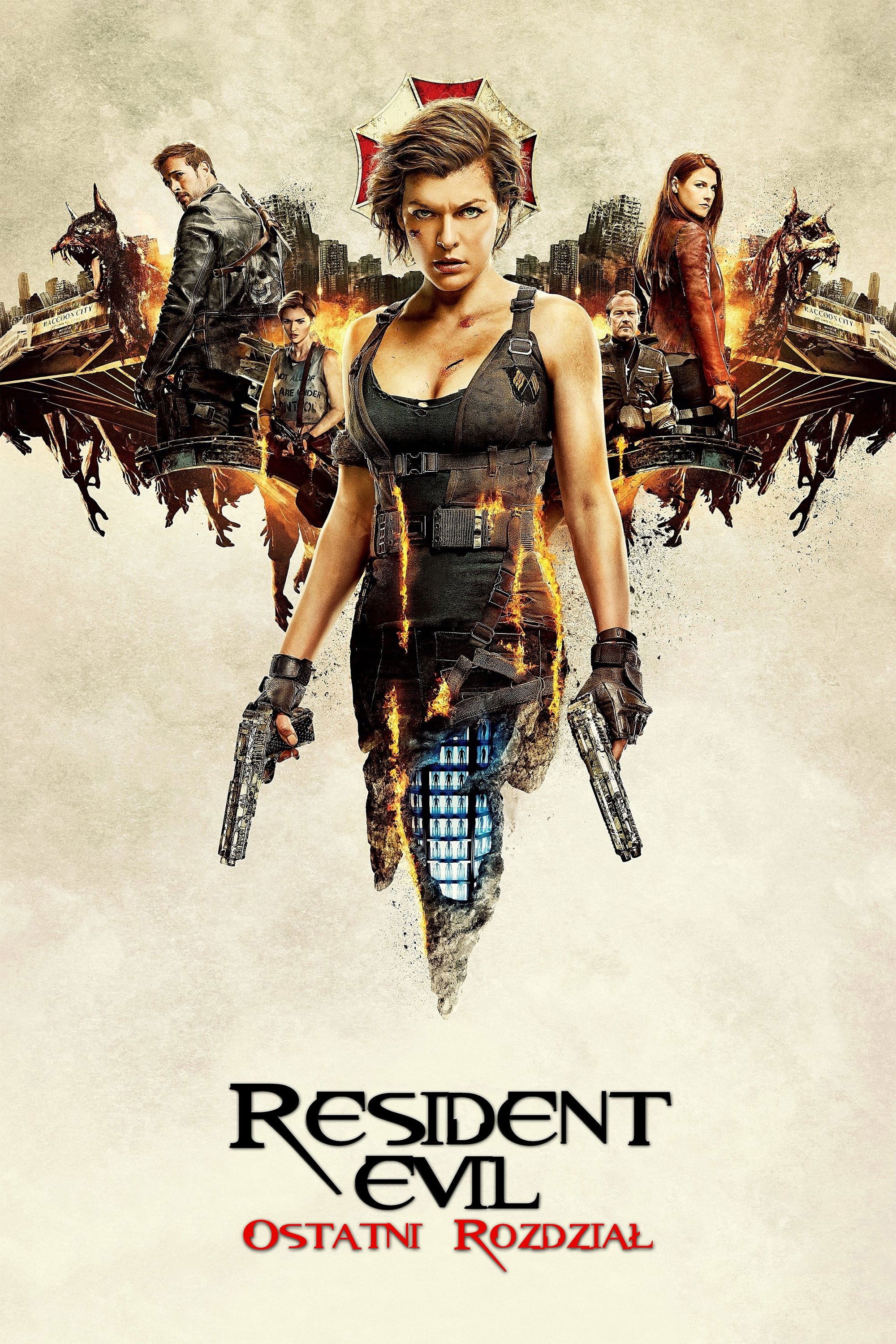
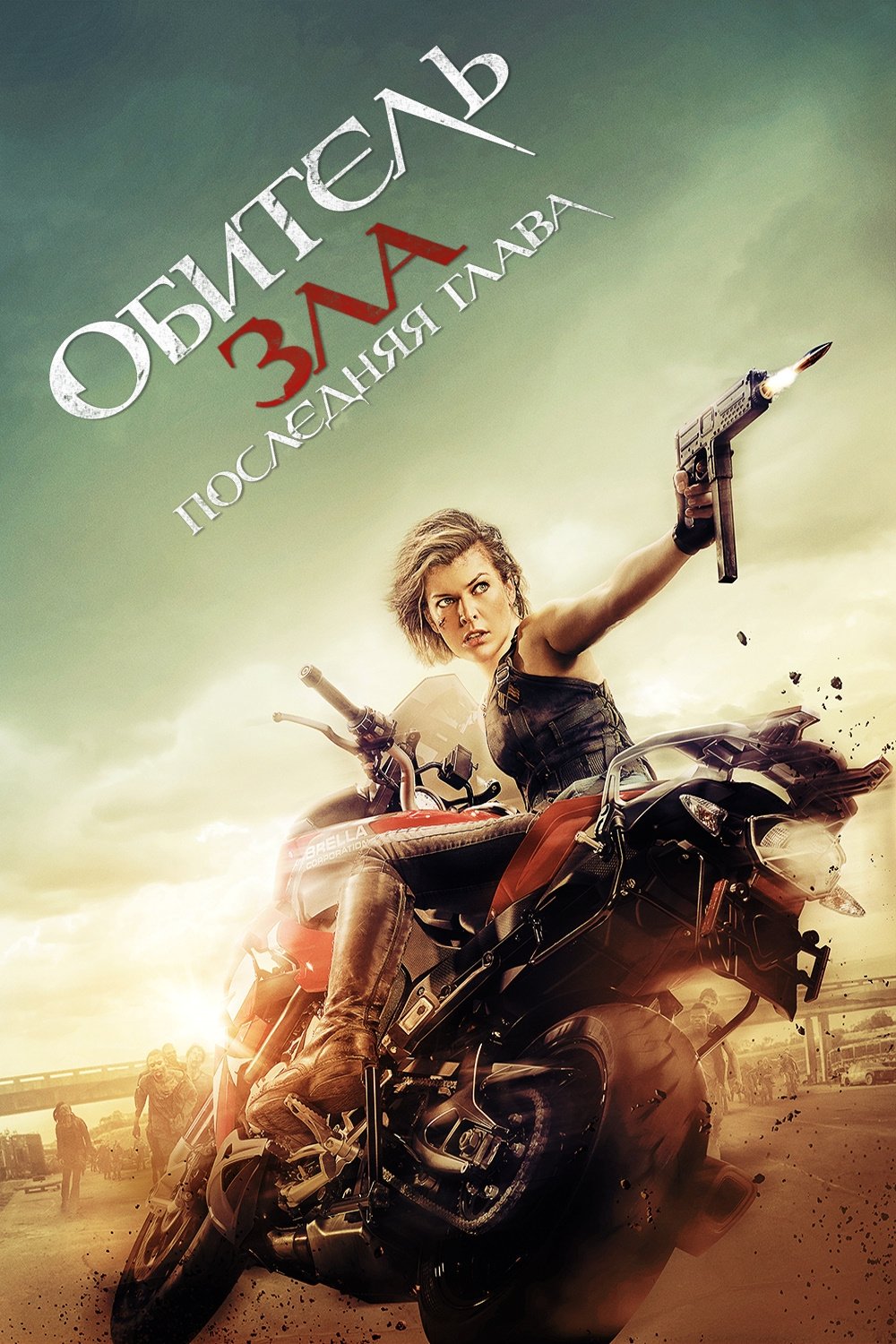
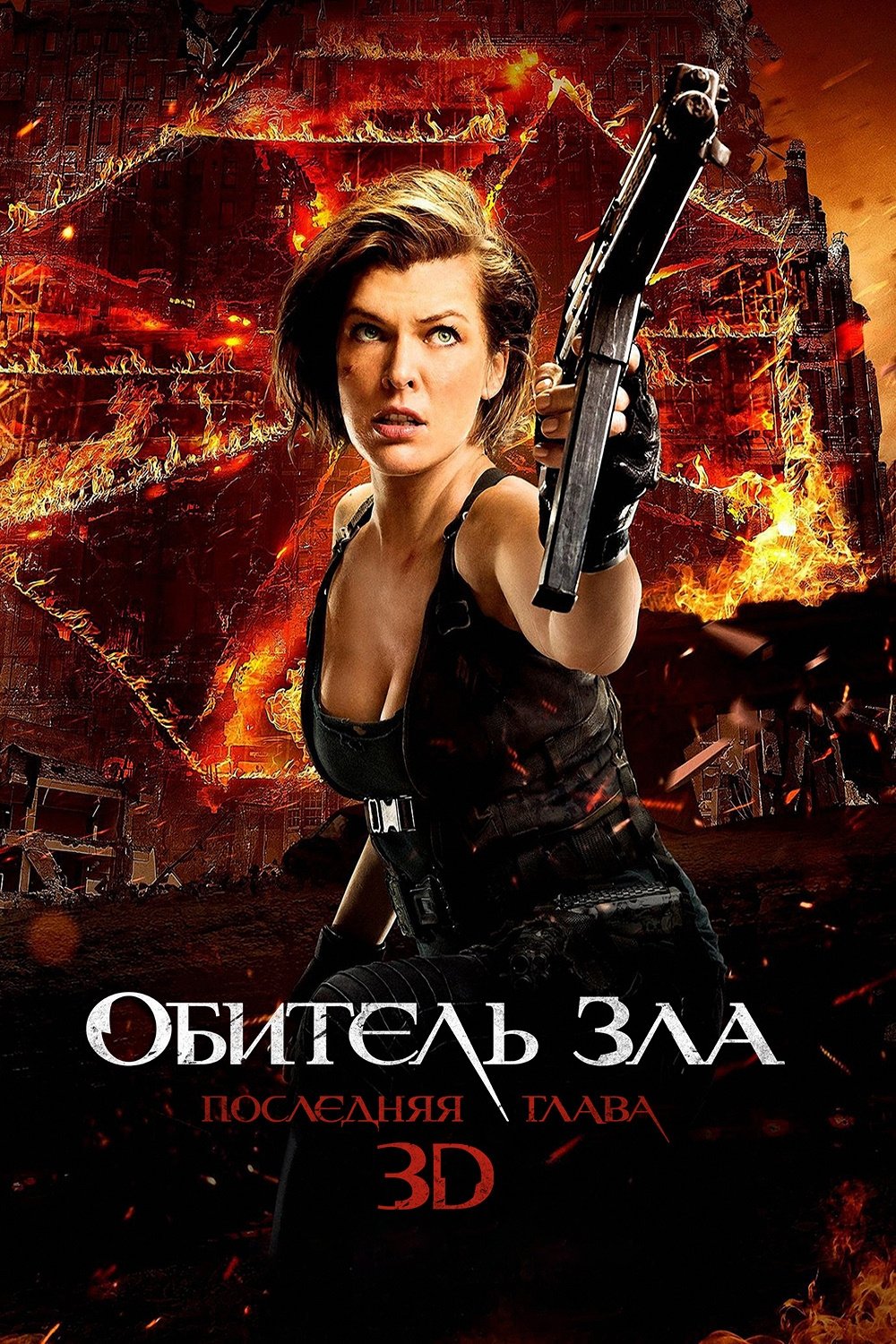
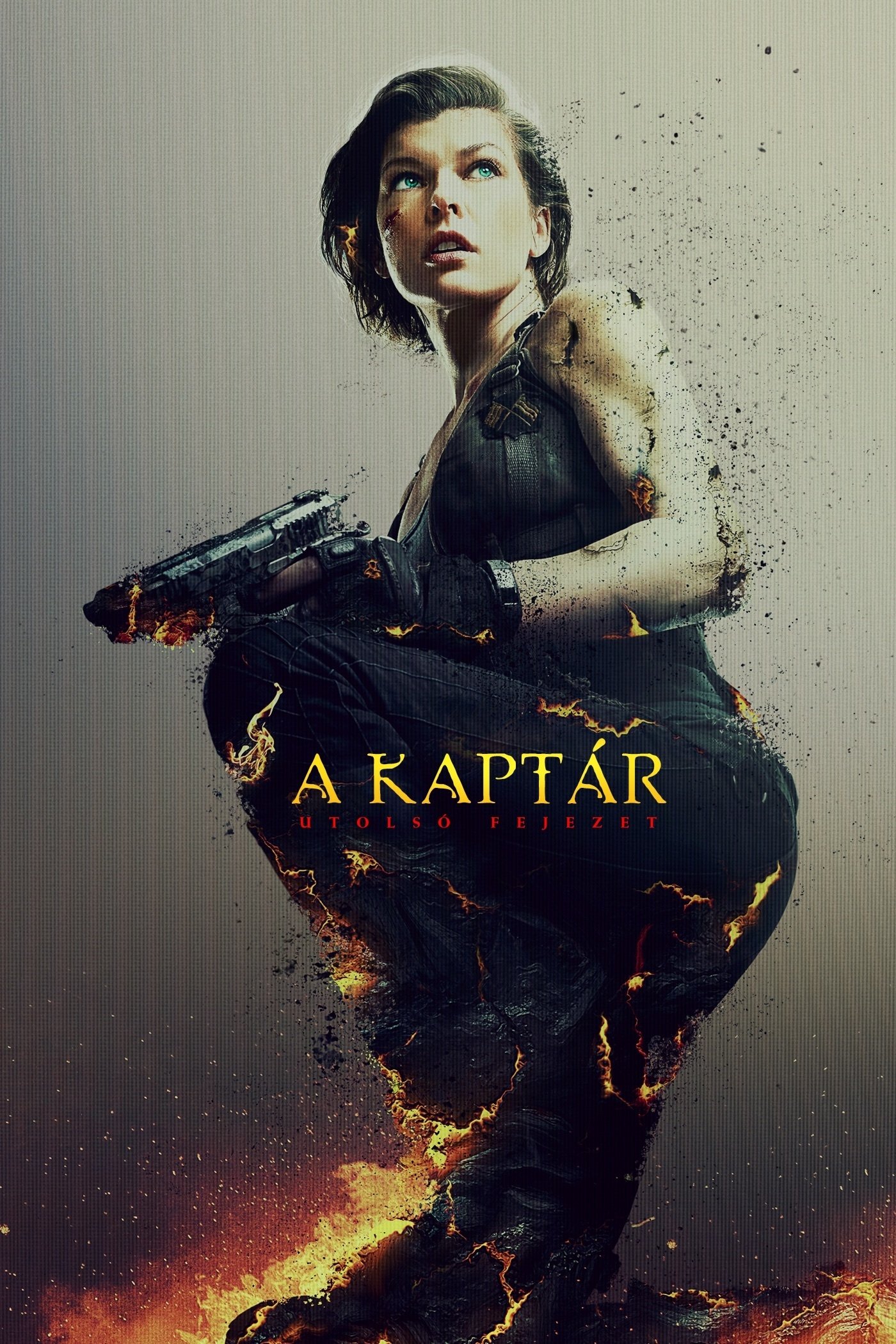
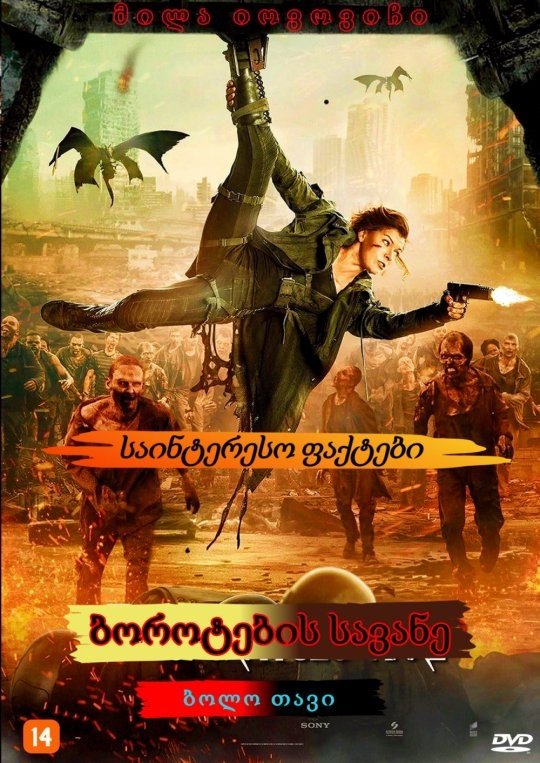
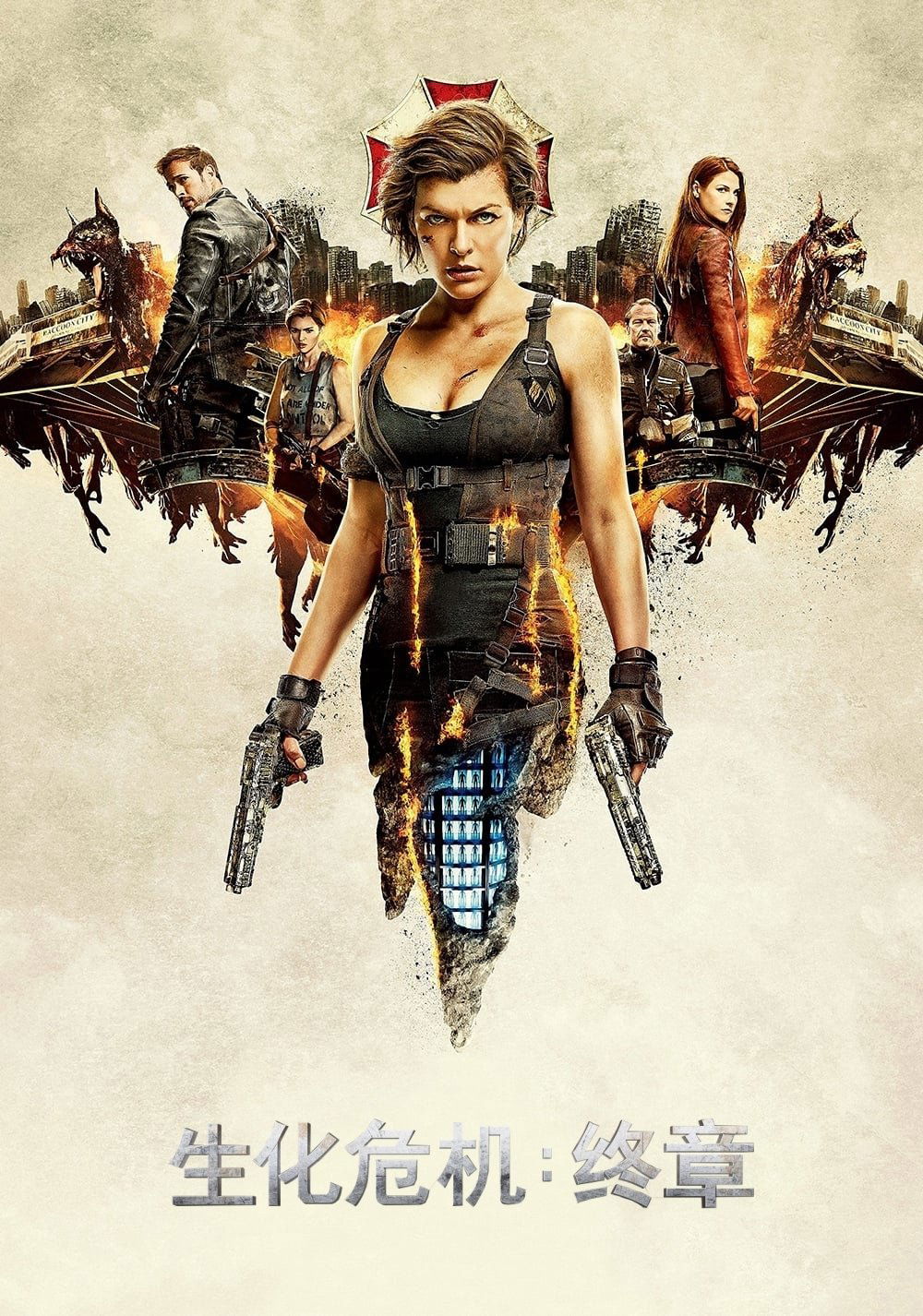
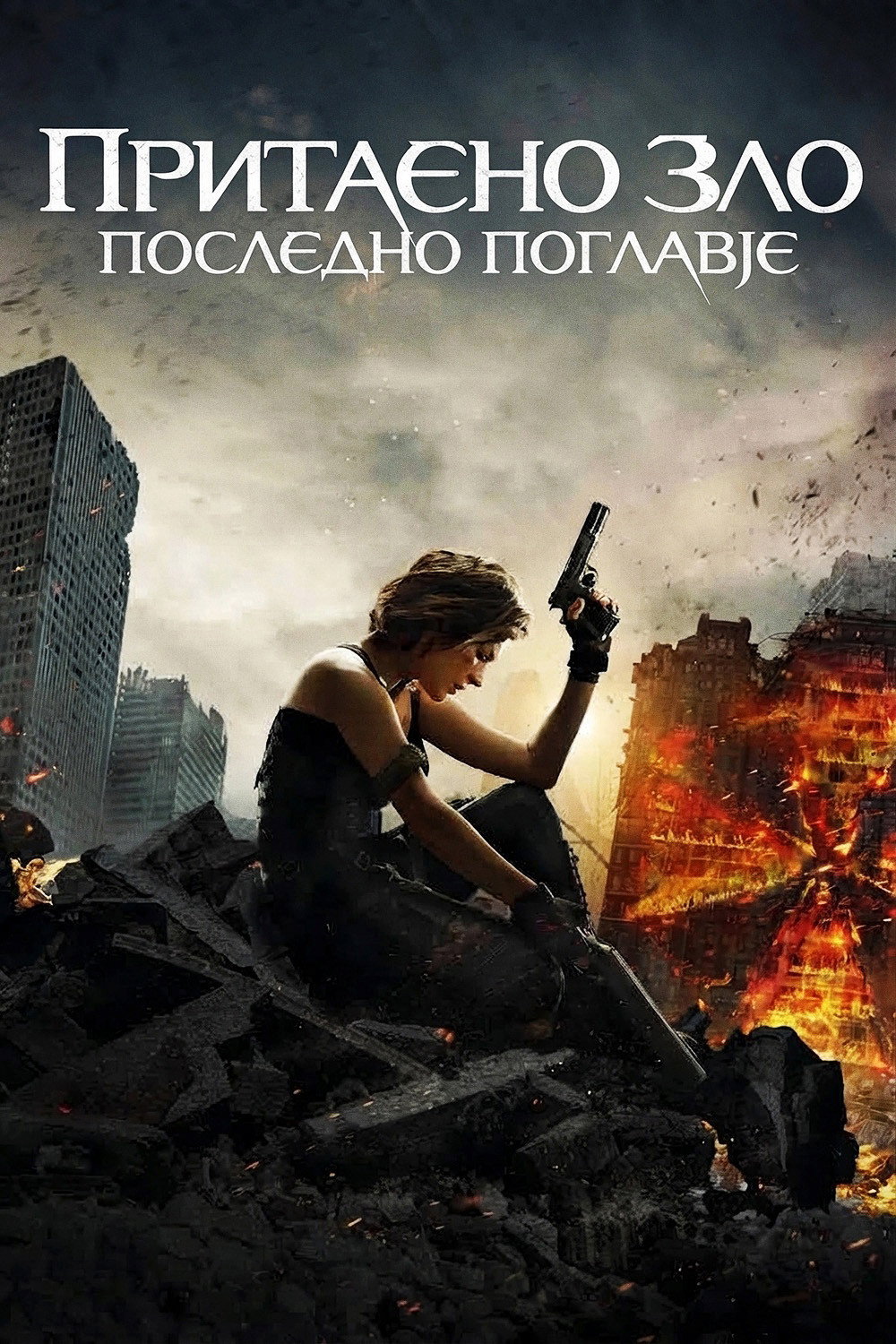
الشر المقيم: الفصل الأخير (United Arab Emirates) — ArabicЗаразно зло 6: Финалът (Bulgaria) Заразно зло: Финалът (Bulgaria) — BulgarianResident Evil 6: O Capítulo Final (Brazil) — PortugueseResident Evil : L'ultime chapitre (Canada) — French生化危机6:终章 (China) Resident Evil: Poslední kapitola (Czechia) — CzechResident Evil: Capítulo final (Spain) — Working TitleShow all 50 alternative titlesResident Evil: El capítulo final (Spain) — SpanishResident Evil : Chapitre Final (France) — FrenchResident Evil 6 - Chapitre final (France) ბოროტების სავანე: ბოლო თავი (Georgia) — GeorgianResident Evil: Το Τελευταίο Κεφάλαιο (Greece) — Greek生化危機:終極屍殺 (Hong Kong SAR China) — Chinese生化危機6:終極屍殺 (Hong Kong SAR China) Resident Evil: Konačno poglavlje (Croatia) — CroatianA Kaptár: Utolsó fejezet (Hungary) — Hungarianהאויב שבפנים: פרק הסיום (Israel) — Hebrewरेज़िडेंट ईवल: द फ़ाइनल चैप्टर (India) — Hindiشرارت موجود: قسمت پایانی (Iran) — Persianバイオハザード:ザ・ファイナル (Japan) 레지던트 이블 6 (South Korea) 레지던트 이블 6-파멸의 날 (South Korea) 레지던트 이블: 파멸의 날 (South Korea) — KoreanAbsoliutus Blogis: Pabaiga (Lithuania) — LithuanianNezūdošais ļaunums: Pēdējā nodaļa (Latvia) — LatvianResident Evil 6: Capítulo final (Mexico) — SpanishResident Evil: Ostatni Rozdział (Poland) — PolishResident Evil - Capítulo Final (Portugal) — PortugueseResident Evil: Capitolul final (Romania) — RomanianПритајено зло 6: Коначно поглавље (Serbia) — SerbianОбитель зла 6: Последняя глава (Russia) — RussianОбитель зла: Последняя глава (Russia) الشر المقيم : الفصل الأخير (Saudi Arabia) 生化危机:终章 (Singapore) — ChineseNevidno zlo: Zadnje poglavje (Slovenia) — SlovenianResident Evil: Posledná kapitola (Slovakia) — Slovakผีชีวะ 6 อวสานผีชีวะ (Thailand) — ThaiResident Evil: Son Bölüm (Türkiye) — Turkish惡靈古堡6:最終章 (Taiwan) — ChineseОселя зла 6 (Ukraine) Оселя зла 6: Фінальна битва (Ukraine) — UkrainianОселя зла: Фінальна битва (Ukraine) Resident Evil 6 (United States) Resident Evil 6: The Final Chapter (United States) — Working TitleResident Evil 6:The Final Chapter (United States) Resident Evil The Final Chapter (United States) Resident Evil: Rising (United States) — Working TitleResident Evil: The Final Chapter 3D (United States) — 3D versionVùng Đất Quỷ Dữ: Hồi Cuối (Vietnam) — Vietnamese
The Alice saga returns to Raccoon City through South African locations, elaborate creature effects and a final confrontation with Umbrella.
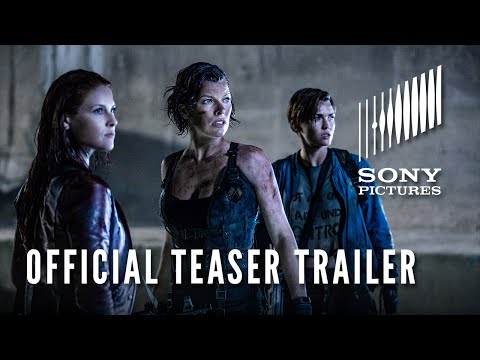
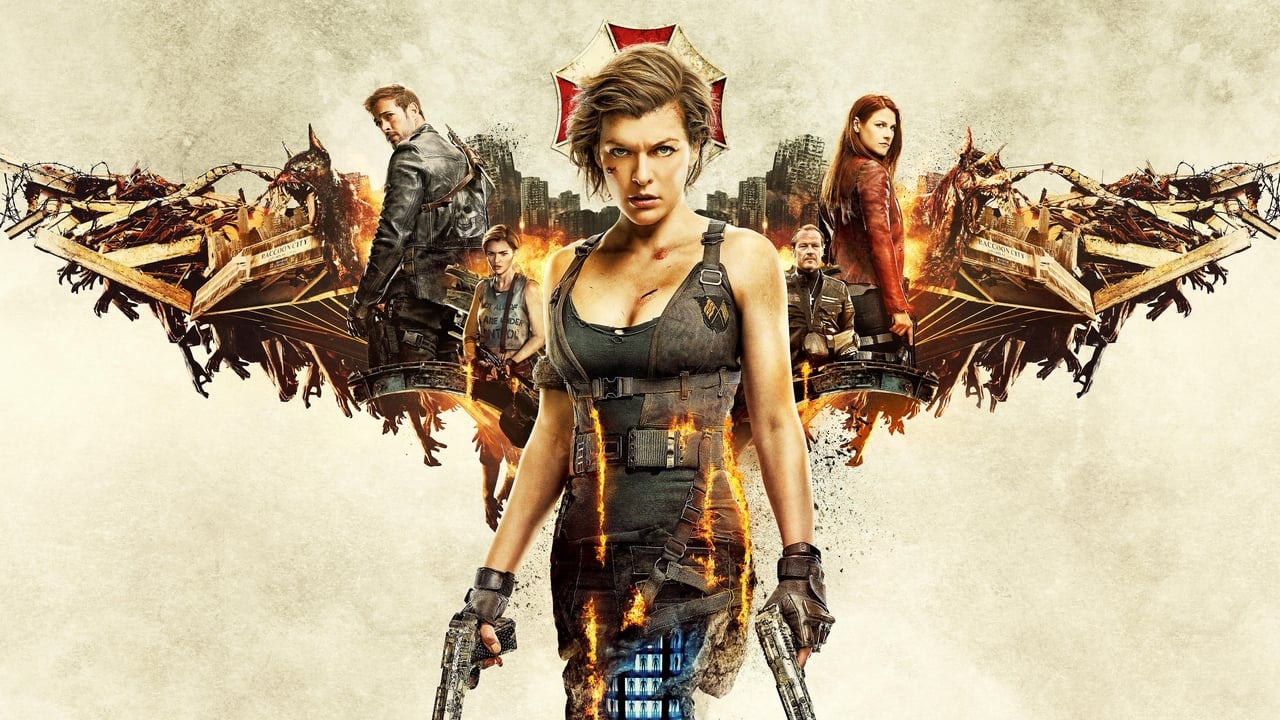
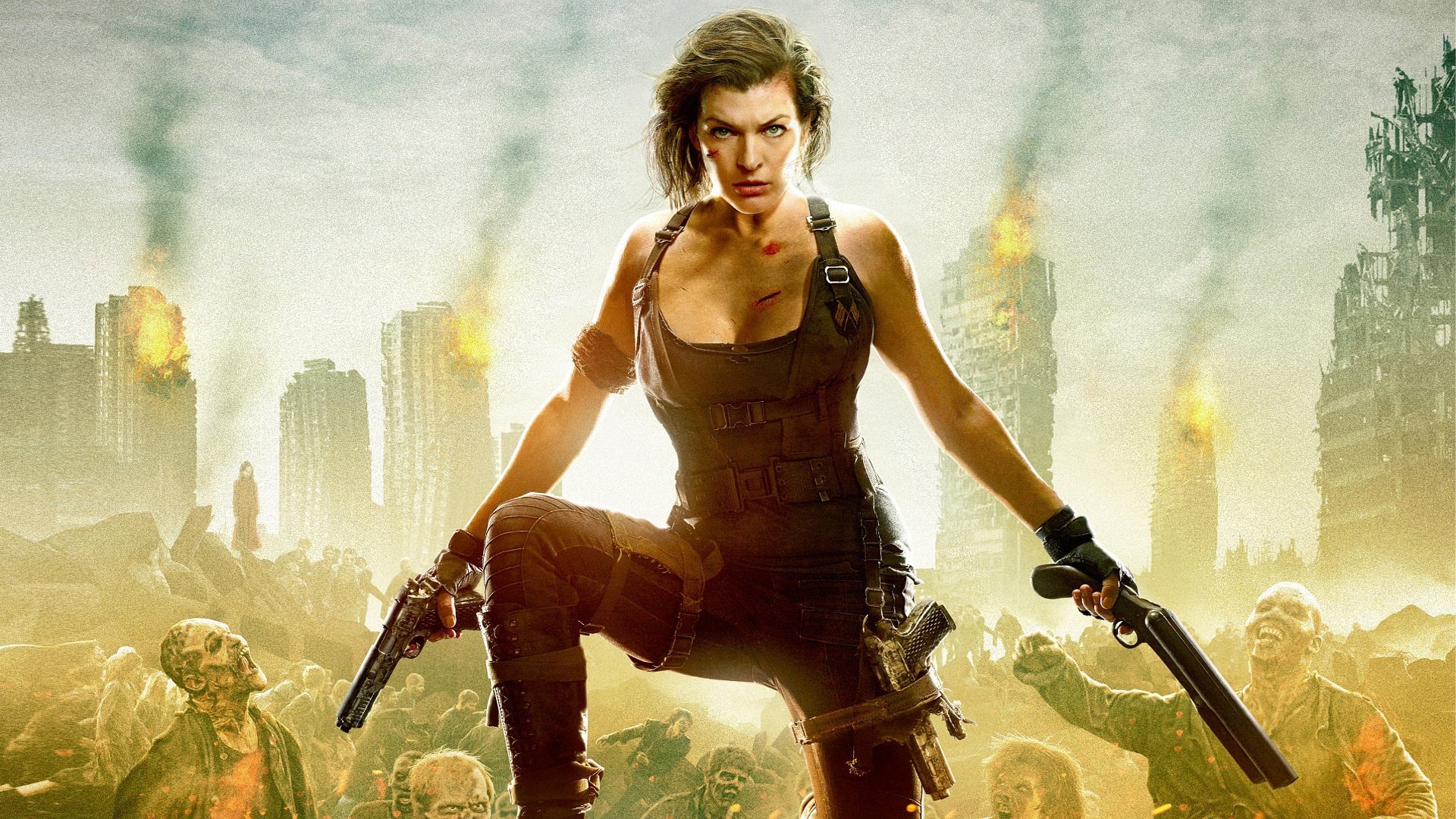
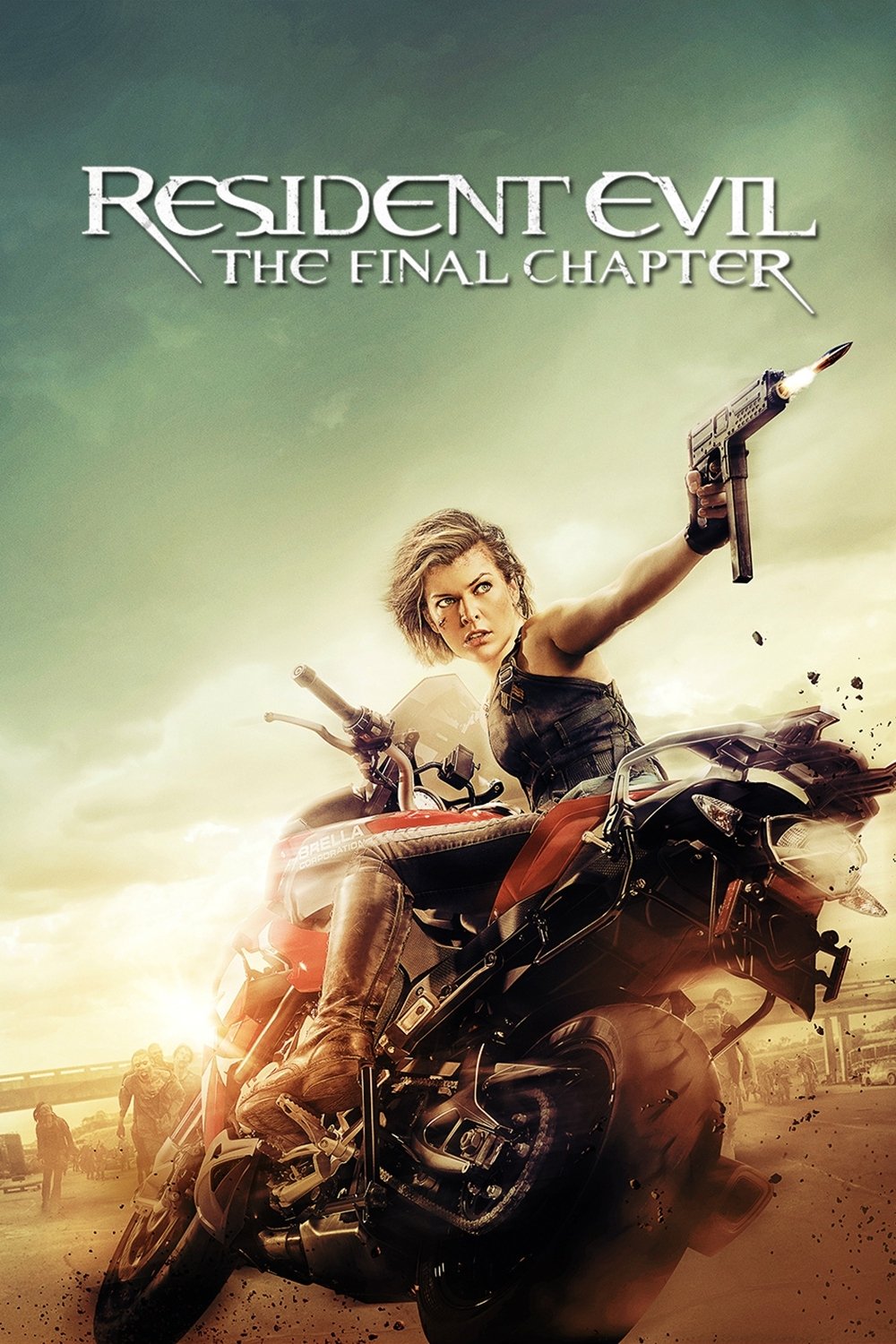
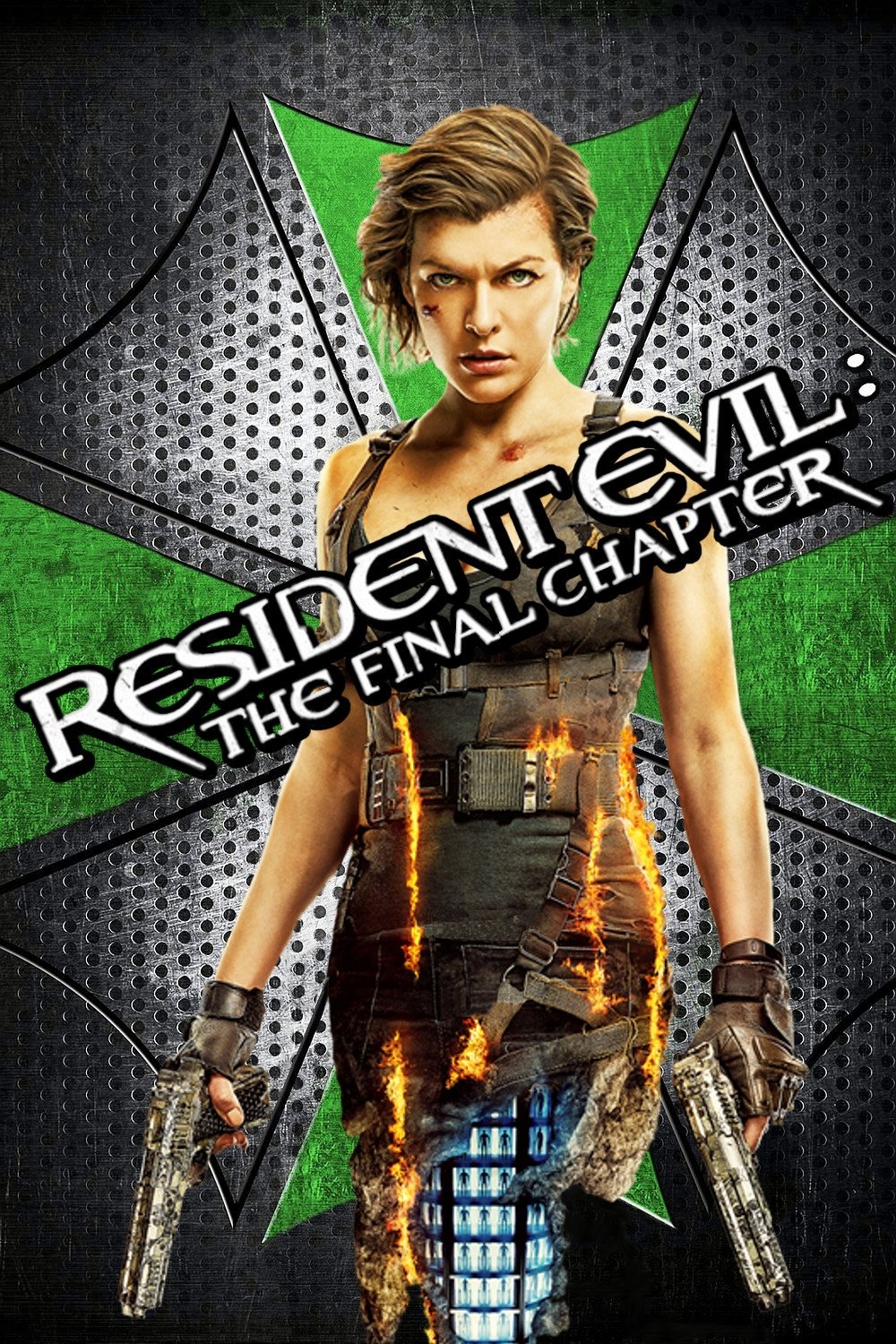
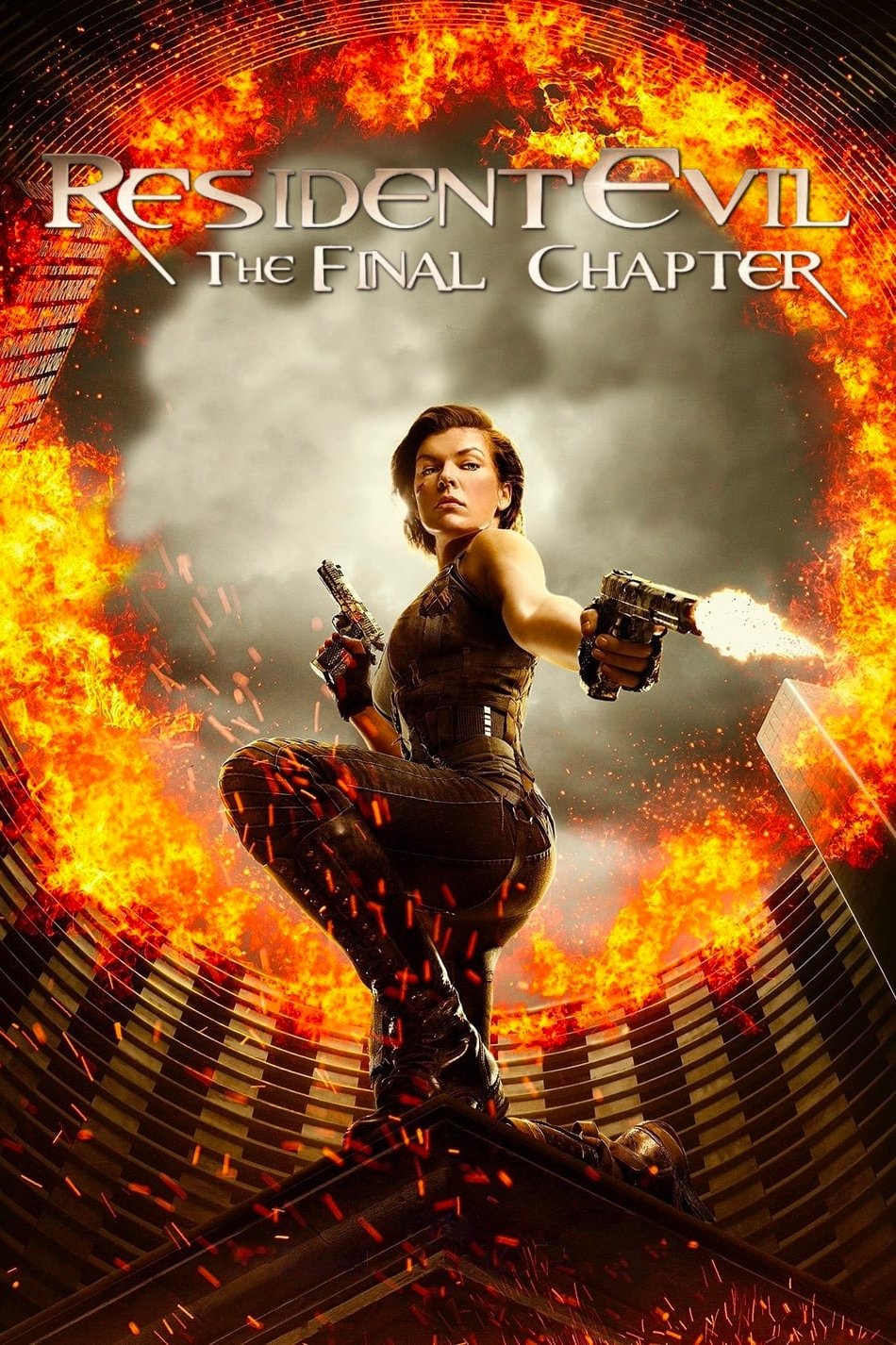
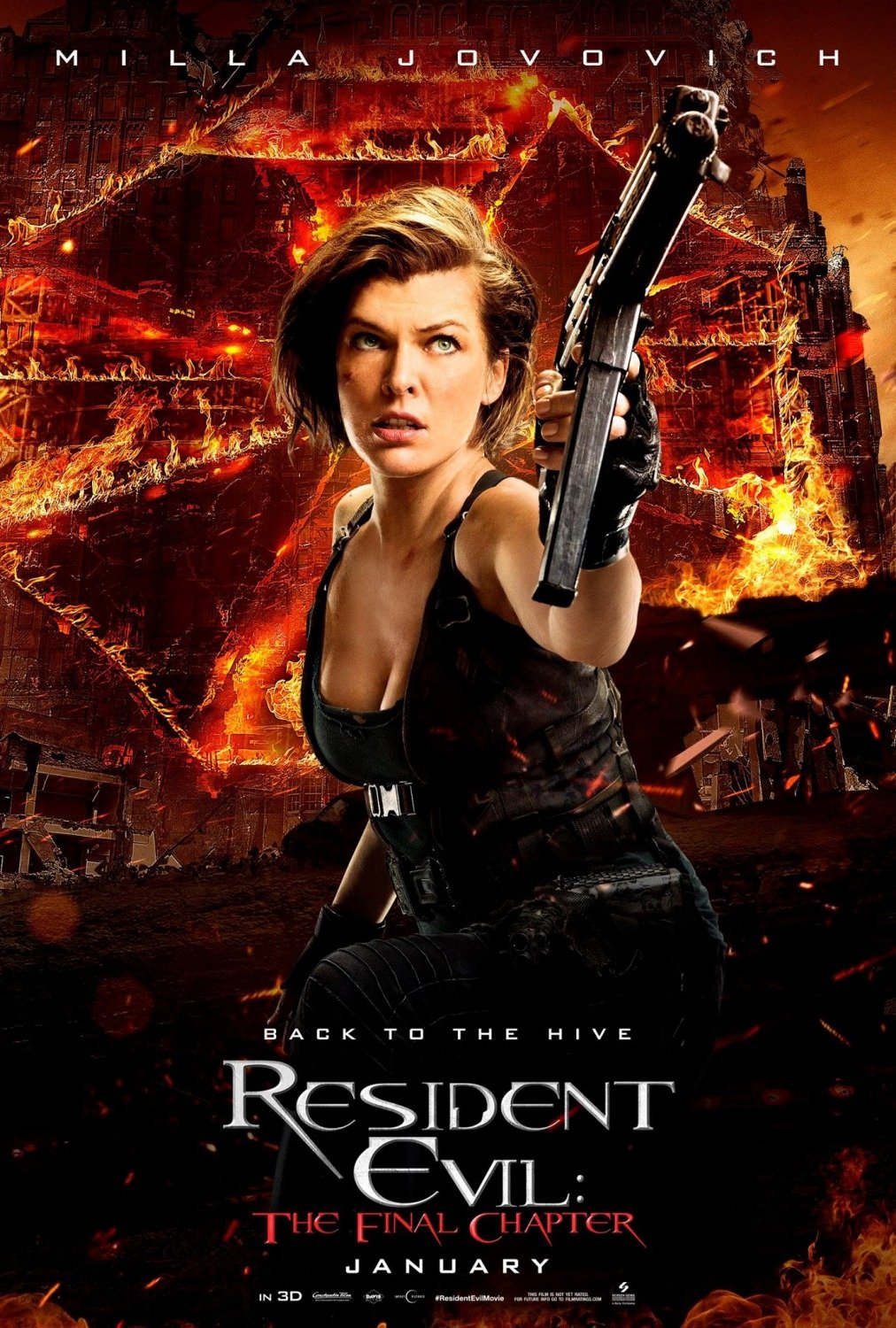
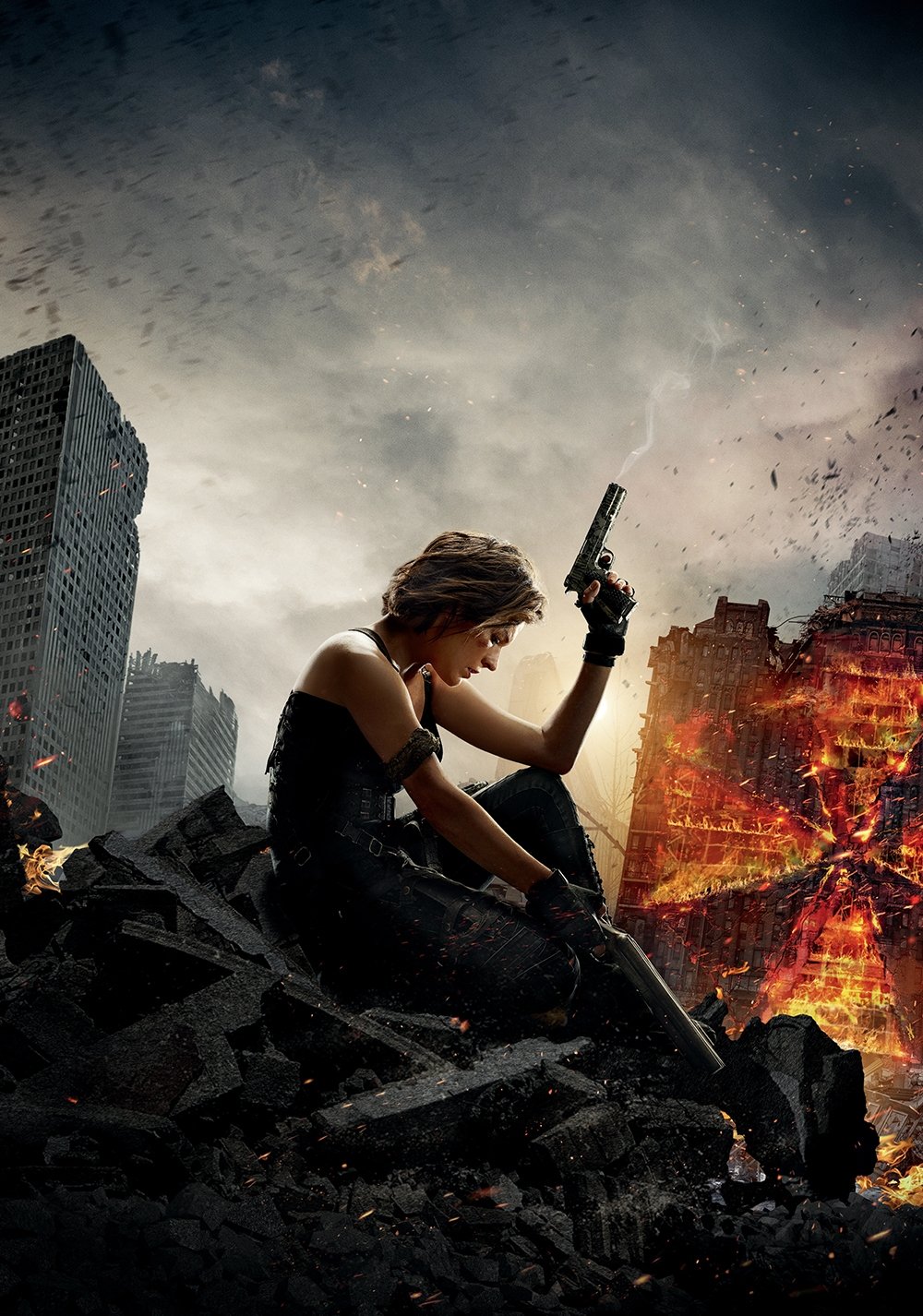
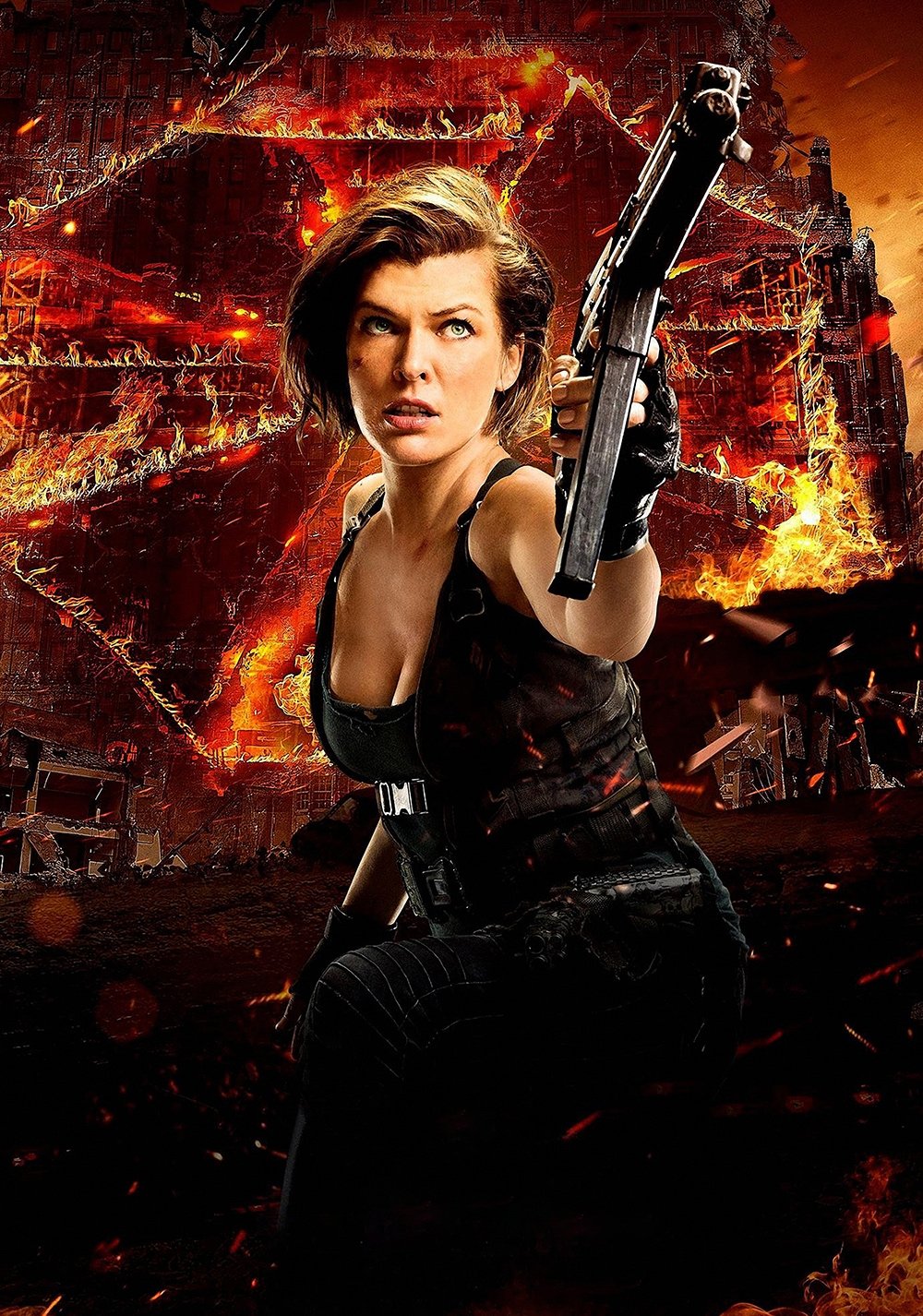
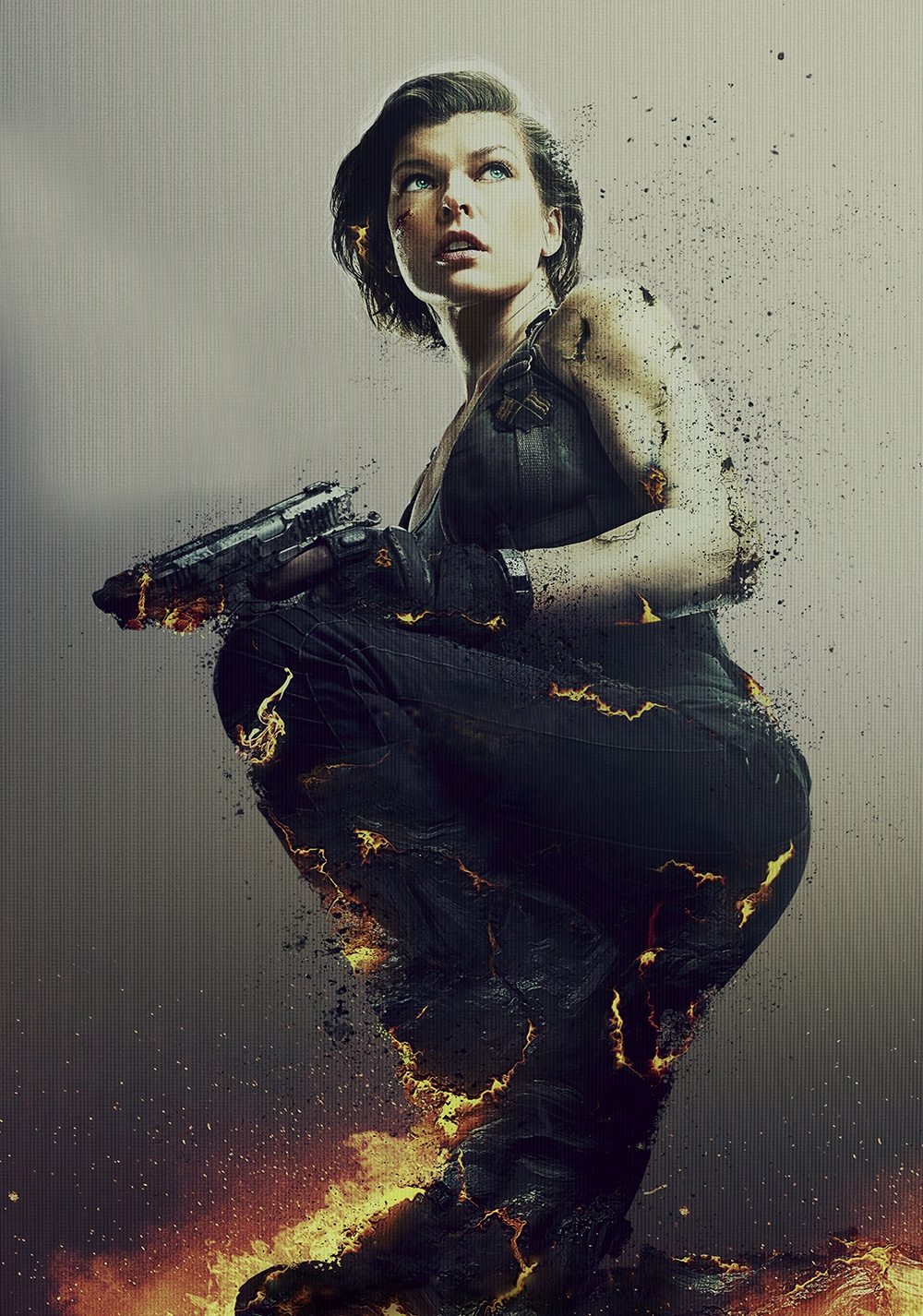
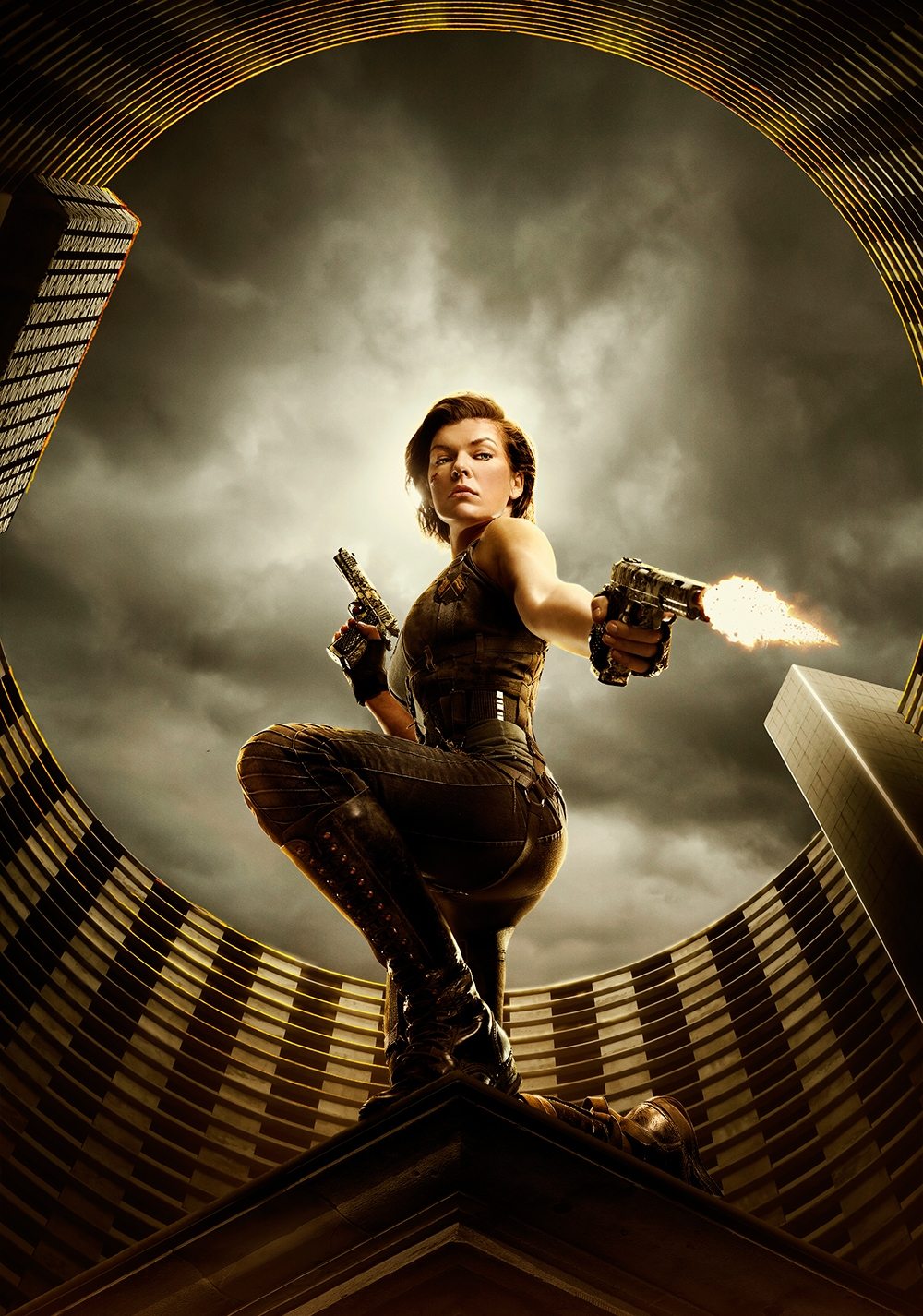
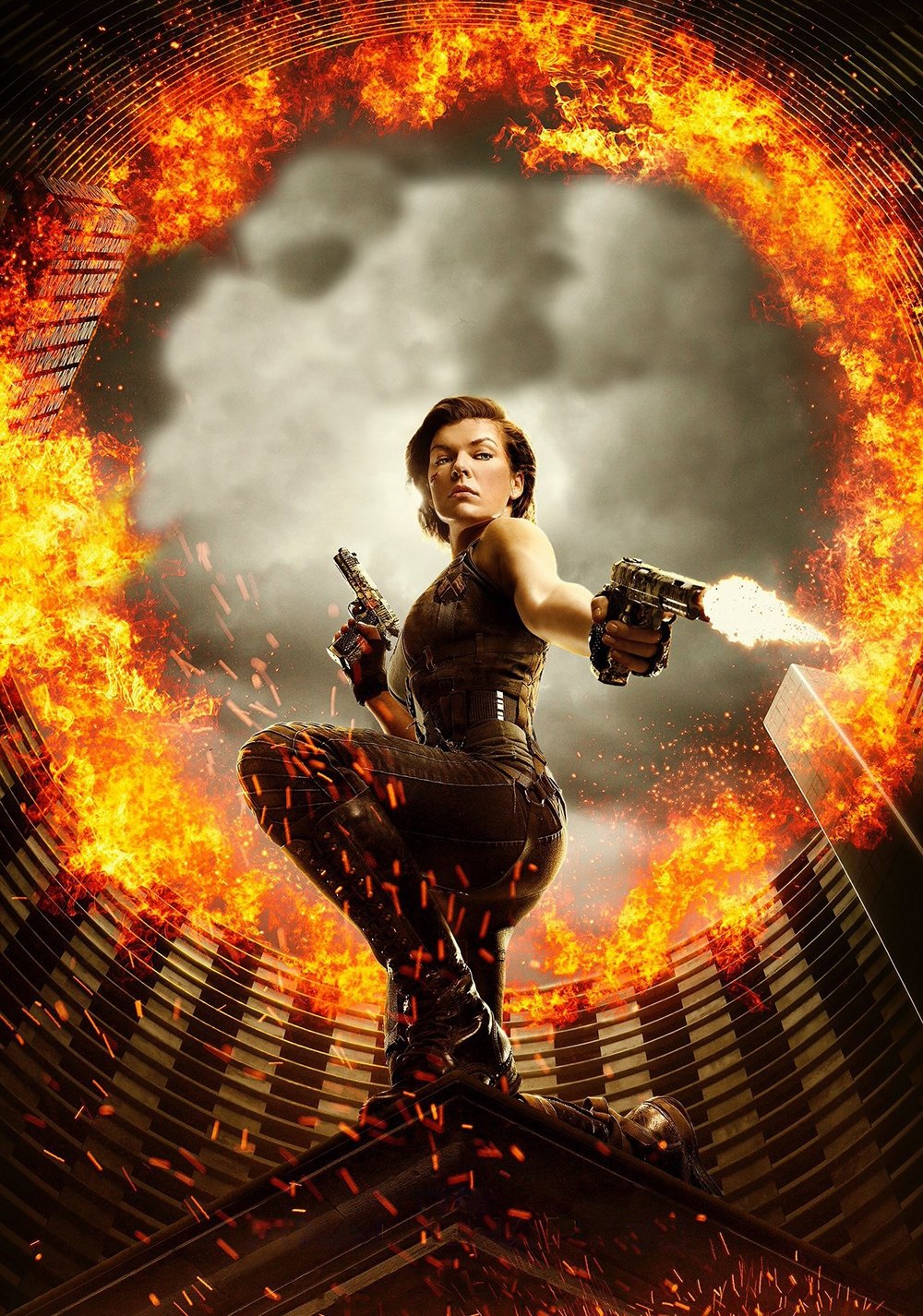
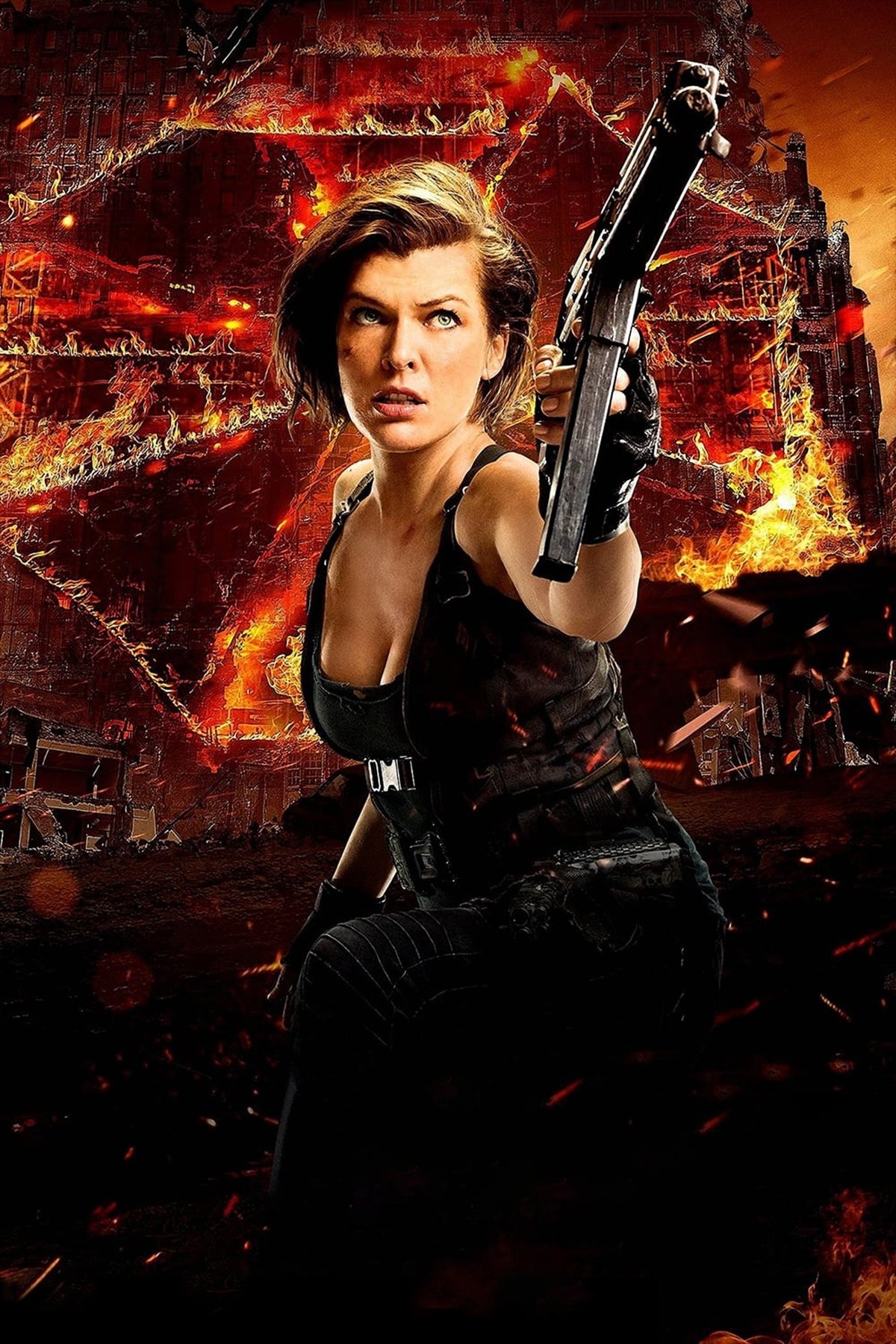
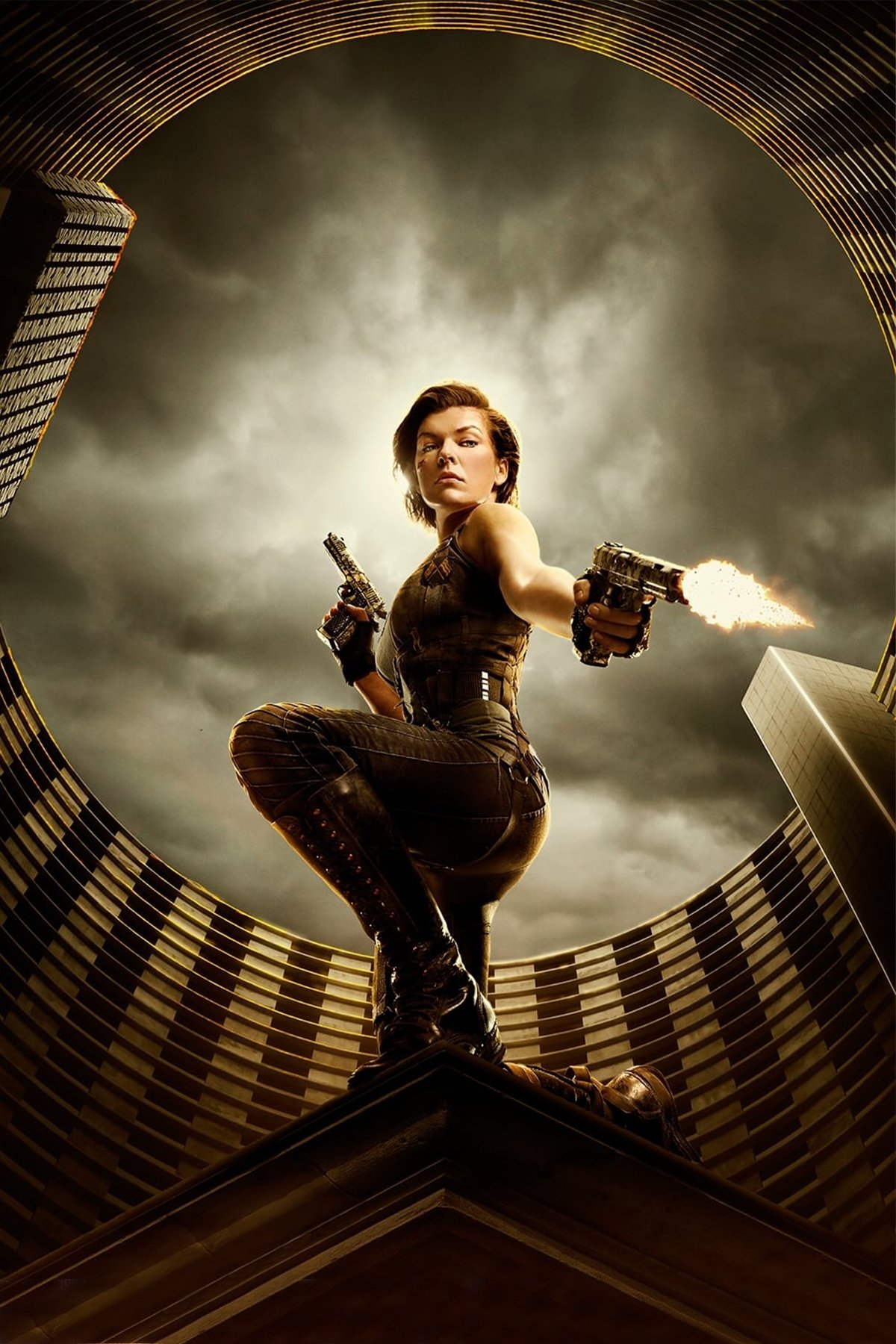
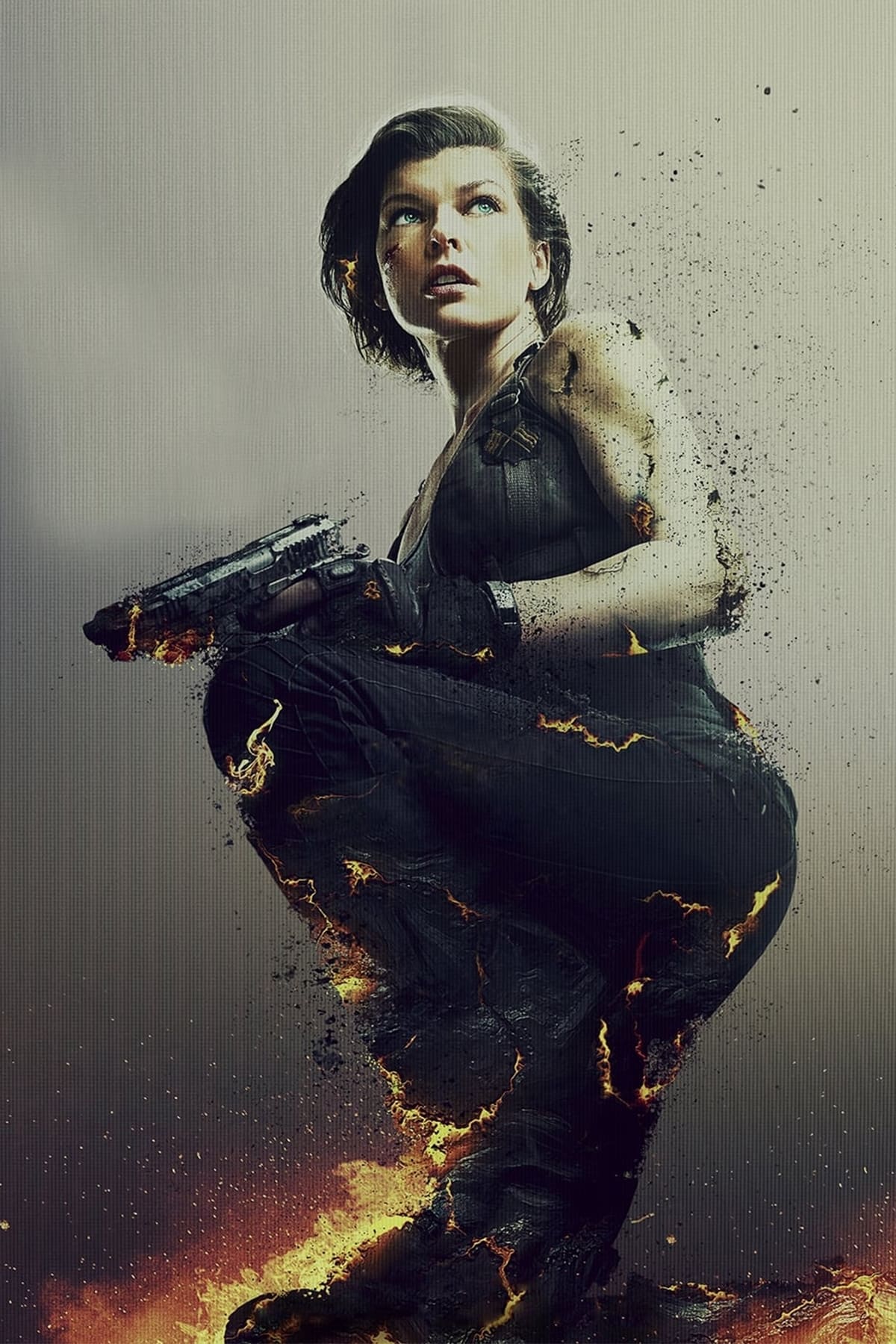
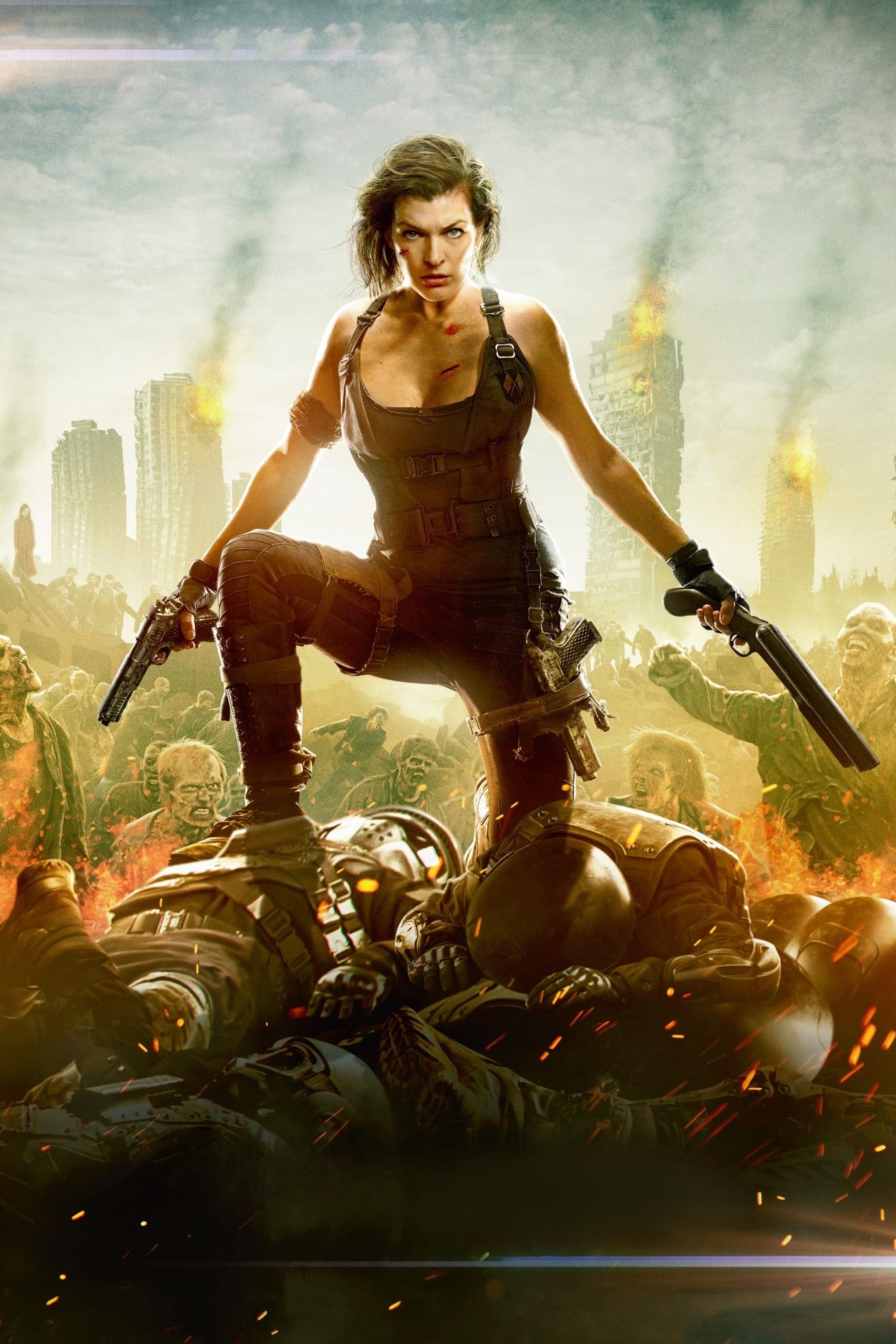
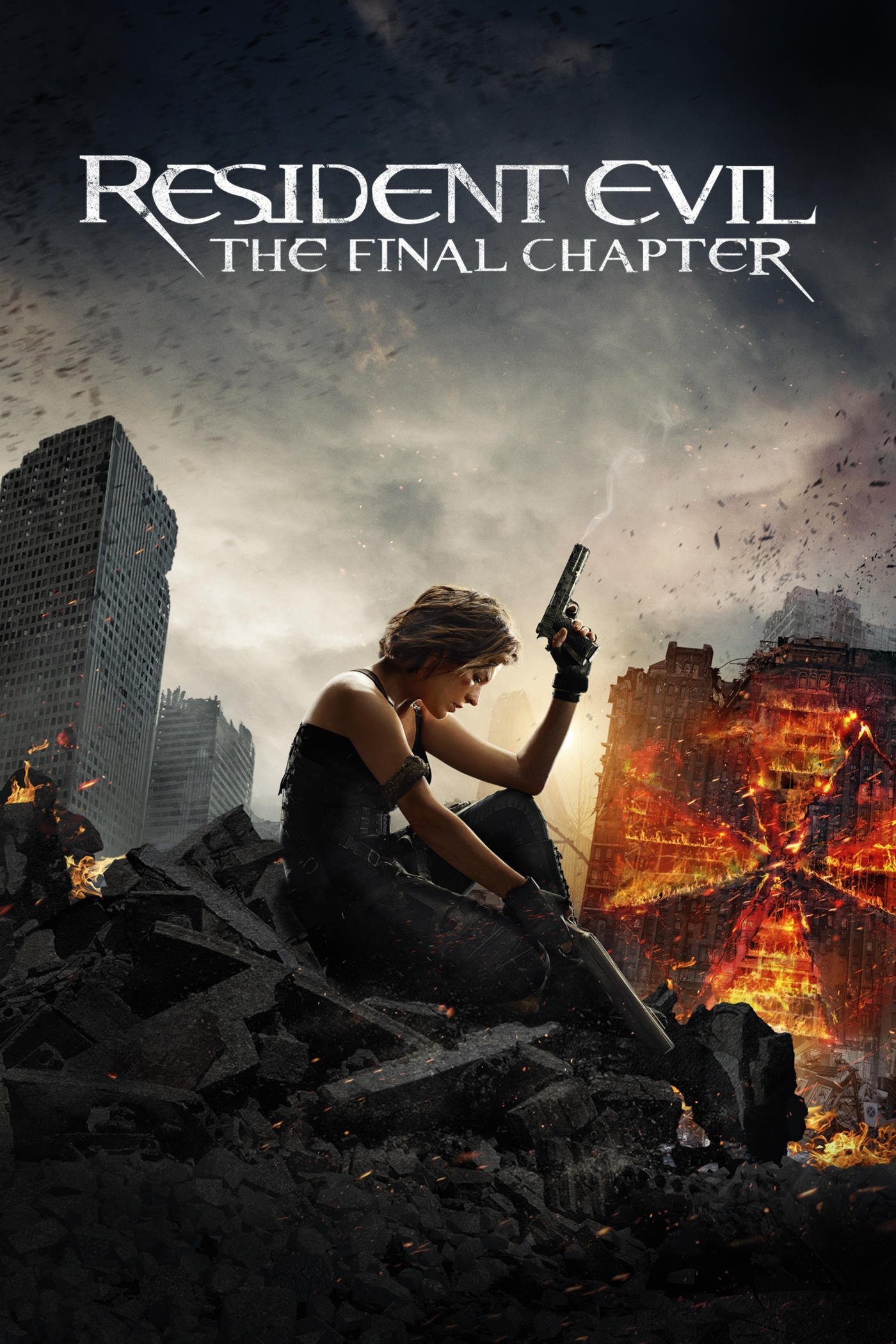
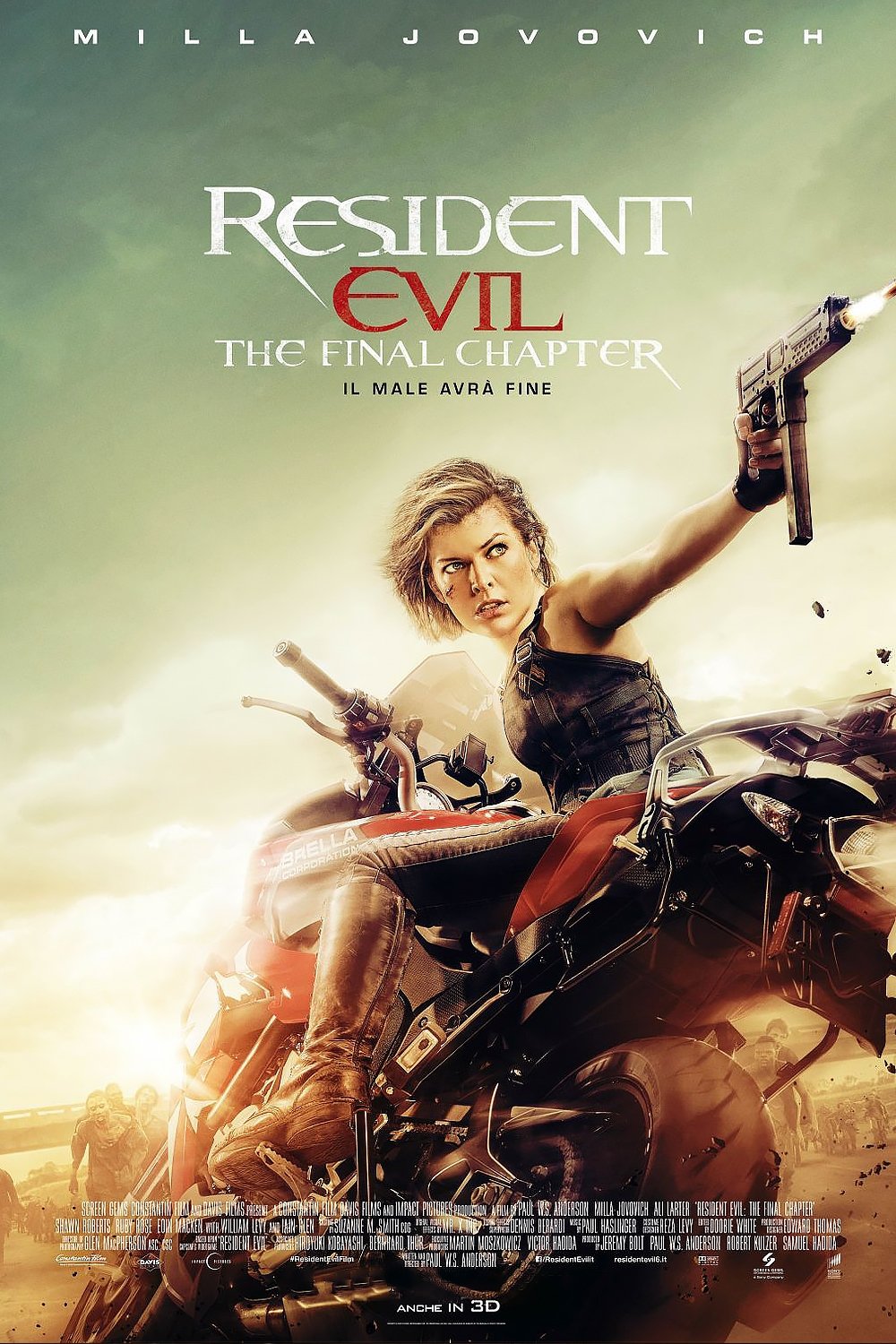
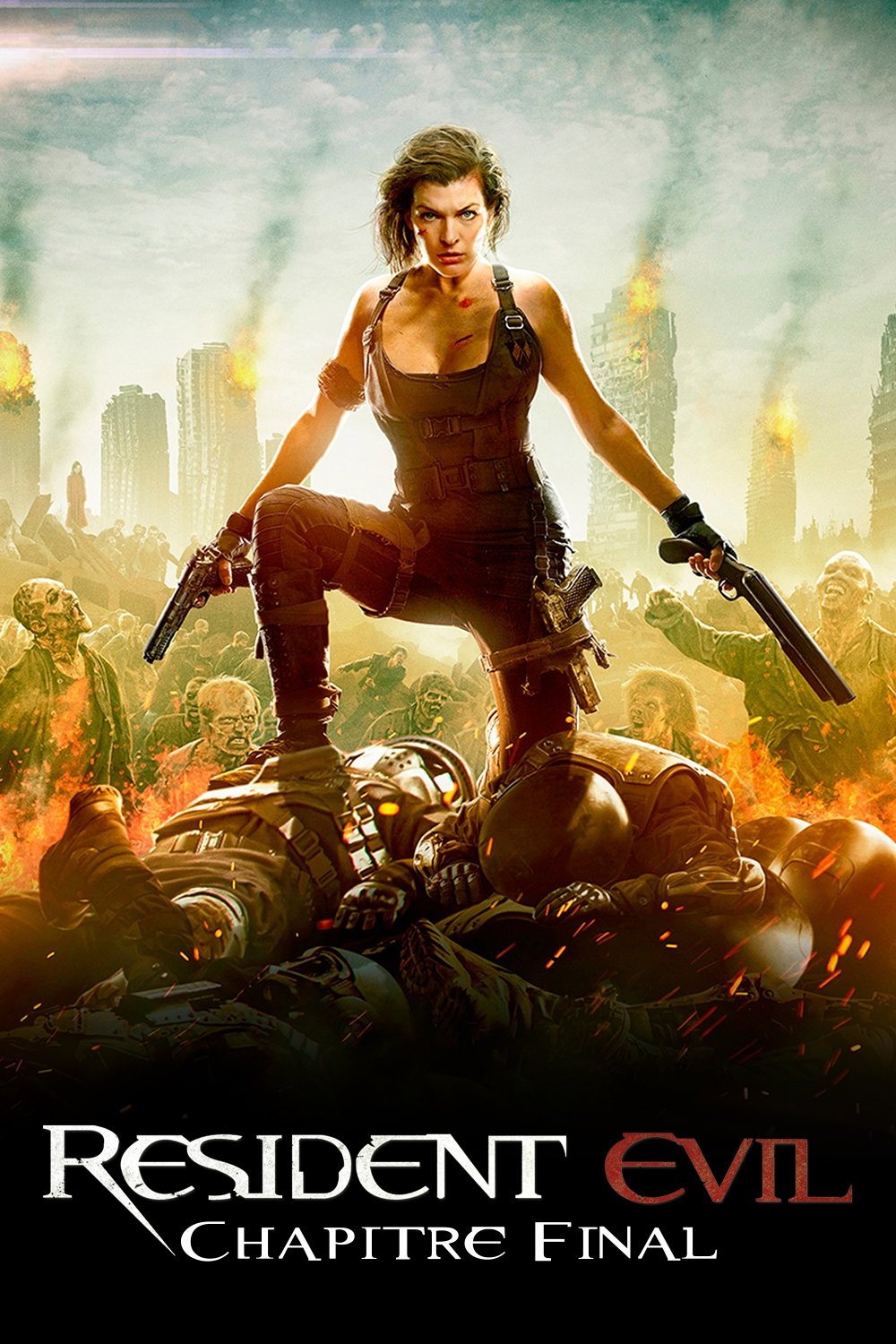
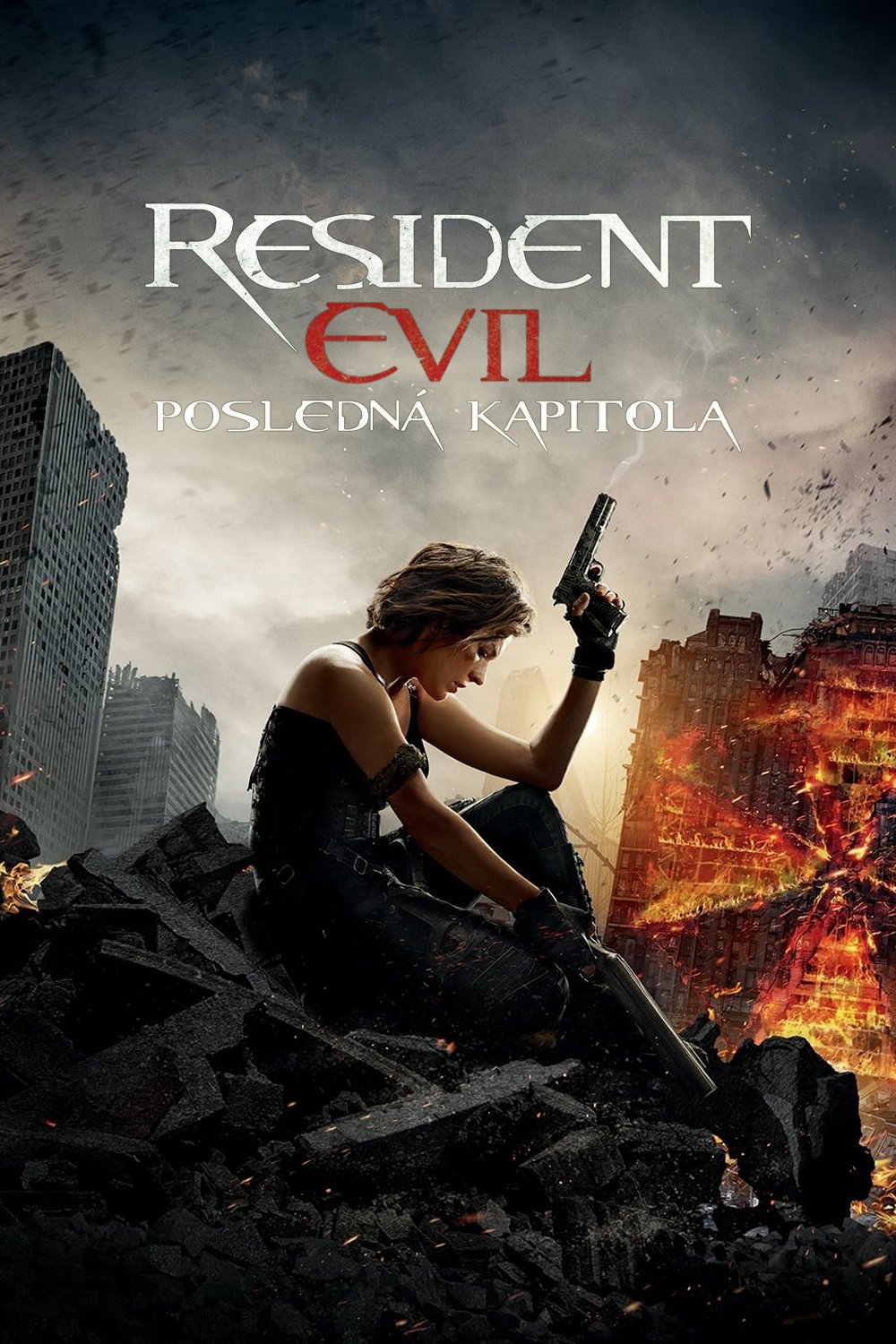
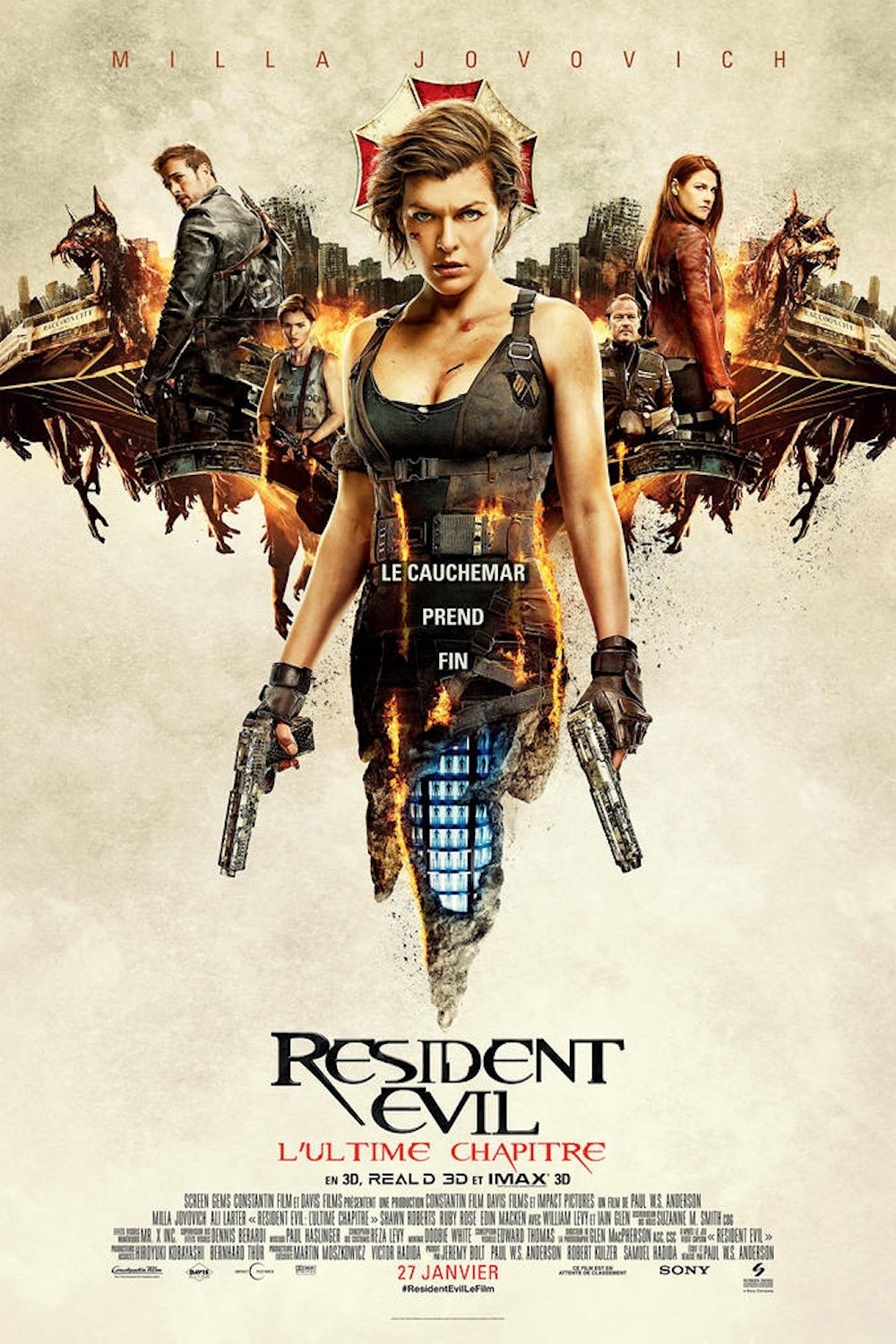
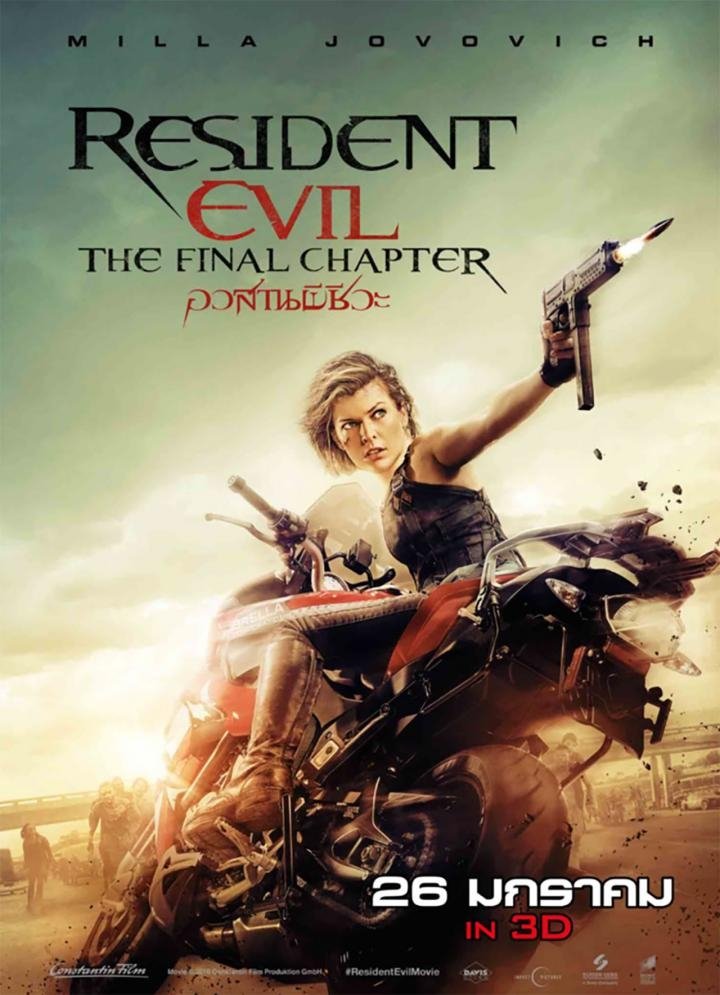
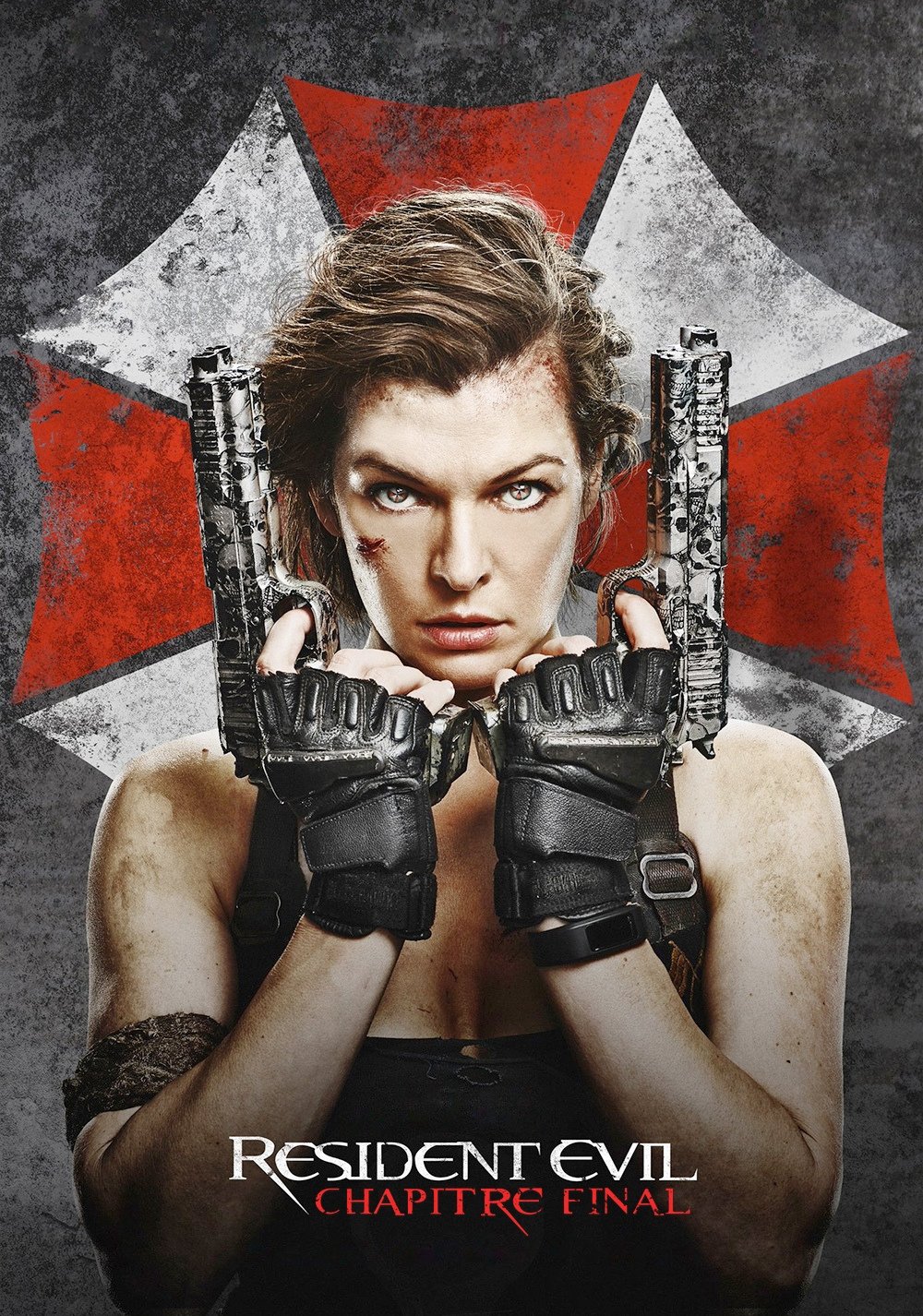
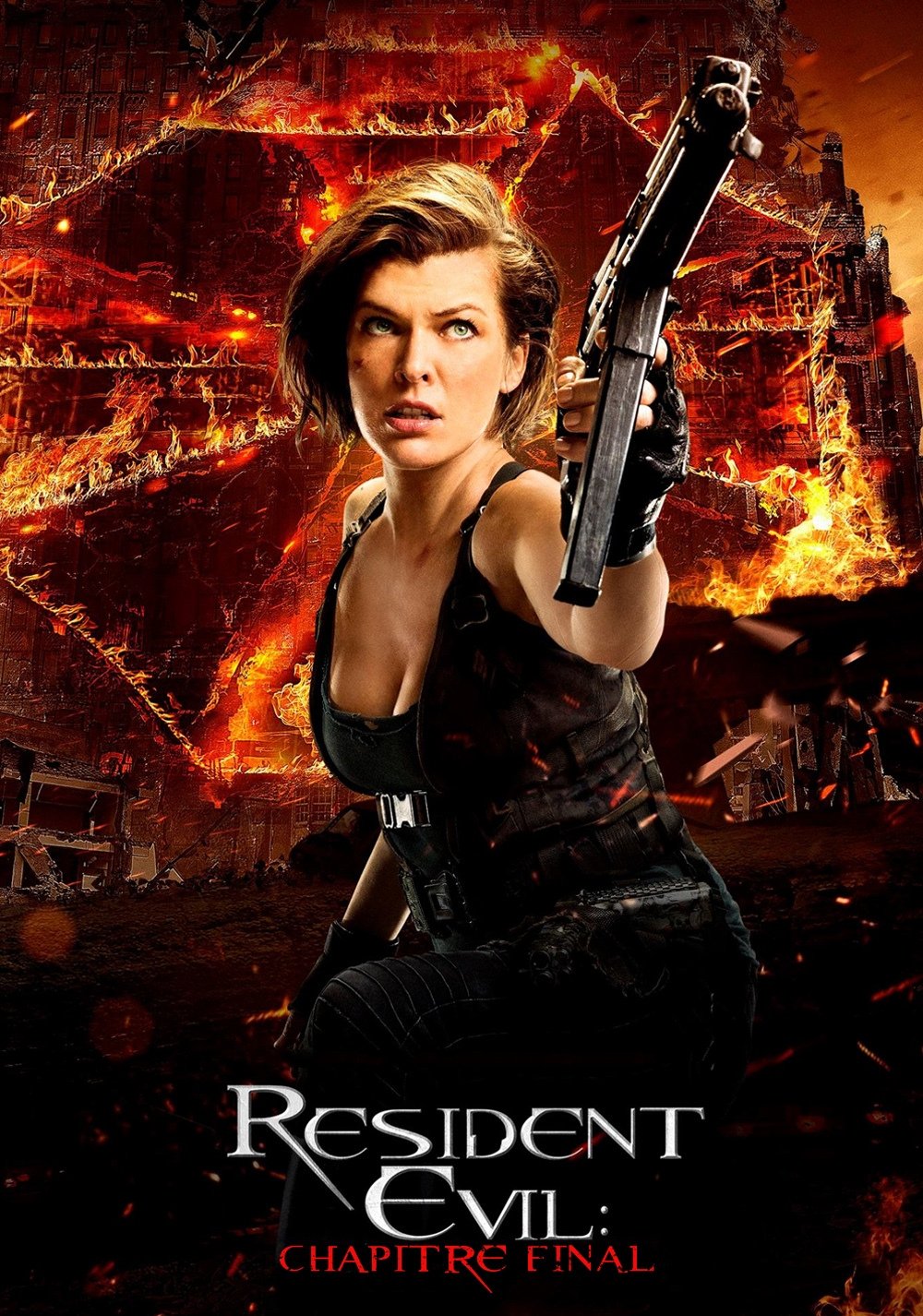
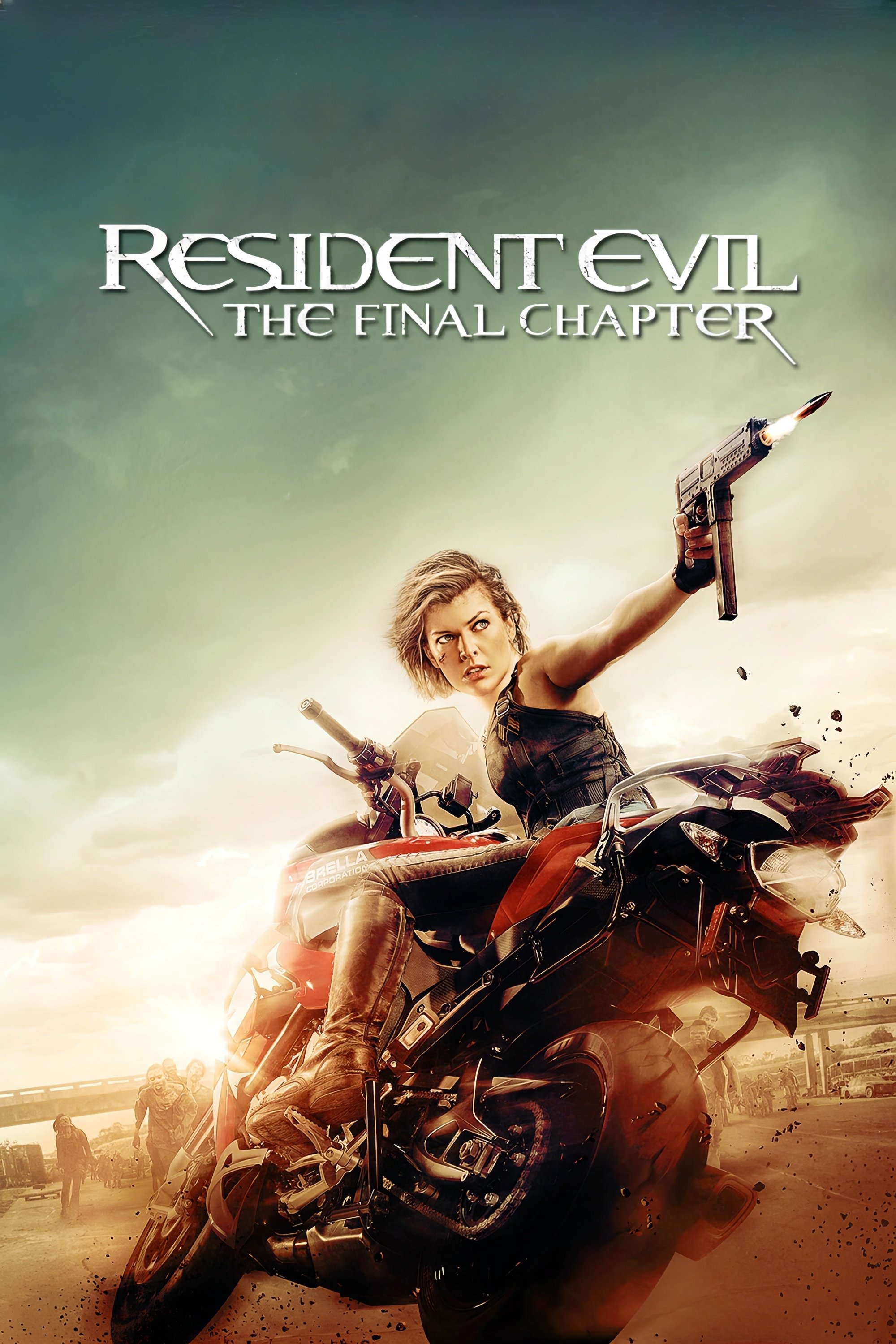
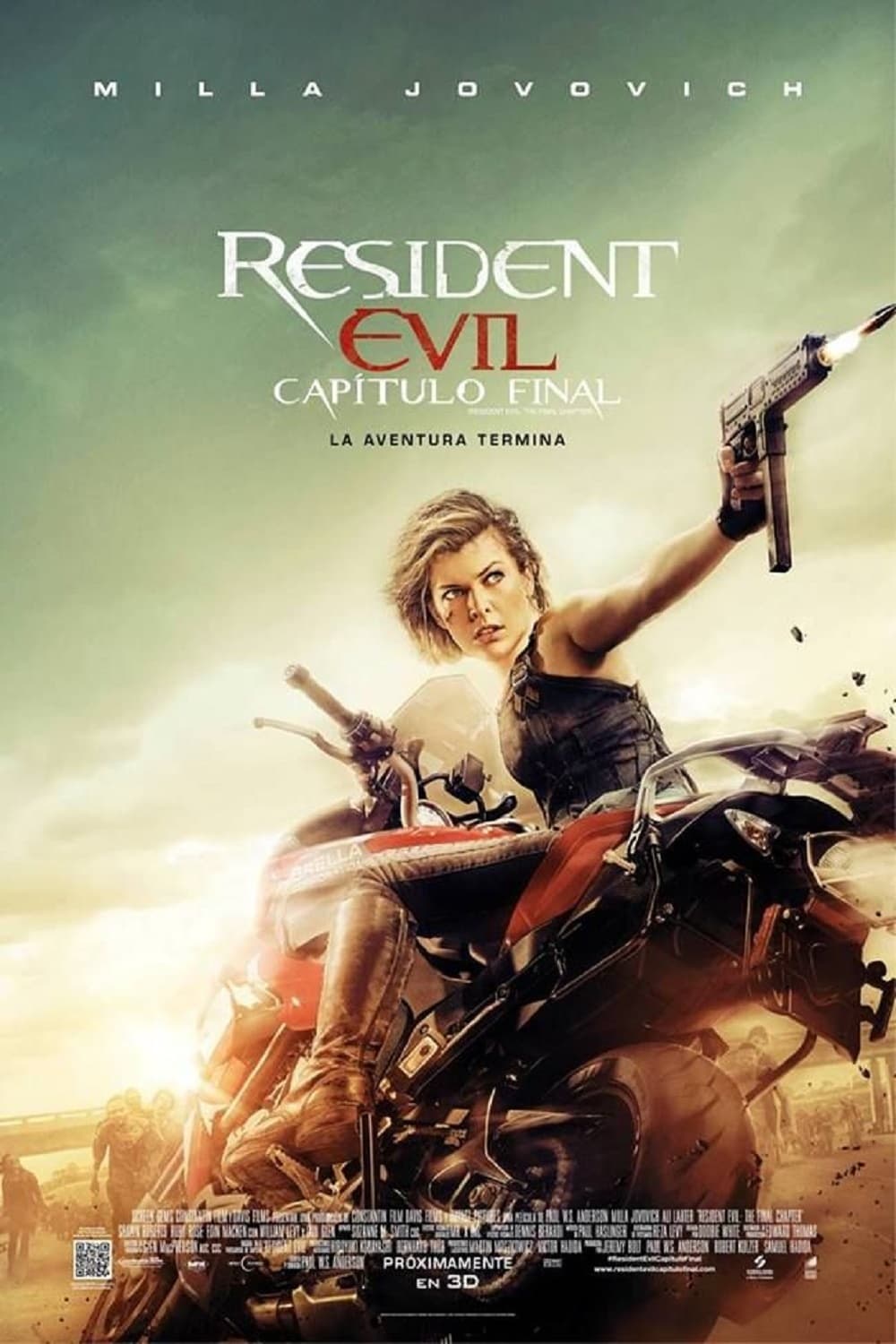
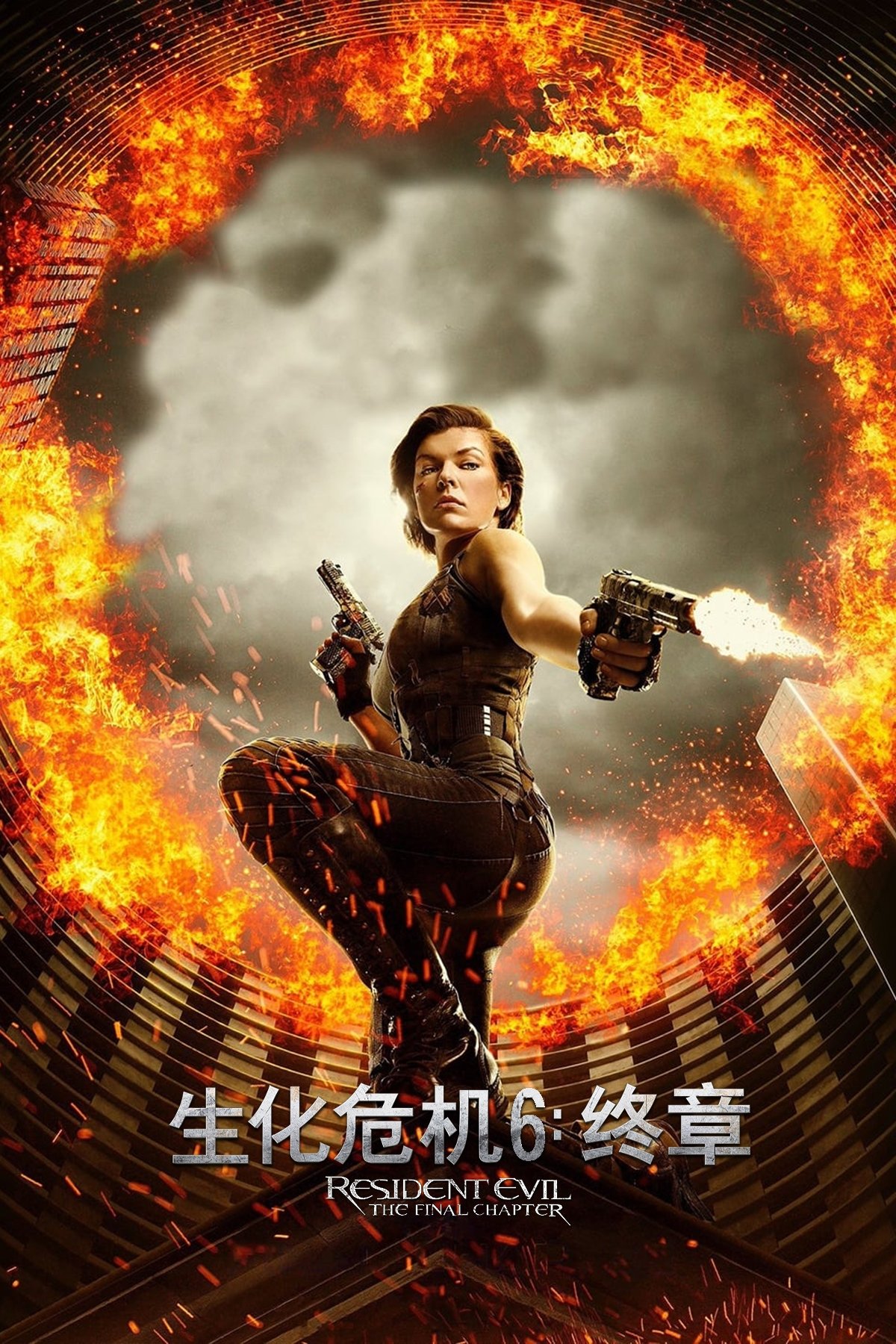
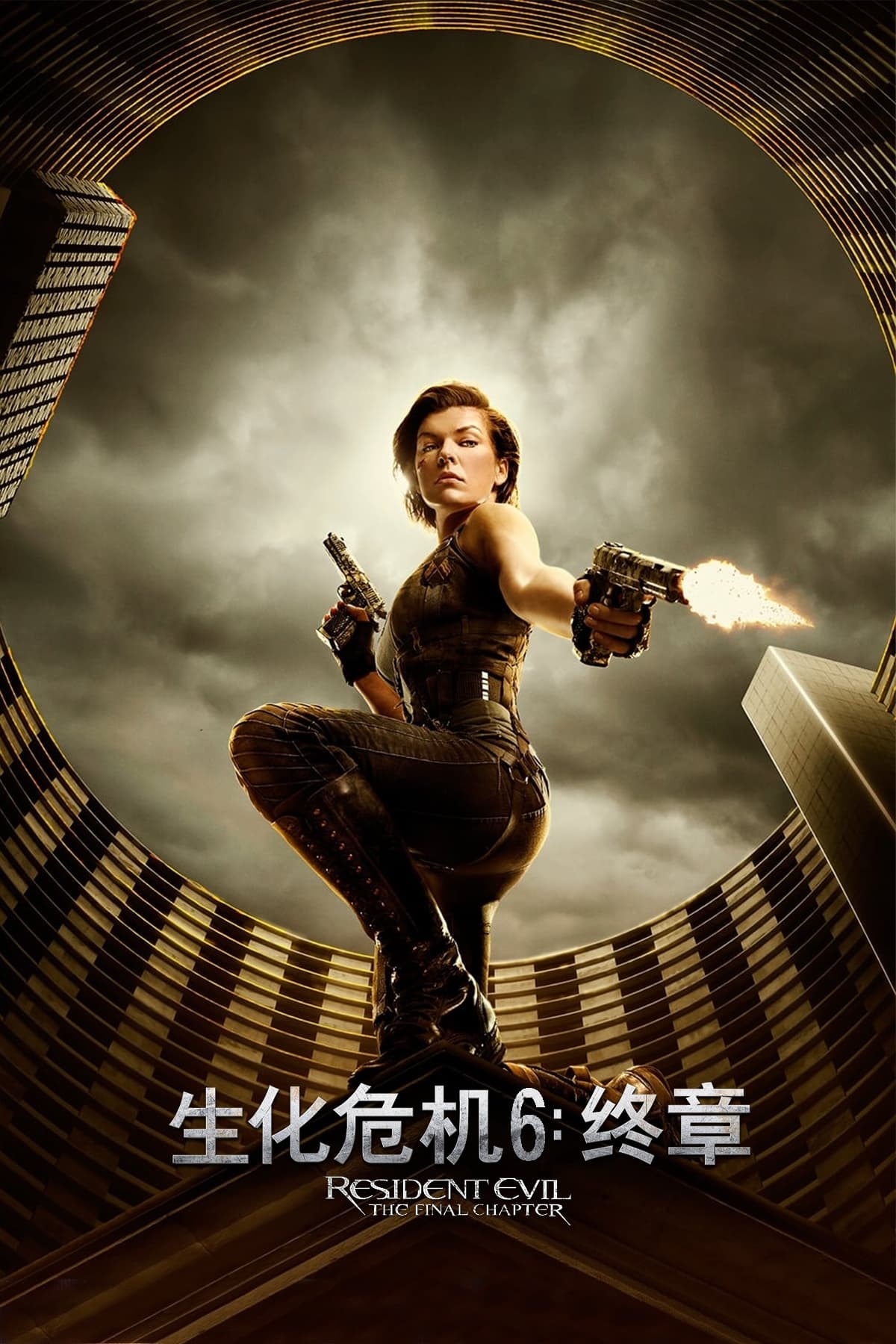
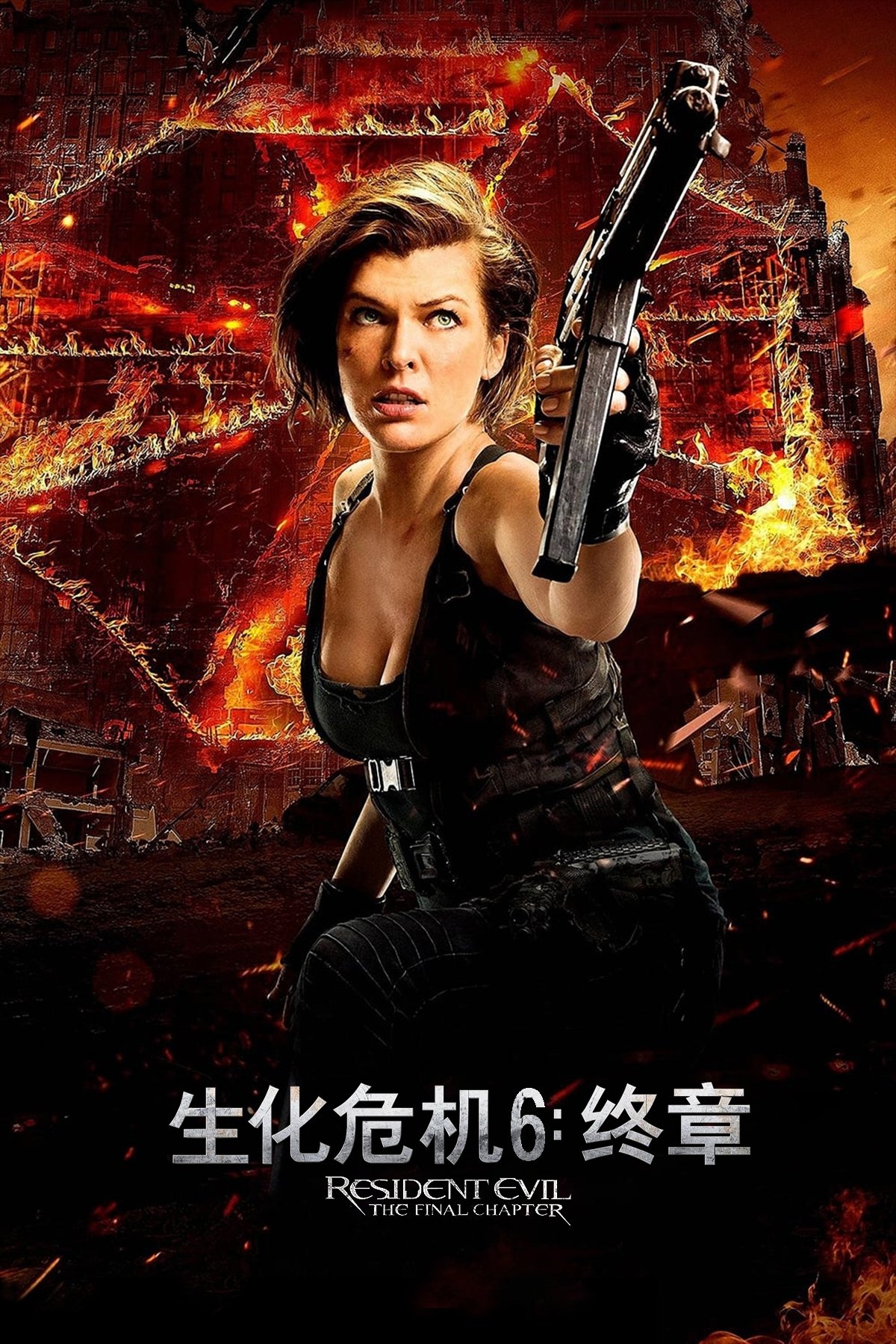
Resident Evil: The Final Chapter (2016) concludes the six-film continuity centered on Alice, the survivor whose conflict with the Umbrella Corporation began in Paul W. S. Anderson's Resident Evil (2002). Its return to Raccoon City and the Hive gives the series a circular structure after sequels that expanded from enclosed laboratories to abandoned cities and global destruction. The Red Queen, the T-virus and Umbrella's manipulation of human life again provide the central horror machinery. Although the narrative promises a definitive solution to the outbreak, the film retains the franchise's mixture of infected bodies, heavily armed survivors and biological creatures designed to make escape physically exhausting.
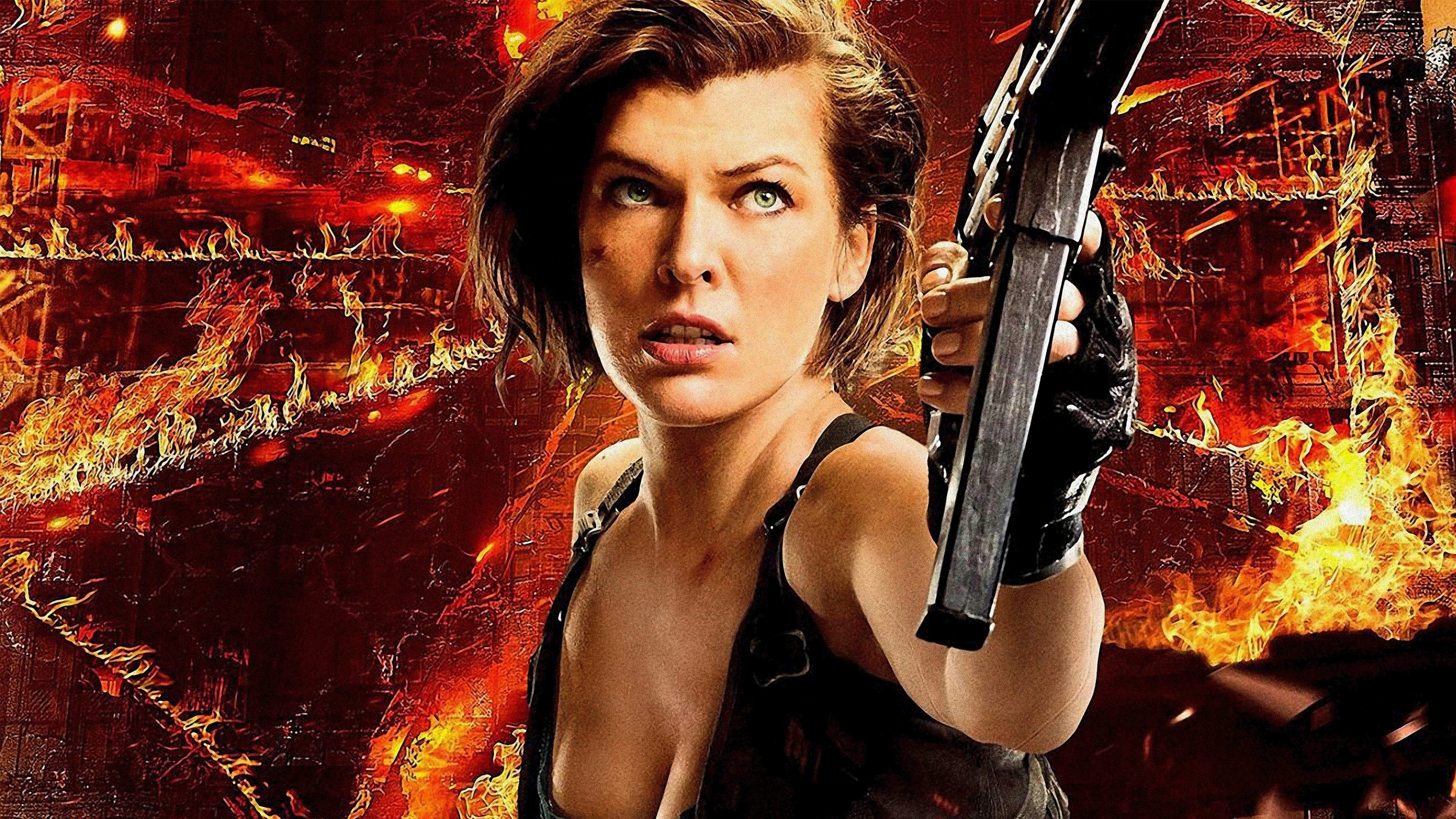
Anderson again wrote and directed, with Milla Jovovich returning to play Alice. For this installment the production moved from the controlled, often glossy artificial environments of Retribution to South African locations and a visibly damaged world. That visual shift was supported by extensive visual effects rather than achieved solely through location photography. Contemporary interviews with Anderson and effects supervisor Eric Robinson document the design of the wasteland, the new creatures and the demanding reconstruction of Raccoon City. Their accounts provide a substantial basis for examining the film's practical and digital methods alongside its narrative attempt to close the original screen series.
Development and Return to the Hive
The film resumes after the Washington confrontation promised at the end of Retribution, but Alice discovers that the expected last stand has already collapsed. She is directed back to the Hive, where an airborne antiviral agent may stop the infection. This journey revisits the location that established the series' major concerns in 2002: a corporation conducting experiments beneath a populated city, a computerized security system and people whose memories and identities can be manipulated. The return also permits revelations about the origins of the T-virus and Alice's connection to Umbrella. Those plot developments belong to the film's invented mythology and should not be confused with the separate continuity of Capcom's games.
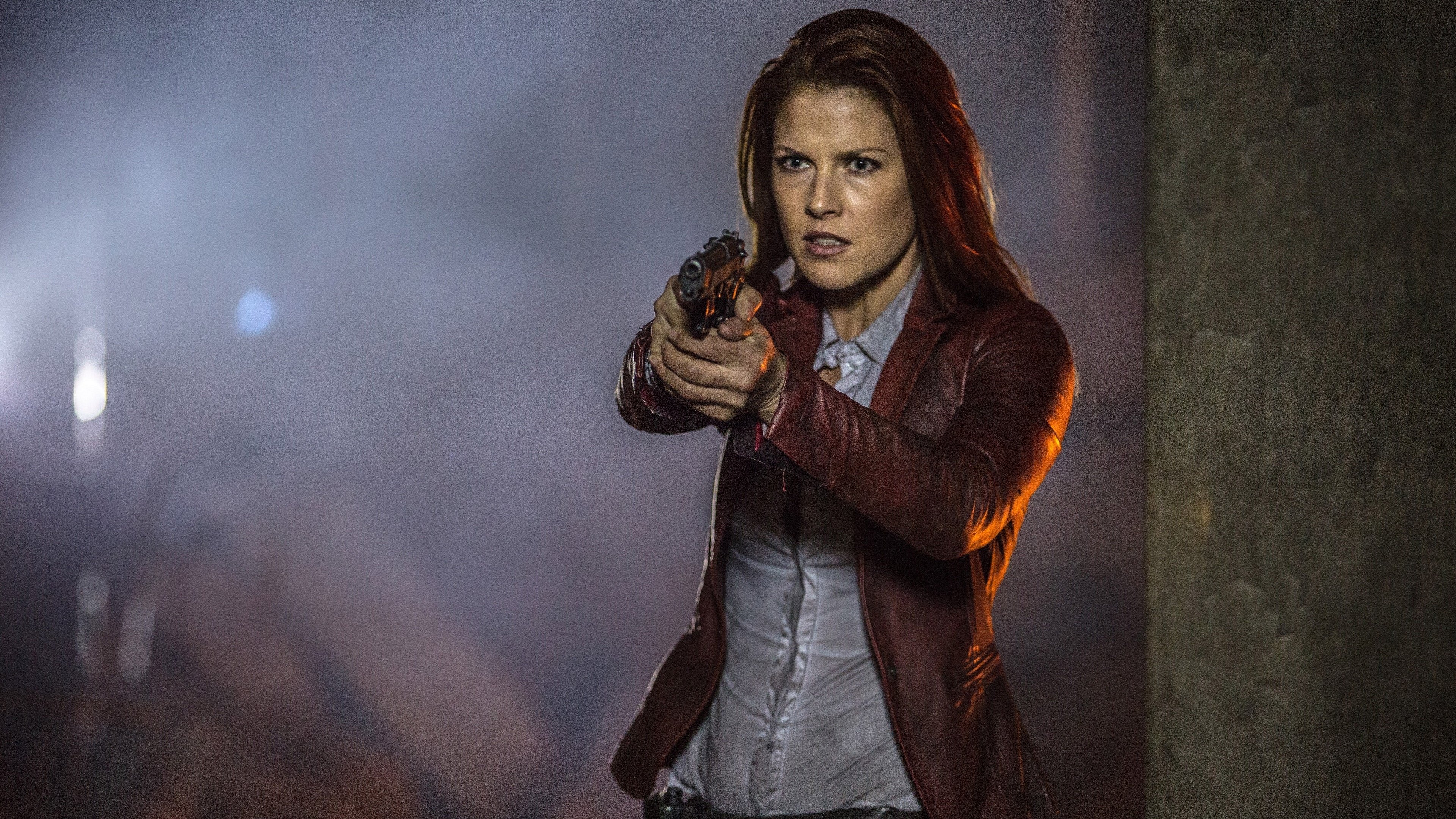
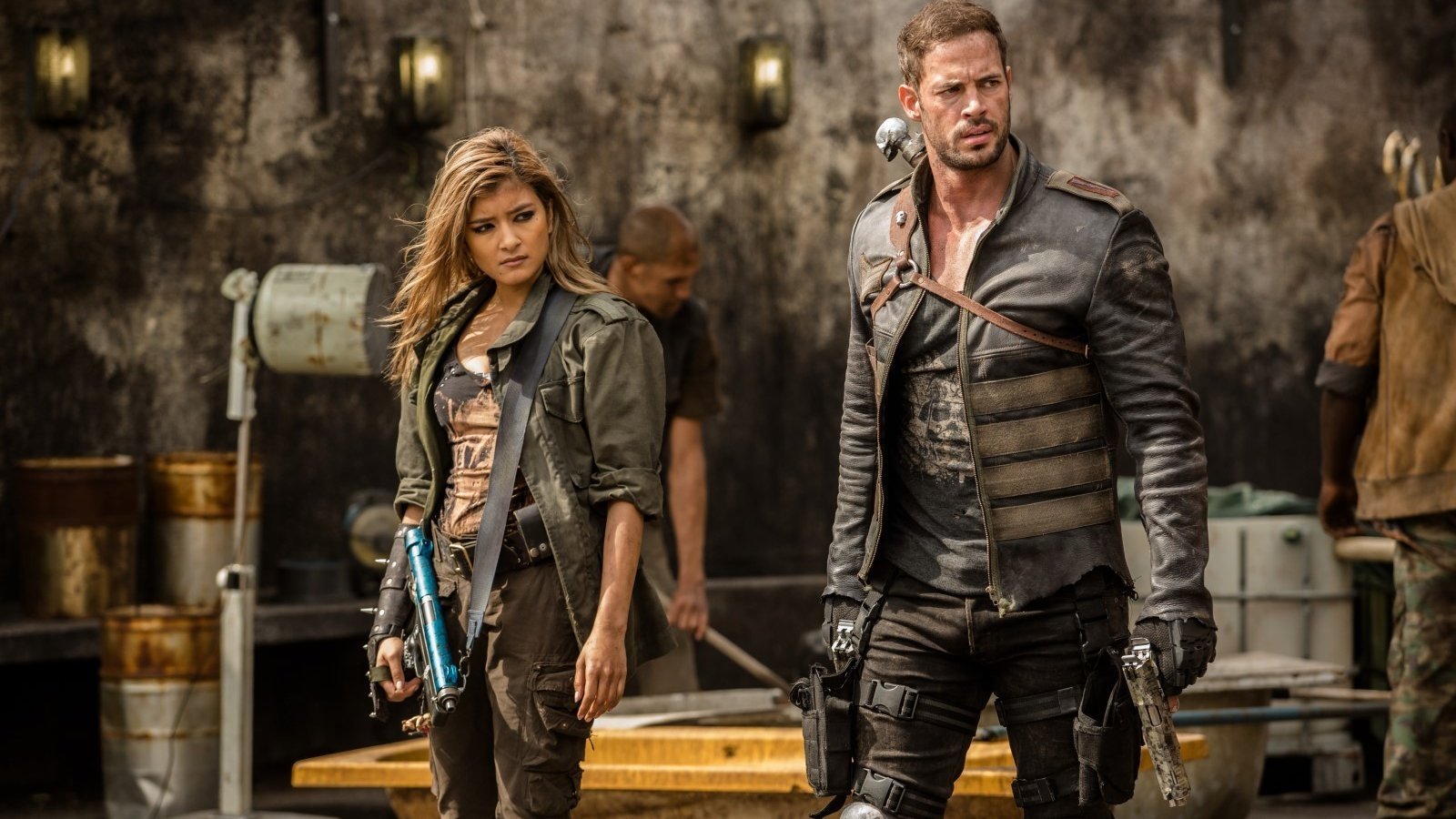
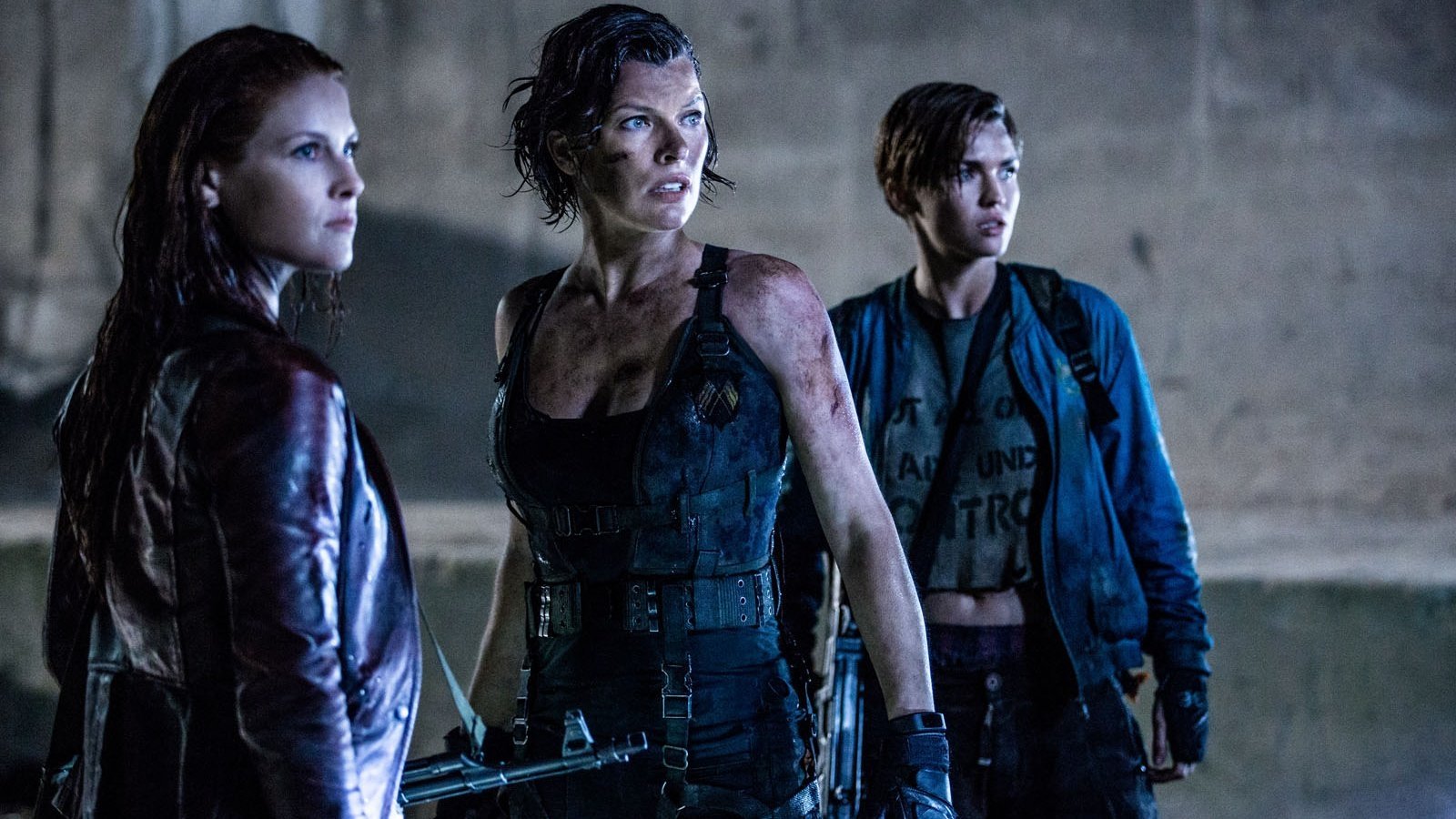
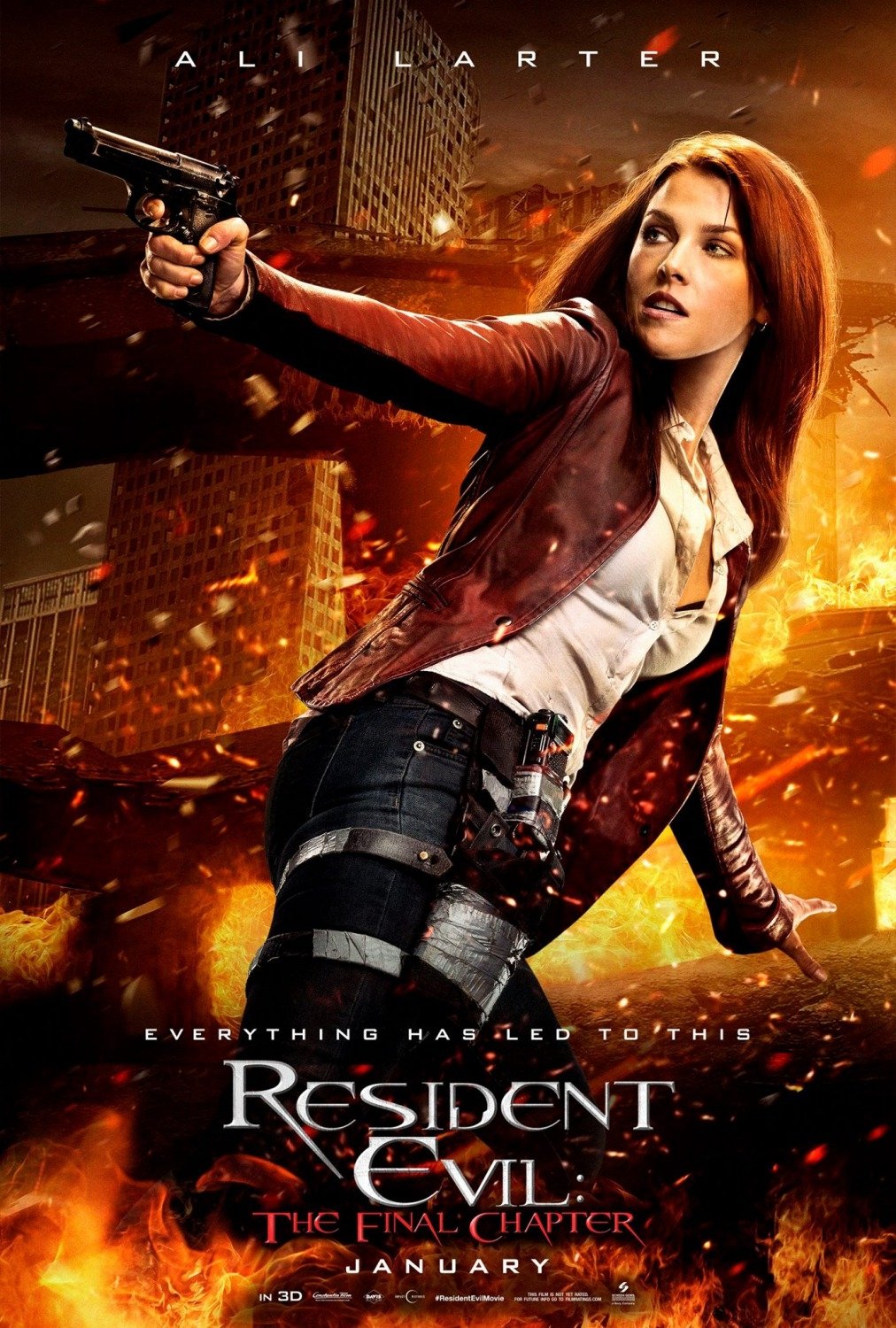
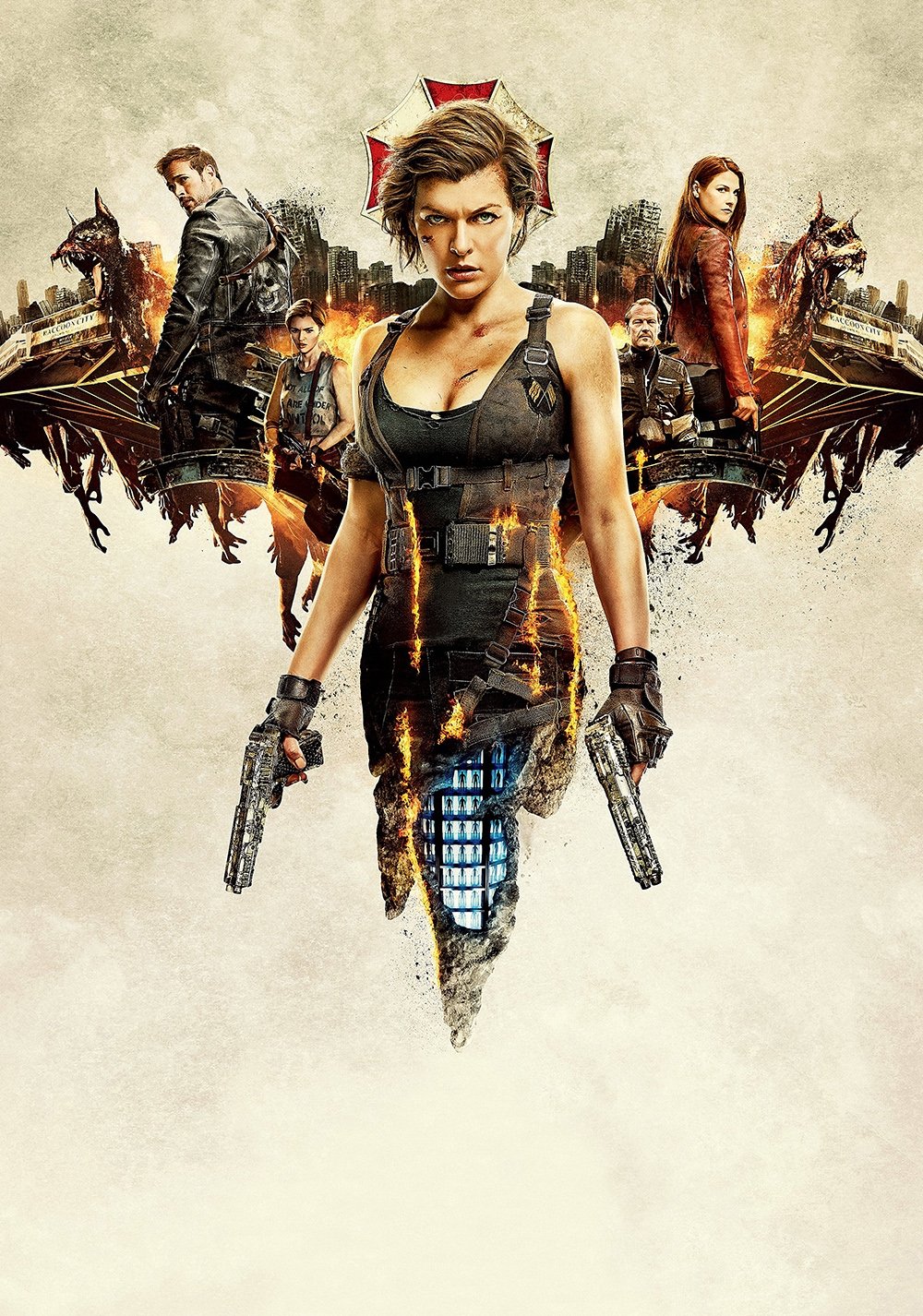
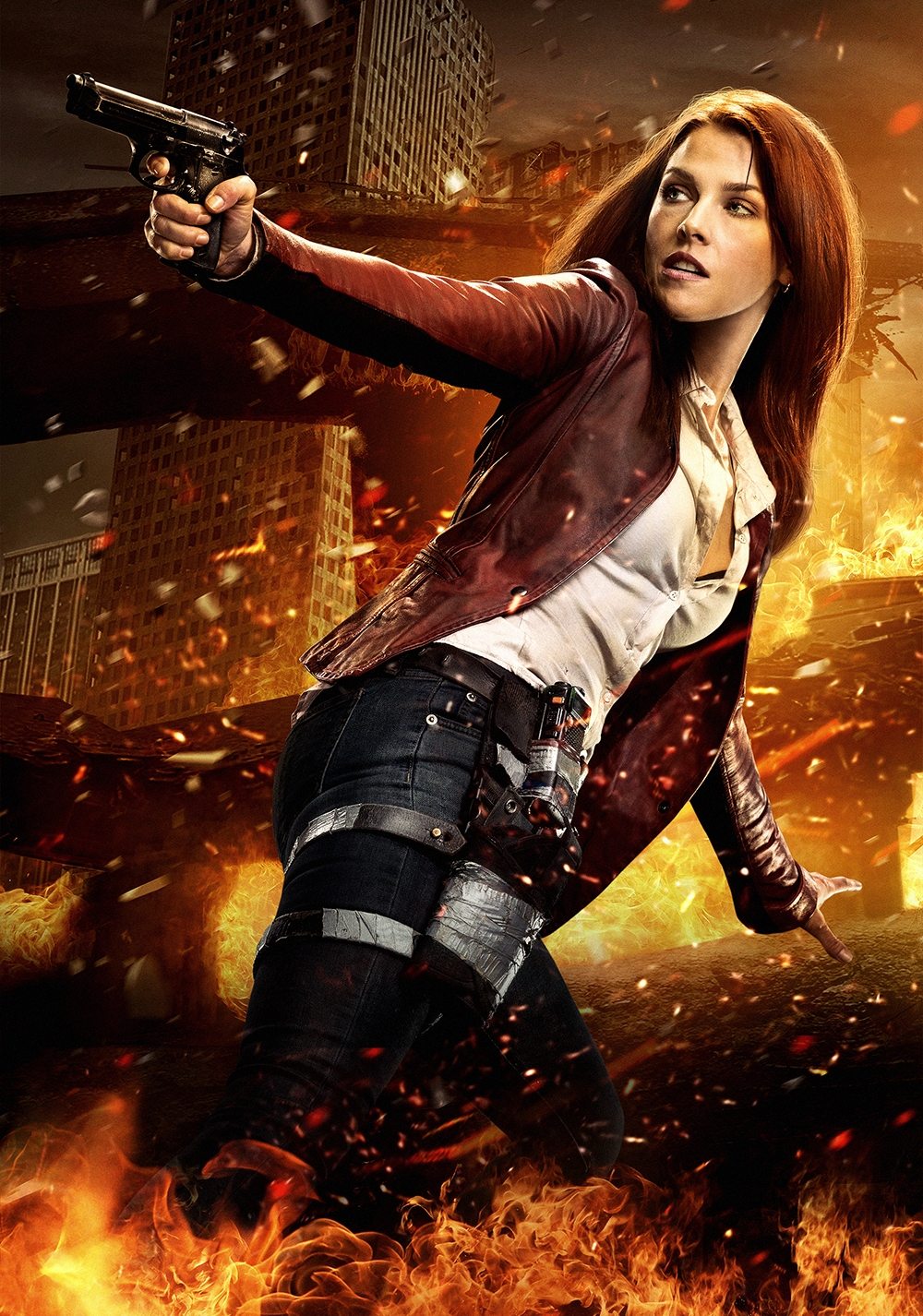
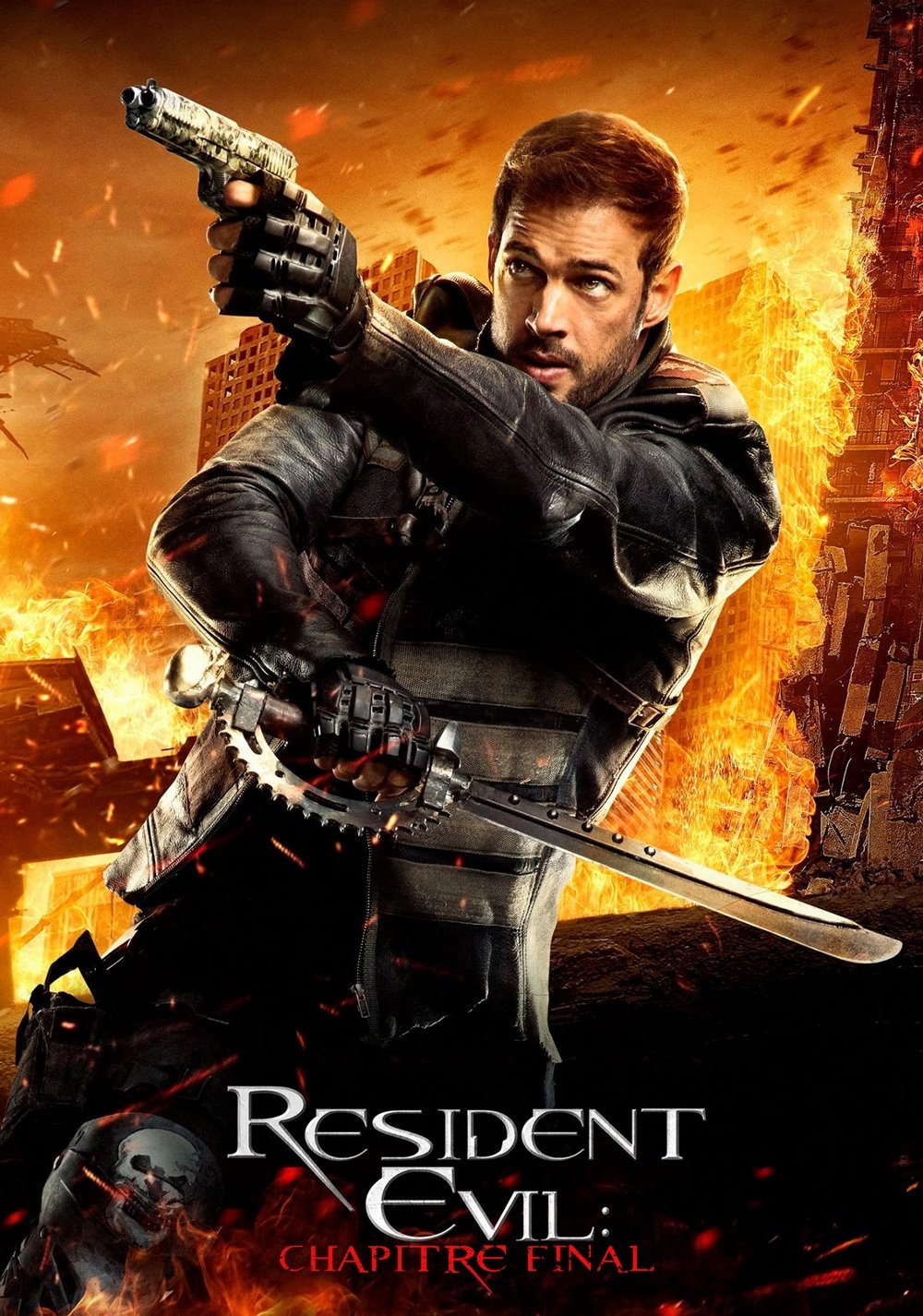
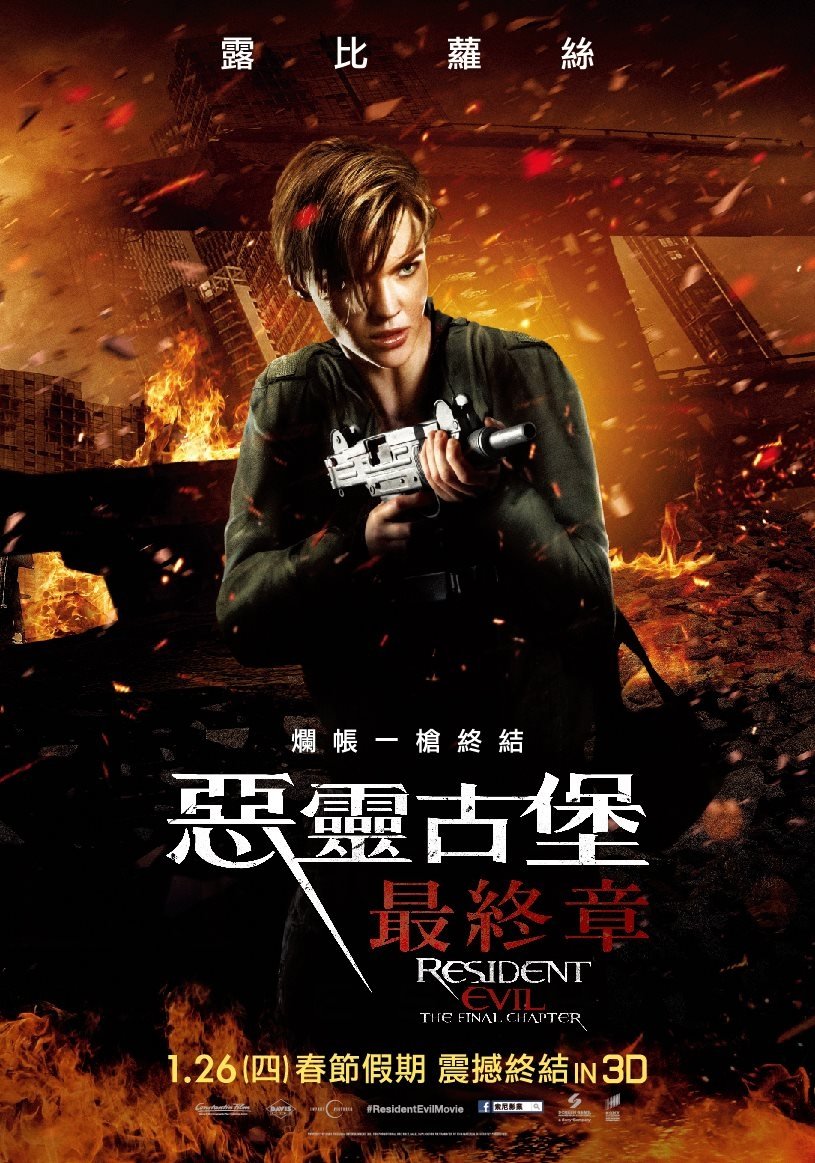
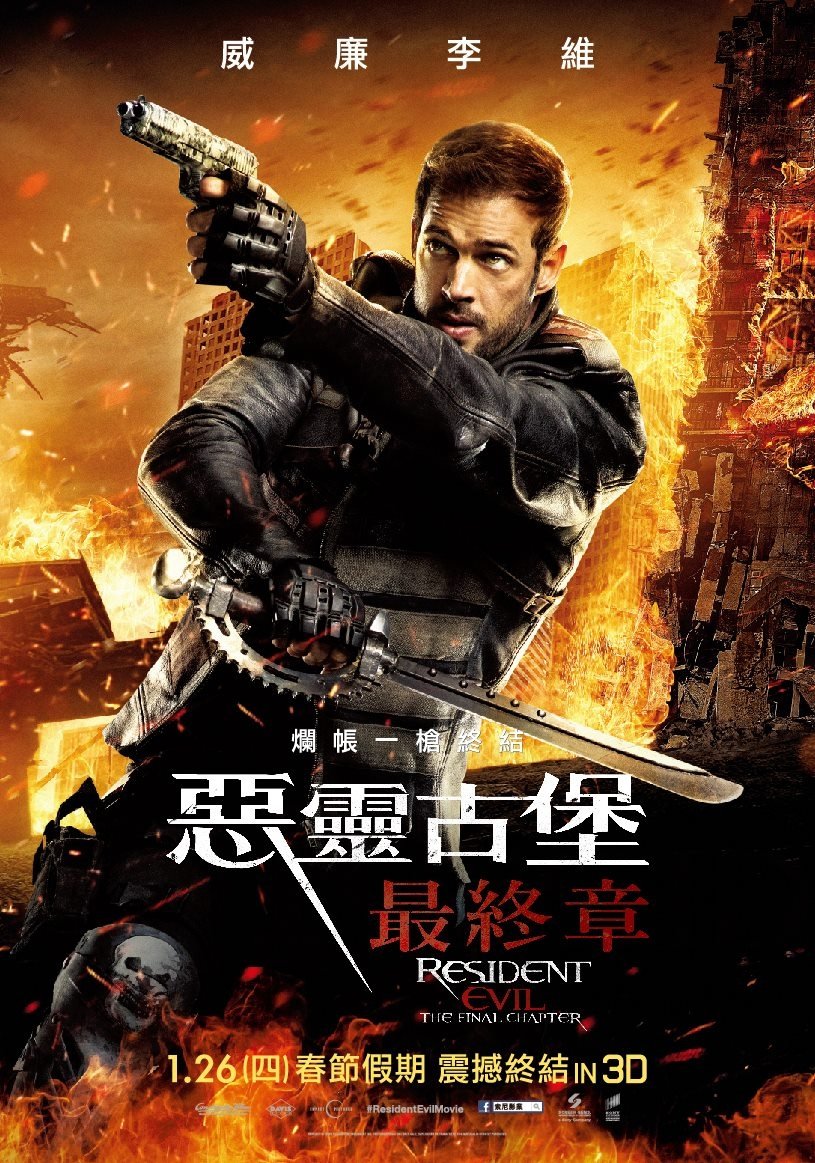
Anderson explained in a New York Comic Con interview that production had been postponed following Jovovich's pregnancy, after locations and crew arrangements had already been prepared. He described using the additional time to refine the screenplay and plan individual sequences. This is his retrospective description of the delay and its creative consequences. The sixth installment was conceived as a conclusion to Alice's existing storyline, although the film's final scenes leave its fictional world available for further stories. Claire Redfield returns as a surviving ally, while Dr. Isaacs and Wesker reconnect the ending with antagonists from earlier films.
South African Locations and Apocalyptic Design
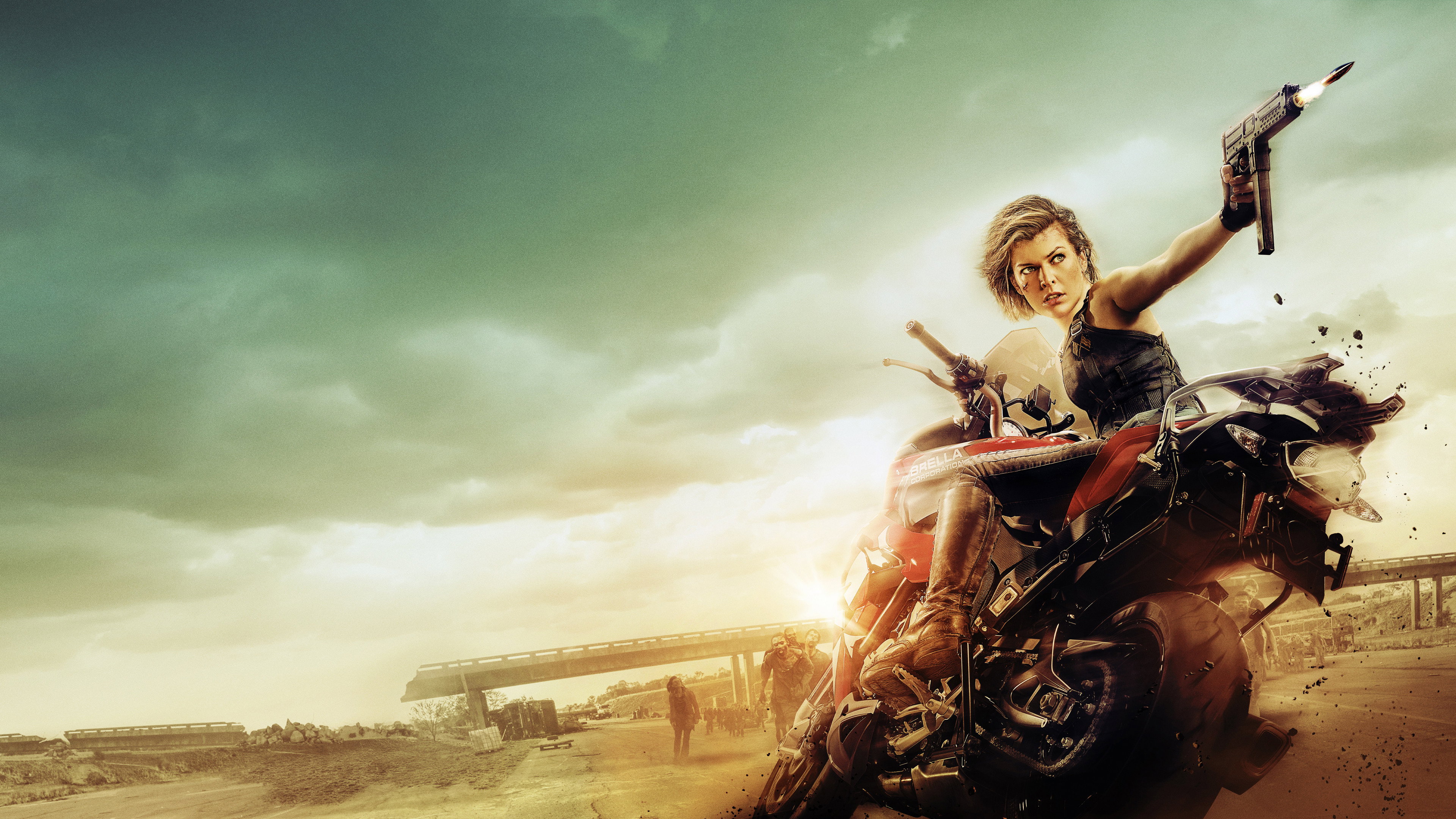
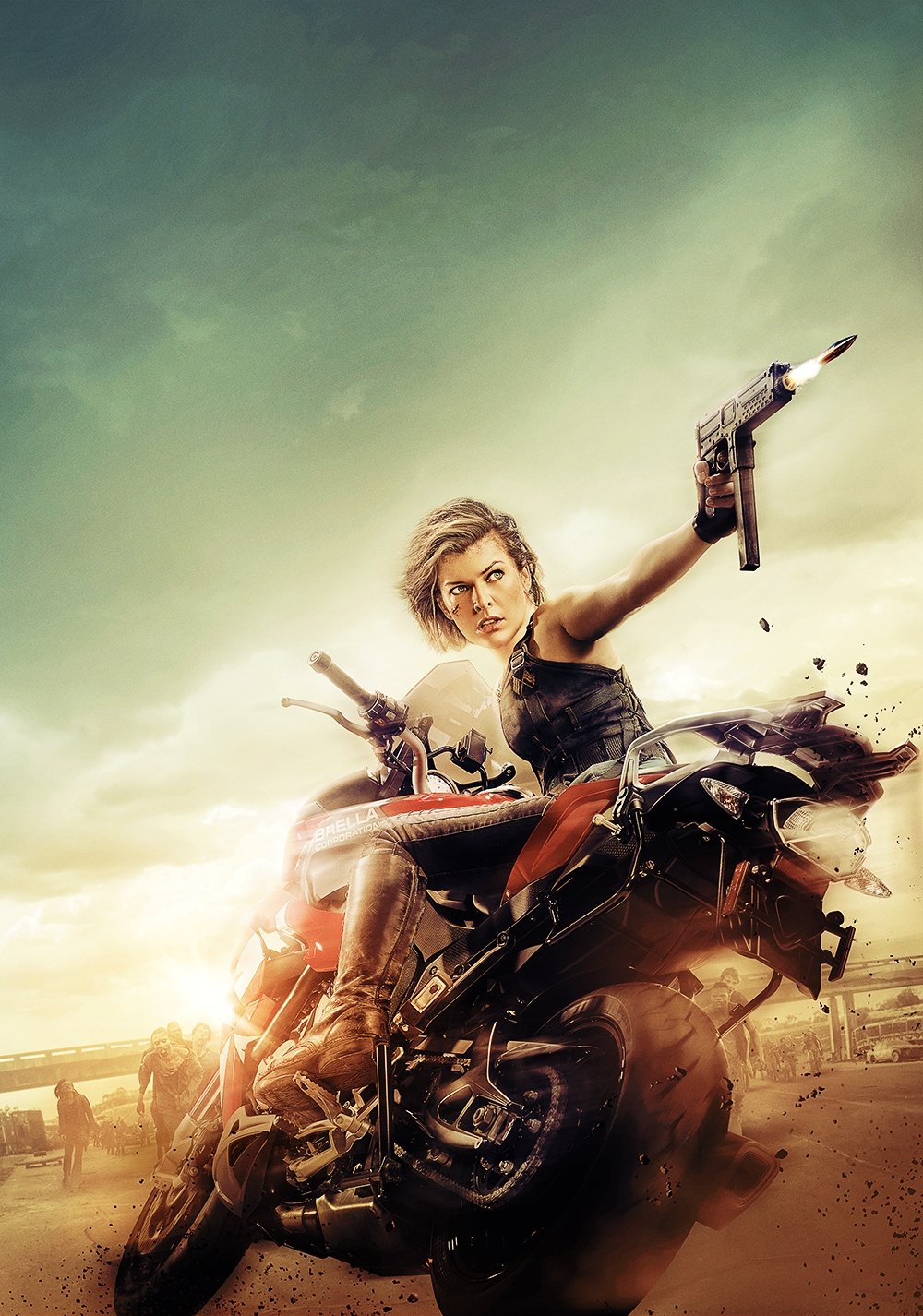
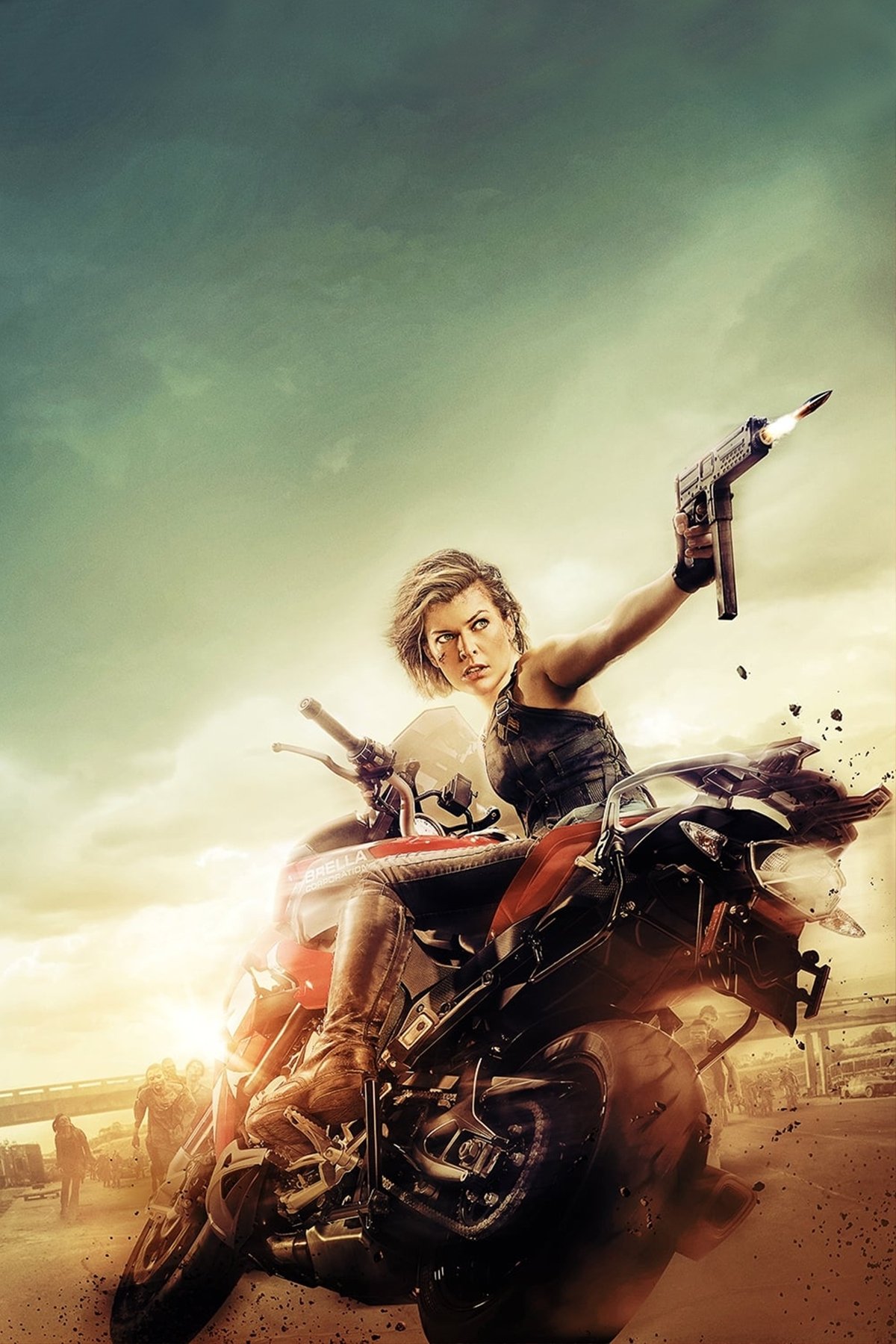
After the predominantly artificial settings of Retribution, Anderson sought rougher surfaces and more tangible locations. In his Comic Con interview he described filming on an abandoned multilane roadway in South Africa, dressing it with burned vehicles, smoke and performers portraying zombies. He emphasized that some seemingly digital landscapes in promotional footage came from locations photographed directly. The contrast with the previous film's simulation chambers was a deliberate visual objective according to his account. It gave Alice's approach to Raccoon City a material sense of neglect, with sun-bleached roads, dust and wreckage replacing the clinical surfaces of Umbrella's earlier fabricated worlds.
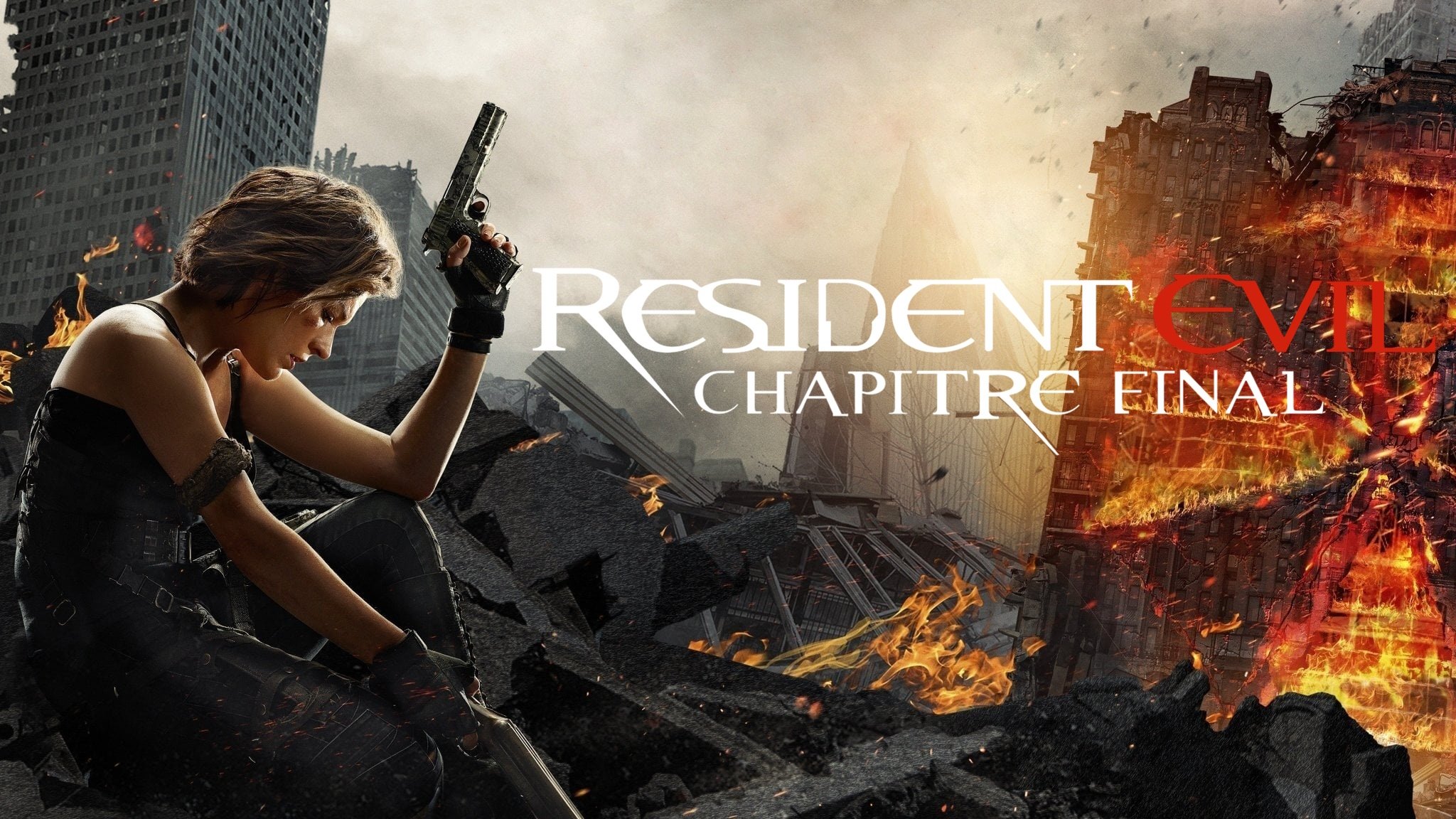
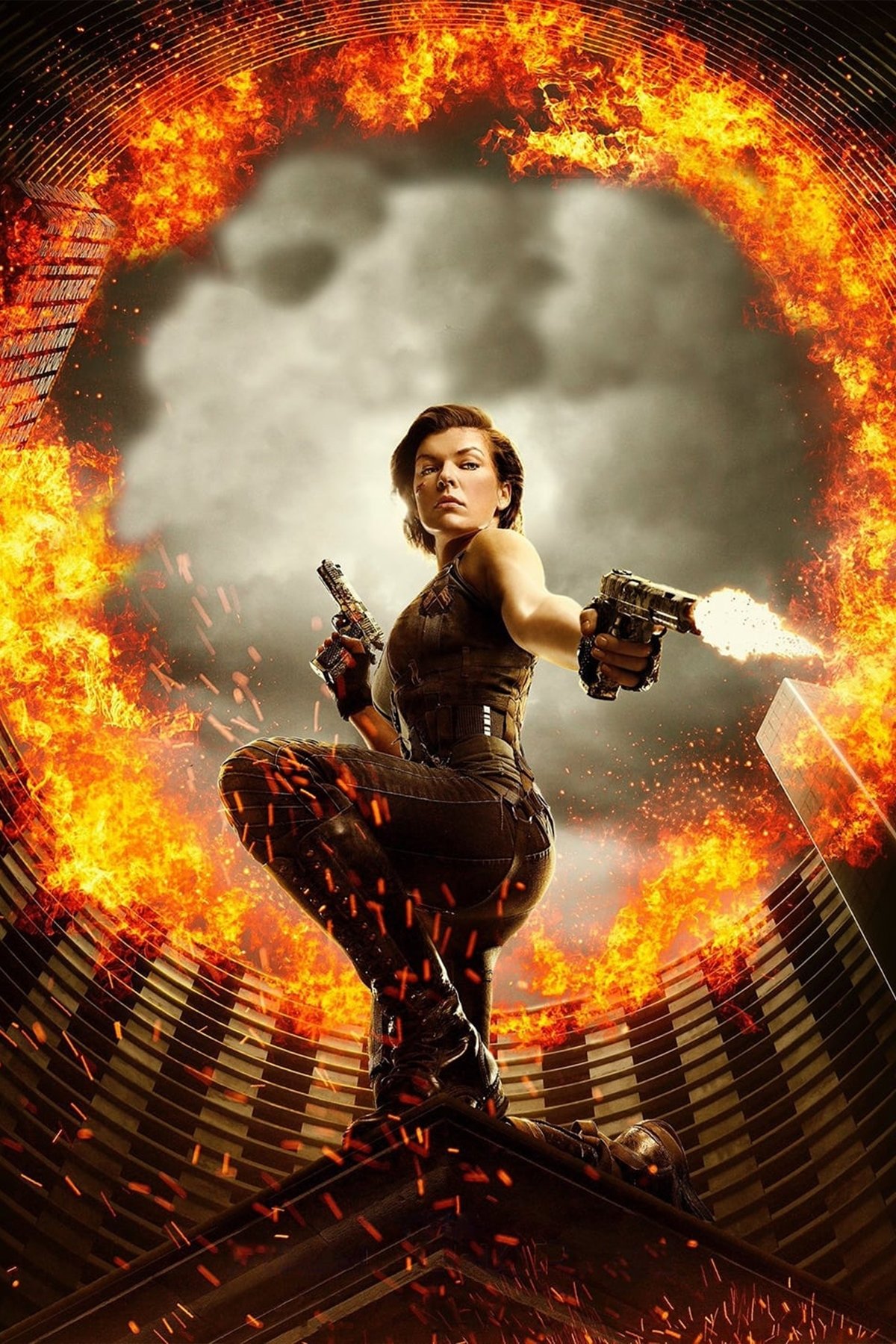
The film nevertheless required enormous digital extensions. In an original 2017 interview for The Art of VFX, Eric Robinson of Mr. X described using a practical foreground highway shot in Cape Town while building the remainder of devastated Raccoon City in computer graphics. The survivors' damaged tower was based on Johannesburg's Ponte City Apartments, which artists altered by removing sections of its silhouette and extending its surroundings. The digital team also returned to its earlier White House assets to depict the ruined Washington setting. These methods allowed identifiable South African structures and photographed landscapes to support a fictional geography of destruction.
Creatures, Motion Capture and Physical Reference
The creature effects depended on differing combinations of physical reference and animation. Robinson explained that the large flying monster, already seen in the previous installment, was rebuilt for its extended attack on Alice's vehicle. Its wings and other appendages needed to perform more complicated movements, and cloth simulation supplied additional surface motion. For the Bloodshot confrontation, stunt performer Owen MacRea represented the creature during photography. His physical presence supplied movement and a usable position for actors and cameras; the resulting image was then modified or replaced digitally. Two small low-light cameras recorded reference to help match animation in the dim environment.
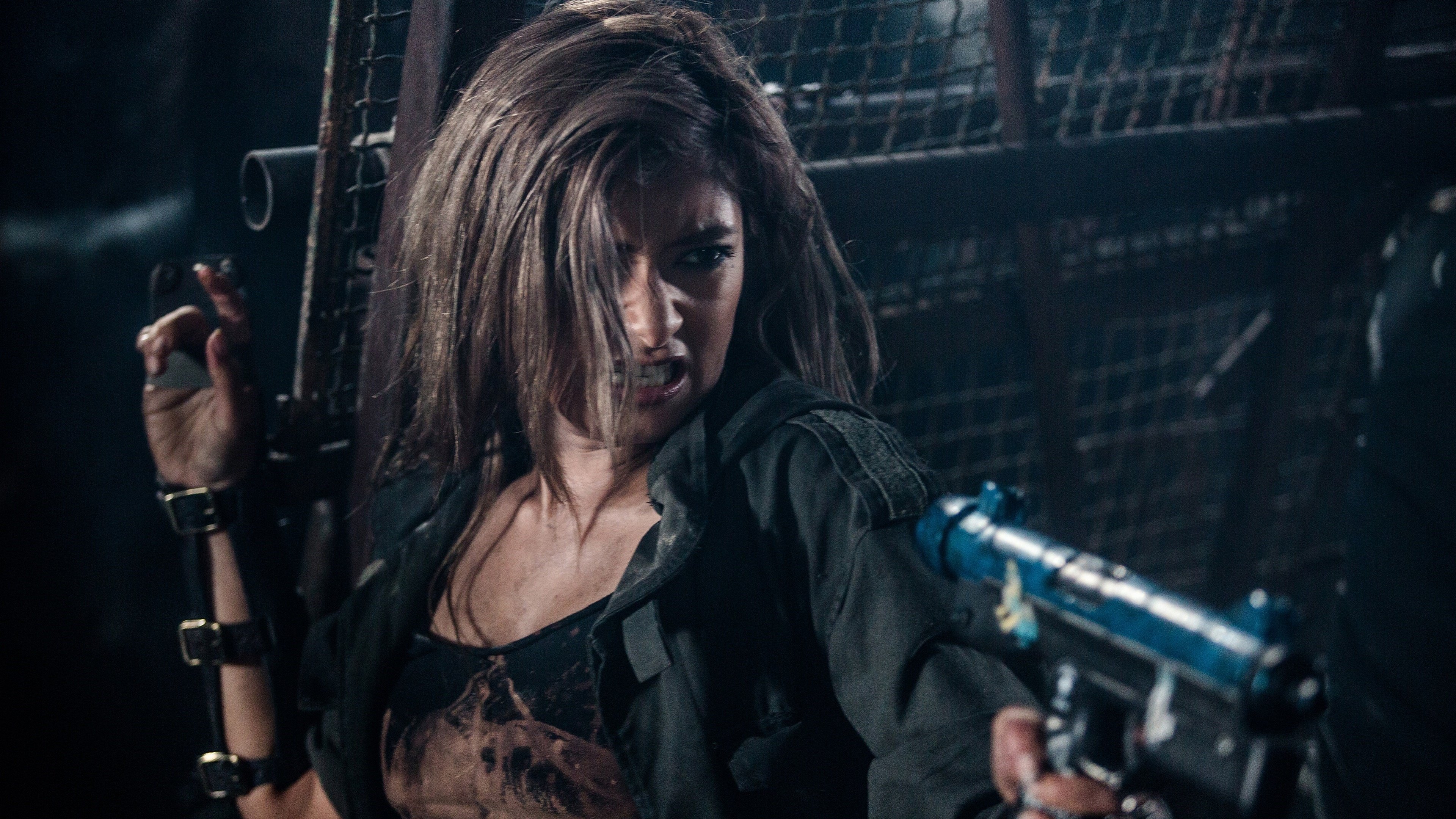
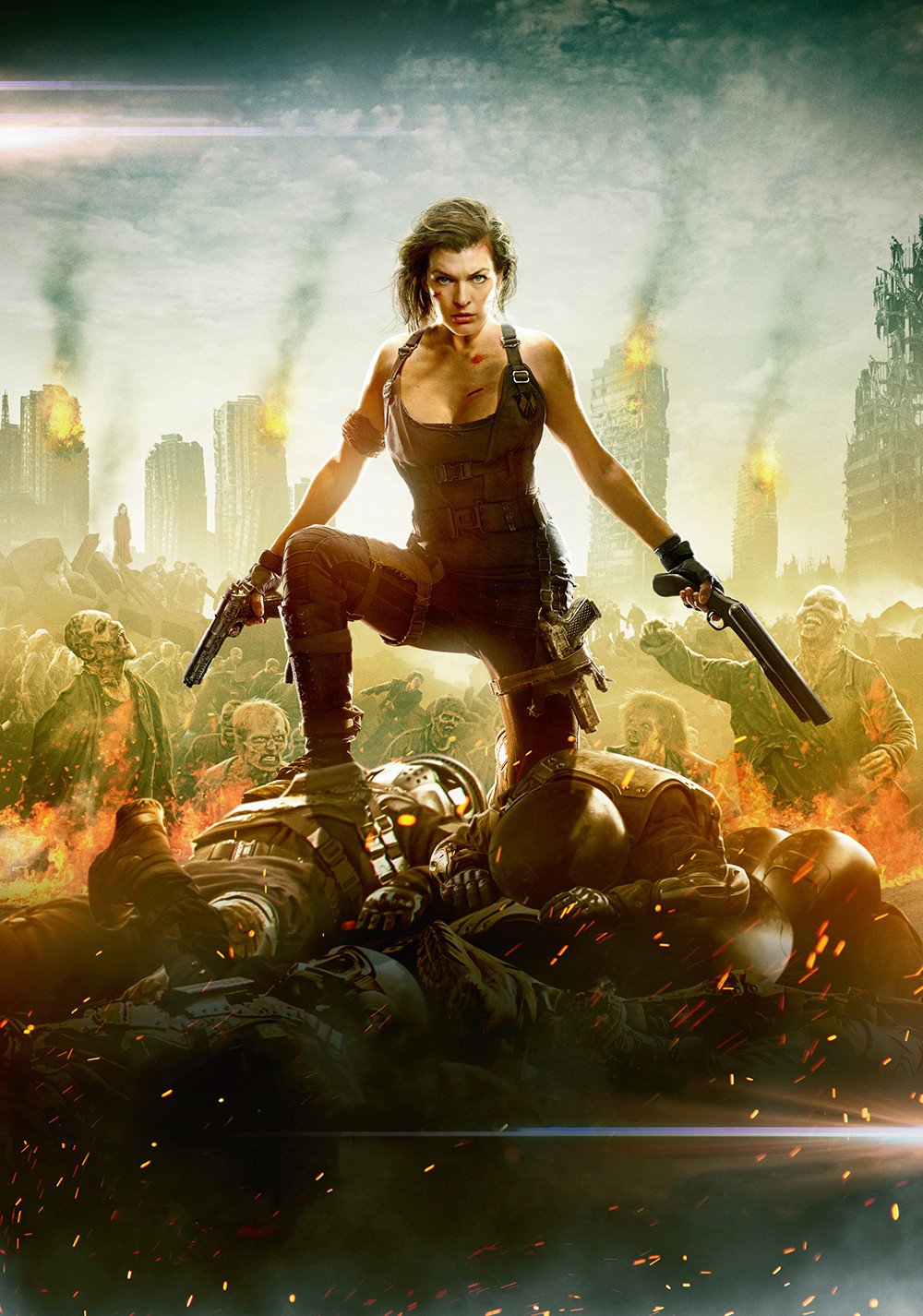
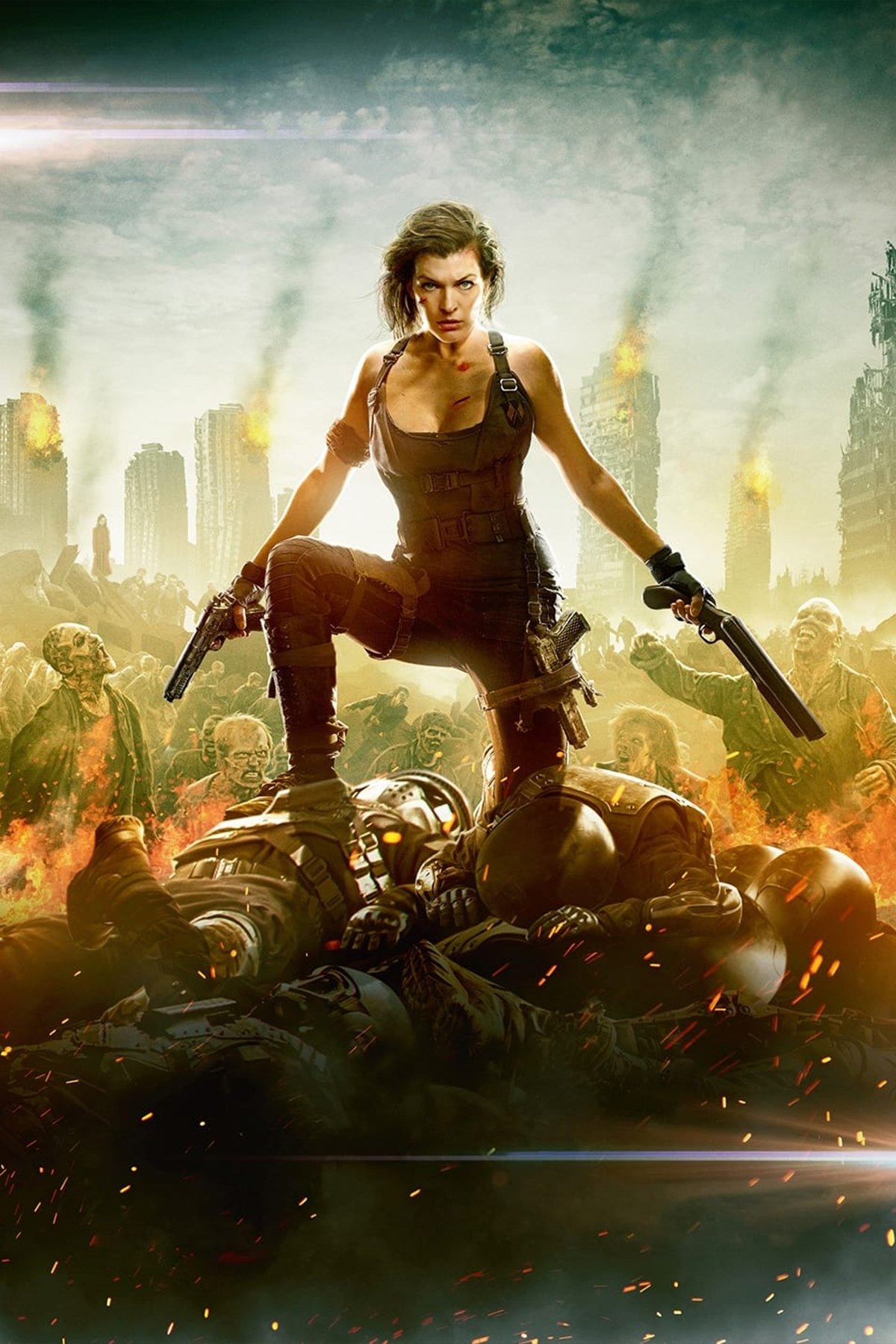
The infected dogs were entirely computer generated, according to Robinson, although stunt crews used mechanical rigs for moments when their attacks affected a human performer. Zombie crowds mixed photographed extras in makeup with computer-generated figures animated partly through motion capture. This distinction is important because the presence of large numbers of digitally multiplied infected people does not mean the whole crowd originated in software. The artists deliberately gave the undead worn clothing and subdued, dirty colors to suggest years of exposure to the ruined world. In other scenes real pyrotechnic material supplied lighting or reference for digital fire, allowing physical and simulated elements to remain visually compatible.
Editing, Visual Effects and the Horror Image
Robinson reported just under two thousand visual-effects shots, an unusually large volume that required several departments and outside facilities. Mr. X oversaw complex creatures and environments within a wider collaboration supervised by Dennis Berardi. A separate account by Digital Media World documents Deluxe Toronto's involvement in final conforming, color work and cleanup, including difficulties created by rapid editing and numerous optical transitions. The studio's online editor described extended frame-by-frame matching on selected passages. These production records ground an analysis of the finished film's visual texture in specific technical operations, rather than treating all manipulation as an undifferentiated category of CGI.
The images repeatedly alternate dark confined interiors with enormous ruined exteriors. The return to the Hive restores corridors, traps and controlled access routes, while the journey across devastated roads emphasizes isolation on a much larger scale. Anderson's preference for abrupt action cutting, noted in post-production reporting, makes some encounters difficult to inspect in detail; that effect differs considerably from the longer, depth-conscious shots discussed in connection with Afterlife. The final installment thus combines a return to the original film's enclosed horror architecture with a far more elaborate network of digitally constructed environments. The tension between confinement and spectacle is one of its defining stylistic features.
Release, Versions and Critical Reception
The film began theatrical distribution in Japan on December 23, 2016 and opened in the United States on January 27, 2017. The Australian Classification Board recorded an original 106-minute 3D cinema version in December 2016 and classified it MA 15+ for strong horror themes and violence. The BBFC separately lists 2017 home-entertainment submissions running 106 minutes 26 seconds in 3D and 102 minutes 4 seconds in 2D. Those different timings establish distinct submitted formats, but they do not by themselves prove major story cuts: differing playback speeds must be considered before attributing changes to censorship or alternate editing.
In his January 2017 review for RogerEbert.com, Peter Sobczynski found the final installment less visually striking than Retribution and criticized parts of its dark action photography, while continuing to value Jovovich's physical commitment and the series' flamboyant absurdity. His mixed assessment is a documented contemporary critical response rather than a settled verdict on the film's reputation. The release also illustrates the franchise's global distribution: its Japanese opening preceded the American run by more than a month. As the endpoint of the original Alice cycle, the film closes Umbrella's central conspiracy while leaving the larger infected world beyond the Hive as an unresolved consequence.
References
LRM Online — NYCC Exclusive: Resident Evil Mastermind Paul WS Anderson on The Final Chapter
Original interview on the production delay, South African locations and deliberate change from the preceding film's visual design.
The Art of VFX — Resident Evil - The Final Chapter: Eric Robinson - VFX Supervisor - Mr. X
Extended original 2017 effects interview documenting creature rigs, motion capture, Raccoon City environments and the scale of digital work.
Digital Media World — Deluxe Toronto Takes on 4K Post for Resident Evil's Last Stand
Technical reporting with post-production personnel on finishing, effects integration and unusually complex optical conforming.