Production and Ercoli's Giallo Cycle
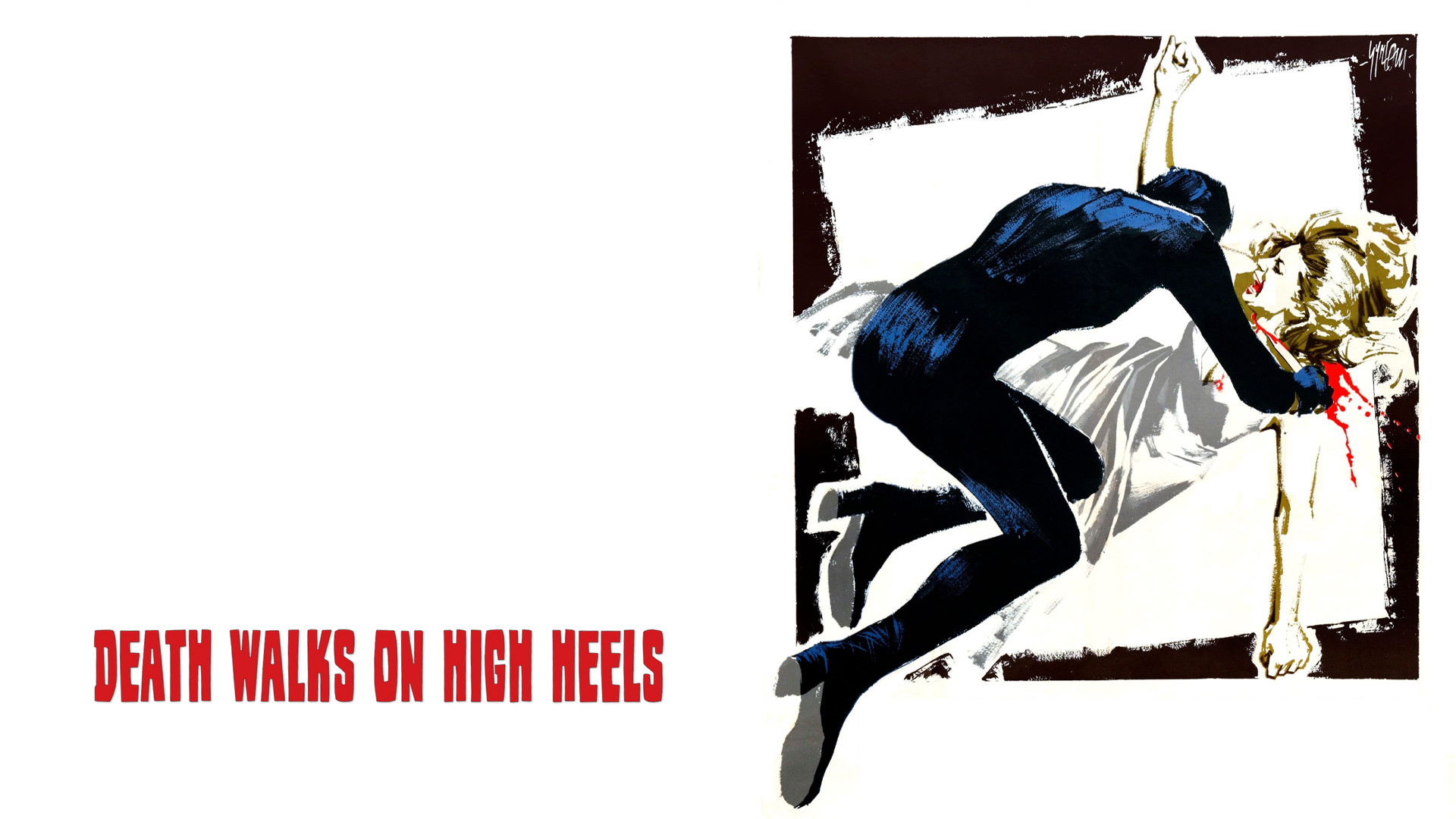
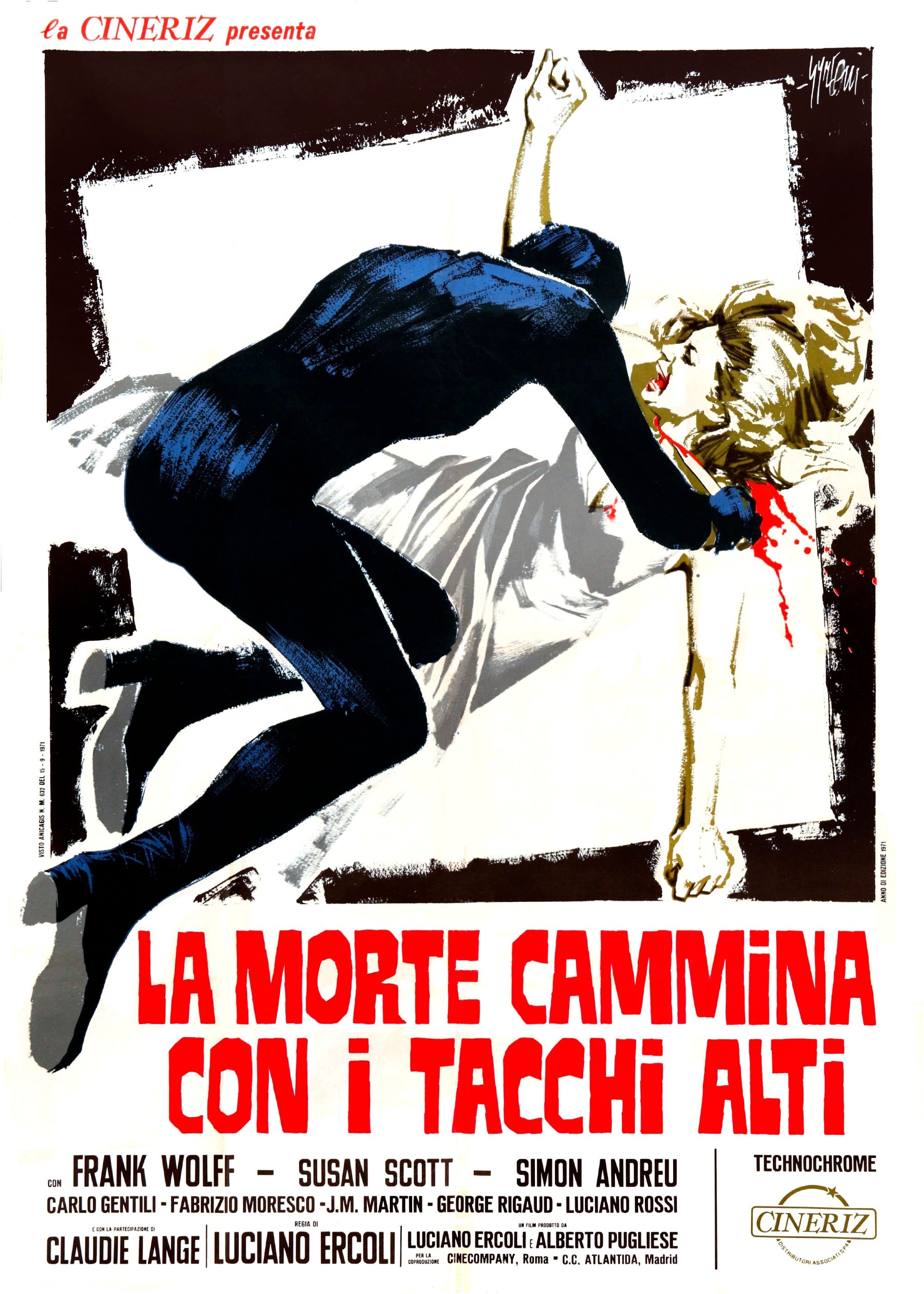
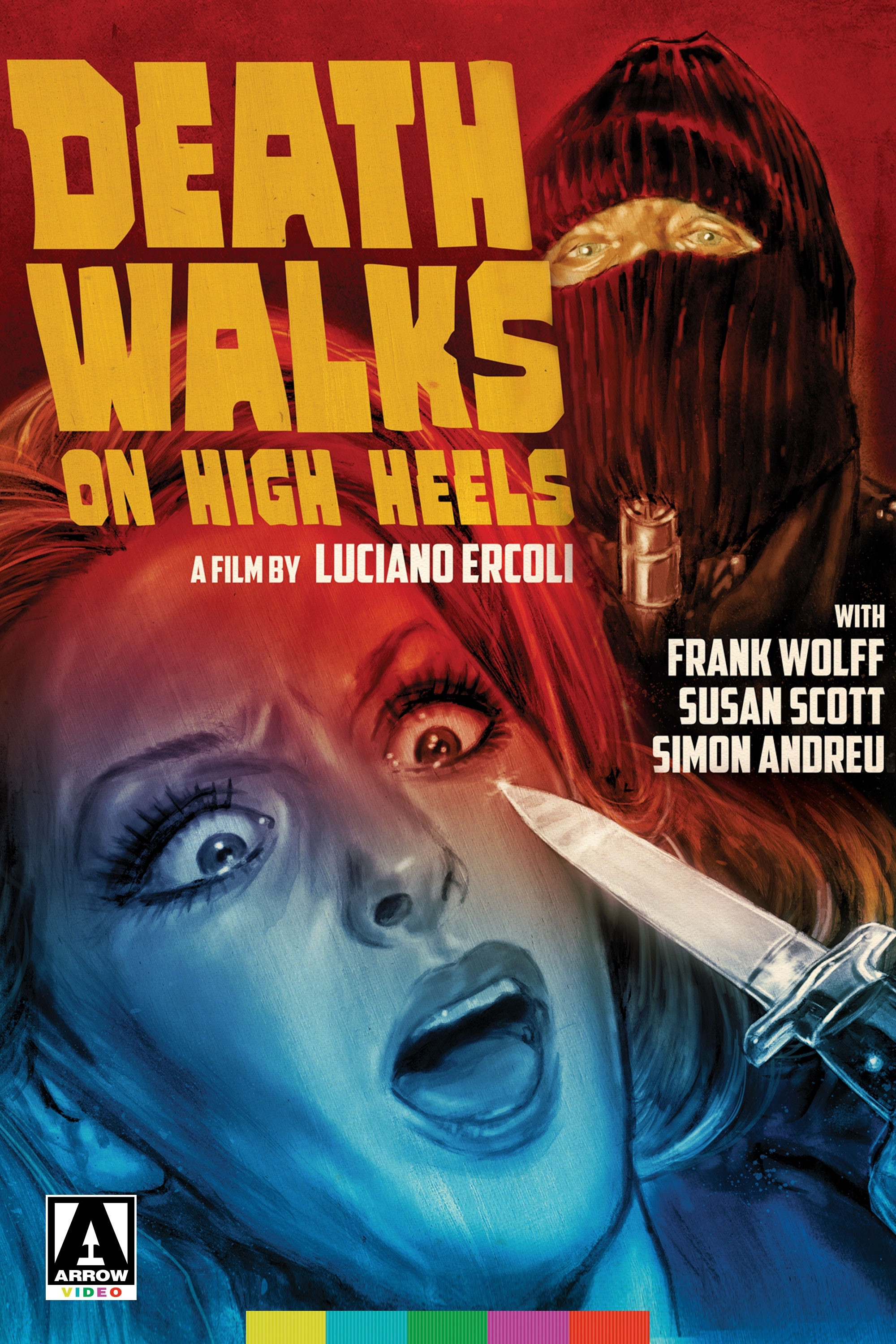
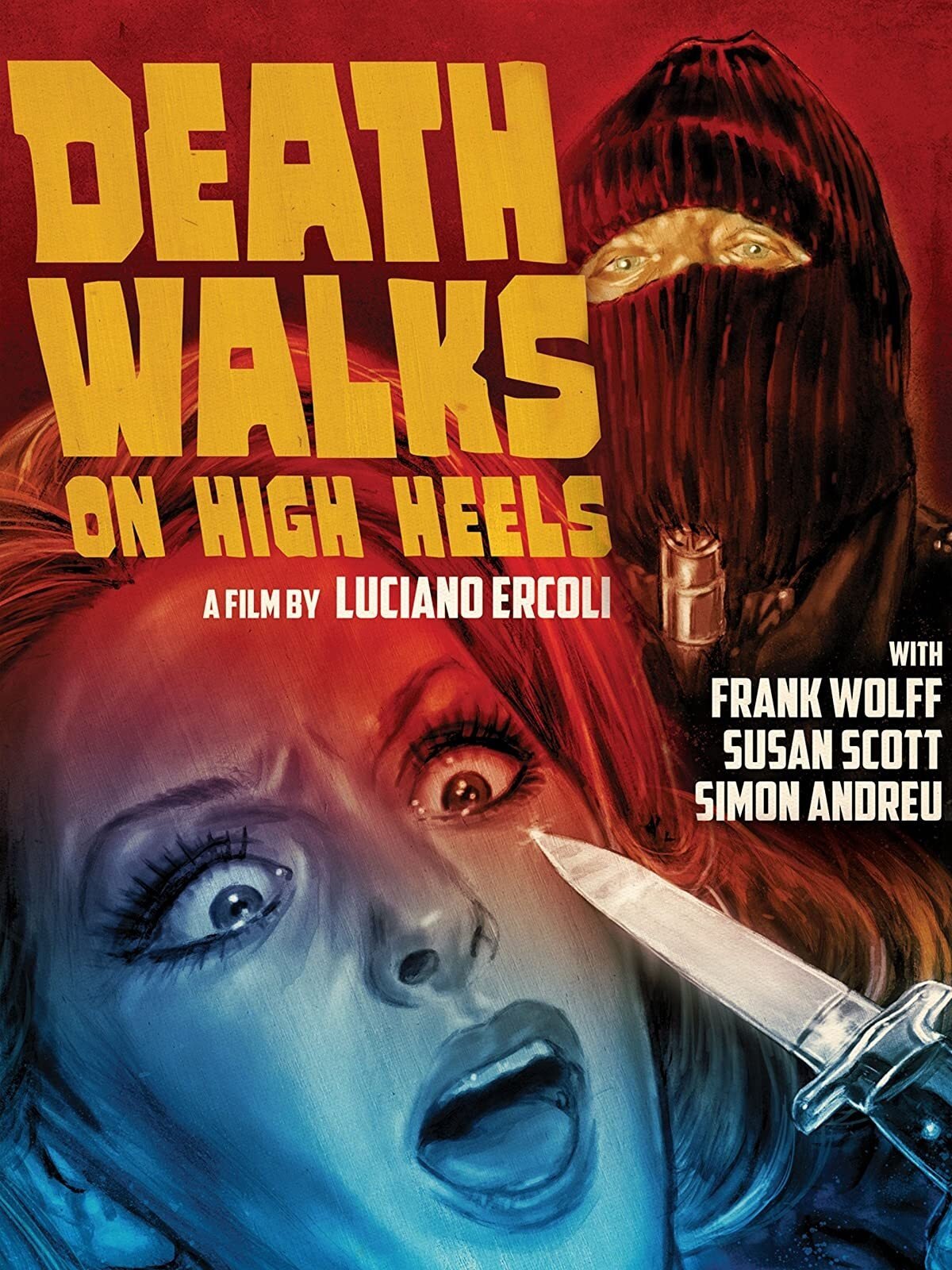
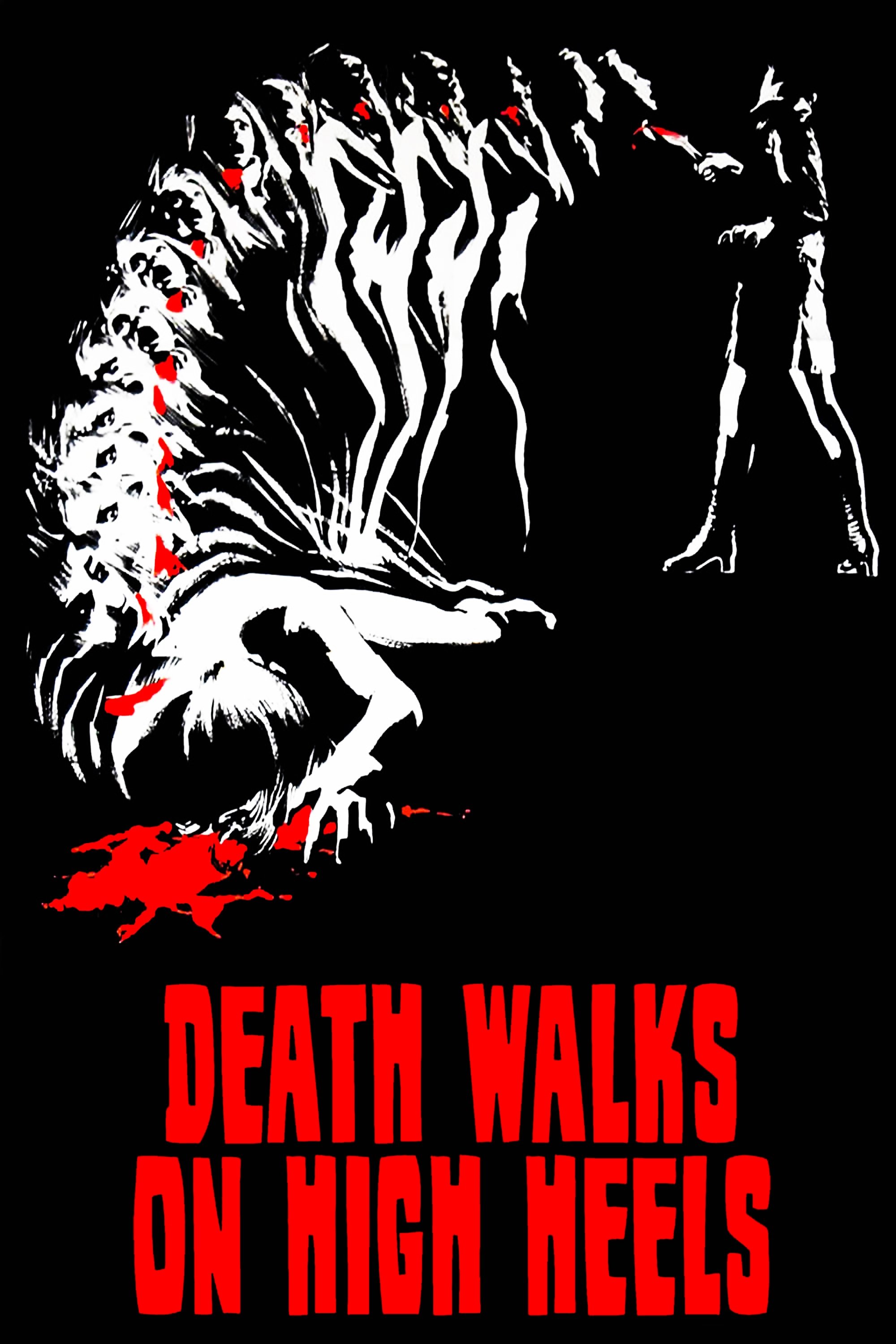
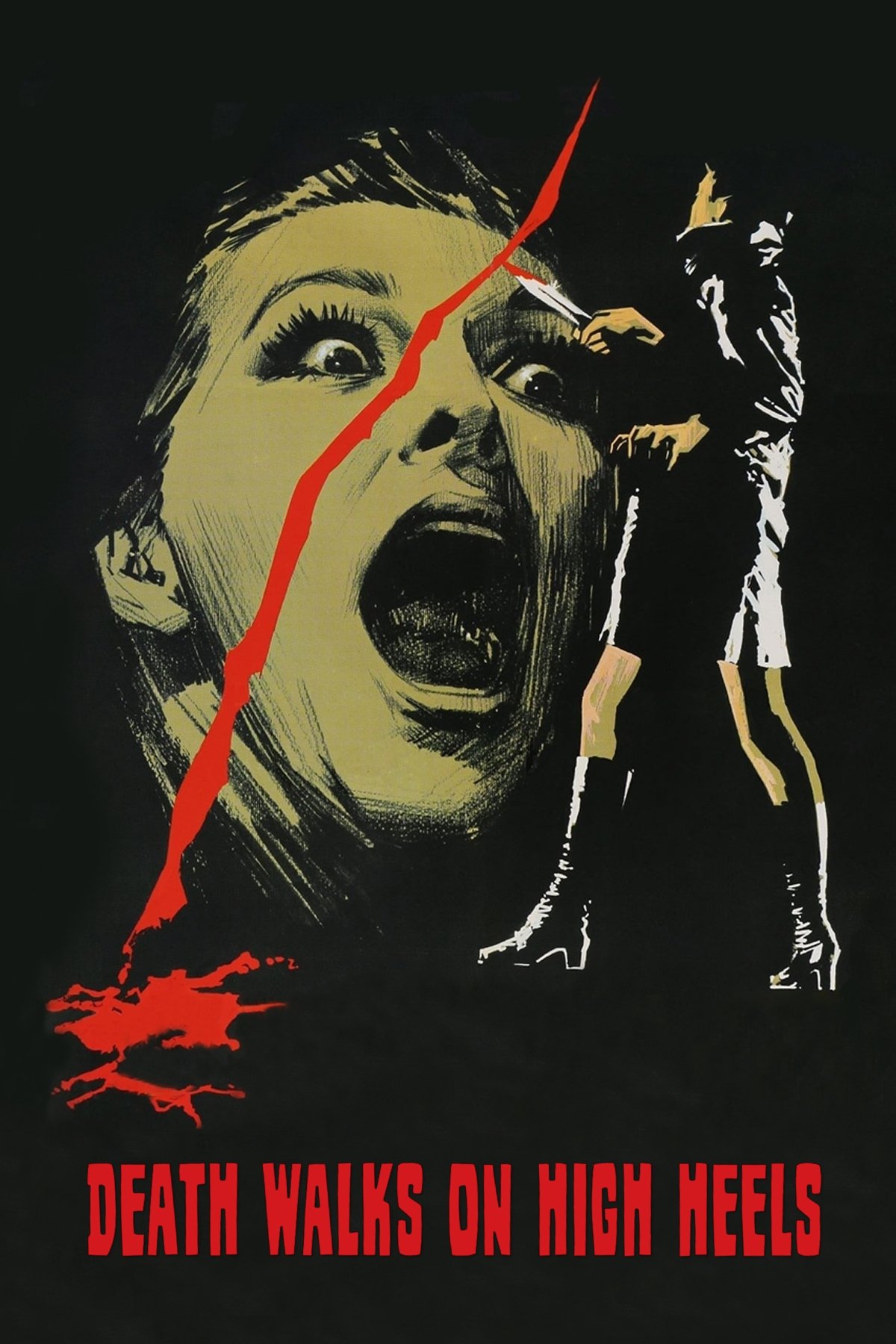
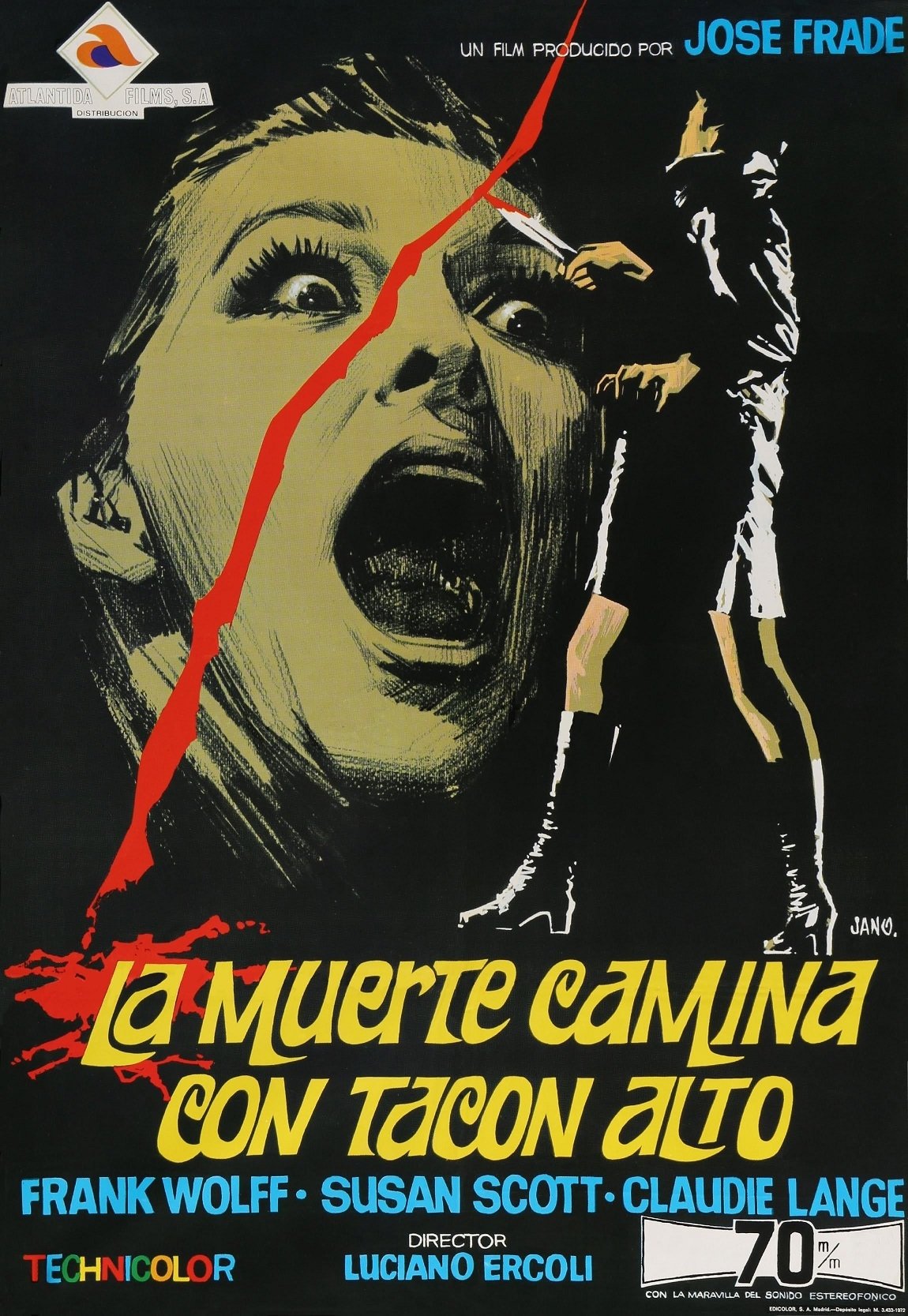
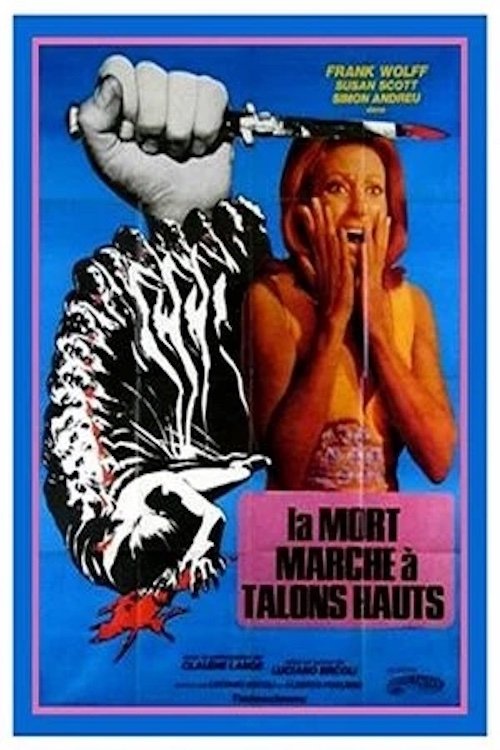
Luciano Ercoli entered directing after an established career as a producer, having worked on Italian popular cinema during the 1960s. His production background included the commercially successful spaghetti western A Pistol for Ringo (1965) and other genre films made for international circulation. He moved into directing with The Forbidden Photos of a Lady Above Suspicion, released in 1970, at a time when Italian producers were increasingly investing in psychological thrillers. Death Walks on High Heels was his second feature as director. Its production involved the Italian company Cinecompany and the Spanish company Atlántida Films, reflecting the cross-border arrangements that frequently supported European genre filmmaking.
Ercoli developed a recognizable working relationship with Ernesto Gastaldi, whose screenwriting career already included Italian horror and mystery productions. Gastaldi had contributed to films such as The Vampire and the Ballerina (1960), Werewolf in a Girl's Dormitory (1961) and The Horrible Dr. Hichcock (1962). His subsequent work in the giallo cycle, particularly his collaborations with Sergio Martino, would further establish his reputation for constructing intricate mysteries involving false identities, sexual relationships and concealed motives. Death Walks on High Heels credits Gastaldi and Mahnahén Velasco on its screenplay, with Dino Verde also associated with the story. These credited contributions should be retained despite later uncertainty about the precise division of writing responsibilities.
In retrospective material discussed in reviews of Arrow Video's restoration, Ercoli reportedly maintained that Velasco's writing credit resulted from contractual requirements associated with the Spanish coproduction. This is a recollection attributed to the director rather than independently documented evidence that her contribution was nonexistent. The film's production and writing credits therefore remain the appropriate historical record. Ercoli continued the same creative partnership with Death Walks at Midnight, released the following year. Although their English titles suggest a direct connection, the two Death Walks films tell separate stories, sharing performers, creative personnel and genre conventions rather than continuing the adventures of the same characters.