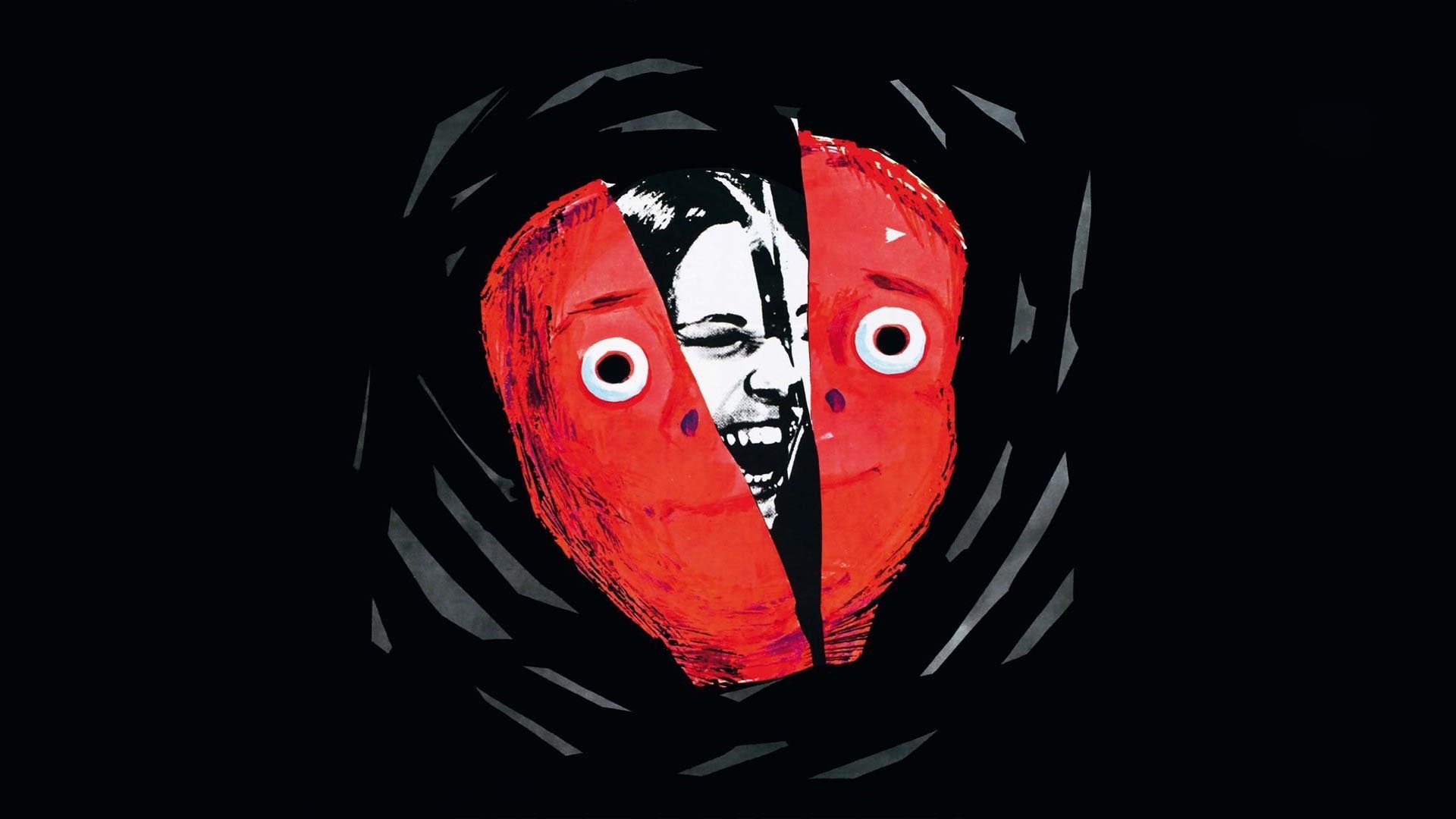
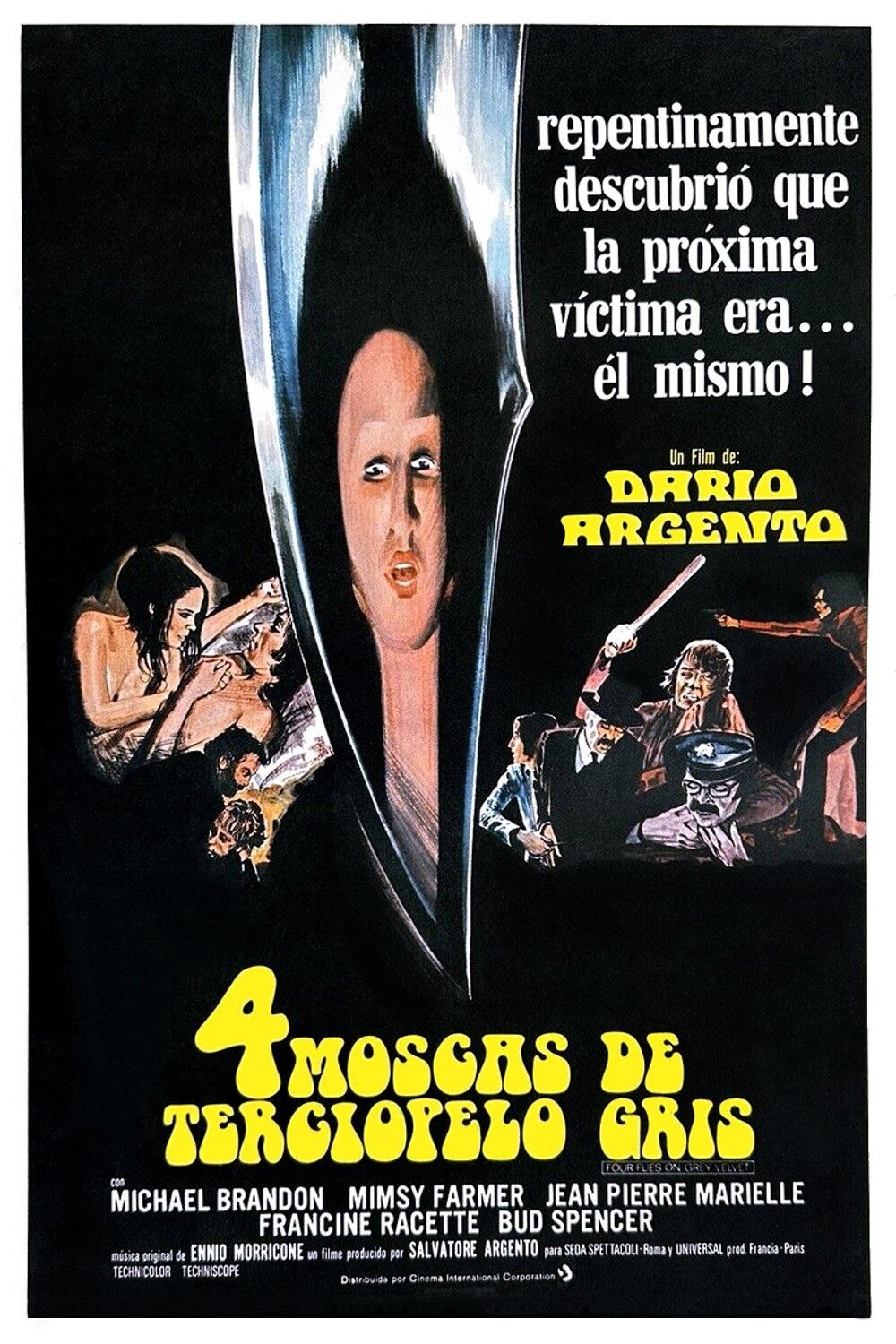
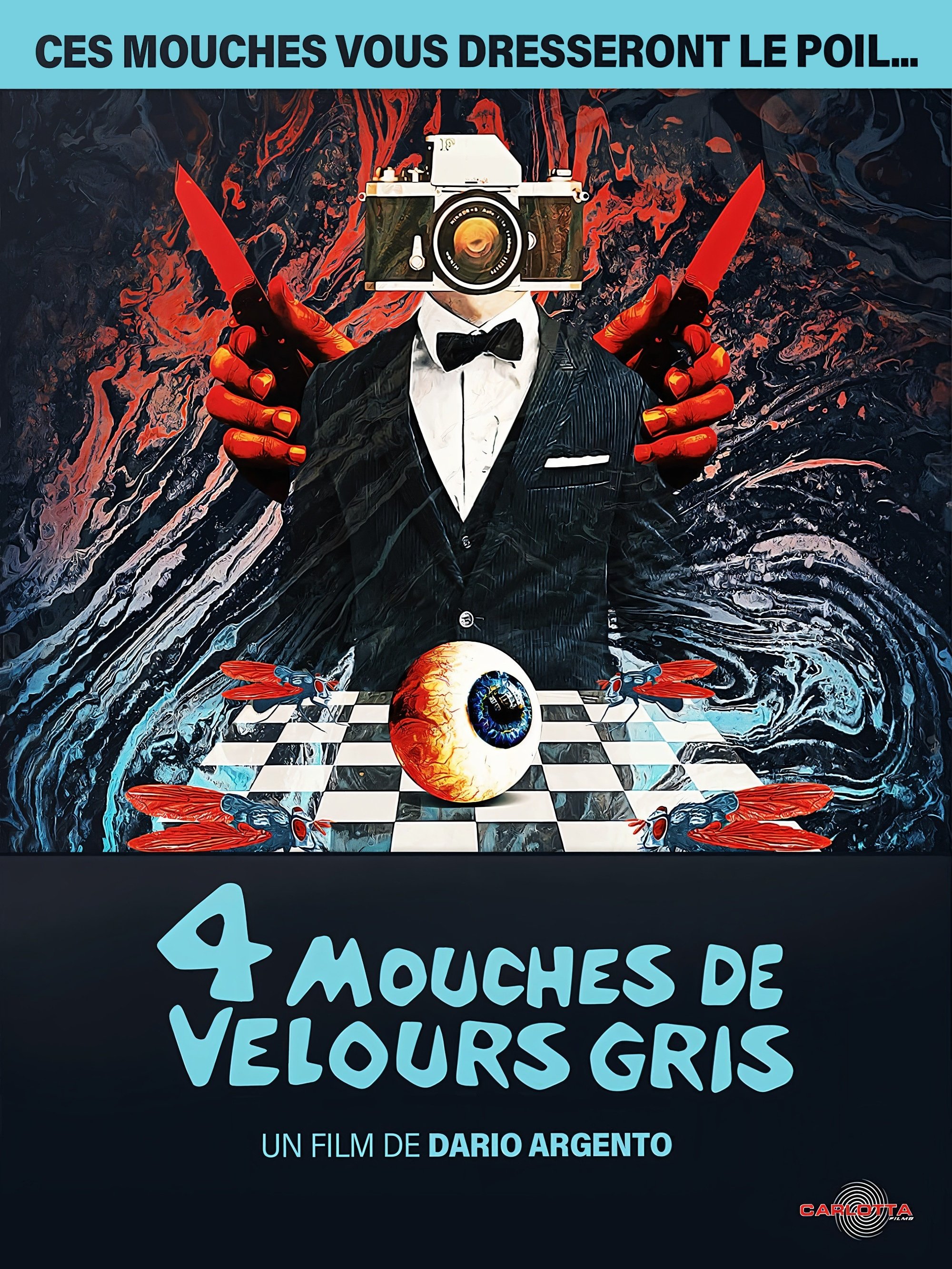
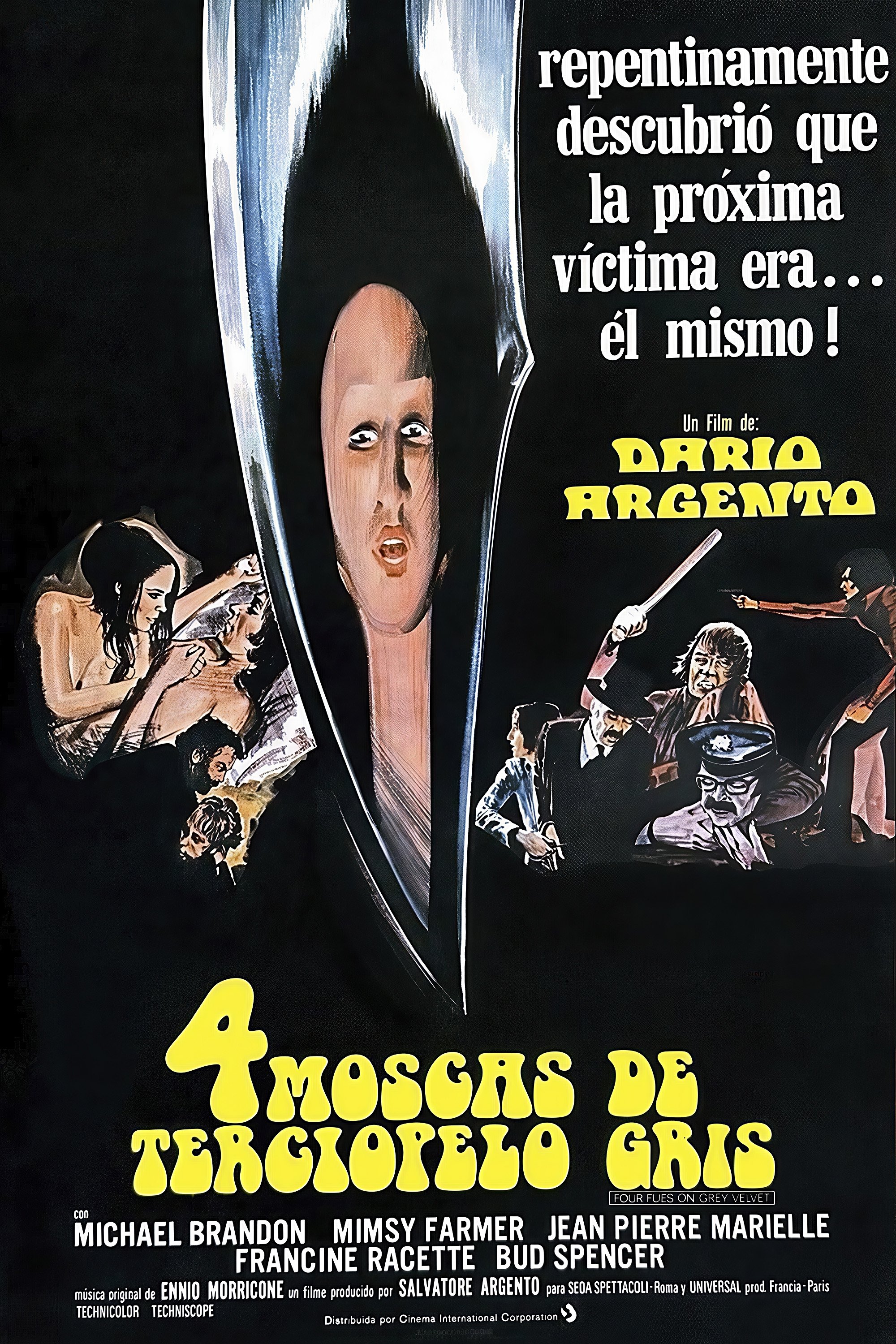
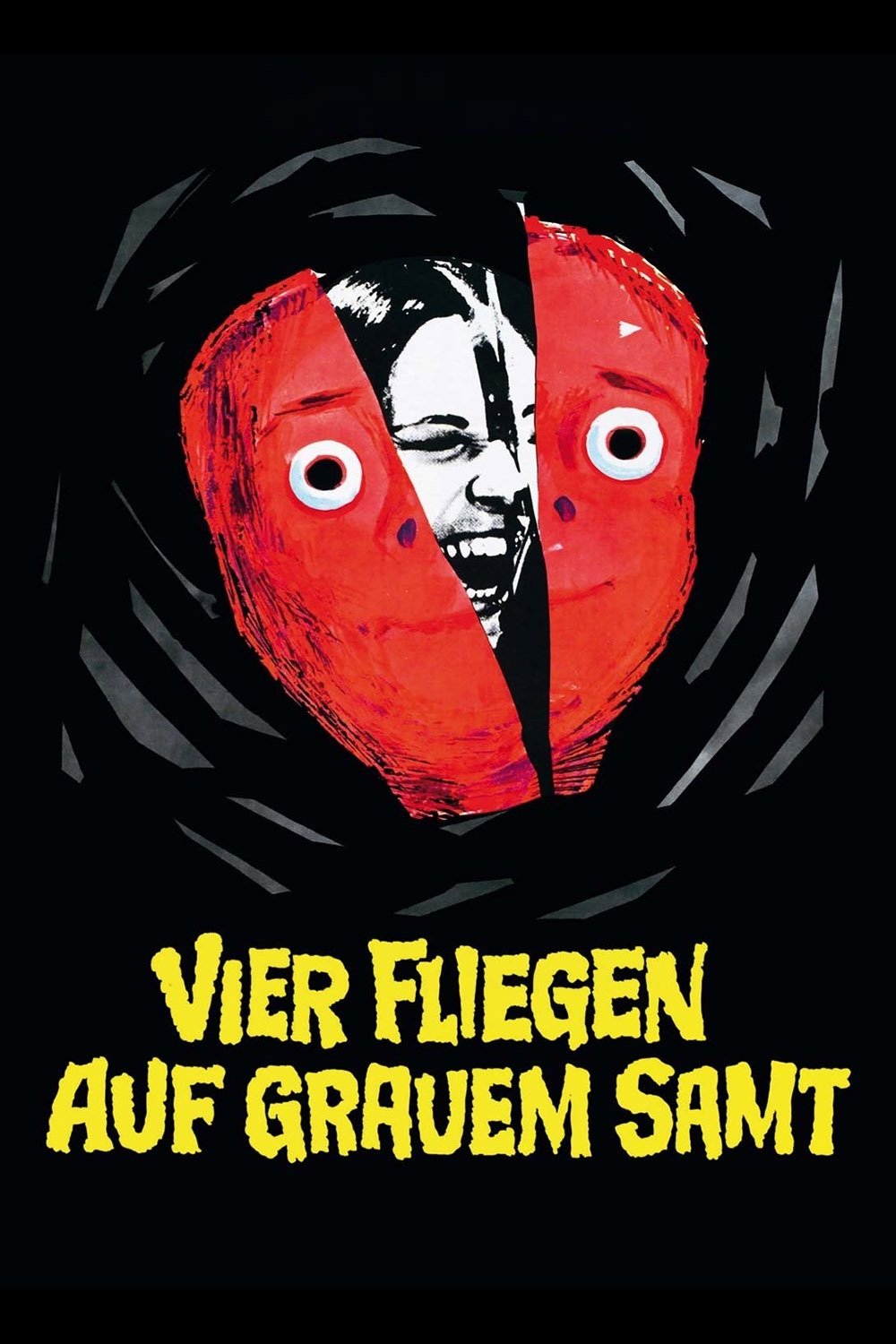
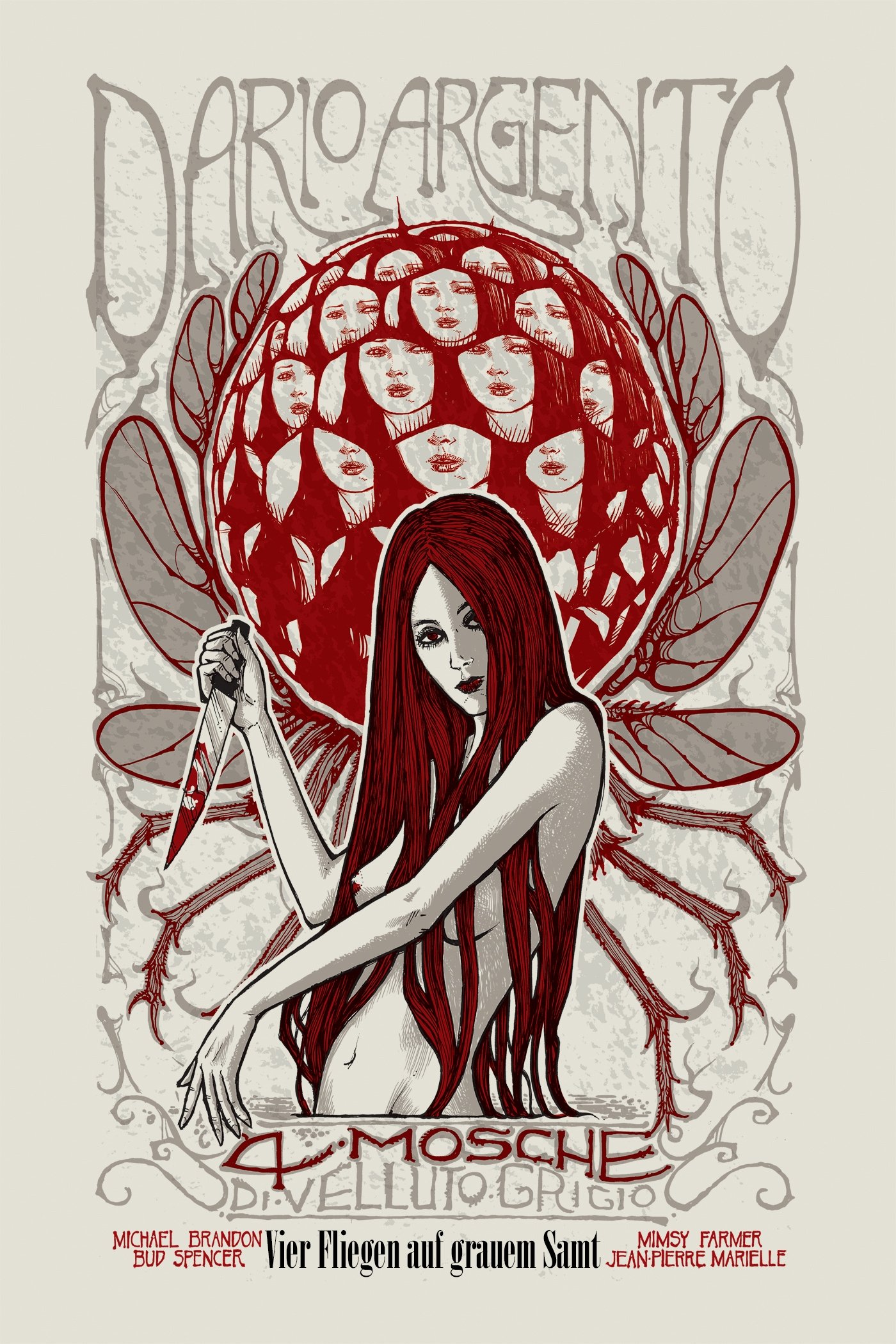
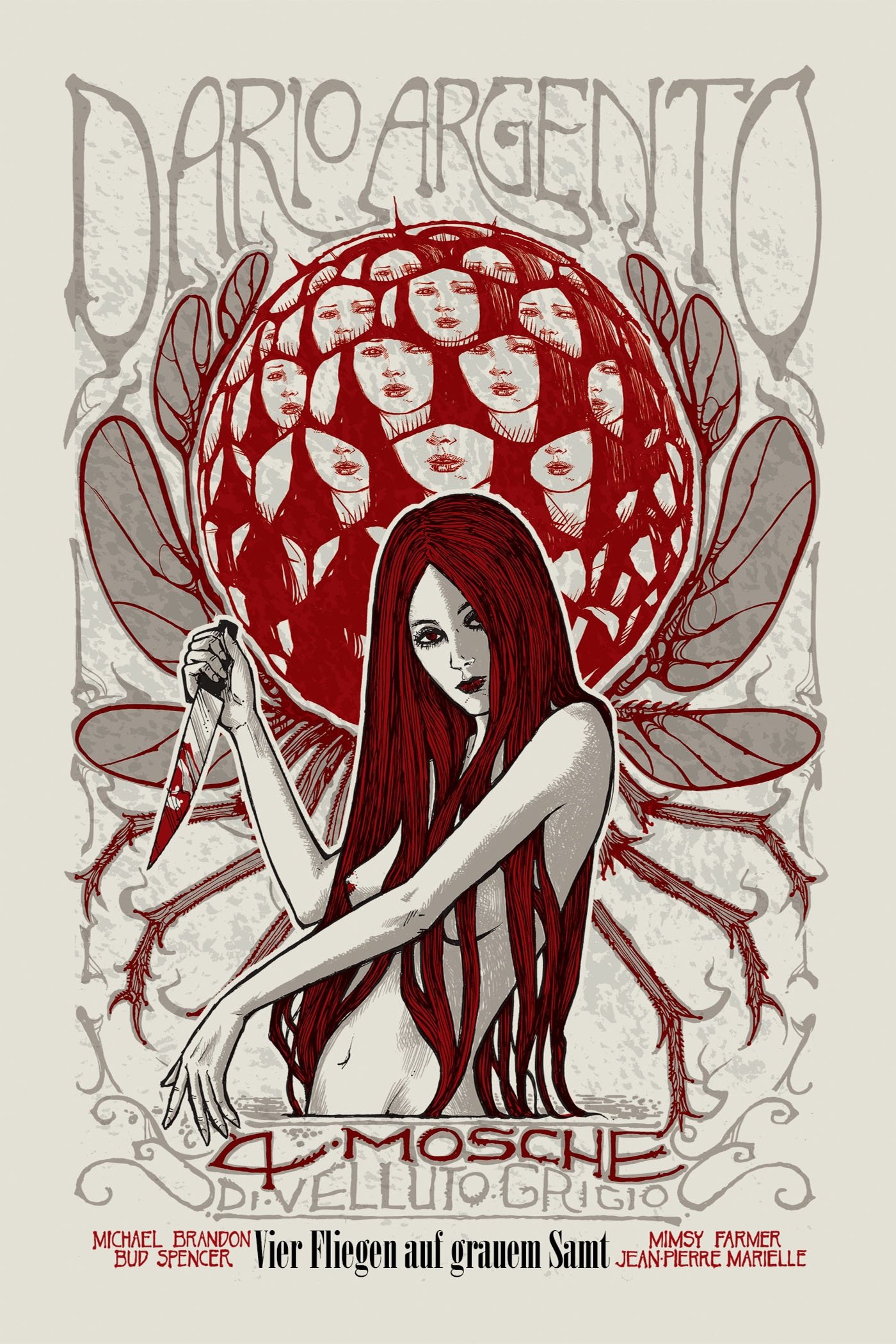
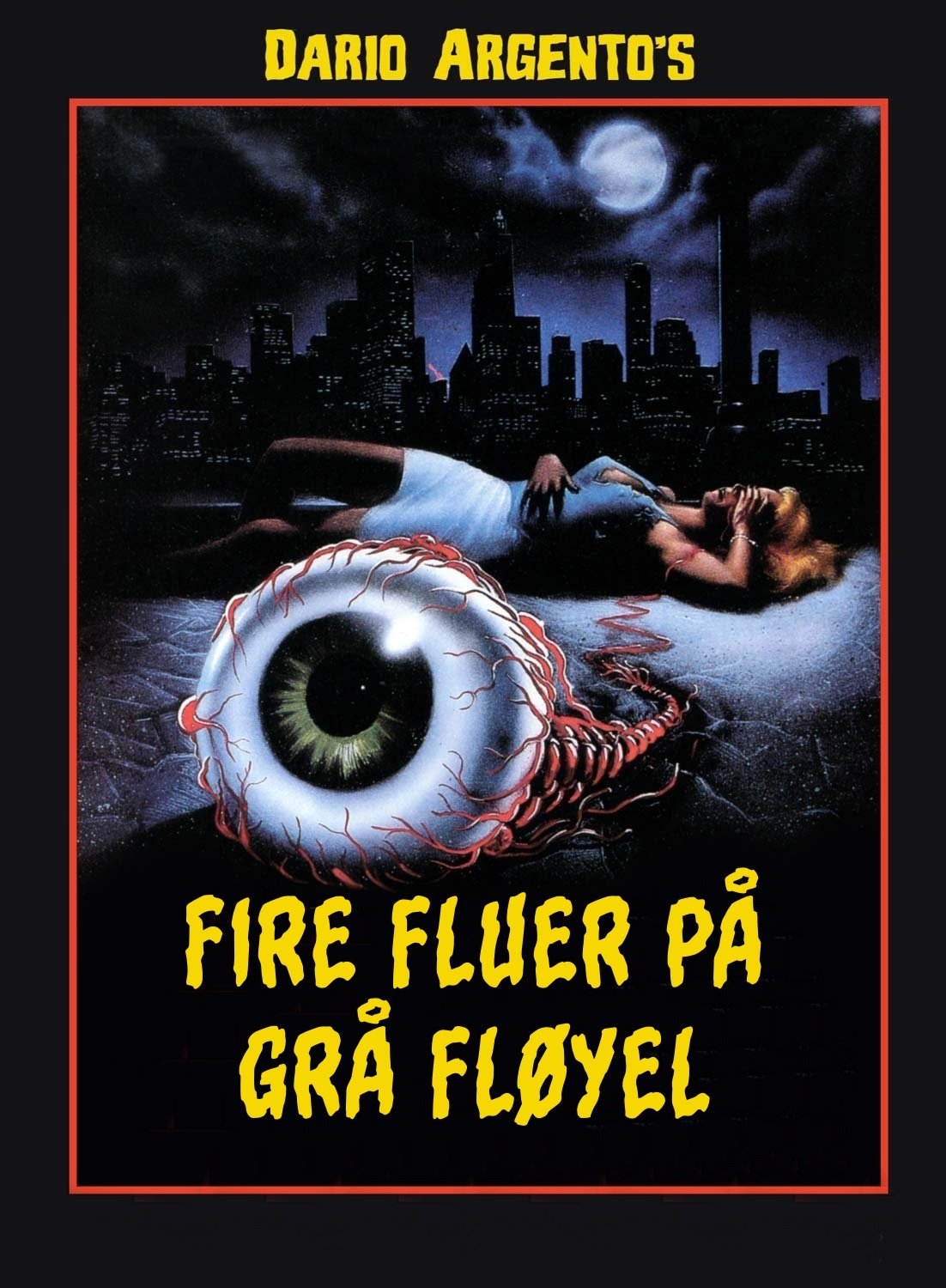
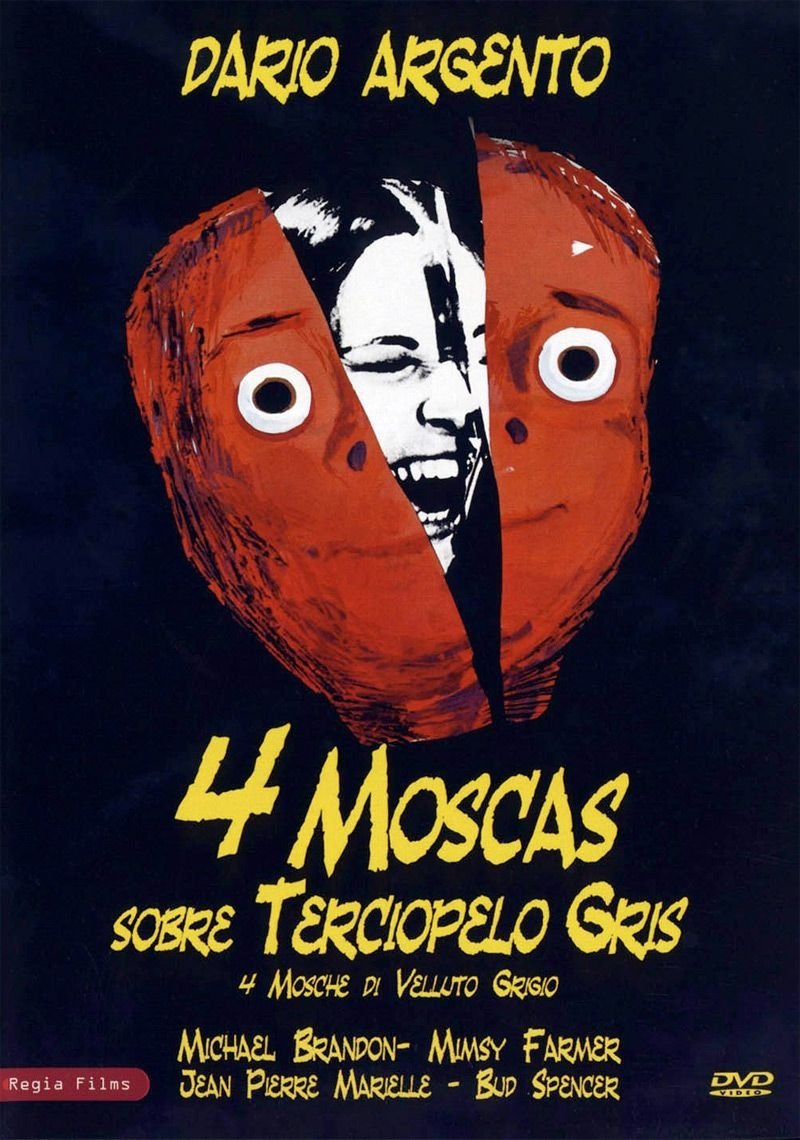
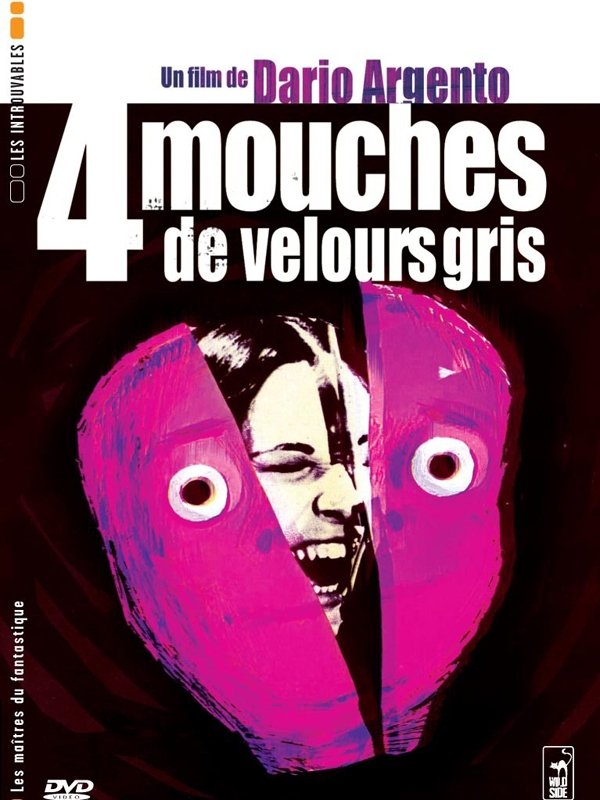
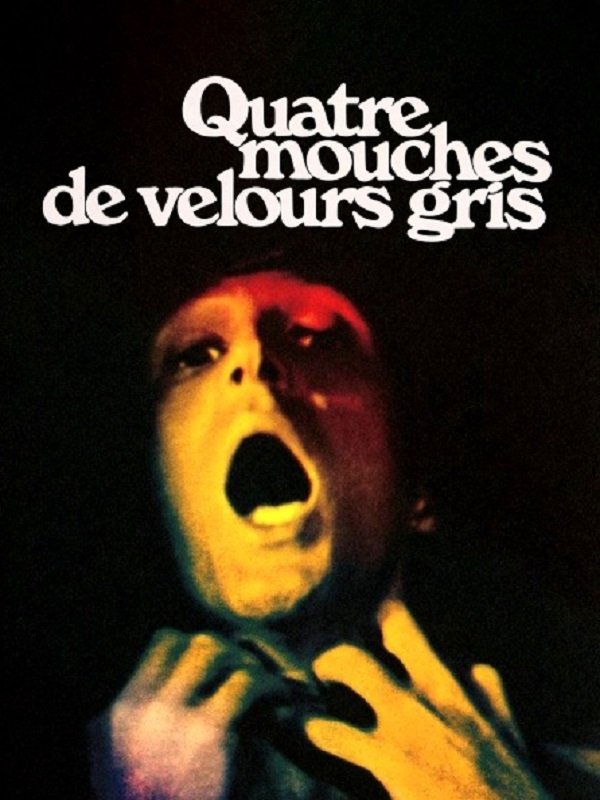
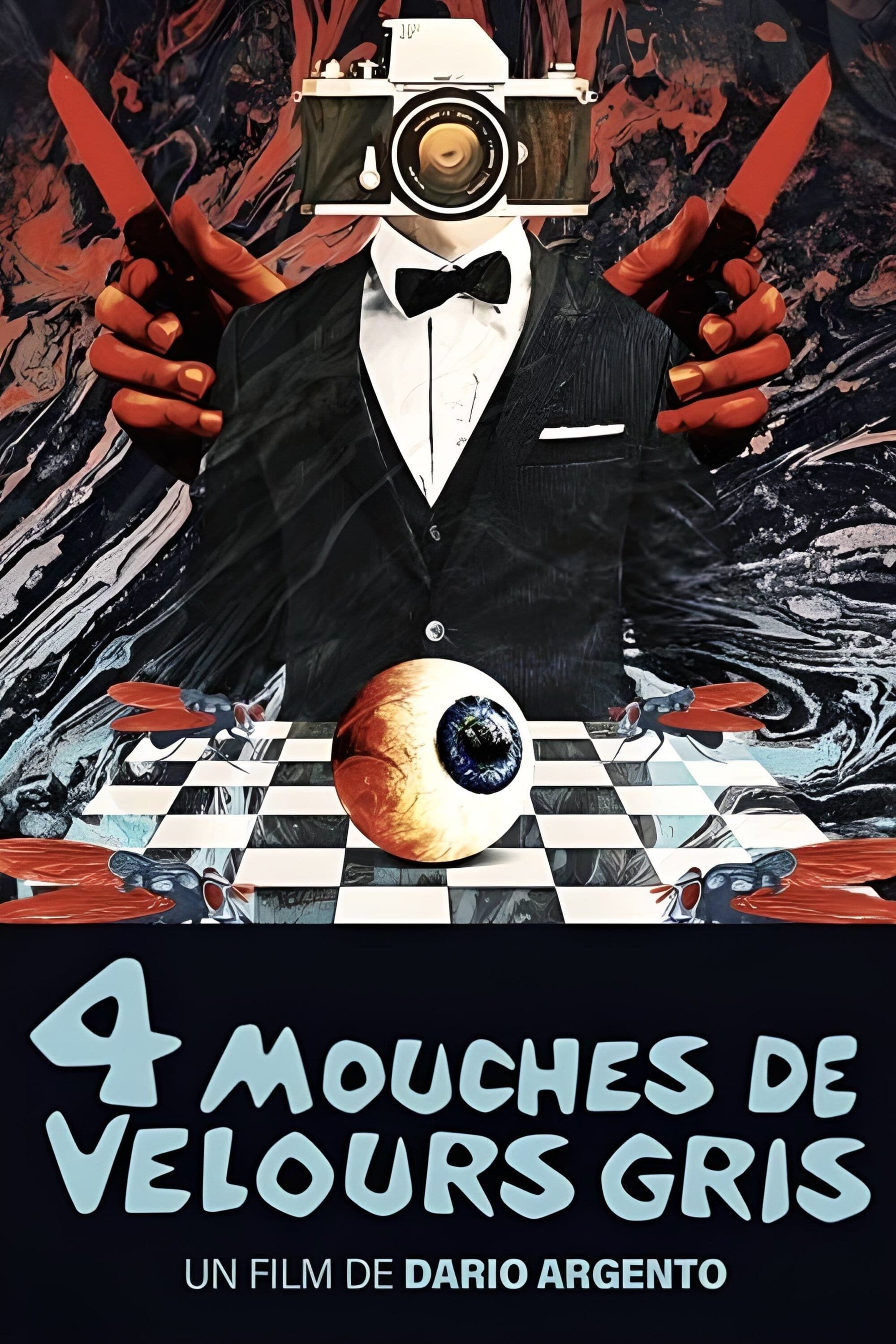
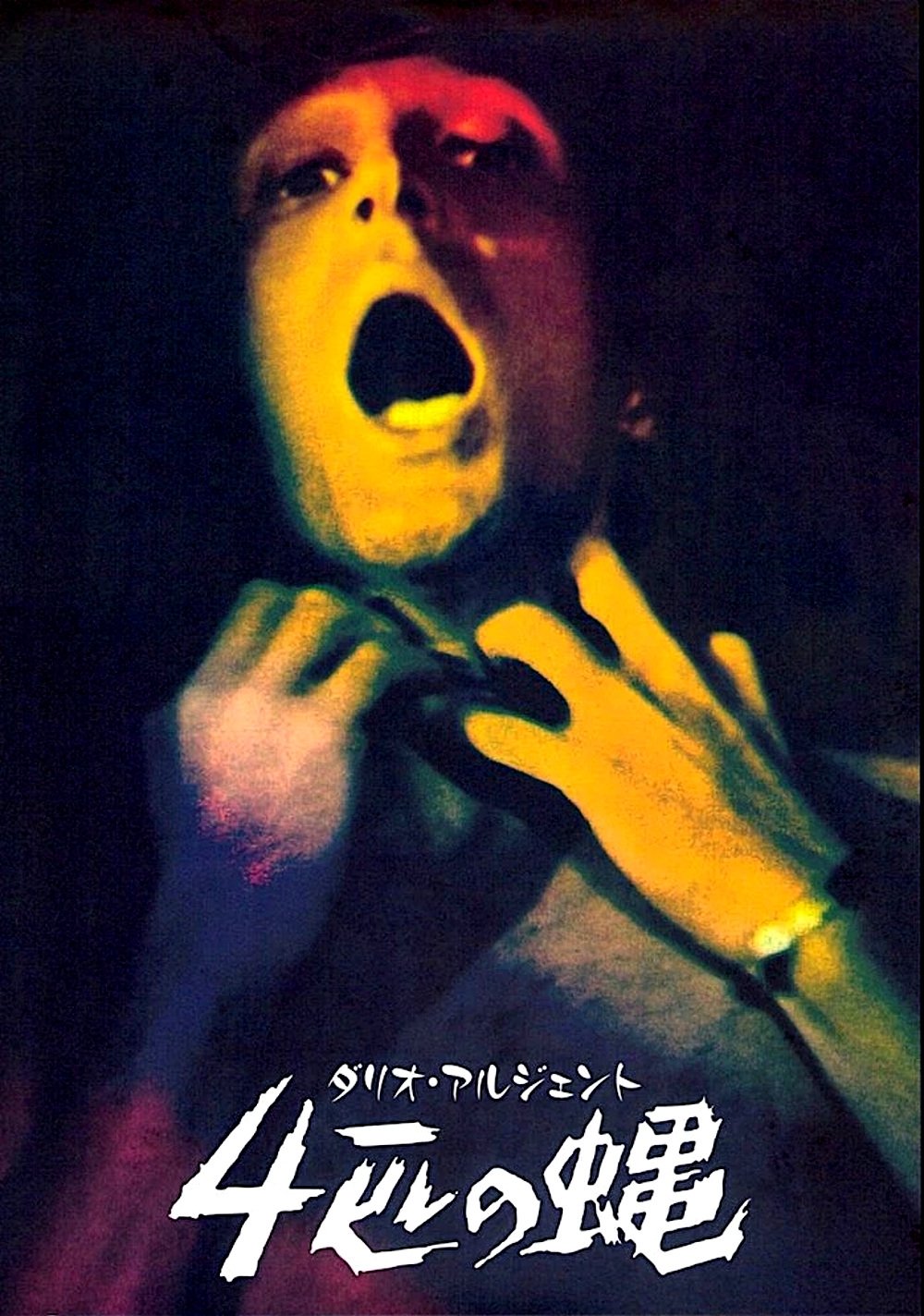
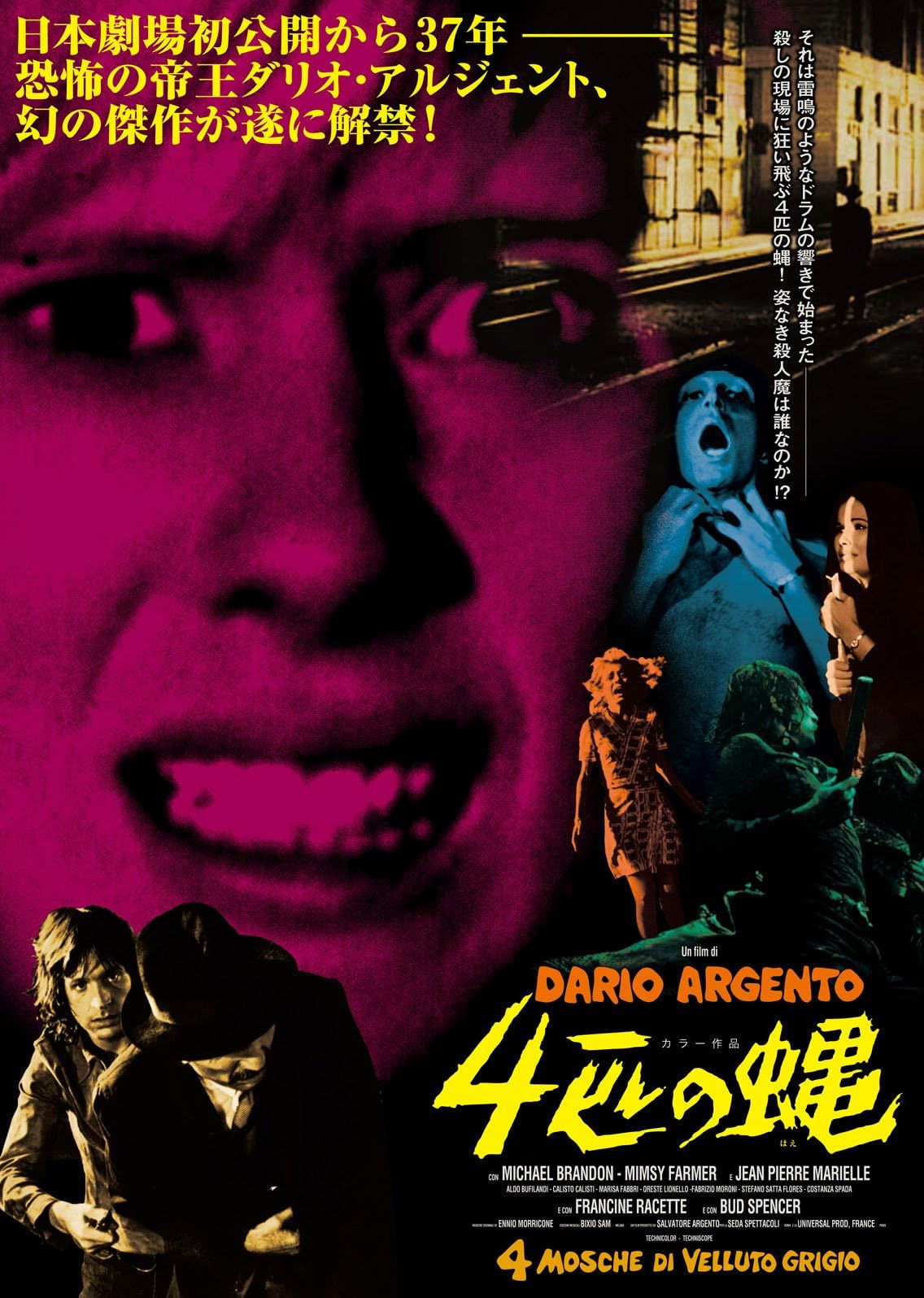
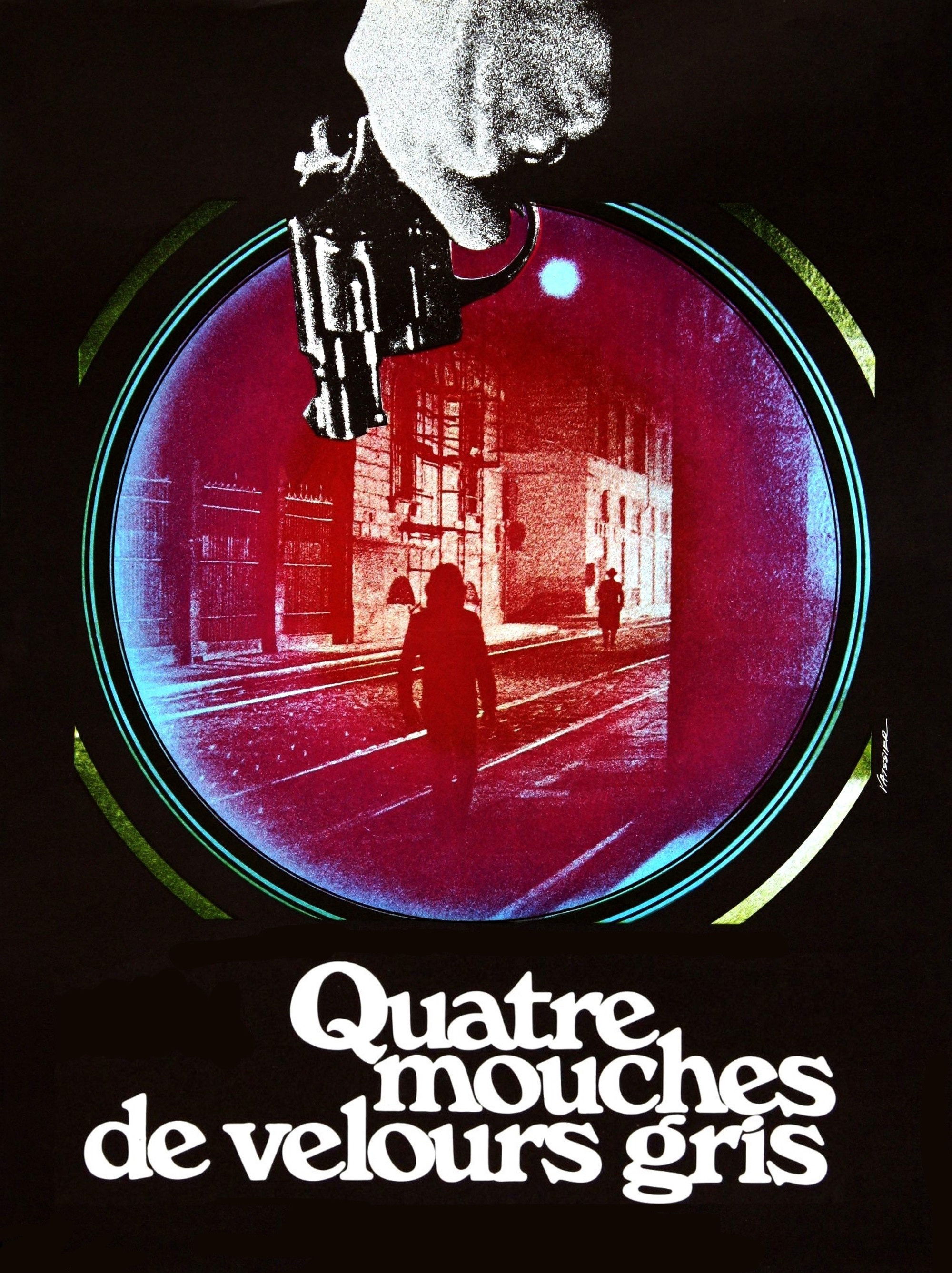
Four Flies on Grey Velvet (1971)

IT
HORROR FILM Mystery Thriller Crime
5.8/10 4 votes
Runtime
104 min
Release
December 17, 1971
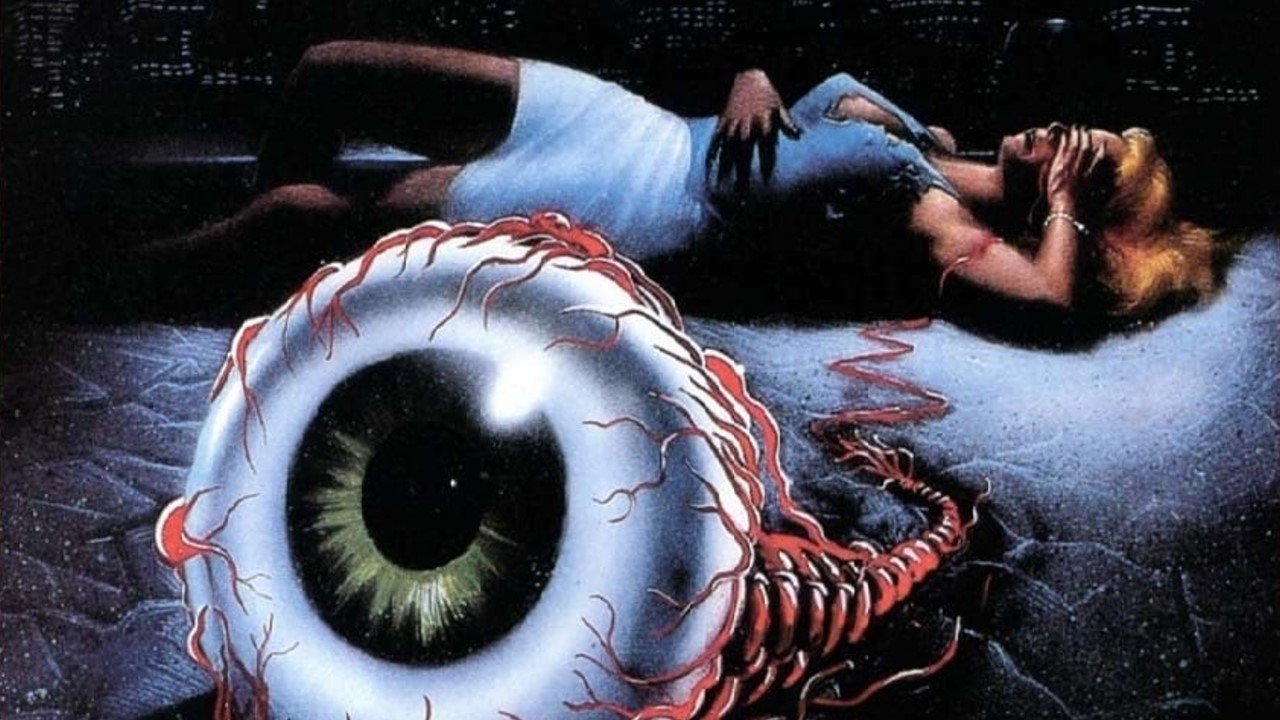
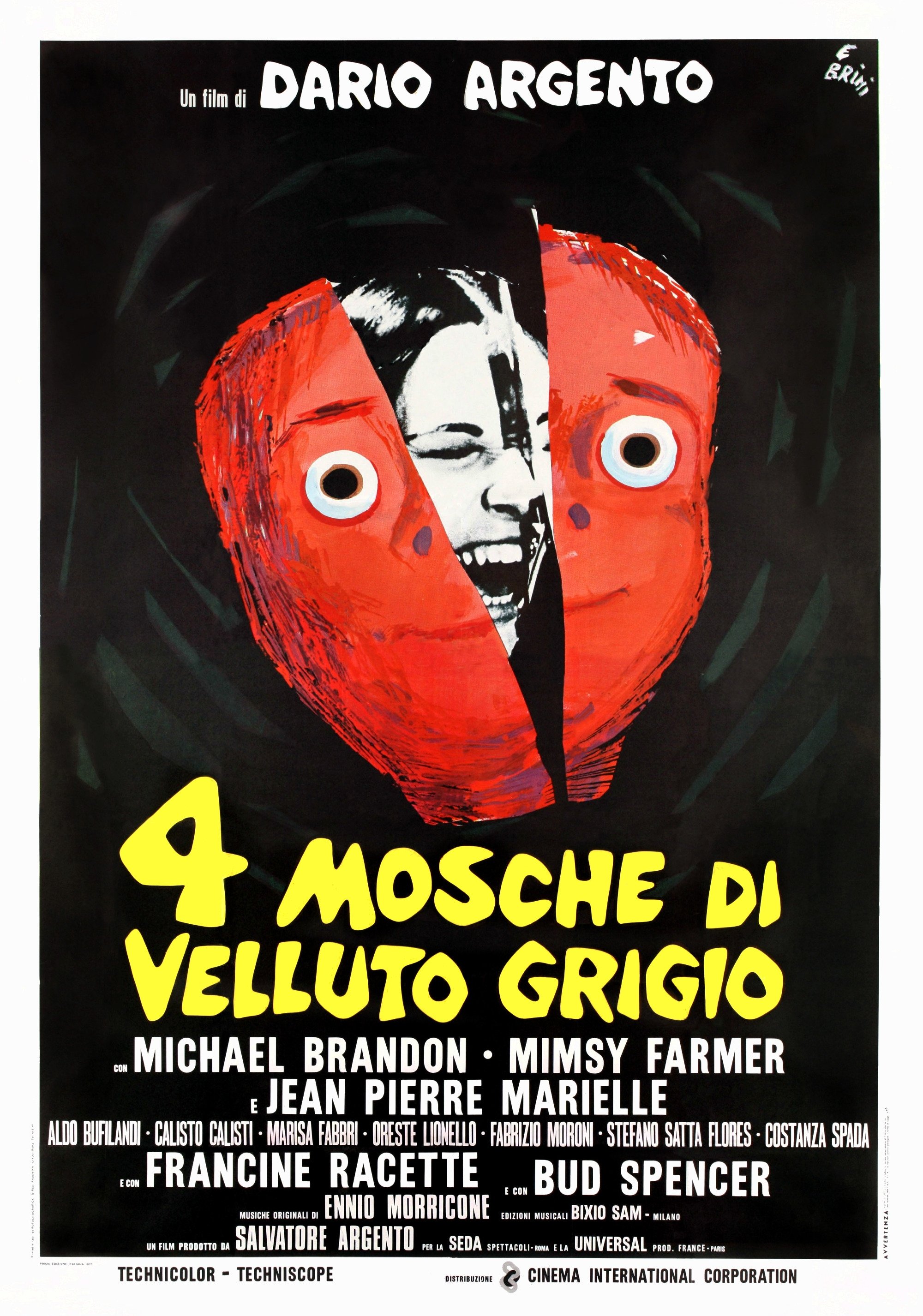
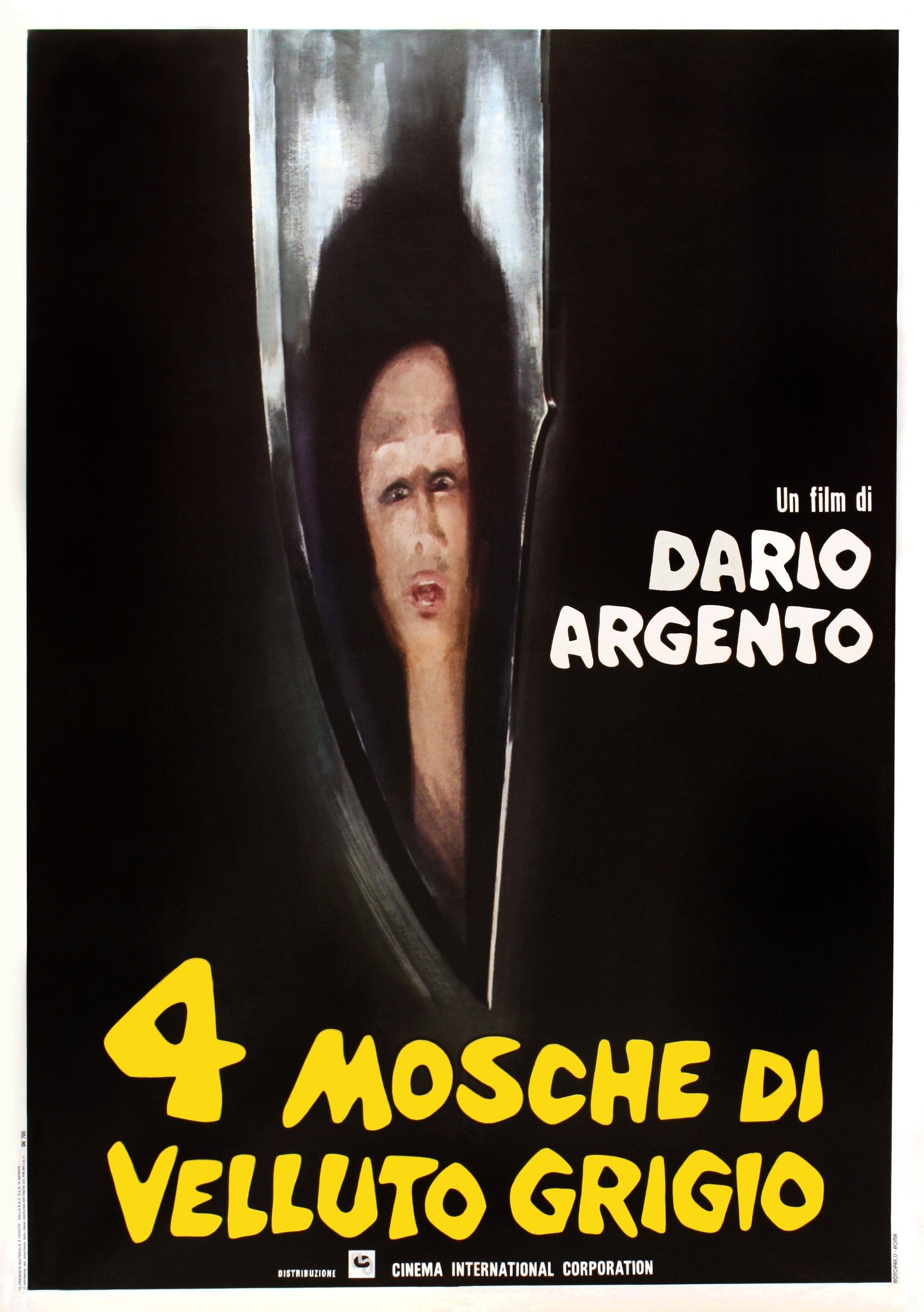
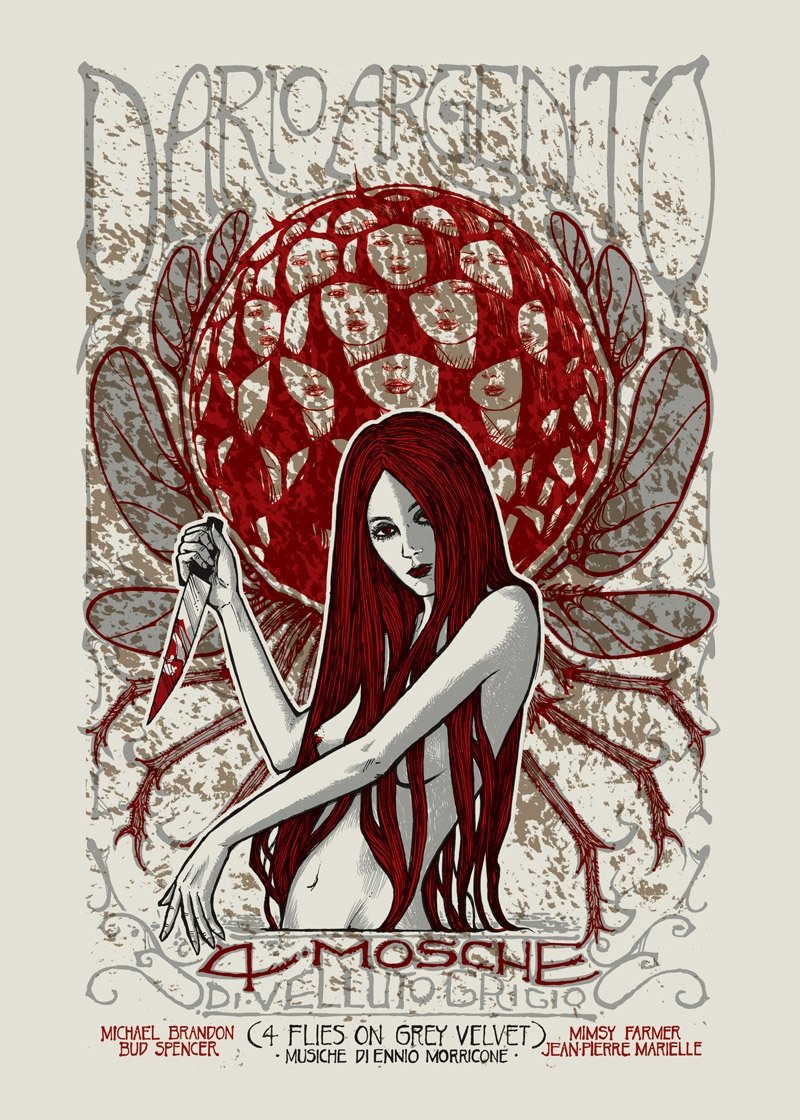
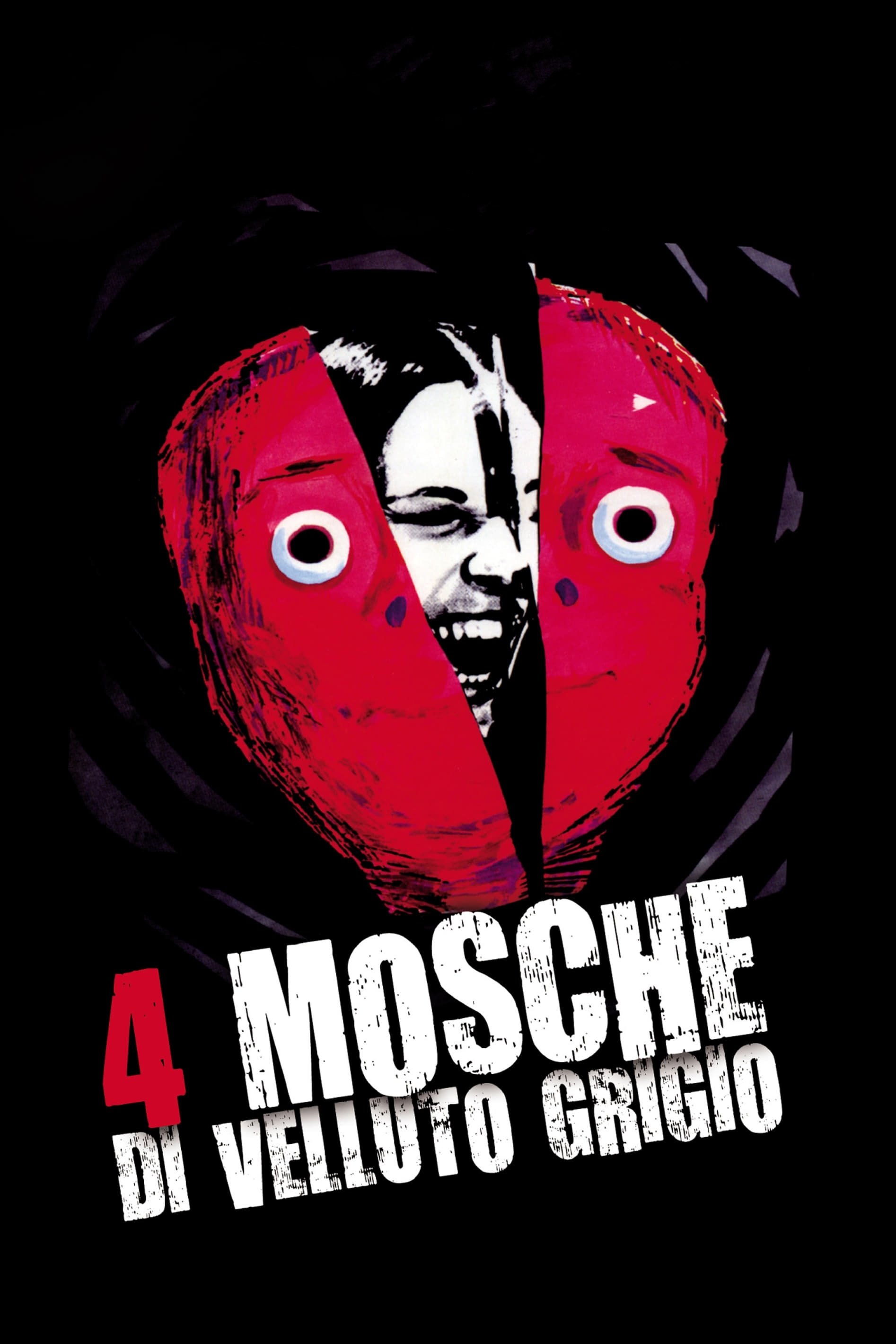
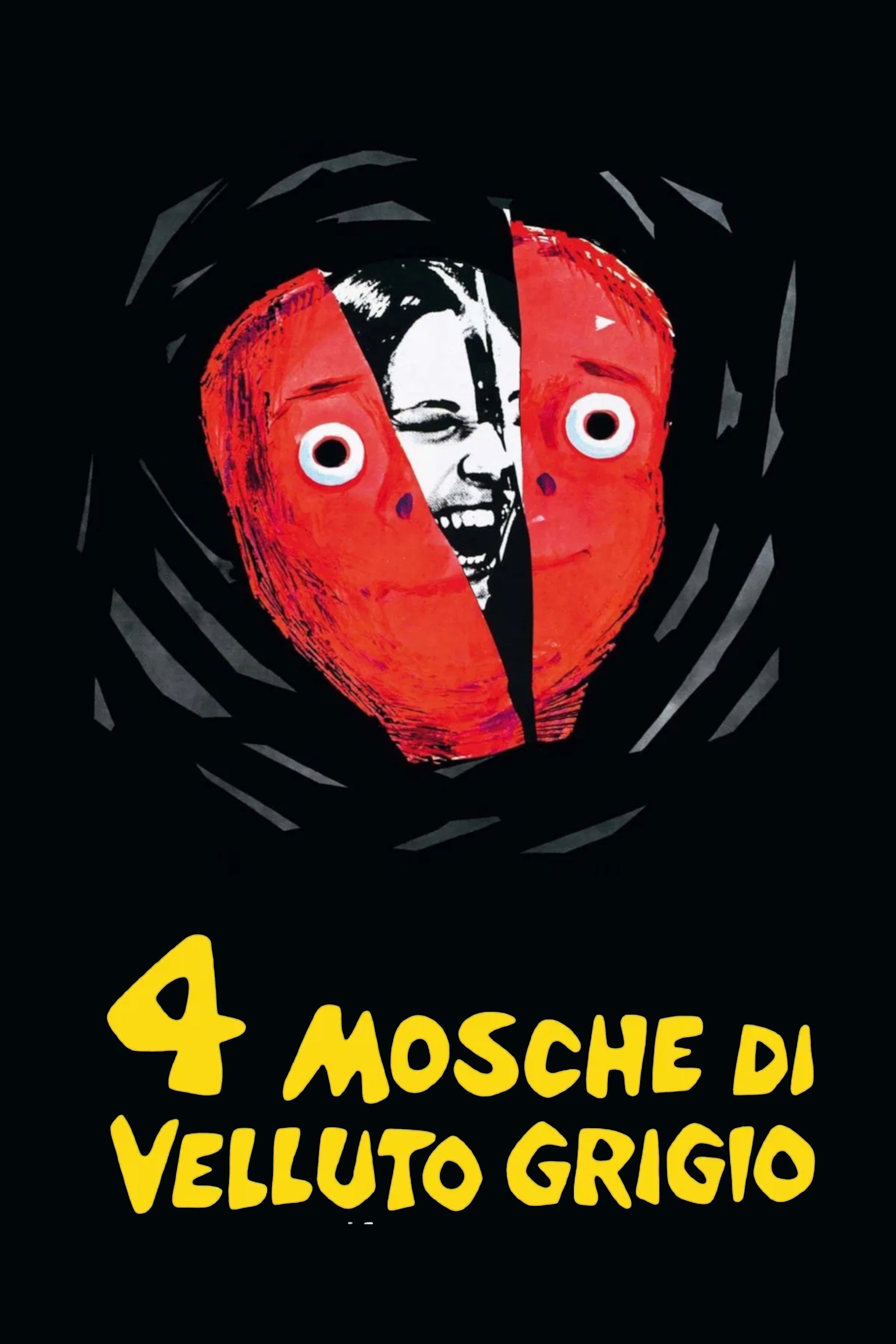
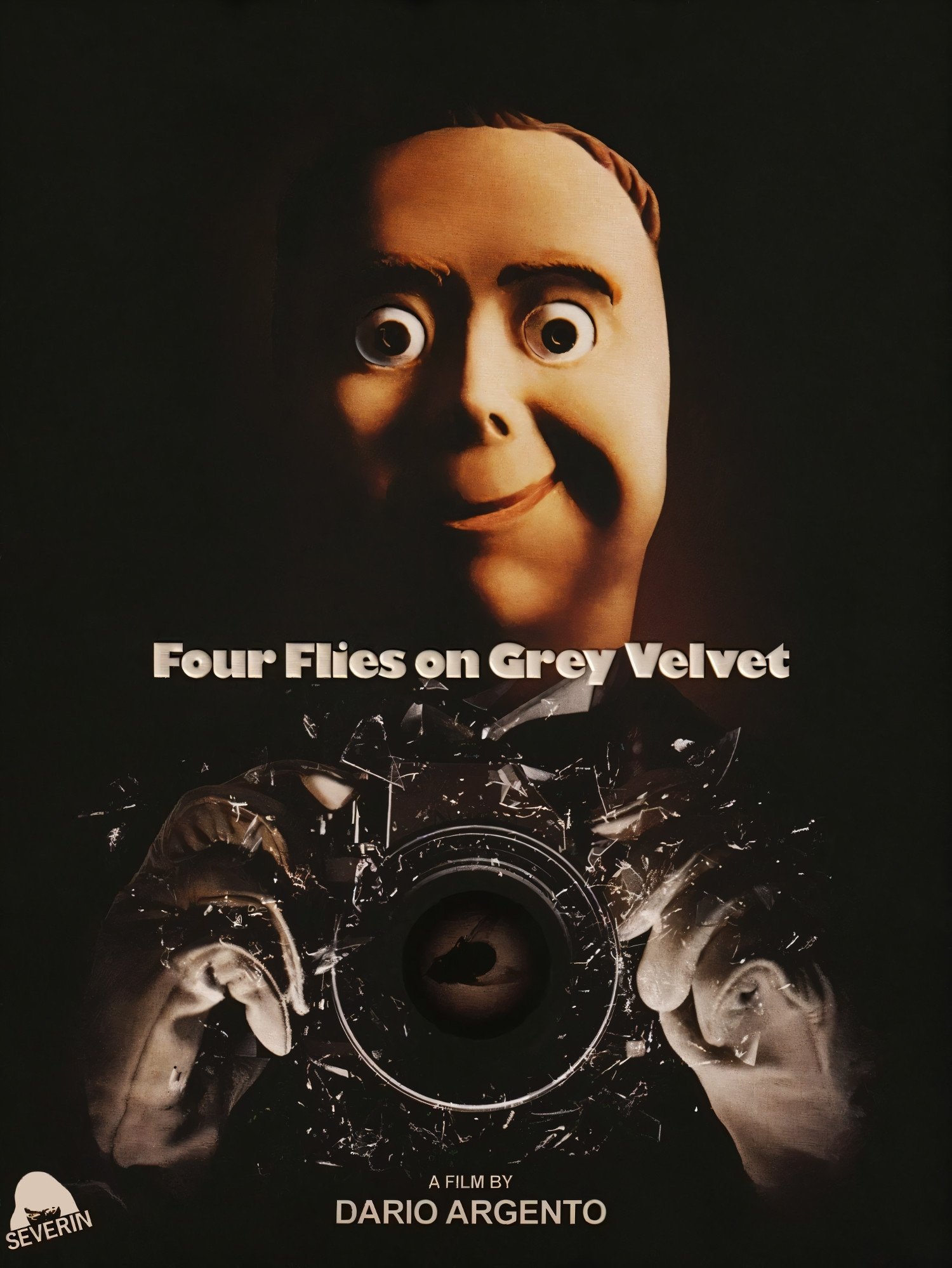
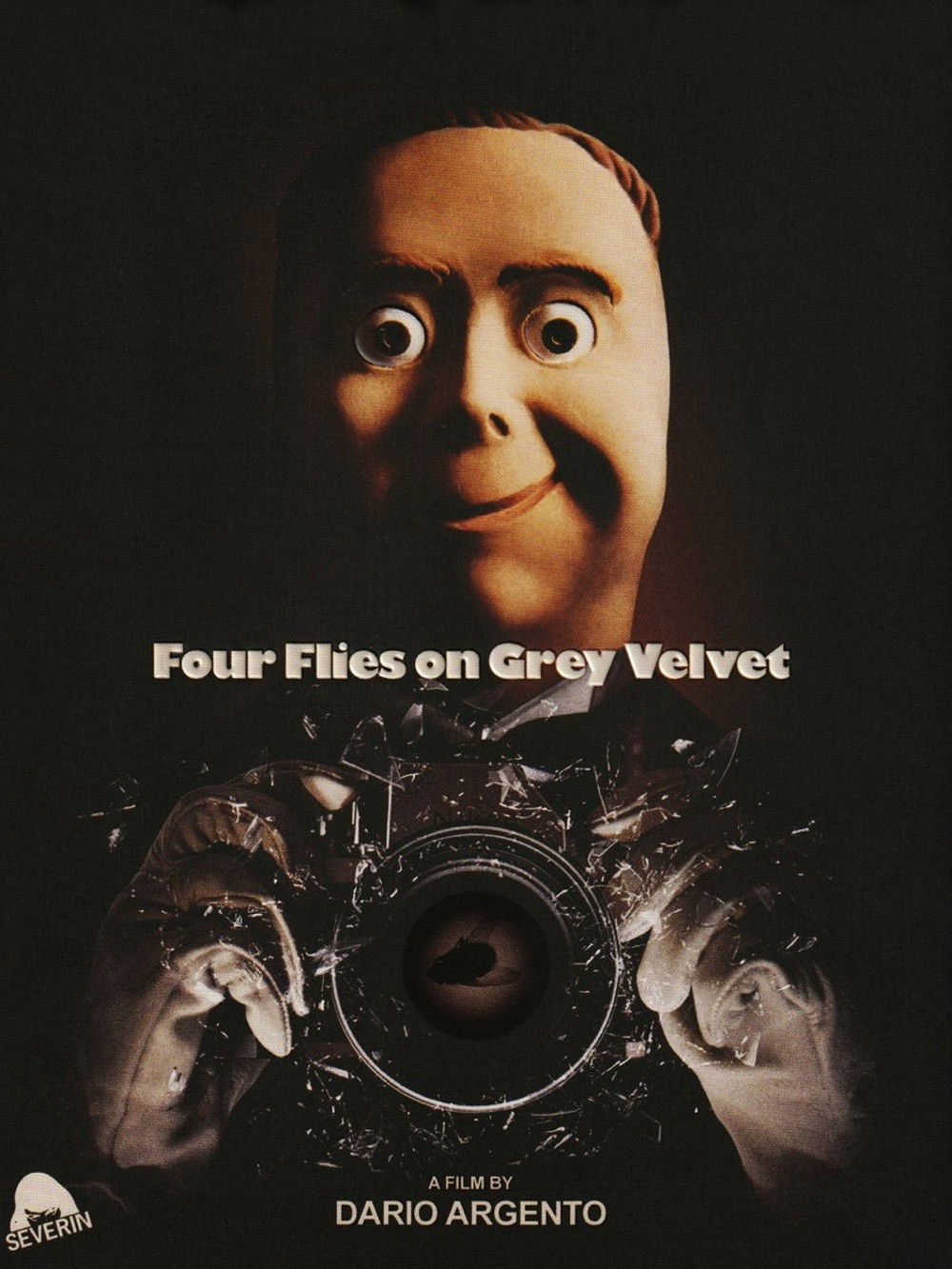
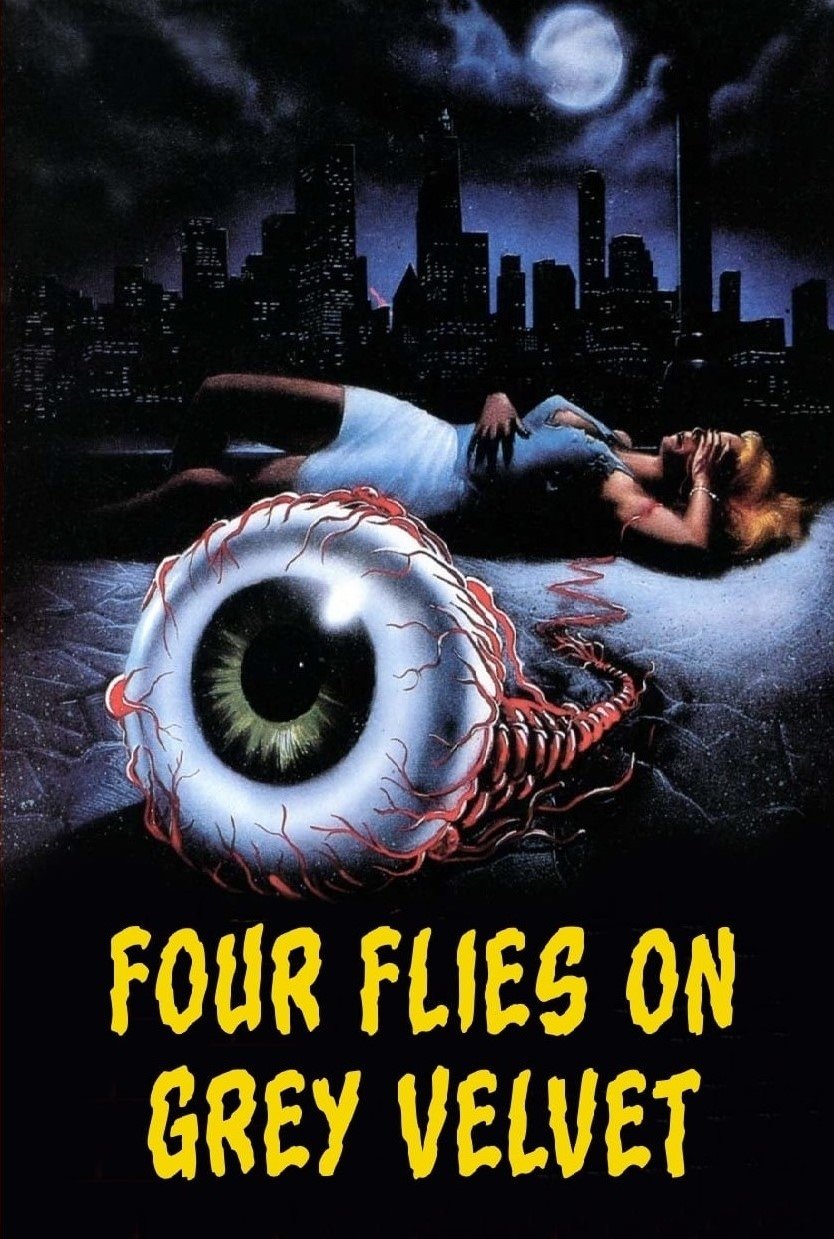
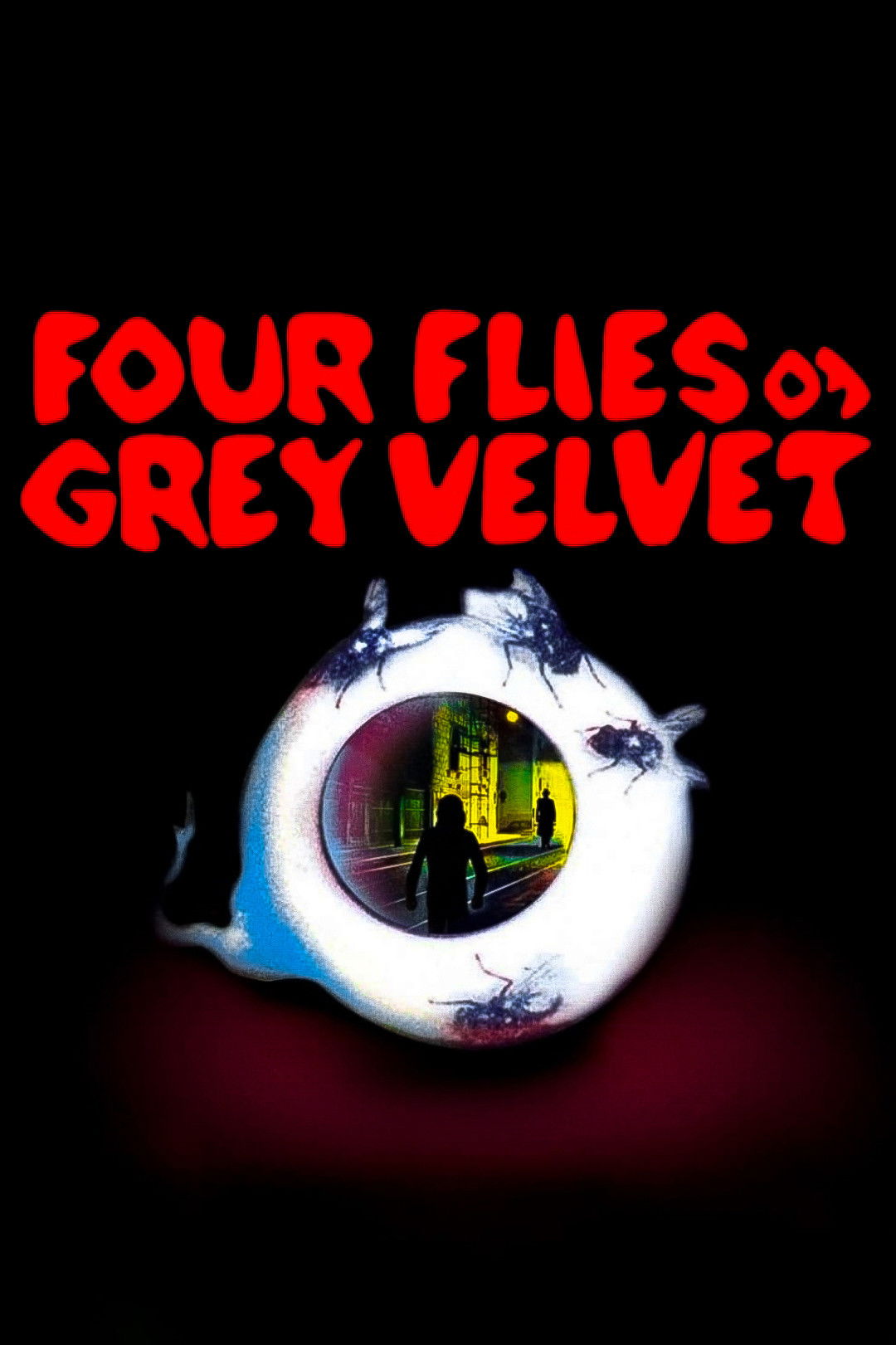
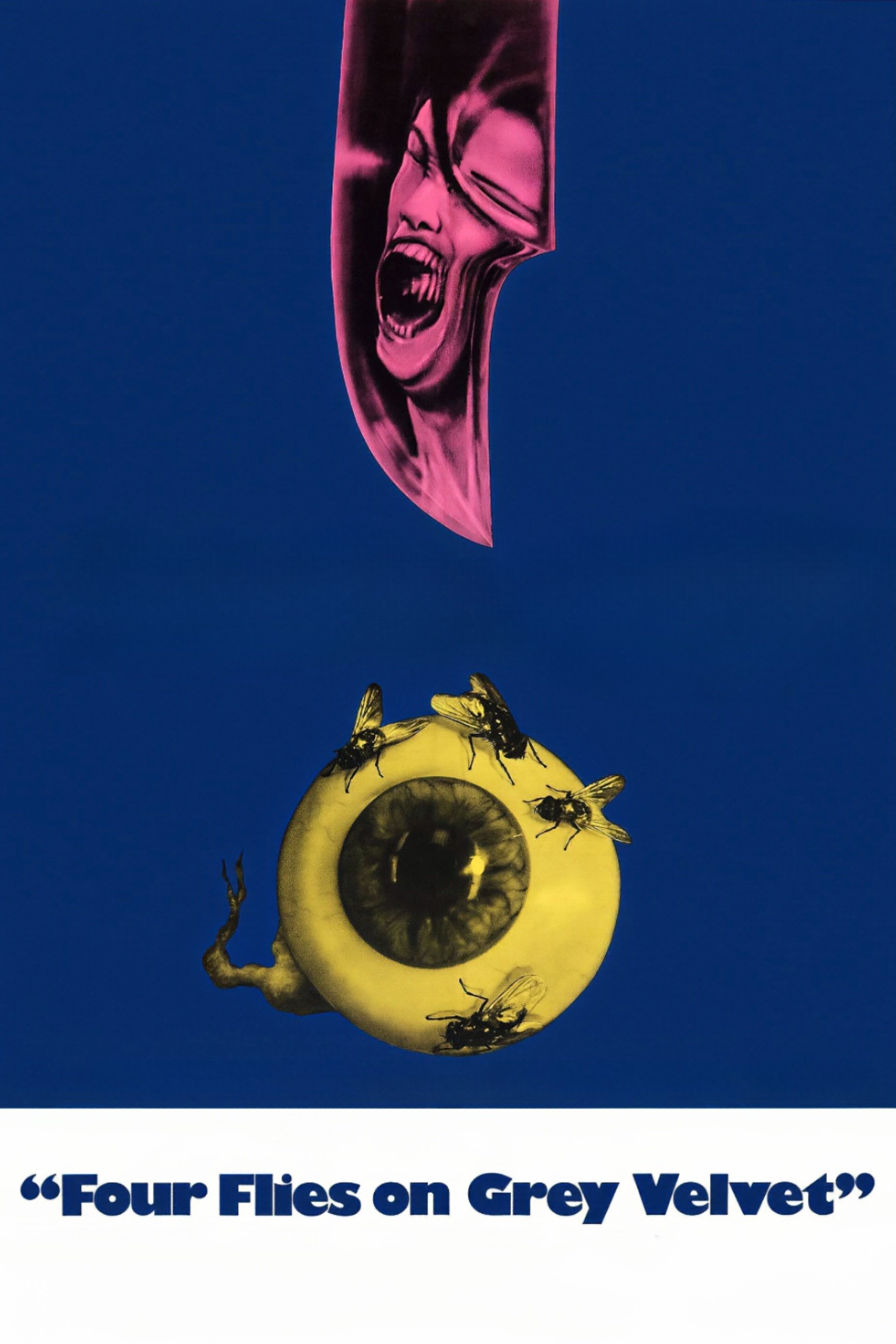
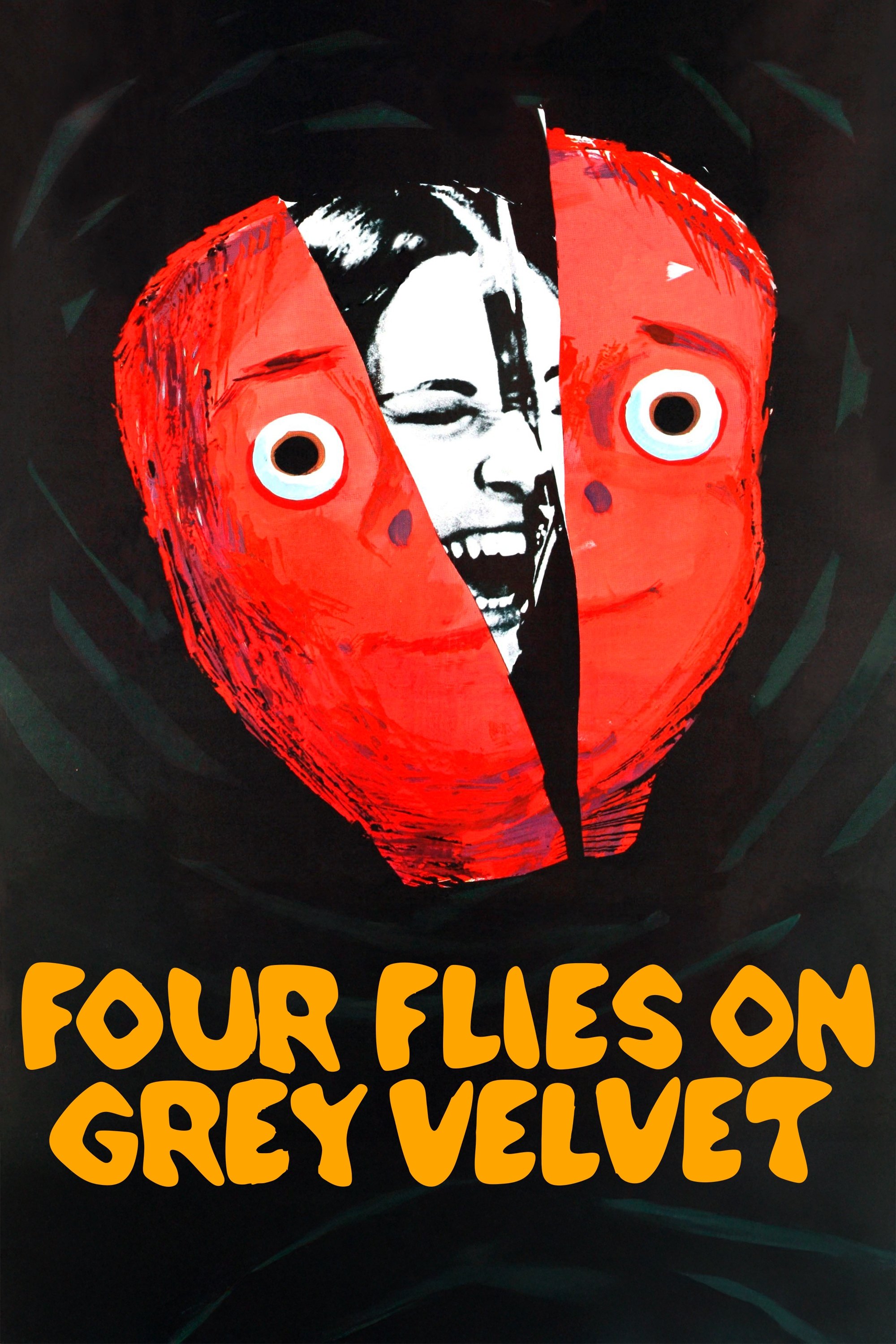
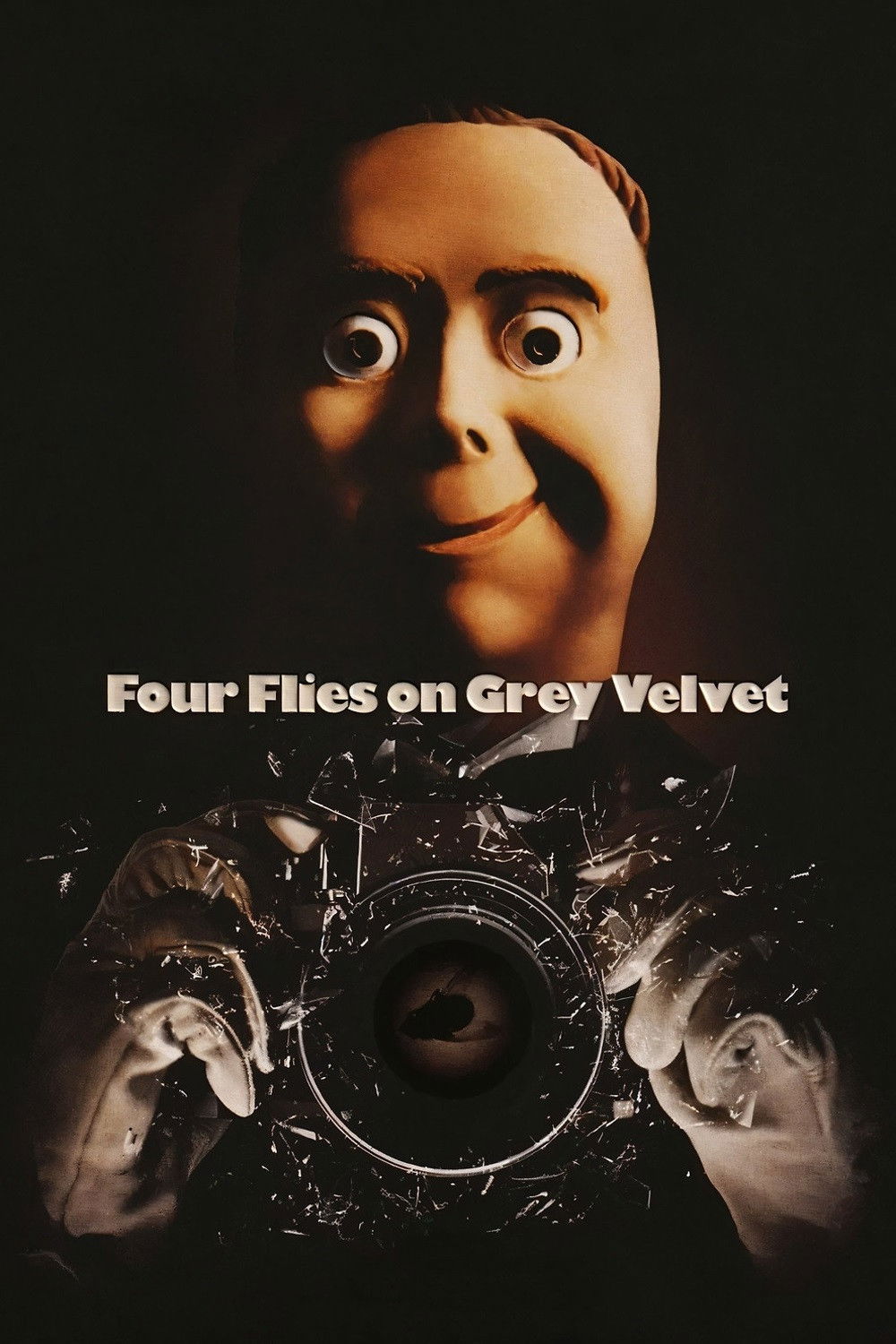
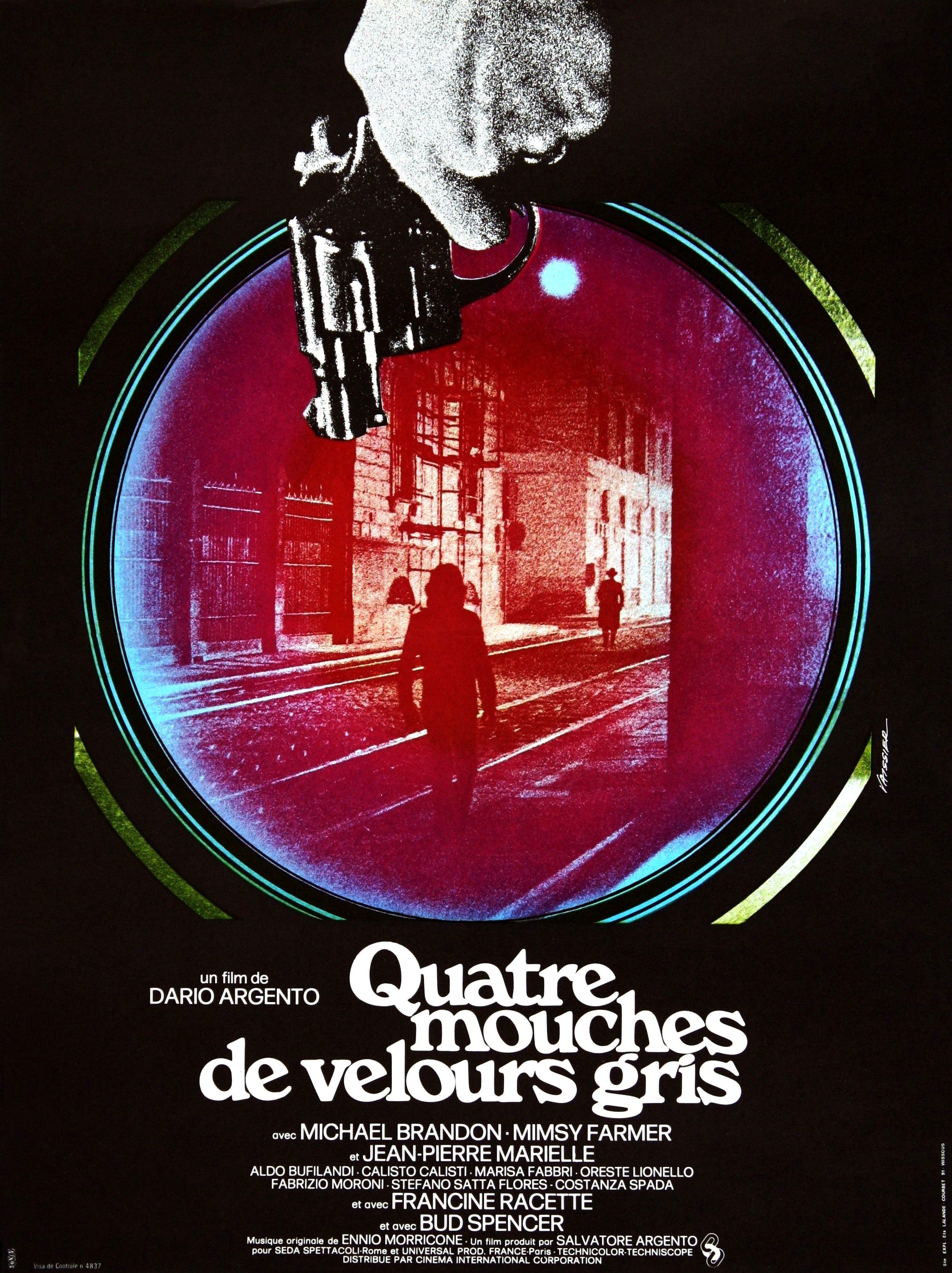
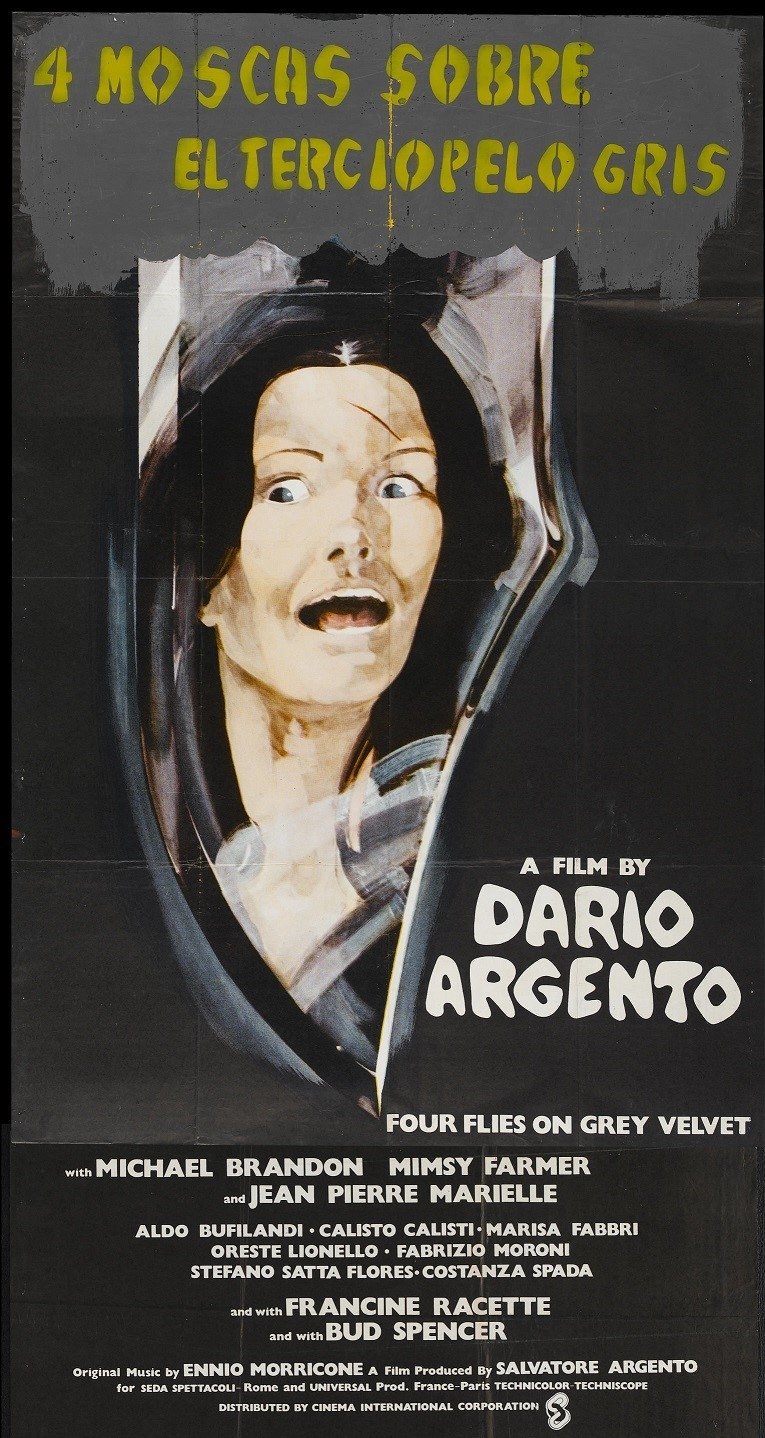
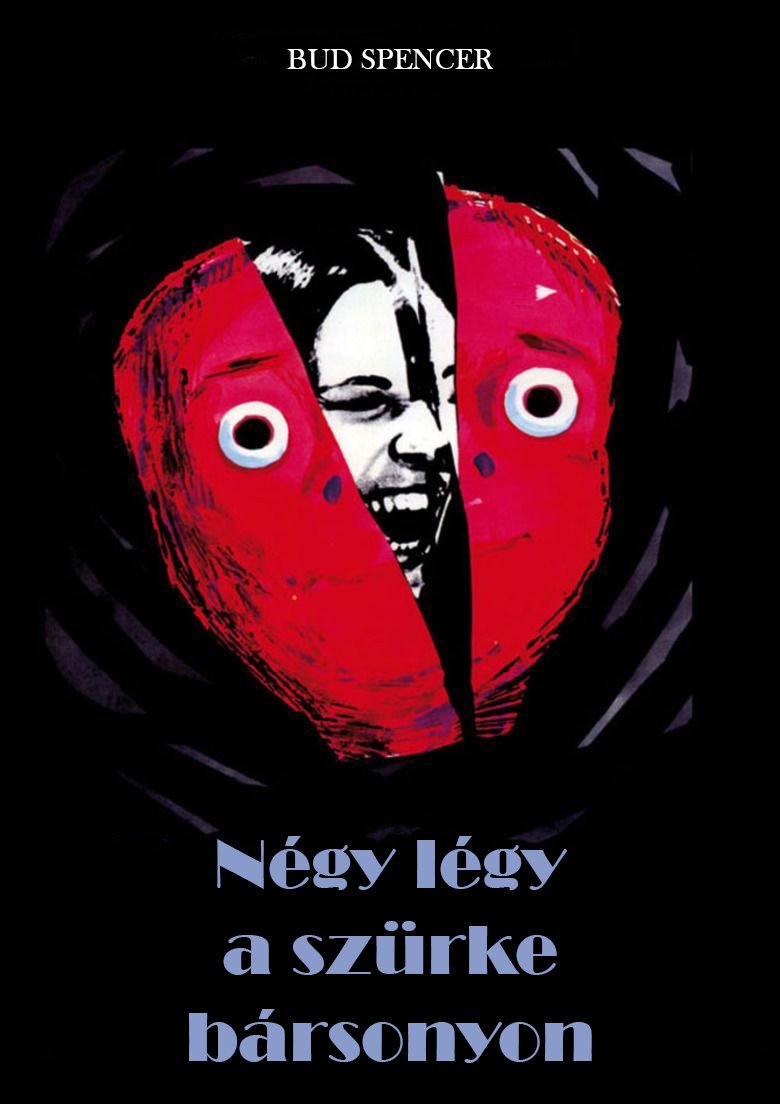
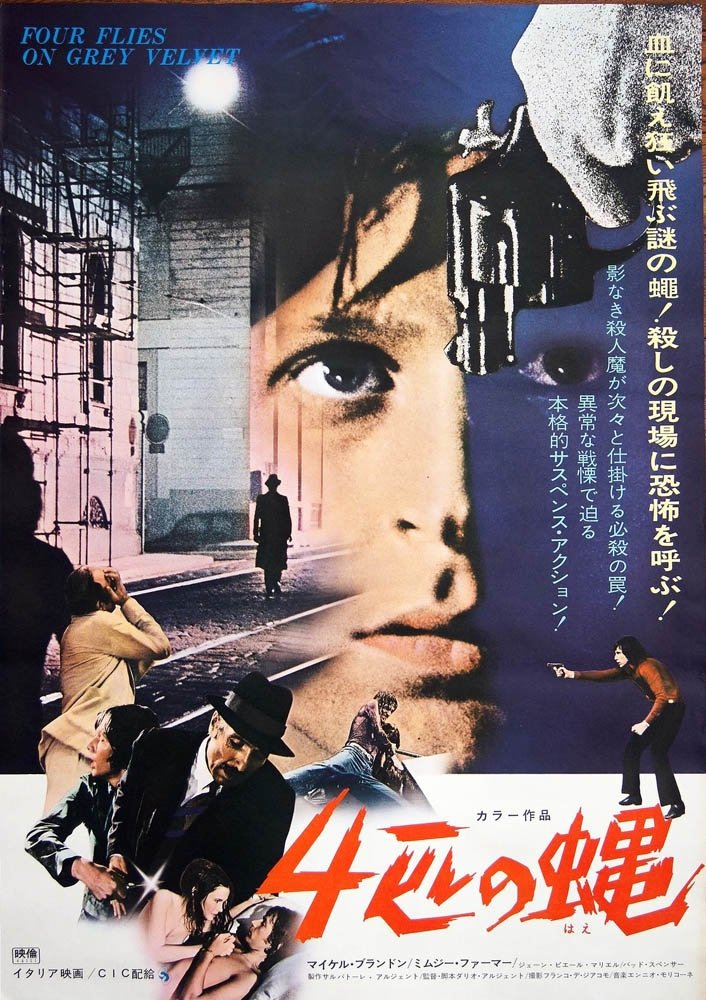
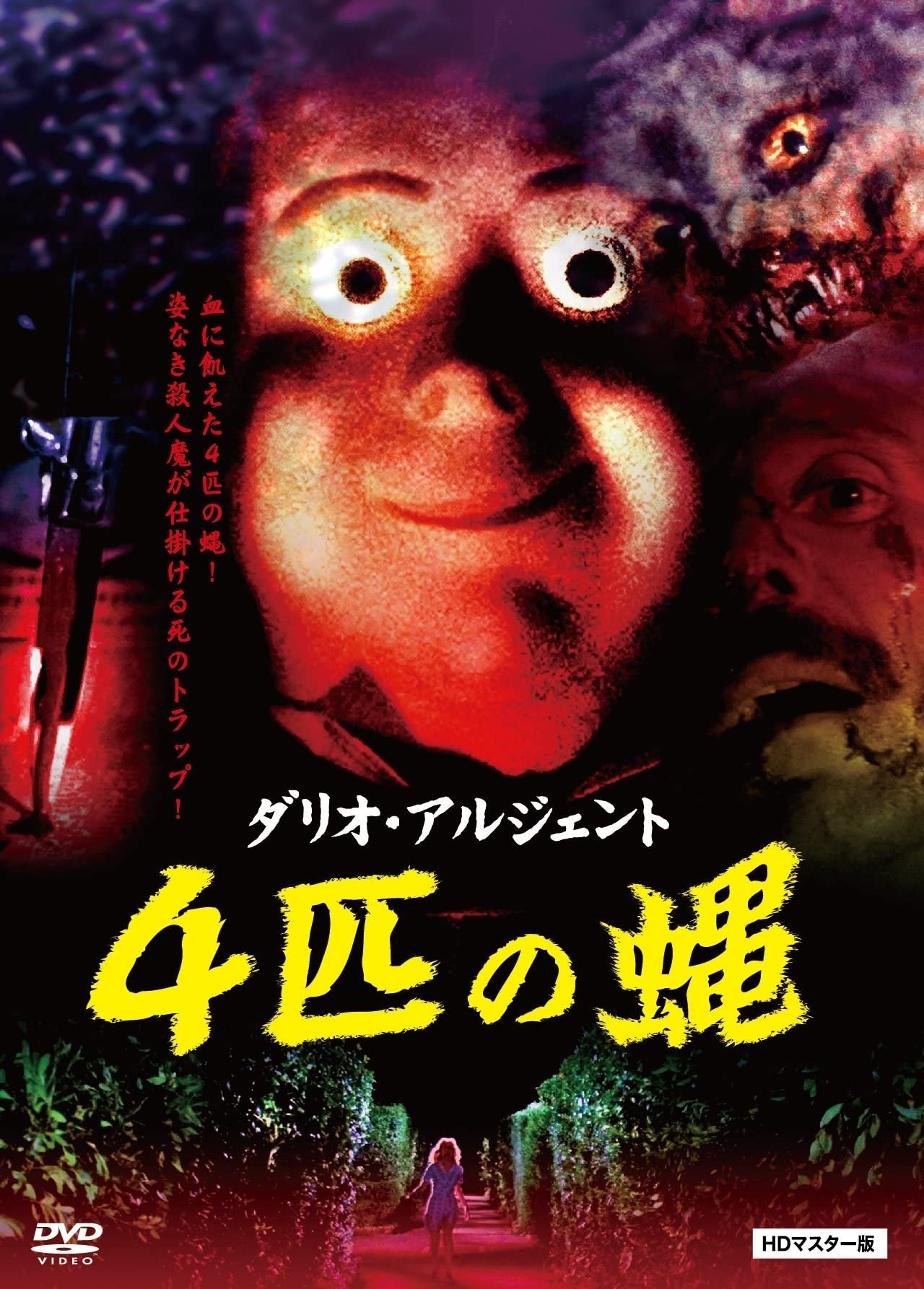
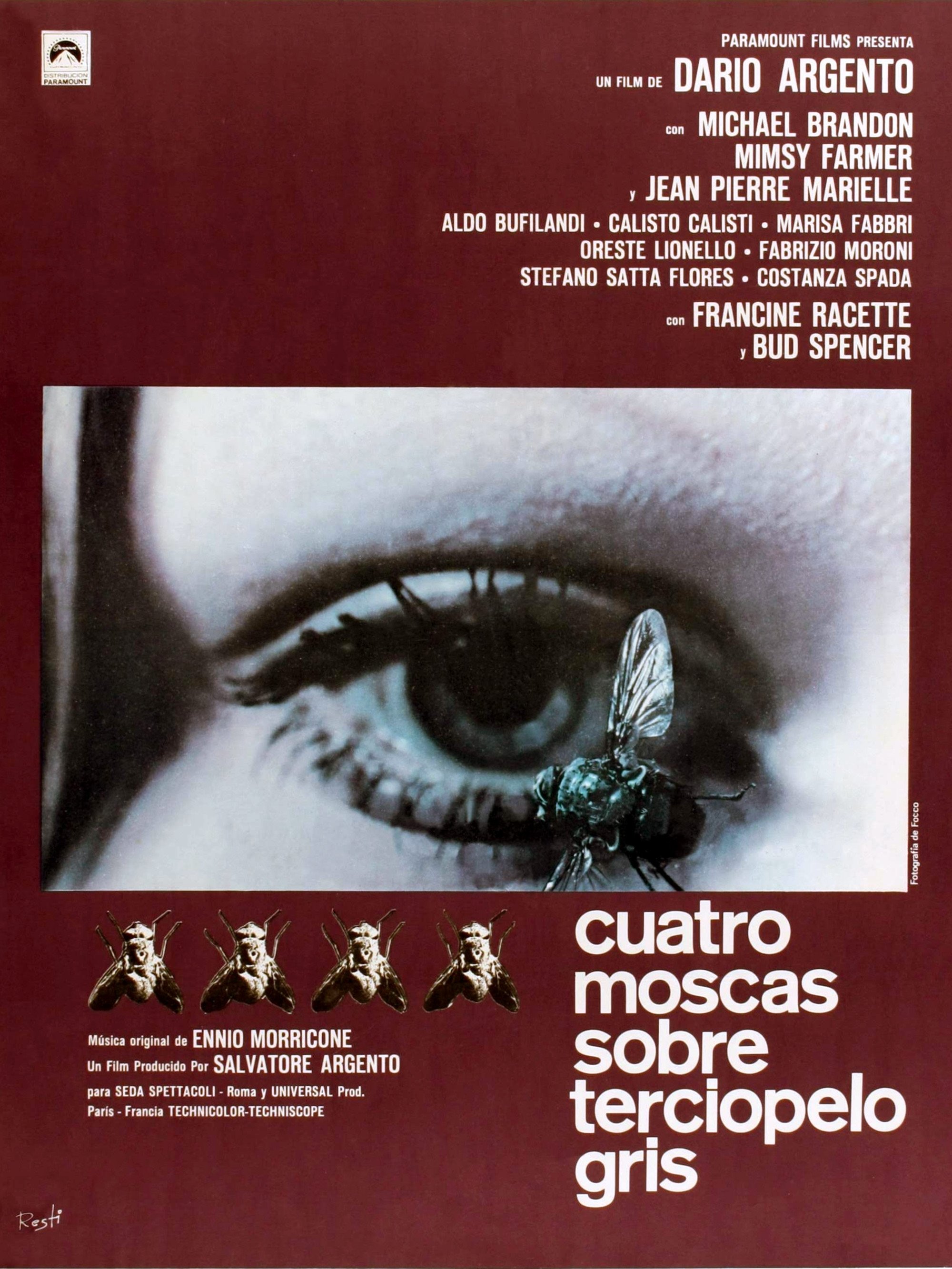
Four Flies on Grey Velvet (1971) poster
Director
Production Companies
Universal Productions France , Seda Spettacoli
Plot

Roberto, a drummer in a rock band, keeps receiving weird phone calls and being followed by a mysterious man. One night he manages to catch up with his persecutor and tries to get him to talk but in the ensuing struggle he accidentally stabs him. He runs away, but he understands his troubles have just begun when the following day he receives an envelope with photos of him killing the man. Someone is killing all his friends and trying to frame him for the murders...

Alternative Titles
Cuatro moscas de terciopelo gris (Argentina) Четири мухи върху сиво кадифе (Bulgaria) Quatro Moscas Sobre Veludo Cinza (Brazil) Quatre mouches de velours gris (Canada) — French 灰天鹅绒上的四只苍蝇 (China) — Chinese Čtyři mouchy na šedém sametu (Czechia) — Czech Vier Fliegen auf grauem Samt (Germany) Fire fluer (Denmark)
Show all 31 alternative titles 4 Moscas sobre terciopelo gris (Spain) Neljä kärpästä harmaalla sametilla (Finland) 4 mouches de velours gris (France) Quatre mouches de velours gris (France) — French Τέσσερις Μύγες σε Πράσινο Βελούδο (Greece) 灰天鵝絨上的四隻蒼蠅 (Hong Kong SAR China) — Chinese 4 légy a szürke bársonyon (Hungary) Négy légy a szürke bársonyon (Hungary) Quattro mosche di velluto grigio (Italy) 4匹の蝿 (Japan) 회색 벨벳 위의 네 마리 파리 (South Korea) — Korean 4 moscas de terciopelo gris (Mexico) Het mysterie van de 4 vliegen (Netherlands) Fire fluer på grå fløyel (Norway) Cztery muchy na szarym aksamicie (Poland) Quatro Moscas de Veludo (Portugal) Четыре мухи на сером бархате (Russia) — Russian Den djävulska fällan (Sweden) Fyra flugor på grå sammet (Sweden) — Swedish Fyra flugor på grått sammet (Sweden) Четыре мухи на сером бархате (Russia) Cuatro moscas de terciopelo gris (Venezuela) Cetiri muhe na sivom barsunu (Serbia) — Croatian title

Trailers & Videos

3 videos

Film Guide & Analysis

Dario Argento’s 1971 giallo concludes the Animal Trilogy through staged evidence, experimental high-speed photography, Ennio Morricone’s score and an elaborate exploration of visual deception.

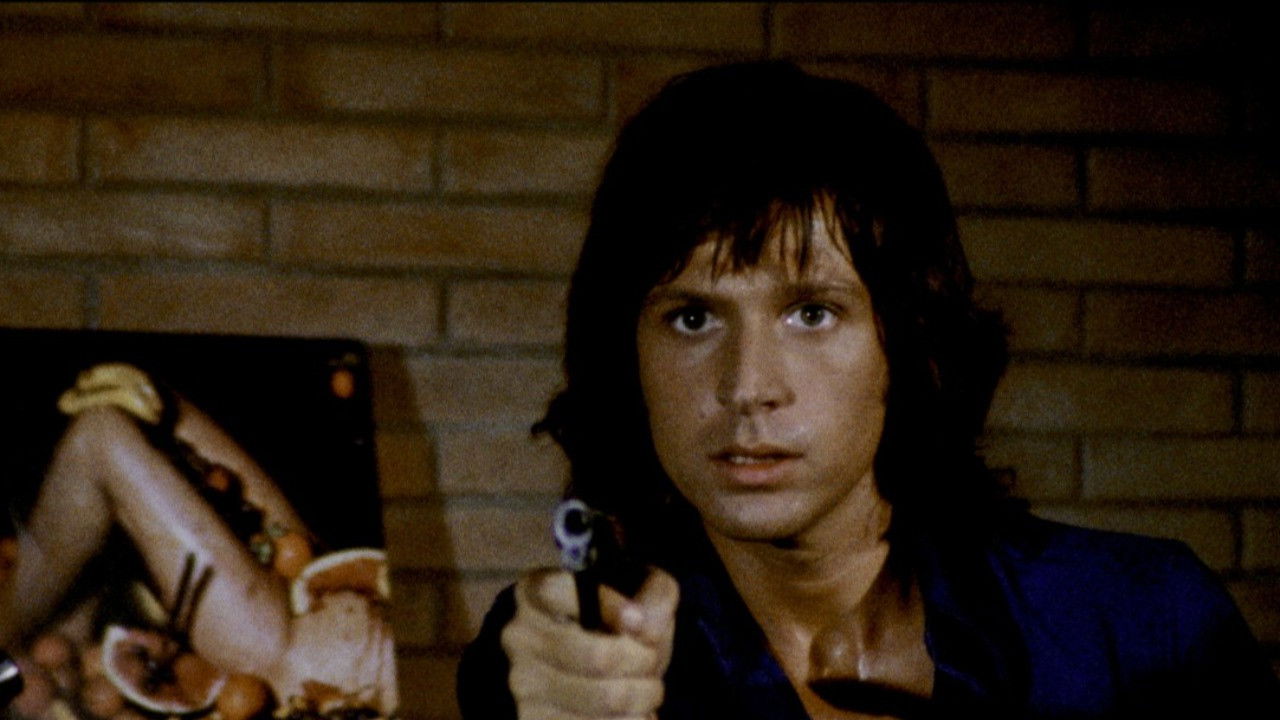
Four Flies on Grey Velvet (4 mosche di velluto grigio, 1971) is Dario Argento’s third feature and the concluding installment of his informal Animal Trilogy, following The Bird with the Crystal Plumage (1970) and The Cat o’ Nine Tails (1971). The Italian-French giallo follows Roberto Tobias, a rock drummer who apparently kills a stranger confronting him in an abandoned theatre, only to discover that a masked witness has photographed the incident. His subsequent persecution develops into a murder investigation governed by staged evidence, uncertain identities and an increasingly elaborate manipulation of what the characters believe they have seen.

Produced during Argento’s remarkably concentrated early period as a director, the film expands his interest in distorted perception through experimental camerawork, dream imagery and a forensic procedure based on the discredited theory of optography. Its combination of psychological suspense, grotesque humor and technological experimentation distinguishes it from the preceding two features. Ennio Morricone supplied his third consecutive score for Argento, while cinematographer Franco Di Giacomo helped construct an unsettling urban environment assembled from several Italian cities. Long periods of limited international availability complicated the film’s later reception before restorations and repertory screenings returned it to wider circulation.

Development & the Animal Trilogy

Four Flies on Grey Velvet followed the rapid international success of Argento’s first two thrillers. The original story was credited to Argento, Luigi Cozzi and Mario Foglietti, with Argento receiving sole screenplay credit. His father, Salvatore Argento, produced the film through Seda Spettacoli in association with French production interests. The project continued the commercial approach established by the earlier films while allowing Argento greater freedom to experiment with narrative structure and photographic techniques. He subsequently described it as an important stage in his attempt to develop a more personal cinematic language.

Argento explained in later interviews that he wanted to portray a married couple living together while remaining ignorant of each other’s most consequential secrets. That premise gave the murder mystery a domestic dimension: Roberto’s apparent criminal act threatens his marriage, while the relationship itself contains information that he cannot recognize. The director also spoke of his impatience with fixed narrative conventions, arguing that a thriller could pursue the emotional uncertainty of a nightmare without remaining bound to every rule of classical detective fiction. His declared interest in the expressive possibilities of the camera shaped the production as much as the mechanics of the investigation.

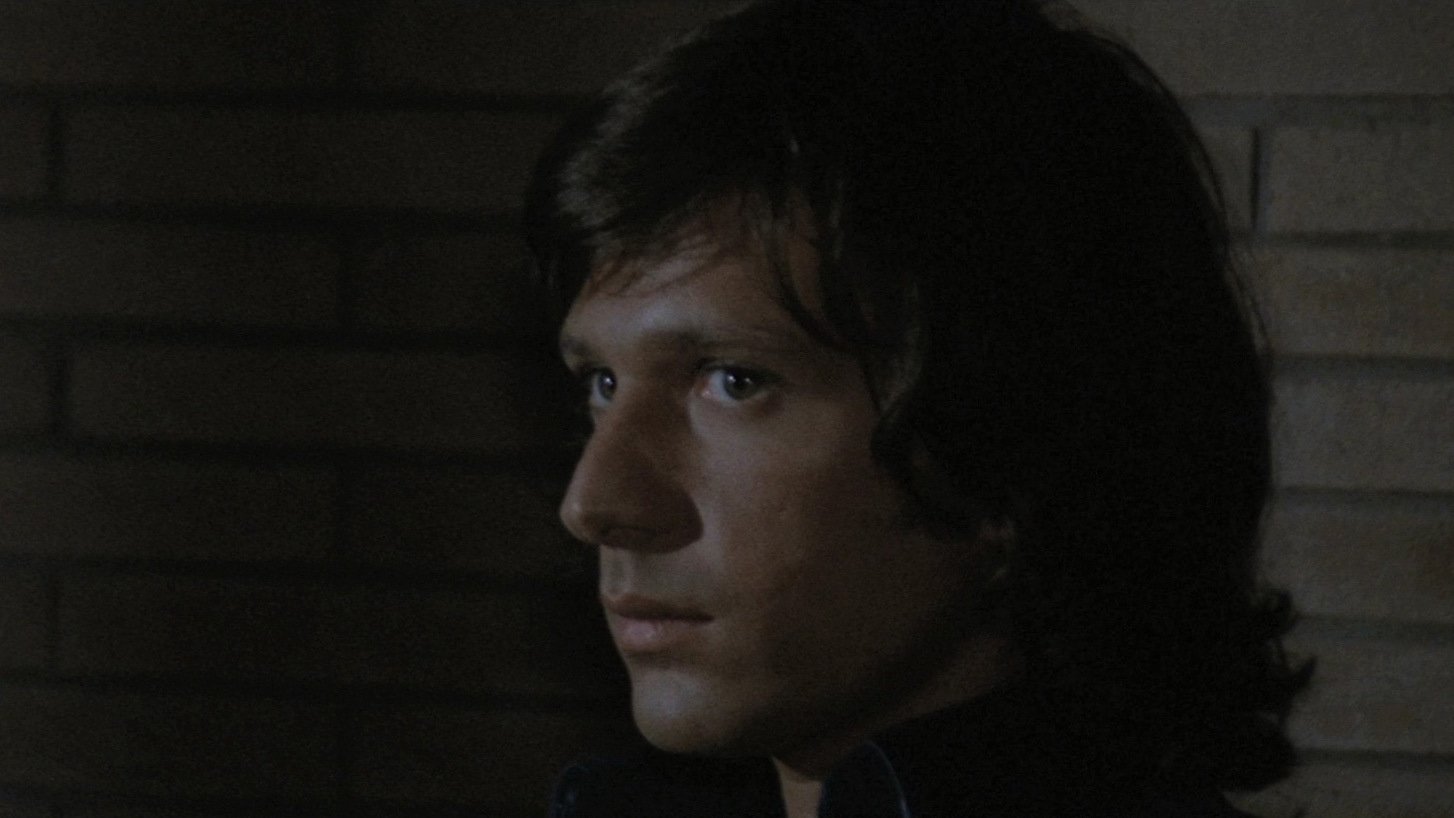
Michael Brandon was cast as Roberto, with Mimsy Farmer playing his wife Nina. Argento had considered other performers for the central role, according to retrospective material assembled by the British Film Institute, but Brandon ultimately provided the detached, increasingly bewildered protagonist around whom the story develops. Jean-Pierre Marielle was employed as private investigator Gianni Arrosio, introducing a comic register absent from the more threatening encounters. The combination of American, French and Italian performers reflected the international production arrangements characteristic of commercially ambitious Italian genre cinema during the period.

Staged Evidence, Dreams & Optography

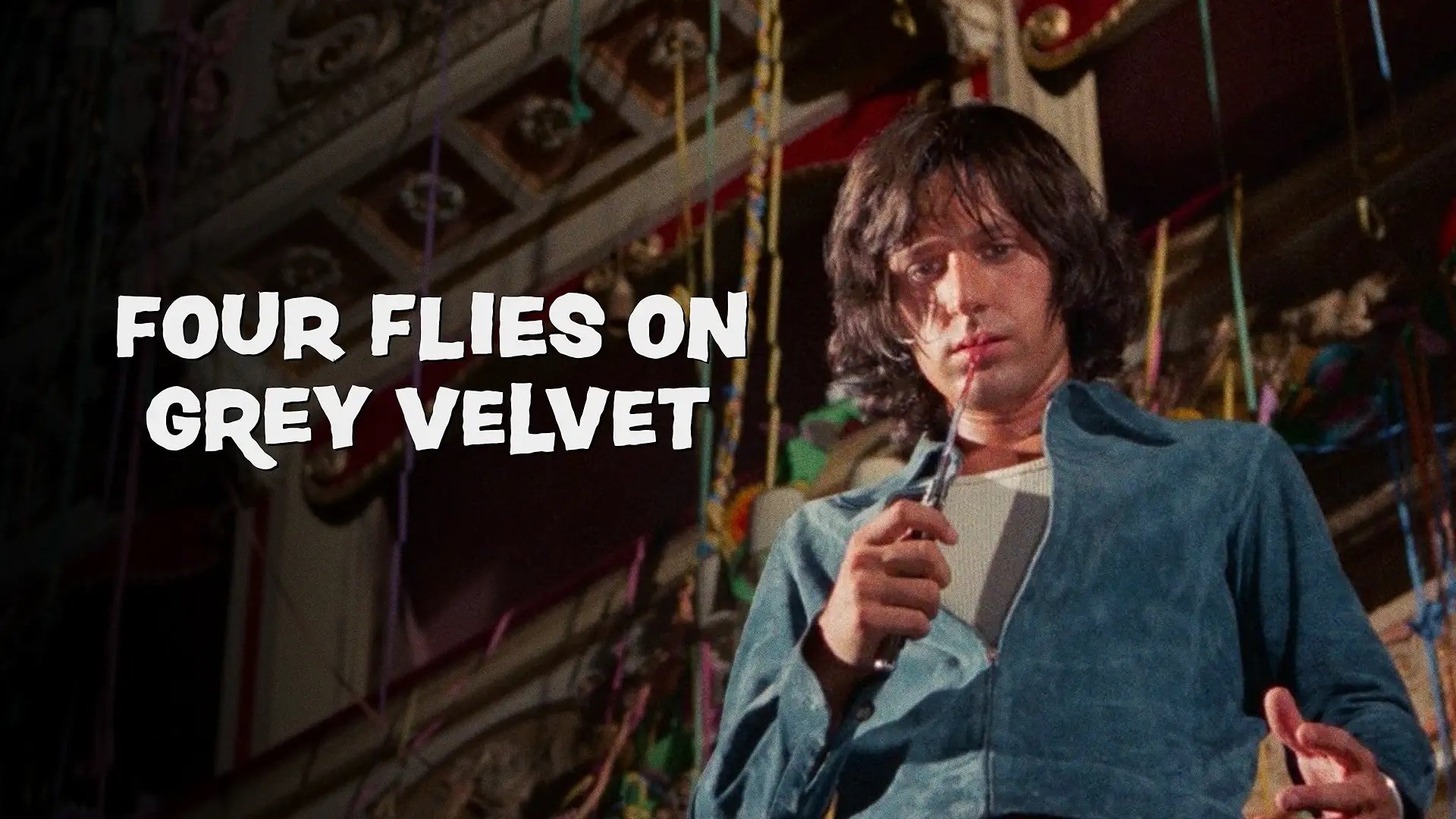
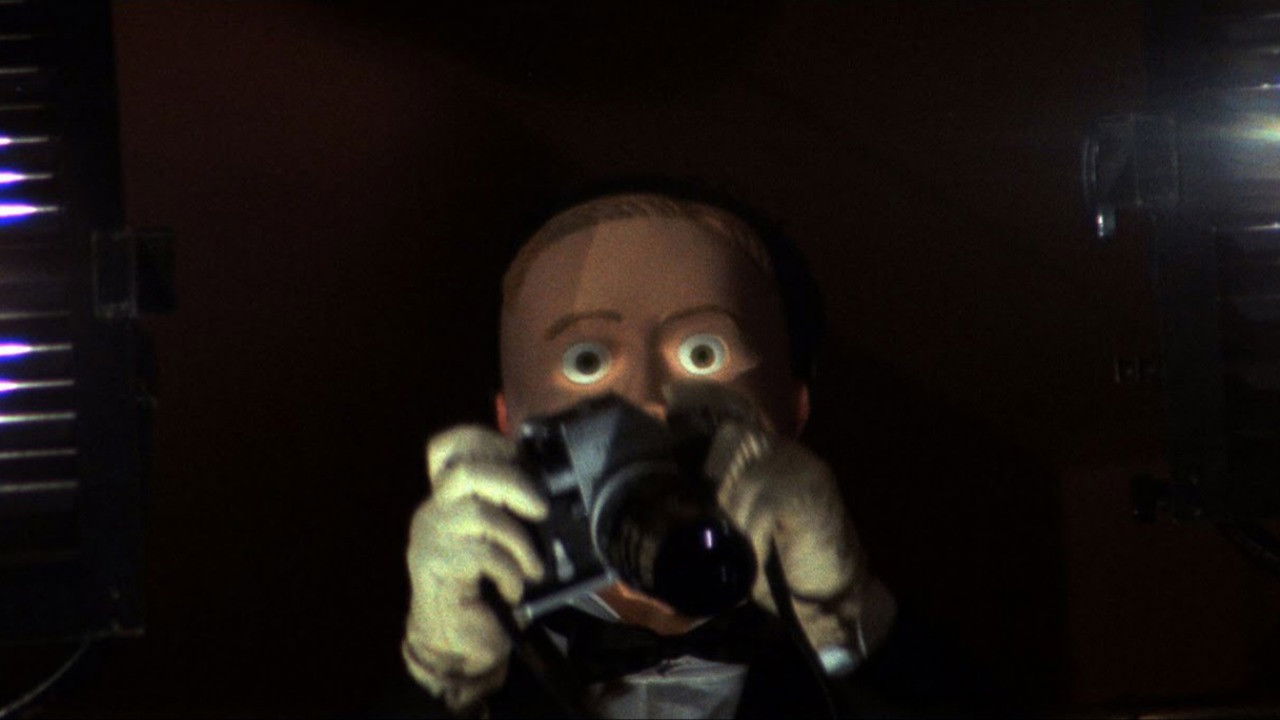
The opening sequence establishes Roberto’s ordinary working environment before introducing the watcher who begins to follow him. During a rehearsal, he notices an unfamiliar man observing him and later pursues the figure into a deserted theatre. Their confrontation ends with what appears to be a fatal stabbing. A second person, wearing a mask, photographs the incident from above. Roberto leaves believing that he has committed murder, and the photographs subsequently become instruments of psychological persecution. The arrangement turns him into the unwilling participant in a scene whose visual record has been prepared for another purpose.

The apparent certainty of the photographic evidence is central to the mystery. Roberto knows what he believes he experienced, but another person possesses images capable of giving that event a different public meaning. Subsequent deaths widen the investigation and reveal that the original encounter was itself manipulated. The distinction between a witnessed event and a staged event becomes increasingly difficult to maintain, particularly as Roberto’s recurring nightmares introduce another set of images whose significance remains uncertain. His repeated visions of a public execution eventually acquire a disturbing connection to the film’s concluding violence.

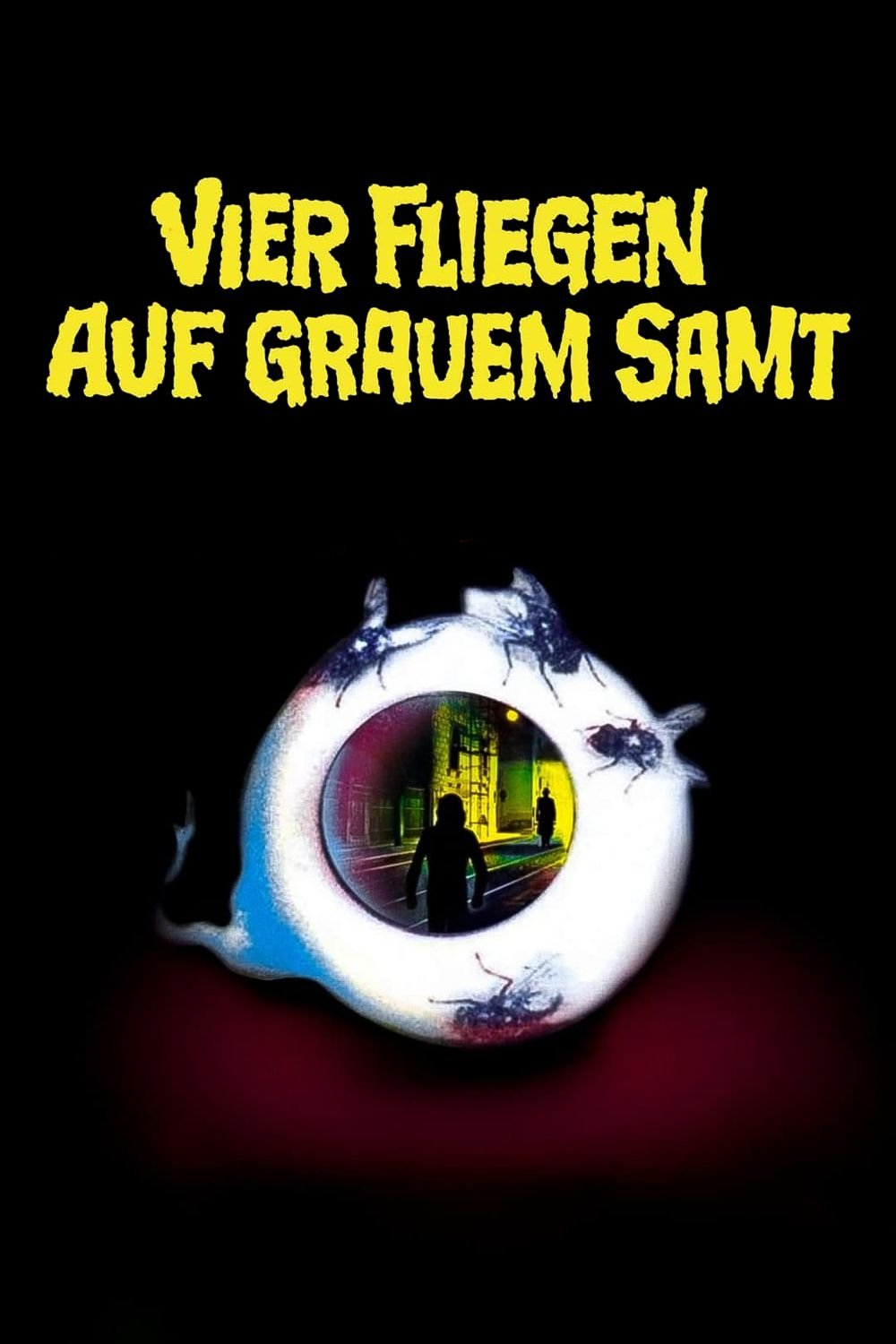
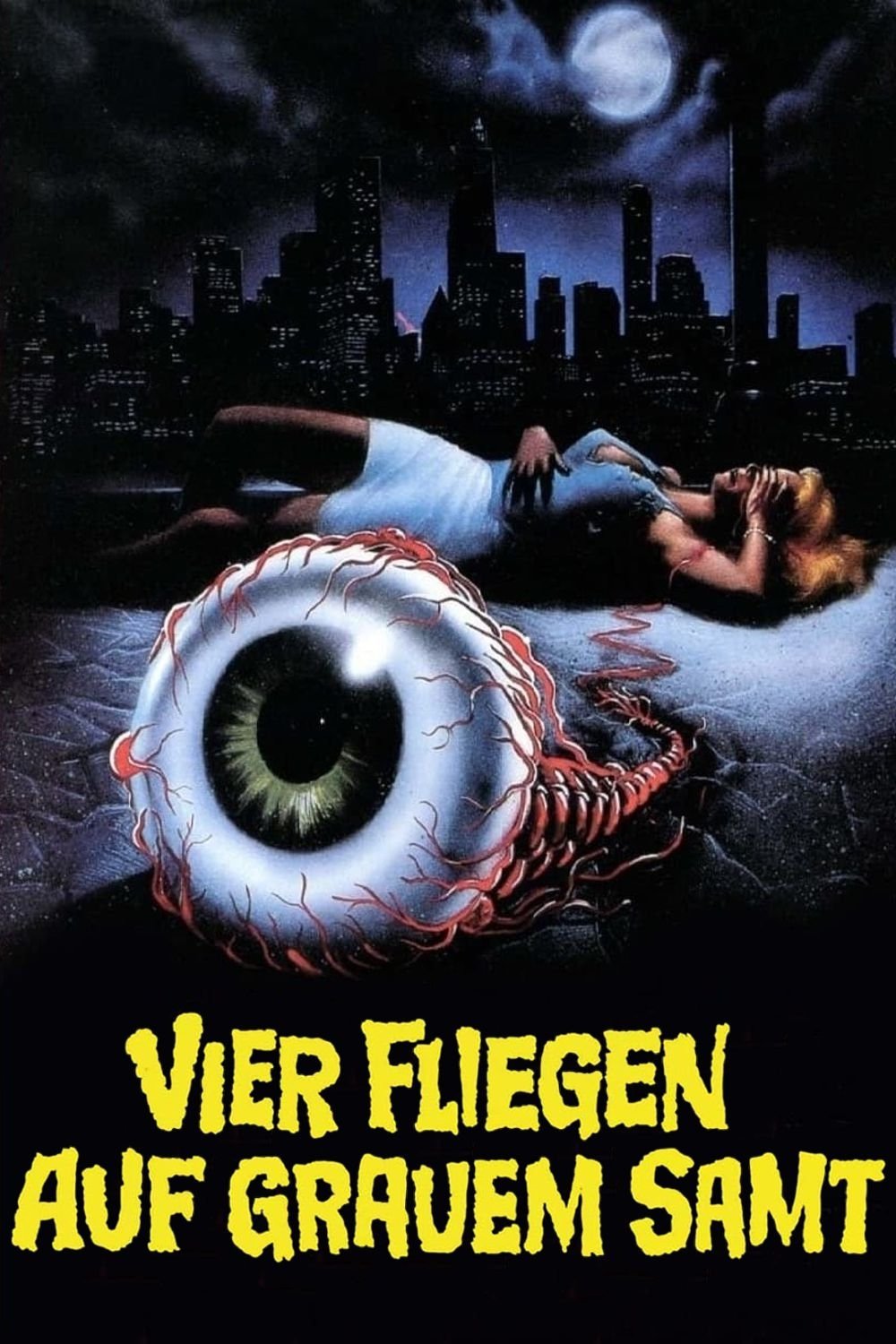
The title refers to an image recovered from the retina of a murdered woman, supposedly preserving what she saw immediately before death. This premise derives from optography, a nineteenth-century hypothesis associated with the physiologist Wilhelm Kühne. Although experiments involving retinal pigments contributed to the history of visual physiology, the notion that investigators can recover a recognizable final image from a human victim’s eye has no established forensic validity. Argento employs the concept as a fictional investigative device, transforming the eye into an unreliable technological archive. The resulting clue has a visual meaning within the story rather than a scientifically credible method of criminal identification.

Cinematography & Experimental Techniques

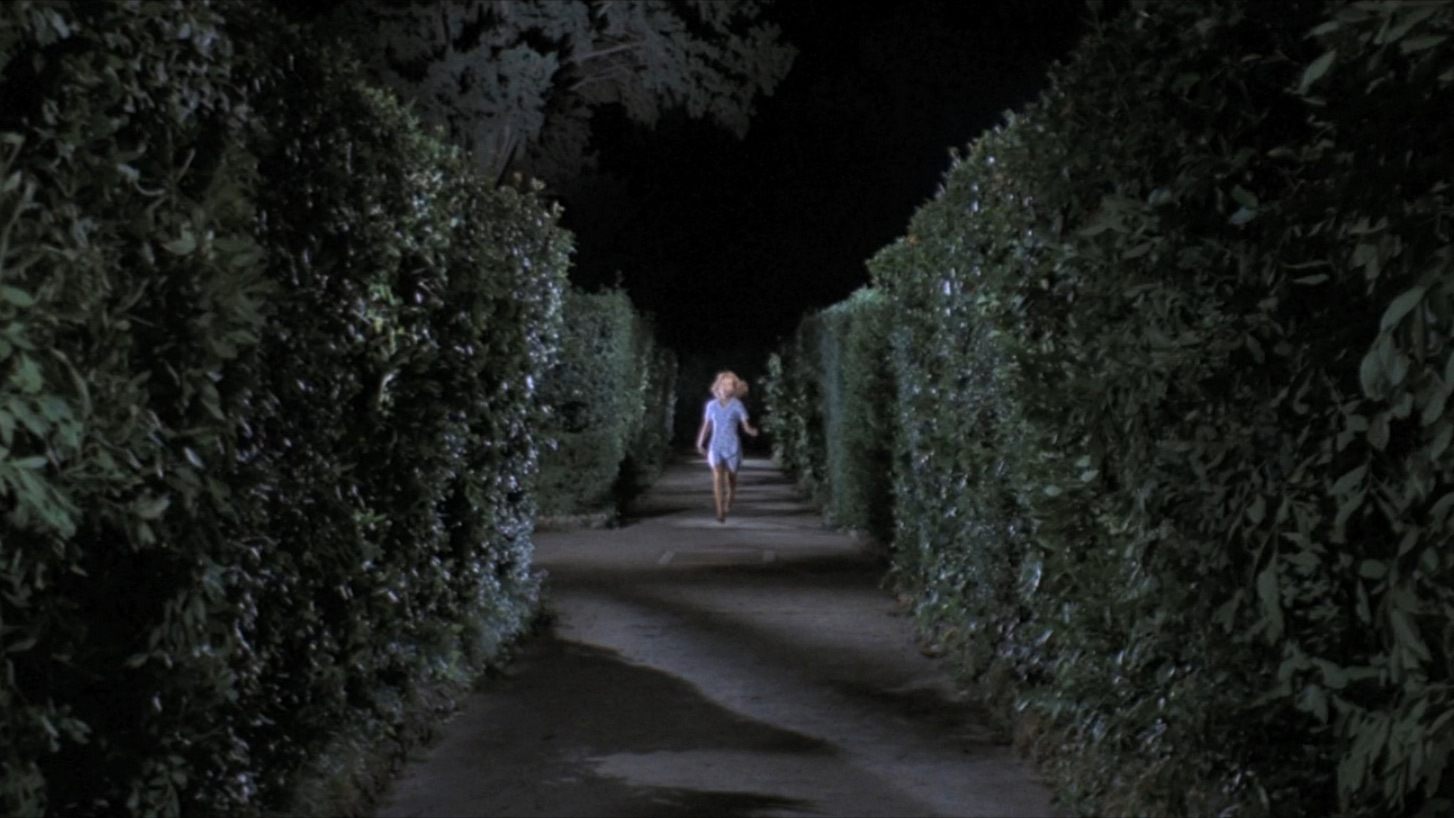
Cinematographer Franco Di Giacomo photographed a deliberately indeterminate metropolitan environment. Exterior material was filmed in Turin, Milan, Spoleto and Rome, while interiors were produced at the In.Ci.R-De Paolis studios in Rome. The assembled locations avoid establishing one easily identifiable city, giving Roberto’s movements an unfamiliar quality even when the individual streets and buildings remain recognizable. This geographical construction supported Argento’s stated desire to move beyond ordinary realism, allowing architectural spaces from different locations to form a continuous fictional environment.

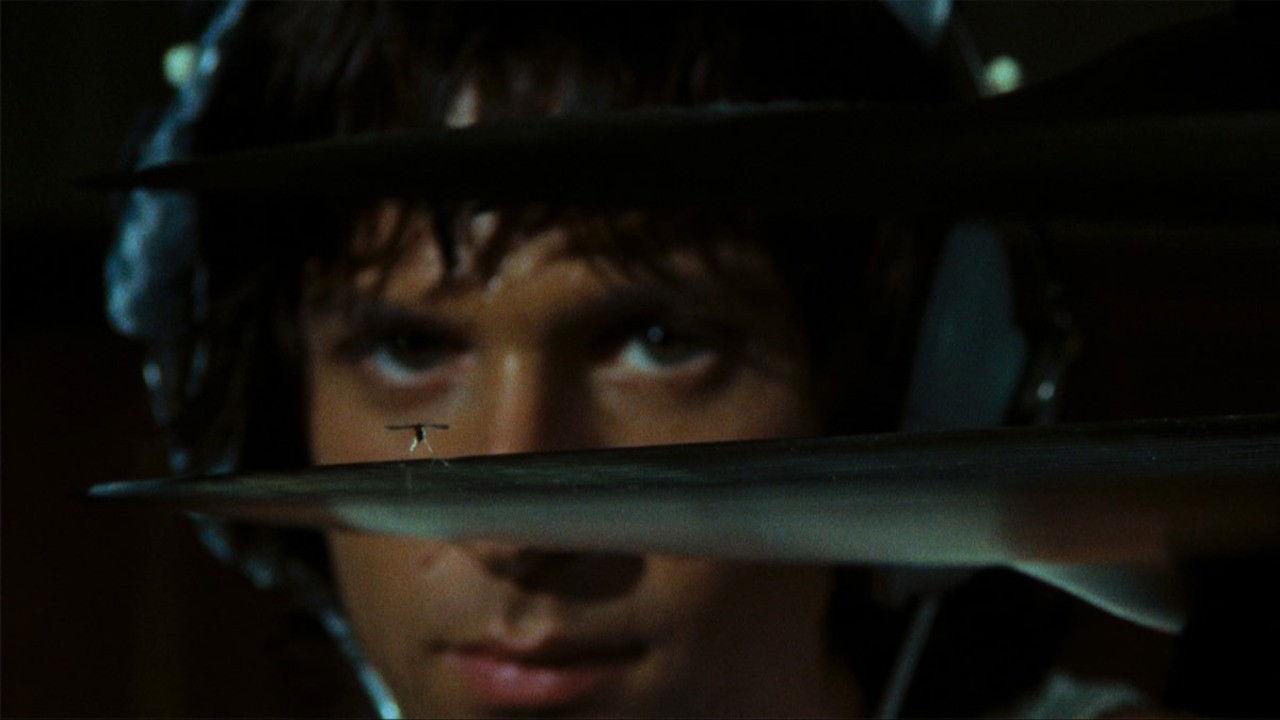
The opening rehearsal demonstrates the director’s willingness to separate the movements of the camera from the physical position of a character. Instruments and performers are observed from unexpected angles, including a viewpoint located within a guitar. Later, the abandoned theatre introduces the visual arrangement of a victim below and an unidentified observer above. Doors, curtains and narrow passages provide additional opportunities to restrict visibility or suggest the presence of someone beyond the frame. The murder sequences depend on carefully organized spatial relationships, particularly when a character is trapped in an environment offering little room for escape.

The most celebrated photographic experiment occurs during the final automobile crash. Argento recalled using a Pentazet high-speed camera associated with the University of Leipzig, describing a procedure that reached approximately 12,000 frames per second. The precise figure comes from his retrospective testimony rather than a surviving camera report. The resulting extreme slow motion separates the movement of shattered glass from ordinary cinematic time, prolonging an event that would otherwise occupy only a fraction of a second. Its technical ambition is supported by contemporary production material describing Argento’s search for unusual camera equipment and exceptionally high recording speeds.

Ennio Morricone & the Soundtrack

Ennio Morricone composed the score after his collaborations with Argento on The Bird with the Crystal Plumage and The Cat o’ Nine Tails. The three films established a distinctive musical relationship in which melodic material could coexist with dissonance, abrupt tonal changes and unconventional sound textures. The presence of Roberto’s rock group gives the third film an additional musical identity, linking the protagonist to contemporary popular culture. The opening rehearsal introduces this environment before the murders displace his professional routine and draw him into the investigation.

Morricone’s score accompanies the movement between comparatively relaxed encounters and sequences of psychological threat. Its musical language differs from the straightforward use of suspense cues, combining memorable thematic passages with unsettling sonorities. Archival production documentation identifies Bruno Nicolai as conductor and Edda Dell’Orso among the vocal contributors. These personnel connect the soundtrack to the wider network of musicians associated with Morricone’s Italian film work, although their involvement alone does not establish the exact instrumental arrangement of every cue.

In a 2006 interview with Sight and Sound, Morricone recalled that the experimental character of the scores for Argento’s first three thrillers contributed to a disagreement with the director and, particularly, producer Salvatore Argento. He believed that they considered the compositions excessively similar in their use of non-melodic and dissonant material. The collaboration consequently ended for an extended period. Morricone and Argento did not reunite for a feature score until The Stendhal Syndrome (1996). The composer’s testimony provides a direct explanation of the professional separation, although it represents his retrospective account of the disagreement.

Performances, Suspense & Horror

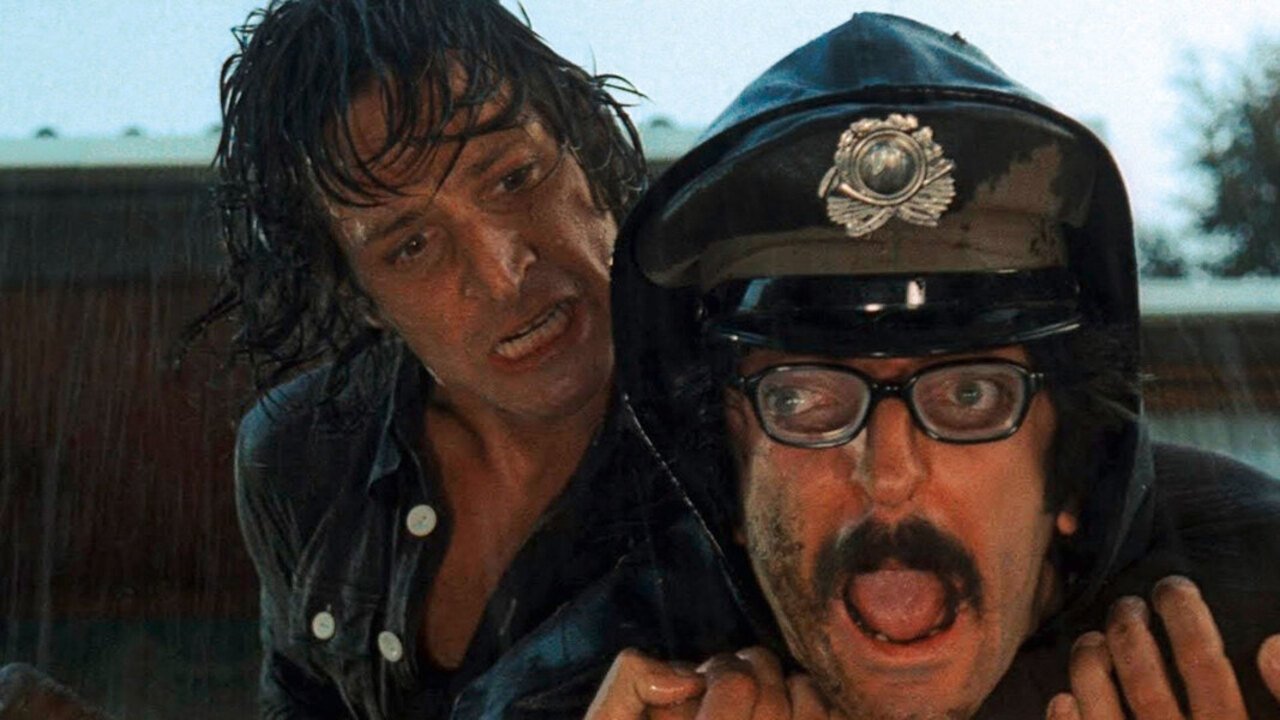
The film combines threatening situations with characters whose behavior periodically interrupts the suspense. Bud Spencer plays Diomede, a friend who offers Roberto advice and a temporary refuge from his escalating difficulties. Jean-Pierre Marielle’s Gianni Arrosio supplies another form of comic contrast through his professional manner and unusual history as an investigator. These interludes create changes of rhythm within a story dominated by uncertain evidence and the prospect of another murder. The movement between comedy and danger became a recurring element of Argento’s later work, particularly in Deep Red (1975).

The treatment of the supporting characters also determines the organization of several major horror sequences. The maid Amelia, who discovers information about the masked persecutor, is pursued into an increasingly restrictive urban space. Her attempt to escape depends on the layout of walls and passages, allowing the director to develop suspense through physical confinement. Other confrontations are shaped by the victim’s partial knowledge of the murderer. The audience is repeatedly placed near someone who understands more than Roberto but cannot communicate the information before being attacked.

The narrative’s interest in masks extends beyond the literal disguise worn by the photographer. Roberto’s relationship with Nina gradually reveals how little he understands the person closest to him, while the apparently incriminating photographs conceal the circumstances under which they were taken. The visual motifs consequently serve the mystery’s structure. In his later comments on the film, Argento connected its unusual methods to an ambition to escape predetermined conventions. The scenes retain the framework of a giallo investigation while allowing dreams, contradictory impressions and elaborate visual devices to influence the process of discovery.

Original Release & Critical Response

Four Flies on Grey Velvet received its Italian censorship clearance on 11 December 1971 under certificate number 59,423, with admission restricted to viewers aged fourteen and over. Its Italian theatrical release followed in December. Cinema International Corporation handled distribution, and Paramount Pictures controlled important English-language territorial rights. The film’s subsequent circulation varied considerably between countries, contributing to differences in its availability and to the development of a reputation partly sustained by viewers who had difficulty finding accessible copies.

Italian criticism during the original release was neither uniformly dismissive nor unreservedly enthusiastic. L. Pestelli, reviewing the film in La Stampa on 23 January 1972, acknowledged the effectiveness of its suspense and supporting characters while observing that its development initially struggled to gain momentum. Edoardo Bruno, writing in Filmcritica during 1972, identified personal concerns beneath the film’s commercial thriller structure, particularly in its treatment of anxiety and the final eruption of violence. These contemporary assessments recognized stylistic ambition while expressing reservations about narrative construction.

The film later became comparatively difficult to see in several English-language markets. Retrospective BFI material associates this scarcity with the handling of Paramount’s territorial rights, a situation that differentiated its international circulation from some of Argento’s more readily available titles. Its absence from ordinary viewing opportunities contributed to a history of rediscovery through specialist screenings and later home-video editions. That availability problem should be distinguished from the film’s original theatrical release and from claims about its critical standing, which require separate evidence.

Restoration & Historical Position

Four Flies on Grey Velvet occupies a transitional position within Argento’s early work. The 2020 Il Cinema Ritrovato catalogue, drawing on research by Roberto Pugliese, places it at the end of the director’s first concentrated period of filmmaking and identifies a developing emphasis on the act of seeing. The manipulated photographs, concealed identities and supposed retinal image all concern the interpretation of visual information. The film also experiments with the breakdown of ordinary time, particularly through the recurring execution imagery and the technically elaborate final crash.

A 4K restoration was completed in 2020 by the Cineteca di Bologna in collaboration with Surf Film, with support from the Italian Ministry of Cultural Heritage. The work was undertaken at L’Immagine Ritrovata using the original Techniscope camera negative and Italian sound negative supplied by Reel One on behalf of Surf Film. Luciano Tovoli supervised the color correction. The restoration was presented during the thirty-fourth edition of Il Cinema Ritrovato, providing a documented reference for later screenings and editions. Its source materials and supervision are important distinctions when comparing presentations derived from different elements.

The restored version returned to Italian cinemas in July 2025 through CG Entertainment, Cat People and Surf Film. That theatrical engagement followed international repertory presentations, including Film at Lincoln Center’s Argento retrospective in 2022 and the BFI’s programme in 2023. Those screenings enabled renewed examination of the film’s photography and editing alongside its place in the Animal Trilogy. Its historical position is especially evident when viewed between the investigative patterns of Argento’s first two features and the more elaborate constructions of perception, dream and murder that he developed in Deep Red.
References

  1. Cineteca di Bologna — Il Cinema Ritrovato 4 mosche di velluto grigio
    Restoration archive featuring historical analysis by Roberto Pugliese, direct testimony from Dario Argento and the official 2020 restoration record.

  2. British Film Institute Four Flies on Grey Velvet — BFI Southbank Programme Notes

    Retrospective critical analysis and production documentation examining the Animal Trilogy, narrative structure, performance, visual experiments and international availability.

  3. British Film Institute — Sight and Sound Ennio Morricone Interviewed in 2006

    Original interview with Morricone explaining his experimental music for Argento’s first three thrillers and the interruption of their collaboration.

  4. Enciclopedia del Cinema in Piemonte Quattro mosche di velluto grigio

    Archival research documenting original censorship, filming locations, production credits and contemporary reviews from La Stampa and Filmcritica.

  5. CG Entertainment Dal 14 Luglio torna al cinema 4 mosche di velluto grigio in versione restaurata in 4K

    Distributor documentation identifying the original Techniscope and Italian sound negatives, restoration laboratory, color supervision and restored theatrical circulation.

Cast

View Full Cast & Crew →

Release & Distribution

Production Companies (2)

  • Seda Spettacoli IT
  • Universal Productions France FR

Distributors (1)

  • Paramount Pictures US

Release History (11)

Release DateTerritoryRelease TypeFormatDistributorCertificationNotes
1971-12-17 Italy Theatrical — — — Rome
1971-12-21 Italy Theatrical — — — Novara
1971-12-23 Italy Theatrical — — — Milan
1972-05-19 Germany Theatrical — — 16
1972-08-04 United States Theatrical — — PG New York City, New York
1972-08-25 United States Theatrical — — PG
1973-04-21 Japan Theatrical — — —
1973-06-21 France Theatrical — — —
2012-12-05 France Physical DVD, Blu-ray — — DVD & Blu-Ray
2023-05-02 France Physical 4K UHD — 12 4K UHD
2023-08-04 Finland Theatrical — — K-16 4K restoration
When the flies start to crawl, so will your flesh...