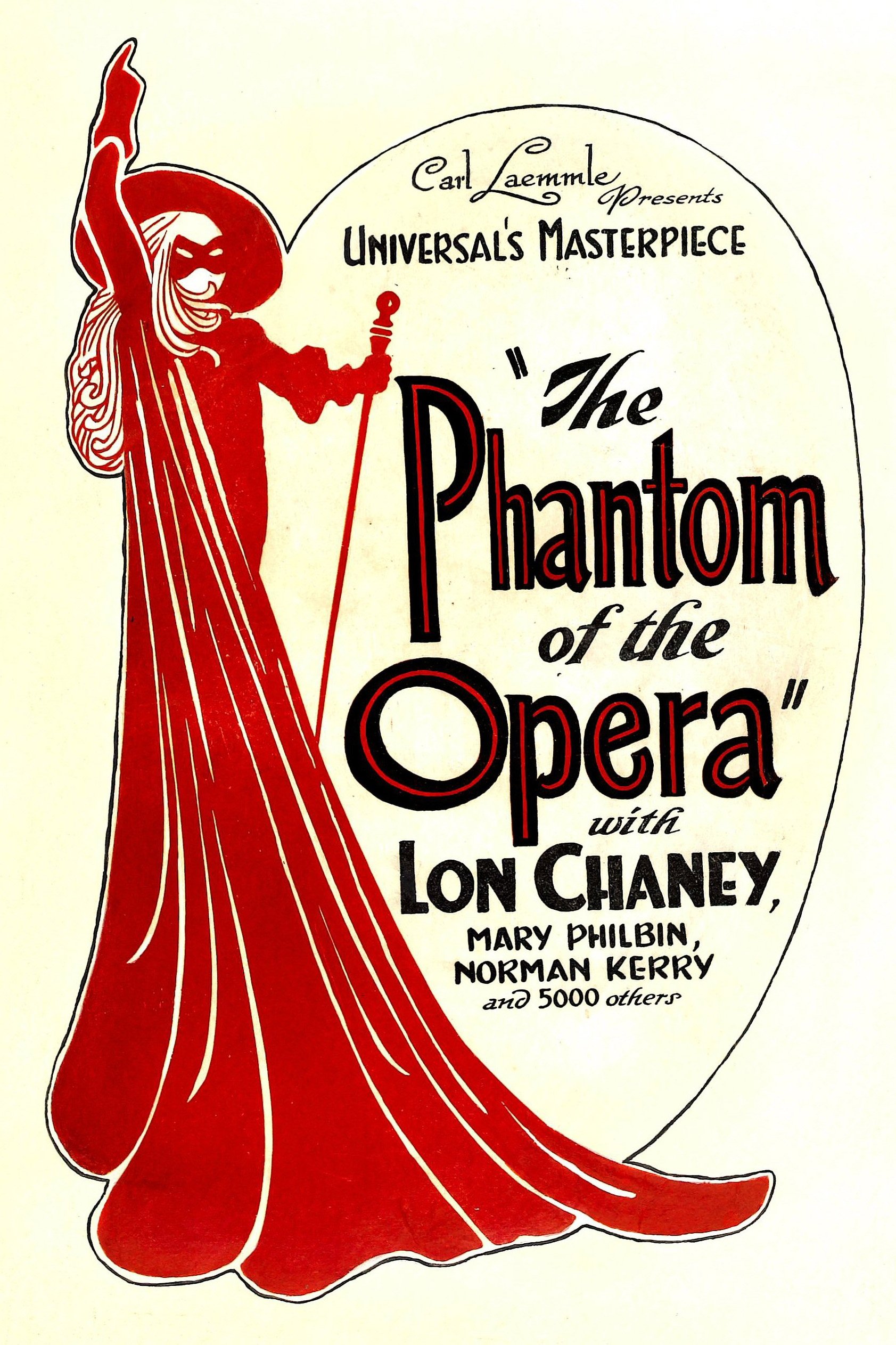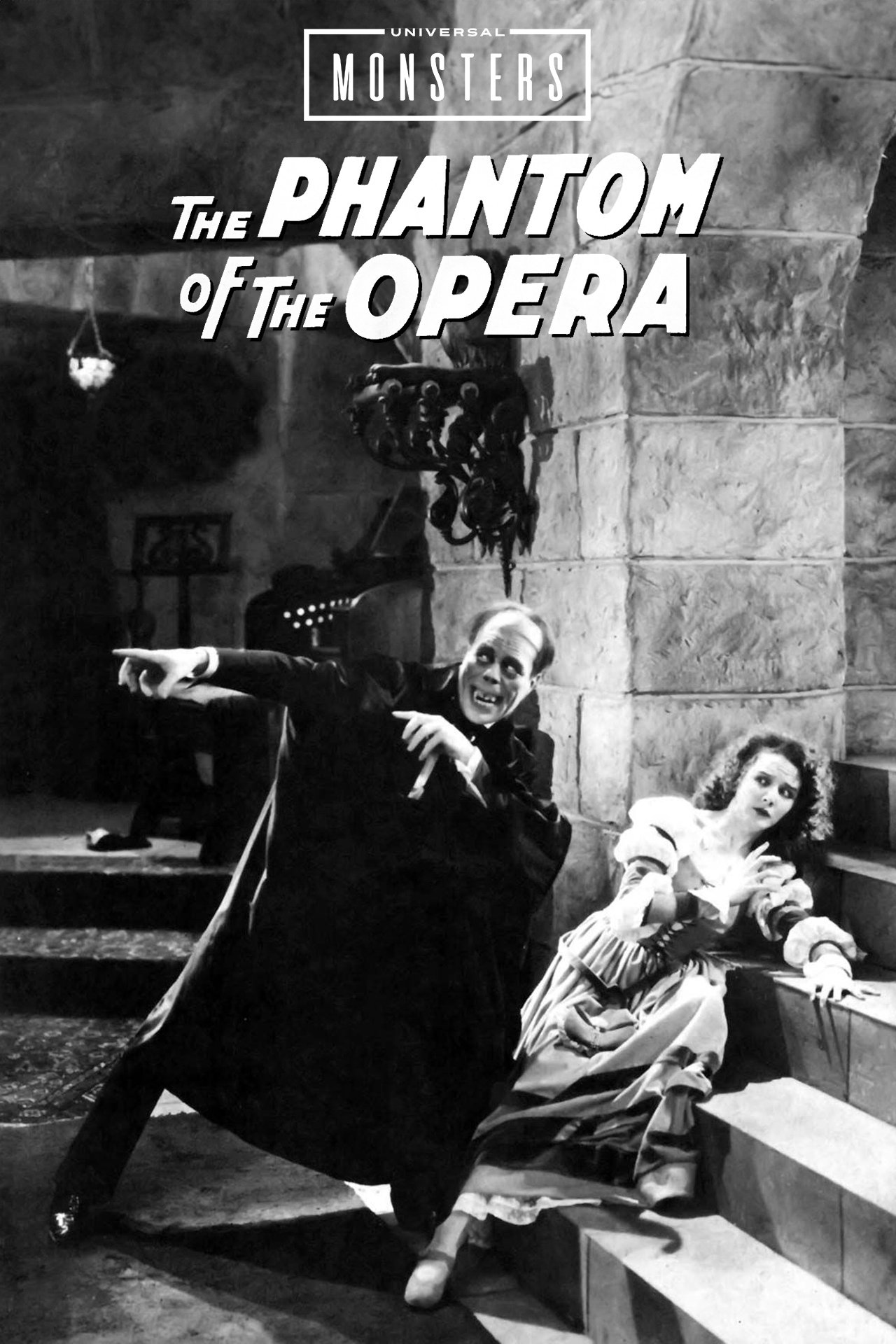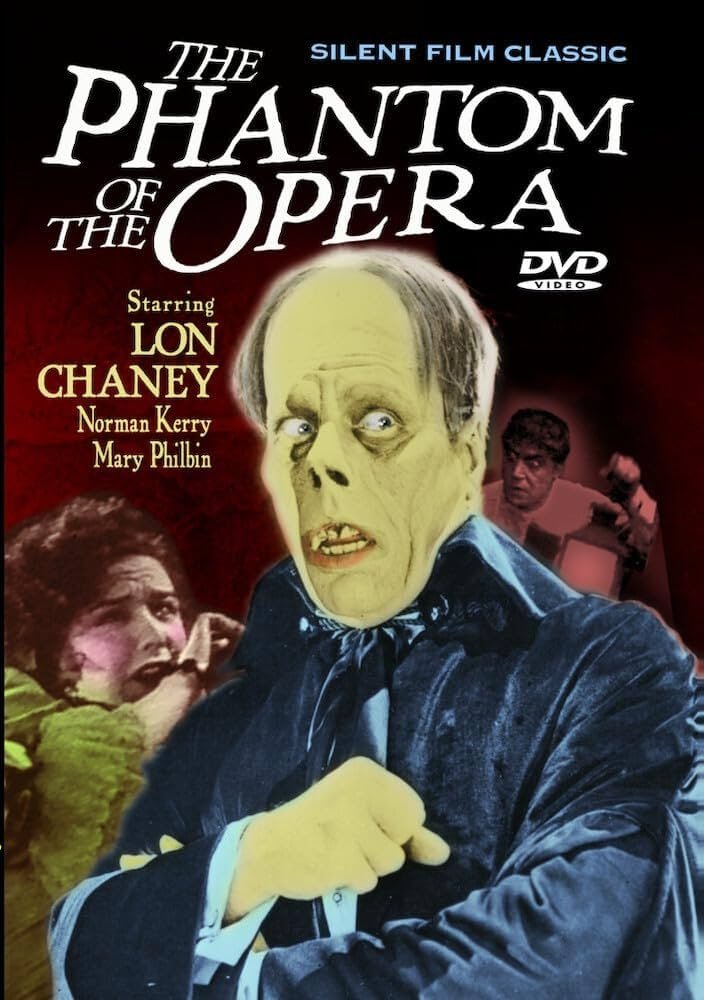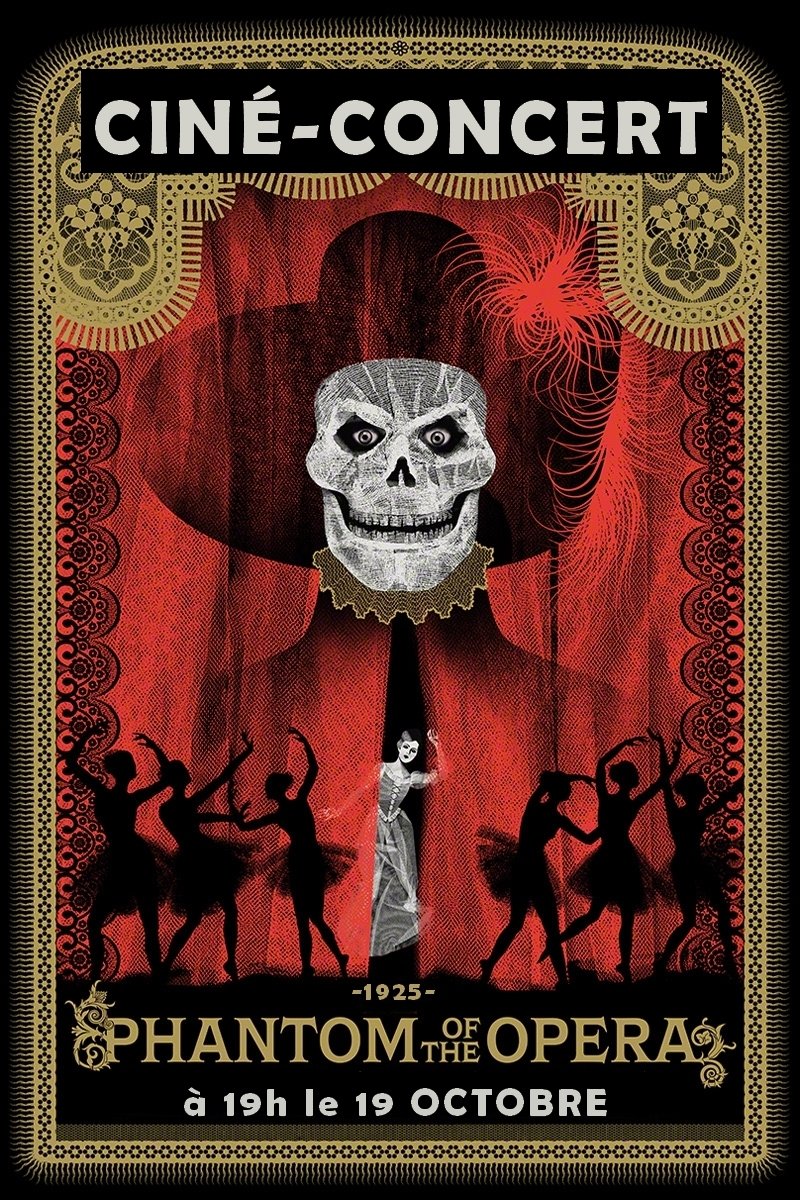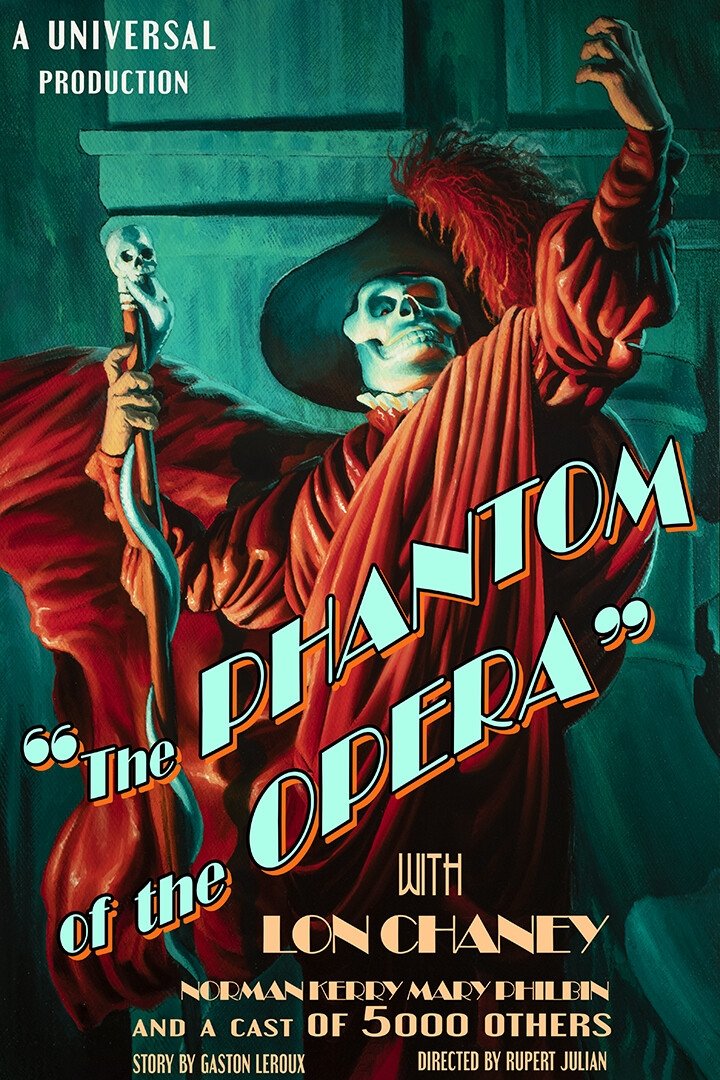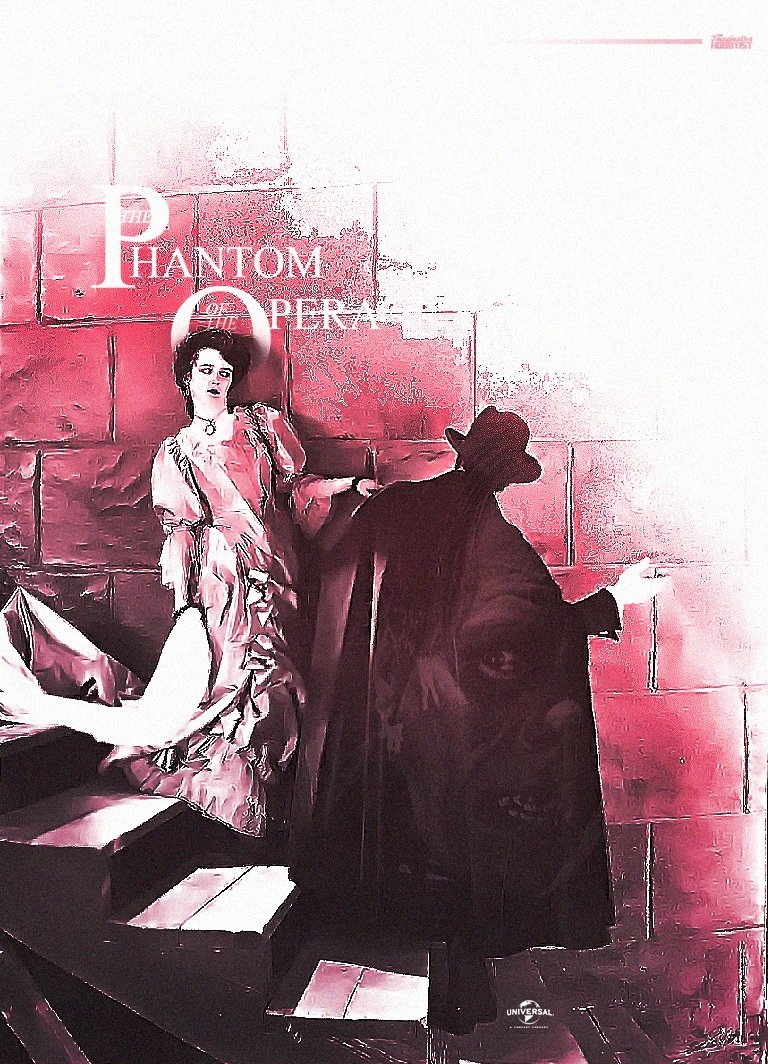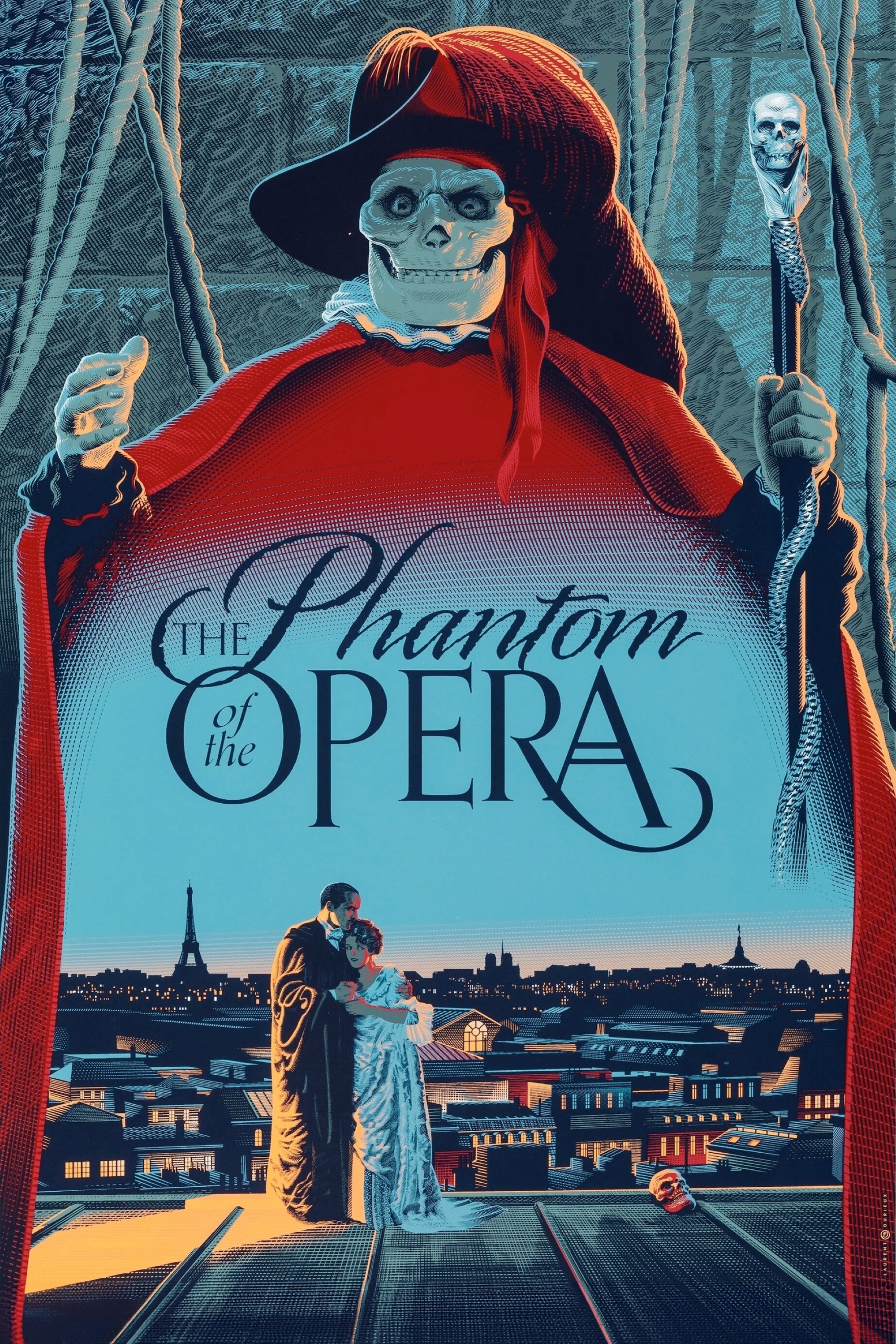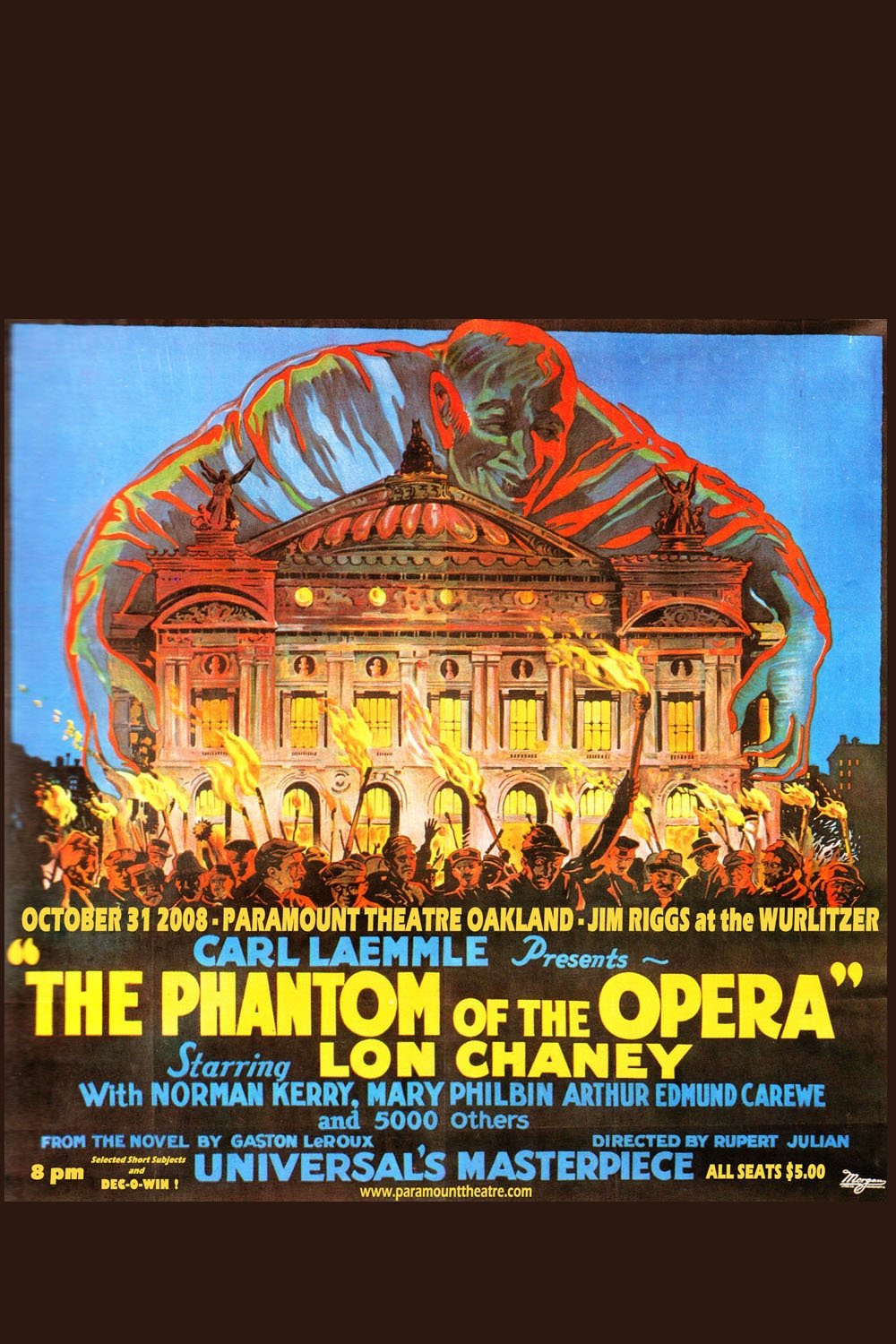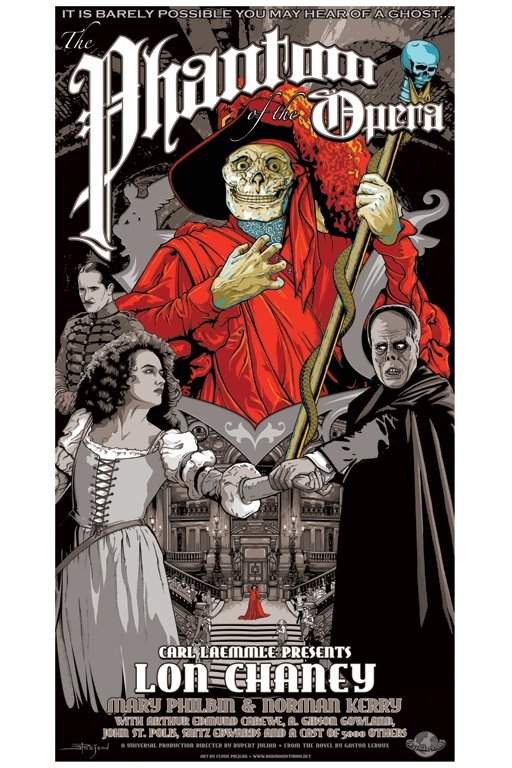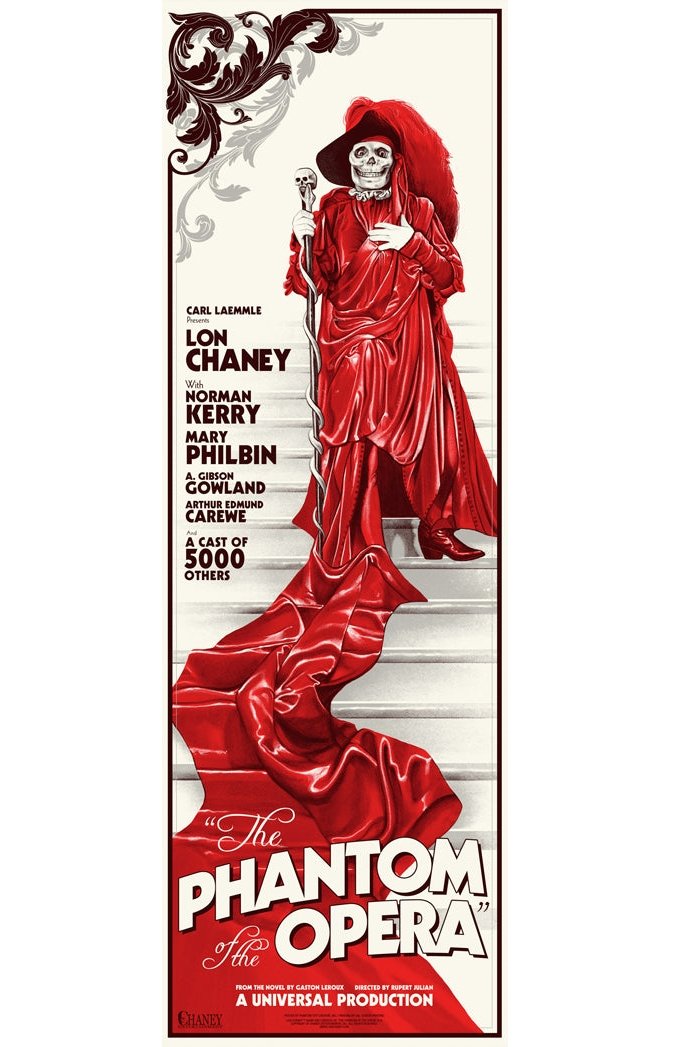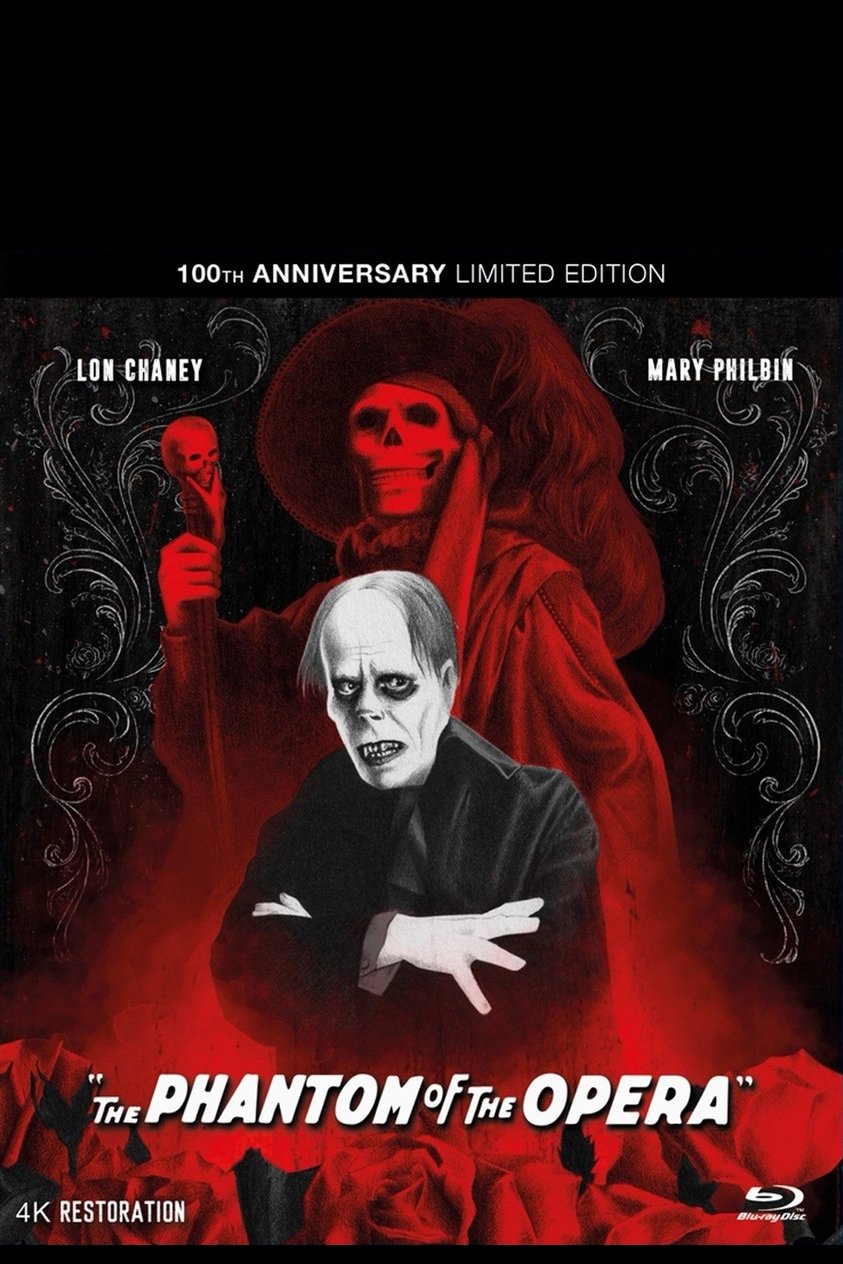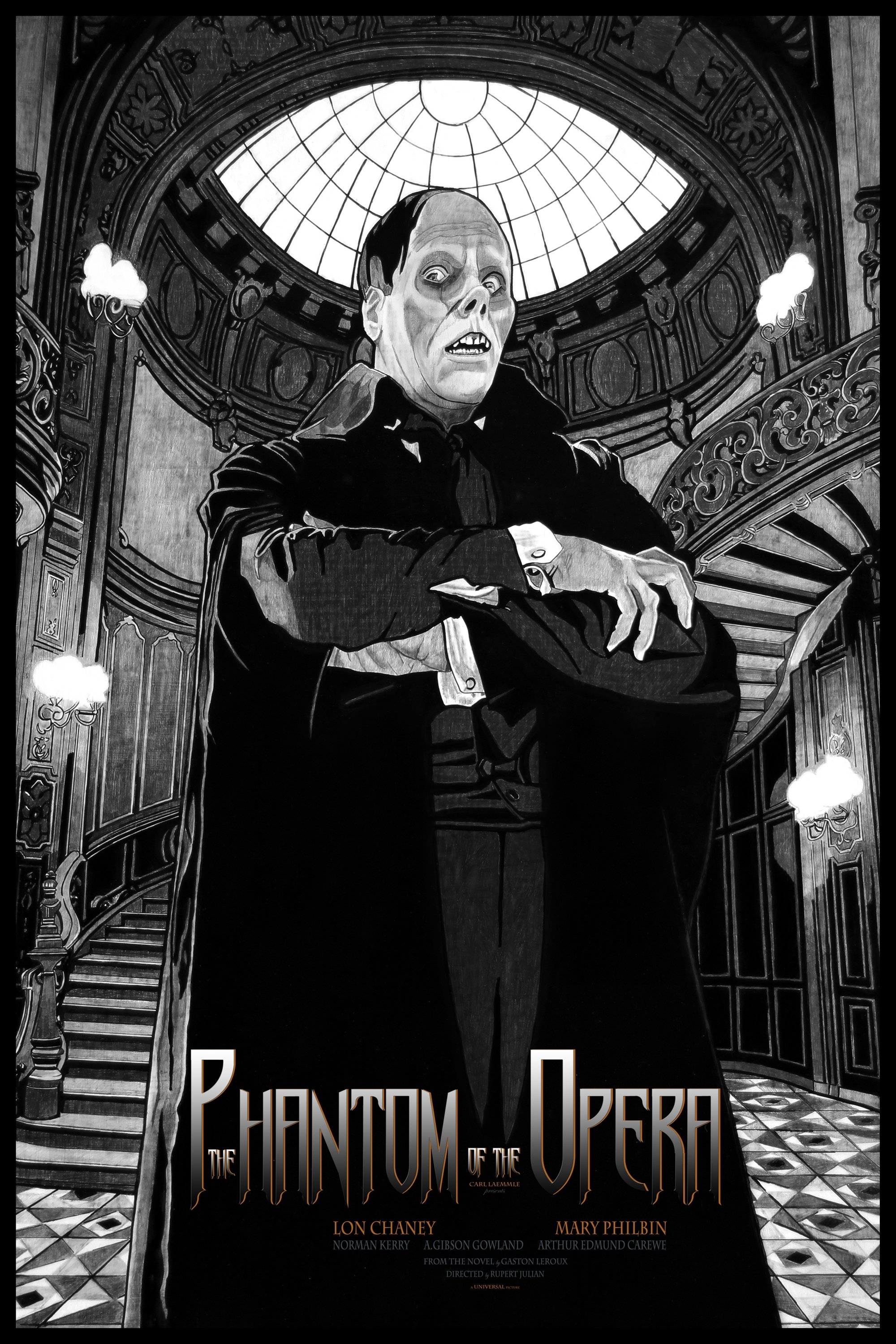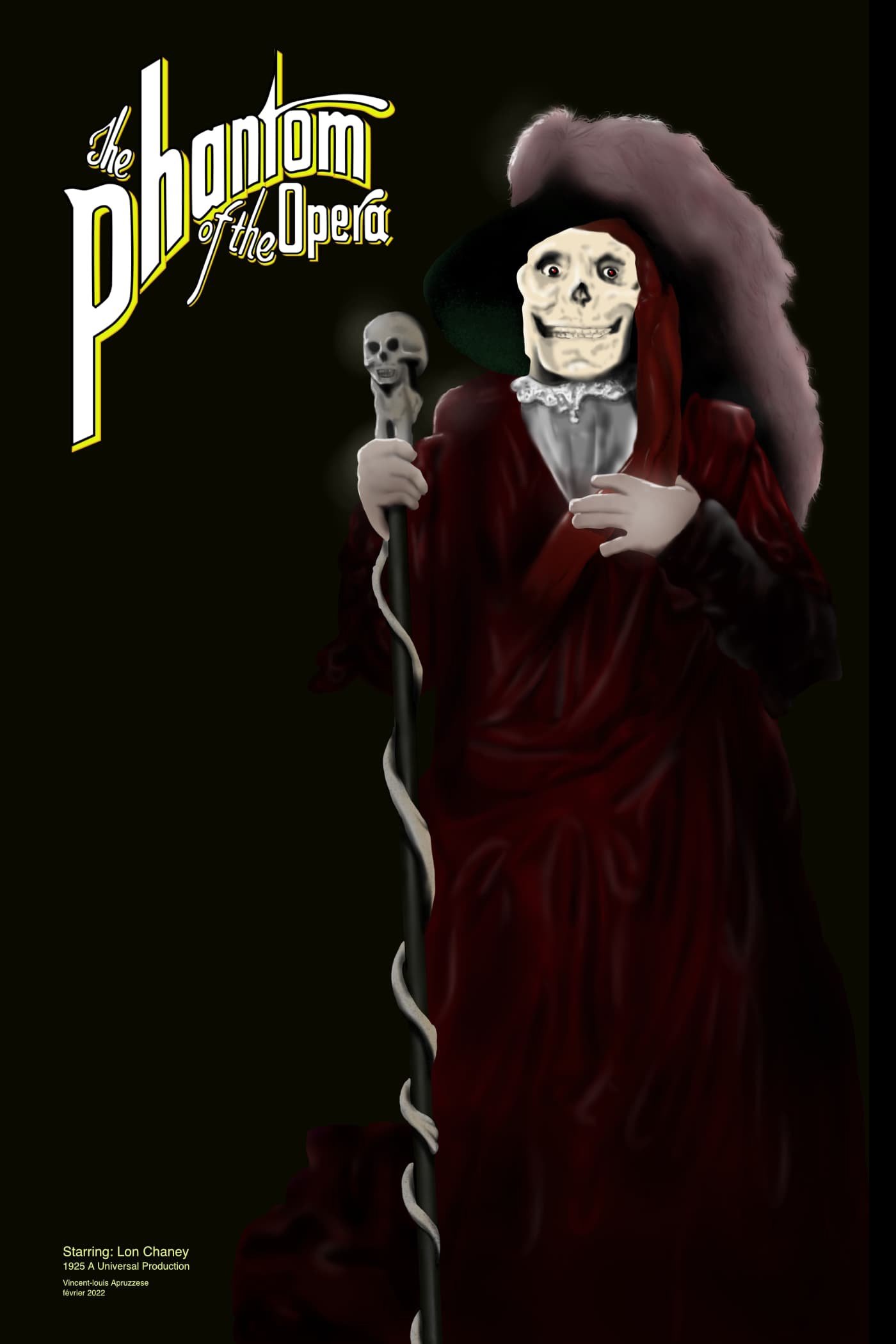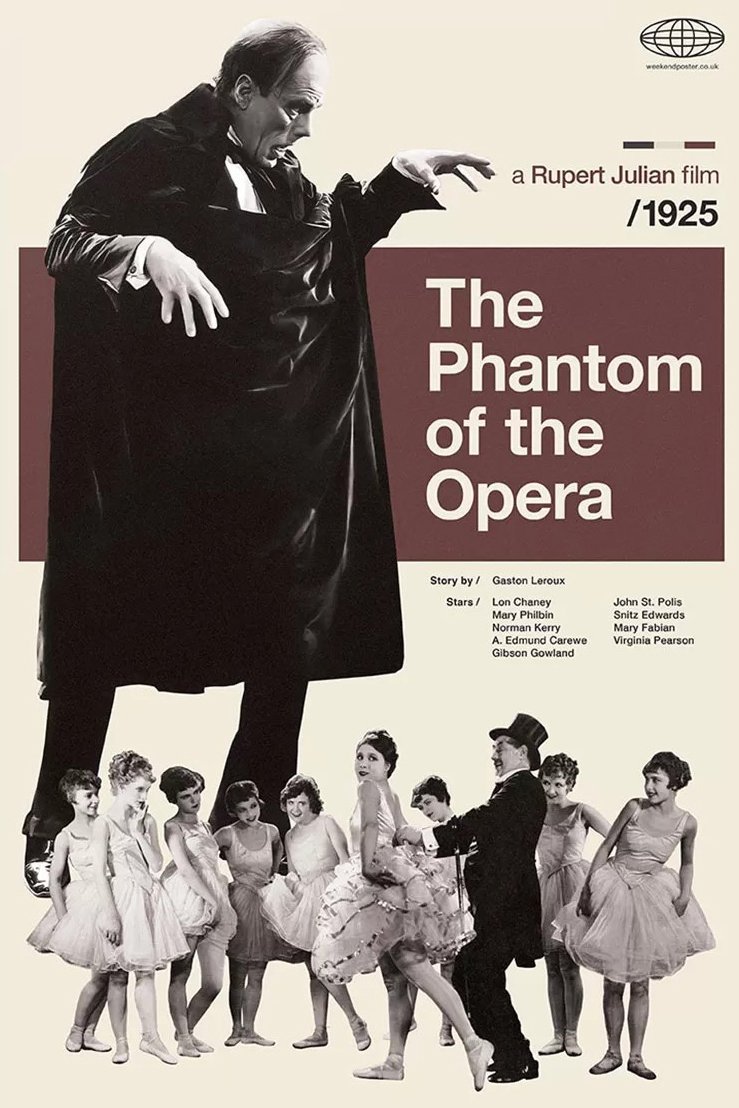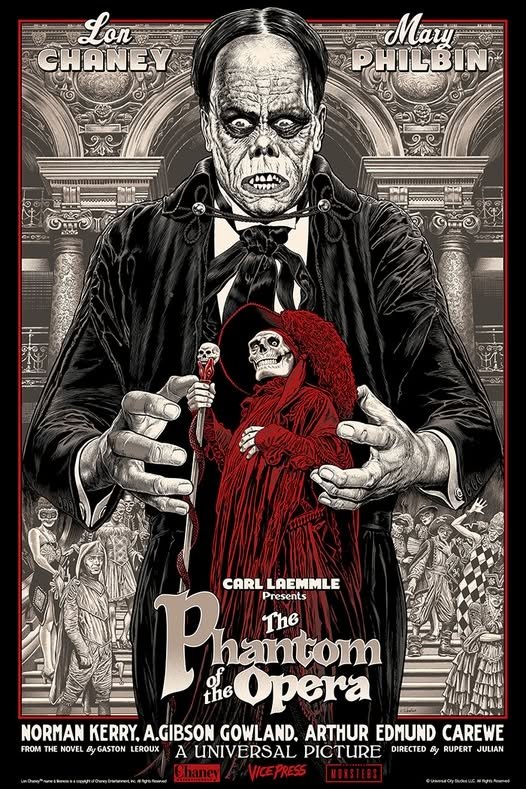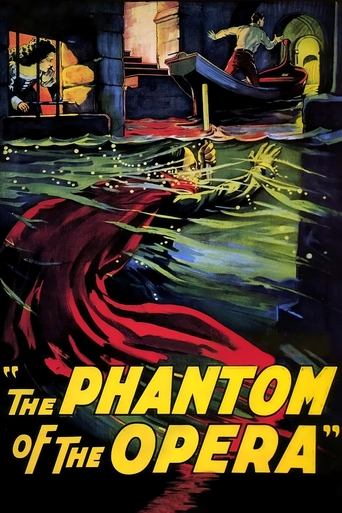
The Phantom of the Opera (1925)

US
HORROR FILM Drama Music
6.2/10 5 votes
Runtime
101 min
Release
September 22, 1925
Revenue
$2,000,000
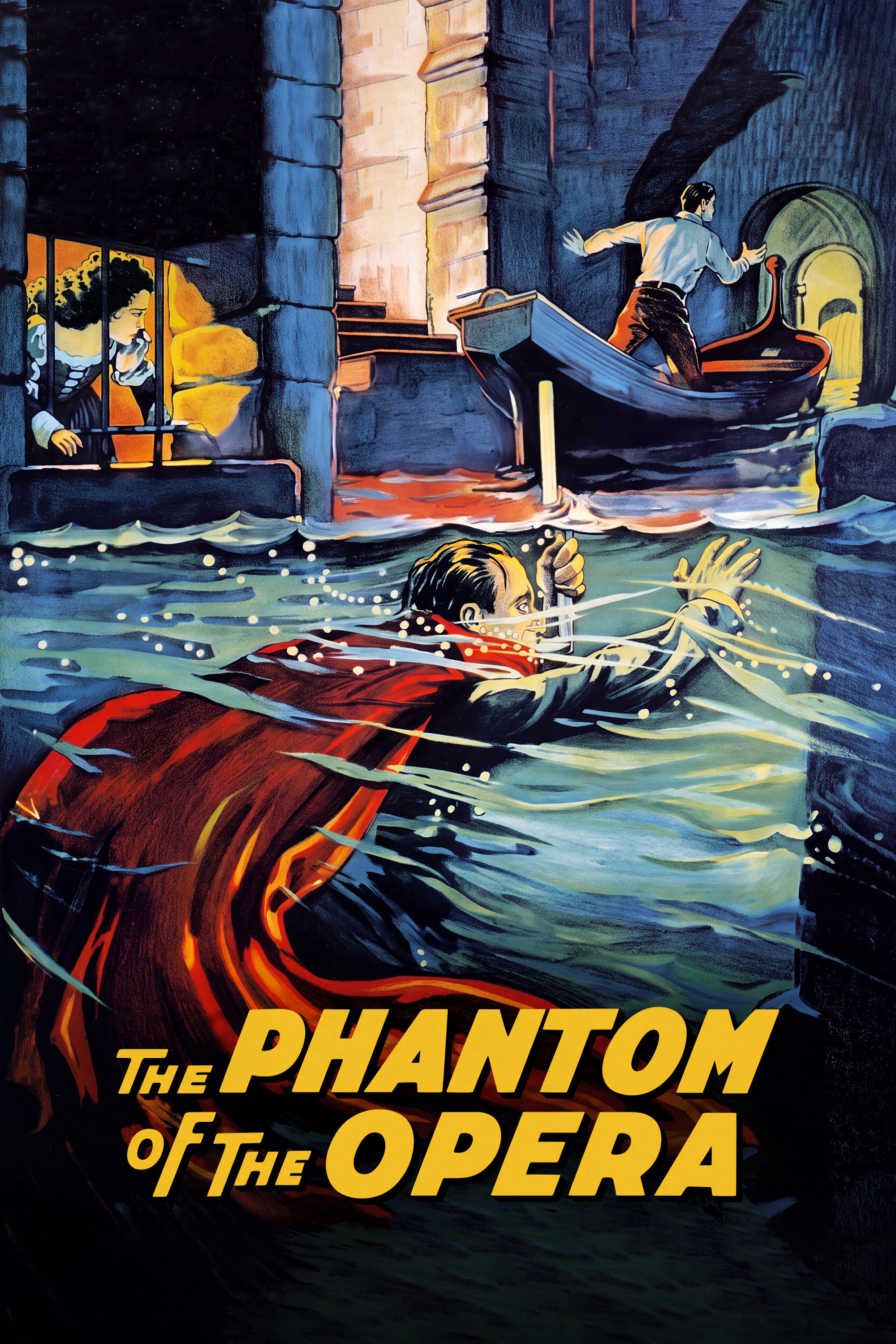
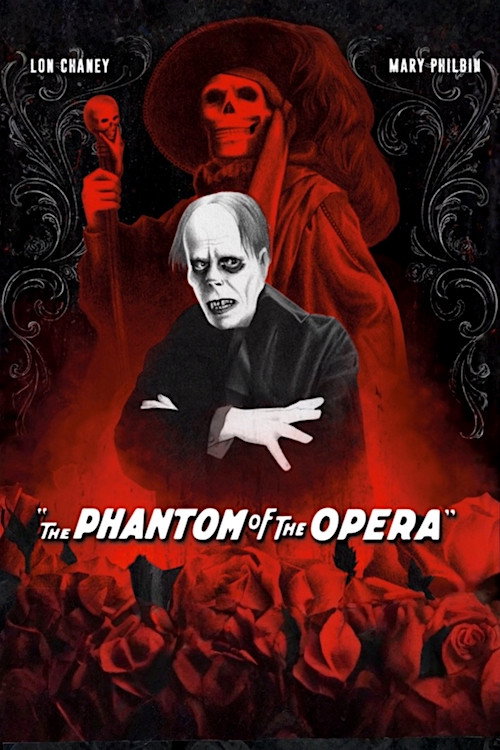
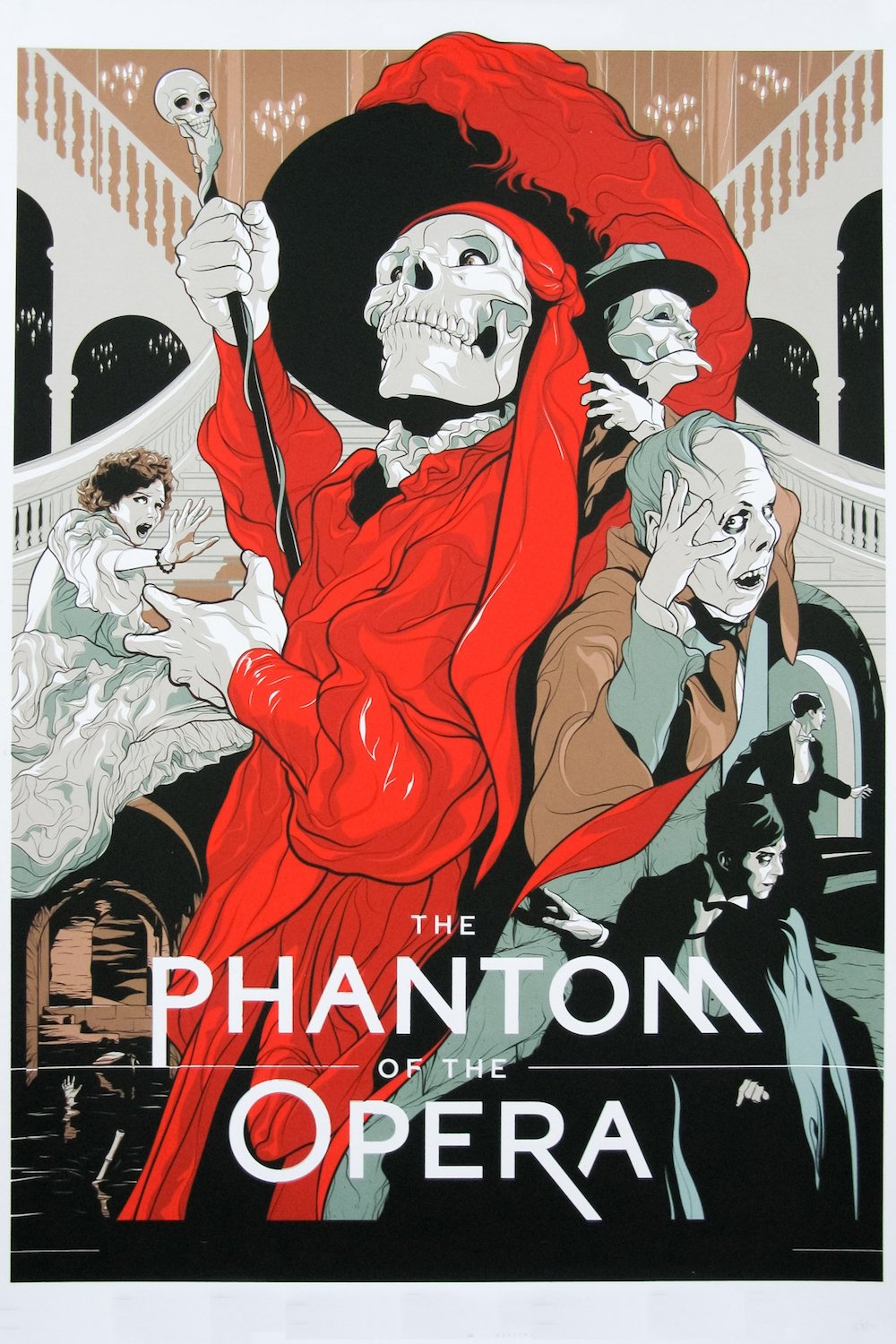
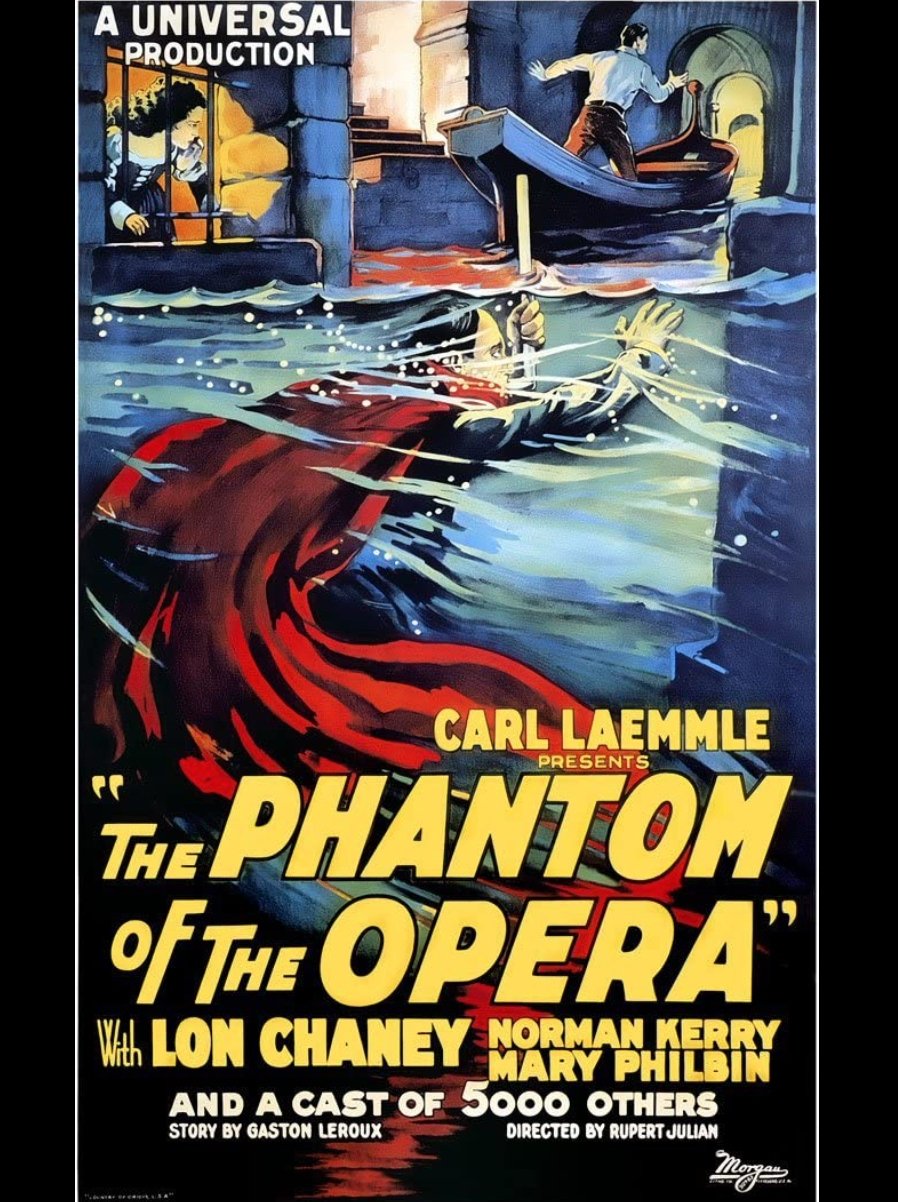
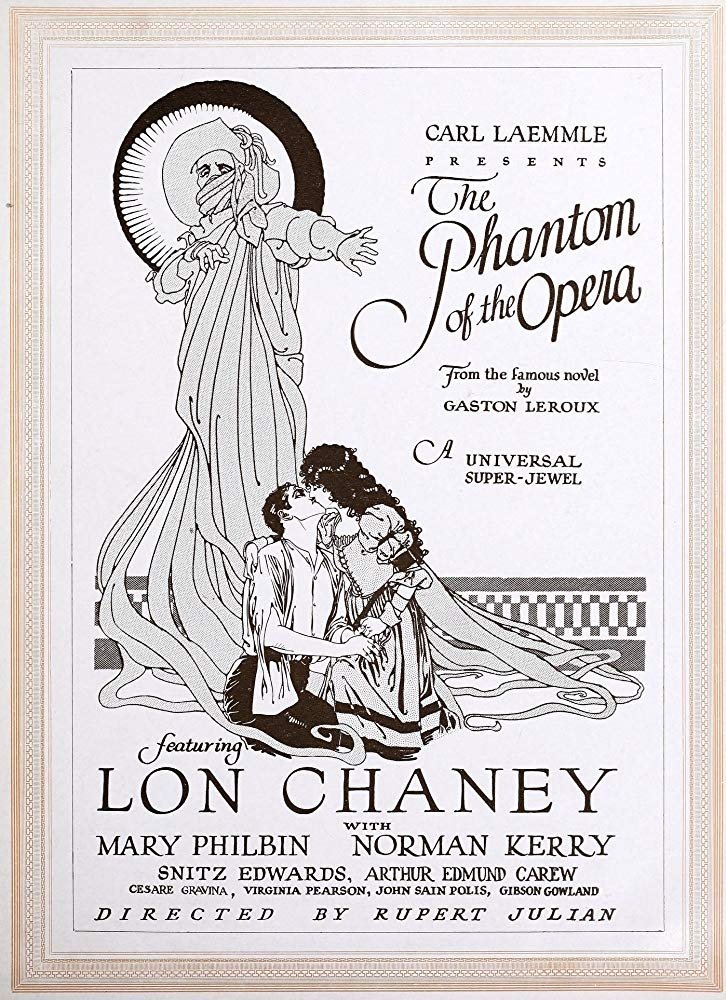
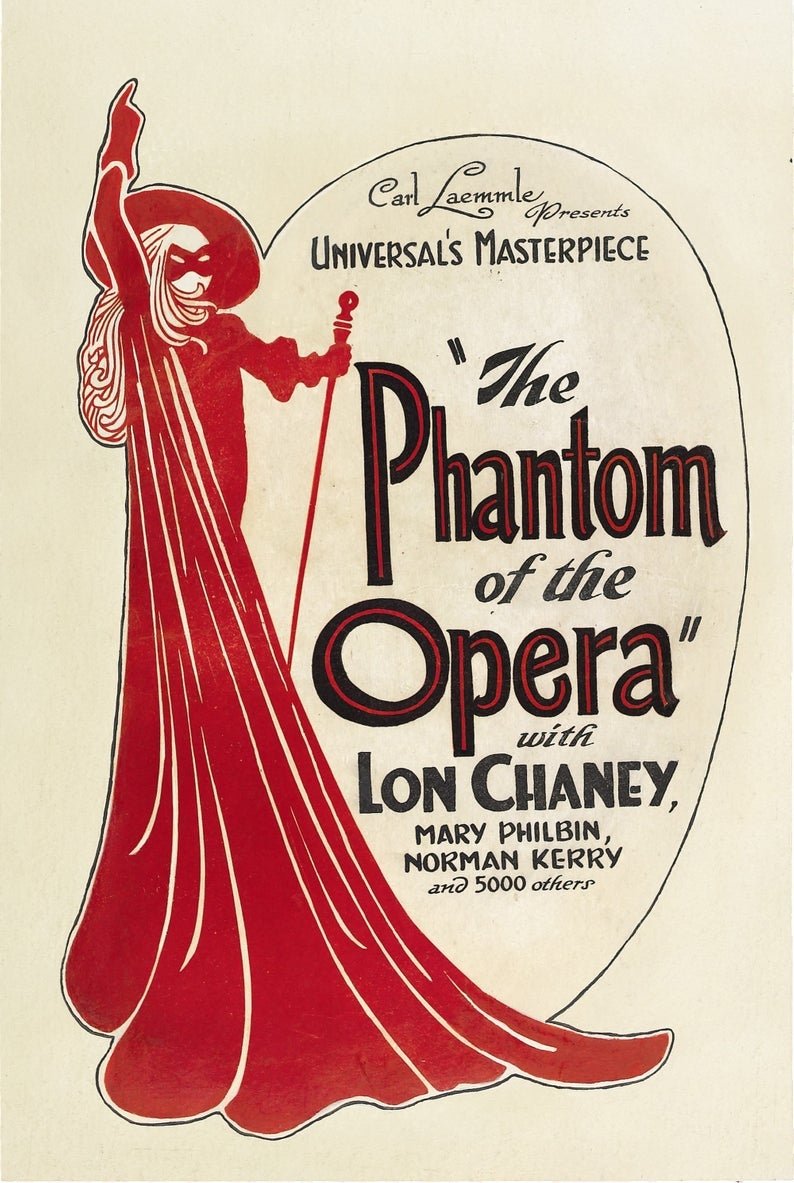
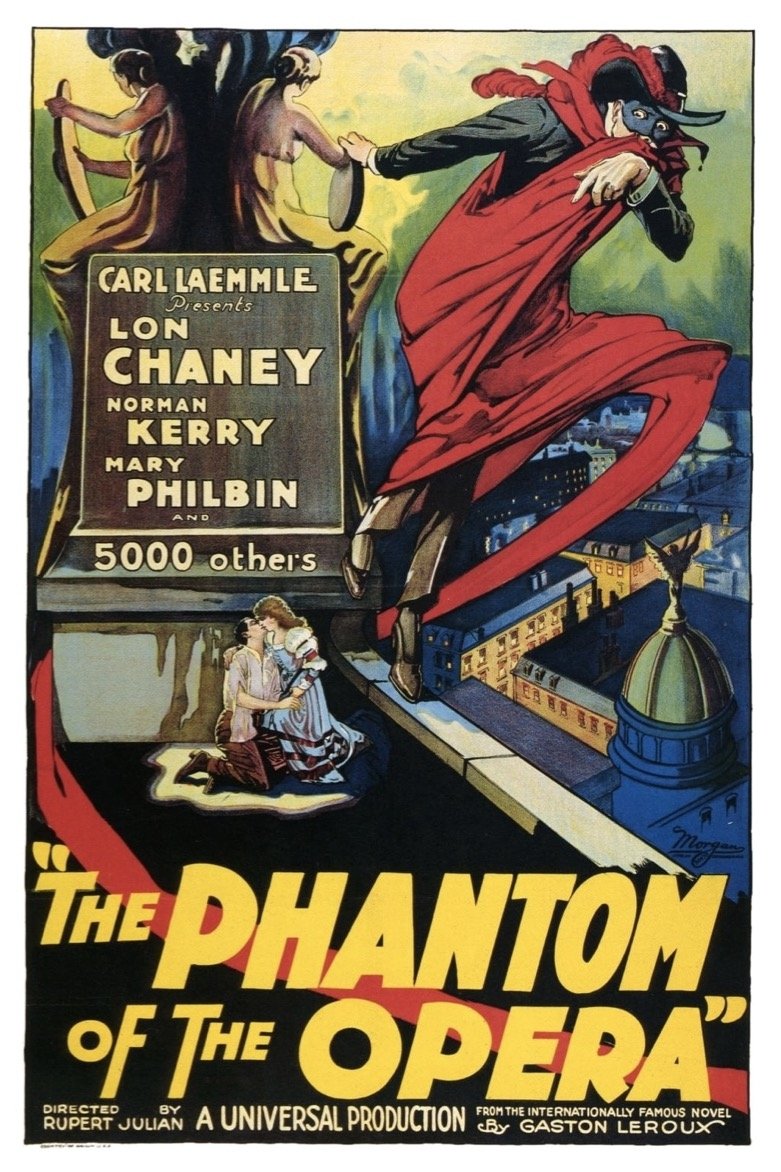
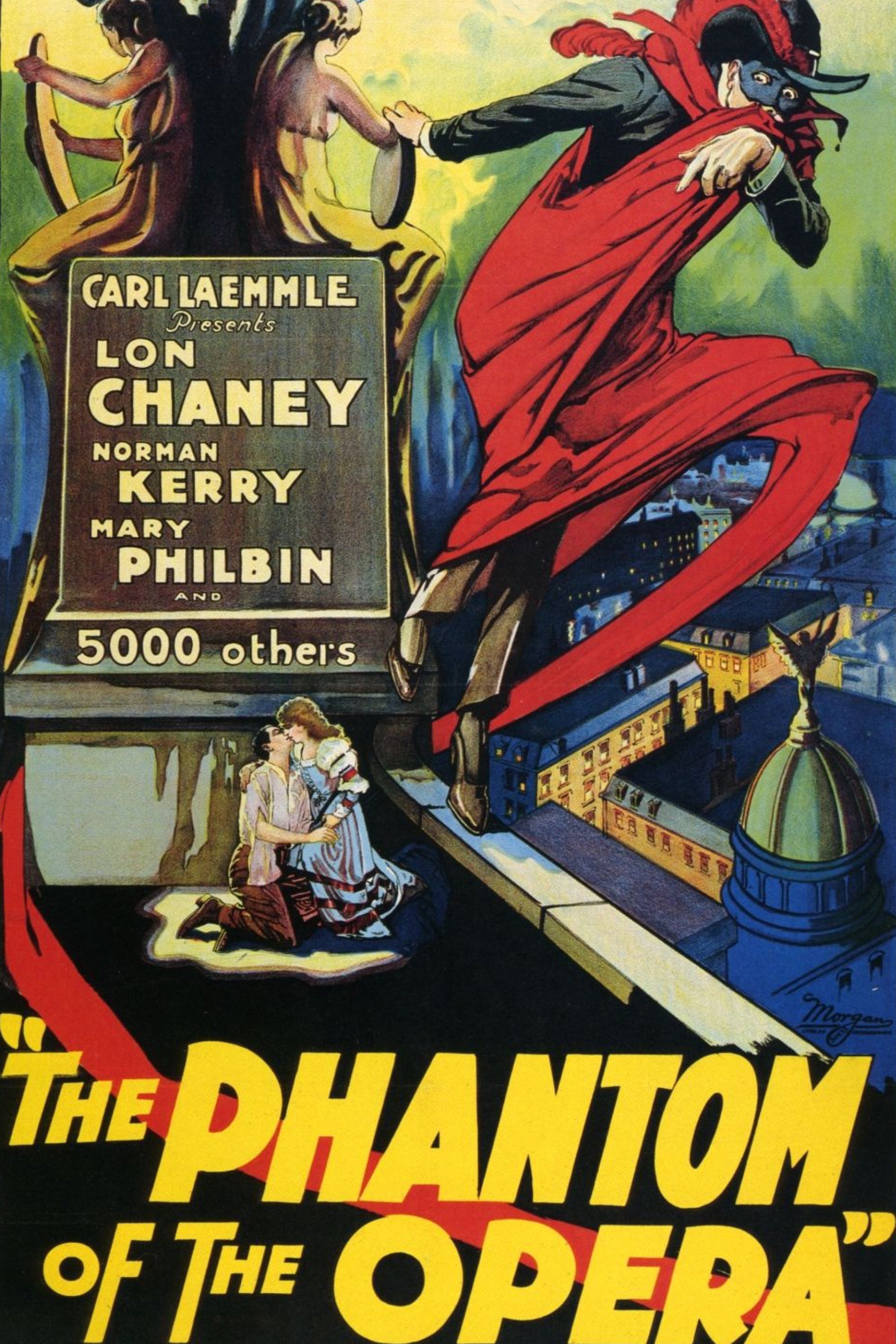
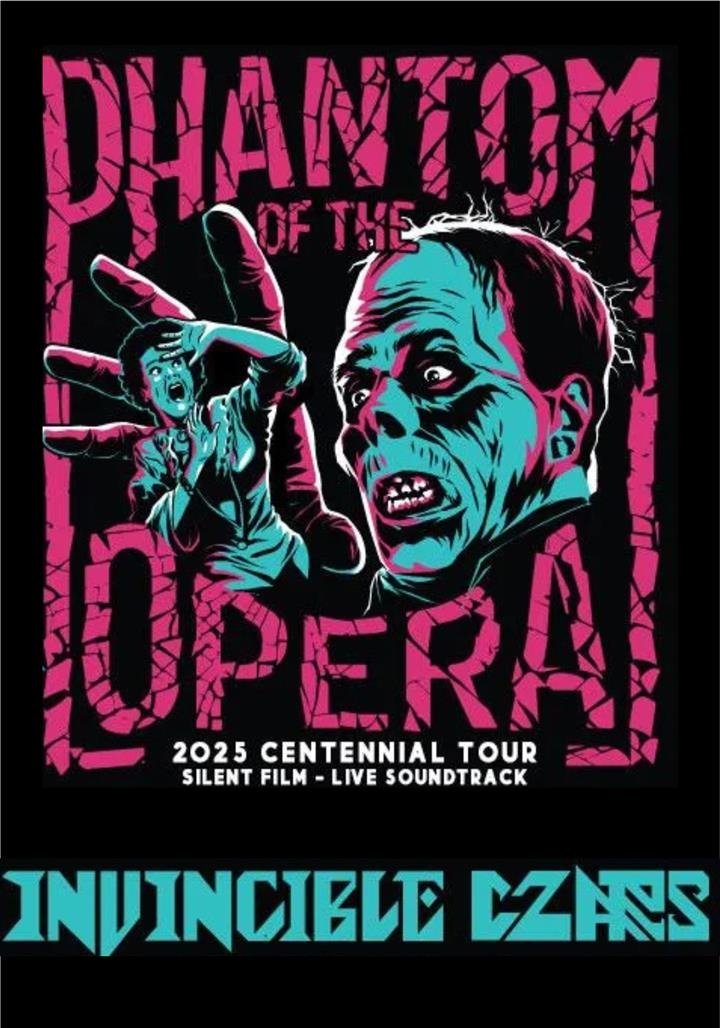
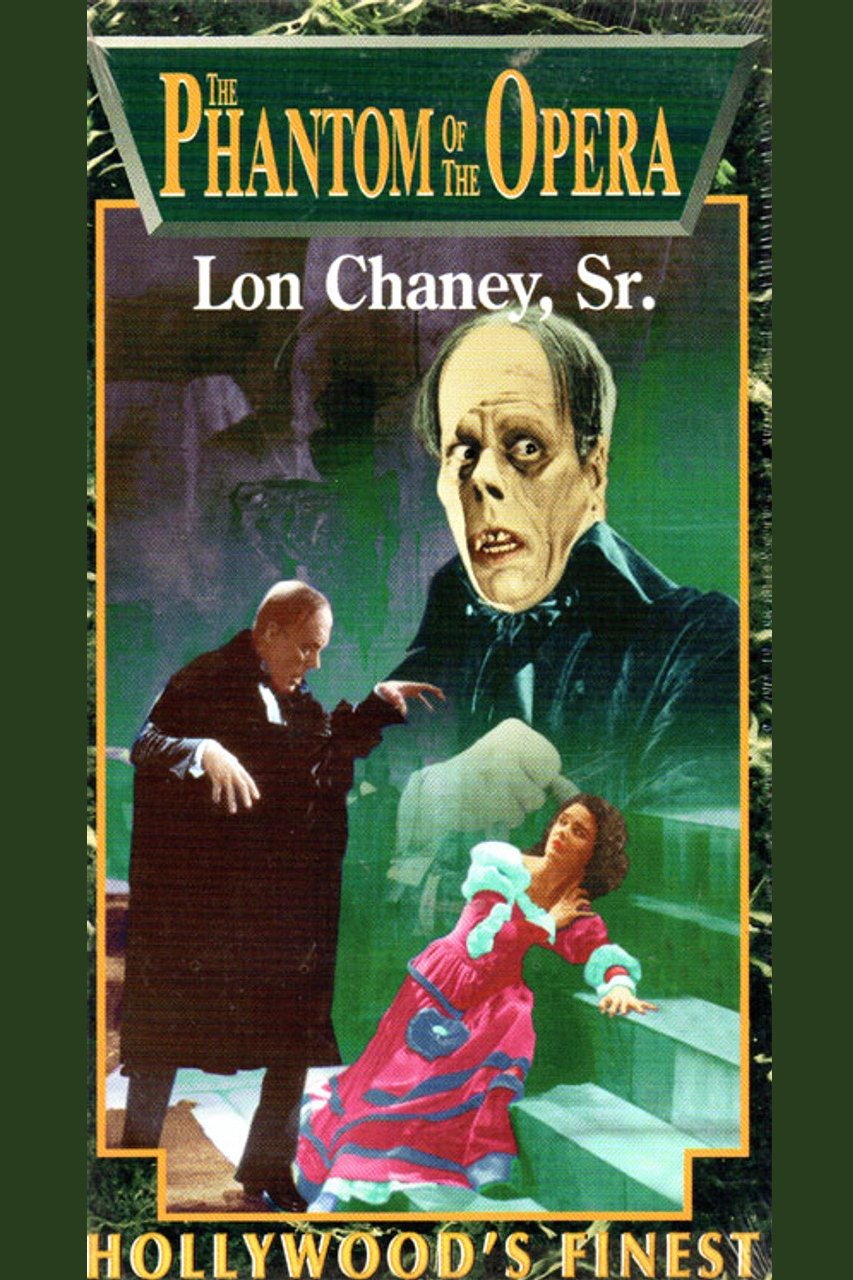
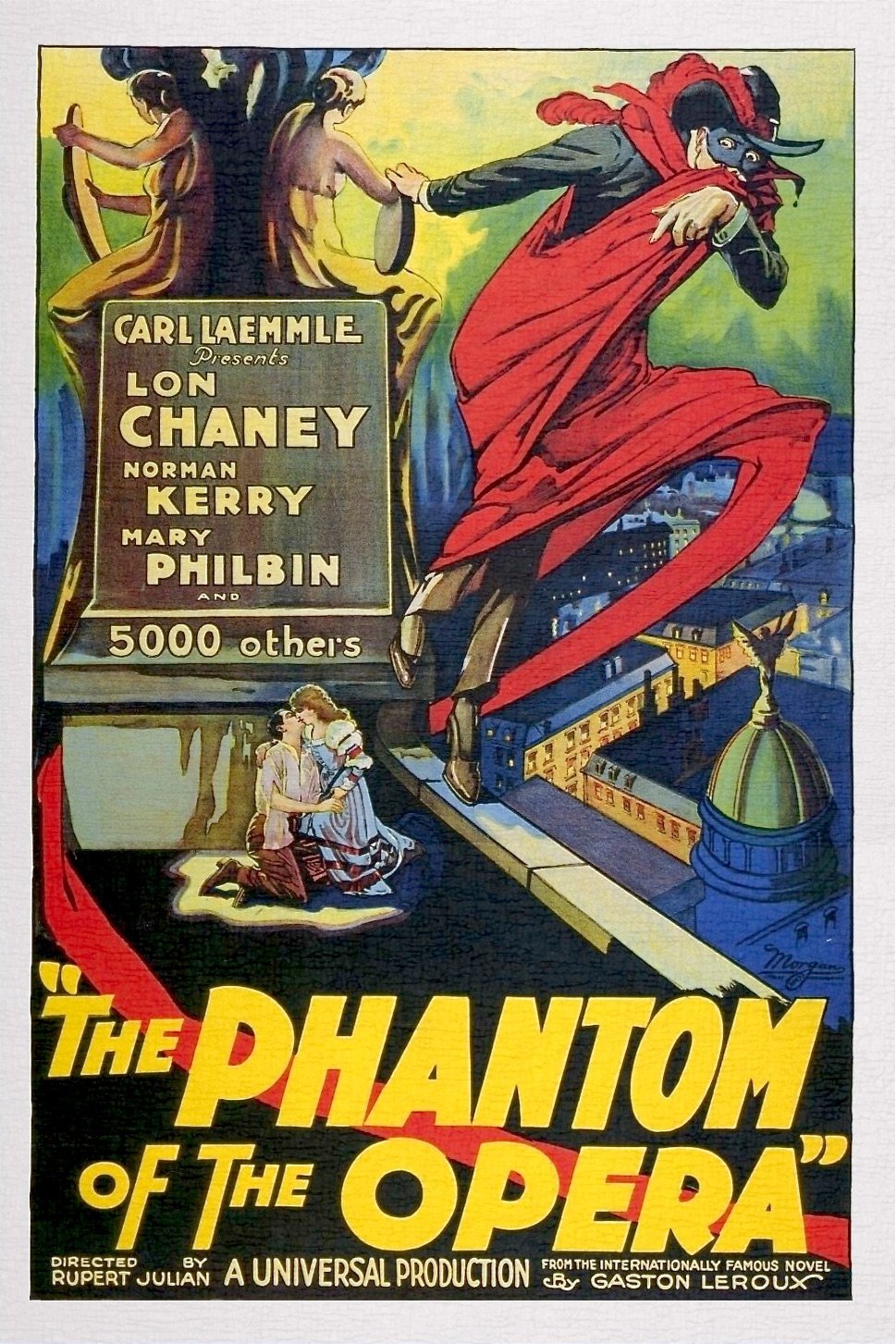
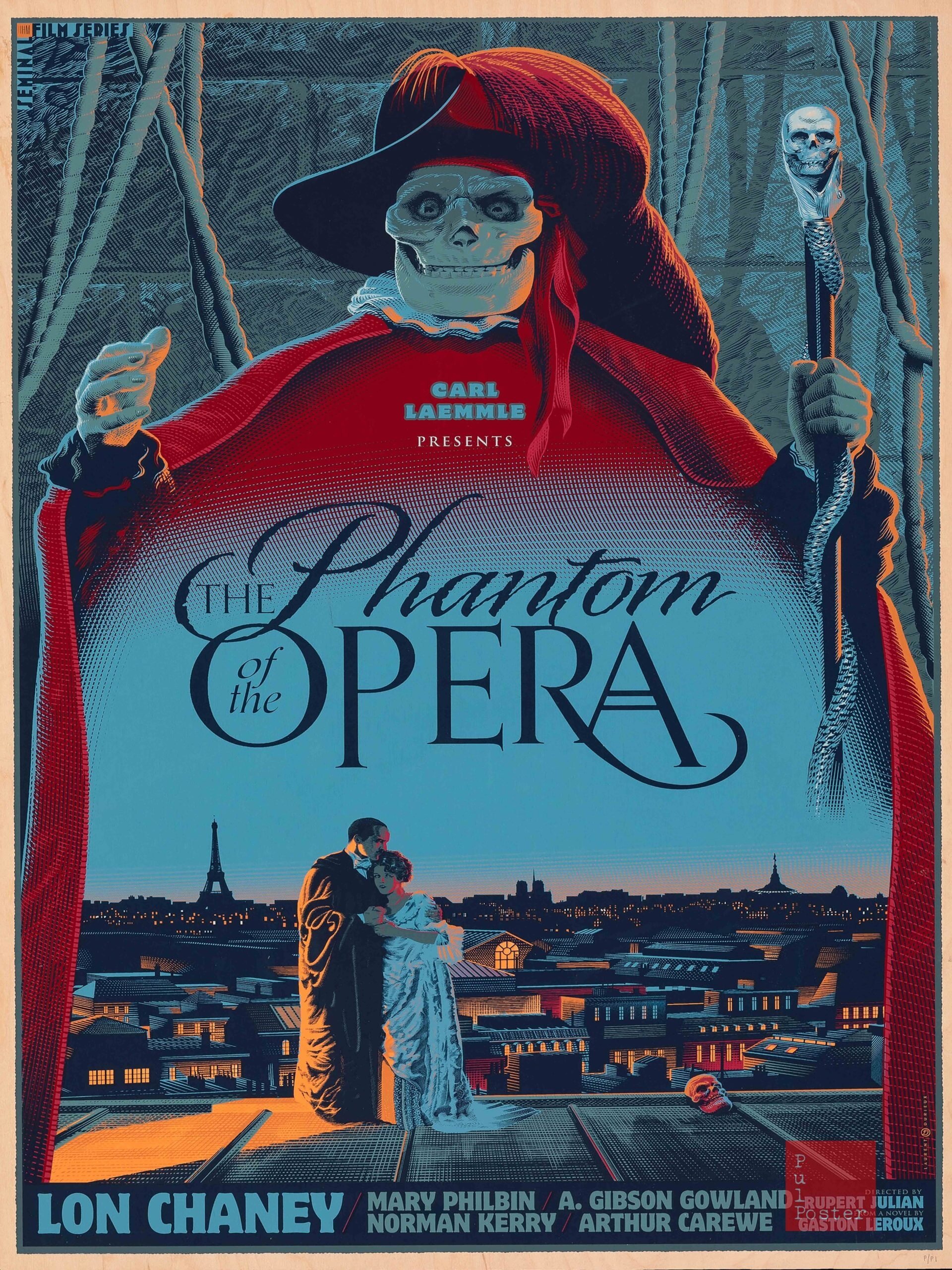
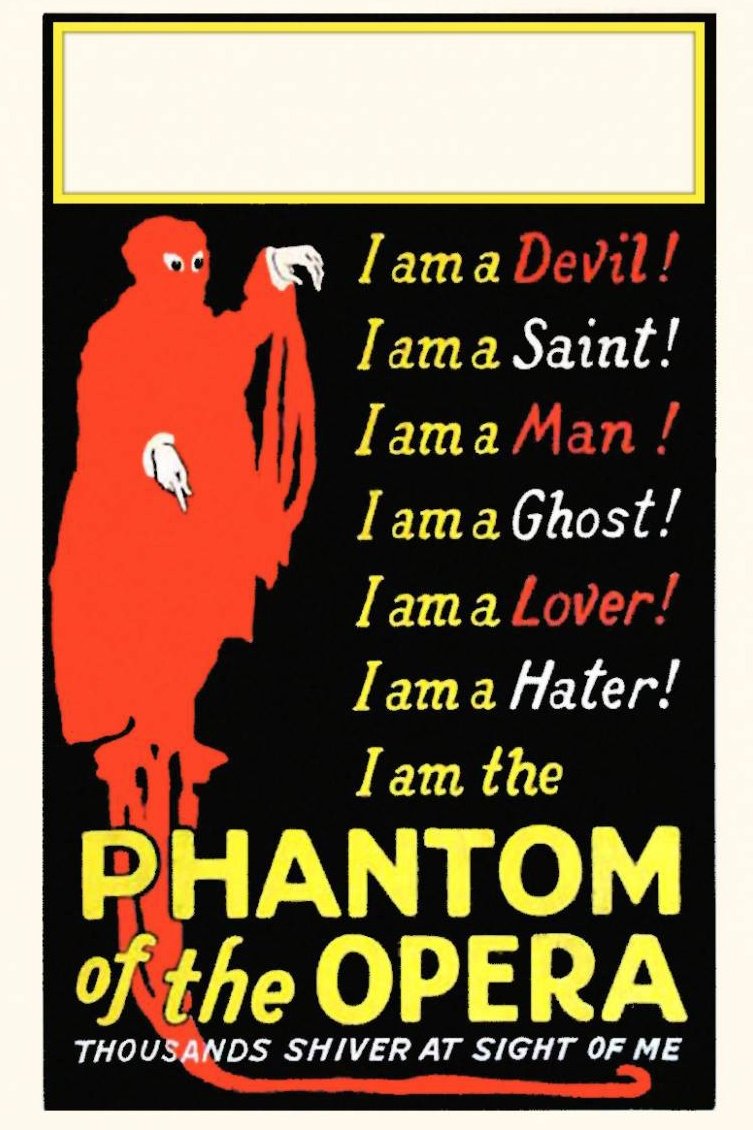
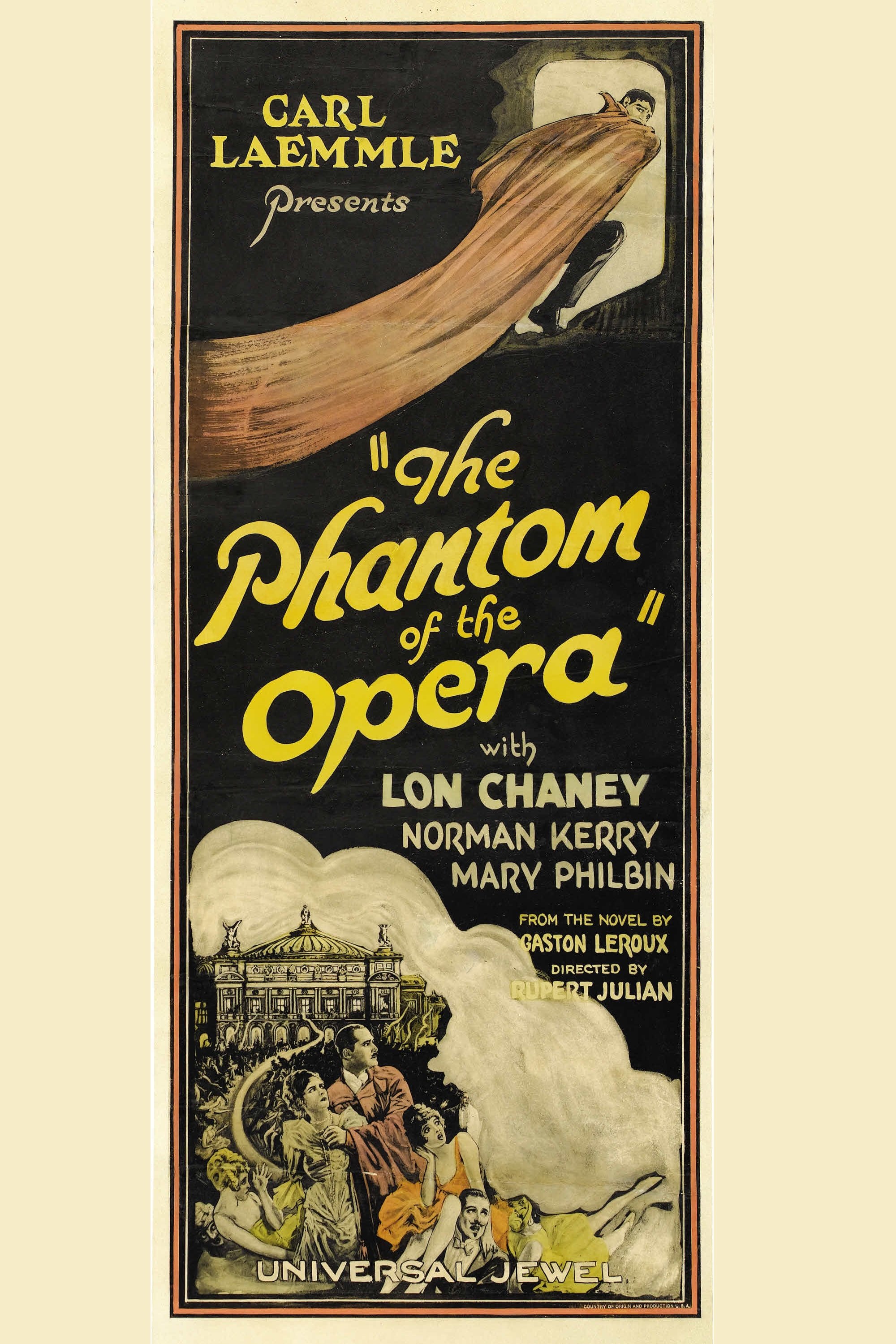
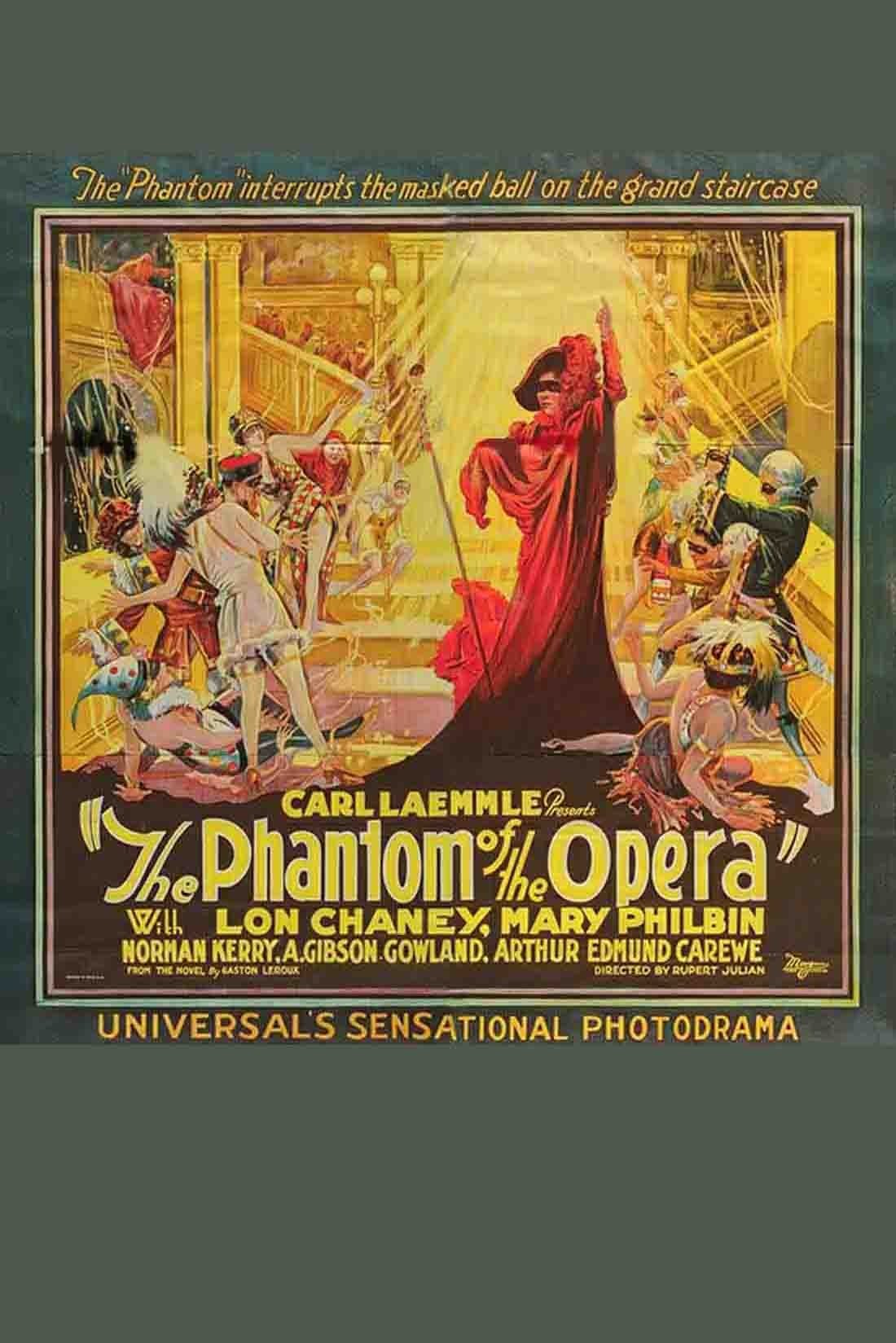
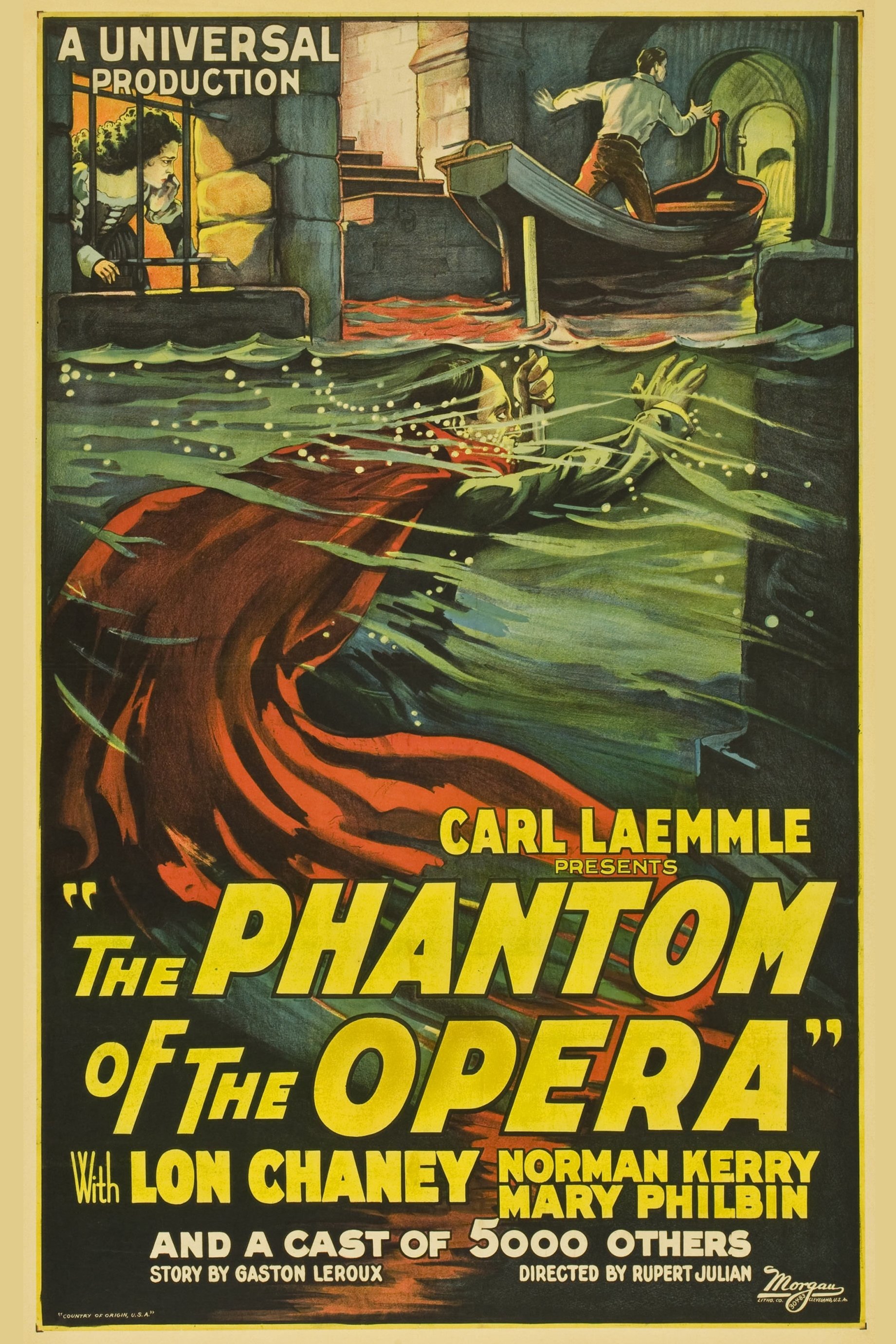
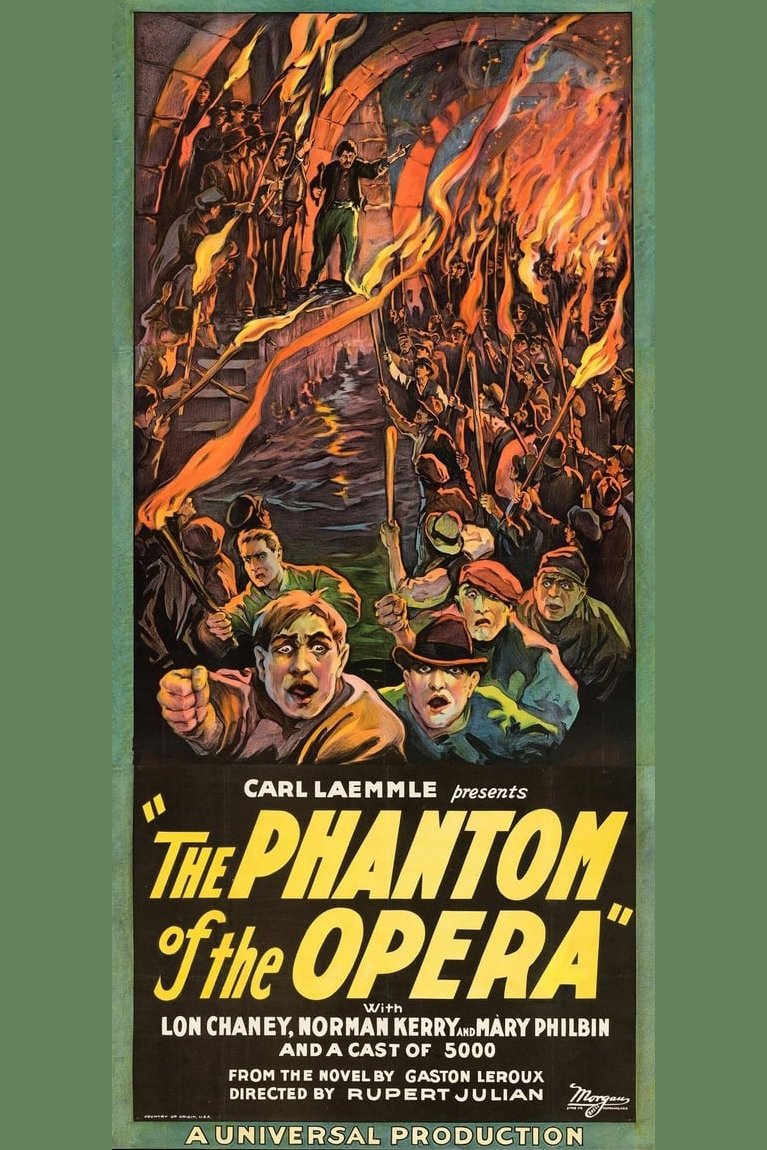
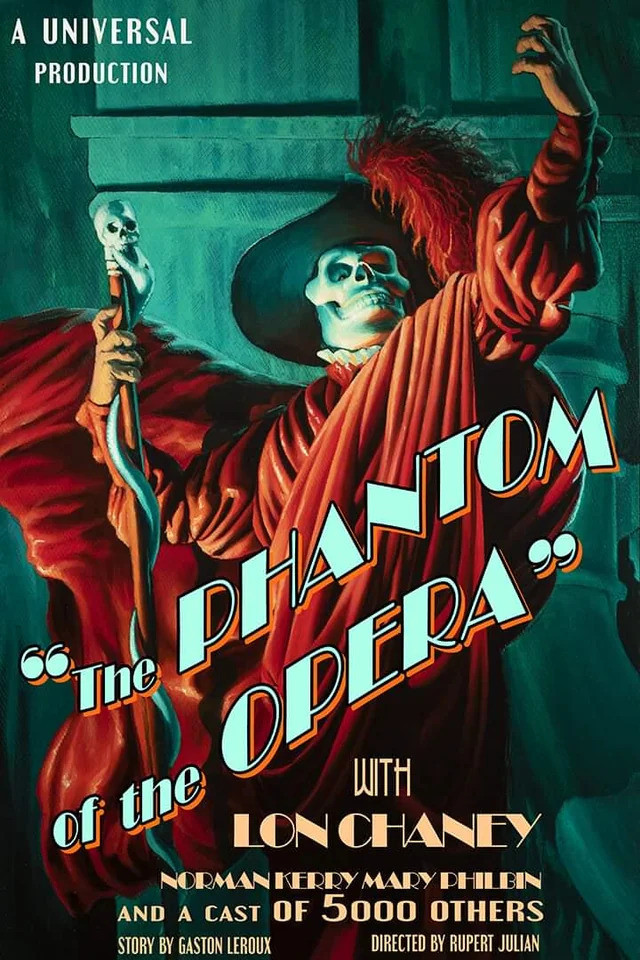
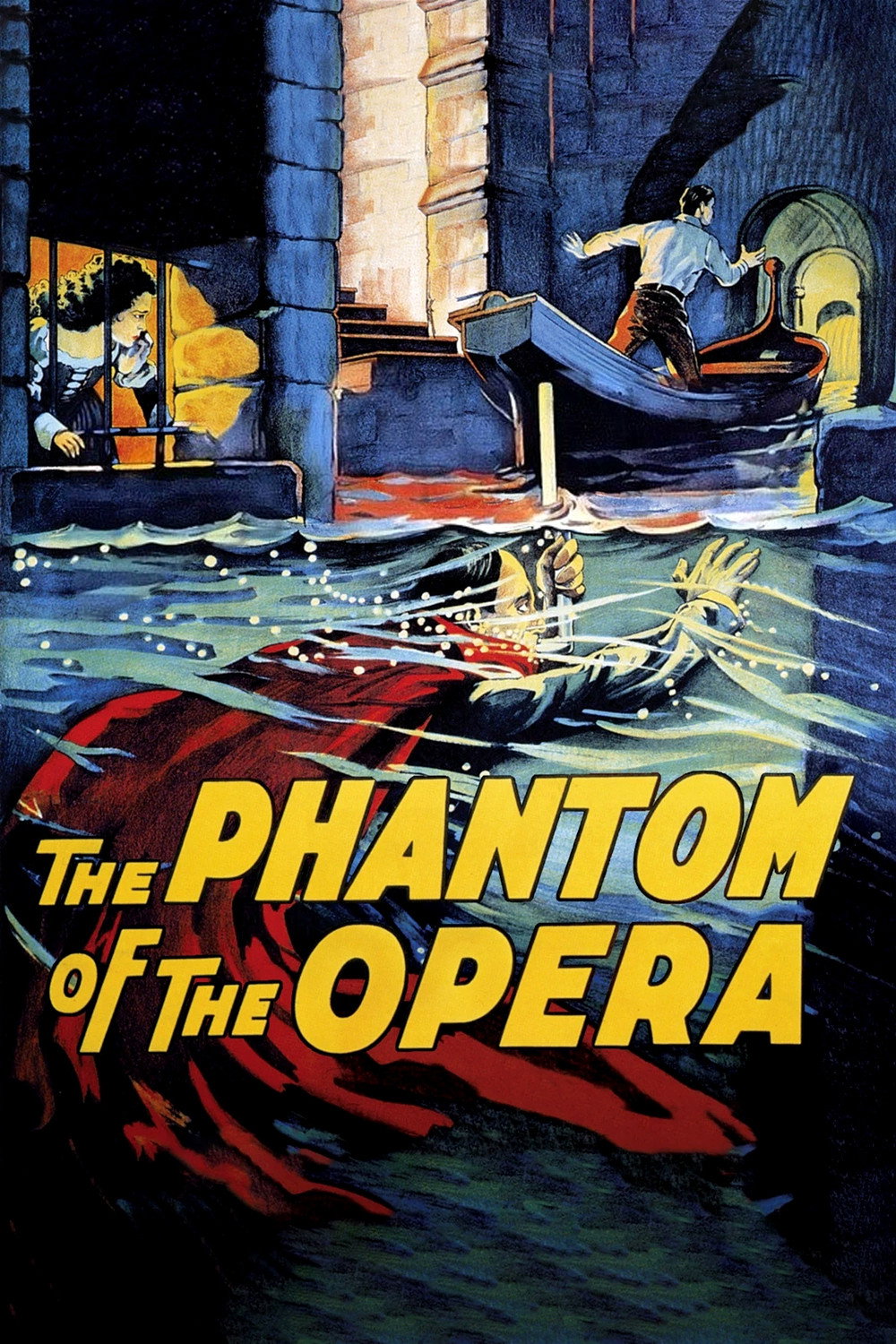
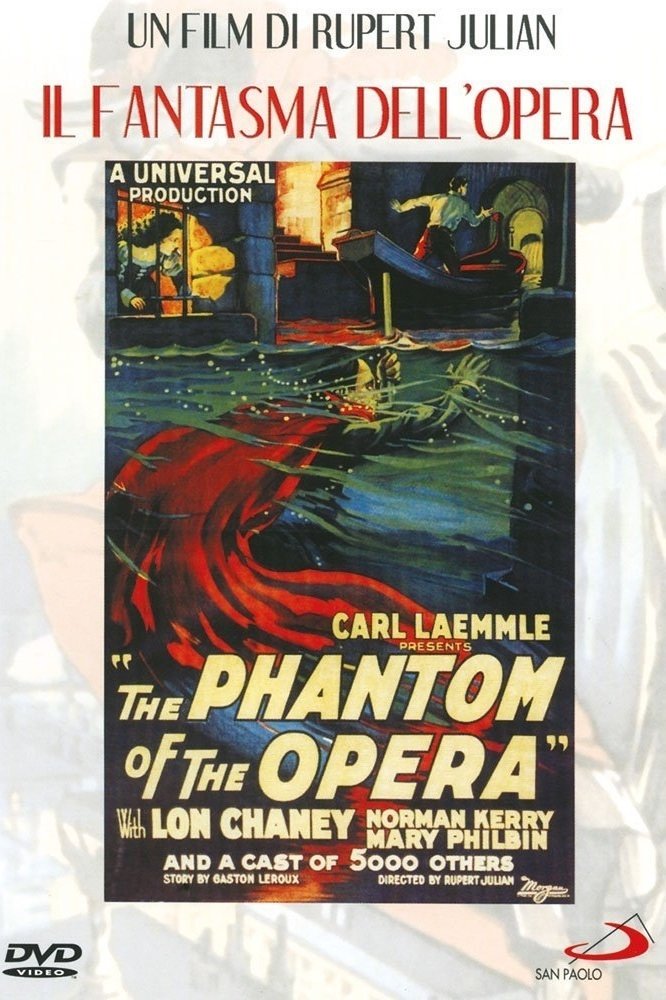
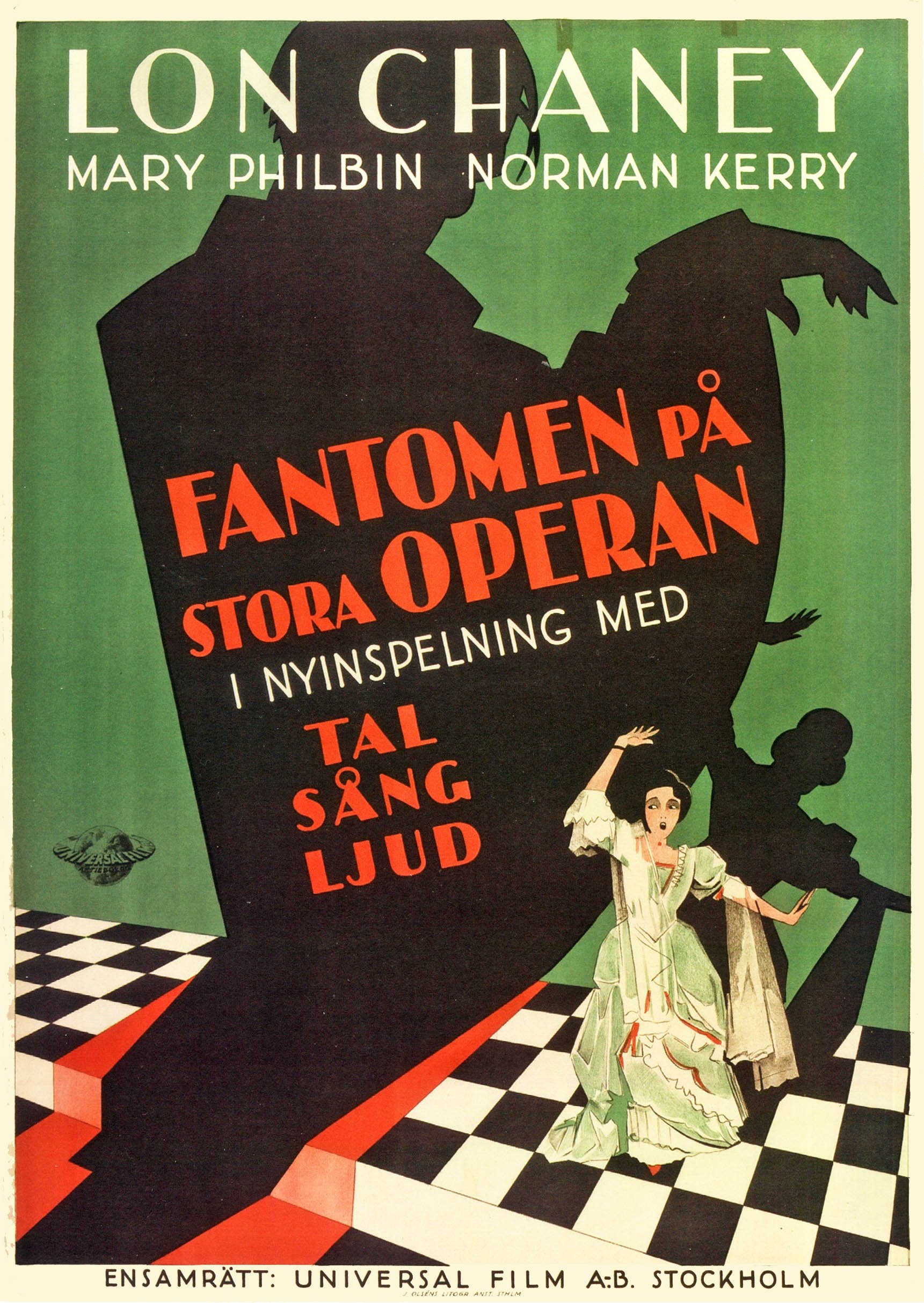
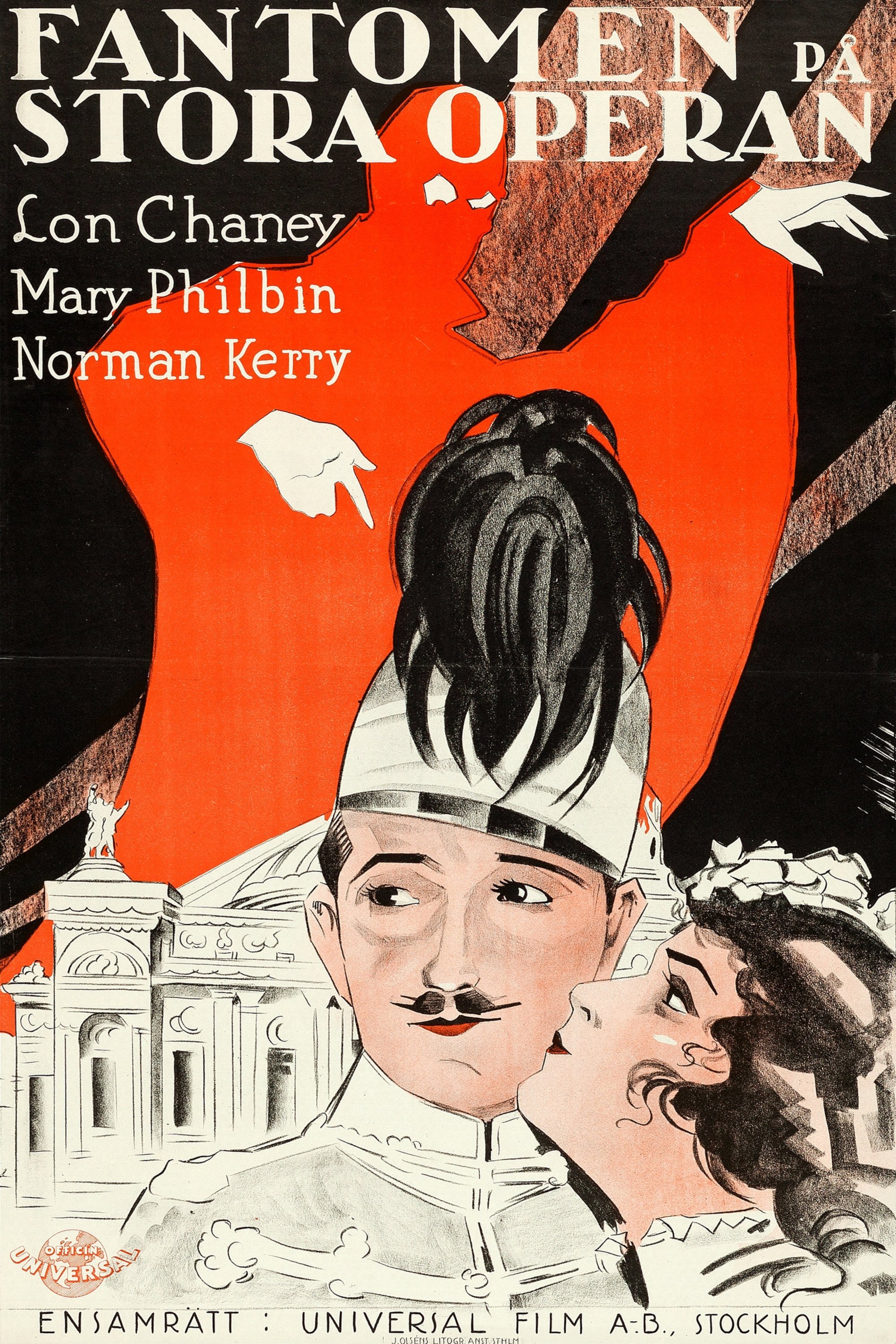
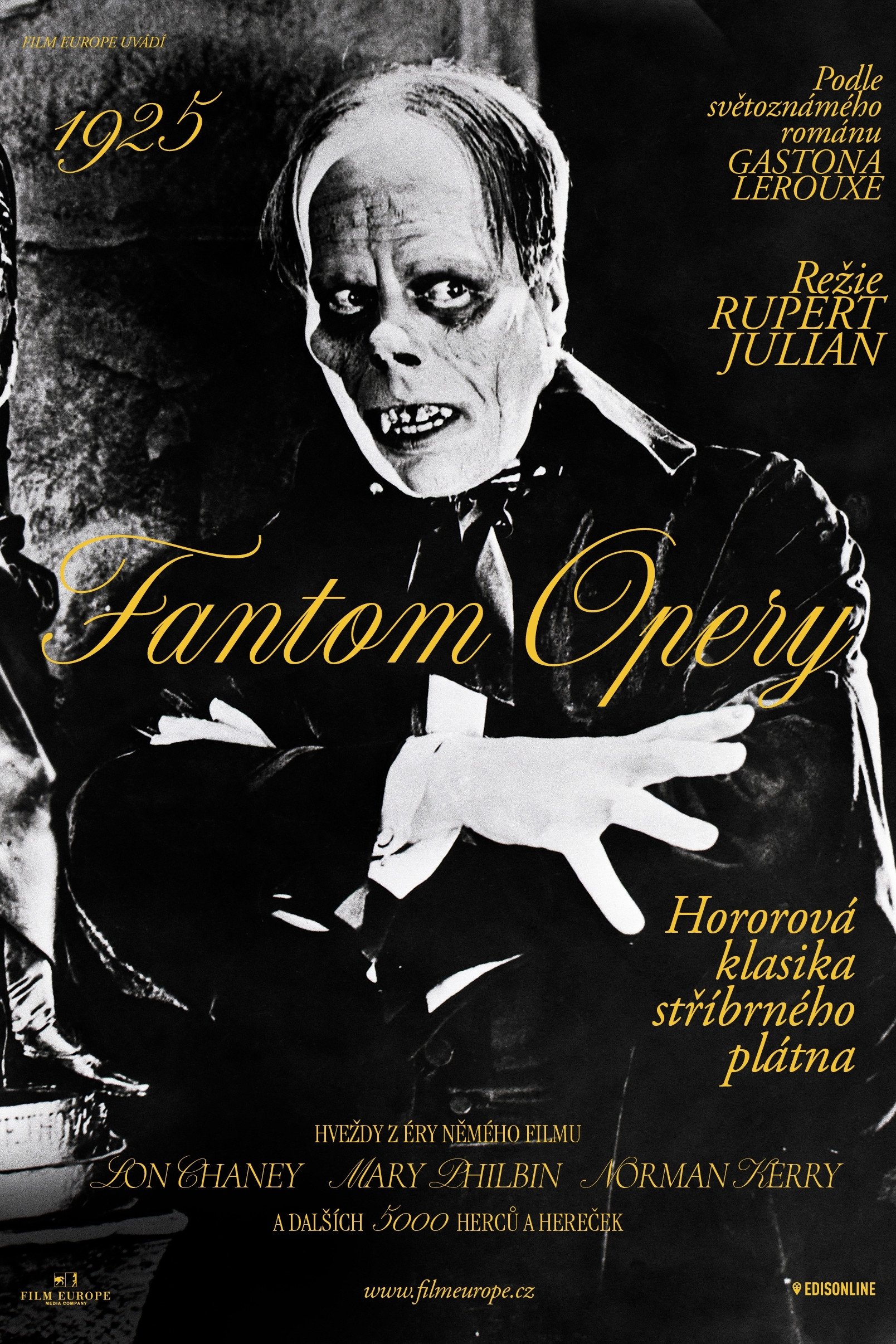
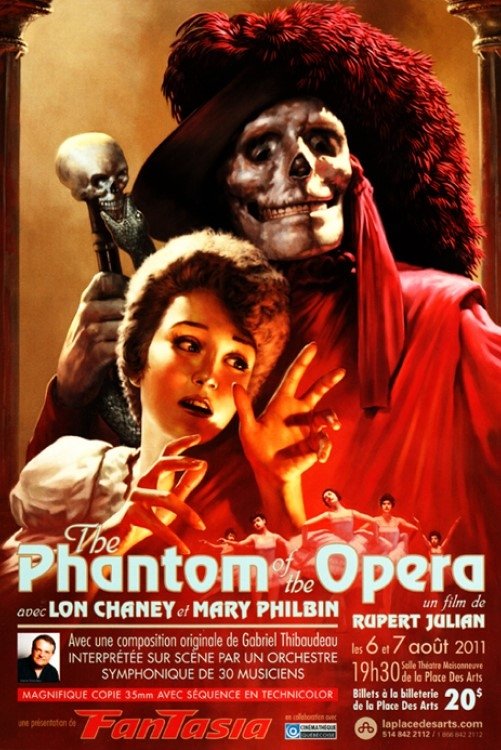
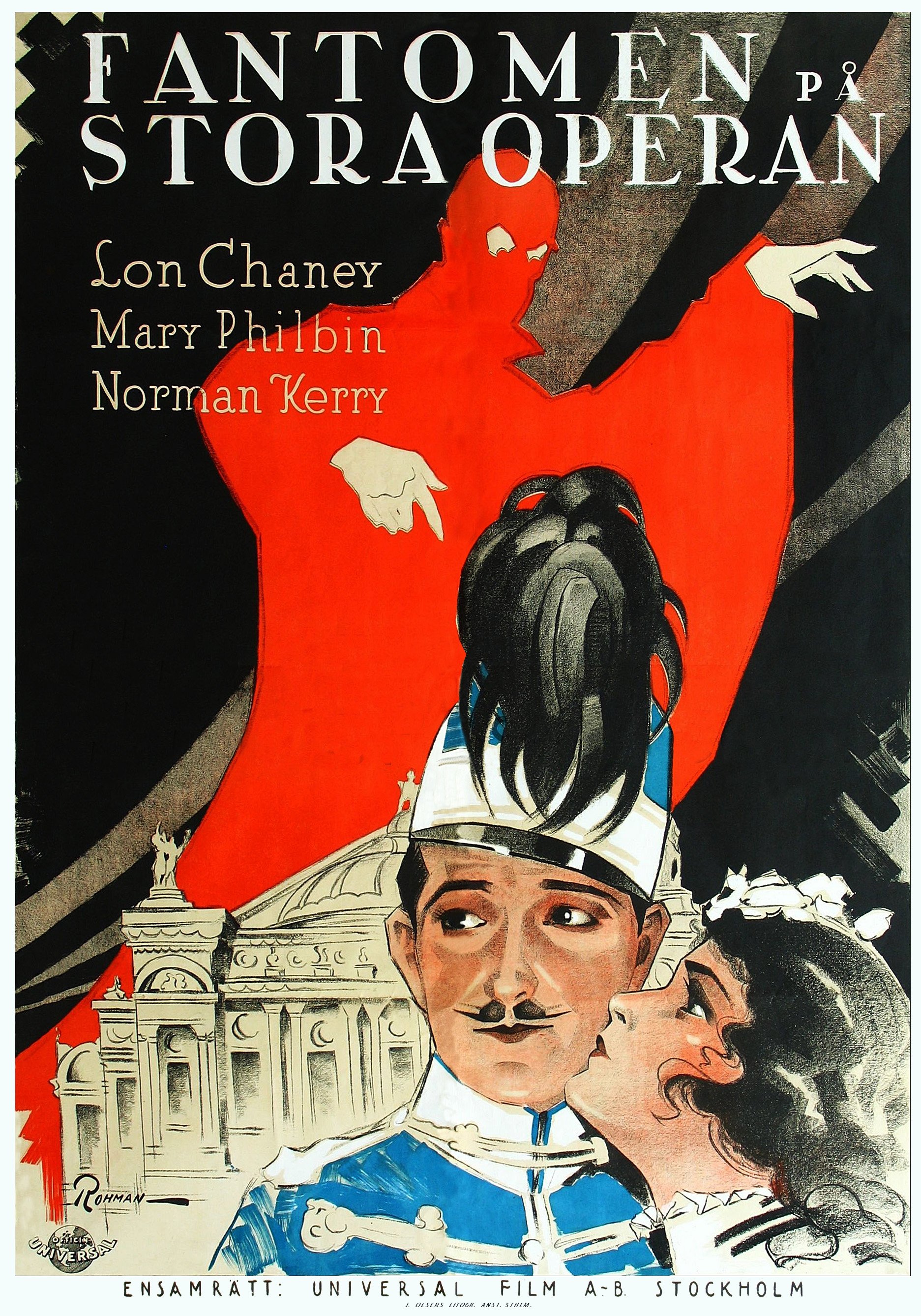
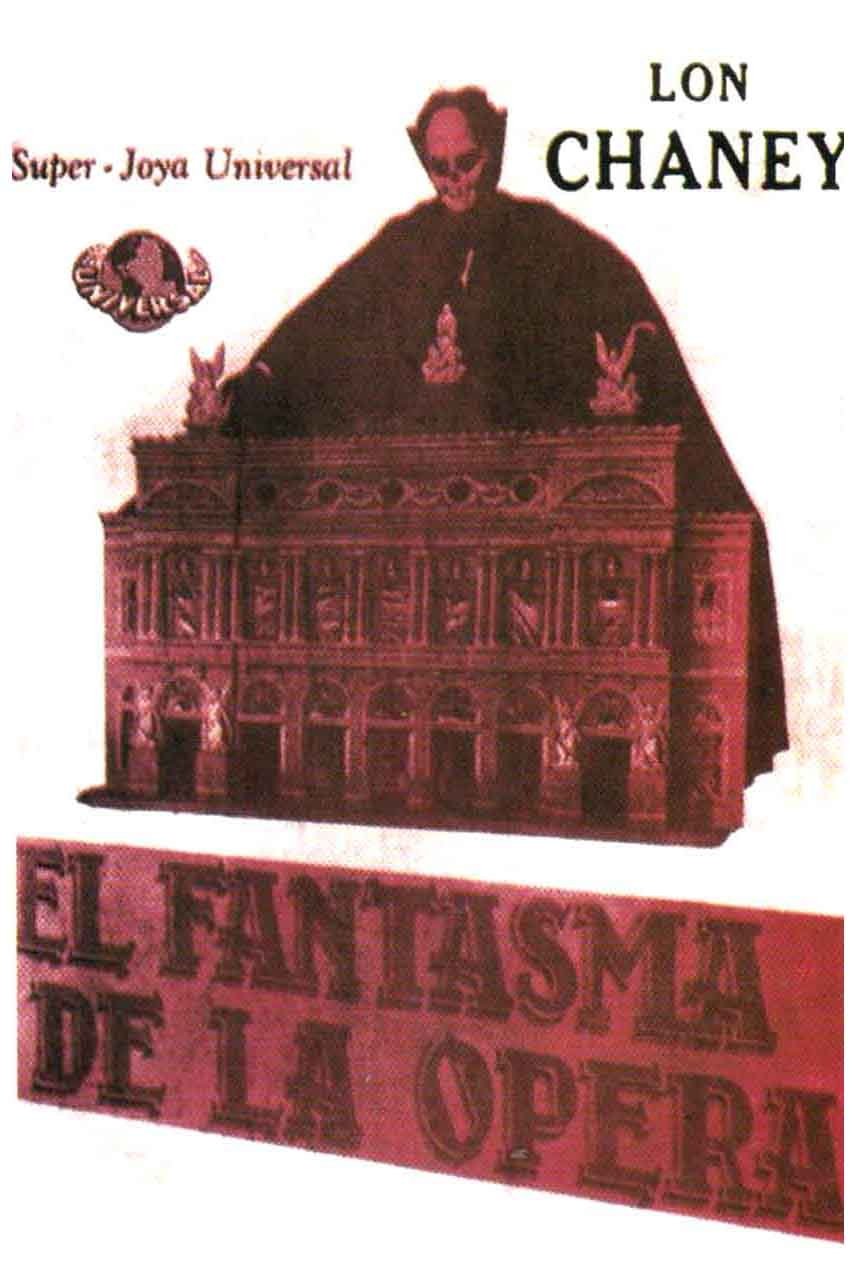
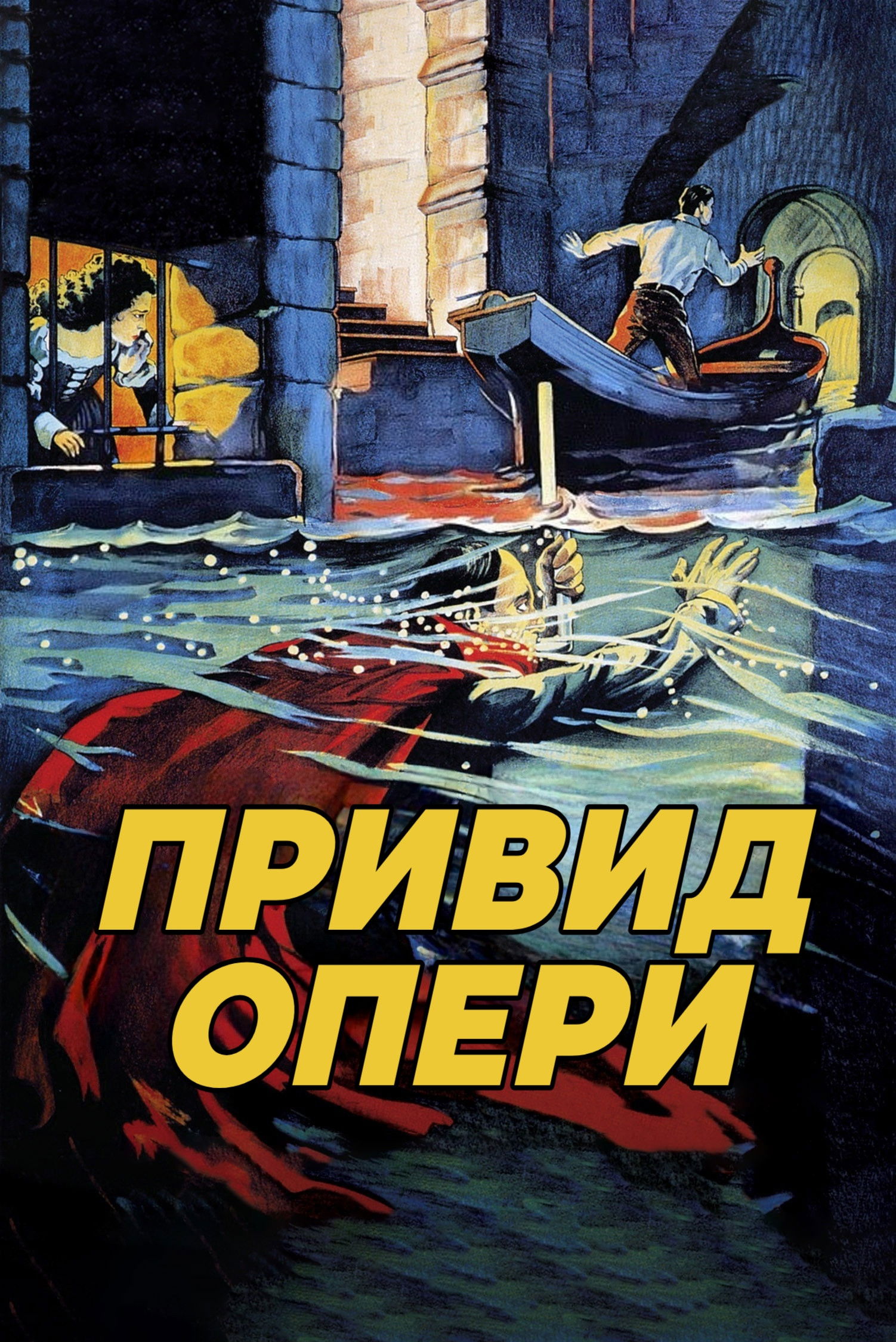
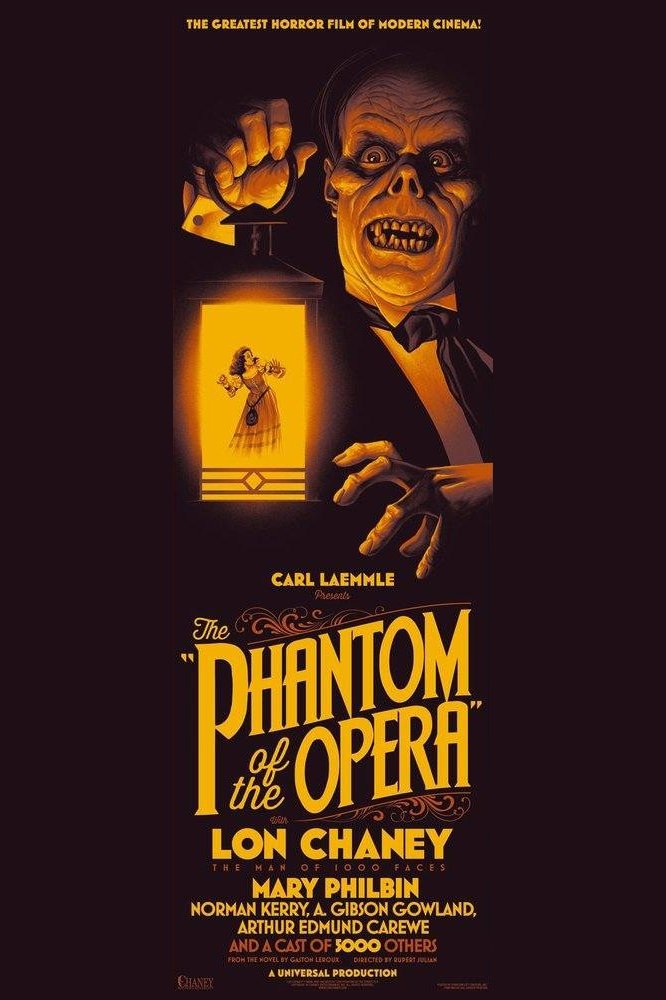
The Phantom of the Opera (1925) poster
Director
Production Company
Universal Pictures
Plot

A grotesquely disfigured composer known as "The Phantom" haunts Paris' opera house, where he's secretly grooming Christine Daae to be an opera diva. Luring her to his remote underground lair, The Phantom declares his love. But Christine loves Raoul de Chagny and plans to elope with him. When The Phantom learns this, he abducts Christine.

Alternative Titles
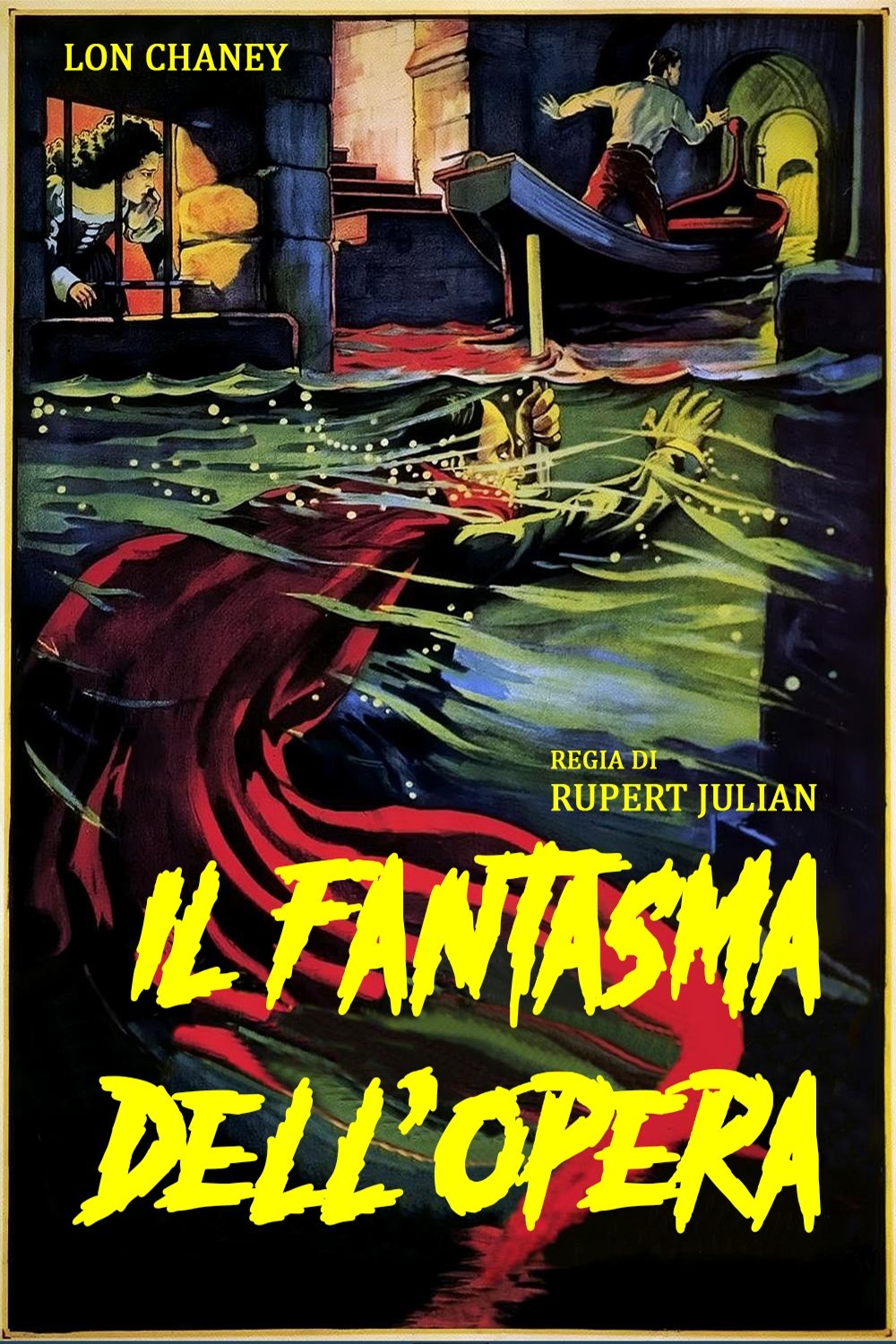
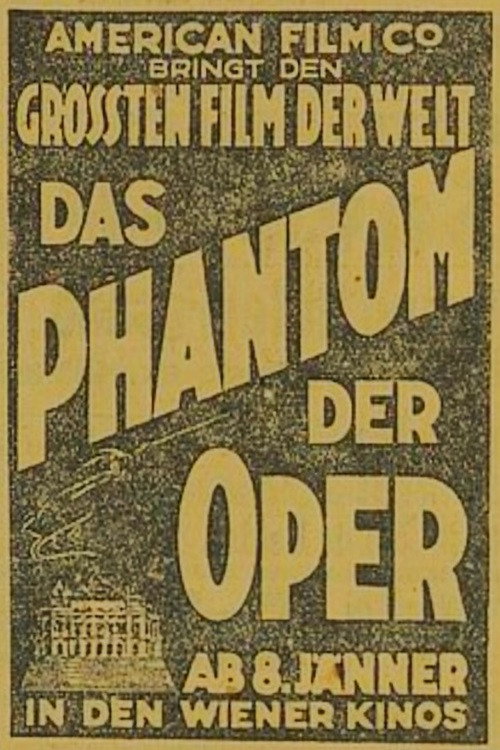
O Fantasma da Ópera (Brazil) — Portuguese 歌剧魅影 (China) — Chinese Fantom opery (Czechia) — Czech Das Phantom der Oper (Germany) El fantasma de l'Òpera (Spain) — Catalan El fantasma de la ópera (Spain) Le fantôme de l'opéra (France) Το Φάντασμα της Όπερας (Greece) — Greek
Show all 23 alternative titles Fantom u operi (Croatia) — Croatian Az operaház fantomja (Hungary) — Hungarian פאנטום האופרה (Israel) — Hebrew Il fantasma dell'opera (Italy) オペラの怪人 (Japan) — Japanese 오페라의 유령 (South Korea) — Korean Operas spoks (Latvia) — Latvian El fantasma de la ópera (Mexico) — Spanish Upiór w operze (Poland) — Polish O Fantasma da Ópera (Portugal) Призрак оперы (Russia) — Russian Fantomen på stora operan (Sweden) Призрак оперы (Russia) — Russian title Operadaki Hayalet (Türkiye) — Turkish Привид опери (Ukraine) — Ukrainian

Trailers & Videos

3 videos

Film Guide & Analysis

Rupert Julian’s silent Gothic horror classic: Lon Chaney’s makeup, the Paris Opera sets, troubled production, Technicolor sequences, music, alternate versions and preservation history.

The Phantom of the Opera (1925) is an American silent Gothic horror film directed principally by Rupert Julian and produced by Universal Pictures, adapting Gaston Leroux’s novel about a disfigured musician haunting the Paris Opera. Lon Chaney portrays Erik, the mysterious figure who manipulates performances, threatens the theatre’s inhabitants and becomes obsessively attached to the young singer Christine Daaé. The film brought the visual spectacle of an elaborate studio production together with a character whose appearance depended on Chaney’s own transformative makeup. Its theatrical presentation also employed colour processes at a time when most American feature films were photographed primarily in black and white.

Mary Philbin plays Christine, while Norman Kerry portrays her suitor Raoul de Chagny. Universal constructed an enormous replica of the Paris Opera, including its auditorium, stage, staircases and underground passages. The production experienced difficult previews, additional filming and substantial editing before reaching audiences in 1925. Further alterations accompanied a sound reissue prepared in 1929, leaving an unusually complicated preservation history. The surviving versions retain the film’s defining images, particularly the unmasking of Erik and his appearance as the Red Death at a masquerade ball. Its place in horror history was formally recognized when the Library of Congress selected it for the National Film Registry in 1998.

Literary Origins and Development at Universal

Gaston Leroux’s Le Fantôme de l’Opéra was serialized in the French newspaper Le Gaulois between 1909 and 1910 before appearing in book form. The novel combined elements of Gothic mystery, crime fiction and theatrical melodrama, presenting the Paris Opera as an institution whose public splendour concealed a dangerous subterranean environment. Its central figure, Erik, possessed considerable musical and architectural knowledge but lived apart from society because of his disfigurement. The story offered filmmakers an unusually rich combination of elaborate theatrical settings, mysterious crimes and a character whose face could be withheld from the audience until a dramatic revelation.

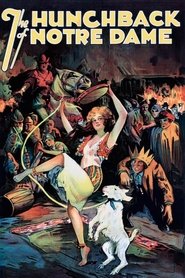
Universal developed the adaptation as a major prestige production following the success of The Hunchback of Notre Dame (1923), which had established Chaney as an important attraction in physically demanding roles. Carl Laemmle’s company invested heavily in the project, seeking to reproduce the Paris Opera on a scale appropriate to the novel. Contemporary reports collected by the American Film Institute document preparations during 1924, including research into European opera productions and the acquisition of costumes. Charles Le Clerc travelled to France and Germany to obtain authentic theatrical garments, while the design department consulted architectural references associated with the Paris Opera.

The screenplay was developed by Raymond L. Schrock and Elliott J. Clawson, with further contributions during the production process. The adaptation concentrated on the relationship between Christine, Raoul and the Phantom, retaining the opera-house hauntings and the subterranean confrontation. Certain elements of Leroux’s novel were modified or simplified, particularly the elaborate history surrounding Erik and the role of the mysterious Persian. The film substitutes the investigator Ledoux for aspects of that character’s function. These changes reduced the complexity of the literary mystery while preserving the discovery that an apparently supernatural presence was a physically existing man who controlled passages and mechanisms hidden beneath the theatre.
Rupert Julian, Reshoots, and Studio Intervention

Rupert Julian supervised the principal photography, which began during 1924 and continued into early 1925. His relationship with Chaney became increasingly difficult. Historical accounts describe disagreements over direction and performance, culminating in communication problems between the filmmaker and his star. Cinematographer Charles Van Enger reportedly helped mediate between them. The tension was significant because Chaney’s performance required precise integration with complicated sets, concealed entrances and mechanical effects. Julian completed his principal work before the film underwent extensive studio reconsideration. The American Film Institute records that filming was substantially complete by February 1925, when attention had already turned toward intertitles and editing.

Early previews failed to produce the response Universal expected. The studio introduced substantial revisions, bringing in Edward Sedgwick to direct additional material with a lighter tone. His contribution included comic relief involving Chester Conklin and an expanded romantic subplot. The revisions altered the balance between the threatening atmosphere of Julian’s material and the more conventional entertainment the studio believed might attract a broader audience. Subsequent preview reactions were again disappointing, leading Universal to remove much of Sedgwick’s additional footage. The complicated process helps explain inconsistencies within the surviving narrative and the existence of accounts describing different versions of individual scenes.

Film historians have reconstructed a succession of edits prepared during 1925, although the original preview assemblies have not survived in complete form. Writing for Sight and Sound, Tim Lucas distinguished Julian’s Gothic conception from Sedgwick’s comparatively comic intervention and the composite release assembled afterward. Turner Classic Movies likewise documents the removal of much of the additional comedy and romance. New intertitles helped connect material surviving from different stages of production. The film that eventually reached general audiences therefore represented extensive studio intervention rather than an untouched presentation of Julian’s initial work. That distinction remains important when assigning responsibility for particular scenes and evaluating the finished film’s uneven narrative construction.

The Phantom, Christine, and the Structure of Gothic Terror

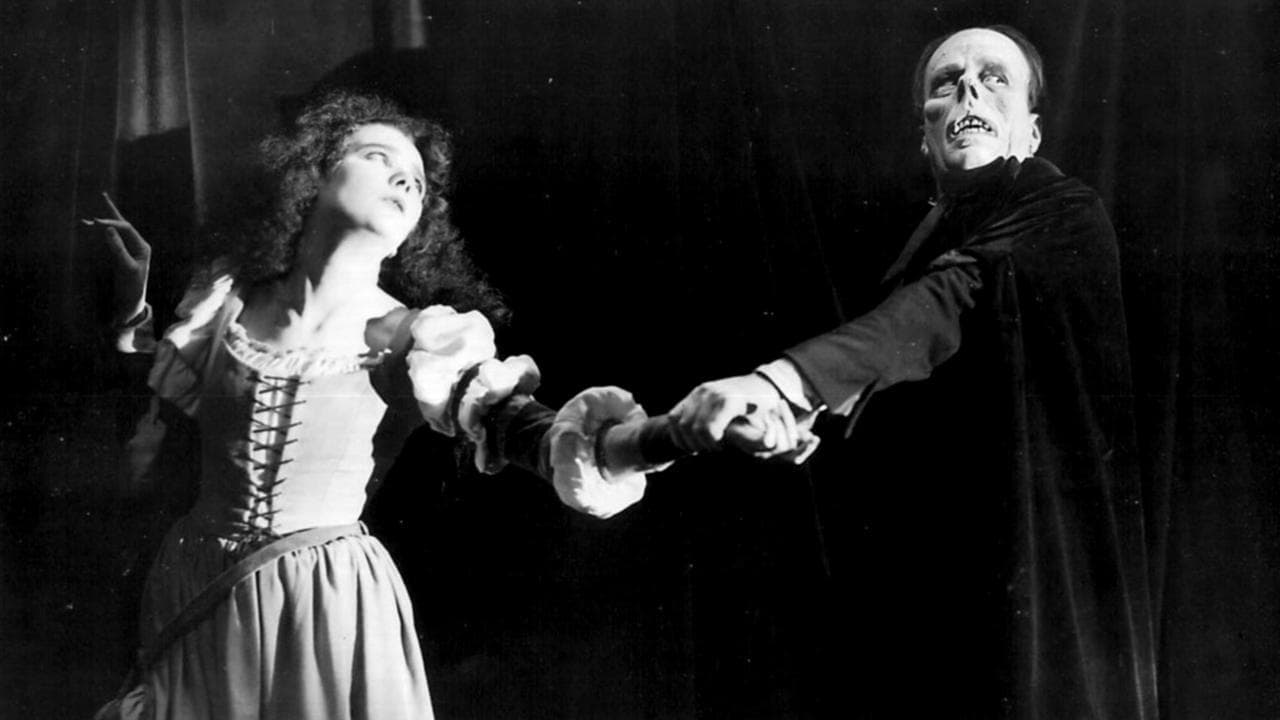
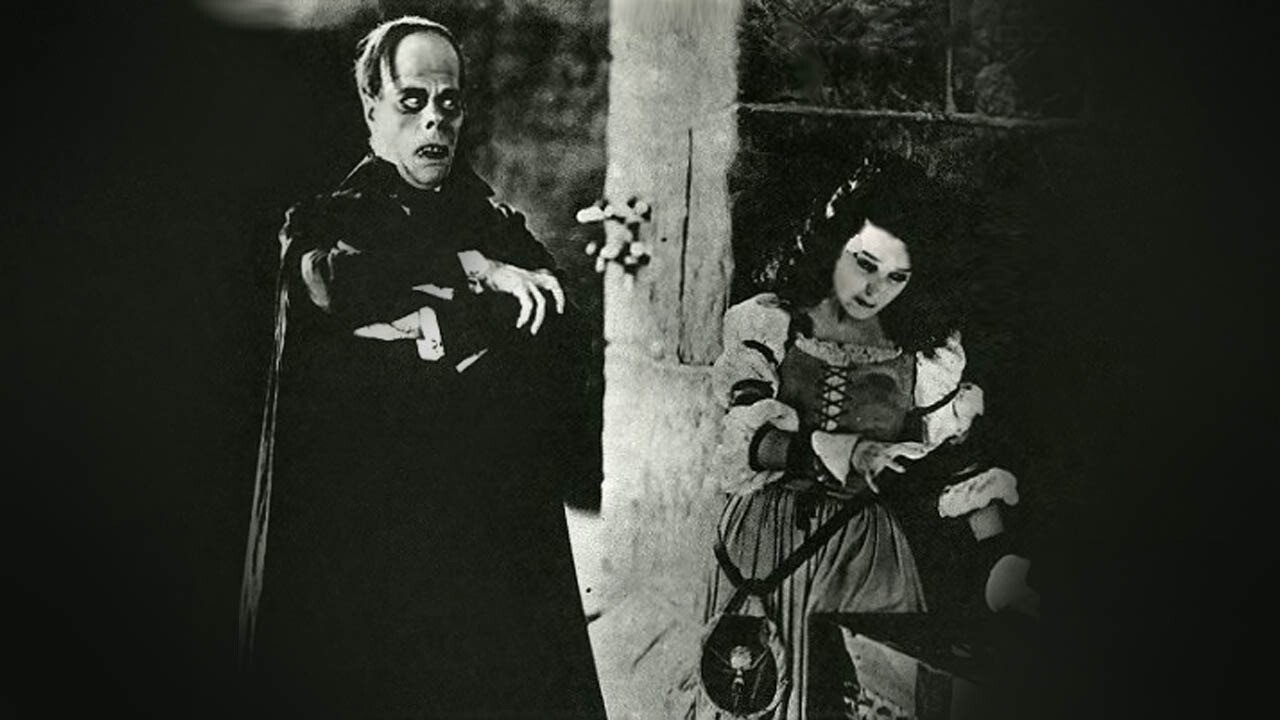
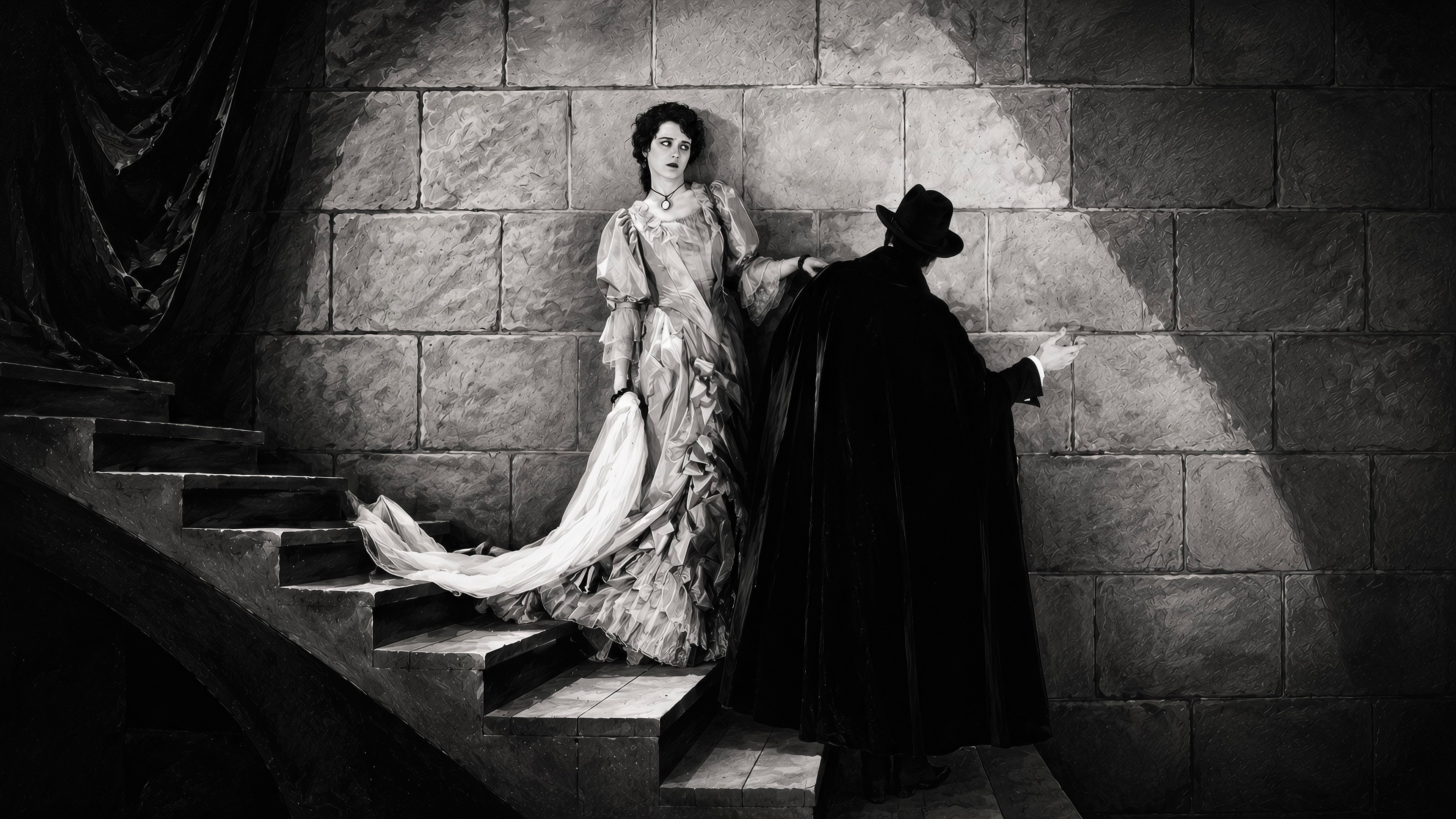
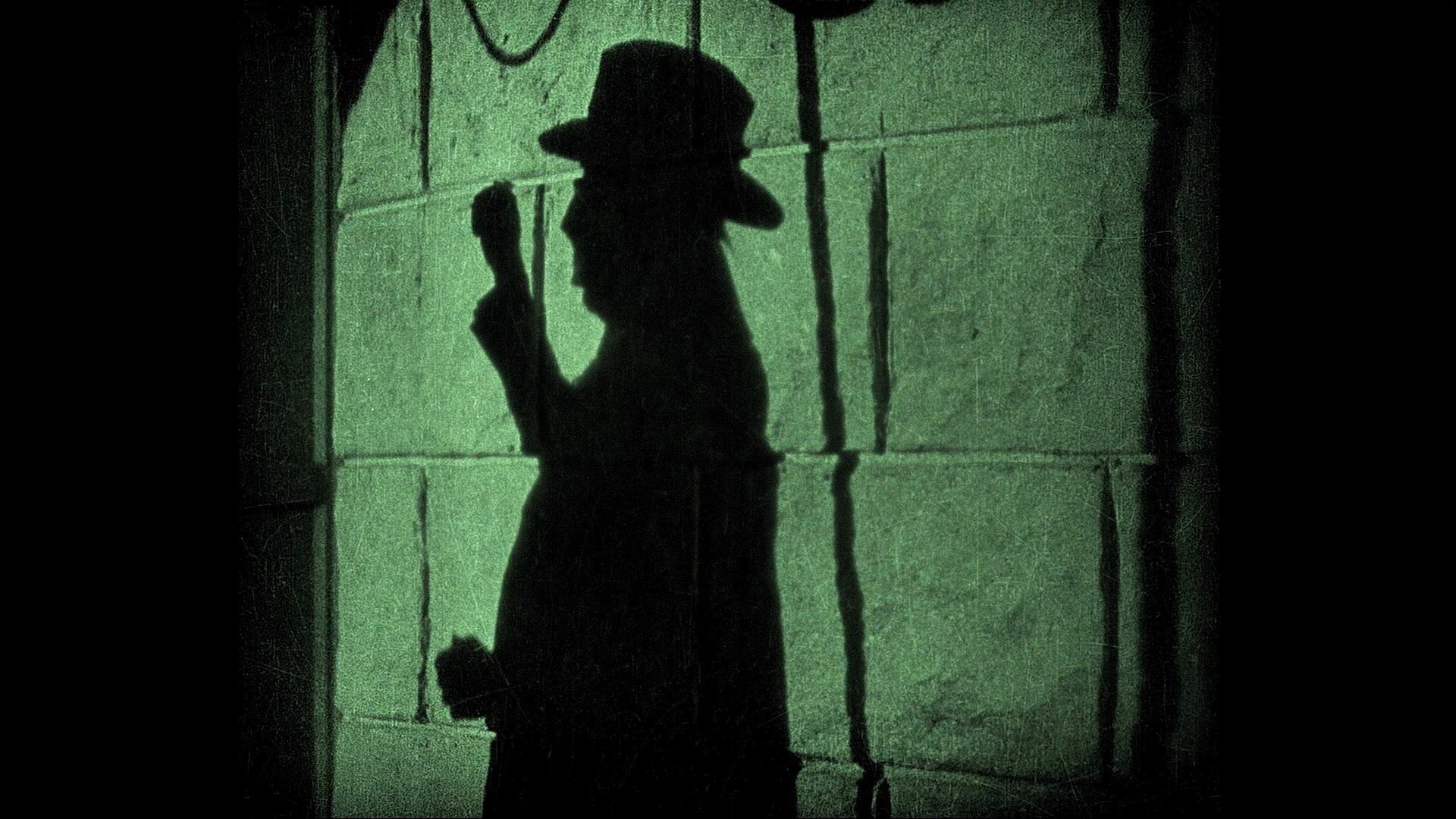
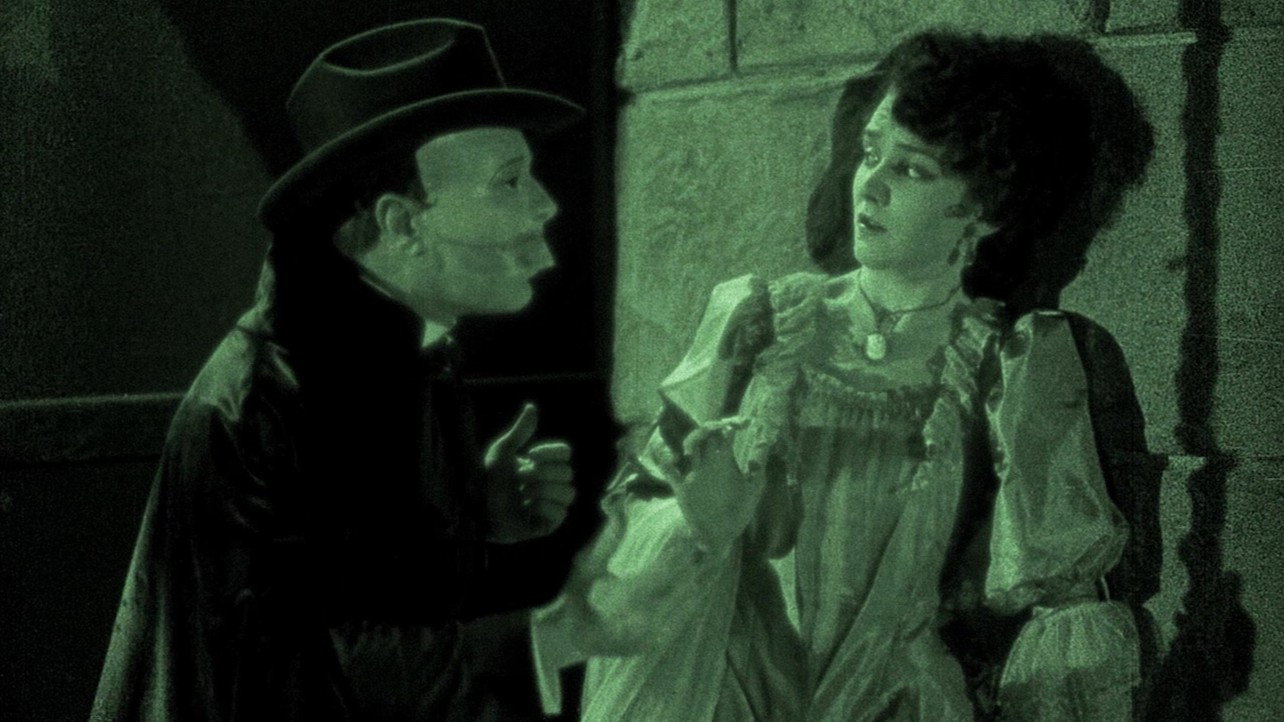
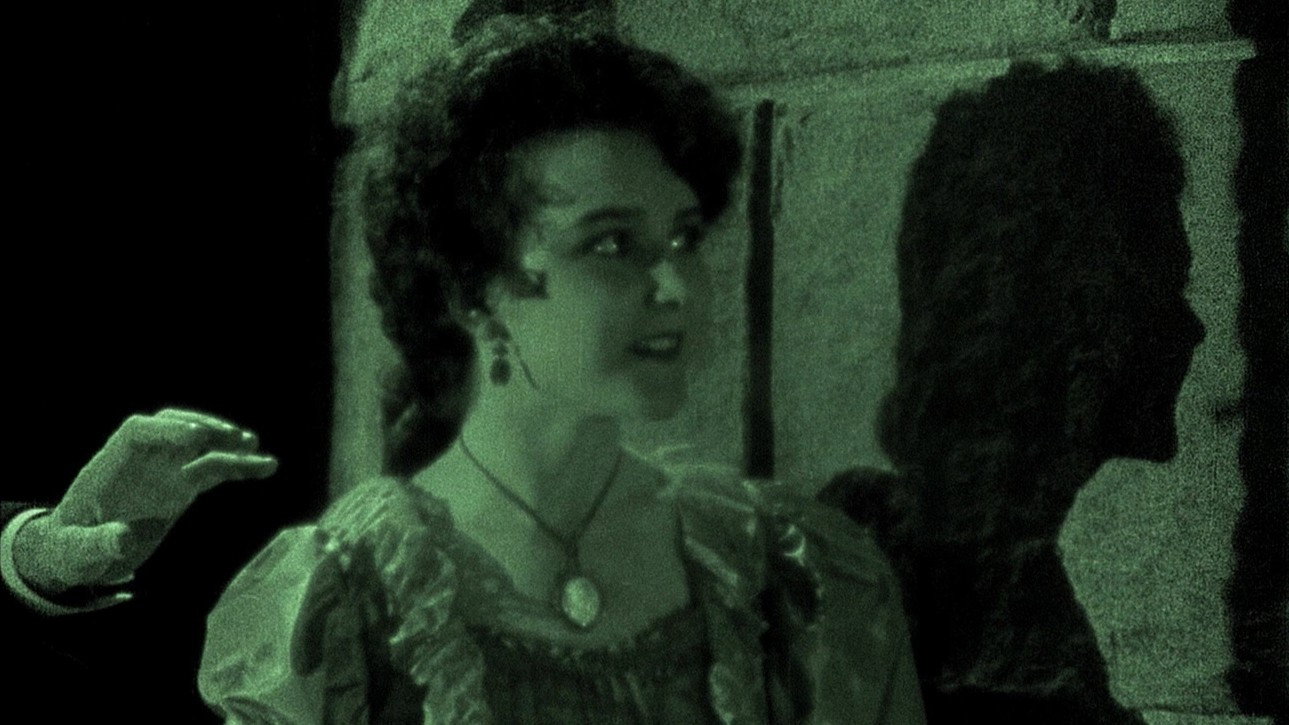
The narrative introduces the Phantom through rumours, threatening communications and unexplained incidents inside the opera house. Employees fear a mysterious inhabitant who apparently possesses privileged knowledge of the building and demands control over particular performances. Christine believes that an unseen voice guiding her musical development belongs to the Spirit of Music. The voice encourages her ambitions while gradually establishing a relationship of dependency. Raoul’s presence threatens the Phantom’s control, creating a conflict between Christine’s romantic attachment and the authority claimed by her concealed instructor. The story develops its initial suspense through the uncertainty surrounding the voice’s physical identity.

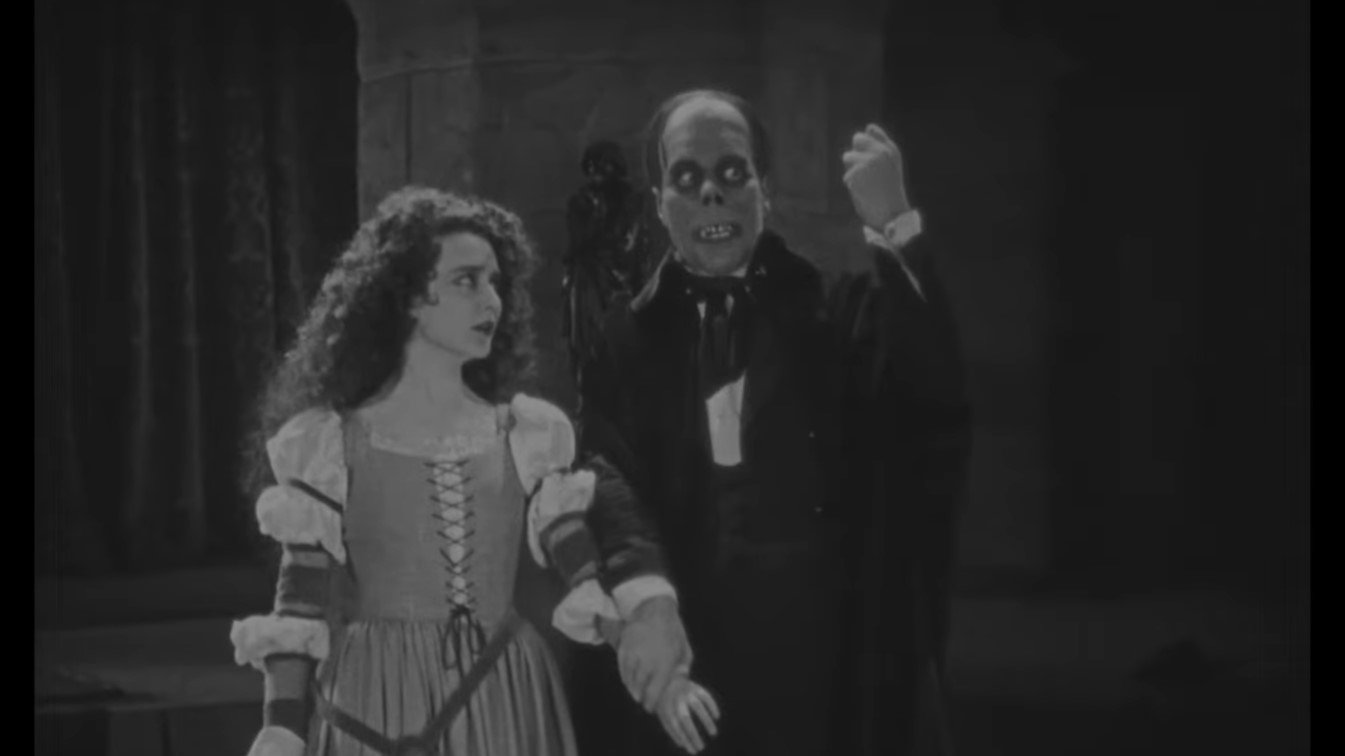
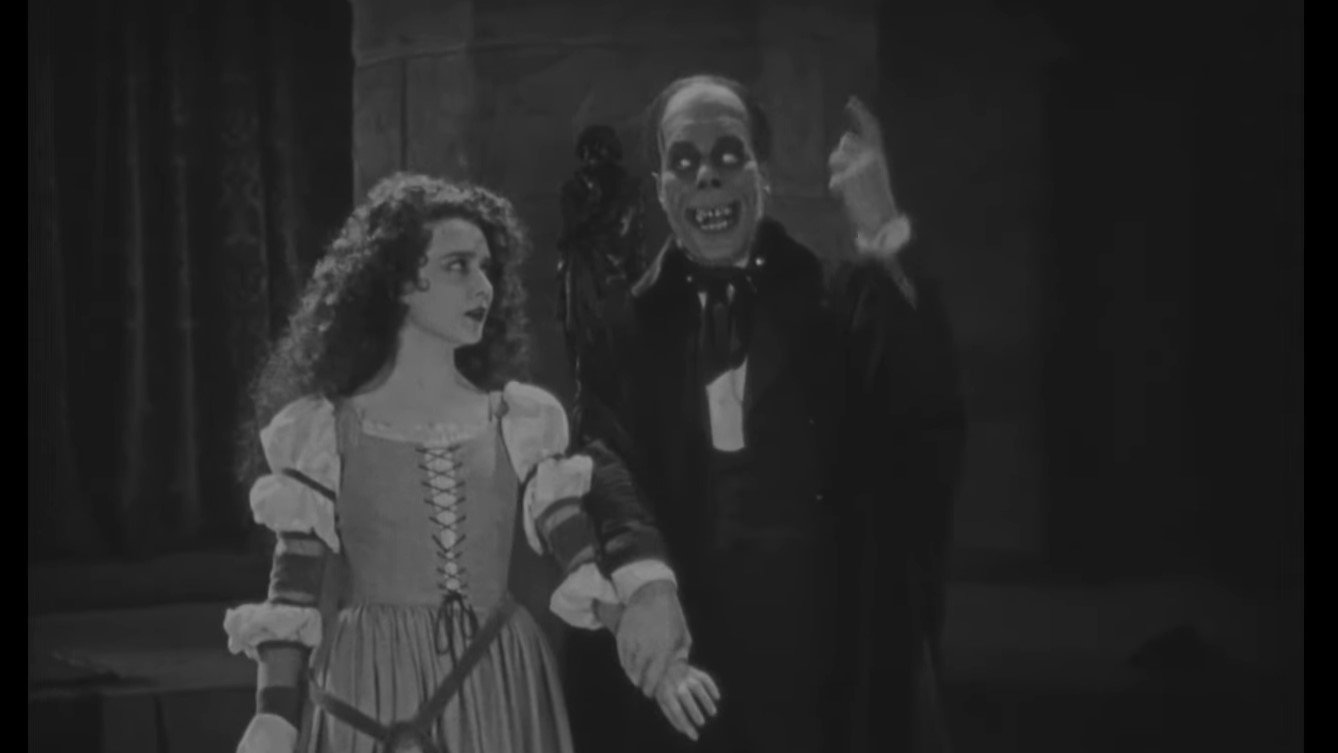
The Phantom’s control over the theatre becomes increasingly violent. His threats against the management, interference with performances and responsibility for a falling chandelier turn the opera house into a place where artistic ambition carries physical danger. Christine’s journey beneath the building reveals a hidden environment containing waterways, mechanical traps and the chambers occupied by Erik. His musical talent coexists with possessiveness and cruelty. The removal of his mask becomes the central revelation because the audience finally sees the face concealed behind his demands. The horror arises from the relationship between a carefully maintained public disguise and the disfigurement Erik believes makes ordinary human contact impossible.

The concluding pursuit transfers the conflict from the underground chambers into public spaces, where a crowd becomes determined to destroy the Phantom. The film’s treatment of Erik combines elements of tragic exclusion with unmistakable acts of intimidation and violence. His suffering does not erase the danger he represents to Christine and the other characters. This tension connects the adaptation with earlier Gothic narratives in which an isolated figure attempts to exercise control over another person through fear. The ending also changes the novel’s resolution, emphasizing pursuit and physical destruction rather than reproducing the full emotional circumstances of Leroux’s conclusion.

Lon Chaney, Transformative Makeup, and the Unmasking

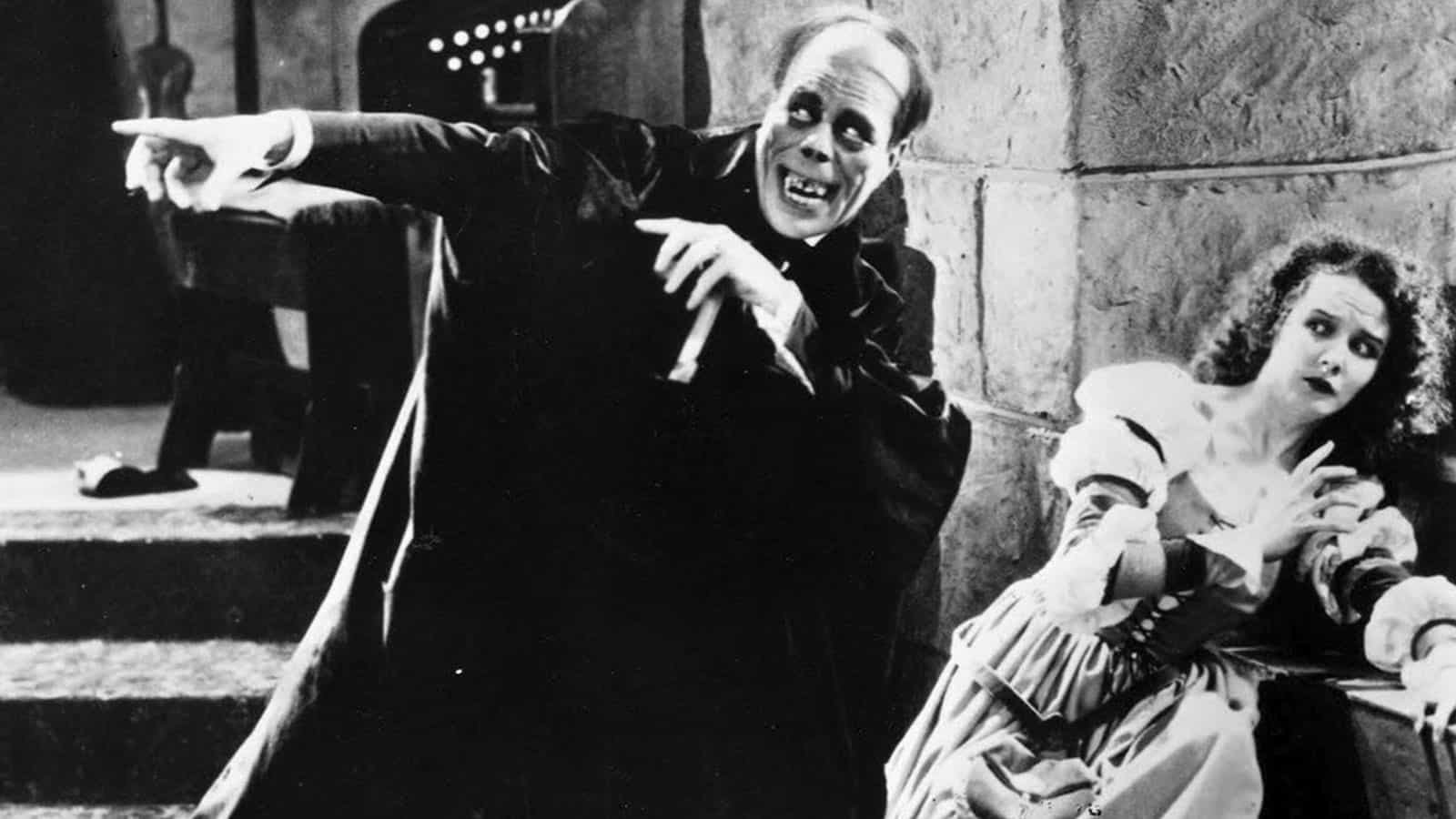
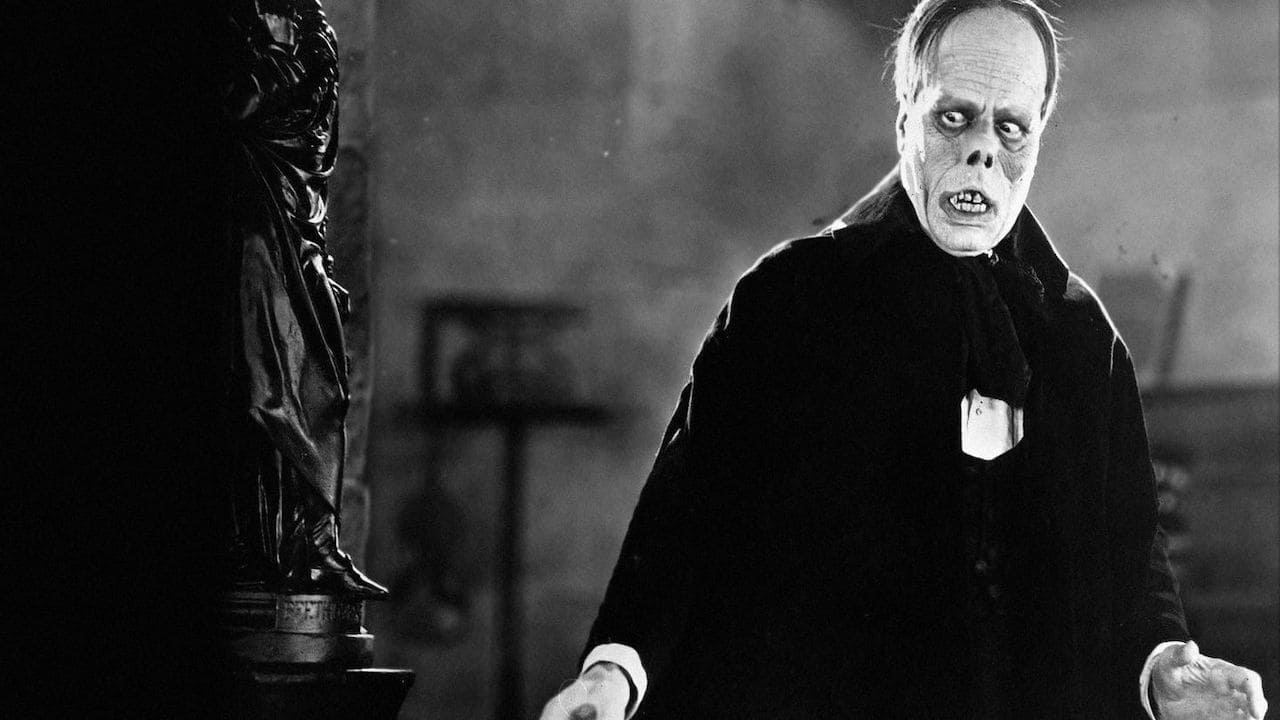
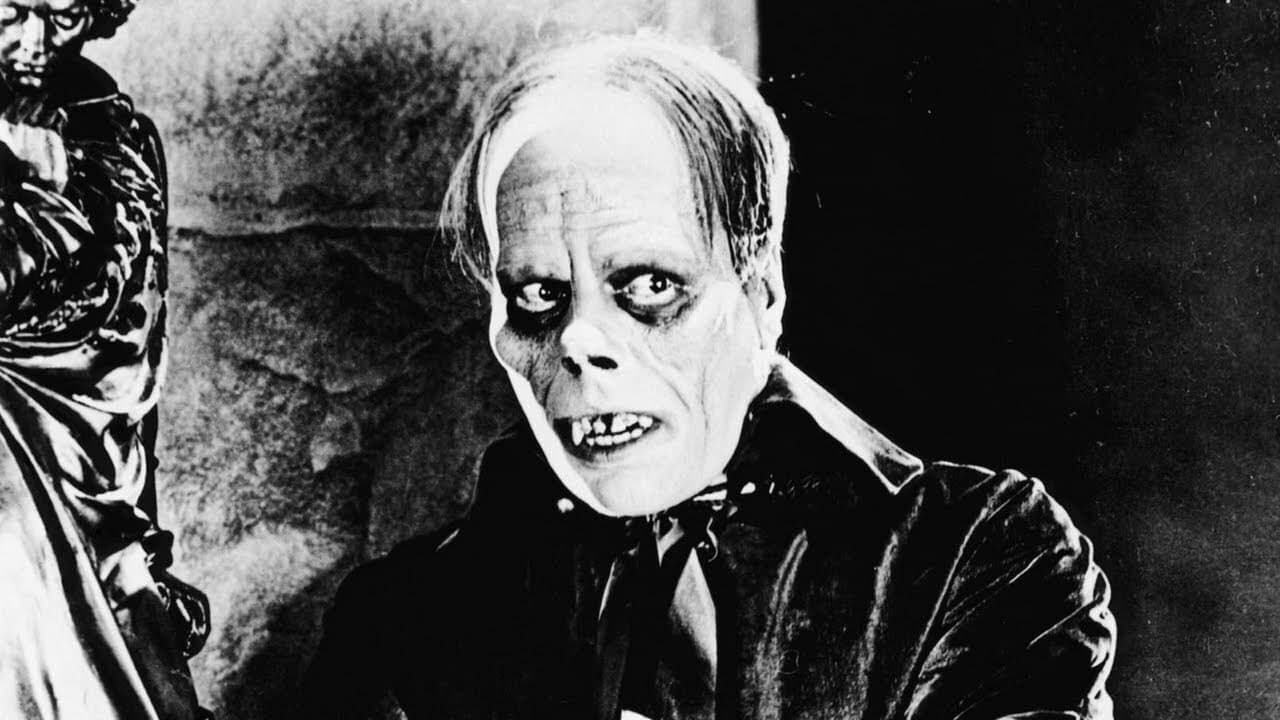
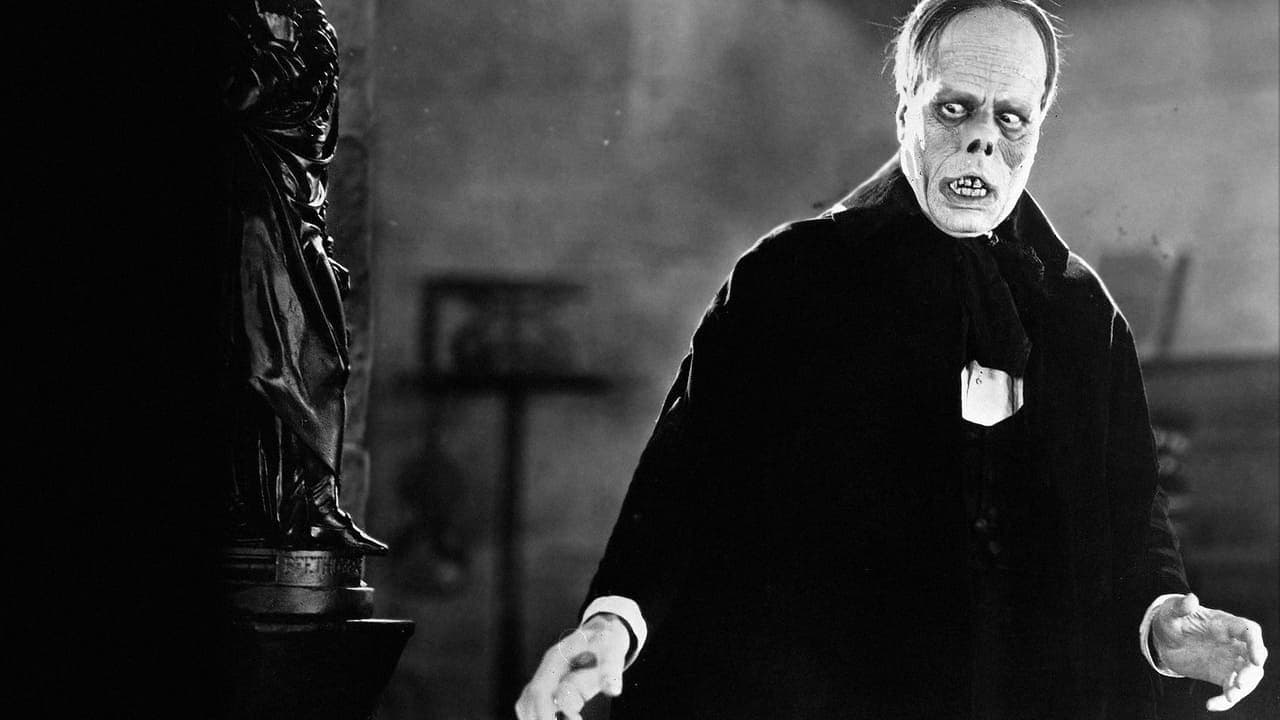
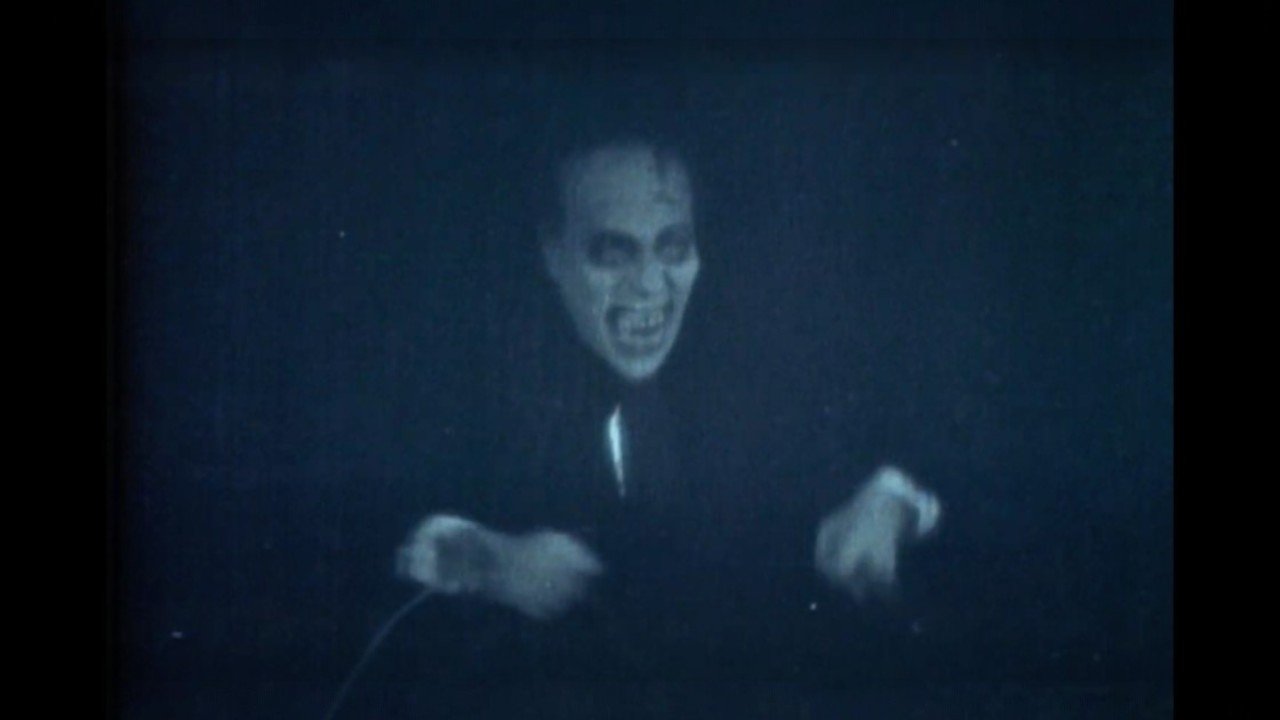
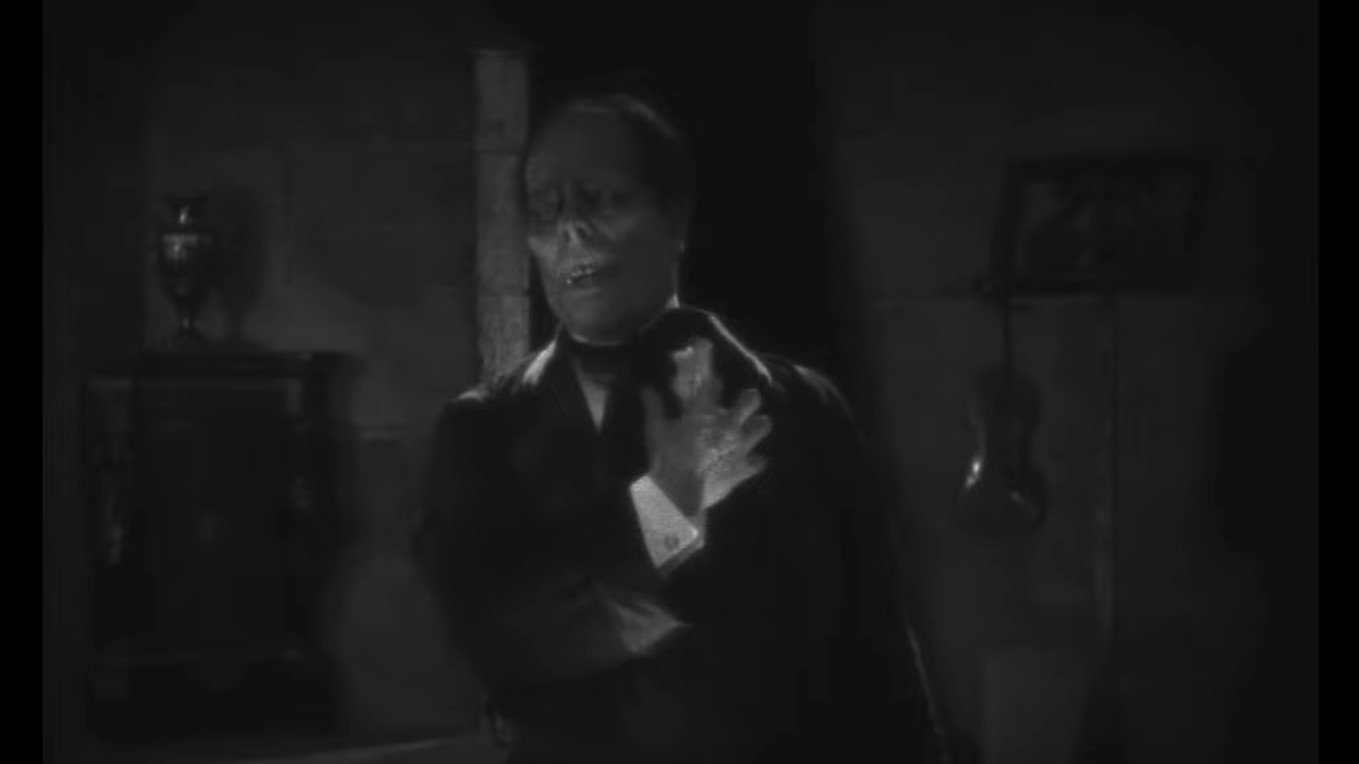
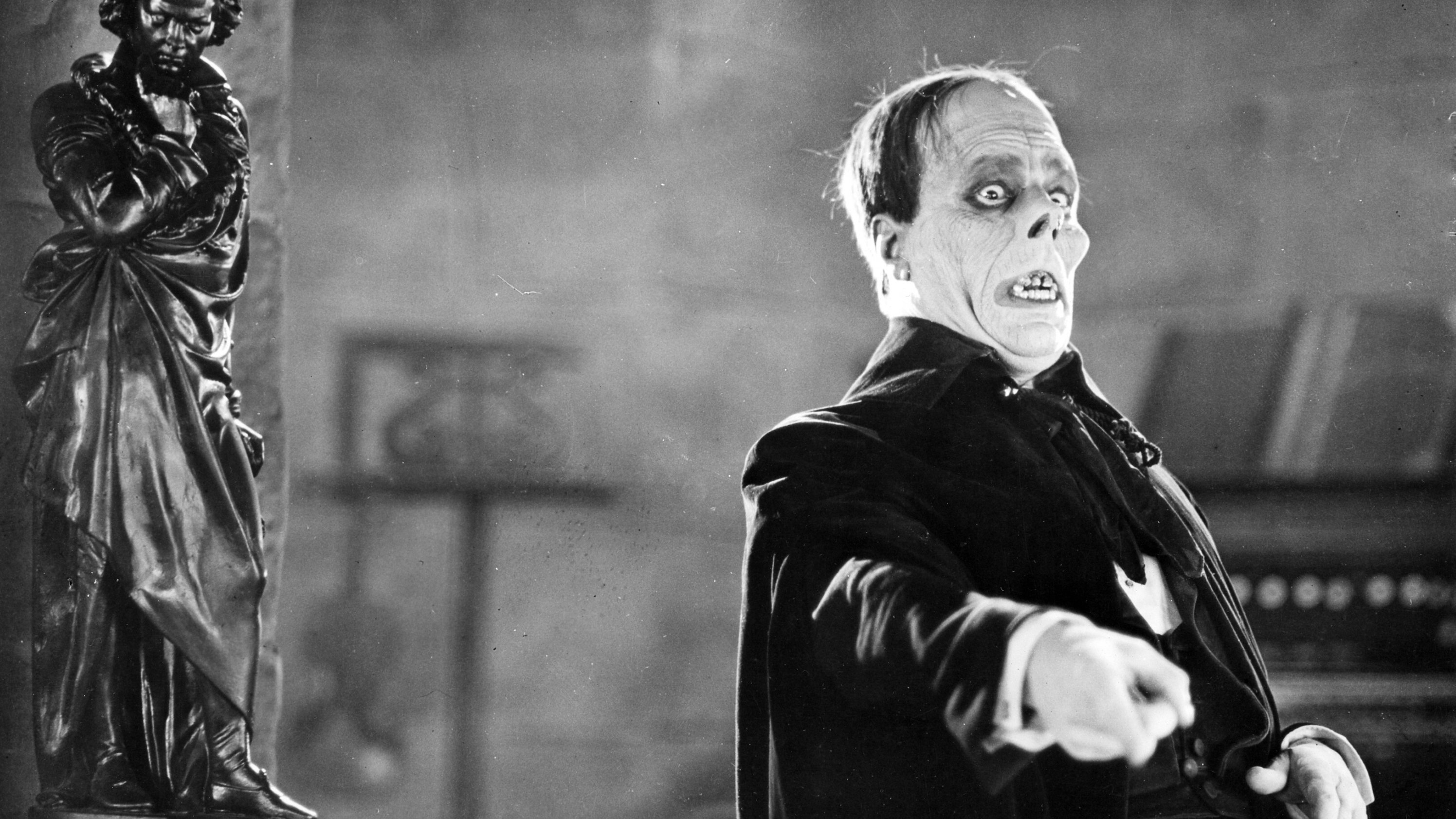
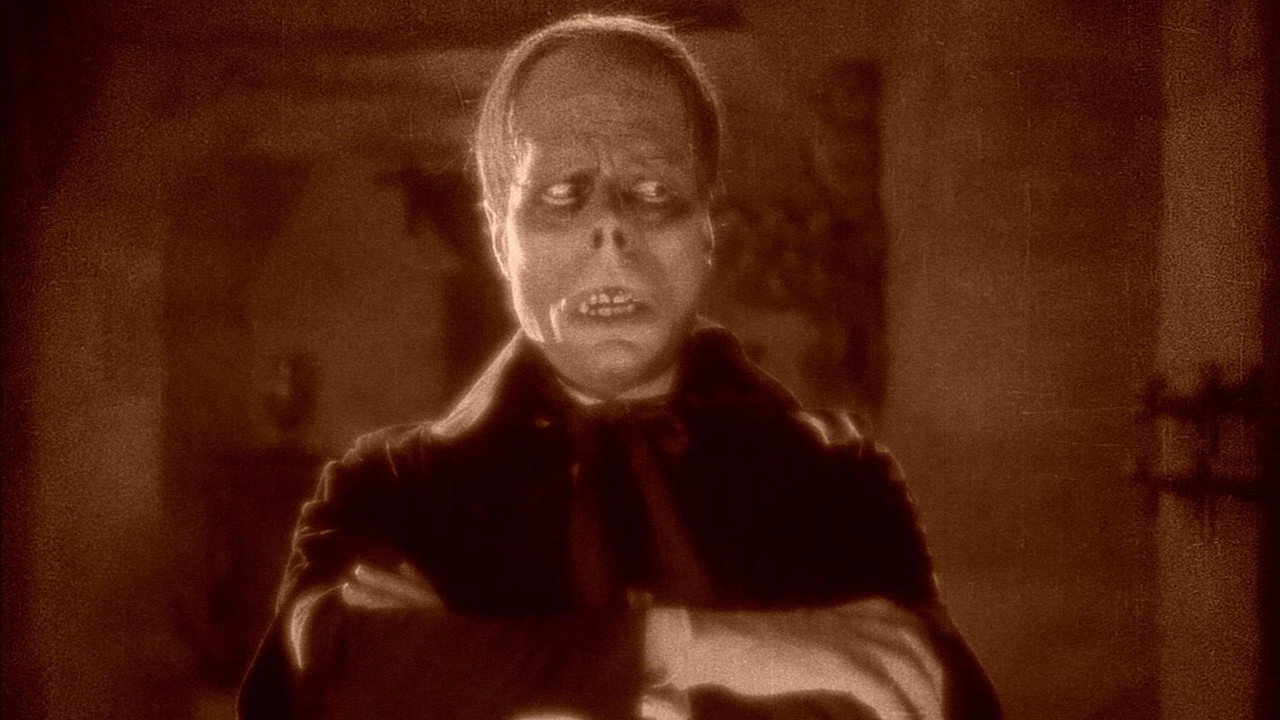
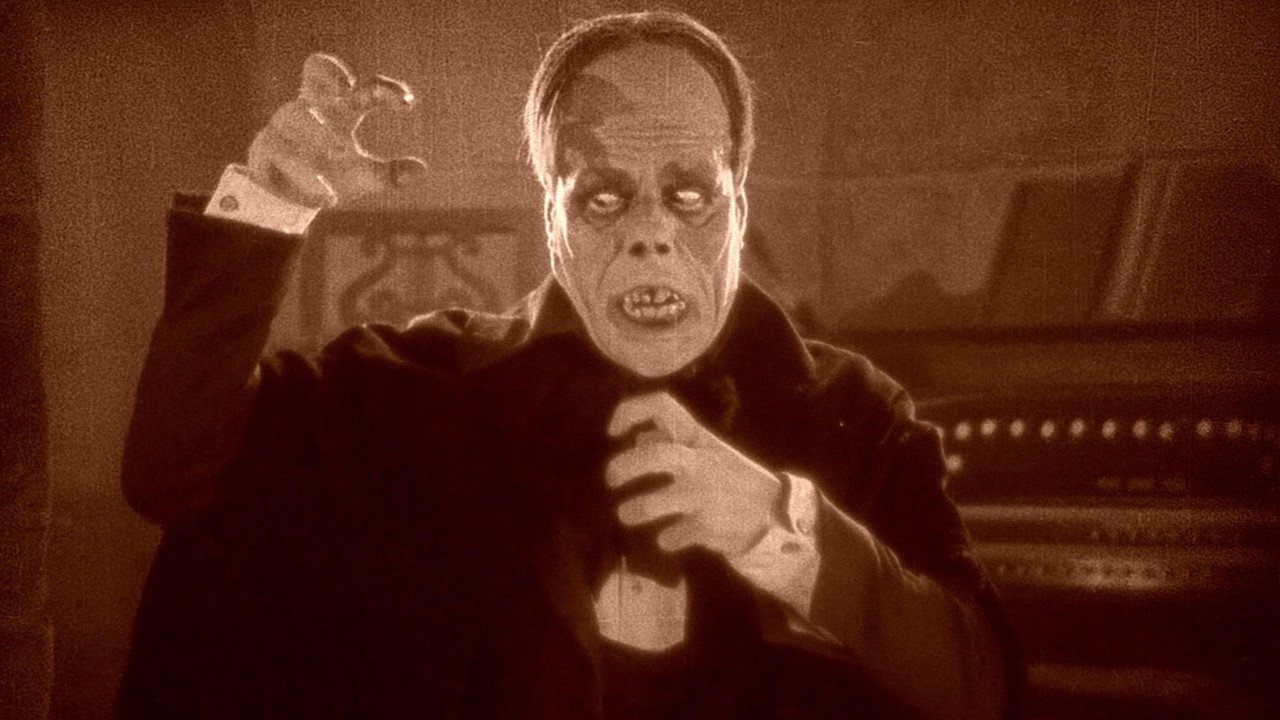
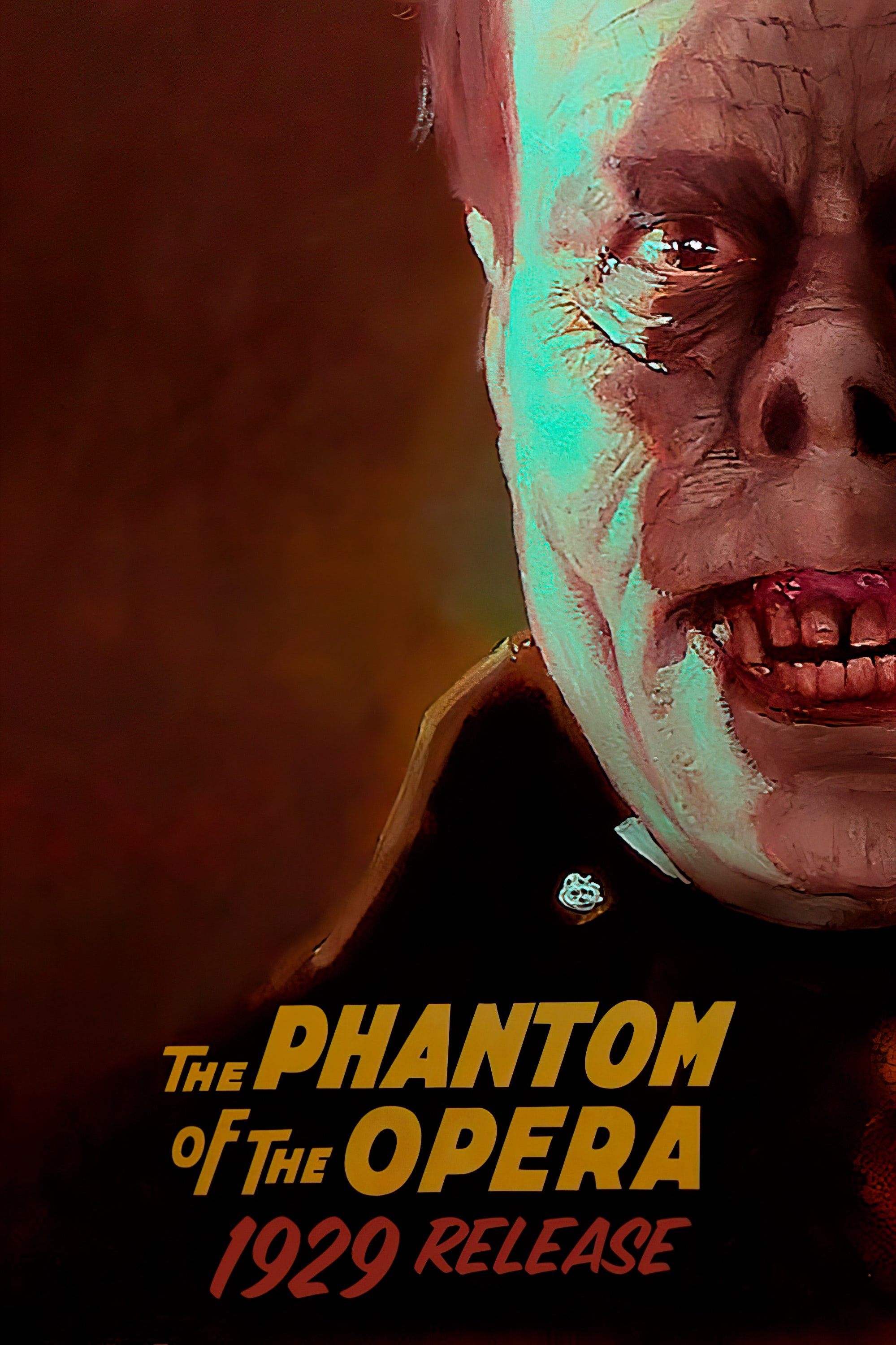
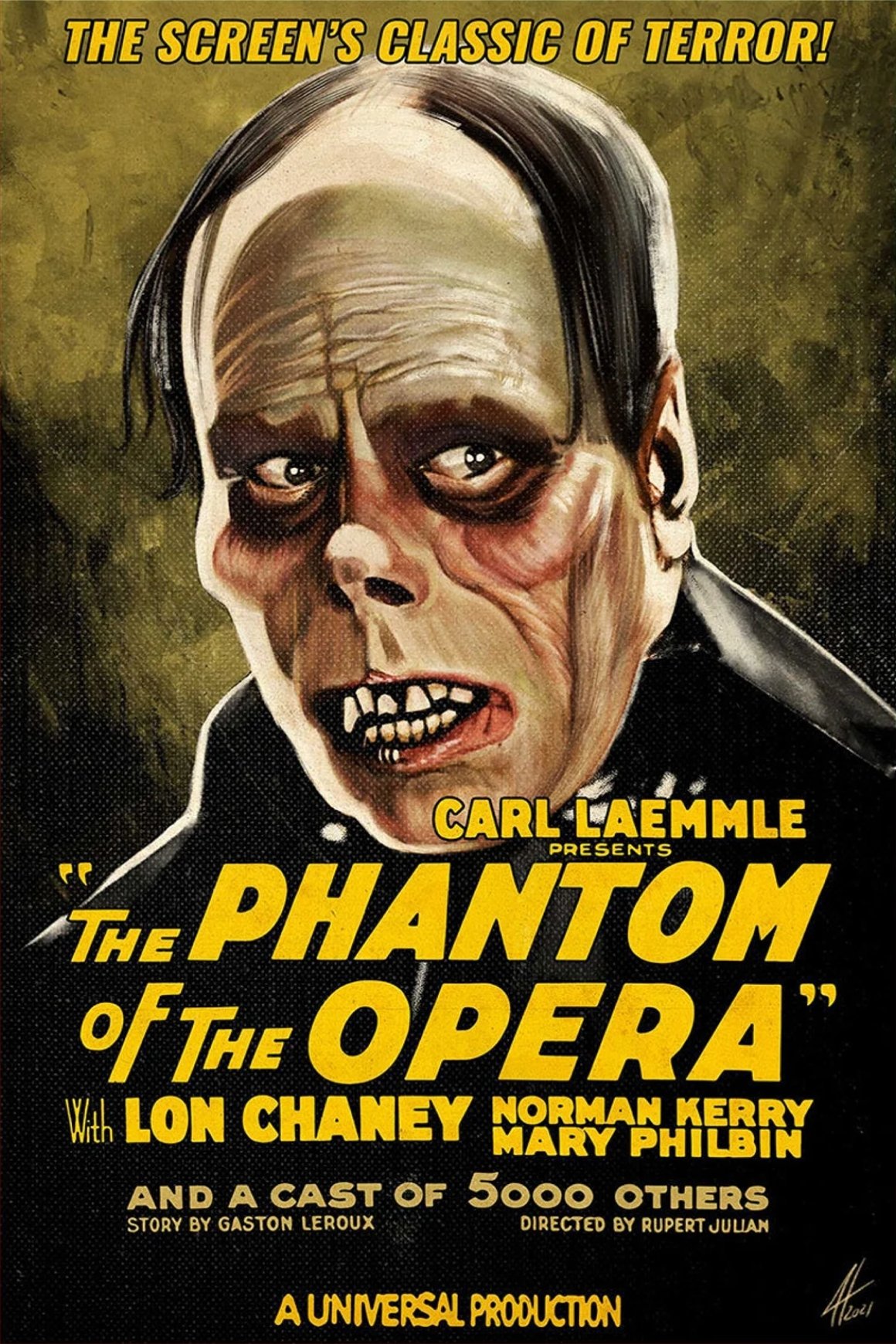
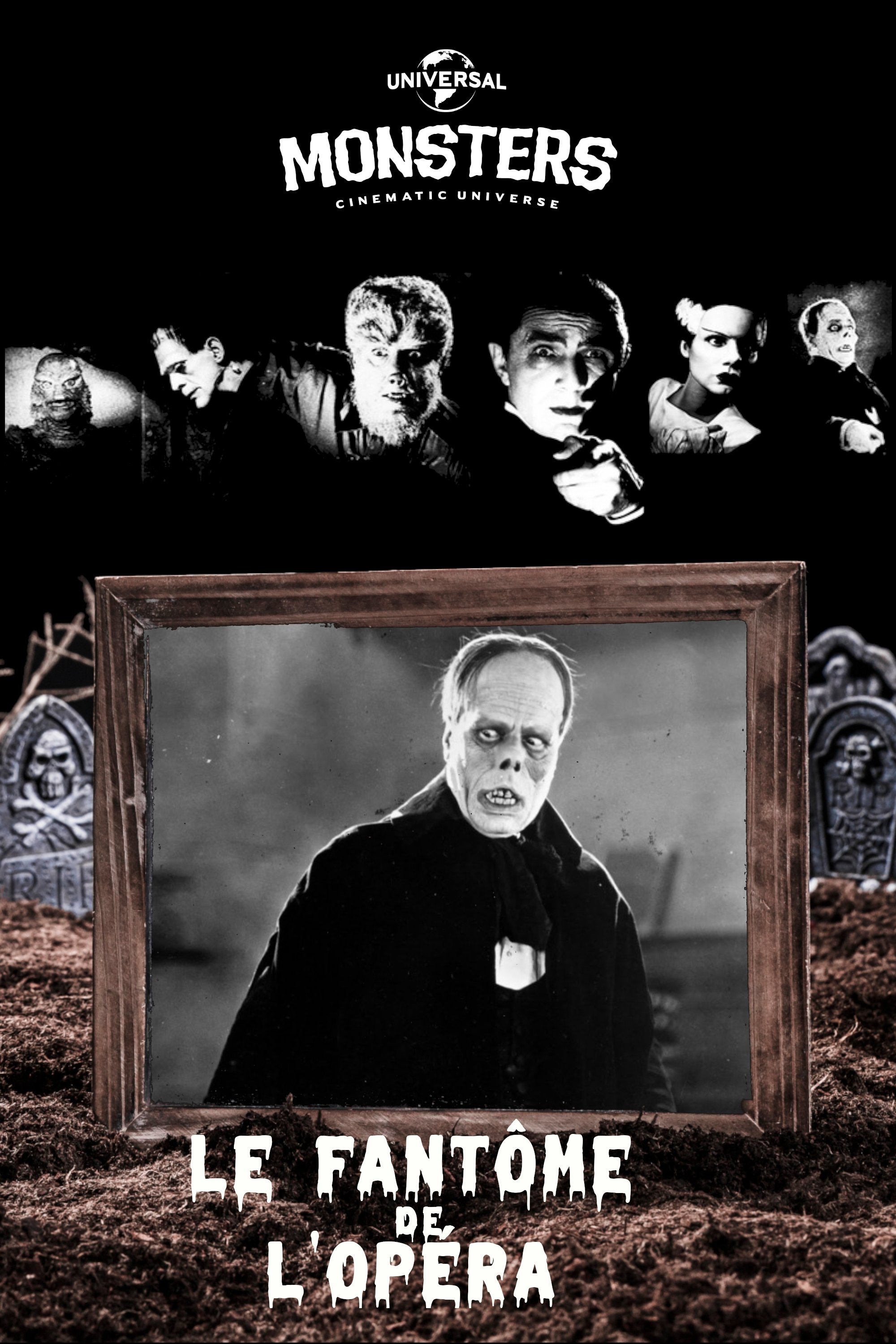
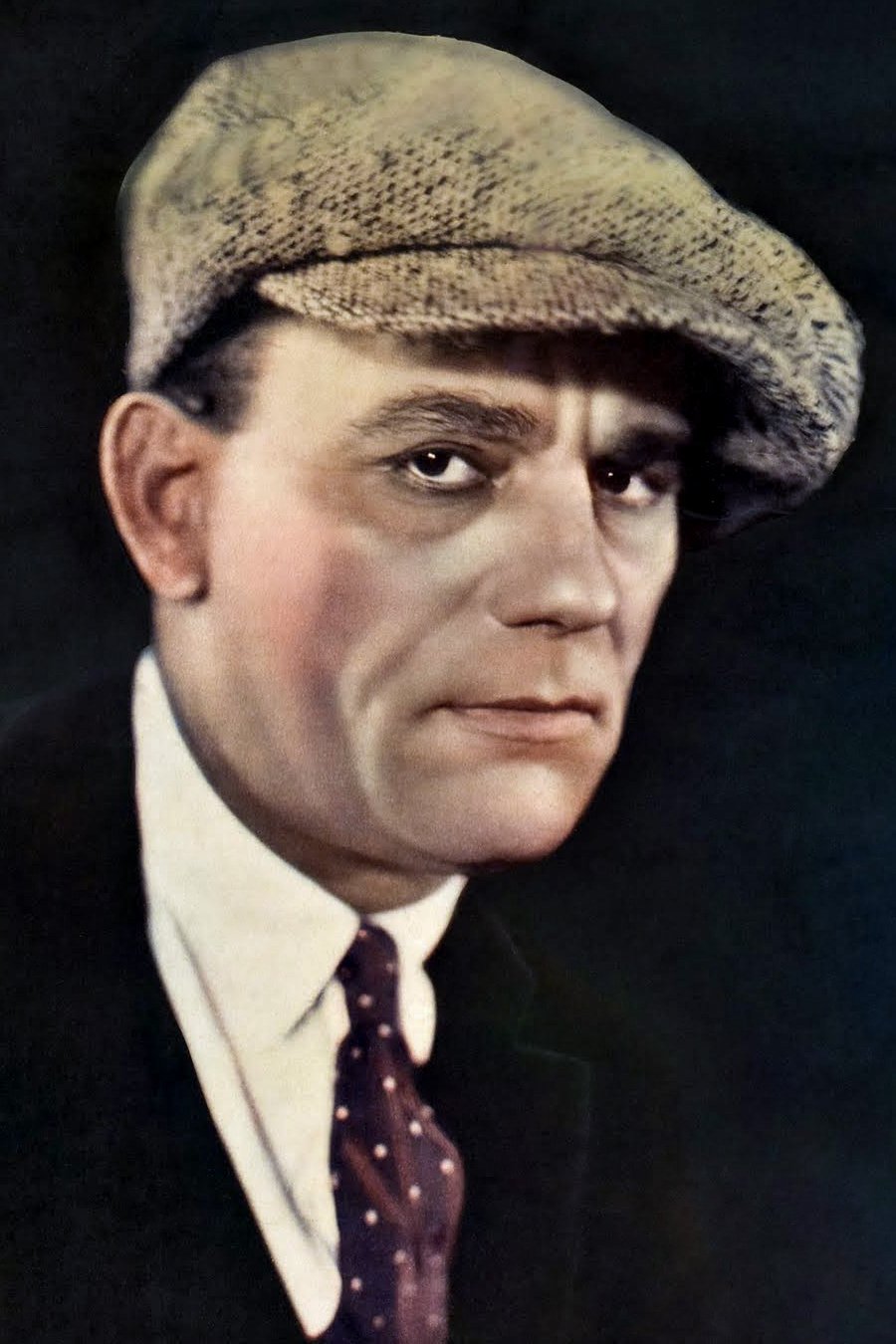
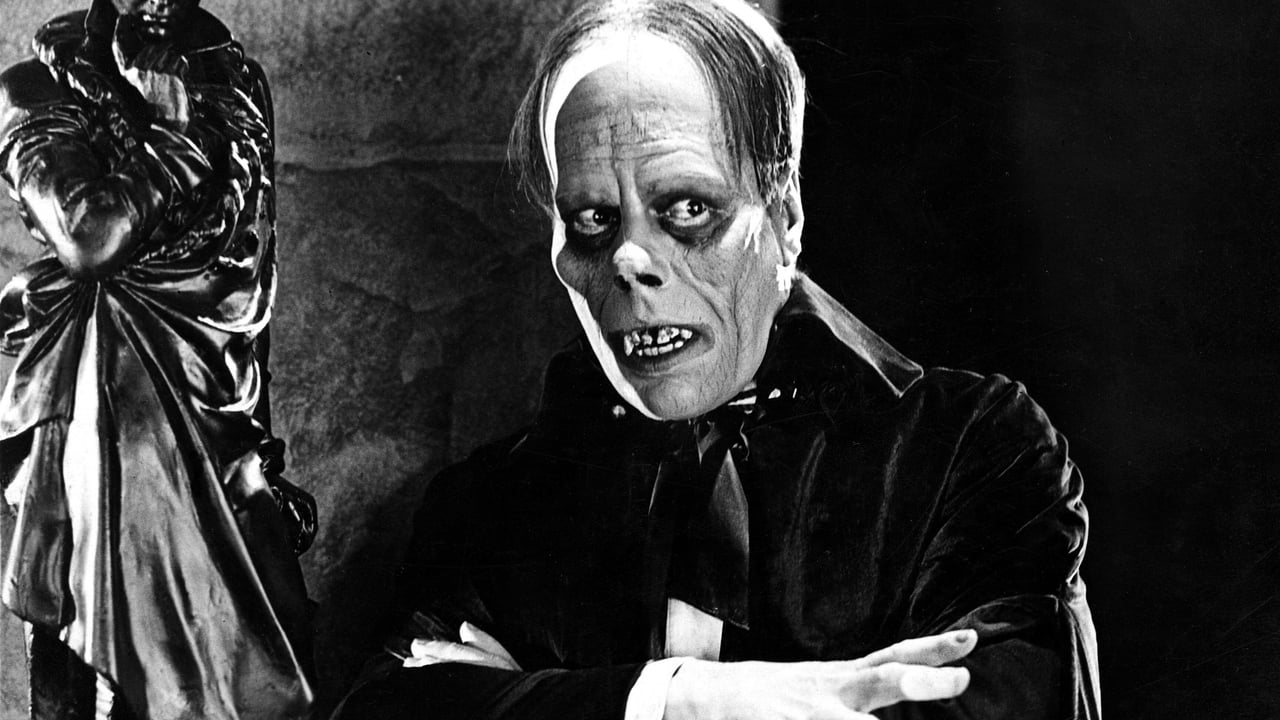
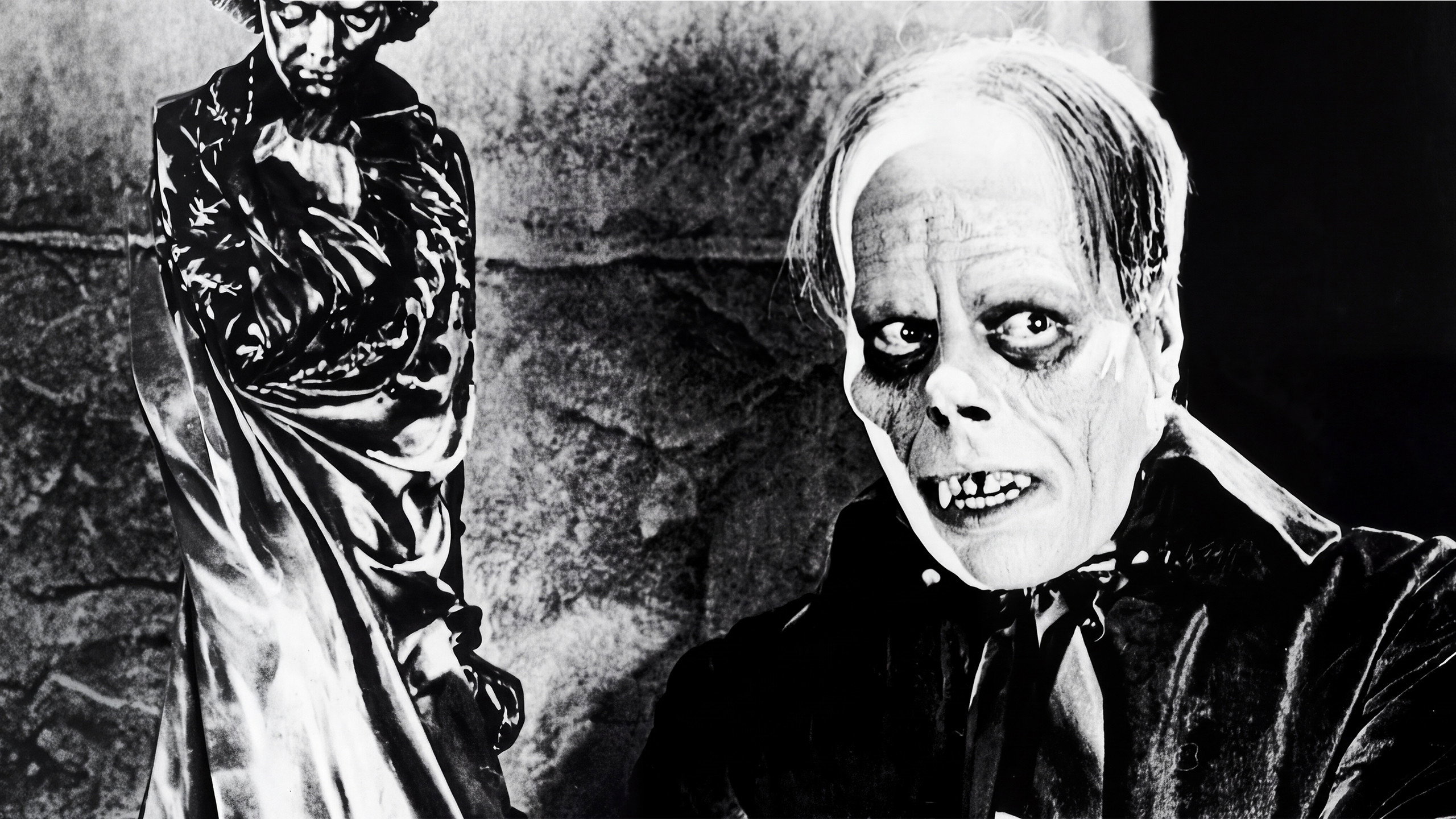
Chaney designed and applied the makeup that gave the Phantom his skeletal appearance. His experience transforming his face and body had already become central to his reputation as the Man of a Thousand Faces. The finished design employed pronounced cheek contours, deeply shaded eye sockets, an altered nose and distorted teeth. Turner Classic Movies describes the use of cotton and collodion to build up facial structures, together with a material attached around the nose to change its apparent shape. Accounts of the precise mechanisms used have varied over time, particularly concerning the extent of painful wires or other appliances. The visible result is more securely documented than every detail of its construction.

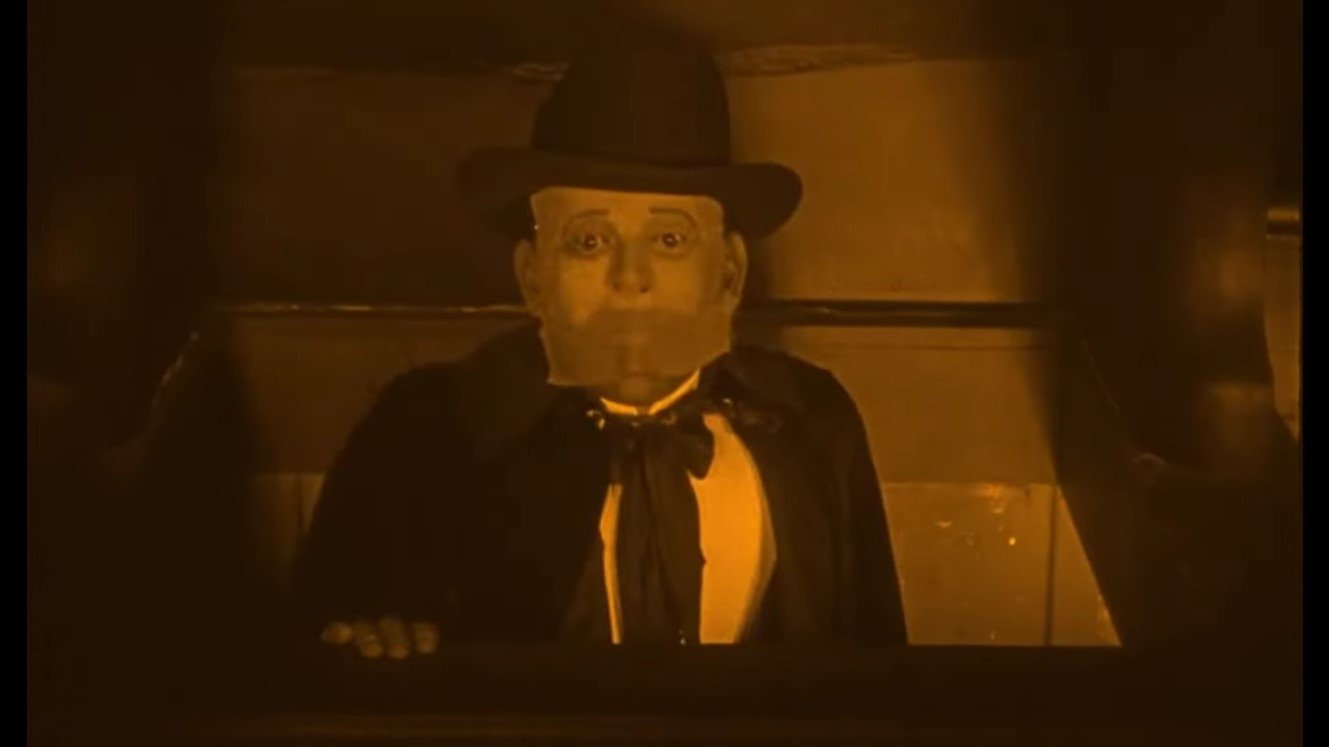
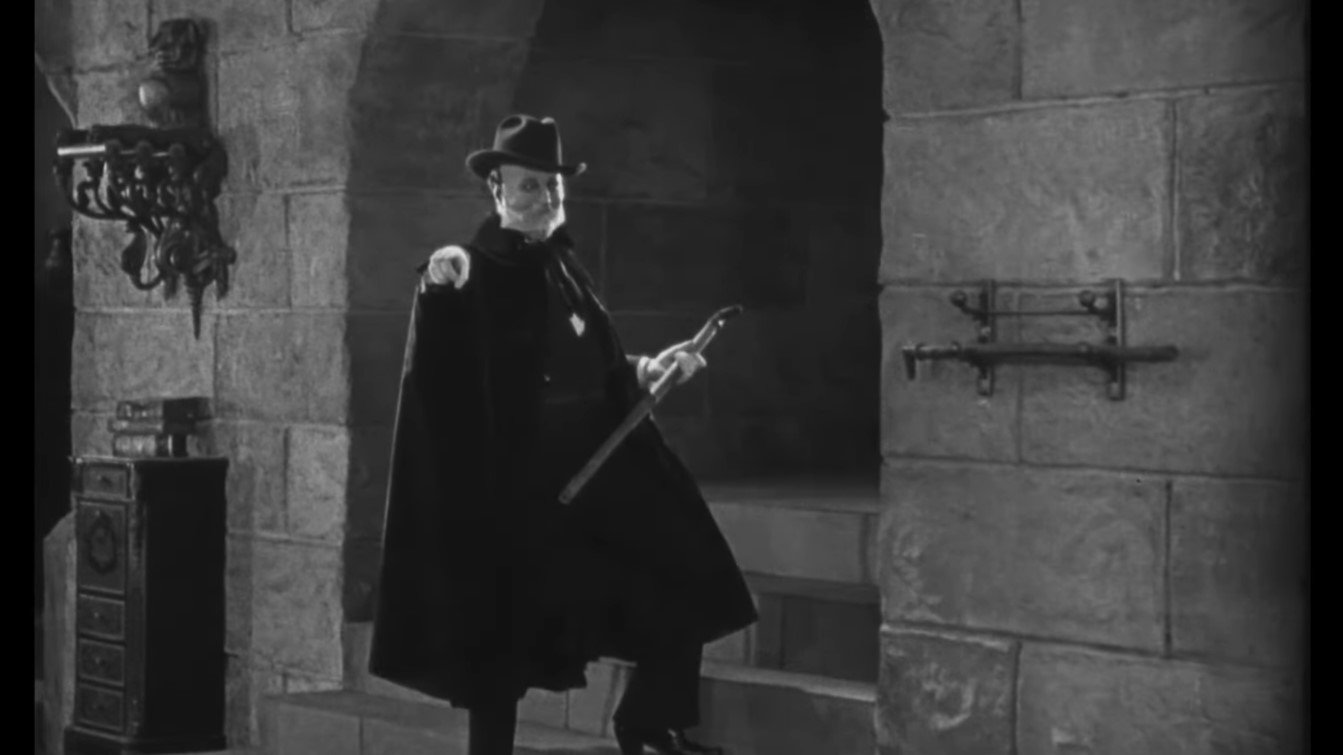
The makeup was designed to remain effective in the photographic conditions of silent cinema, where lighting and black-and-white contrast could exaggerate or flatten facial features. Chaney’s darkened eyes and sharply defined cheekbones created the impression of a face with little flesh remaining beneath the skin. The physical transformation was particularly striking because the character initially appears behind a comparatively restrained mask. During those earlier scenes, Chaney relies on body language, deliberate hand movements and changes in posture to communicate Erik’s emotional state. His performance establishes the character’s threatening authority before revealing the face that has become central to the film’s reputation.

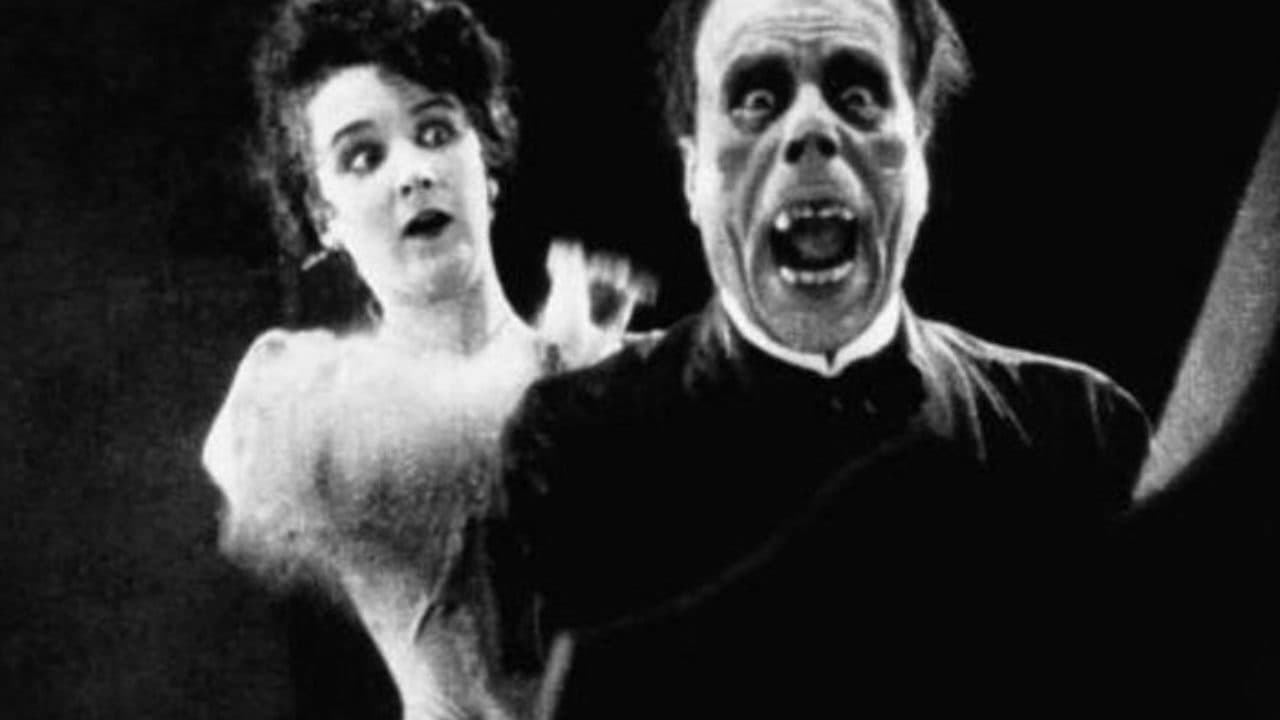
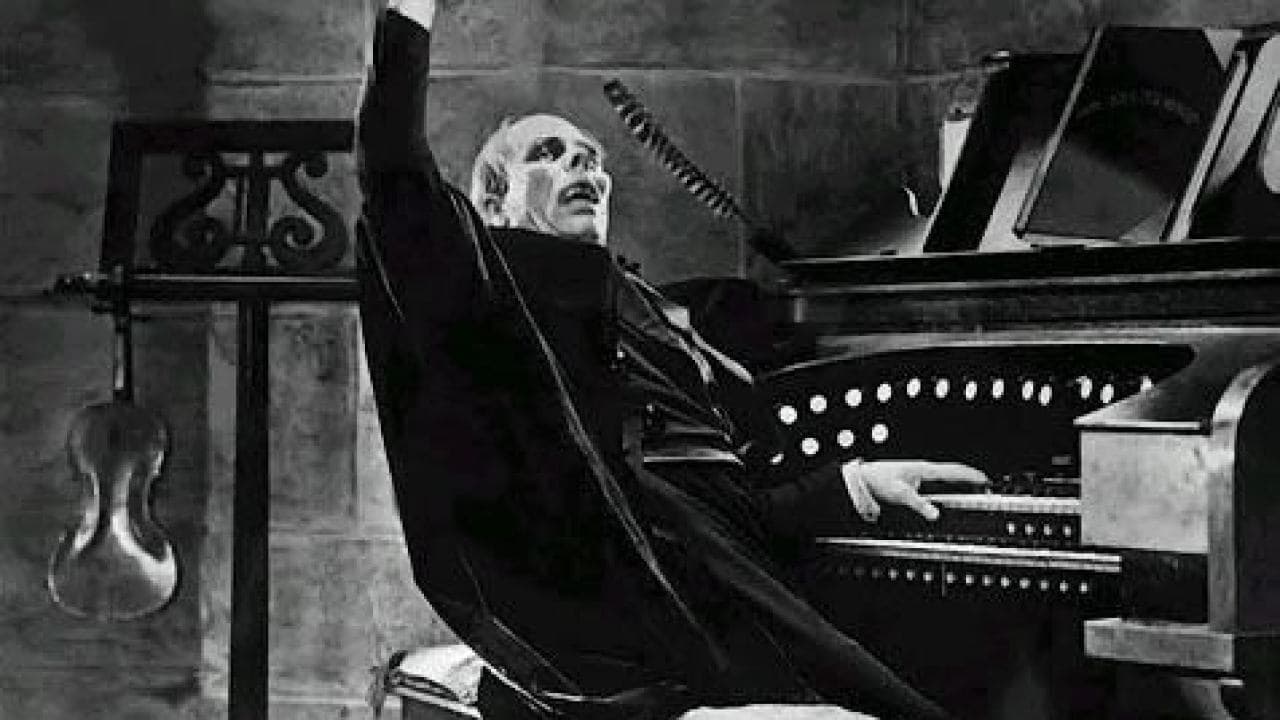
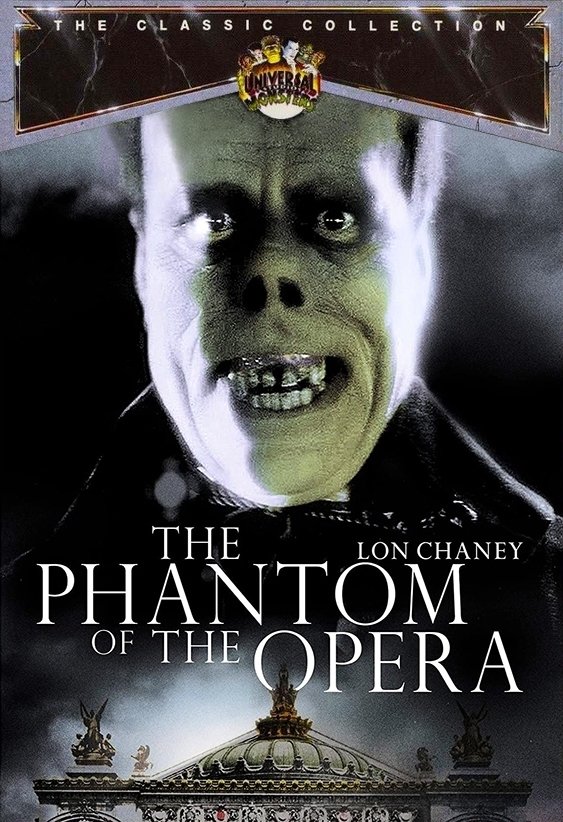
The unmasking occurs while Erik plays the organ in his underground chamber. Christine approaches from behind and removes the covering, exposing the Phantom’s face directly to the camera. Her reaction and the sudden presentation of Chaney’s makeup provide a concentrated moment of horror. Contemporary publicity and subsequent historical accounts described audiences screaming or fainting, although individual reports should not be treated as evidence of a universal response. The scene’s effectiveness can be established more concretely through its construction: a prolonged concealment, the physical act of removing the mask and the abrupt reversal of the visual relationship between Christine and Erik. Chaney’s design became one of the most frequently reproduced images of American silent horror.

Opera-House Architecture, Photography, and Colour

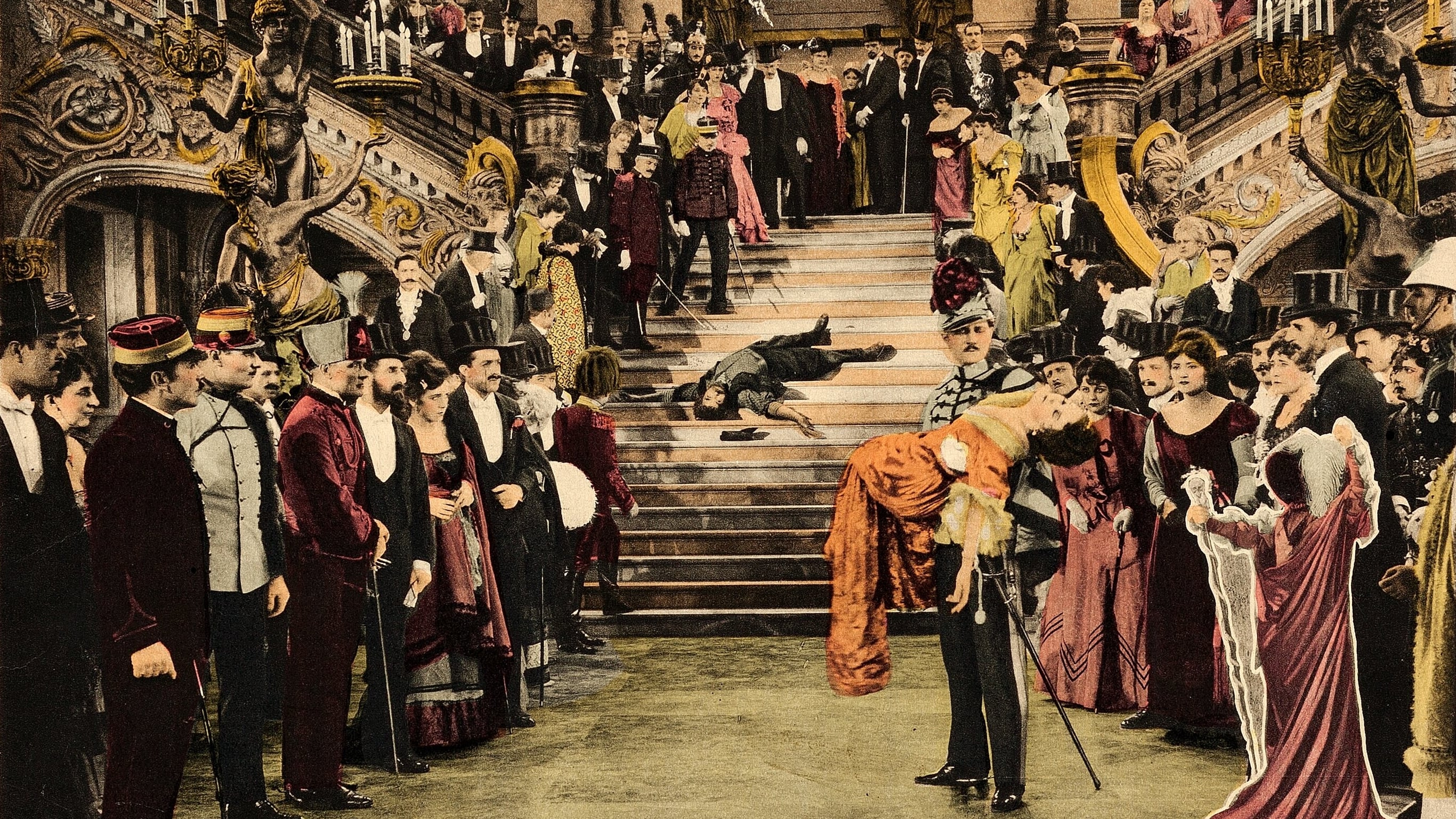
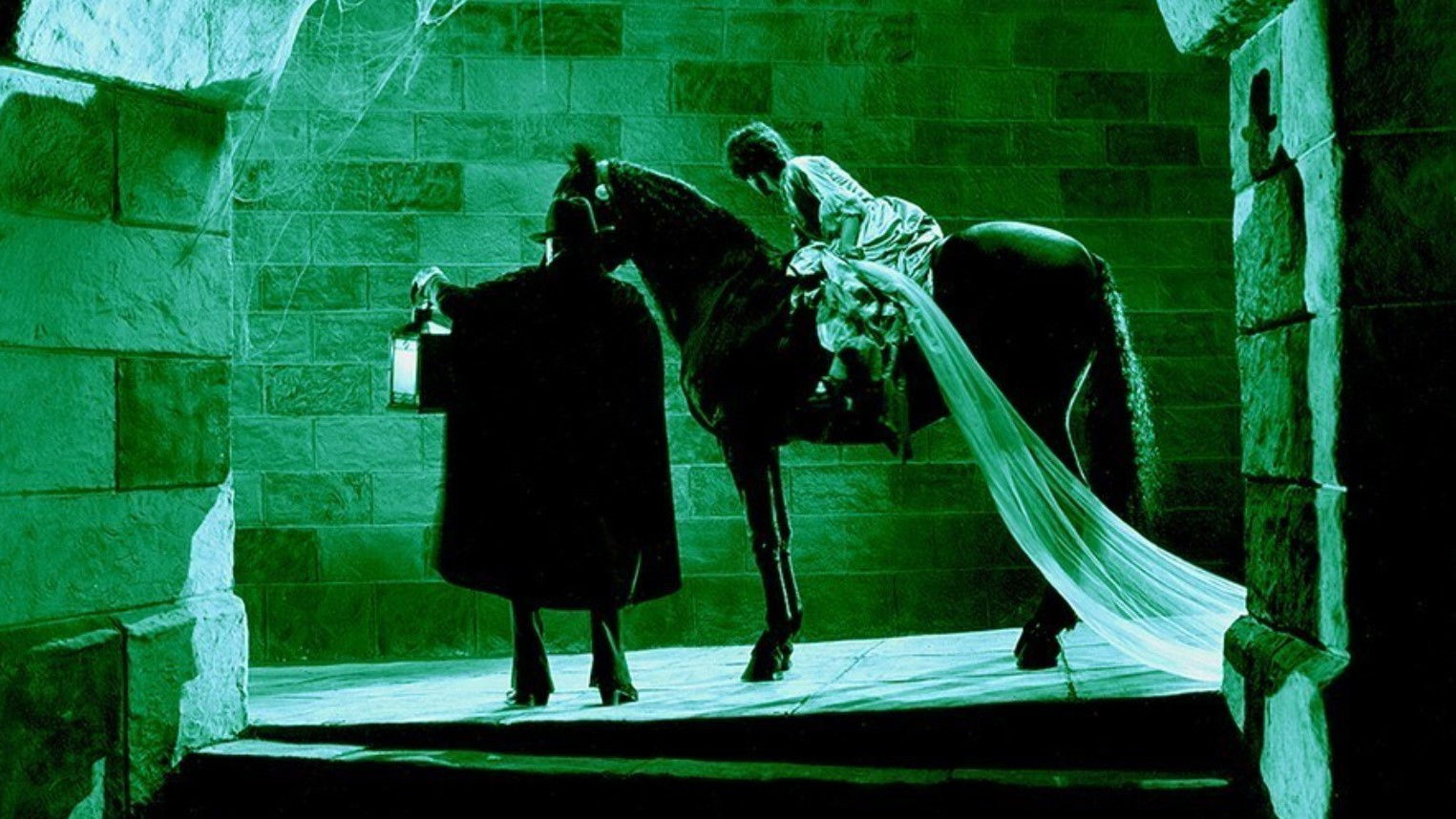
Universal constructed an extensive representation of the Paris Opera at its California studios. The production incorporated a large auditorium, boxes, stage, grand staircase and surrounding performance spaces, together with the cellars and passages below. Contemporary studio reports described a substantial steel-and-concrete structure built to accommodate the enormous interior sets. Art direction and decoration involved Charles D. Hall and Ben Carré, among other members of the production department. The architectural scale permitted the film to move between crowded performances and isolated corridors while maintaining the impression that the different environments belonged to a single immense building.

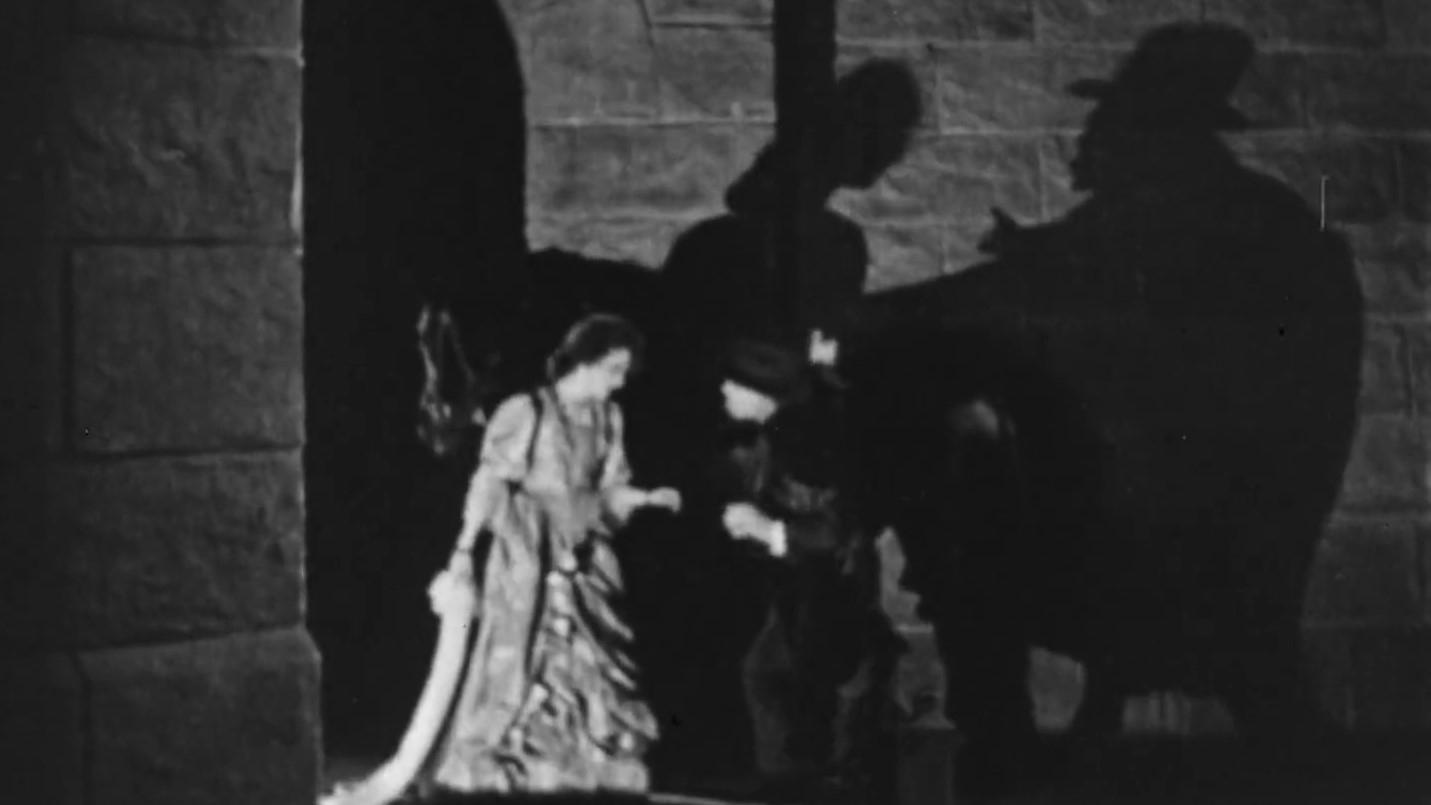
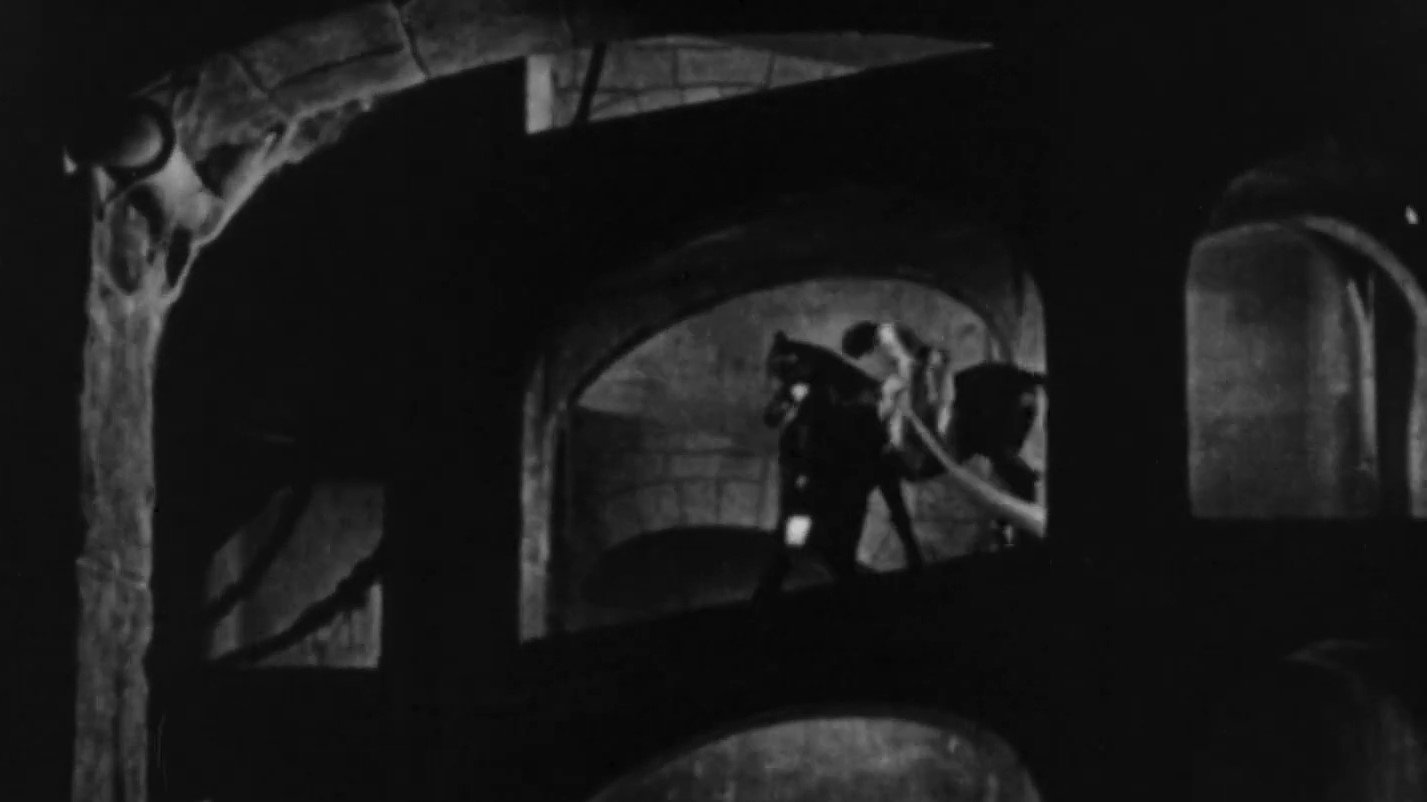
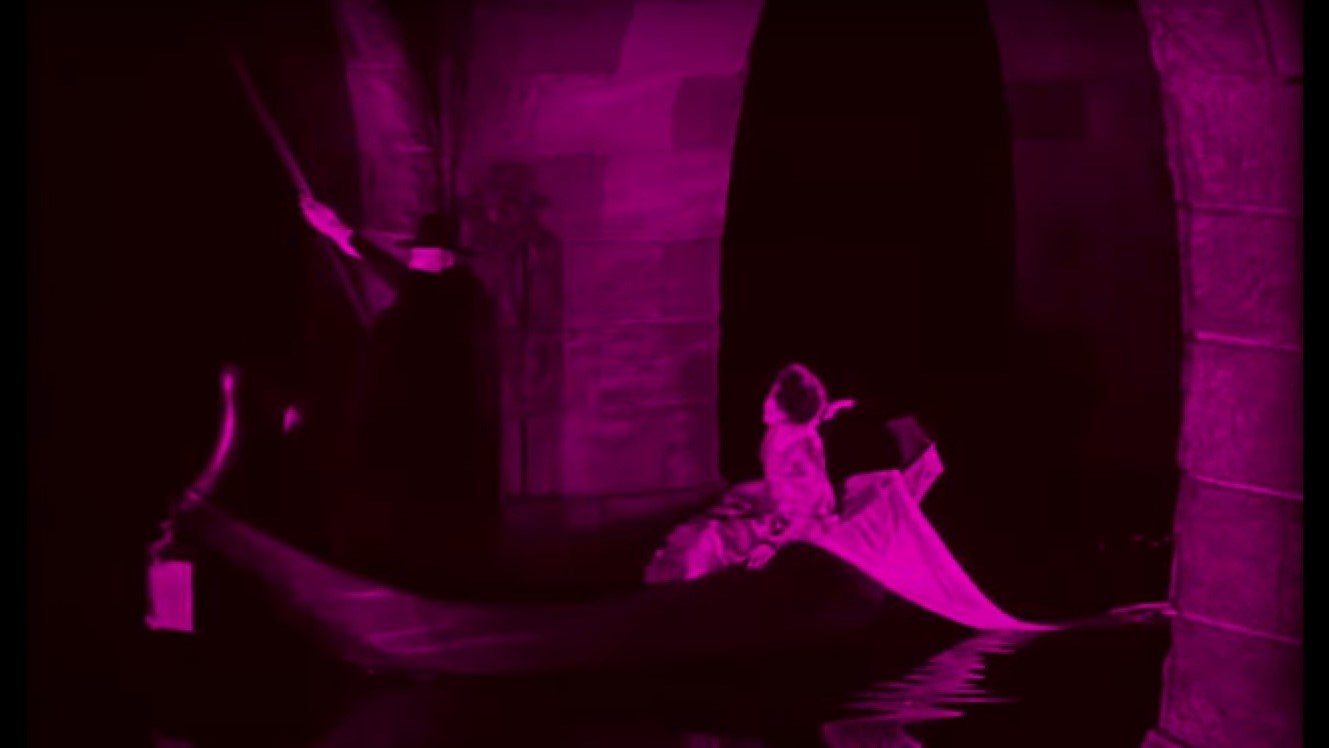
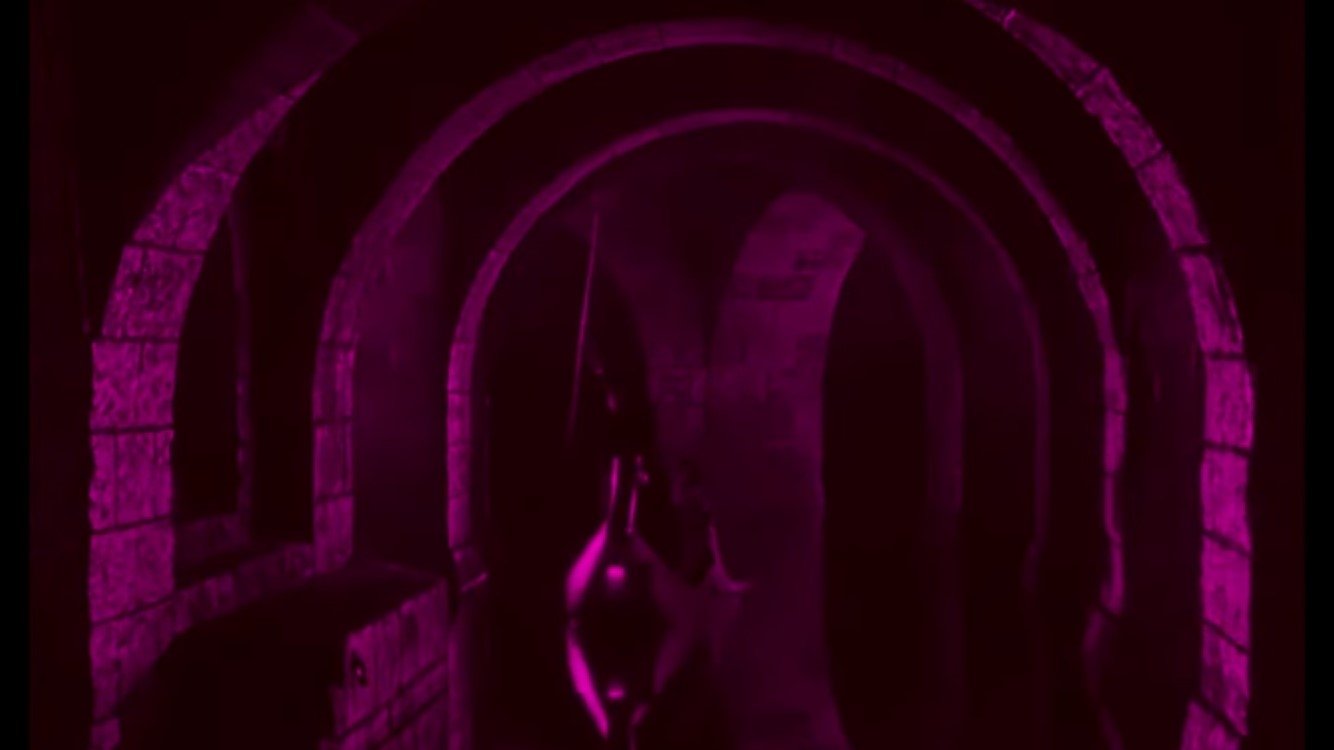
The subterranean spaces are particularly important to the film’s visual organization. Staircases, trapdoors and concealed mechanisms allow the Phantom to move through areas inaccessible to ordinary theatre employees. The underground lake introduces a striking contrast with the ornamented public rooms above. Christine’s journey through darkness and water transforms the opera house from an institution devoted to performance into a labyrinth controlled by an unseen inhabitant. The elaborate sets made it possible to stage physical pursuits and scenes involving large groups of performers without abandoning the spatial relationship between the theatrical world and the chambers beneath it.

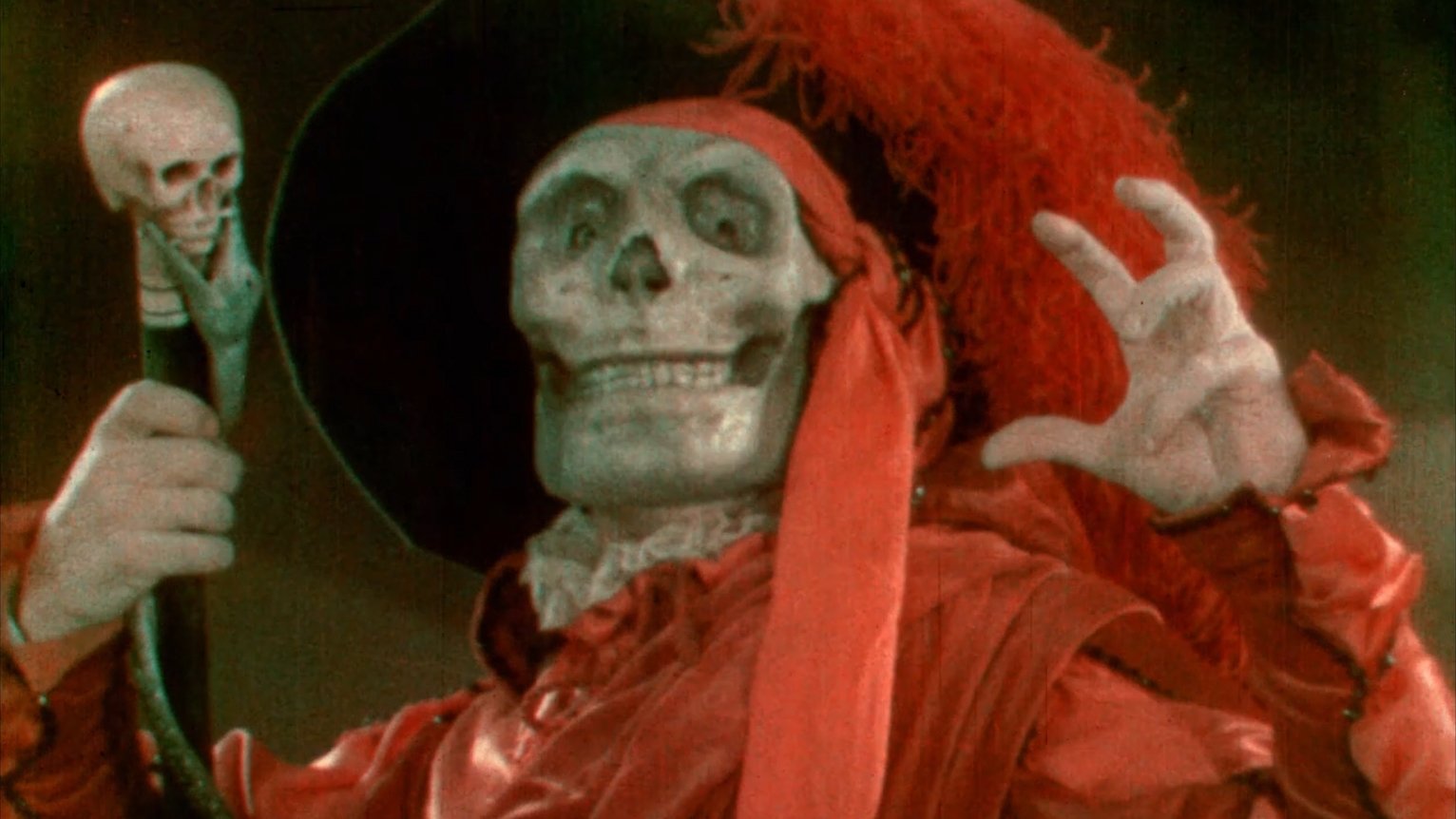
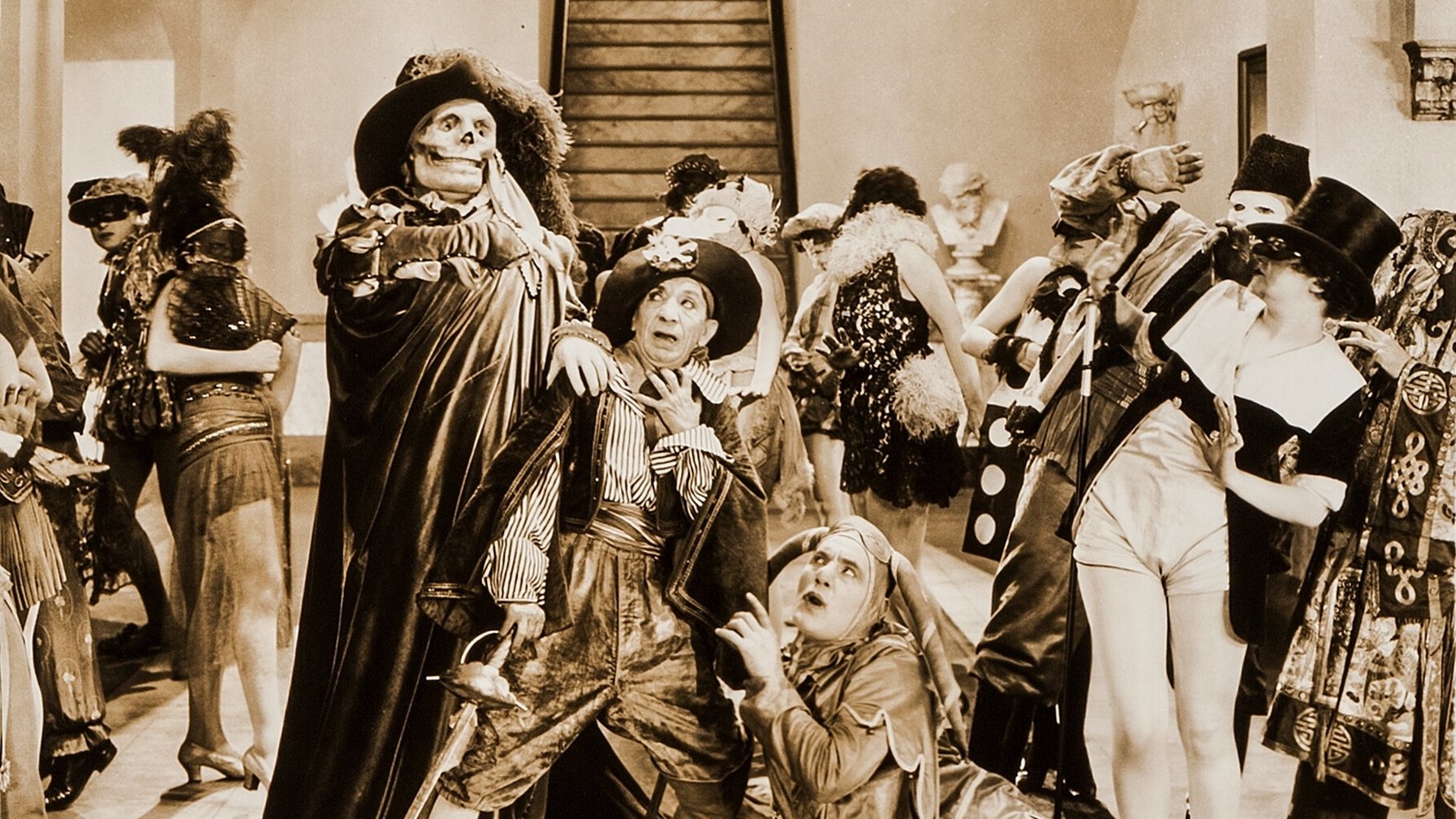
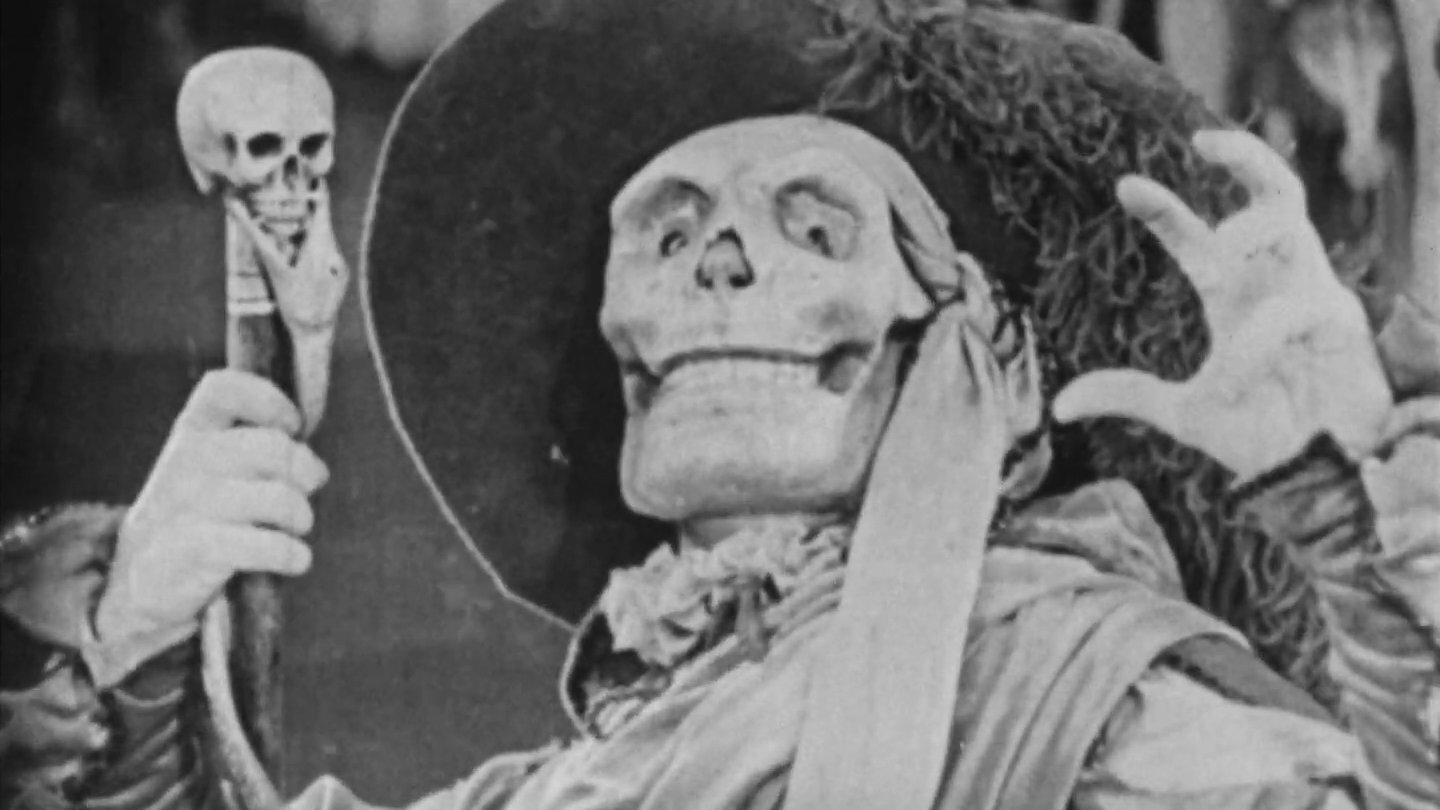
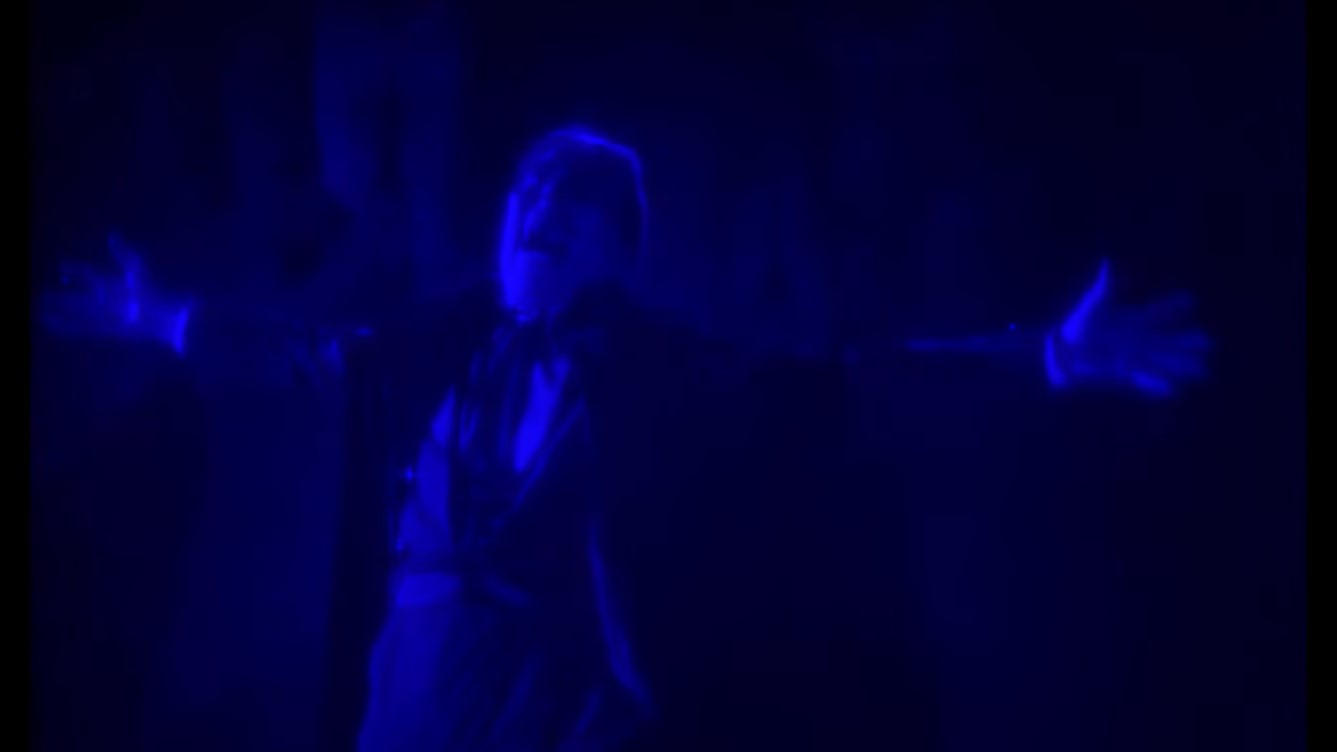
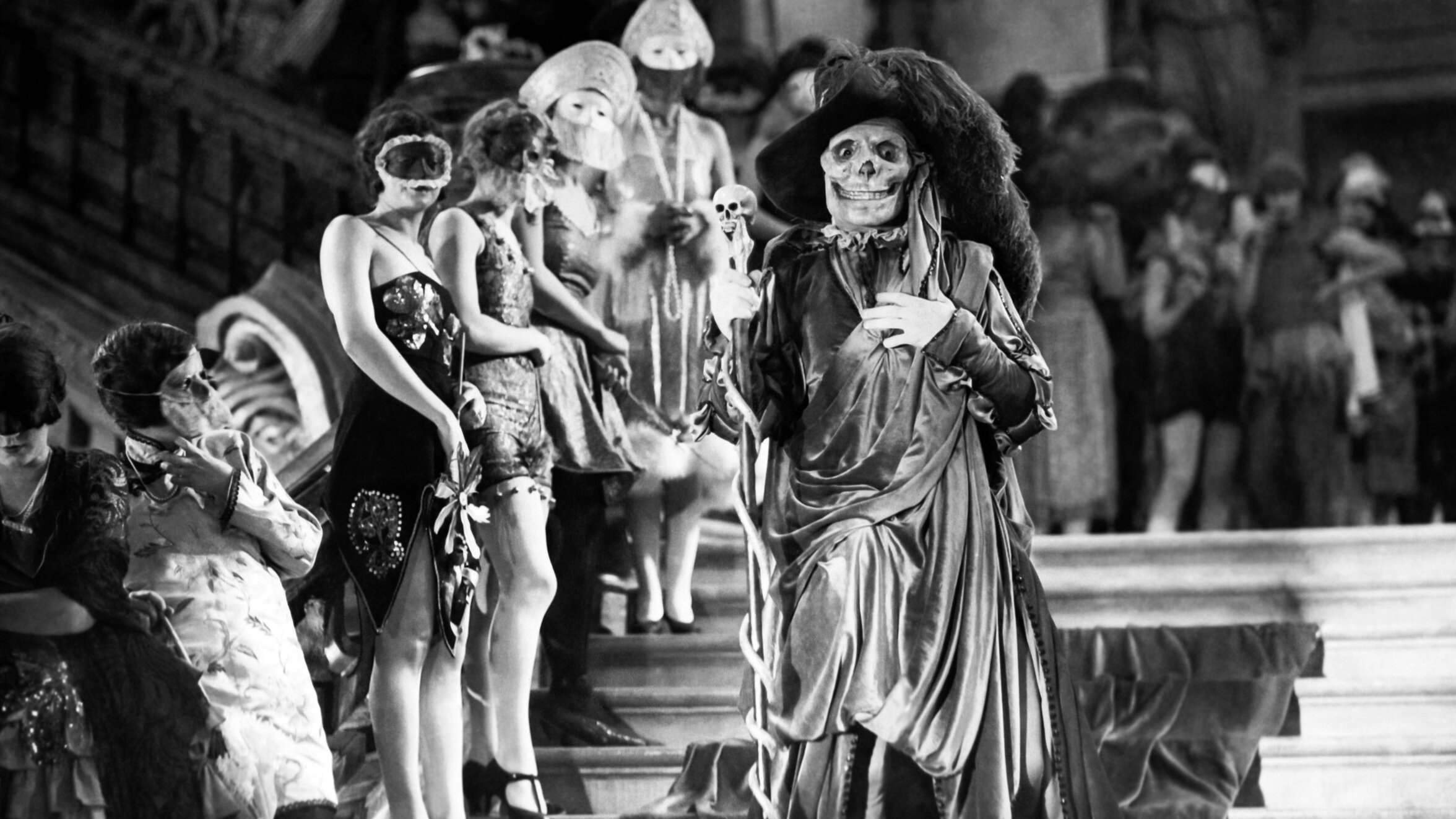
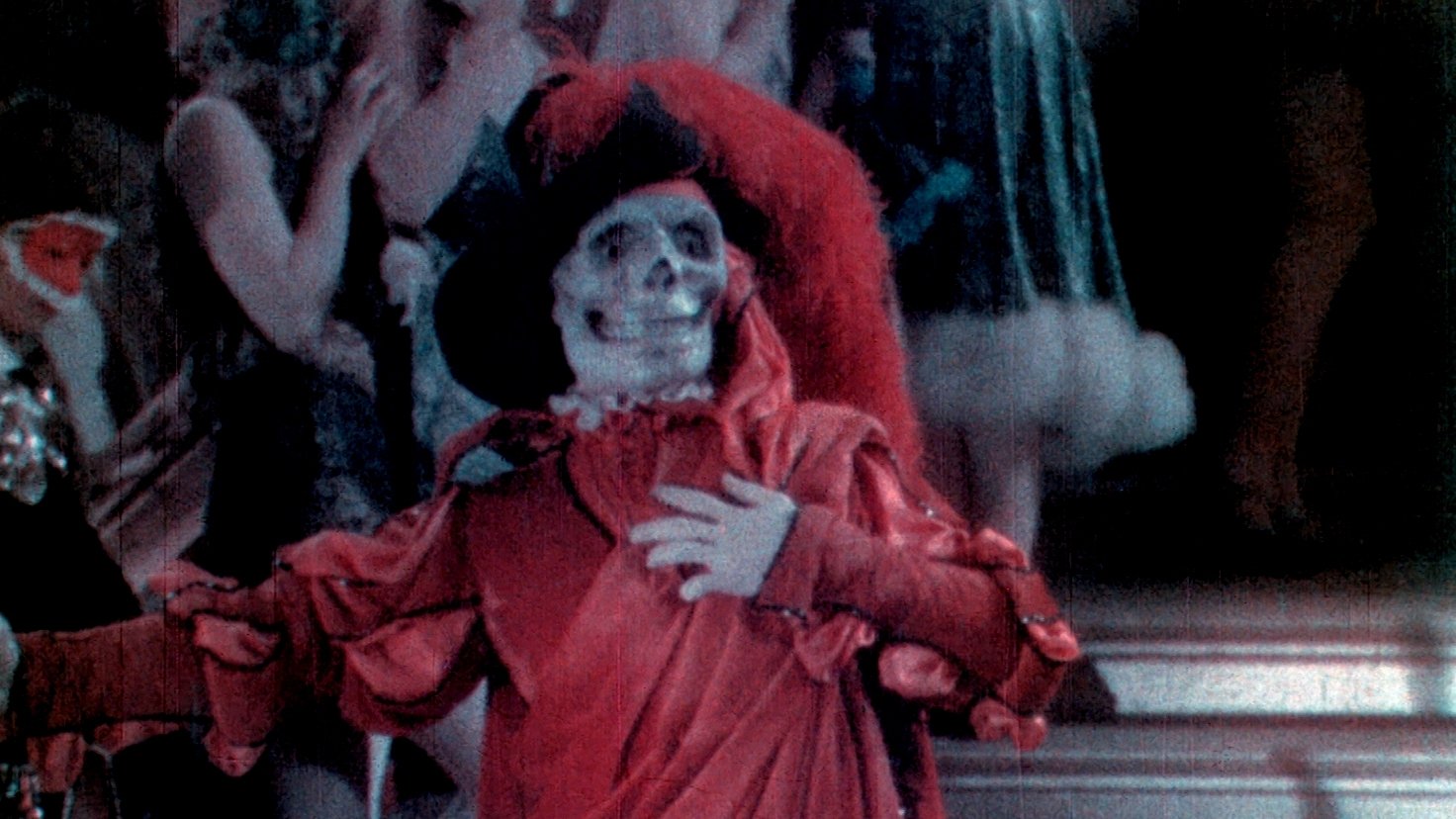
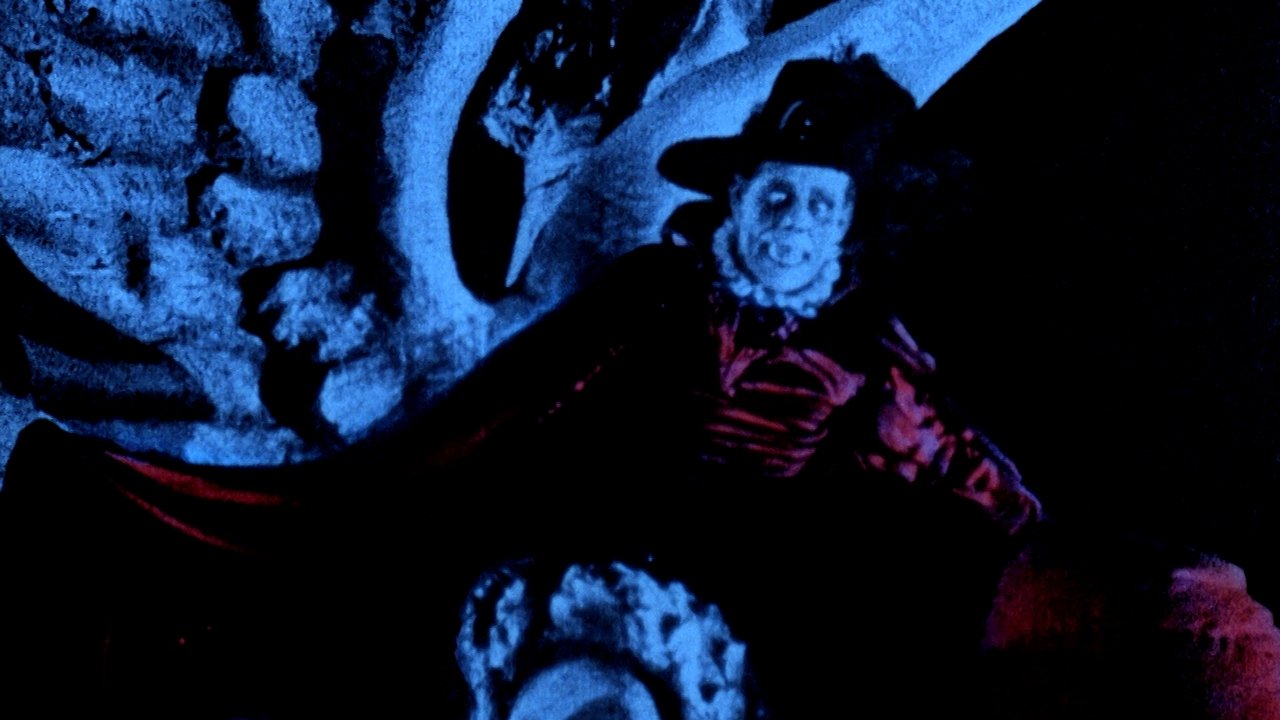
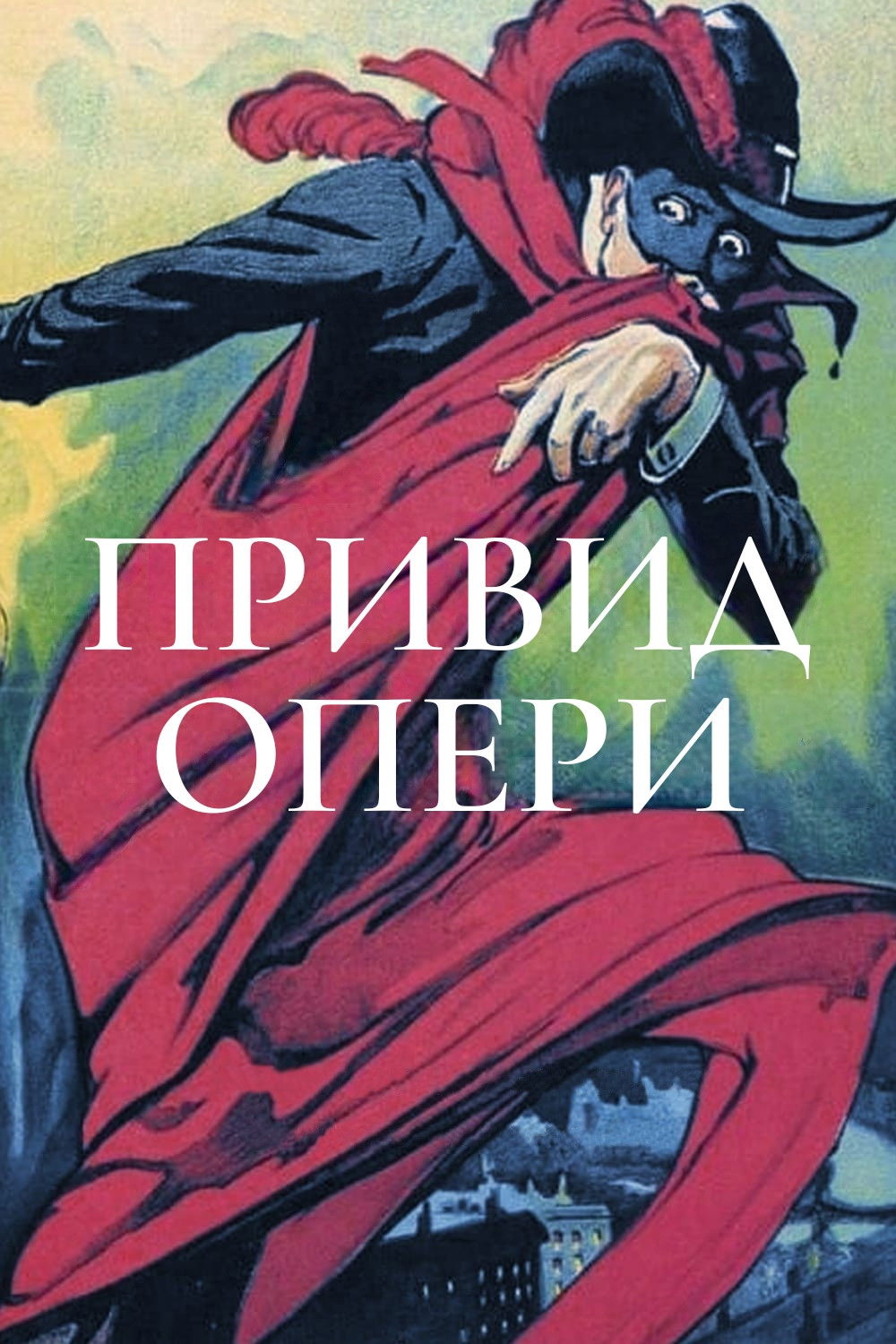
The production used colour techniques to emphasize selected passages. The Museum of Modern Art identifies tinting, a lithographic dye-transfer method and two-colour Technicolor as components of its visual presentation. The surviving masquerade sequence is particularly famous for the Phantom’s appearance in scarlet robes as the Red Death. The contrast between the crowded celebration and the threatening visitor gives the costume an immediate visual prominence. Other colour treatments varied across the surviving prints and later restorations. The appearance of individual modern editions therefore depends partly on their archival sources and reconstruction methods. It would be inaccurate to assume that every surviving colour passage represents an unchanged photographic element from the original theatrical presentation.

Silent-Film Accompaniment and the Sound Reissue

The original release belonged to a period when silent films could receive different musical presentations depending on the theatre and available performers. The opera-house setting made music integral to the narrative, particularly through the staging of Charles Gounod’s Faust and the Phantom’s relationship with Christine’s singing. Universal arranged substantial orchestral accompaniment for important engagements. According to the American Film Institute, Eugene Conte conducted the orchestra at the New York premiere on September 6, 1925, performing material based on Gounod’s music. The event also included a staged dance performance and a theatrical illusion associated with the appearance of a phantom.

Research by American Musical Productions documents an orchestral score compiled by Gustav Hinrichs and Max Winkler for the original circulation. It combined existing classical and photoplay selections with material composed specifically for the film. The score was performed during the October 1925 engagement at the Grand Theatre in Columbus, Ohio. These different presentations demonstrate why the soundtrack of a silent feature cannot automatically be identified with a single universally heard recording. Musical accompaniment could change according to exhibition circumstances, and later restorations have introduced additional scores. Carl Davis’s orchestral music, recorded for a 1996 restoration, belongs to the film’s modern presentation history rather than its original 1925 production.

Universal subsequently reworked the film for synchronized sound exhibition. The revised version introduced newly photographed opera performances, dialogue and musical accompaniment, while retaining Chaney’s earlier silent performance. Mary Philbin and Norman Kerry returned for additional filming, but Chaney did not participate. New material also altered character continuity, including changes to the role of Carlotta. The reissue was prepared during 1929 and circulated into 1930, producing a version with substantially different editing and sound. Contemporary reports collected by AFI record commercial success in some engagements alongside criticism of the revisions. Chaney himself objected to the use of another performer’s voice in association with his character.

Release Versions, Preservation, and Historical Position

The film’s original theatrical history includes several distinct events. Universal screened an earlier version in San Francisco during April 1925, before further revisions led to the New York presentation at the Astor Theatre on September 6. General American distribution followed later that year. The American Film Institute records a duration of 107 minutes for the 1925 release, but running times vary across surviving versions because of differences in editing and projection speed. The 1929 sound revision was substantially shortened and rearranged. These measurements cannot be reduced to a single authoritative running time for every surviving copy of the film.

Preservation has been complicated by the loss of original material and the survival of different photographic sources. The 1925 continuity is represented principally through lower-quality reduction prints, while a later 35 mm element associated with George Eastman House preserves sharper imagery and material connected with subsequent revisions. Film historians and archivists have used these sources to reconstruct different presentations rather than claiming to have recovered an entirely intact original negative. The Museum of Modern Art screened a restoration associated with George Eastman Museum in 2023, while the British Film Institute has circulated a reconstruction of the later version accompanied by Carl Davis’s score. The existence of several restorations reflects the film’s complicated history of editing, exhibition and survival.
Contemporary critics recognized Chaney’s performance and the ambitious production design, while some objected to the narrative’s uneven construction. Later historical assessments have increasingly emphasized the film’s position within the development of American Gothic horror. Its elaborate architecture, monstrous central figure and combination of theatrical spectacle with physical terror anticipated elements associated with Universal’s subsequent horror productions. The studio reused the opera-house set for its 1943 adaptation starring Claude Rains. The 1925 film entered the National Film Registry in 1998, confirming its recognized cultural and cinematic importance. Its historical significance is supported by the survival of Chaney’s performance, the documented innovations in production design and makeup, and the extensive preservation work devoted to its competing versions.

References

  1. American Film Institute AFI Catalog — The Phantom of the Opera (1925)

    Institutional production history based on contemporary trade publications, documenting the Universal sets, filming, New York premiere, reissued sound version, cast changes and distribution.

  2. British Film Institute — Sight and Sound Remake/Remodel: 45 Weird and Wonderful Alternative Film Cuts

    Historical analysis by Tim Lucas of the 1925 previews, Rupert Julian and Edward Sedgwick versions, subsequent editing and the relationship between surviving prints and sound material.

  3. Museum of Modern Art The Phantom of the Opera (1925) — Film Programme

    Museum documentation of Chaney’s performance, the original colour techniques and the 1999 George Eastman Museum restoration exhibited in 2023.

  4. Turner Classic Movies The Phantom of the Opera (1925) — Jeff Stafford

    Historical production essay examining the troubled shoot, Julian and Chaney’s disagreements, studio reshoots, stage construction and makeup techniques.

  5. American Musical Productions The Phantom of the Opera — Historical Score Reconstruction

    Historical research on the original 1925 orchestral accompaniment, Gustav Hinrichs and Max Winkler, contemporary exhibition and the preservation history of the sound reissue.
Cast

View Full Cast & Crew →

Release & Distribution

Production Companies (1)

  • Universal Pictures US

Distributors (1)

  • Universal Pictures US

Release History (15)

Release DateTerritoryRelease TypeFormatDistributorCertificationNotes
1925-04-26 United States Premiere — — — Curran Theatre, San Francisco, California
1925-06-29 United Kingdom Theatrical — — U
1925-09-06 United States Premiere — — — Astor Theatre, New York City, New York
1925-09-22 France Theatrical — — —
1925-11-15 United States Theatrical — — —
1926-01-01 Germany Theatrical — — 12
1926-06-14 Brazil Theatrical — — 14
1930-02-16 United States Theatrical — — NR Reissue with sound
1987-01-28 United Kingdom Physical VHS — PG VHS
1995-09-01 France TV — — — ARTE, restoration
2002-07-05 United Kingdom Physical DVD — PG DVD
2005-01-14 Italy Physical DVD — T DVD
2008-03-06 Netherlands Physical DVD — 6 DVD
2013-08-11 United Kingdom Theatrical — — PG Re-release
2022-12-08 Czechia Theatrical — — —
The greatest horror film of modern cinema!