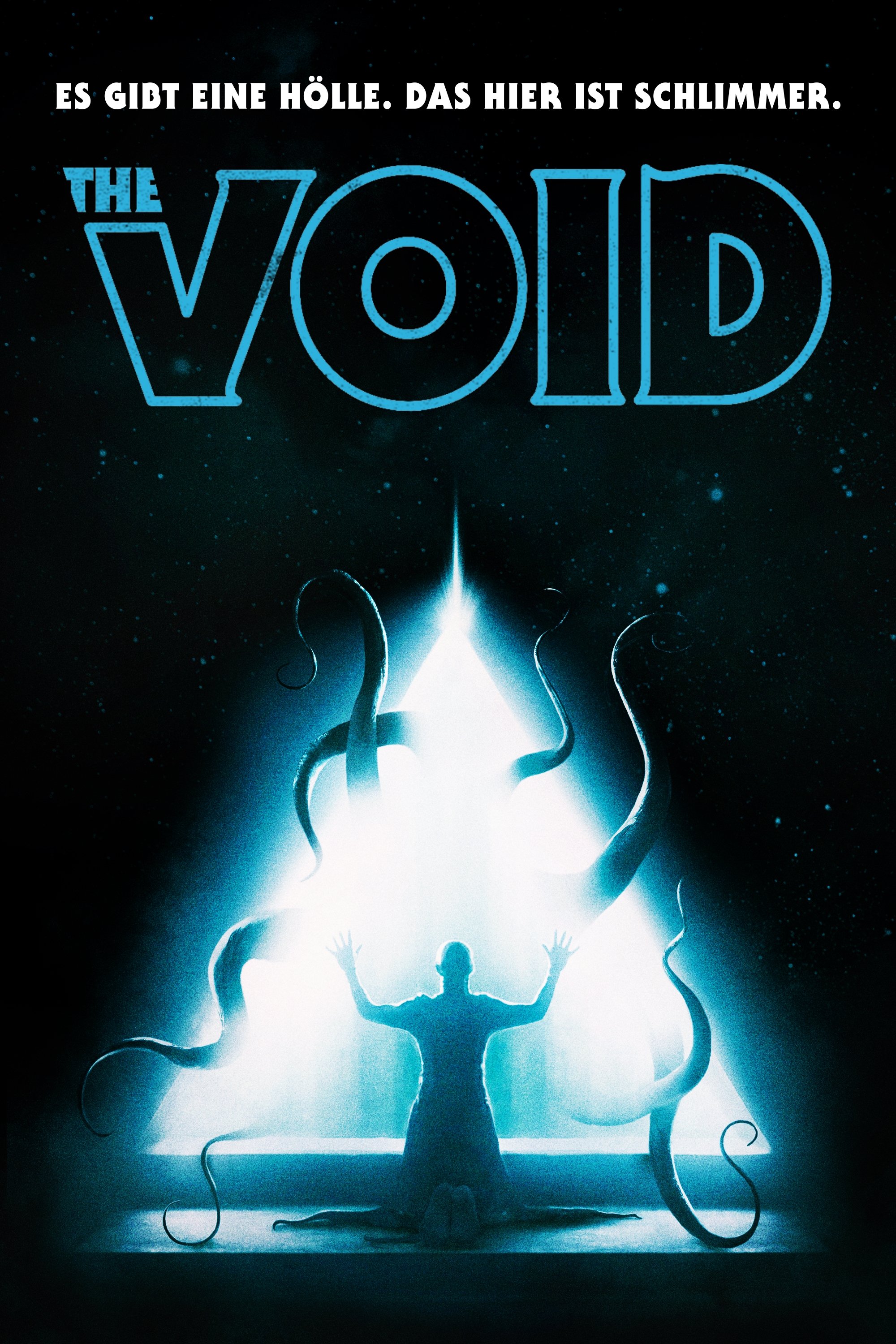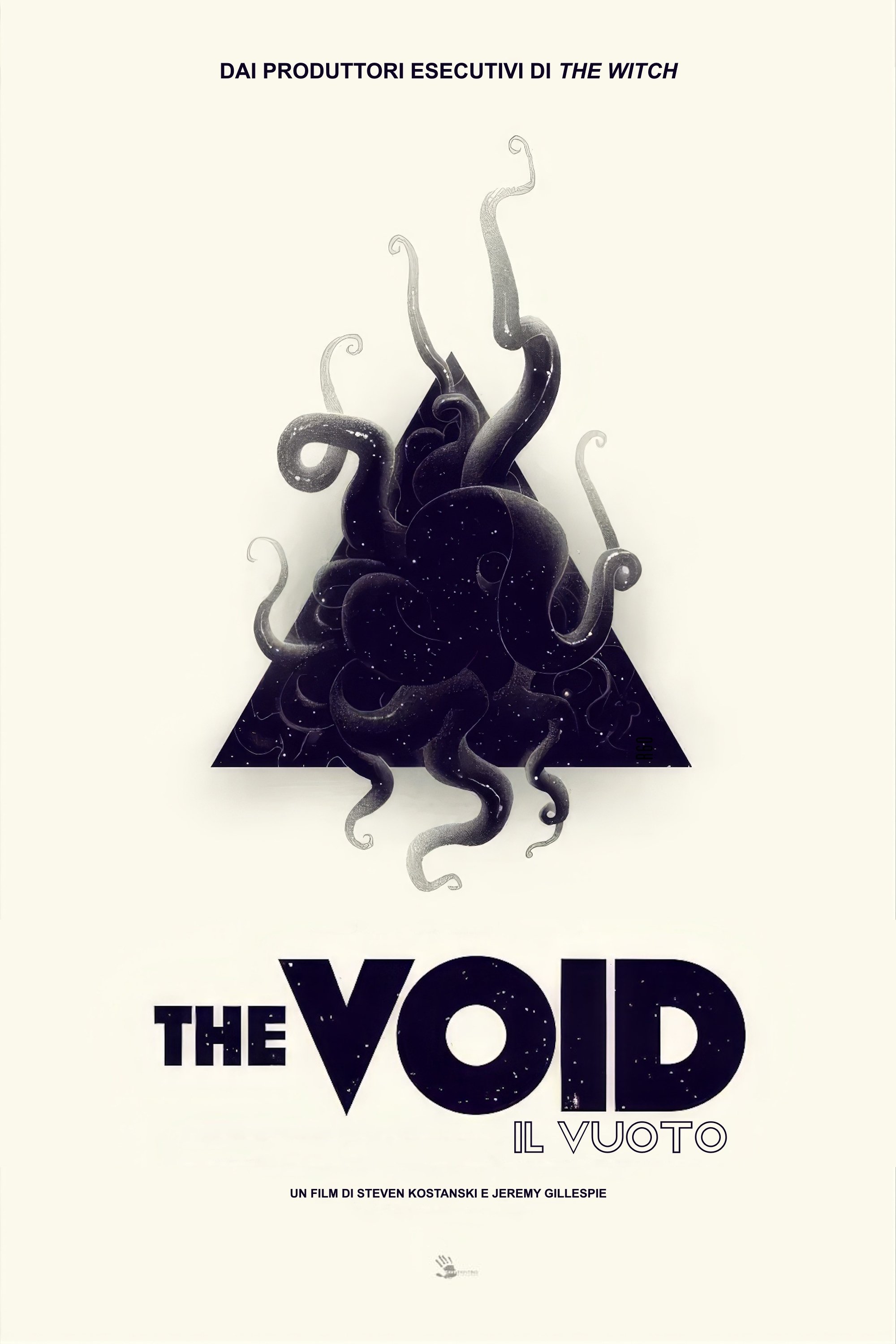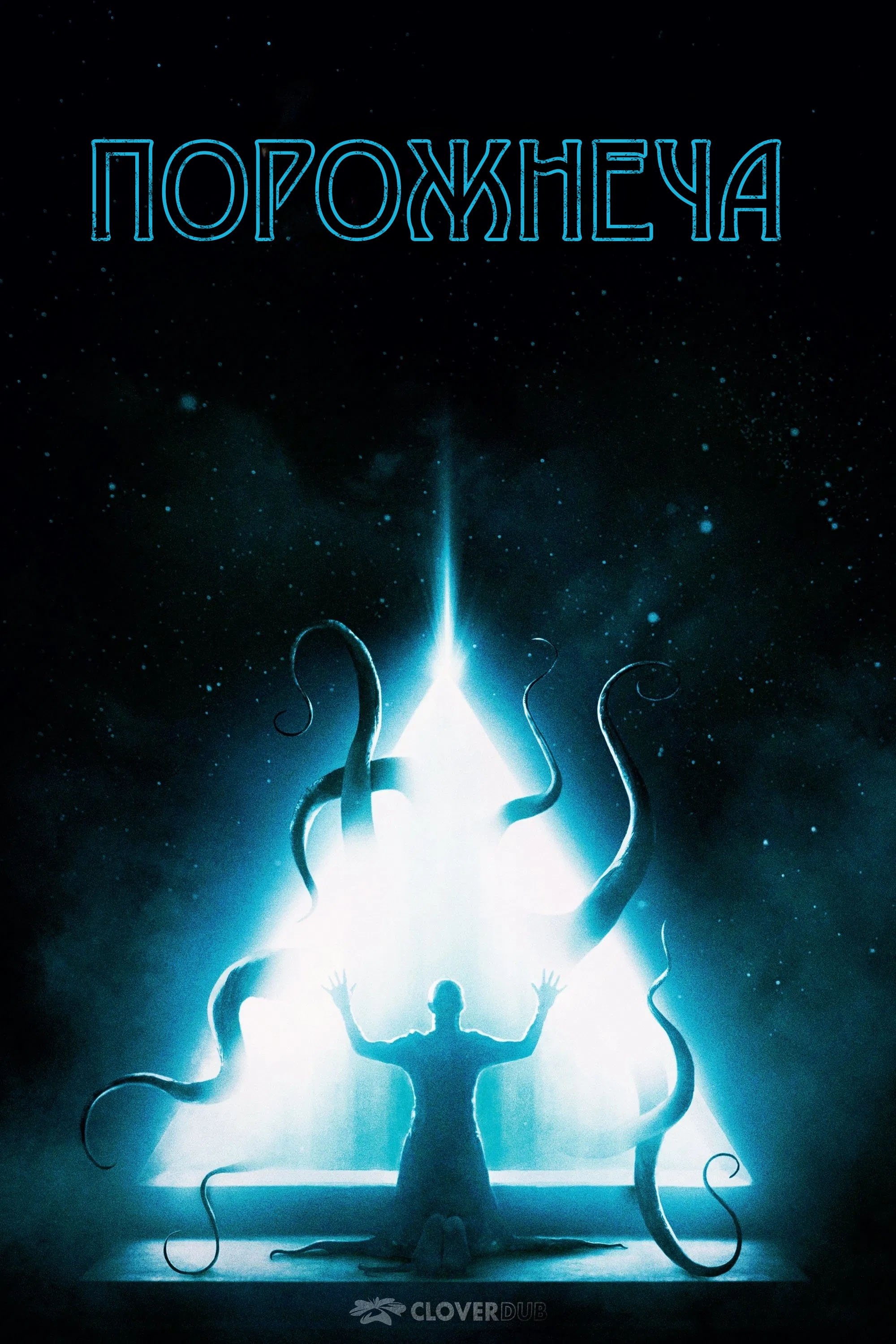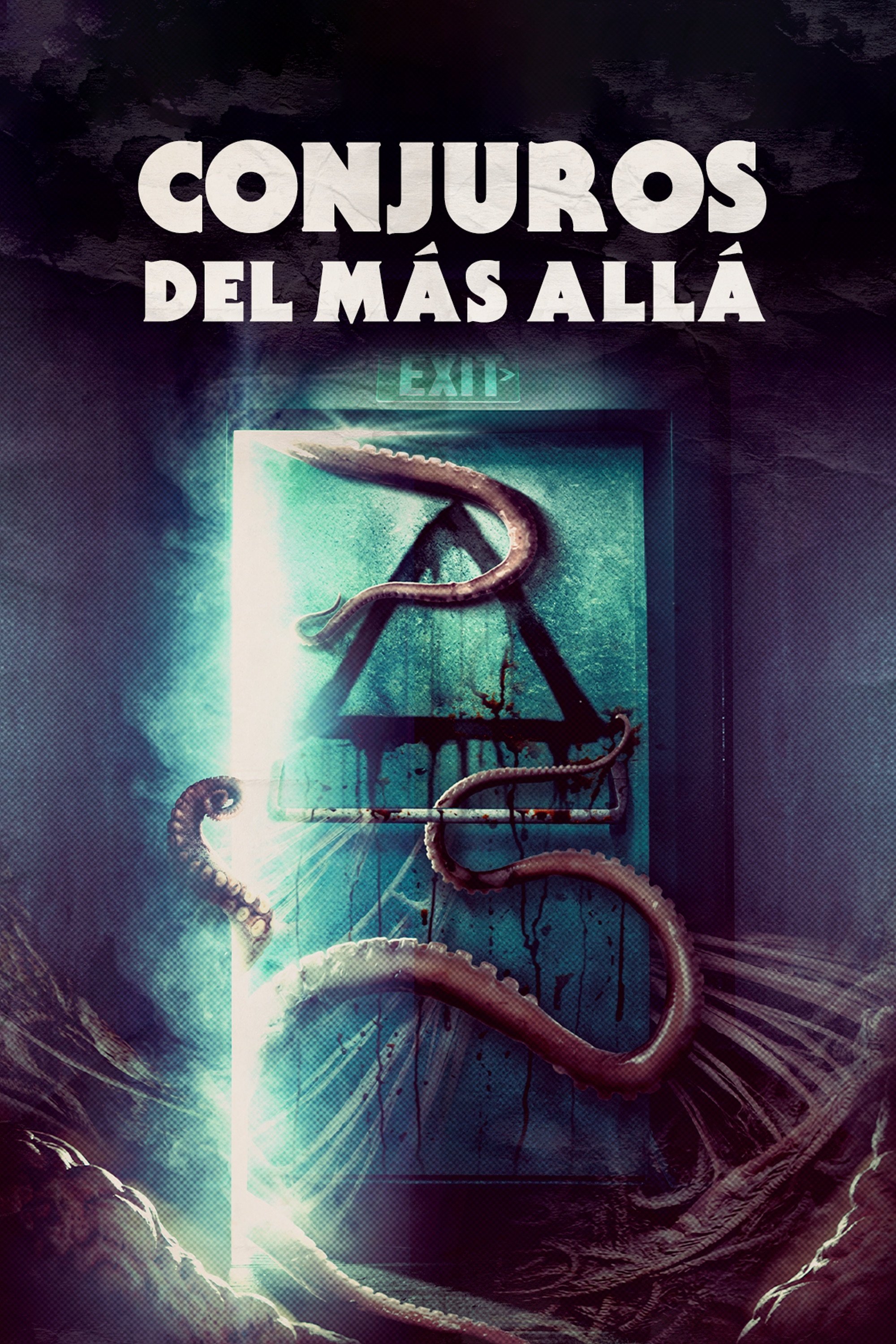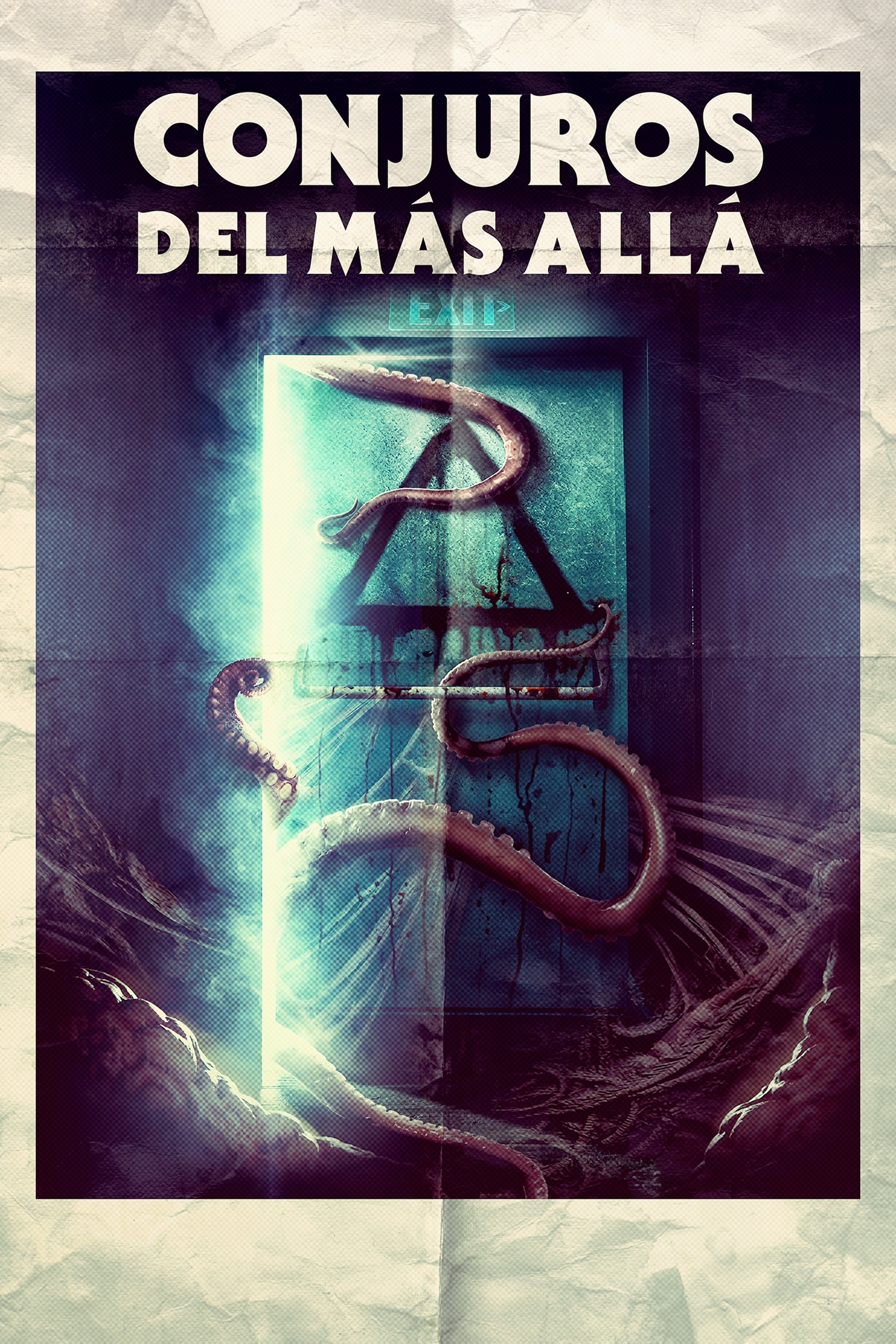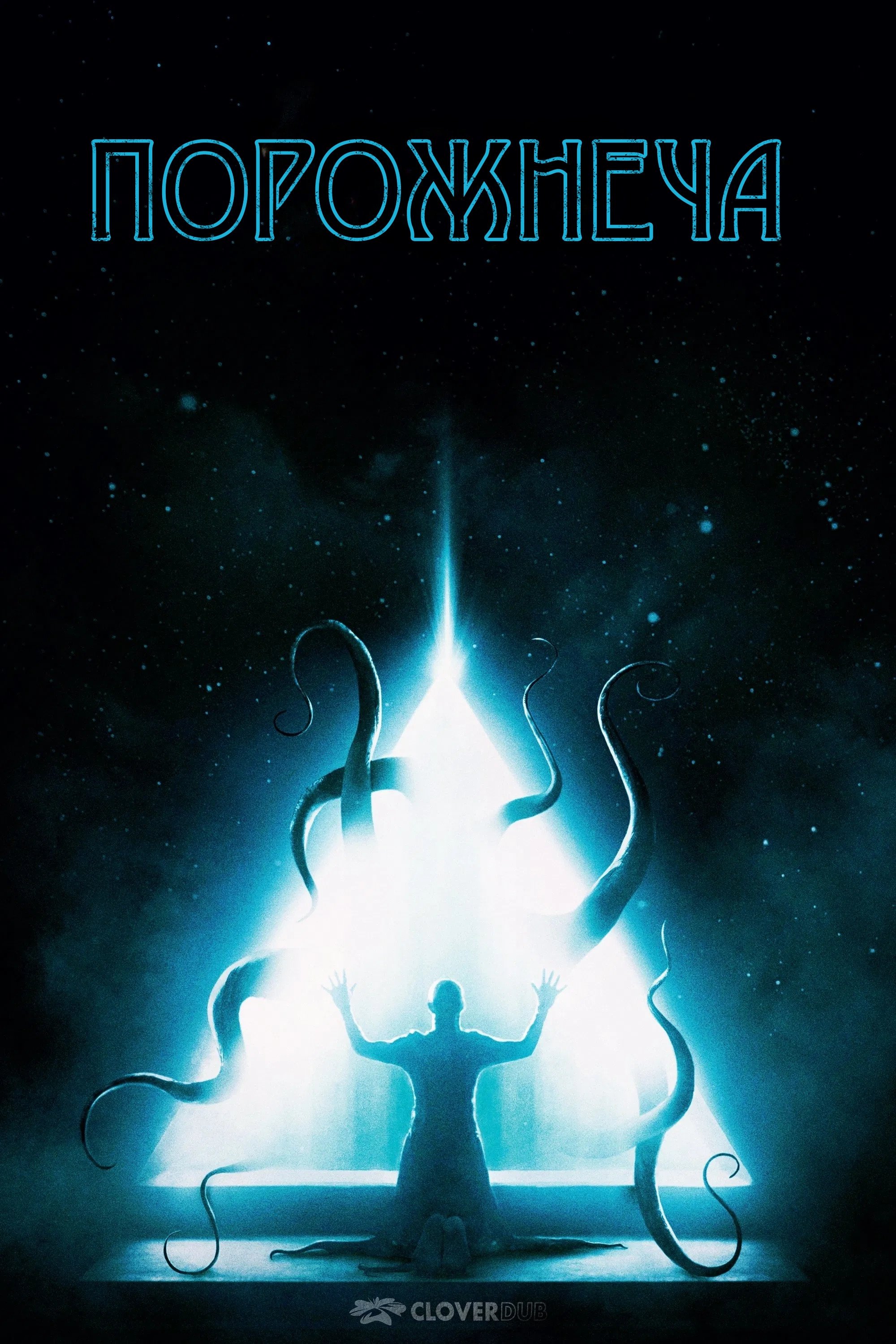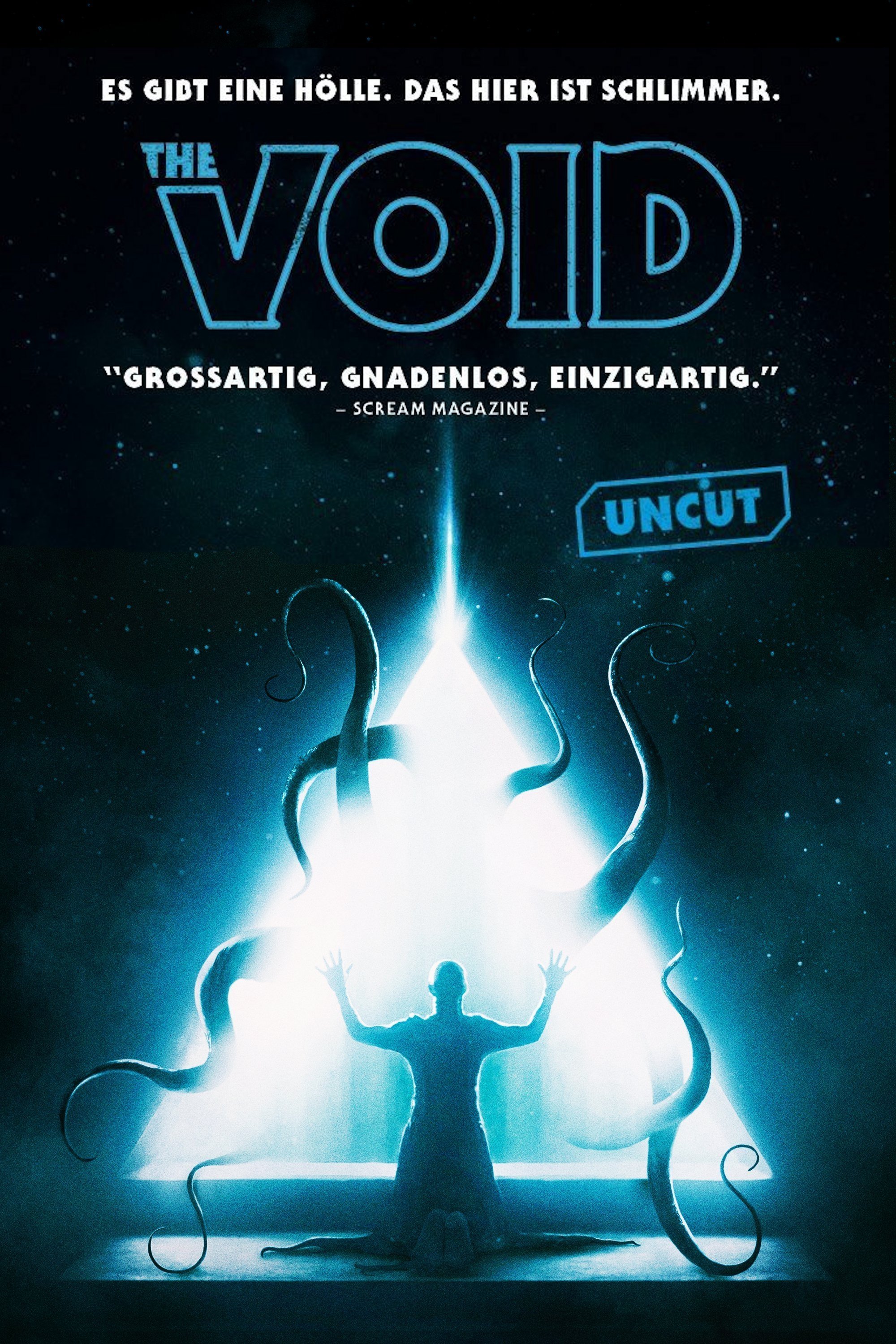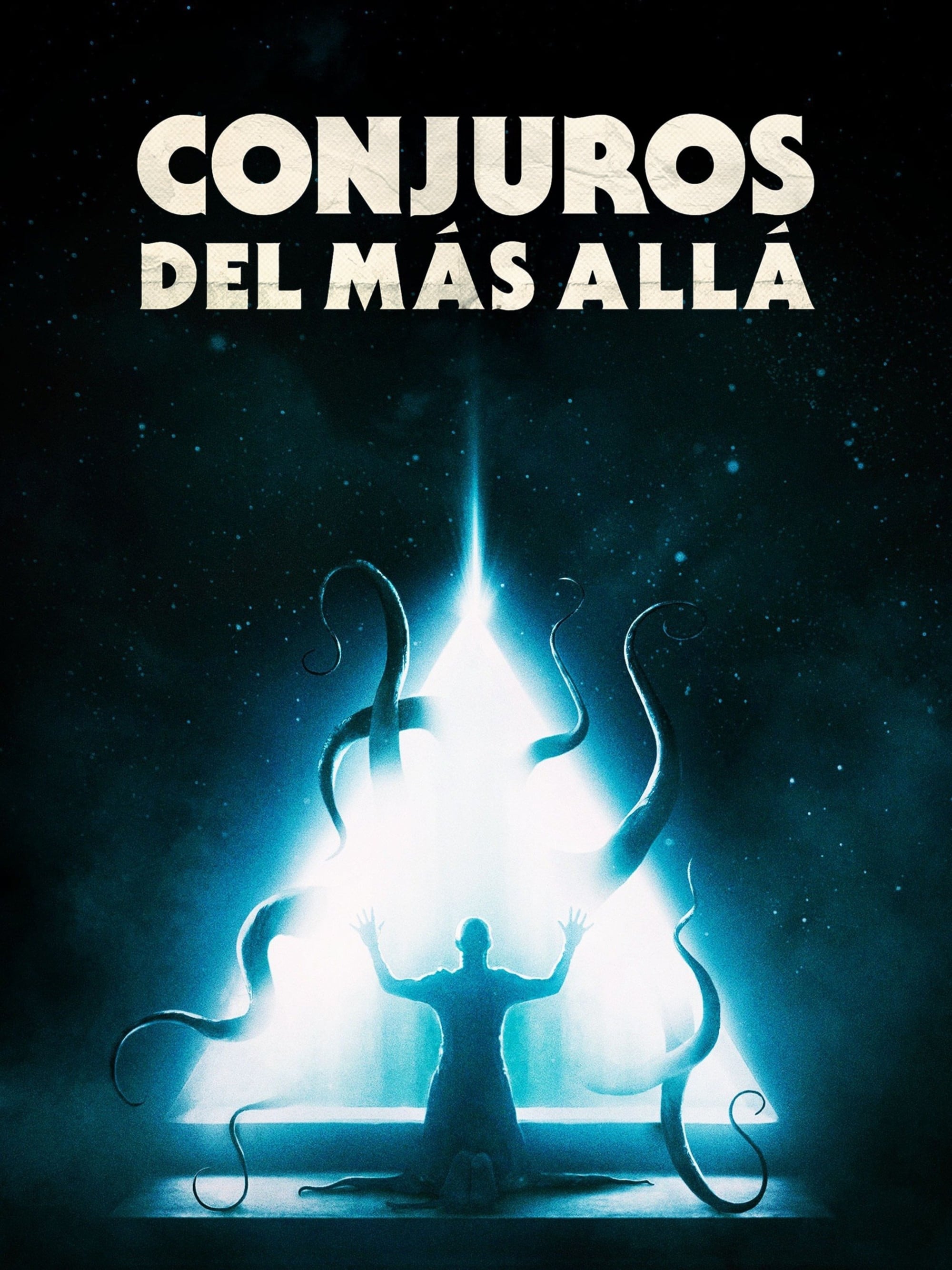
The Void (2016)

CA
HORROR FILM Mystery Science Fiction
8.0/10 3 votes
Runtime
90 min
Release
September 22, 2016
Revenue
$151,042
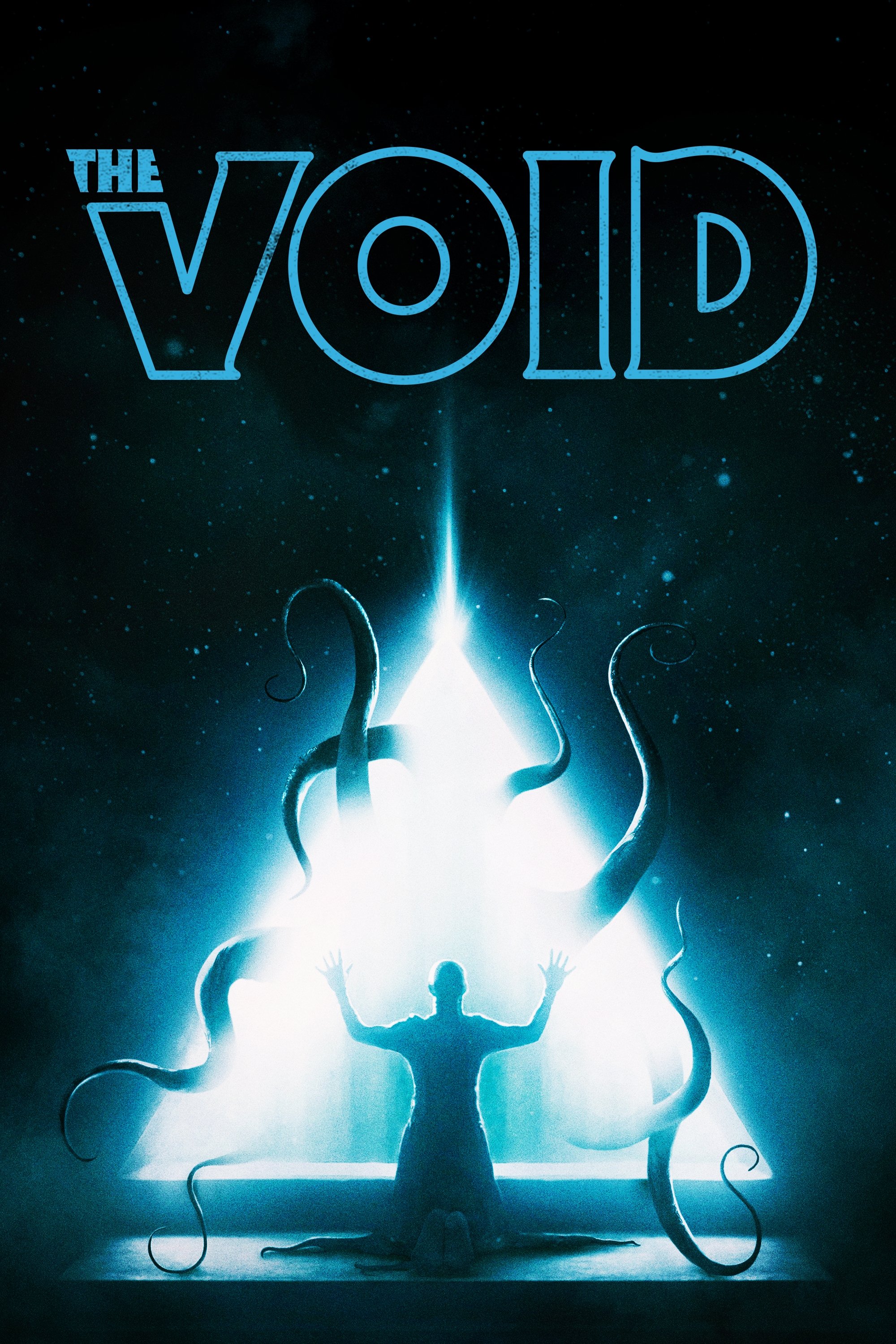
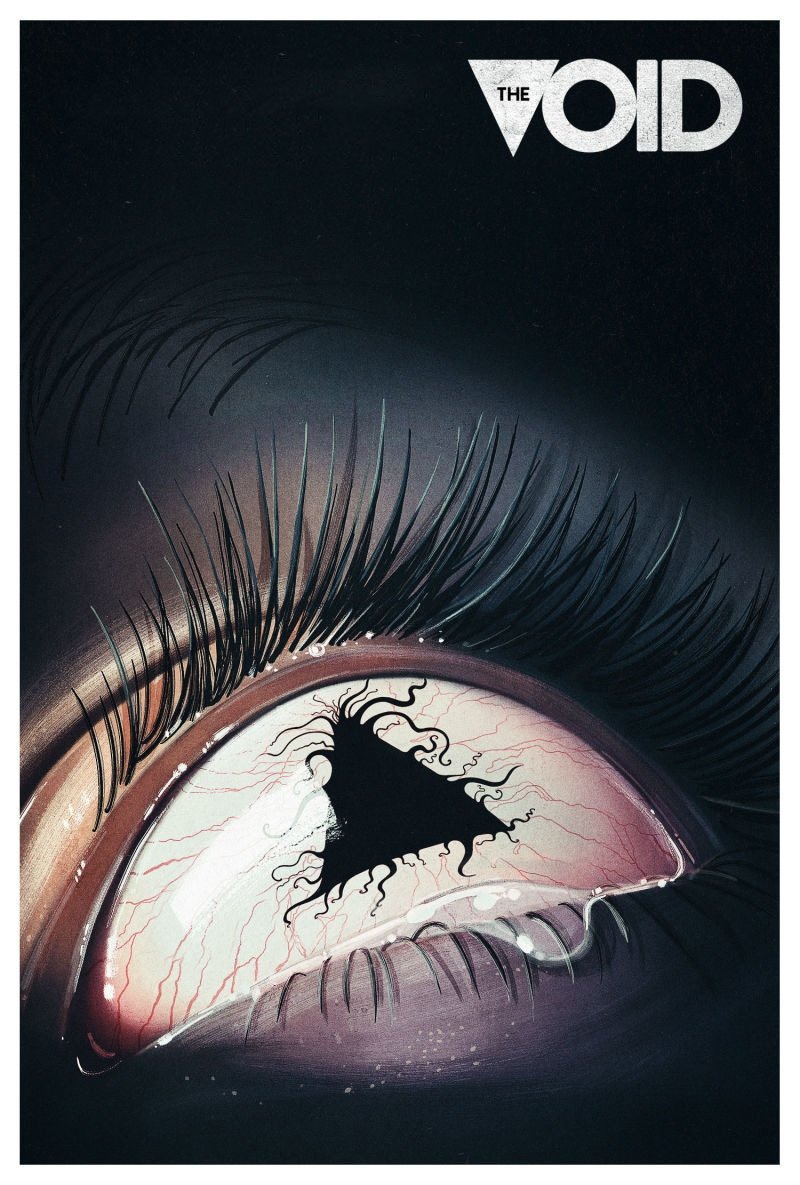
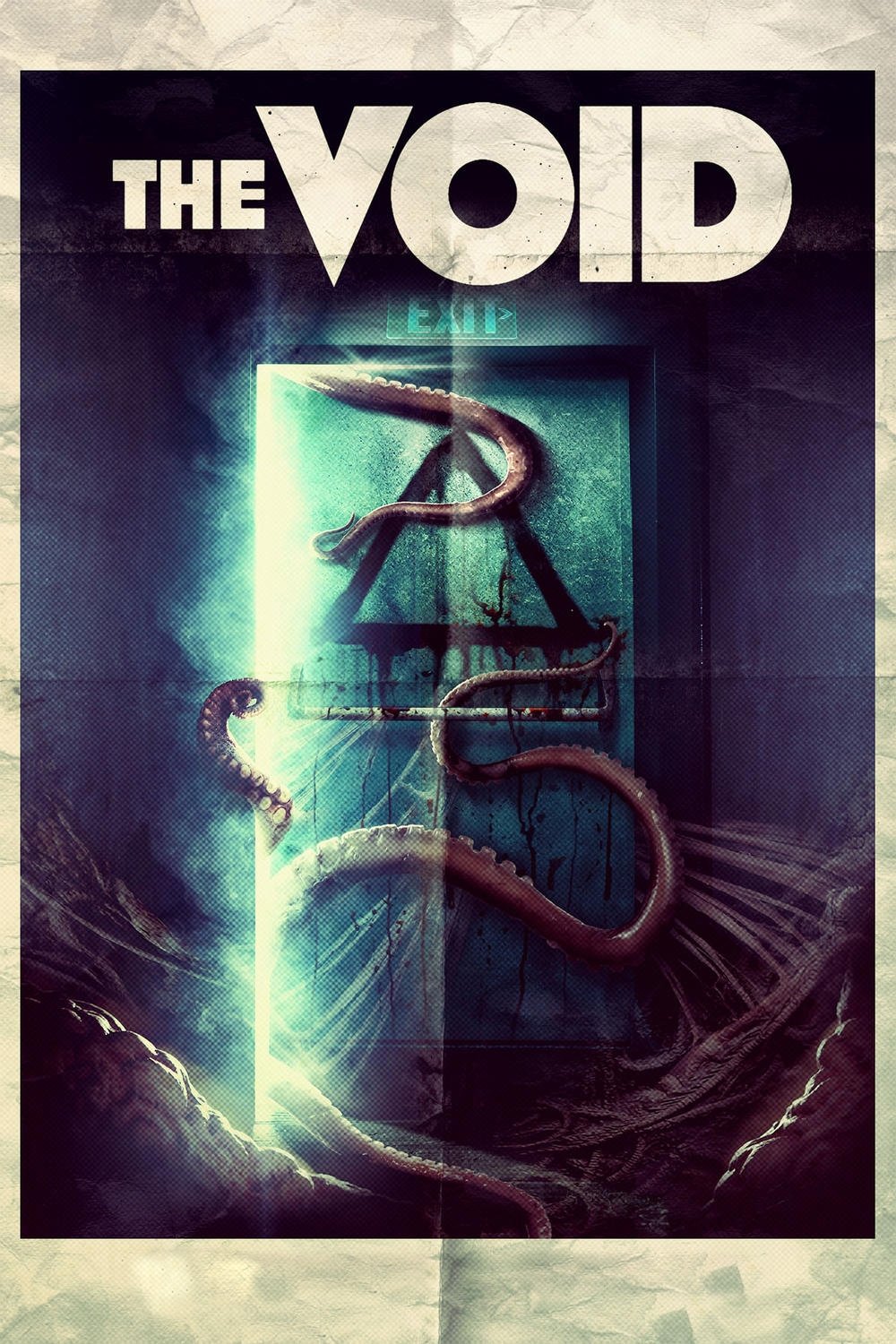
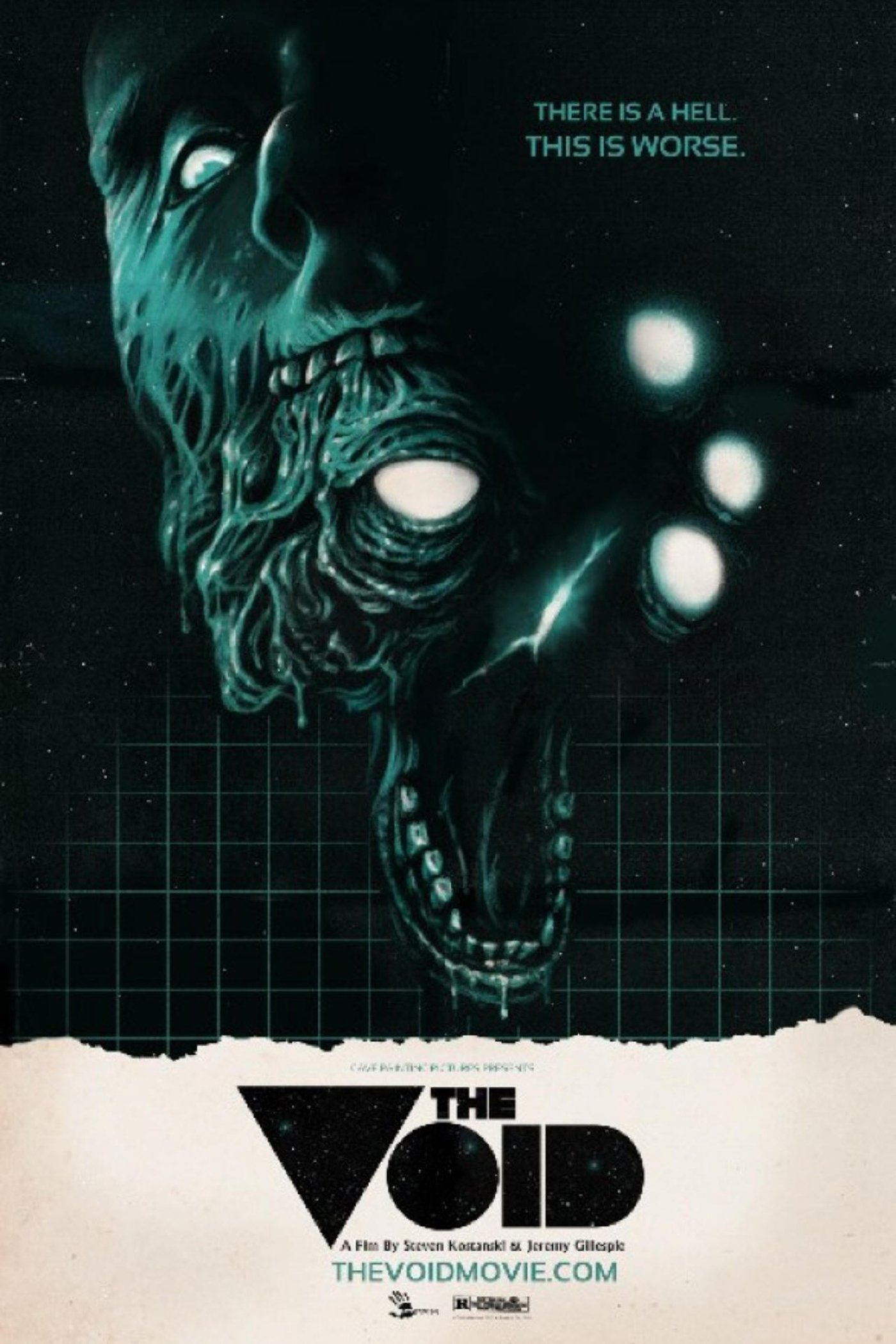
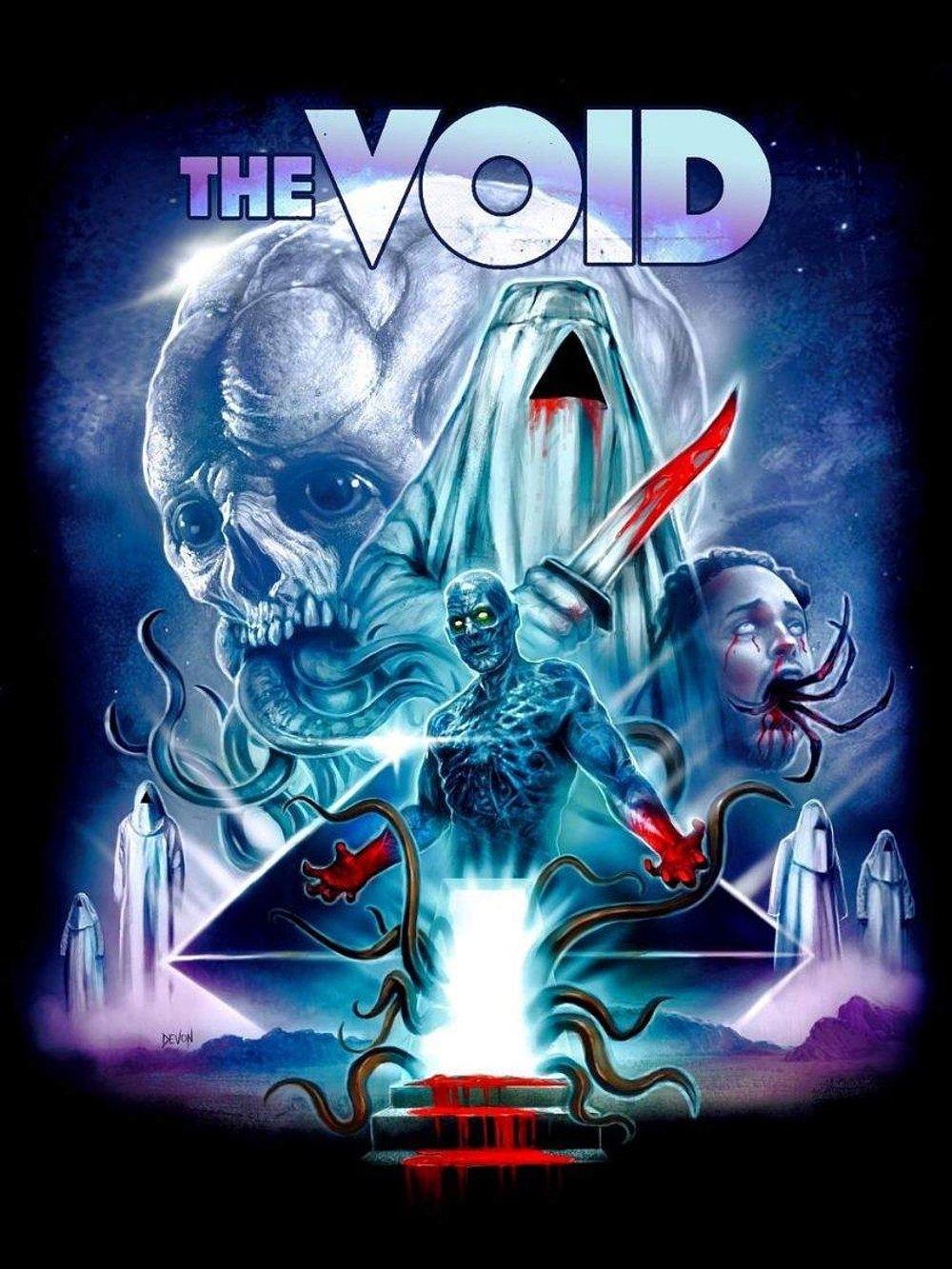
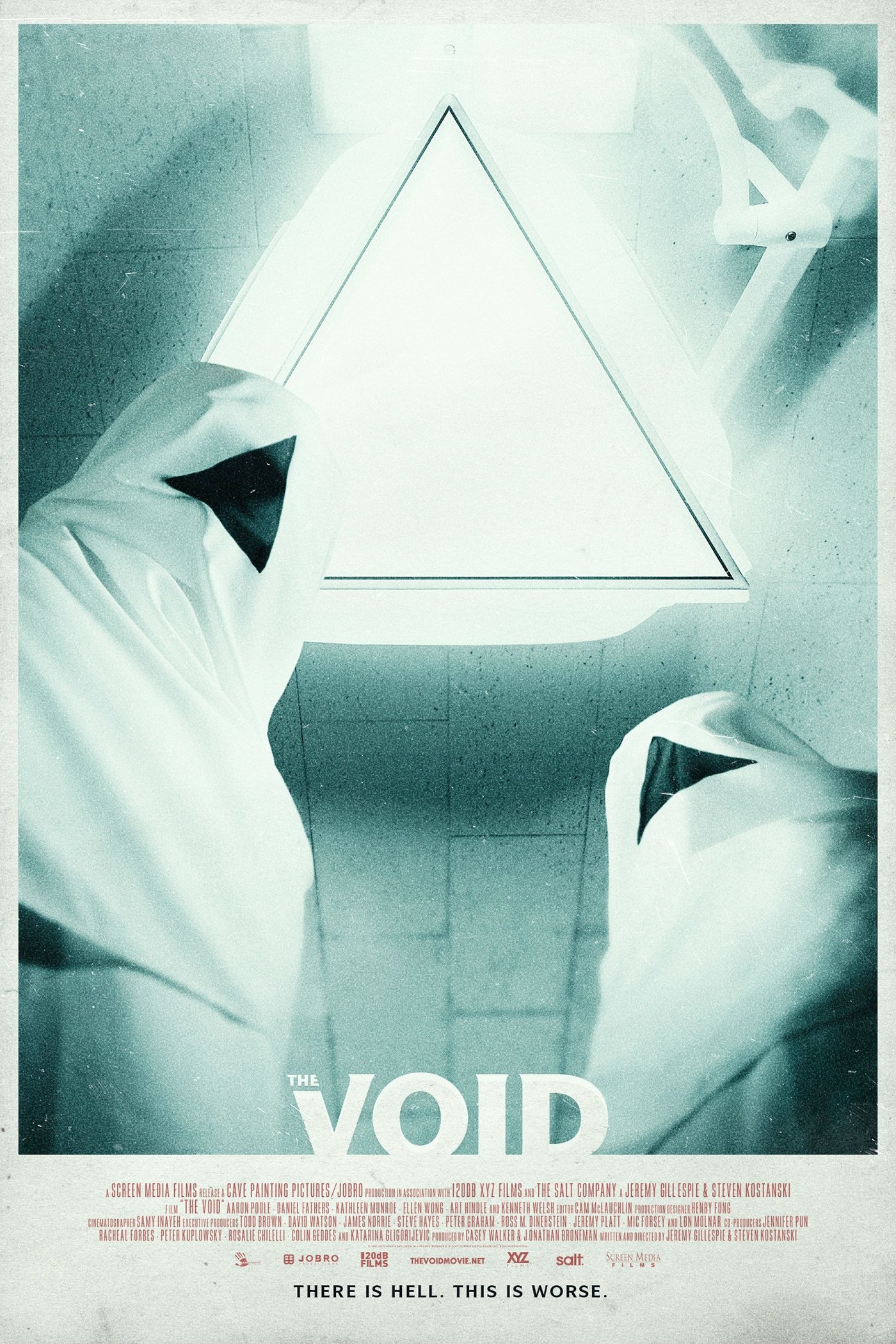
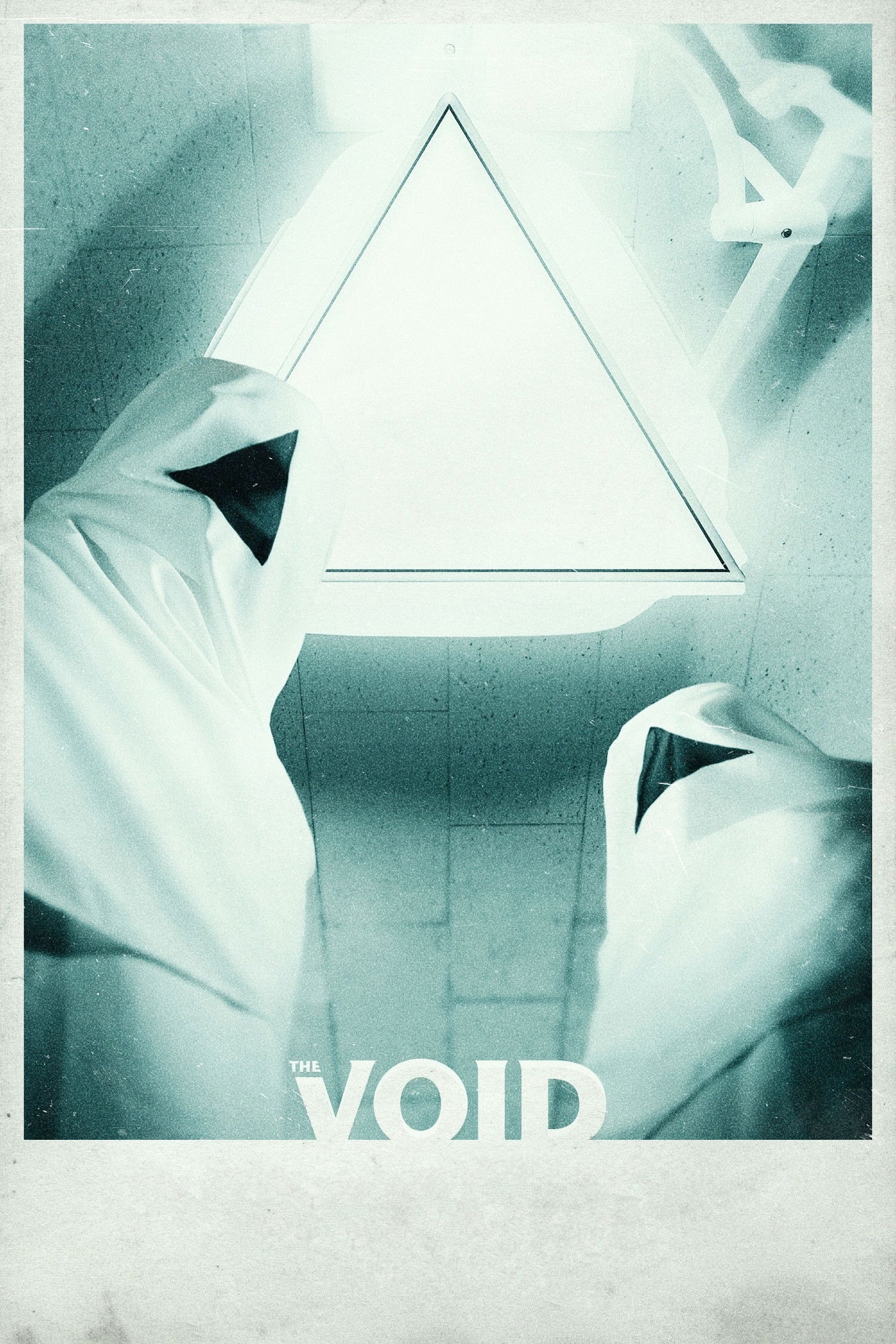
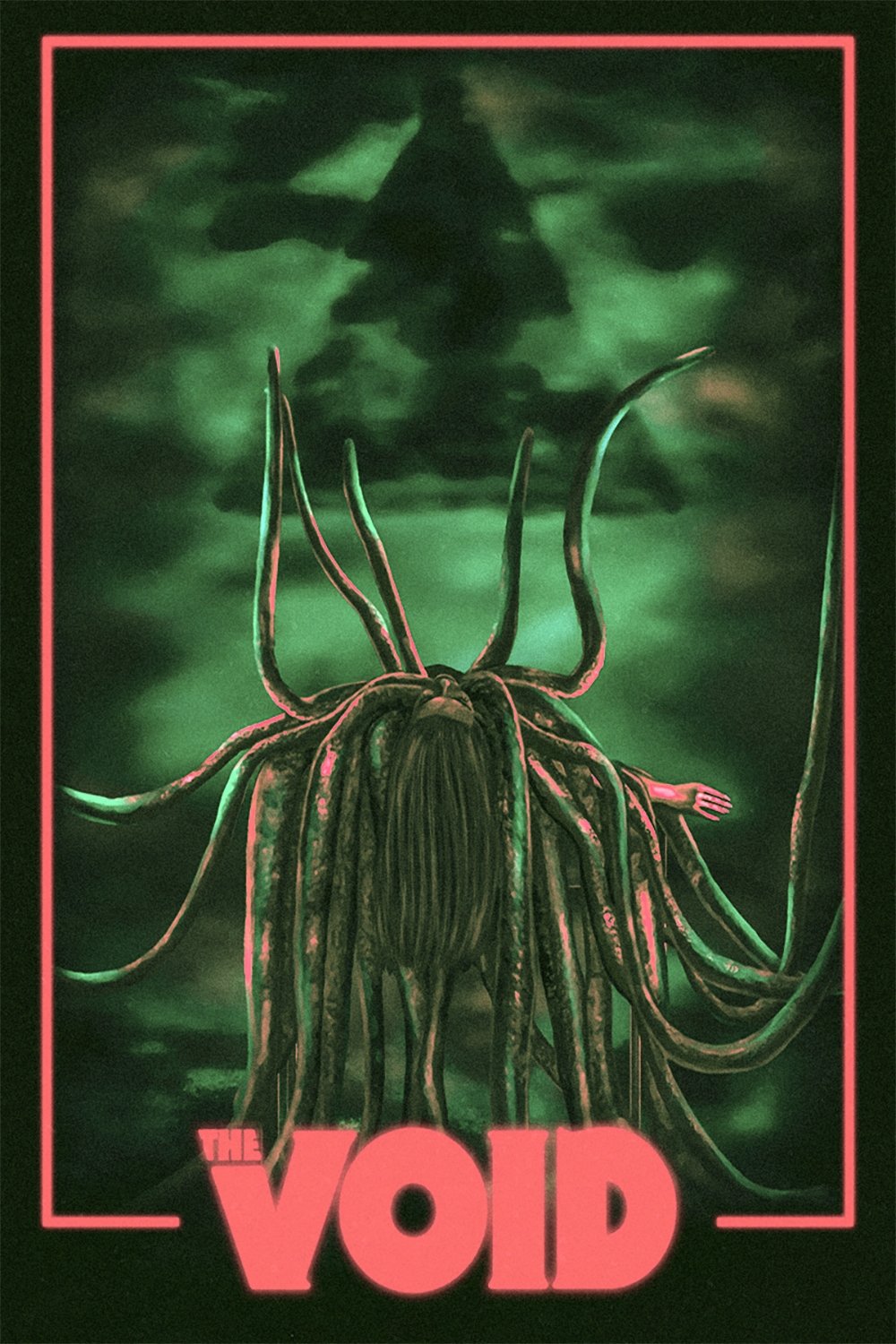
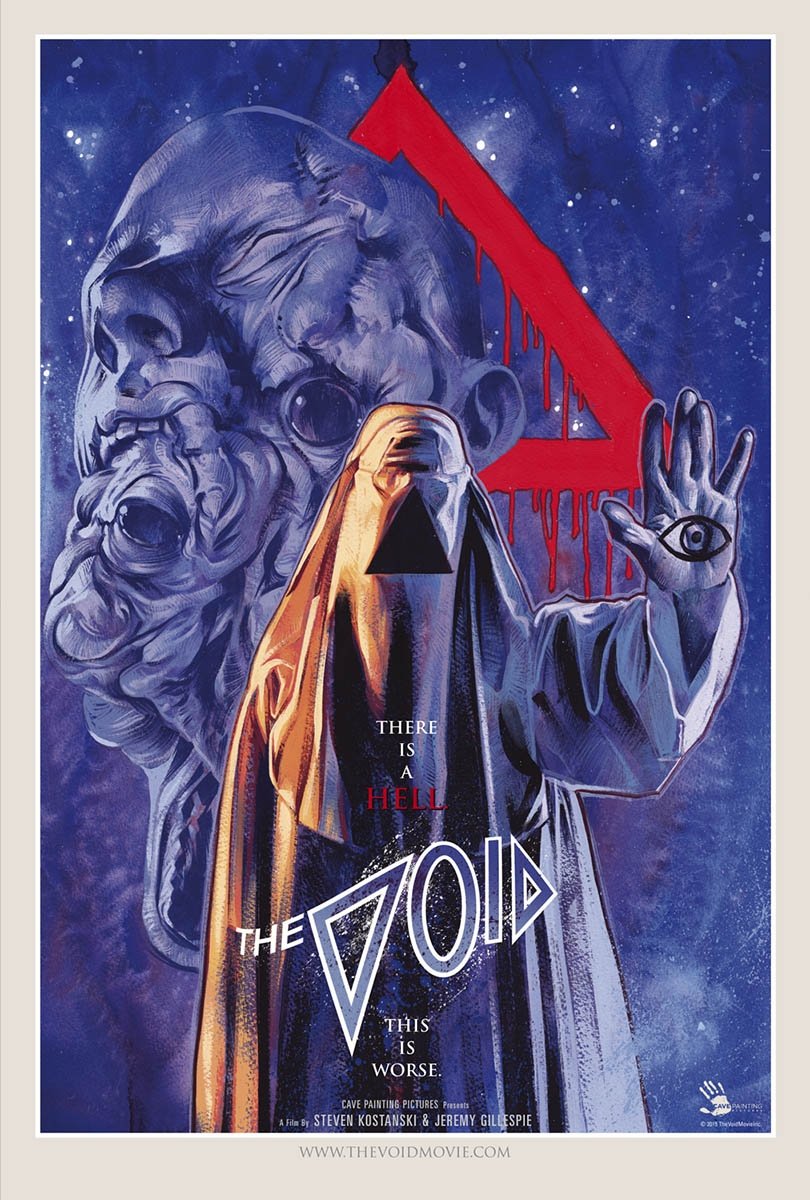
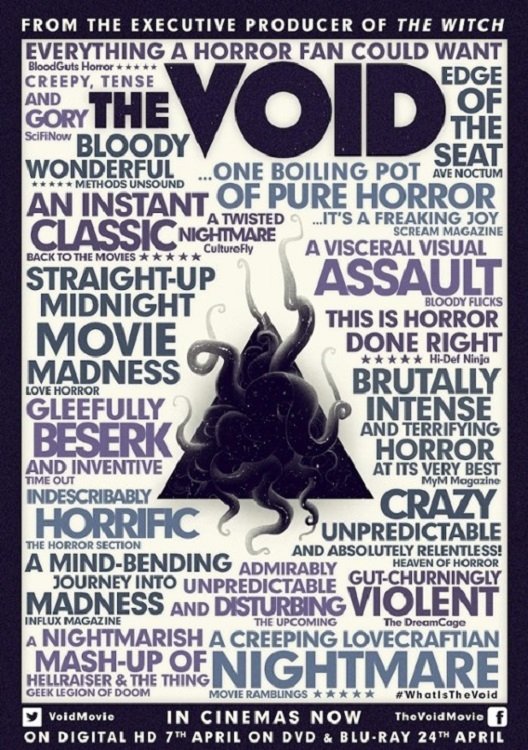
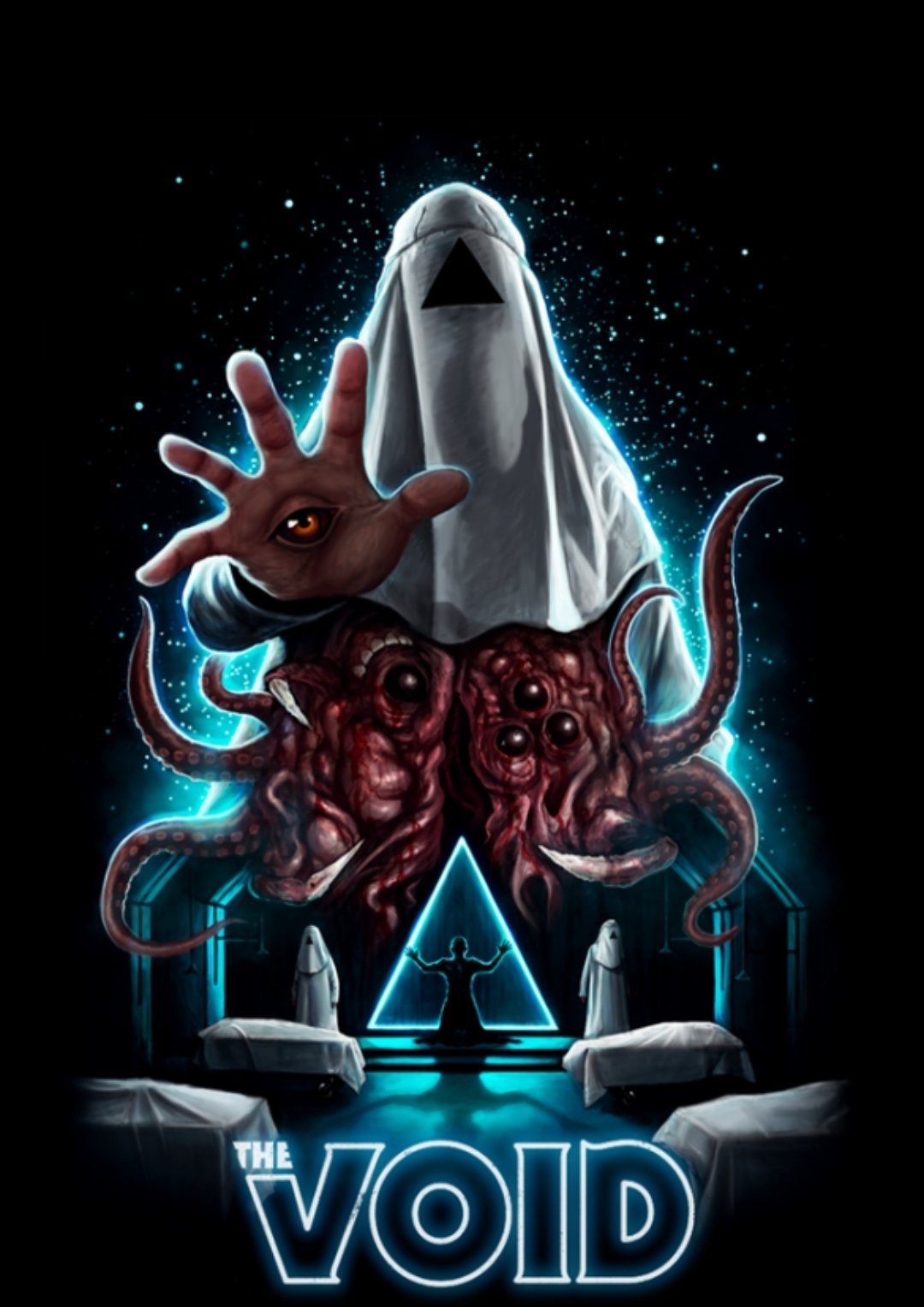
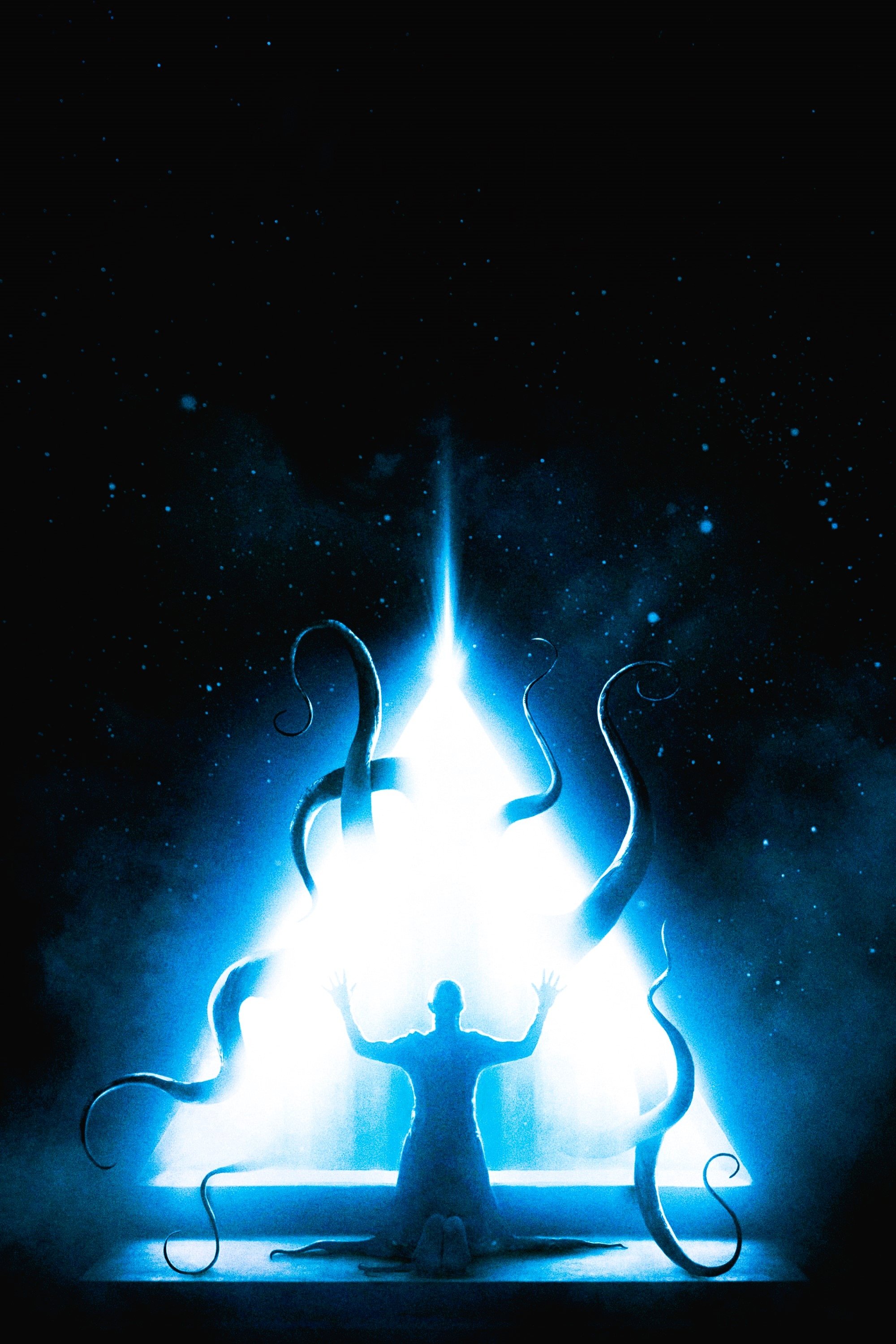
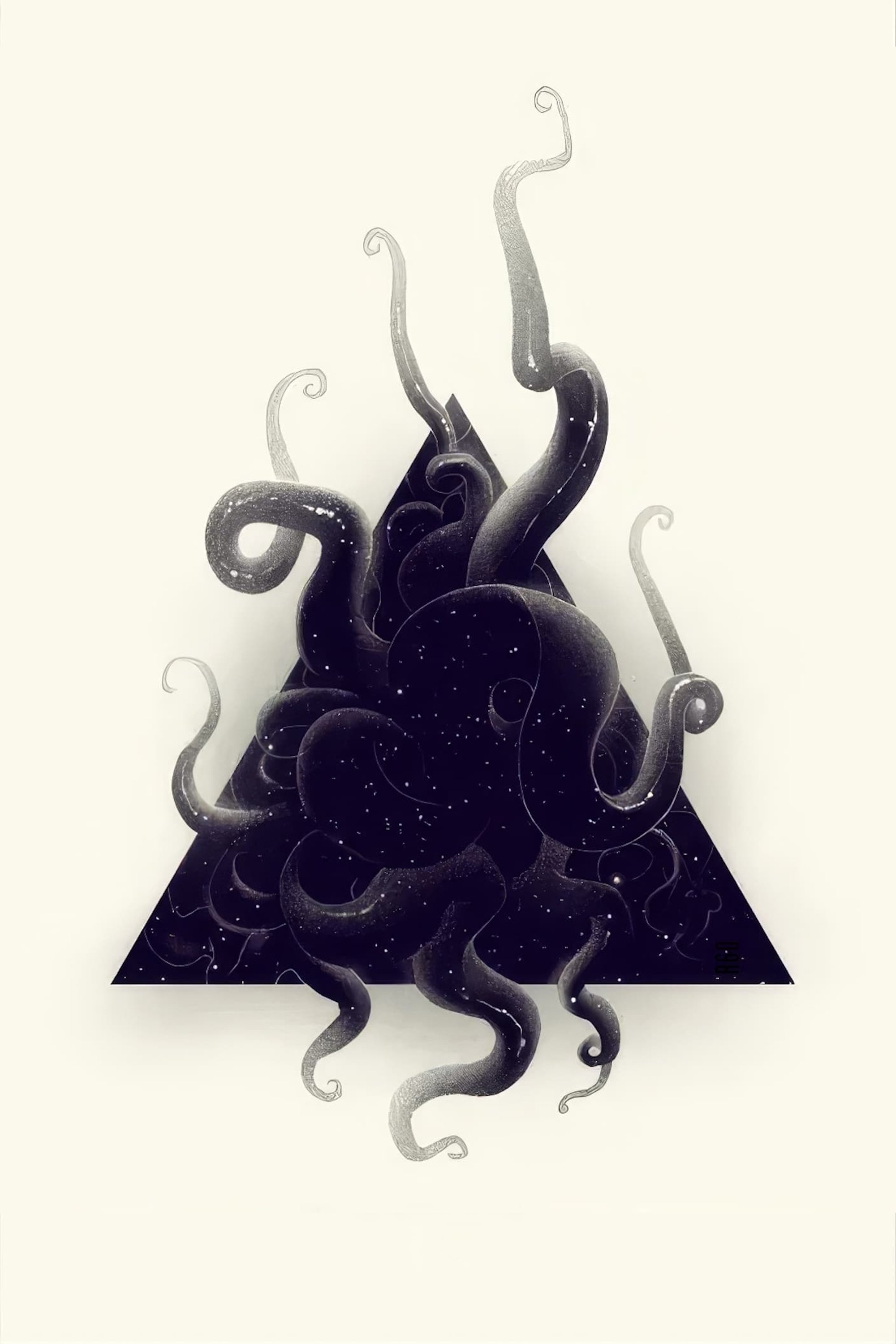
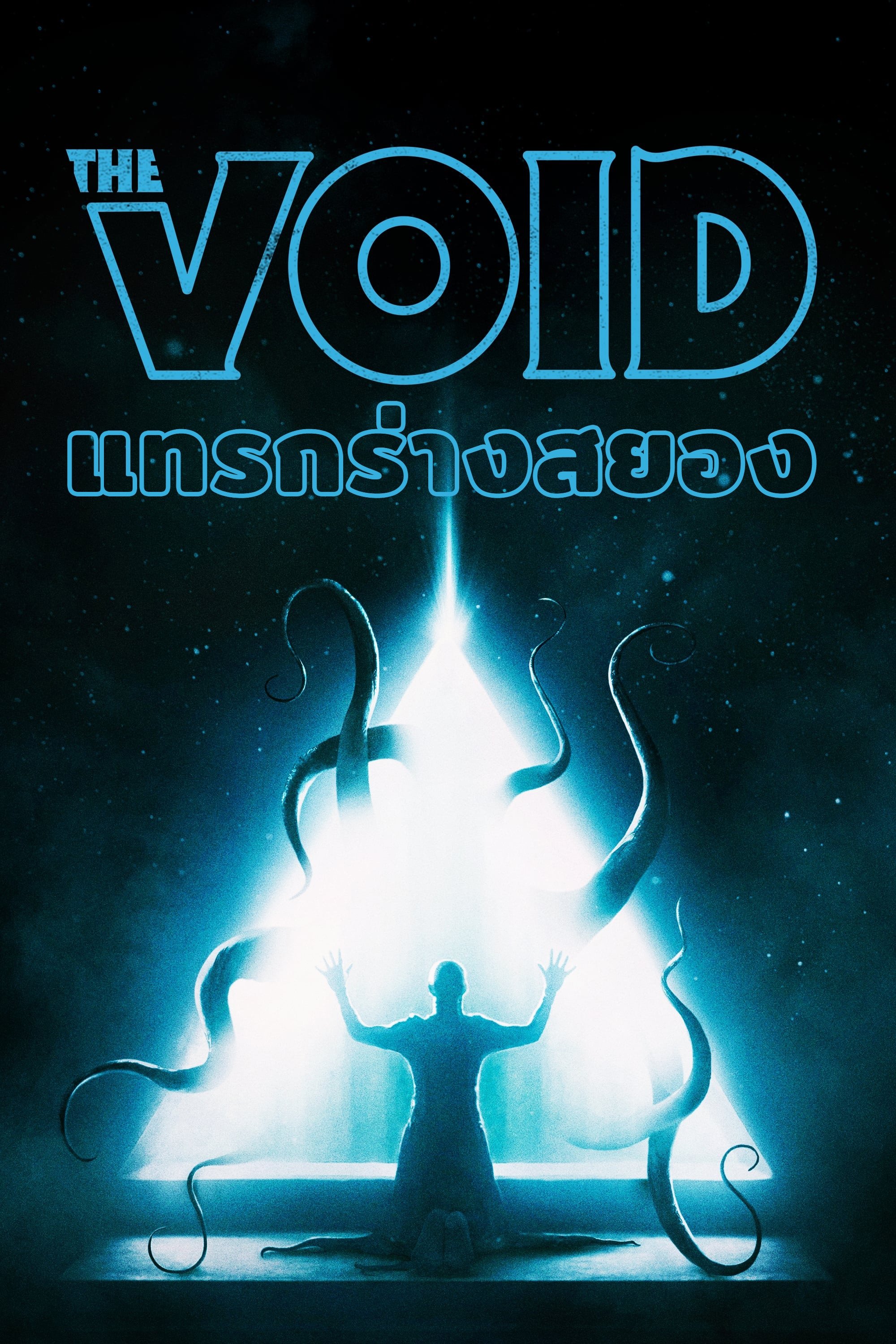
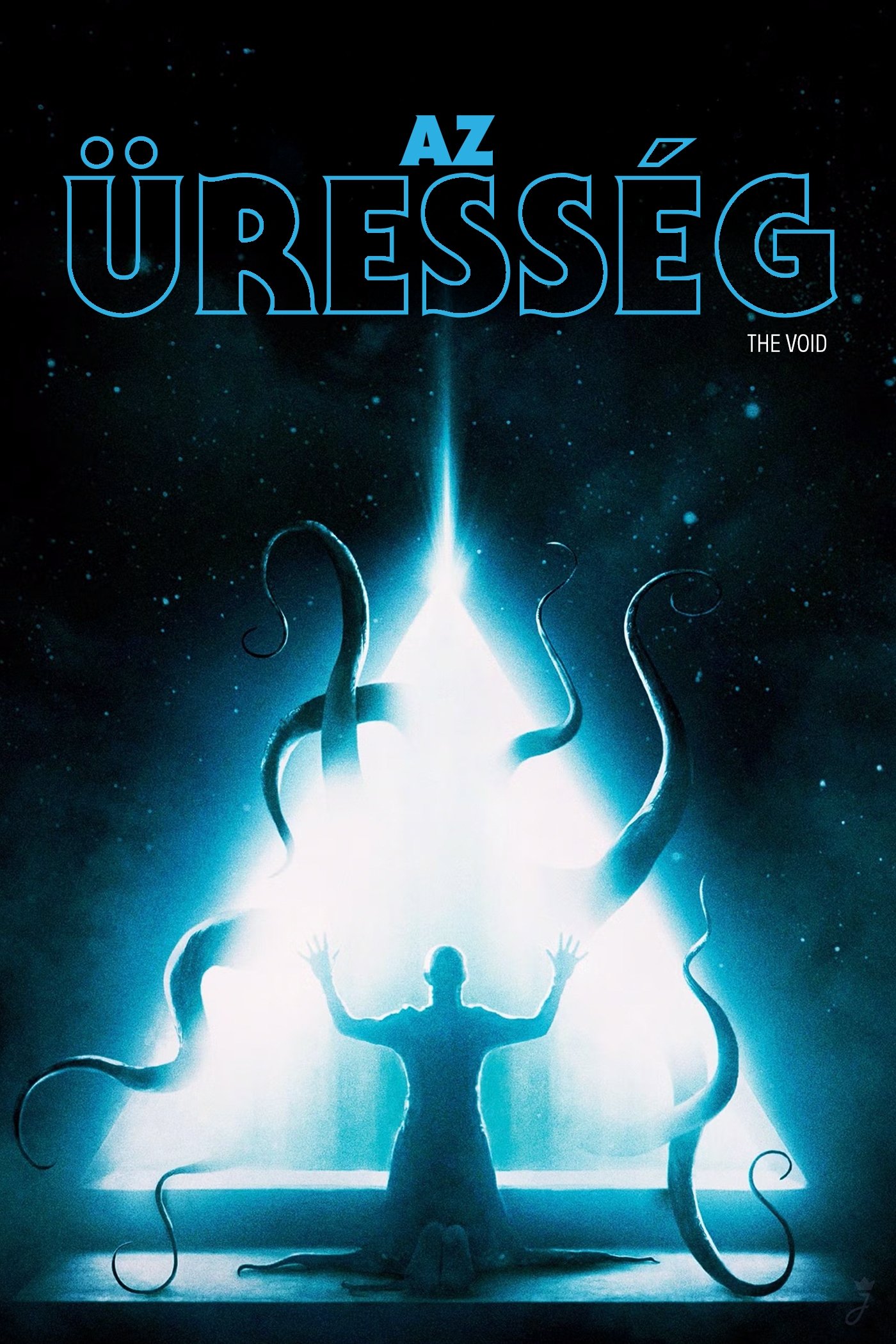
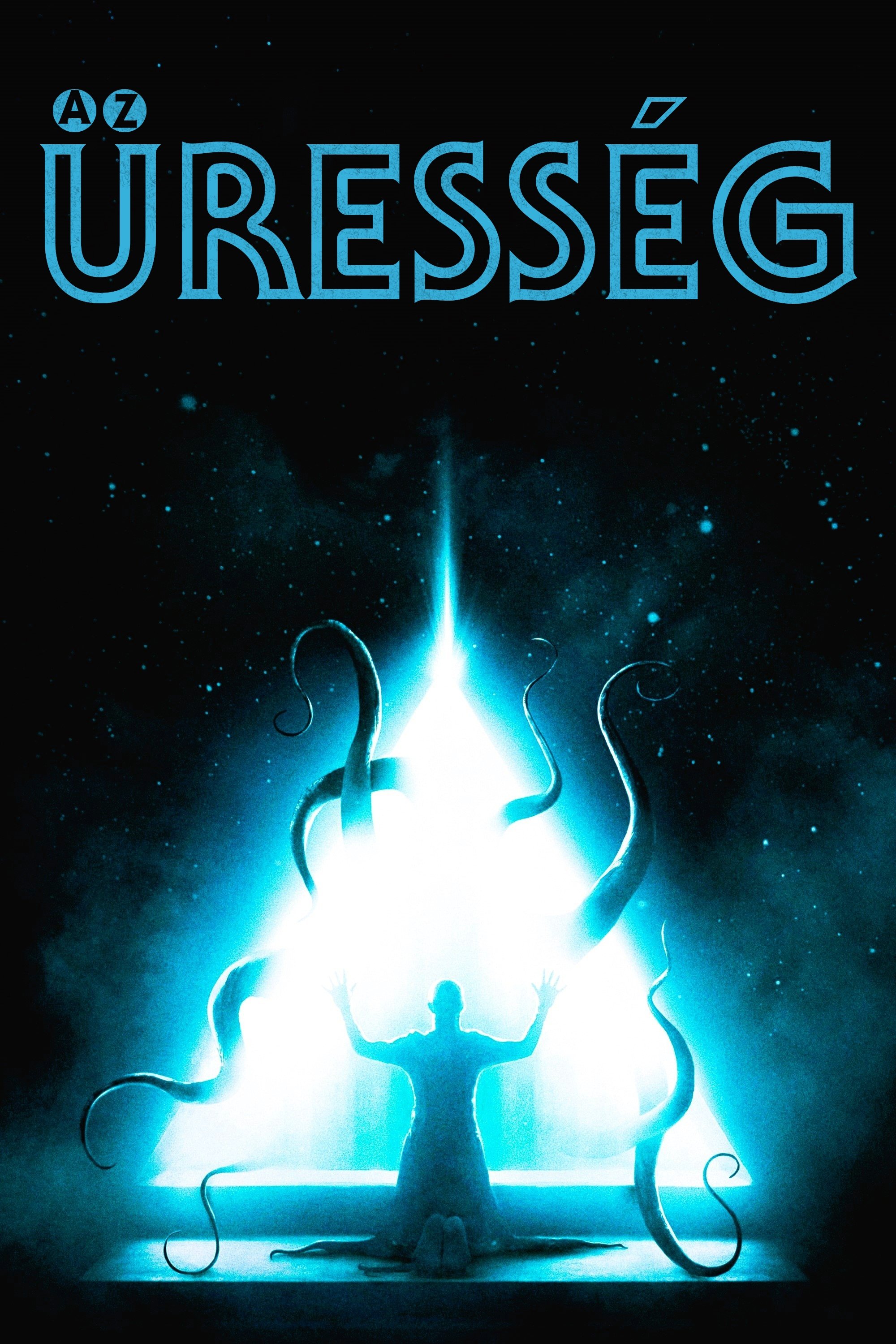
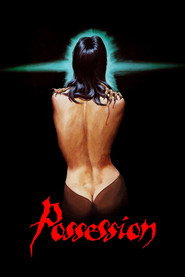
The Void (2016) poster
Production Companies
XYZ Films , 120dB Films , JoBro Productions , Cave Painting Pictures , The Salt Company
Plot

In the middle of a routine patrol, officer Daniel Carter happens upon a blood-soaked figure limping down a deserted stretch of road. He rushes the young man to a nearby rural hospital staffed by a skeleton crew, only to discover that patients and personnel are transforming into something inhuman. As the horror intensifies, Carter leads the other survivors on a hellish voyage into the subterranean depths of the hospital in a desperate bid to end the nightmare before it's too late.

Alternative Titles
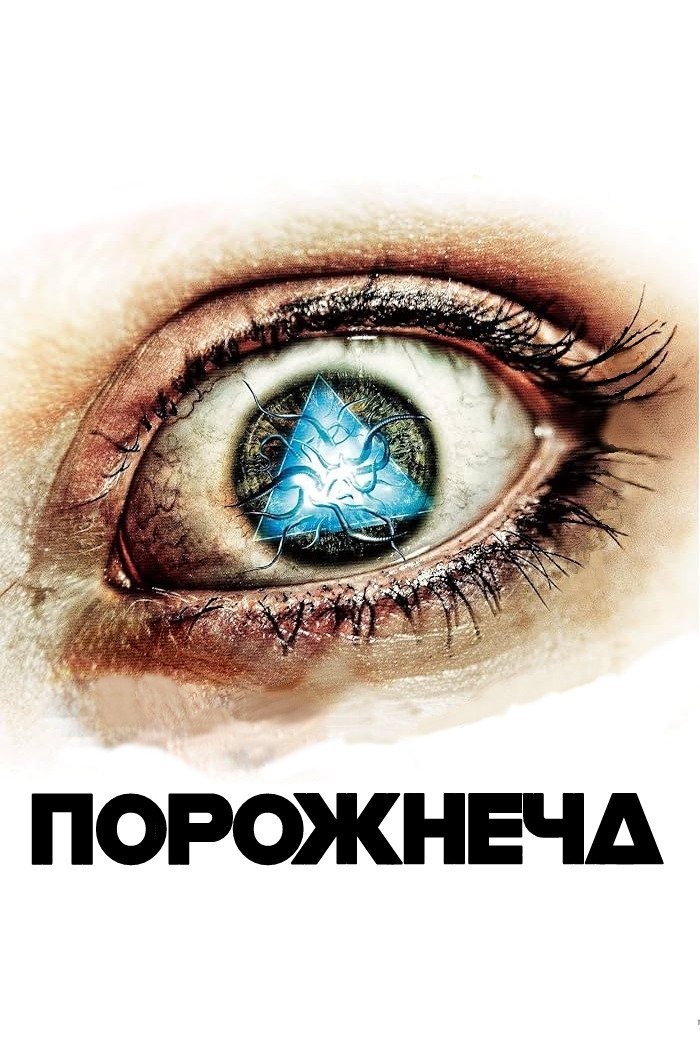
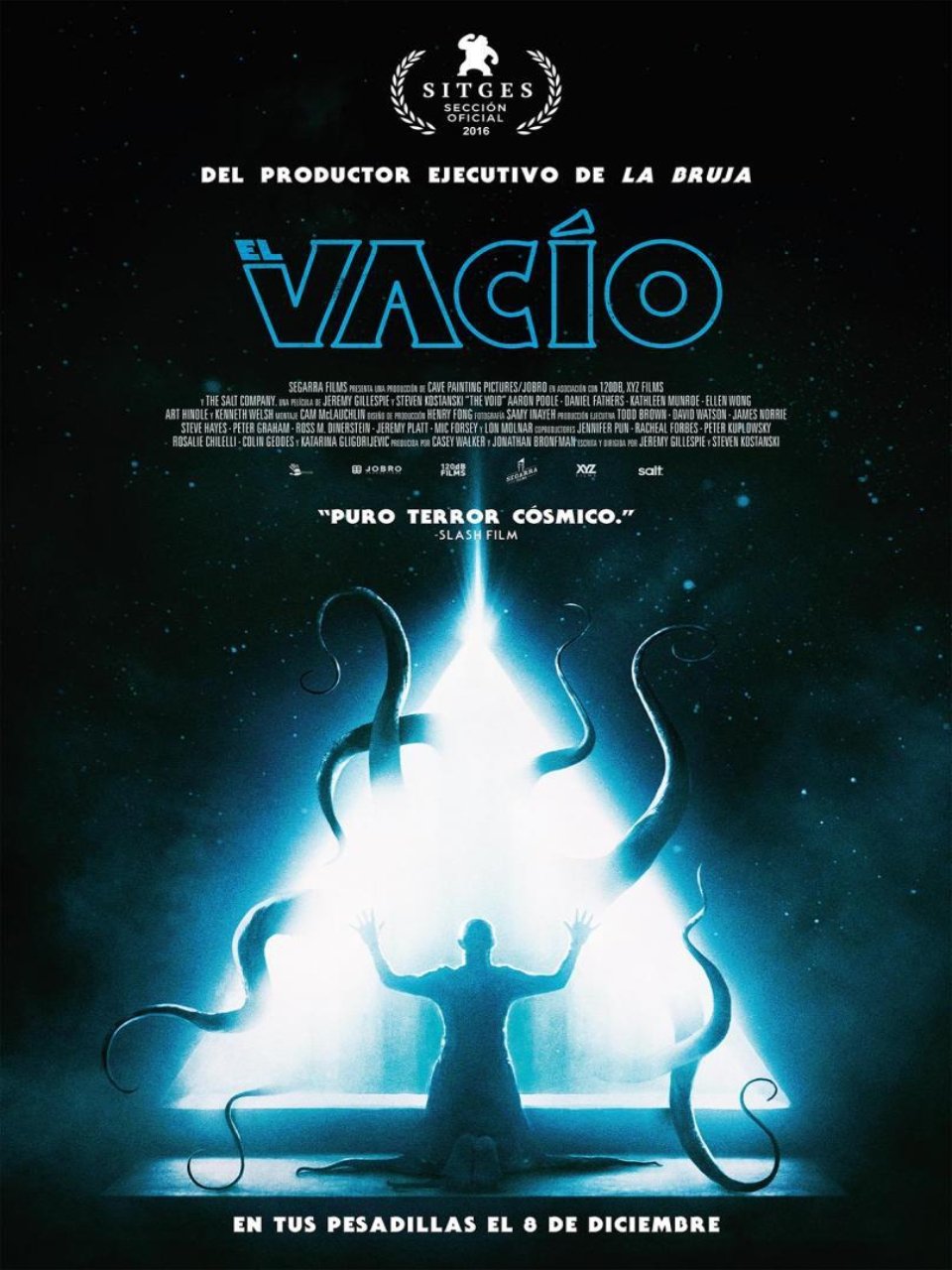
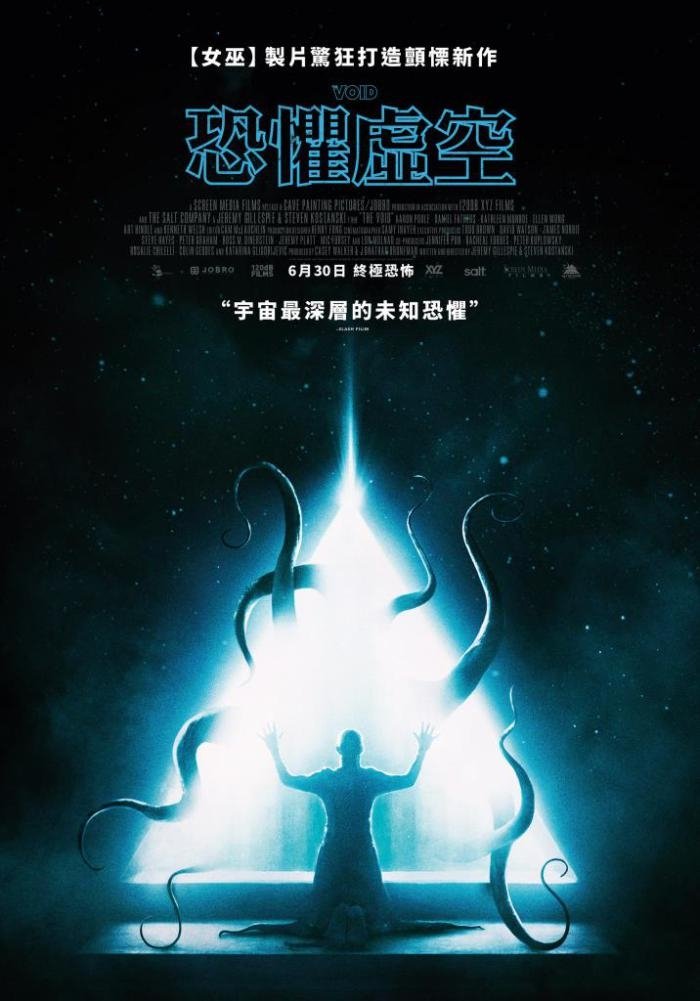
Conjuros del más allá (Argentina) Празнотата (Bulgaria) — Bulgarian A Seita Maligna (Brazil) — Portuguese 虚空异界 (China) Nicota (Czechia) — Czech El vacío (Spain) Το Απόλυτο Κενό (Greece) — Greek 恐懼虛空 (Hong Kong SAR China) — Chinese
Show all 24 alternative titles הריק (Israel) — Hebrew حفره (Iran) خلا (Iran) The Void - Il vuoto (Italy) ザ・ヴォイド 変異世界 (Japan) — Japanese 더 보이드 (South Korea) 살인병동 (South Korea) — Korean Conjuros del más allá (Mexico) — Spanish Pustka (Poland) — Polish Пустота (Russia) — Russian الفراغ (Saudi Arabia) — Arabic แทรกร่างสยอง (Thailand) — Thai Boşluk (Türkiye) — Turkish 恐懼虛空 (Taiwan) — Chinese Порожнеча (Ukraine) — Ukrainian Quái Vật Xúc Tu (Vietnam) — Vietnamese

Trailers & Videos

2 videos

Film Guide & Analysis

A practical-effects-driven descent into cosmic horror, body mutation and unknowable mythology, The Void turned independent production limits into one of its defining aesthetic strengths.

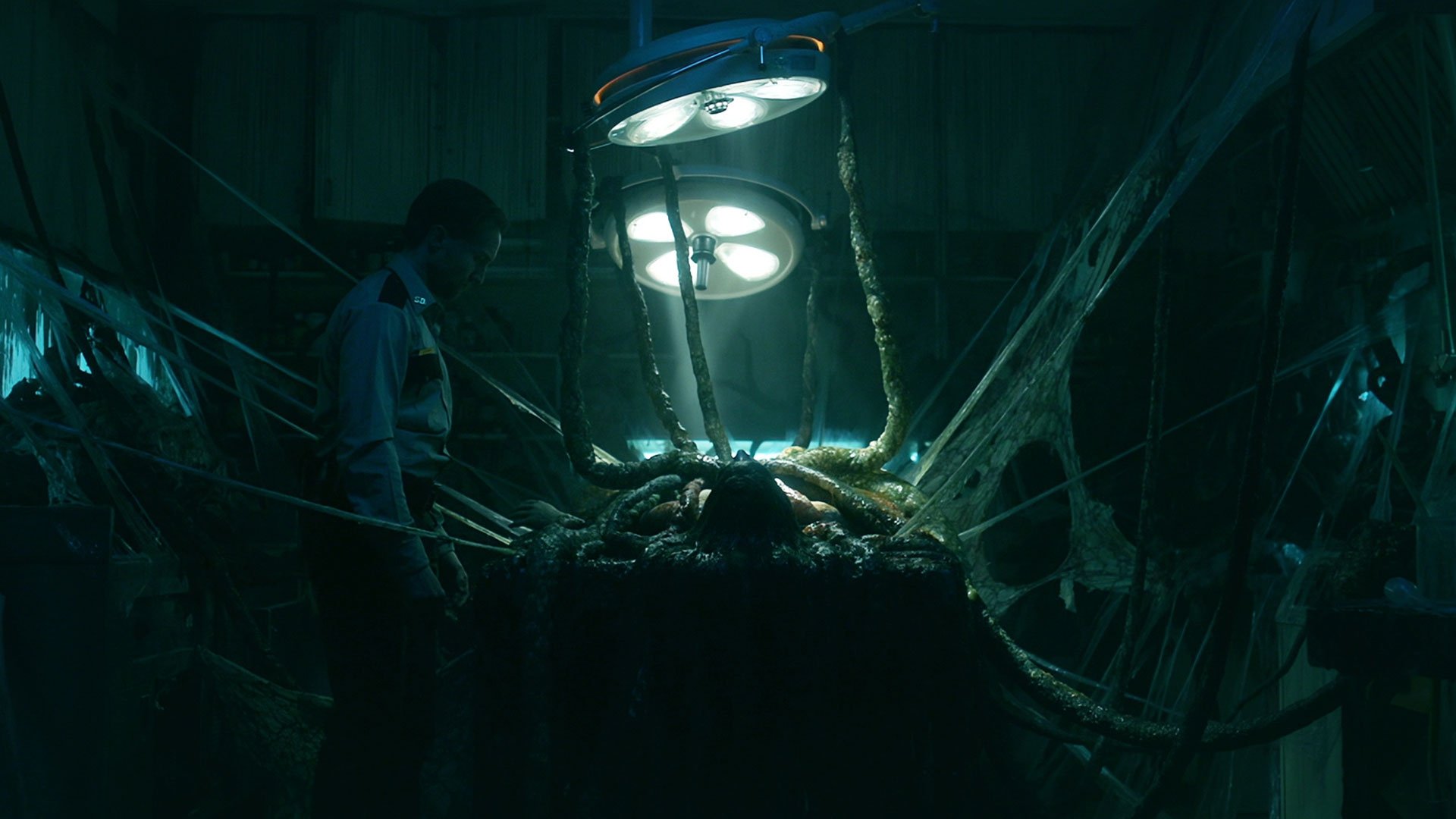
The Void occupies a distinctive place in 2010s independent horror because its scale and ambitions run against the assumptions usually attached to a modestly financed genre film. Written and directed by Jeremy Gillespie and Steven Kostanski, the 2016 Canadian feature begins with the compact architecture of siege horror, gathering a small group of characters inside an isolated hospital, but steadily expands into body horror, occult imagery and cosmic terror. Its creatures, transformations and impossible spaces are not decorative additions to a conventional survival story. They are the mechanisms through which the film moves from physical danger into a world governed by forces that remain deliberately difficult to understand.

The production became especially notable for its commitment to practical creature effects at a time when digital workflows offered independent filmmakers an easier way to postpone complicated visual work until post-production. Gillespie and Kostanski did not approach that choice as an exercise in retro imitation. Their stated aim was to use tactile effects, strange mythology and a serious tone to build a contemporary horror film whose monsters appeared to share physical space with its performers. That combination of material gore and cosmic ambiguity is the central reason The Void has retained a strong identity among modern creature features.

Development and Mythology

The origins of The Void stretch back several years before production. Gillespie and Kostanski have recalled discussing the basic idea around 2011, during a period when both were already active in low-budget filmmaking and effects work. What initially sounded manageable was a contained horror film set around a hospital with a relatively small cast and only a few monsters. During development, however, that framework grew increasingly elaborate. The filmmakers became more interested in constructing a mythology that could suggest a larger reality beyond the immediate story rather than reducing the film to a straightforward creature siege.

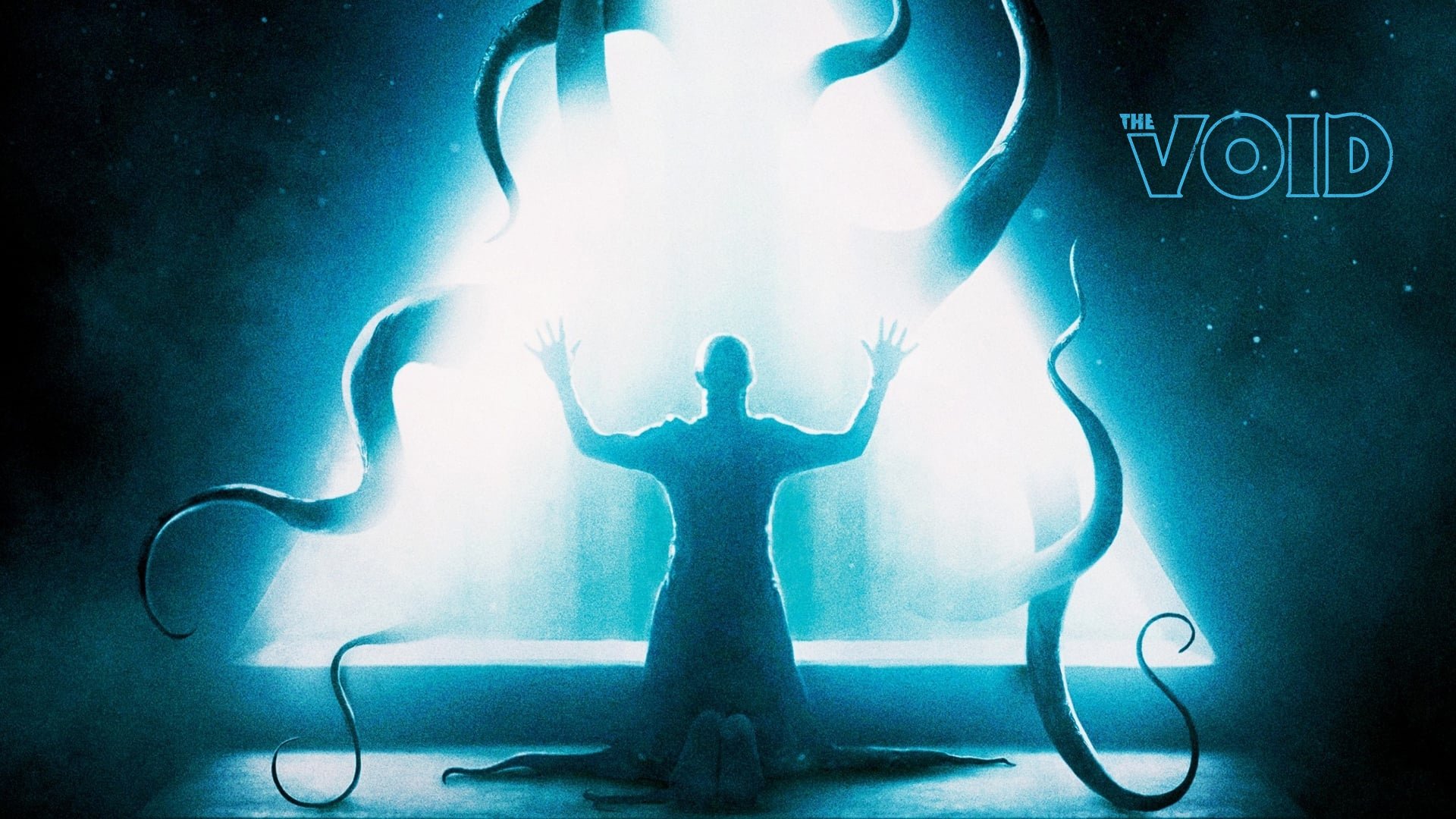
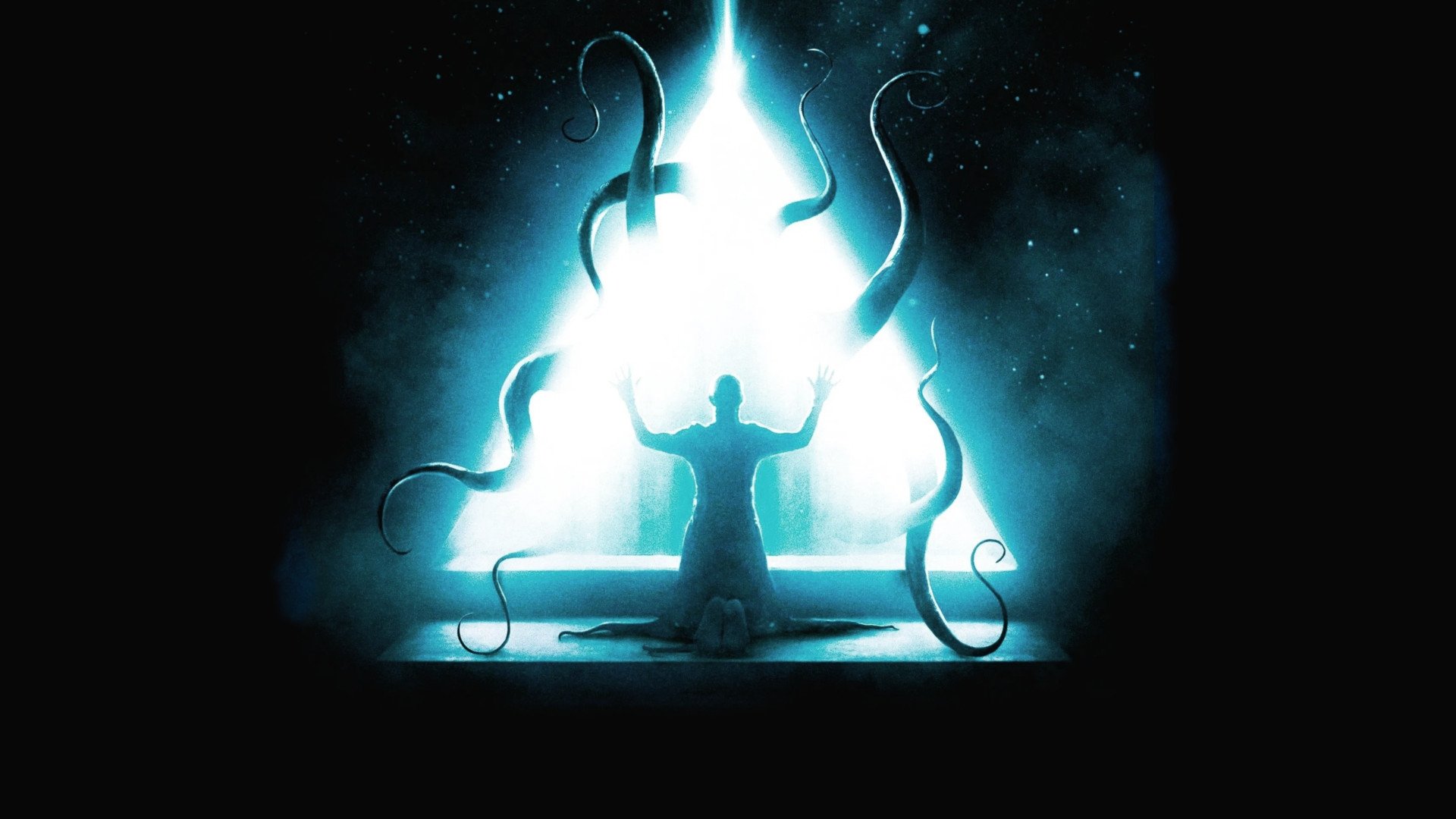
One of the formative images was the simple triangular symbol that recurs throughout the film. Gillespie later explained that, while working at Pinewood, he had heard Guillermo del Toro discussing his unrealized version of At the Mountains of Madness and the possibility of presenting Lovecraftian material in a way audiences had not previously seen. The encounter was indirect rather than a collaboration, but Gillespie described it as a stimulus that pushed his imagination toward unfamiliar imagery. The triangle and pyramid motifs developed from that impulse and were intentionally left open to interpretation rather than assigned a complete on-screen theology.

That refusal to explain everything became structural. Gillespie and Kostanski wanted viewers to feel that a coherent mythology existed behind the events without receiving a complete manual for it. They repeatedly described the fear of the unknown as essential to the project. Prince of Darkness was one recurring reference in their discussions, while the broader pool of influences extended through weird fiction, early Silent Hill games and films such as Alien, Jacob's Ladder, Phantasm and The Keep. The result was conceived not as an adaptation of H. P. Lovecraft, but as an attempt to reproduce the uncertainty and scale associated with cosmic horror.

Practical Effects and Creature Work

The creature effects were fundamental enough to the project that the filmmakers turned to crowdfunding specifically to expand the resources available for them. The Indiegogo campaign raised $82,510, exceeding its original target. The production itself was financed through more conventional channels; the crowdfunding money was intended to give the effects team something equally valuable, additional preparation time. The campaign openly argued that independent productions often obtain financing so close to principal photography that ambitious physical effects become difficult to design and construct before cameras roll.

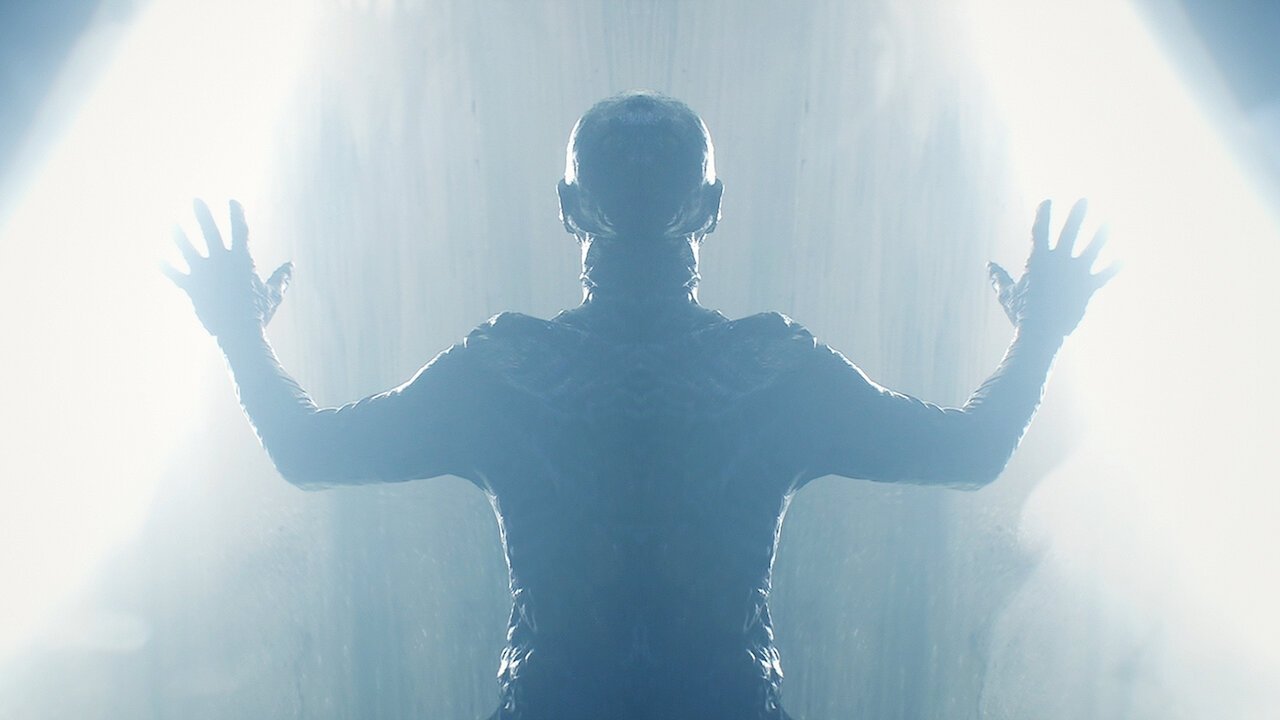
Kostanski brought extensive practical-effects experience to the film, and the campaign cited creature-driven work such as The Fly and the 1988 version of The Blob, along with artists including H. R. Giger and Silent Hill designer Masahiro Ito, as reference points for the level of invention being pursued. The intention was not merely to reproduce familiar monsters. Bodies split, mutate and reorganize in ways that make human anatomy appear unstable, allowing the effects themselves to express the central horror of a universe in which physical identity can no longer be trusted.

The filmmakers have been careful about the frequently repeated claim that The Void is simply an all-practical production. They described the creatures themselves as physical creations photographed on set, while digital work was also used for repairs, enhancements and other less visible tasks. This distinction matters because their philosophy was not based on rejecting computer imagery as a matter of principle. They argued instead that a creature benefits from occupying the same space as the actors, receiving the same light and giving performers something tangible to confront. Digital and practical techniques were treated as tools, with physical construction chosen whenever it produced the stronger result.

Location, Design and Visual Strategy

The production environment forced the filmmakers to improvise. The Void was originally expected to use a decommissioned hospital in Sault Ste. Marie, Ontario, a location whose existing deterioration would have required relatively little transformation. Delays in financing changed the situation. By the time production was ready to proceed, health concerns had made the building inaccessible, forcing the crew to abandon the location and convert a nearby disused school into the hospital seen in the film. Gillespie described the switch as one more complication in a production already constrained by money and schedule.

That limitation ultimately contributed to the visual character of the hospital. The filmmakers worked with the worn surfaces and existing materials available around them. Gillespie later said that almost all of the set dressing came from the locations themselves. The aim was a small-town environment without an aggressively defined period, helping the setting feel disconnected from a precise moment in time. Fluorescent corridors, empty rooms and institutional decay provide a recognizably ordinary base from which the film can move toward spaces that no longer obey the same physical rules.

The production also benefited from the professional networks of its directors. Gillespie and Kostanski were simultaneously involved with large-scale film work in Ontario, including Suicide Squad, and personnel from that production joined the creature-effects team on The Void. This mixture of independent resourcefulness and professional effects experience is visible throughout the film. Its visual ambition frequently exceeds what its production circumstances would suggest, but the roughness of the environments is never completely hidden. Instead, worn locations and handmade creatures belong to the same tactile world.

Cosmic Horror and Ambiguity

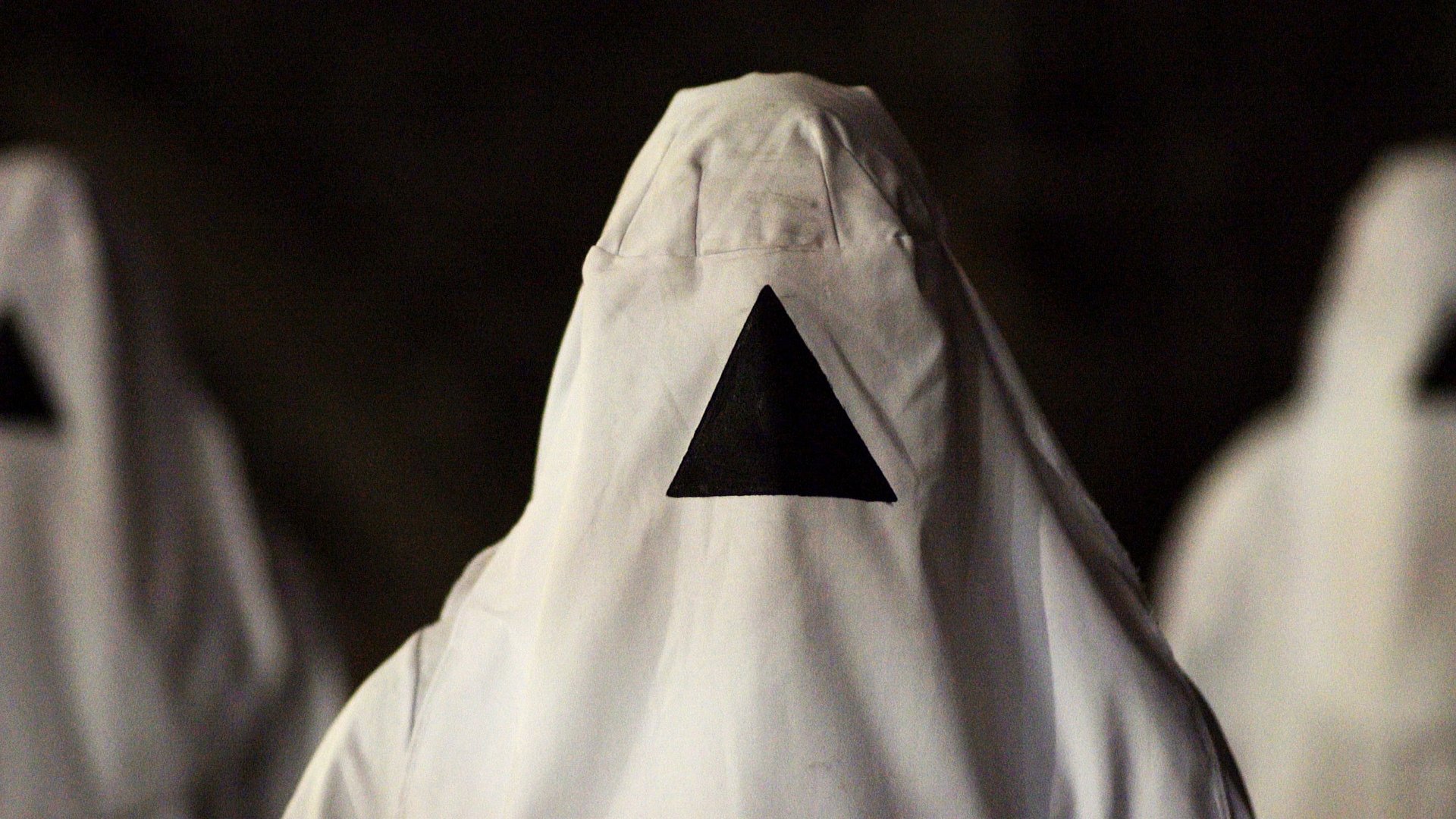
The Void gradually shifts the source of fear away from the immediate threats surrounding the hospital. The white-robed figures outside are visually simple, almost anonymous, while the transformations inside become progressively more elaborate. Both point toward something larger that remains beyond normal explanation. The film avoids establishing a detailed hierarchy for its cult or translating its supernatural system into fixed rules. Gillespie said that the filmmakers wanted the audience to occupy roughly the same position as the characters, receiving enough fragments to sense intention without gaining complete access to the truth behind them.

This approach distinguishes the film from horror that uses Lovecraftian imagery primarily as a recognizable collection of tentacles, forbidden books or named entities. Gillespie and Kostanski were interested in weird fiction more broadly and in the sensation created when a story commits to a bizarre mythology without fully decoding it. The expanding spaces beneath the hospital, the recurring geometry and the biological transformations suggest that normal reality is only a surface layer. Human bodies can be rewritten and familiar architecture can open onto environments that appear impossible, making the loss of physical certainty inseparable from the loss of intellectual certainty.

The filmmakers also resisted descriptions of The Void as an exercise in 1980s nostalgia. They acknowledged the importance of films and artists associated with that period, but Gillespie argued that practical effects should not automatically be treated as an outdated technique. Their references were broader than any single decade, extending to literature, games, sound and films outside horror. This helps explain why the movie can evoke The Thing, Hellraiser or Prince of Darkness without structuring itself as a direct recreation of any of them. Its most important connection to earlier genre cinema lies in the willingness to make its mythology stranger as the story progresses.

Release and Critical Reception

The Void received its world premiere at Fantastic Fest on September 22, 2016, bringing a project that had taken years to develop back to the festival environment where its earliest ideas had been discussed. It subsequently continued through genre festivals including Toronto After Dark before Screen Media Films released it theatrically in the United States on April 7, 2017. The festival exposure was particularly suited to a film whose practical-effects campaign had already created awareness among horror audiences before its commercial release.

Contemporary critical response was generally favorable but far from unanimous. Metacritic recorded a score of 62 from fourteen reviews. The practical creatures, gore and visual ambition were repeatedly singled out even by critics who were less convinced by the characterization or narrative. Variety considered the film overloaded with fantastic-cinema ideas but also noted that its weaknesses were not the result of conventional formula, while The Hollywood Reporter expected it to find a receptive genre audience even if its broader crossover potential was limited. Other reviews were harsher about the plotting while still treating the effects as the primary attraction.

That split is useful when considering the place of The Void within modern horror. Its reputation rests less on narrative polish than on the scale of what Gillespie, Kostanski and their collaborators attempted within independent production limits. The film arrived during renewed discussion of practical creature work, but its lasting horror interest comes from combining that craftsmanship with cosmic uncertainty rather than presenting the effects as an isolated technical demonstration. The monsters matter because they are evidence of a reality becoming physically and conceptually unstable, making production technique part of the film's underlying horror.

Cast

View Full Cast & Crew →

Release & Distribution

Production Companies (5)

  • 120dB Films US
  • Cave Painting Pictures CA
  • JoBro Productions CA
  • The Salt Company
  • XYZ Films US

Distributors (1)

  • Screen Media Films

Release History (15)

Release DateTerritoryRelease TypeFormatDistributorCertificationNotes
2016-09-22 Spain Theatrical — — —
2016-09-22 Mexico Theatrical — — C
2016-09-22 Sweden Limited Theatrical — — 15
2016-09-22 United States Premiere — — — Fantastic Fest
2016-10-21 Canada Premiere — — 18A Toronto After Dark Film Festival
2017-01-15 Germany Premiere — — 16 Fantasy Film Festival Stuttgart
2017-04-03 France Physical — — —
2017-04-07 United States Limited Theatrical — — NR
2017-04-24 United Kingdom Physical DVD — 18 DVD
2017-04-28 United States Premiere — — — Nashville Film Festival
2017-05-20 Germany Physical DVD — 16 DVD
2017-06-08 Thailand Theatrical — — —
2017-06-29 Netherlands Physical DVD — 16 DVD
2017-12-07 Italy Theatrical — — —
2018-01-13 Japan Digital — — R15+
There is a Hell. This is worse.