Blair Witch (2016)

US
HORROR FILM Thriller
3.8/10 5 votes
Runtime
90 min
Release
September 15, 2016
Budget
$5,000,000
Revenue
$45,172,994
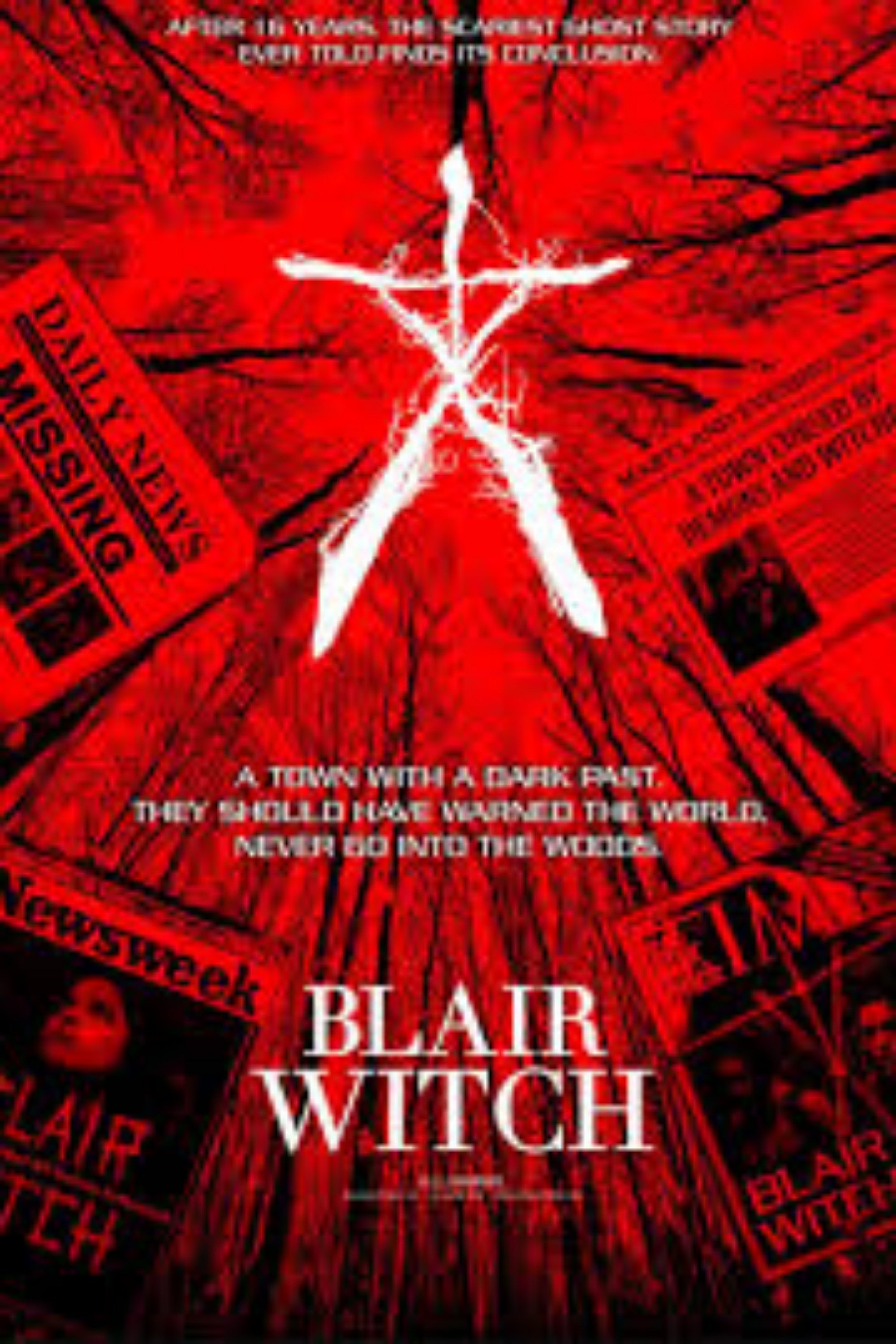
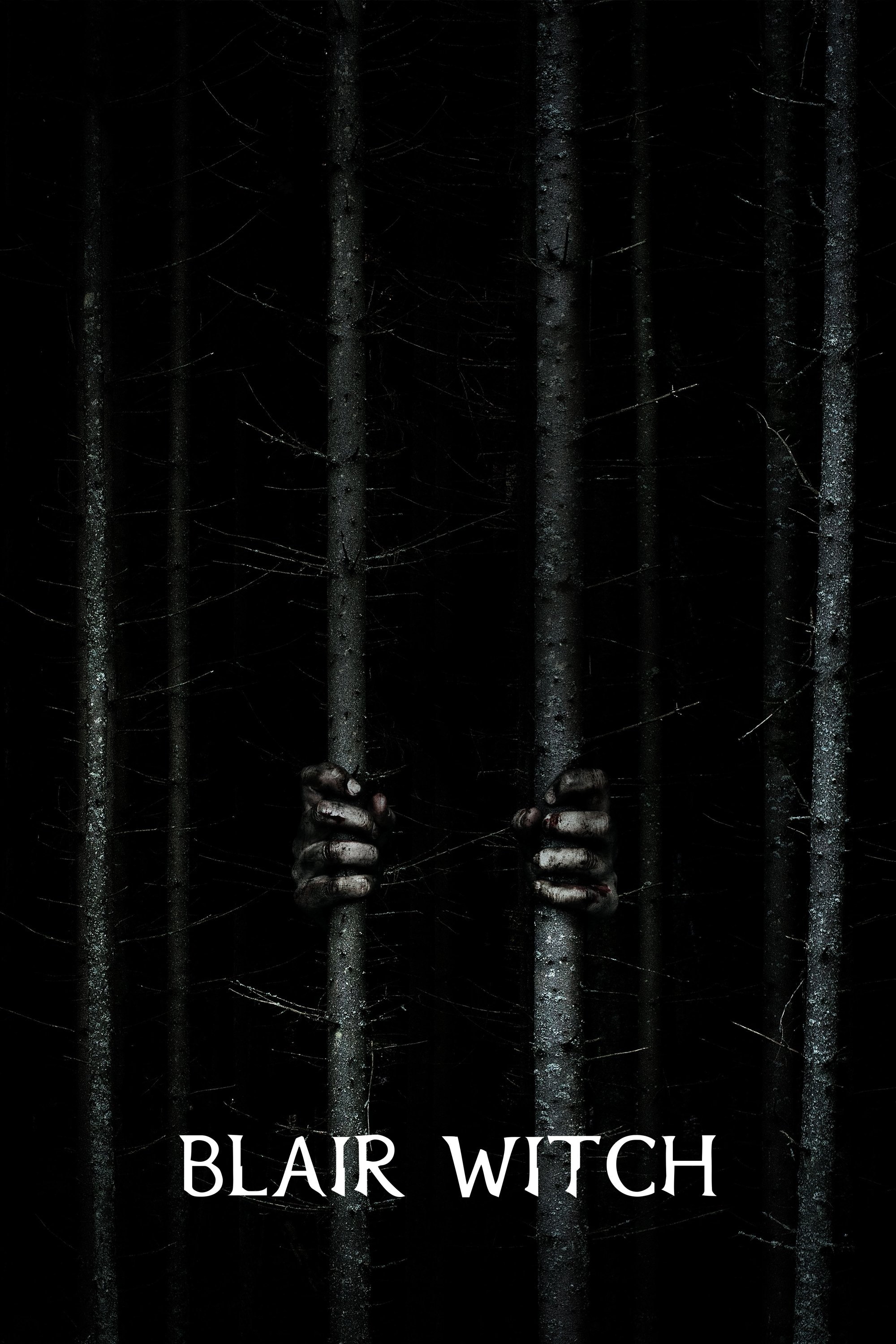
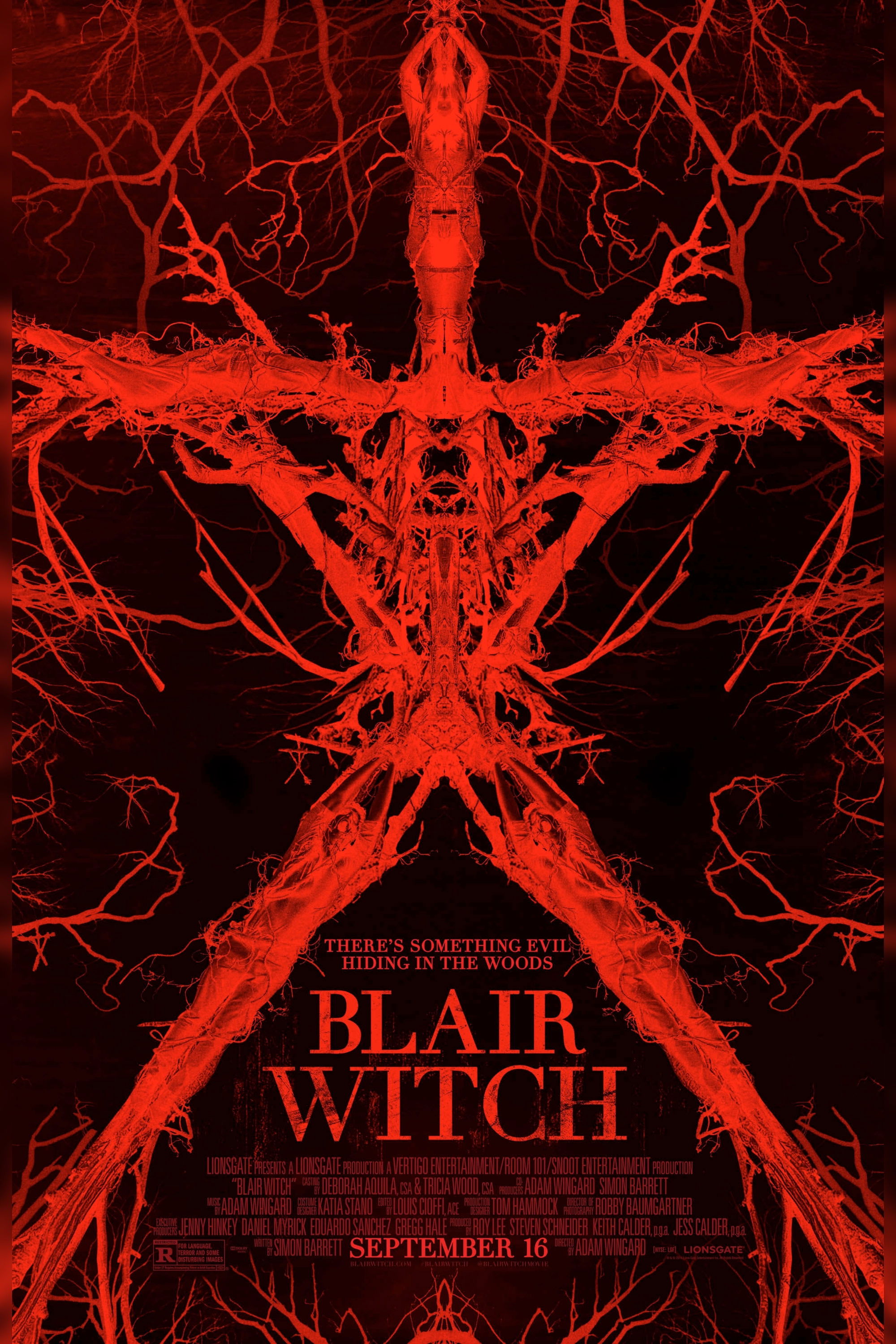
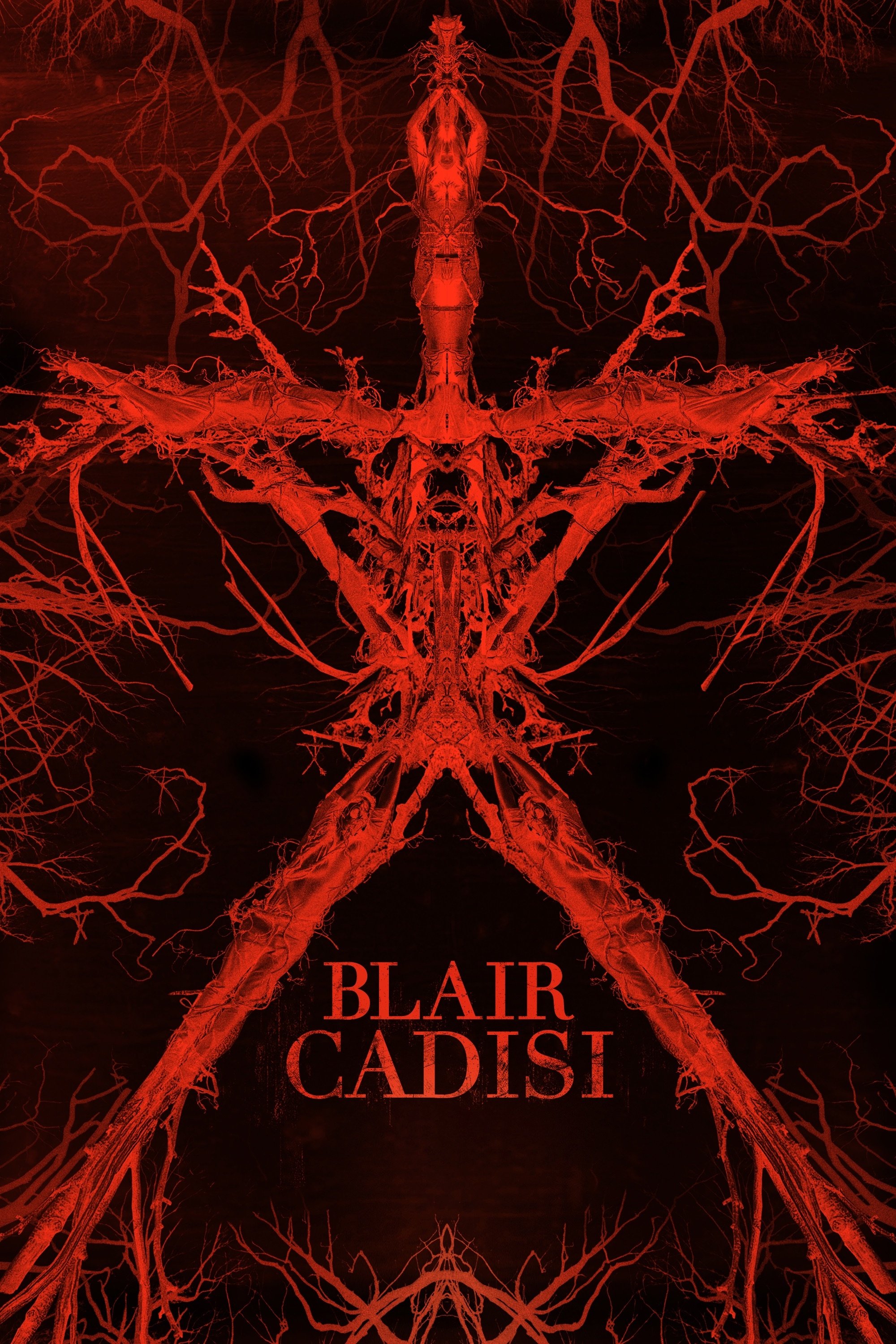
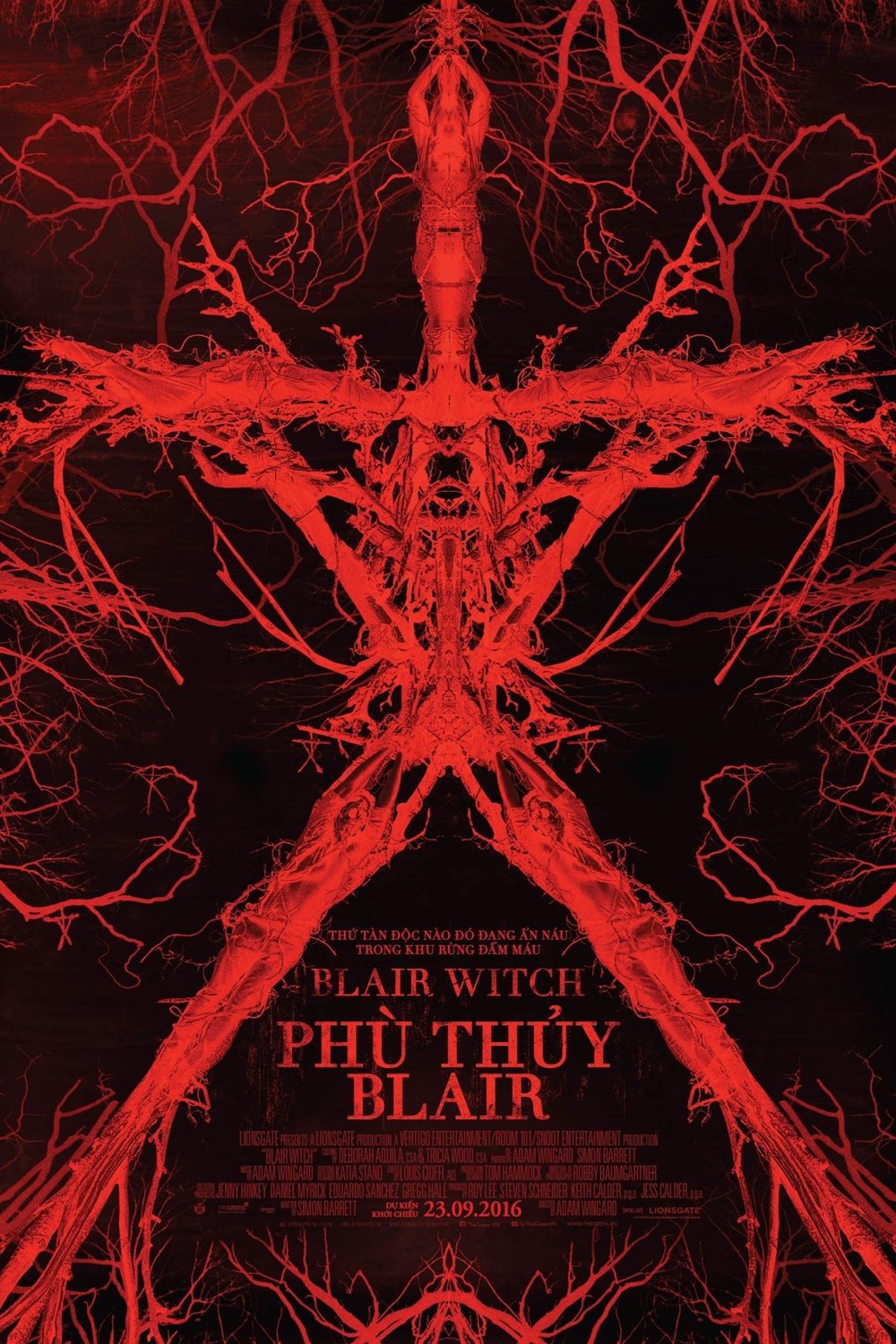
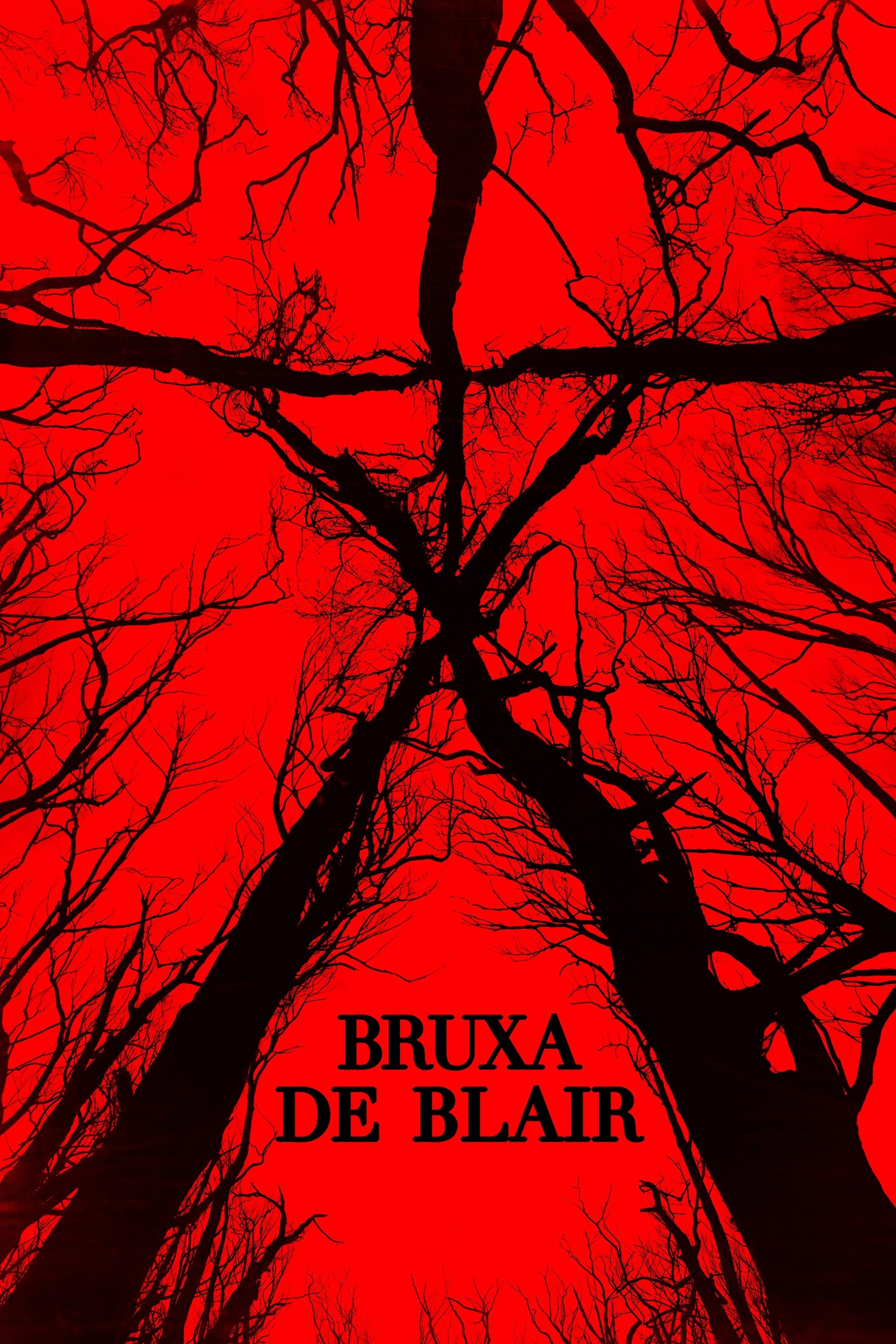
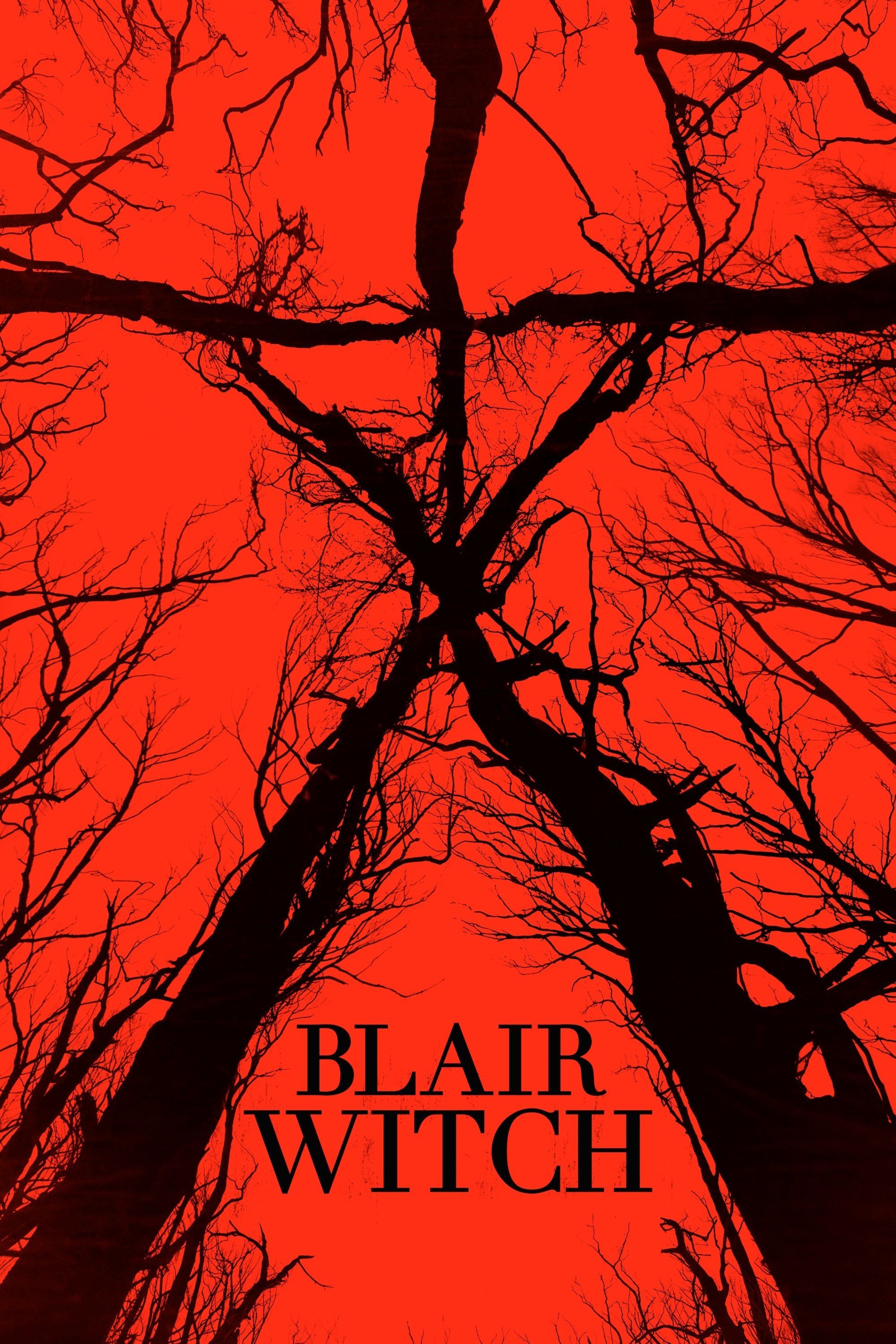
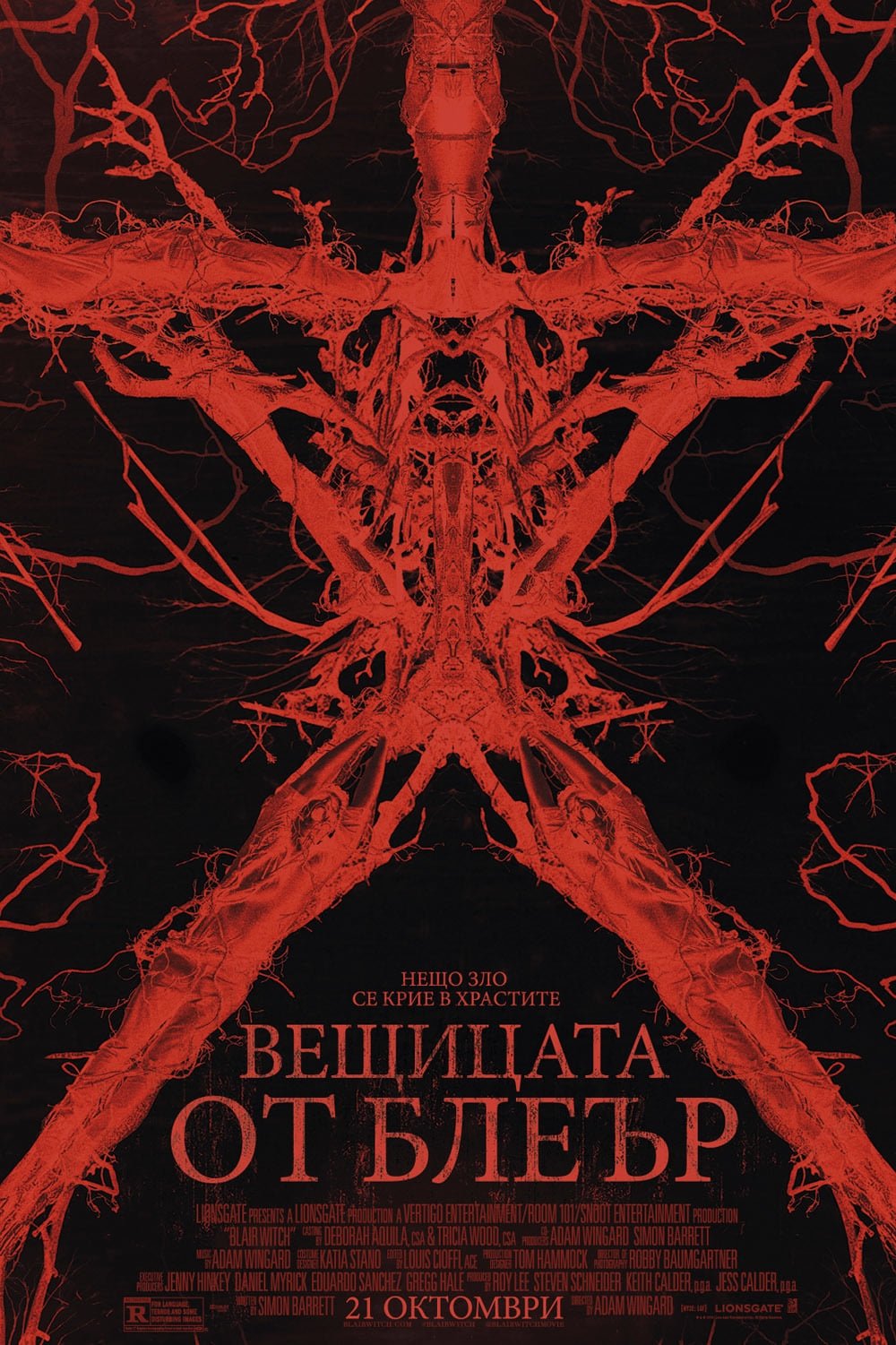
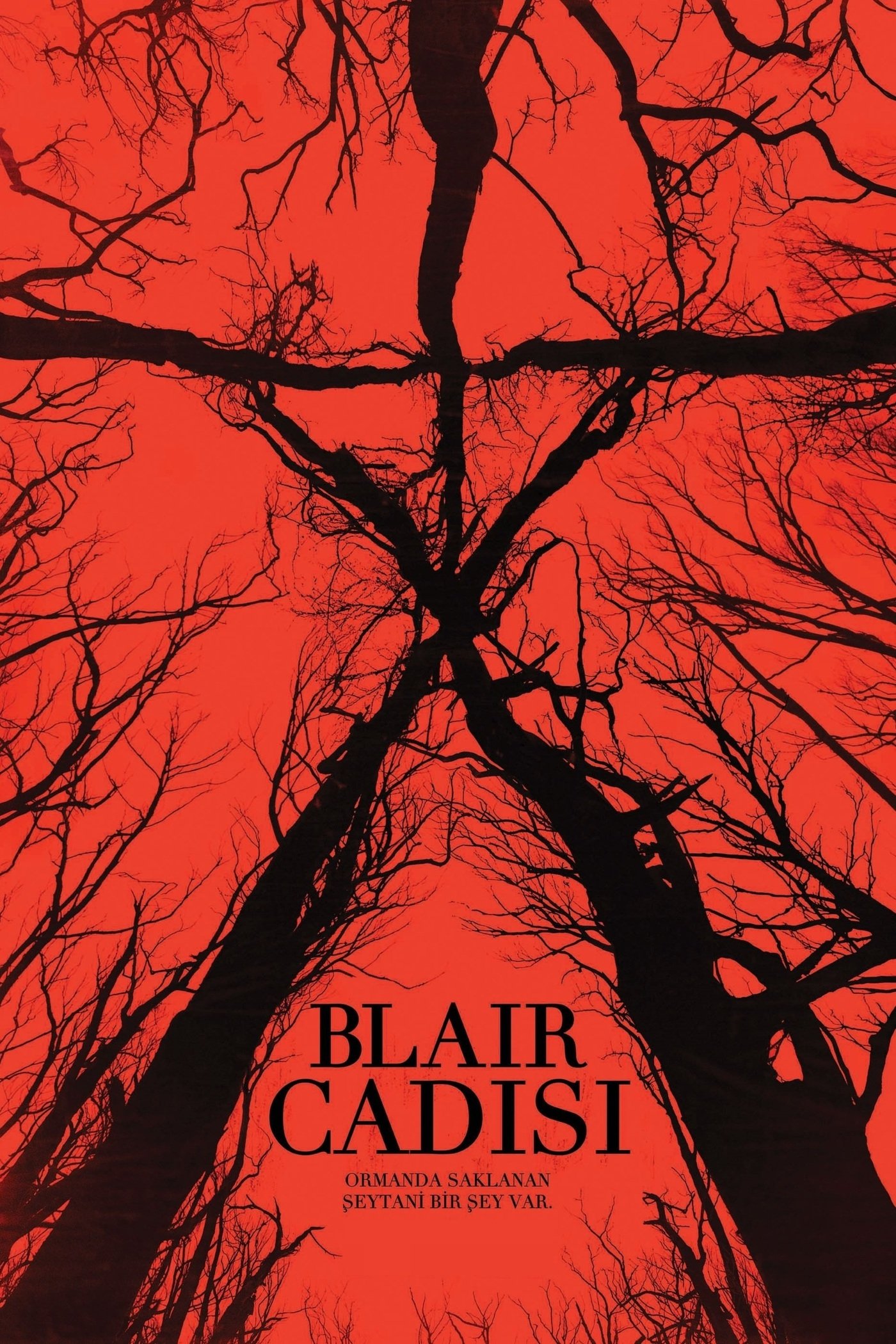
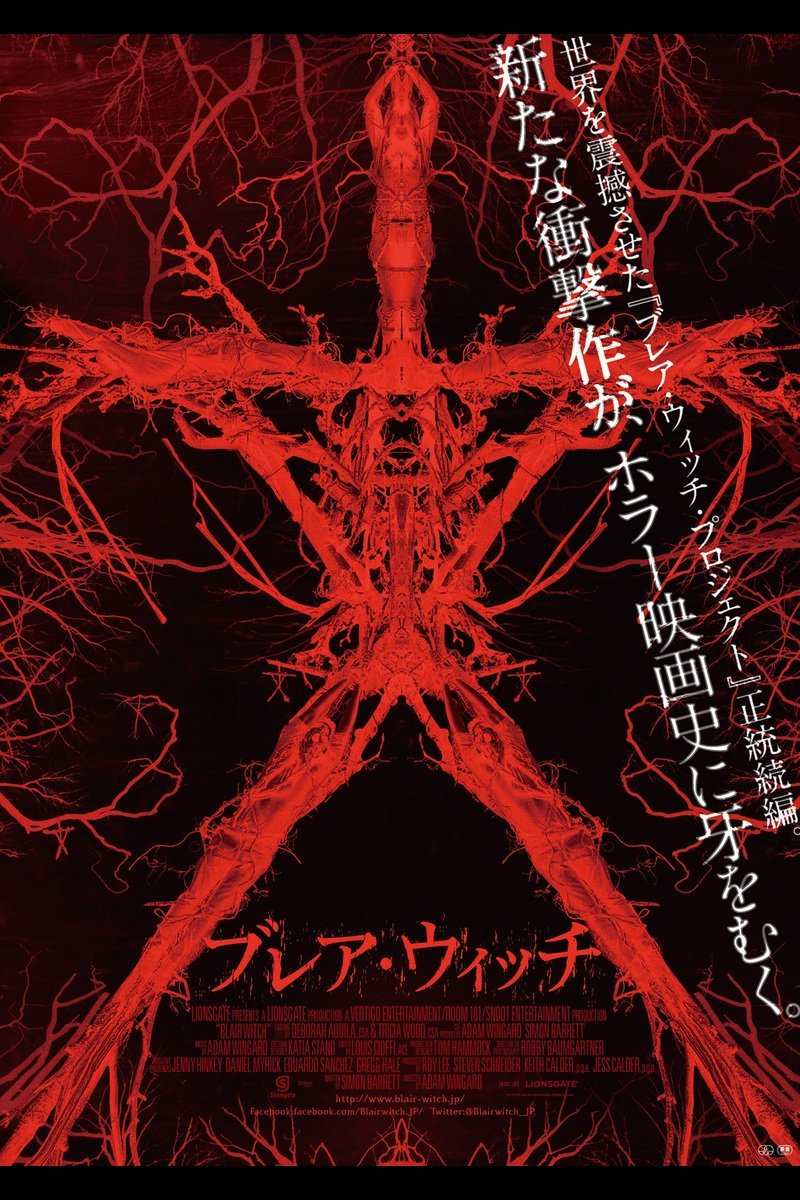
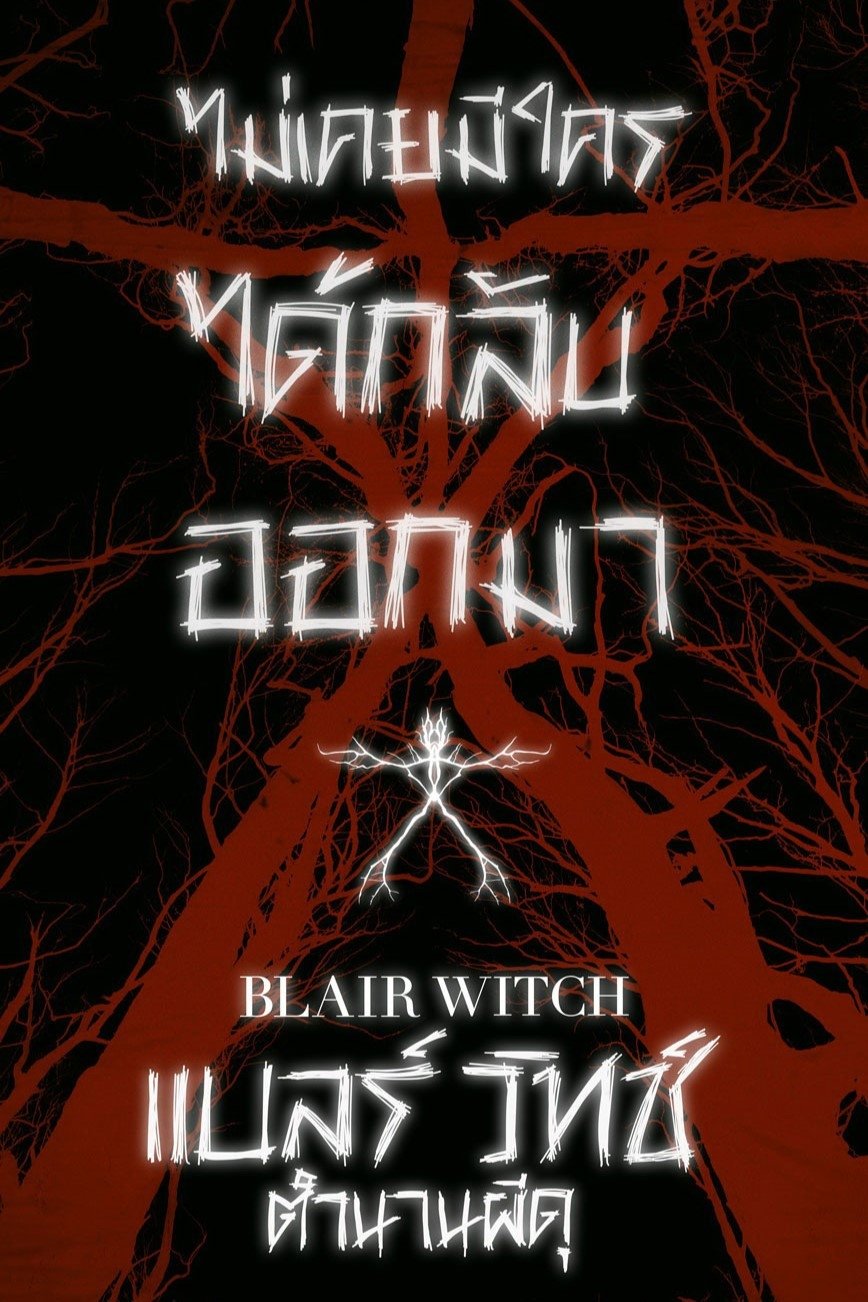
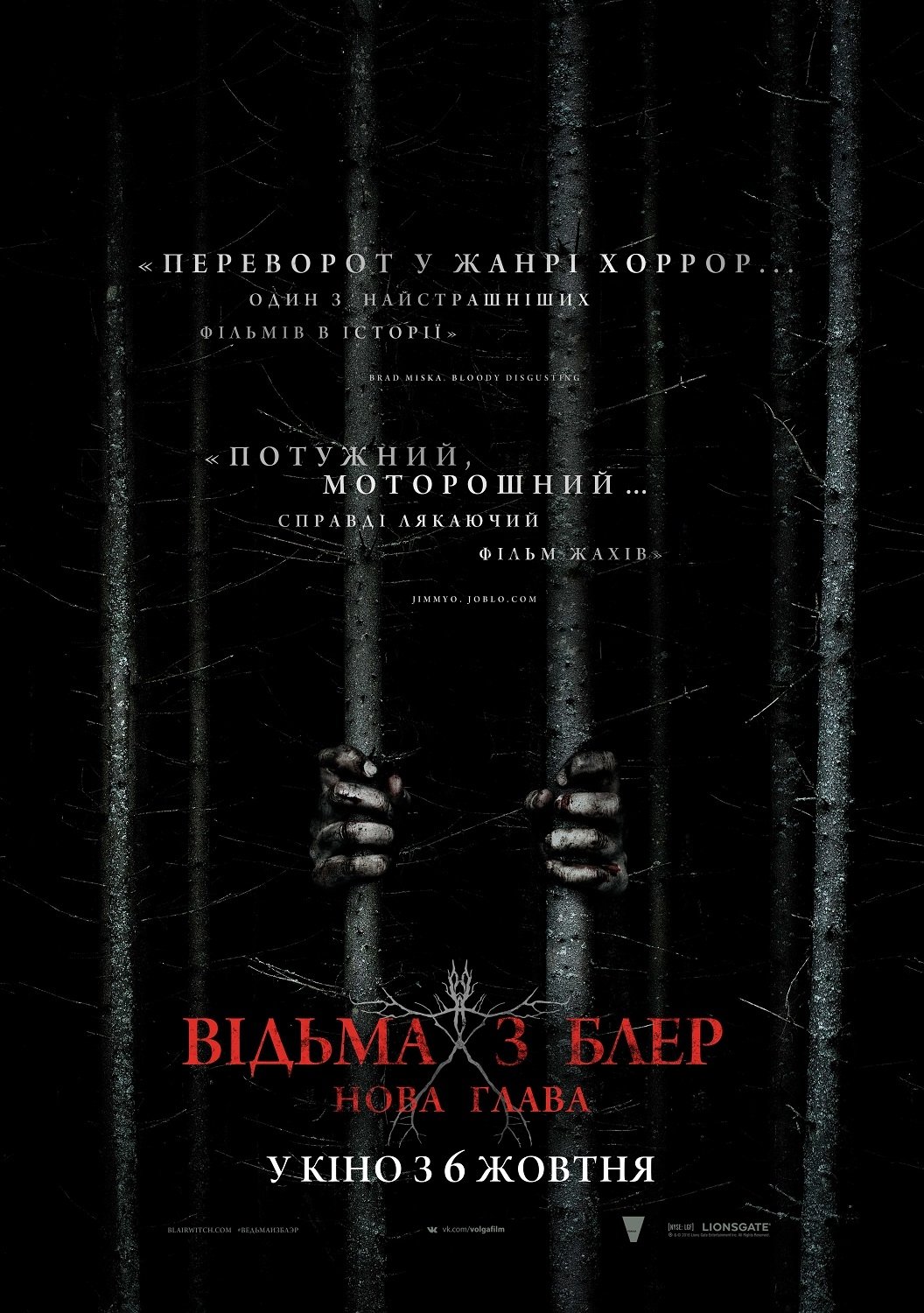
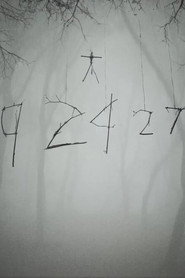
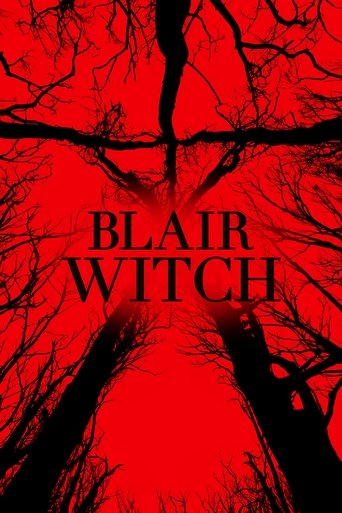
Blair Witch (2016) poster
Director
Production Companies
Vertigo Entertainment , Starz Entertainment , Room 101 , Snoot Entertainment
Plot

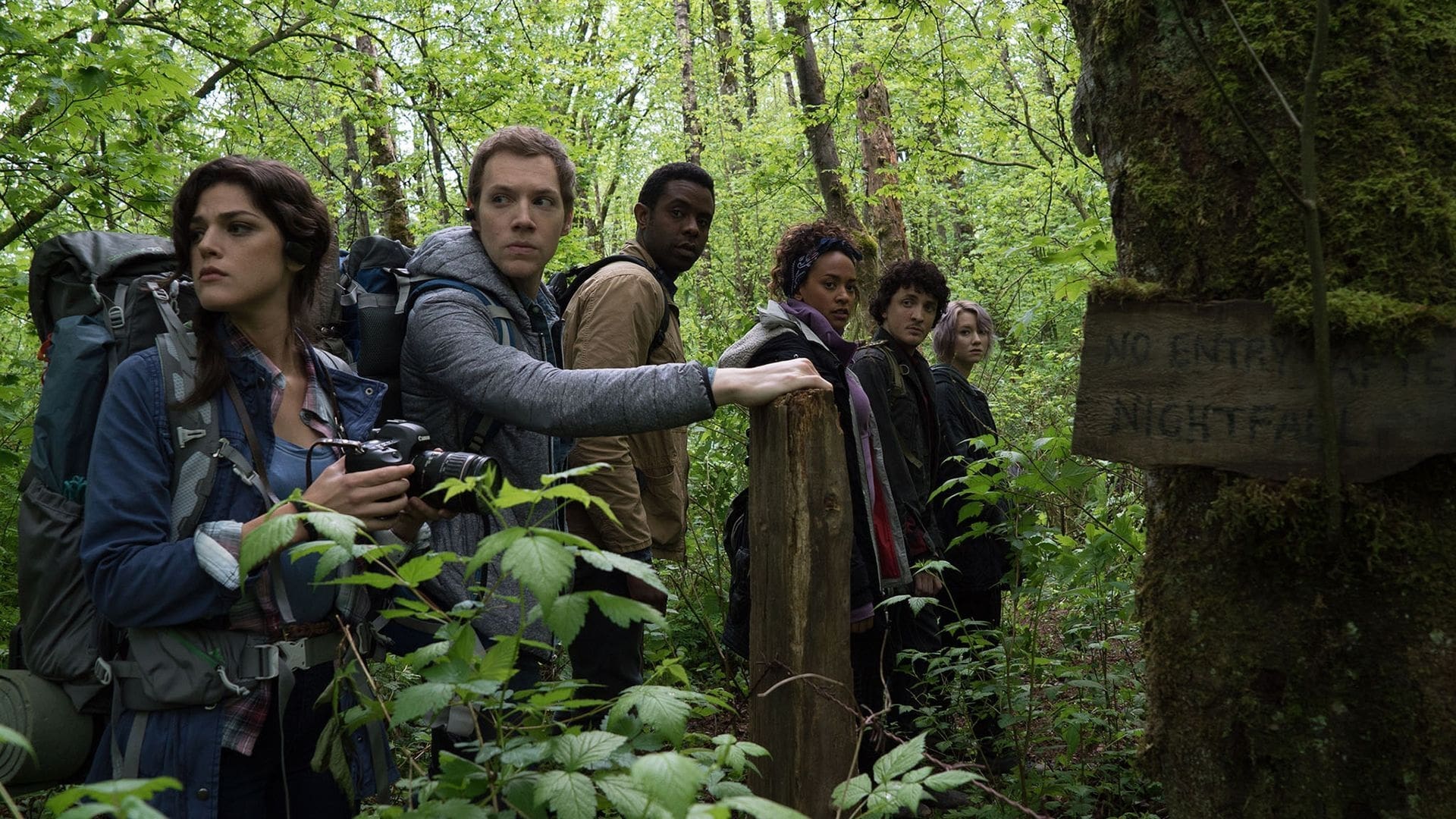
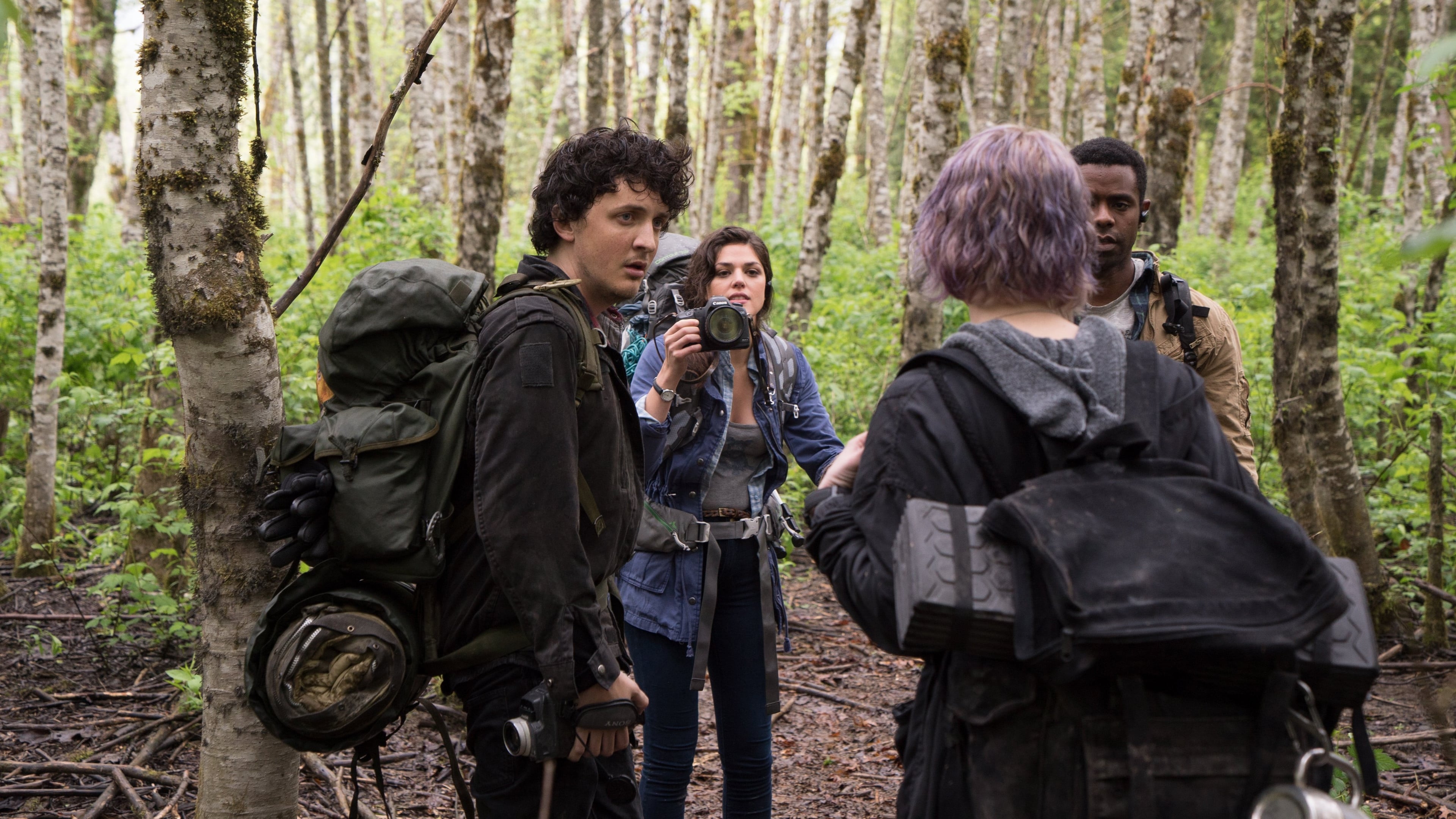
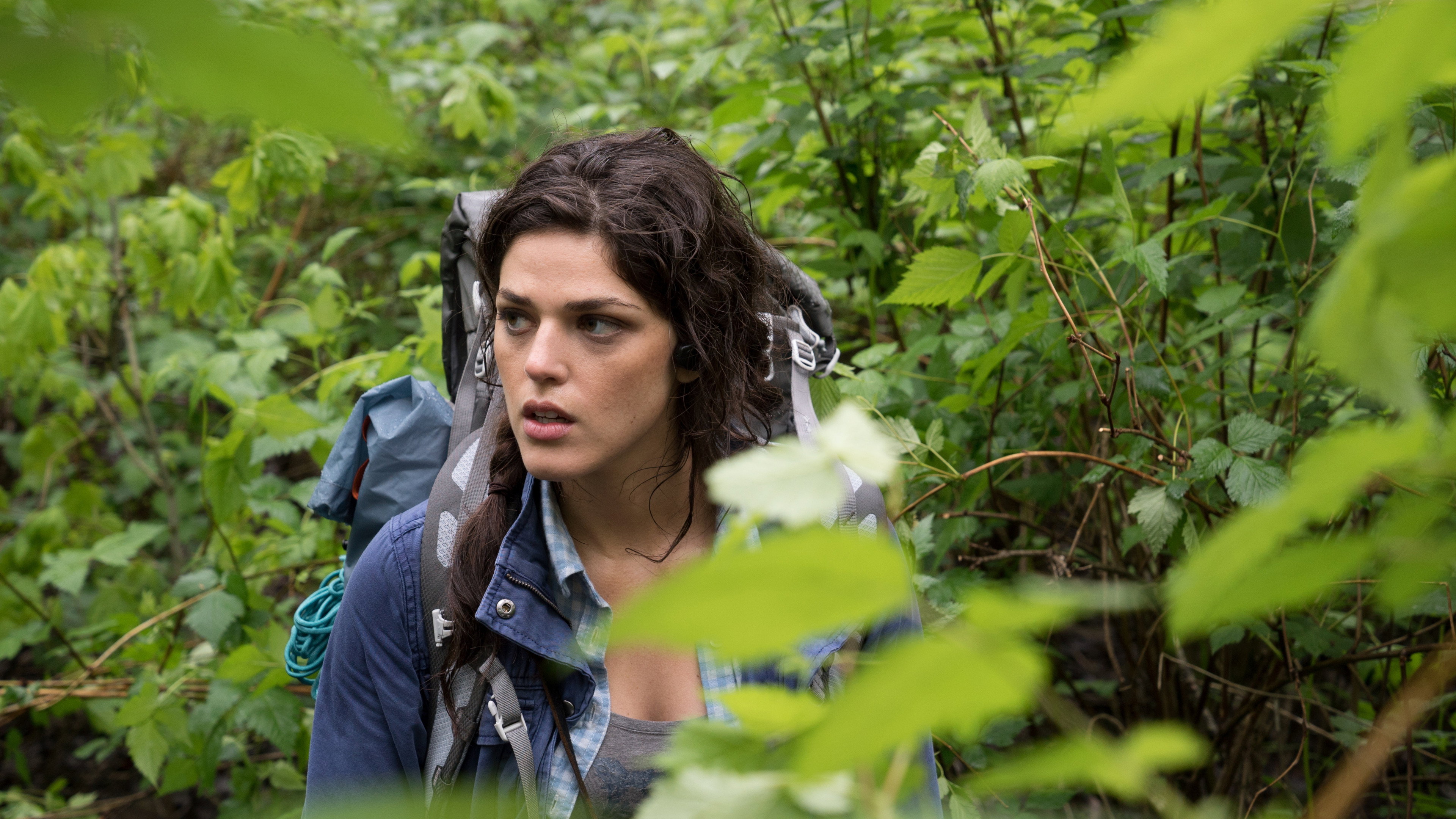
James Donahue discovers footage that he believes may offer a clue to the disappearance of his sister Heather in the Black Hills Forest. He travels to the area with friends and two local guides, documenting their search with handheld cameras and other recording devices. The group encounters disturbing signs in the woods, while their sense of direction and time becomes unreliable. Their attempt to follow the evidence draws them deeper into the place where Heather and her companions vanished years earlier.

Alternative Titles
ساحرة بلير (United Arab Emirates) — Arabic Blair Witch: La bruja de Blair (Argentina) Šuma (Bosnia & Herzegovina) — Croatian title Вещицата от Блеър (Bulgaria) — Bulgarian Bruxa de Blair (Brazil) La légende Blair (Canada) 布莱尔女巫 (China) — Chinese Blair Witch 20 let poté (Czechia)
Show all 37 alternative titles Blair Witch: 20 let poté (Czechia) — Czech La bruja de Blair (Spain) ალქაჯი ბლერიდან (Georgia) — Georgian Blair Witch: Η Επιστροφή (Greece) — Greek 死亡習作:咒怨森林 (Hong Kong SAR China) — Chinese Šuma (Croatia) Blair Witch: Ideglelés 3. (Hungary) — Hungarian המכשפה מבלייר (Israel) — Hebrew ブレア・ウィッチ (Japan) — Japanese ブレアウィッチ (Japan) 블레어 위치 (South Korea) — Korean Bleiro ragana (Lithuania) Blēras ragana (Latvia) — Latvian La bruja de Blair (Mexico) O Bosque de Blair Witch (Portugal) — Portuguese Šuma (Serbia) Повратак вештице из Блера (Serbia) — Serbian Ведьма из Блэр: Новая глава (Russia) — Russian ساحرة بلير (Saudi Arabia) — Arabic 布莱尔女巫 (Singapore) — Chinese Čarovnica iz Blaira (Slovenia) — Slovenian Blair Witch: 20 rokov potom (Slovakia) — Slovak แบลร์ วิทช์ ตำนานผีดุ (Thailand) — Thai Blair Cadısı (Türkiye) — Turkish 追殺厄夜叢林 (Taiwan) — Chinese Відьма з Блер: Нова глава (Ukraine) — Ukrainian Stakes (United States) — Shooting Title The Woods (United States) — Working Title Phù Thủy Blair (Vietnam) — Vietnamese

Trailers & Videos

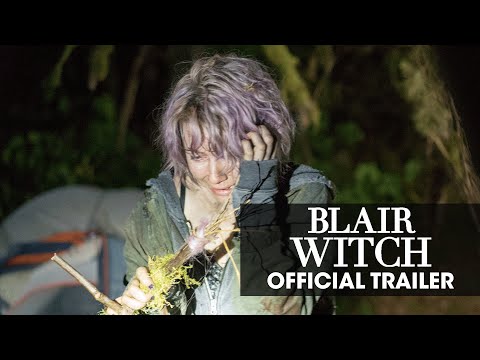
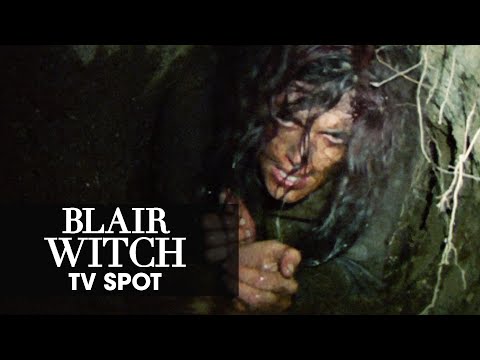
8 videos

Film Guide & Analysis

Adam Wingard and Simon Barrett revive the Blair Witch myth through secret production, wearable cameras, practical horror and immersive sound.

Blair Witch (2016), directed by Adam Wingard and written by Simon Barrett, returns to the Maryland forest made famous by The Blair Witch Project (1999). James Donahue believes that a recently discovered recording may contain evidence of his missing sister Heather, and travels into the Black Hills with friends and a documentary filmmaker. Their cameras record a woodland expedition that becomes increasingly difficult to measure in ordinary time and space. The film uses the same premise of recovered recordings as its predecessor, while the greater number of cameras allows the audience to follow simultaneous reactions and movements that would have been difficult to present in 1999.

The production occupies an unusual place in the history of the found-footage form. Lionsgate concealed its identity under the title The Woods until a surprise announcement at San Diego Comic-Con in July 2016, attempting to preserve some of the unexpected discovery associated with the original's release. Wingard and Barrett approached the material after collaborating on You're Next and The Guest. Their sequel was built for an audience already familiar with both the Blair Witch mythology and the devices of found-footage filmmaking. Its significance lies in the changes that familiarity demanded of the camerawork, sound and presentation of supernatural violence.

Development and the Secret Production

Lionsgate approached Wingard and Barrett about returning to the property, and the director later described the invitation as an opportunity to make a more straightforward horror film. He had seen the 1999 picture theatrically and remembered the impression of being trapped alongside its characters. The creative challenge was to make a sequel whose relationship to that film mattered to the story without requiring a literal recreation of its production methods. Barrett wrote James's search for Heather as the narrative connection, enabling the new group to enter the same fictional geography with a contemporary reason to investigate it.

The project circulated publicly as The Woods during development and early promotion. In an interview published by the Chicago Sun-Times in September 2016, Barrett said the studio had proposed the secrecy strategy near the beginning. According to Wingard, even members of the crew did not initially learn which series they were joining, and altered script materials helped limit disclosure. The filmmakers maintained that arrangement for years before the identity of the feature was revealed during a major fan convention in the summer of 2016. Those accounts establish a deliberate promotional decision, distinct from the fictional claim of authenticity used in the first film's original campaign.

The disguise also shaped the launch. A trailer for The Woods could be sold as an unfamiliar supernatural horror film before the reveal connected it to a recognized property. Once the title became public, its familiar mythology supplied immediate context for the final campaign. This differed from the way the earlier film's website and missing-person materials encouraged viewers to question whether its invented disappearance had happened. By 2016, the premise of recovered video was a widely recognized cinematic form. The surprise lay in the franchise identity of an otherwise conventional release, an important shift in how the series could be marketed.

Multiple Cameras and the Found-Footage Image

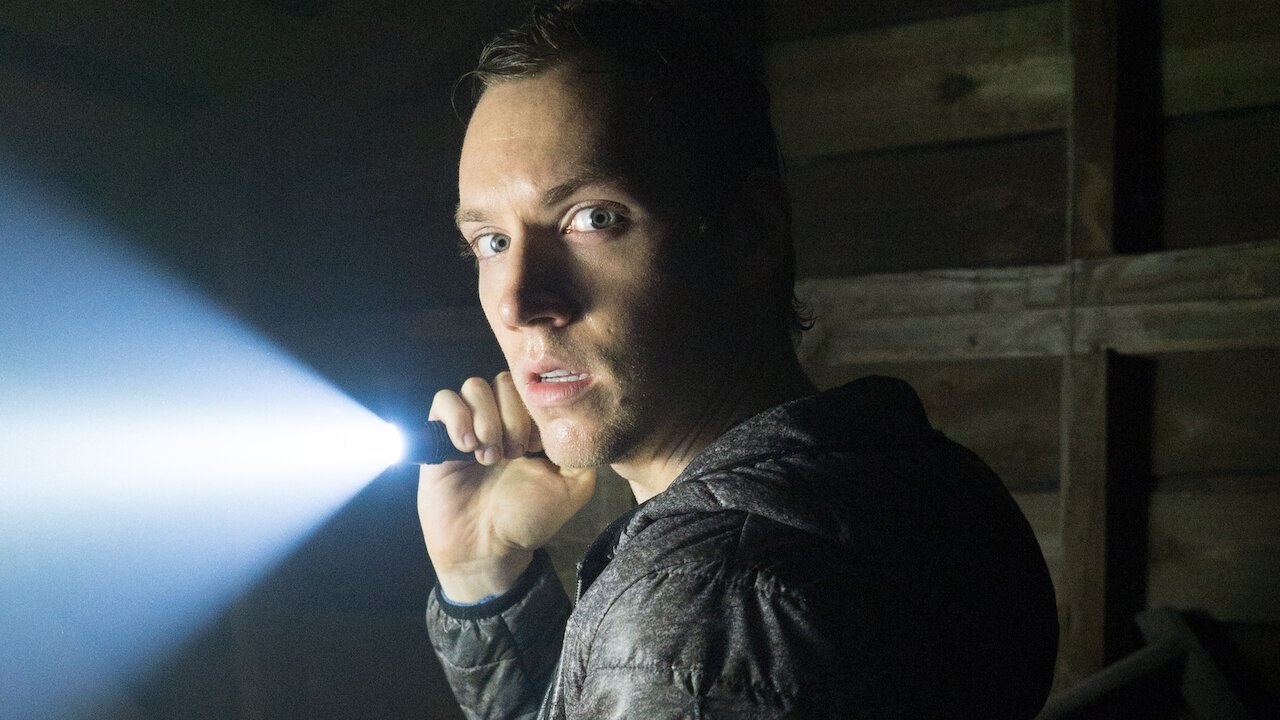
Wingard and Barrett made the camera system part of the action. Characters use compact wearable units as well as more conventional equipment, while a drone briefly extends the field of vision above the trees. Wingard told The Playlist that an earlier experience with drone photography on The Guest had suggested new possibilities for the project. He also explained that cameras worn near the ear were intended to answer a familiar objection to found footage: people in immediate danger rarely have a convincing reason to keep a handheld camera pointed at themselves or their companions.

The additional viewpoints created technical complications. Barrett described scripting individual camera perspectives, then discovering how hard it was to maintain spatial continuity while staging each angle separately. Actors sometimes wore camera rigs, with operators standing in when necessary. The same sequence could require multiple takes to coordinate movement, lighting and coverage. Barrett compared the process to a logic problem because the editing had to preserve the illusion of simultaneous amateur recordings. Some scenes were reconsidered or reshot when the assembled material failed to communicate the intended action.

The resulting image is noticeably clearer and more mobile than the Hi8 and black-and-white material associated with The Blair Witch Project. Head-mounted perspectives can continue through running, falls and restricted spaces without constantly returning to a visible operator. The drone supplies a momentary promise of geographical knowledge, yet looking down from above does not deliver a reliable route out of the woods. This contrast becomes an organizing principle of the film: newer equipment can capture more information, while the characters remain unable to establish where they are or whether the landscape still follows ordinary rules.

Continuity, Folklore and Distorted Time

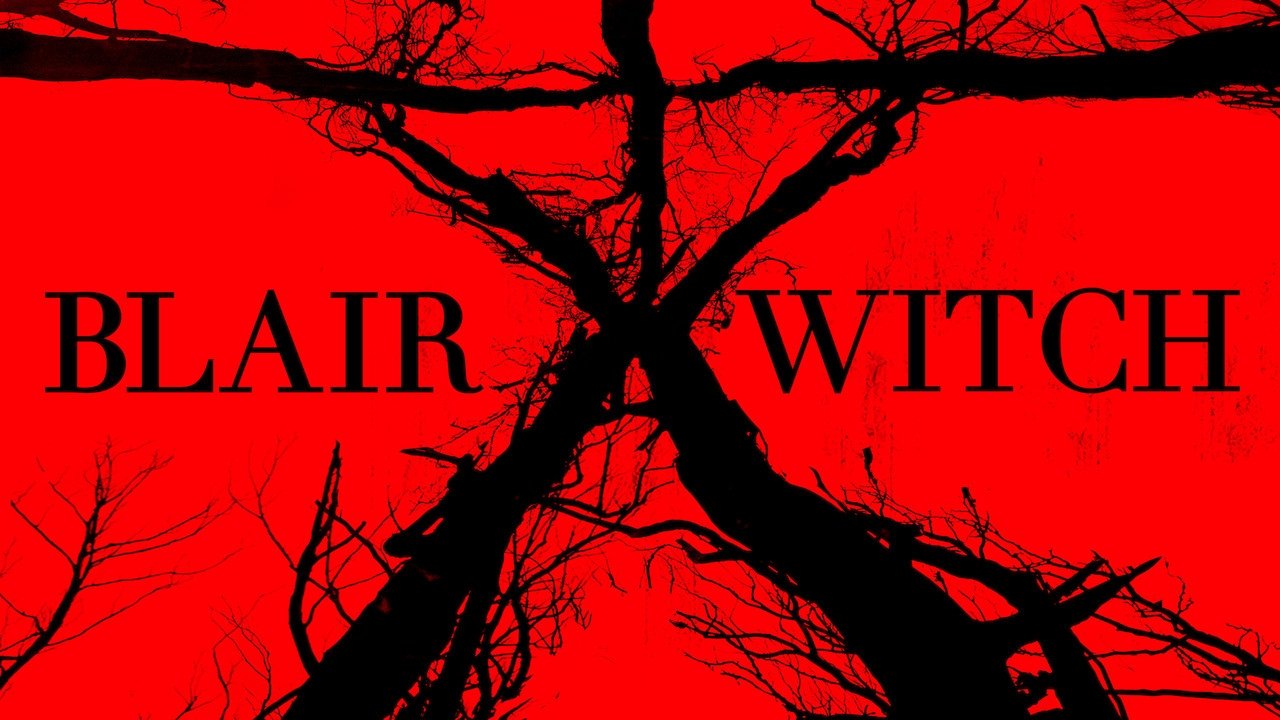
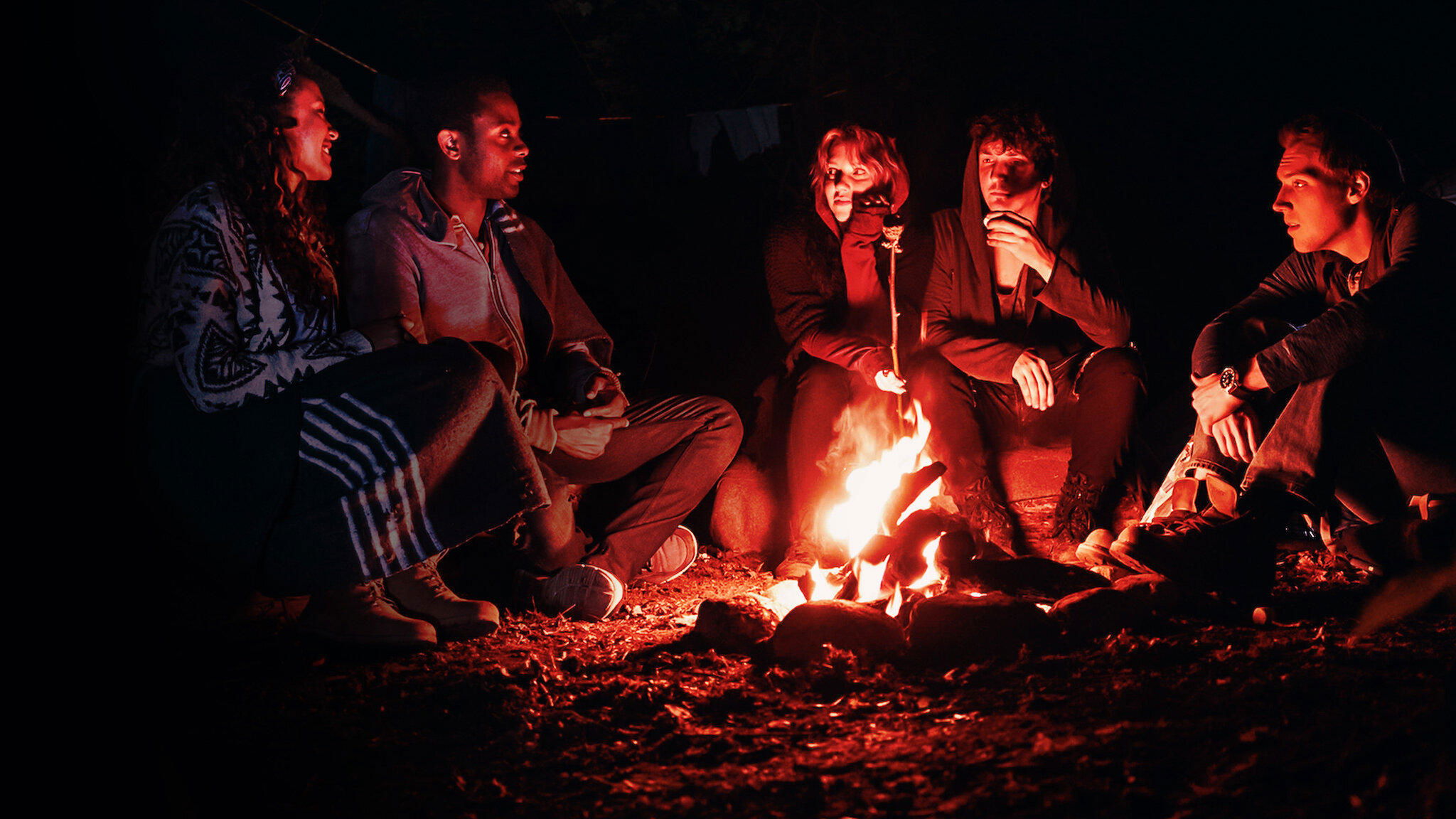
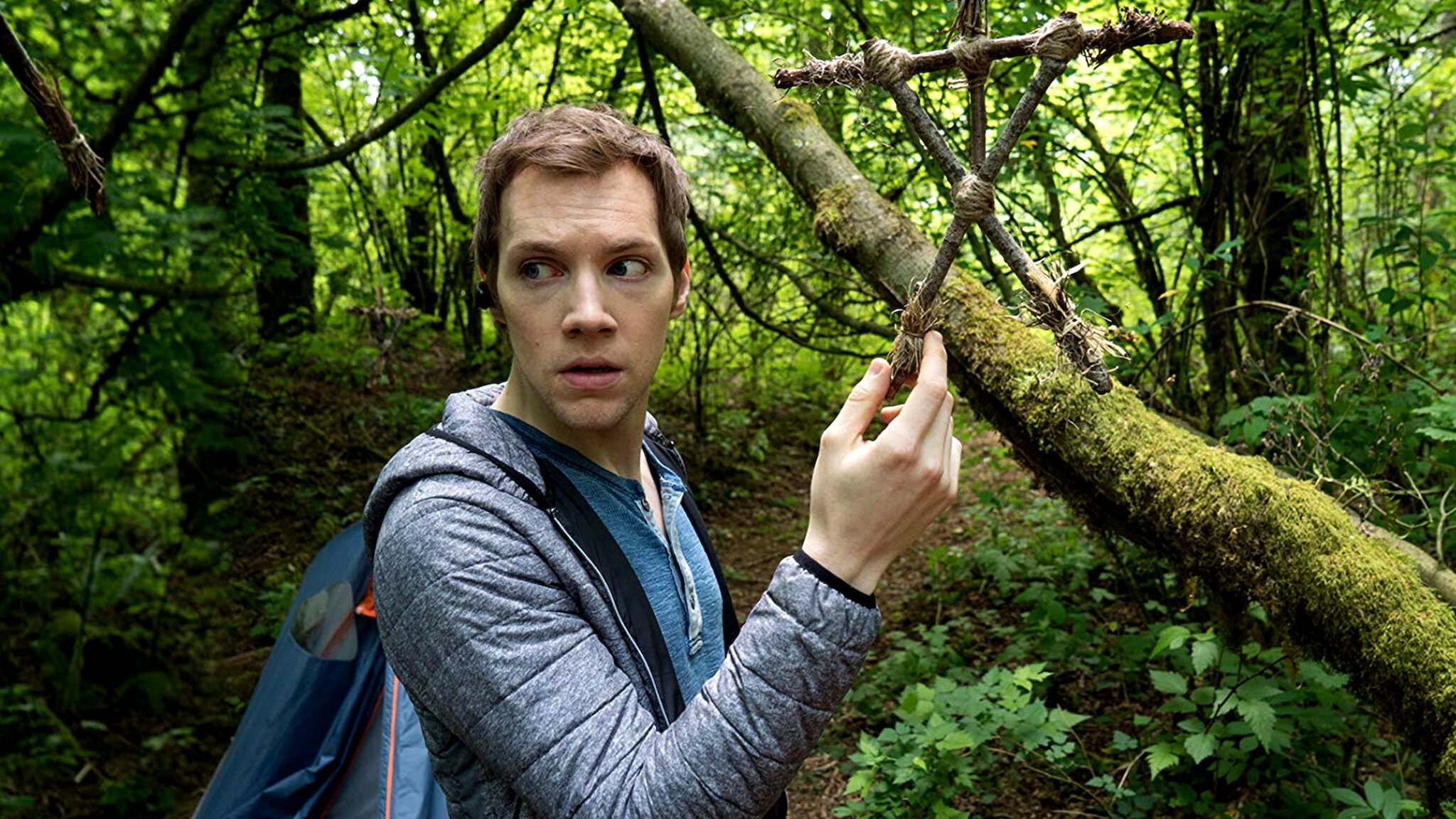
James's connection to Heather gives the expedition a personal motive beyond the pursuit of a local legend. Lisa's intention to document the search also keeps the cameras plausible within the story. Lane and Talia, who claim familiarity with the area, introduce another layer of uncertainty because the group must decide whether to trust people whose accounts cannot be checked. Through familiar stick figures and disturbances around the campsite, the film reconnects its new characters to the imagery of the 1999 narrative. Their attempt to gather evidence gradually becomes a struggle to understand the conditions under which evidence is being recorded.

Time dislocation is central to the sequel's supernatural design. Disagreement about the passage of hours, shifts in daylight and conflicting experiences separate the characters even when they appear to occupy the same forest. The mythology expands through these disturbances and through the return to the house associated with the original climax. In the final passages, cramped corridors and recurring spaces transform the relatively open woodland into an enclosed maze. The story allows more explicit supernatural incidents than the first film, but the identity and rules of the hostile force remain uncertain. The analysis depends on what the finished film depicts, not on treating every character's explanation as a settled fact.

Sound Design and Wingard's Score

The soundtrack is unusually important because it must create an atmosphere of immediate danger while seeming to originate inside the characters' recording devices. Supervising sound editor and re-recording mixer Andy Hay described receiving exceptionally clean production dialogue. That clarity posed a problem: microphones worn or handled by frightened people should produce impacts, rubbing and other accidental sounds. Hay's team recorded additional handling noises, then placed them where the corresponding movements would naturally cause interference. The technique deliberately reduced the apparent polish of the recordings to protect the story's documentary illusion.

The forest also acquires a physical presence through low-frequency movement, distant impacts and abrupt changes in the perceived location of sounds. Noise suggests activity beyond the edge of the image, then a nearer disturbance can interrupt a conversation or force a sudden change of direction. This approach is more aggressive than the sustained uncertainty of the 1999 film, with loud peaks and sudden sonic shocks shaping its rhythm. In a found-footage narrative, those sounds carry information the camera cannot confirm; the viewer is required to judge whether a threat is approaching from a fragmentary acoustic event.

Wingard also created the score. In his interview with A Sound Effect, Hay characterized the director's synthesizer-based material as closely related to sound design, which helped it blend with the effects developed by Jeffrey A. Pitts and the wider postproduction team. Hay mixed the musical elements within the final sound mix instead of treating the score as a wholly separate finished layer. The result often makes the boundary between music, environmental pressure and supernatural noise difficult to locate. That ambiguity suits a film in which the recording apparatus is supposed to capture the experience while its sound constantly shapes the viewer's interpretation of it.

Physical Horror and the Final House

The sequel introduces bodily threats that develop the original's suggestion of an unseen persecutor. Injuries, disturbing changes to the body and increasingly forceful contact with the forest give particular scenes a tactile quality. The leg injury involving Ashley is especially important because the consequences are shown through close, unstable perspectives. Wingard spoke in contemporary interviews about favoring physical effects for the on-screen horrors and described a prosthetic used for this sequence. Such testimony supports the practical basis of specific effects without proving that every image in the finished film was untouched by digital postproduction.

The arrival at the house concentrates these techniques into a sustained pursuit. The camera follows characters through doors, narrow passageways and low spaces in which orientation becomes difficult. Wingard described the intended sensation as a claustrophobic maze, and the wearable cameras made extended movement through tight interiors more manageable. Repeated architectural elements turn space itself into a threat, while the approach of something only intermittently visible intensifies the pressure to keep moving. Compared with the first film's spare final images, this climax uses a longer sequence of obstacles and shocks. It illustrates the filmmakers' decision to build a more physically confrontational form of found-footage horror.

Release, Critical Reception and Genre Position

Blair Witch was unveiled at the July 2016 Comic-Con presentation, screened at the Toronto International Film Festival in September and opened theatrically in the United States on September 16 through Lionsgate. Its domestic opening weekend was approximately $9.6 million, and its North American theatrical total reached a little over $20 million. International grosses added substantially to that figure, although published worldwide totals differ between reporting services and should not be treated as interchangeable. The commercial response demonstrated the marketability of the brand, but its performance was far removed from the exceptional theatrical phenomenon surrounding the inexpensive 1999 original.

Contemporary reviews were divided over the change in emphasis. Writing in The Observer, Mark Kermode recognized the film's effective claustrophobic passages and its unsettling cyclical construction, while criticizing the more conventional character performances and conspicuous jump scares. Other critics welcomed the heightened intensity and the expansion of the fictional environment. These reactions describe a central problem for any sequel to a found-footage landmark: methods that once seemed to expose an unmediated recording had become familiar genre devices, making renewed surprise difficult even when the technical execution was more elaborate.

The film's place in horror history is therefore tied to a specific moment in the development of the format. The Blair Witch Project became famous partly by denying the audience a stable view of what was happening; its 2016 continuation offered more cameras, more sound information and a denser series of visible threats. Wingard and Barrett preserved the first film's missing-person mythology while reshaping the viewing experience for a mainstream theatrical audience already fluent in found-footage conventions. Its reception remains a useful record of the distance between an influential aesthetic and the later industrial attempt to update it.

References

  1. Chicago Sun-Times Bill Zwecker, How Blair Witch Filmmakers Kept the Sequel Secret (2016)

    Direct Wingard and Barrett testimony on the secret identity, concealed scripts and planning of the 2016 announcement.

  2. The Playlist Adam Wingard Talks Taking Audiences on a Rollercoaster Ride with Blair Witch (2016)

    Interview documenting drone photography, wearable cameras, the approach to the climax and influences on the sequel.

  3. Bloody Disgusting Brad Miska, Interview: Writer Simon Barrett on Making Blair Witch (2016)

    First-hand account of staging multiple found-footage perspectives, rewriting scenes, camera blocking and difficult shoots.

  4. A Sound Effect Jennifer Walden, Behind the Scary Sounds of Blair Witch (2016)

    Technical interview with sound supervisor Andy Hay on microphone noises, field recordings, mixing and Wingard's score.

  5. The Guardian / The Observer Mark Kermode, Blair Witch Review: Efficient Horror Sequel (2016)

    Contemporary review weighing the shift toward explicit scares, sound intensity and claustrophobic found-footage staging.

Connections

Cast

View Full Cast & Crew →

Release & Distribution

Production Companies (4)

  • Room 101 US
  • Snoot Entertainment US
  • Starz Entertainment US
  • Vertigo Entertainment US

Distributors (1)

  • Lionsgate Films US

Release History (56)

Release DateTerritoryRelease TypeFormatDistributorCertificationNotes
2016-07-22 United States Premiere — — R San Diego Comic-Con
2016-09-11 Canada Premiere — — R Toronto International Film Festival
2016-09-15 Argentina Theatrical — — 16
2016-09-15 Australia Theatrical — — MA15+
2016-09-15 Brazil Theatrical — — 14
2016-09-15 Denmark Theatrical — — 15
2016-09-15 Hong Kong SAR China Theatrical — — IIB
2016-09-15 Ireland Theatrical — — 16
2016-09-15 Kuwait Theatrical — — —
2016-09-15 Netherlands Theatrical — — 16
2016-09-15 Peru Theatrical — — —
2016-09-15 Philippines Theatrical — — R-13
2016-09-15 Singapore Theatrical — — NC16
2016-09-16 Canada Theatrical — — 14A
2016-09-16 Finland Theatrical — — K-16
2016-09-16 United Kingdom Theatrical — — 15
2016-09-16 Cambodia Theatrical — — —
2016-09-16 Norway Theatrical — — 15
2016-09-16 Pakistan Theatrical — — —
2016-09-16 Poland Theatrical — — 16
2016-09-16 United States Theatrical — — R
2016-09-17 France Premiere — — — L'Étrange Festival
2016-09-21 Belgium Theatrical — — 16
2016-09-21 France Theatrical — — 12
2016-09-21 Italy Theatrical — — T
2016-09-22 Chile Theatrical — — 14
2016-09-22 Germany Theatrical — — 16
2016-09-22 Greece Theatrical — — Κ-15
2016-09-22 Croatia Theatrical — — —
2016-09-22 Thailand Theatrical — — 15
2016-09-22 Uruguay Theatrical — — —
2016-09-23 Latvia Theatrical — — —
2016-09-23 Sweden Theatrical — — 15
2016-09-23 Türkiye Theatrical — — 15+
2016-09-23 Vietnam Theatrical — — —
2016-09-30 Mexico Theatrical — — B
2016-10-06 Georgia Theatrical — — —
2016-10-06 Russia Theatrical — — —
2016-10-06 Ukraine Theatrical — — 16
2016-10-07 Estonia Theatrical — — —
2016-10-07 Indonesia Theatrical — — D
2016-10-14 Lithuania Theatrical — — N-16
2016-10-21 Bulgaria Theatrical — — —
2016-10-27 Portugal Theatrical — — M/16
2016-11-04 Spain Theatrical — — 16
2016-11-04 Taiwan Theatrical — — R-15
2016-11-06 Spain Premiere — — —
2016-11-24 Cyprus Theatrical — — —
2016-12-01 Japan Theatrical — — G
2017-01-03 United States Digital — — R
2017-01-03 United States Physical — — R
2017-01-16 United Kingdom Physical DVD — 15 DVD
2017-01-24 Greece Physical DVD — — DVD
2017-01-25 Netherlands Physical DVD, Blu-ray — 16 DVD, Blu ray
2019-10-12 Hungary TV — — 16
2025-10-27 Slovakia Digital — — 18 VOYO
There's something evil hiding in the woods.