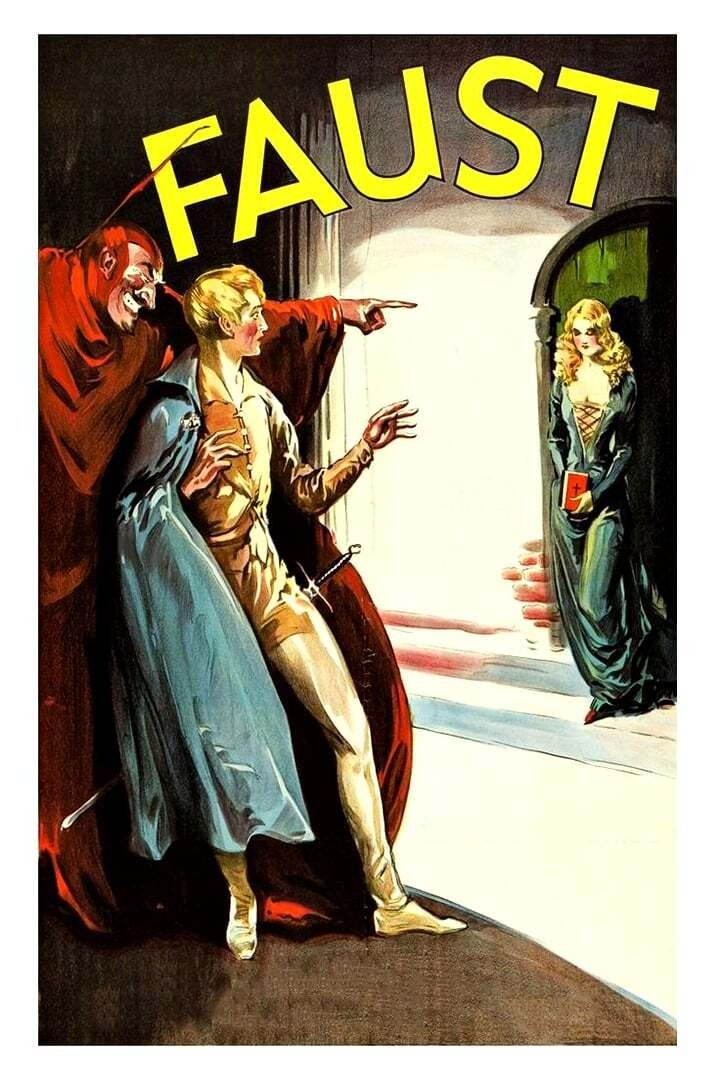
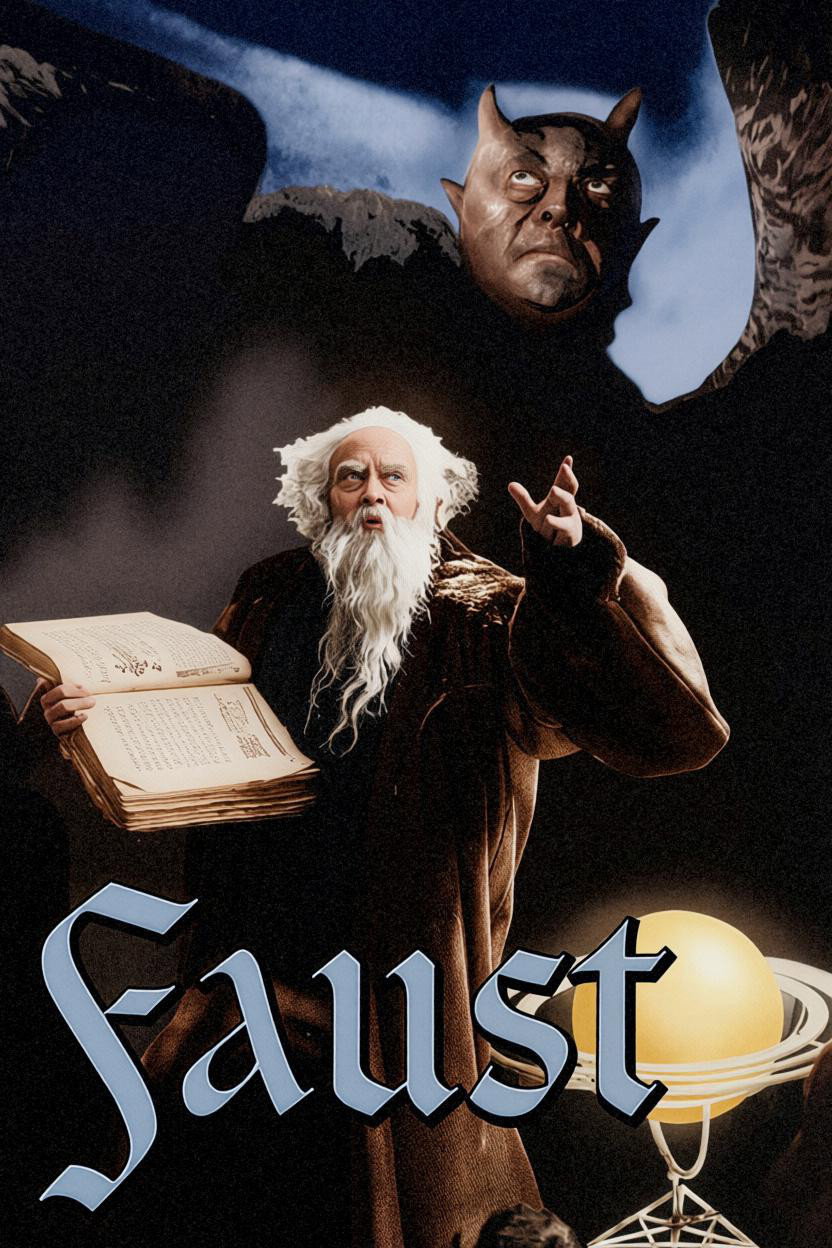
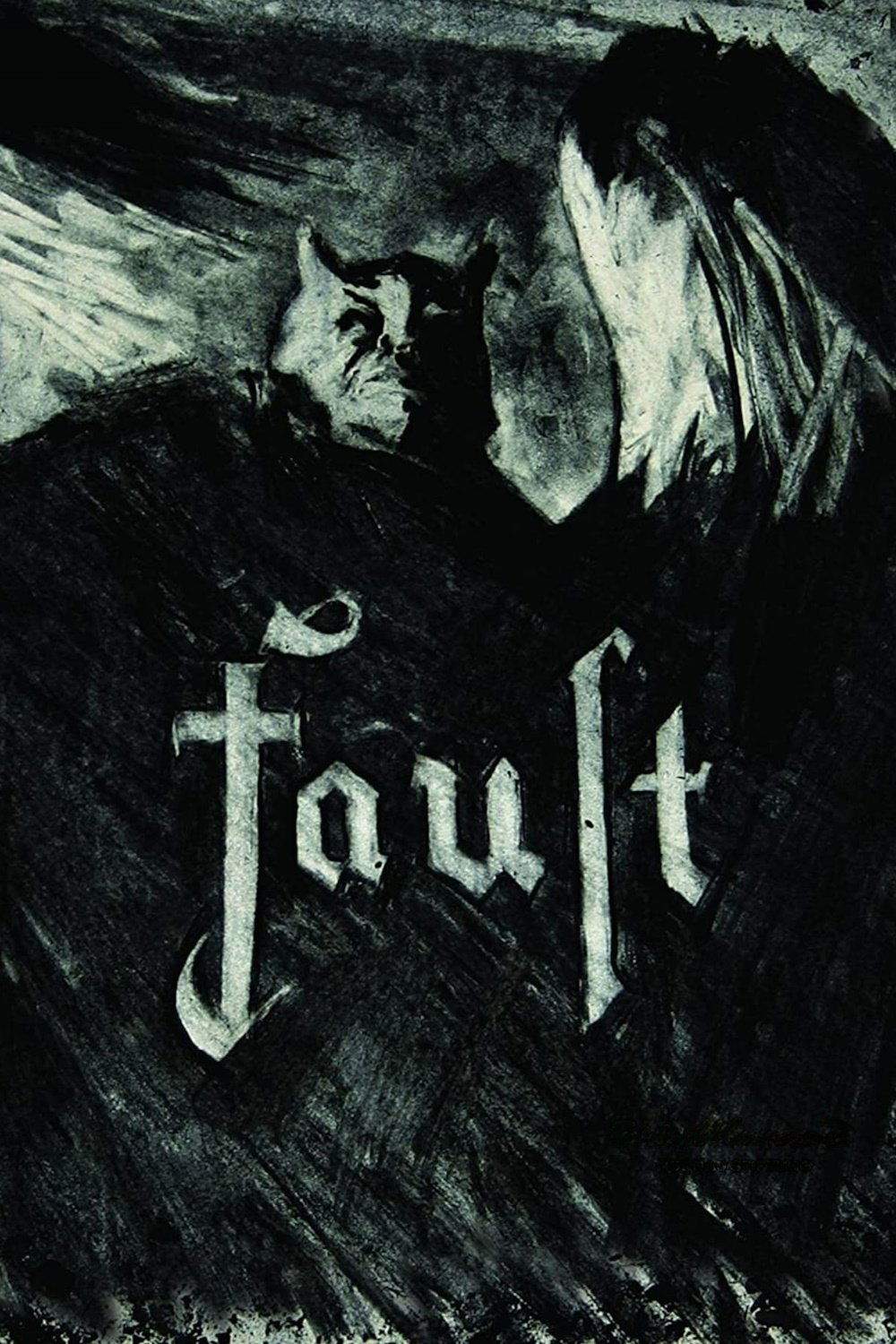
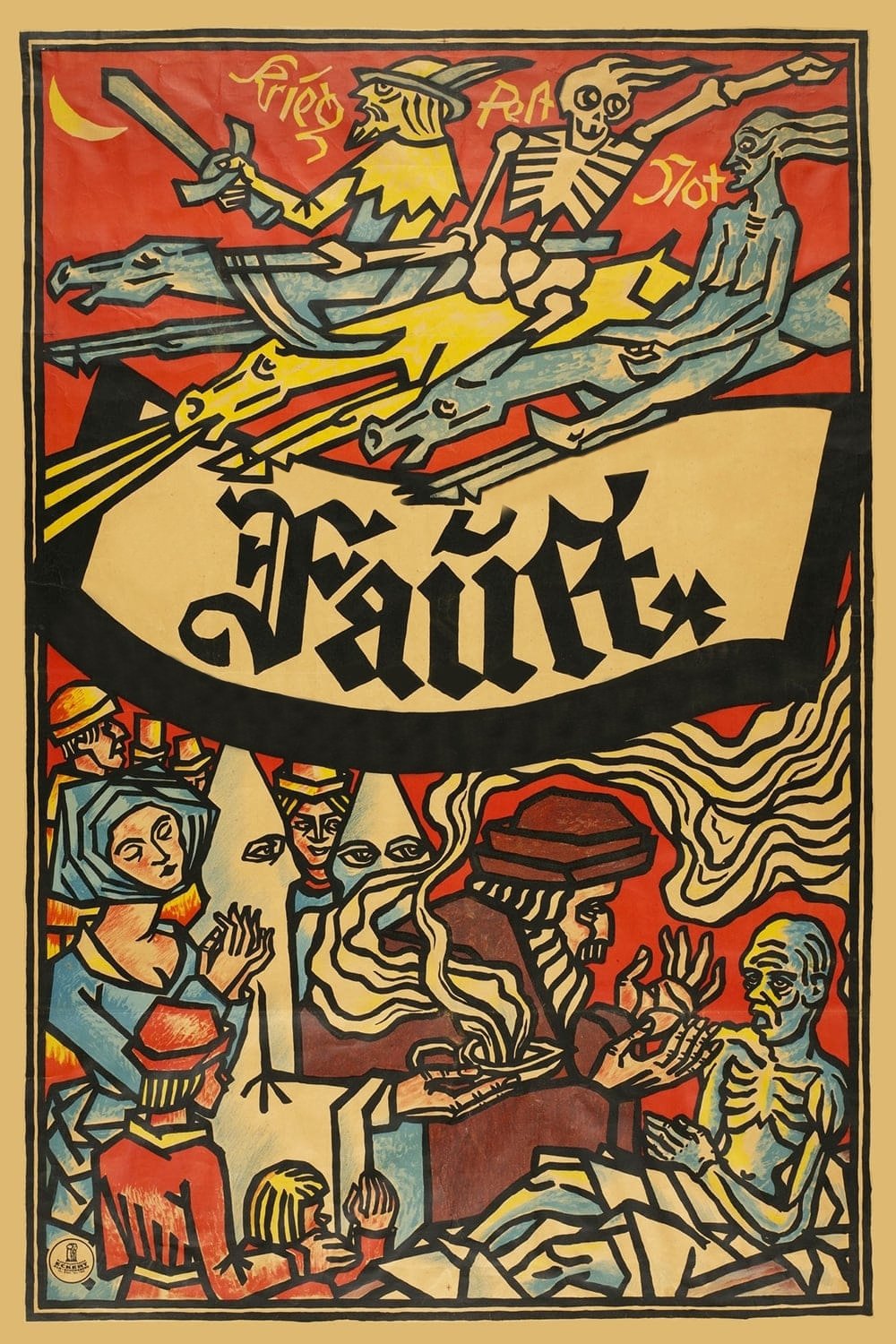
The Legend and Its Adaptation
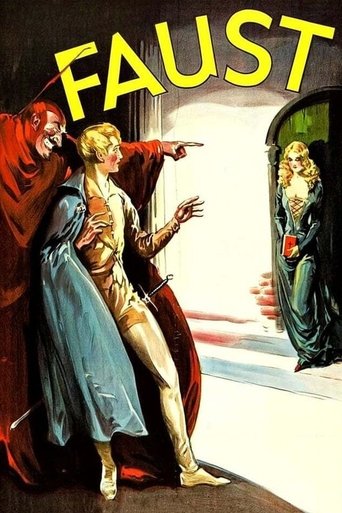
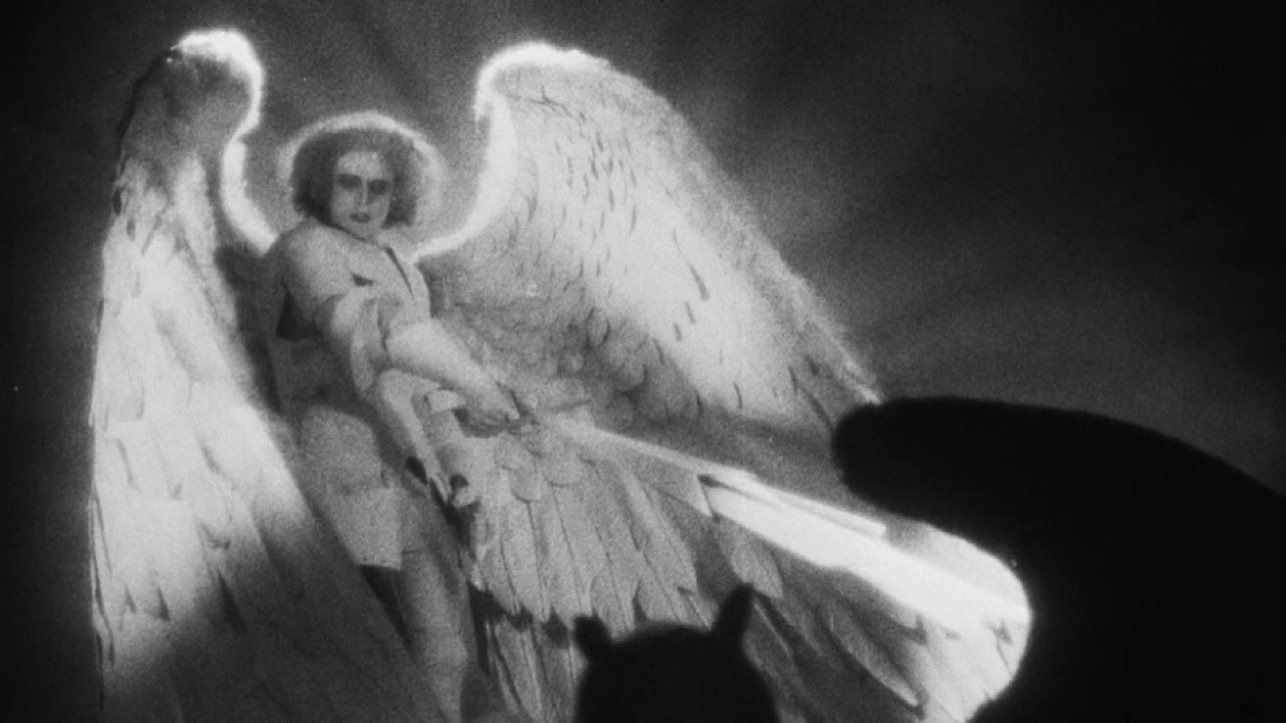
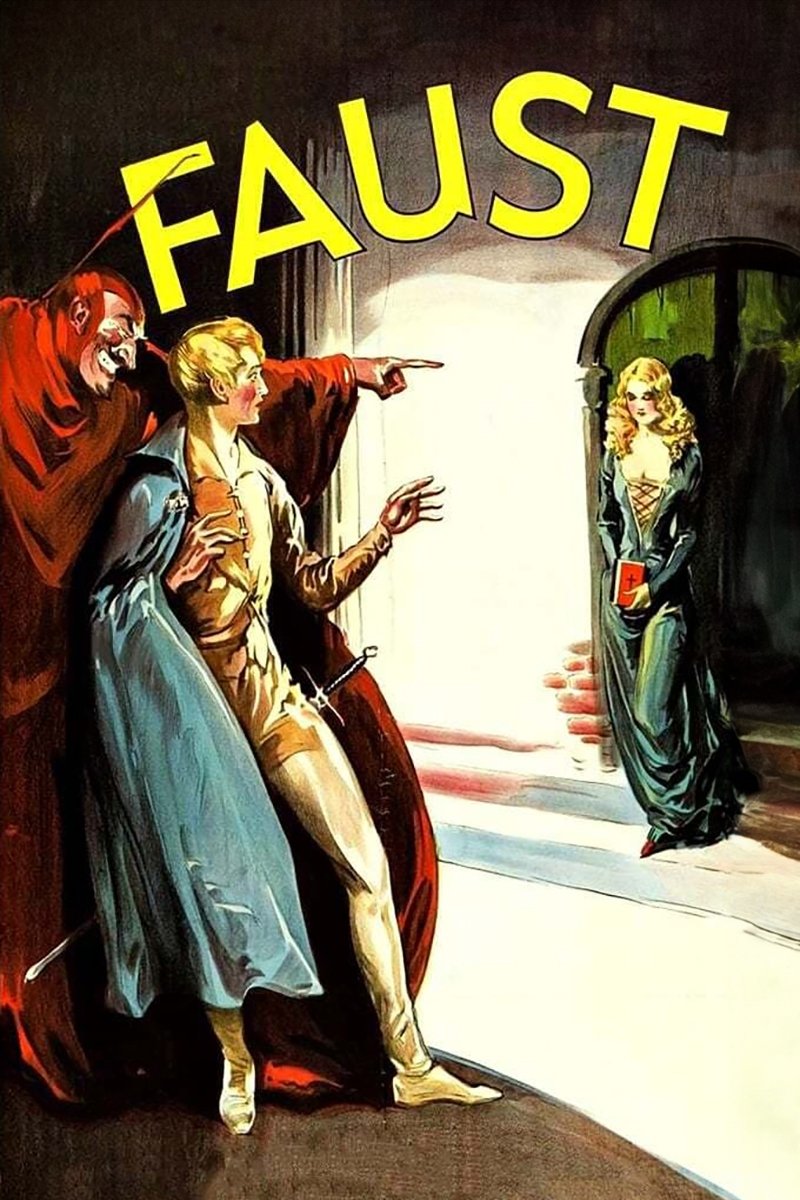
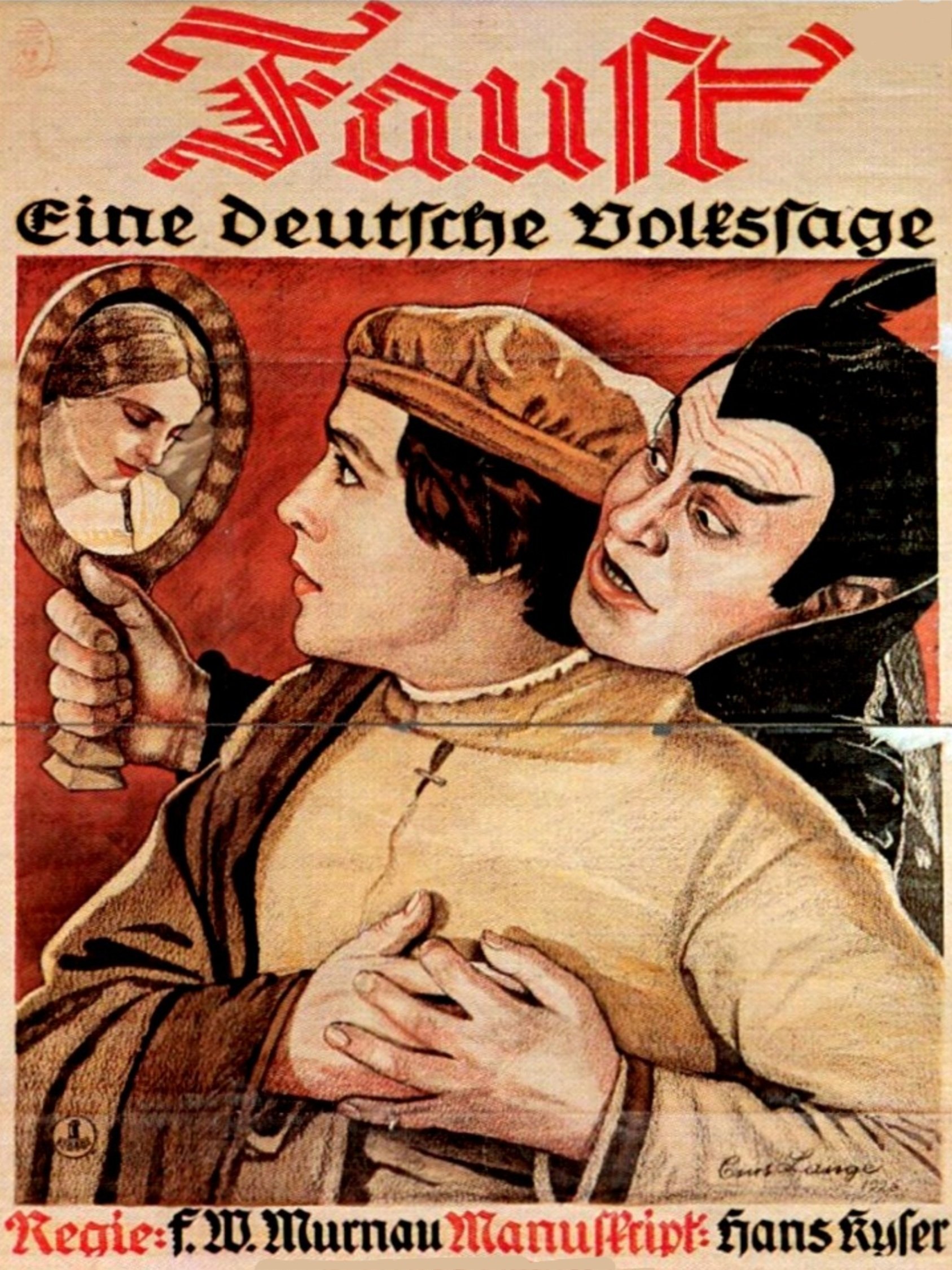
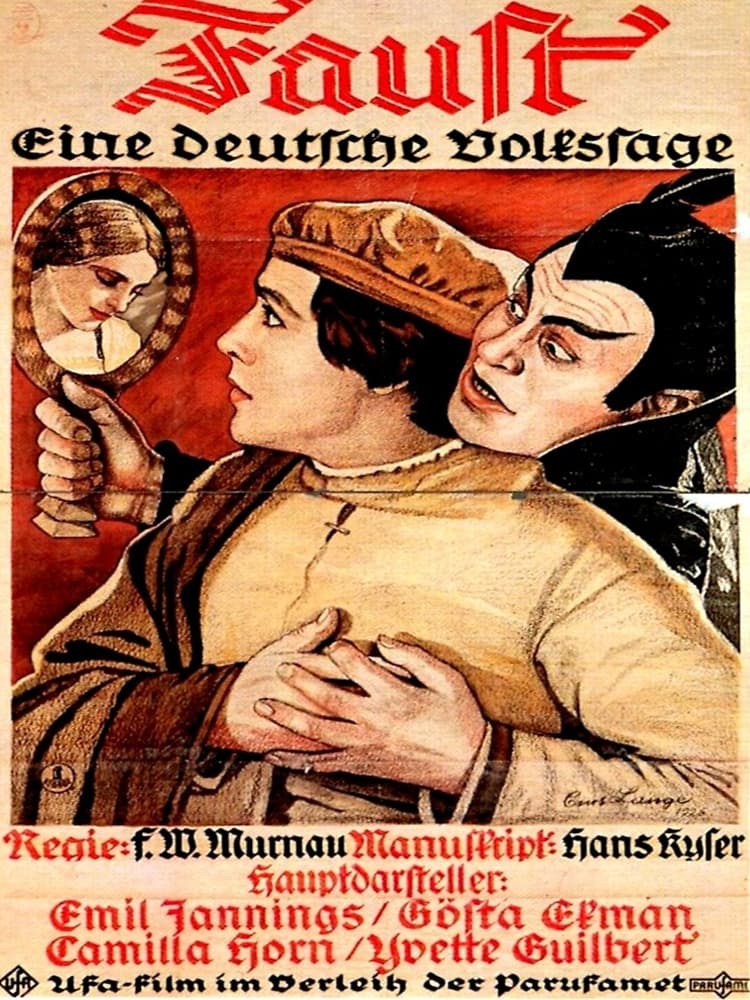
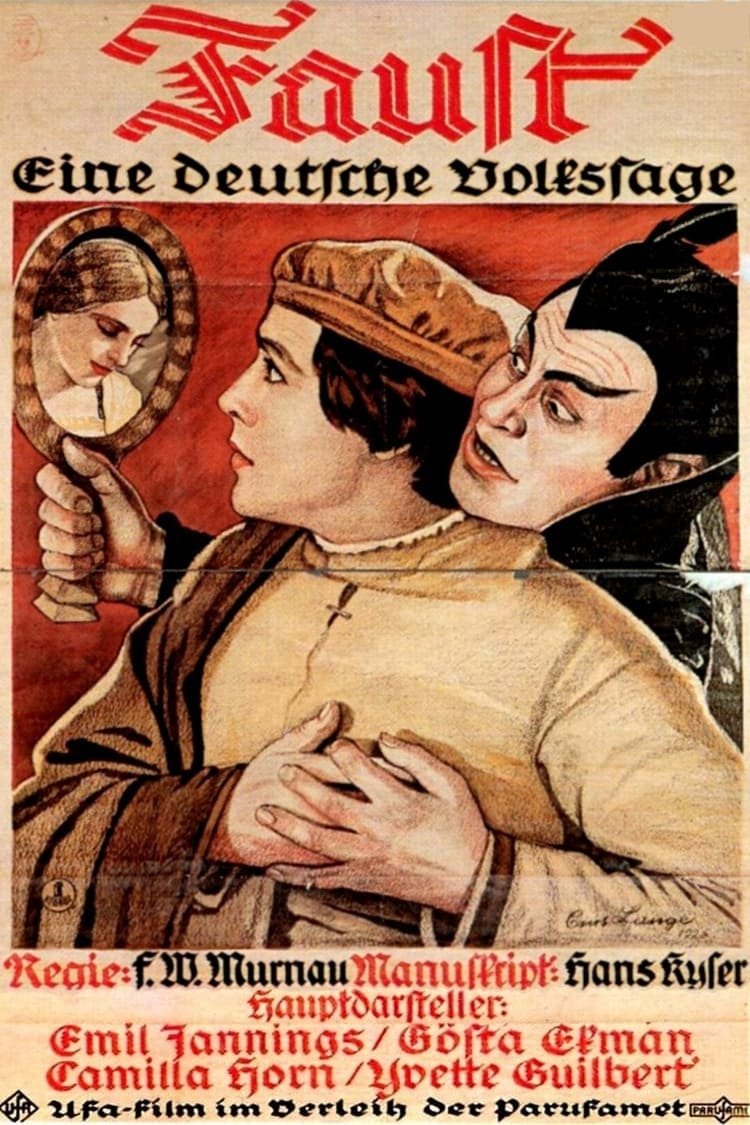
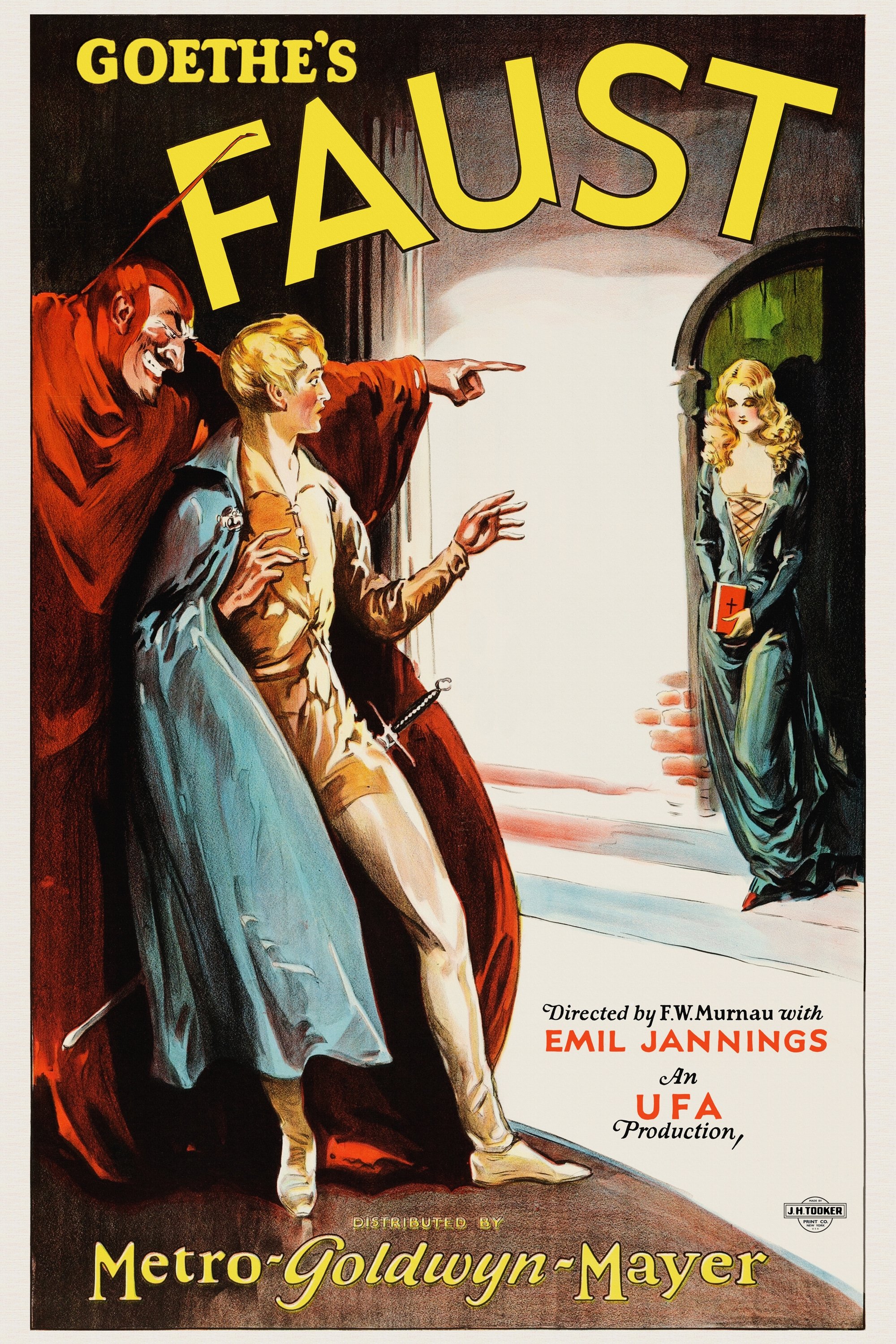
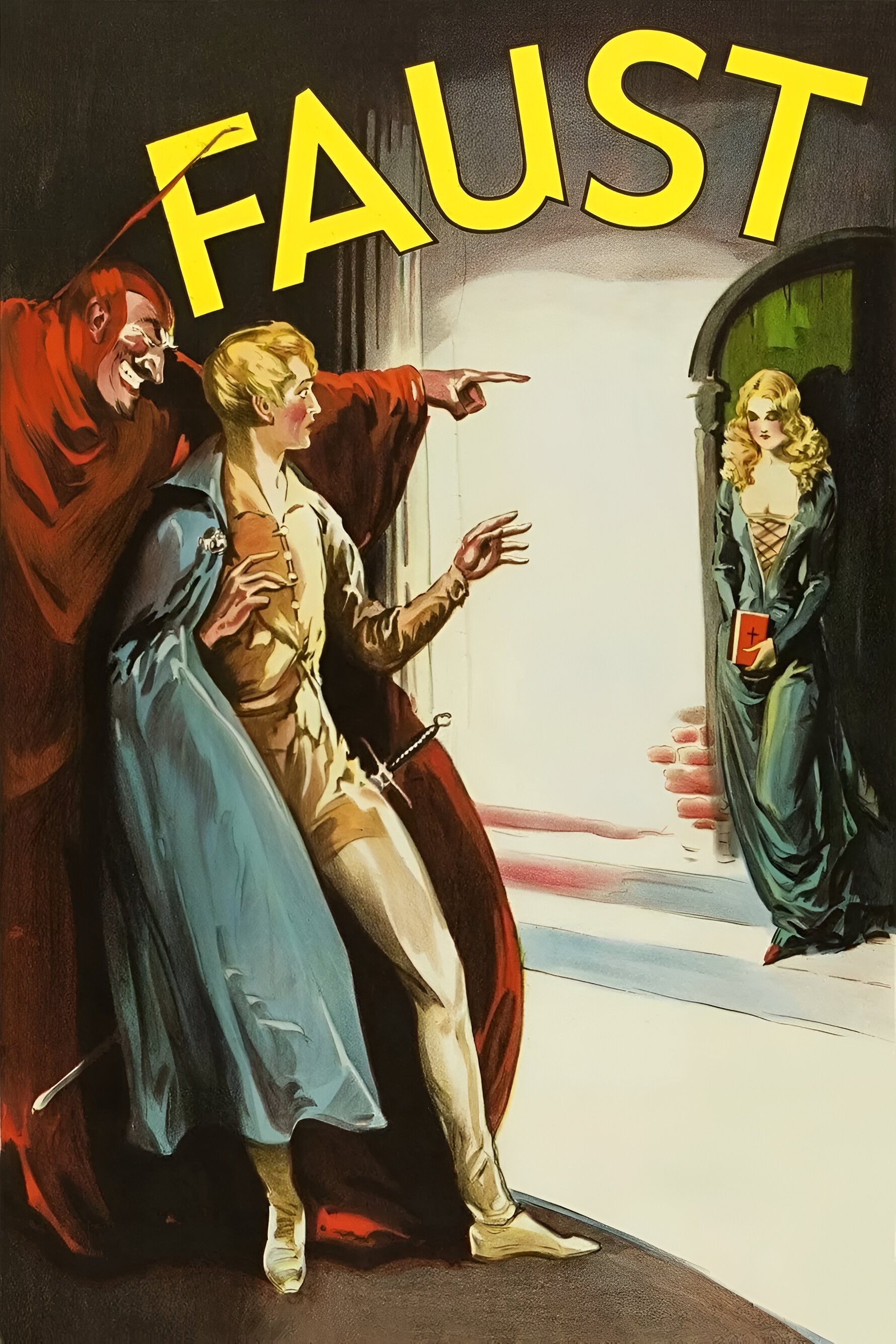
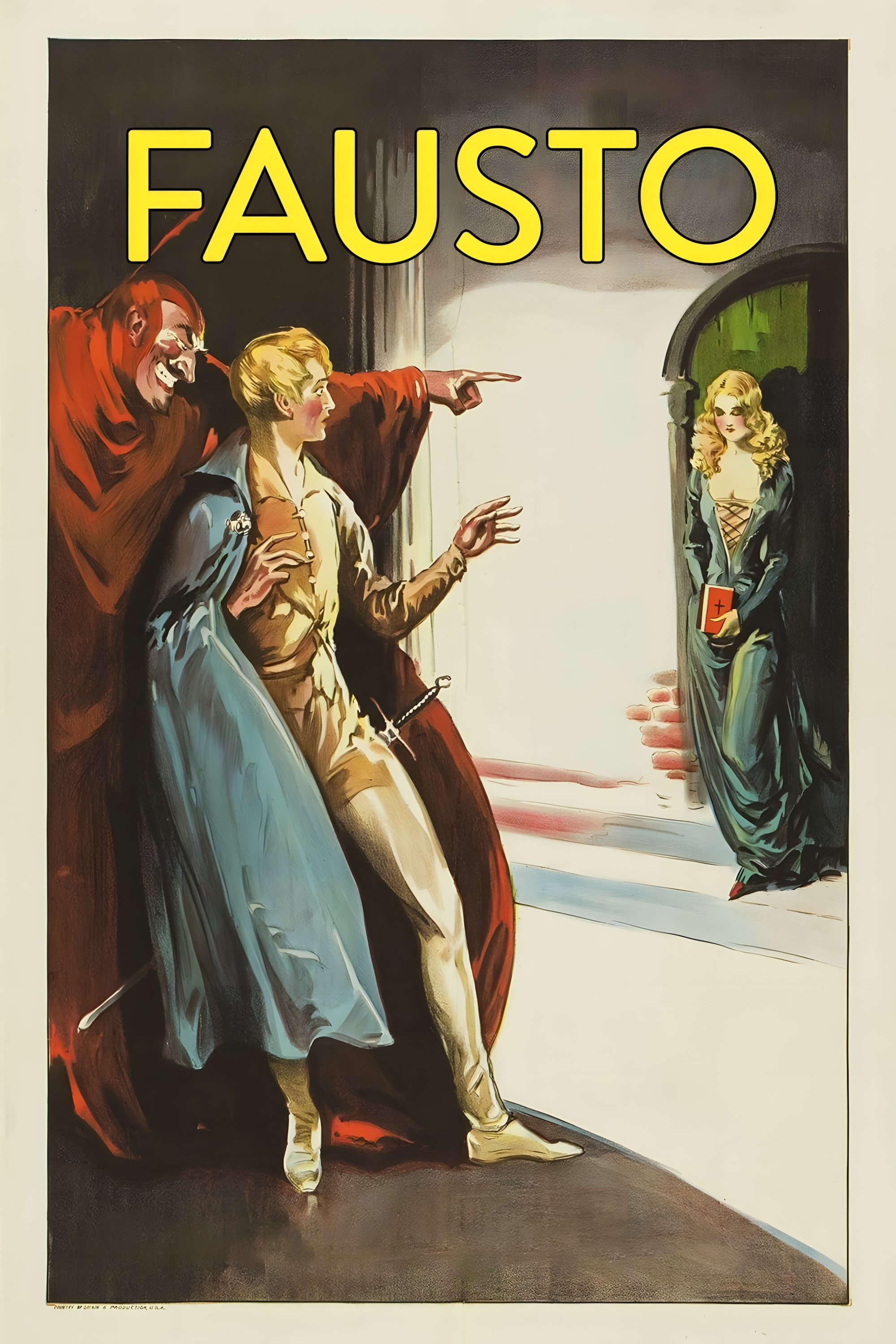
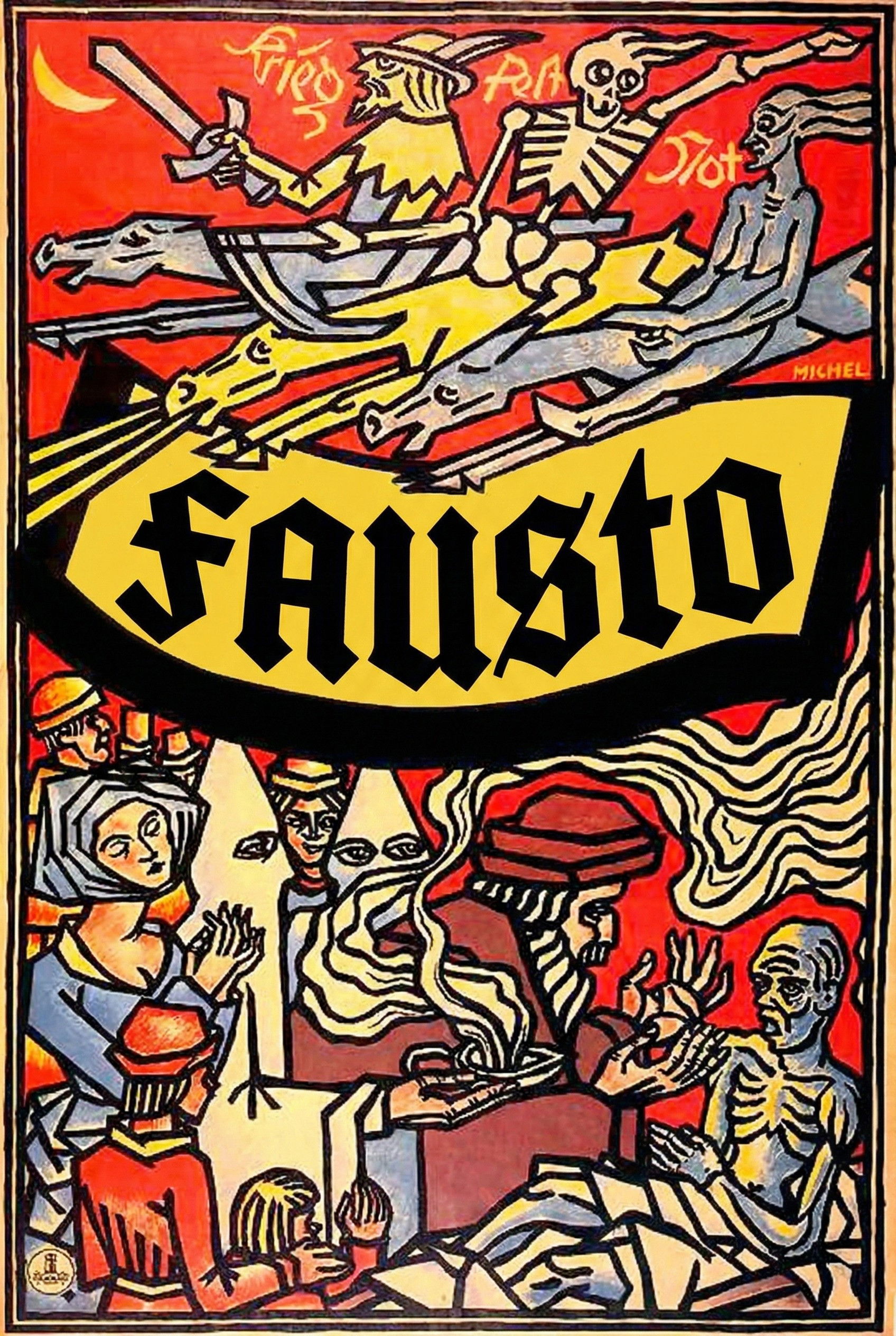
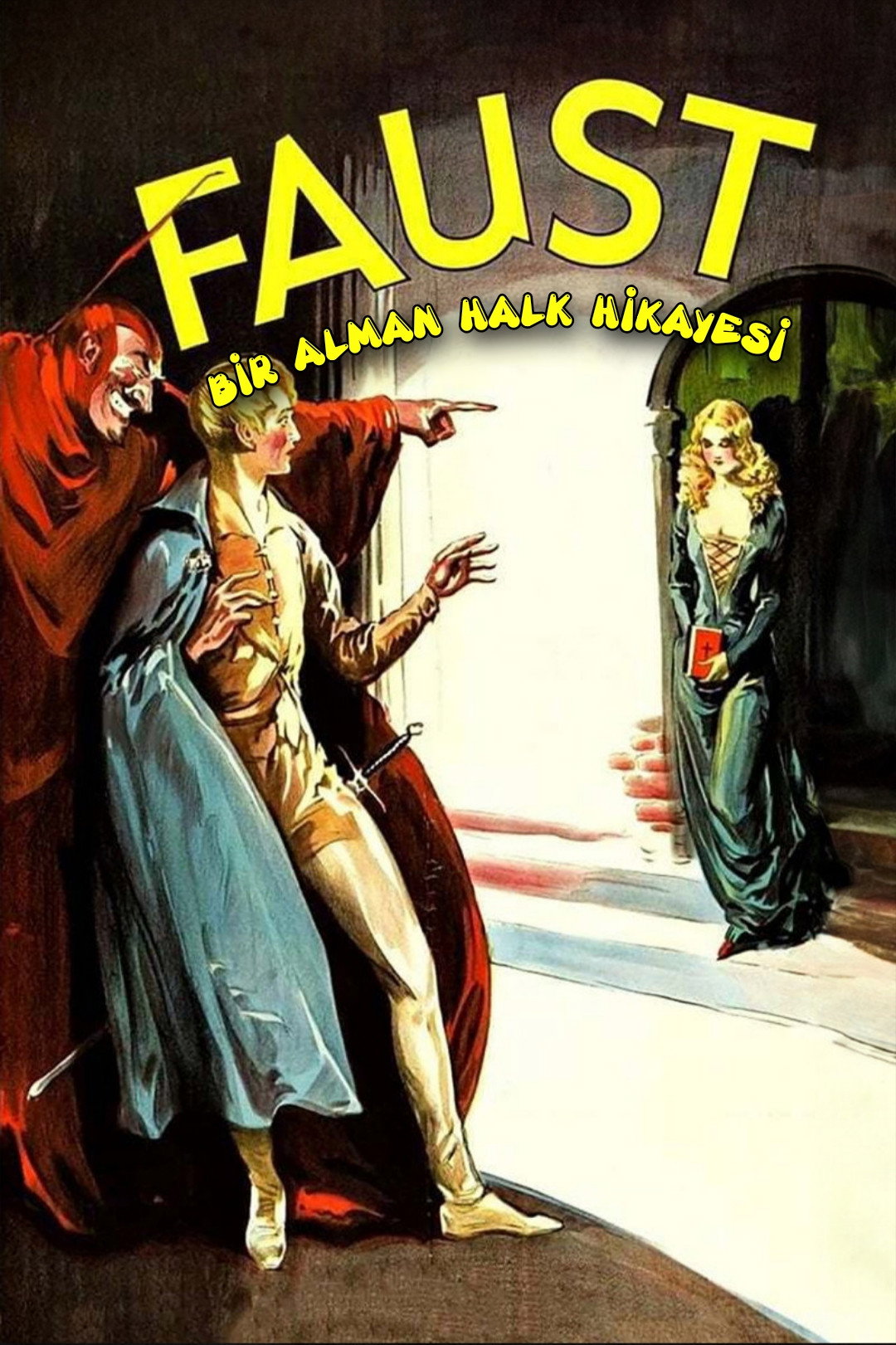
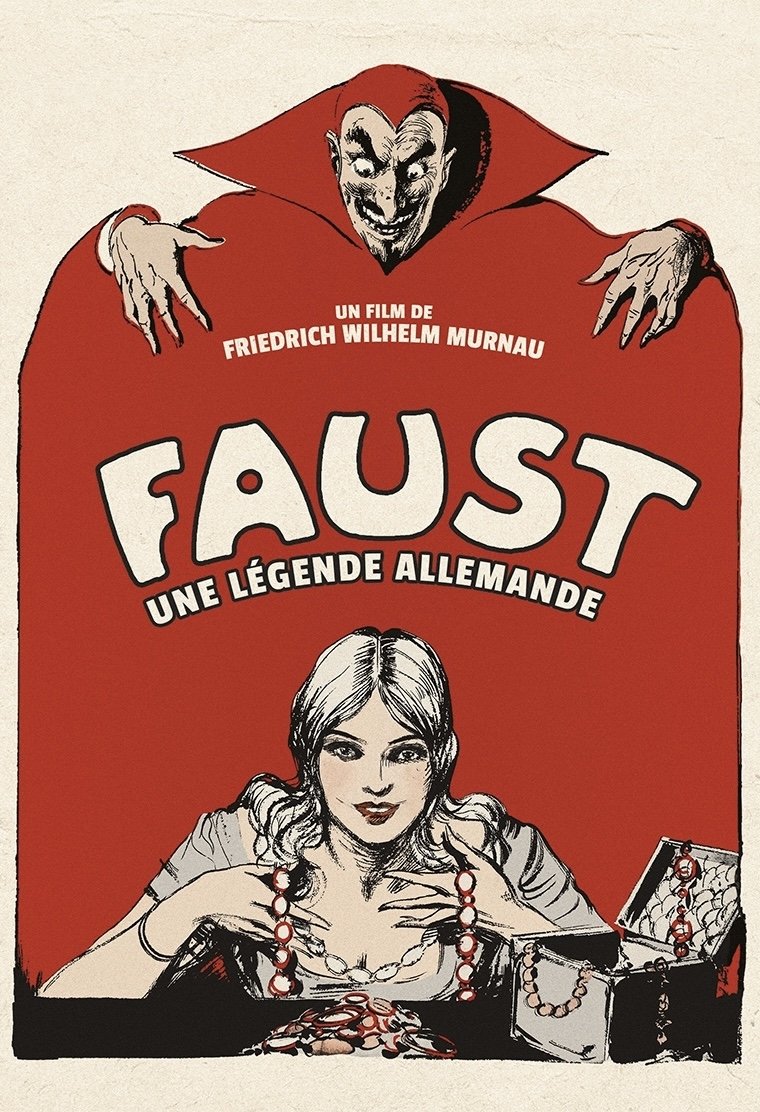
The Faust story existed in German folklore and literature long before Murnau brought it to the screen. Its central bargain, in which knowledge or renewed life is purchased at the price of a soul, had passed through popular chapbooks, Christopher Marlowe's drama and the much more expansive work of Johann Wolfgang von Goethe. Hans Kyser's screenplay draws on this composite tradition rather than reproducing one text scene for scene. It opens with a wager between a celestial figure and Mephisto over the fate of the human soul, making an entire town the testing ground for a spiritual conflict. This framework gives the subsequent outbreak of plague an explicitly supernatural cause and places the scholar's apparent moral failure inside a larger struggle.
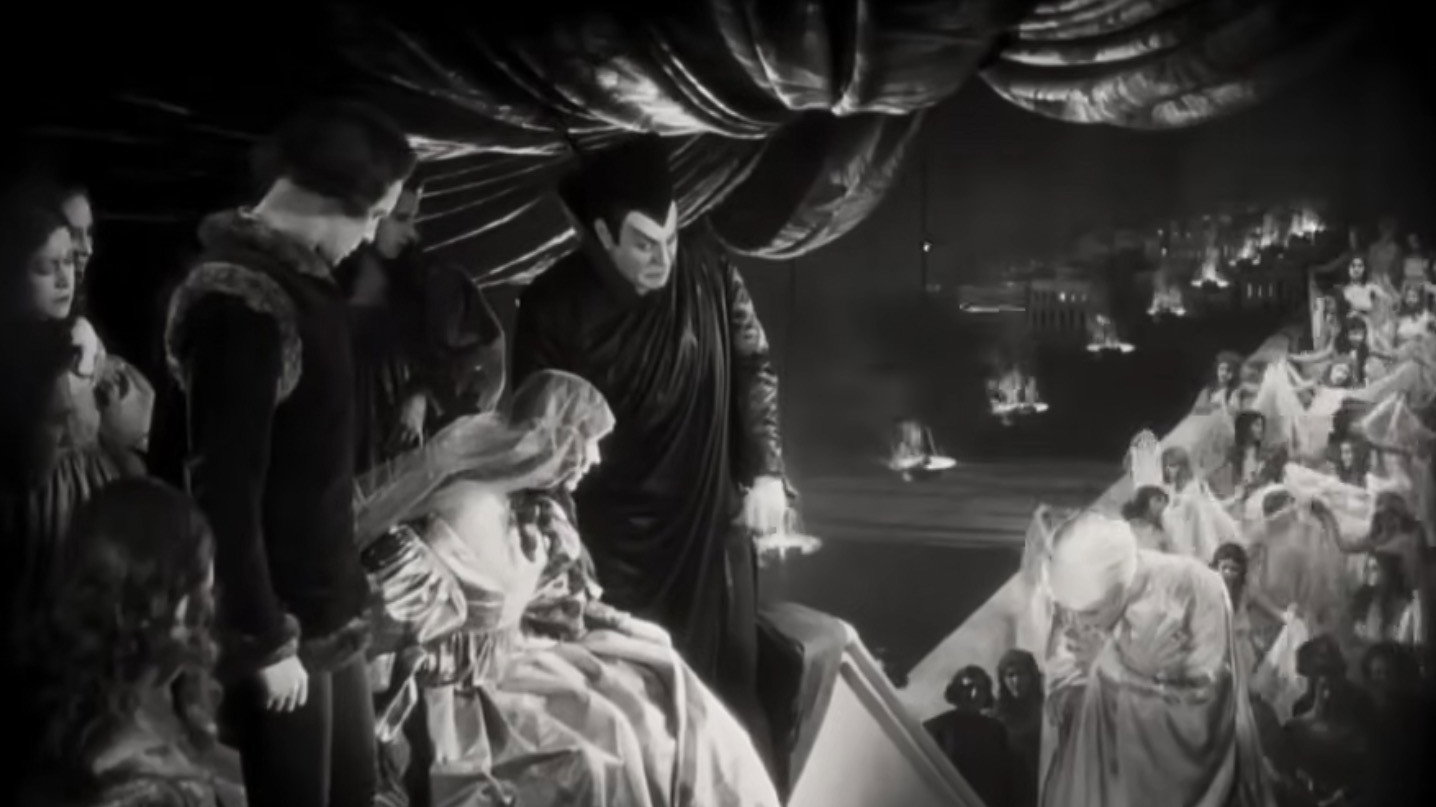
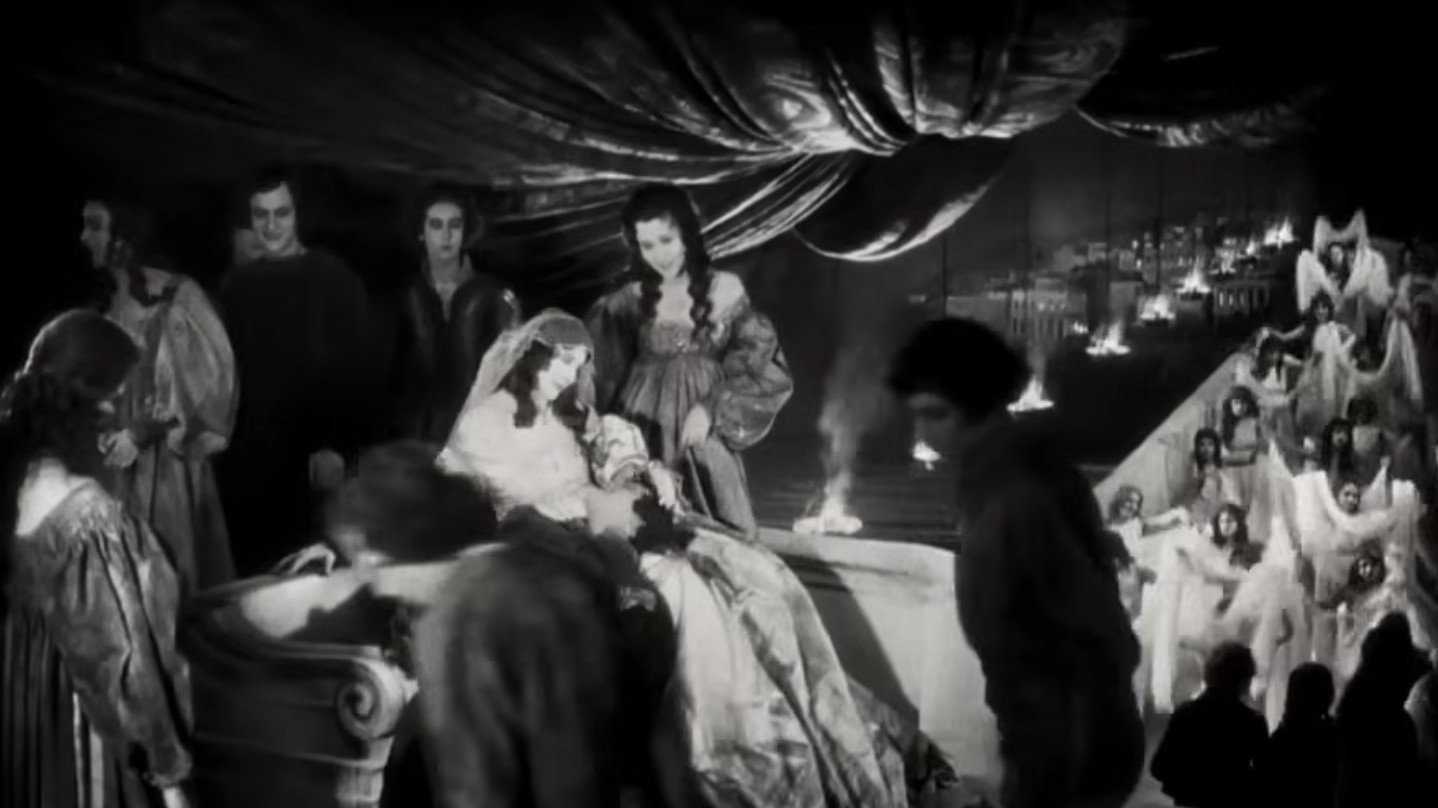
Faust initially turns toward forbidden power because learned medicine and prayer seem powerless against mass suffering. His first temptation therefore has a public dimension: he wants to relieve an epidemic rather than merely enjoy youth. The film quickly complicates this motive through his encounter with Mephisto, who presents restored vitality and earthly pleasure as irresistible rewards. A spectacular aerial journey and a visit to a princely court display the possible uses of the bargain. The story eventually narrows to Gretchen, whose relationship with Faust carries consequences more terrible than the temporary satisfactions promised by the demon.
This progression connects the older folk legend with the Gretchen tragedy familiar from Goethe while allowing the cinema to supply its own logic. Metaphysical arguments become visible contests between bodies, shadows and landscapes. Murnau also shifts attention repeatedly from Faust's desires to the damage that follows them. The supernatural setting is therefore not a decorative pretext for elaborate effects; it establishes the conditions in which ordinary people may be punished for decisions made by others.
Ufa Production and the Faust Bible
Faust was produced during the period when Ufa sought to compete in international markets through prestige silent features of exceptional technical ambition. Its production occupied the company's Berlin studios and brought together collaborators who already understood Murnau's demanding approach to composition. Designers Robert Herlth and Walter Röhrig worked with cinematographer Carl Hoffmann to convert drawings into meticulously arranged sets and camera images. Accounts of the shoot stress the extent to which Murnau revised and tested visual solutions; the result required unusually close coordination between architecture, lighting, performance and photographic trick work.
One of the most important pieces of evidence for those methods is the so-called Faust Bible. A substantial Bible used as a prop in the film was transformed into a production album, with designs by Herlth and Röhrig, photographs taken during filming, and images printed from Hoffmann's negative. The album was presented to Murnau as a keepsake and later disappeared into the complicated history of his surviving possessions. Rediscovered long after the production, it was eventually acquired by the Cinémathèque française, where it has been conserved and studied. Its pages make it possible to compare projected designs with their physical and photographic realization.
The album also corrects any temptation to explain the film's images as the isolated achievement of a single visionary director. The drawings frequently specify the arrangement of figures within space, leaving little separation between set design and the planning of individual shots. Archival evidence documents a collaborative process in which the production designers and camera department helped devise effects that were integral to the film's narrative. Murnau's exacting supervision remains important, but the surviving record gives his collaborators a clearly identifiable creative role.
Cinematography, Light and Constructed Space
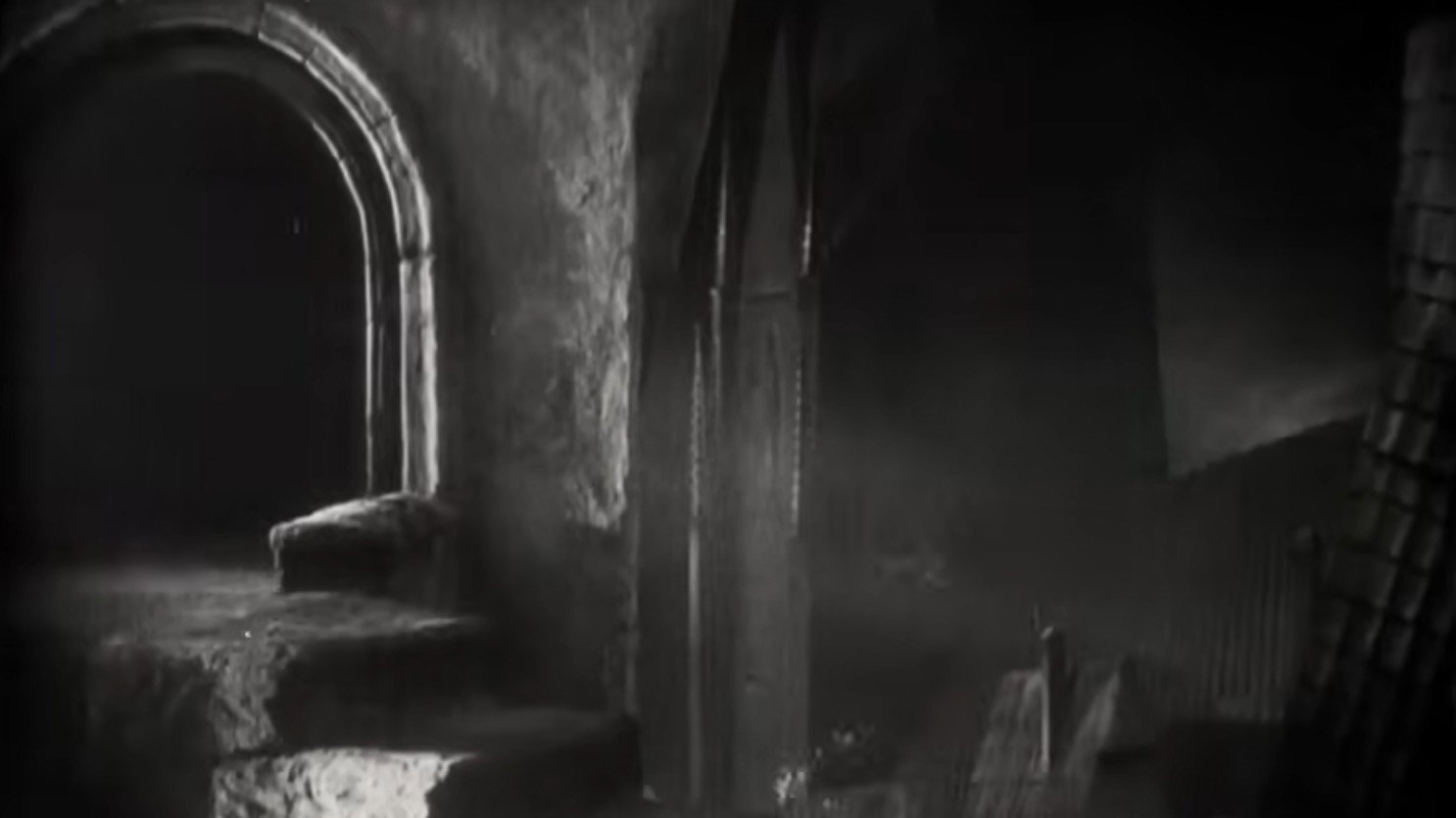
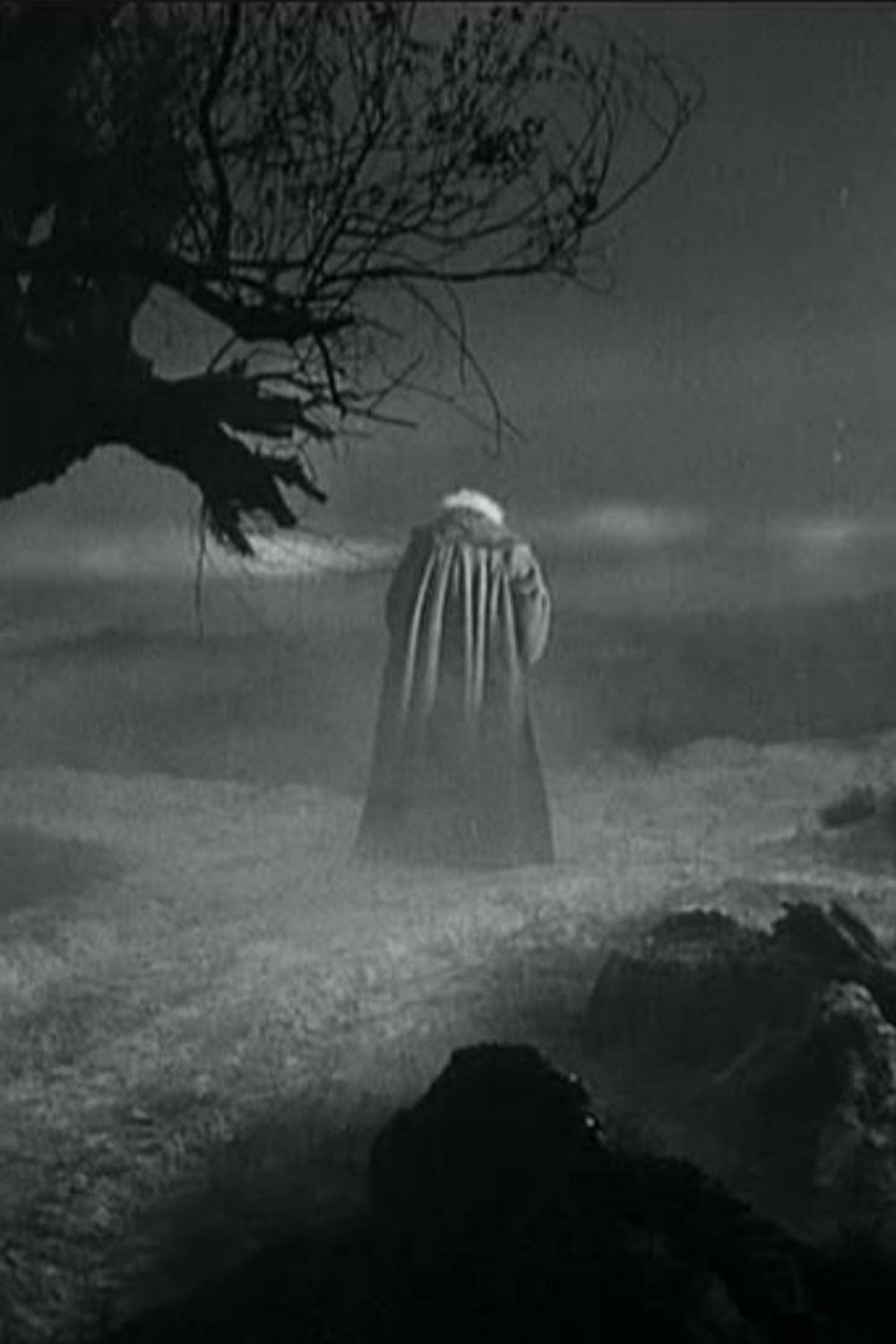
The film was made in controlled studio environments, where the design team could organize every opening, staircase, roofline and patch of mist around the desired image. Carl Hoffmann's photography builds volume through concentrated lighting and large areas of darkness. Backlit smoke and carefully separated planes can make a modest structure seem vast, while figures placed close to the lens establish disorienting changes of scale. The visual vocabulary draws on German Romantic and Baroque painting without becoming a succession of static tableaux. Murnau repeatedly uses movement within the frame to transform an apparently settled composition into an unstable one.
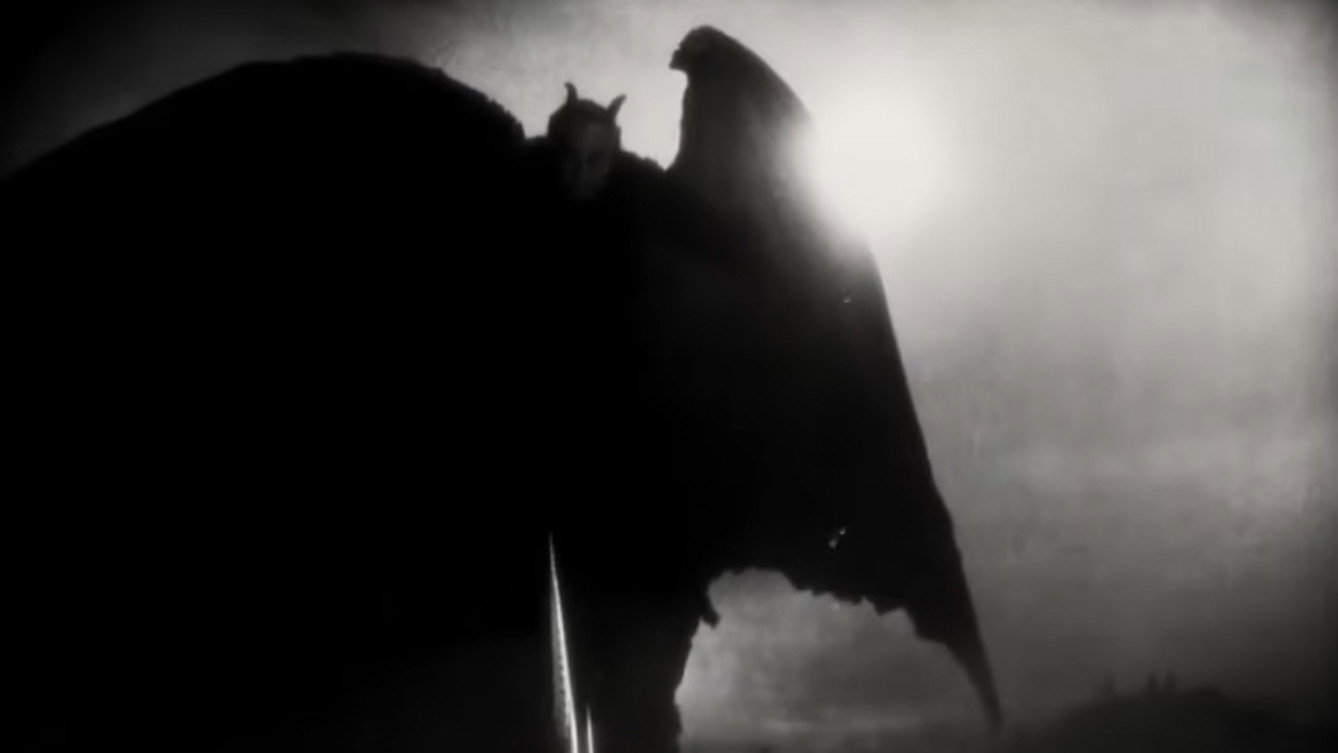
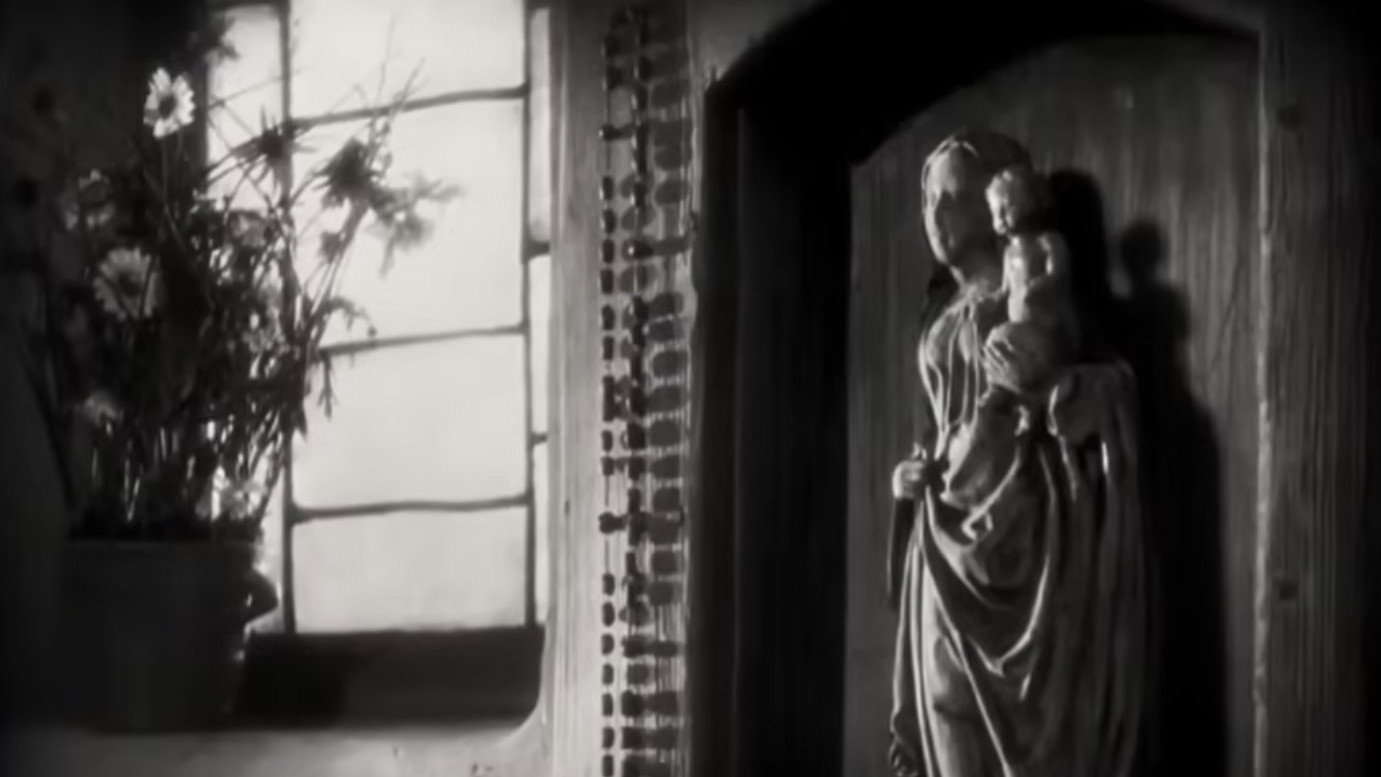
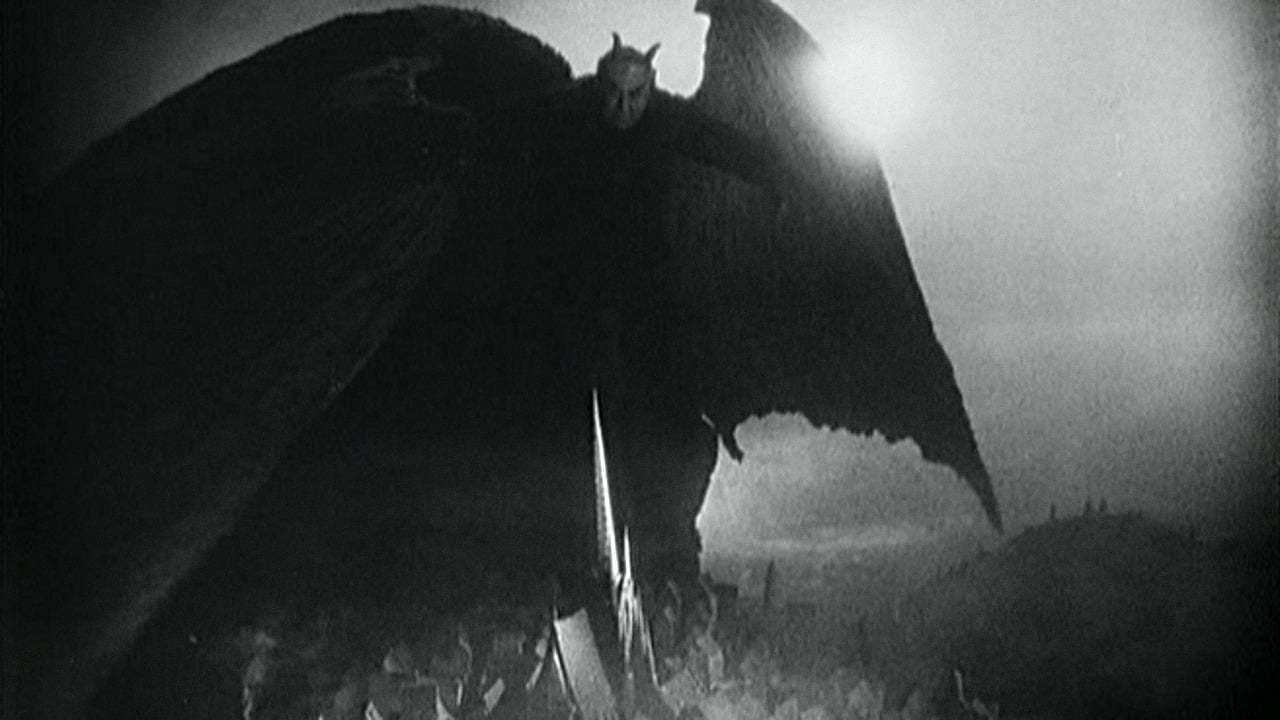
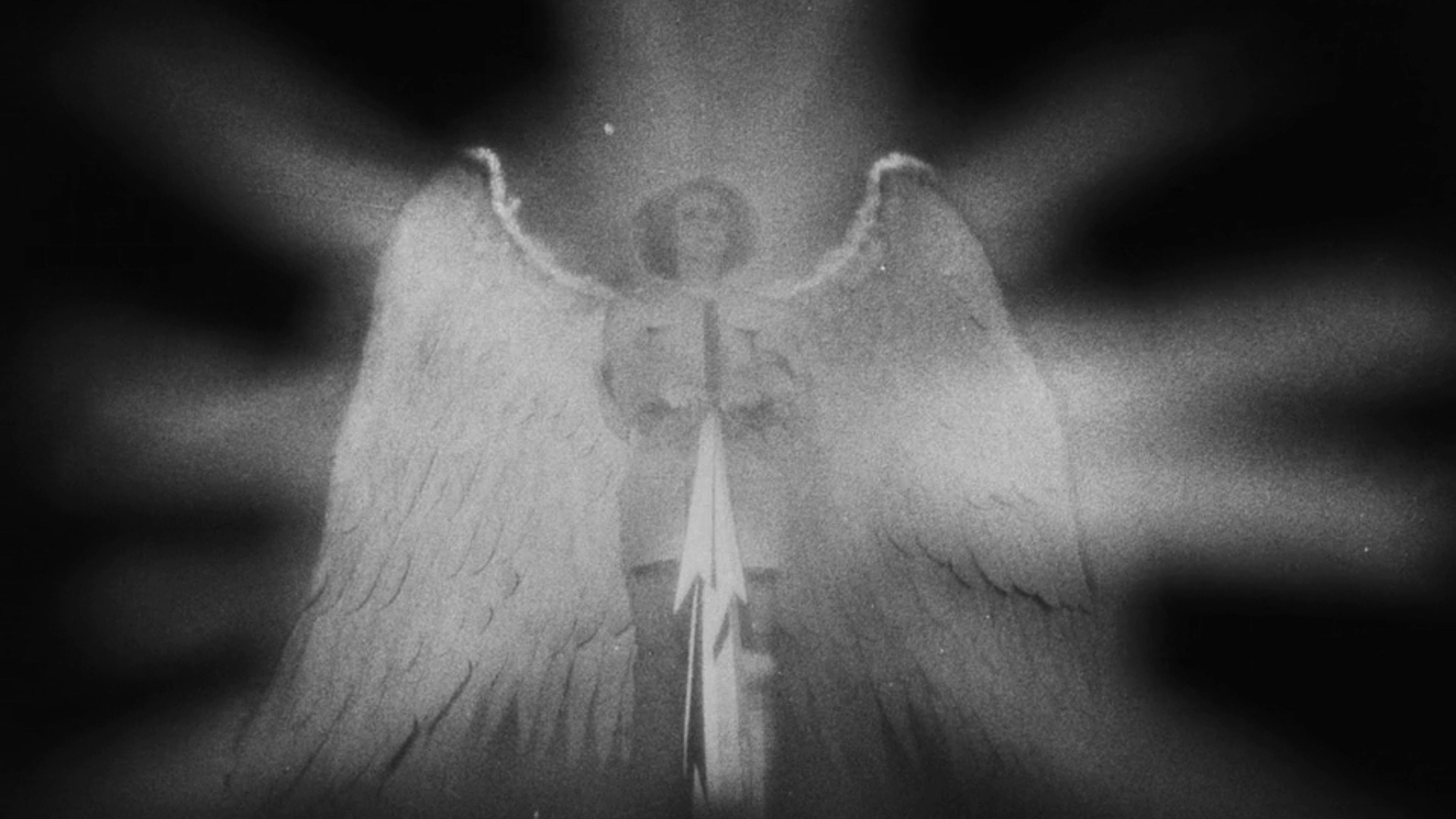
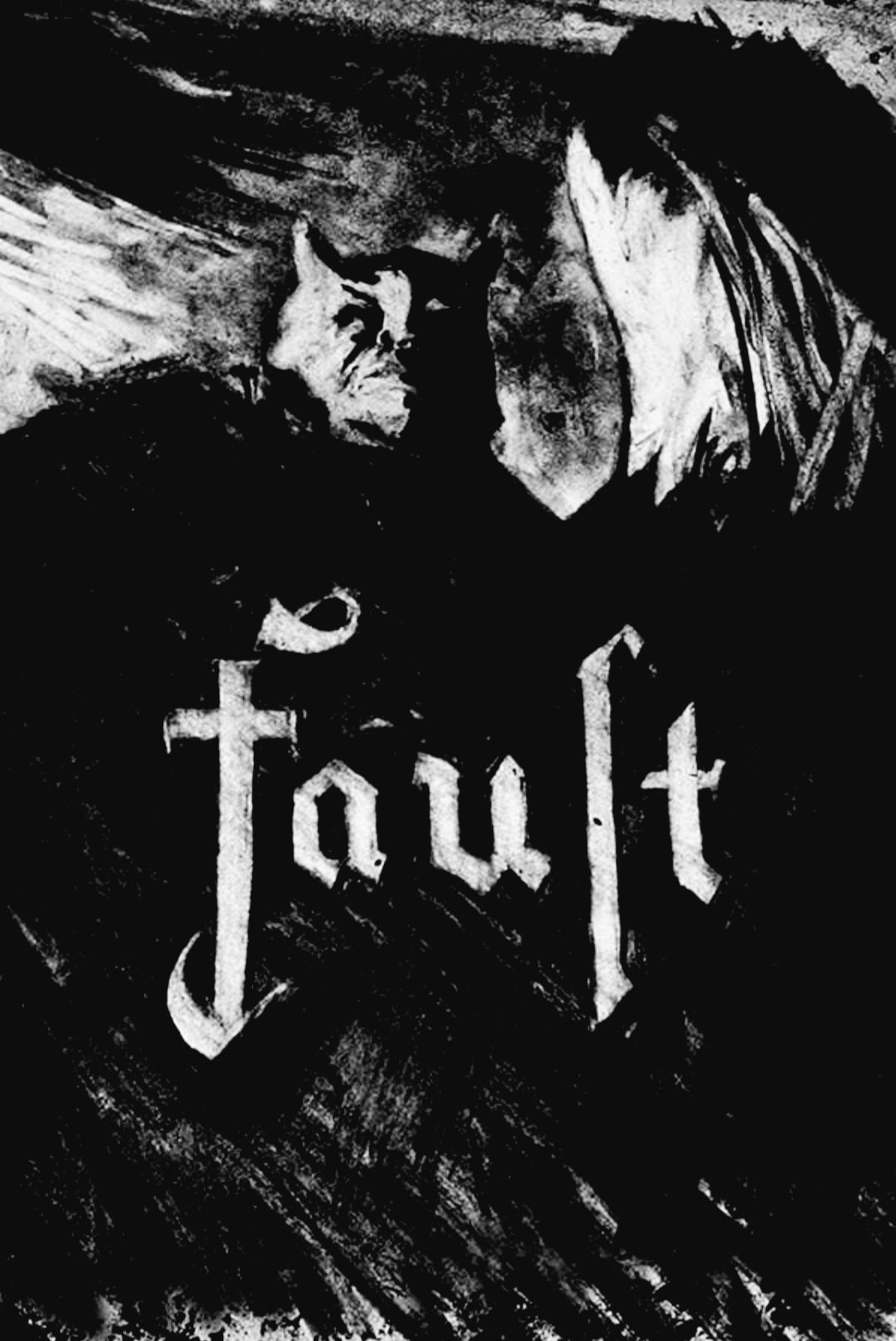
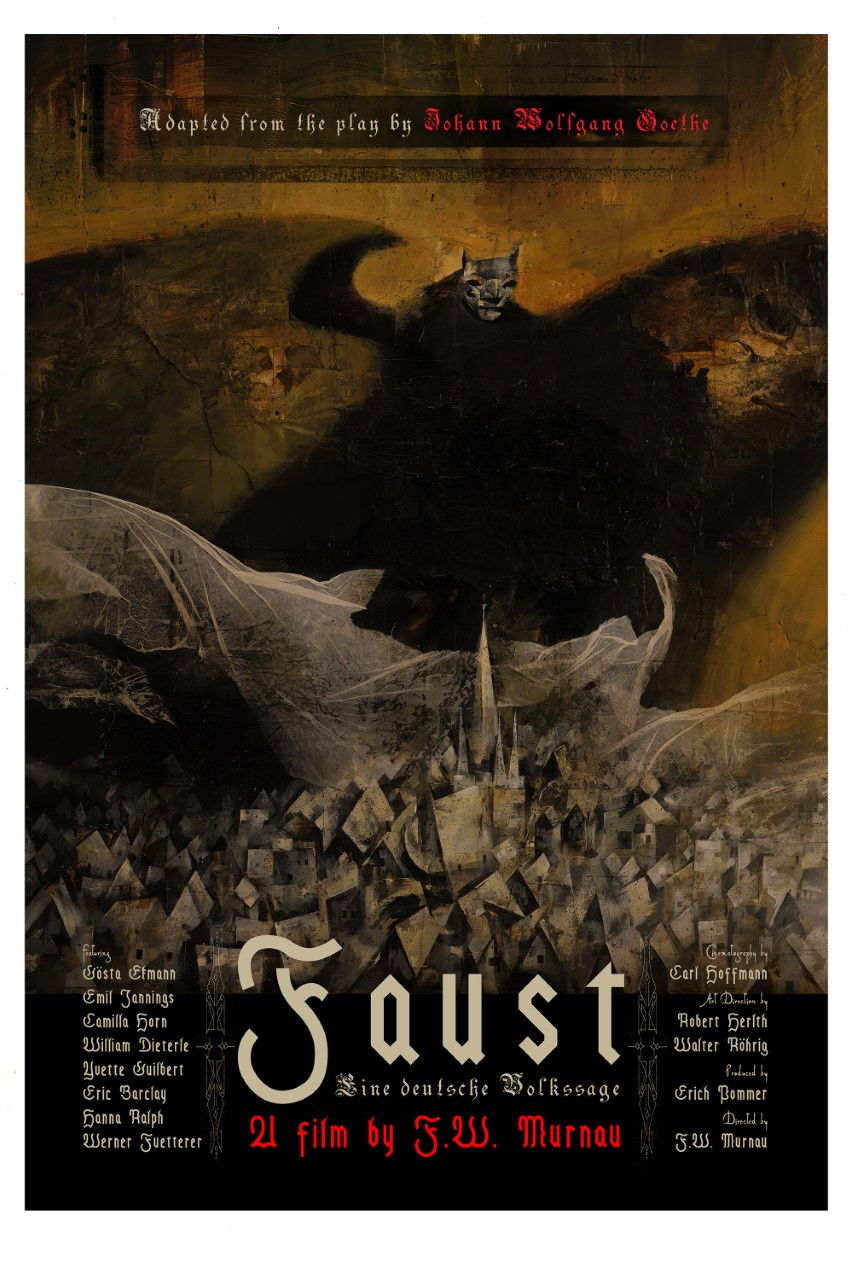
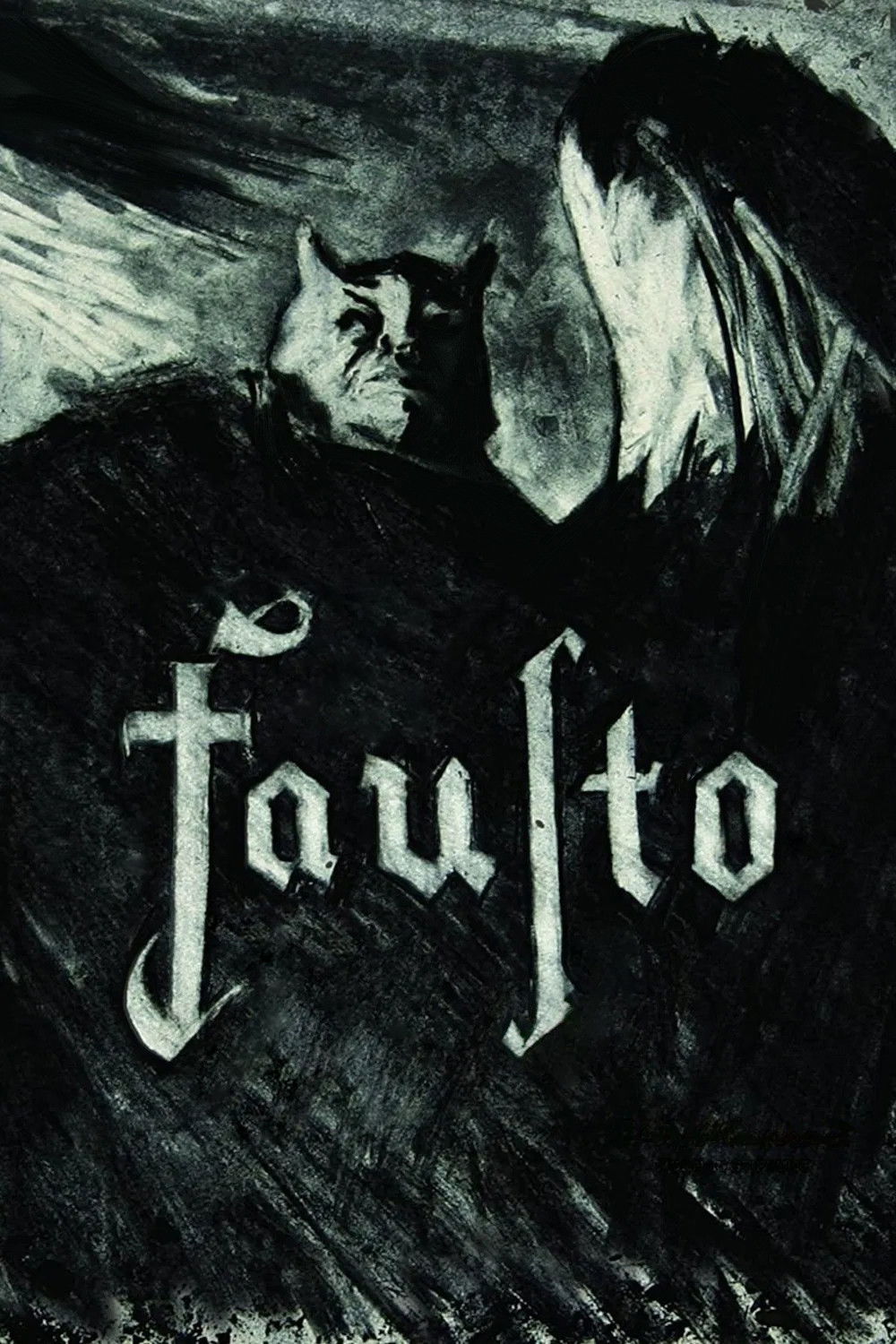
The contrast between Mephisto and the angel in the opening establishes a visual structure carried through the rest of the film. The demon's wings and dark vapour spread across the landscape while sharply illuminated faces emerge from gloom. When the plague reaches the town, architecture seems engulfed. Domestic and religious interiors offer partial refuge, but the threat can reappear through shadows, doors and windows that no longer function as dependable boundaries. The very forms of the built environment become part of the supernatural action.
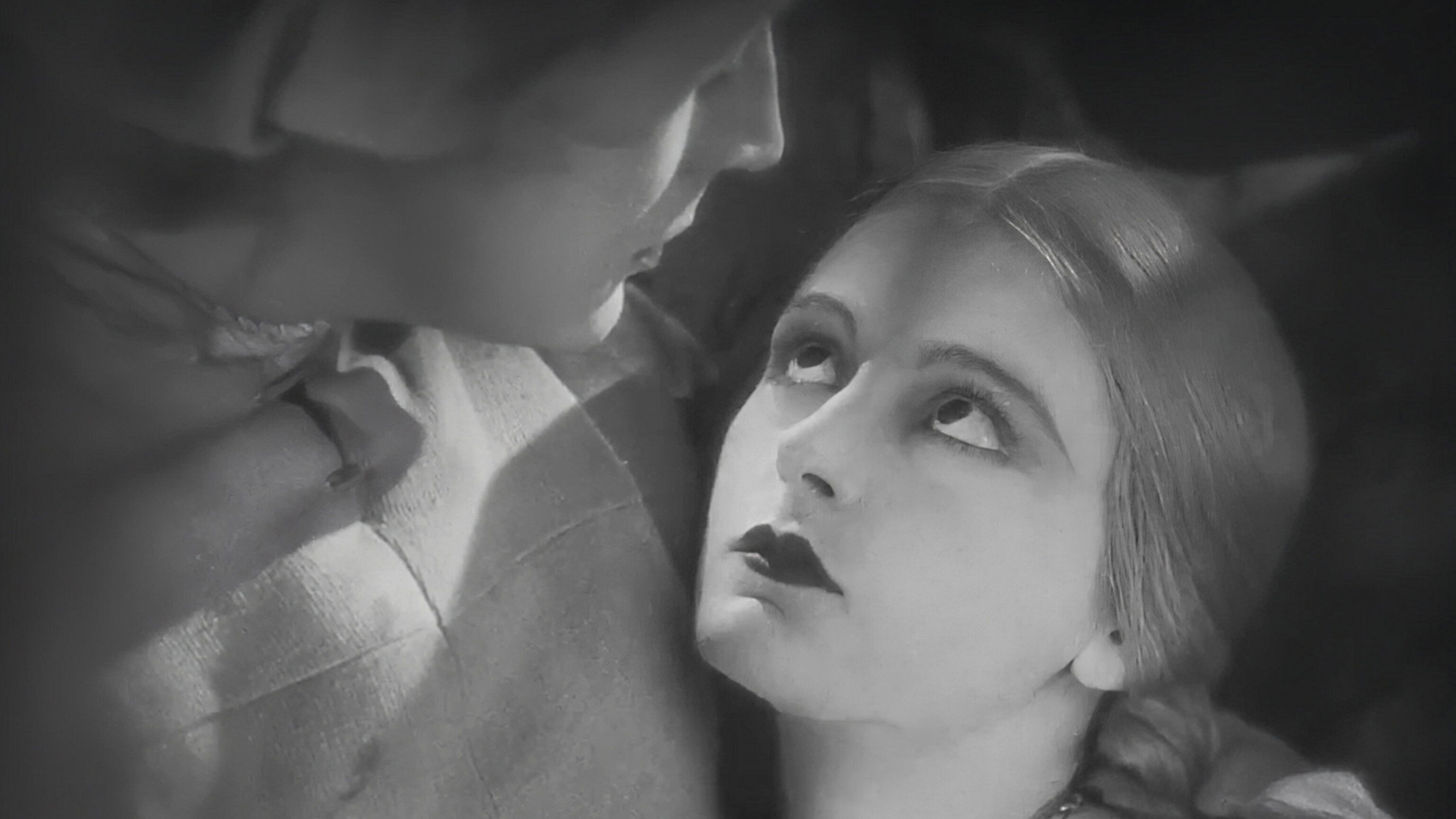
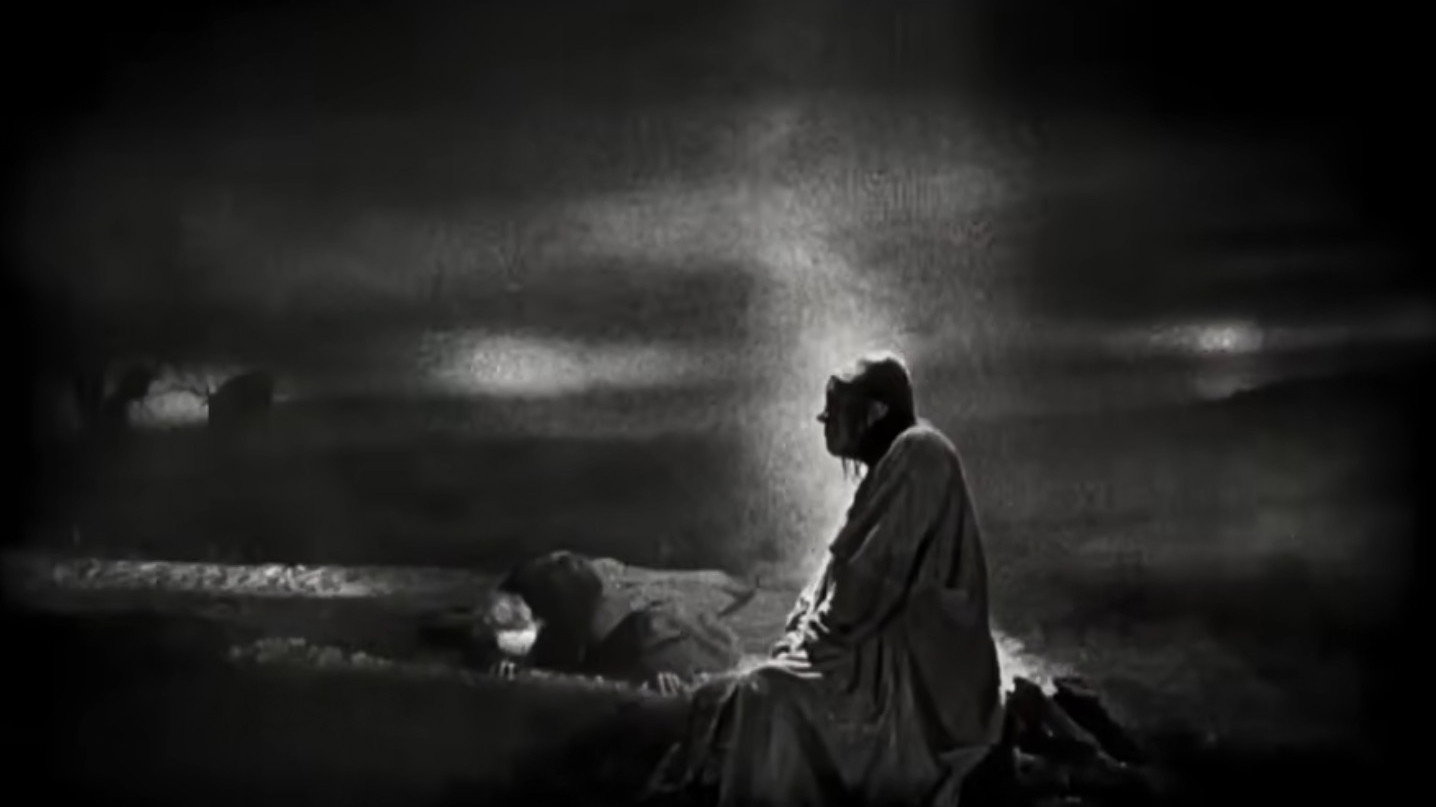
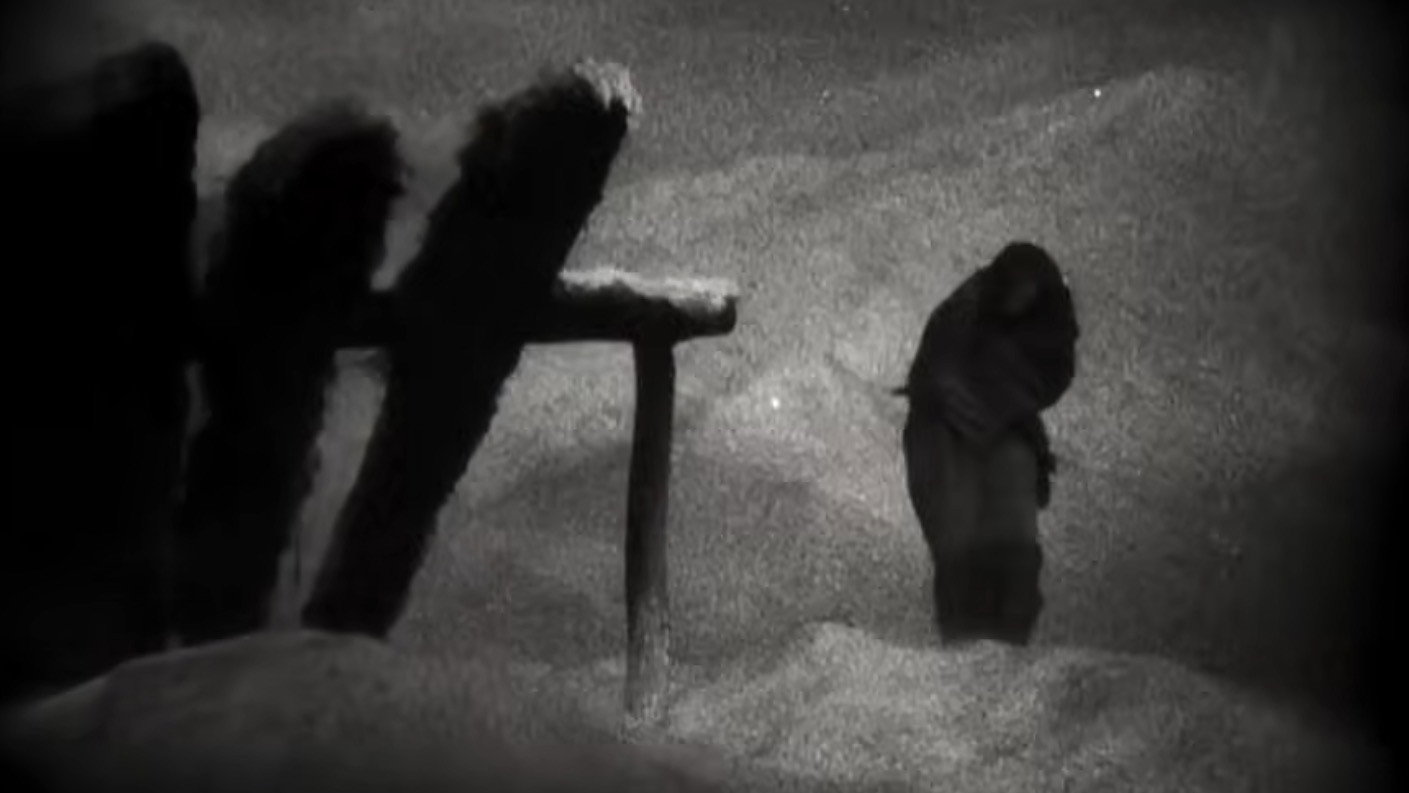
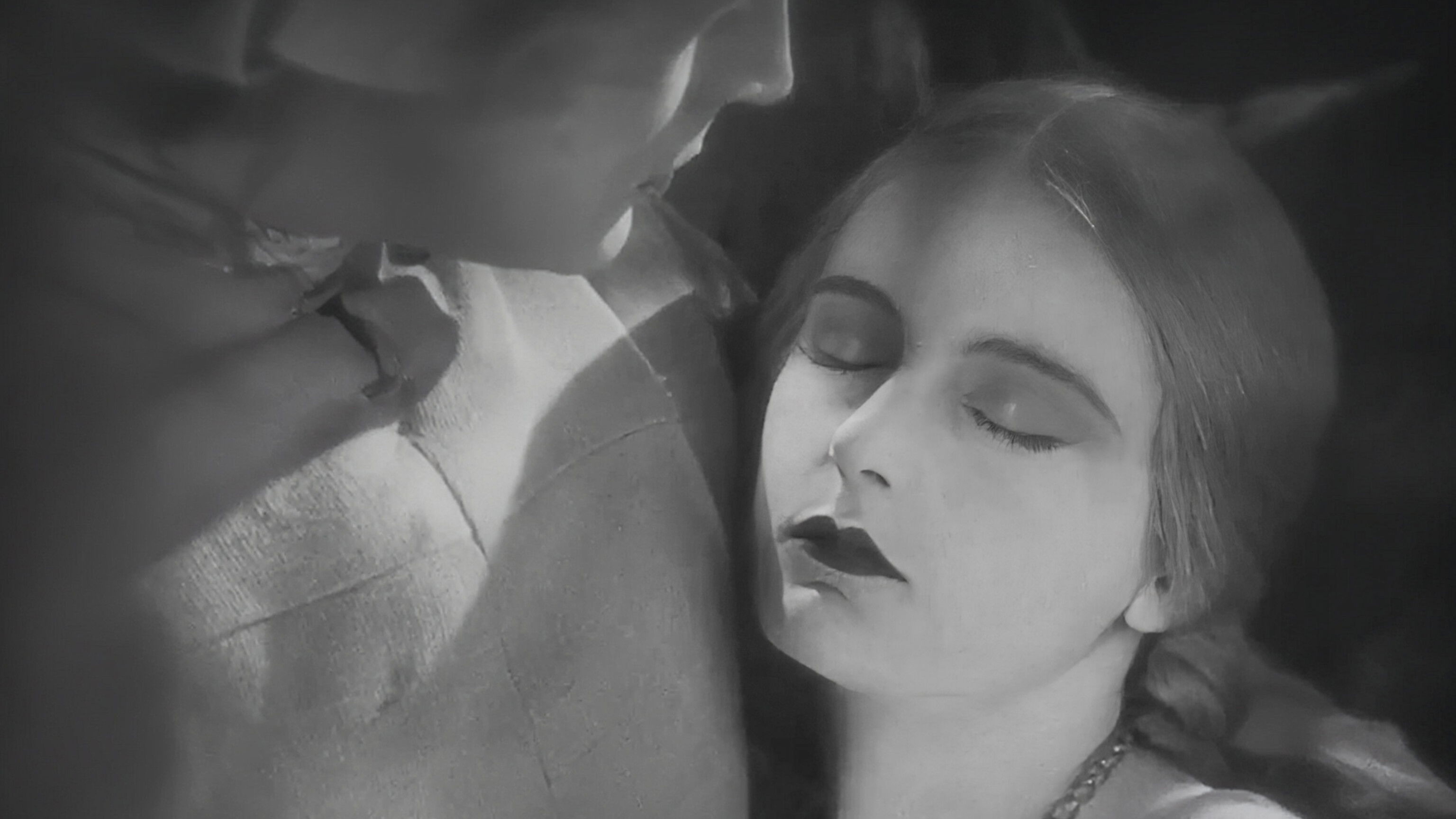
Gretchen's scenes are organized differently. Her small domestic rooms and the later snowbound setting emphasize physical exposure and emotional isolation. The sequence involving her child is especially devastating because the winter landscape turns an ordinary sheltering gesture into an irreversible tragedy. Such images demonstrate how Murnau's style can register vulnerability without the gigantic apparitions of the opening. The same control of weather, illumination and arrangement that produces supernatural awe also makes human suffering visible.
Special Effects and the Supernatural Body
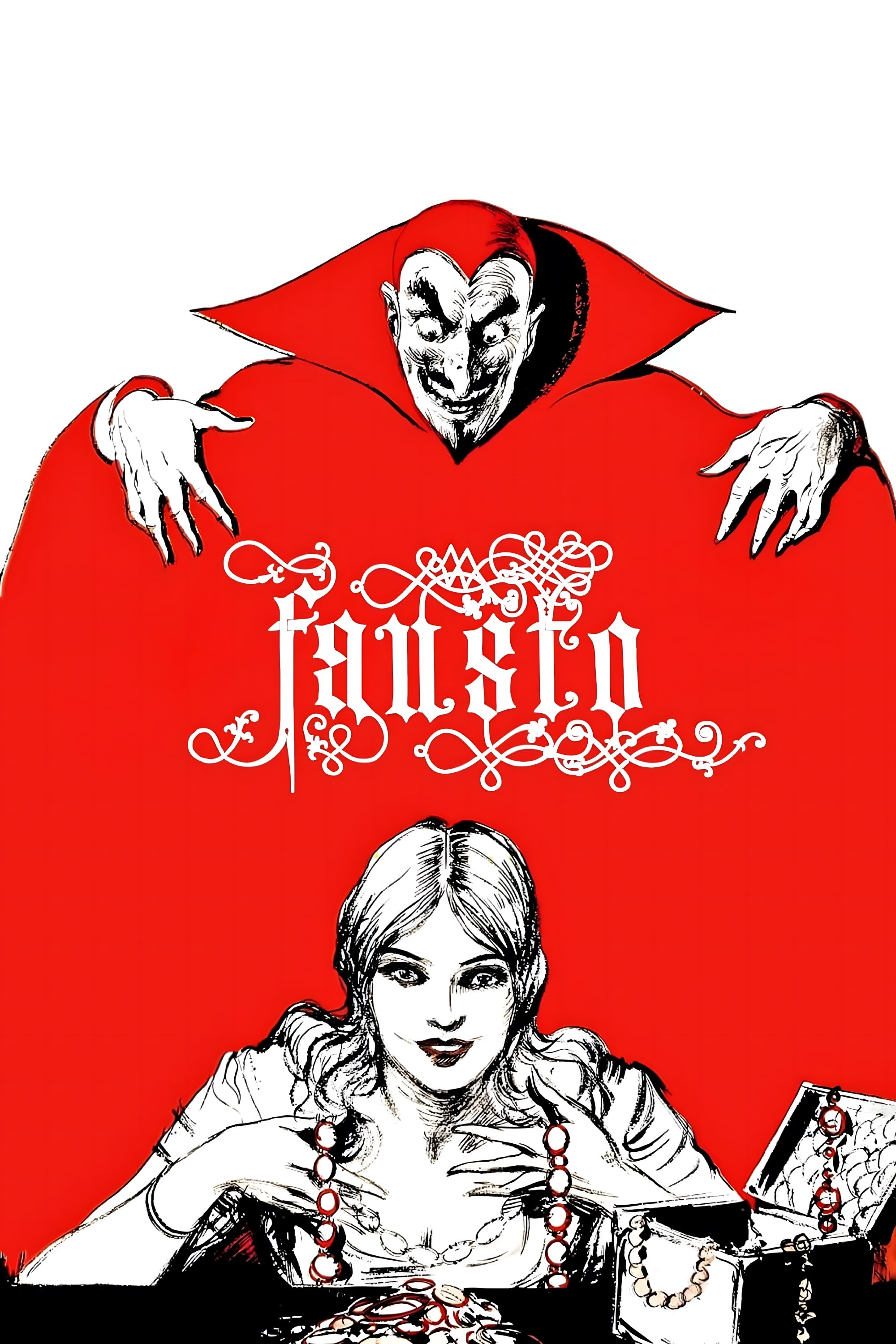
Faust contains some of the most ambitious effects work in silent-era supernatural cinema. Its opening vision of Mephisto looming over a miniature town combines manipulated scale with smoke and controlled lighting; the enormous figure appears to dominate streets that would otherwise be too large for any human body. Other sequences employ superimposition, dissolves, miniature landscapes and changes of photographic perspective. The point of these techniques is not simply to interrupt the story with spectacle. They allow the Devil's presence to violate ordinary distinctions between a person and the physical world that surrounds them.
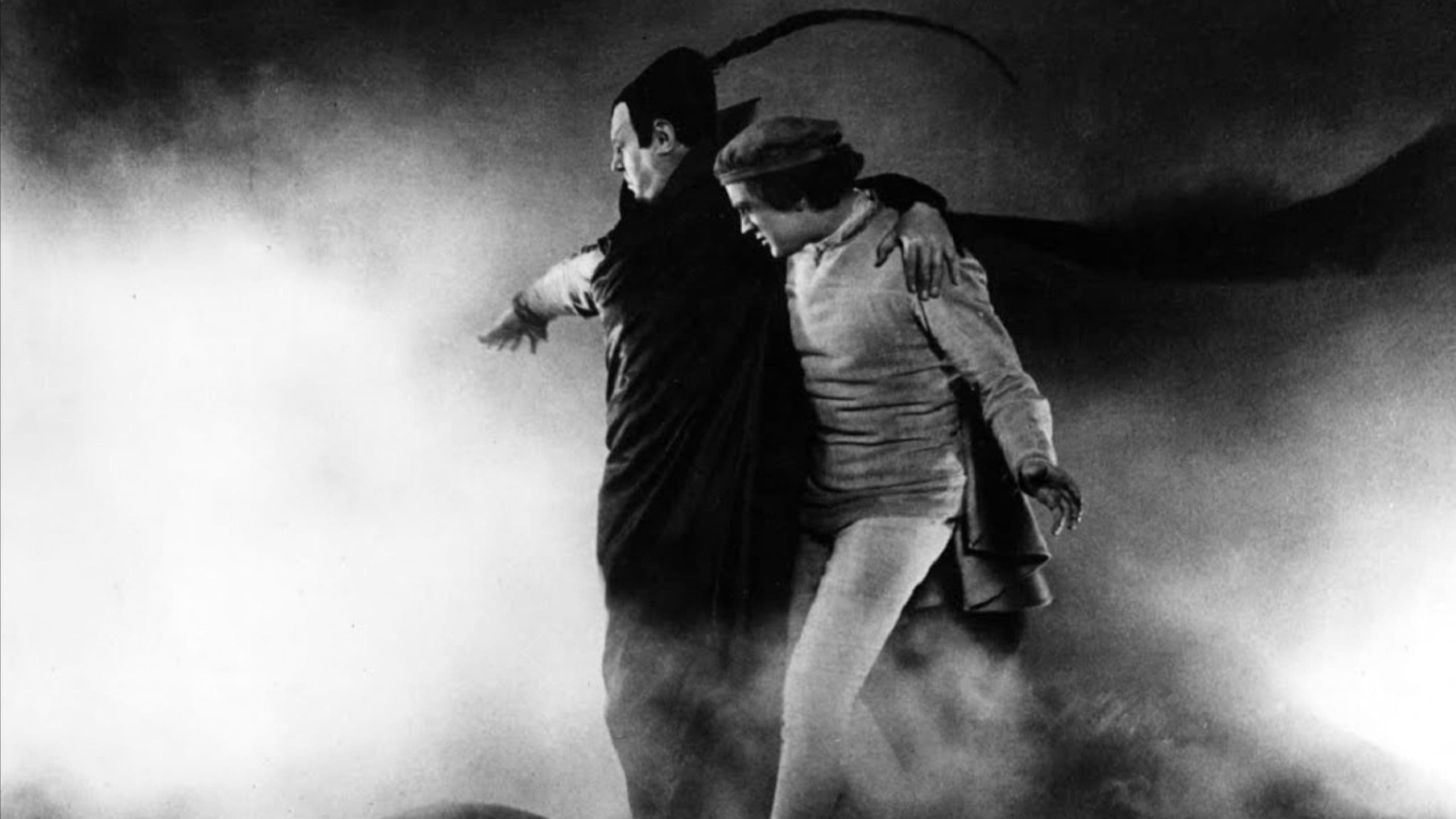
The celebrated flight over the landscape, known in the production records as the Weltflug, offers a particularly well-documented example. Surviving diagrams in the Faust Bible describe a practical arrangement involving a moving support and modeled terrain, used to create the impression of Faust and Mephisto travelling through the air. The illusion depends on the carefully controlled relationship between the performers, the moving camera and the miniature environment. Mountains and settlements pass beneath them, making the earthly world appear simultaneously tangible and inaccessible.
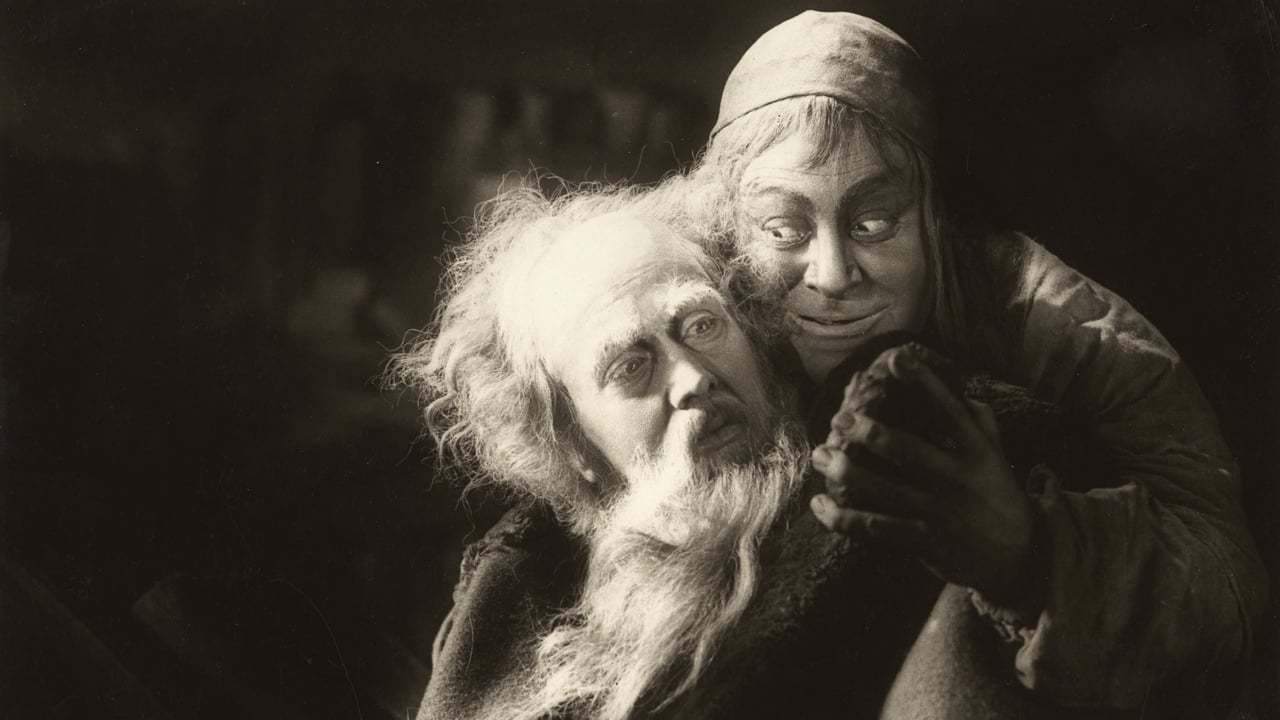
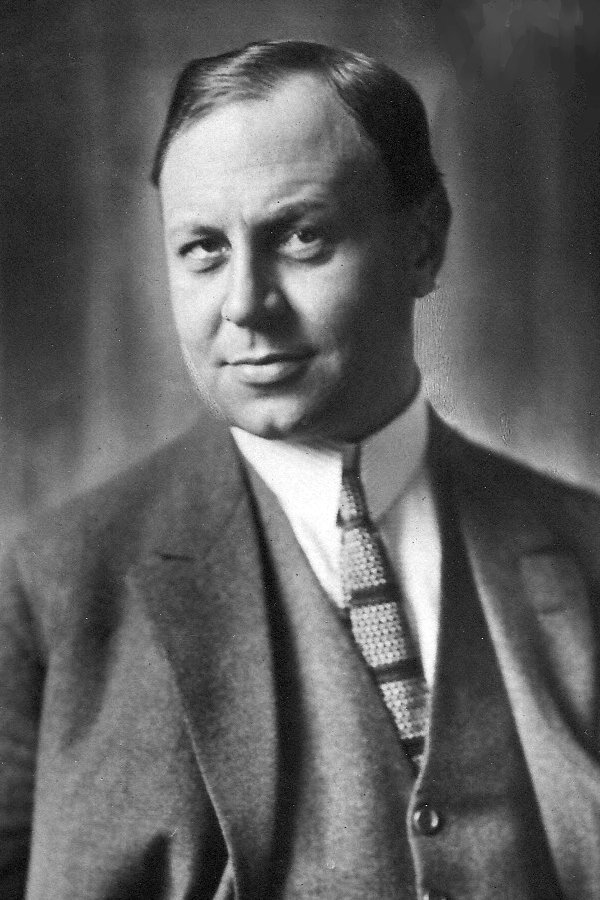
The supernatural also operates at the level of transformation and performance. Emil Jannings gives Mephisto a changing presence: at times he becomes a gigantic silhouette, elsewhere a mobile, insinuating companion whose expressions are almost comic. The contrast matters because the demon's threat is not limited to sudden appearances. He can enter social situations, manipulate encounters and use ordinary desires as instruments of destruction. Horror therefore arises from a physical display of impossible power and from the quieter realization that this power can work through recognizably human behaviour.
Gretchen and the Human Cost of the Pact
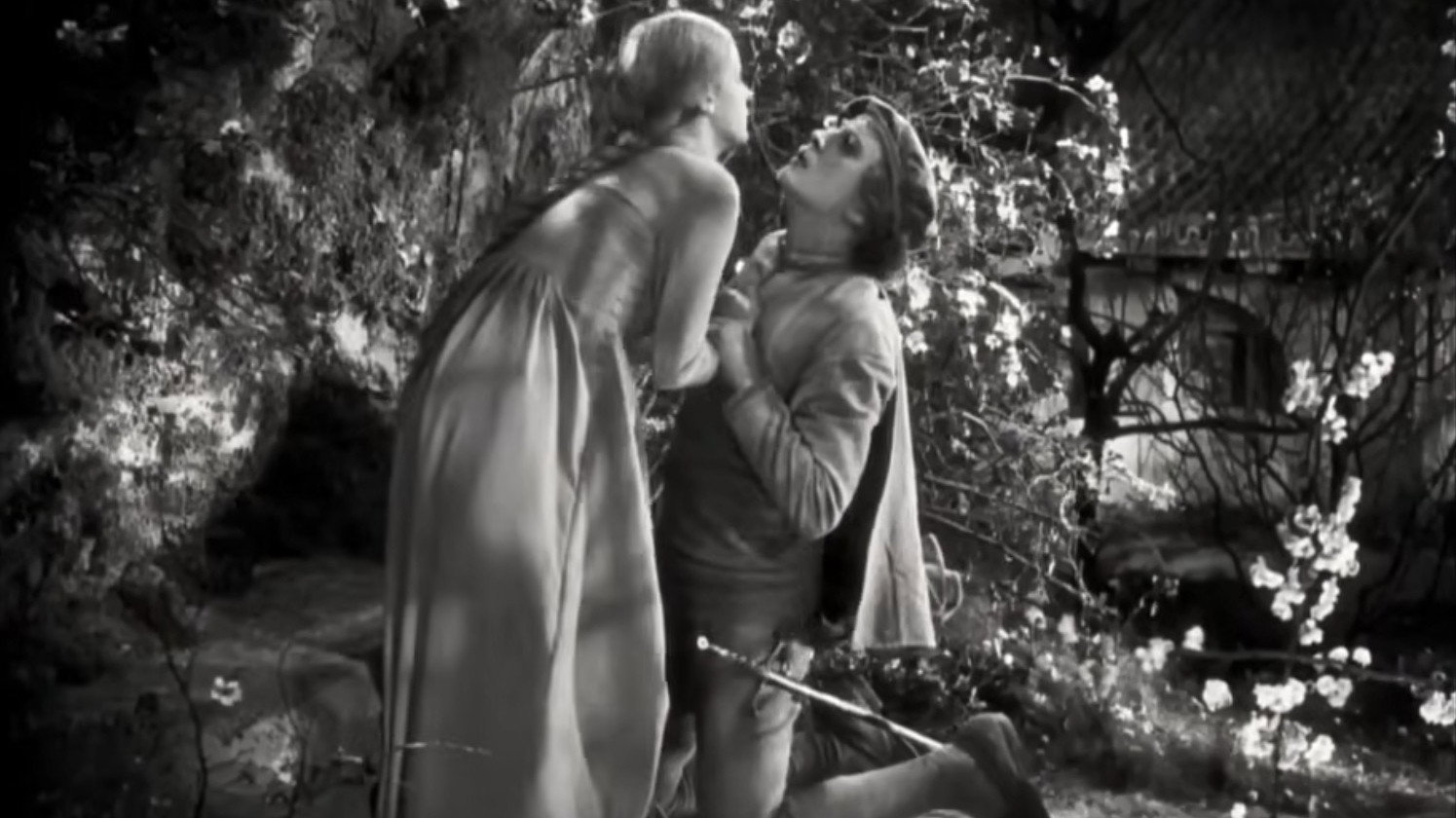
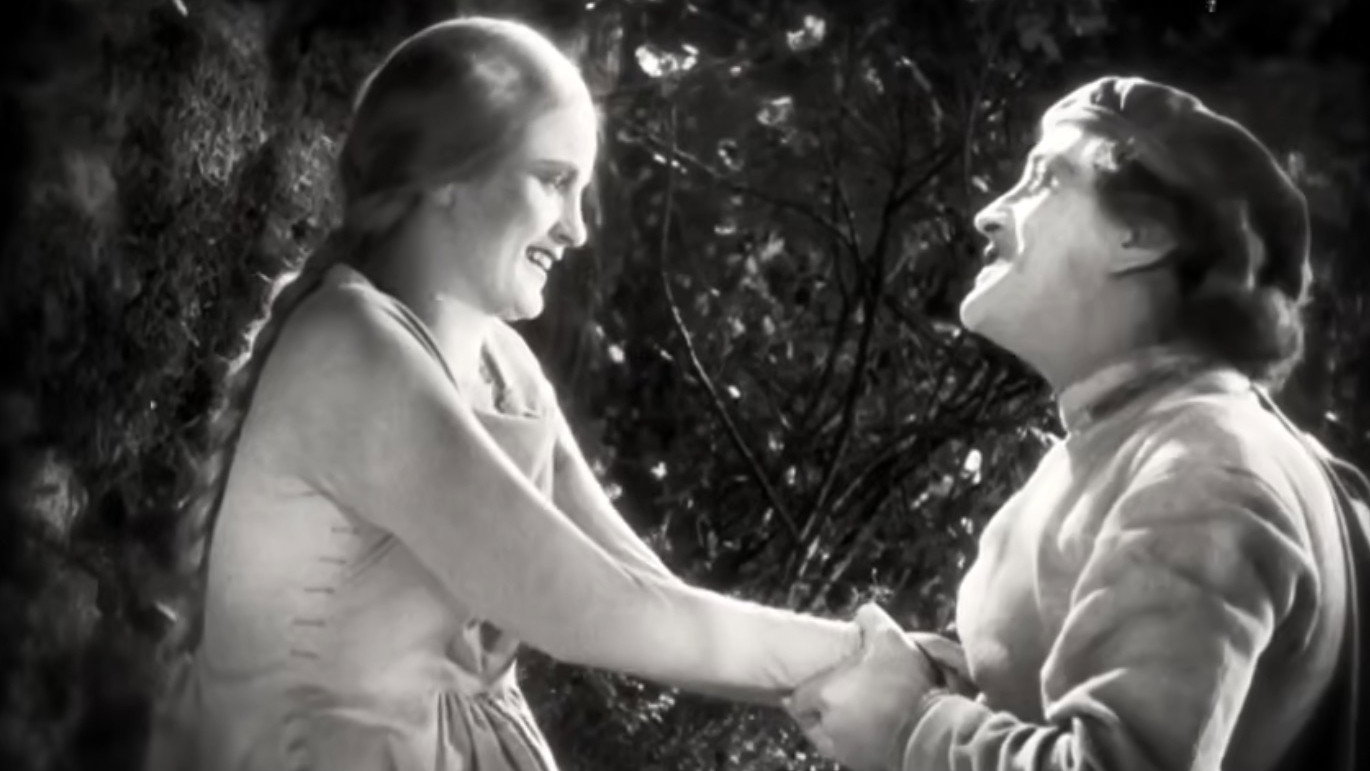
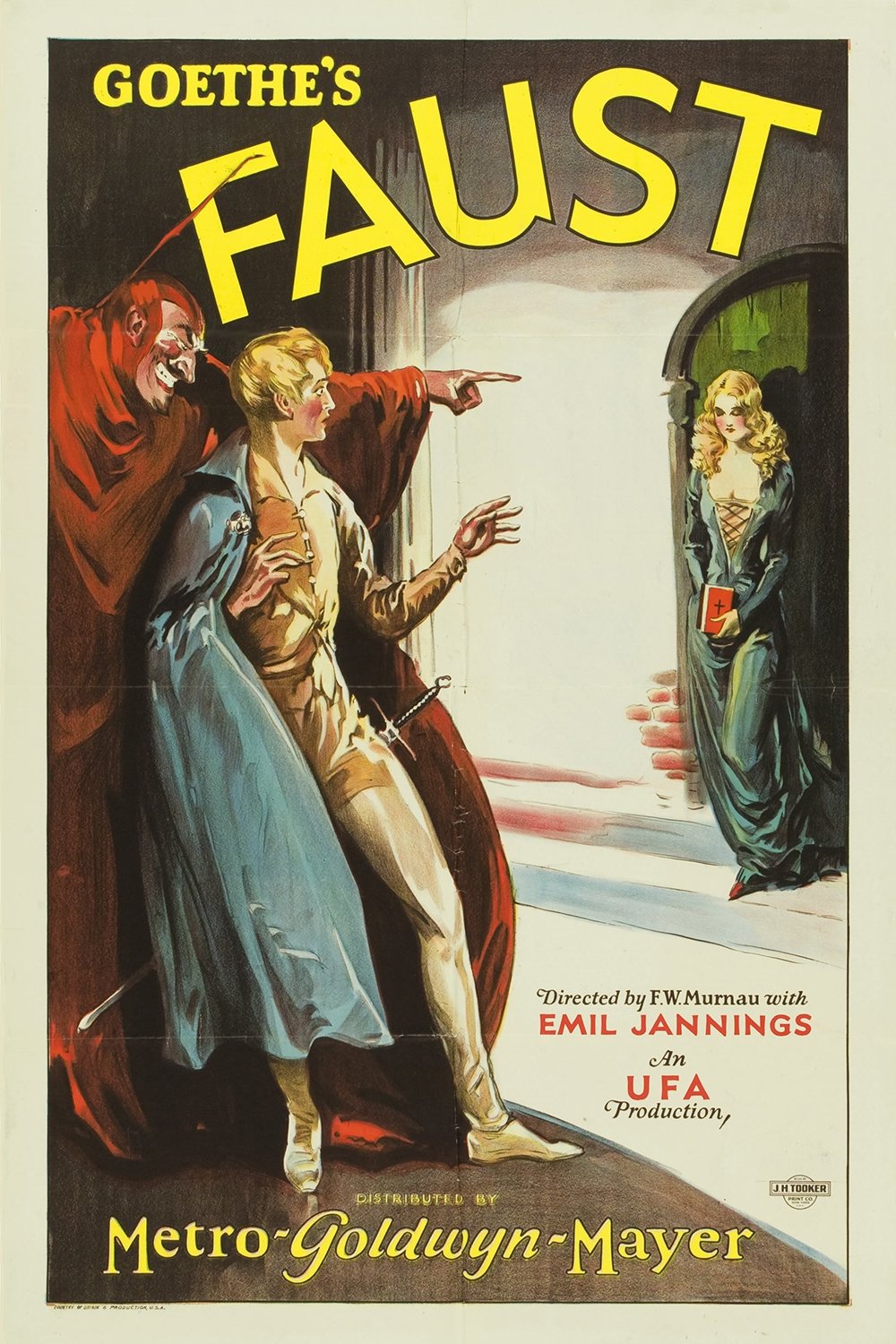
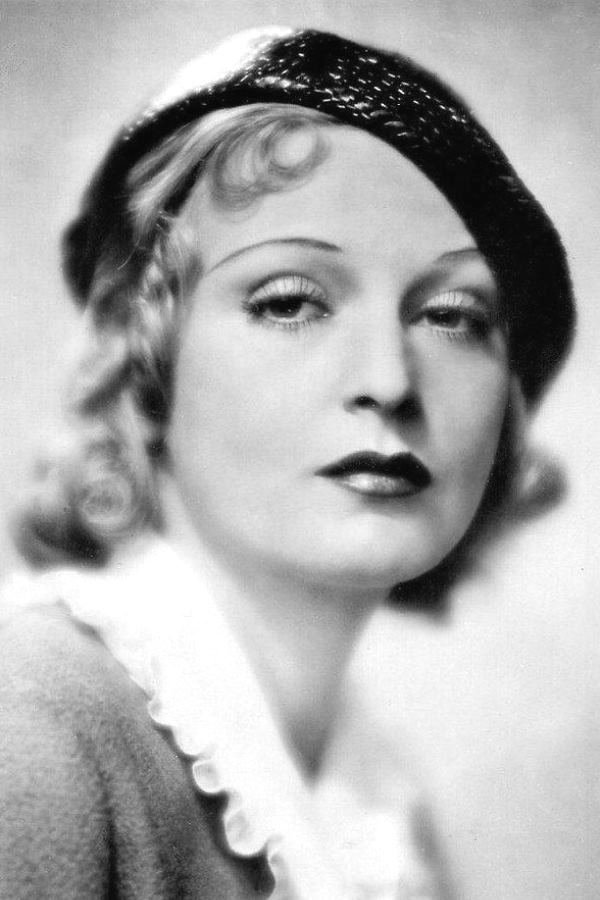
As the film advances, the relationship between Faust and Gretchen displaces the spectacle of infernal temptation. Camilla Horn's Gretchen initially inhabits a modest world of family, courtship and religious observance. Faust's renewed youth makes their encounter possible, but the bargain behind his appearance remains invisible to her. This asymmetry gives the romance an ominous structure: she is asked to trust someone whose life is directed by a supernatural contract she has neither seen nor accepted. Mephisto's interventions further ensure that the damage cannot be contained within the private relationship.
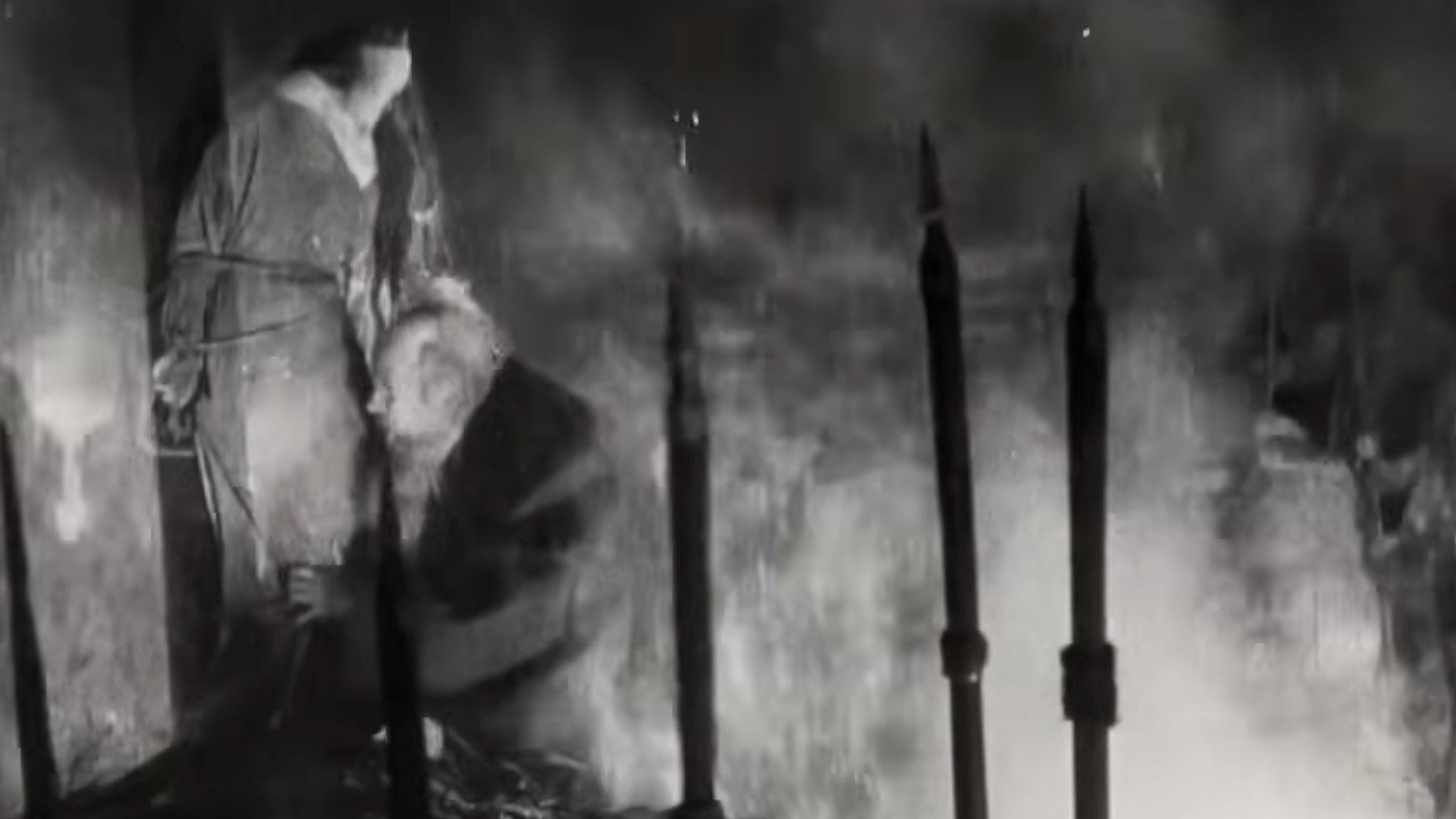
The consequences extend to Gretchen's mother and brother, while the town increasingly treats the young woman as the bearer of shame. After she has a child, poverty and abandonment make her position still more precarious. The scene in which the child dies in the snow is rooted in the material conditions of exposure and desperation. It is followed by punishment from a community that interprets her suffering through moral accusation. The horror here is social as well as supernatural: the Devil creates the original circumstances, yet human institutions complete the process of destruction.
The final movement returns to the terms of the wager. Faust must choose whether to preserve the pleasures promised by Mephisto or recognize Gretchen's suffering and act without regard for the bargain. The conclusion places sacrificial love against the demon's claim to ownership of a soul. Whatever a viewer makes of its religious resolution, the structure matters to horror history because terror is given a moral and emotional consequence. The supernatural images establish a threat on a vast scale, but the cost of that threat is finally measured through a single woman's experience.
Multiple Negatives, Alternate Versions and Restoration
The surviving history of Faust is unusually complicated. In the silent period, international circulation did not always mean distributing an identical film with translated intertitles. Production companies could assemble separate negatives from parallel camera takes, alternate performances or newly edited material for different markets. As restorer Luciano Berriatúa demonstrated through extensive comparison, Faust survived in copies derived from substantially different versions. Some shots change framing or movement; some performances and editing decisions differ; and the quality of an effect in one version may not match the quality in another. A longer copy cannot automatically be treated as a more faithful record of Murnau's intentions.
Berriatúa's reconstruction for Filmoteca Española, supported by archives in Germany and Denmark, used surviving photographic elements alongside a Danish print that preserved evidence of the early German editing. Missing or deteriorated passages were replaced with material from other holdings, and original German intertitles were restored wherever the sources permitted. His research distinguished the German version associated with Murnau's original editorial decisions from later Ufa changes and from versions prepared for export. It also revealed that historical criticism had often been based on prints which did not present the same images.
This is more than a technical footnote. A different camera angle can alter the apparent size of Mephisto, the timing of a transformation or the balance of figures within a room. Alternate takes can change acting, light and even the success of a visual trick. Restoration therefore affects how the film's horror is interpreted at the most basic level. The uncertainties should remain visible in any account of Faust: there is no sound historical reason to assume that every modern edition reproduces a single unproblematic 1926 text.
Musical Accompaniment and Silent Exhibition
Silent-film exhibition depended on music, and Faust has a particularly well-documented history of changing accompaniments. According to Berriatúa's reconstruction notes, Murnau and Ernö Rapée initially prepared a selection of music including material associated with Gounod's opera. Ufa later pursued a more elaborate score, eventually commissioning Werner Richard Heymann after an earlier plan involving Giuseppe Becce did not proceed. Heymann's accompaniment included original and borrowed music and demanded resources beyond those available to many smaller cinemas.
A more practical musical compilation was subsequently prepared by Paul A. Hensel for modest orchestras. His published cue list specified passages and effects corresponding to moments in the film, including the appearance of Mephisto. For the restored version, Berndt Heller worked from this documentation to prepare an orchestral realization. This history explains why different presentations of Faust can feel markedly different even when the photographed material is similar: musical scale, pacing and the interpretation of supernatural incidents remain dependent on the particular accompaniment used.
Release, Critical History and the Horror Tradition
Faust reached German cinemas in 1926 at a point when Ufa's increasingly ambitious production model was under considerable pressure. Contemporary exhibition involved changing edits and accompaniments, while surviving censorship records document further revisions within the following years. The film did not achieve the domestic commercial success that could have justified its exceptional production demands. Murnau departed for the United States and made Sunrise for Fox, leaving Faust as his final German feature. Later assessments have been more attentive to the achievement of its photographed compositions and elaborate effects than to its initial box-office fortunes.
The place of Faust in horror history differs from that of Murnau's Nosferatu, where a single monstrous figure became a lasting visual emblem. Here the demon takes numerous forms, and the threat spreads through epidemic disease, the manipulation of space, seduction and collective punishment. Its fantastic images belong to the same broad cultural environment as German Expressionist horror, while the carefully modeled lighting and fluid transitions suggest the development of a more flexible visual language. The film also offers a reminder that early horror cinema was not confined to monsters and shocks; it could stage moral fear through weather, architecture, religious imagery and human tragedy.
Later scholarship, restoration work and the preservation of the Faust Bible have supplied unusually substantial evidence for this achievement. The film can now be studied as both a completed dramatic work and a documented example of collaborative filmmaking under technically demanding conditions. Its strongest historical claim is the precision with which it makes supernatural power spatially credible, then reduces the consequences of that power to the suffering of individual characters.