






Development & Transition from Animation
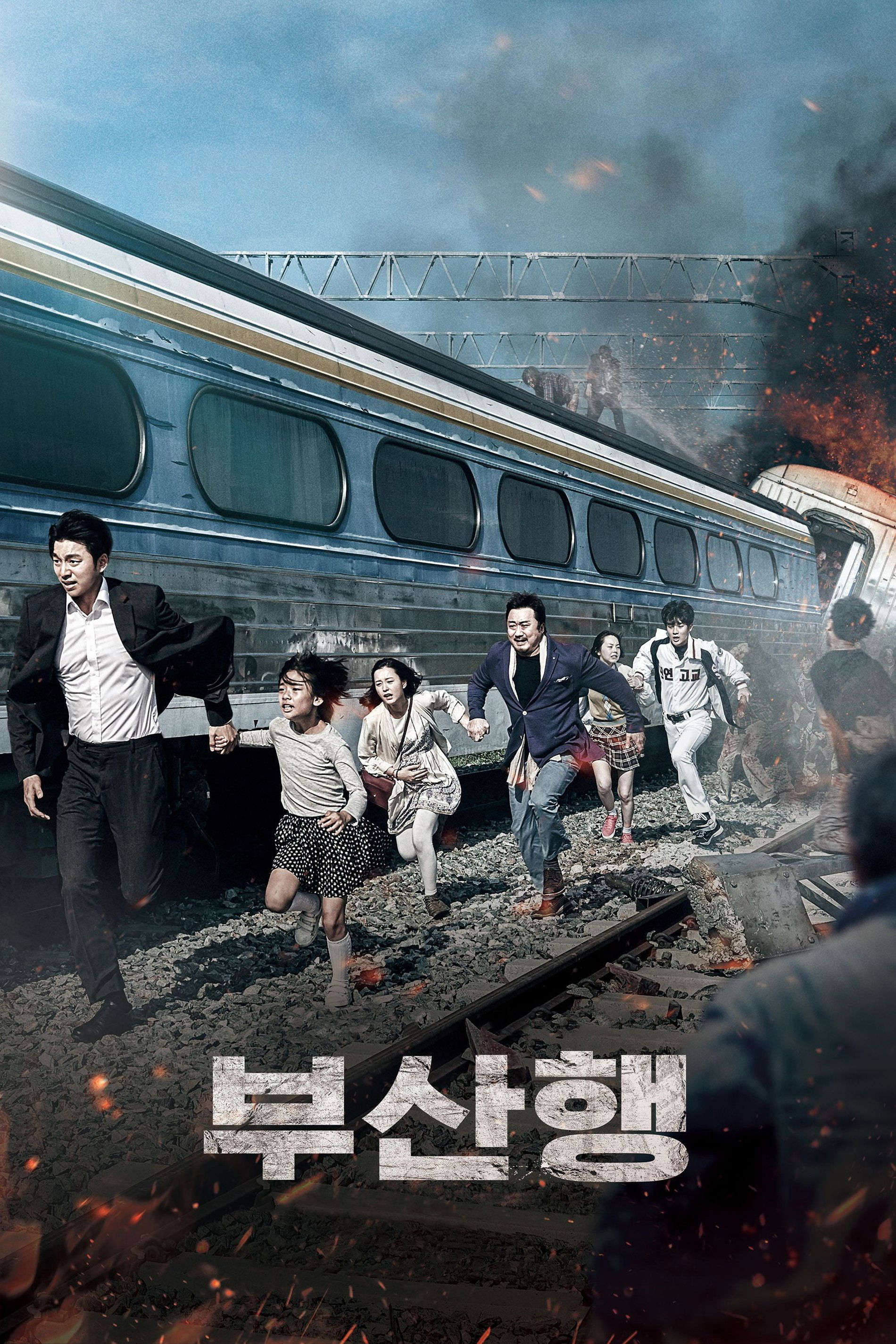
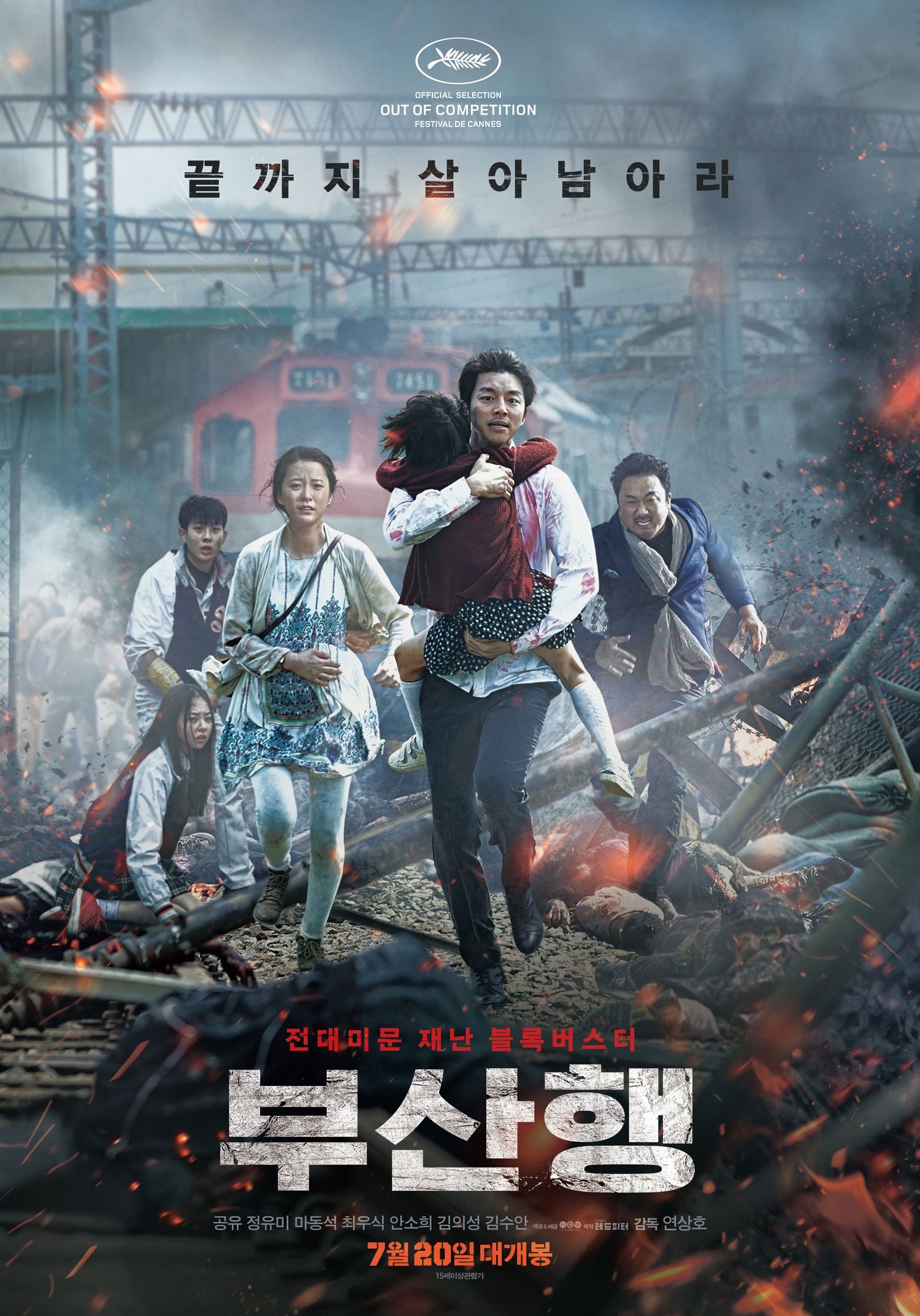
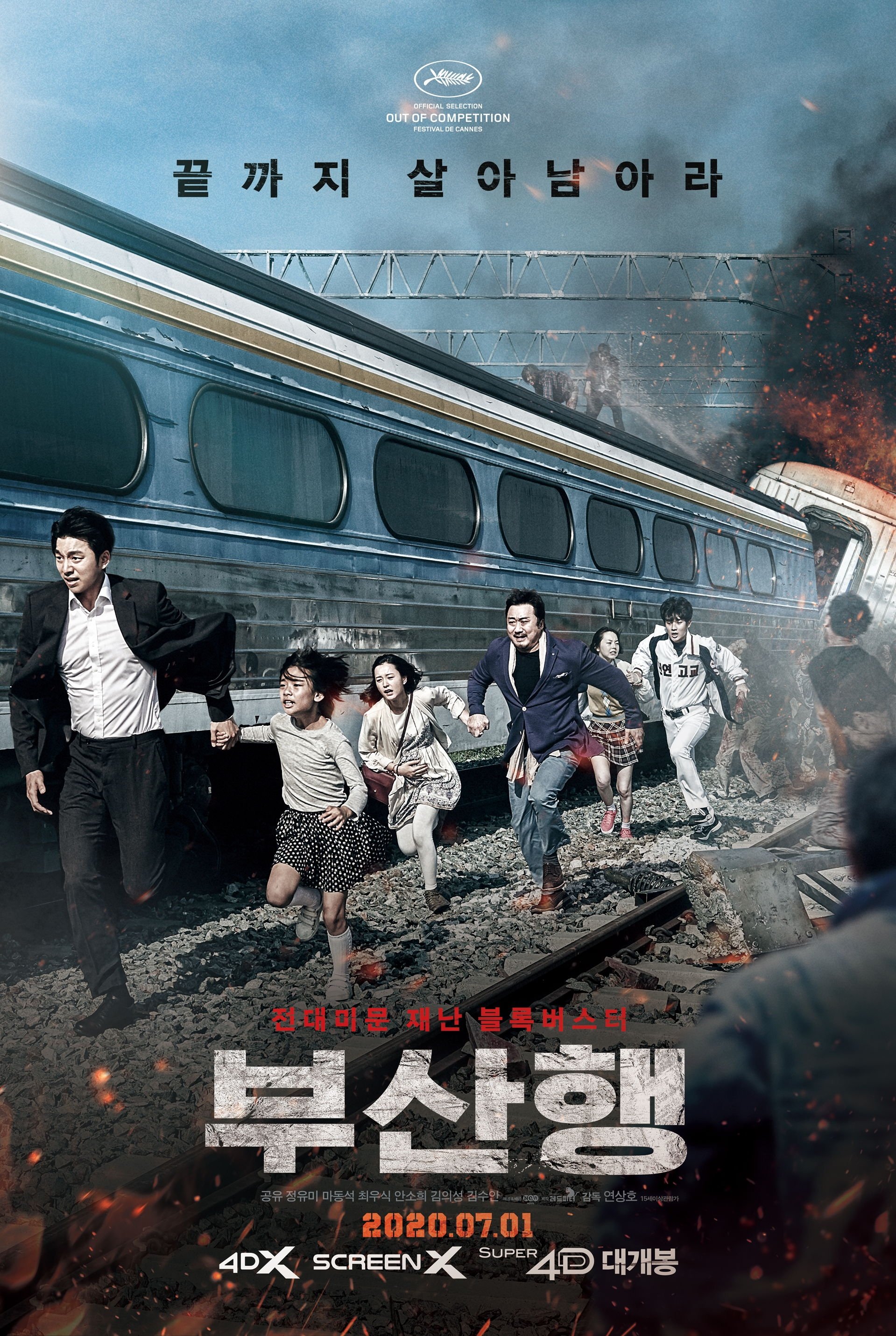
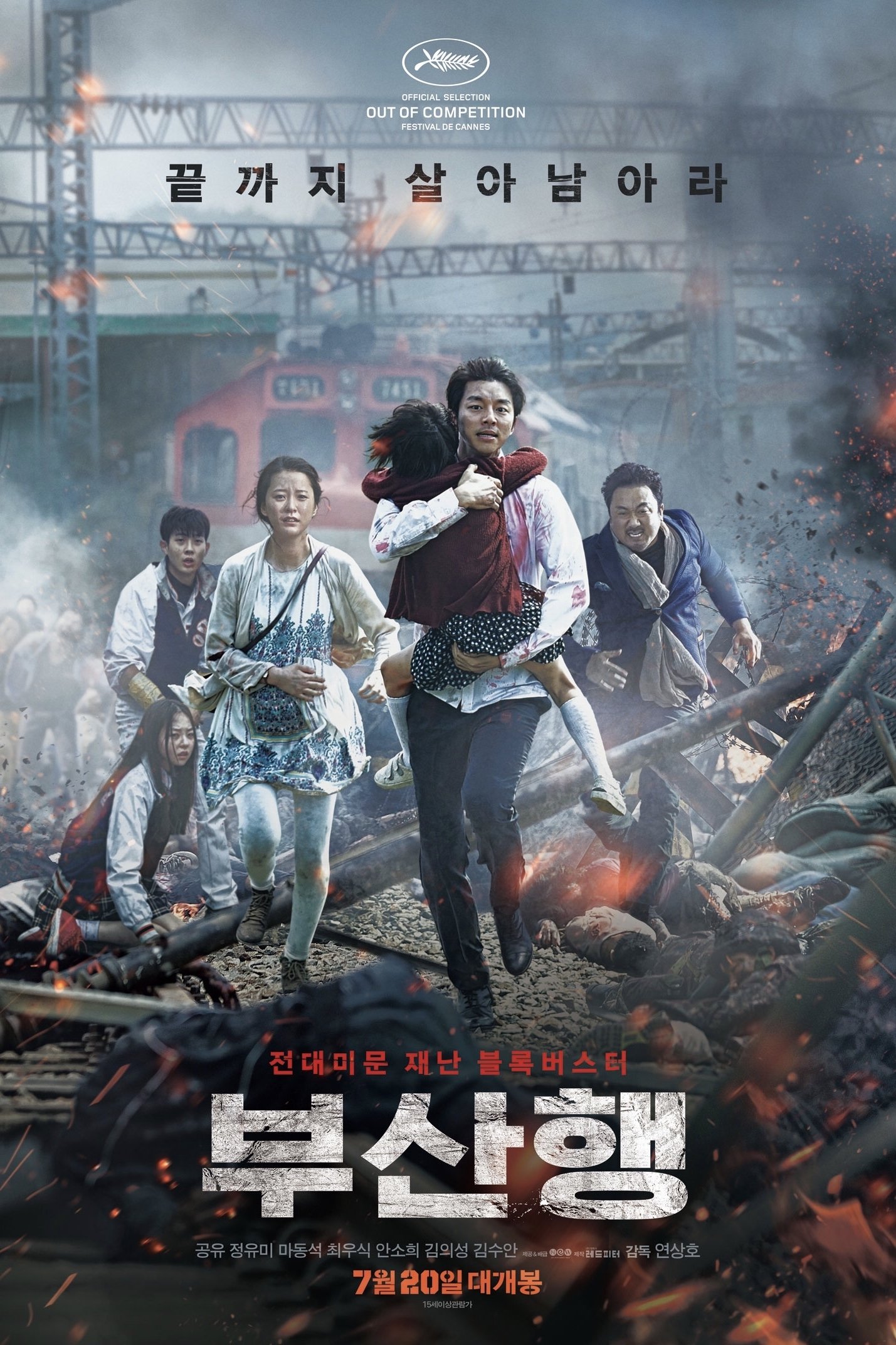
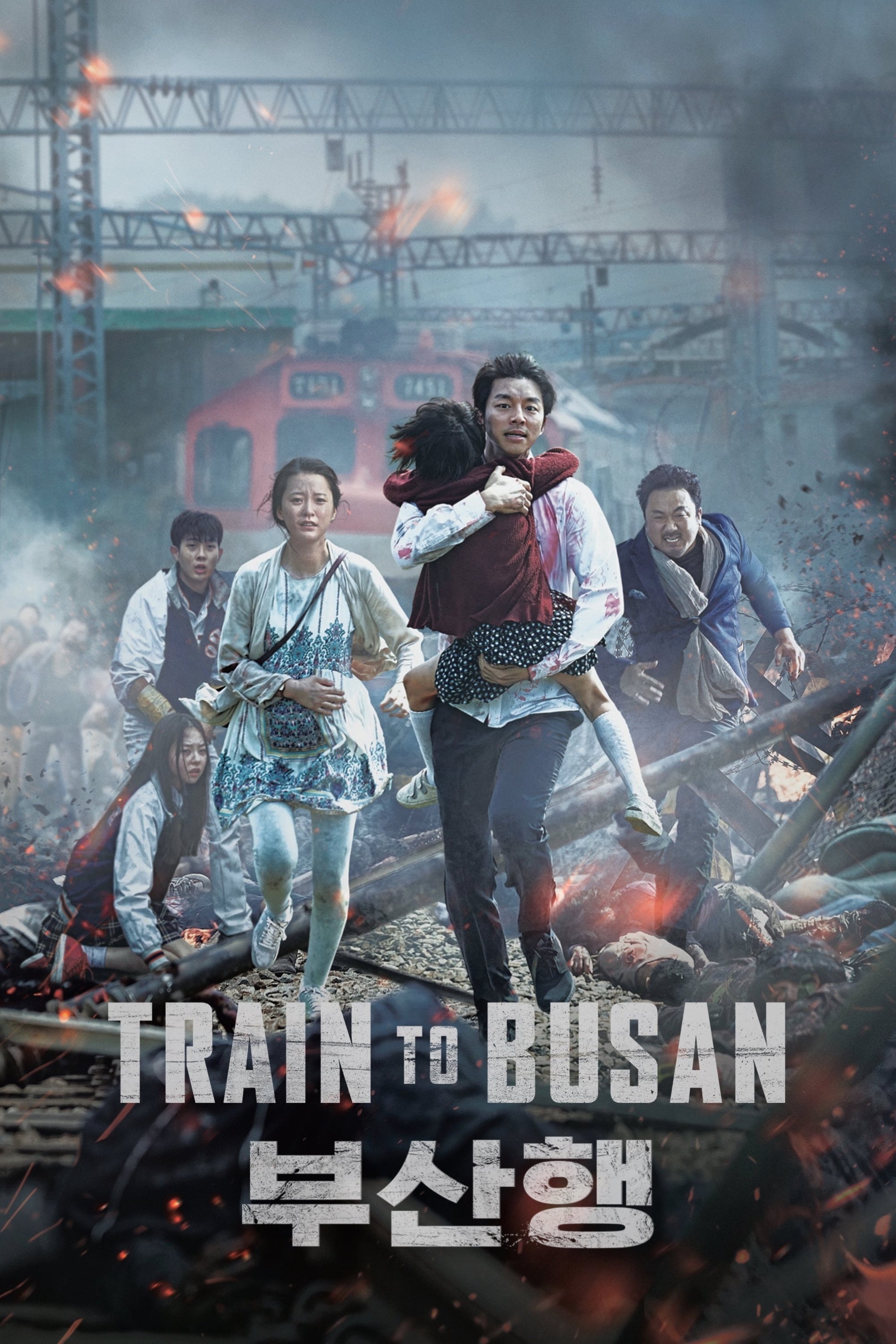
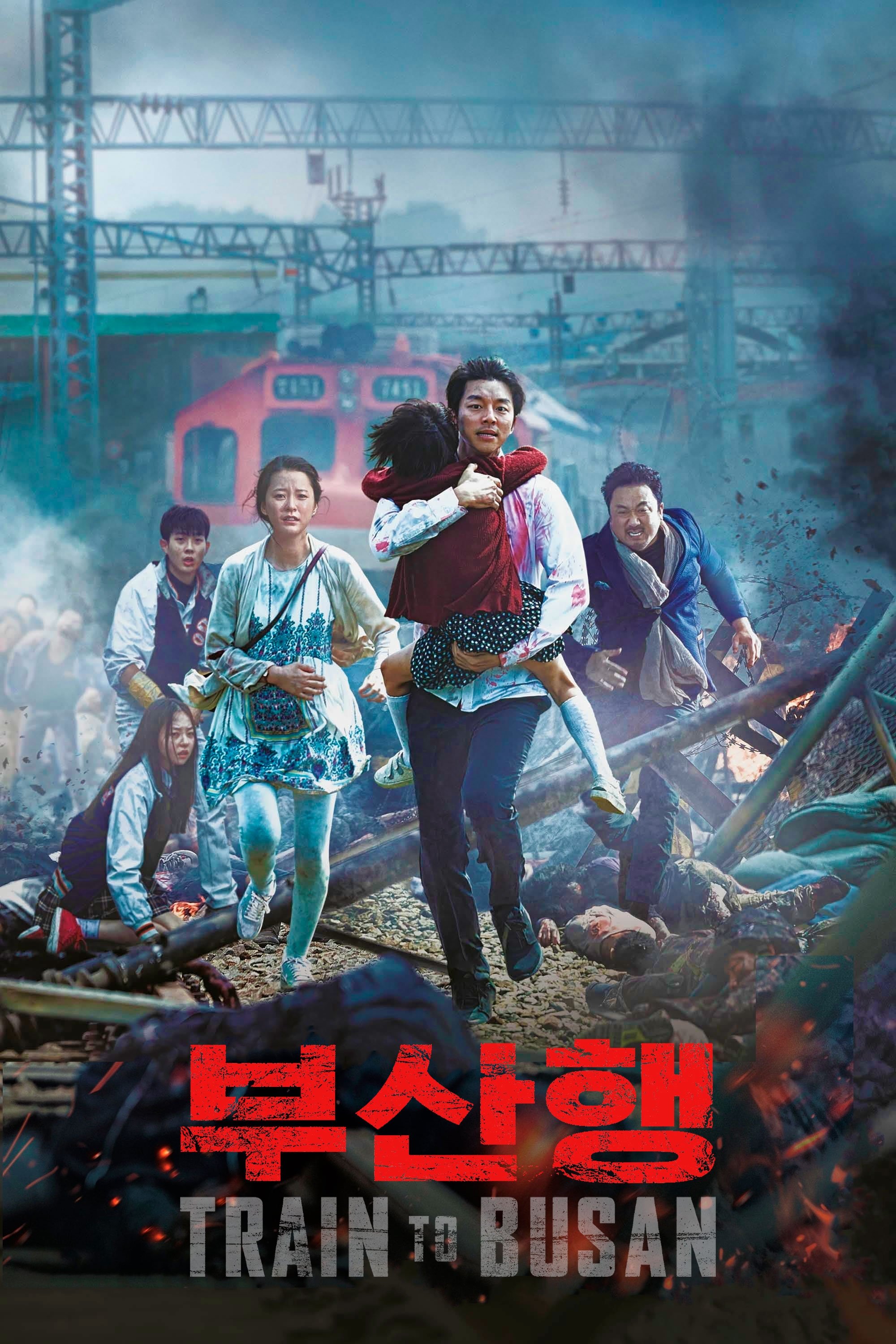
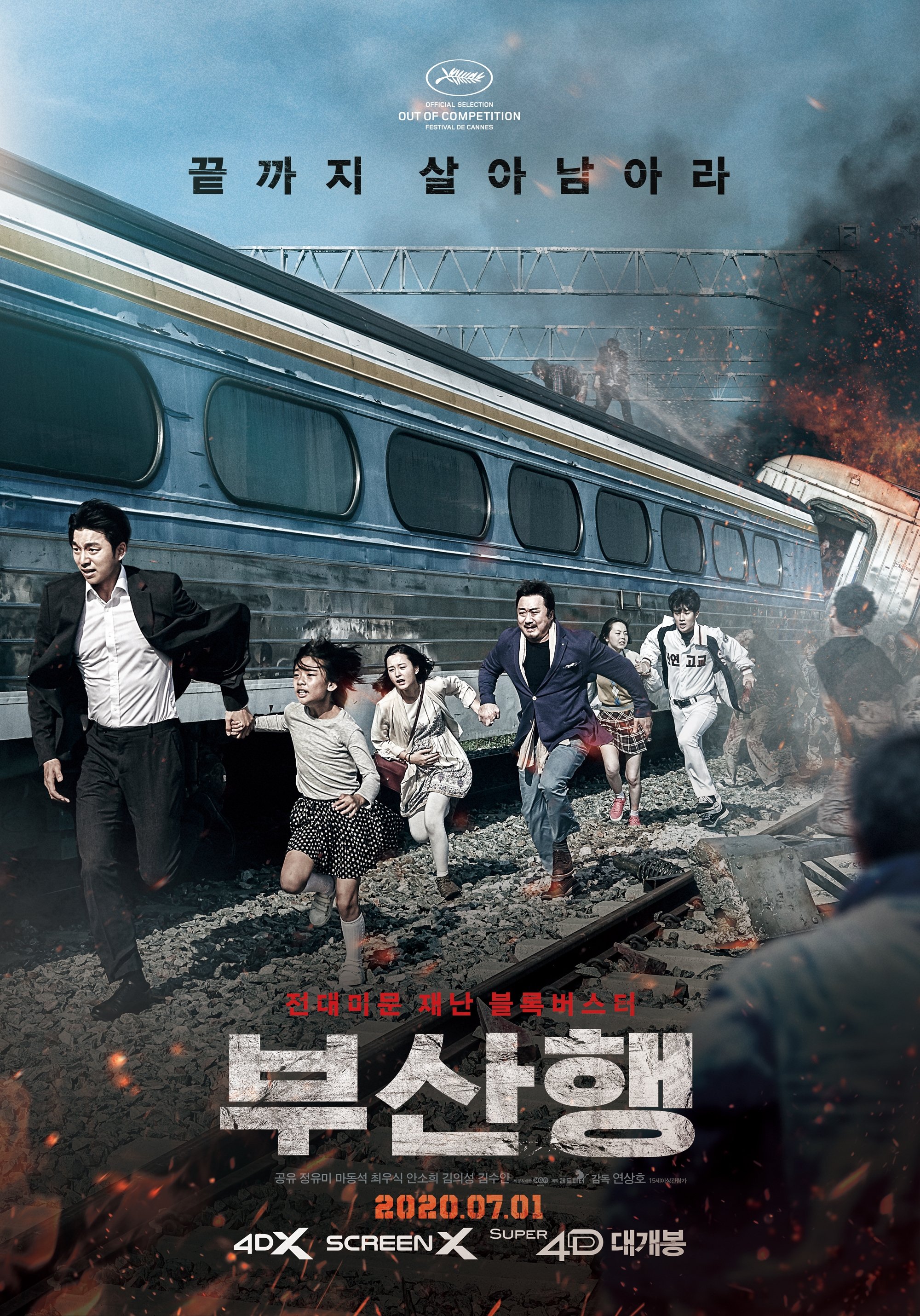
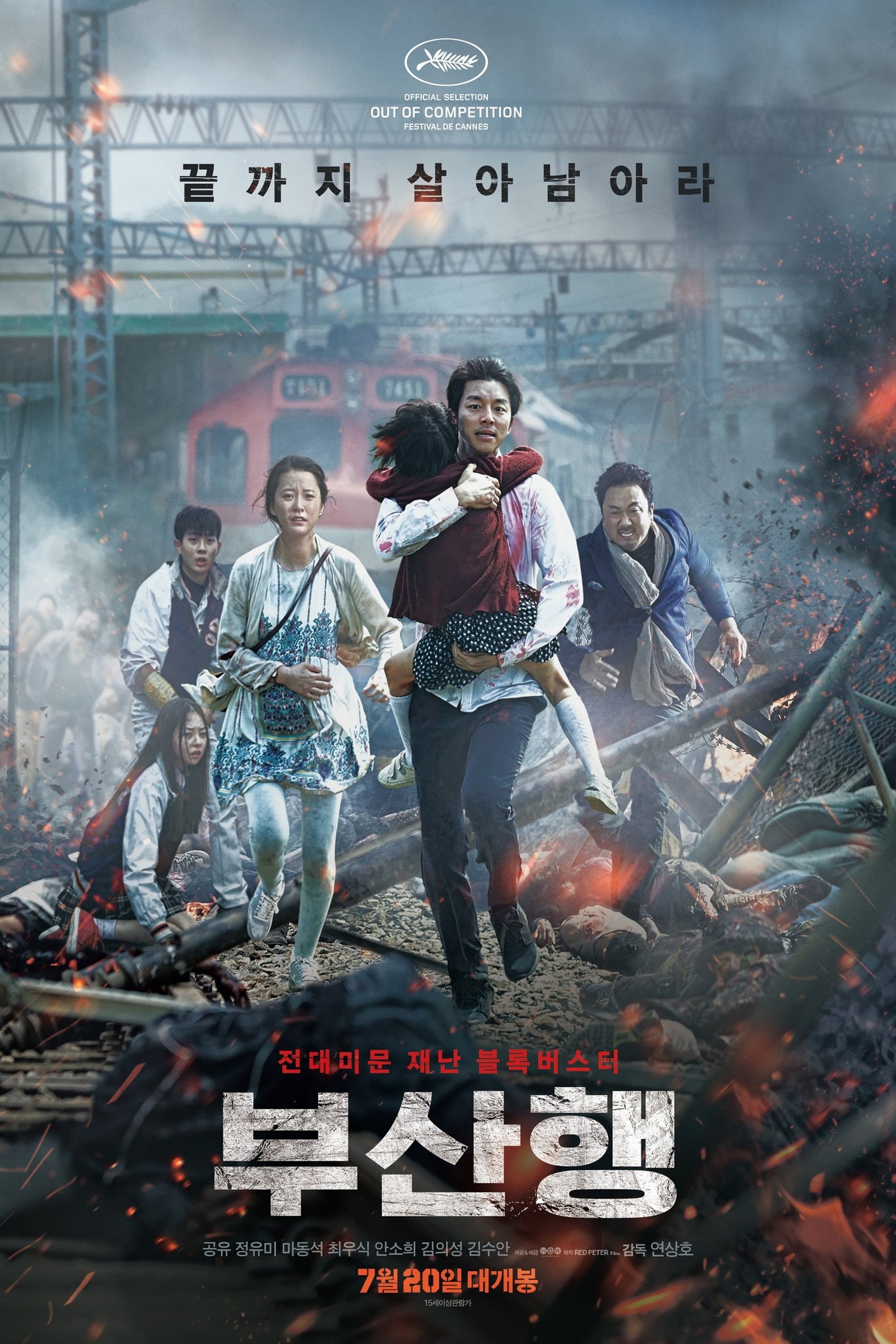
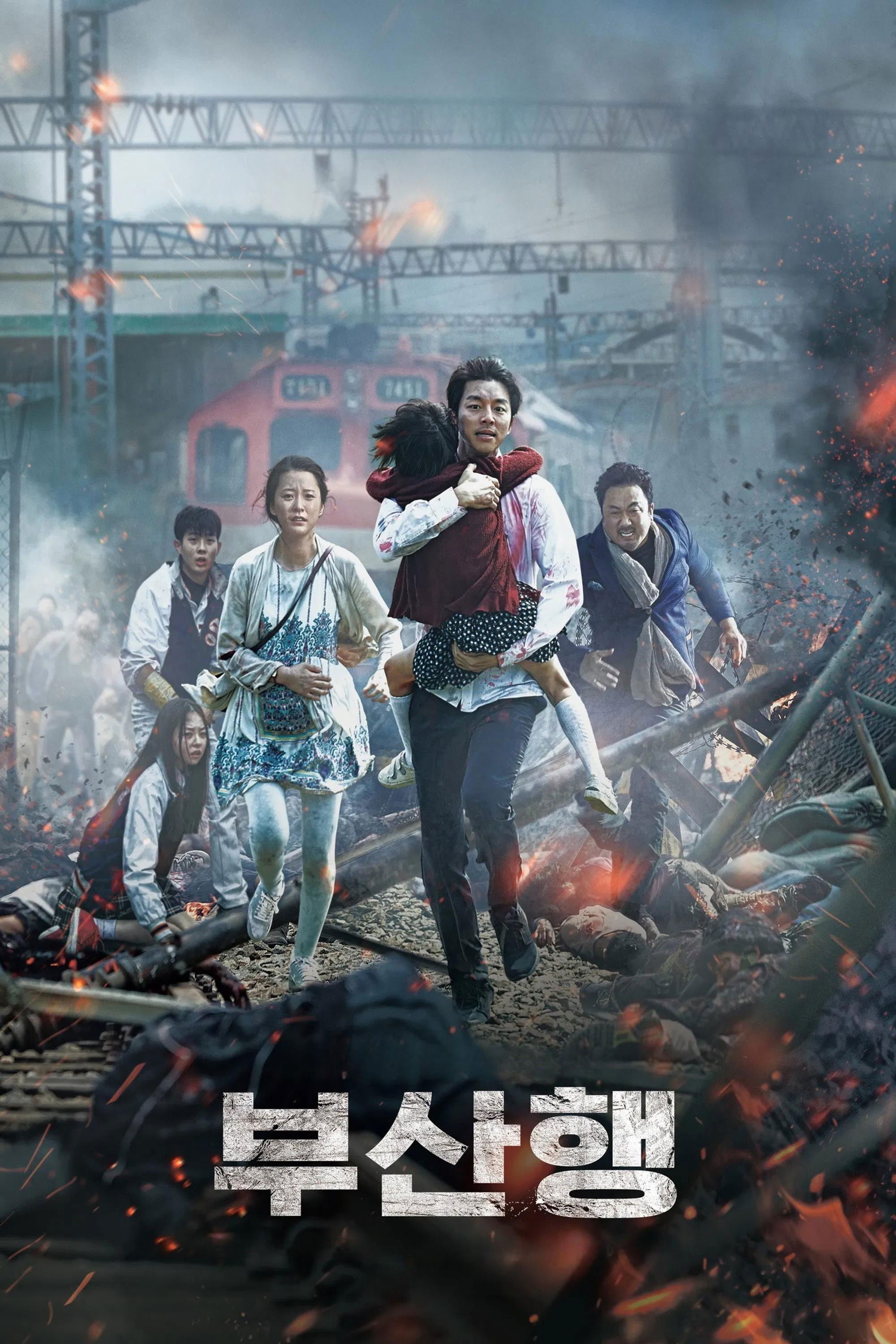
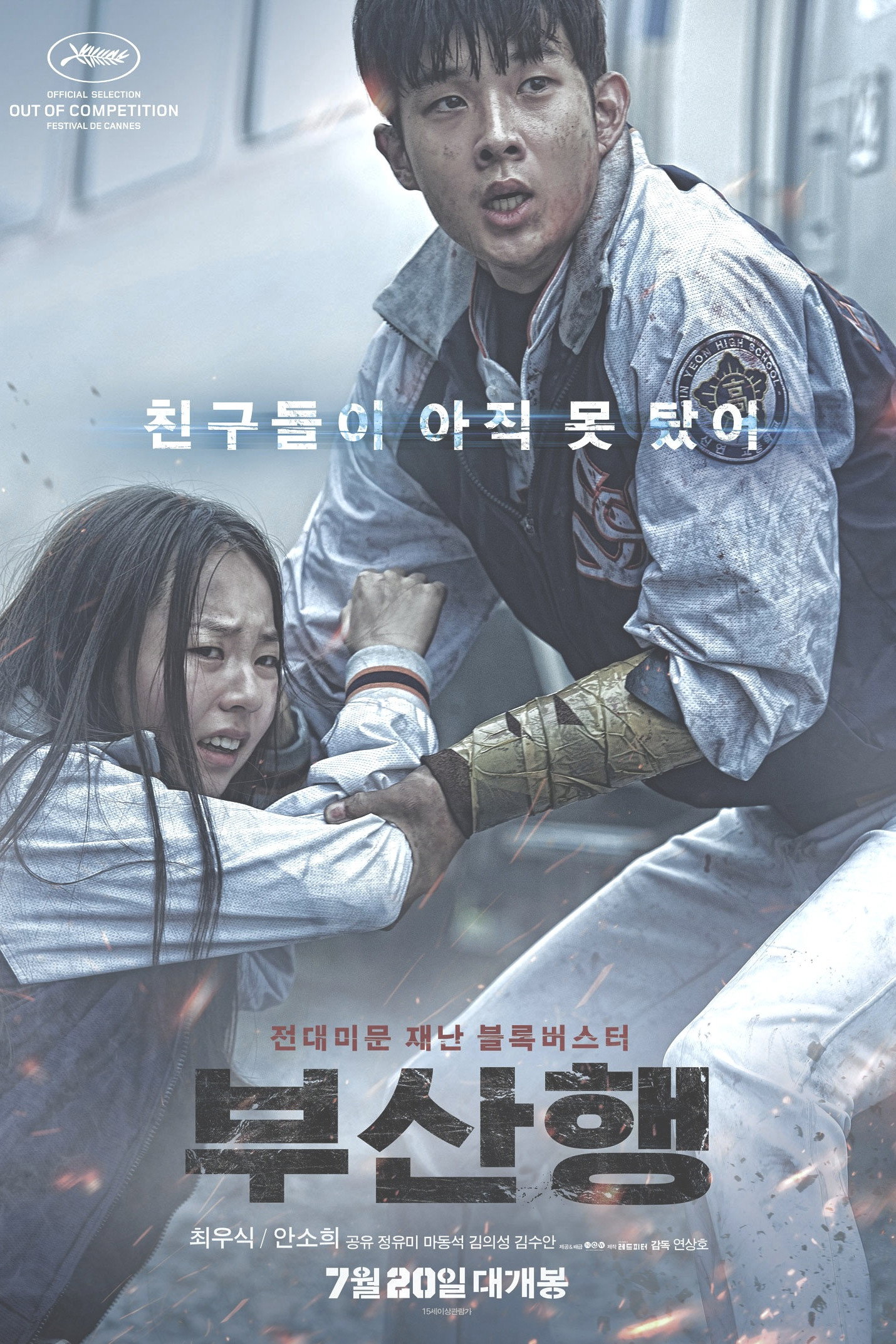
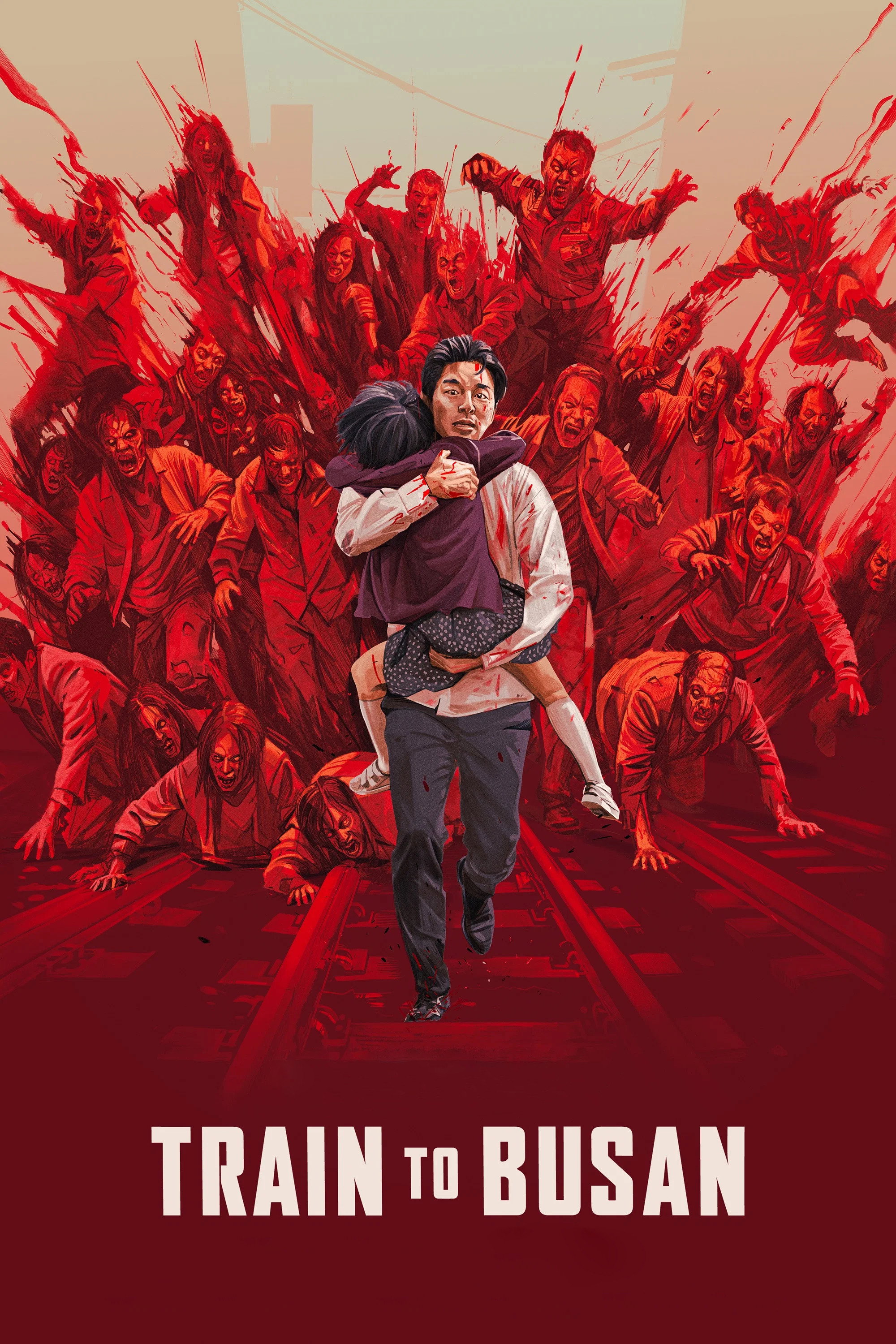
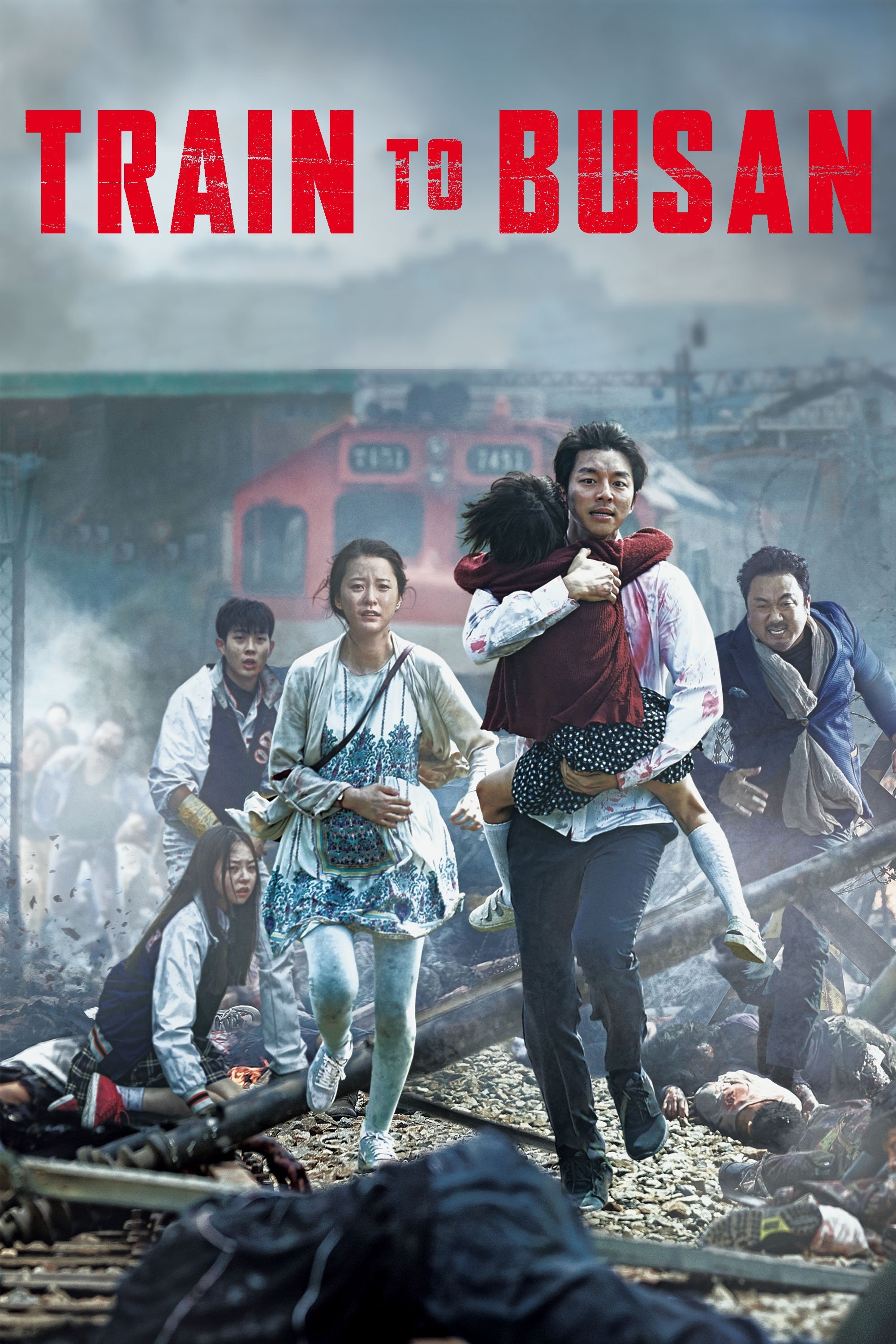
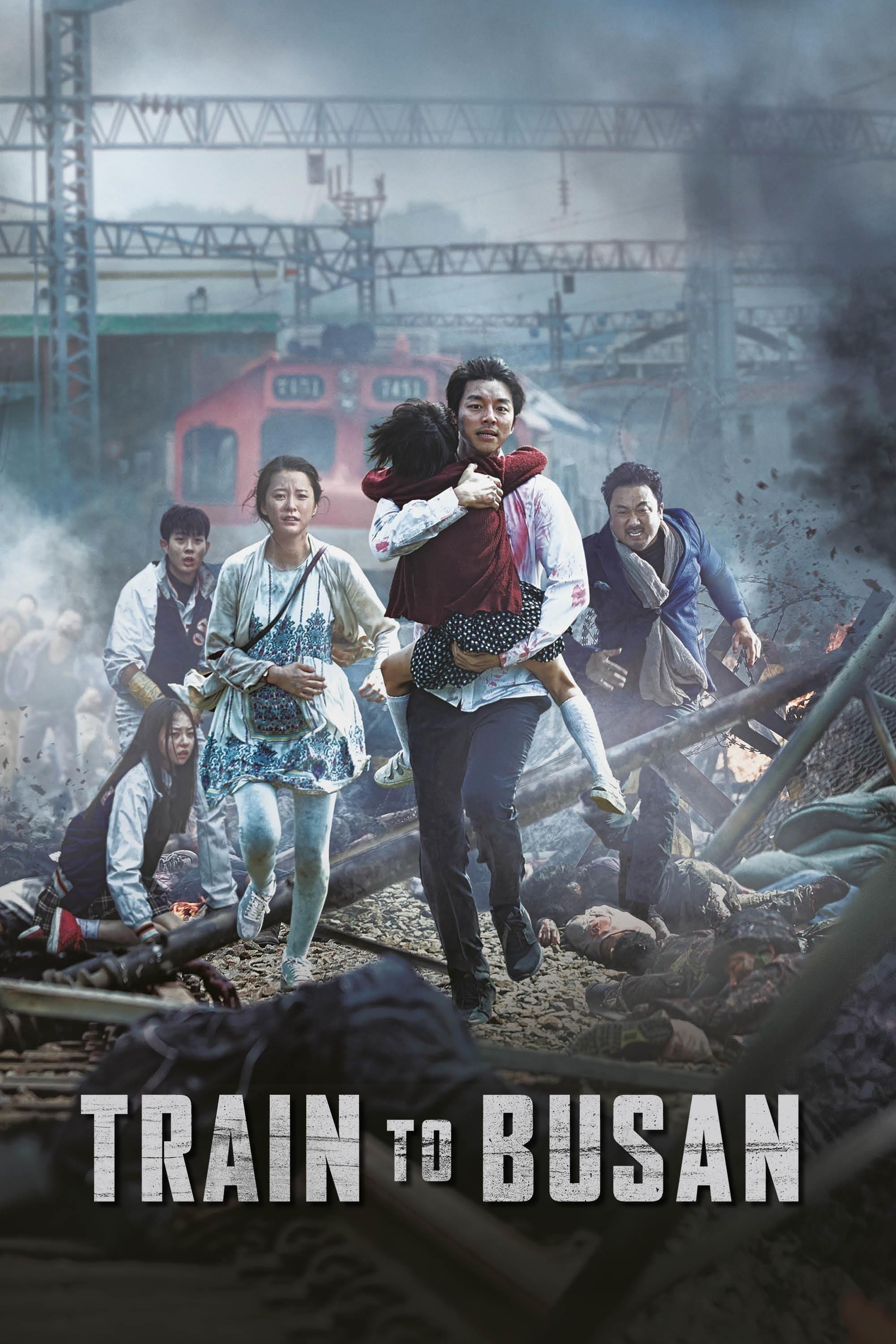
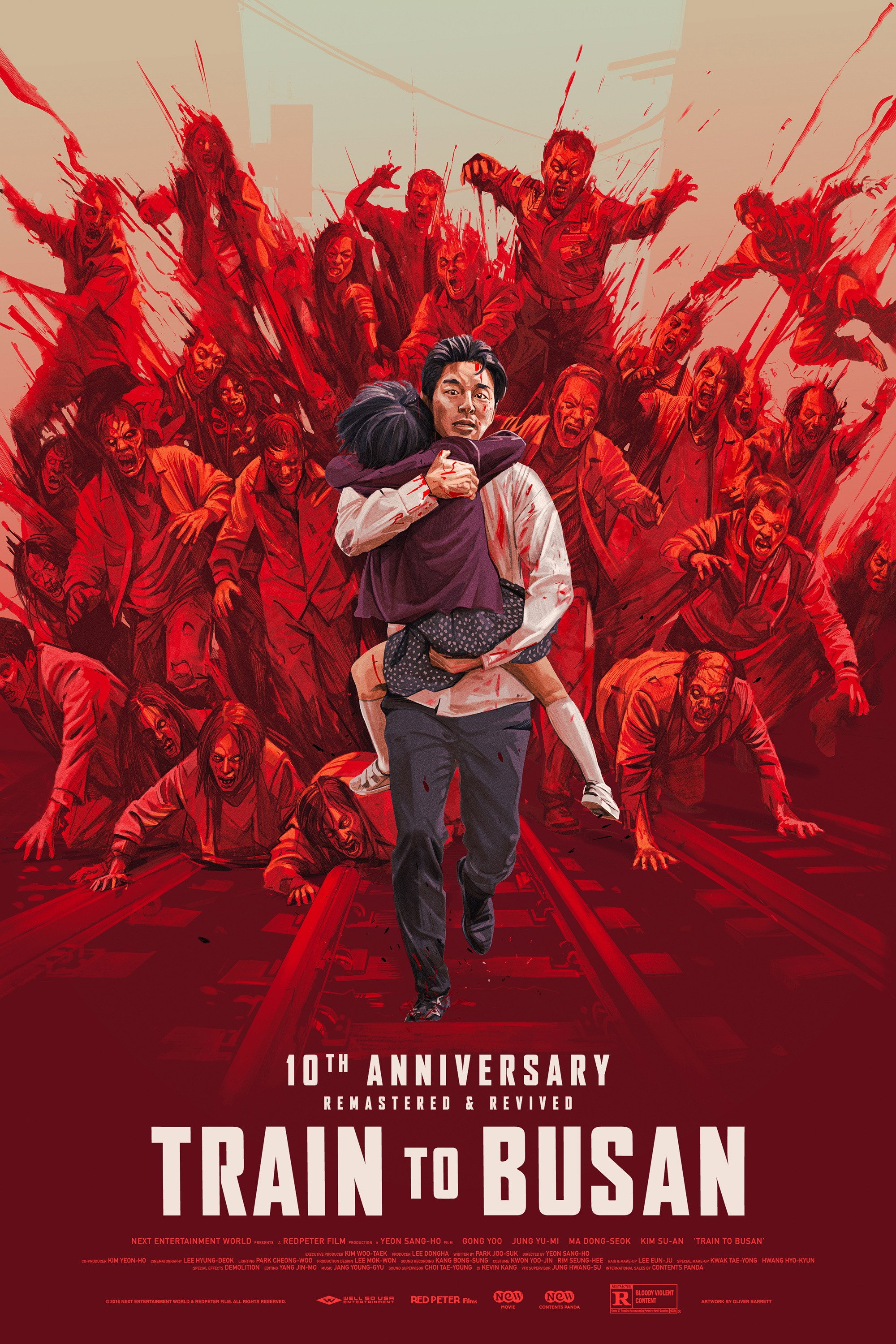
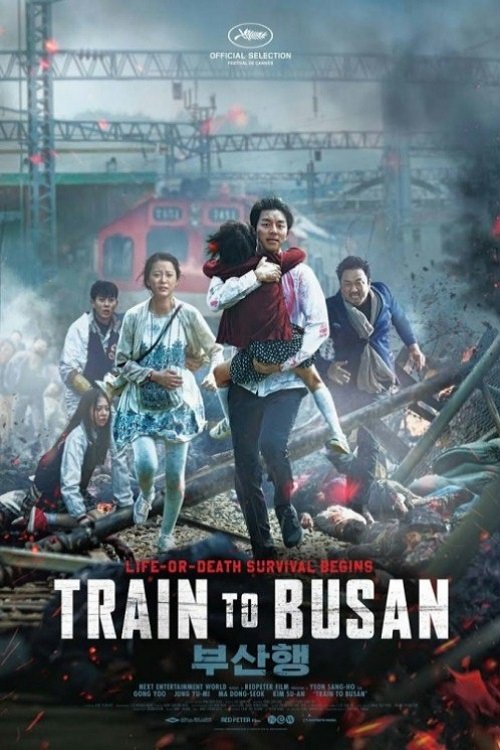
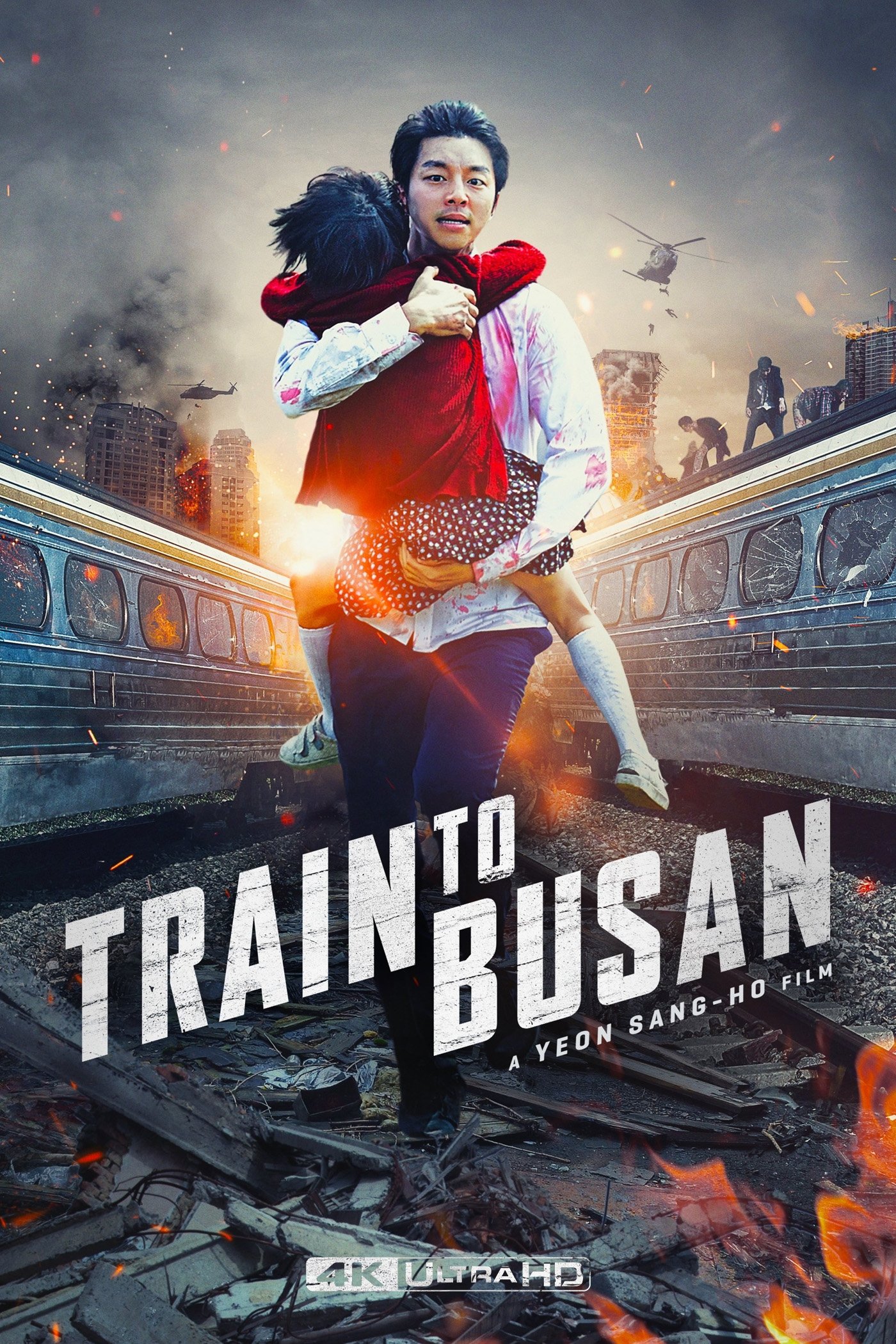
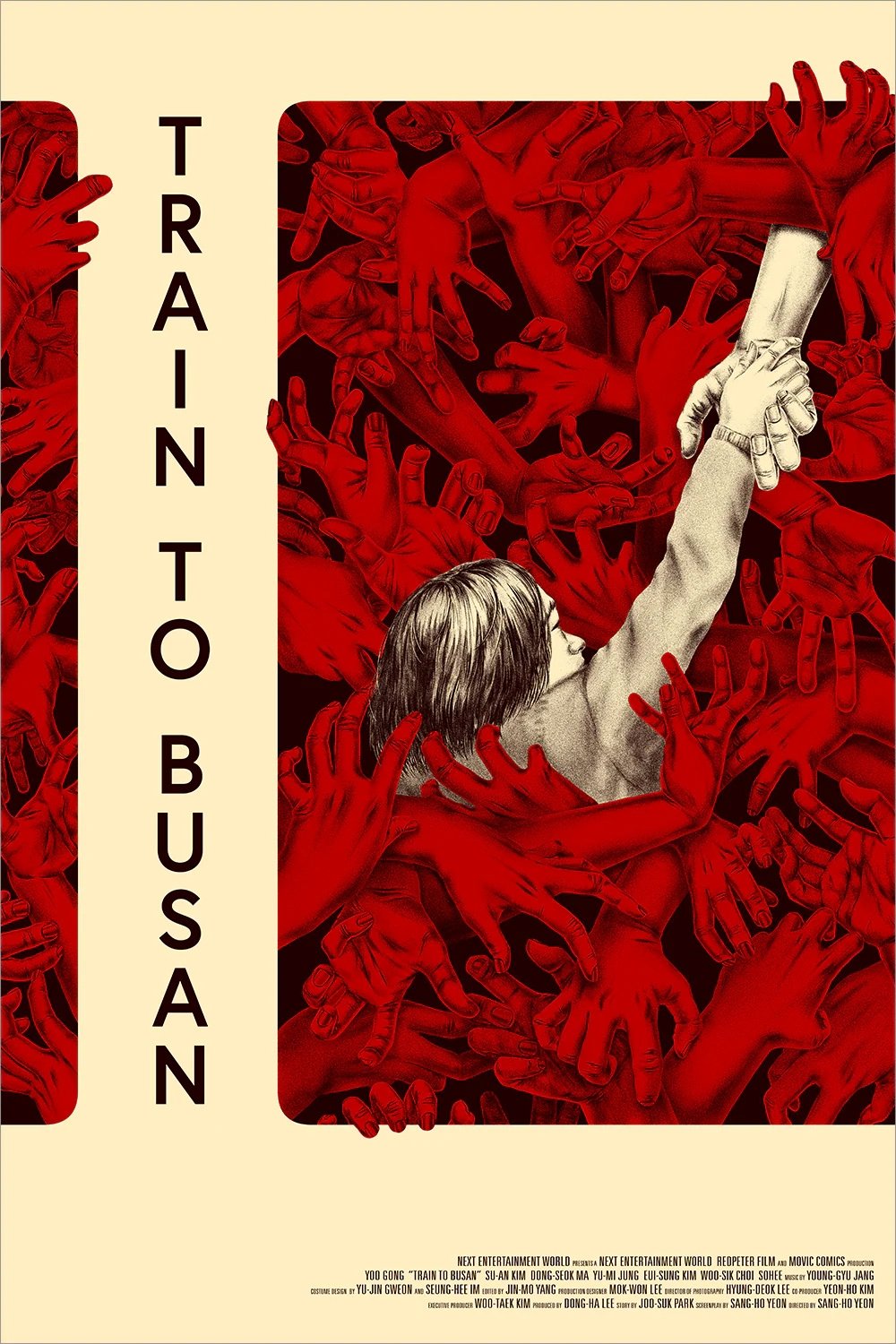
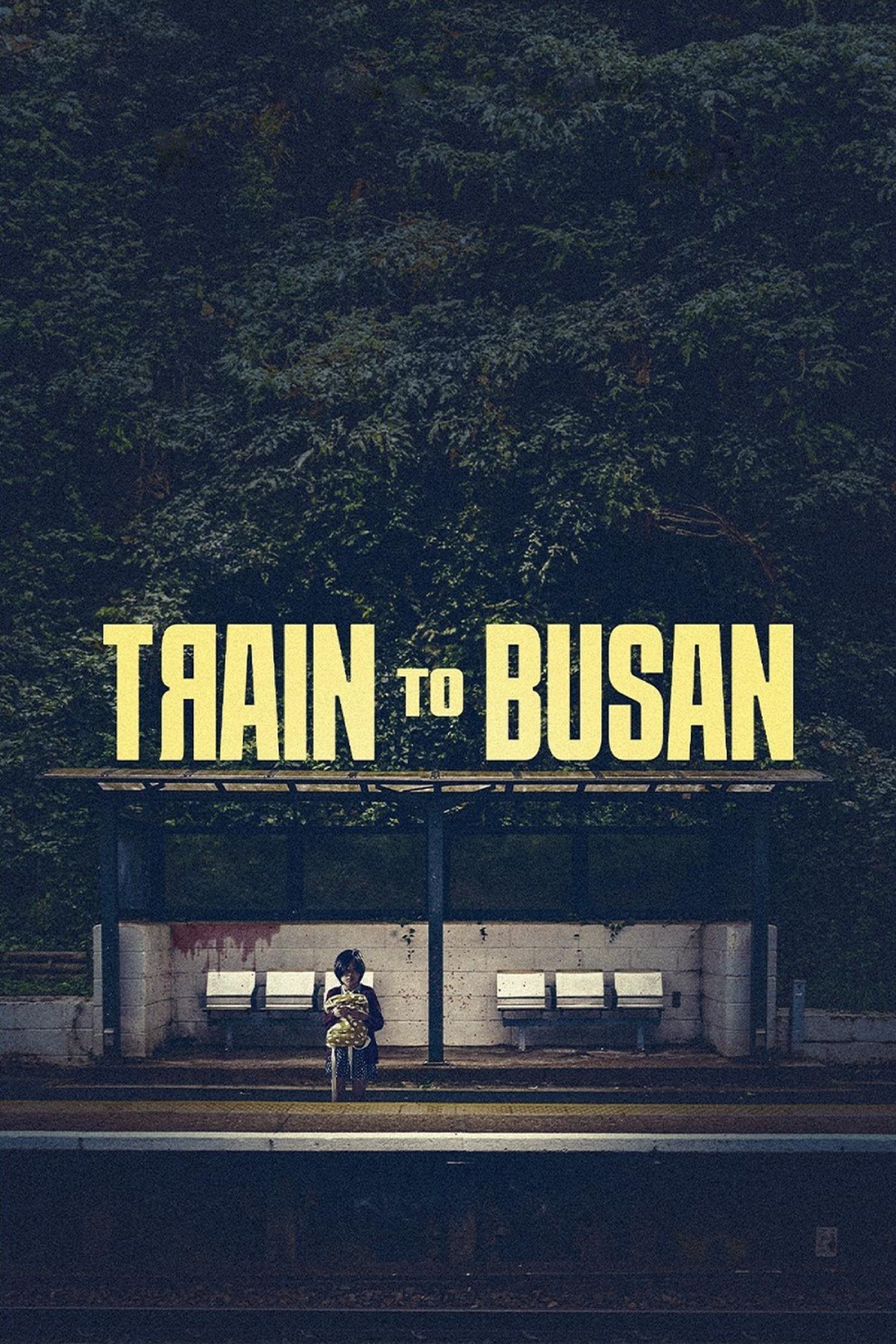
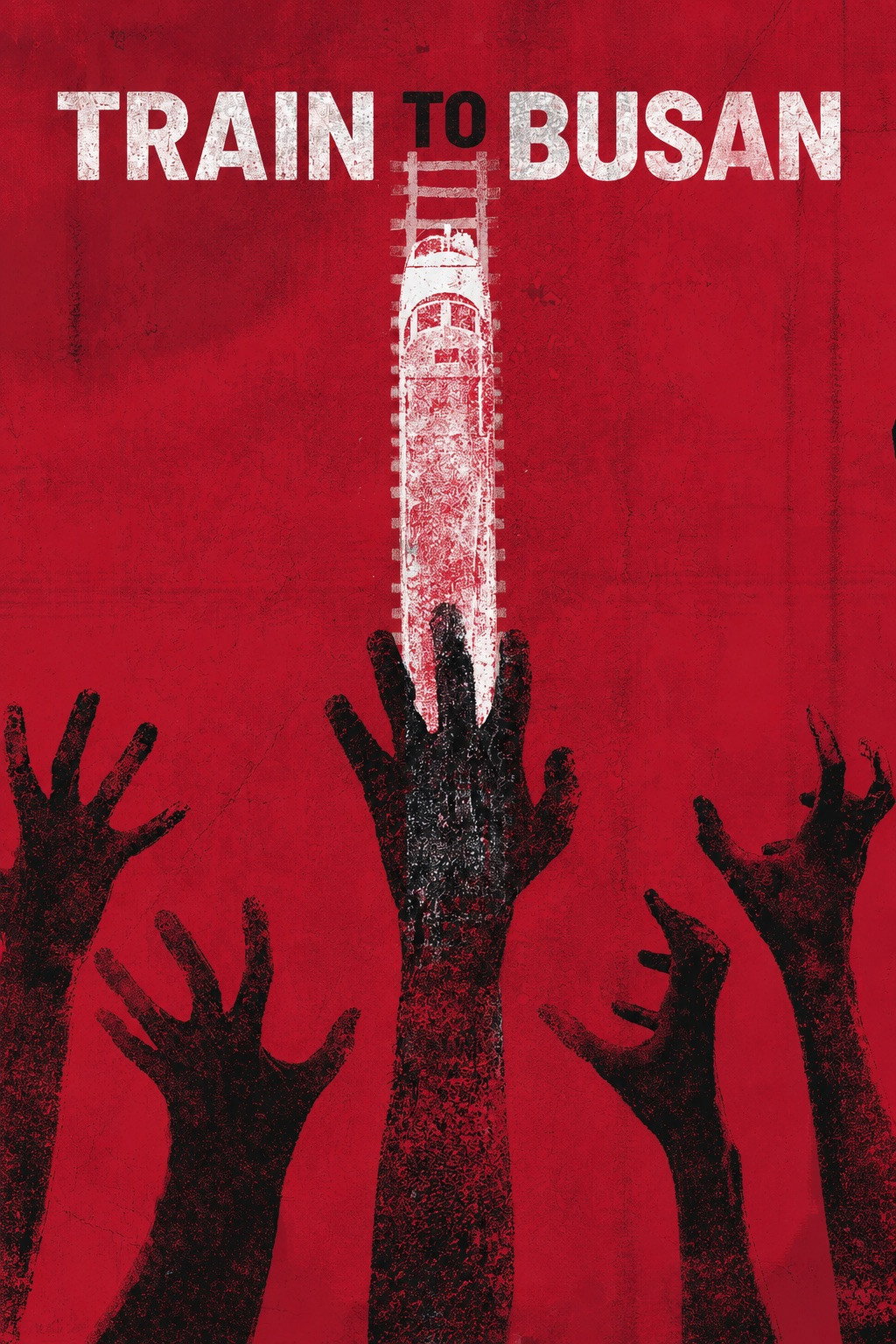
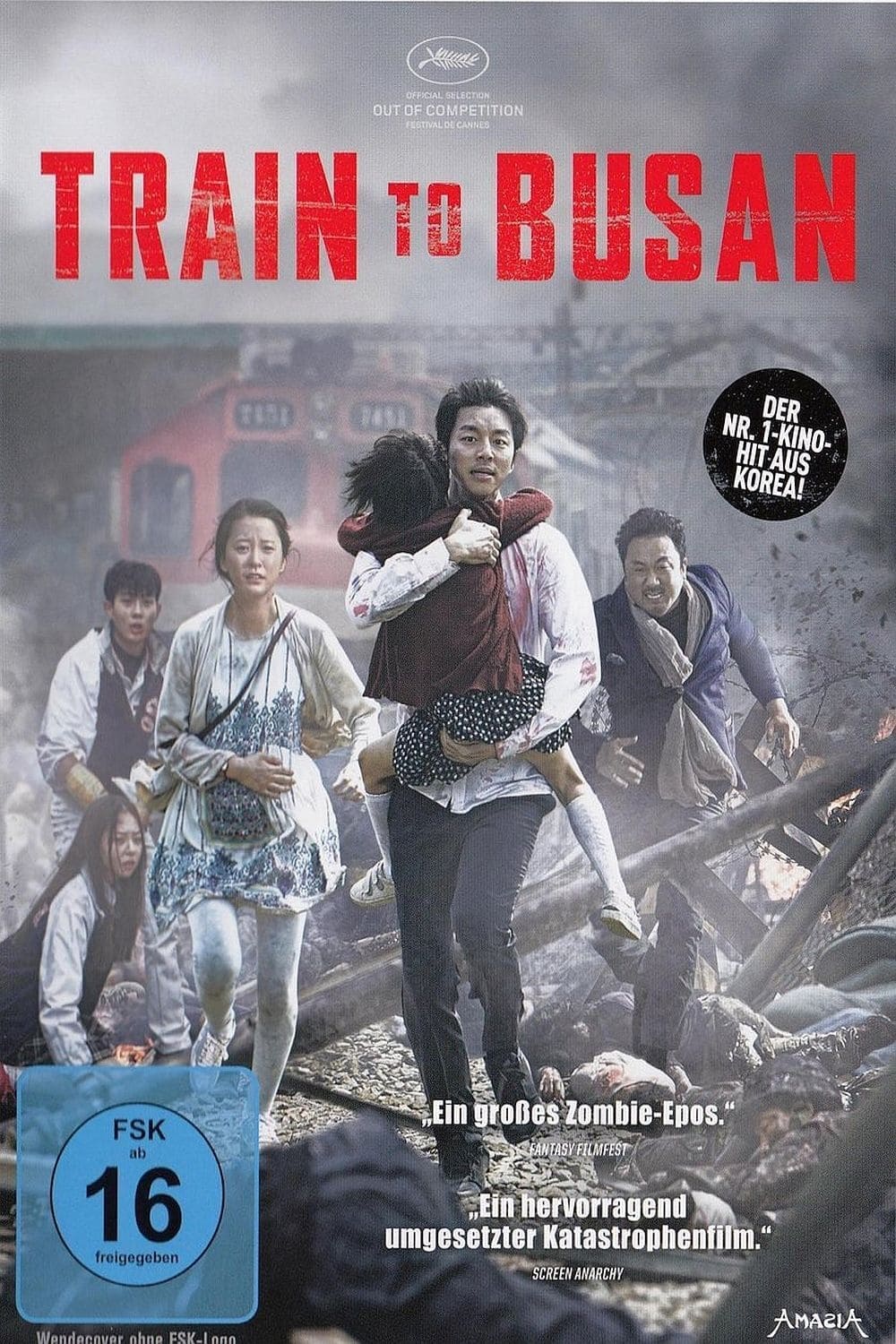
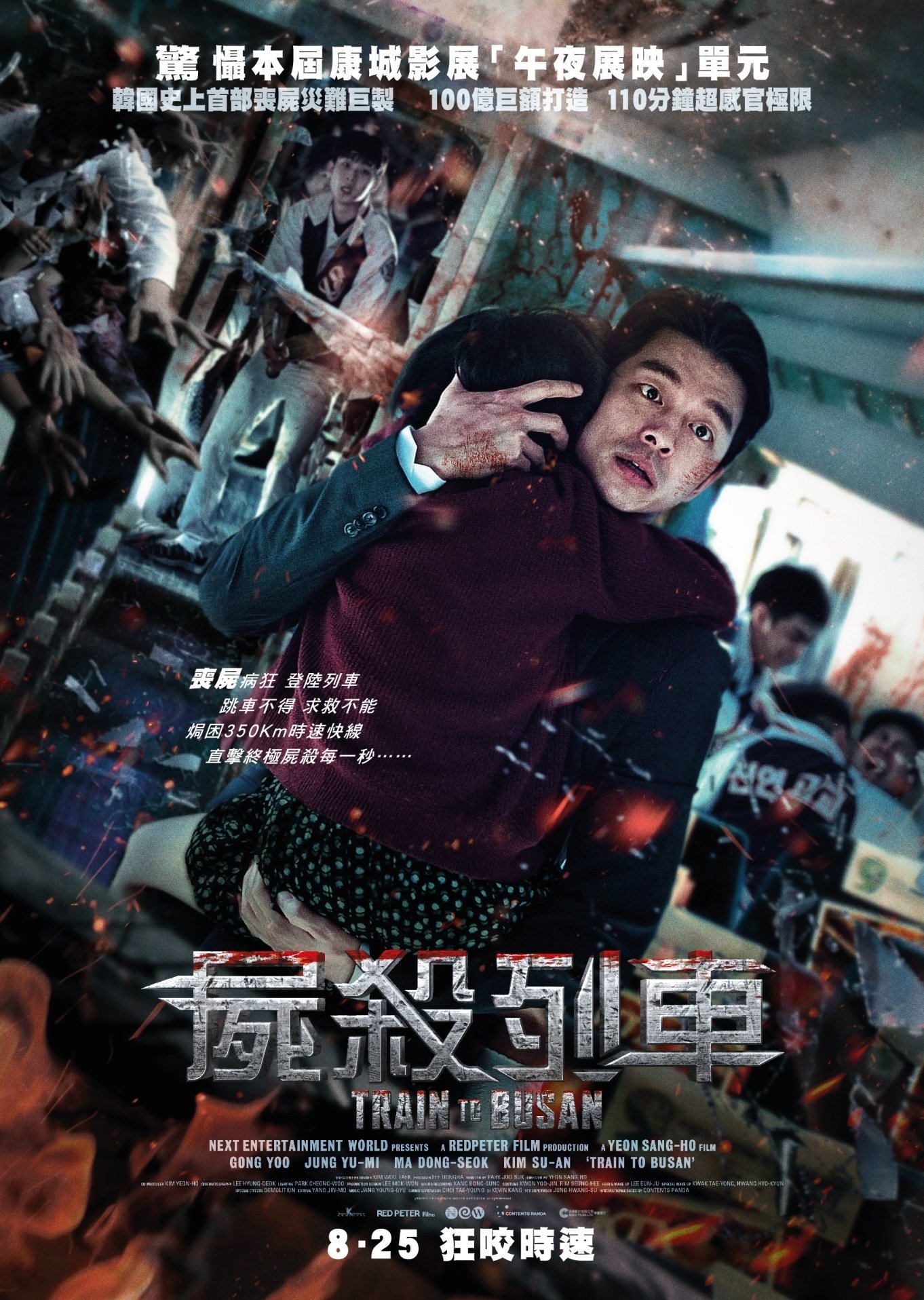
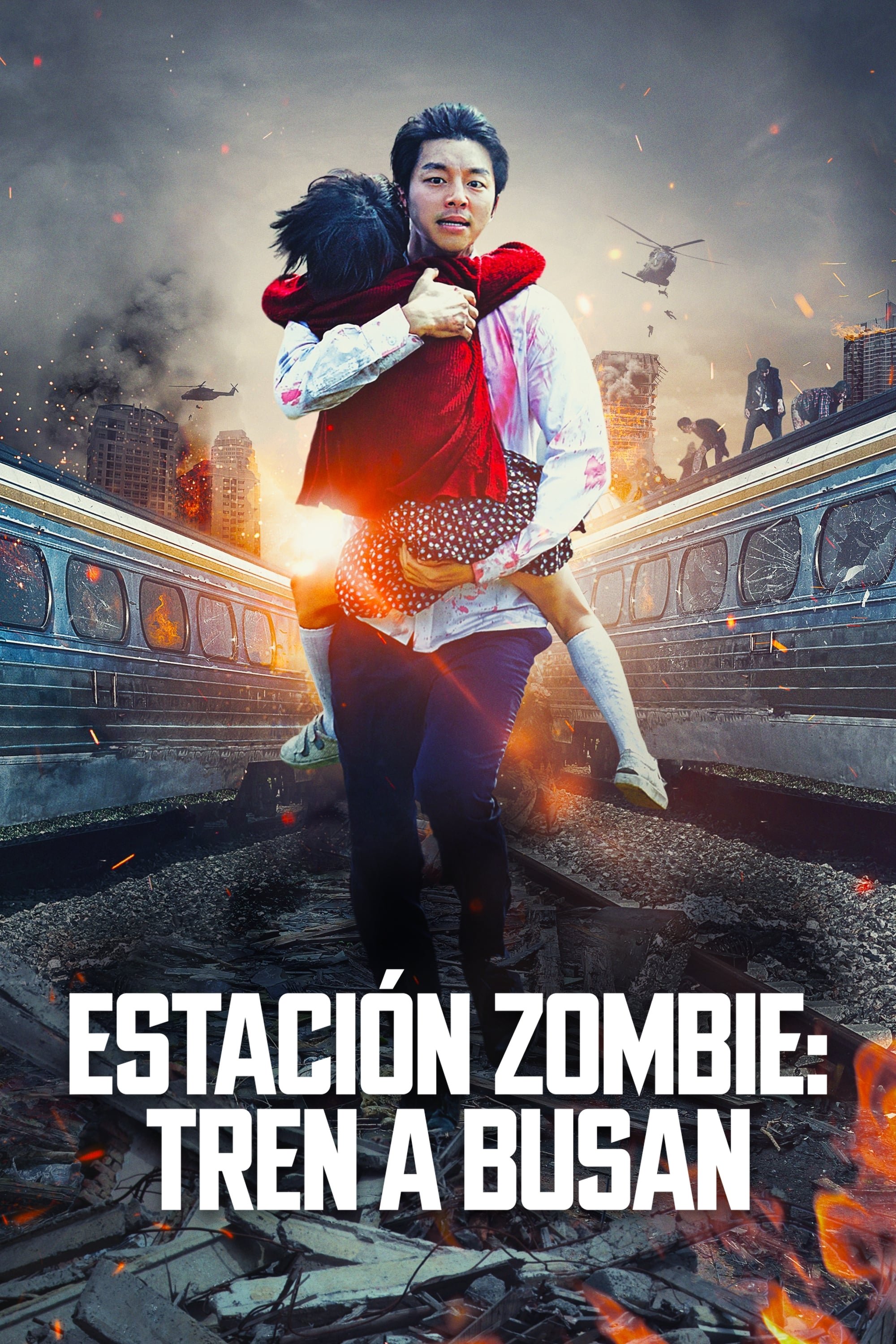
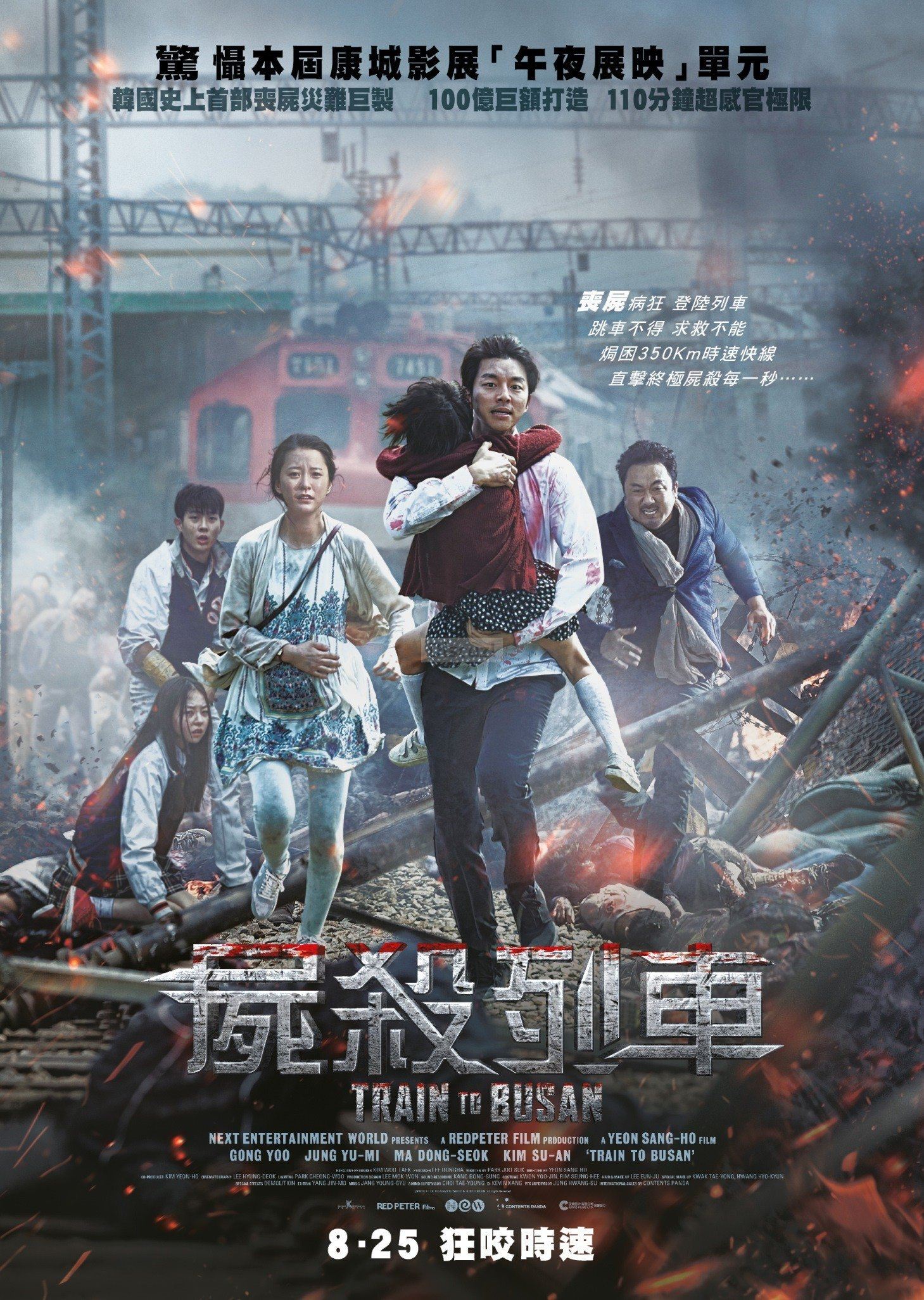
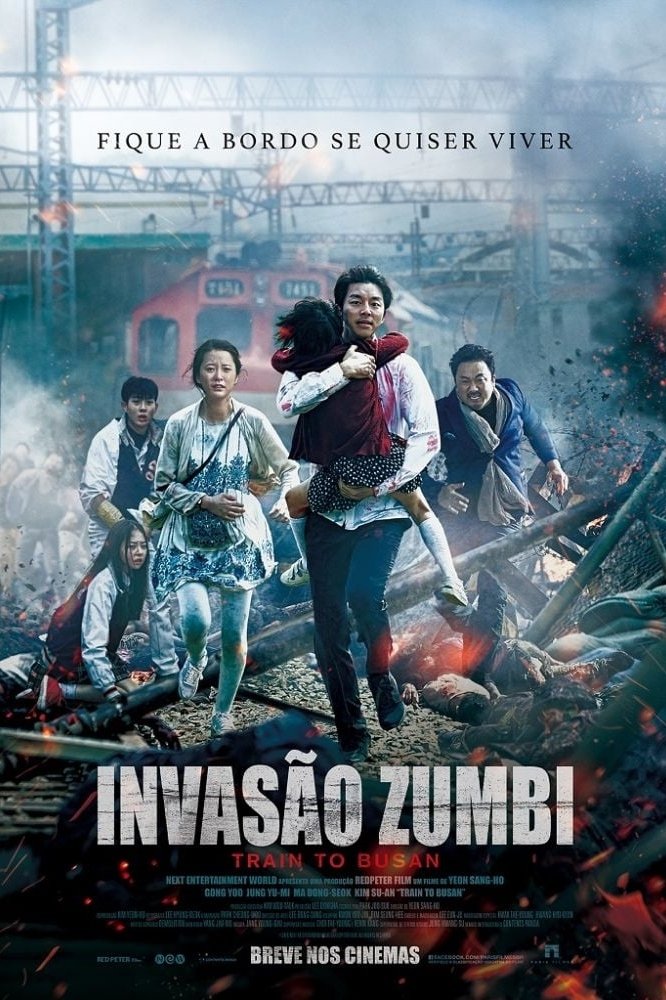
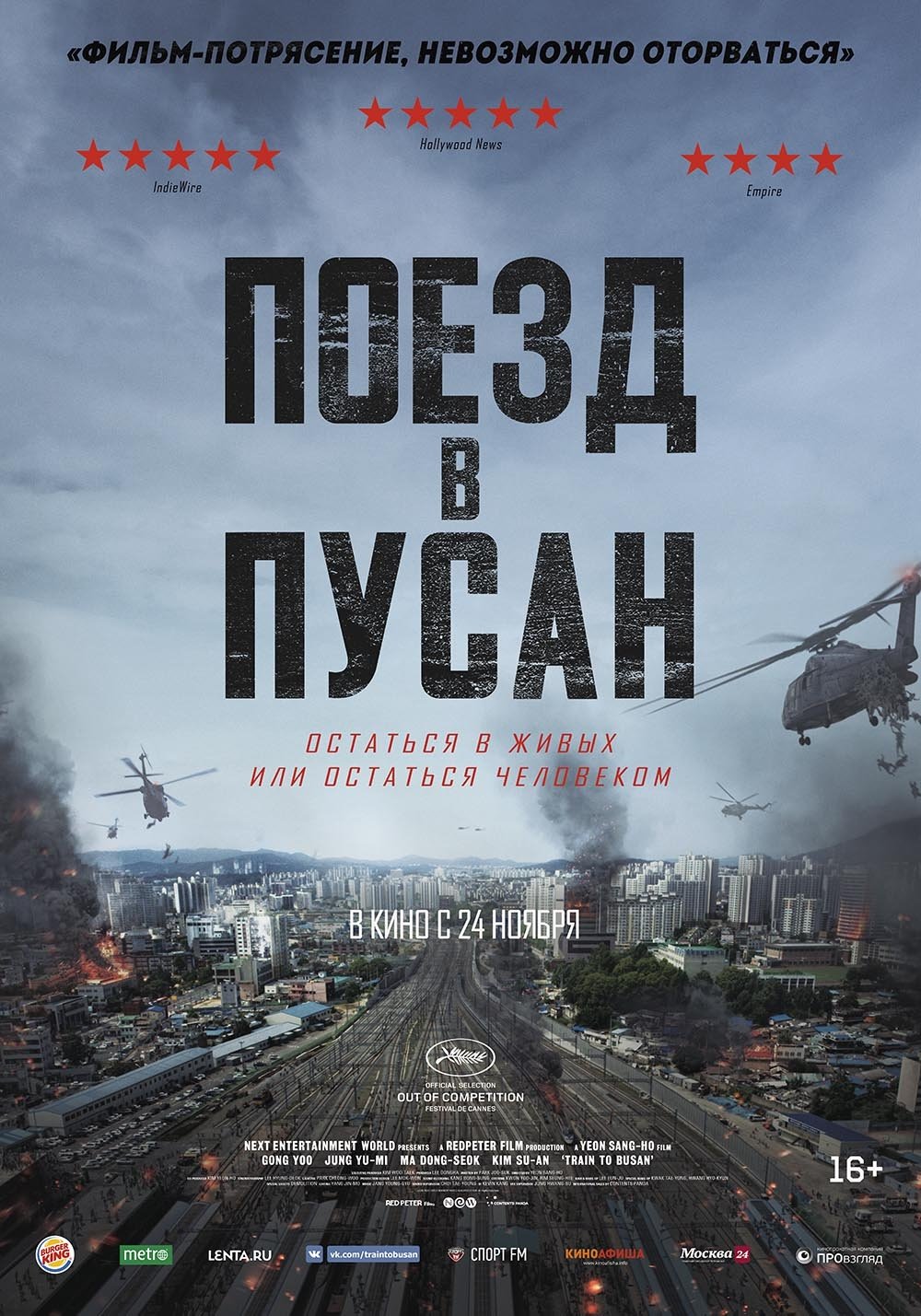
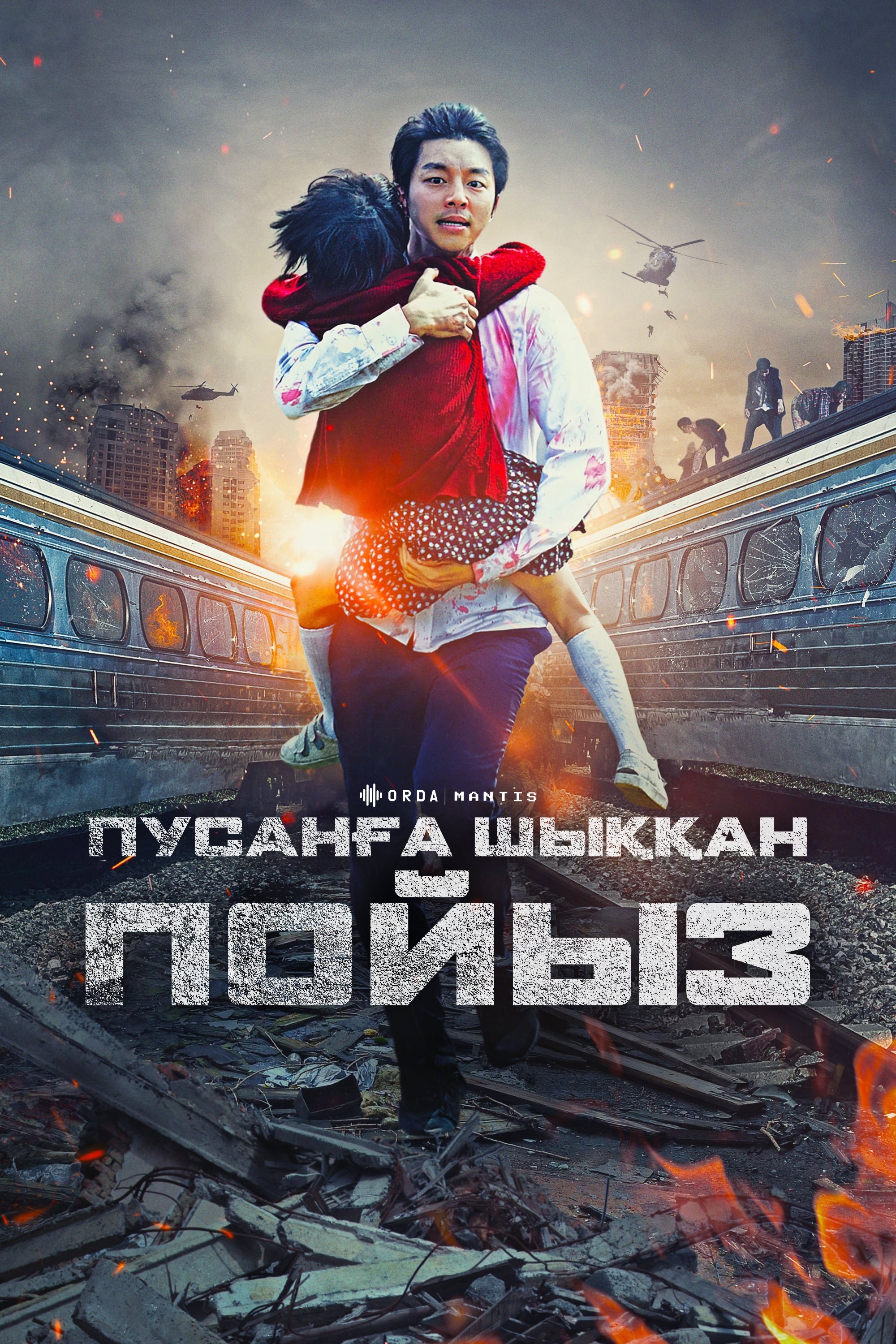
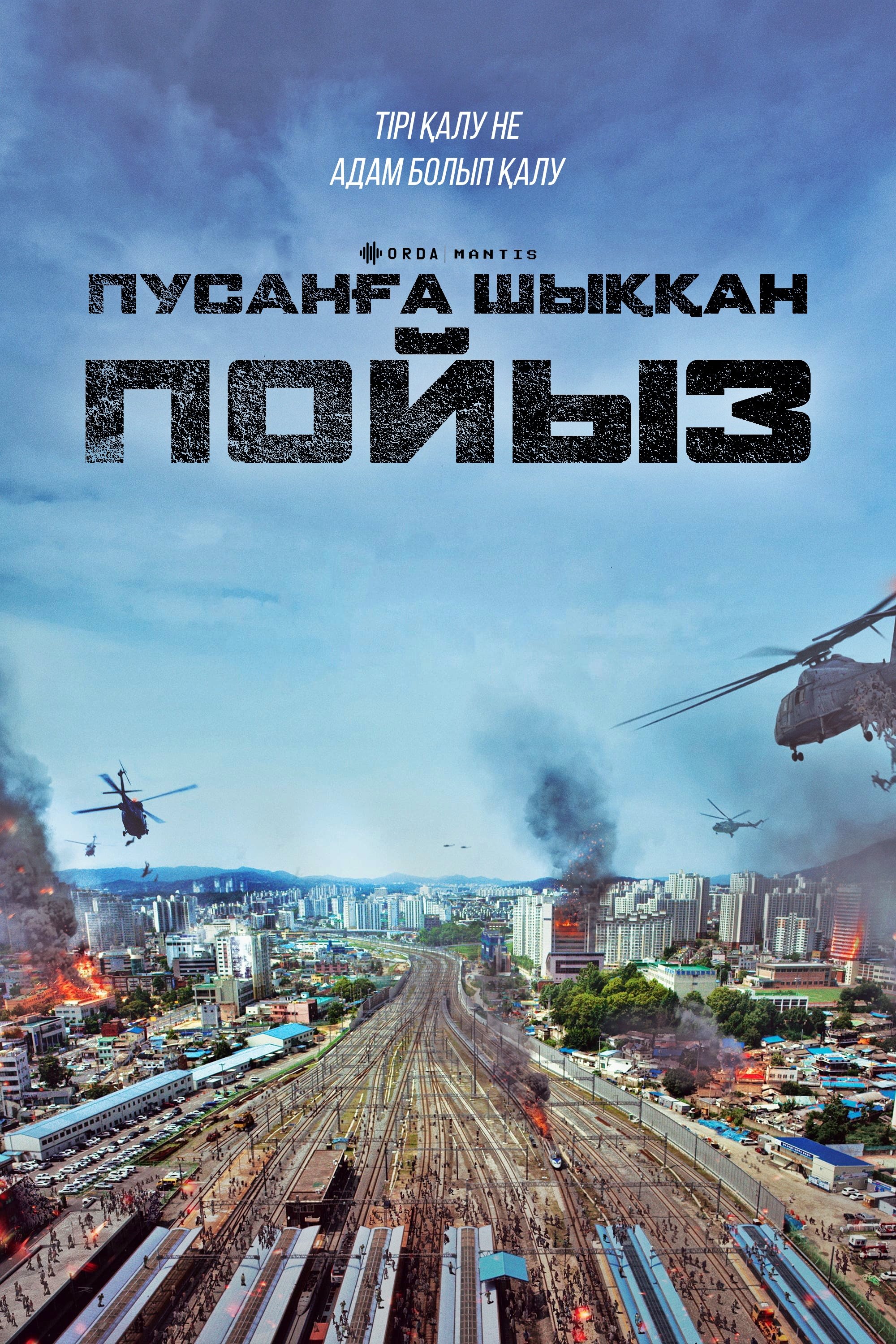
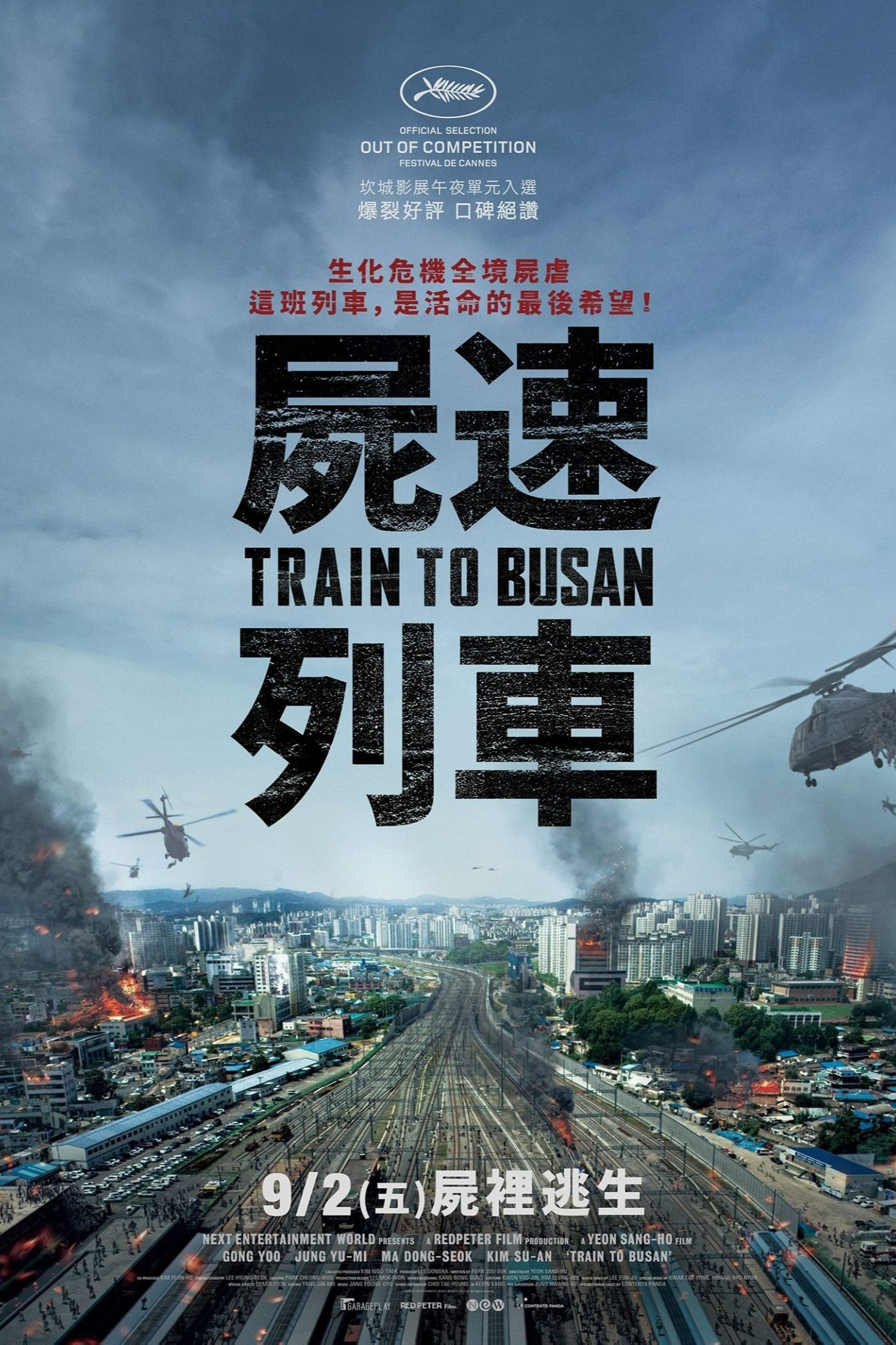
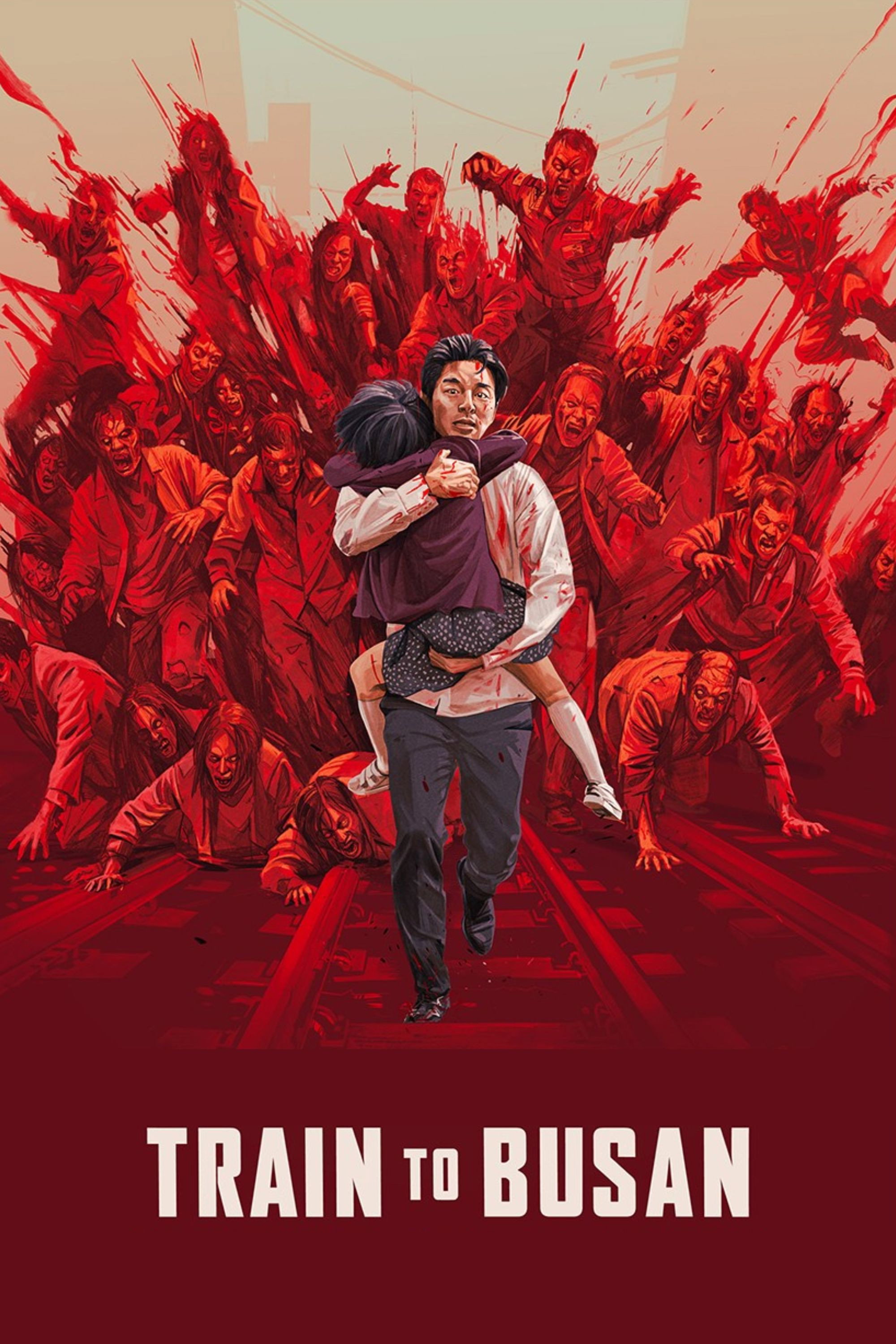
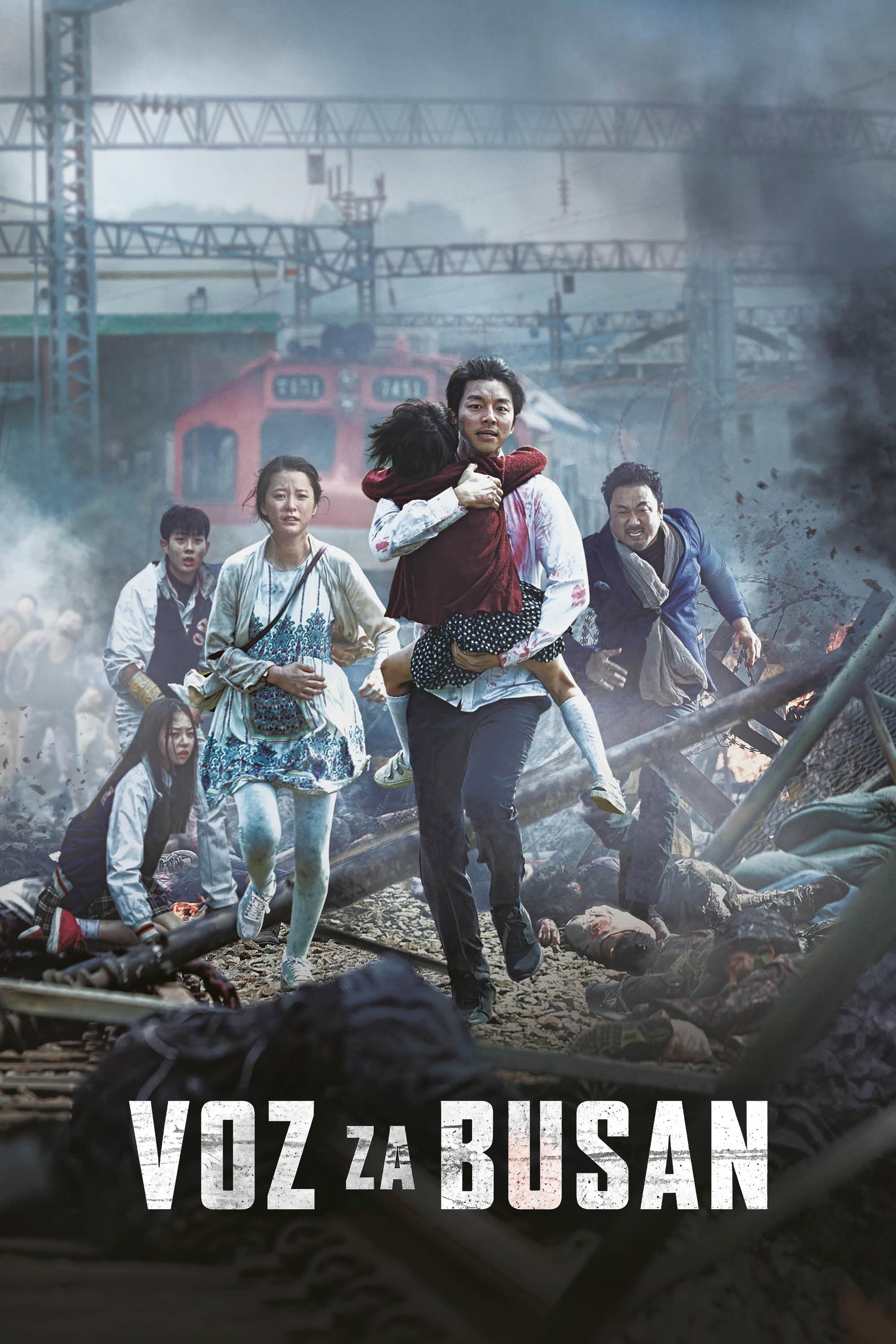
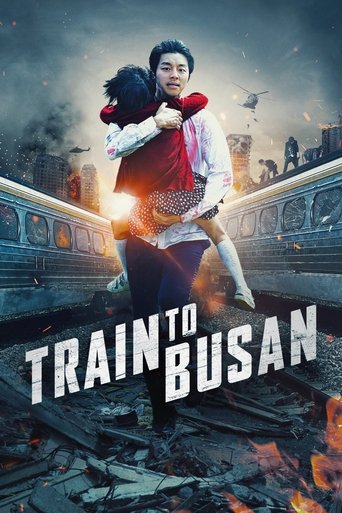
Train to Busan originated during the development of Seoul Station, an animated zombie film that Yeon Sang-ho had conceived around an outbreak in the South Korean capital. In an interview published by the Festival de Cannes in May 2016, Yeon explained that members of his production team repeatedly asked what might happen after the events depicted in the animated story. He began imagining further situations within the same fictional environment, eventually developing the premise of passengers trapped aboard an express train. Although Seoul Station was completed first, its commercial release followed that of Train to Busan. The two films therefore have a production relationship that differs from their order of theatrical distribution.
Yeon had previously directed animated features concerned with bullying, manipulation and institutional violence. The King of Pigs examined social hierarchies through the experiences of former classmates, while The Fake explored religious exploitation within a vulnerable community. Moving into live action offered a different production scale and the possibility of reaching audiences unfamiliar with his earlier work. Yeon told No Film School that producers had encouraged him to consider directing with actors after the international attention received by his animation. He regarded the zombie premise as a suitable opportunity to attempt that transition without abandoning his established interest in human behavior during situations of extreme pressure.
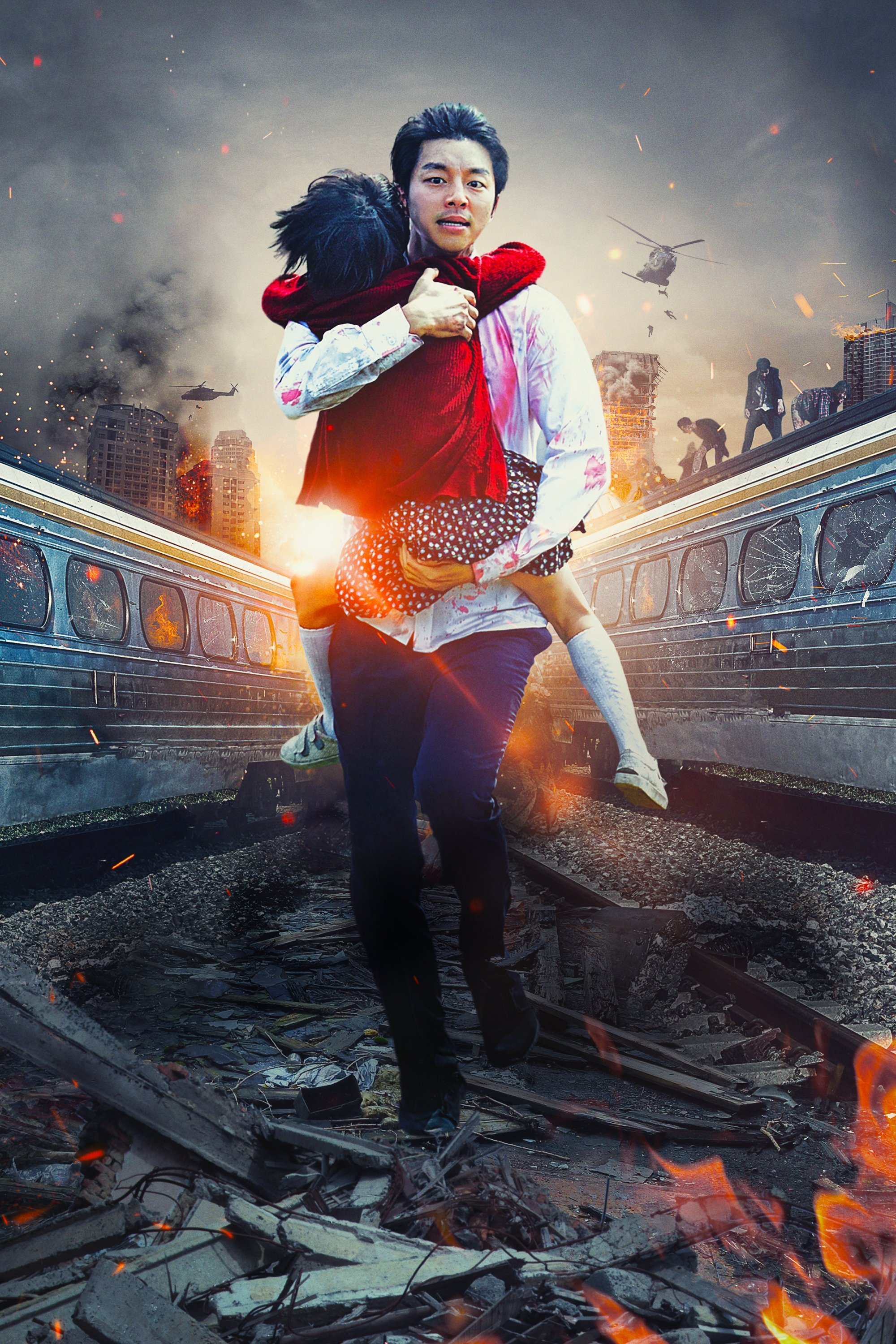
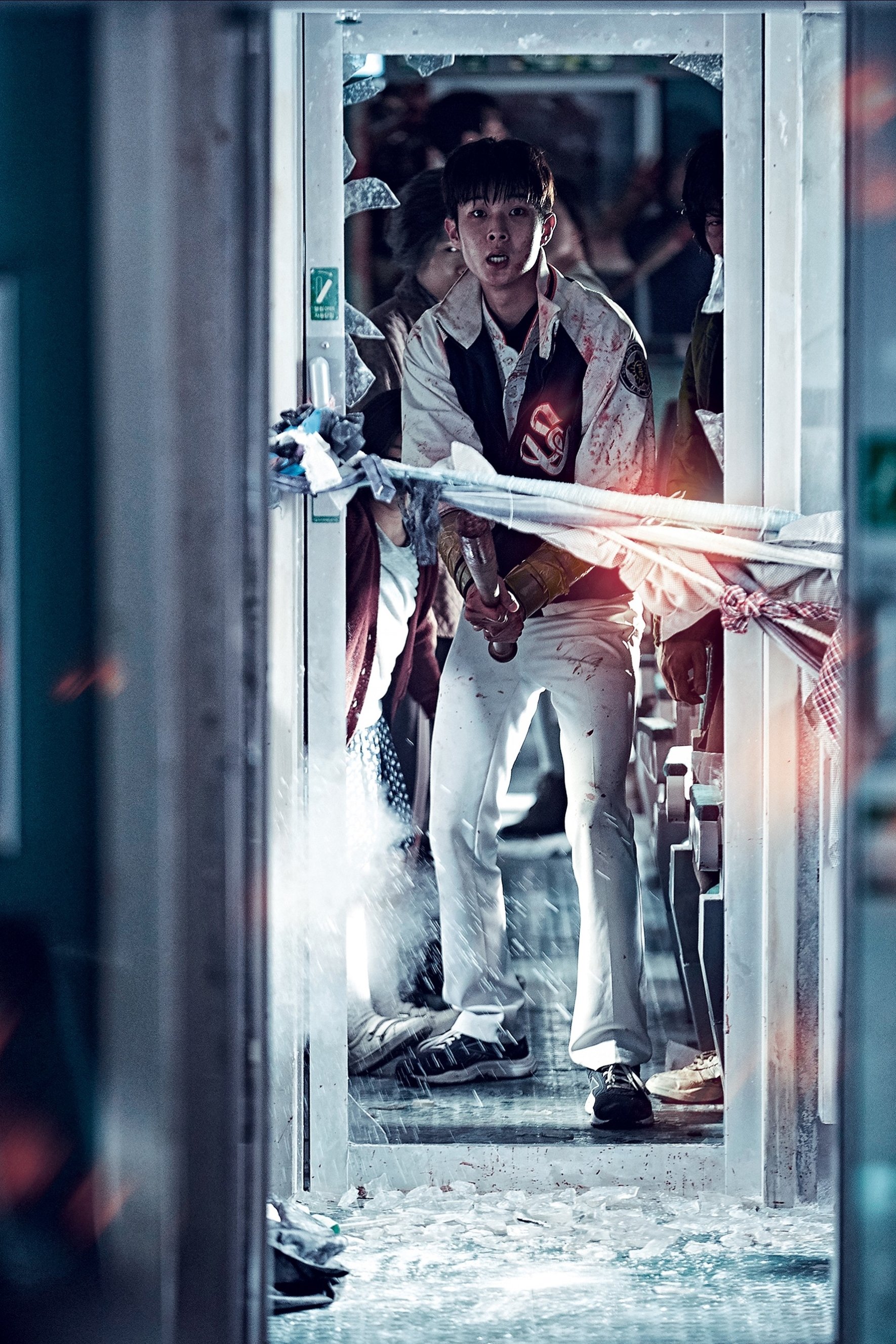
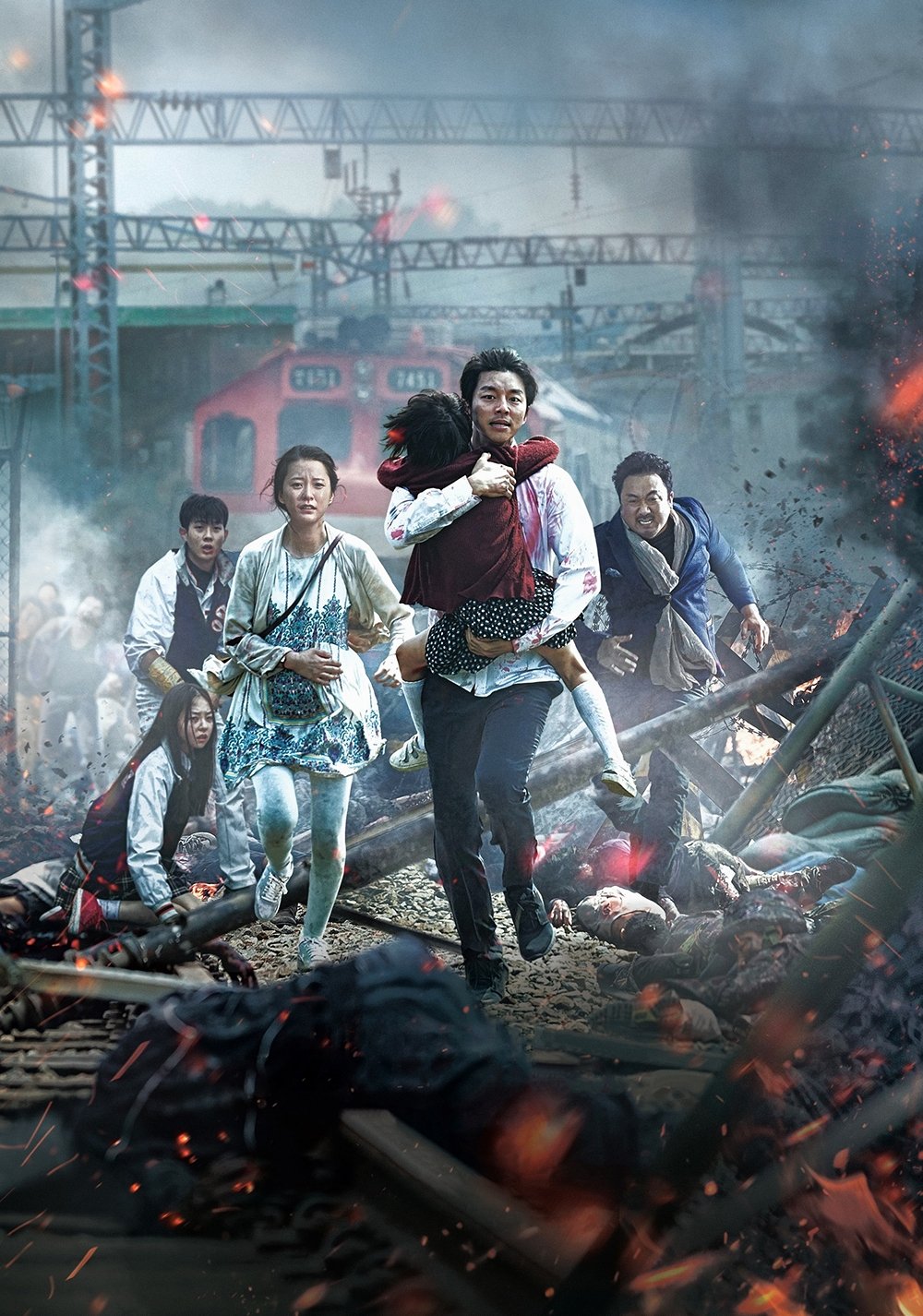
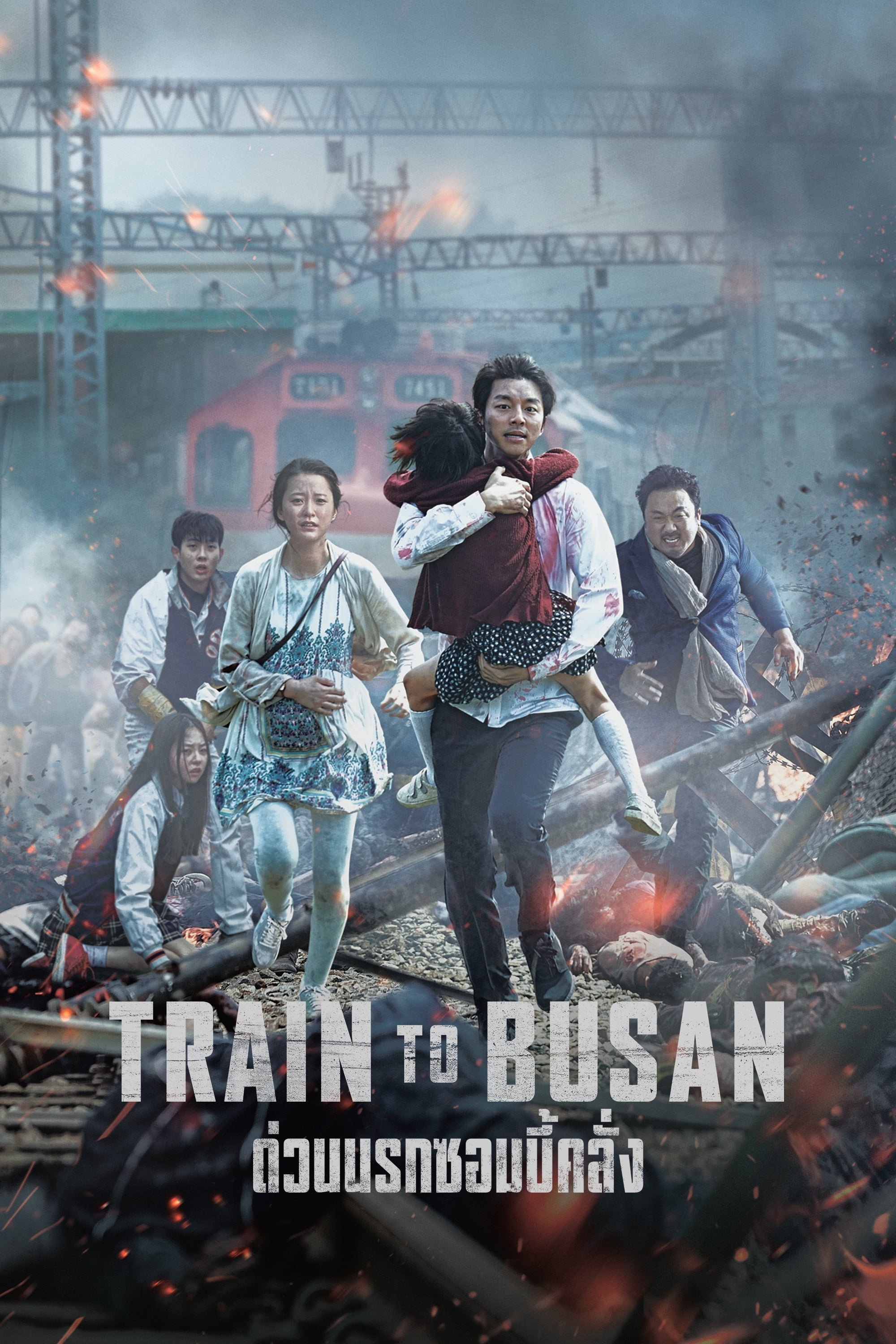
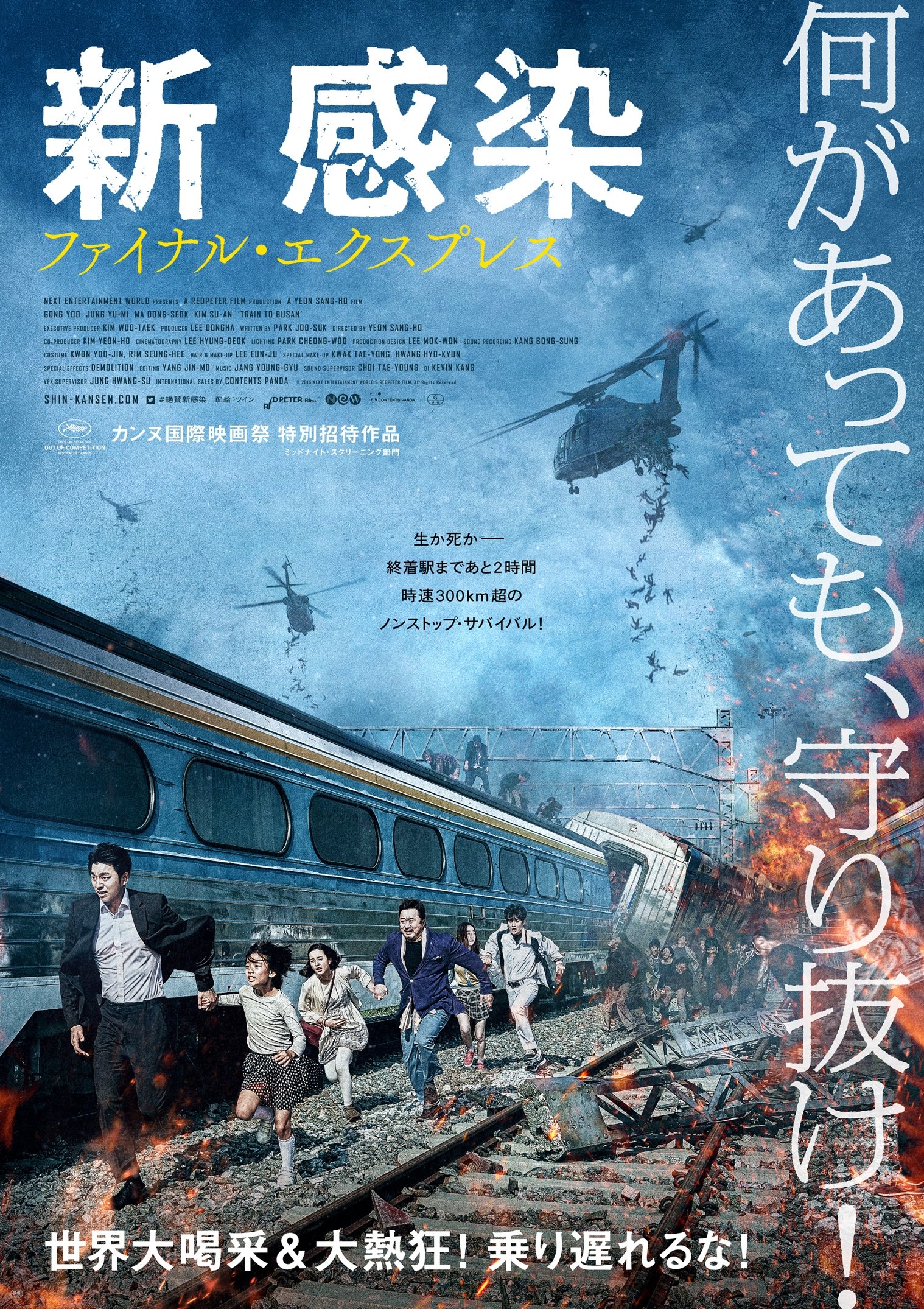
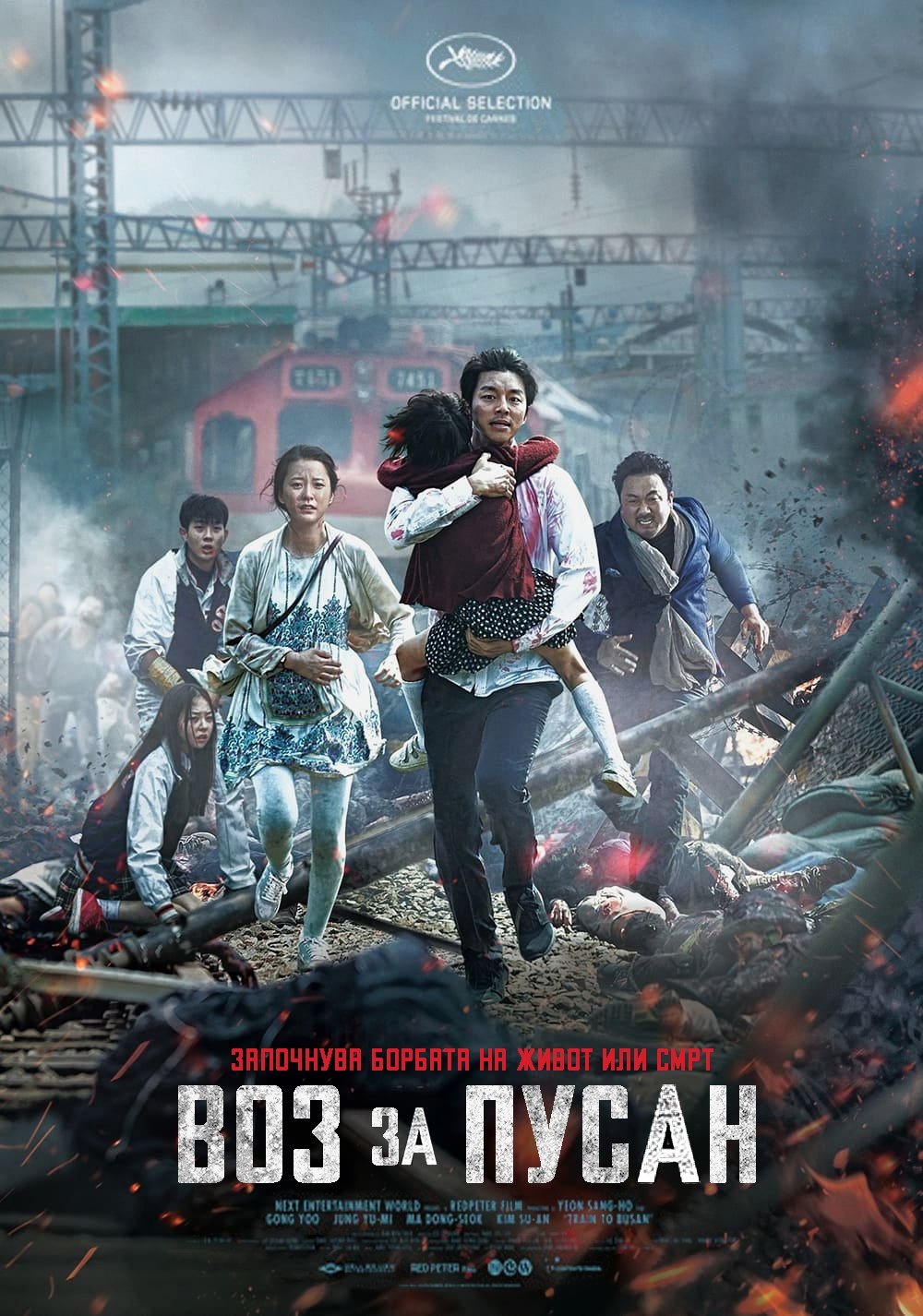
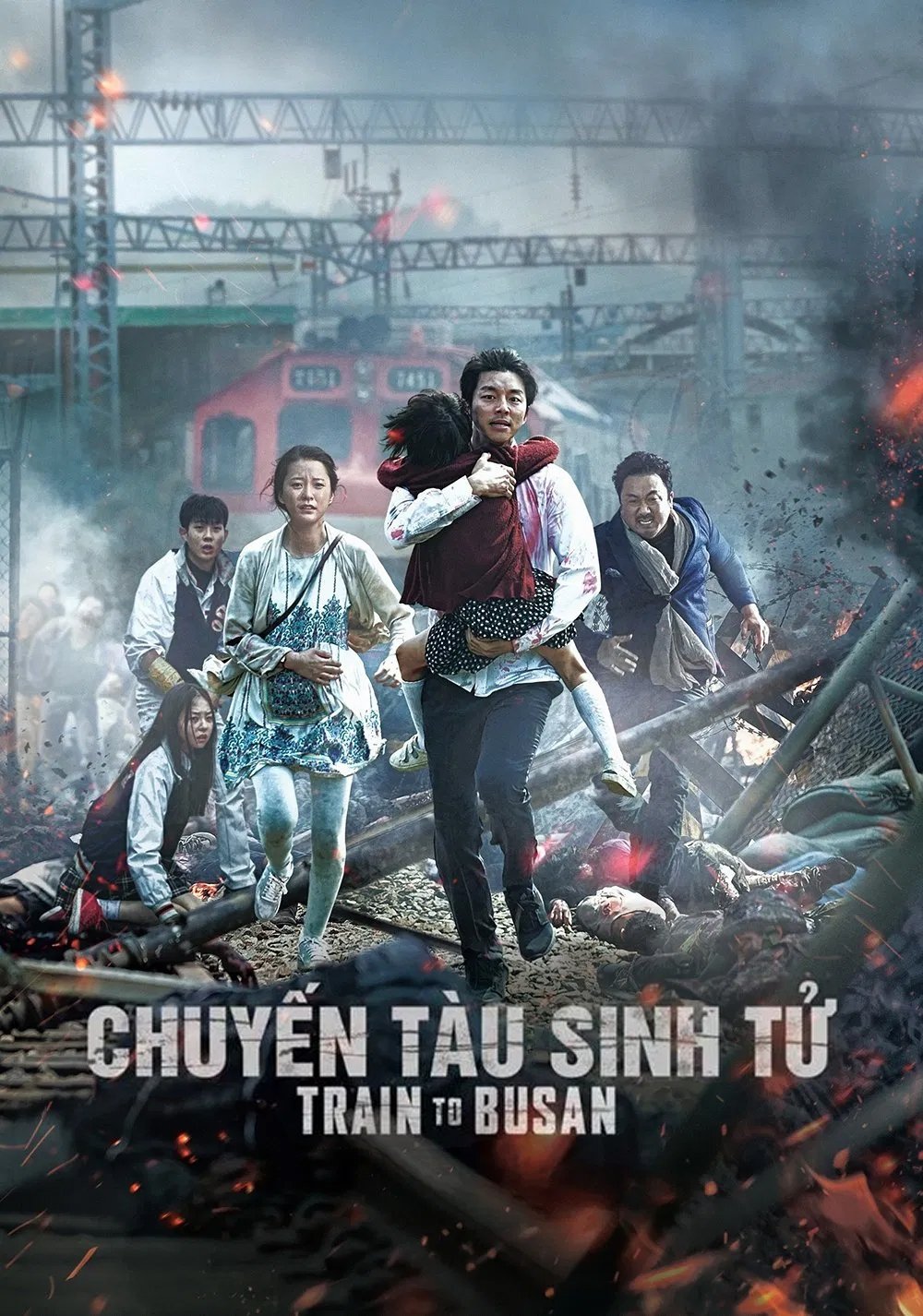
The film was produced by RedPeter Films with the involvement of Next Entertainment World, which also handled its South Korean distribution. Park Joo-suk wrote the screenplay, organizing the outbreak around a recognizable group of passengers whose different interests would become important as the journey progressed. Yeon wanted a straightforward dramatic framework capable of supporting rapid action without overcomplicated exposition. He also recognized a particular difficulty in introducing a largely Western-associated horror tradition to mainstream Korean audiences. The production consequently emphasized characters, environments and forms of social conflict recognizable within contemporary South Korean life.