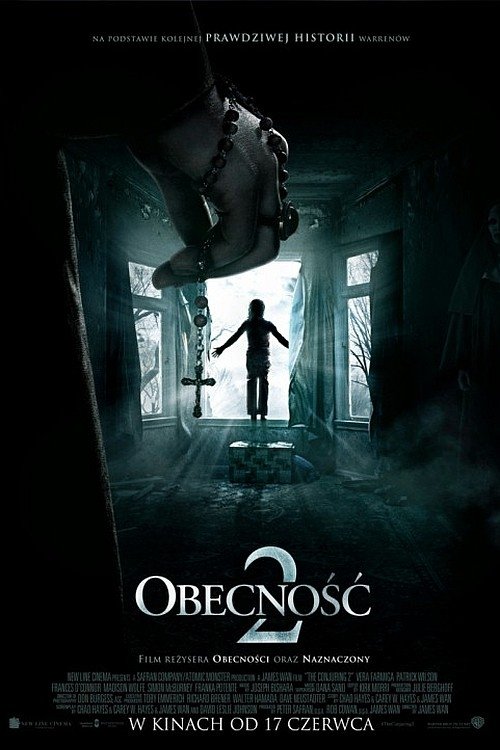
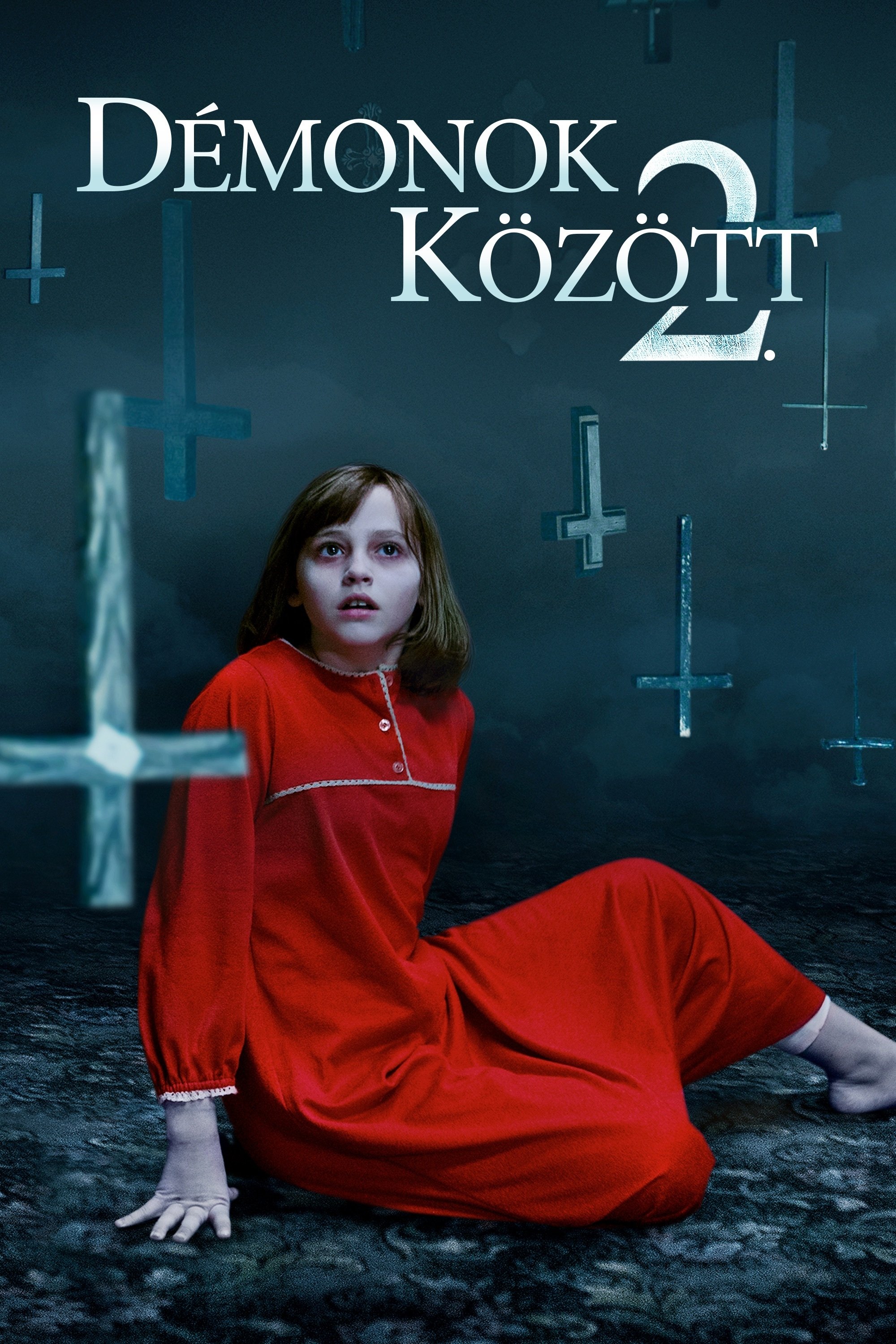
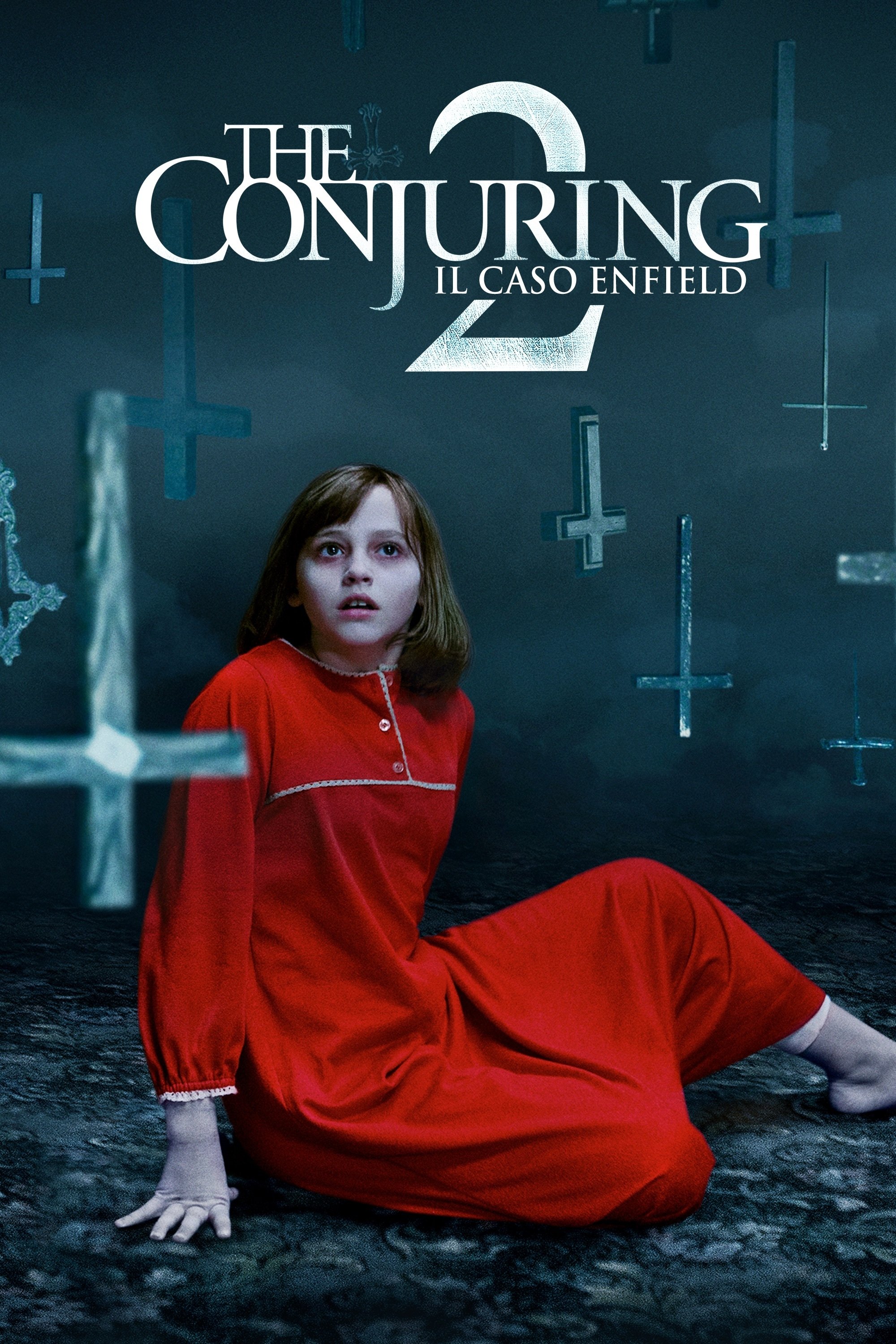
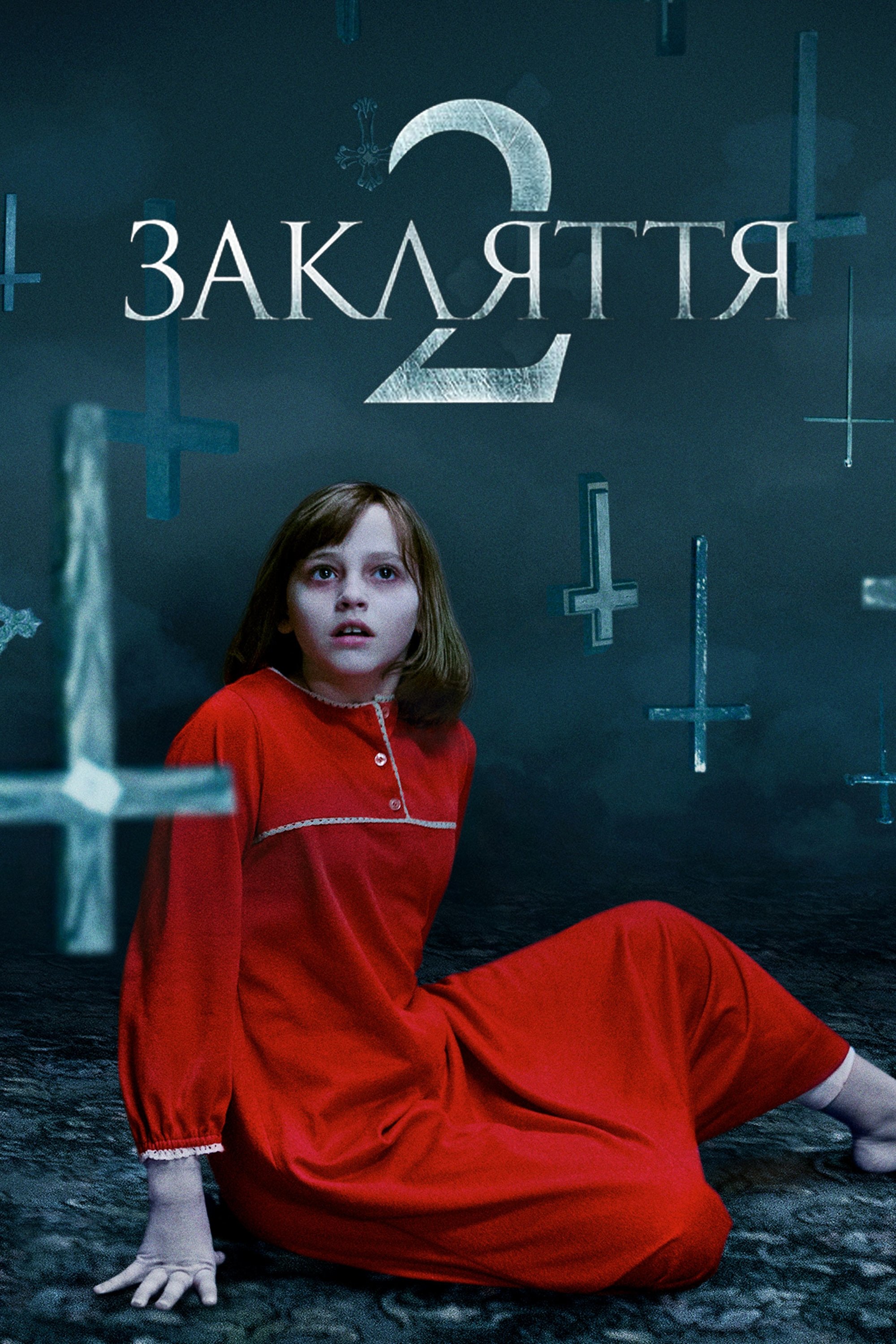
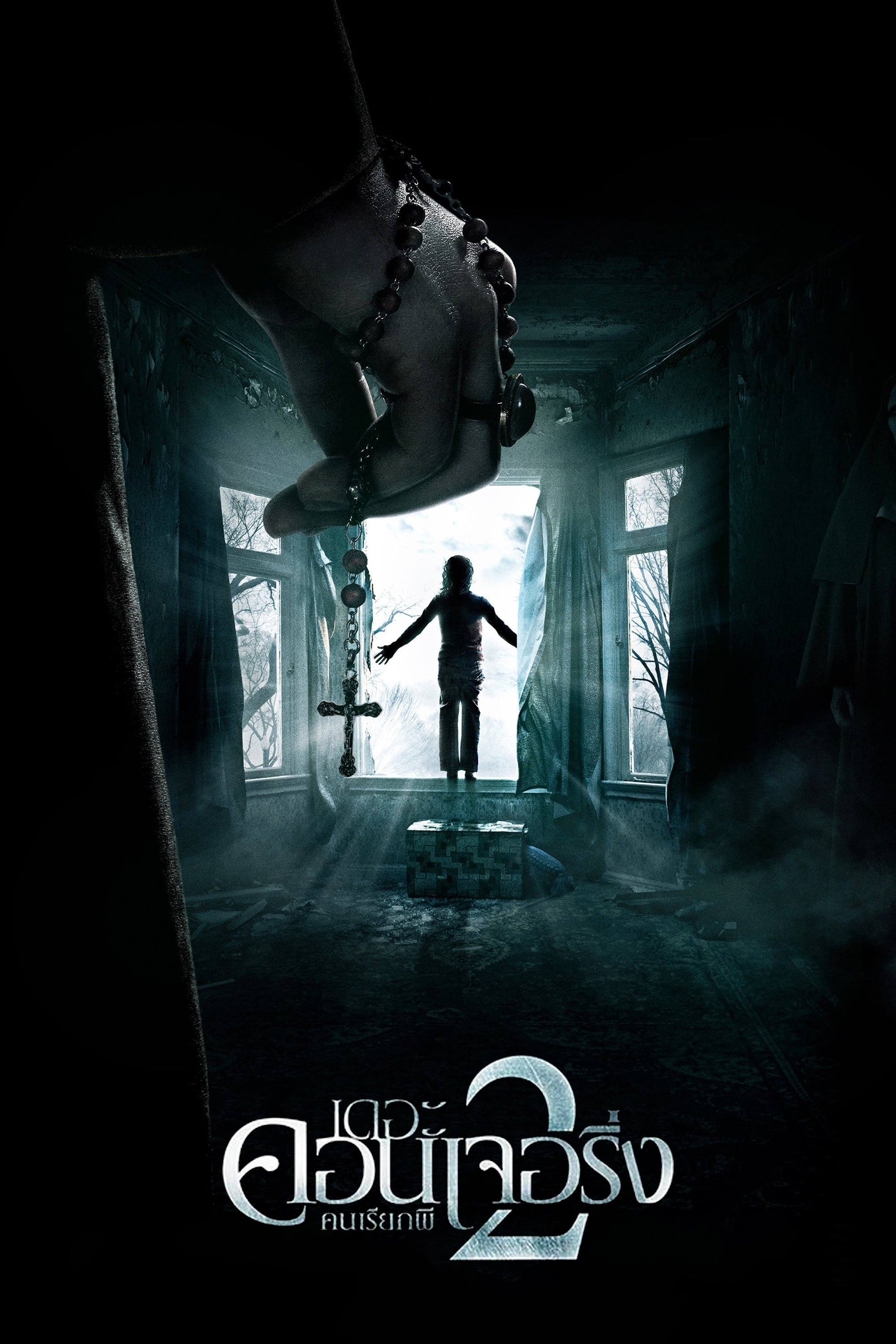
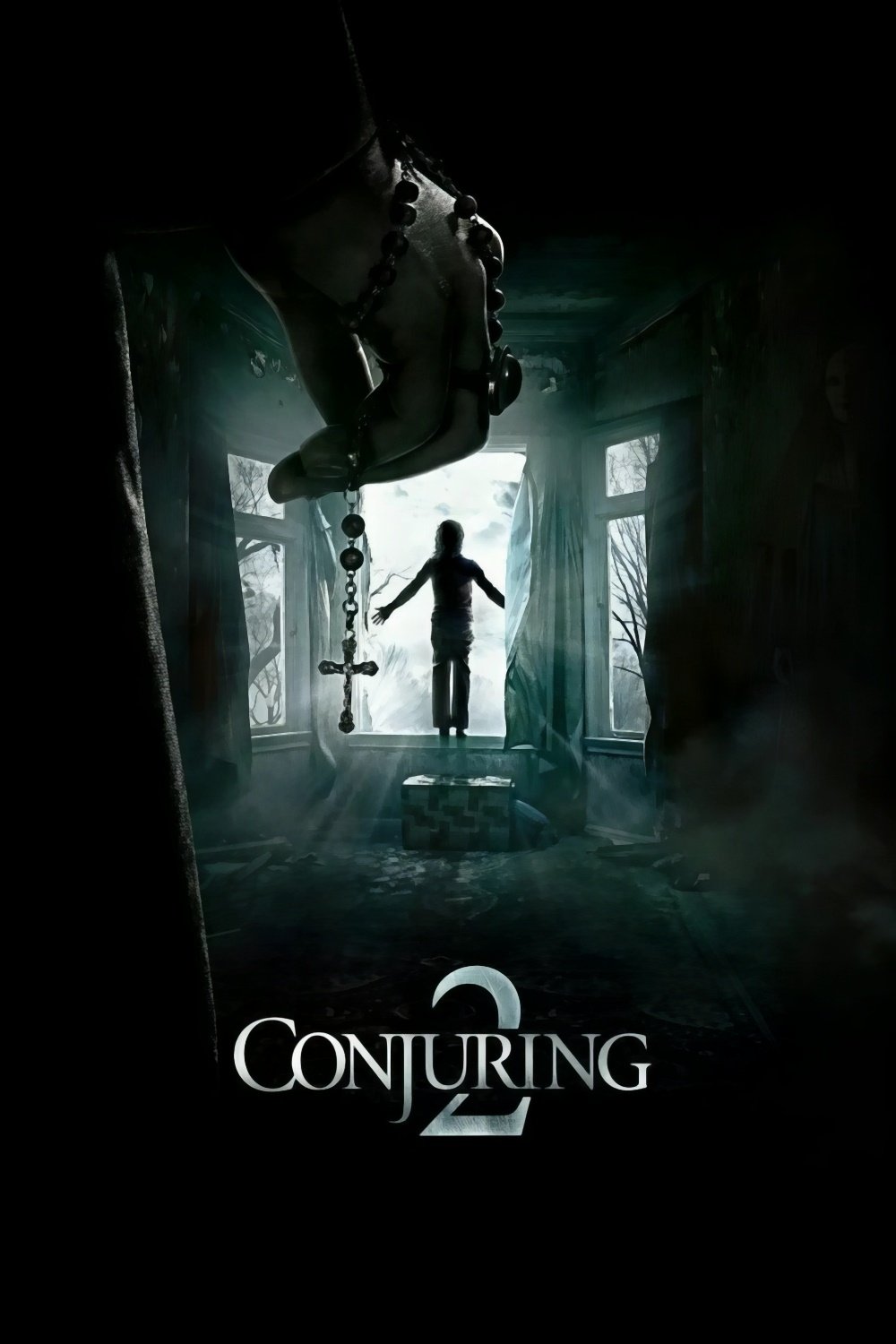
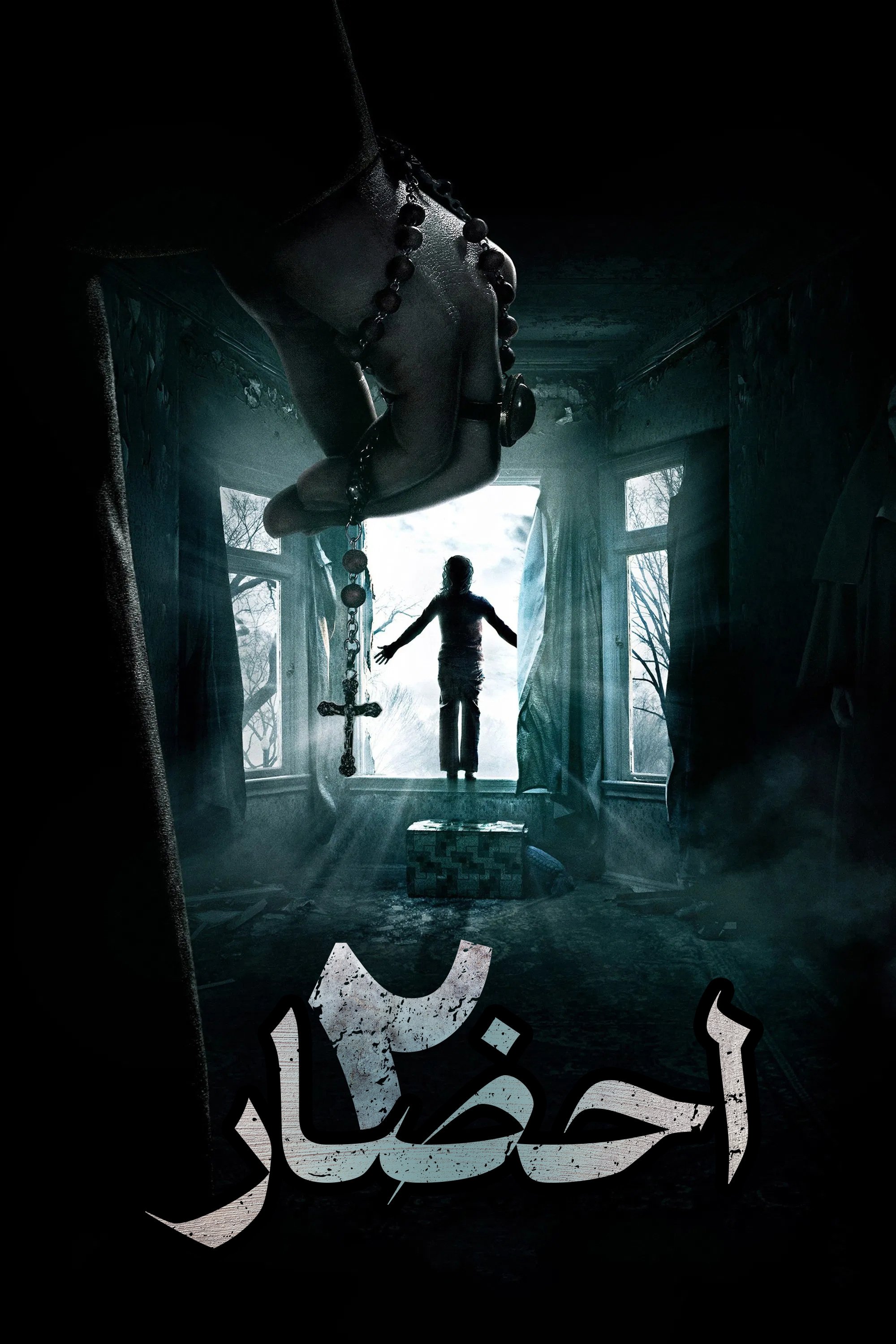
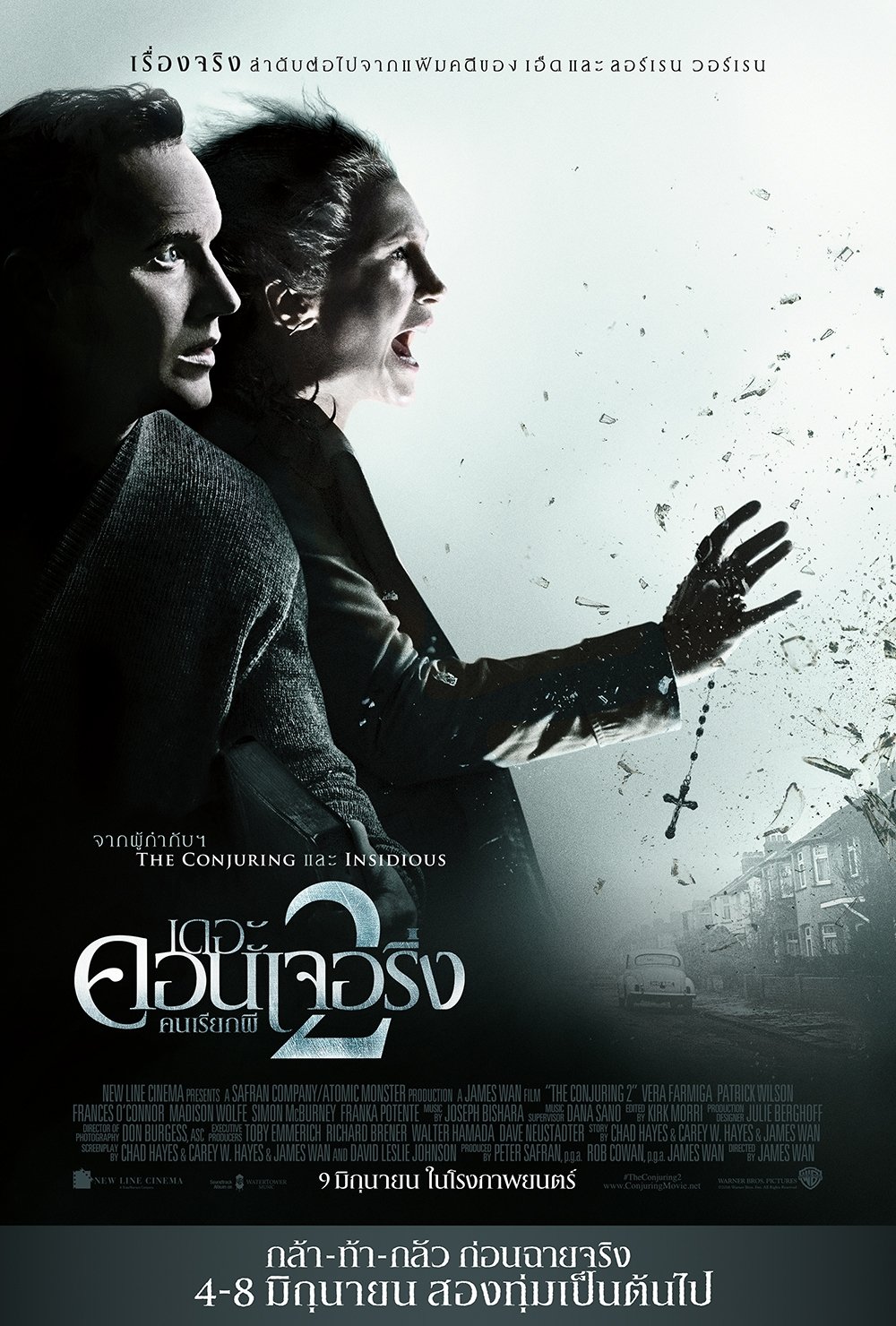
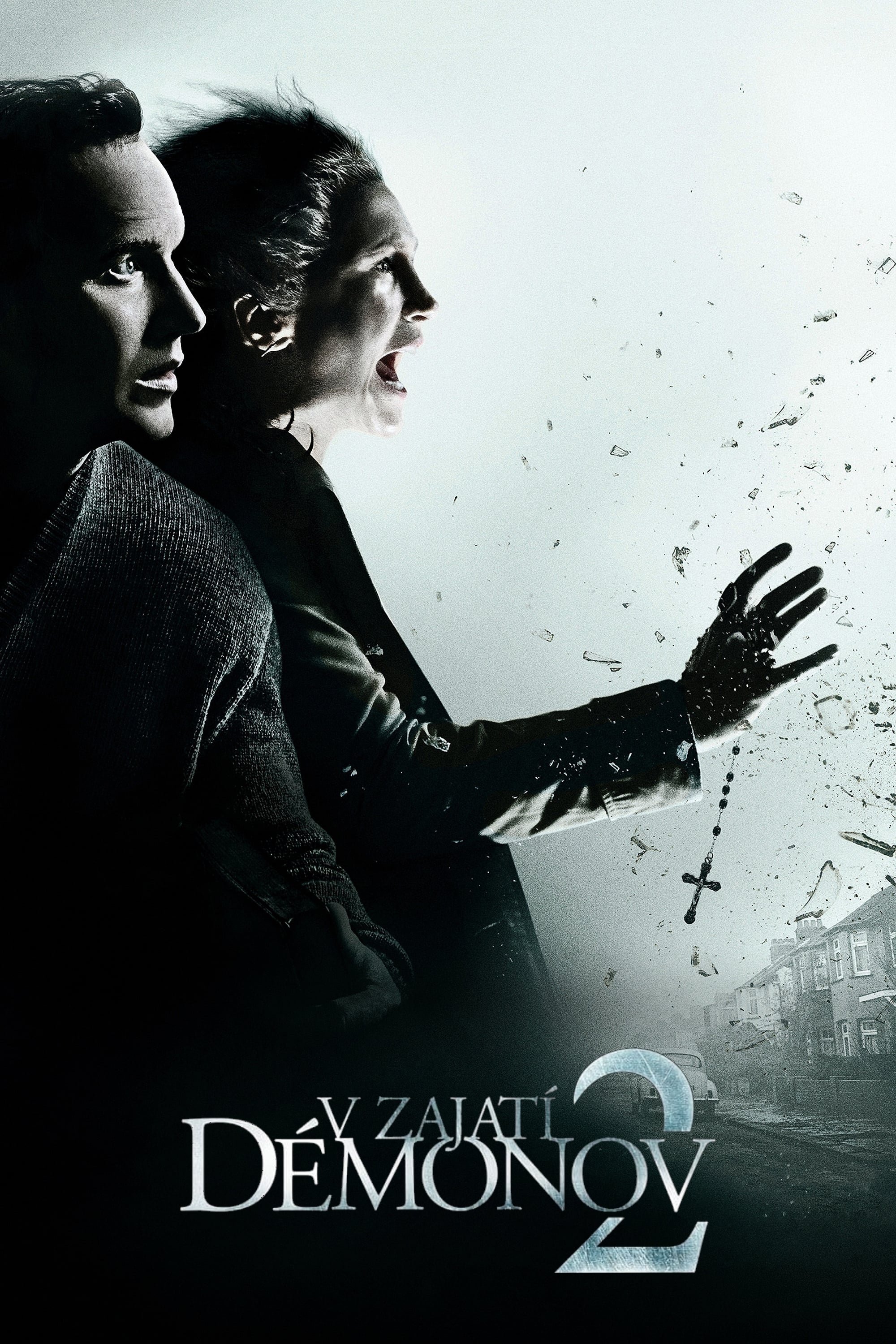
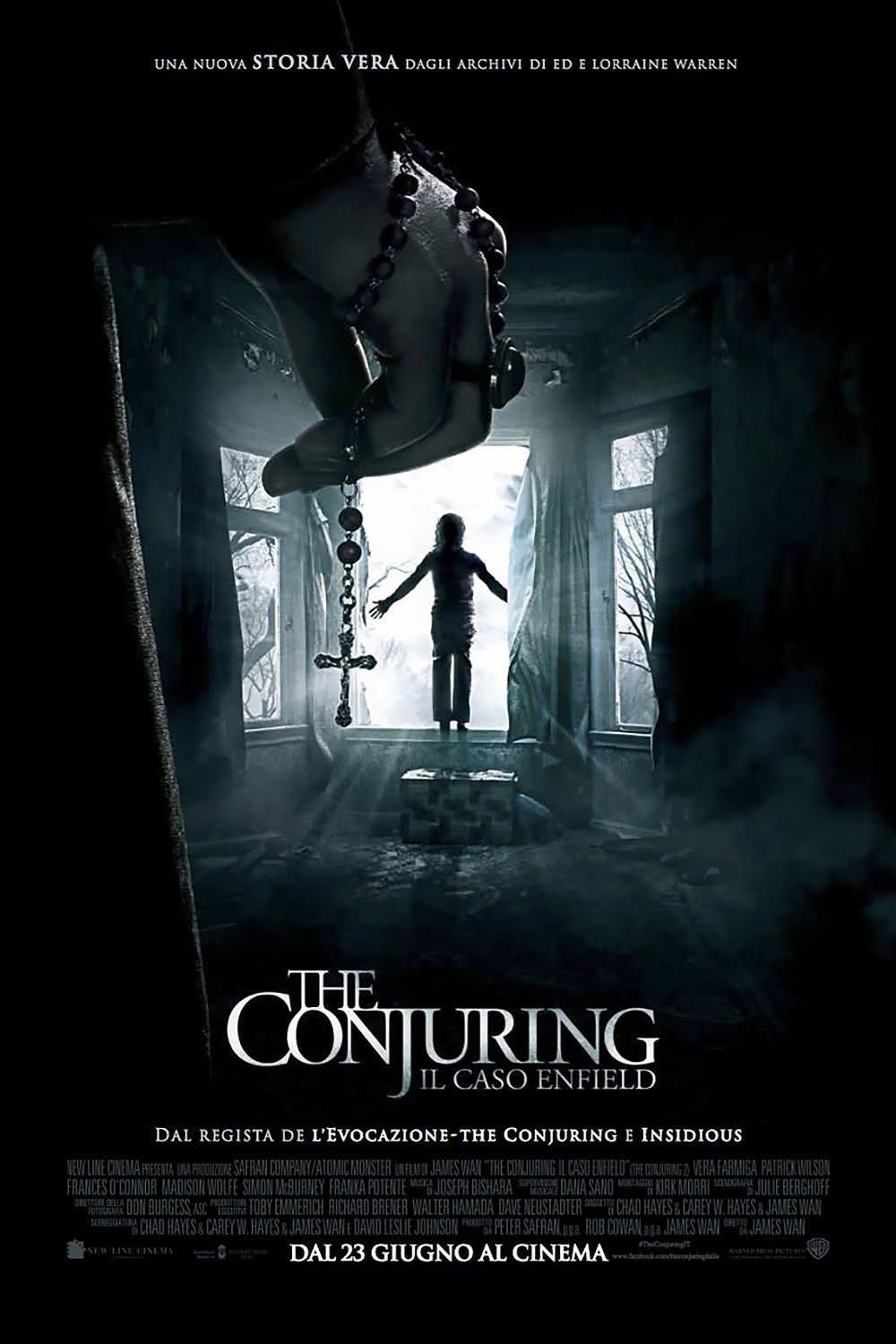
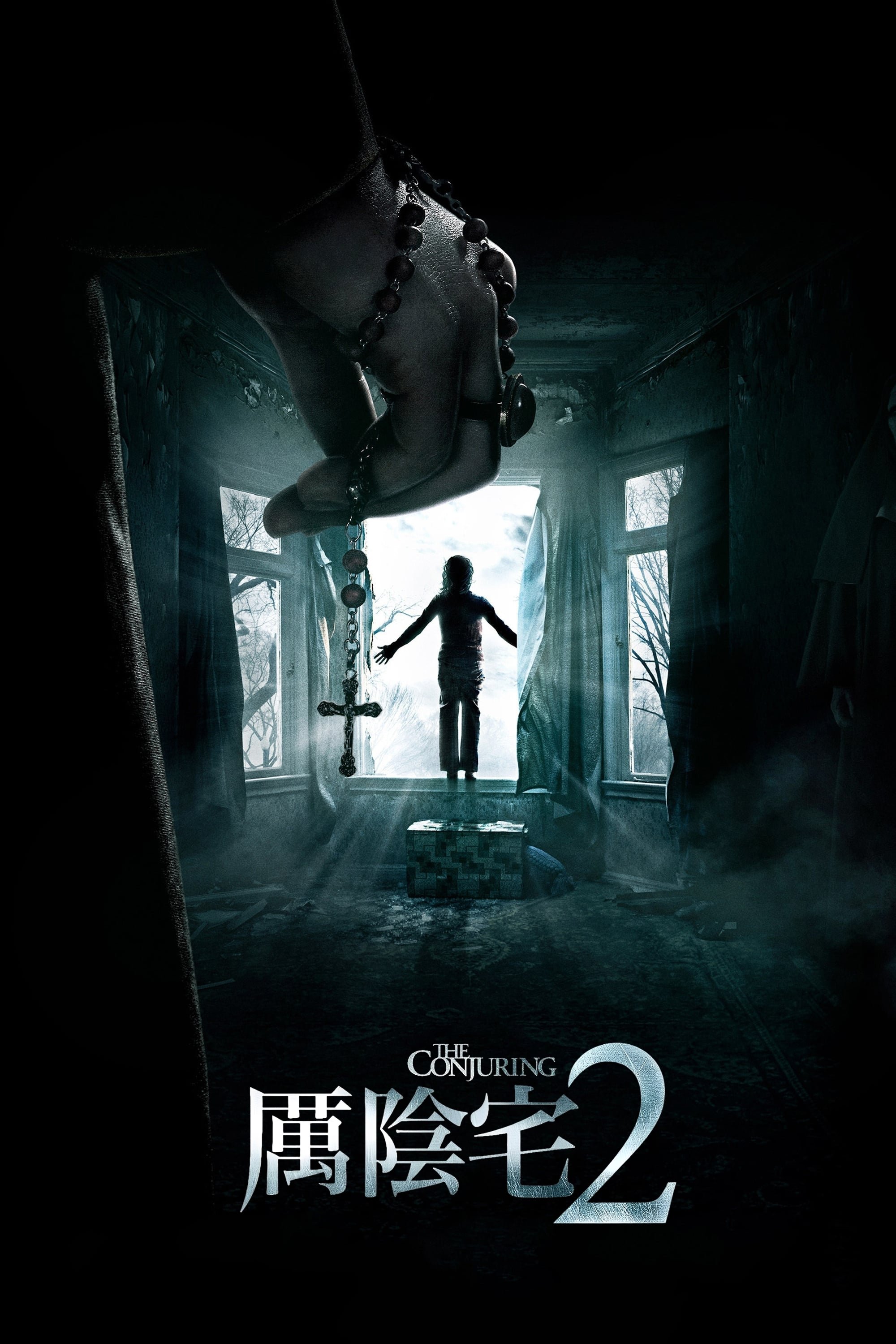
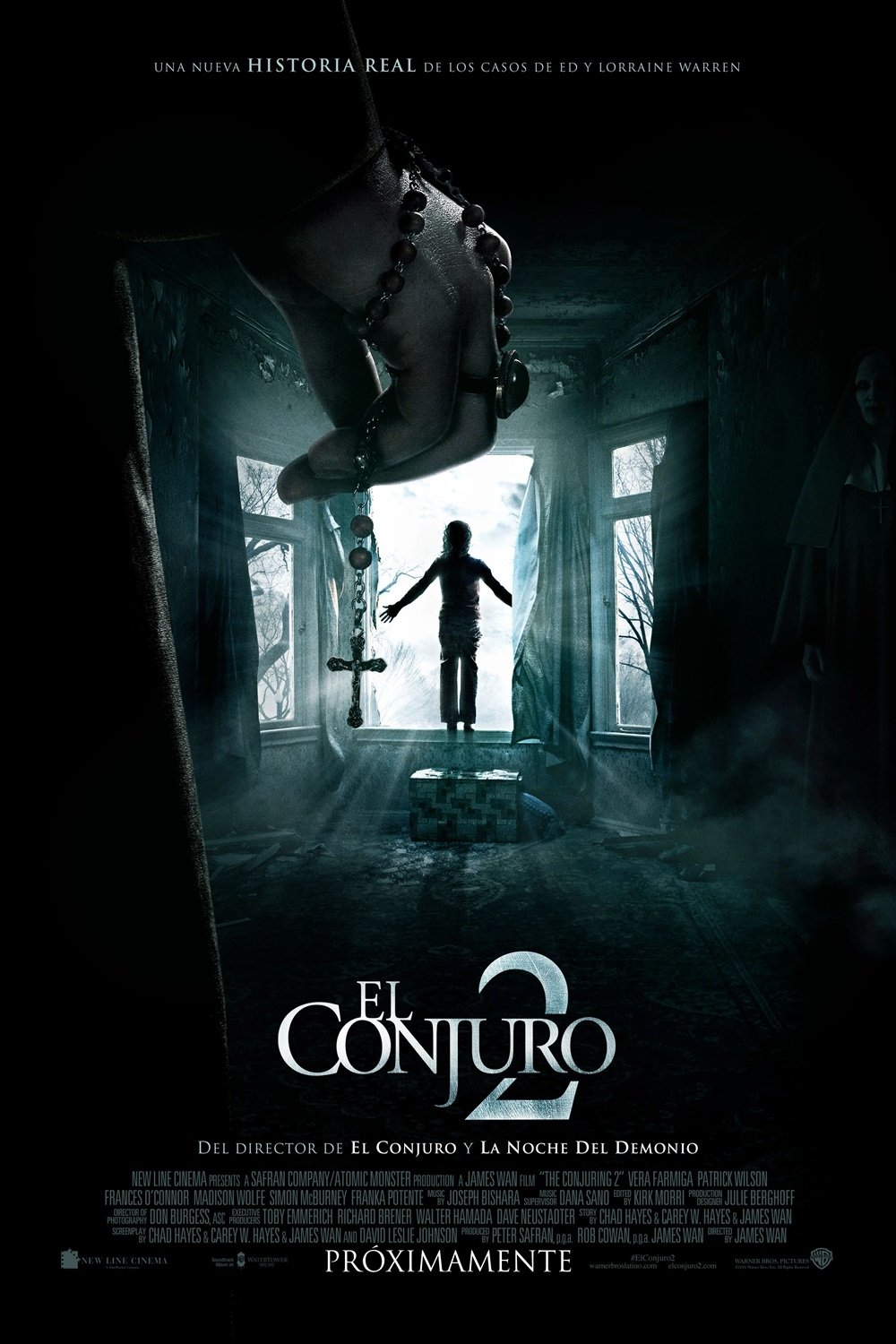
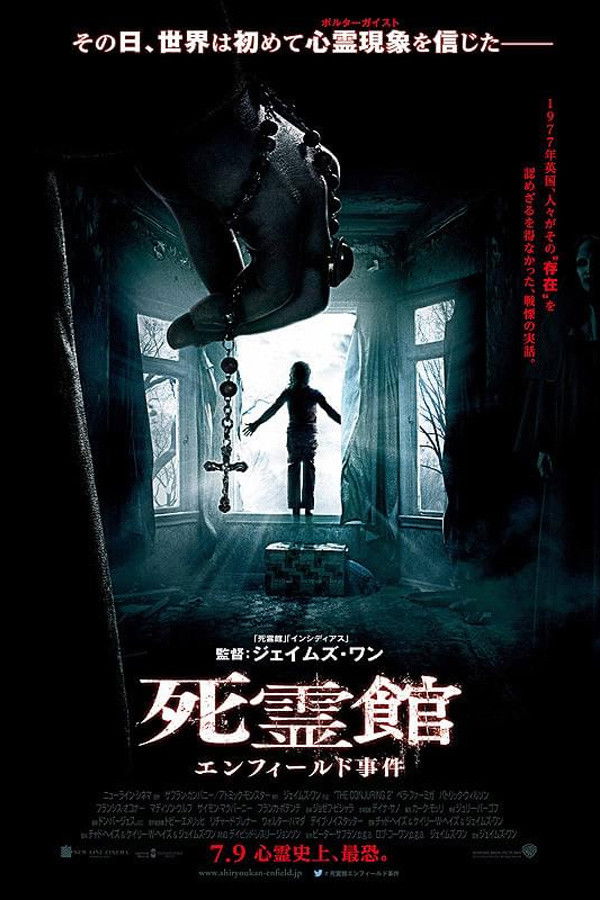
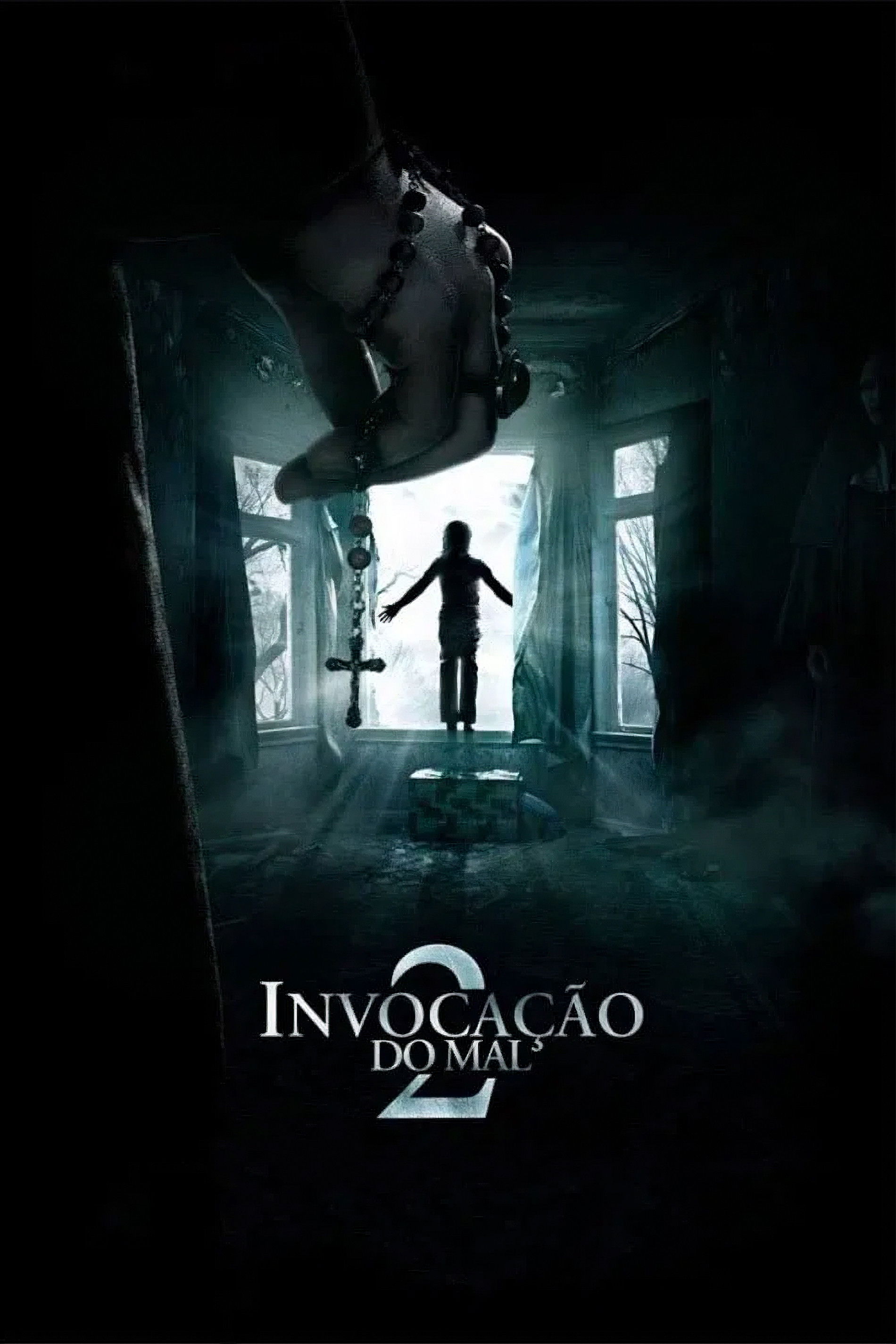
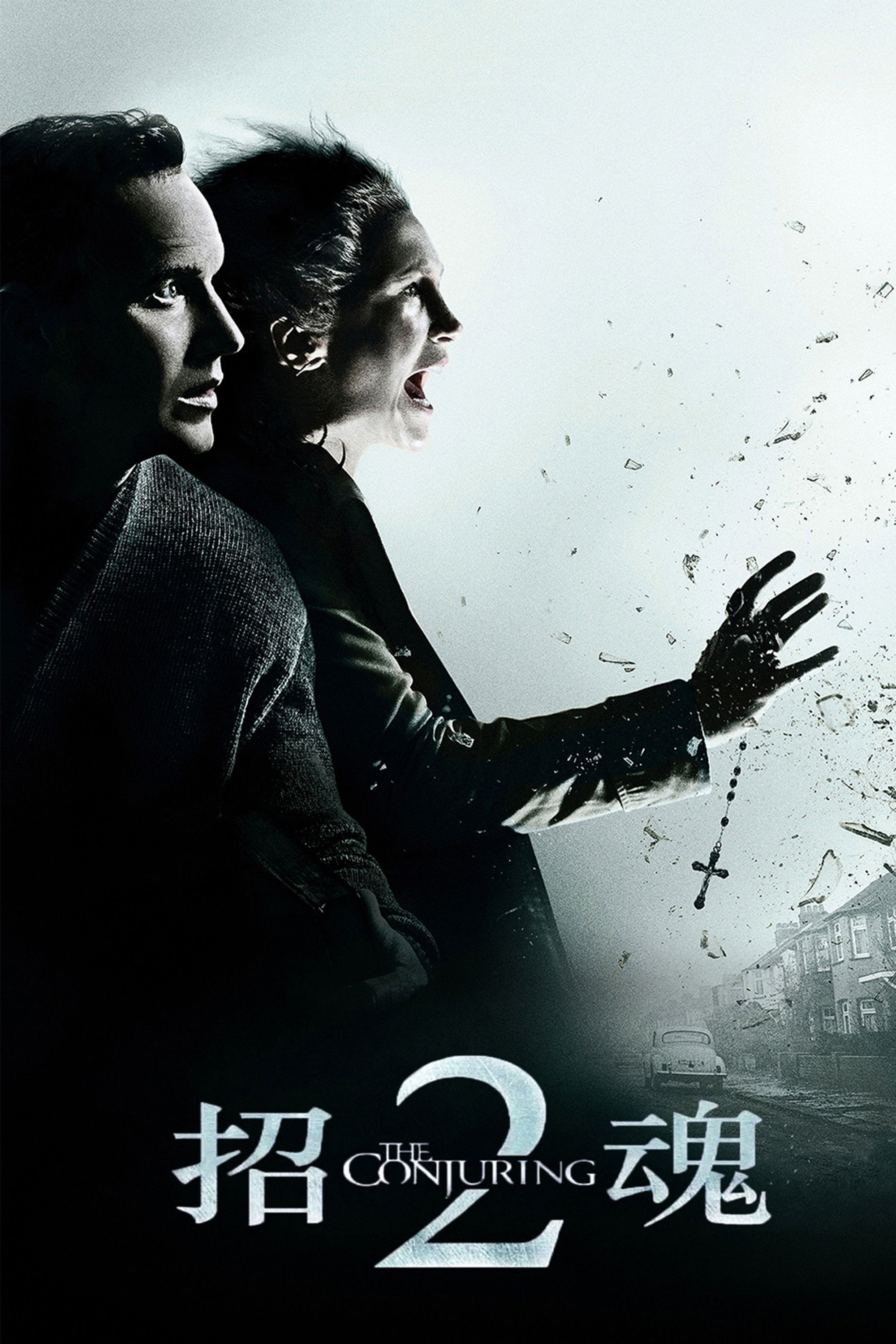
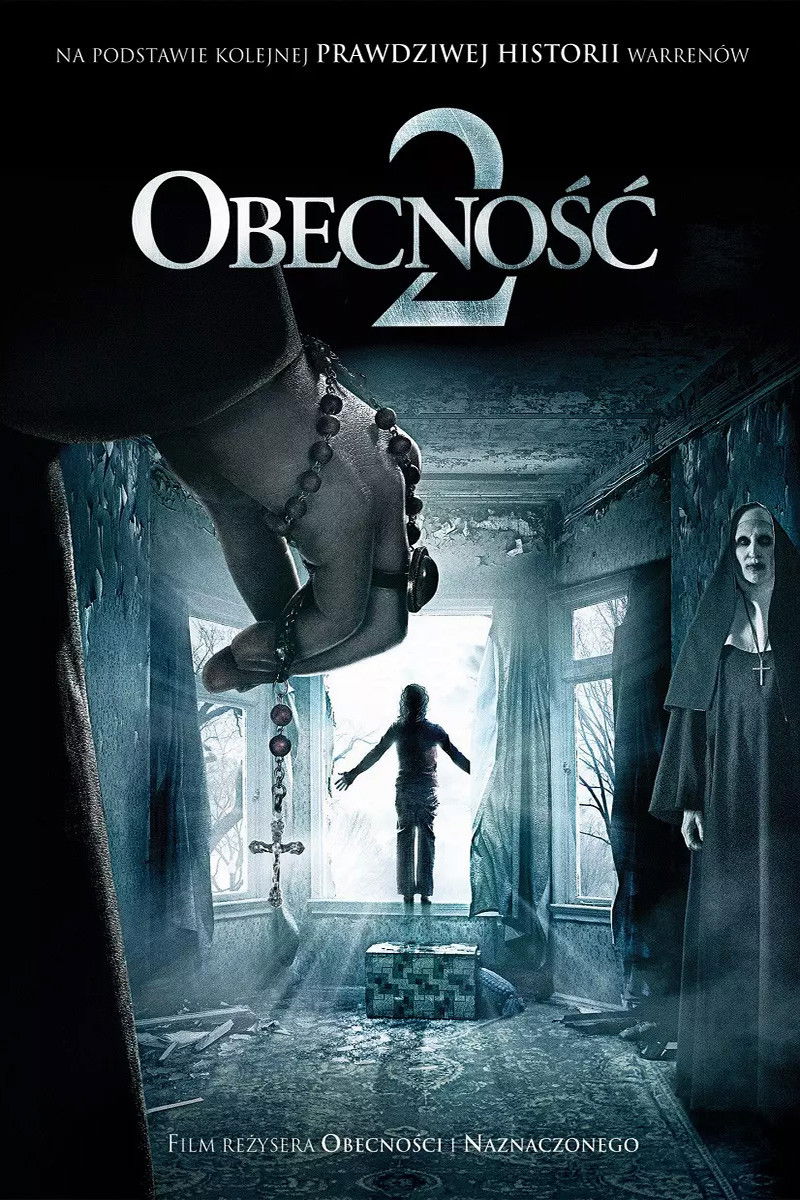
New Line Cinema
, The Safran Company
, Atomic Monster
, RatPac Entertainment
Plot
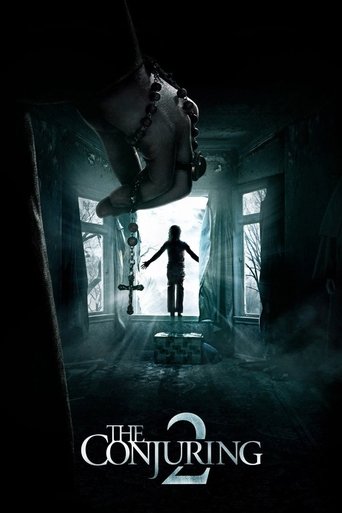
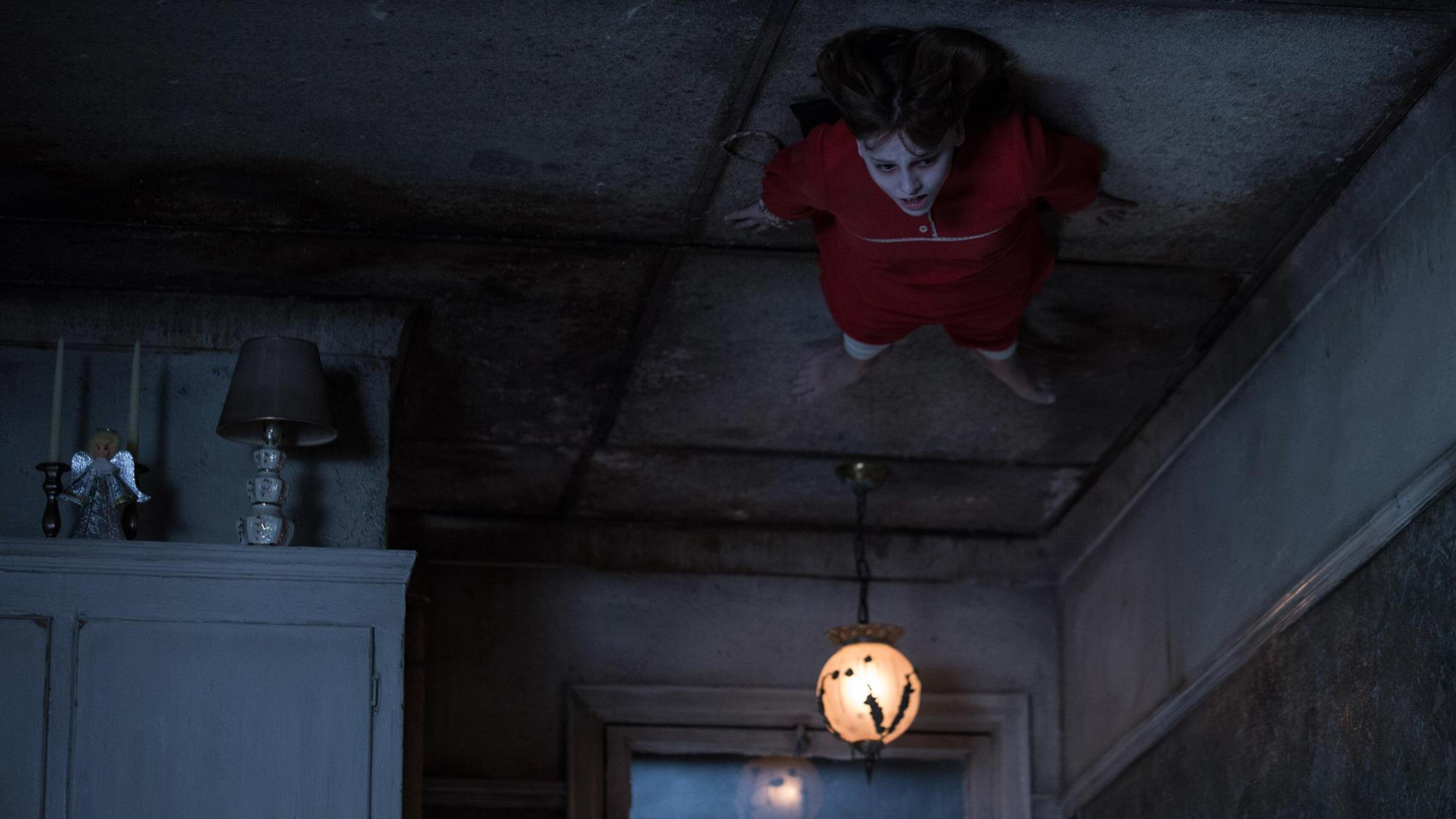
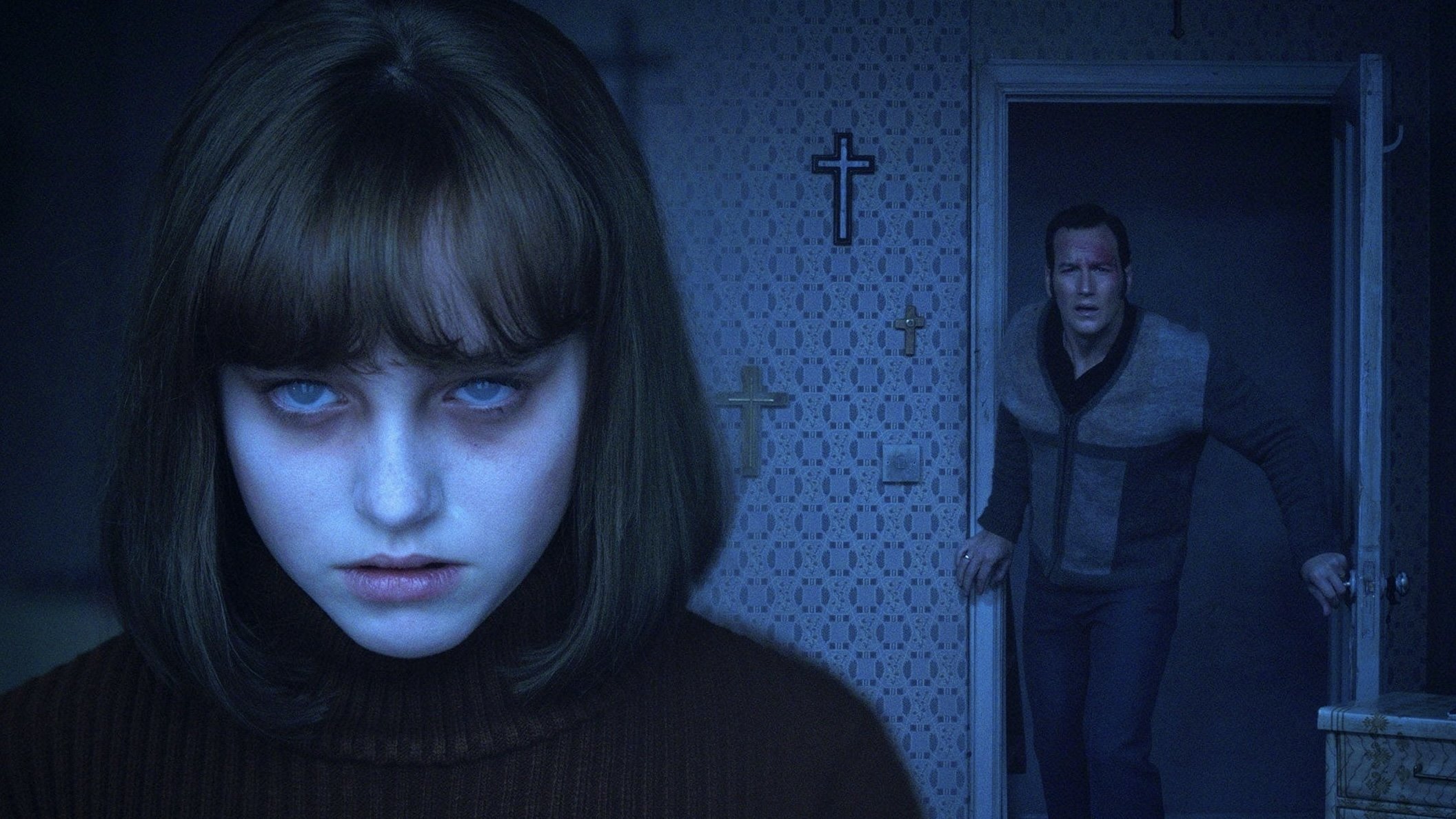
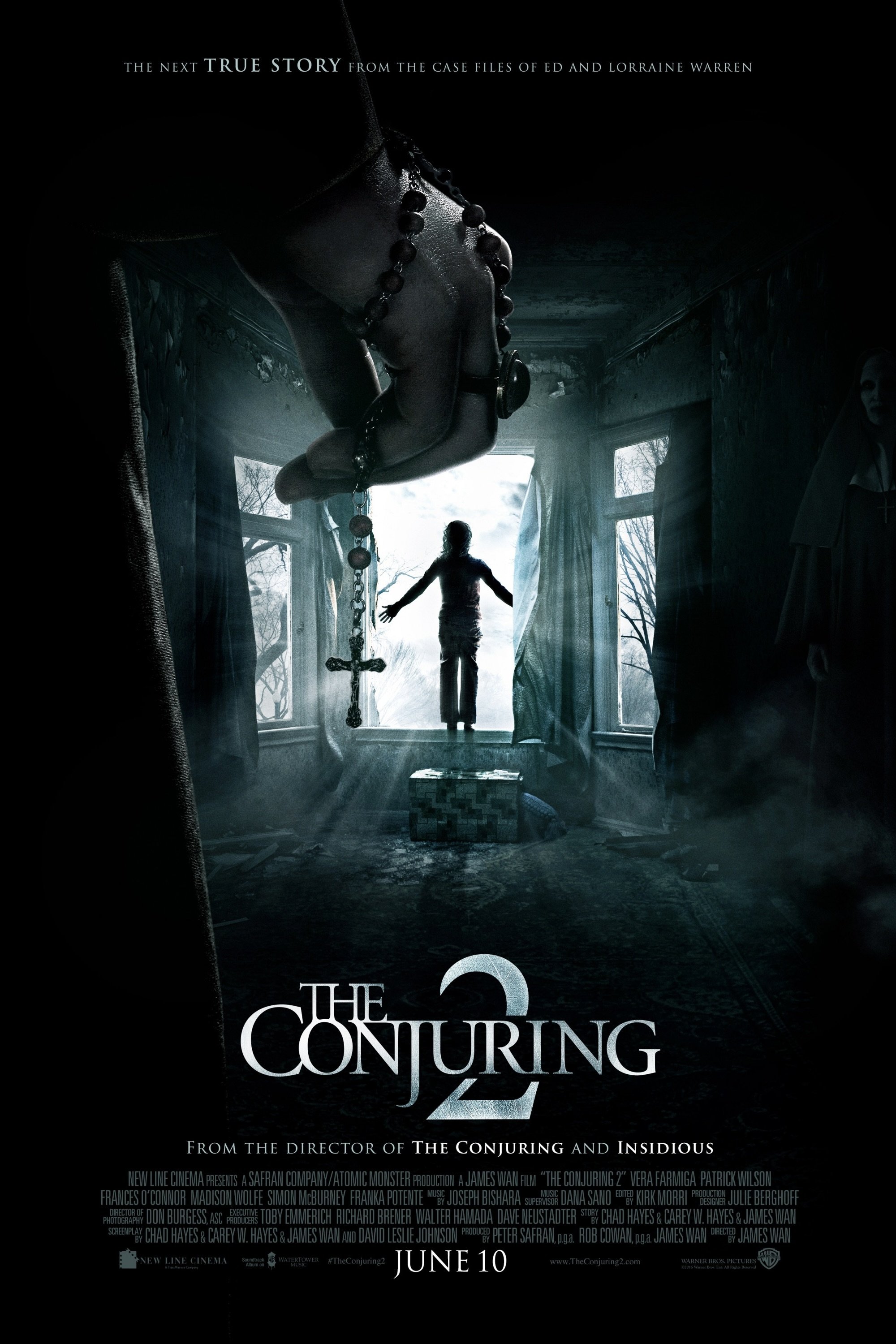
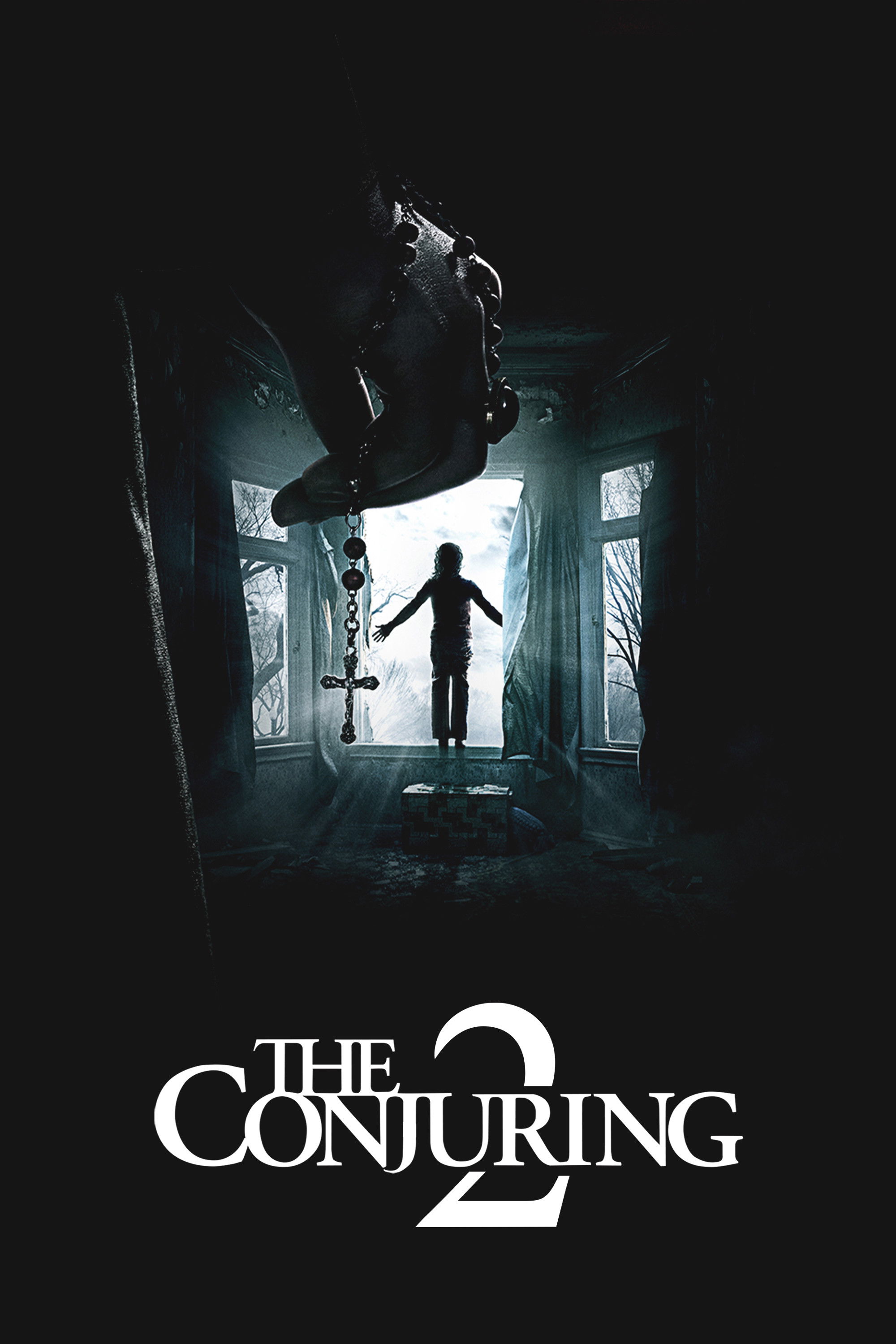
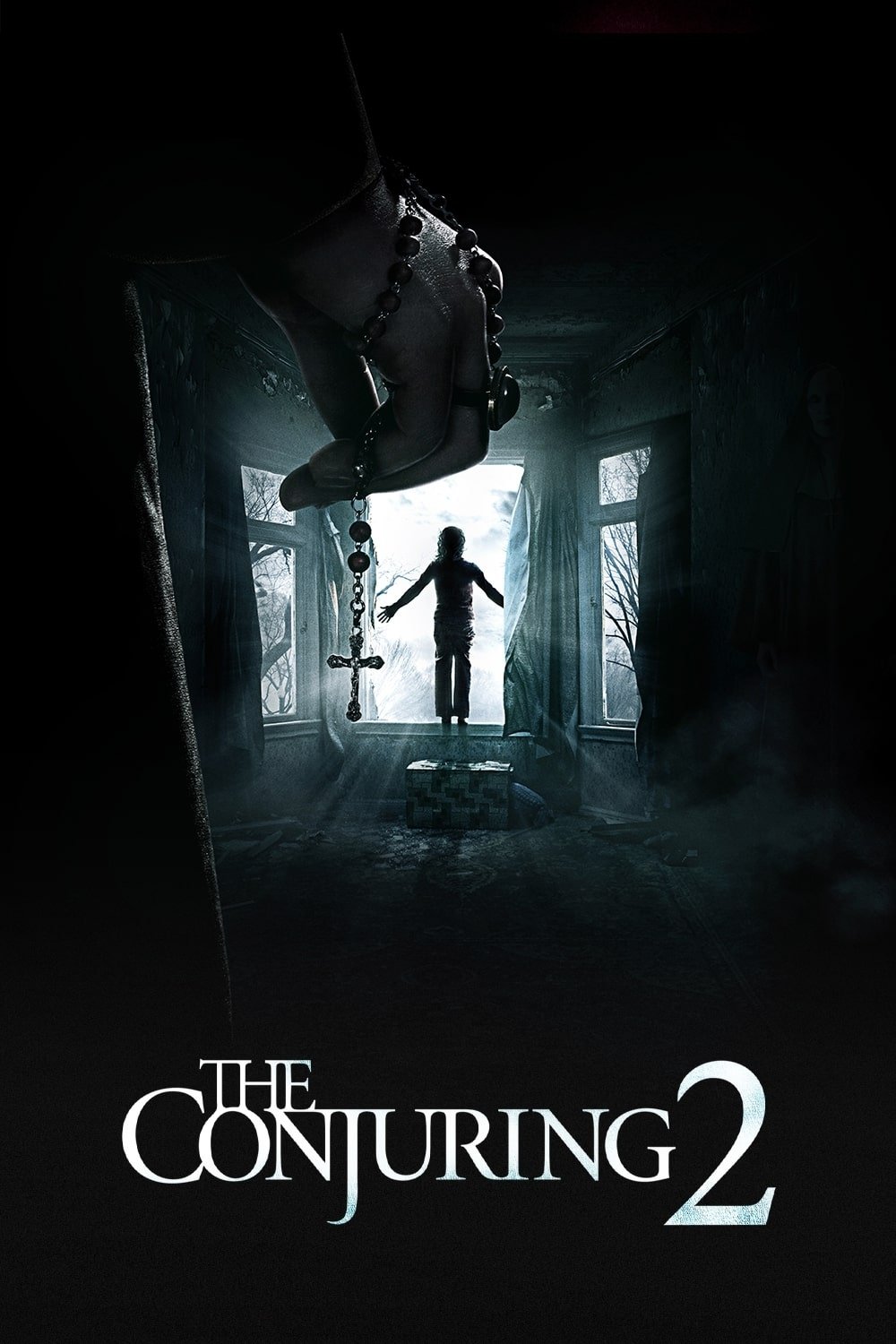
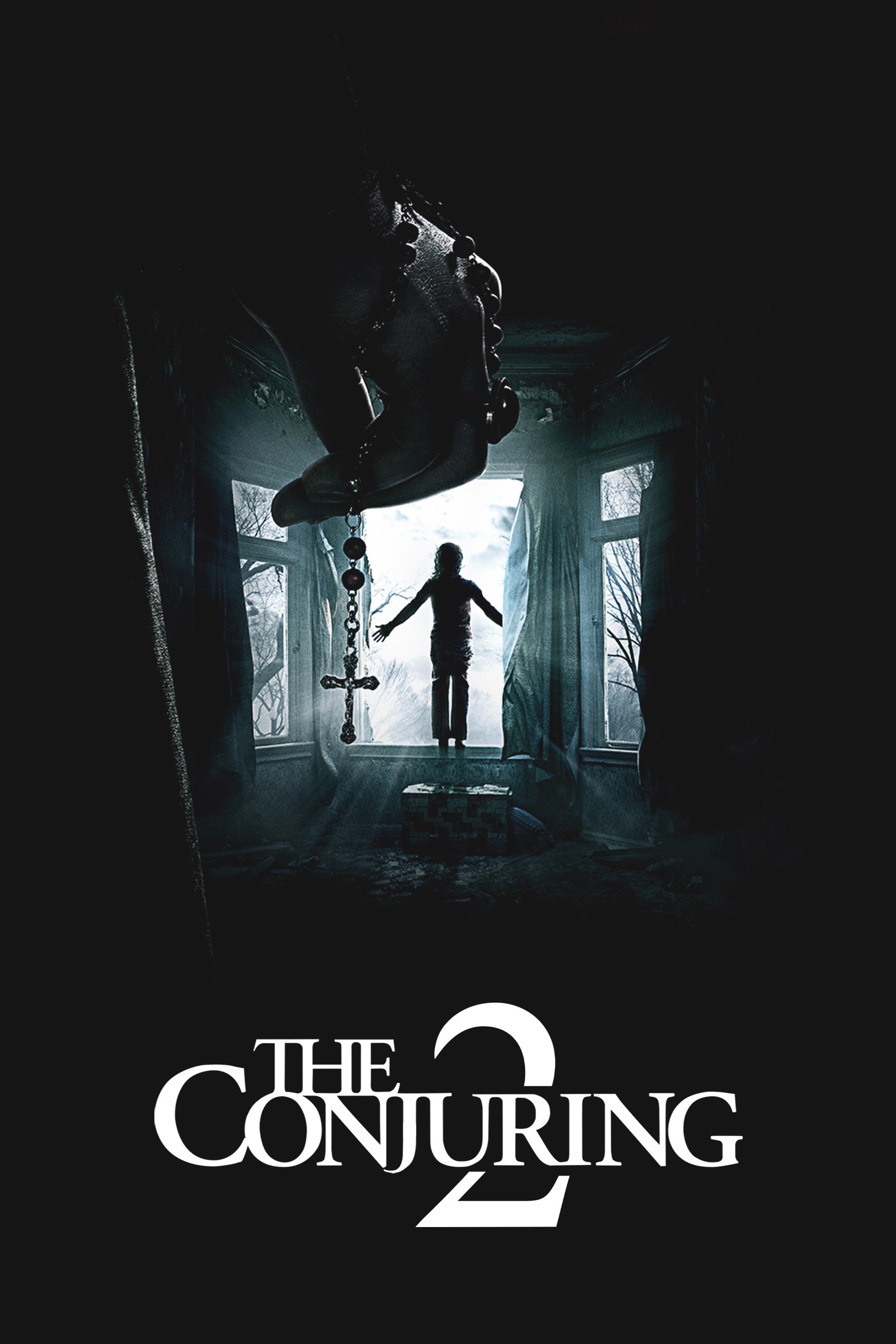
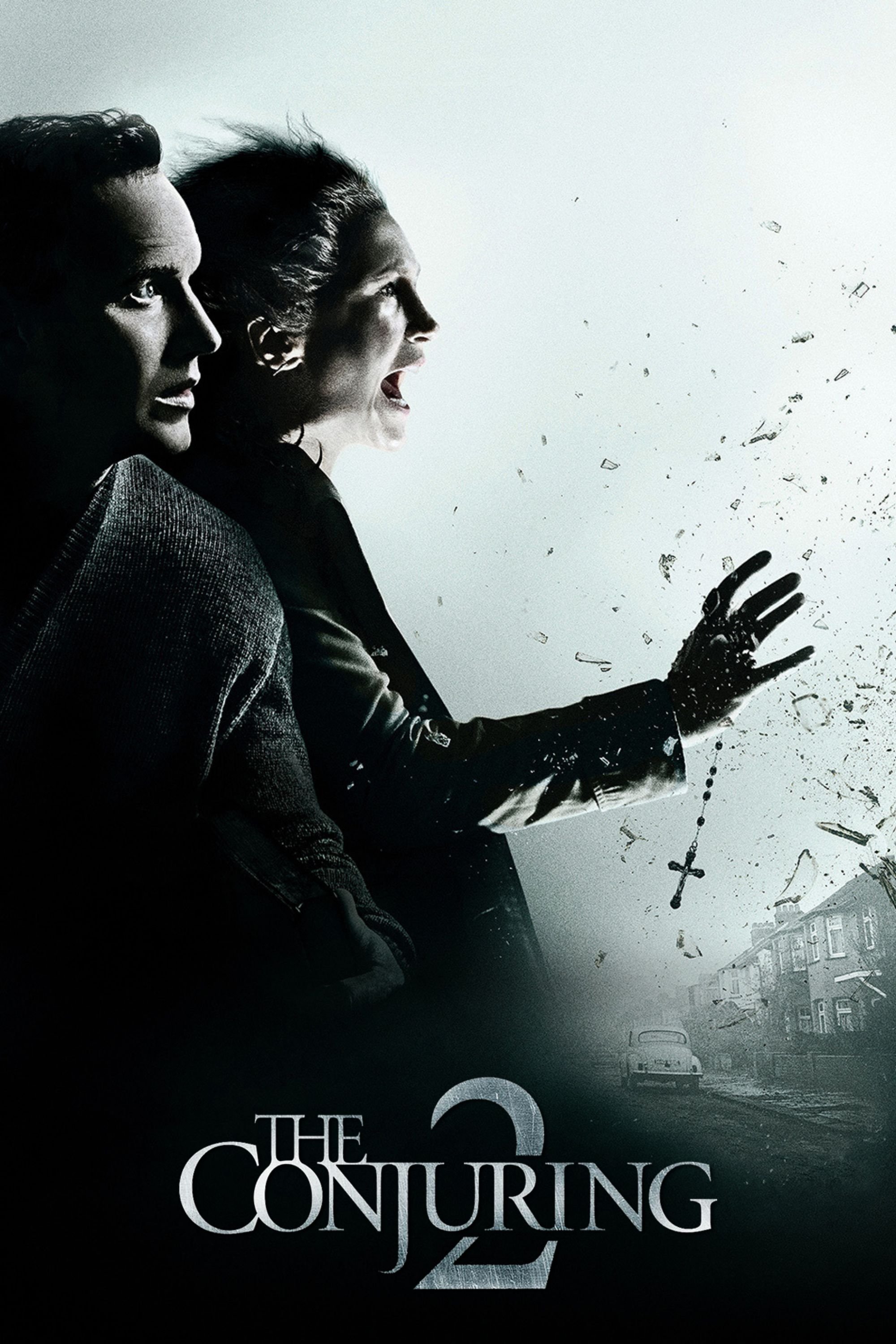
In 1977, Peggy Hodgson and her four children experience increasingly violent disturbances in their home in Enfield, North London. Her daughter Janet becomes the focus of the haunting, speaking in an unfamiliar voice as furniture moves and frightening apparitions appear. Paranormal investigators Ed and Lorraine Warren travel to England to examine the case amid public suspicion and intense media attention. Lorraine, already troubled by visions of a demonic nun and a threat to Ed, fears that the apparent haunting may conceal something more dangerous. The Warrens must determine what is tormenting Janet before the family is overwhelmed by the escalating activity.
Alternative Titles
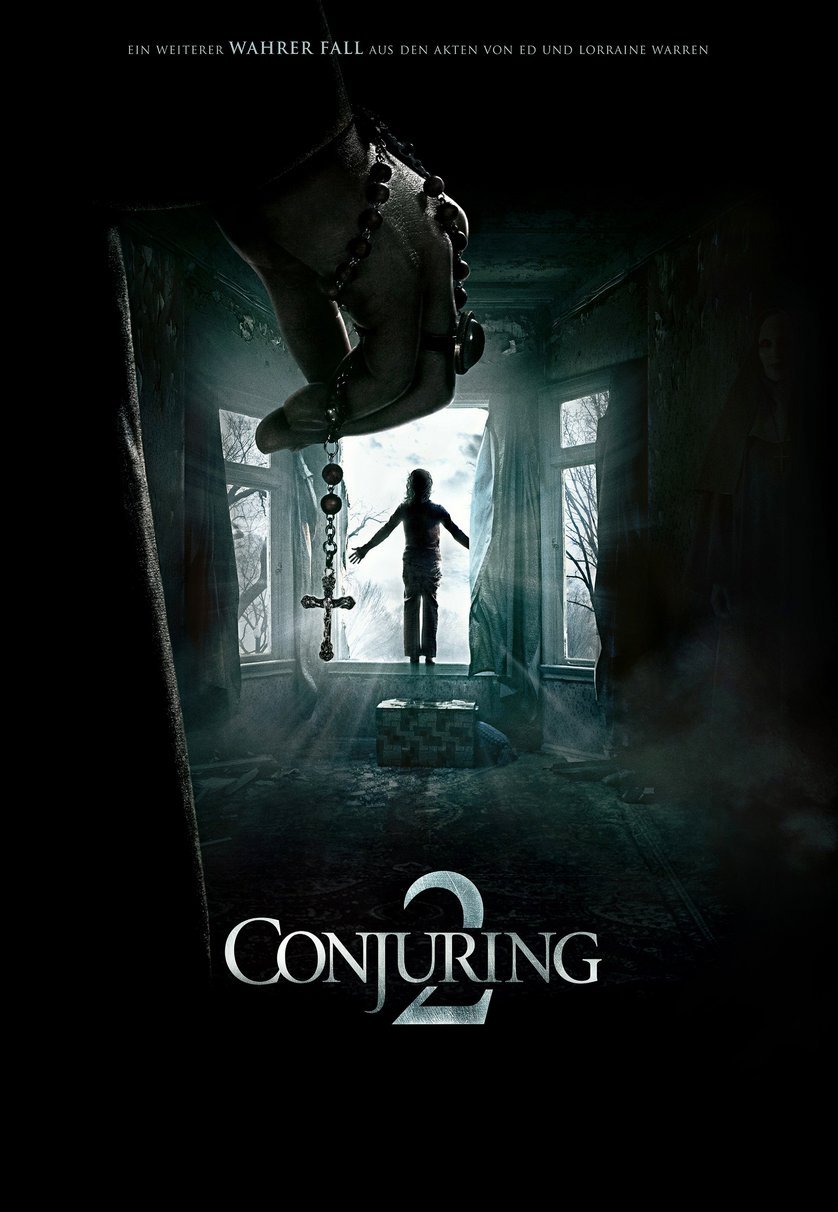
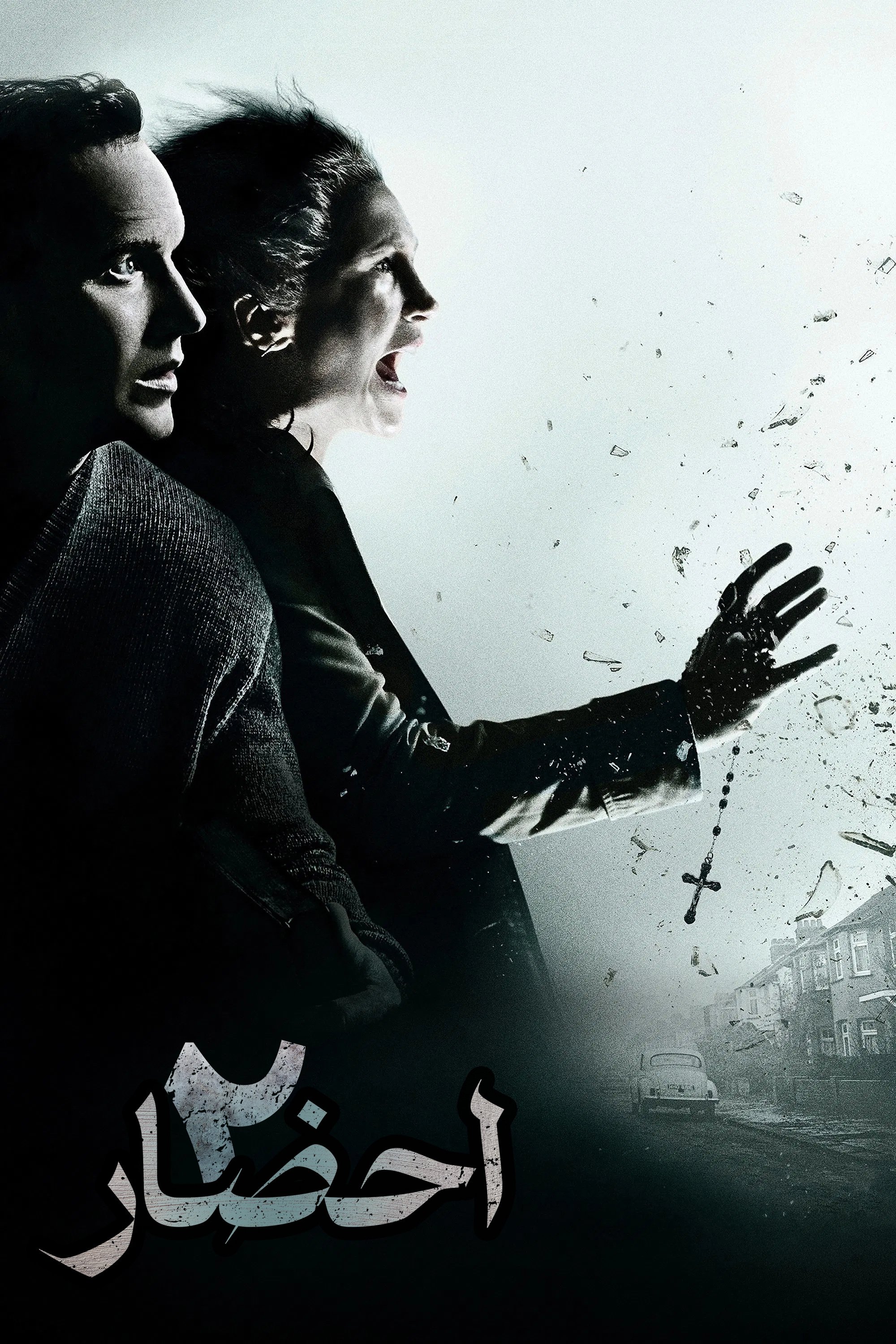
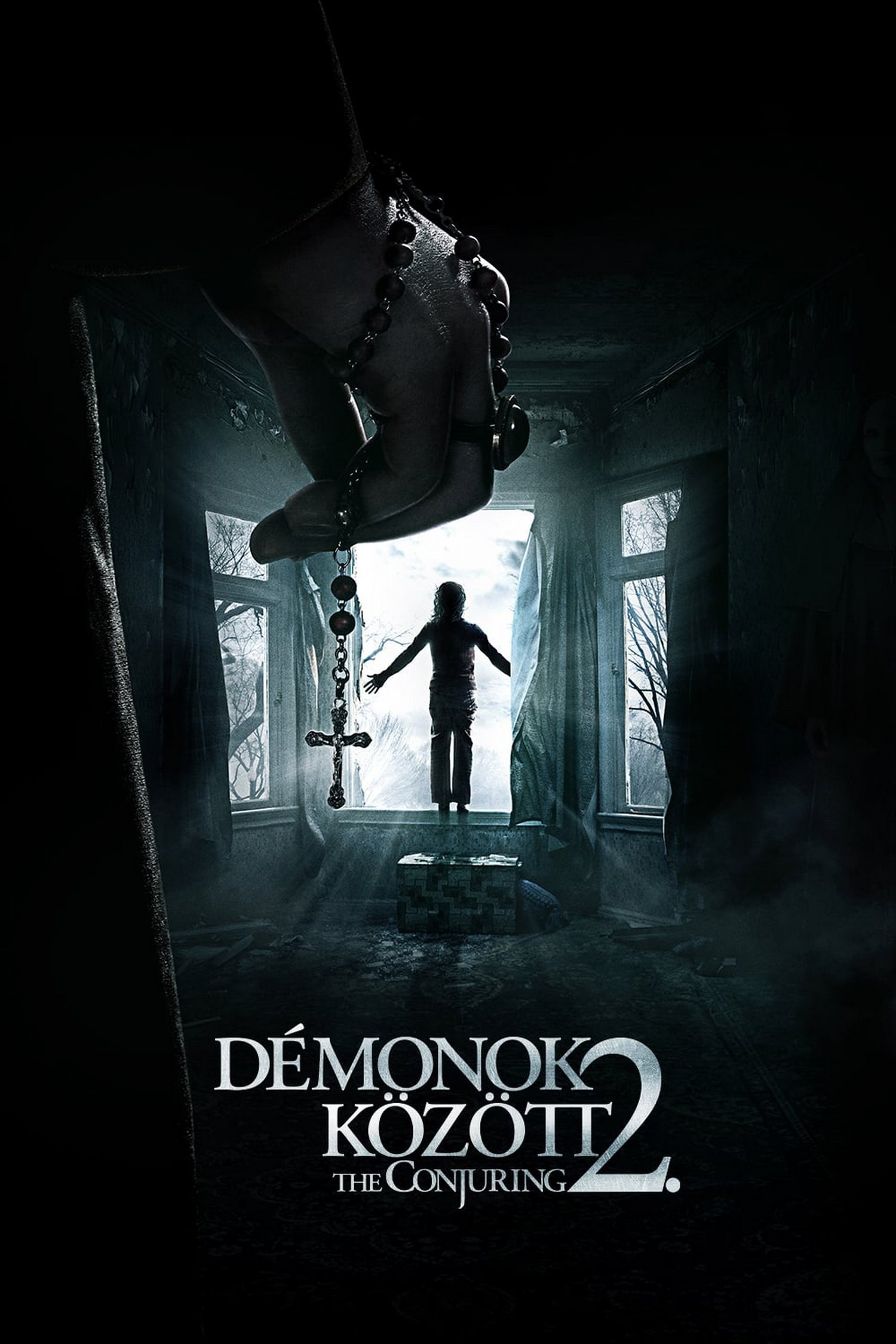
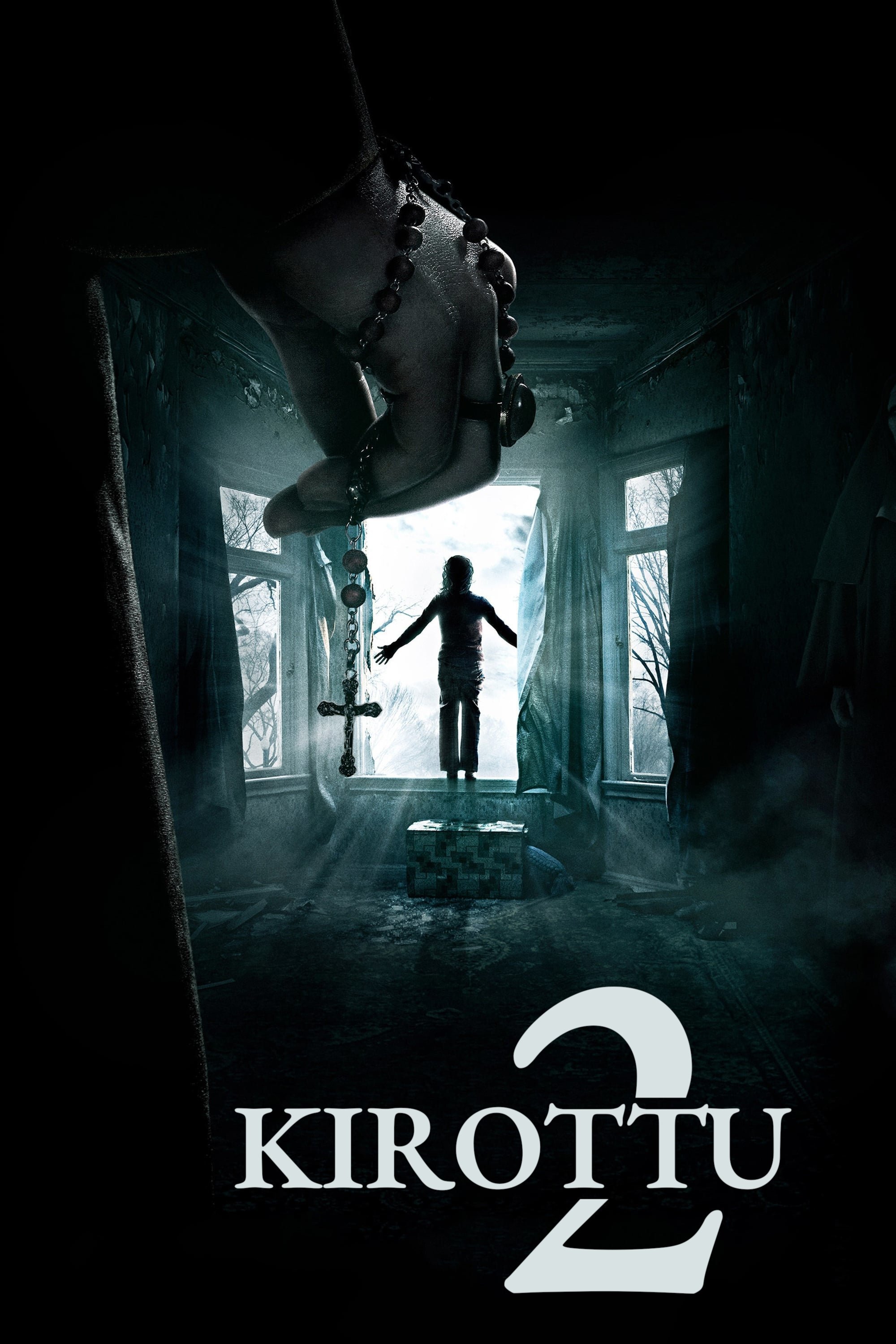
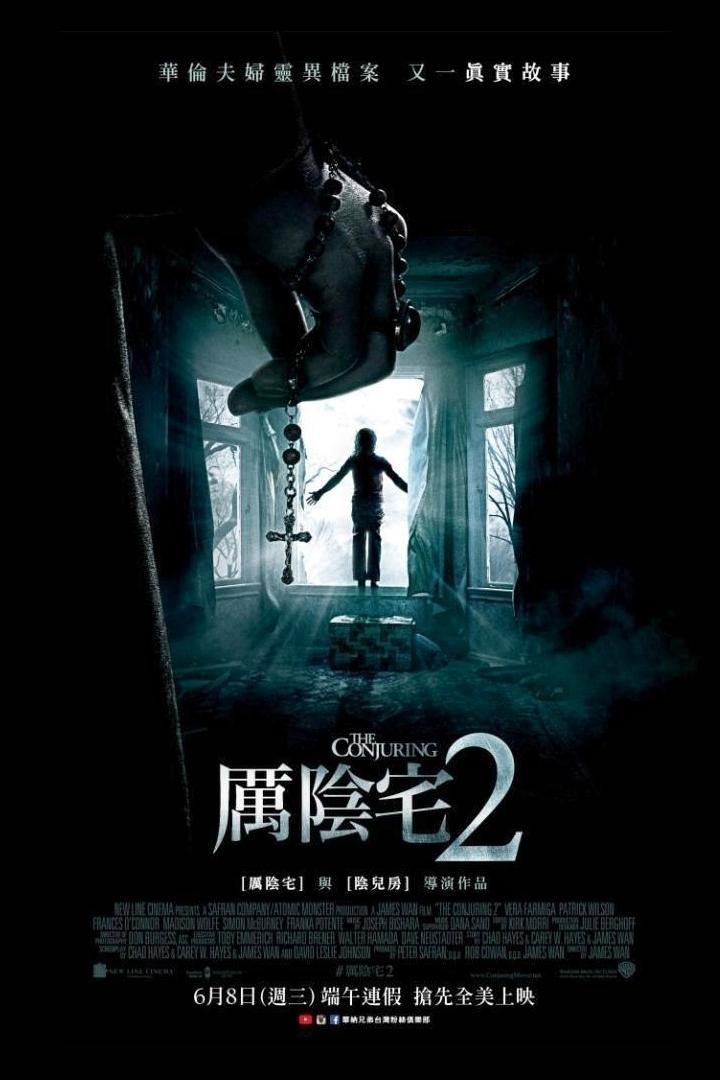
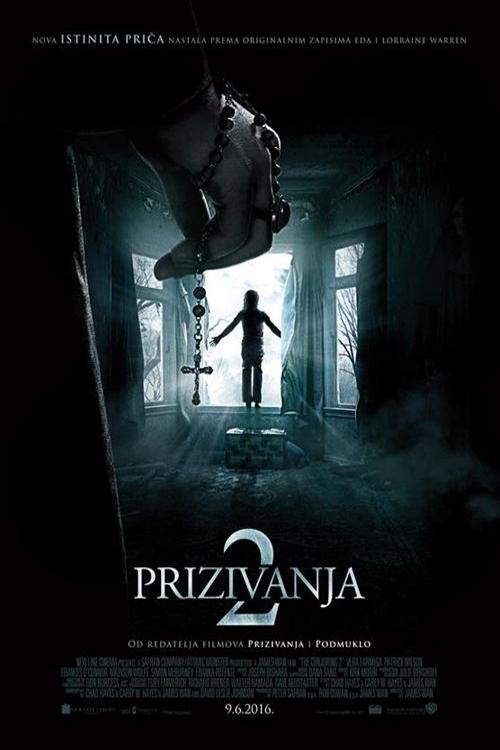
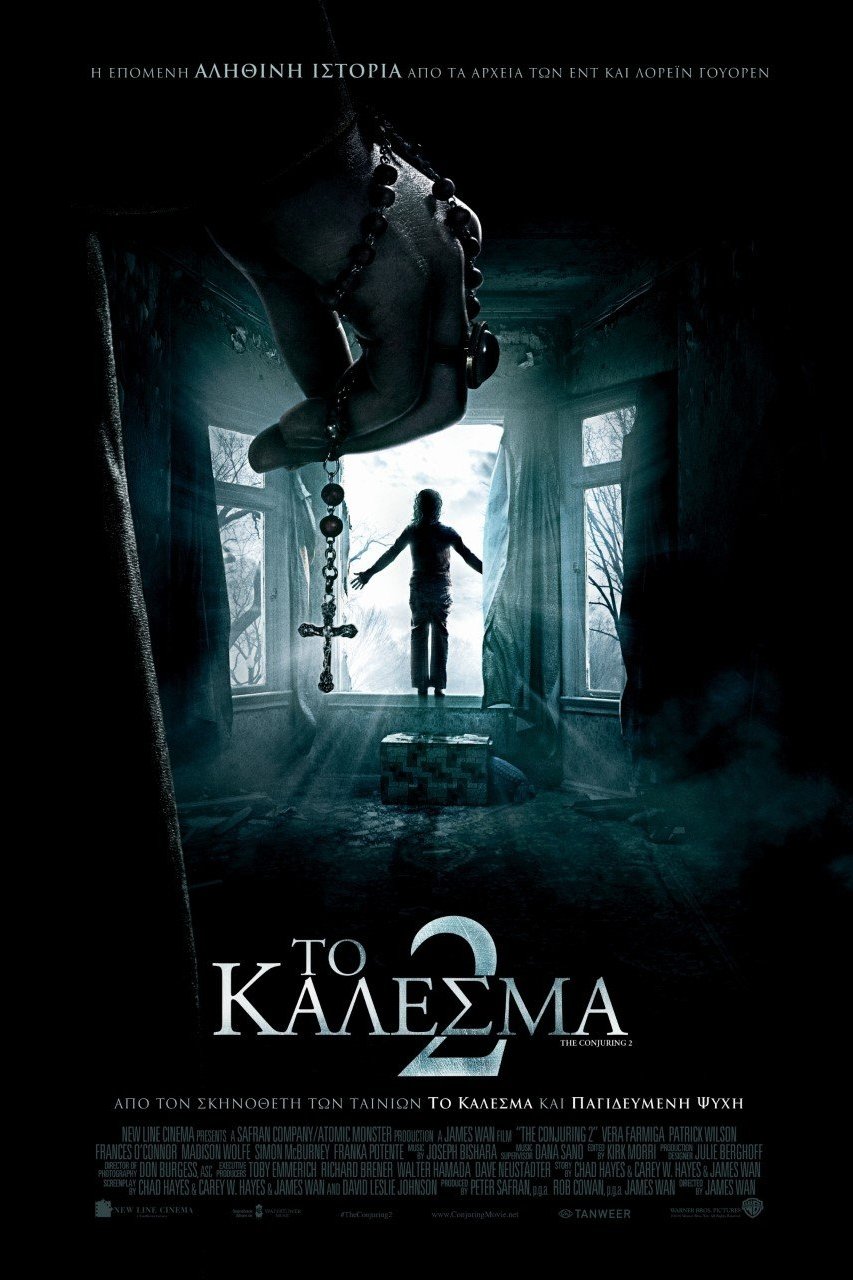
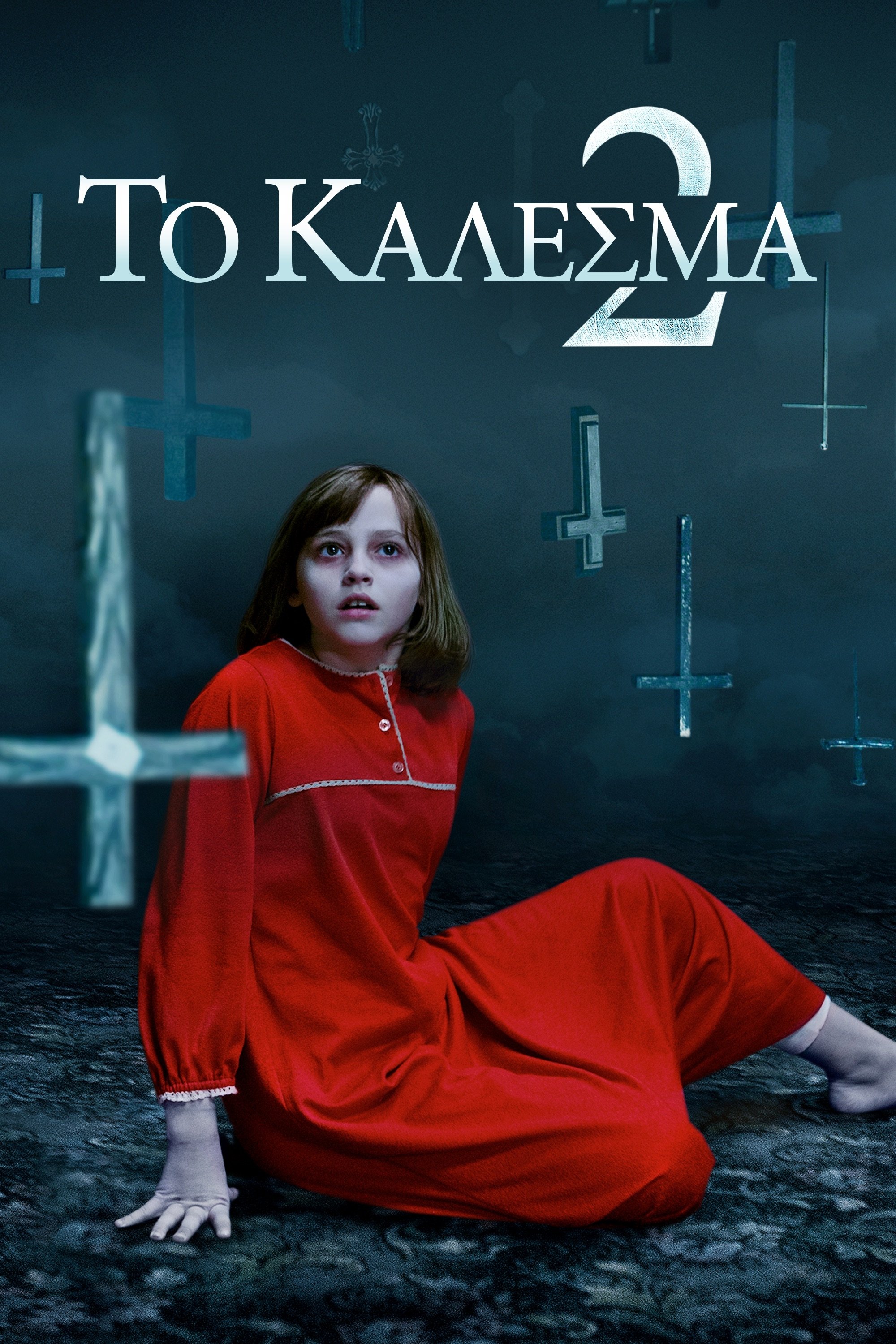
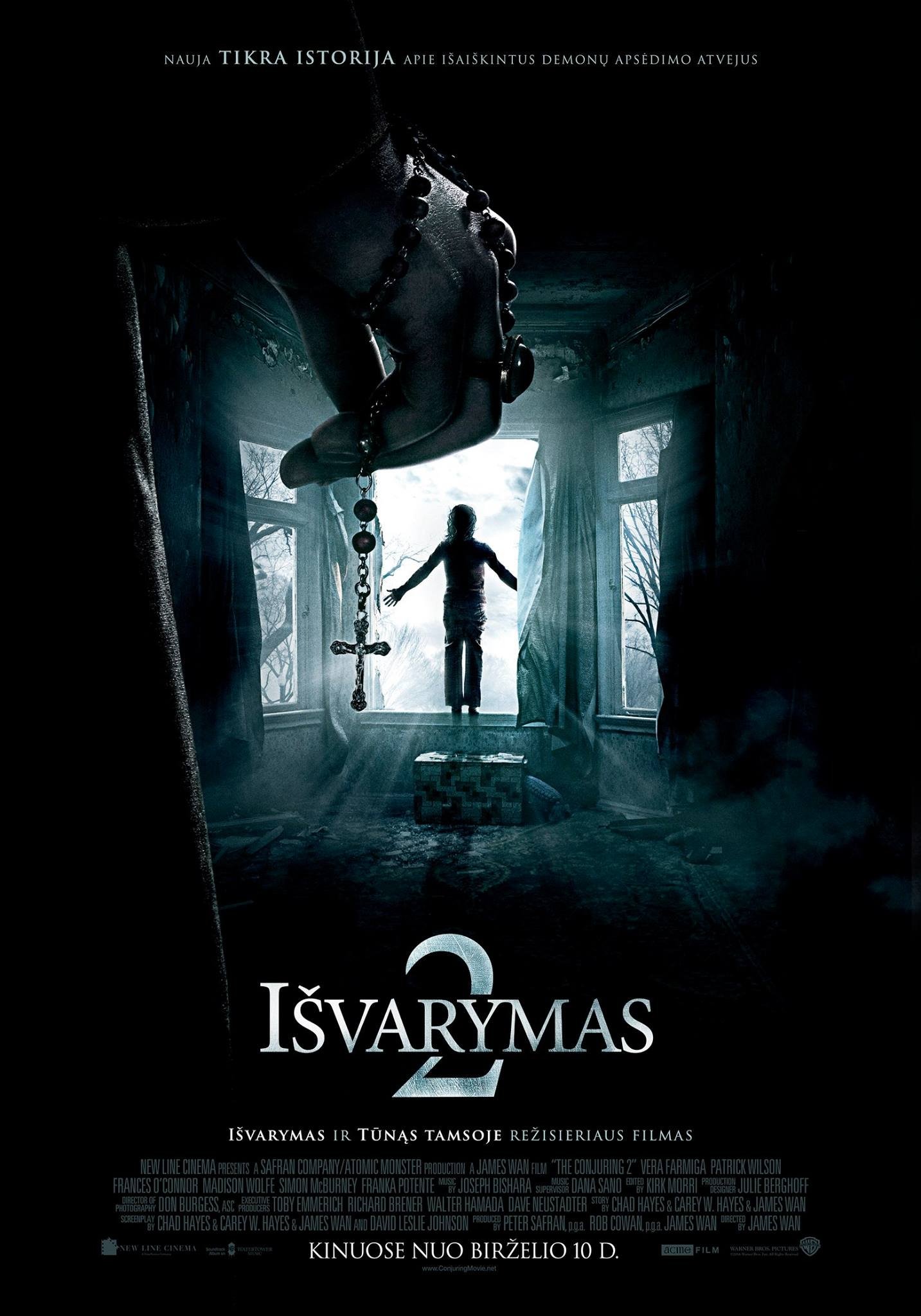
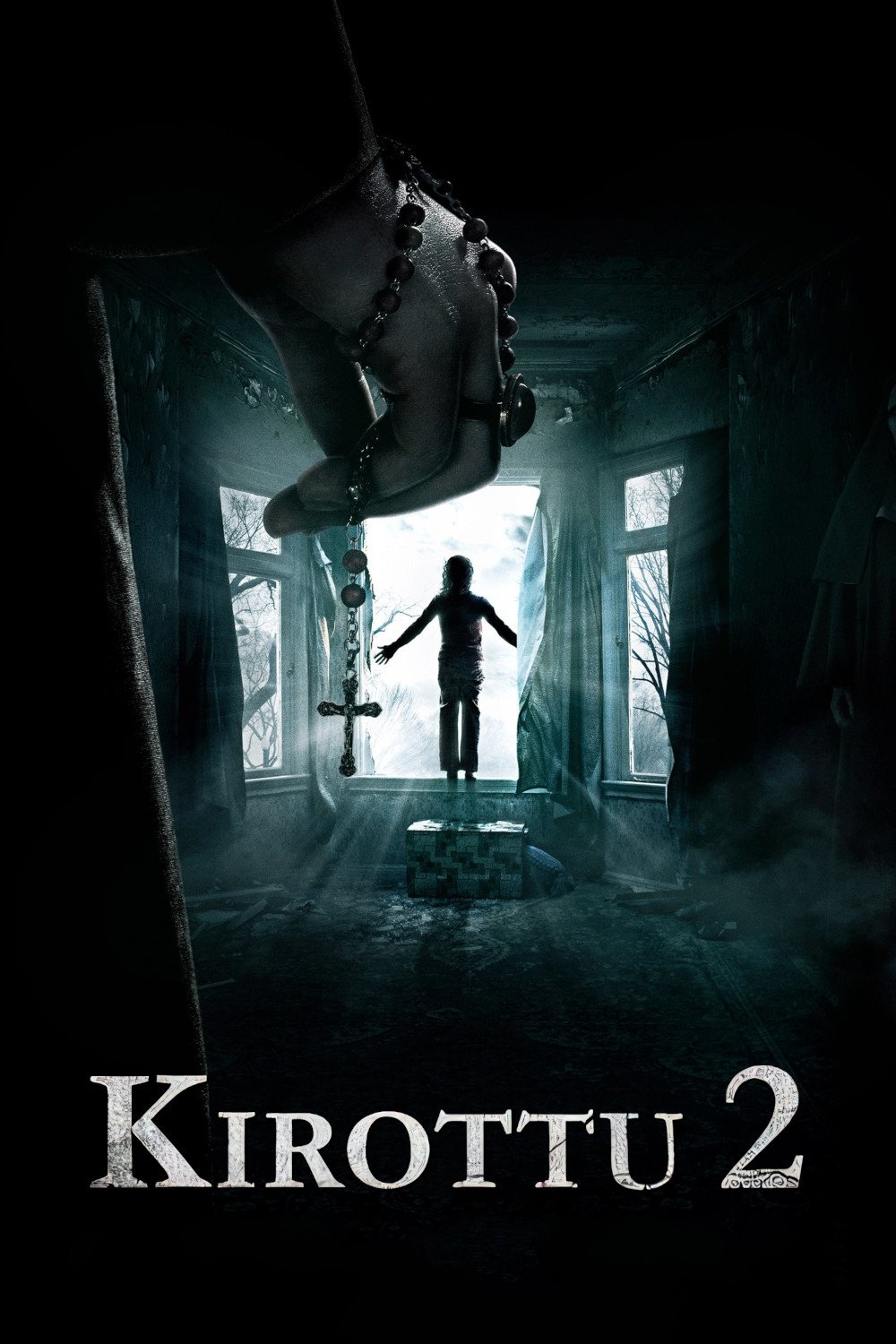
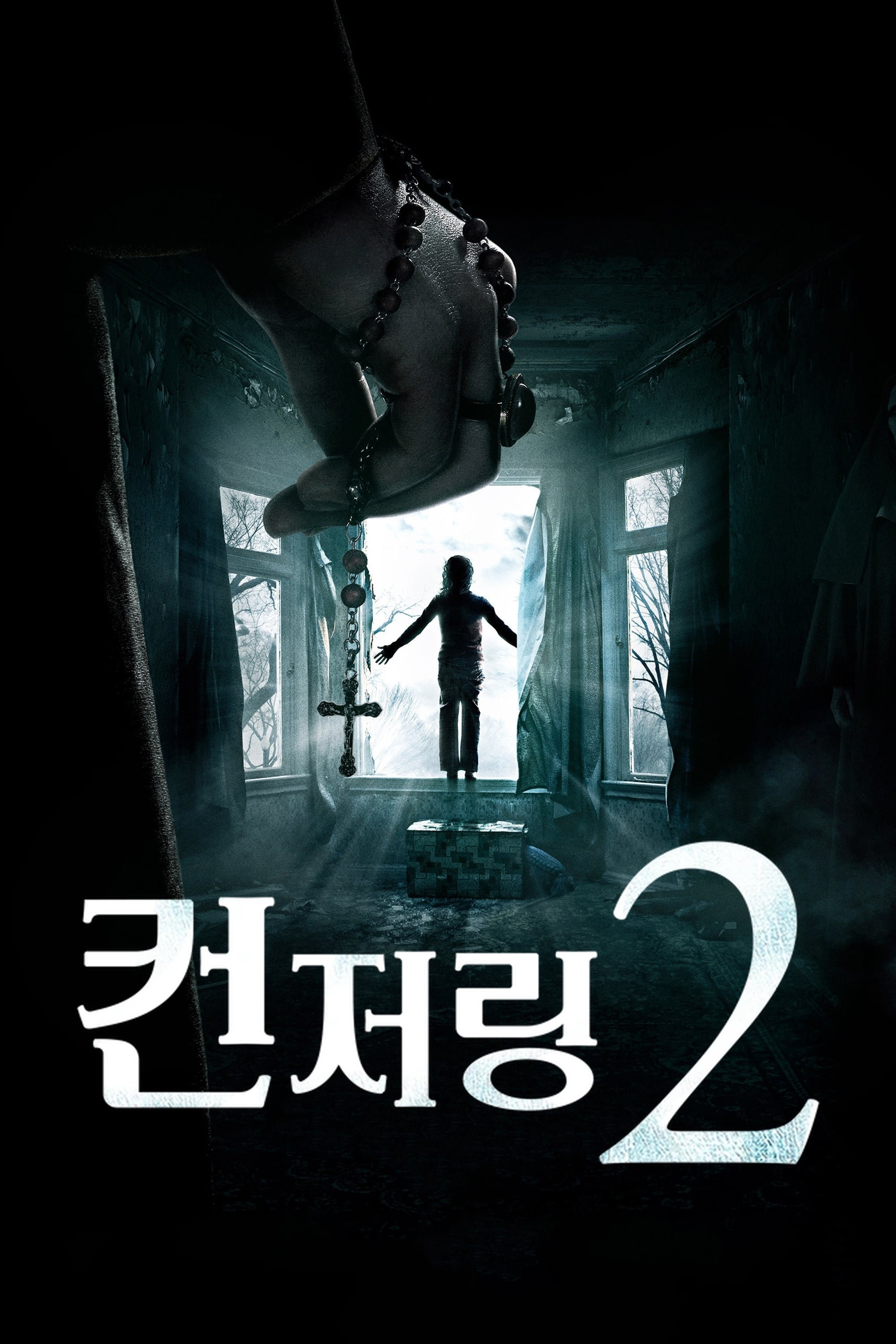
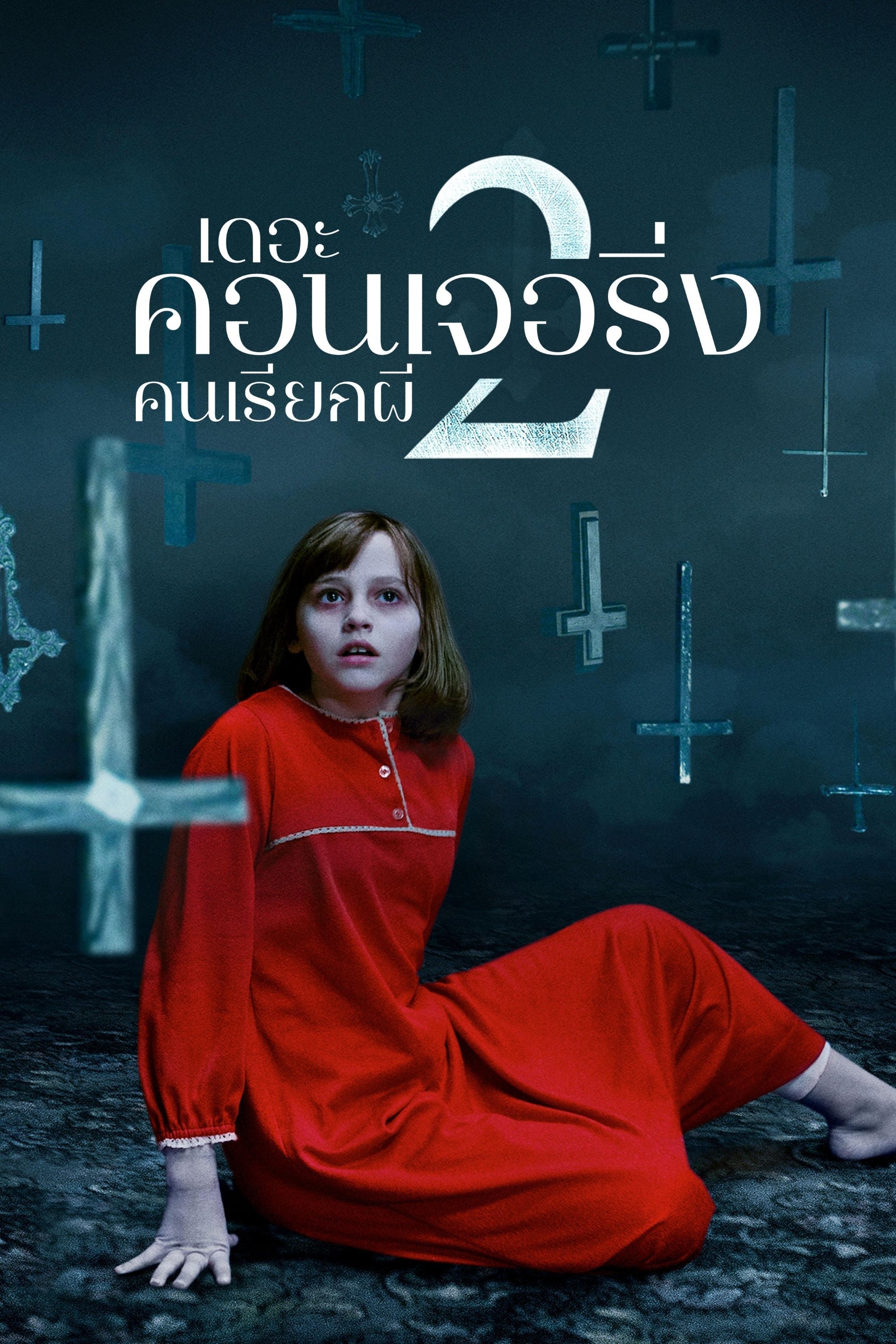
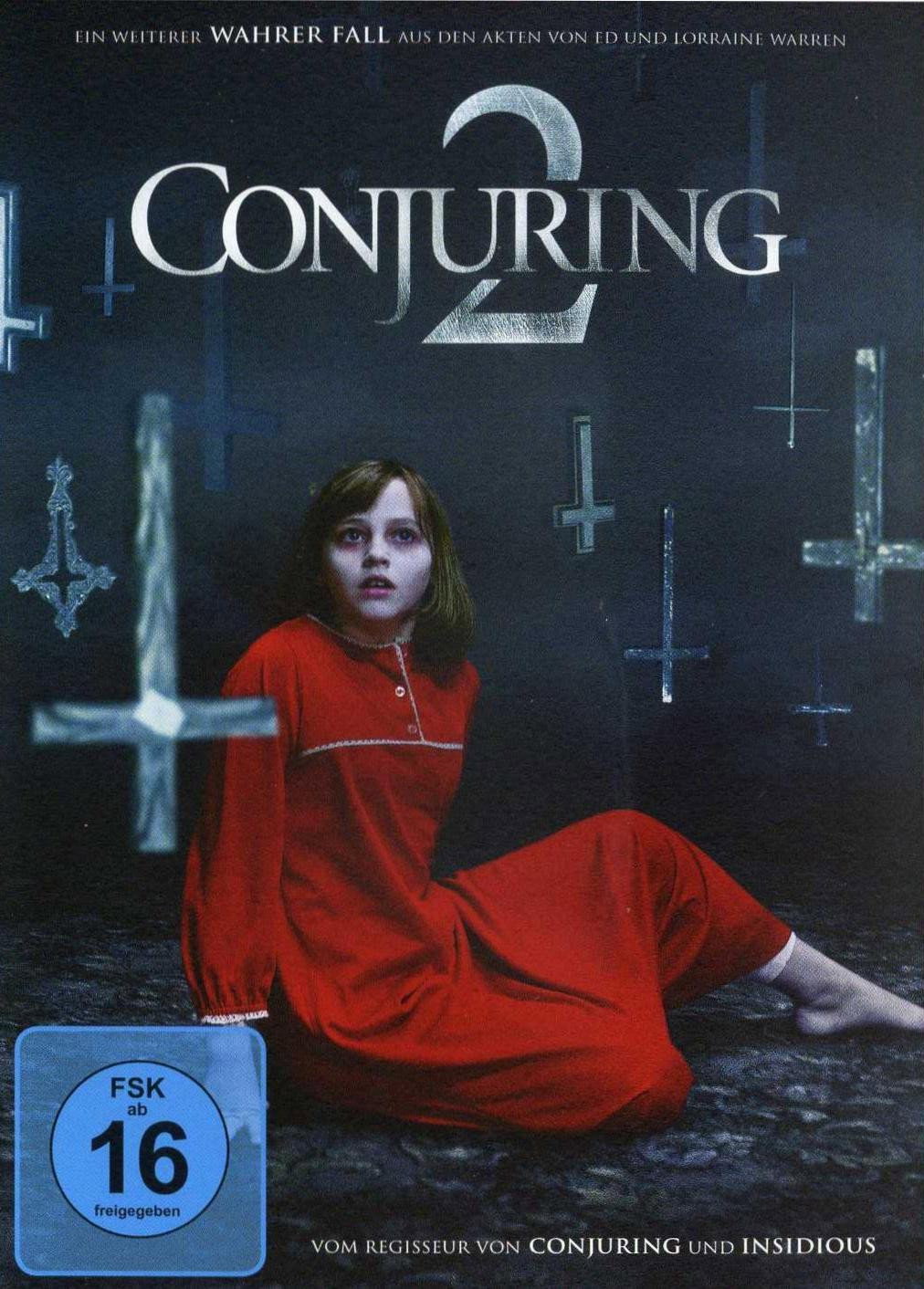
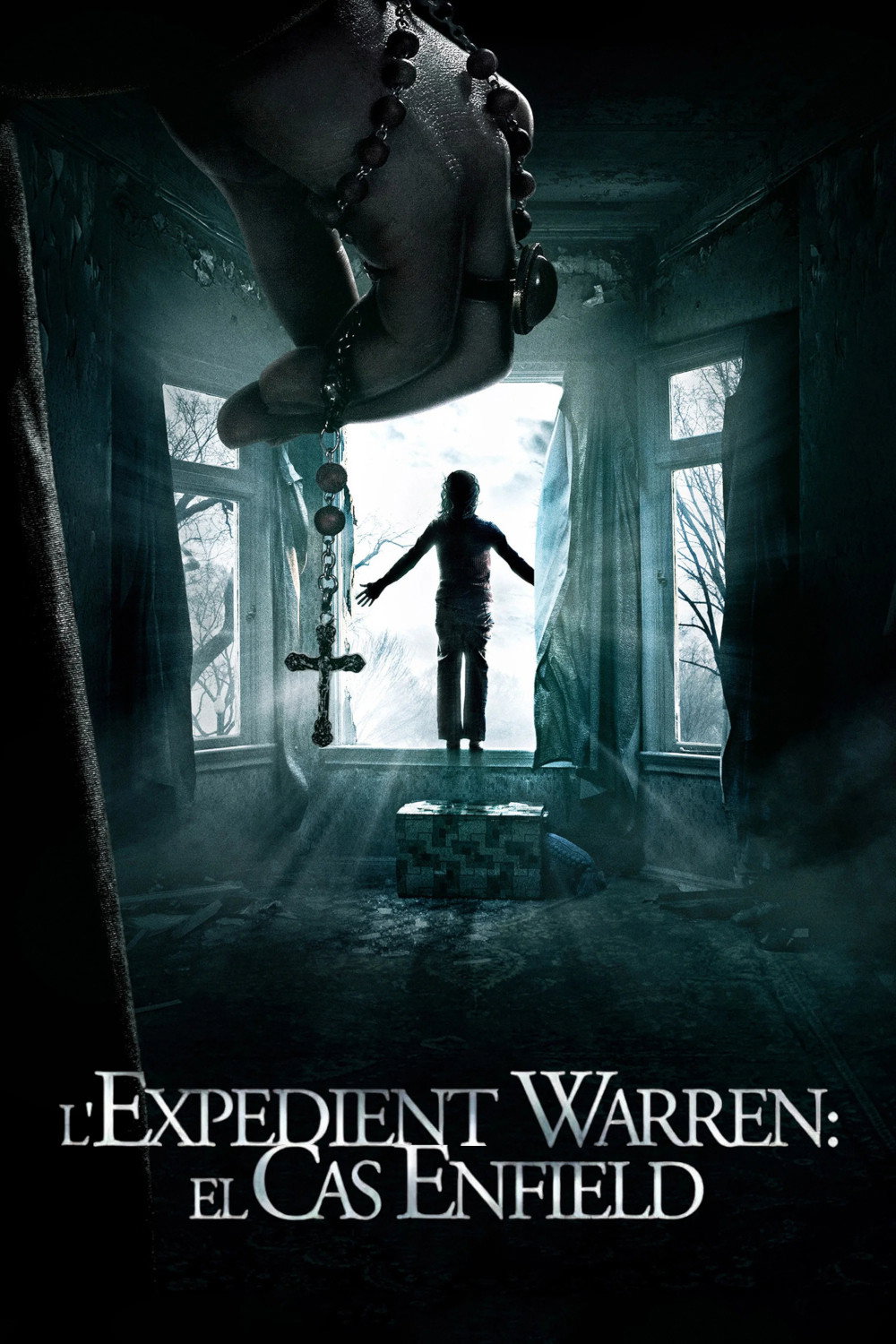
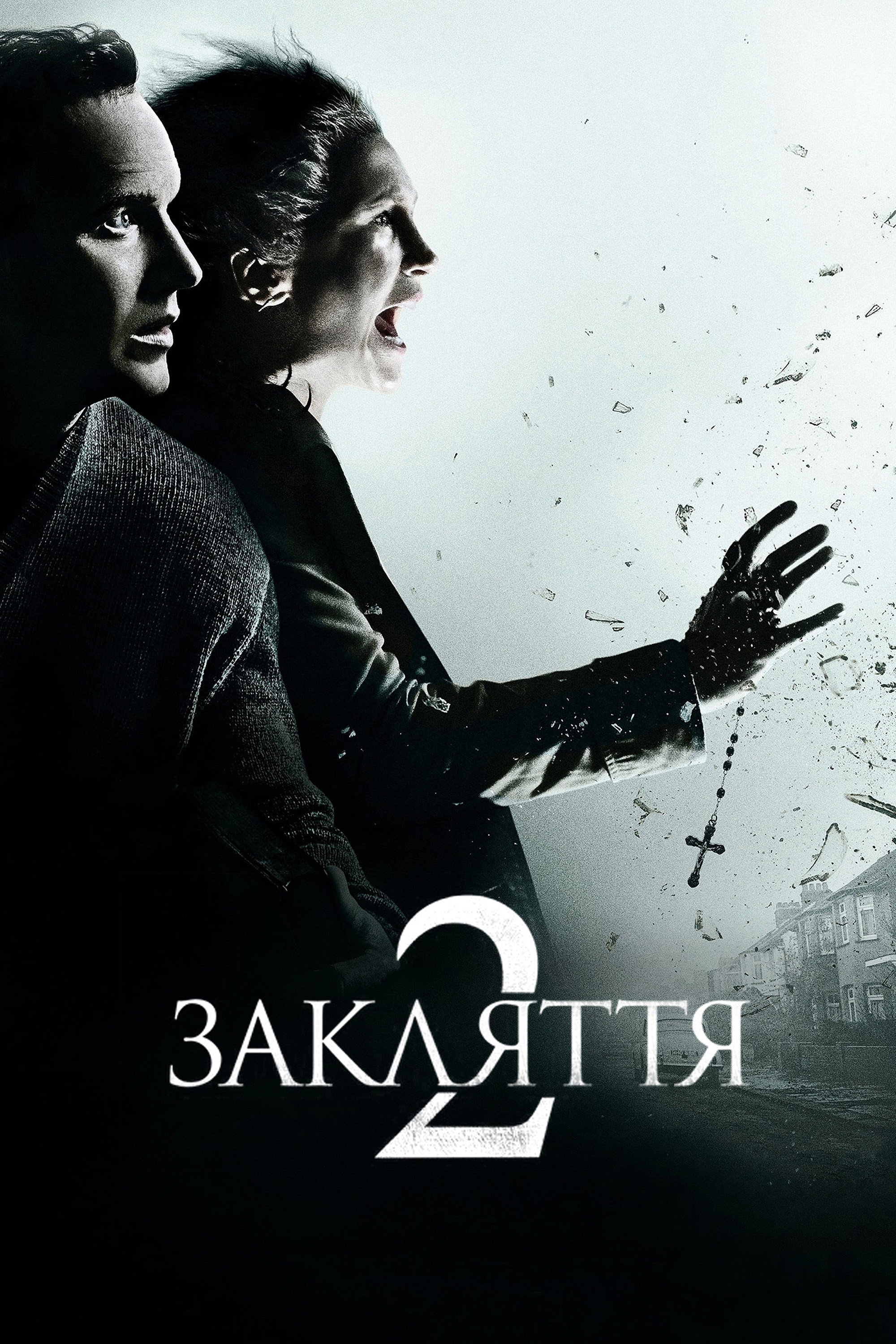
Conjuring 2 (Austria) — GermanЗаклинанието 2 (Bulgaria) Invocacao do Mal 2 (Brazil) Invocação do Mal 2 (Brazil) — PortugueseLa Conjuration 2 (Canada) — Quebec招魂2 (China) — ChineseV zajetí démonů 2 (Czechia) — CzechConjuring 2 (Germany) — GermanShow all 50 alternative titlesNattens dæmoner 2 (Denmark) — DanishKurja kutsumine 2 (Estonia) — EstonianAnnabelle Saga Expediente Warren El caso Enfield (Spain) Expediente Warren: El caso Enfield (Spain) L'expedient Warren: El cas Enfield (Spain) — CatalanKirottu 2 (Finland) — FinnishConjuring 2 (France) — short titleConjuring 2 - Le cas Enfield (France) Conjuring 2 : Le Cas Enfield (France) — FrenchConjuring 2 Le cas Enfield (France) Conjuring 2, Le cas Enfield (France) The Conjuring 2: The Enfield Case (United Kingdom) წყევლა 2 (Georgia) — GeorgianΤο Κάλεσμα 2 (Greece) — Greek詭屋驚凶實錄 2 (Hong Kong SAR China) — ChinesePrizivanja 2 (Croatia) — CroatianDémonok között 2. (Hungary) — Hungarianלזמן את הרוע 2 (Israel) — Hebrewاحضار ۲ (Iran) — PersianThe Conjuring - Il caso Enfield (Italy) — ItalianThe Conjuring 2 - Il caso Enfield (Italy) SIRYOU KAN ENFIELD JIKEN (Japan) 死霊館 エンフィールド事件 (Japan) — Japanese컨저링 2 (South Korea) — KoreanIšvarymas 2 (Lithuania) — LithuanianĻaunuma izsaukšana 2 (Latvia) — LatvianEl conjuro 2 (Mexico) Obecność 2 (Poland) — PolishThe Conjuring 2 - A Evocação (Portugal) — PortugueseTrăind printre demoni 2 (Romania) — RomanianPrizivanje zla 2 (Serbia) Призивање зла 2 (Serbia) — SerbianЗаклятие 2 (Russia) — Russianالشعوذة ٢ (Saudi Arabia) Priklicano zlo 2 (Slovenia) — SlovenianV zajatí démonov 2 (Slovakia) — Slovakเดอะ คอนเจอริ่ง คนเรียกผี 2 (Thailand) — ThaiKorku Seansı 2 (Türkiye) — Turkish厲陰宅2 (Taiwan) — ChineseЗакляття 2: Енфілдська справа (Ukraine) — UkrainianThe Conjuring 2: The Enfield Poltergeist (United States) — Working TitleÁm Ảnh Kinh Hoàng 2 (Vietnam)
James Wan revisits a disputed Enfield haunting through long-take suspense, layered sound and the late creation of the demonic nun.
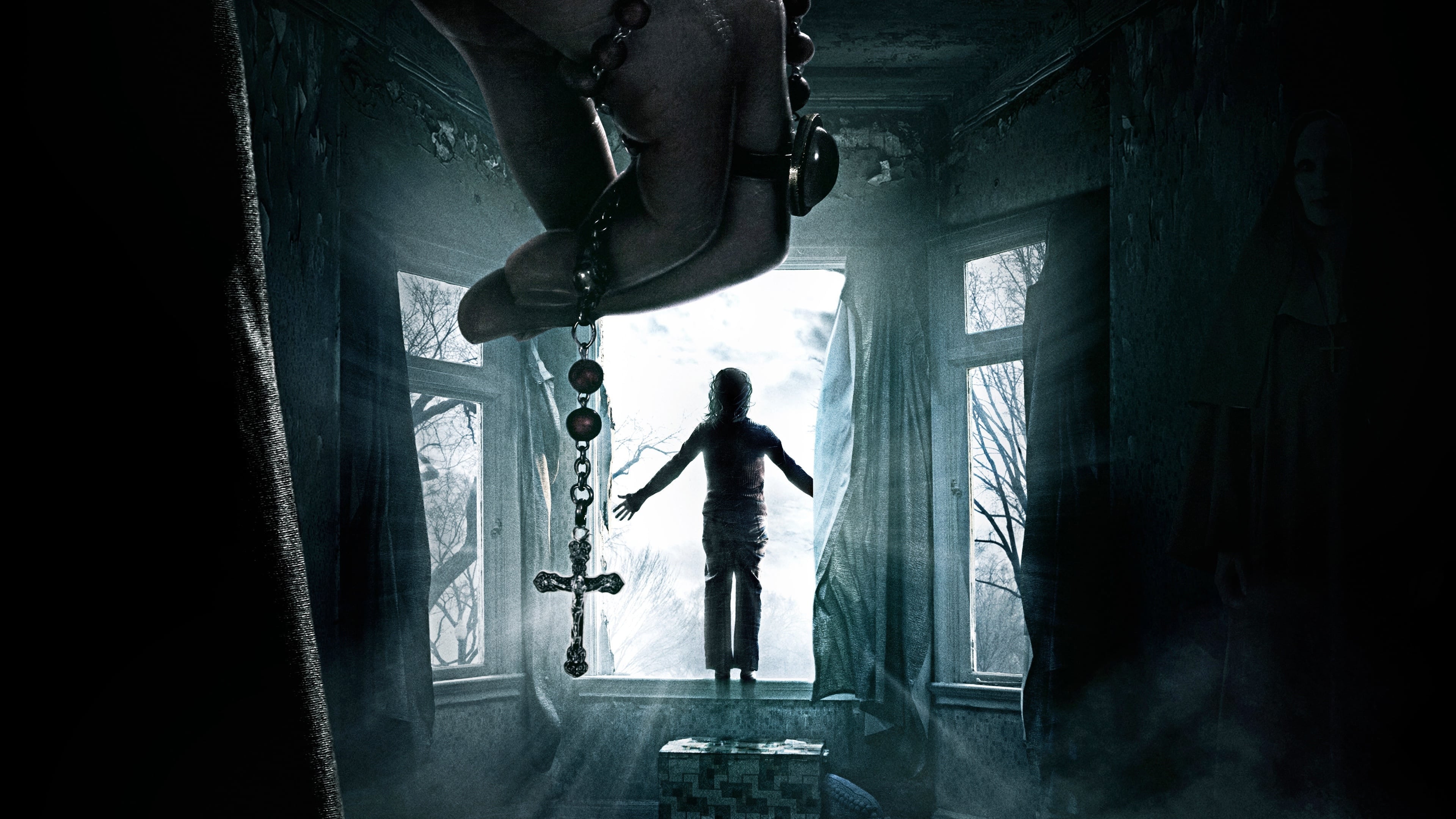
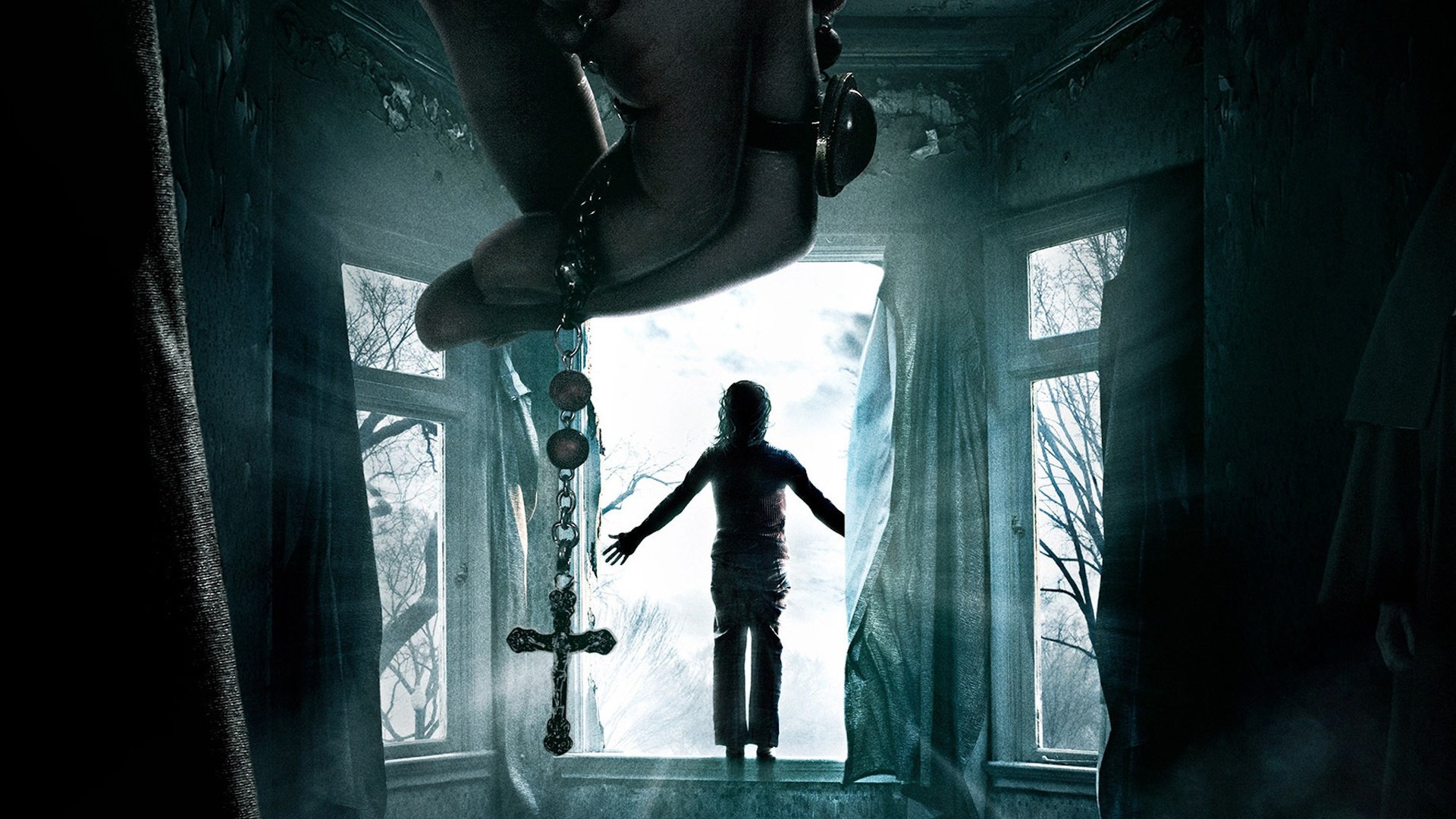
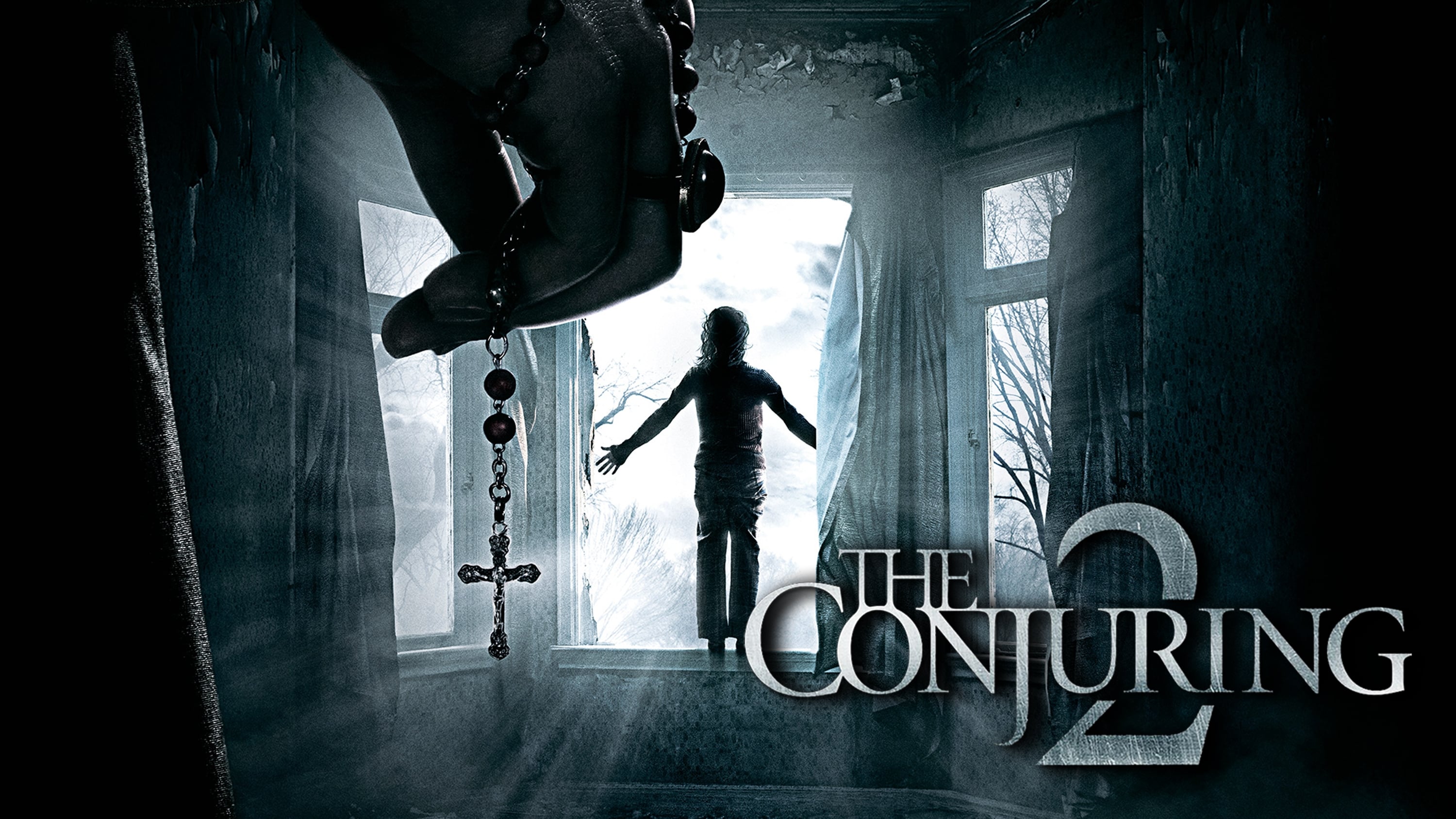
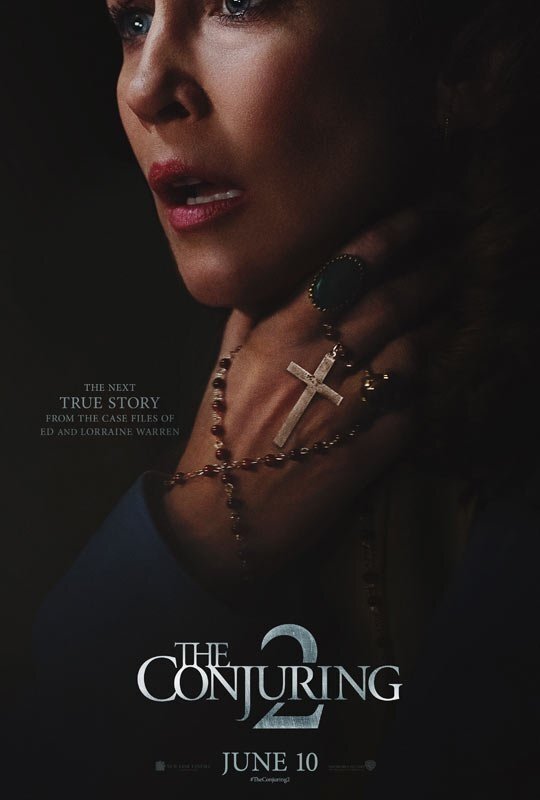
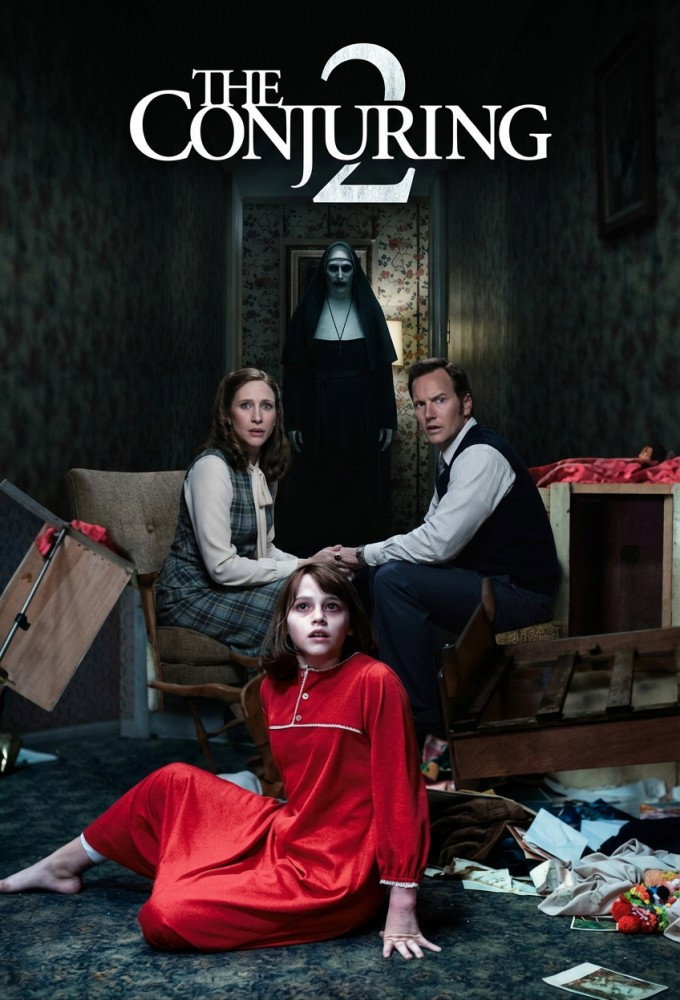
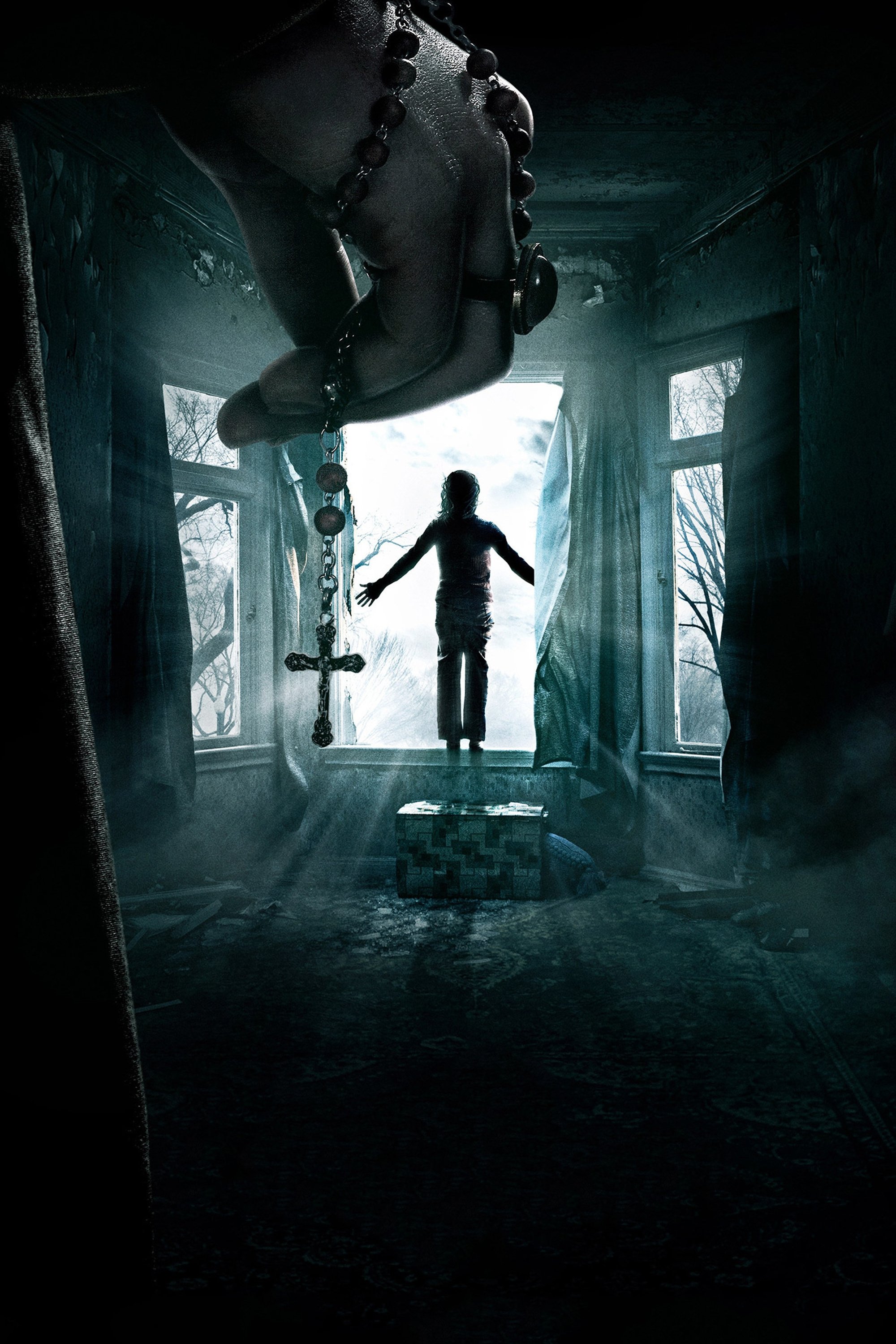
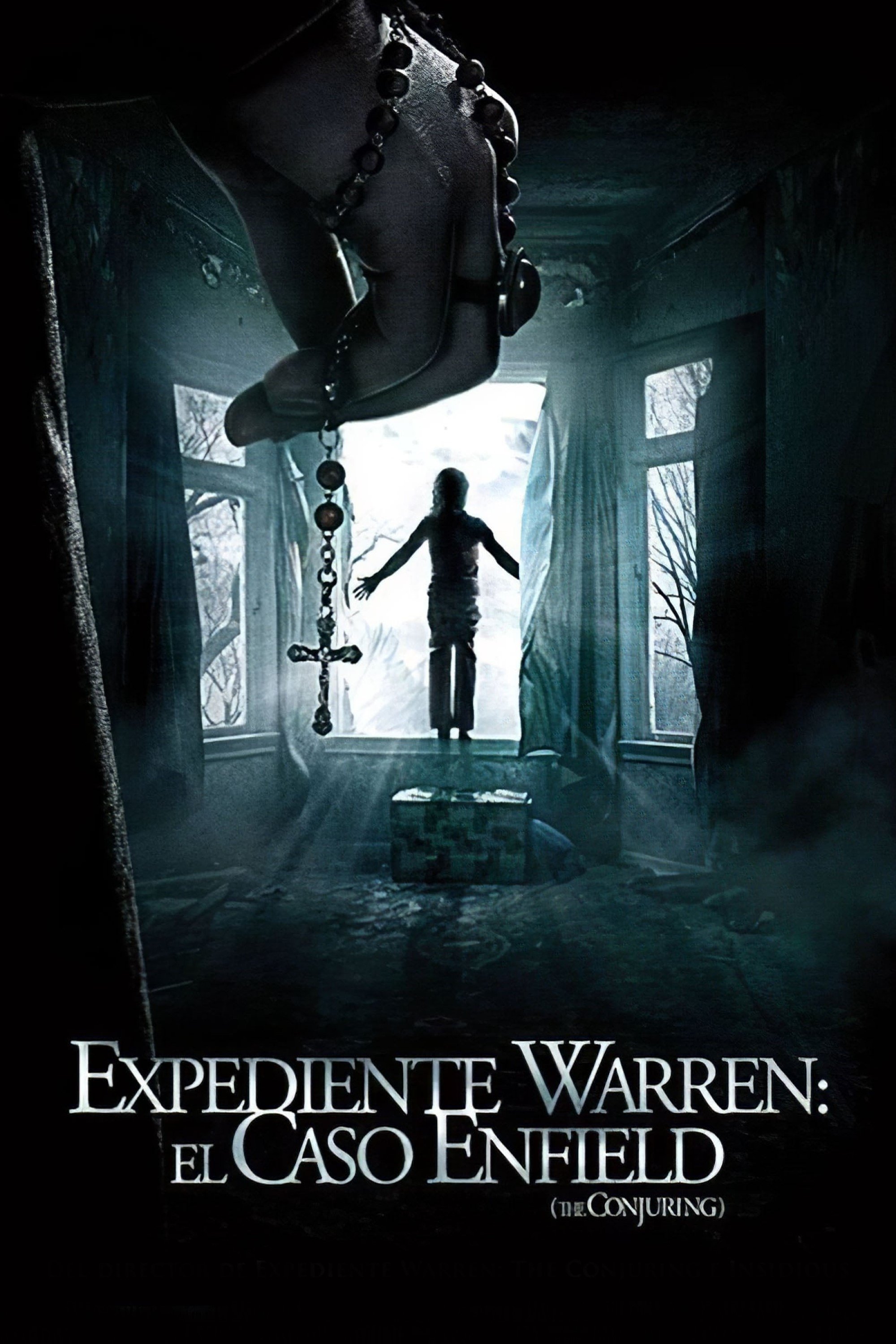
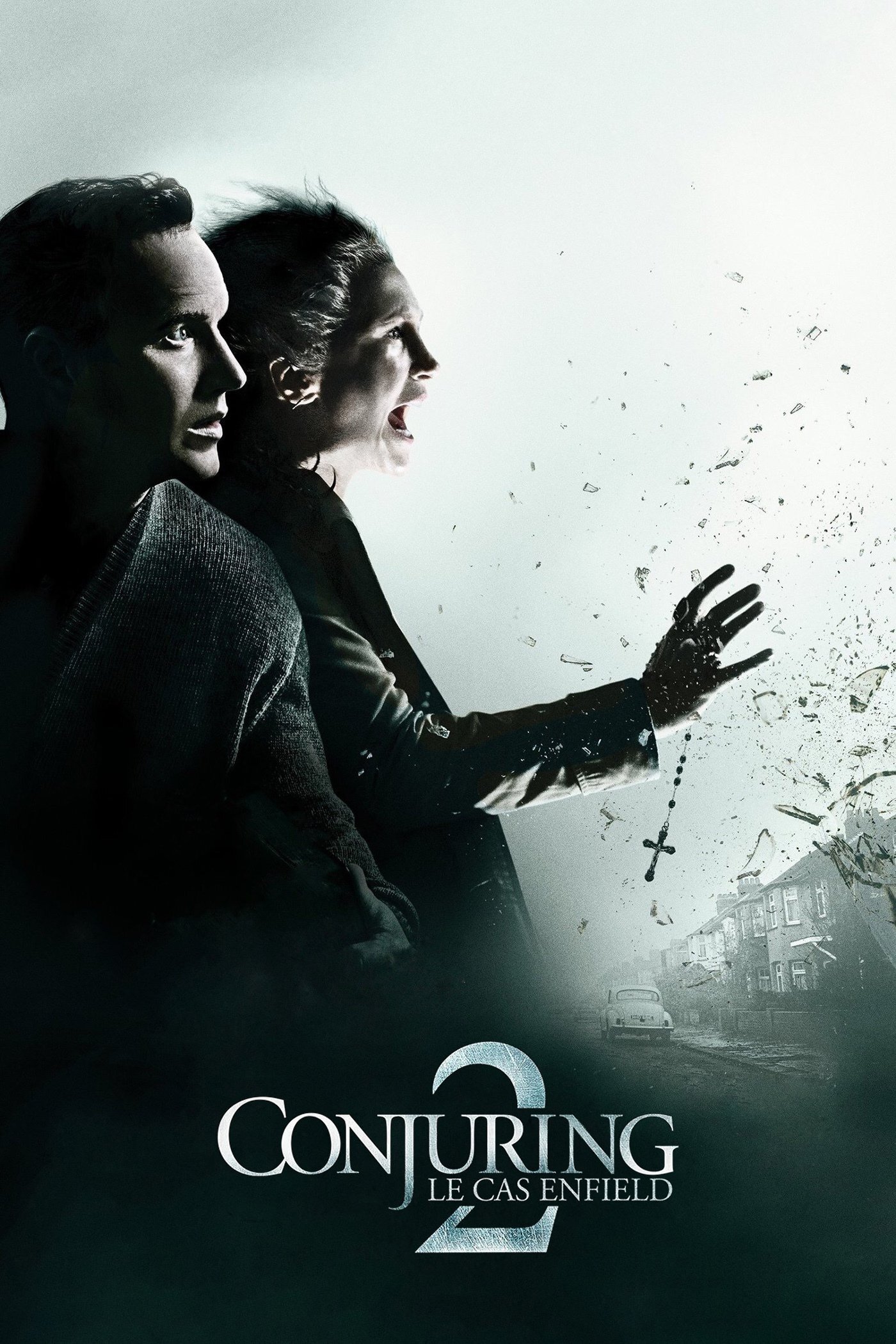
The Conjuring 2 (2016) expands James Wan's supernatural-horror series from a Rhode Island farmhouse to a crowded north London household. Set mainly in 1977, the sequel places Peggy Hodgson and her children at the center of reported disturbances in Enfield, while Ed and Lorraine Warren confront an apparently connected threat to their own lives. Its horror relies on rooms that remain legible even as movement, voices and concealed figures make them unreliable. The domestic setting allows fear to grow through the predicament of a mother trying to protect children who cannot simply leave their home.
Wan returned after directing Furious 7, working again with Patrick Wilson and Vera Farmiga. The production combined carefully planned camera movement with an unusually detailed approach to sound, including voices assembled from multiple performances. The film also introduced the demonic nun later used in a separate franchise branch, although that character emerged through a late redesign. A real and disputed investigation supplied the setting and selected reported incidents; the movie's demonic resolution, central role for the Warrens and supernatural antagonist belong to dramatic construction, not an established account of events.
From a Successful First Film to an Enfield Sequel
The original Conjuring became a major theatrical success in 2013, establishing Wilson and Farmiga as a continuing screen partnership. After an exhausting experience completing the large-scale action production Furious 7, Wan chose to return to material he knew well. In a later interview with Entertainment Weekly, he recalled wanting another chapter with the actors and with New Line rather than moving immediately into an unfamiliar directing environment. That account explains his personal decision to return. It does not suggest that all elements of the sequel had been planned when the first feature was released.
The project retained a recognizable framework while changing the location, household and reported phenomenon. Screenwriting credits were shared by Chad and Carey Hayes, Wan and David Leslie Johnson, but the narrative emphasis can be seen more clearly in what the film stages: two families connected by the danger that paranormal investigation may bring into their lives. The introductory Amityville episode establishes Lorraine's anxiety about Ed's safety before the action shifts to England. Her visions and the Hodgsons' predicament create parallel pressures, giving the investigation stakes beyond a succession of startling apparitions.
The Enfield Record and the Film's Historical Liberties
The real Enfield case began in 1977, when members of the Hodgson household reported knocks, moving household objects and other unusual events. Maurice Grosse and Guy Lyon Playfair conducted the sustained investigation associated with the Society for Psychical Research. The society's Psi Encyclopedia identifies extensive testimony and recordings, but also documents disagreement among researchers over the reliability of particular incidents. Anita Gregory criticized the inquiry and suspected deception; Grosse and Playfair acknowledged some trickery while maintaining that other reports resisted ordinary explanations. Their belief is a historical fact about the investigators, not proof that a supernatural cause existed.
Wan's screenplay draws on the reported disturbances and the unusually deep voice attributed to Janet Hodgson, while giving the Warrens a decisive role that the documented history of the investigation does not support. The cinematic figure called Bill Wilkins similarly turns testimony about a purported former occupant into one component of a demon-possession story. Its ultimate explanation is fictional, and the named antagonist Valak has no documented connection to the Enfield reports. This distinction is particularly important because the marketing invokes a true case. The historical material establishes what witnesses claimed and researchers disputed; the film creates a coherent horror mythology from selected elements.
The Hodgsons, the Warrens and the Meaning of Protection
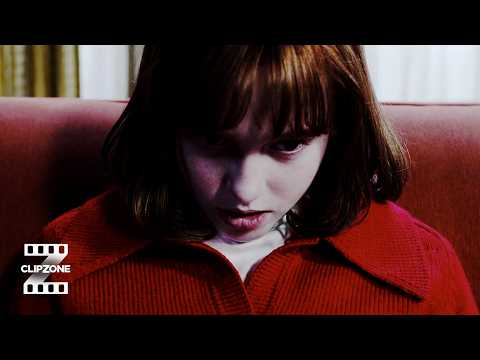
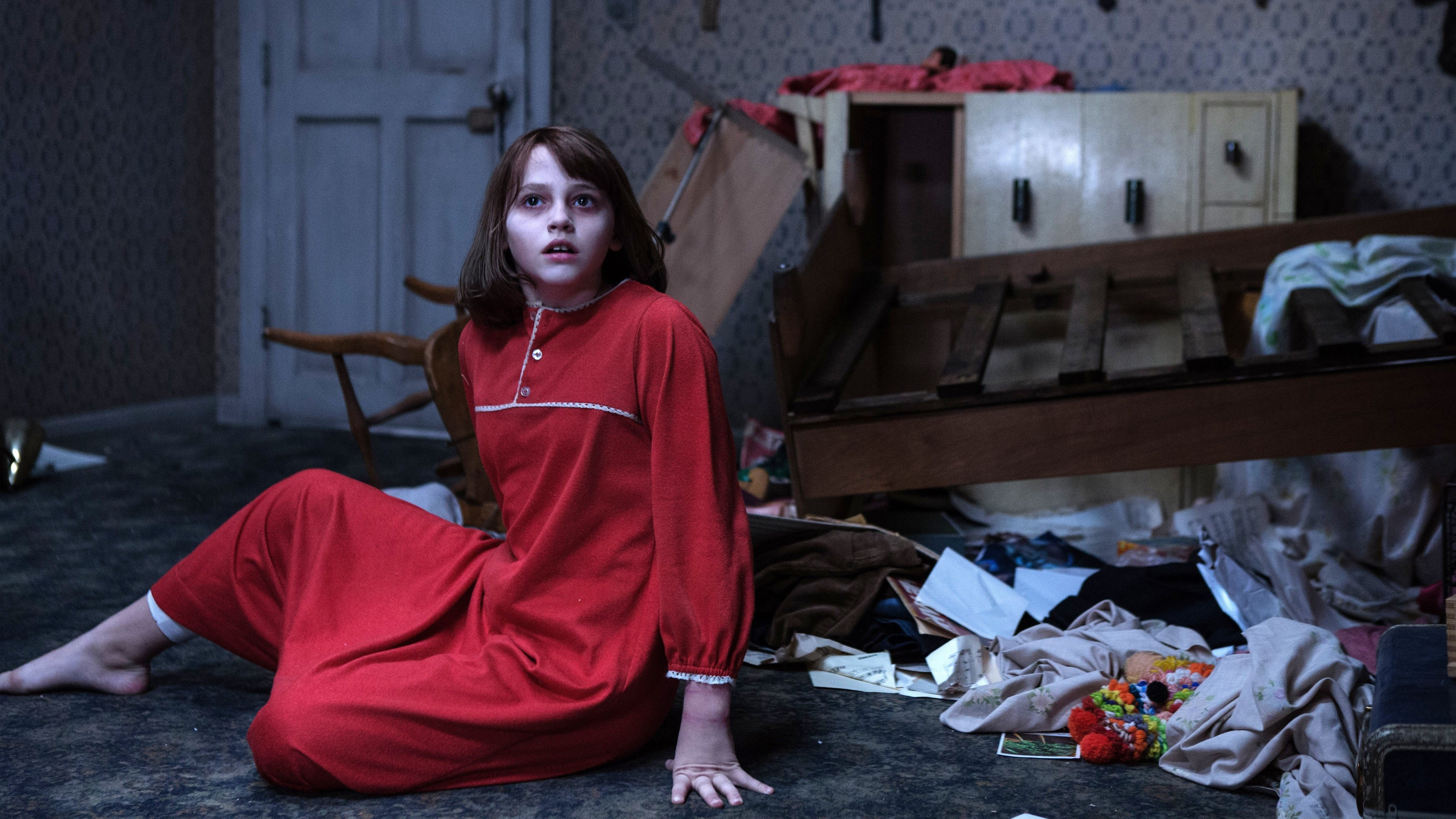
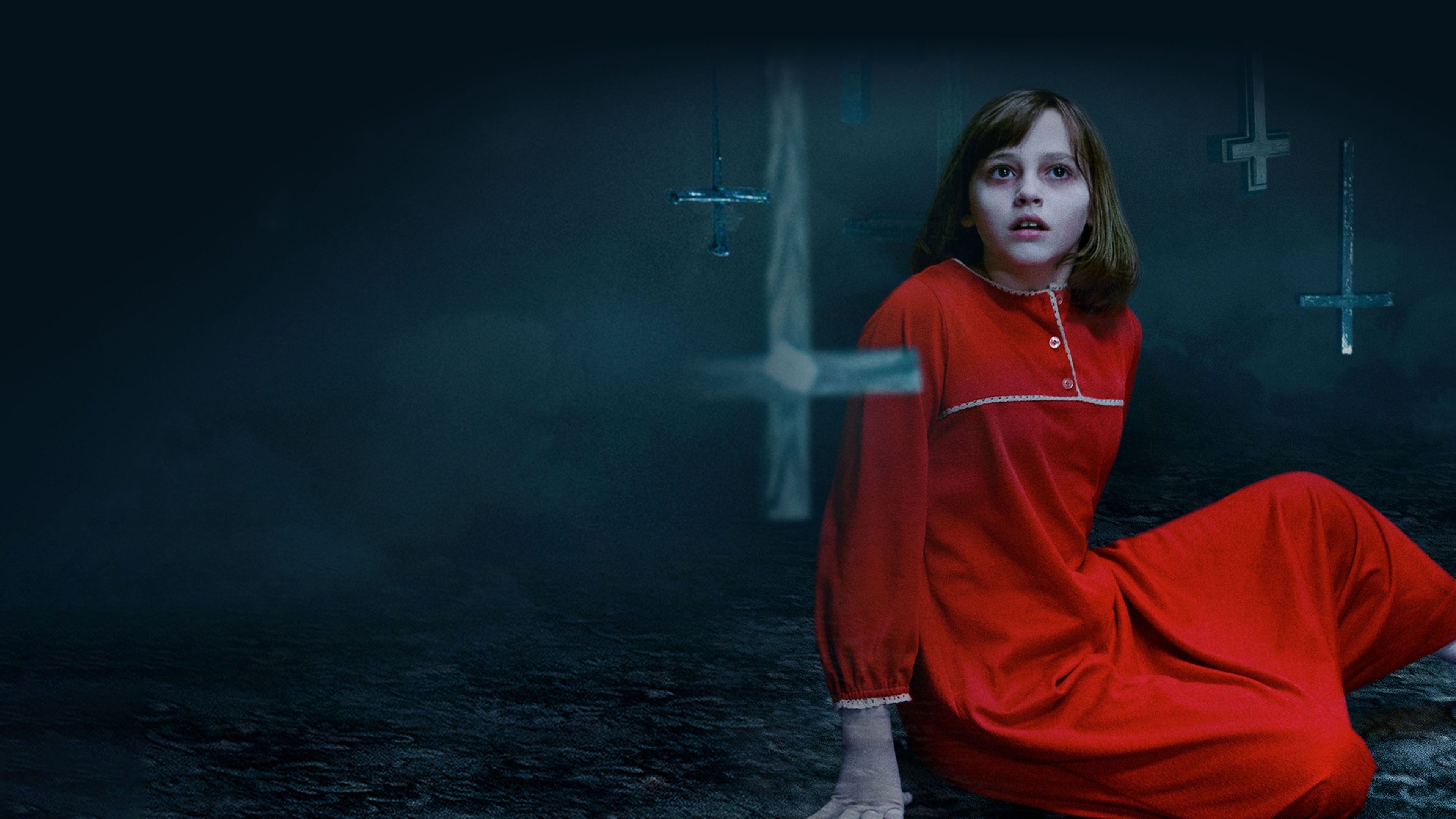
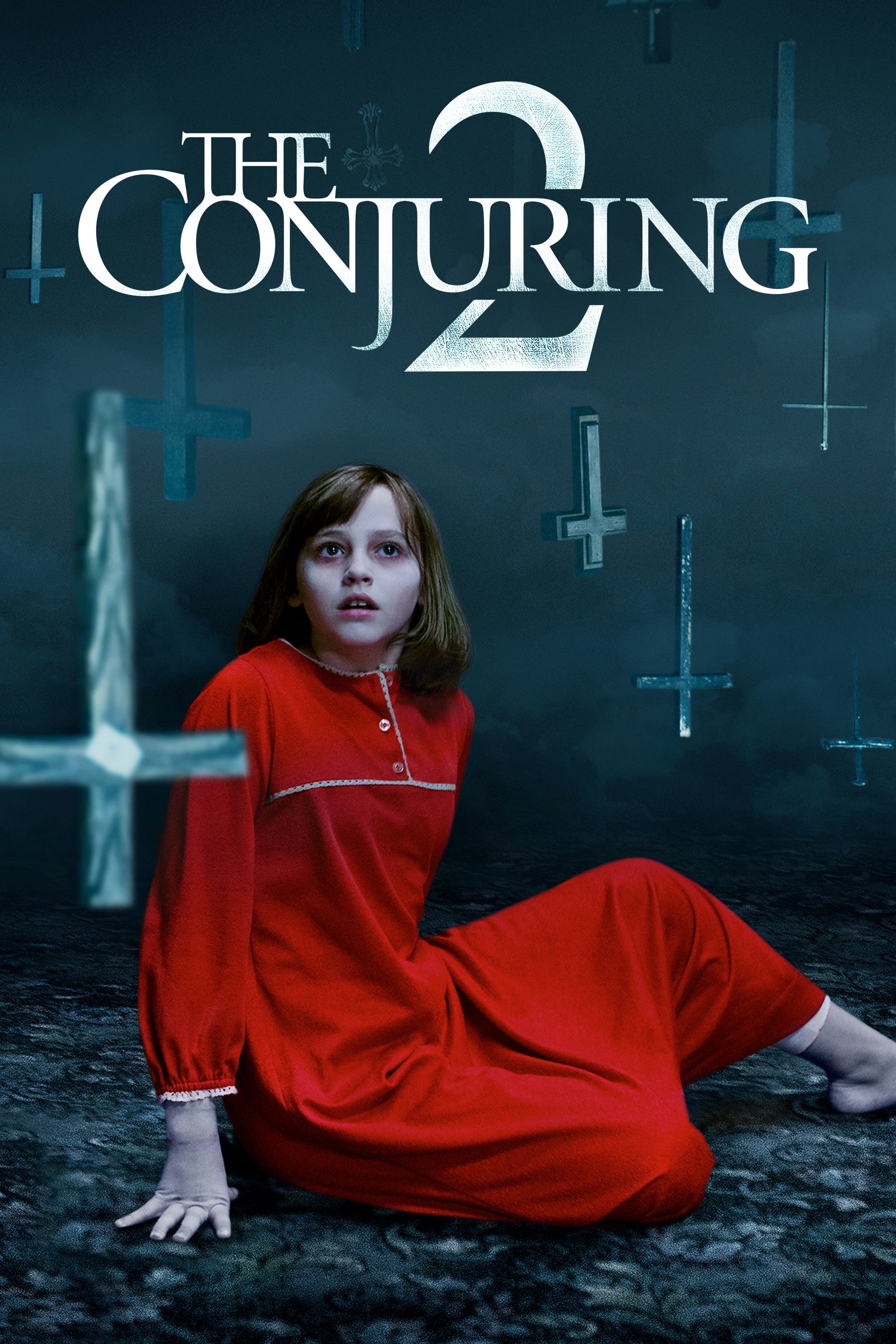
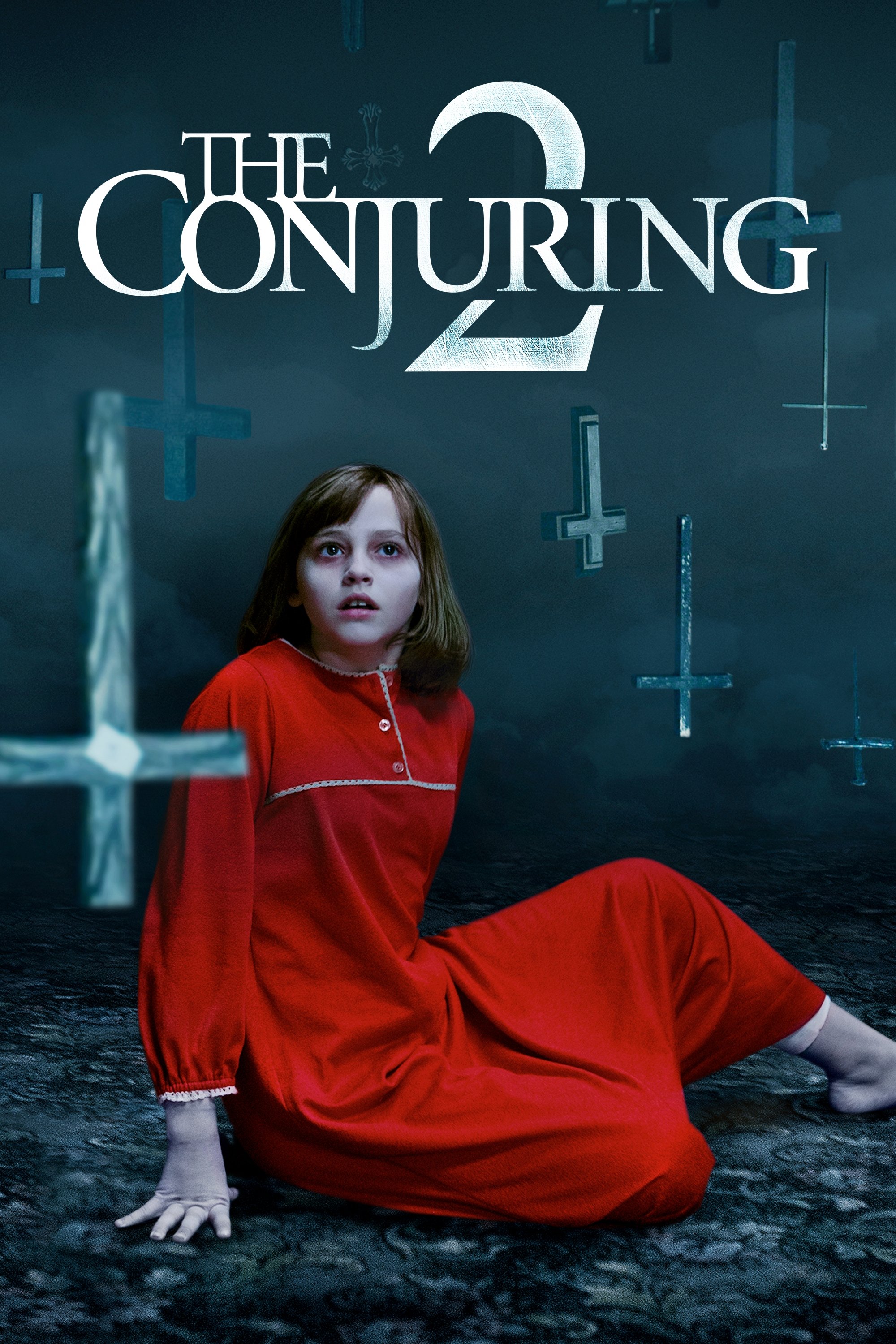
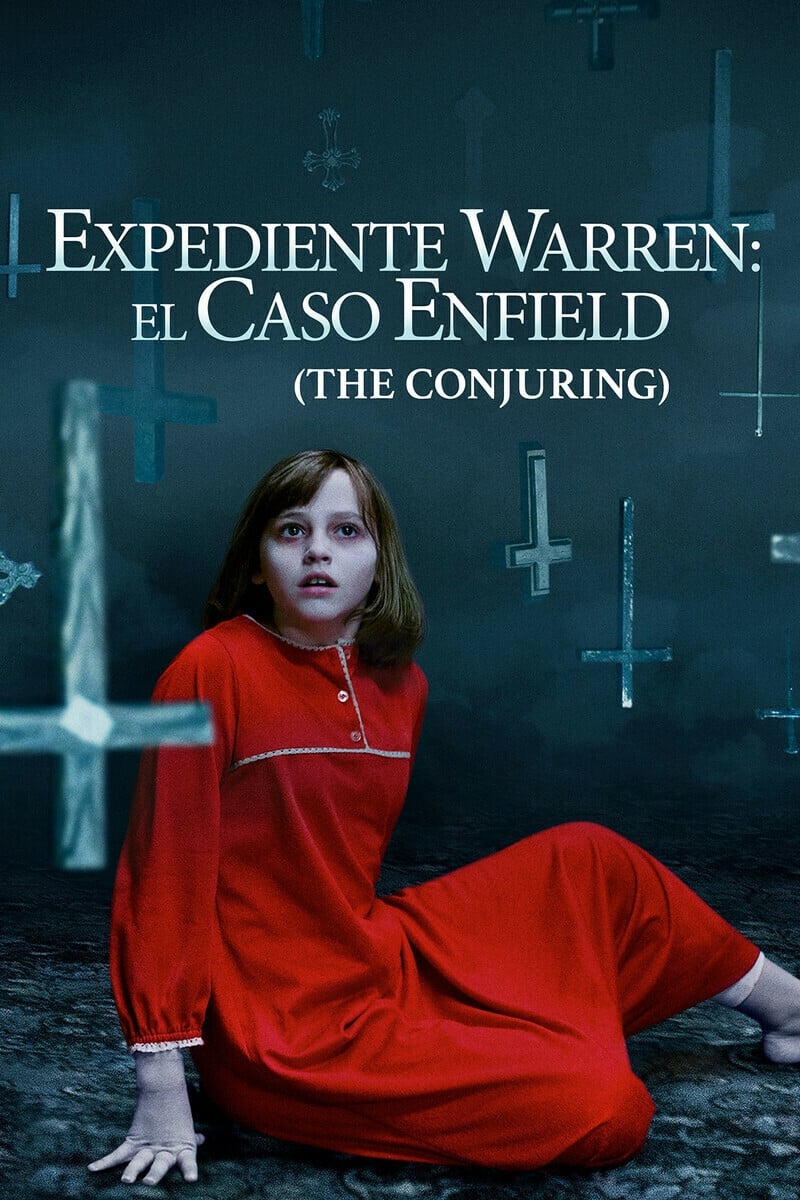
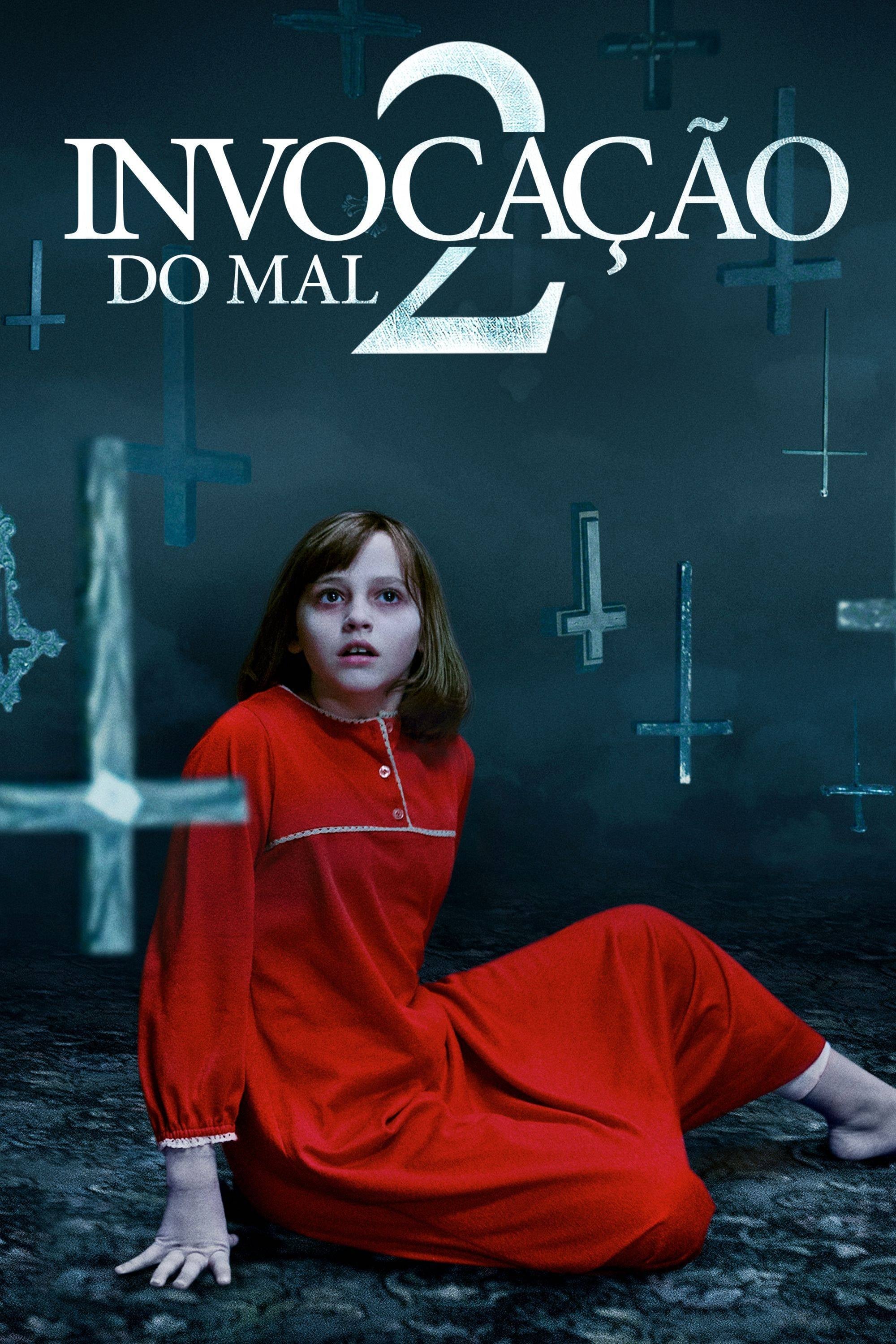
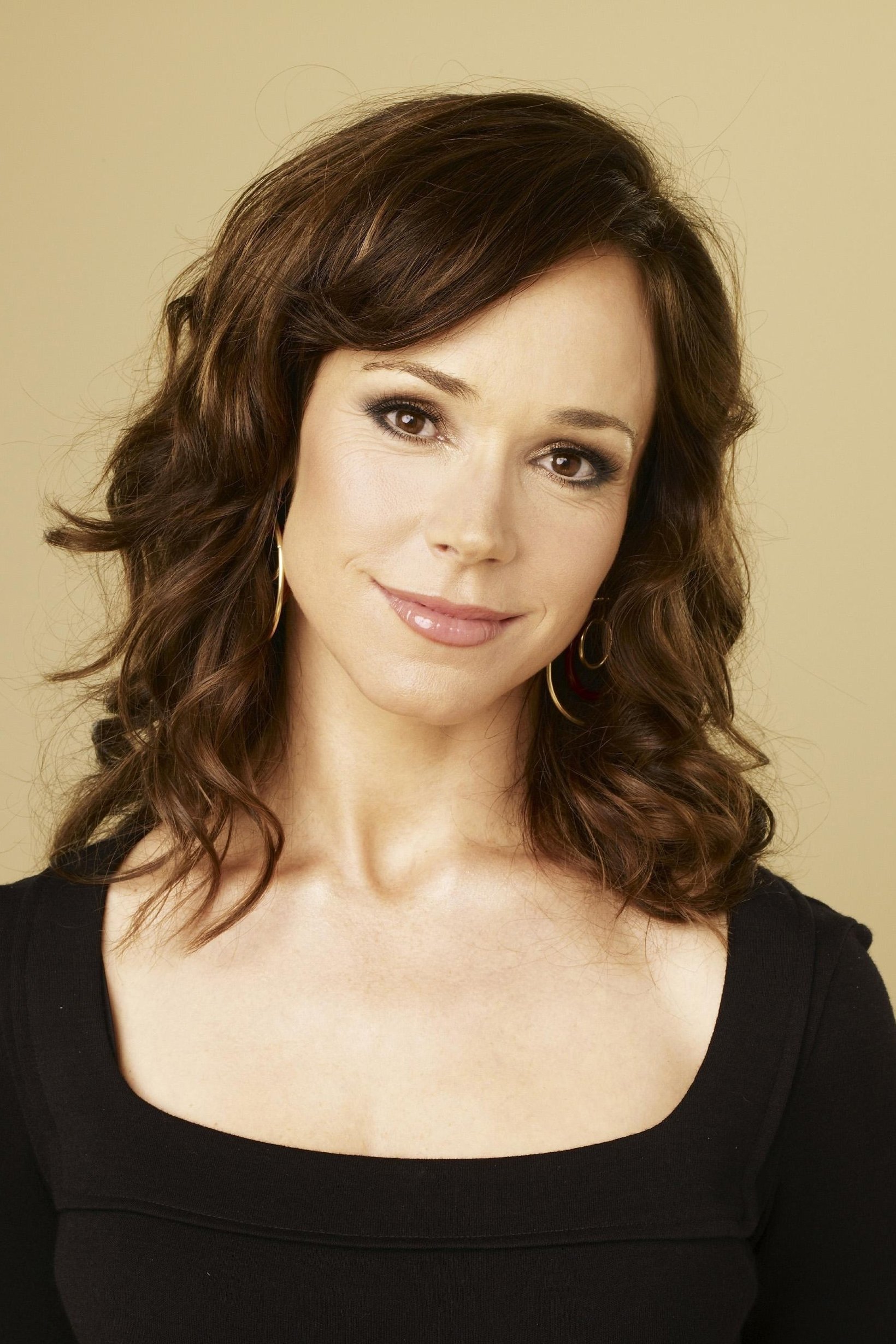
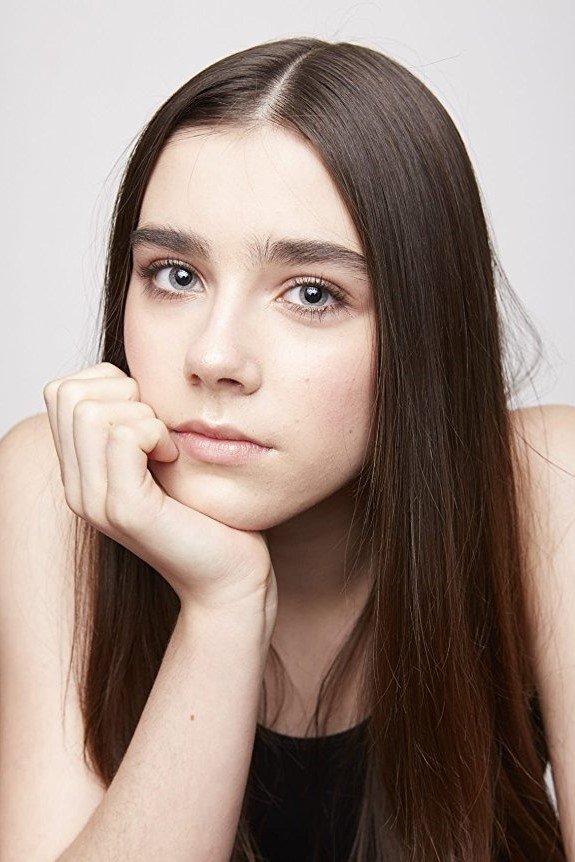
Before the American investigators arrive, the film stays with Peggy and her four children as the attacks undermine familiar routines. Frances O'Connor plays a parent exhausted by uncertainty and limited resources, while Madison Wolfe's Janet becomes the principal target of the perceived haunting. The family's cramped house offers little separation between shared life and private terror. Ordinary beds, cupboards and stairs acquire threatening potential because the children must continue using them. Attention to these relationships gives the movie a reason to spend time between the most conspicuous manifestations, when anticipation can arise from the possibility of another incident.
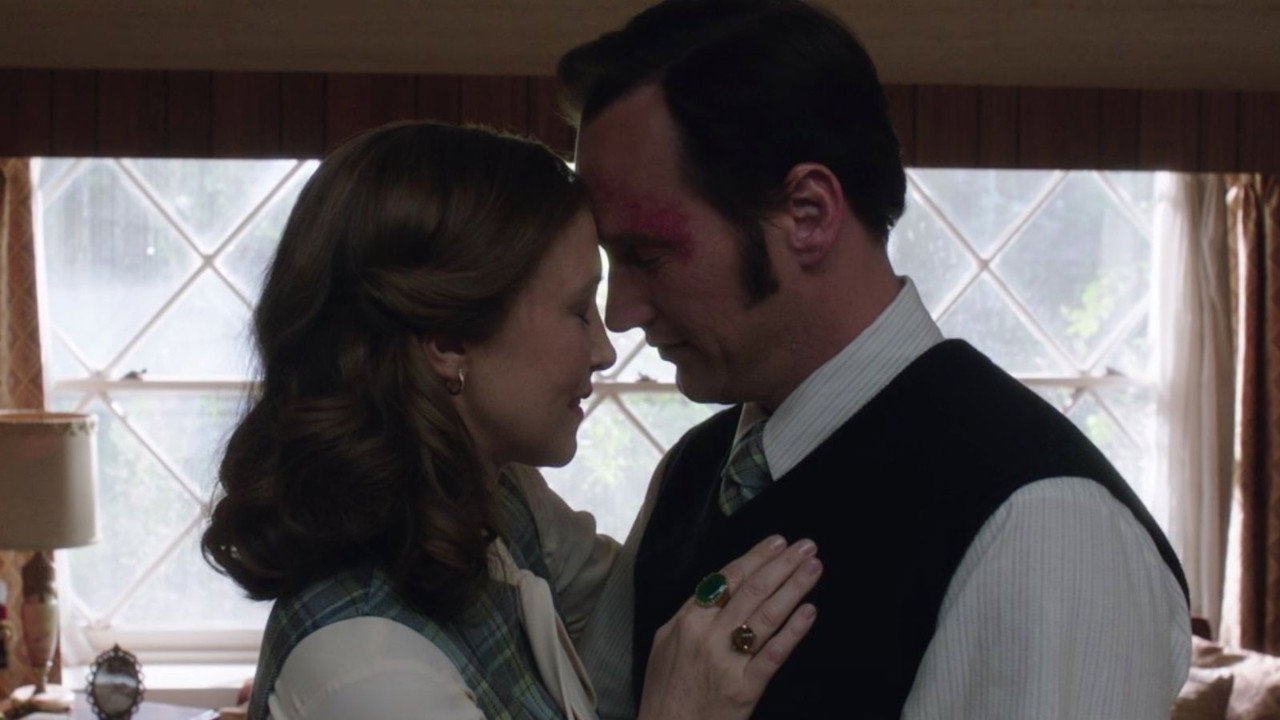
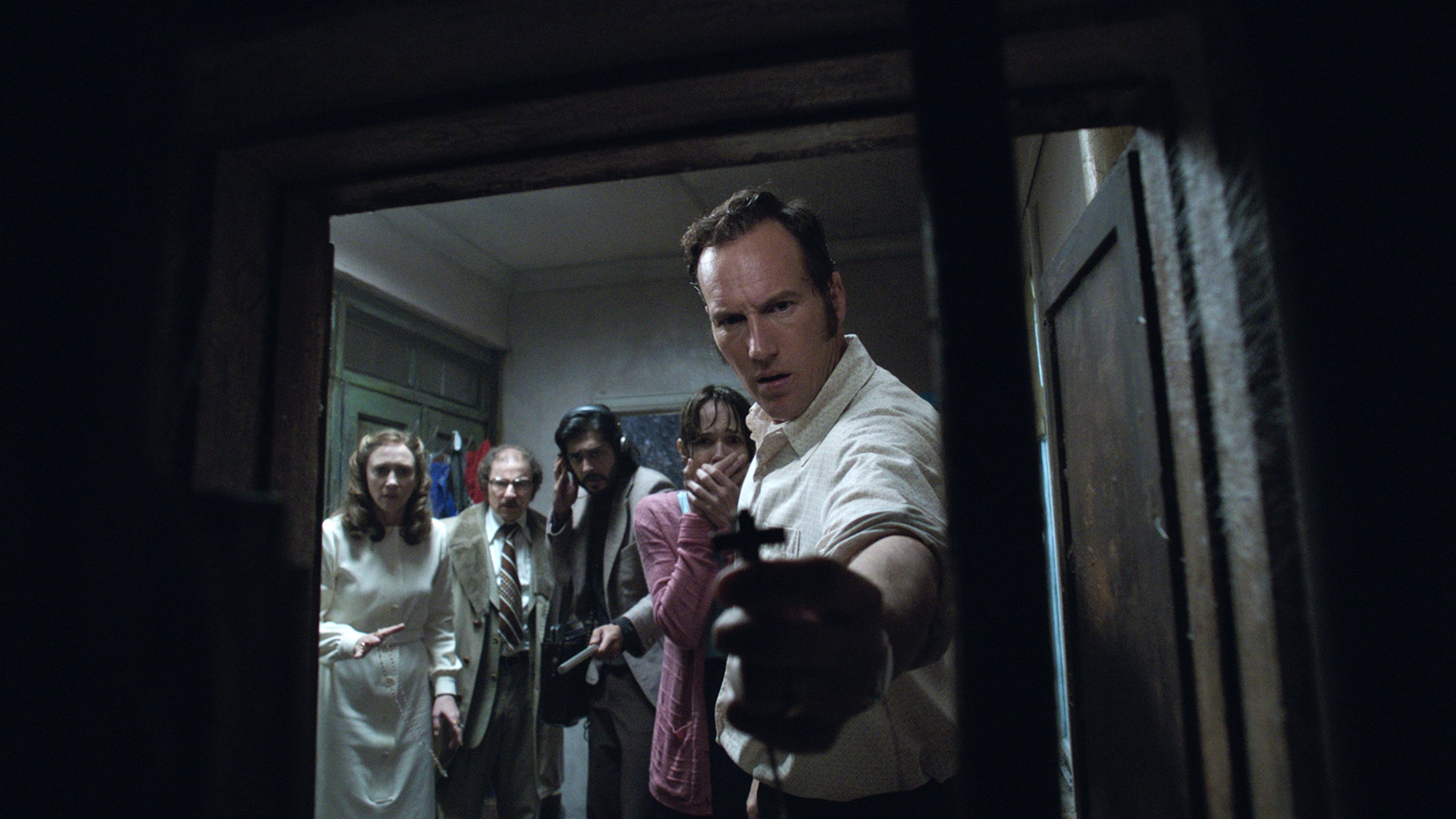
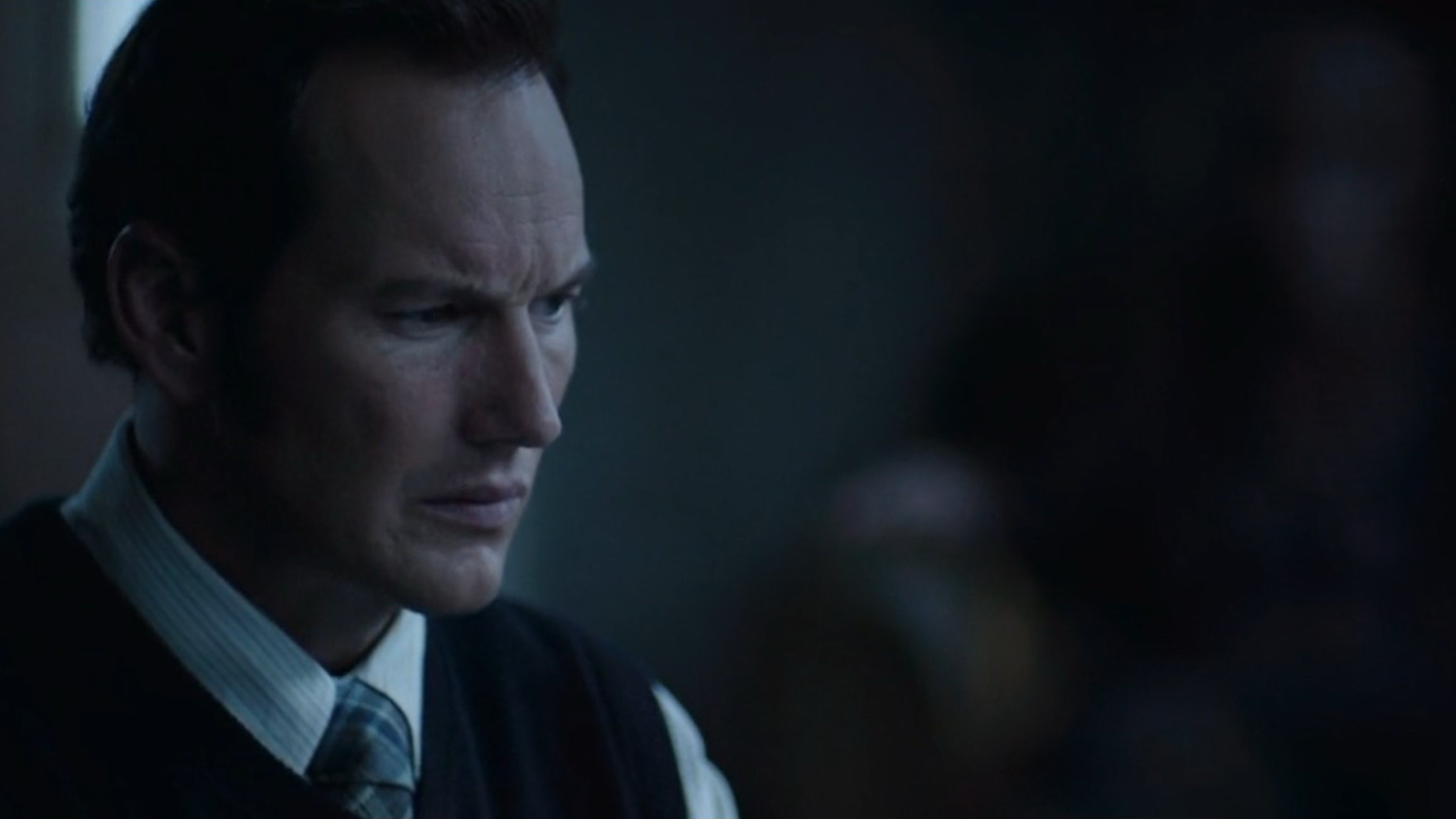
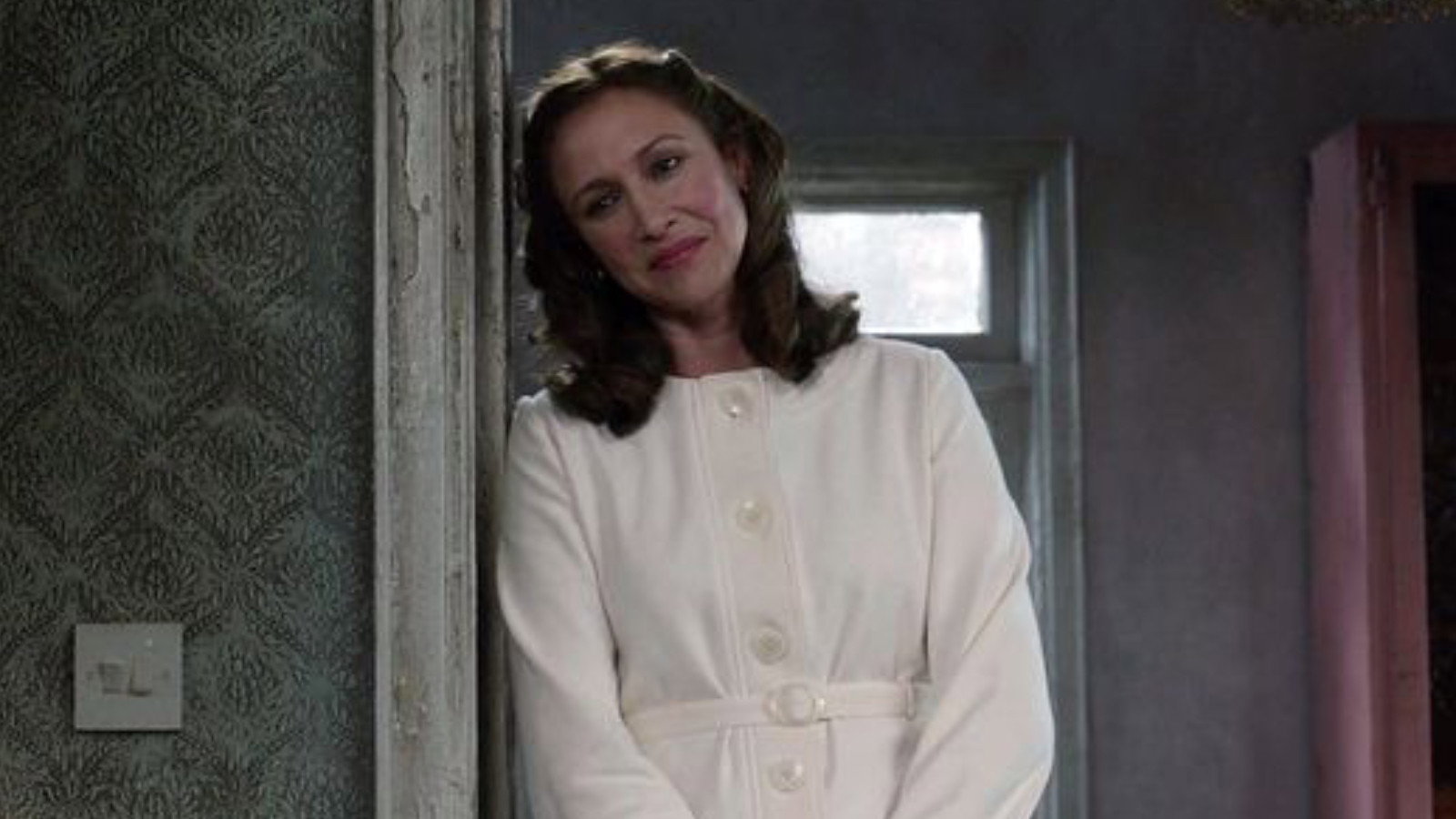
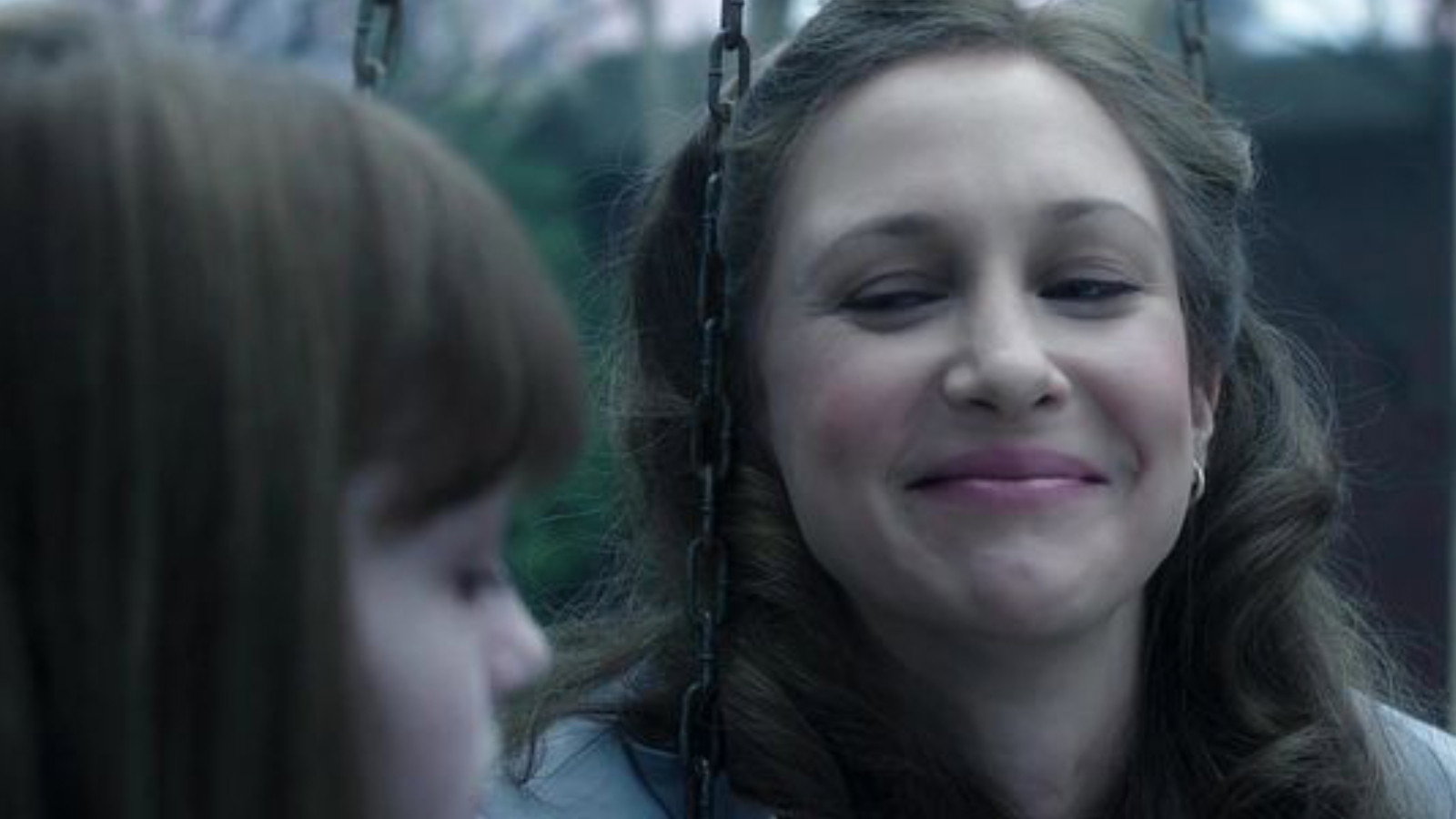
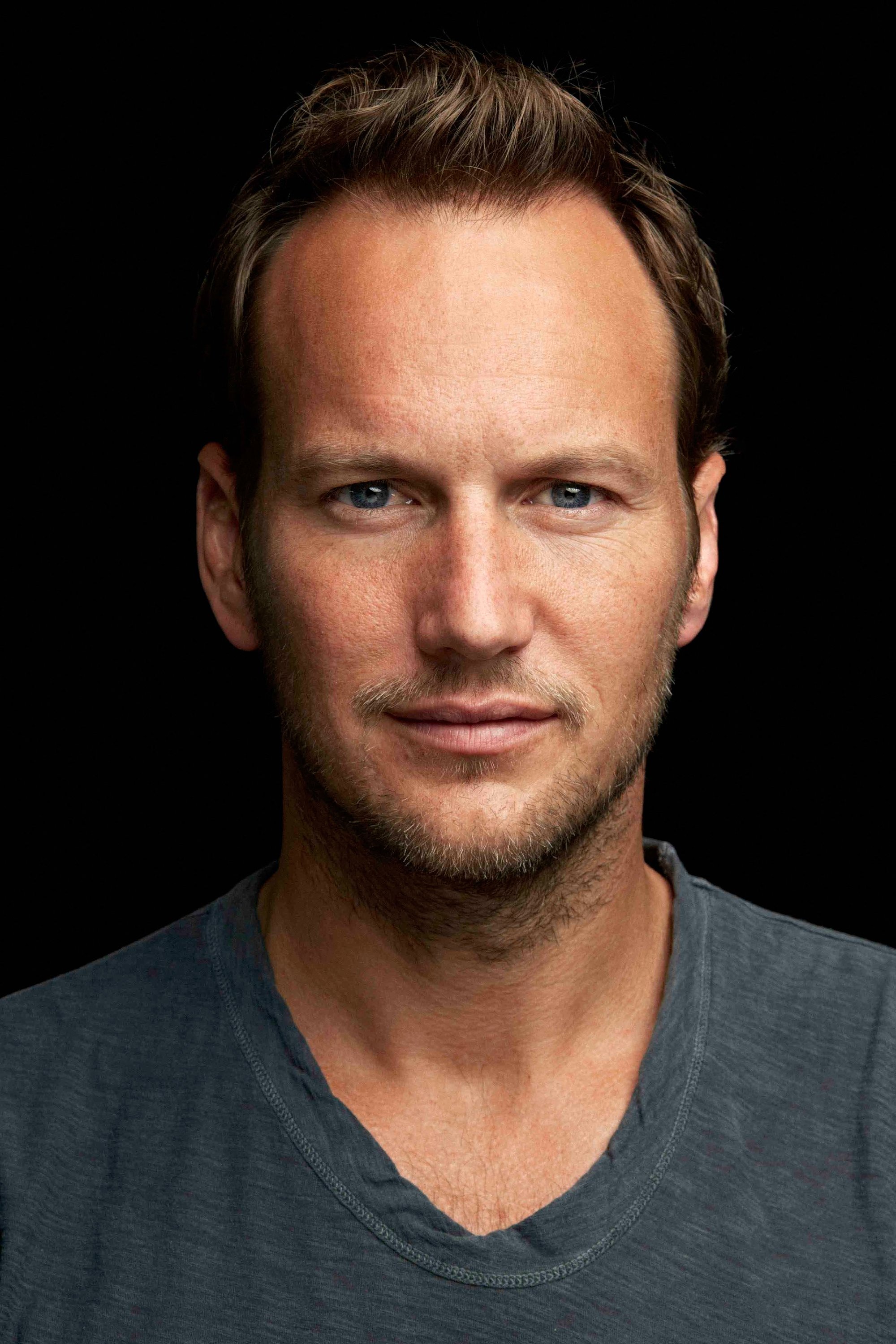
Ed and Lorraine enter as a married couple carrying knowledge of previous investigations and concern for each other. Wilson's Ed attempts to reassure the family, notably through a quiet musical moment, while Farmiga's Lorraine is troubled by a vision of his death. Nigel M. Smith's contemporary Guardian review praised the emotional investment in the children and the warmth between the returning leads. These are specific critical judgments about characterization, not confirmation of the paranormal claims. The contrast between vulnerable residents and experienced visitors structures the drama, even as their confidence is tested by doubts about what Janet may have staged.
Camera Movement, Framing and Unseen Danger
Working with cinematographer Don Burgess, Wan built suspense around the amount of space the audience could inspect. Speaking to Los Angeles radio host John Horn in June 2016, he explained that a moving camera or a deliberately held composition could establish tension before any revelation. Wide views allow attention to wander toward doors, corners and apparently empty backgrounds. The approach suits a house filled with uncertain sounds: spectators search a visible environment for a cause that might remain out of frame. Long movements through domestic rooms make geography intelligible, allowing an eventual disturbance to interrupt a space the viewer has already learned.
One sequence discussed in that interview follows Janet as she tries to secure a bedroom door with a chair. The camera stays close to her actions while threatening movement is communicated beyond the visible area. Wan described the offscreen noises as a way of asking audiences to imagine what has entered the room. This is a precise account of staging, supported by the director's own explanation of his choices. It also clarifies why elaborate camera work is more than surface polish: when the frame excludes the source of danger, the audience must decide whether an ordinary sound signals an approaching figure.
The Crafted Voices and Sounds of Possession
Supervising sound editor Joe Dzuban gave an unusually detailed account of the soundtrack in an interview published shortly after release. His team experimented with several simultaneous voices for the elderly presence speaking through Janet. Early combinations appeared poorly synchronized, so the editors aligned the layers and varied their tone more subtly. Recordings by voice performer Robin Atkin Downes were combined with Madison Wolfe's breathing and digitally altered pitch. These decisions made the child's voice seem transformed while preserving a convincing relationship with the movement of her mouth. The result was developed through temporary mixes and repeated changes, not recorded as a single untreated performance.
The Crooked Man required a different sonic identity. Dzuban described using processed dialogue and a library of cracking materials, including wood and frozen fruit, to suggest a figure whose joints and movements sound physically wrong. For a flooded-basement episode, pipes, dripping water and shifting acoustic perspective help establish the space before the apparition becomes apparent. The climactic mix was prepared in surround sound and adapted for Dolby Atmos, with sounds distributed carefully so competing effects would not mask important cues. These firsthand production details show the threat taking shape through editing and mixing as much as through visible creature design.
The Demonic Nun and a Late Design Change
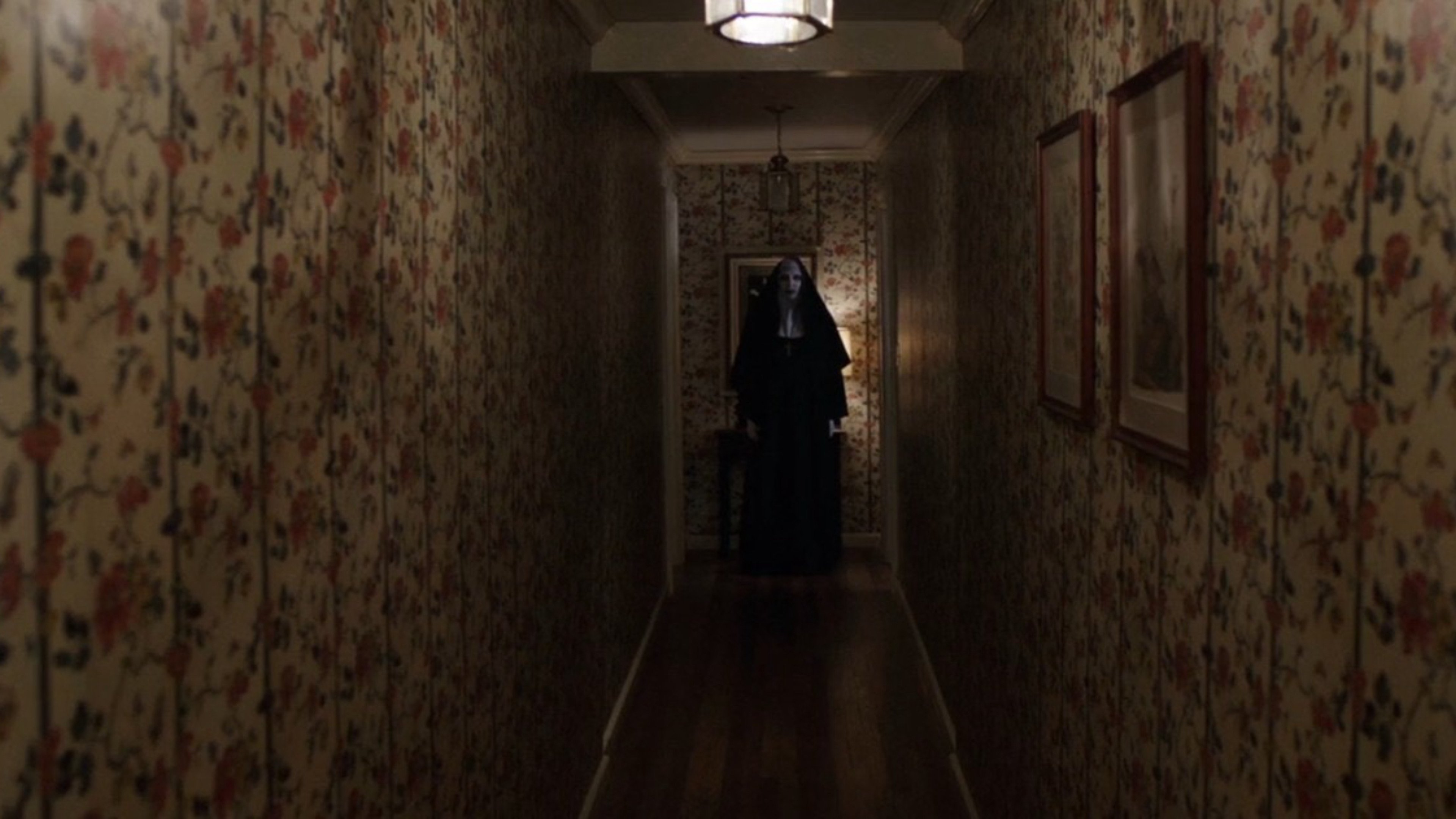
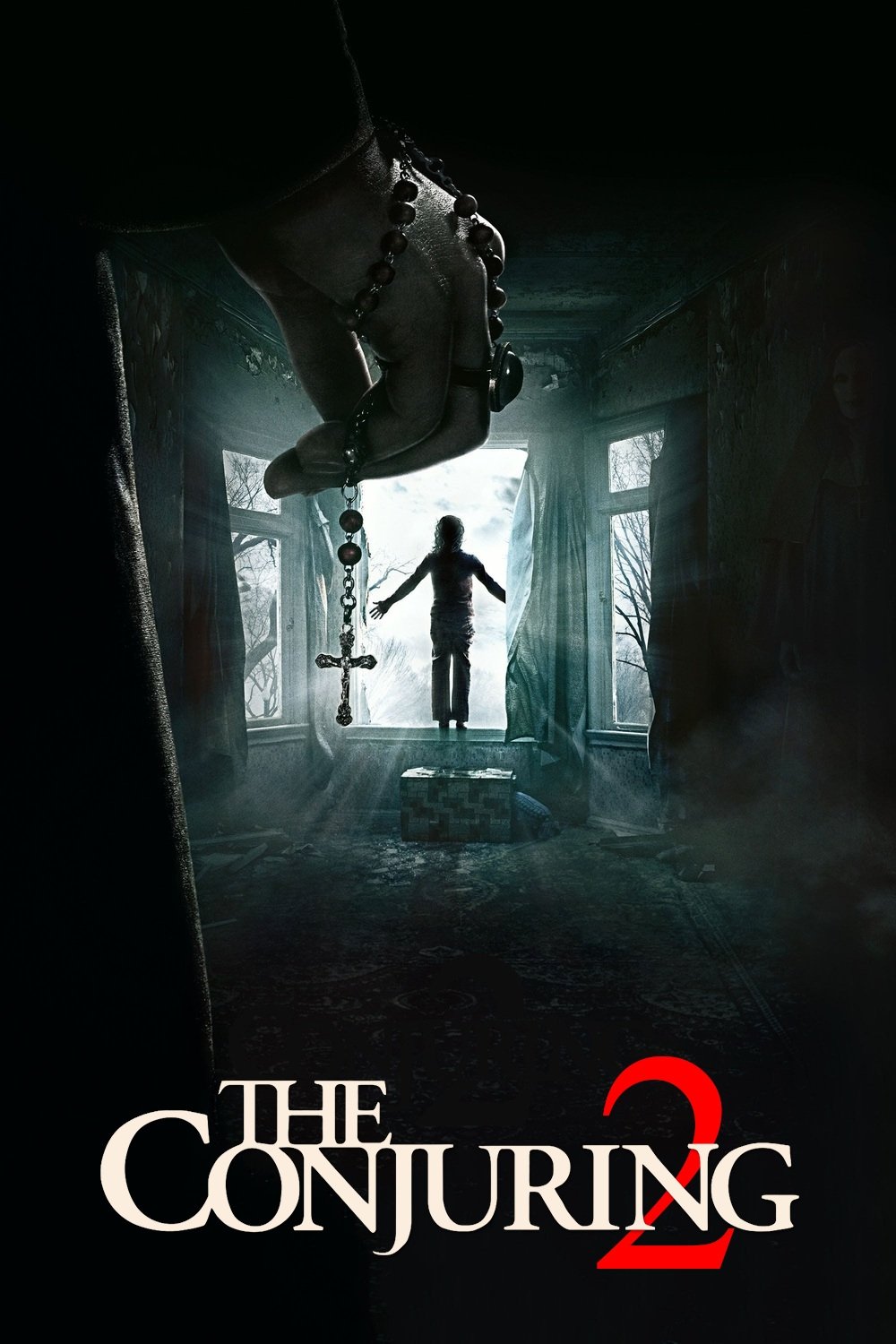
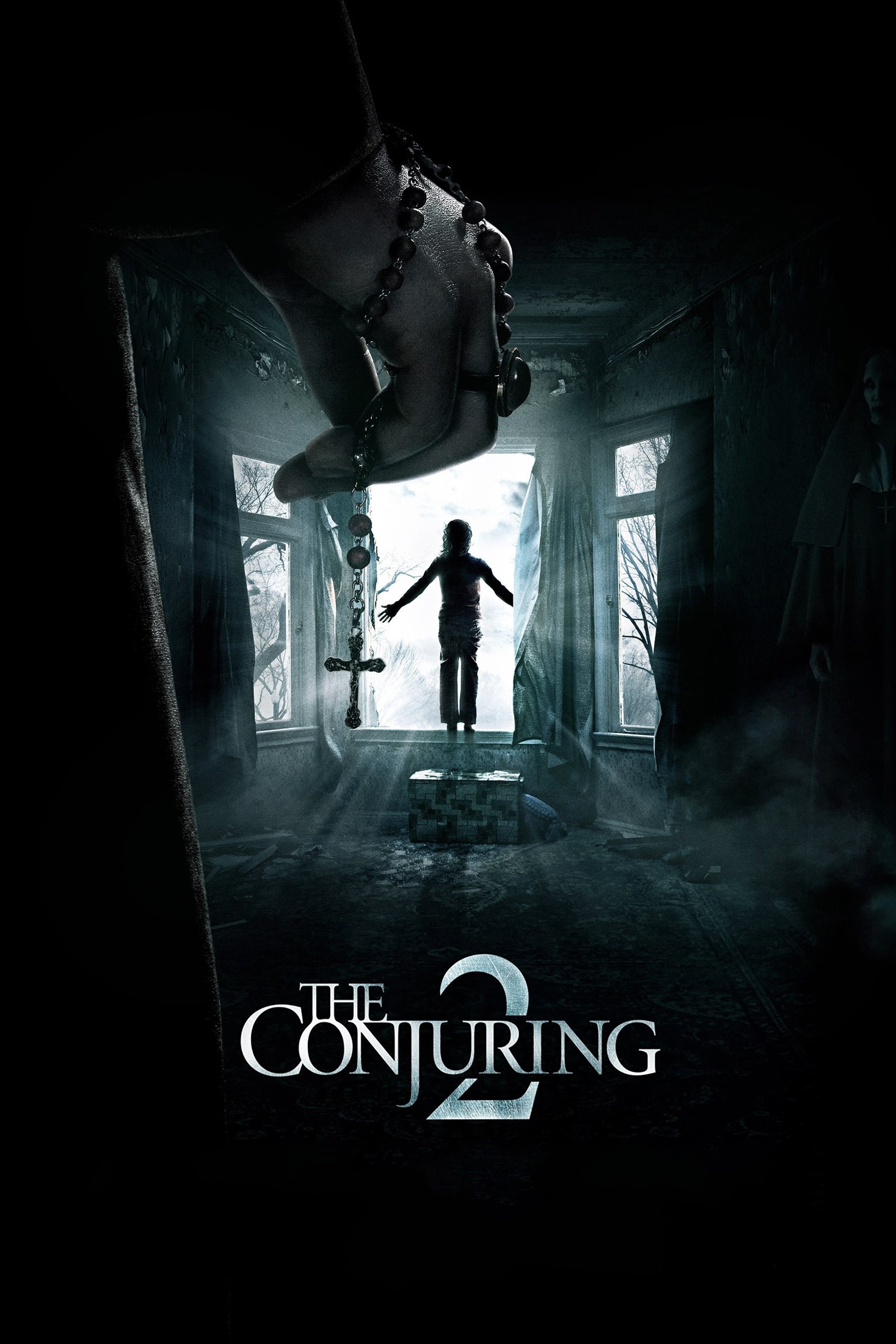
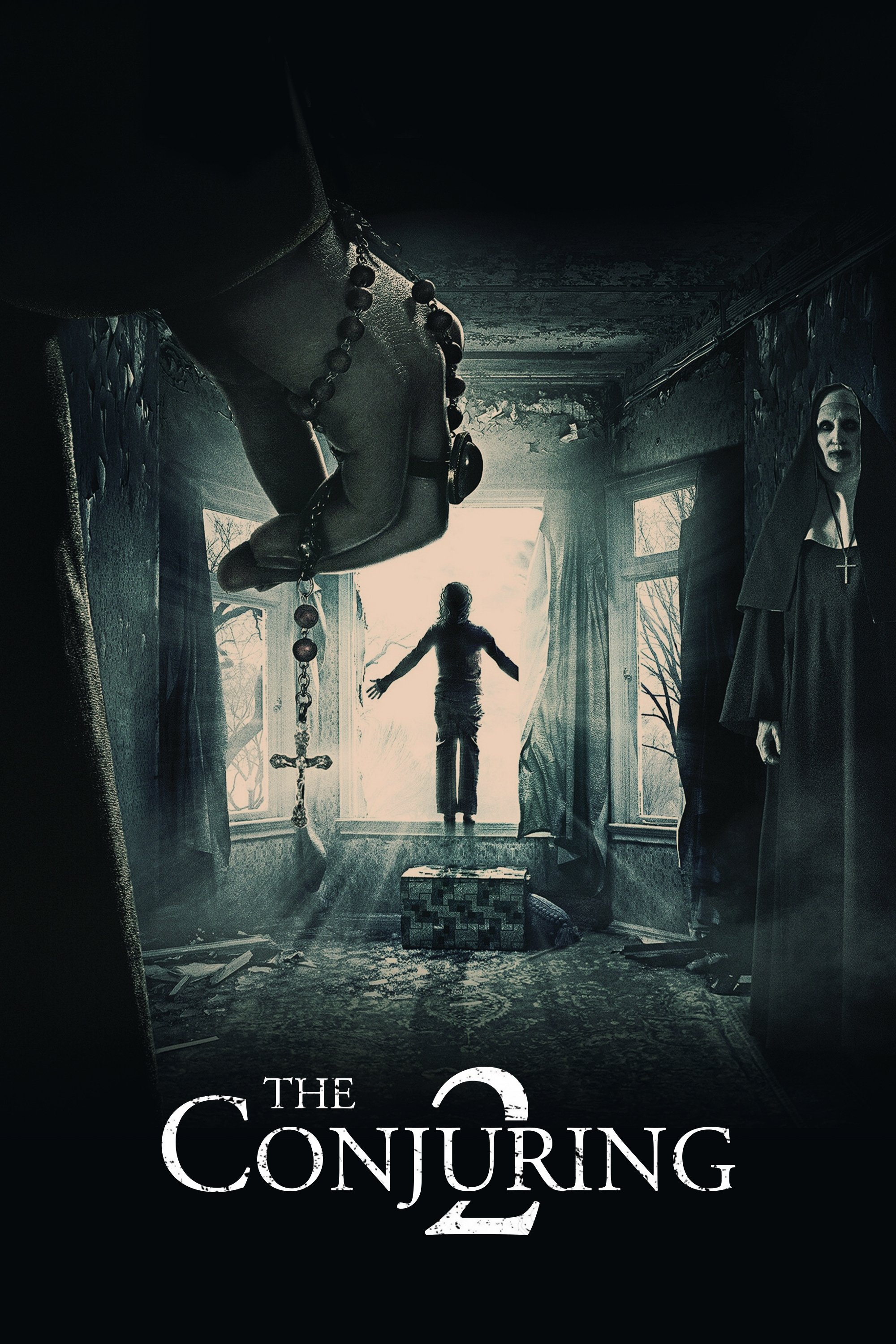
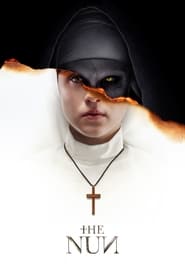
The nun who menaces Lorraine was not originally the finished production's central visual conception. In a 2023 Entertainment Weekly interview, Wan recalled shooting material with a much larger demonic figure and deciding during post-production that its appearance overwhelmed the tone he wanted. He then developed a nun form connected to Lorraine's religious commitments and relationships within the Church. Bonnie Aarons performed the redesigned figure, which was introduced through additional photography. This testimony provides a documented explanation for the character's creation, rather than an invented claim that the costume arose directly from the records of the Enfield case.
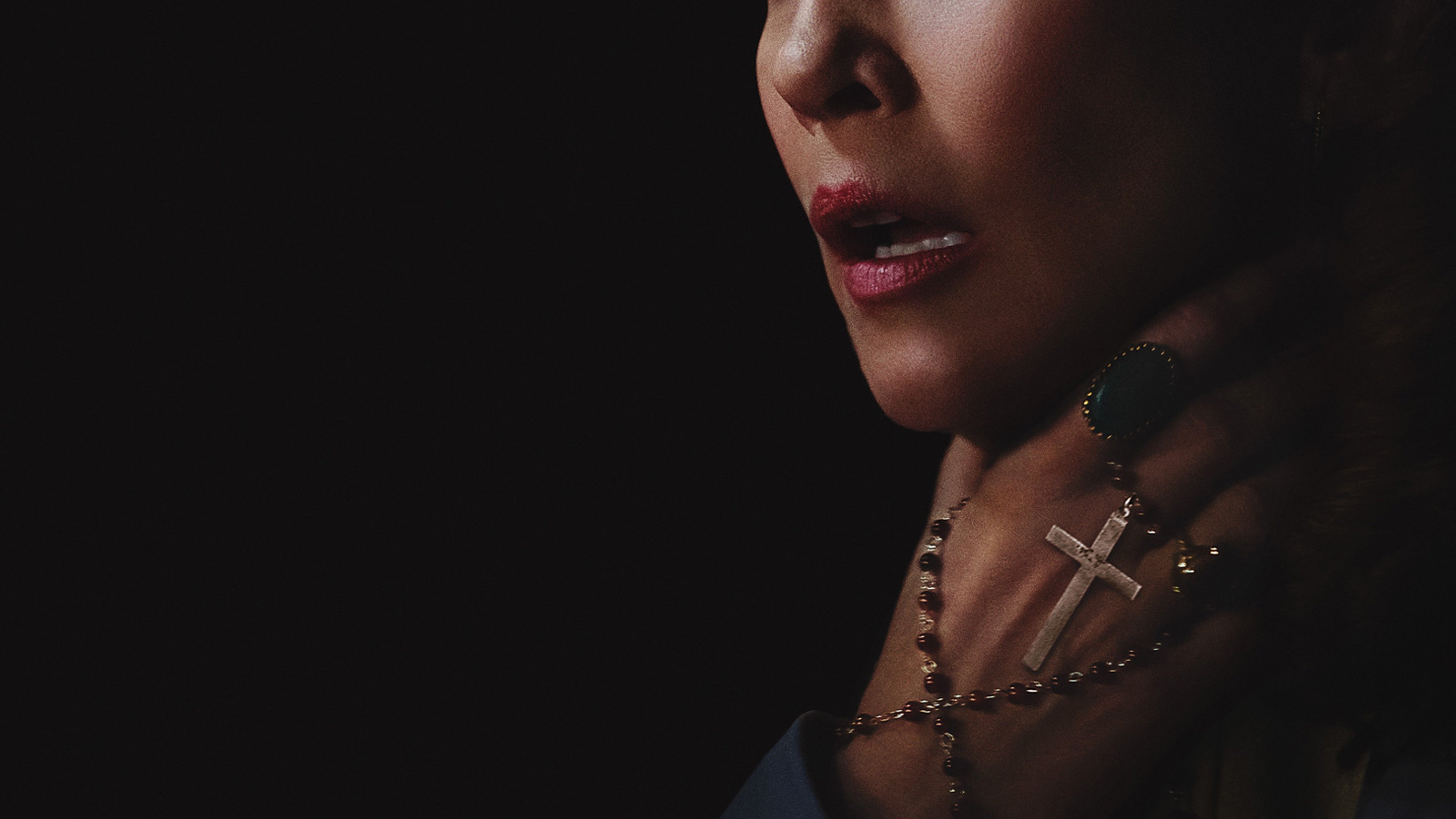
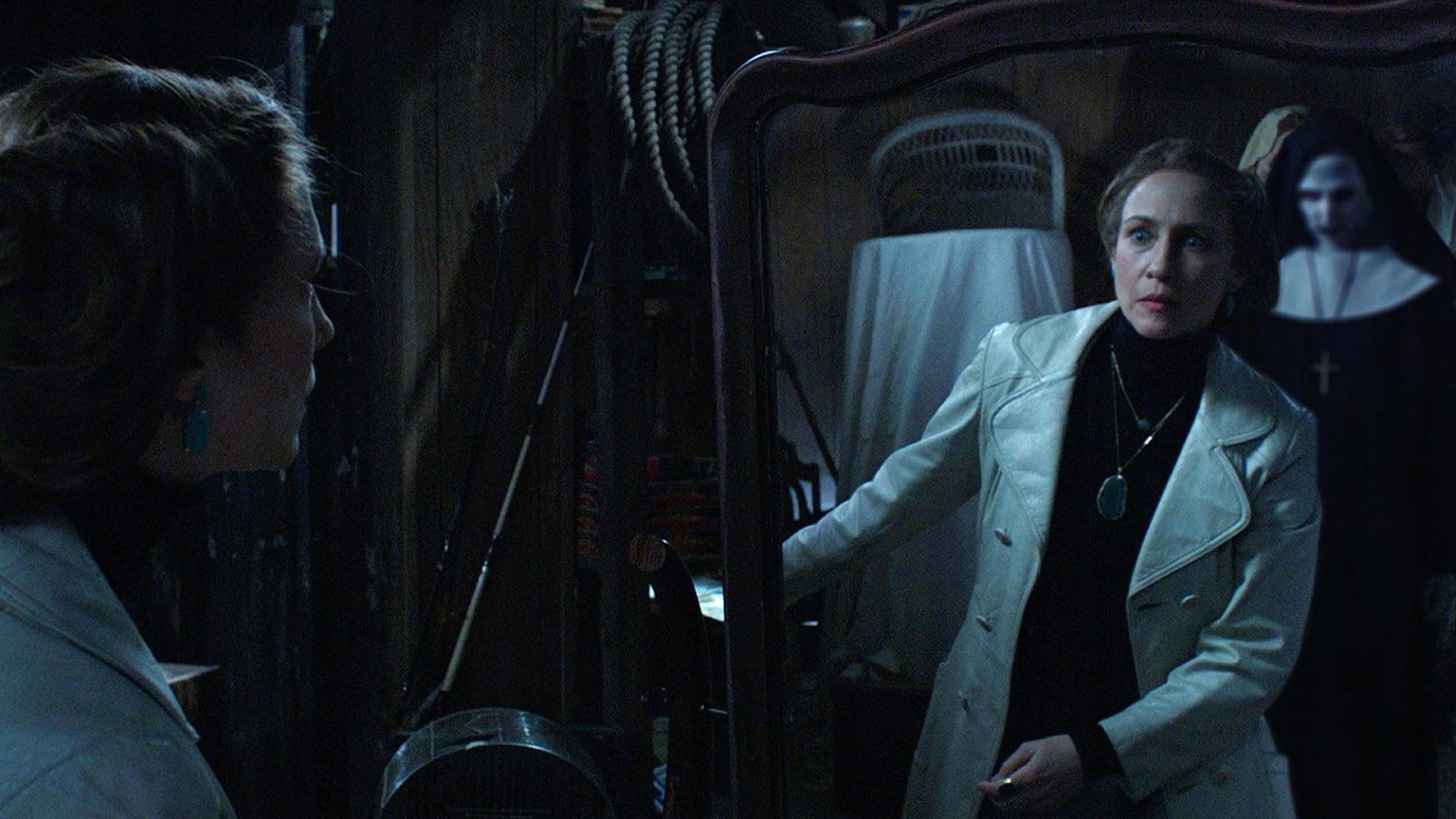
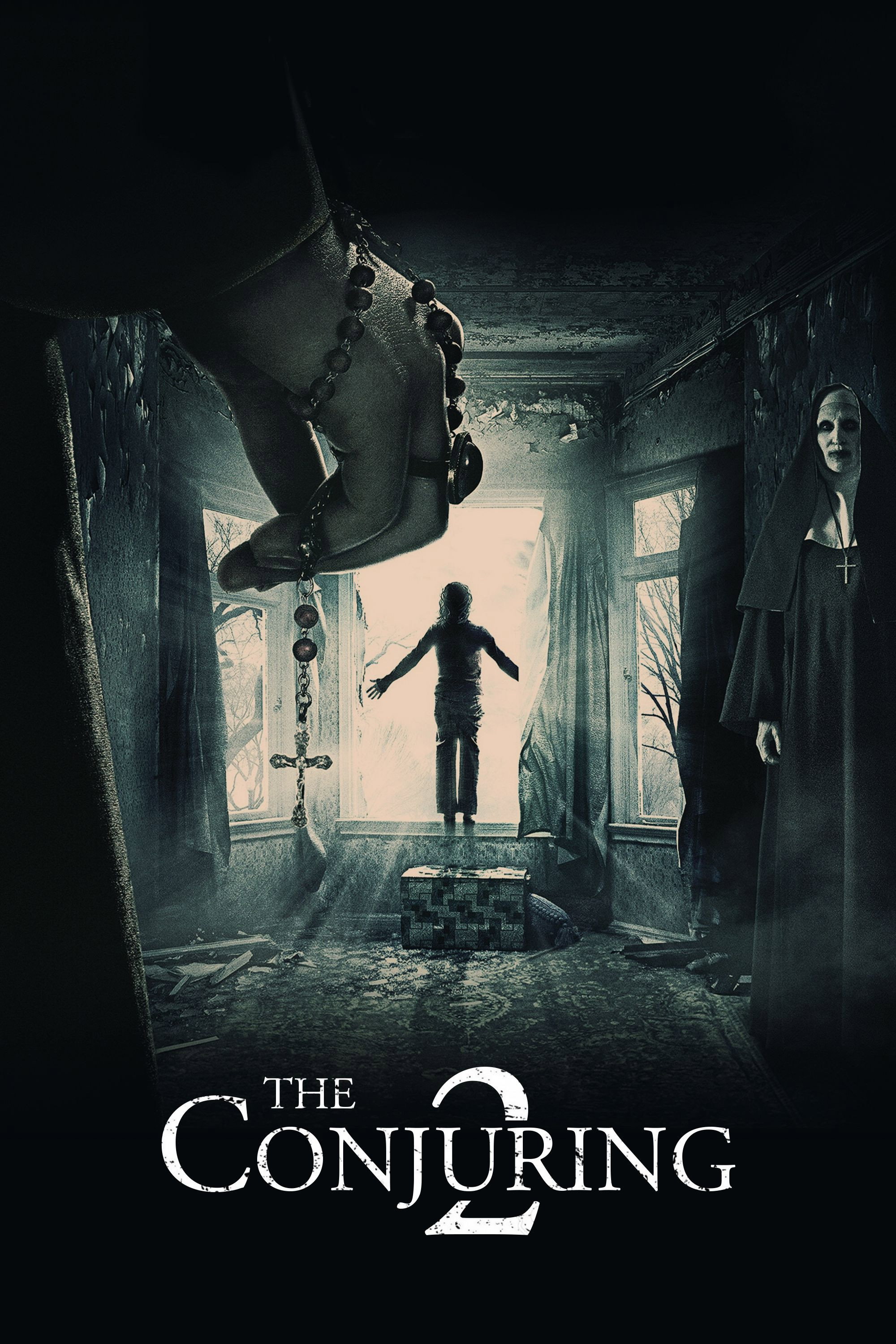
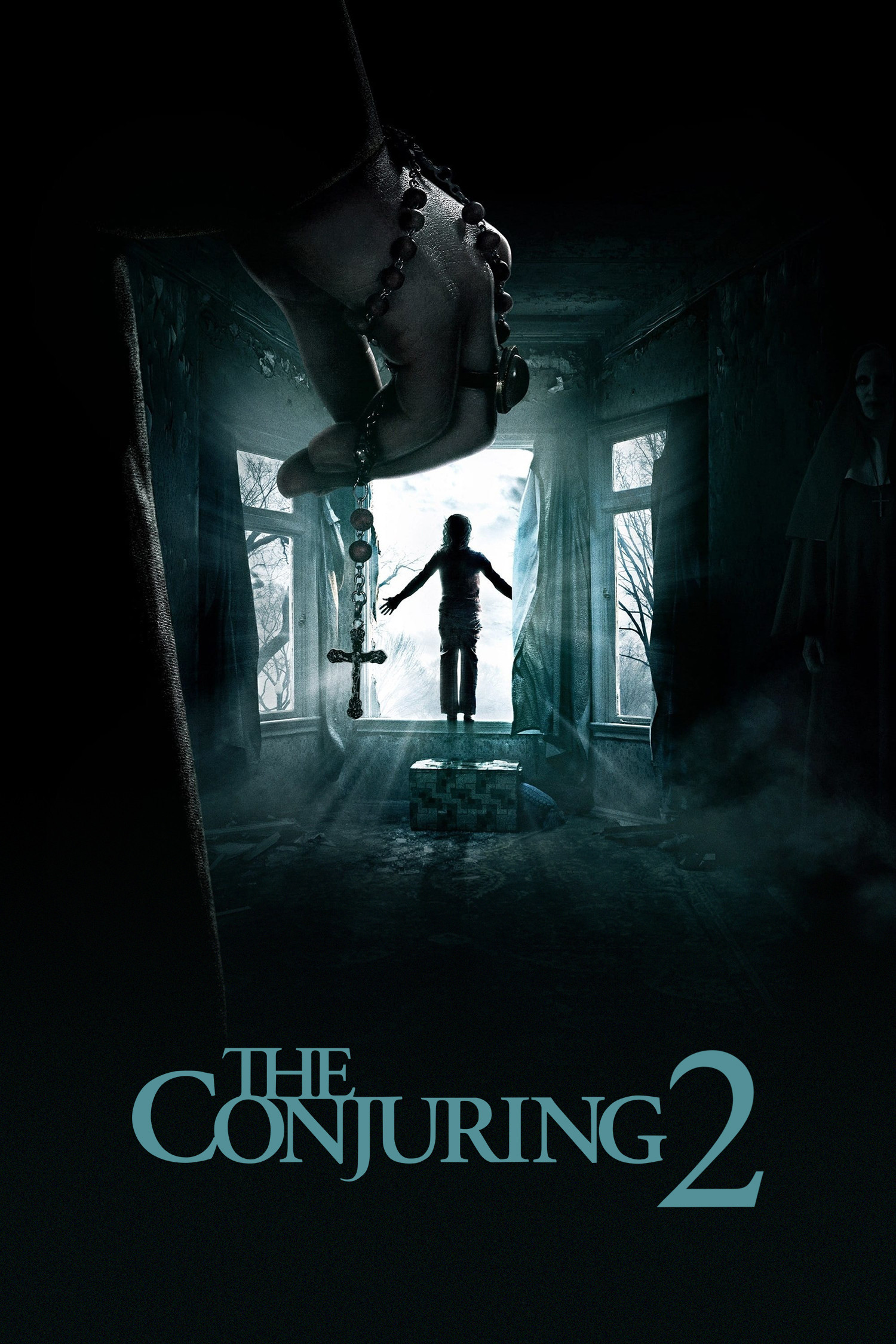
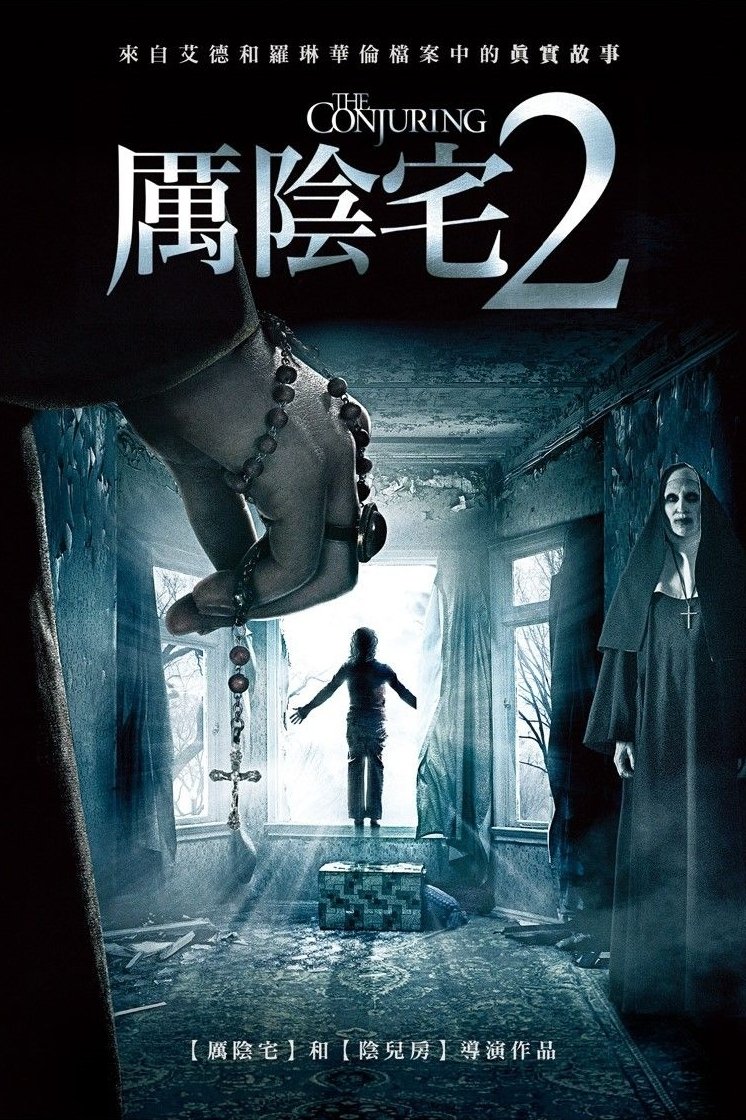
Valak's religious appearance turns familiar symbols of trust into an image of violation, particularly when Lorraine sees it within the Warrens' own home. The Crooked Man supplies a separate threat based on a nursery-rhyme figure emerging from a spinning toy, broadening the picture's collection of frightening shapes. Their functions are different: one is tied to the heroine's fear for her husband, the other to distorted childhood entertainment. Wan's later account also establishes the nun's importance to franchise development, since the character became the focus of The Nun (2018) and its sequel. That expansion is verifiable without attributing every later stylistic choice to this film.
The 2016 Release, Critical Response and Franchise Continuity
Warner Bros. released The Conjuring 2 in the United States on June 10, 2016, with international openings taking place around the same period. The commercially successful sequel strengthened the viability of the main series while its imagery offered possibilities for related films. Its reception should still be considered through individual reviews rather than inferred from ticket sales. Writing for The Guardian at the original opening, Nigel M. Smith admired the construction of scares and the attention Wan paid to characters, particularly the Hodgson family. Other responses questioned the extended running time or the familiar mechanics of possession horror; those reservations belong to the immediate critical discussion.
The sequel can be distinguished from its predecessor by the London setting, Lorraine's personalized visions and the prominence of several different supernatural forms. Its production testimony also reveals careful coordination between camera movement, effects and layered sound. The Enfield investigation, however, remains a contested historical episode, separate from the film's dramatic explanation. The title's longer-term place within its own franchise is clearer: Wan's late-created nun became a recurring screen figure and the basis of an independent series of releases. Claims about a broader transformation of supernatural cinema require evidence beyond box-office prominence and the existence of spinoffs.
References
LAist / The Frame — With 'Conjuring 2,' Director James Wan Brings Back the Craft of Horror Films Past
John Horn's June 2016 original interview with James Wan on camera movement, offscreen suspense, sound and the creative demands of returning to horror.
Melvyn Willin's evidence-based account of the 1977 investigation, the work of Maurice Grosse and Guy Lyon Playfair, witnesses and skeptical challenges.
A Sound Effect — Creating the Horrific Sounds of The Conjuring 2
Jennifer Walden's original 2016 technical interview with supervising sound editor Joe Dzuban about Bill Wilkins, the Crooked Man, basement effects and final mixes.
Entertainment Weekly — Decade of Dread: James Wan on How The Conjuring Spawned a Universe of Horror
Clark Collis's 2023 interview with Wan and producers on the choice to return, the late invention of the Demon Nun and the resulting spinoffs.
The Guardian — The Conjuring 2 Review: Devil's in the Detail as Horror Sequel Ramps Up Scares
Nigel M. Smith's contemporary June 10, 2016 assessment of the performances, Enfield family scenes, horror staging and the emotional role of the Warrens.