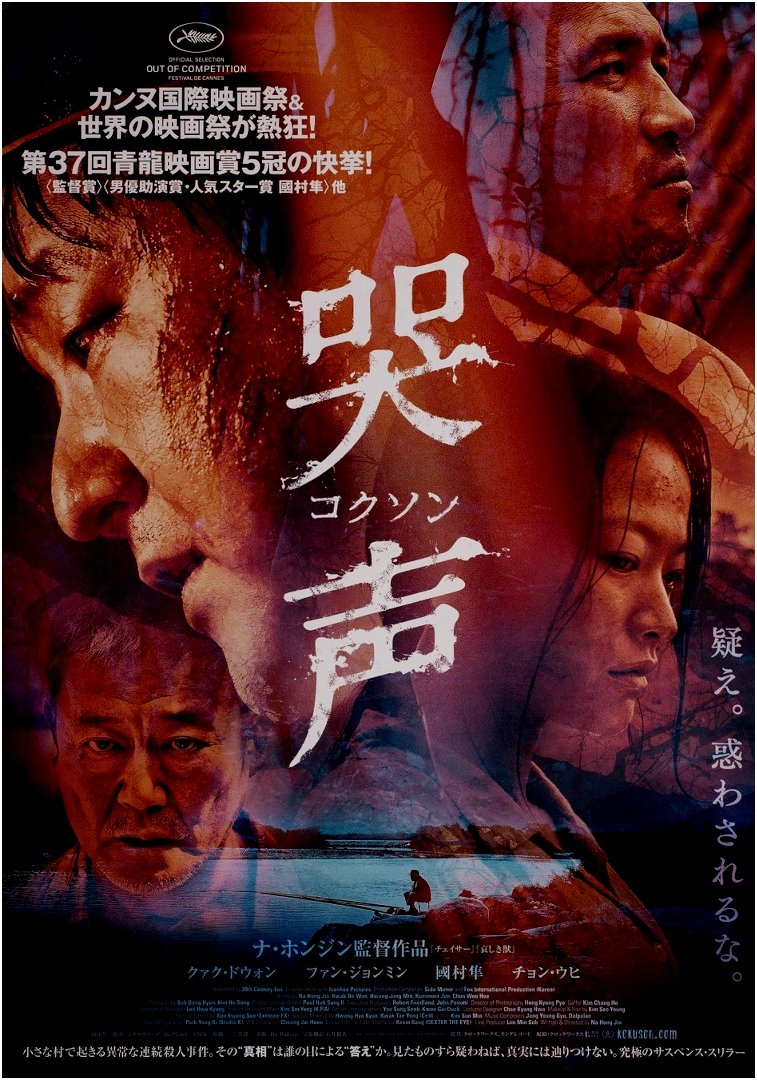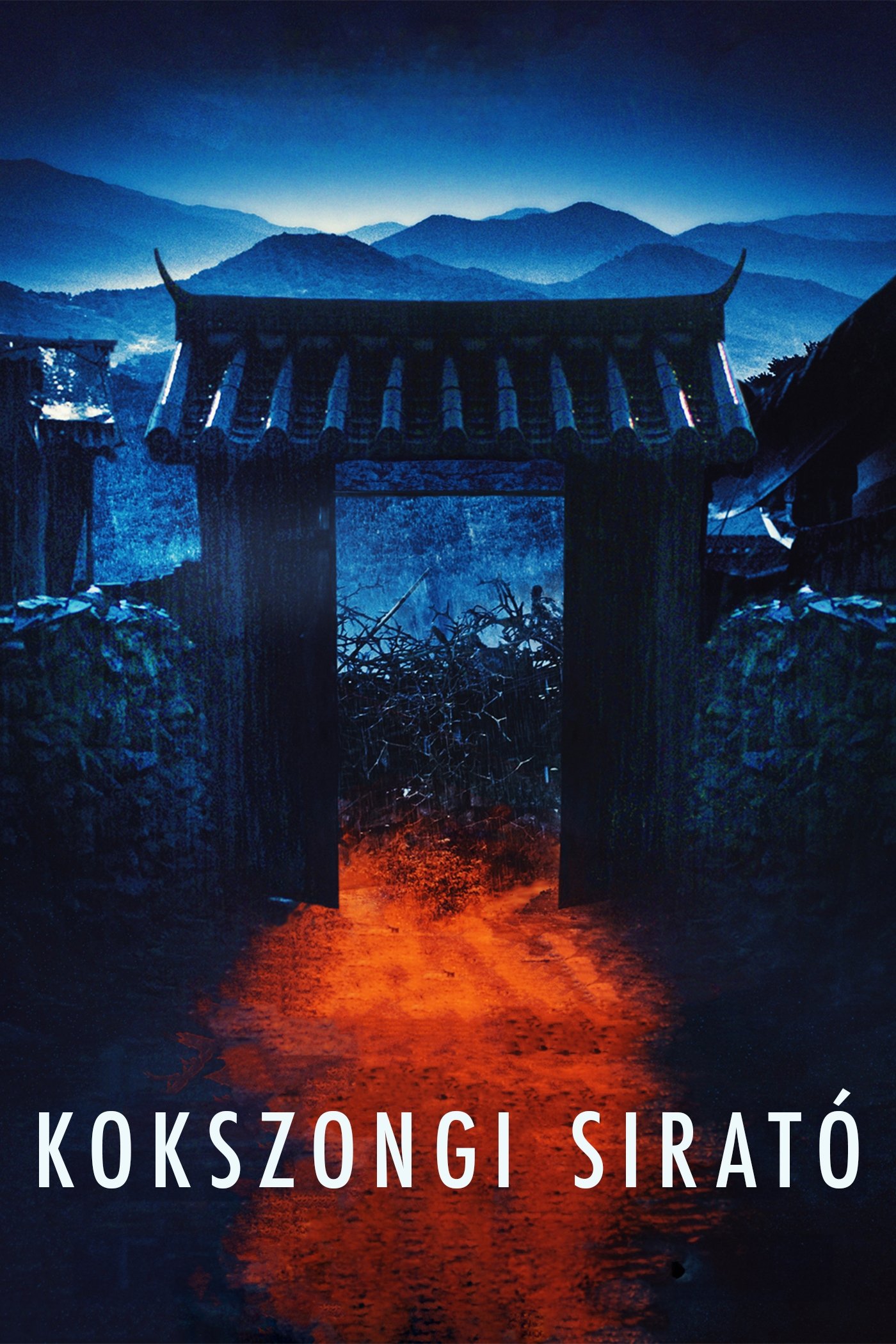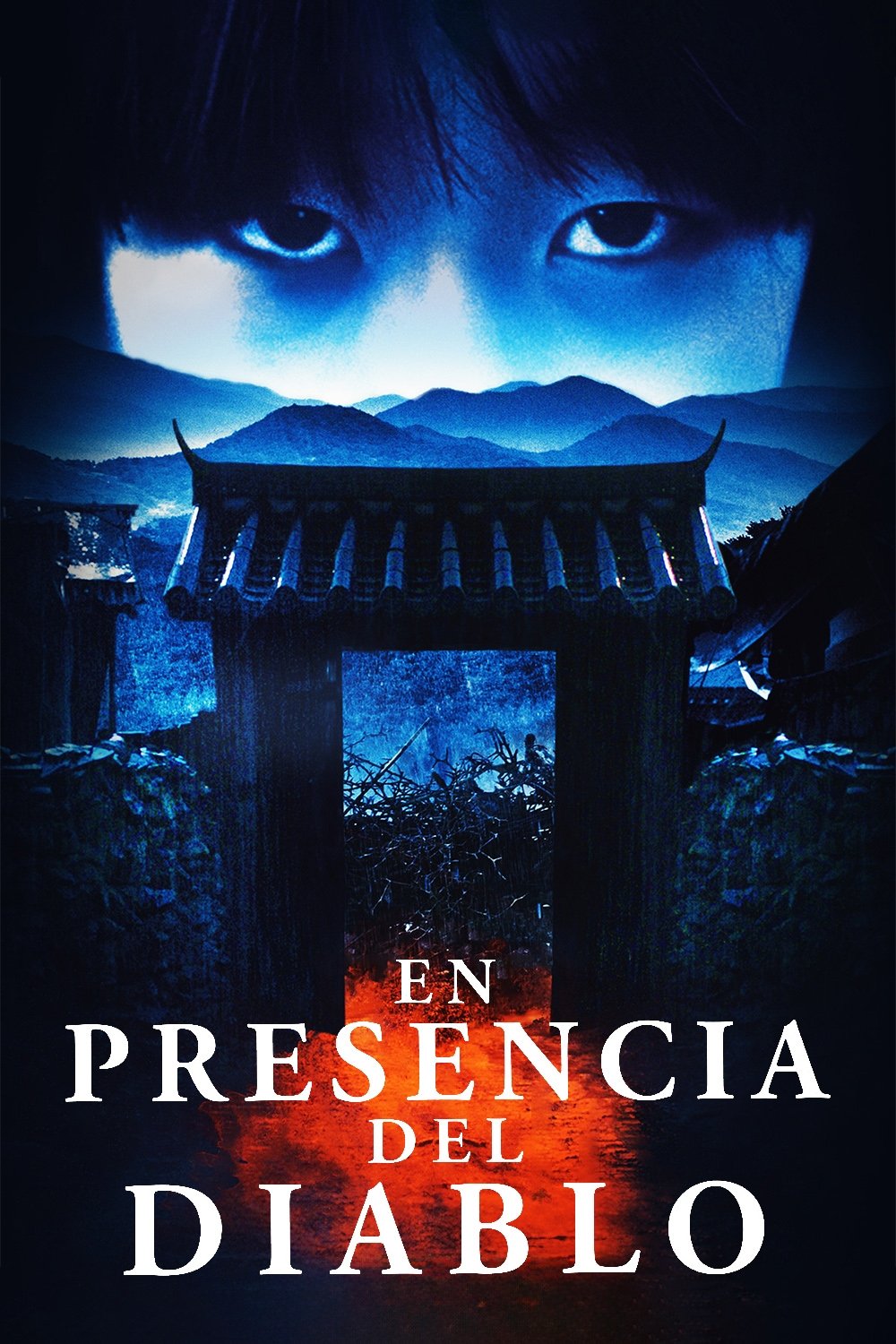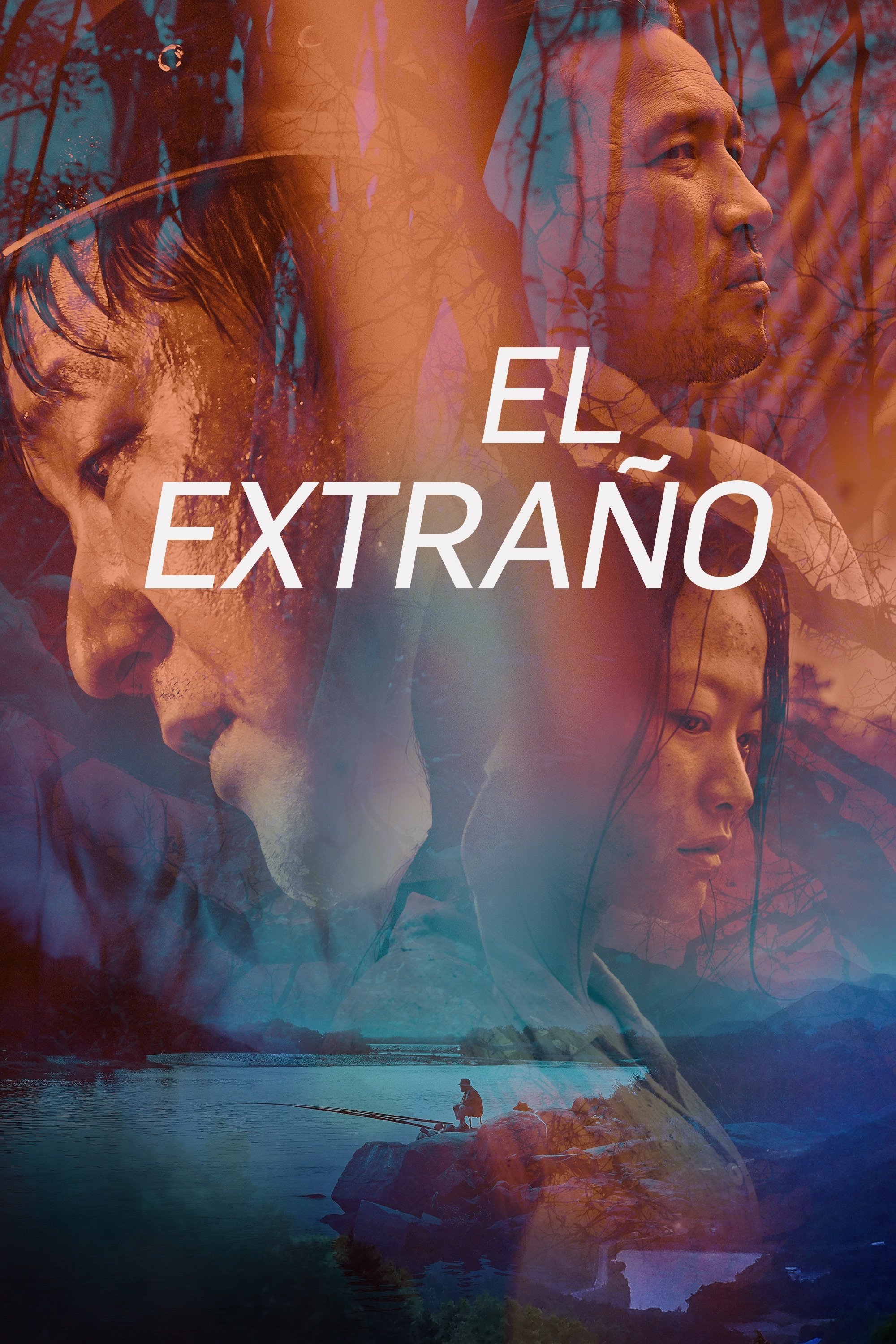

The Wailing (2016)

KR
HORROR FILM Mystery
8.3/10 4 votes
Runtime
156 min
Release
May 12, 2016
Budget
$10,951,000
Revenue
$49,851,770
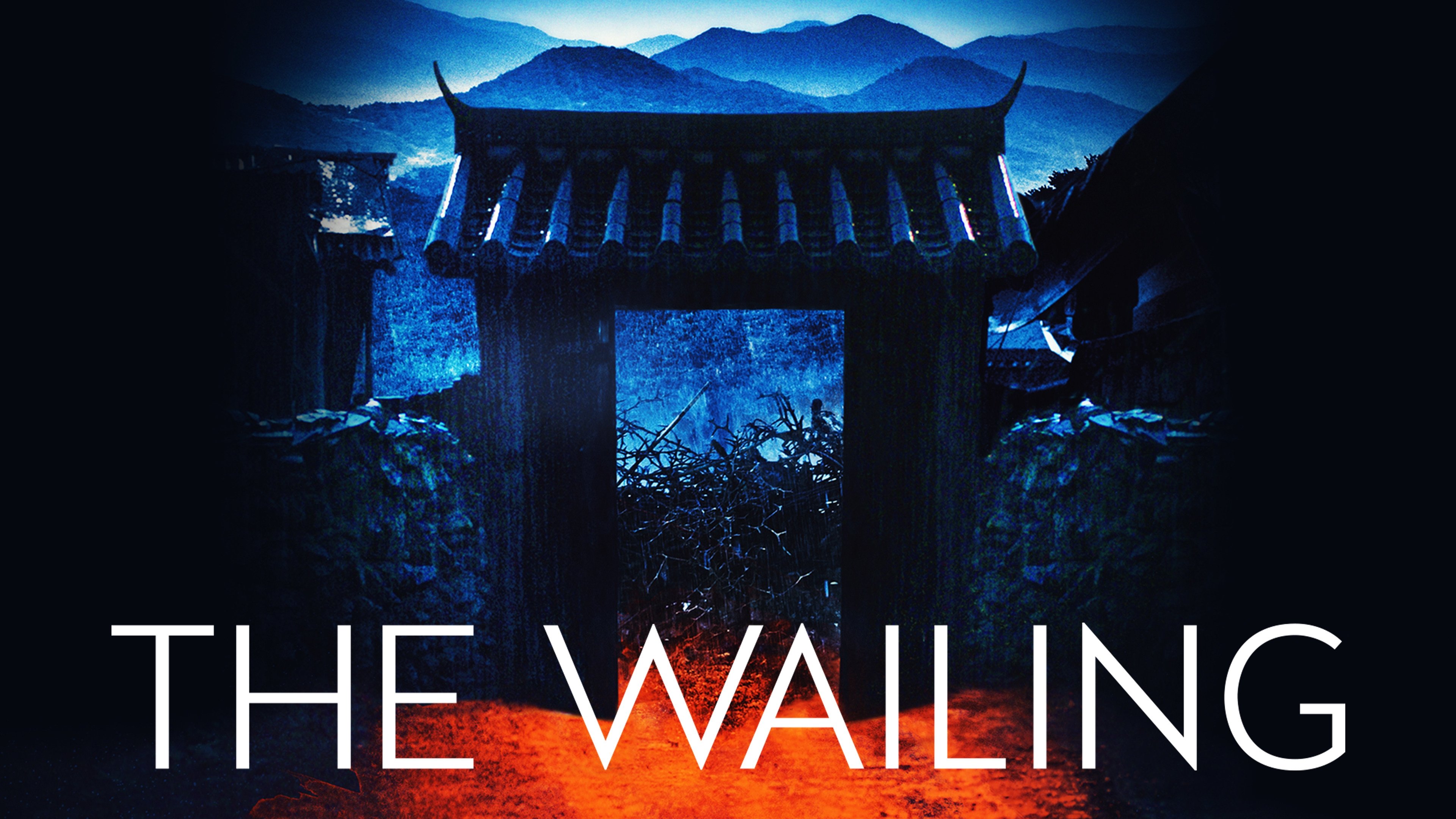
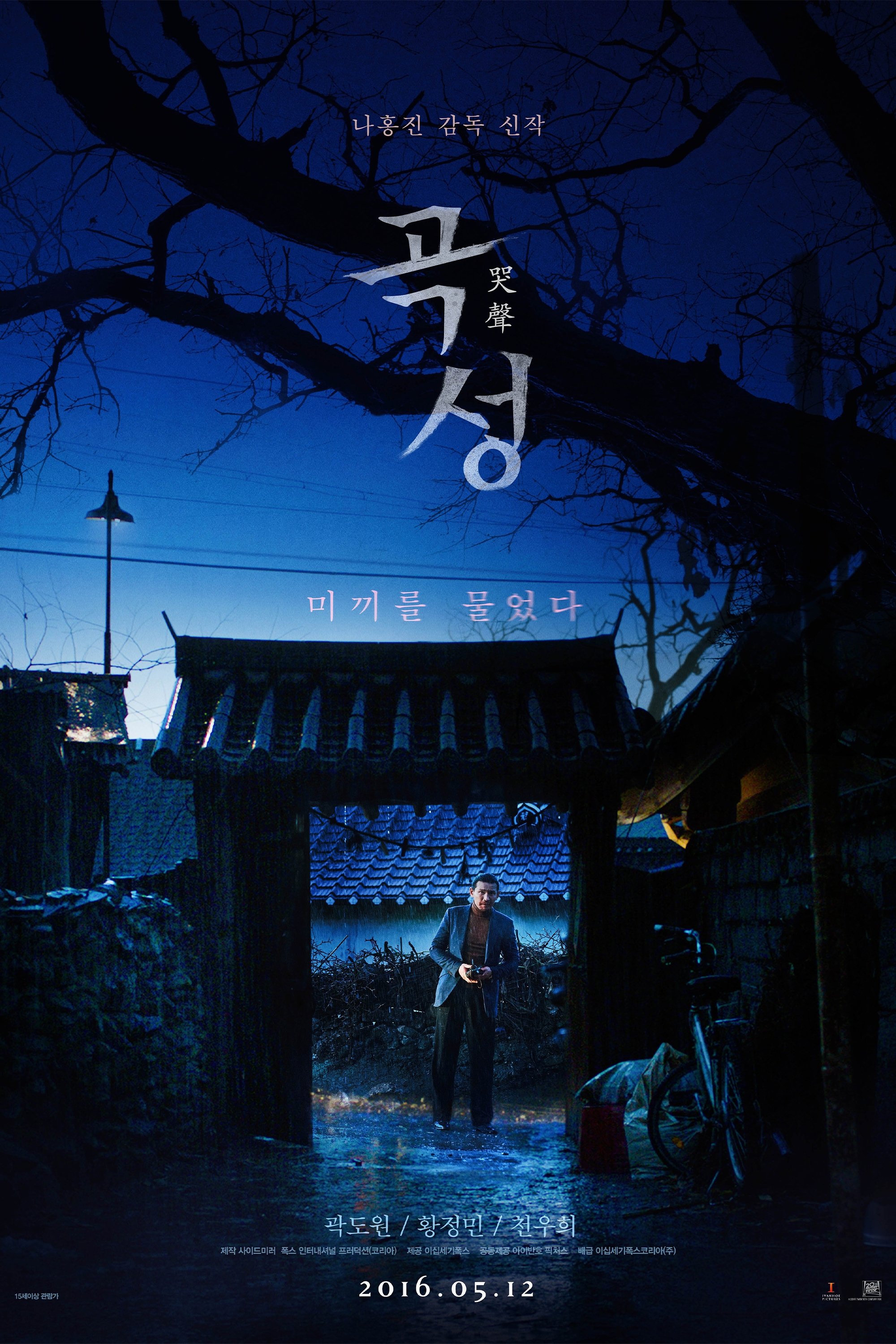
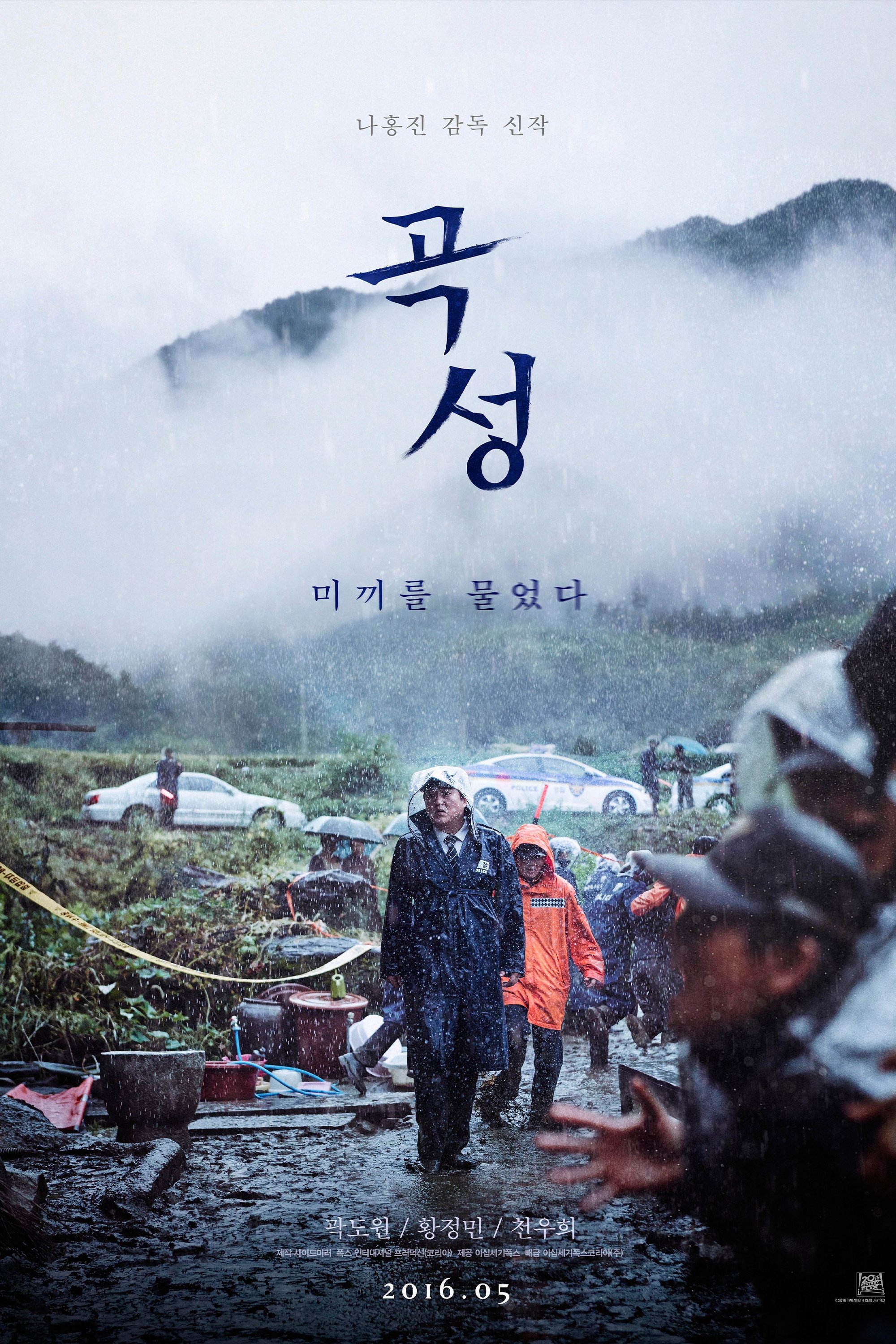
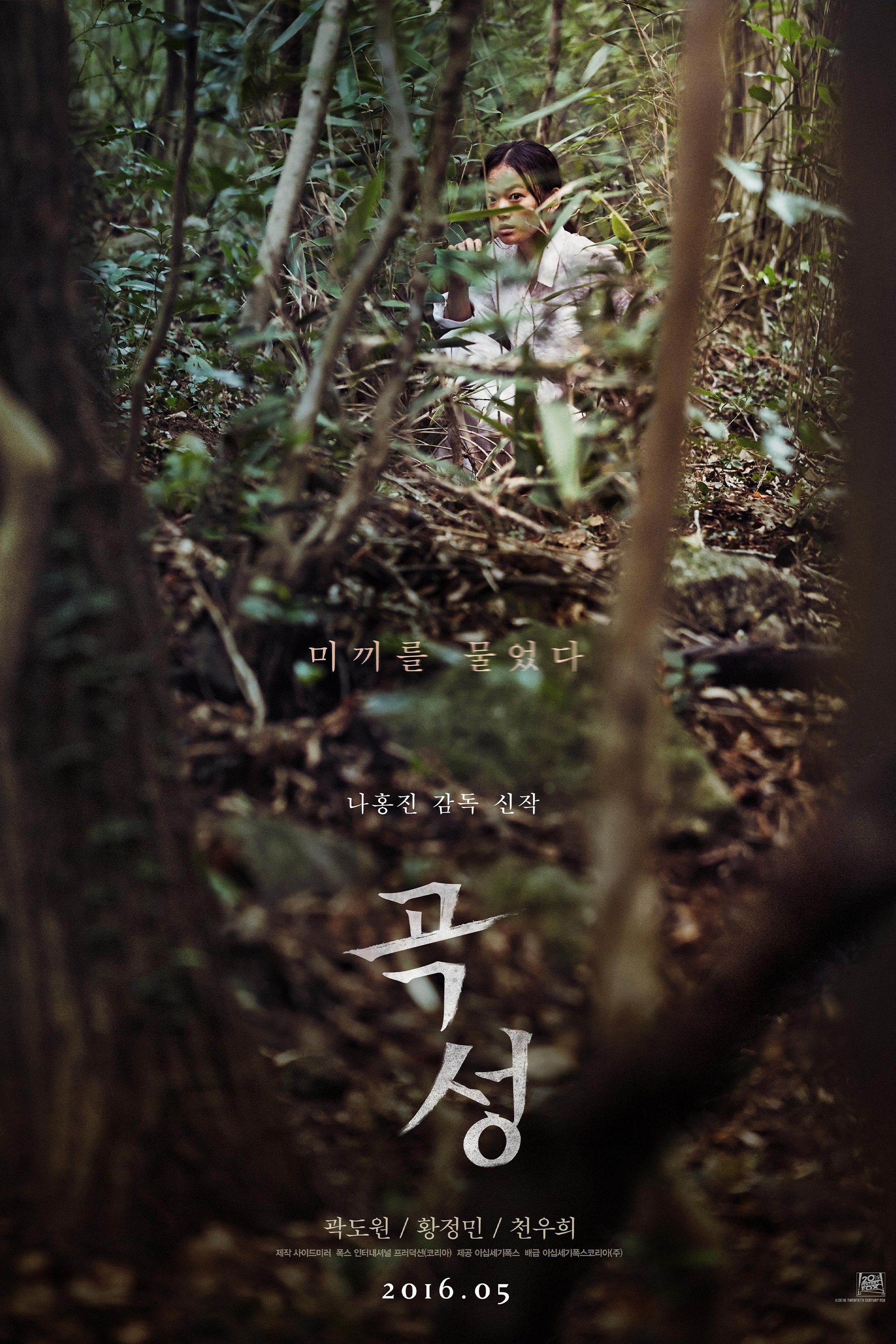
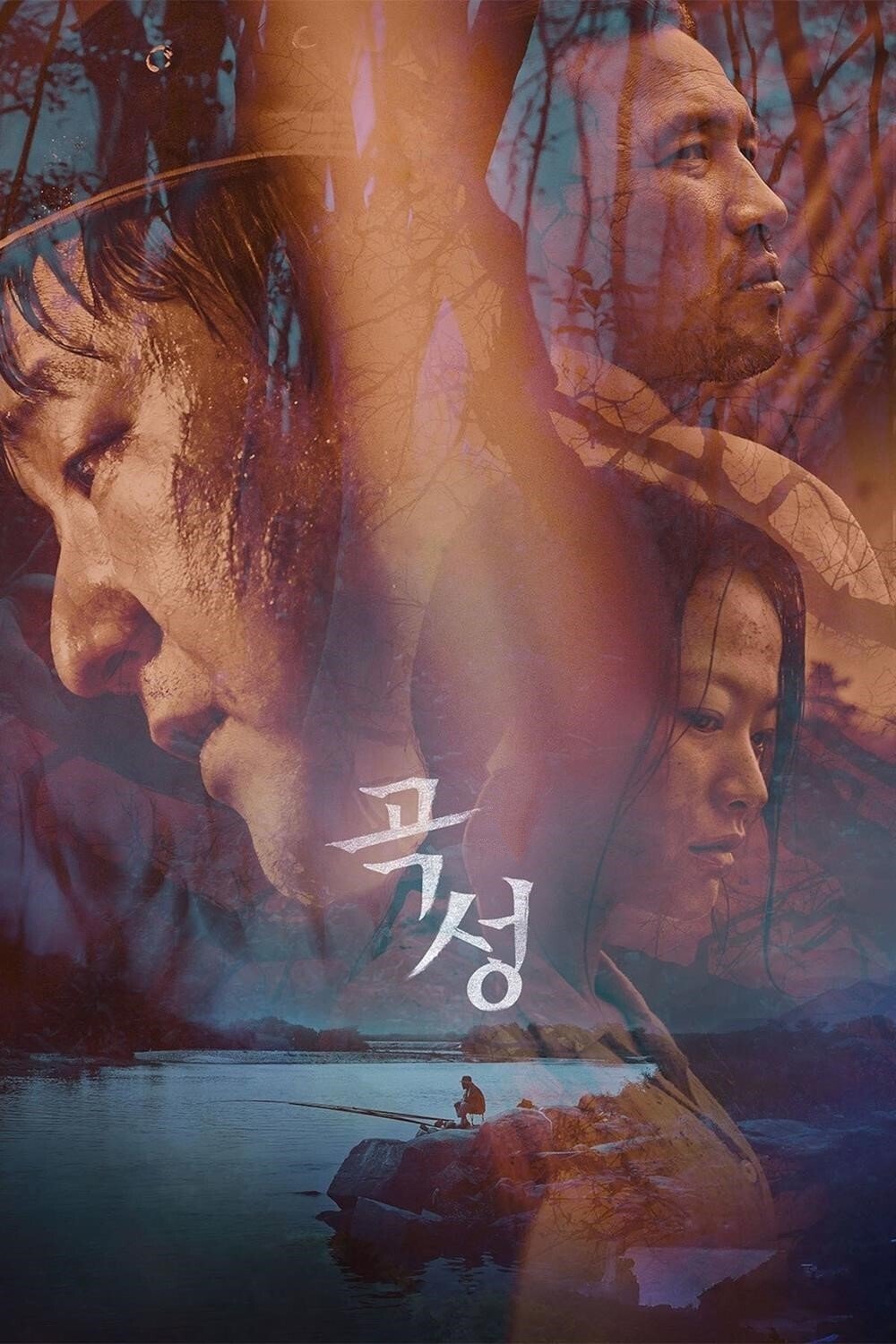
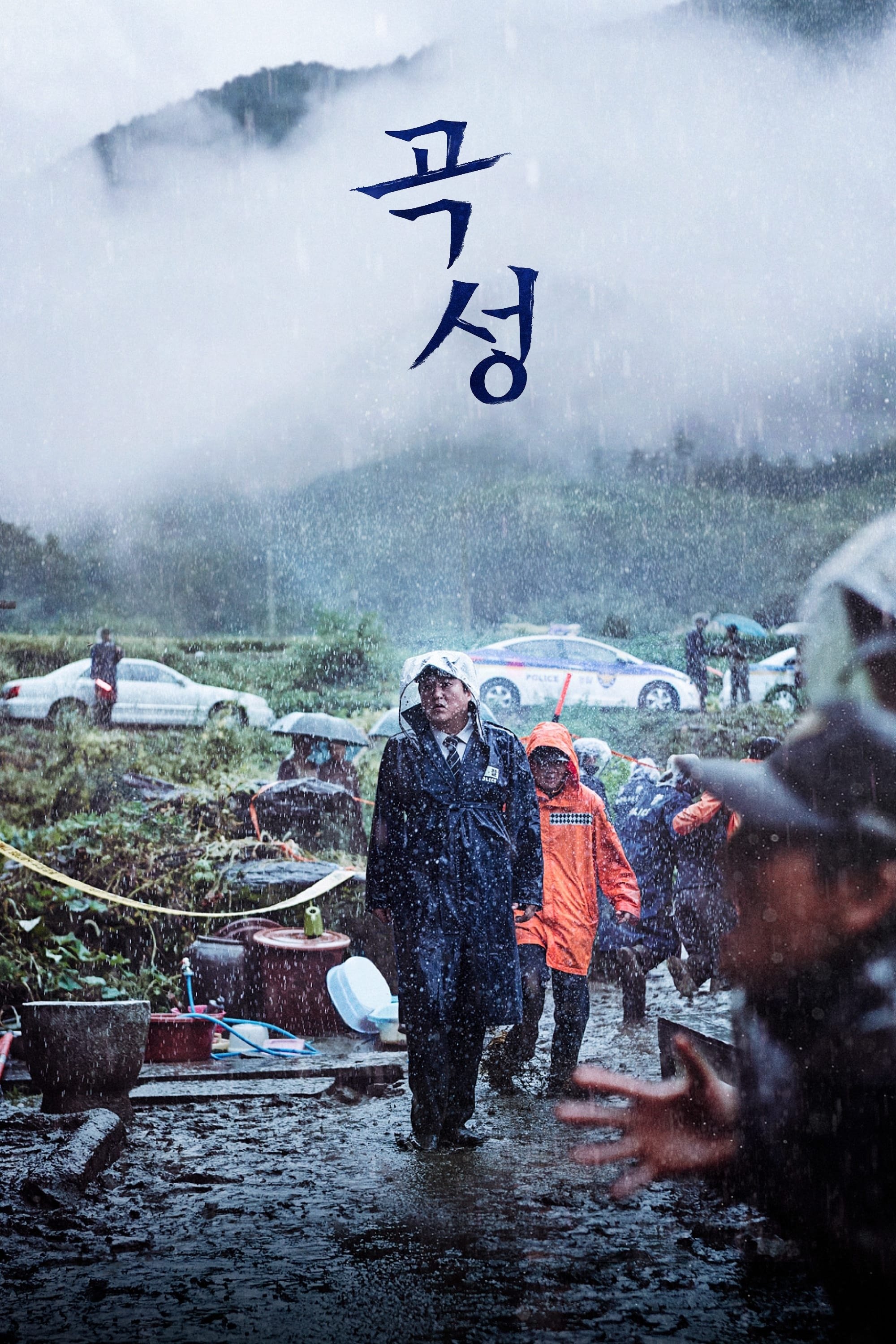
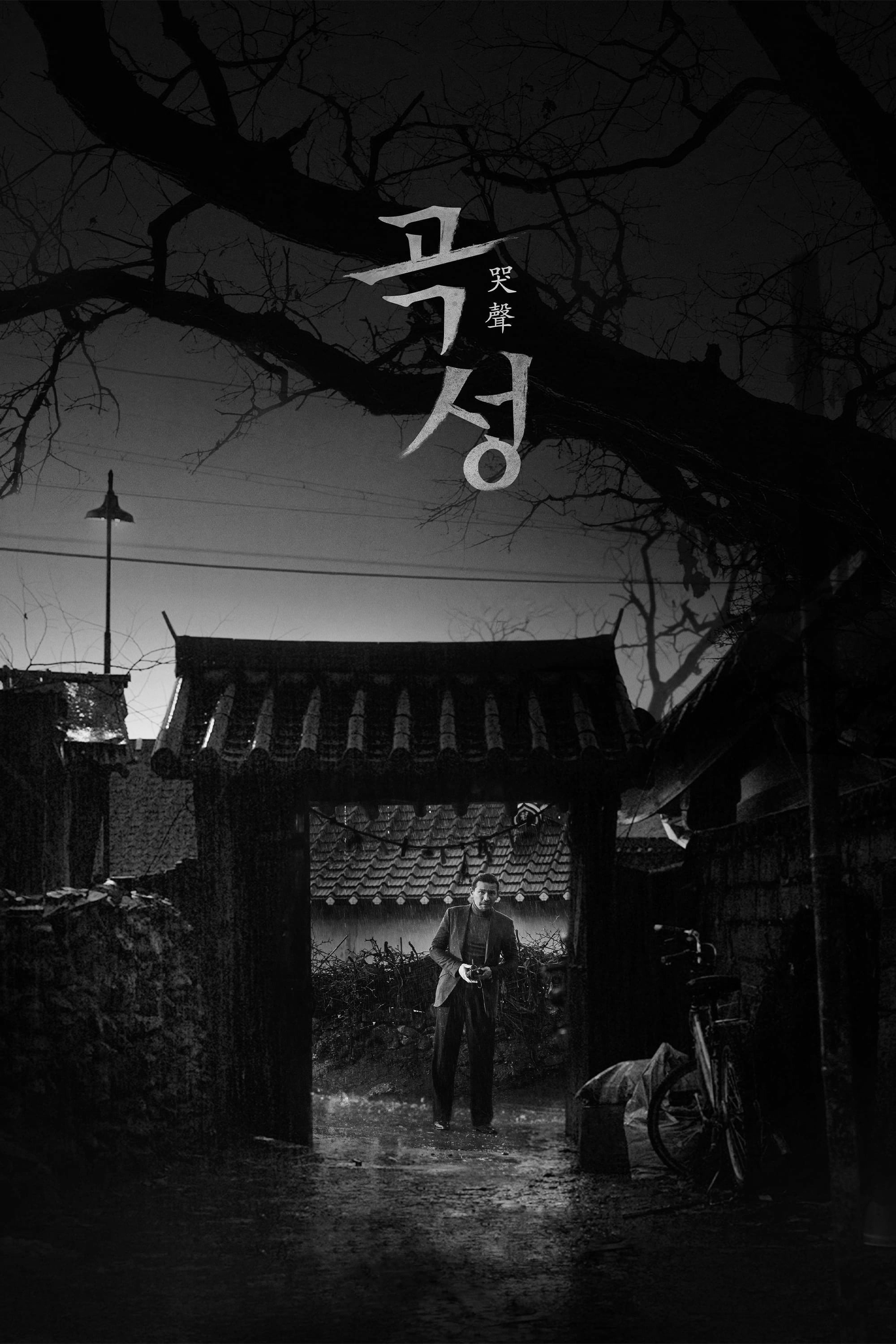
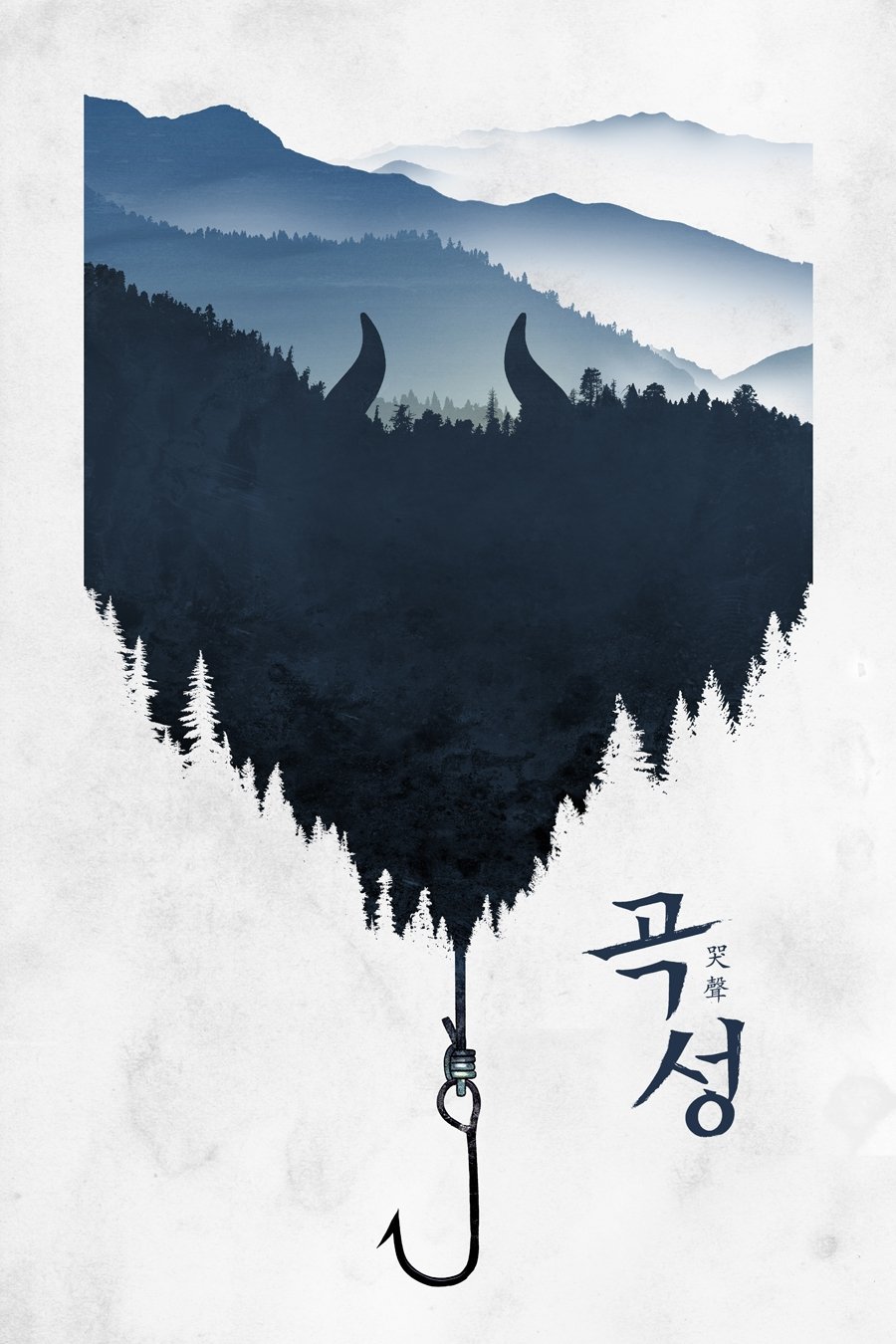
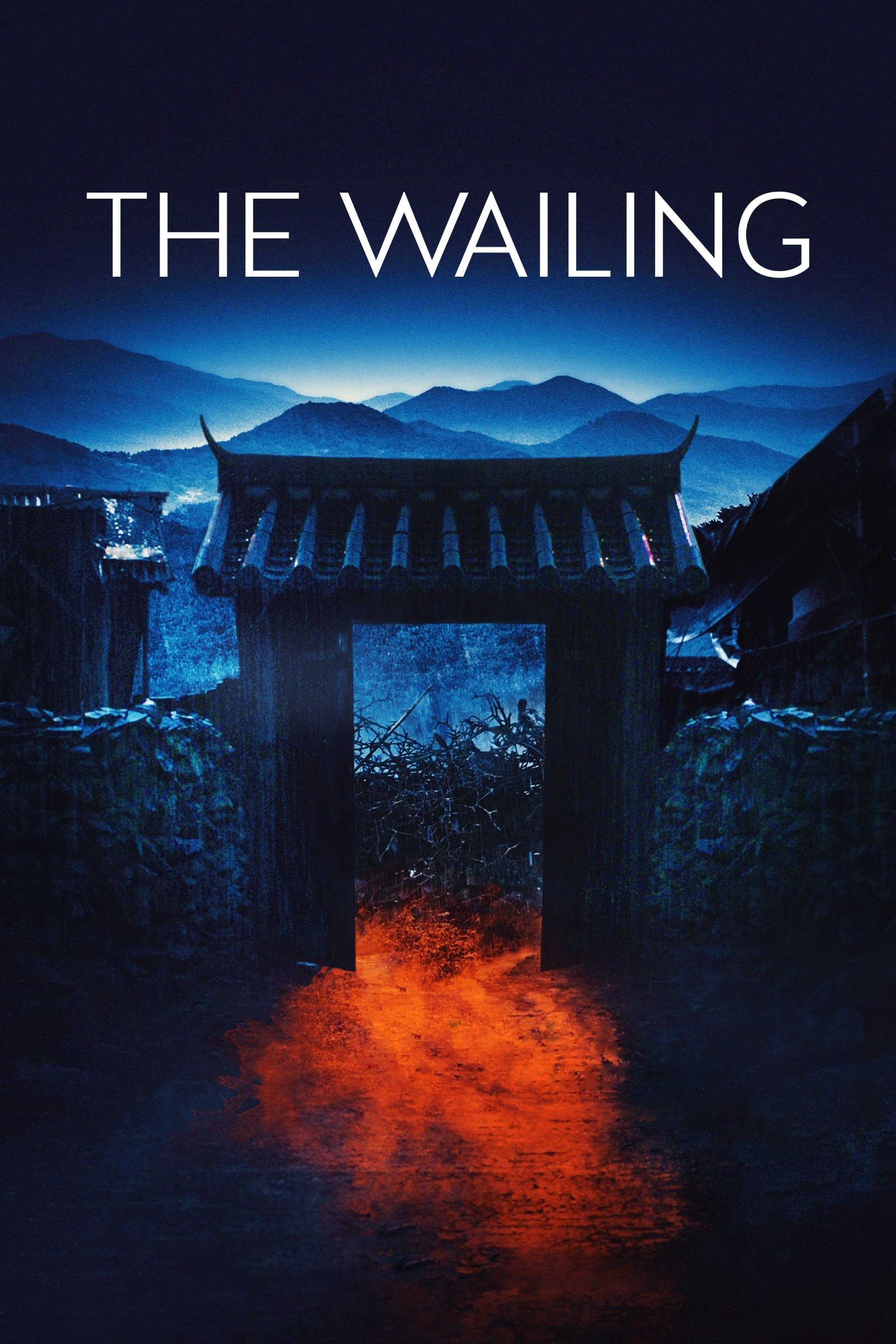
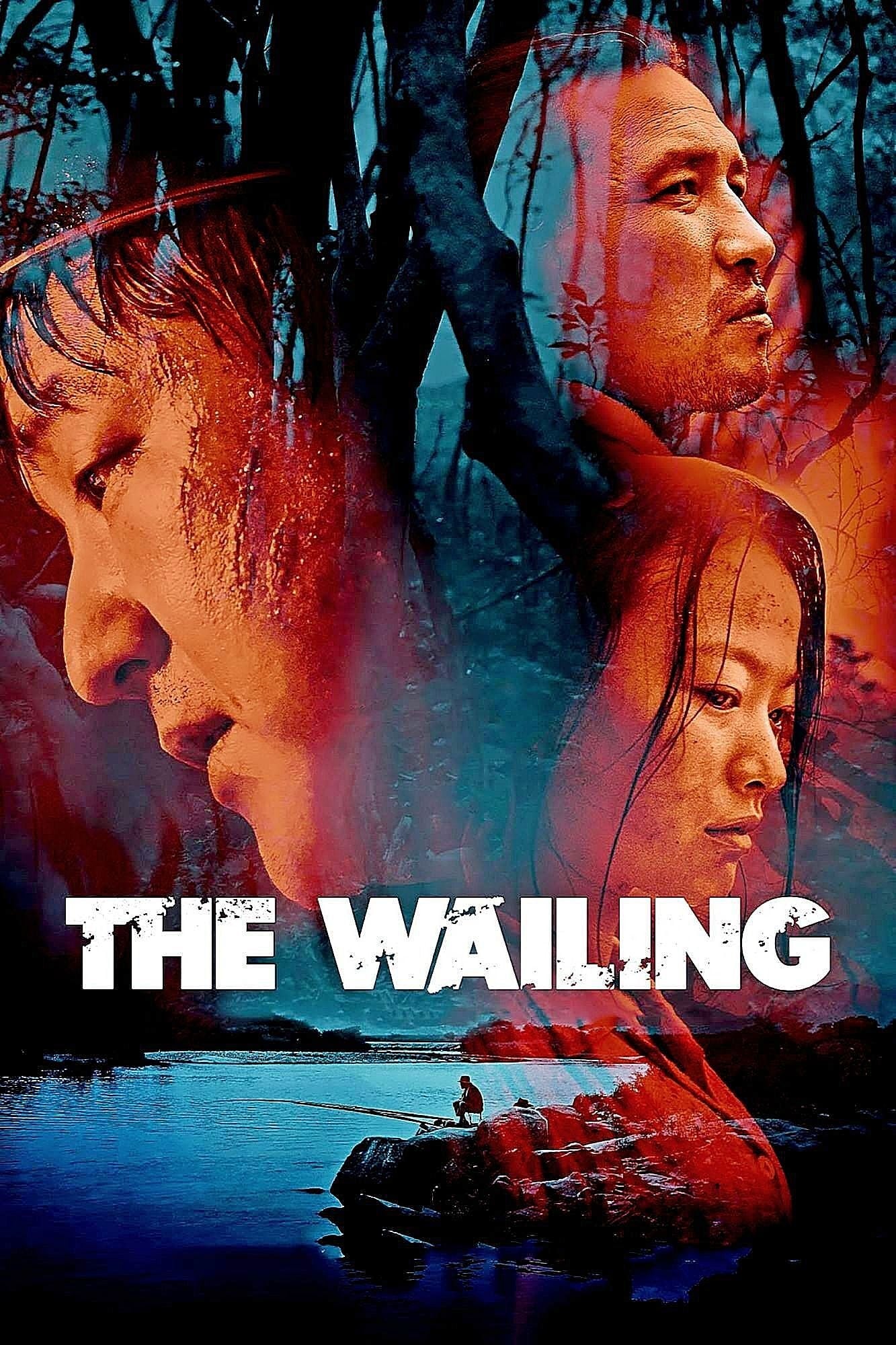
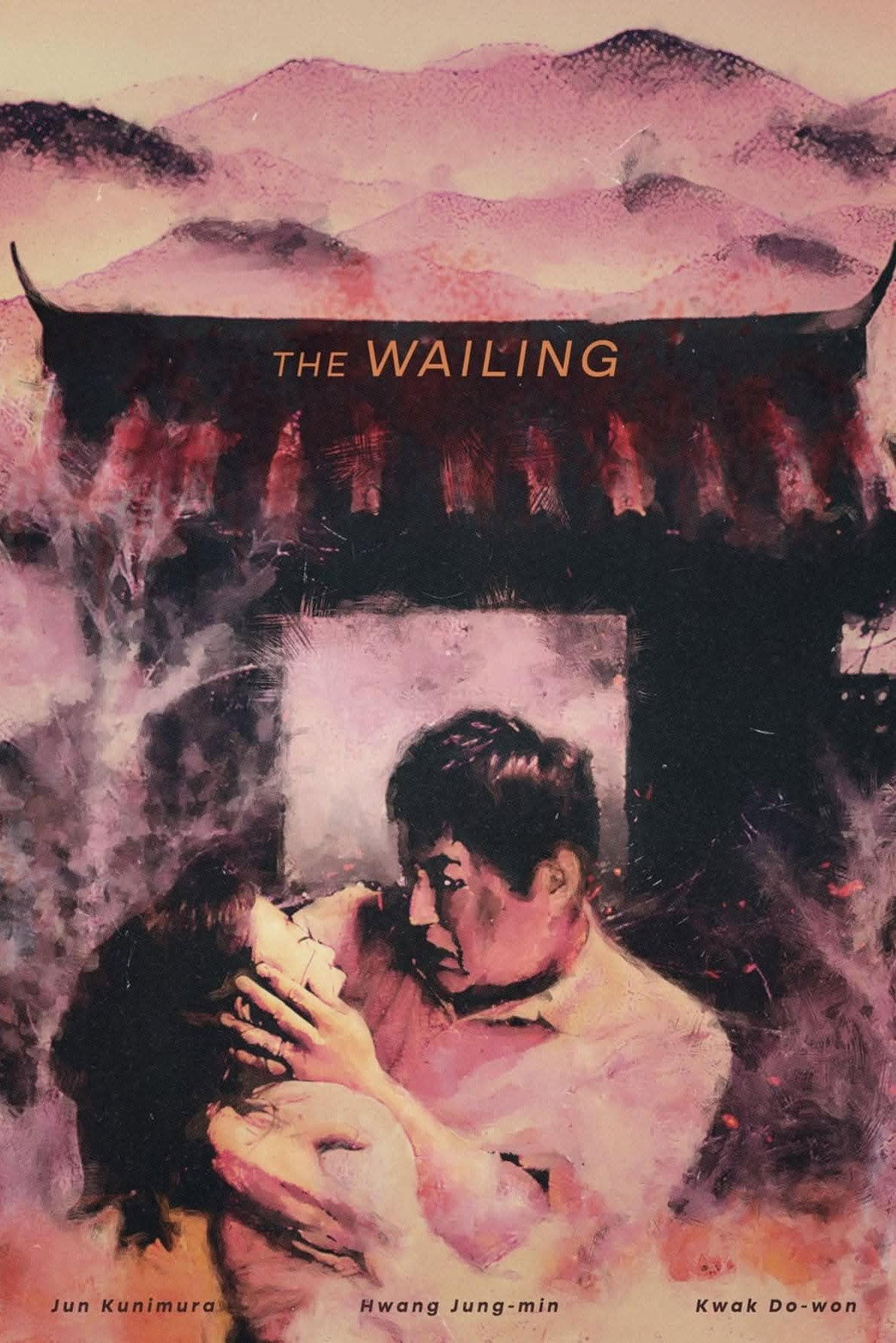
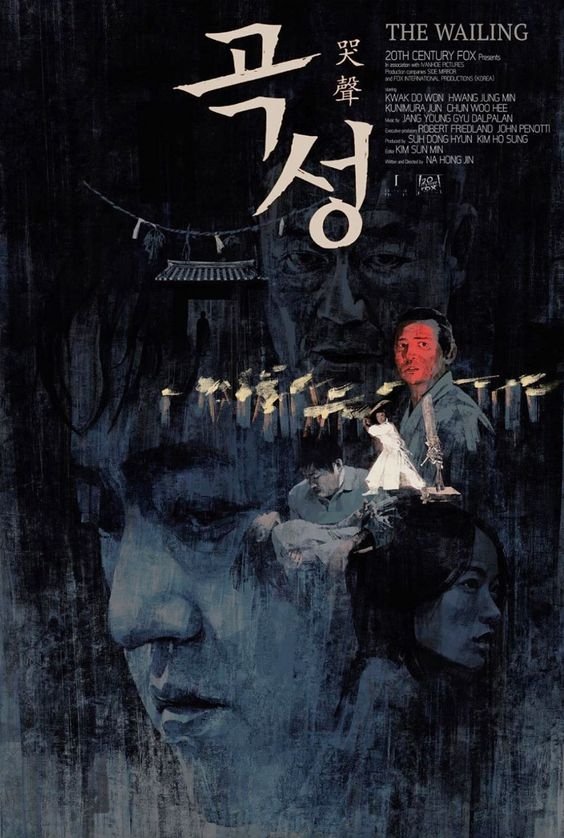
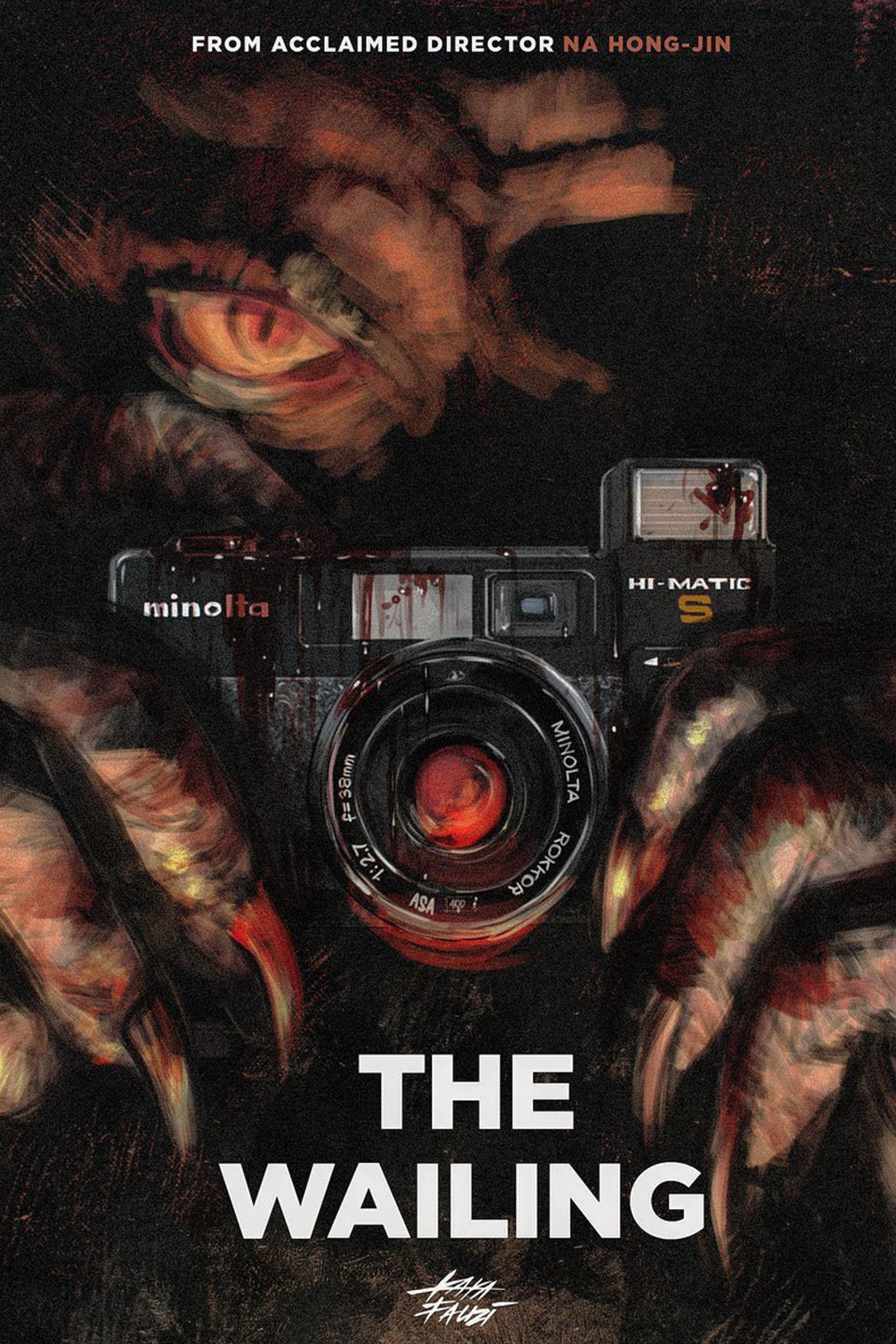
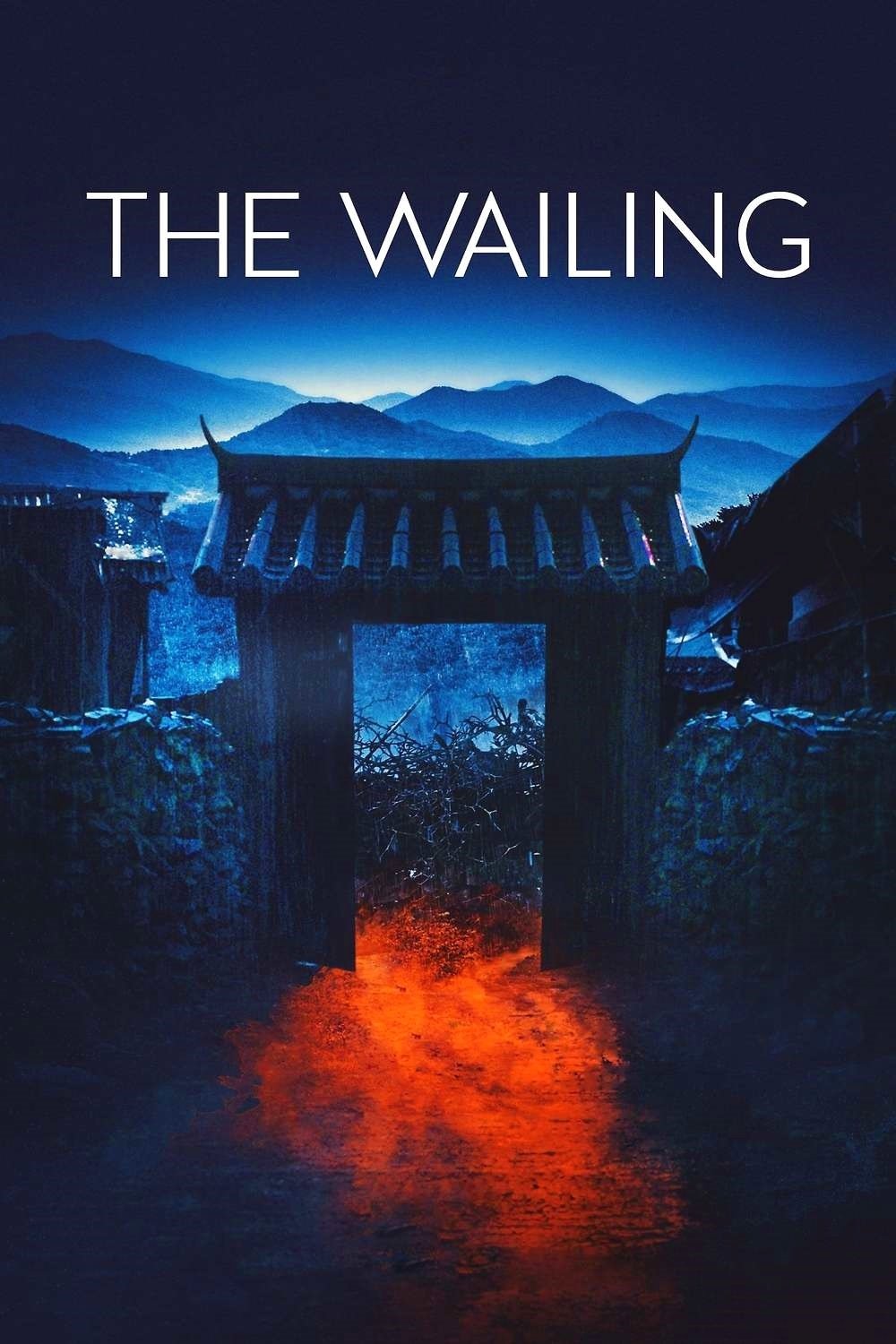
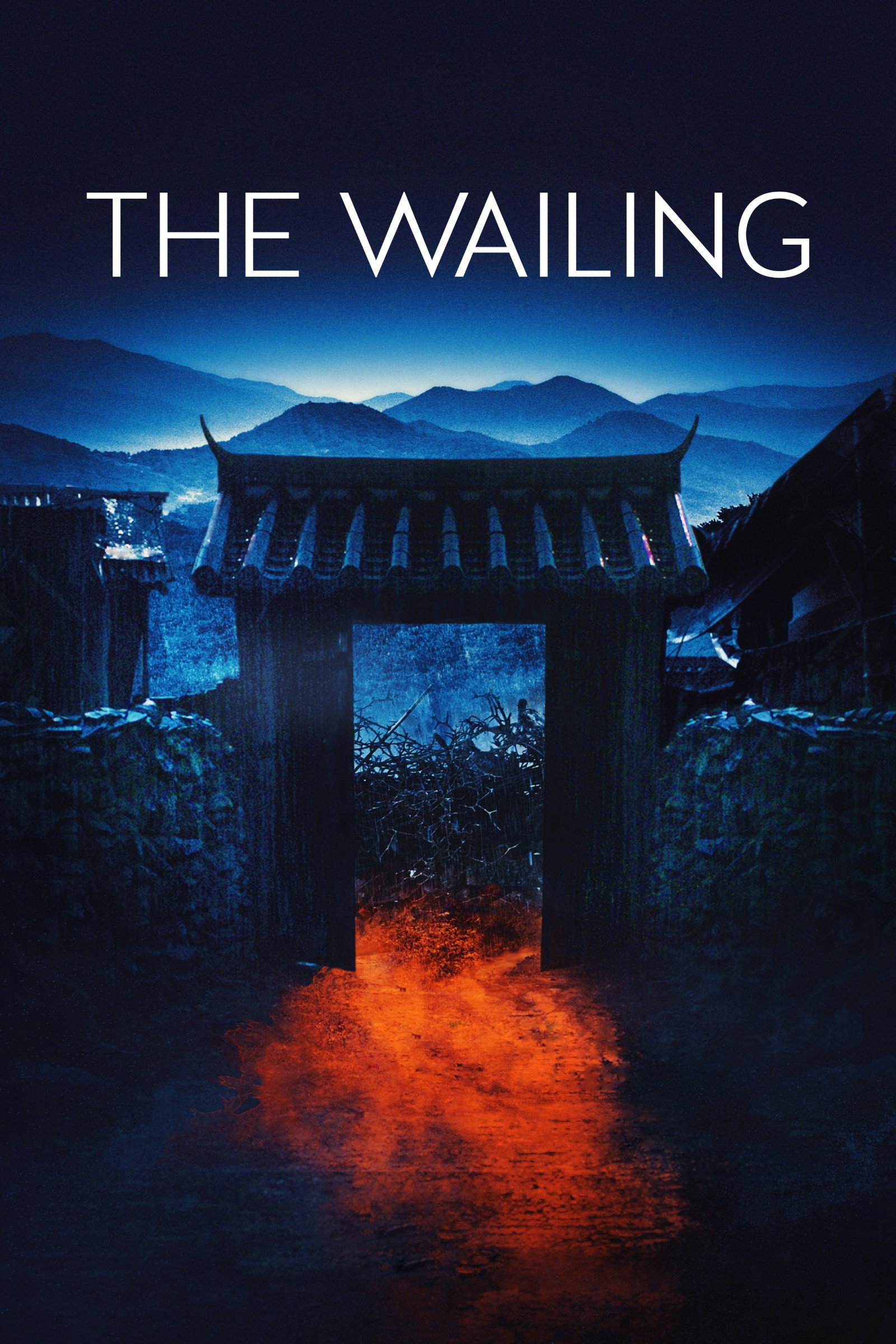
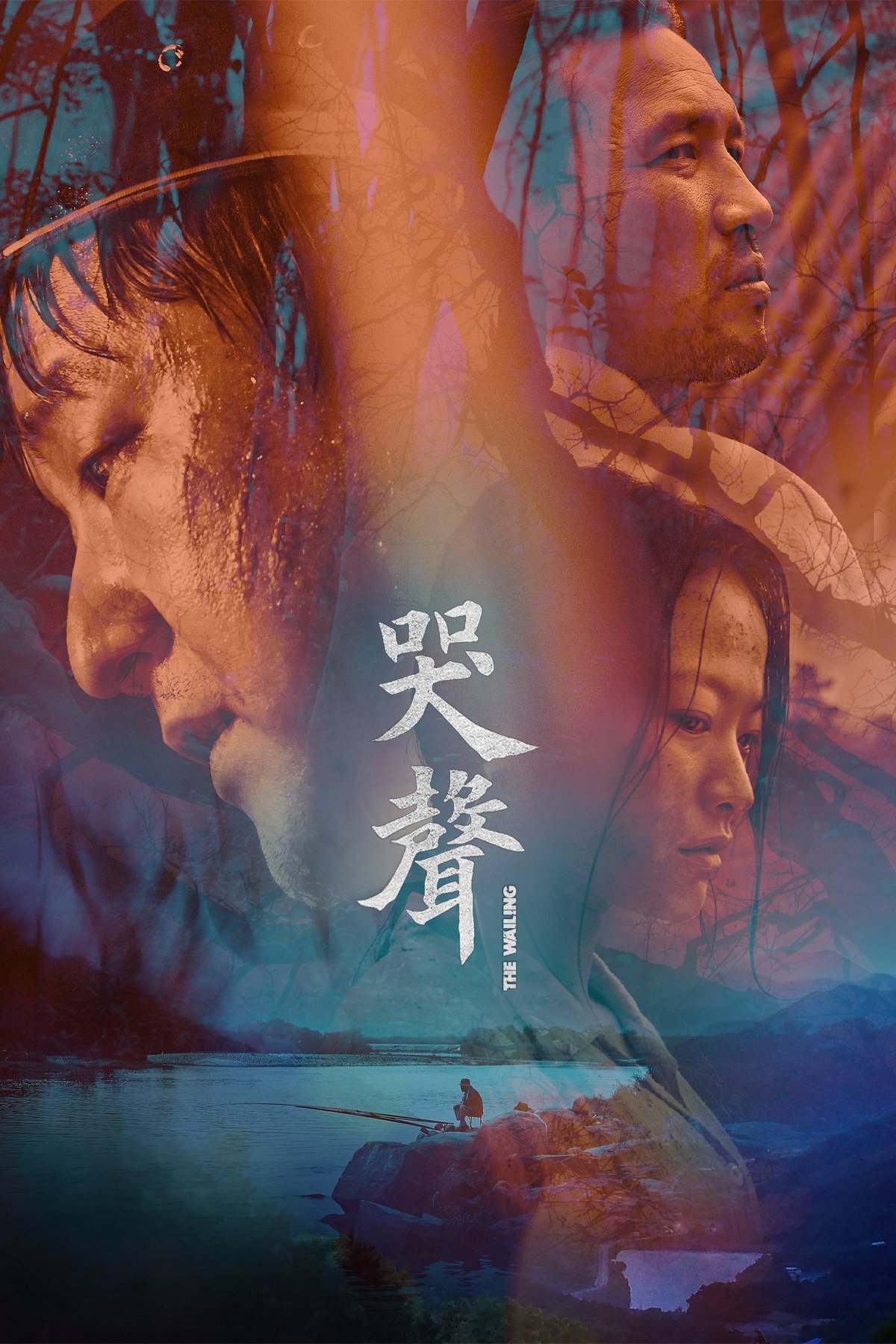
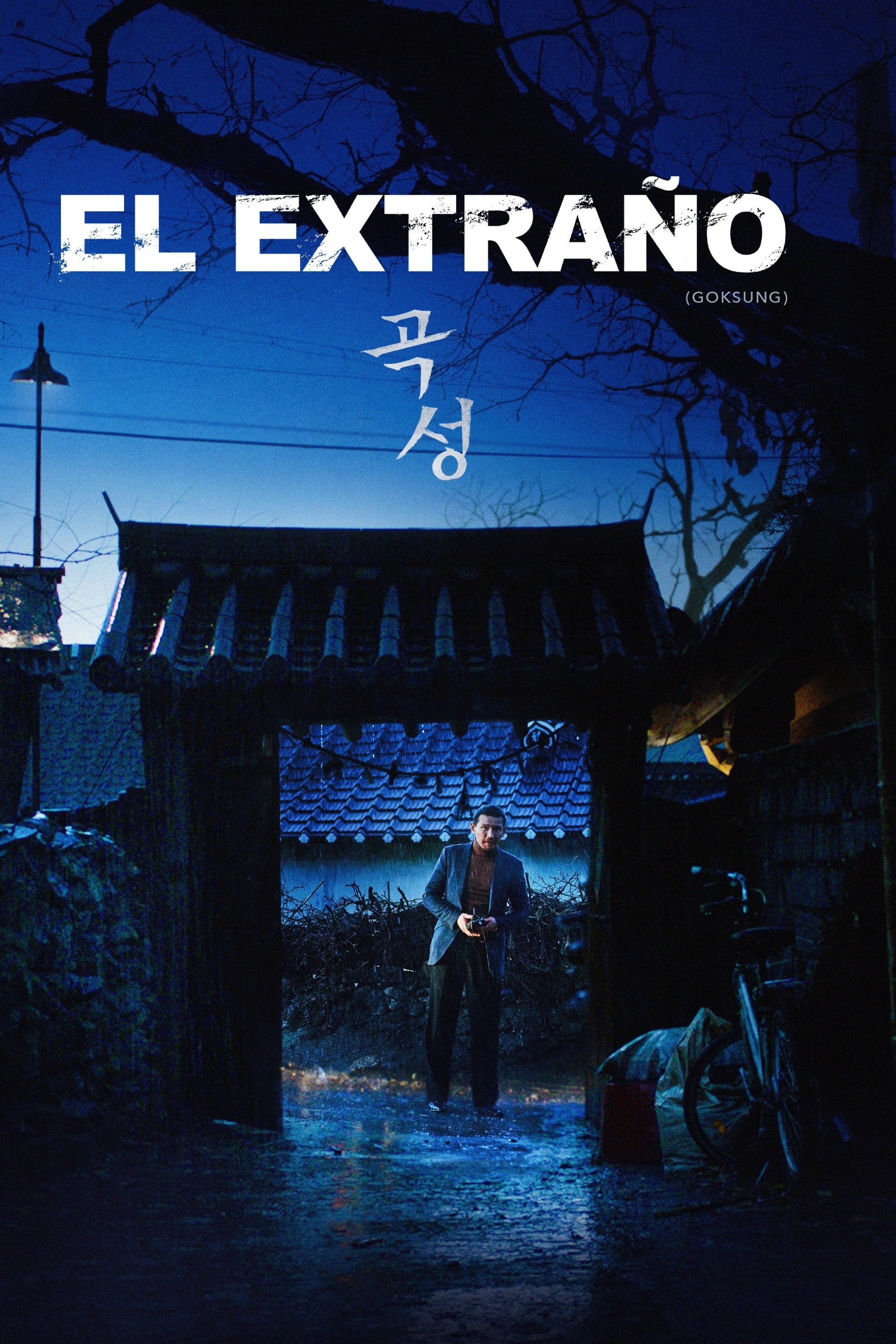
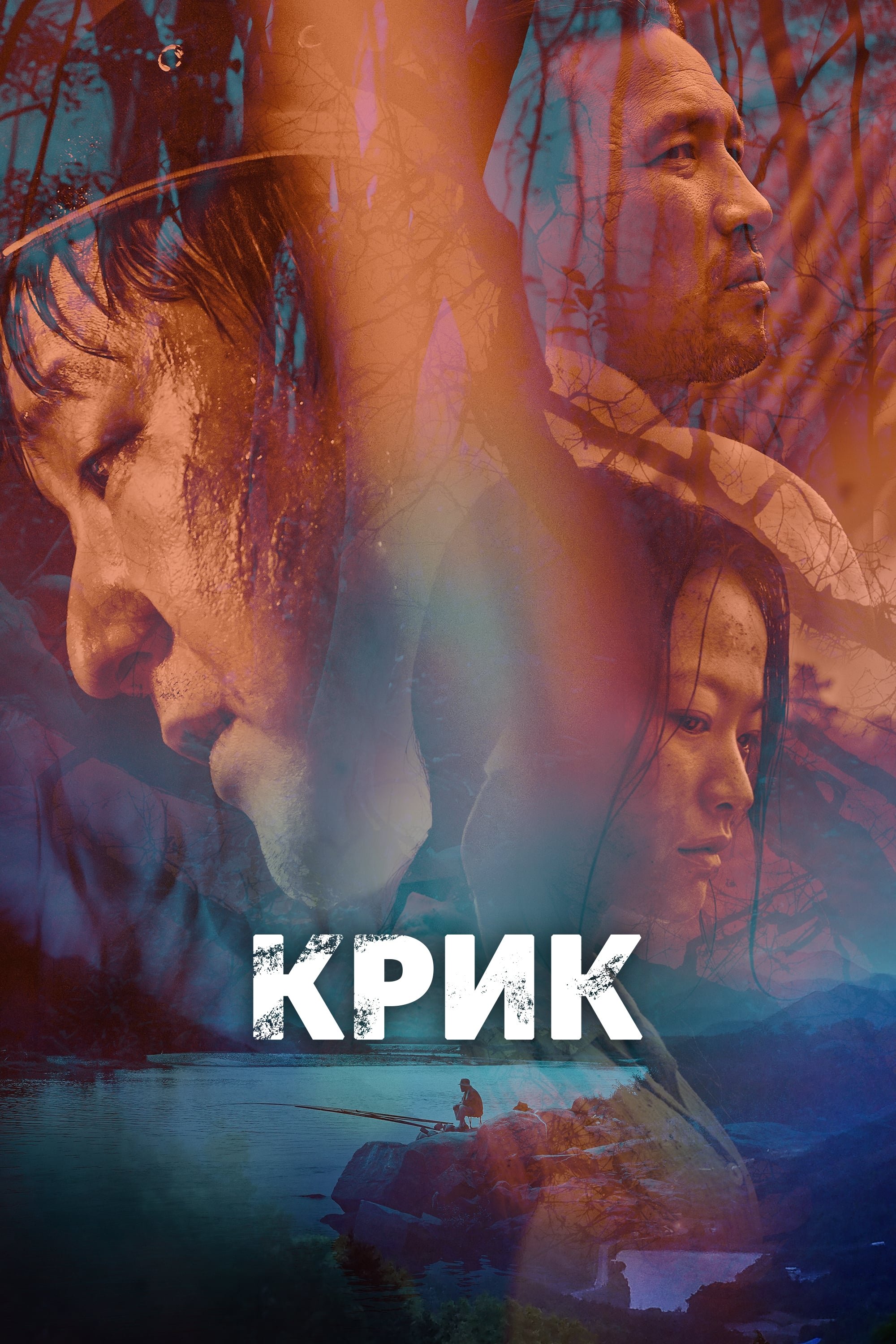
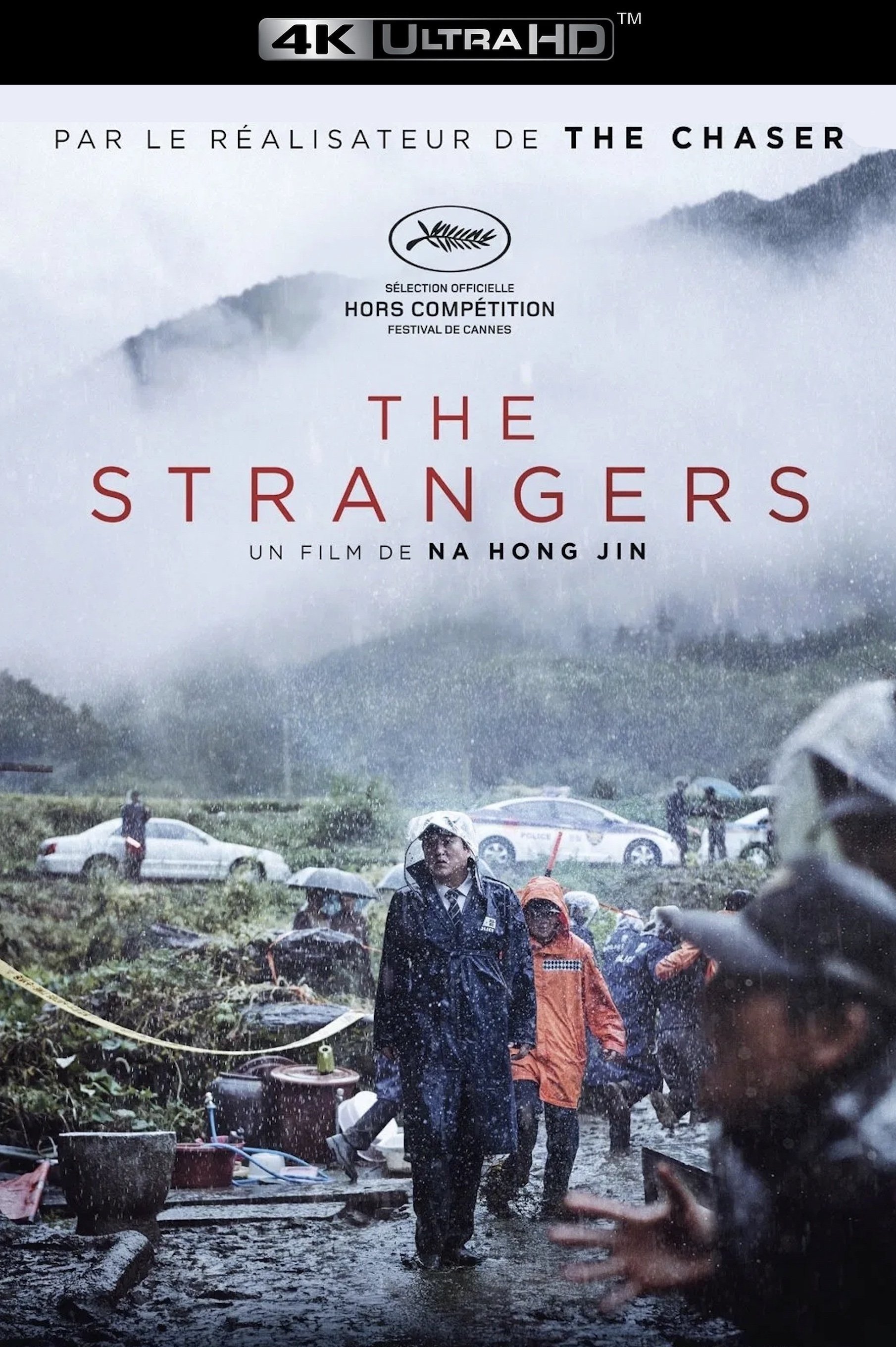
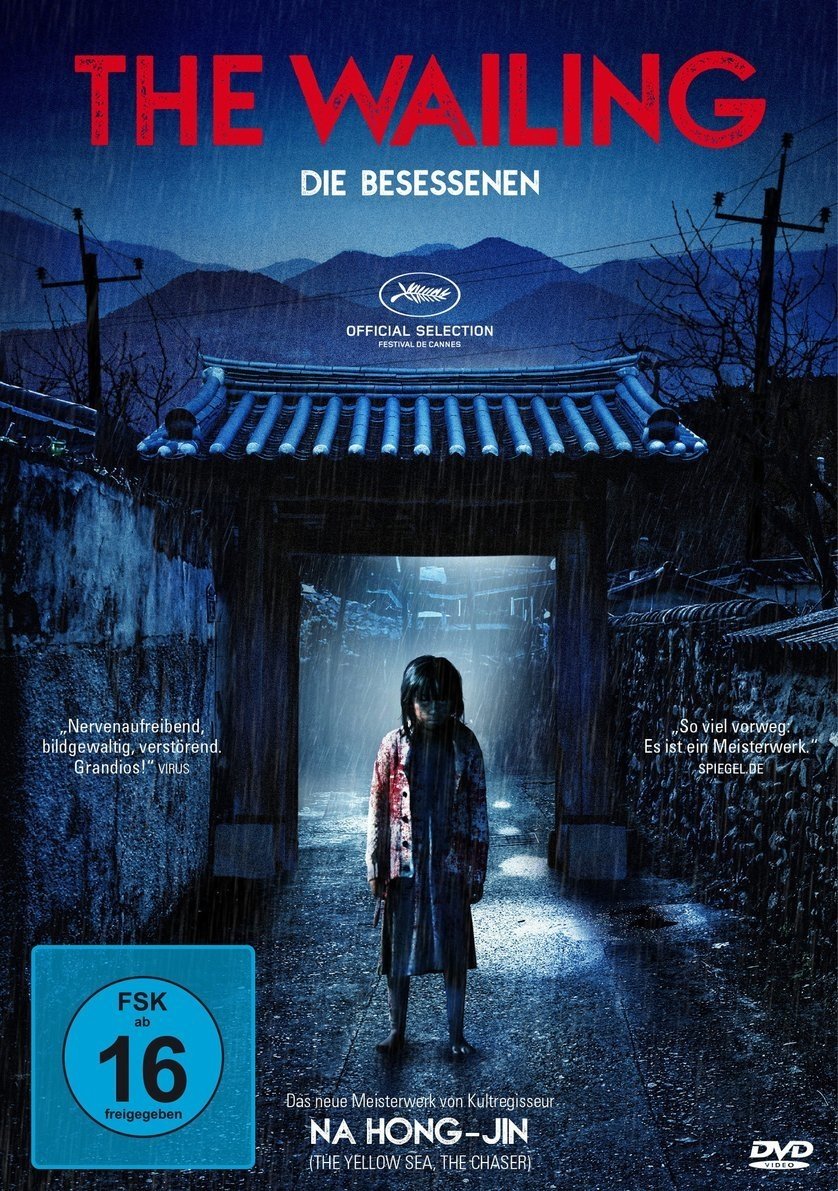
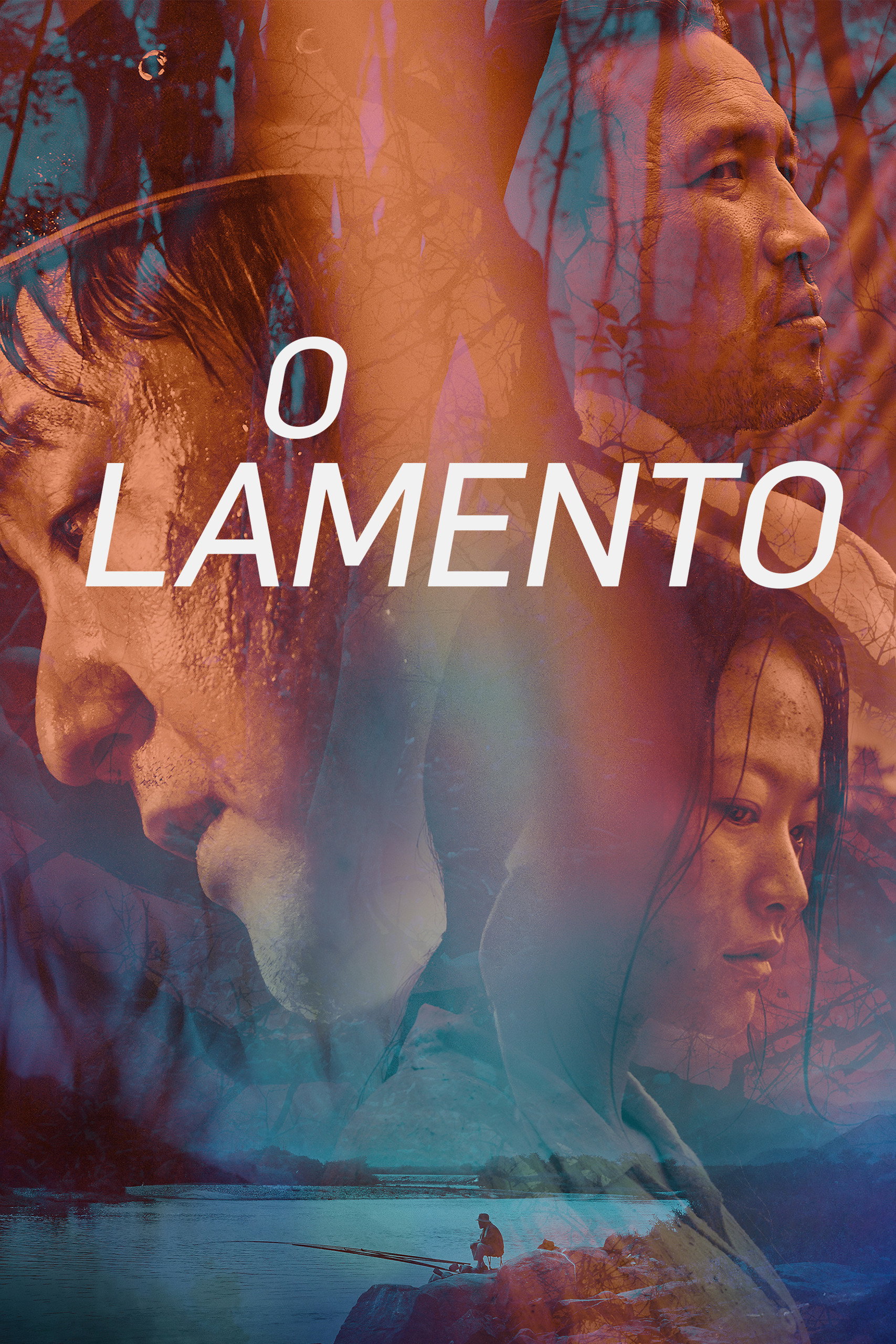
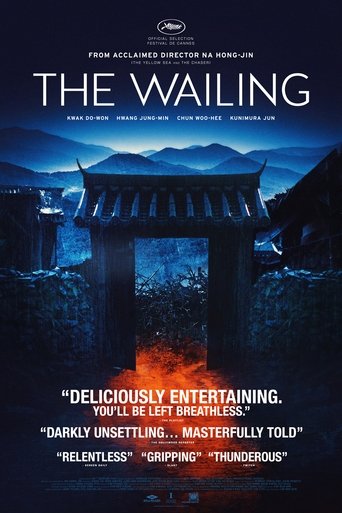
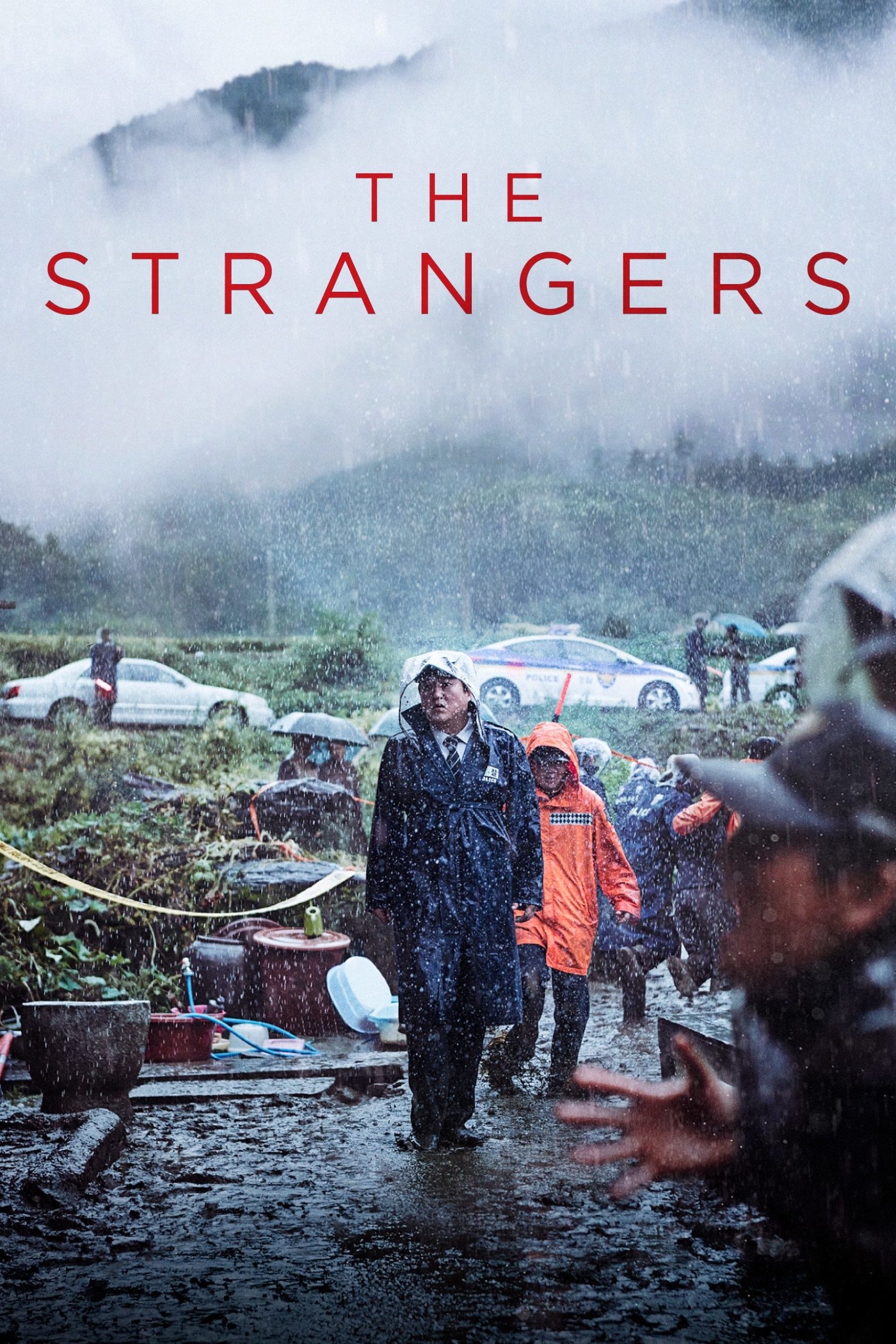
The Wailing (2016) poster
Director
Writer
Production Companies
Fox International Productions , Ivanhoe Pictures , Side Mirror , 20th Century Fox Korea
Plot

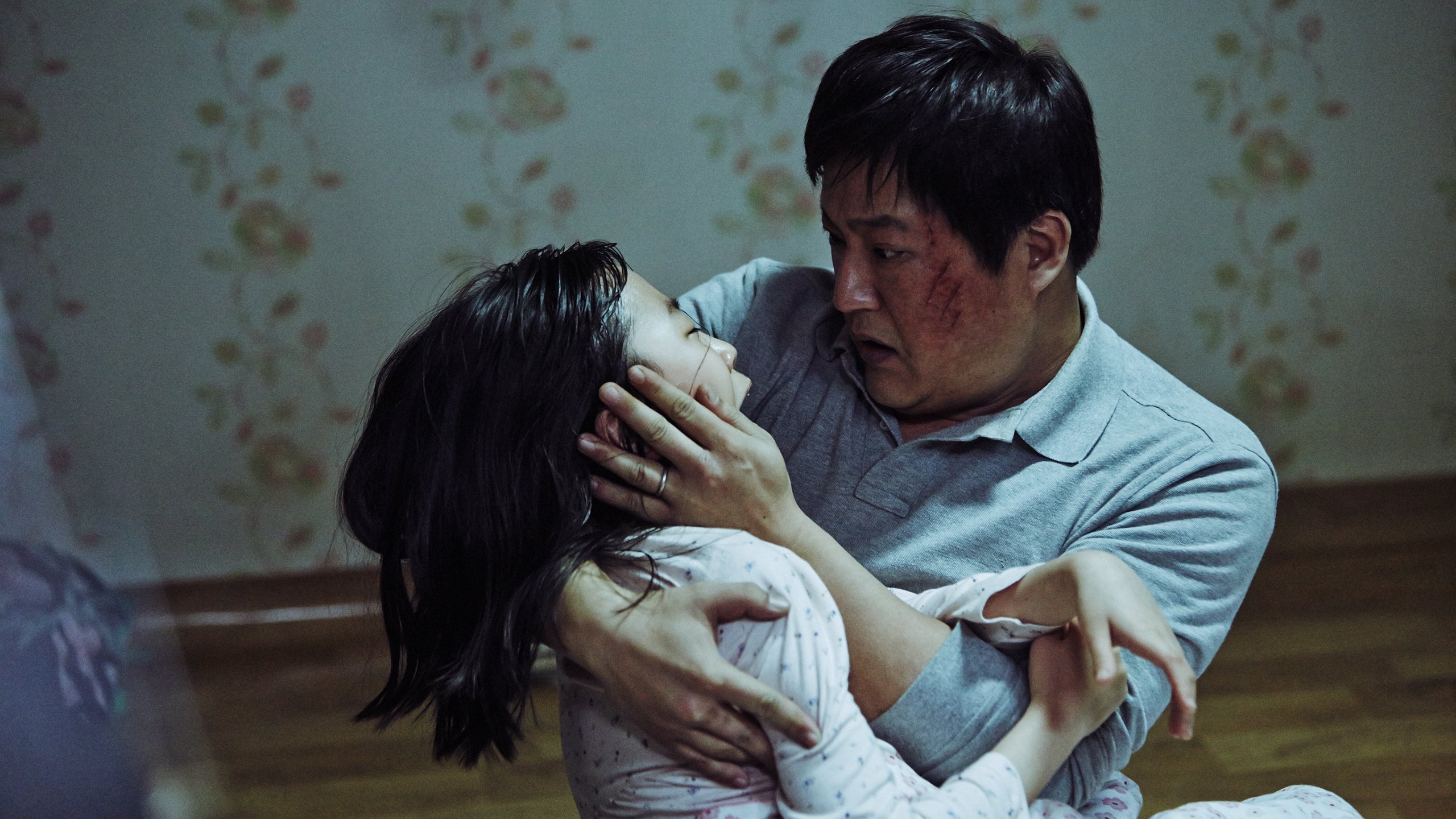
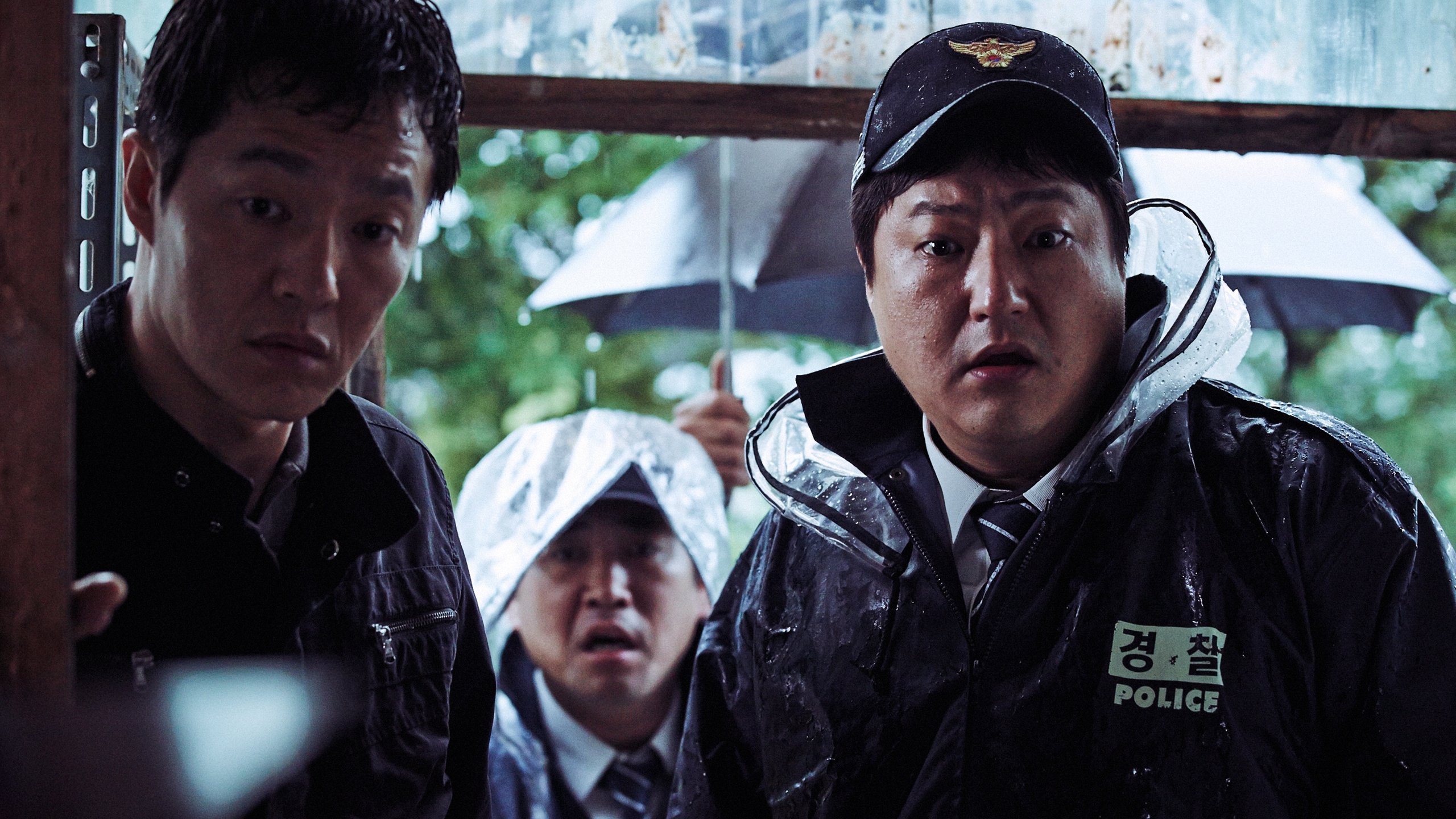
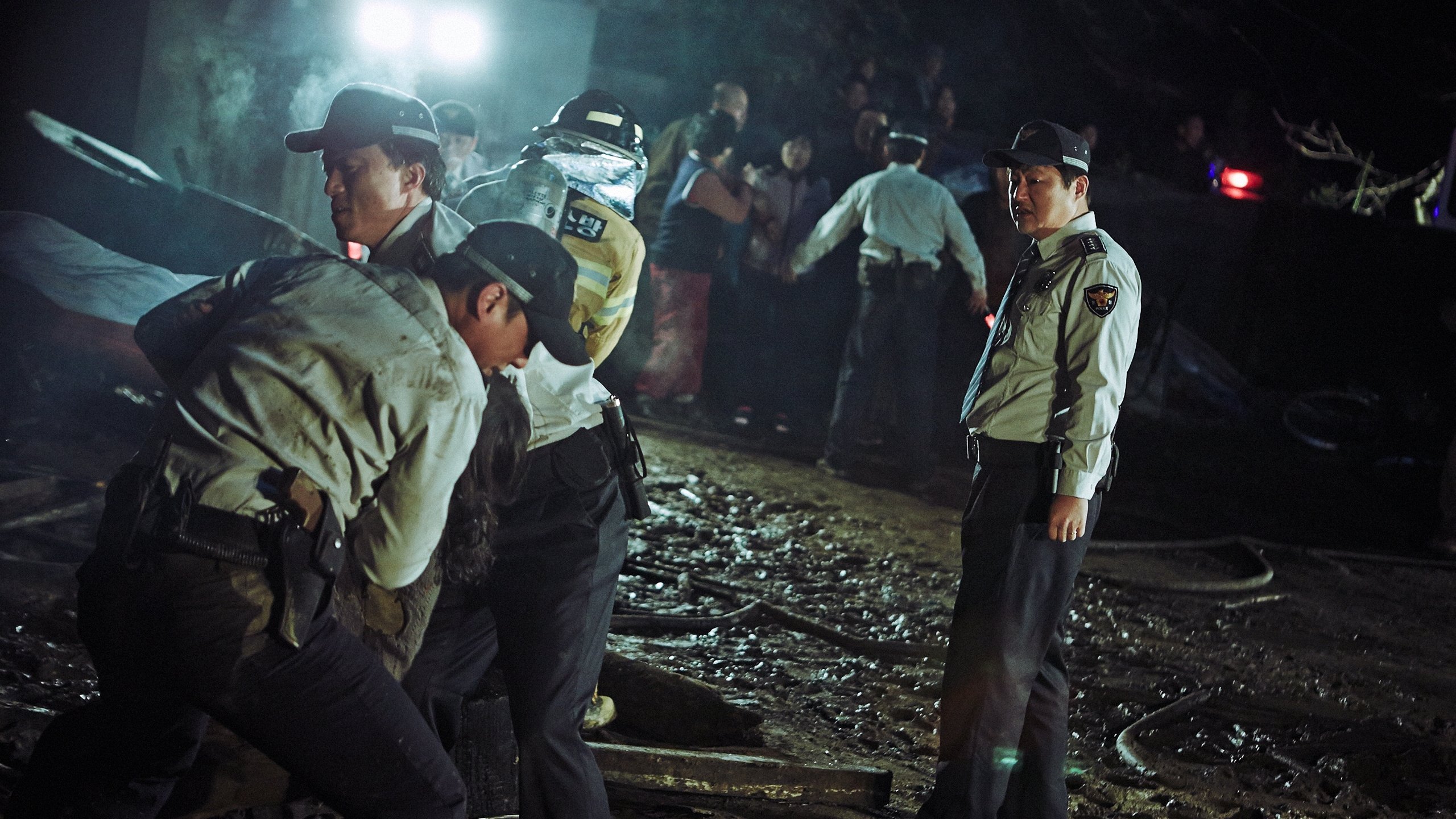
A stranger arrives in a little village and soon after a mysterious sickness starts spreading. A policeman is drawn into the incident and is forced to solve the mystery in order to save his daughter.

Alternative Titles
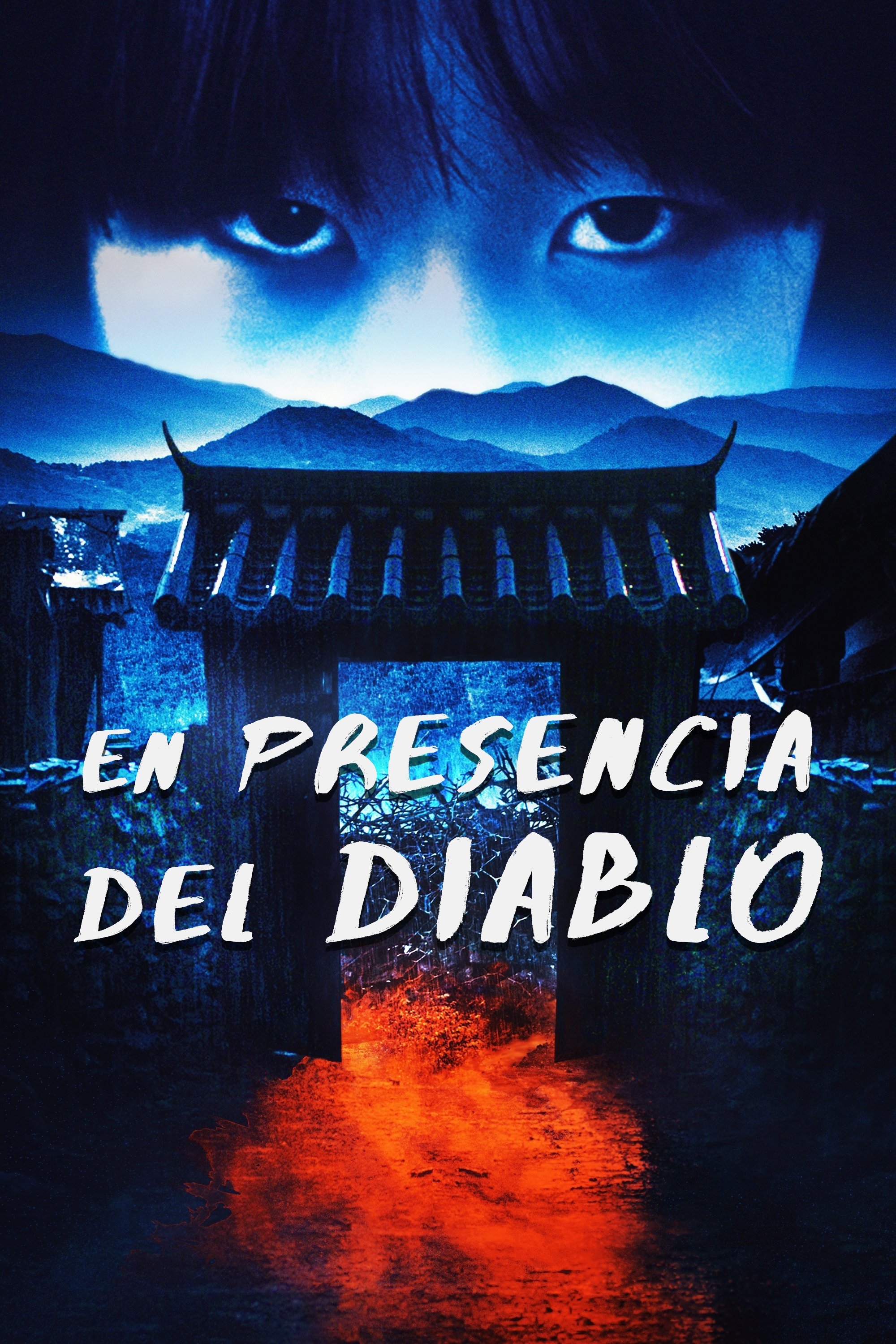
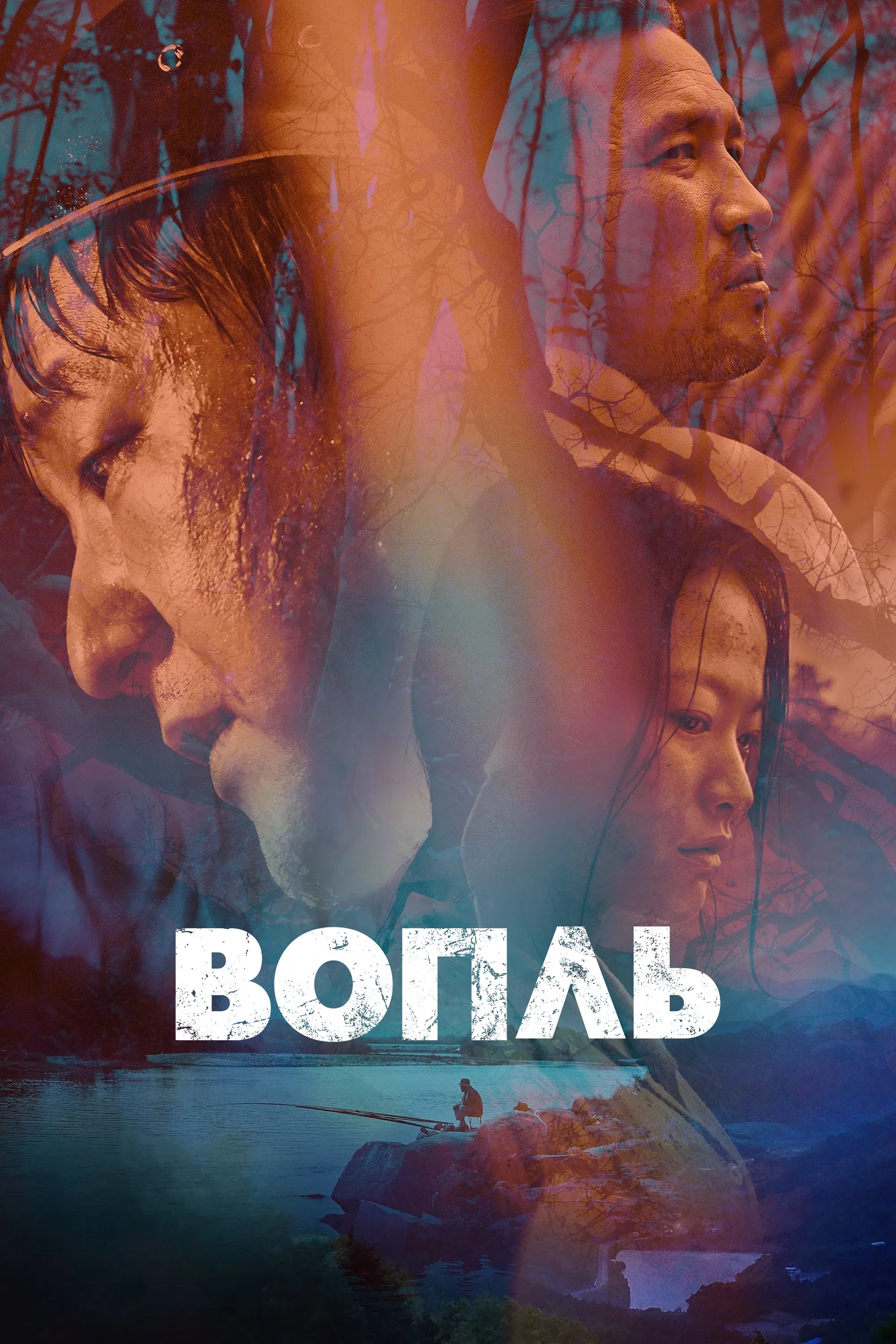
En presencia del diablo (Argentina) Риданието (Bulgaria) — Bulgarian O Lamento (Brazil) — Portuguese En Présence du Diable (Canada) — French, Alternative Title The Strangers (Canada) — French 哭声 (China) El lamento (Cuba) Kvílení (Czechia) — festival title
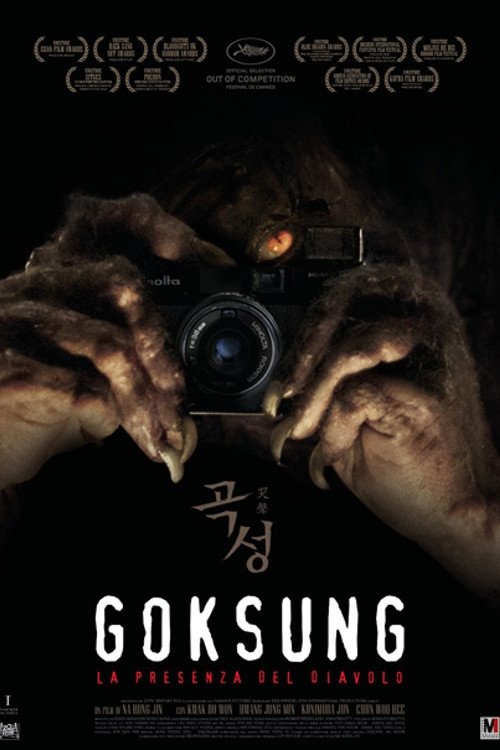
Show all 38 alternative titles The Wailing: Die Besessenen (Germany) — German El Extraño (Spain) — Spanish The Strangers (France) — French 哭聲 (Hong Kong SAR China) — Chinese Jecaji (Croatia) — Croatian Kokszongi sirató (Hungary) — Hungarian החלילן (Israel) היללה (Israel) — Hebrew הקינה (Israel) ദി വെയിലിംഗ് (India) — Malayalam Goksung - La presenza del diavolo (Italy) 哭声/コクソン (Japan) 哭声/コクソン:2016 (Japan) Gok-seong (South Korea) — revised romanization Gok-sung (South Korea) — alternative transliteration Gokseong (South Korea) Goksung (South Korea) — alternative transliteration Verksmas (Lithuania) — Lithuanian En presencia del diablo (Mexico) — Spanish Gok-seong (Netherlands) — Dutch El lamento (Panama) Lament (Poland) — Polish Јецаји (Serbia) — Serbian Вопль (Russia) — Russian المَبكى (Saudi Arabia) — Arabic ฆาตกรรมอำปีศาจ (Thailand) — Thai Kara Büyü (Türkiye) — Turkish 哭聲 (Taiwan) — Chinese Виття (Ukraine) — Ukrainian Tiếng Than (Vietnam) — Vietnamese

Trailers & Videos

2 videos

Film Guide & Analysis

An in-depth look at the production, landscape, religious traditions, visual style, sound, ambiguity, reception and legacy of The Wailing (2016).

Na Hong-jin’s The Wailing (Gokseong, 2016) begins in the territory of the police procedural and gradually dismantles the certainty that such a genre normally promises. A series of violent deaths in a remote Korean community initially presents itself as an investigation into disease, drugs or poisoning, but every attempt to establish a rational explanation creates another competing possibility. Rumour, shamanism, Christianity, folk belief and fear of an outsider become overlapping systems through which the villagers try to understand events that resist explanation. The result is a horror film in which uncertainty itself becomes a principal source of terror.

At 156 minutes, the film allows this process to unfold unusually slowly for commercial horror. Comedy and mundane police work occupy significant space before the supernatural elements become dominant, while the landscape of Gokseong remains a constant presence throughout. Na conceived the project after confronting a series of deaths among people close to him and questioning why particular individuals become victims. His search for an answer led him to speak with religious figures from different traditions and ultimately toward a story in which competing belief systems offer explanations without giving either the protagonist or the viewer secure knowledge. Released in South Korea in May 2016 and presented Out of Competition at Cannes, The Wailing became both a substantial domestic box-office success and one of the most internationally visible Korean horror films of its decade.

Production & Development

Na Hong-jin began developing The Wailing after completing The Yellow Sea. He has explained that the deaths of several people close to him led him to think less about how people die than about why particular people become victims. During this period he met clergy from different religions while exploring questions that he felt could not be resolved through ordinary philosophical or rational explanations. The project consequently developed around grief, victimhood and the difficulty of assigning meaning to suffering rather than around the mechanics of a conventional possession story.

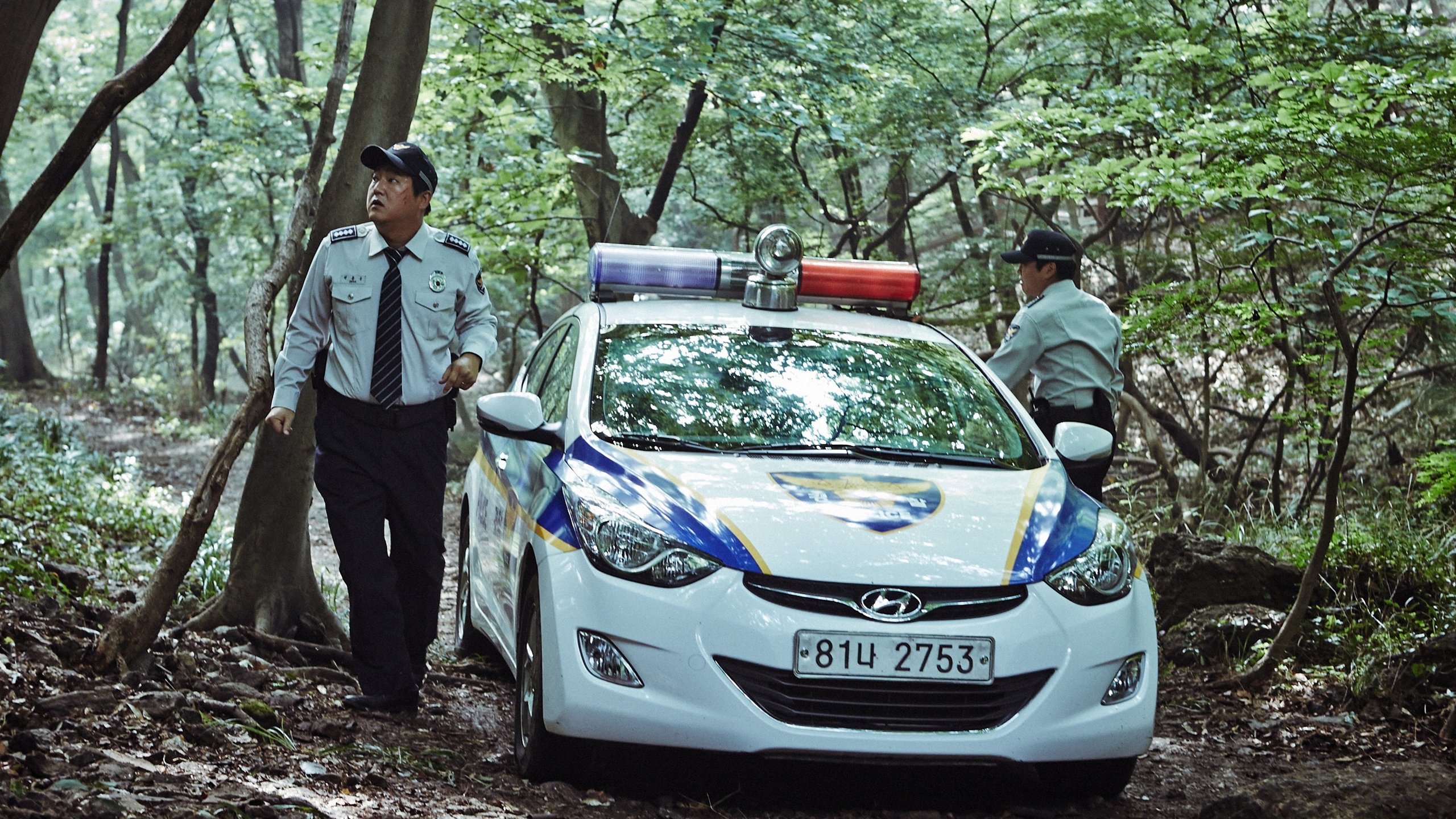
The development process was exceptionally long. Official production documentation describes approximately three years of screenplay writing and revision, followed by six months of principal photography and roughly a year of post-production. The shoot itself ran for 121 days, with 97 of those days spent on location. Na and his production team searched extensively across Korea for houses, roads, forests and mountain locations capable of producing the precise spatial relationships required by the screenplay. Even Jong-gu’s family home was selected only after a search for a traditional house with the required layout and entrance.

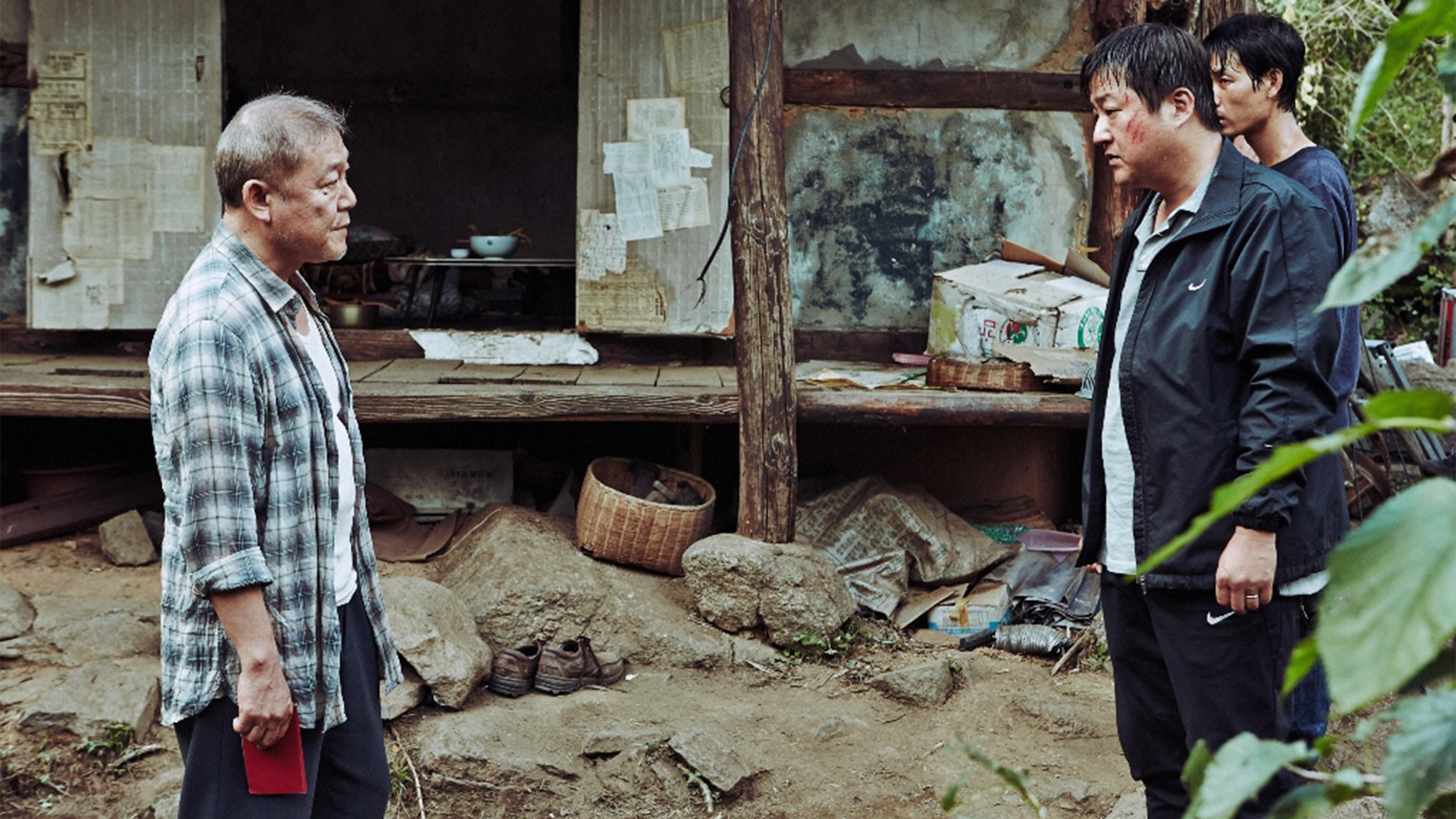
This attention to physical space also shaped difficult production decisions. The Stranger’s dwelling was created from an abandoned mountain structure approximately 400 metres above sea level, while other sequences required cameras, cranes and production equipment to be moved along mountain paths with no road access. The production therefore treated location not as decoration but as part of the film’s narrative machinery: isolation, distance and the difficulty of moving through the landscape repeatedly determine what the characters can see, understand or reach.
Gokseong, Landscape & Visual Style

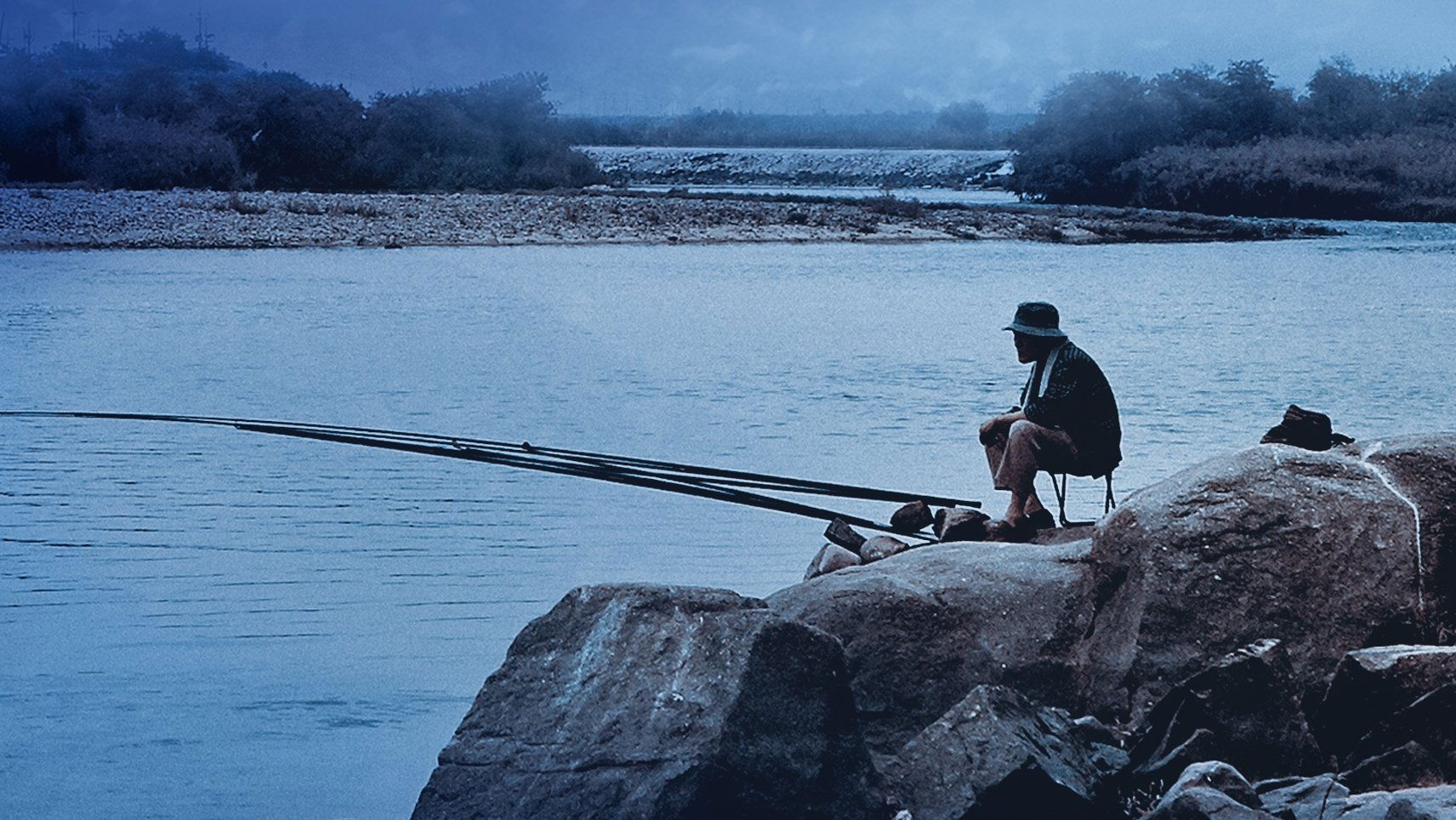
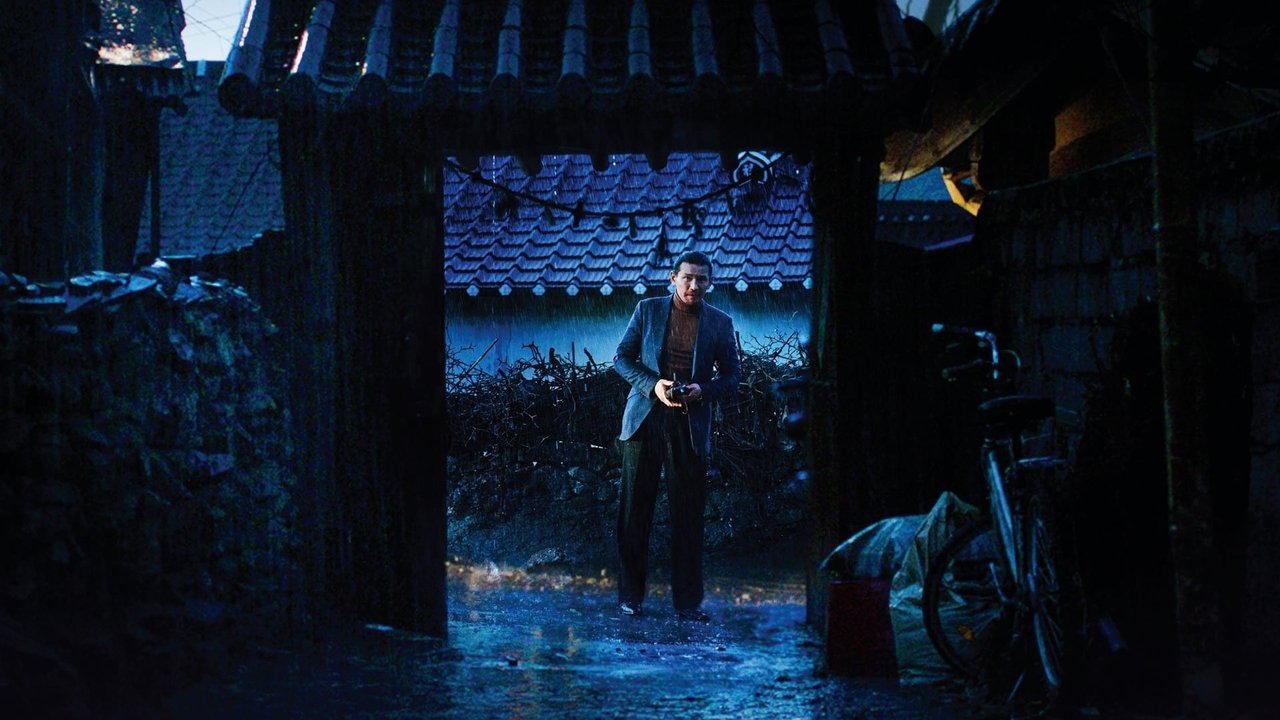
The use of Gokseong was personal as well as aesthetic. Na has said that his grandmother came from the area and that he spent enough time there as a child to know it closely. He considered real locations essential to maintaining contact with reality, arguing that a location influences not only the background of a scene but also its lighting and the behaviour of actors. Gokseong’s lack of a dense urban skyline allowed the mountains, ridges and sky to remain visible around the characters, giving human activity a comparatively small place within the frame.
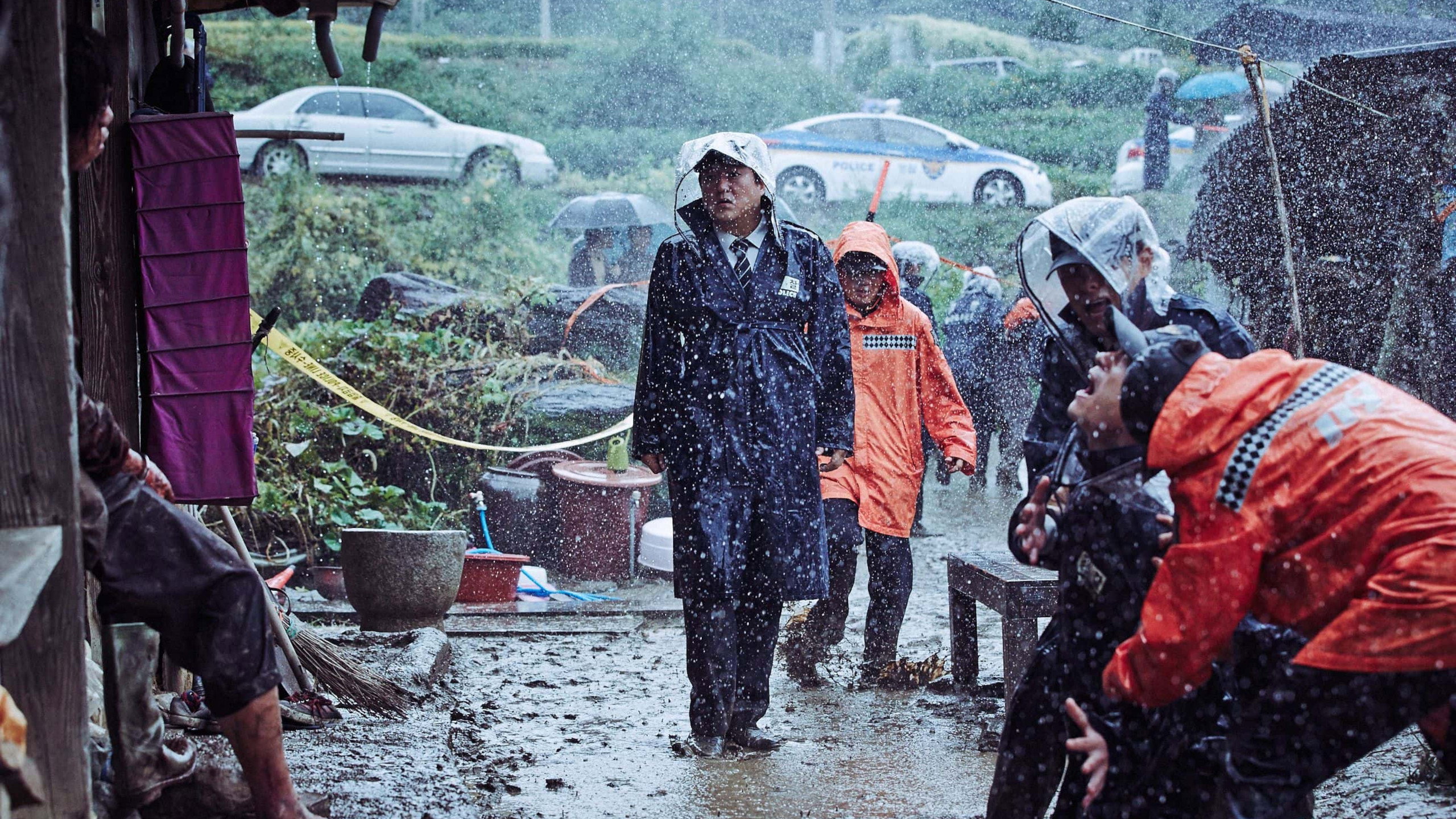
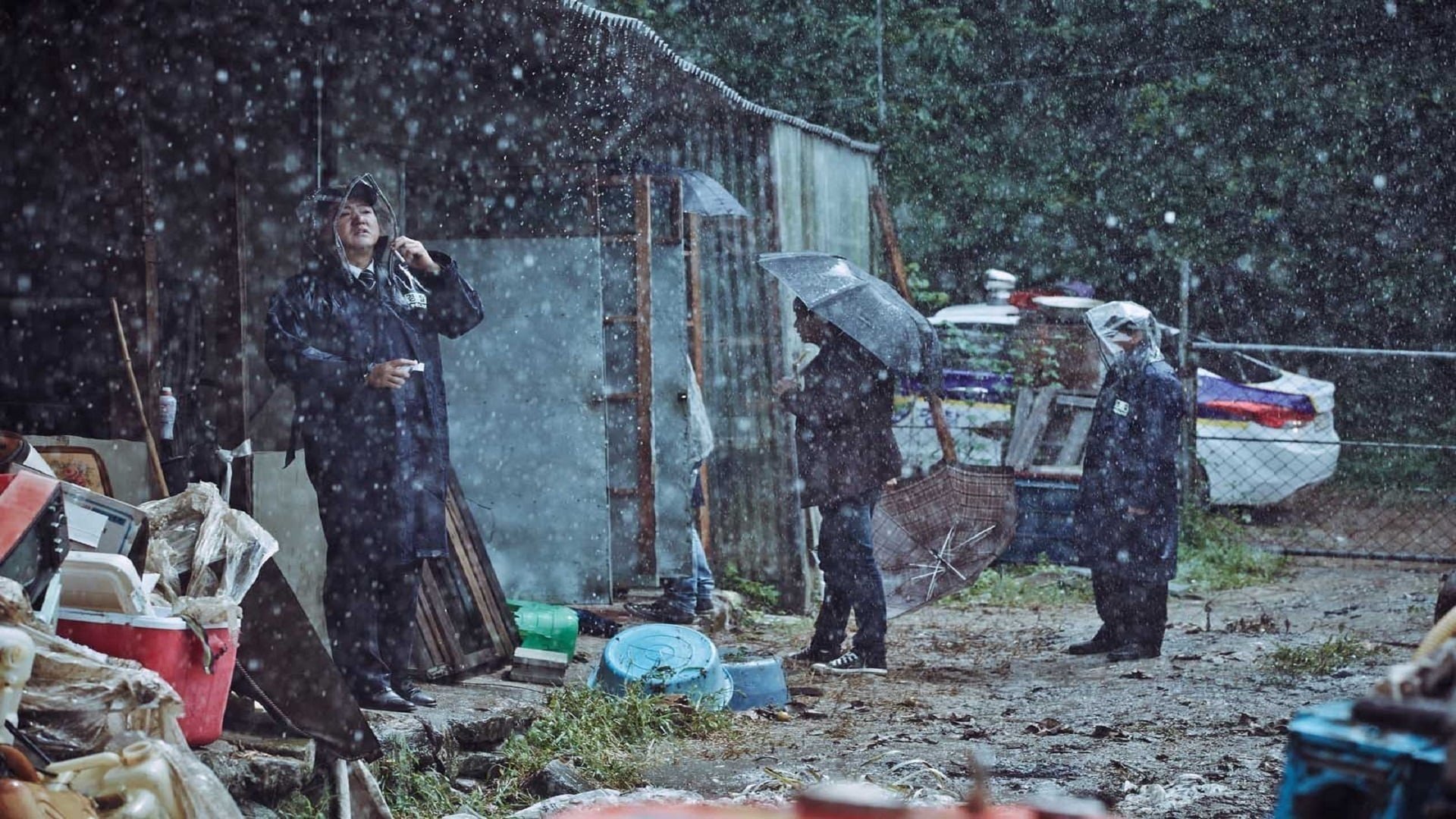
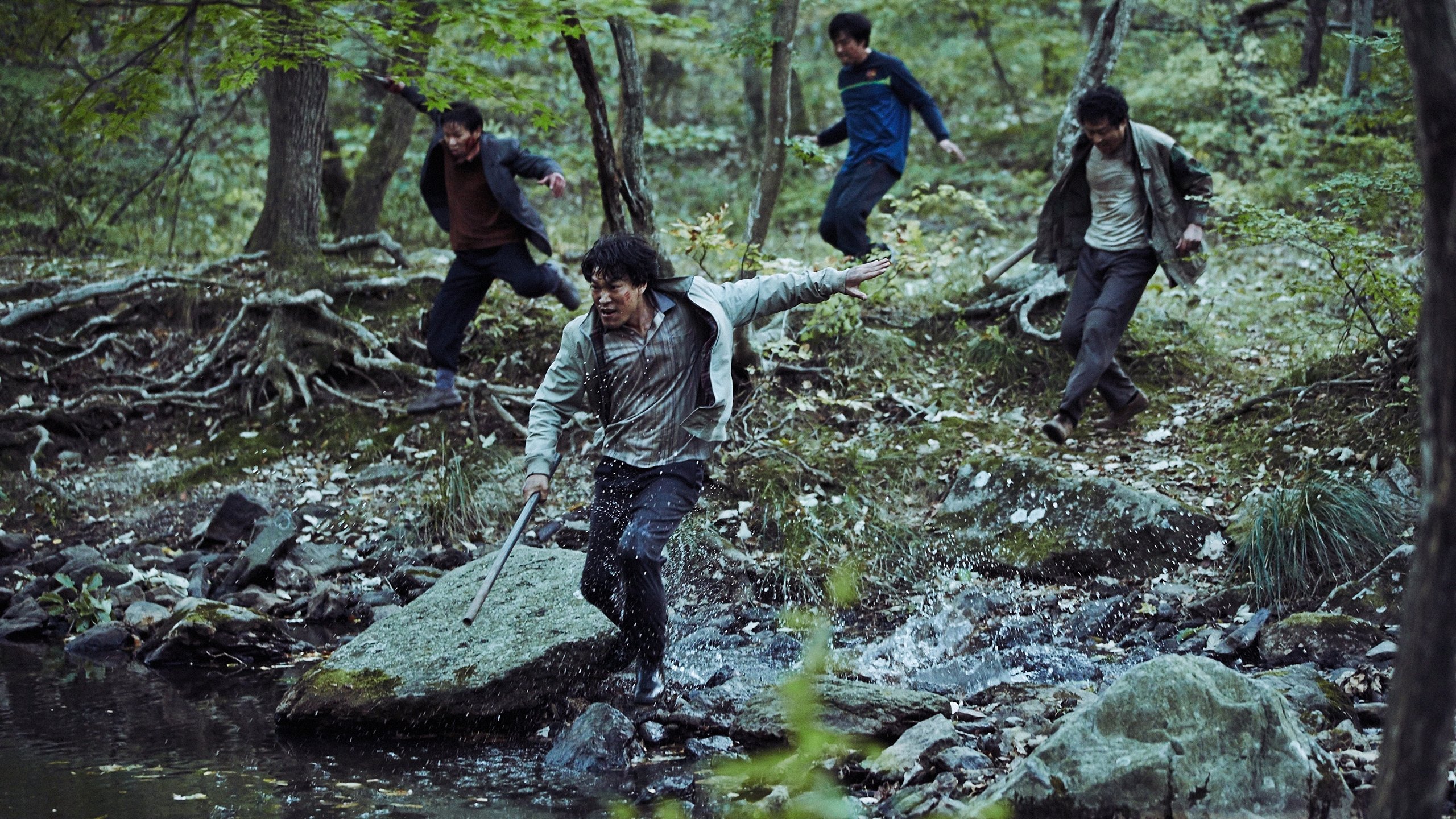
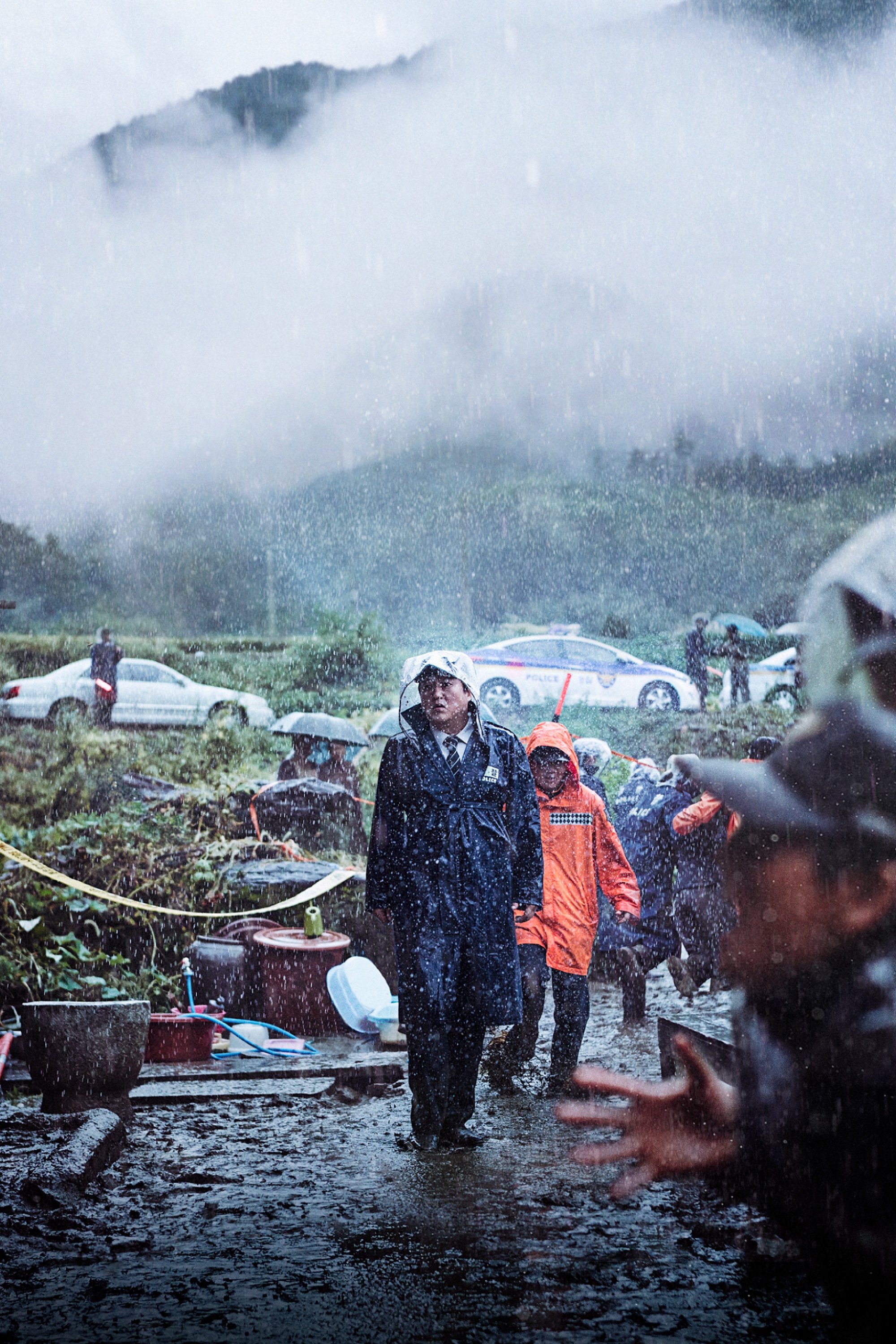
Cinematographer Hong Kyung-pyo developed this naturalism through extensive use of existing light and weather. The production sometimes waited for actual fog, cloud or rain rather than reproducing those conditions artificially, and the mountain-road pursuit was filmed in genuine heavy rain over a period of weeks. Dawn and magic-hour photography could restrict the crew to only a handful of shots per day. Production documentation also records Hong’s selective use of anamorphic lenses and multiple cameras to change the visual character of particular spaces. The ARRI Alexa XT Plus was among the principal cameras used on the production.

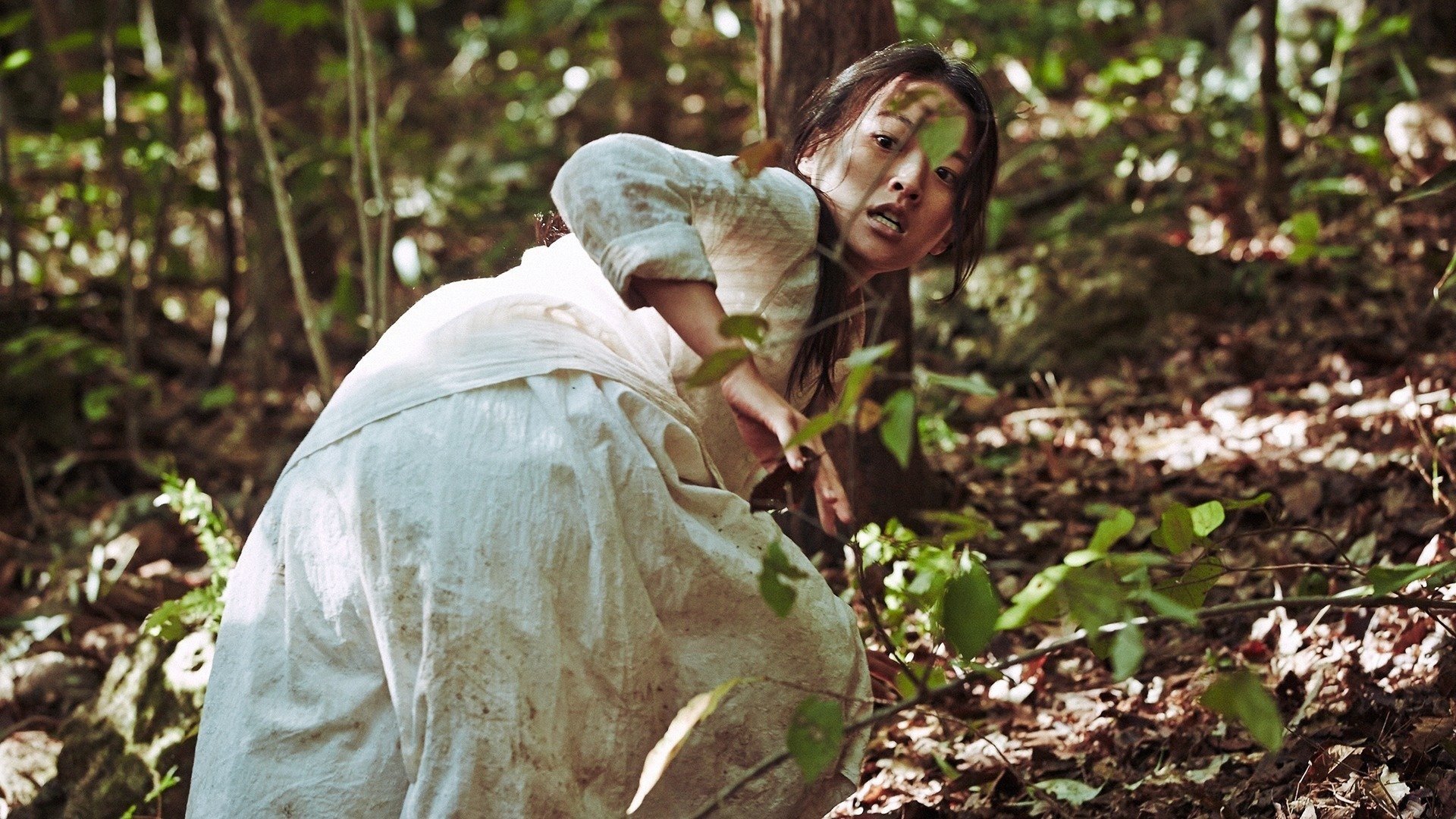
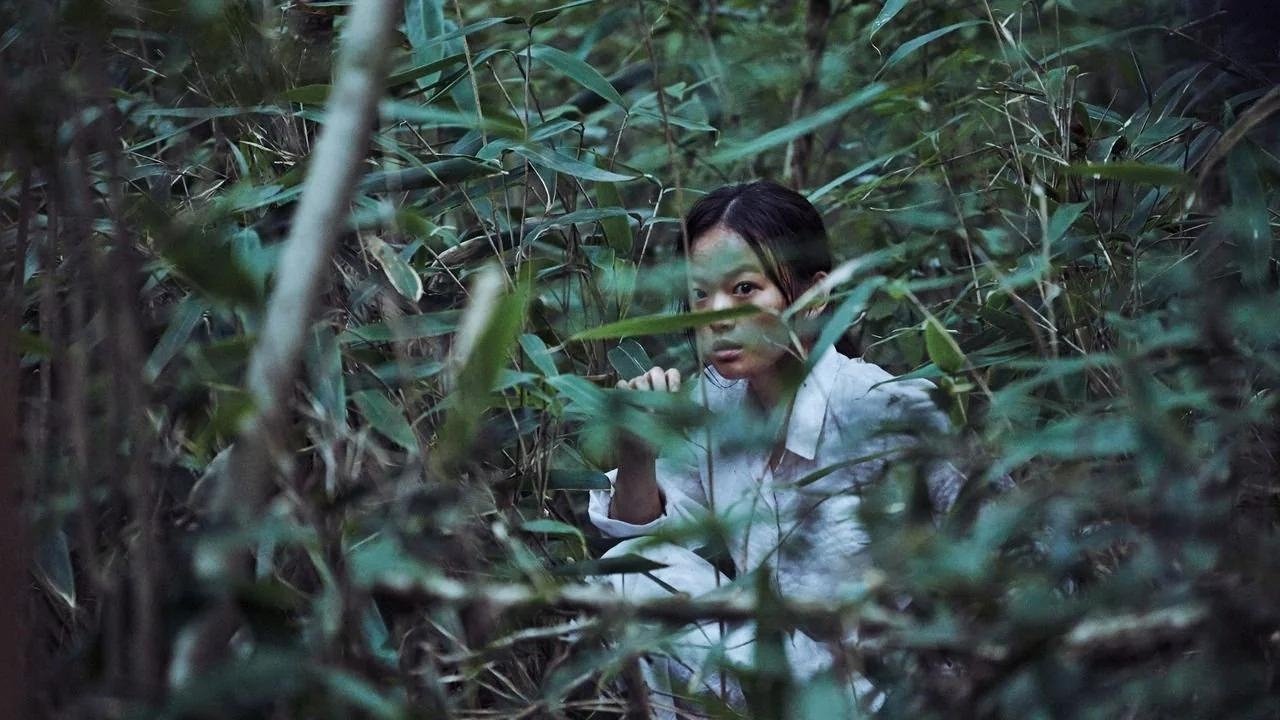
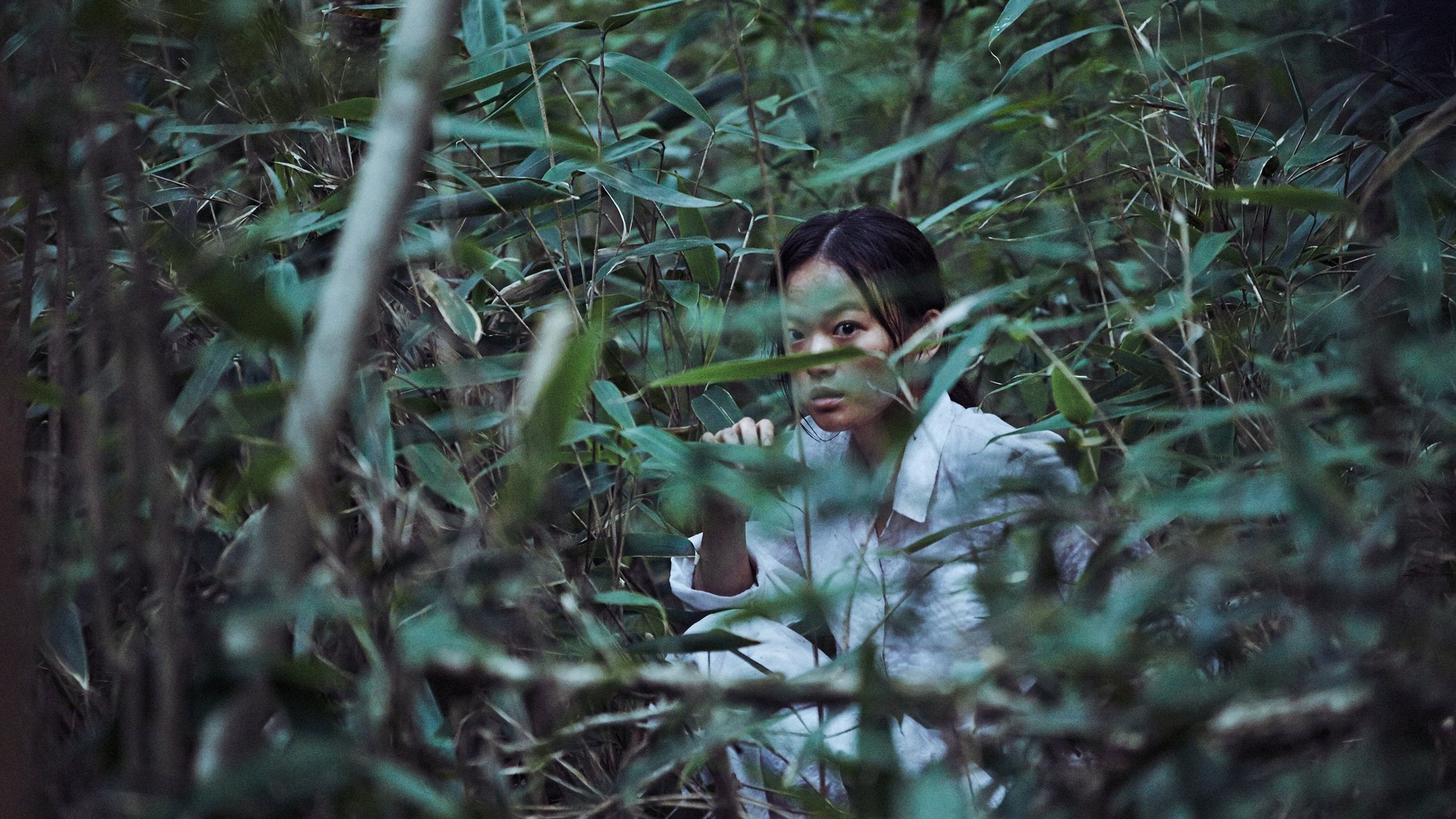
Na’s collaboration with Hong became less rigid as filming continued. The director recalled abandoning portions of his storyboard after watching Hong explore the woods and discover compositions directly in the landscape. Wide frames place figures inside dense forests and open mountain spaces, while natural light, wet surfaces and subdued skies keep even extraordinary events anchored to a recognisable physical environment.

Religion, Shamanism & the Occult

The film’s religious structure was deliberately designed around more than one tradition. Na did not want simply to repeat the Catholic framework of earlier Western occult cinema. Instead, The Wailing places Korean shamanism and Christianity within the same narrative while refusing to give the protagonist an uncomplicated method for determining which signs or authorities can be trusted. The Catholic deacon, the shaman Il-gwang, the mysterious woman and the Japanese Stranger all become possible interpreters of what is occurring, but interpretation repeatedly depends upon incomplete evidence.

Na researched ritual practices across several Asian countries while preparing the film. For Il-gwang’s extended ritual sequence, the production incorporated objects and forms associated with real rituals, while Na stated that the music heard during the sequence was performed by actual shamans and that the physical actions were based on real exorcistic practice. Elements from different rituals were nevertheless combined for dramatic purposes, meaning that the sequence uses genuine religious references while constructing its own fictional supernatural system around them.

The ritual is also a major formal turning point. Production documentation states that the sequence included a fifteen-minute take covered with six cameras. Rapid alternation between Il-gwang’s ceremony, Hyo-jin’s suffering and the Stranger produces apparent causal relationships that remain difficult to interpret with certainty. The film repeatedly uses this technique throughout its later sections: actions may look connected without revealing who is attacking, defending or deceiving whom.

Physical Detail, Editing & Sound

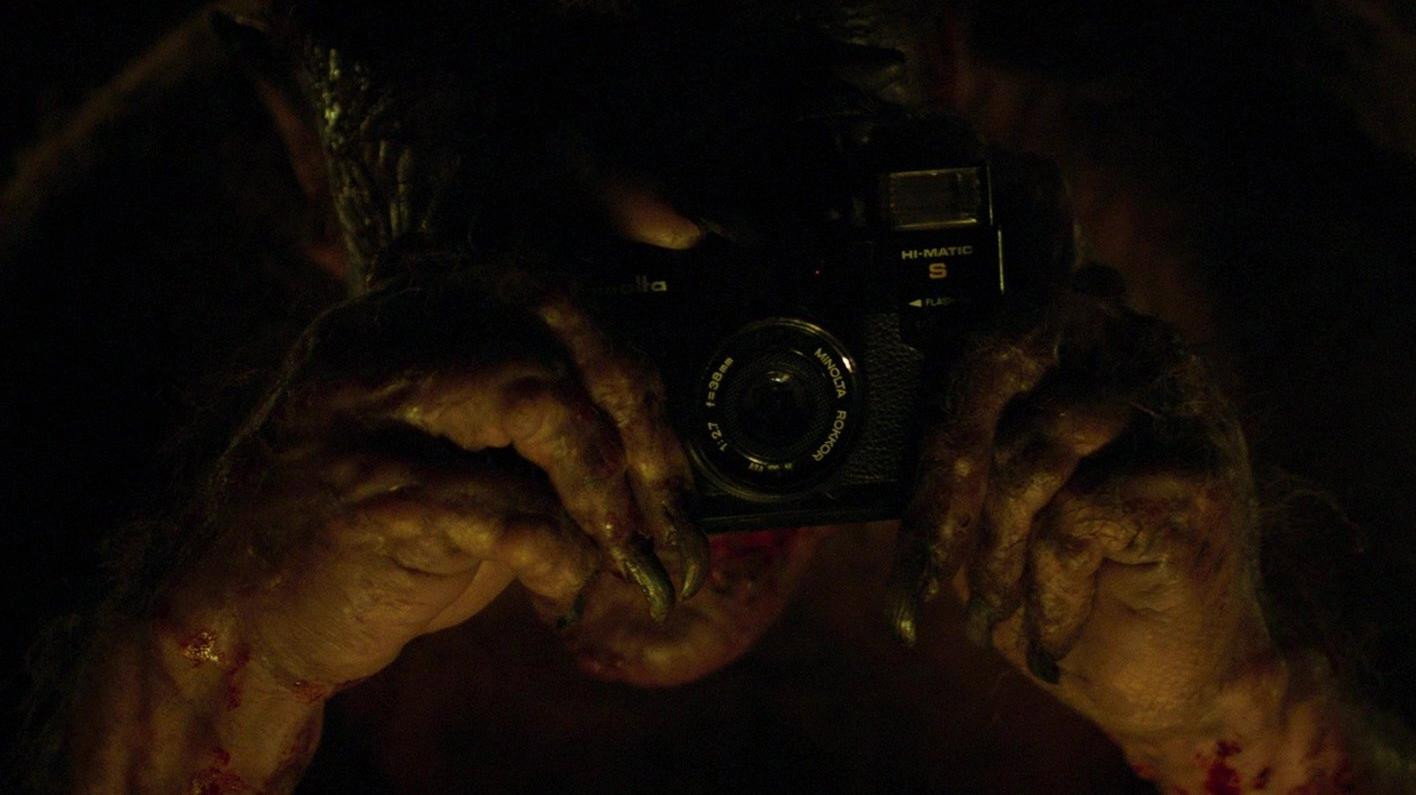
The film’s commitment to naturalism extended beyond photography. The production deliberately minimized dependence on CGI and post-production where physical objects could be used instead. One particularly macabre example involved the dried snapdragon flowers whose seed pods resemble miniature skulls: real flowers were dried for months and selected according to their appearance. The approach reflects a broader principle running through the film. Supernatural suggestions emerge from tangible spaces, bodies and objects, making it difficult to identify the point where ordinary physical reality ends and occult interpretation begins.

Editor Kim Sun-min shaped a rhythm substantially different from the relentless forward drive of Na’s earlier thrillers. The film continually delays certainty, allowing scenes to accumulate competing explanations. Its early comic register is therefore not separate from the later horror but part of the same construction: characters who initially appear ridiculous remain the people through whom increasingly terrible events must be understood. Na has said that he deliberately introduced humorous material when he realised how relentlessly dark the screenplay was becoming.

The score by Jang Young-gyu and Dalpalan follows the same preference for texture over conventional signalling. Production documentation describes a mixture of ambient noise, strings and natural sounds used rhythmically to generate tension. During the major shamanic ceremony, ritual percussion becomes an overwhelming physical component of the scene, binding music, performance, editing and religious imagery into one of the film’s central horror sequences.

Ambiguity, Suspicion & the Stranger

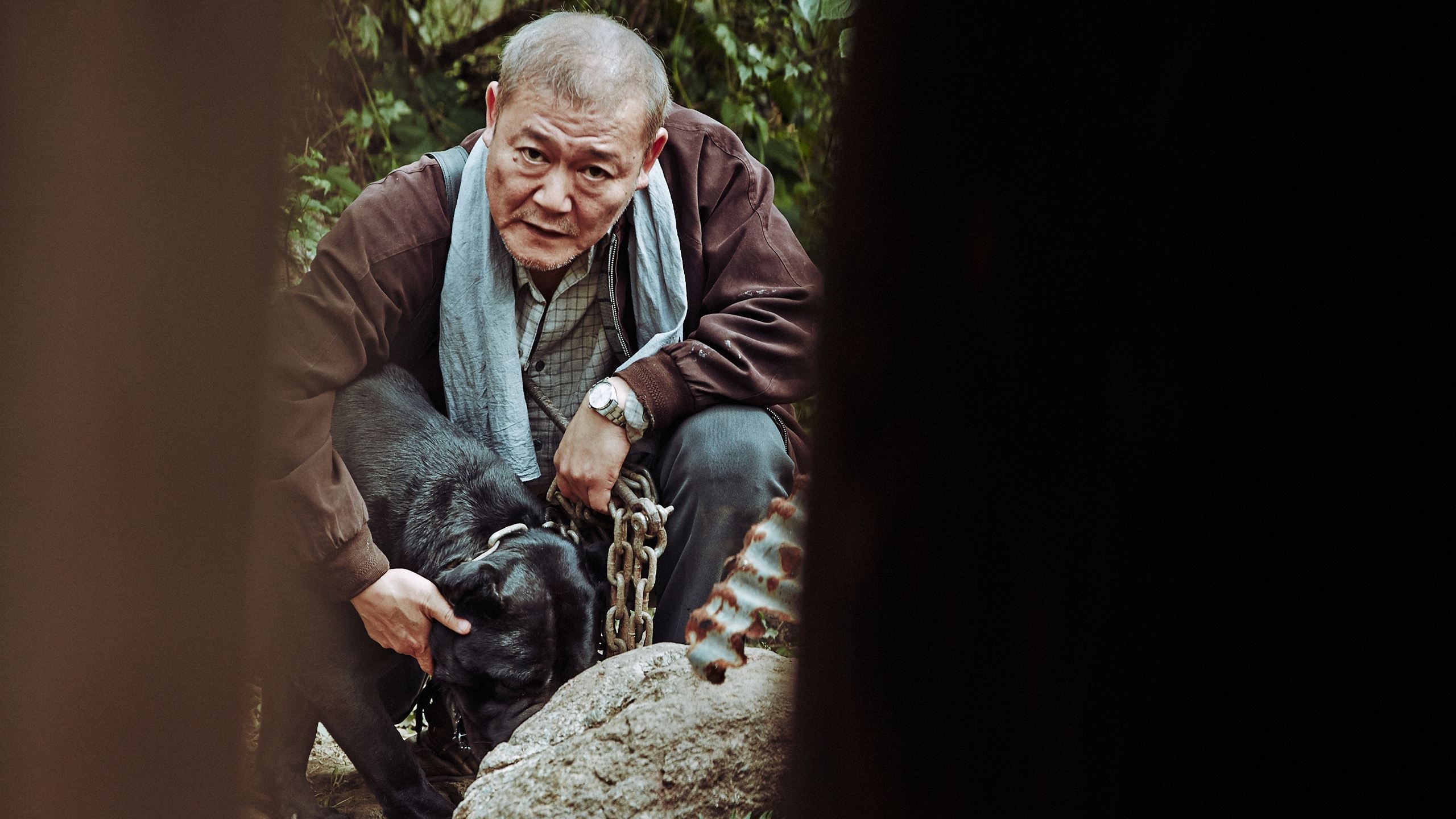
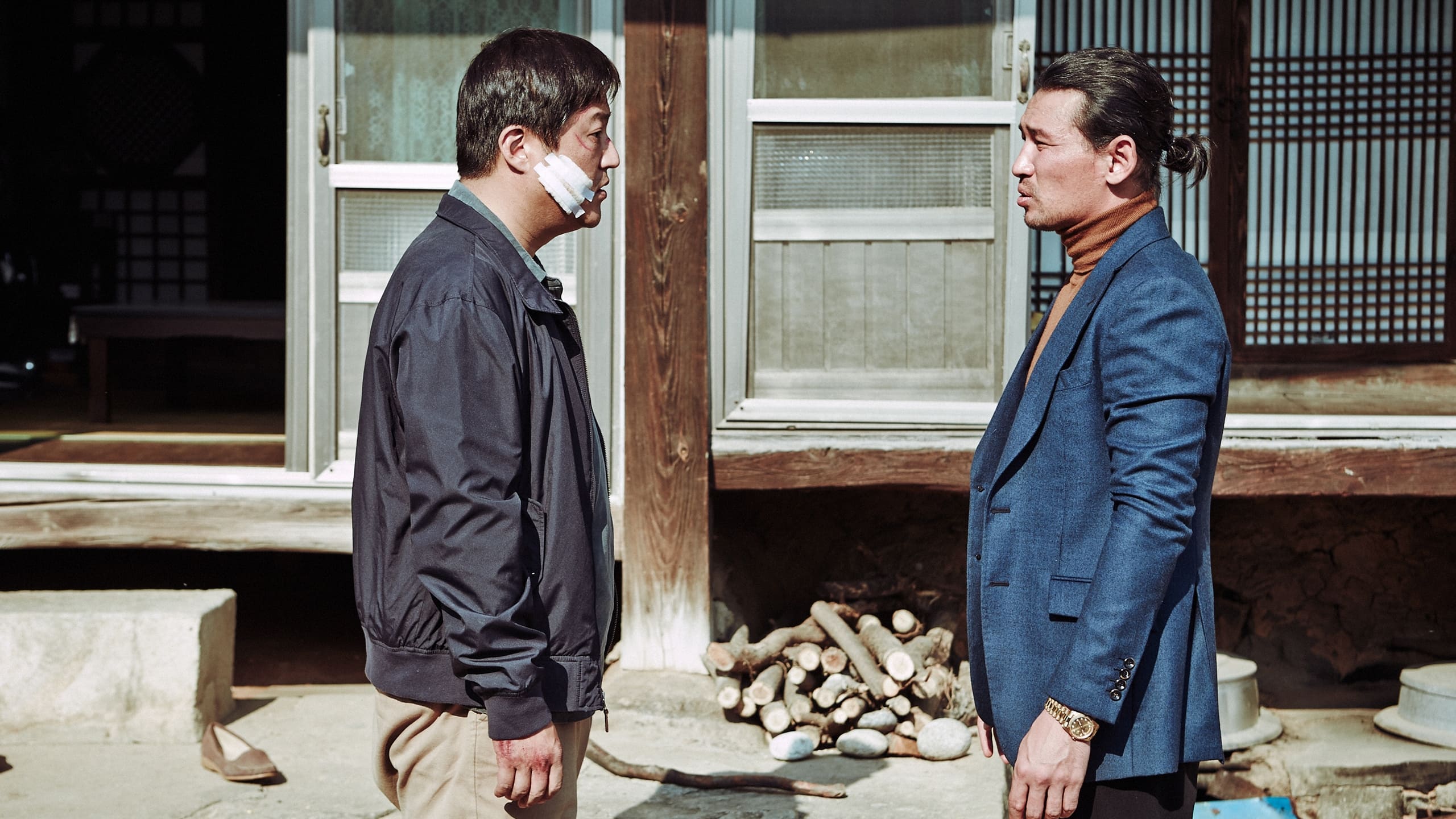
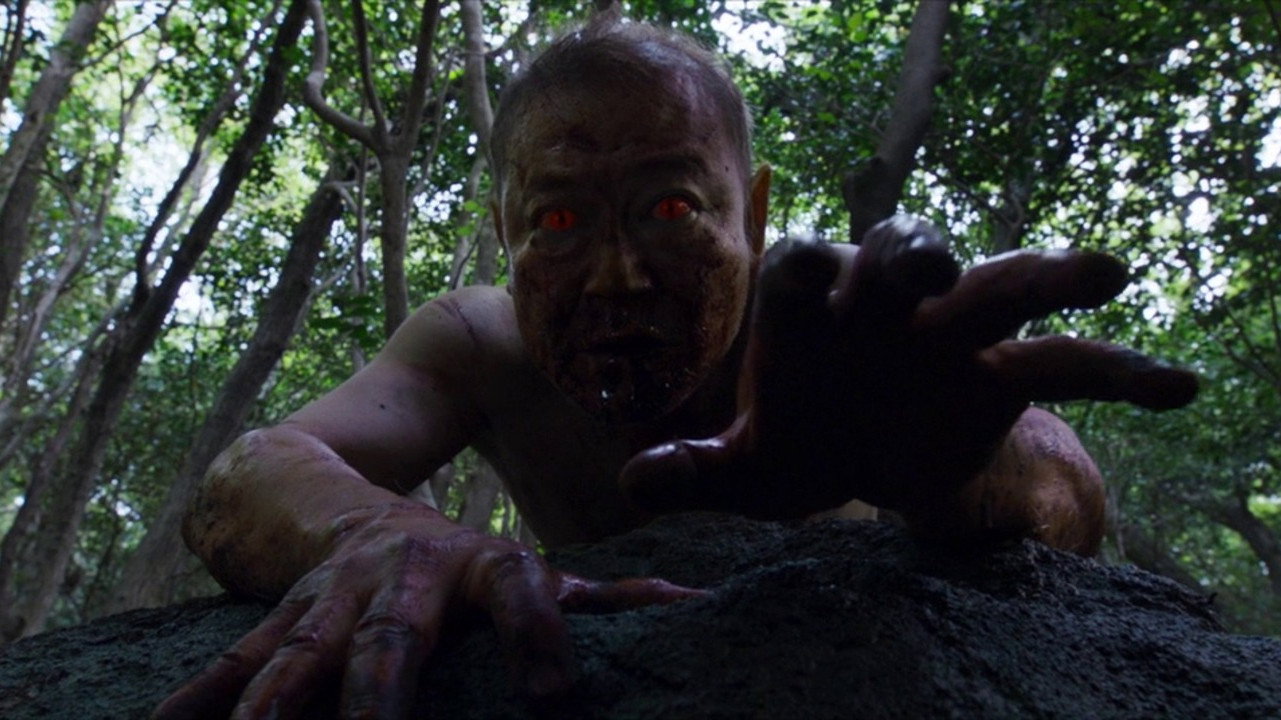
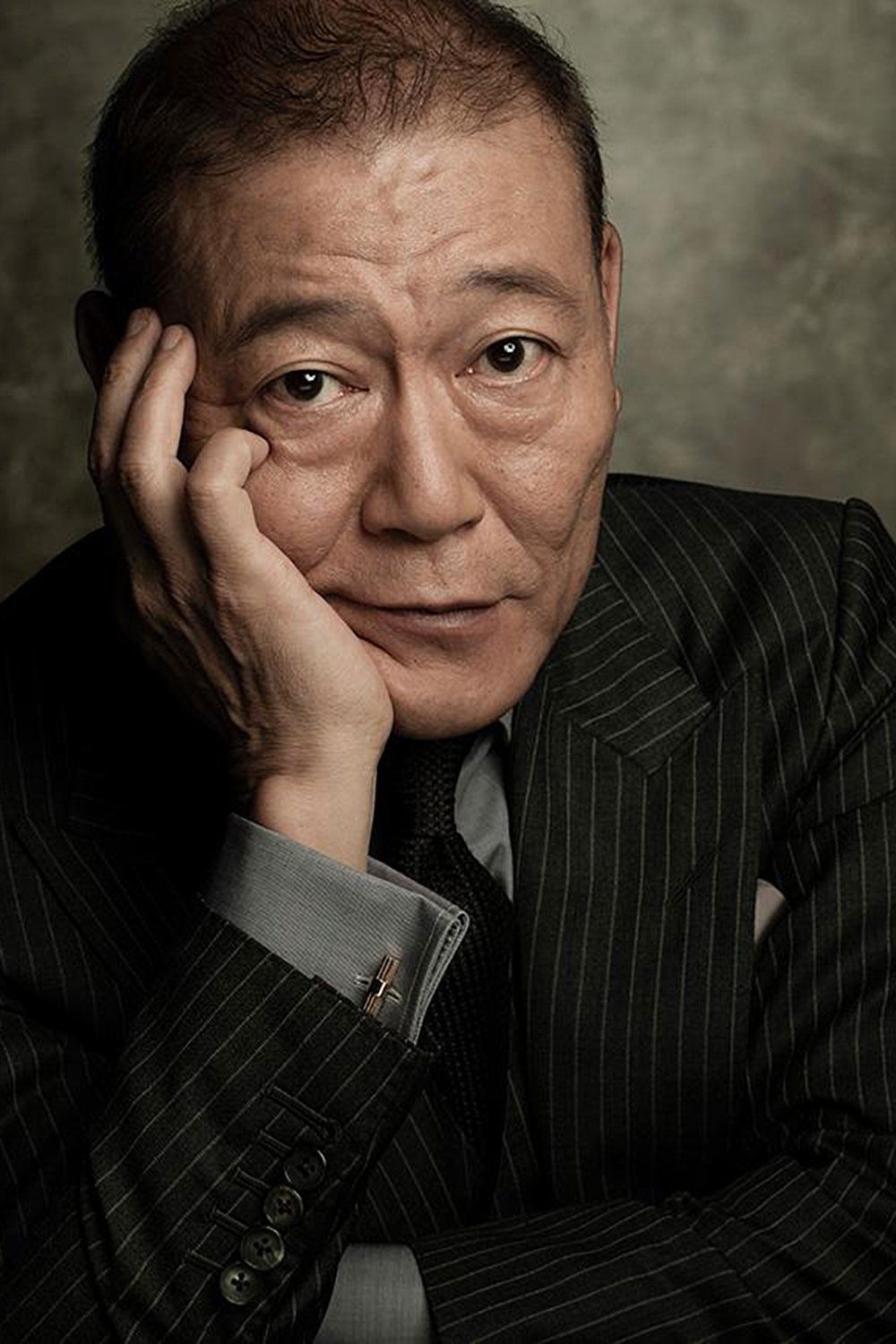
The casting of Japanese actor Jun Kunimura was central to the film’s strategy of suspicion. Na did not write the role for a particular performer and considered multiple Japanese actors before choosing Kunimura, whose ability to alter his facial expression allowed the Stranger to remain emotionally unreadable for long stretches. Na has also discussed the character in terms of failed communication: Jong-gu encounters someone similar enough to belong to the same immediate human world yet divided from him by language, nationality and the villagers’ increasingly hostile assumptions.

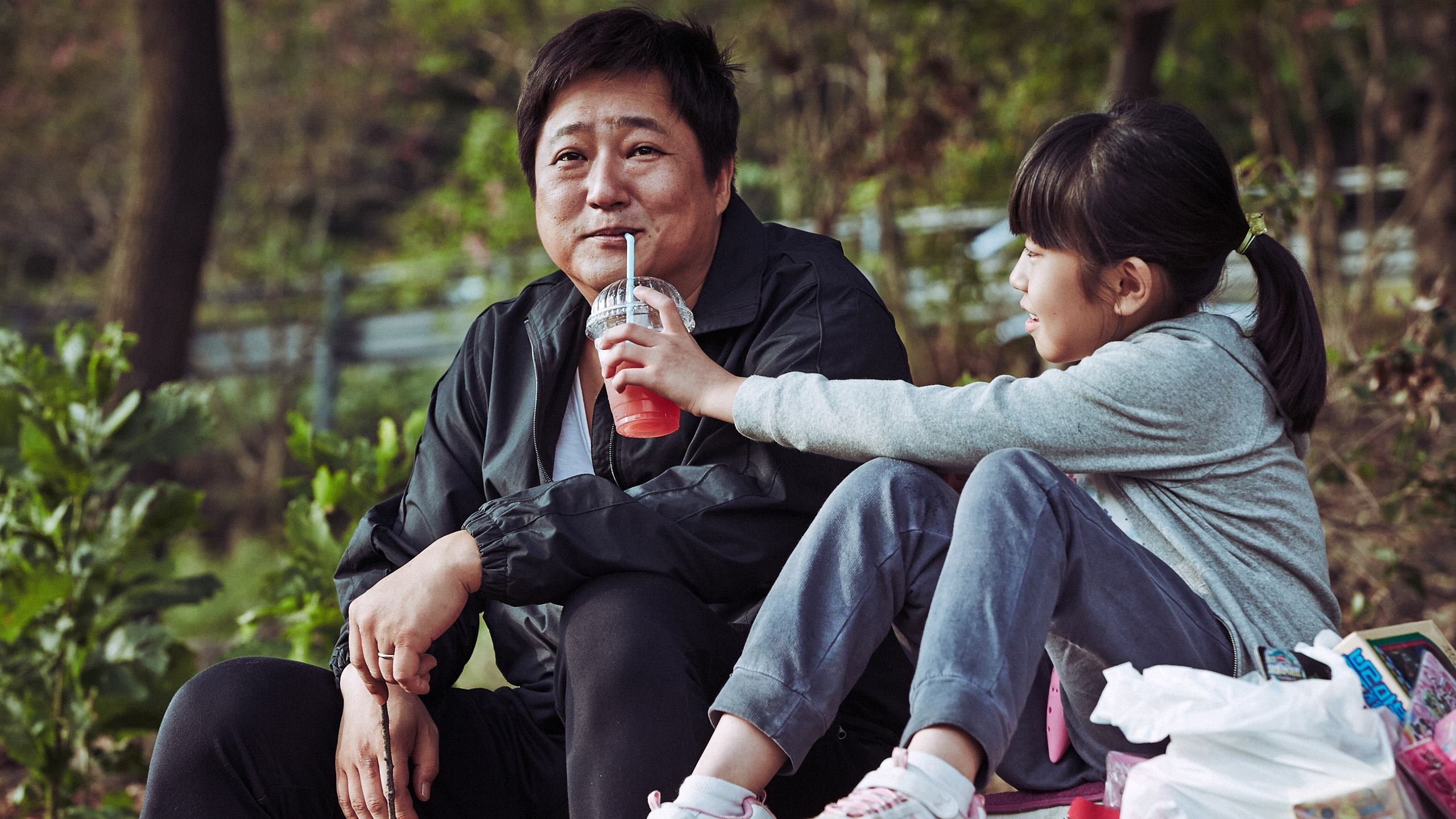
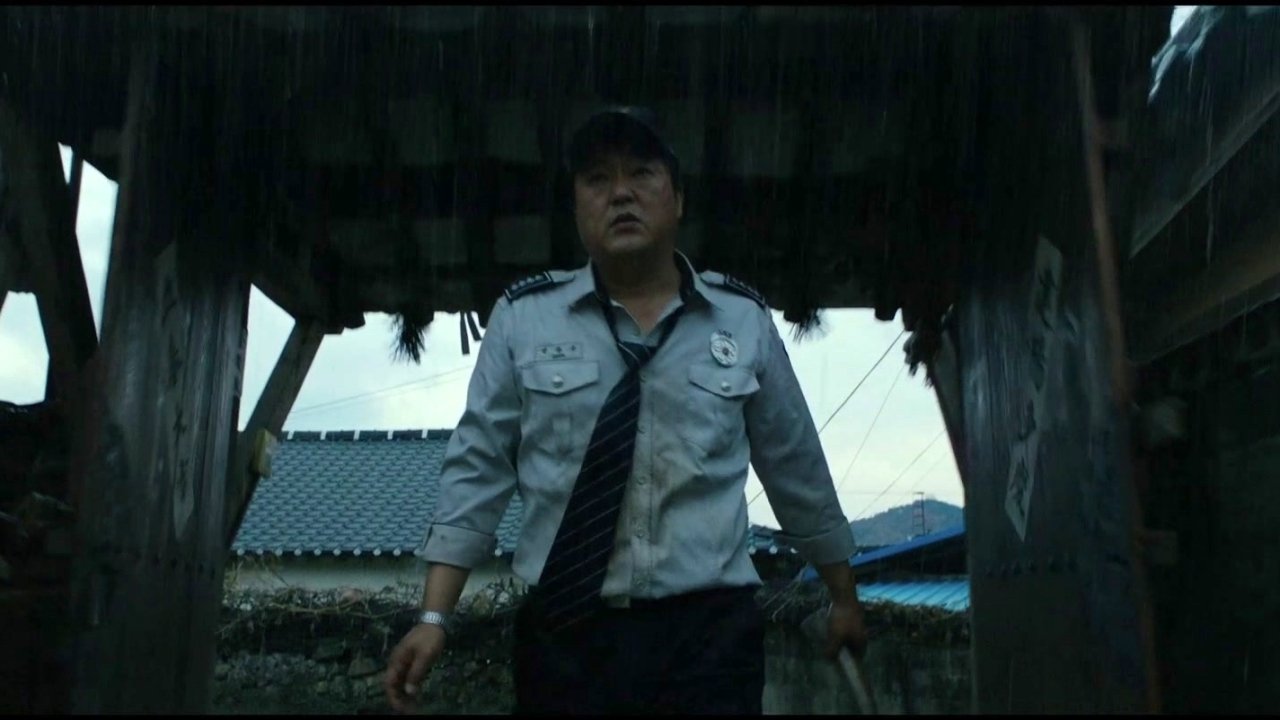
That ambiguity operates on several levels. Evidence implicating the Stranger exists alongside rumour, dreams, photographs, ritual objects and openly prejudicial speculation. The film allows those categories to contaminate one another until the characters can no longer reliably distinguish observation from interpretation. Jong-gu’s paternal desperation intensifies the problem. Once his daughter Hyo-jin becomes ill, the police investigation ceases to be detached; each new possibility becomes something he must either believe or reject quickly enough to save her.

Na deliberately resisted providing a simple interpretive key after release. He acknowledged that audiences produced radically different readings of the conclusion and argued that such variation was expected. This makes the film’s uncertainty more than a conventional final twist. Trusting an interpretation is itself one of the decisive actions in the story, and the consequences of choosing wrongly are irreversible.

Release, Cannes & Box Office

The Wailing opened theatrically in South Korea on May 12, 2016, with a running time of 156 minutes. It had already attracted strong attention at home before screening at the 69th Cannes Film Festival, where it appeared in the Official Selection Out of Competition.

Commercially, the film performed unusually well for a long and deliberately ambiguous supernatural thriller. Its first major weekend brought approximately 1.83 million admissions, and within its first week it had reached more than 2.3 million. Korean Film Council records ultimately place its domestic attendance at approximately 6.88 million admissions, making it one of the highest-attended releases in Korea during 2016.

The film also received a limited North American theatrical release through Well Go USA. Korean Film Council reporting recorded $296,812 after its first ten days in the United States and Canada as the release expanded beyond its initial Los Angeles engagement. Its international visibility, however, was driven at least as much by Cannes and critical attention as by the scale of its foreign theatrical grosses.

Reception & Awards

Contemporary international reception was strongly positive, though disagreement over the film’s ending was present from the beginning. Critics frequently focused on the relationship between Hong Kyung-pyo’s wide compositions and the characters’ isolation within the landscape, as well as the film’s movement between comedy, police procedural, folk horror and occult cinema. Domestic discussion was similarly intense, and Na himself addressed conflicting audience interpretations shortly after release rather than presenting those disagreements as evidence of a single misunderstood solution.

The film also received substantial recognition within Korean cinema. At the 2016 Blue Dragon Film Awards, Na Hong-jin won Best Director and Jun Kunimura won Best Supporting Actor; Kunimura became the first foreign performer to receive an acting prize at the ceremony. The film also received international genre recognition, including awards at Sitges, where Hong Kyung-pyo received Best Cinematography and the film won the Focus Asia prize.

Legacy

The Wailing has retained a prominent place in discussions of twenty-first-century Korean horror. Its importance rests partly on the way it combines several traditions without reducing them to interchangeable supernatural imagery. Korean shamanism, Christian iconography, rural folklore, procedural investigation and the structure of possession cinema operate simultaneously, while none provides the audience with a completely reliable interpretive system.

Its longer-term position is visible in both critical and academic treatment. The film has continued to appear in retrospectives of significant South Korean and twenty-first-century horror, while scholarship on contemporary Korean occult cinema has examined it as part of a broader development in which exorcism traditions are reworked through specifically Korean cultural and religious material. The Wailing demonstrated how a large-scale genre film could remain culturally specific, commercially successful and structurally resistant to easy interpretation.

Cast

View Full Cast & Crew →

Release & Distribution

Production Companies (4)

  • 20th Century Fox Korea KR
  • Fox International Productions US
  • Ivanhoe Pictures US
  • Side Mirror KR

Distributors (1)

  • 20th Century Studios US

Release History (31)

Release DateTerritoryRelease TypeFormatDistributorCertificationNotes
2016-05-12 South Korea Theatrical — — 15
2016-05-18 France Premiere — — — Cannes Film Festival
2016-05-20 United States Limited Theatrical — — NR
2016-06-03 Canada Theatrical — — R
2016-06-03 United States Theatrical — — NR
2016-06-26 Germany Premiere — — — Munich International Film Festival
2016-07-06 France Theatrical — — 12
2016-07-27 China Premiere — — — FIRST International Film Festival
2016-10-06 Netherlands Theatrical — — 16
2016-10-09 Spain Premiere — — — Sitges Film Festival
2016-10-12 United Kingdom Premiere — — — BFI London Film Festival
2016-10-29 Netherlands Premiere — — — Amsterdamned
2016-10-29 Poland Digital — — 16
2016-10-31 Spain Premiere — — — Madrid (Subtitled Version)
2016-11-06 Spain Premiere — — — Barcelona (Subtitled Version)
2016-11-15 Spain Premiere — — — Molins Film Festival
2016-11-18 Spain Limited Theatrical — — 16 Subtitled Version
2016-11-20 United Kingdom Premiere — — — Abertoir Horror Festival
2016-11-23 Spain Digital — — —
2016-11-23 Spain Physical DVD, Blu-ray — — DVD & Bluray
2016-11-25 United Kingdom Theatrical — — 15
2016-11-25 Ireland Theatrical — — 15
2016-12-22 Brazil Theatrical — — 16
2017-01-09 France Physical DVD, Blu-ray — 12 DVD & Bluray
2017-01-30 Netherlands Physical DVD — 16 DVD
2017-03-05 Japan Premiere — — — Yubari International Fantastic Film Festival
2017-03-11 Japan Theatrical — — G
2017-10-12 Germany Theatrical — — 16
2018-09-03 France Digital — — — VOD
2021-05-20 France Digital — — 12 Prime Video
2022-03-17 Spain Limited Theatrical — — — Zaragoza (Subtitled Version - Event)

Awards & Festivals

1 entries
YearFestival / AwardEntrySectionCategoryResultPremiere
2016Sitges Film Festival AwardsawardSitges Film Festival Best cinematographywon
Never be tempted.