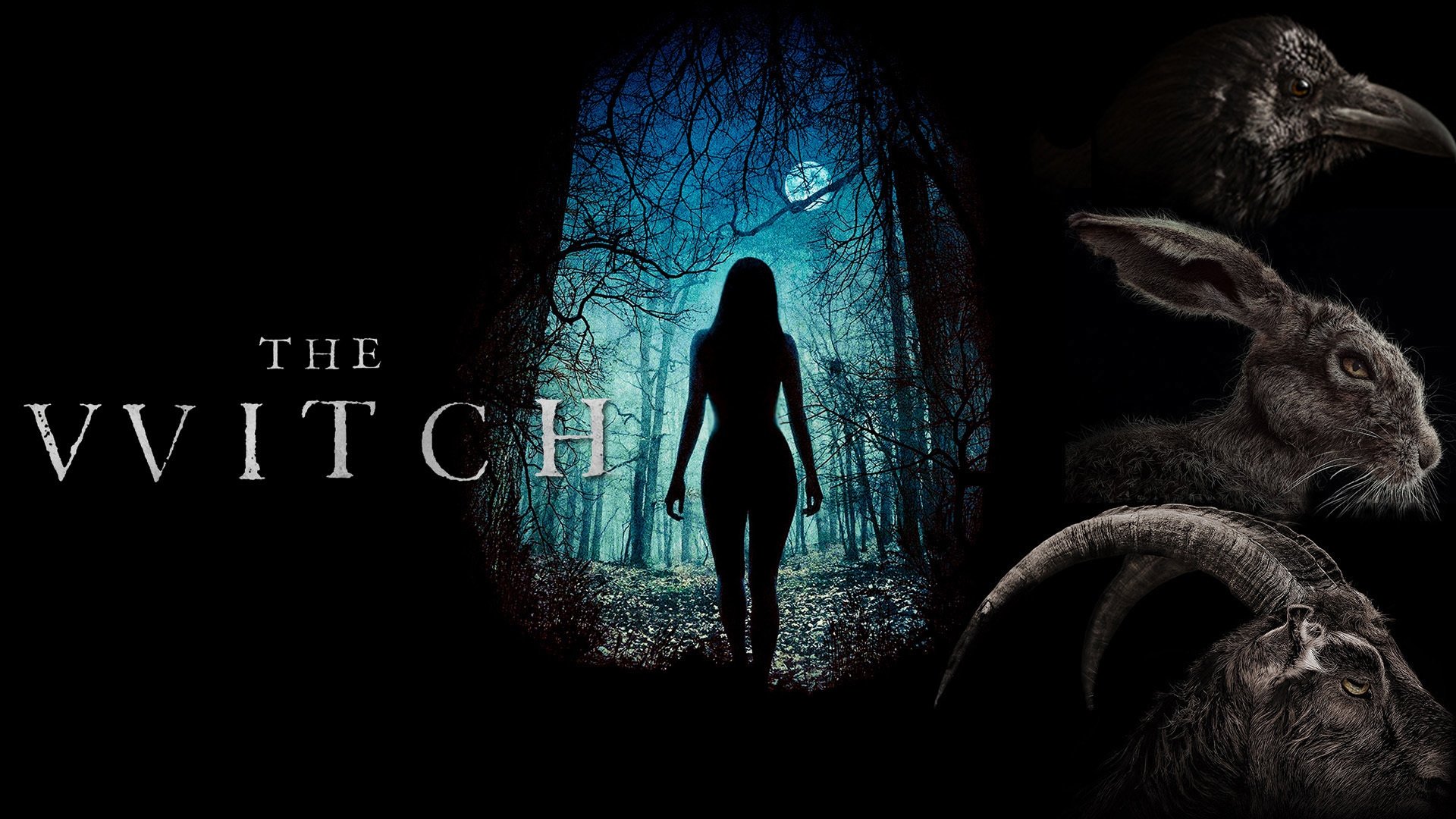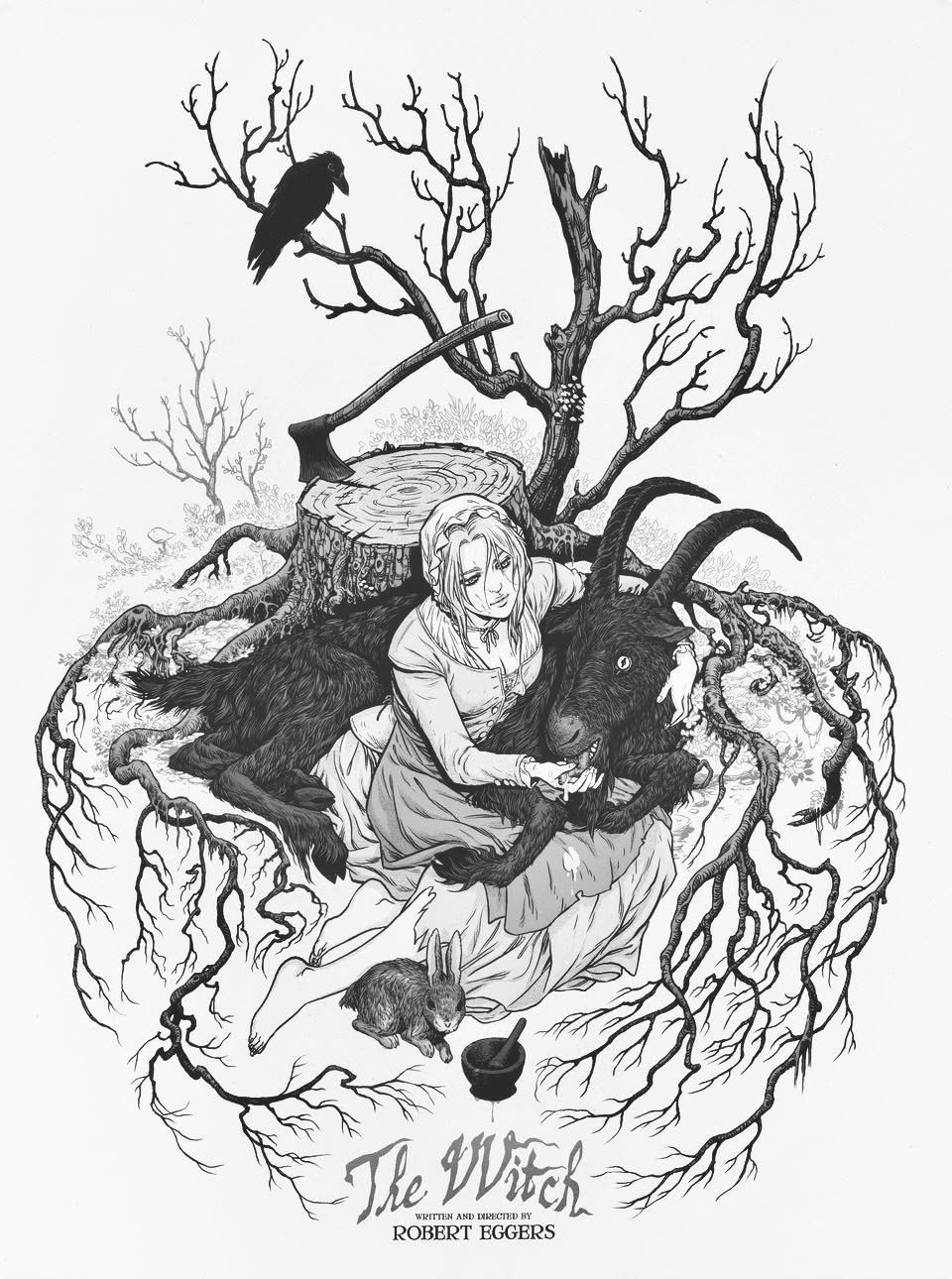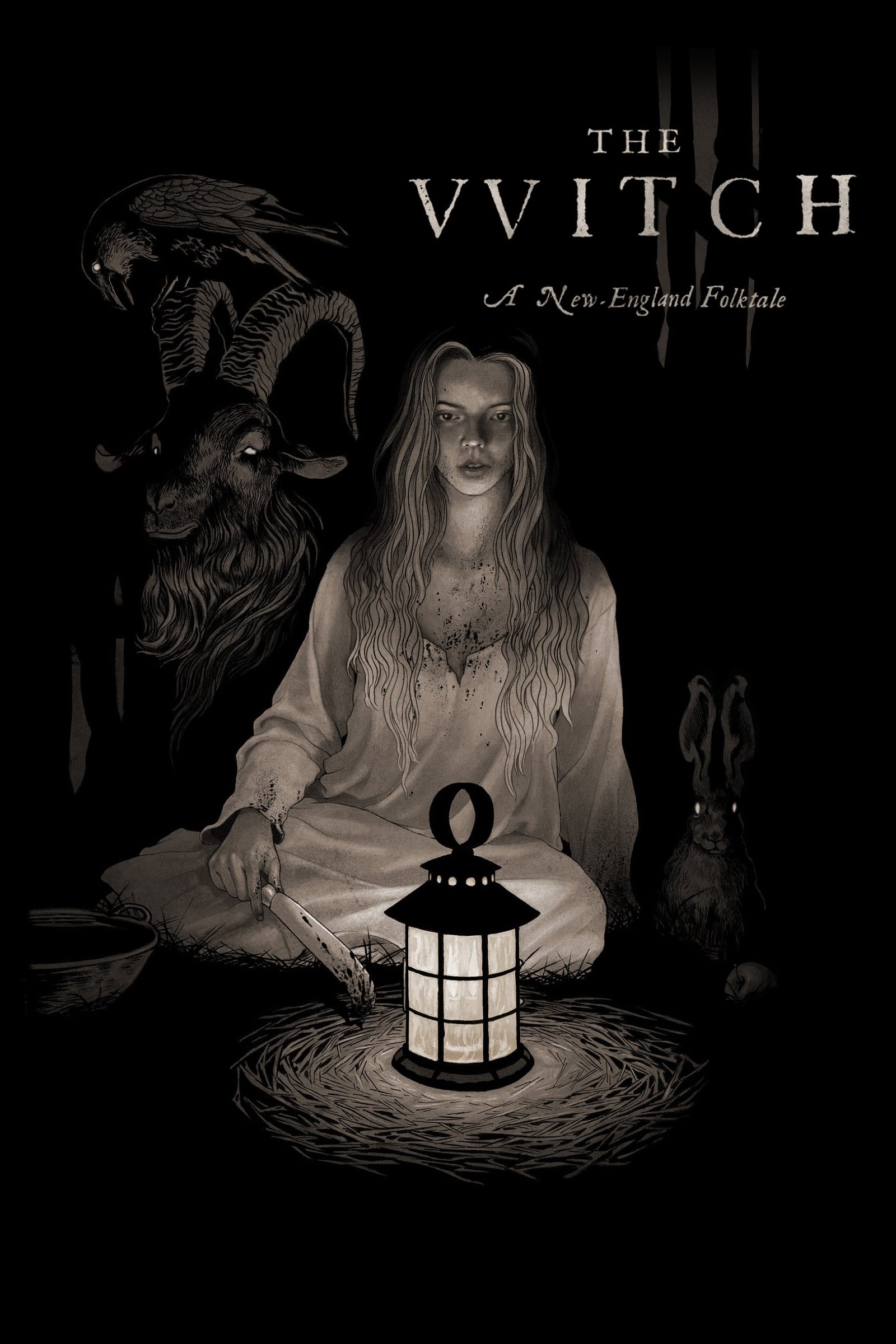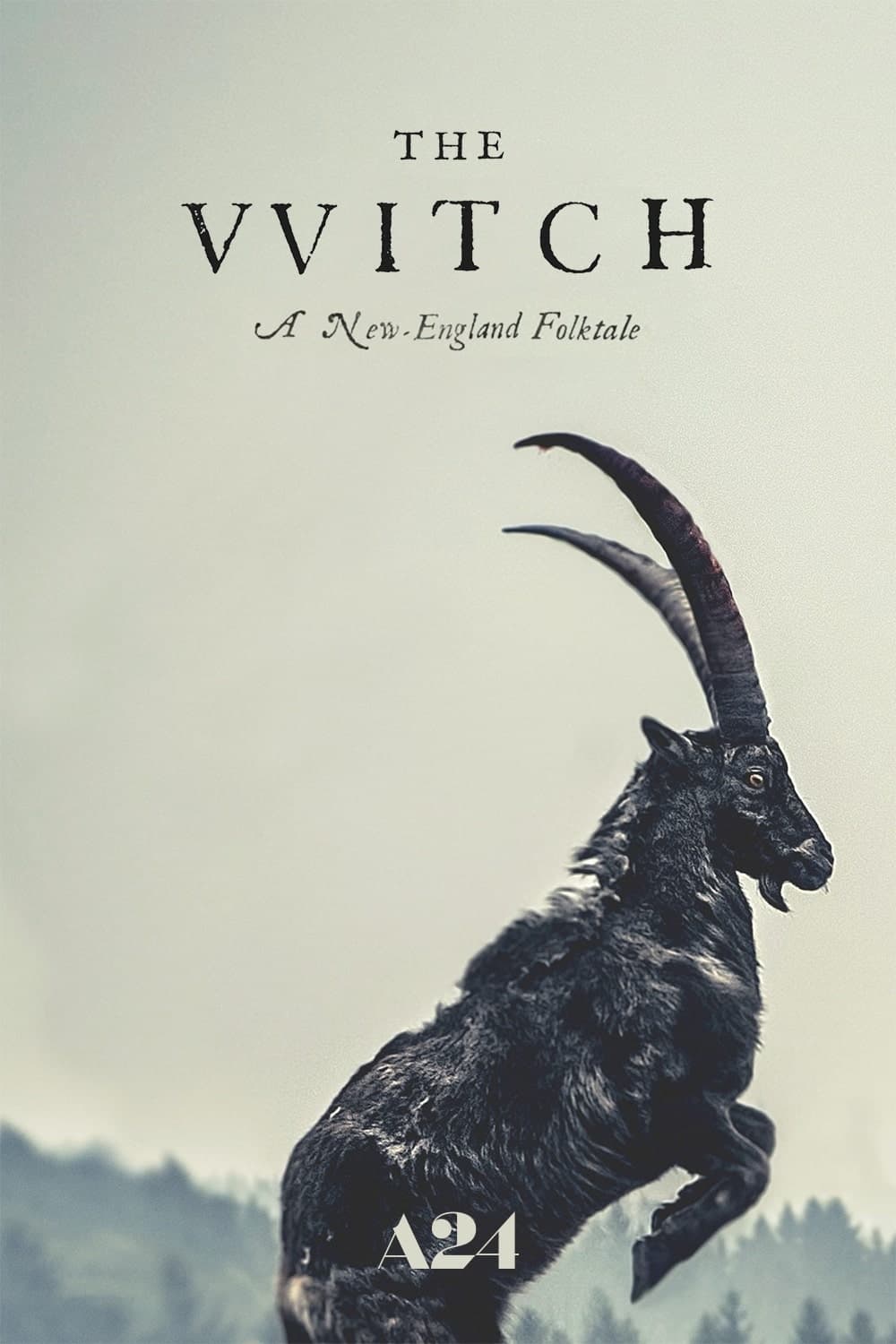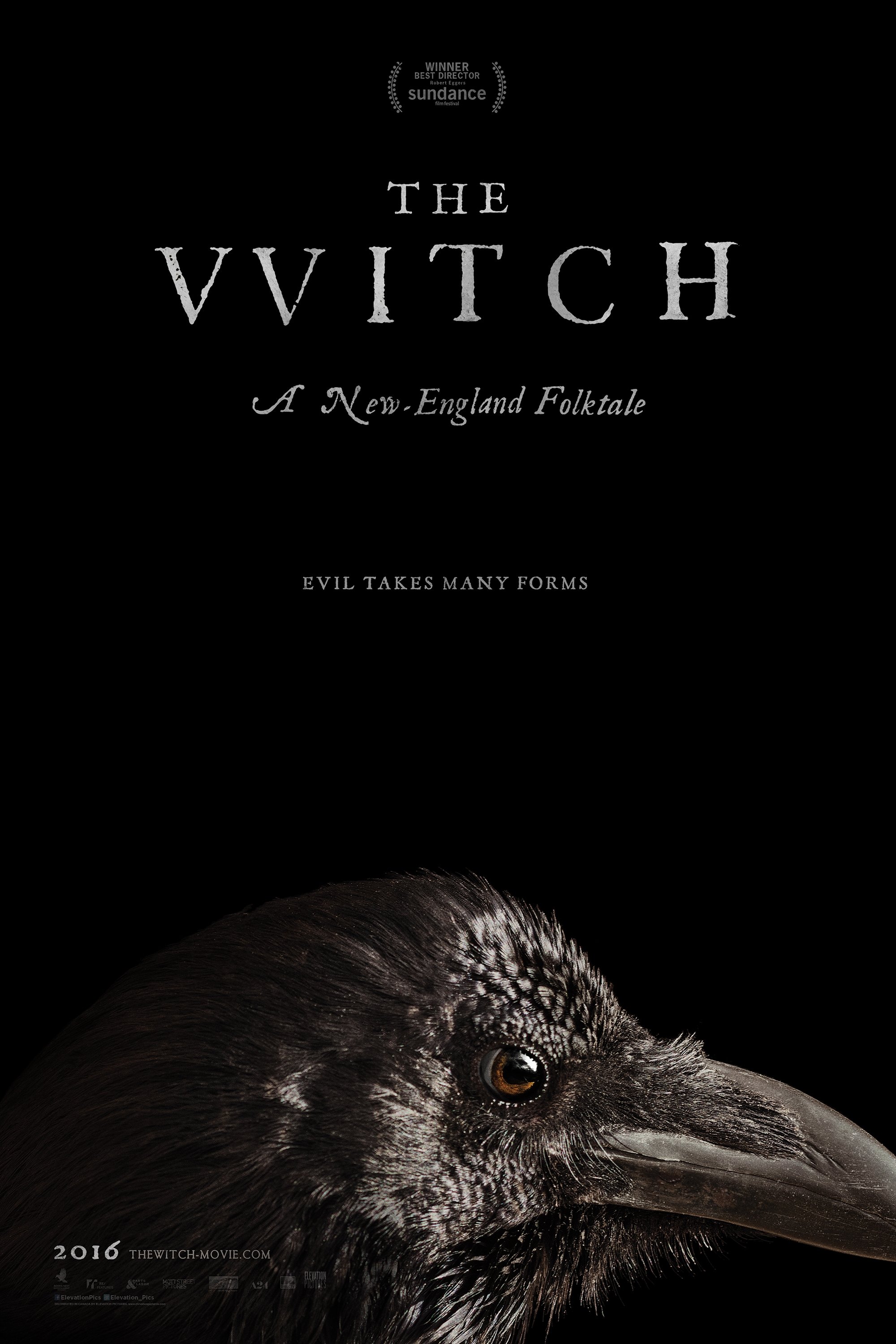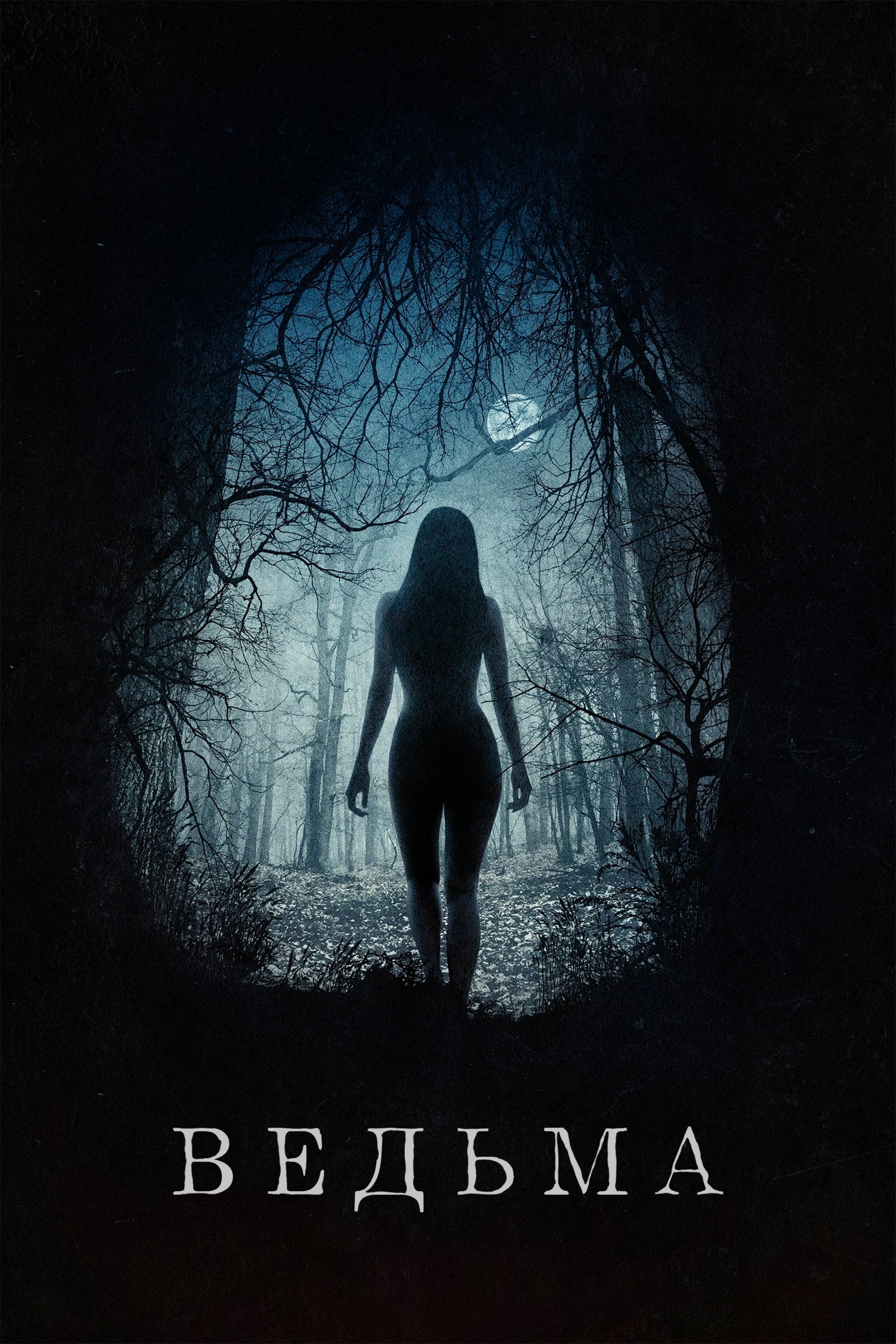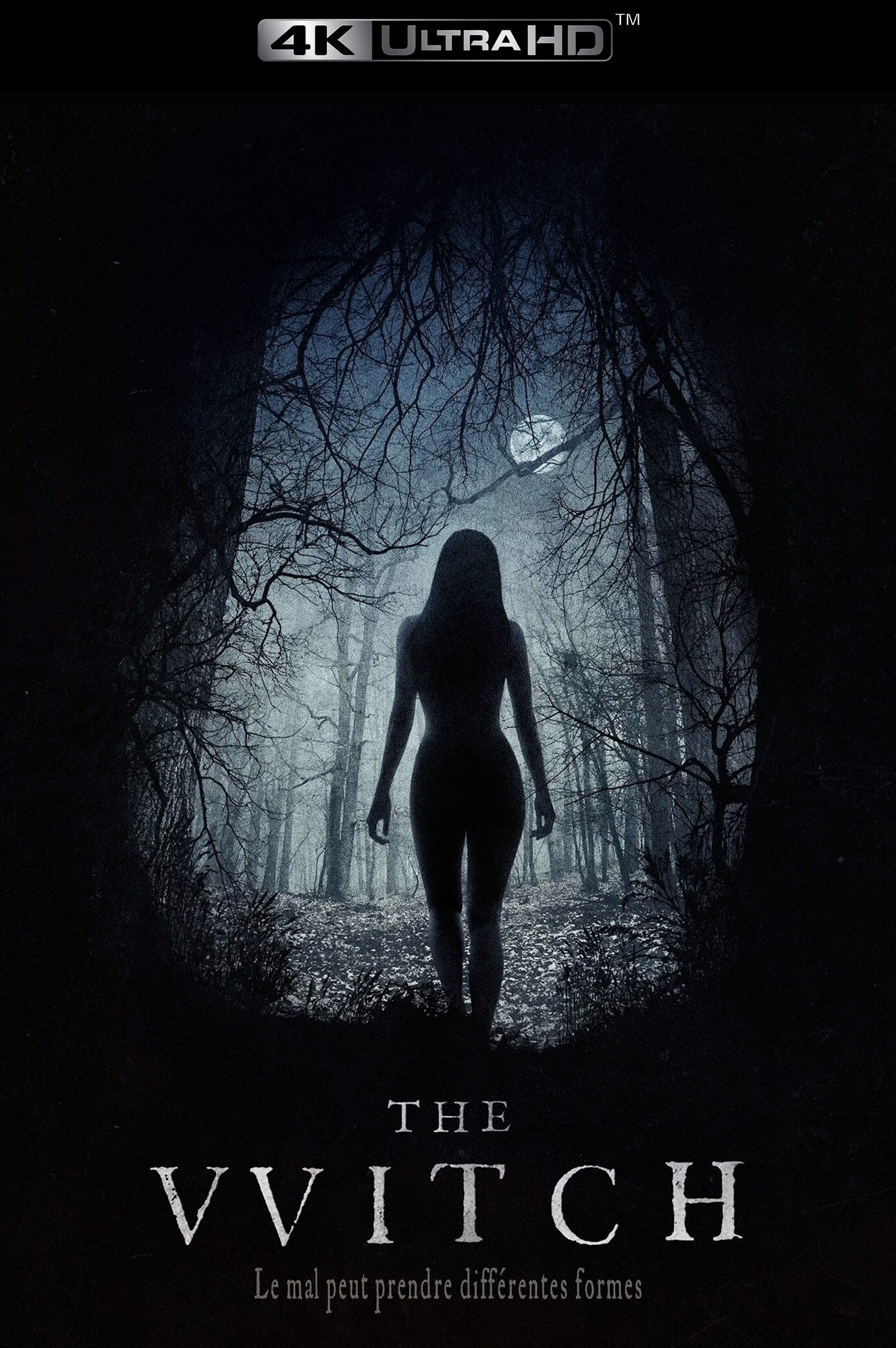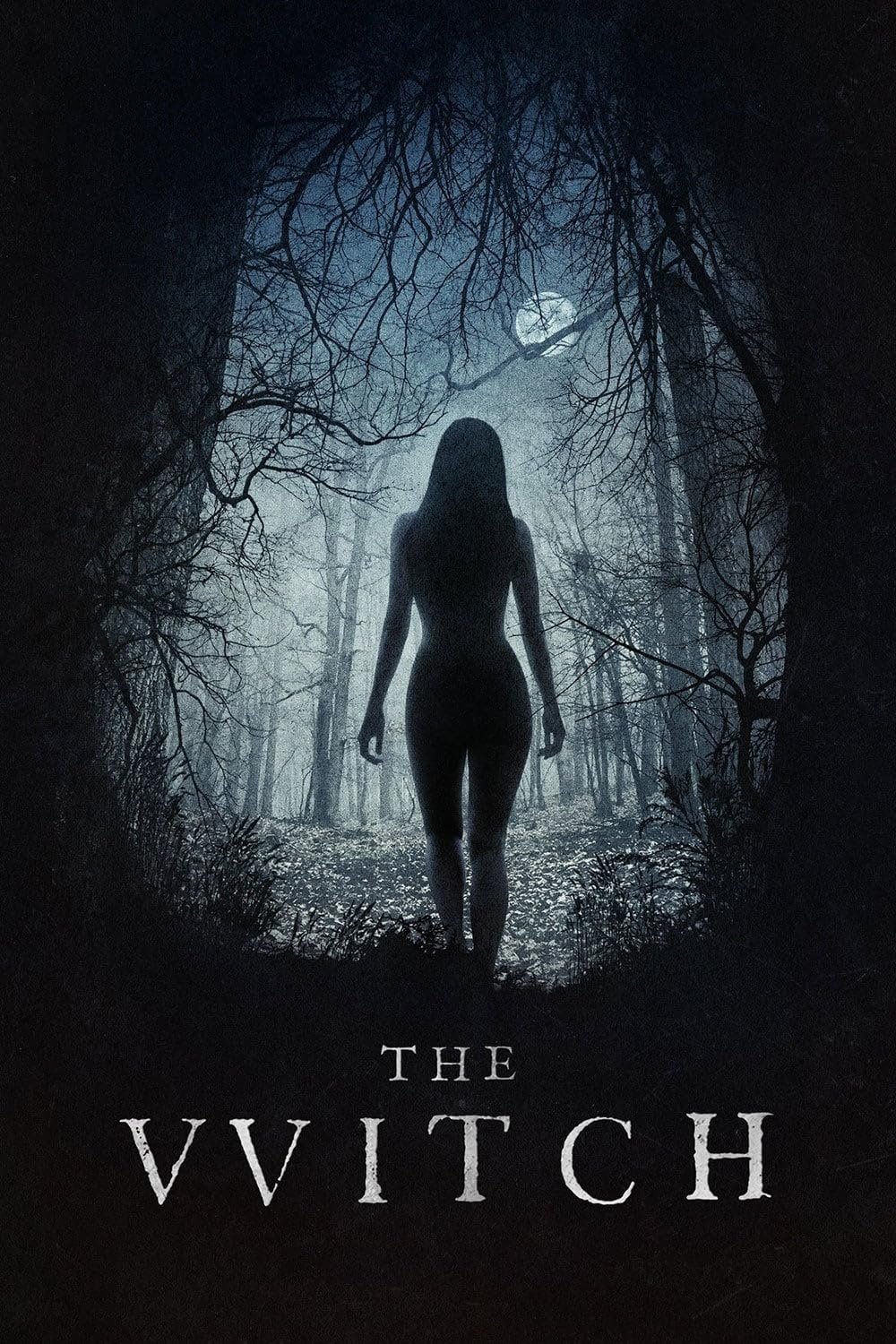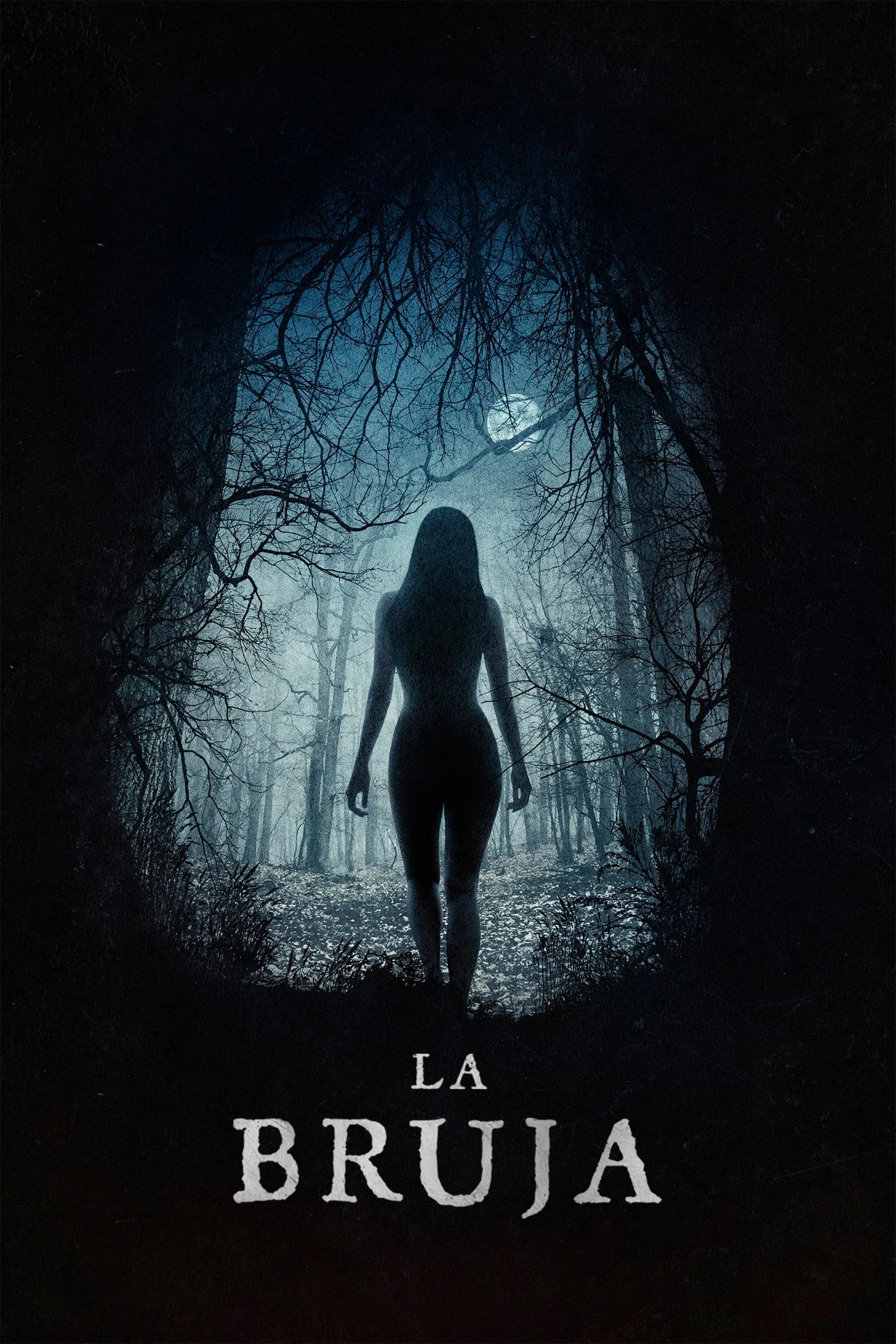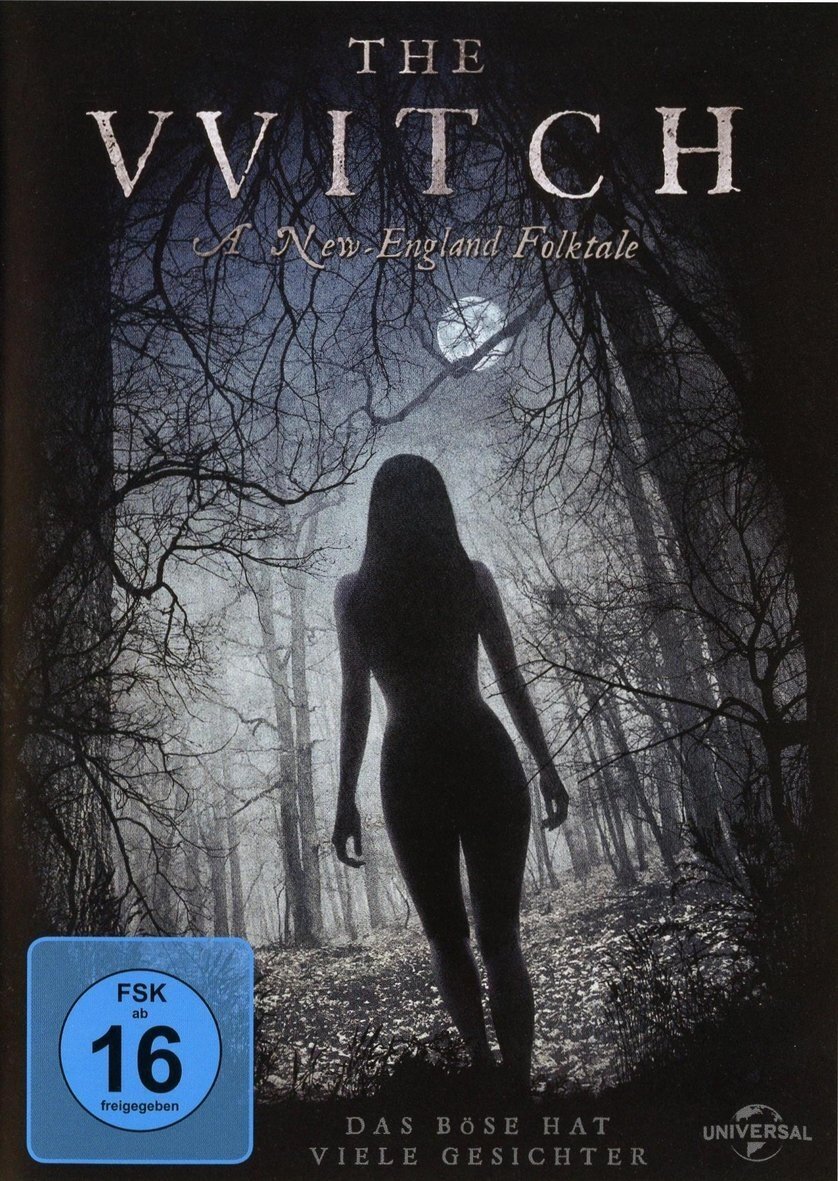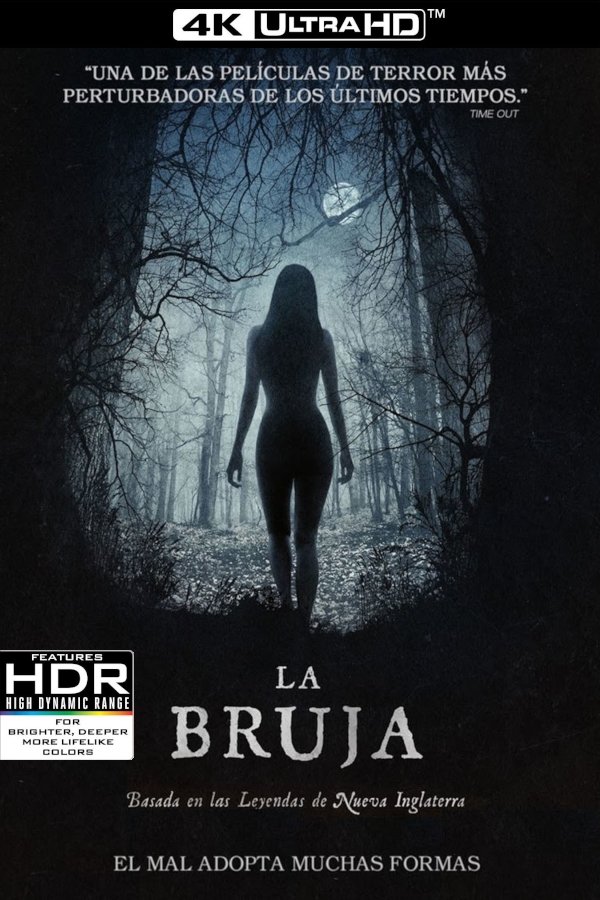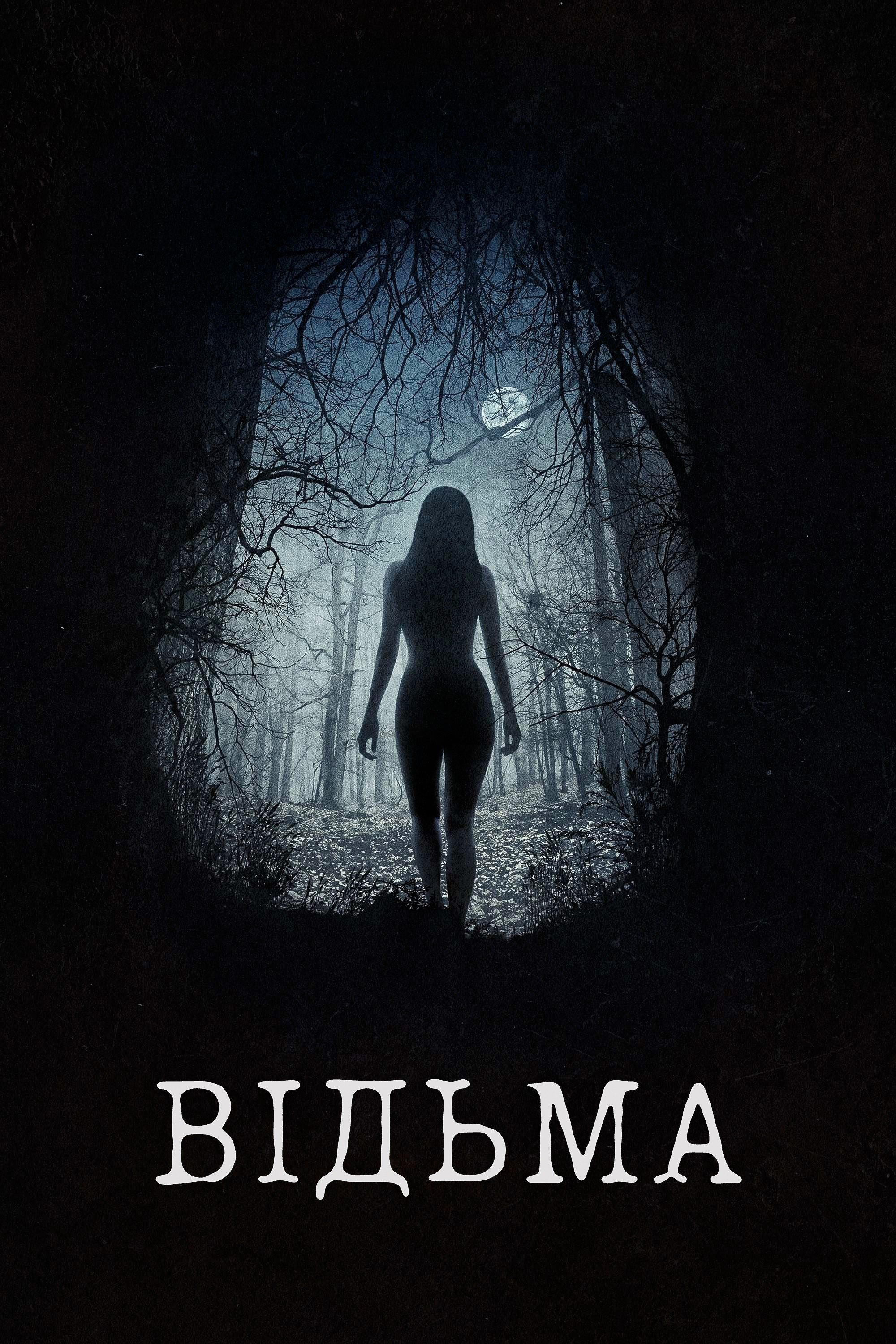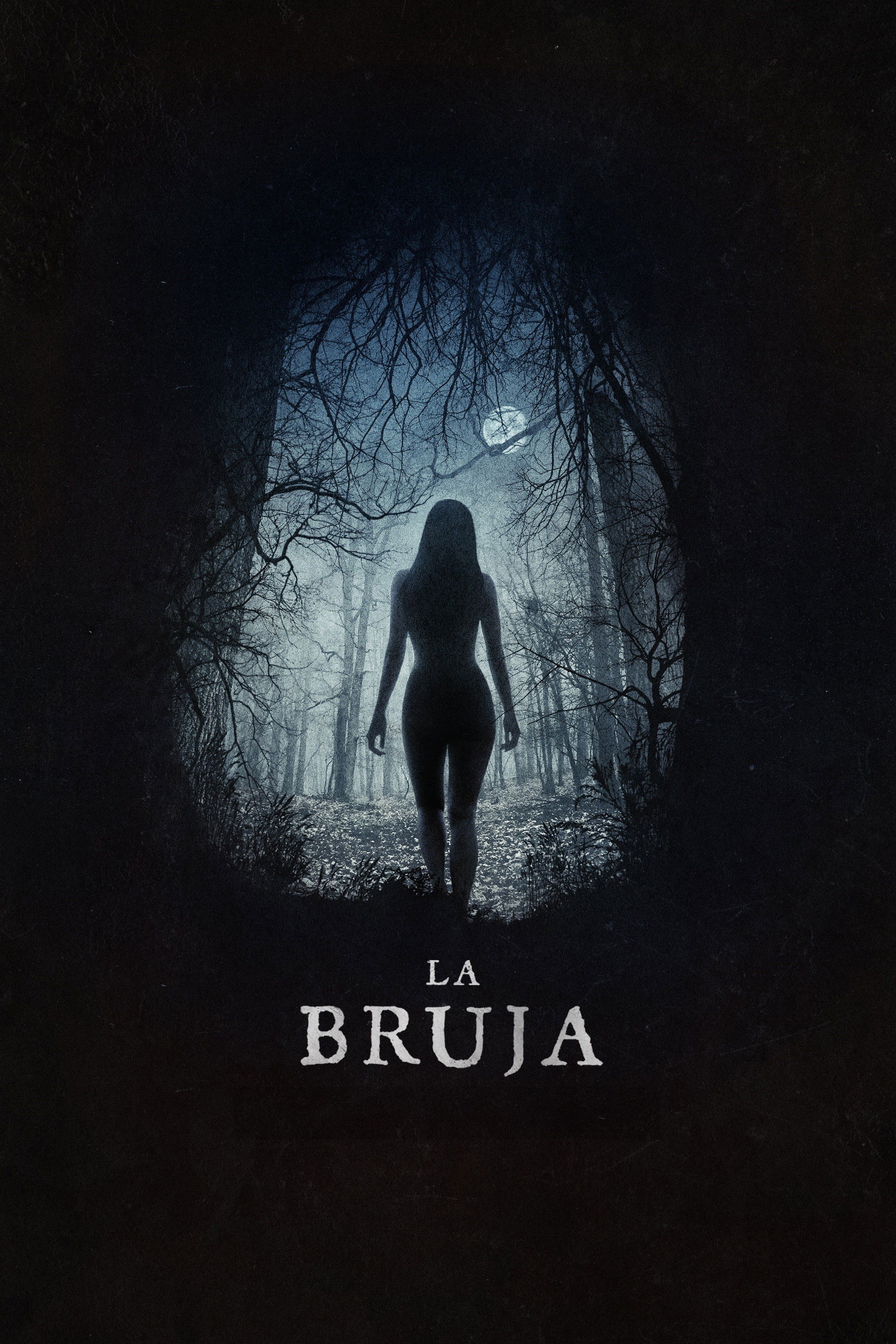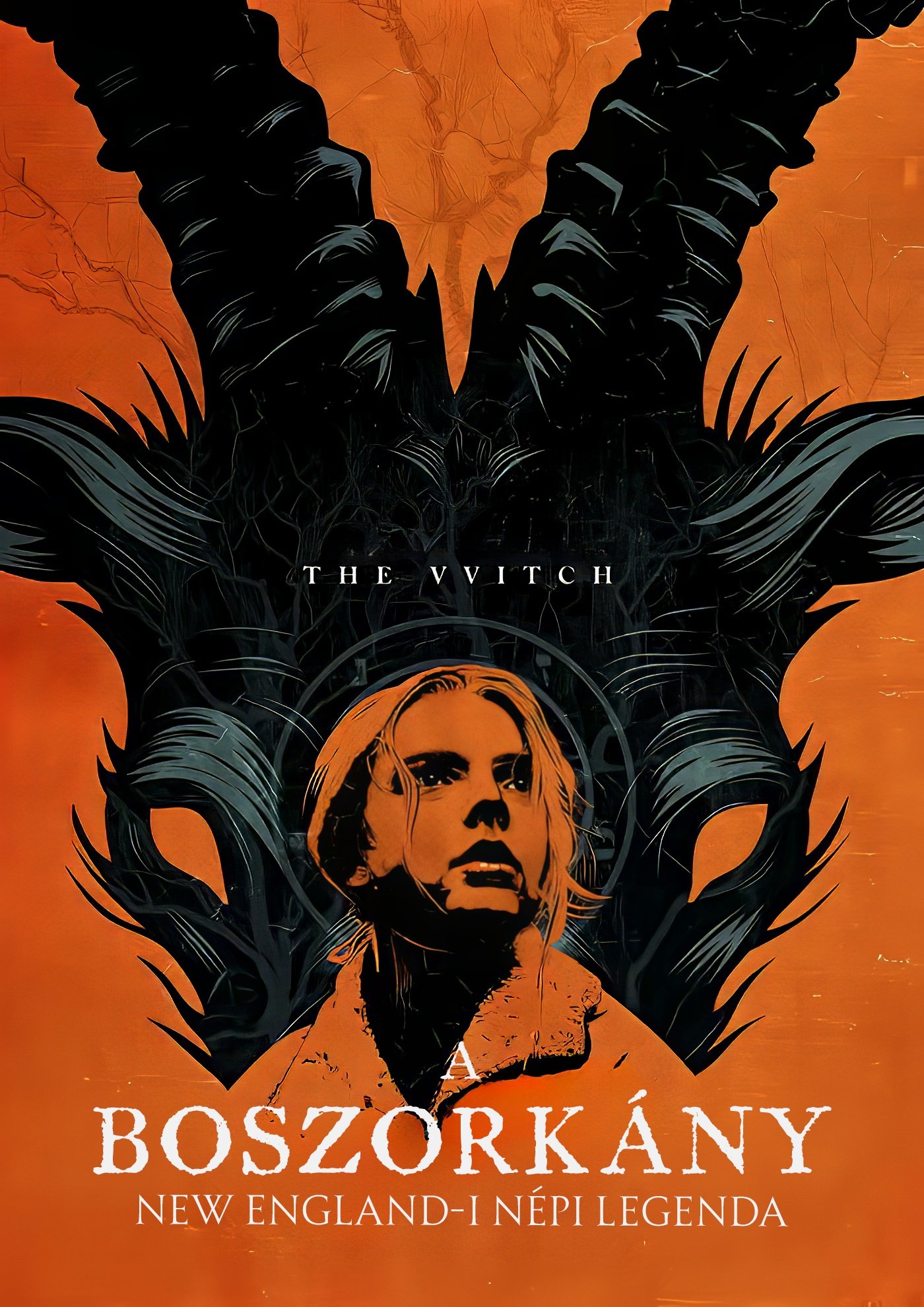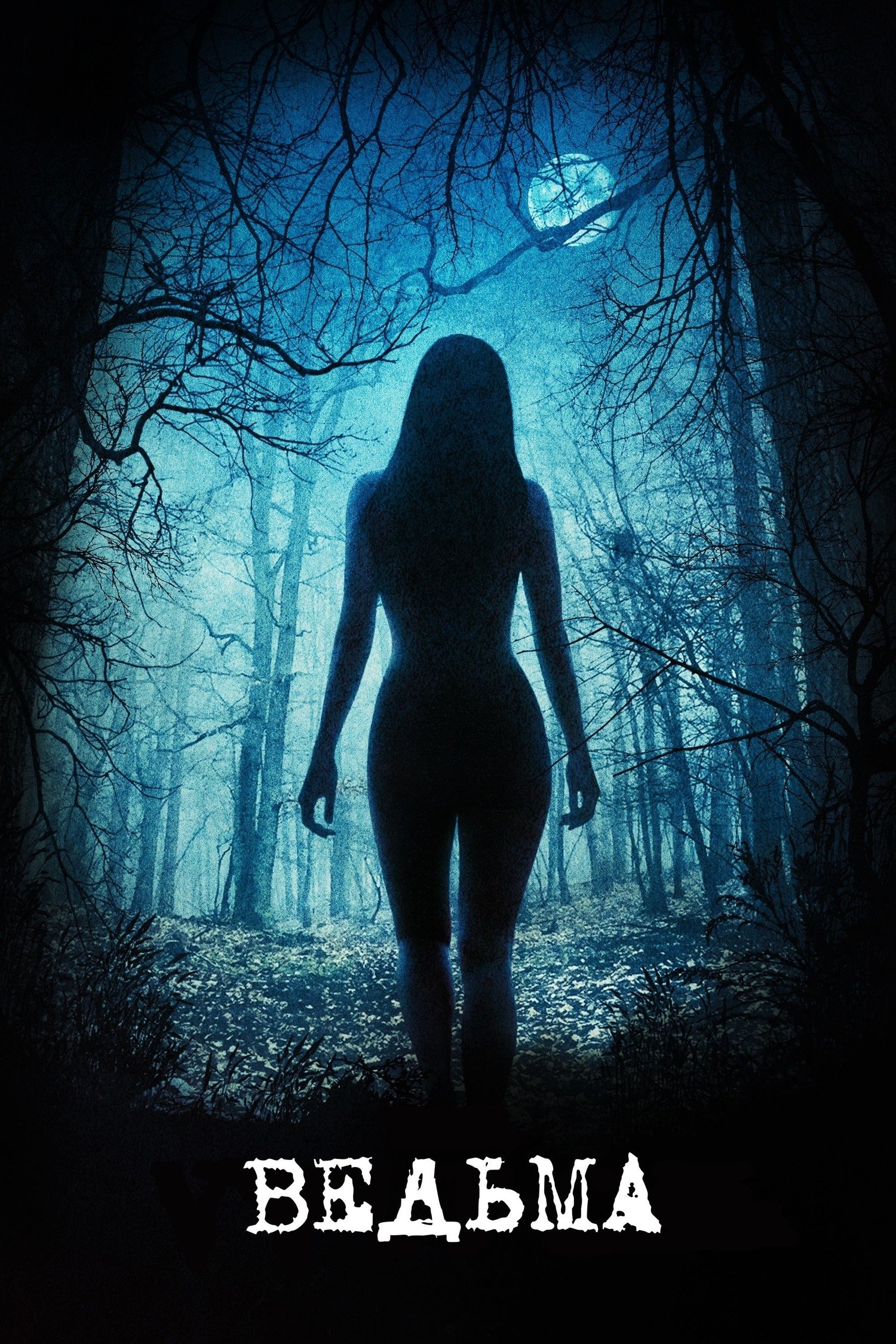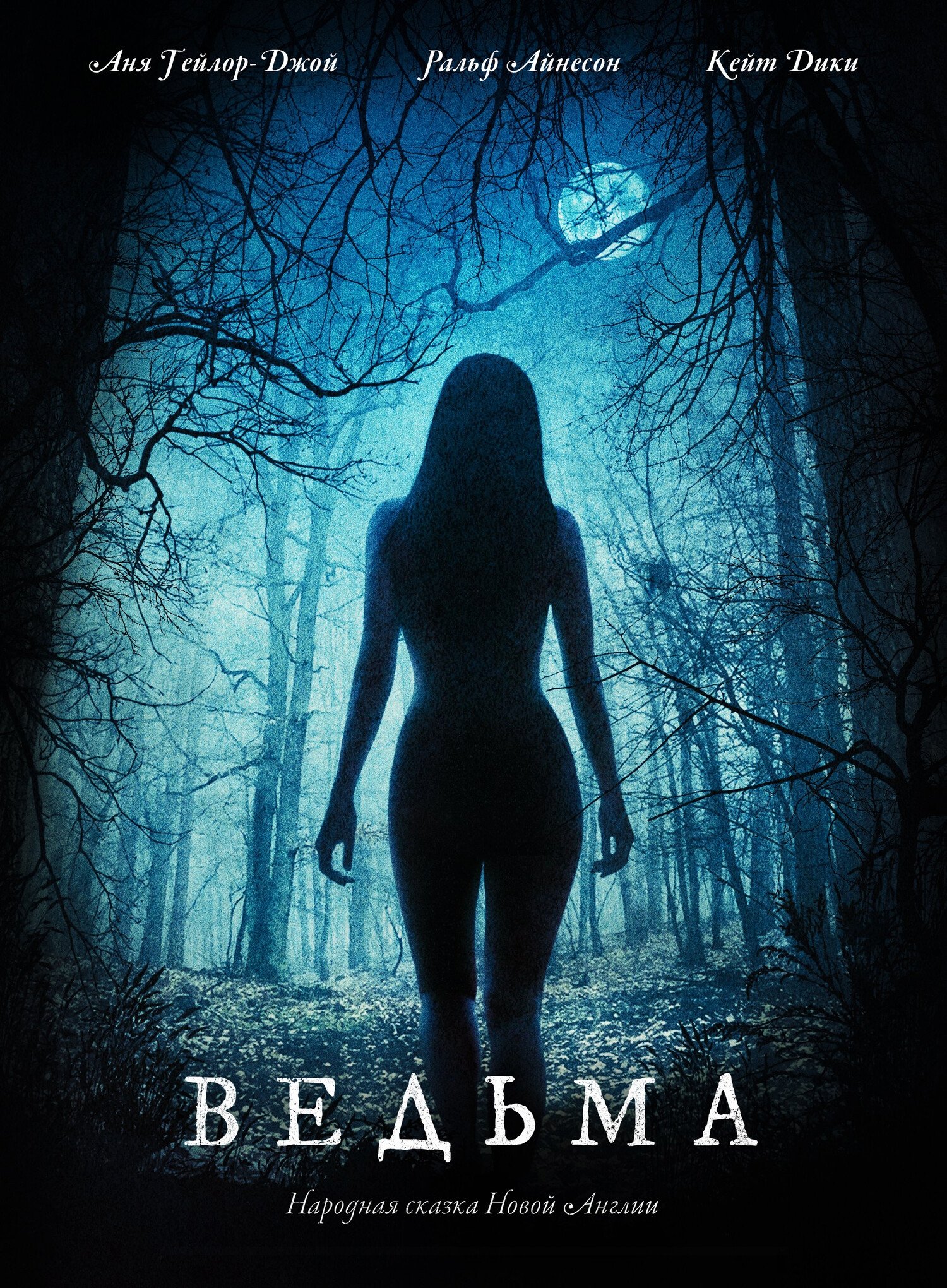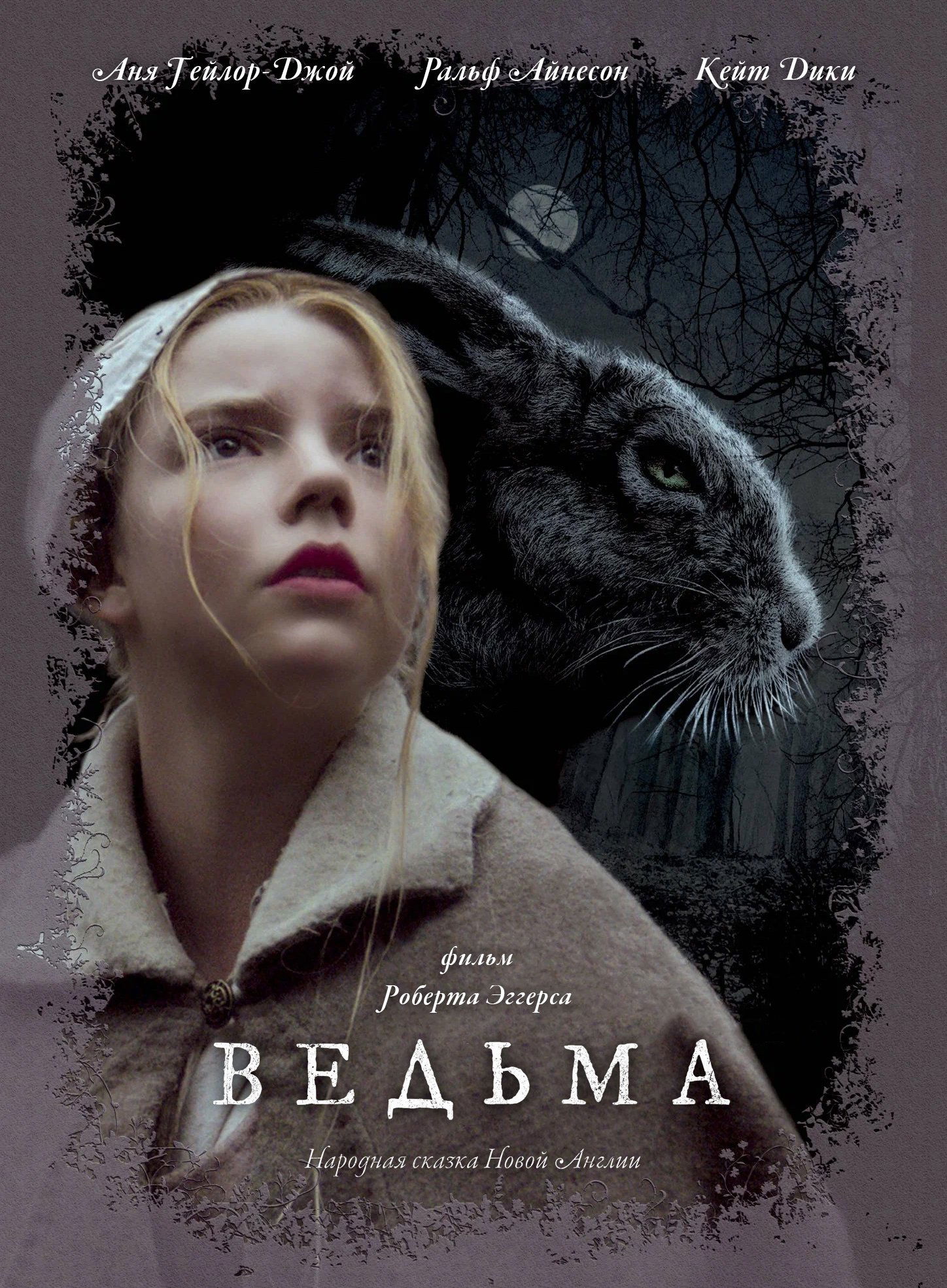
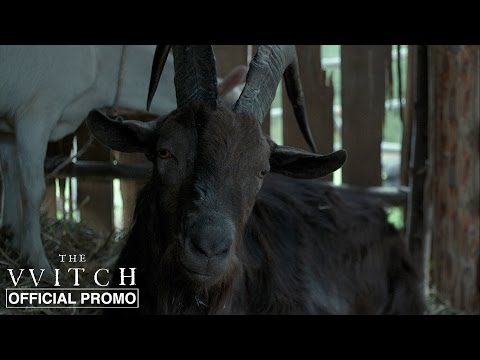
The Witch (2015)

US
SUBGENRES FOLK RURAL WITCHCRAFT
8.4/10 7 votes
Runtime
92 min
Release
November 11, 2015
Budget
$4,000,000
Revenue
$40,423,945
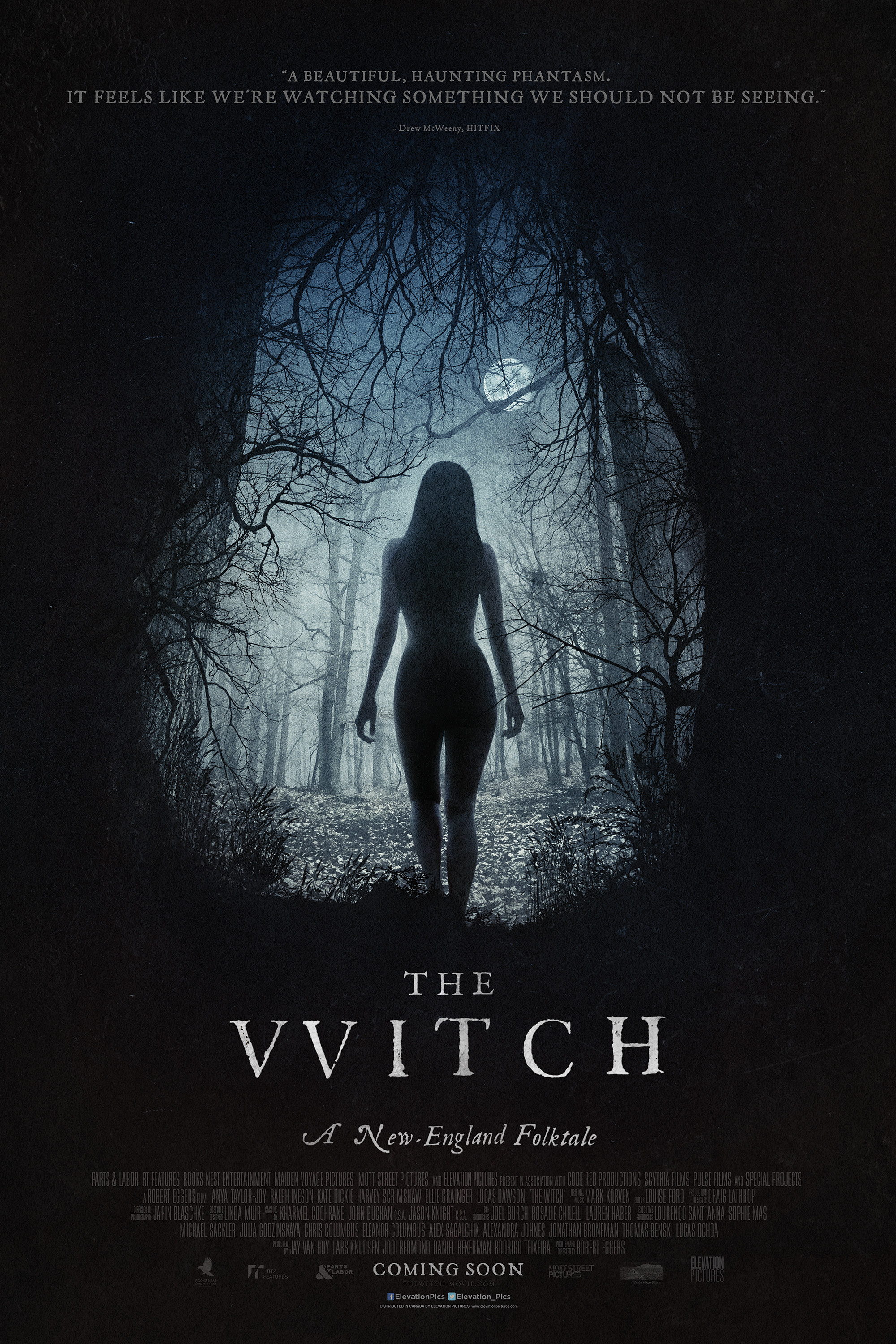
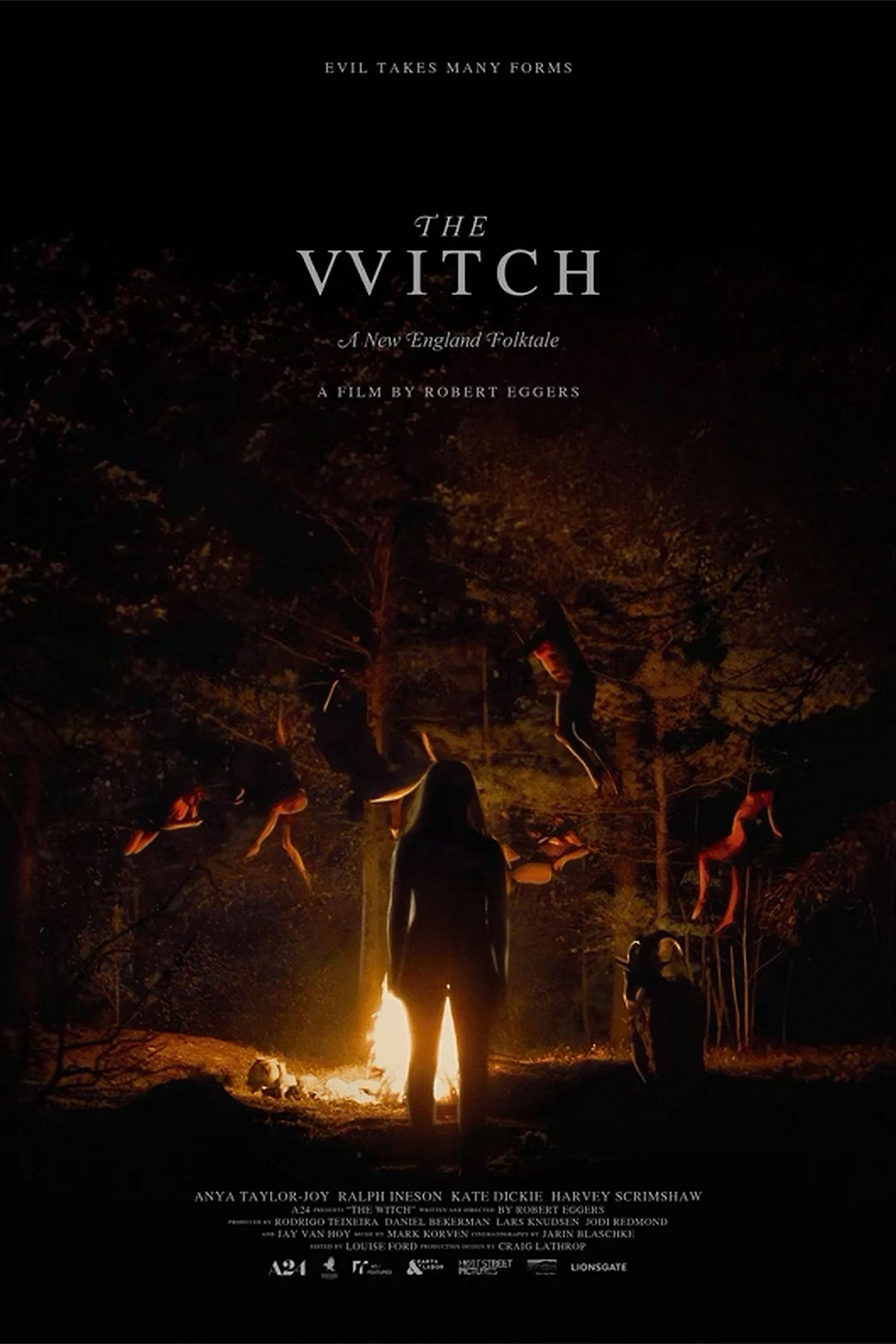
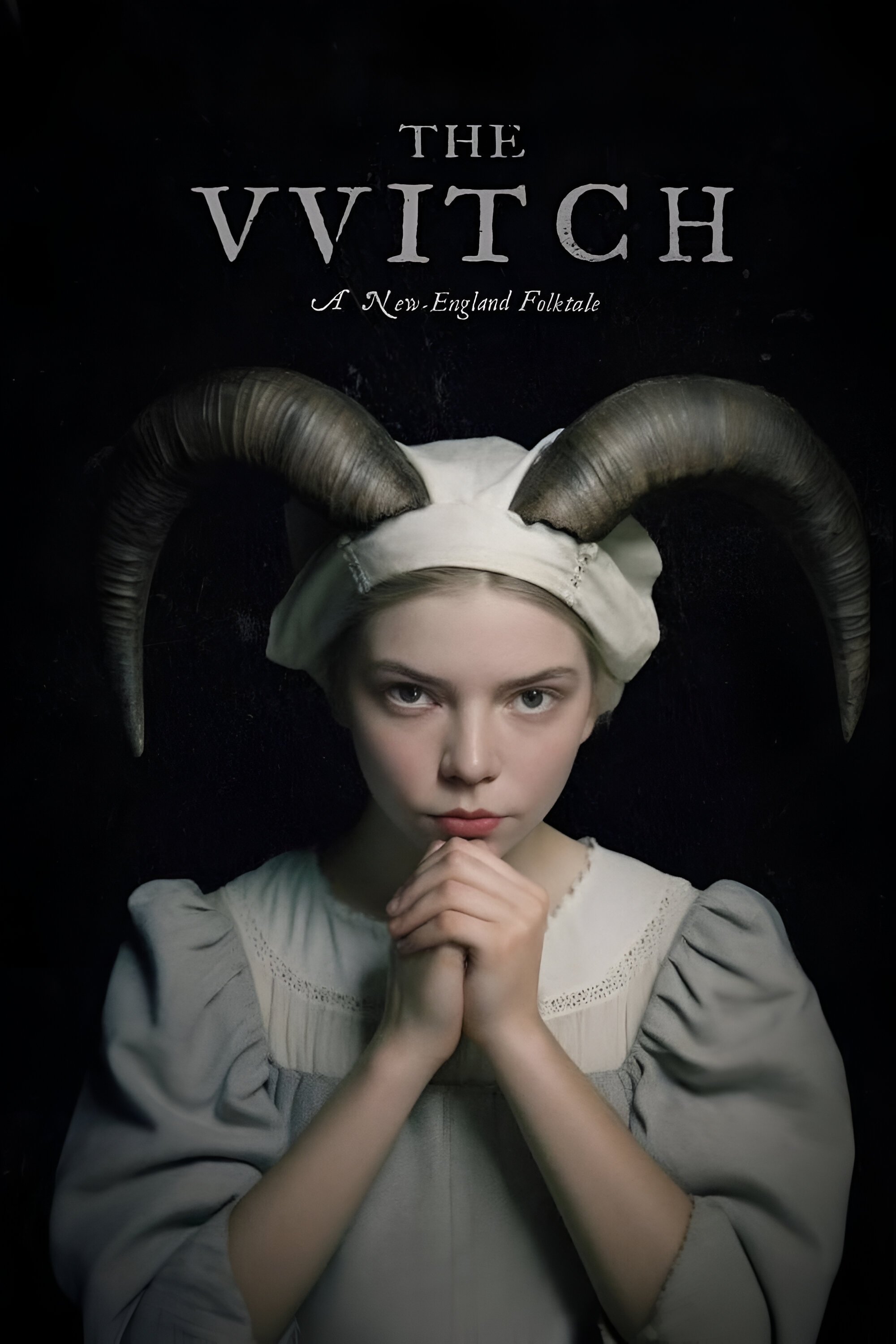
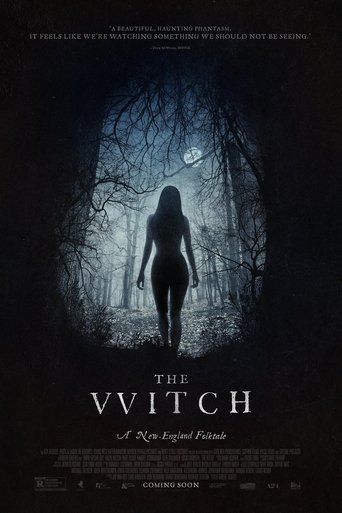
The Witch (2015) poster
Director
Production Companies
Very Special Projects , Parts & Labor , RT Features , Rooks Nest Entertainment , Maiden Voyage Pictures , Pulse Films , Scythia Films , Code Red Productions , Mott Street Pictures
Plot

In 1630, a farmer relocates his family to a remote plot of land on the edge of a forest where strange, unsettling things happen. With suspicion and paranoia mounting, each family member's faith, loyalty and love are tested in shocking ways.

Alternative Titles
Վհուկը (Armenia) The Witch: A New England Folk Tale (Australia) Cadügər (Azerbaijan) Veštica: Narodna Priča Nove Engleske (Bosnia & Herzegovina) Вещицата (Bulgaria) A Bruxa (Brazil) — Portuguese Čarodějky: Pověst z Nové Anglie (Č) La Sorcière (Canada) — Québec title
Show all 54 alternative titles La sorcière: Une légende de la Nouvelle-Angleterre (Canada) — long title (French) 女巫 (China) — Chinese 巫婆 (China) — Netflix Čarodějnice (Czechia) Nõid (Estonia) La bruja (Spain) La bruja: Una leyenda de Nueva Inglaterra (Spain) — long title An Wragh: Drolla Ynglond Nowydh (United Kingdom) — Cornish title ალქაჯი (Georgia) Η Μάγισσα (Greece) 不巫之地 (Hong Kong SAR China) Vještica (Croatia) A boszorkány (Hungary) An Chailleach (Ireland) — Irish Gaelic title המכשפה (Israel) جادووگەرەکە (Iraq) — Sorani Kurdish title جادوگر (Iran) The Witch: Vuoi ascoltare una favola? (Italy) ウィッチ (Japan) 더 위치 (South Korea) Ragana (Lithuania) — Lithuanian Ragana (Latvia) Вештерка (North Macedonia) La Bruja (Mexico) — Spanish Czarownica: Bajka ludowa z Nowej Anglii (Poland) A Bruxa (Portugal) — Portuguese A Bruxa: A Lenda de New-England (Portugal) Vrăjitoarea (Romania) Вештица (Serbia) — Serbian Вештица: Народна прича Нове Енглеске (Serbia) Ведьма (Russia) — Russian Ведьма [Eggers] (Russia) Ведьма: Сказка Новой-Англии (Russia) الساحرة (Saudi Arabia) 女巫 (Singapore) — Chinese Čarodejnica (Slovakia) — Slovak Čarodejnica - Novoanglická legenda (Slovakia) อาถรรพ์แม่มดโบราณ (Thailand) — Titles on Netflix เดอะ วิทช์ (Thailand) Cadı (Türkiye) 女巫 (Taiwan) Відьма (Ukraine) Відьма: Нова англійська казка (Ukraine) — Ukrainian The VVitch (United States) — stylized short title The VVitch: A New-England Folktale (United States) Phù Thủy (Vietnam)

Trailers & Videos

10 videos

Film Guide & Analysis

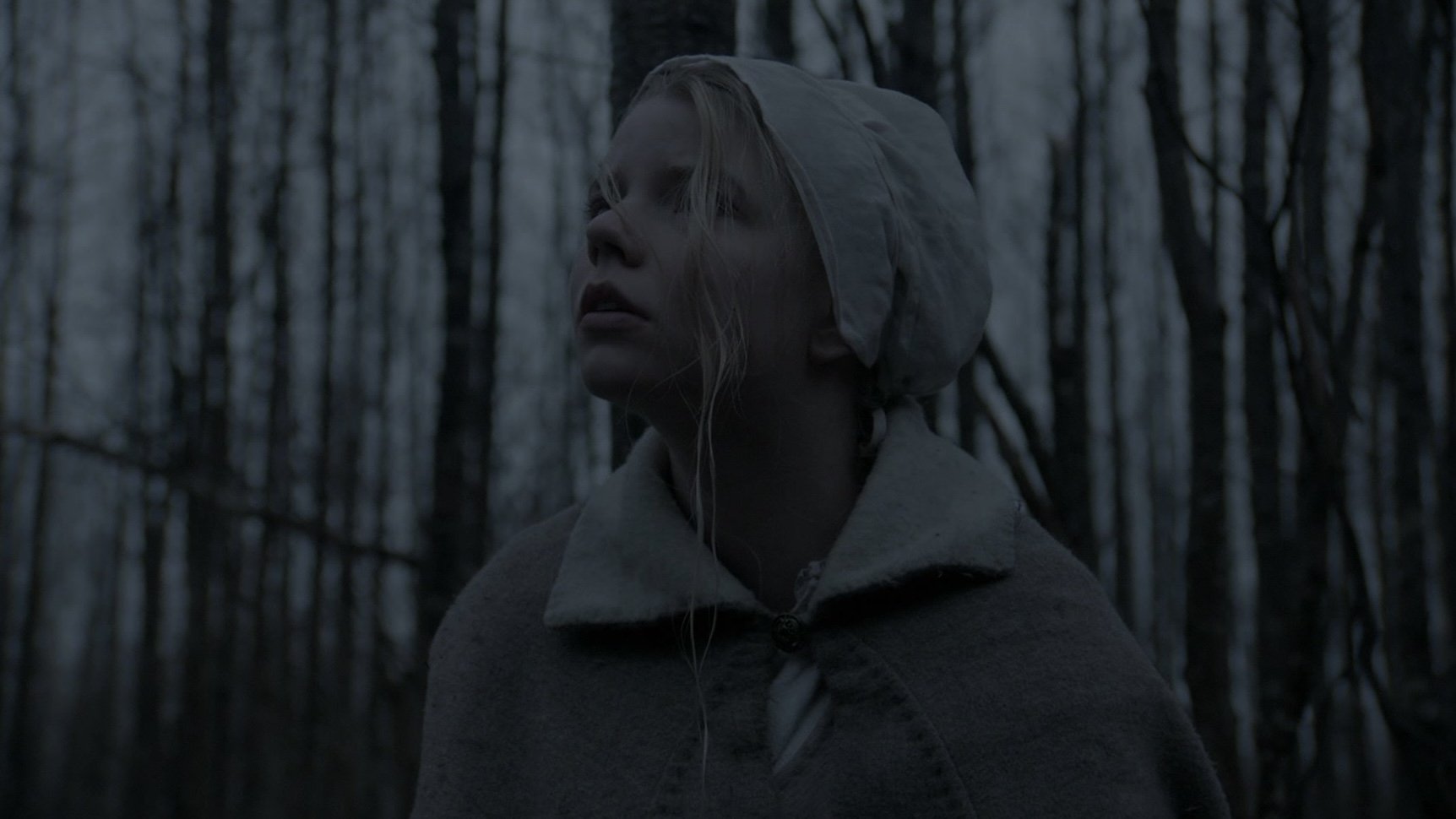
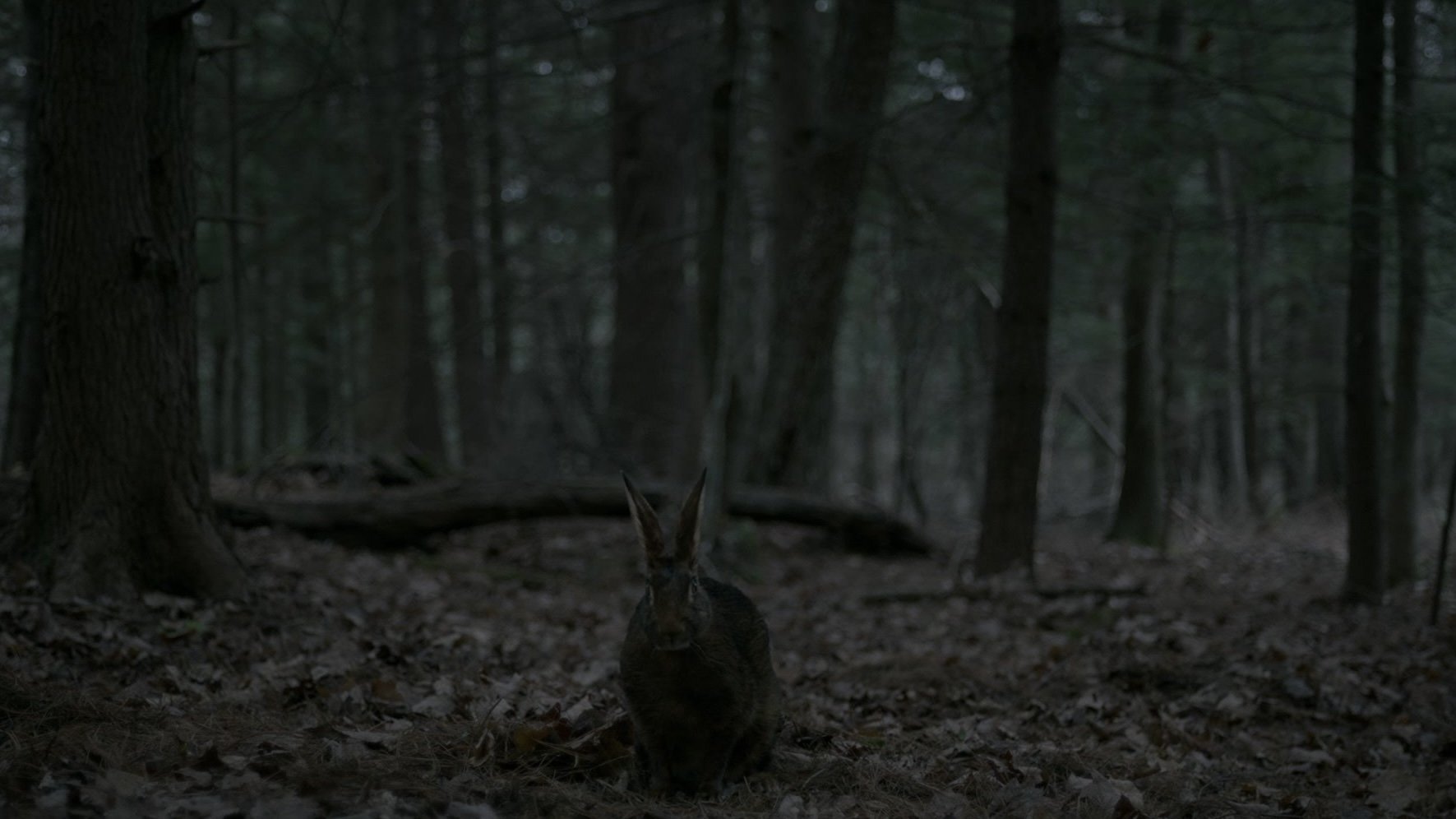
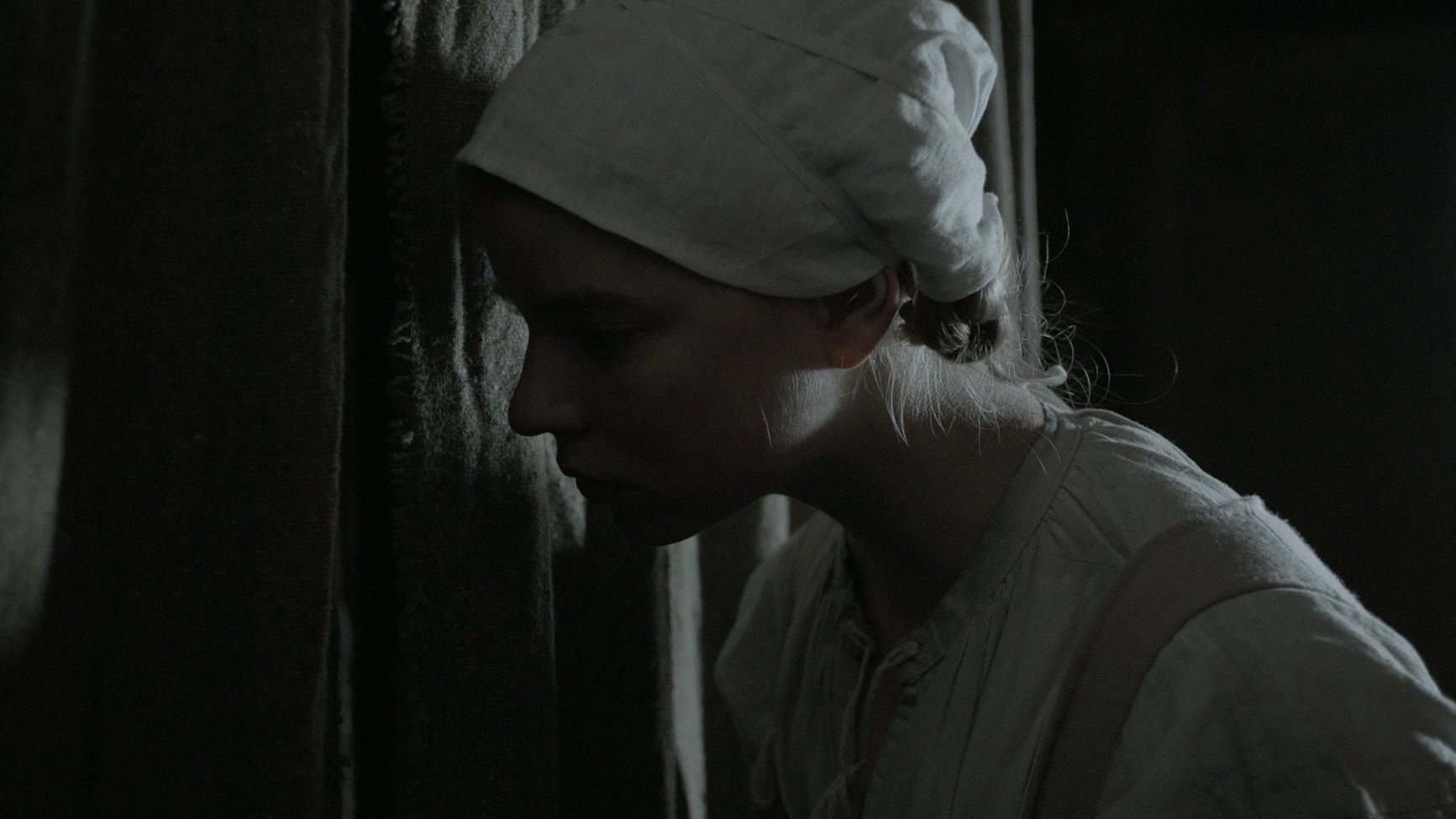
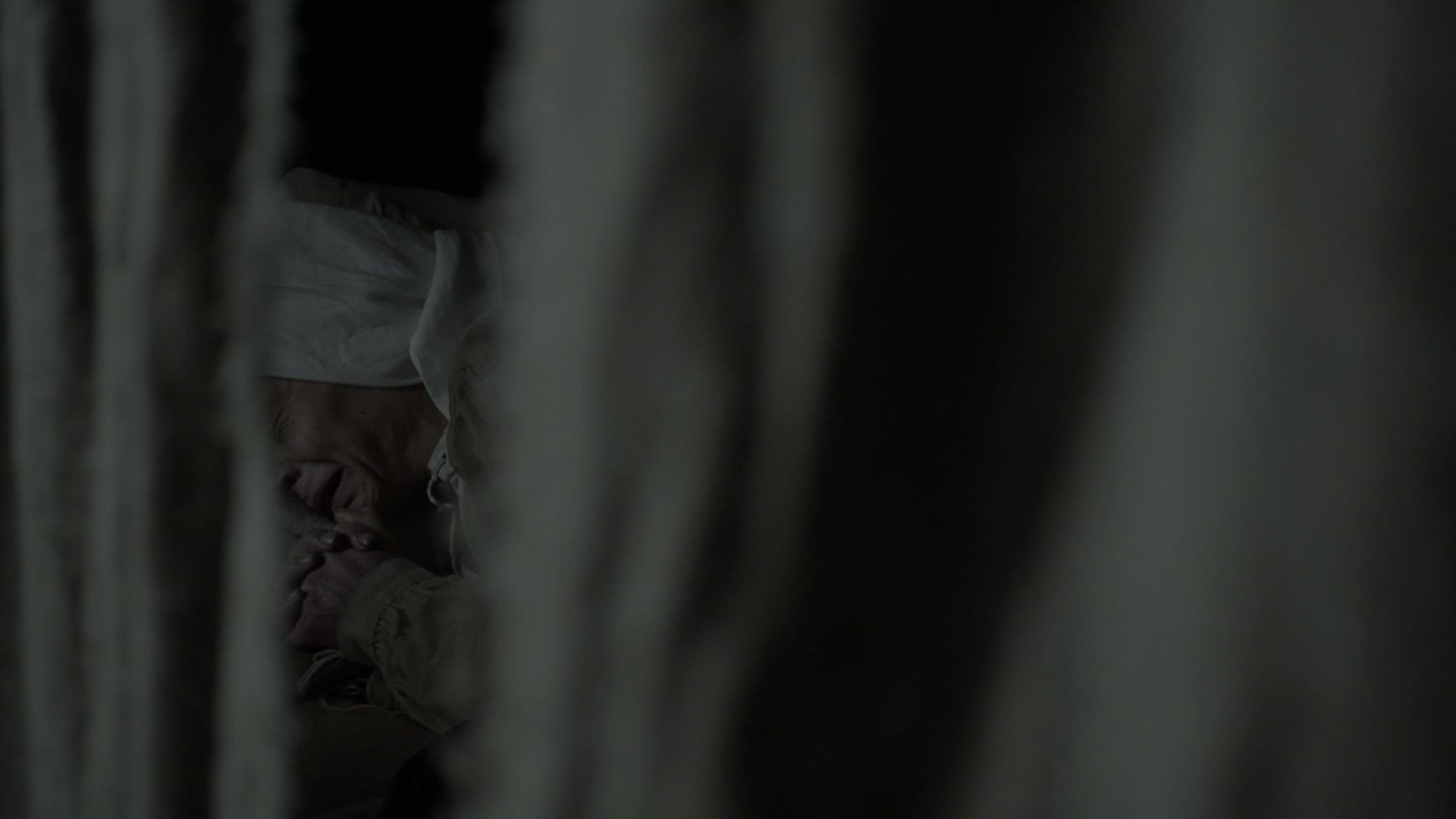
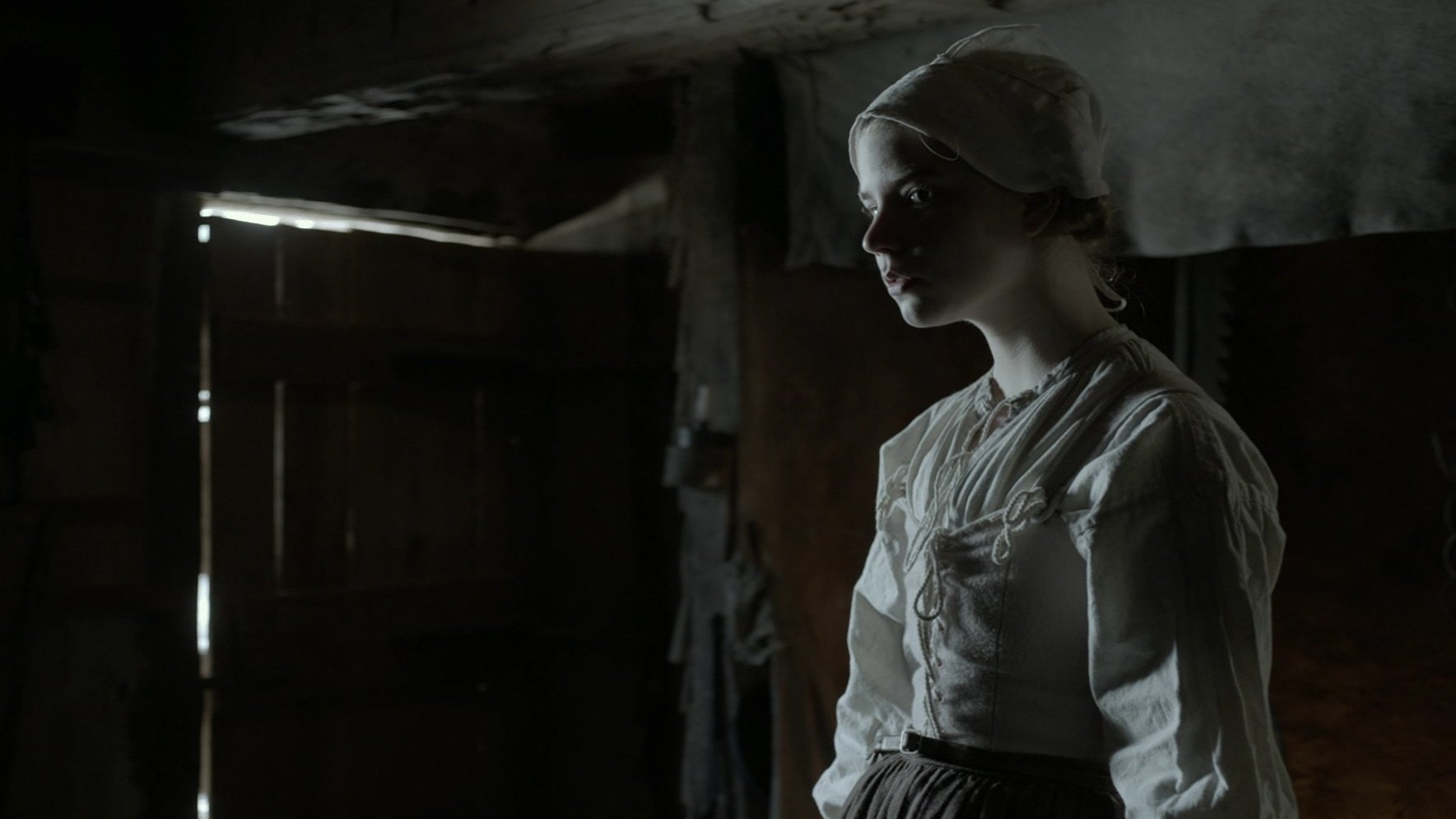
Robert Eggers reconstructed seventeenth-century New England through historical research, handmade architecture, period textiles, vintage-lens digital cinematography, practical animal effects and an entirely acoustic horror score.

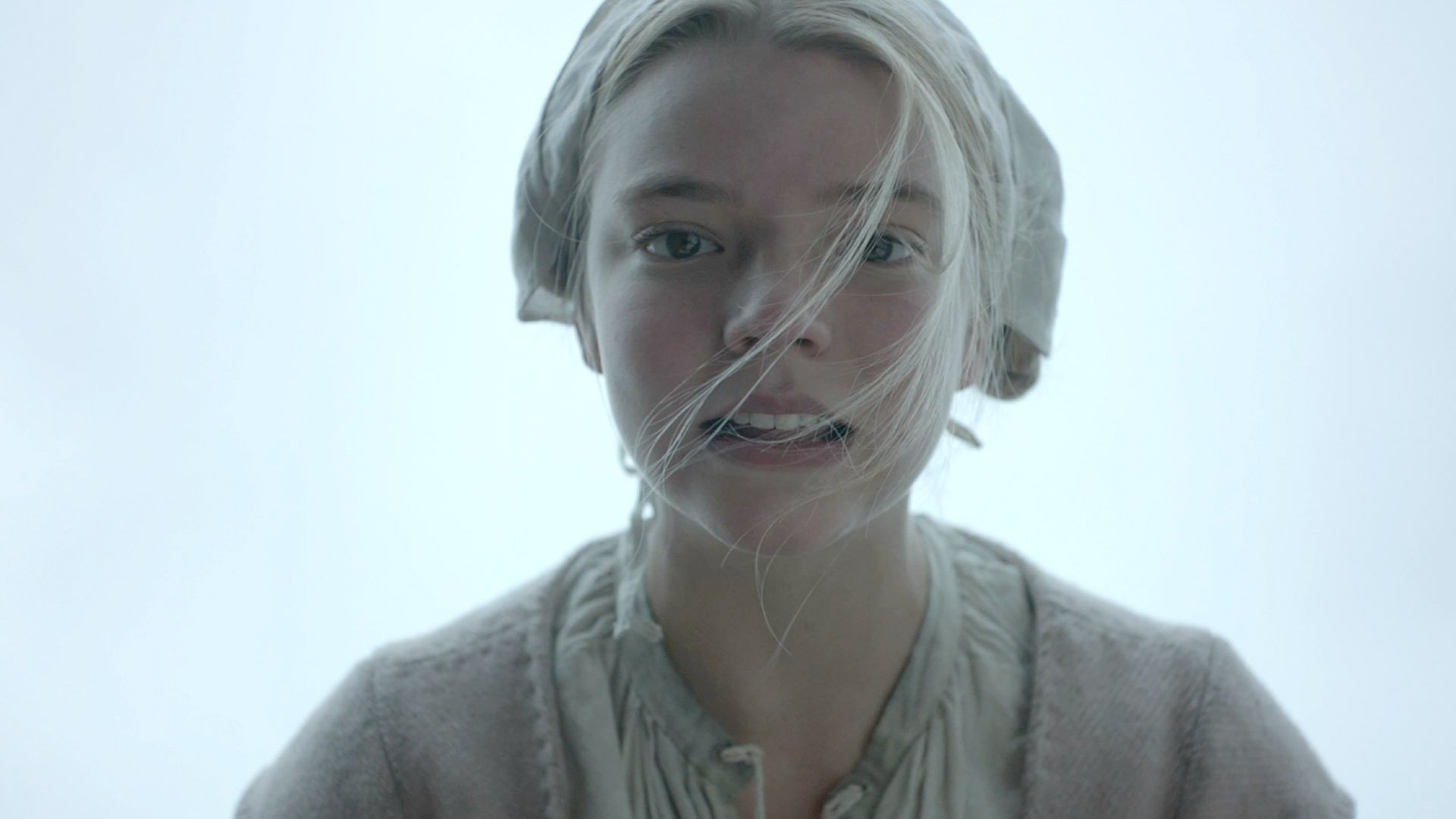
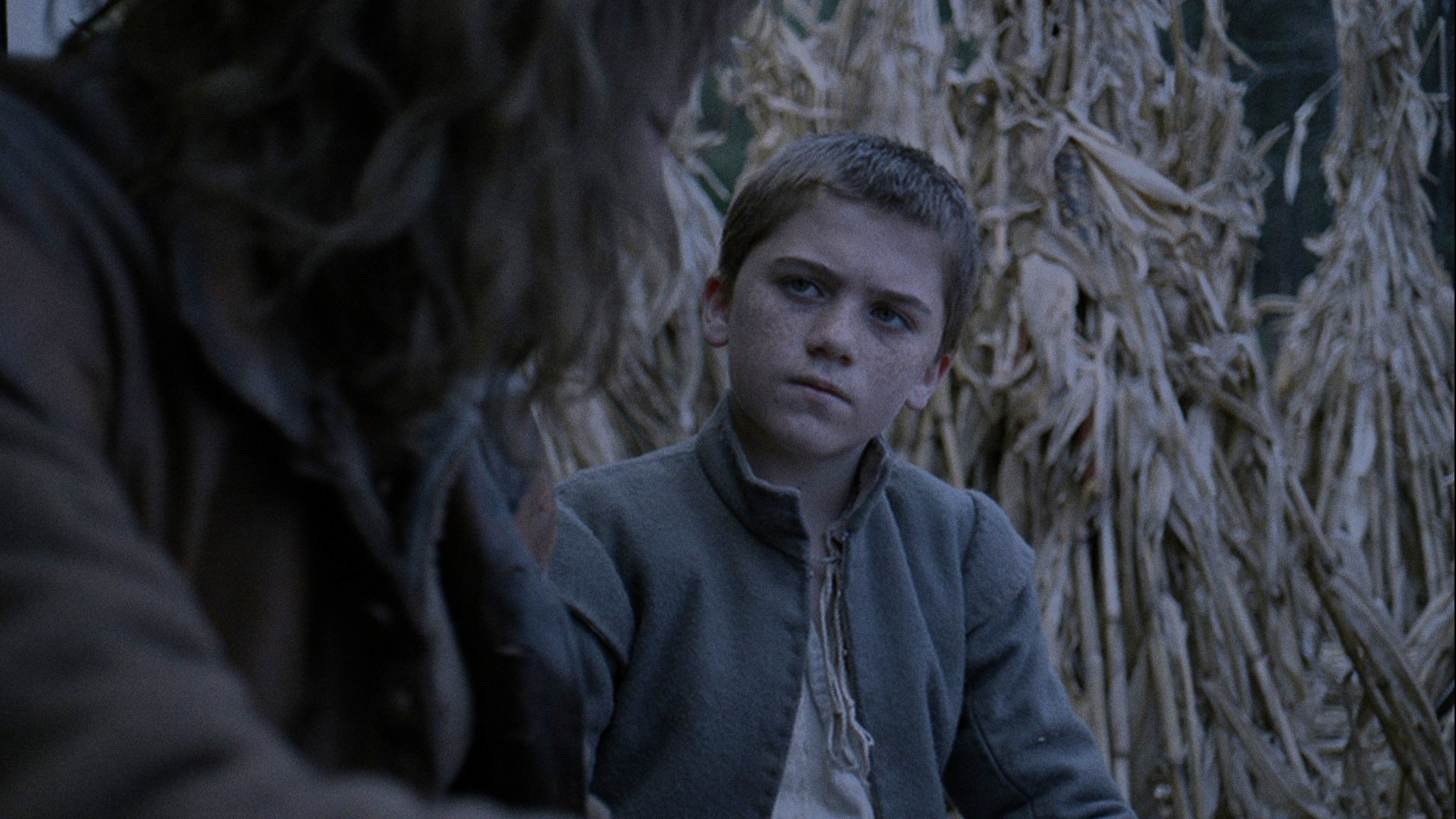
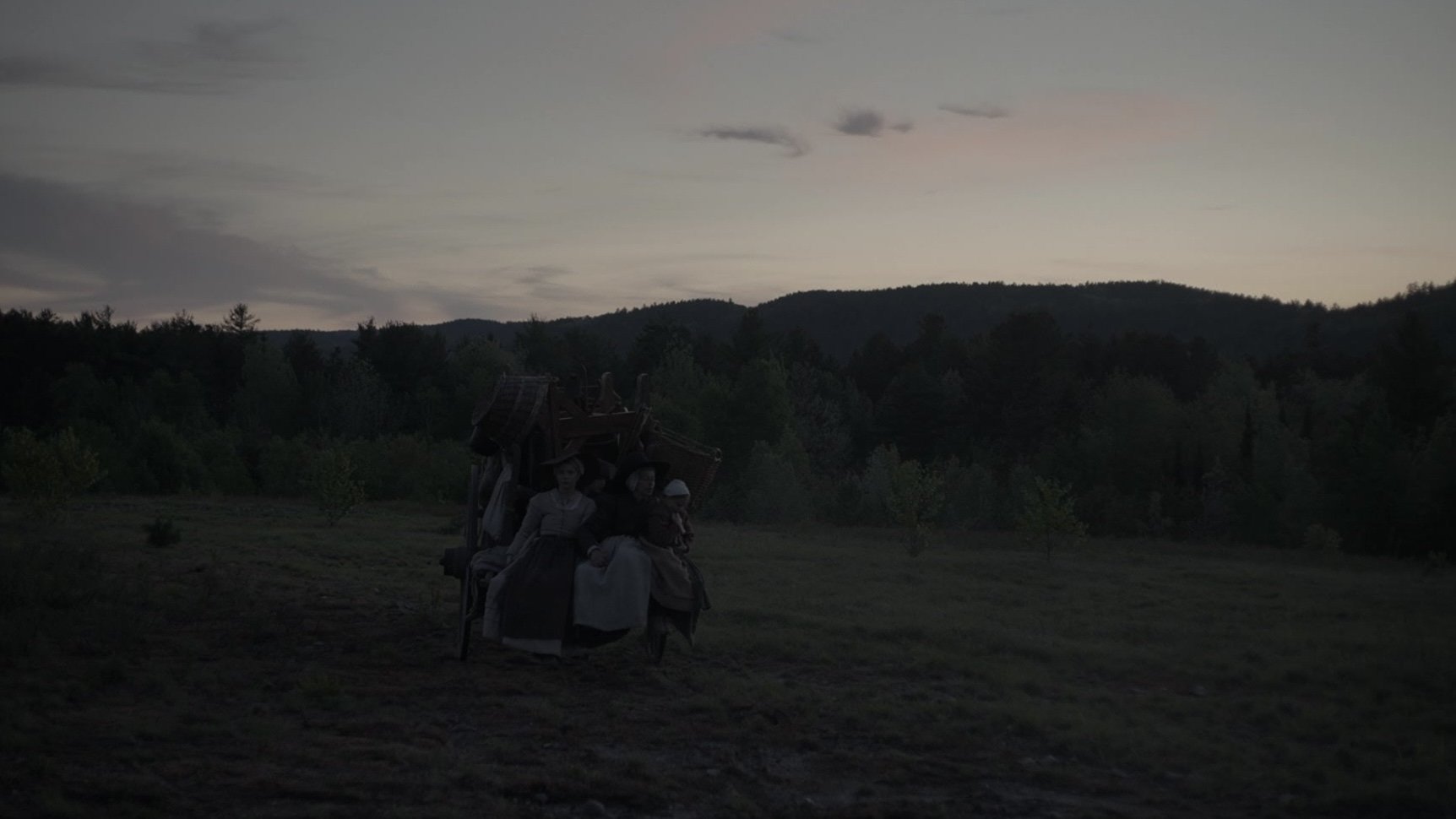
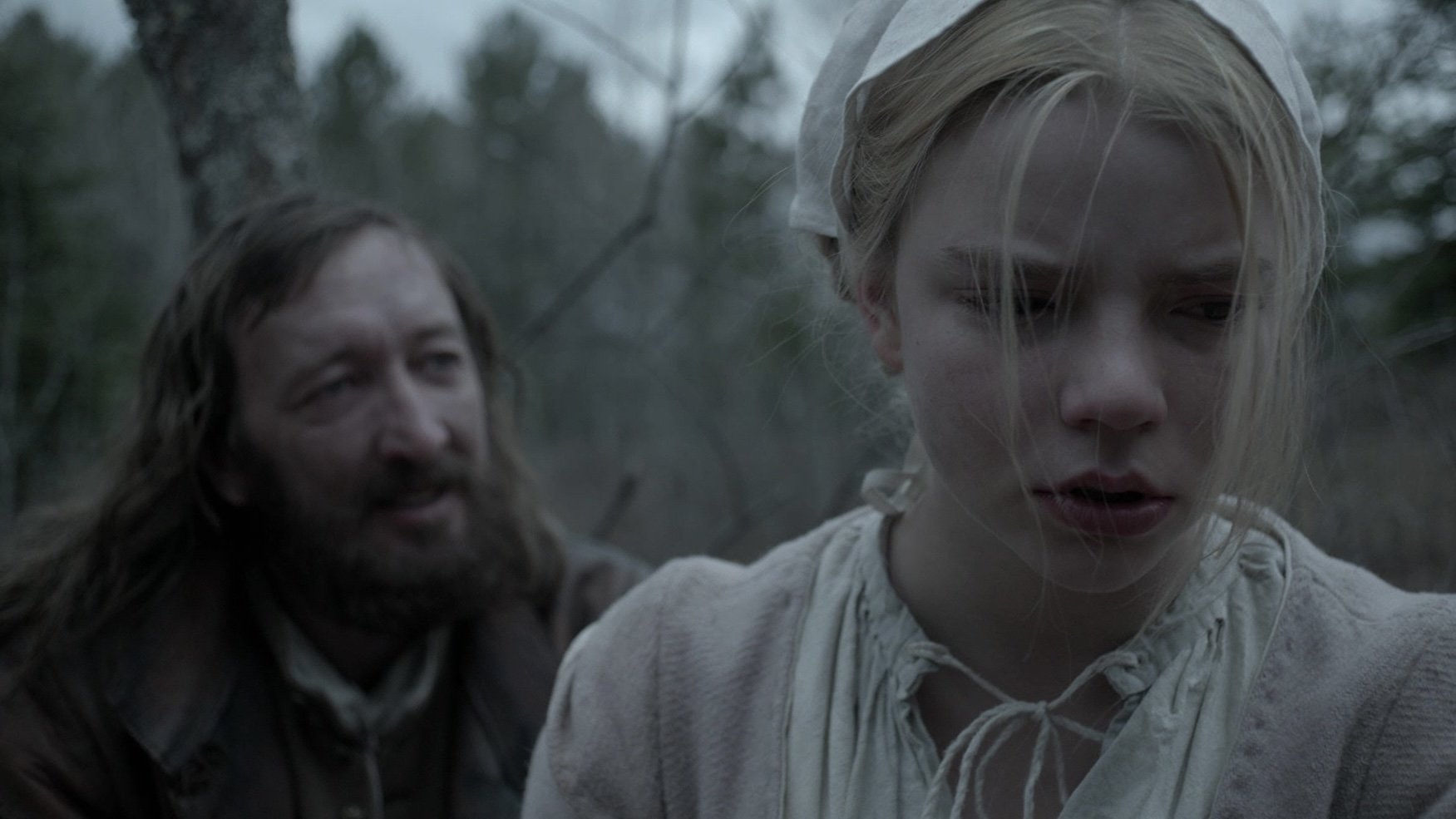
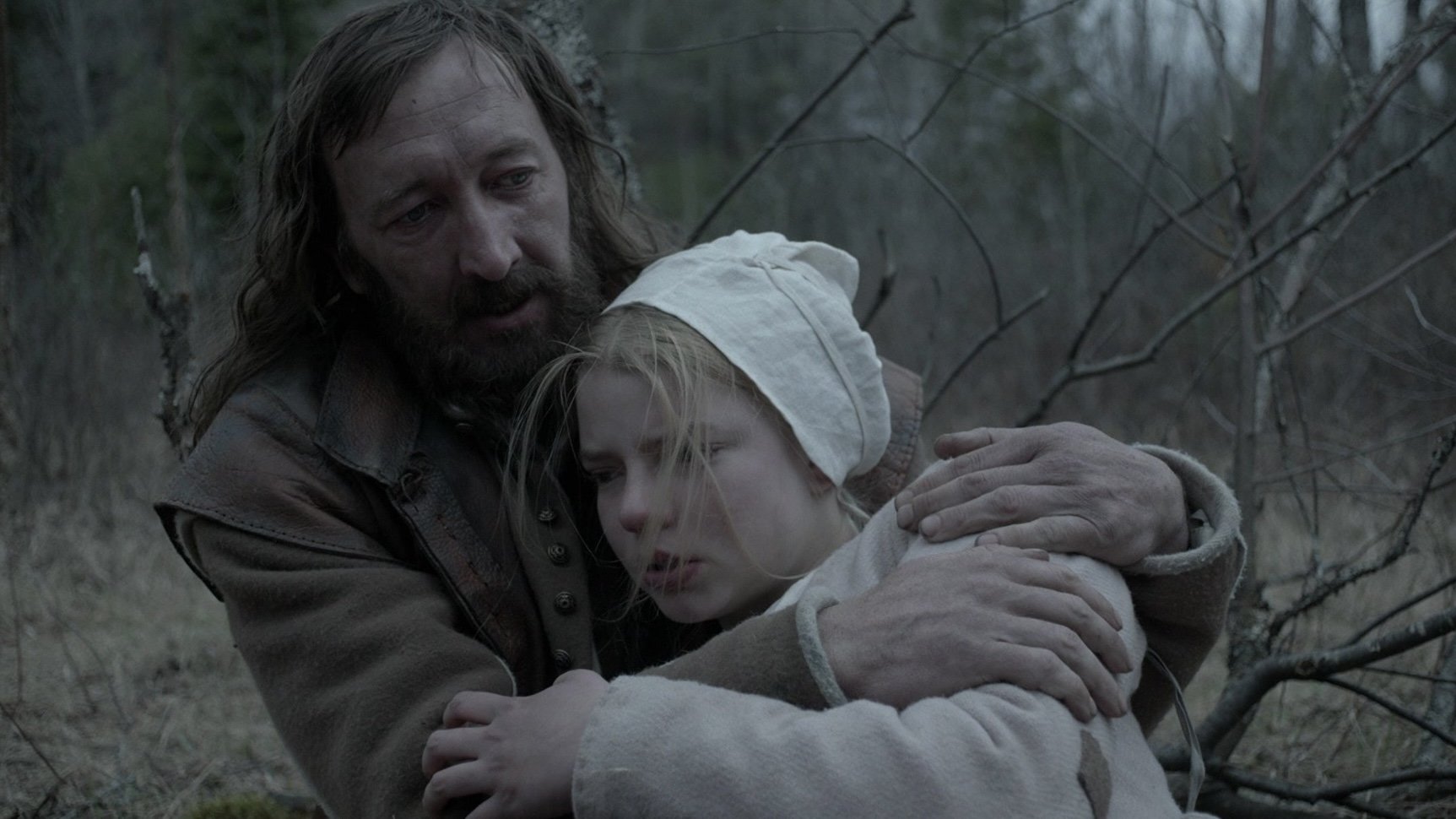
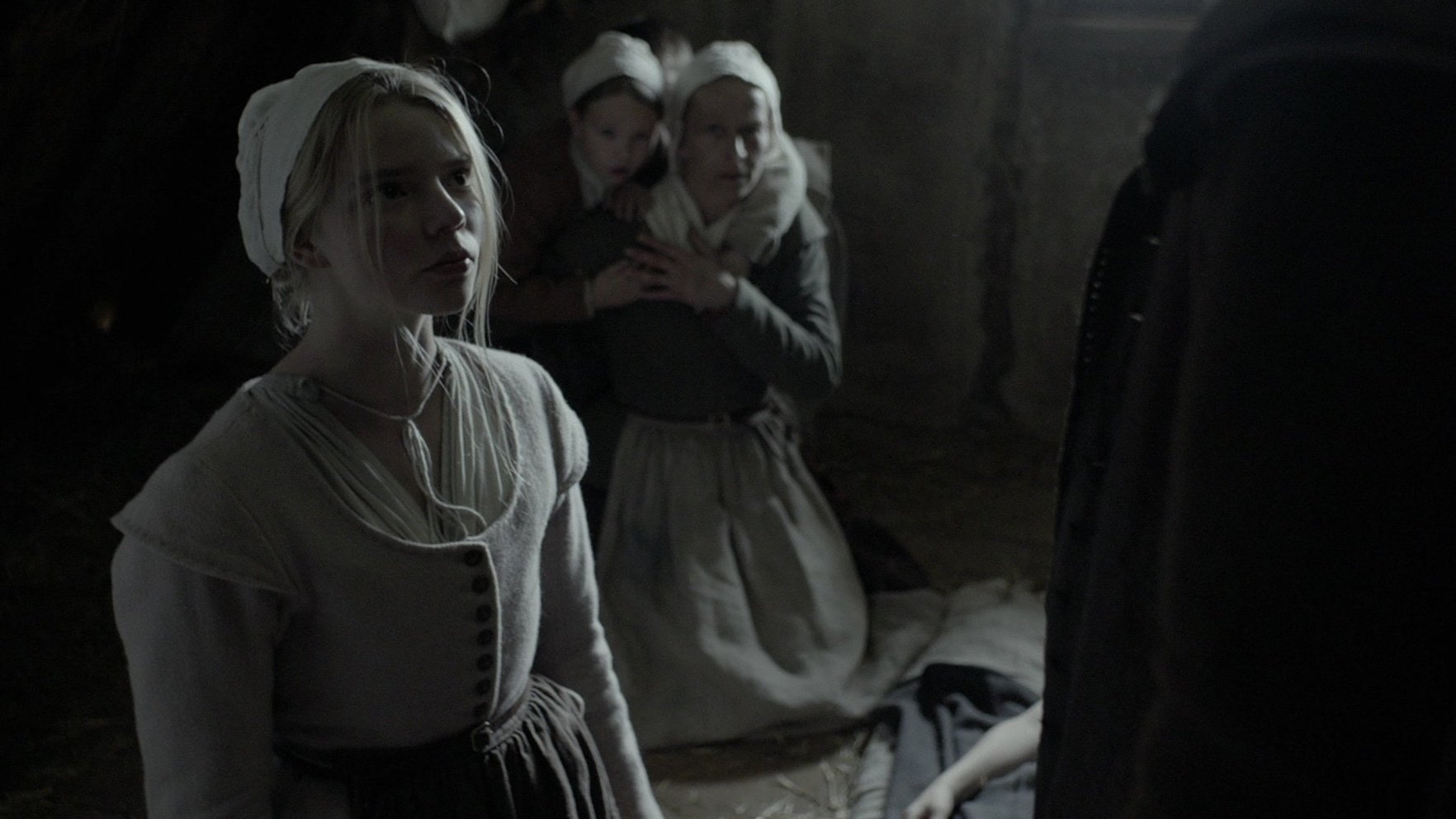
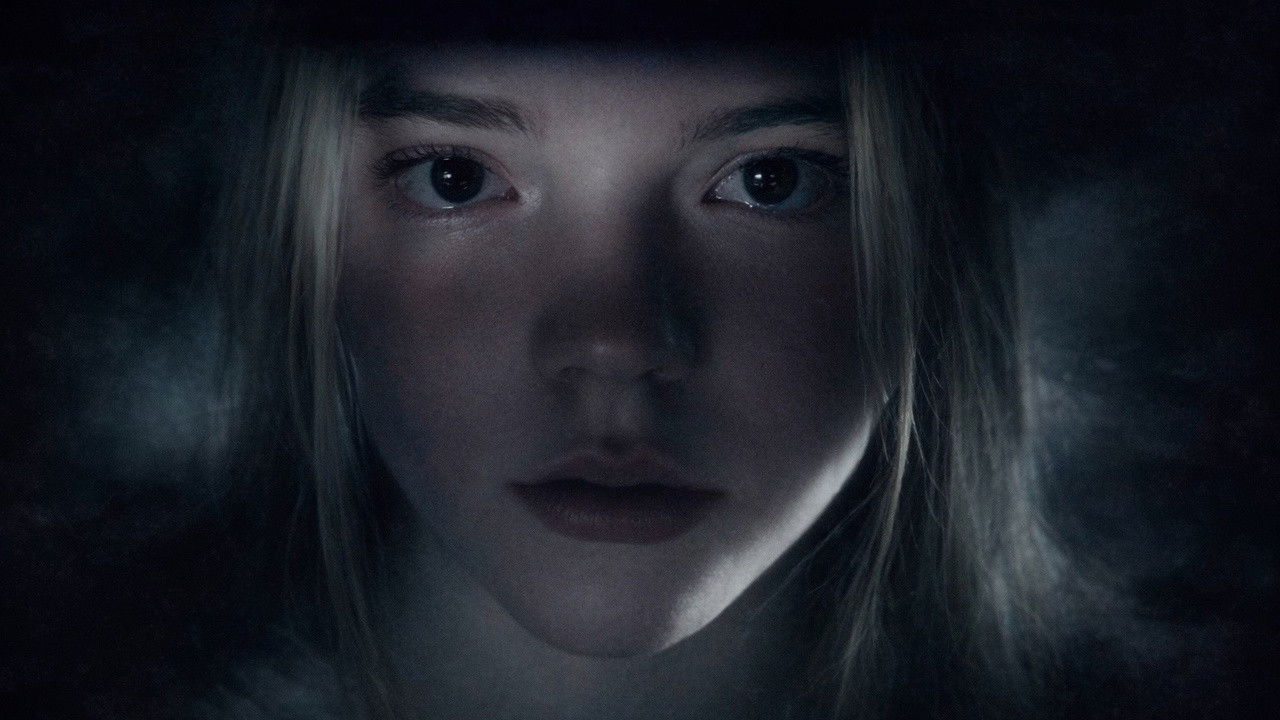
The Witch, also released under the expanded title The Witch: A New-England Folktale, is a 2015 historical supernatural horror film written and directed by Robert Eggers. Set in New England around 1630, it follows a Puritan family expelled from a colonial settlement after a religious dispute. William, Katherine and their children establish an isolated farm beside a forest, where the disappearance of an infant, deteriorating crops and unexplained events gradually destroy their trust in one another. Their religious beliefs provide the framework through which every misfortune is interpreted, while Thomasin, the eldest daughter, increasingly becomes the subject of suspicion.

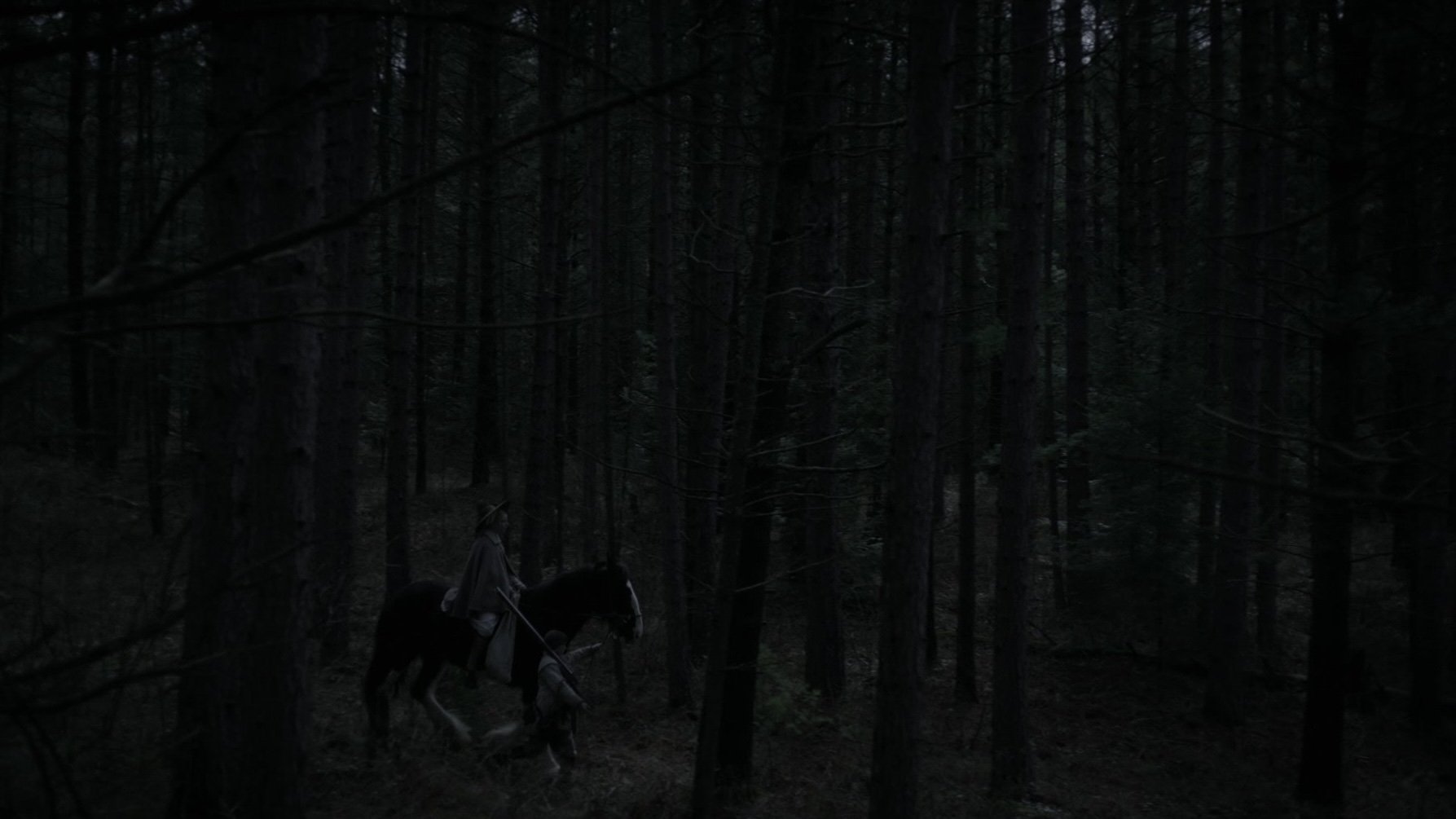
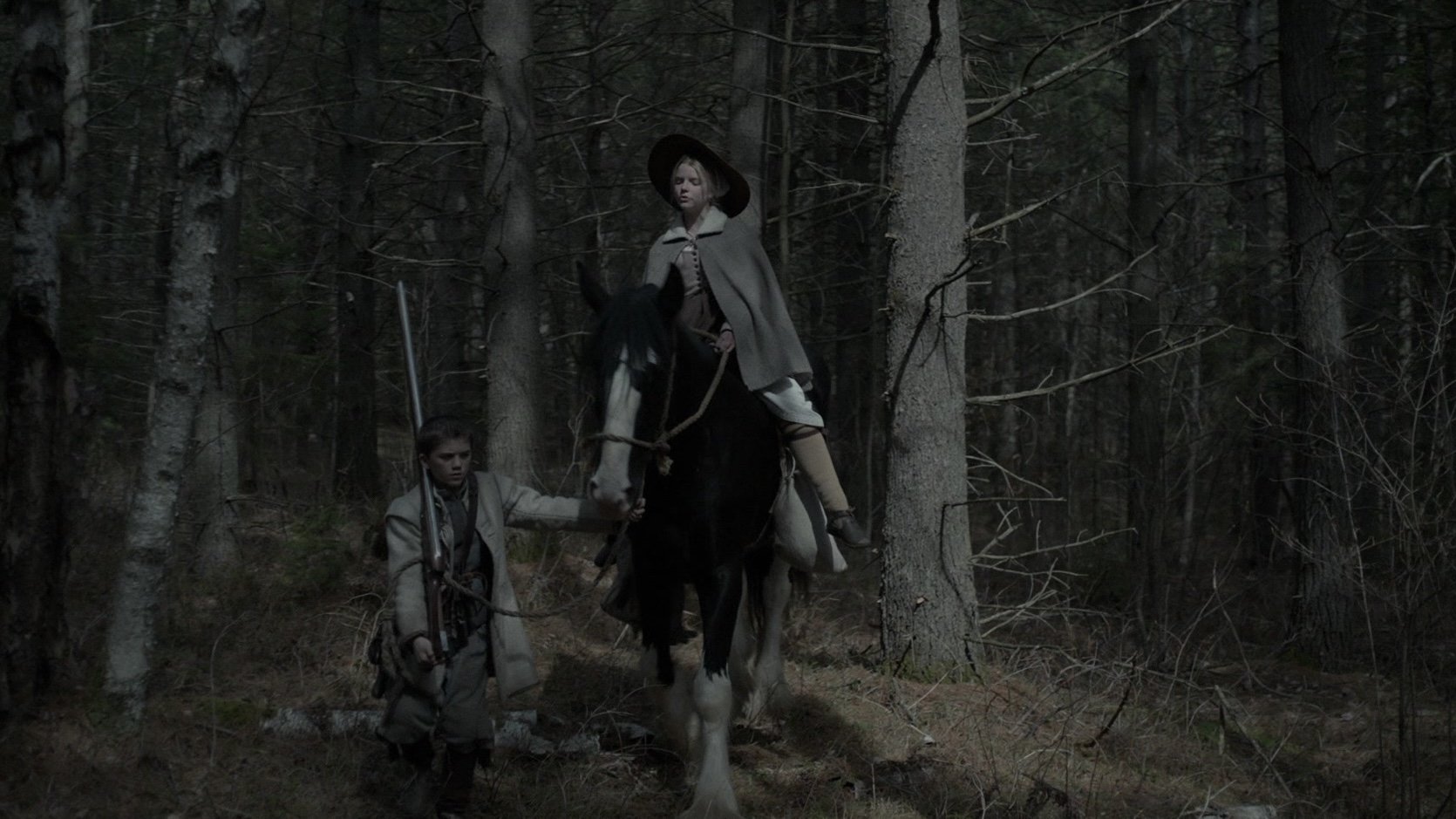
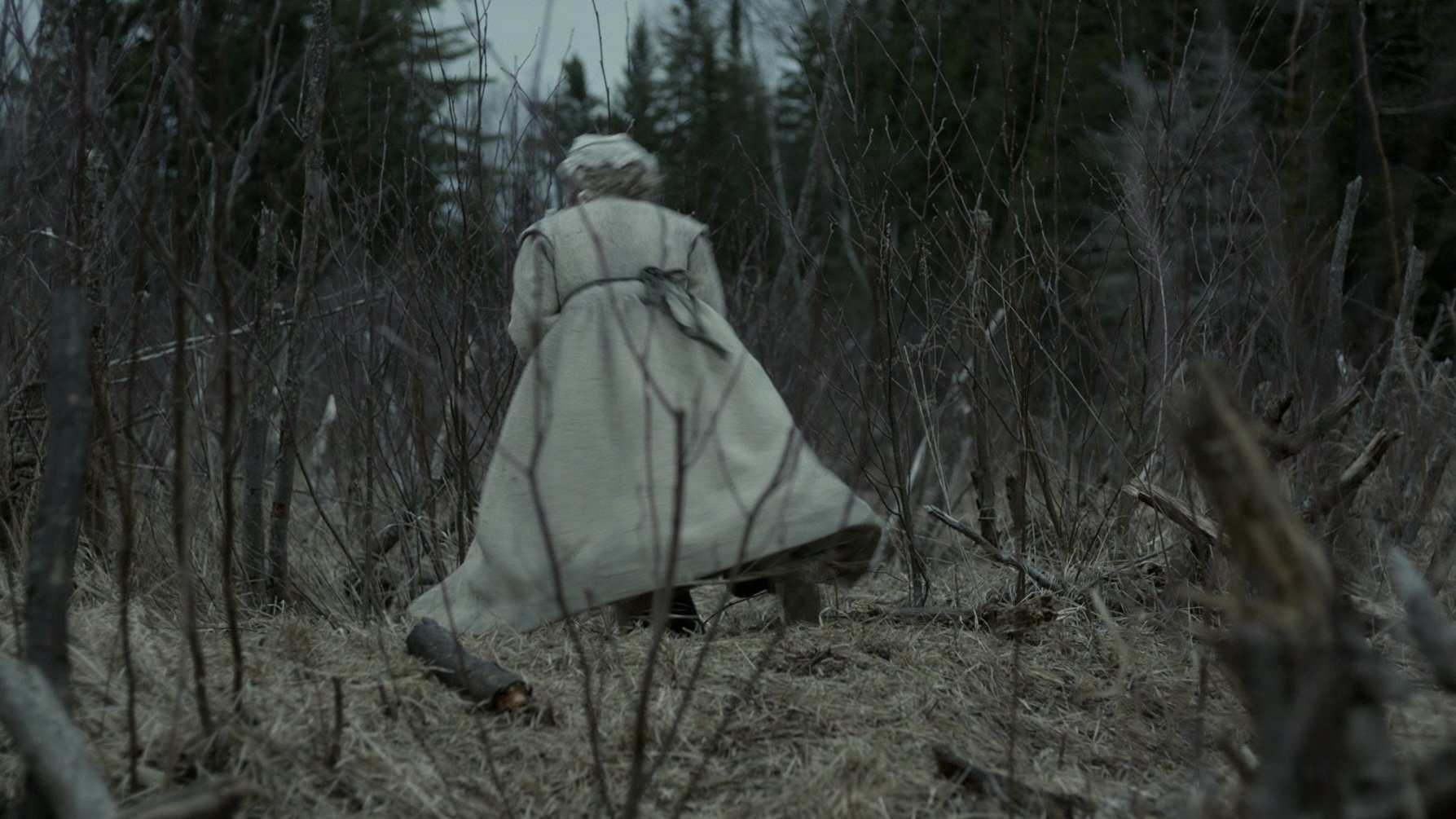
The film was developed through an unusually extensive historical and technical preparation process. Eggers spent several years researching early colonial life, religious writings, witchcraft accusations, agricultural practices and period language. Production designer Craig Lathrop constructed a functioning farm using historically informed building techniques, while costume designer Linda Muir recreated clothing from wool, linen and hemp. Cinematographer Jarin Blaschke used an ARRI ALEXA Plus with Cooke Speed Panchro lenses and a restrained 1.66:1 composition, photographing much of the film with natural daylight or practical flames. Makeup and animal departments supplied carefully selected physical effects, while composer Mark Korven and the sound team constructed an acoustic environment based on dissonant instruments, vocal improvisation and manipulated natural sounds. These decisions give the film its distinctive relationship between historical realism and supernatural horror.

Historical Research and Screenplay Development

Robert Eggers developed The Witch from a long-standing interest in New England history and European witchcraft folklore. Raised in New Hampshire, he had visited historical sites associated with the colonial period and became interested in the relationship between religious belief, material hardship and accusations of supernatural activity. The screenplay emerged through approximately four years of research, writing and financing. Eggers consulted museums, historians and living-history specialists while studying surviving documents from seventeenth-century communities.

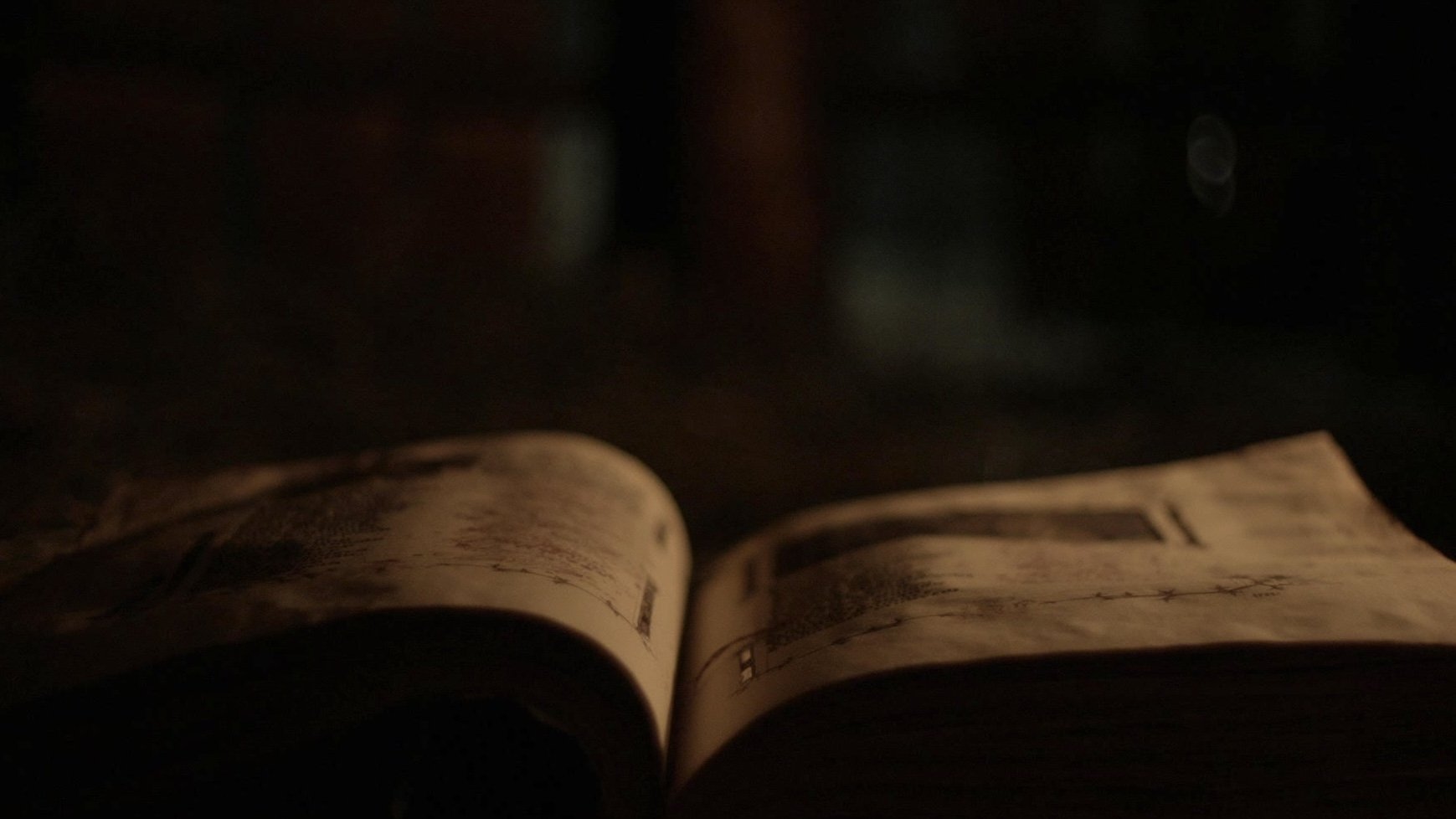
The historical research was unusually specific. Eggers examined colonial diaries, religious texts, witchcraft accounts, prayer manuals and documents associated with agricultural practice. He assembled a phrase book from contemporary vocabulary and sentence constructions, using selected historical expressions in dialogue rather than writing entirely in modern English. Accounts by Cotton Mather and Samuel Willard contributed language and incidents associated with possession, while Puritan prayers were adapted from surviving devotional material. Historian Jim Baker assisted in identifying anachronisms and evaluating the plausibility of individual details.

A particularly important research institution was Plimoth Plantation, now known as Plimoth Patuxet Museums, in Massachusetts. Eggers and key department heads visited its reconstructed colonial settlement to examine domestic architecture, clothing, tools, spatial relationships and everyday working methods. The preparation informed the screenplay as well as the physical sets. William's inability to provide adequate food, the family's dependence on labor and the restrictions imposed by religious authority become direct causes of conflict rather than decorative historical information.

The screenplay reflects the historical worldview of its characters without claiming to reconstruct one documented incident. Its supernatural material draws on beliefs about witches, familiars, animals and the Devil circulating in early modern European and colonial culture. The film presents those fears through the family's religious perspective while also depicting events that exceed an exclusively psychological explanation. Eggers described his objective as making the supernatural credible within the worldview of the period, a strategy that required the surrounding physical and social environment to remain consistently researched.

Farm Construction and Production Design

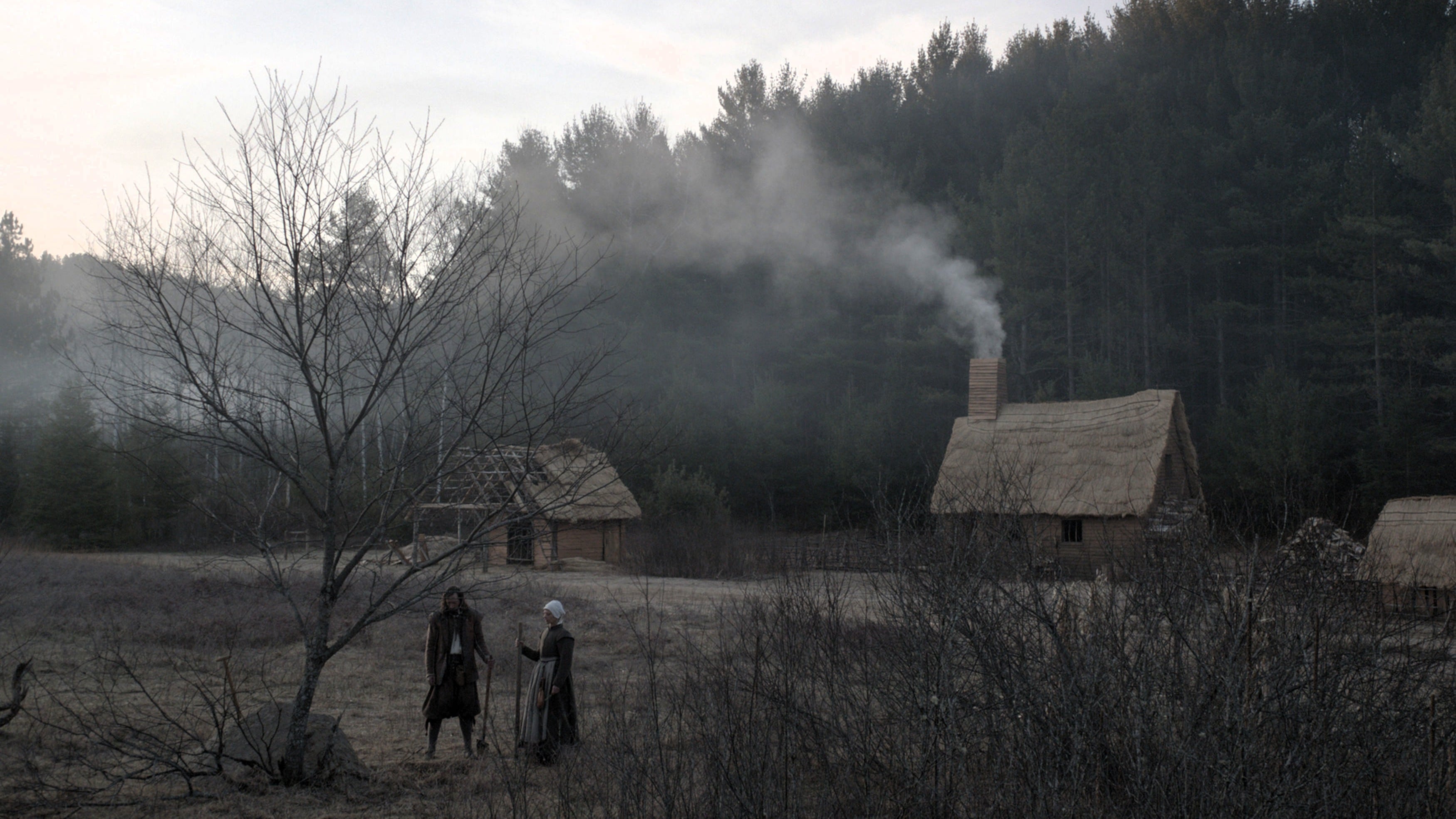
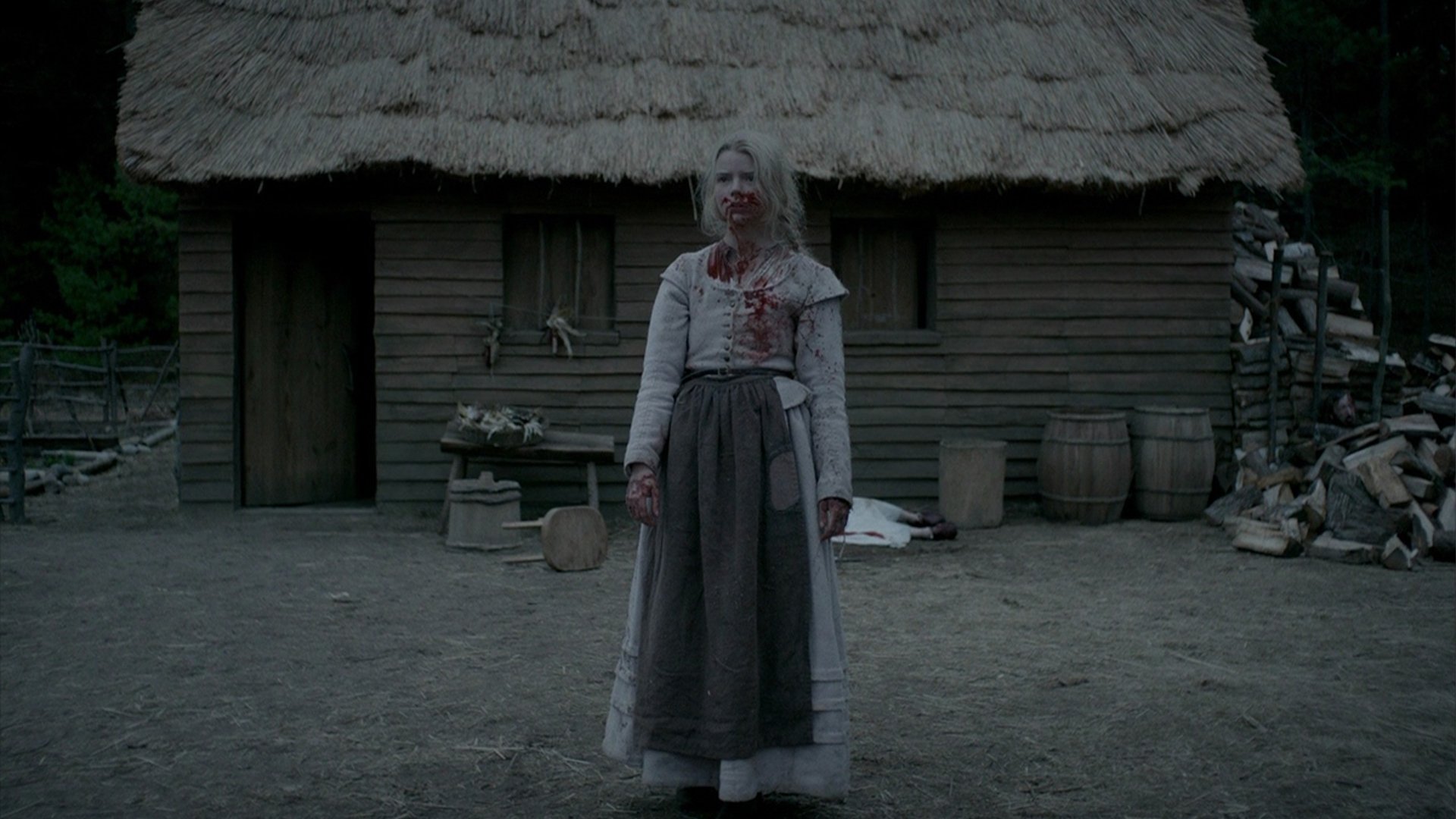
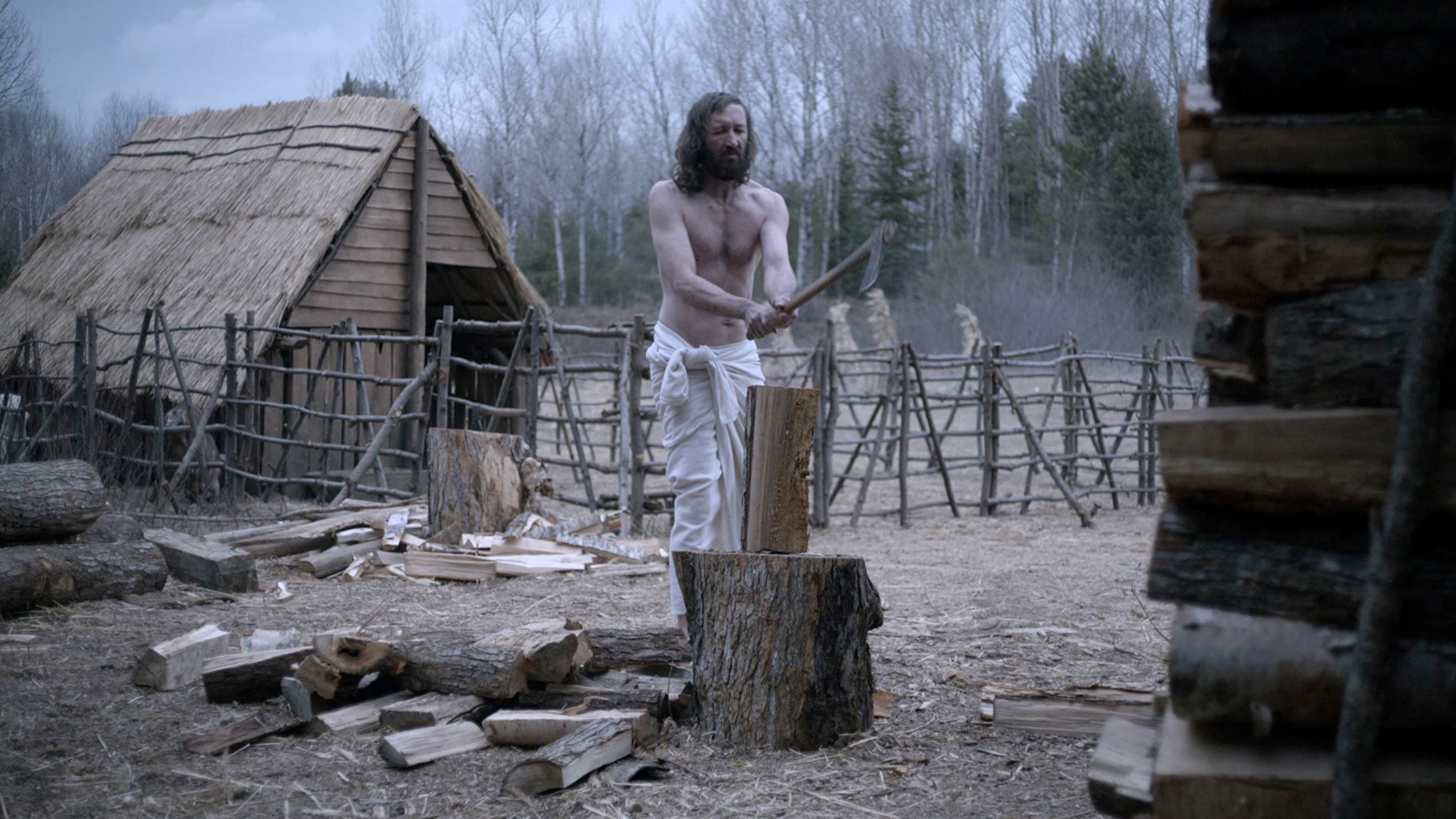
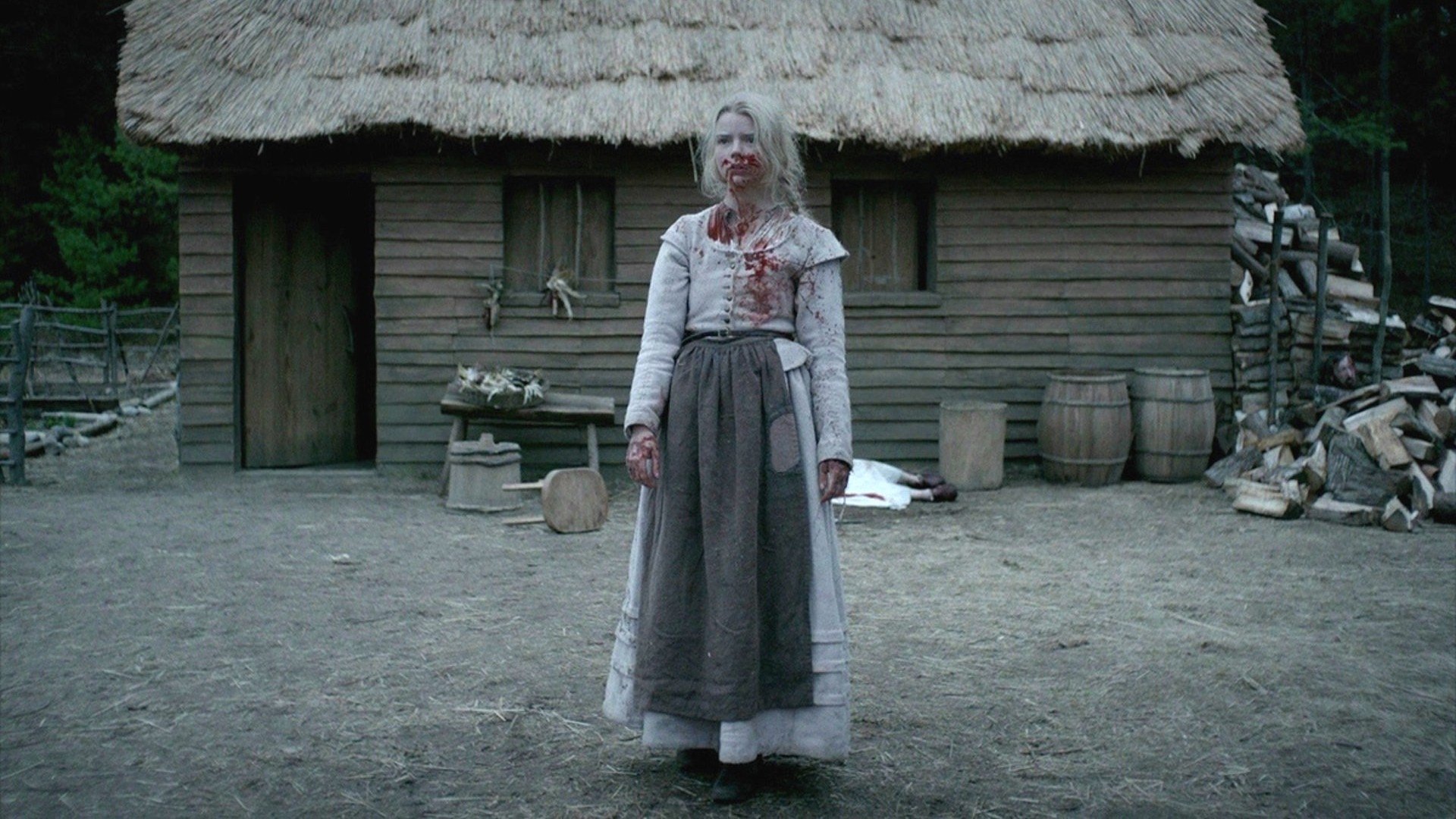
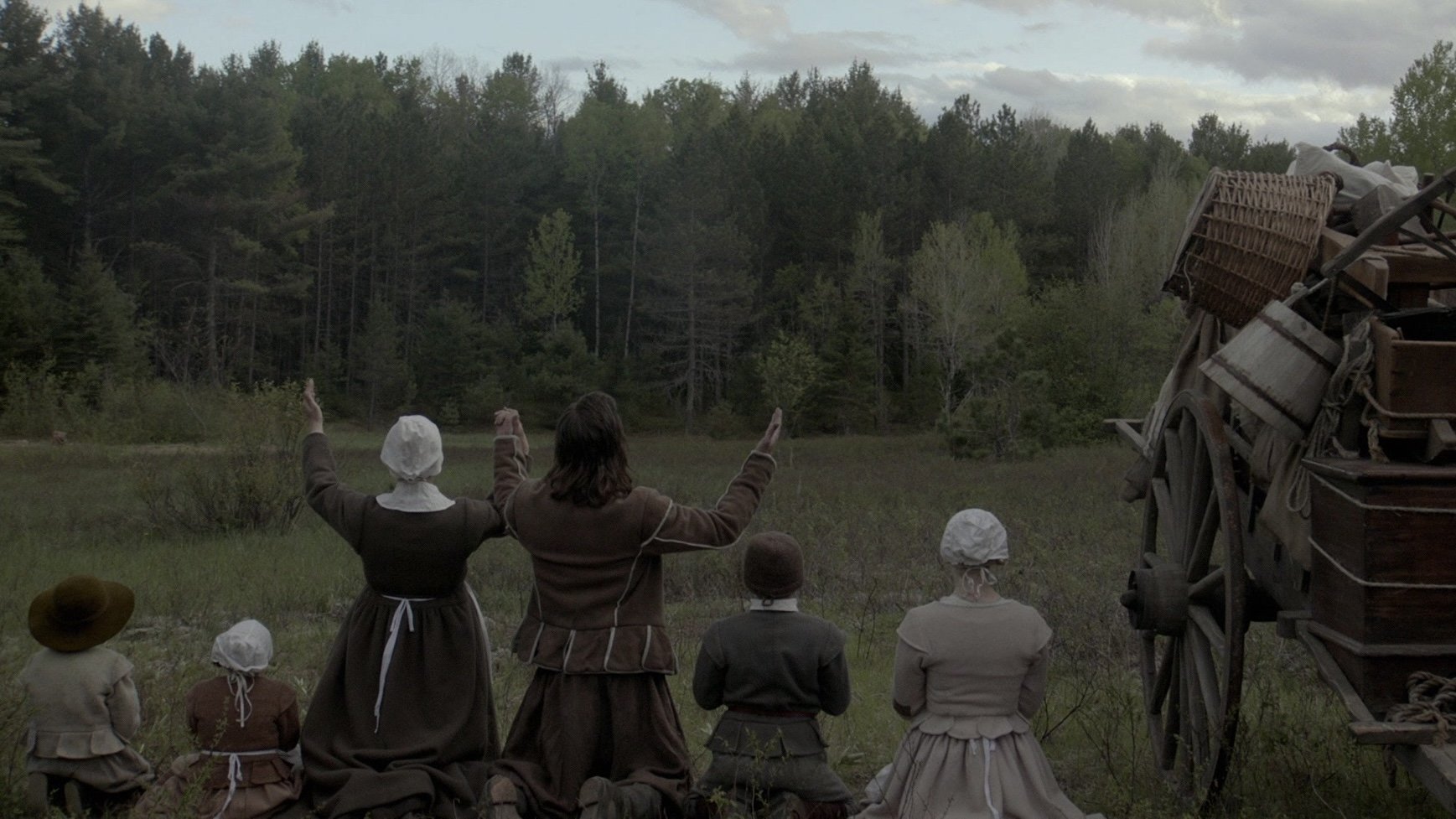
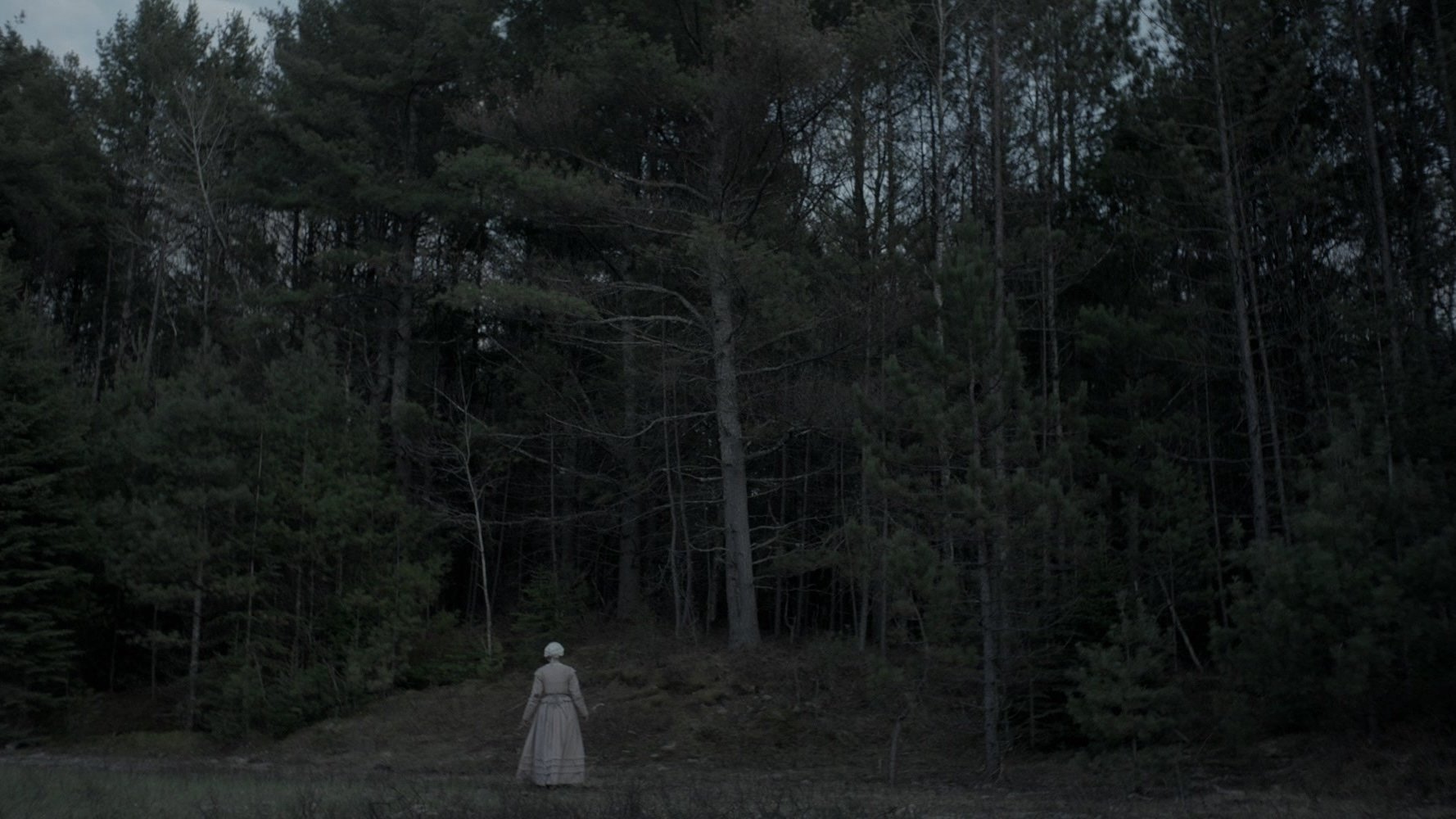
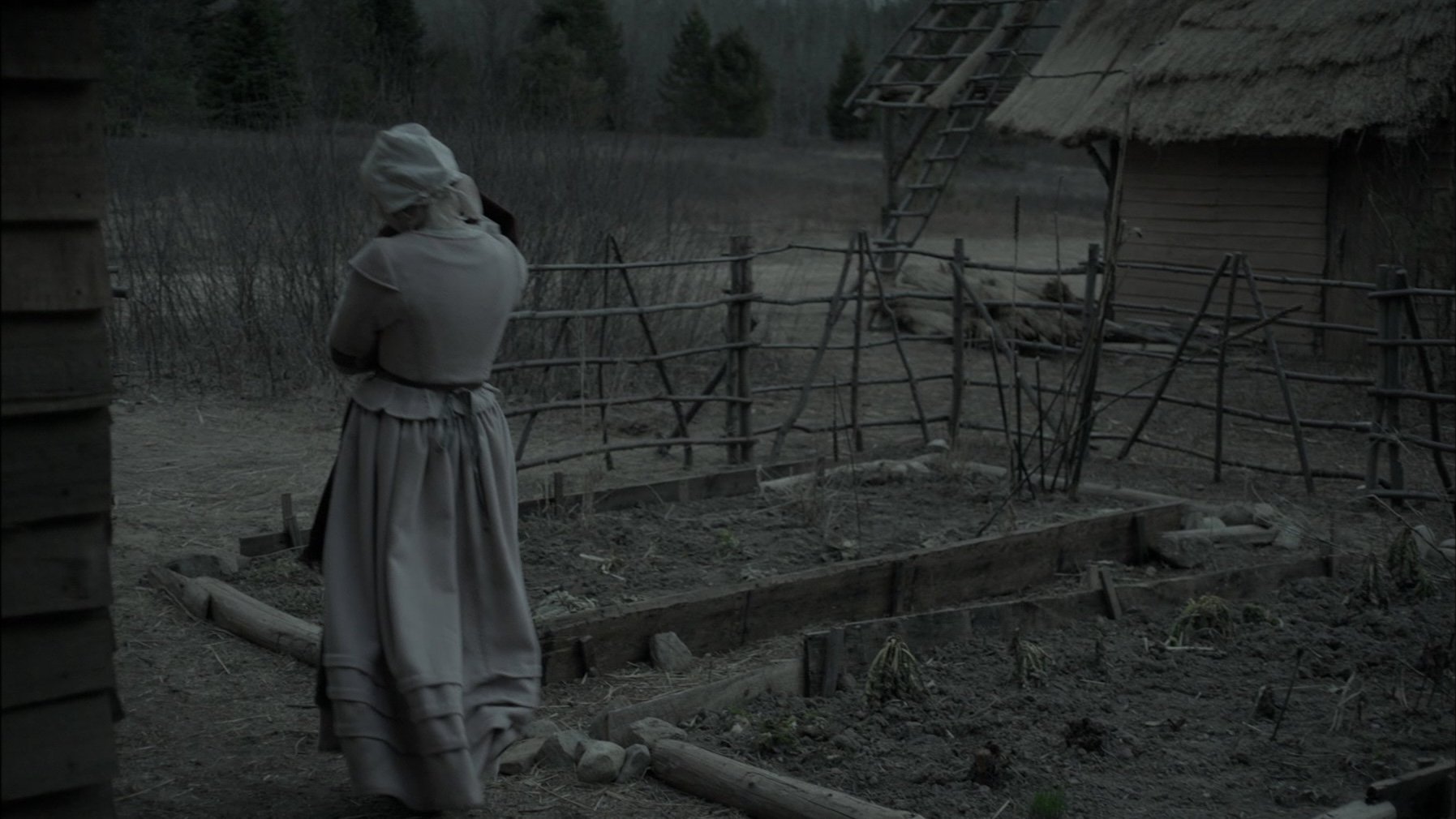
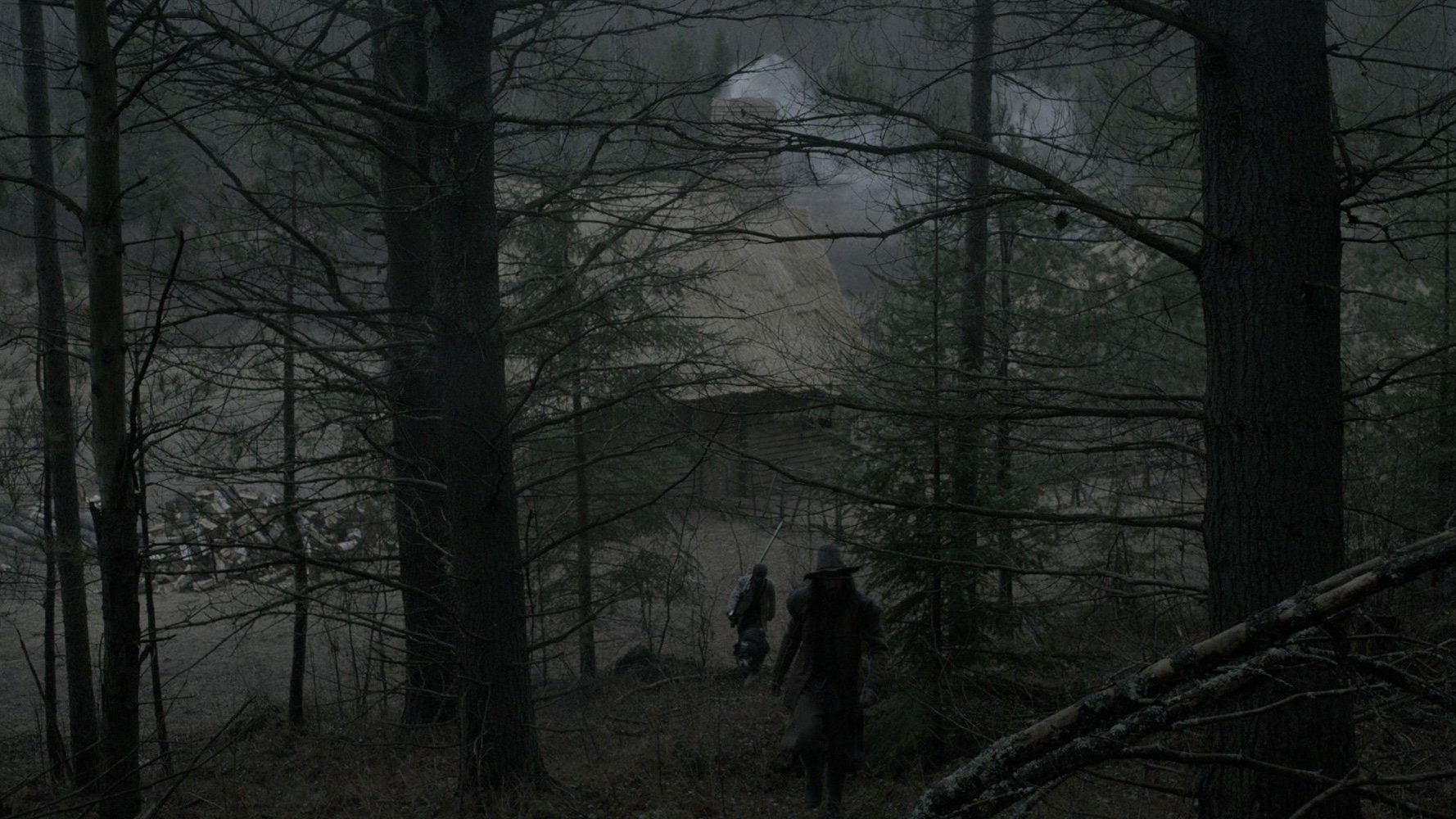
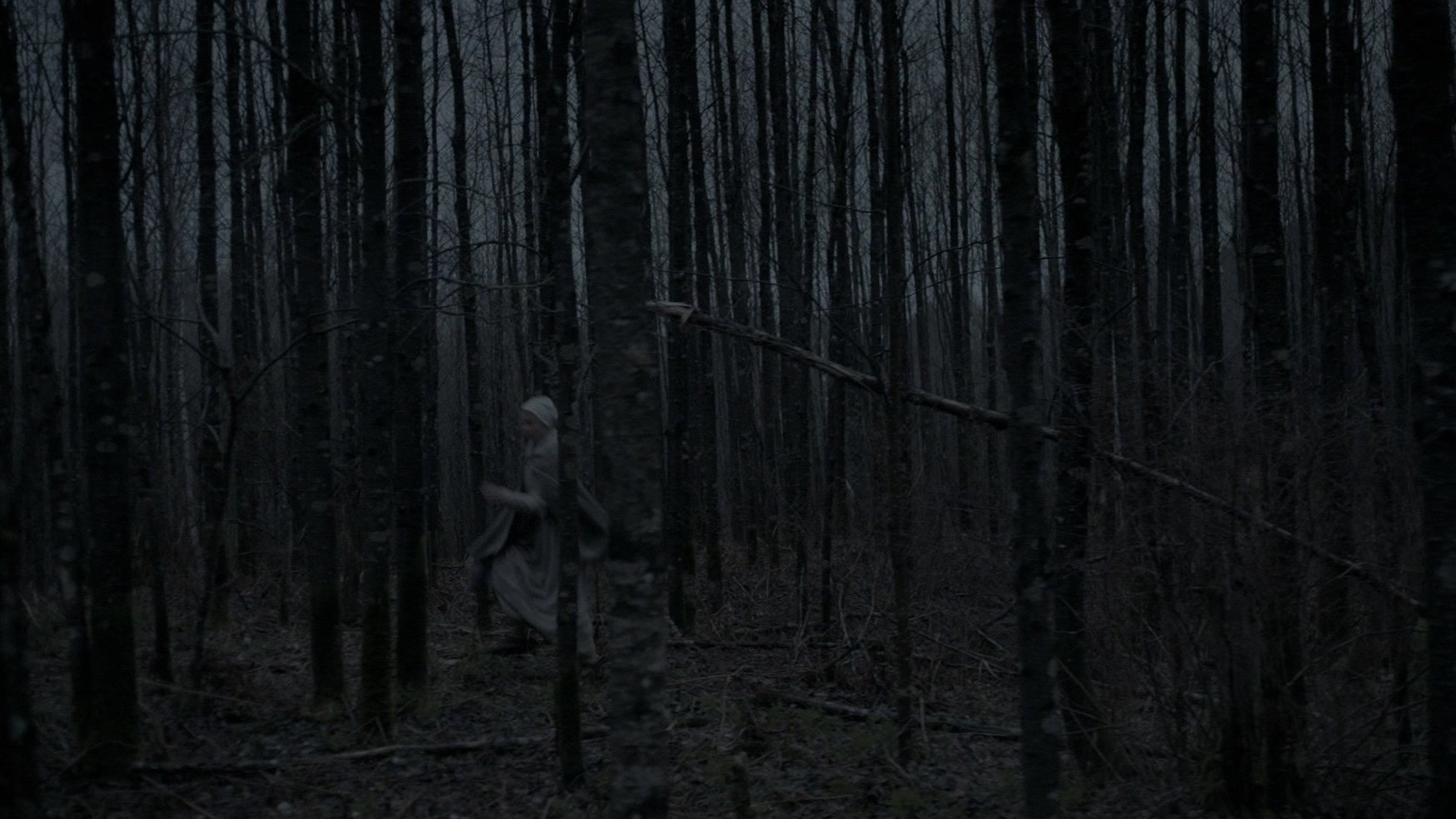
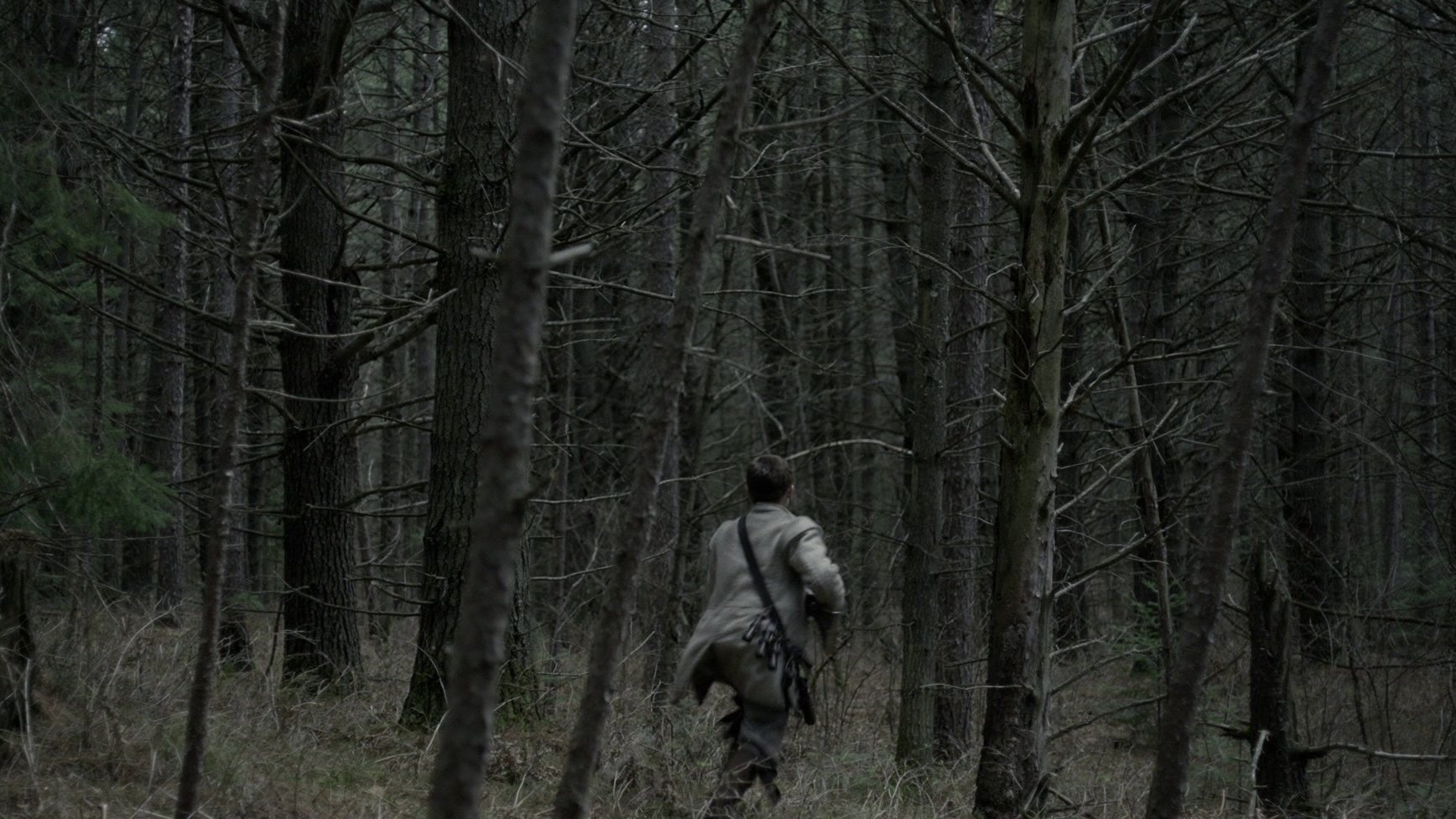
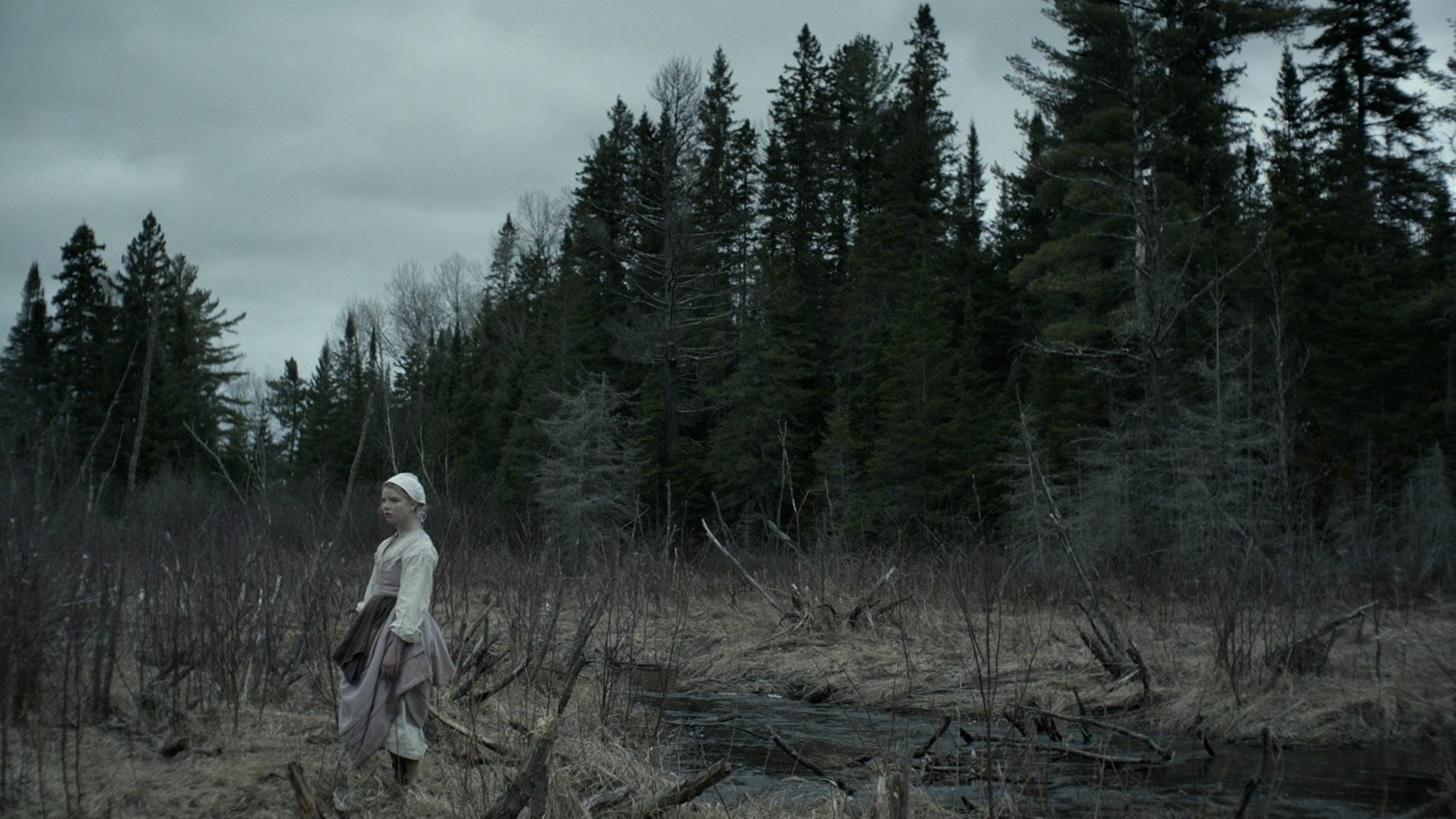
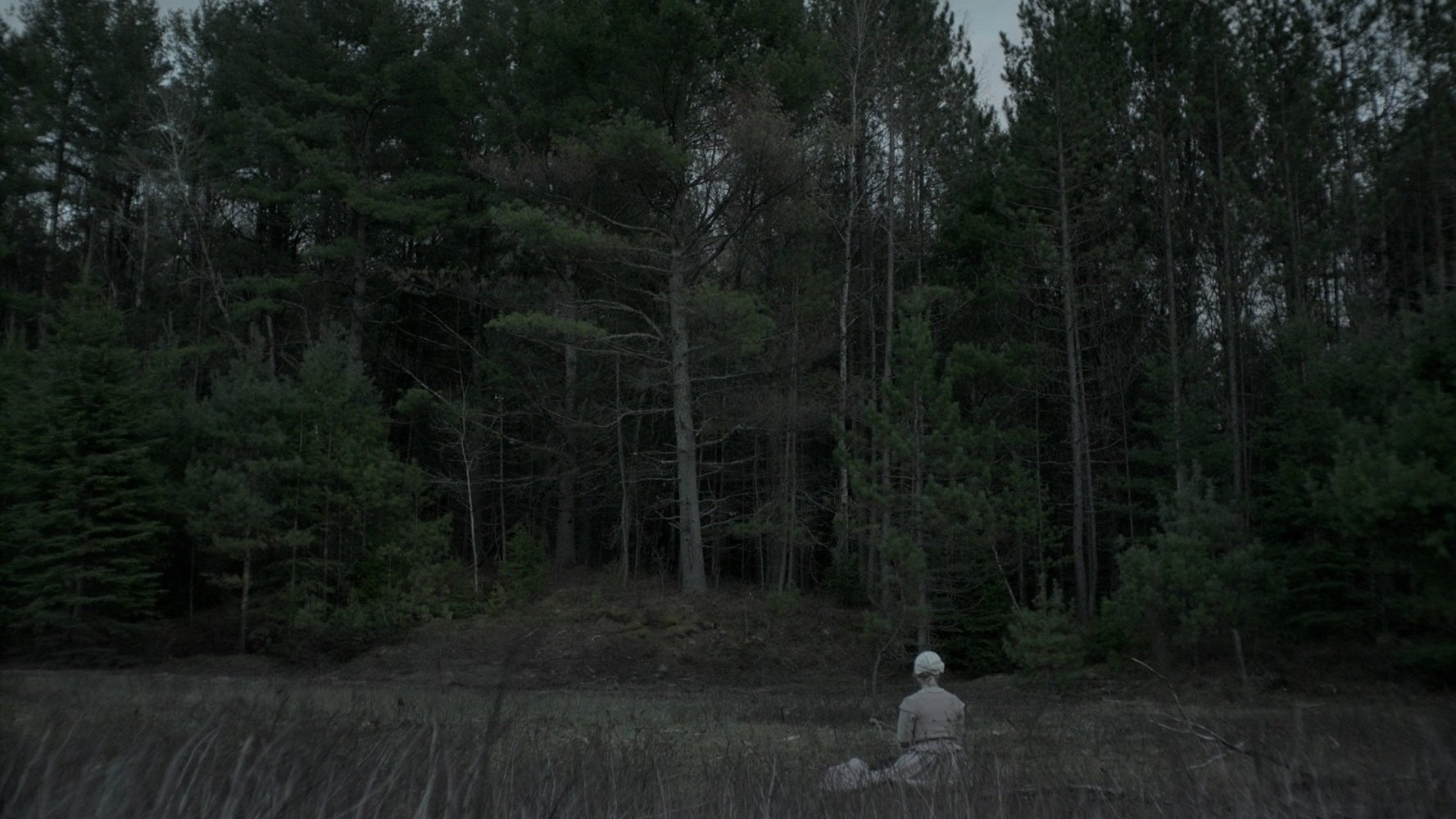
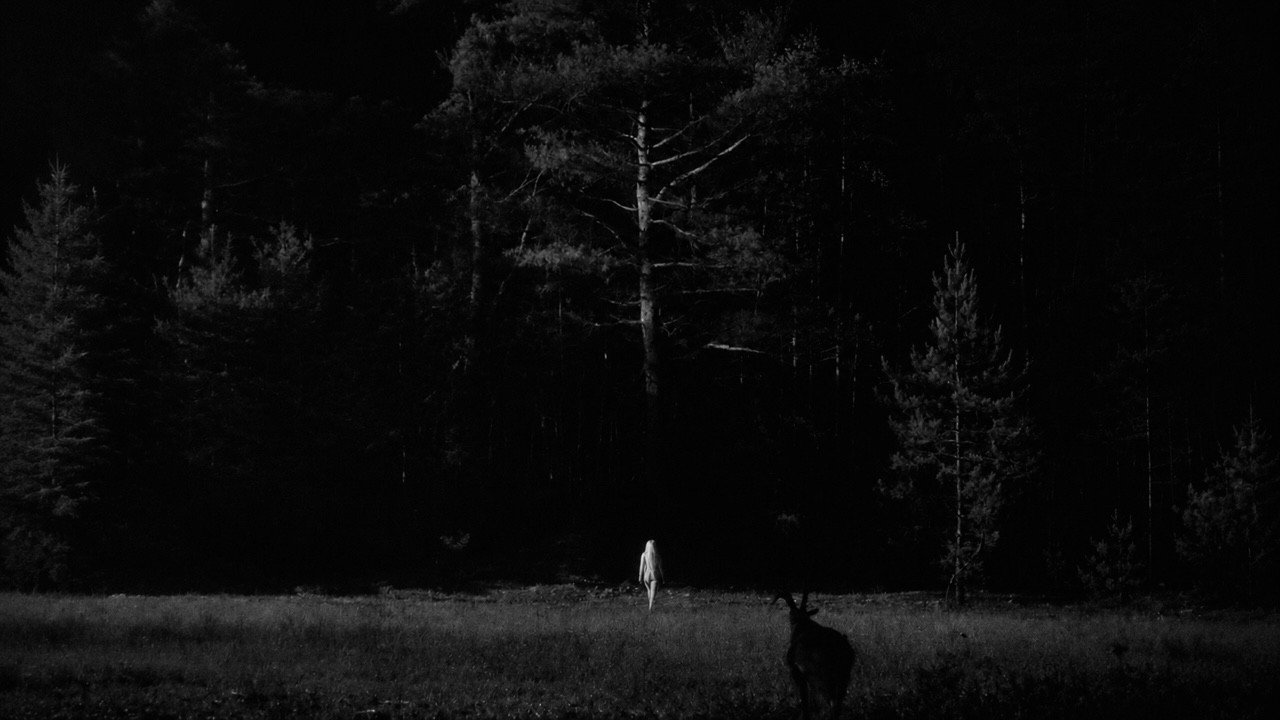
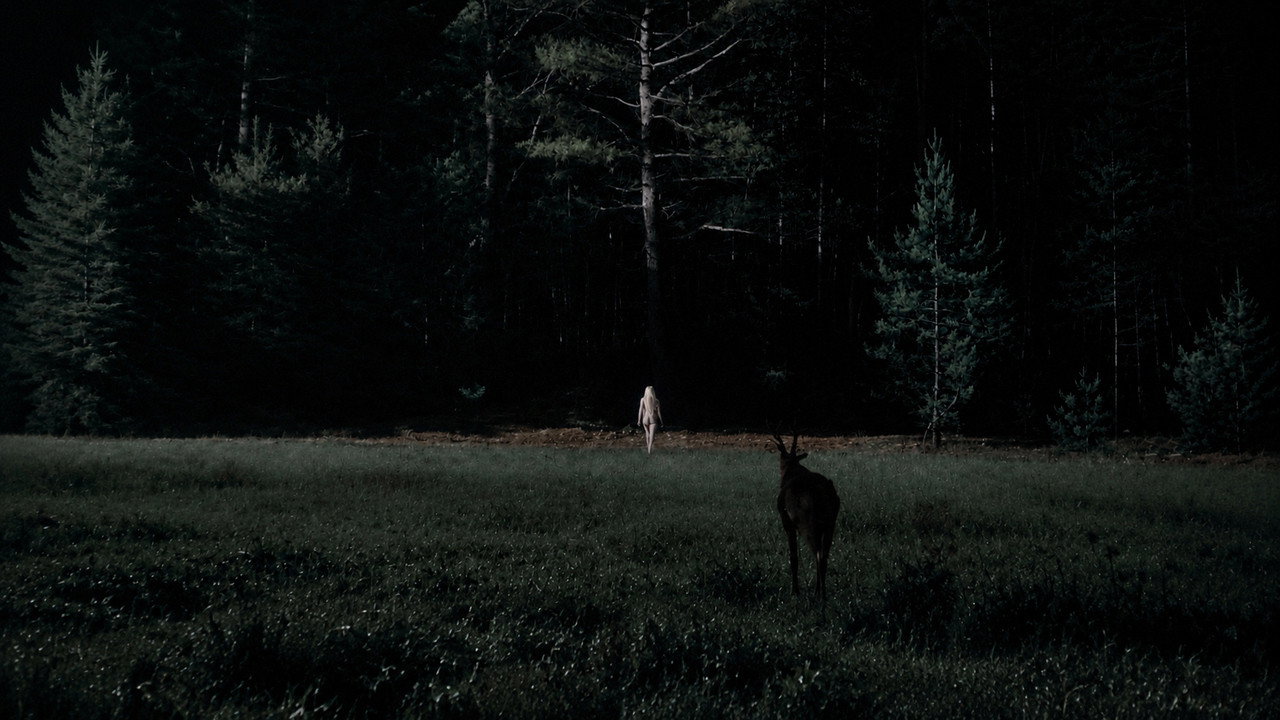
The Witch was photographed principally in a remote area near Mattawa in northern Ontario, Canada, rather than New England. Production designer Craig Lathrop constructed the family's farm specifically for the film because existing buildings could not reliably reproduce the required seventeenth-century architecture. The production selected a clearing beside forest terrain that offered several distinct woodland environments within practical distance of the main location. This allowed the filmmakers to establish differences between the farm, deeper forest areas and the locations associated with the witch without making the environment appear geographically inconsistent.

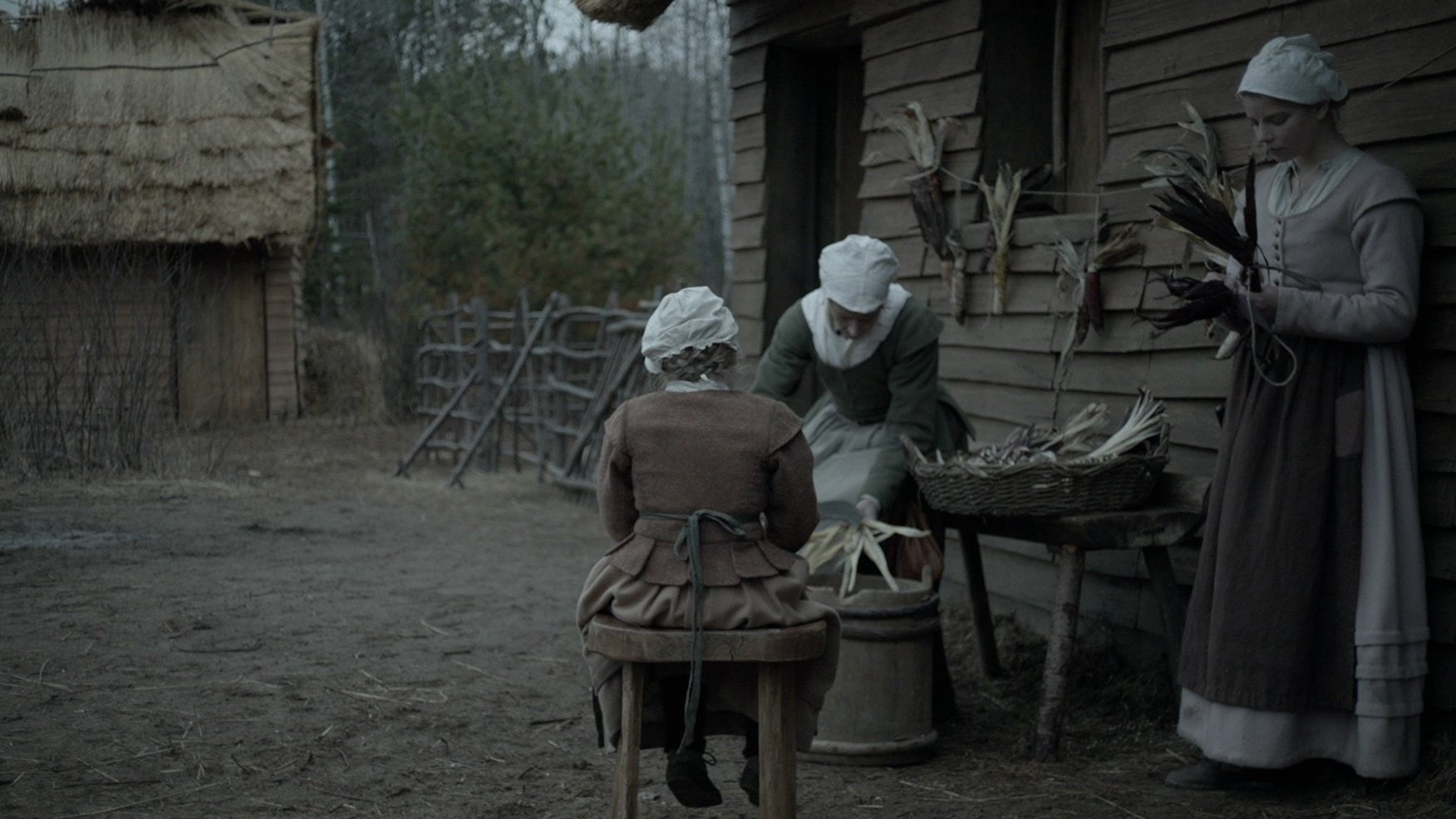
Eggers supplied Lathrop with architectural sketches and historical references before detailed construction began. Lathrop expanded that material through independent research, consultation with historical specialists and visits to reconstructed colonial settlements. Period building manuals and surviving architectural examples informed construction methods. Craftspeople were commissioned to produce specific components using traditional techniques, including hand-riven wooden cladding from Massachusetts and thatching materials prepared by a specialist in Virginia.

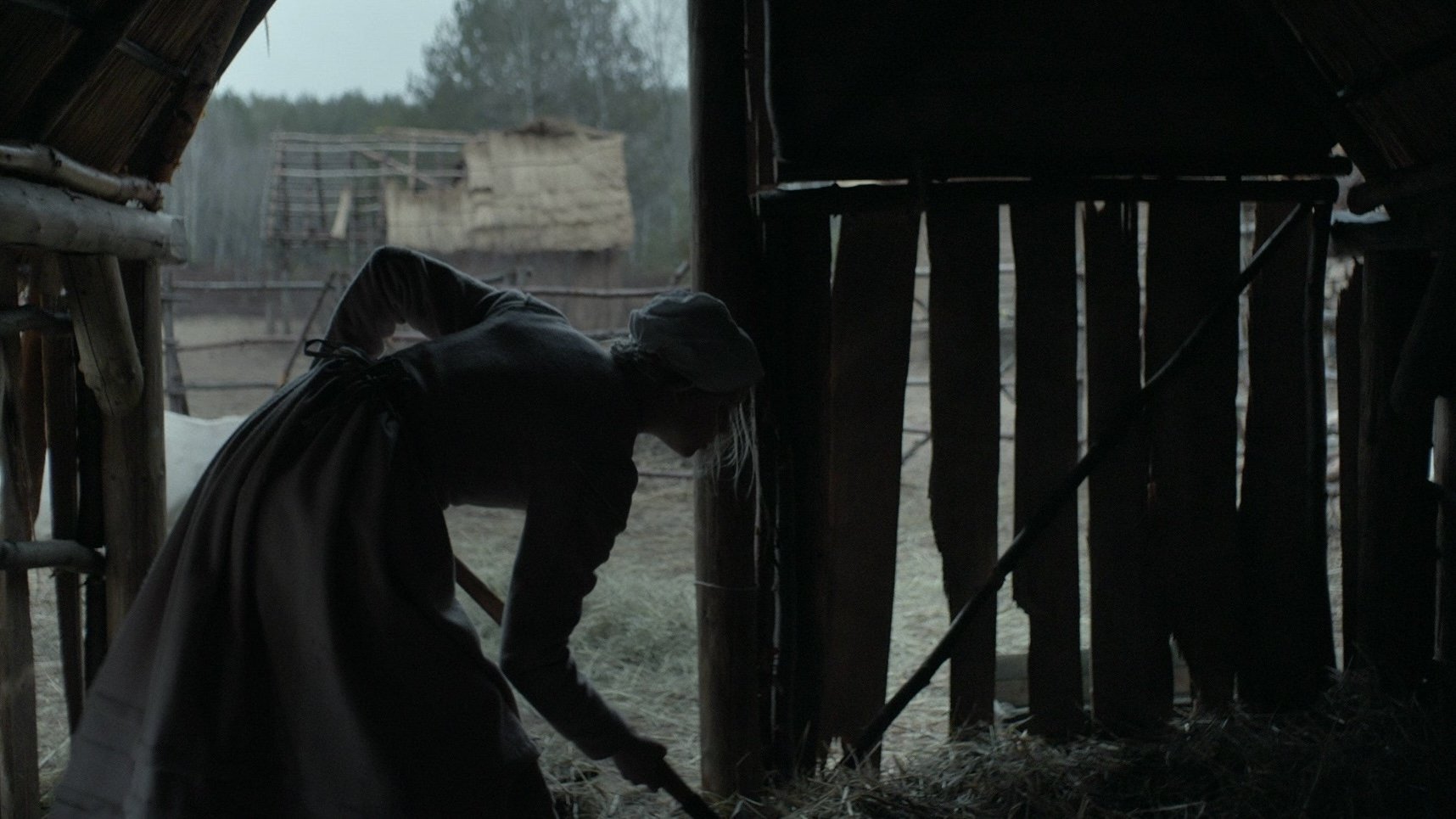
Much of the remaining timber was cut and prepared for the production itself. The buildings were assembled to reproduce the rough dimensions, textures and workmanship appropriate to a family attempting to establish a remote agricultural dwelling. Construction was therefore an important part of the film's material authenticity. Weathered wooden surfaces, functional doors, rough structural members and agricultural equipment were physically present rather than simulated through a digital environment.

Nevertheless, the buildings were adapted when historical proportions interfered with filmmaking. During an early research visit, Blaschke measured the available light inside reconstructed colonial houses and established that their small windows and restrictive dimensions would make extended dramatic scenes exceptionally difficult to photograph. The film's house was consequently enlarged in selected areas, and some windows were made slightly larger. These changes preserved the visual impression of historical domestic architecture while allowing sufficient space for actors, cameras and natural illumination.

Additional interiors were constructed inside an unused lumber-processing facility that functioned as a temporary studio. The upper room of the house, sections of the goat shed and the witch's dwelling were reproduced there when the production required controlled lighting or more elaborate staging. The division between location and studio was determined by practical photographic requirements rather than an attempt to replace the outdoor farm. The completed film combines the physical presence of the constructed settlement with carefully matched interior environments.

Digital Cinematography and Vintage Optics

Jarin Blaschke initially wanted to photograph The Witch on motion-picture negative, but the available budget made digital acquisition the more practical choice. The production selected an ARRI ALEXA Plus 4:3 camera and recorded most material externally in 2.8K ARRIRAW using a Convergent Design Gemini recorder. Blaschke compared ARRIRAW with ProRes before shooting and found that the raw material preserved a finer, more coherent noise structure within the dark portions of the image. Producer Jay Van Hoy supported the more demanding recording method despite the additional storage and workflow requirements.

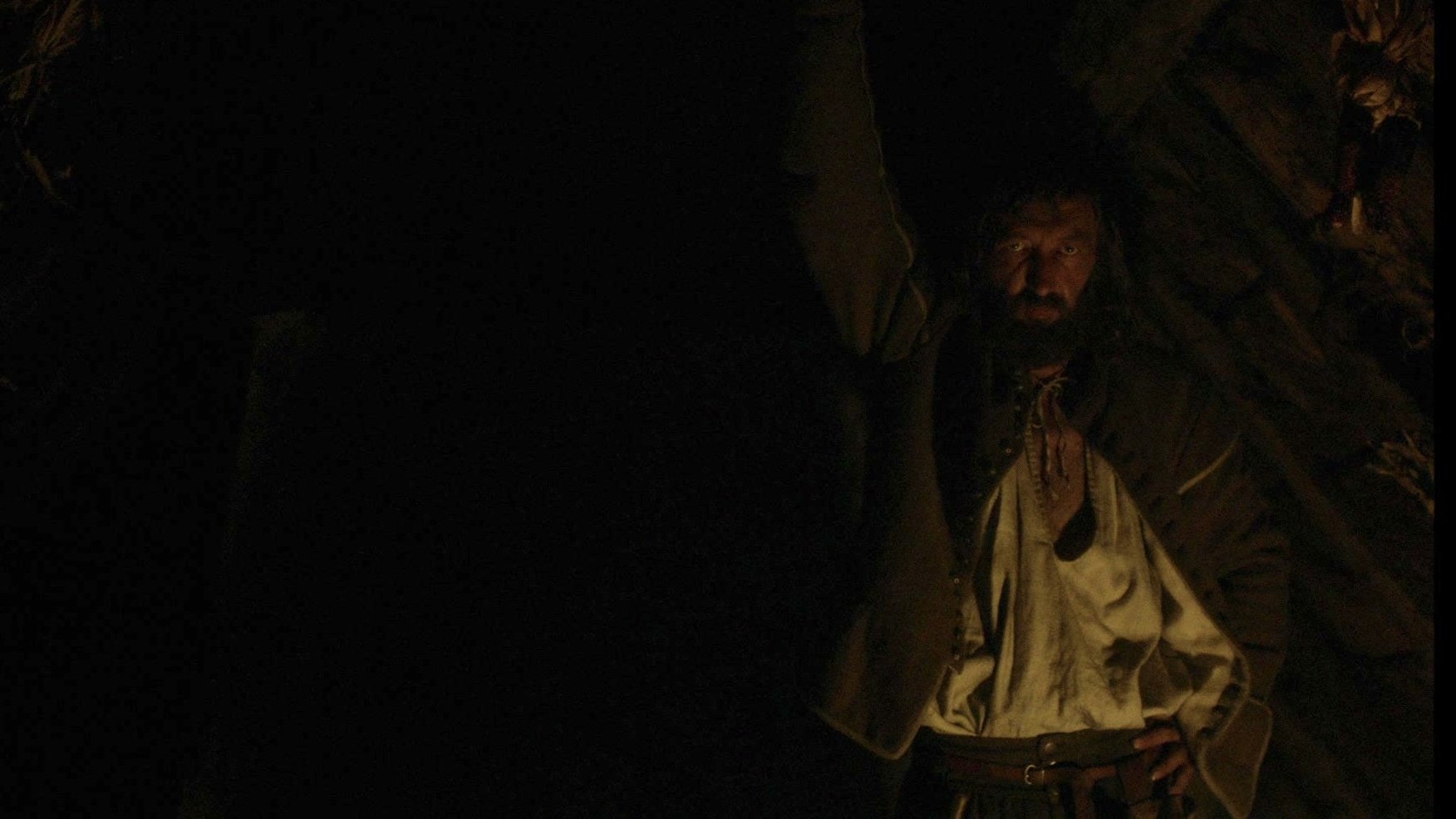
Not every shot used the same recording format. Material photographed at altered frame rates was generally captured internally in ProRes, while standard-speed photography primarily used the external ARRIRAW system. Blaschke kept the camera at ISO 800 throughout the production rather than increasing electronic sensitivity whenever light levels became difficult. He preferred to determine exposure through light-meter readings, actor blocking and the placement of practical sources, allowing backgrounds and portions of the frame to descend into darkness naturally.

The lens package was assembled through Panavision after extensive tests of older spherical optics. Blaschke selected Cooke Speed Panchro Series II lenses as the principal set, supported by Bausch & Lomb Super Baltars and selected Panavision Super Speed optics. Approximately eighty-five percent of the feature was photographed using a 32 mm Speed Panchro. Wider compositions generally employed a 25 mm lens, while 40 mm and occasionally 50 mm focal lengths were reserved for closer perspectives and specific subjective shots.

The vintage lenses were chosen for particular optical characteristics. Blaschke valued their reduced clinical sharpness, distinctive out-of-focus rendering and peripheral behavior. Combined with carefully centered compositions, these characteristics direct attention toward performers while allowing their environment to remain visible. The lenses provided an alternative to applying a uniform digital vintage effect after photography. The image texture originated partly from the physical behavior of the glass.

The film was composed for a 1.66:1 aspect ratio. This narrower frame accommodates the vertical structures of the farm, the bodies of the performers and the surrounding forest while avoiding the expansive horizontal space associated with modern widescreen spectacle. Blaschke and Eggers also completed an unusually detailed shot list before principal photography, modifying it only when difficult staging or unpredictable performances required a different approach. The resulting photography favors controlled compositions, measured dolly movement and precise changes in screen geography over continuous handheld observation.

Natural Light, Candles and Color Finishing

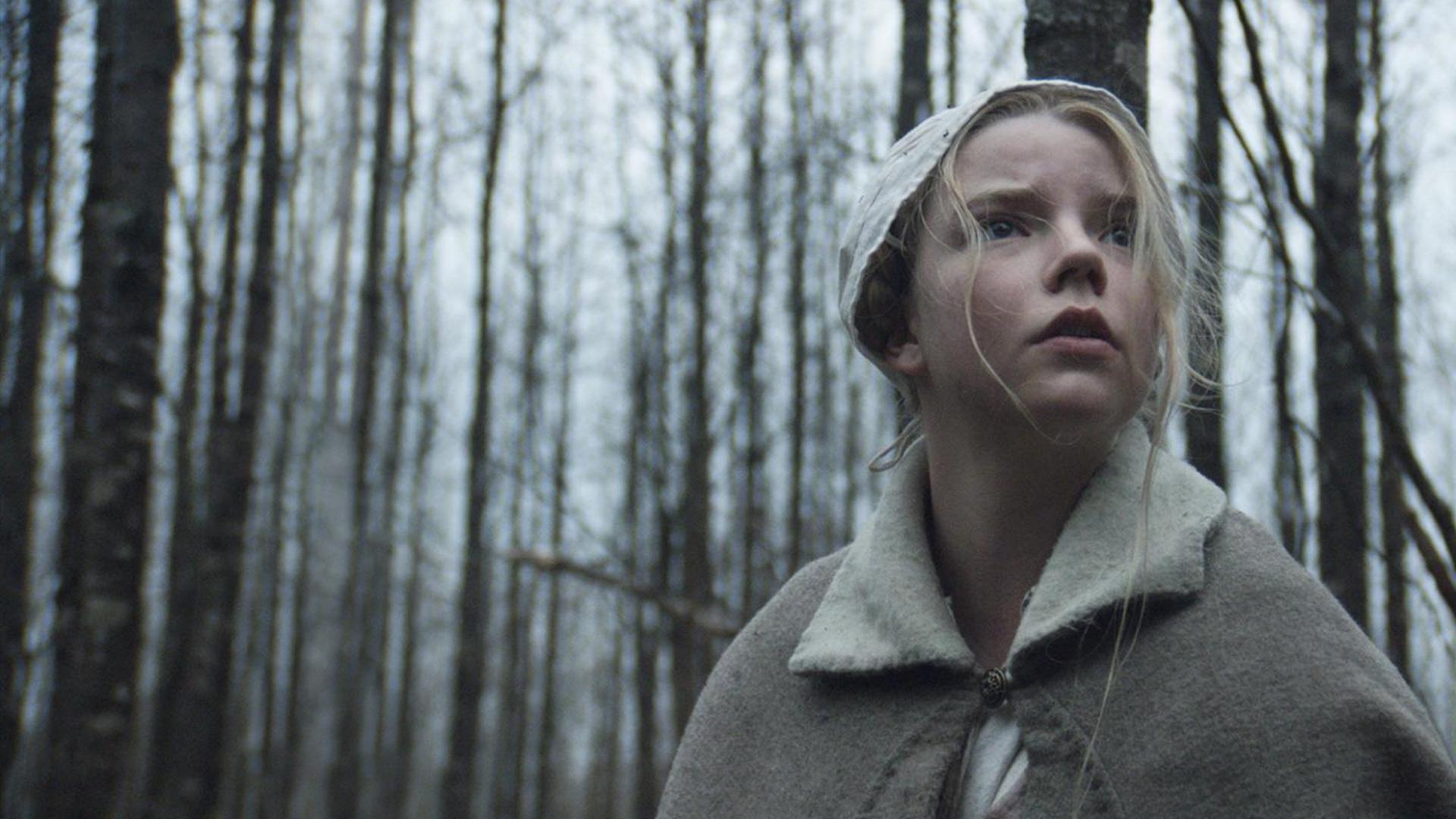
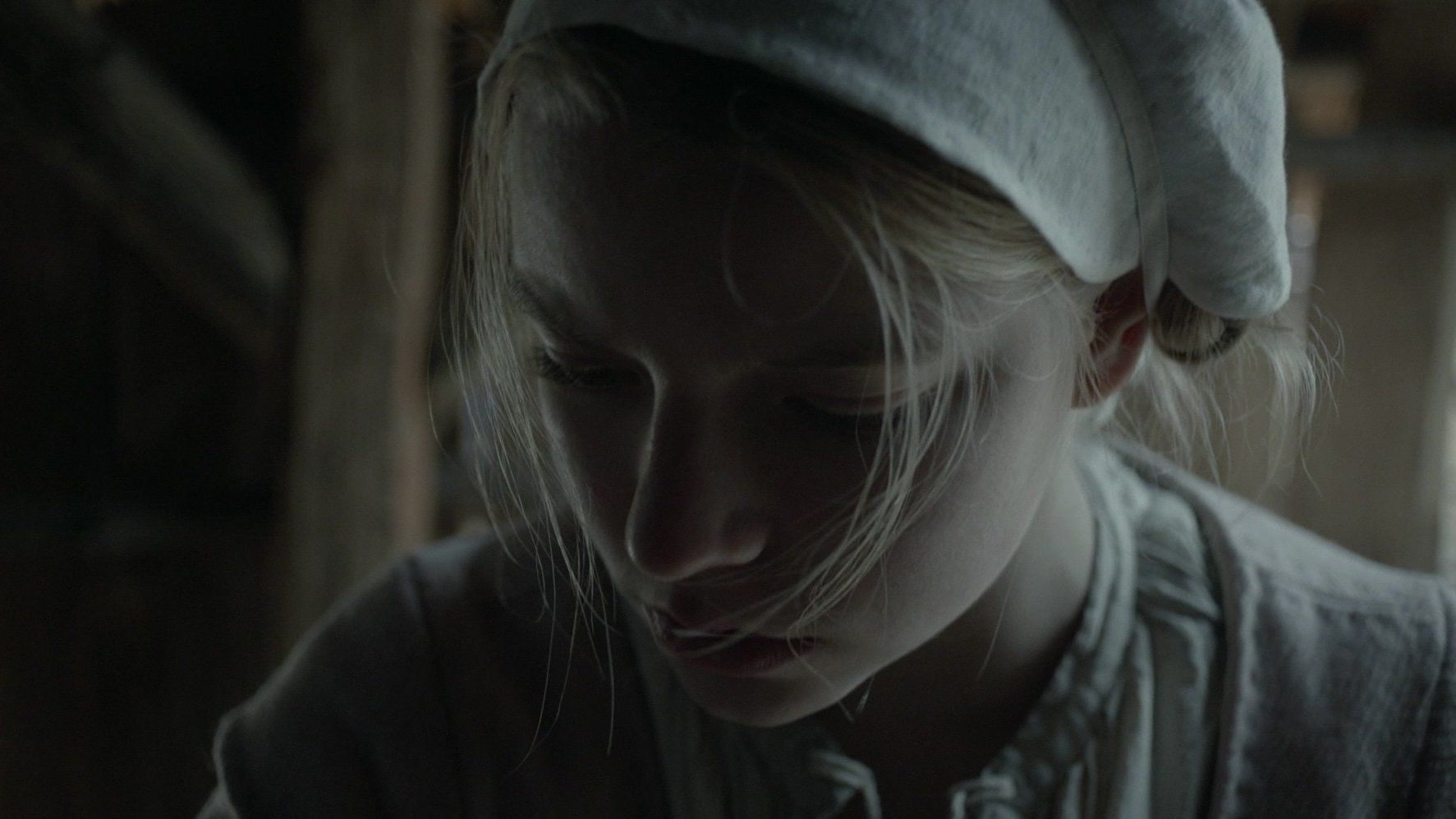
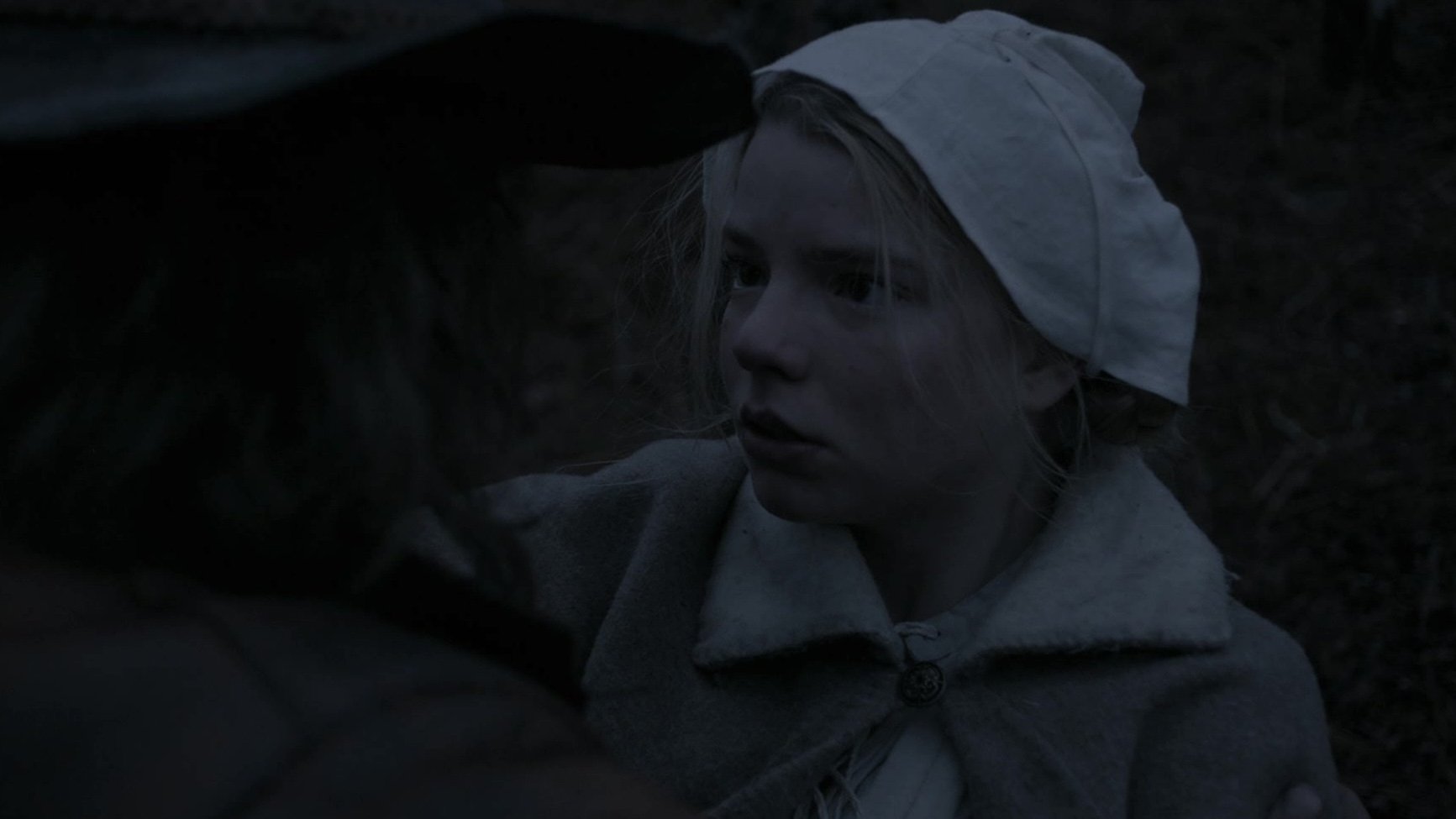
Natural illumination was central to the photographic design, but it was carefully shaped rather than passively accepted. During exterior scenes and daytime interiors, Blaschke used negative fill, reflective surfaces, nets and diffusion to control the direction and intensity of available light. Overcast weather supplied the soft illumination required by the film's predominantly desaturated palette. When direct sunlight entered a room, the crew could redirect it through muslin or other reflective materials to retain the appearance of a believable window source.
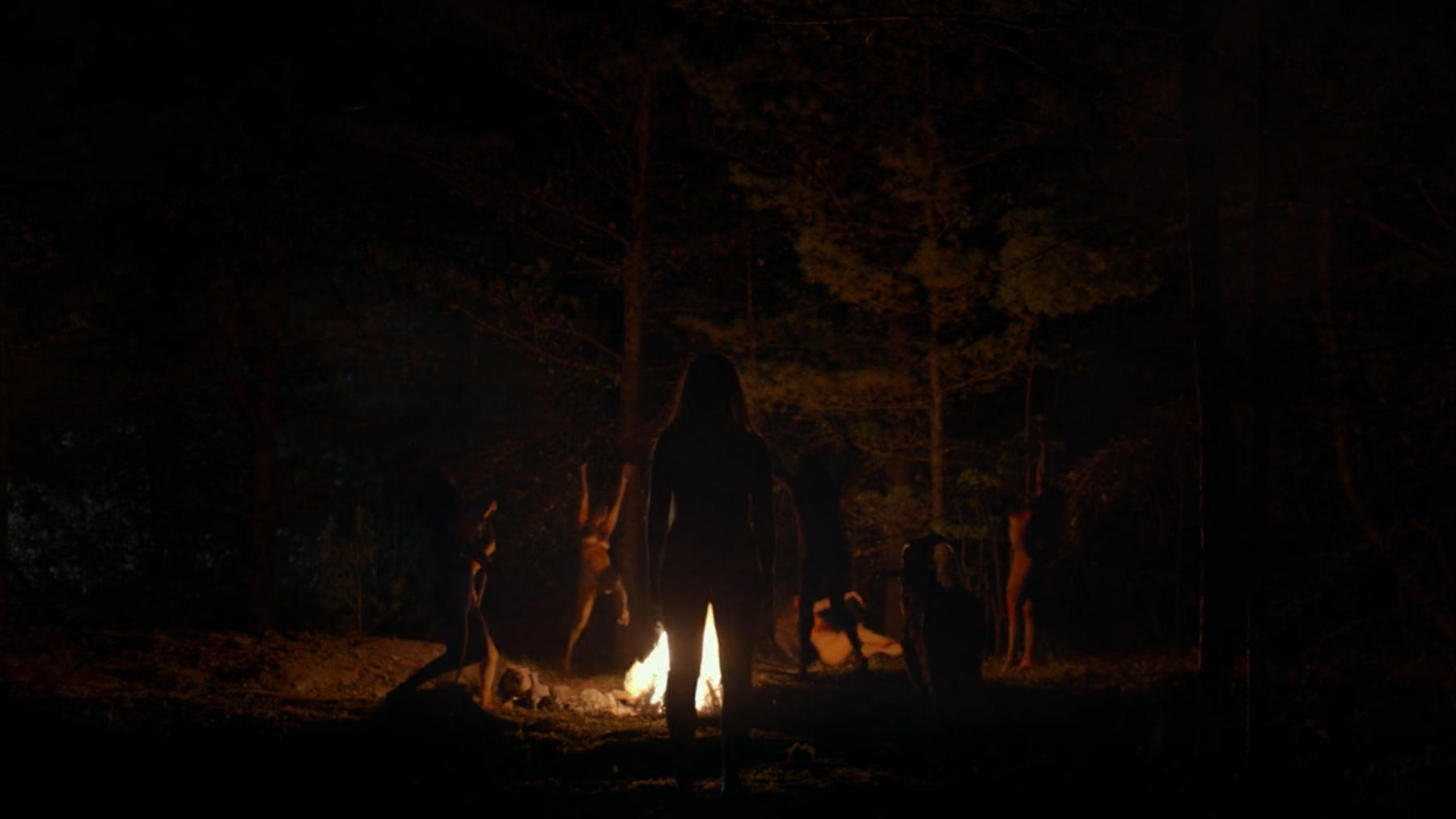
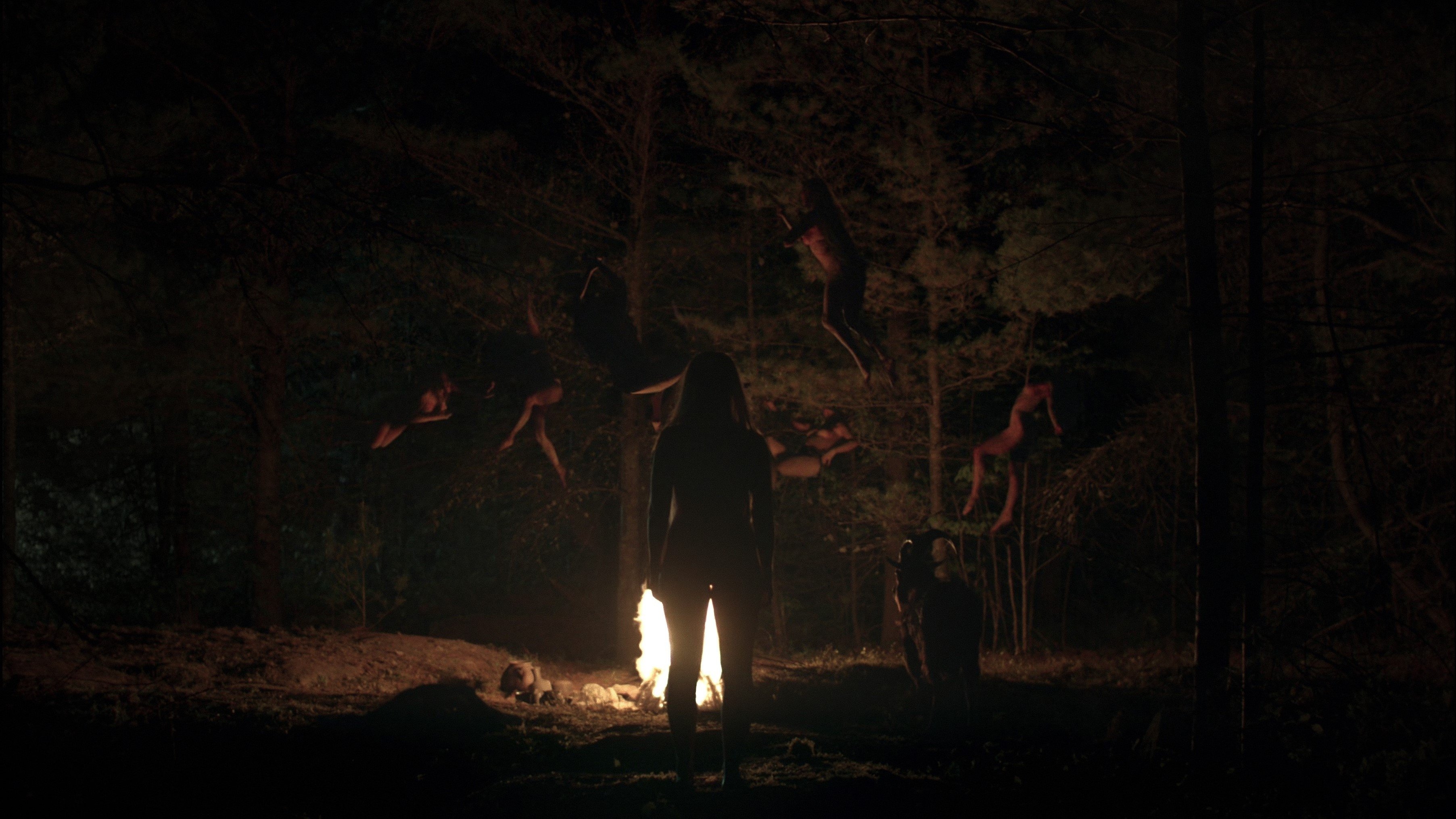
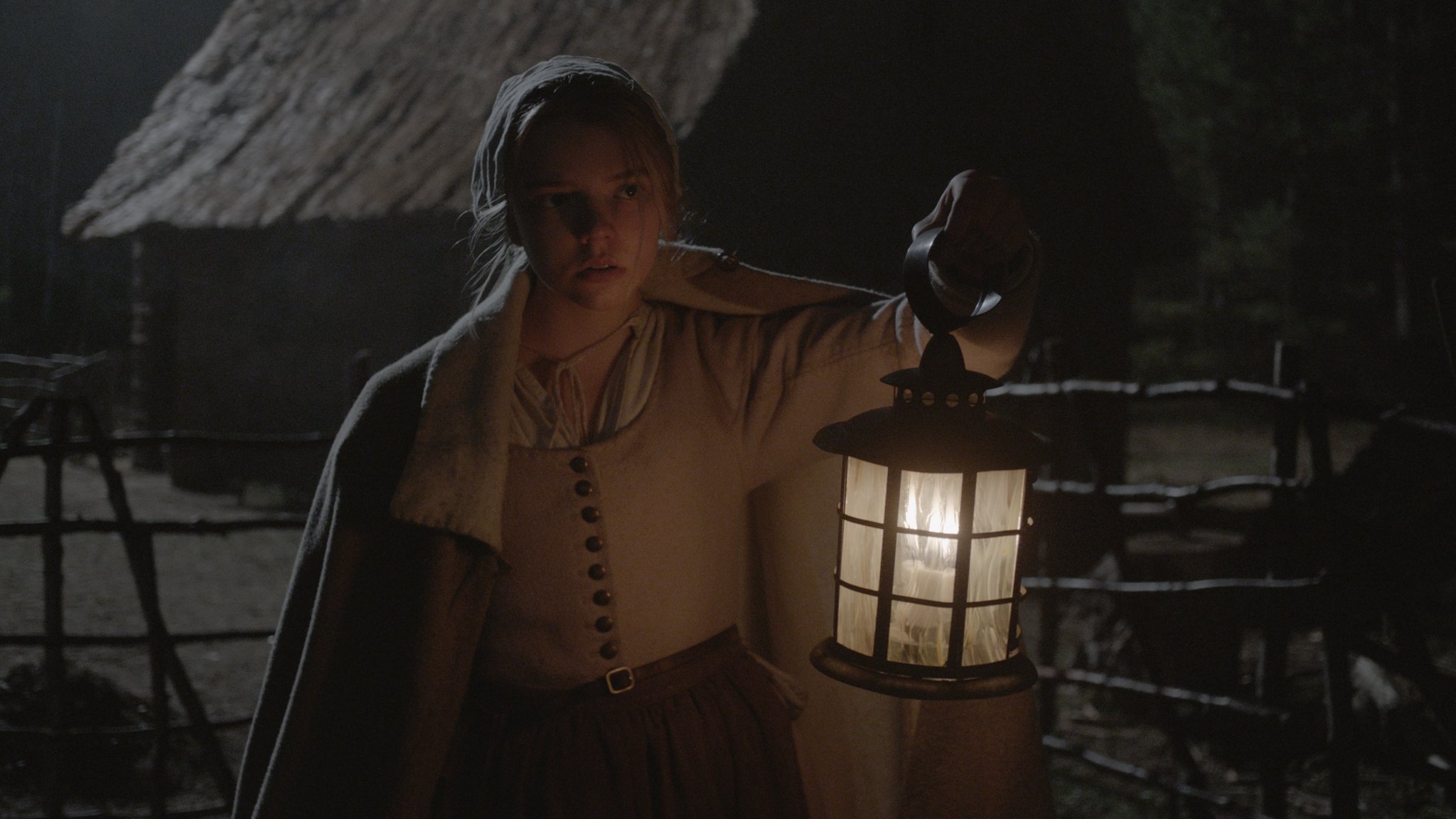
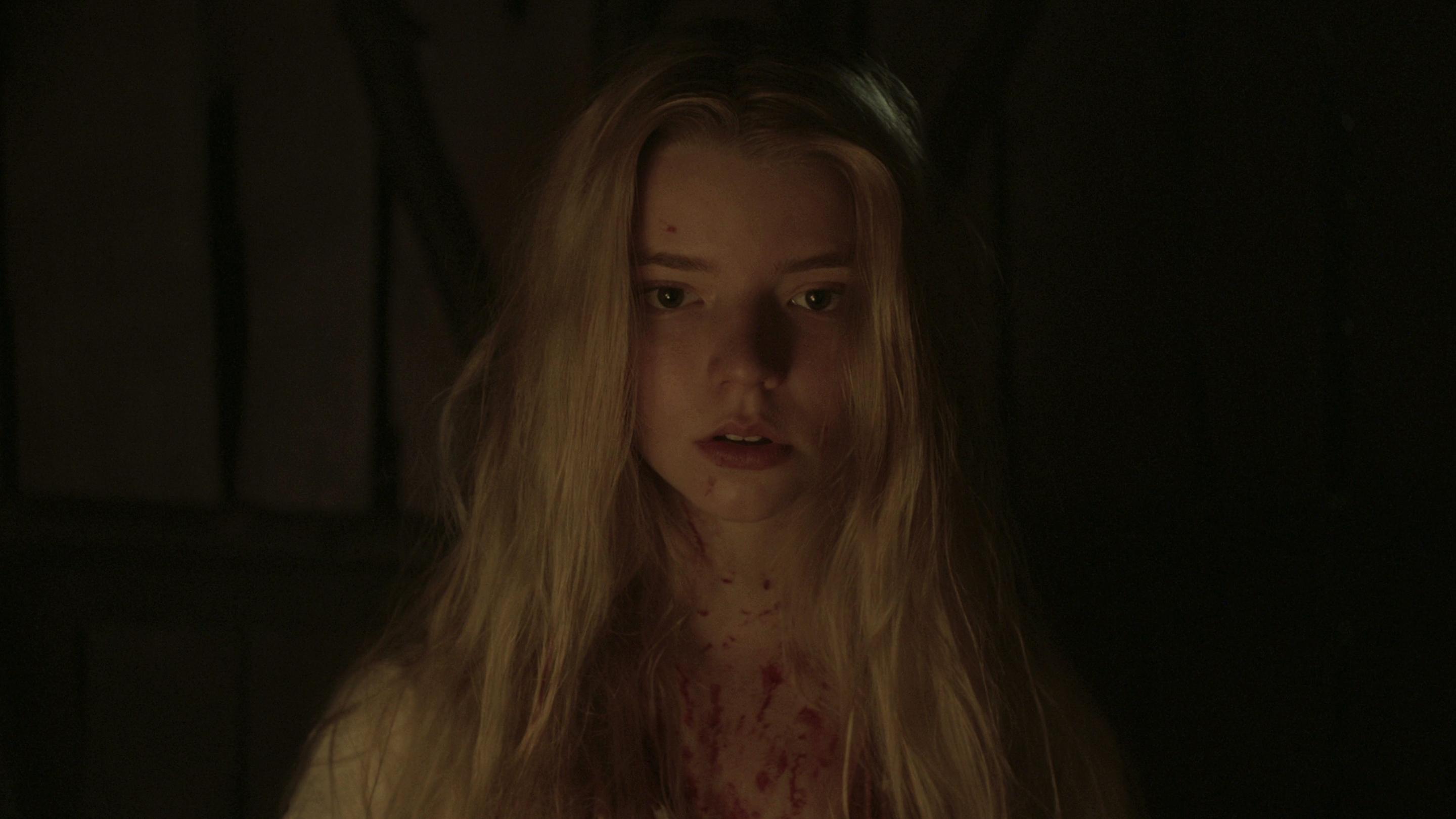
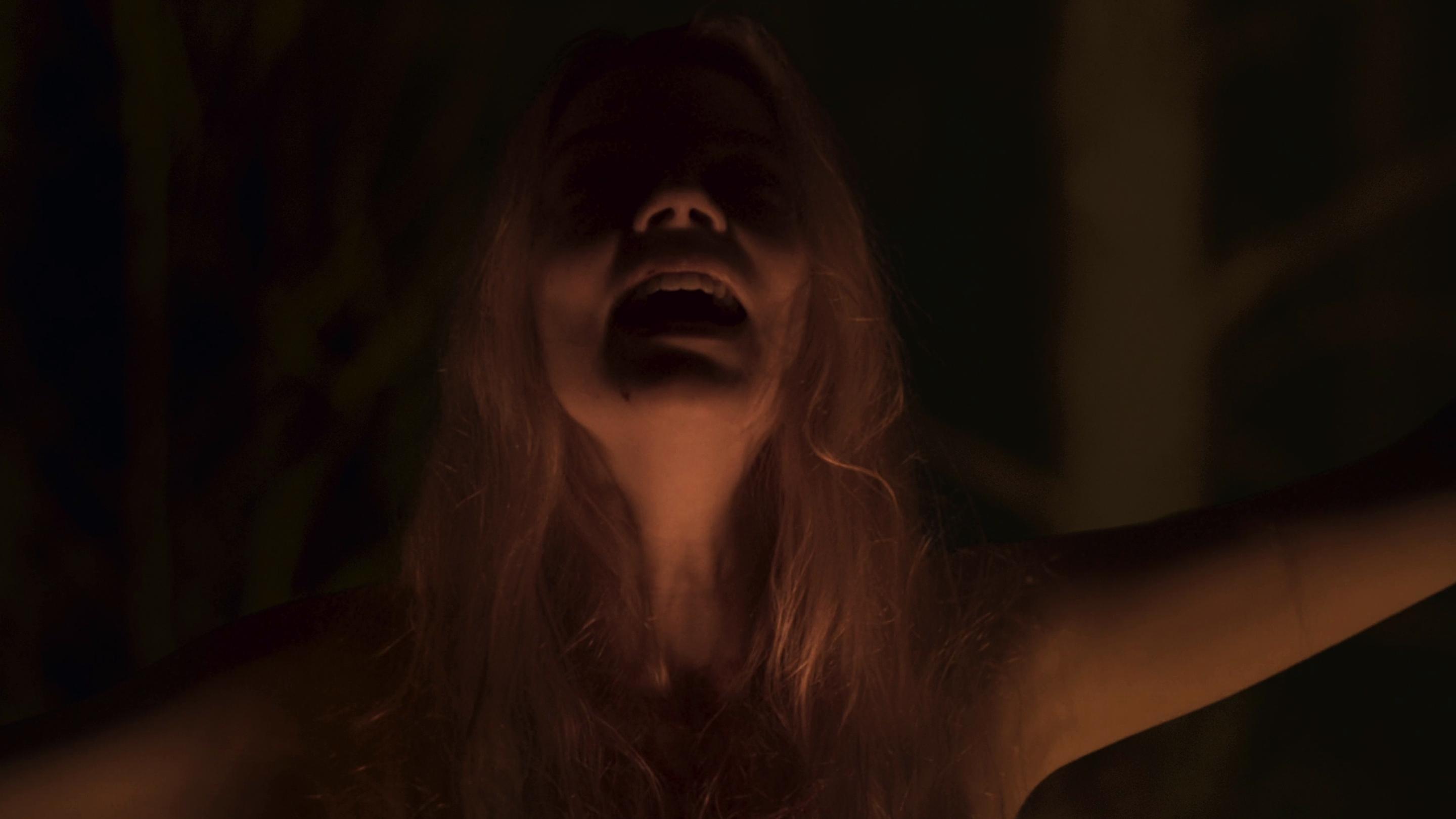
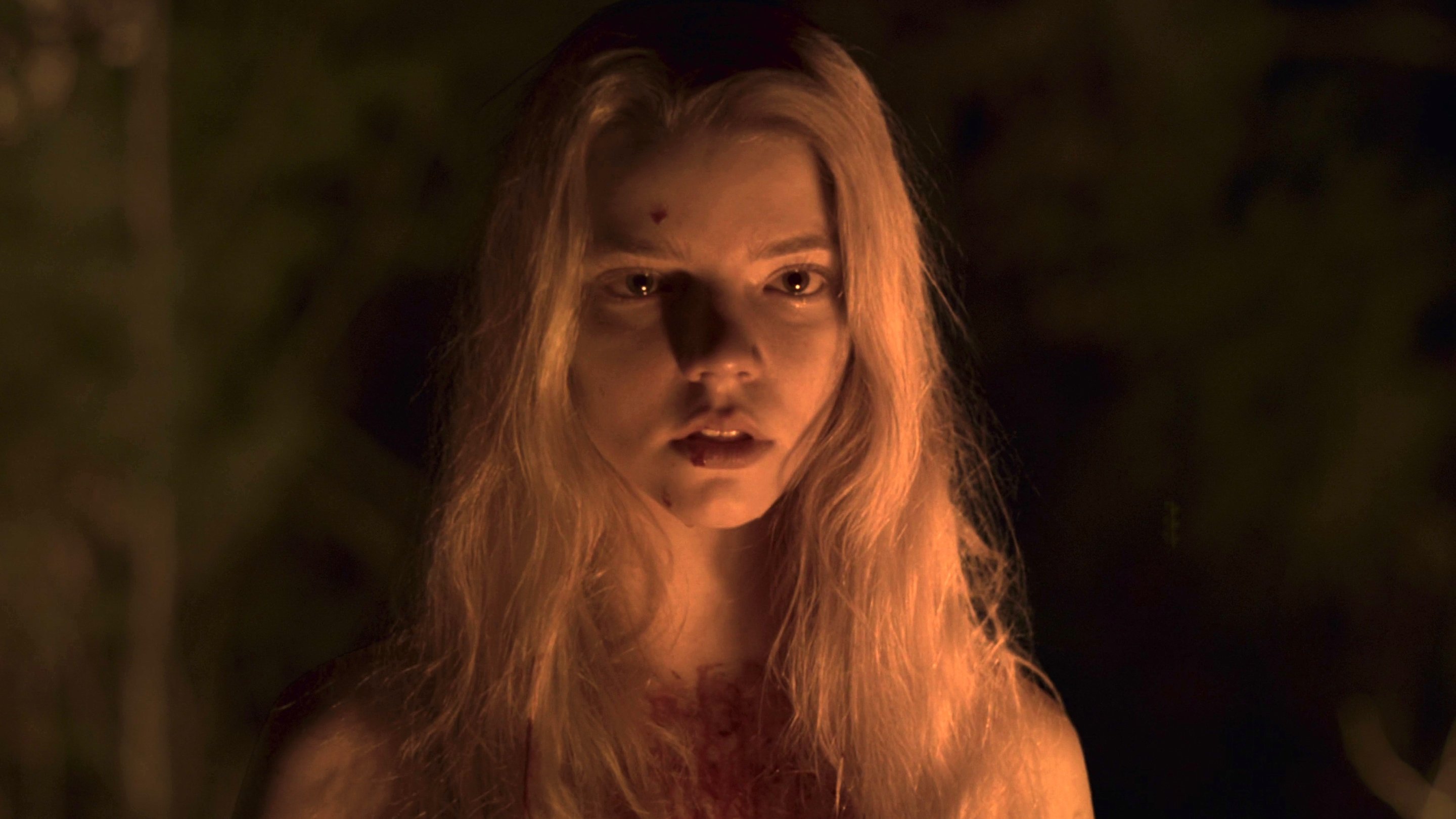
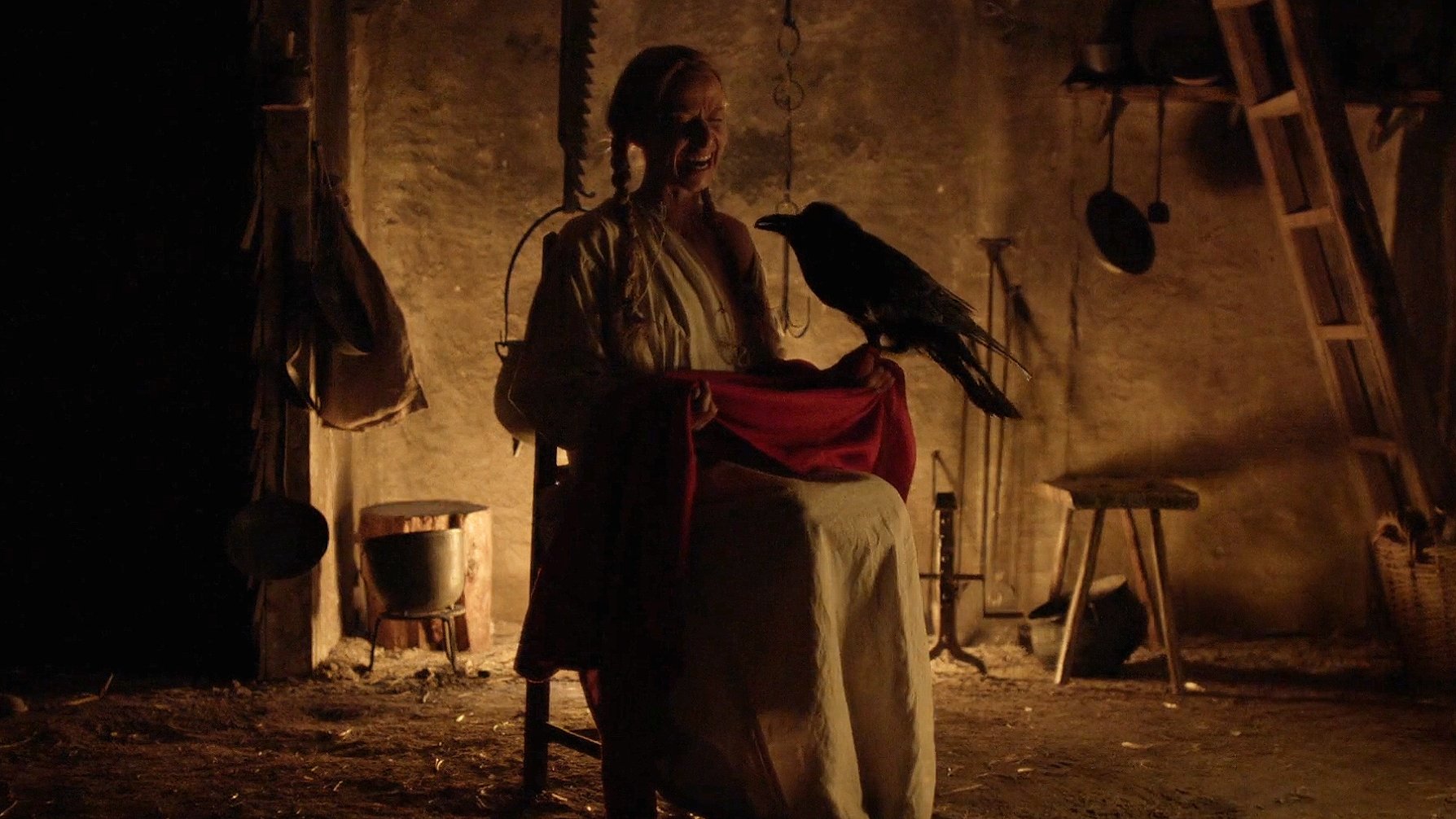
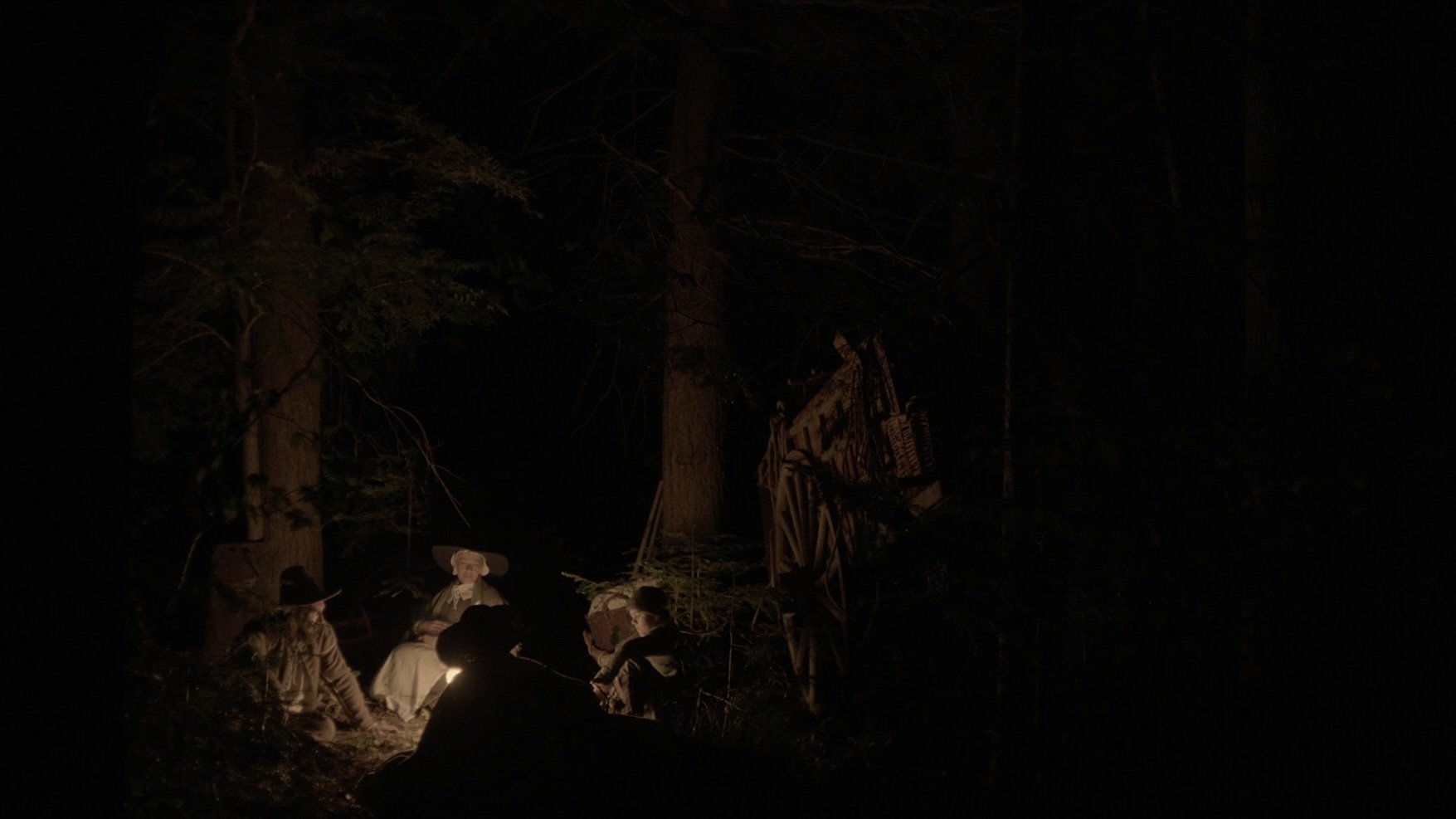
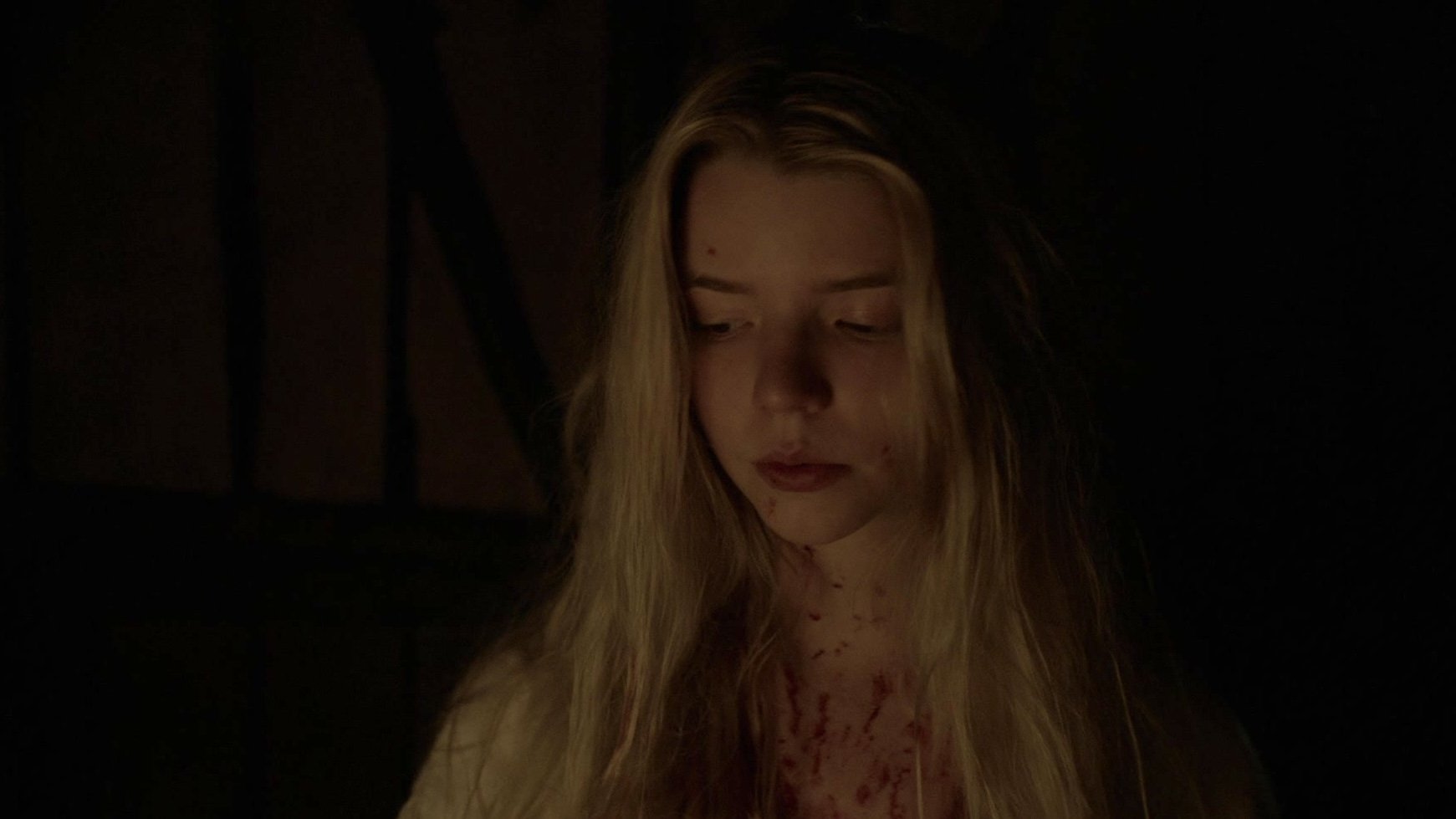
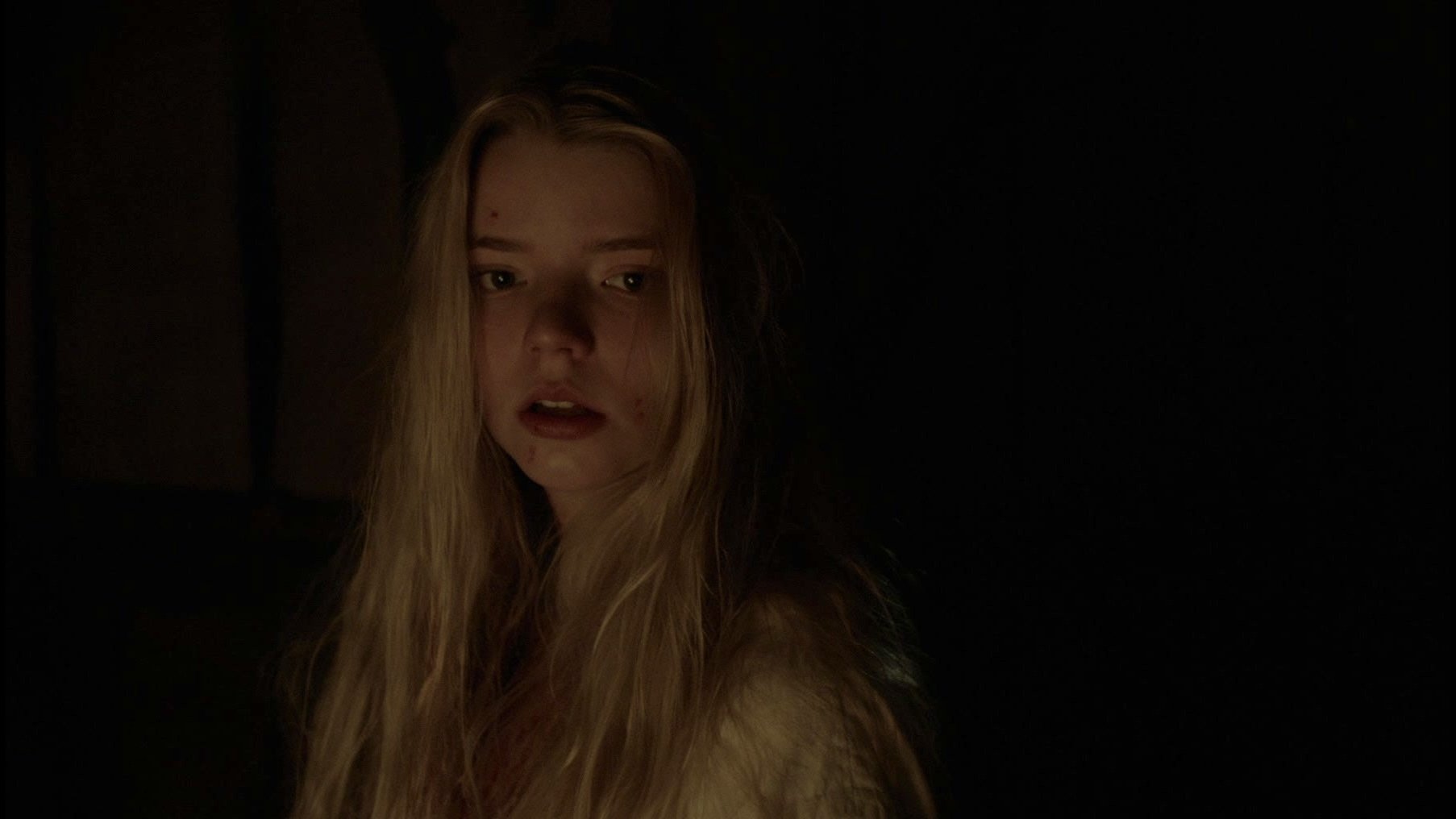
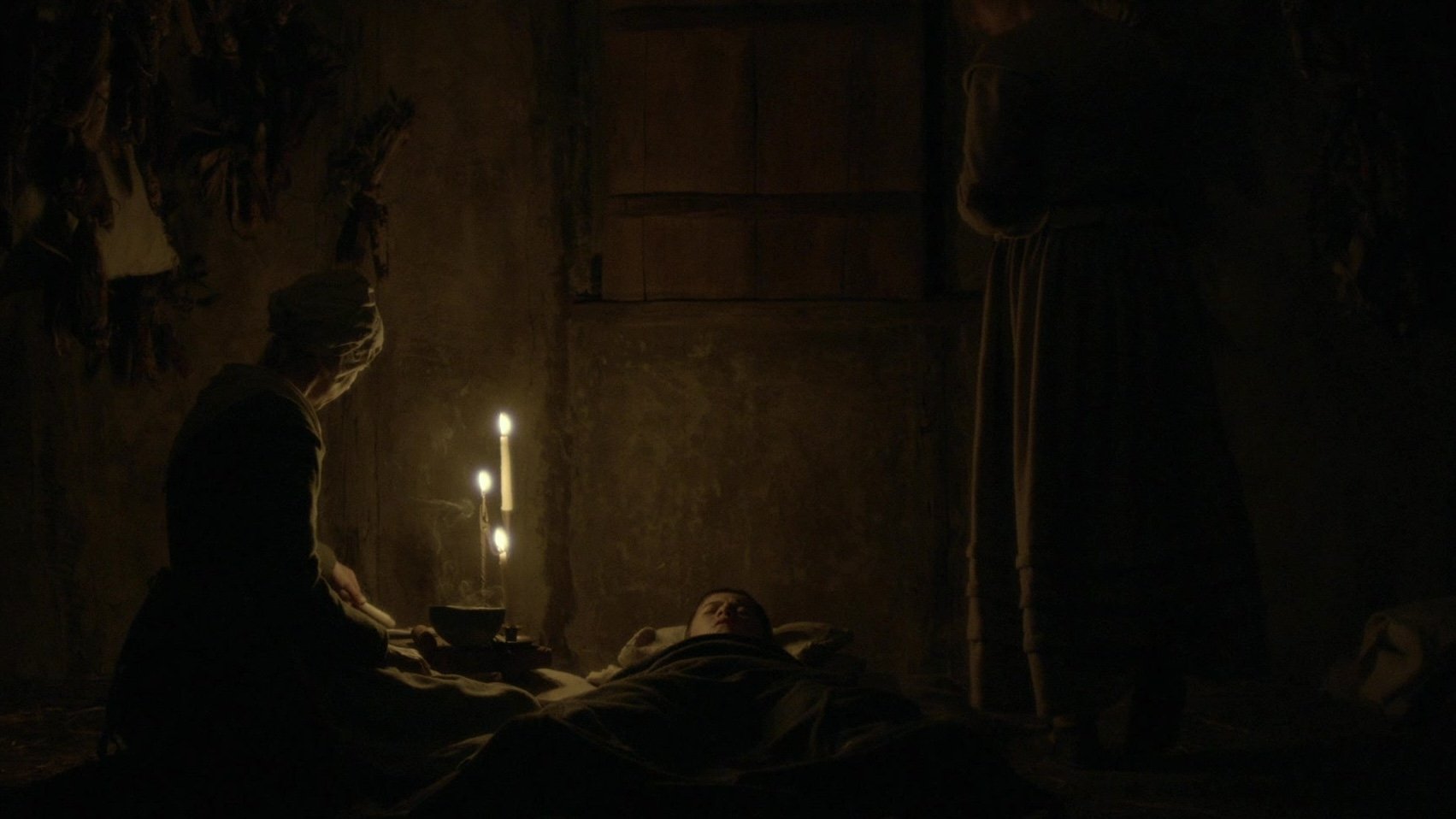
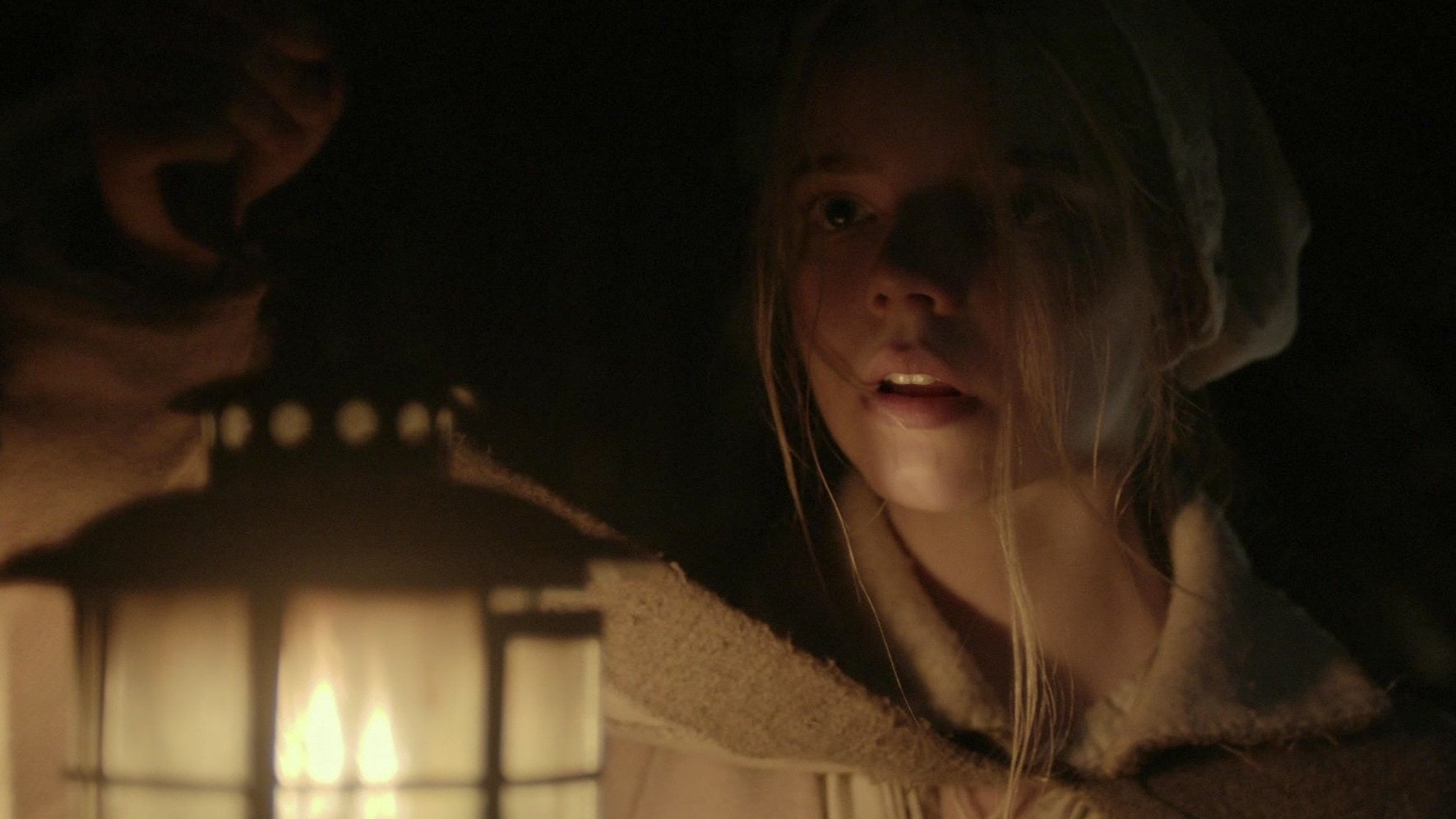
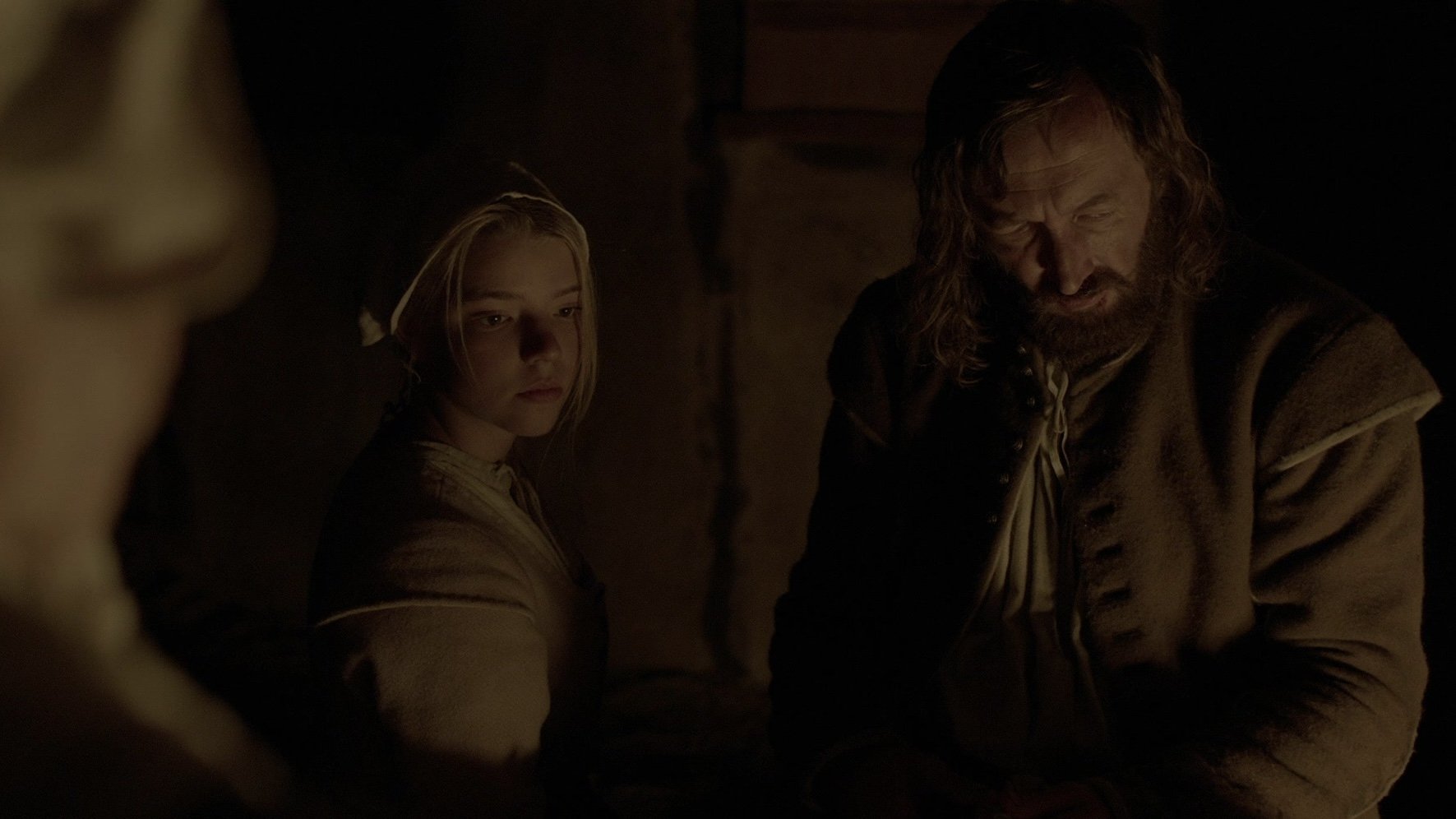
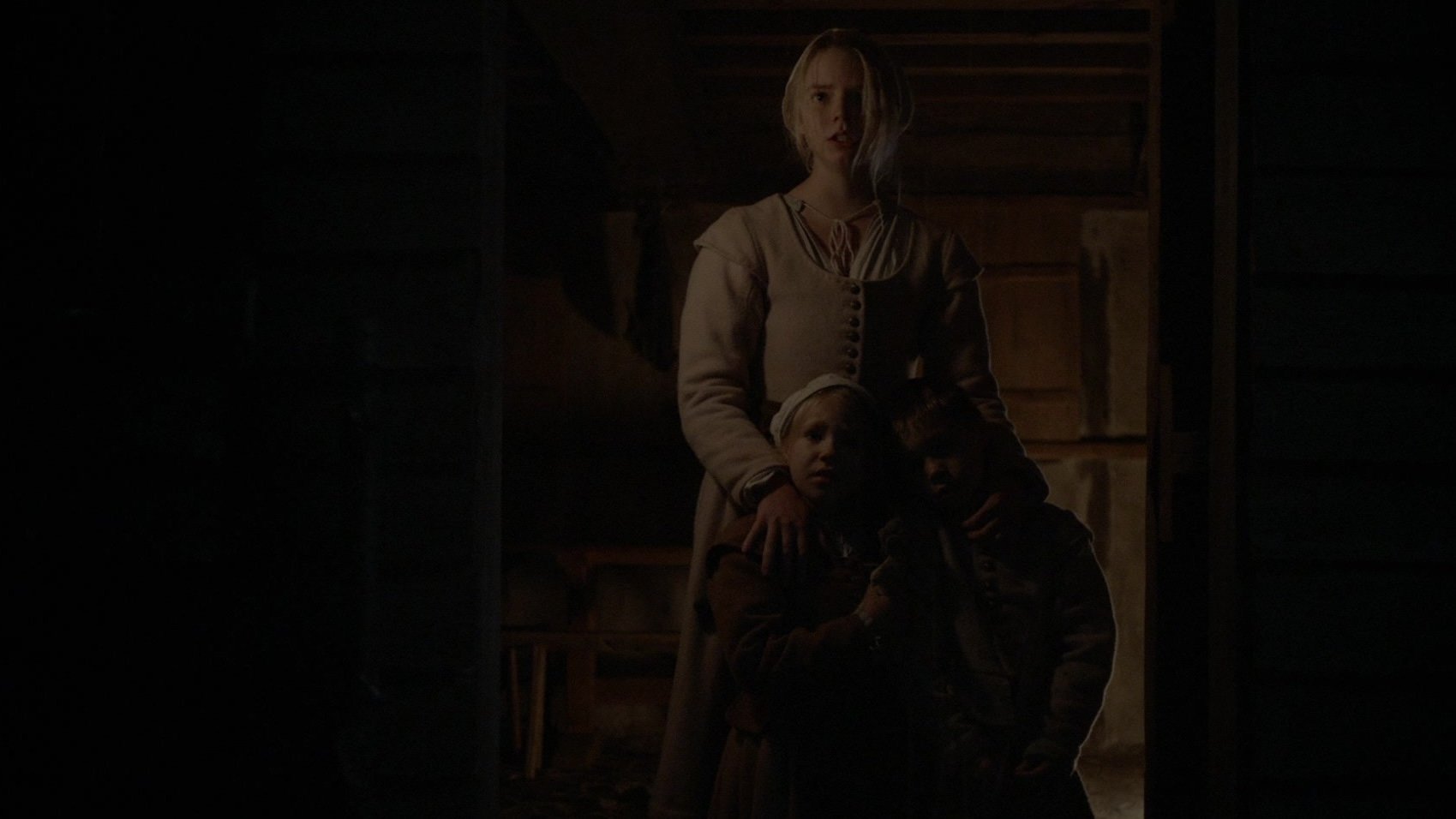
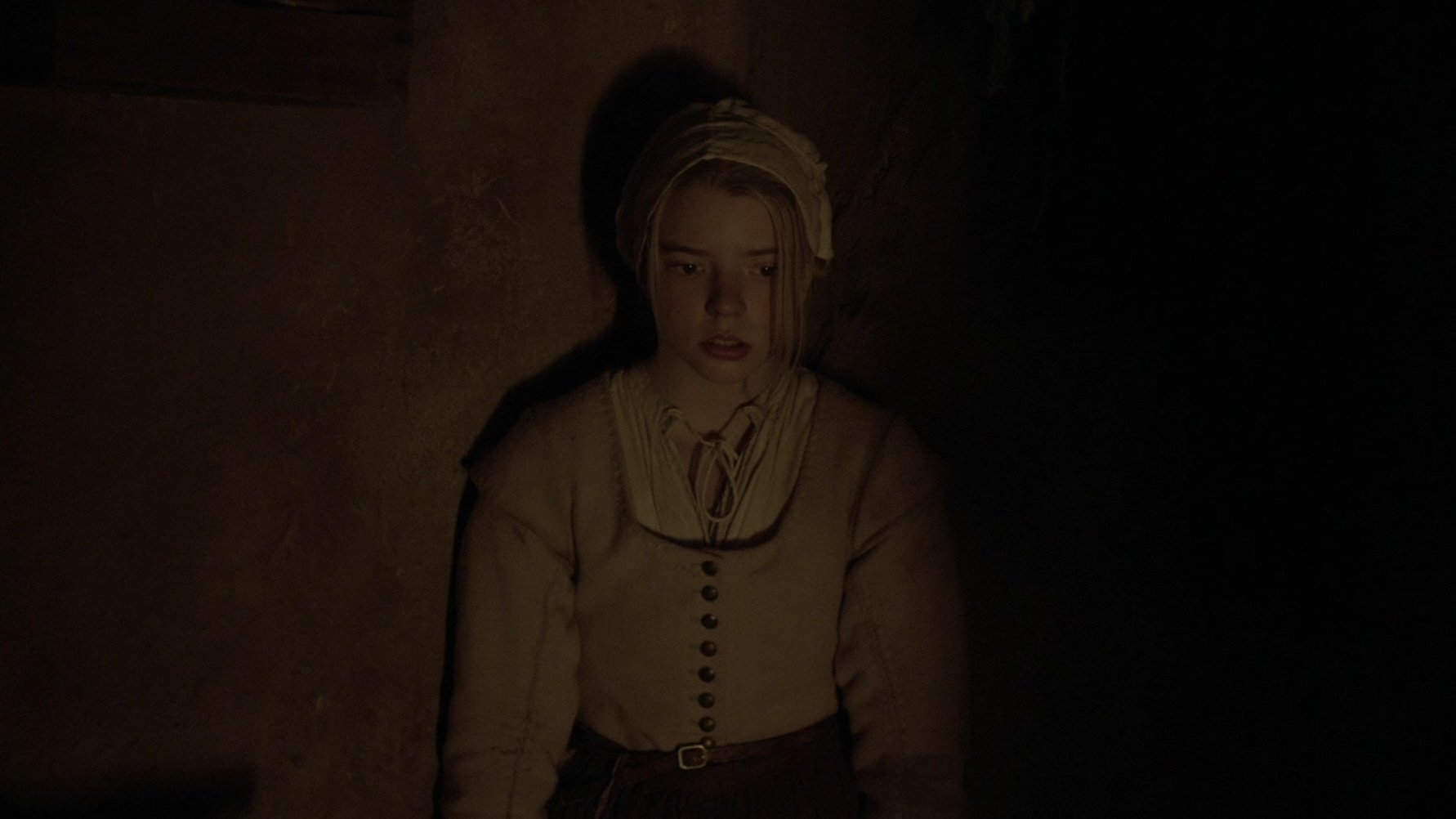
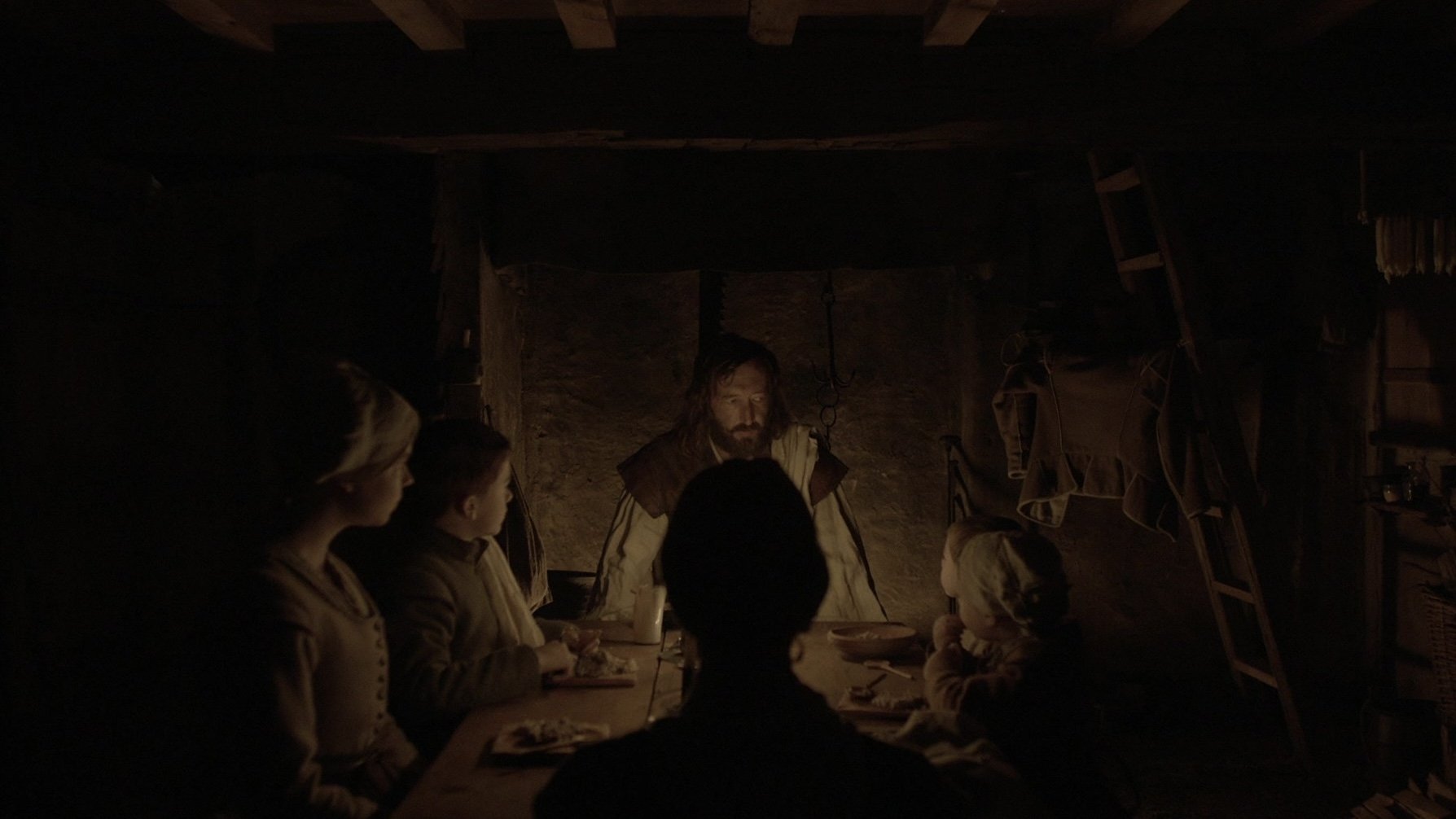
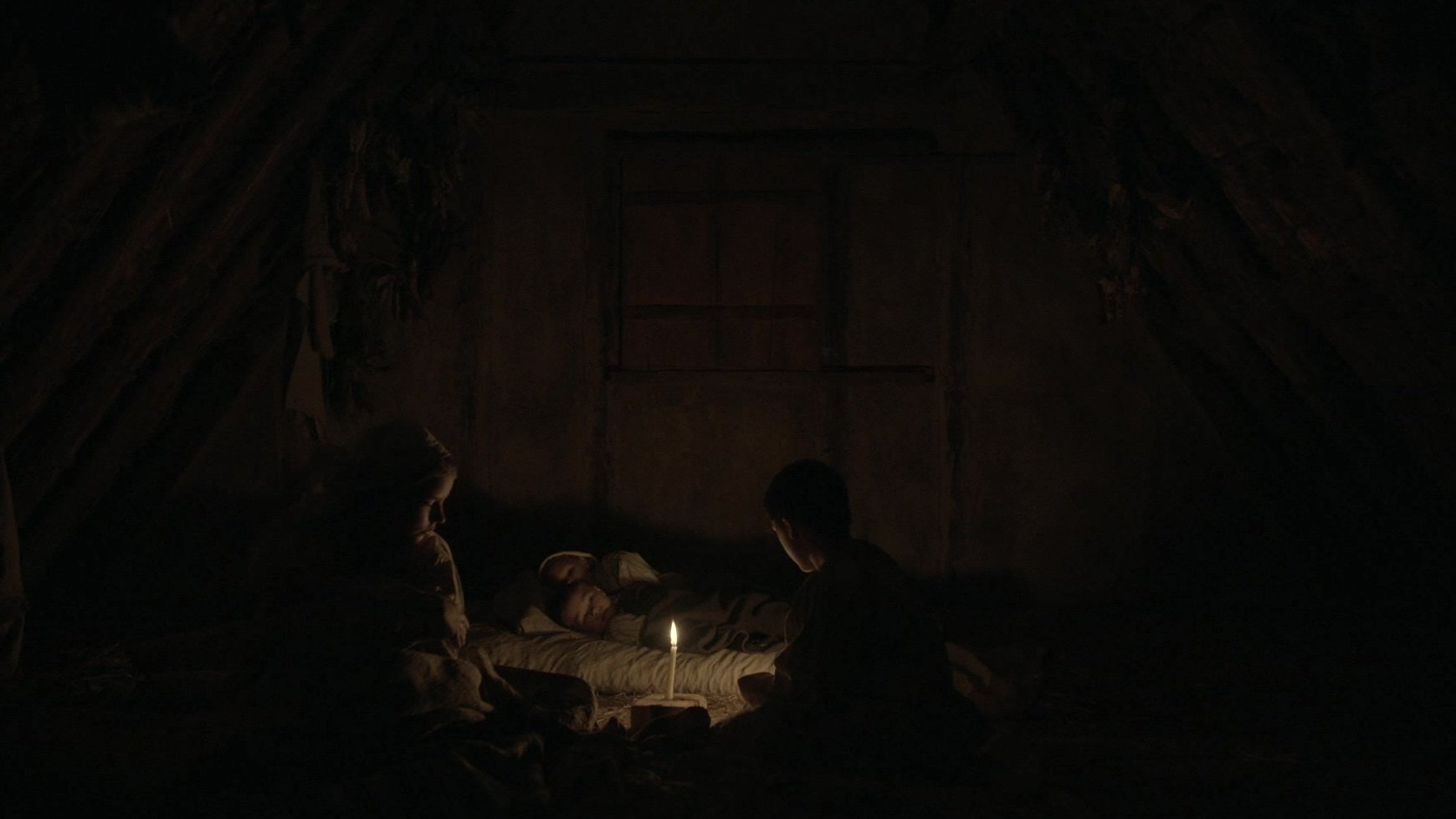
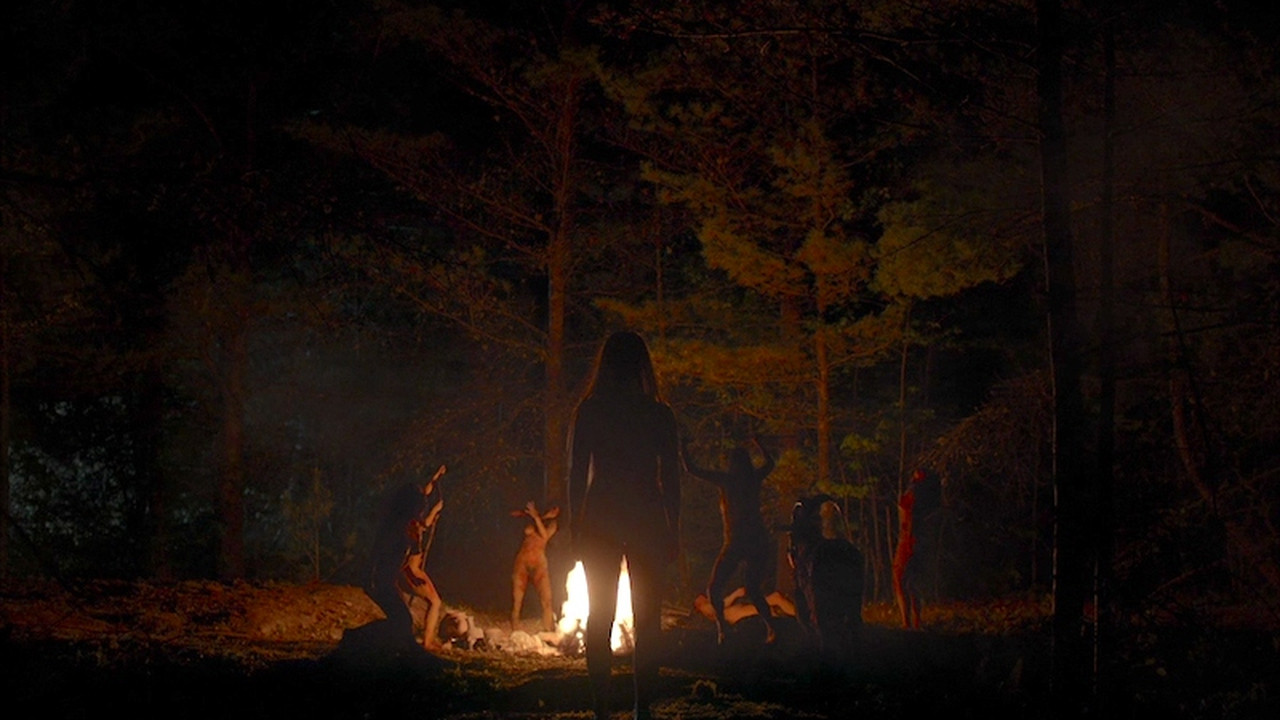
Night interiors relied heavily on candles and other practical flames. Triple-wick candles provided significantly more exposure than ordinary single-wick candles, allowing performers to remain visible within a confined area without filling the room with artificial light. Additional flames positioned outside the frame occasionally supported the central practical sources. The restricted illumination was consistent with the characters' material environment and allowed large regions of the image to remain dark. Blaschke considered the exact position of actors relative to the flame more important than compensating through increased camera sensitivity.

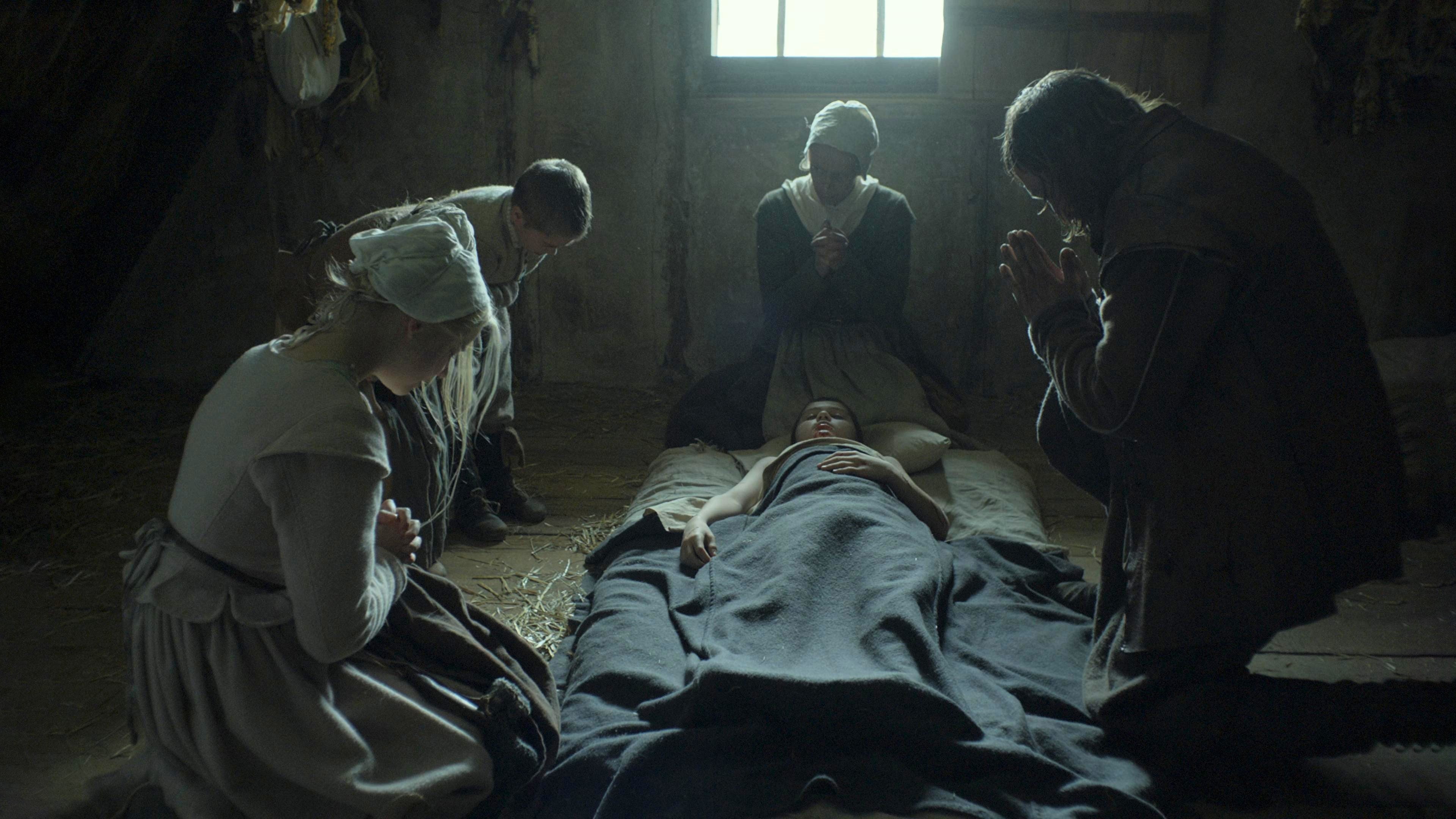
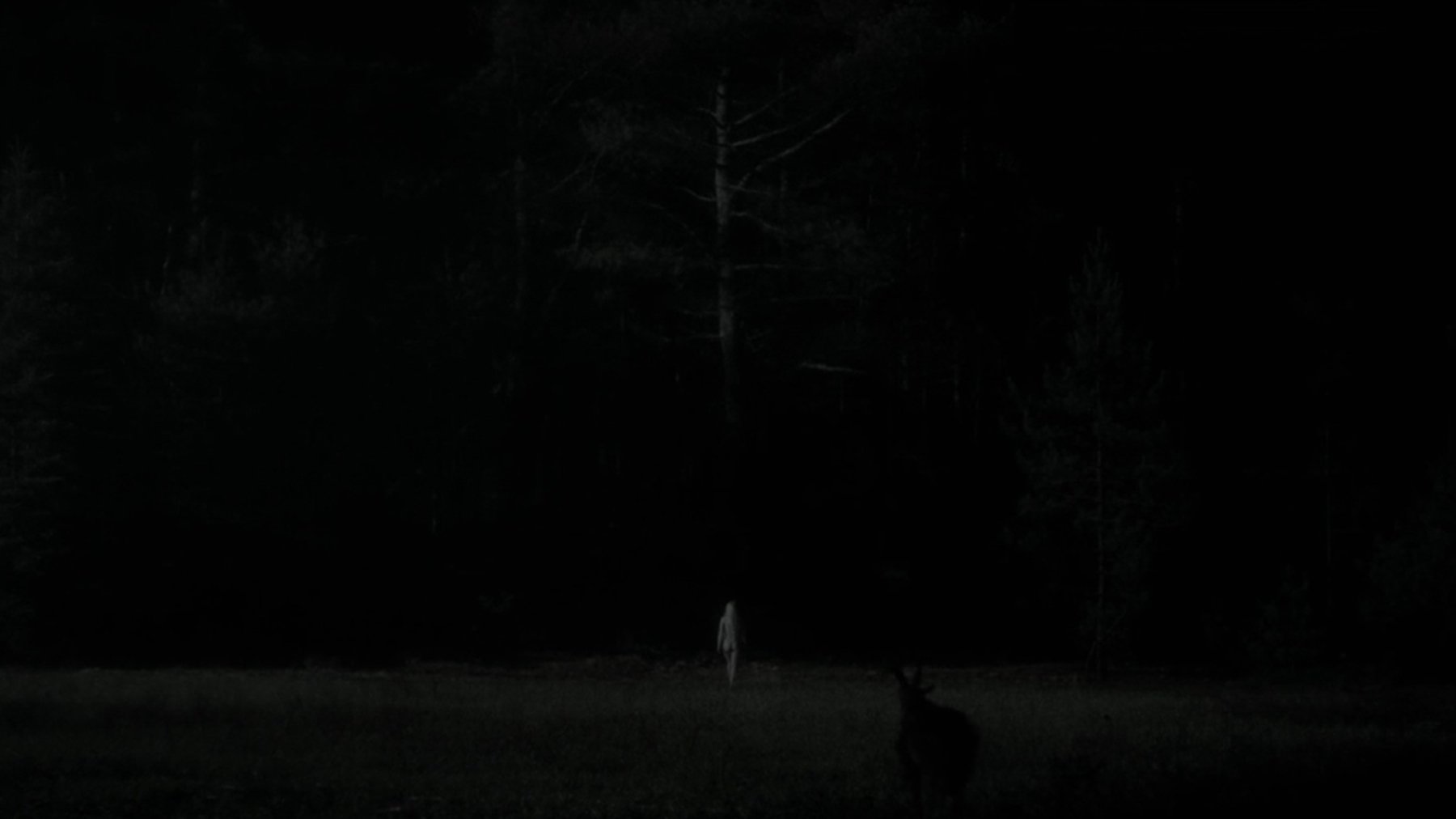
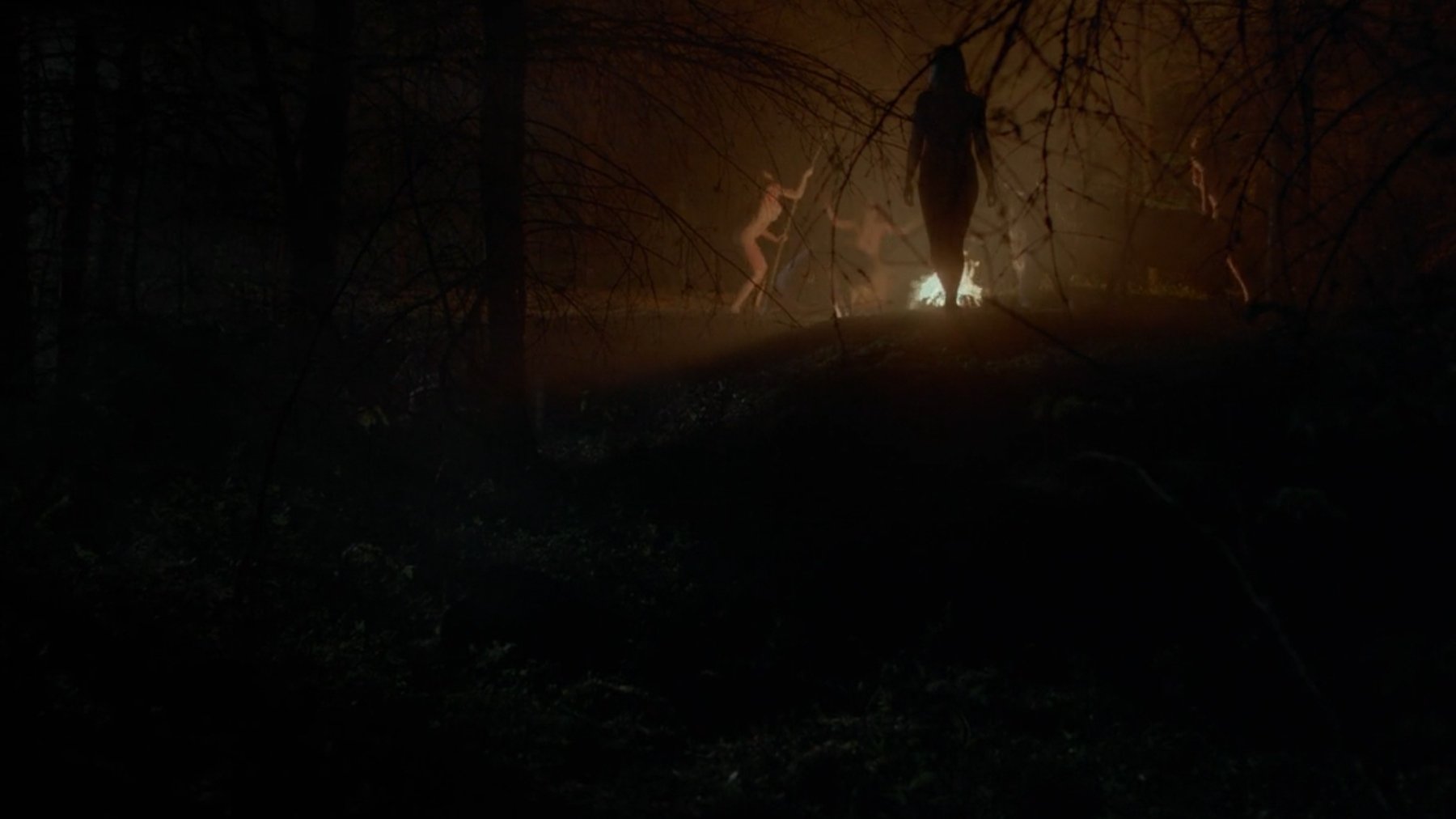
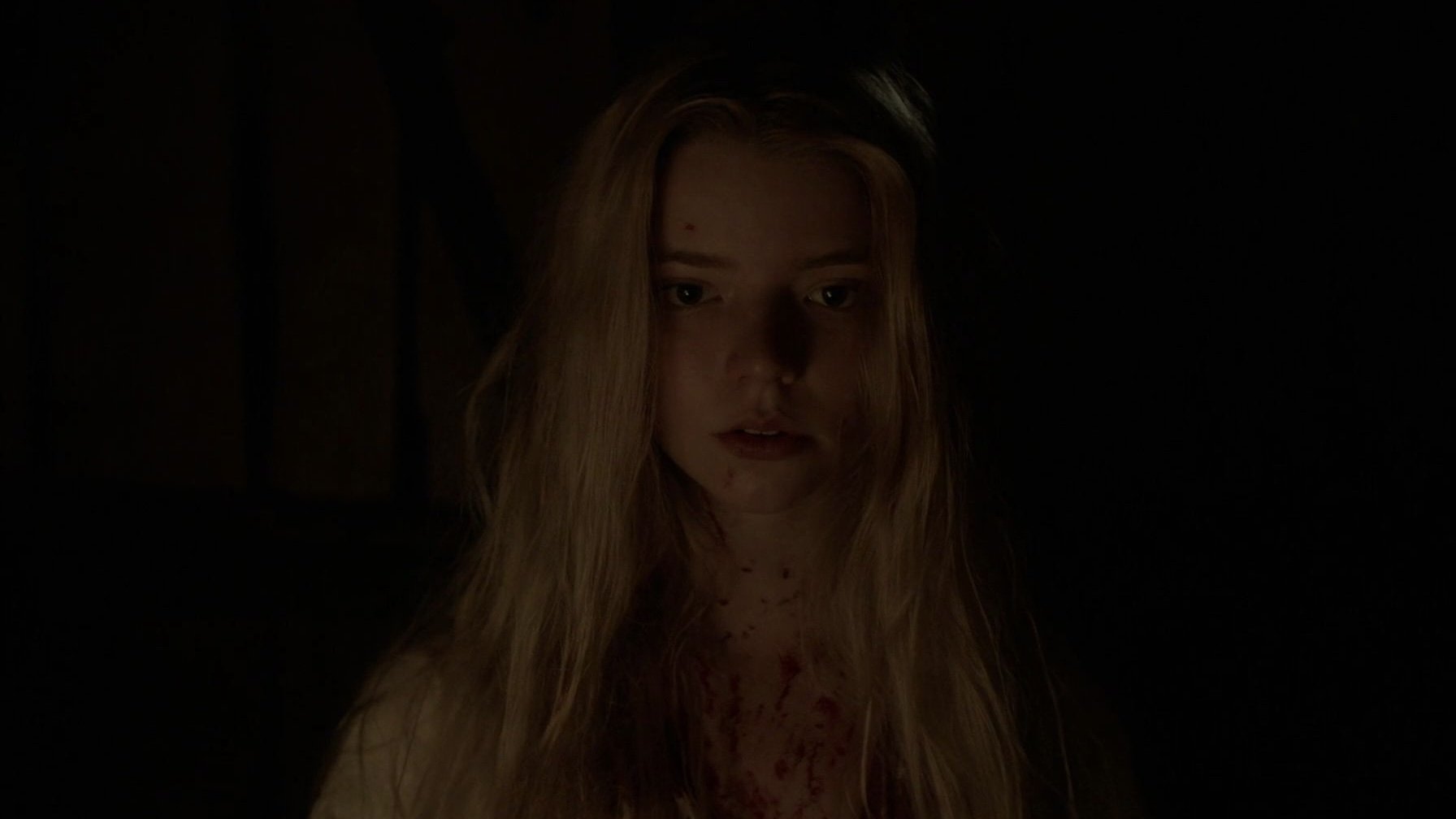
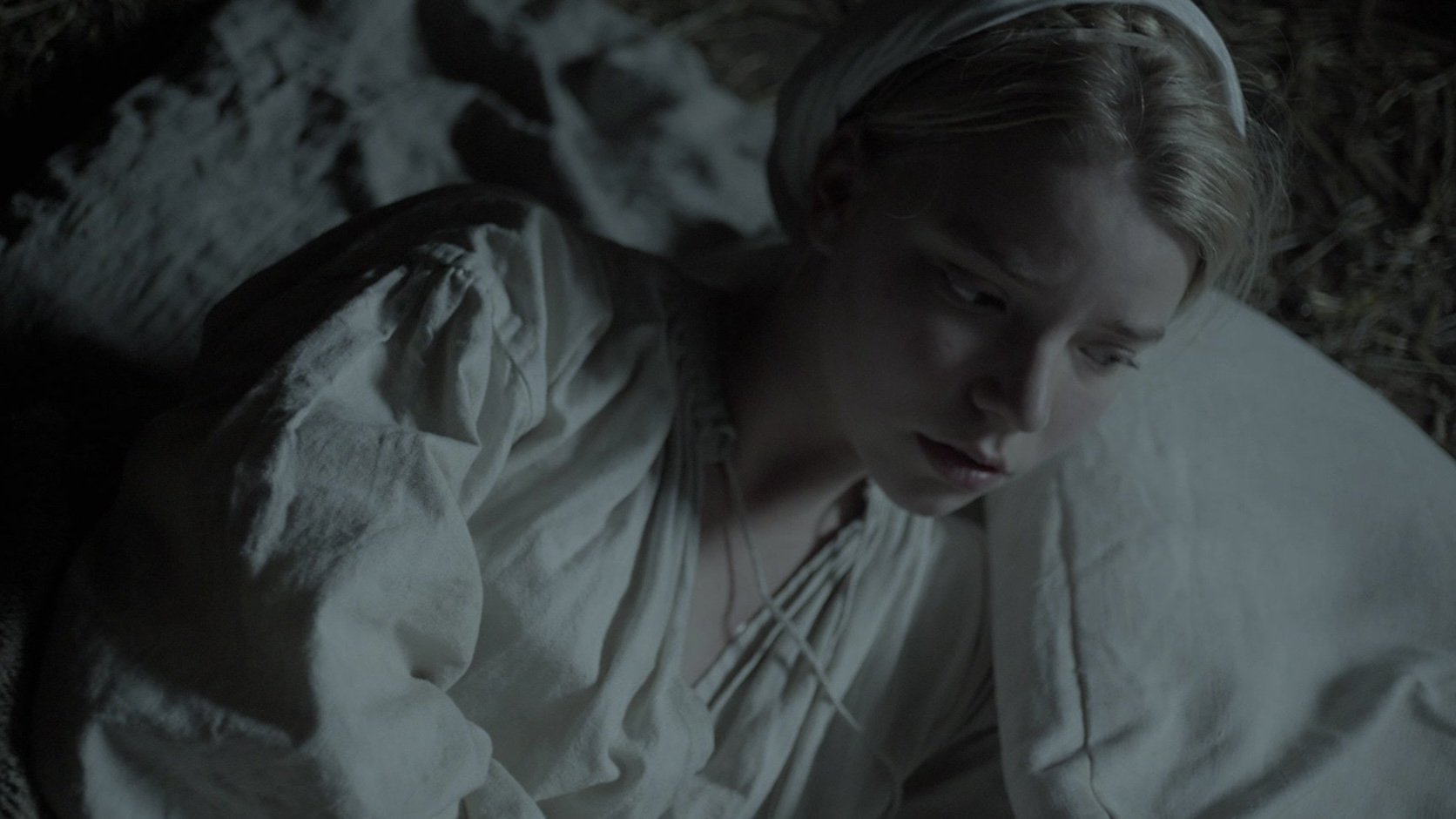
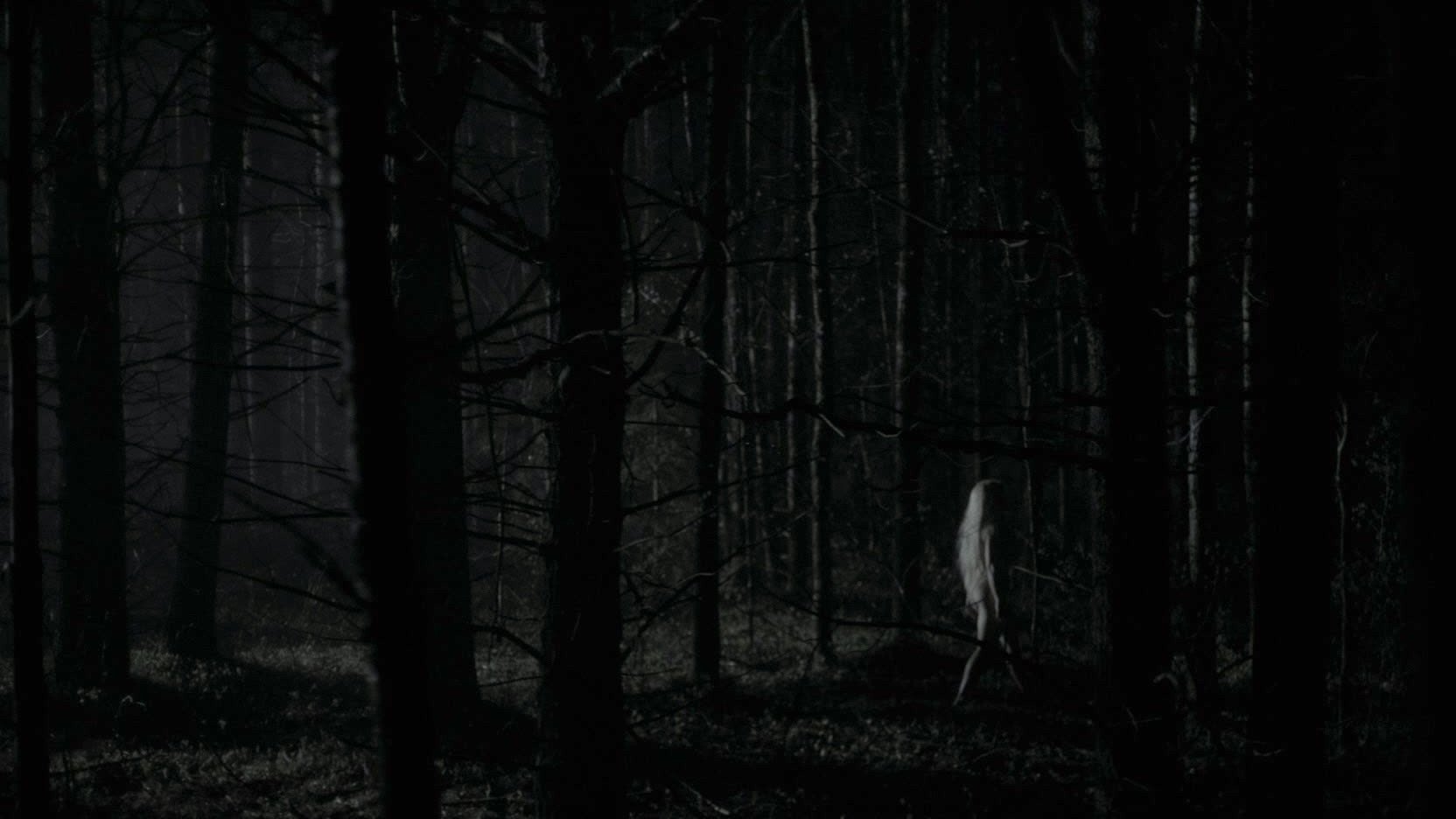
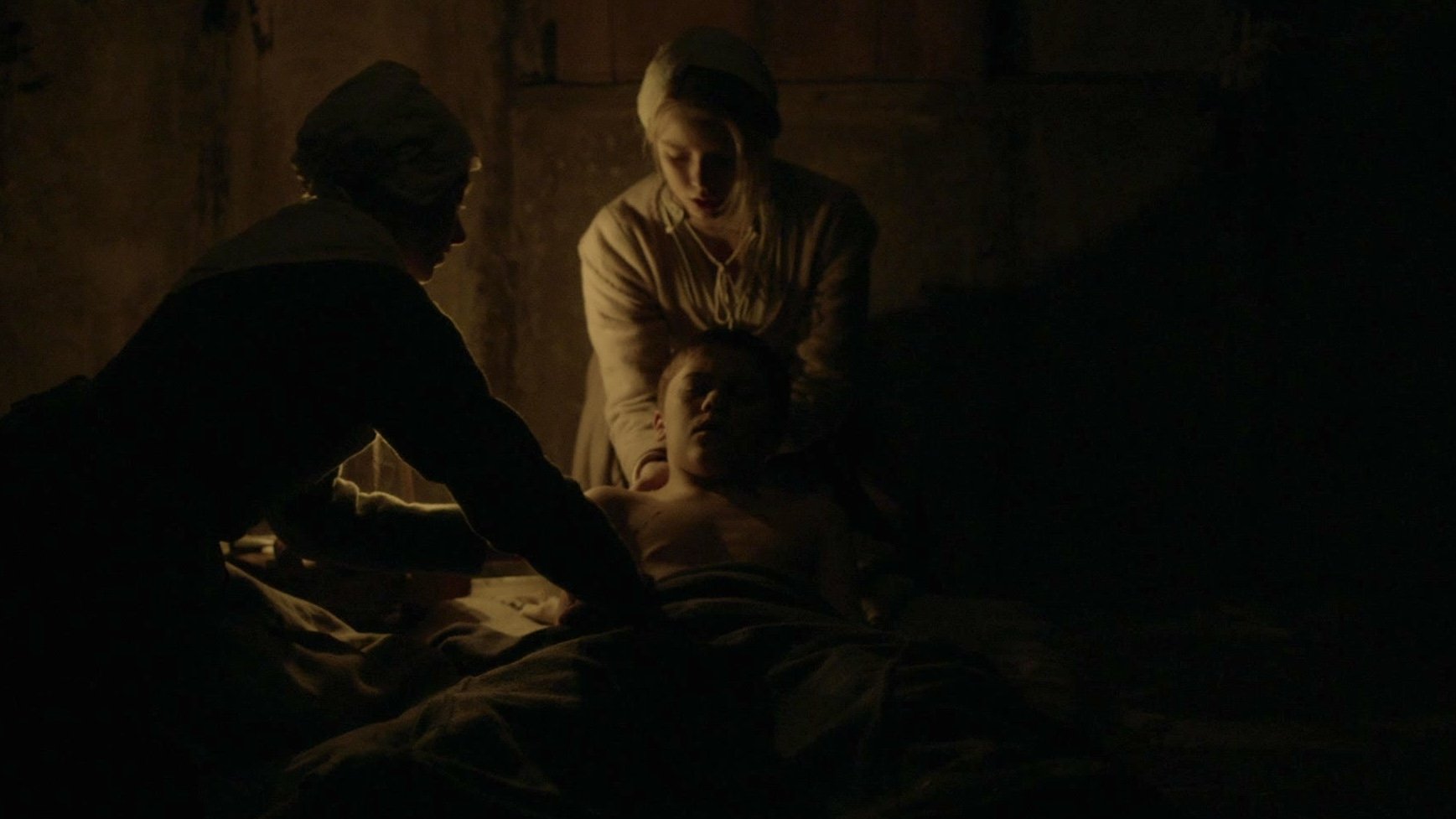
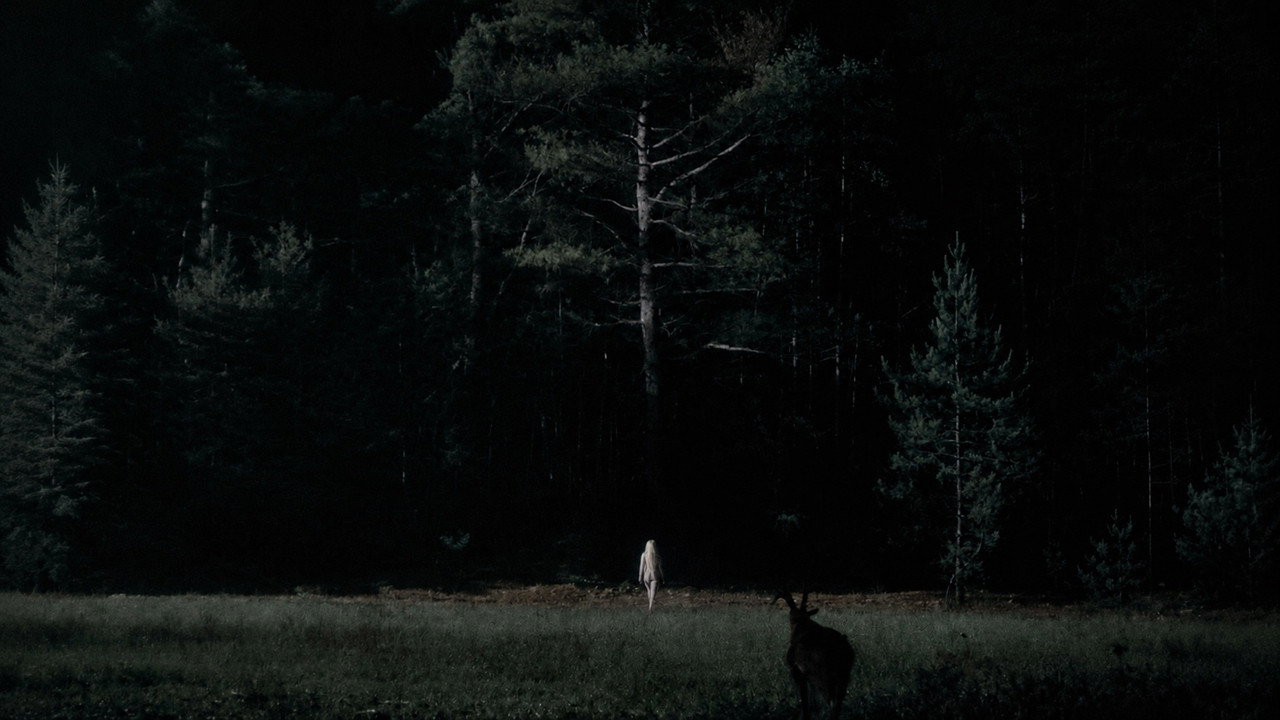
Several sequences nevertheless required substantial artificial lighting. The difficult scene in which Caleb returns home in a feverish state was photographed on a reconstructed upper-room set. Large ARRI M40 and M90 HMI units were bounced into substantial bleached-muslin surfaces positioned outside the set window, creating a broad source resembling overcast daylight. Other exterior night sequences used elevated HMI sources to reproduce weak moonlight, while a scene involving a live raven substituted controlled flickering electric bulbs for dangerous open flames.

Color finishing was performed by Mila Patriki at Urban Post Production in Toronto using DaVinci Resolve. The grade muted the overall palette while preserving selected areas of stronger color, including fire, candlelight and some moonlit highlights. Digital imaging technician Erik Greensmith had already adjusted dailies to reduce excessively blue skies and the increasingly green foliage encountered as the shooting season progressed. The objective was consistency across changing natural environments, with a restrained color range supporting the historical sets and garments rather than competing with them.
Costume Construction and Physical Characterization

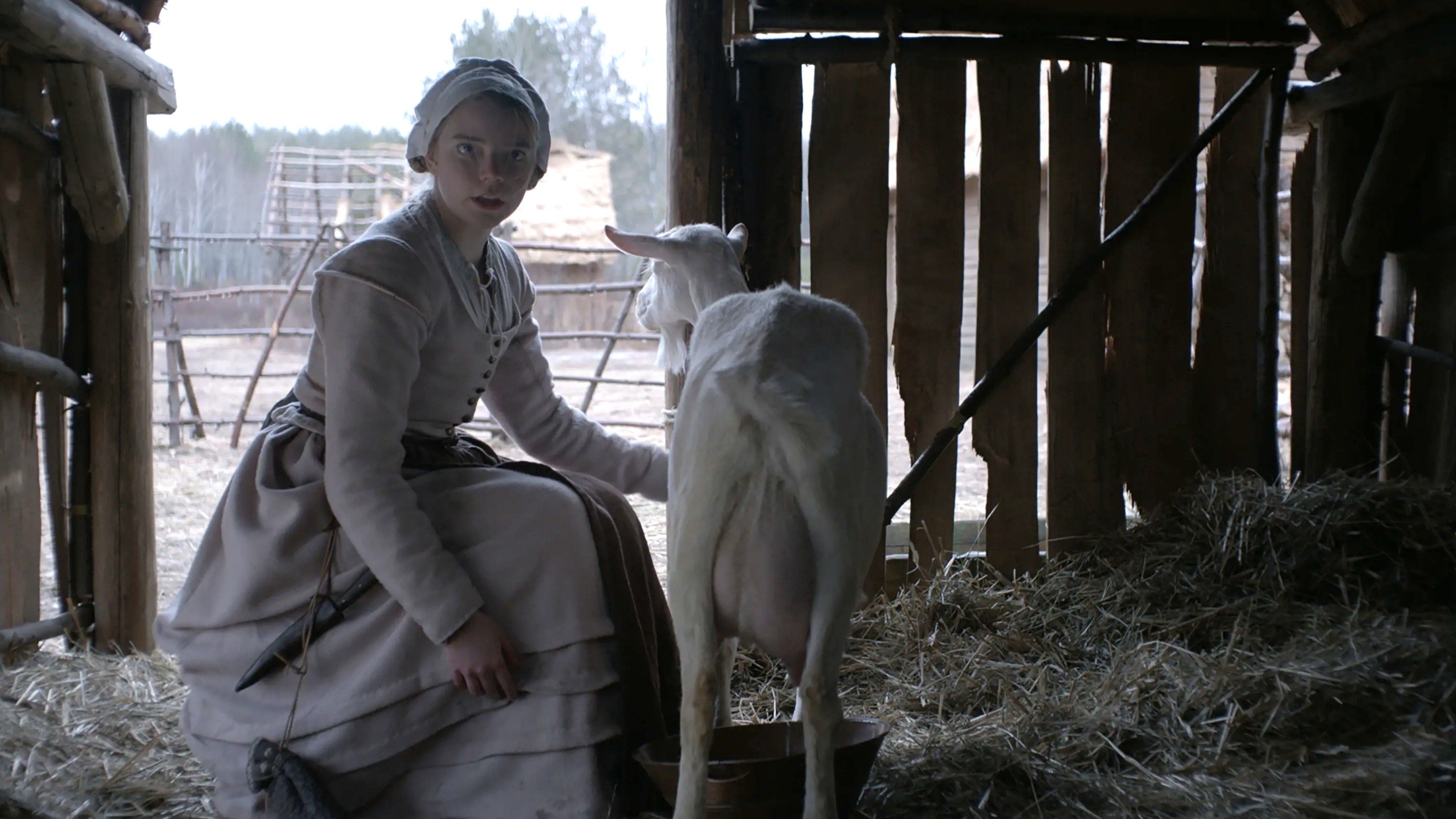
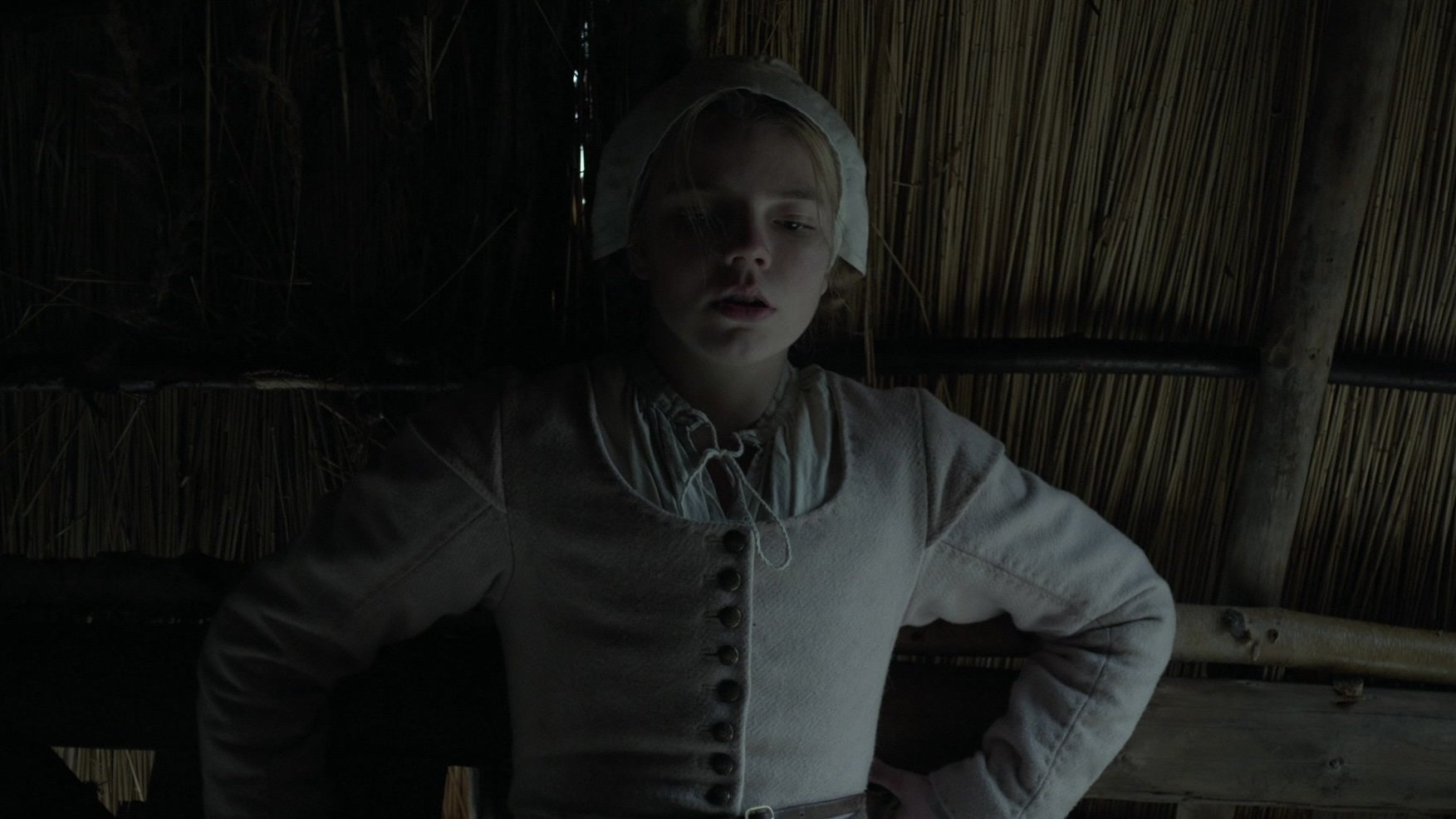
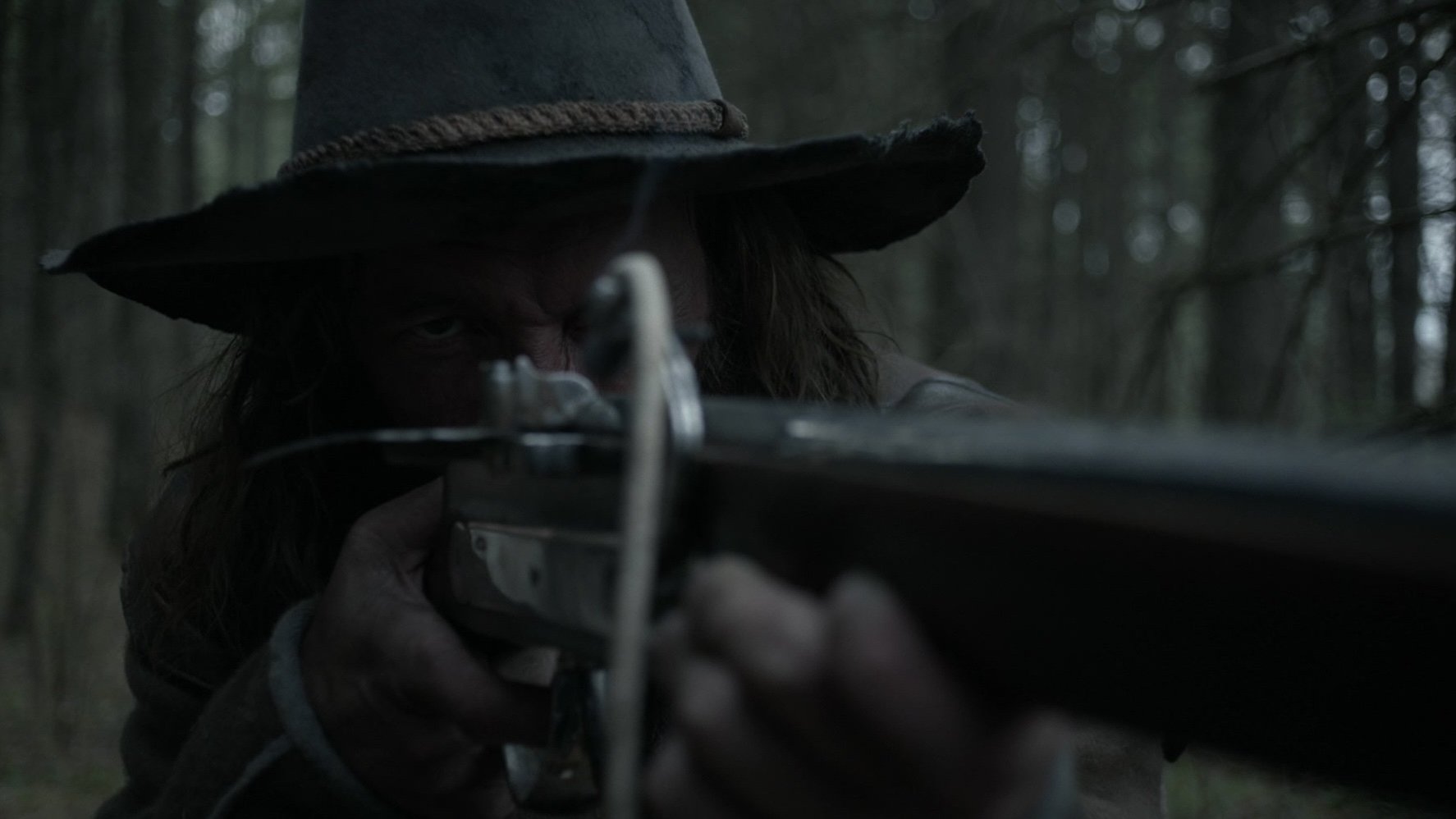
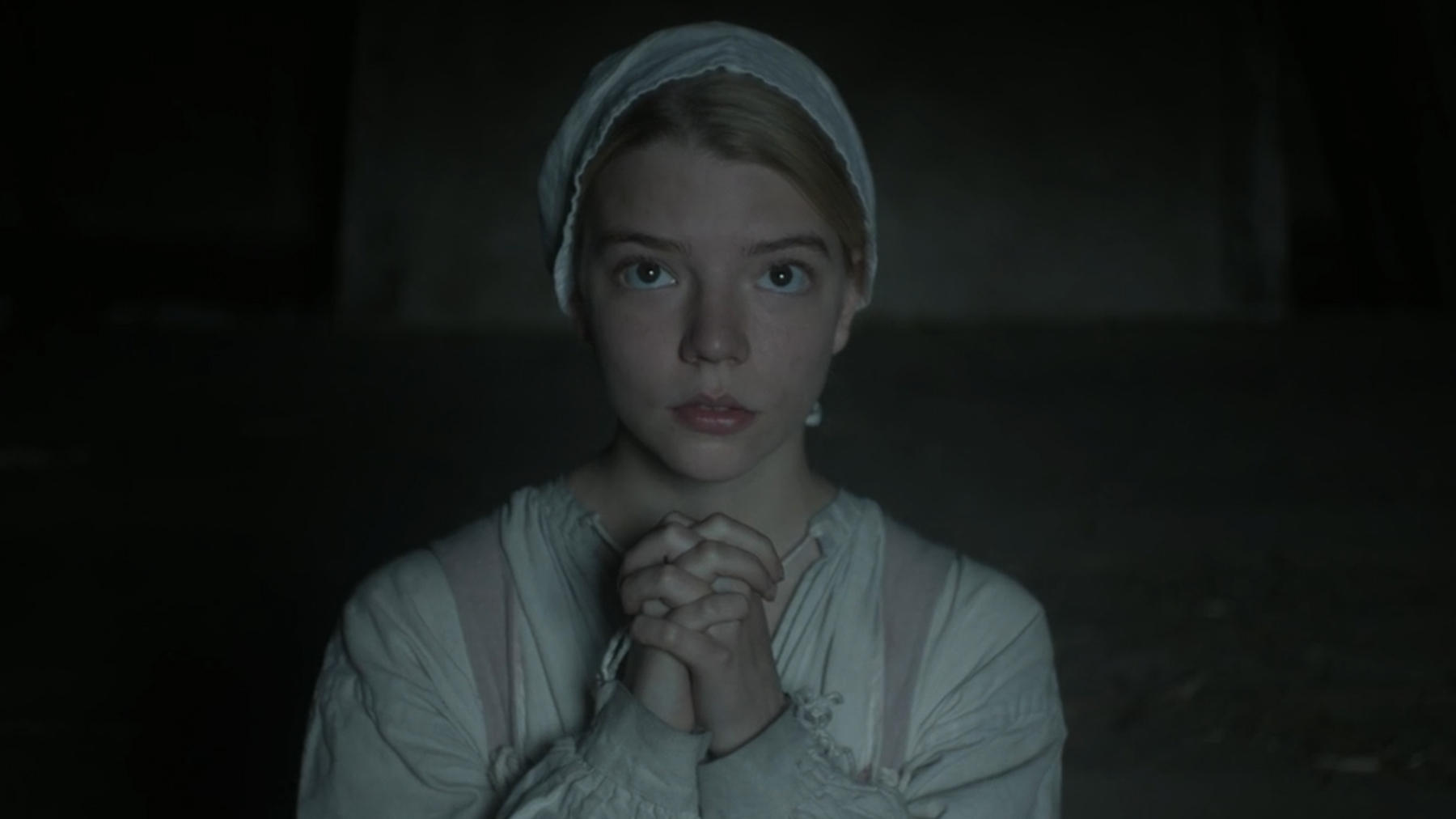
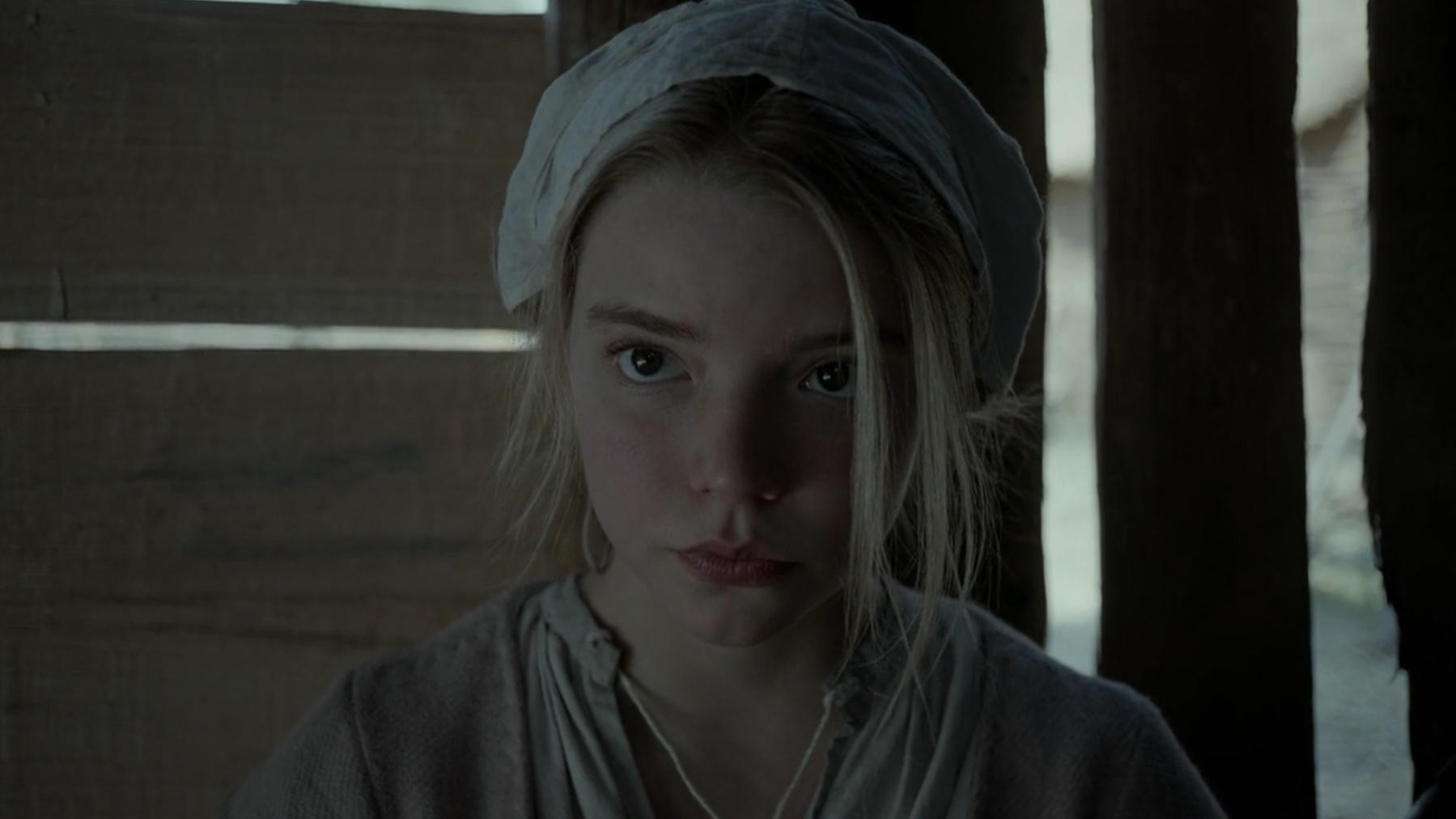
Linda Muir designed the costumes after an extensive research period involving surviving garments, historical textile studies, paintings, woodcuts and specialist publications documenting clothing worn by ordinary people in early modern England. She worked closely with Eggers, who had professional experience in costume design, and consulted museum collections and specialists at Plimoth Plantation. Garment construction was determined through historical patterns, appropriate fastenings, lining materials and the specific requirements of characters who would perform agricultural work while wearing the clothing.

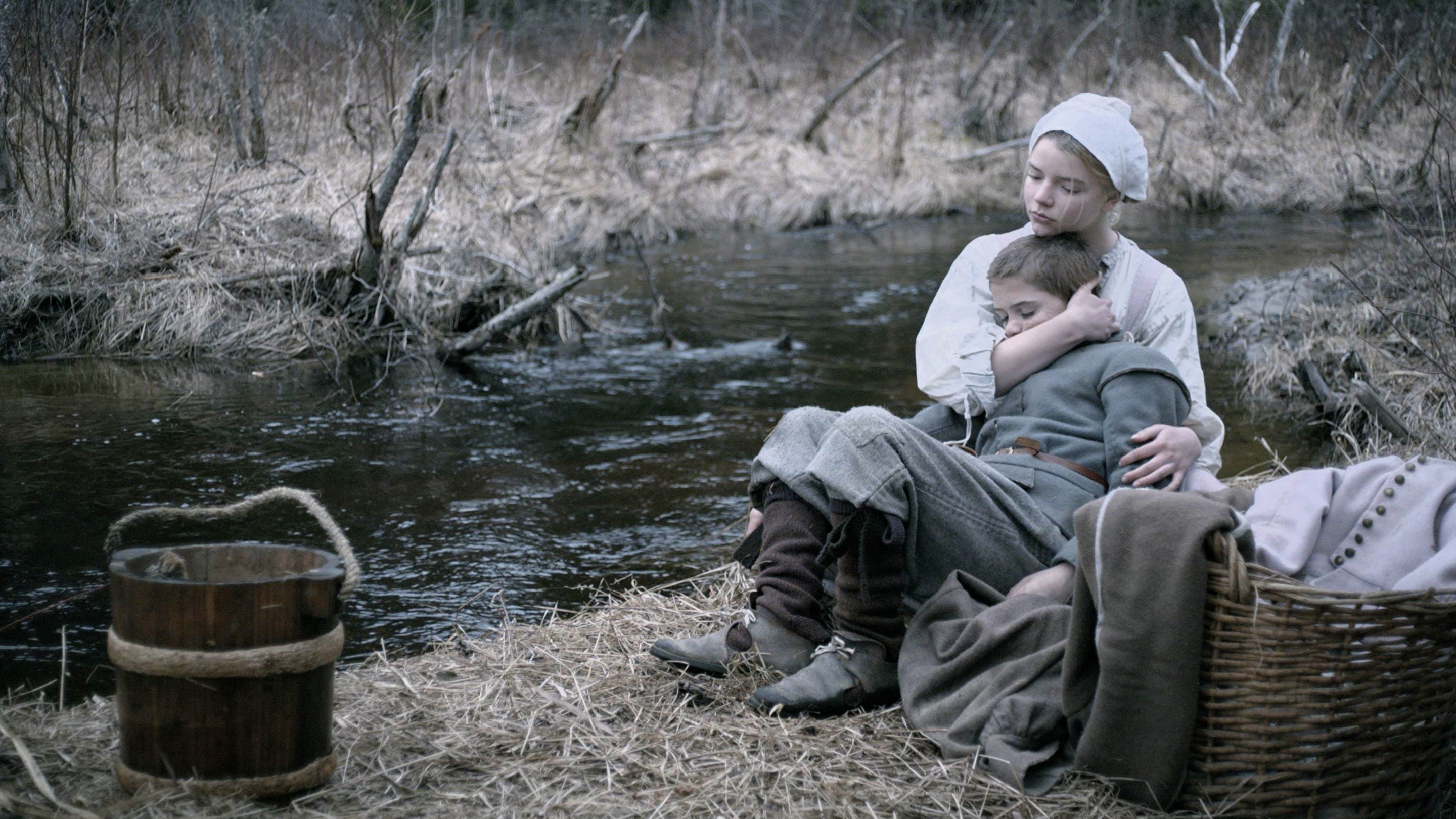
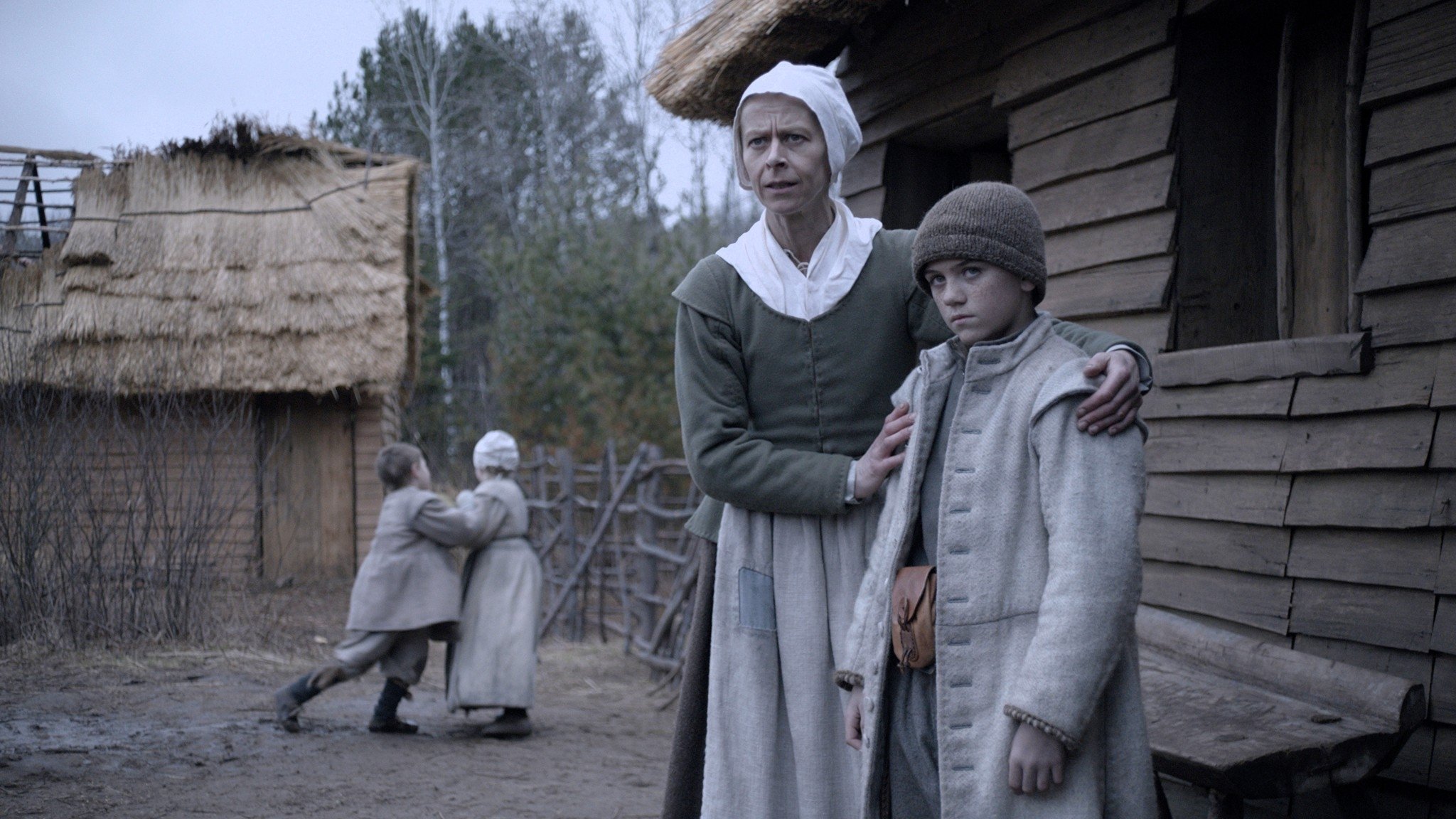
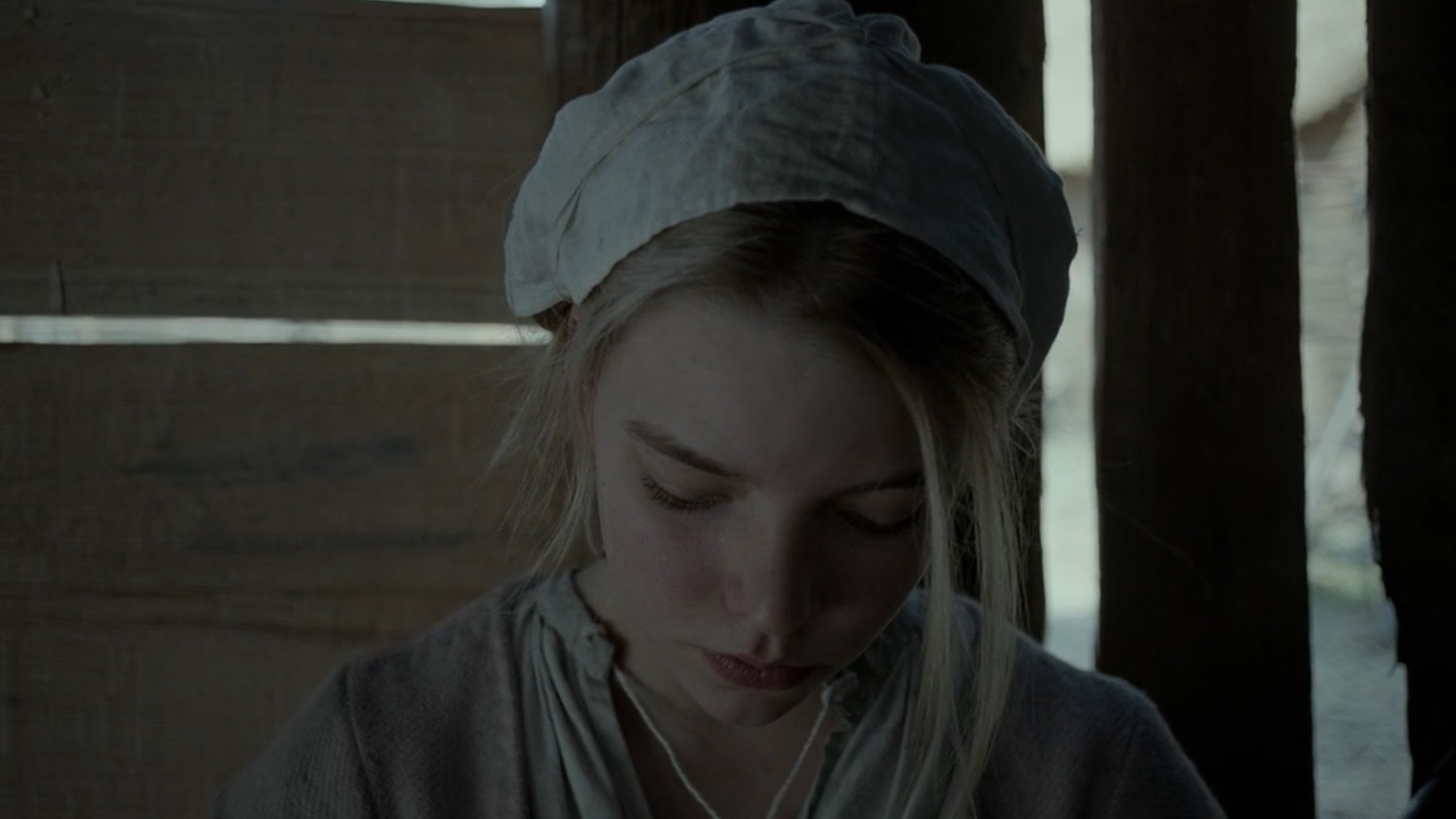
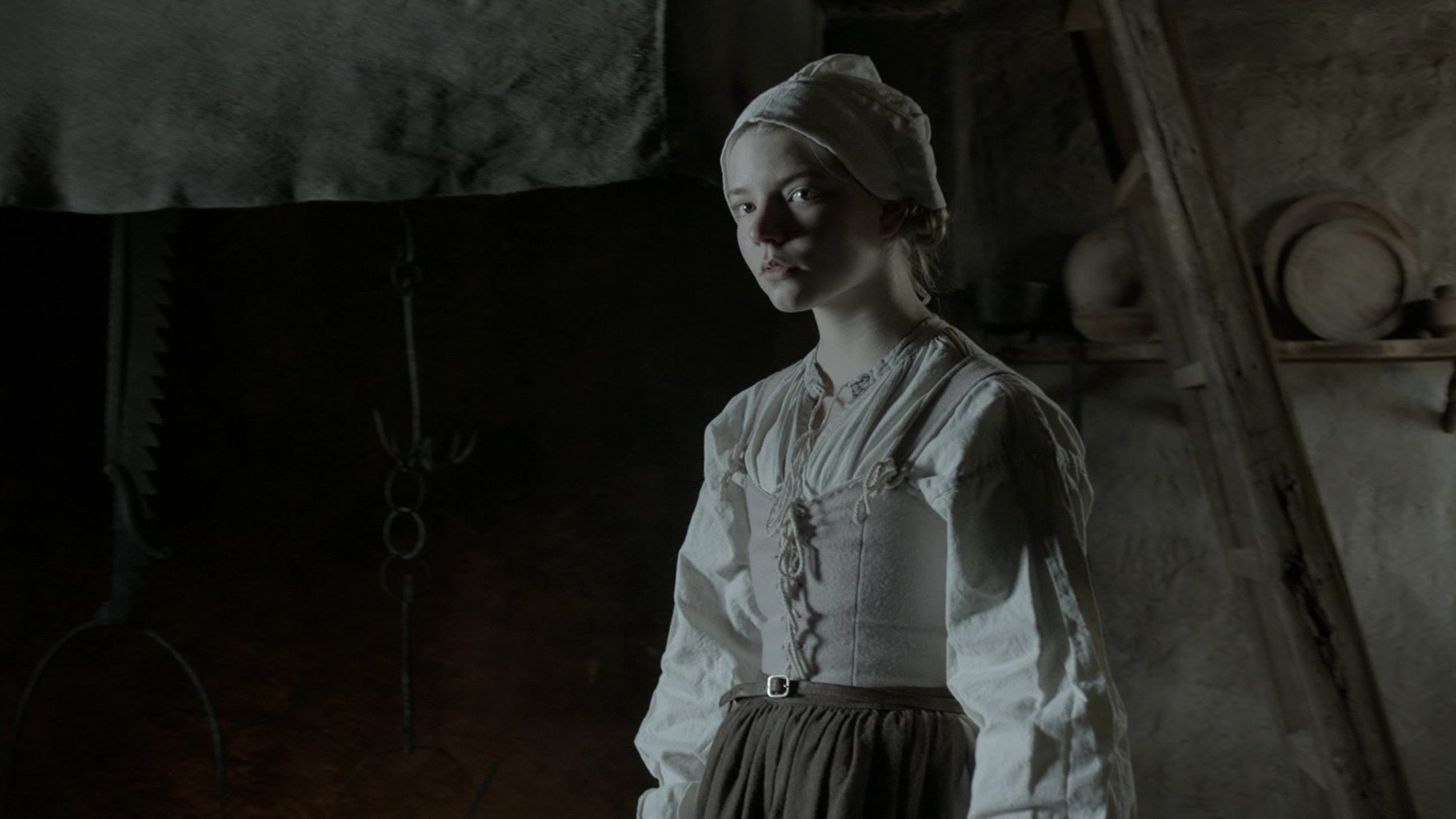
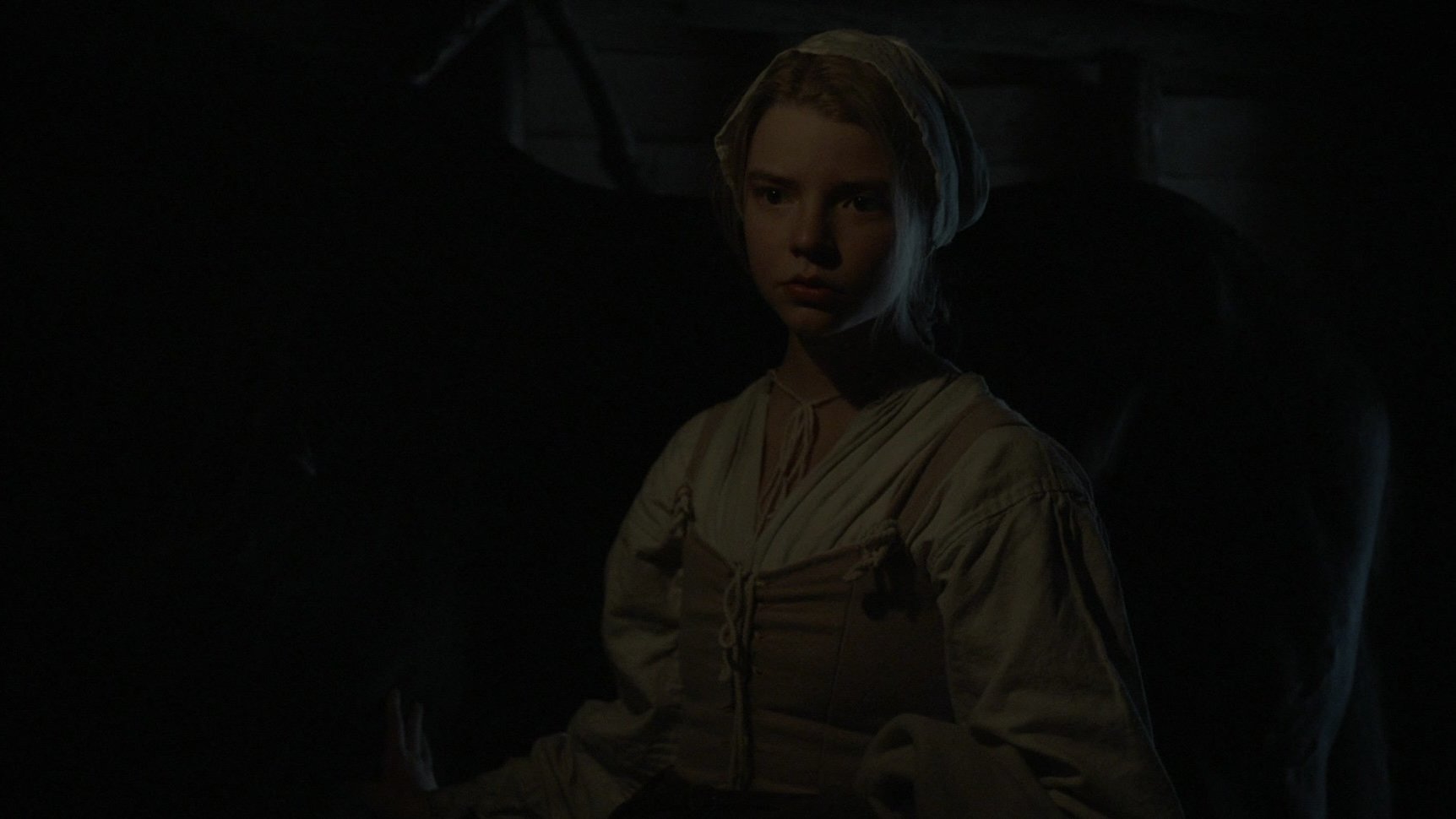
The family's principal costumes were made from wool, linen and hemp rather than modern cotton. Muir researched suitable materials through suppliers and historical clothing specialists, locating heavy wool appropriate to the period and using linen and hemp for undergarments, shirts, bindings and other details. Construction included specific attention to seams, eyelets, ties, buttons and the internal finishing of garments that would occasionally be removed or handled during scenes.

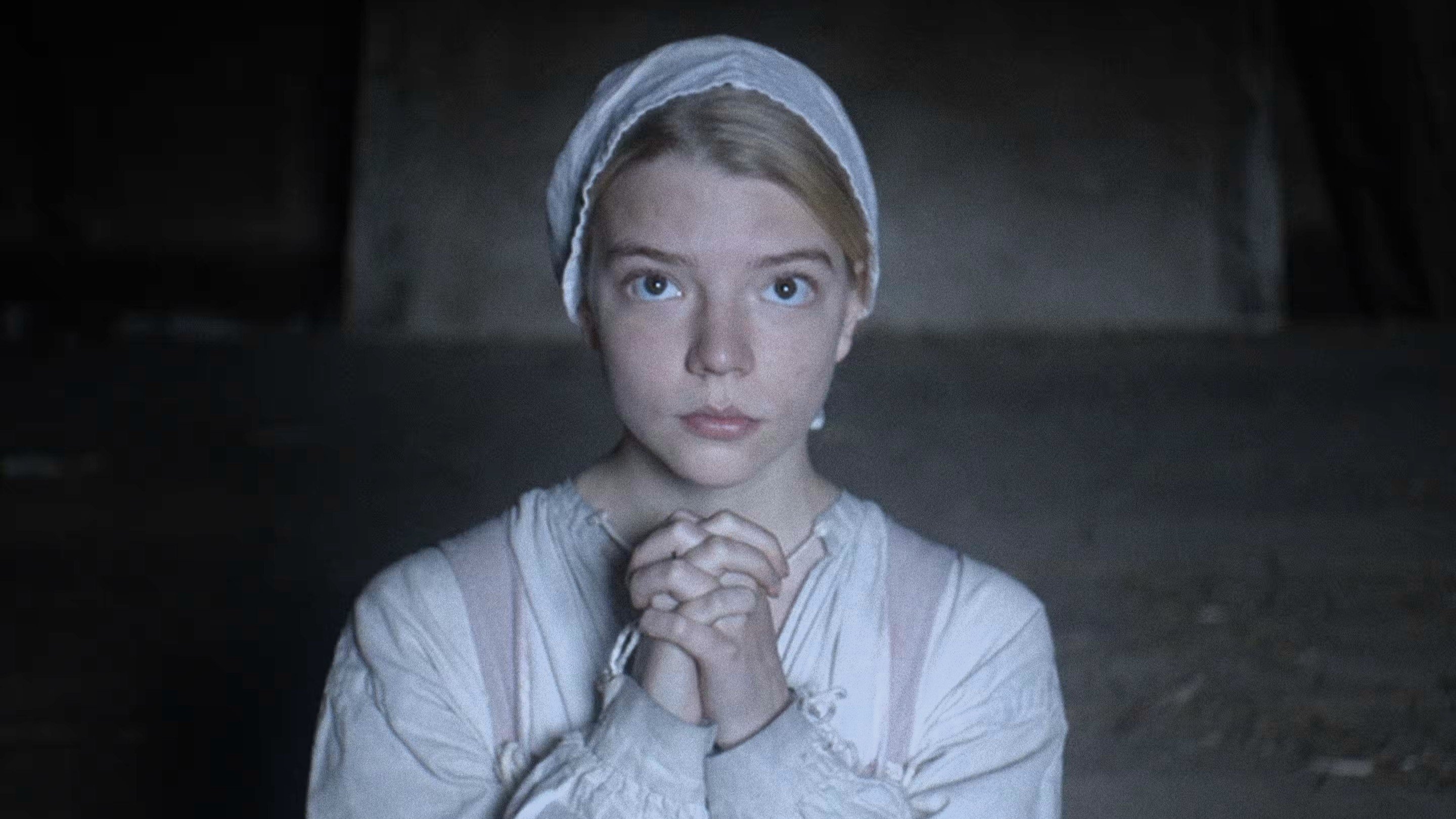
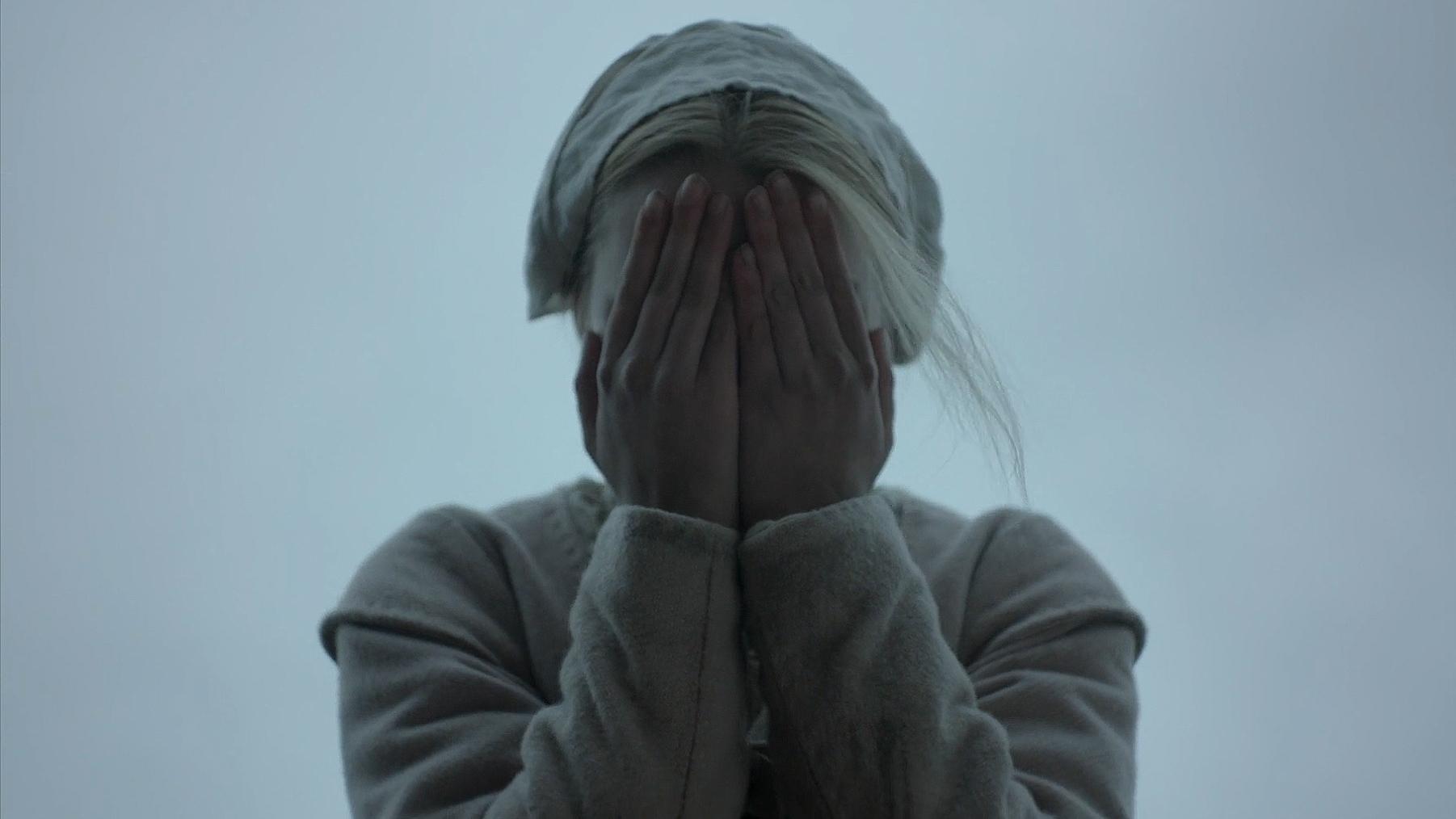
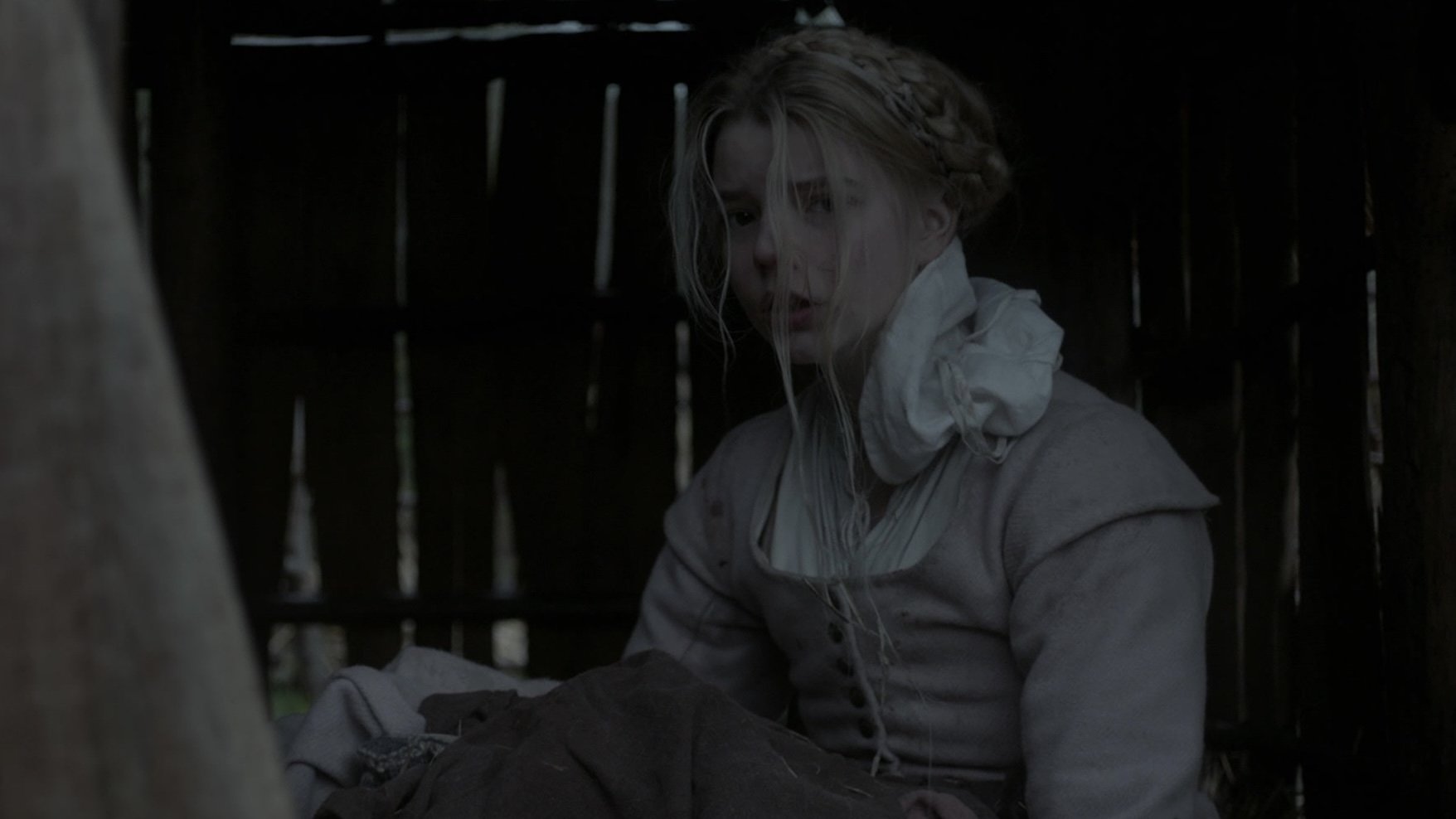
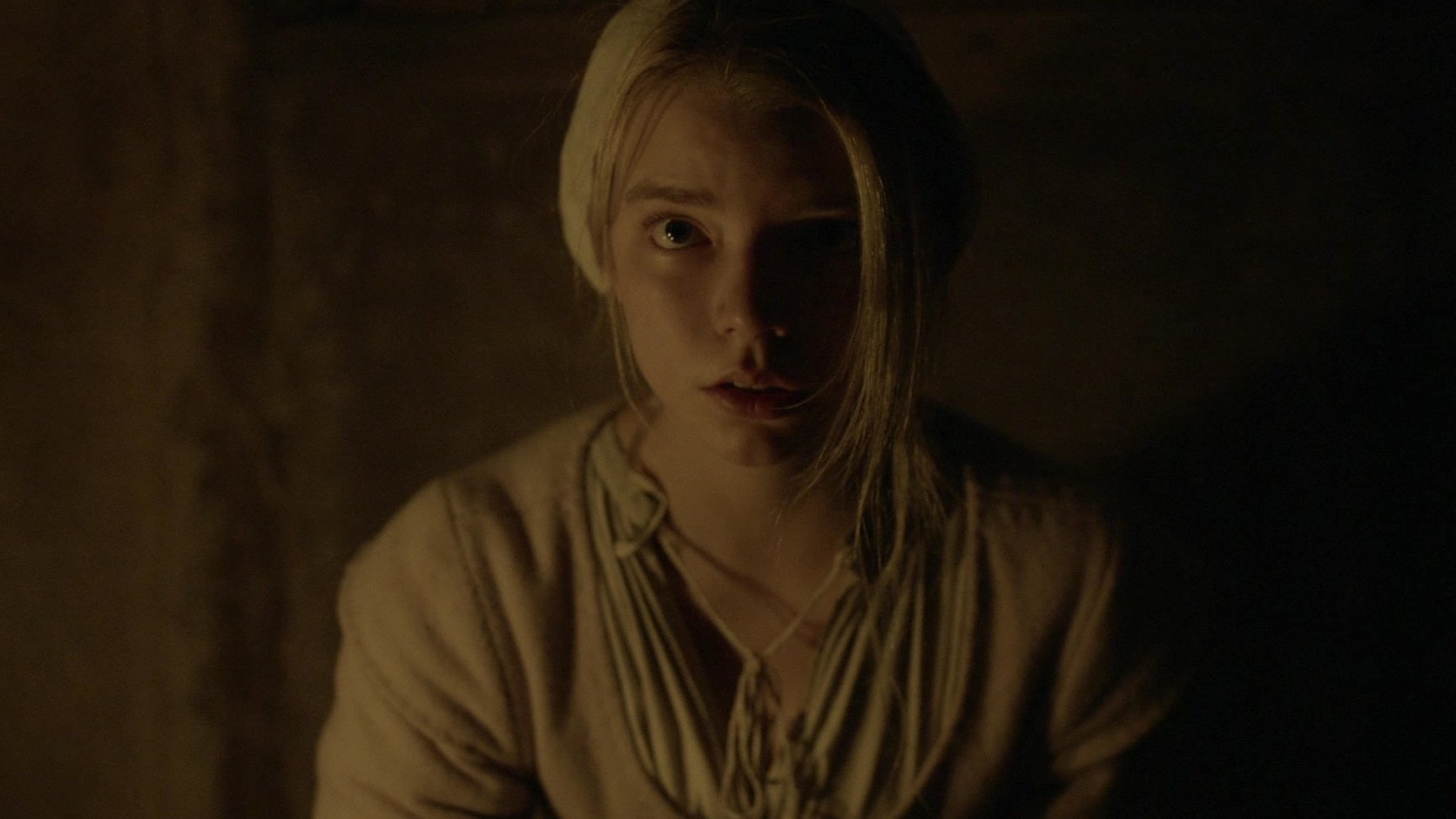
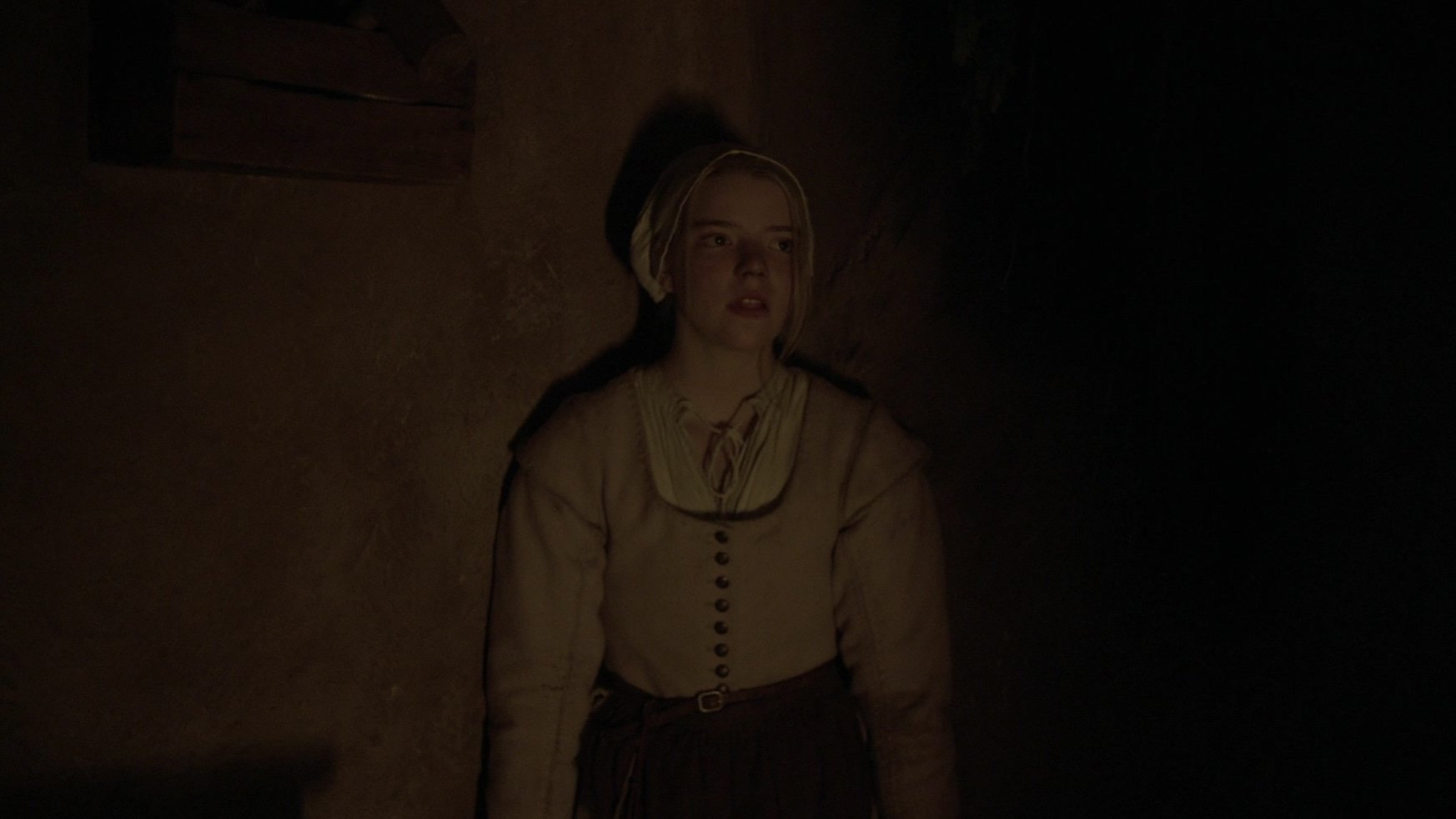
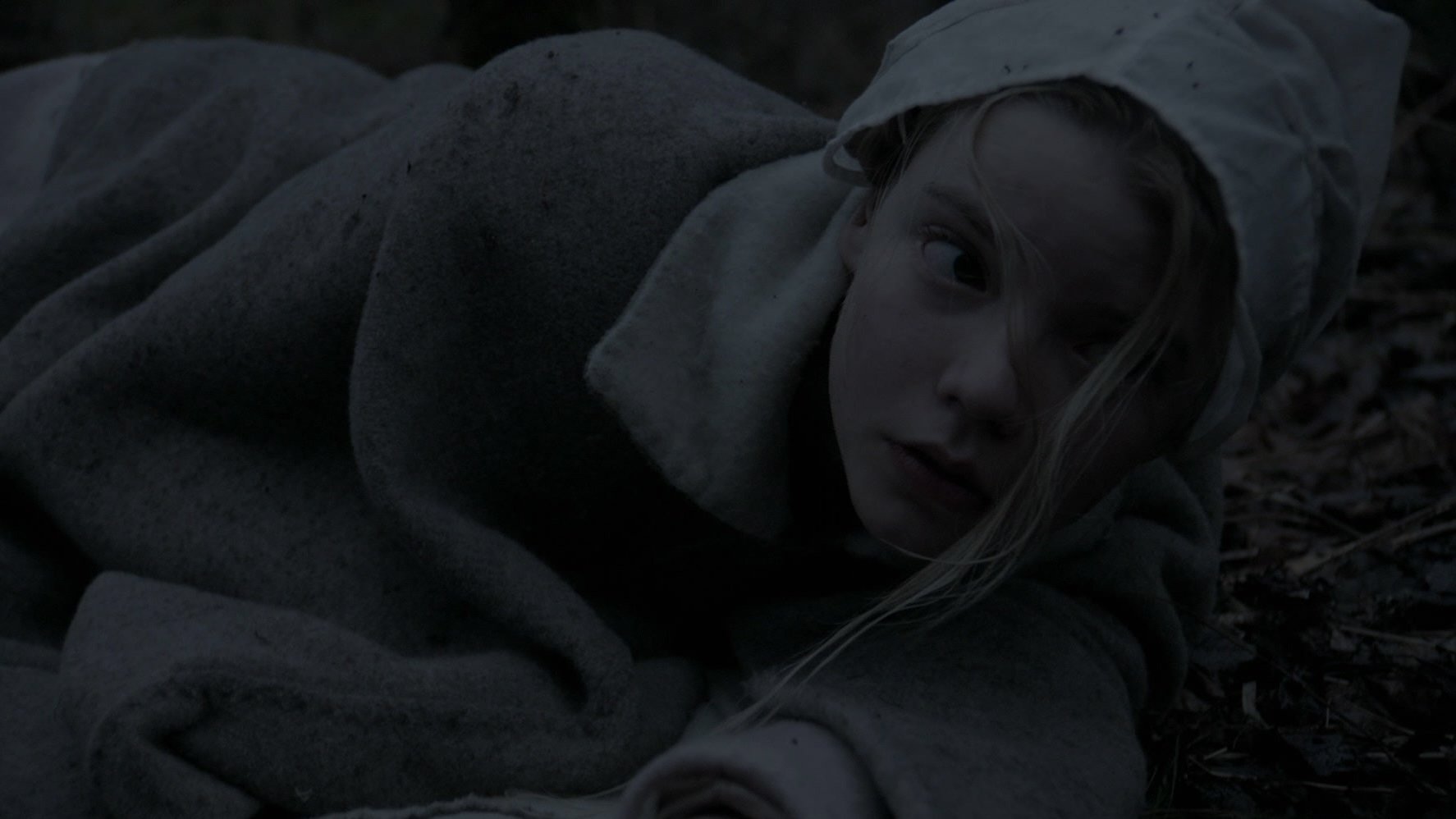
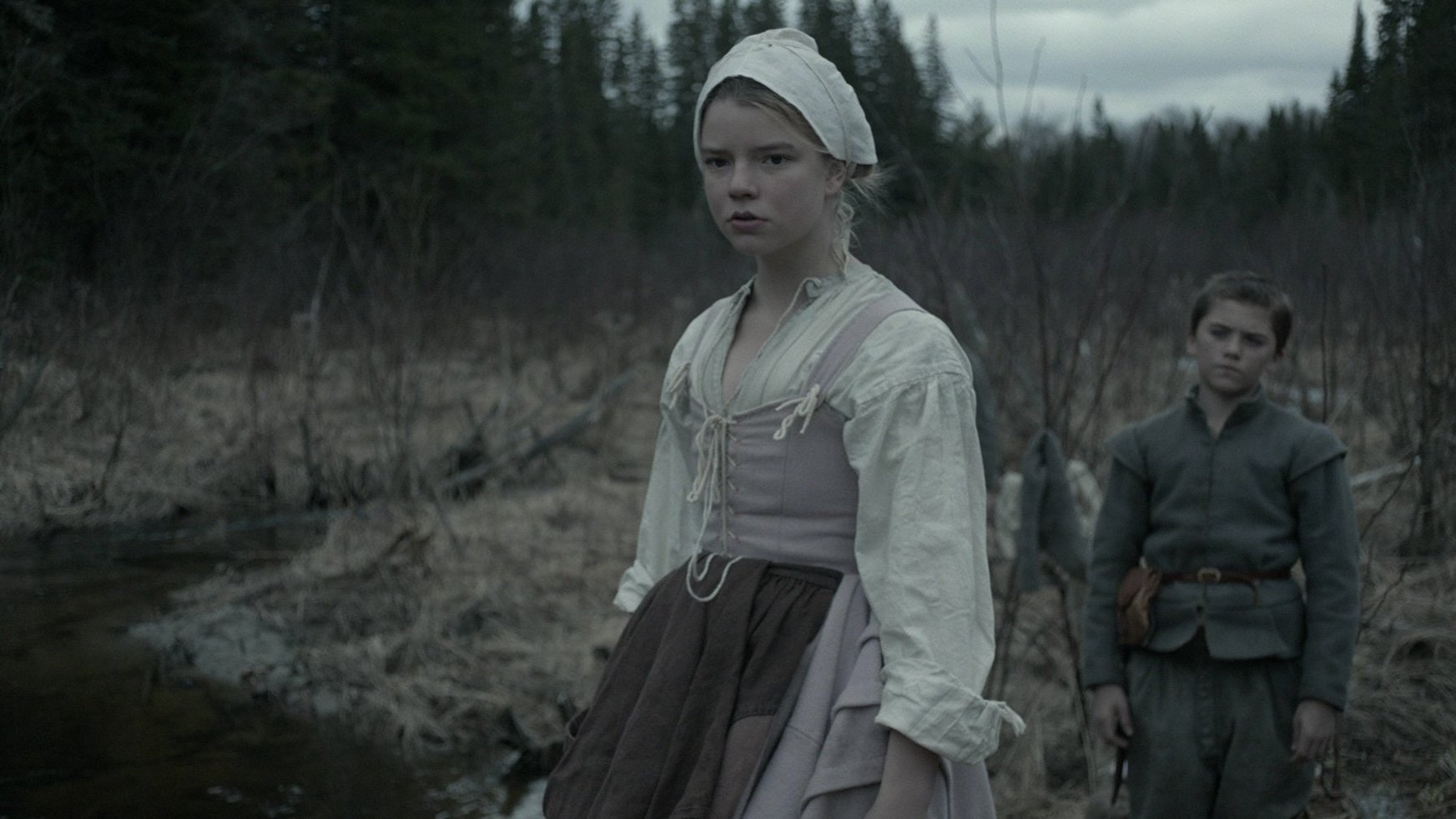
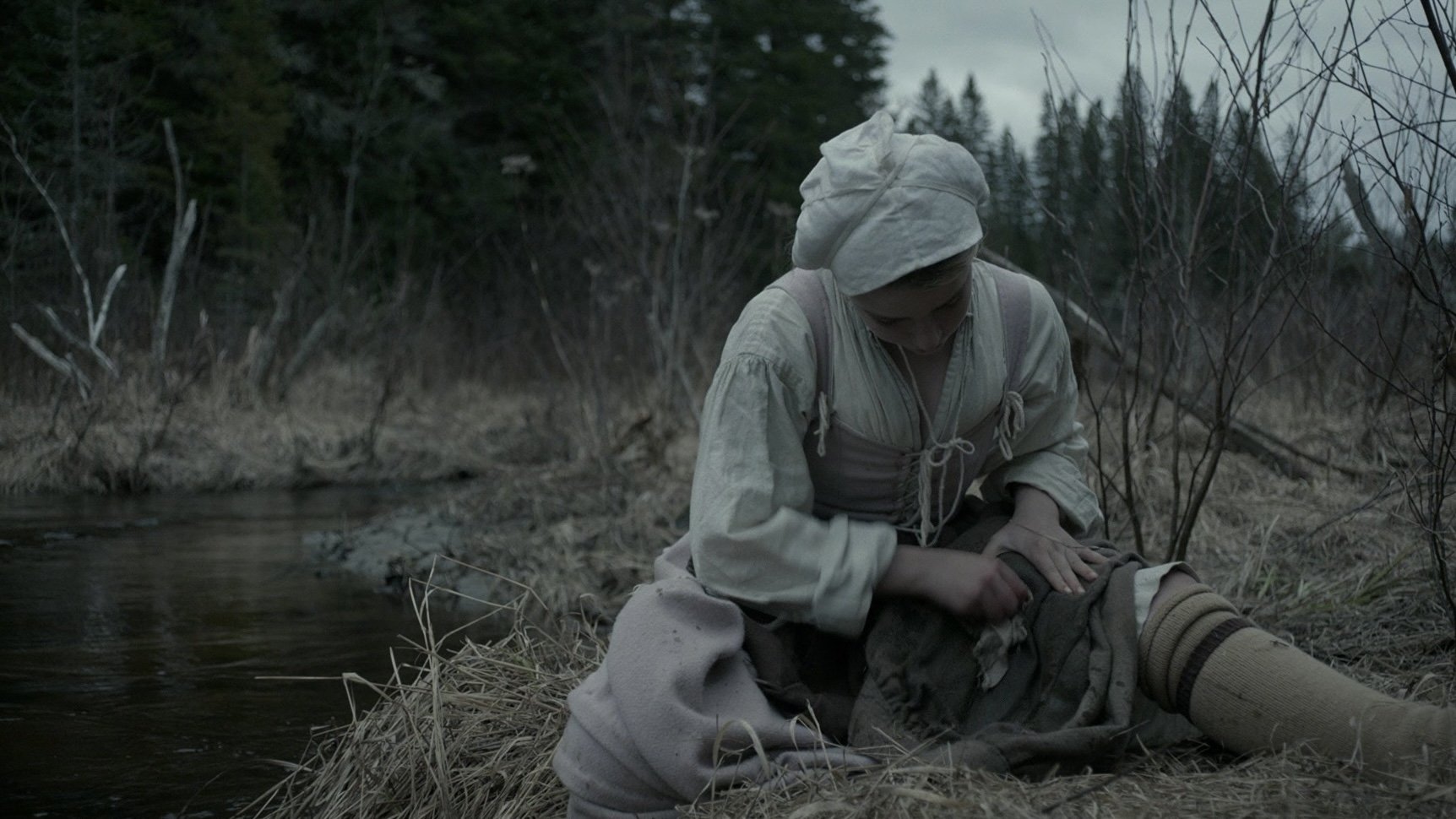
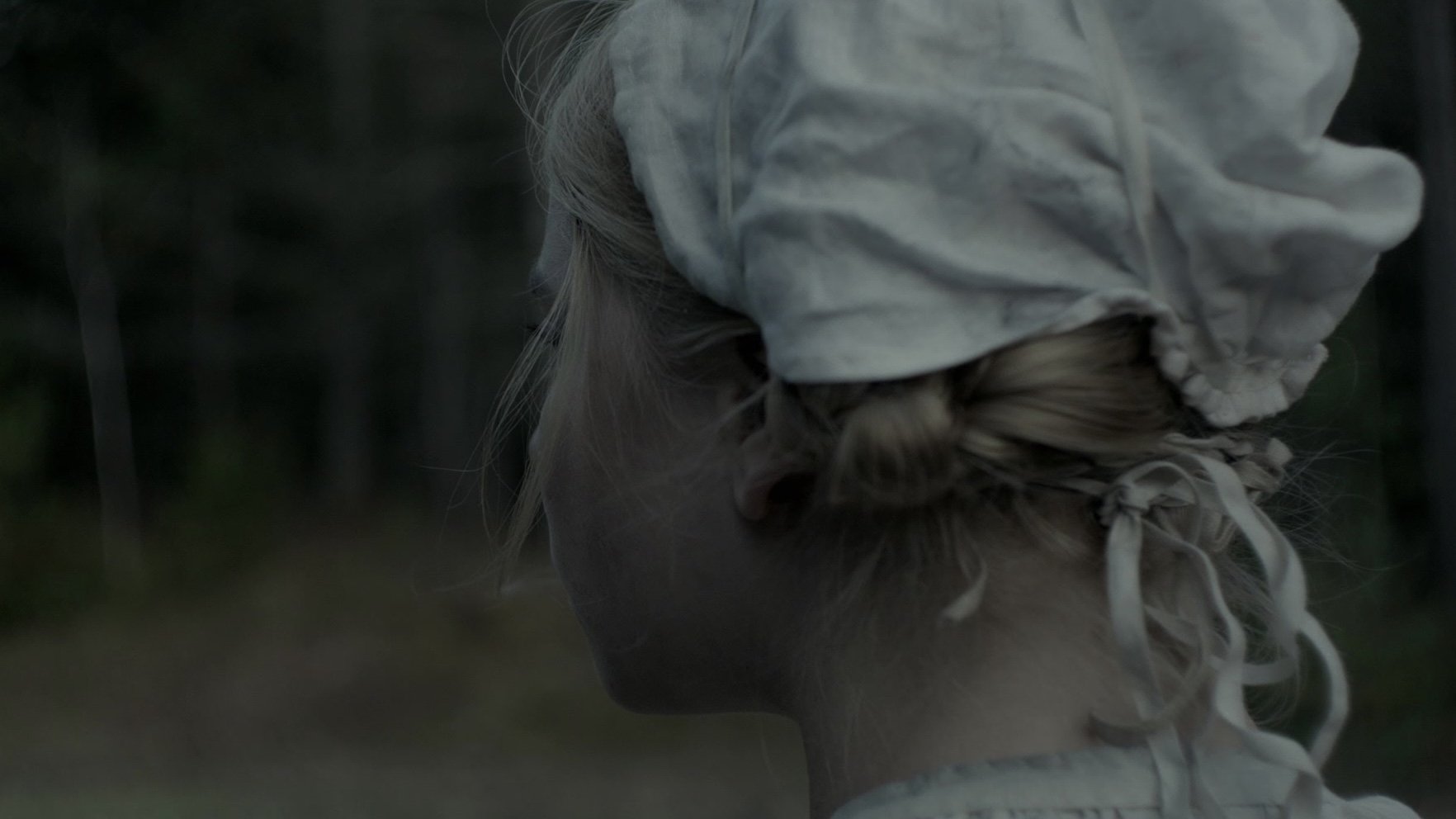
The costume palette was based on historical dye practices rather than the assumption that Puritans dressed exclusively in black and white. Soft pinks, blues, greens and browns were selected to approximate colors obtainable through natural dyes and their gradual deterioration. Thomasin's clothing incorporates subdued pink, while William's garments emphasize earth tones. The costumes were subsequently aged through sanding, painting, dyeing and controlled damage, allowing a relatively small number of garments to register prolonged wear and physical hardship.

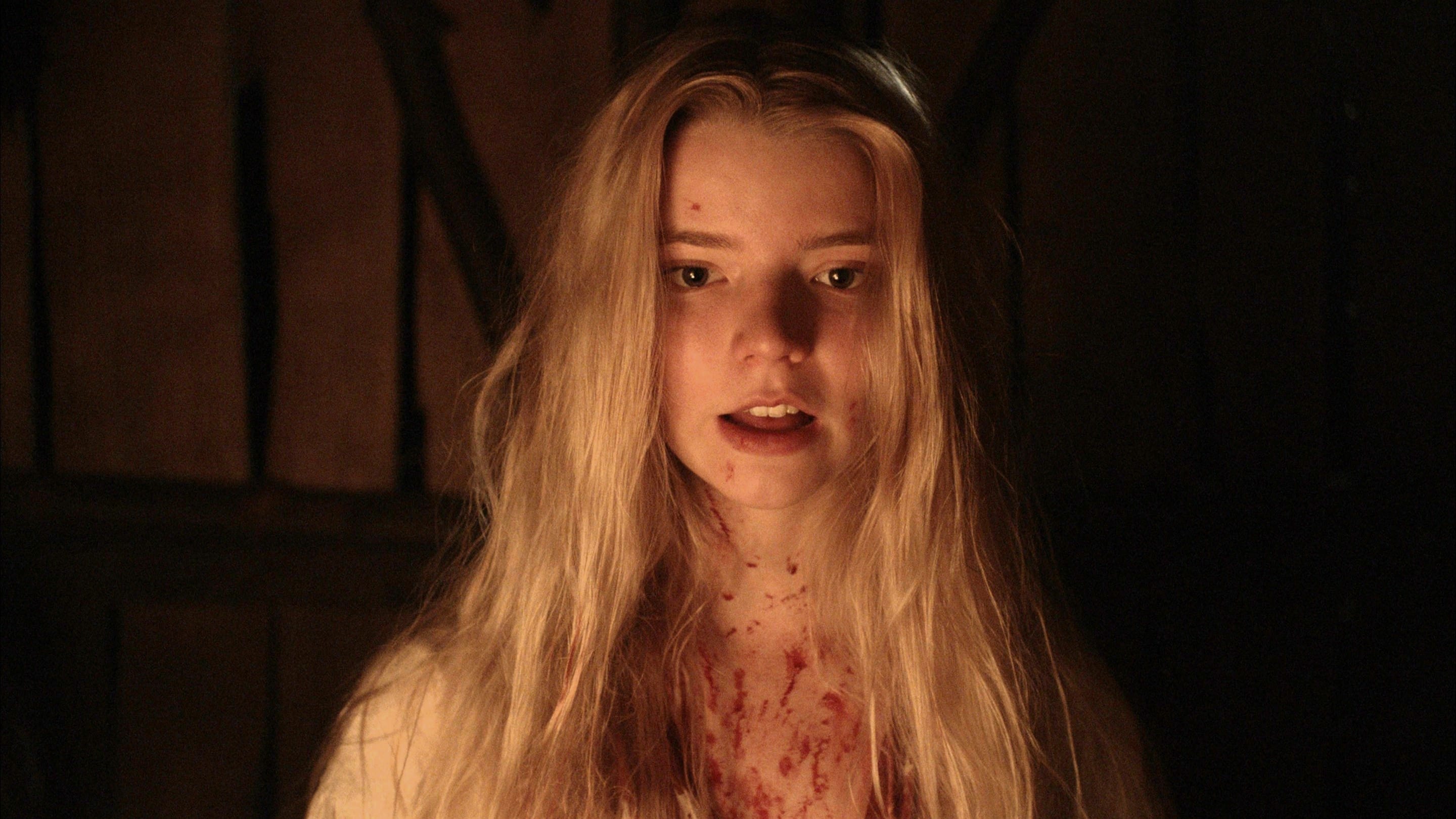
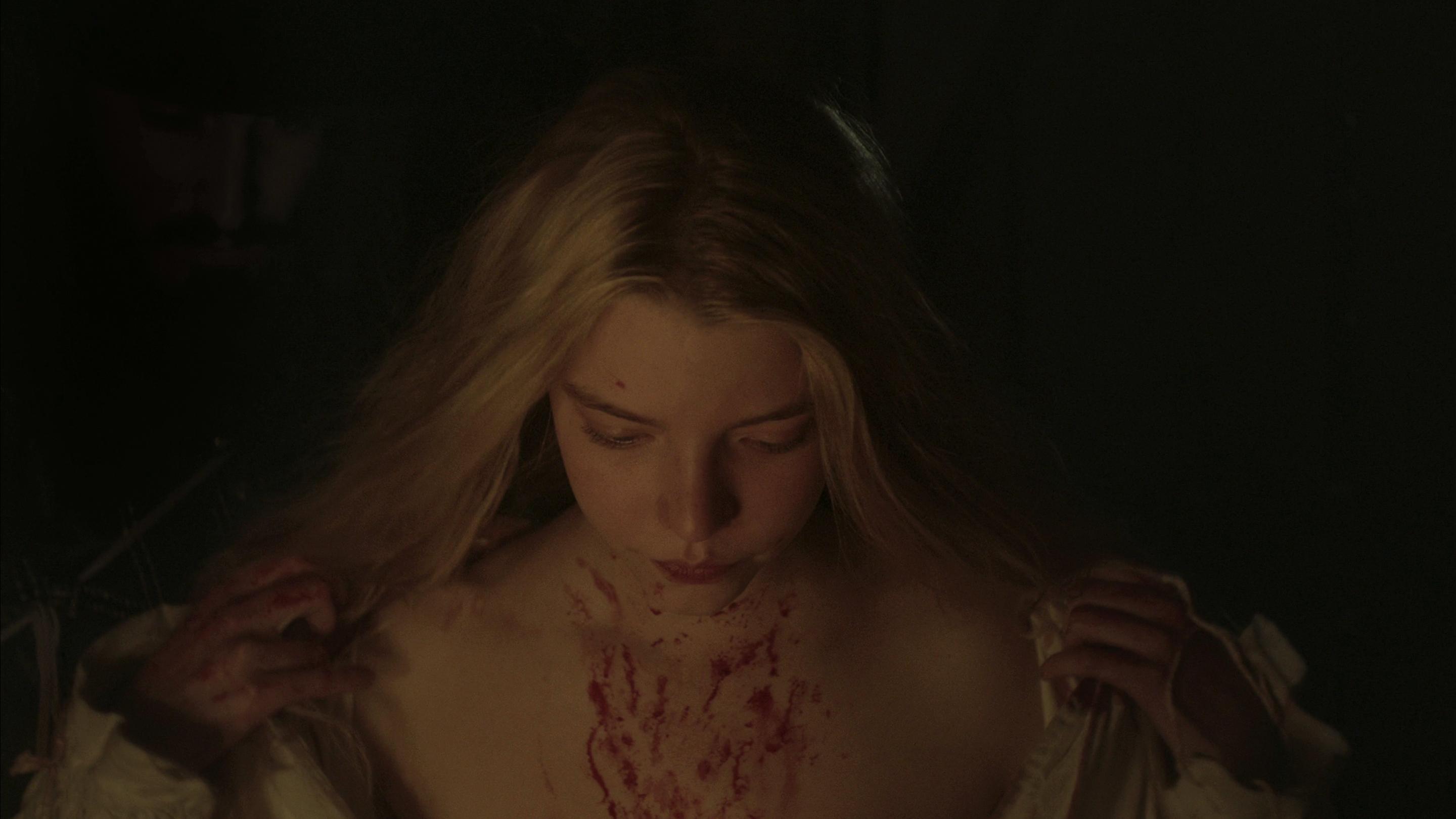
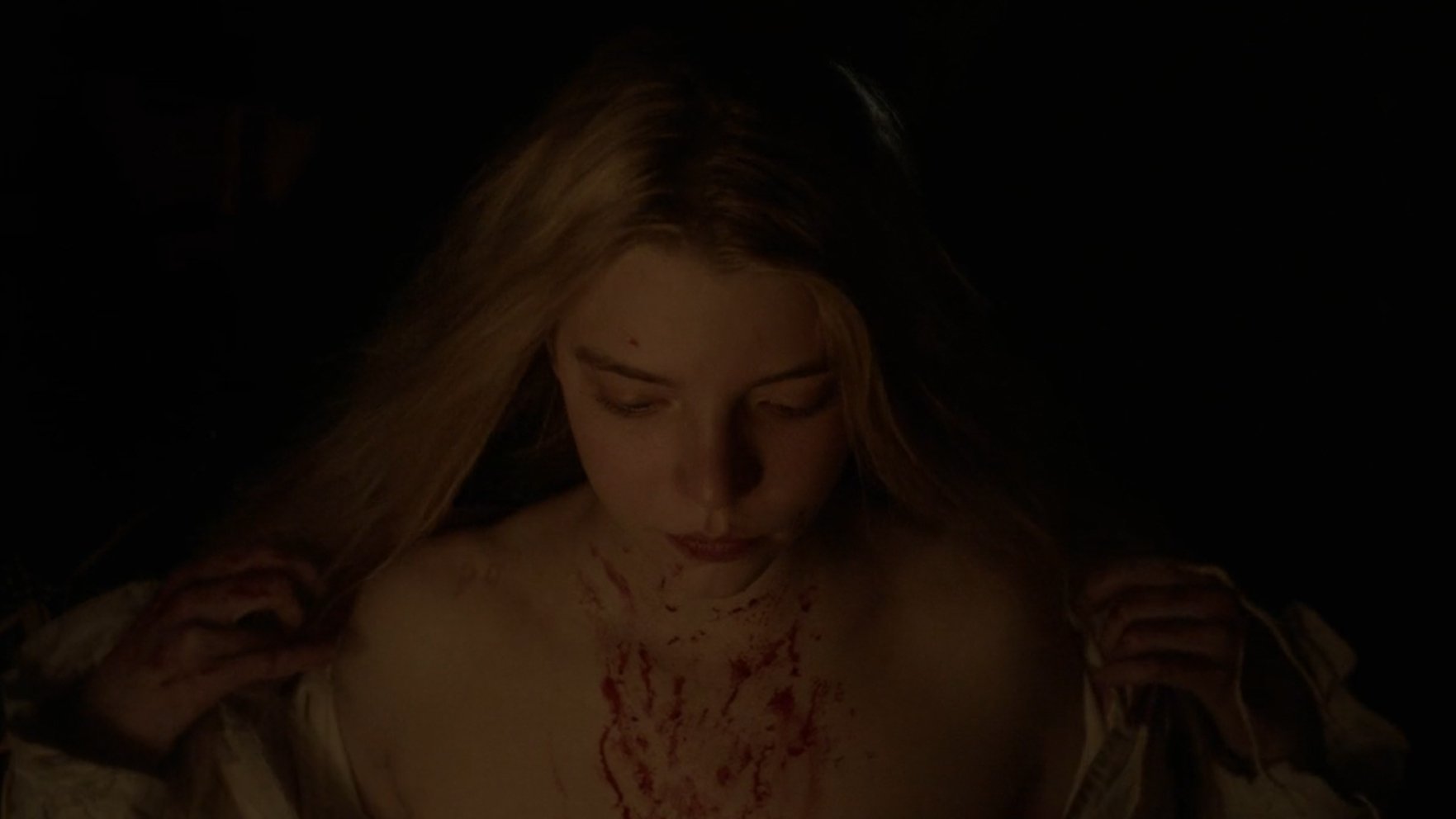
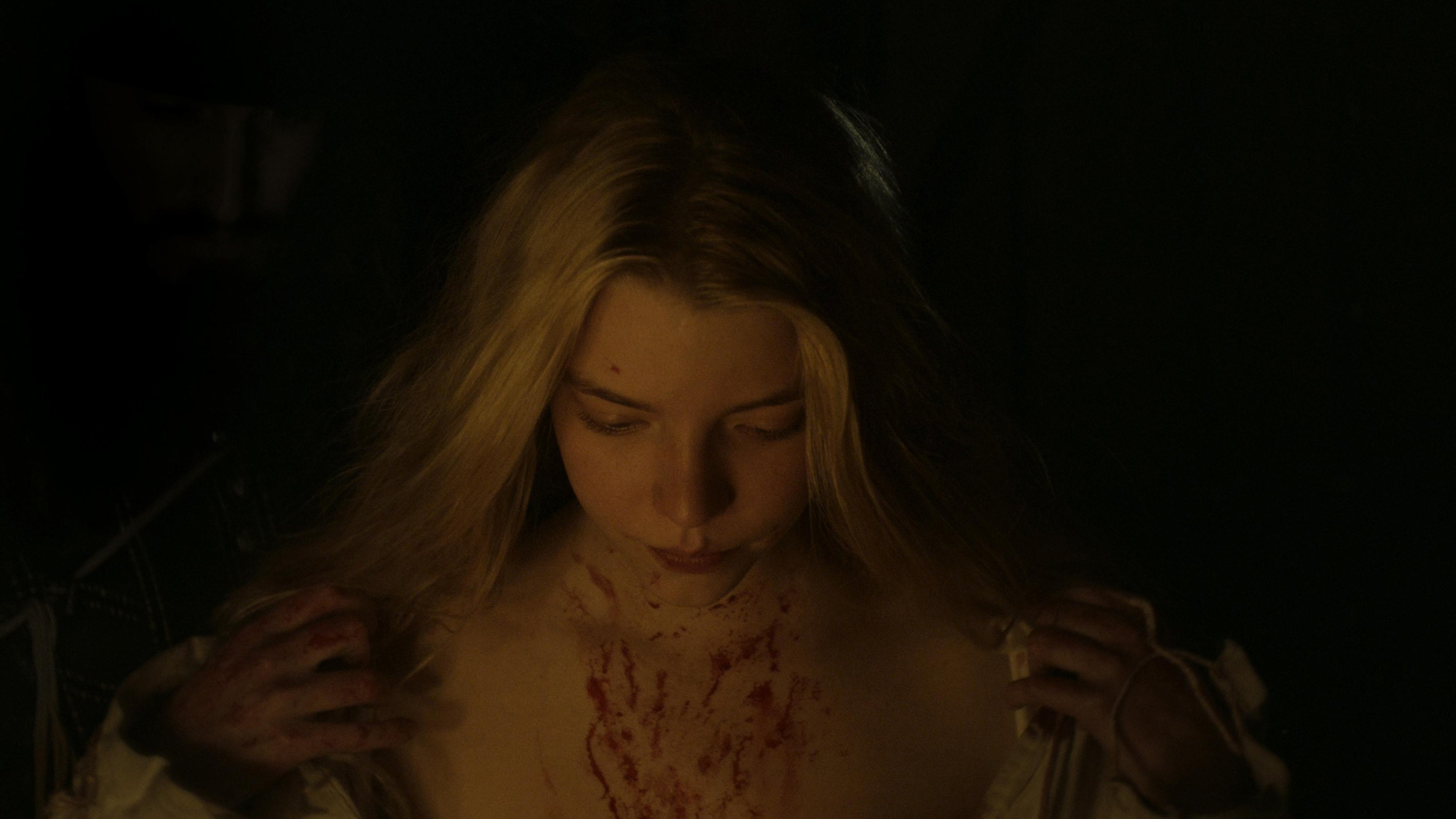
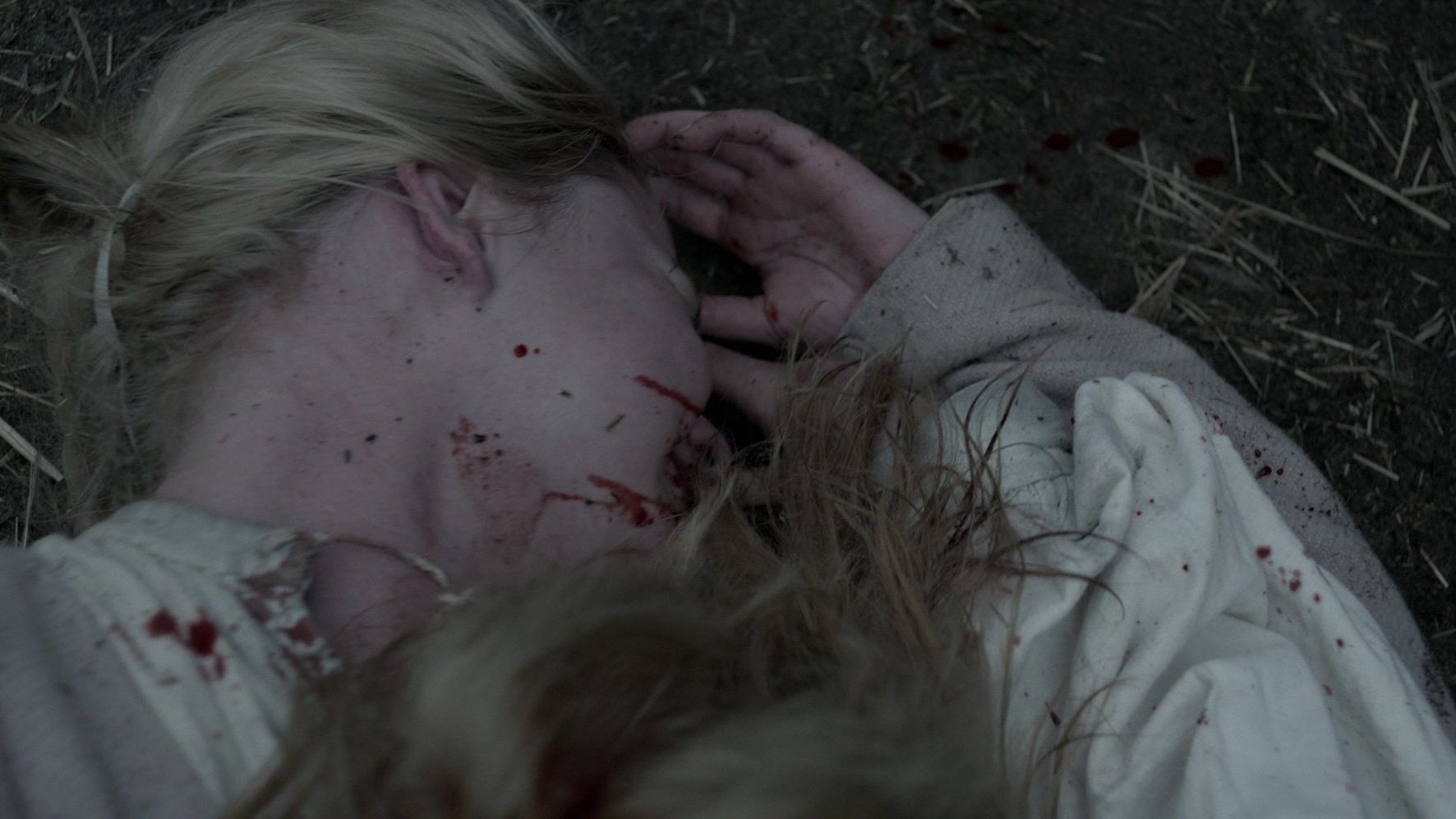
Makeup department head Traci Loader approached the performances through progressive physical deterioration. William and Katherine were assigned several stages of appearance corresponding to the family's transition from relative stability to isolation, hunger and fear. Subtle changes in grime, skin tone, fatigue, facial contour and damaged hands replace conventional glamorous makeup. Specific injuries were created with transfer appliances, while selected sequences required protective prosthetics, including the silicone chest appliance used for Katherine's encounter with a raven.

The combined costume and makeup work supports the film's psychological development without relying on explanatory dialogue. Clothing becomes worn, faces appear exhausted and the family's physical condition deteriorates as its ability to maintain domestic order collapses. These changes also create a stable material contrast with the supernatural imagery, which is frequently associated with different textures, unexpectedly vivid colors or bodies behaving outside ordinary physical rules.

Black Phillip, Practical Effects and Animal Work

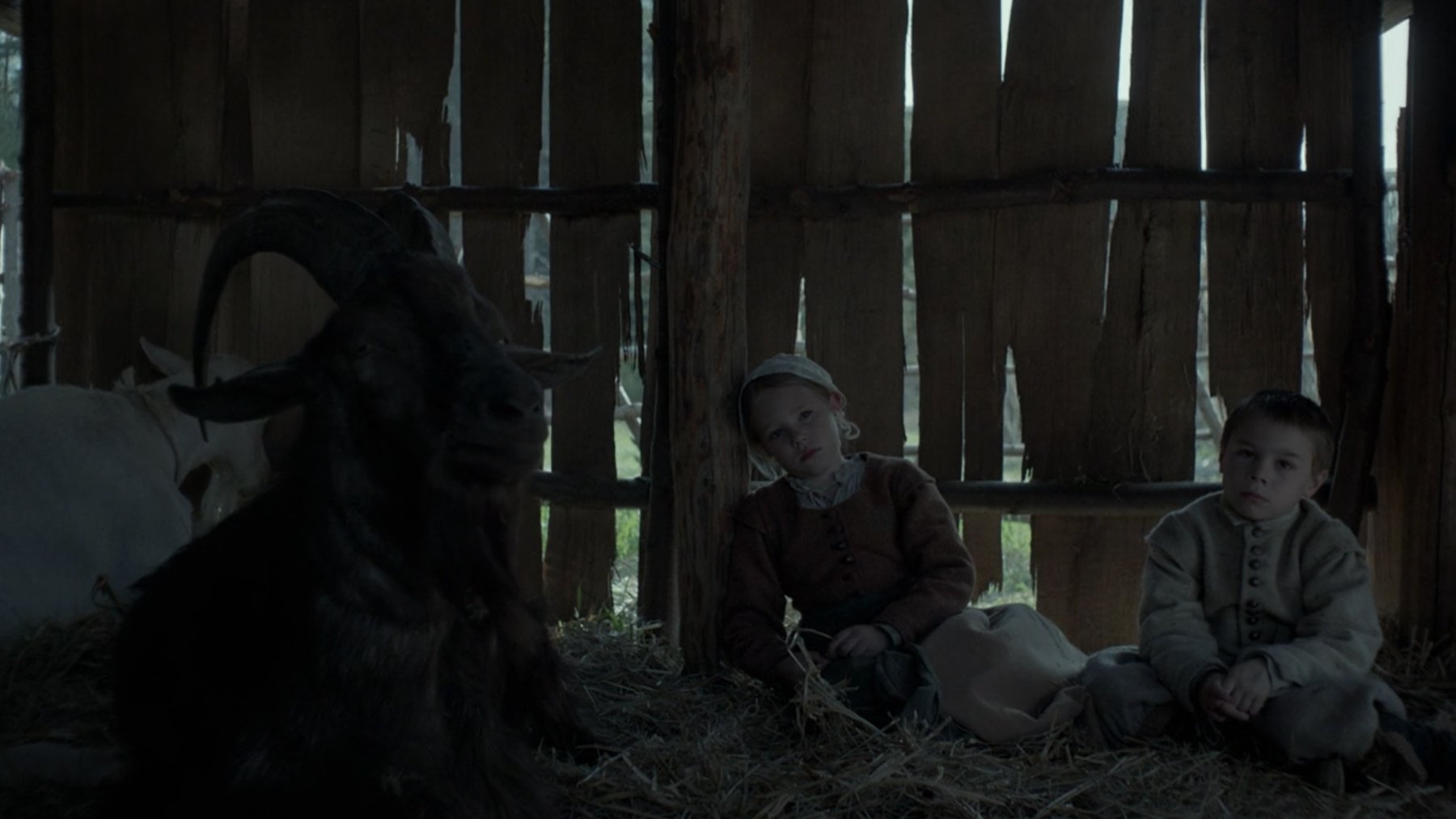
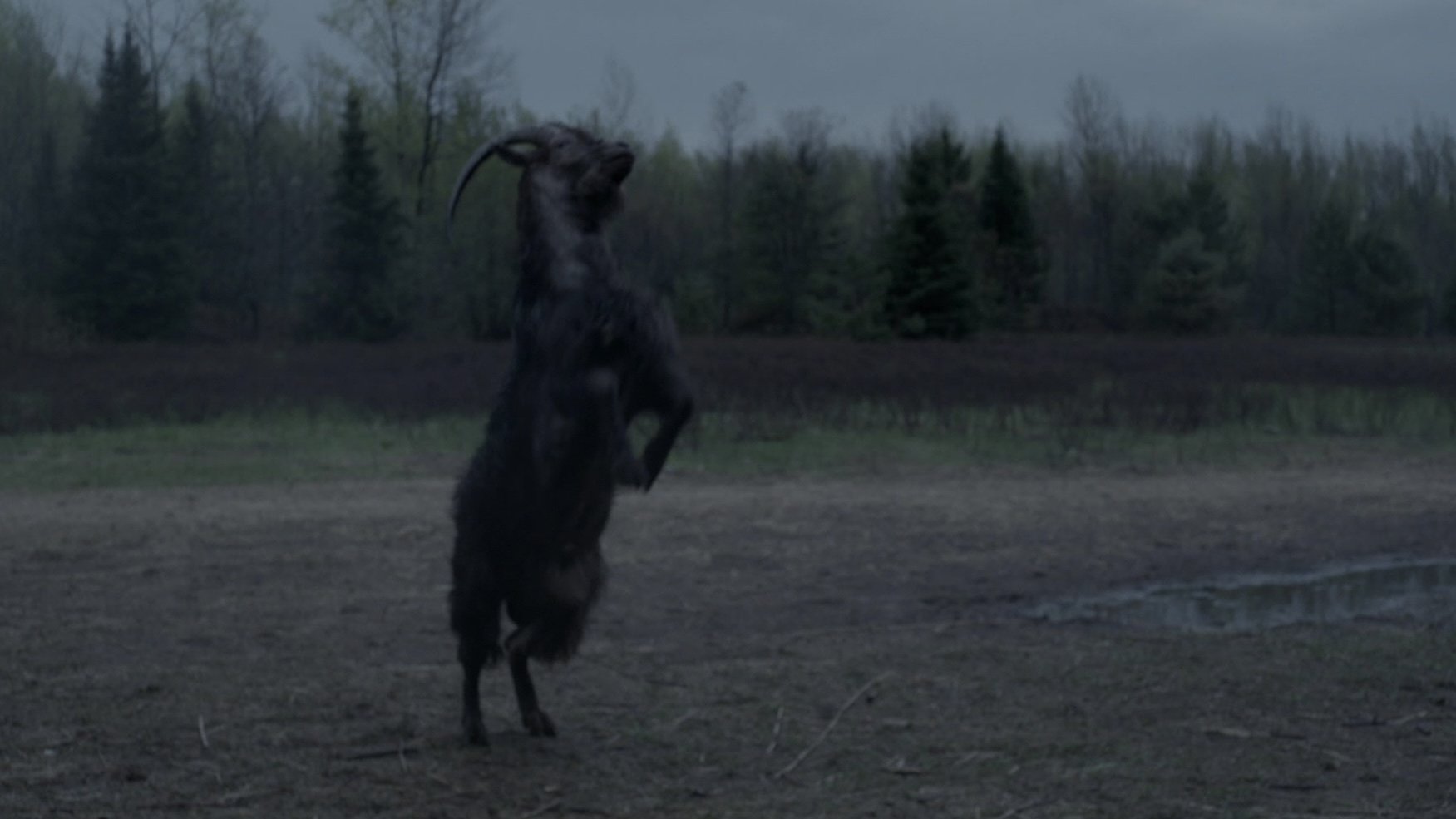
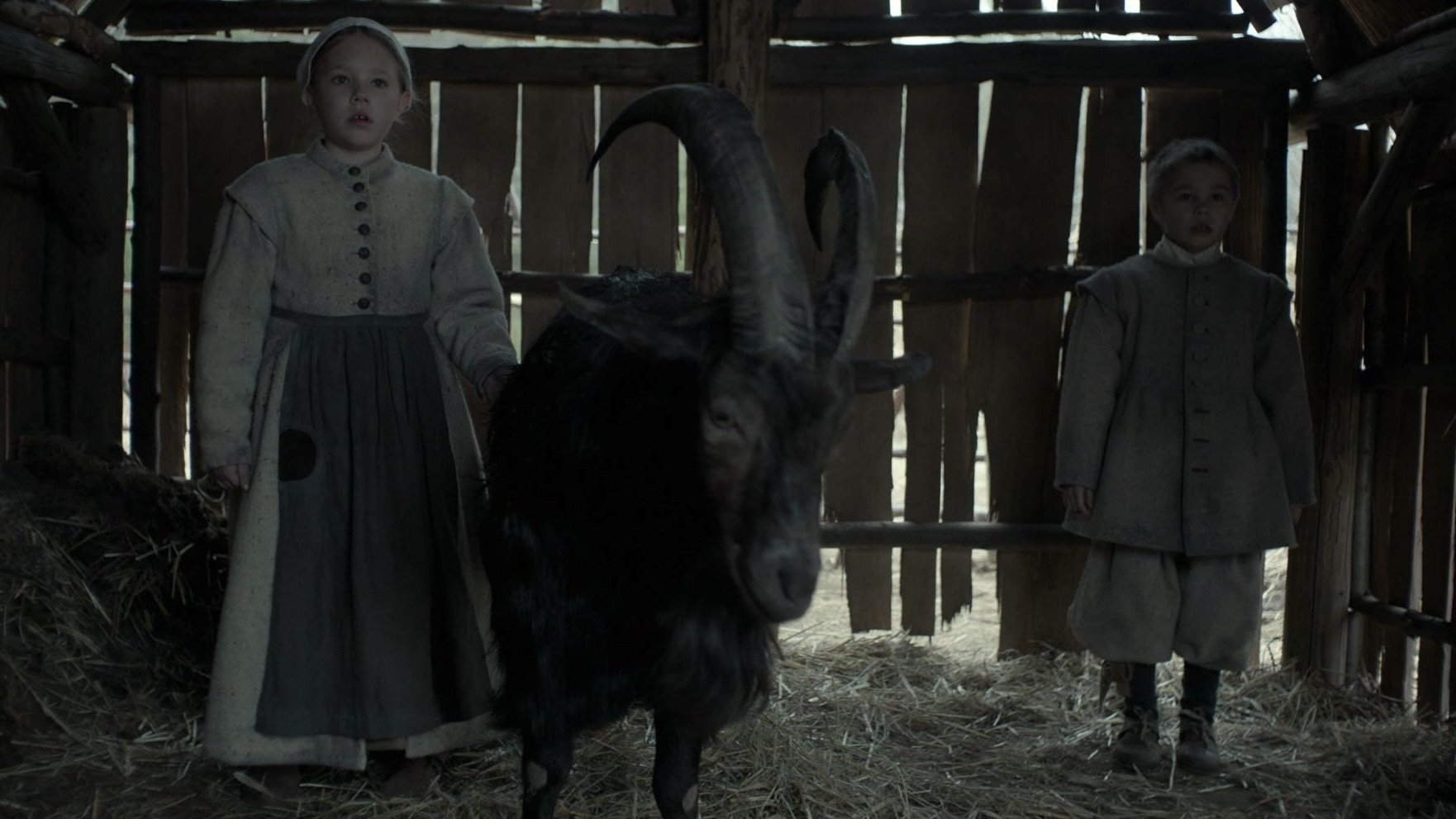
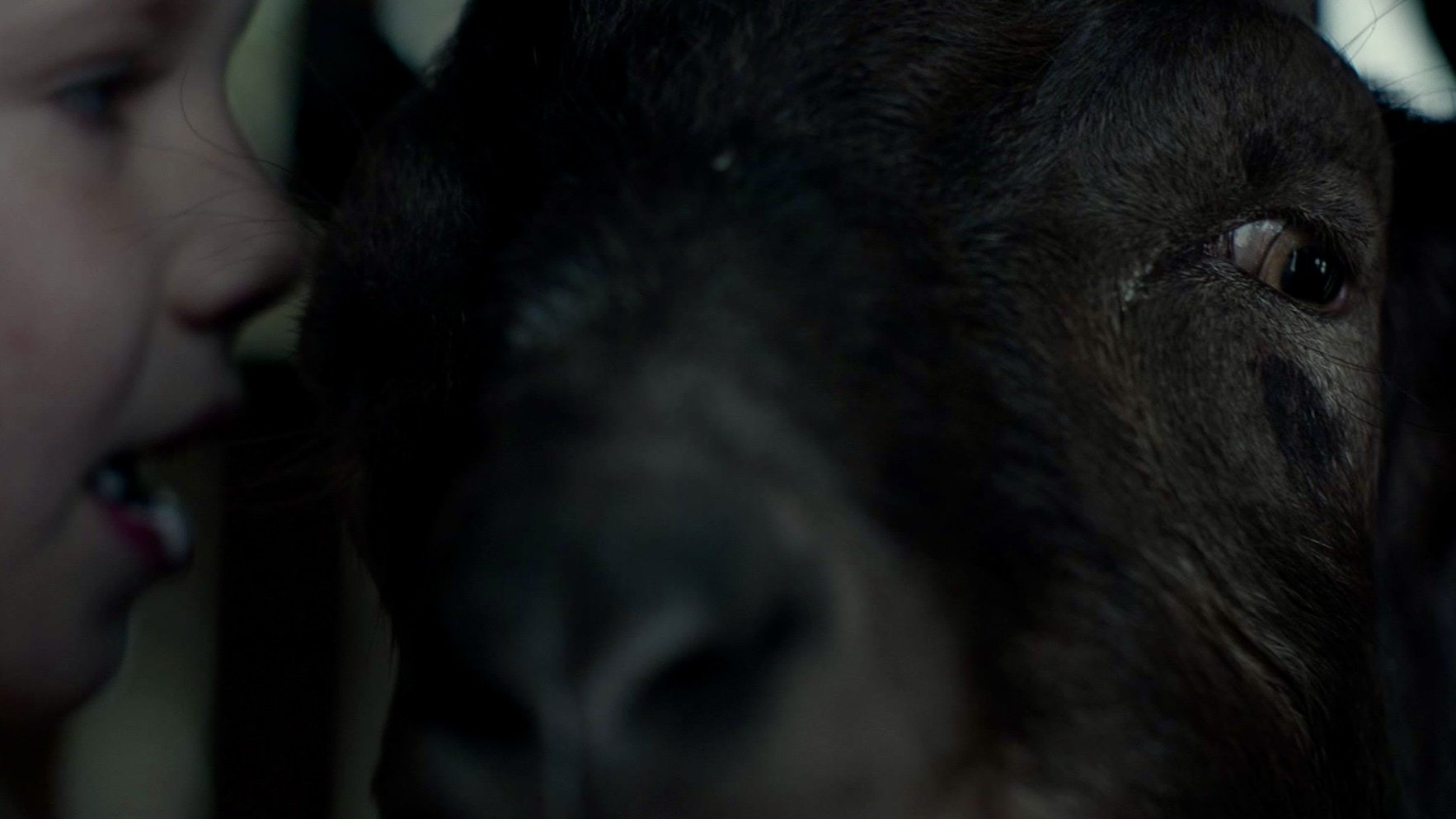
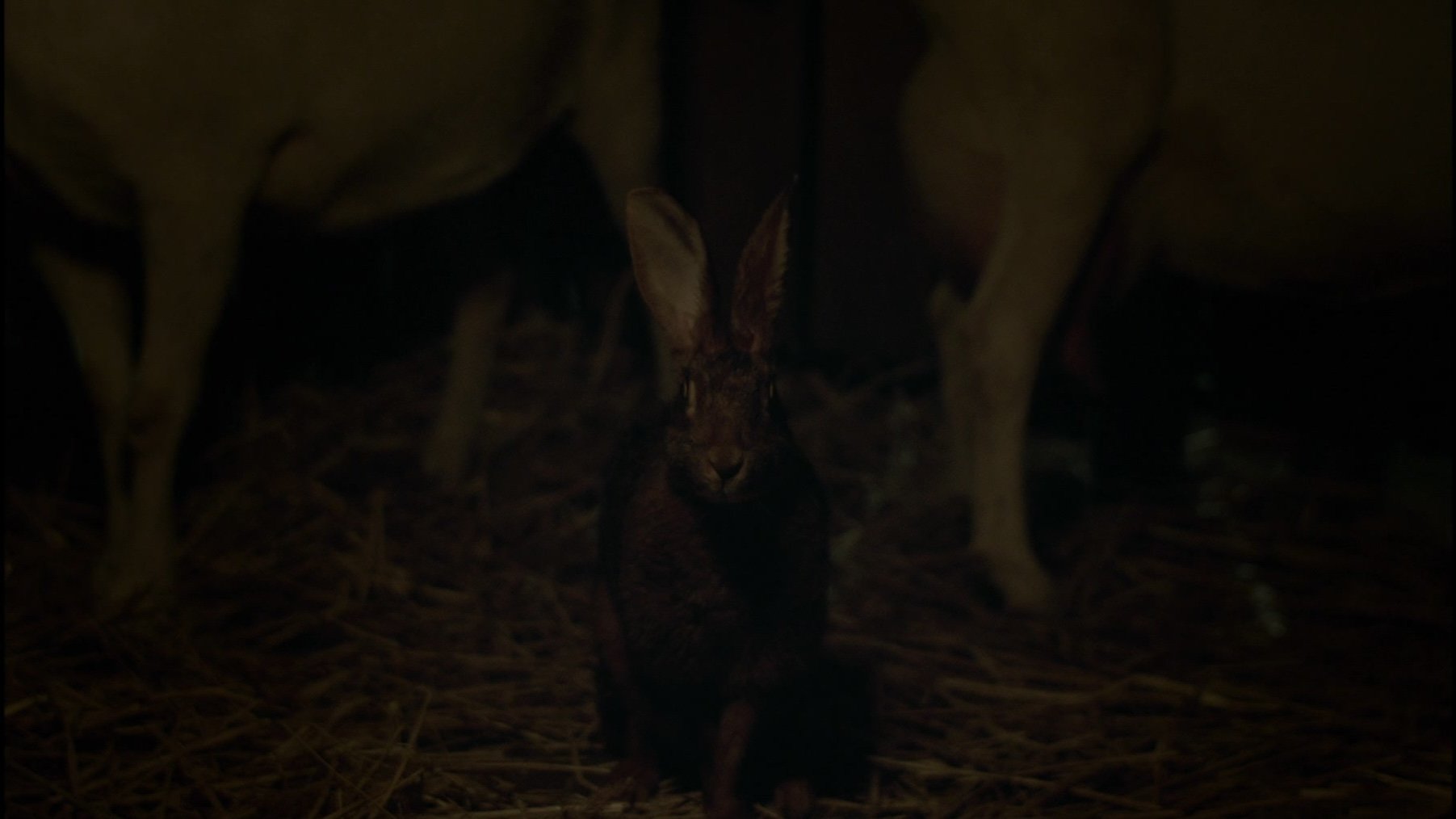
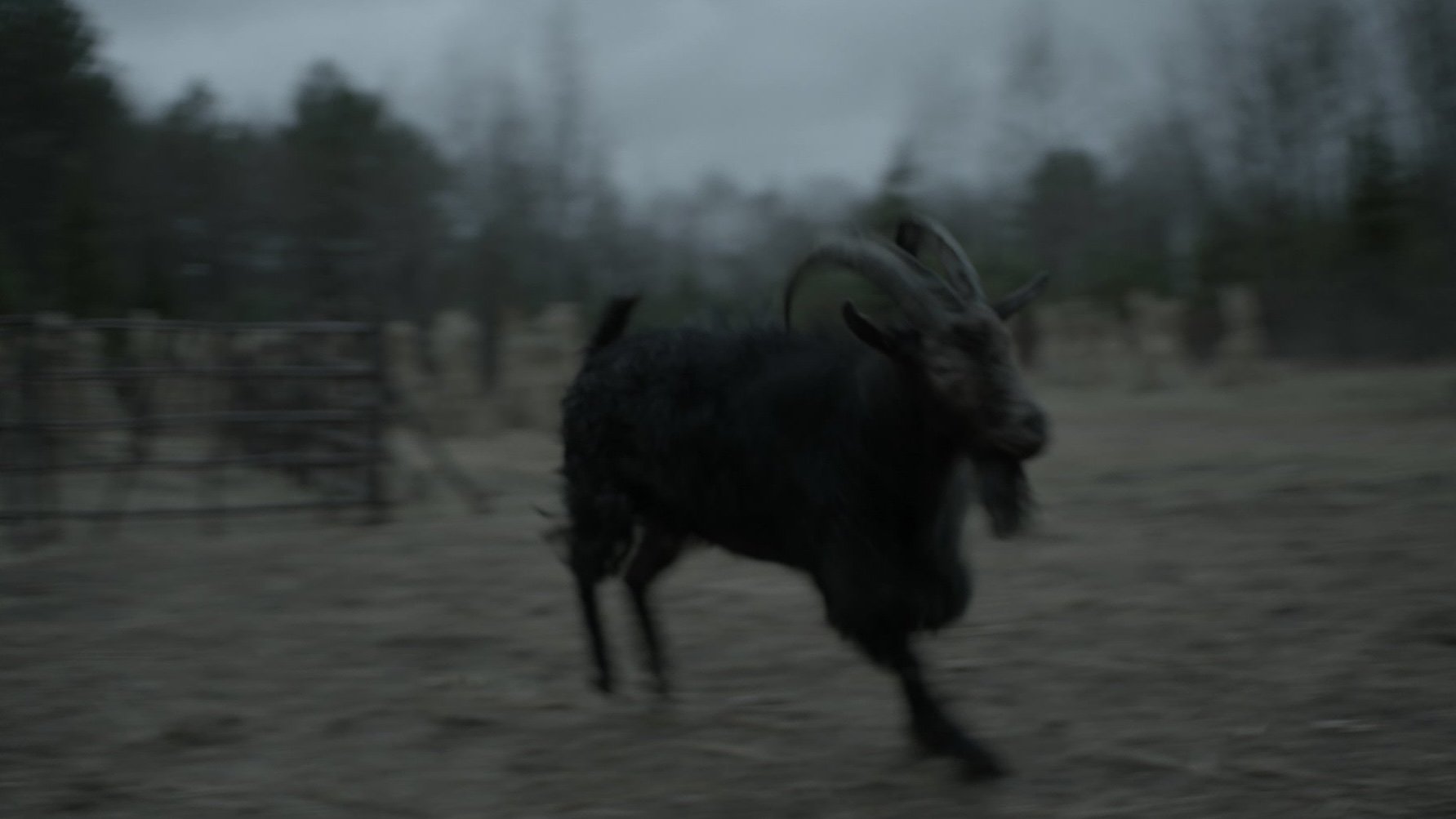
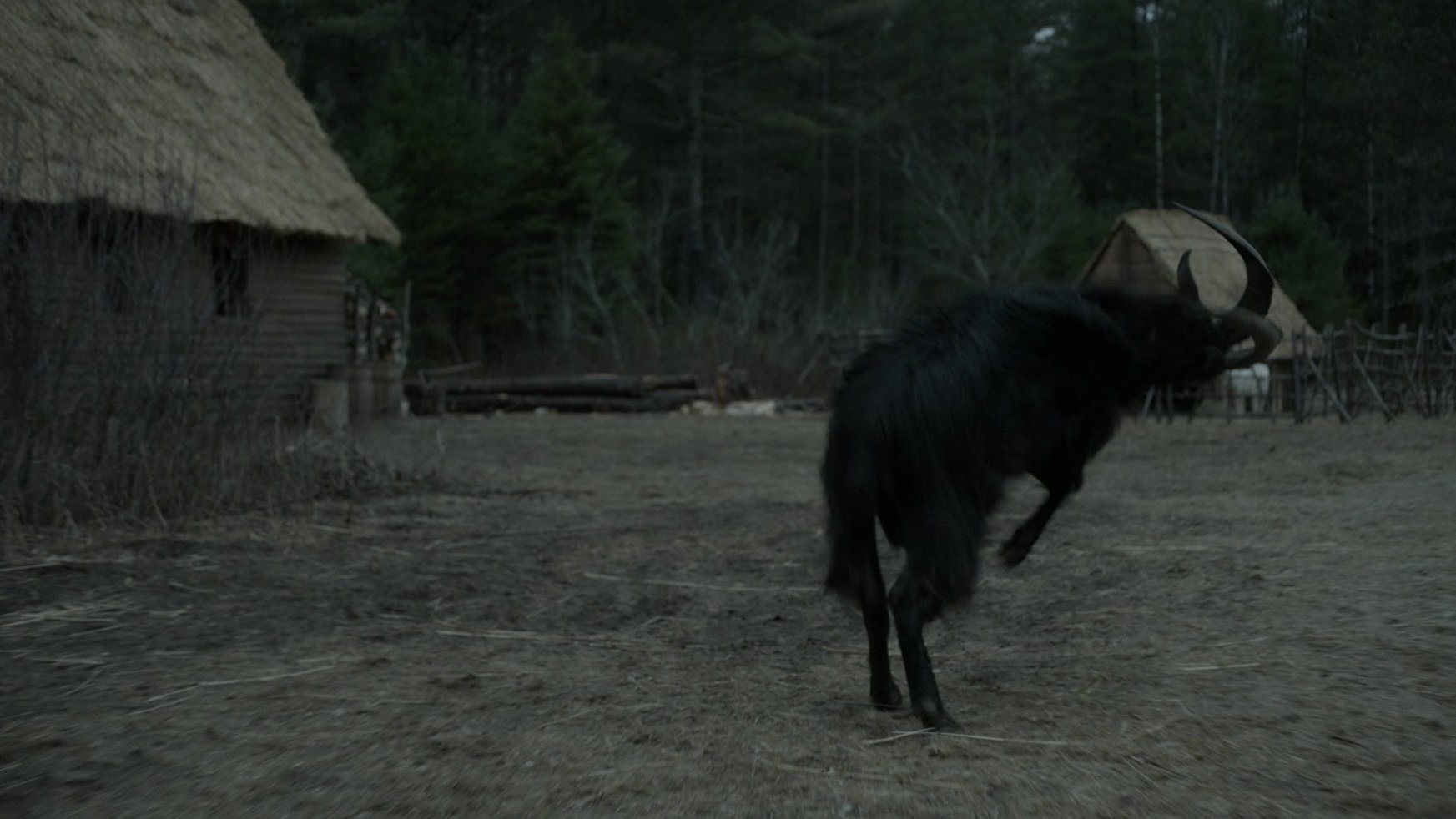
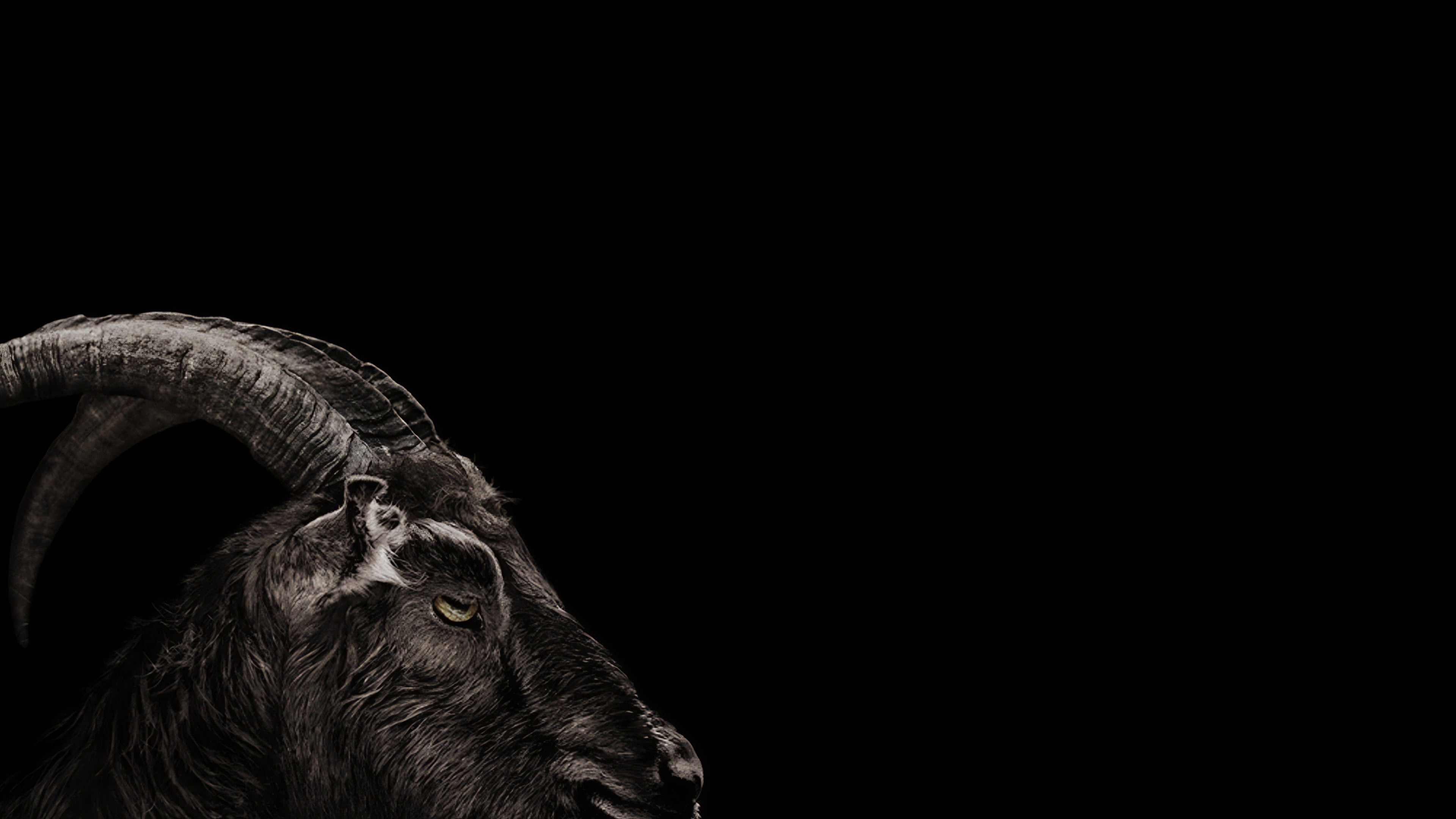
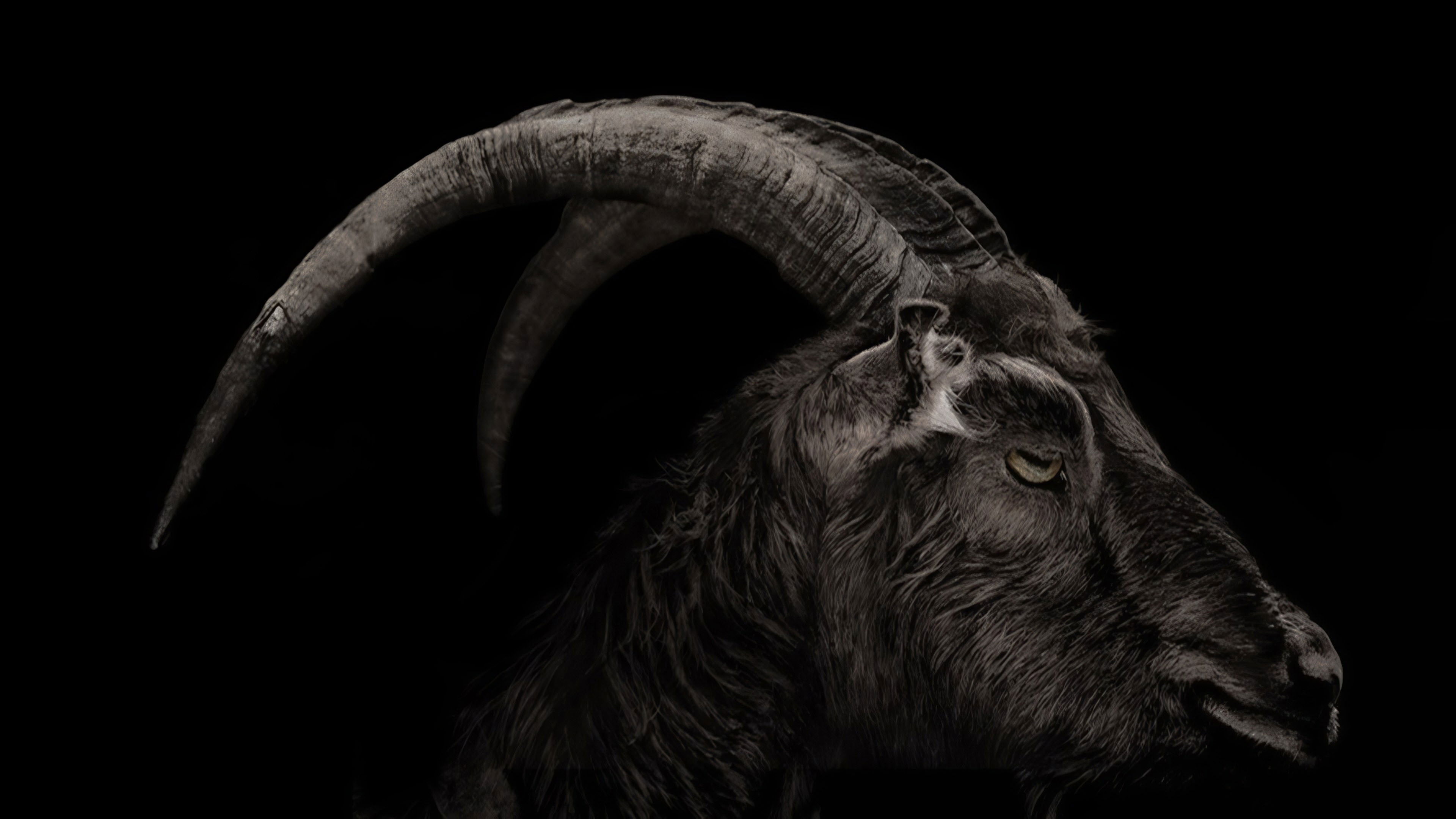
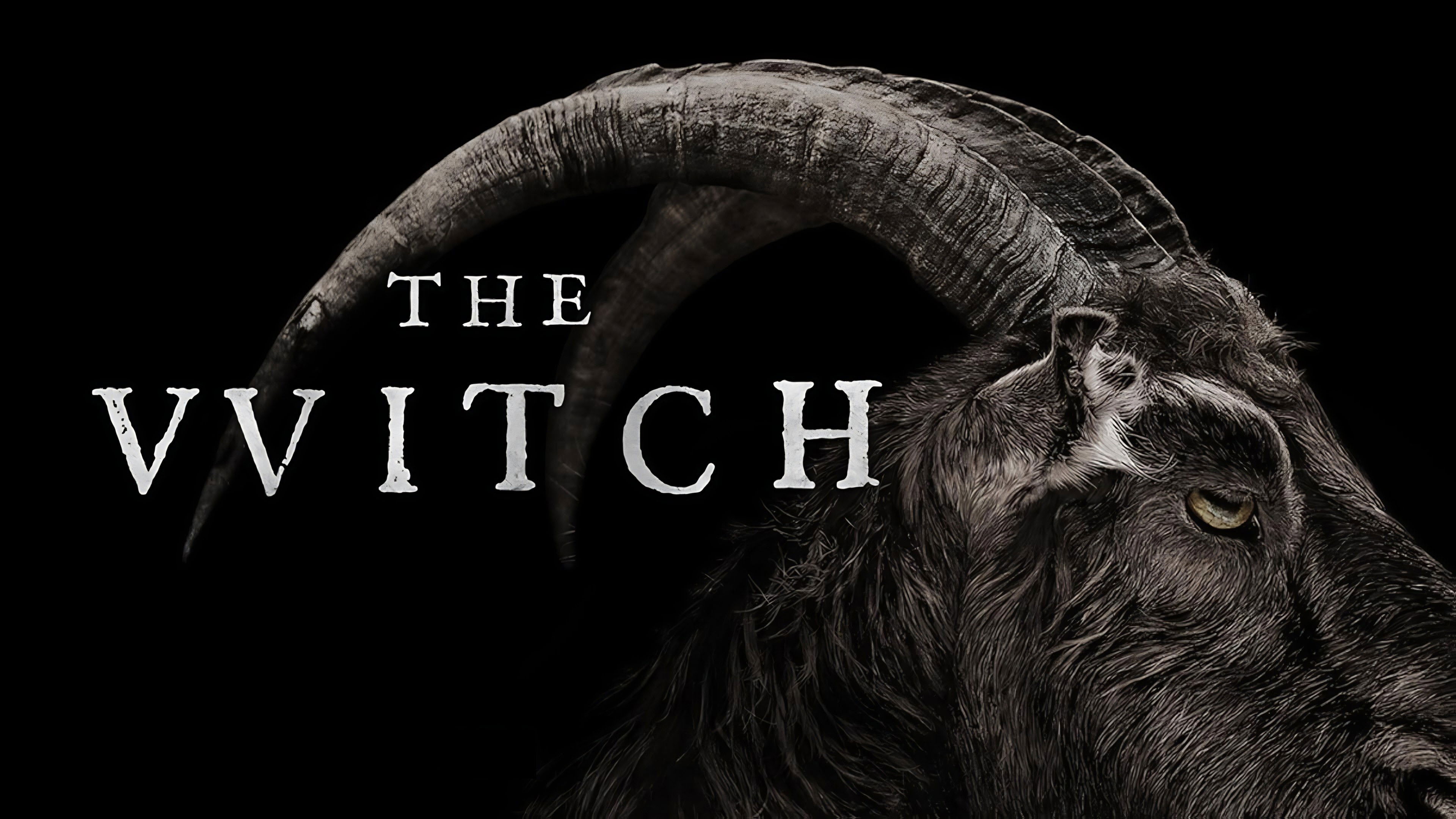
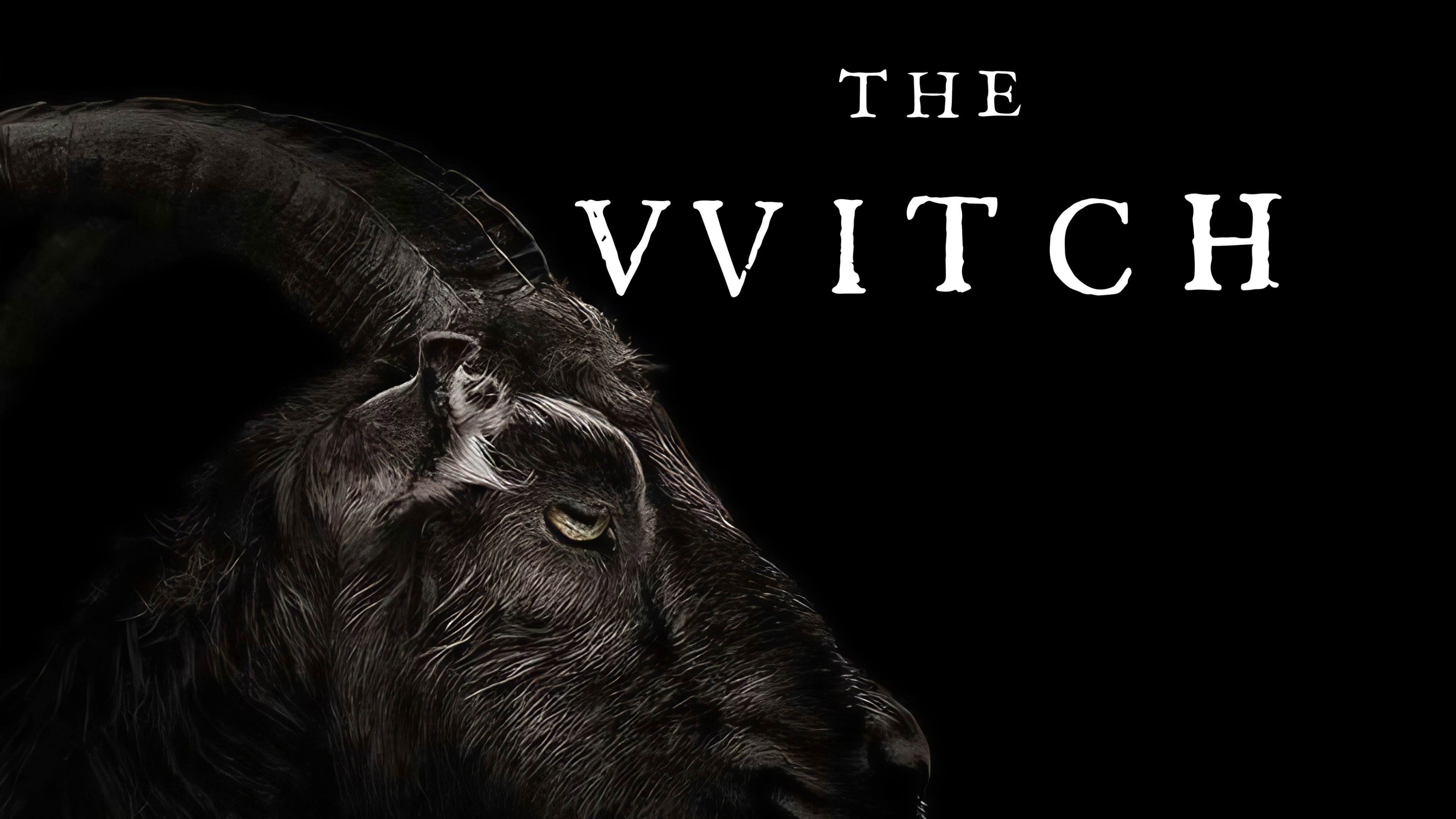
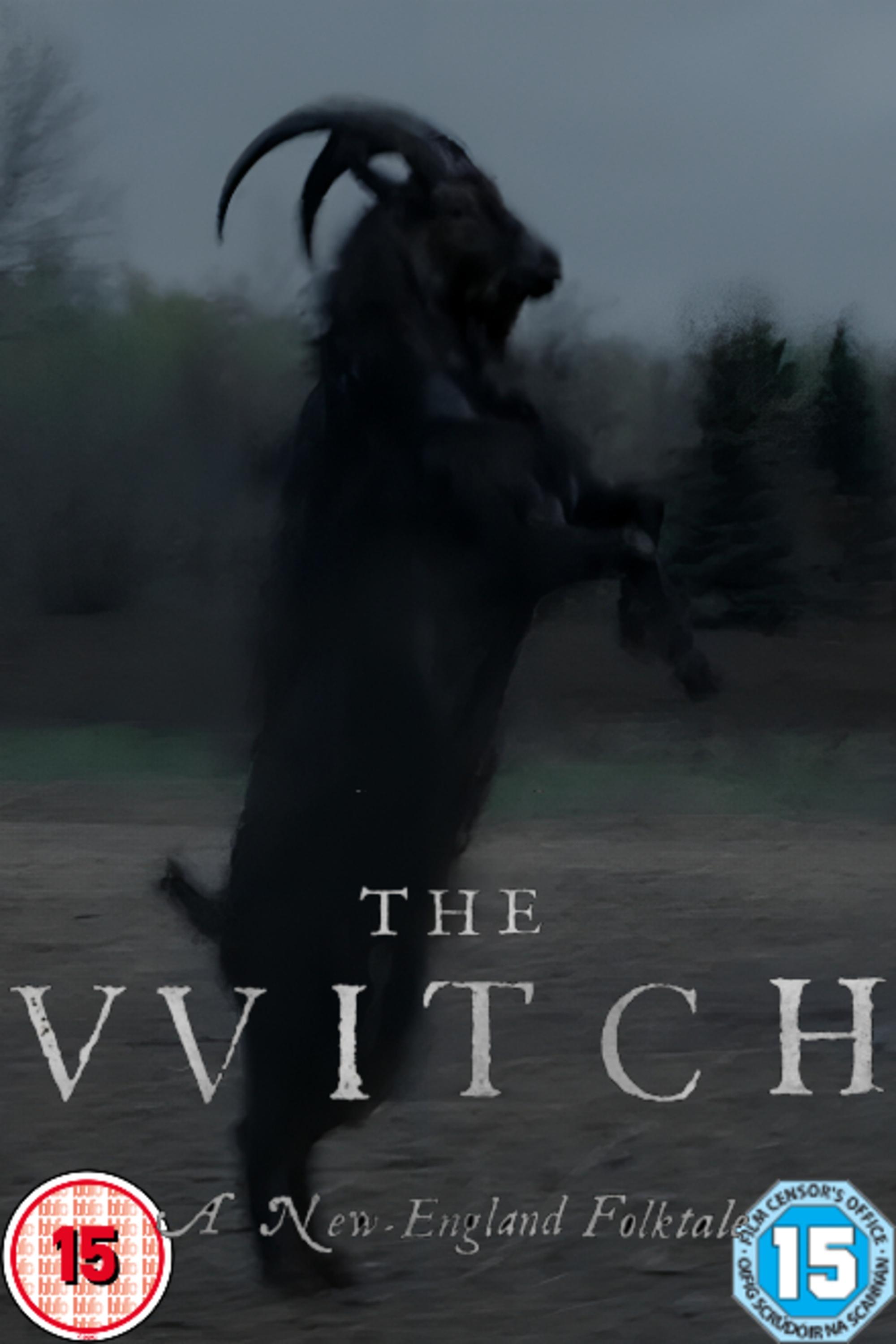
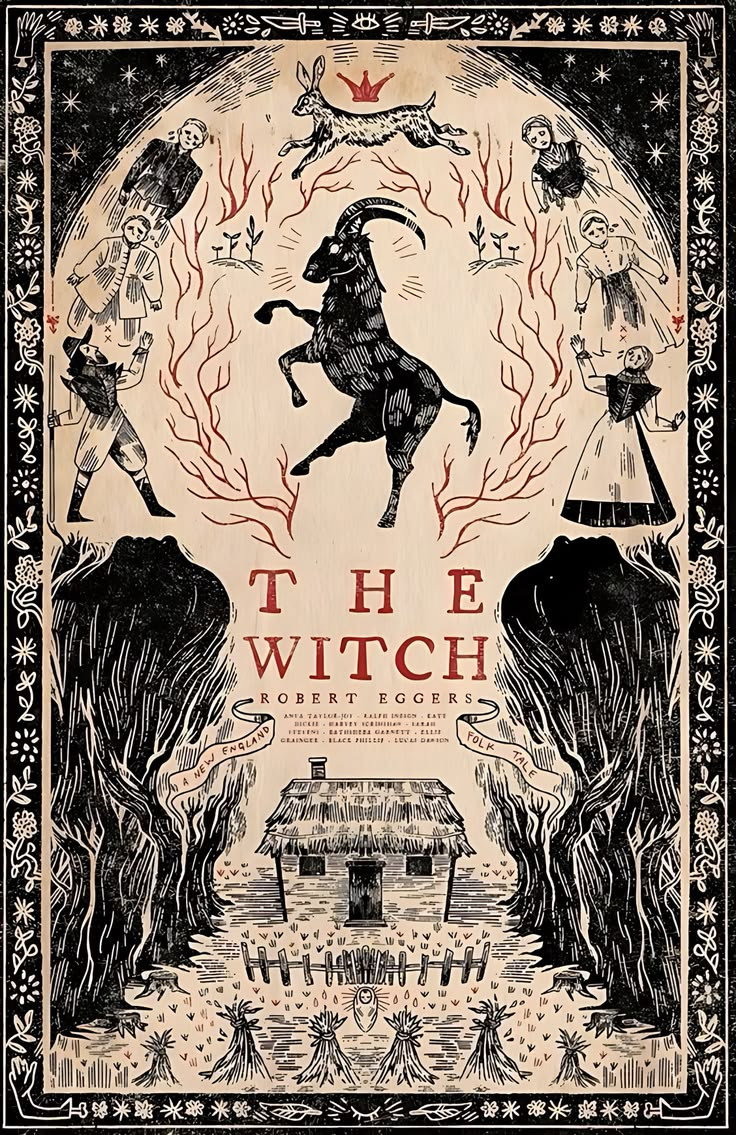
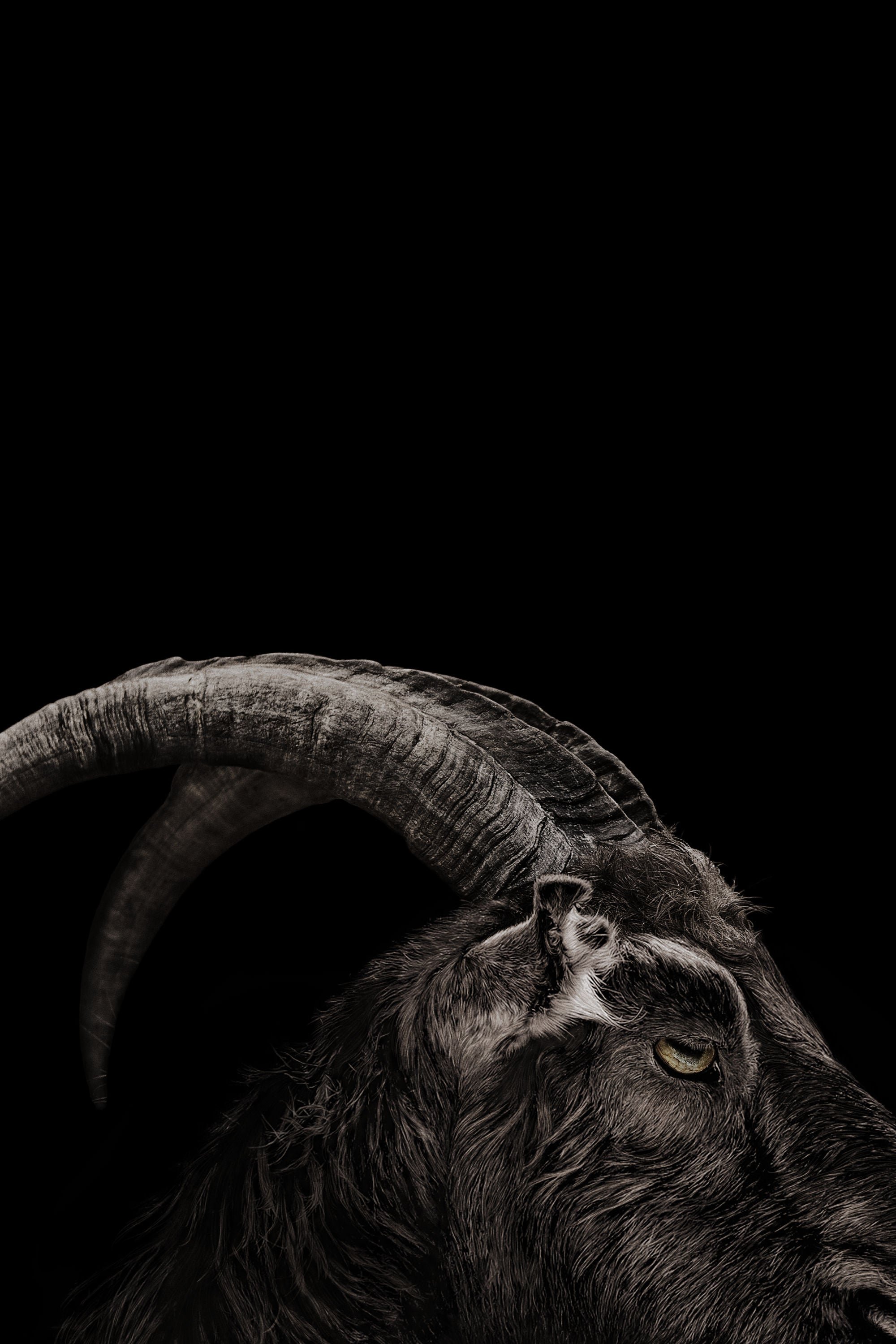
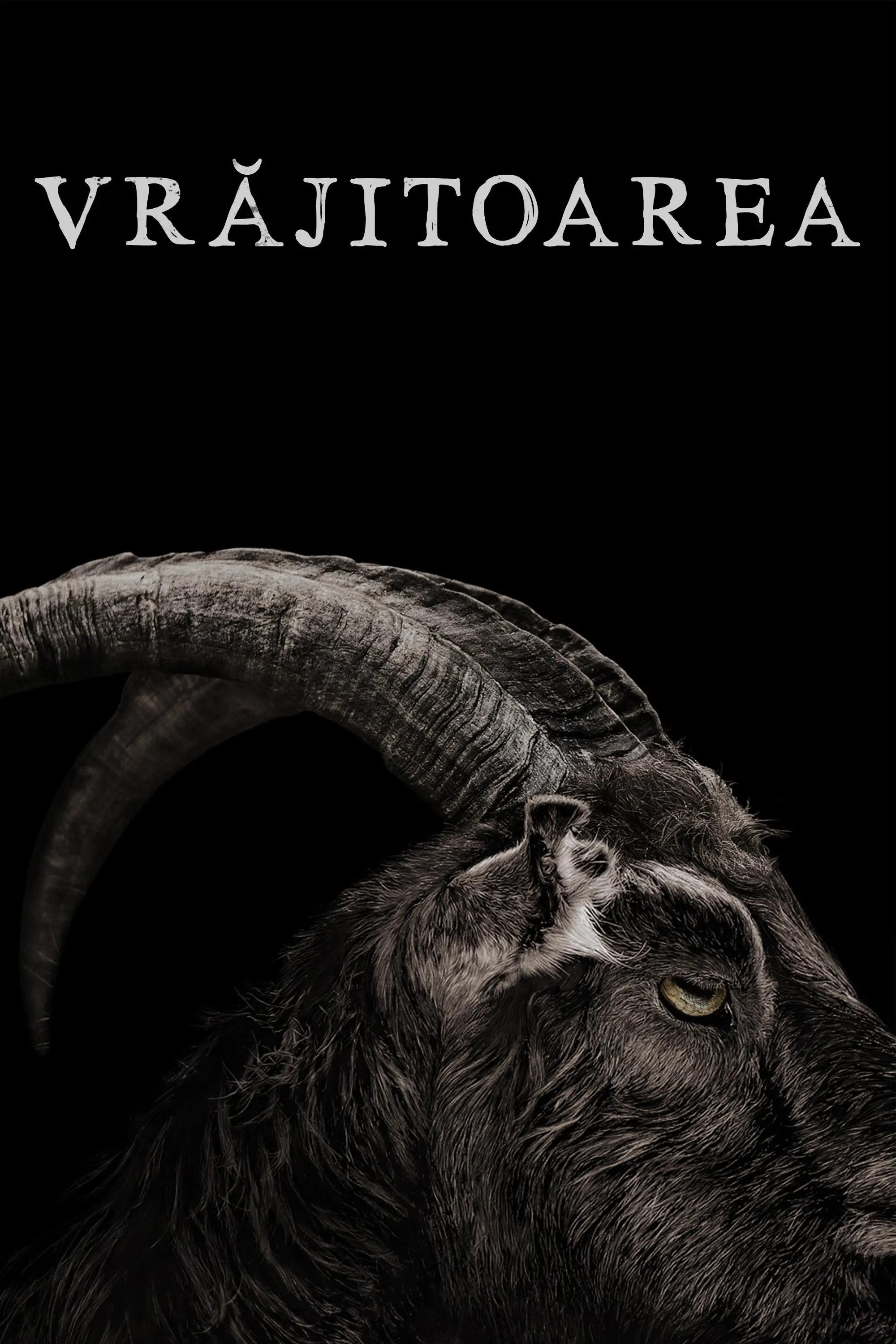
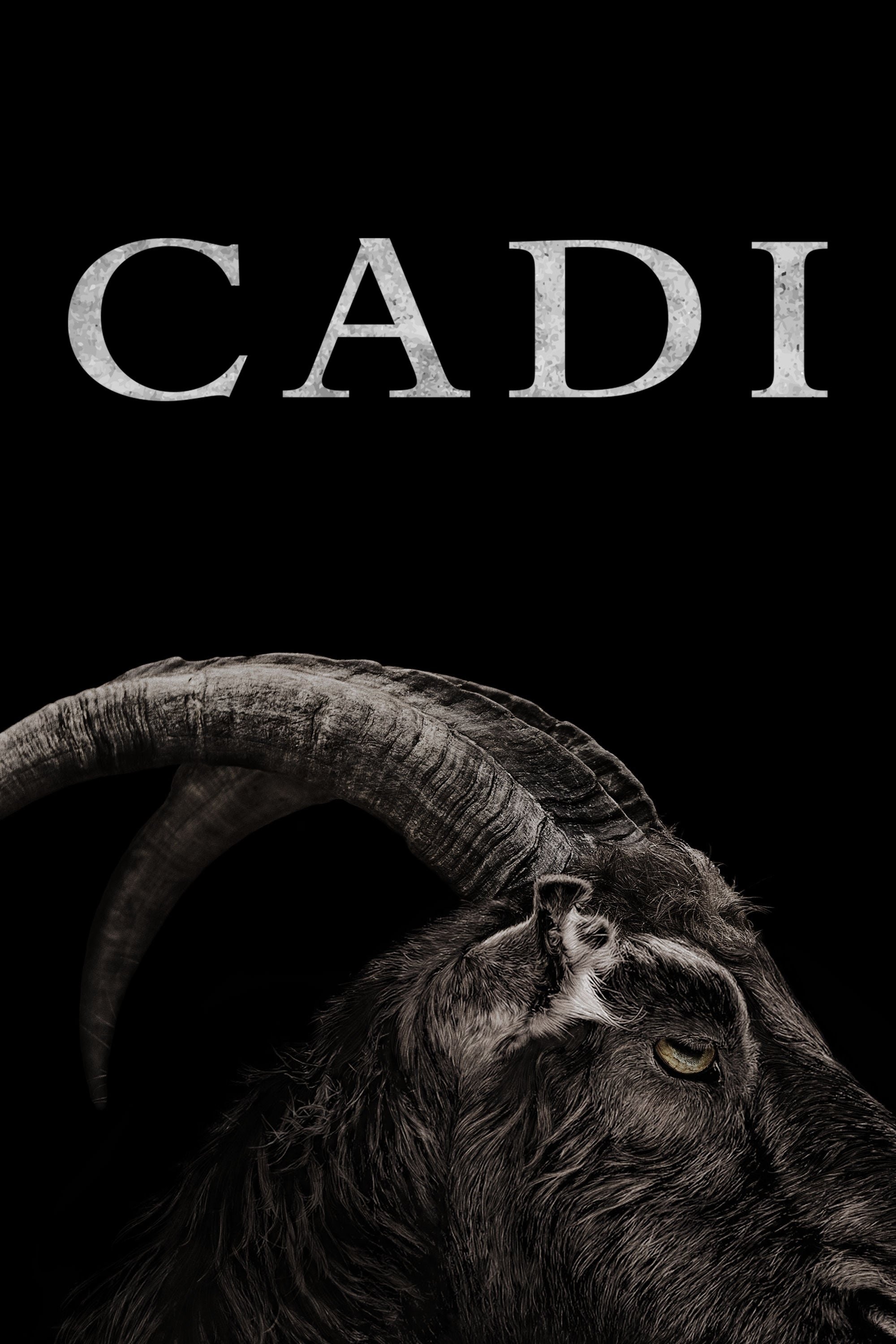
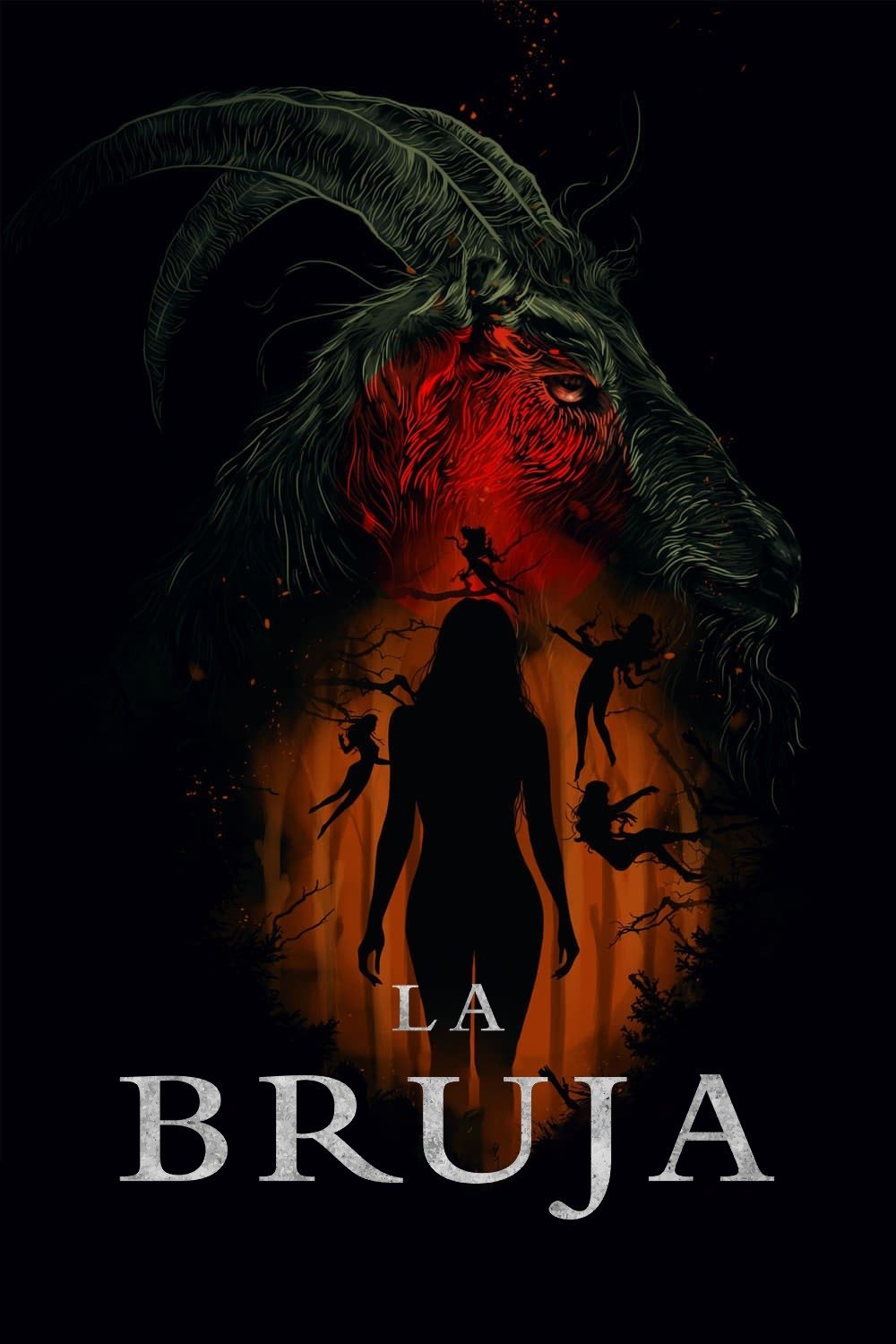
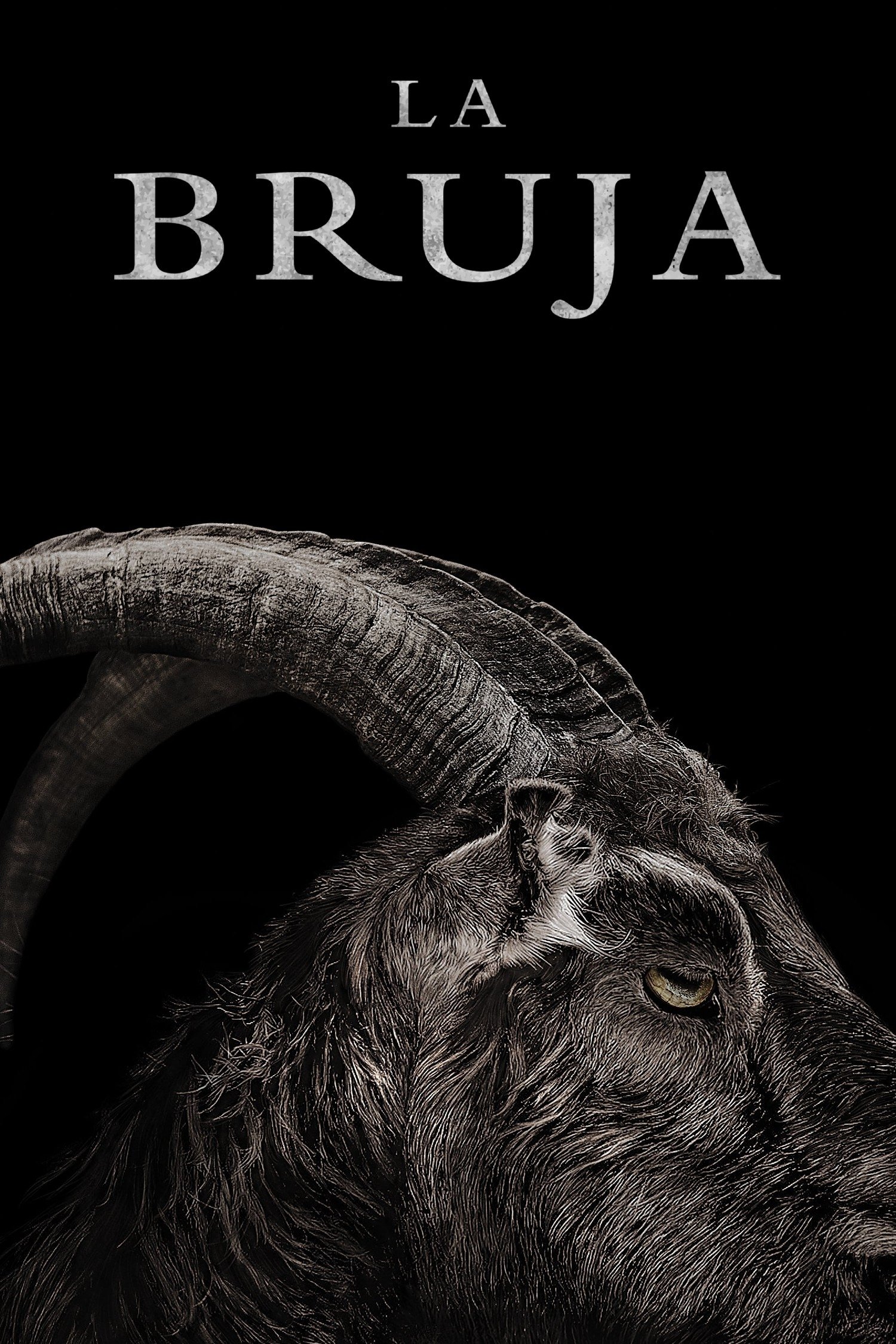
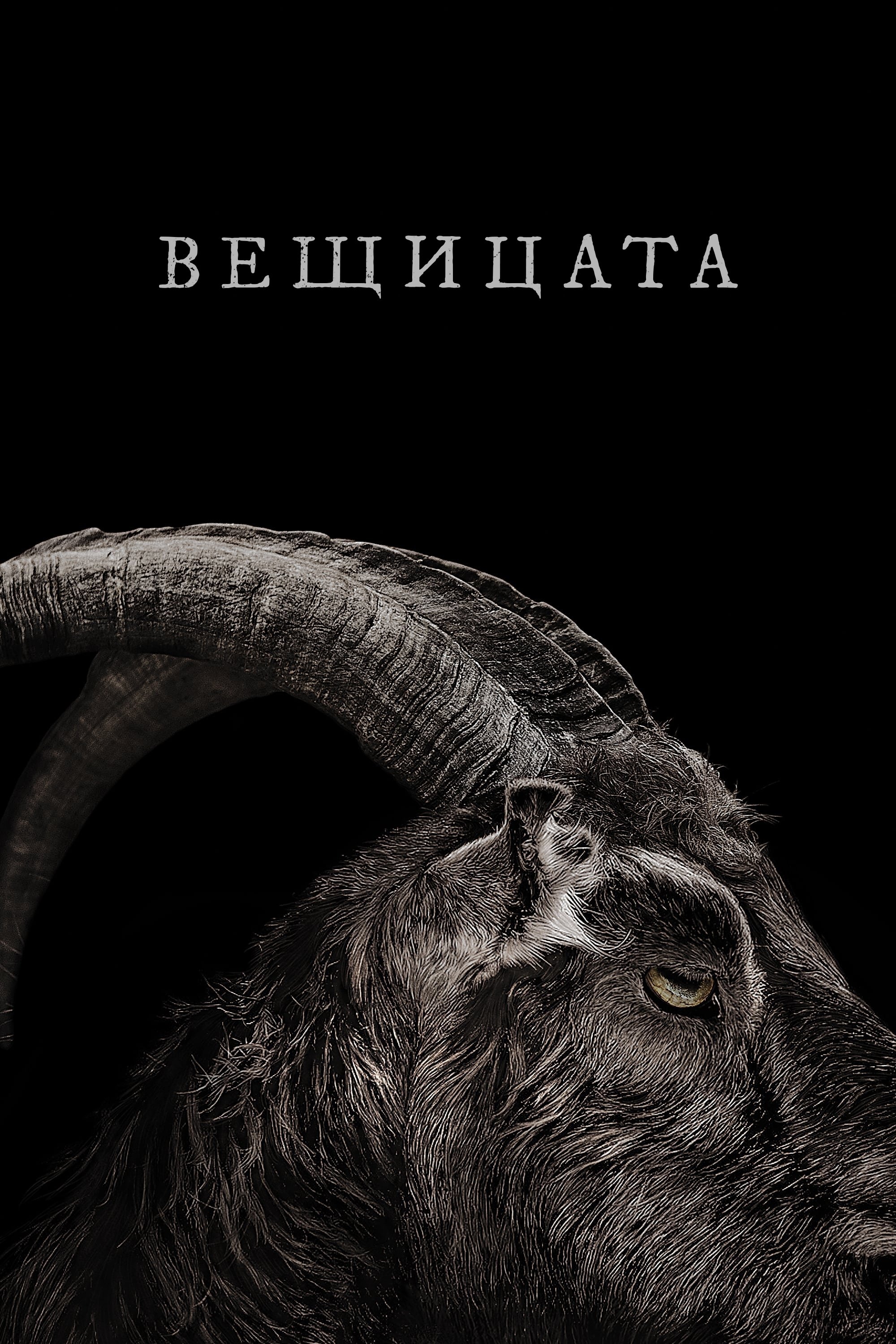
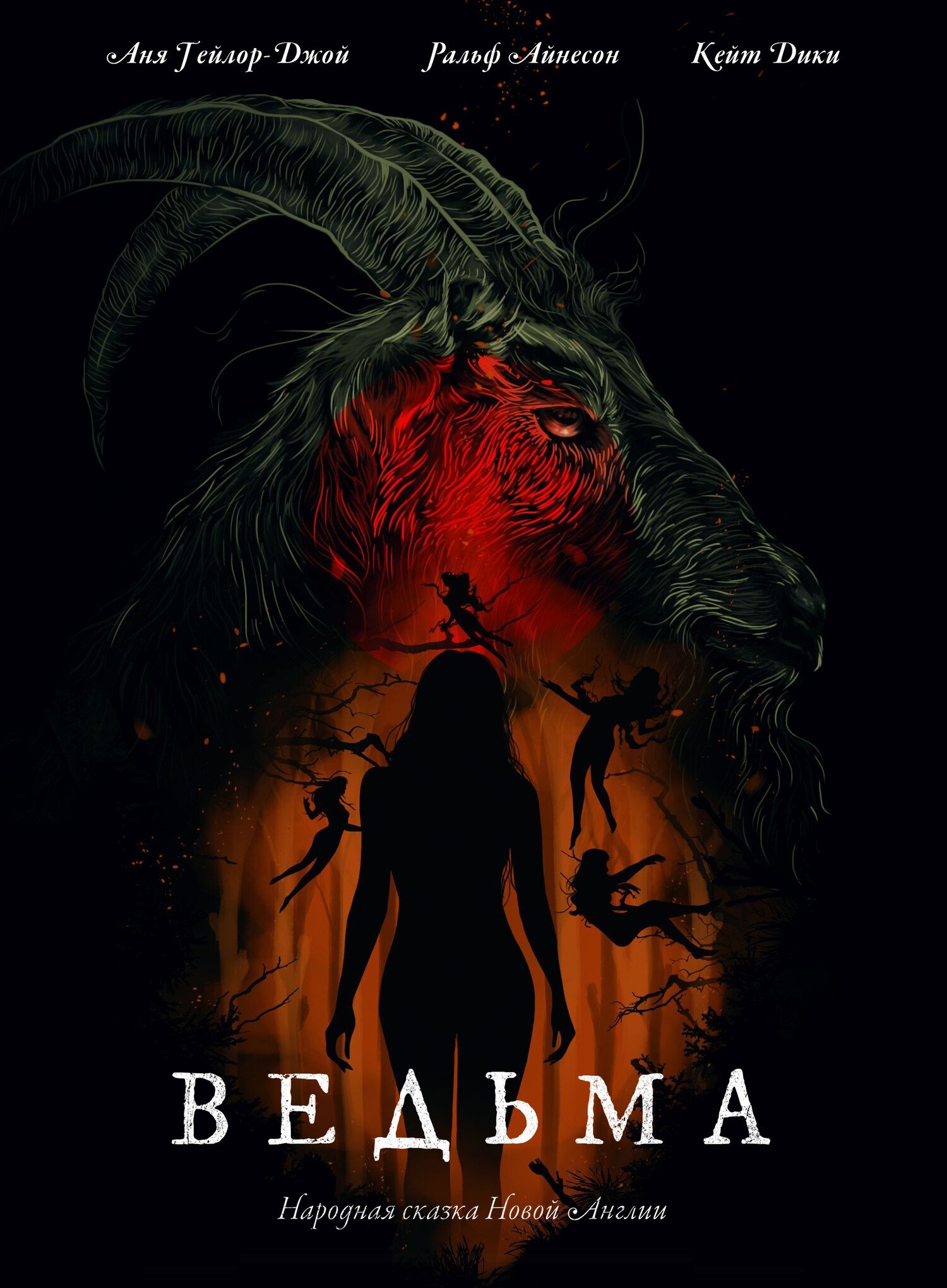
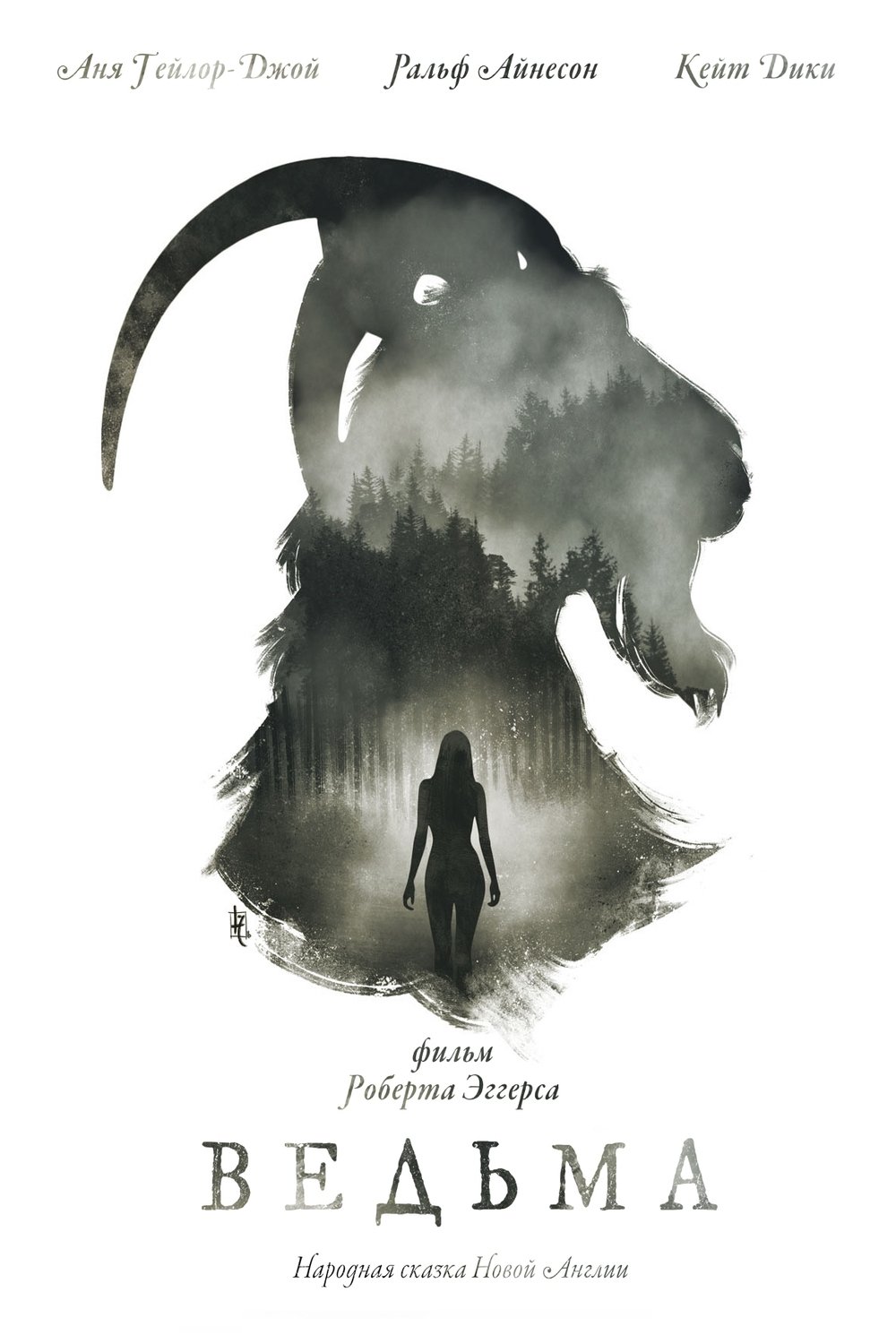
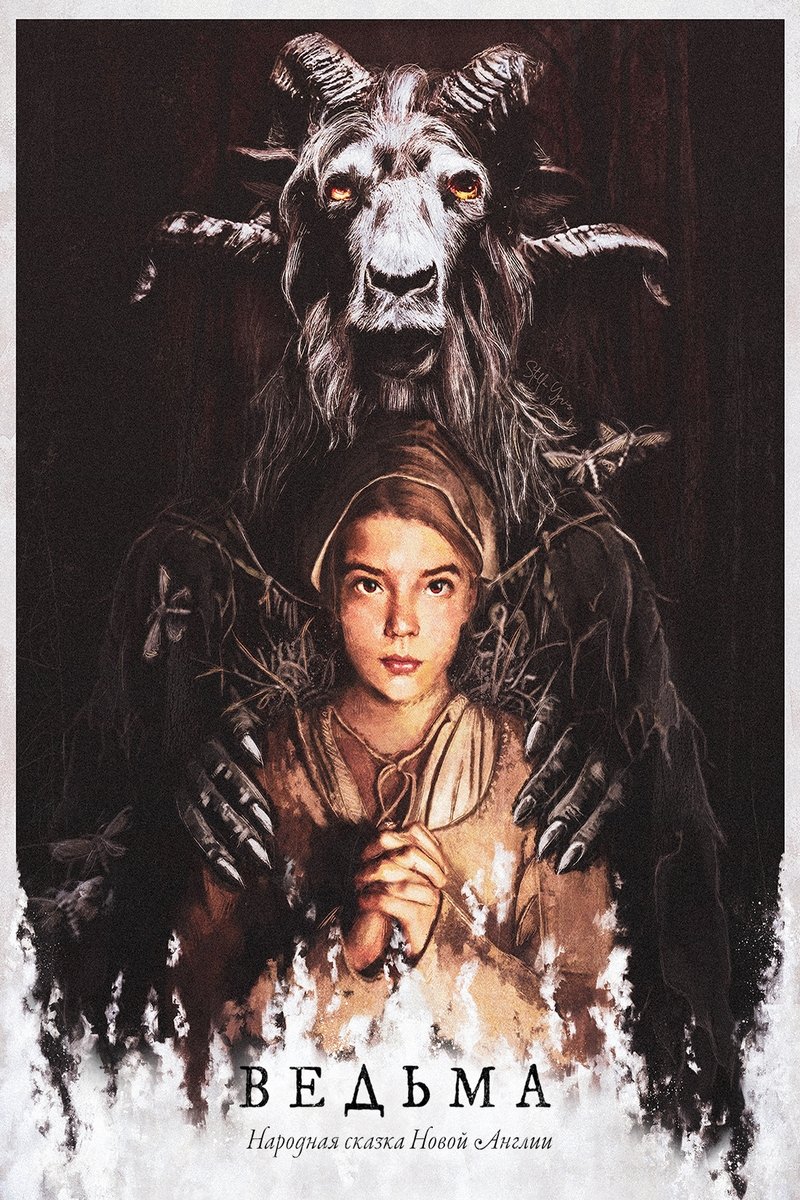
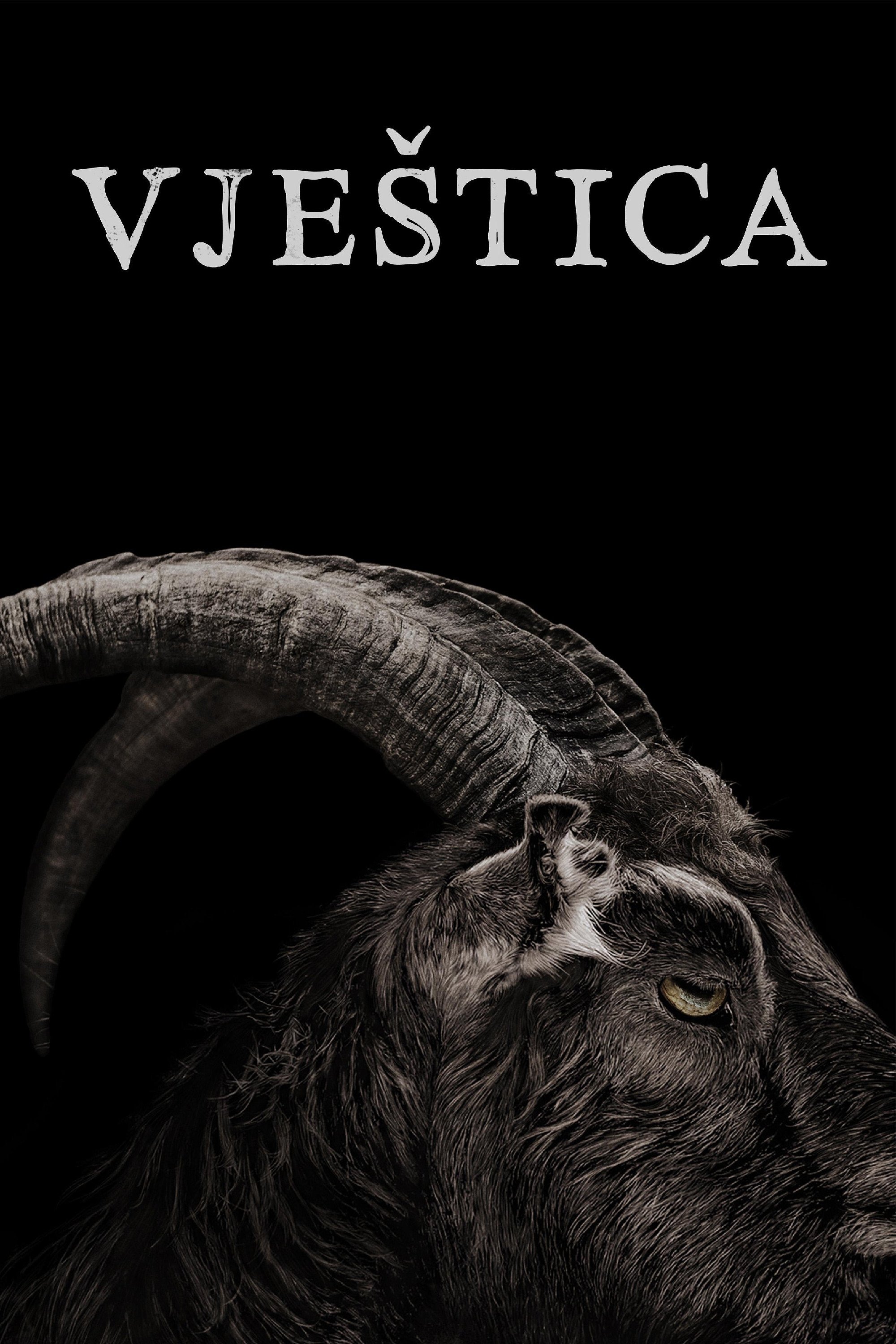
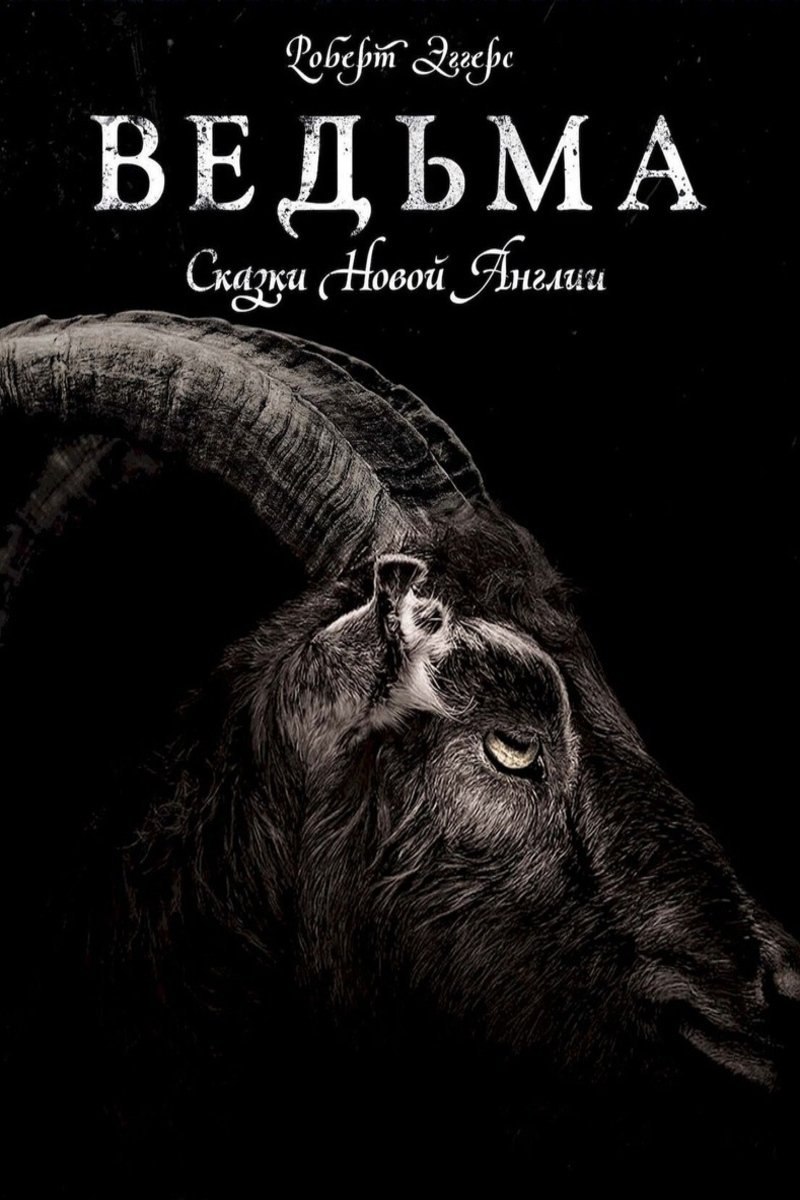
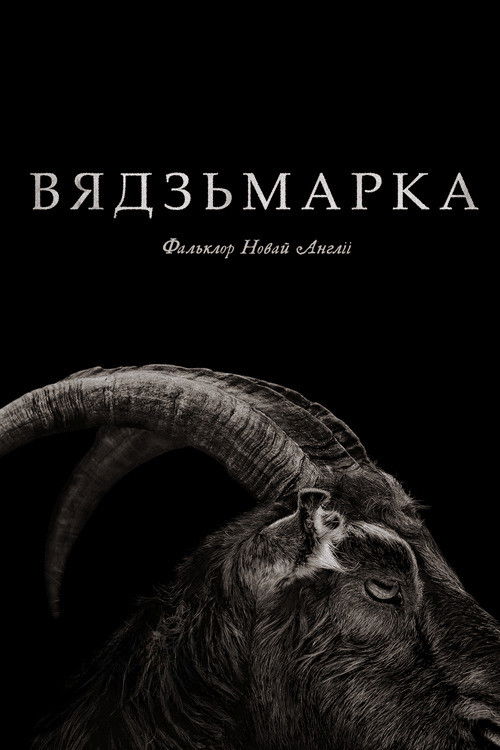
Black Phillip was performed primarily by a real goat named Charlie, selected for his large horns and imposing physical appearance. Eggers later identified the animal as weighing approximately 210 pounds. The production initially considered using multiple goats for different behaviors, but the plan ultimately depended heavily on Charlie. His appearance suited the historical woodcuts and engravings that had informed the design, although Eggers acknowledged that the animal's breed was not an exact reconstruction of the goats introduced to colonial New England.

Working with Charlie was one of the production's most difficult practical challenges. Eggers and the performers repeatedly described the goat as unpredictable. Actions prepared with the trainers did not necessarily occur when cameras were ready, and Ralph Ineson had particular difficulty during scenes involving close interaction. These problems affected the shooting schedule and demonstrated why the filmmakers had accepted the practical difficulties of using a real animal rather than constructing Black Phillip primarily through computer-generated imagery.

The makeup and effects departments nevertheless required artificial components for specific actions. Traci Loader recalled that prosthetic artist François initially considered a more extensive artificial goat for the confrontation, before the team explored a separate head and ultimately prepared replica horns. Molds were taken directly from Charlie so that the fabricated pieces could match his appearance. Additional prosthetic material included an artificial goat leg for the transition associated with Black Phillip's human manifestation.

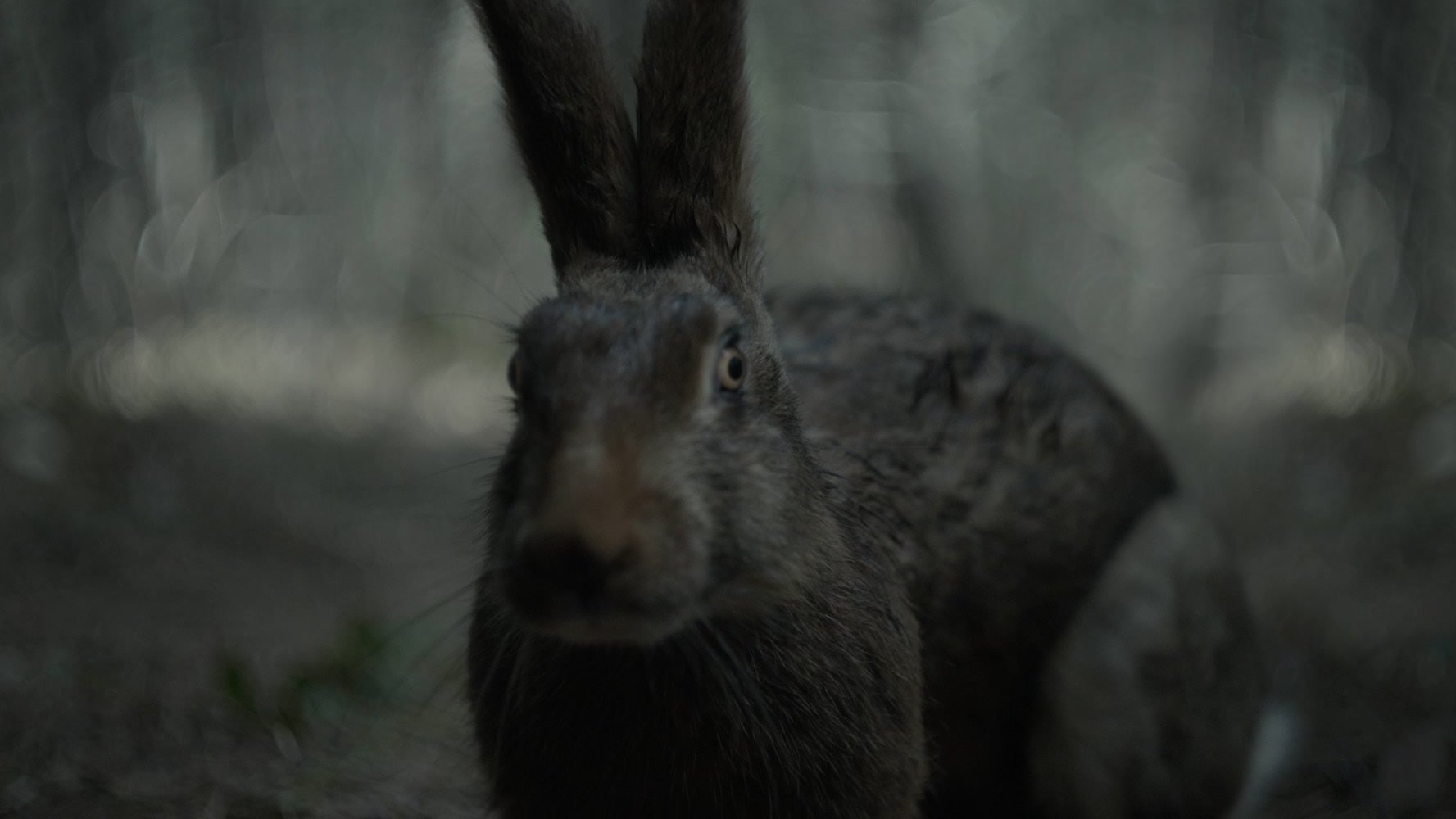
These effects were designed around the requirements of individual shots rather than producing a fully articulated supernatural animal. Elsewhere, the filmmakers used practical makeup, physical props and selective compositing to accommodate scenes involving wounds, animal behavior and impossible actions. The approach is consistent with the broader production philosophy: physical performers and objects form the basis of the image, while specialized effects supply the elements that could not be achieved safely or reliably during ordinary photography.

Mark Korven, Score and Environmental Sound

Mark Korven composed the score under an unusually restrictive set of instructions from Eggers. The director did not want conventional electronic horror scoring, and he excluded standard orchestral sections such as brass and woodwinds. Instead, Korven concentrated on acoustic instruments capable of producing unstable textures, sustained friction and unpredictable vocal or instrumental sounds. The Swedish nyckelharpa became central to the project, supported by bass nyckelharpa, hurdy-gurdy, bowed string instruments, waterphone and other specialized sources.

Korven explained that much of the score was developed through free improvisation rather than conventional melodic composition. The instruments were frequently played using nonstandard techniques, producing scraping, metallic resonance and dissonant harmonics. Percussive material was created partly through unconventional treatment of an inexpensive cello. The composer deliberately avoided relying on established horror scores as direct musical models because Eggers had already supplied detailed stylistic requirements through the film's temporary soundtrack and ongoing creative discussions.

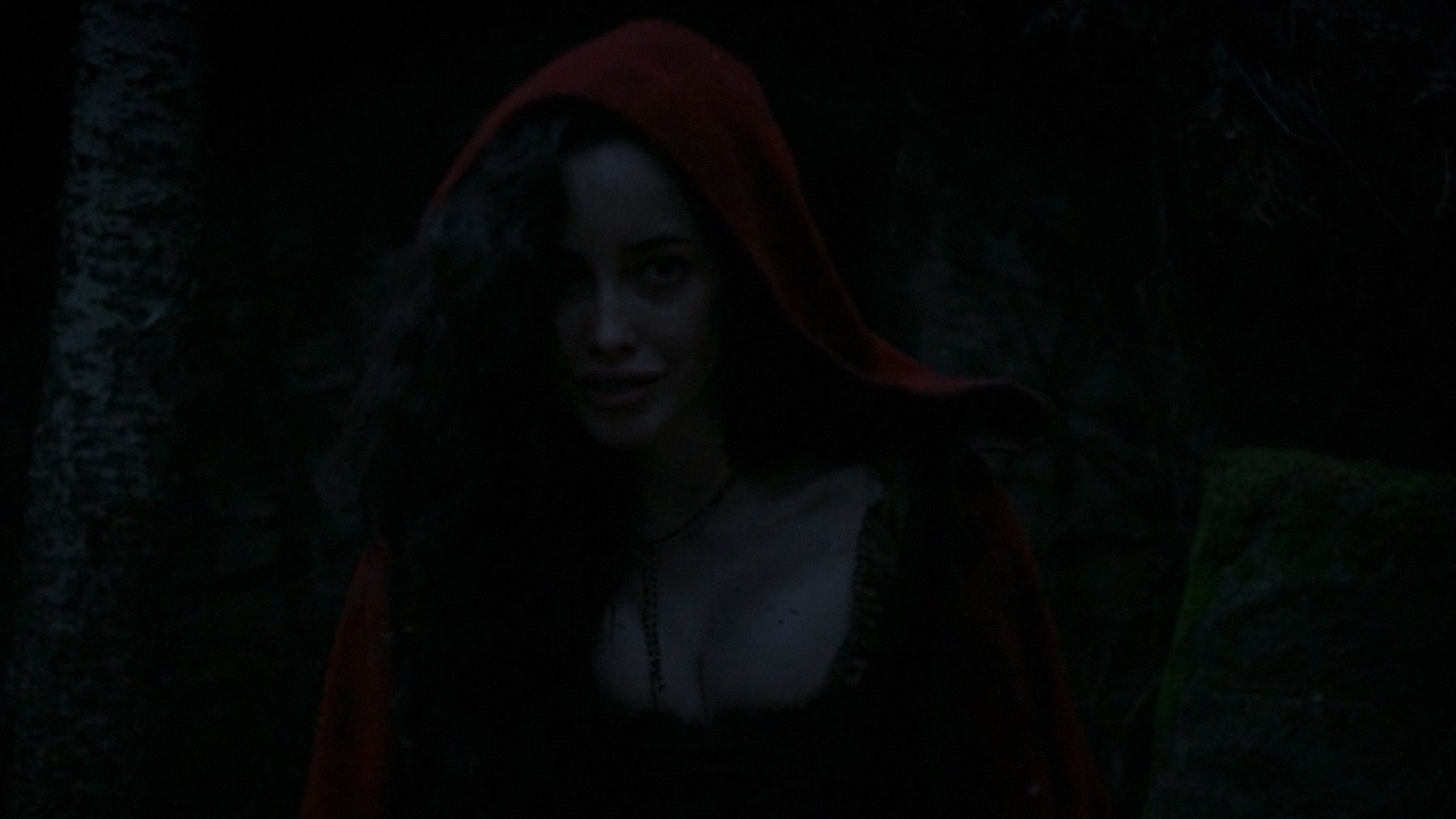
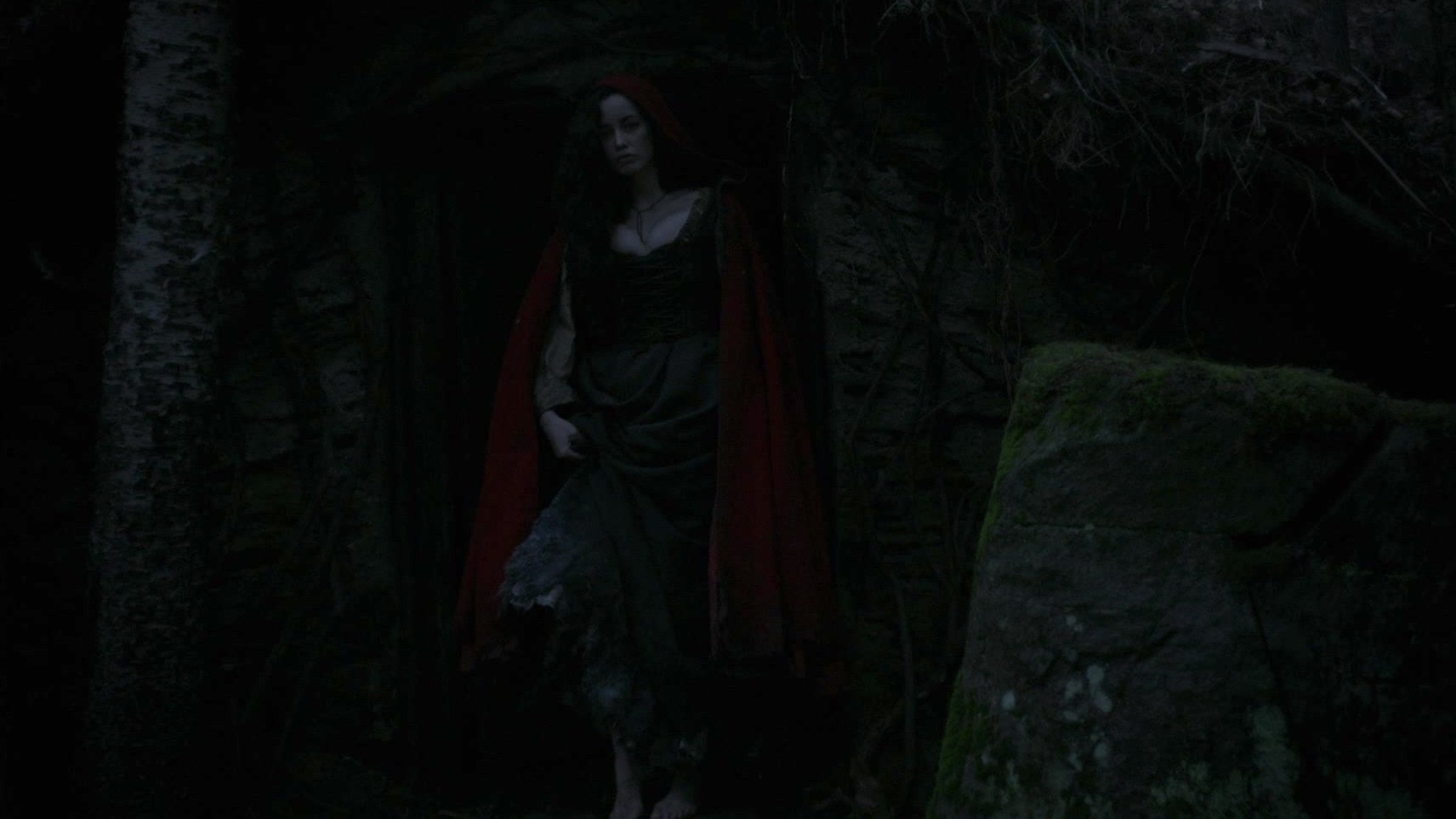
The Element Choir, an experimental vocal ensemble based in Toronto, contributed improvised material under the direction of Christine Duncan. The singers worked with relatively open instructions, producing unstable clusters, breath sounds and other nontraditional vocal textures. Their performances allow the music to resemble a threatening presence rather than a conventional accompaniment. Korven later suggested that the limited physical appearance of the witch encouraged the soundtrack to assume a substantial part of the unseen antagonist's identity.

The environmental soundtrack was developed through extensive work by the sound department, including Adam Stein and collaborators Damian Volpe and Matt Rocker. Eggers wanted natural surroundings to remain present even when nothing visibly supernatural occurred. Wind, branches, animals and the movement of wooden structures were layered and modified to produce a sustained sense of environmental activity. In one example described by Eggers, the sound of branches striking one another was partly reproduced through manipulated recordings of hockey sticks.
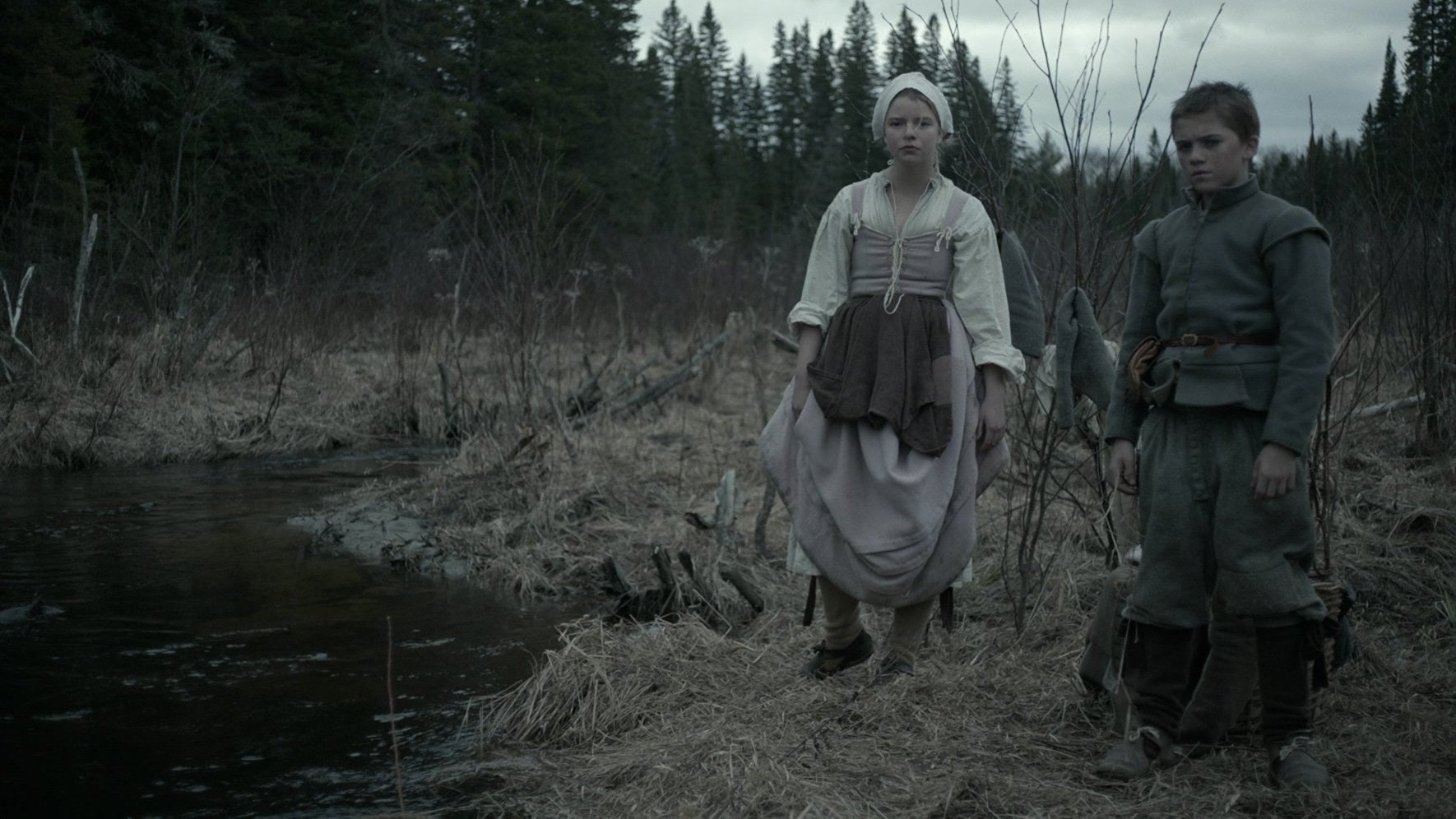
The final balance required restraint. Eggers recalled that large quantities of recorded material were assembled before the team removed sounds that competed with the intended experience. The finished soundtrack therefore alternates dense acoustic textures with passages in which only a small number of environmental details remain audible. Korven's score and the effects department create related forms of unease, but the film does not depend on continuous loud music or standardized jump-scare effects. The sound environment sustains attention on the forest, the farm and the possibility of activity outside the visible frame.

Editing, Sundance, Release and Horror Significance

Louise Ford edited The Witch after previously collaborating with Eggers on short films. The feature was unusually dependent on decisions established before photography because Eggers and Blaschke had prepared detailed shot lists and often photographed scenes with comparatively little alternative coverage. Ford therefore worked within a tightly organized visual structure, using the duration of individual compositions and carefully positioned cuts to control the progression of suspicion and fear. Several transitions to black were already present in the screenplay, demonstrating that important editorial effects had been conceived before the cameras began recording.

The film premiered at the Sundance Film Festival in January 2015 and received the Directing Award in the U.S. Dramatic competition. A24 acquired American distribution rights and opened the film widely on February 19, 2016. The theatrical release reached an audience substantially larger than the production's limited historical setting and restrained approach might initially have suggested. North American box-office revenue exceeded twenty-five million dollars, while original-release worldwide figures were approximately forty million dollars, with totals varying according to database coverage and subsequent theatrical engagements.
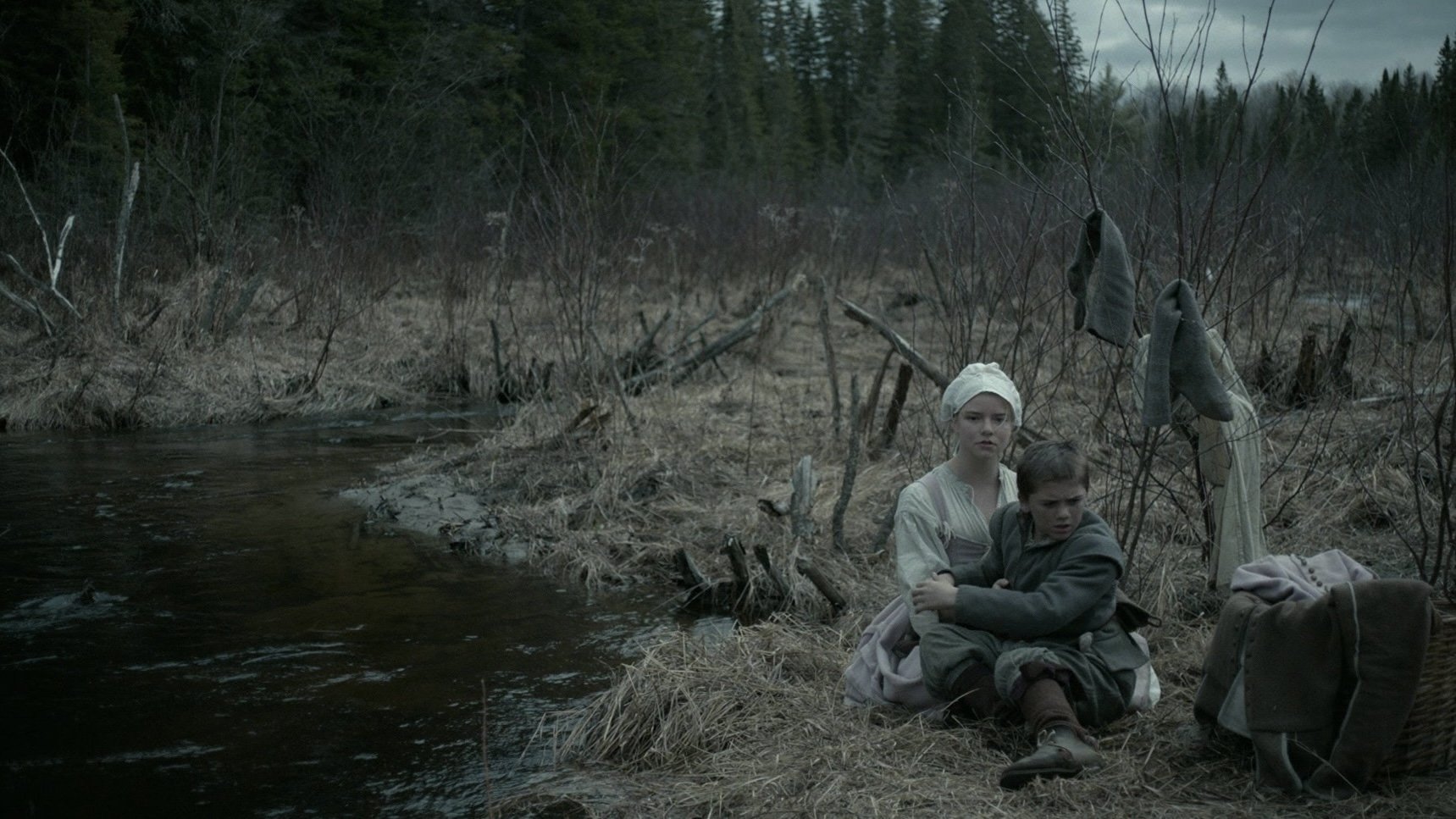
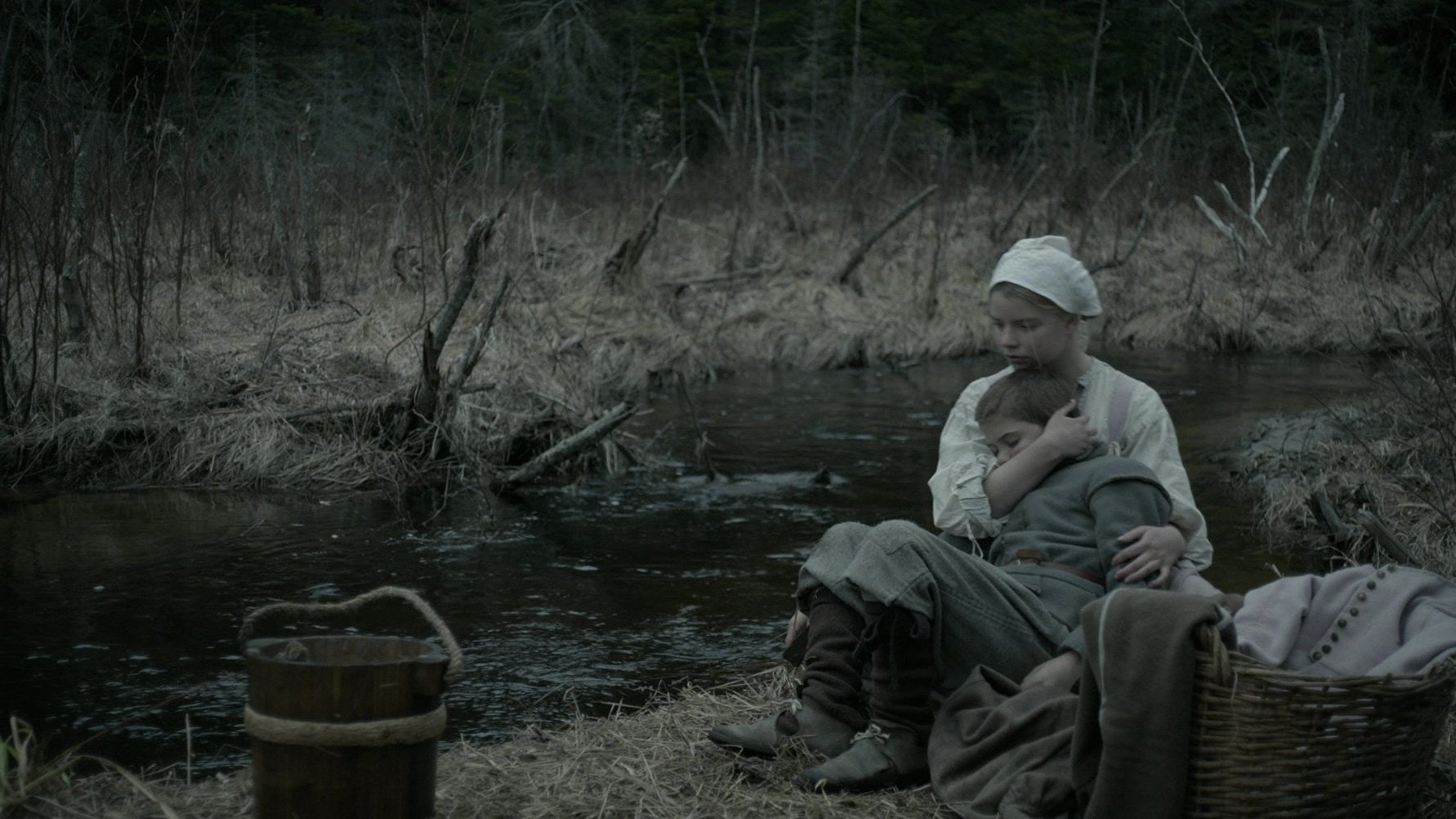
The Witch became an important reference point for contemporary folk and psychological horror through the specificity of its historical research and the consistency of its production methods. Eggers does not explain the supernatural by abandoning the material conditions of the seventeenth century. The characters' beliefs, language, labor, clothing and living environment remain essential to understanding their behavior, even when the narrative introduces impossible events.

Its technical influence is particularly significant because the film demonstrates how careful preproduction can compensate for restricted financing. Historical buildings were constructed rather than replaced digitally, existing optical characteristics were selected through lens tests, natural light was shaped rather than merely accepted and sound design was developed around acoustic material instead of generic horror effects. The film also established the creative collaboration between Eggers, Blaschke, Lathrop, Muir, Ford and Korven that would become important to subsequent productions, including The Lighthouse.

The film's achievement is therefore inseparable from its method. Photography, sound, historical language and physical environments support the same dramatic premise: a family interpreting increasingly destructive events through a belief system in which witchcraft is an accepted possibility. The supernatural imagery gains its effectiveness because the ordinary world surrounding it has been constructed with comparable seriousness and precision.

References

  1. American Cinematographer Conjuring a Coven for The Witch

    Professional production feature explaining camera acquisition, lens selection, low-light methods and grading, with principal-crew testimony.

  2. Filmmaker Magazine Jarin Blaschke on Photographing The Witch

    Extensive cinematographer interview on exposure, natural light, location conditions and the rigors of period-image reconstruction.

  3. MovieMaker Magazine Persistence of Vision: Inside the Making of The Witch

    Original in-depth production feature about Eggers’s archival research, historical reconstruction and practical filmmaking choices.

  4. Bright Lights Film Journal Dressing The Witch: Interview with Linda Muir

    Detailed original interview with the costume designer on seventeenth-century garments, fabrics, historical accuracy and aging techniques.

Cast

View Full Cast & Crew →

Release & Distribution

Production Companies (9)

  • Code Red Productions US
  • Maiden Voyage Pictures US
  • Mott Street Pictures
  • Parts & Labor US
  • Pulse Films GB
  • Rooks Nest Entertainment GB
  • RT Features BR
  • Scythia Films CA
  • Very Special Projects

Distributors (1)

  • A24 US

Release History (41)

Release DateTerritoryRelease TypeFormatDistributorCertificationNotes
2015-01-23 United States Premiere — — — Sundance Film Festival
2015-07-07 Czechia Premiere — — 15+ Karlovy Vary International Film Festival
2015-08-06 Australia Premiere — — — Melbourne International Film Festival
2015-09-18 Canada Premiere — — R Toronto International Film Festival
2015-10-10 Romania Digital — — 15
2015-10-12 United Kingdom Premiere — — — London Film Festival
2016-01-27 France Premiere — — — Gérardmer Film Festival
2016-02-19 Canada Theatrical — — 14A
2016-02-19 United States Theatrical — — R
2016-02-26 Thailand Theatrical — — —
2016-03-03 Brazil Theatrical — — 16
2016-03-04 Mexico Theatrical — — C
2016-03-11 United Kingdom Theatrical — — 15
2016-03-11 Ireland Theatrical — — 15A
2016-03-17 Argentina Theatrical — — —
2016-03-17 Australia Limited Theatrical — — MA 15+
2016-03-17 Chile Theatrical — — —
2016-03-18 Estonia Theatrical — — —
2016-03-24 Slovakia Theatrical — — 15
2016-03-31 Argentina Theatrical — — +16
2016-04-10 Hungary Digital — — 18
2016-05-05 Poland Digital — — 18
2016-05-13 Spain Theatrical — — 16
2016-05-17 Canada Physical DVD, Blu-ray — 14A DVD & Blu-ray
2016-05-17 United States Physical Blu-ray — — Blu-ray / digital HD
2016-05-19 Germany Theatrical — — 16
2016-06-15 France Theatrical — — 12 Visa CNC 144607
2016-06-21 Finland Theatrical — — K-16
2016-07-12 Netherlands Theatrical — — 12
2016-07-14 Australia Physical — — MA 15+
2016-07-18 United Kingdom Physical DVD, Blu-ray — 15 DVD & Blu-ray
2016-07-20 Netherlands Physical DVD, Blu-ray — 12 DVD, Blu ray
2016-08-18 Italy Theatrical — — —
2016-09-08 France Digital — — — VOD
2016-10-18 France Physical DVD, Blu-ray — 12 DVD & Blu-Ray
2017-07-22 Japan Theatrical — — —
2019-04-23 United States Physical 4K UHD — — 4k UHD Blu-ray
2022-02-01 France Digital — — 16 Prime Video
2022-09-20 Canada Physical Blu-ray — 14A Blu-ray 4K
2024-10-23 United States Limited Theatrical — — R A24 x IMAX Presents
2026-10-29 Argentina Limited Theatrical — — +16 Reestreno

Awards & Festivals

1 entries
YearFestival / AwardEntrySectionCategoryResultPremiere
2015Sundance Festival AwardsawardSundance U.S. Directing Award: Dramaticwon
Evil takes many forms.