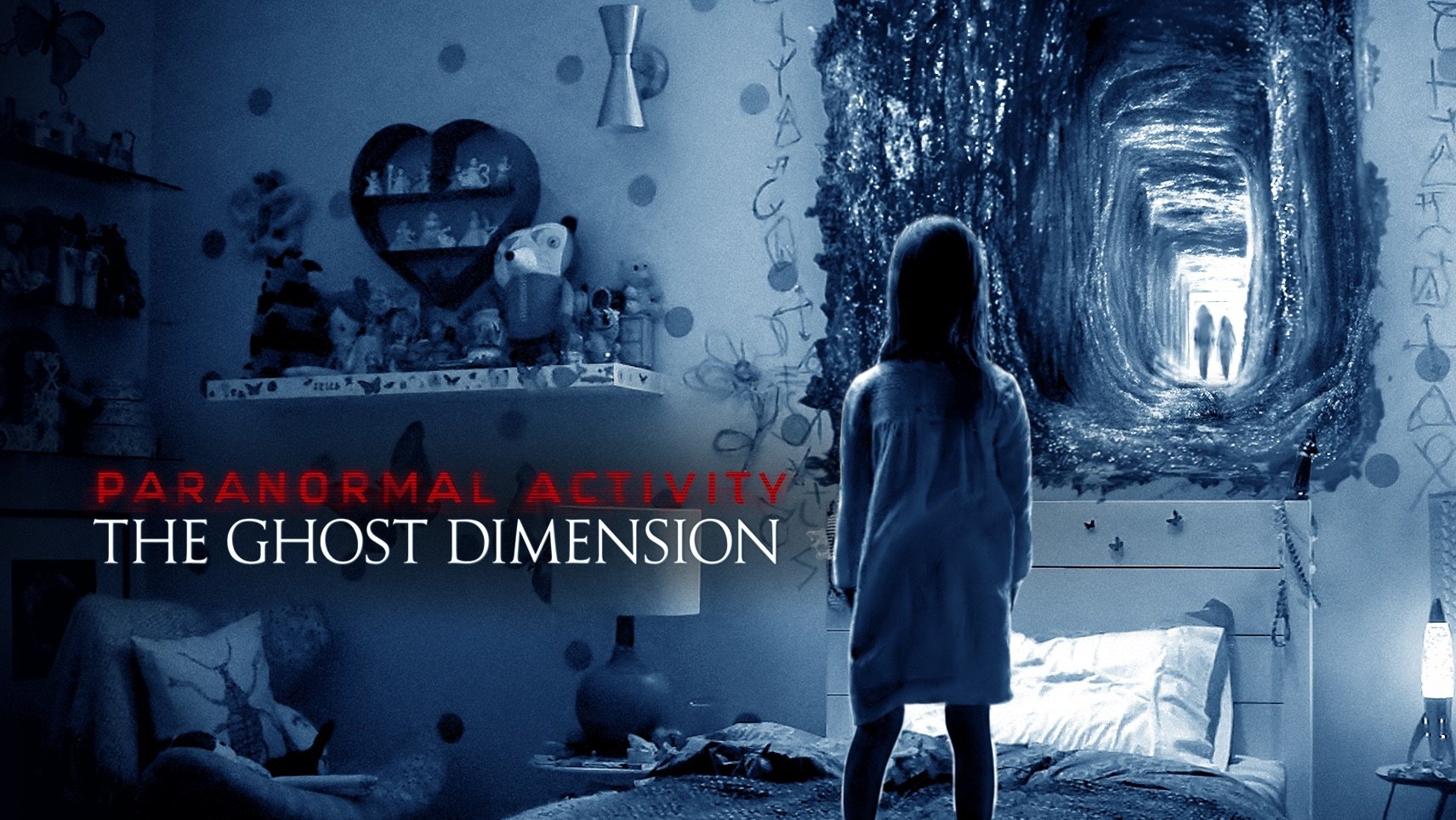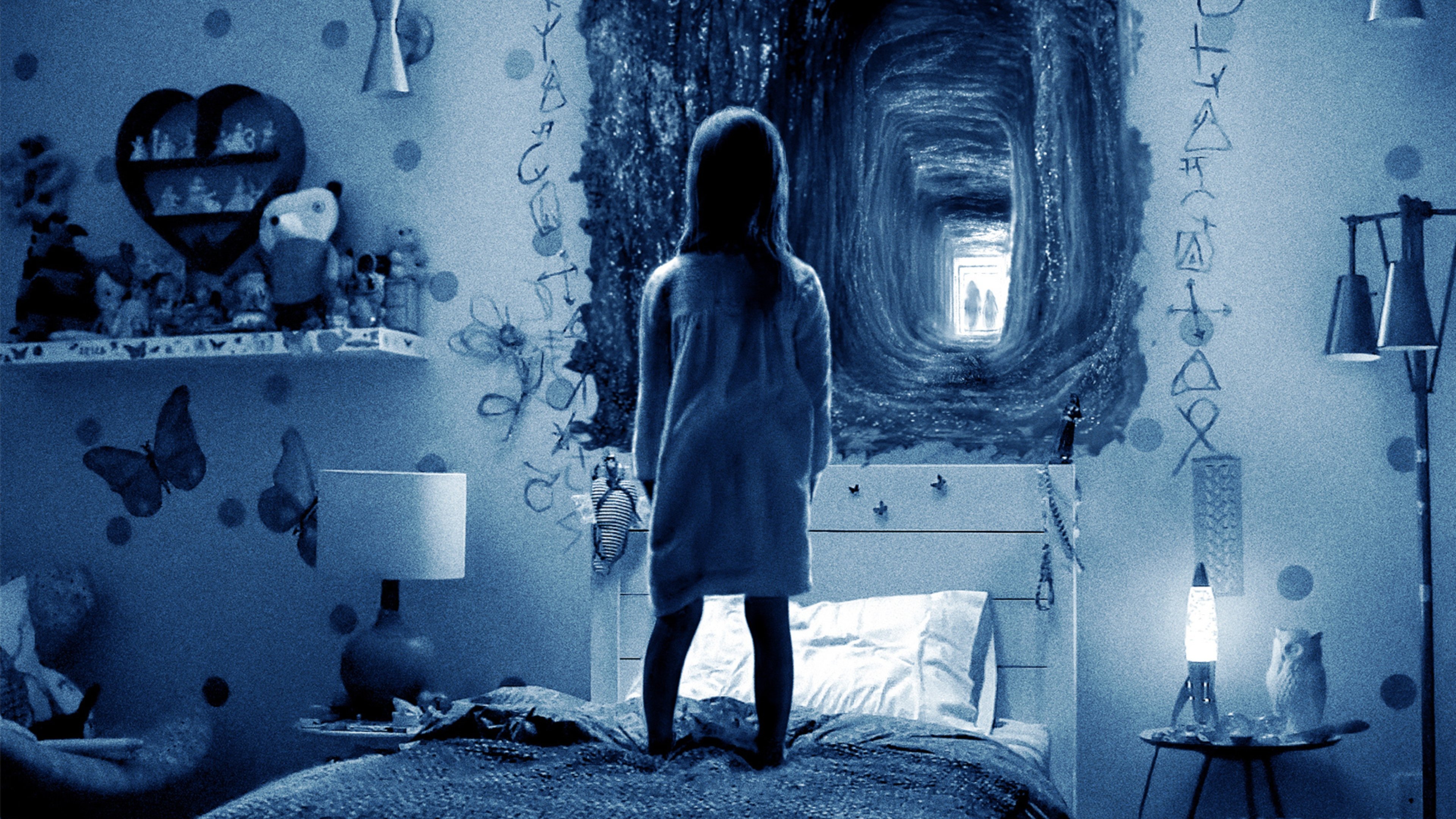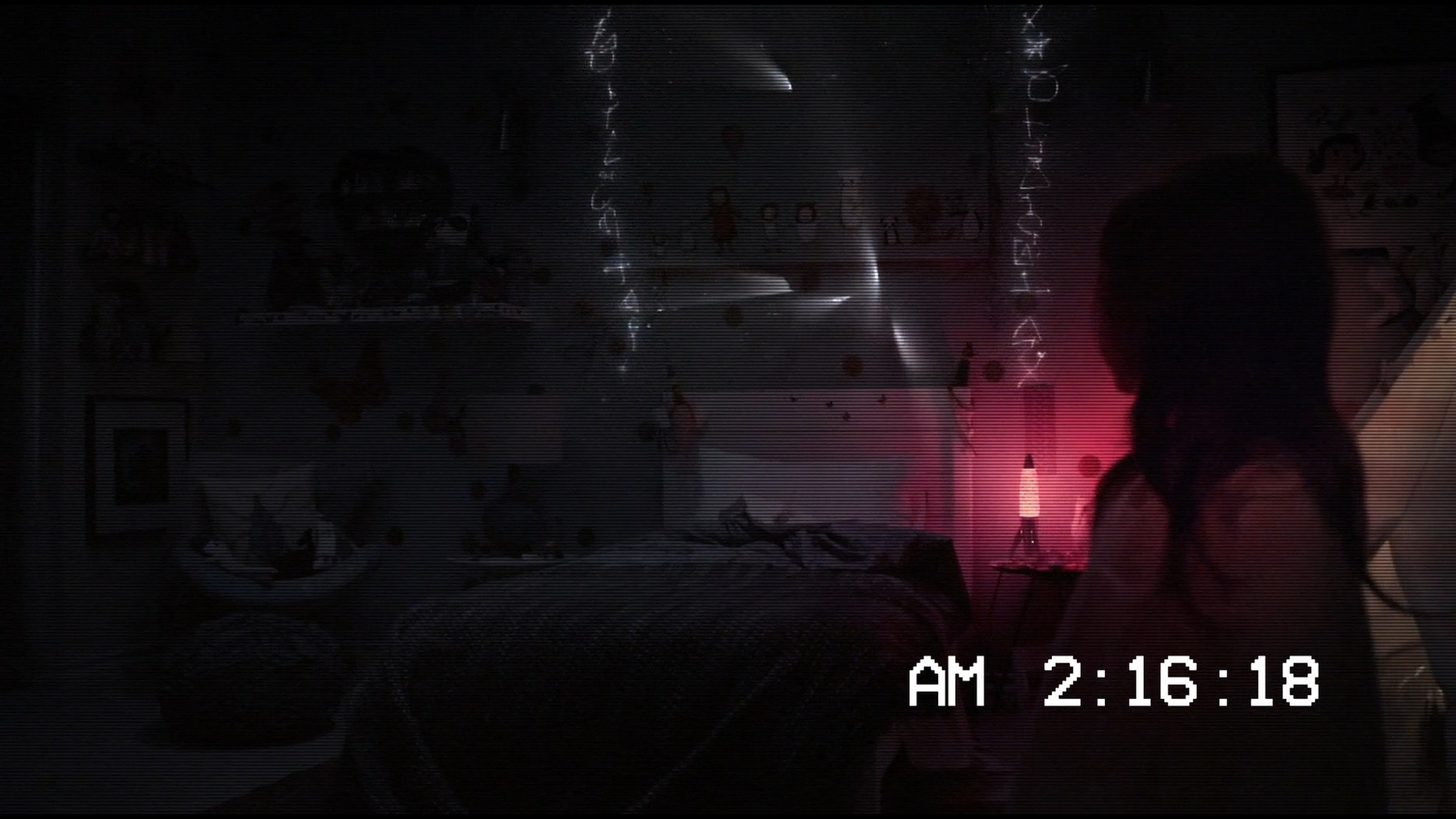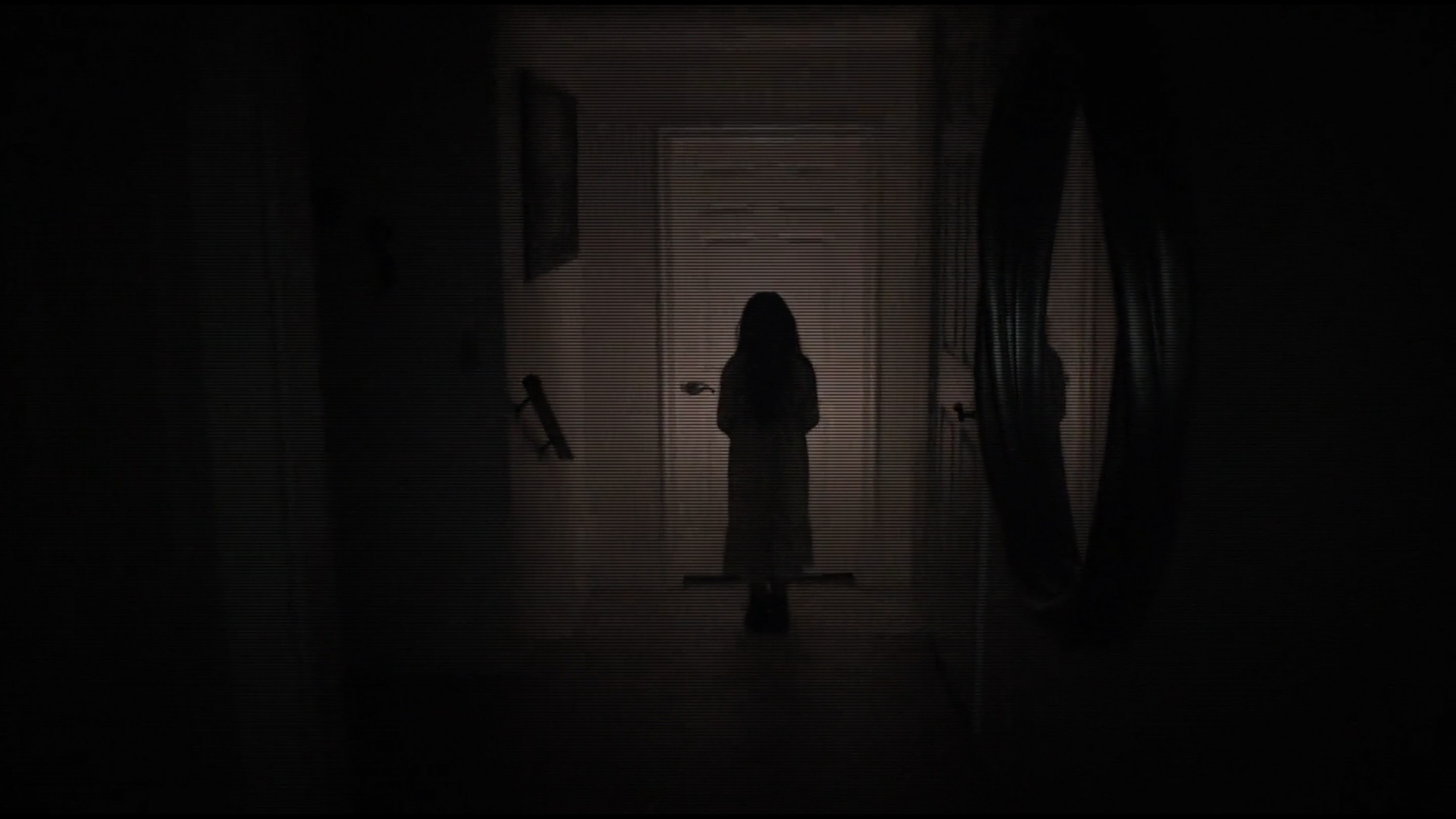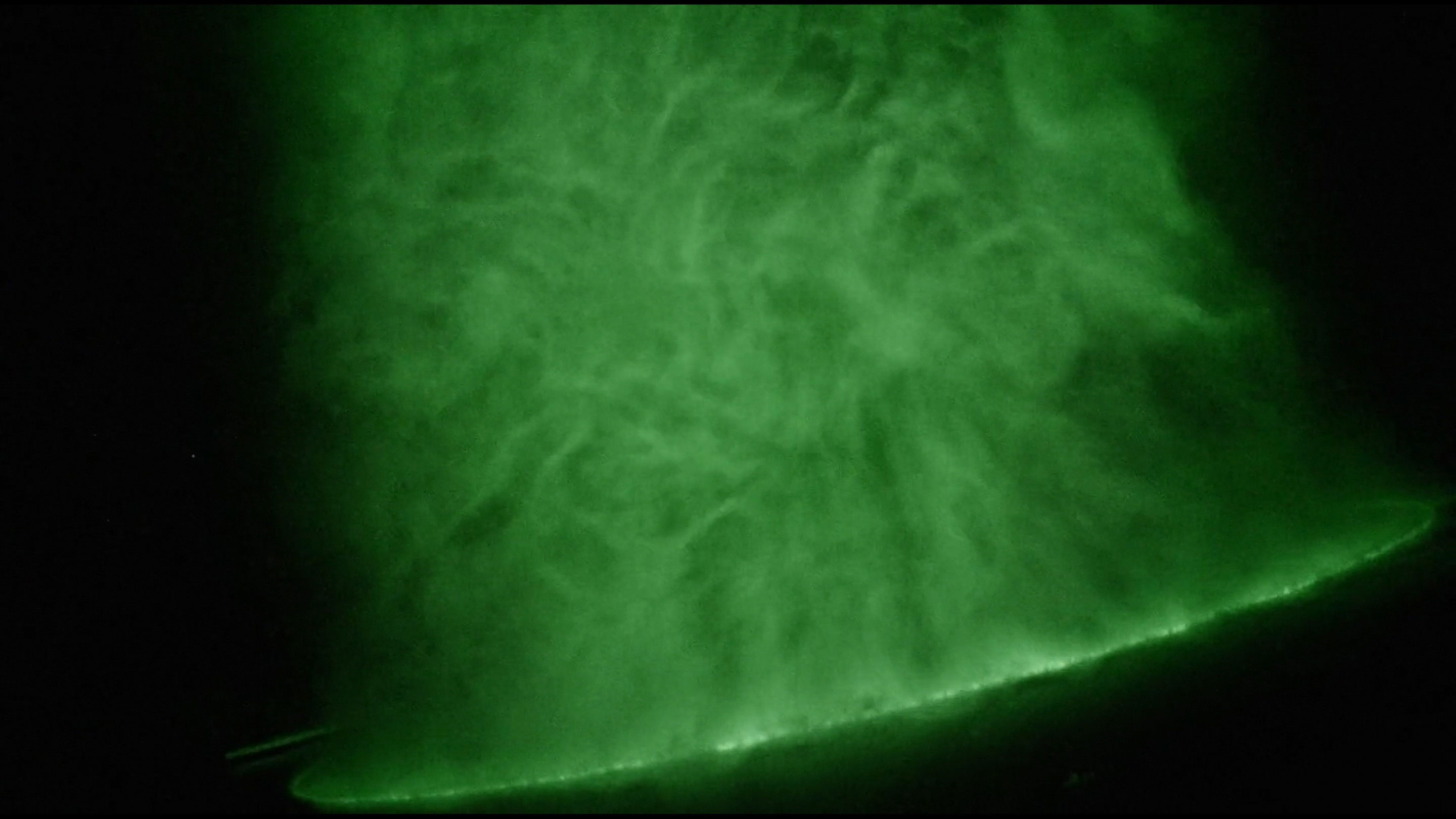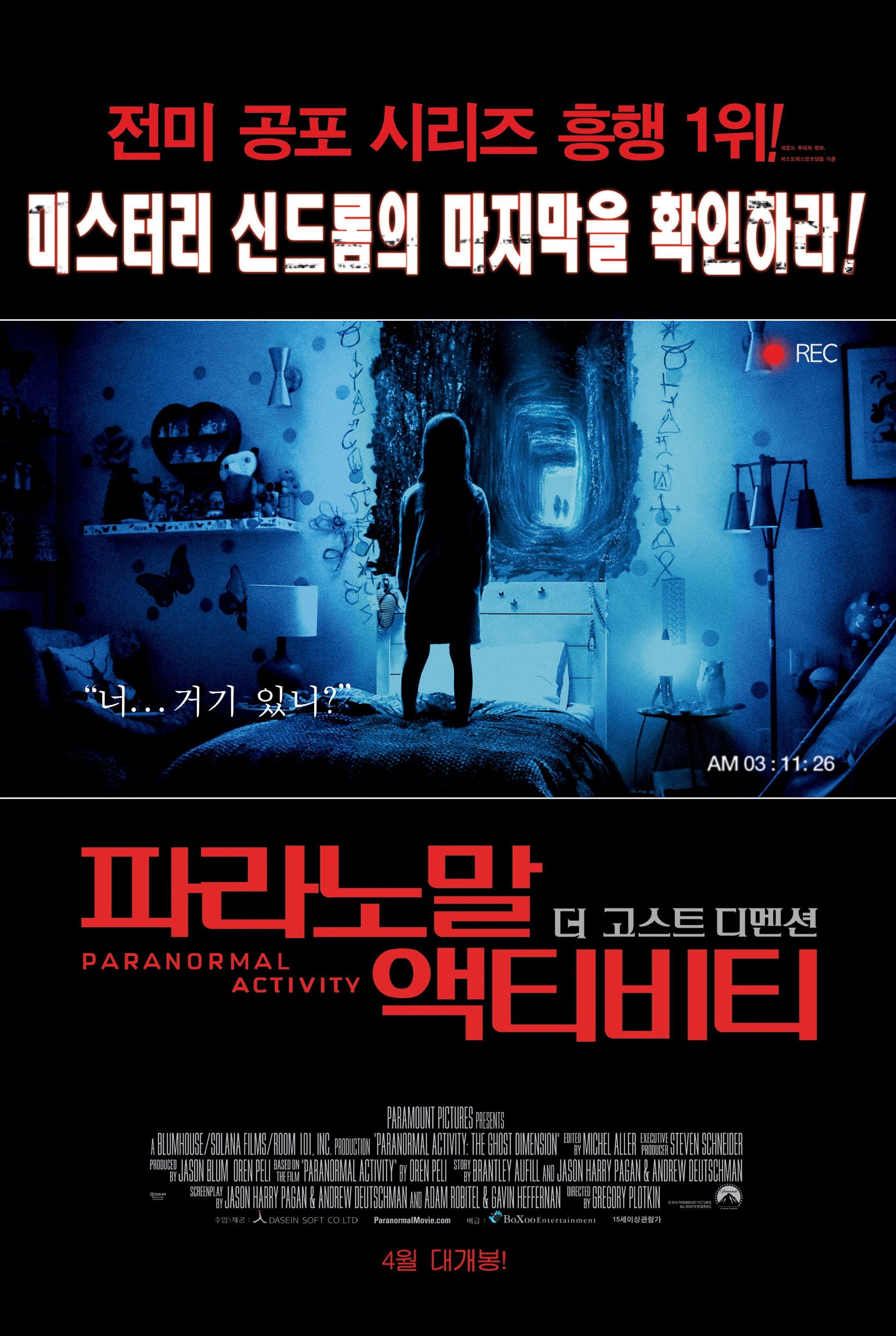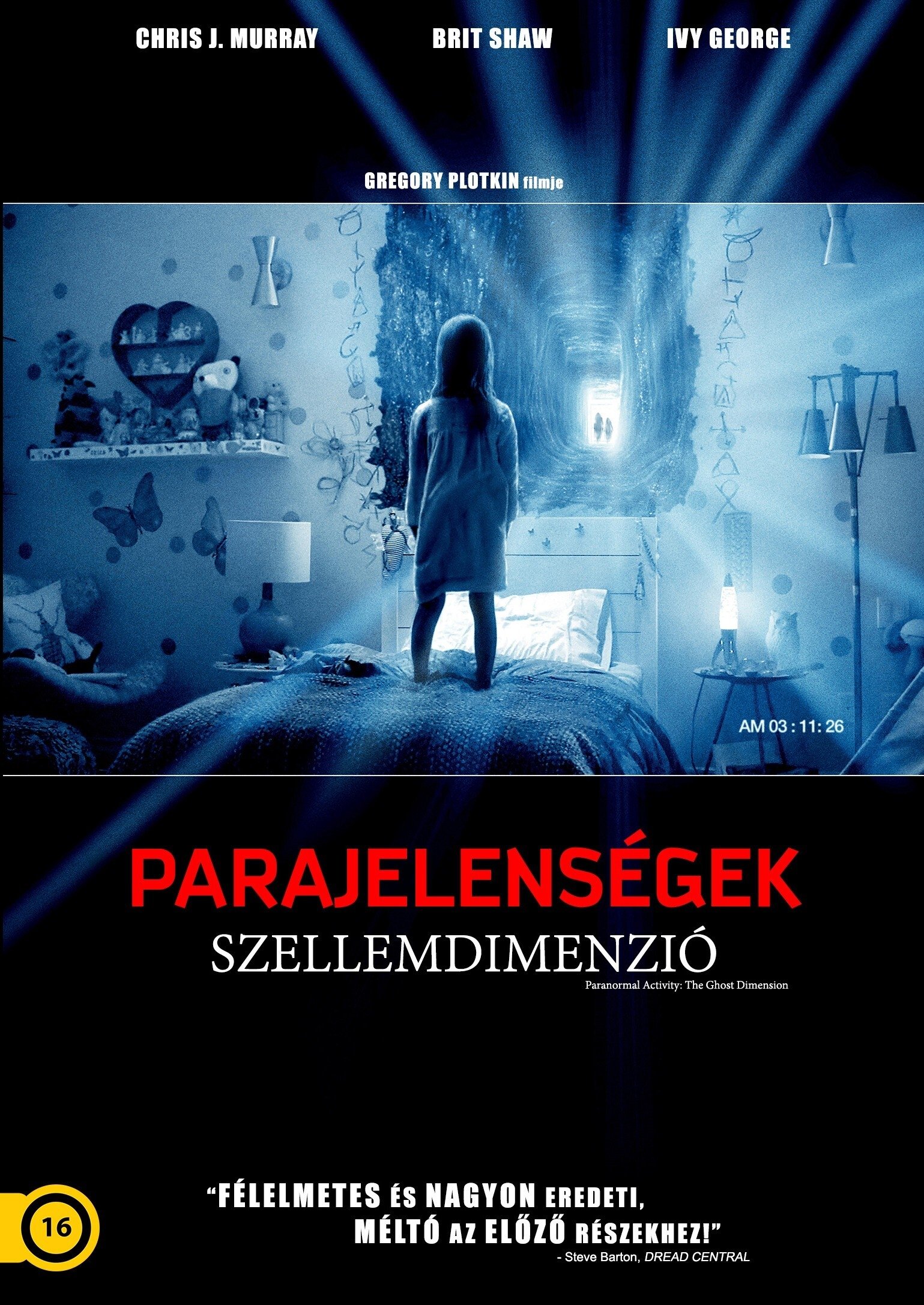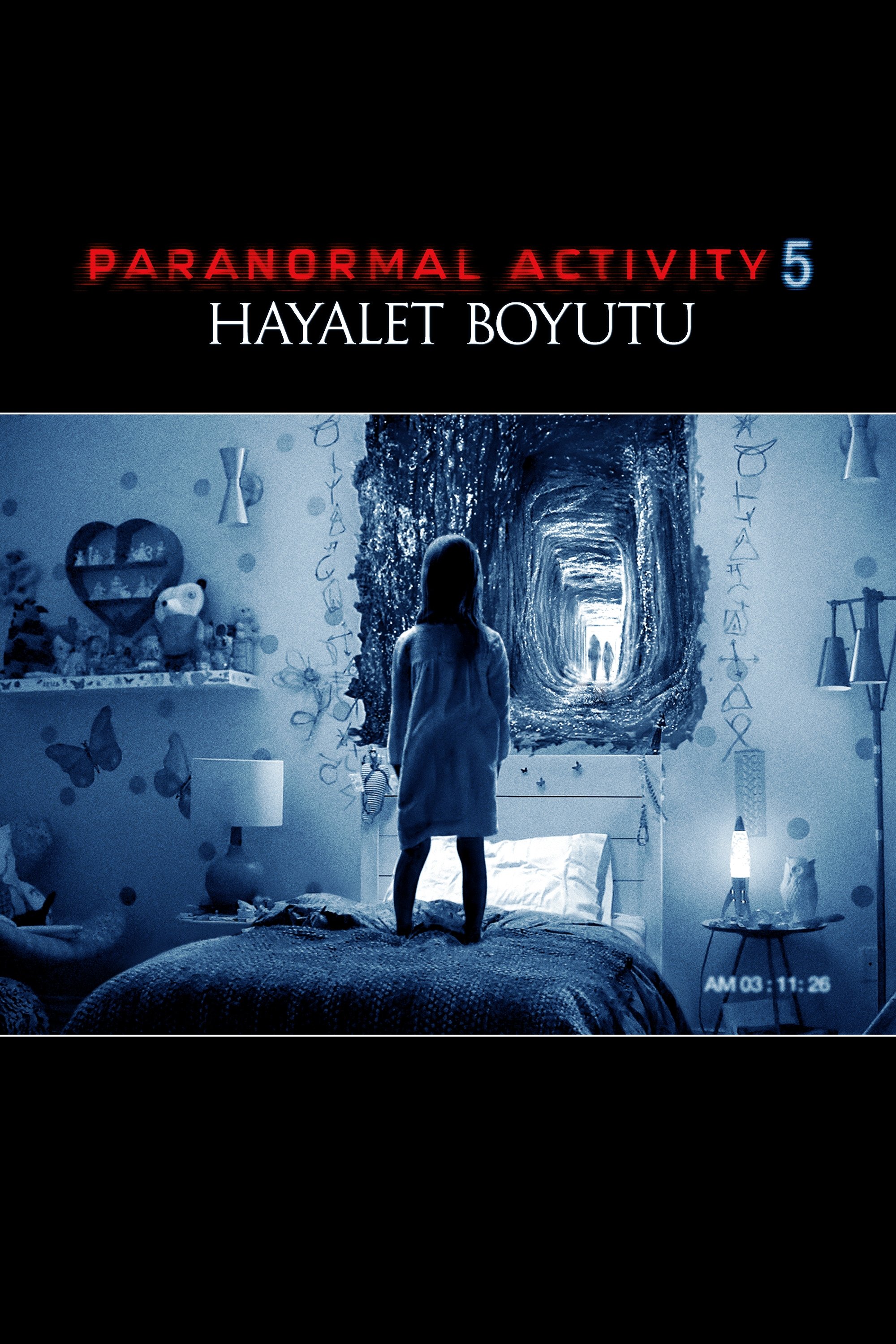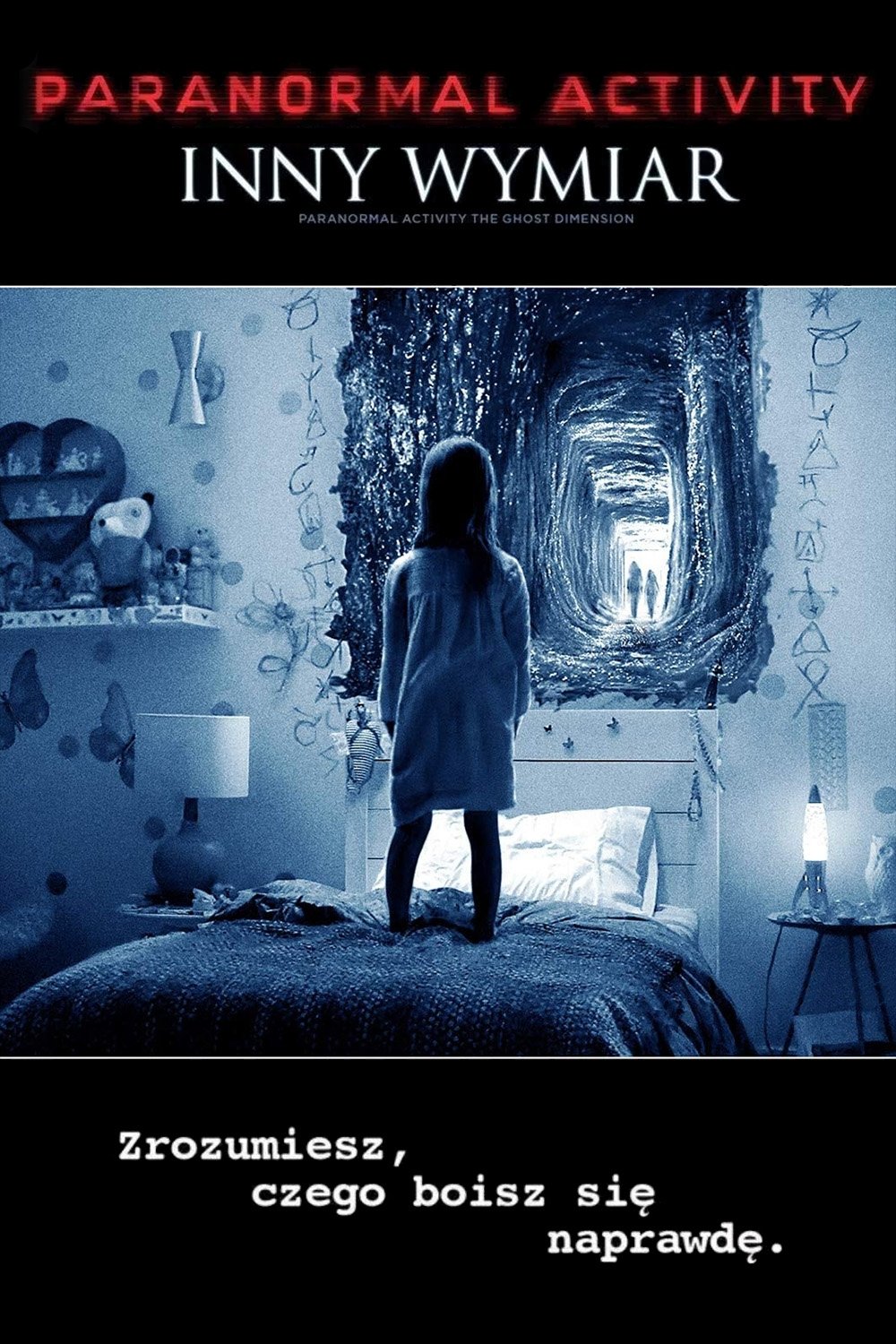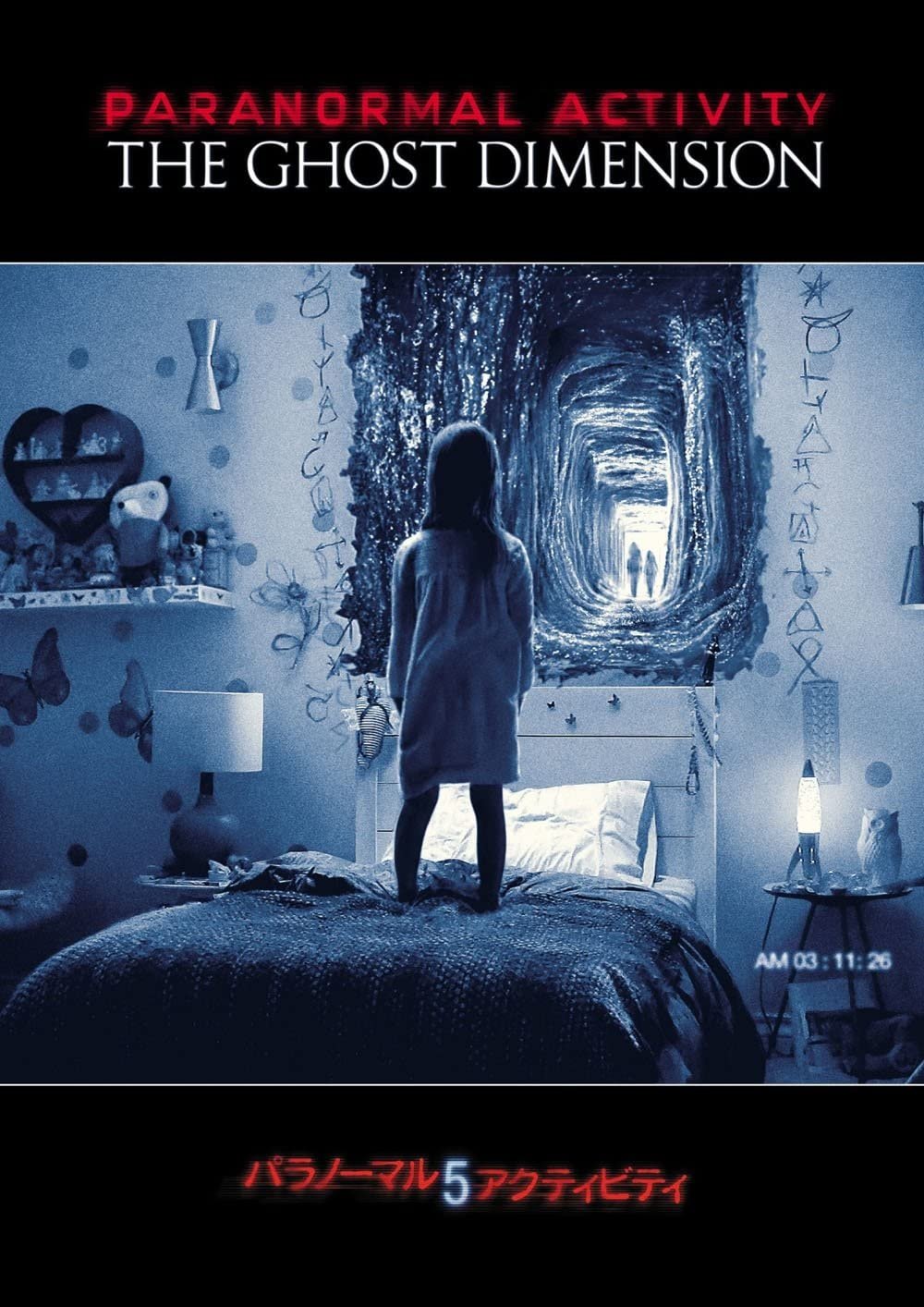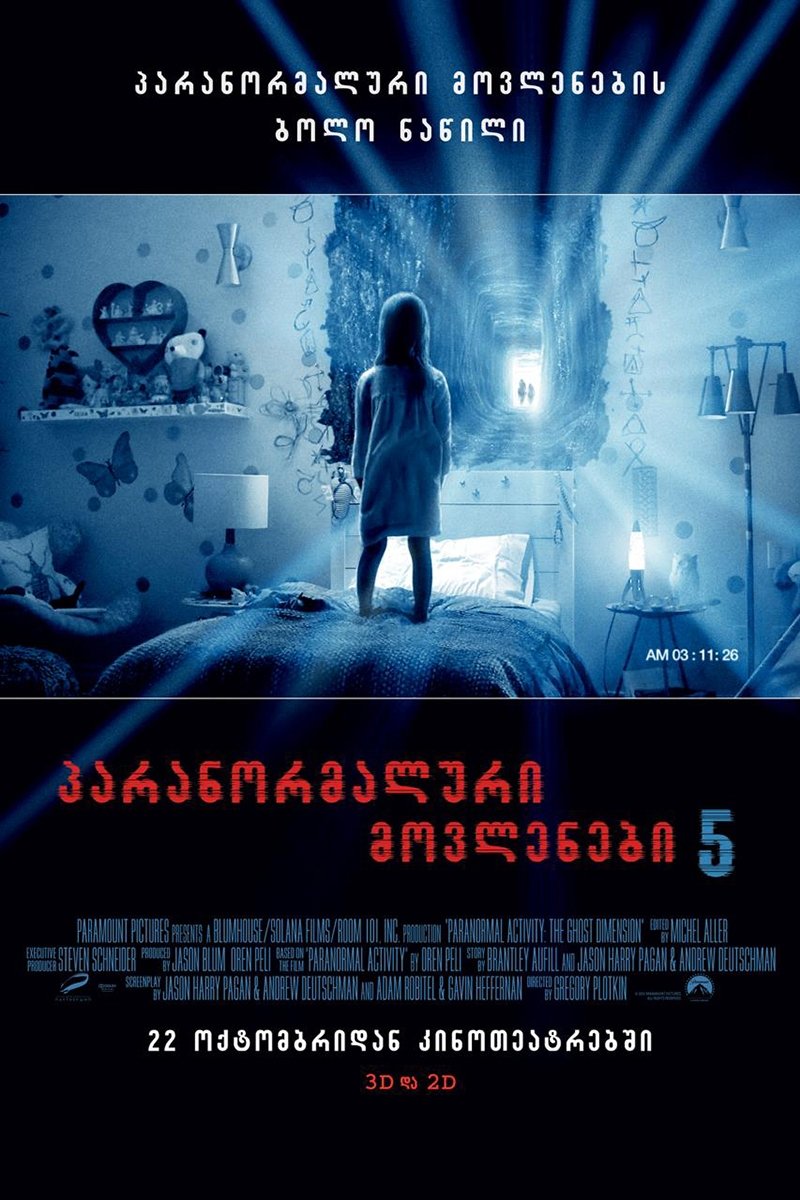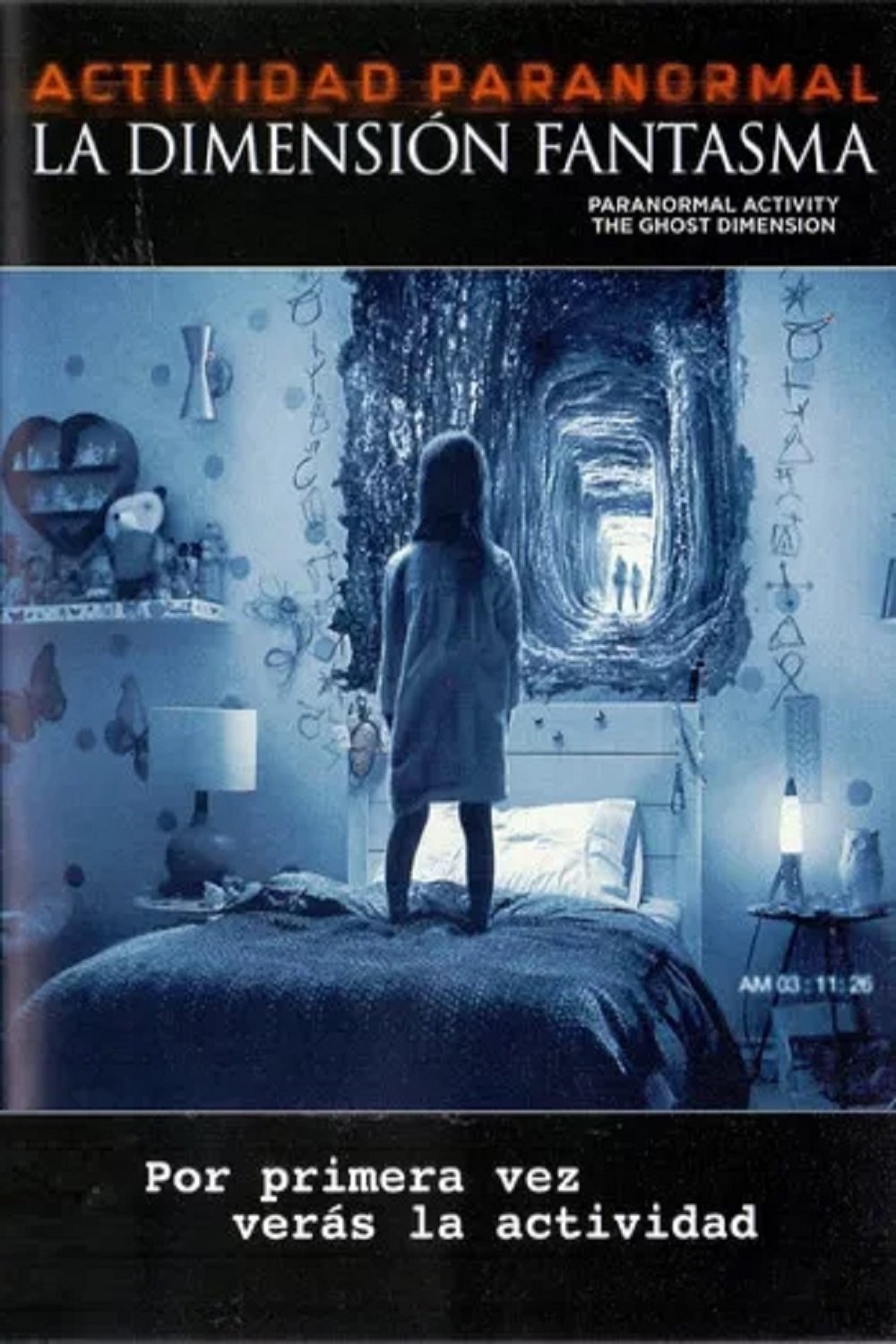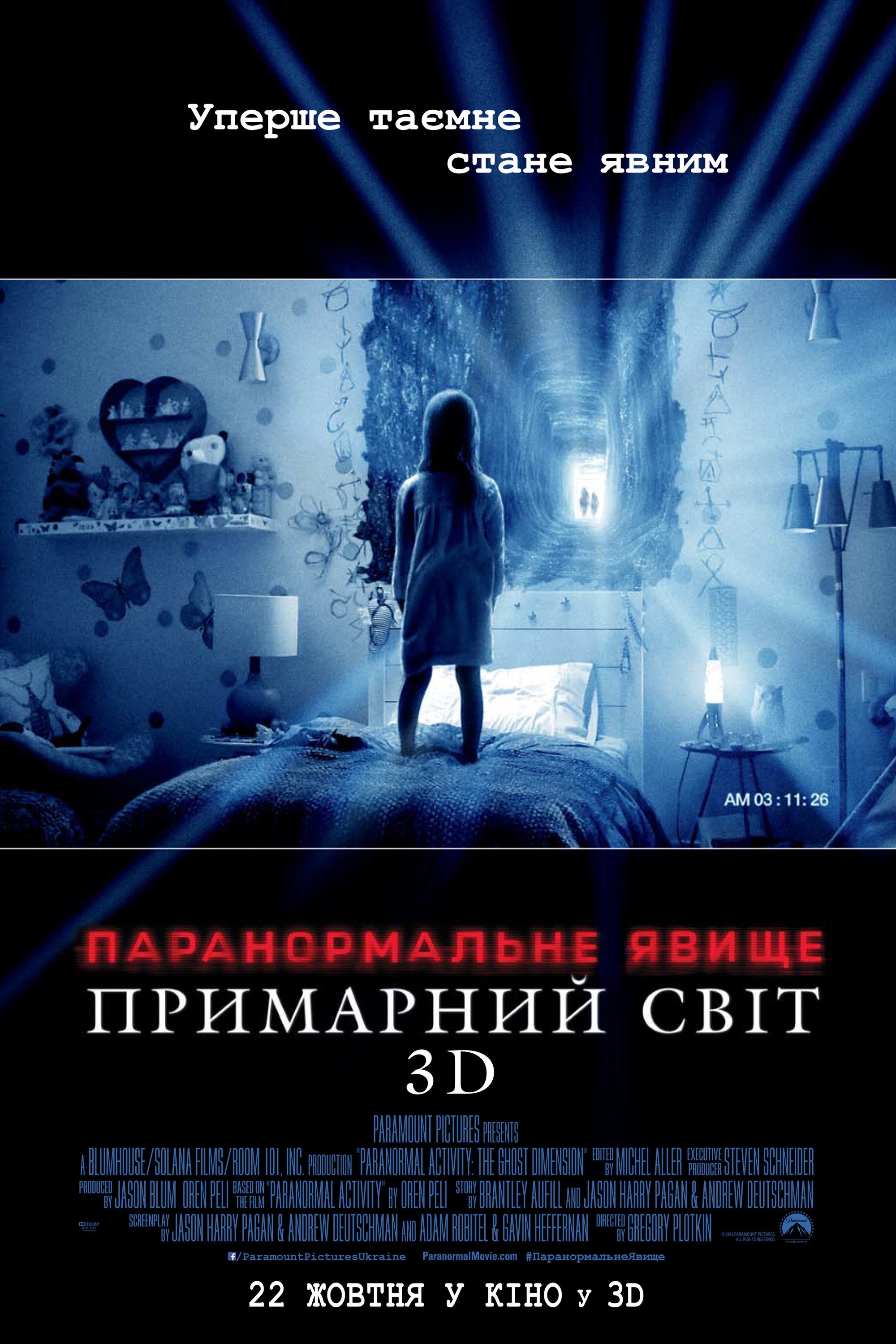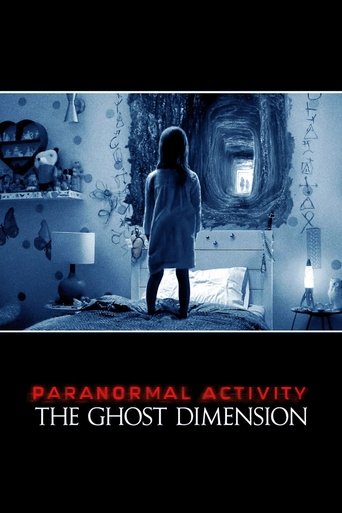
Paranormal Activity: The Ghost Dimension (2015)

US
HORROR FILM Thriller
SUBGENRES HAUNTED HOUSES
5.2/10 5 votes
Runtime
88 min
Release
October 21, 2015
Budget
$10,000,000
Revenue
$78,903,124
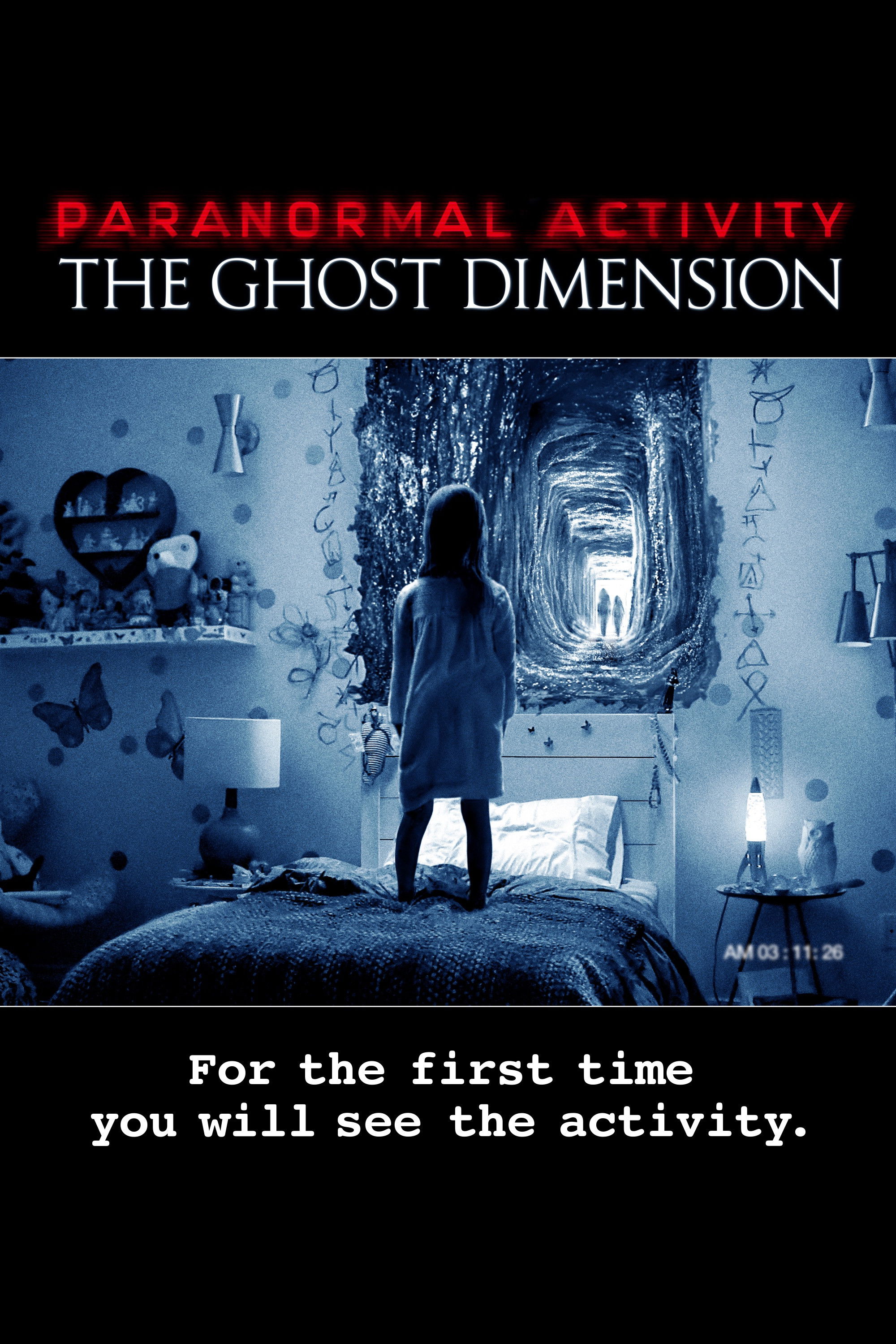
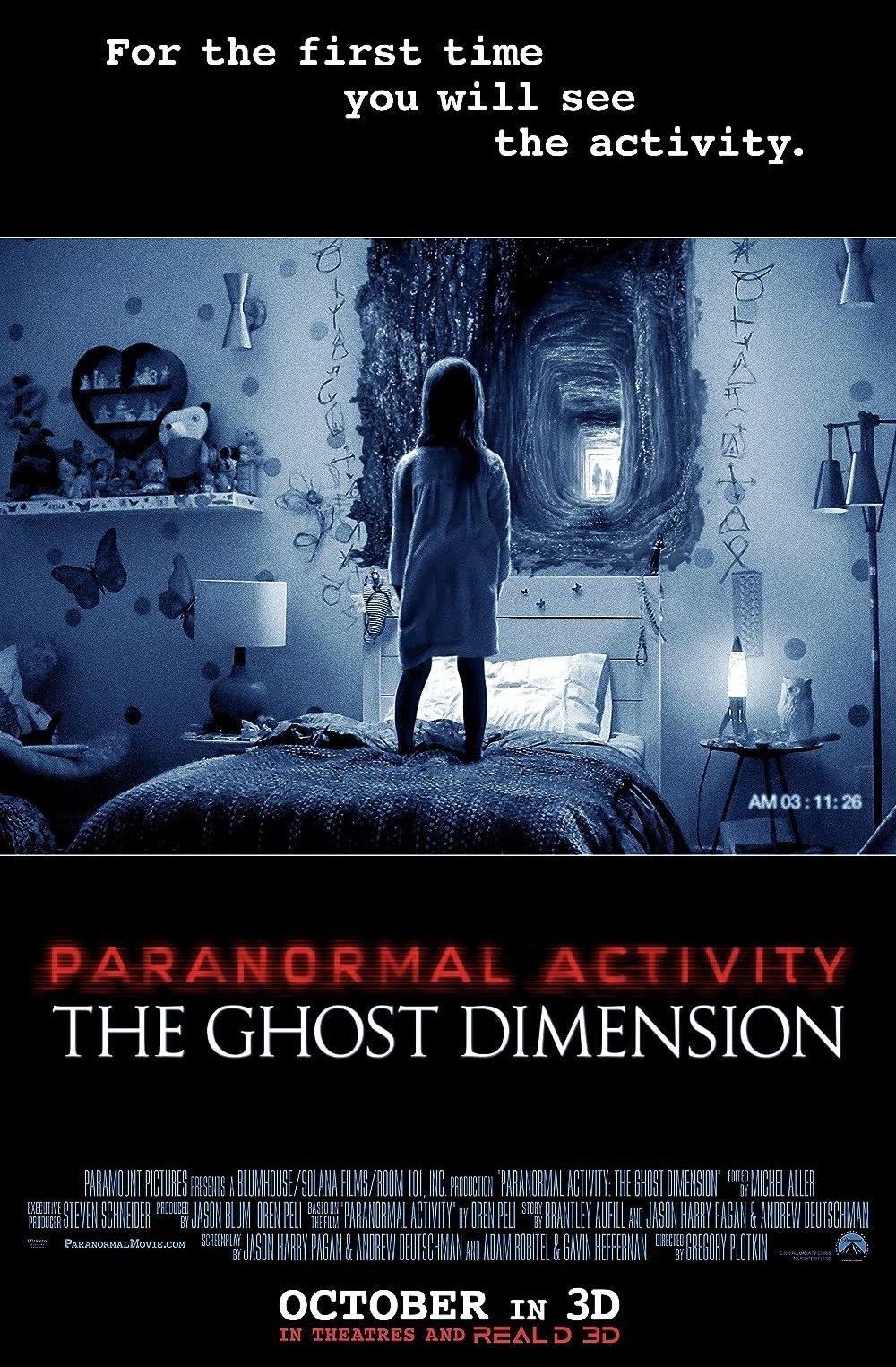
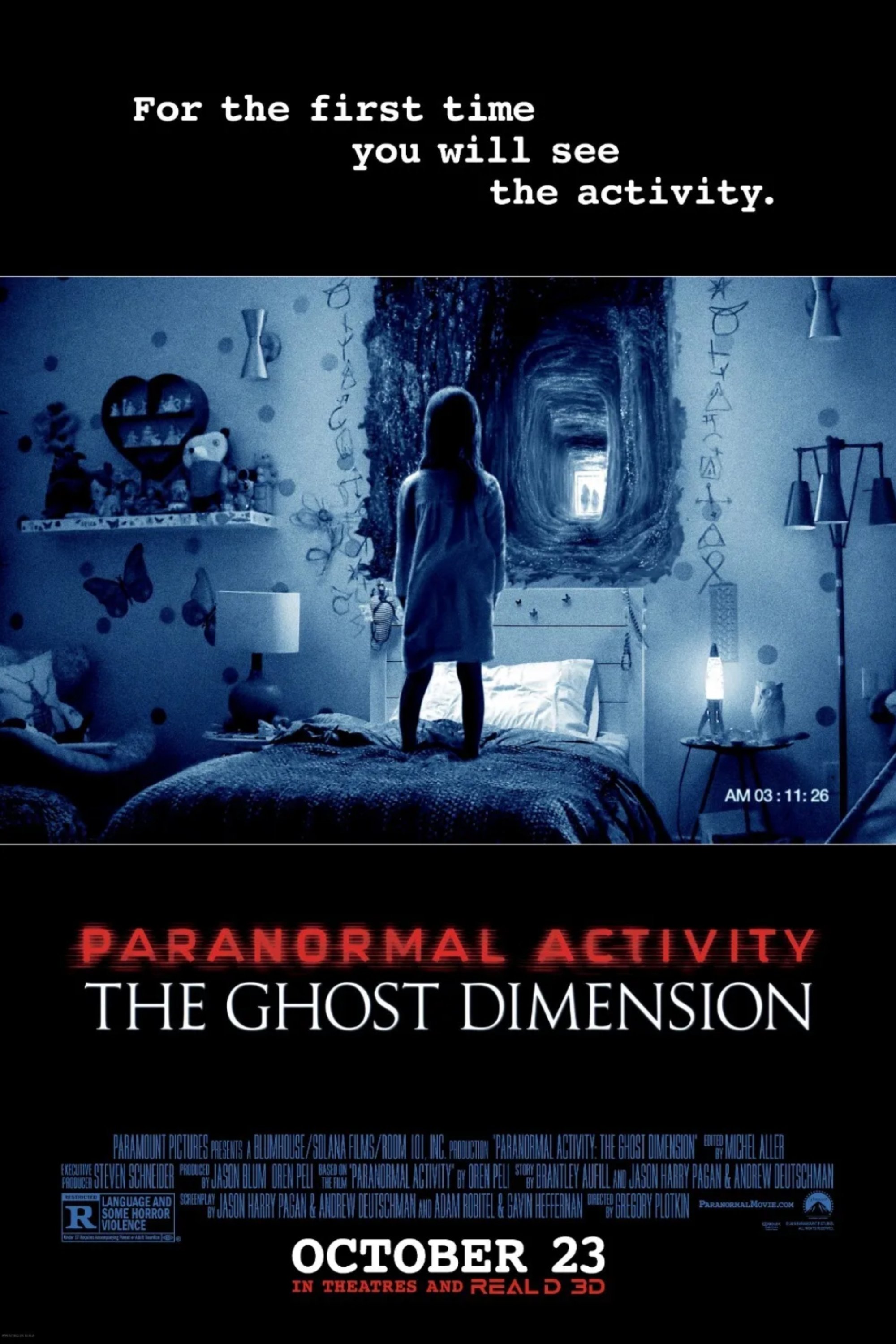
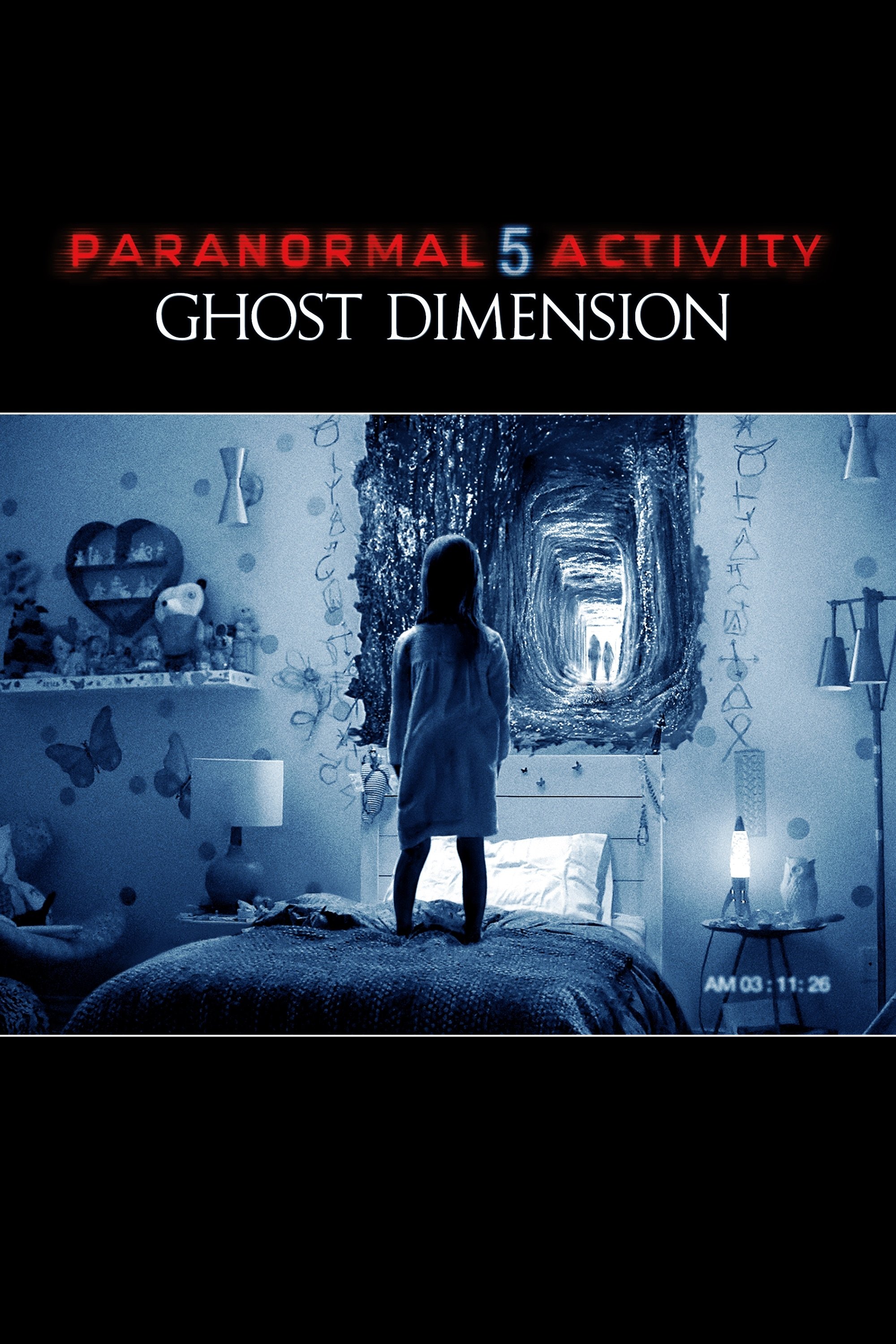
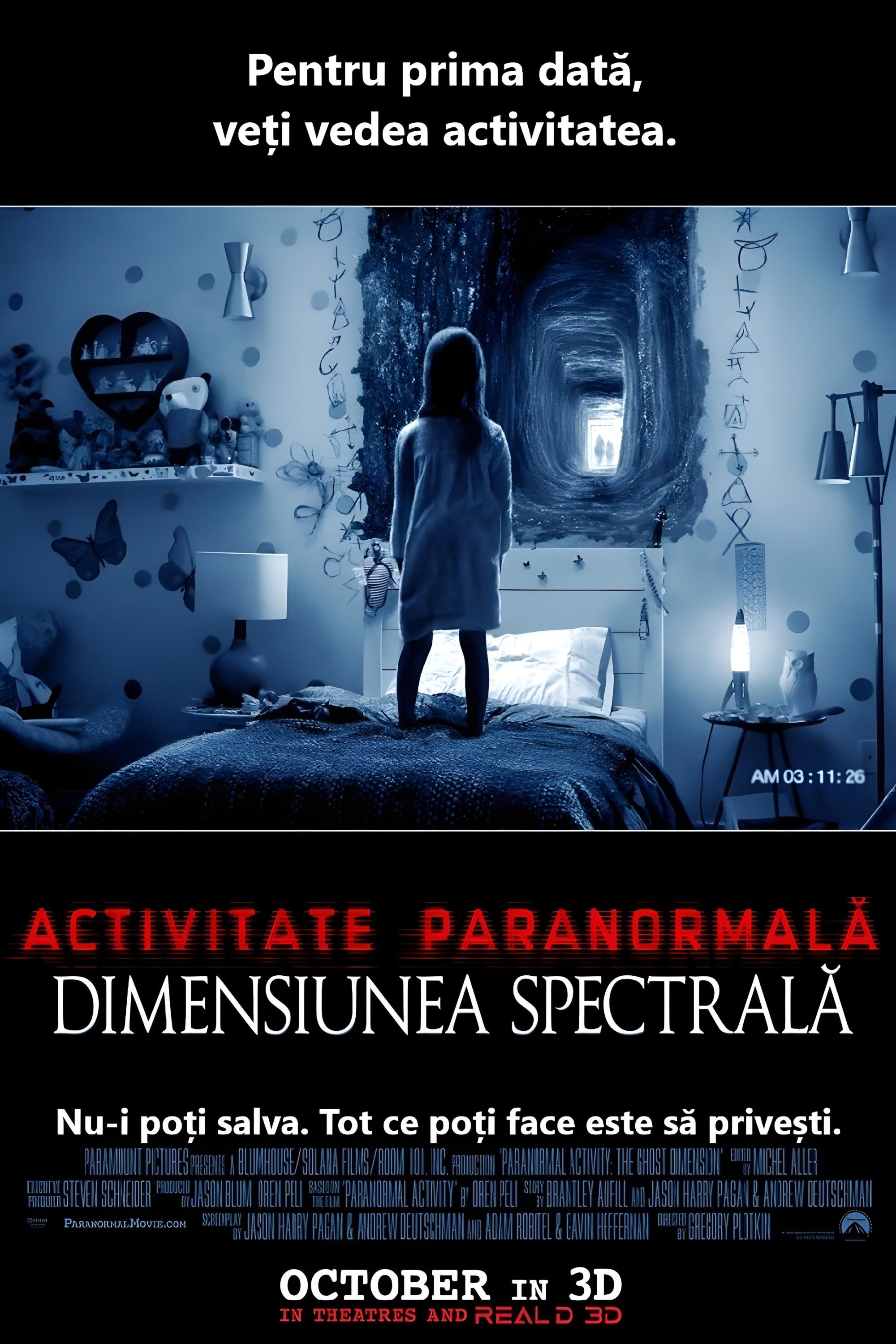
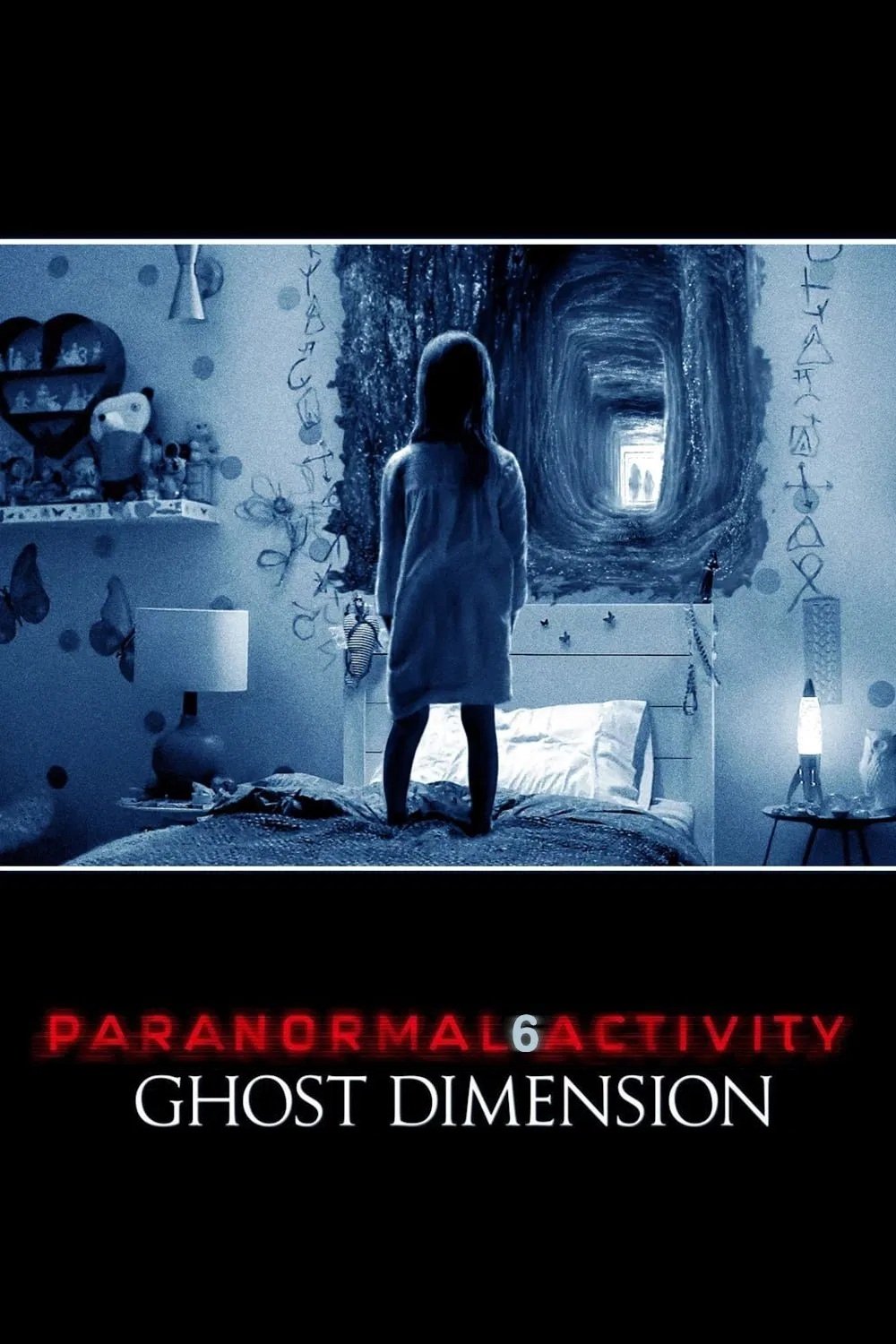
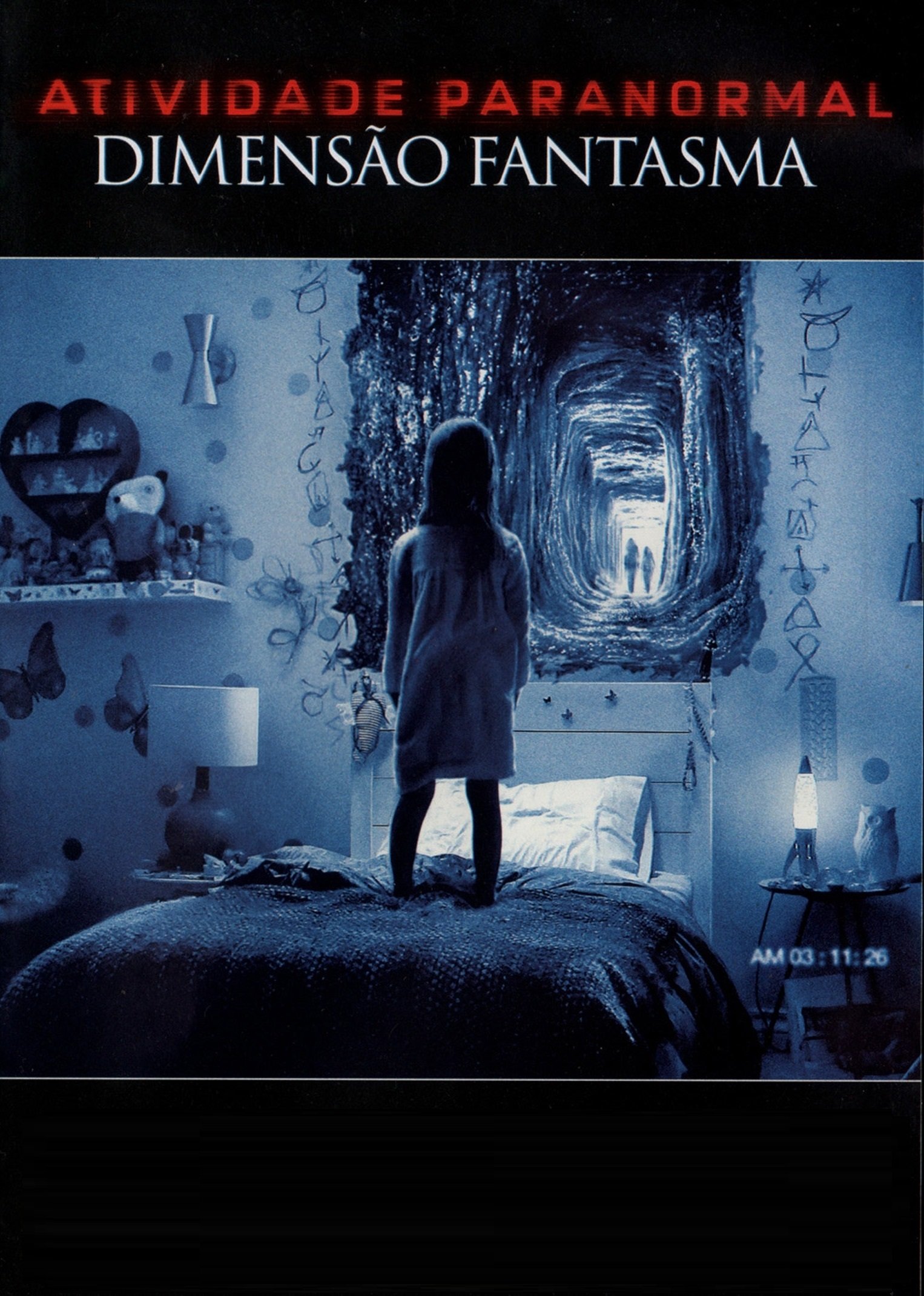
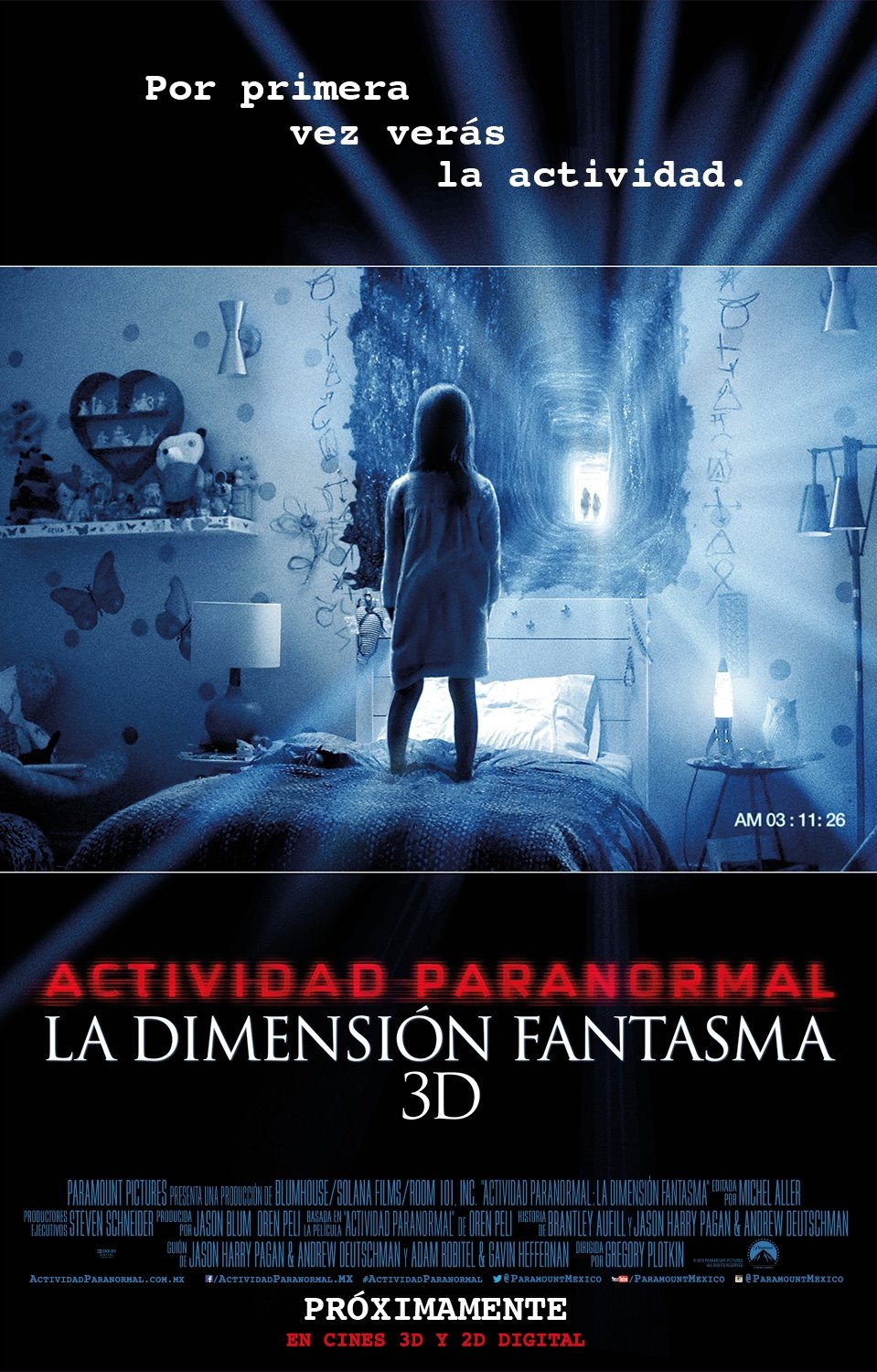
Paranormal Activity: The Ghost Dimension (2015) poster
Director
Production Companies
Blumhouse Productions , Paramount Pictures , Room 101 , Solana Films
Plot

Ryan and Emily move into a new house with their daughter Leila and discover a collection of old videotapes and an unusual video camera. When Ryan uses the device, it records disturbing shapes and movements that ordinary sight cannot detect. The tapes appear to document earlier events involving Katie and Kristi, suggesting a connection between the family's new experiences and the history of the haunting. As Leila becomes increasingly affected, the adults attempt to understand the camera's images and prevent the presence from carrying out its plans.

Alternative Titles
Паранормална активност: Призрачното измерение (Bulgaria) — Bulgarian Atividade Paranormal: Dimensão Fantasma (Brazil) — Portuguese Activité paranormale : La dimension fantôme (Canada) — French Paranormal Activity 6 - The Ghost Dimension (Canada) 鬼影实录:鬼次元 (China) — Chinese Paranormal Activity - Jiný rozměr (Czechia) Paranormal Activity: Jiný rozměr (Czechia) — Czech Paranormal Activity: Ghost Dimension (Germany) — German
Show all 40 alternative titles Paranormal Activity - Dimensión fantasma (Spain) Paranormal Activity: Dimensión fantasma (Spain) — Spanish Paranormal Activity 5 : Ghost Dimension (France) — French პარანორმალური მოვლენები 6 (Georgia) — Georgian Μεταφυσική Δραστηριότητα: Η Διάσταση των Φαντασμάτων (Greece) — Greek 午夜來嚇:靈異空間 (Hong Kong SAR China) — Chinese Parajelenségek: Szellemdimenzió (Hungary) — Hungarian פעילות על-טבעית: מימד הרפאים (Israel) — Hebrew Paranormal Activity 6 - La dimensione fantasma (Italy) Paranormal Activity: Dimensione fantasma (Italy) — Italian パラノーマル・アクティビティ5 (Japan) — Japanese 파라노말 액티비티-더 고스트 디멘션 (South Korea) 파라노말 액티비티: 더 고스트 디멘션 (South Korea) — Korean Paranormalūs reiškiniai: Vaiduoklio dimensija (Lithuania) — Lithuanian Paranormālā aktivitāte 5 (Latvia) — Latvian Actividad Paranormal: La Dimensión Fantasma (Mexico) Paranormal Activity 6: Inny wymiar (Poland) Paranormal Activity: Inny wymiar (Poland) — Polish Atividade Paranormal: Dimensão Fantasma (Portugal) — Portuguese Activitate paranormală: Dimensiunea spectrală (Romania) — Romanian Паранормальное явление 5: Призраки в 3D (Russia) — Russian Паранормальное явление 6: Призраки в 3D (Russia) Paranormalno: Dimenzija prikazni (Slovenia) — Slovenian Paranormal Activity 6 (Slovakia) — Slovak เรียลลิตี้ ขนหัวลุก 5: มิติปีศาจ (Thailand) — Thai Paranormal Activity 5: Hayalet Boyutu (Türkiye) — Turkish 鬼入鏡:鬼界 (Taiwan) — Chinese Паранормальне явище: Примарний світ (Ukraine) — Ukrainian Paranormal Activity 6 (United States) — Working Title Paranormal Activity 6: The Ghost Dimension (United States) — Working Title Paranormal Activity: The Ghost Dimension 3D (United States) Hiện Tượng Siêu Nhiên: Cõi Ma (Vietnam) — Vietnamese

Trailers & Videos

10 videos

Film Guide & Analysis

A stereoscopic found-footage finale built around a camera that reveals the unseen entity and connects the series mythology.

Paranormal Activity: The Ghost Dimension (2015) was presented as the conclusion of the original cycle of the found-footage horror franchise. Directed by Gregory Plotkin, an editor associated with the series since Paranormal Activity 2, it turns a longstanding narrative absence into its central visual device: a peculiar camera allows the residents of a suburban house to perceive supernatural forms that ordinary cameras cannot record. Earlier installments had encouraged viewers to inspect apparently empty rooms for nearly imperceptible disturbances. Here the threatening presence begins to acquire visible shape, changing the audience's relationship with the recorded image and with the demonic mythology carried across the series.

The sixth theatrical installment also introduced stereoscopic 3D, applied within a story in which different cameras register different layers of reality. The Fleeges, a family whose young daughter becomes the focus of escalating events, discover old recordings that connect their present to the childhood experiences of Katie and Kristi. Contemporary interviews show that the filmmakers understood this installment as an attempt to deliver explanations and a sense of closure, although the franchise would subsequently continue. Its historical interest lies in the way an inexpensive domestic-surveillance premise was adapted to more conspicuous visual effects and a larger interconnected story.

Development and Direction

Gregory Plotkin came to directing The Ghost Dimension after working in the editing rooms of the earlier sequels. In a contemporary Dread Central interview, he described his familiarity with the franchise's suspense rhythms and his longstanding wish to direct. The appointment gave the film a director already accustomed to the difficulties of constructing apparently spontaneous footage through highly controlled editing. Plotkin said that the producers, including Oren Peli and Jason Blum, had been discussing possible destinations for the story since the second installment. His first feature as director could therefore draw on ideas developed through several years of franchise production.

The filmmakers publicly framed the picture as a conclusion to the existing mythology. Peli explained in an October 2015 interview that the series had expanded far beyond what he expected when making the original movie, and that the producers wanted to provide answers to questions accumulated across the sequels. This was a statement of contemporary intention, not proof that every narrative thread was definitively resolved. The subsequent release of another installment is an important qualification when discussing the advertised finality of The Ghost Dimension. The film remains the conclusion of a particular continuous storyline, especially the story involving Katie, Kristi and the entity called Toby.
The Camera and Stereoscopic Image

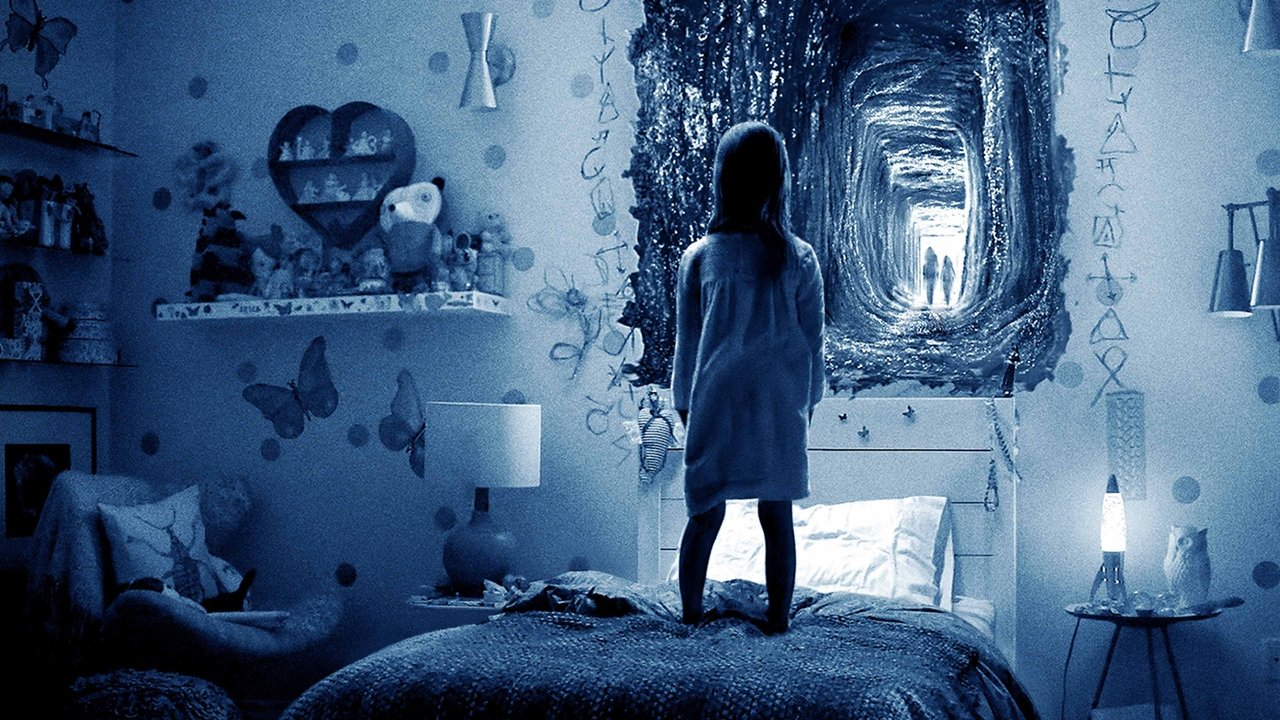
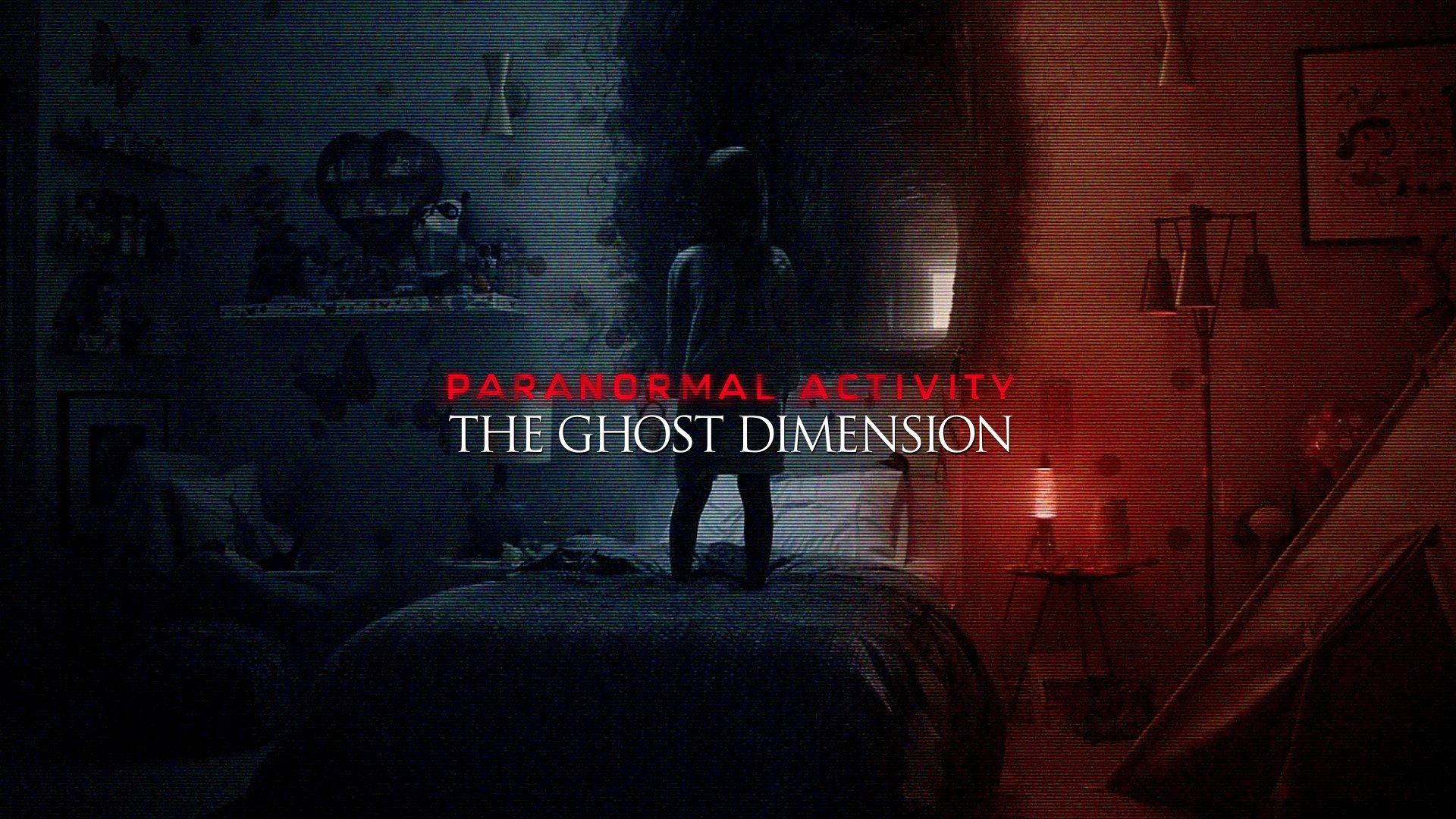
The supernatural camera is the principal device through which The Ghost Dimension revises the franchise's visual rules. Ryan Fleege discovers the apparatus and realizes that its image contains disturbances invisible in ordinary recordings. Instead of treating the frame as a neutral witness to an empty space, the film establishes a difference between technologies and makes the act of looking through one specific lens a hazardous form of investigation. The camera also gives Ryan a practical motivation to keep recording after the danger becomes apparent. His recordings are at once supposed evidence, family documentation and a means of discovering what inhabits the house.

Stereoscopic 3D develops that conceit into a theatrical effect. Plotkin said he researched 3D filming and wanted the process to serve the story rather than operate as a detached novelty. The specialized imagery permits distortions of depth to embody an otherwise intangible presence. DNEG's account of its stereoscopic work describes sequences in which stairways and hallways were stretched through depth manipulation, giving familiar rooms an unnaturally elongated quality. The studio also describes visual glitches that appear to project beyond the screen plane while leaving much of the surrounding image comparatively flat. These techniques make spatial instability part of the supernatural threat.
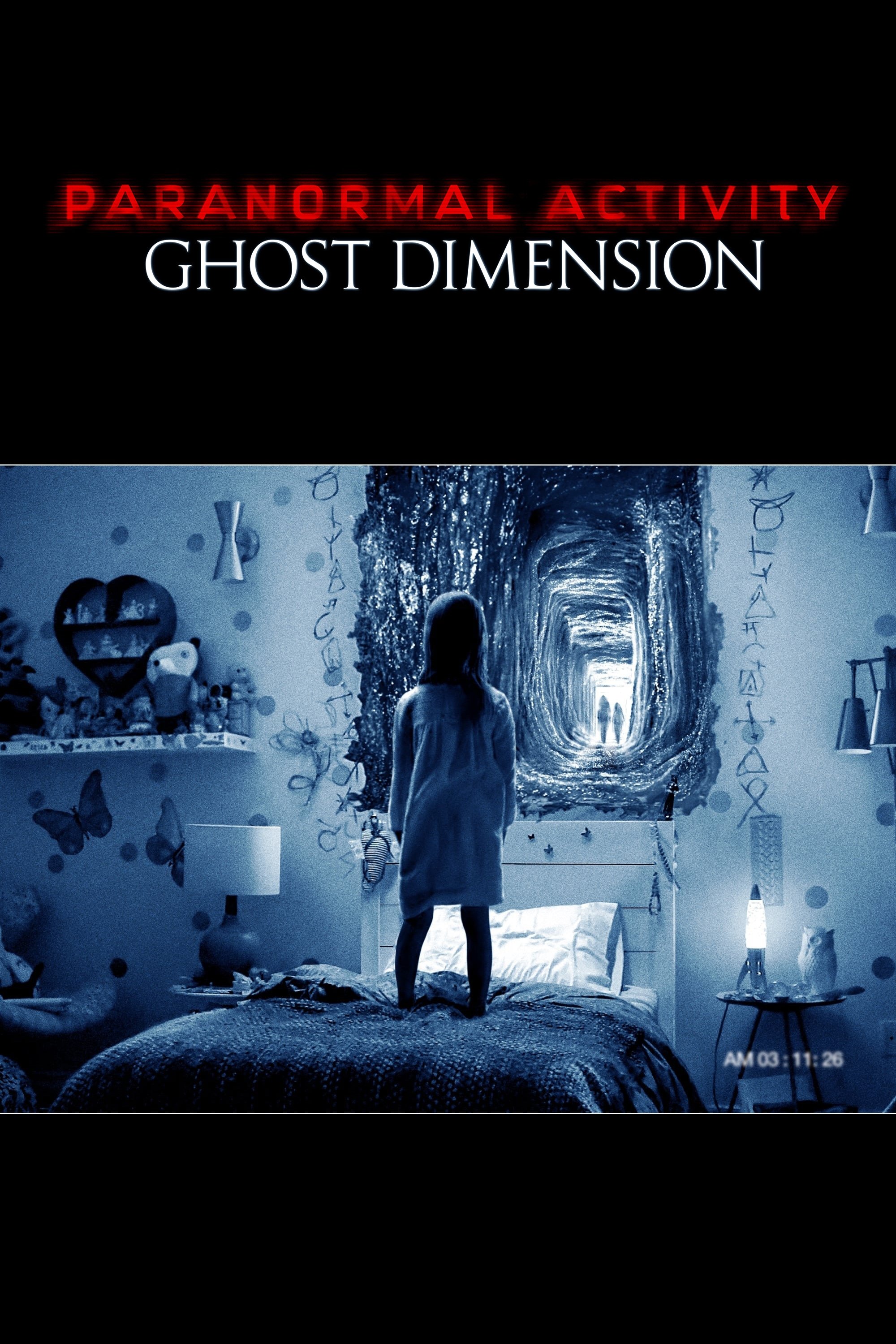
The change carries a cost for the series' particular form of suspense. Once the audience can inspect the demon's visible manifestations, fear depends less exclusively on searching a static frame for something barely discernible. The picture alternates between familiar footage of rooms and stylized material recorded through the supernatural device. That separation helps preserve the ordinary texture of the family's videos while identifying another visual register for the disturbance. Contemporary criticism was divided over the result: the ambition to make hidden forces visible offered a new formal mechanism but could also compromise the uncertainty on which earlier installments relied.

Visual Effects and the Entity

The Ghost Dimension marks one of the clearest shifts in the franchise toward overt visual effects. In an interview with the Los Angeles Times, Plotkin discussed developing Toby's appearance with artists and Industrial Light & Magic. He described an evolving presence whose form responds to its growing power, beginning in relatively indistinct shapes before becoming more developed. His account identifies a series of planned stages rather than a single fixed creature design. The supernatural substance and distortions seen through the special camera thus perform a narrative function: they register a progression that the previous movies had largely communicated through sounds, moving objects and consequences.

Industrial Light & Magic identifies Eddie Pasquarello as the film's visual-effects supervisor in its project record, while DNEG documents the stereoscopic presentation. These are distinct kinds of work and should not be conflated. Creature imagery and supernatural compositing make the otherwise unseen threat perceptible; stereo supervision and depth choices shape how those images occupy the theatrical space. The film's effects are particularly concentrated in images associated with the strange camera, a decision that connects elaborate imagery to a specific fictional recording system rather than applying the same treatment indiscriminately to every shot.

The appearance of Toby also changes how the series communicates possession and haunting. The early films made a physical absence frightening through noises, displaced objects and the characters' growing recognition that someone or something shared their home. In The Ghost Dimension, the force has a visible trajectory. This produces a more direct confrontation and permits larger climactic events, but also makes the unknown more legible. The shift is best understood as a documented creative choice by Plotkin and the effects team, while its success as horror remains a matter of critical judgment.

Narrative Connections and Mythology

The story begins with Ryan, Emily and their daughter Leila moving into a house where unusual recordings and an unfamiliar camera are discovered. Older tapes show Katie and Kristi as children, connecting the immediate haunting to events already explored in Paranormal Activity 3. The new family's experiences gradually become part of a history that extends beyond the location in which they are living. This use of recovered footage resembles the series' earlier strategy of placing newly introduced families into an expanding chronology, but the accumulated mythology now receives more explicit attention than it did in the first installment.

The camera provides visual access to a force previously known mainly through consequences. The film's explanations are built around Toby's interest in Leila and the relationship between the recordings, past rituals and current events. Peli described the intention to connect the new family's experience with Katie and Kristi, while Plotkin stressed the desire to answer long-standing questions. These interviews clarify the creative objective without requiring every implication in the completed story to be presented as settled franchise history. Some connections remain dependent on what the characters infer from compromised, fragmentary images.

The Ghost Dimension also illustrates the difficulty of sustaining an anthology-like premise after a franchise develops serialized continuity. Its household setting can initially function as a relatively self-contained haunting, but recognition of the older tapes gives substantial added meaning to viewers familiar with the earlier films. The investigation progressively shifts from a family trying to understand intrusions into its home toward the resolution of a mythology involving multiple families and periods. That movement explains both the film's emphasis on exposition and its promise to expose what earlier cameras could not show.

Release, Versions and Home Video

Paramount released Paranormal Activity: The Ghost Dimension theatrically in the United States on October 23, 2015, including 3D presentations. The film was marketed at the time as the final chapter of the franchise's existing narrative. The assertion belonged to its release campaign and to the producers' stated plans in 2015; it should not be confused with a permanent end to the series. The theatrical presentation placed an unusually strong emphasis on the sensory difference of seeing the entity, offering audiences a new experience after several films founded on the power of barely visible disturbances.

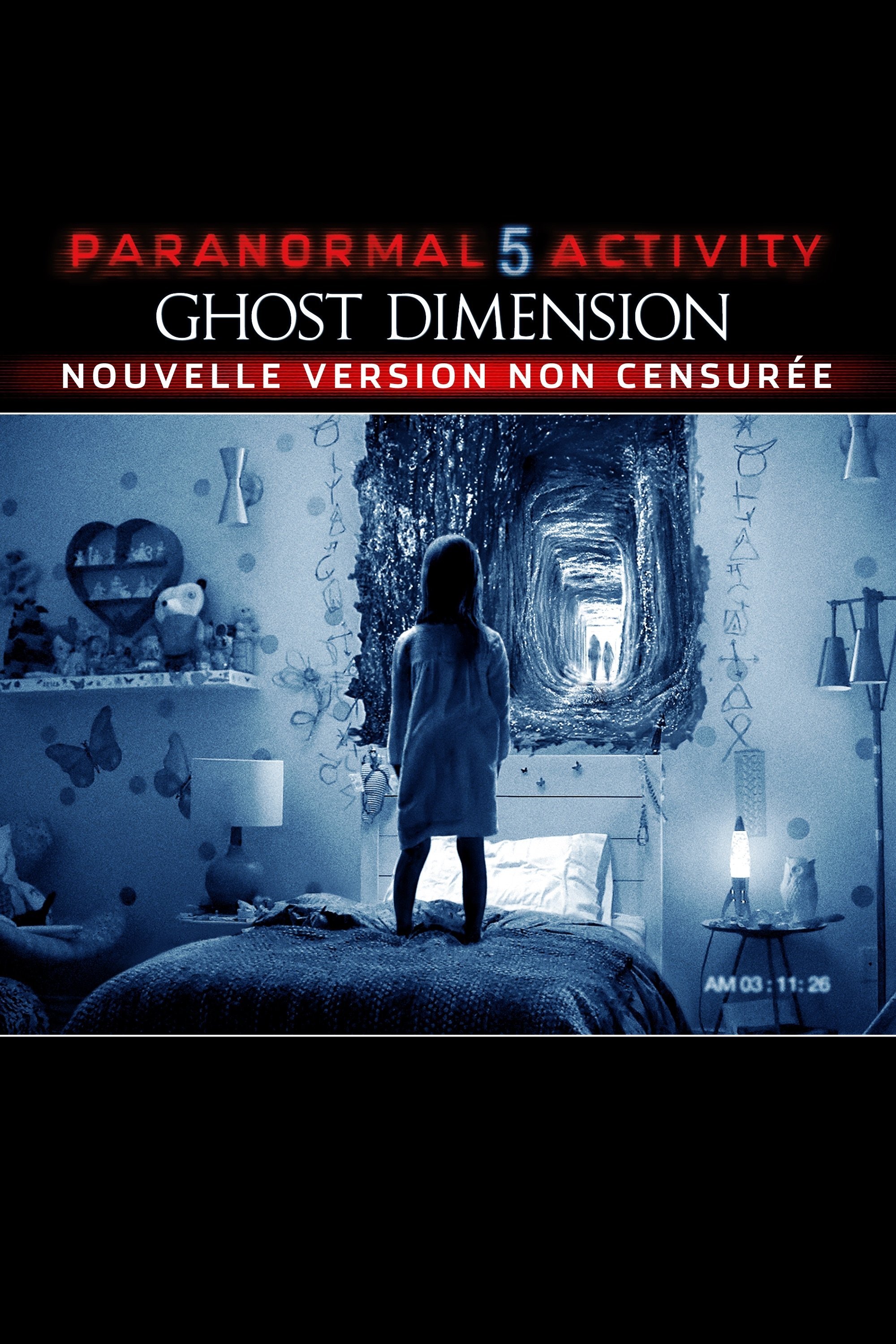
The home-video history is more complicated than a single longer edition. Paramount's Blu-ray presentation included the theatrical version, an unrated cut and an unrated version with a different ending. The Blu-ray 3D package also retained the theatrical cut in 3D. A contemporary account of the release distinguished the additional footage from the alternate ending, which changes the concluding material. These different edits are important to document separately because an alternate ending does not simply represent extra footage added to the theatrical story. Differences in runtime also depend on the edition and reporting source.

The Australian Classification Board's January 2016 listing identifies a modified extended DVD version with a reported duration of 98 minutes. A separate April listing for a Blu-ray package reports 300 minutes, but that figure belongs to the classified package and must not be treated as the running time of one cut. The combined evidence establishes that different versions circulated through home video, while avoiding false precision about the length of every edit in every market. The existence of multiple conclusions is particularly relevant for a film conceived and promoted as a conclusion to a serial narrative.

Reception and Position in the Series

Contemporary criticism frequently focused on the visible demon and the conversion of the familiar found-footage format into a 3D effects experience. Peter Sobczynski's review for RogerEbert.com objected to the way stereoscopy and dark, degraded-looking images affected legibility and found the film's new visual mechanism unconvincing. Such reactions show that the central formal change was also an important point of contention. It would be inaccurate to describe the shift as universally welcomed or to treat an aggregate score as a substitute for documented contemporary responses. The film's critical history is bound closely to disagreement over how much the series could reveal without losing its distinctive suspense.

Its place in horror history is therefore more specific than a claim that it transformed the genre. The Ghost Dimension demonstrates how a successful found-footage franchise attempted to extend its language after the economy of the original premise had become familiar. The series had already experimented with surveillance arrangements, domestic architecture and footage from different decades. The sixth installment adds a camera that makes invisible activity visible and uses stereoscopic depth to stage that change. This is a substantial formal departure, grounded in the creators' interviews and the studios' accounts of the effects process.

References

  1. Dread Central Paranormal Activity: The Ghost Dimension - Exclusive Interview with Director Gregory Plotkin

    Firsthand account of Plotkin taking over direction, the 3D approach and the intended closing of the story.

  2. Los Angeles Times How the Paranormal Activity franchise found its finale

    Direct interview detailing the supernatural camera, Toby visual development and effects collaboration.

  3. DNEG Paranormal Activity: The Ghost Dimension

    VFX studio account of stereoscopic depth manipulation and the construction of unnatural space.

  4. The Hollywood News Oren Peli tells us why Paranormal Activity is ending

    Interview with the creator about 3D, the connected mythology and the planned end of the original story.

  5. Australian Classification PARANORMAL ACTIVITY: THE GHOST DIMENSION (BLU-RAY)

    Government classification identifying modified home-video versions and the full package duration.

Connections

Cast

View Full Cast & Crew →

Release & Distribution

Production Companies (4)

  • Blumhouse Productions US
  • Paramount Pictures US
  • Room 101 US
  • Solana Films US

Distributors (1)

  • Paramount Pictures US

Release History (52)

Release DateTerritoryRelease TypeFormatDistributorCertificationNotes
2015-07-15 Netherlands Physical DVD, Blu-ray — 16 DVD, Blu ray
2015-10-21 Switzerland Theatrical — — 16
2015-10-21 Egypt Theatrical — — —
2015-10-21 France Theatrical — — 12
2015-10-21 Indonesia Theatrical — — —
2015-10-21 Philippines Theatrical — — —
2015-10-22 United Arab Emirates Theatrical — — —
2015-10-22 Austria Theatrical — — —
2015-10-22 Australia Theatrical — — MA 15+
2015-10-22 Azerbaijan Theatrical — — —
2015-10-22 Brazil Theatrical — — 14
2015-10-22 Belarus Theatrical — — —
2015-10-22 Chile Theatrical — — —
2015-10-22 Colombia Theatrical — — —
2015-10-22 Czechia Theatrical — — 15+
2015-10-22 Germany Theatrical — — 16
2015-10-22 Denmark Theatrical — — 15
2015-10-22 Croatia Theatrical — — —
2015-10-22 Kazakhstan Theatrical — — —
2015-10-22 Lebanon Theatrical — — —
2015-10-22 Mexico Theatrical — — B-15
2015-10-22 Malaysia Theatrical — — —
2015-10-22 Netherlands Theatrical — — 16
2015-10-22 New Zealand Theatrical — — —
2015-10-22 Peru Theatrical — — —
2015-10-22 Russia Theatrical — — 18+
2015-10-22 Ukraine Theatrical — — —
2015-10-23 Canada Theatrical — — R
2015-10-23 Spain Theatrical — — 16
2015-10-23 Finland Theatrical — — K-16
2015-10-23 United Kingdom Theatrical — — 15
2015-10-23 Ireland Theatrical — — 15
2015-10-23 Lithuania Theatrical — — N-13
2015-10-23 Norway Theatrical — — —
2015-10-23 Sweden Theatrical — — 15
2015-10-23 Türkiye Theatrical — — —
2015-10-23 United States Theatrical — — R
2015-10-23 Venezuela Theatrical — — —
2015-10-23 South Africa Theatrical — — —
2015-10-28 Belgium Theatrical — — 16
2015-10-29 Israel Theatrical — — —
2015-10-29 Cambodia Theatrical — — —
2015-10-29 Panama Theatrical — — —
2015-10-29 Singapore Theatrical — — —
2015-10-30 Poland Theatrical — — 16
2015-11-05 Argentina Theatrical — — —
2016-02-01 France Digital — — — VOD
2016-02-16 Italy Physical DVD, Blu-ray — — DVD / Blu-ray
2016-02-24 France Physical DVD, Blu-ray — — DVD & Blu-Ray
2016-04-20 South Korea Theatrical — — 15
2016-05-07 Japan Digital — — R18+
2022-10-01 France Digital — — 12 Netflix
For the first time you will see the activity.