Development and the Change of Director
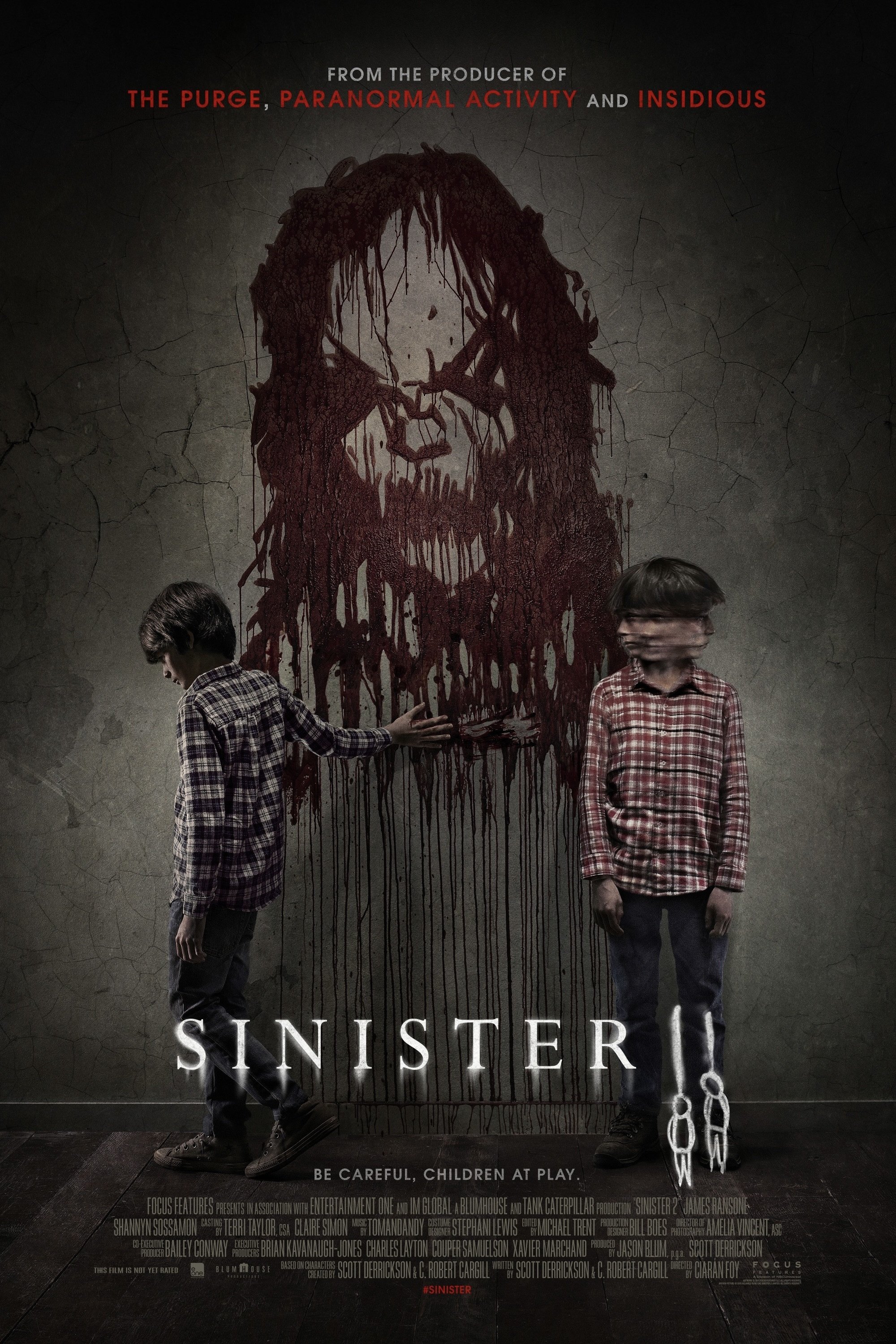
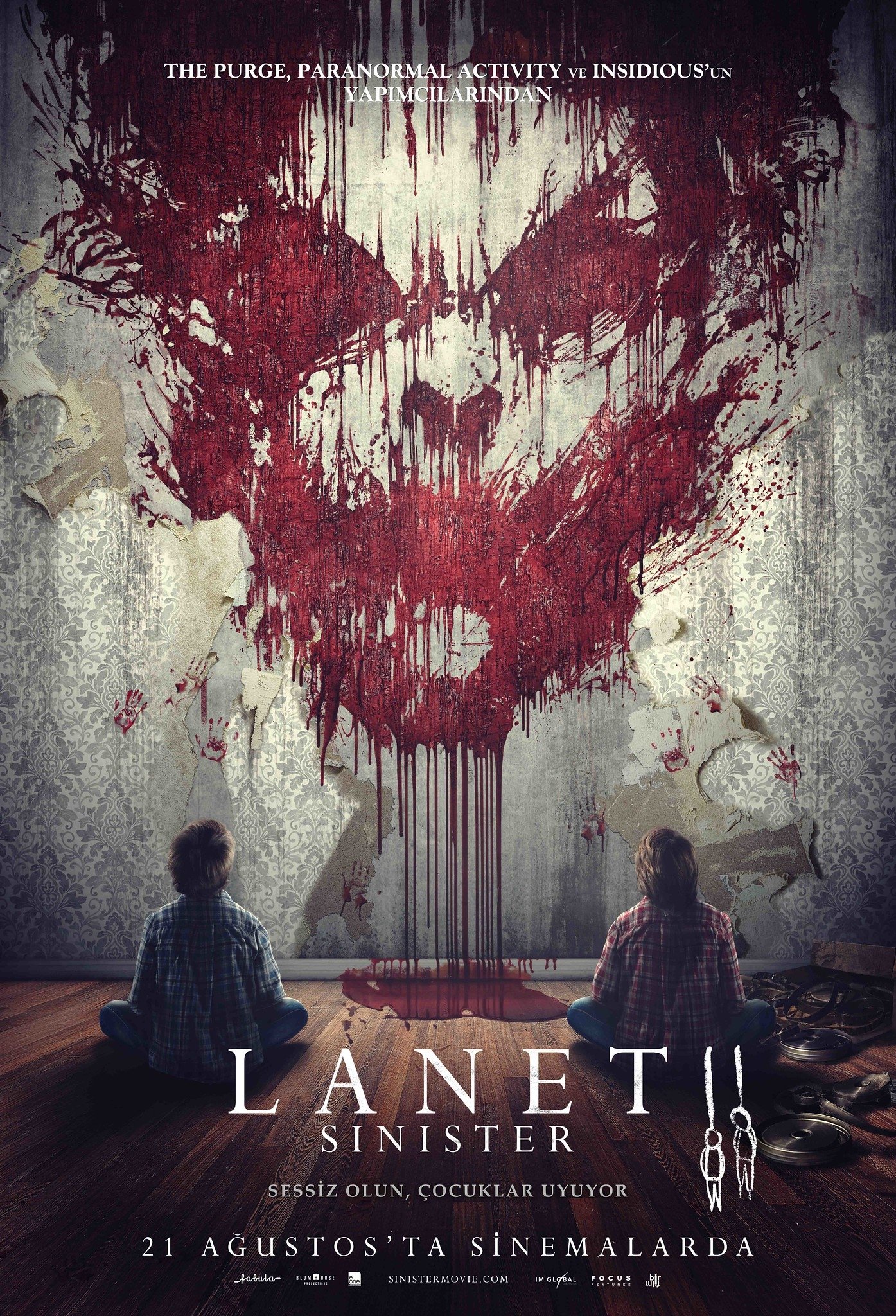
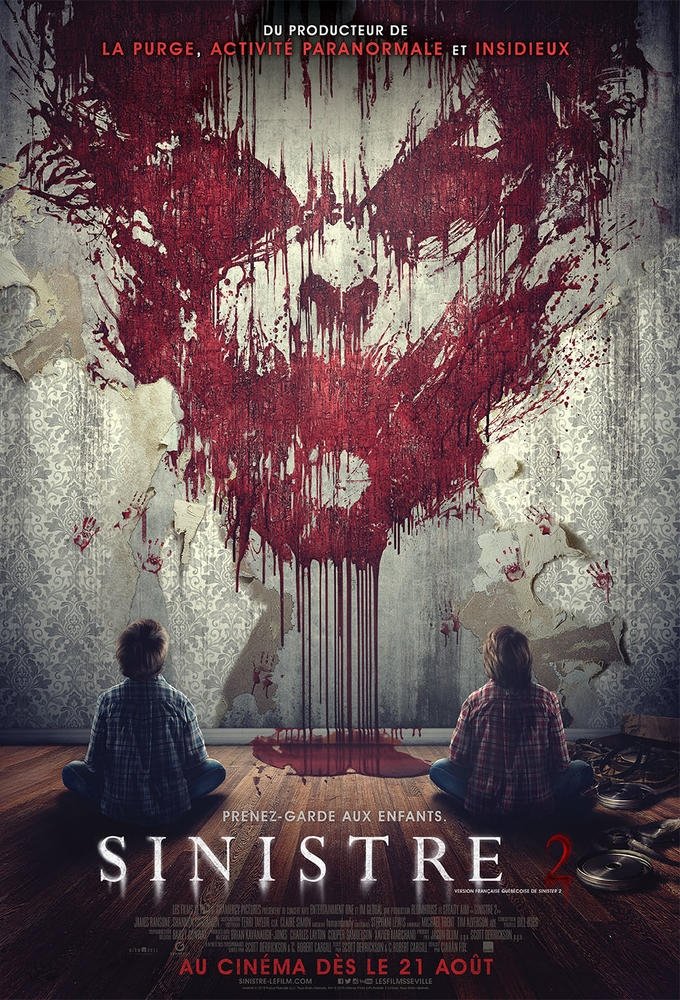
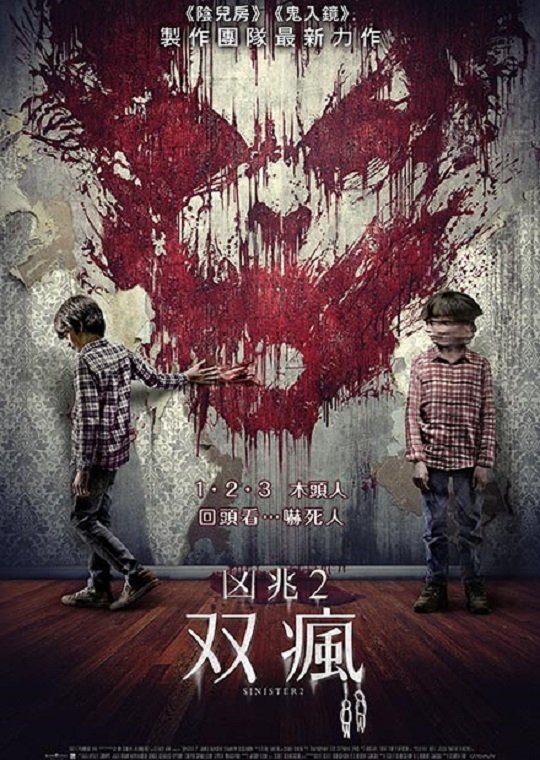
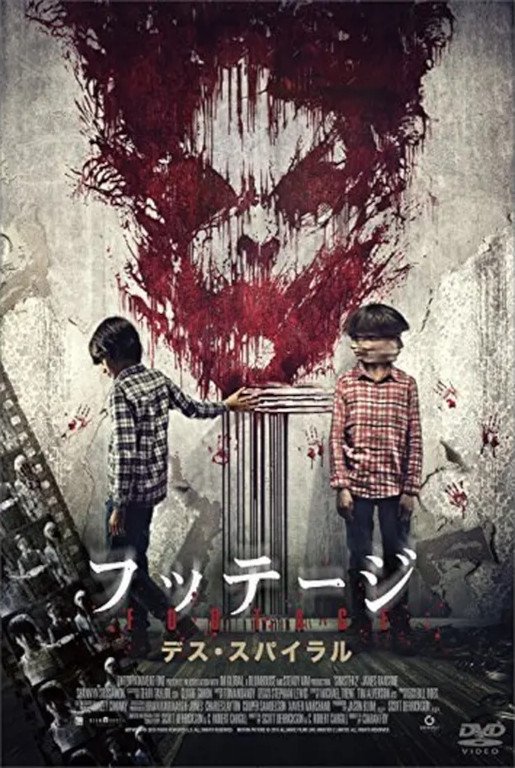
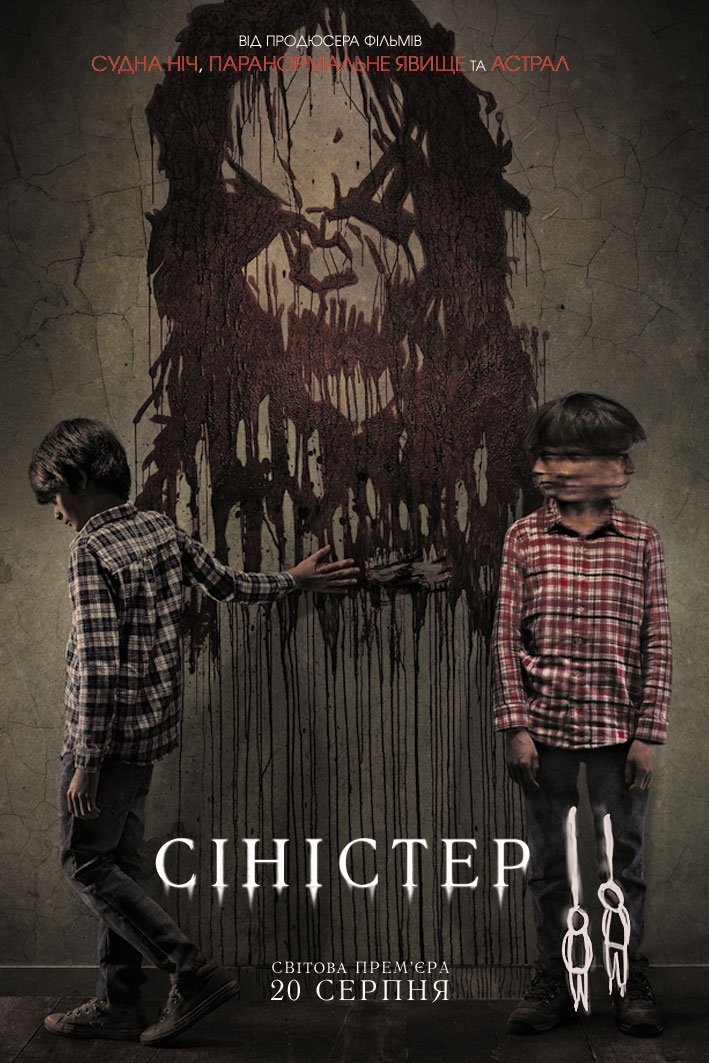
The original Sinister had established a successful horror premise around the discovery of filmed family murders and the entity associated with their creation. Its commercial performance encouraged producer Jason Blum to pursue a sequel with screenwriters Scott Derrickson and C. Robert Cargill. Derrickson, who had directed the first film, remained involved as a writer and producer but chose another filmmaker to handle the new production. The writers faced the problem of continuing a story whose central mystery had already been explained. Cargill recalled examining which elements had made the original distinctive, particularly Bughuul, the murder films and the destruction of families.
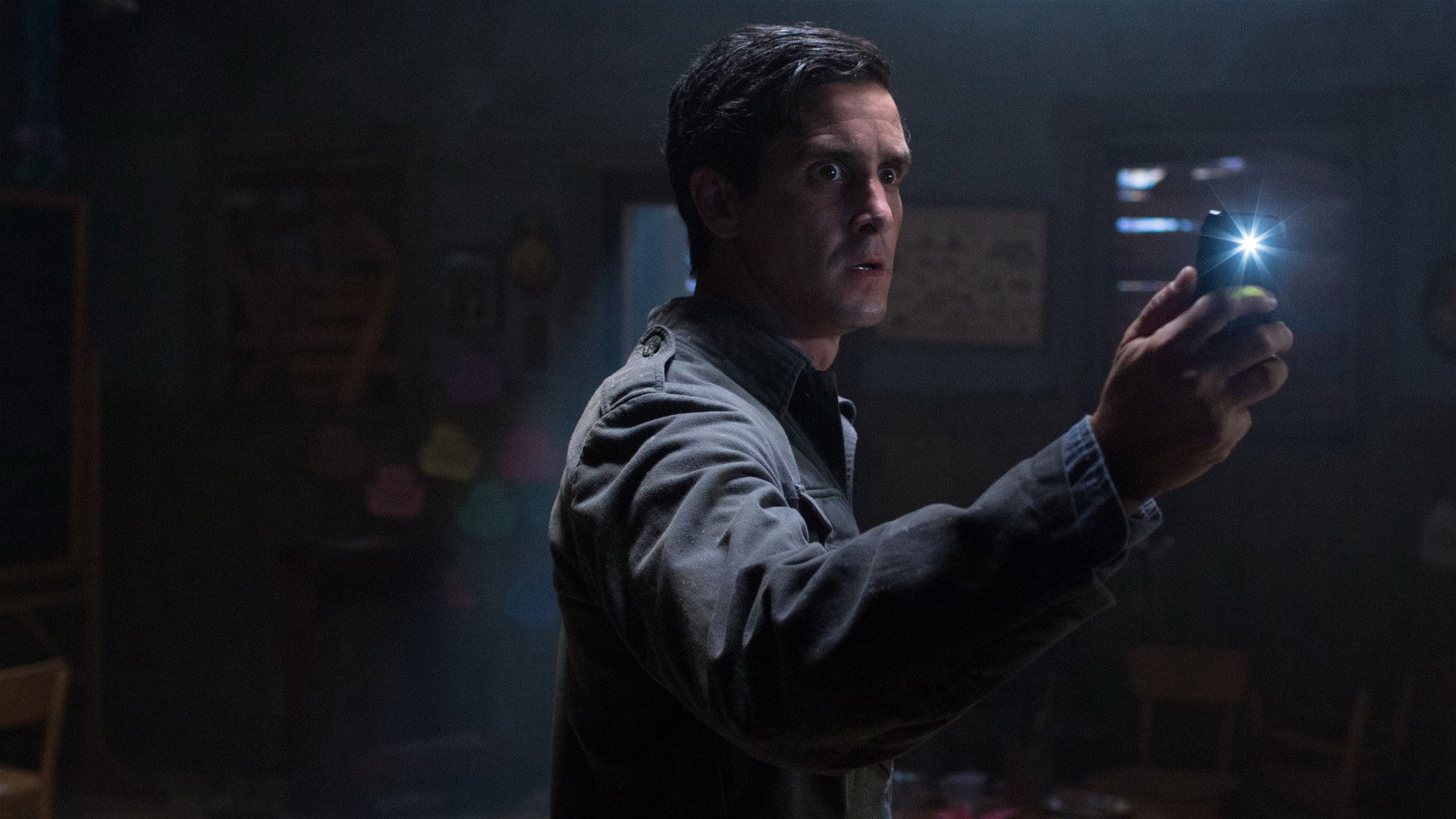
The decision to retain the former deputy provided continuity without repeating the experiences of Ellison Oswalt. In an August 2015 interview with Bloody Disgusting, Cargill described the deputy as someone who had understood the earlier investigation more effectively than its protagonist. The sequel could develop his attempts to prevent further killings while following a family already vulnerable to the entity. This arrangement placed the potential victims at the centre of the story and allowed the process of recruiting a child murderer to become visible. It also changed the audience’s position, providing information about Bughuul’s methods that had remained concealed during the first film.
Derrickson selected Irish filmmaker Ciarán Foy after discovering his debut feature Citadel (2012). Foy recalled that their initial contact developed through Twitter in January 2014, when Derrickson publicly praised the film. Their subsequent conversation led to an invitation to read the Sinister 2 screenplay. Foy’s experience directing young performers was particularly relevant because the sequel depended heavily on the behaviour of its child characters. He collaborated with Derrickson and Cargill during preparation, contributing suggestions and adjusting scenes around the performers. Foy also encouraged limited improvisation, particularly from Ransone, in an effort to maintain credible interactions alongside the supernatural material.