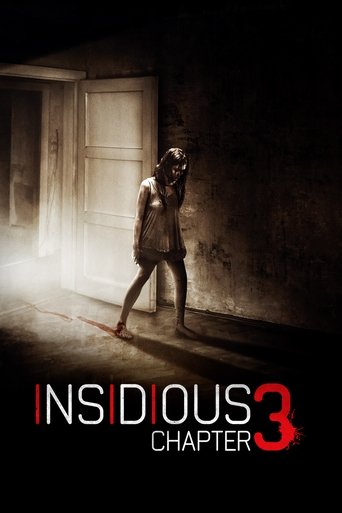
Insidious: Chapter 3 (2015)

US
6.0/10 1 votes
Runtime
97 min
Release
June 4, 2015
Budget
$10,000,000
Revenue
$120,453,155
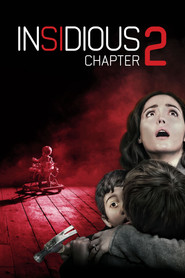
Insidious: Chapter 3 (2015) poster
Director
Production Companies
Blumhouse Productions , Lionsgate Canada
Plot

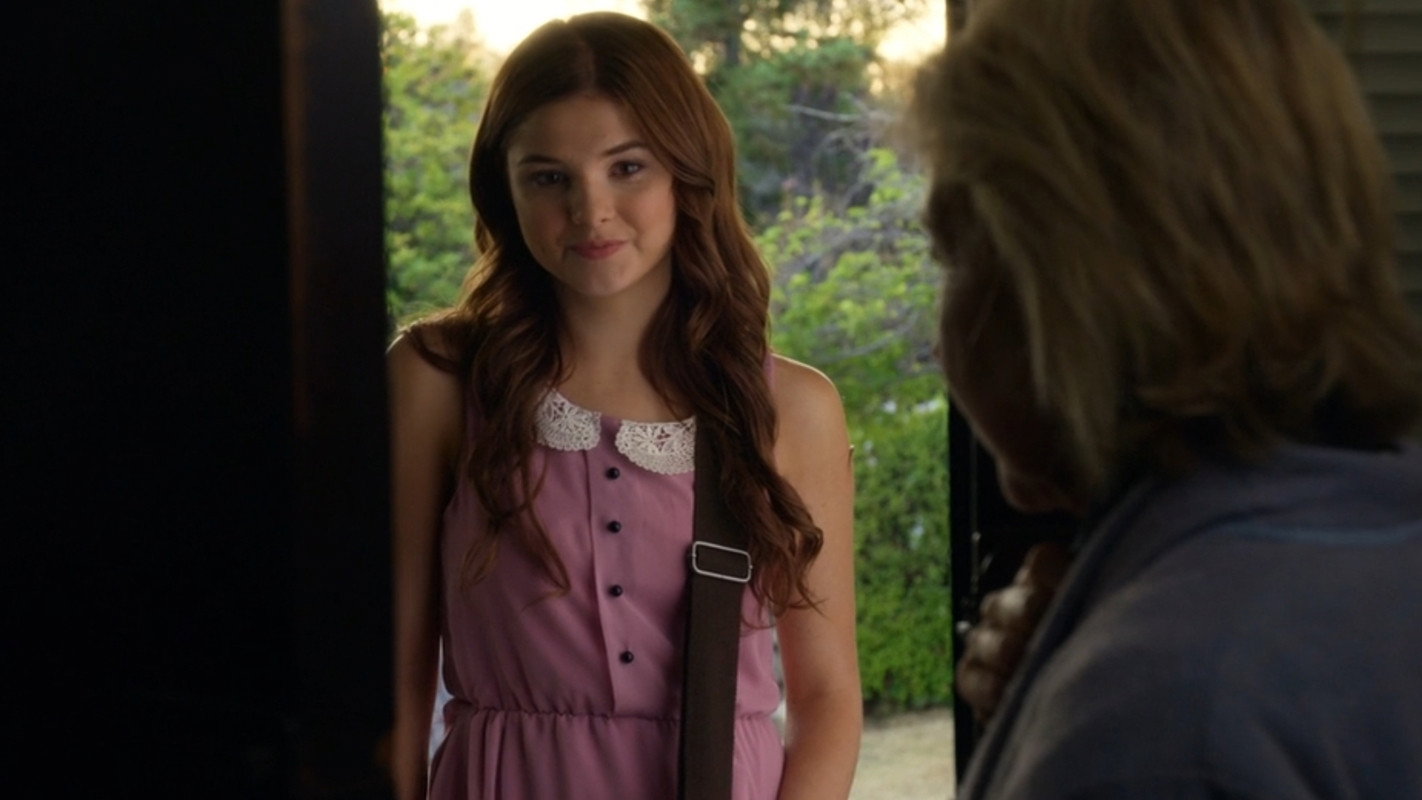
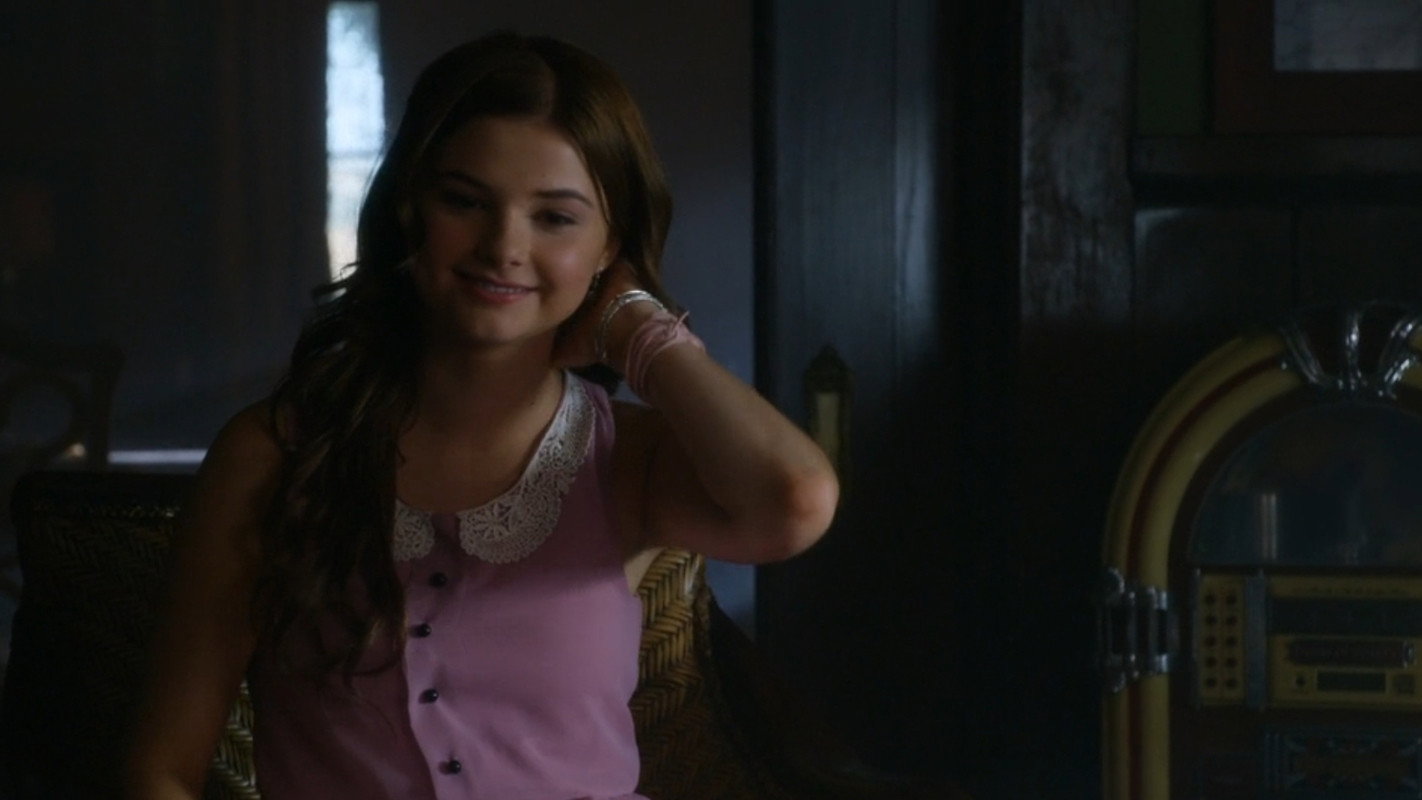
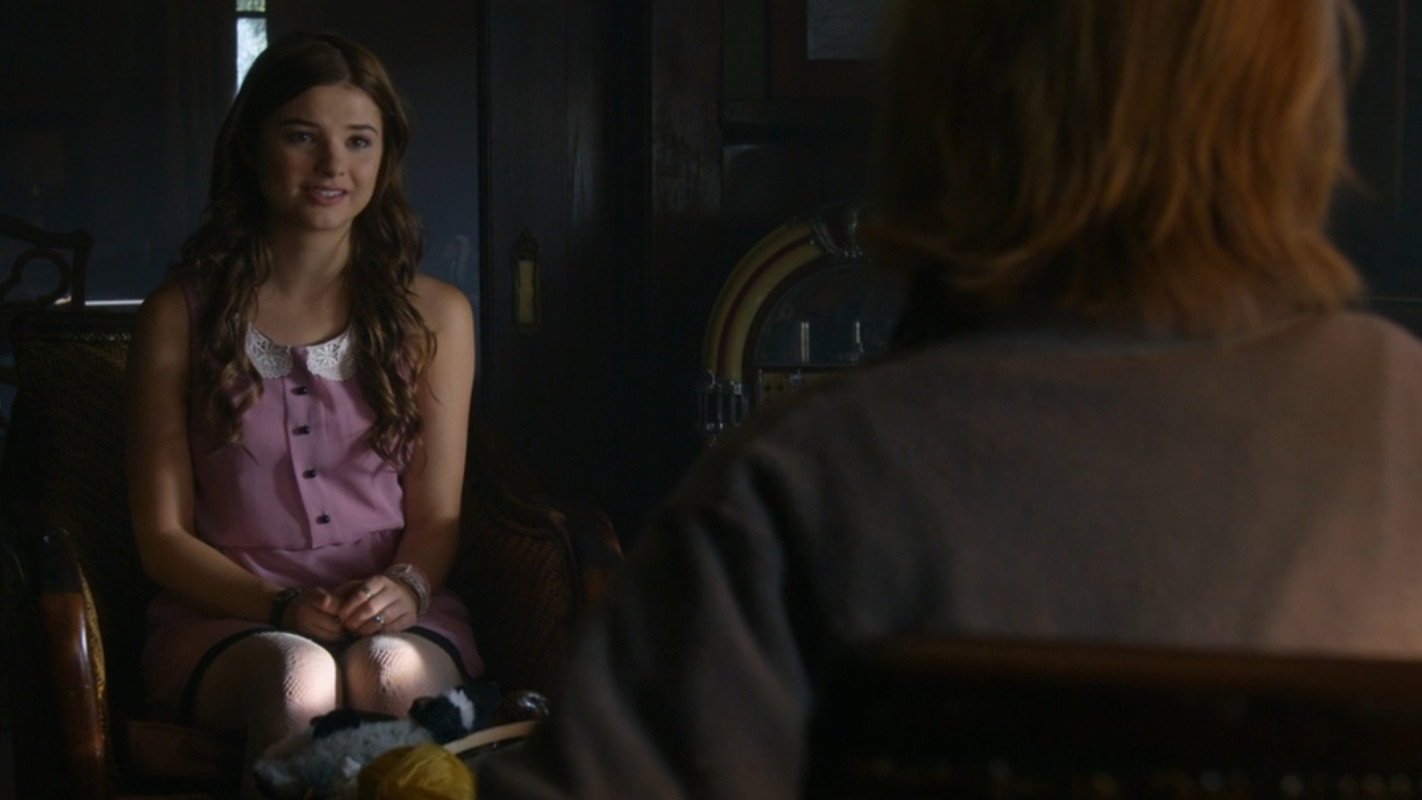
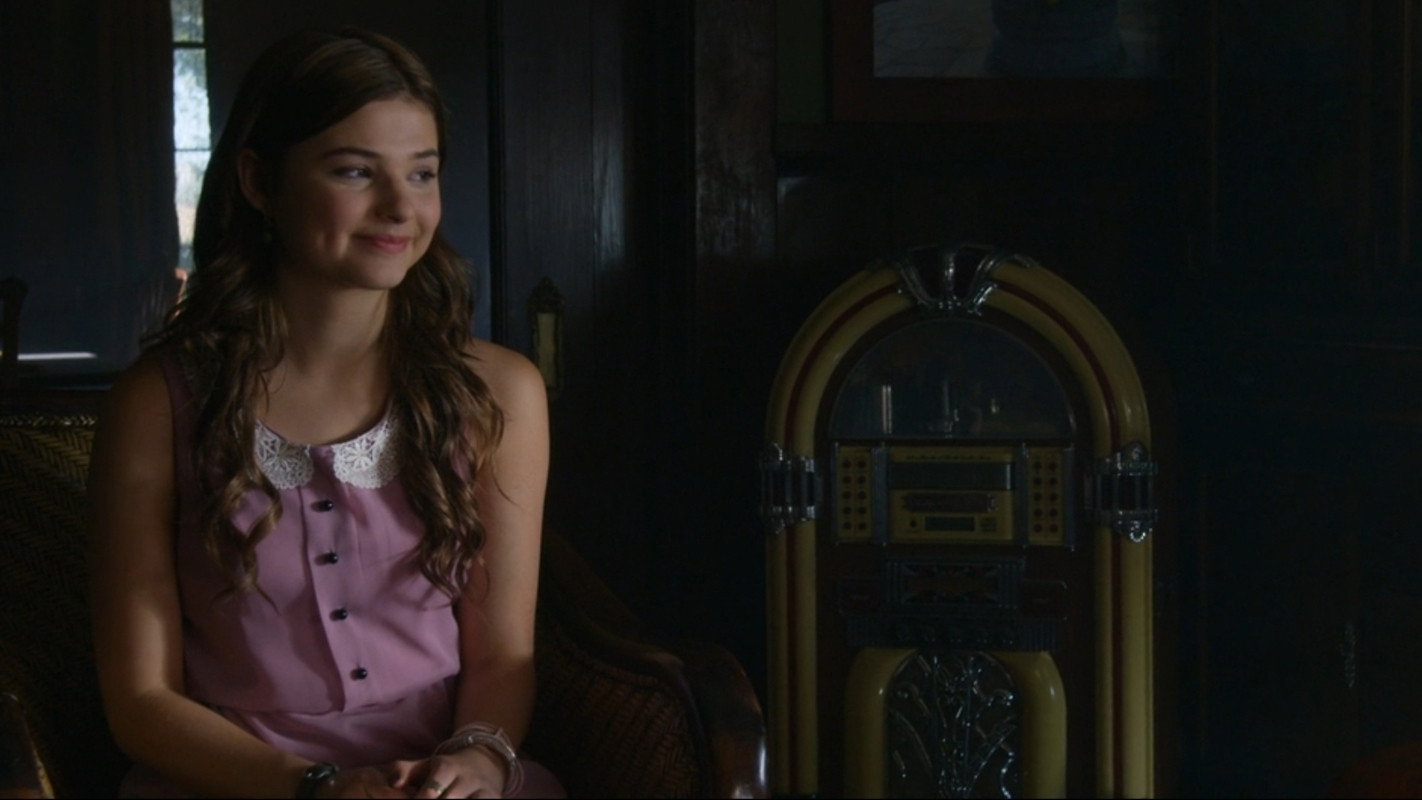
Before the Lambert haunting, teenager Quinn Brenner seeks out psychic Elise Rainier because she hopes to contact her late mother. Elise is reluctant to investigate after a series of dangerous encounters with the spirit world. Soon afterward, Quinn becomes the focus of a malevolent presence that follows her into her apartment and threatens her recovery from a serious accident. Her father, Sean, struggles to understand the escalating events and turns to people who claim they can document paranormal activity. Elise must decide whether to return to the Further to confront the entity stalking Quinn and help her family.

Alternative Titles
Insidious: Chapter 3 – Jede Geschichte hat einen Anfang (Austria) — German Insidious: Hoofdstuk 3 (Belgium) — Dutch Коварен капан 3 (Bulgaria) Sobrenatural: A Origem (Brazil) — Portuguese Sobrenatural: Capítulo 3 (Brazil) Insidieux : Chapitre 3 (Canada) Insidious: Chapter 3 – Jede Geschichte hat einen Anfang (Switzerland) — German 儿凶3 (China) — 港译
Show all 52 alternative titles 潜伏3 (China) — Chinese 阴儿房第3章 (China) — 台译 Insidious 3: Počátek (Czechia) — Czech Insidious: Chapter 3 - Jede Geschichte hat einen Anfang (Germany) — German Insidious 3 (Denmark) — Danish Insidiós: Capítol 3 (Spain) — Catalan Insidious - Capítulo 3 (Spain) Insidious Capítulo 3 (Spain) Insidious: Capítulo 3 (Spain) — Spanish Riivattu 3 (Finland) — Finnish Insidious : Chapitre 3 (France) — French Insidious Chapitre 3 (France) ასტრალი: ნაწილი 3 (Georgia) — Georgian Παγιδευμένη Ψυχή: Κεφάλαιο 3 (Greece) 兒凶 第三回 (Hong Kong SAR China) — Chinese Insidious Chapter 3 (Croatia) — Croatian Insidious: Gonosz lélek (Hungary) — Hungarian הרוע שבפנים 3 (Israel) — Hebrew Lævís: Kafli 3 (Iceland) — Icelandic Insidious 3 - L'inizio (Italy) — Italian インシディアス 序章 (Japan) — Japanese 인시디어스 3 (South Korea) Tūnąs tamsoje: trečia dalis (Lithuania) — Lithuanian Astrāls: Sākums (Latvia) — Latvian La noche del demonio: Capítulo 3 (Mexico) Naznaczony: Rozdział 3 (Poland) — Polish Insidious: Capítulo 3 (Portugal) — Portuguese Sobrenatural - A Origem (Portugal) Sobrenatural Capítulo 3 (Portugal) Insidious: Capitolul 3 (Romania) — Romanian Астрална подмуклост: Поглавље 3 (Serbia) — Serbian Астрал: Глава 3 (Russia) — Russian 潜伏 3 (Singapore) — Chinese Zakleti 3: Novo poglavje (Slovenia) — Slovenian Insidious: Kapitola 3 (Slovakia) — Slovak วิญญาณตามติด 3 (Thailand) อินซิเดียส 3 (Thailand) Ruhlar Bölgesi: Bölüm 3 (Türkiye) — Turkish 陰兒房第3章:從靈開始 (Taiwan) — Chinese Астрал: Частина 3 (Ukraine) — Ukrainian Insidious - Chapter 3 (United States) Insidious 3 (United States) — Collection Title Insidious Chapter 3 (United States) Quỷ Quyệt 3 (Vietnam)

Trailers & Videos

10 videos

Insidious: Chapter 3 (2015) Film Guide

Leigh Whannell revisits the Further through Elise Rainier, an immobilized teenager, a predatory apparition and a deliberately darker visual style.

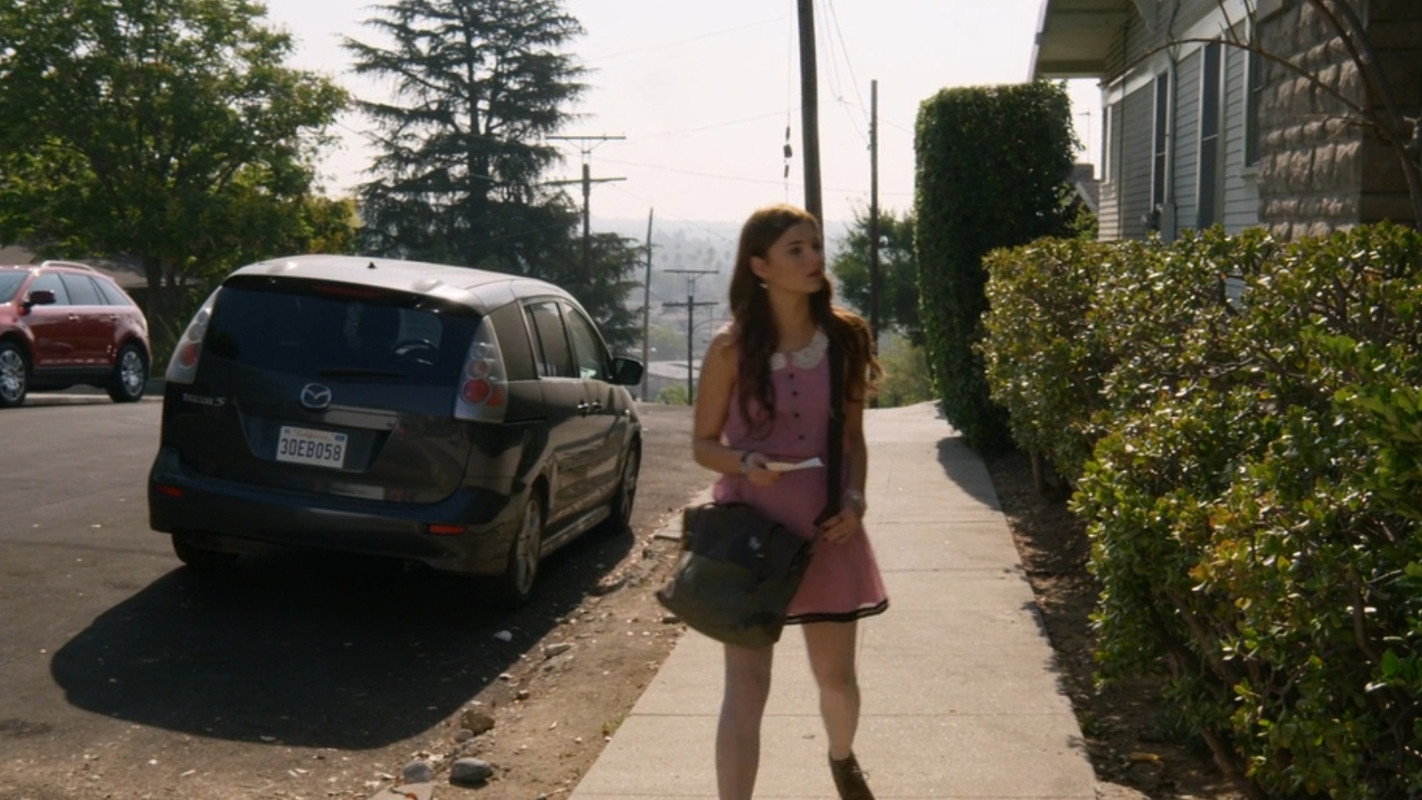
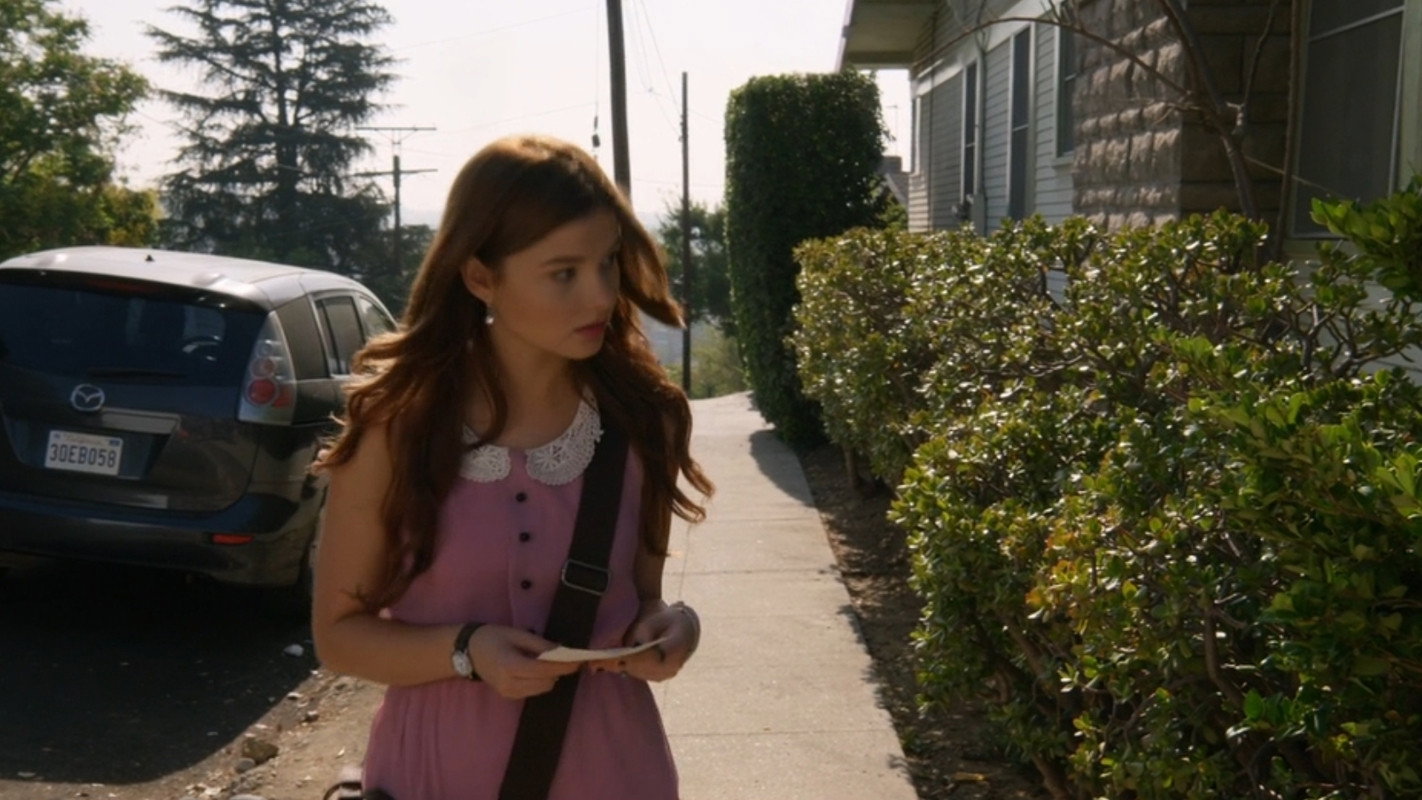
Insidious: Chapter 3 (2015) changes the perspective of the series by moving its story to a time before the haunting of the Lambert family. Teenager Quinn Brenner seeks contact with her dead mother, only to become vulnerable to a hostile presence that follows her into an ordinary apartment building. Her serious injuries after a road accident make the familiar corridors and bedroom increasingly dangerous. The threat reaches beyond Quinn: Elise Rainier, a gifted medium who has withdrawn from her work after a personal loss, must confront the supernatural world she fears entering again.

Leigh Whannell wrote and directed the film, his first feature as director after collaborating with James Wan on the two preceding installments. He retained the series' realm known as the Further while changing the haunted family, the visual texture and the creature at the center of the attacks. Production interviews document a deliberately grimier appearance, performances shaped around bereavement, carefully planned sound and a combination of in-camera effects with digital alterations. The result is a prequel concerned with grief, helplessness and a medium rediscovering the capacity to protect others.

A Prequel Built Around Elise Rainier

After writing the first two Insidious films with James Wan as director, Leigh Whannell faced a narrative problem. Elise had died in the original story, yet Lin Shaye's character had become one of the franchise's strongest attractions. Speaking to Owen Williams, Whannell explained that an earlier setting allowed him to make Elise a living participant instead of confining her to ghostly appearances. He also wanted to leave the Lambert family behind after two supernatural ordeals. These were the writer's stated motives for the prequel, which introduces a different household while preserving connections to the existing mythology.

Directing followed Wan's commitment to Furious 7. In Post Magazine, Whannell said Jason Blum offered him the film and that the established crew made a daunting first feature more manageable. The production operated on a thirty-day schedule. Although his screenplay and previous acting work made the universe familiar, he still had to turn written situations into decisions about color, staging and camera placement. In a contemporary visit to the Los Angeles-area set, CineMovie observed him directing an apartment-corridor exchange through several takes and angles. That report places the creative statements within the practical work of filming.

Whannell wanted the film to function as its own haunting while rewarding knowledge of the earlier installments. Elise's first encounter with Specs and Tucker establishes their later partnership, and her awareness of supernatural danger can foreshadow a fate already known to returning viewers. It selects an earlier episode from Elise's professional history so her decisions drive the action.
Quinn Brenner, Bereavement and Physical Helplessness

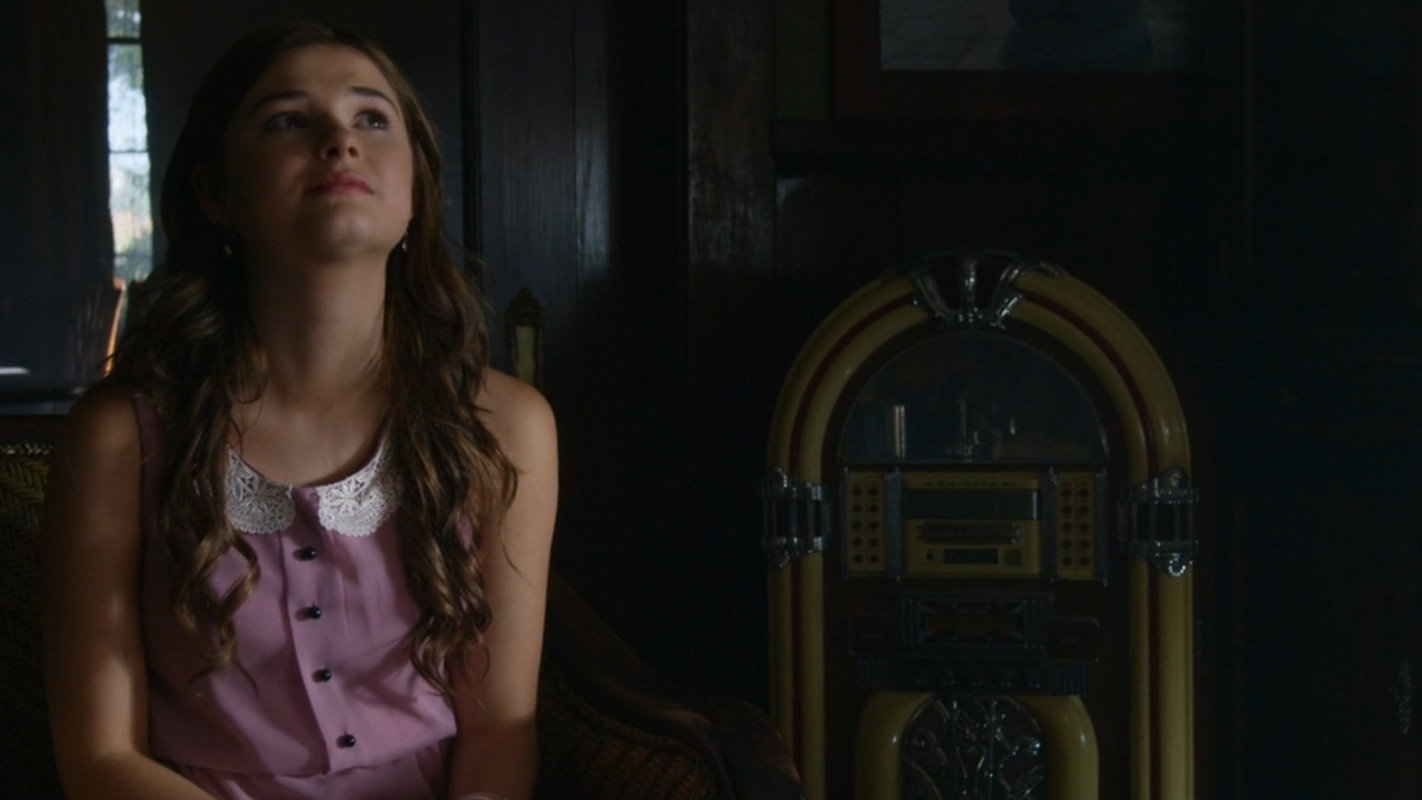
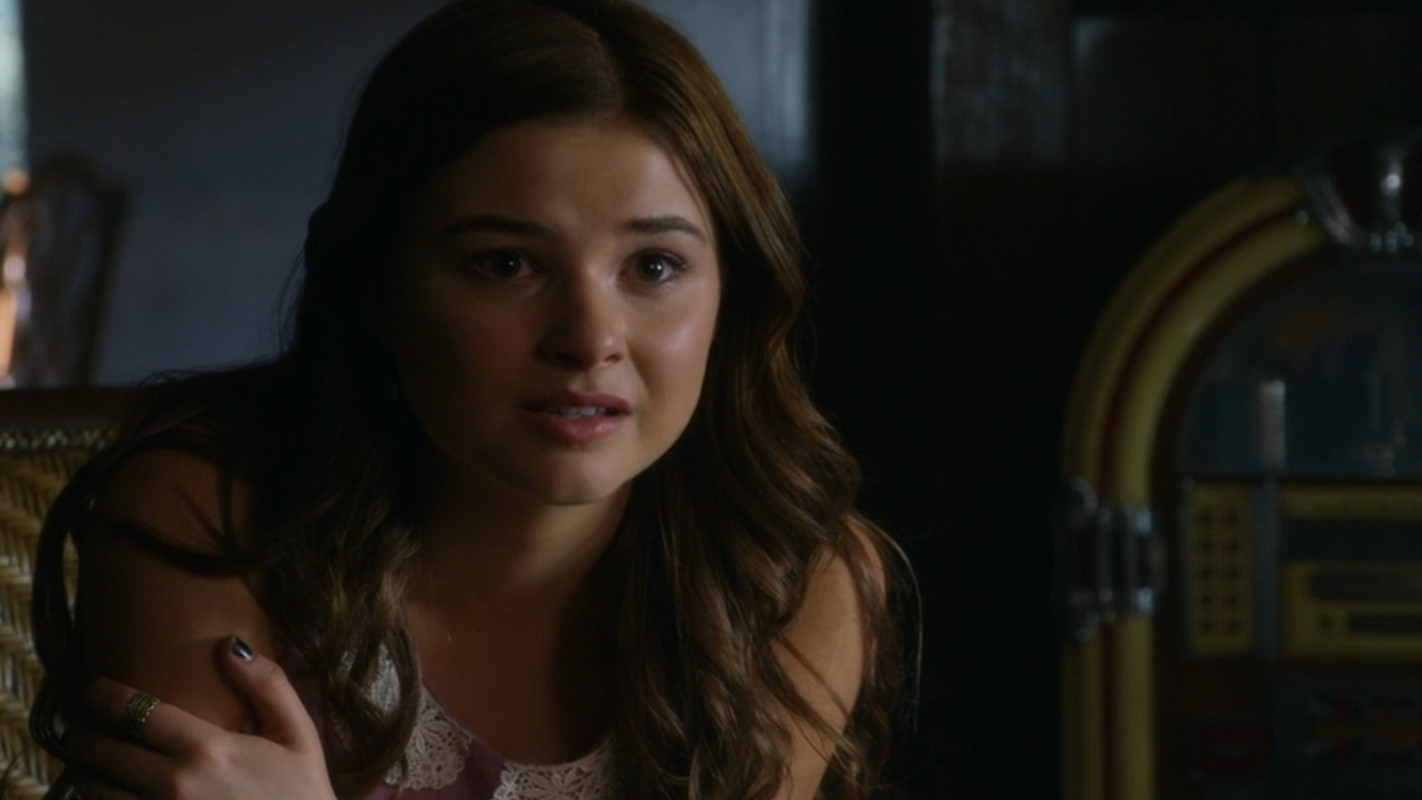
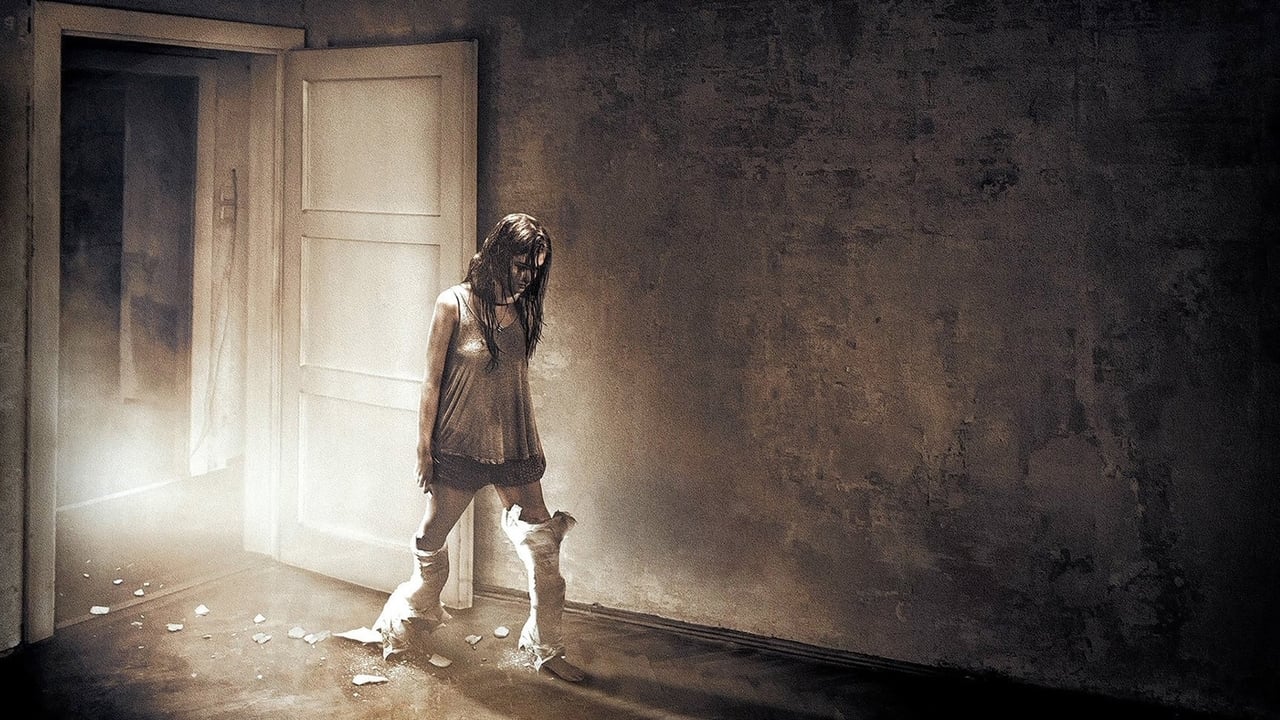
Quinn's attempt to reach her dead mother begins as an understandable act of longing. Her father Sean is overwhelmed by ordinary responsibilities following his wife's death, while Quinn faces decisions about her own future. Their apartment is a place where an absent family member remains present through memory and unfinished conversations. The supernatural danger exploits that emotional vulnerability without making grief itself a sign of wrongdoing. Quinn contacts something other than the person she seeks, creating a division between the comfort promised by a familiar voice and the identity of the entity responding.

The road accident sharply changes the movement available to her. With both legs injured, Quinn spends much of the central ordeal confined to bed or dependent on other people to move around the apartment. Her restricted movement determines how the supernatural pursuit can be staged. The film turns domestic accessibility into a continuing source of suspense: noises can originate outside her reach, and a visitor approaching a doorway may be impossible to avoid. Her constrained perspective encourages the viewer to scrutinize an environment that she cannot freely investigate.

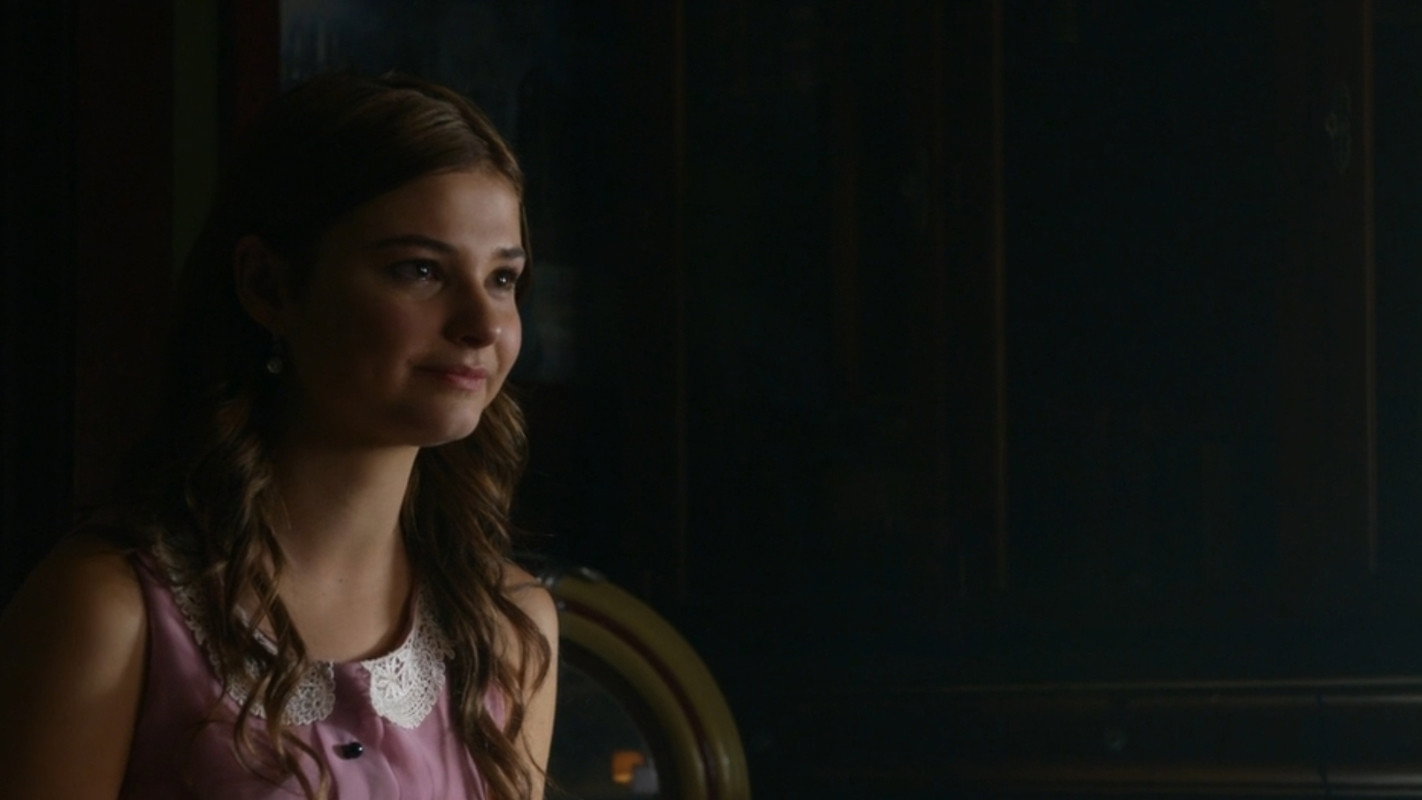
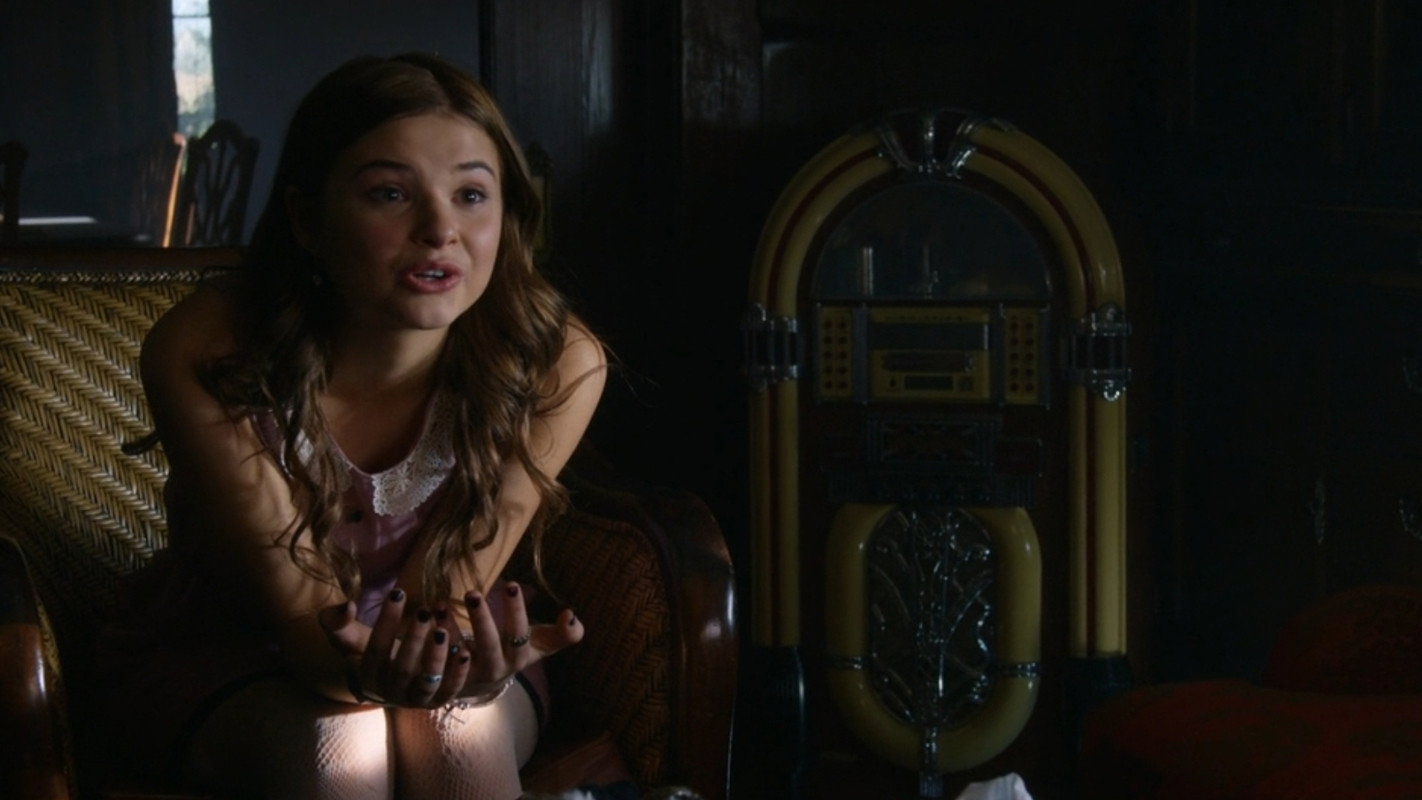
The performances establish a shared history of loss. CineMovie's original set report records Stefanie Scott discussing preparation for Quinn through music, journaling and conversations about the character. Whannell also wanted to ground the haunting in a recognizable family. Sean's uncertainty about the haunting matters because he must decide whether to trust his daughter's experience while facing practical concerns about her recovery. That tension keeps the film's emotional stakes legible between supernatural confrontations.

The Man Who Cannot Breathe and the Shape of Illness

The film's primary antagonist is presented through symptoms of decay: a thin figure, an oxygen mask and an atmosphere associated with sickness. Whannell identified actor Michael Reid MacKay in his interview with Owen Williams, recalling that he had asked for someone resembling the performer who appeared in David Fincher's Seven and learned that the same actor could be hired. His choice helps distinguish this apparition from the more theatrical demons of the preceding Insidious films. The entity is frightening through apparent bodily weakness as well as aggression, turning a hospital-associated object into an instrument of menace.

Whannell told interviewers that he wanted a subdued and dirty style for the film's spirits, avoiding some of the ornate costumes and brilliant colors of Wan's earlier installments. The design of the breathing figure realizes that intention through a recognizable silhouette that can be identified at a distance. Its attacks gain force from the contrast between a sickly appearance and extraordinary power over Quinn's surroundings. The film also uses dark footprints and misleading movements to suggest an intruder occupying an apartment whose layout the audience increasingly knows.

The illness imagery is a creative metaphor, not a factual description of people who use breathing equipment. The character's predation belongs to the supernatural narrative, and its visual references should not be mistaken for a statement that disability or disease makes someone dangerous. The more significant horror mechanism is the way a figure apparently dependent on aid becomes capable of depriving another person of safety and bodily autonomy. His presence converts an everyday piece of medical equipment into evidence that the comforting explanation for an encounter may be wholly false.

Apartment Architecture, Shadows and the Further

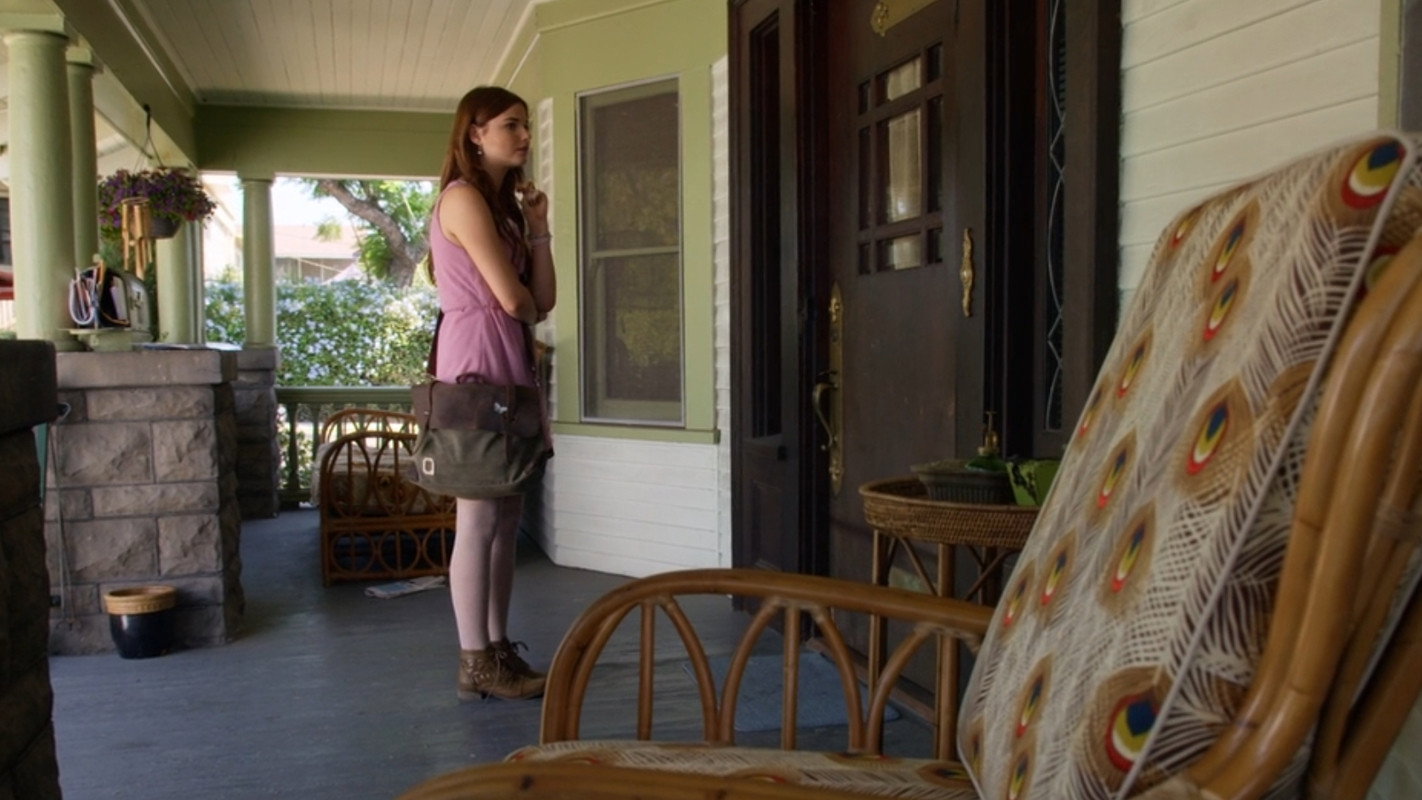
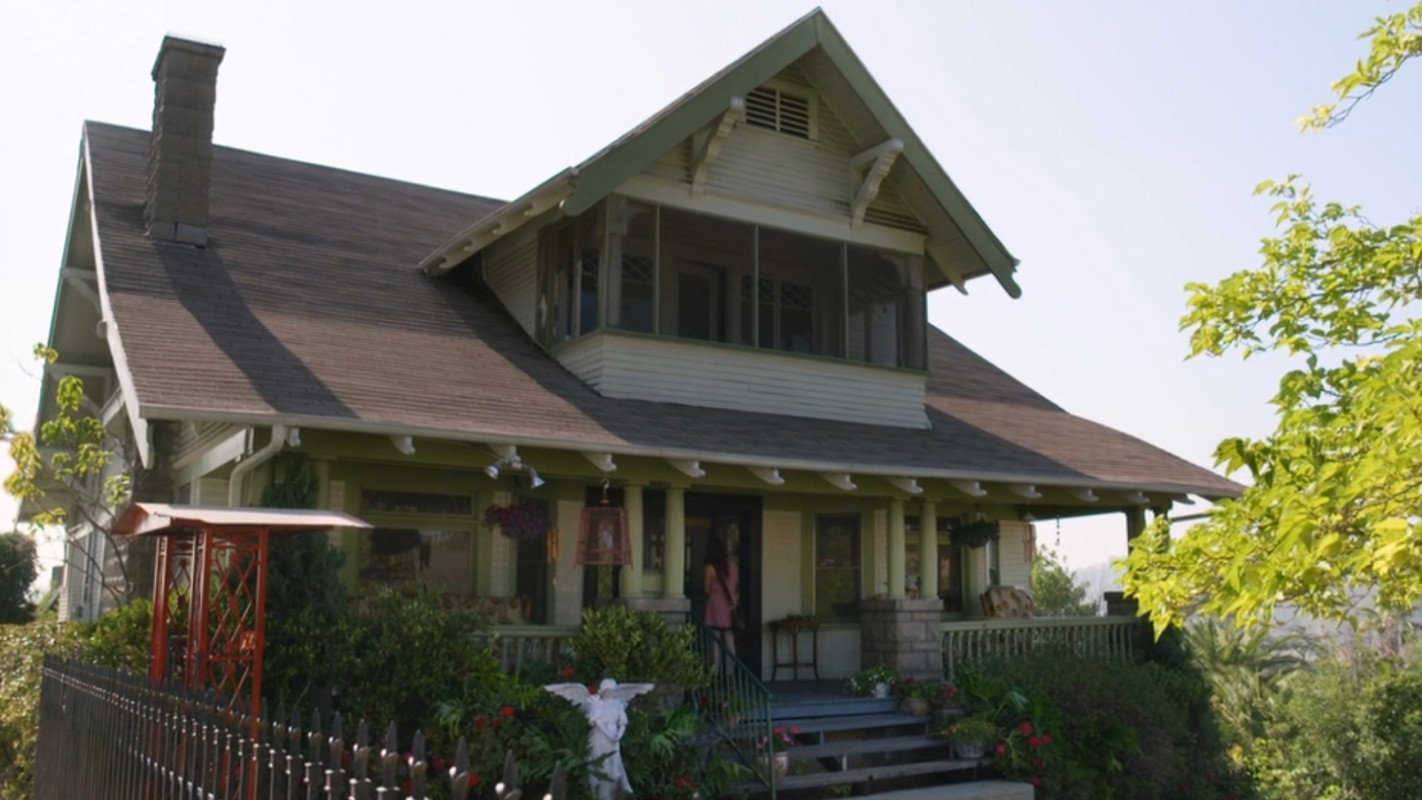
The production deliberately altered the established look of Insidious. In a technical interview, Whannell recalled showing cinematographer Brian Pearson the look of David Fincher's Seven while seeking a grimier visual world. In the same interview, he contrasted this aim with the stronger colors and Gothic costumes he associated with Wan's directing. The change suited a story in which the ordinary rooms of an apartment building should carry much of the fear before characters enter the supernatural realm. Its interiors resemble familiar urban homes, departing from the imposing Gothic houses common in older supernatural thrillers.

The building's corridors, doors and stairways produce suspense by controlling access to information. A character can hear activity beyond a threshold without being able to determine what is moving there. The length of a hallway becomes threatening when a person cannot easily cross it, particularly once Quinn is injured. CineMovie witnessed part of this setting in use during the 2014 shoot in Sun Valley, California, documenting how a seemingly mundane corridor conversation required careful positioning and repeated coverage.

The Further remains a distinct space governed by different visual expectations. Here Elise must navigate darkness and encounter presences that do not behave according to ordinary domestic routines. Whannell told Owen Williams that he liked spirits who seemed trapped in repetitive gestures or speech, giving the otherworld a quality of ongoing private torment. That explanation clarifies the unsettling behavior of minor figures without requiring an elaborate origin for every one. Elise's fear makes entering it a personal risk.

Sound, Editing and Invisible Digital Effects

Whannell described sound as central to cinematic fear during his Post Magazine interview. He wanted individual noises to express a scene's emotional circumstances, explaining that a door or air-conditioning unit could convey emotional pressure through ordinary background noise. The movie exploits the space between a small audible cue and the spectator's expectation of a visible threat. Its shocks depend on how quiet passages direct attention before a disruptive event occurs.

Postproduction was integrated into photography. Whannell said visual-effects supervisor Matt Lynn of Legion worked on set and that editor Timothy Alverson assembled material while filming continued. Early edits could reveal missing coverage, allowing the director to obtain an additional shot before a location or set became unavailable. Whannell also discussed the digital intermediate at FotoKem with cinematographer Pearson and colorist Walter Volpatto. Those stages helped sustain a controlled relationship between the apartment's low lighting and the dark environment of the Further.

Digital effects were not limited to creating obvious monsters. Whannell described wire and equipment removal among the film's numerous subtle effects. In a separate 2017 interview with Dread Central, Legion co-founder James Hattin identified a specific scare outside an apartment window: the view was a greenscreen photographed on a Los Angeles stage, later given a complete digital background by artist Kyle Spiker. Hattin also discussed the effect of Quinn losing parts of her body inside the Further. These accounts document targeted digital fabrication working alongside physical performers, sets and makeup. They do not support treating every threatening image as computer-generated or all of the film's visual tricks as practical.

The 2015 Release and Its Place in the Series

Insidious: Chapter 3 reached American theaters on June 5, 2015, after screenings in several international territories. Its prequel form offered an alternative to extending the Lambert family's story for a third consecutive picture. The return of Shaye as a central performer and the establishment of Elise's partnership with the two amateur investigators strengthened the series' continuity while allowing a new victim and supernatural adversary to occupy most of the drama. The film also marked Whannell's first feature directing assignment, a concrete career development distinct from any later judgment of its artistic success.

Contemporary criticism registered both the competence of the scares and the familiarity of the franchise's methods. Gary Goldstein's June 2015 Los Angeles Times review praised Shaye, the emotional dimension of Elise and the film's accessible prequel structure. Other reviewers found the supernatural shocks less inventive than those in the first installment. These positions describe different critical responses, so the later survival of the franchise should not be presented as proof of unanimous contemporary acclaim. The film's PG-13 classification also provides context for its preference for suspenseful framing, apparitions and impacts over prolonged graphic injury.

Whannell kept the franchise's idea of an inhabited supernatural dimension while changing the texture of the living world and the kind of body associated with its principal demon. The immobilized Quinn and the hesitant Elise create complementary forms of vulnerability: one cannot freely move through her home, while the other must voluntarily enter a feared space to help her. That arrangement gives Chapter 3 a clear dramatic identity within a series whose larger mythology continued to develop in later films.

References

  1. Post Magazine Director's Chair: Leigh Whannell - Insidious Chapter 3

    Iain Blair interviews Whannell on his directing debut, the thirty-day shoot, the Fincher-inspired look, editorial planning, Legion VFX and sound postproduction.
  2. Owen Williams / original Empire interview Leigh Whannell Interview - Insidious 3

    The journalist republishes his complete original interview with Whannell on the prequel, Elise, the monster performer, ghost behavior and changes from the earlier films.

  3. CineMovie Exclusive: Insidious: Chapter 3 Set Visit

    Fernando Esquivel reports from the July 2014 Los Angeles-area shoot and records first-hand remarks by Whannell and performers on staging and character preparation.
  4. Dread Central Exclusive: Chatting CG in Horror With Legion VFX Co-Founder James Hattin

    Jonathan Barkan interviews a visual-effects artist who worked on the film and explains the digitally completed window scare and altered-body shots.

  5. Los Angeles Times Insidious 3 Holds Its Own With Mayhem and Levity

    Gary Goldstein offers a contemporary June 2015 assessment of the prequel, Lin Shaye, its family story and Whannell's balance of scares and humor.

Connections

Cast

View Full Cast & Crew →

Release & Distribution

Production Companies (2)

  • Blumhouse Productions US
  • Lionsgate Canada CA

Distributors (1)

  • InterCom HU

Release History (28)

Release DateTerritoryRelease TypeFormatDistributorCertificationNotes
2015-05-28 Romania Theatrical — — 18+
2015-06-02 Indonesia Theatrical — — —
2015-06-04 Czechia Digital — — 18+
2015-06-04 Spain Theatrical — — 16
2015-06-04 Italy Theatrical — — VM14
2015-06-04 Kazakhstan Theatrical — — —
2015-06-04 Slovakia Theatrical — — 15
2015-06-05 United Kingdom Theatrical — — 15
2015-06-05 Ireland Theatrical — — 15A
2015-06-05 Lithuania Theatrical — — N-13
2015-06-05 United States Theatrical — — PG-13
2015-06-18 Argentina Theatrical — — +13
2015-06-18 Hungary Digital — — 18
2015-06-18 Thailand Theatrical — — 13
2015-06-19 Poland Theatrical — — od 15 lat
2015-06-25 Greece Theatrical — — —
2015-06-25 Netherlands Theatrical — — 16
2015-07-02 Germany Theatrical — — 16
2015-07-08 France Theatrical — — 12
2015-07-09 South Korea Theatrical — — 15
2015-07-23 Australia Theatrical — — M
2015-07-30 Brazil Theatrical — — 14
2015-08-06 Portugal Theatrical — — M/16
2015-10-21 Netherlands Physical DVD, Blu-ray — 16 DVD, Blu ray
2015-10-23 New Zealand Physical DVD — M DVD
2015-10-26 Denmark Physical — — 15
2016-01-16 Japan Digital — — R15+
2026-08-31 France TV — — 12 RTL9
This is how you die.