Development and Reworking the Original
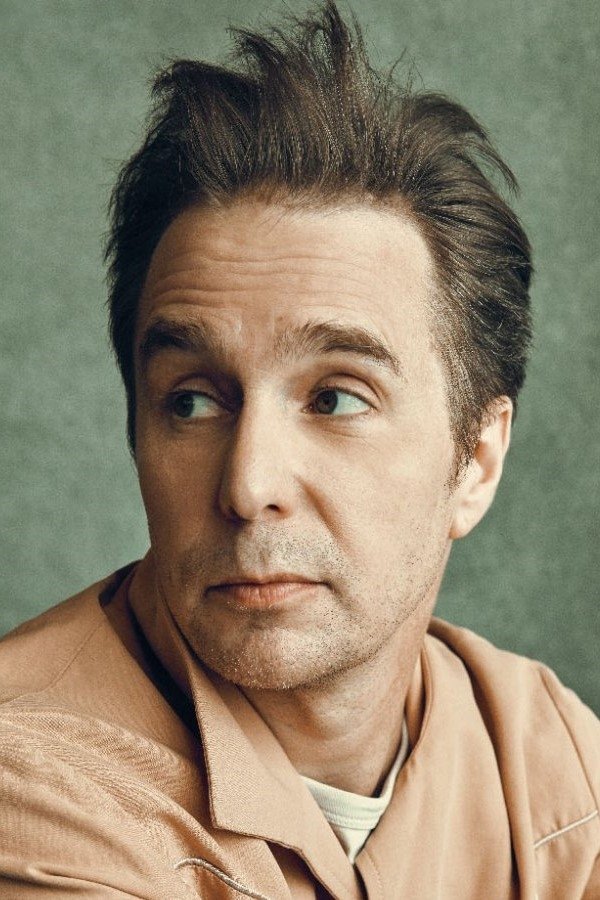
Kenan entered the project after reading a draft sent to him by Raimi. Interviewed by Brendon Connelly in May 2015, he said that the screenplay's attention to the family's experience of a daughter's abduction persuaded him to accept the assignment. He subsequently worked with Lindsay-Abaire for about six months on revisions. The director also described sessions involving Sam Rockwell and the writer, during which the dialogue and relationship between the parents could respond to the performers. This testimony establishes his stated priorities without documenting every revision.
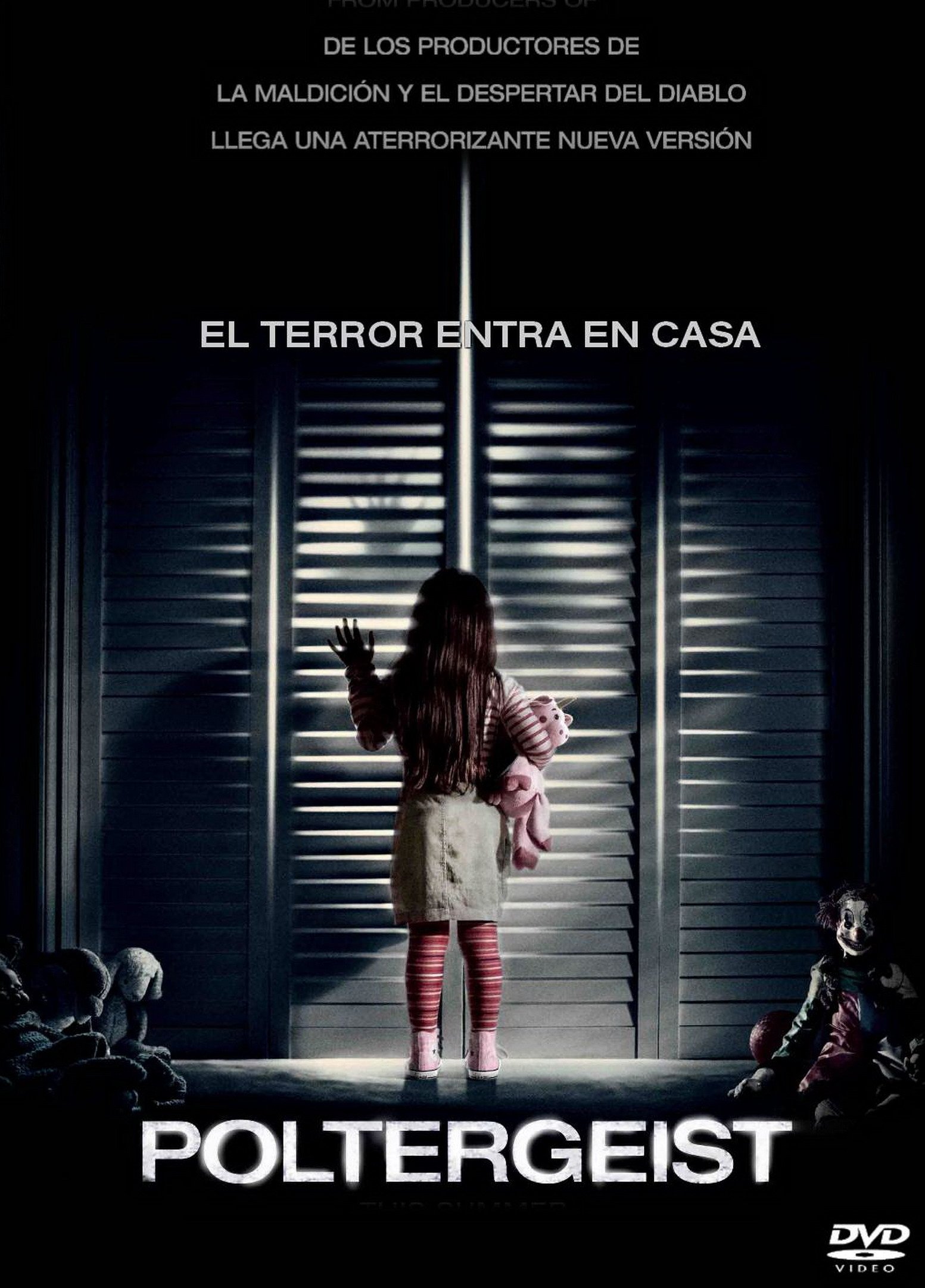
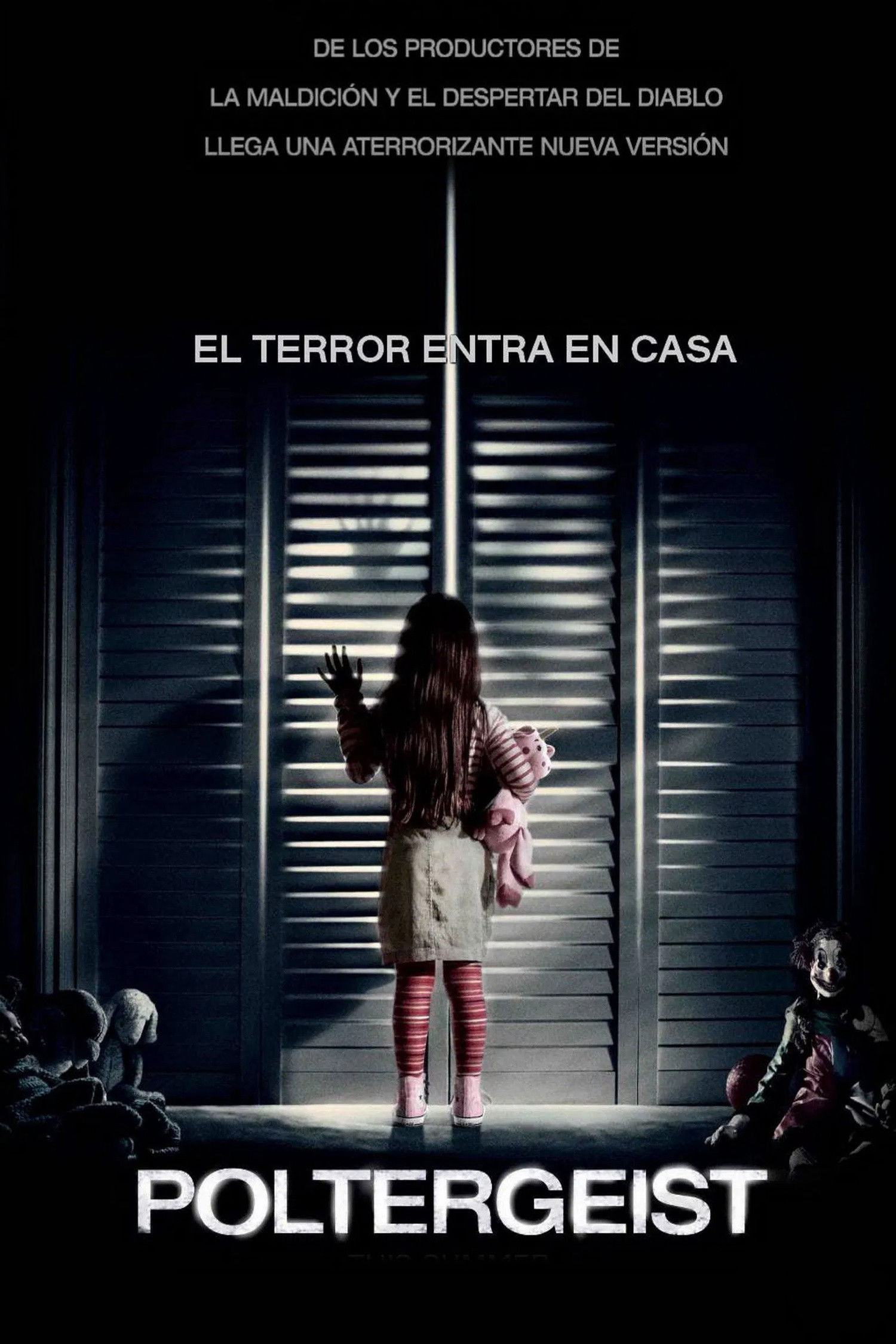
The film retains several recognizable structures from its predecessor: disturbances that intensify inside an ordinary house, a child separated from the family and specialists brought in after conventional explanations fail. It changes the household from the Freelings to the Bowens, giving the parents different economic circumstances and allowing the younger son to occupy a more prominent point of view. Kenan acknowledged that he removed material after shooting because he wanted a relatively concise theatrical version. During promotion he discussed a possible longer home-video cut, but that statement was a plan during that interview, not evidence that every omitted scene was restored.
Home Ownership and Suburban Insecurity
Eric Bowen has lost his job, and moving house requires the family to accept a neighborhood they might otherwise have avoided. Amy attempts to maintain ordinary domestic routines as their children adjust to the upheaval. The premise changes the dramatic pressure surrounding the property. In the 1982 picture, the Freeling home belongs to a prosperous development whose apparent security masks a buried history. Here, disappointment with the suburban promise is already present before a ghost appears. This contrast is part of the remake's historical specificity, although it does not by itself make the supernatural narrative a fully developed examination of the housing crisis.
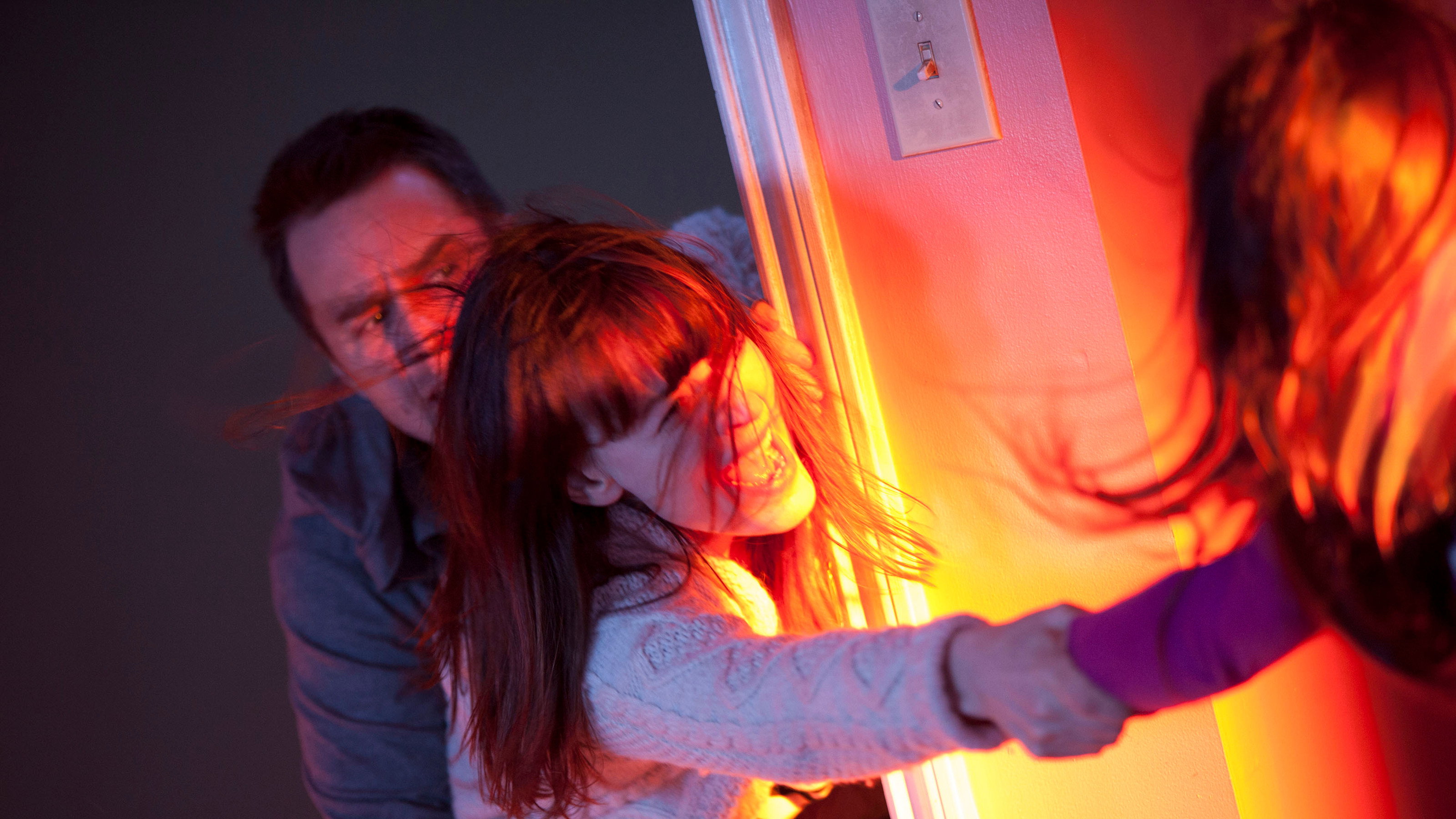
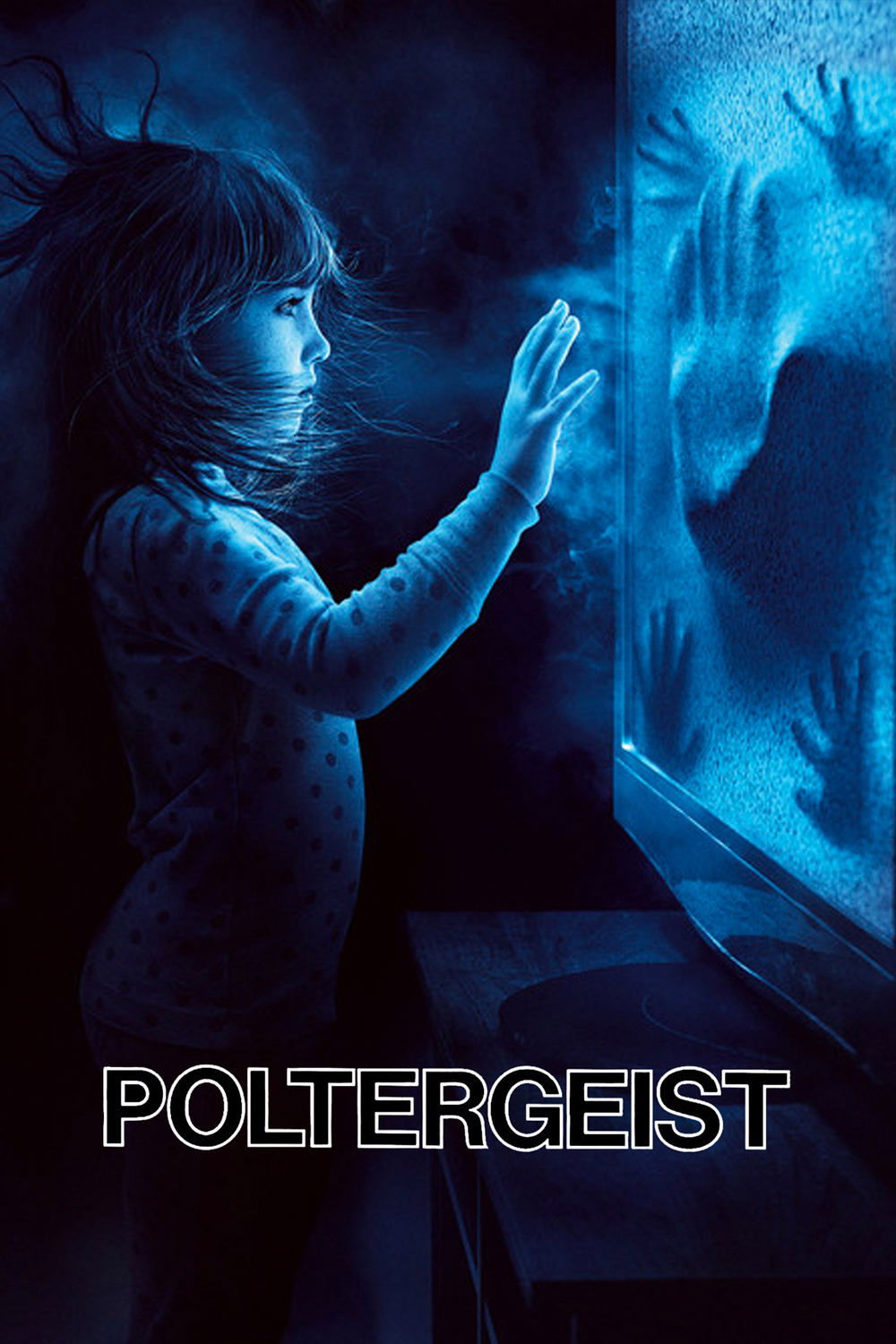
The house gradually turns small irritations into threats, using familiar rooms and possessions as the objects through which danger becomes visible. A children's bedroom can become a site of disappearance, while the distance between floors acquires an unfamiliar significance once the haunting intensifies. The cemetery beneath the neighborhood preserves the original story's relationship between residential development and the treatment of the dead. Both films therefore tie the danger to decisions made before the current occupants arrived. The new family's limited choices place a different emphasis on that inheritance: leaving a compromised home is more complicated when financial insecurity has already narrowed the available alternatives.
Children, Camera Position and Domestic Space
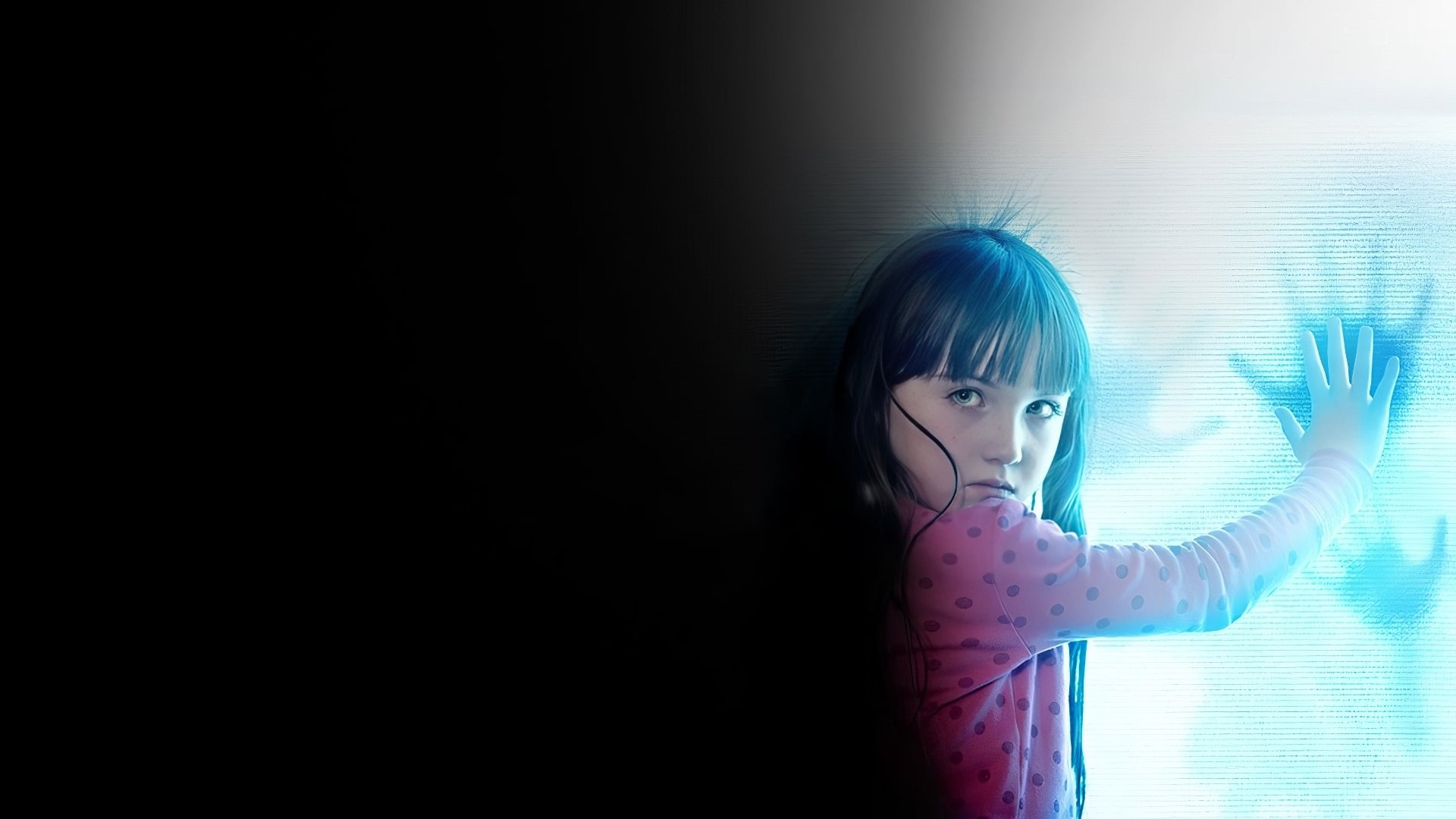
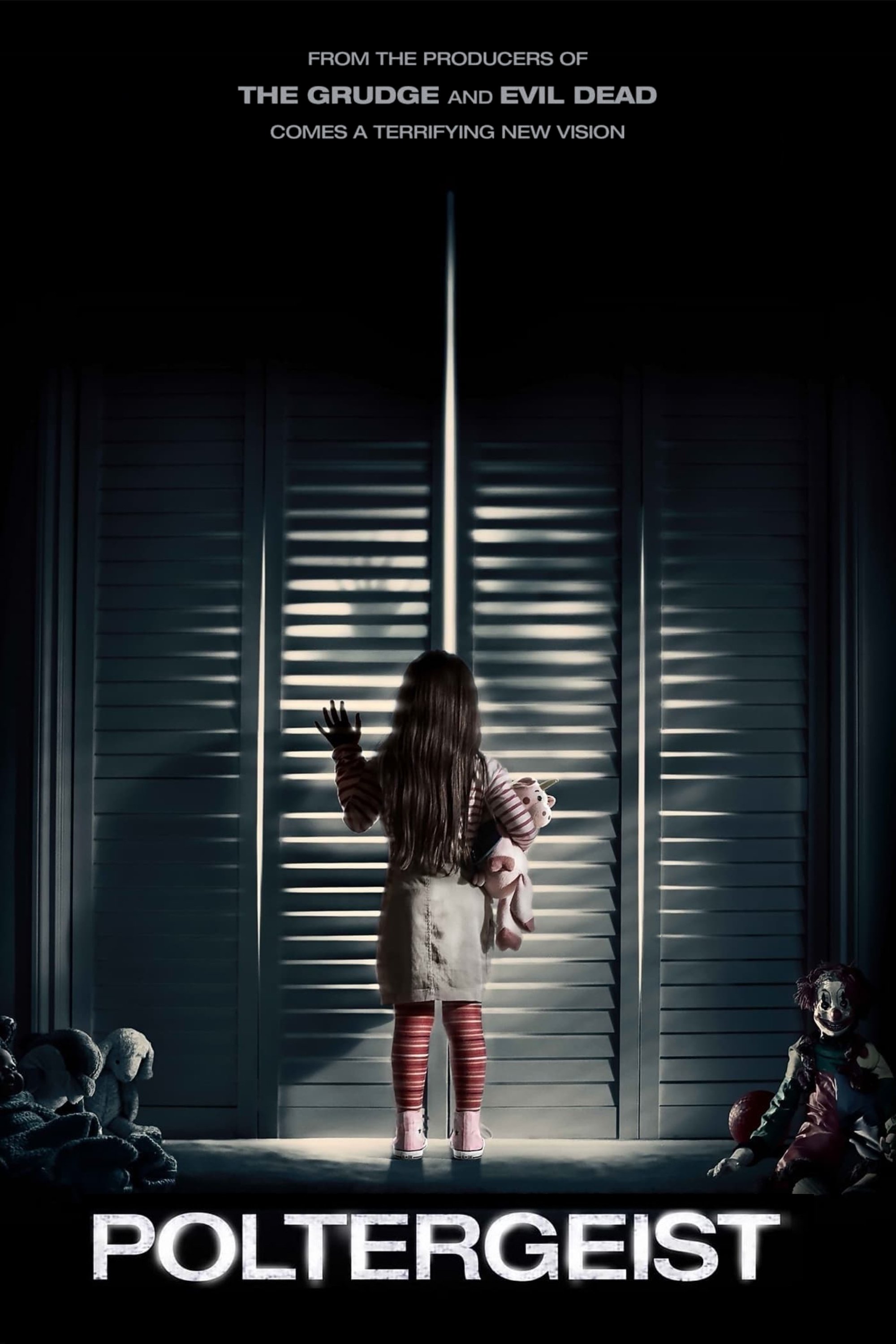
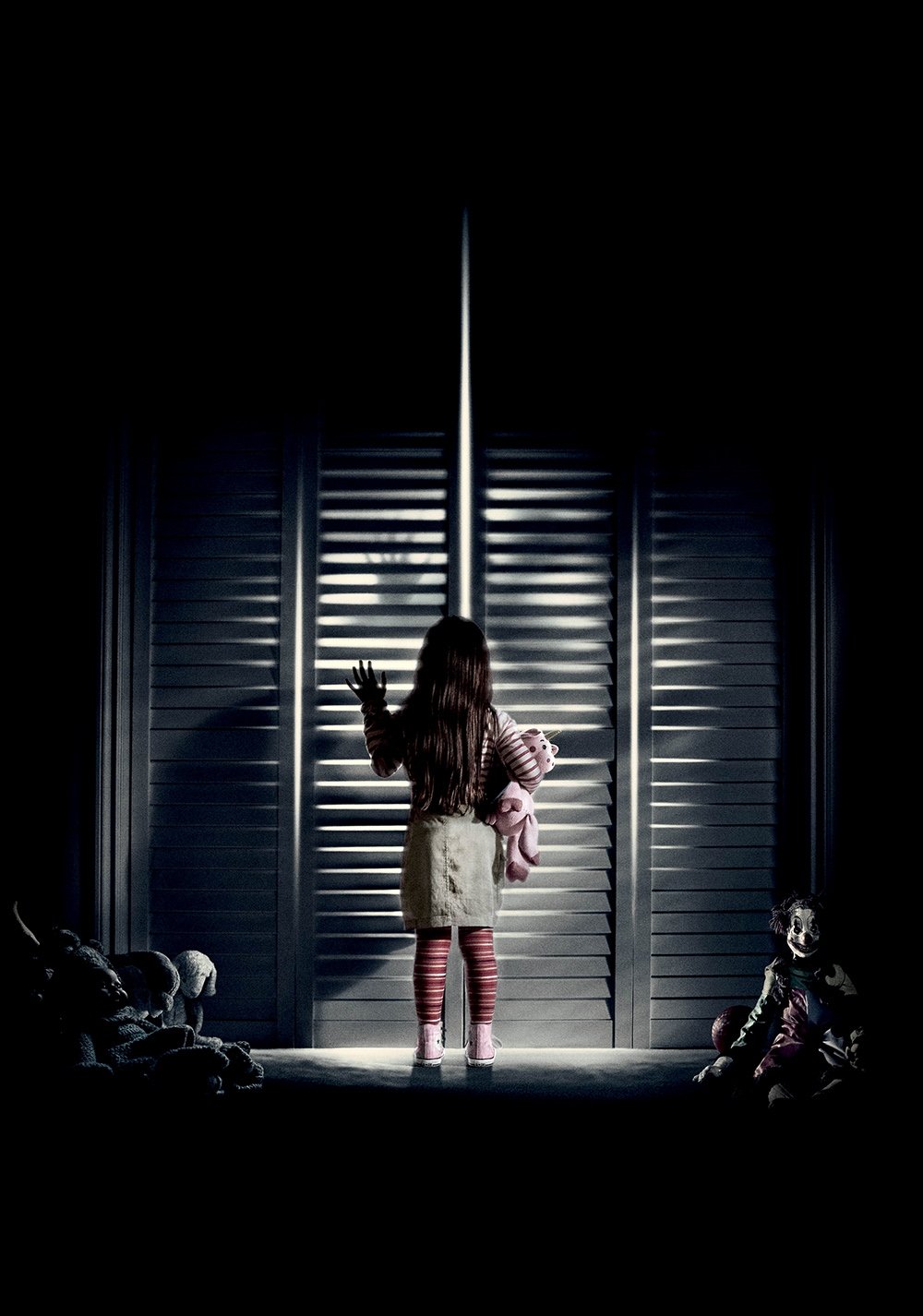
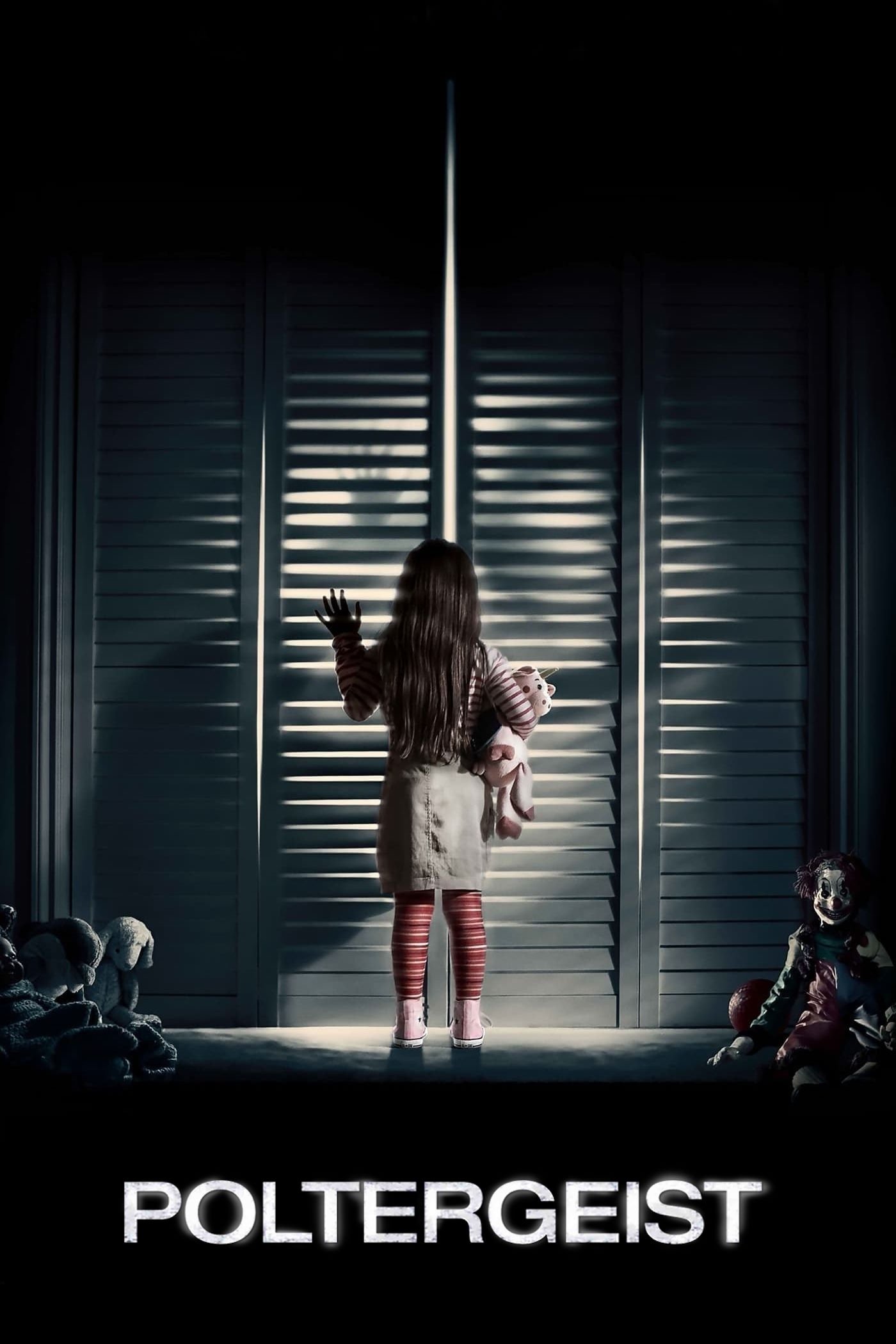
The younger children encounter the most disturbing manifestations before the adults can explain them. Madison forms a connection with unseen presences, while Griffin notices hazards that older members of the household tend to dismiss. Kenan told Connelly that he planned camera height with the child's experience in mind. An eye-level close to the younger characters could make the audience share their uncertainty about a corridor, closet or adjoining room. That principle gives the film a specific visual approach to a familiar haunted-house convention: the architecture seems to conceal information from viewers who occupy the same limited vantage as the children.
Kenan also linked the framing of adult scenes to the actors' movement within them. He described withholding a final shot list for some dramatic material until he could observe the blocking, so the household relationships shaped camera placement. This is most relevant during the early stretches, when the home has to function as a believable living environment before it becomes hostile. The middle child's fear is already visible in his relation to rooms and objects, so the later attacks have spatial associations established in advance. Those choices coexist with conventional shocks, but they clarify why the setting matters beyond providing surfaces for sudden apparitions.
Stereoscopic Images and Digital Objects
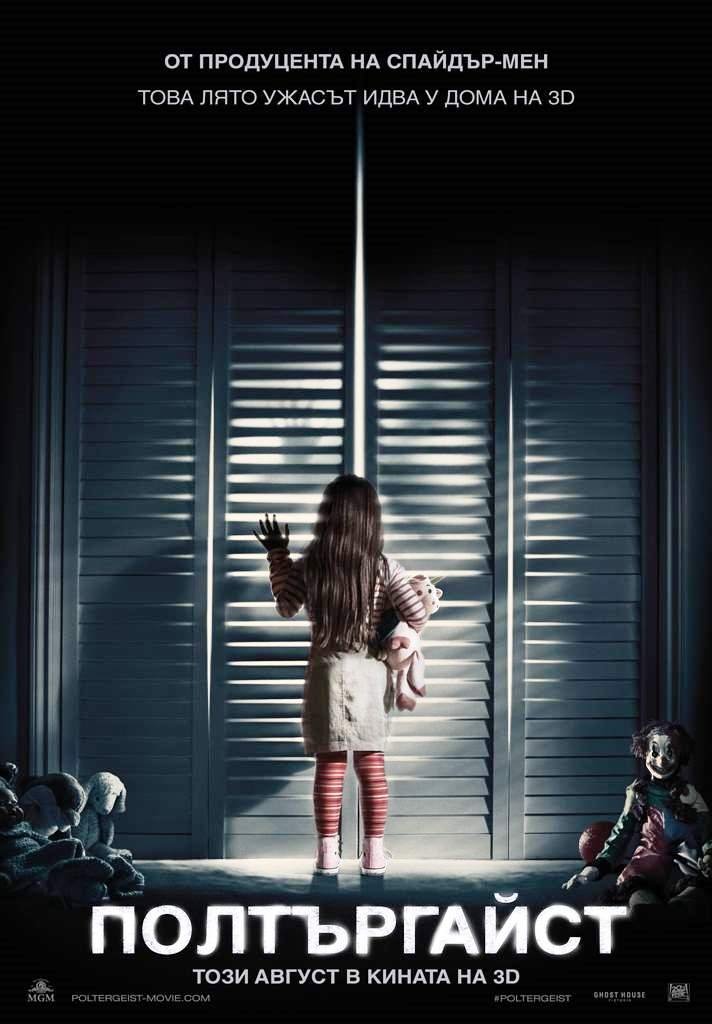
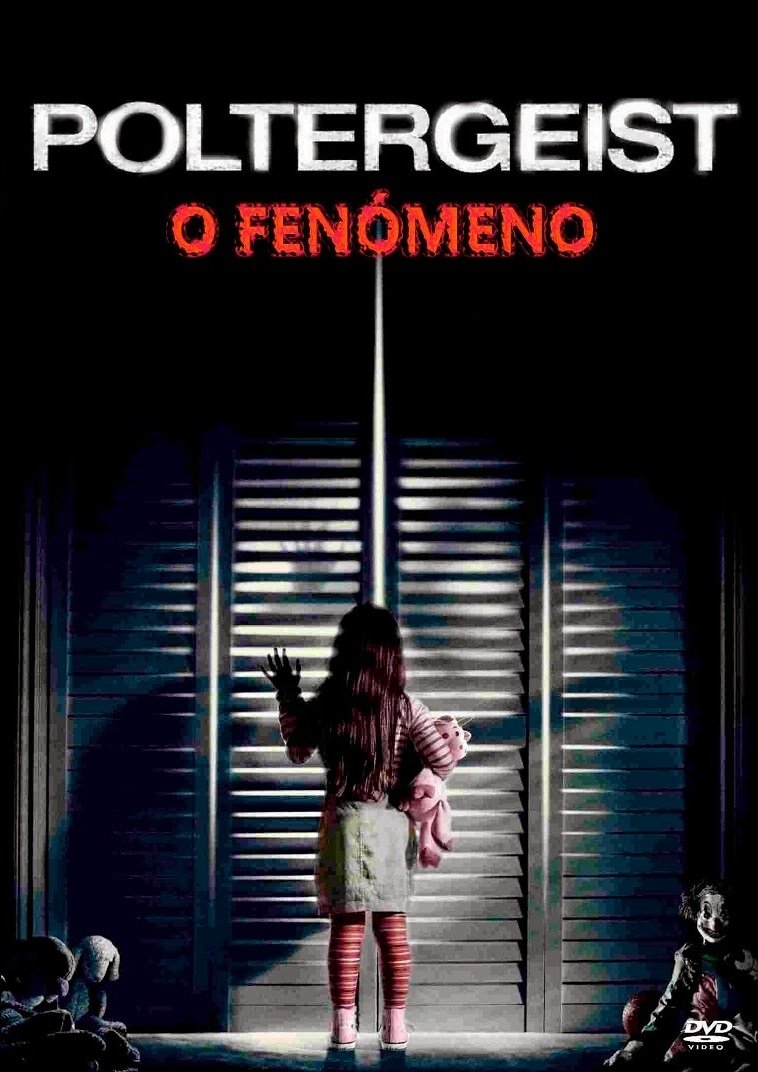
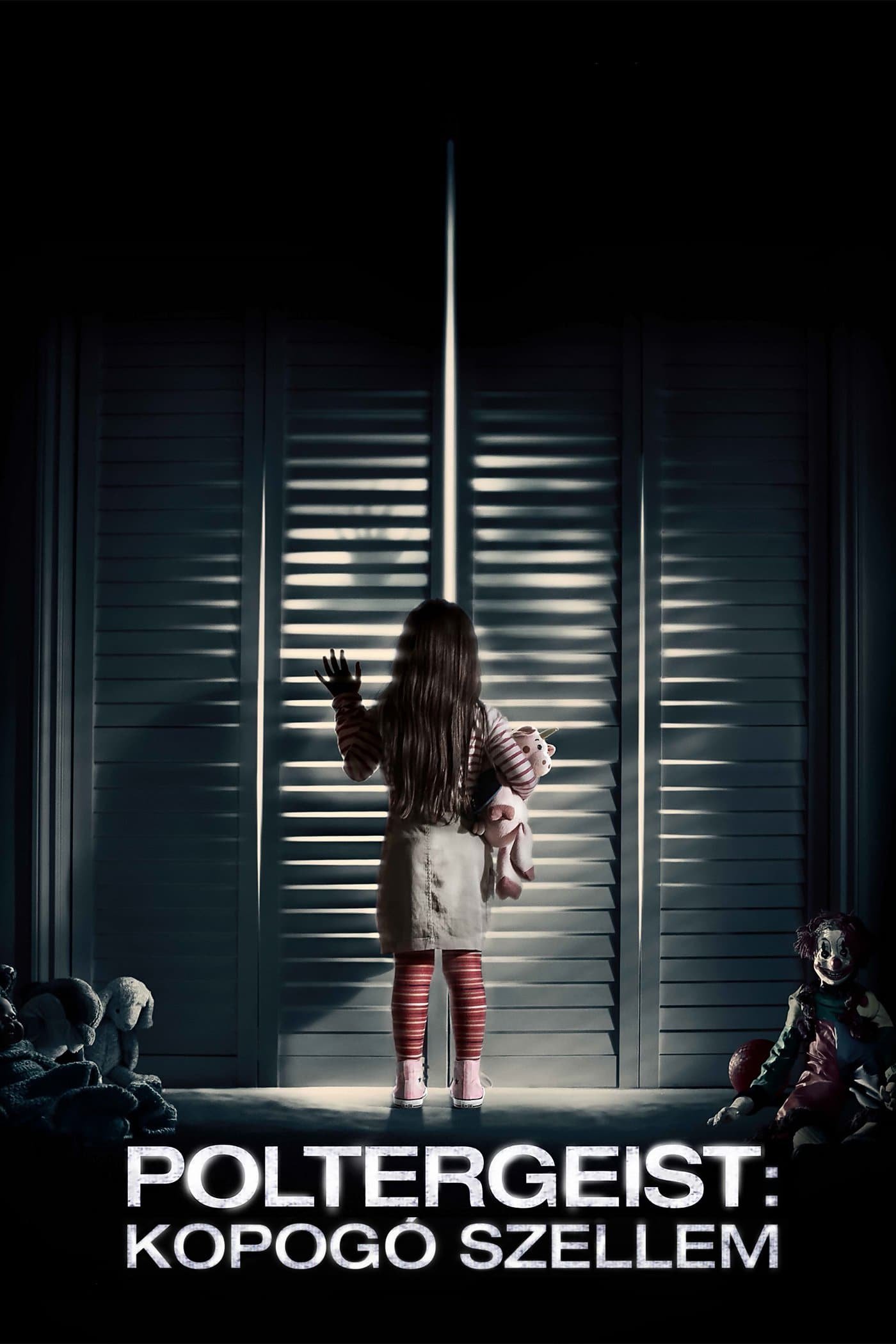
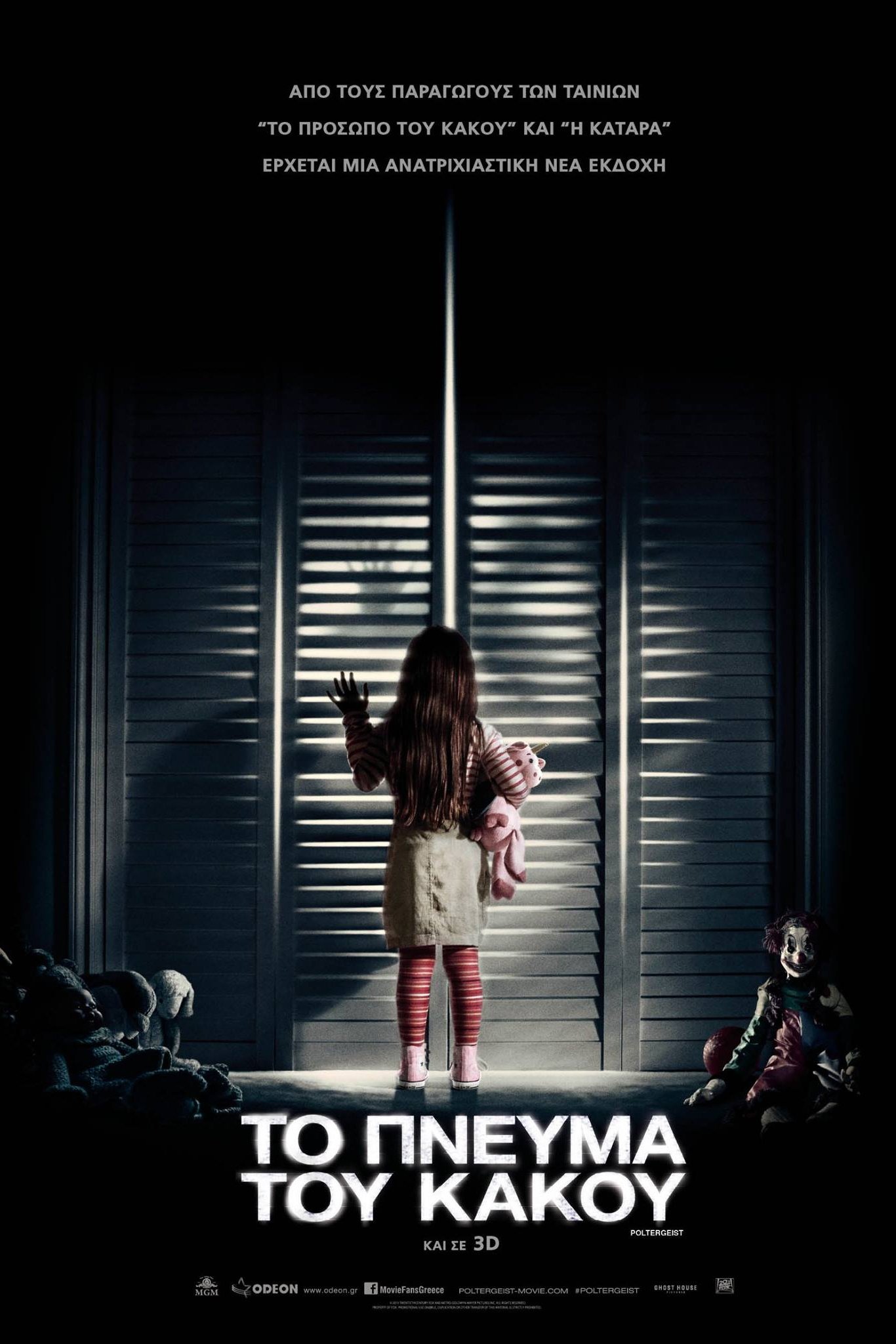
Poltergeist was designed for 3D presentation, and Kenan said he treated stereoscopy as part of the photographic plan instead of a late addition. In his director interview, he distinguished large-scale effects from subtler uses of depth during intimate scenes. He also recalled using camera movement during the first awakening of the house to shift the viewer's relation to its interior. These intentions can be assessed against the finished film, which frequently draws attention to distances between figures and thresholds between adjoining spaces. The format belongs to the remake's production identity, even though contemporary critics questioned whether the added depth justified revisiting the material.
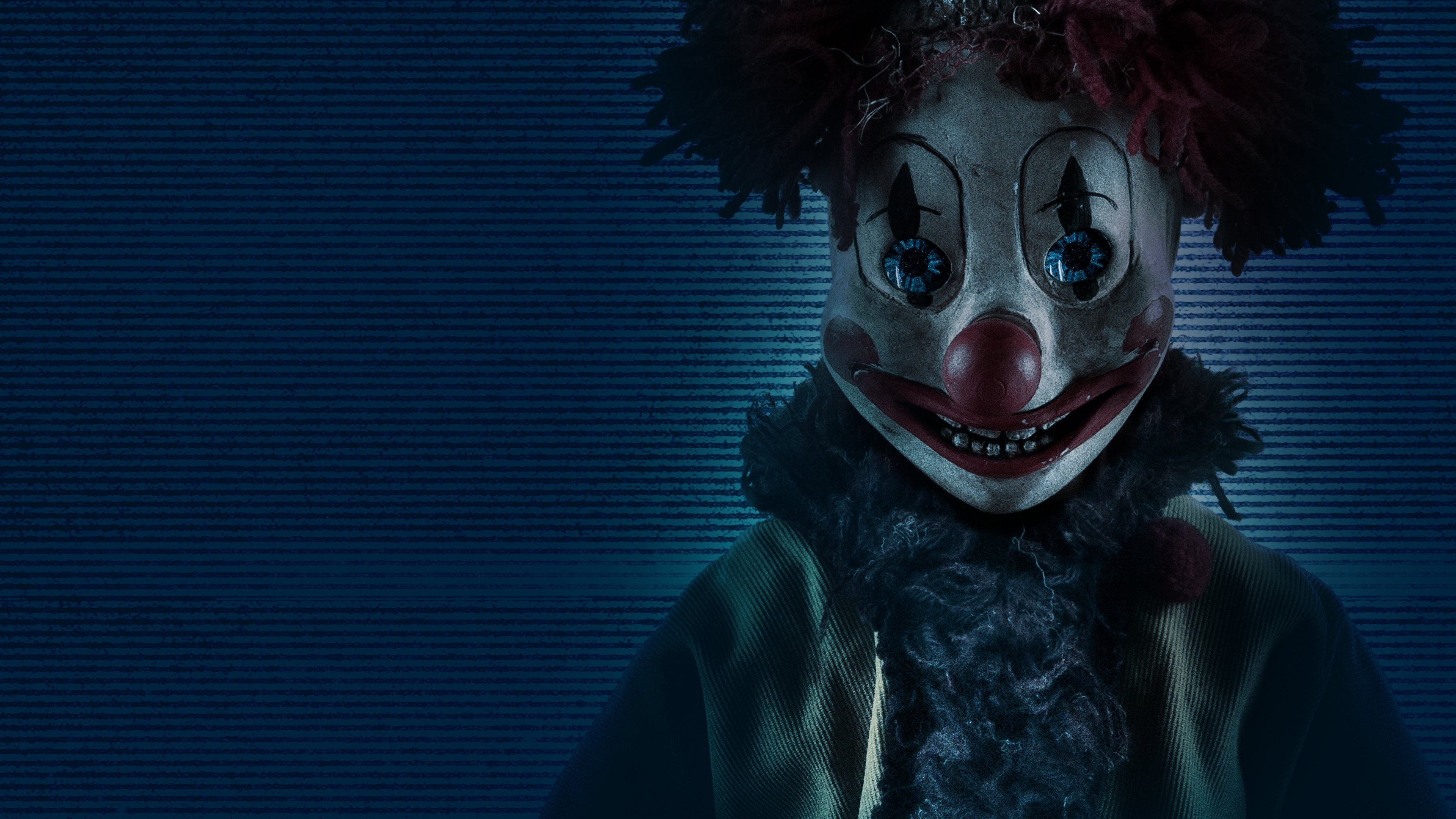
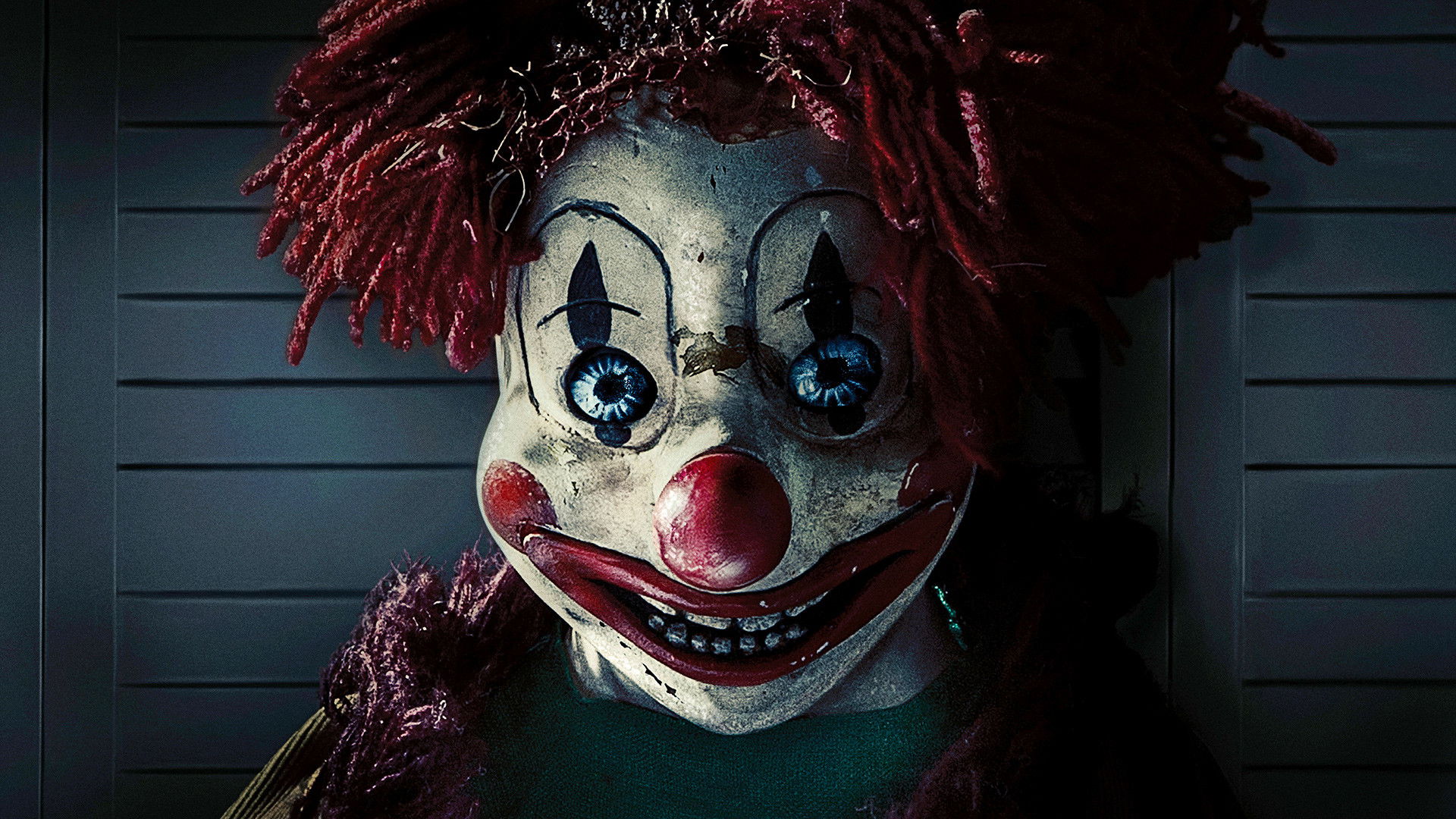
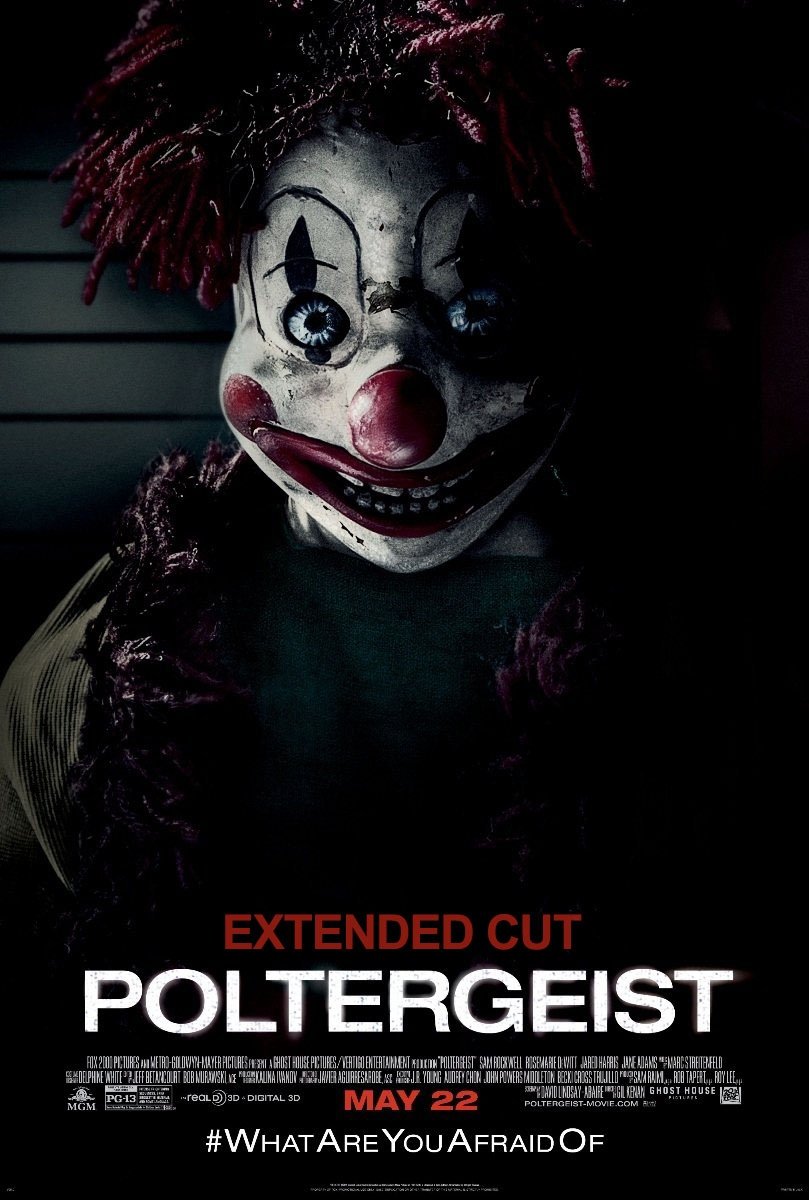
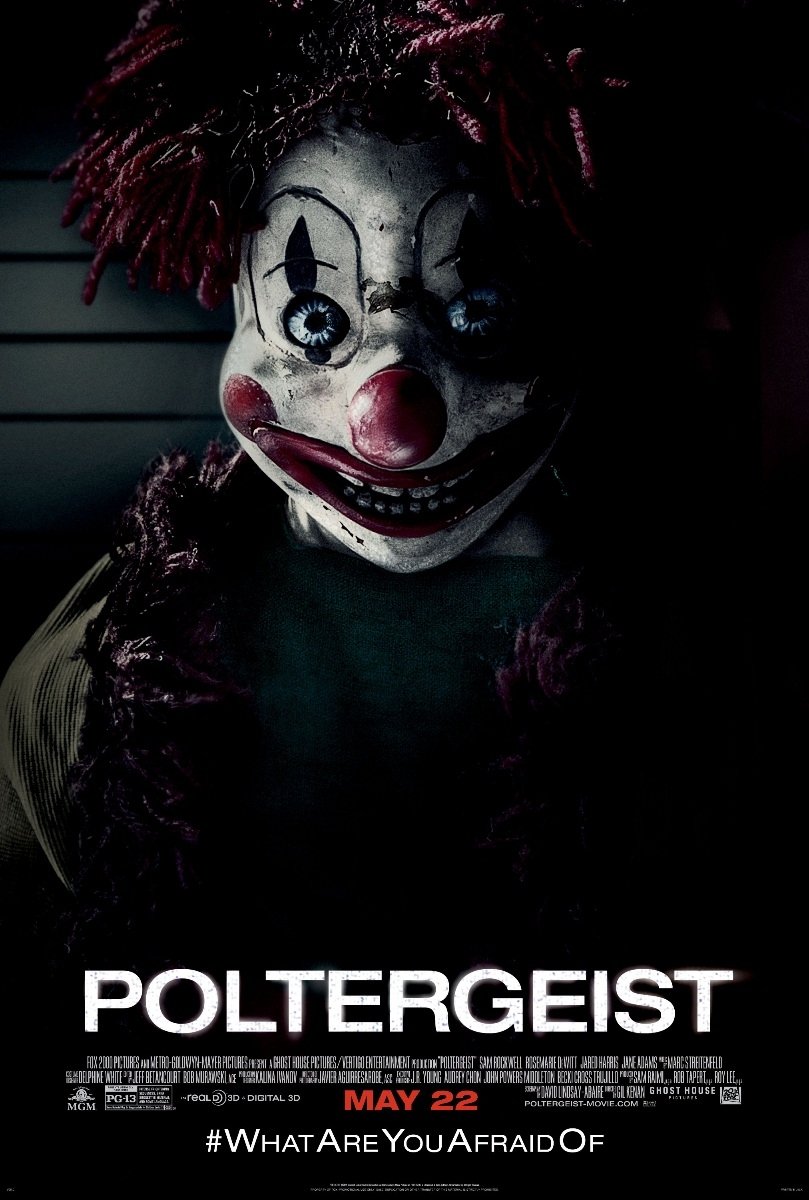
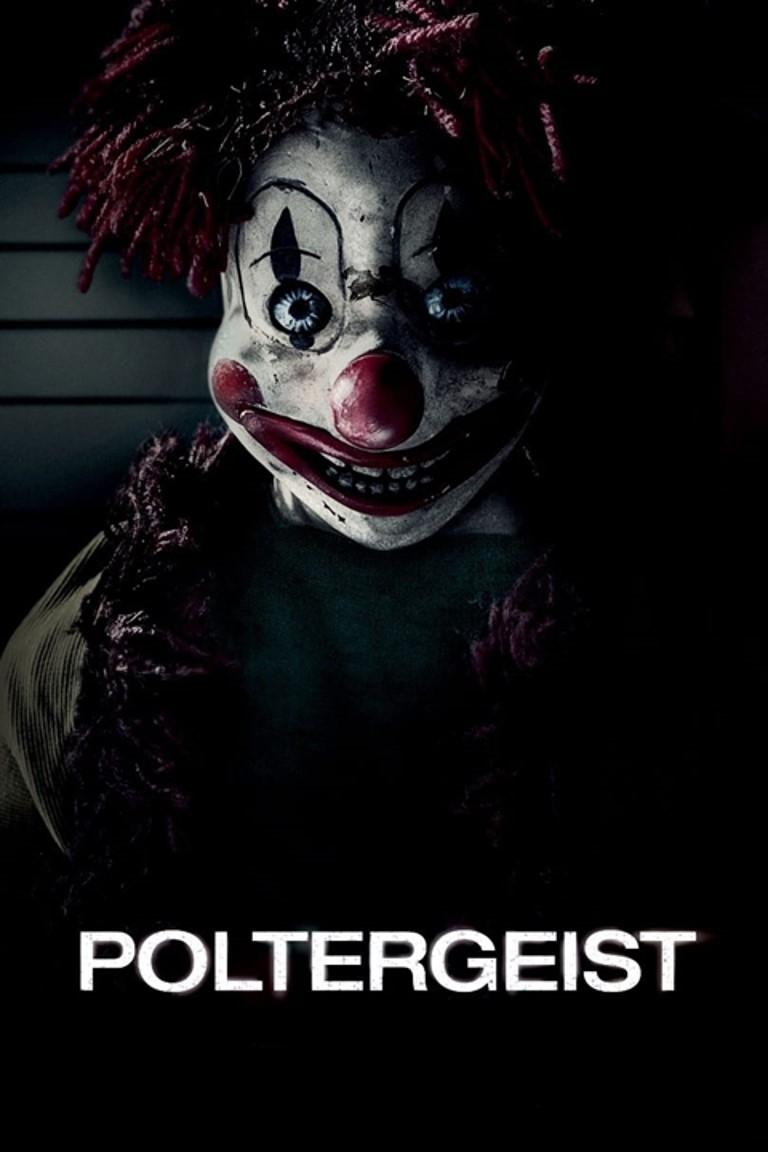
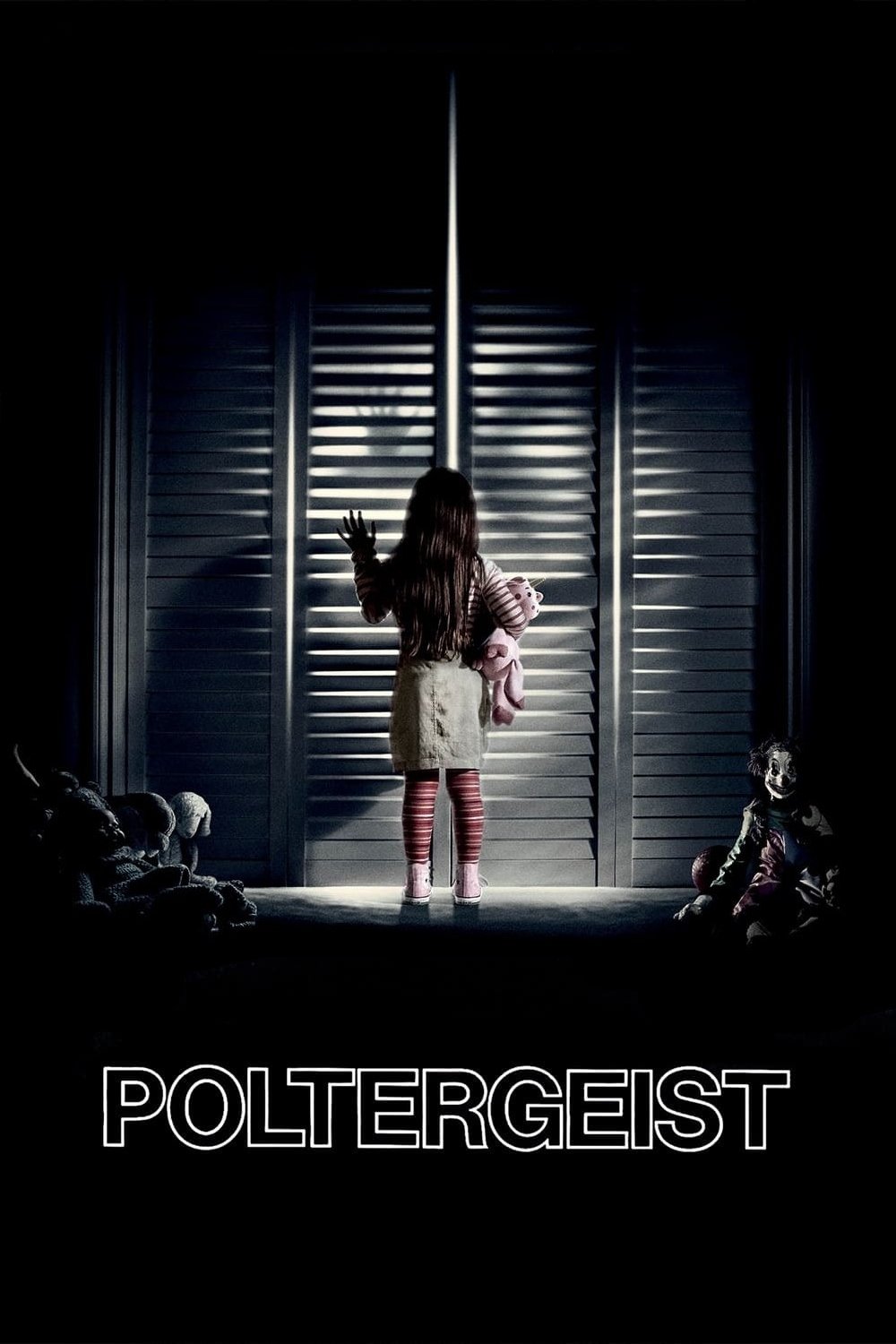
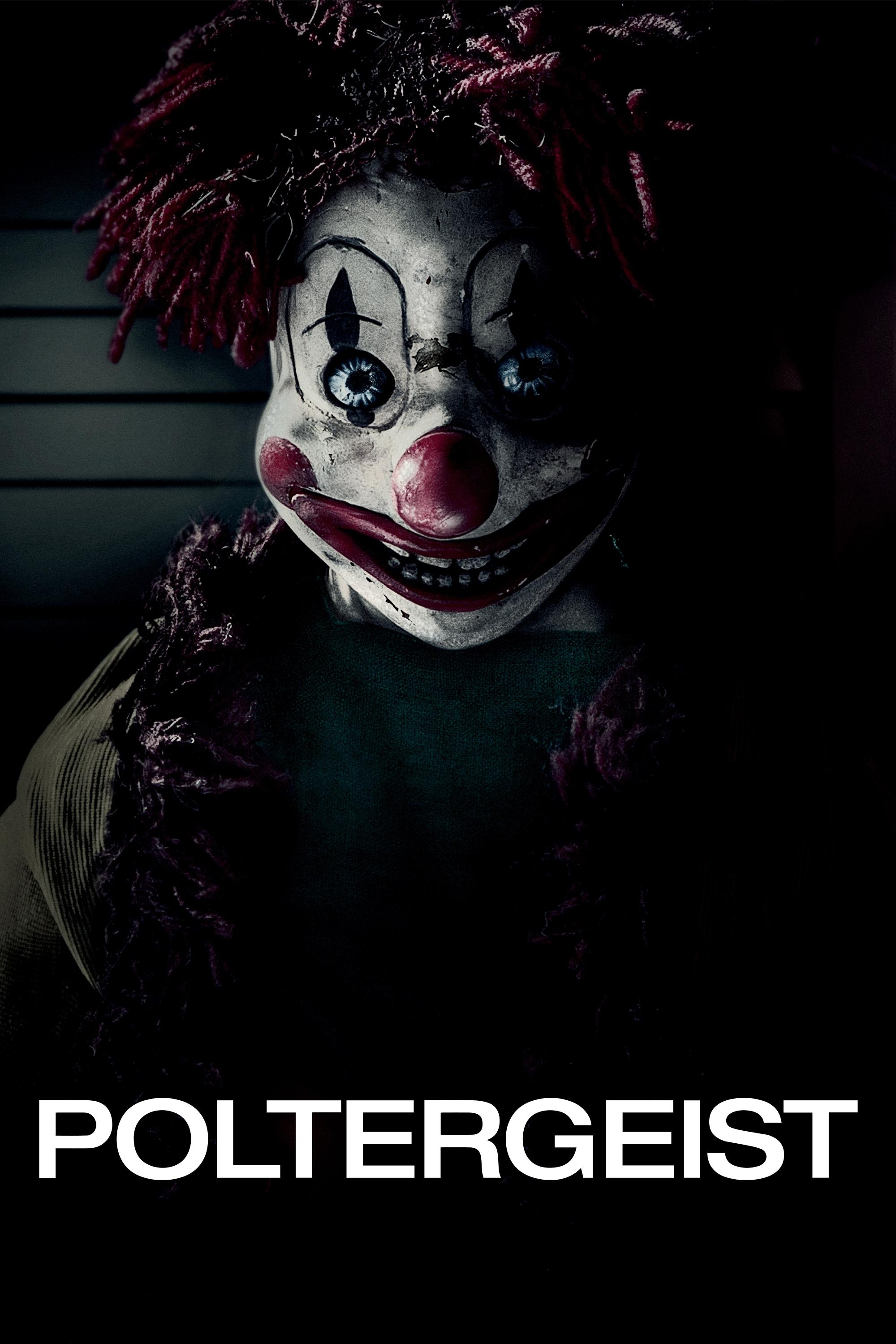
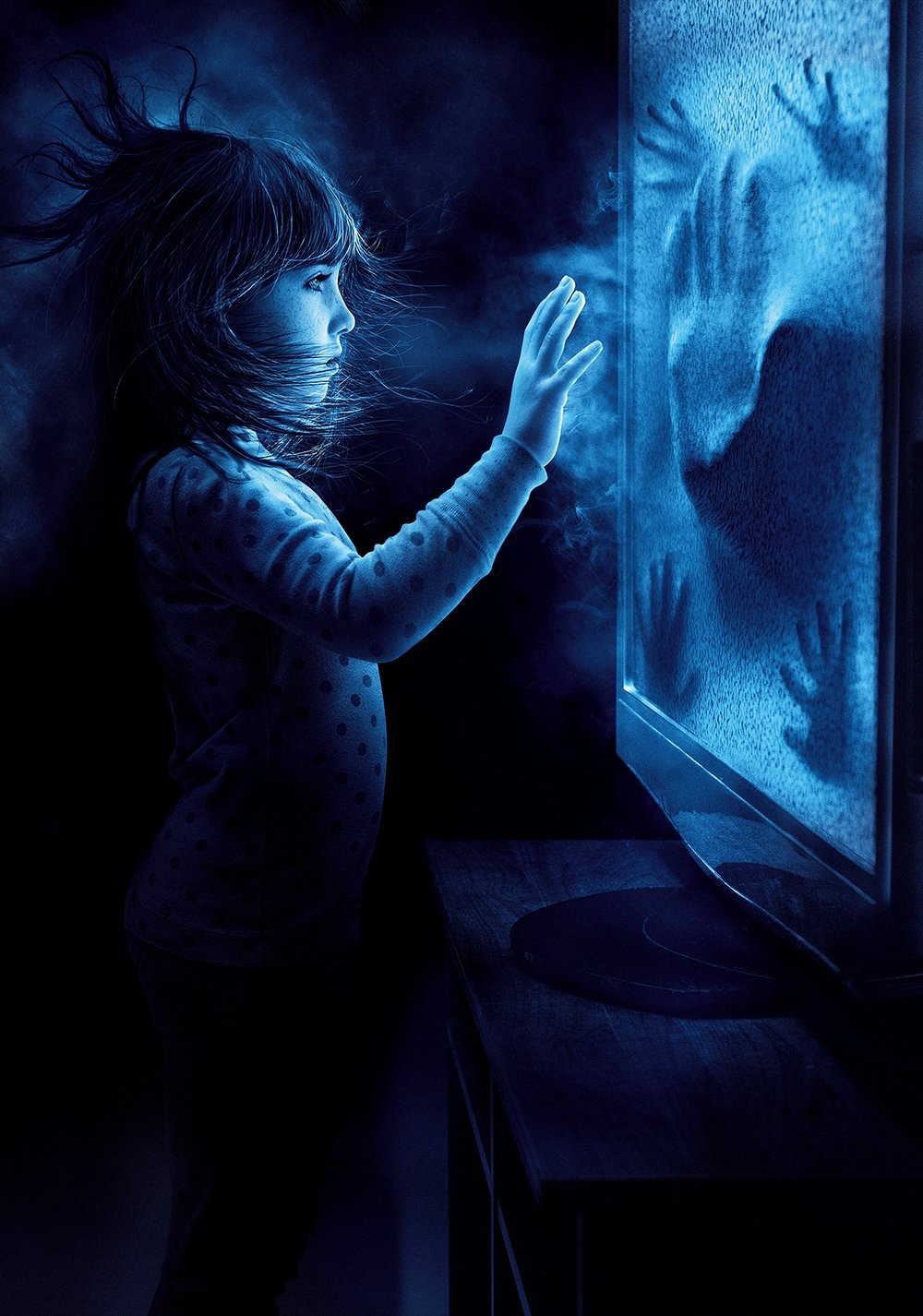
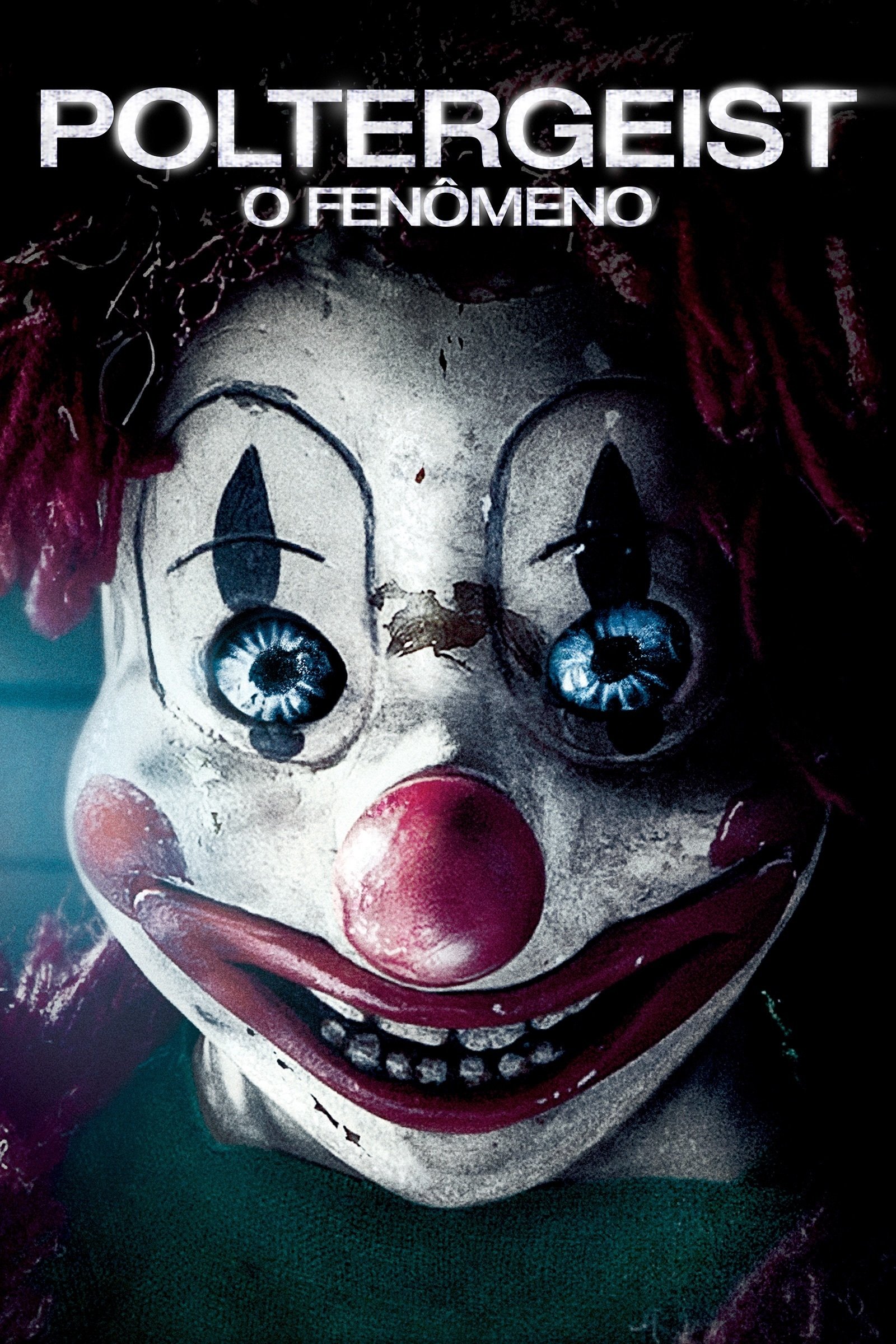
Electrical disturbances now spread through a household populated by flat screens, mobile devices and a small flying drone. The drone becomes a means of surveying a supernatural space that the characters cannot enter safely, turning a contemporary toy into a device for visual exploration. That approach extends the earlier film's association between television and haunting without repeating the same technological environment. At the same time, the story relies on durable physical threats, including the animated tree and sinister clown imagery, to connect digital-era spectacle to an older repertoire of children's fears. Its new technology provides tools and visual motifs; the central danger remains separation from the family.
Release, Contemporary Reception and Historical Position
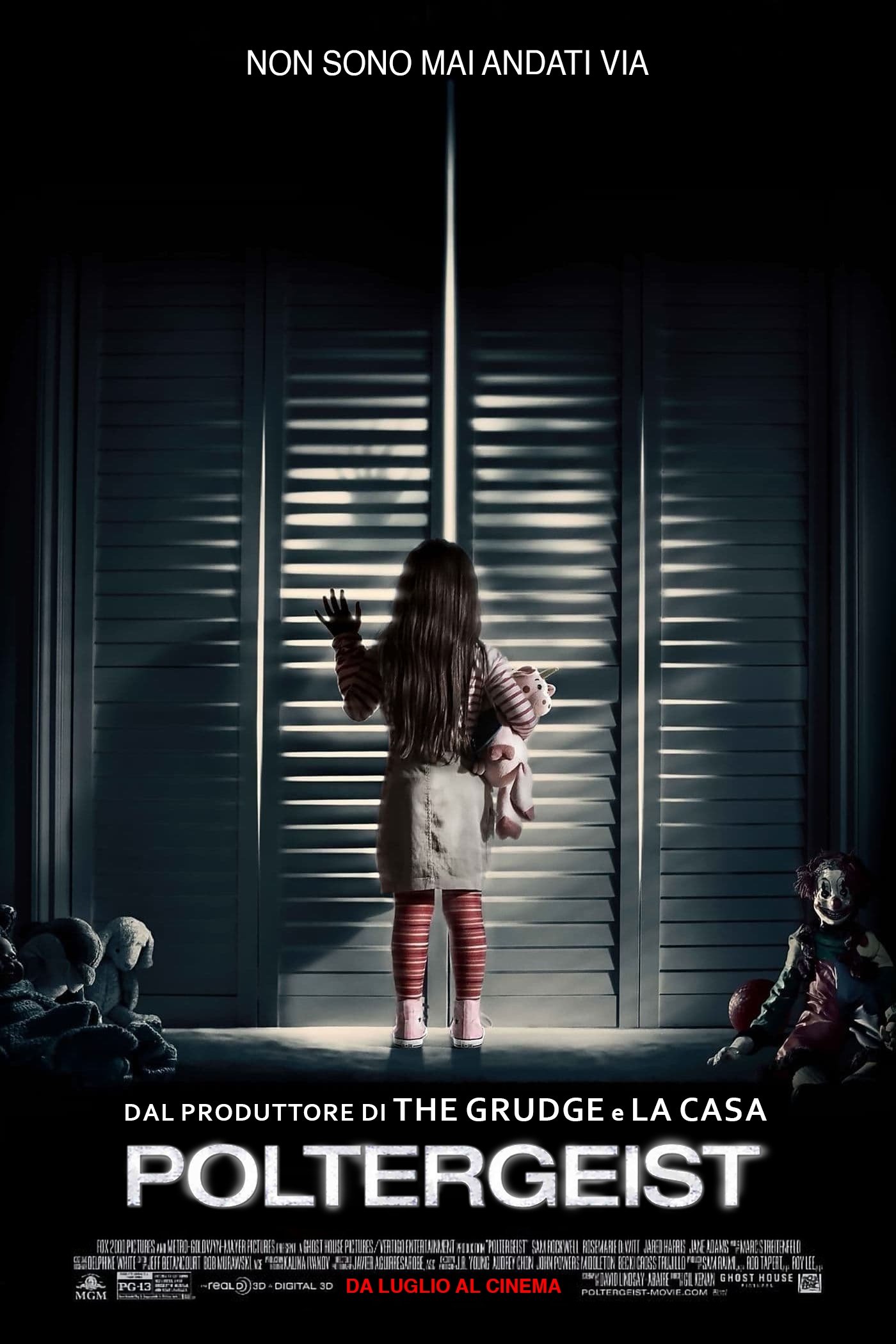
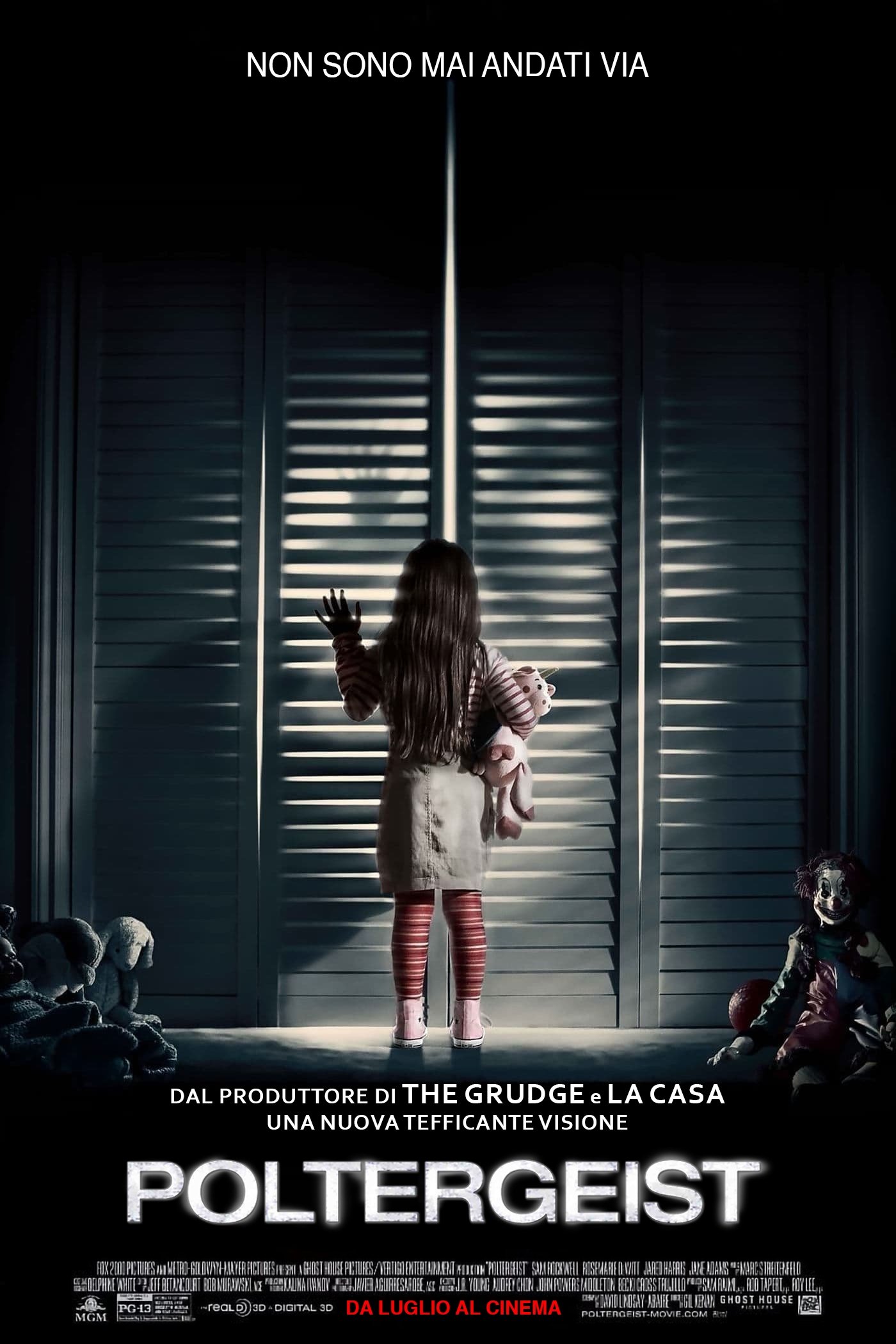
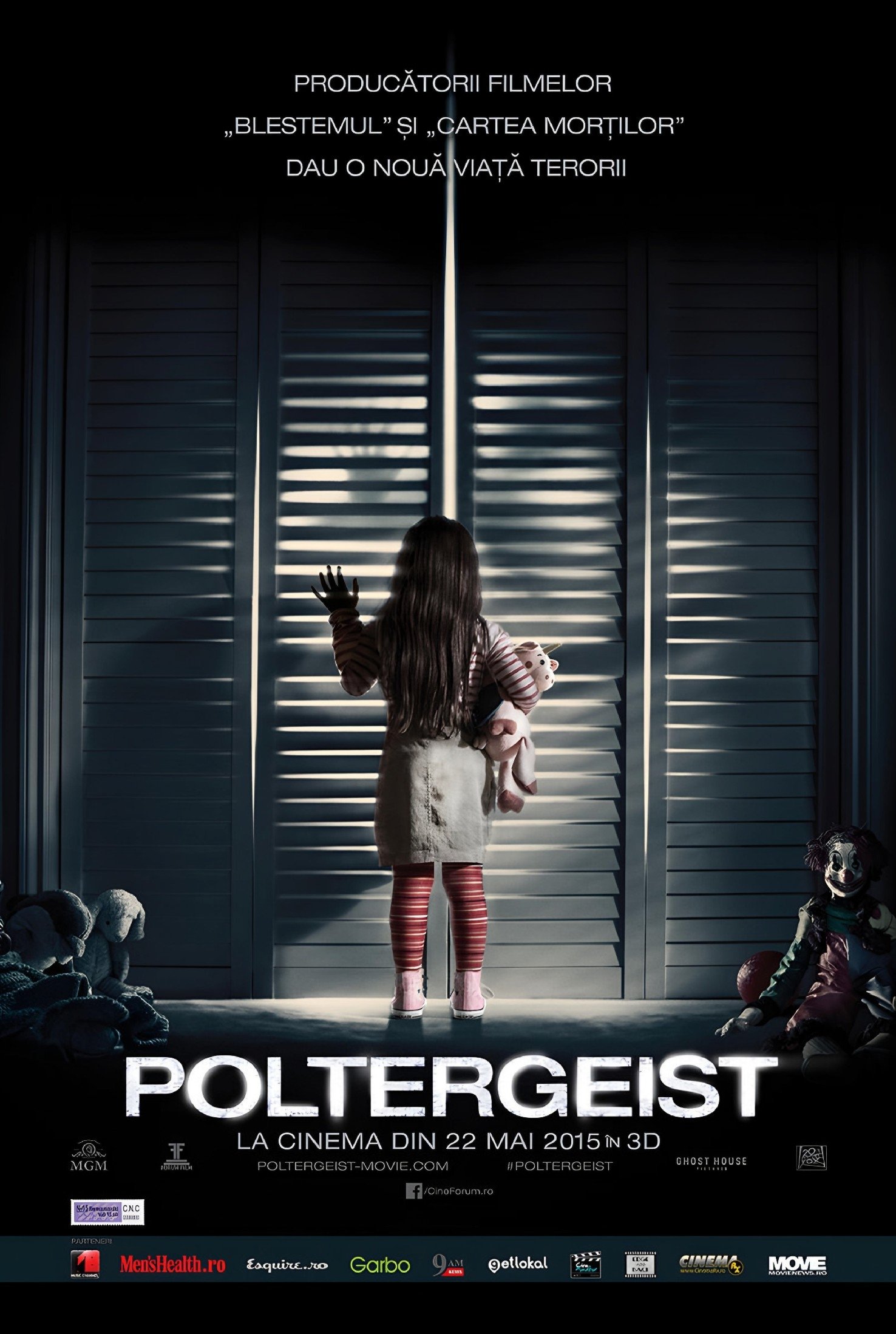
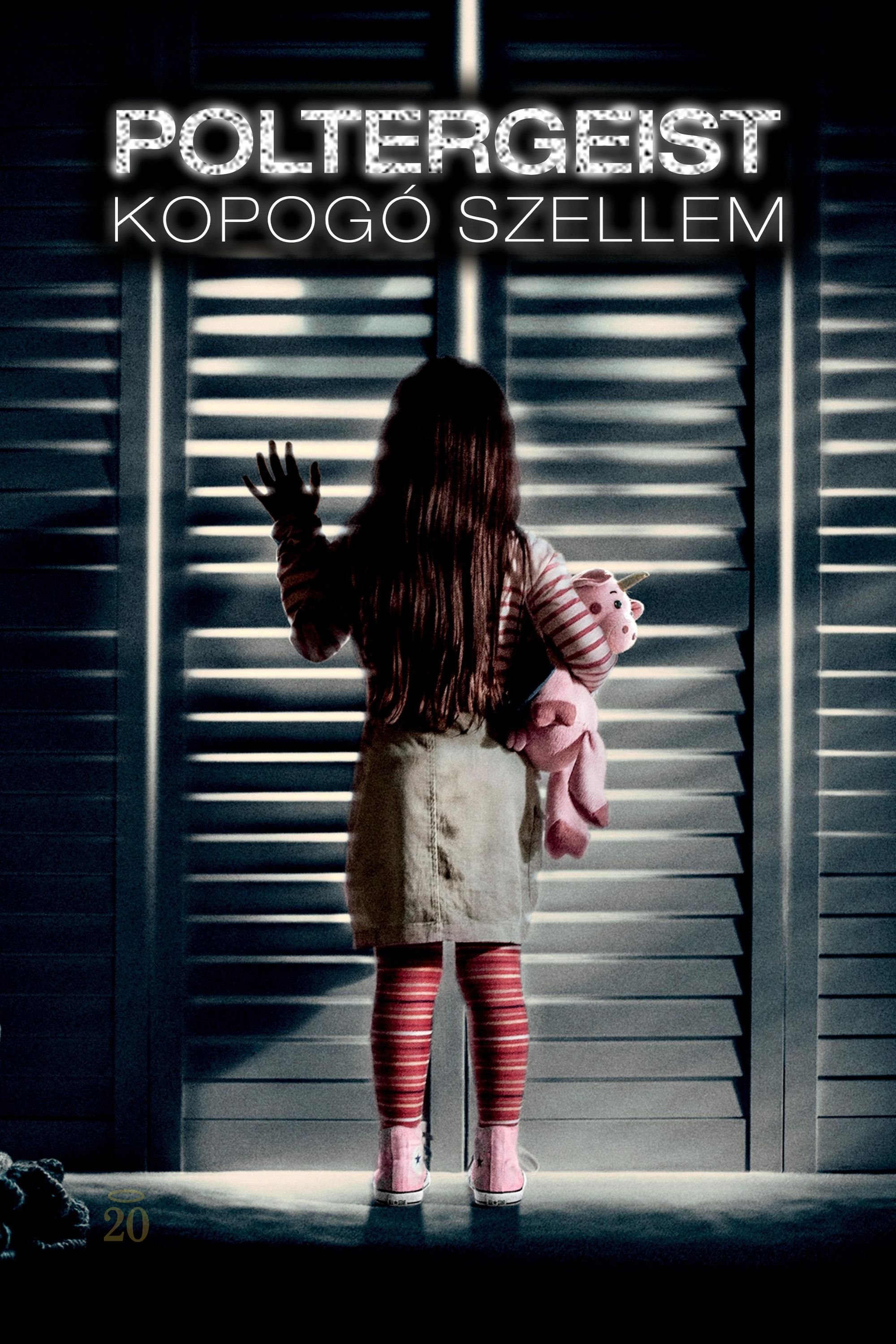
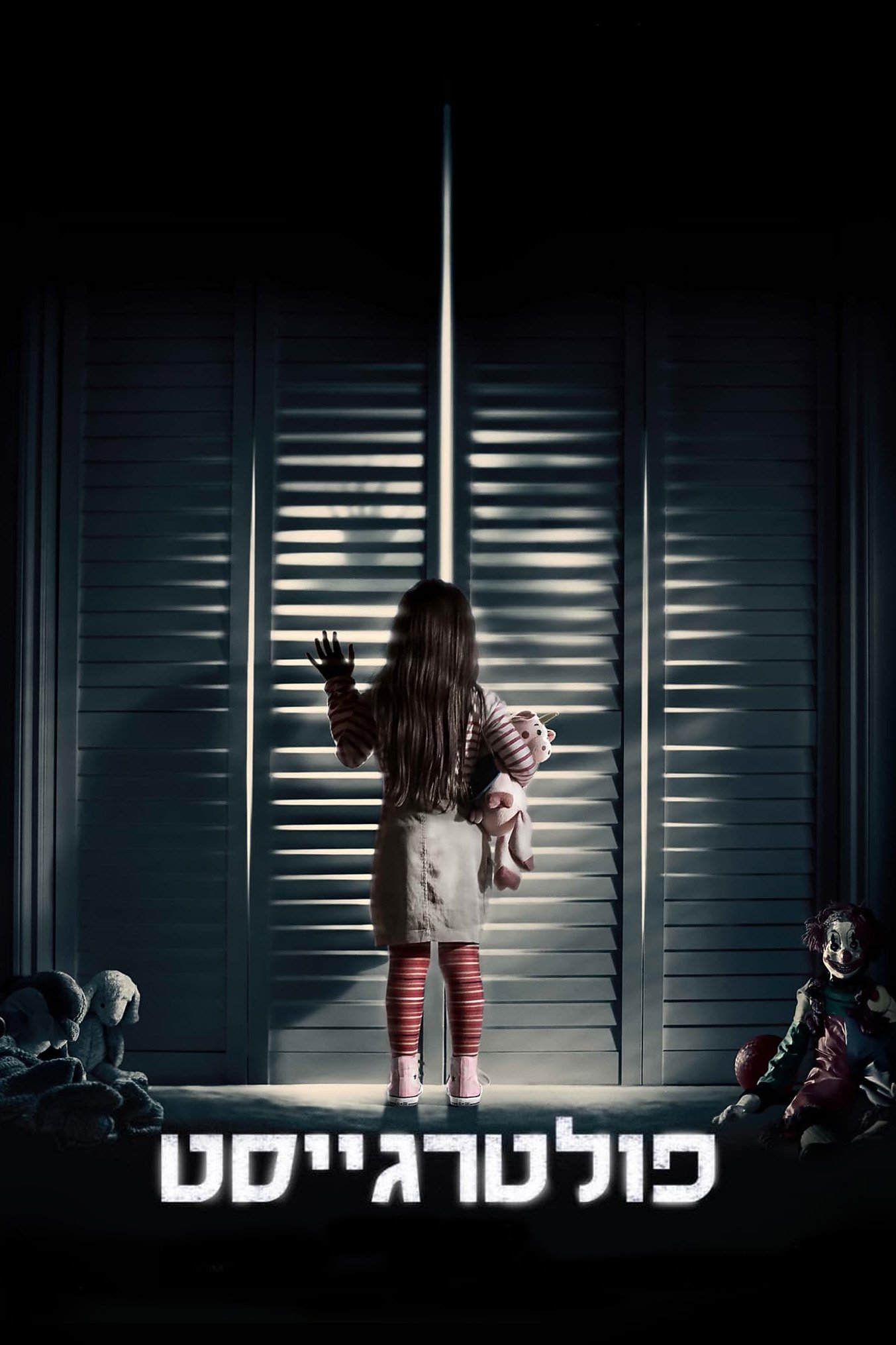
20th Century Fox released the film in the United States on May 22, 2015, with a PG-13 classification. The studio advertised a contemporary version of the established property, supported by a cast led by Sam Rockwell and Rosemarie DeWitt. Contemporary reviews help establish its initial reception. Writing in the Los Angeles Times at the time of release, Mark Olsen considered the acting one of its strengths but found the remake uneven, particularly when familiar plot machinery overtook the characters. His review also questioned whether the economic and technological changes amounted to a convincing reinterpretation.
In The Observer, Mark Kermode similarly identified a shift from the earlier film's suburban affluence to parents struggling financially. He judged the new emphasis on sudden scares and updated devices insufficient to recover the original's social texture. These are documented critical responses, not a unanimous verdict on every audience's experience. Within the twenty-first-century cycle of studio horror remakes, Poltergeist illustrates the difficulty of rebuilding a highly recognizable haunted-house narrative after its images and story patterns have circulated for decades. Its production documents an interest in child-centered staging and stereoscopic depth, while its reception shows how closely the revised film was measured against its predecessor.