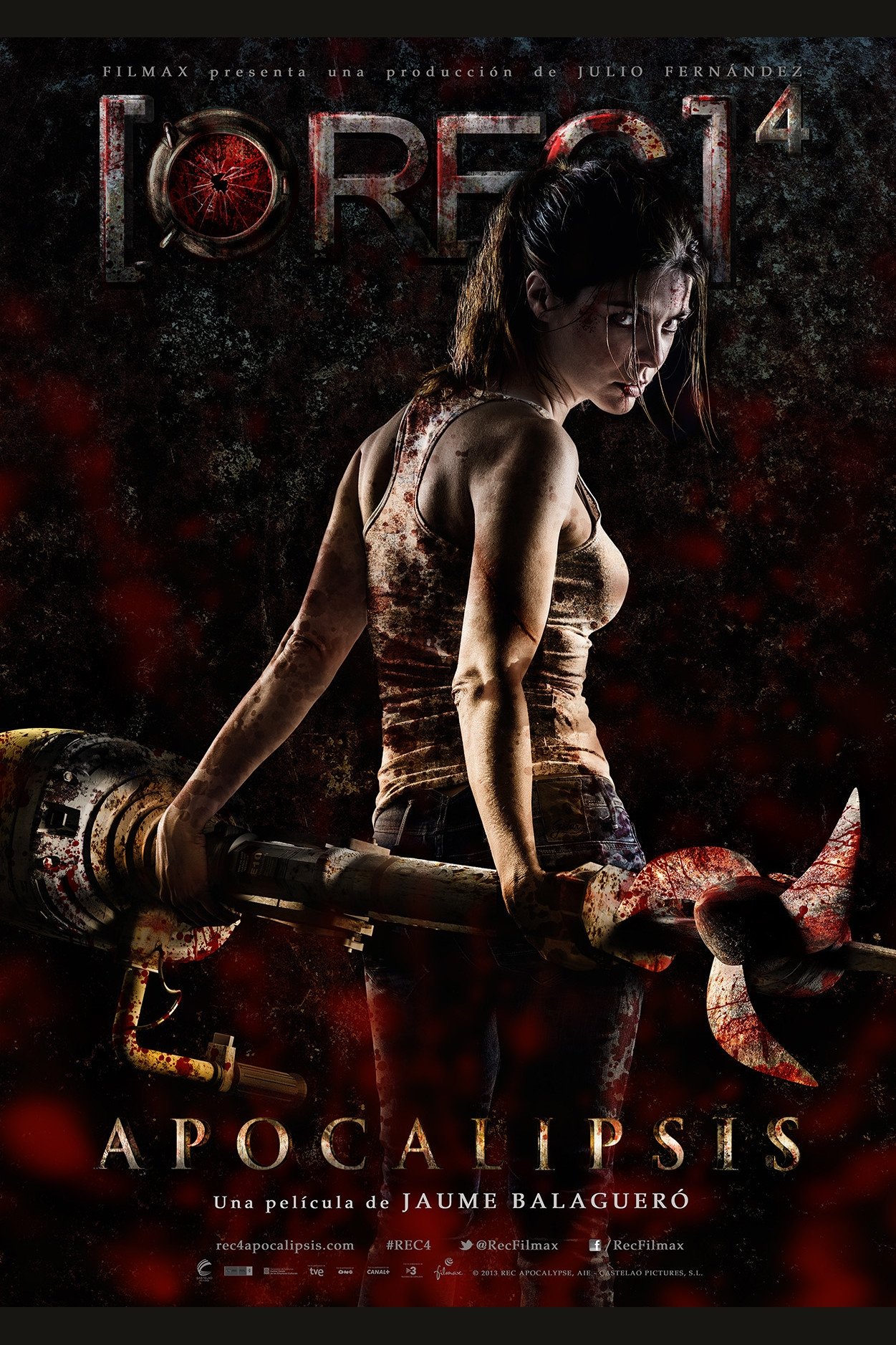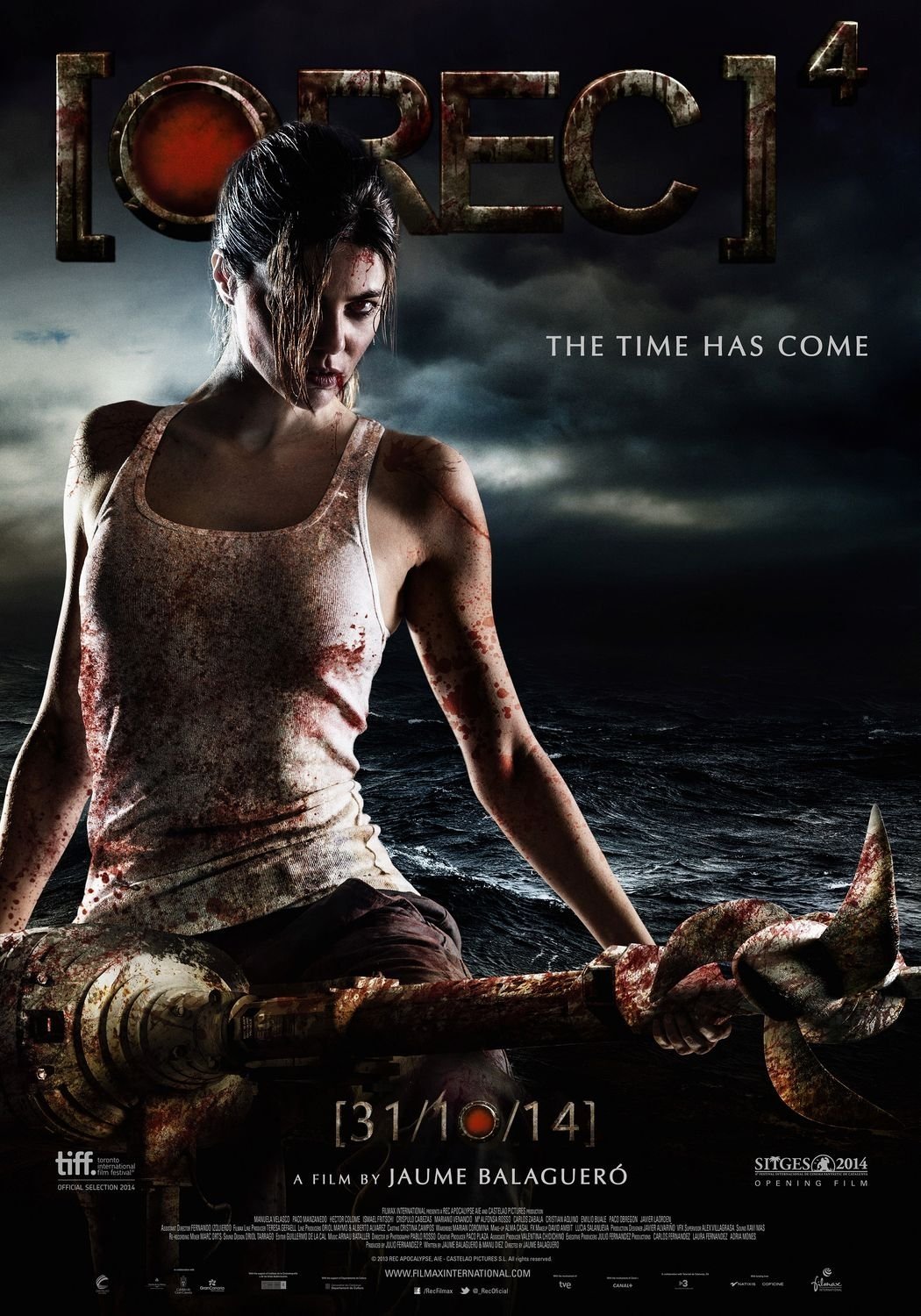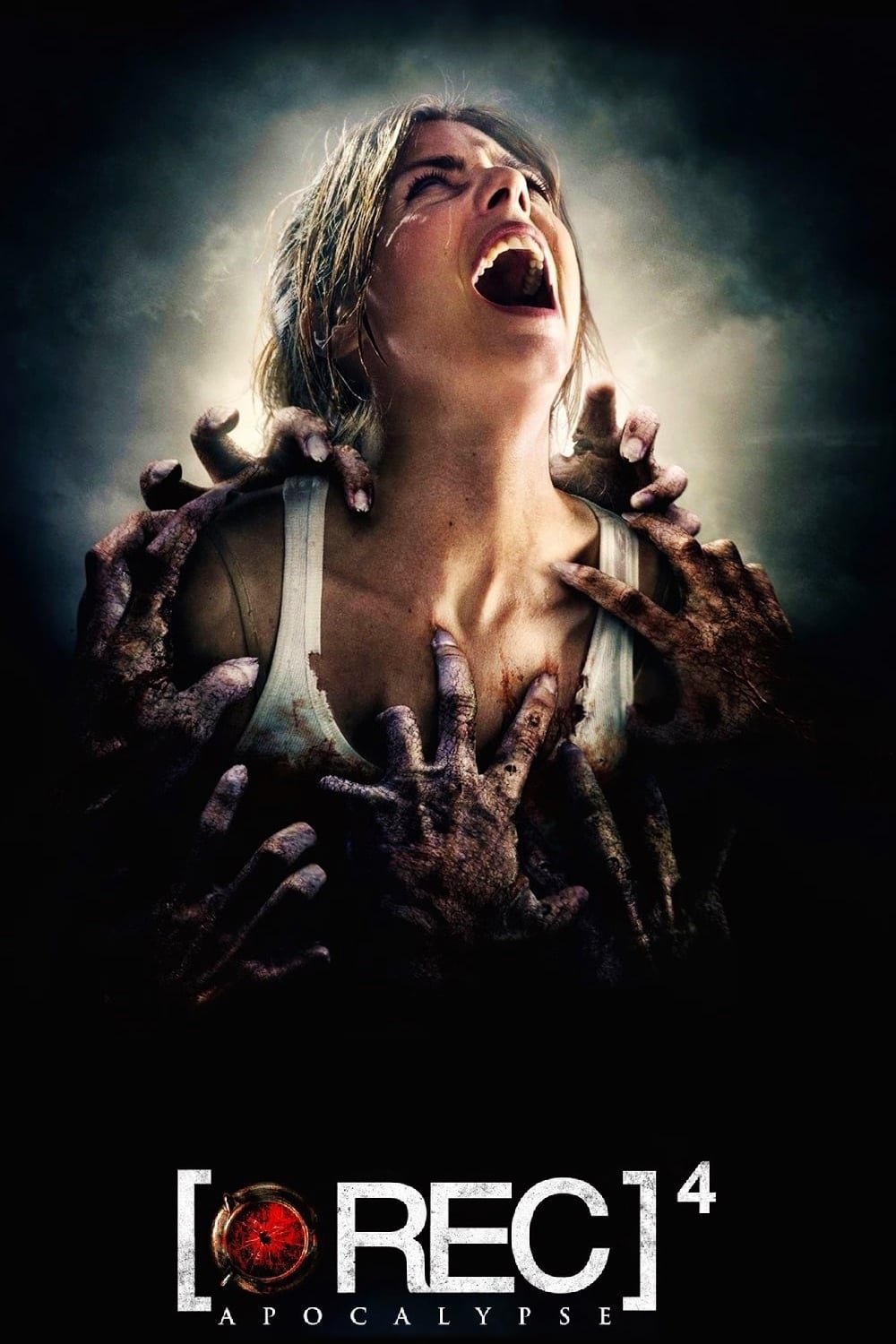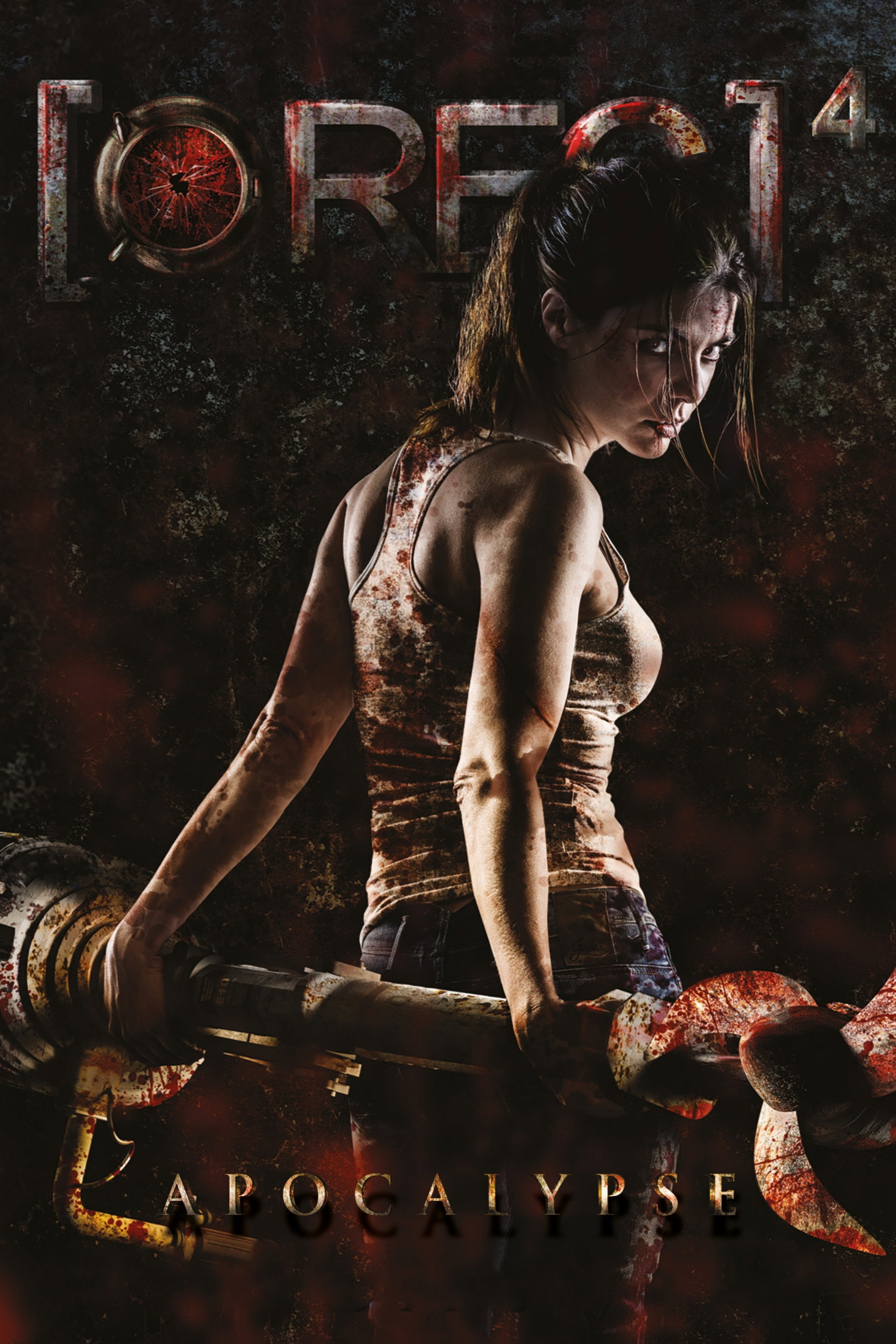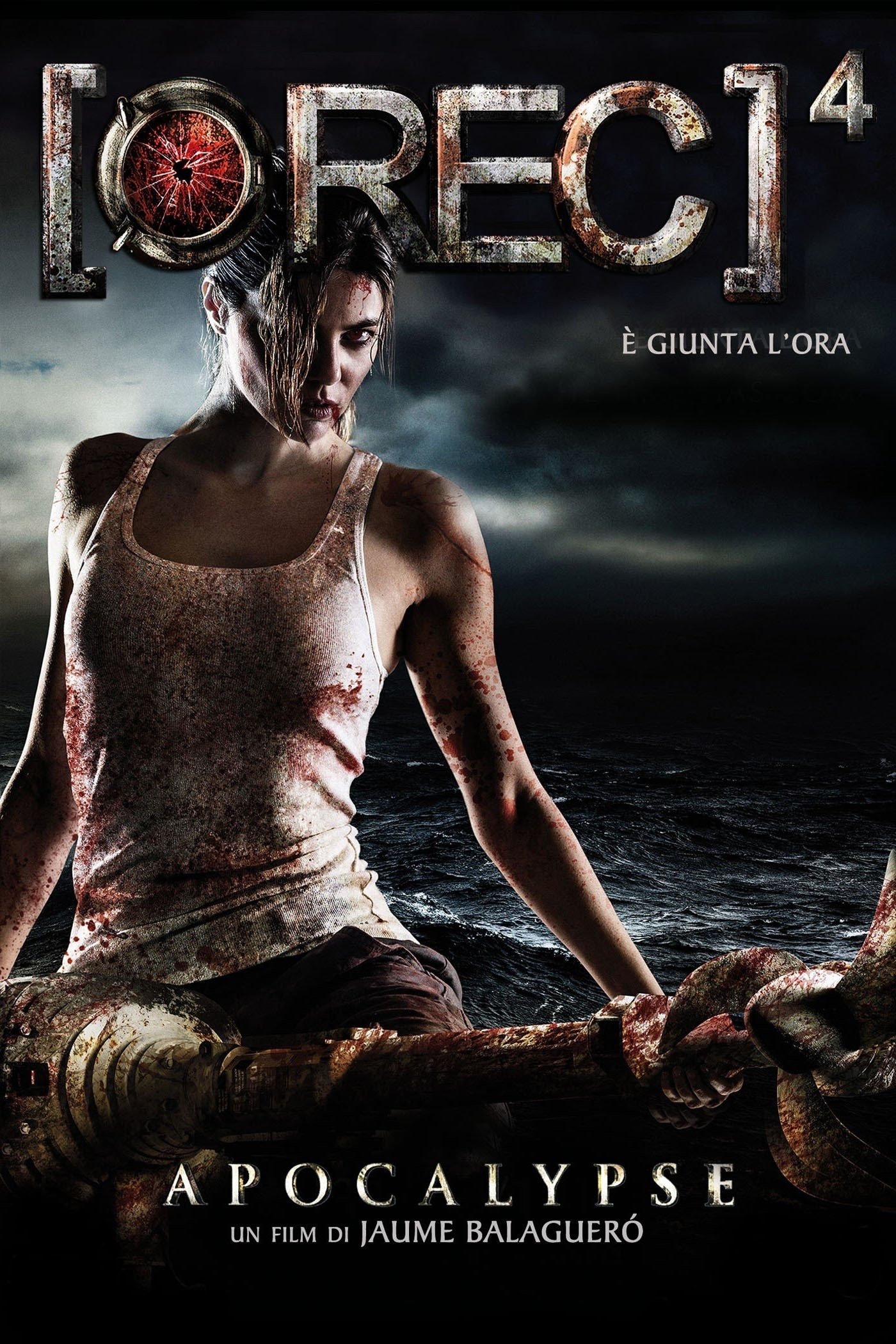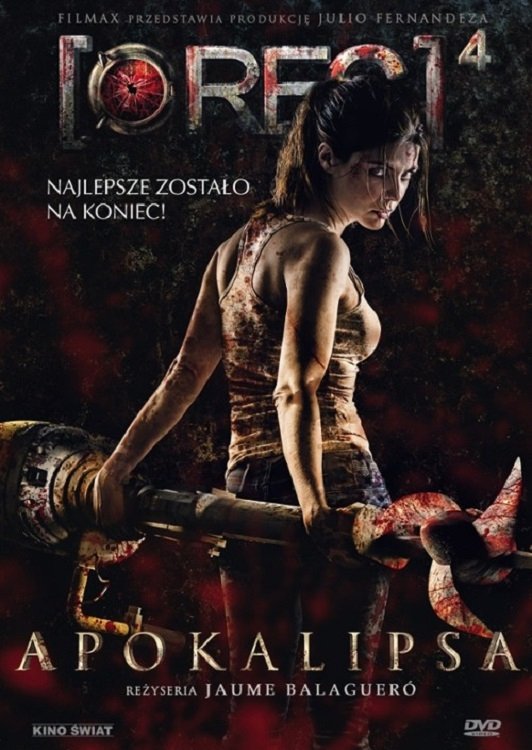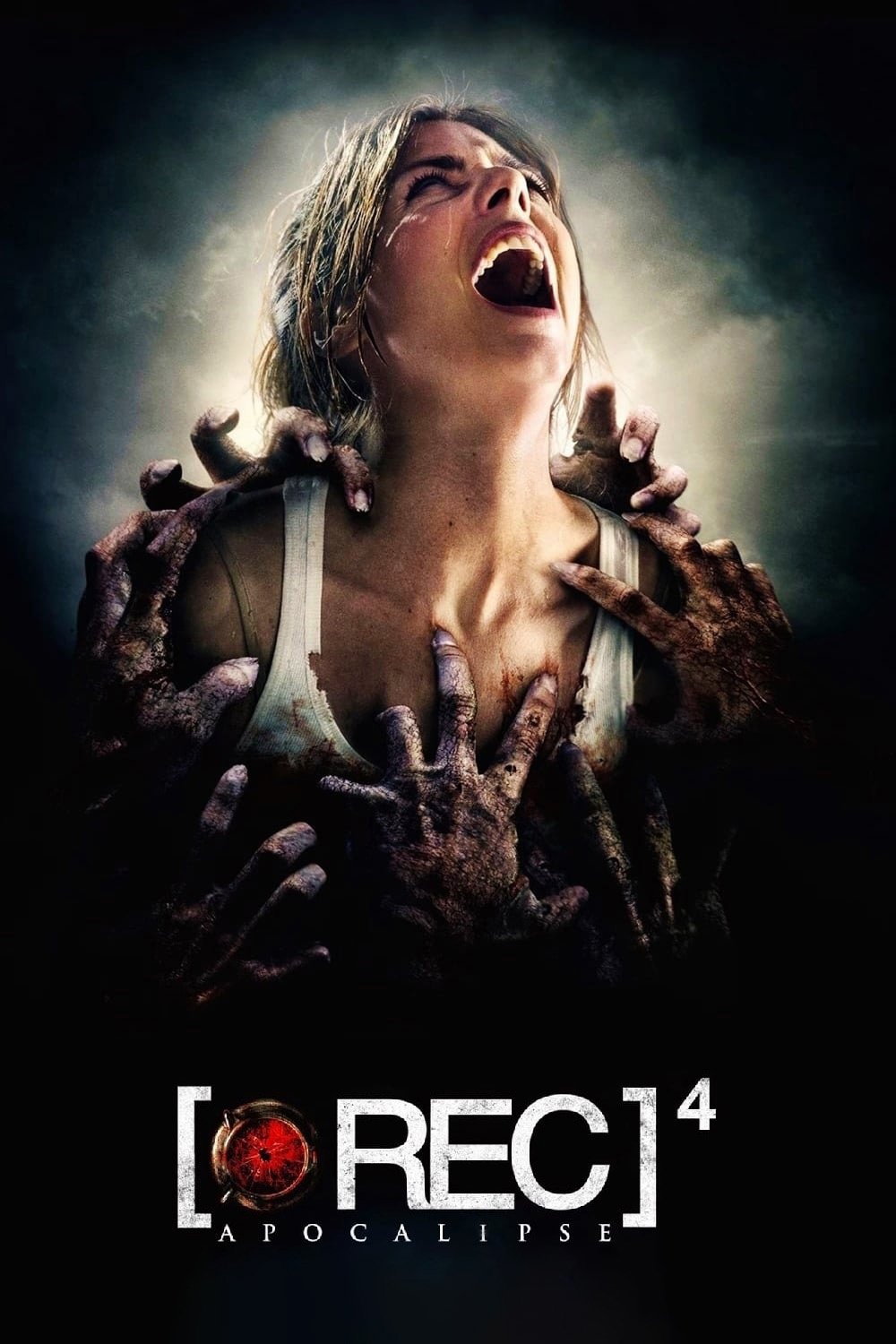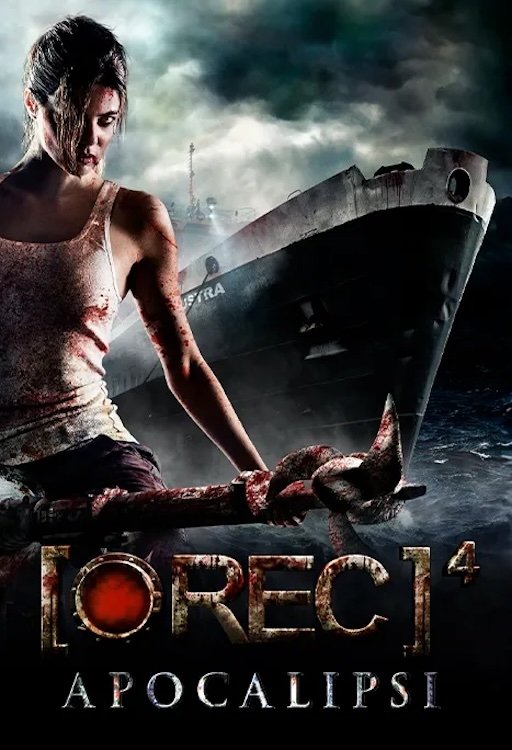
[REC]⁴ Apocalypse (2014)

ES
HORROR FILM Thriller
SUBGENRES ZOMBIE
6.0/10 2 votes
Runtime
95 min
Release
October 31, 2014
Budget
$3,000,000
Revenue
$4,915,757
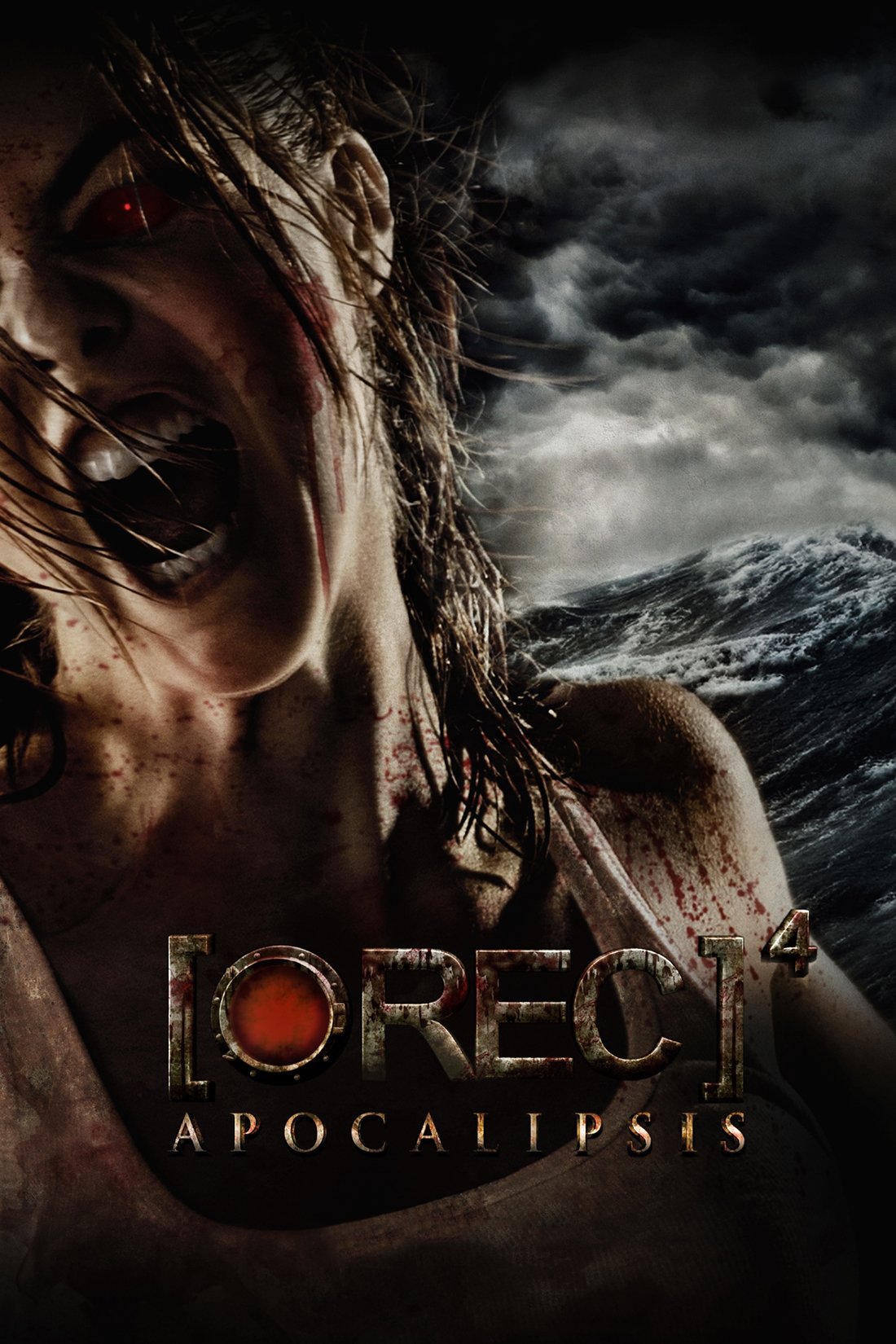
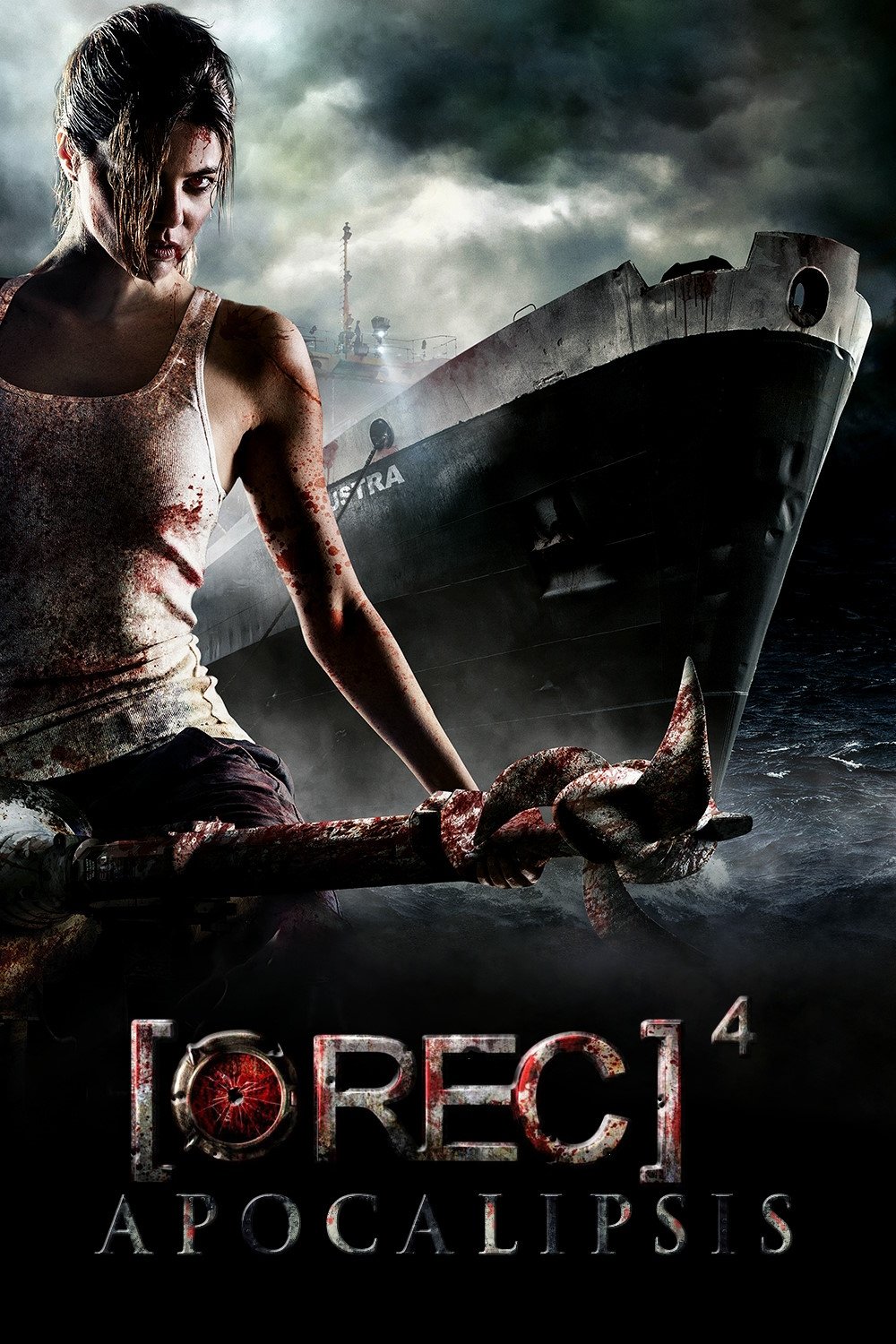
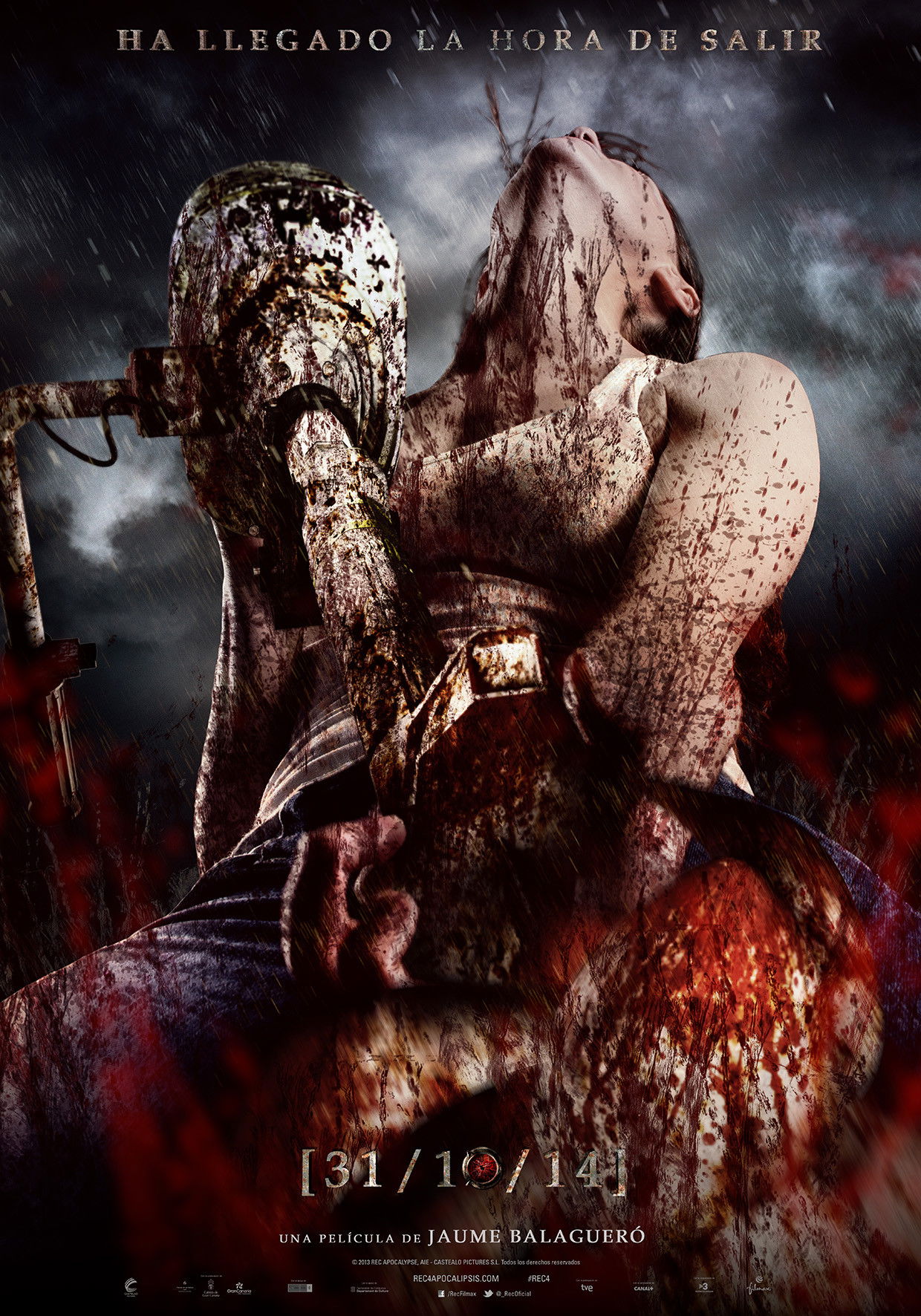
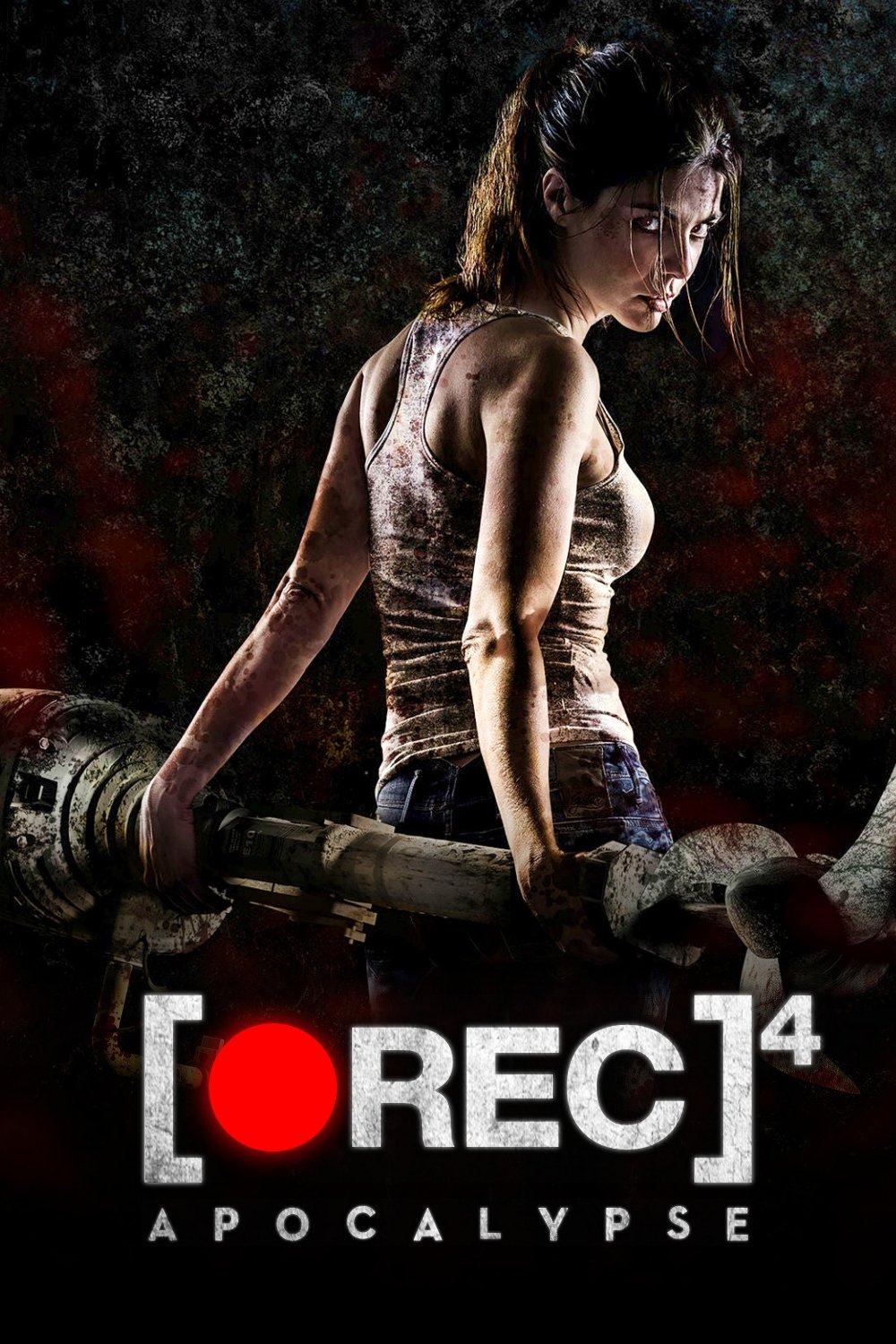
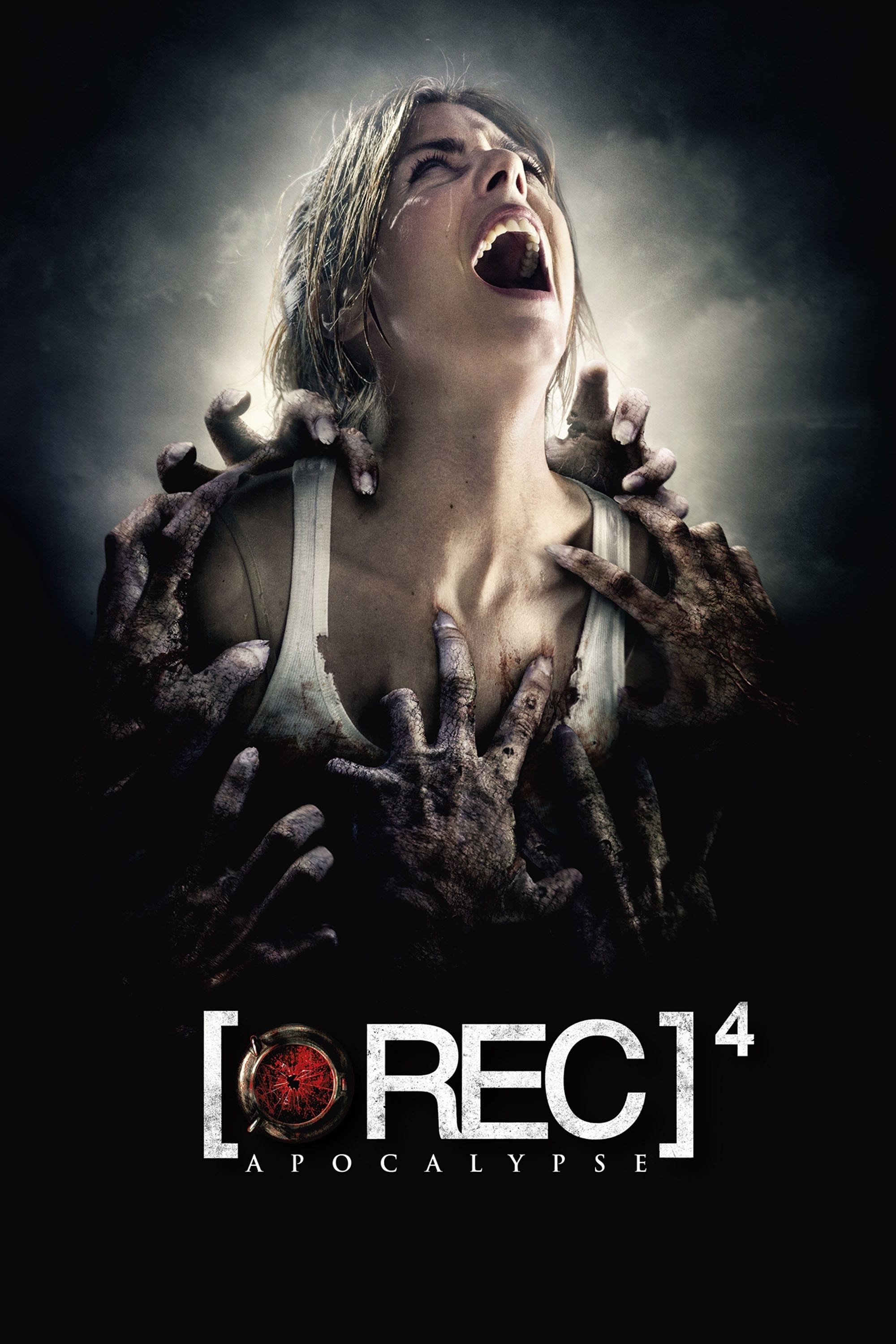
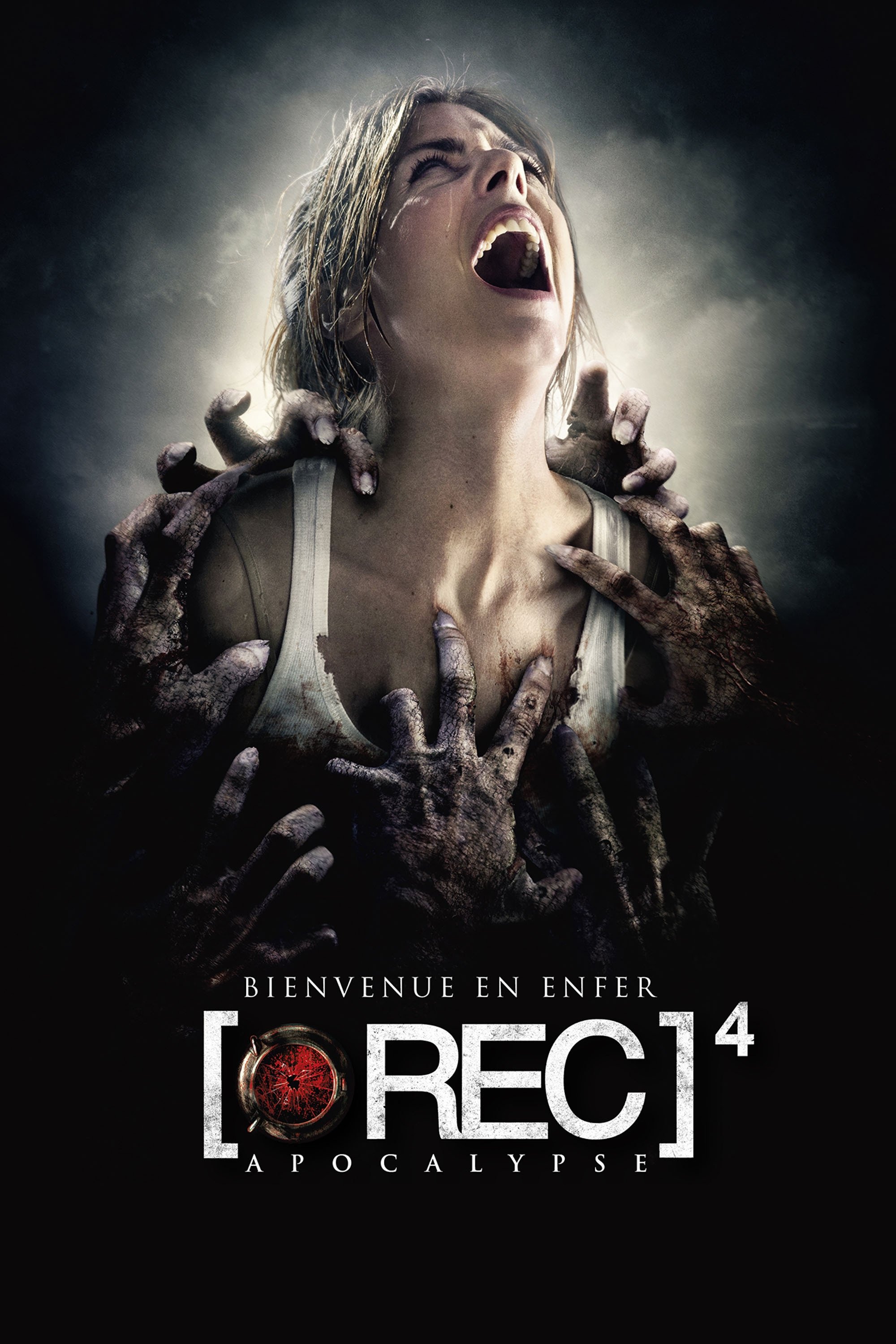
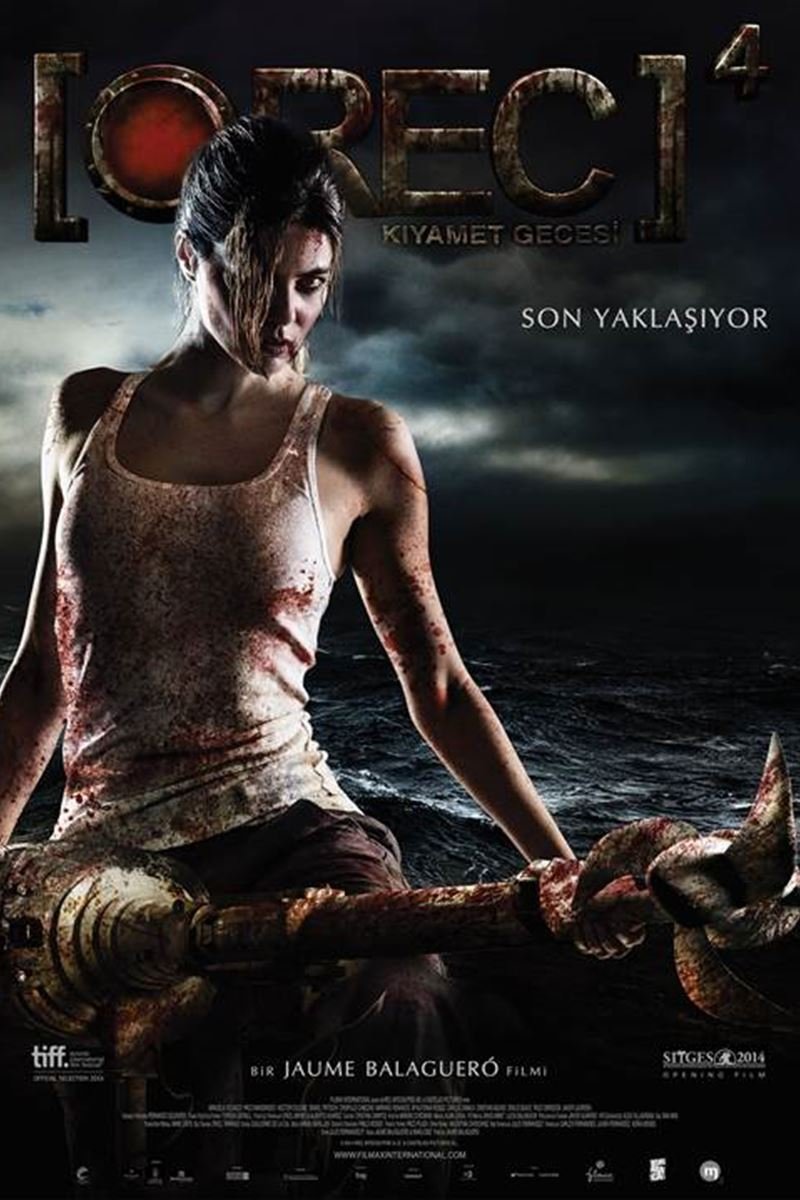
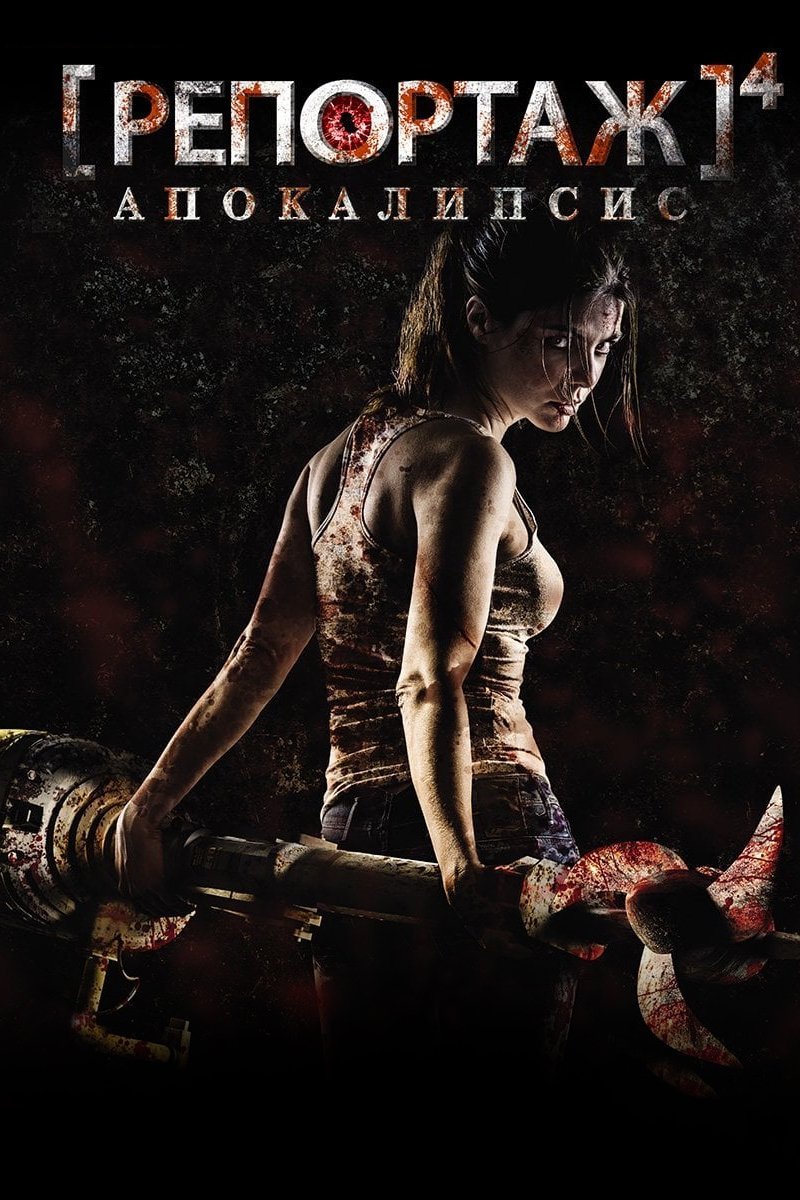
[REC]⁴ Apocalypse (2014) poster
Production Companies
Castelao Productions , Rec Apocalypse AIE
Plot

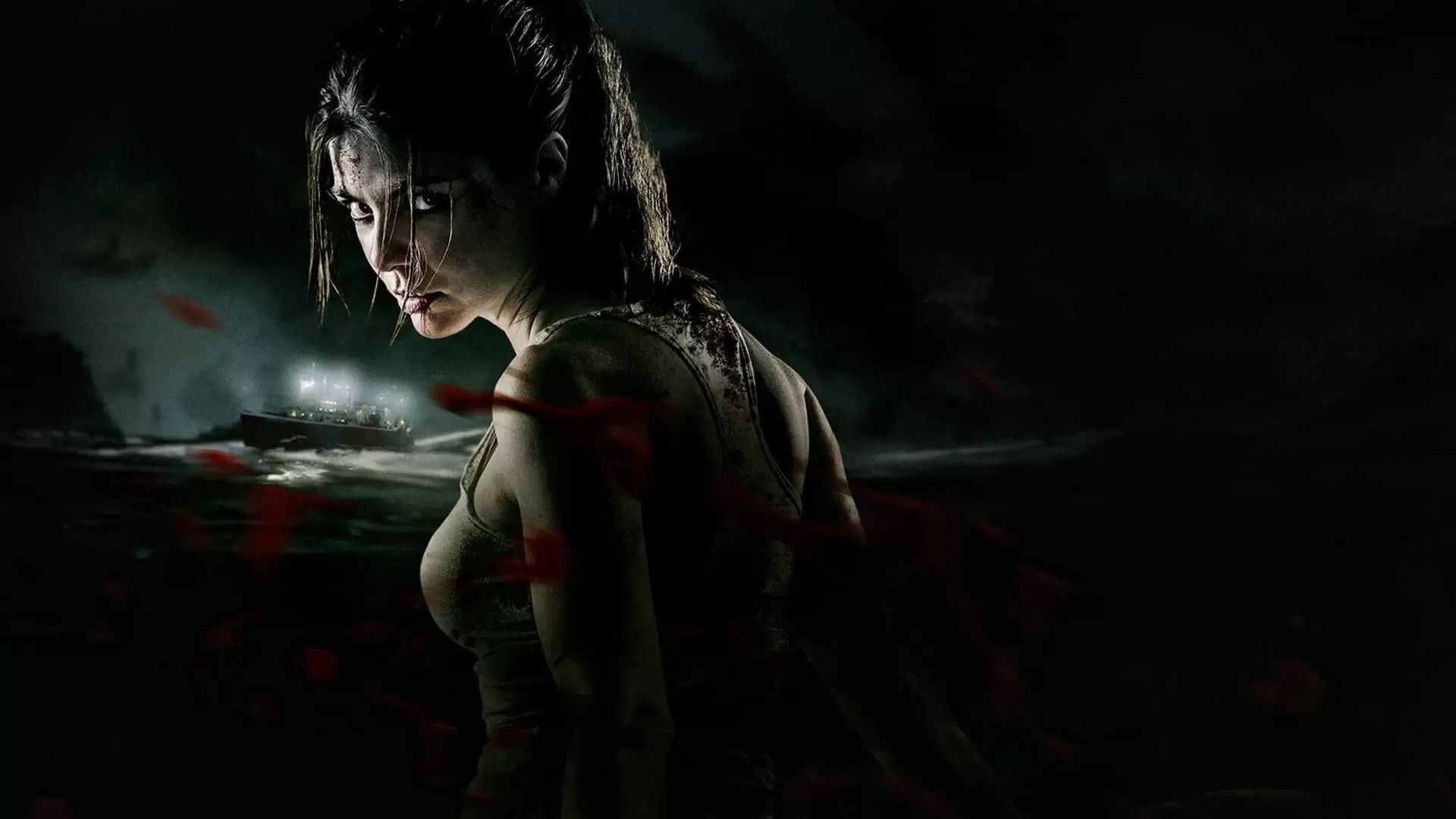
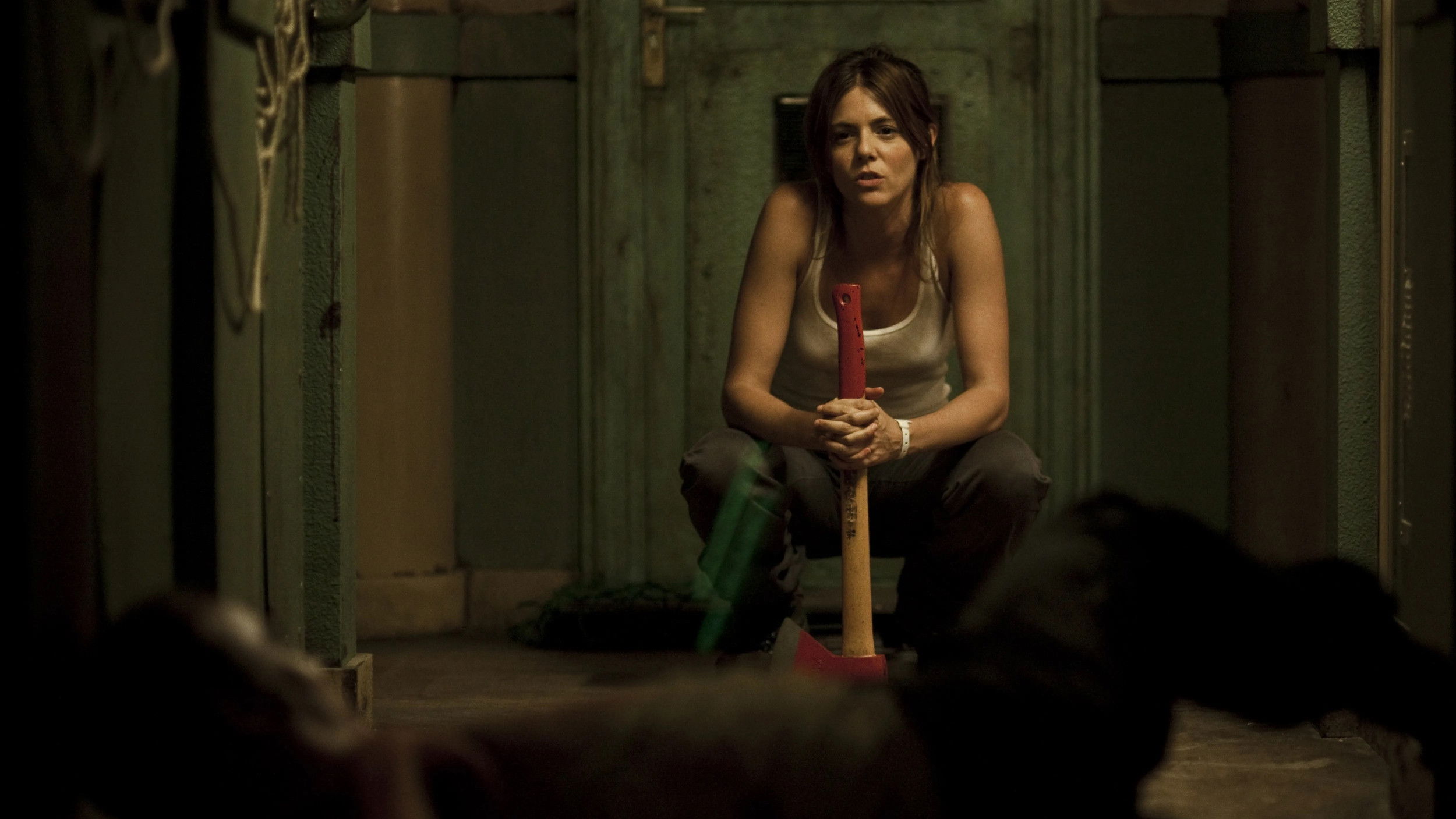
Following the Barcelona building quarantine, reporter Ángela Vidal is evacuated by soldiers and placed aboard an offshore vessel converted into a secure medical facility. Researchers and military personnel examine the survivors while trying to establish whether the threat has been contained. When attacks begin on the ship, the crew, guards and patients struggle through enclosed compartments to prevent a further outbreak. The story resumes Ángela's involvement in the events of the first two films.

Alternative Titles
[На запис]⁴: Апокалипсис (Bulgaria) — Bulgarian [REC] 4: Apocalipse (Brazil) — Portuguese [REC]⁴ : Apocalypse (Canada) — French 死亡录像4 (China) 死亡录像4:启示录 (China) — Chinese [REC]⁴ Apokalypsa (Czechia) — Czech [REC]⁴ - Apocalypse (Germany) — German [REC]⁴ Apocalipsi (Spain) — Catalan
Show all 29 alternative titles Rec 4: Apocalypse (Finland) — Finnish [REC]⁴ : Apocalypse (France) — French 80分鐘死亡直播:屍人嚇輪 (Hong Kong SAR China) — Chinese [REC]⁴ Apokalipszis (Hungary) — Hungarian [•REC]⁴ - Apocalypse (Italy) — Italian REC / レック4 ワールドエンド (Japan) — Japanese REC レック4 ワールドエンド (Japan) 알.이.씨 4: 아포칼립스 (South Korea) — Korean Įrašas 4 (Lithuania) — Lithuanian [REC] 4: Apocalipsis (Mexico) — Spanish [REC] 4: Apokalipsa (Poland) — Polish [REC] 4: Apocalipse (Portugal) — Portuguese Репортаж: Апокалипсис (Russia) — Russian [REC] 4: Apocalypse (Sweden) — Swedish ปิดตึกสยอง 4 (Thailand) — Thai [REC]⁴: Kıyamet Gecesi (Türkiye) Rec 4: Kıyamet Gecesi (Türkiye) — Turkish 錄到鬼4:末世錄 (Taiwan) — Chinese Репортаж: Апокаліпсис (Ukraine) — Ukrainian [REC]⁴ (United States) Góc Quay Đẫm Máu 4 (Vietnam) — Vietnamese

Trailers & Videos

1 video

Film Guide & Analysis

A real quarantine ship, a returned survivor and a shift from first-person dread to action-driven outbreak horror.

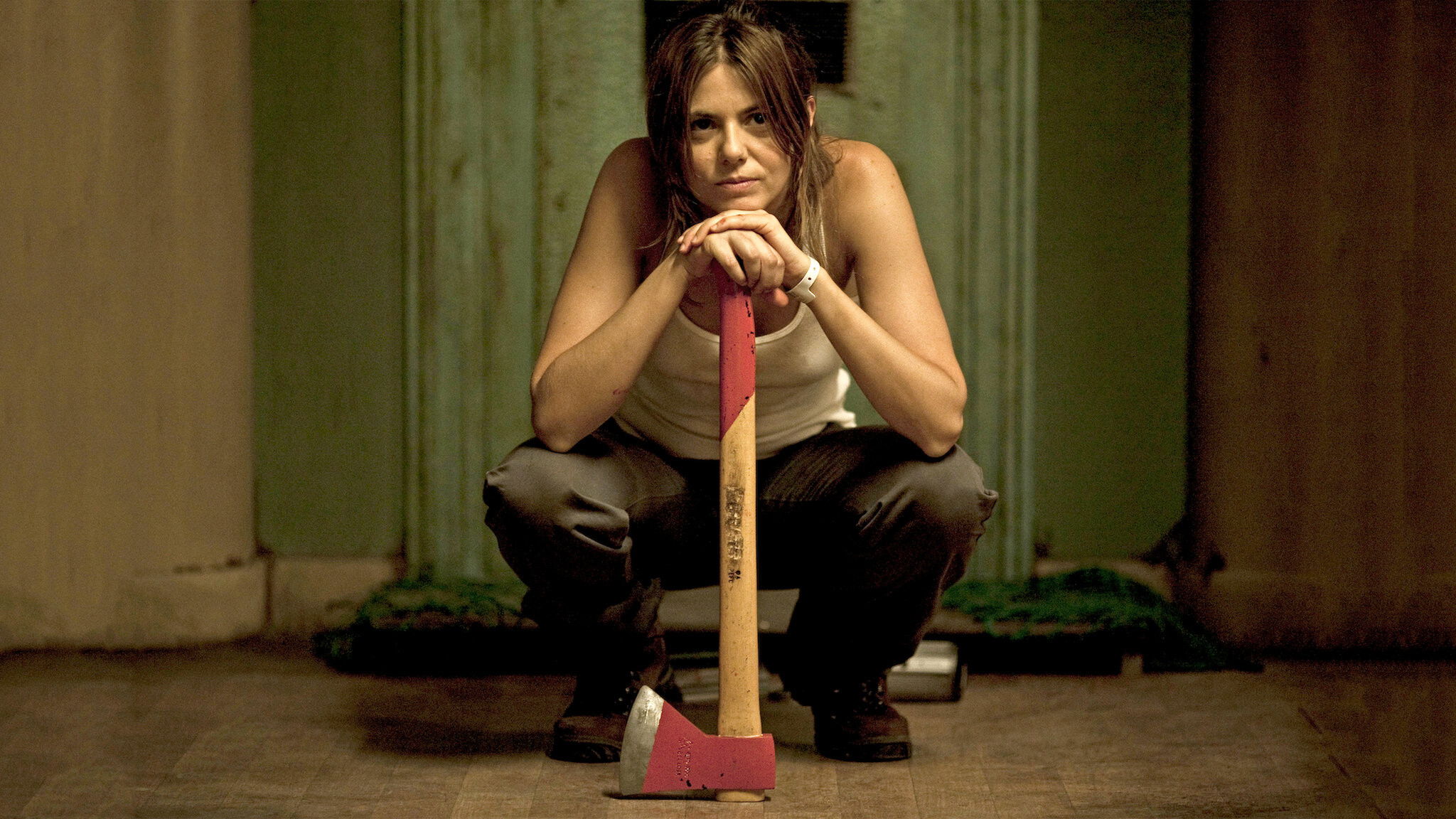
Jaume Balagueró's [REC]⁴: Apocalypse (2014) brings the original Spanish horror series back to Ángela Vidal, the television reporter trapped in a Barcelona apartment building in [REC] (2007). The film follows her evacuation after the events of [REC]² (2009) and her confinement on a vessel converted into a quarantine and research facility. Infection, demonic possession and the uncertainty surrounding Ángela's condition remain central, but the action moves from an urban tenement to an industrial ship where medical supervision fails to prevent another outbreak. The fourth instalment was conceived as the conclusion of the story developed by Balagueró and Paco Plaza.

Its production marks a substantial change in the series' methods. The first two films imposed the viewpoint of recording devices operated by characters within the action; this sequel uses conventional coverage and makes greater demands on physical staging, constructed environments and post-production. A working fishing vessel supplied much of the setting, while elaborate infected makeup and digital work supported the escalation into large-scale survival horror. Balagueró described his goal as an adventure-oriented film that retained the confinement and anxiety associated with the earlier entries. The result belongs to the same fictional outbreak but adopts a different visual grammar and a more openly action-driven structure.

Development of the Final Chapter

The third and fourth films were planned together after the success of the first two instalments. Balagueró and Plaza agreed to direct the remaining chapters separately, with Plaza handling [REC]³: Genesis (2012) and Balagueró returning for the finale. In a 2014 interview with Screen Anarchy, Balagueró recalled their decision to make the concluding films substantially different from the original pair. Genesis moved to a wedding celebration and increasingly embraced dark comedy; Apocalypse reconnects with the night of the apartment-building outbreak. This arrangement gave the filmmakers room to alter the tone without abandoning the continuity surrounding Ángela Vidal and the infected building.

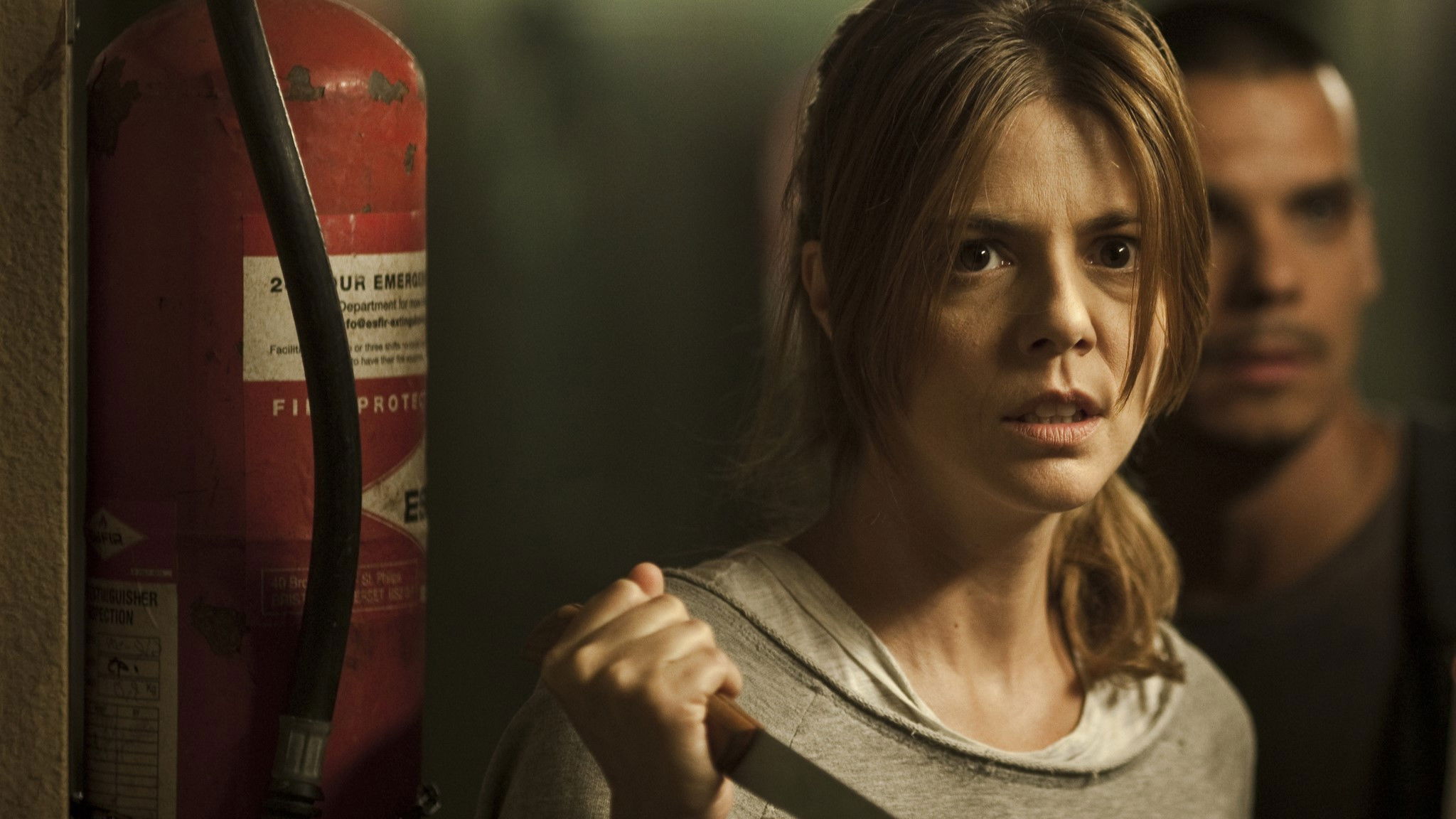
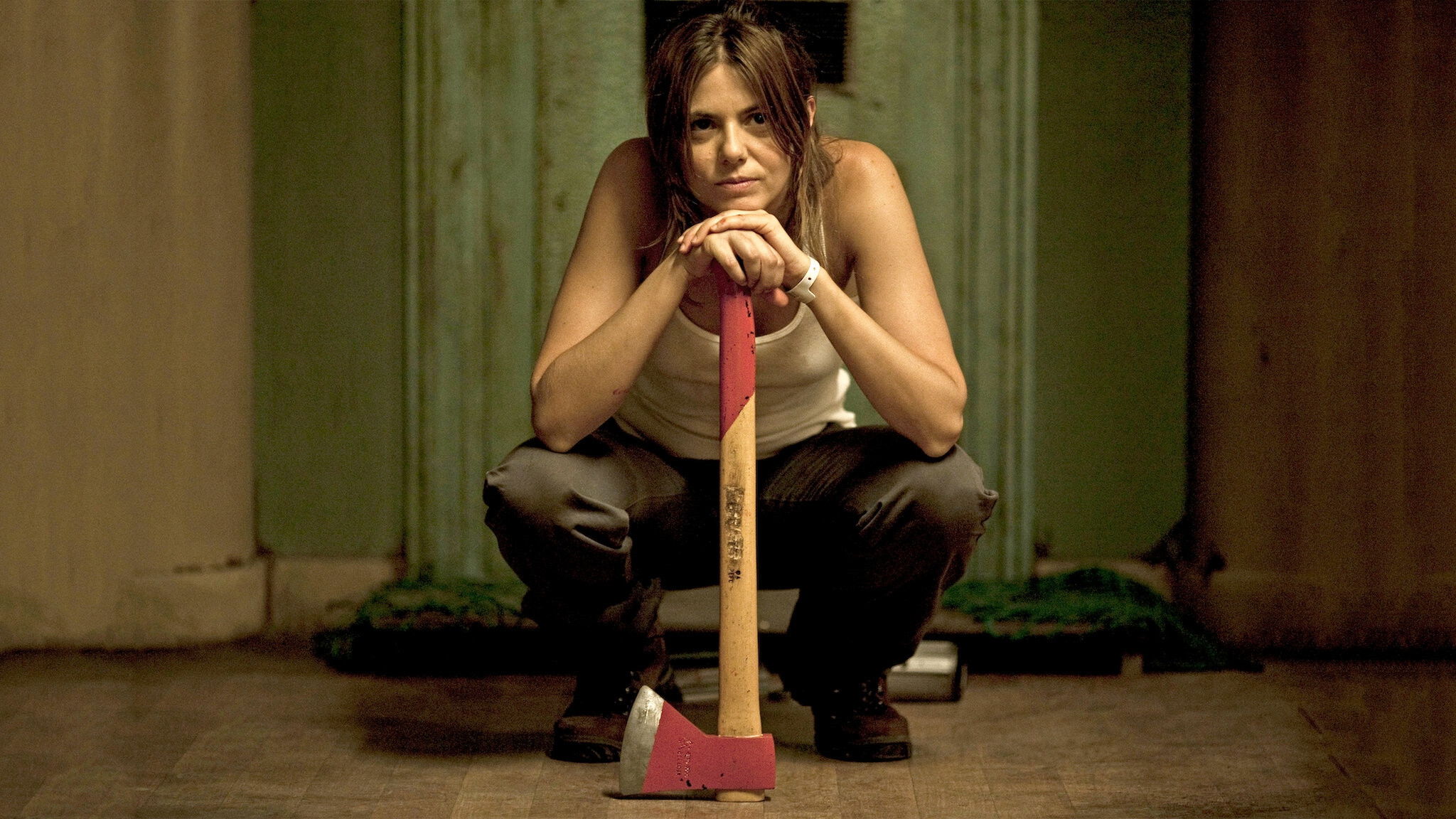
Balagueró collaborated with Manu Díez on the screenplay and brought Manuela Velasco back as Ángela. Speaking to RTVE at Sitges, he said that her presence was essential because he regarded the character as the series' defining figure. Velasco described a more distrustful Ángela, waking under medical observation without a clear understanding of her escape or her possible relationship to the parasite. The screenplay places her in conflict with investigators as well as infected people, using uncertainty about what she carries to sustain suspicion among the ship's occupants. As Balagueró explained, the fourth film was intended to close the story he and Plaza had begun, rather than reopen the original apartment-building premise.

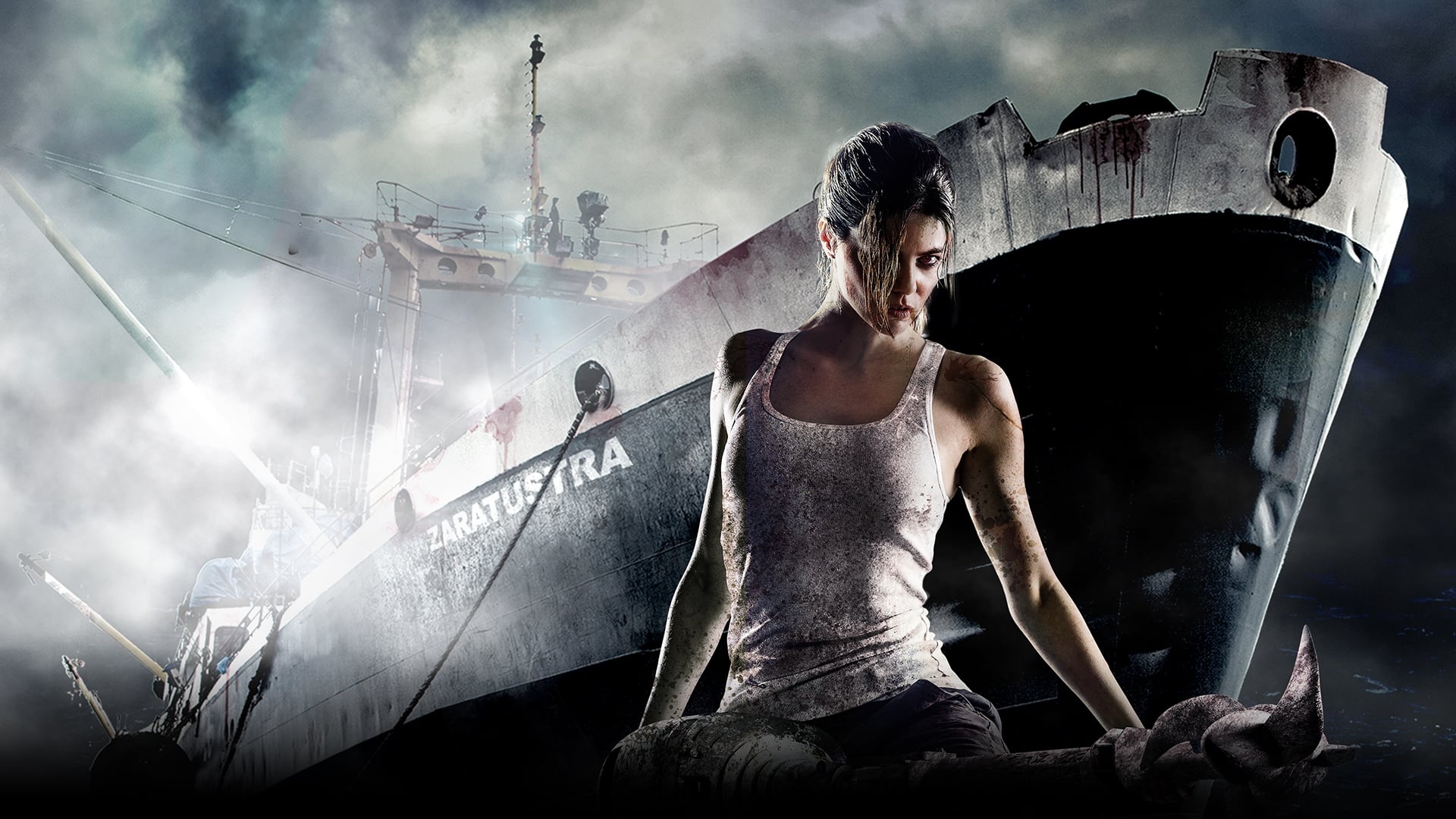
Filming Inside a Real Vessel

The new location preserved the essential restriction on escape. Balagueró told 20minutos that the Barcelona building could no longer provide enough new possibilities, whereas an isolated ship could reproduce its oppressive atmosphere in another physical environment. The production filmed largely aboard a real vessel in Gran Canaria. According to the director, approximately 80 percent of the material was shot on the ship, with additional scenes made on constructed sets that permitted camera placements or movements impossible in the original interiors. The distinction mattered for a production that wanted convincing corridors, machinery and surfaces while also staging more elaborate confrontations.

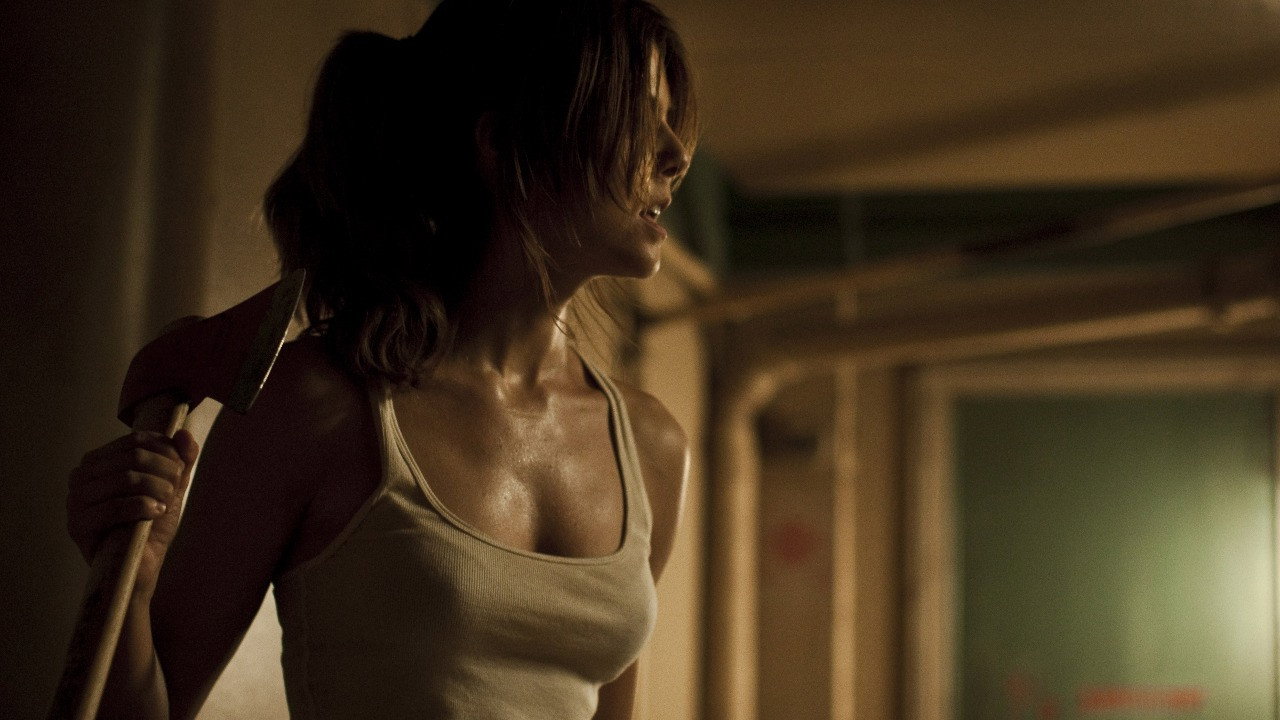
Those spaces were difficult for actors and technicians. Velasco recalled the vessel's low ceilings, narrow passages, metal fittings, heat and persistent fish smell in her RTVE interview. Fighting or running through confined industrial compartments involved the risk of striking equipment or slipping. She also described cold-water work and a sequence in a separate ship's hold whose conditions created further hazards. Balagueró told Screen Anarchy that the limited space made rapid action particularly troublesome, but he valued the atmosphere that the real location contributed. In this case, production difficulties directly affected the filmed experience of confinement.

An on-set report published by El País Semanal described a demanding night sequence filmed on the deck in Las Palmas. Rain effects, lighting structures, cranes and a large group of infected performers had to be coordinated on the vessel. The report documented a production crew of roughly seventy people, in addition to extras, and the logistical support required beside the dock. Although the story places the ship at sea, the main vessel remained in port during filming. Balagueró confirmed that the surrounding seascapes and views beyond it therefore had to be created digitally.

Cinematography, Editing and Sound

[REC]⁴ abandons the rule that every image must be justified by a character holding a camera. Balagueró considered the found-footage approach appropriate to a television report in the first film and to tactical recording equipment in the second, but felt that repeating it again would restrict the new production. Conventional cinematography allows the spectator to see actions from positions unavailable to a single operator and gives the filmmakers greater latitude with action cutting. At the same time, the ship's narrow passageways still constrain what can be shown within any individual shot. The tension derives from the geography of the vessel rather than from a camera's fictional recording limitations.

Pablo Rosso, the cinematographer associated with the series, photographed the ship's interior surfaces and exterior action. Balagueró highlighted the relationship between rust, iron and a deliberately dark but forceful image in a 2014 discussion of post-production published by Spain's film academy. The lighting must separate bodies and moving equipment against visually dense industrial backgrounds, while exterior scenes introduce open water as an image of isolation rather than freedom. Editing builds the encounters from changing positions, reversals and escapes. The shift also means that the soundtrack no longer has to imitate the restricted microphone perspective on which the early films depended.

Music assumes a more explicit place in this chapter. Arnau Bataller composed the score, and Balagueró described working with him according to the needs of the narration rather than treating music as decoration. His remarks on post-production emphasize the coordination of picture editing, sound design, scoring and mixing after principal photography. A structured score changes the viewer's relationship to the images: tension can now be shaped across cuts and locations rather than arising exclusively from apparent live recording. The film thus moves away from the original's commitment to sounds plausibly captured by a reporter's equipment.

Infected Makeup and Digital Effects

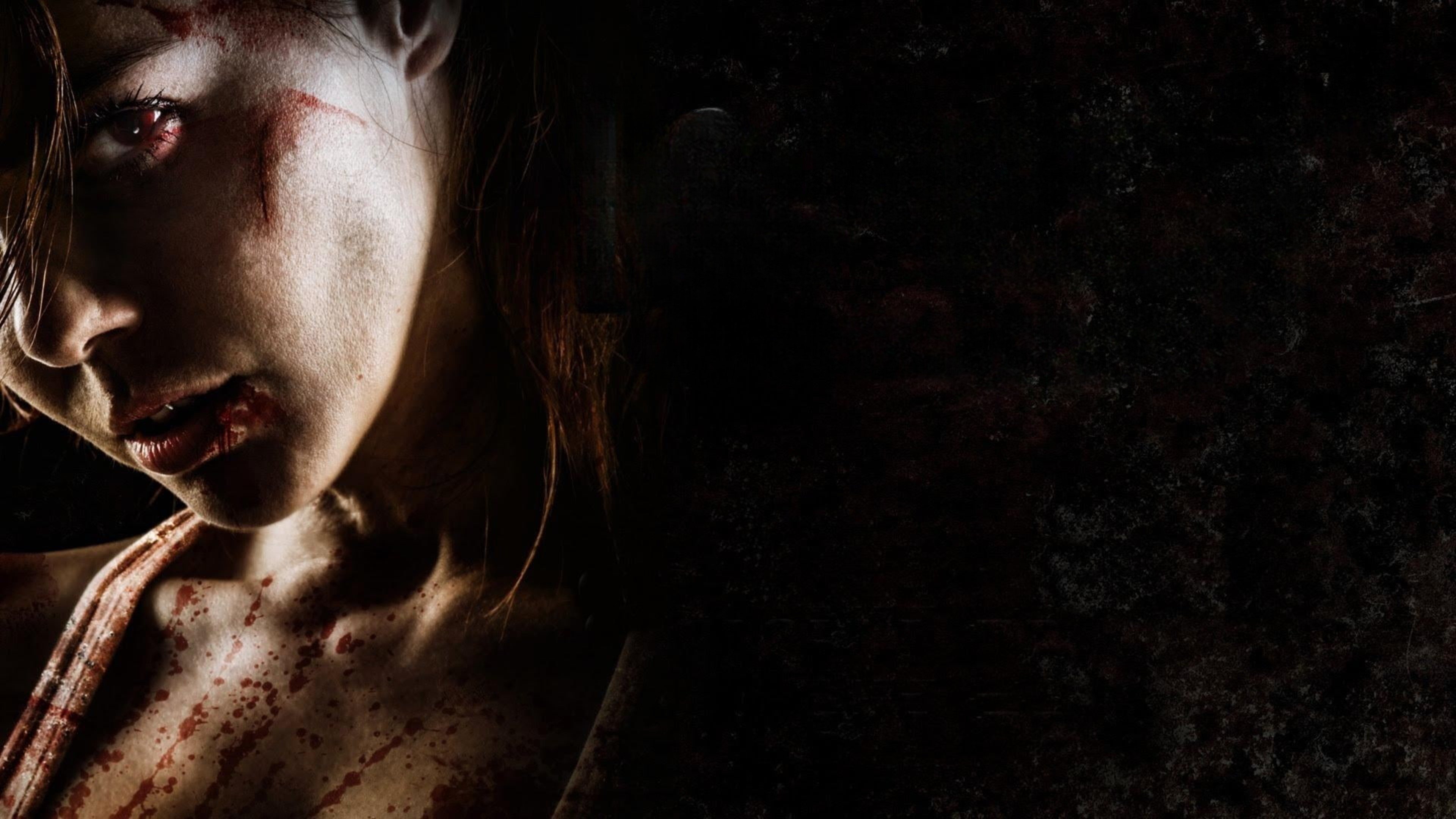
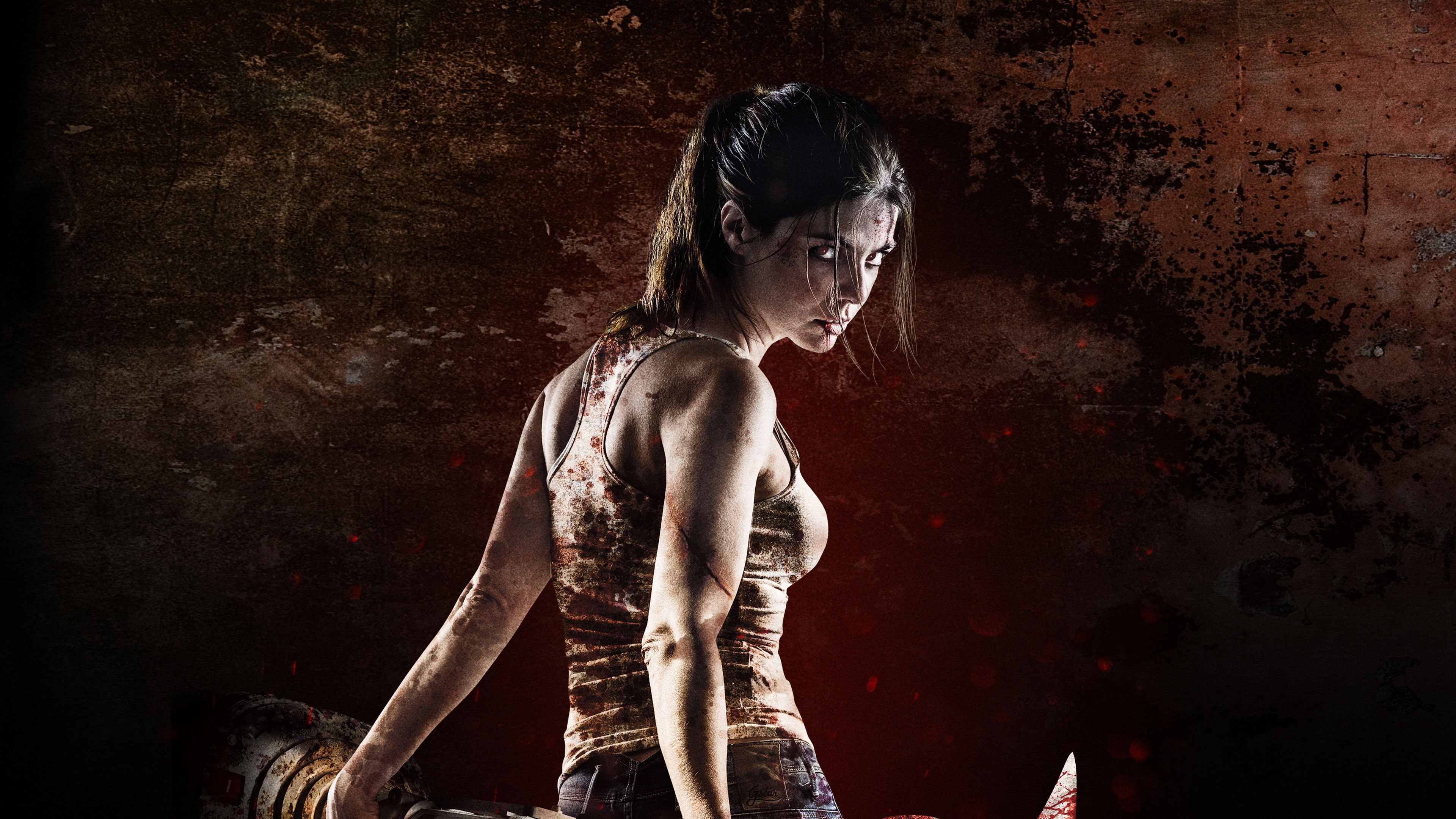
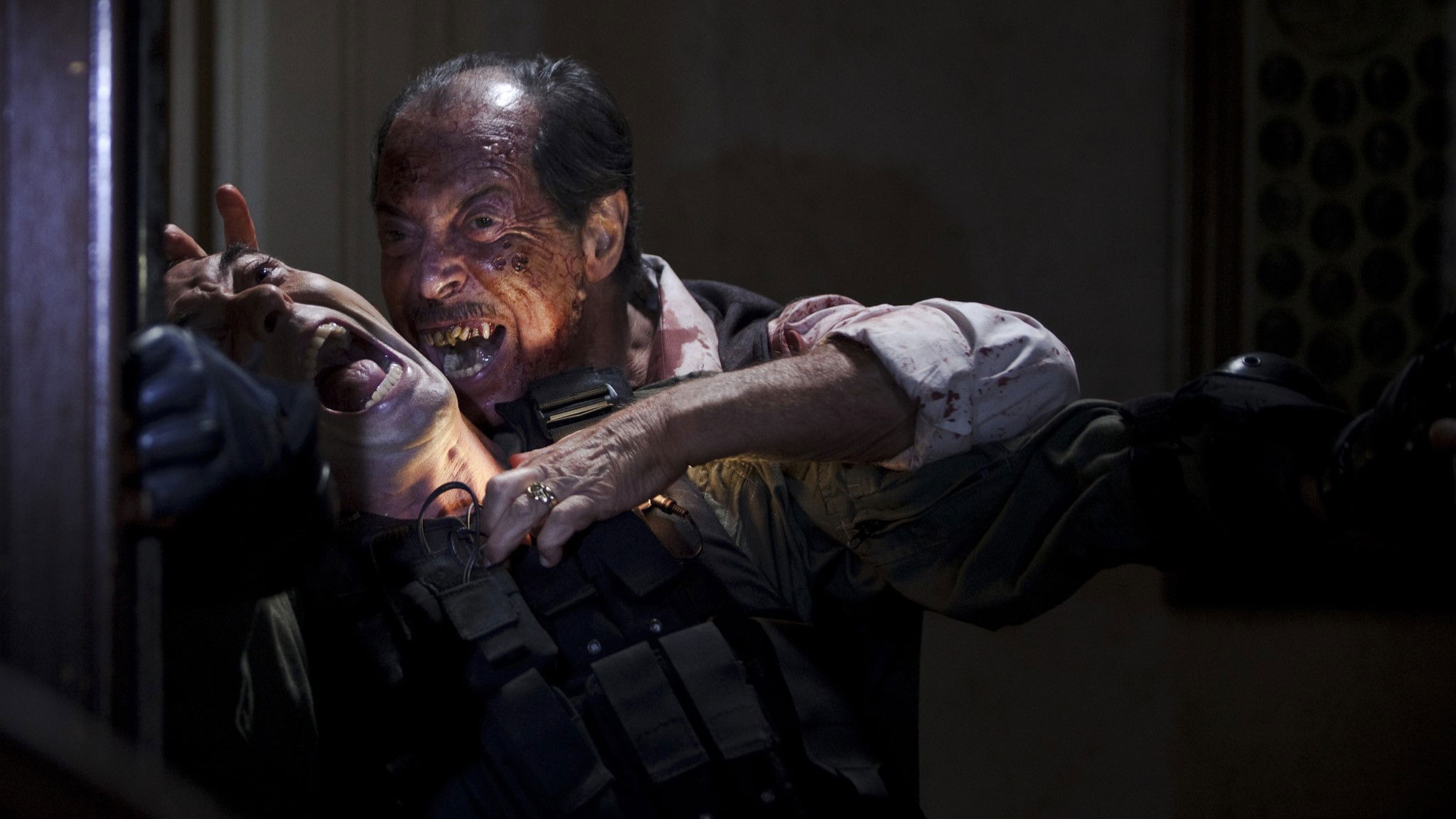
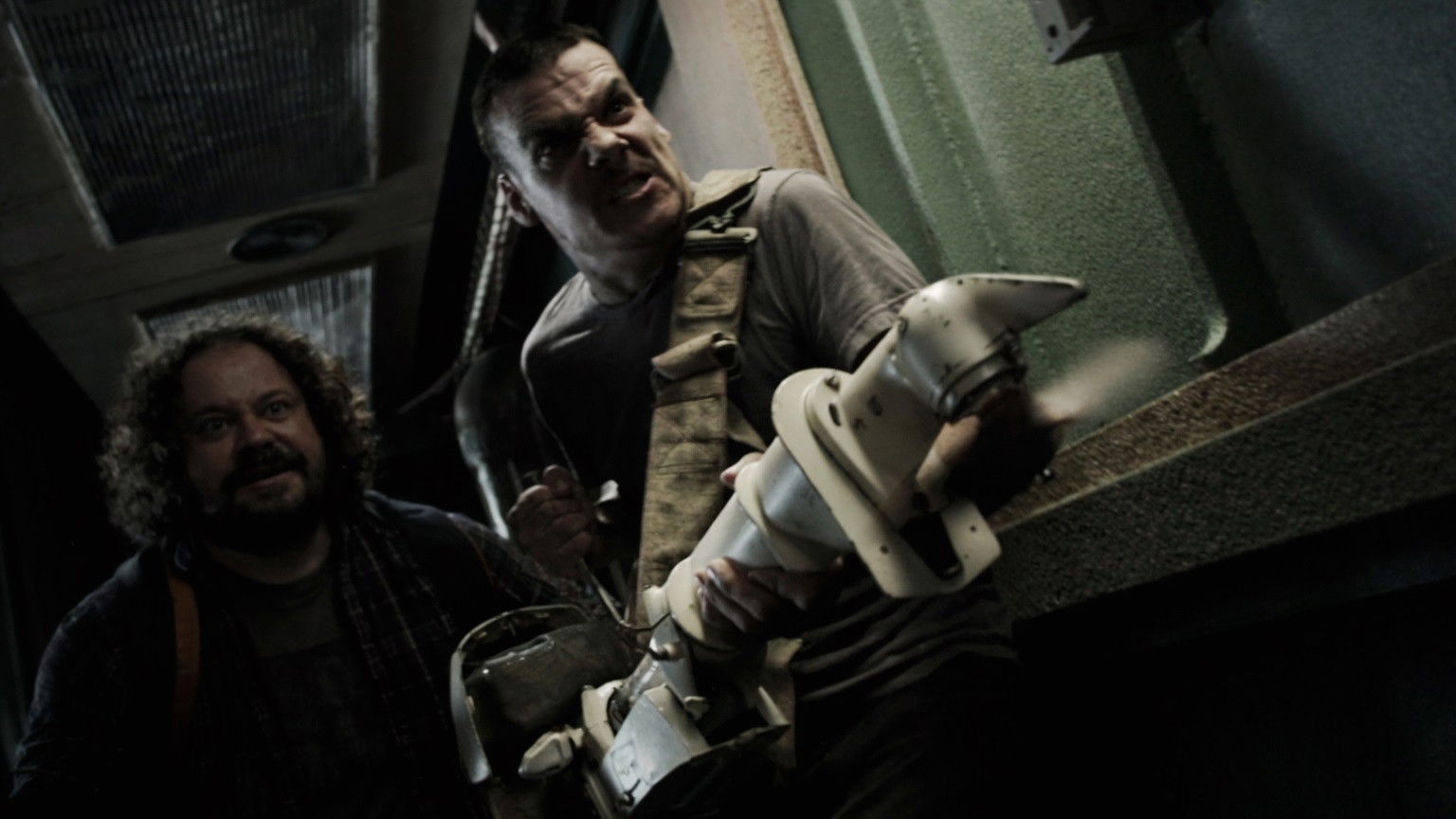
The infected remained a major source of immediate physical danger. Reporting directly from the set, El País Semanal documented individually fitted dental appliances produced from casts of the performers' mouths. Makeup teams built different stages of visible infection through silicone additions, wounds, discoloured skin, painted veins and contact lenses. Preparing an infected extra could occupy several hours, after which blood was applied and replenished between takes. These procedures provided close-range details that the camera could register as actors rushed through corridors or across the deck, with each performer made to appear physically altered rather than merely covered in uniform stage blood.

The same report observed an articulated worm-like creature during a confrontation with Ángela. Its movement depended on cables, which could obstruct the action when the performer tried to interact with surrounding equipment. This incident illustrates the practical limitations of an on-set creature effect: movement must be controlled at the same time that the actors perform the struggle. El País also documented repeated interruptions during a large exterior pursuit, including coordination problems involving the infected extras. The intended impression of a disorderly attack depended on careful choreography, makeup maintenance and multiple takes under difficult conditions.

Practical effects coexisted with substantial digital intervention. In the film academy's contemporary account of the post-production process, Balagueró spoke of approximately 480 digitally treated shots and identified Álex Villagrasa as the person leading the effects work. He described replacements and extensions needed to represent the sea, the moving vessel and surrounding spaces that could not be photographed as the story required. The combination is important to the production's visual identity: prosthetic performers occupy the physical set, while digital work supplies the larger maritime environment and adjustments that make the confined vessel appear to be isolated offshore.

Infection, Possession and Control

The narrative resumes a question established by [REC]²: whether the outbreak can be understood as a contagious medical emergency when its origin is bound to an explicitly demonic presence. Ángela's apparent survival provides no reassurance because the parasite's movement and its choice of host remain uncertain. The ship has been turned into an enclosed research facility, with personnel attempting to contain and study the phenomenon under controlled conditions. This framework shifts the dramatic pressure away from the accidental discovery of infected residents and toward the authorities' attempts to identify, isolate and manage a threat whose behaviour defeats their expectations.

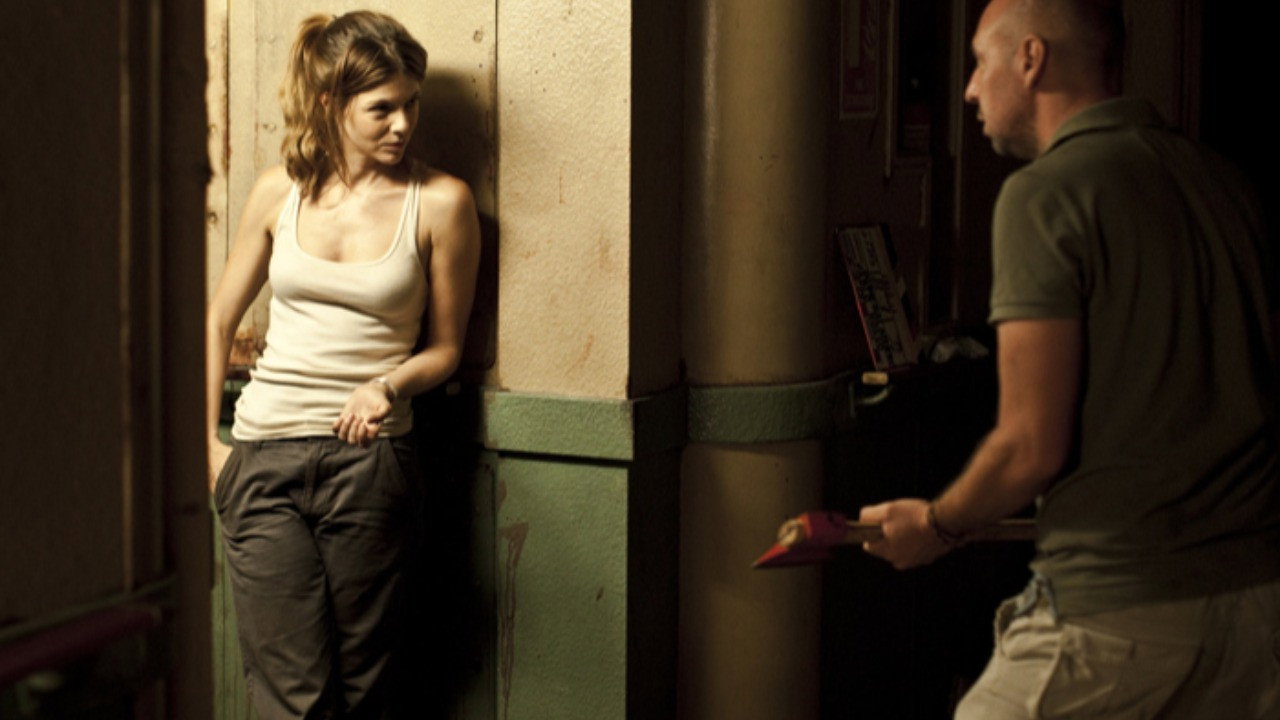
Balagueró discussed this aspect in his Screen Anarchy interview as a question of power under extreme circumstances. He resisted reducing the doctor to a straightforward villain, noting that the character's effort to seek a treatment had an understandable purpose even when its methods placed others at risk. That statement helps distinguish the film's institutional conflict from a simple assumption that scientific investigation is itself malicious. On screen, the laboratory and quarantine procedures also give the possession mythology a material form: bodies are examined, suspected carriers are detained and an organism becomes a visible object of pursuit. The result combines the series' religious explanation with the conventions of medical-containment horror.

Festival Release and Critical Response

[REC]⁴: Apocalypse premiered at the Toronto International Film Festival in September 2014 and opened the Sitges Film Festival on 3 October. Filmax released the film theatrically in Spain on 31 October 2014, with further international circulation following. The release accompanied a deliberately retrospective presentation of the series: Ángela's return connected the finale to its beginnings, while the separate approaches of the third and fourth films demonstrated how far the franchise had moved from its original production experiment. Balagueró described the fourth film at the time as his final contribution to the story, while acknowledging elsewhere that its ending could leave possibilities for other filmmakers.

The contemporary response was not uniformly favourable. Writing from Sitges for Cineuropa, Alfonso Rivera credited the greater scale of the ship's production design but judged its outbreak developments predictable and its atmosphere less surprising than that of the original. The criticism focused specifically on what the changed format had cost: the direct camera viewpoint that once placed the audience inside an unfolding emergency had been replaced by conventional coverage and increasingly familiar action situations. Balagueró's own account placed the priority elsewhere, on survival, movement and the renewal of claustrophobia in an environment physically distinct from the apartment building.

References

  1. Screen Anarchy Interview: Jaume Balagueró Talks [REC] 4: APOCALYPSE, The Franchise Finale

    Shelagh Rowan-Legg’s direct interview on the jointly planned final chapters, the change of horror format, the difficulties of shipboard filming and the doctor’s exercise of power.

  2. 20minutos Jaume Balagueró: "En '[REC]4' queríamos mantener la sensación de no poder escapar"

    Carles Rull’s October 2014 interview documenting the proportion of shipboard filming, additional built sets, digital recreation of the maritime environment and abandonment of first-person camerawork.

  3. RTVE Jaume Balagueró: "No habría hecho '[REC] 4: Apocalipsis' sin Manuela Velasco"

    Jesús Jiménez’s interviews with Balagueró and Velasco on Ángela’s ambiguous condition, the physical difficulties of the ship location and the filmmakers’ final-chapter intentions.

  4. El País Semanal Una noche entre zombis

    Santiago Roncagliolo’s on-location October 2014 reportage on prosthetic teeth, infected makeup, the articulated parasite, stunt coordination and shipboard production logistics.

  5. Cineuropa [REC] 4: Apocalypse: more of the same

    Alfonso Rivera’s contemporaneous Sitges review contrasting the film’s expanded production design and revised camera method with concerns about predictability and diminished surprise.
Connections

Cast

View Full Cast & Crew →

Release & Distribution

Production Companies (2)

  • Castelao Productions ES
  • Rec Apocalypse AIE ES

Distributors (1)

  • Filmax ES

Release History (14)

Release DateTerritoryRelease TypeFormatDistributorCertificationNotes
2014-09-09 Canada Premiere — — — Toronto International Film Festival
2014-10-31 Spain Theatrical — — 16
2014-10-31 United Kingdom Theatrical — — 18
2014-10-31 United States Theatrical — — R
2014-11-12 France Theatrical — — 12
2014-12-10 Germany Theatrical — — 16
2014-12-11 Russia Theatrical — — —
2014-12-24 South Korea Theatrical — — 19
2014-12-26 Türkiye Theatrical — — —
2015-01-31 Japan Digital — — R18+
2015-03-25 France Digital — — 12
2015-03-25 France Physical DVD, Blu-ray — 12 DVD / Blu-ray
2015-11-03 Italy Premiere — — — Trieste Science+Fiction Festival
2021-10-18 France Digital — — 12 Prime Video
It’s time to leave.