From The Conjuring to a Spin-Off
The development of Annabelle followed directly from audience interest in the doll introduced at the beginning of The Conjuring. Producer Peter Safran later explained that viewers repeatedly asked about Annabelle after seeing the earlier film, particularly about where the doll had come from and how much of the story surrounding it was supposed to be real. At the same time, James Wan was not immediately available to direct another Conjuring film. The filmmakers developed the Annabelle material as a separate project capable of remaining inside the same supernatural world.
John R. Leonetti was an unusually natural choice to direct. He had photographed The Conjuring for Wan and had collaborated with him across several horror productions, giving him detailed knowledge of the visual grammar already associated with the series. Leonetti said that he was approached with Gary Dauberman's screenplay rather than campaigning for the project himself, and he was impressed enough by the material to make the transition from cinematographer to director. He also described the story as deliberately reminiscent of older supernatural films, particularly the domestic paranoia and pregnancy-centered anxiety associated with Rosemary's Baby.
That lineage helped separate Annabelle from a simple killer-doll film. The doll rarely behaves like Chucky or another physically aggressive toy. It functions more often as a visual indicator that another presence has entered the room. The primary threat is demonic, with Annabelle acting as a point around which increasingly severe manifestations occur. This decision kept the project connected to the supernatural rules of The Conjuring rather than turning the spin-off into an unrelated slasher built around a familiar prop.
The Real Doll and the Fictional Story
The relationship between Annabelle and the claims surrounding the real object requires careful separation. The doll connected with Ed and Lorraine Warren was a Raggedy Ann cloth doll, visually very different from the porcelain figure created for The Conjuring and its spin-offs. The Warrens claimed that the doll had been involved in unexplained movements and other phenomena before coming into their possession, eventually interpreting the activity as demonic rather than as the spirit of a child. Those accounts belong to the history of paranormal claims surrounding the Warrens and should not be treated as independently established evidence of supernatural activity.
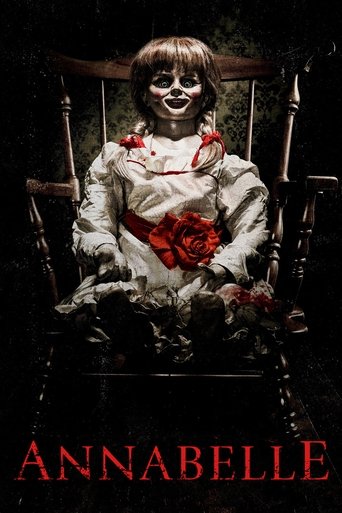
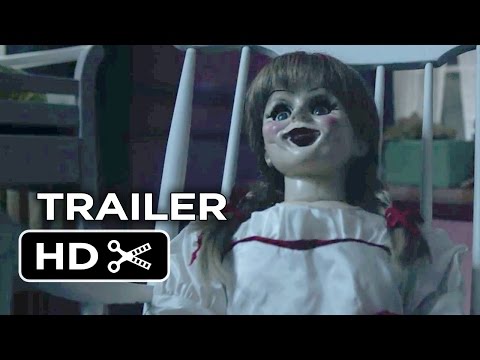
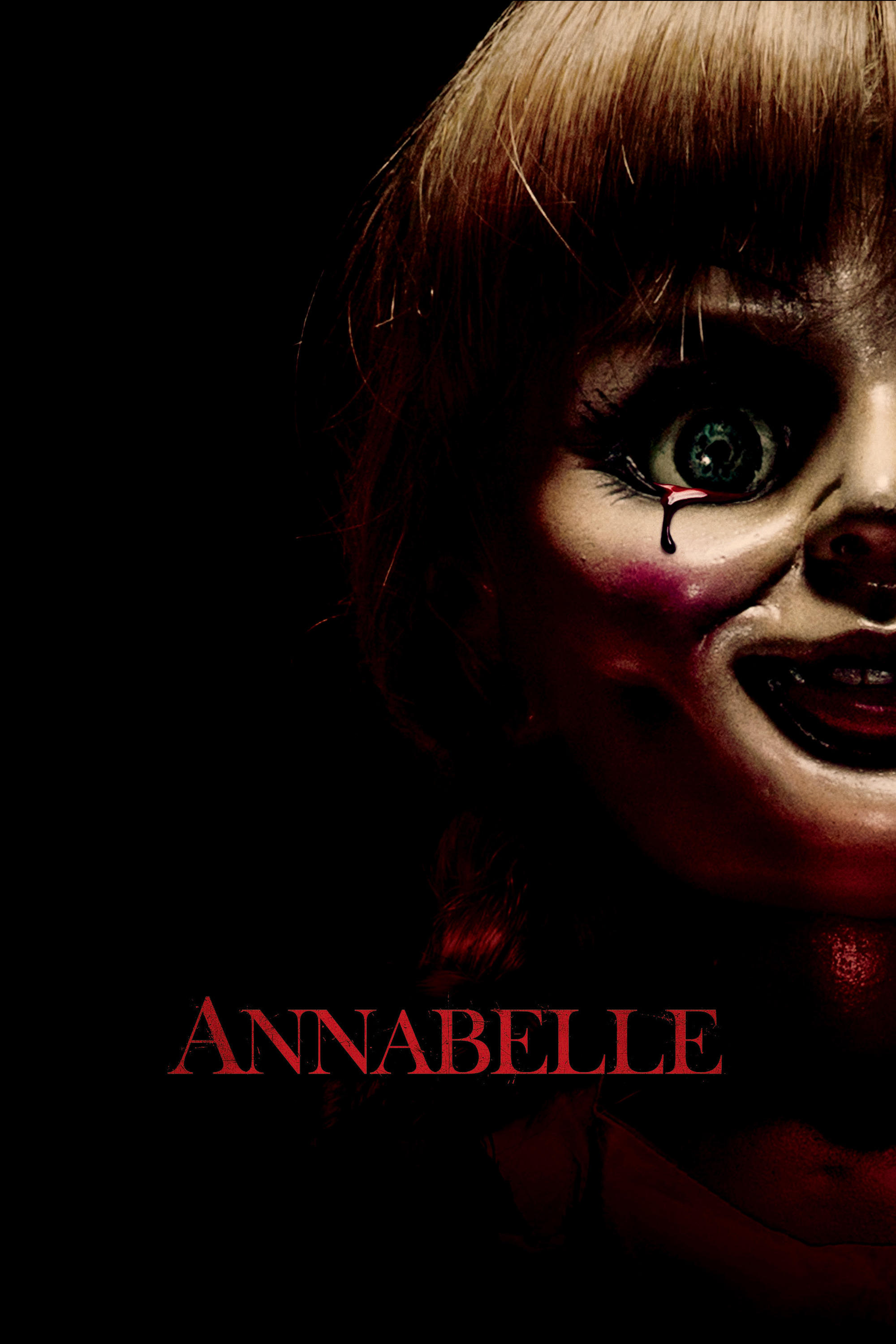
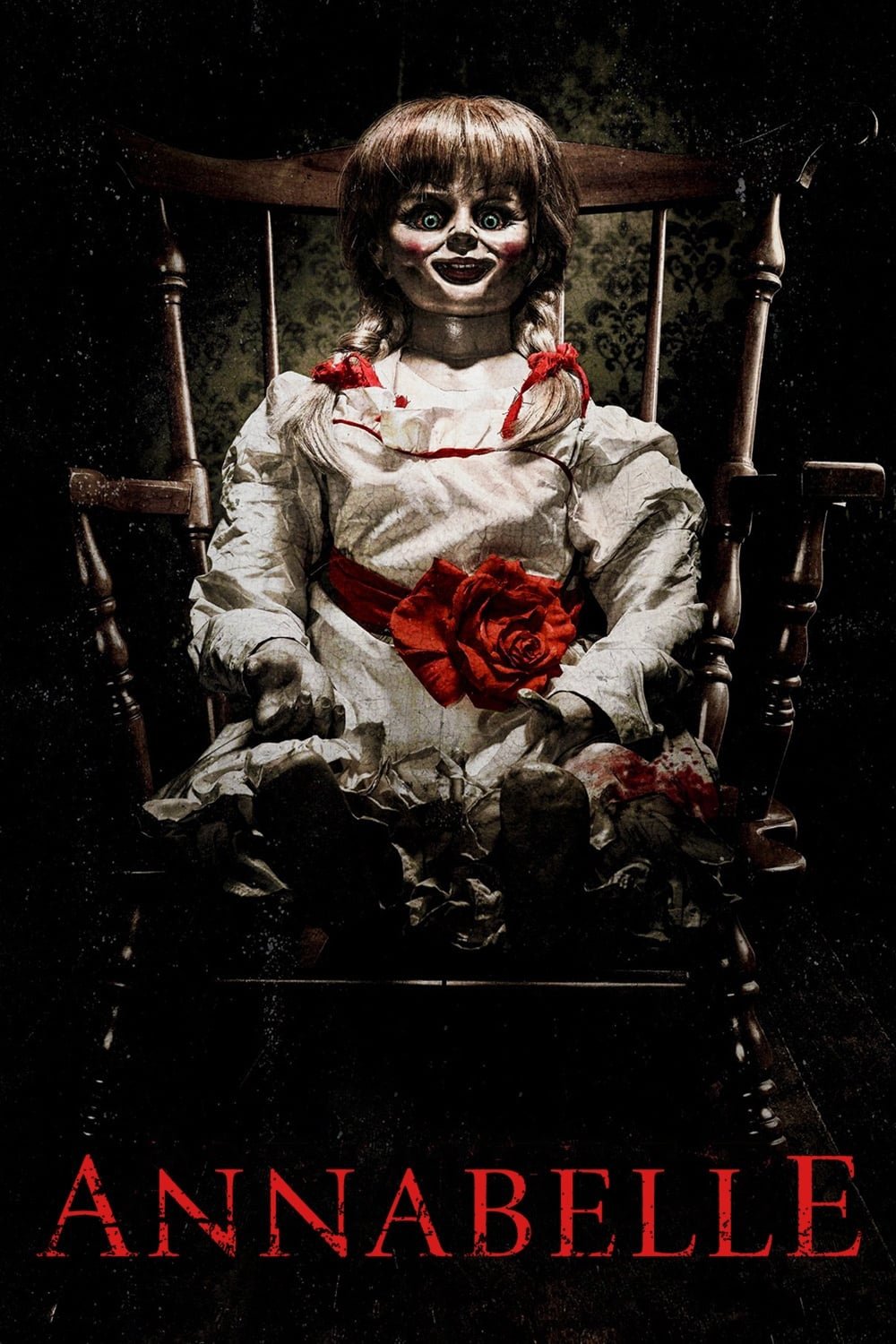
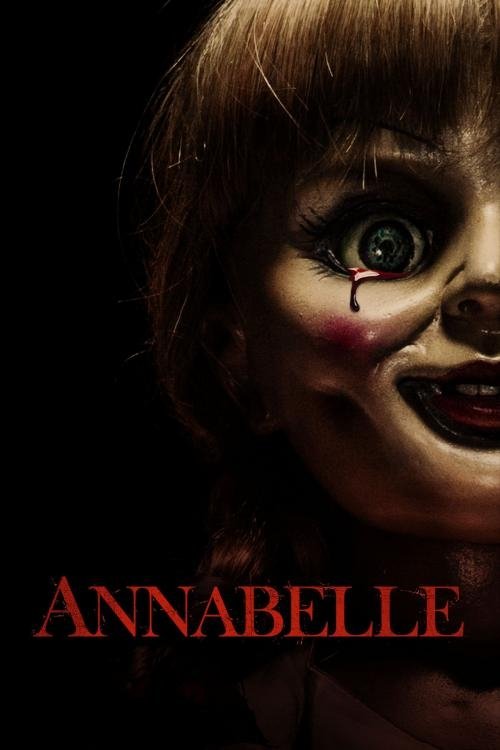
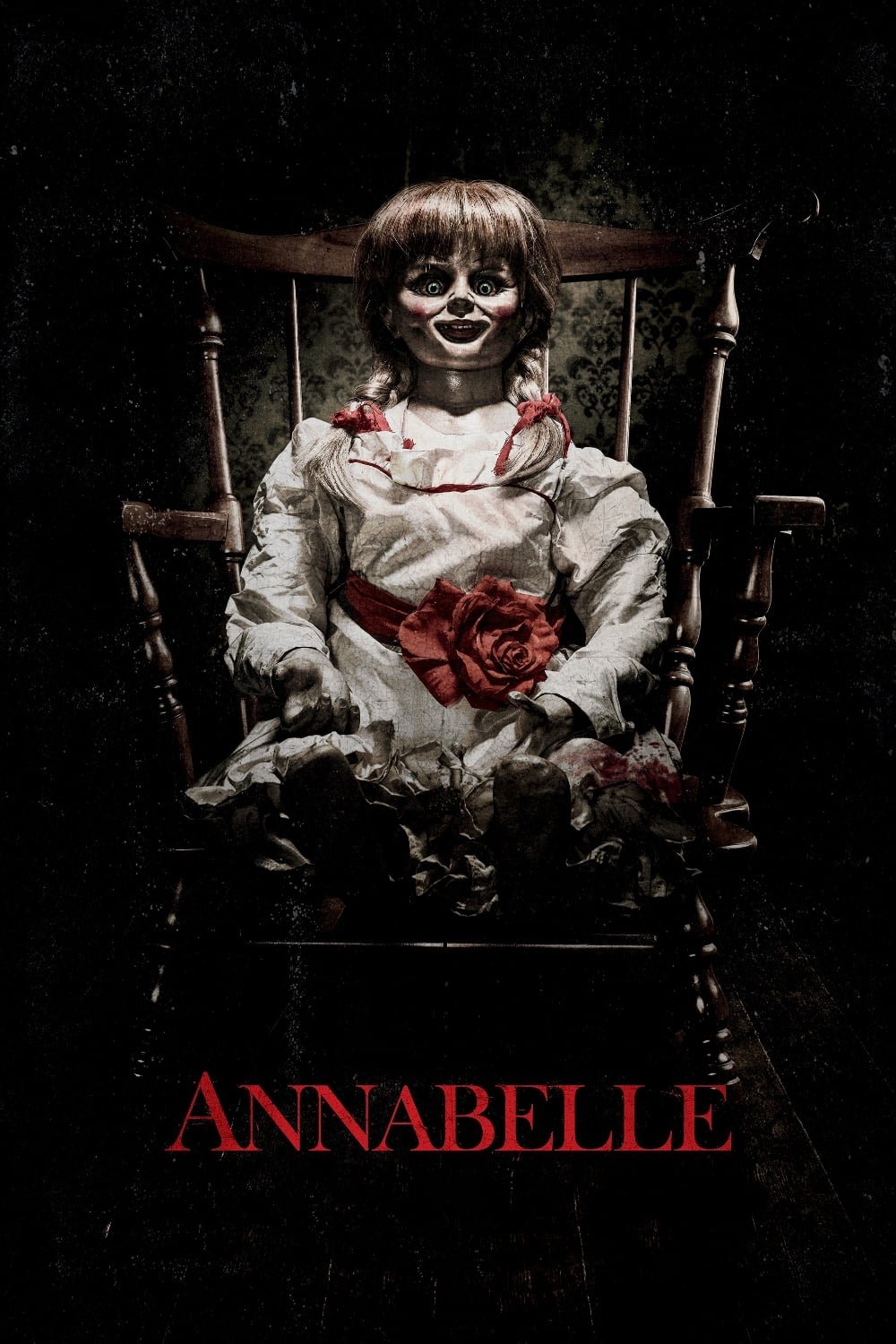
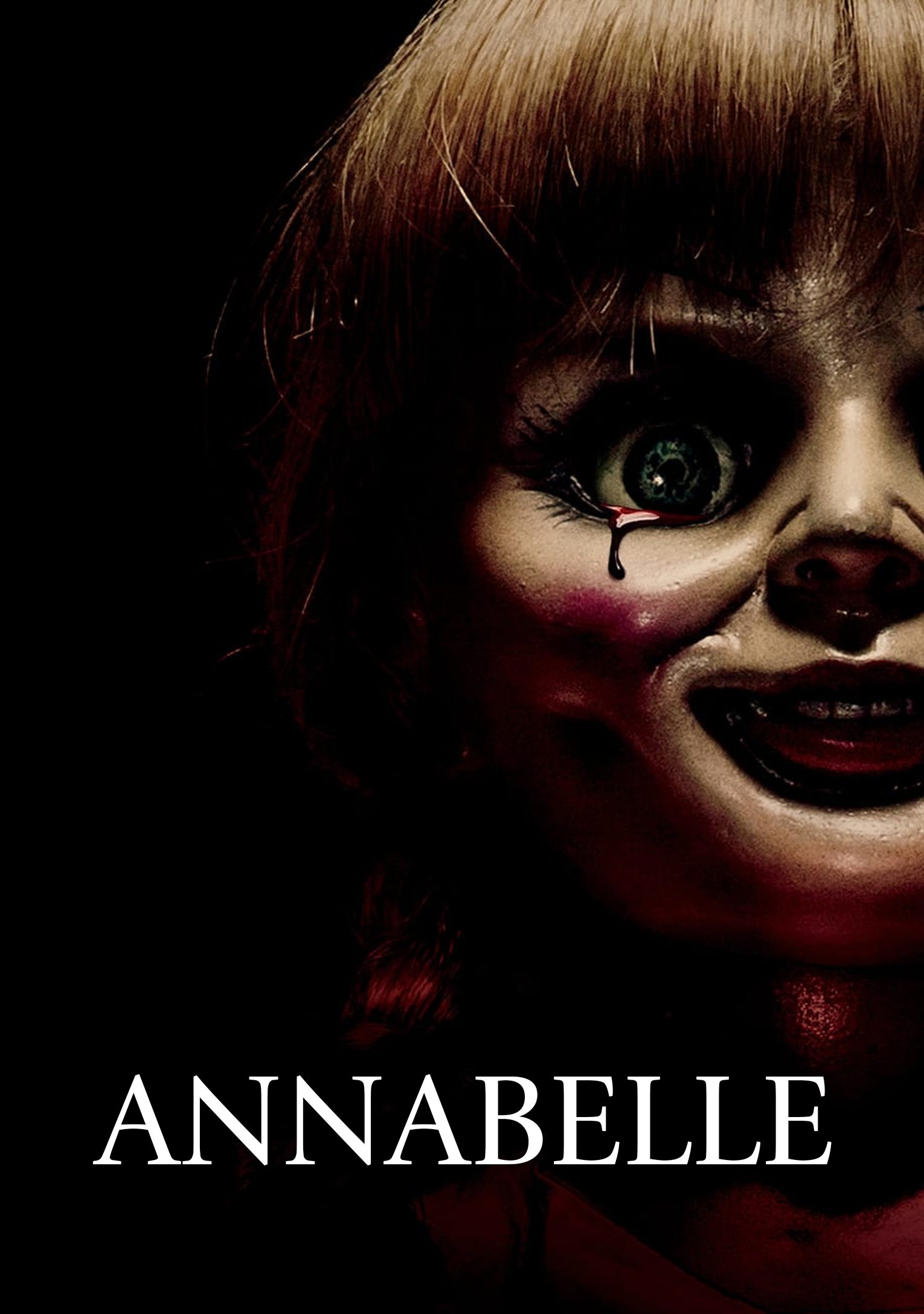
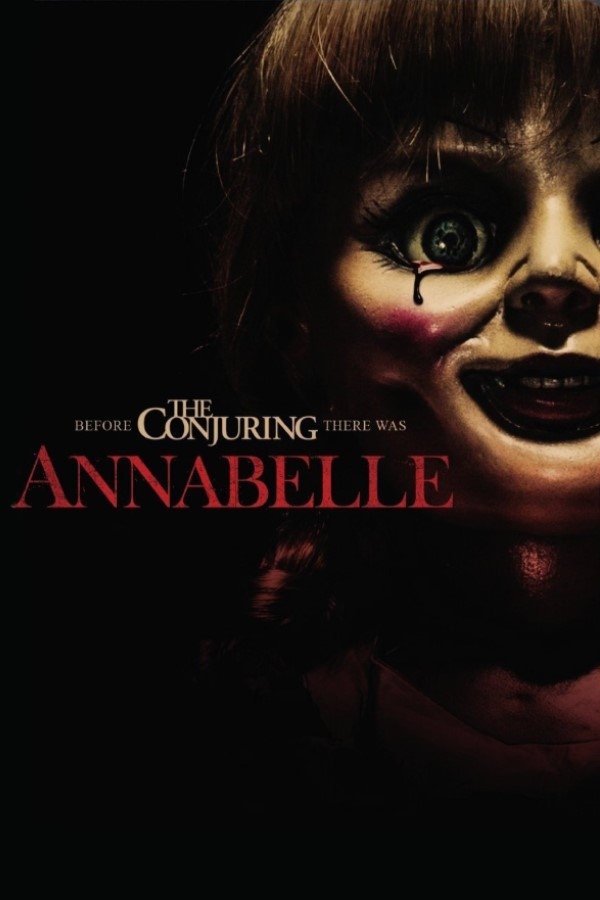
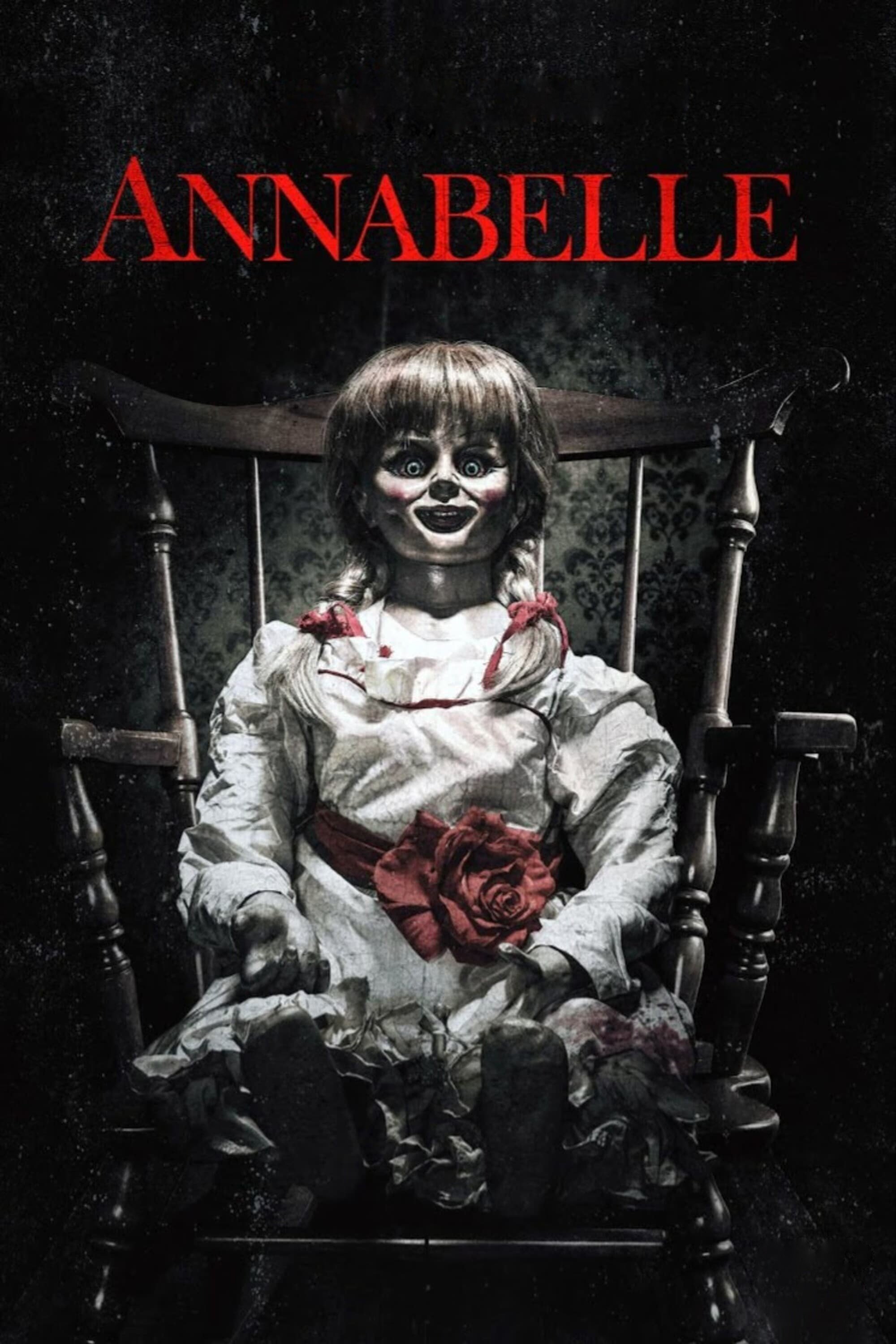
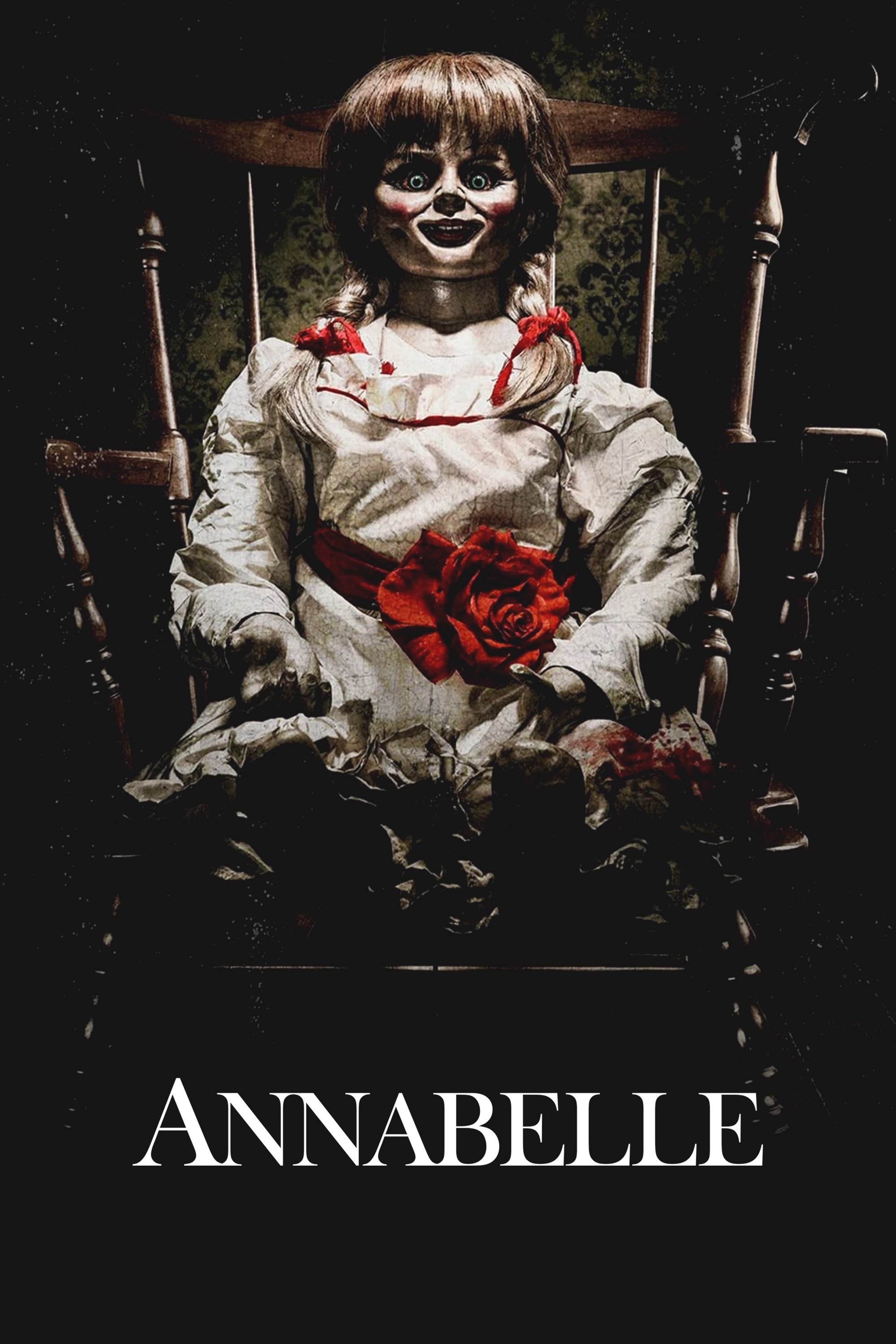
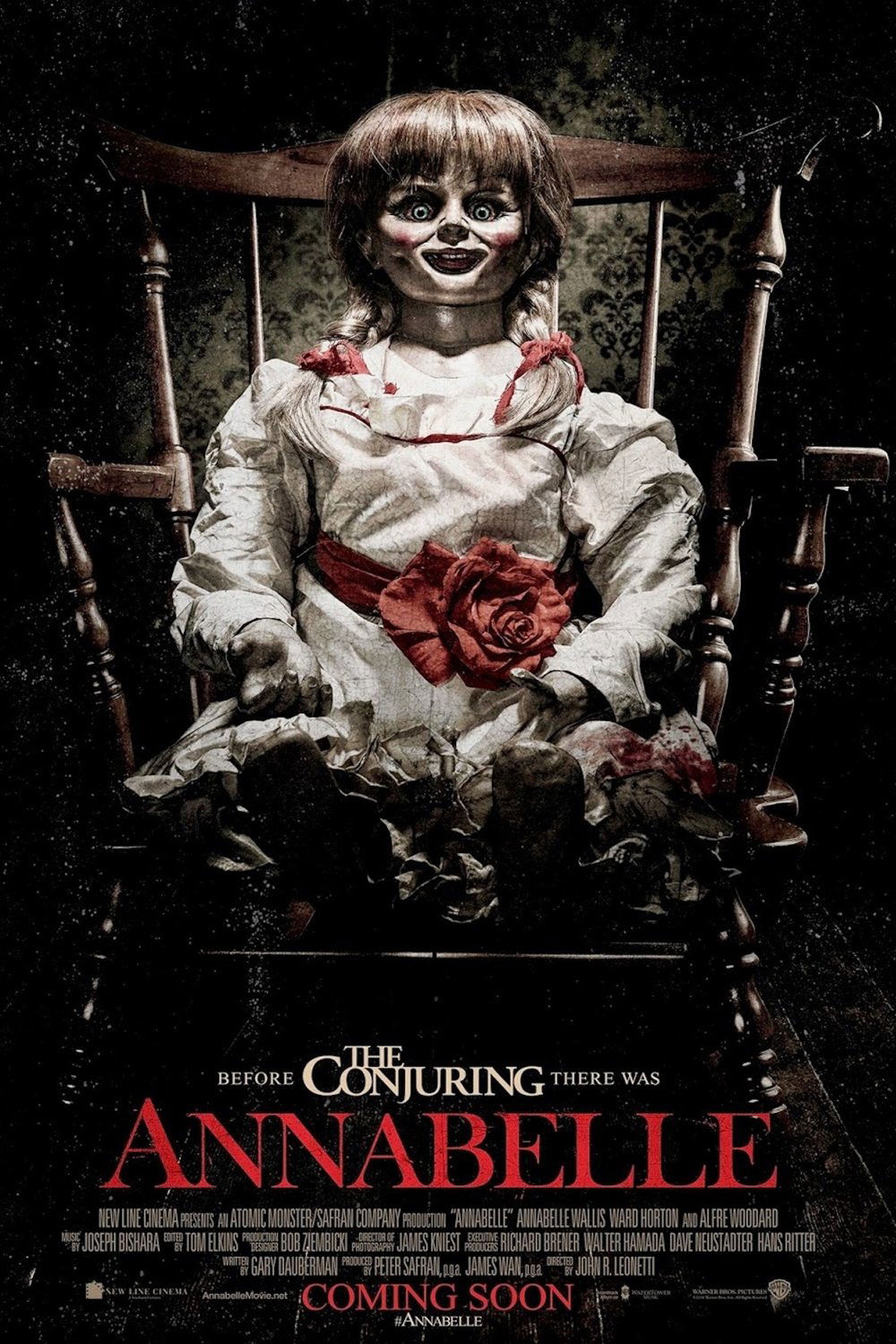
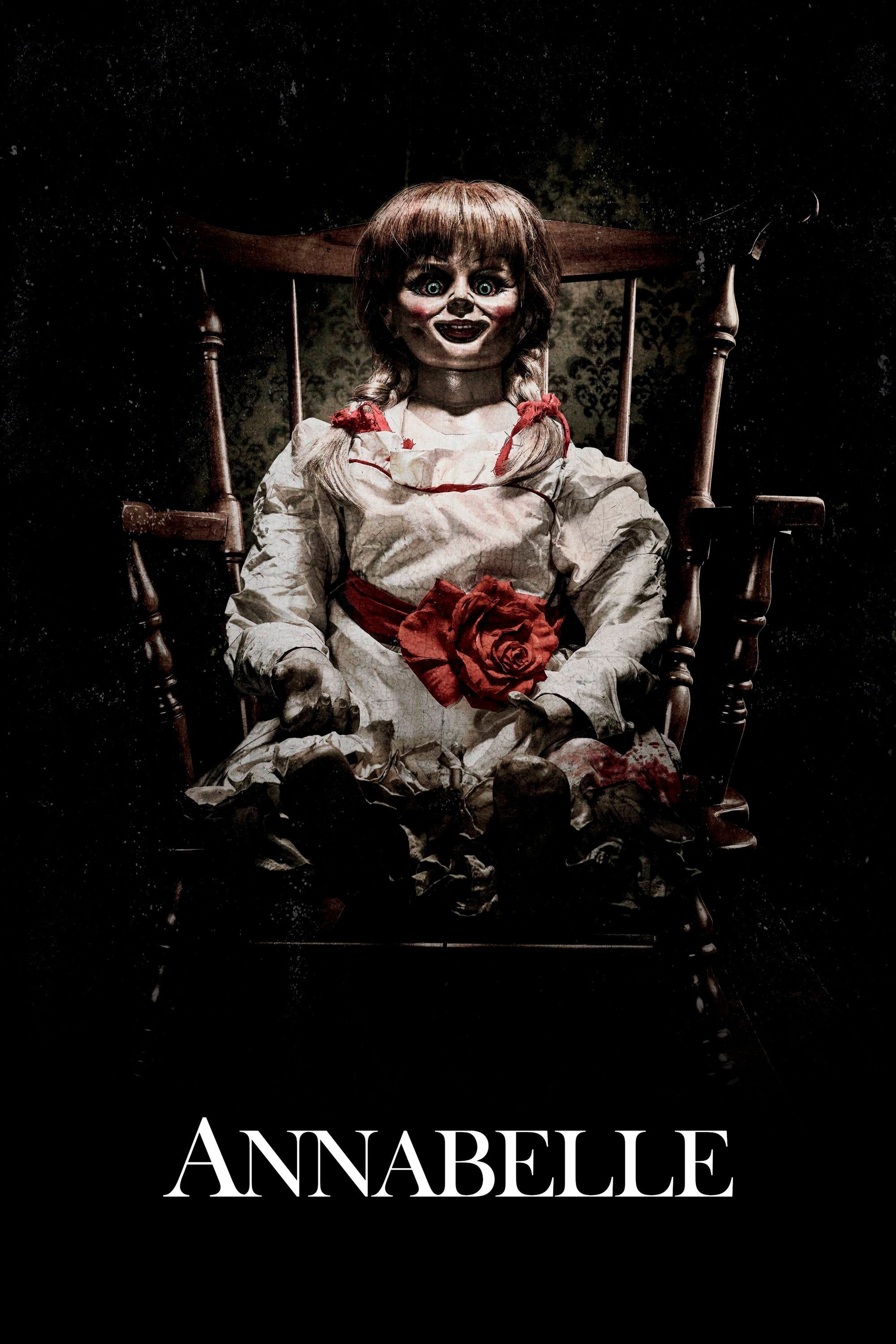
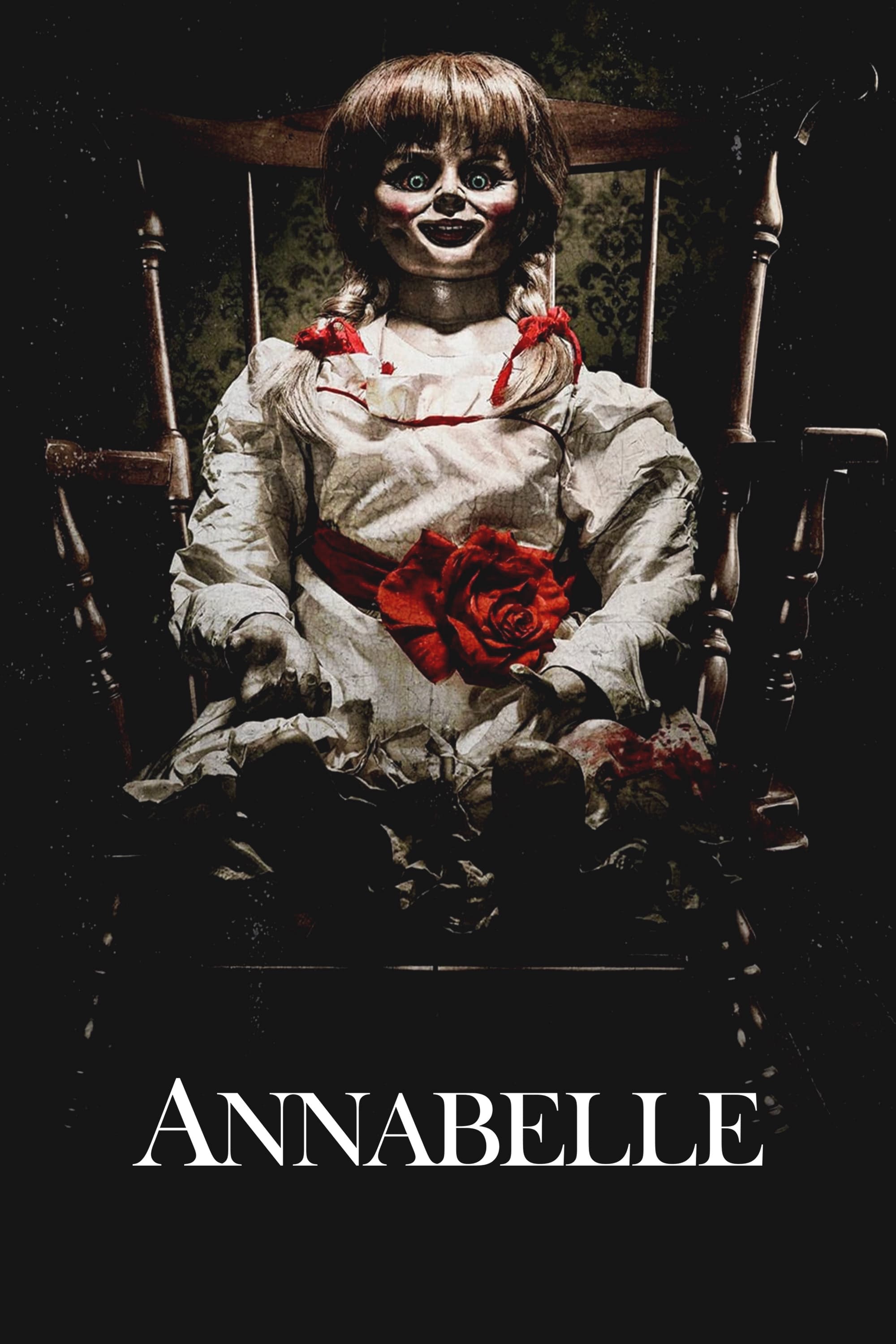
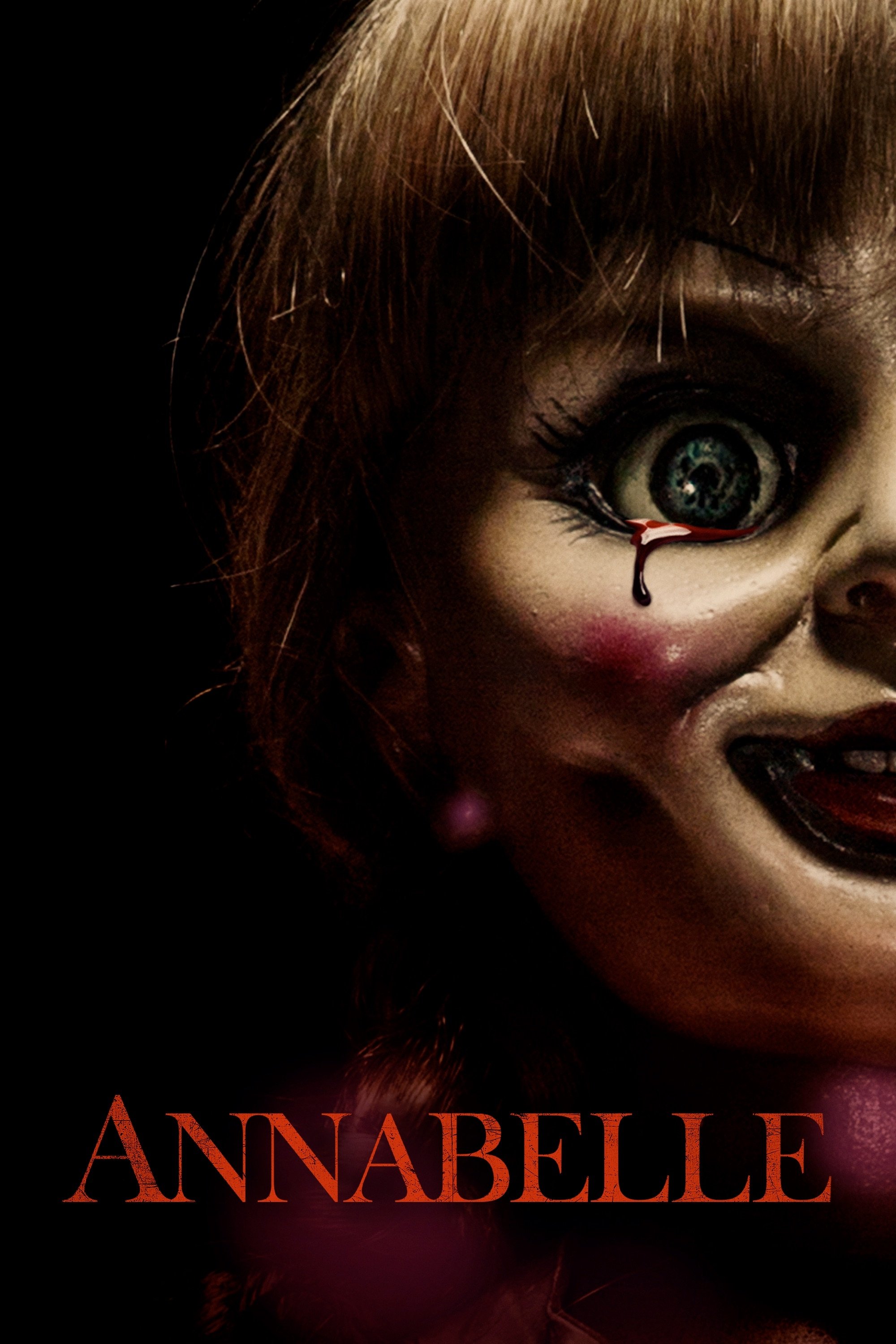
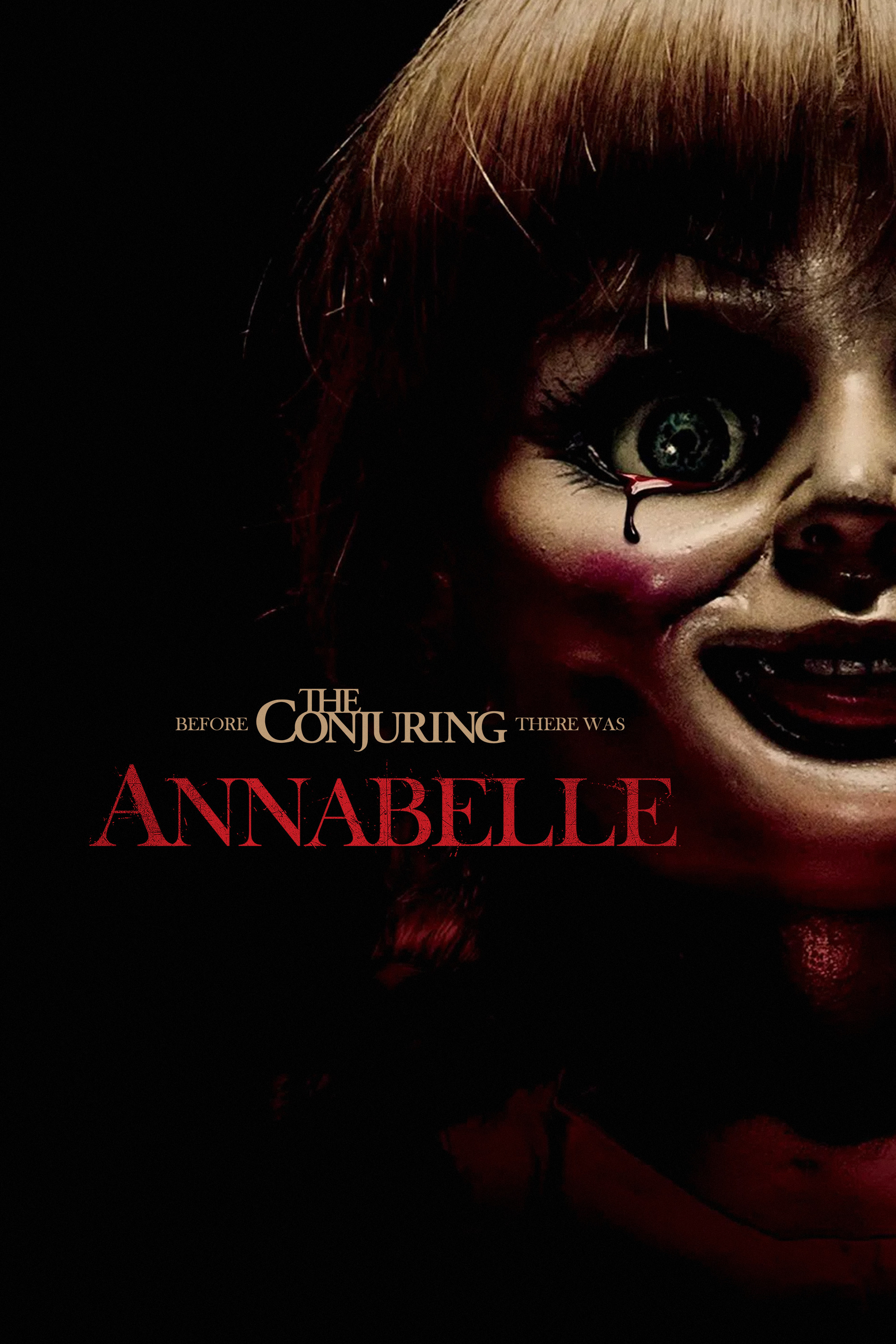
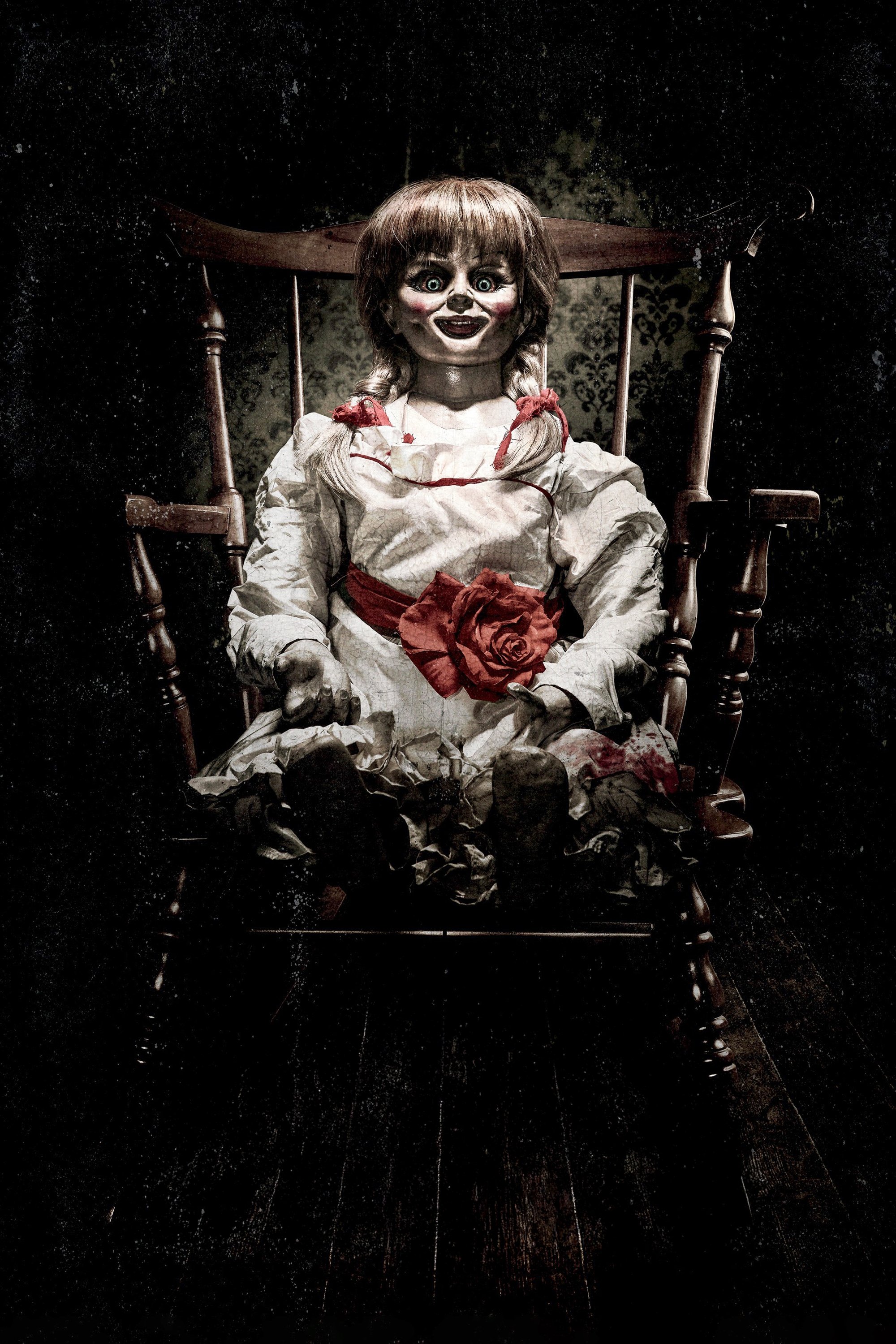
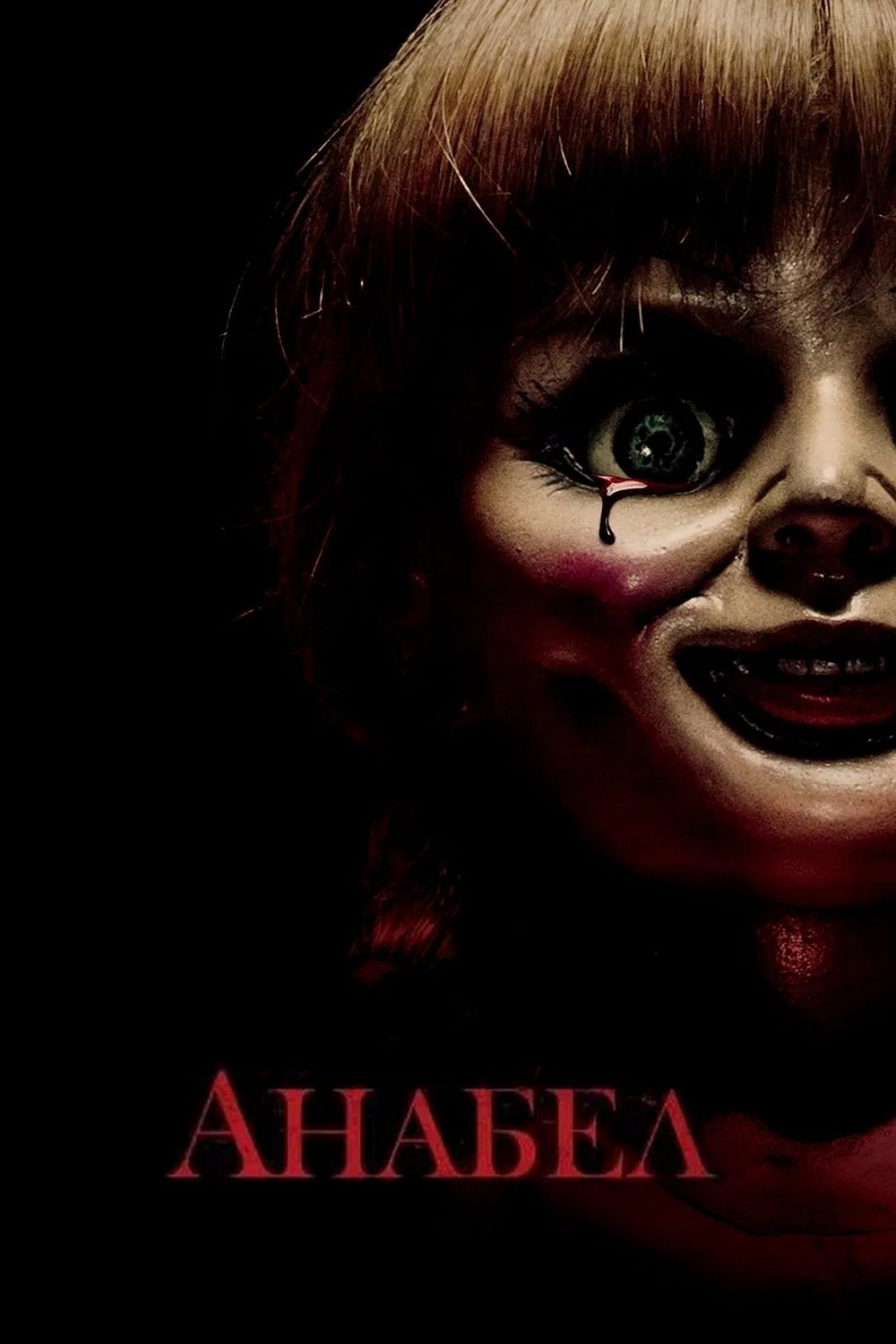
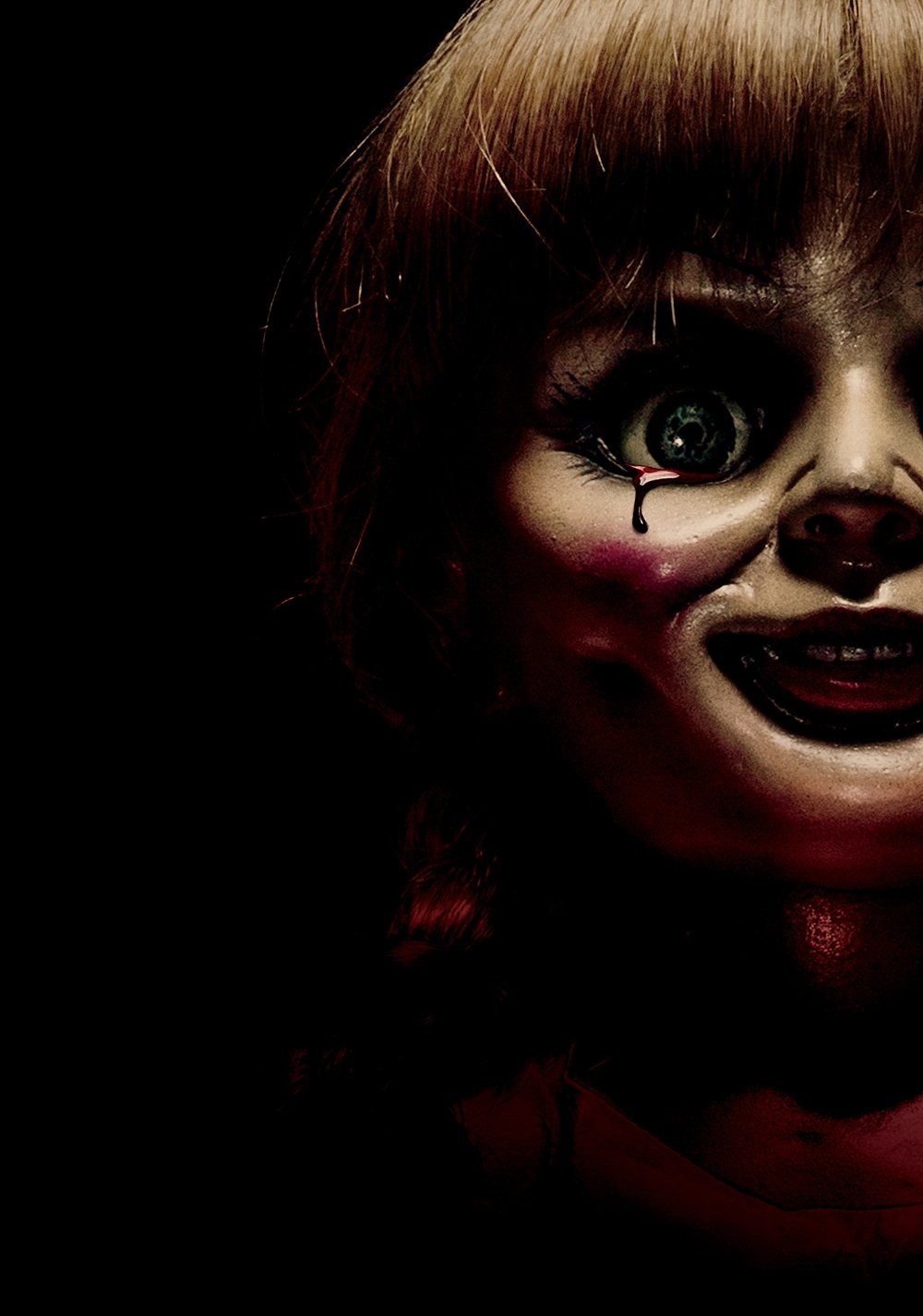
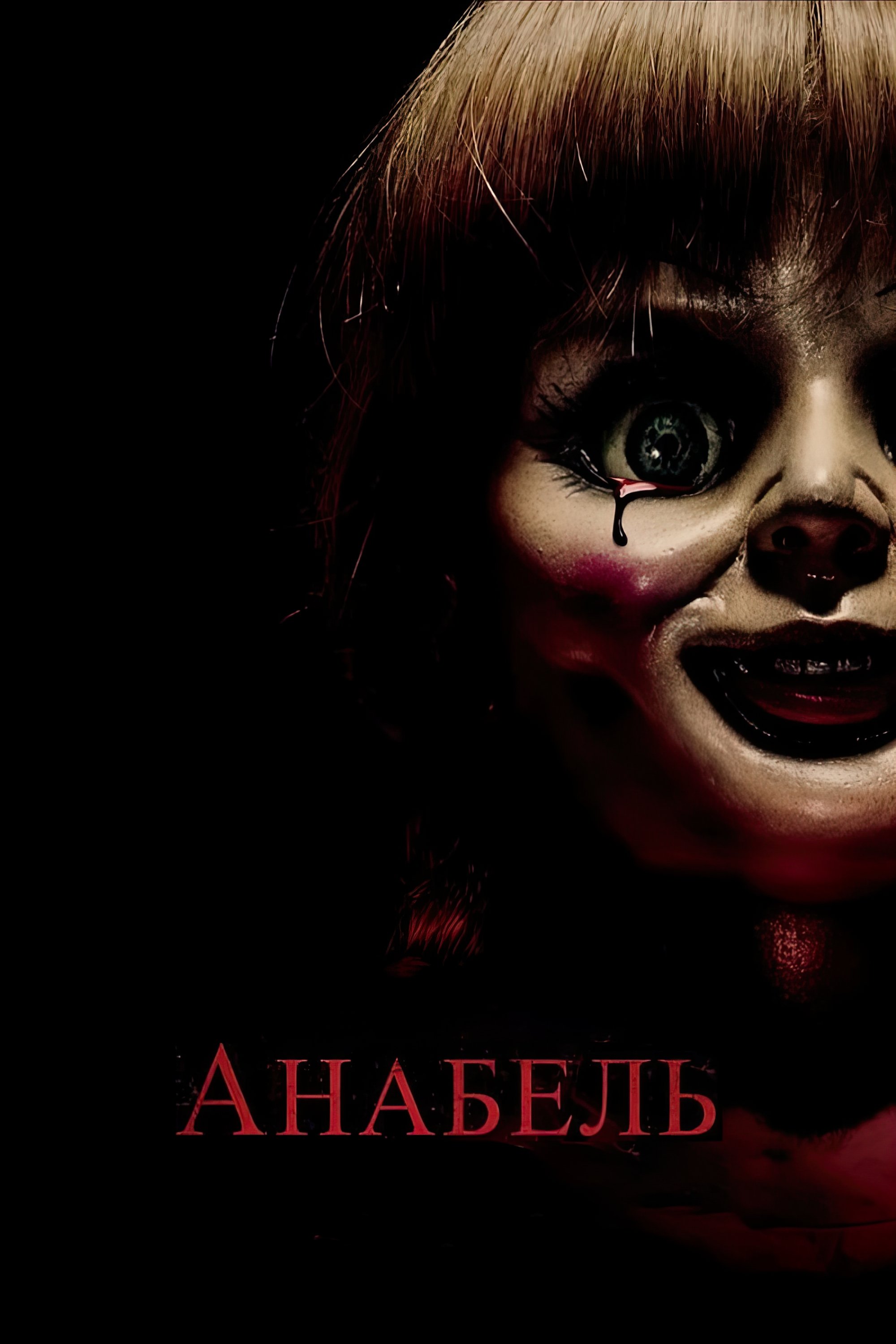
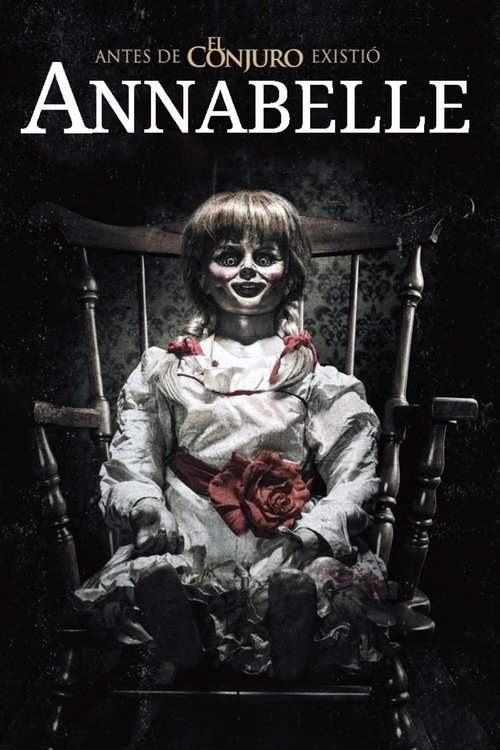
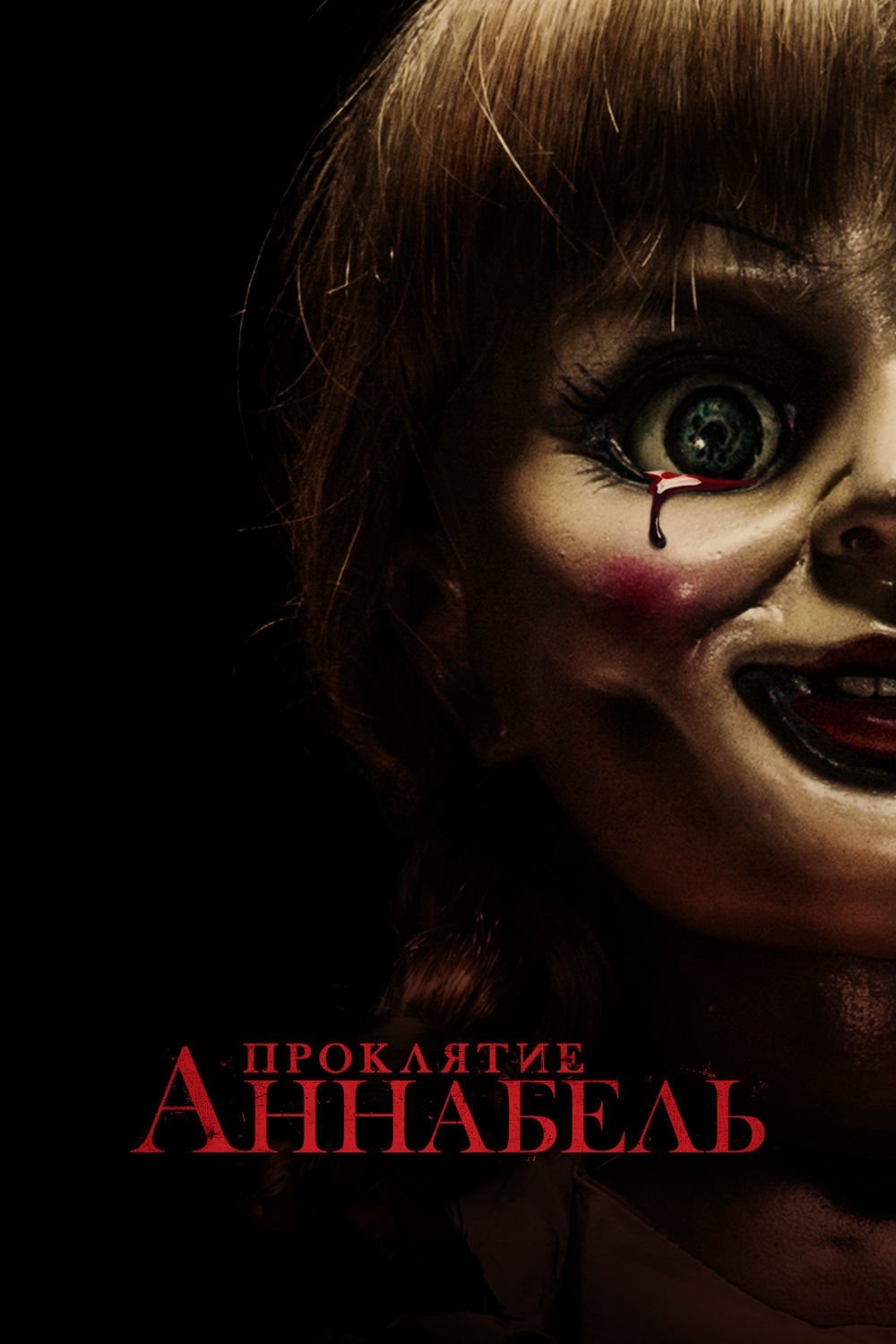
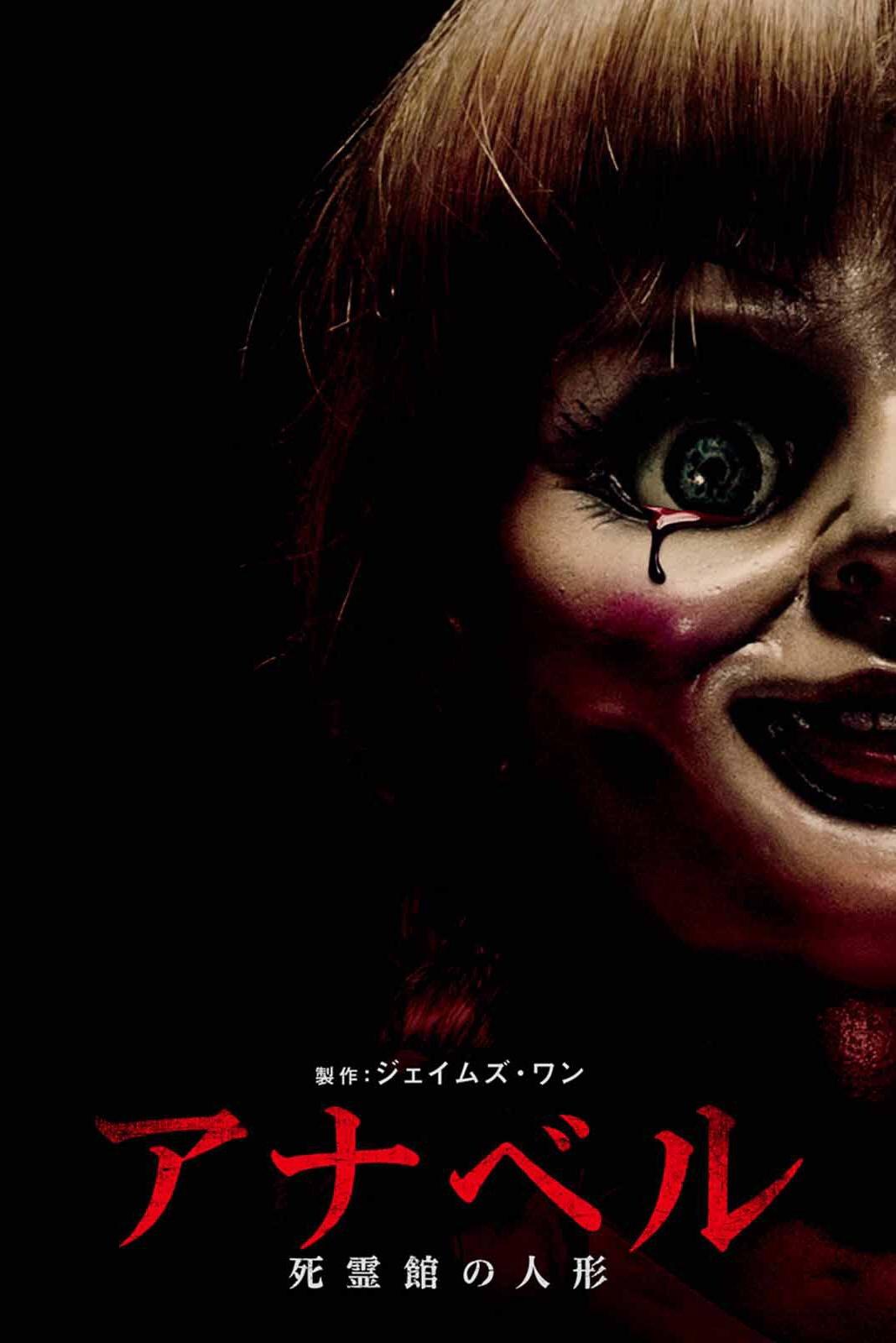
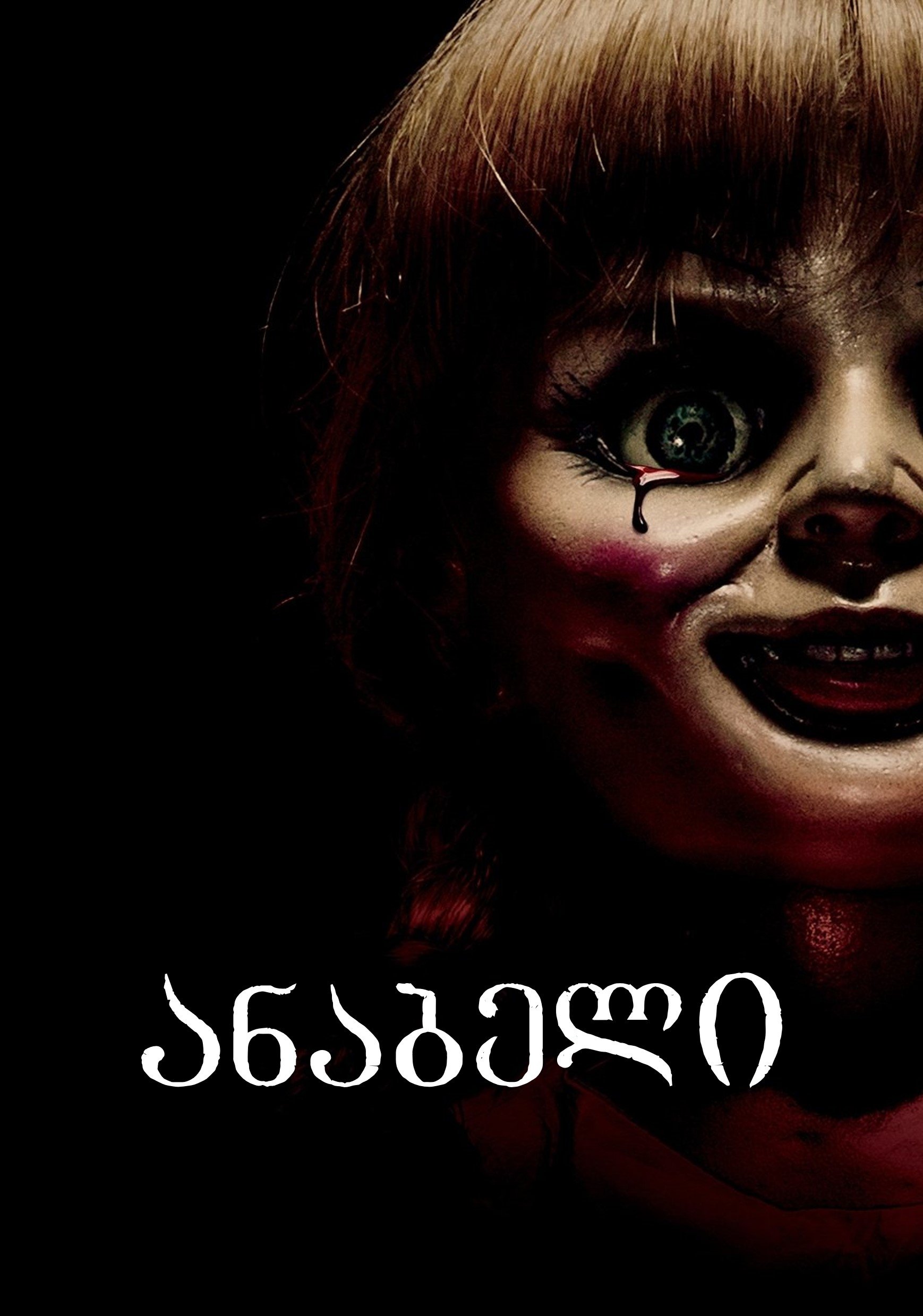
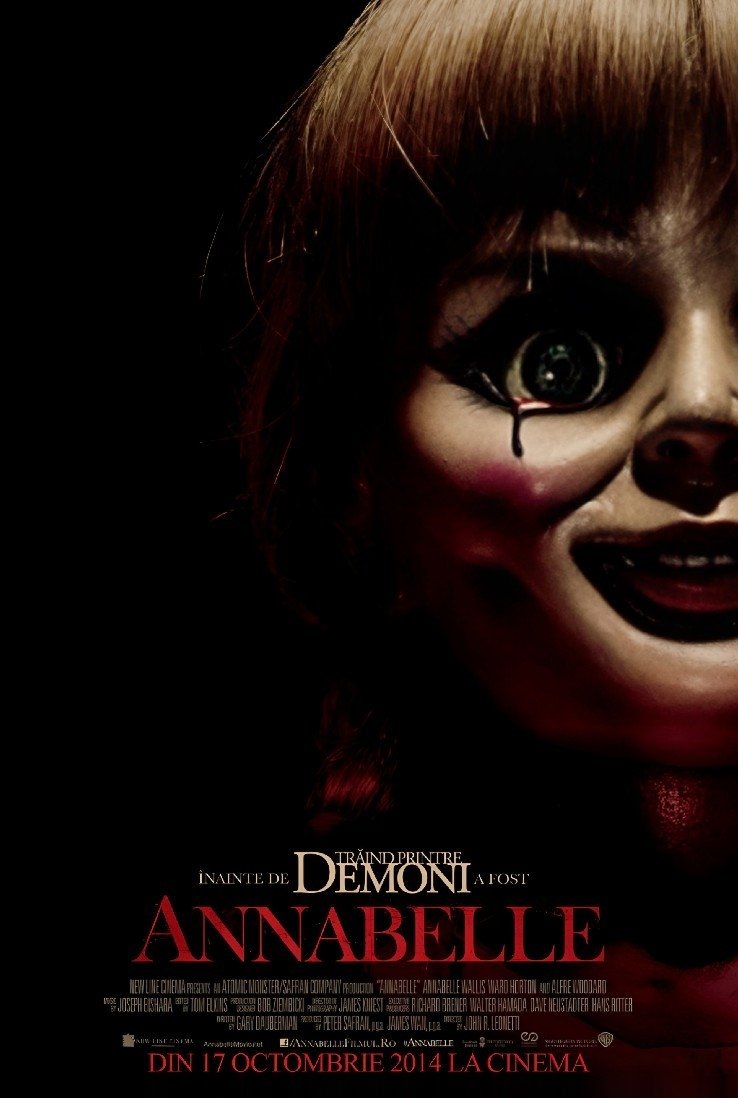
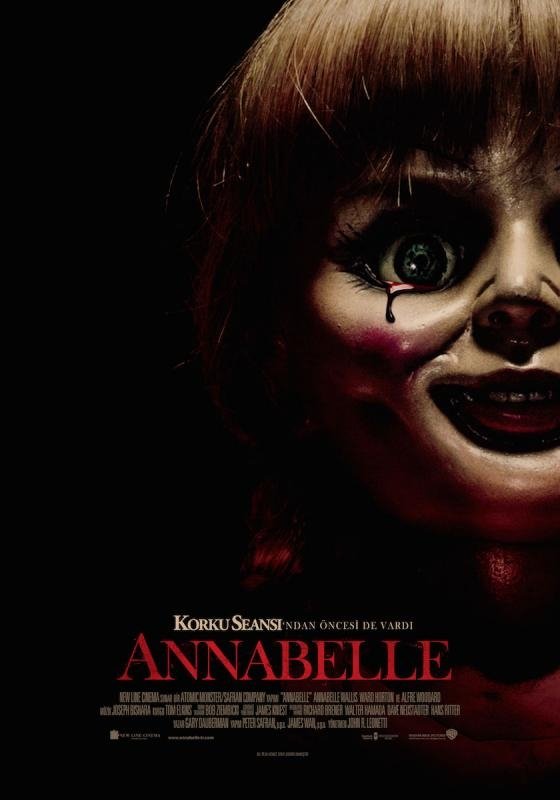
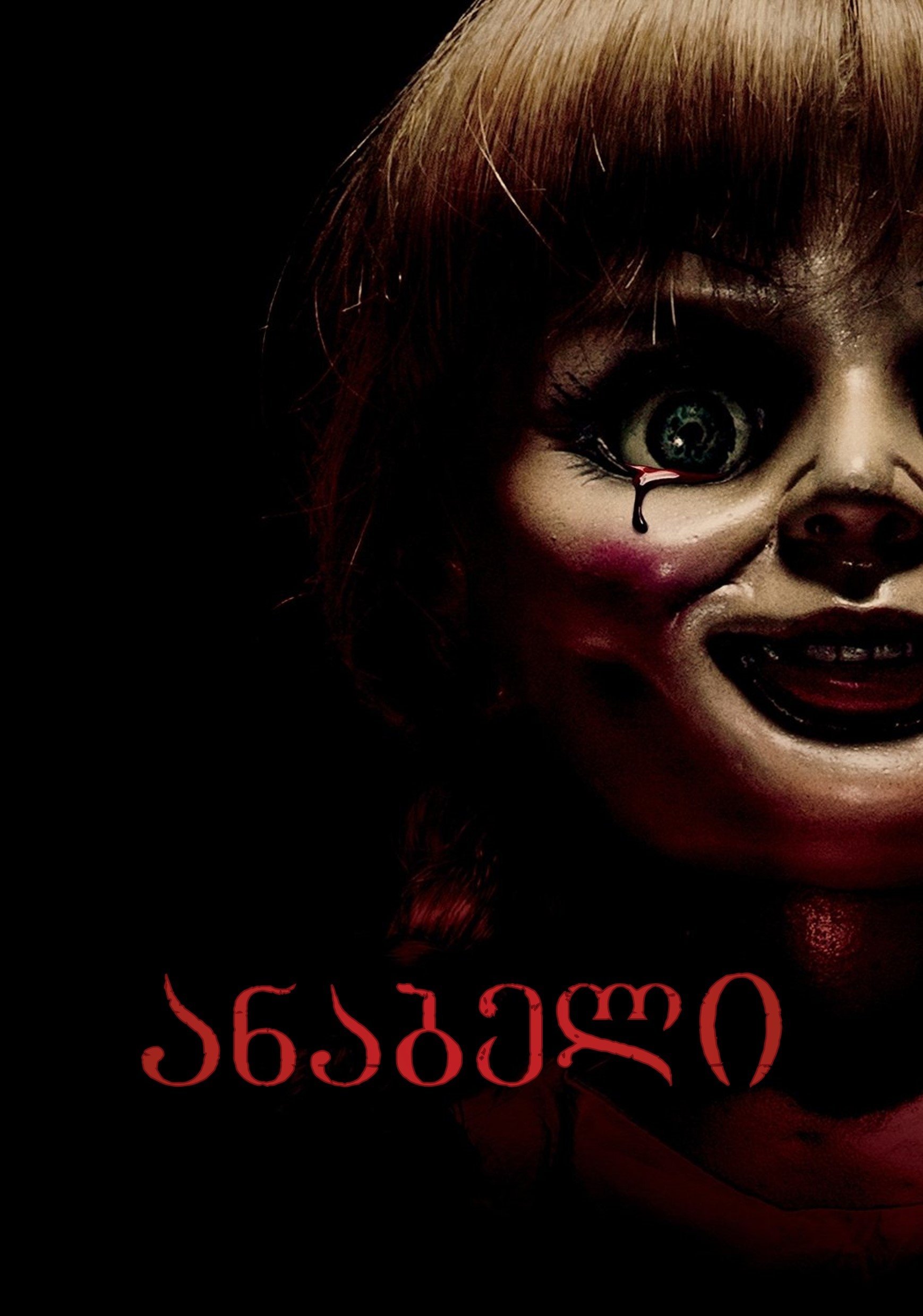
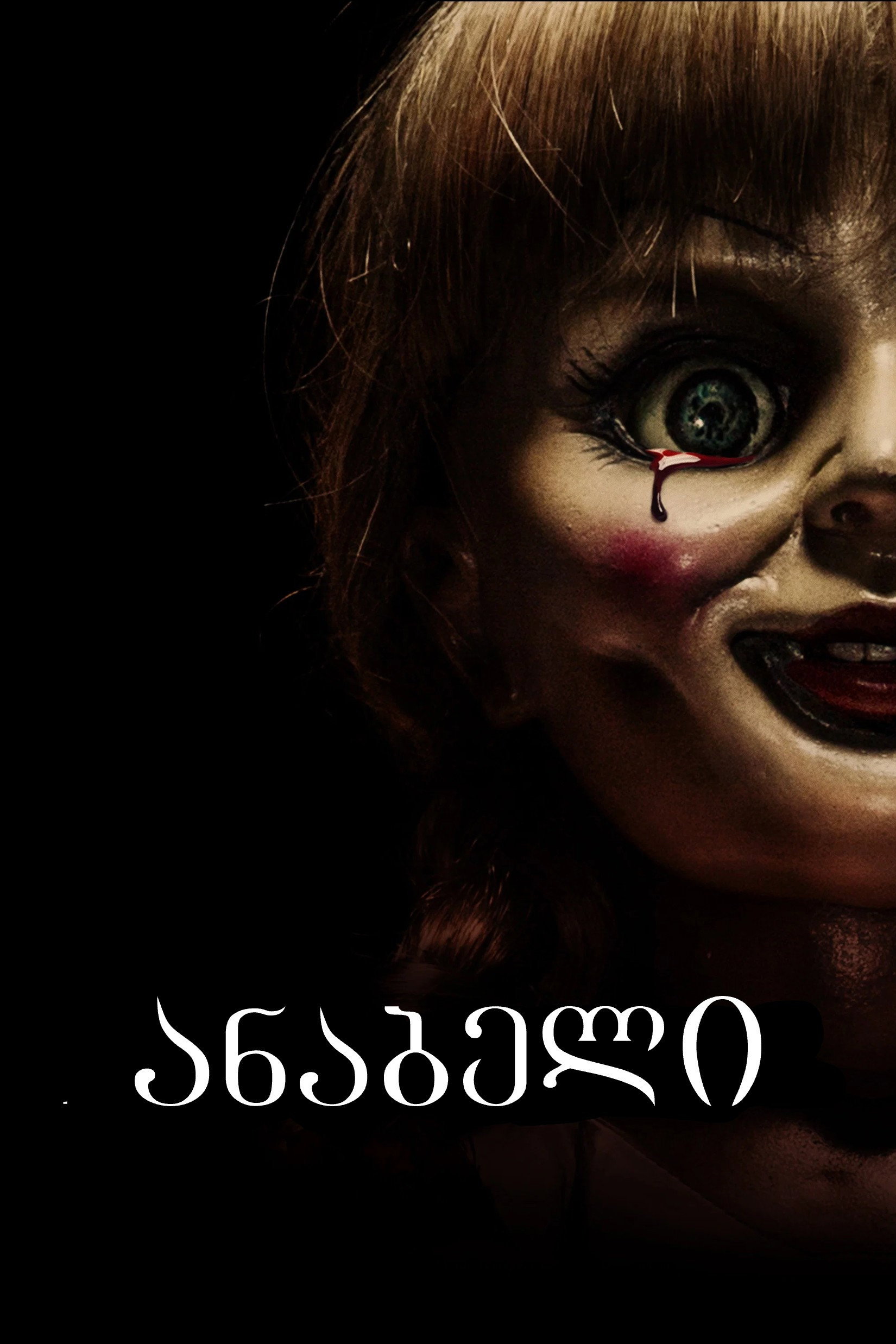
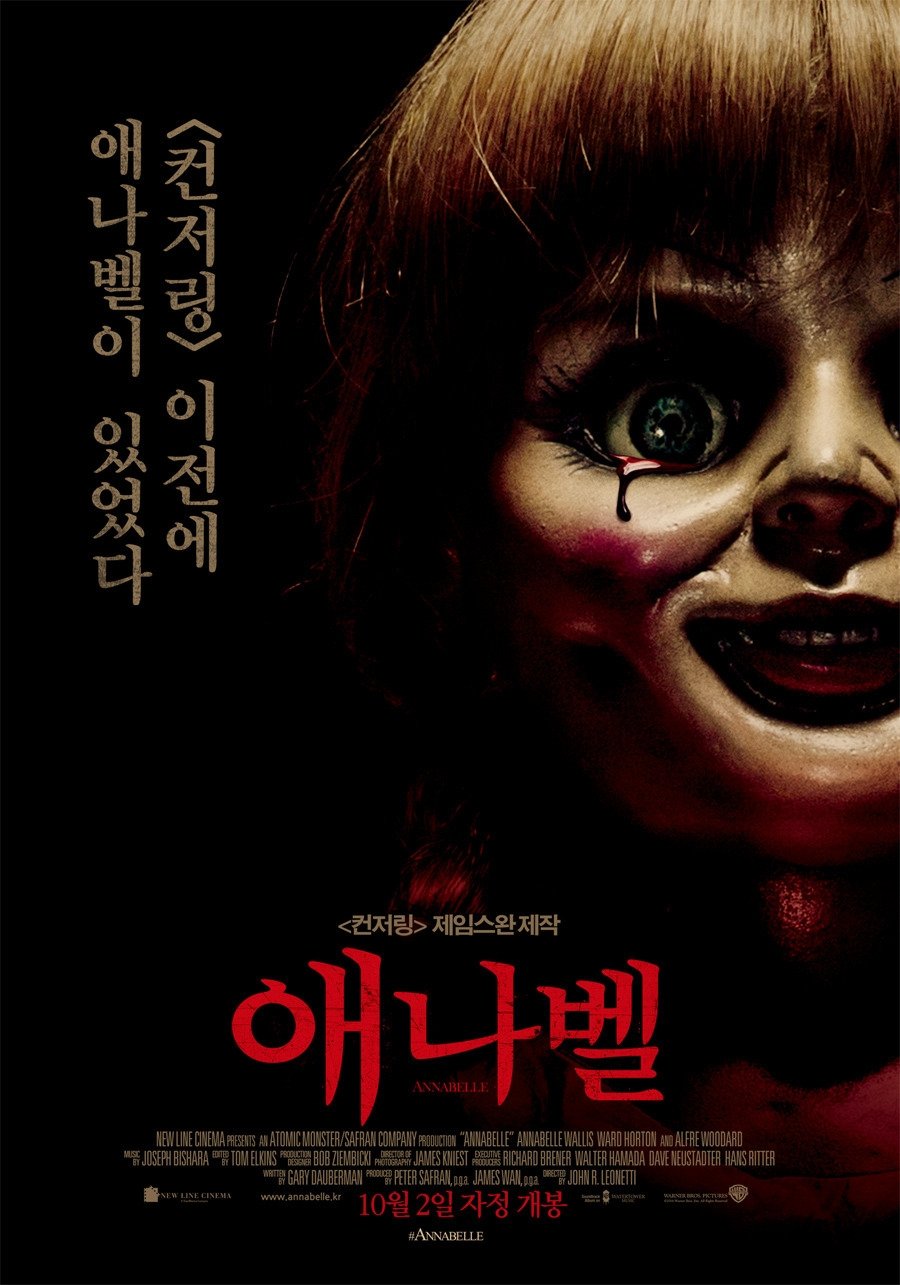
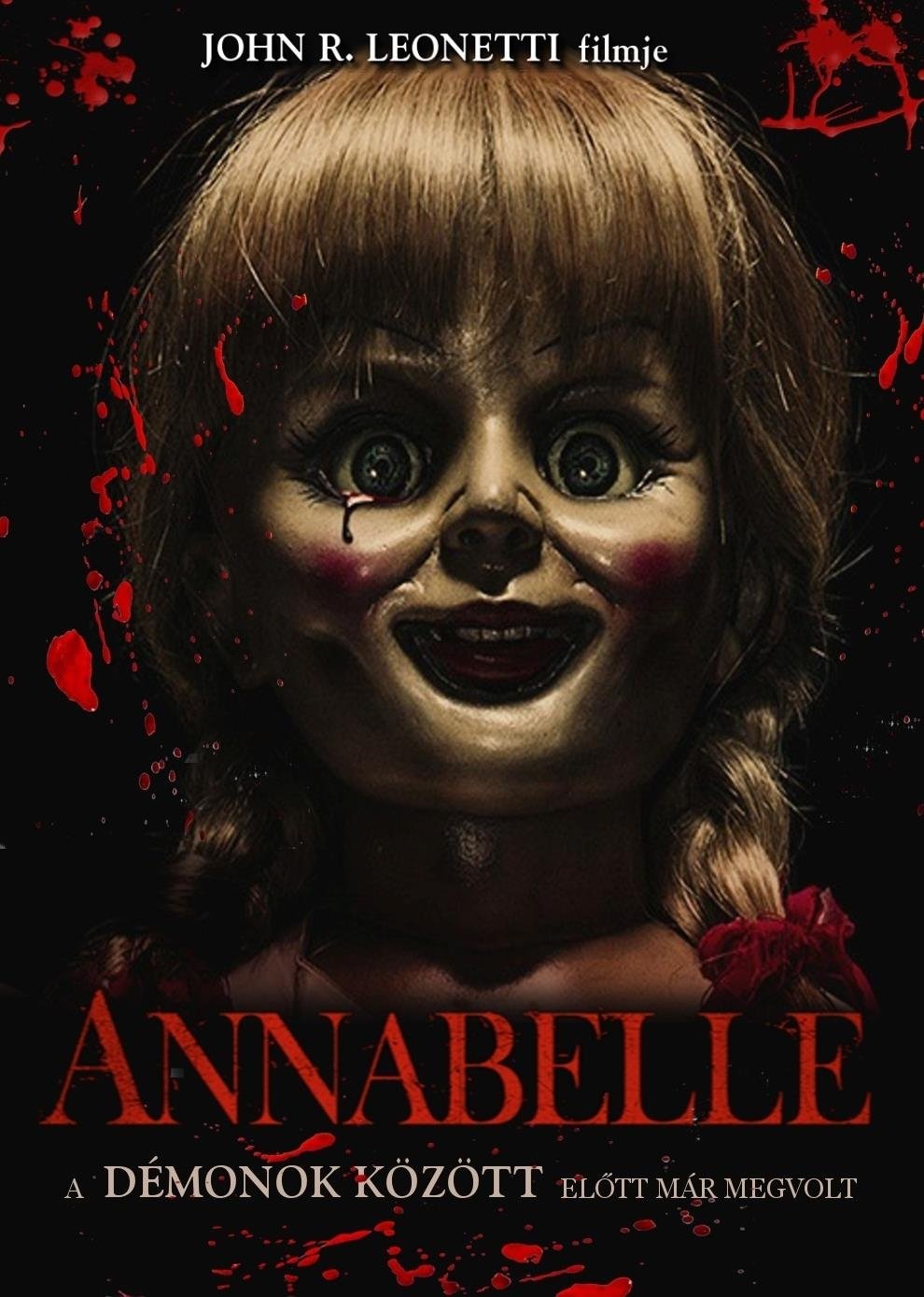
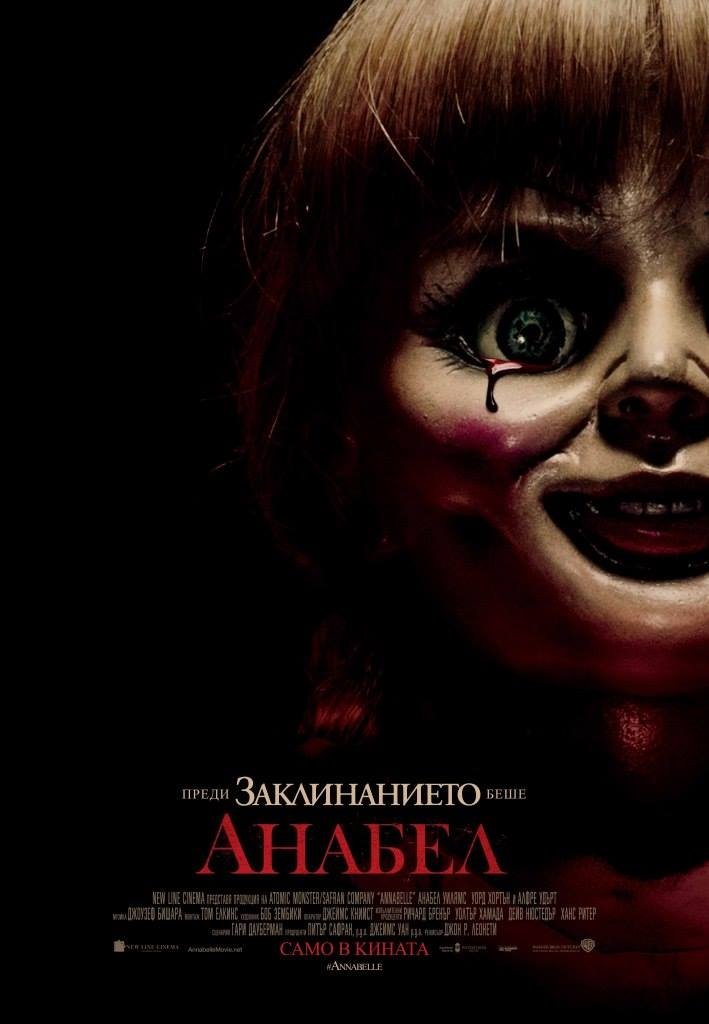
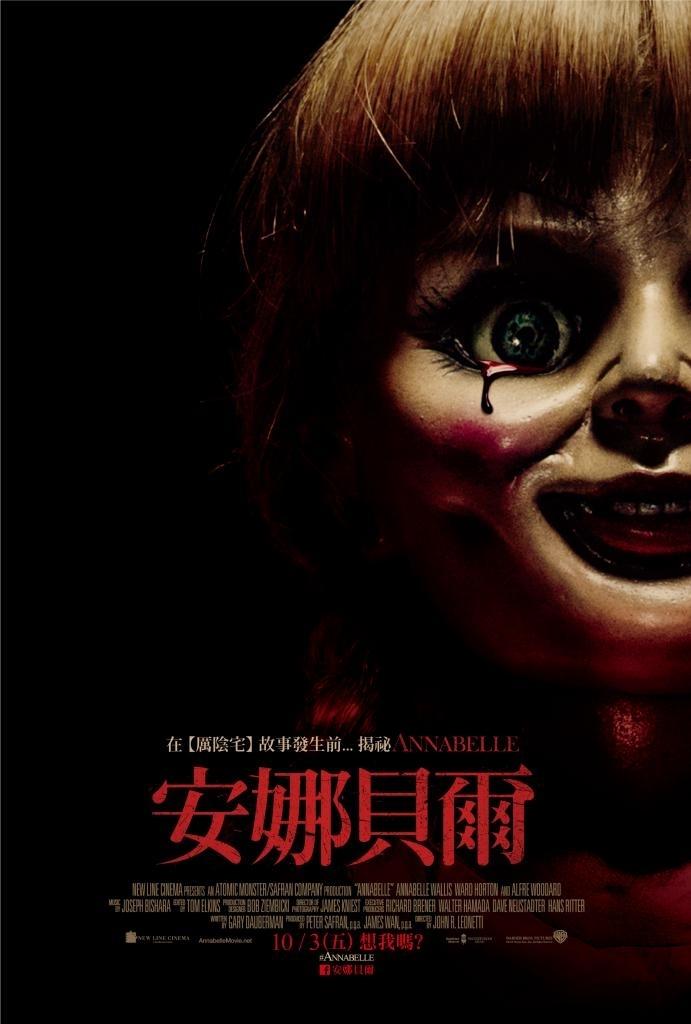
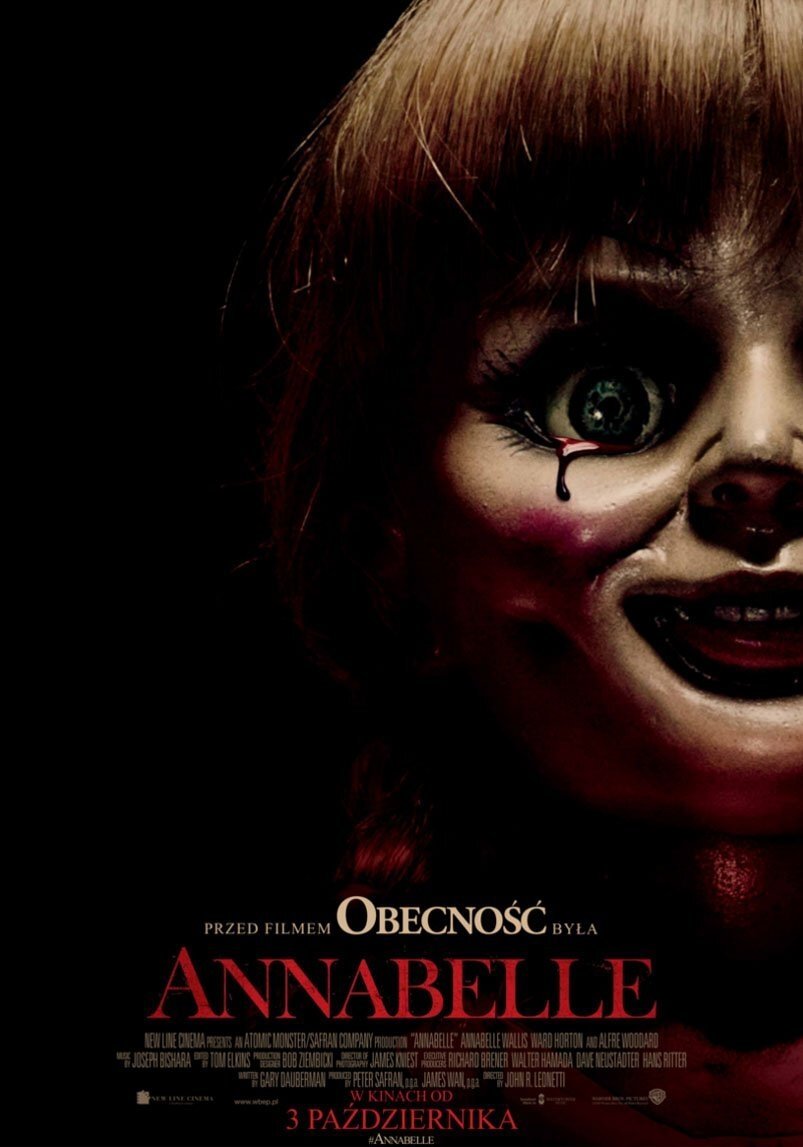
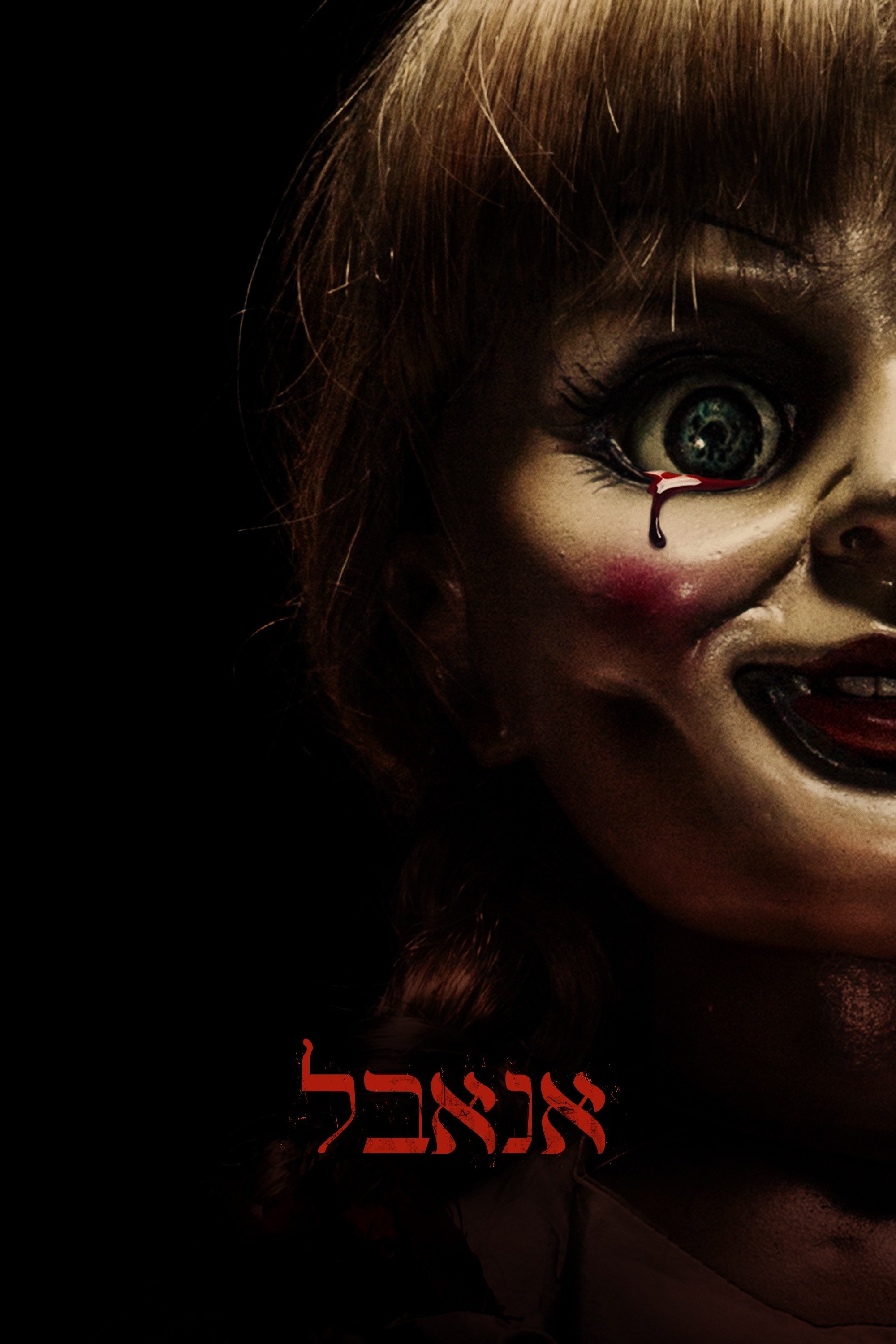
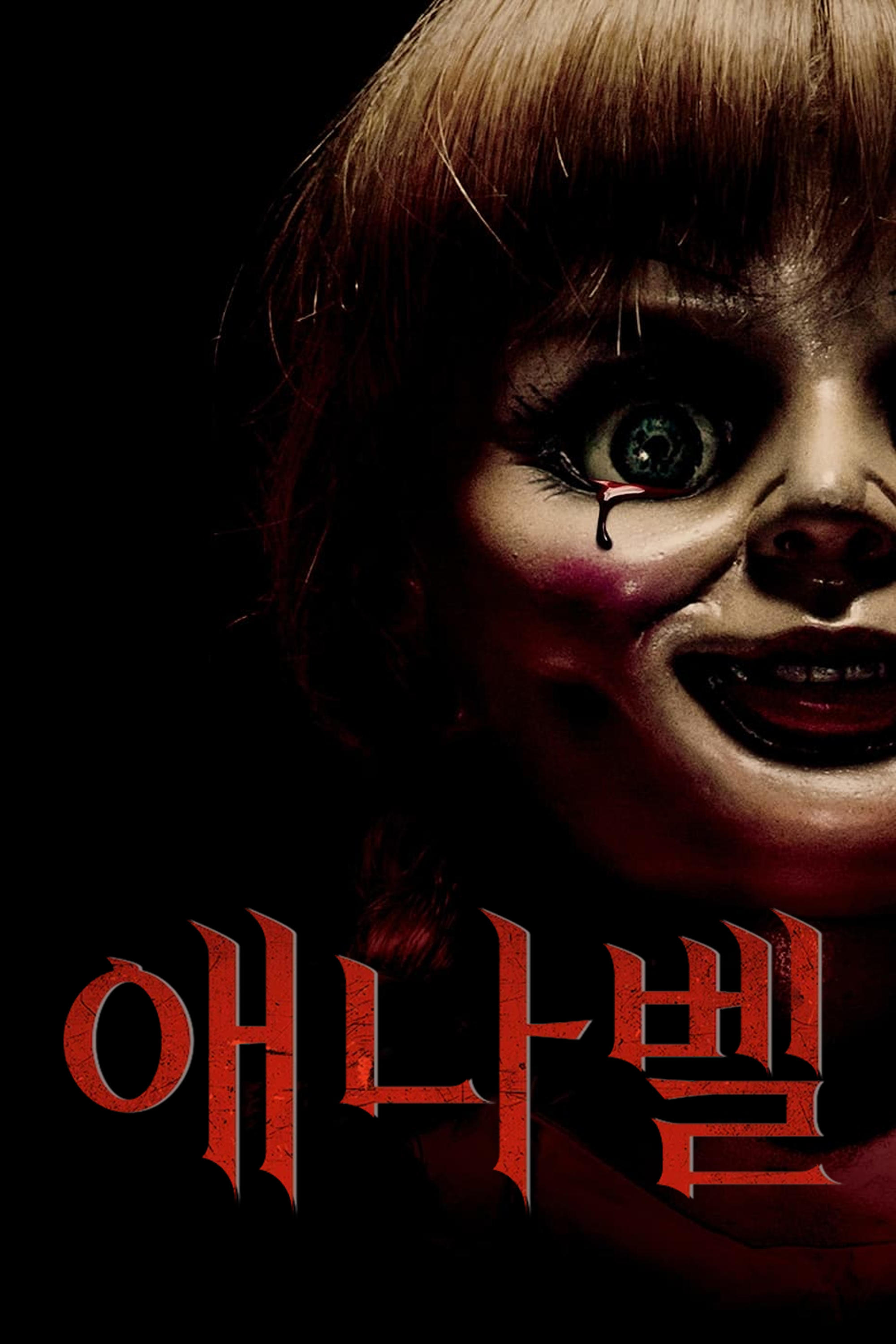
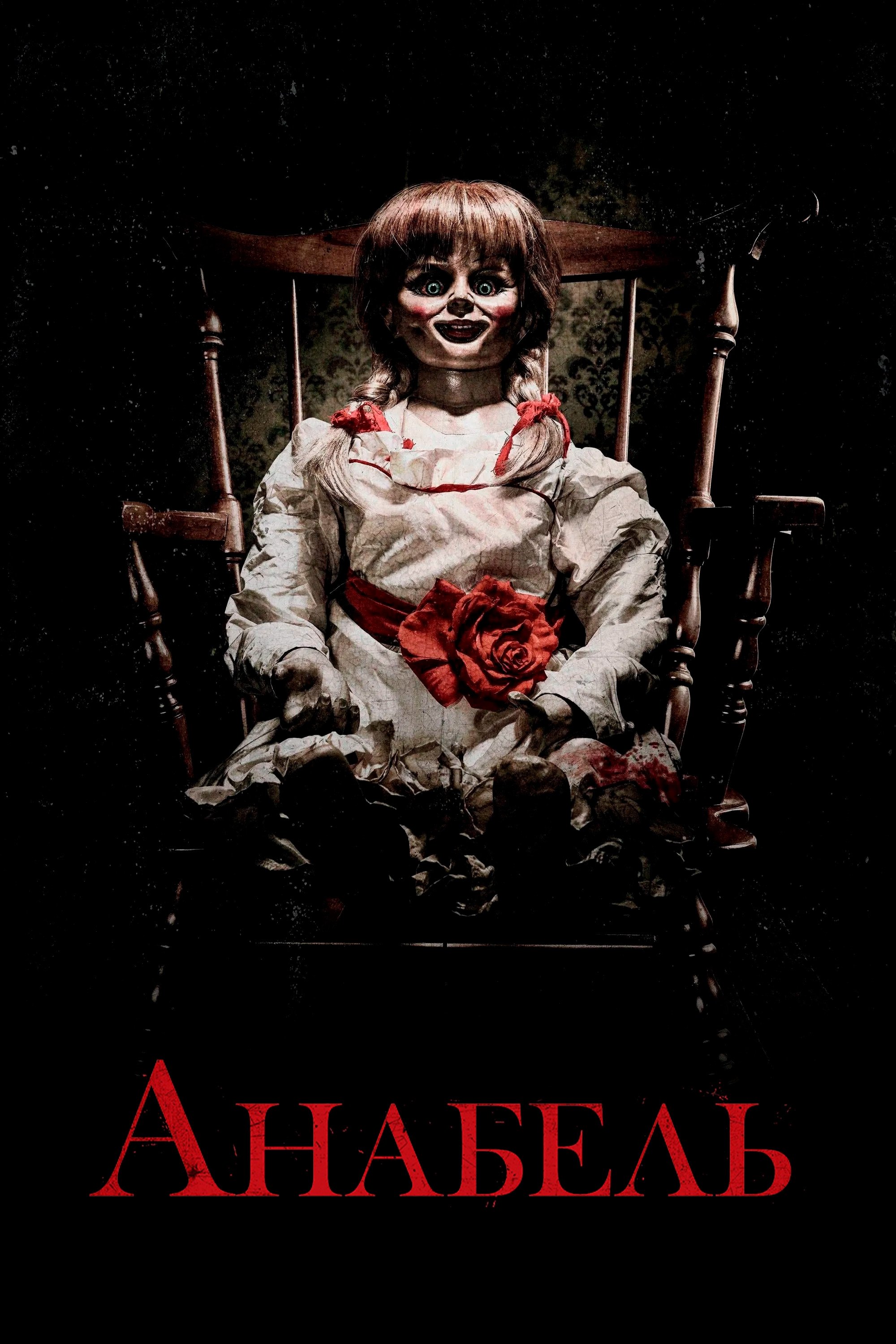
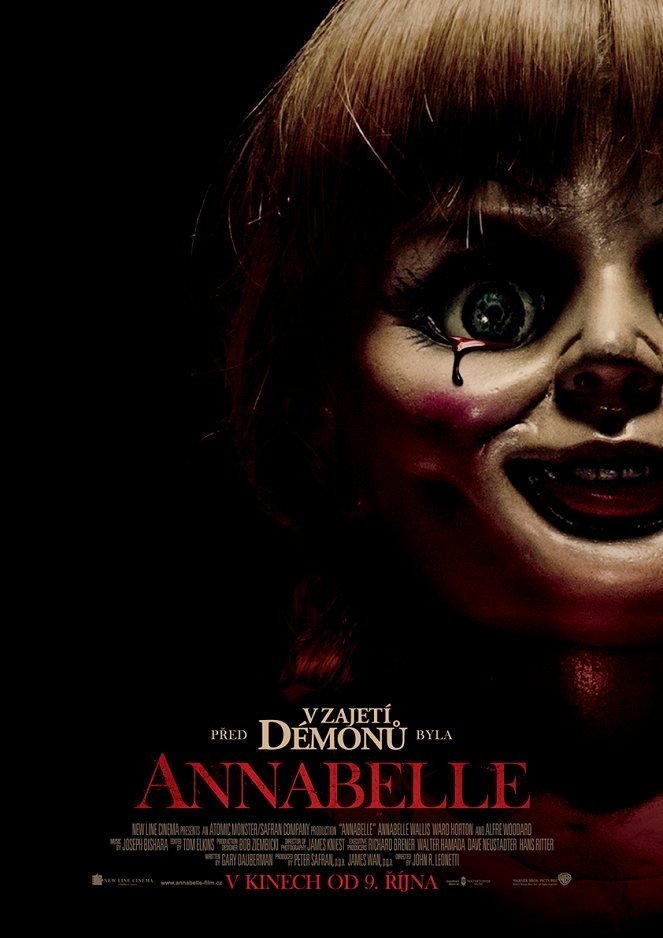
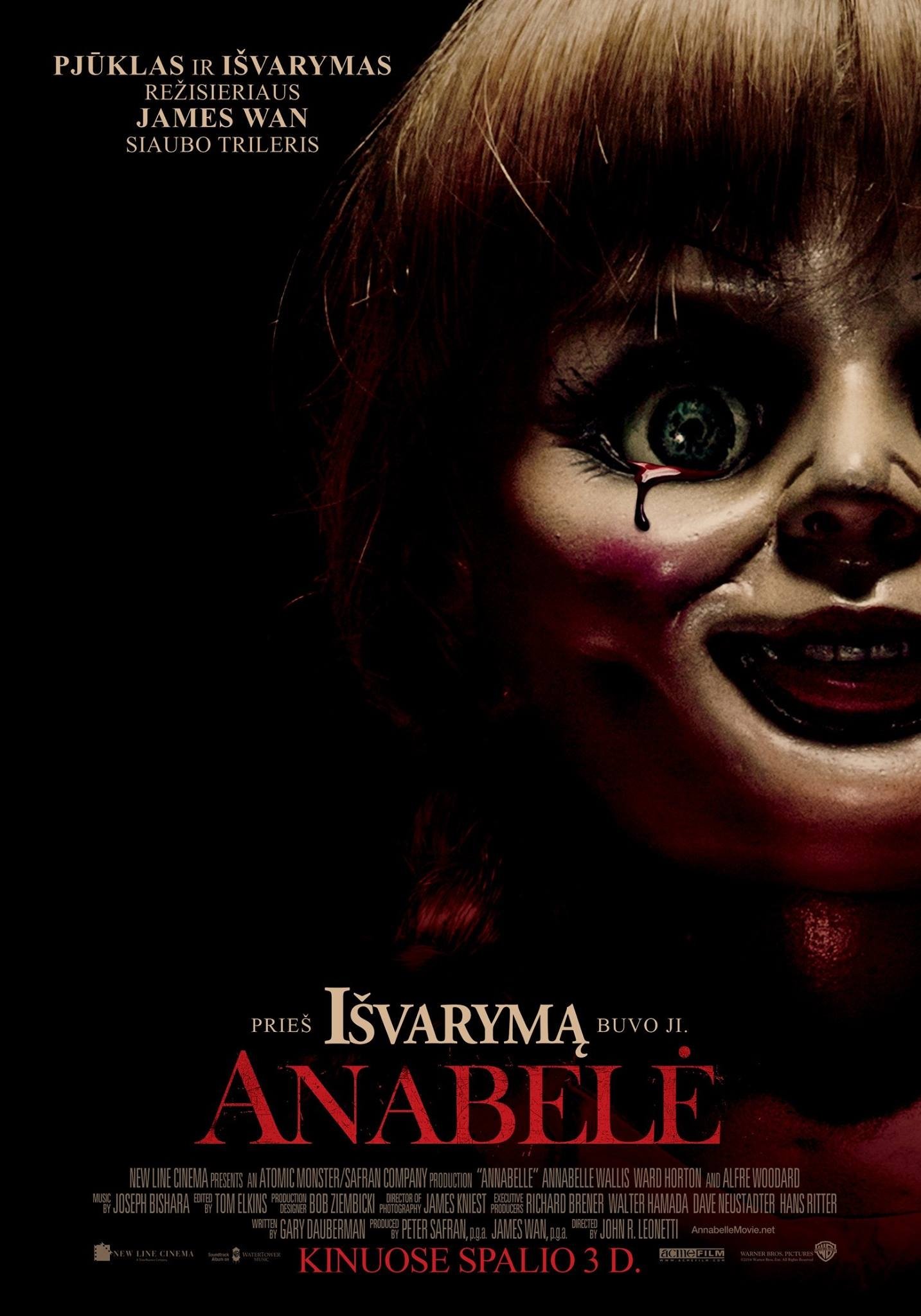
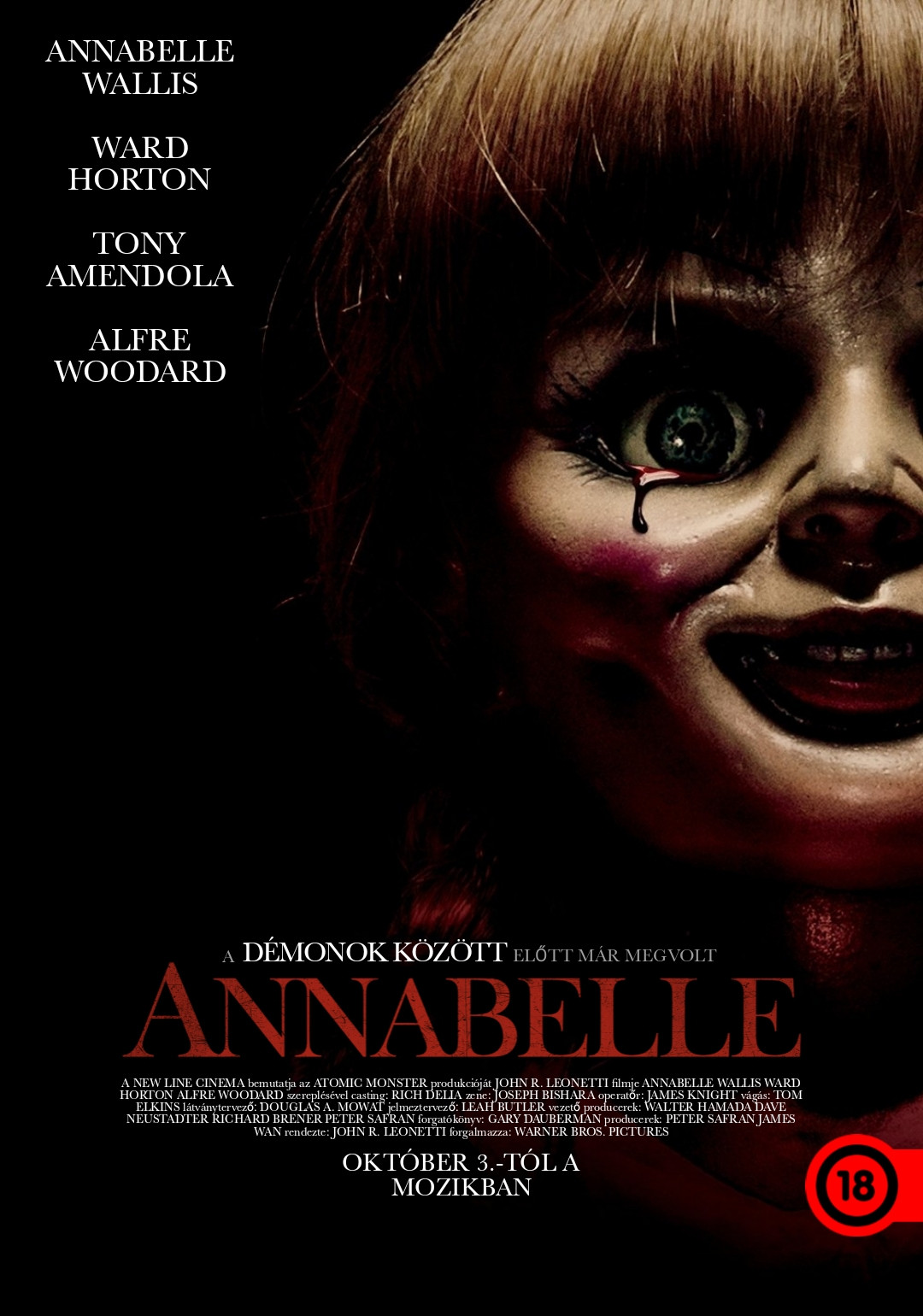
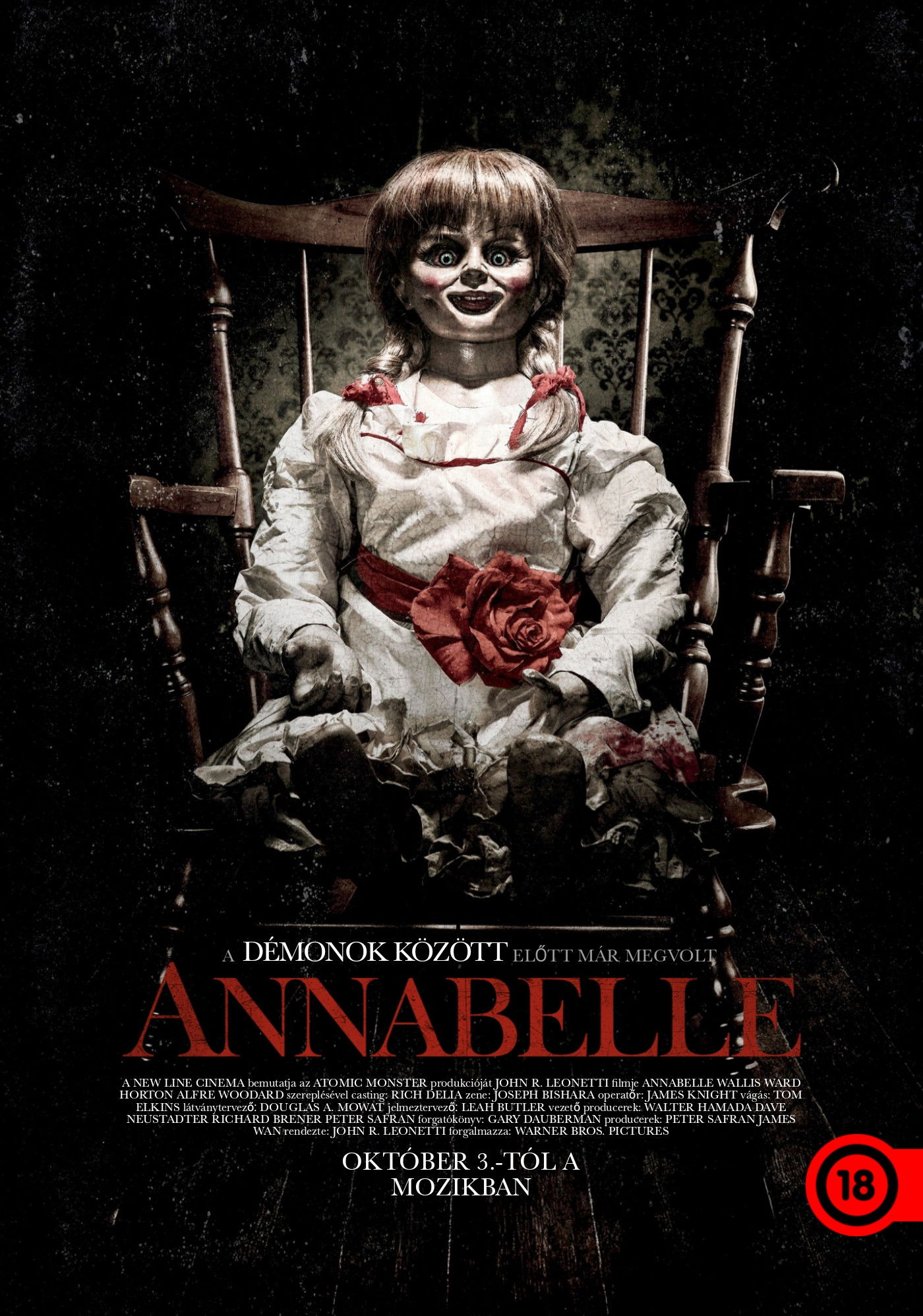
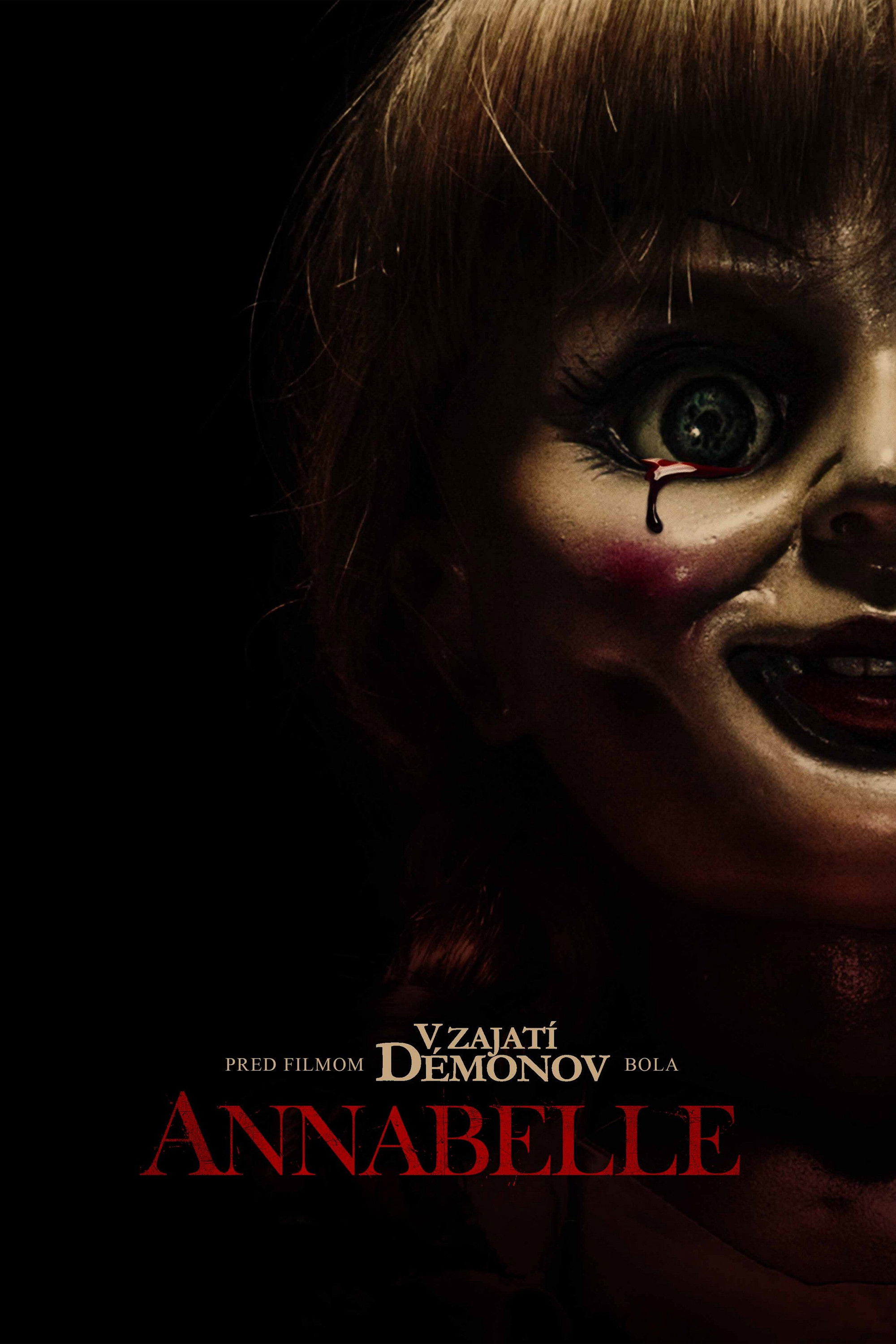
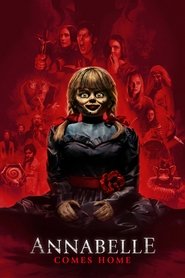
The design used in the films was created for cinema. Wan has explained that using the actual Raggedy Ann appearance would have produced an obvious rights problem, particularly when the character was being presented as associated with demonic activity. The filmmakers therefore developed a completely different doll whose painted face, glassy eyes, wedding-style dress and exaggerated proportions were designed to appear unsettling before anything supernatural occurred. The movie version was already recognizable enough after The Conjuring that the spin-off could place the doll alone on posters and rely on audiences to understand the connection.
The narrative of the 2014 film moves even further from the accounts surrounding the Warren doll. Mia and John Form, the home invasion, the satanic cult, the character named Annabelle Higgins and the demonic events involving the couple are elements of the fictional screenplay. They should not be read as a reconstruction of the history of the Raggedy Ann doll. Annabelle uses a reportedly haunted object as the starting point for a newly invented origin story, creating continuity with The Conjuring while replacing uncertain paranormal anecdote with a conventional supernatural narrative.
Period Design and Visual Style
Leonetti and cinematographer James Kniest attempted to preserve visual continuity with The Conjuring while giving the spin-off a more enclosed domestic identity. The story is set around the turn of the 1970s, and production designer Bob Ziembicki used furniture, wallpaper and interior decoration to establish the period without turning the film into an exaggerated display of retro design. Leonetti later explained that the production searched specifically for surfaces and furnishings that would interact with light in unsettling ways. Ordinary domestic textures therefore contribute directly to the atmosphere rather than serving only as historical decoration.
Lighting was equally deliberate. Leonetti wanted sources to appear from positions that would not feel completely natural inside familiar rooms, producing subconscious visual discomfort before overt supernatural activity began. His background as a cinematographer strongly affected this approach. He said that he mentally visualized and shot-listed the film in advance, even though he did not storyboard the entire production. Kniest then worked within that plan while maintaining enough of the photographic character of The Conjuring for the two films to feel related.
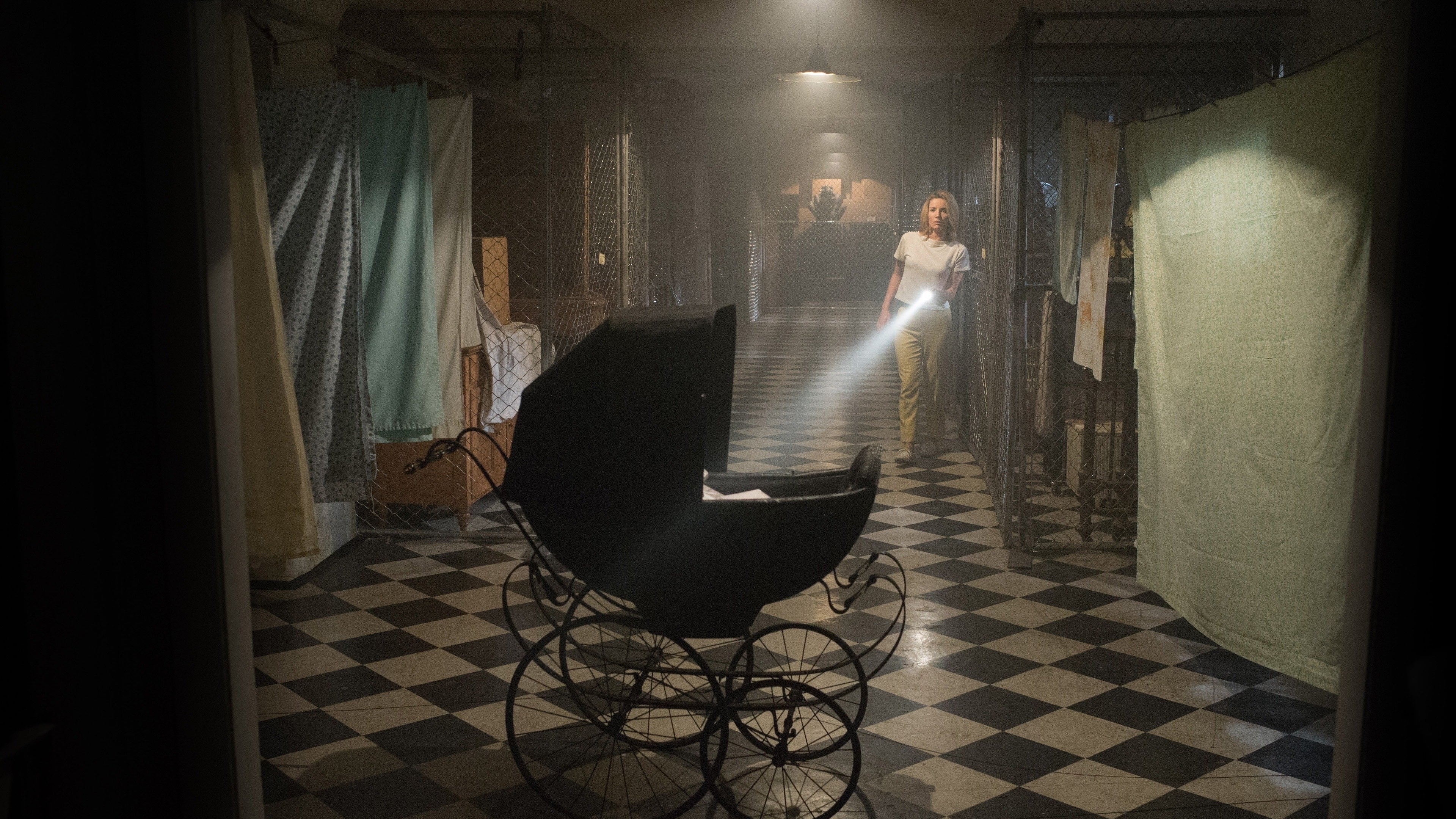
Much of the production was filmed in Los Angeles. The Langham apartment building in Koreatown became particularly important after the Forms move from their house. Production design transformed areas of the building into multiple story locations, including domestic interiors and other spaces required later in the narrative. The apartment setting also tightens the film spatially. Corridors, stairwells, elevators, storage areas and neighboring rooms allow supernatural events to occur just outside Mia's field of vision while denying her the apparent security of the detached home seen earlier in the story.
Annabelle and the Demonic Presence
The doll itself changes visually as the supernatural pressure increases. Leonetti described the early Annabelle as a valuable porcelain collectible that is strange but still clean and relatively beautiful. As the story develops, the production progressively dirties and damages her appearance, alters the eyes and eventually cracks the chin so that the doll approaches the condition already familiar from The Conjuring. The transformation allows a fundamentally motionless object to appear increasingly corrupted without requiring it to become a conventional animated monster.
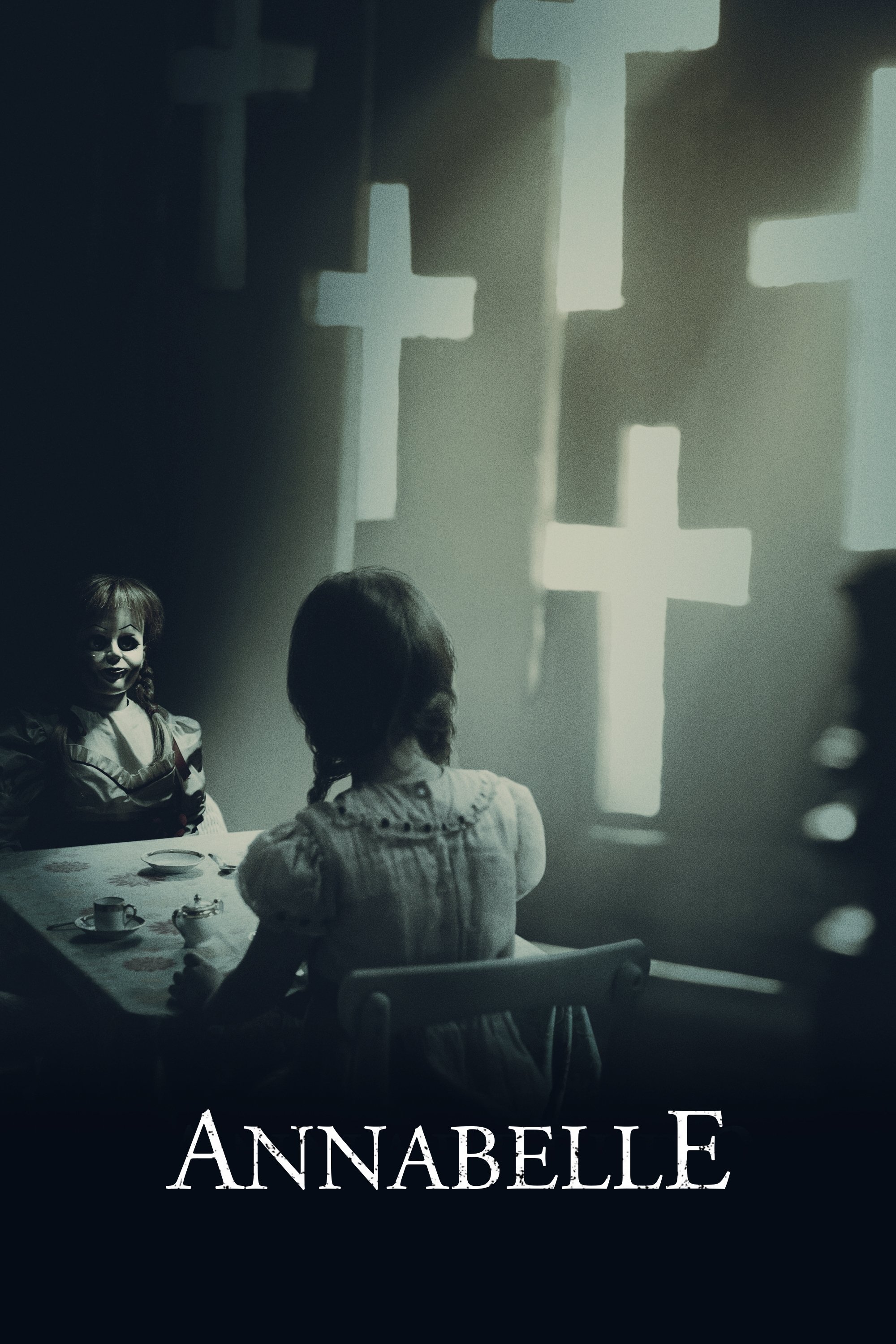
That restraint is central to the film's conception of the threat. The supernatural antagonist is not literally the doll walking around and killing people. Joseph Bishara, who both composed the score and physically portrayed the demonic figure, described the entity as a demon attached to the doll. Annabelle therefore functions as a conduit, focus or visual anchor for something that can manifest independently. The film repeatedly uses this distinction to create uncertainty over where the threat may appear. Looking directly at the doll does not guarantee that the danger is located there.
Some of the film's most effective sequences exploit this separation. An apparently empty basement, a dark stairwell or an elevator that refuses to provide escape can become more threatening than Annabelle herself because the demonic force is capable of controlling the surrounding space. The doll remains present as a recognizable object, but the horror expands beyond her physical dimensions. This approach also made the character useful for a larger franchise: Annabelle could remain visually unchanged while filmmakers altered the manifestations, victims and historical periods surrounding her.
Sound, Music and Suspense
Joseph Bishara returned after scoring The Conjuring and the Insidious films, maintaining another important connection with Wan's supernatural horror style. Bishara has described horror as the genre in which he feels most comfortable because filmmakers have allowed him considerable freedom to determine what a particular score should and should not sound like. Annabelle continues his preference for textures that frequently resist comfortable melody, allowing sound to suggest an unstable presence before the visual image confirms anything unusual.
Leonetti's suspense strategy similarly depends on withholding information. He described his basic principle as patience and a belief that less could be more, balancing extended anticipation with sudden shocks. The film frequently places Mia alone inside apparently quiet domestic environments and allows small sounds, partially visible spaces or objects at the edge of the frame to accumulate significance. This approach clearly inherits techniques developed during Leonetti's collaborations with Wan, where camera placement and negative space encourage viewers to search the image for something that may not yet be visible.
Bishara's double role also creates an unusual continuity between score and monster. The composer responsible for much of the unseen supernatural tension physically becomes the demonic figure when the threat is finally given a body. The film does not provide the demon with an elaborate biography because its narrative purpose is simpler: it seeks a human soul and uses the doll as part of that process. Sound, shadow and brief physical appearances consequently remain more important than extensive exposition about its origins.
Release, Reception and Franchise Legacy
Warner Bros. released Annabelle in the United States on October 3, 2014. Its commercial performance immediately justified the decision to build a feature around what had originally been a supporting element of The Conjuring. The film opened with approximately $37.1 million domestically and eventually reached about $84.3 million in the United States and Canada. International markets supplied another roughly $173 million, bringing worldwide theatrical revenue above $257 million against a reported production budget of approximately $6.5 million.
Critical reception was much weaker. Metacritic recorded a score of 37 from twenty-seven reviews, with critics frequently comparing the film unfavorably with The Conjuring. Even some mixed notices acknowledged individual scares or Leonetti's ability to generate short bursts of tension while criticizing familiar plotting, thin characterization and dependence on established supernatural-horror devices. The contrast between reviews and commercial response is significant because Annabelle did not need critical consensus to establish the strength of the character. Audiences had already recognized the doll as a horror image before her first solo film arrived.
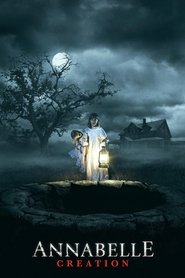
Its most important legacy is therefore industrial as well as iconographic. Annabelle demonstrated that the world introduced by The Conjuring could generate successful films without Ed and Lorraine Warren as central characters. Annabelle: Creation followed in 2017 and reworked the origin mythology by moving farther backward in time, while Annabelle Comes Home in 2019 brought the doll directly into the Warrens' artifact room. The broader franchise applied the same principle to other entities and cases. The 2014 film is not generally regarded as the strongest entry in that universe, but it was crucial in proving the model. A single sinister object could carry a film, develop its own chronology and become a recognizable horror brand independent of the story in which audiences first encountered it.