ABCs of Death 2 (2014)

US
5.5/10 4 votes
Runtime
125 min
Release
October 2, 2014
Revenue
$7,171
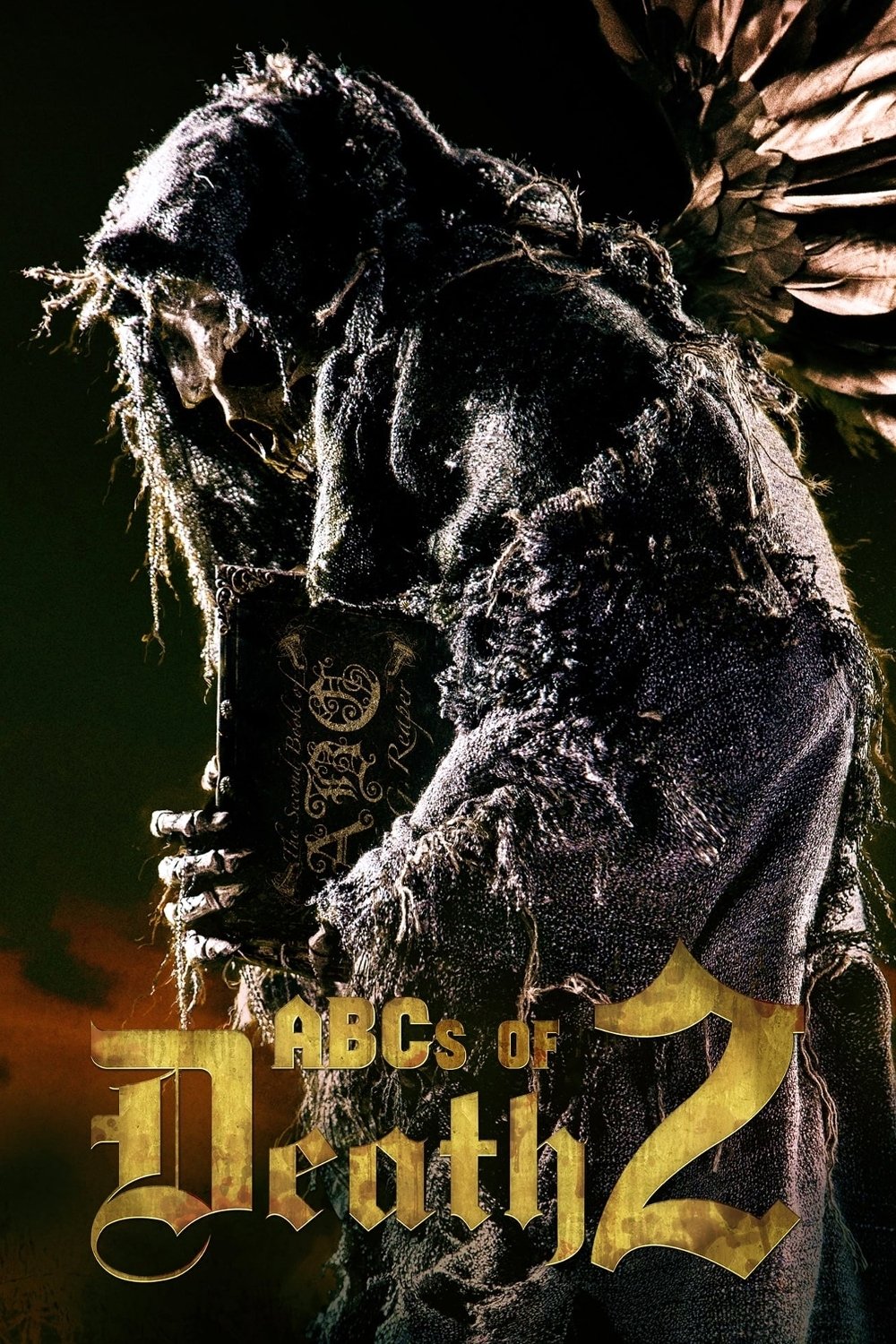
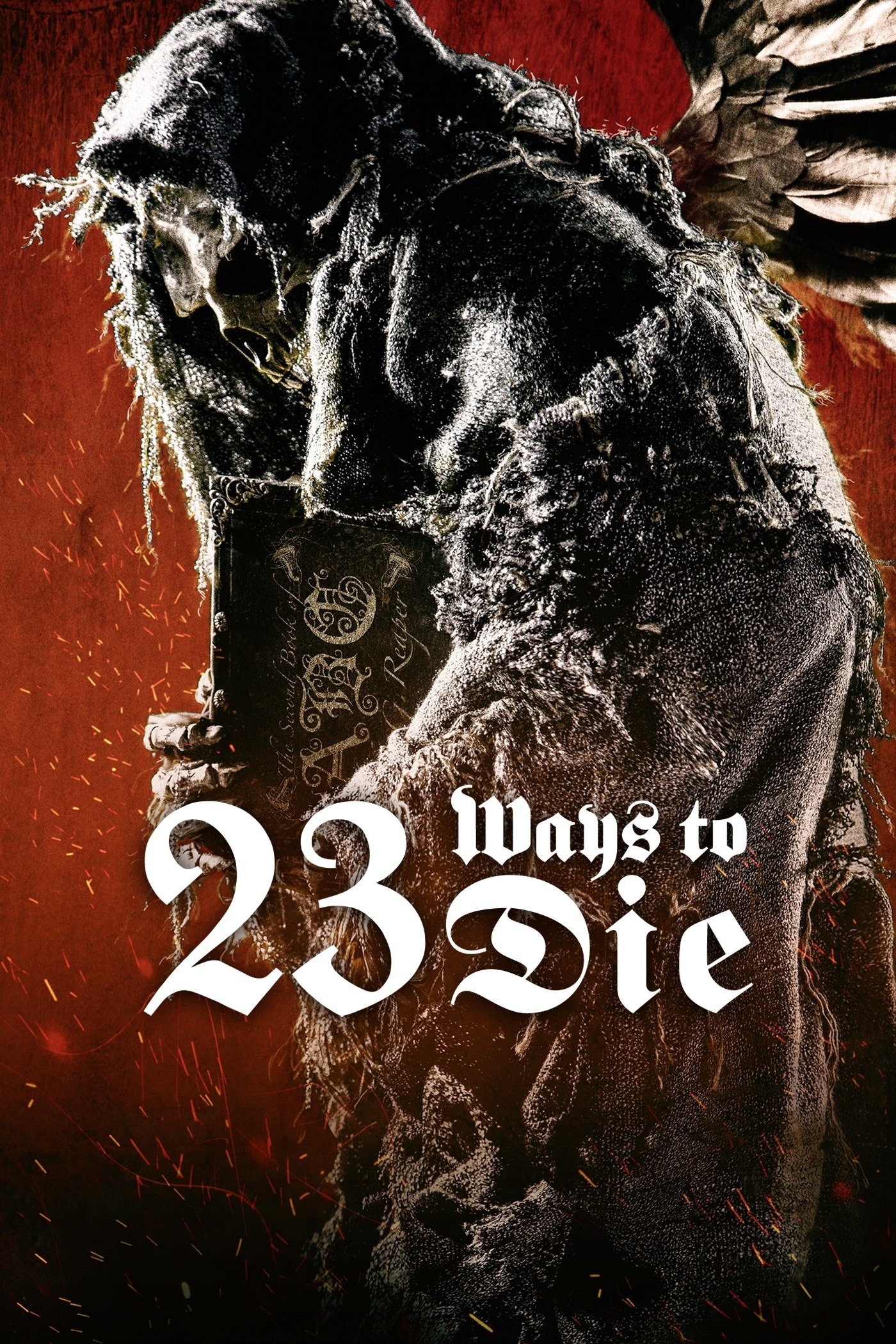
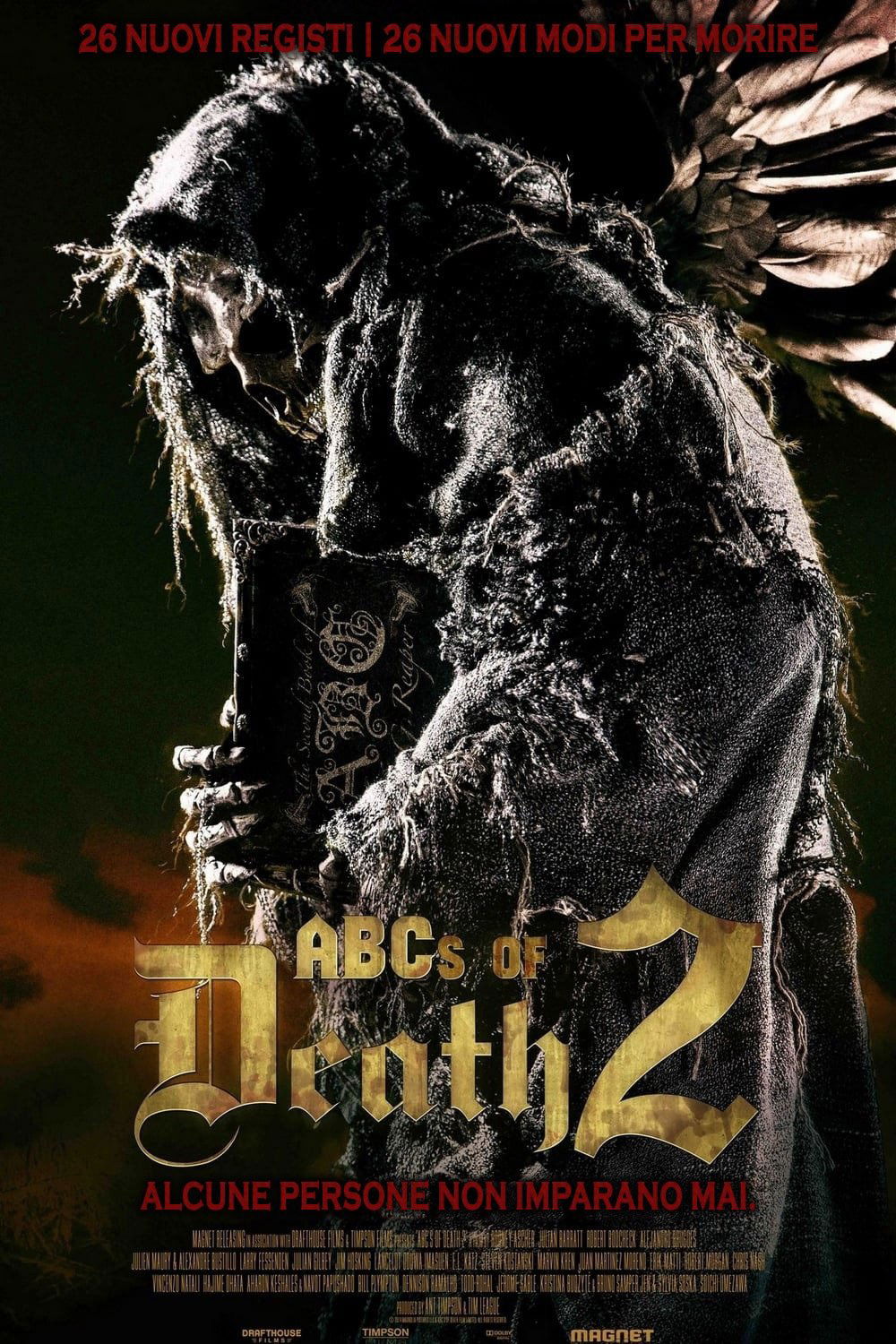
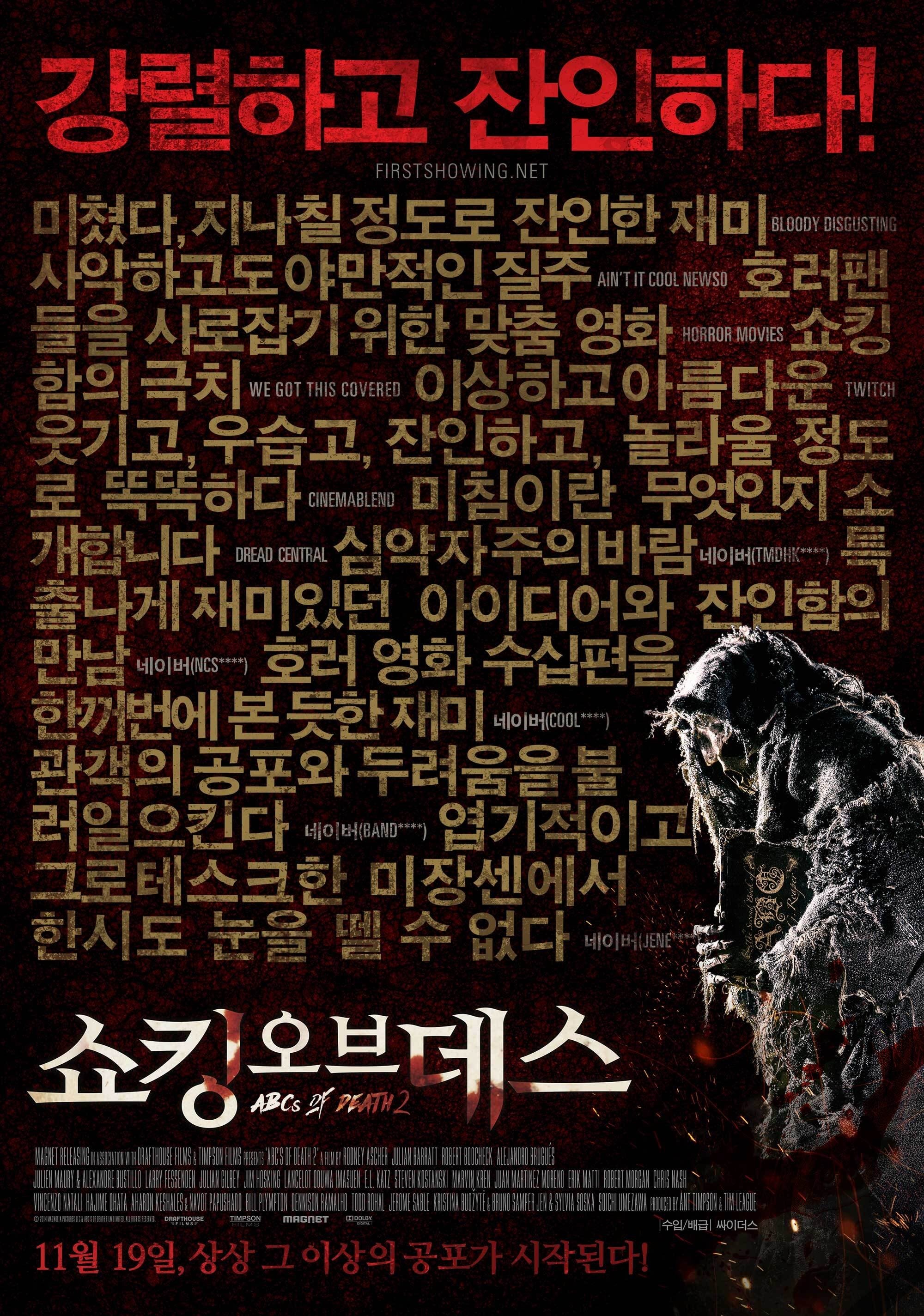
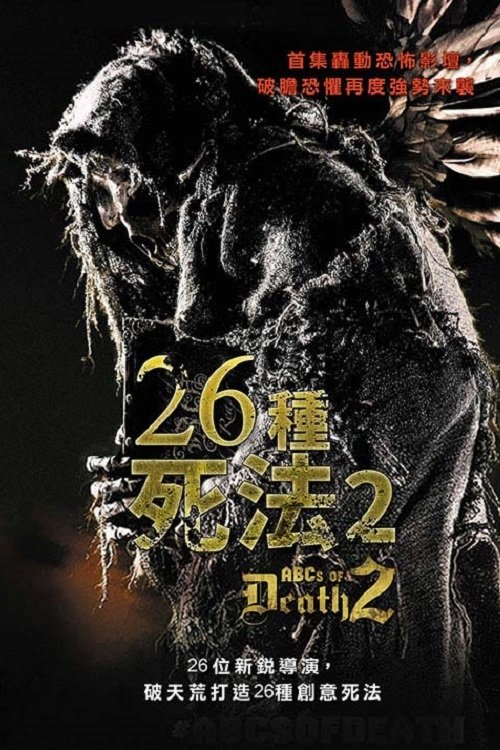
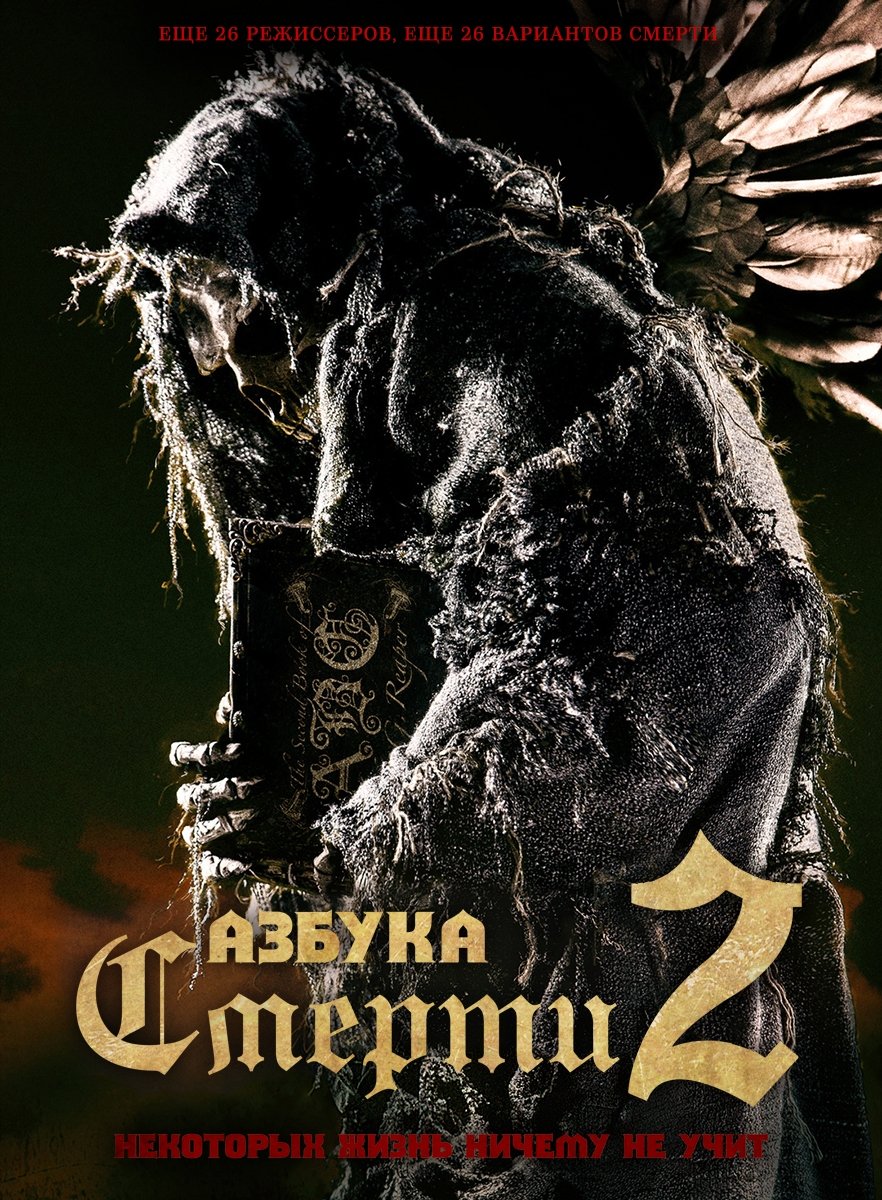
ABCs of Death 2 (2014) poster
Production Companies
Drafthouse Films , Timpson Films
Plot

A second international roster of directors and creative teams takes up the alphabet, building twenty-six independent horror shorts around words associated with death. The anthology moves among supernatural terror, grotesque humour, political unease, violent fantasy and experimental storytelling, allowing radically different styles to coexist within a single feature. Each contribution is identified by a letter, while its chosen word is disclosed after the action. With new contributors and a returning production concept, the sequel continues the series as a collection of self-contained works, not as a narrative continuation of the first anthology.

Alternative Titles
ABCs of Death, The 2 (AU) O ABC da Morte 2 (BR) — Filme 26种新死法 (CN) — translation:zh 23 Ways to Die (DE) — DVD The ABCs of Death 2 (DE) — translation:de El ABC de la Muerte 2 (ES) The ABCs of Death 2 (ES) — translation:es 26 種死法 2 (HK) — translation:zh
Show all 21 alternative titles A halál abc-je 2 (HU) — translation:hu האלף בית של המוות 2 (IL) — translation:he ABC・オブ・デス2 (JP) — translation:ja ABC 오브 데쓰 2 (KR) 쇼킹 오브 데스 (KR) — translation:ko El ABC de la Muerte 2 (MX) O ABC da Morte 2 (PT) — translation:pt Азбука смерти 2 (RU) — translation:ru บันทึกลำดับตาย 2 (TH) — translation:th 26種死法2 (TW) — translation:zh Абетка смерті 2 (UA) — translation:uk El ABC de la Muerte 2 (US) The ABCs of Death 2 (US)

Trailers & Videos

10 videos

Film Guide

An international horror anthology refines its alphabet-of-death format through contrasting shorts, practical effects and a public filmmaking competition.

ABCs of Death 2 (2014) gathers twenty-six short films under a single premise: each contribution takes a letter of the alphabet and connects it with an encounter with death. Produced by Ant Timpson and Tim League, the follow-up draws on the international network of festival filmmakers and specialists in short-form horror. Its construction makes a feature-length programme out of radically different approaches to violence, mortality and grotesque comedy. The fixed alphabetical sequence gives the individual stories a common framework while leaving their subjects and cinematic methods open to the filmmakers.

The sequel also records a specific moment in independent genre production, when a director working with a small crew could reach an international audience through a compilation assembled across national borders. Its strongest contrasts emerge between animation and live action, bodily spectacle and political tragedy, as well as deadpan jokes and uncomfortable reversals of power. The production process is particularly well documented through contemporary interviews with the producers and individual contributors, which reveal how much negotiation was required to combine creative independence within a tightly timed programme.

Production and Creative Rules

The producers approached the second collection with experience gained from the first film. Tim League explained that the new selection placed greater emphasis on filmmakers who had demonstrated command of the short form, including artists whose work was known from genre festivals. The production remained a low-budget, non-union enterprise. According to League, the unusually complicated structure of commissioning numerous directors made a conventional union arrangement prohibitively expensive. The sequel therefore depended on local crews, modest allocations of money and contributors willing to work within a collective production model.

An invitation did not mean that a director could submit an unlimited or wholly unreviewed film. League described a process in which contributors proposed preferred letters, supplied synopses and received notes at script stage. The producers compared the ideas to avoid excessive similarities across the programme. League also reported giving feedback on finished episodes when material required cuts or further revision. These accounts clarify the difference between the public promise of artistic freedom and the editorial work needed to assemble twenty-six separate projects into one feature.

Practical and commercial limits also affected subject matter. Contributors received lengthy guidelines, including instructions intended to steer them away from some of the crude humor prominent in the preceding anthology. The filmmakers could pursue extreme imagery, although the collective project still had to remain distributable. In an interview conducted around Fantastic Fest, League described the revised approach as an attempt to give more space to filmmakers who understood the demands of compressed storytelling. Such constraints shaped the completed film at the level of pacing: an episode has little time to establish its situation before the next director takes over.

An Alphabet of Different Films

The letter assigned to each episode acts as both a production prompt and a device for the viewer. Individual titles generally appear after their stories, making the explanation of the chosen word part of the ending. This structure encourages spectators to interpret images while they watch, anticipating the meaning that will eventually be attached to each death. It can reward a carefully prepared final revelation, but it also places considerable pressure on filmmakers to make a premise legible in only a few minutes. The abrupt passage from one visual world to another is fundamental to the anthology's viewing experience.

Several shorts use that brevity to concentrate on a single formal idea. Juan Martínez Moreno's Split builds tension through simultaneous images, allowing an invasion of domestic space to be seen from competing viewpoints. Larry Fessenden's Nexus follows a Halloween encounter through ordinary New York streets, drawing unease from the convergence of people moving toward the same place. Jerome Sable designed Vacation around a video call, converting an apparently private exchange into an escalating exposure of cruelty. These episodes use restrictions of time and viewpoint to control when the audience understands the danger.

Folklore, Politics and Power

Erik Matti's Invincible draws on a story he remembered from childhood about a person whose death depends on passing a stone to another member of the family. He and co-writer Michiko Yamamoto developed the material in Tagalog, grounding its supernatural premise in a local tradition. Matti explained that the title suited an idea already in development before the letter was assigned. The resulting story treats apparently endless life as an increasingly frightening condition. Its mixture of family conflict and grotesque exaggeration also shows how a regional tale can operate inside an international anthology without losing its cultural setting.

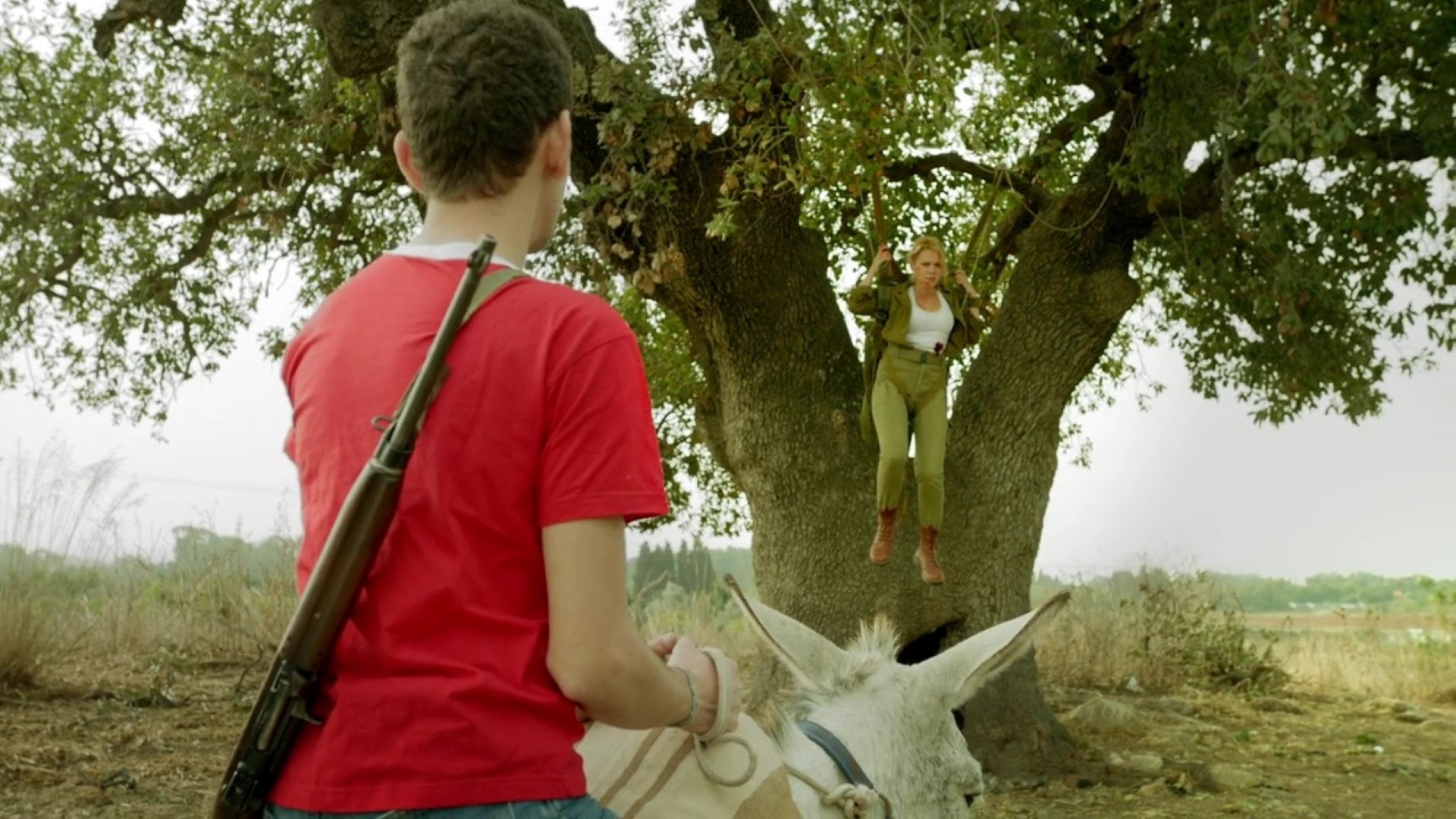
Falling, directed by Aharon Keshales and Navot Papushado, approaches death through an encounter between an Israeli soldier and a Palestinian boy. The directors said they wanted viewers to fear the loss of the characters instead of anticipating a spectacular kill. Papushado described the effect of the Fantastic Fest screening, where the audience became quiet after the preceding comic episodes. Their account presents the short as a deliberate interruption in the programme's expectations. The political context is unmistakable, although the filmmakers emphasized the tragedy of the encounter over a simple argument about either character.

Jen and Sylvia Soska took another route with Torture Porn, using an audition and sexualized violence to address exploitation of women within the film industry. In a contemporary interview, Jen linked the short's aggressive reversal of power to misogyny and objectification in horror. Its imagery remains confrontational, and the filmmakers' statements establish their intended target without requiring every disturbing detail to be treated as effective social critique. Taken together, these pieces demonstrate how the anthology's death motif accommodates conflicting responses: anxiety about an inherited curse, grief over a political confrontation and outrage at abusive authority.

Animation and Physical Effects

The programme's range of techniques extends beyond conventional photographed action. Robert Morgan's Deloused employs stop-motion to create forms whose unstable, tactile movements make the violence difficult to separate from the material of the animation itself. Bill Plympton's Head Games uses drawn figures and their transformations to pursue a different kind of bodily distortion. Both shorts place the act of alteration at the center of horror. Their inclusion also changes the rhythm of the compilation, replacing familiar physical spaces with worlds governed by the distinctive movement and graphic logic of their makers.

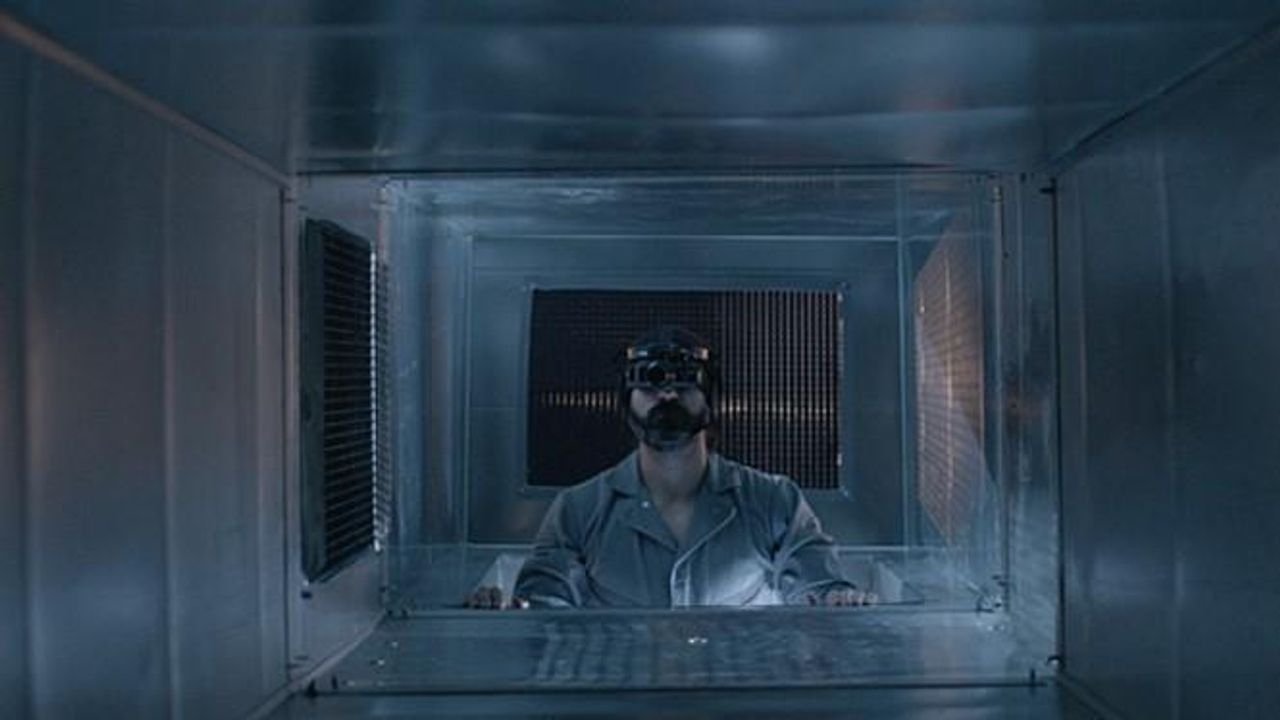
Steven Kostanski's Wish evokes the exuberant surfaces of a toy advertisement before turning the fantasy of heroic action toward gruesome consequences. Discussing his segment, Kostanski described his preference for constructing physical effects, including an exploding head, with digital compositing used to complete the illusion. Chris Nash's concluding Zygote takes a more sustained approach to bodily transformation. Nash told ScreenCrush that its effects required prolonged work and that he sought a physical reaction from viewers. The grotesque pregnancy driving the story makes practical transformation a source of prolonged discomfort, bringing the alphabetical sequence to an unusually corporeal ending.

The Search for the Final Director

As with the first anthology, one slot was opened to an international competition. The sequel's Search for the 26th Director invited entrants to create a short associated with the letter M. Contemporary reporting on the announcement recorded 541 submissions from more than forty countries. Popular voting and a jury helped reduce the field before the established contributors chose among the finalists. The competition extended the project beyond its invited participants and gave independent filmmakers a route into a commercially distributed feature, although only one entry could occupy the reserved position.

Robert Boocheck's M Is for Masticate was selected and announced at an Alamo Drafthouse event in December 2013. The result joined a film otherwise planned through producer invitations, a distinction that matters to the history of the collection. The competition also generated interest in works left outside the final twenty-six-film sequence; the organizers announced a separate anthology of submissions under the title ABCs of Death 1.5: The 26th Director Edition. The additional project illustrates how the open call could create a parallel body of short horror work beyond the single winning film.

Release and Contemporary Reception

The film circulated at Fantastic Fest in Austin in September 2014 before Magnet Releasing made it available through video on demand in early October. Its limited American theatrical opening followed on October 31, aligning the release with Halloween. The distribution pattern suited a work conceived around brief, self-contained contributions: streaming allowed individual shorts to be revisited while theatrical screenings presented the full succession of changing styles and audience reactions. These are distinct stages in the release history, and the October video-on-demand date should not be confused with the later cinema engagement.

Contemporary criticism repeatedly confronted the unevenness produced by the film's format. Reviewing it for The Guardian, Jordan Hoffman found that the sequence of short pieces offered variety at the cost of sustained development, praising the animated entries and the invention of several later shorts while dismissing others. His response also shows how judgments can differ sharply between segments within the same feature. The production's historical interest lies partly in that inconsistency: it preserves twenty-six separate ideas and working methods inside one distribution vehicle, revealing the breadth of early-2010s independent horror without requiring a single common style.

References

  1. Complex Permanent Midnight: What's Crazier Than "ABCs of Death 2"? The Twisted Minds Responsible For It

    Extended contemporary interviews with Tim League and filmmakers on commissioning, creative limits, political themes and practical effects.

  2. The Film Stage Erik Matti Talks the Logistics of ABCs of Death 2, When to Use Comedy in Horror, the Future of VOD, and More

    Original interview explaining the Filipino folklore, co-writing, production resources and tone of Invincible.

  3. ScreenCrush An Interview with the Director of the Most Messed Up ABCs of Death 2 Short

    Original Chris Nash interview about the conception and demanding effects of Zygote.

  4. ComingSoon ABCs of Death 2 Picks Its 26th Director Slot

    Contemporary account of the M competition, its selection procedure and Robert Boocheck as winner.

  5. The Guardian The ABCs of Death 2 review: horror, iPod shuffle style

    Jordan Hoffman contemporary review discussing the anthology format, individual shorts and mixed results.

Connections

Cast

View Full Cast & Crew →

Release & Distribution

Production Companies (2)

  • Drafthouse Films US
  • Timpson Films NZ

Distributors (1)

  • Magnolia Pictures US

Release History (4)

Release DateTerritoryRelease TypeFormatDistributorCertificationNotes
2014-10-02 CA theatrical_limited — — R
2014-10-02 US theatrical — — NR
2015-04-24 DE theatrical — — 18
2015-05-29 DE physical — — 18
Some people never learn.