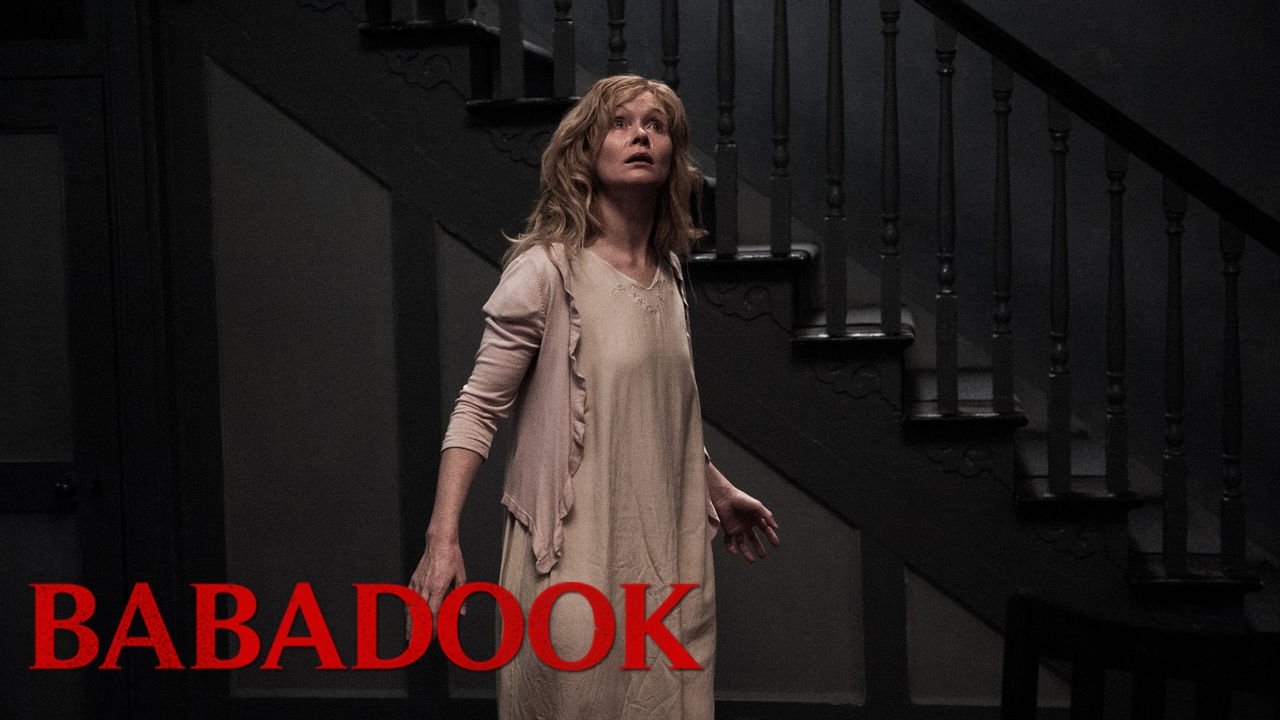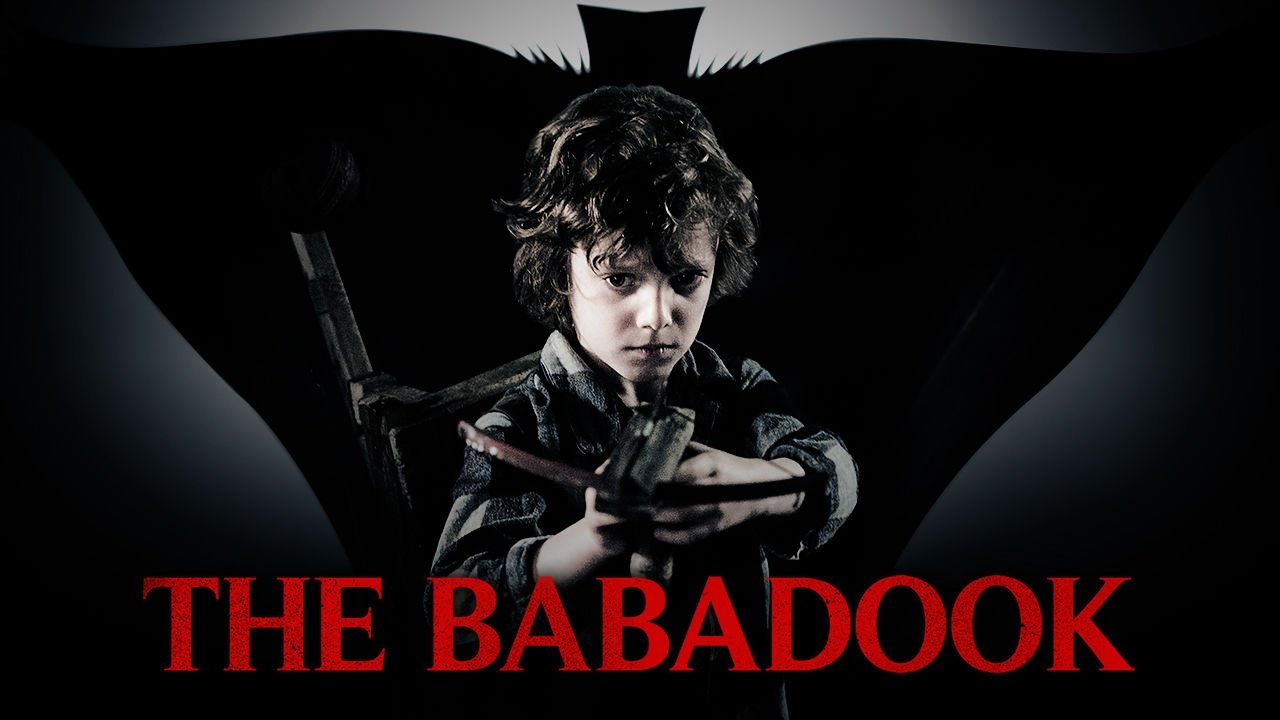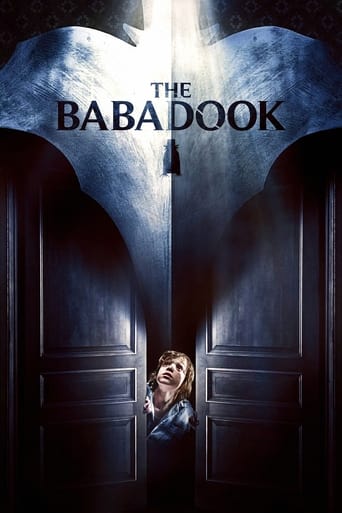
The Babadook (2014)

CA
HORROR FILM Drama
SUBGENRES ASYLUM & MADNESS
8.7/10 7 votes
Runtime
94 min
Release
May 22, 2014
Budget
$2,000,000
Revenue
$10,300,000
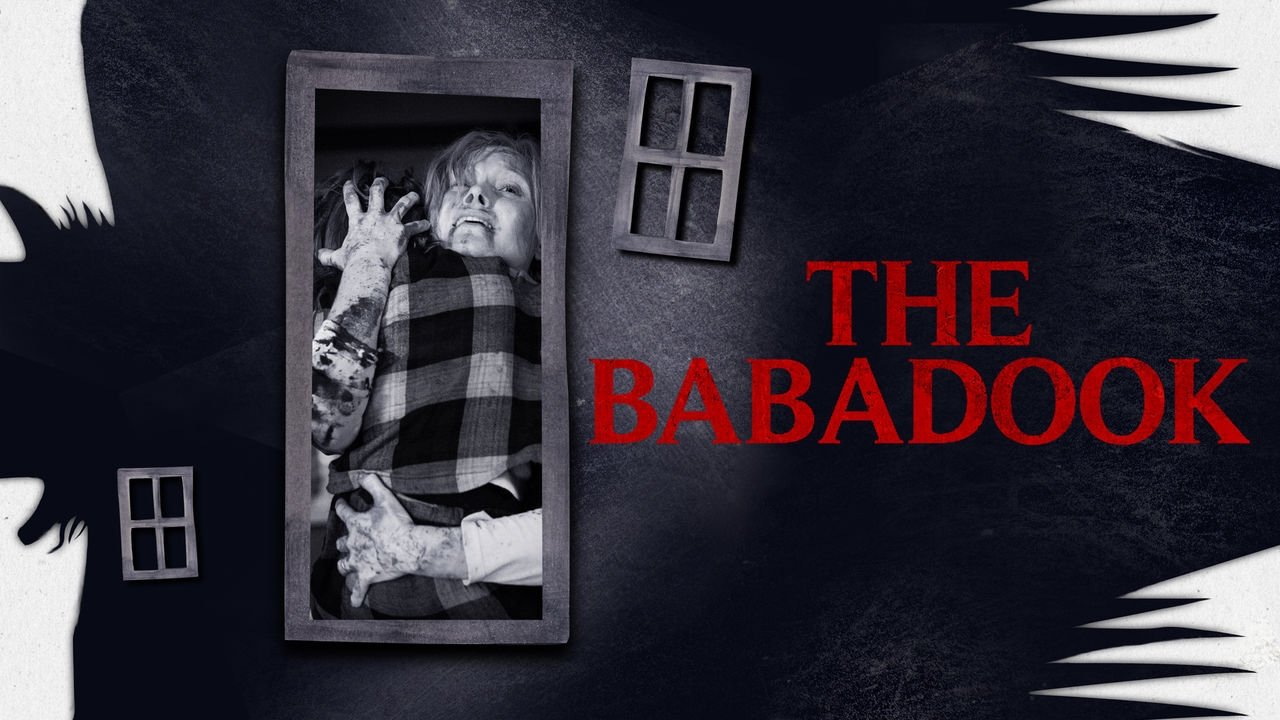
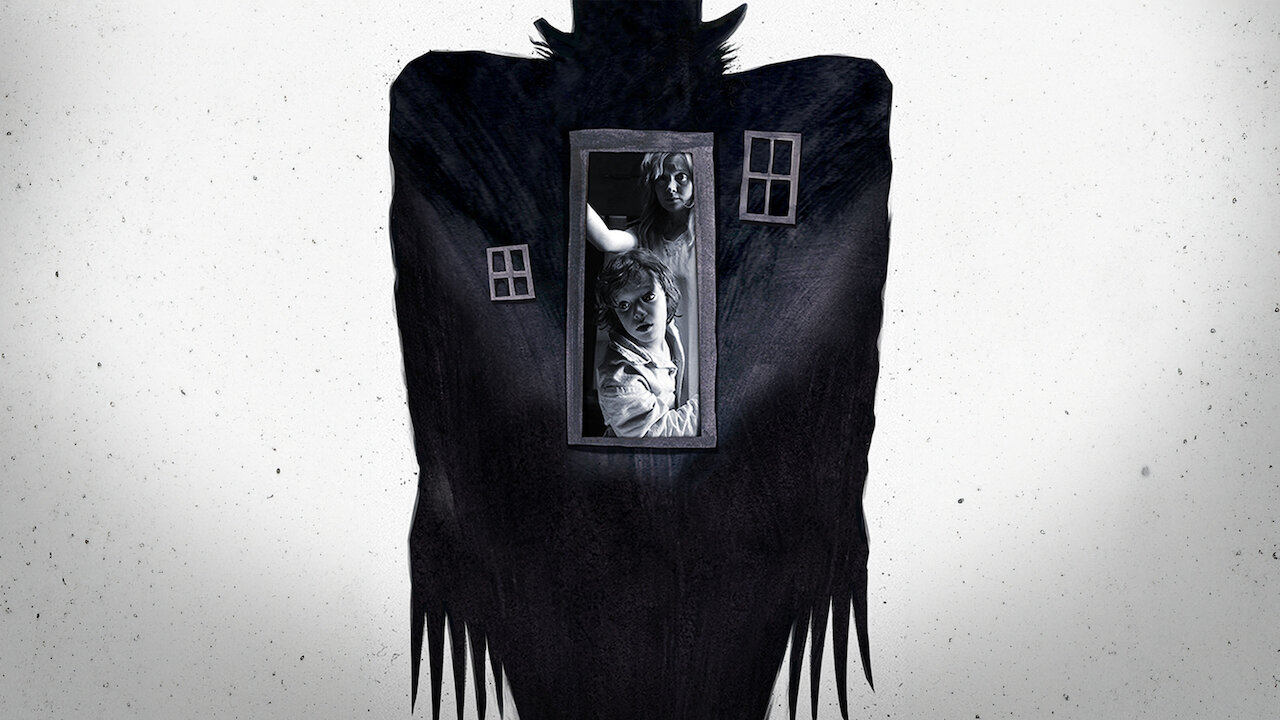
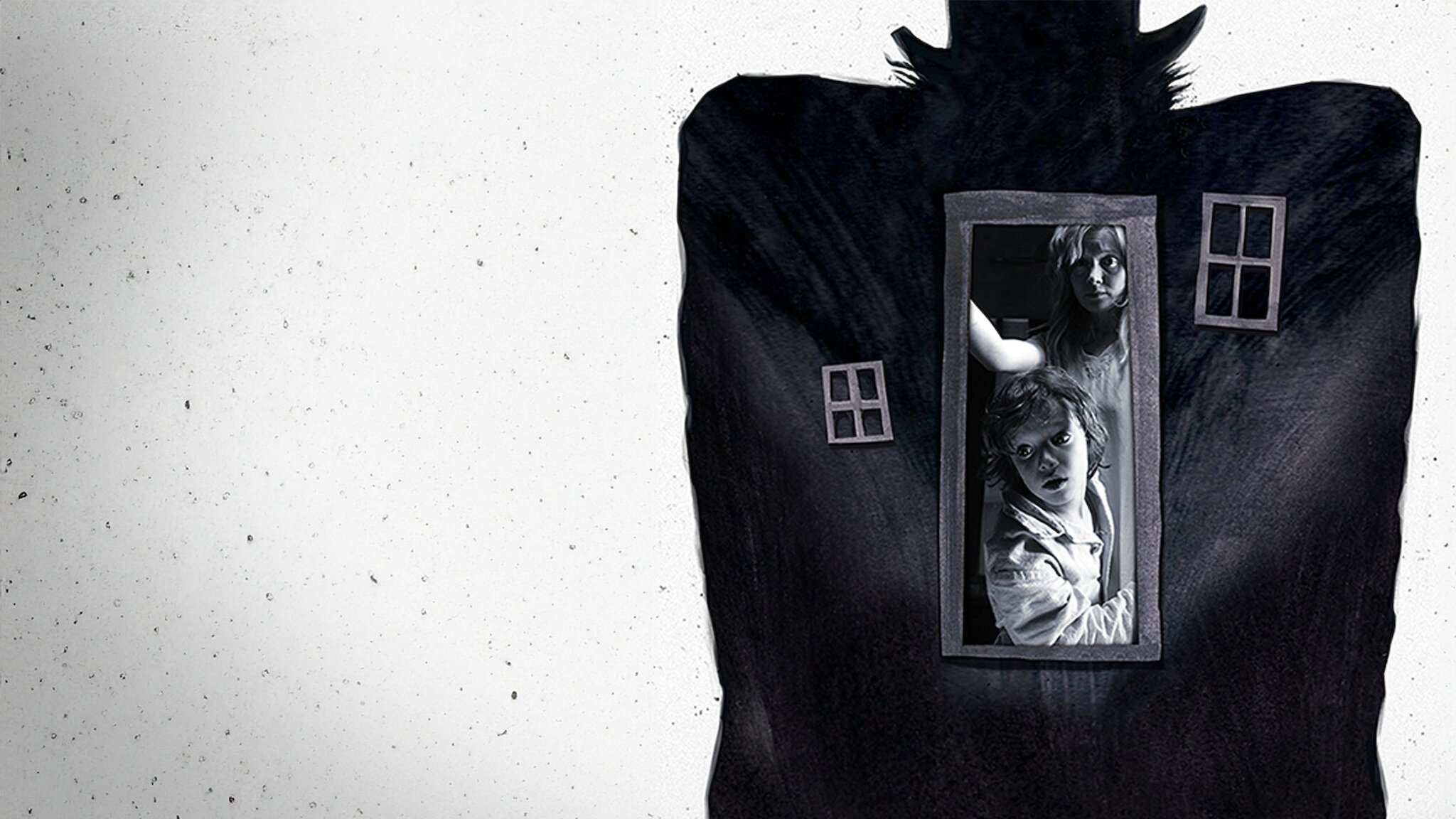
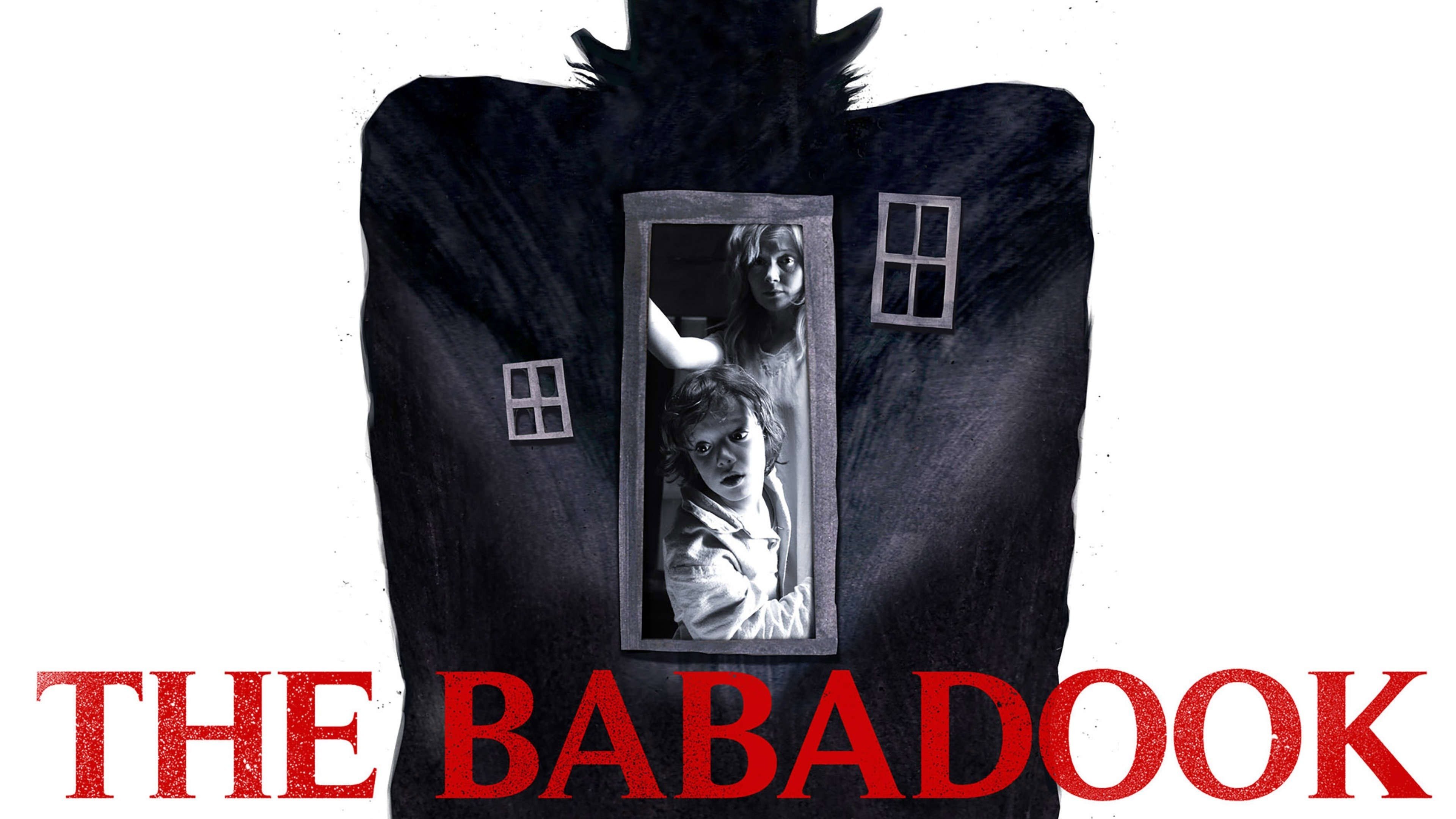
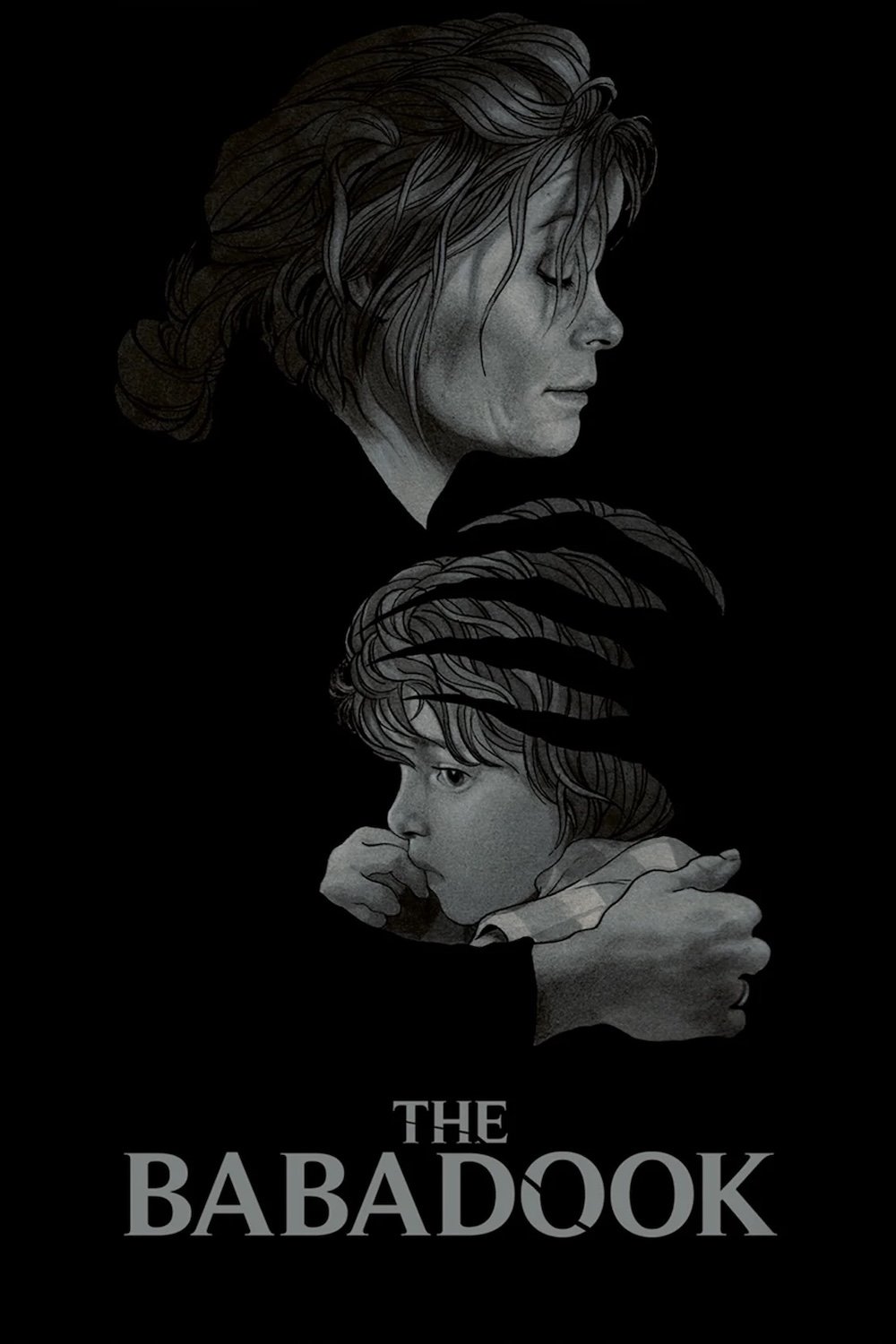
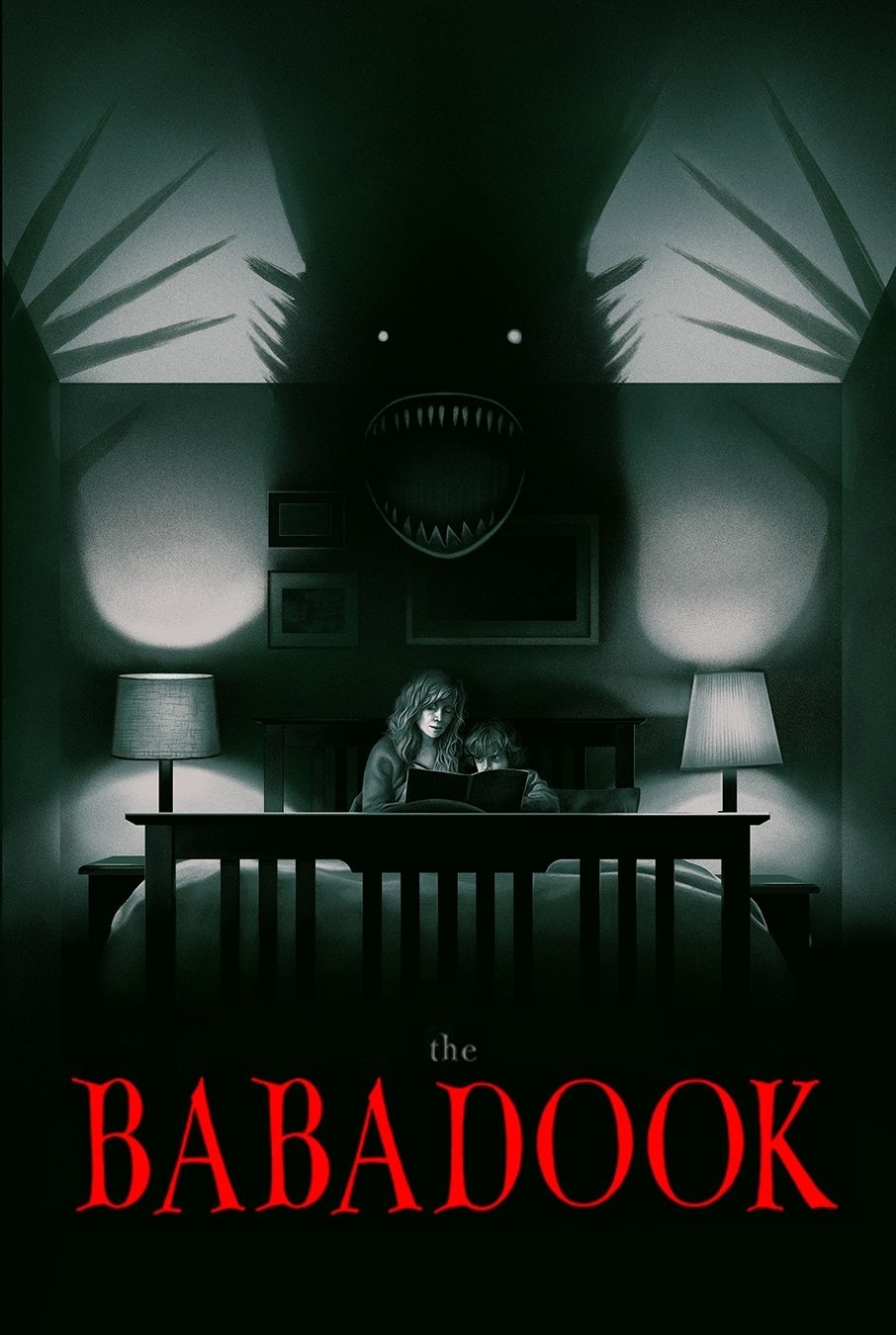
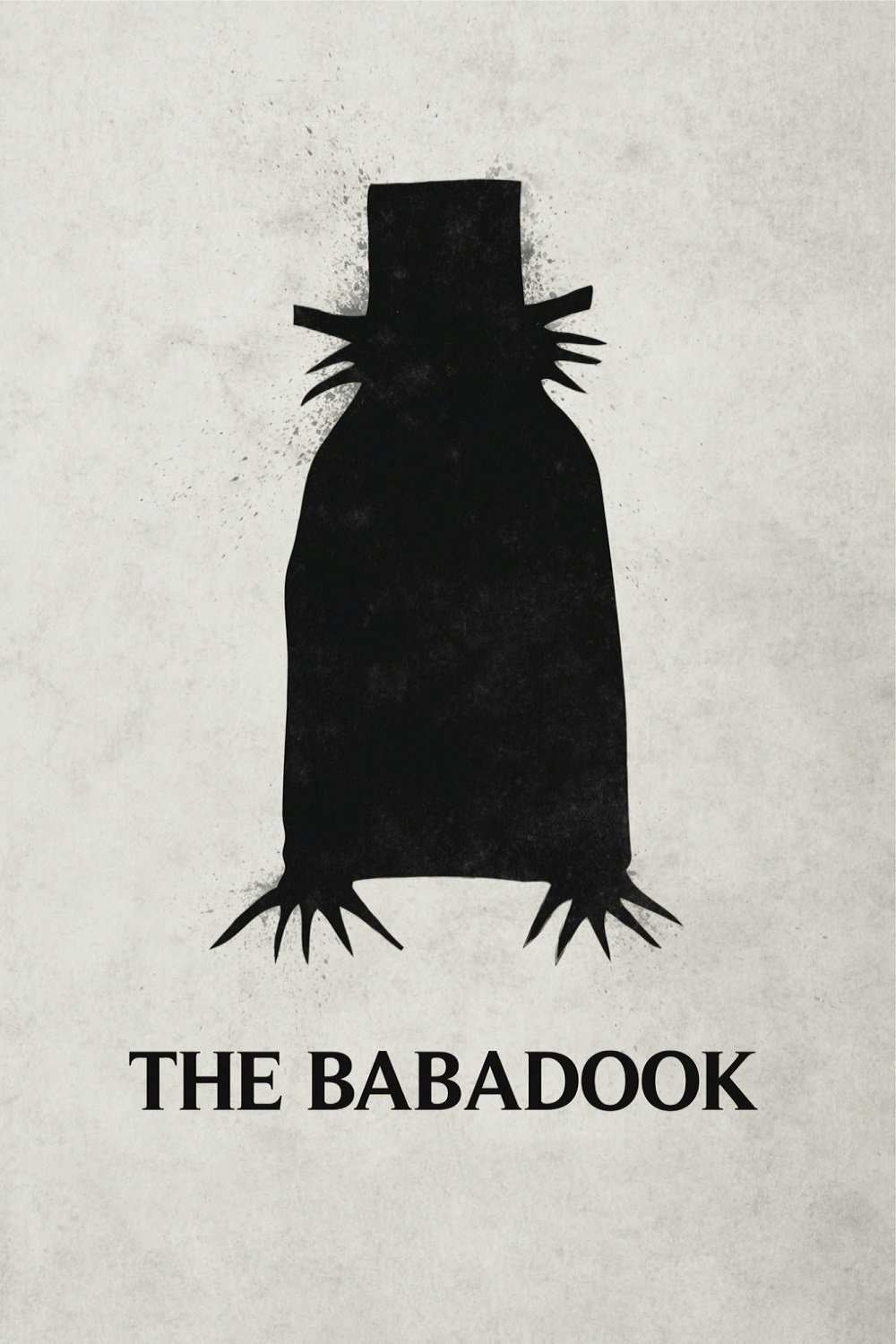
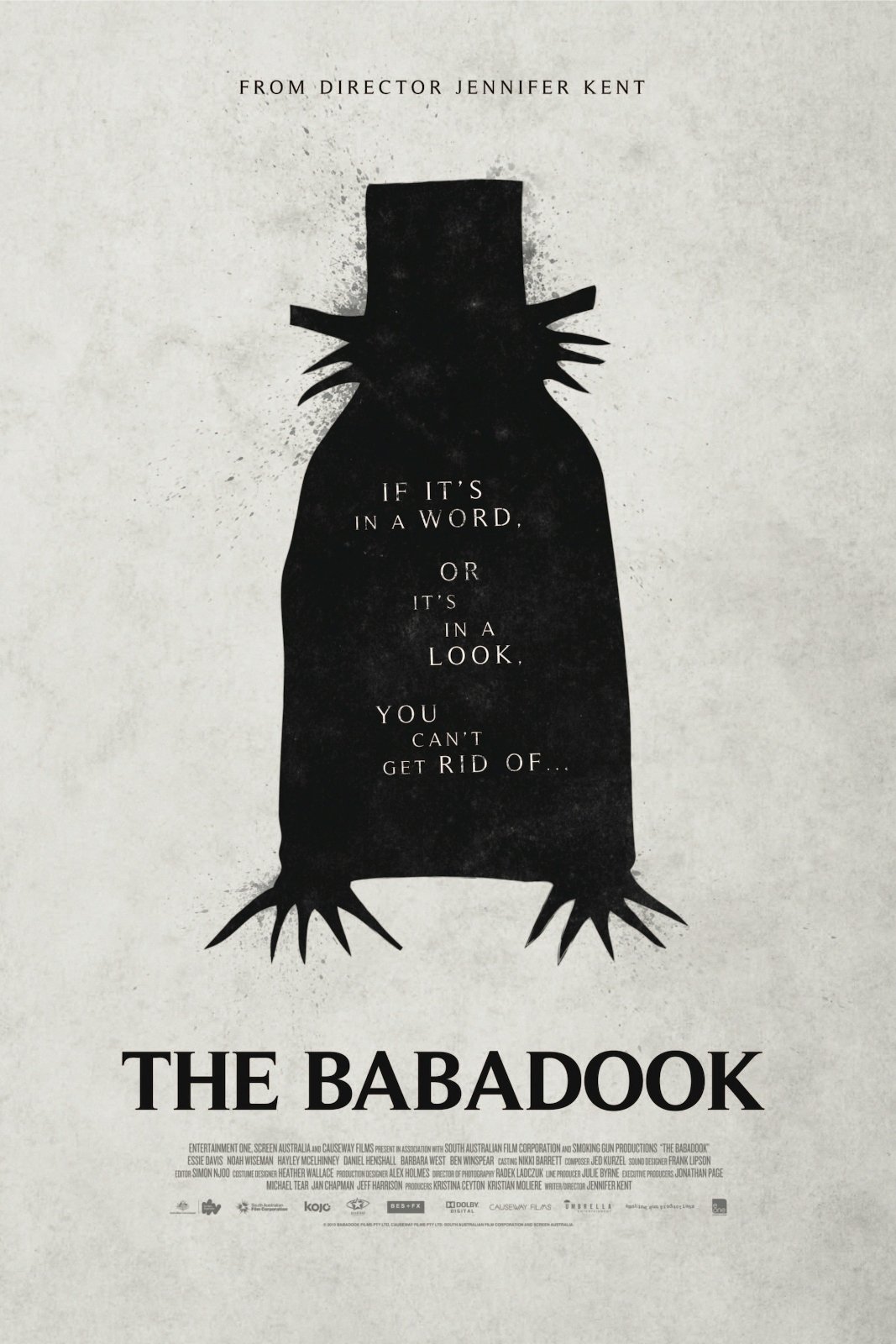
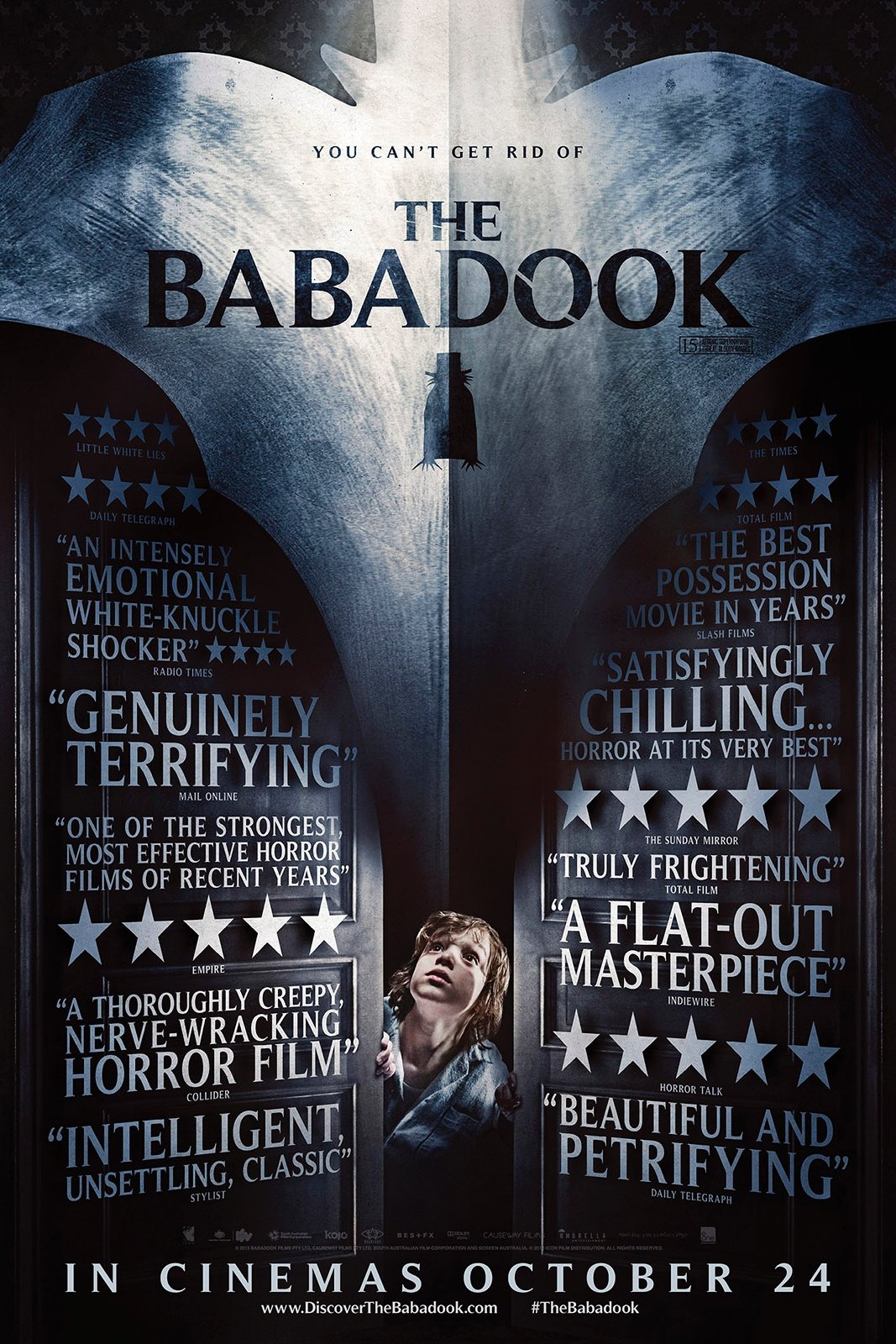
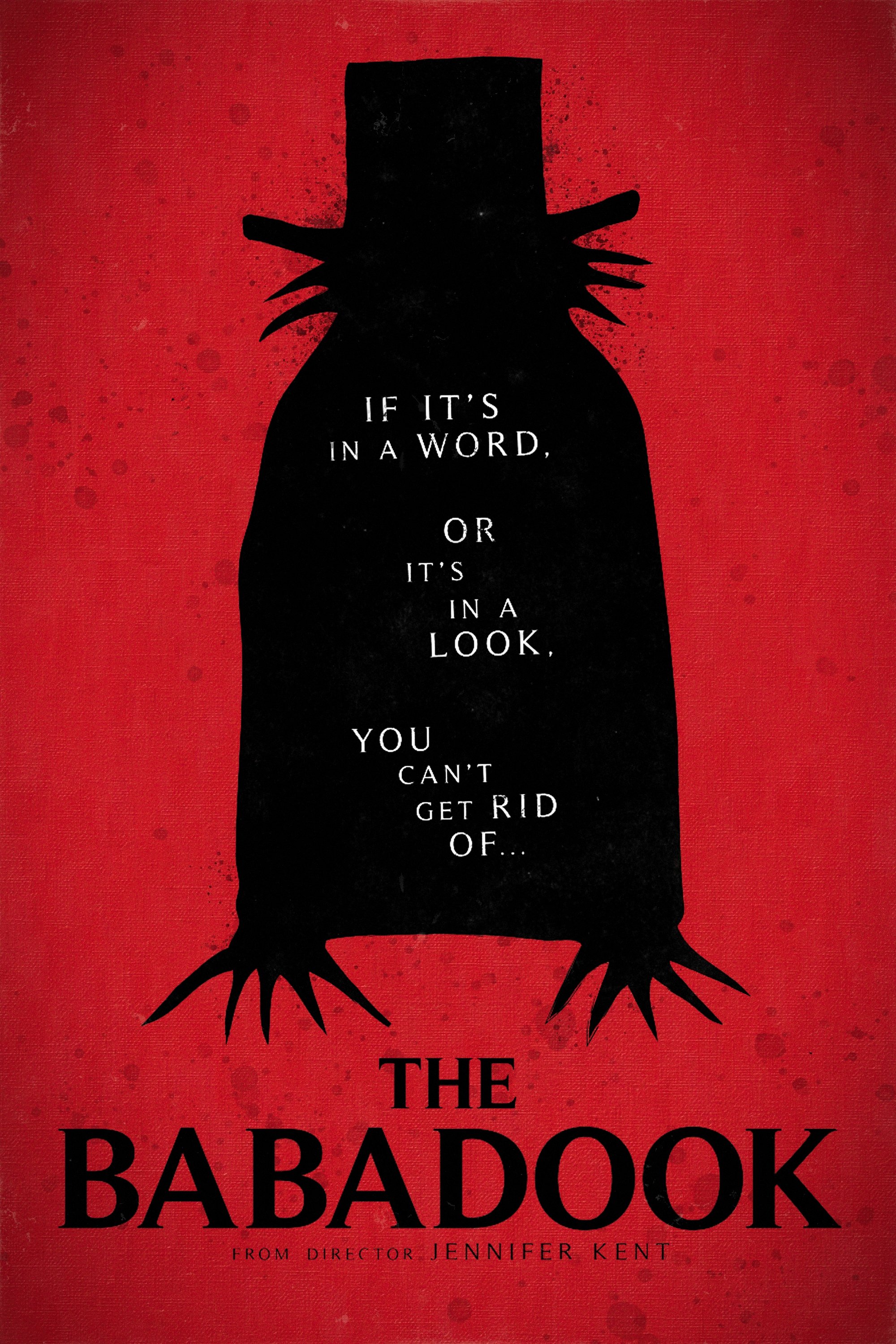
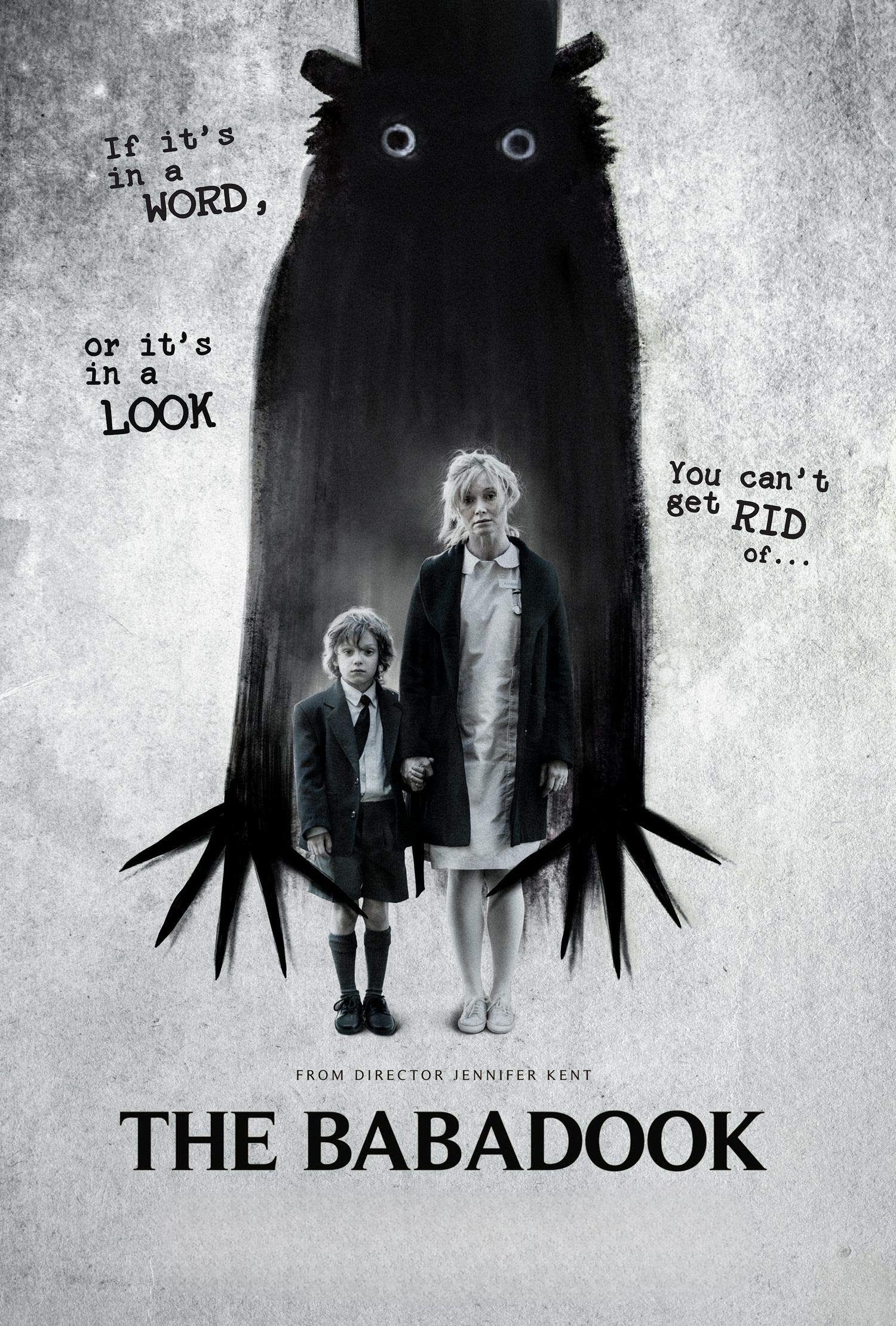
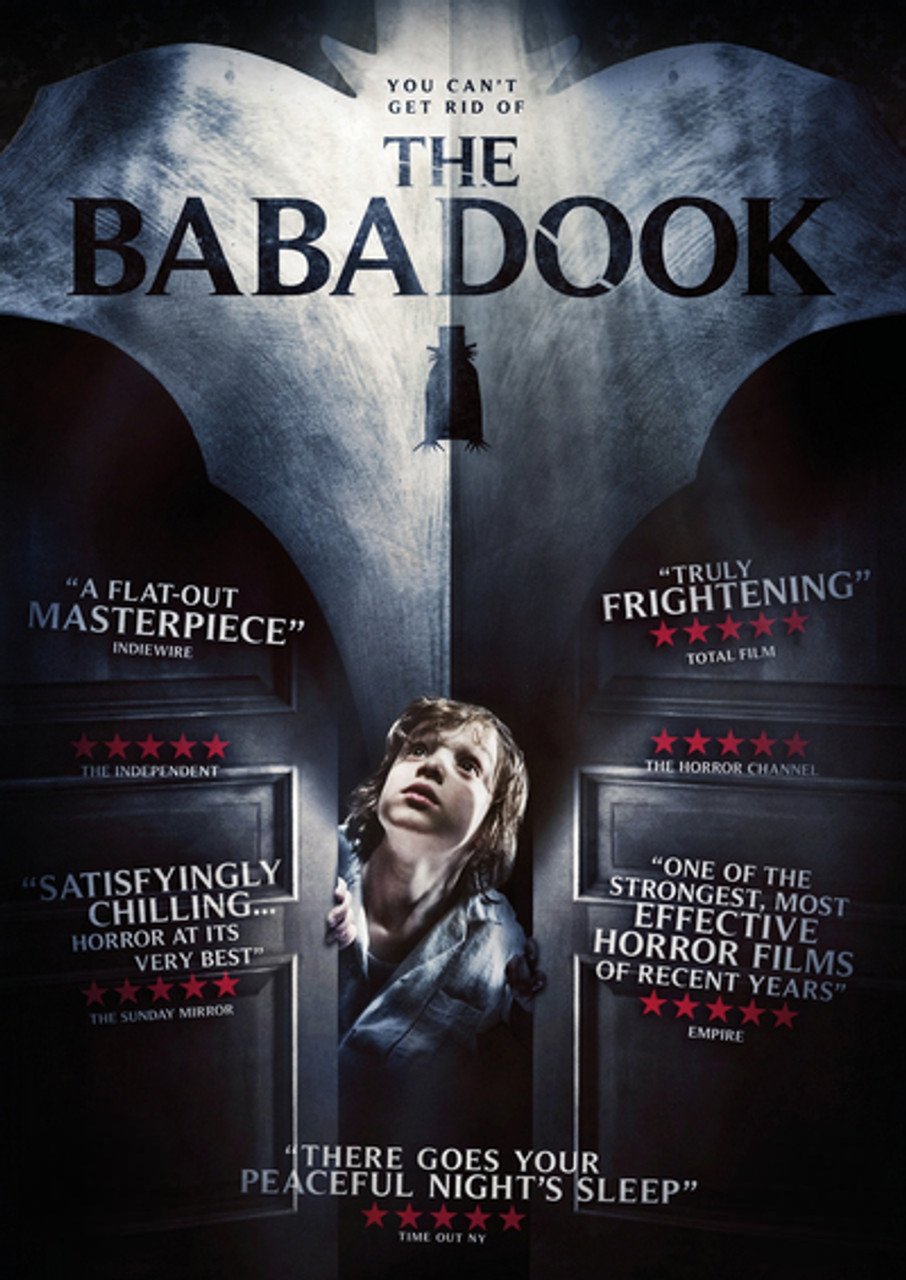
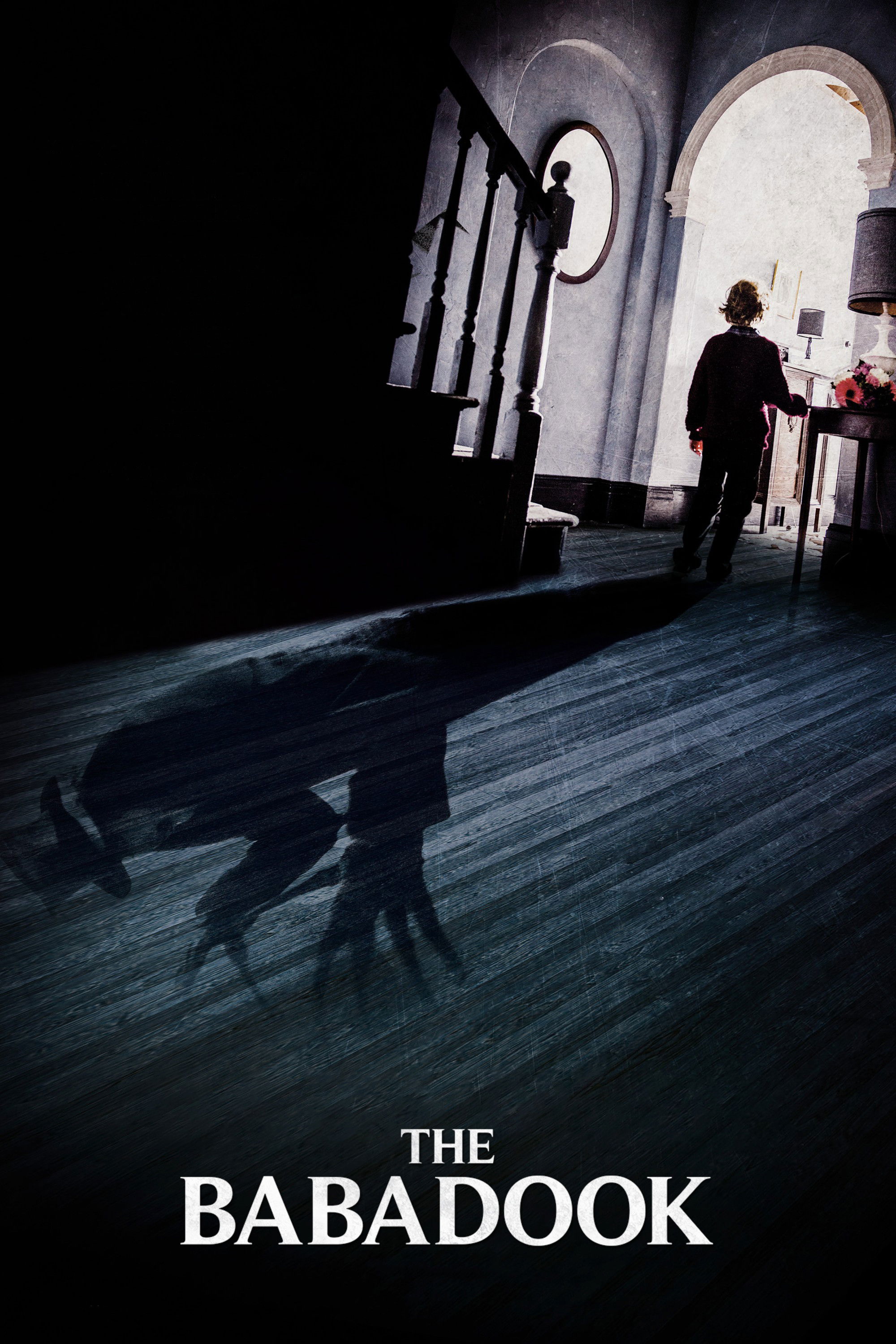
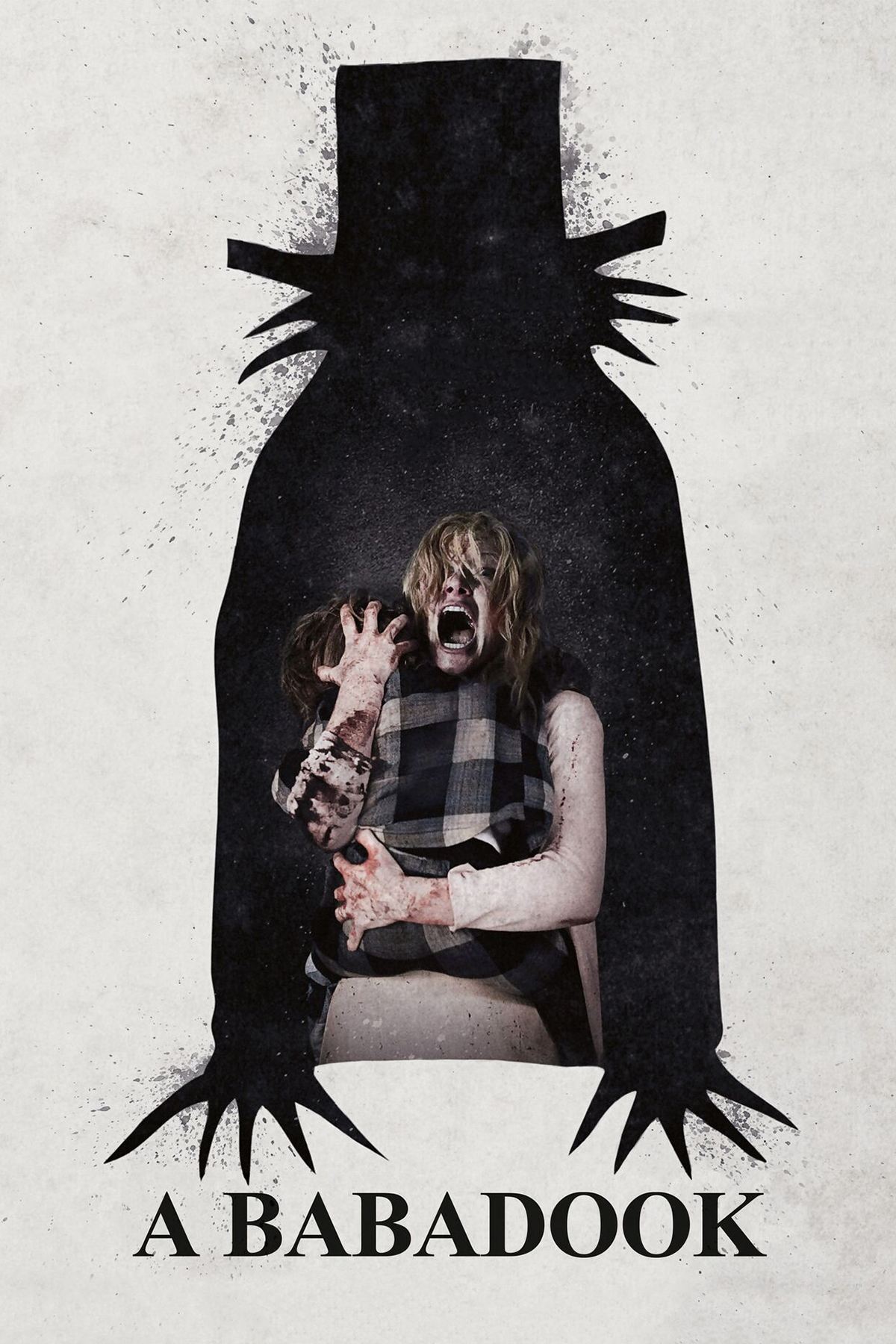
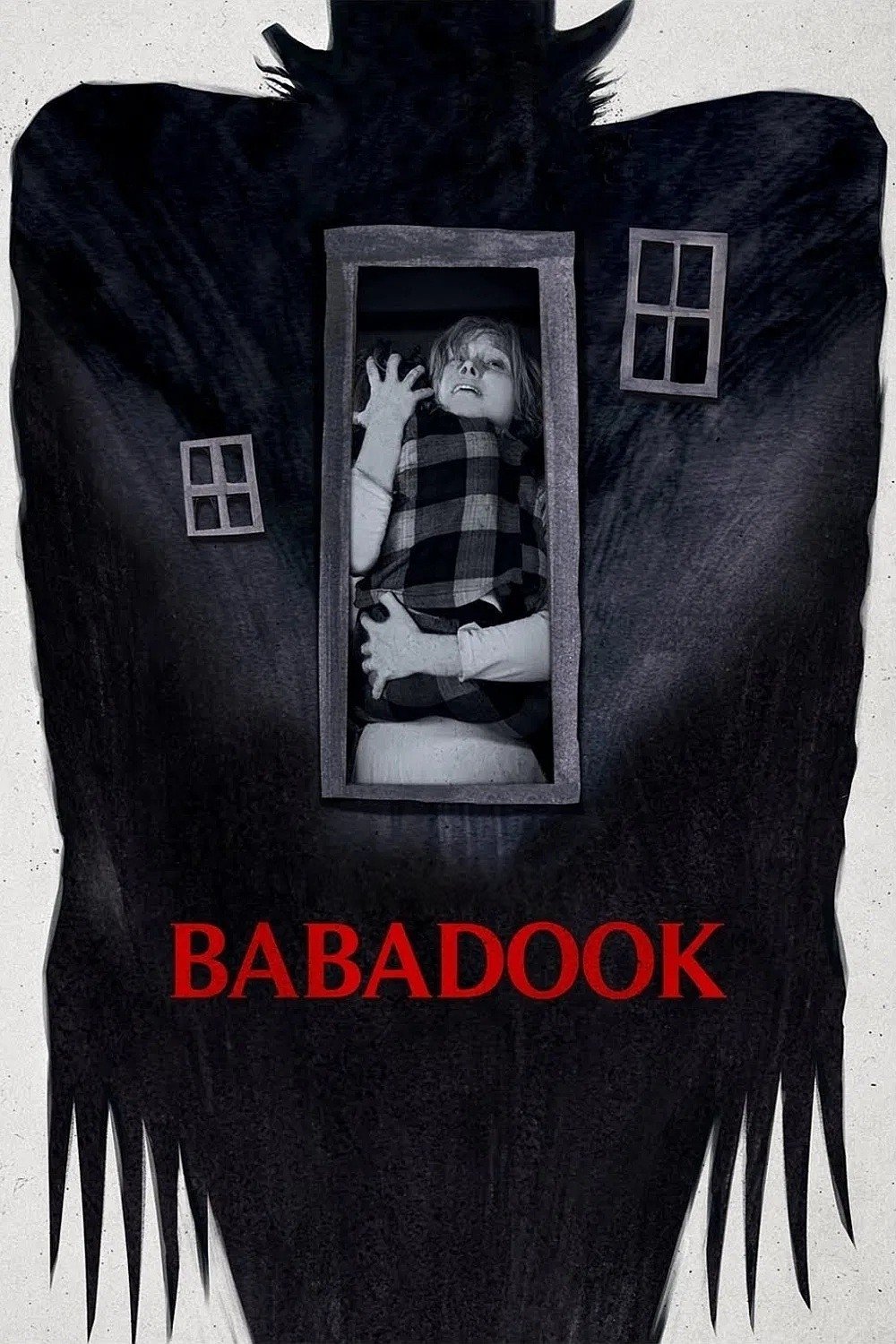
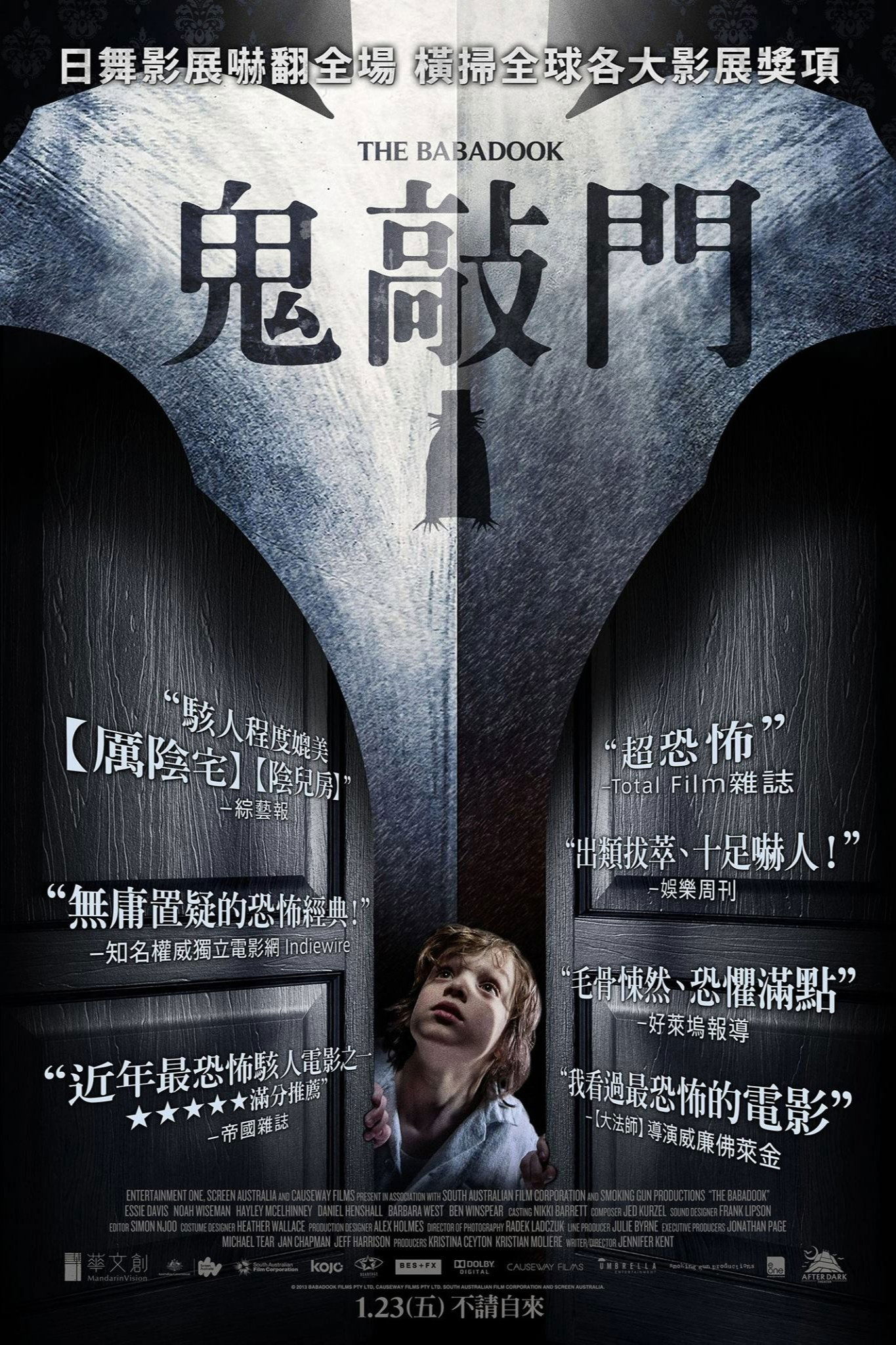
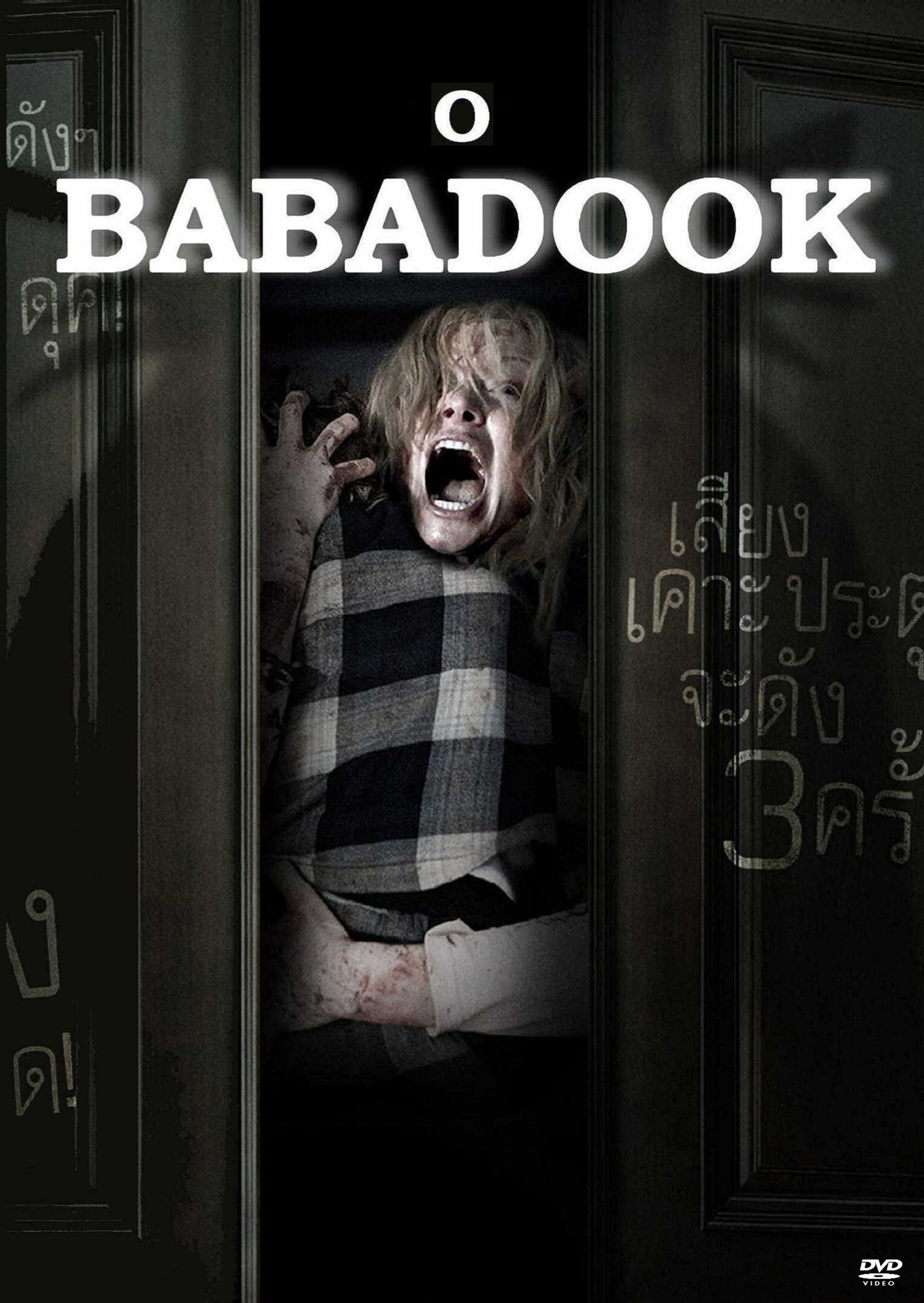
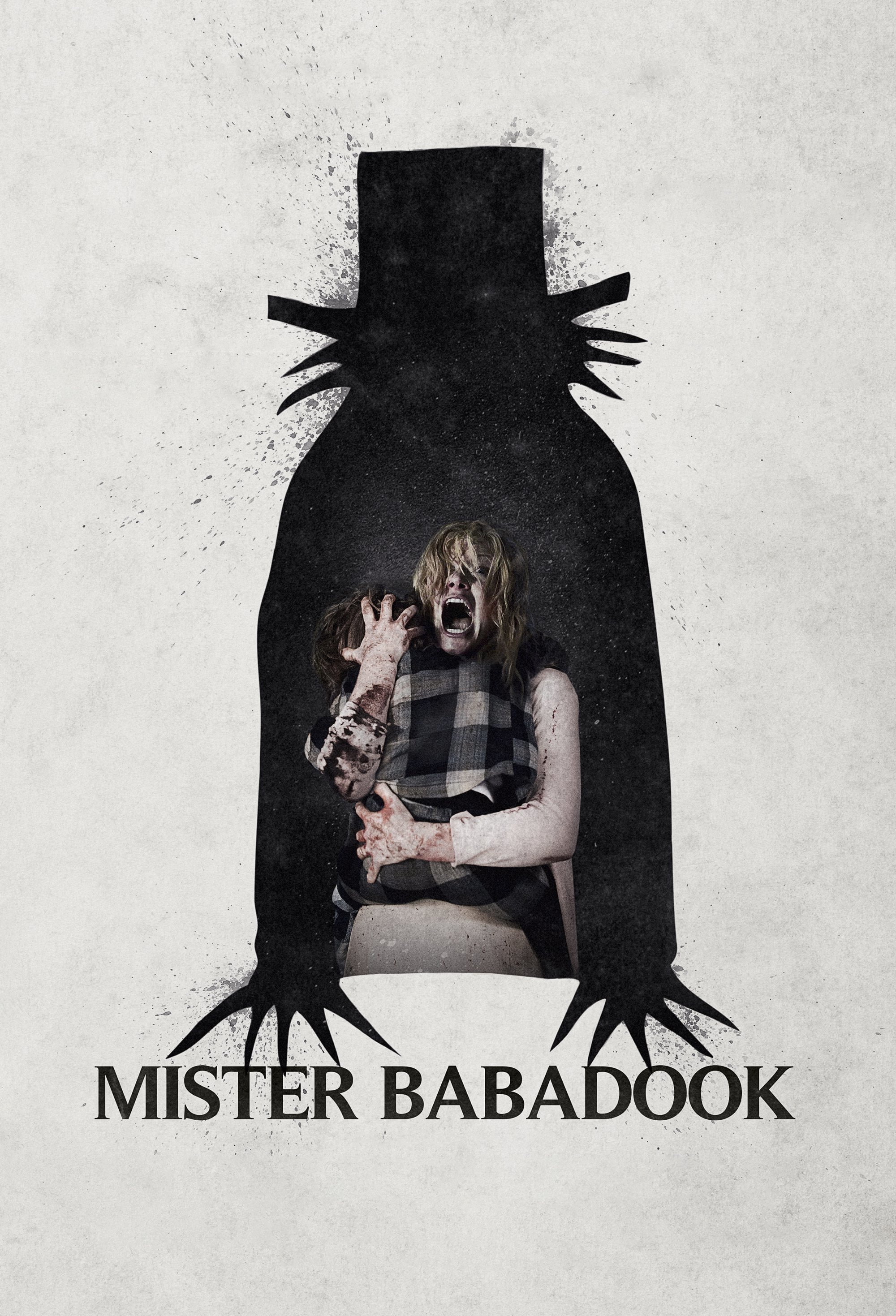
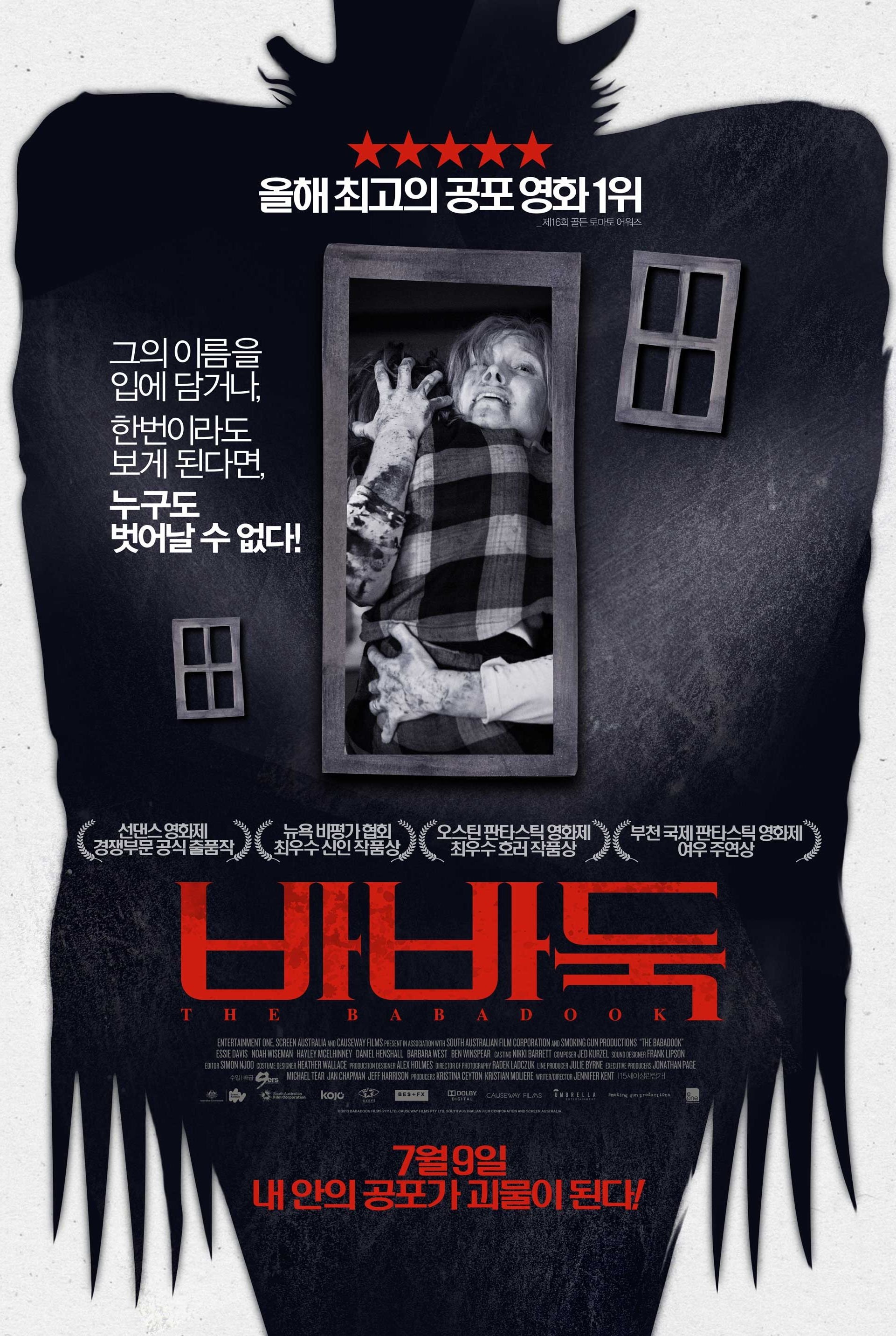
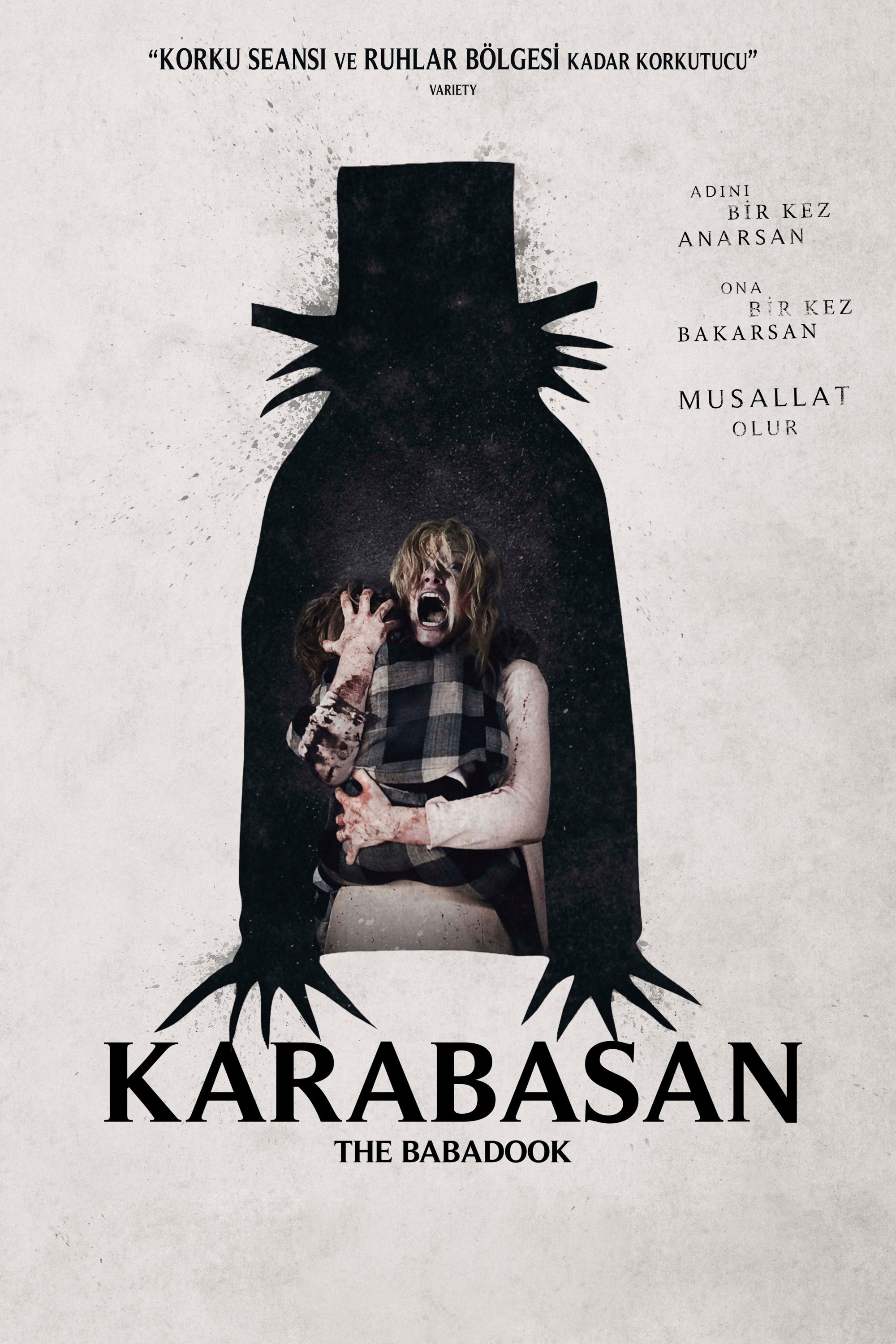
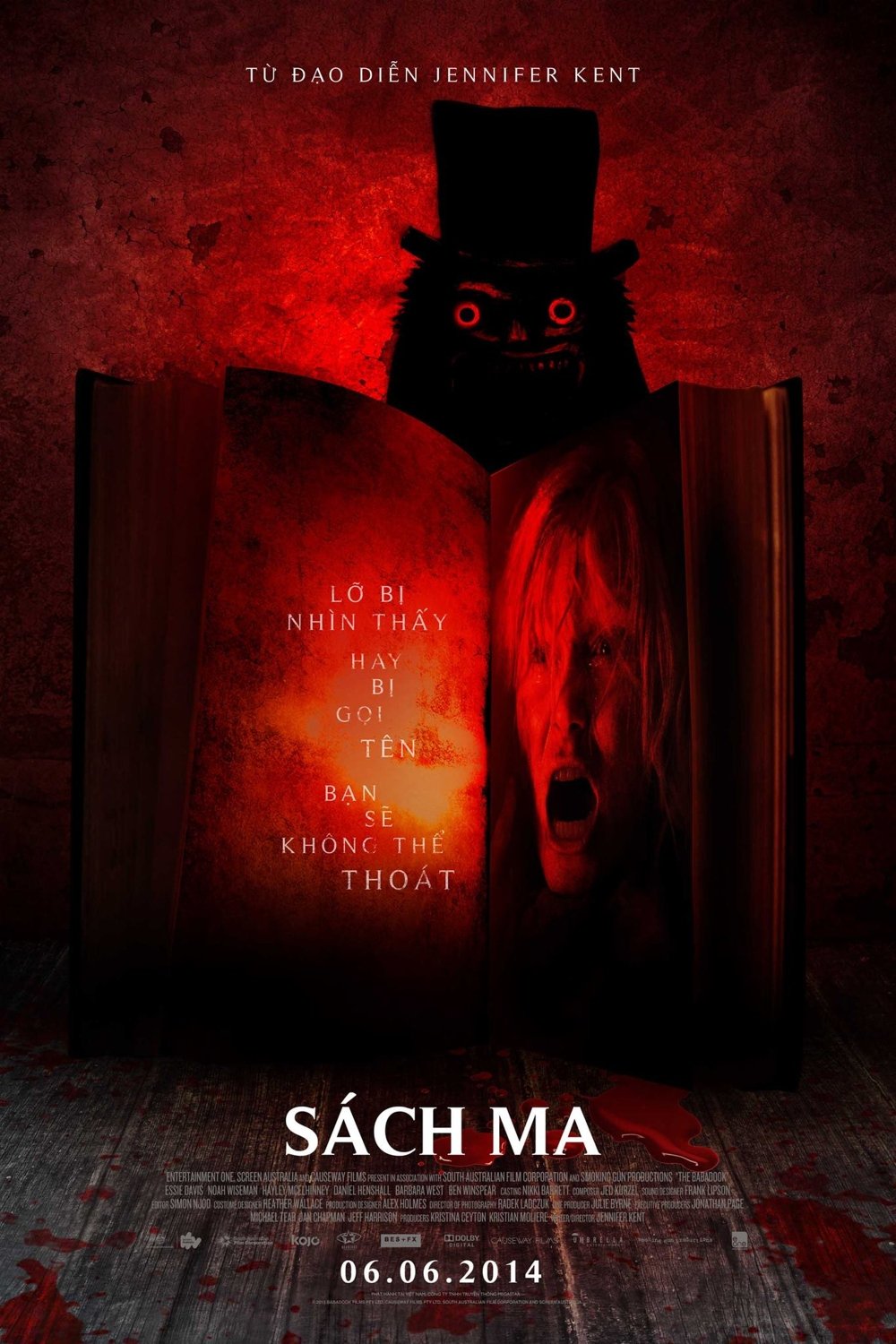
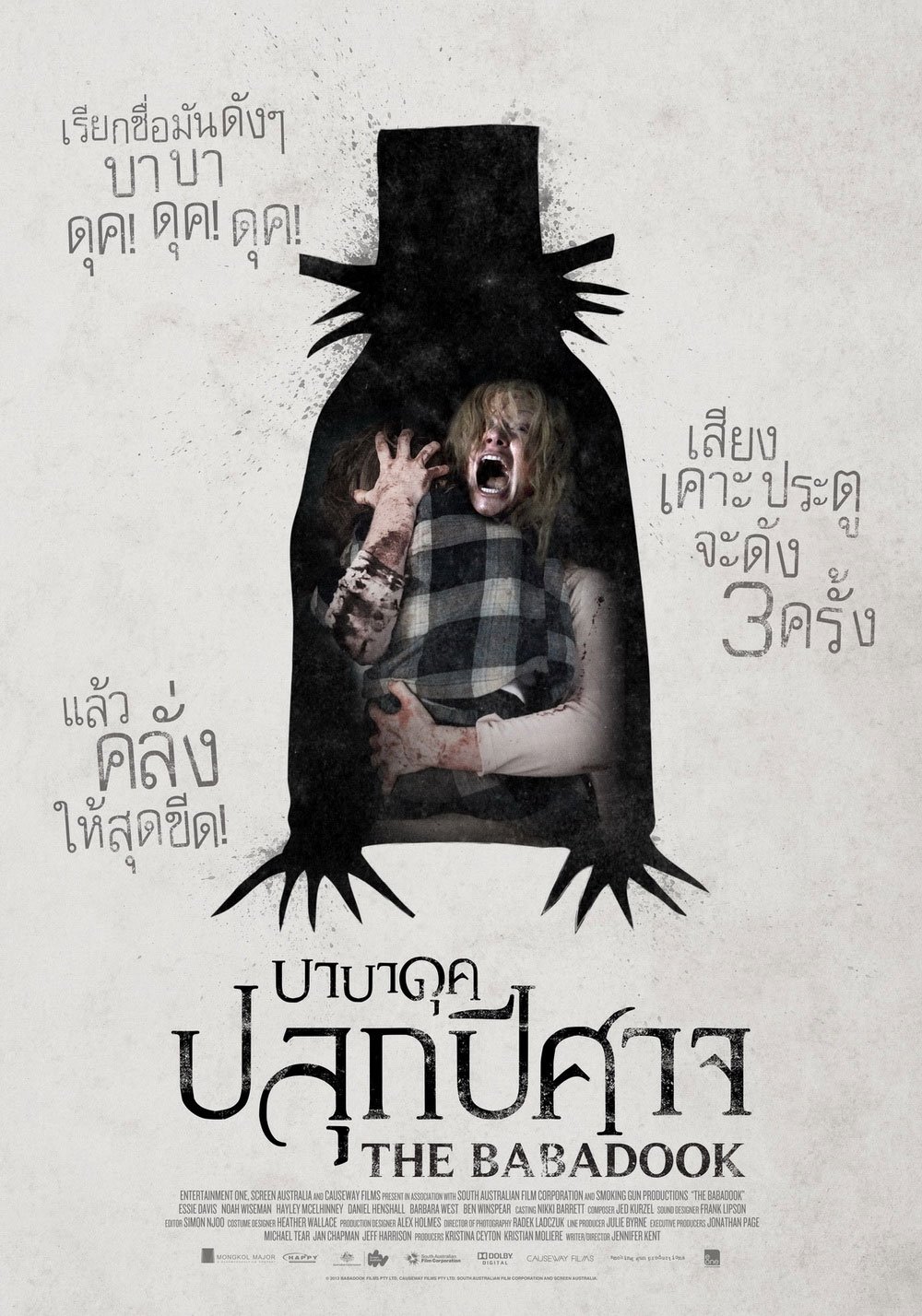
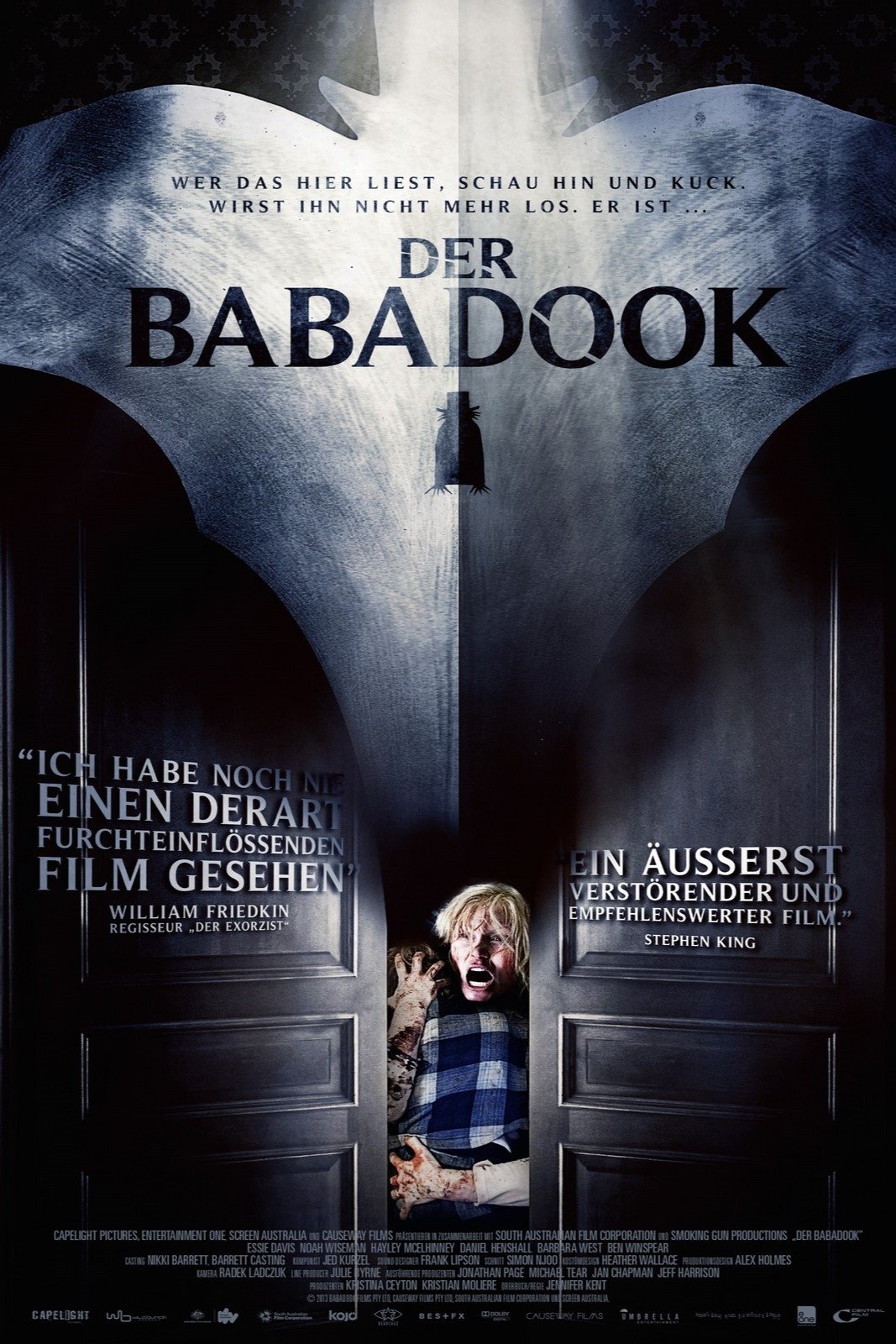
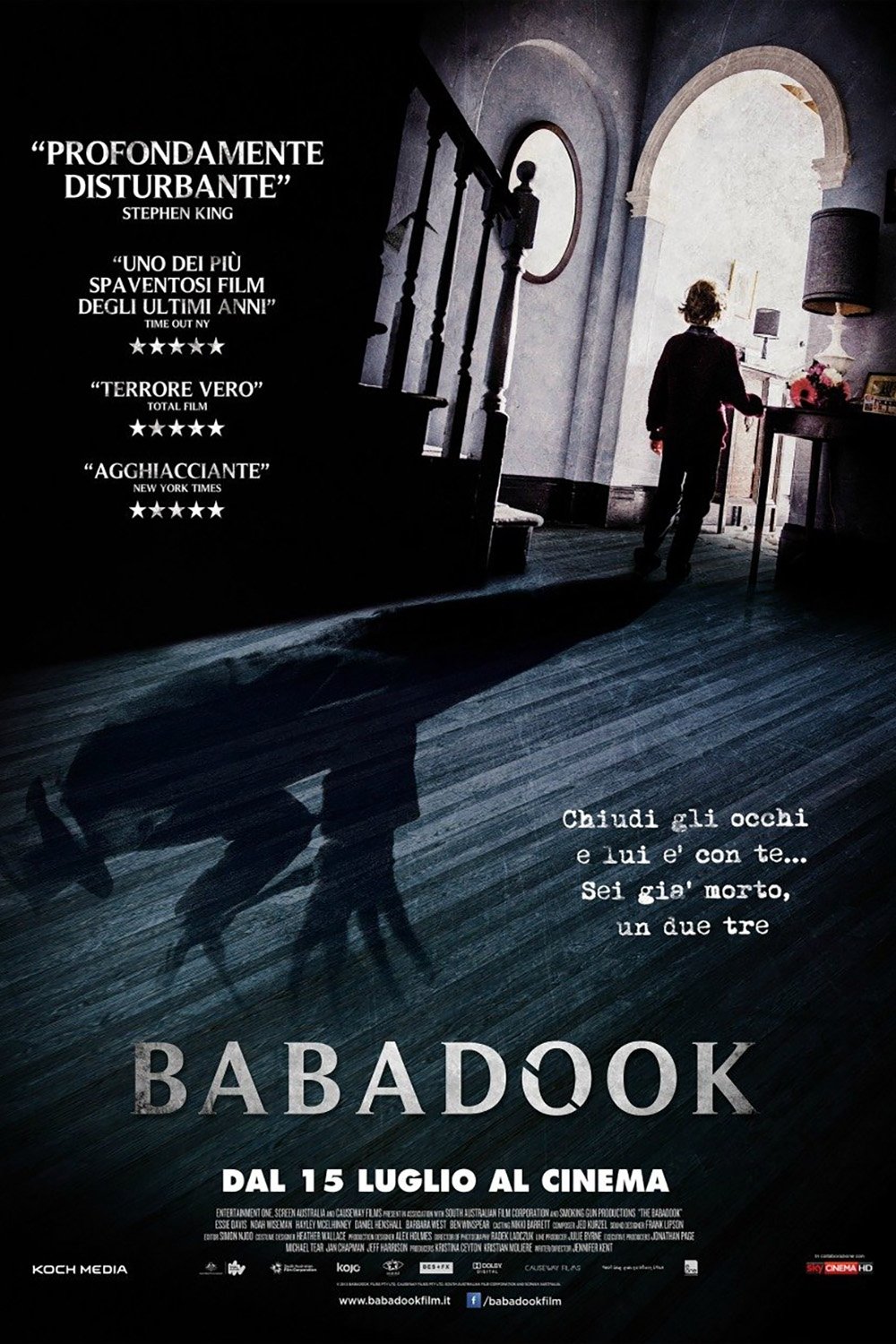
The Babadook (2014) poster
Director
Production Companies
Screen Australia , Smoking Gun Productions , Causeway Films , South Australian Film Corporation , Lionsgate Canada
Plot

A single mother, plagued by the violent death of her husband, battles with her son's fear of a monster lurking in the house, but soon discovers a sinister presence all around her.

Alternative Titles
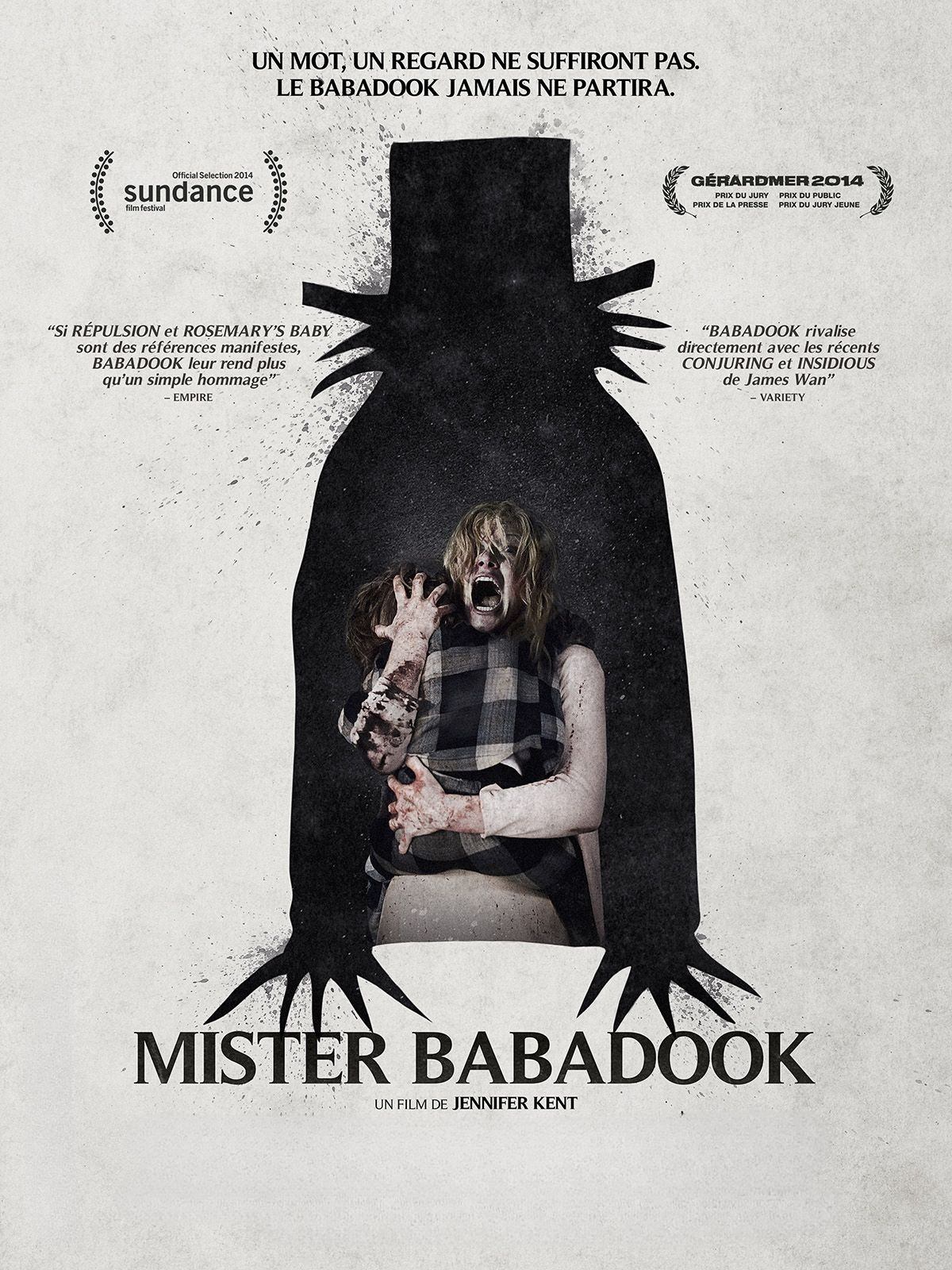
Бабадук (Bulgaria) — Bulgarian O Babadook (Brazil) — Portuguese Le Babadook (Canada) 鬼书 (China) — Chinese Babadook (Czechia) — Czech Der Babadook (Germany) — German Babadook (Spain) Mister Babadook (France)
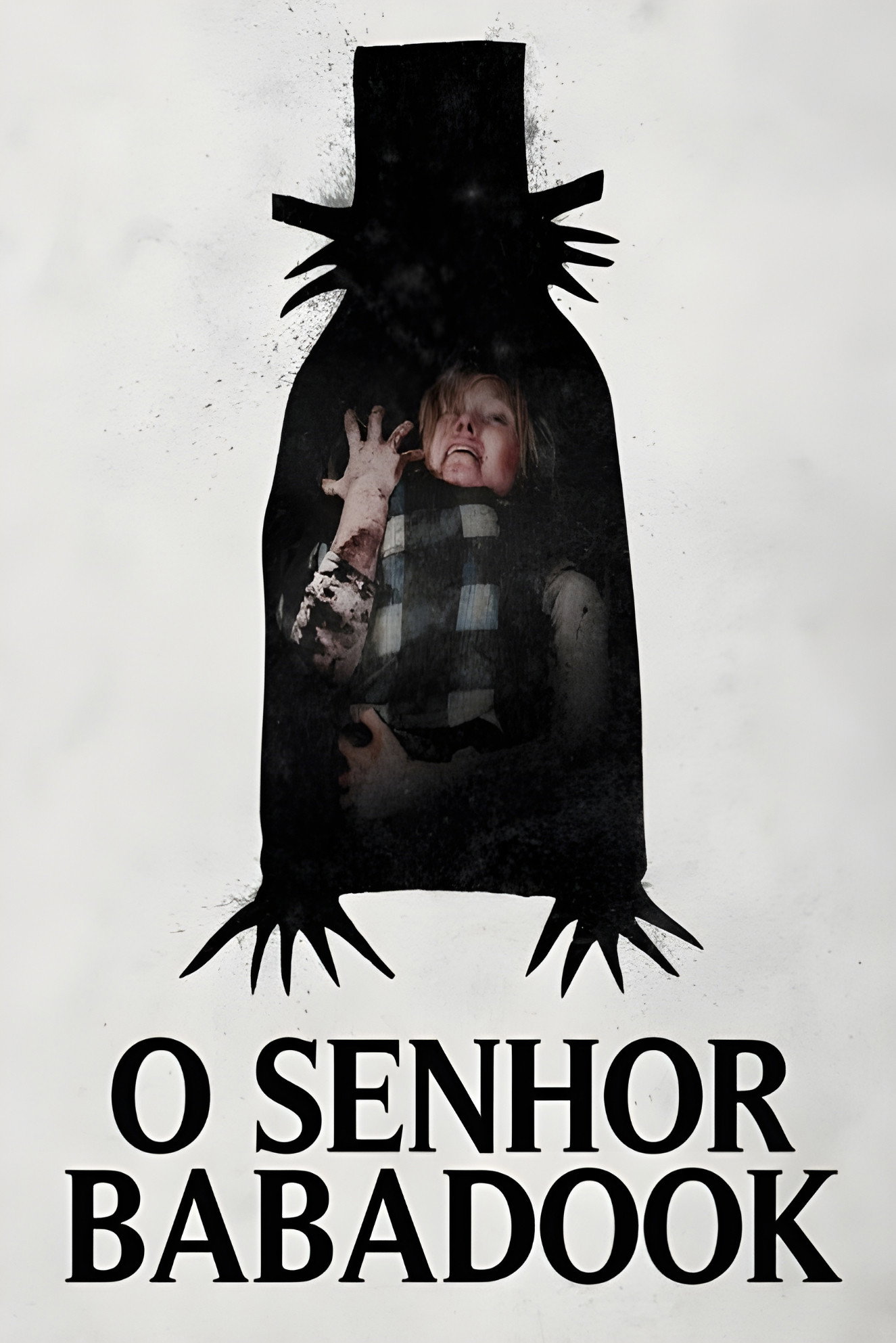
Show all 30 alternative titles Babadook: Οι Σελίδες Του Τρόμου (Greece) — Greek 鬼敲門 (Hong Kong SAR China) — Chinese Babadook (Croatia) — Croatian A Babadook (Hungary) — Hungarian באבאדוק (Israel) — Hebrew הבאבאדוק (Israel) Babadook (Italy) — Italian ババドック ~暗闇の魔物~ (Japan) — Japanese 바바둑 (South Korea) — Korean Babadukas (Lithuania) — Lithuanian Babaduks (Latvia) — Latvian Babadook (Mexico) — Spanish Babadook (Poland) — Polish O Senhor Babadook (Portugal) — Portuguese Omul negru (Romania) — Romanian Бабадок (Serbia) — Serbian Бабадук (Russia) — Russian บาบาดุค ปลุกปีศาจ (Thailand) — Thai Karabasan (Türkiye) — Turkish 鬼敲門 (Taiwan) — Chinese Бабадук (Ukraine) — Ukrainian Sách Ma (Vietnam) — Vietnamese

Trailers & Videos

10 videos

Film Guide & Analysis

Jennifer Kent’s Australian psychological horror debut transforms a handmade storybook into a threat shaped by grief, parenting and domestic isolation.

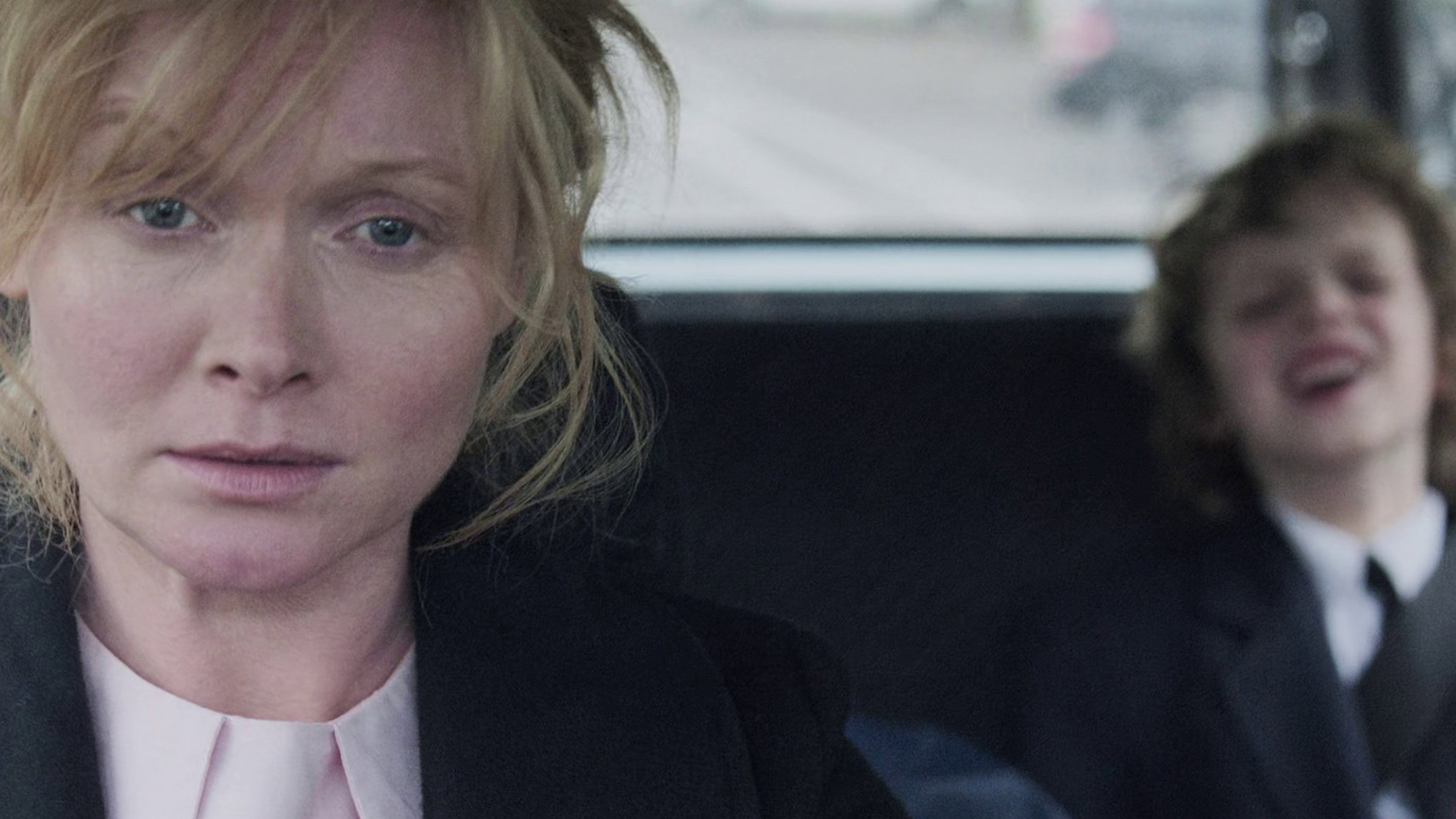
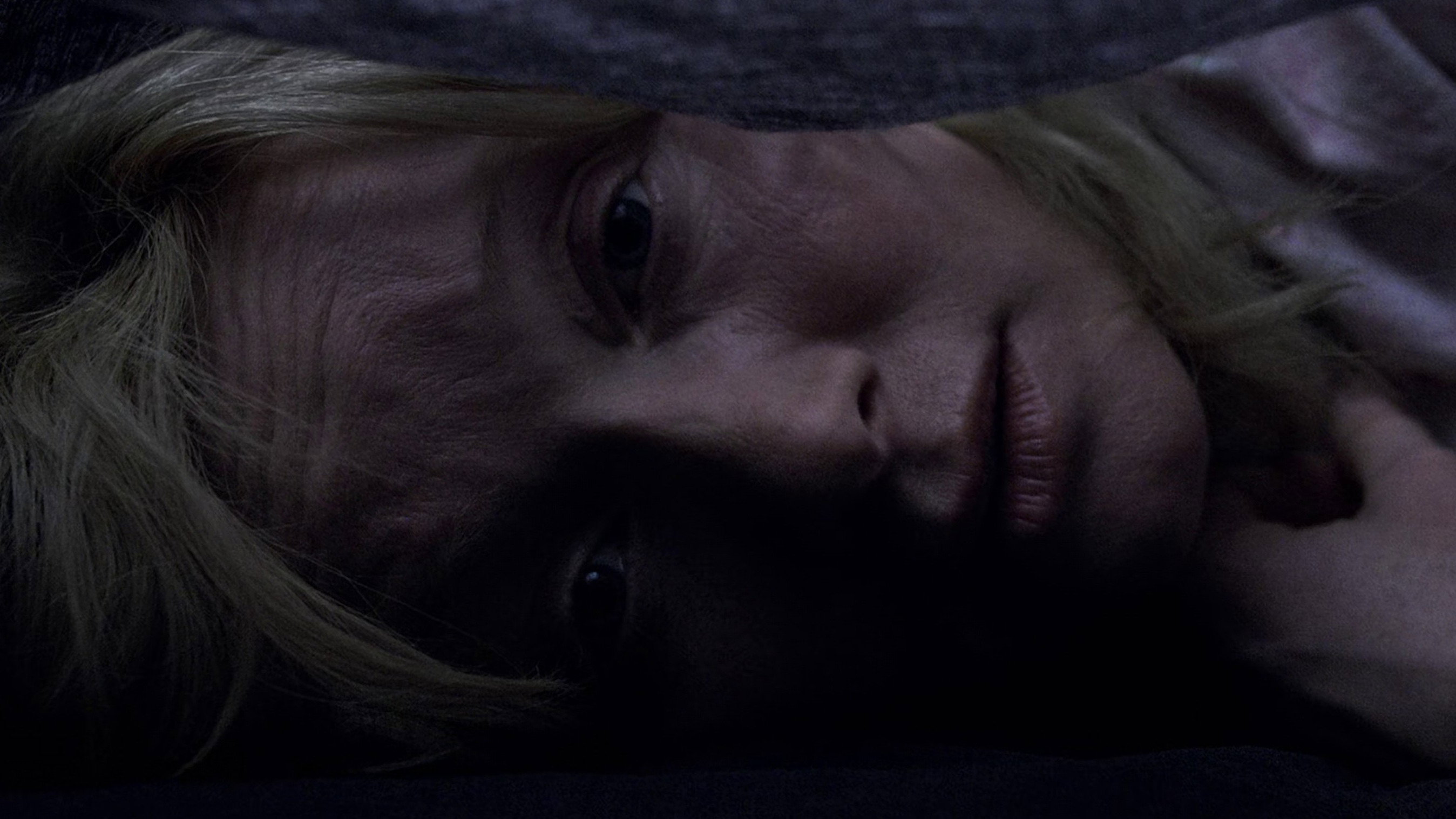
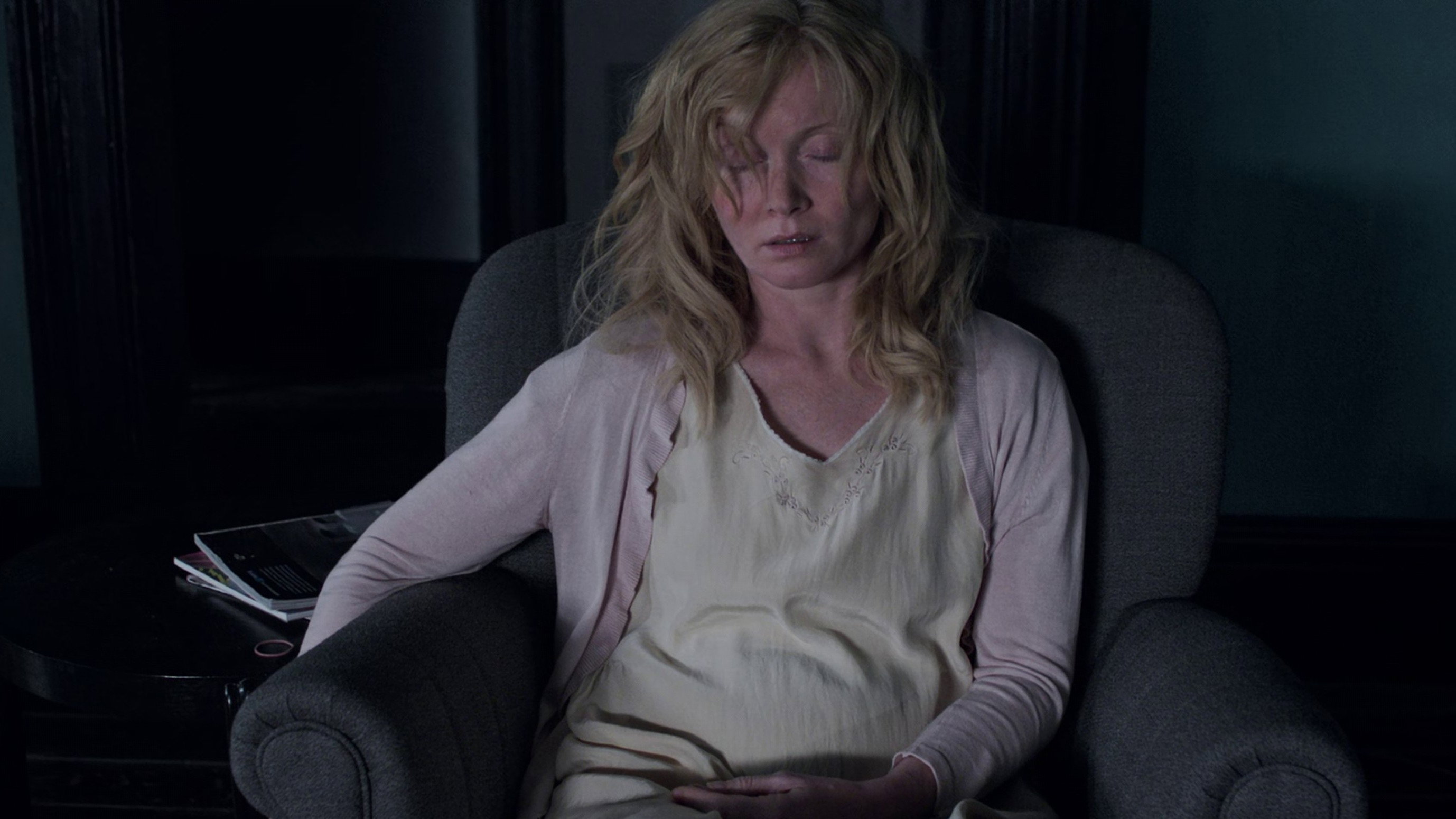
The Babadook (2014) is an Australian psychological horror film written and directed by Jennifer Kent in her feature debut. Amelia Vanek, a widowed care worker, struggles to raise her six-year-old son Samuel while avoiding reminders of the road accident that killed her husband as he drove her to hospital for Samuel’s birth. The arrival of a disturbing pop-up book, Mister Babadook, gives shape to the anxieties already surrounding their home. Its threatening illustrations begin to acquire physical force as Amelia’s exhaustion, anger and isolation intensify. The film makes the mother’s changing perception central to the horror, so that domestic rooms, childhood objects and nighttime sounds become progressively difficult to trust.

Kent developed the film from an idea previously explored in her short Monster (2005), expanding its premise into a story about grief and a damaged bond between parent and child. Her reliance on controlled colour, handmade imagery and techniques associated with silent cinema gives the creature a material form distinct from the digital monsters common in contemporary genre production. The film premiered at Sundance in January 2014 and gained international critical recognition despite a restricted initial Australian release. Its importance to modern horror is grounded in that documented reception and in the continuing circulation of its central images and themes.

Development: From Monster to a Feature Film

The premise began with an experience Kent heard about from a friend whose young son believed a monster lived in his house. The mother responded by acknowledging the child’s imagined visitor rather than simply dismissing him. Kent made Monster (2005) using an early version of the idea, but has emphasized that the short was not produced as a deliberate pilot for The Babadook. Several larger feature projects subsequently failed to reach production. Returning to a story that could be contained largely within one house gave her a manageable way to make a first feature without surrendering the emotional subject that interested her.

Kent developed the screenplay at the Binger Filmlab in Amsterdam, working for six months on its structure. The central change from a brief encounter with a monster was an extended relationship between Amelia and Samuel. Producer Kristina Ceyton and the Causeway Films team helped bring the project through financing and production in South Australia. The filmmakers faced the difficulty of persuading backers to support a horror story in which the mother’s feelings could be frightening and at times unacceptable. Kent recalled in interviews that pressure to alter the ending was particularly unwelcome. She insisted that the confrontation with the monster should leave evidence of a continuing struggle rather than deliver a completely restored household.

Production was concentrated in Adelaide. A demanding schedule that had initially allowed roughly thirty shooting days had to accommodate extensive in-camera effects work and scenes involving a young child. American Cinematographer documented a modest Kickstarter contribution that helped pay for additional shooting and design needs. These constraints are part of the film’s creative history: its elaborate atmosphere depends on unusually detailed preparation within a limited setting rather than a succession of expensive locations.
Maternal Grief, Isolation and Domestic Horror

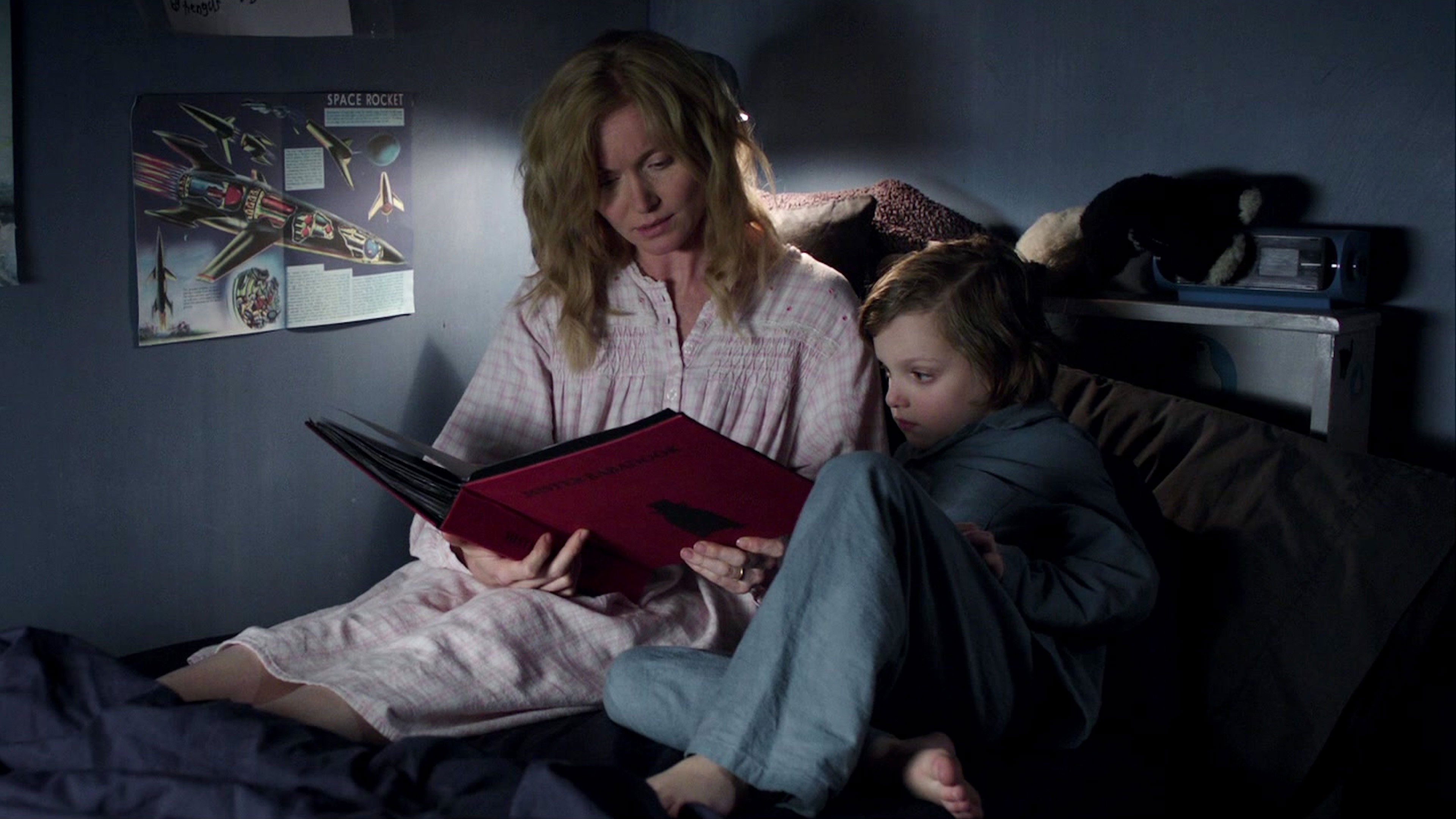
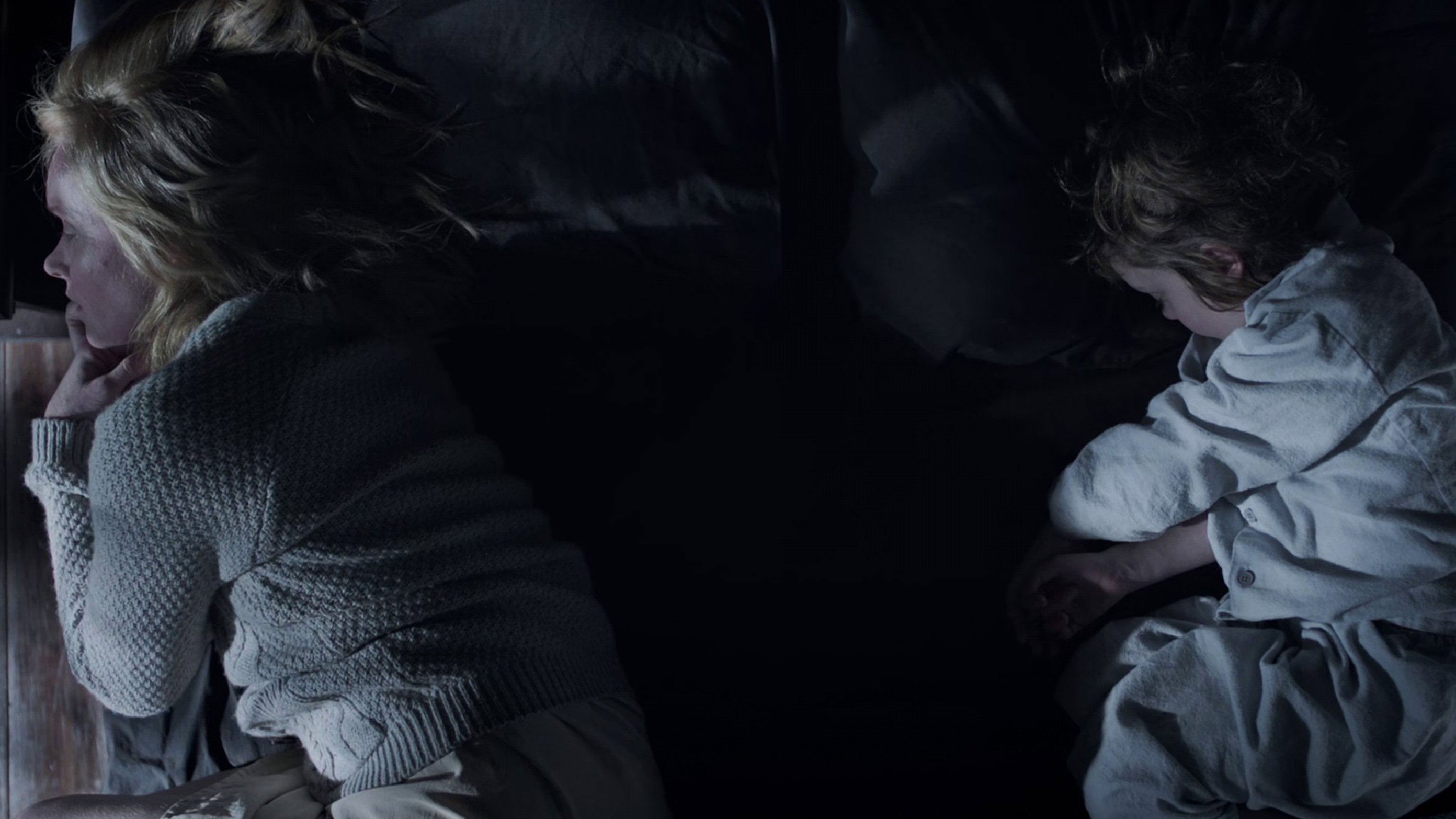
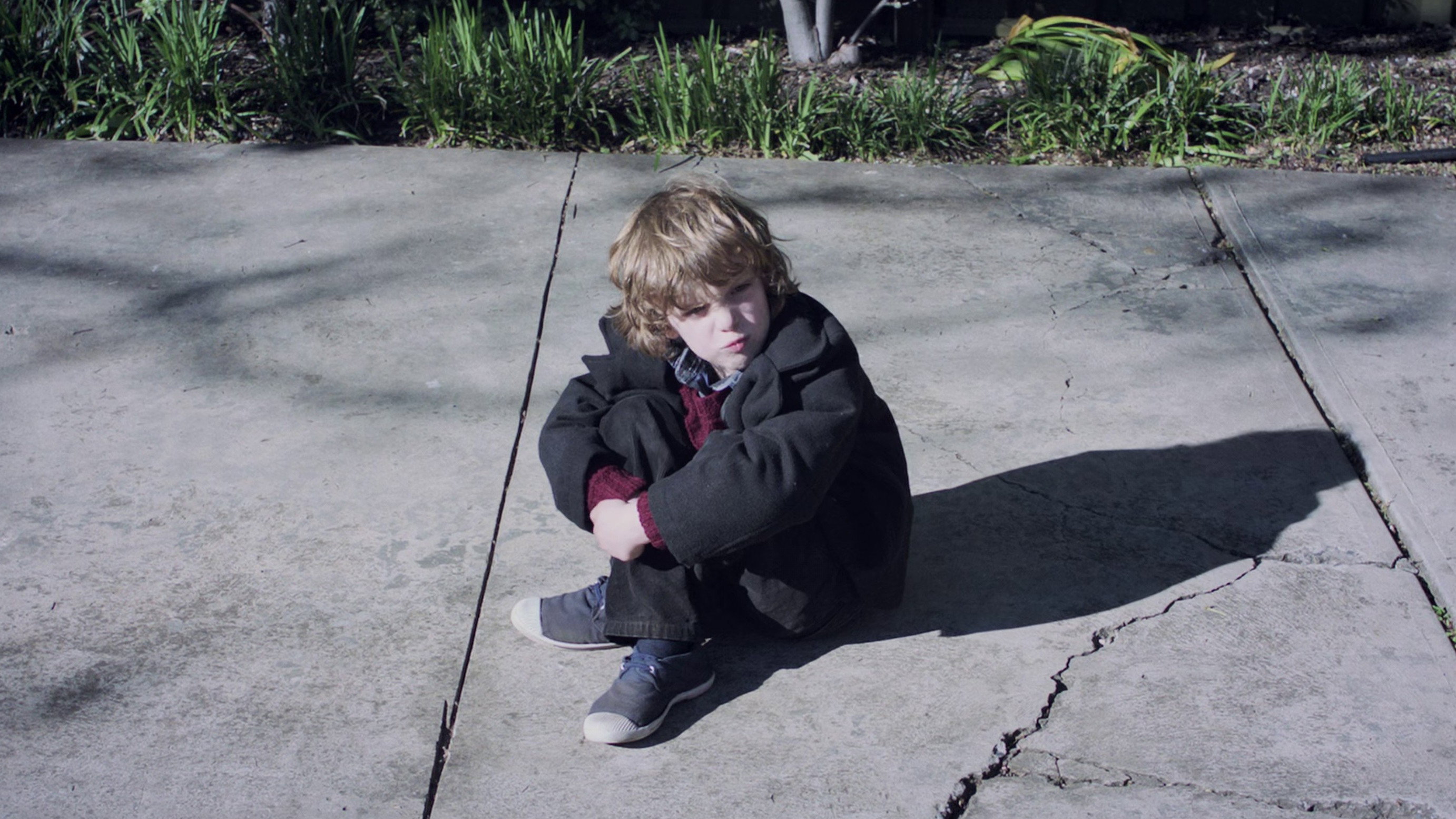
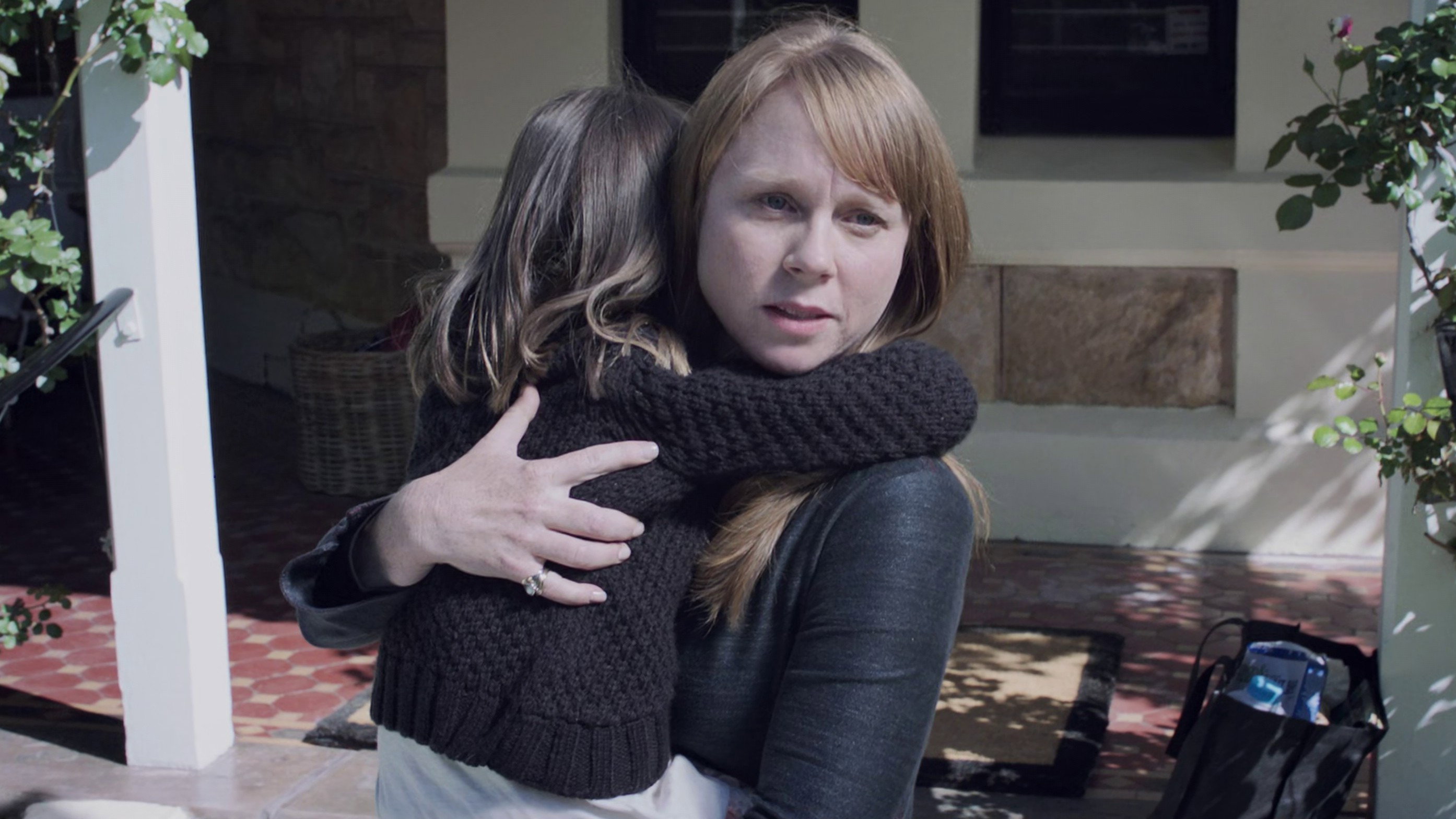
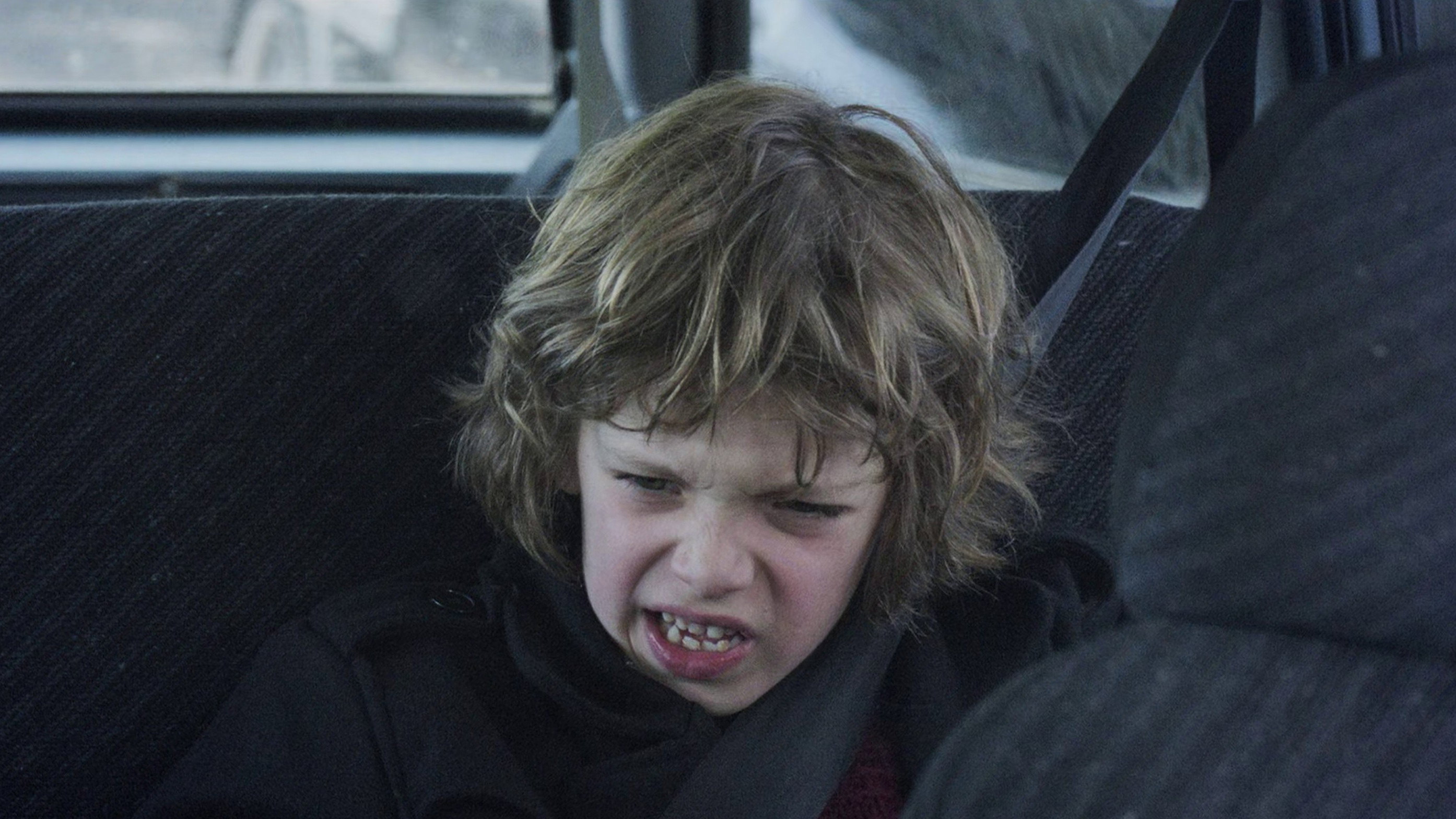
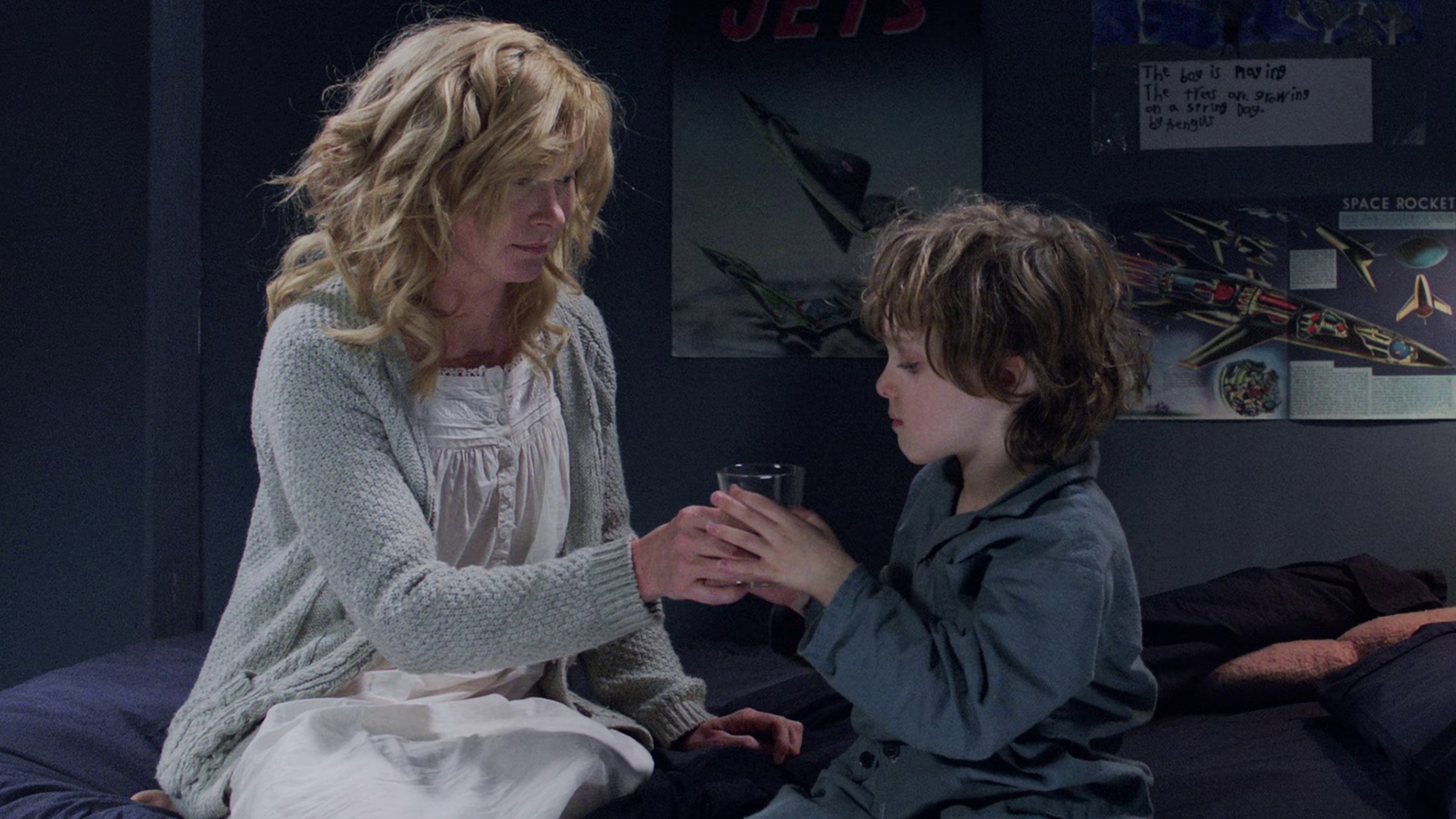
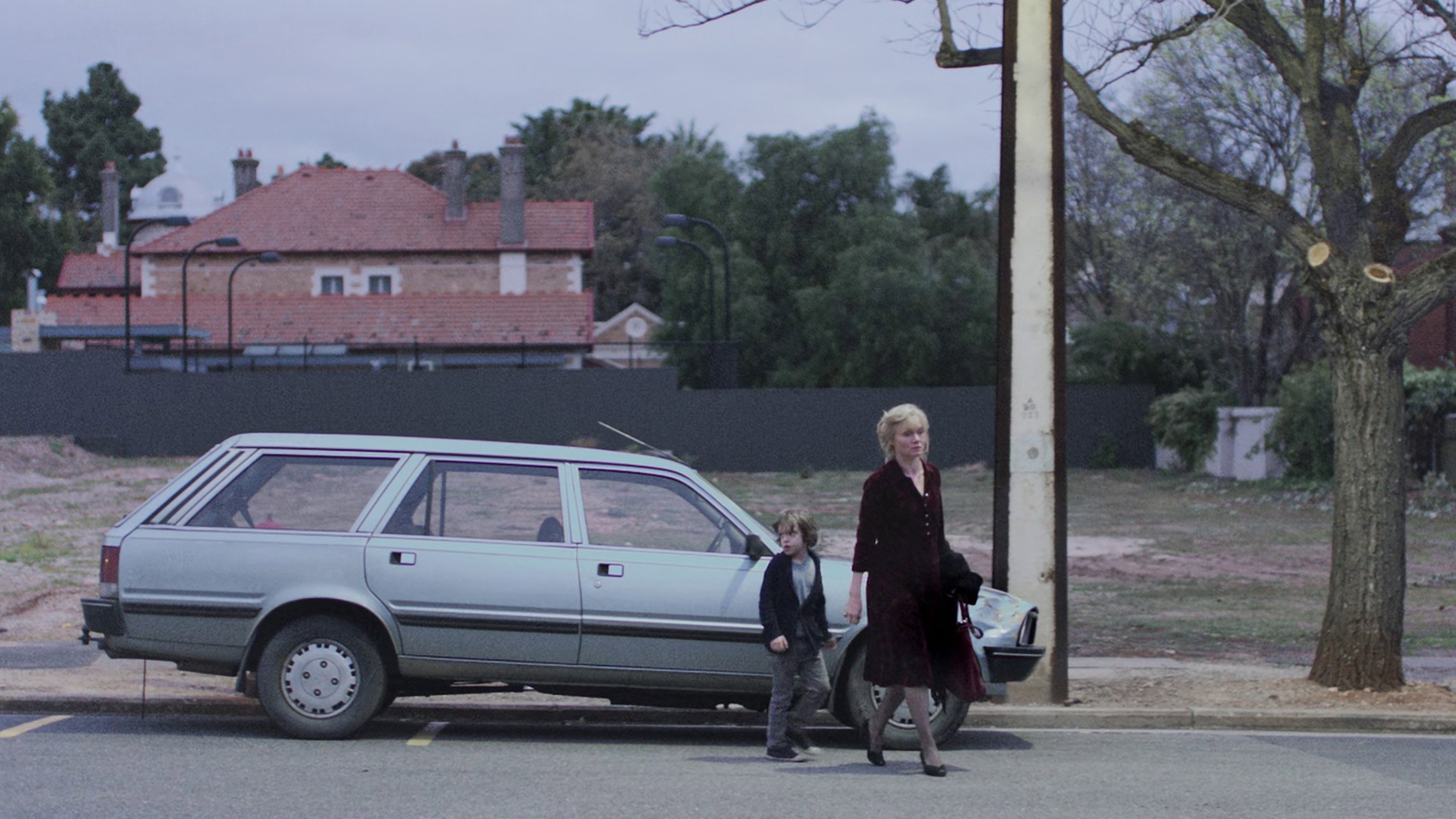
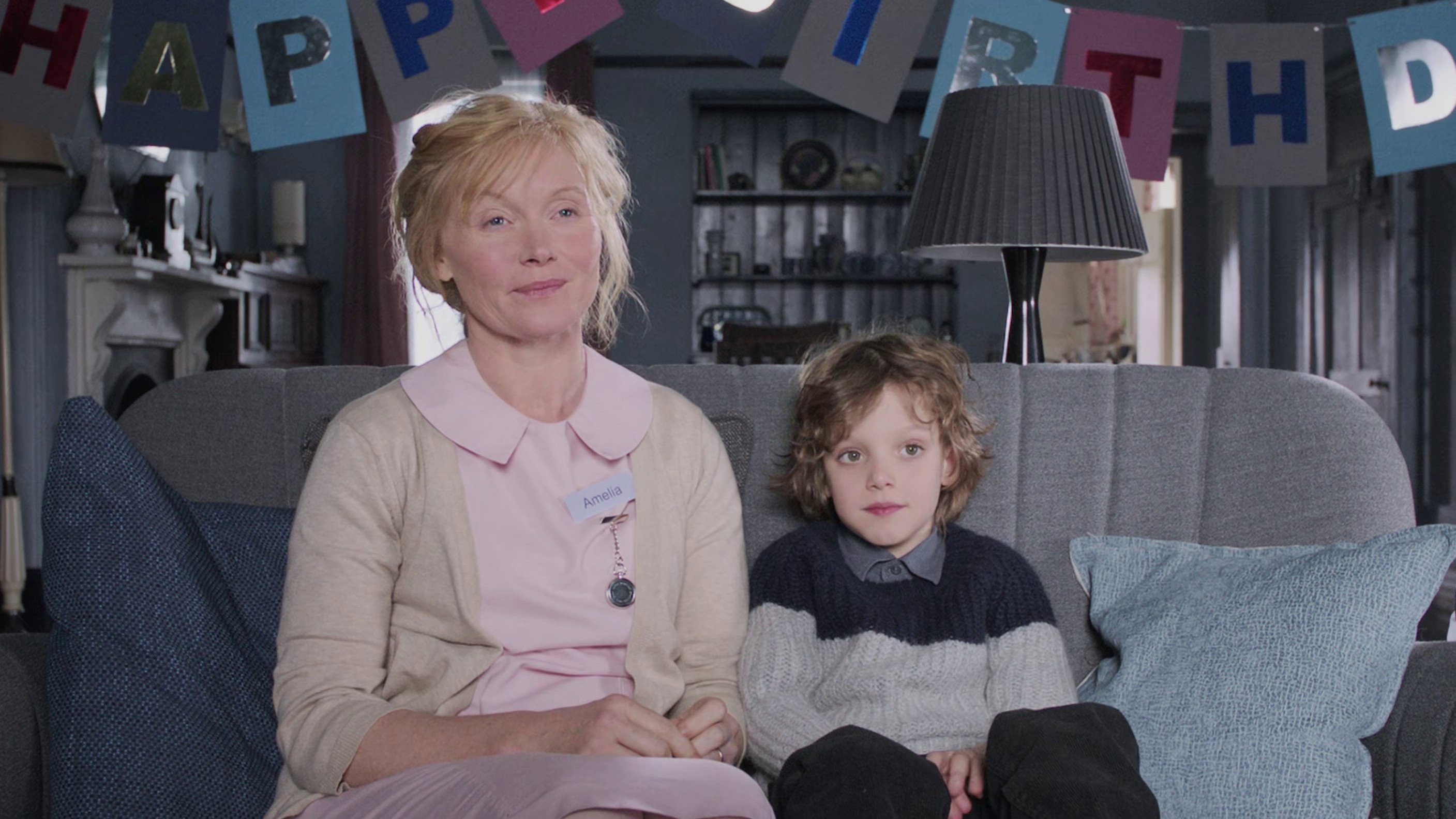
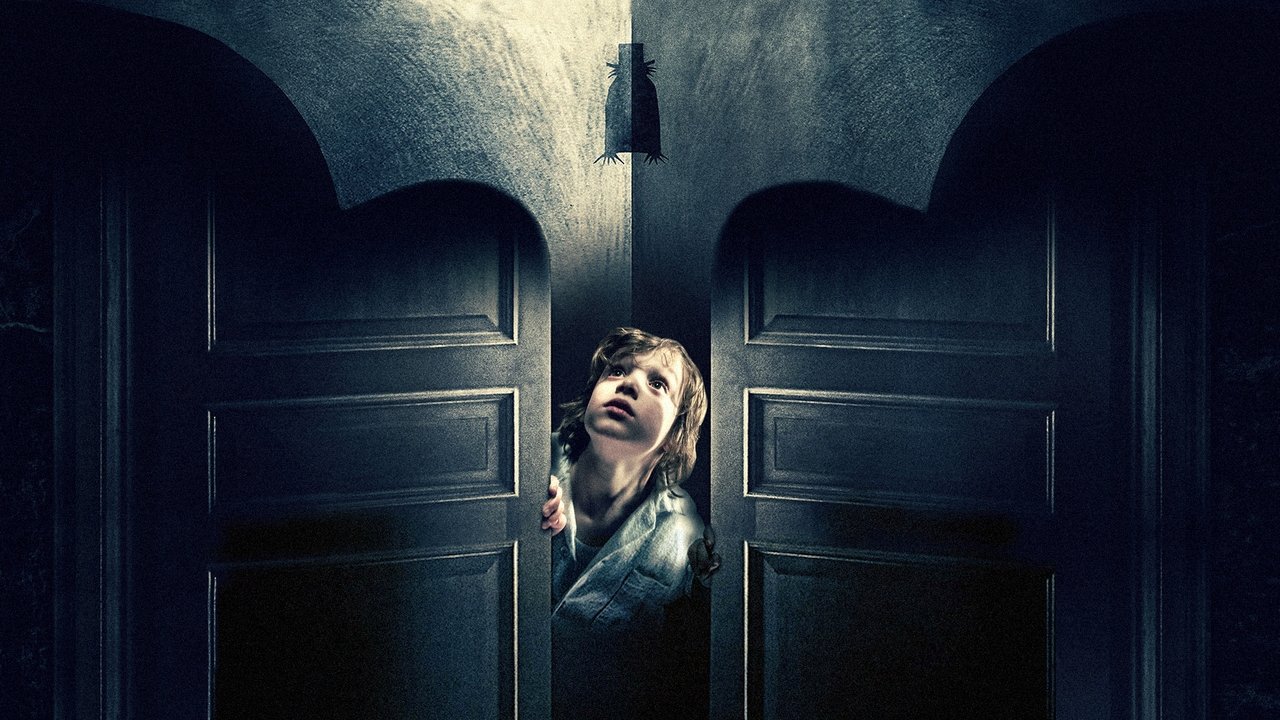
Amelia’s bereavement is inseparable from Samuel’s birthday because her husband died while taking her to give birth. The film makes the anniversary a recurring point of conflict, establishing why events that normally bring a family together have become unbearable to her. Samuel’s fears, improvised protective weapons and difficulties at school increase the pressure on a mother who has little private space or dependable support. His behavior can initially seem exhausting to both Amelia and the viewer. Kent has said that this difficulty was intentional: the audience needed to understand the strain without losing the ability to recognize the child’s vulnerability.

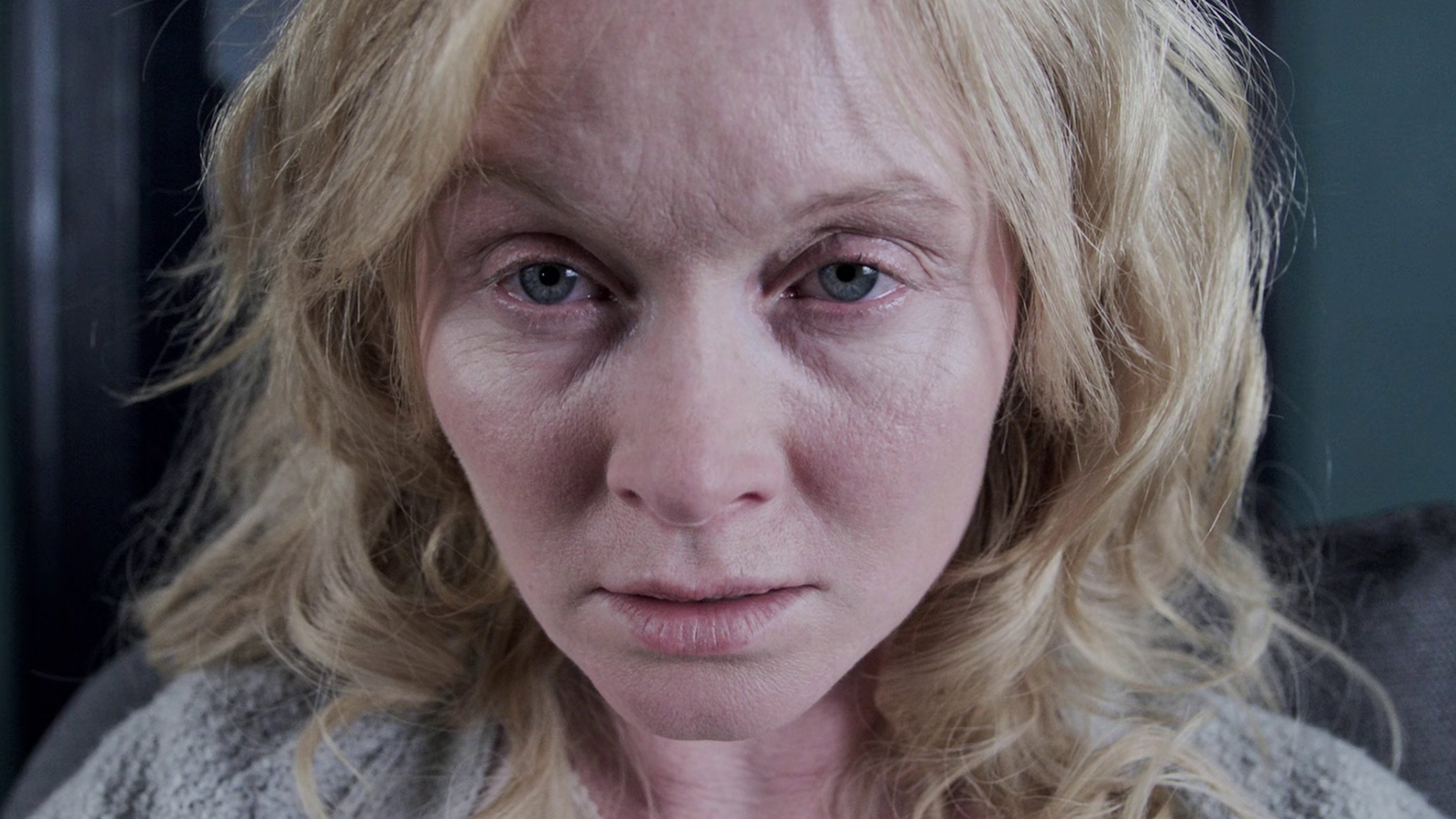
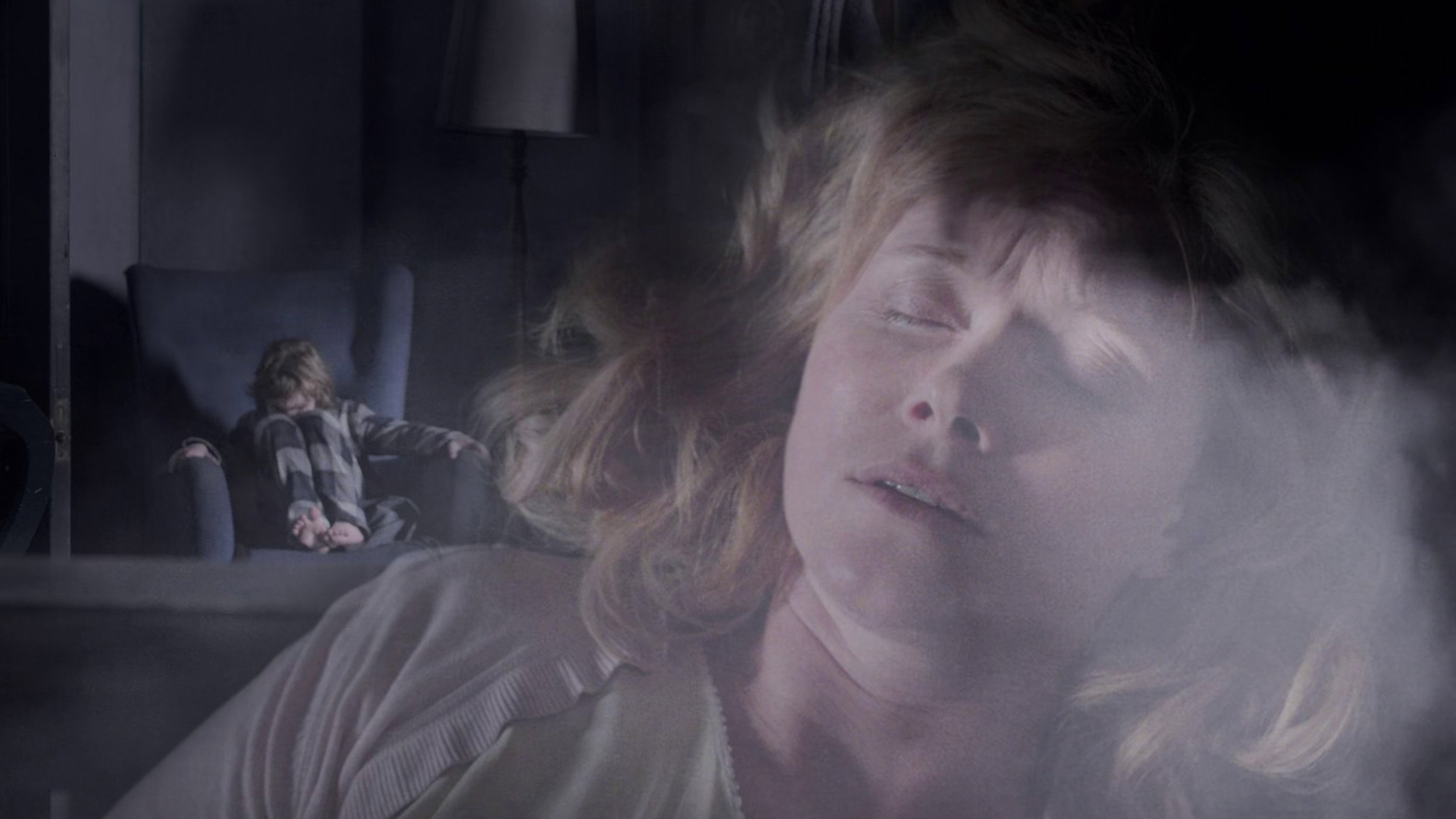
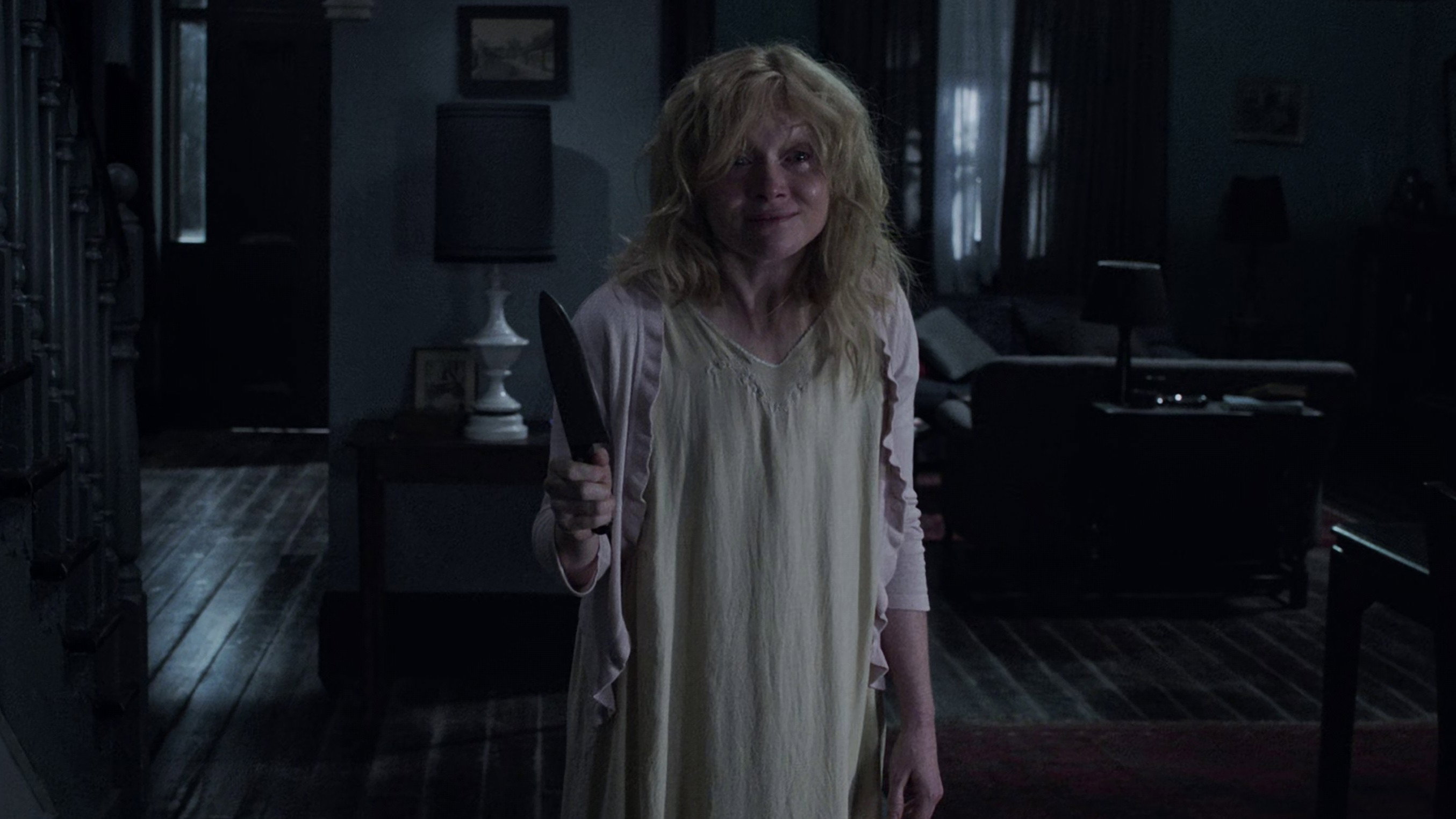
As the story progresses, the direction of fear changes. Samuel’s early certainty that something is stalking the family seems more plausible, while Amelia becomes less reliable as a guardian. Her sleeplessness, eruptions of anger and increasingly threatening behavior are depicted through her own experience. Kent described the creature as arising from what Amelia has pushed aside, with the child’s response helping give that darkness a place in the household. This is the filmmaker’s stated conception of the material; it does not reduce the story to a clinical diagnosis or establish that the supernatural events are merely hallucinations.
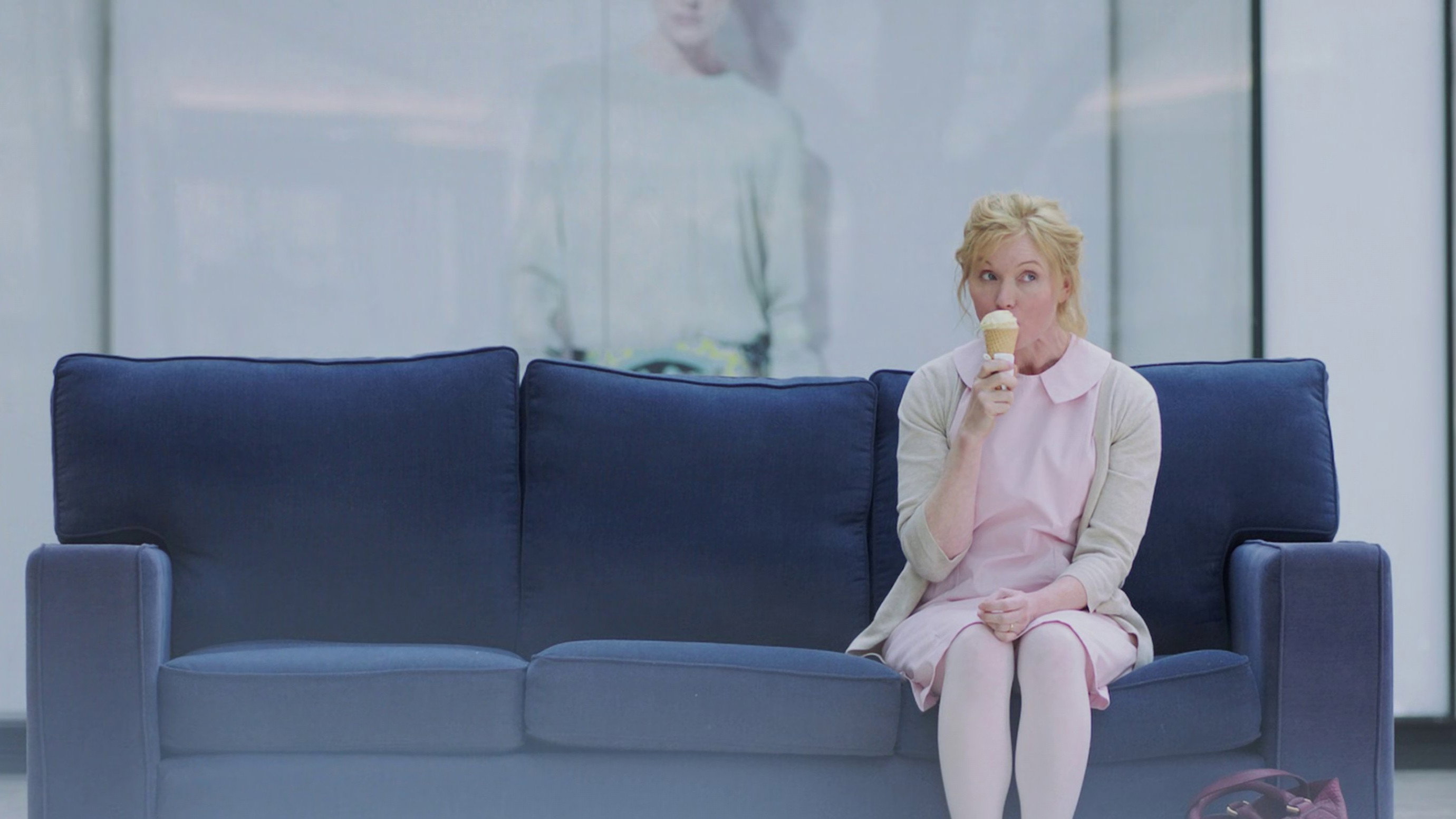
The ending is unusual because the creature remains present beneath the house. Amelia feeds it and manages its threatening appearances instead of claiming to have destroyed it. Kent explained that she did not believe painful experiences could simply be expelled from a person’s life. Read in relation to that testimony, the basement becomes a place where she acknowledges an unresolved history. The danger is contained enough for her relationship with Samuel to continue, but the film does not present healing as a completed event.

The Pop-Up Book and the Babadook’s Design

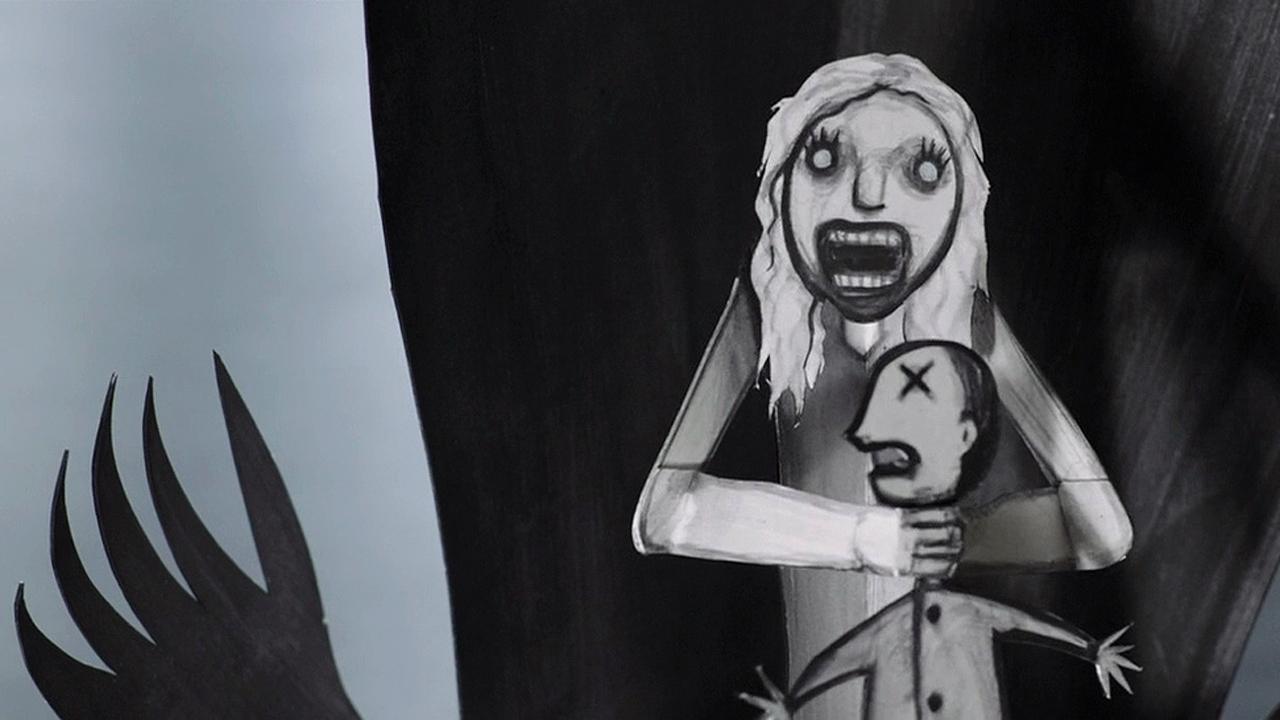
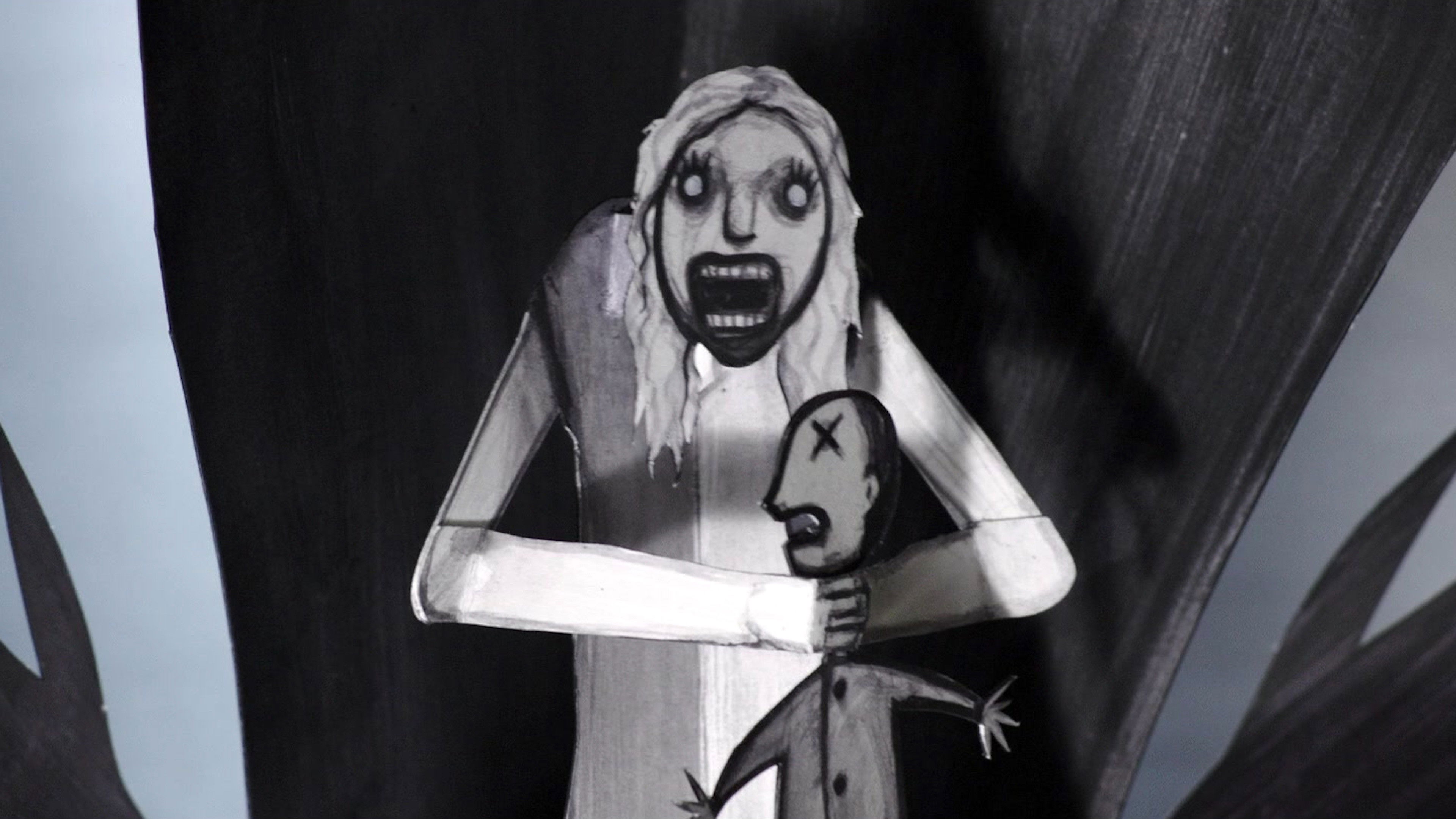
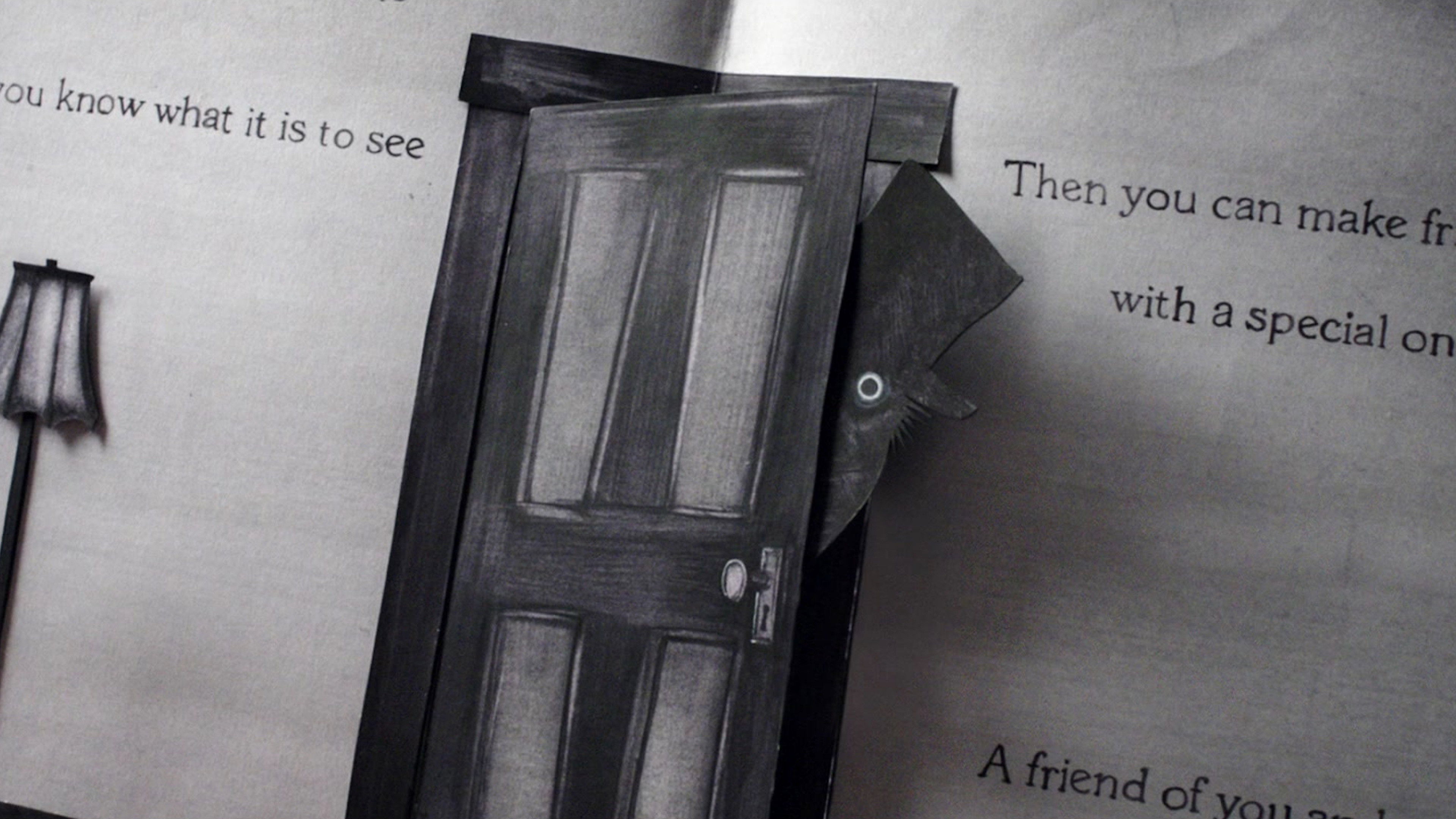
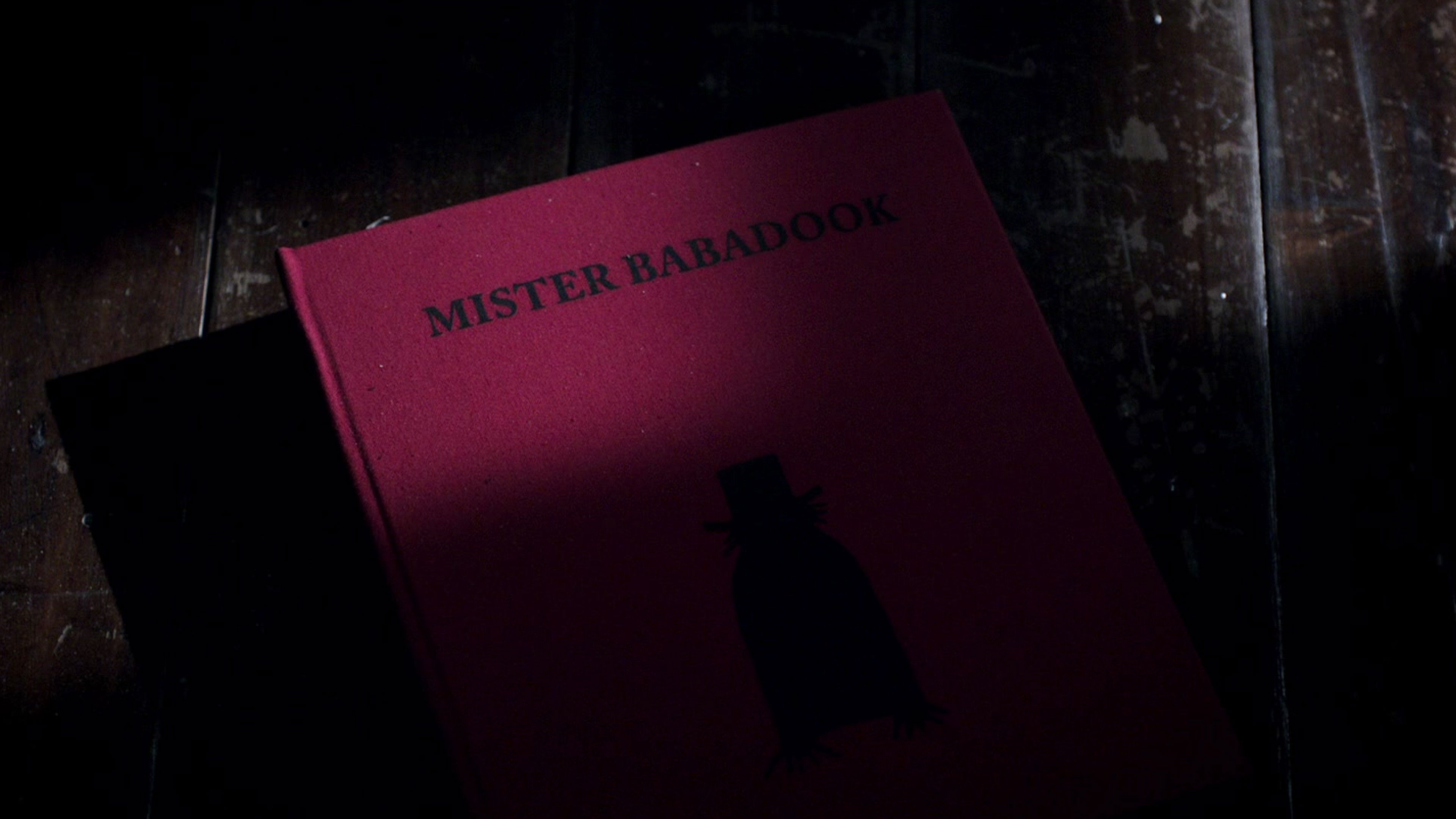
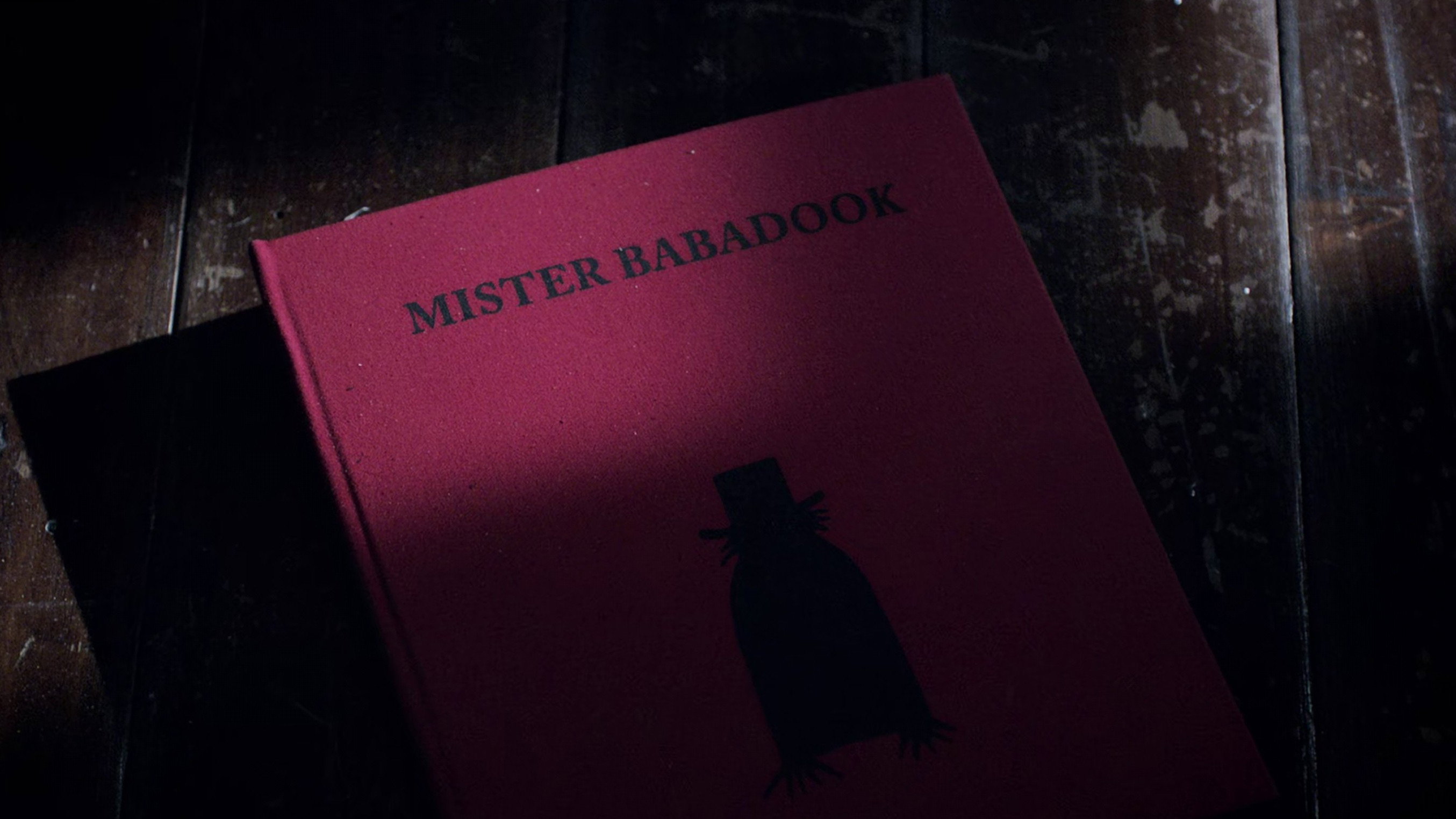
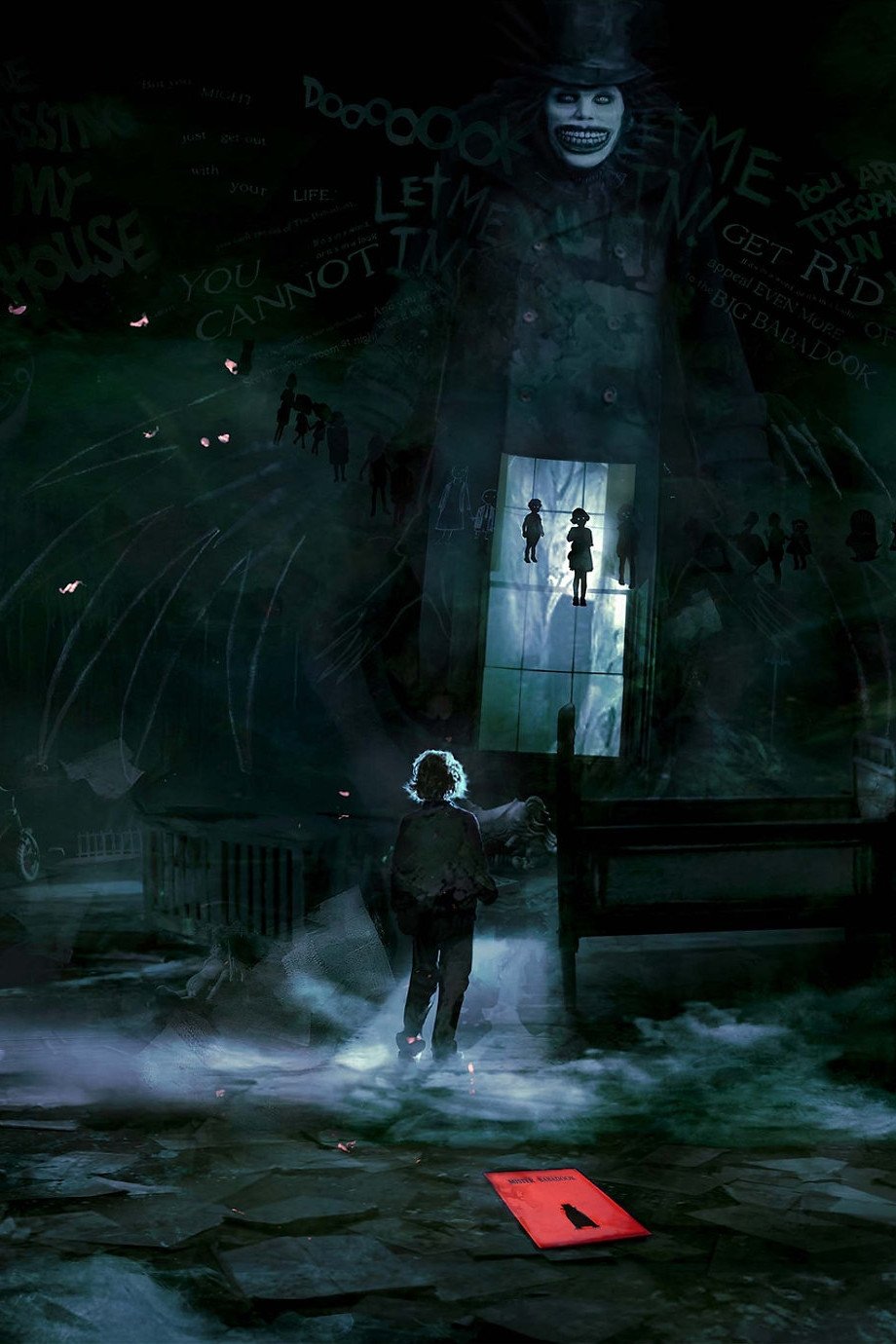
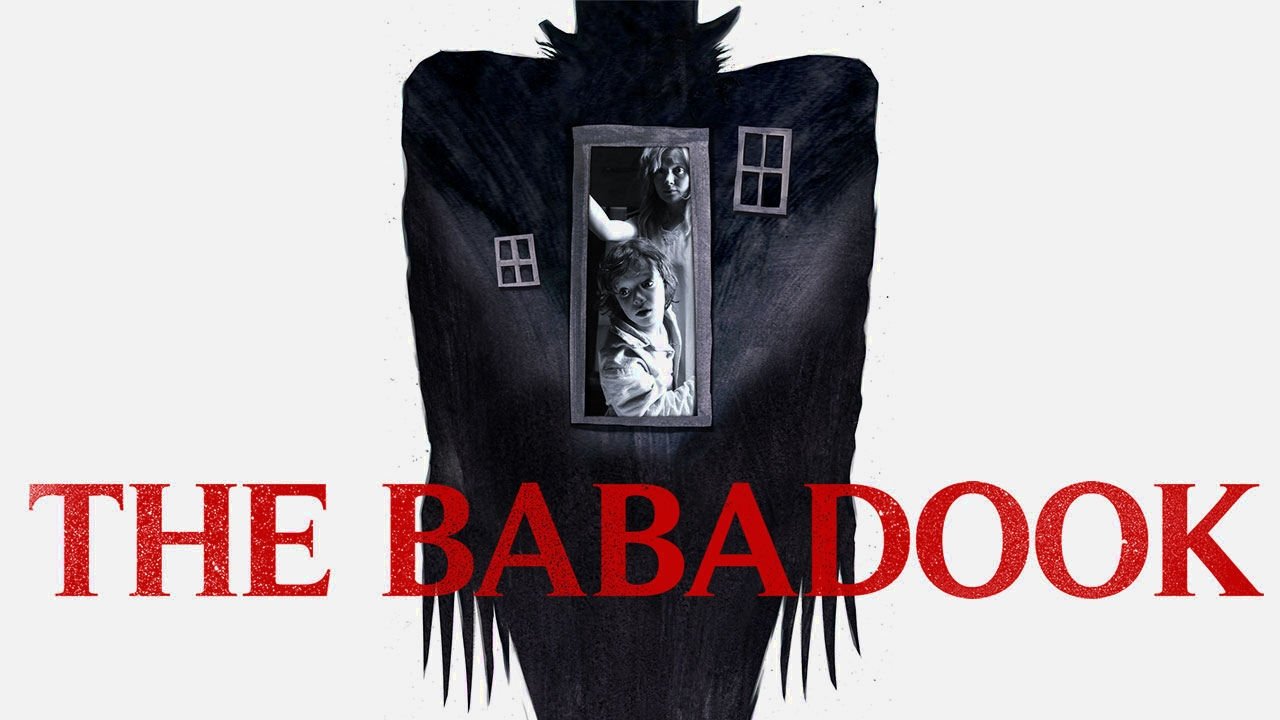
The handmade book was the organizing object of the production’s visual world. Kent worked with American illustrator Alex Juhasz, who travelled to Australia so they could develop the drawings and mechanisms together. She had conceived the storybook as an object that might plausibly appear among children’s possessions while becoming increasingly hostile each time Amelia encountered it. The simple rhymes and theatrical folds give the visitor a form that can be reproduced in a child’s imagination. When the book is torn apart and later reappears with more disturbing images, its material presence defeats Amelia’s attempt to return the household to normal.

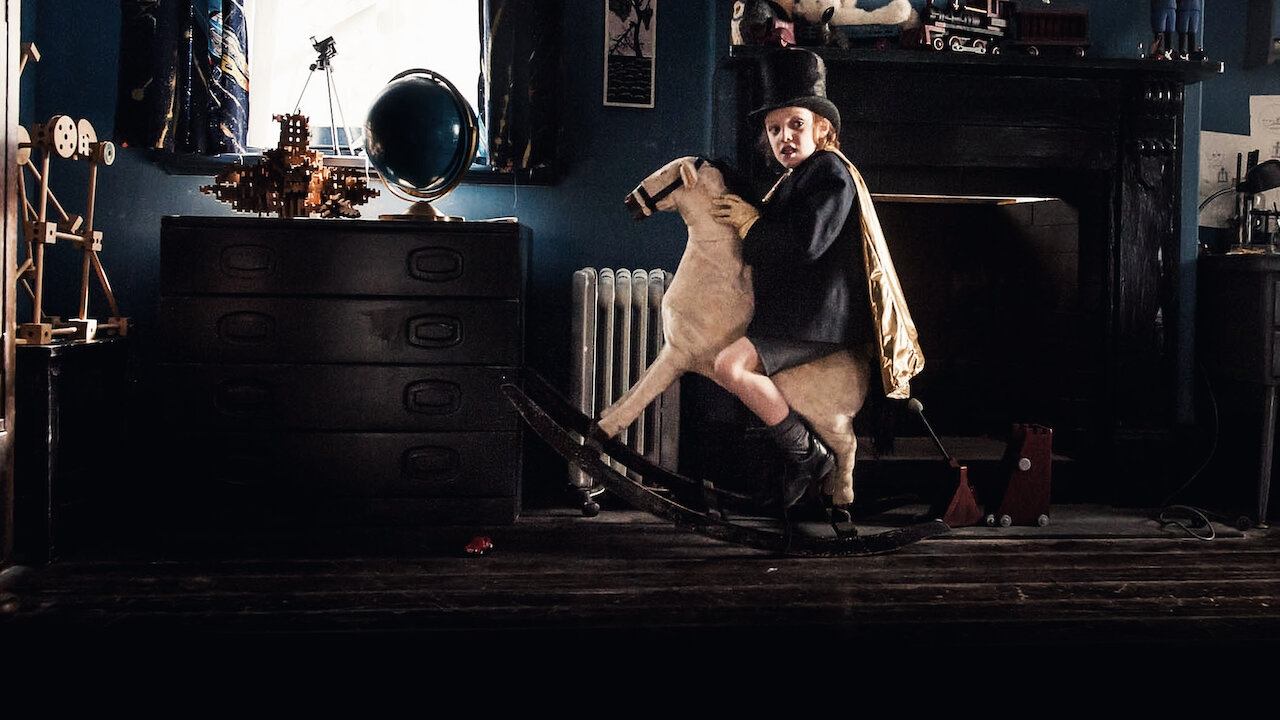
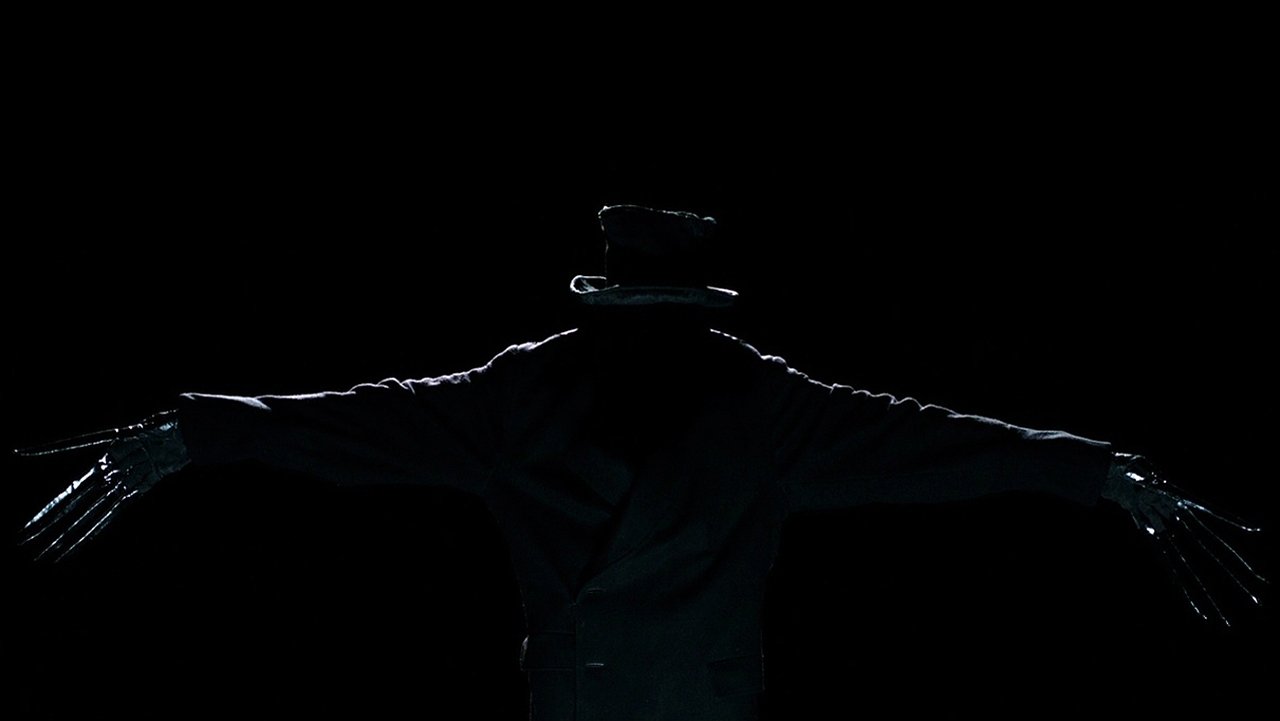
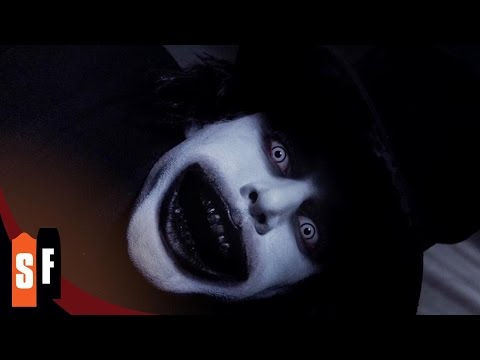
Kent related the creature’s appearance to early film illusions, stage-like disguises and the unsettling movement of insects. The figure in the book is an almost comically formal gentleman with a hat, coat and exaggerated features. In an interview with Electric Sheep, she described that visible appearance as a surface covering something harder to define. This distinction helps explain the decision to withhold a stable, fully illuminated image of the monster. Familiar dress and silhouette make it recognizable in a doorway or on the ceiling, while the possibility that the figure changes form prevents the costume from supplying an exhaustive explanation.
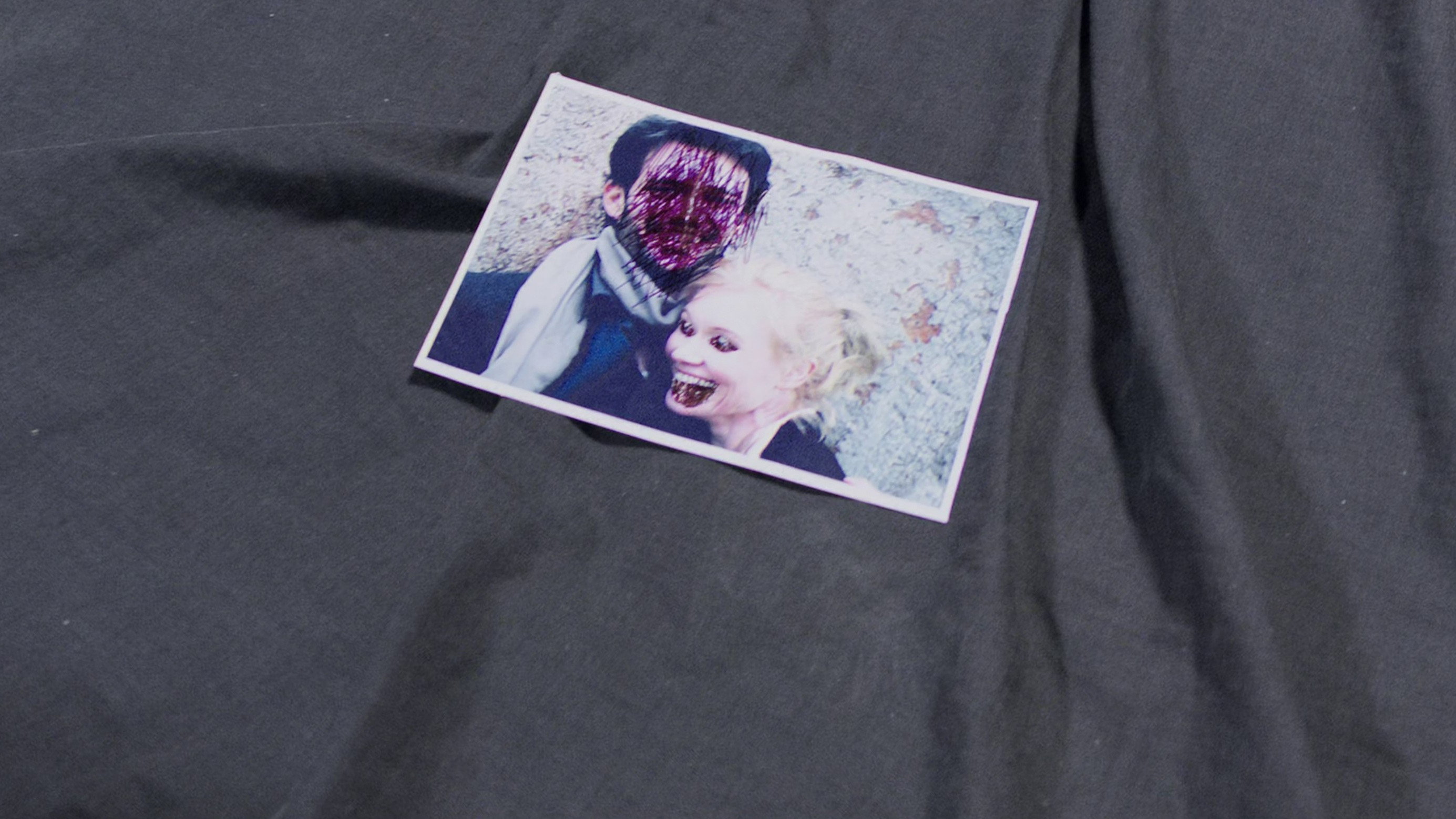
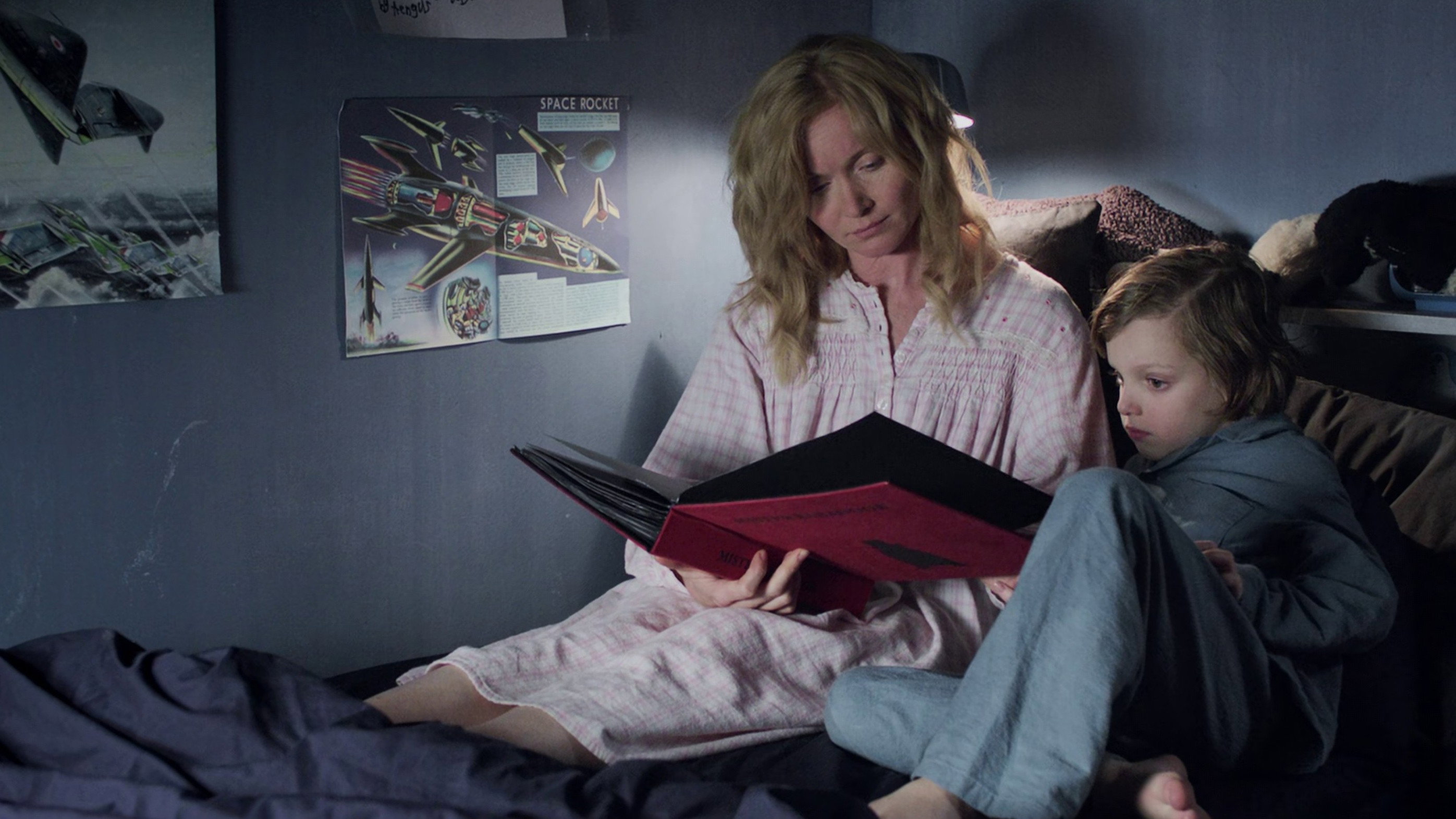
The book also changes the relationship between reading and witnessing horror. Amelia initially treats it as a disturbing bedtime story she can remove from her son’s life. Later illustrations appear to describe actions the characters have not yet taken, making the object seem to predict or direct violence. The effect relies on the tension between an ordinary interactive children’s book and an image that begins to exert authority over the people looking at it.

The House, Restricted Colour and Camera Movement

Much of the house interior was constructed at Adelaide Studios, with production designer Alex Holmes developing the building’s Victorian character and cold visual texture. Kent initially considered making the film in black and white. She and cinematographer Radek Ladczuk instead selected a tightly limited range of blues, burgundy, white and black. Unwanted furniture colours were altered during production, rather than relying on a filter to impose the overall design later. The restriction makes the domestic setting seem simultaneously recognizable and slightly removed from everyday life, an appropriate home for the storybook’s theatrical images.

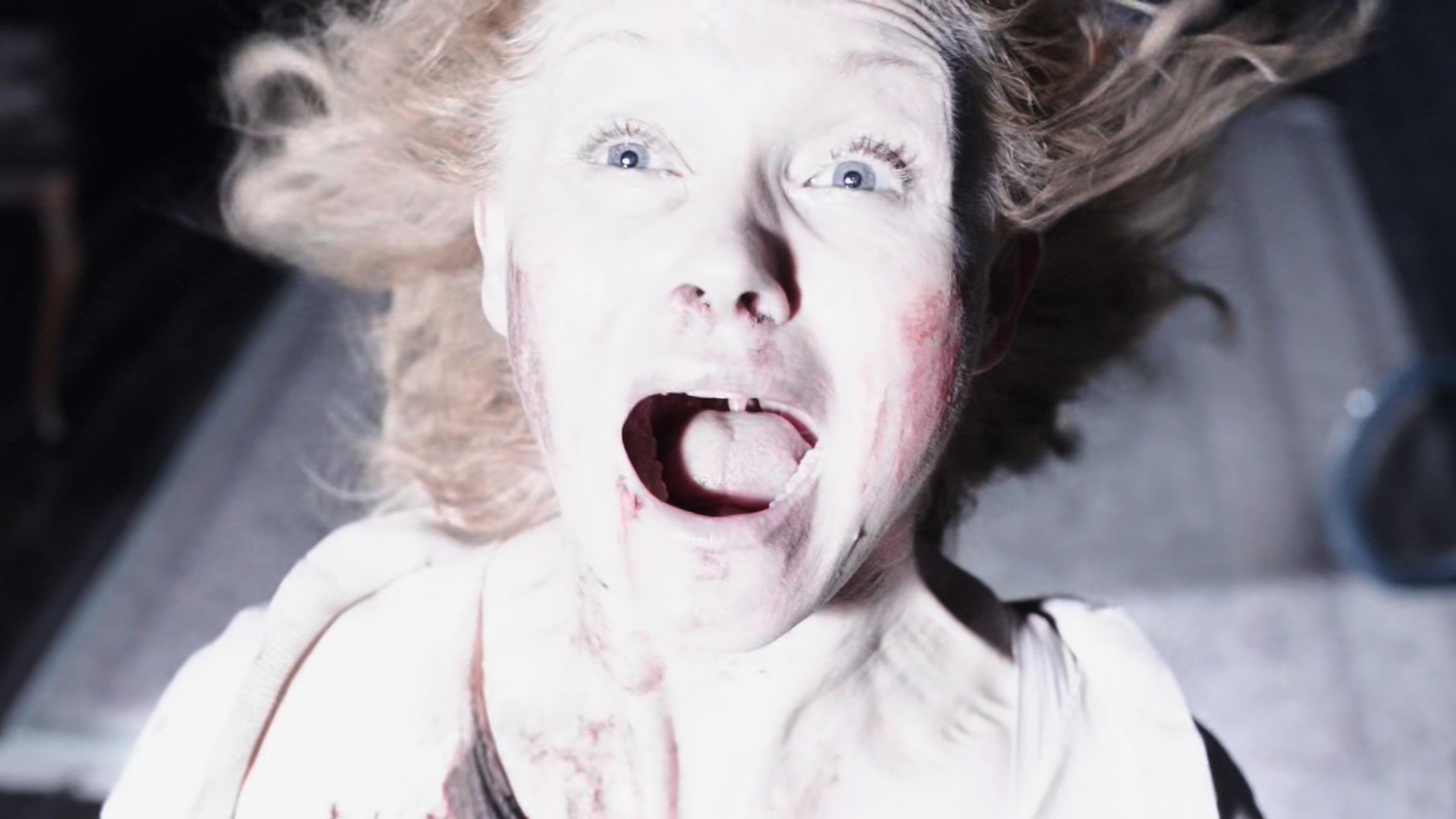
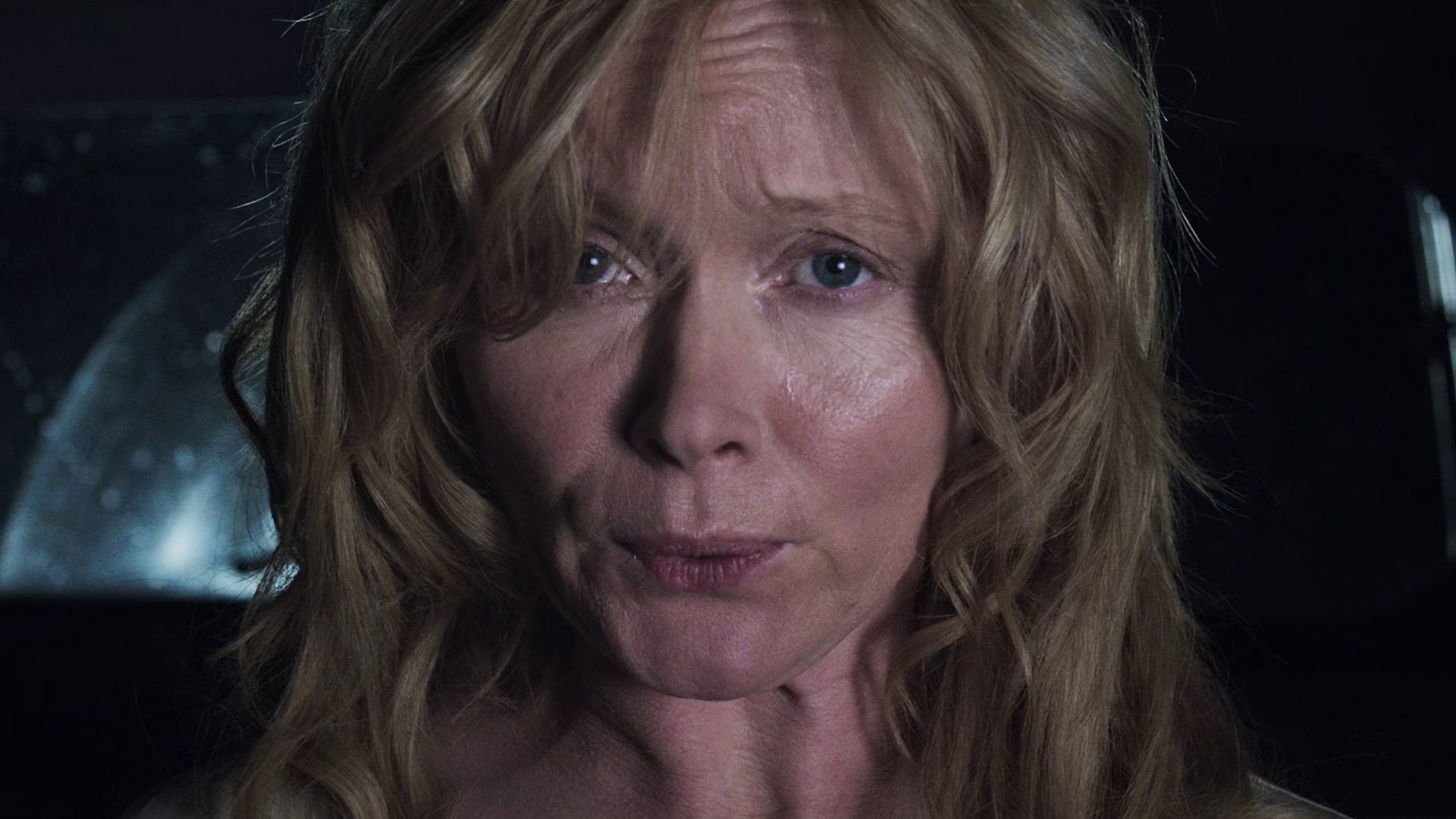
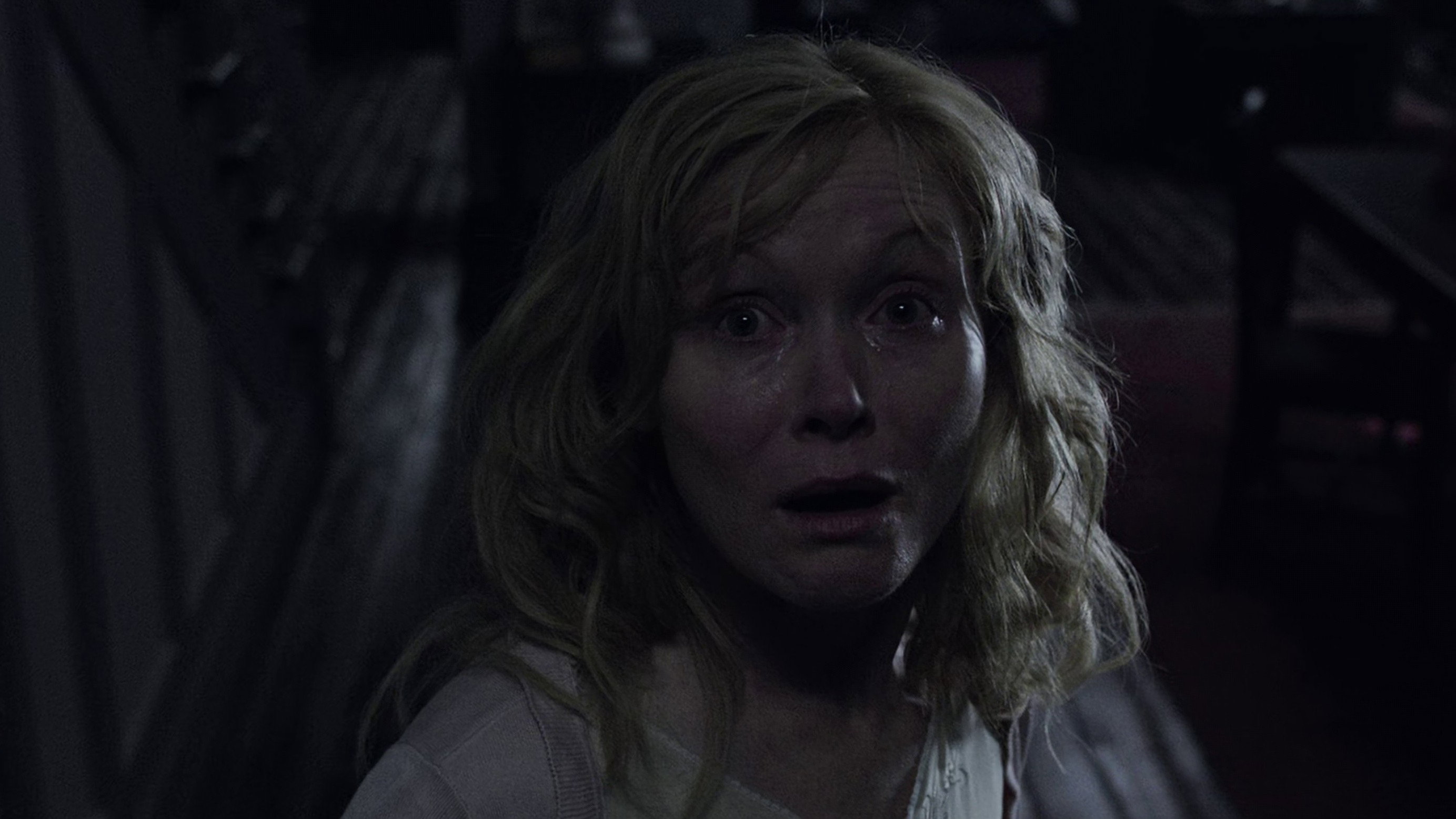
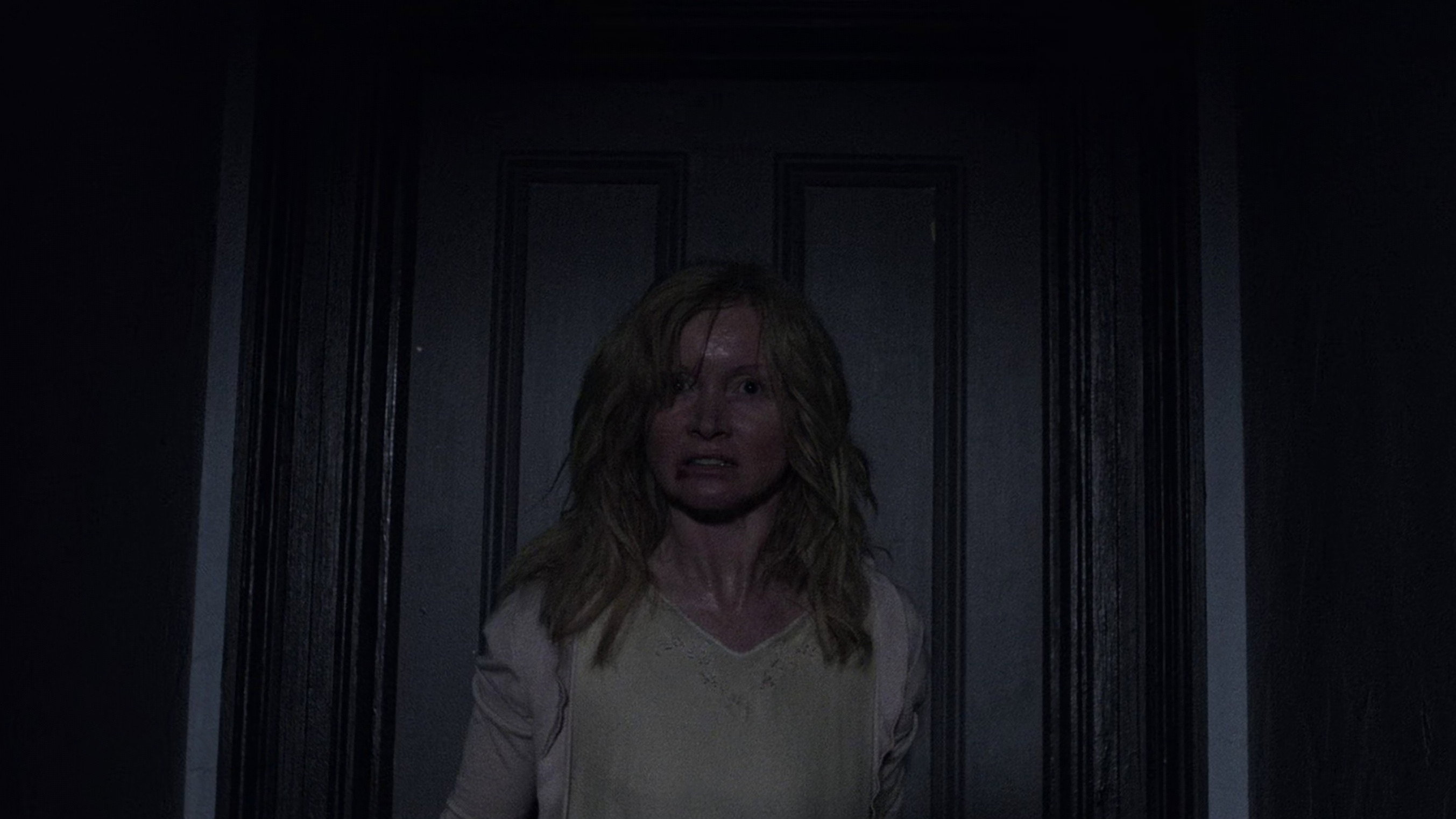
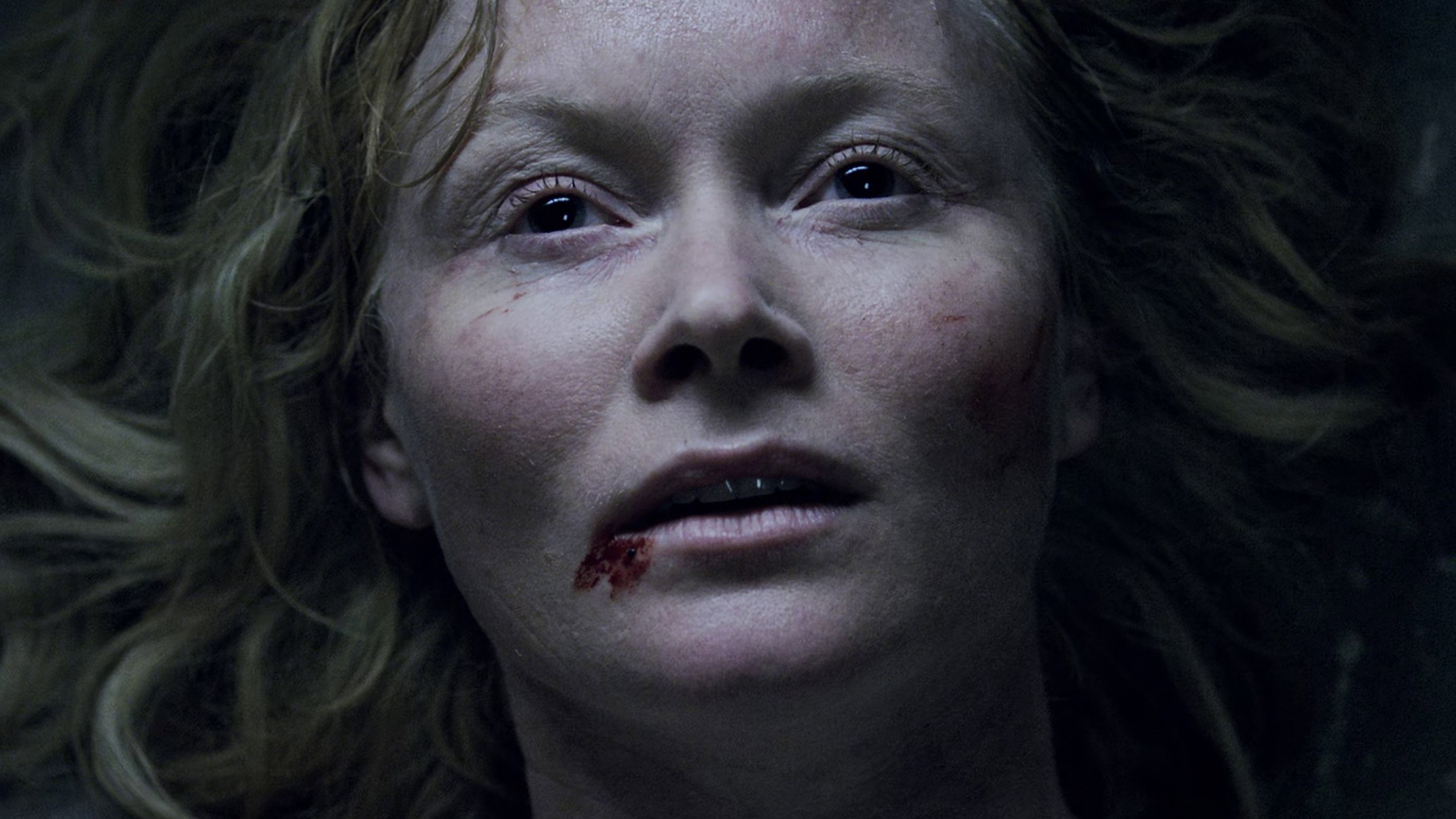
Ladczuk recorded the film digitally with an Arri Alexa and Master Prime lenses in a widescreen composition. In American Cinematographer he explained that the team arranged its shooting approach around five emotional stages: anxiety, fear, terror, possession and courage. The early material favours comparatively static framing, then incorporates handheld and floating camera movements as Amelia loses control. Lens choices become more extreme during her deterioration, moving from a more natural portrait perspective toward wide-angle close-ups that emphasize her distress. The camera therefore participates in the narrative progression rather than maintaining one neutral style throughout.
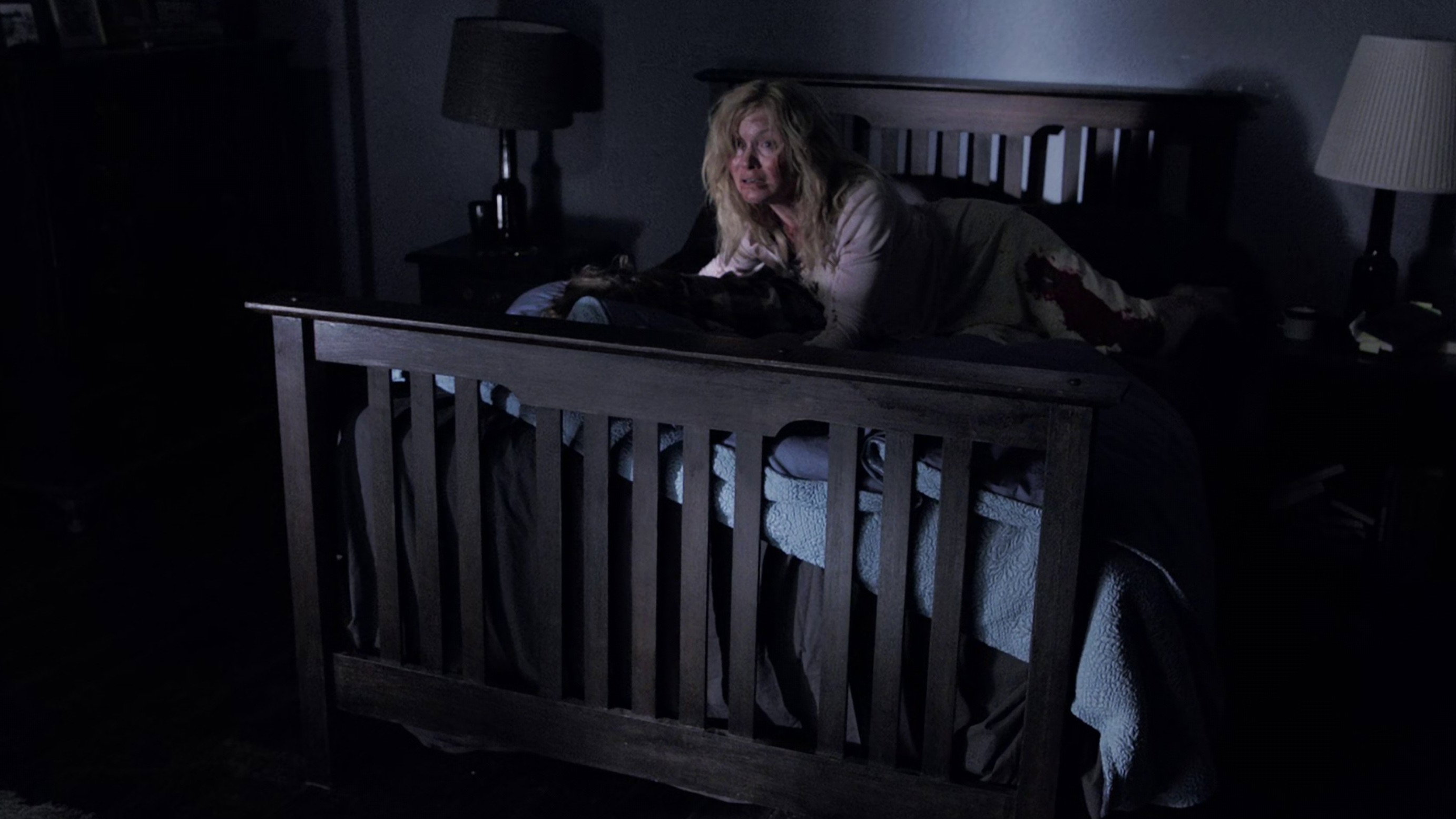
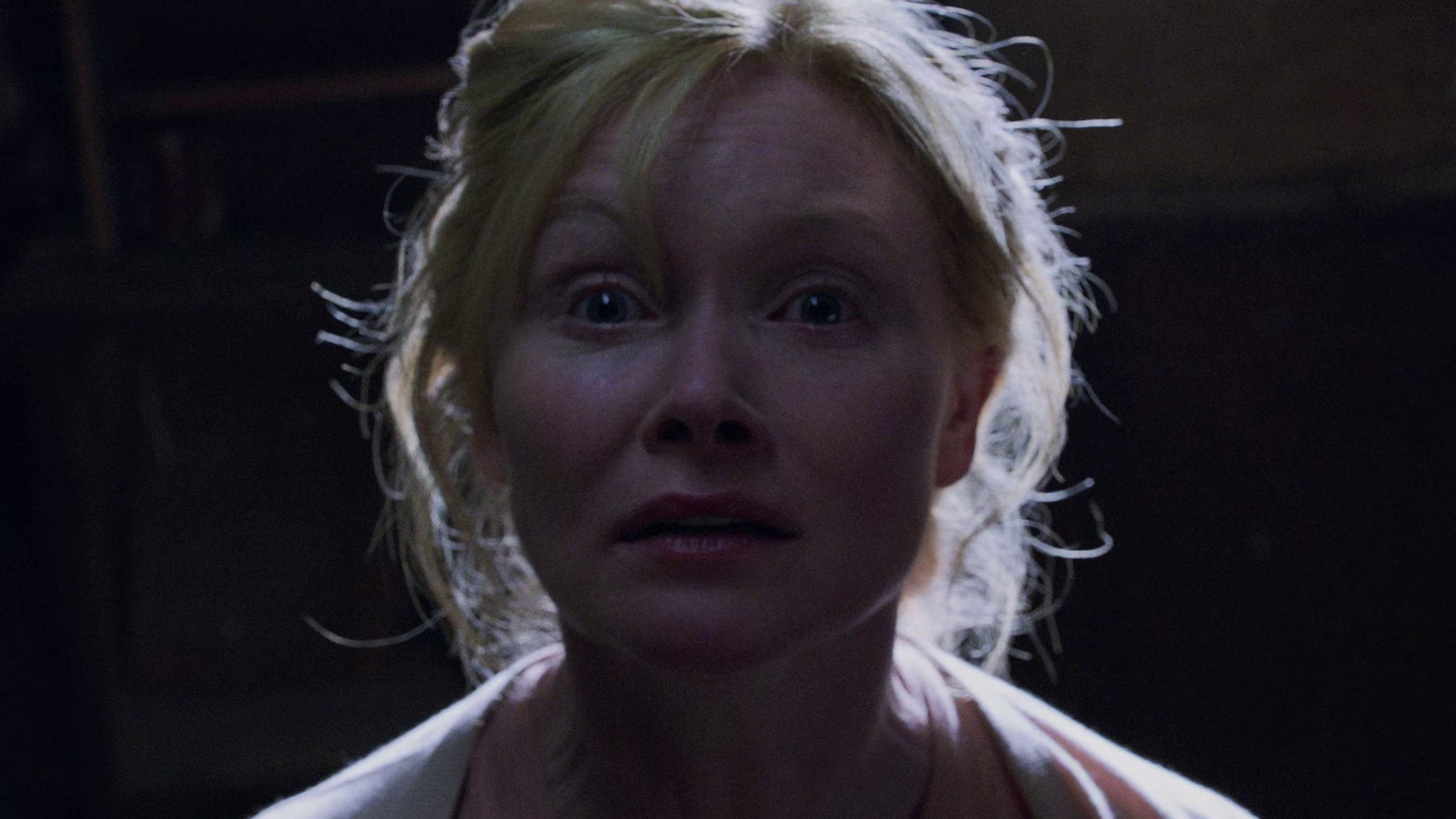
Lighting was similarly planned to become harsher and more expressive as the threat intensified. Ladczuk frequently concentrated illumination on faces and allowed surrounding rooms to recede into darkness. The basement, filmed in a real location rather than on the main stage set, contains warmer brick surfaces and the belongings Amelia has stored away after her husband’s death. This contrast gives her unwillingness to enter the space a physical form. The design makes the house an extension of Amelia’s habits and memories, a connection Kent explicitly drew to earlier psychological horror films built around threatening interiors.

Practical Effects and Silent-Cinema Techniques

Kent wanted the apparition’s movement to resemble handmade early cinema rather than polished digital animation. Her references included Georges Méliès and German Expressionist films, whose artificial effects and stylized environments could make an ordinary body seem otherworldly. Cinematographer Ladczuk described using changes in camera speed, unusual lens treatment and frame-by-frame photography for the Babadook’s appearances. Animator Michael Cusack assisted with the creature sequences on set. The decision bound the mechanics of the supernatural events to the same visual logic as the paper construction of Mister Babadook.

One difficult shot shows the monster creeping across the ceiling. The crew built an inverted section of the room so performer Tim Purcell could move across what was physically a floor. His movements were photographed in increments to produce the uneasy rhythm of stop motion. For another part of the sequence, the figure was lowered toward the camera and the supporting cables removed during post-production. Such work used digital intervention for cleanup, but the creature’s photographed body and movement remained central to the effect. It would be inaccurate to describe the film as entirely untouched by digital processes.

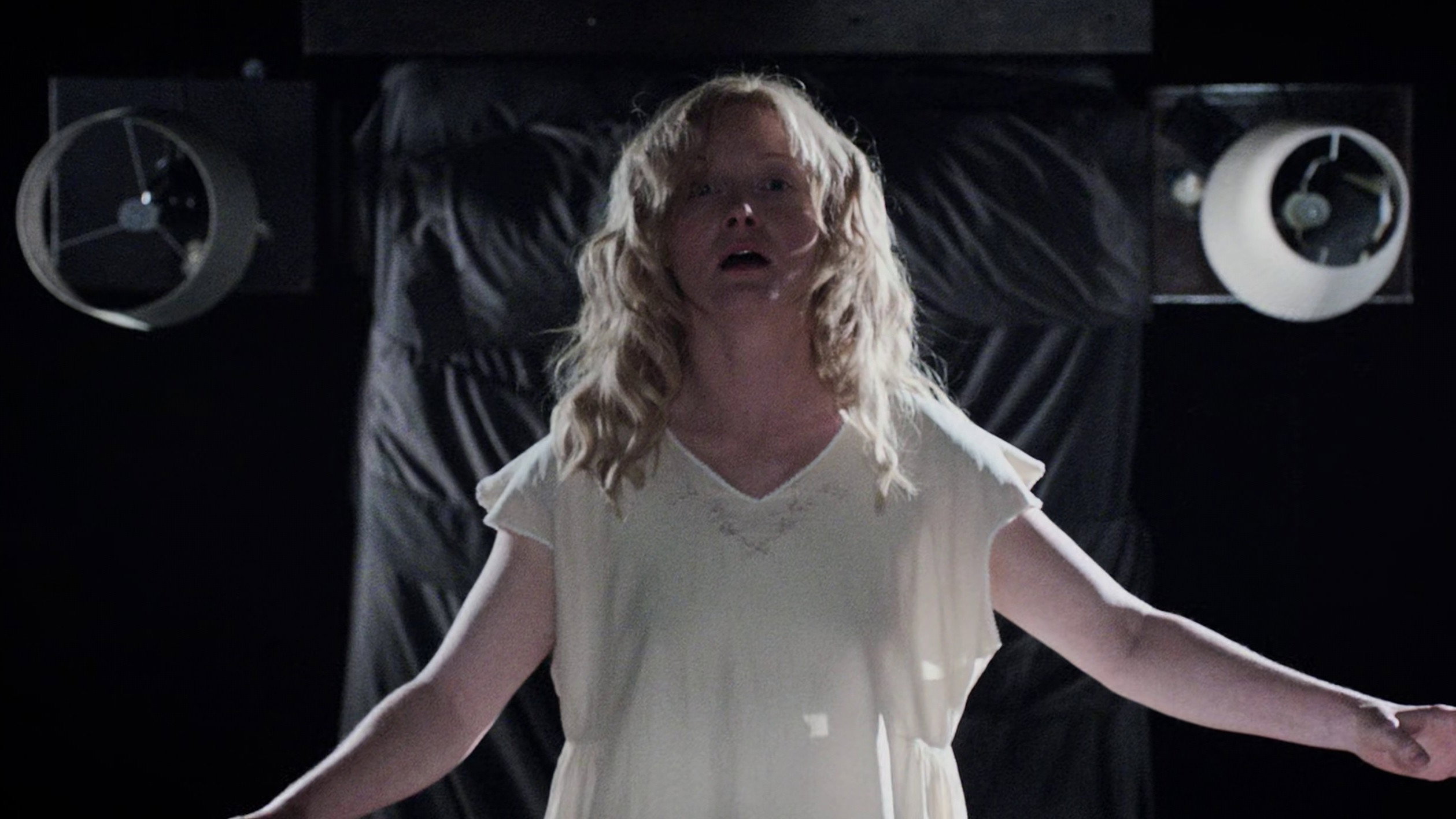
The opening nightmare also used a physical rig. A partial automobile and the camera rotated together to stage the accident, and a separate arrangement photographed Amelia falling toward a bed mounted upright against a wall. The book itself was intended to receive more elaborate stop-motion photography, but Ladczuk recalled that time pressure led the crew to film its movable paper elements in real time. These methods were chosen to give the impossible events tangible surfaces and imperfect movements, supporting the film’s deliberately old-fashioned nightmare aesthetic.

Essie Davis, Noah Wiseman and the Changing Point of View

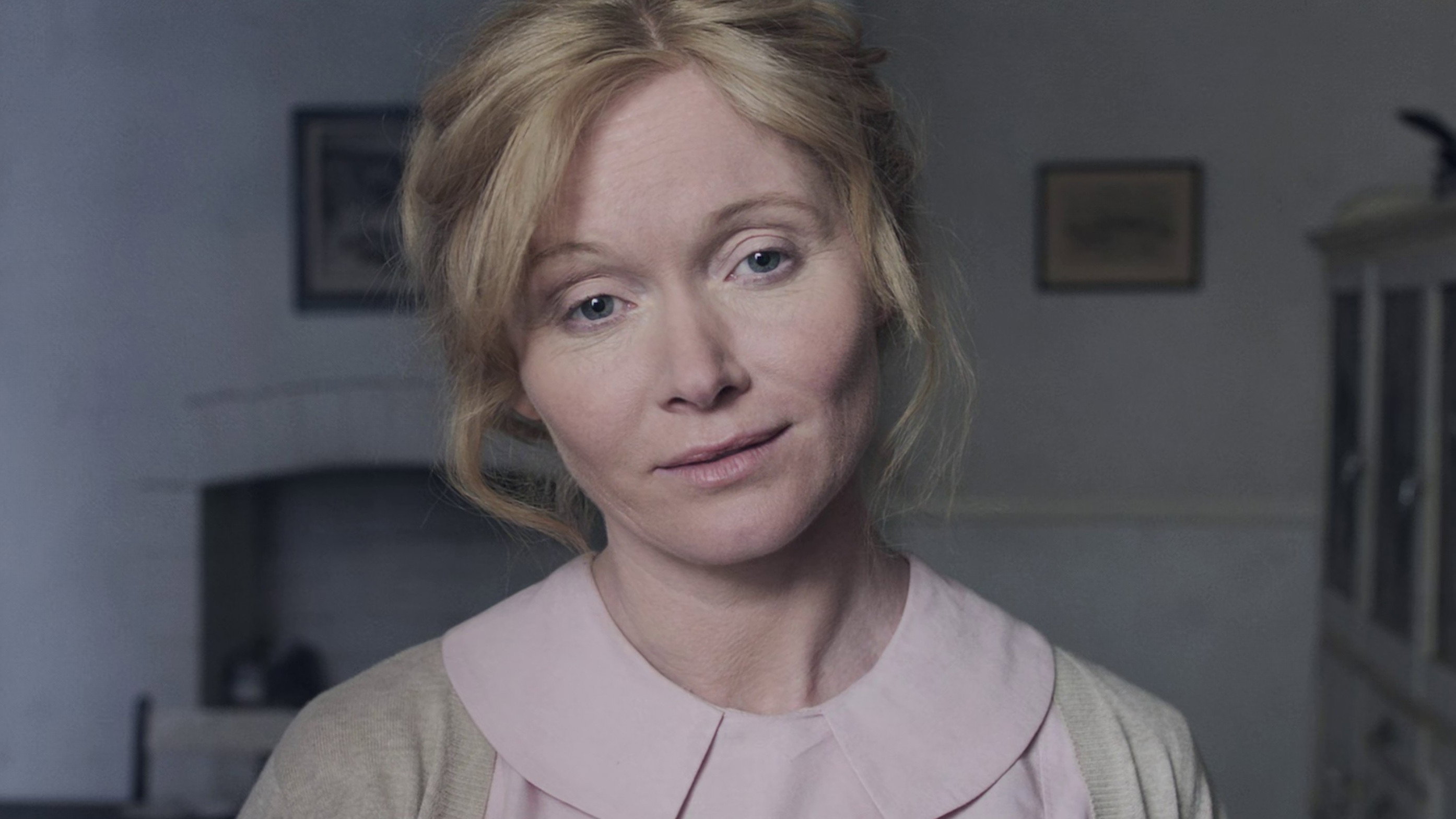
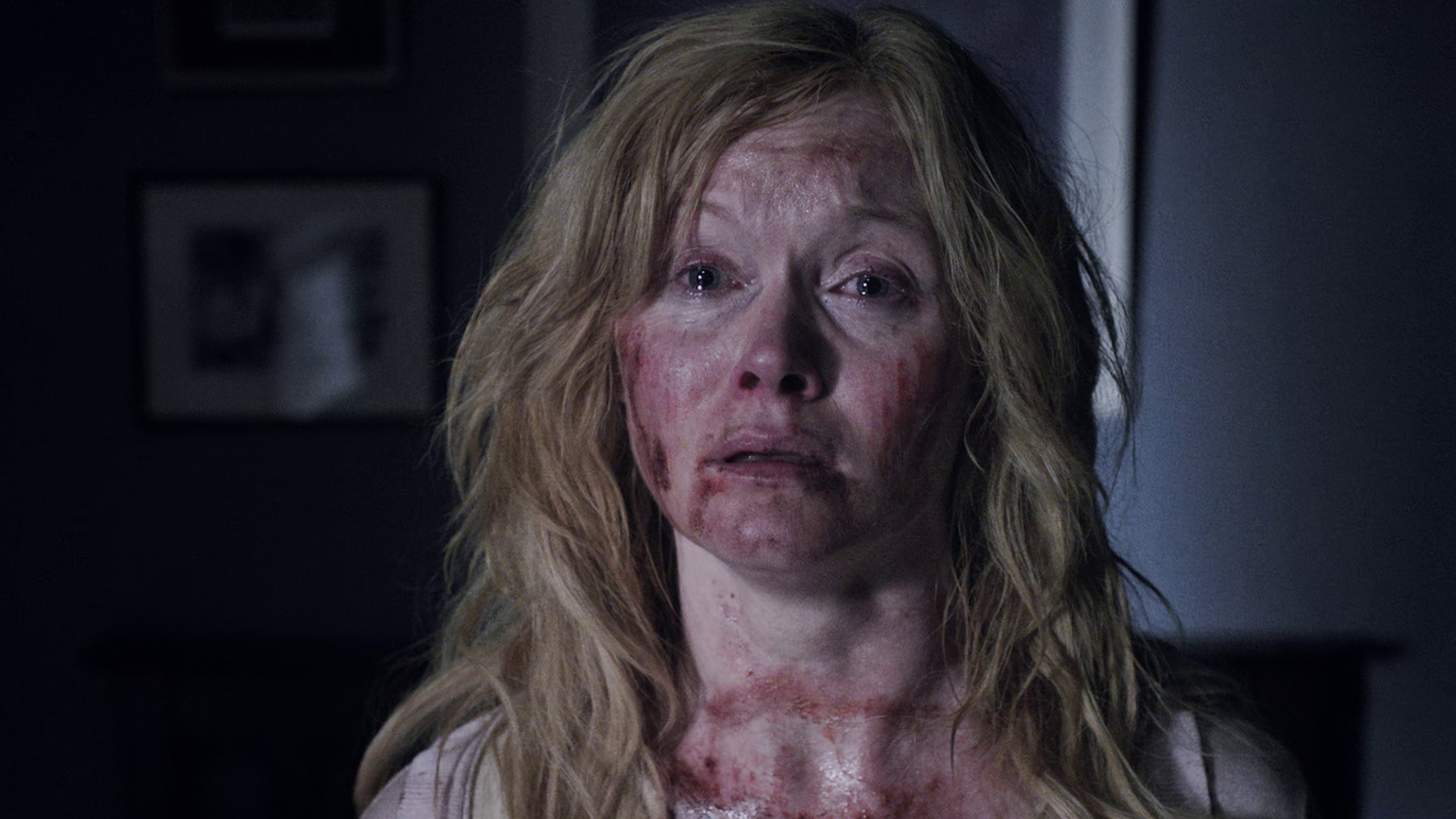
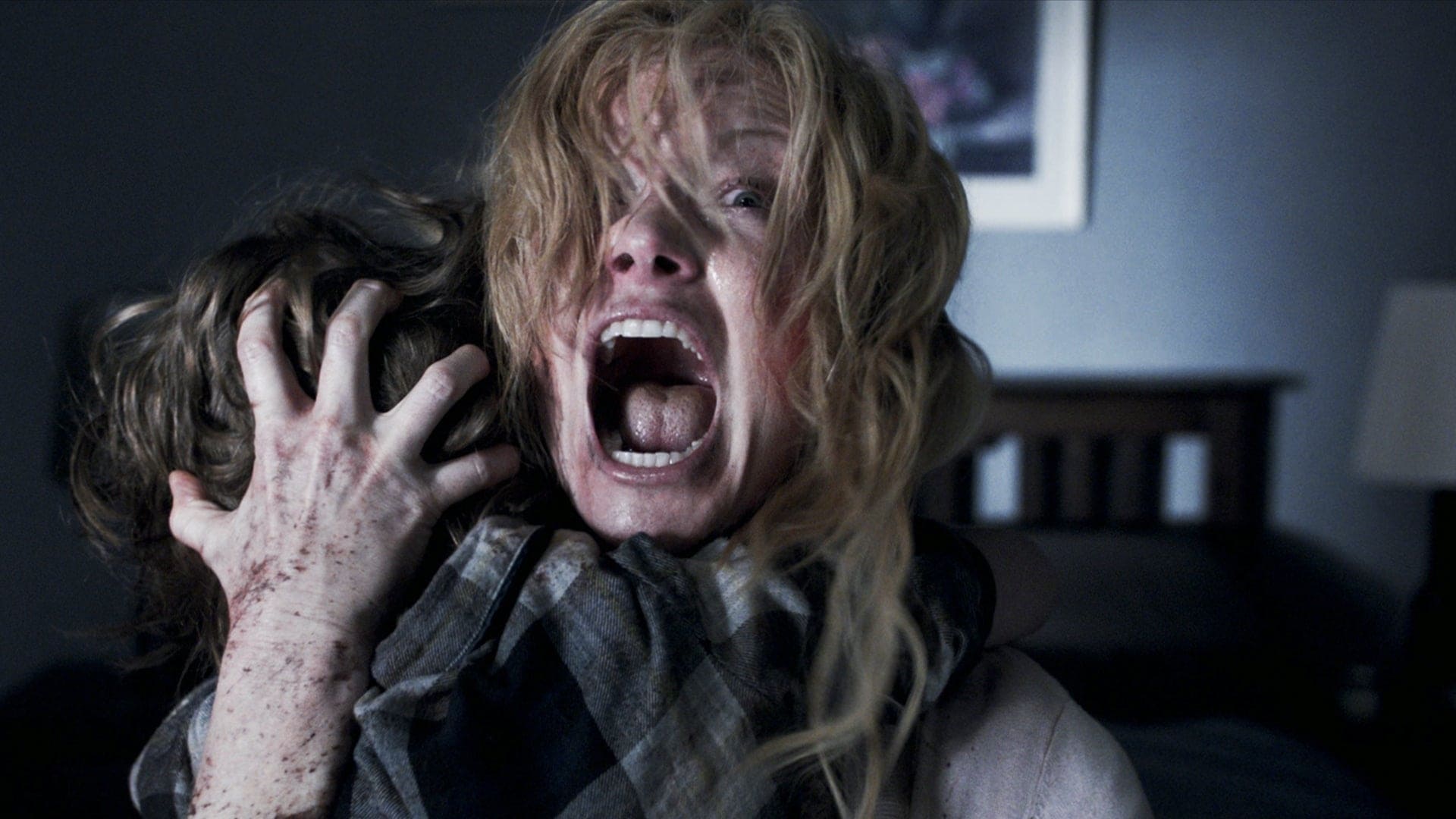
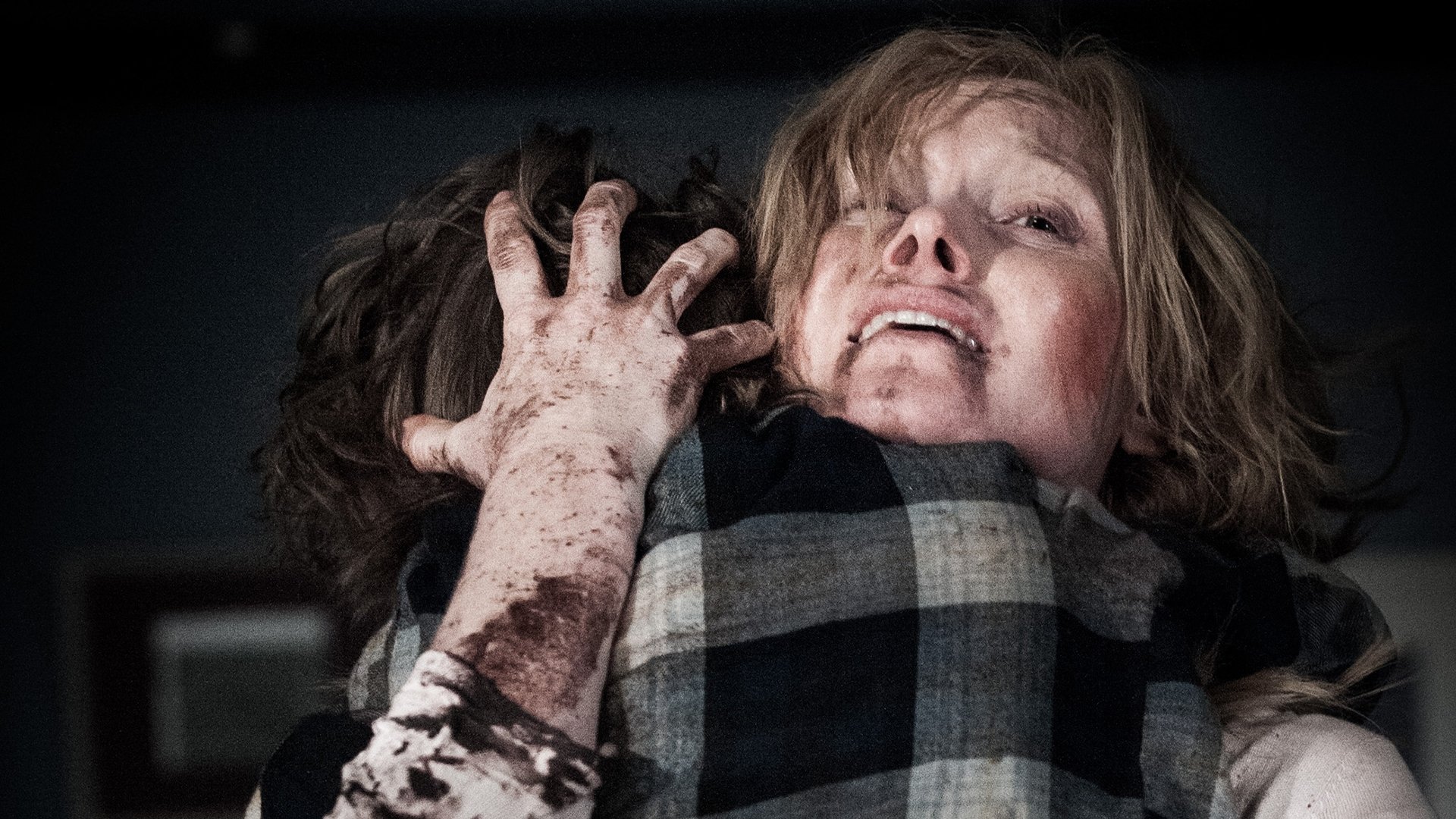
Essie Davis carries the film through a performance that moves from restrained fatigue to physical aggression and fear. Kent had known Davis from their acting-school years and developed the project around the emotional demands of Amelia rather than an extended display of the monster. The mother must remain understandable when her conduct becomes alarming, because the viewer has experienced much of the story through her perspective. Davis’s changes in voice, posture and expression become as important to the horror as the creature’s intrusions into the rooms surrounding her.

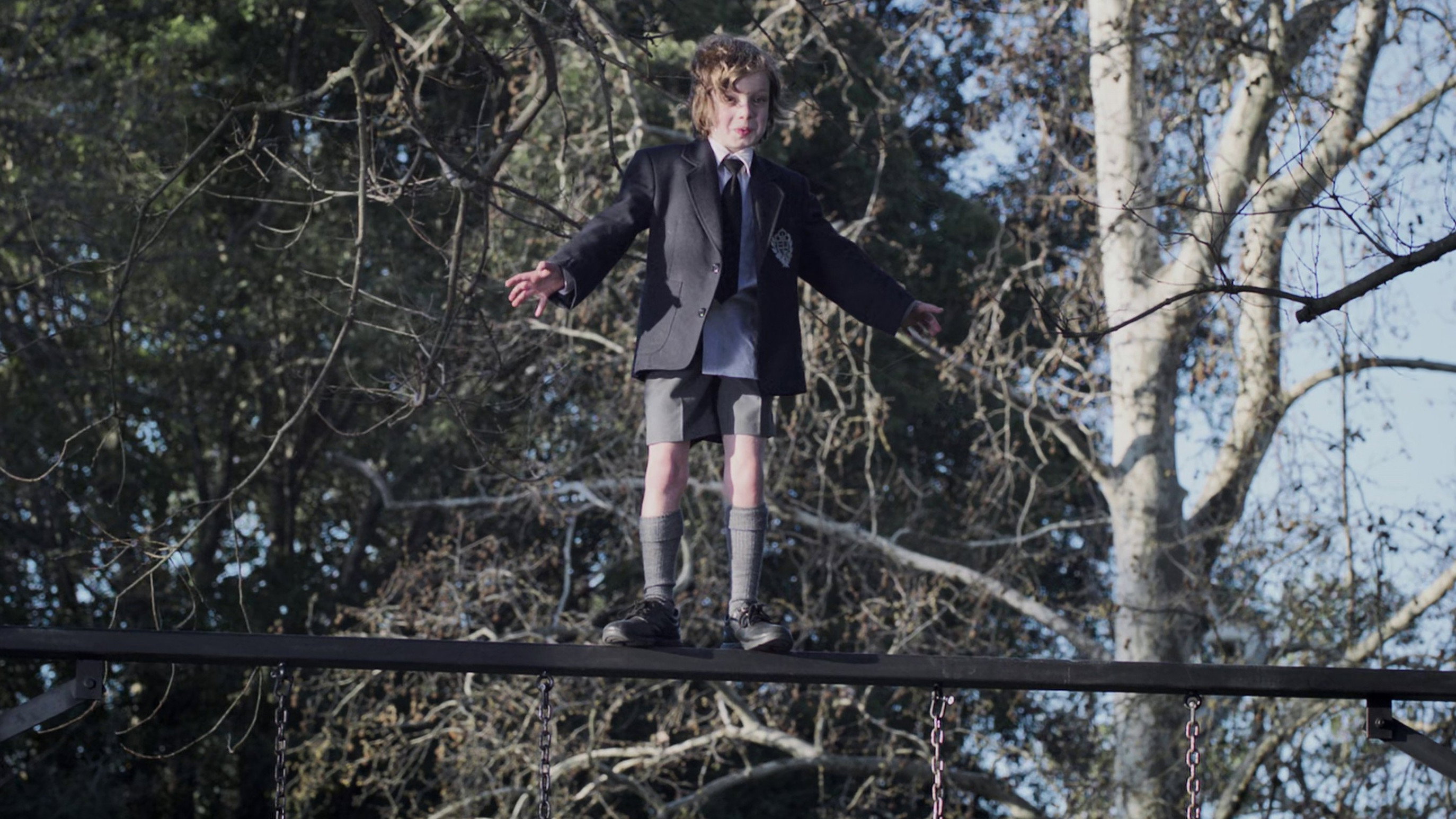
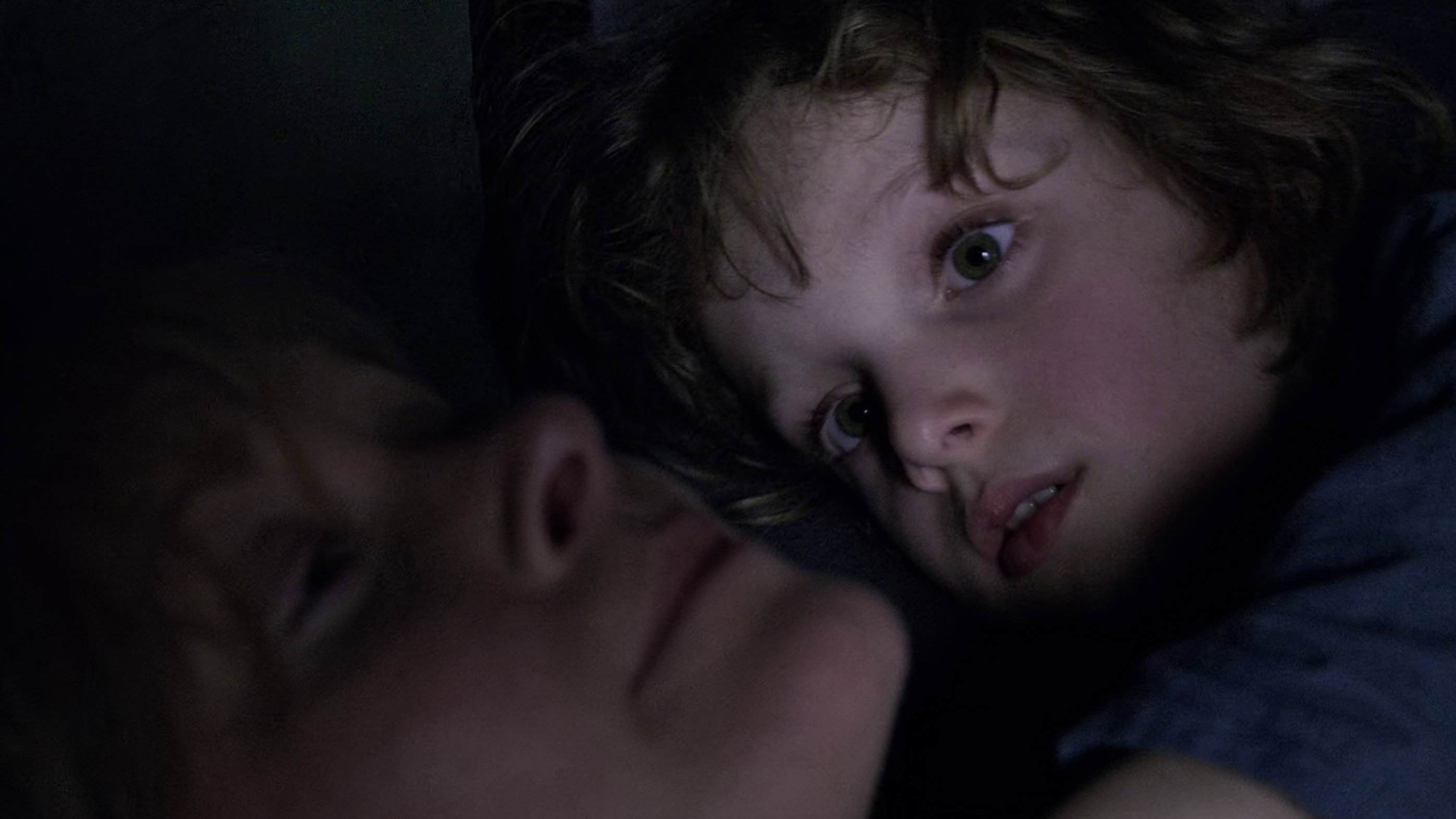
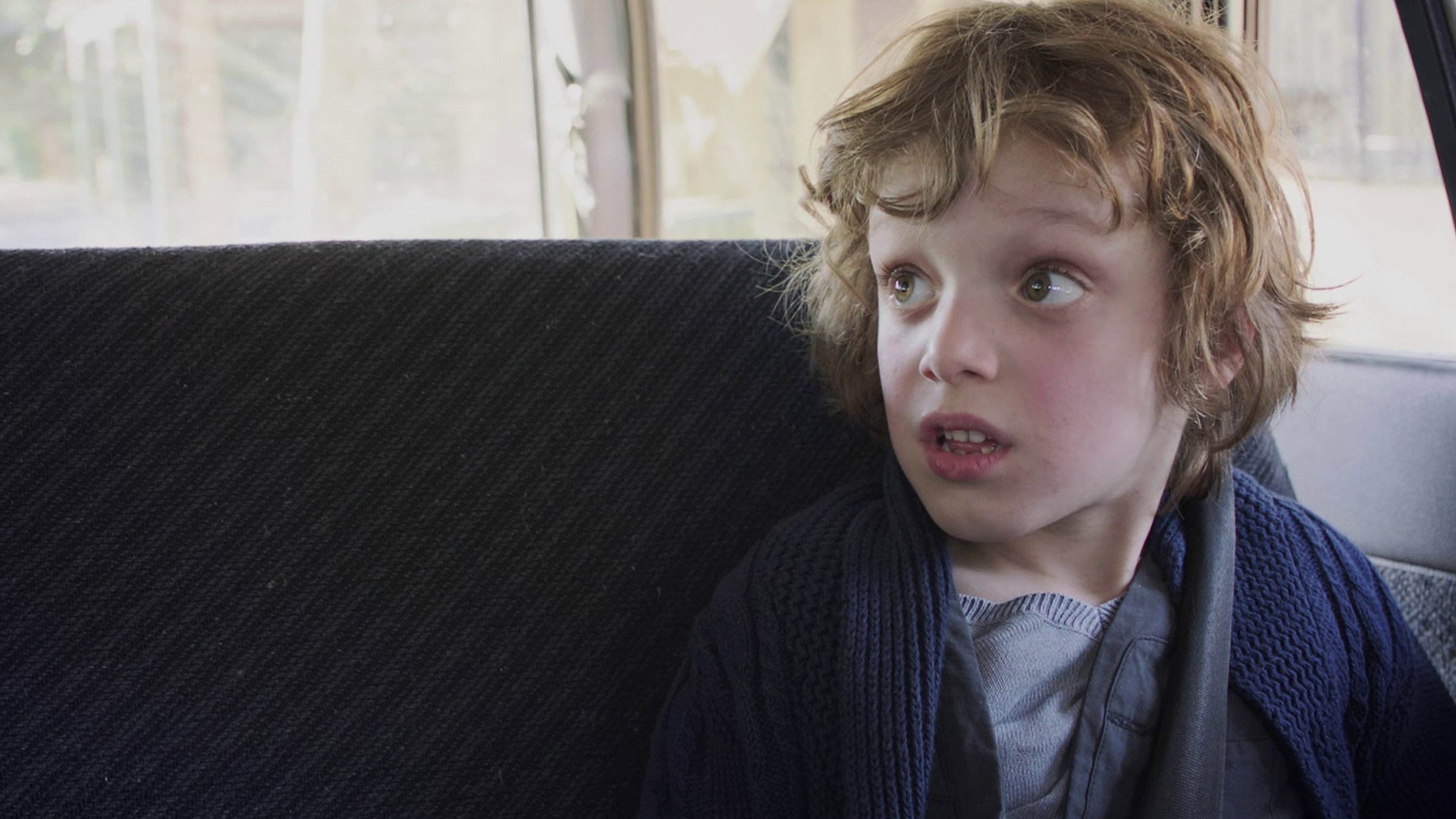
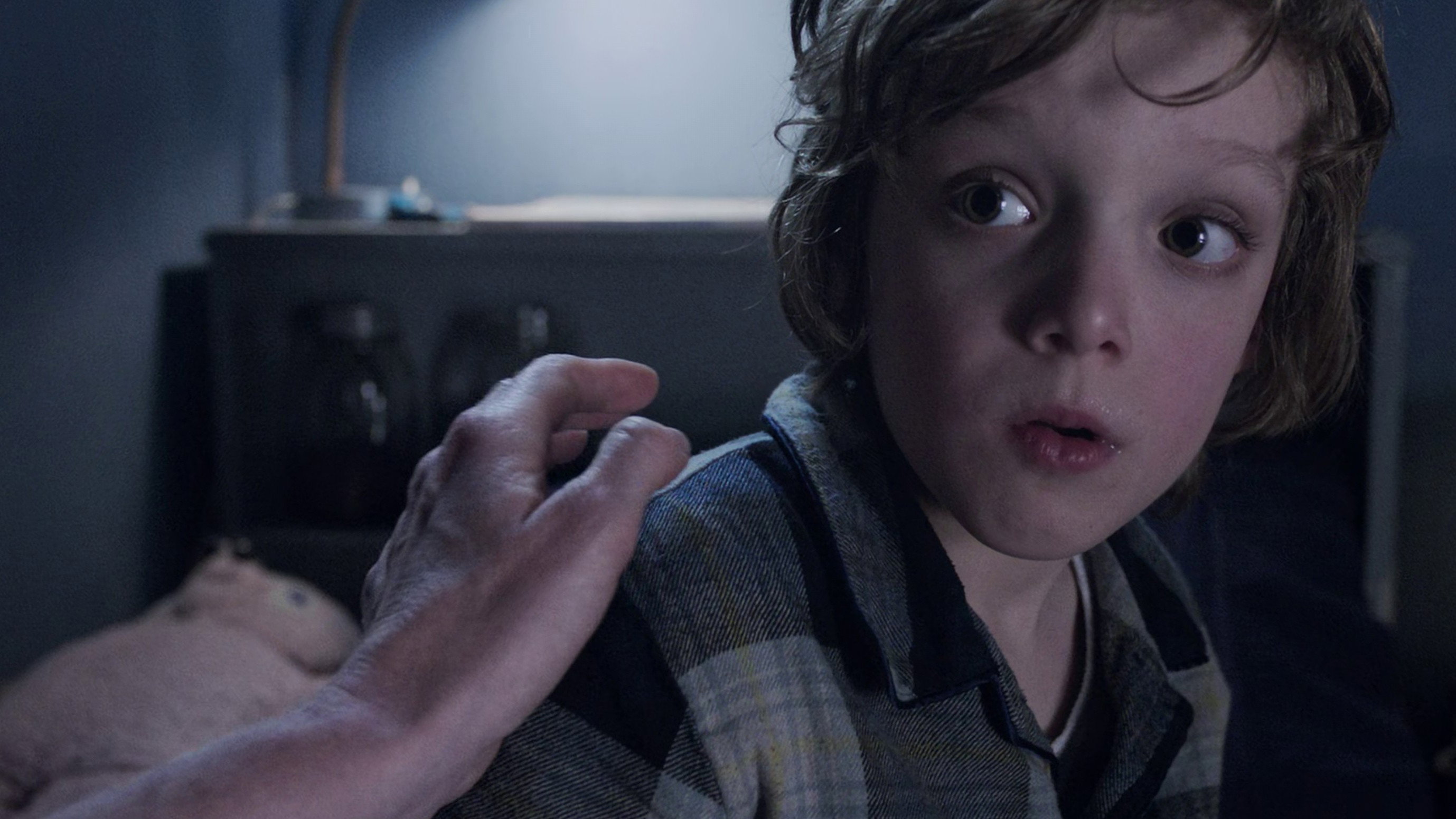
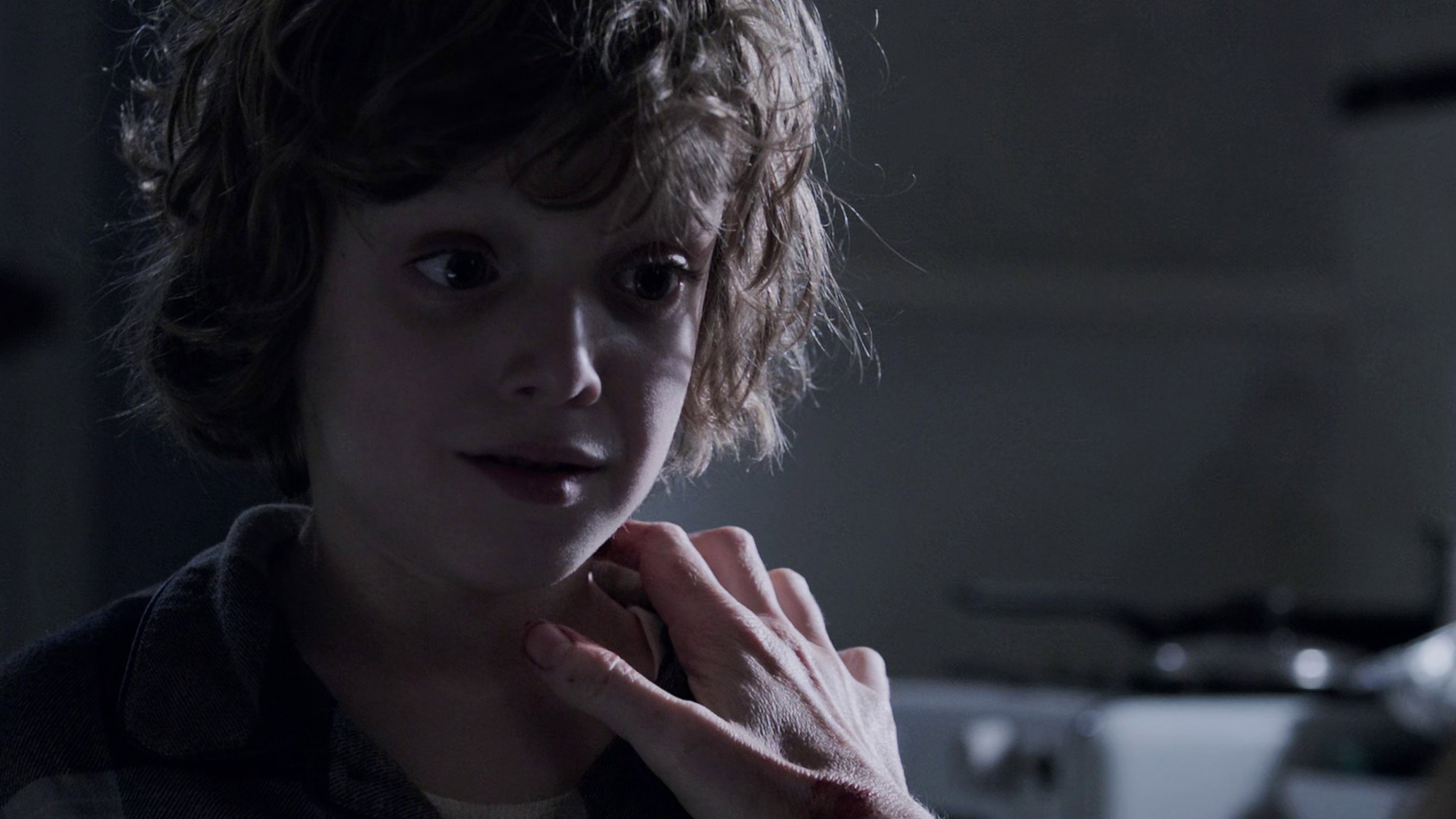
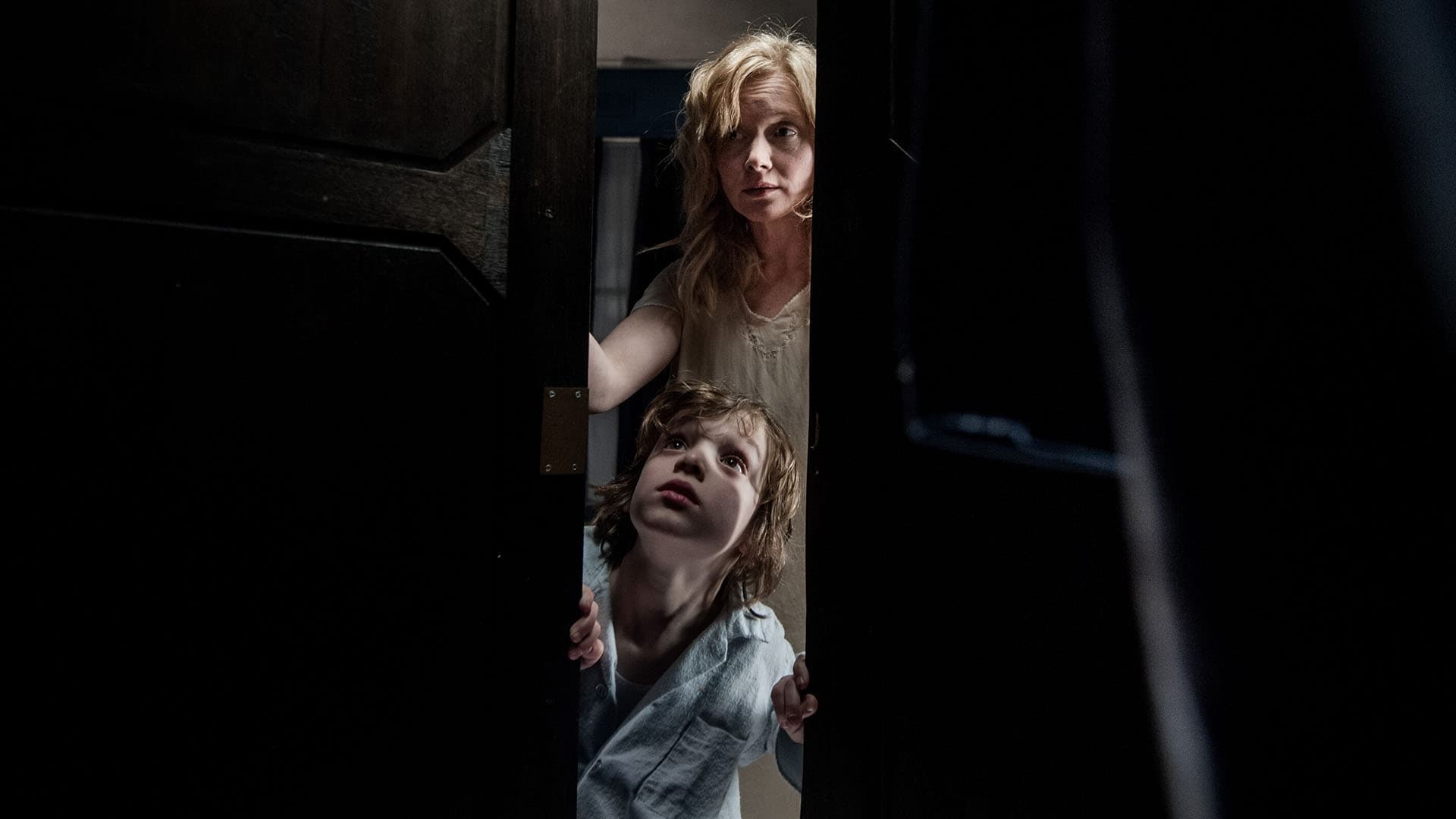
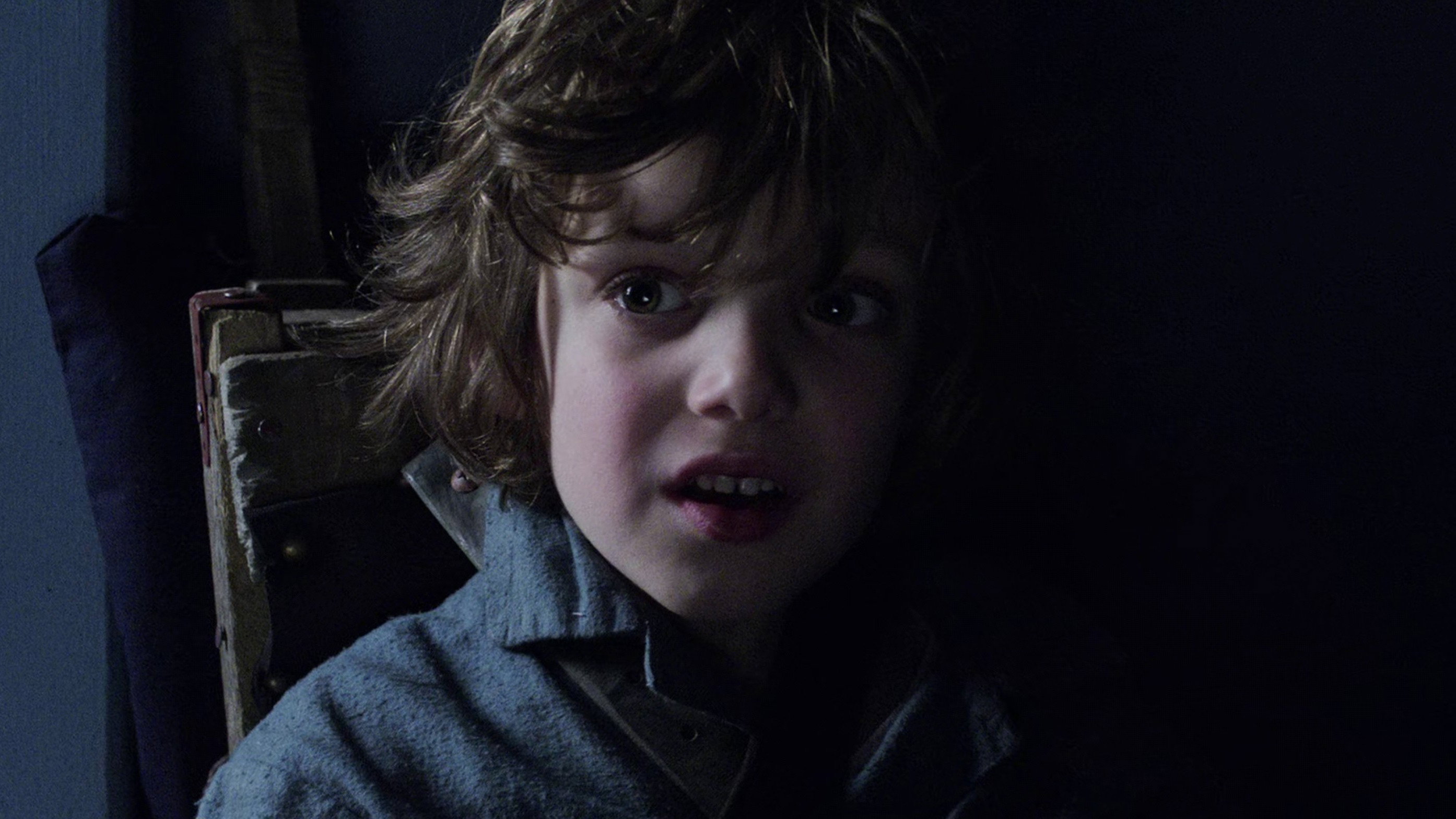
Working with Noah Wiseman required a different process. Kent drew on her earlier experience as an actor to develop trust with the young performer and to create a relationship with Davis before shooting. She described using playful improvisations that were separate from the finished scenes and gradually introducing the camera. Samuel’s exhausting energy is consequently not simply a device for generating loud scares. His attempts to defend his mother with homemade equipment make him active within the story, while his inability to command the adult world keeps him vulnerable.

The shifting alignment between the two characters is crucial to the film’s structure. At first Samuel’s insistence on danger creates difficulties for Amelia, who is portrayed as the adult trying to restore ordinary life. Later his warnings and defensive preparations become more credible as she is increasingly drawn toward violence. Kent said she wanted the audience’s sympathy to move between mother and child rather than attach permanently to one of them. This deliberately unstable emotional position allows the danger to come from within the central relationship without erasing the affection that makes their survival matter.

Jed Kurzel’s Score and the Sound of an Unseen Presence

Jed Kurzel composed the original score for The Babadook. In a later interview with Dread Central, he described the film’s soundtrack as an environment shaped partly by voices, with threatening details that could be heard without a clearly identifiable source. Music and effects were made to approach one another so closely that a viewer might struggle to separate a composed cue from a noise belonging to the house. His account establishes a specific creative intention for the sound, rather than merely identifying a composer in the credits.

That uncertainty complements the film’s refusal to offer a continuously visible monster. Scraping, vocal fragments and disruptions in the rooms make Amelia’s home threatening even when the camera reveals no figure. The familiar rhythms of a child calling for reassurance become more troubling as Amelia loses sleep, and the voice associated with the apparition gains power from its distorted resemblance to speech. The design does not depend upon a separate dramatic theme announcing each appearance. Its horror often begins with an unexplained sound that obliges a character to search an apparently ordinary space.

The effect is especially important in a story whose central object is a book. The written rhyme gives the monster a repeated verbal identity, while the soundtrack provides a less stable presence that cannot be held on a page. Kurzel’s recollection of working with voices helps explain how the production linked these two kinds of threat without treating the soundscape as a conventional succession of musical signals.

Release, Critical Reception and Afterlife

The Babadook premiered at the Sundance Film Festival in January 2014. Its Australian theatrical release followed in May, but was limited in scale. Kent recalled that the initial domestic opening involved only two screens, and the National Film and Sound Archive of Australia has noted the contrast between the film’s modest local takings and its later international critical success. The picture then reached further territories, including the United Kingdom in October and the United States through IFC Films in November. These distinct stages should not be compressed into a single worldwide release date.

The response gave Kent’s debut an unusually prominent place in contemporary discussions of psychological horror. The National Film and Sound Archive identifies The Babadook as the first horror film to win the AACTA/AFI Best Film award. The achievement is particularly notable in the context of a national industry in which horror had frequently struggled for cultural recognition. Writing for the Sundance Institute on the tenth anniversary, Lucy Spicer described the film’s sustained appeal through its handling of grief and parental distress. Such retrospective responses provide evidence of continued critical attention without proving that every subsequent horror film about trauma was directly influenced by Kent’s work.

The film’s reach extended into popular culture in ways the production had not planned. An internet joke recast the Babadook as a queer icon, eventually appearing in LGBTQ+ memes and Pride imagery. That afterlife is distinct from the meanings Kent described during production, which focused on Amelia and the need to acknowledge painful experience. A limited American theatrical re-release in September 2024 provided another concrete measure of the film’s continuing circulation. Kent also told Sundance that she had rejected offers to develop a sequel. The resulting history is that of a self-contained film whose creature became widely recognizable beyond its original story.

References

  1. American Cinematographer Pop-Up Horror: Production on The Babadook

    Douglas Bankston’s detailed production report, first published in December 2014, includes Radek Ladczuk’s account of the lenses, built sets, visual effects, lighting and shooting schedule.

  2. Electric Sheep The Babadook: Interview with Jennifer Kent

    Contemporary director interview addressing the book, collaboration with Alex Juhasz, Amelia’s perspective, the final scene, colour restrictions and handmade horror techniques.

  3. Sundance Institute Writer-Director Jennifer Kent on the 10th Anniversary of “The Babadook” and Horror as an Independent Art Form

    Direct retrospective interview documenting the Sundance premiere, limited Australian opening, refused sequel offers and 2024 theatrical re-release.

  4. Dread Central Exclusive: Jed Kurzel on the Music of Alien: Covenant

    Interview with Jed Kurzel that directly describes his work with voice, sound design and an indistinct auditory presence in The Babadook.

  5. National Film and Sound Archive of Australia A Survey of Australian Horror Films from the 1970s to Saw and The Babadook

    Richard Kuipers places the film in Australian horror history and documents its international reception and AACTA Best Film distinction.

Cast

View Full Cast & Crew →

Release & Distribution

Production Companies (5)

  • Causeway Films AU
  • Lionsgate Canada CA
  • Screen Australia AU
  • Smoking Gun Productions AU
  • South Australian Film Corporation AU

Distributors (1)

  • Lionsgate Canada CA

Release History (32)

Release DateTerritoryRelease TypeFormatDistributorCertificationNotes
2014-01-17 United States Premiere — — — Sundance Film Festival
2014-04-06 Denmark Premiere — — — CPH: PIX
2014-05-22 Australia Theatrical — — M
2014-05-22 Sweden Limited Theatrical — — 15
2014-05-30 Poland Theatrical — — —
2014-06-06 United States Premiere — — — Seattle International Film Festival
2014-07-30 France Theatrical — — 12
2014-07-31 New Zealand Premiere — — — New Zealand International Film Festival
2014-08-06 Indonesia Theatrical — — —
2014-08-27 Germany Premiere — — — Fantasy Filmfest
2014-09-19 Finland Premiere — — — Helsinki International Film Festival
2014-09-20 United States Premiere — — — Fantastic Fest
2014-10-08 Spain Premiere — — — Sitges International Fantastic Film Festival
2014-10-09 Thailand Theatrical — — 15
2014-10-10 United States Premiere — — — Chicago International Film Festival
2014-10-24 Canada Premiere — — — Toronto After Dark Film Festival
2014-10-24 United Kingdom Theatrical — — 15
2014-10-24 Ireland Theatrical — — 15A
2014-11-24 Italy Premiere — — — Torino Film Festival
2014-11-28 Brazil Theatrical — — 16
2014-11-28 United States Limited Theatrical — — NR
2014-11-28 United States Digital — — NR
2015-01-16 Spain Theatrical — — 16
2015-01-28 Russia Theatrical — — 16+
2015-02-20 Canada Limited Theatrical — — 18A
2015-04-12 Greece Theatrical — — Κ-18
2015-05-07 Germany Theatrical — — 16
2015-06-13 Netherlands Physical DVD, Blu-ray — 16 DVD, Blu ray
2015-07-09 South Korea Theatrical — — 15
2015-07-15 Italy Theatrical — — 14+
2016-06-24 Portugal Digital — — M/16
2024-09-19 United States Limited Theatrical — — — 10th Anniversary Rerelease

Awards & Festivals

9 entries
YearFestival / AwardEntrySectionCategoryResultPremiere
2014AACTA Award for Best Actress in a Leading Roleawardnominated
2014AACTA Award for Best Editingawardnominated
2014AACTA Award for Best Filmawardwon
2014AACTA Award for Best Filmawardnominated
2014AACTA Award for Best Original Screenplayawardwon
2014AACTA Award for Best Original Screenplayawardnominated
2014AACTA Award for Best Production Designawardnominated
2014AACTA AwardsawardAACTA Award for Best Directionwon
2014AACTA AwardsawardAACTA Award for Best Directionnominated
If it's in a word, or it's in a look, you can't get rid of...