Origins and Development
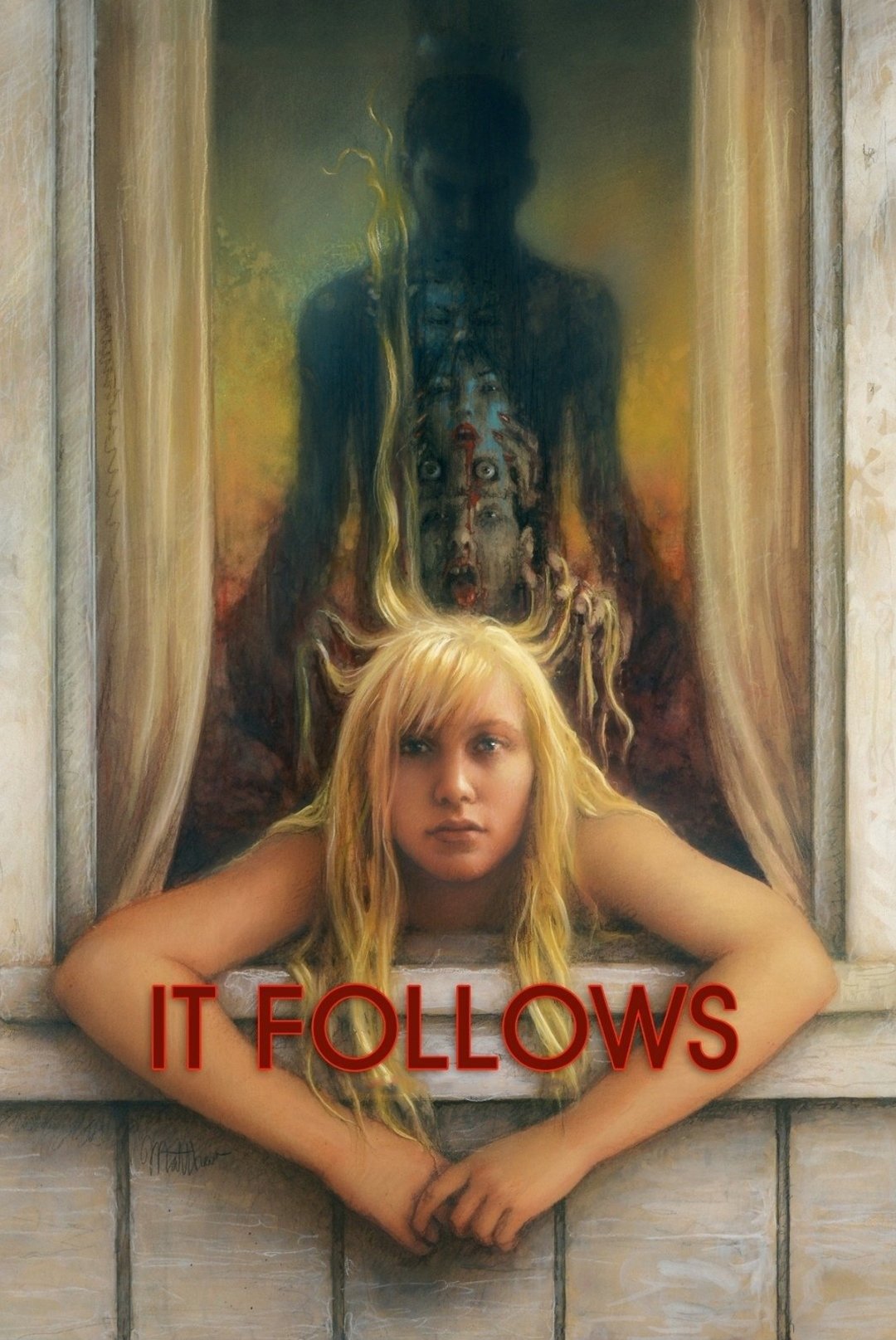
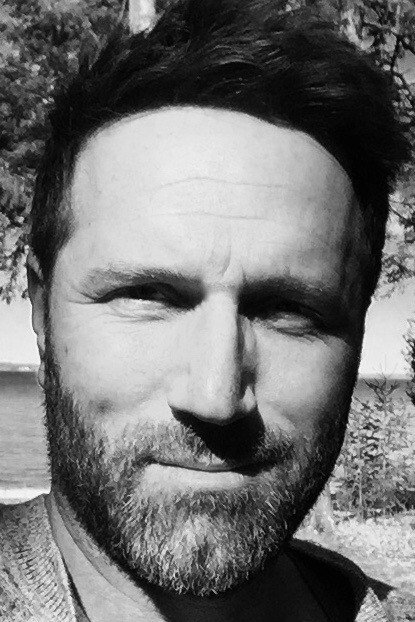
Mitchell traced the central premise to a recurring nightmare from childhood. He remembered being pursued by a figure that looked human, moved slowly, and remained visible only to him. Escape was possible in the immediate moment, yet the pursuer would eventually return, including in otherwise reassuring places such as a school playground or a family home. In a 2015 interview with Film at Lincoln Center, Mitchell explained that the original dream supplied the sense of unending apprehension; the sexual transmission of the threat was added when he developed the idea as an adult. The supernatural mechanism therefore grew from the emotional experience of pursuit rather than from an established legend or a fully elaborated mythology.
The project followed Mitchell’s first feature, The Myth of the American Sleepover (2010), which also concentrated on young people in the Detroit suburbs. Mitchell described imagining characters from the earlier film placed inside a nightmare. That continuity helps explain the attention paid to adolescent relationships, neighborhood geography, and the relative absence of adults. The resemblance lies in the social environment and the way its inhabitants relate to one another; the new film subjects that environment to a more sustained feeling of danger. Writing the horror around familiar locations also gave Mitchell a way to combine personal experience of the region with an invented threat whose behavior could remain consistent across very different scenes.
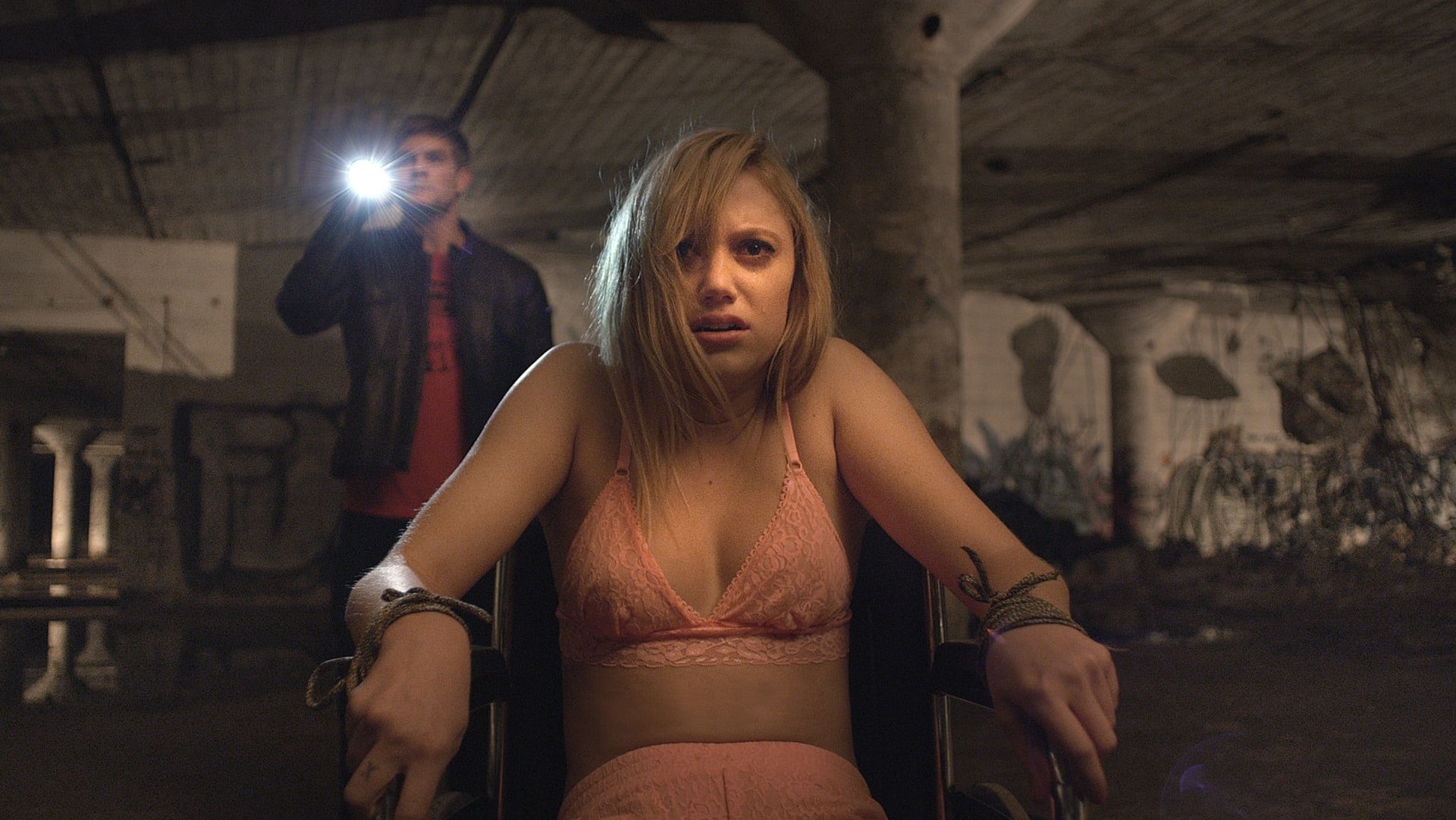
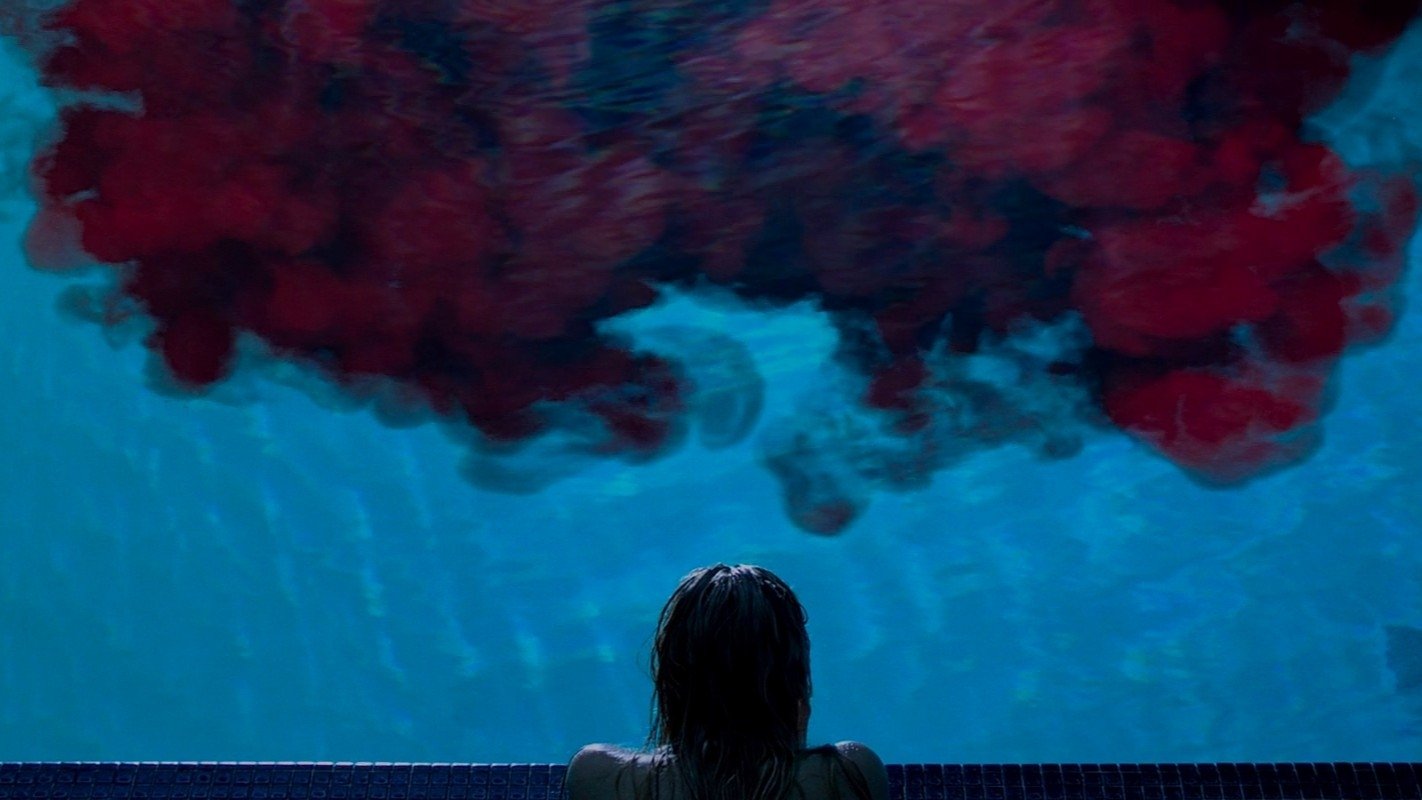
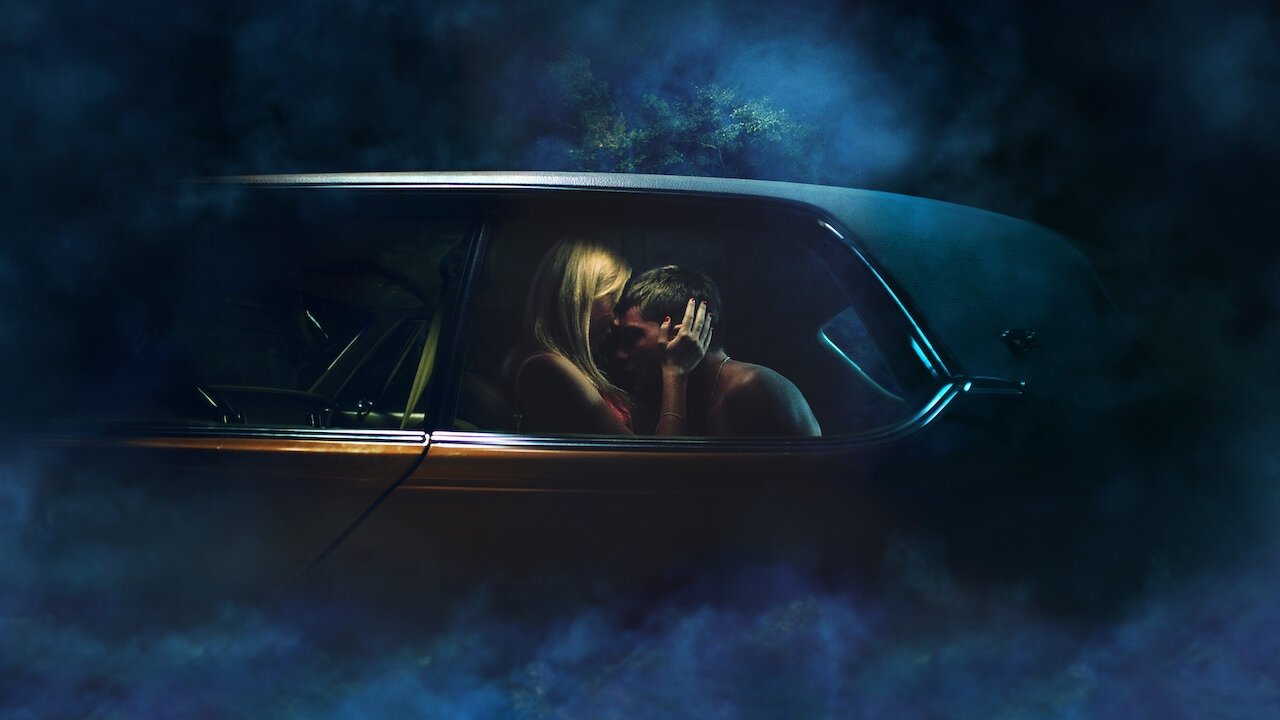
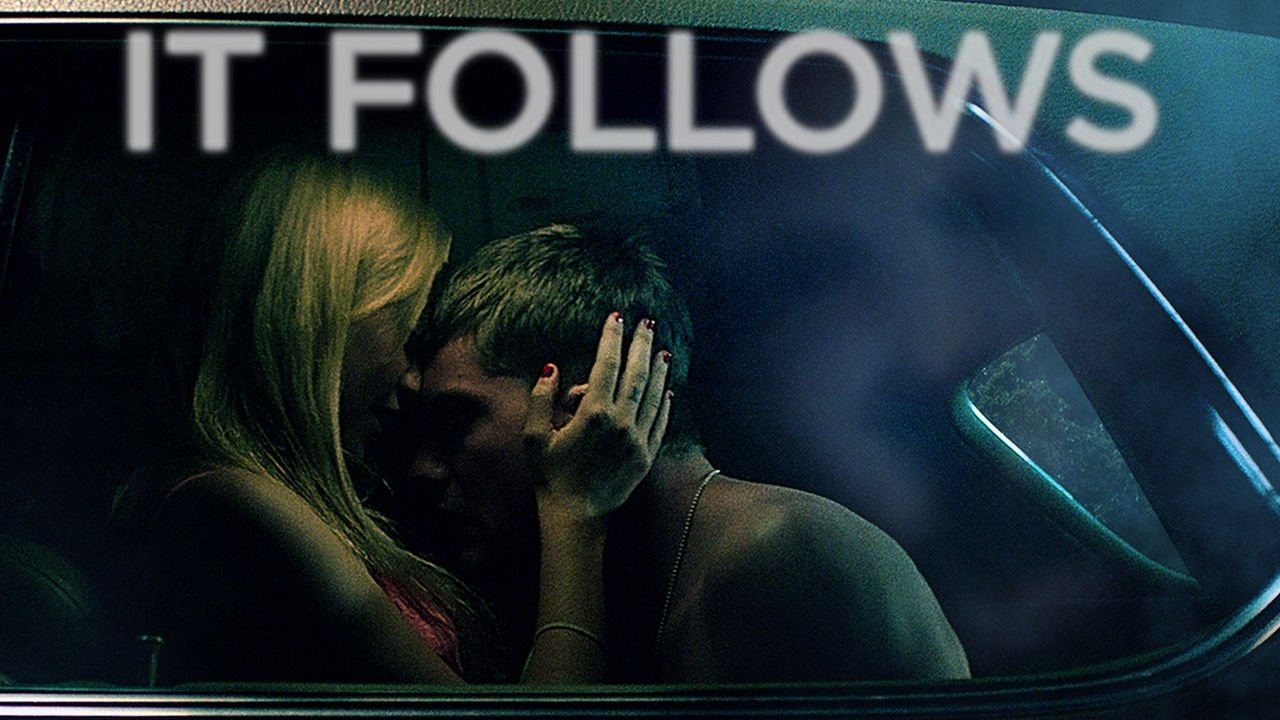
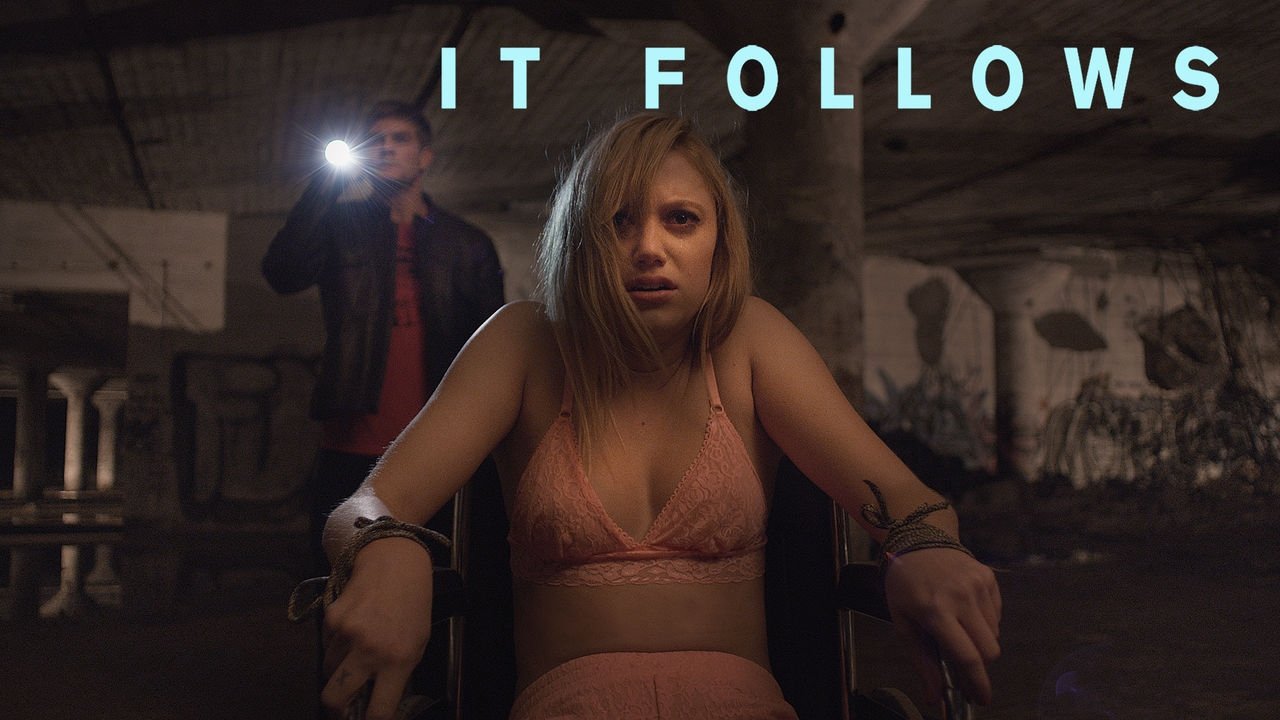
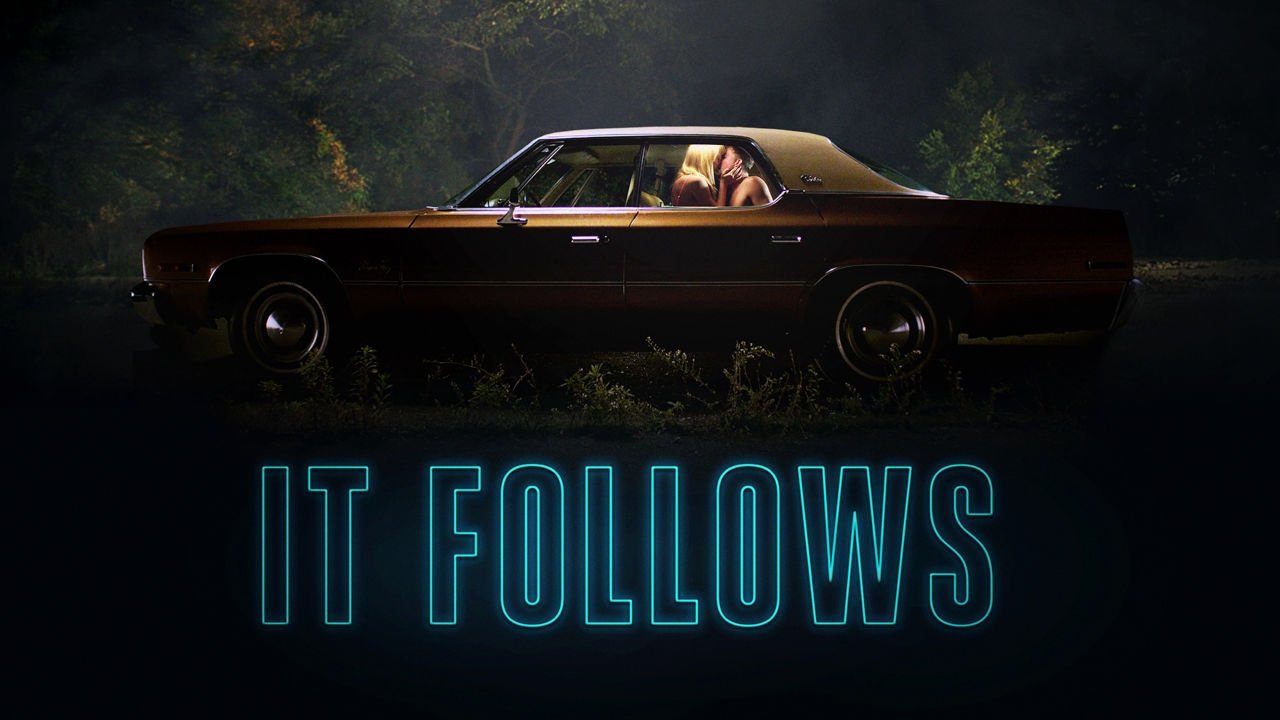
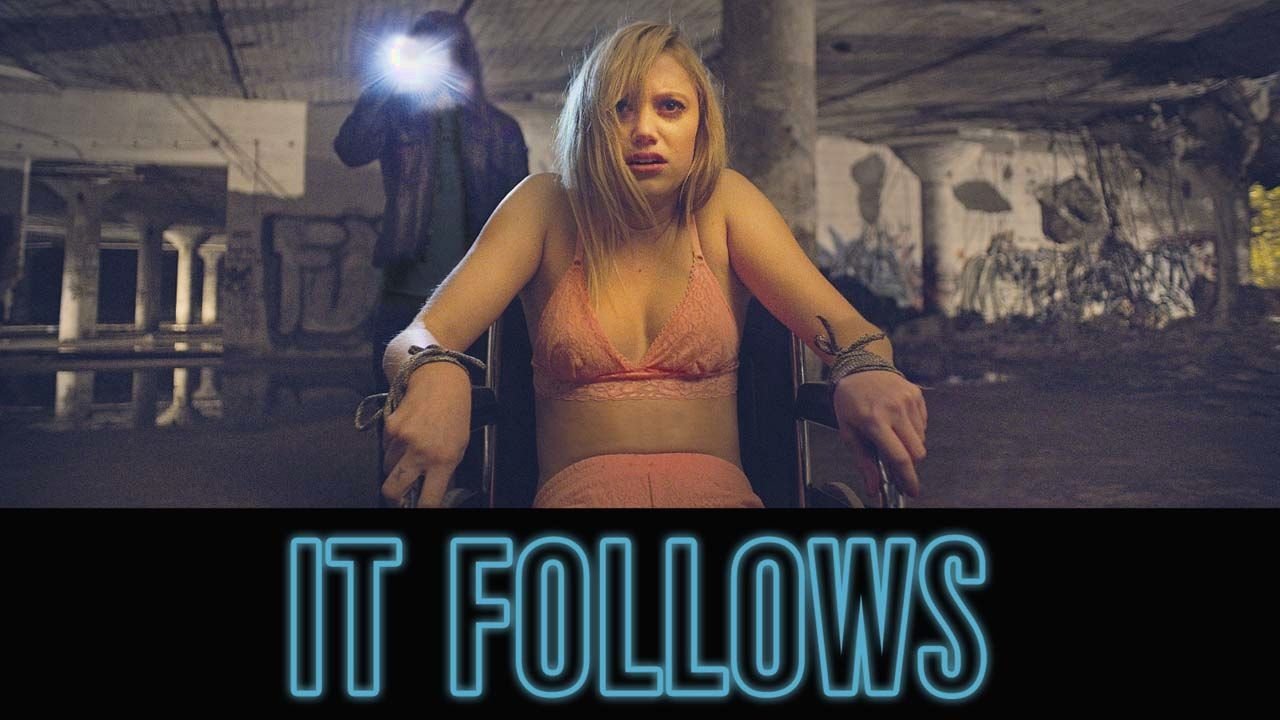
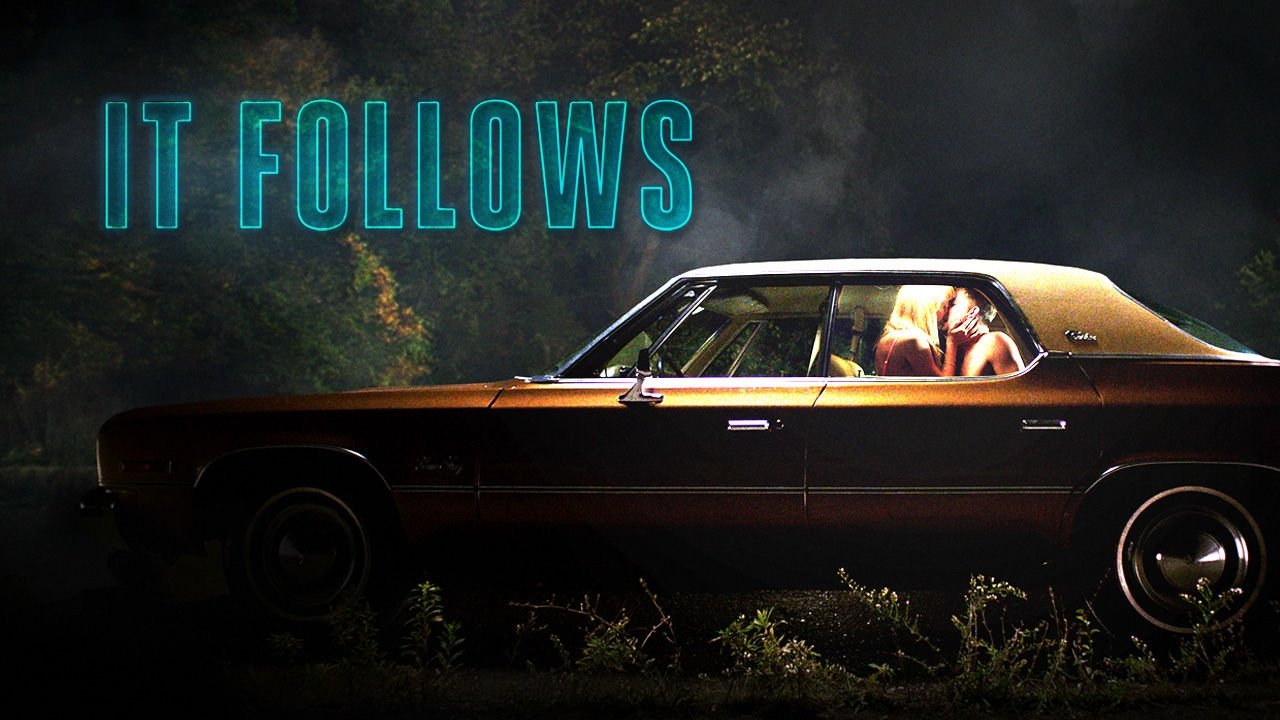
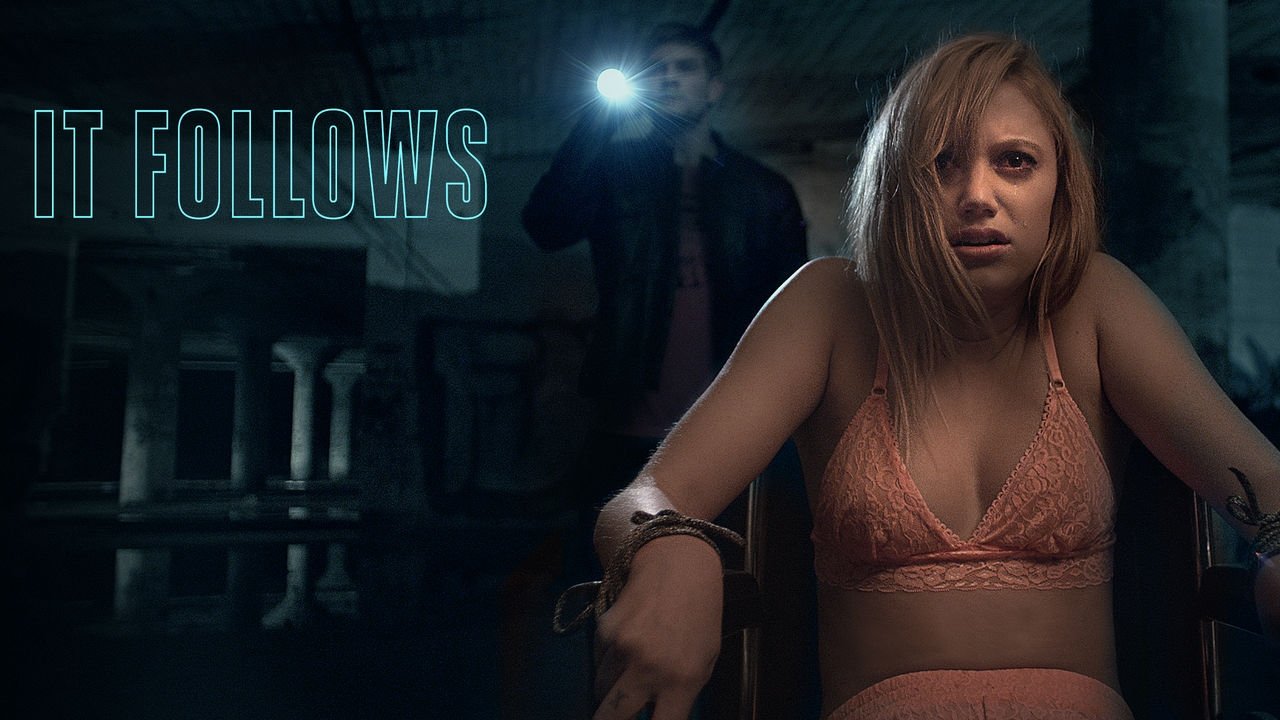
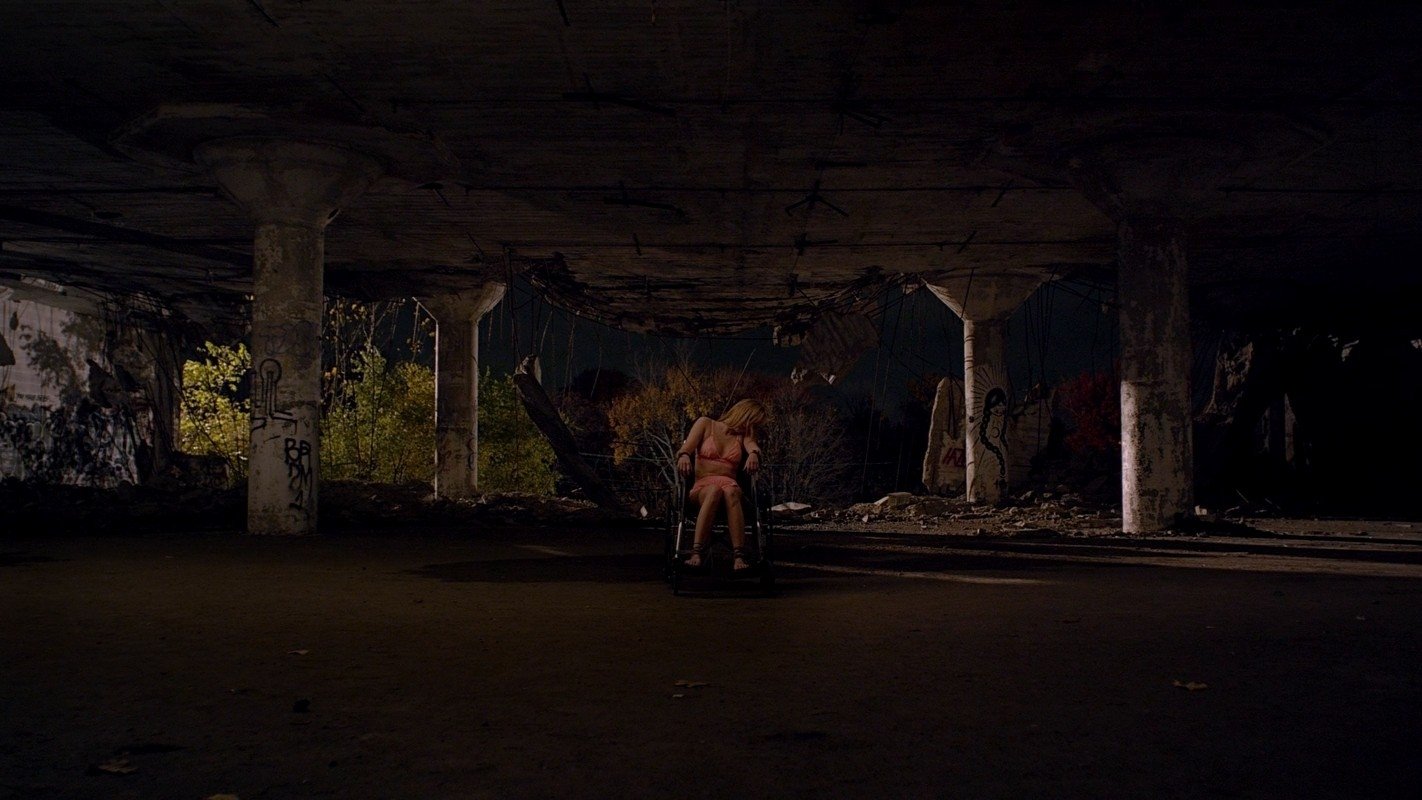
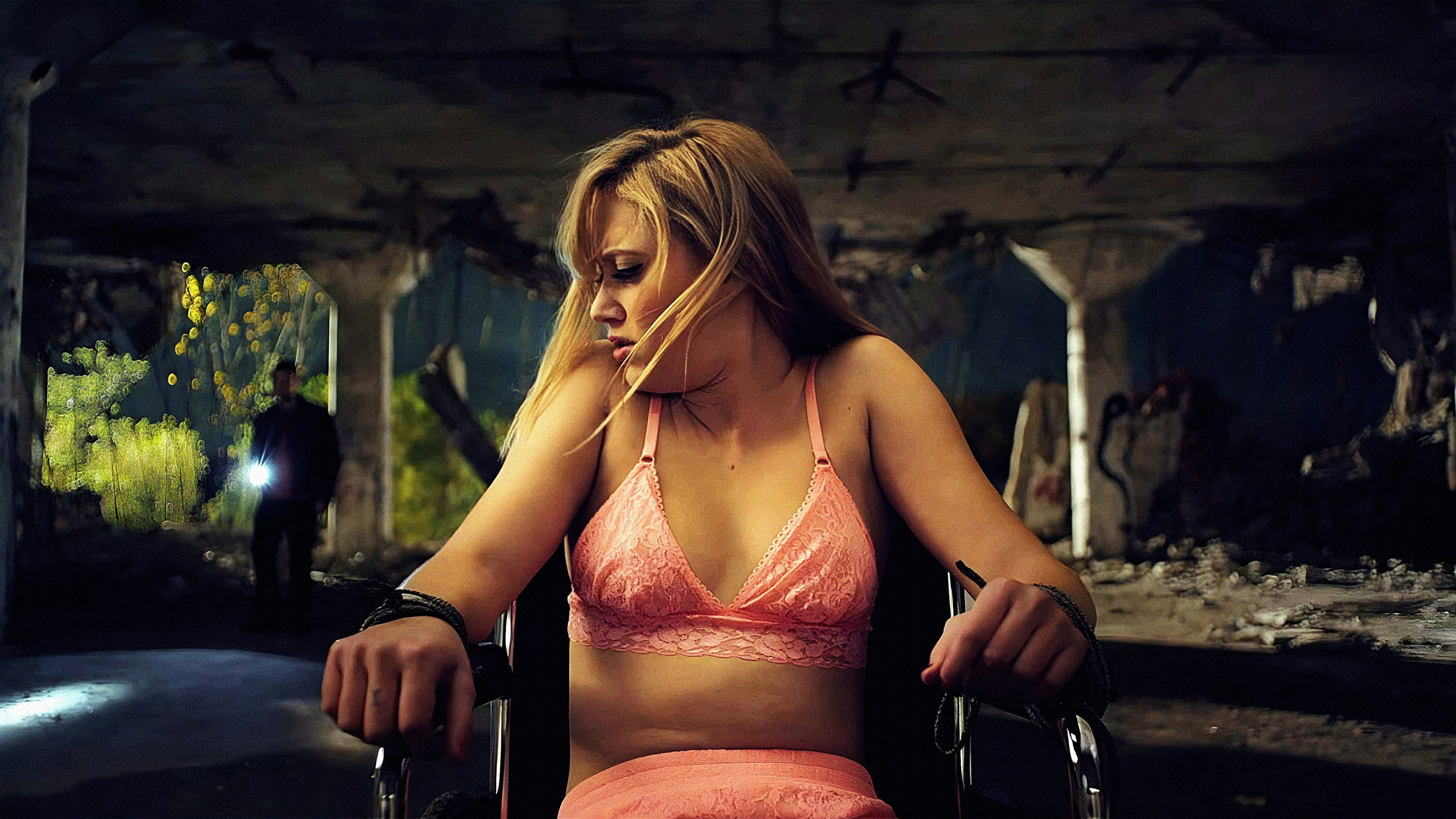
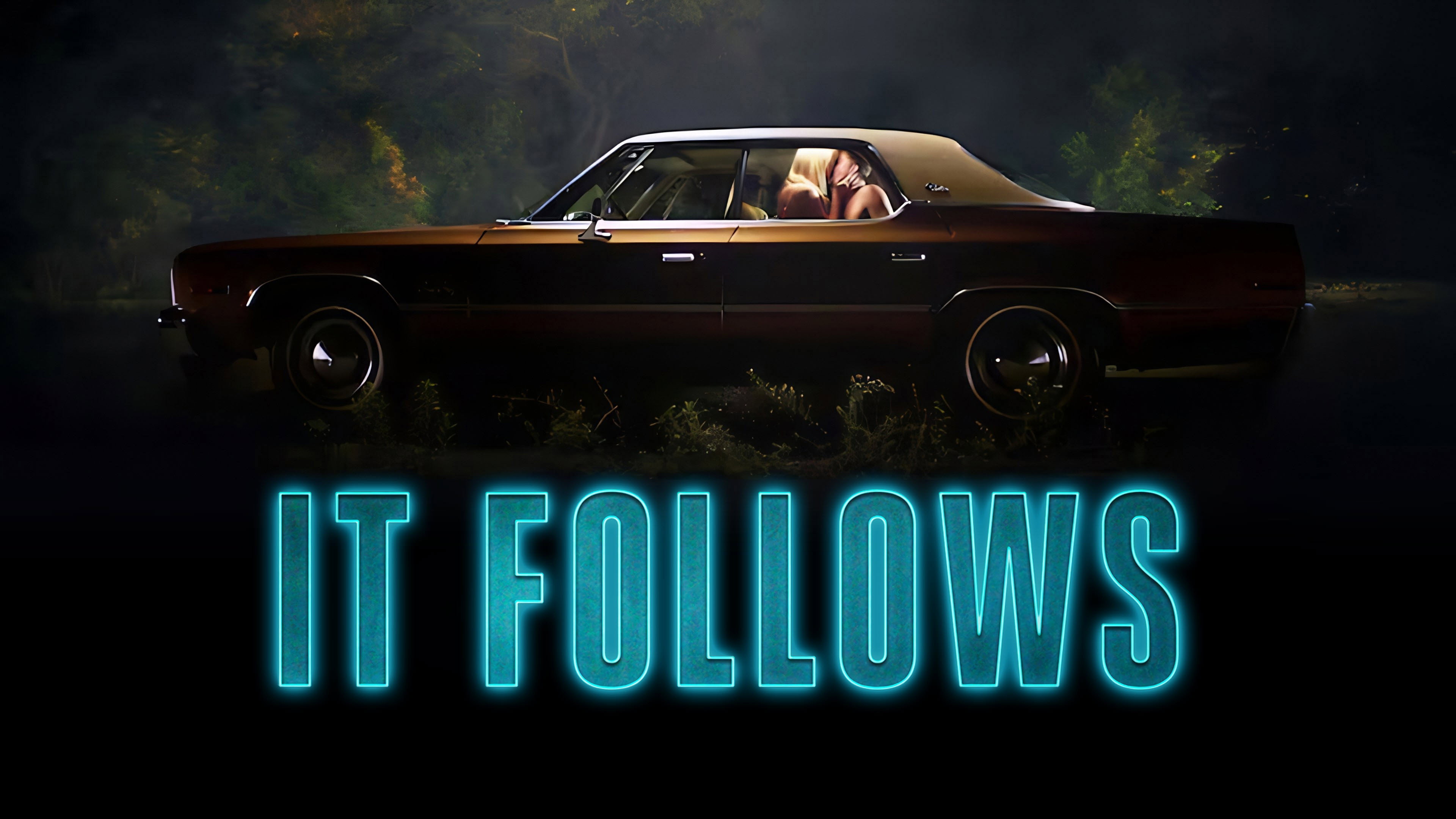
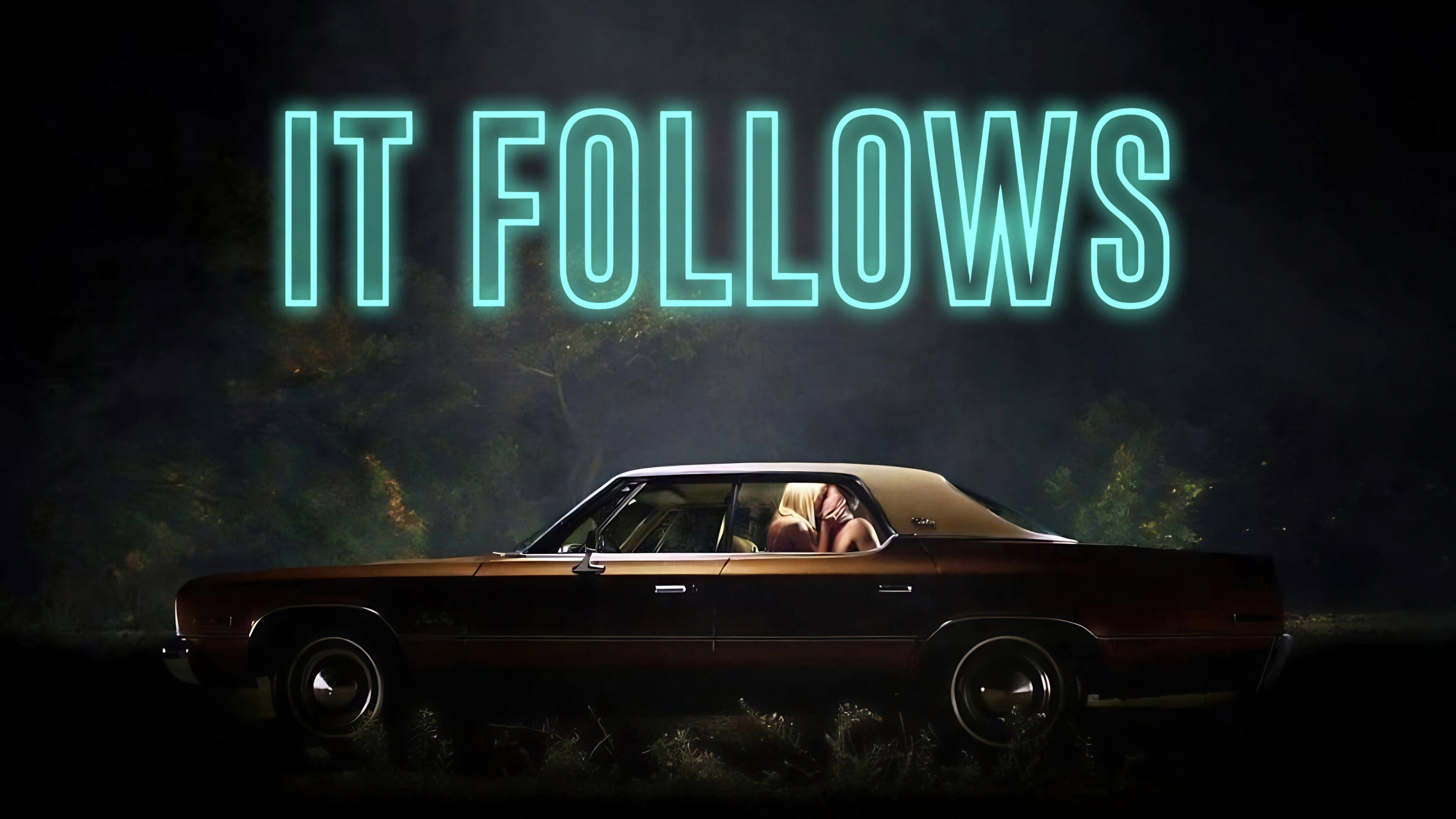
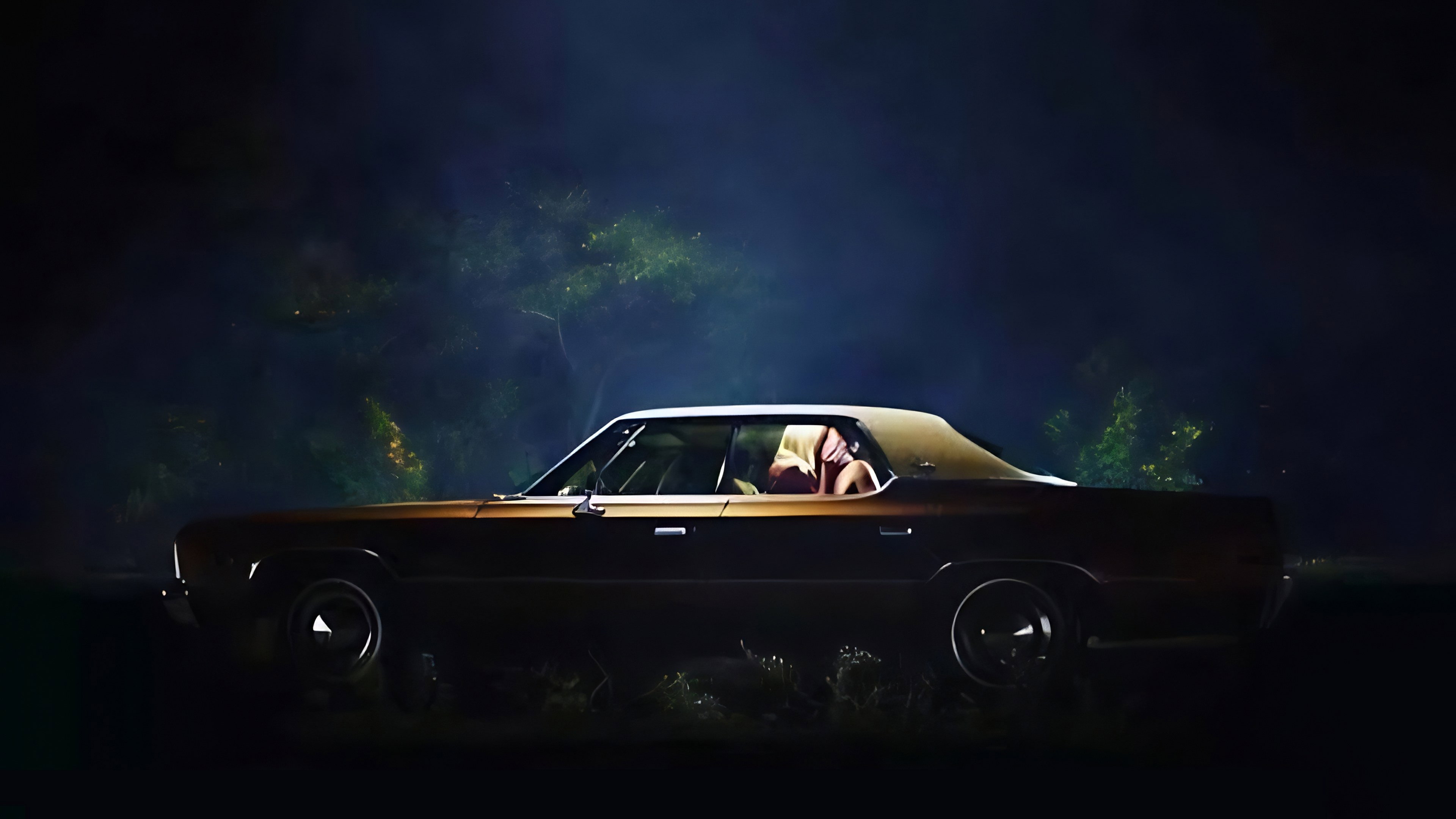
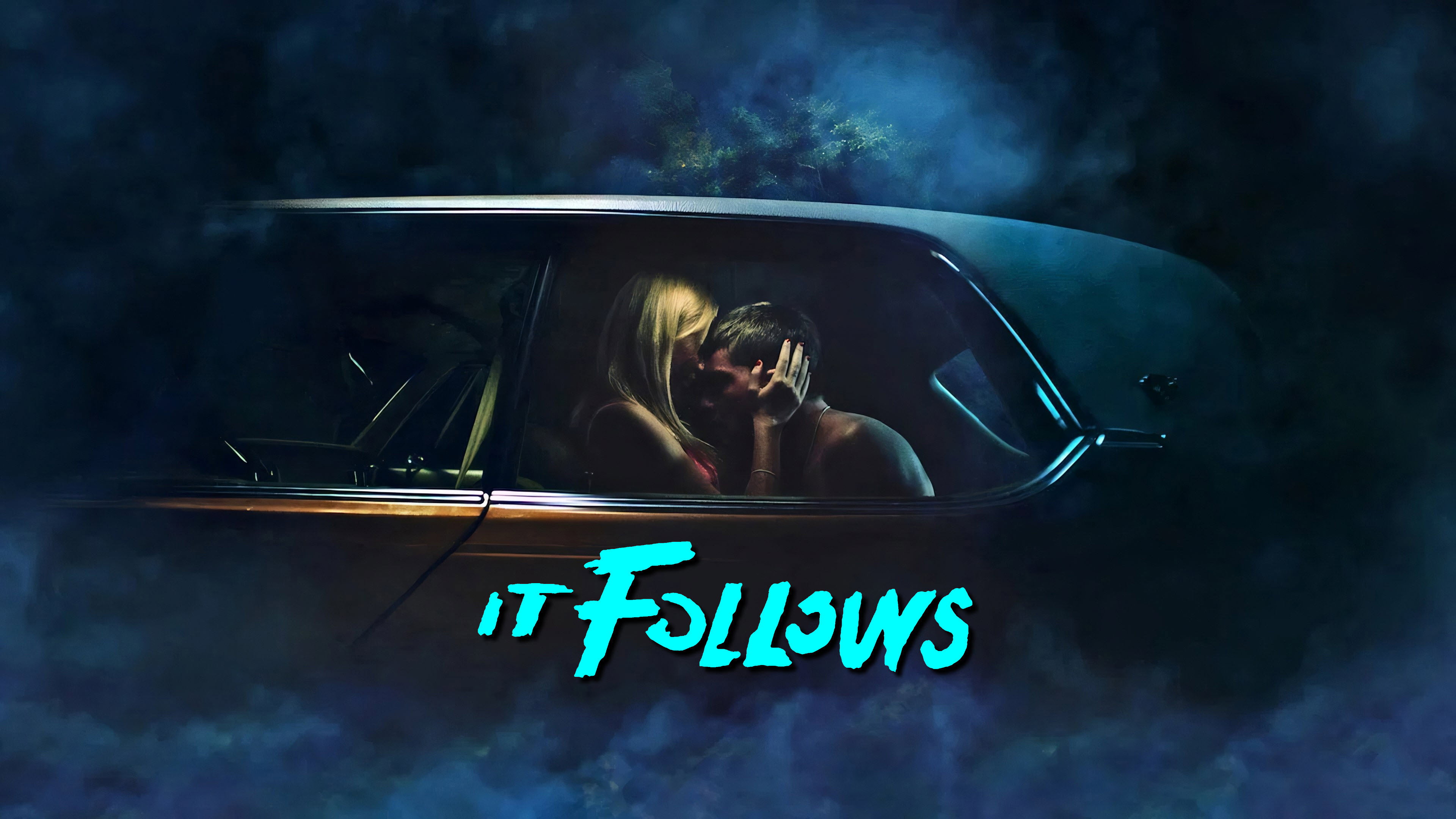
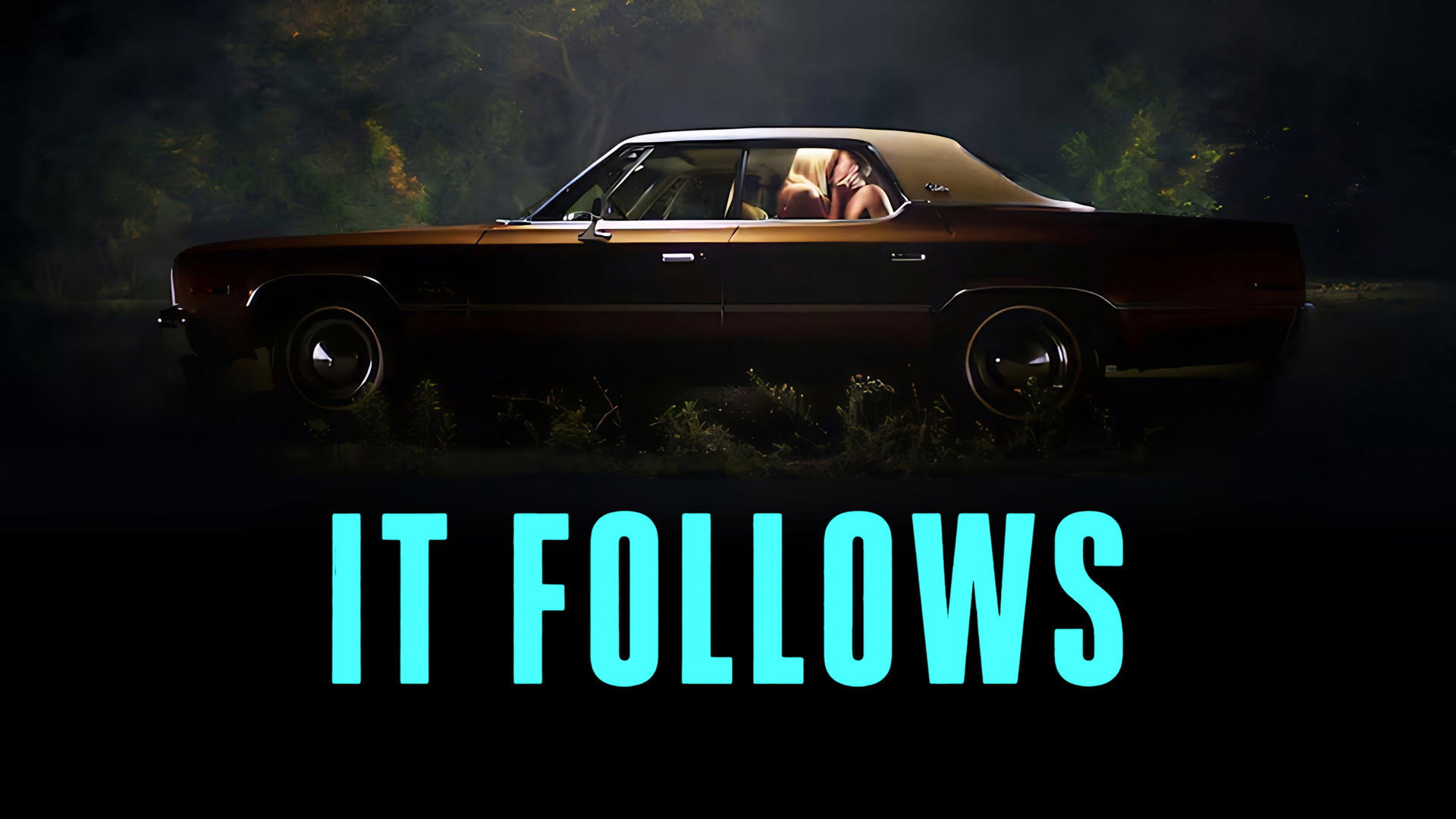
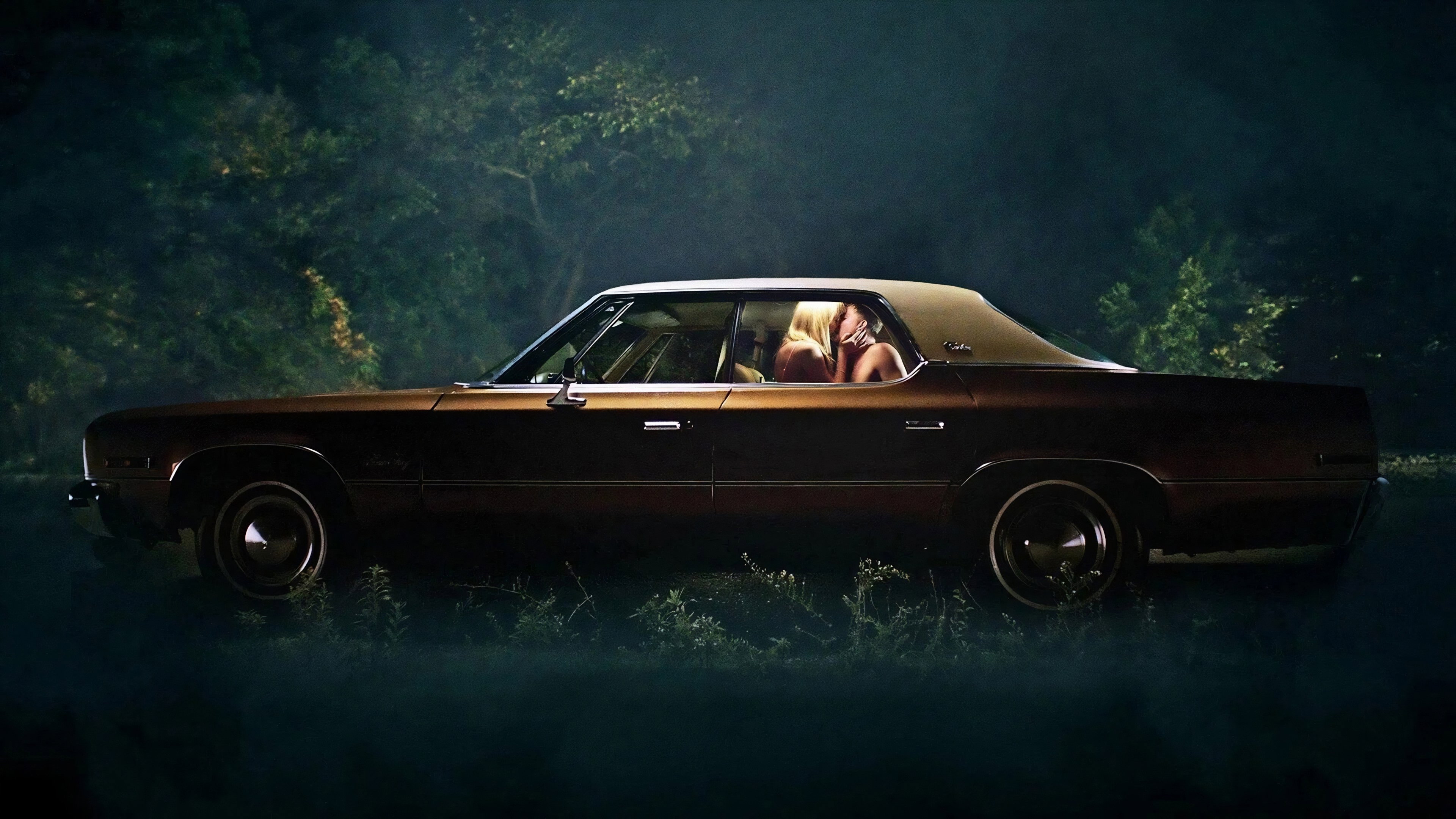
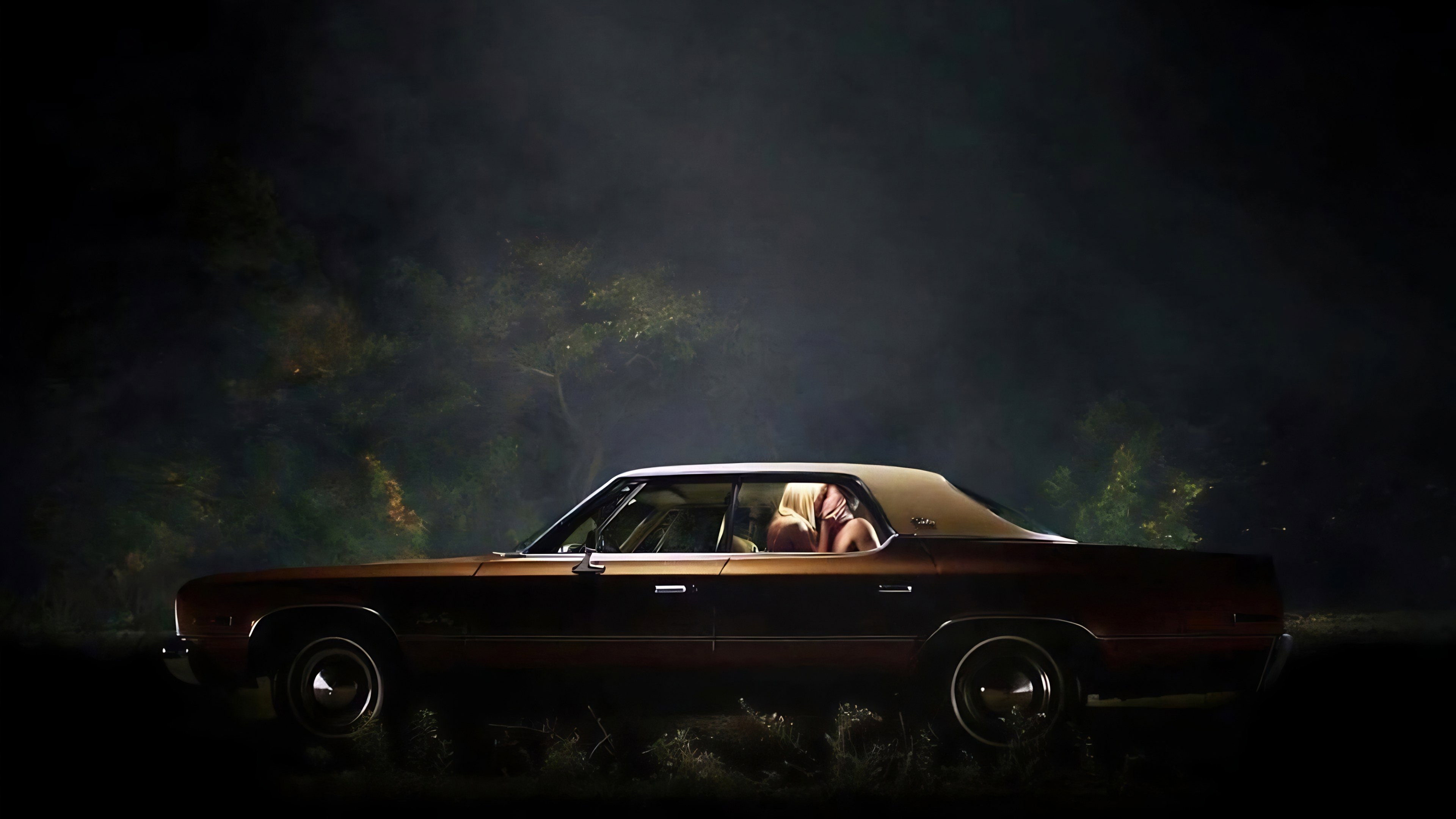
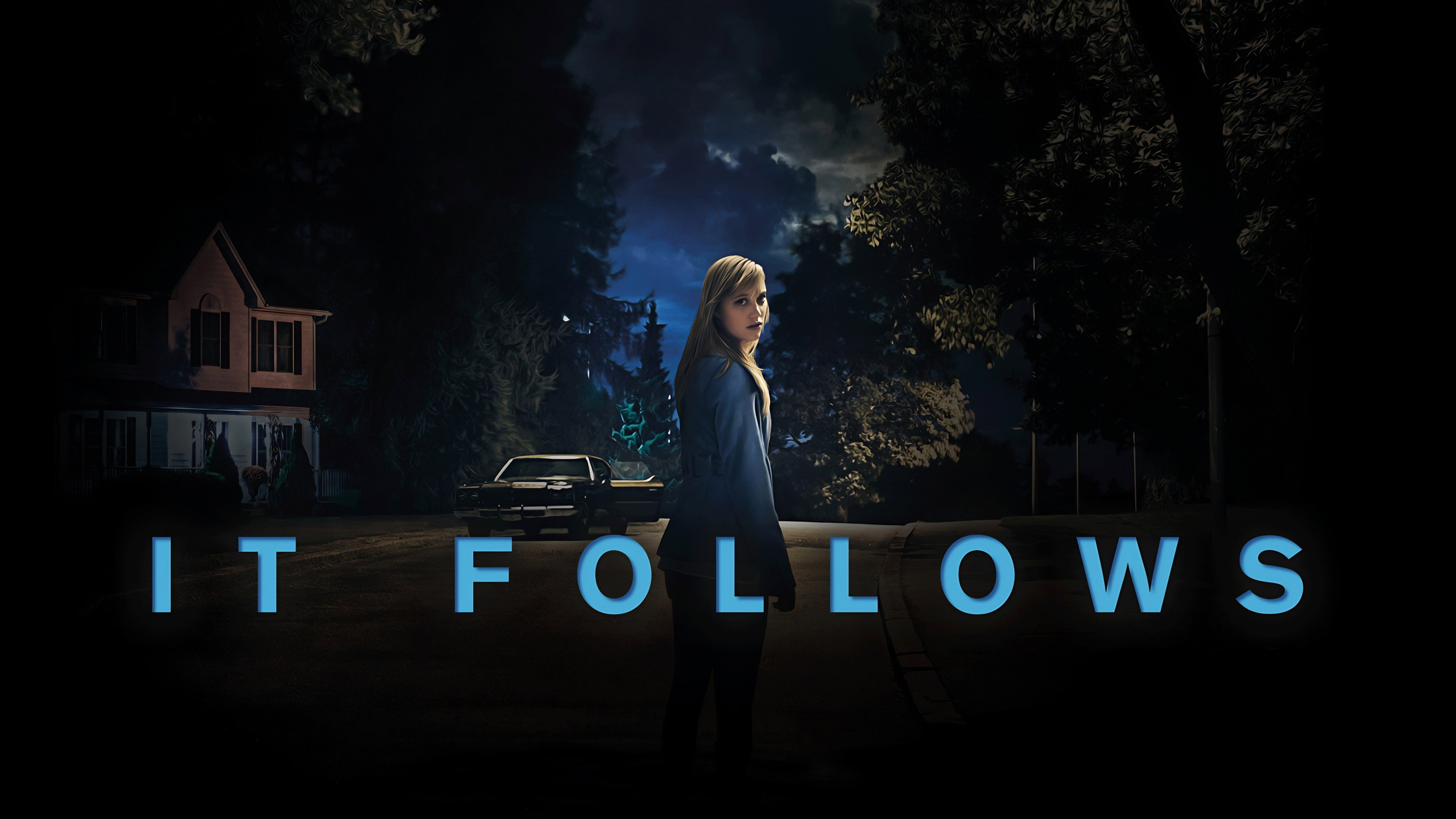
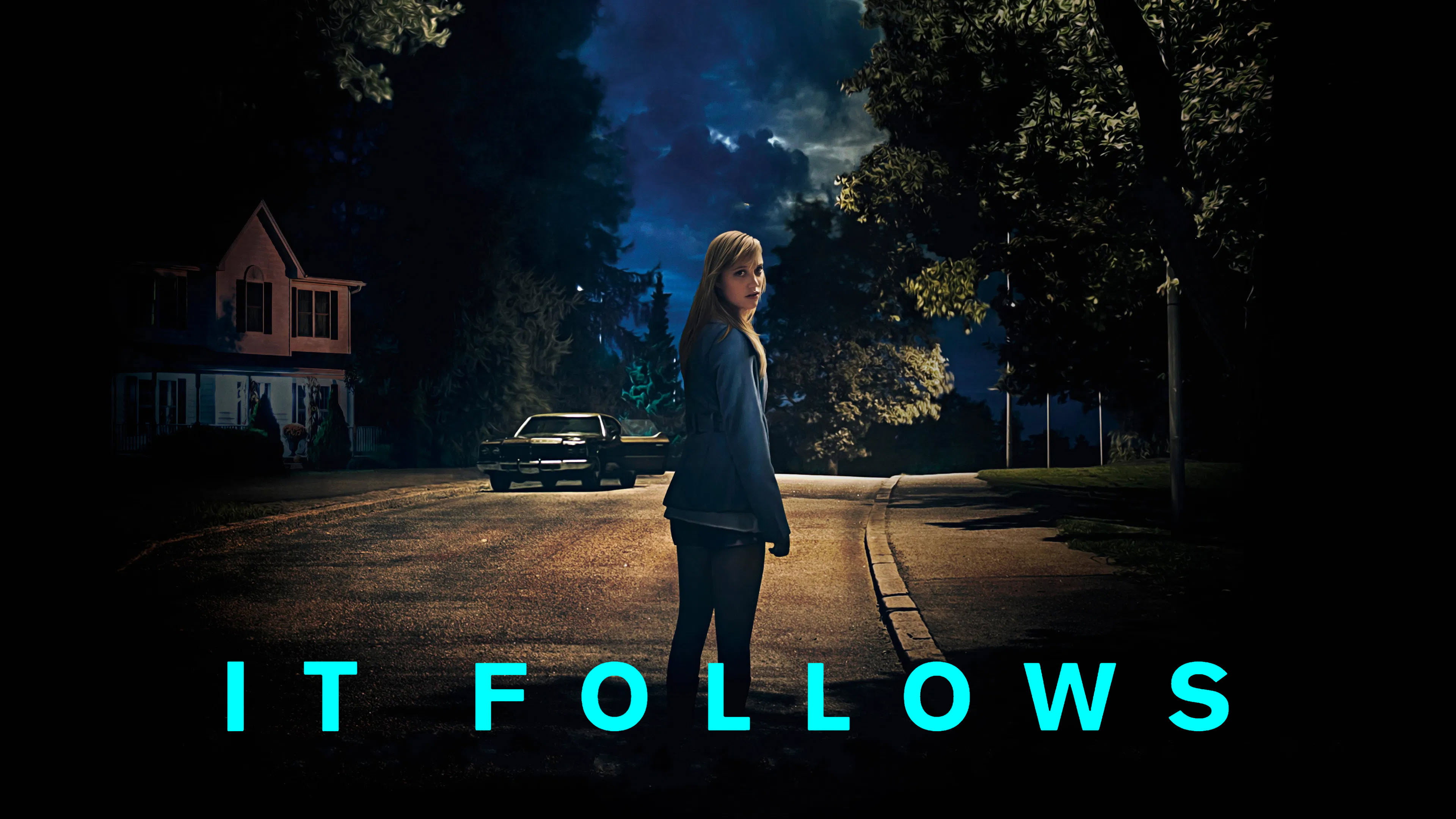
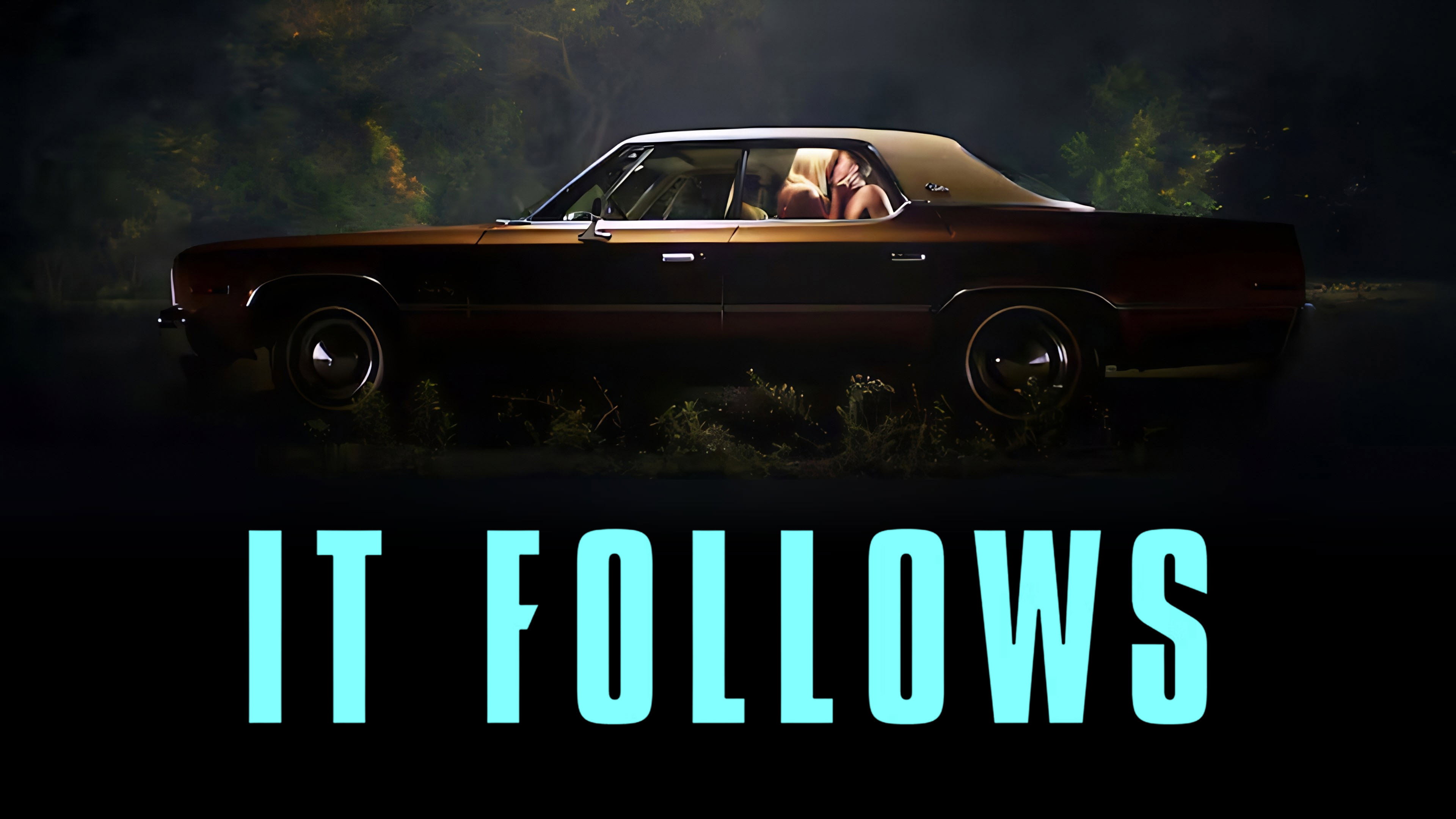
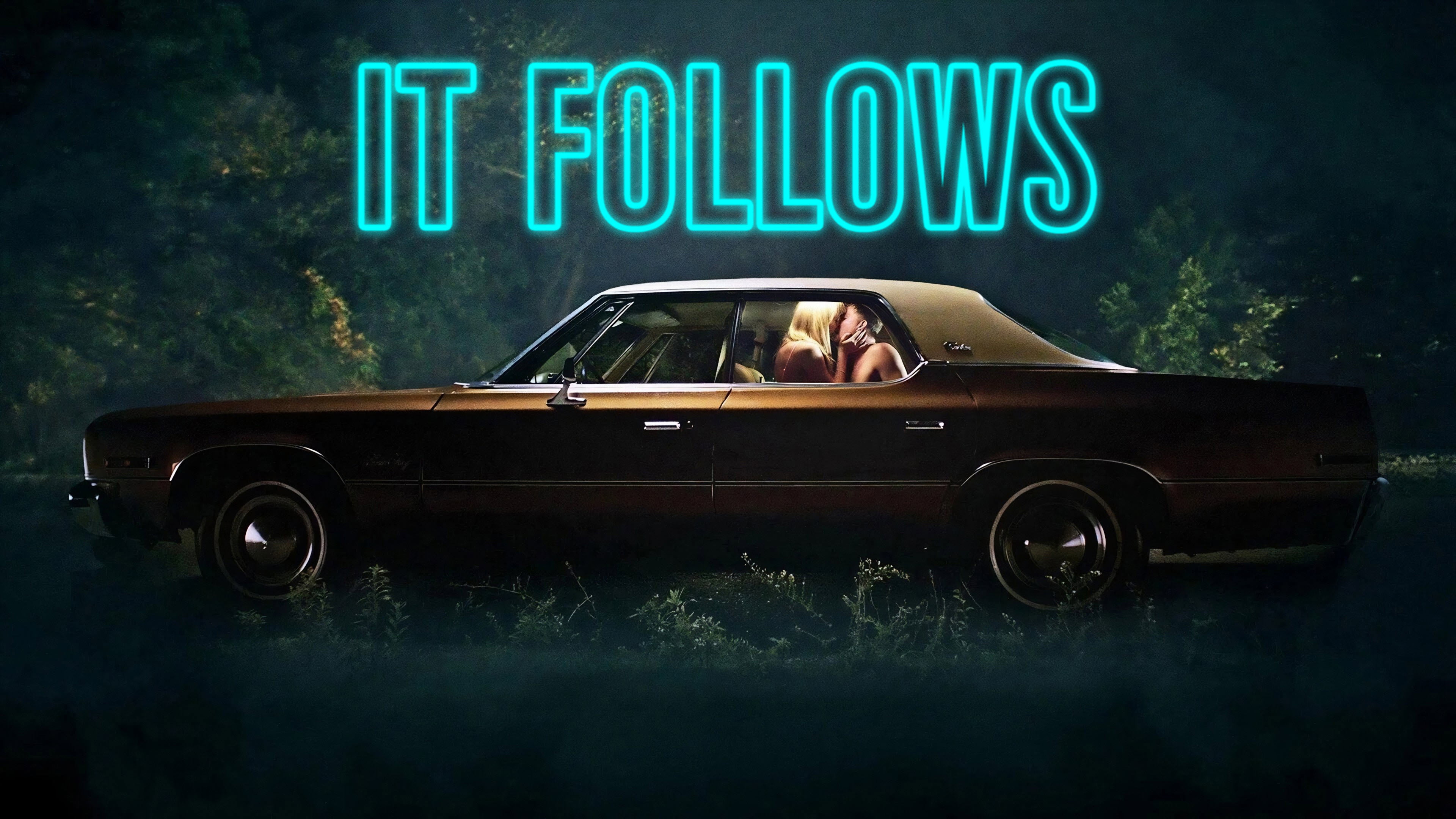
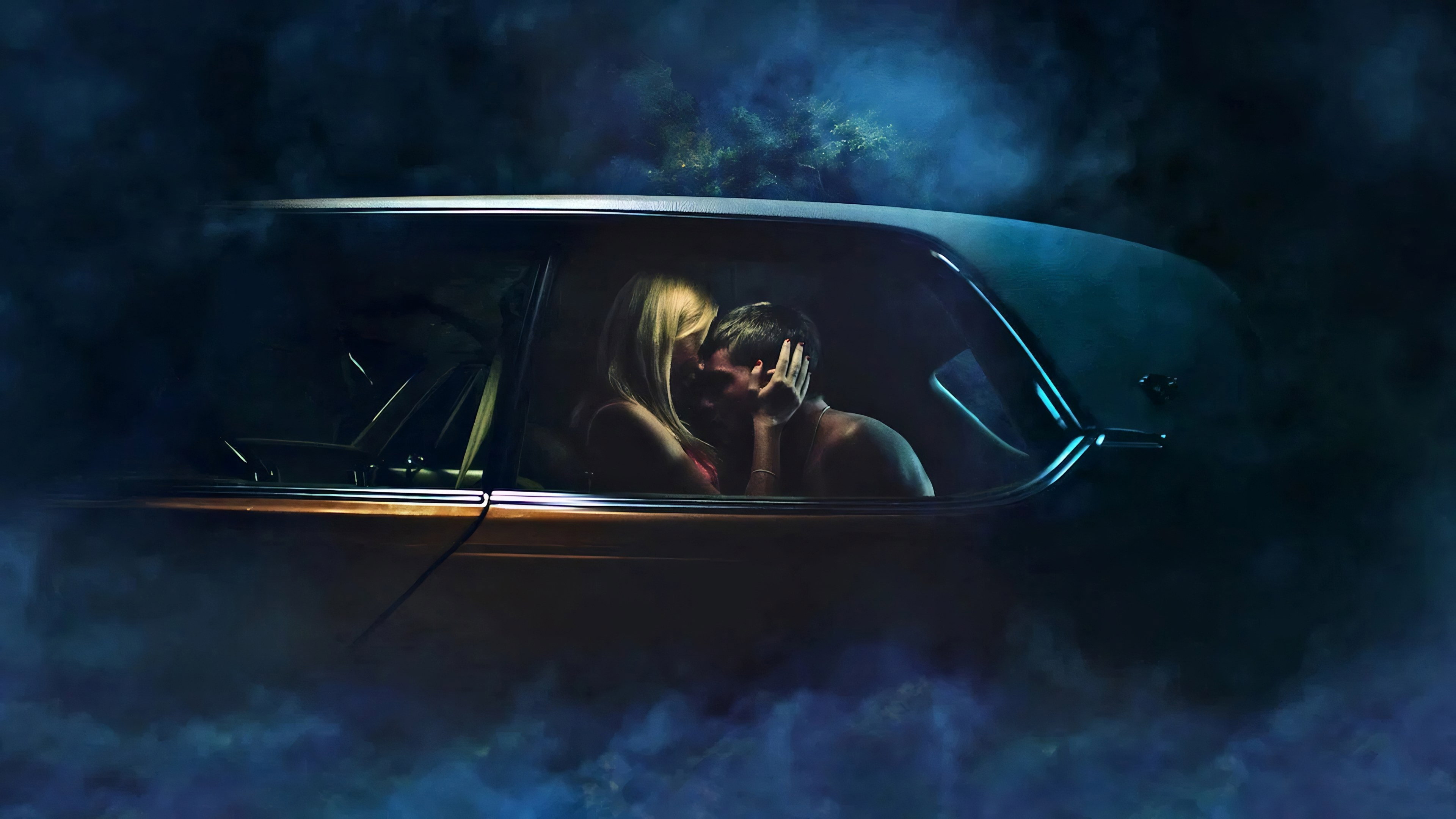
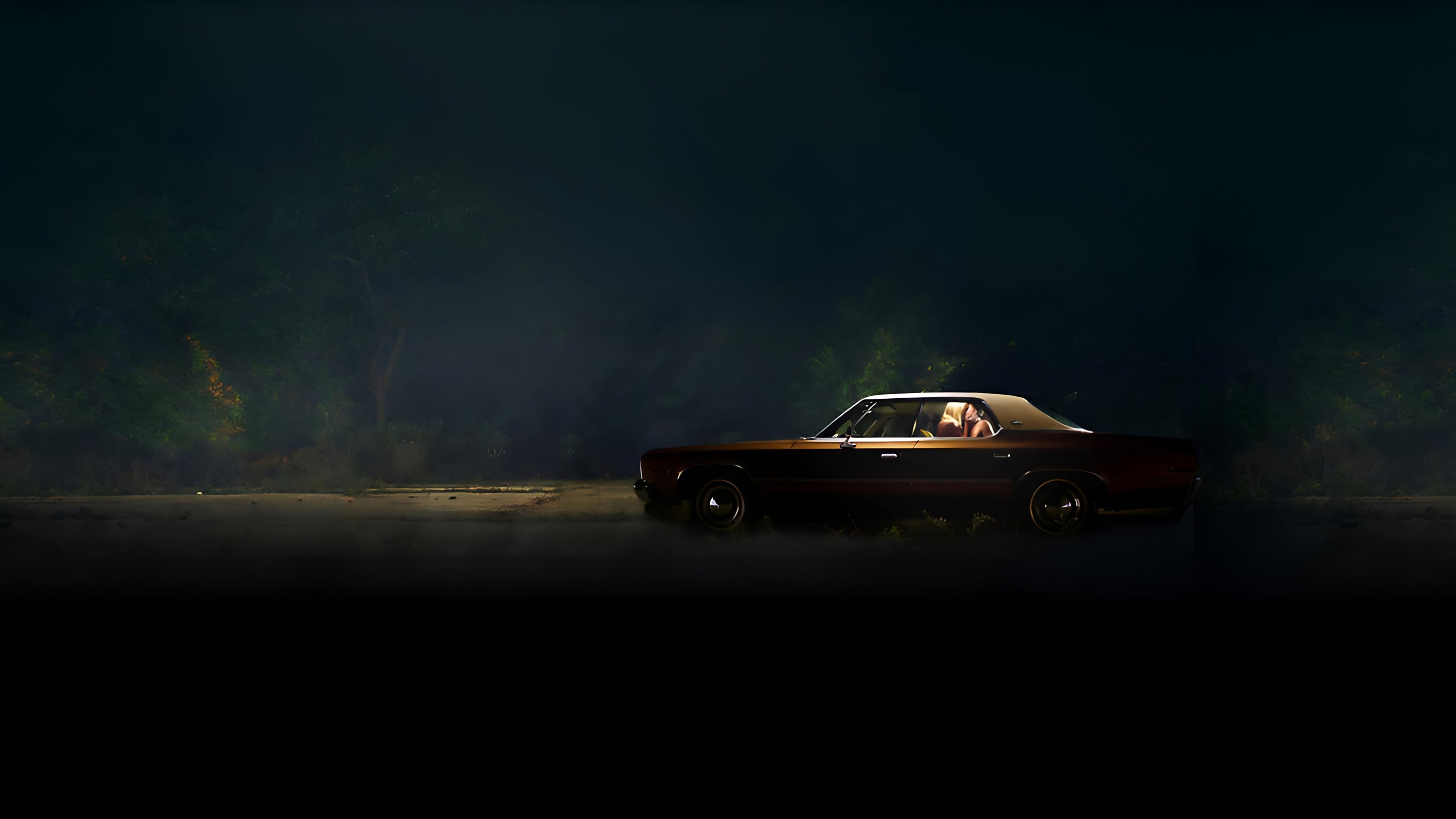
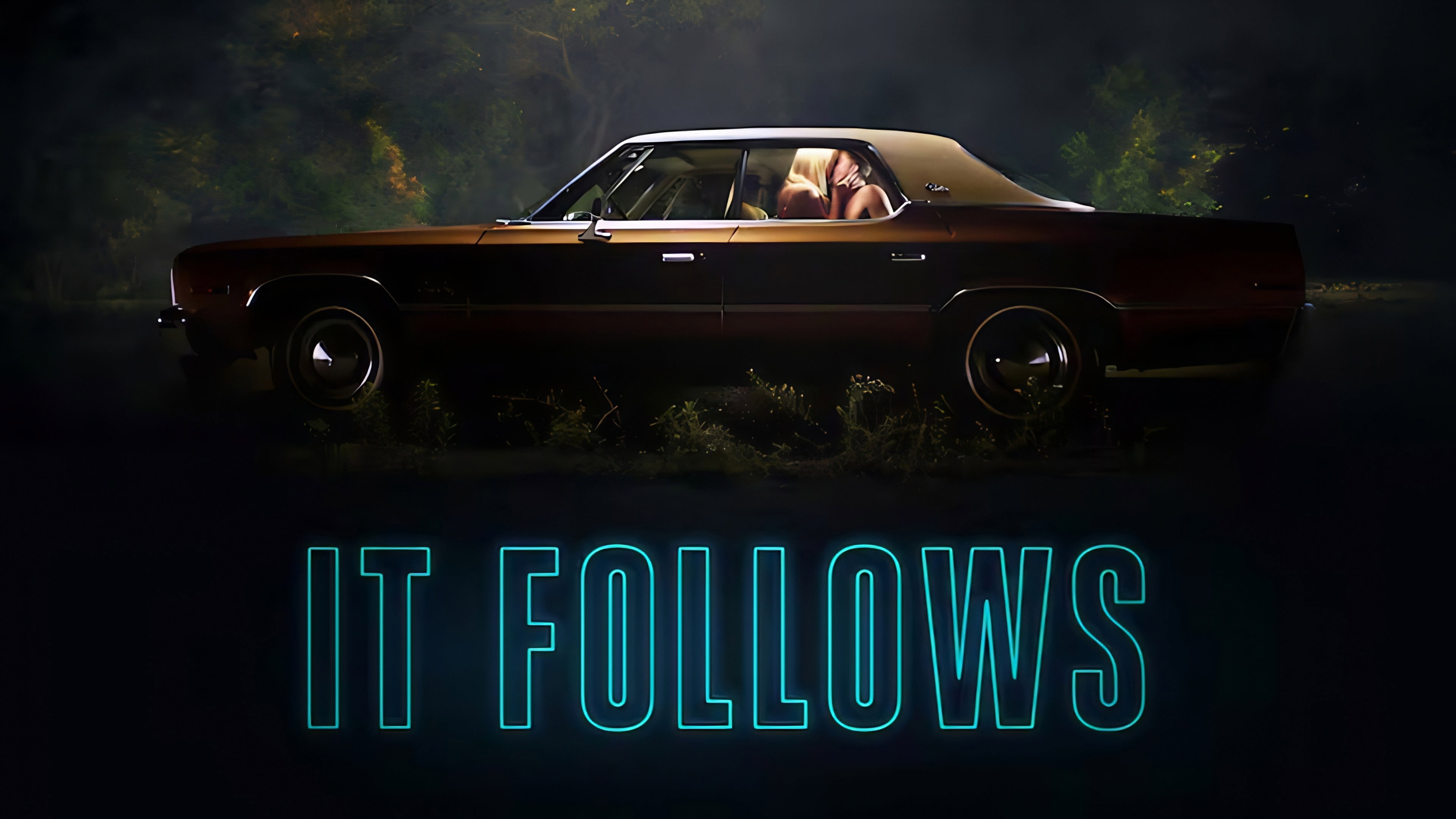
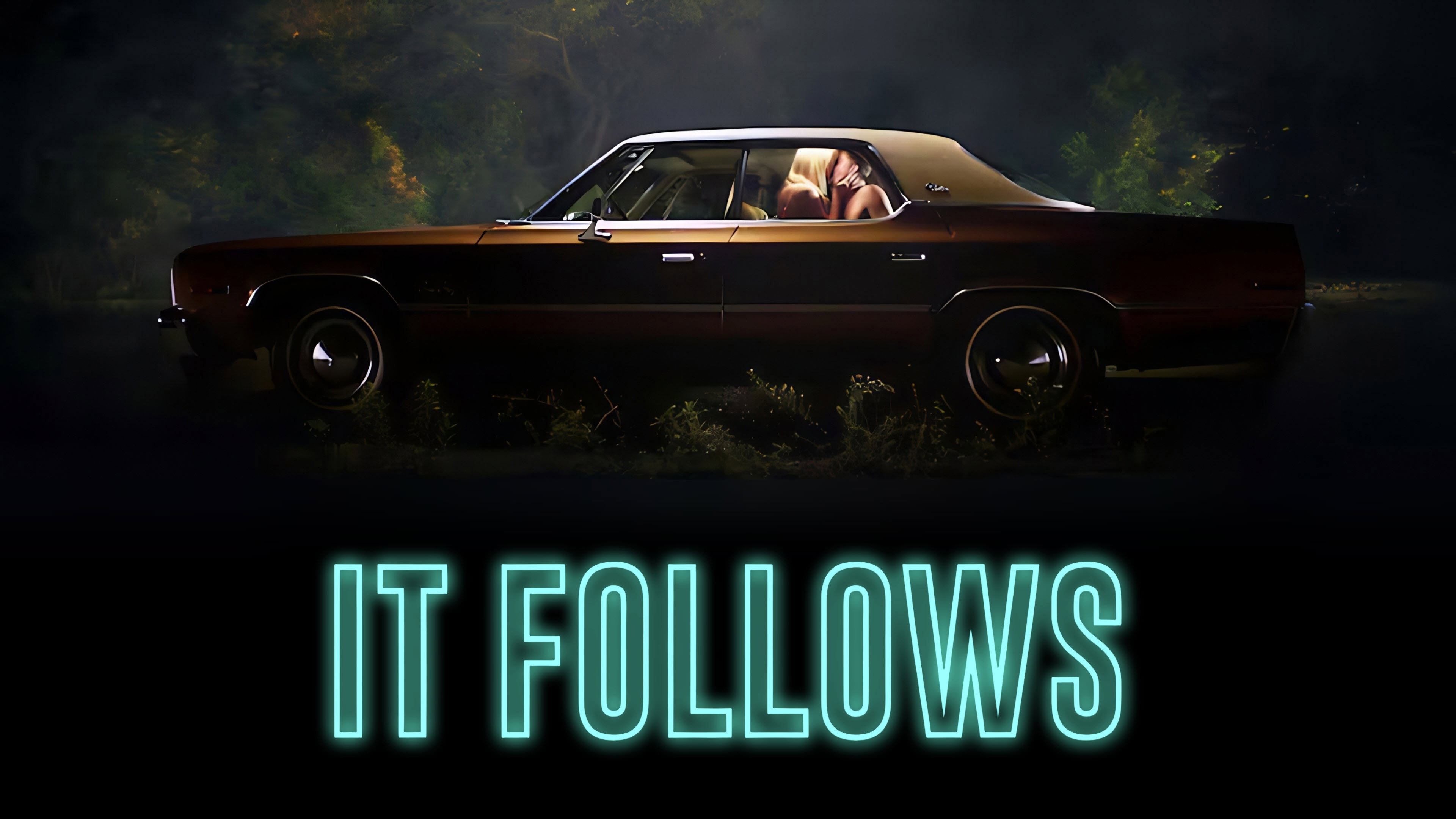
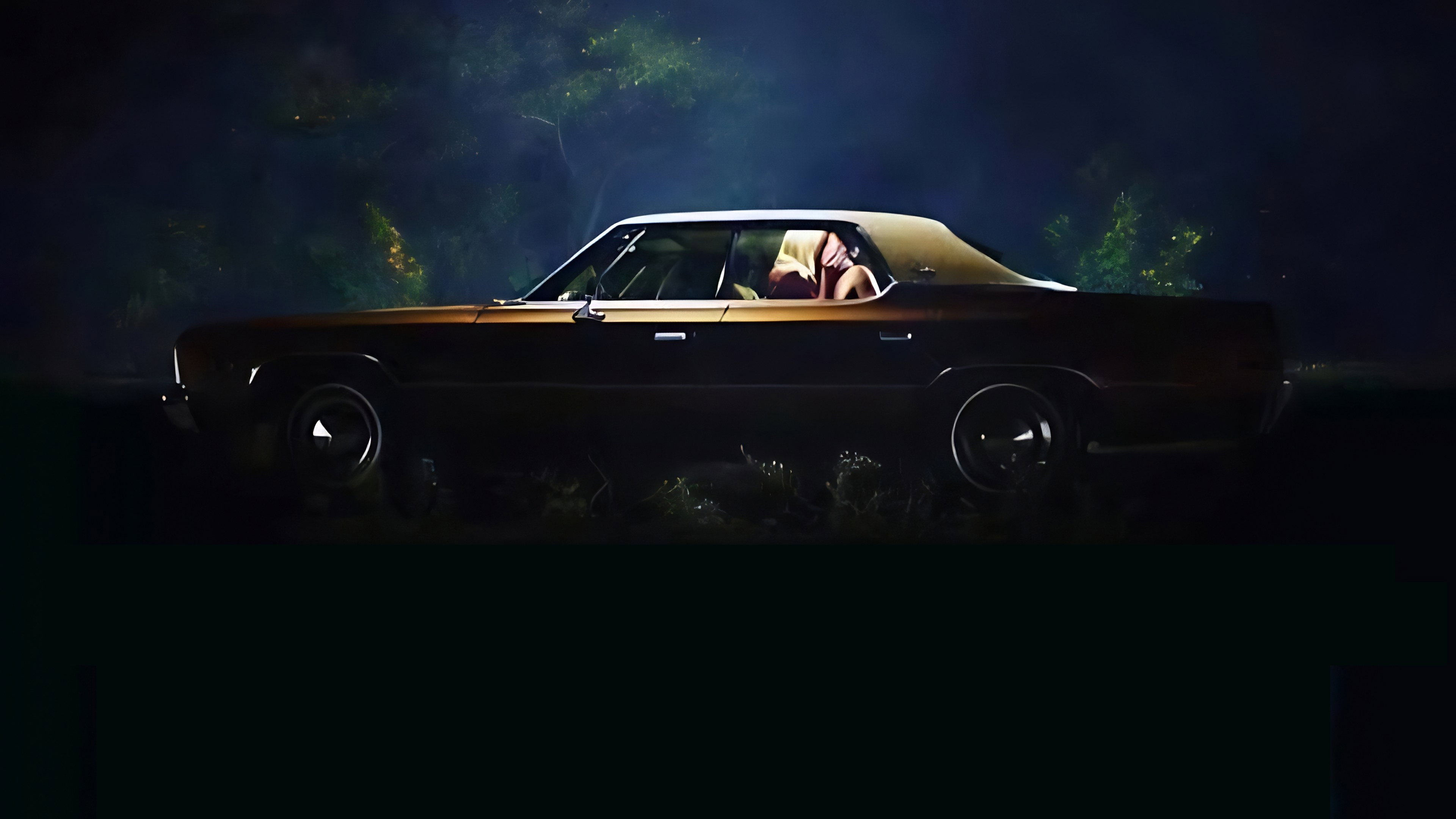
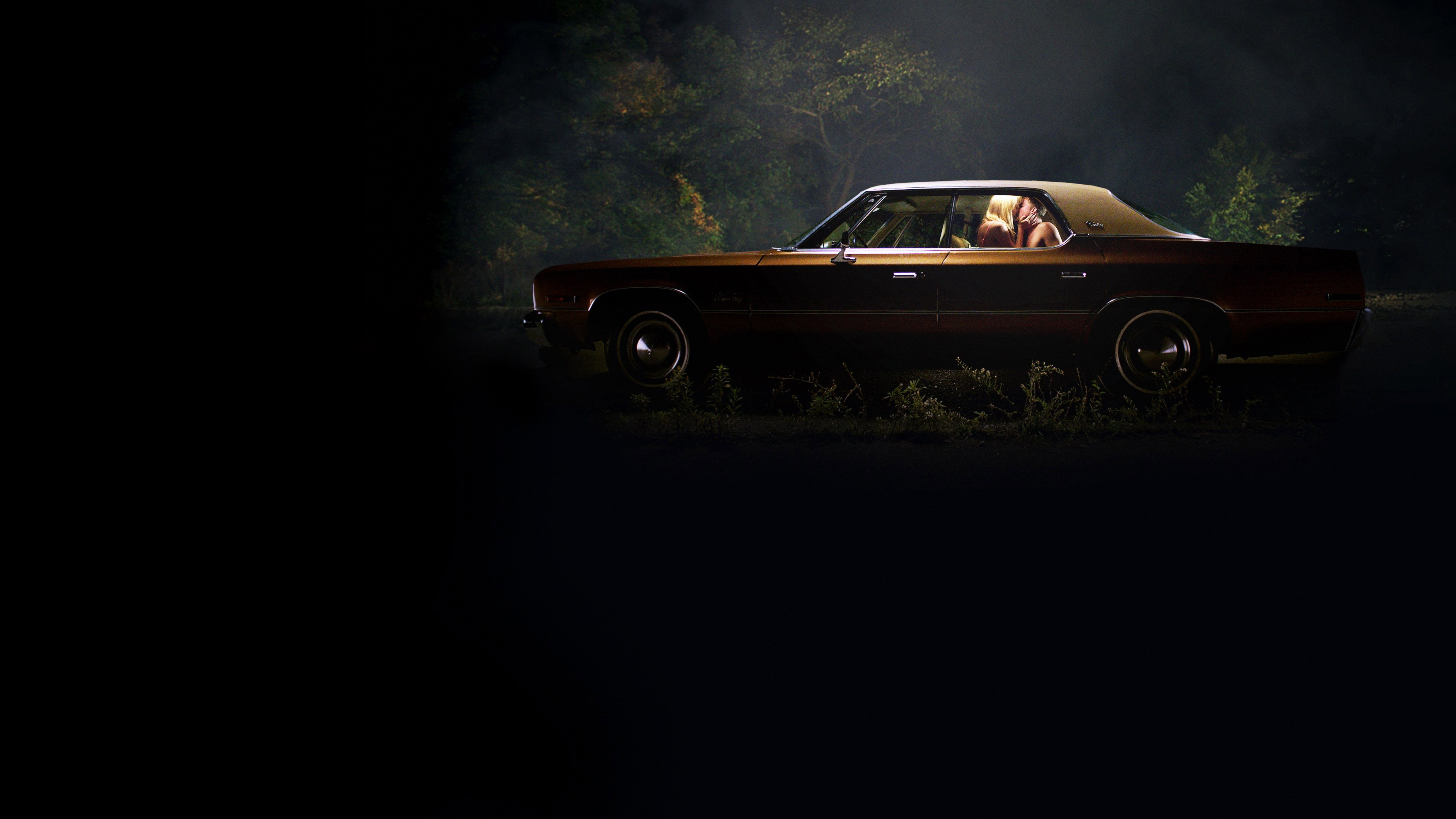
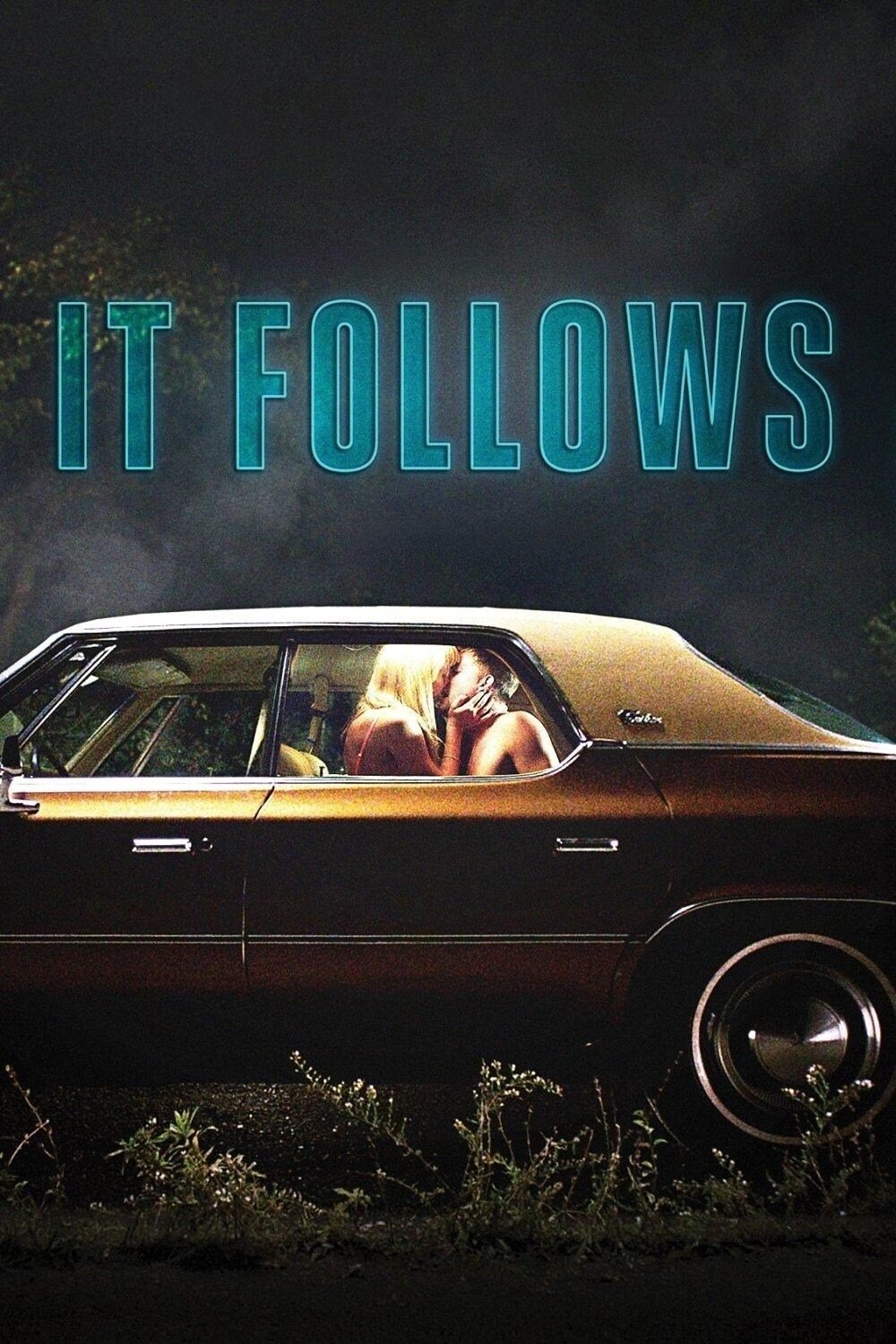
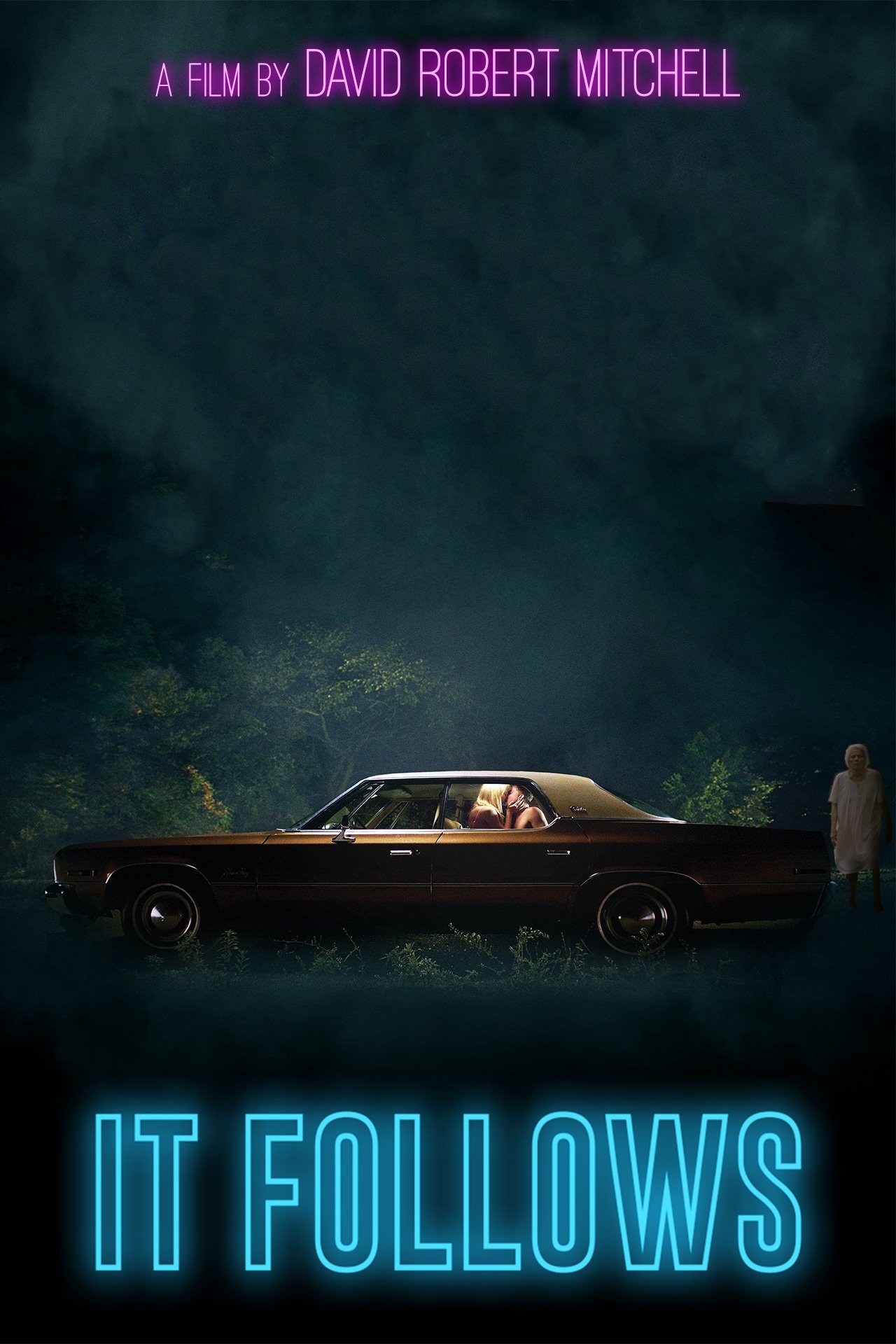
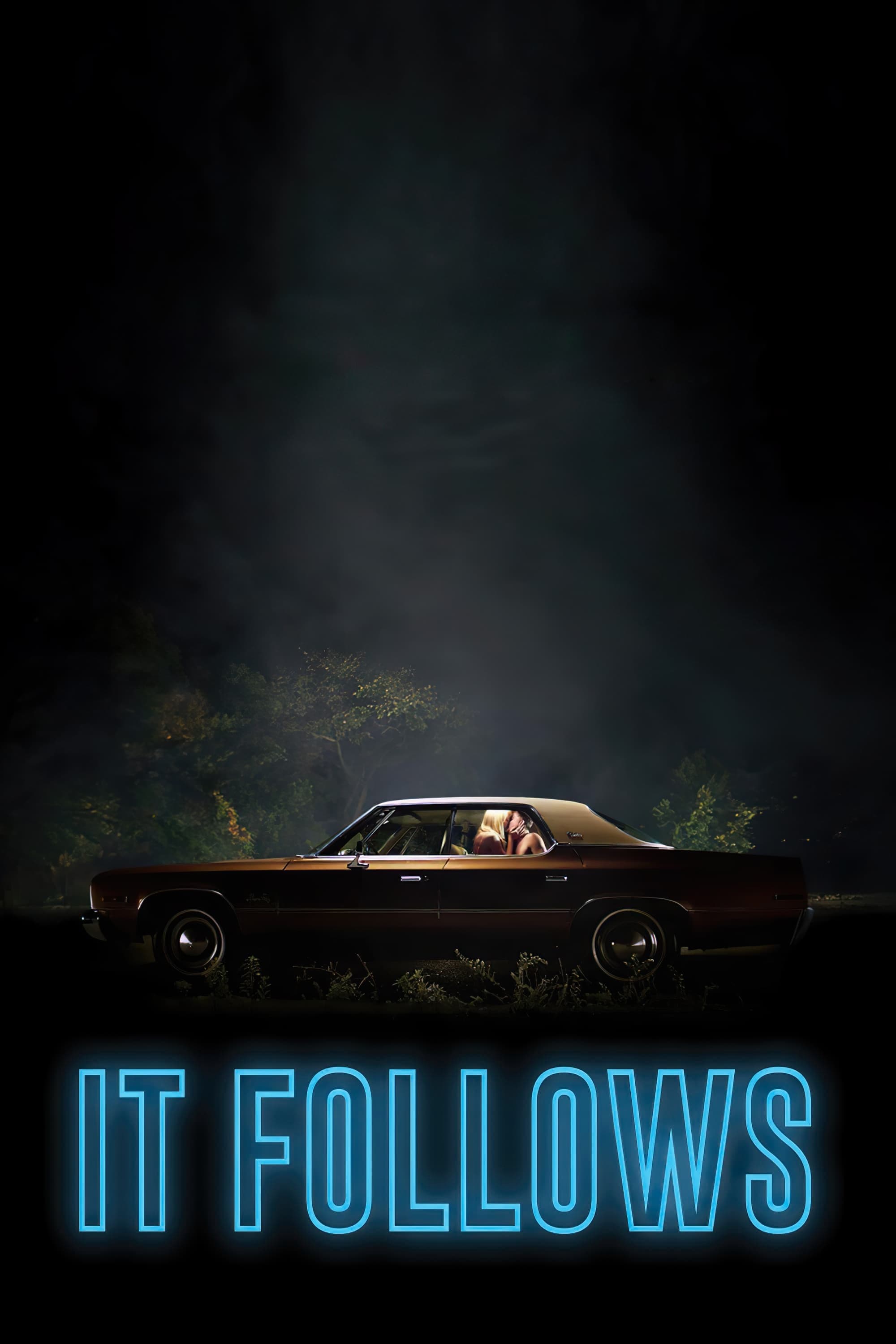
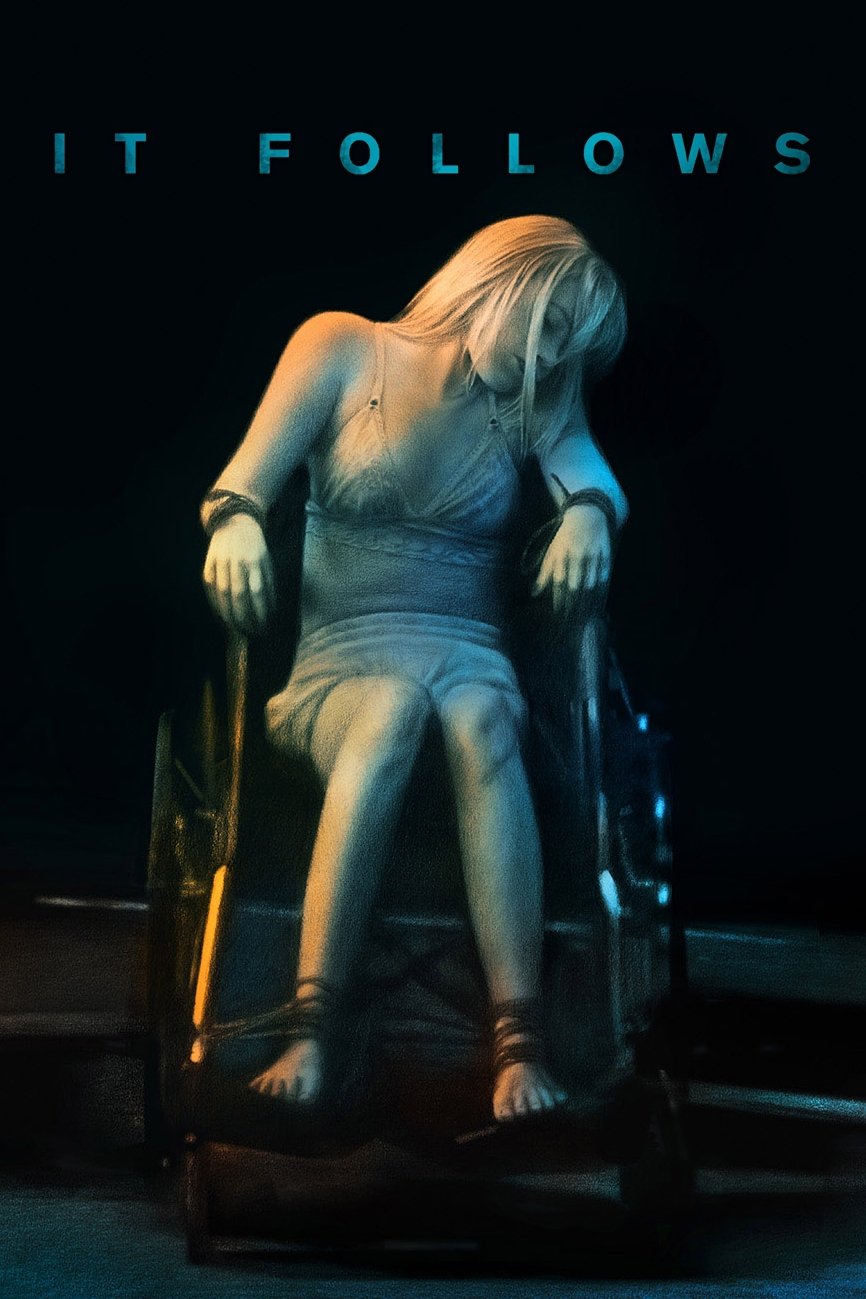
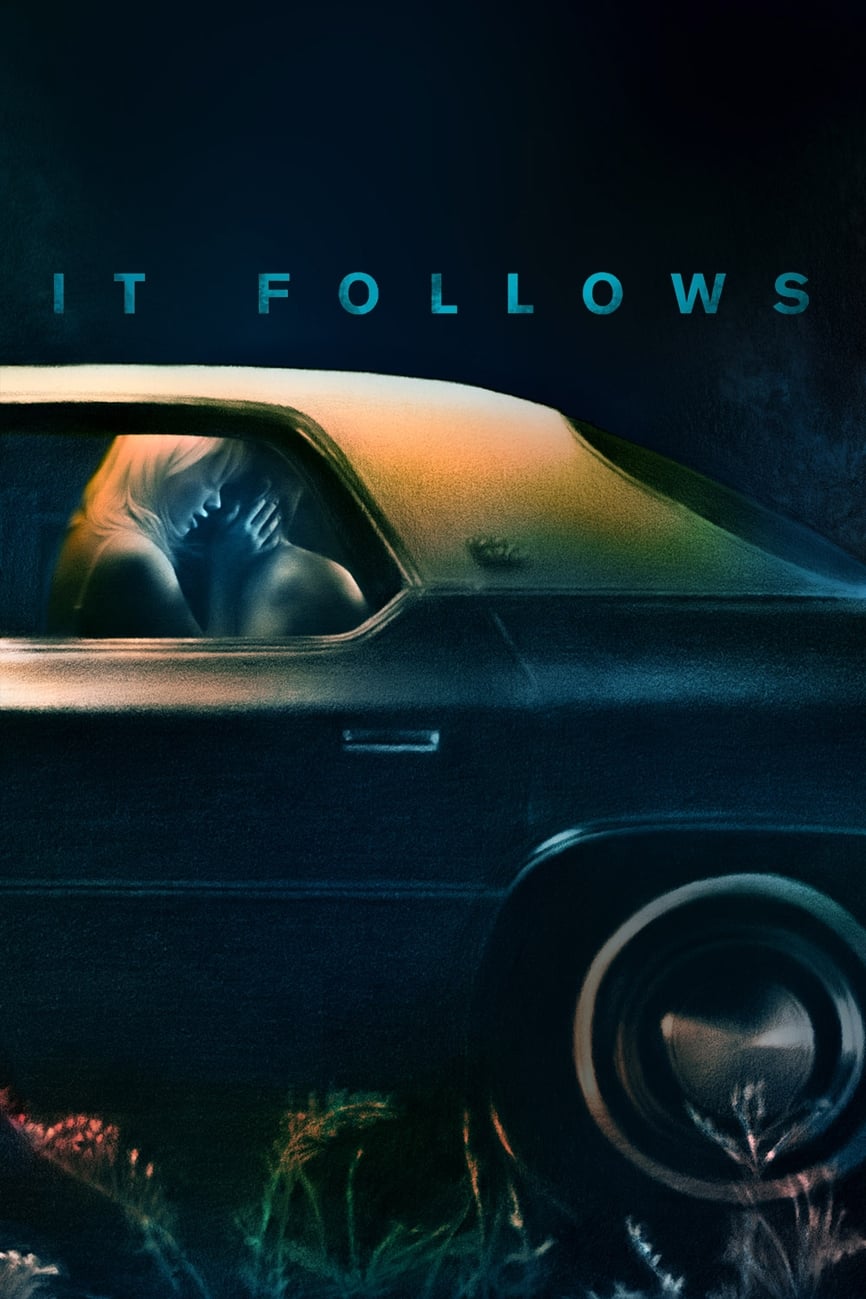
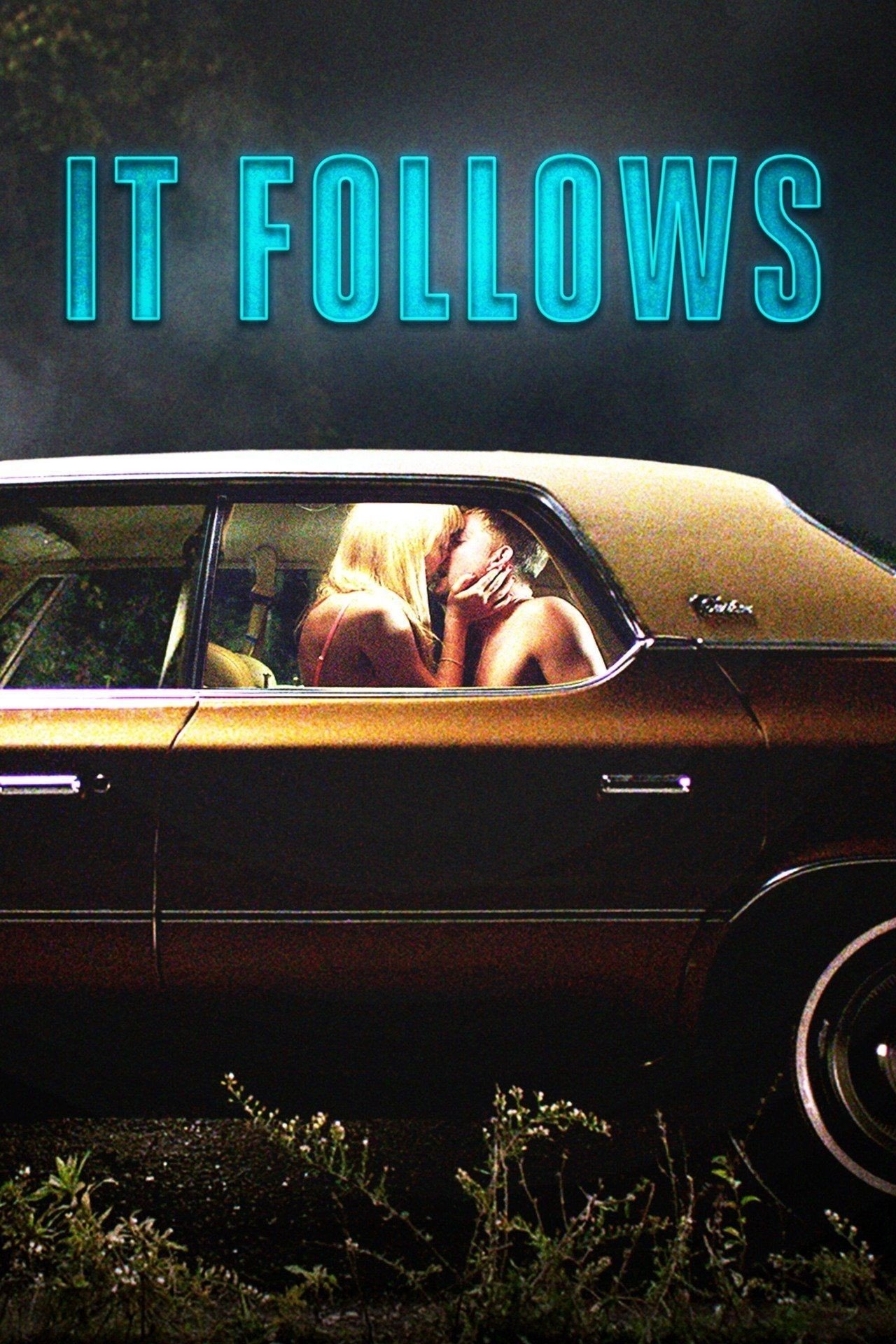
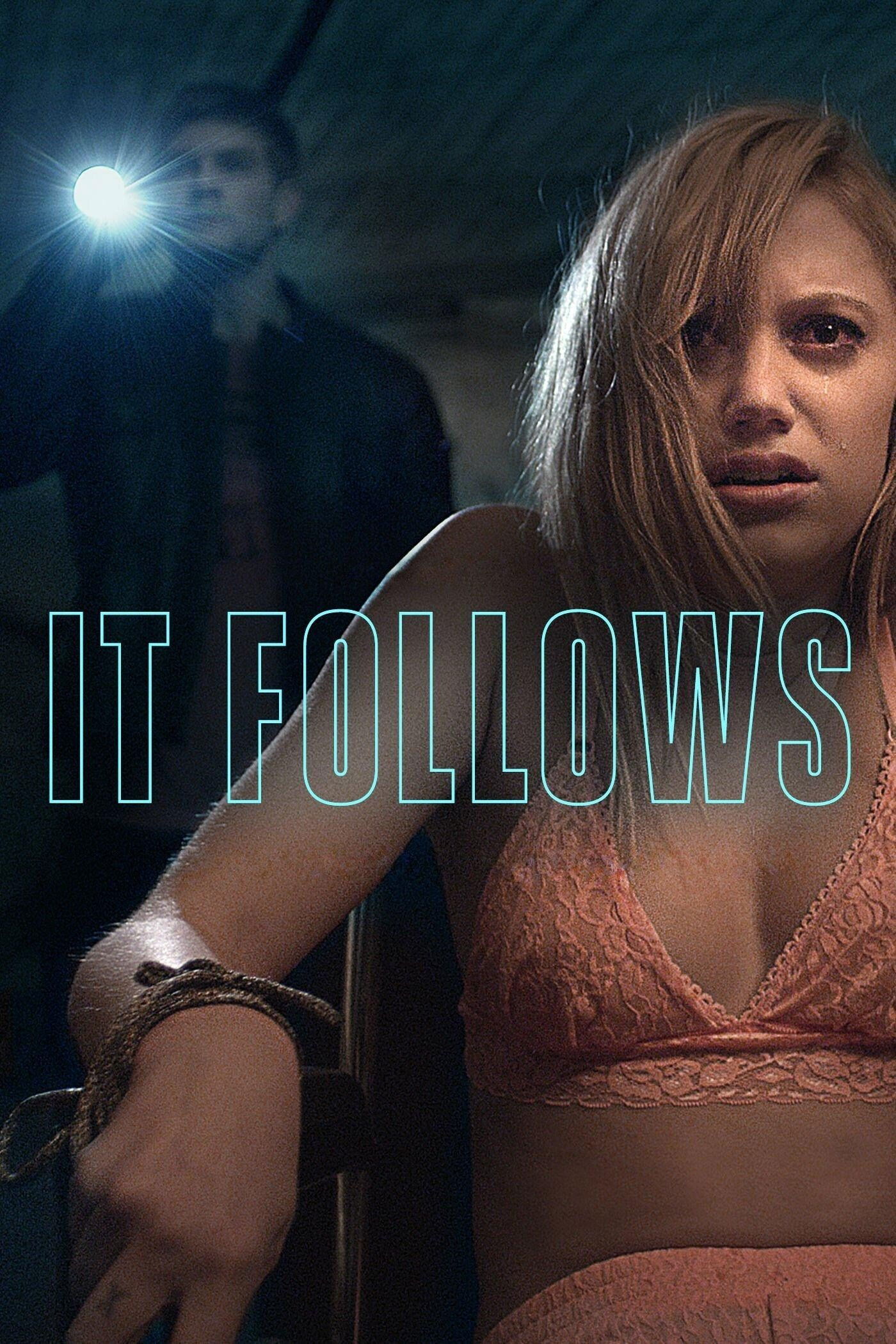
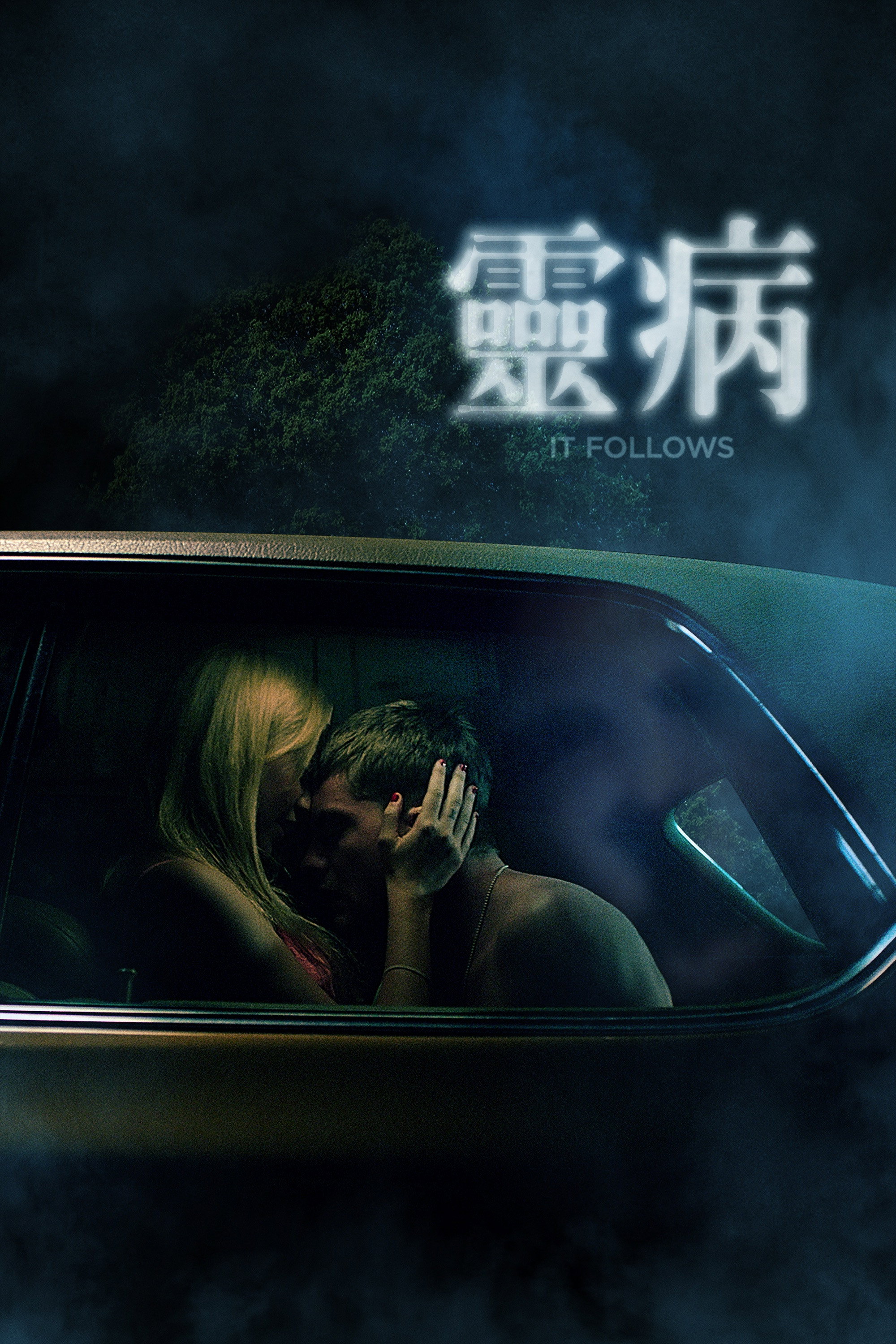
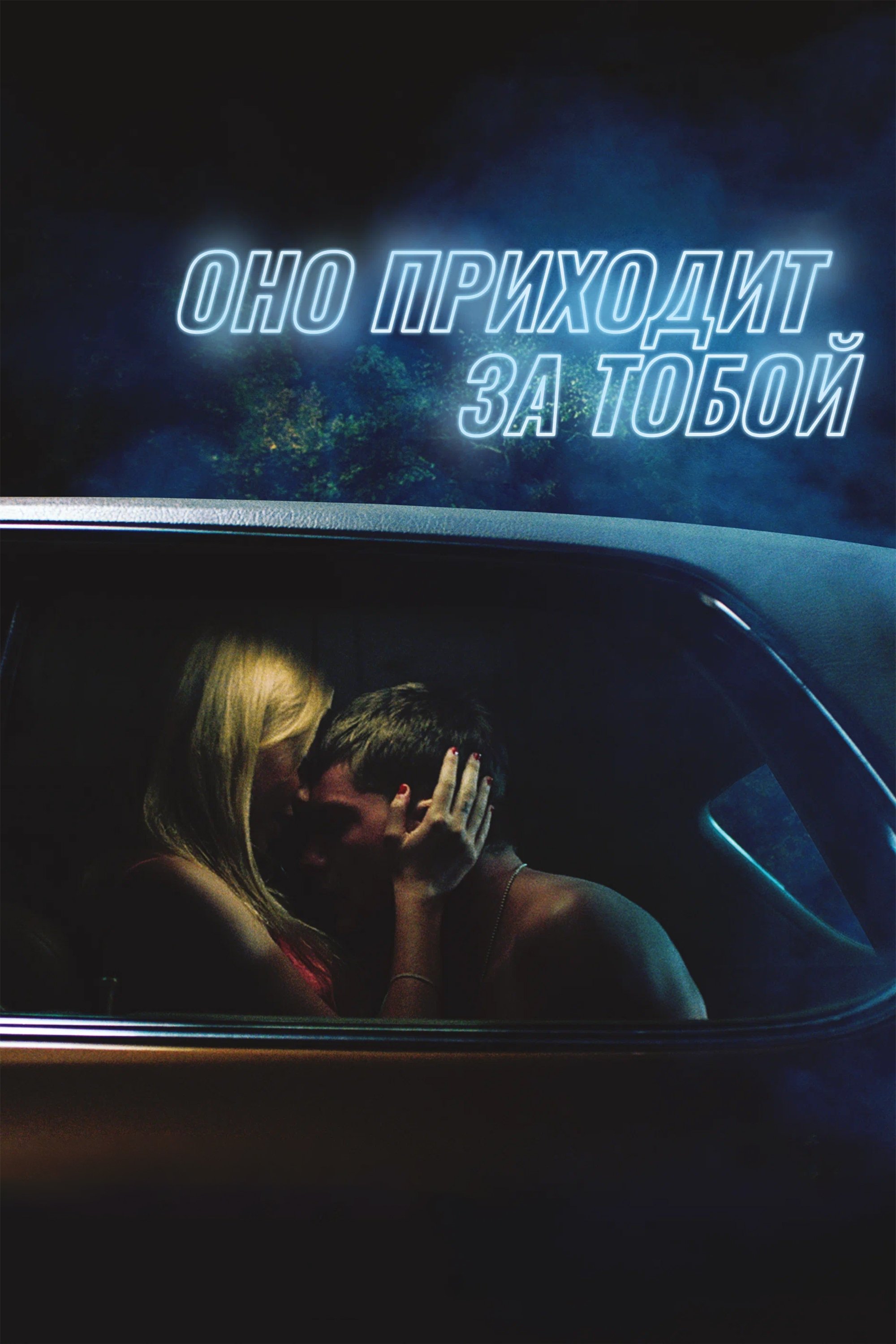
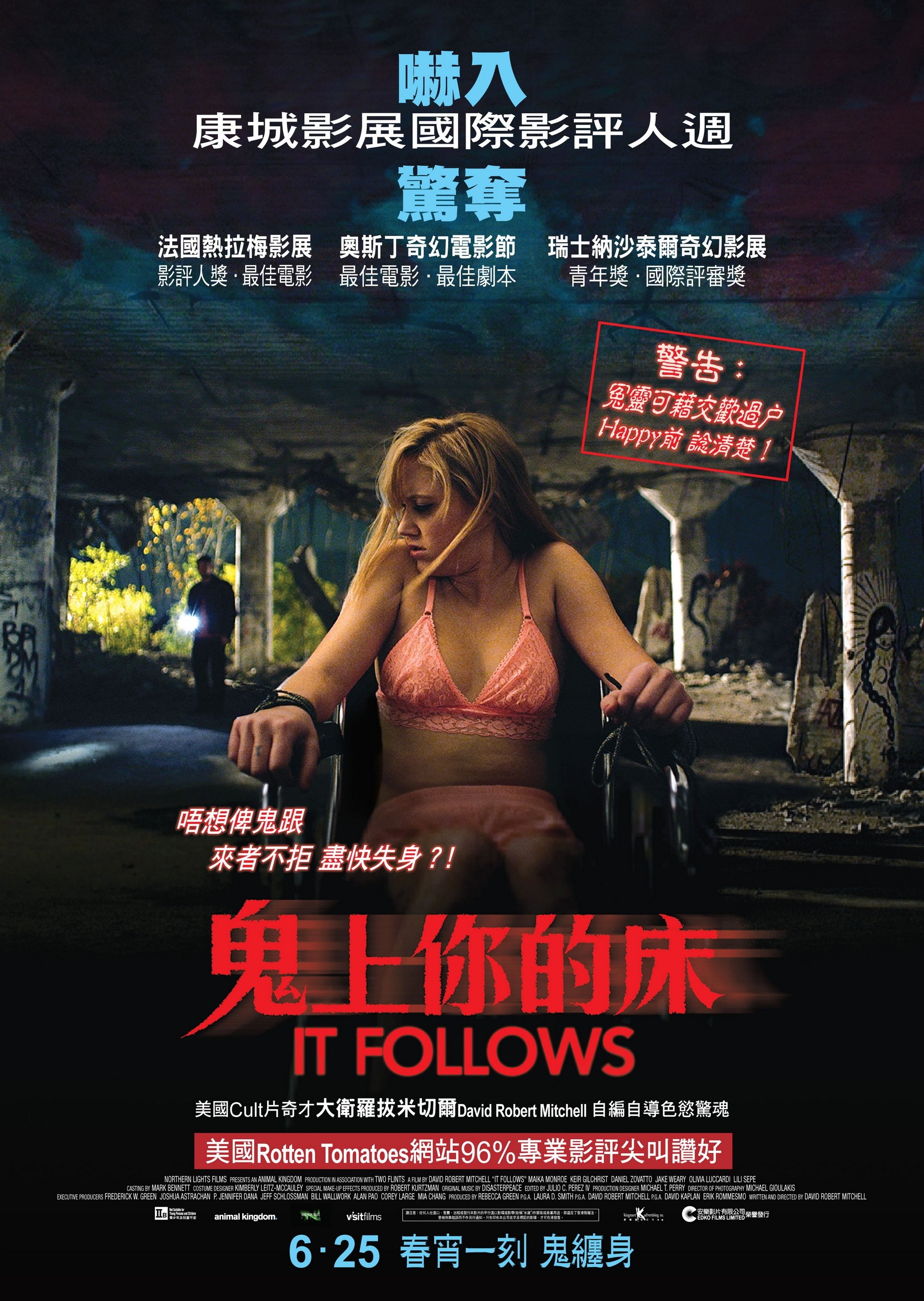
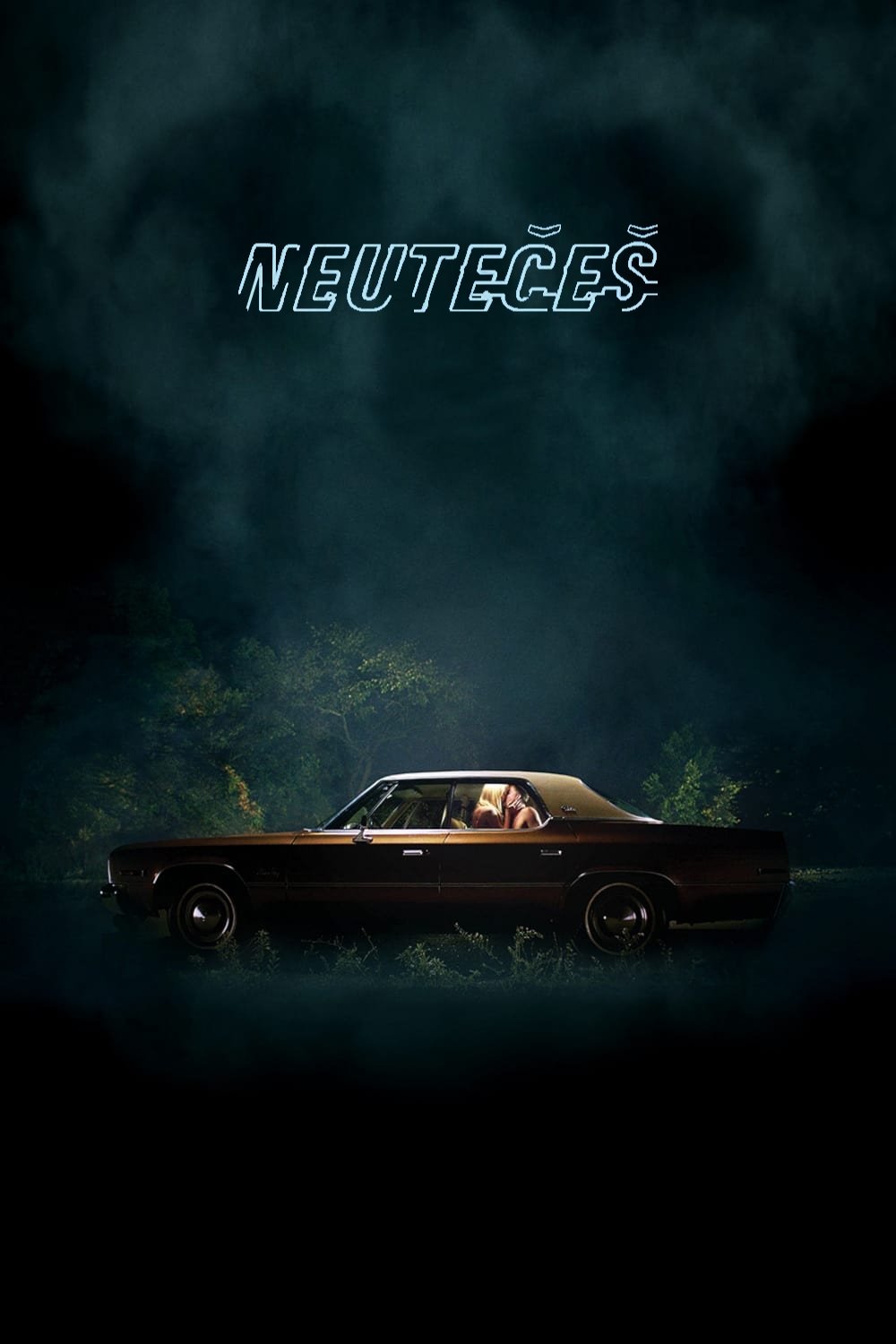
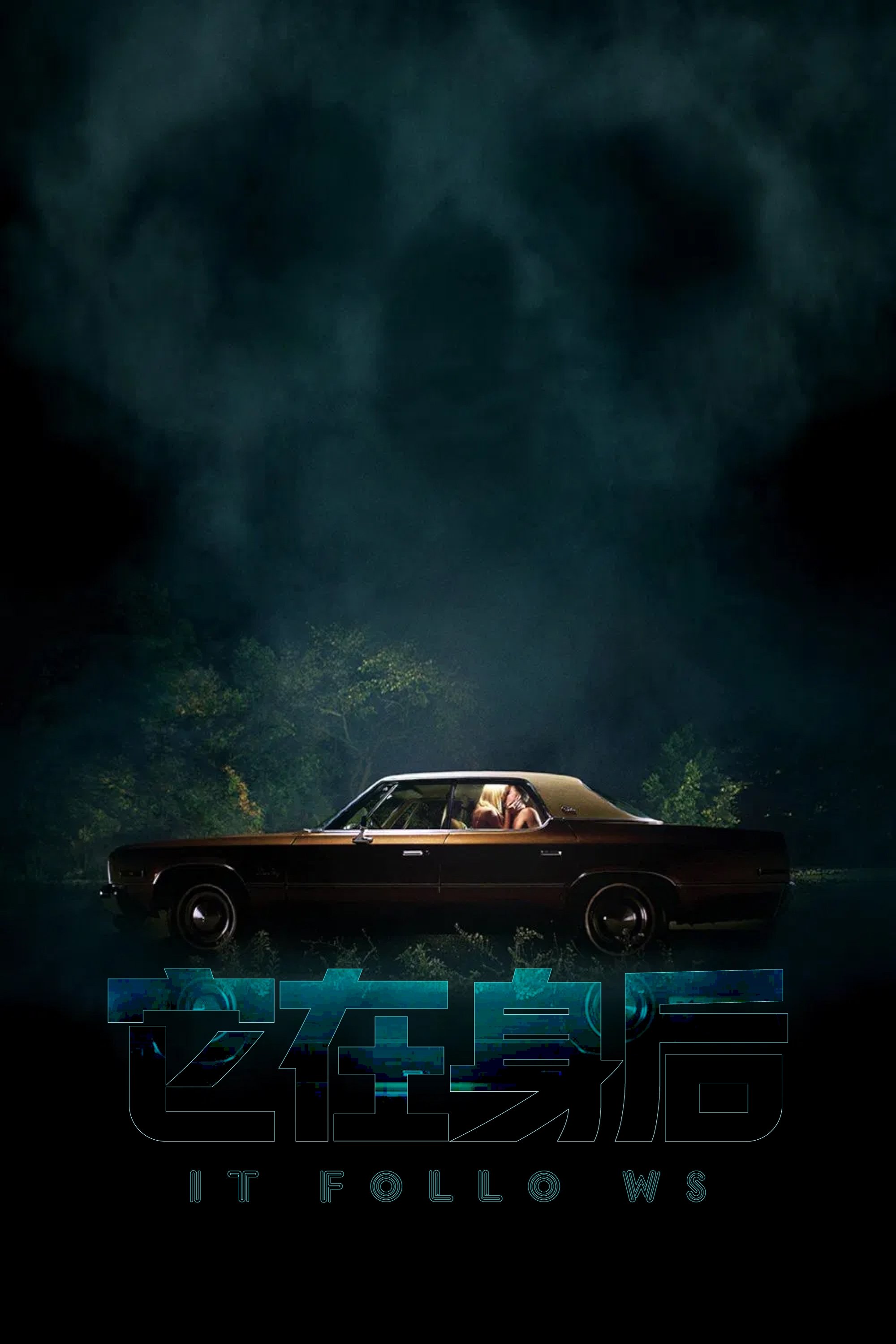
The production’s visual planning was unusually specific. Gioulakis recalled meeting Mitchell roughly a dozen times over several months to review storyboards and discuss individual shots. Some choices nevertheless emerged from locations encountered during filming, including the foreground flowers in a scene involving Jay in the back seat of a car. An important location also changed for practical reasons: according to Gioulakis, an interior originally intended for the sequence in which Jay is restrained could no longer be used after a killing at that site, and the crew instead filmed at the abandoned Packard Plant. Such decisions situated the film’s supernatural events within physical spaces that already possessed strong visual characteristics.
The Pursuer and the Rules of Fear
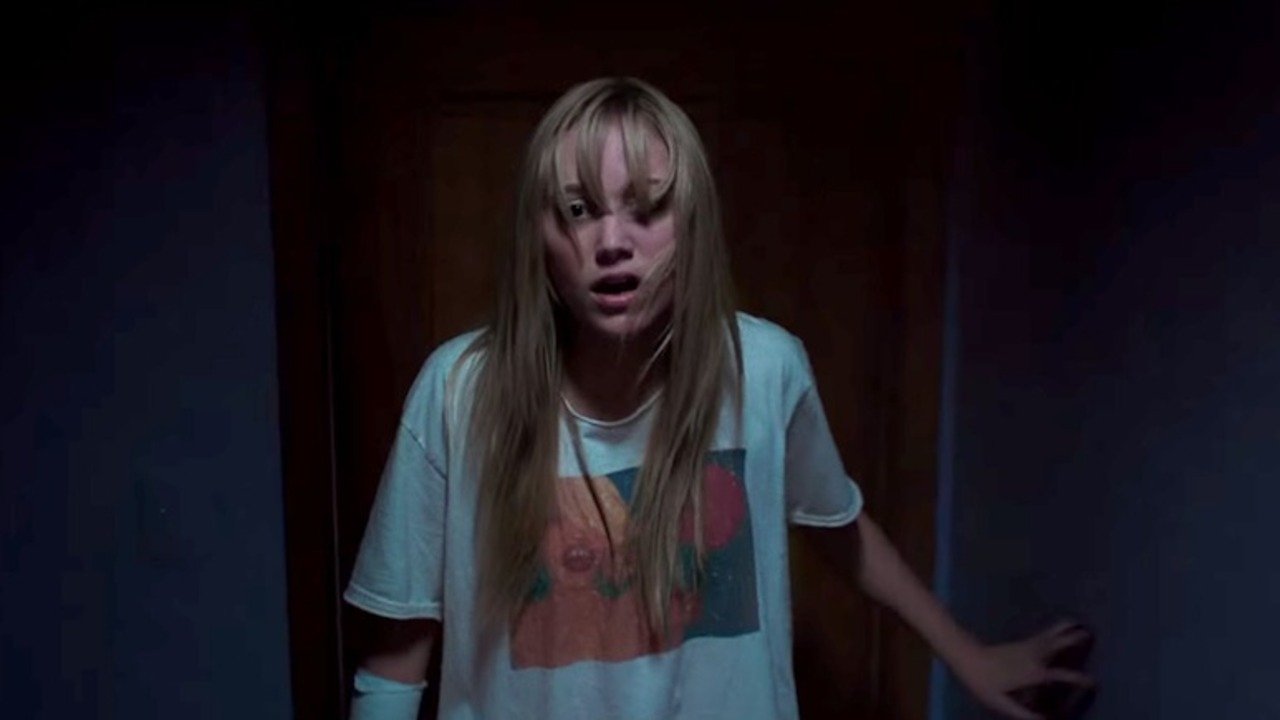
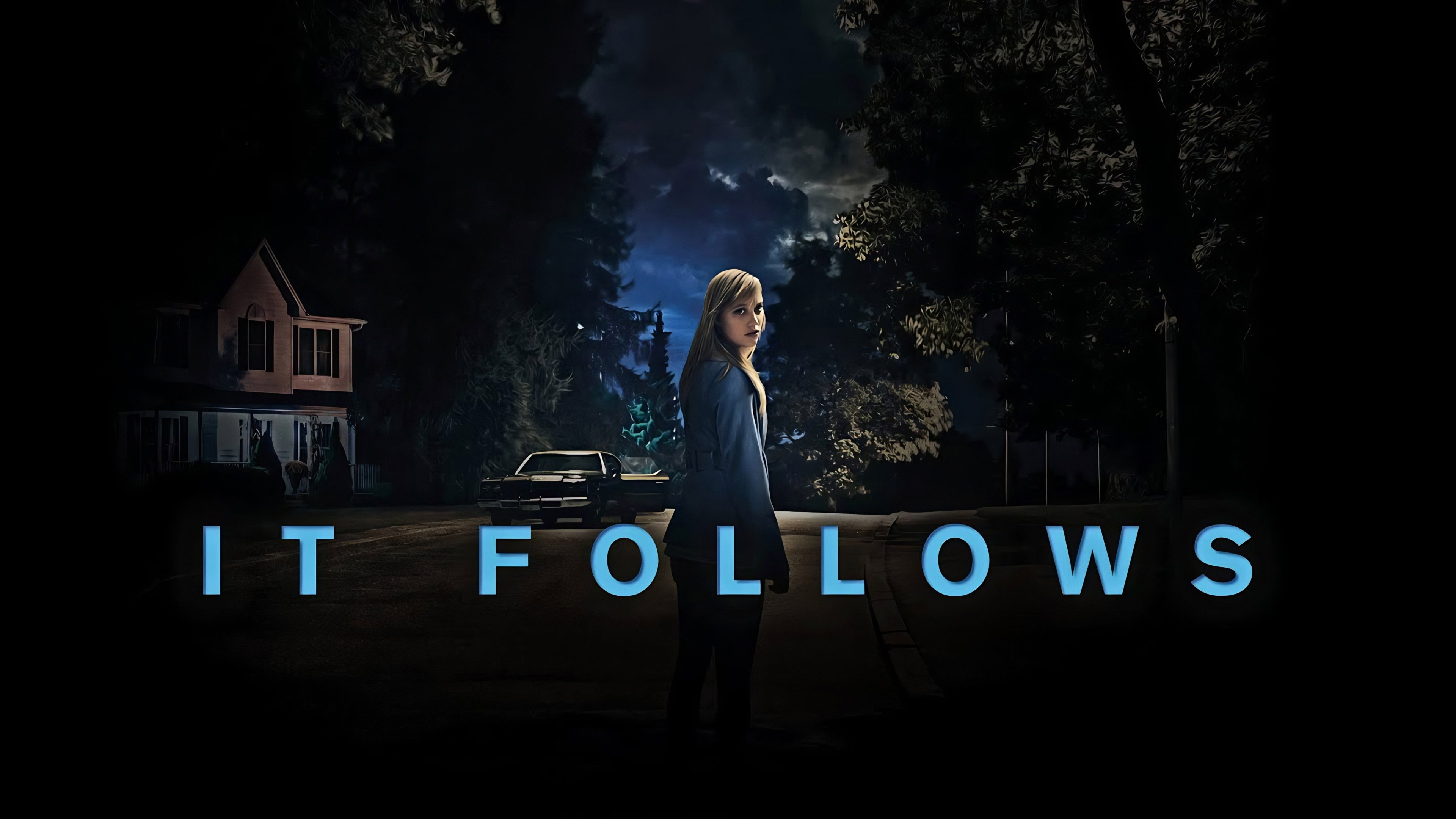
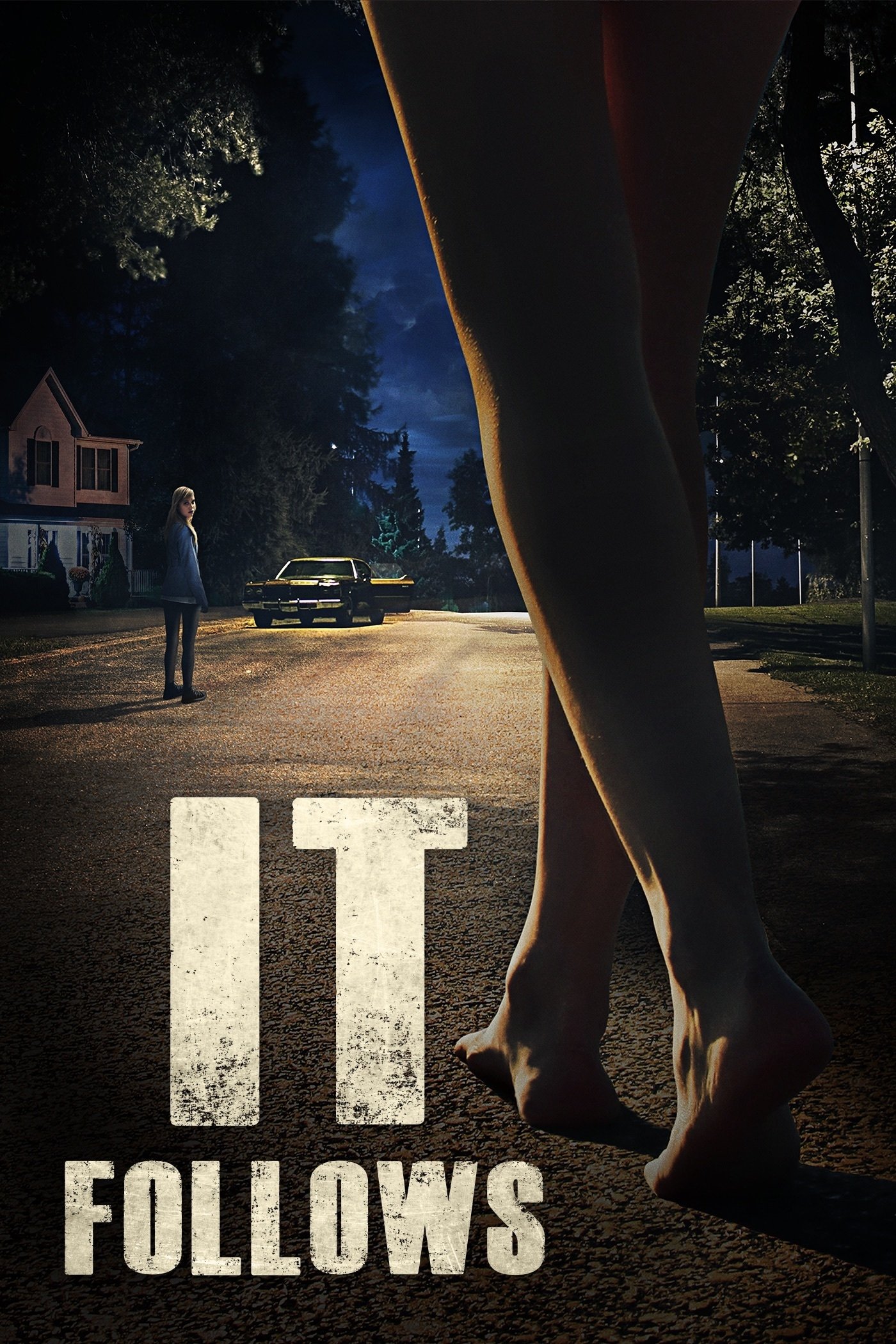
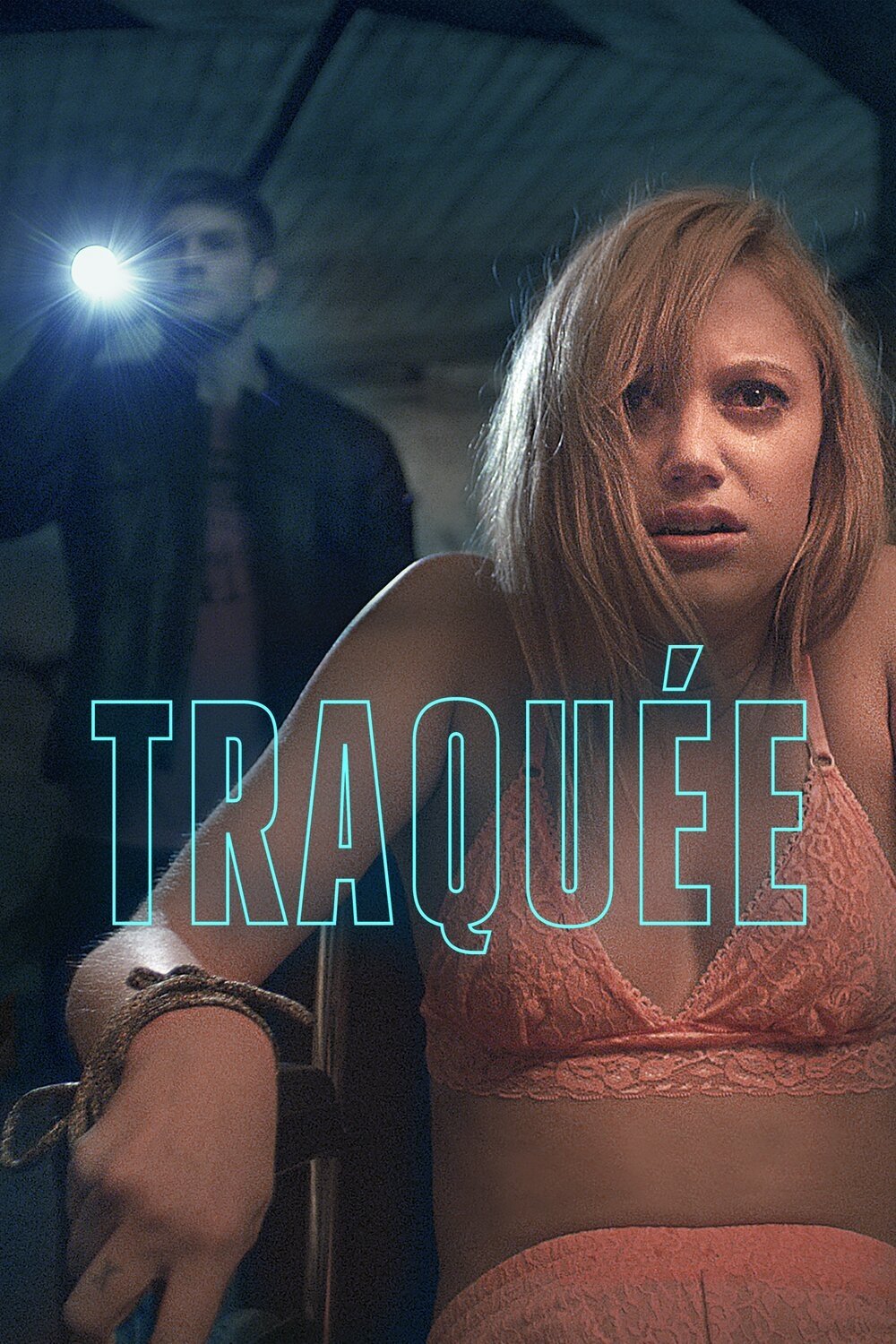
The curse reaches Jay through Hugh, who explains that the follower will approach continuously and can assume the appearance of strangers or people she recognizes. Transmission through sex shifts its immediate attention to another person, but the chain remains vulnerable: if a later target is killed, the force returns to someone earlier in the sequence. These rules turn an intimate act into a decision with consequences for several lives. They also make every apparent escape temporary. Travel can create distance, and a locked room may delay an encounter, yet neither measure resolves the larger problem presented by an adversary that keeps advancing.
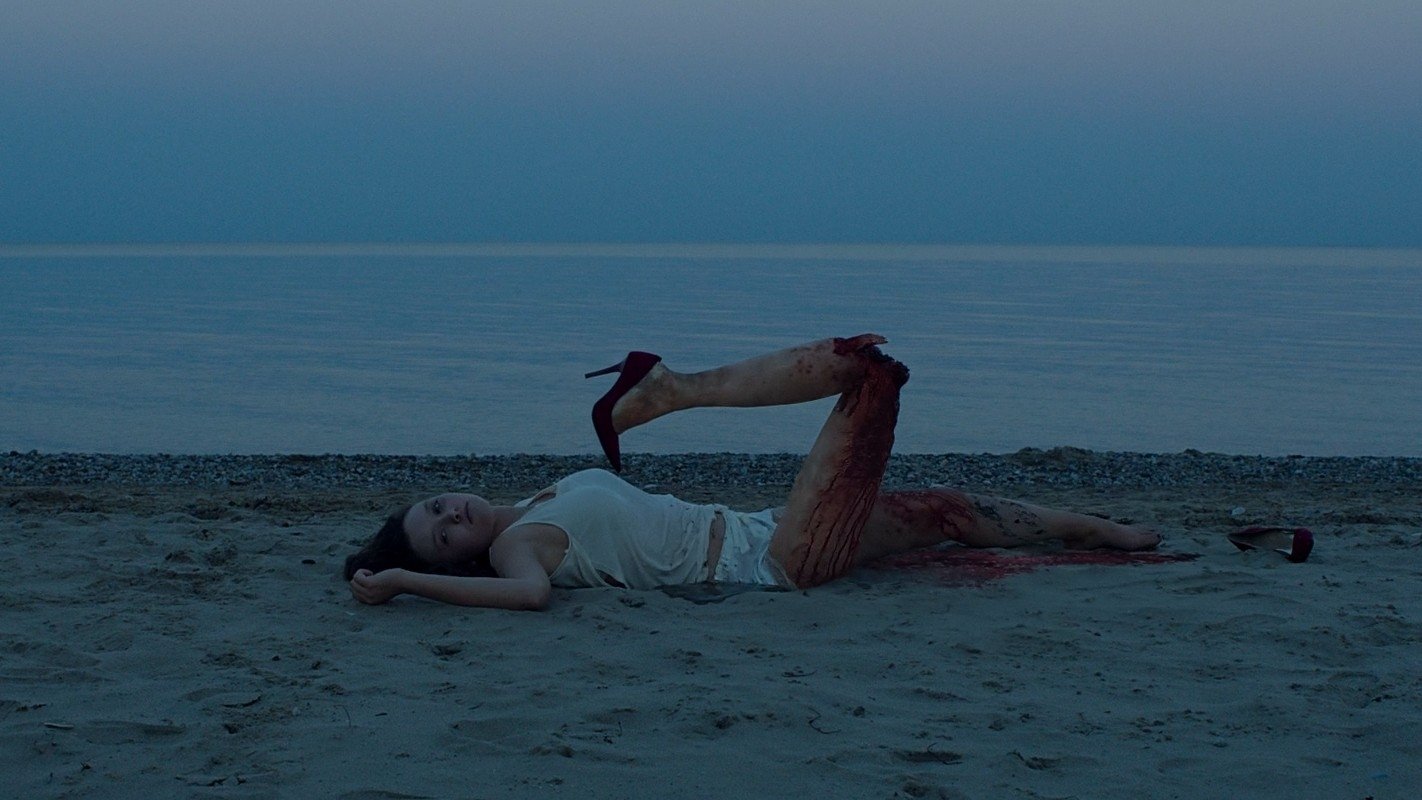
The entity’s changing appearance creates uncertainty about what the characters and the audience are seeing. A distant pedestrian might be harmless, and a familiar face might conceal the pursuer. Mitchell said that he deliberately wanted ordinary movement in the background to become suspect, including moments when a passerby entered a shot without being assigned a dramatic role. The principle broadens the field of possible threats beyond a recognizable monster design. Its most effective appearances exploit differences between what Jay knows, what her friends can perceive, and what the camera allows the viewer to inspect. Several encounters take place in apparently open or safe surroundings, where visibility offers little reassurance.
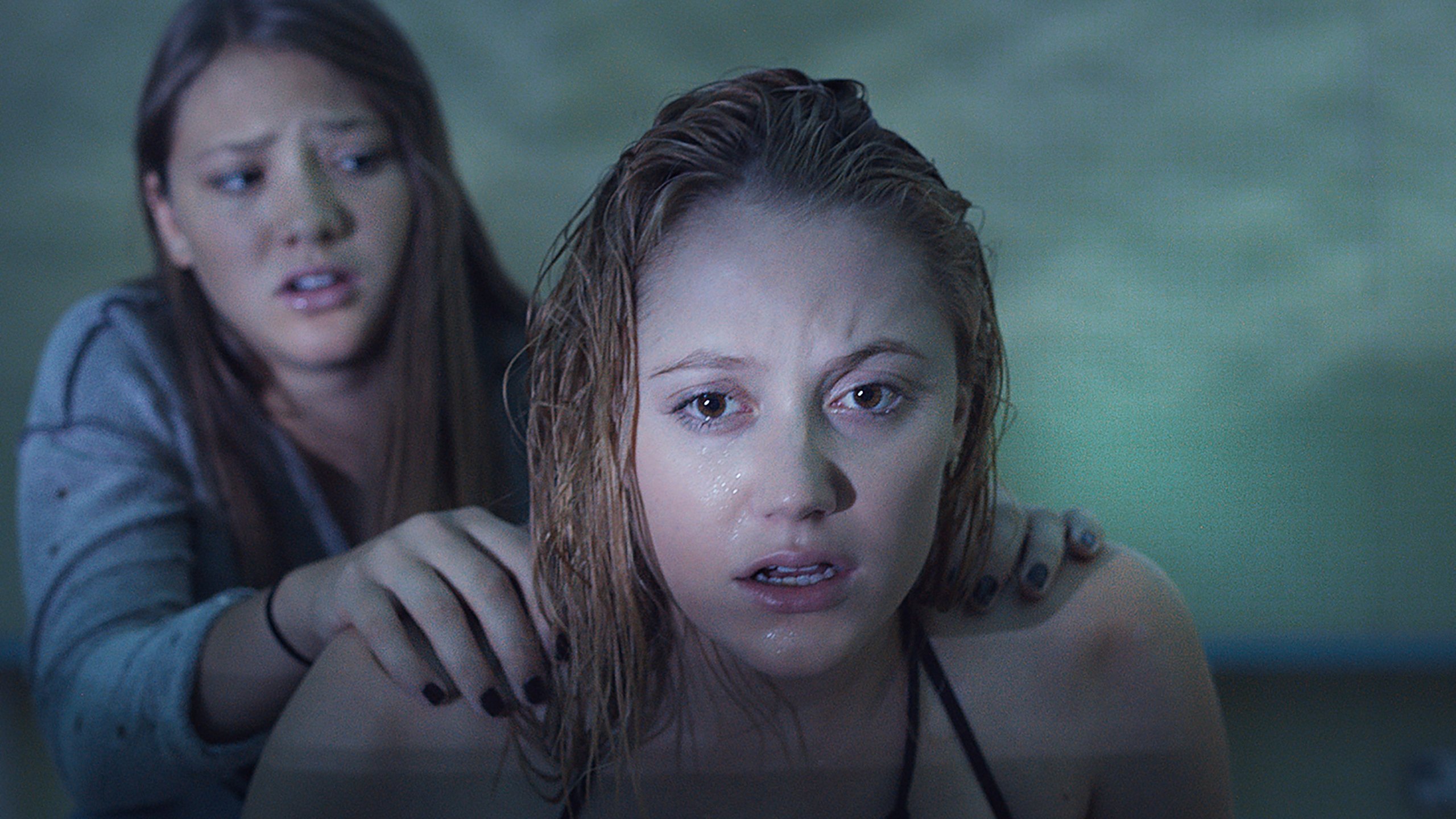
The sexual premise also creates questions of responsibility that the story does not settle through a simple moral lesson. Mitchell acknowledged an association with sexually transmitted disease when interviewed, but rejected the idea that he intended a straightforward warning against sex. The film differentiates Hugh’s decision to transfer danger without informed consent from the more hesitant responses of other characters. Jay must weigh her own survival against the prospect of placing somebody else in the same position. Kim Newman’s contemporary assessment in Sight and Sound emphasized the unusual solidarity shown by Jay’s companions, even while noting the self-interest and desire that complicate offers of assistance.
Detroit, Adolescence, and Dislocated Time
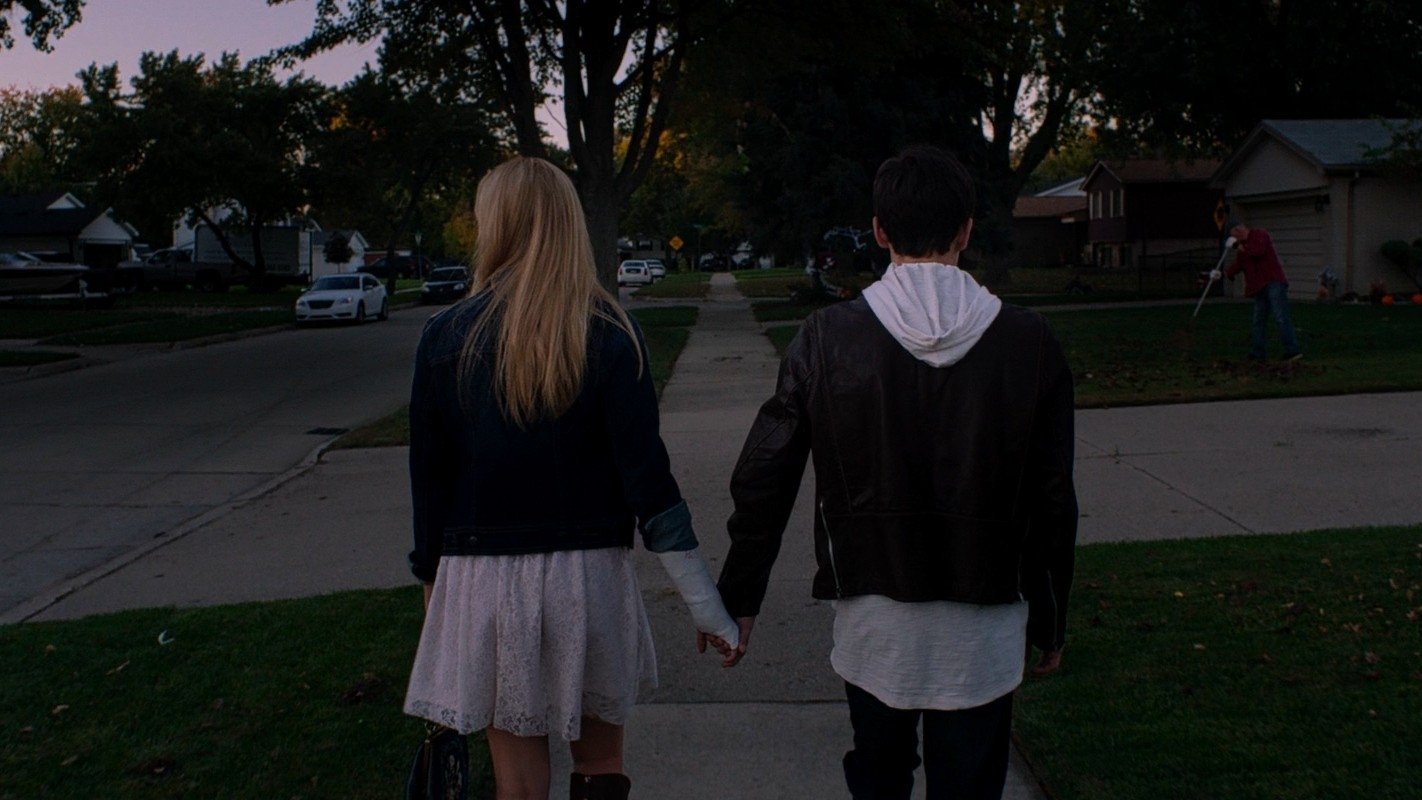
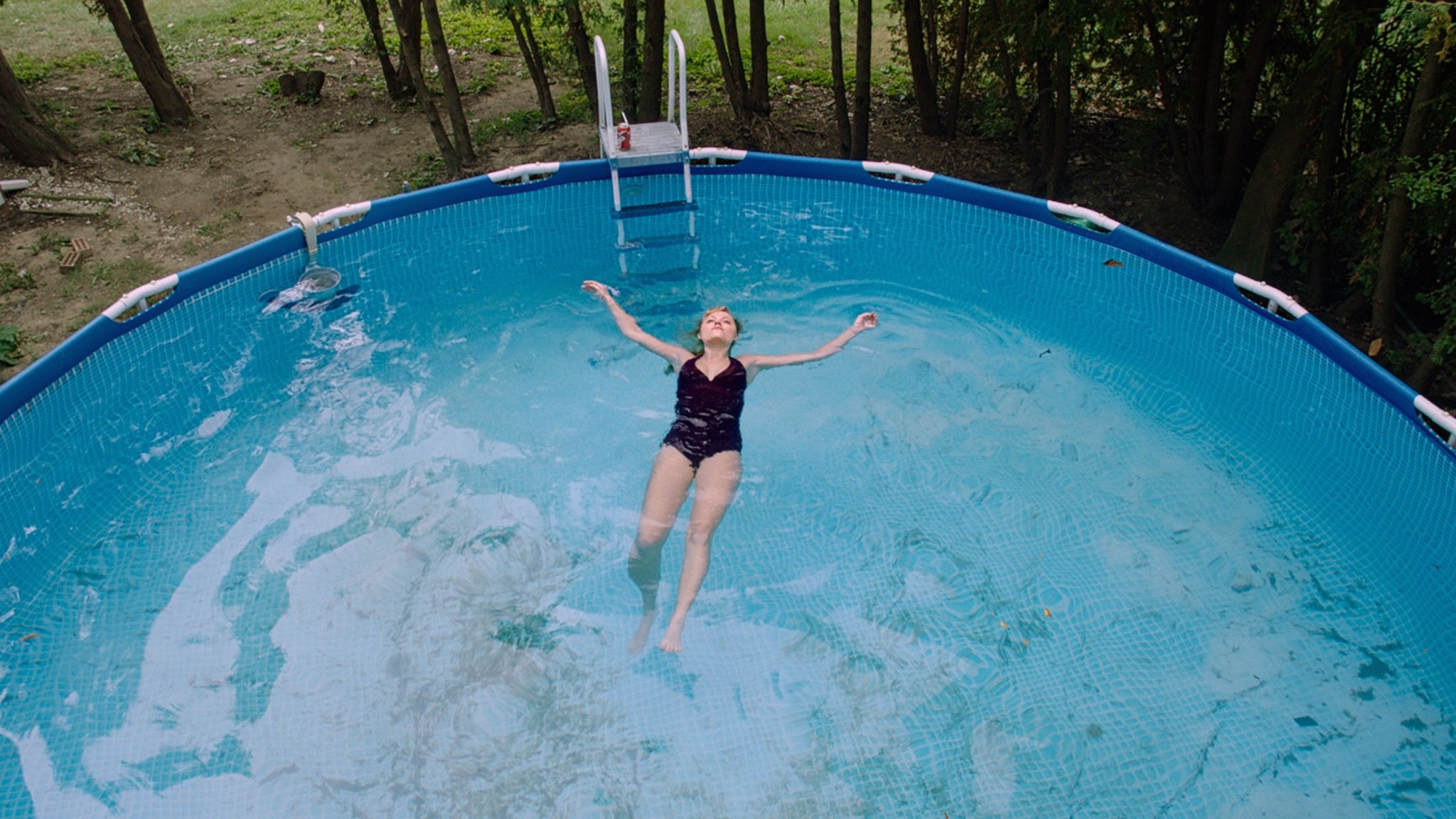
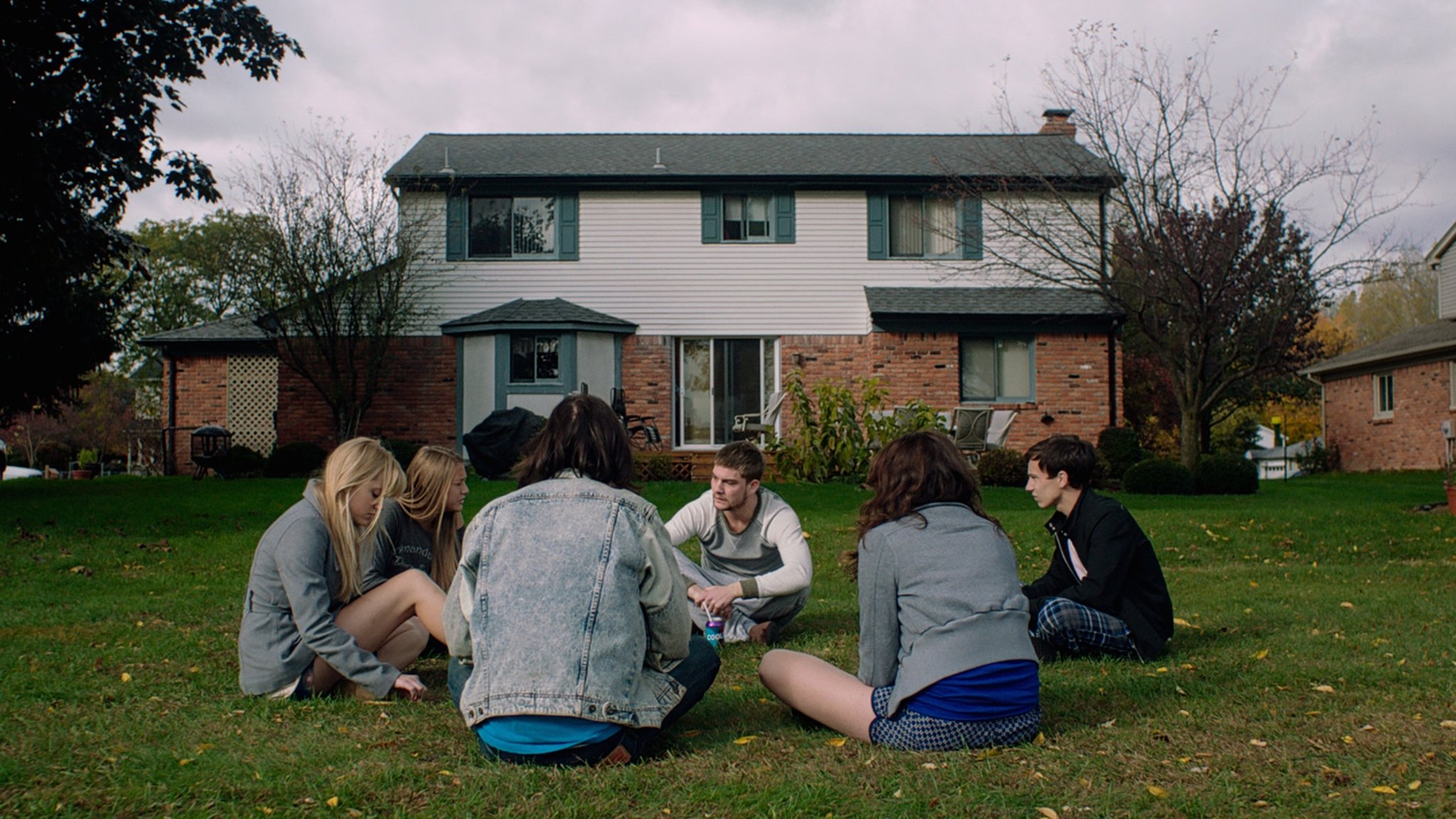
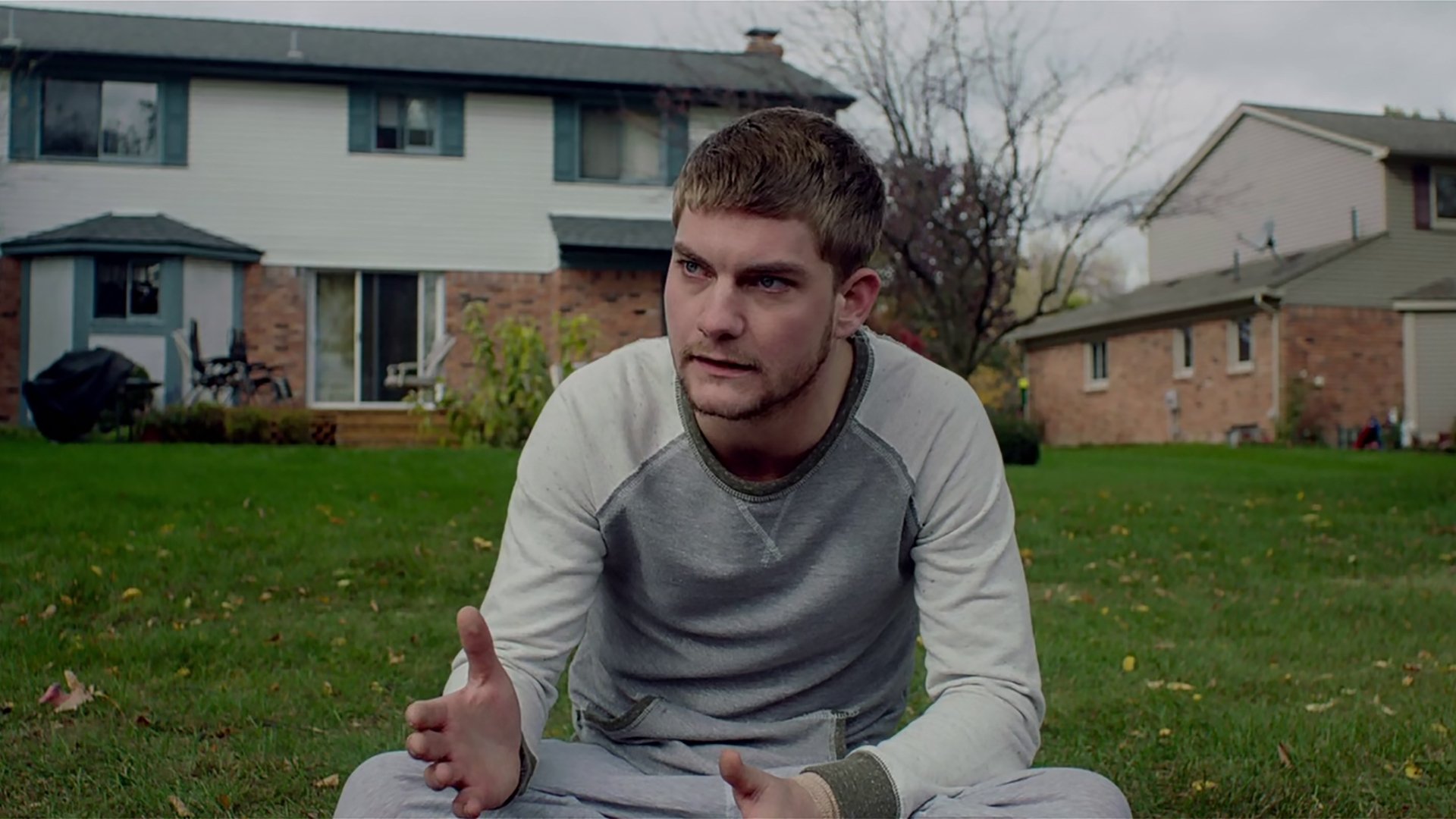
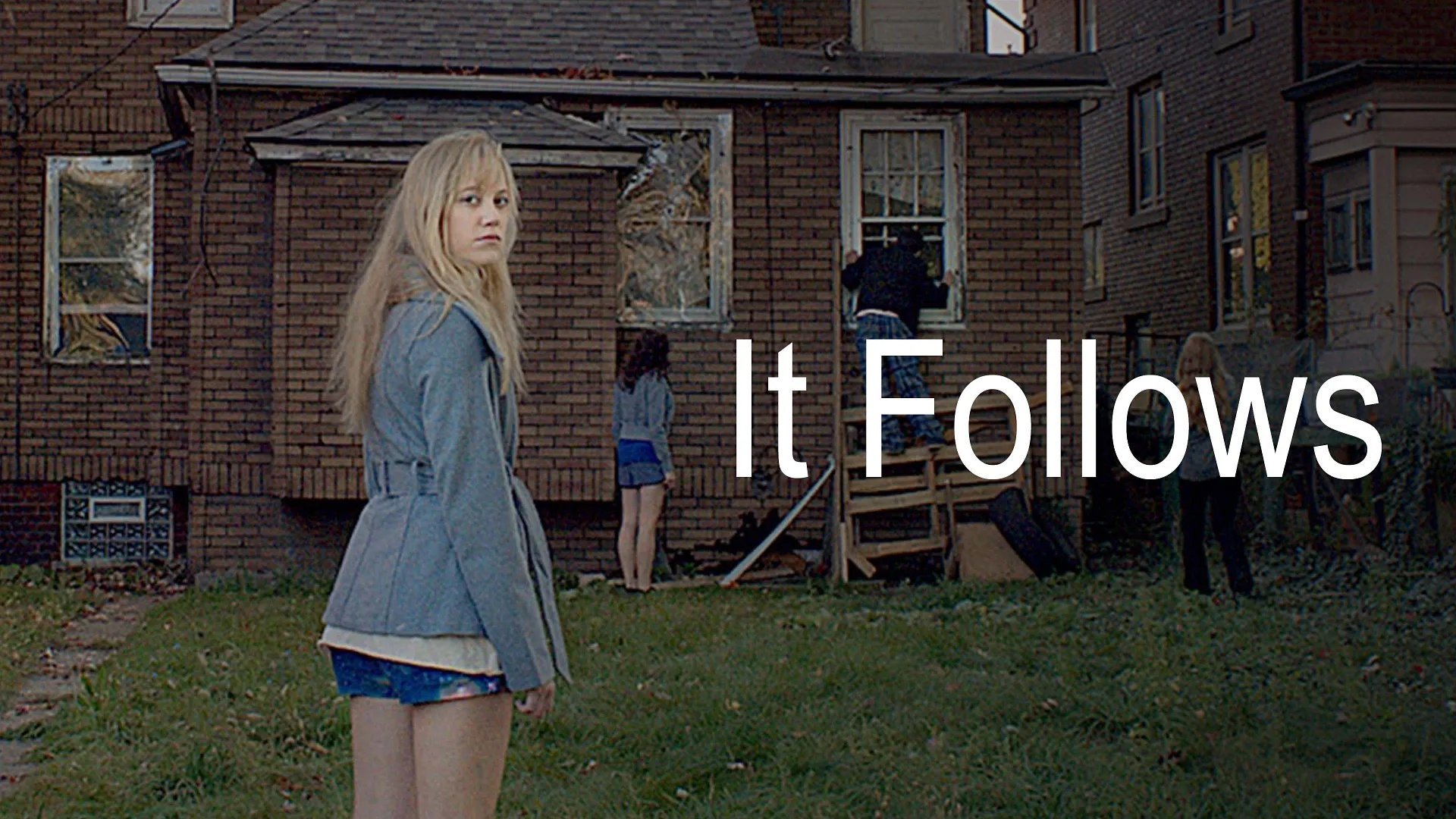
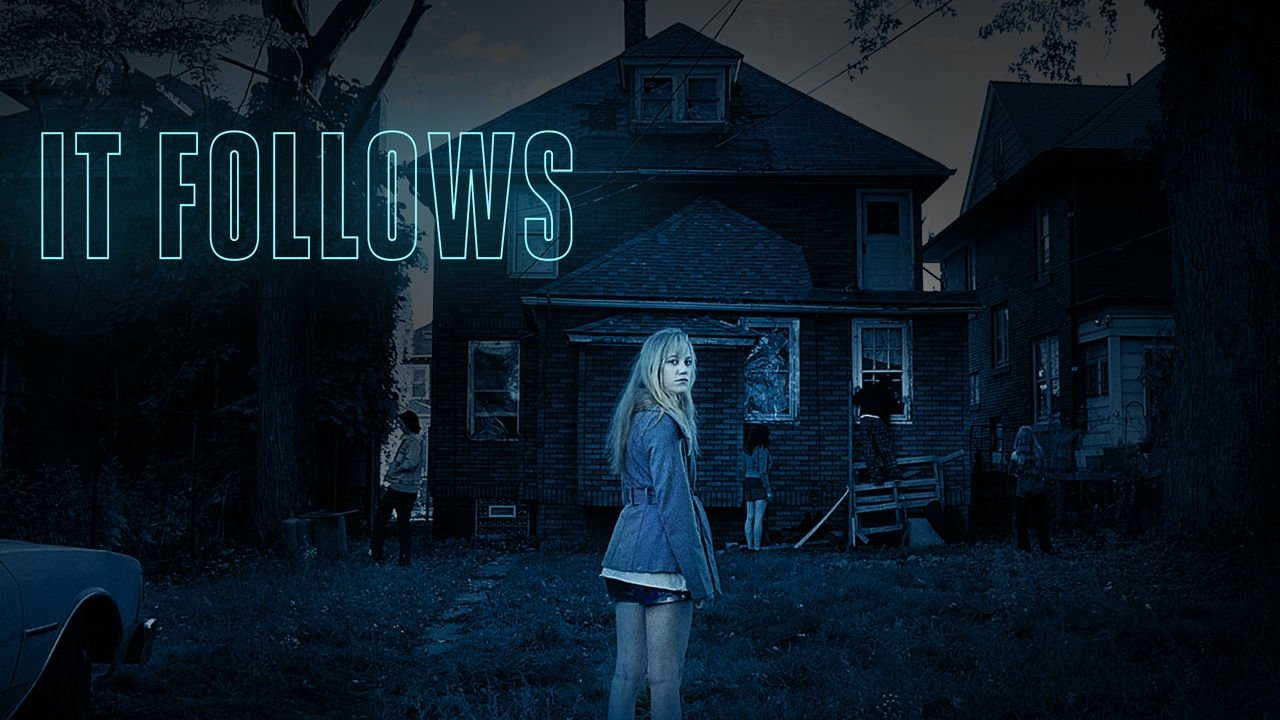
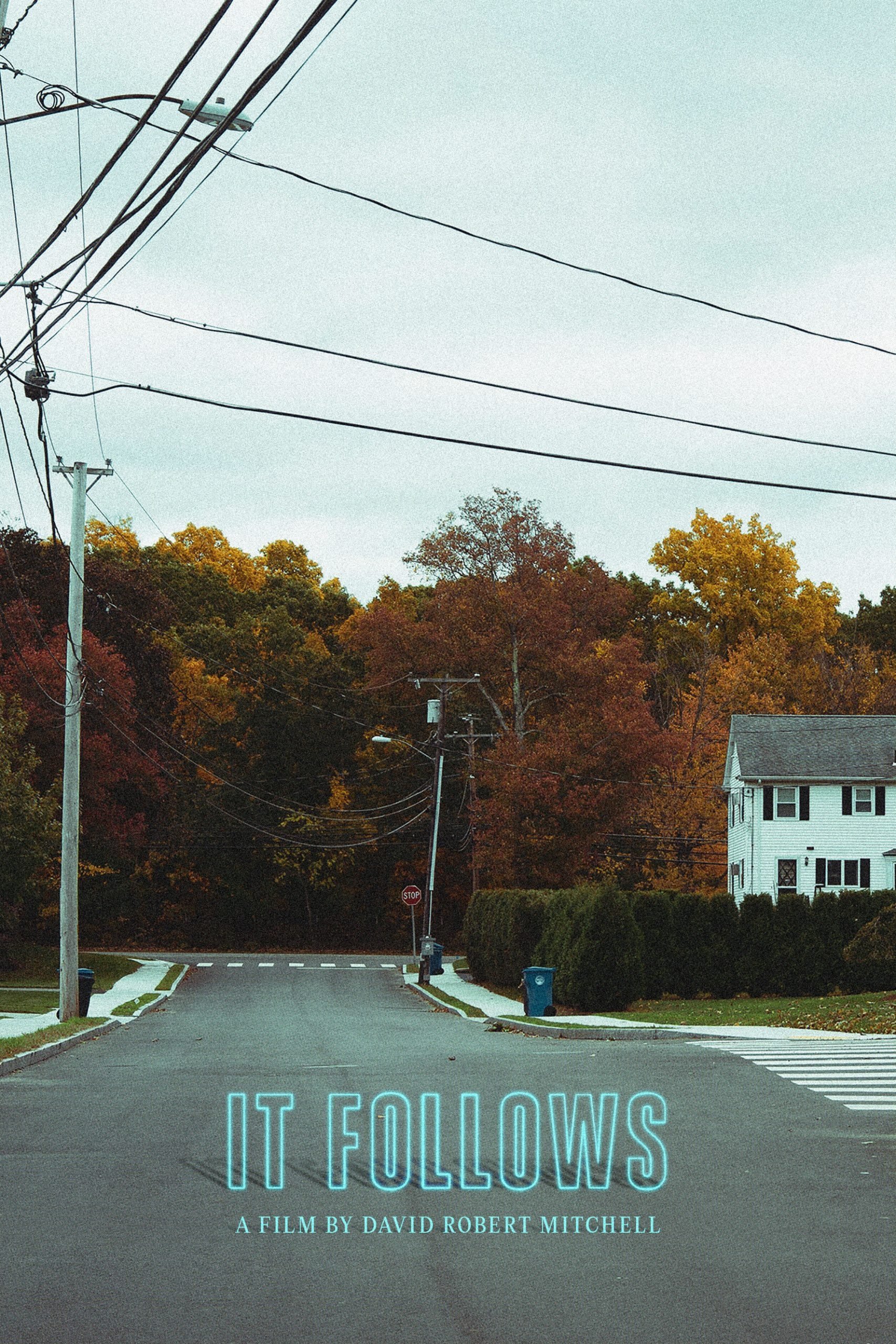
The film was shot in and around the Detroit area, a setting Mitchell knew from growing up nearby. Residential lawns, roads, older buildings, and damaged industrial spaces form distinct parts of the characters’ world. Mitchell told Film at Lincoln Center that the separation between suburban life and the city was present in his conception of the screenplay. He also cautioned against reducing Detroit to images of decline, observing that its troubled districts existed alongside parts of the city he valued. This distinction matters to the film’s geography: the young characters cross spaces they do not ordinarily inhabit, and the pursuit continues regardless of the social or physical boundaries they enter.
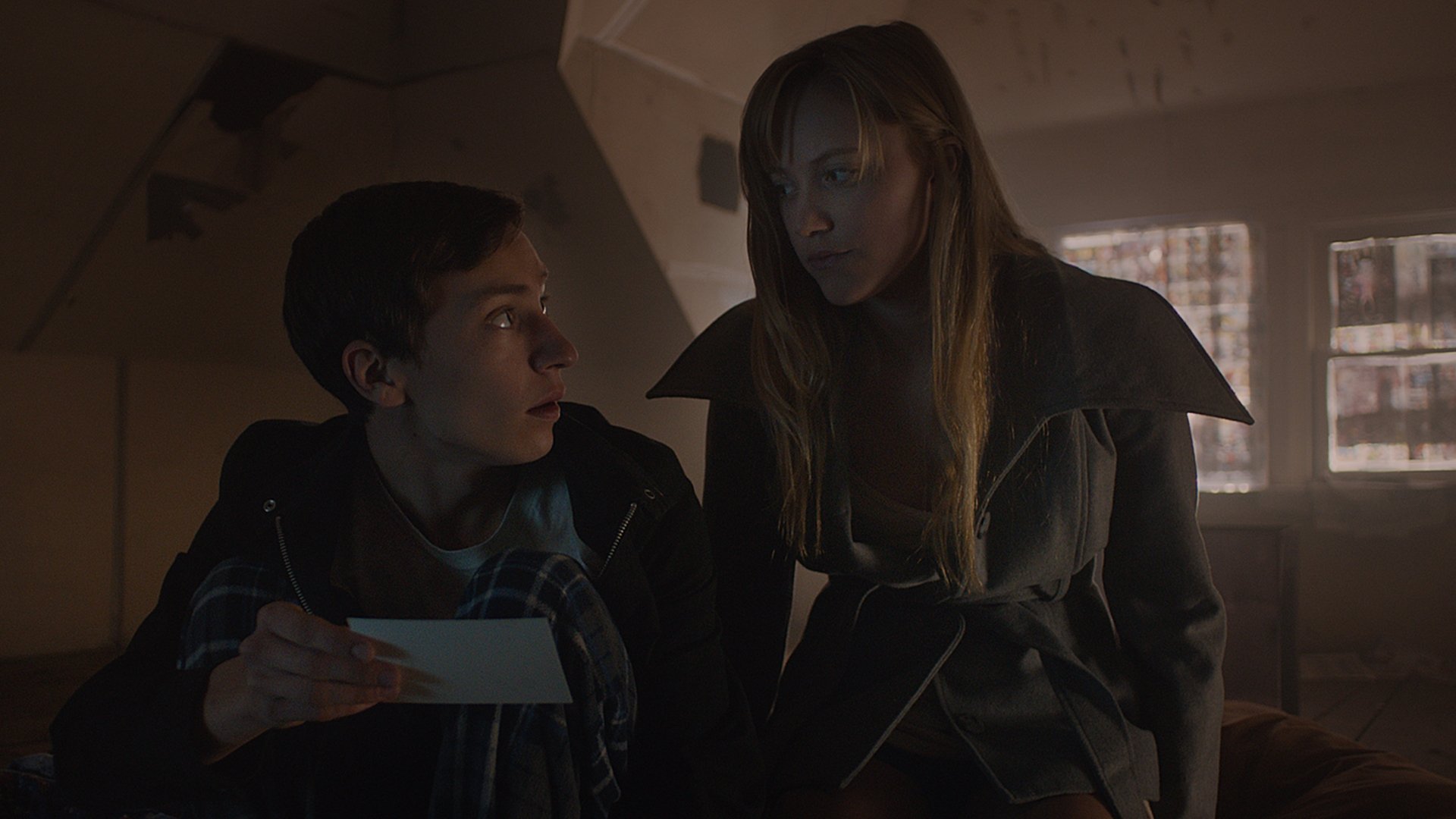
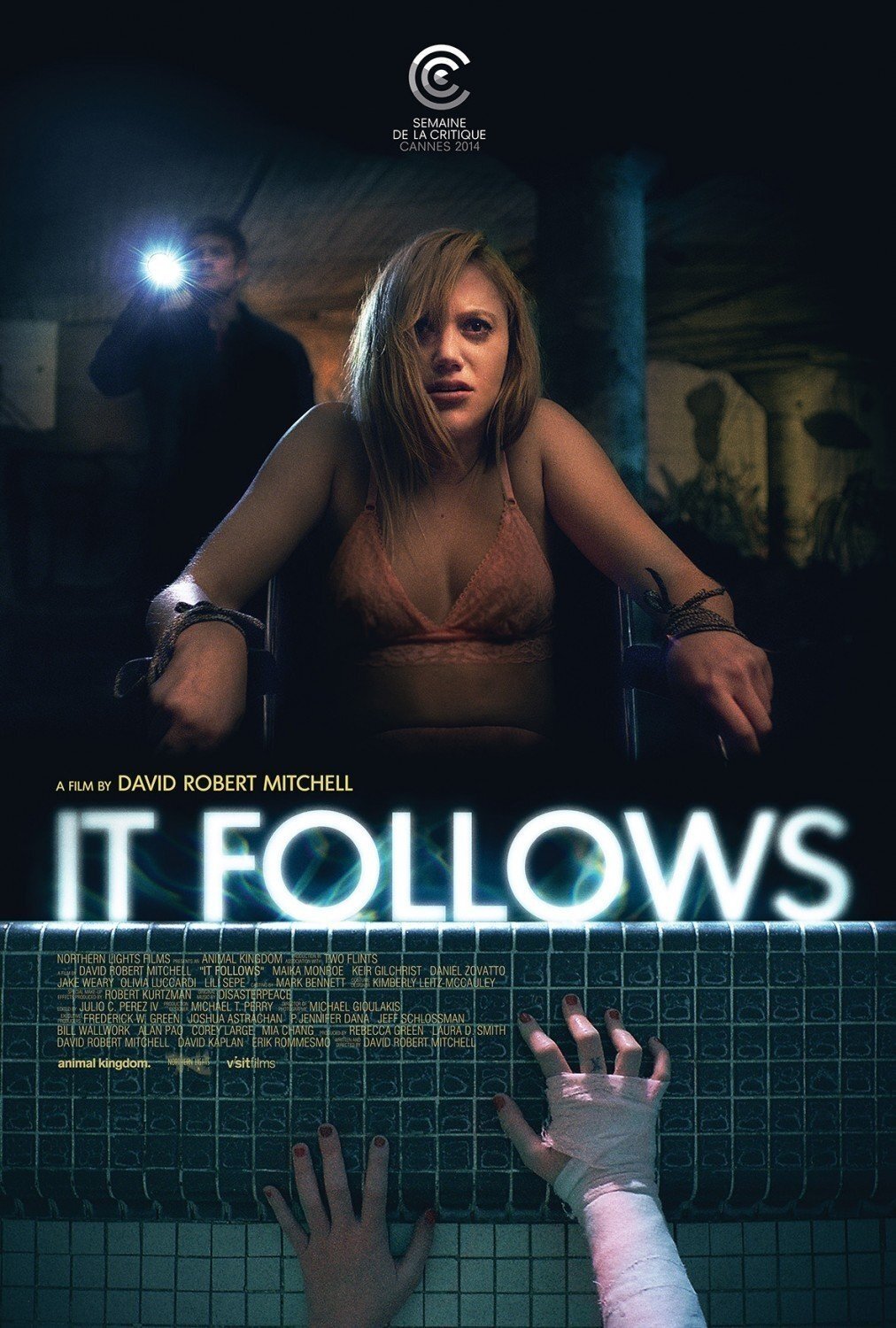
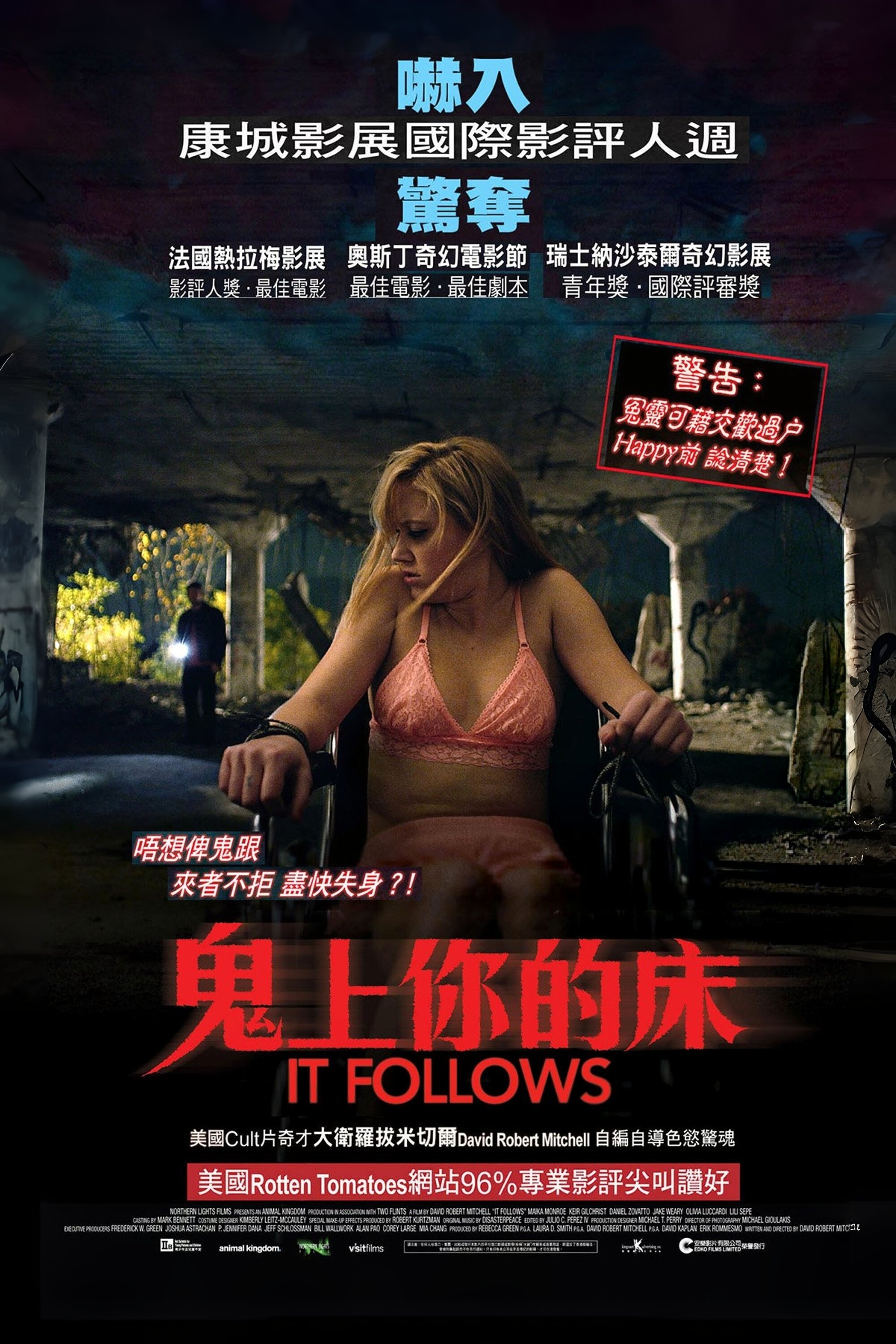
One memorable transition takes Jay from a recognizable domestic environment into a neglected industrial interior, where Hugh demonstrates the danger she now faces. Gioulakis identified the abandoned Packard Plant as the interior location. The production used what these sites already offered rather than constructing an entirely artificial landscape. Their worn surfaces, large empty areas, and incomplete barriers provide an unsettling contrast with the tidy suburban streets. Elsewhere, ordinary family houses and leisure spaces remain just as exposed to intrusion. The variety of surroundings prevents the threat from becoming associated exclusively with ruins, darkness, or isolation, since its approach can begin in broad daylight and among other people.
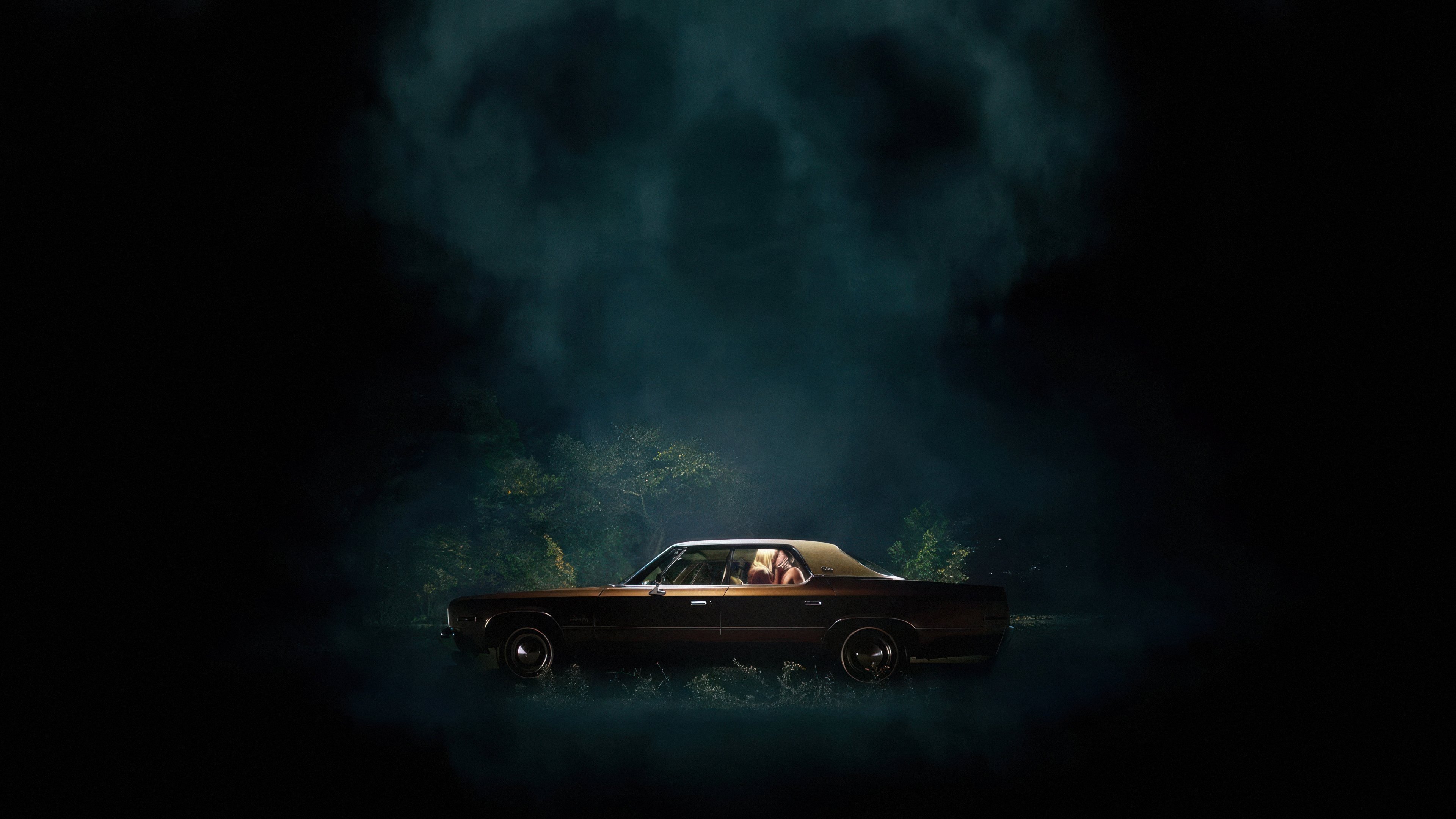
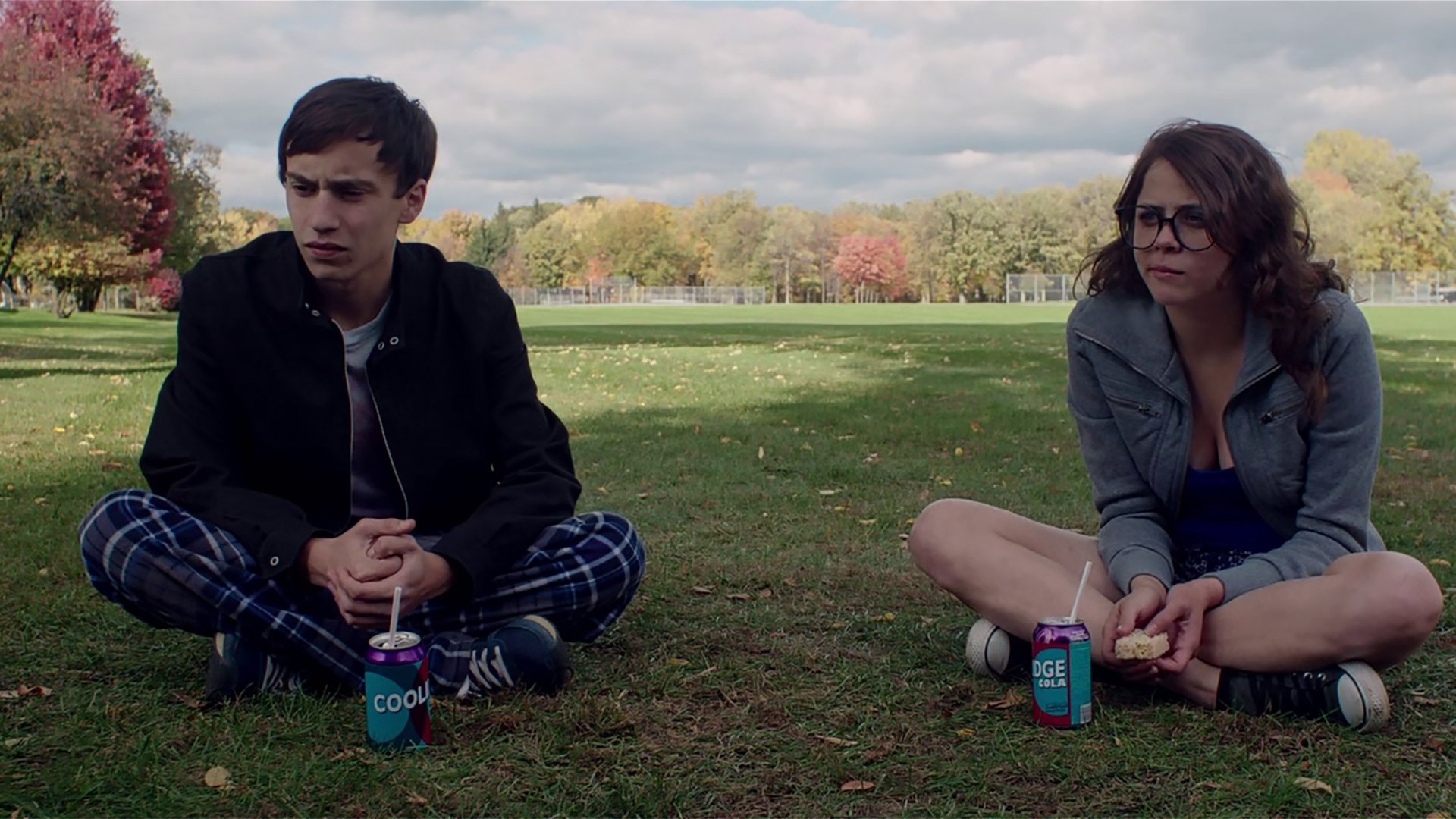
The period of the story remains intentionally difficult to determine. Familiar older cars and household furnishings appear beside more contemporary details, while the film avoids a stable cluster of dates that would anchor it to a single year. This uncertainty contributes to the dreamlike world Mitchell described in interviews, where the basic surroundings feel recognizable but certain combinations seem slightly misplaced. Adult authority is similarly peripheral. Jay’s sister and friends become the core group addressing her crisis, and the narrative repeatedly returns to their conversations, shared observation, and improvised plans. The absence of an effective adult solution leaves the supernatural problem inside the young characters’ own social world.
Cinematography and Spatial Dread
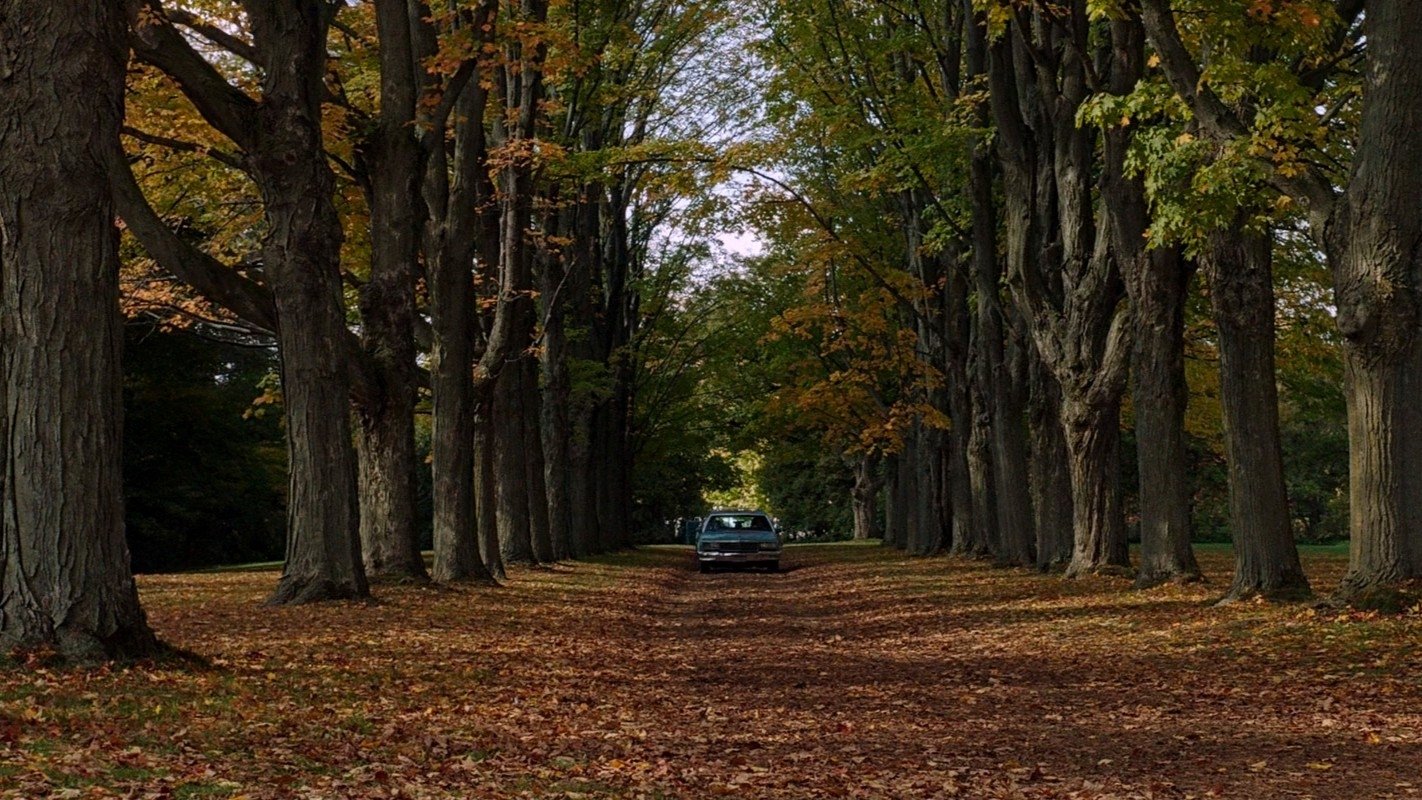
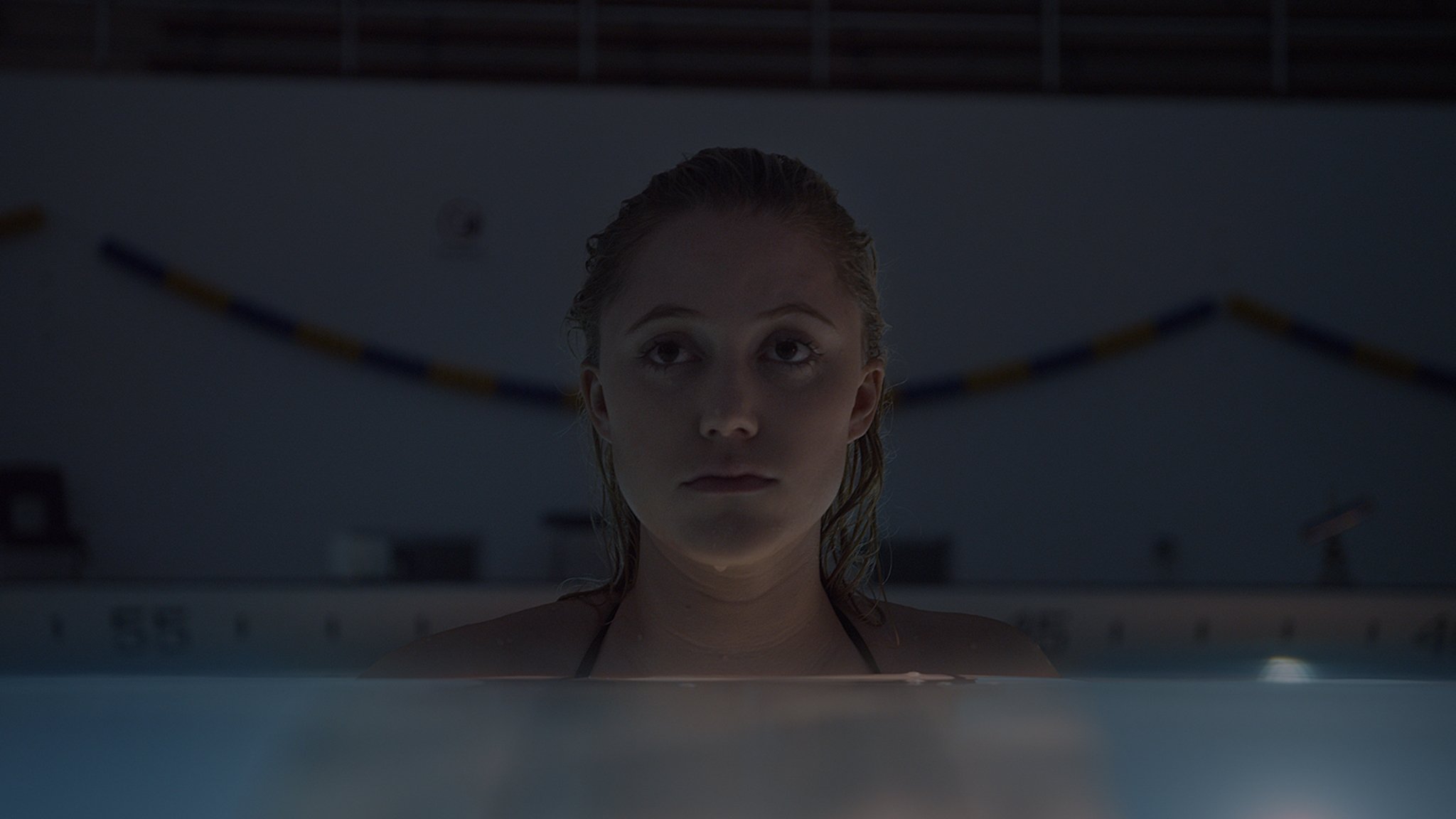
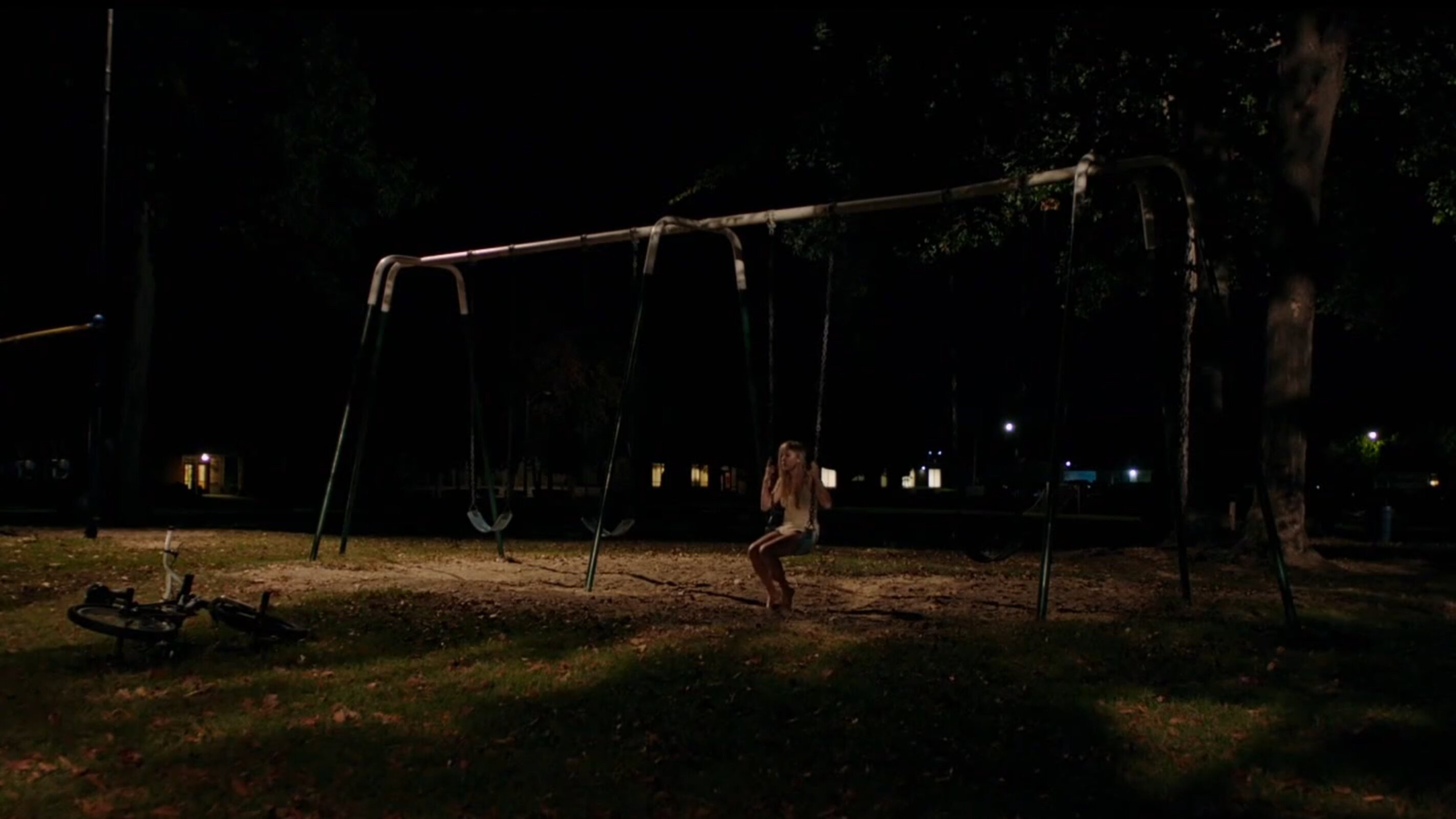
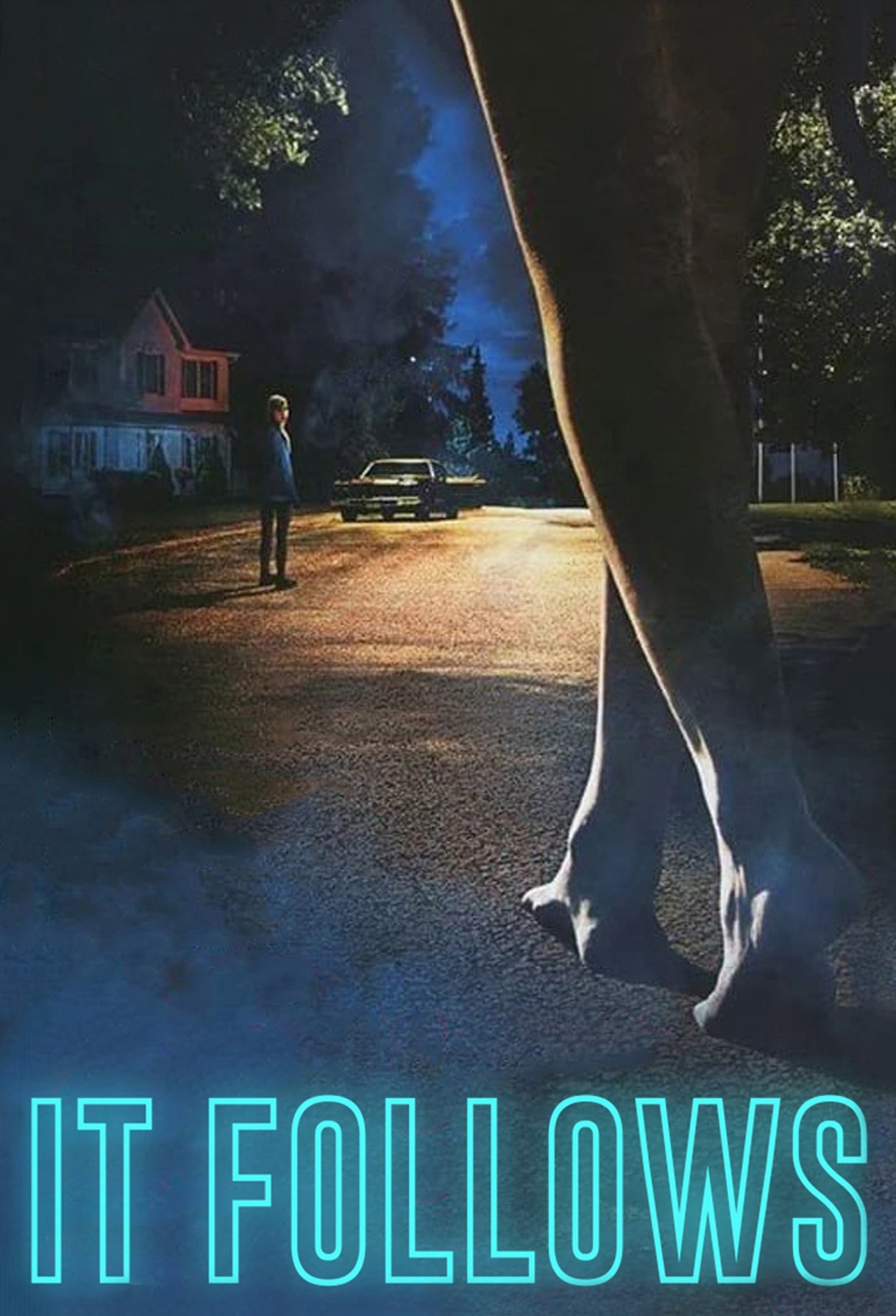
Gioulakis and Mitchell designed the photography to keep substantial areas of the image available for inspection. In his discussion with Filmmaker Magazine, Gioulakis estimated that about four-fifths of the film used an 18 mm Cooke lens, with a preference for relatively deep focus and wide compositions. The production was photographed chiefly on an ARRI ALEXA, with a smaller RED Epic used for shots requiring particular camera placement, including underwater material. Rather than magnifying a distant person through a long lens, the filmmakers often preserved the apparent distance within the frame. A figure could remain small against a street or landscape, obliging the spectator to judge its direction and persistence before it reached the foreground.
Camera movement follows a related distinction between detached observation and Jay’s immediate experience. Gioulakis described objective framings, pans, and zooms intended to feel almost mechanical, contrasted with passages in which the camera moves with her. Some of the sustained pans were achieved with a fluid tripod head and repeated rehearsal rather than a remotely controlled system. The effect is especially consequential when the frame rotates away from a central character: a person can appear at the edge of view without a cut or a conventional cue identifying the arrival as frightening. This formal choice makes the viewer participate in the same watchfulness the curse imposes on Jay, with attention divided between visible action and potentially meaningful background motion.
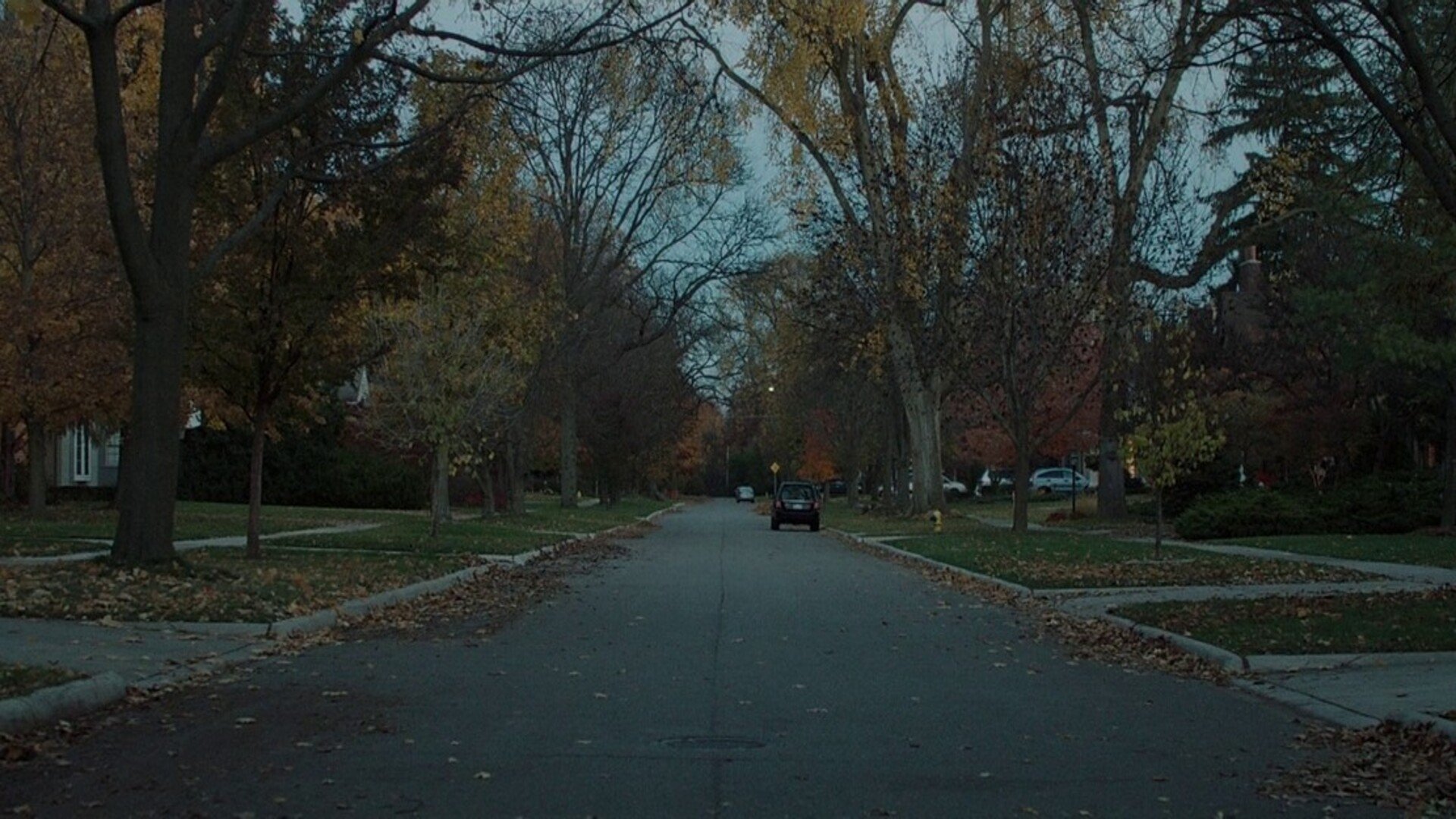
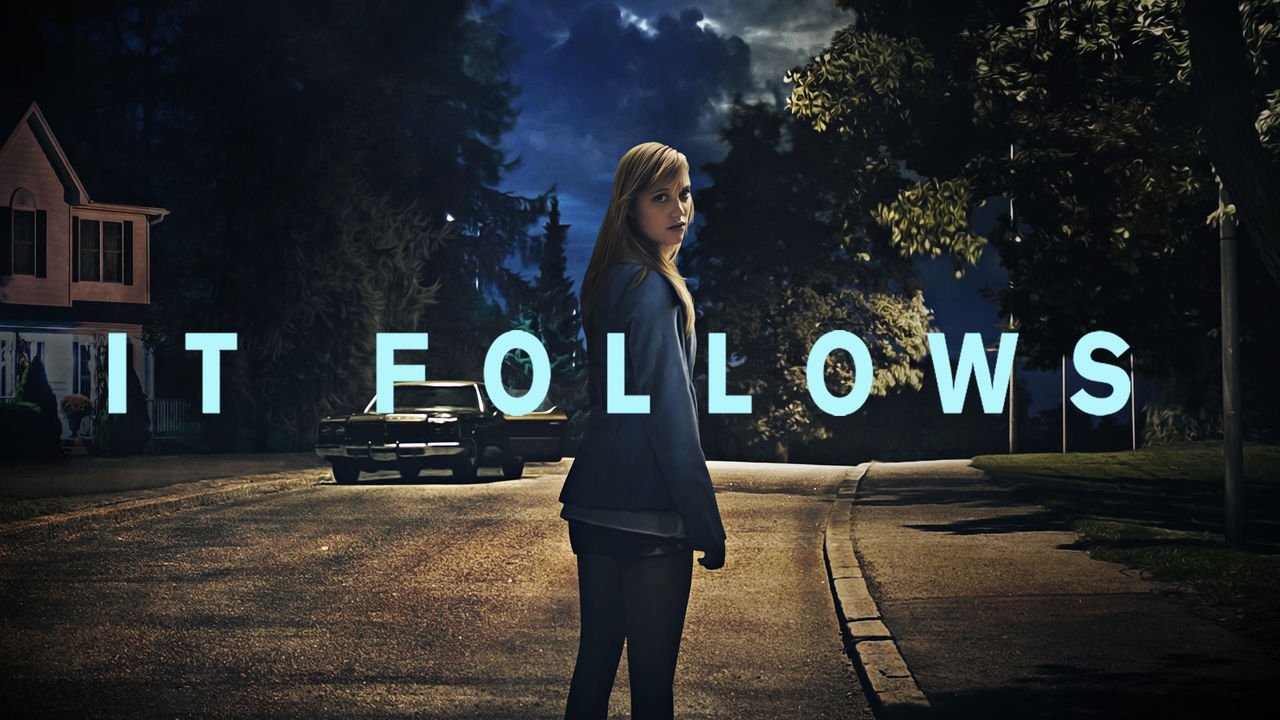
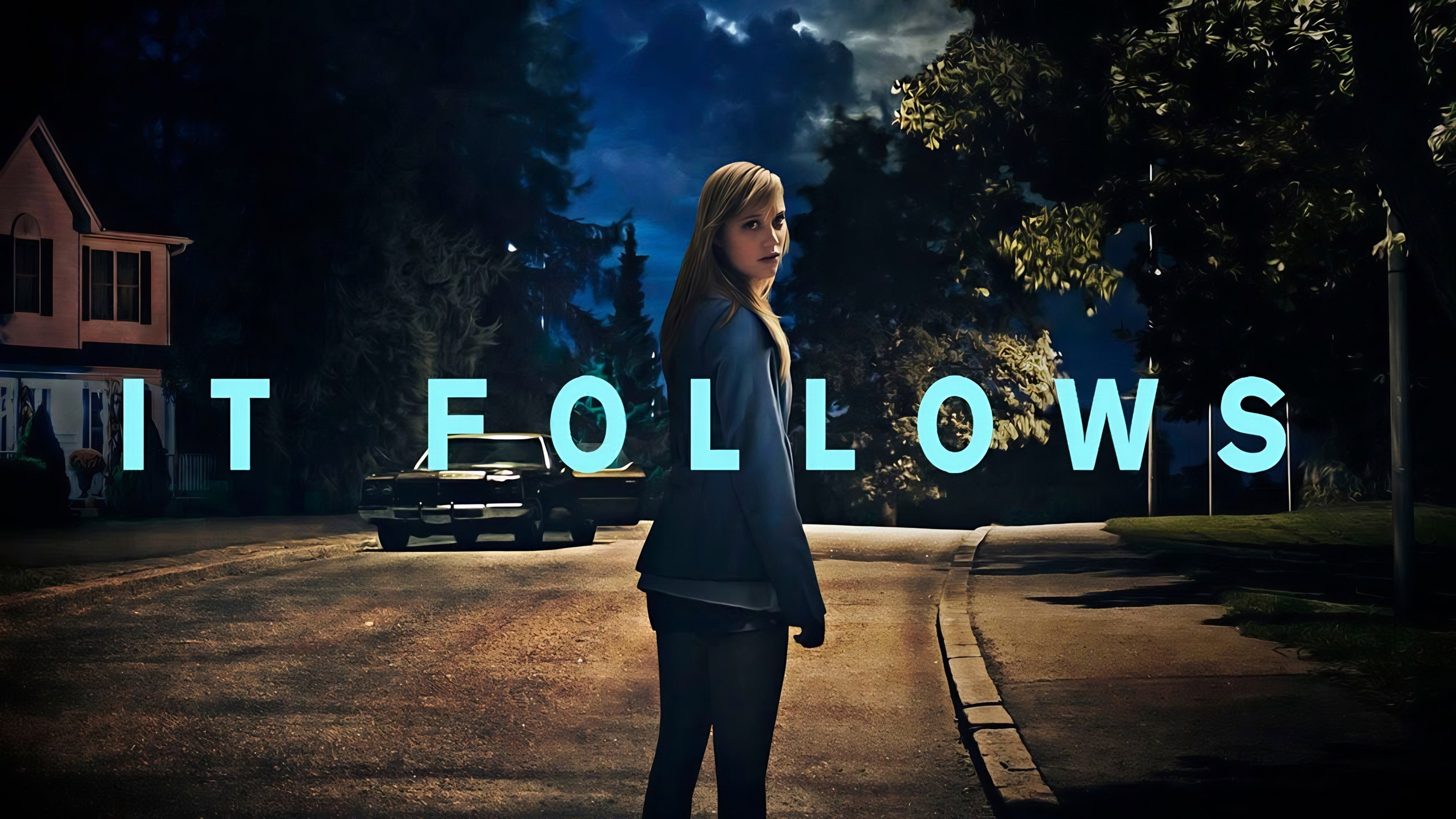
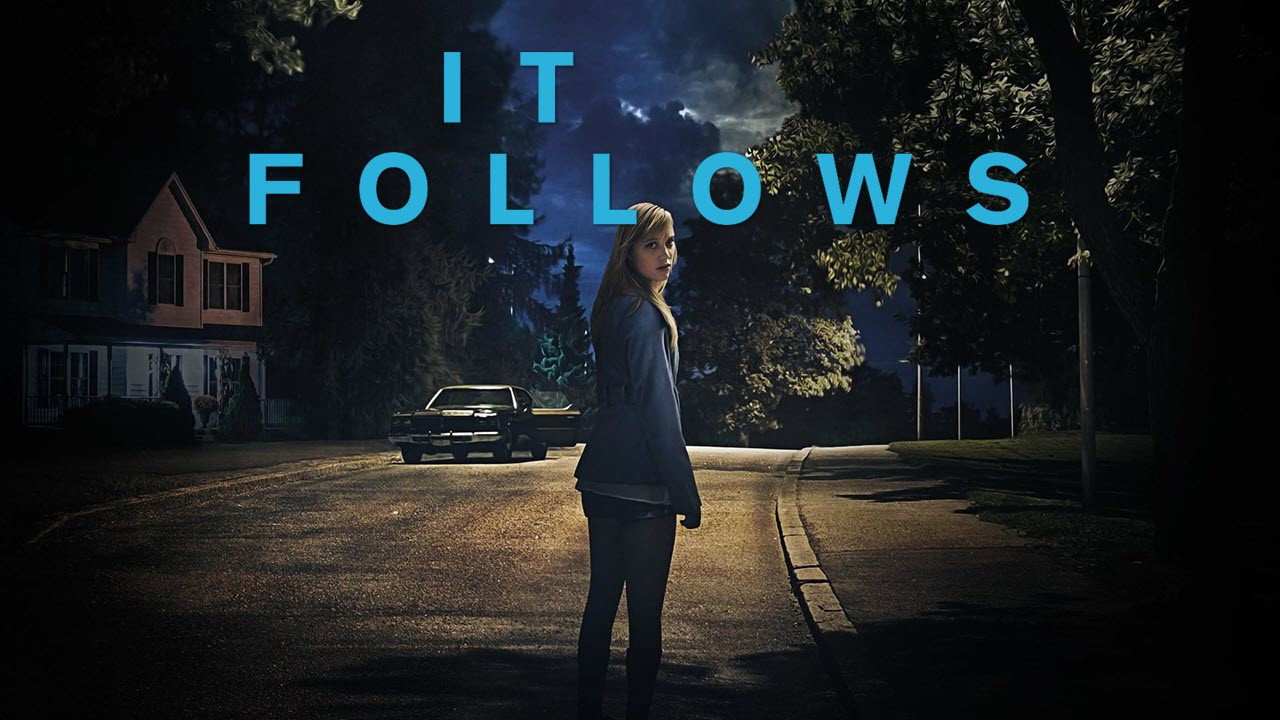
The opening sequence demonstrates how carefully the film builds suspense from camera position and duration. An apparently tranquil residential street becomes the scene of a young woman’s frantic movement, while the camera follows and reorients without immediately revealing what has alarmed her. Gioulakis said the sequence was conceived as a single shot, made using a dolly and approximately fifty feet of track late in the production schedule. The crew rehearsed during daylight and shot as the light faded, relying primarily on available illumination. The extended take establishes the disparity between a victim’s terror and the calm environment around her, a pattern that recurs when the pursuer later enters the everyday spaces occupied by Jay and her companions.
Music and Sound
Rich Vreeland, working as Disasterpeace, composed his first feature-film score for It Follows after attracting Mitchell’s attention through music for the video game Fez. Vreeland had read the script and later seen an early cut before the final musical approach took shape. The selection of the film for Cannes compressed what had been a more generous schedule into approximately three weeks. According to Vreeland’s account to YourClassical, the team produced nearly an hour of music during that period. A temporary soundtrack assembled by Mitchell and the editors supplied useful guidance about the dramatic function of individual passages, and the composer worked with the director to refine their timing and intensity.
Vreeland created the score entirely in software, using Native Instruments Massive for much of the sound design and Logic as his principal digital audio workstation. He developed different electronic timbres for particular cues while maintaining recognizable sounds across the score. The resulting music ranges from melodic, comparatively delicate material to abrasive textures and dissonant bursts that place considerable pressure on the audience. Vreeland credited the electronic approach with making the short production window manageable. Although the music has often been associated with the synthesizer tradition of John Carpenter, Vreeland described Fez as a direct point of reference for some melodic pieces and acknowledged that the temporary score had also included music by other twentieth-century composers.
The soundtrack’s prominence serves a specific dramatic purpose. Vreeland said that Mitchell’s restrained visual approach left space for more assertive music, while also requiring restraint where dialogue and characterization needed room. Much of the nonmusical sound world remains comparatively naturalistic: a room, a street, or a distant movement can be heard without overt supernatural treatment. That contrast helps separate the everyday environment from the moments when the score intensifies the characters’ anxiety. The electronic cues do not simply accompany visible attacks. They can shape anticipation before the threatening figure becomes identifiable, or interrupt a scene whose visual information is still ambiguous. The sound design and music thus operate with different degrees of disclosure.
Festival Premiere and Theatrical Breakthrough
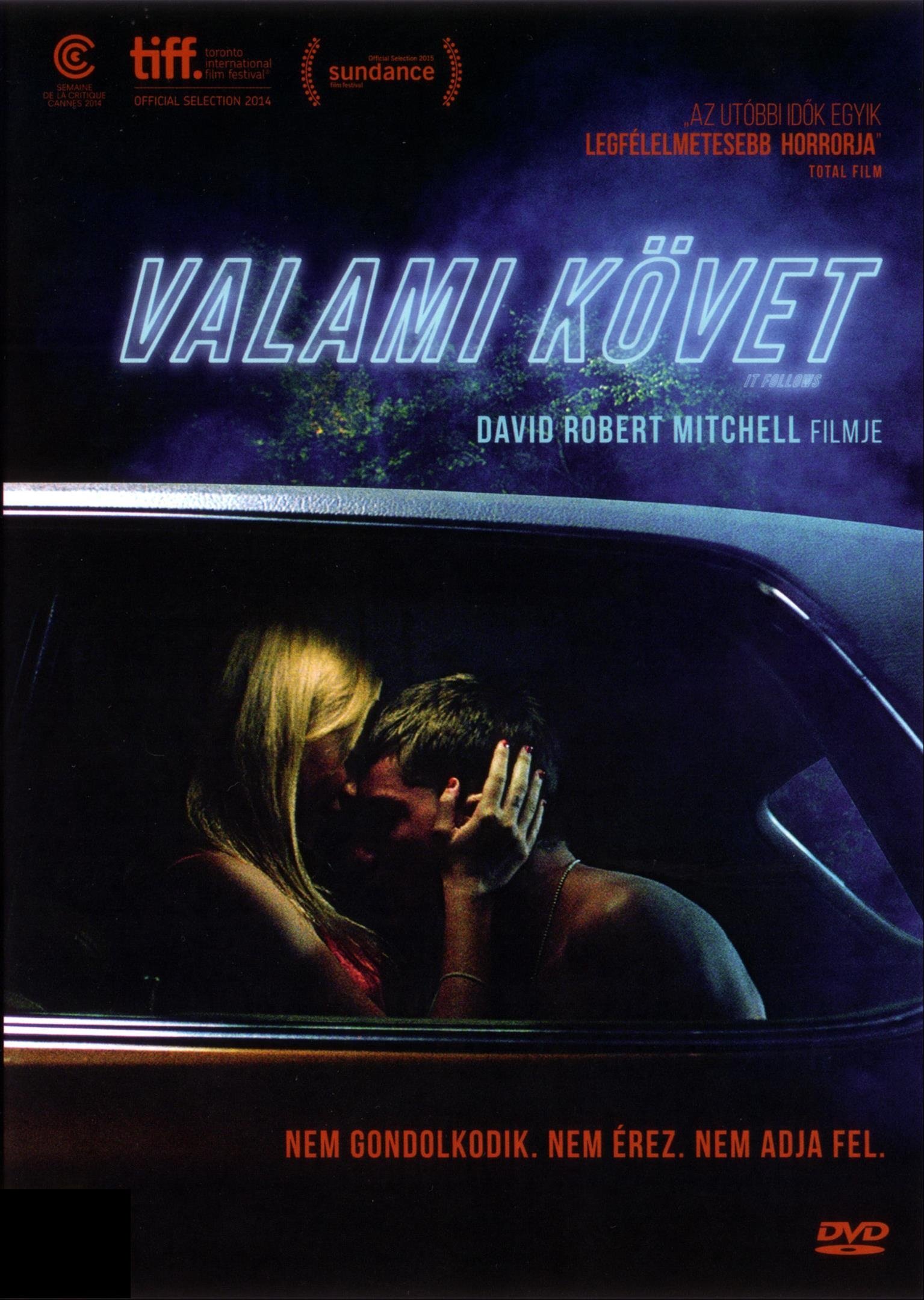
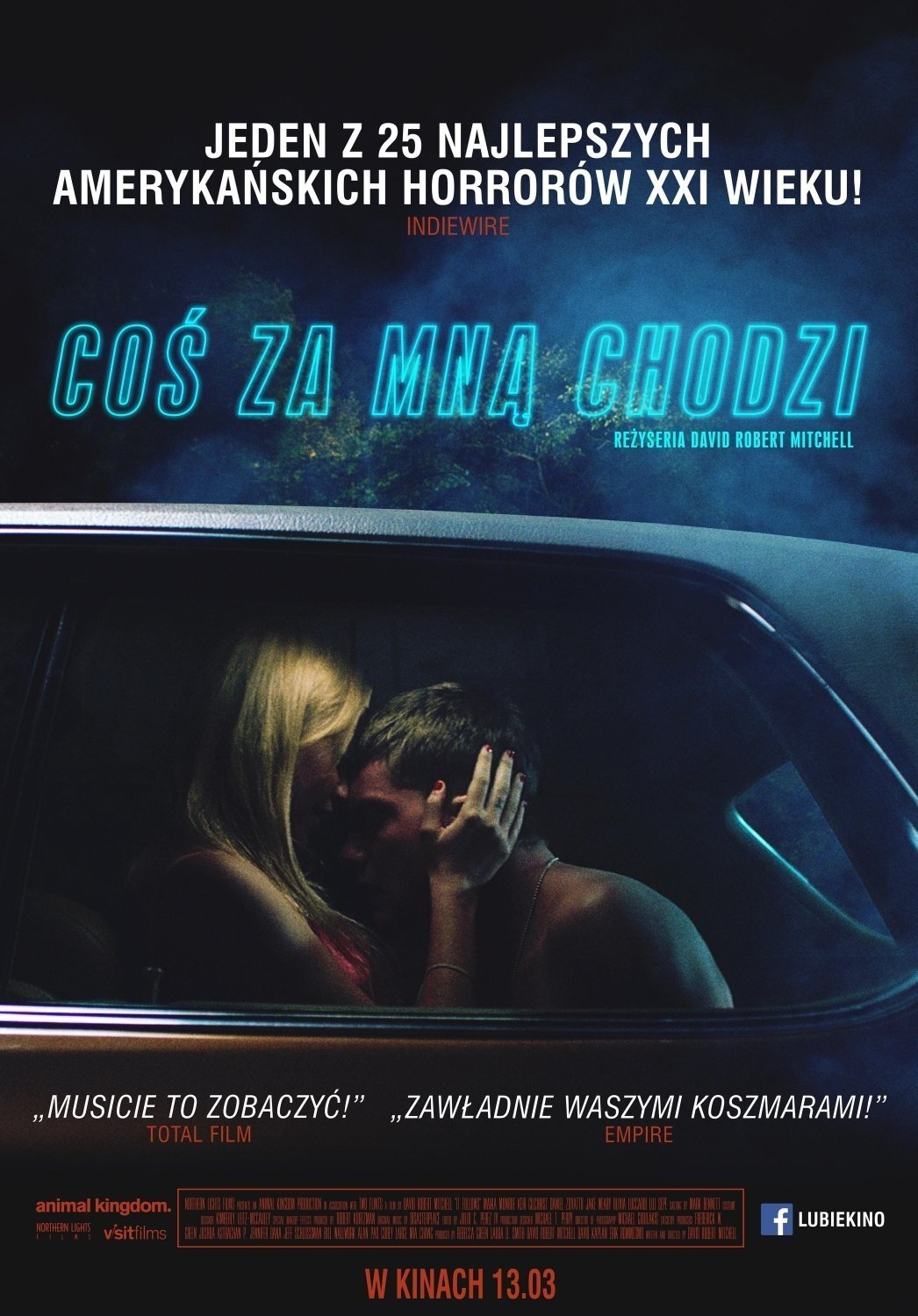
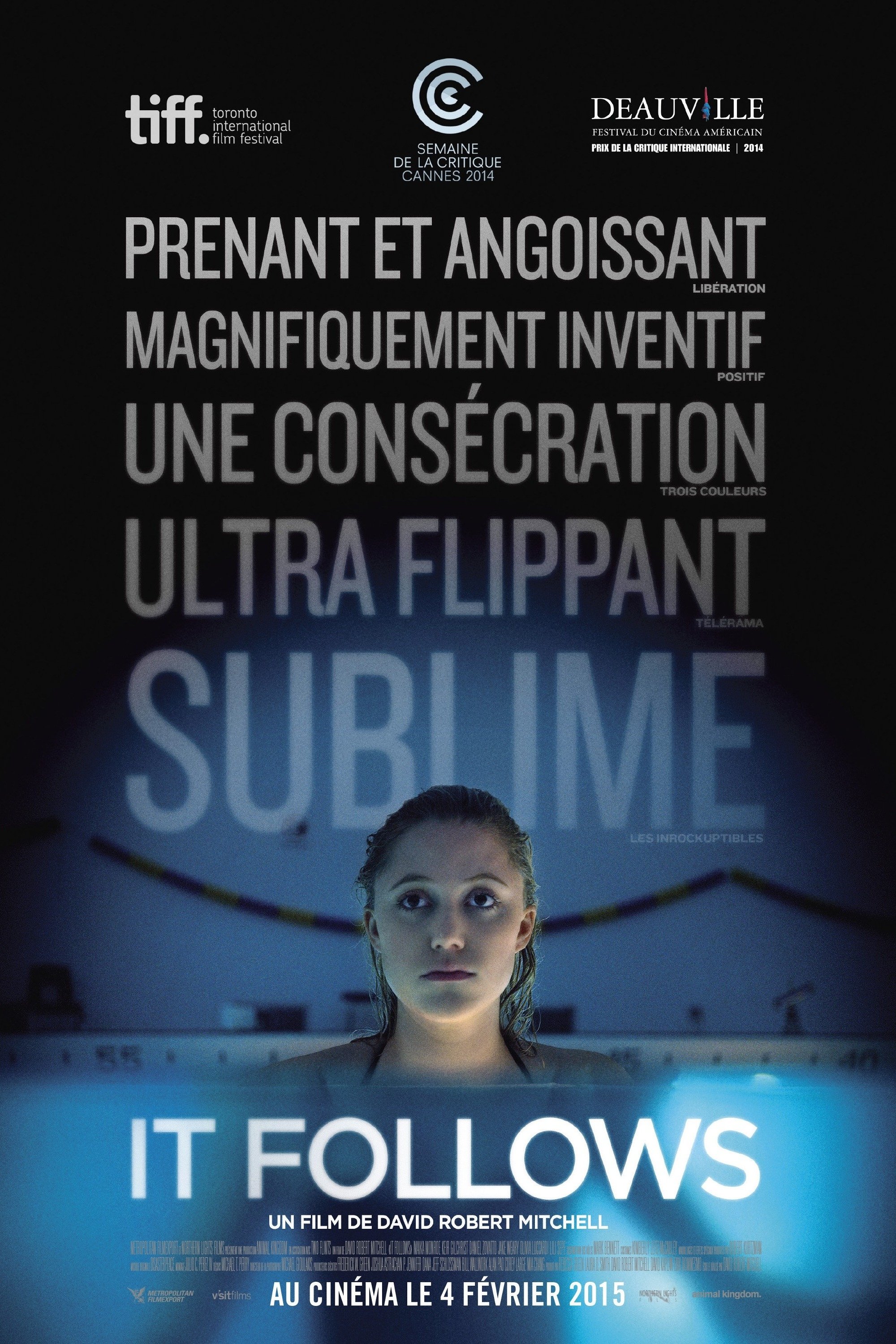
It Follows reached festival audiences in 2014, including a Cannes screening in May and a later appearance at the Toronto International Film Festival. Its broader commercial rollout took place the following year, with a United Kingdom theatrical release on 27 February 2015. The American distributor RADiUS-TWC initially opened the film on 13 March in four theaters. The opening weekend brought in about $160,000, an unusually strong per-screen result for such a restricted launch. This early performance became an important factor in decisions about how much theatrical exposure to pursue before making the film available through video-on-demand services.
In an account published by MovieMaker, RADiUS co-founder Tom Quinn described several distribution scenarios prepared in advance, ranging from a quick move to digital platforms to a substantial theatrical expansion. After the limited opening, the company selected the larger theatrical route, taking the film into wide release on 27 March and postponing its planned digital window. MovieMaker reported a production budget of approximately $2 million and domestic ticket sales of $14,674,076 by late June 2015. These figures concern the reported United States and Canada theatrical market rather than a complete worldwide lifetime total. The episode was subsequently discussed by distribution professionals as a case in which initial audience demand justified altering a low-budget horror release strategy.
Critical Response and Horror Context
Contemporary criticism focused on the film’s ability to draw unease from a clearly legible supernatural rule. Writing in Sight and Sound at the time of the British release, Kim Newman linked the deliberate pace of the follower to an established line of relentless pursuers in horror and suspense, while stressing the unusual importance of friendship within Mitchell’s story. His review also drew attention to the vague period setting, Detroit locations, widescreen staging, and Vreeland’s electronic score. These observations help explain why the film’s formal details attracted attention alongside its premise. Its method often relies on anticipation and recognition, with the sight of someone walking through a frame carrying more weight than elaborate creature effects or repeated graphic violence.
It Follows also occupies a distinct position in discussions of the slasher film’s historical treatment of teenage sexuality. The curse undeniably links sex and mortal danger, yet its transfer produces a chain of obligations that extends beyond the person who makes the original decision. In Newman’s reading, the film finds particular force in Jay’s discomfort at exposing someone else to the danger Hugh imposed upon her. The monster’s uncertain origin and the refusal to provide a final explanatory mythology keep these dilemmas active throughout the narrative. Commercially, the move from an exceptionally small American opening to a nationwide release provided a documented example of an independent horror film expanding through theatrical word of mouth and distributor flexibility.