Bombshell Bloodbath (2014)

US
HORROR FILM
SUBGENRES MEDICAL ZOMBIE
Runtime
80 min
Release
May 9, 2014
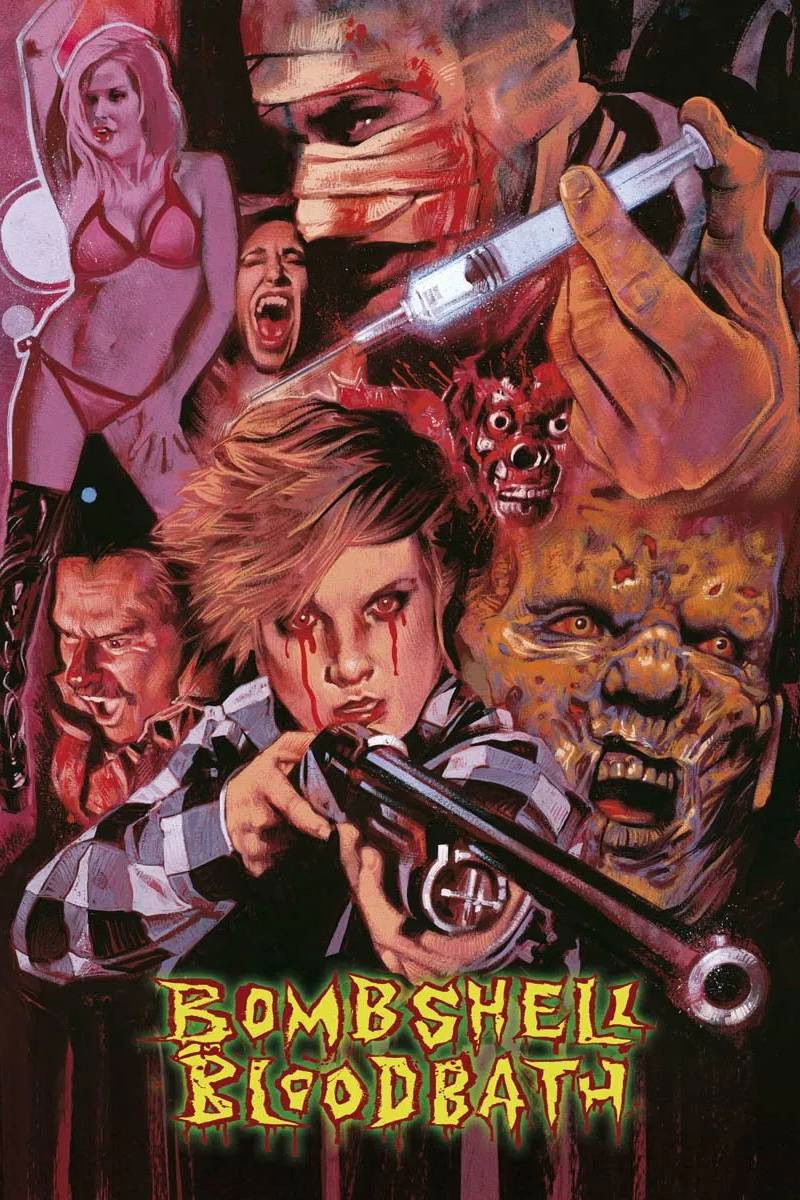
Bombshell Bloodbath (2014) poster
Director
Production Companies
Eldorado Road Productions , The Drive In Film Series
Plot

Doctor Carter losts his wife and devotes his life to resurrecting her. However, every test of his C-900 formula creates hungry, flesh-eating zombies. Then, his daughter Cara contracts the virus and she and her sister strive to obtain the anti-serum.

Alternative Titles
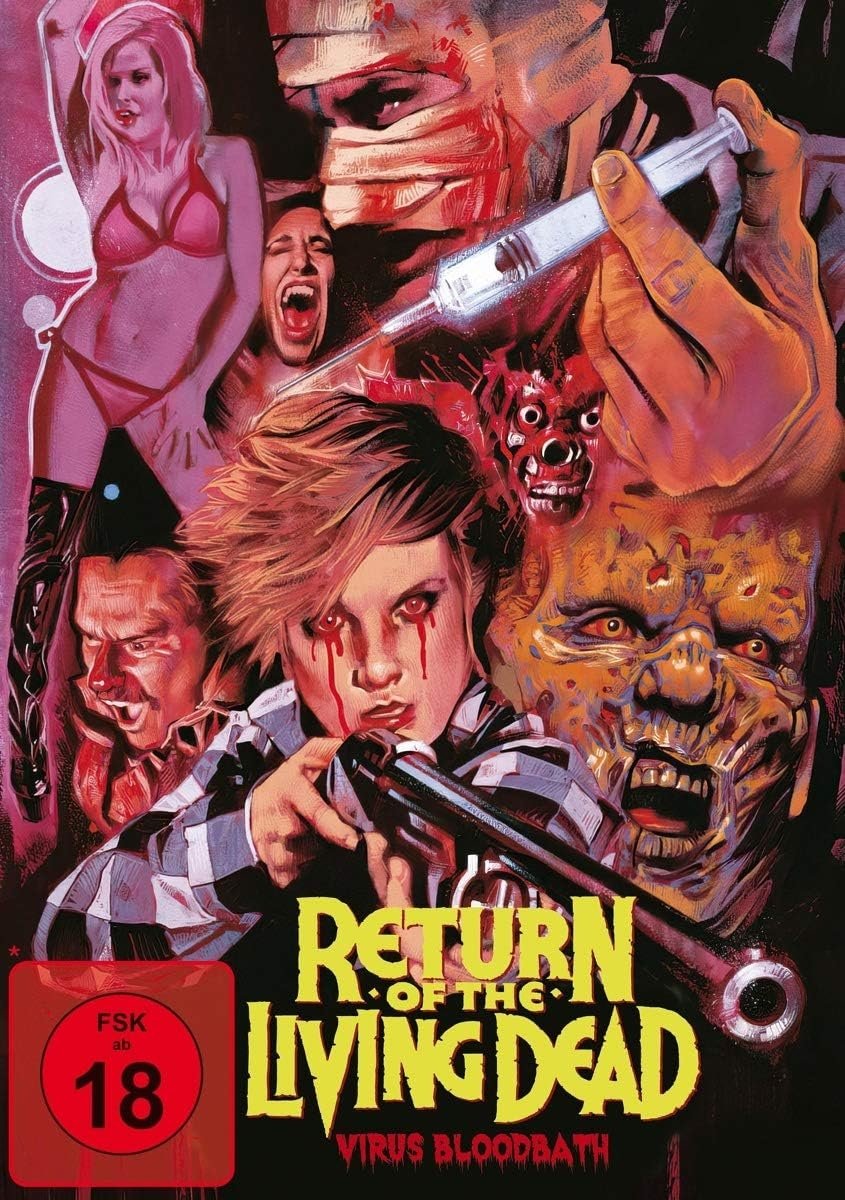
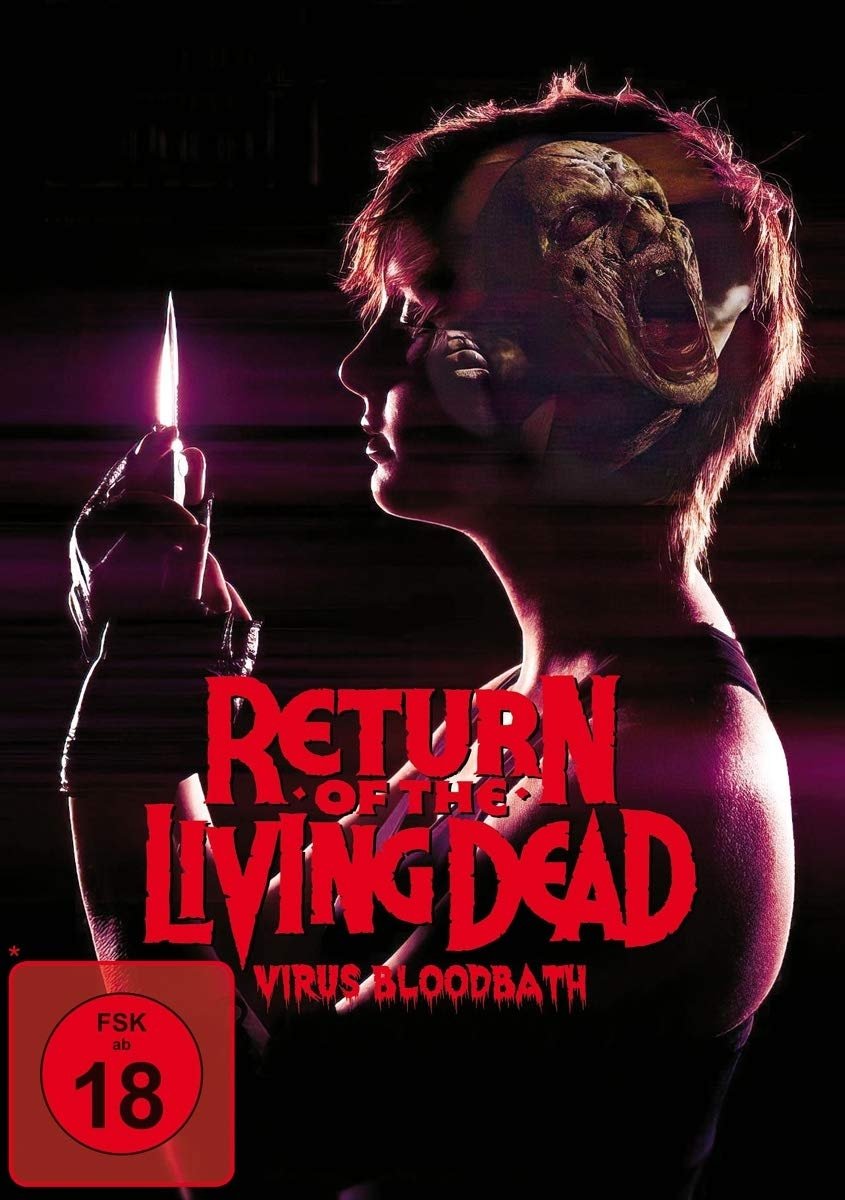
Dead Inferno (Italy) — DVD release 尤物大屠杀 (China) — Chinese Return of the Living Dead Virus Bloodbath (Germany) — DVD Title Убойная красотка (Russia) — Russian Забійна Красуня (Ukraine) — Ukrainian

Trailers & Videos

1 video

Film Guide & Analysis

Brett Mullen rebuilt the textures of Italian zombie cinema through saturated lighting, practical gore, deliberately stylized undead makeup and an electronic score modeled on the sound of late-1970s and 1980s horror.

Dead Inferno, originally released as Bombshell Bloodbath, is an American independent zombie film constructed less as an attempt to modernize the genre than as a deliberate recovery of an older exploitation language. Co-writer and director Brett Mullen was particularly interested in Italian horror of the late 1970s and 1980s, drawing openly on filmmakers such as Lucio Fulci, Umberto Lenzi and Bruno Mattei while avoiding a literal recreation of any single film. Its zombies are slow, heavily made up and physically deteriorated, but the experimental origin of the outbreak allows the movie to introduce its own visual details, including chemically altered blood and changing eye colors.

The production is also unusually concentrated around Mullen himself. In addition to directing and co-writing with Sky Tilley, he served as producer, cinematographer and editor, allowing the photography and final assembly to remain closely connected to the original aesthetic concept. Joh Harp FX supplied the principal creature and gore work, while Matt Hill, performing under the name Umberto, composed an electronic score consciously aligned with Italian horror music. The result is technically modest but unusually unified: lighting, prosthetics, music and editing are all organized around the sensation of discovering a damaged exploitation print from an earlier era.

Development and Italian Horror Influence

Mullen described Bombshell Bloodbath as the fulfillment of a long-standing desire to make a zombie film. During development he initially considered a title using the familiar language of the living dead before the production evolved toward Bombshell Bloodbath. More important than the title was the specific type of zombie cinema he wanted to reference. He repeatedly identified the Italian cycle of the late 1970s and early 1980s as the principal visual and tonal influence, particularly films associated with Lucio Fulci.

That influence was communicated directly to the effects department. Mullen recalled repeatedly asking for Italian-style zombies and specifically telling the artists that he wanted them to feel more Fulci-like. When the team answered by invoking The Beyond, he knew they understood the intended direction. The objective was not historical reproduction. Mullen explicitly rejected the idea that the film should simply copy Fulci, Mattei or Lenzi and instead treated their work as a vocabulary from which a contemporary independent production could borrow.

The screenplay follows Dr. Ben Carter, whose attempts to overcome his wife's death through experimental reanimation create increasingly unstable results. This mad-science framework allows the movie to combine zombie-film imagery with elements closer to Re-Animator and laboratory horror. The narrative is consequently useful to the visual strategy: because the undead have been produced chemically, freeing their behavior from established zombie mythology, the filmmakers can exaggerate bodily changes without needing to obey conventional biological rules.
Cinematography, Lighting and Editing

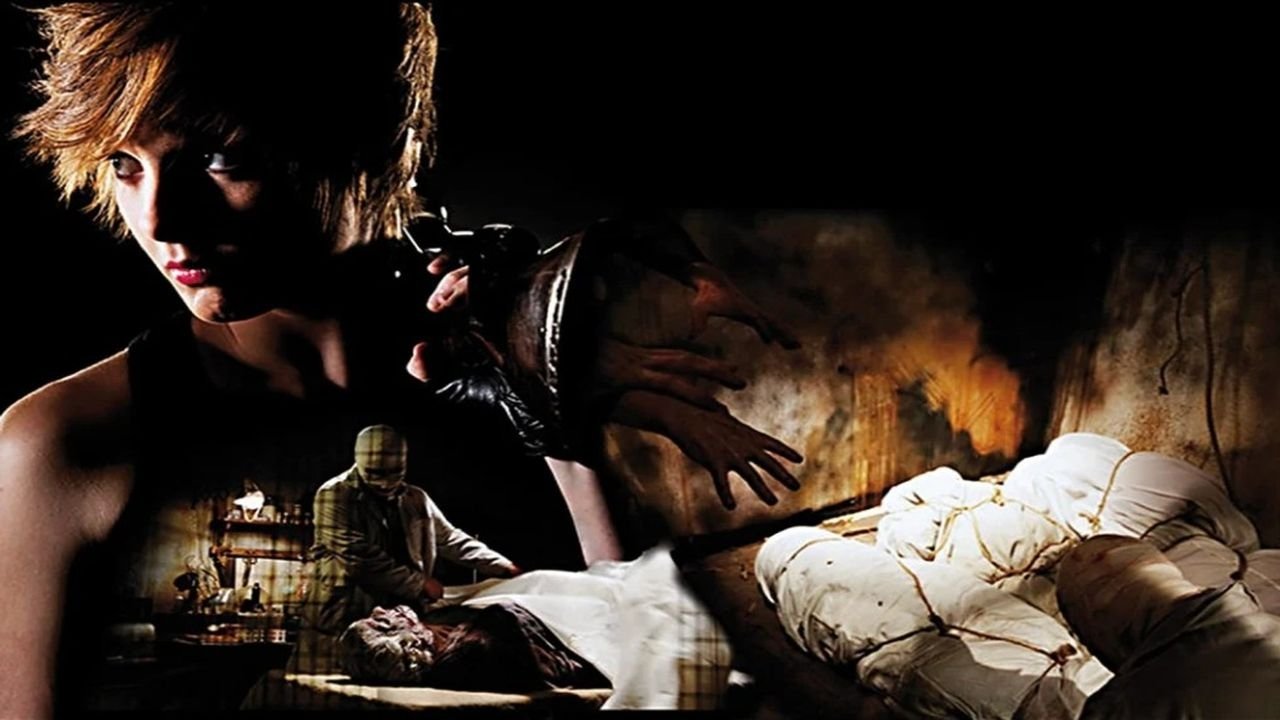
Mullen photographed the film himself, giving the director direct control over the relationship between blocking, lighting and camera placement. Contemporary coverage repeatedly noticed the resulting visual emphasis, particularly the laboratory material, high-angle vehicle shots, close framing of Dr. Carter and the use of strongly colored light. Mullen frequently makes light itself part of the production design, using color and shadow to transform the low-budget locations.

Color is one of the clearest links with Italian genre cinema. Scenes can move away from motivated natural light toward saturated hues associated with Argento and the later Italian exploitation tradition. This becomes especially effective when placed against aging interiors, laboratory equipment or practical makeup because colored illumination can alter the apparent texture of skin and blood without requiring additional effects work. The technique stretches production resources by allowing photography and makeup to reinforce one another.

Mullen also handled the editing, which meant that shots could be designed with an awareness of how aggressively they would ultimately be assembled. The film alternates atmospheric passages with abrupt gore and increasingly chaotic outbreaks, creating an uneven and deliberately volatile rhythm. Having the same filmmaker responsible for direction, cinematography and cutting helps explain why even deliberately excessive visual ideas retain a consistent exploitation aesthetic across departments.

Zombie Makeup and Practical Gore

Joh Harp and Amber Michael were central to the special makeup and creature work, with additional effects assistance from Adam Davis, Caitlin Davis and Victoria Singleton. Mullen wanted zombies whose makeup extensively transformed the performers' bodies. He later remembered being genuinely startled when one of the principal undead performers first arrived fully made up, an indication that the effect depended on the completed three-dimensional appearance achieved through practical makeup.

The zombie design deliberately departs from natural decomposition in places. Mullen explained that some infected characters pass through changing eye colors during the transformation process and that certain zombies produce neon-purple blood because of the chemicals involved in Carter's experiments. These choices transform production limitations into stylistic permission. The filmmakers do not need every fluid, wound or stage of infection to look medically realistic because the fictional compound itself is unstable.

The gore follows the same practical emphasis. Contemporary accounts singled out severed body parts, facial destruction, dismemberment and extensive feeding effects, including material deliberately recalling the physical excess of Italian zombie cinema and Romero's Day of the Dead. The value of these sequences lies less in mechanical complexity than in material presence. Artificial flesh, blood pumps, makeup and performers occupy the same photographed space, allowing the cinematography to linger on the practical effects during sustained shots.

Umberto, Synthesizers and Sound

Matt Hill composed the score under his established recording name Umberto. The choice strongly reinforces the film's Italian-horror concept because Hill's work was already built around analog-sounding synthesizers, repetitive electronic motifs and the musical vocabulary associated with European horror and thriller scores. Contemporary responses repeatedly compared the Bombshell Bloodbath soundtrack with Goblin, Claudio Simonetti and Fabio Frizzi, references consistent with Mullen's visual influences.

The electronic approach is particularly efficient for a low-budget production. A synthesizer-based score can create scale, atmosphere and thematic continuity without requiring a large recording ensemble, while also sounding historically appropriate to the films being referenced. In Dead Inferno, music therefore performs production-design work of its own. Even an ordinary contemporary location can begin to feel like an artifact of an earlier horror cycle once electronic pulses and melodic patterns place the image within that tradition.

Sound recording credits include Taylor Parris as sound mixer, with Nina Scholl and Derek Brooks working boom. The final soundscape is necessarily less elaborate than that of a major studio zombie film, but the combination of practical gore noises and Hill's prominent electronic music helps give the film a larger stylistic identity than its production scale would otherwise allow.

Release, Retitling and Collector Edition

Bombshell Bloodbath received an early public premiere in Greensboro, North Carolina on February 21, 2014, with later release listings placing its wider 2014 circulation in May. The film subsequently moved through independent distribution and home video, with limited theatrical exposure. Its audience was therefore concentrated among cult-horror and zombie viewers already receptive to the Italian films Mullen was referencing.

The movie acquired a second identity several years later when it was reissued as Dead Inferno. TetroVideo announced a two-disc collector's edition in 2019 containing the feature with Italian subtitles alongside an extensive group of supplements. These included an interview with Mullen, deleted scenes, material documenting the original concept, a Behind the Screams making-of documentary, an audio commentary, a short film, premiere footage, a gallery and a feature in which the cast discussed possibilities for a hypothetical sequel.

That edition is especially useful to the film's afterlife because Dead Inferno has greater value as a record of independent genre craftsmanship than as a historically influential zombie feature. Mullen, Joh Harp FX and Umberto were working deliberately inside a recognizable tradition but using the resources of a small American production. The film's lasting interest lies in watching those departments reconstruct the sensations of Fulci-era zombie cinema through practical makeup, colored lighting, physical gore and synthesizers rather than through budget or industrial scale.

Cast

View Full Cast & Crew →

Release & Distribution

Production Companies (2)

  • Eldorado Road Productions
  • The Drive In Film Series

Release History (1)

Release DateTerritoryRelease TypeFormatDistributorCertificationNotes
2014-05-09 United States Theatrical — — —