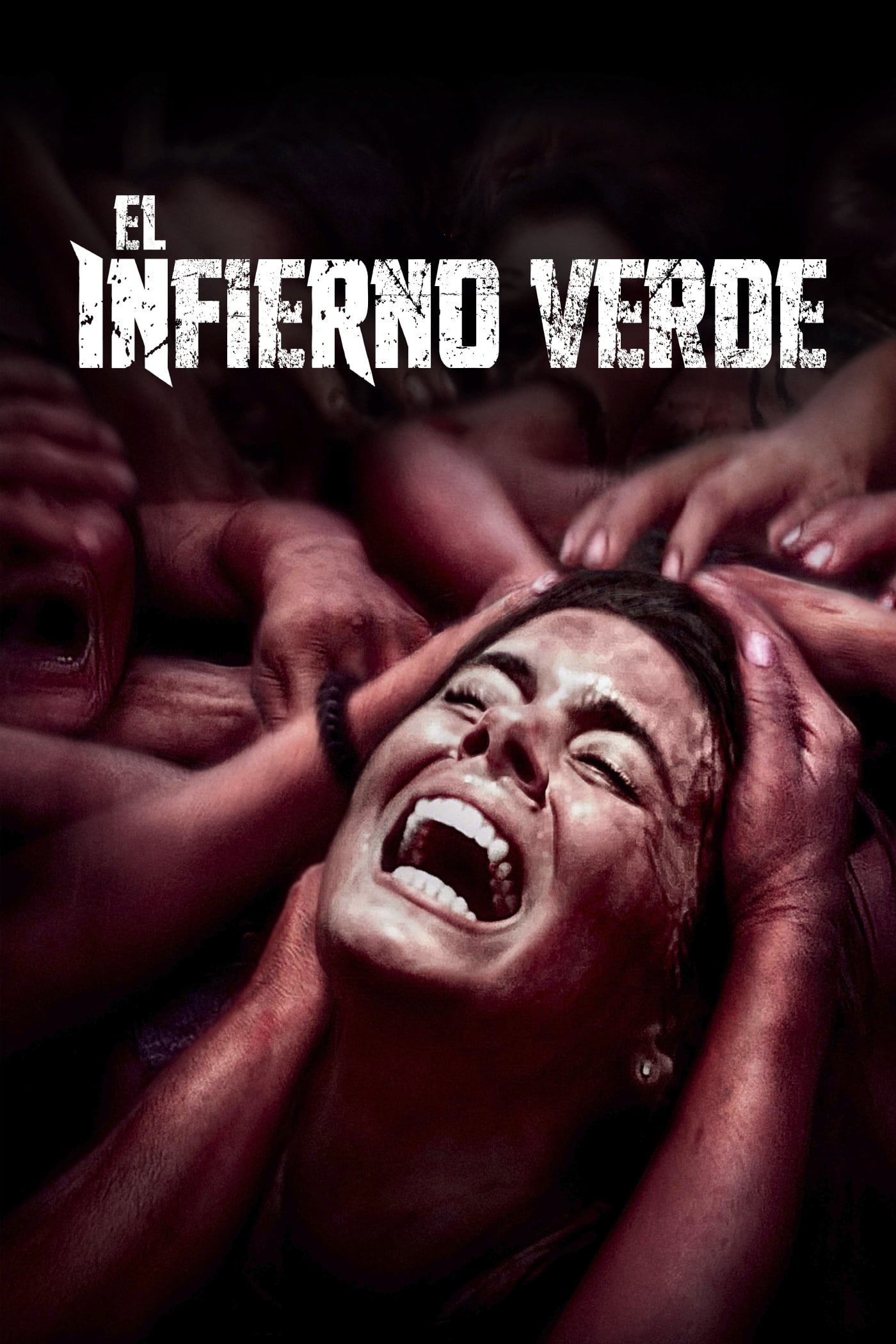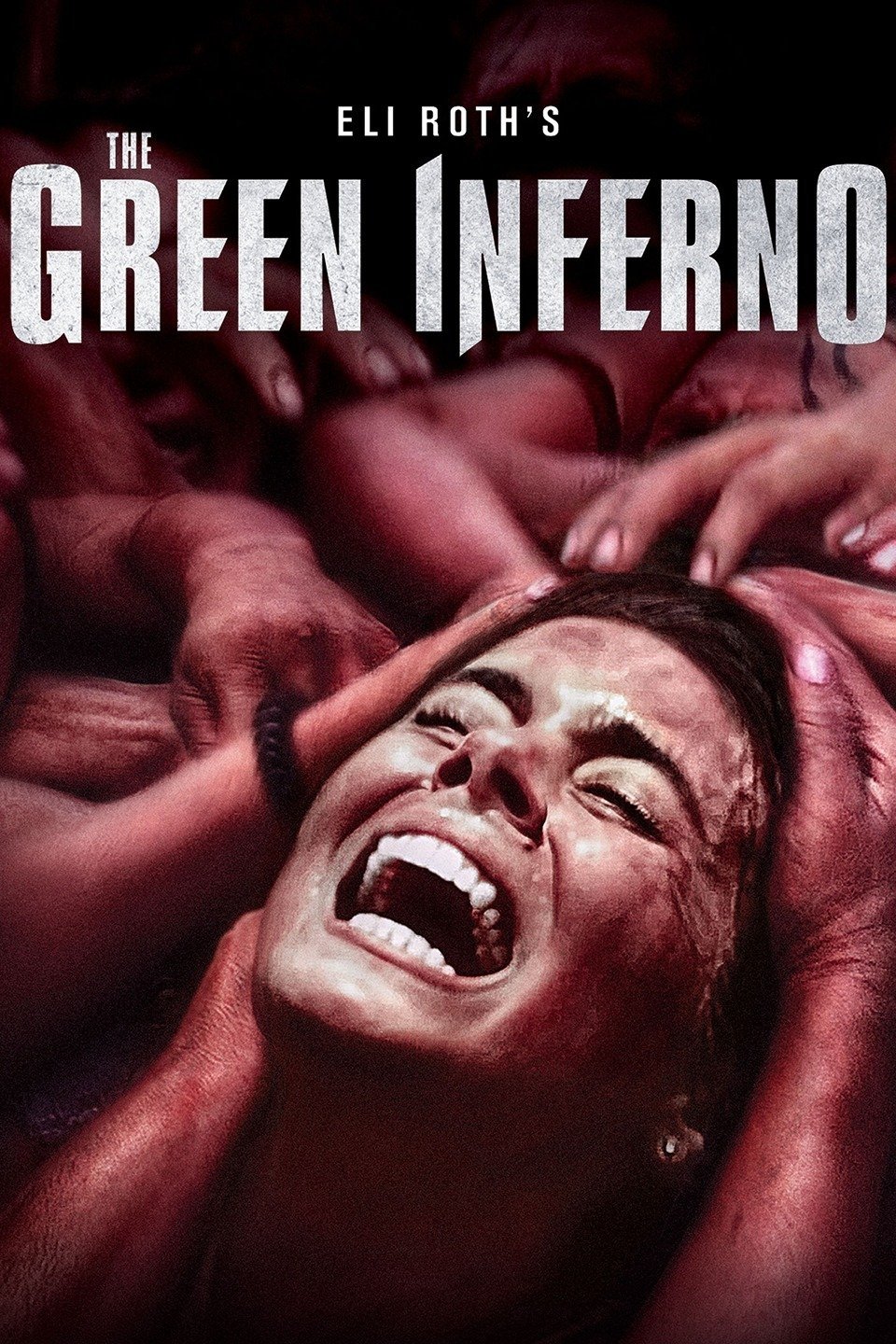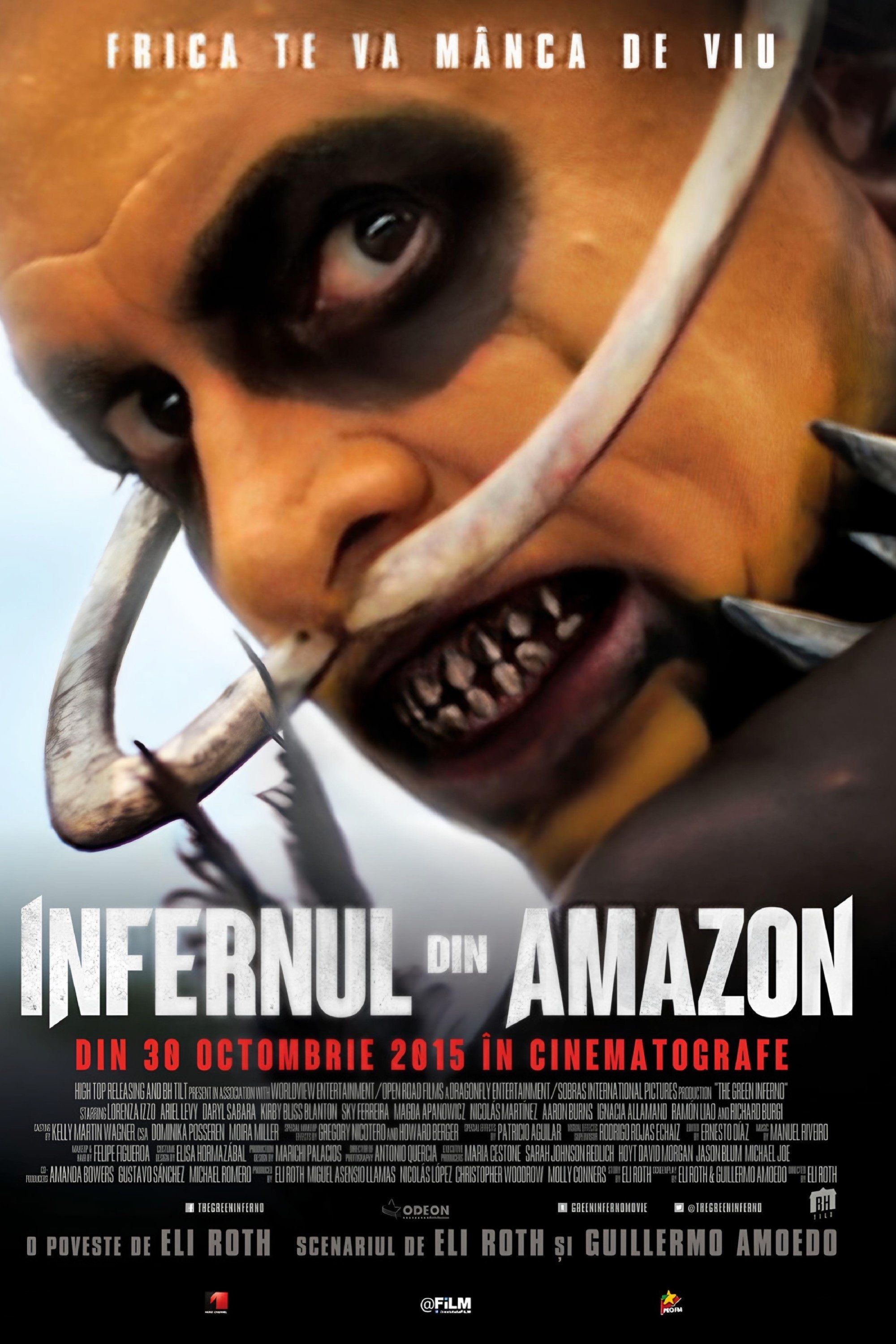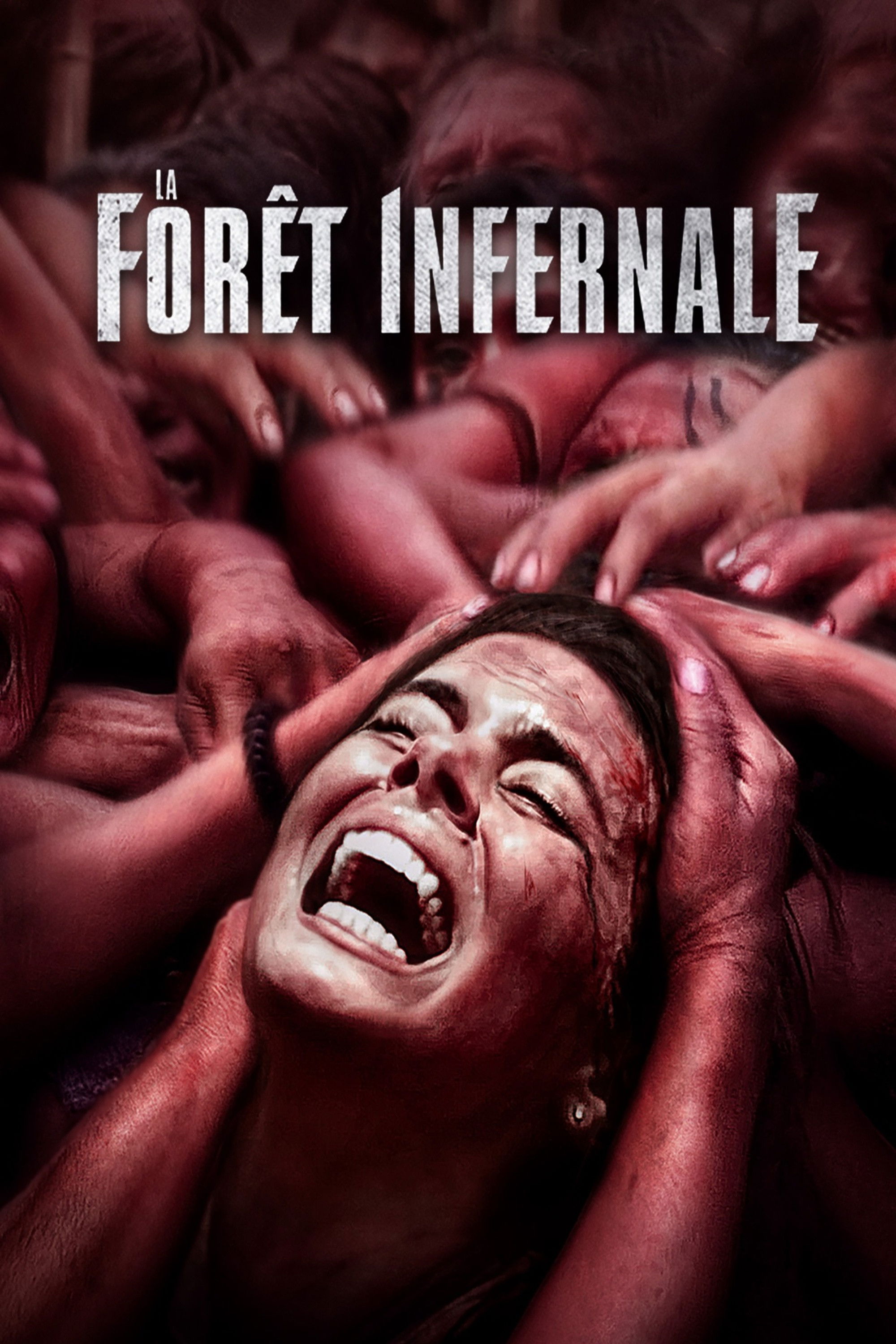
The Green Inferno (2014)

US
7.0/10 3 votes
Runtime
100 min
Release
September 4, 2014
Budget
$5,000,000
Revenue
$12,931,420
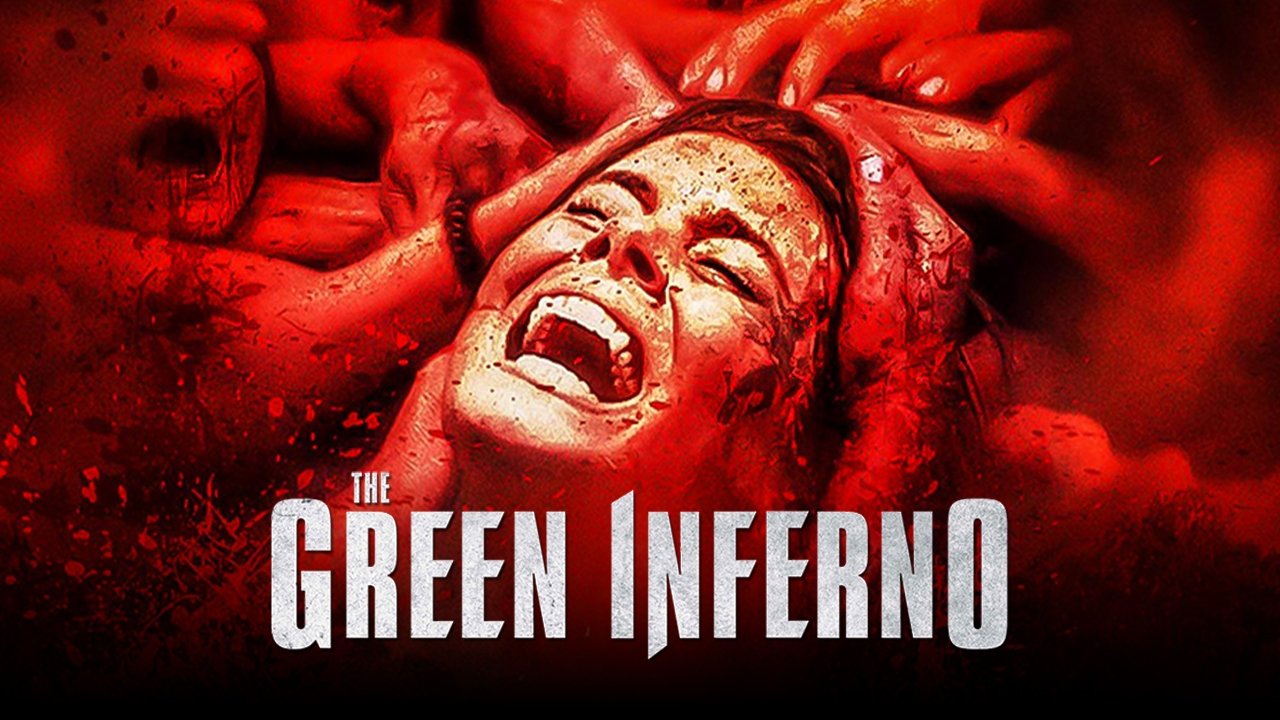
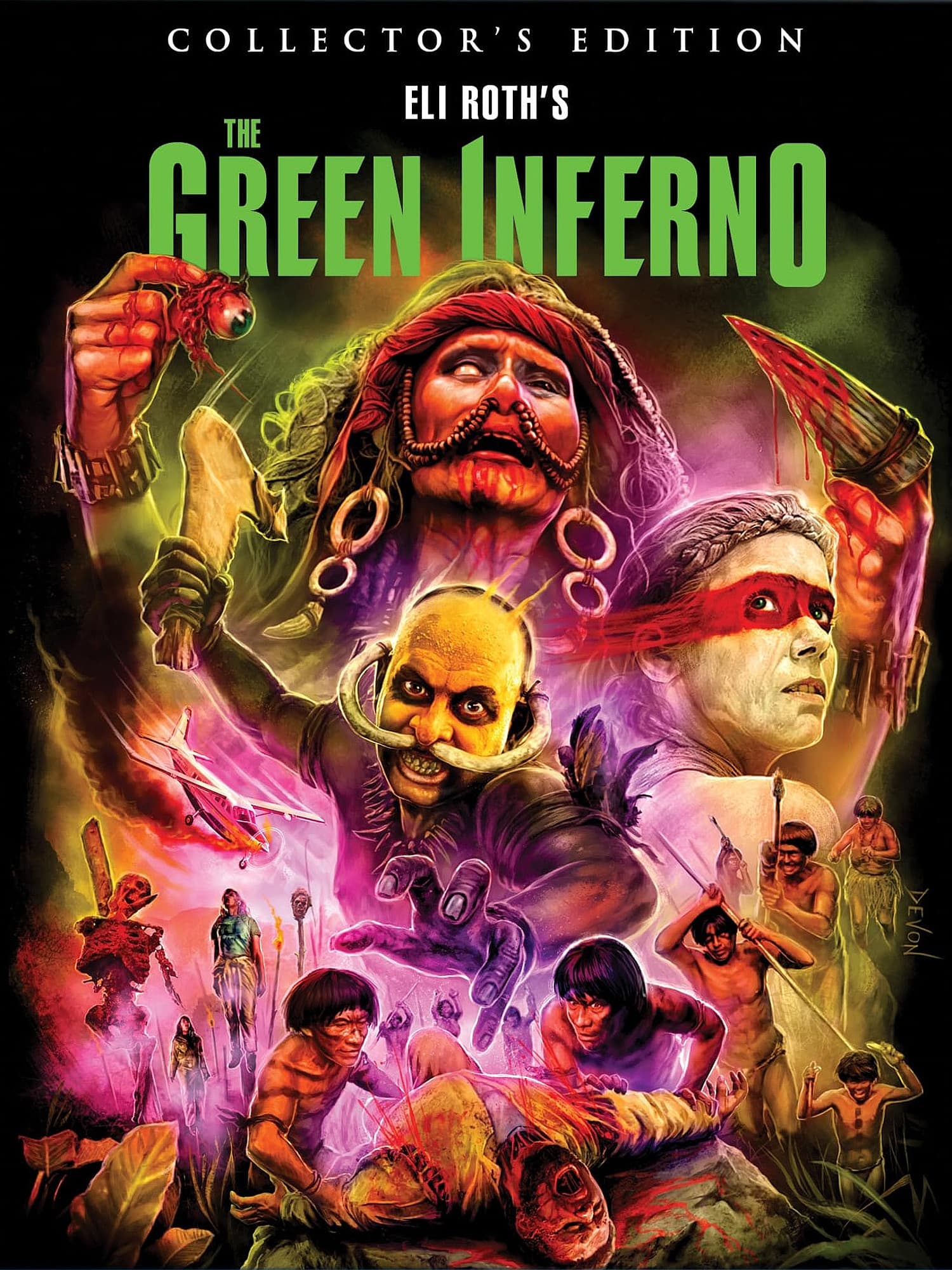
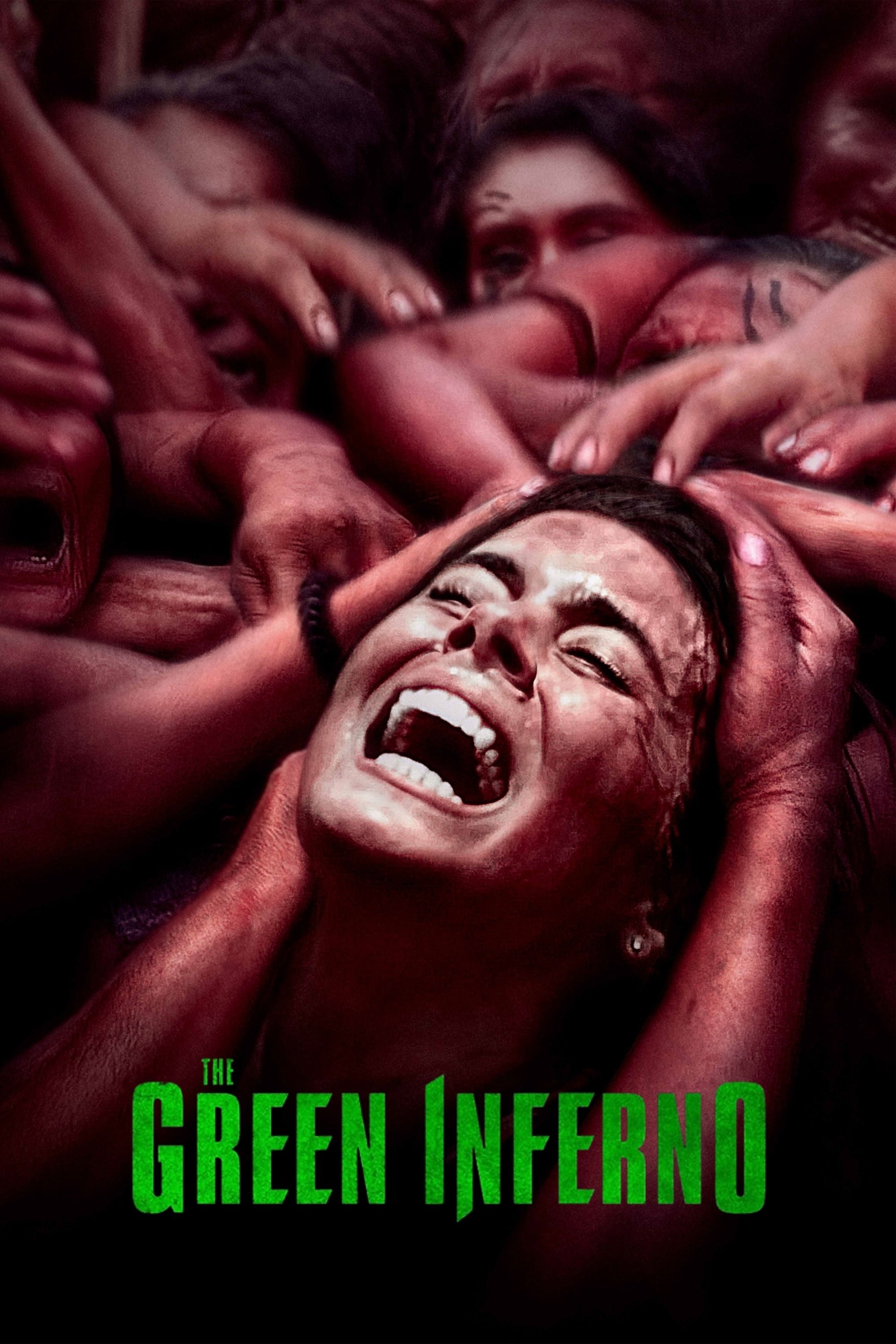
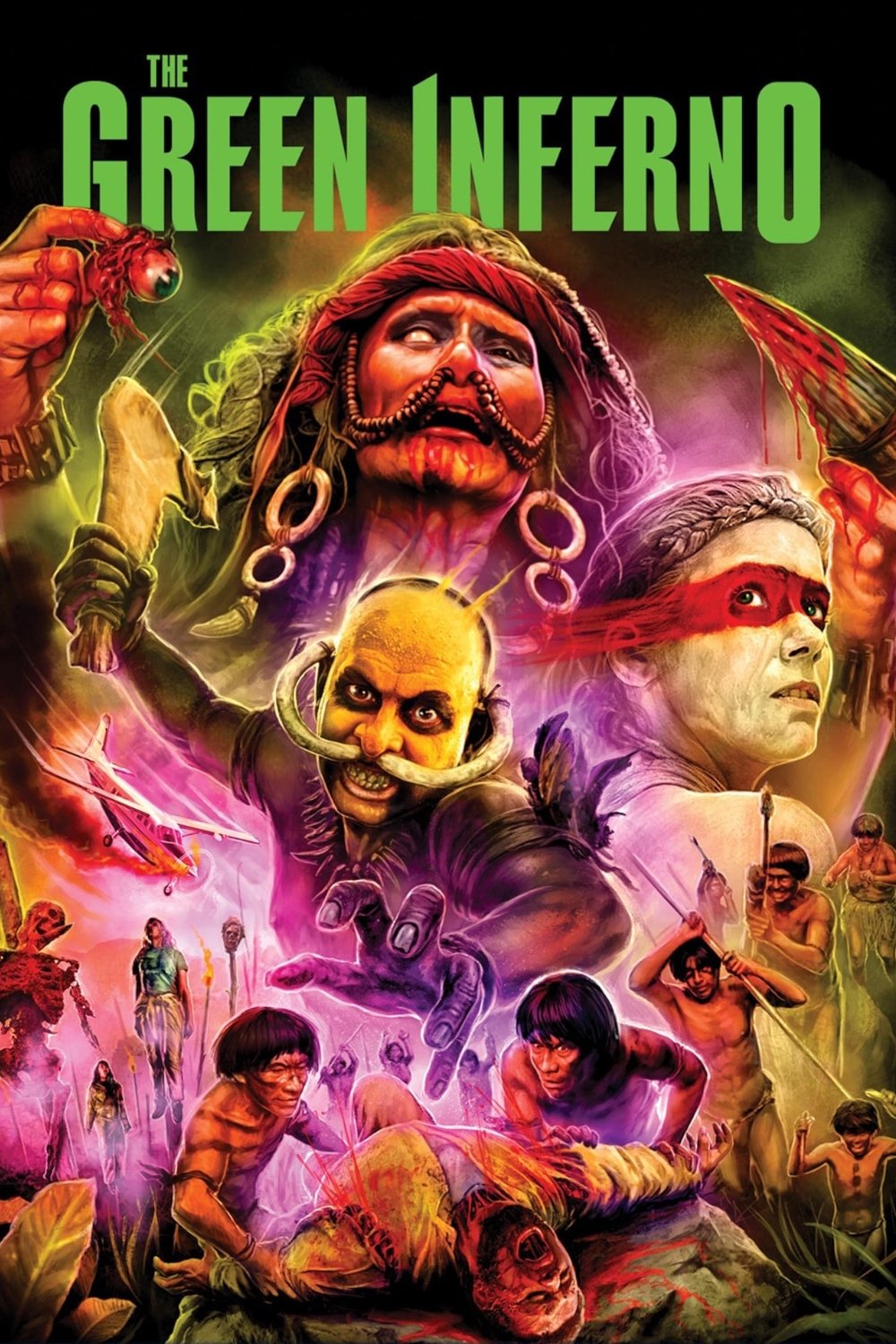
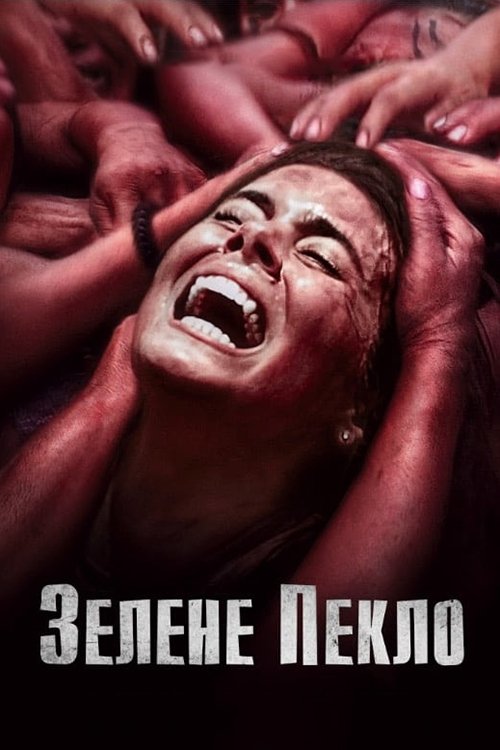
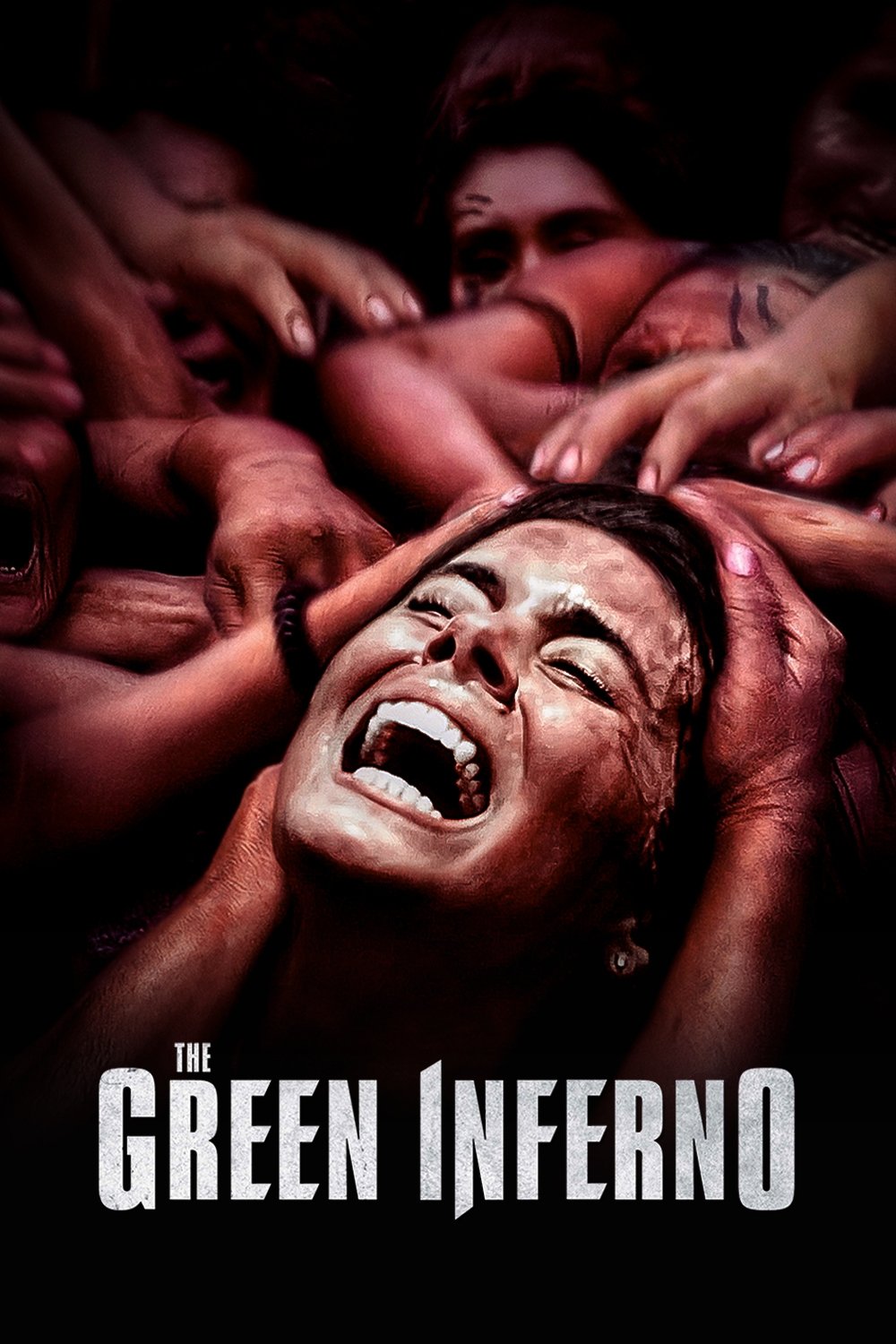
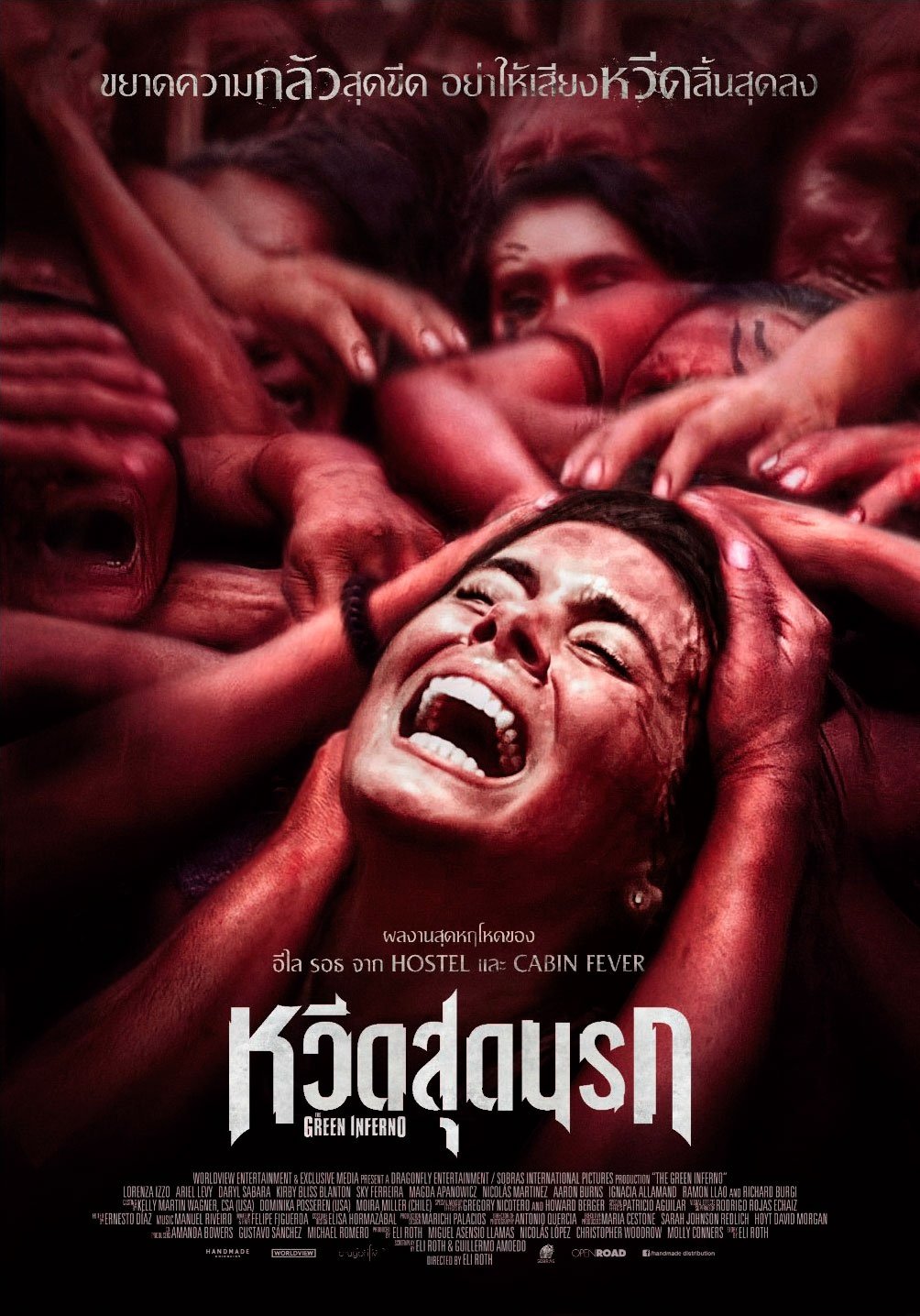
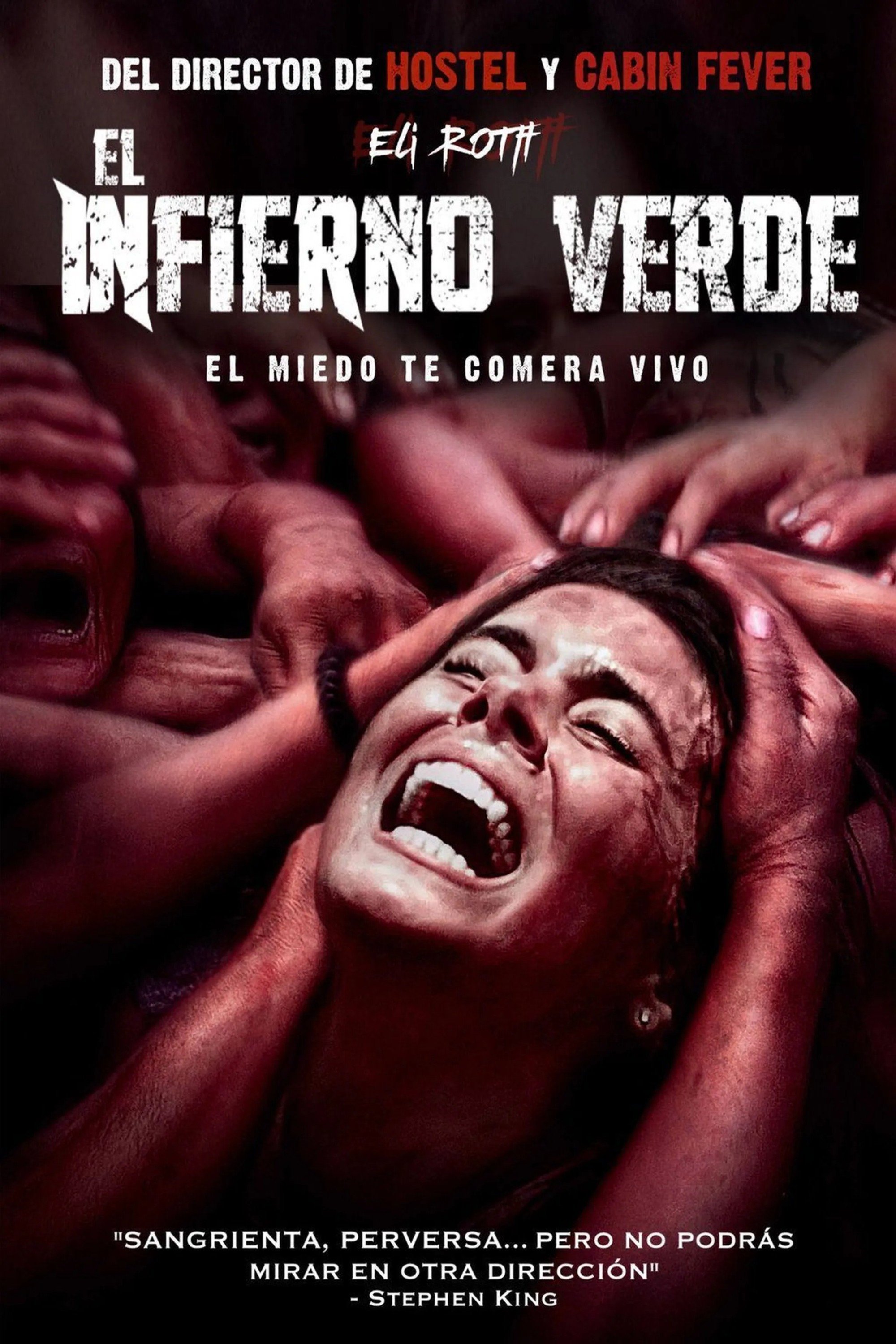
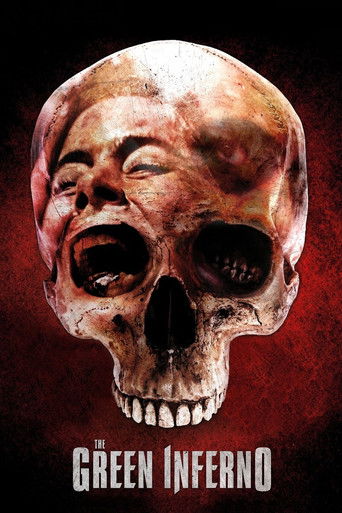
The Green Inferno (2014) poster
Director
Production Companies
BH Tilt , Dragonfly Entertainment , Sobras International Pictures , Worldview Entertainment
Plot

A group of student activists travel from New York City to the Amazon to save the rainforest. However, once they arrive in this vast green landscape, they soon discover that they are not alone… and that no good deed goes unpunished.

Alternative Titles
Ferri i gjelbër (Albania) — Television Title Yasil Cehennem (Azerbaijan) Зеленият ад (Bulgaria) — Bulgarian Canibais (Brazil) — Portuguese La forêt infernale (Canada) — French 绿色地狱 (China) — Chinese Zelené Peklo (Czechia) El infierno verde (Spain)
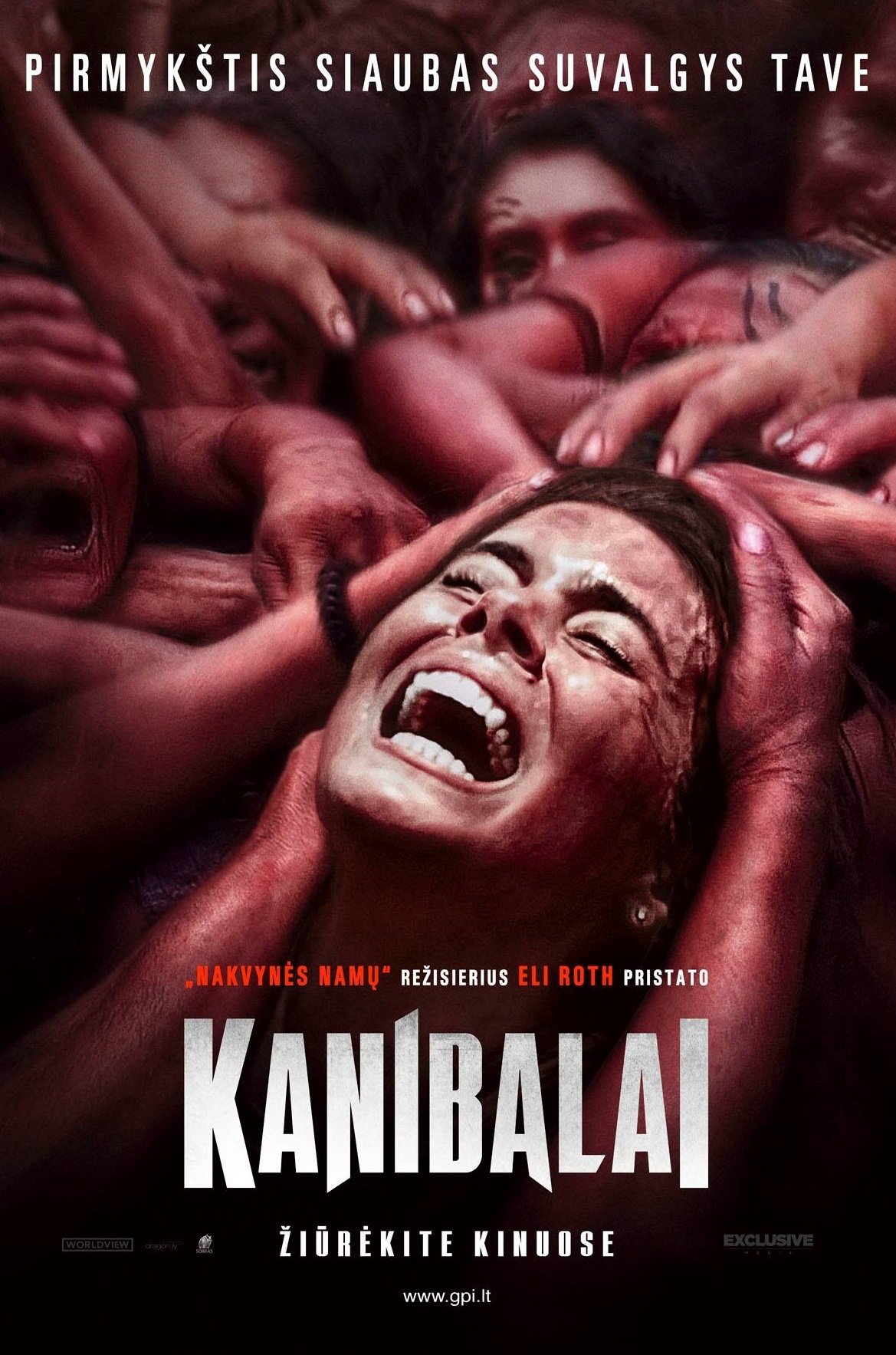
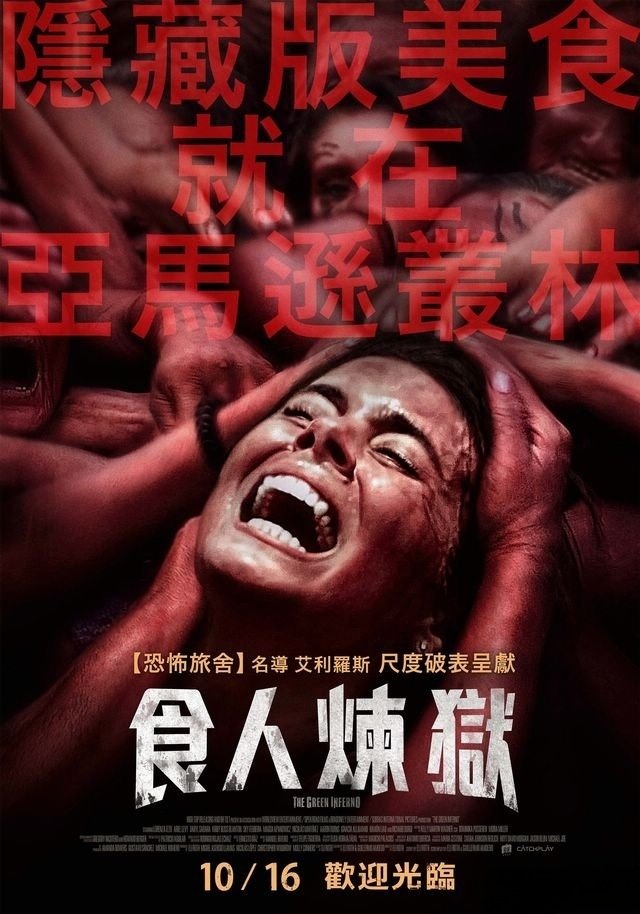
Show all 26 alternative titles Κανίβαλοι (Greece) — Greek 亞馬遜食人獄 (Hong Kong SAR China) — Chinese Zeleni pakao (Croatia) — Croatian הגהנום הירוק (Israel) — Hebrew グリーン・インフェルノ (Japan) — Japanese 그린 인페르노 (South Korea) — Korean Kanibalai (Lithuania) — Lithuanian Zaļā pekle: kanibālu gūstā (Latvia) — Latvian Caníbales (Mexico) — Spanish Inferno Canibal (Portugal) — Portuguese Infernul din Amazon (Romania) — Romanian Zeleni pakao (Serbia) — Serbian Зелёный ад (Russia) — Russian Людоеды (Russia) Zeleni pekel (Slovenia) — Slovenian หวีดสุดนรก (Thailand) — Thai 食人煉獄 (Taiwan) — Chinese Зелене пекло (Ukraine) — Ukrainian

Trailers & Videos

2 videos

Film Guide

An in-depth look at the cannibal-film origins, activist satire, Amazon production, practical gore, delayed release and controversial reception of The Green Inferno (2013).

The Green Inferno is a 2013 cannibal horror film directed by Eli Roth and written by Roth with Guillermo Amoedo. It follows Justine, a university student who joins an activist group travelling to Peru to protest the destruction of rainforest inhabited by an indigenous community. After their campaign gains the online attention its organisers wanted, the group's return flight crashes in the jungle. The survivors are captured by the very community they intended to protect and discover that their assumptions about both their mission and the people living in the forest offer them no protection.

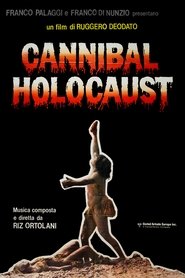
The film marked Roth's return to feature directing after Hostel: Part II and was conceived as a deliberate revival of the Italian cannibal-film tradition of the late 1970s and early 1980s. Its title directly evokes Cannibal Holocaust, while its combination of remote location filmmaking, graphic practical effects and confrontation between outsiders and an indigenous community recalls the genre more broadly. Roth nevertheless reworked that tradition around contemporary social-media activism. The protagonists arrive in the Amazon equipped not merely with political convictions but with smartphones, livestreams and an expectation that visibility itself represents successful action. Their subsequent ordeal turns the film into both an exploitation horror picture and a deliberately abrasive satire of activism performed partly for an audience.

Development & the Return of the Cannibal Film

Roth had been interested in the Italian cannibal cycle for years before making The Green Inferno. Films by directors including Ruggero Deodato, Umberto Lenzi and Sergio Martino had taken European or American outsiders into remote environments where the distinction between supposedly civilised visitors and supposedly primitive inhabitants was progressively destabilised. Cannibal Holocaust became the clearest reference point, and Roth eventually used a title taken from the fictional documentary being produced inside Deodato's film.

Roth and Amoedo looked for a contemporary reason to send privileged young outsiders into the Amazon. The screenplay emerged alongside Roth's increasing interest in what he described as slacktivism: political engagement in which online visibility, social-media approval and rapid identification with a cause could become more important than sustained understanding of it. The activist group led by Alejandro consequently uses phones and internet attention as fundamental components of its campaign.

Roth later grouped The Green Inferno with Cabin Fever and the Hostel films as what he called his travel trilogy. The connection is thematic rather than narrative. Each places comparatively comfortable protagonists in unfamiliar territory where assumptions carried from home cease to function. In The Green Inferno, the structure is particularly ironic because the characters travel specifically to intervene on behalf of people they believe require their protection.

The film also reverses part of the original cannibal-movie formula. Earlier Italian films frequently followed journalists, adventurers or exploiters entering environments they considered primitive. Roth replaces them with people whose stated intention is humanitarian. This does not make the activists immune to the genre's suspicion of outsiders. The screenplay repeatedly distinguishes between genuine concern and the desire to be publicly recognised for displaying that concern.

Activism, Exploitation & the Politics of Looking

The protest that brings Justine to Peru is presented as both politically serious and mediated through spectacle. The students chain themselves to logging machinery and broadcast the confrontation to the outside world. Their phones become defensive tools because the company destroying the forest knows that violence against them could immediately circulate online. Once the campaign begins trending, however, the group's satisfaction reveals how closely moral action and public visibility have become connected.

Alejandro embodies the most cynical version of that relationship. He understands activism as a system of images, leverage and personal authority, and information later revealed about the campaign undermines the straightforward heroic narrative with which the students entered the jungle. Justine is more sincere, but sincerity does not protect her from participating in a project whose political circumstances she only partially understands.

Roth described this aspect of the film explicitly as a critique of people becoming intensely invested in causes they had learned about only recently and treating online attention as an end in itself. That stated intention helps explain the film's repeated emphasis on phones, livestreaming and news coverage rather than activism functioning merely as a convenient reason to put characters in South America.

At the same time, the film deliberately participates in the exploitation tradition it is commenting upon. The activists become bodies to be observed, imprisoned, dismembered and consumed. The distance between political spectatorship and horror spectatorship is therefore uncomfortable by design. Characters who wanted images of suffering to create attention become the subjects of another spectacle.

This tension extends to the film itself. The Green Inferno criticises outsiders who simplify indigenous communities for their own purposes while using a fictional cannibal tribe as the central source of terror. That contradiction became one of the most important issues in the film's reception and prevents its satire from functioning as an uncomplicated political statement.

Peru, Chile & Filming in the Amazon

Principal photography took place during late 2012, with production operating between Chile and Peru. Roth had worked extensively with Chilean filmmaker Nicolás López and used much of the production infrastructure and crew developed through their earlier collaborations. Urban and controlled production work could be handled within that system, but Roth considered a genuine jungle environment essential to the cannibal-film concept.

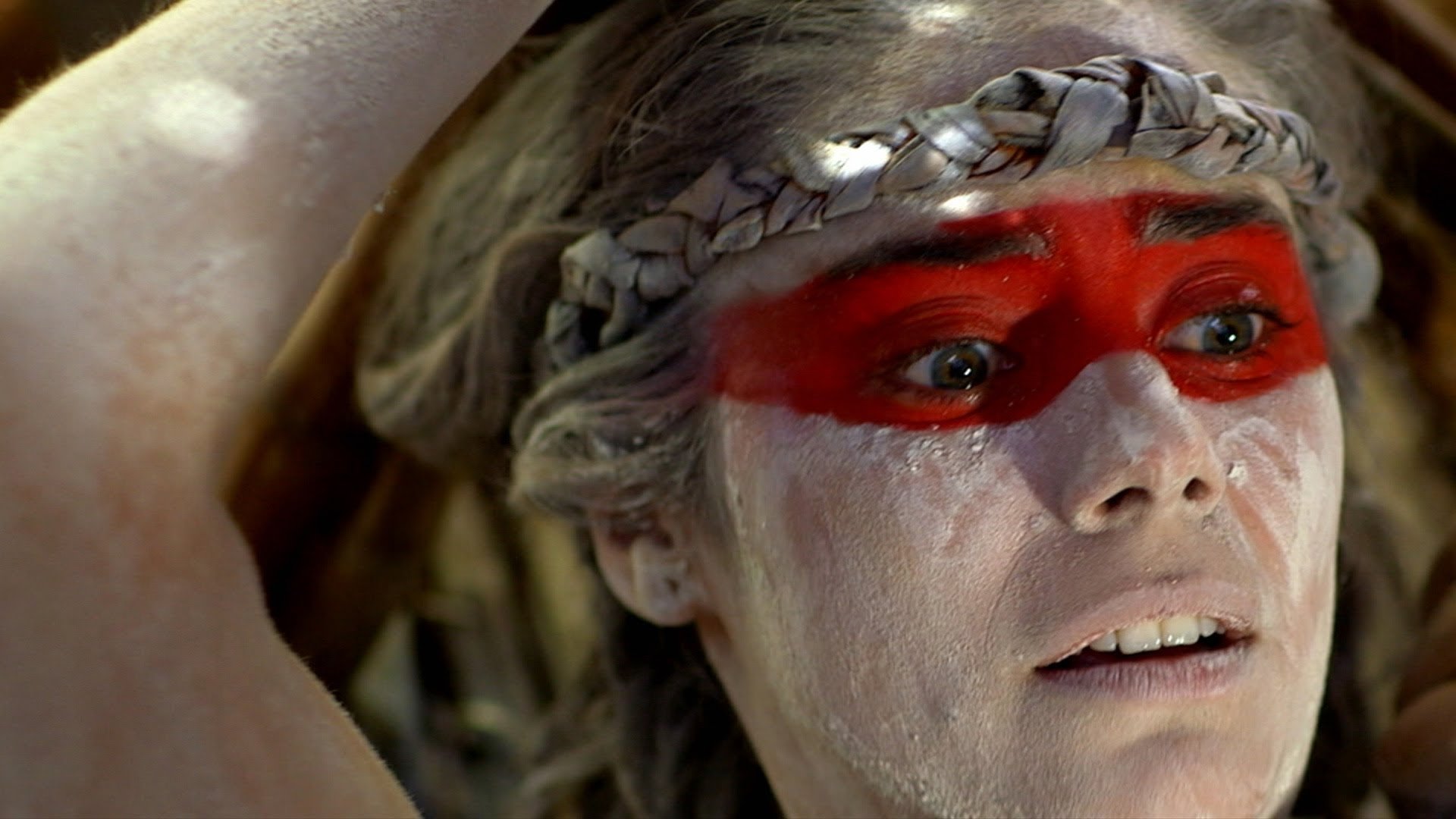
The production eventually selected a remote community in the Peruvian Amazon for the tribal village. Roth and members of the production repeatedly described the settlement as consisting of roughly 300 people, with limited electricity and access to the outside world. Some residents had rarely or never left the area. According to Roth, the filmmakers first had to explain what making a movie involved before the community agreed to participate.

Roth also recounted the now-famous incident in which the Peruvian production team brought a generator, television and a copy of Cannibal Holocaust to the village as an example of the kind of film being proposed. He said the residents reacted to Deodato's extreme imagery with amusement and subsequently agreed to appear. The story comes directly from Roth's accounts of the production and is best understood as his description of how the filmmakers introduced the project to the community rather than as an independent anthropological observation.

Residents of the village played members of the fictional cannibal society and also participated in constructing the production environment. Roth later said that instead of treating their involvement purely as a conventional cash transaction, the filmmakers discussed what improvements would be useful locally and contributed items including metal roofing and facilities for the community.

Reaching the location was itself a major production problem. Cast and crew travelled by road and then by boat through the Amazon each day, carrying equipment into a location without the normal infrastructure of a film set. Actors described journeys of several hours, extreme heat, insects and minimal facilities. Daryl Sabara recalled filming at the village for roughly three and a half weeks.

The difficulty was part of Roth's creative objective. He cited not only Italian cannibal films but productions by Werner Herzog and other filmmakers whose images carried evidence that cast and crew had actually entered difficult environments. The landscape was therefore not intended to function simply as a background plate. Heat, water, insects, vegetation and the physical remoteness of the location become visible parts of the performances.

Practical Gore, the Plane Crash & Physical Effects

Roth wanted the film's violence to retain the physical quality of the exploitation films that inspired it. Greg Nicotero, Howard Berger and the KNB effects team were involved with the makeup and gore effects, and Roth described their objective as making the major injuries look as convincing as possible rather than presenting stylised digital violence.

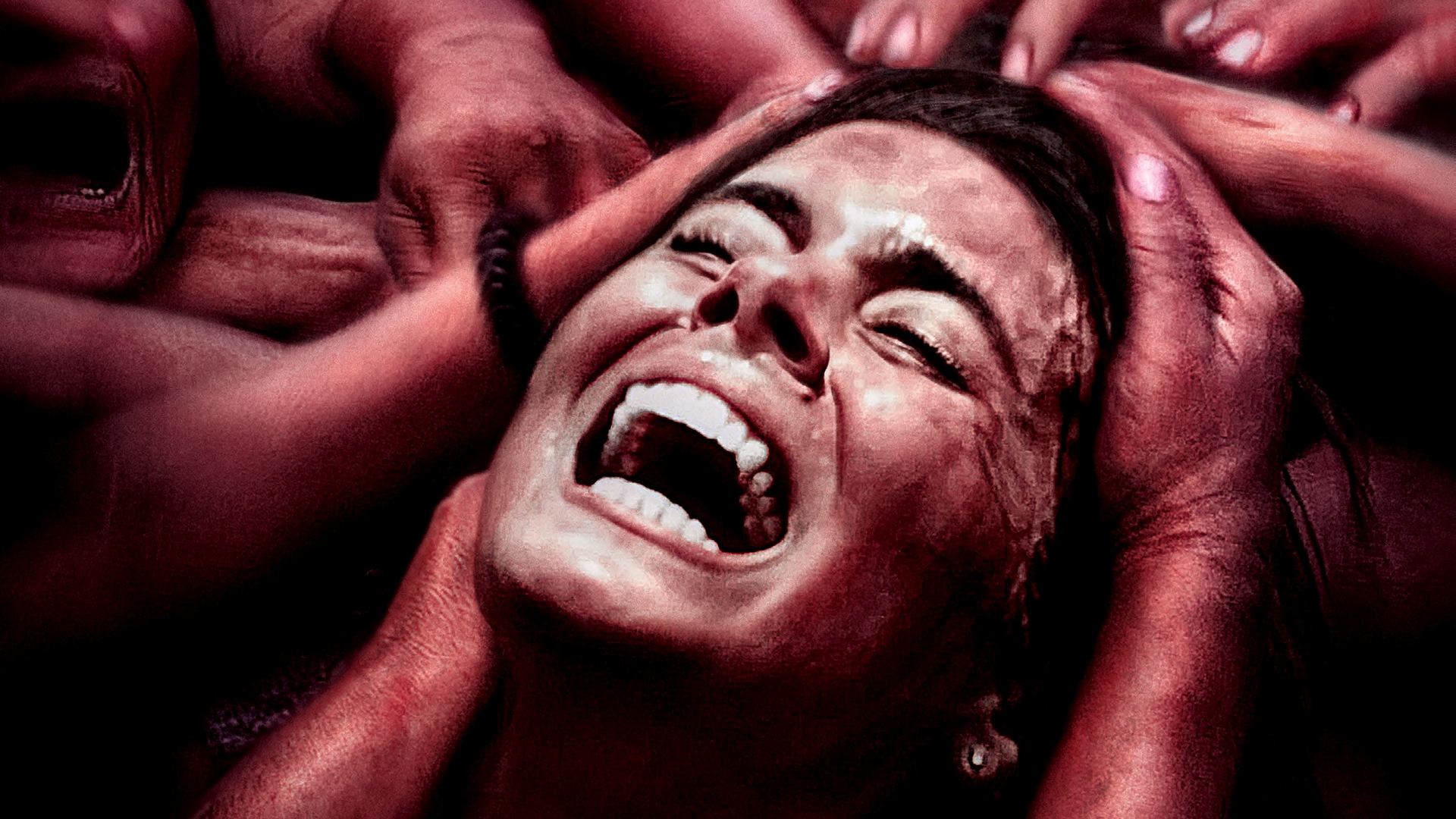
The film's first major cannibal killing establishes that approach. The sequence proceeds in stages rather than hiding the effect through a single fast cut. Mutilation, dismemberment and preparation of the victim's body are presented as a process performed by the entire community. Roth said he devoted substantially more production time to this sequence than to many dialogue scenes because he regarded the major gore set pieces as crucial moments for the audience.

Practical construction also shaped the film beyond the killings. Roth repeatedly stated that he wanted little or no visible computer-generated imagery wherever a physical solution was possible. The plane crash, which moves the story permanently from political satire into survival horror, was designed to give the actors actual physical movement rather than asking them merely to react against digital imagery.

For parts of the crash, the production placed performers inside a constructed aircraft section mounted so that it could rotate violently. Additional exterior material was created through physical rigs and location work. Roth's stated intention was that impact, disorientation and uncontrolled movement should be happening around the performers rather than added entirely after filming.

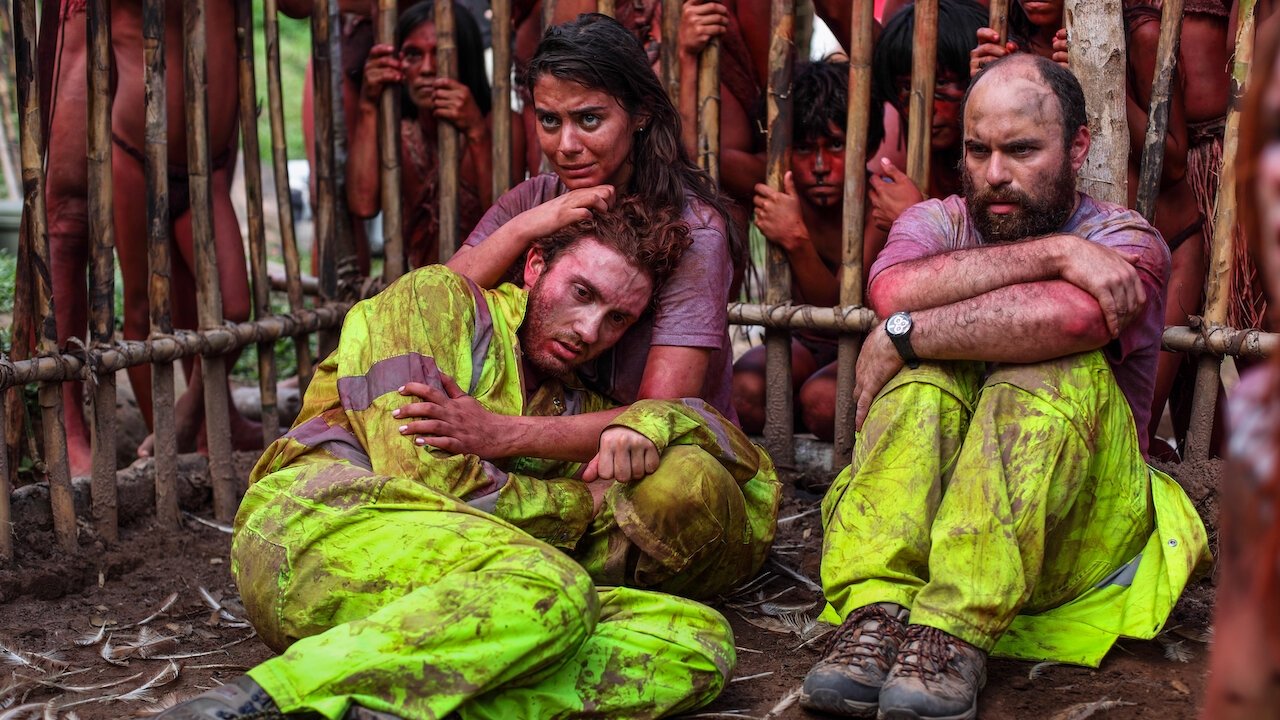
That preference connects The Green Inferno directly to the older cannibal films it references while also marking an important difference. Roth rejected the real animal killings that remain one of the most controversial features of several Italian productions. He described himself as an animal-rights supporter and deliberately reversed the relationship in his film: animals move freely around the village while the human outsiders occupy the cage.

The result preserves exploitation cinema's tactile quality without reproducing one of its most ethically disputed practices. Artificial human bodies can be disassembled in extreme detail precisely because the violence exists within controlled effects work.

Festival Premiere, Delayed Release & Box Office

The Green Inferno premiered at the Toronto International Film Festival in 2013 as part of the Midnight Madness programme. It subsequently appeared at other genre festivals, including Sitges, and was positioned for a conventional American theatrical release through Open Road Films.

The United States opening was originally scheduled for September 5, 2014. Only weeks before release, however, the film was removed from the calendar. The problem was not censorship of its gore but a financial and distribution dispute involving financier Worldview Entertainment and the commitment required for prints and advertising. Open Road ultimately ceased to be the film's distributor.

The delay created the unusual situation in which a completed and already festival-screened horror film remained commercially unavailable in one of its principal intended markets for roughly another year. By the time the dispute was resolved, Roth had already completed another feature, Knock Knock.

A new distribution arrangement was announced in June 2015. Blumhouse's BH Tilt label, Universal Pictures and High Top Releasing brought the film to American theatres on September 25, 2015. The campaign used a targeted genre-oriented release rather than treating the picture as a conventional wide studio horror launch, although it still opened in 1,540 North American cinemas.

The film earned approximately $3.52 million during that opening weekend and eventually grossed about $7.19 million domestically. International markets contributed approximately another $5.47 million, bringing the recorded worldwide theatrical gross to roughly $12.67 million against a reported production budget of around $5 million.

The distinction between production and release years is therefore important. The Green Inferno belongs to 2013 as a completed film and festival premiere, but much of its wider public reception did not occur until its 2015 theatrical release.

Reception, Representation & Place in Cannibal Horror

Critical reception was sharply divided and generally less positive than the production's festival notoriety might suggest. Reviewers often acknowledged Roth's technical commitment to physical gore and the difficulty of the Amazon shoot while disagreeing over the effectiveness of the characters, humour and political satire.

The portrayal of the indigenous community became the most substantial controversy beyond the violence itself. Organisations concerned with Amazonian and indigenous rights argued that representing indigenous people as primitive cannibals repeated stereotypes with a much longer political history. The Interethnic Association for the Development of the Peruvian Rainforest argued that such imagery reinforced existing prejudice, while Amazon Watch also publicly criticised the film.

Roth defended the film as fiction operating within an established exploitation genre and argued that its primary satirical target was the visiting activists rather than the indigenous population. Contemporary critics differed on whether that defence resolved the problem. Some recognised the attack on privileged intervention and social-media self-promotion while still objecting to the imagery required to make the satire function.

That disagreement is central to the film's historical position. The Green Inferno is deliberately designed as a revival rather than a rejection of cannibal cinema, and reviving the form also revived arguments surrounding it. The earlier Italian cycle had always been entangled with questions about colonial imagery, exploitation, authenticity and the behaviour of supposedly civilised outsiders. Roth modernised the outsiders but retained a deliberately exaggerated version of the cannibal tribe.

The film's clearest contribution to twenty-first-century horror is therefore not the invention of a new subgenre. It is the unusually high-profile return of a form that had largely disappeared from mainstream genre production. Practical mutilation effects, remote jungle photography and the narrative structure of the Italian cannibal cycle were brought into a film built around smartphones, livestreams and contemporary political performance.

Roth also positioned it as the final entry in his informal travel trilogy. Cabin Fever, Hostel and The Green Inferno repeatedly send young Americans away from familiar environments and dismantle the assumption that mobility, money or cultural confidence will protect them. In the final film, that pattern becomes explicitly political. The travellers arrive believing they understand both the problem and the people they have come to defend. Horror begins when the world refuses to conform to that simplified narrative.

A decade after its eventual theatrical release, The Green Inferno remains defined as much by those contradictions as by its gore. It is simultaneously homage and provocation, environmental adventure and exploitation film, satire of superficial activism and a work criticised for its own representation of indigenous people. That unresolved collision places it securely within the tradition it set out to revive: cannibal horror built not only around physical transgression, but around arguments over who is exploiting whom.

Cast

View Full Cast & Crew →

Release & Distribution

Production Companies (4)

  • BH Tilt
  • Dragonfly Entertainment US
  • Sobras International Pictures
  • Worldview Entertainment

Distributors (1)

  • Plaion AT

Release History (29)

Release DateTerritoryRelease TypeFormatDistributorCertificationNotes
2013-09-08 Canada Premiere — — R Toronto International Film Festival
2013-10-12 Spain Premiere — — — Sitges Film Festival
2013-11-02 United States Premiere — — R New York City, New York
2014-09-04 Azerbaijan Theatrical — — —
2014-09-04 Kazakhstan Theatrical — — —
2014-09-25 Brazil Theatrical — — —
2014-09-25 Malaysia Theatrical — — —
2014-09-25 Uruguay Theatrical — — —
2014-10-09 Colombia Theatrical — — —
2014-10-16 Chile Theatrical — — —
2014-10-18 Mexico Theatrical — — C
2015-09-24 Italy Theatrical — — VM 18
2015-09-25 Canada Theatrical — — R
2015-09-25 Philippines Theatrical — — —
2015-09-25 United States Theatrical — — R
2015-10-08 Greece Theatrical — — K18
2015-10-16 France Digital — — 16 e-cinema
2015-11-05 Netherlands Theatrical — — 16
2015-11-06 Lithuania Theatrical — — N-18
2015-11-12 Ukraine Theatrical — — —
2015-11-28 Japan Theatrical — — R18+
2015-12-22 Germany Physical — — 18
2016-01-06 France Physical — — 16
2016-02-12 Ireland Physical DVD — 18 DVD
2016-02-22 United Kingdom Physical DVD — 18 DVD
2016-03-08 Netherlands Physical DVD, Blu-ray — 16 DVD, Blu ray
2016-04-01 Spain Limited Theatrical — — — subtitled version
2016-05-06 Norway Theatrical — — 18
2016-05-18 Spain Digital — — —
Fear will eat you alive.