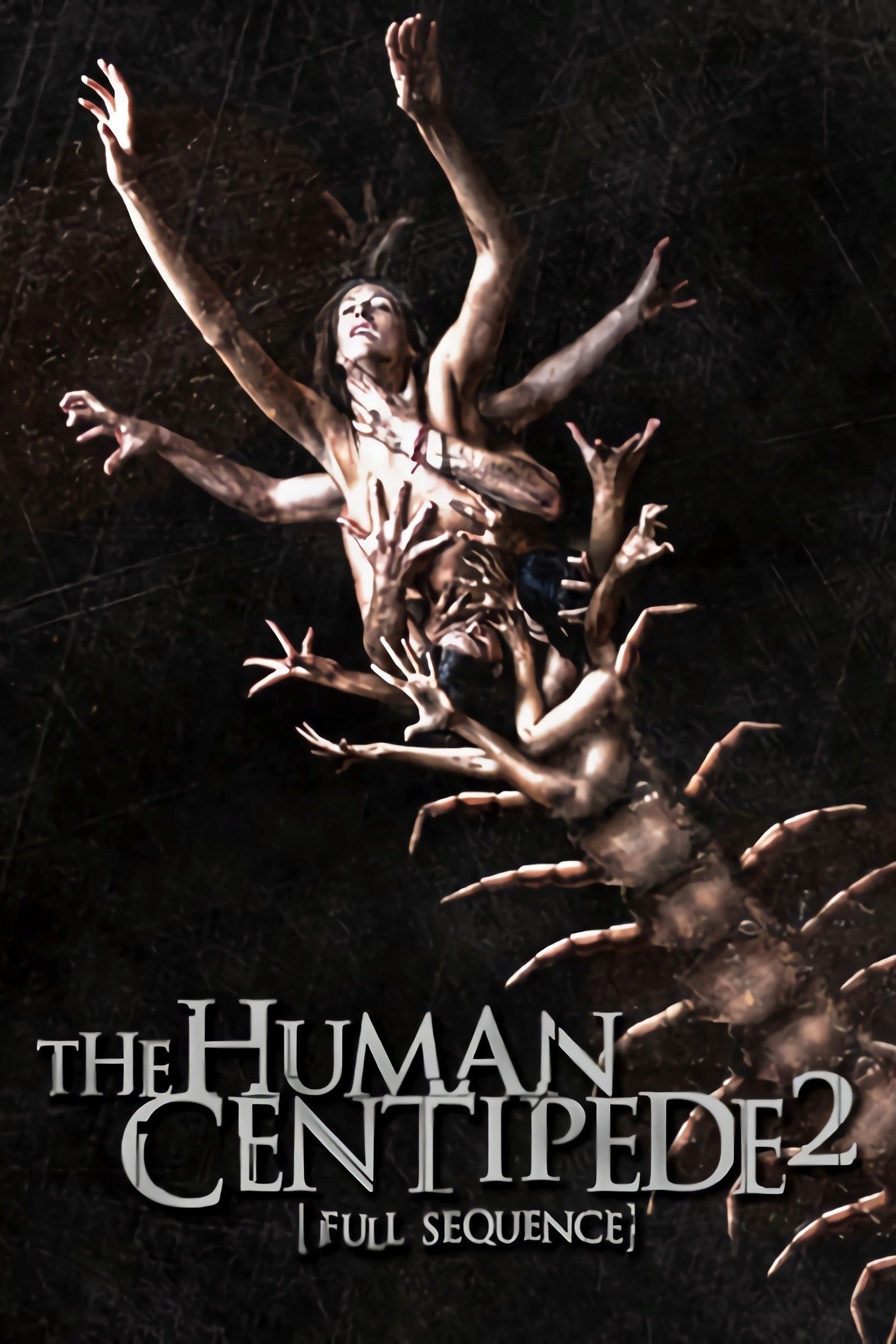
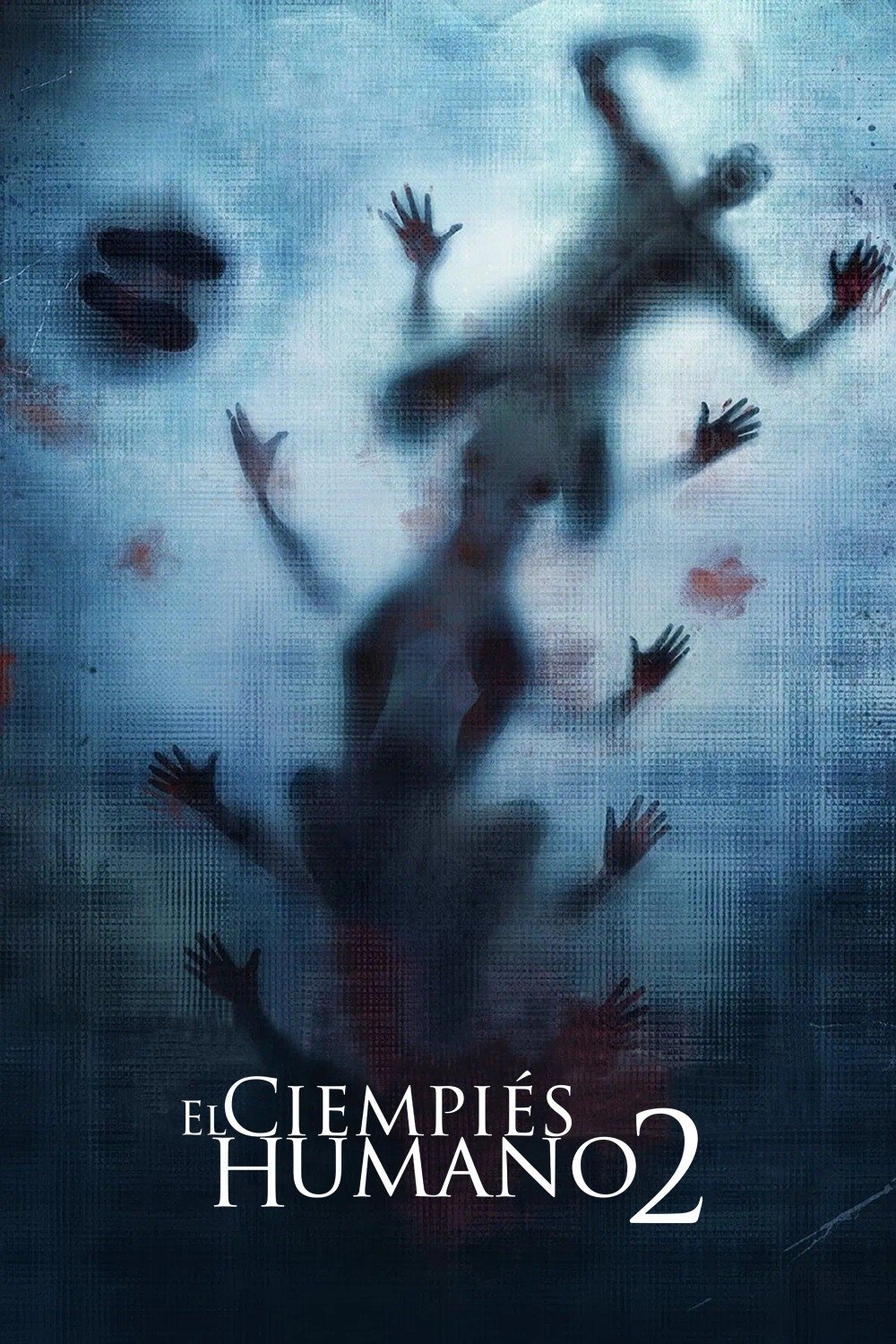
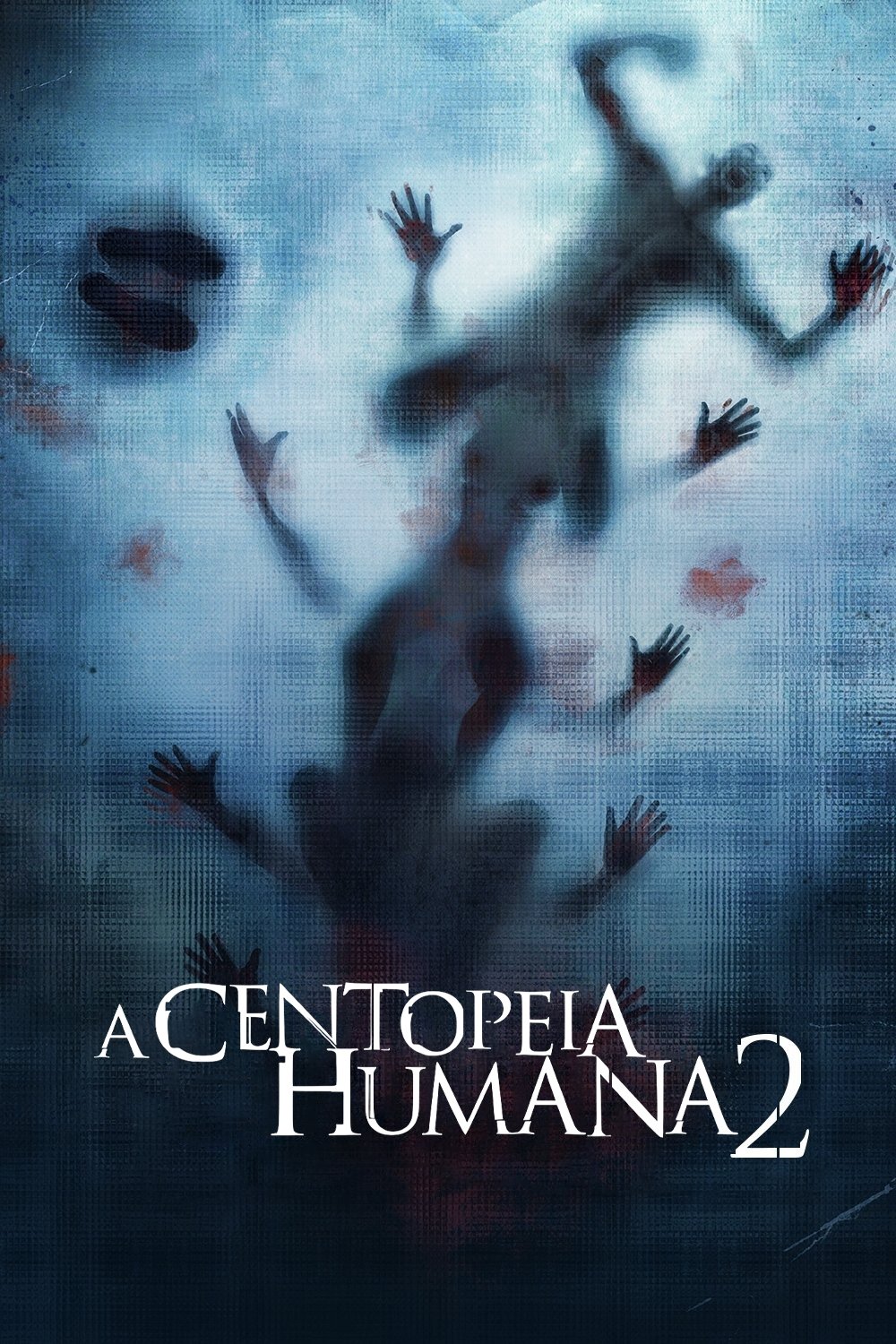
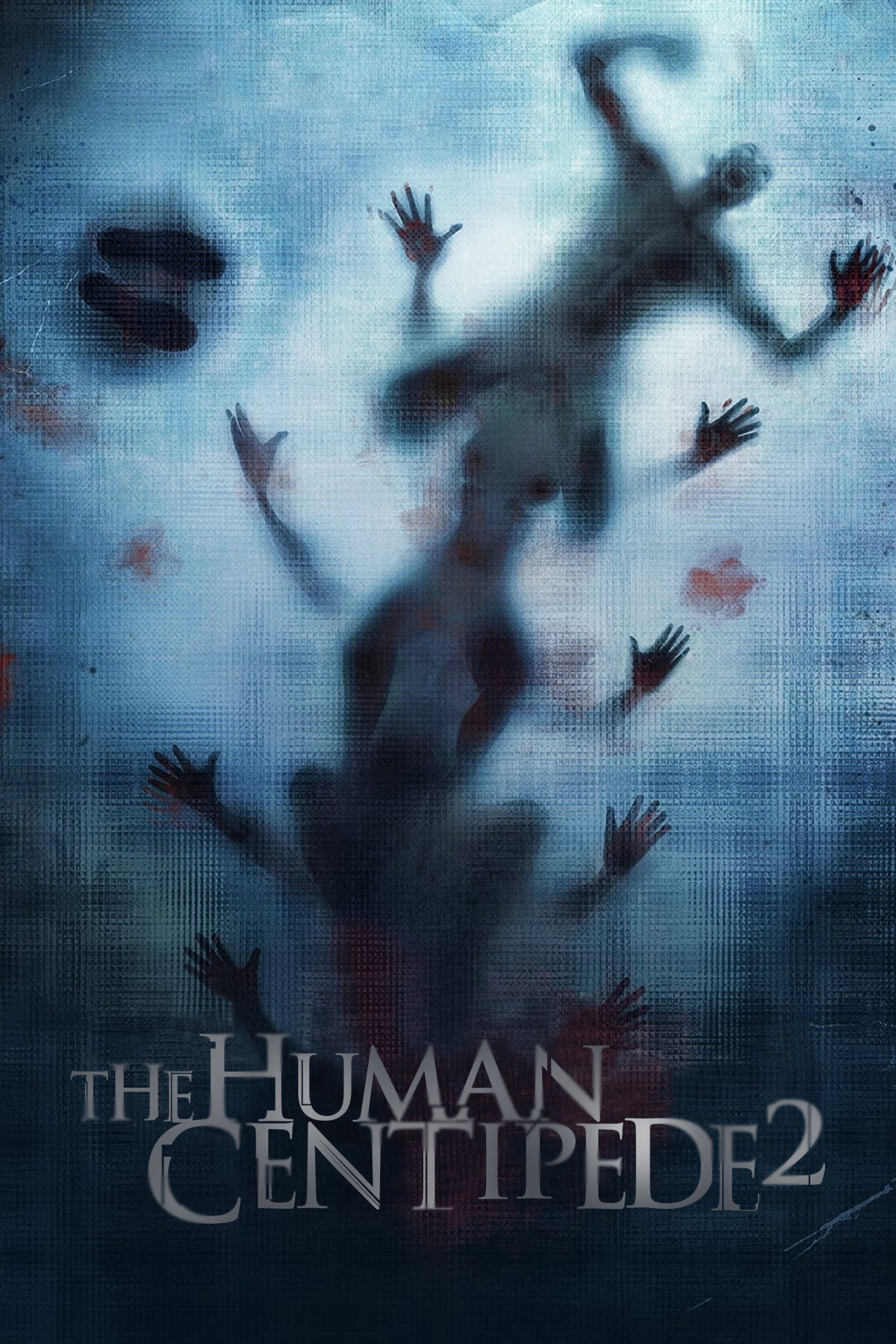
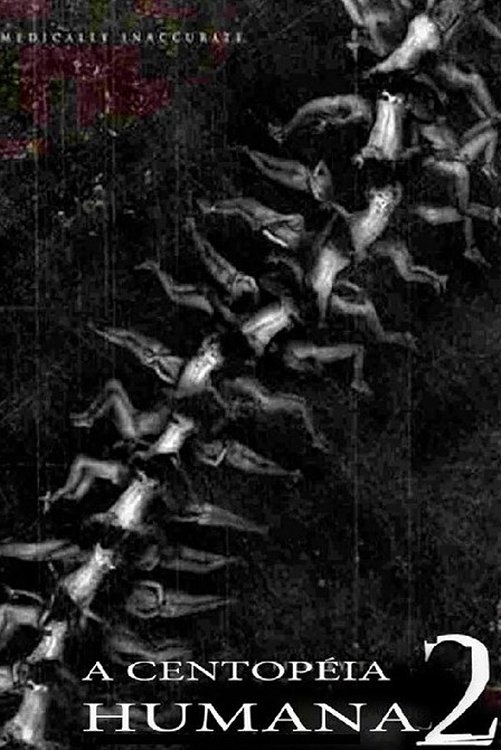
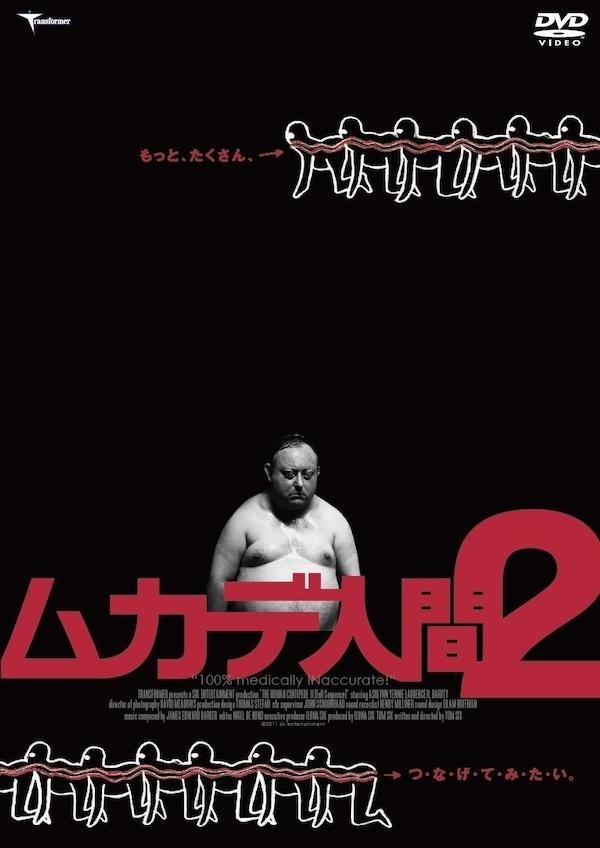
Laurence R. Harvey & Martin Lomax
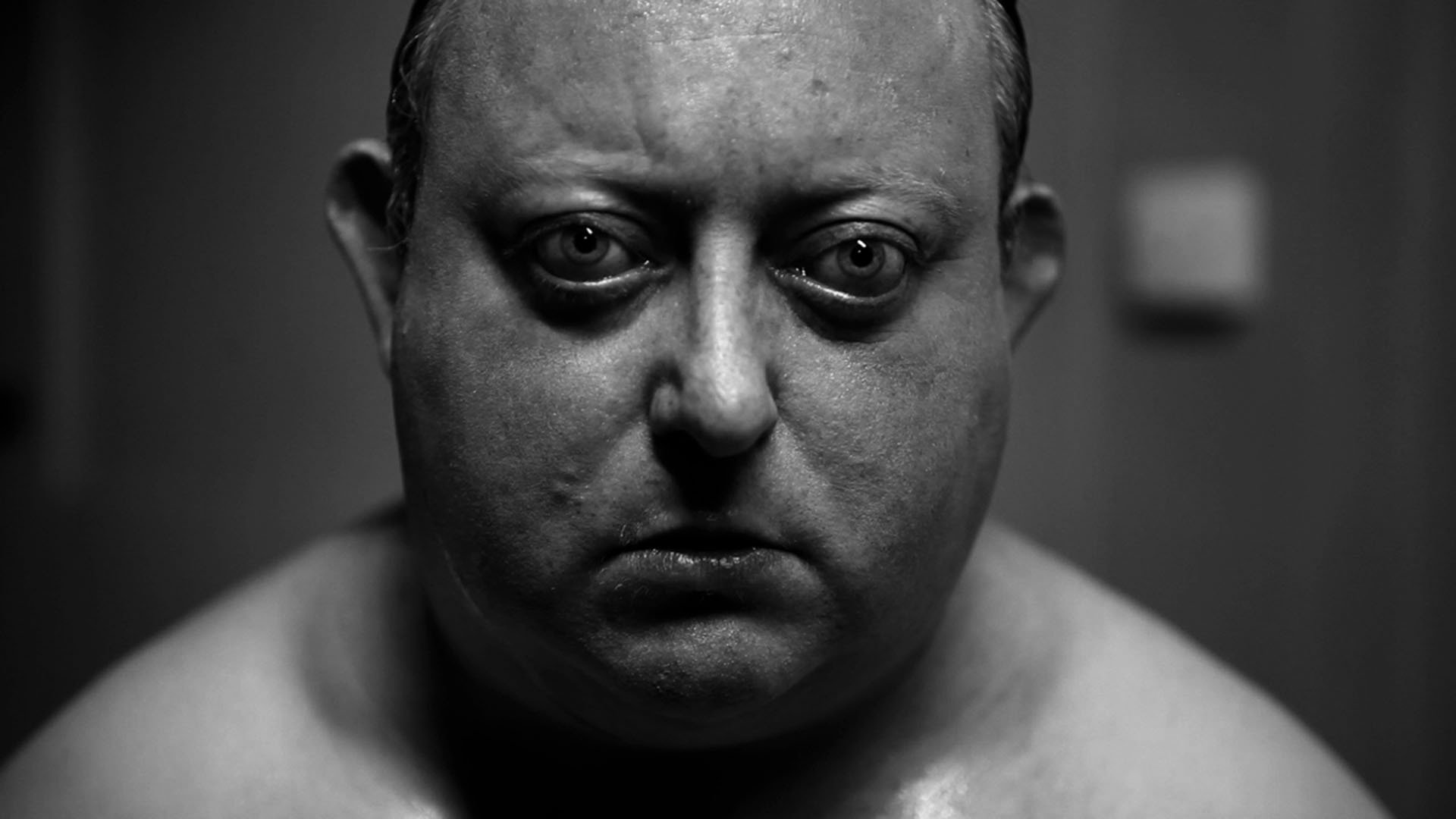
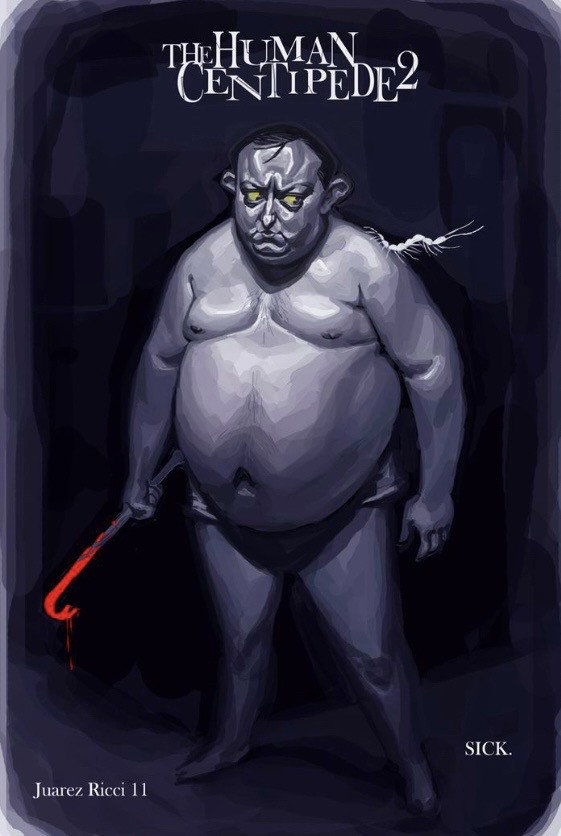
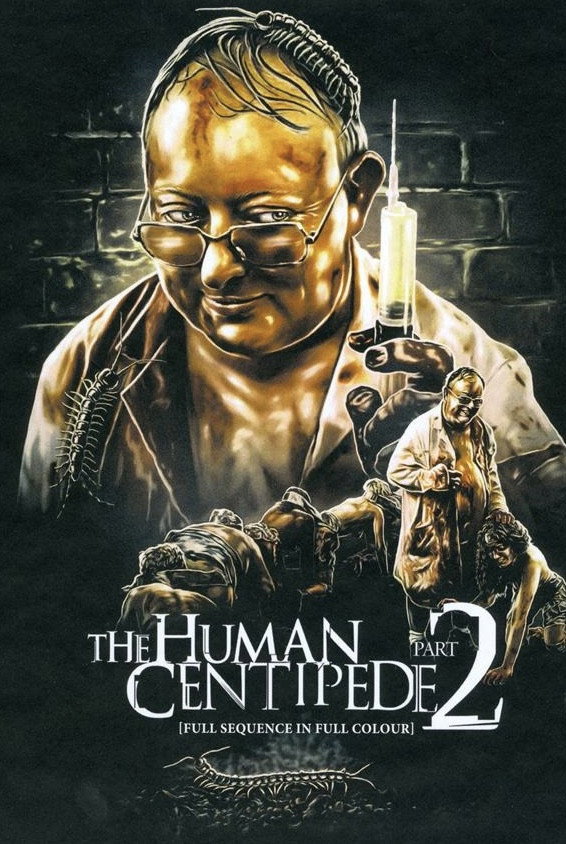
Martin Lomax depends almost entirely on physical performance because the character has effectively no conventional dialogue. Harvey recalled that an earlier conception involved Martin repeating lines spoken by Dr. Heiter as a way of encouraging himself, but his audition without dialogue convinced Six that speech was unnecessary. Grunts, breathing, facial expression and movement became Martin's language. This makes him the inverse of Dieter Laser's Heiter, whose authority in First Sequence depended partly on his precise explanations and commanding verbal performance.
Harvey approached elements of the role through silent-film performance and deadpan physical comedy. That influence matters because Martin is simultaneously grotesque and deliberately exaggerated. His expressions can appear almost cartoonish, but the degrading environments prevent those moments from becoming reassuring comedy. Six repeatedly holds the camera on Harvey's face, allowing excitement, rage, humiliation and childlike satisfaction to register without explanatory dialogue. Martin's silence also isolates him further from everyone around him; he can watch other people, collect them and manipulate them, but meaningful communication is almost entirely absent.
The result makes Martin less a traditional mastermind than a spectator who wants to become an author. His scrapbook catalogues the first film, his television repeatedly displays it and his recreation is built from remembered images. Yet every attempt to imitate Heiter exposes the difference between fantasy and competence. Martin cannot reproduce the surgical expertise he admires, so the polished nightmare of First Sequence becomes a brutal homemade approximation. The sequel's central character is a distorted viewer attempting to force a movie to become reality.
Black and White, Handheld Images & a Dirtier World
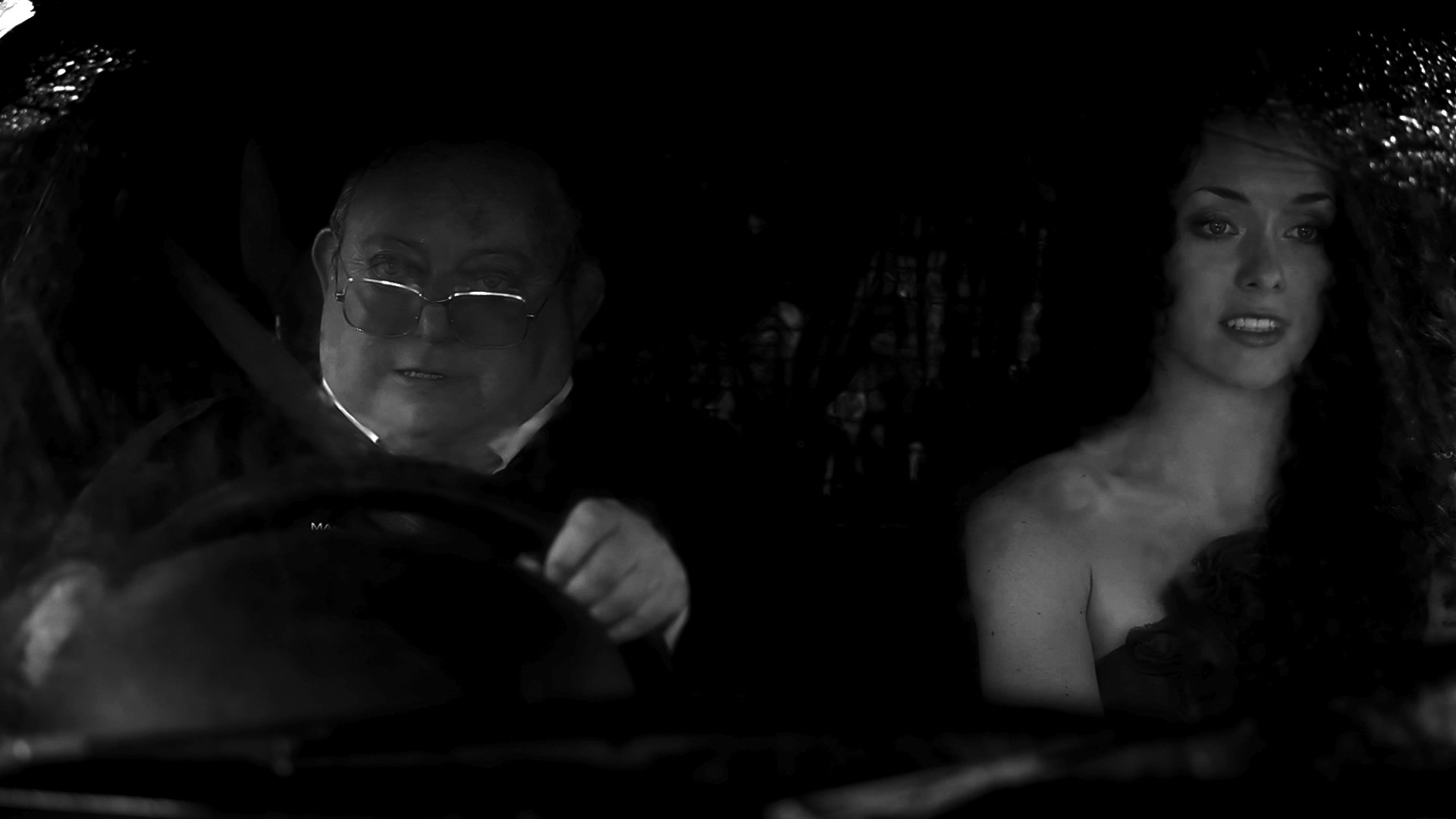
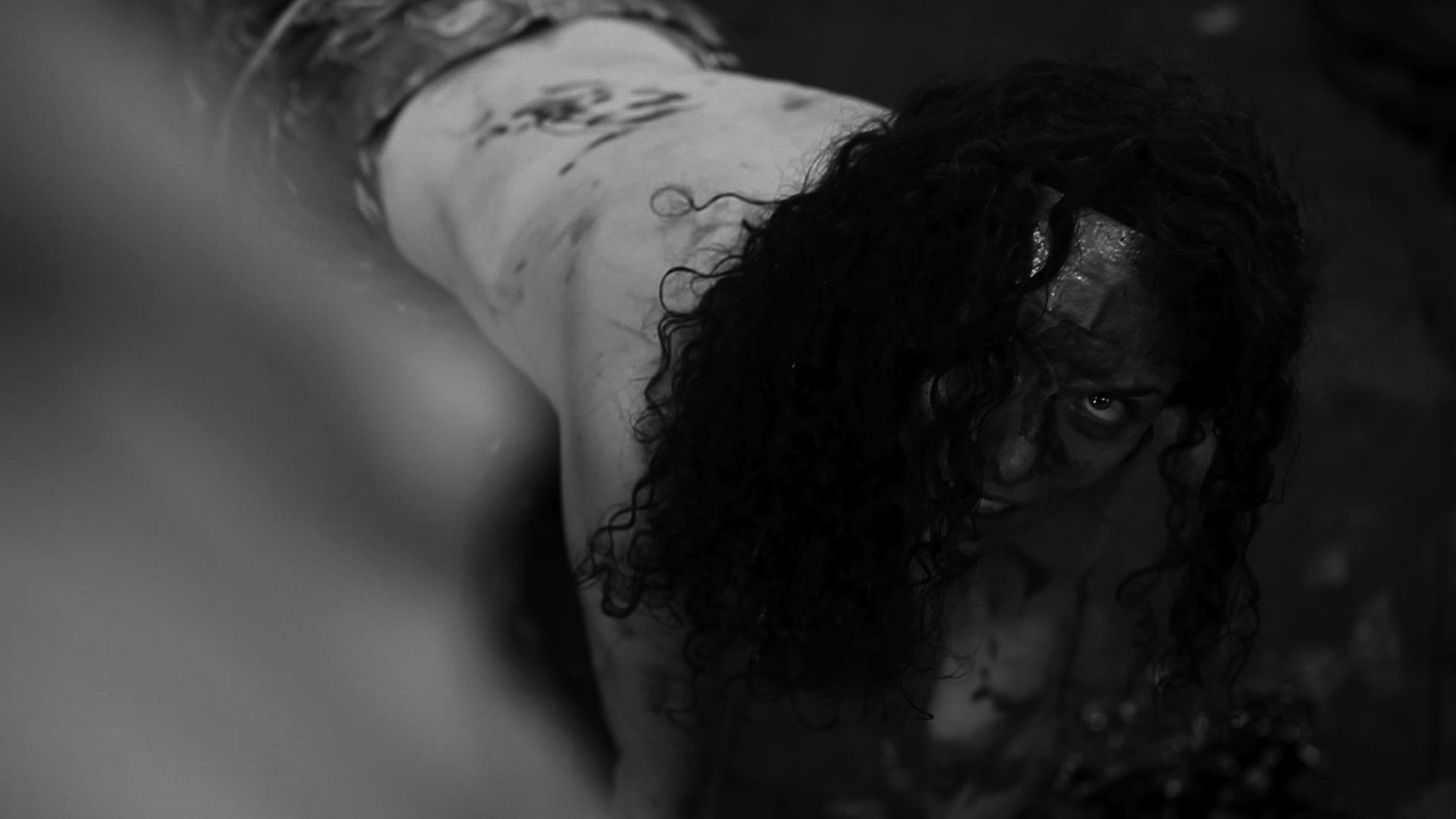
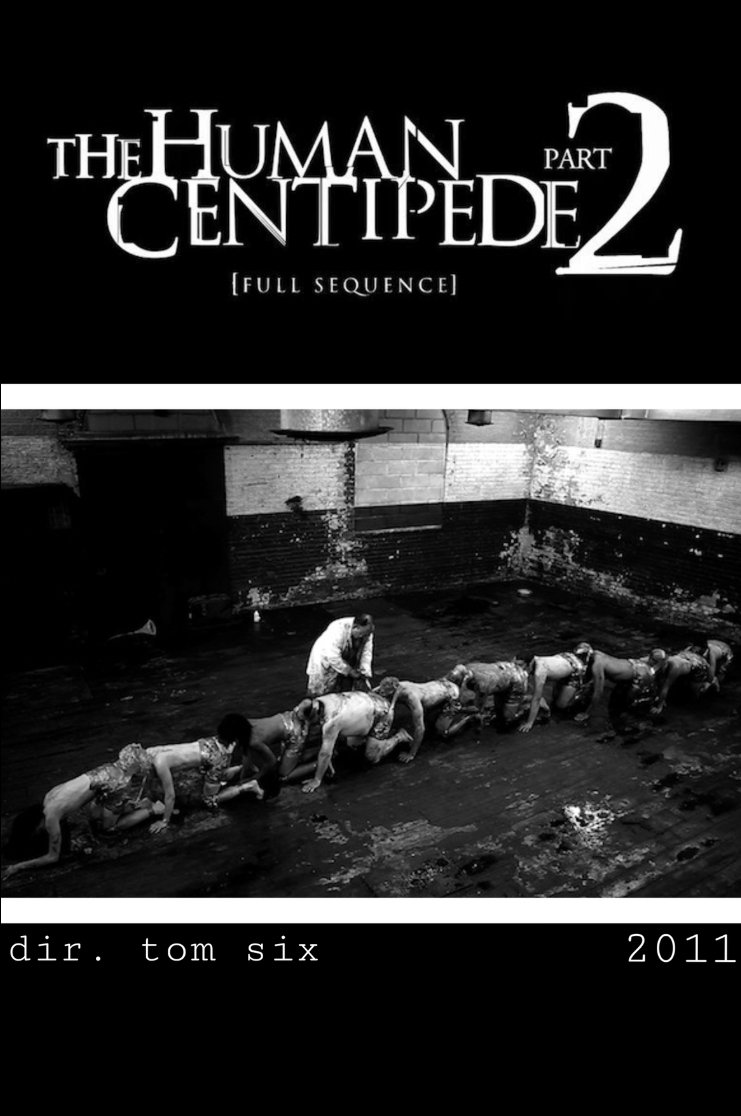
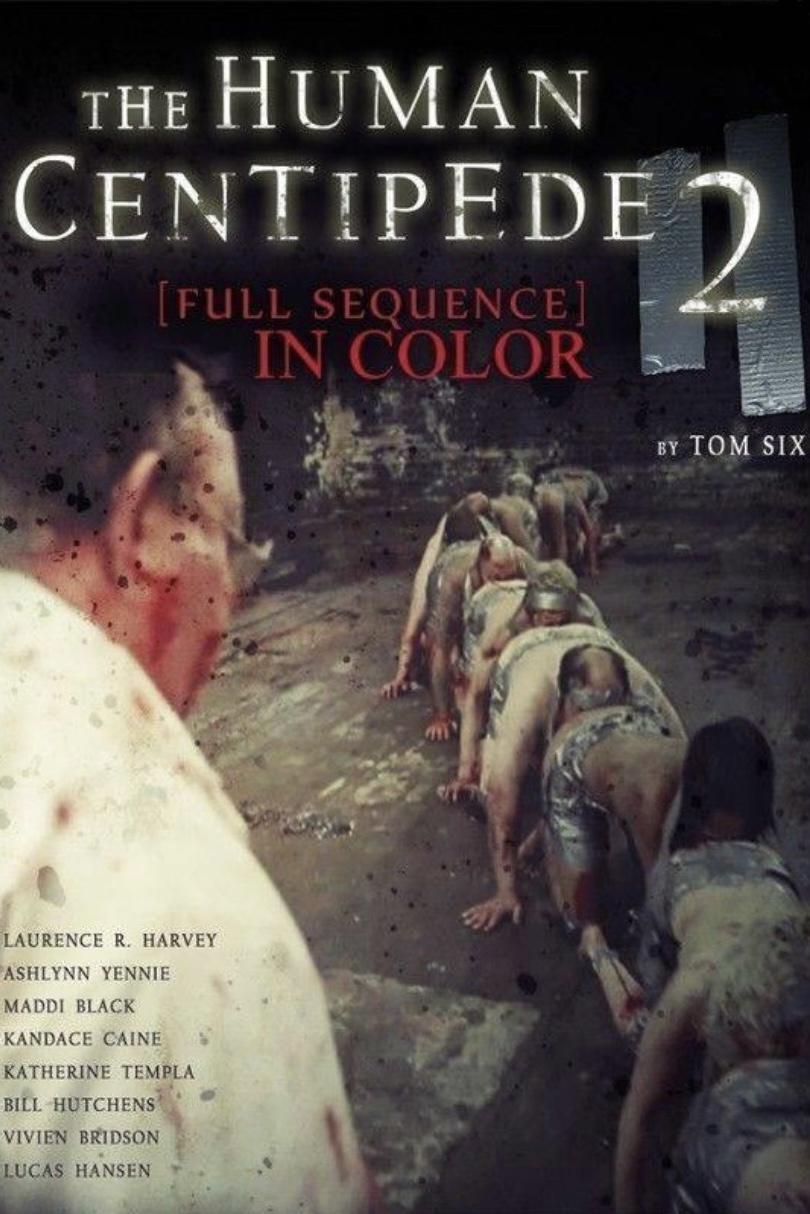
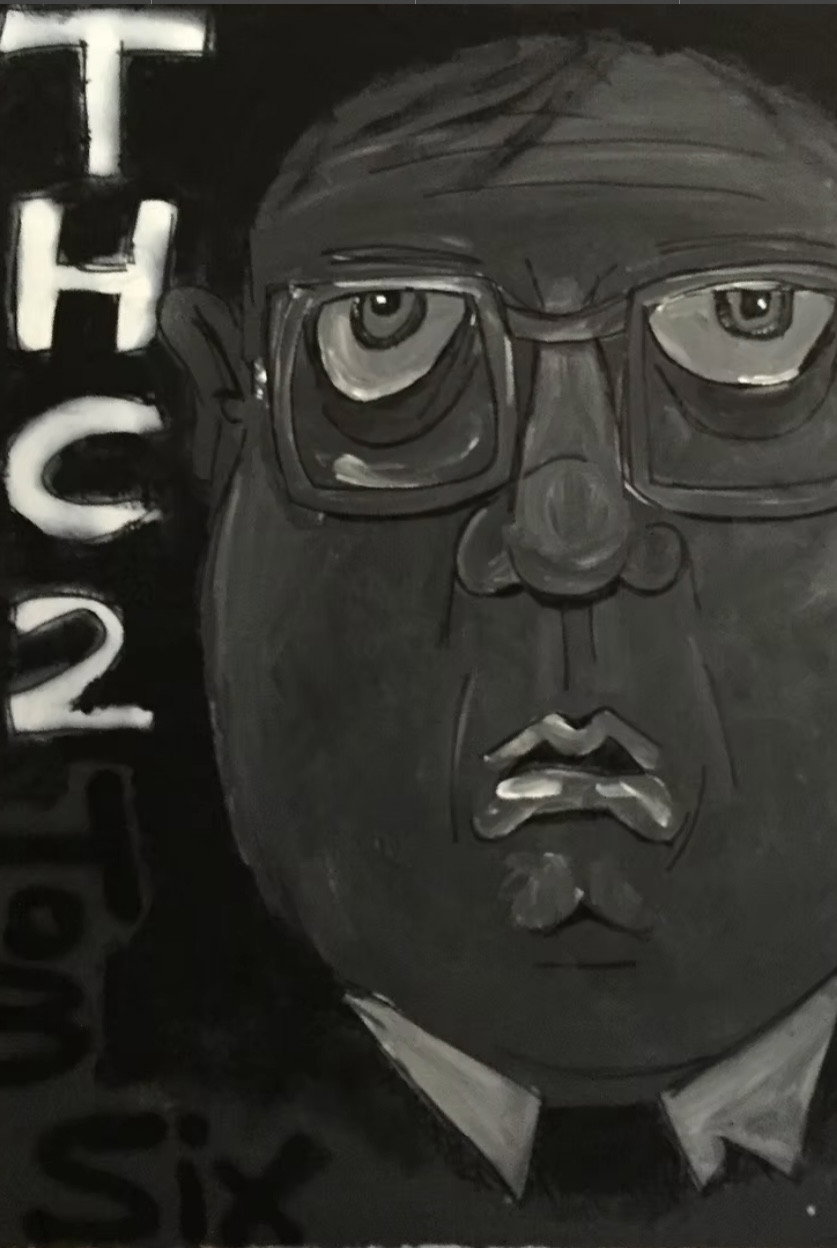
Full Sequence was photographed in color and converted to black and white during post-production. Six said that he compared footage in both forms during editing and found that monochrome gave the material the darker and more disturbing atmosphere he wanted. The decision also creates an immediate formal barrier between the two Human Centipede films. First Sequence has controlled color, relatively polished camerawork and the sterile visual environment of Heiter's home; Full Sequence looks rougher, flatter and deliberately contaminated.
The handheld cinematography reinforces that contrast. Martin's underground workplace, cramped home and eventual warehouse rarely possess the geometric order of the first film. Walls, bodies and objects appear crowded together, while hard monochrome textures make concrete, sweat and damaged flesh part of the same unpleasant visual environment. The film's relationship to realism is nevertheless complicated. Its world is physically dirty, but Martin himself is heightened enough that the result never becomes straightforward social realism. The imagery exists somewhere between an urban nightmare and grotesque caricature.
Harvey noted that the black-and-white image also drew attention to an undercurrent of silent comedy, while contemporary criticism identified surreal qualities within the monochrome mise-en-scène. The observation is useful because Full Sequence does not rely solely on explicit violence for its identity. Its visual ugliness, exaggerated protagonist and abrupt shifts between bleakness and grotesque absurdity create a deliberately alienating atmosphere even before Martin begins assembling the centipede.
DIY Body Horror & Deliberate Escalation
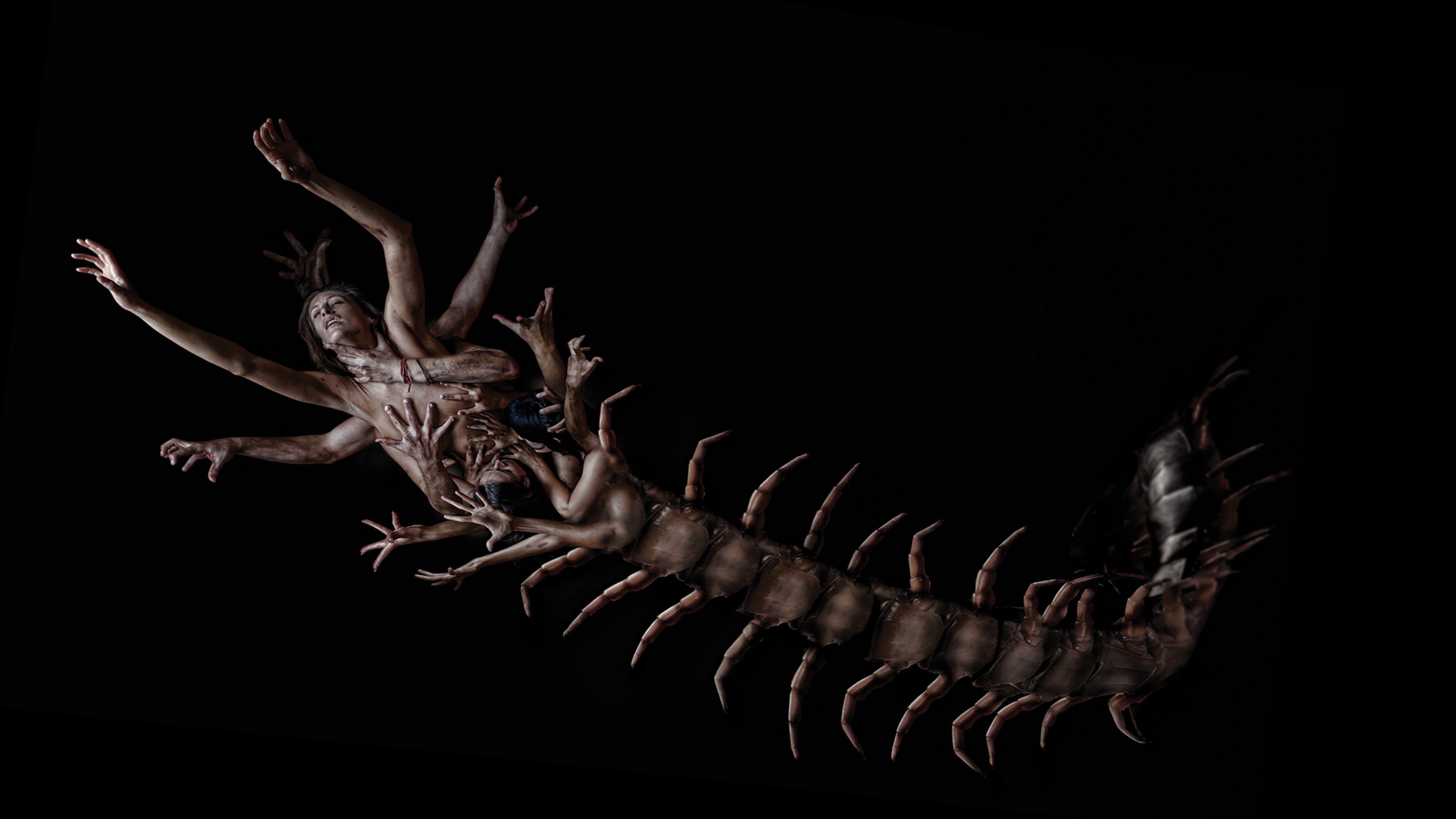
The first Human Centipede generated notoriety largely through suggestion. Its operation is explained in detail but shown selectively, allowing the audience's imagination to create much of the horror. Full Sequence deliberately removes that restraint. Martin lacks Heiter's expertise, so his procedure is represented as crude physical construction. Teeth are removed violently, bodies are cut and the victims are attached through stapling, emphasizing Martin's lack of surgical knowledge.
This escalation is central to the sequel's design. Martin believes he is reproducing something he has watched repeatedly, but he cannot reproduce the conditions that made it possible within the first film's fiction. Every shortcut makes the imitation more brutal. The difference between expert and amateur consequently becomes part of the body horror: Six takes the clean diagram that made First Sequence famous and asks what that diagram would become in the hands of someone possessing obsession but no medical ability.
The film then pushes beyond the earlier movie into sexualized violence, bodily humiliation and other material absent from First Sequence. That shift became crucial to its censorship history because classification boards did not treat the sequel merely as a gorier repetition. The BBFC specifically distinguished it from its predecessor on the grounds that Martin's sexual arousal was intertwined with degradation, mutilation and humiliation. Whether that extremity functions as satire or merely reproduces the exploitation it might be satirizing became one of the central divisions in the film's reception.
BBFC Rejection & the British Cut
The British censorship history of Full Sequence is exceptional. On June 6, 2011, the BBFC refused classification to the original approximately 87-minute version. The board argued that the problem was not one isolated scene but the film's sustained presentation of sexualized violence, humiliation and degradation through Martin's perspective. It initially concluded that cutting individual moments would not solve what it regarded as problems running throughout the work and therefore considered the film unsuitable for classification even for adults.
The distributor subsequently submitted a modified version. On October 6, the BBFC granted an 18 certificate after requiring 32 individual cuts. These removed or reduced material involving sexualized violence, sadistic humiliation, mutilation and a sequence involving violence toward a newborn child. The approved version ran approximately 84 minutes. Britain reassessed a modified version of the film, following the earlier refusal of classification. A specifically modified edition was created to satisfy the classification requirements.
The BBFC's reasoning also demonstrates why First Sequence and Full Sequence should not be discussed as equivalent censorship cases. The original film had received an 18 certificate without compulsory cuts because its notorious procedure was largely suggested. For the sequel, the board explicitly identified graphic sexual and sadistic material that it considered fundamentally different in context and intensity. Full Sequence therefore became a rare modern British horror title whose censorship controversy was not inherited from decades-old standards but generated during its contemporary release.
Australia, Release & Critical Response
Australia produced another complicated classification history. The original version initially received an R18+ classification in May 2011. Following a request for review by the federal Minister for Justice, the Classification Review Board reconsidered that decision and unanimously changed the film to Refused Classification on November 28, preventing legal commercial exhibition of that version. A modified edition was then submitted and received an R18+ classification on December 13 for high-impact themes, violence and sexual violence. As in Britain, discussing an Australian "ban" without distinguishing the original and modified versions obscures what actually happened.
In the United States, IFC Films opened the movie on October 7, 2011. Box Office Mojo records a $49,456 opening and a final domestic gross of $141,877, with worldwide theatrical grosses in its available markets totaling $170,323. The numbers were smaller than those of First Sequence, but theatrical revenue provides only a limited measure of a film whose principal currency was controversy. By release, the Human Centipede name already had enough recognition that censorship disputes themselves became part of Full Sequence's public identity.
Critical reaction was overwhelmingly negative but not completely uniform. Roger Ebert awarded zero stars and judged its ugliness to be without artistic justification, while Metacritic recorded a score of 17 from 22 reviews. Yet some critics responded positively to its willingness to transform the first movie, and other commentary emphasized its monochrome style and surrealism. Critics also disagreed over whether the movie's self-awareness and formal choices gave its extremity a meaningful context.
Place in the Trilogy & Extreme Horror
Full Sequence is the most important structural experiment in the Human Centipede trilogy because it converts the franchise into a self-referential system. The first movie exists inside the second, and the audience's knowledge of First Sequence becomes something Martin shares with them. Six therefore turns the act of watching the earlier film into part of the horror. The sequel's implicit provocation is not that every horror viewer resembles Martin, but that images created as entertainment can acquire an existence beyond the intentions of their creator once they enter popular culture.
The approach also answers the expectation that a horror sequel must become larger. Martin attempts twelve victims rather than Heiter's three, and Six increases graphic content, but scale is not the only difference. The entire aesthetic deteriorates. Medical professionalism becomes amateur mutilation, polished color becomes dirty monochrome and an eccentric surgeon is replaced by an obsessive spectator. The sequel deconstructs the conditions under which the original centipede was created, using the increased number of victims to expose its mechanics.
Its lasting reputation remains inseparable from extremity and censorship, yet reducing Full Sequence to a catalogue of offensive scenes misses why it became a distinct object within twenty-first-century horror. The film deliberately takes the cultural notoriety of its predecessor, places that notoriety inside the narrative and then creates a character consumed by it. Whether viewed as satire, provocation or exploitation, it is a sequel built around the consequences of having already made a notorious horror film. That reflexive structure gives Full Sequence an identity beyond the escalation that made it infamous.