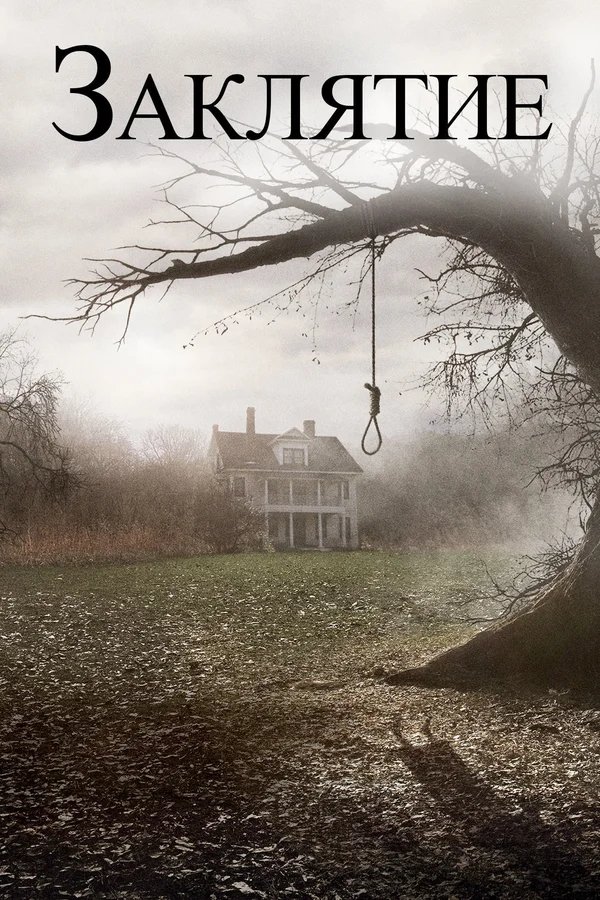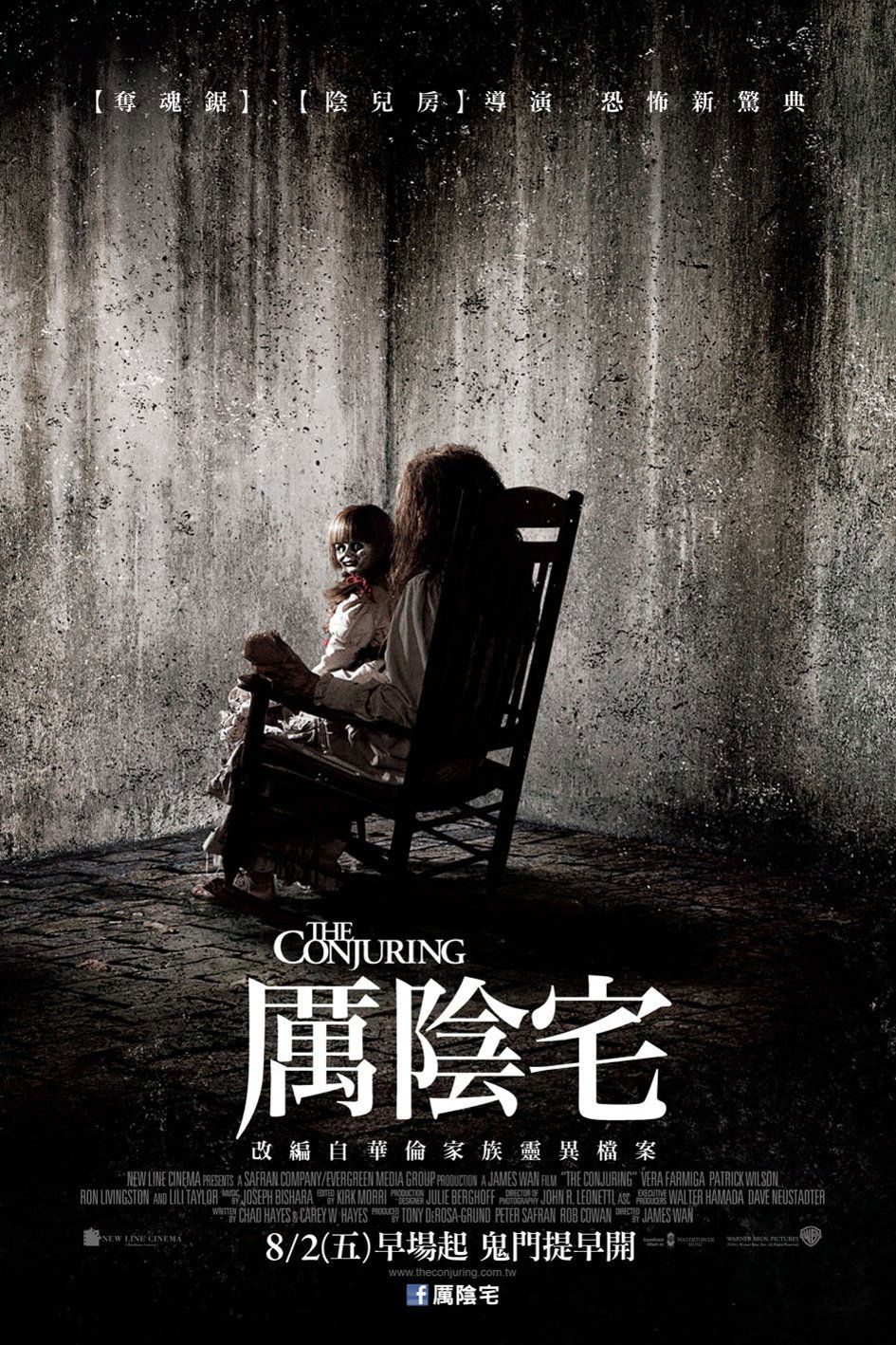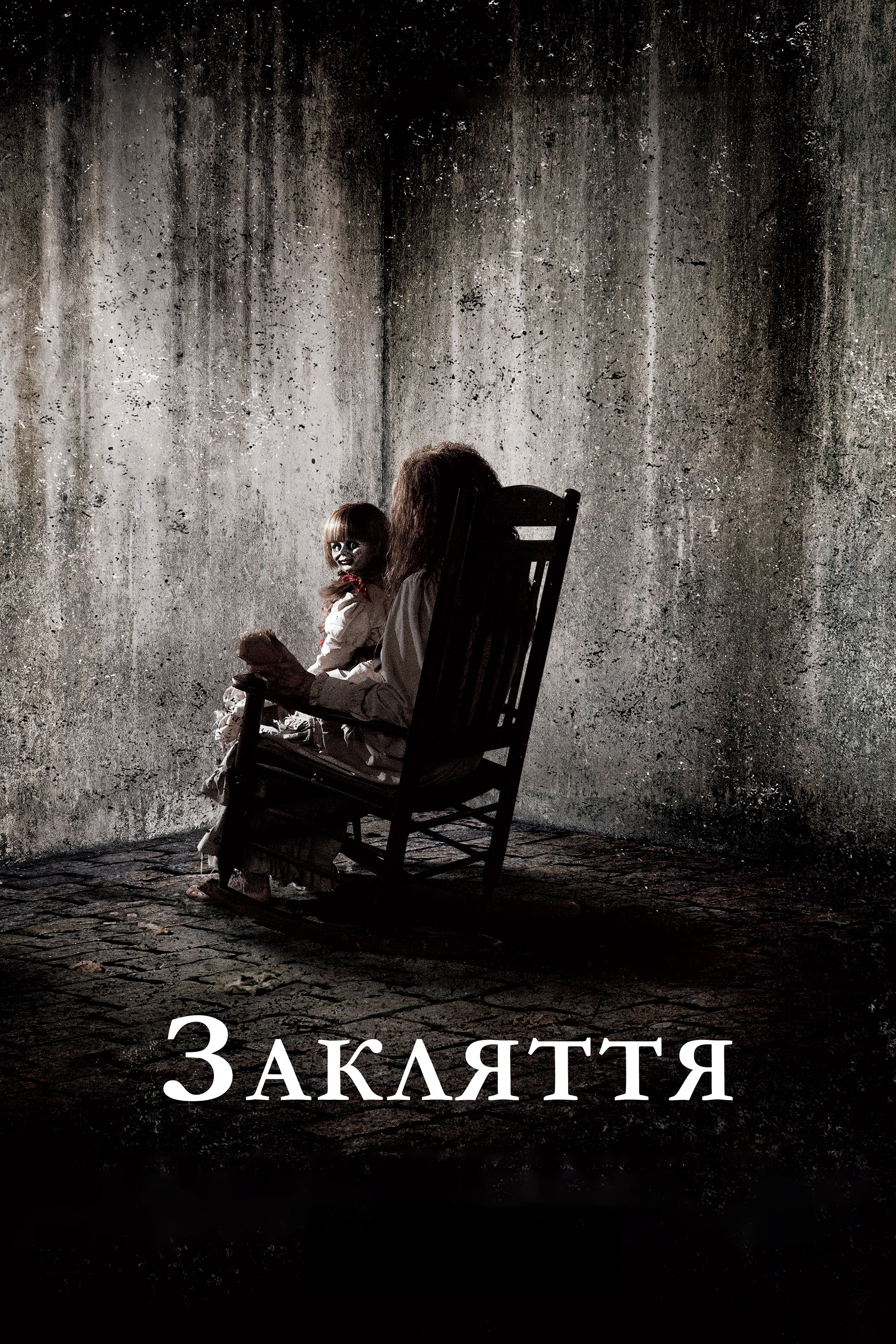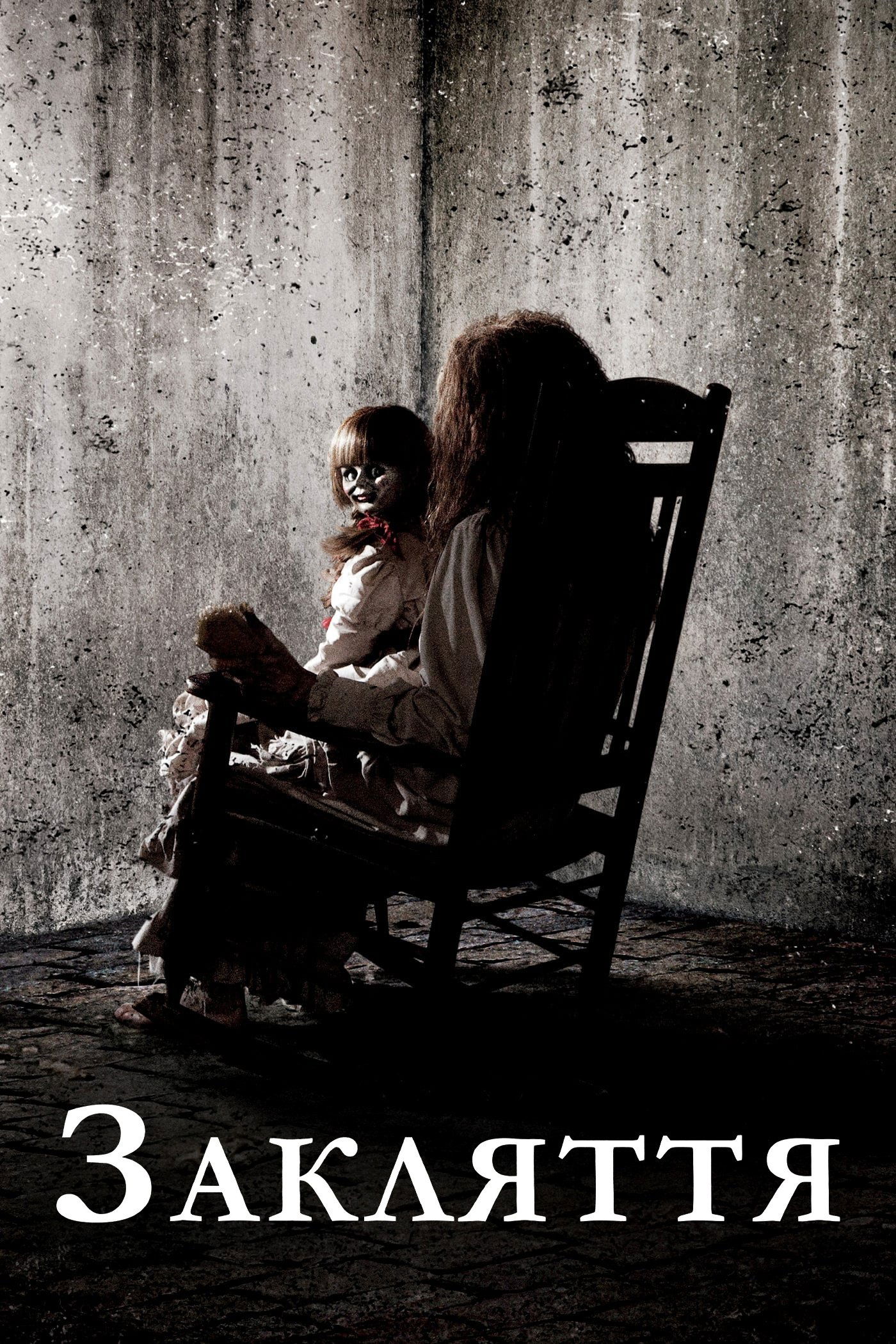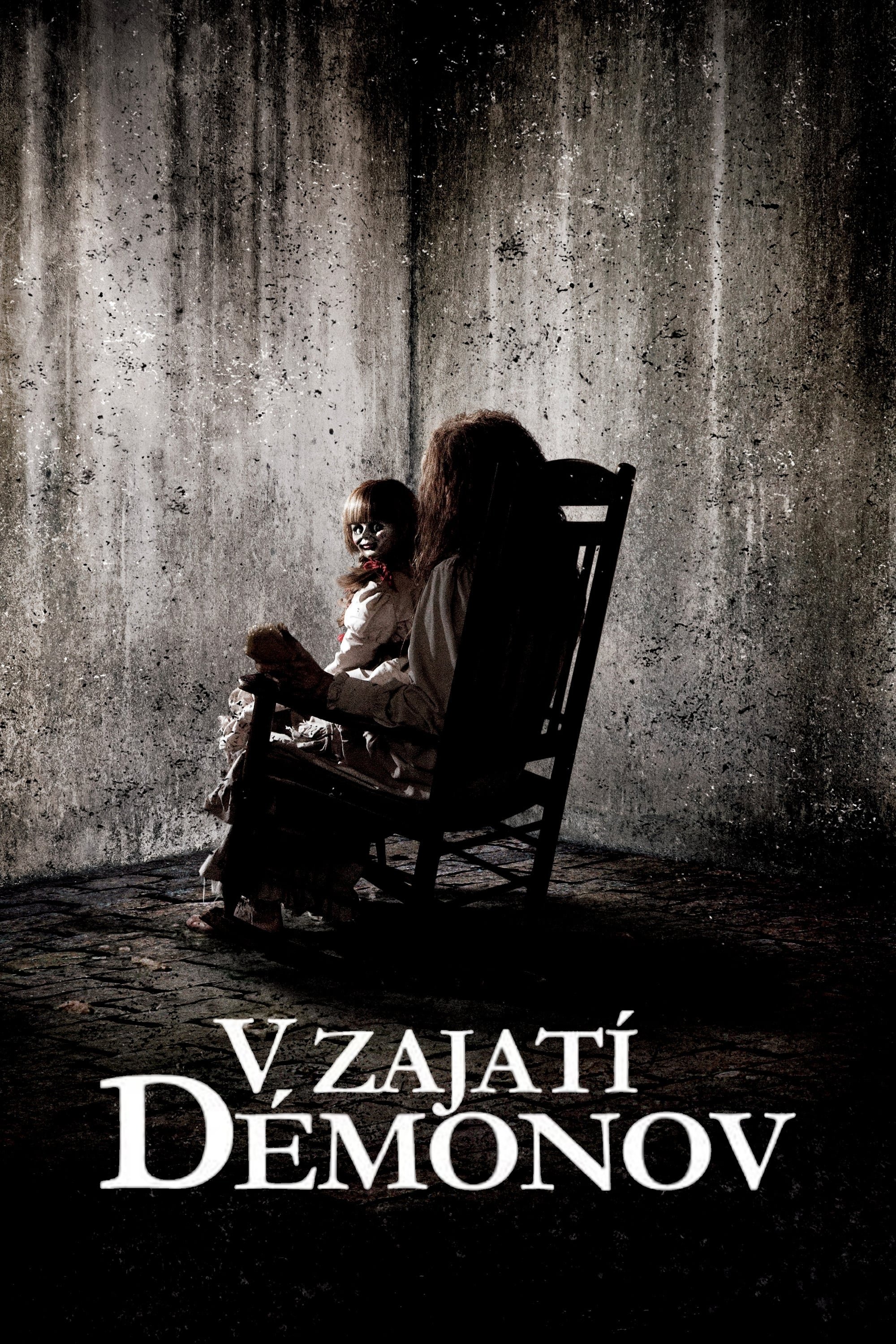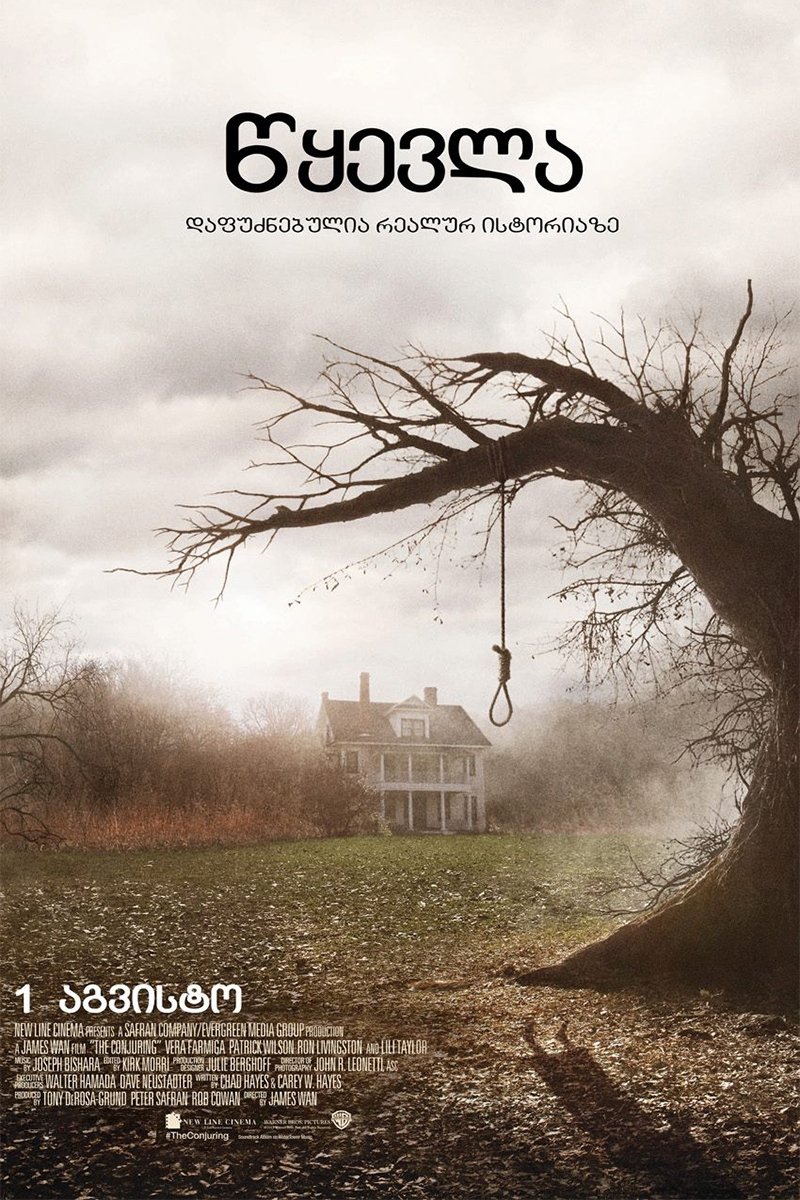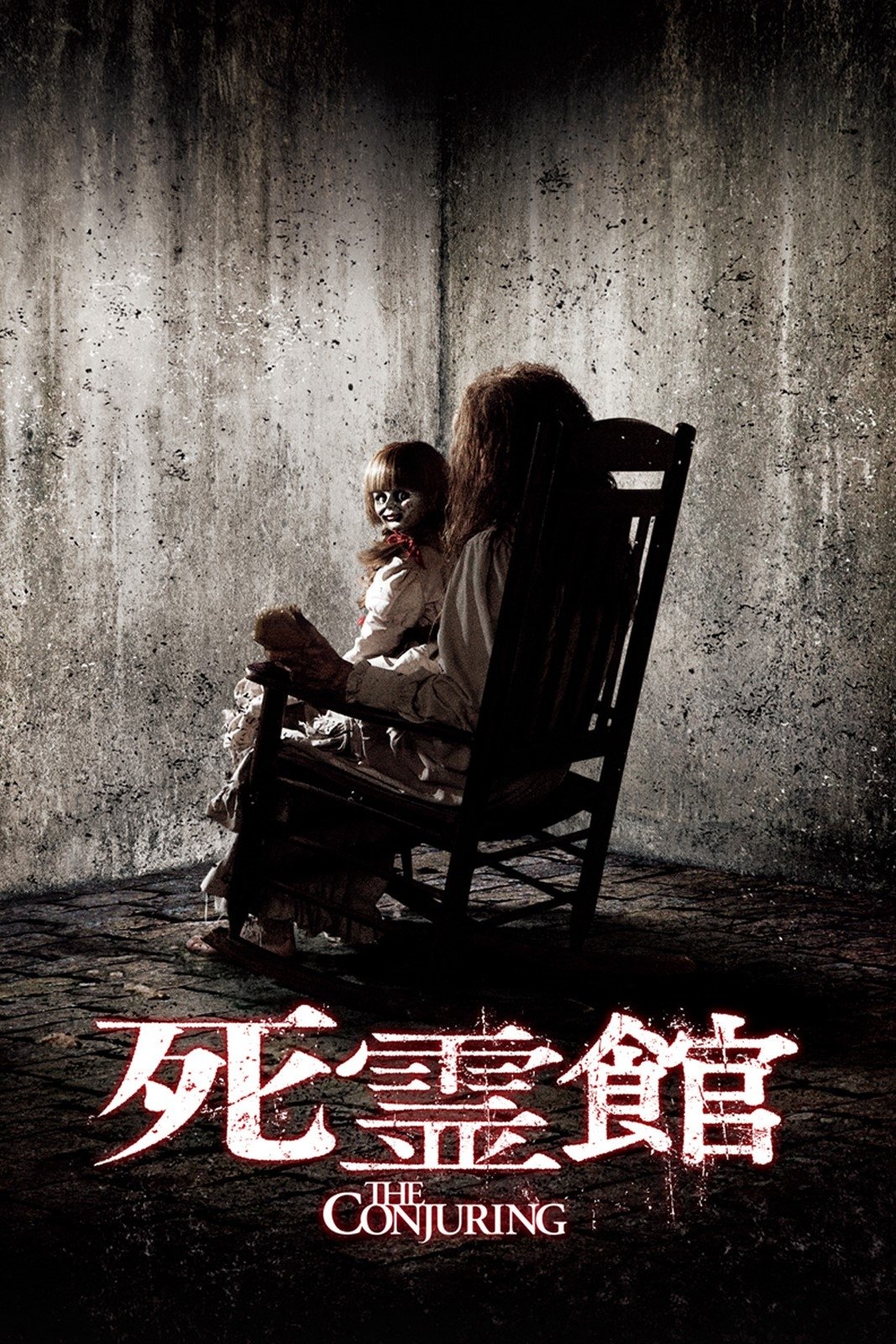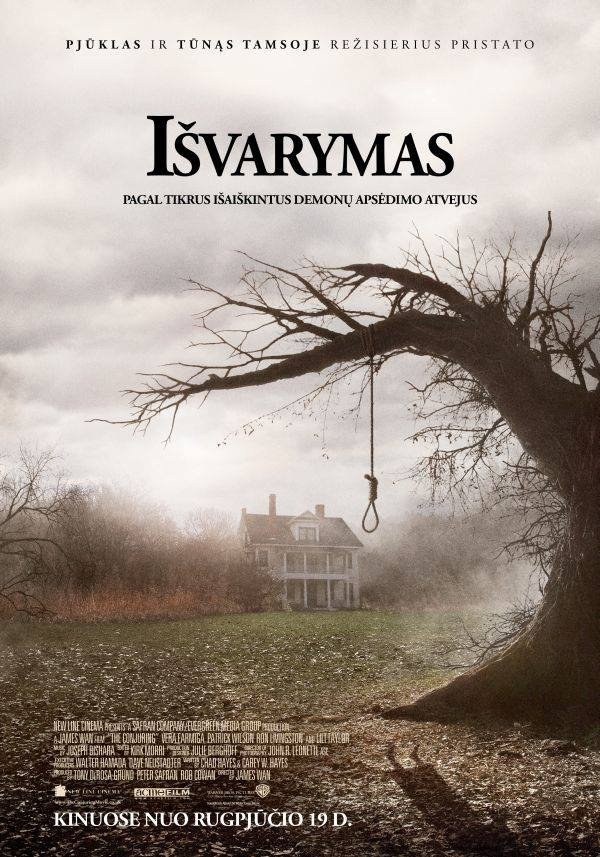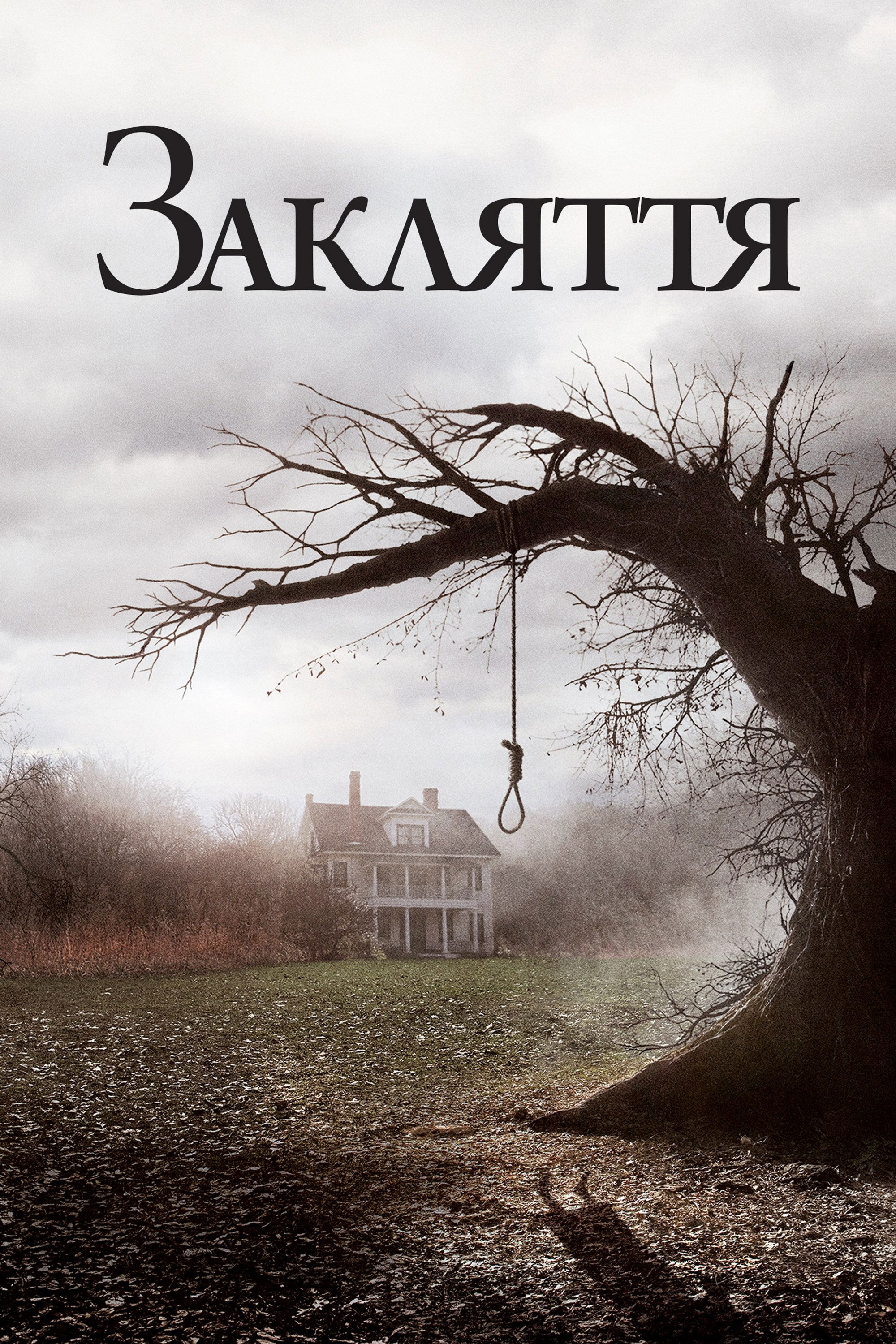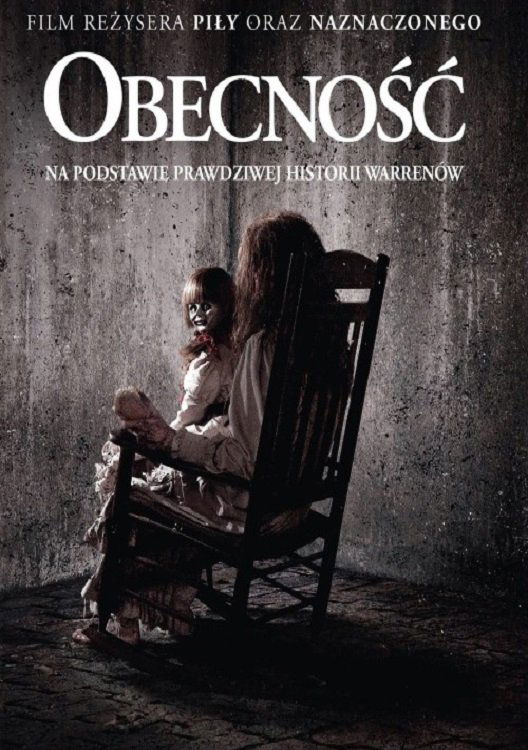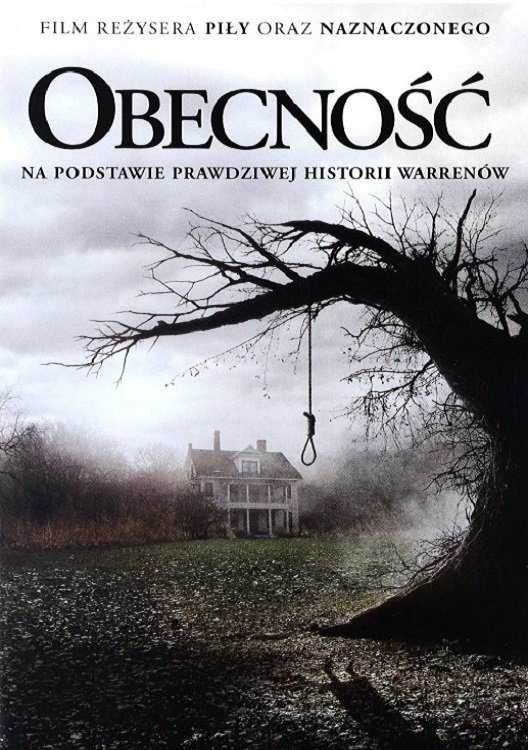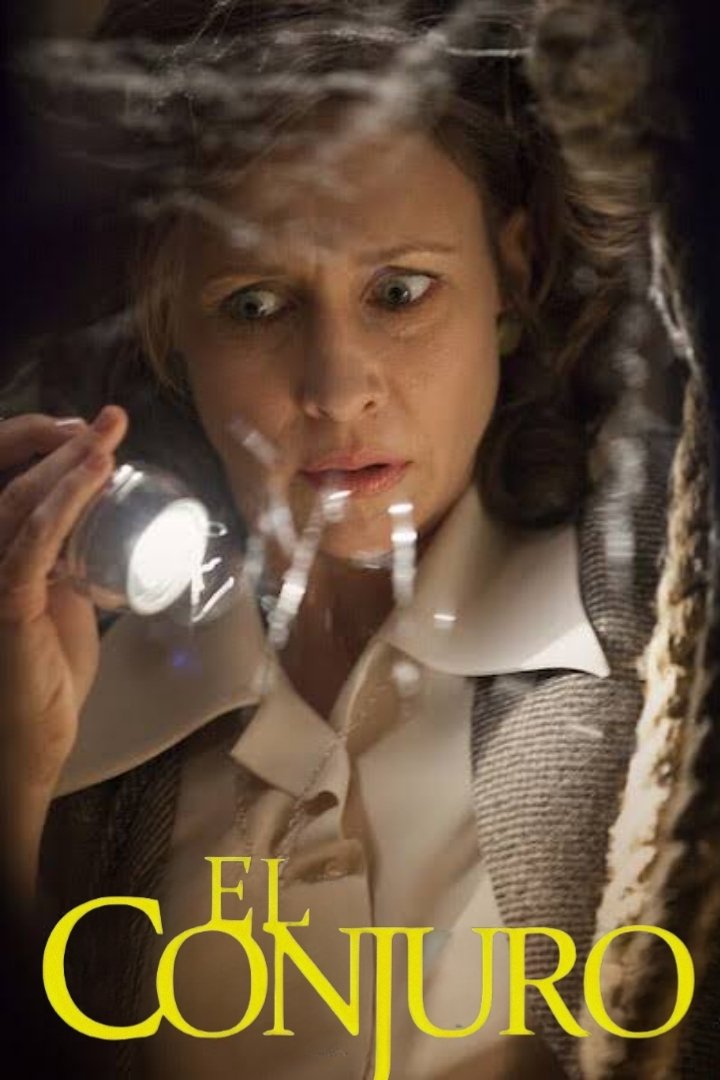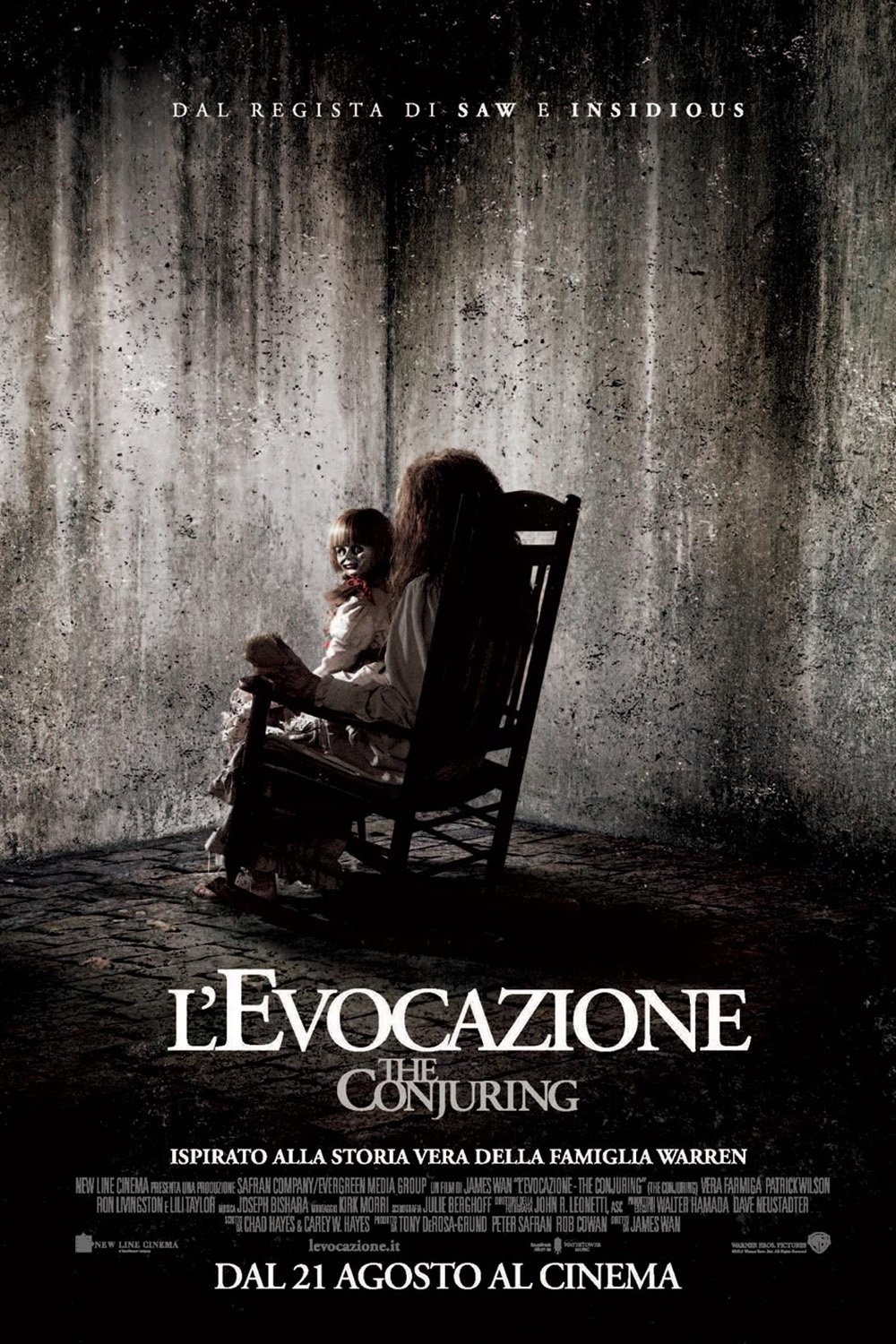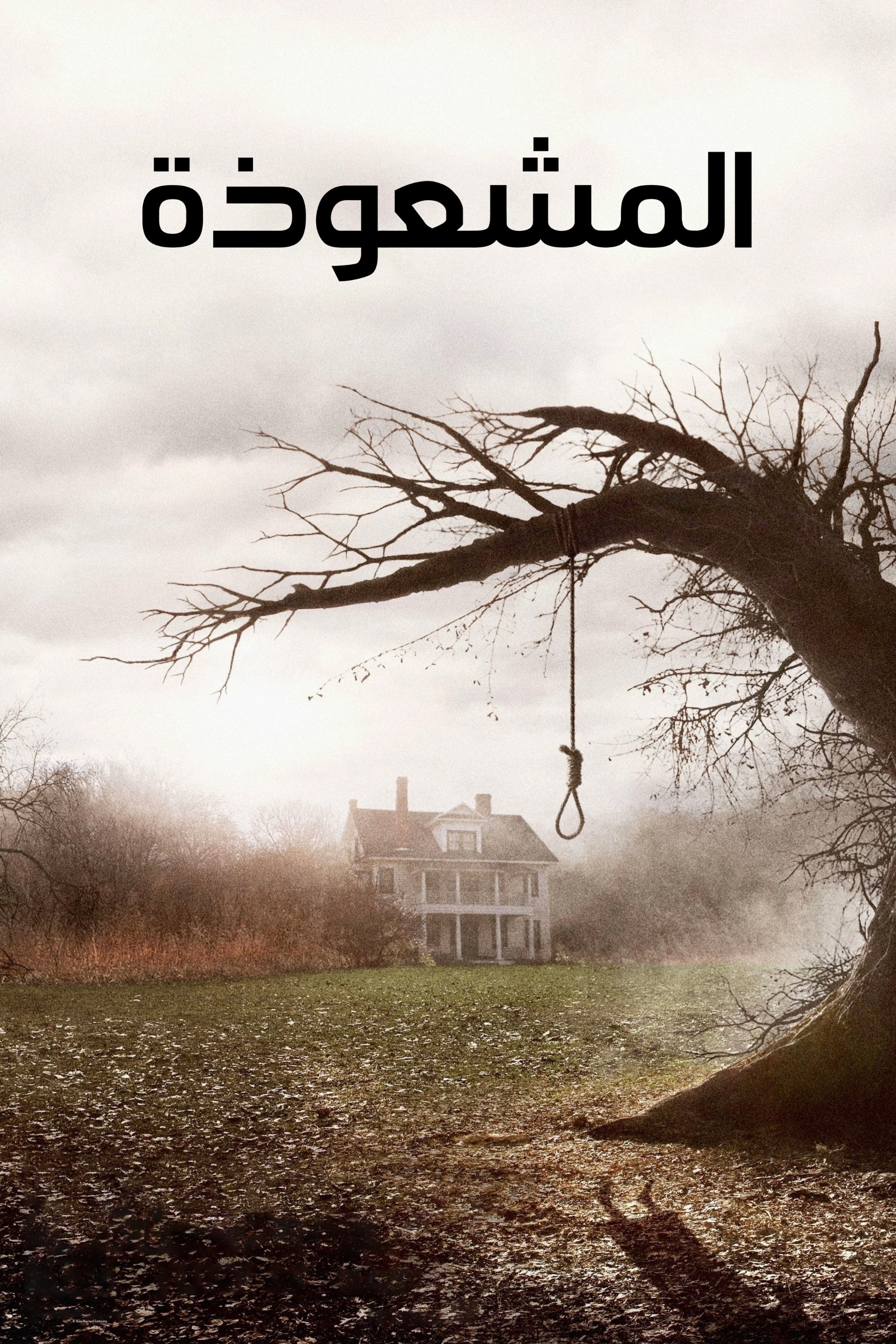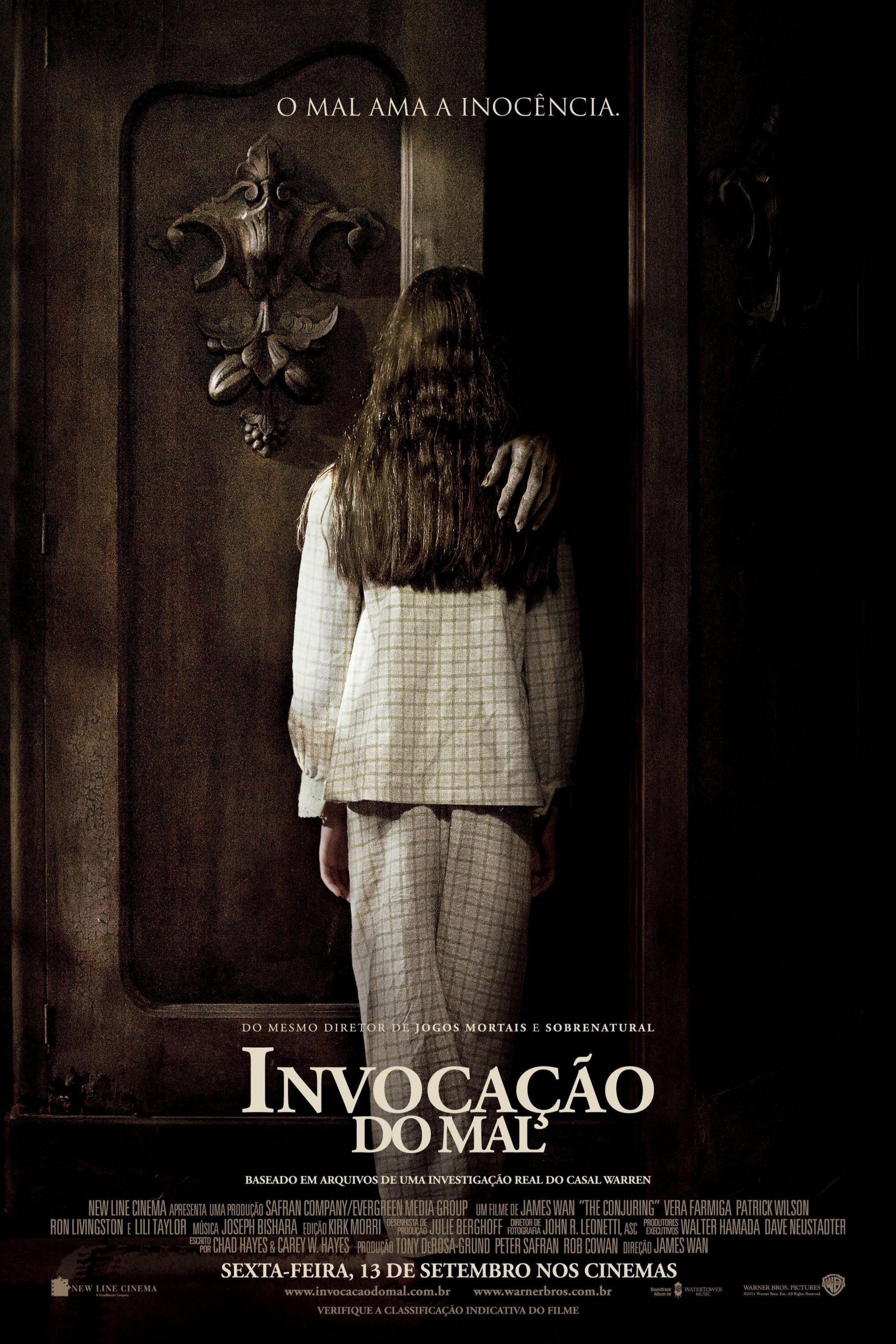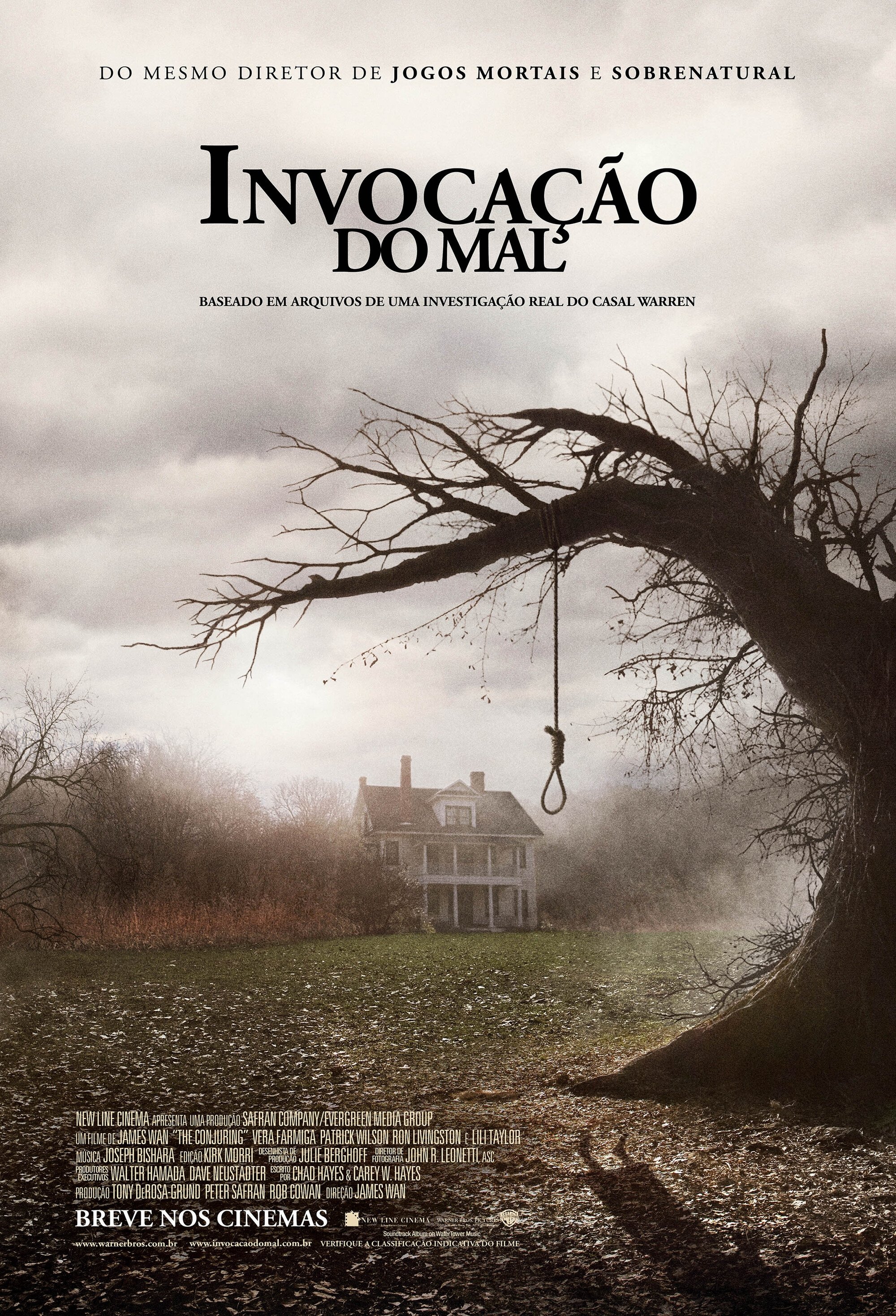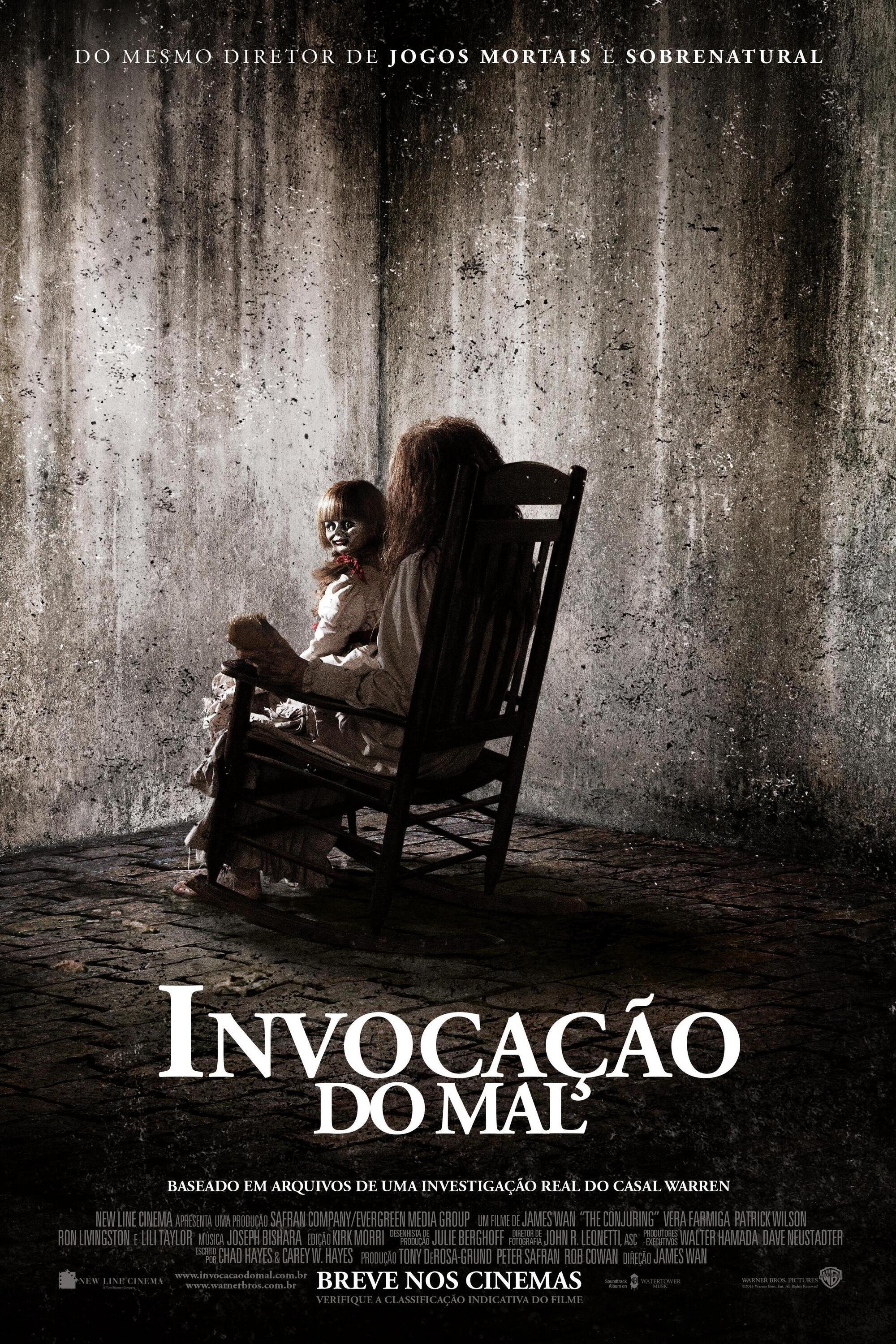
The Conjuring (2013)

US
HORROR FILM Thriller
SUBGENRES HAUNTED HOUSES
7.7/10 7 votes
Runtime
112 min
Release
July 18, 2013
Budget
$13,000,000
Revenue
$321,293,998
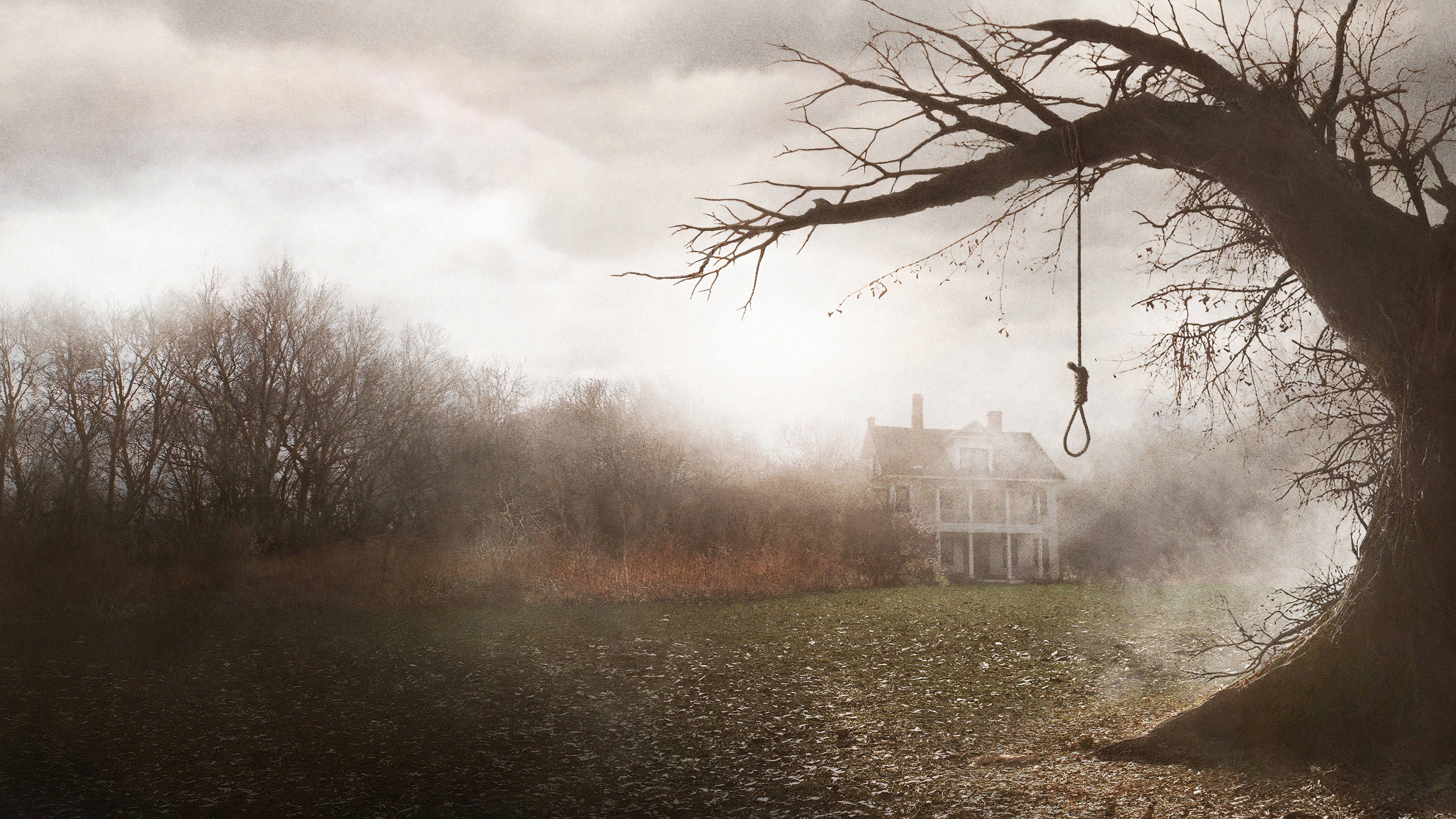
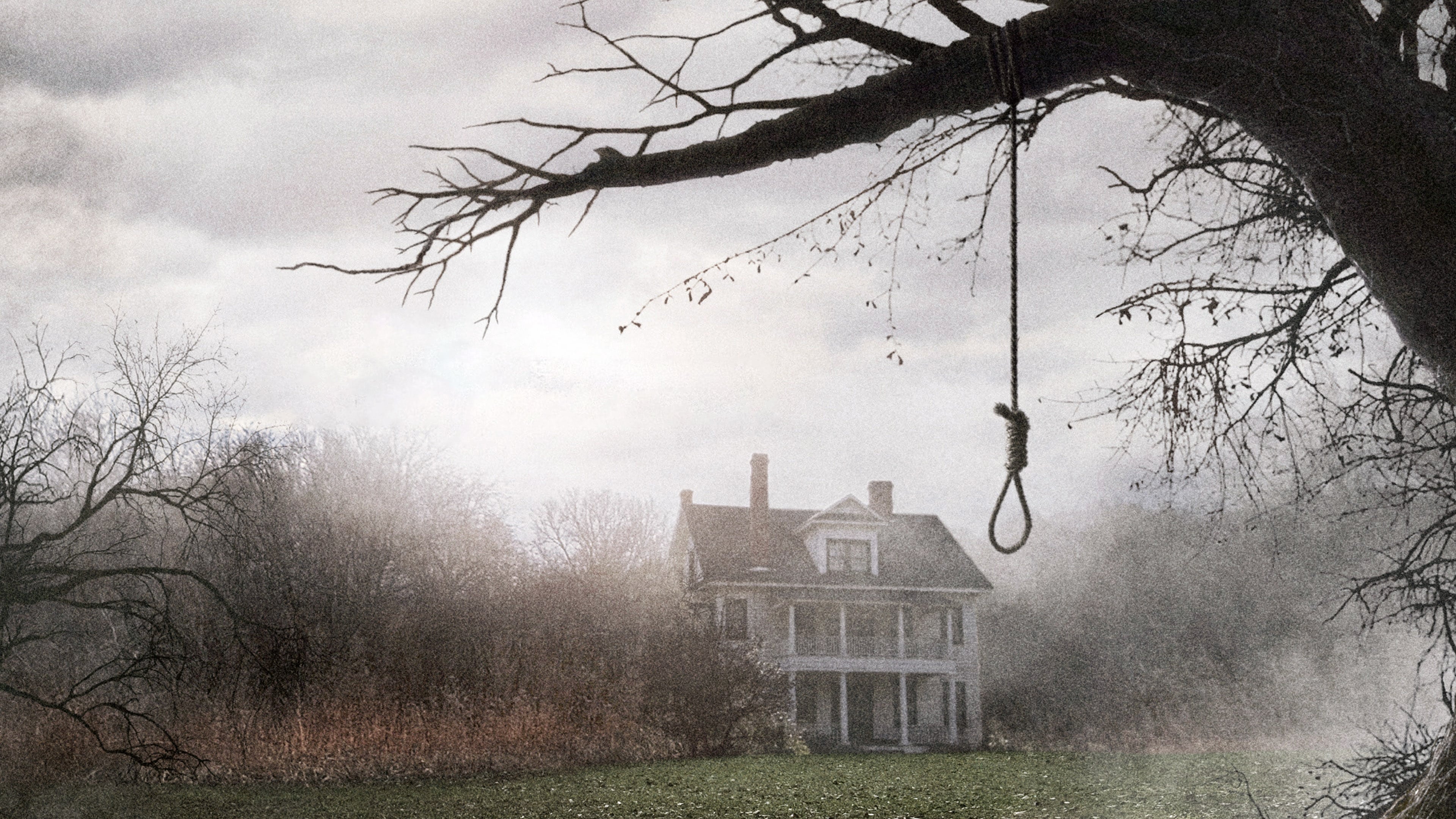
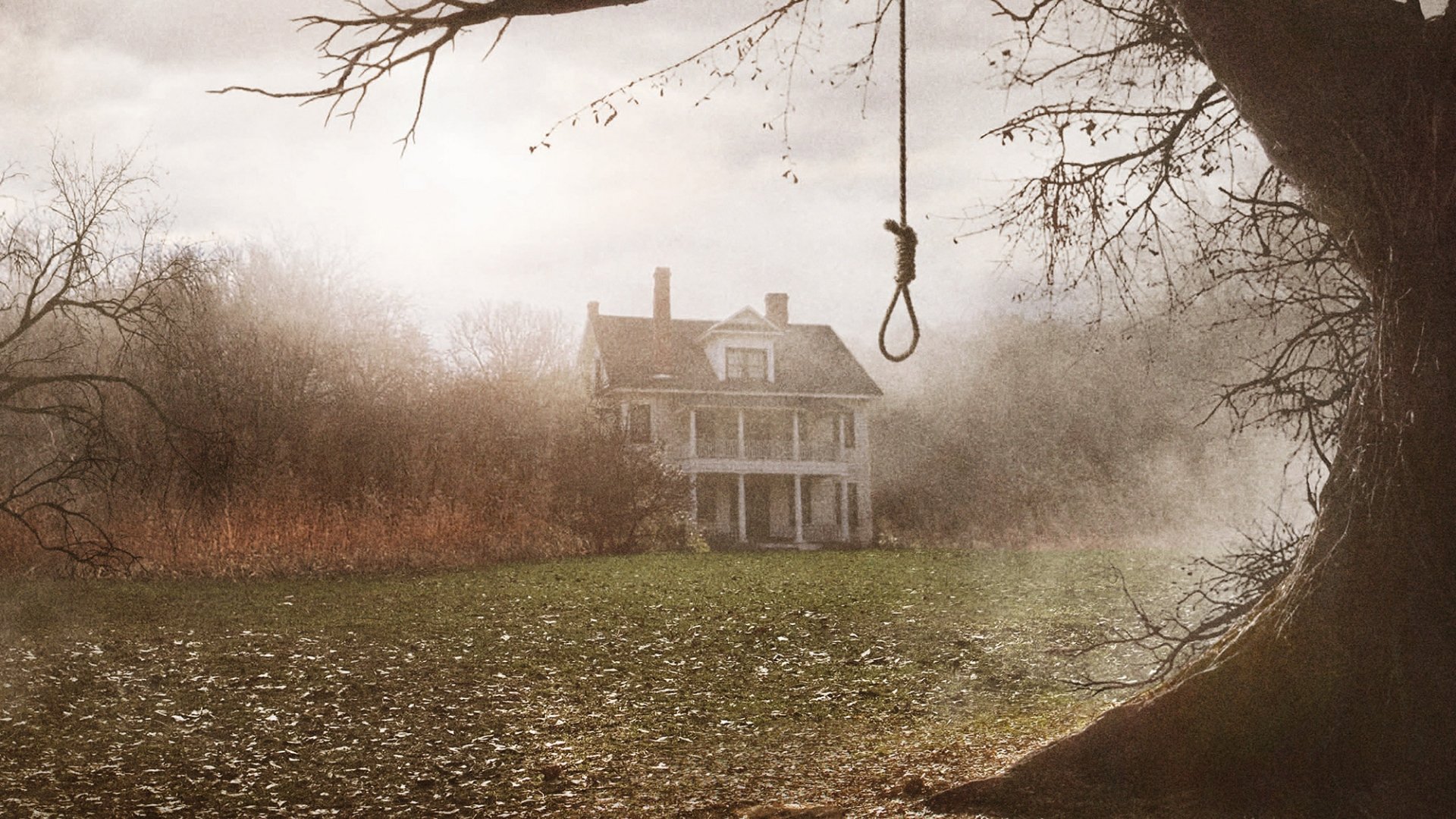
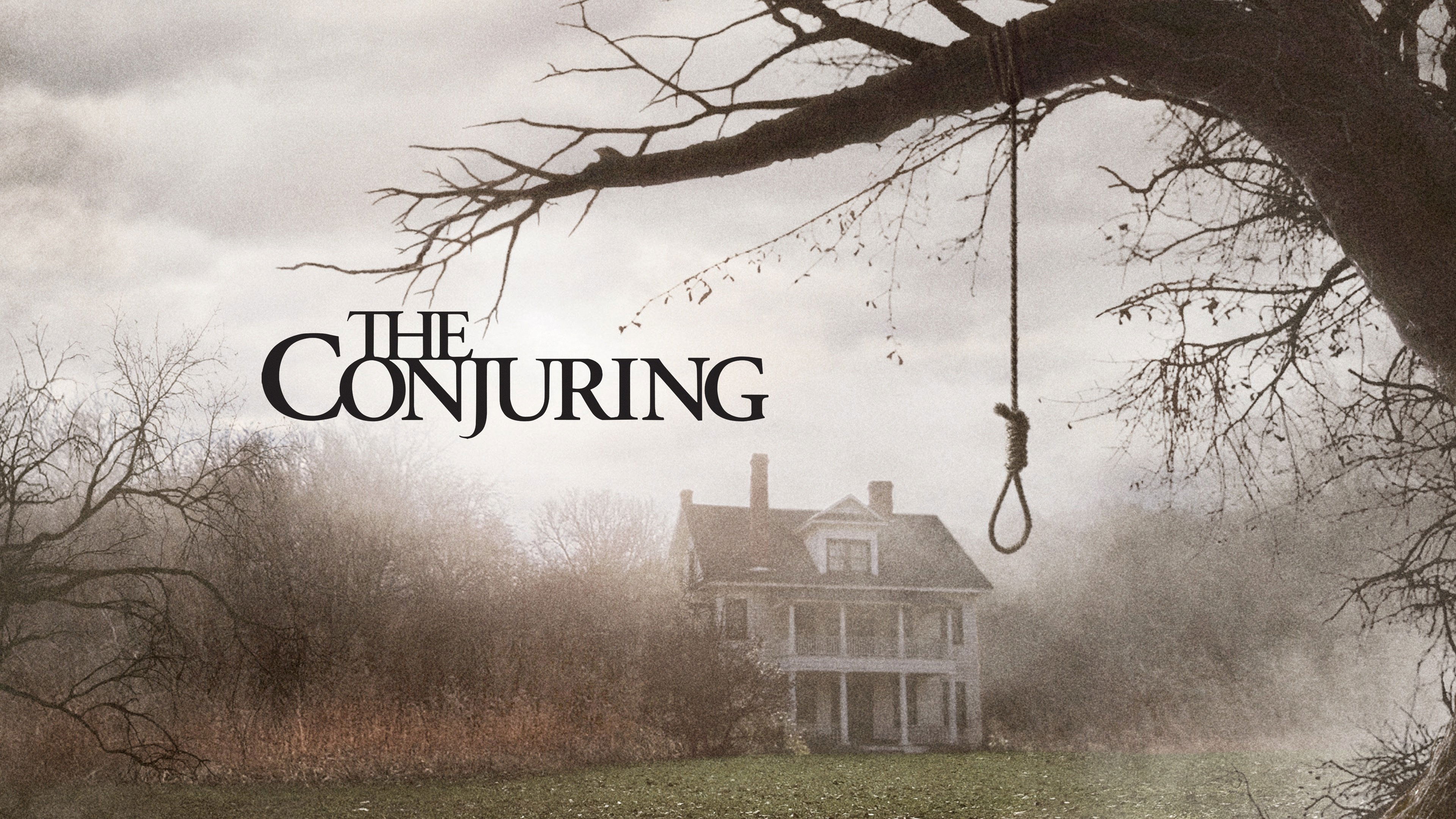
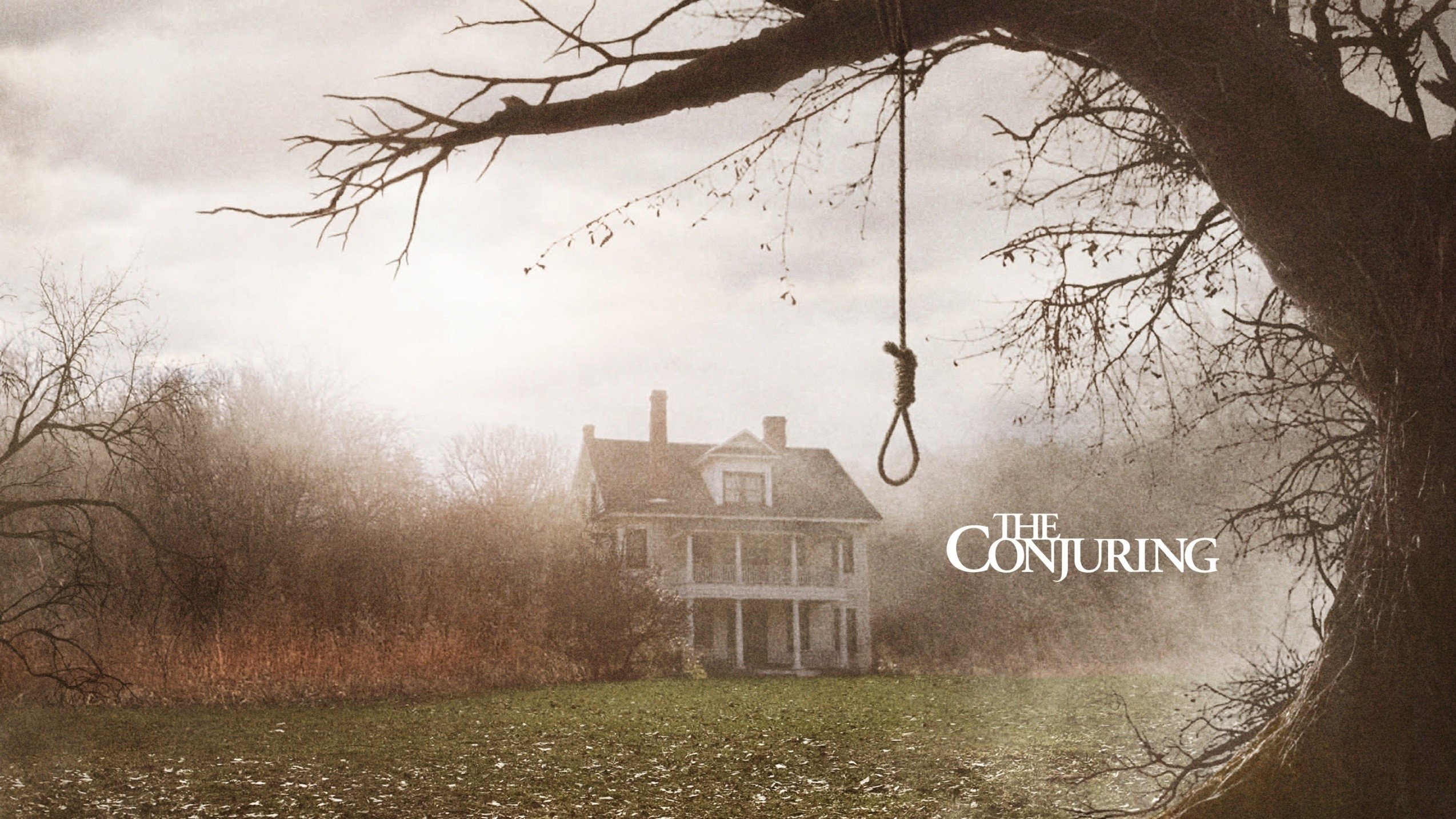
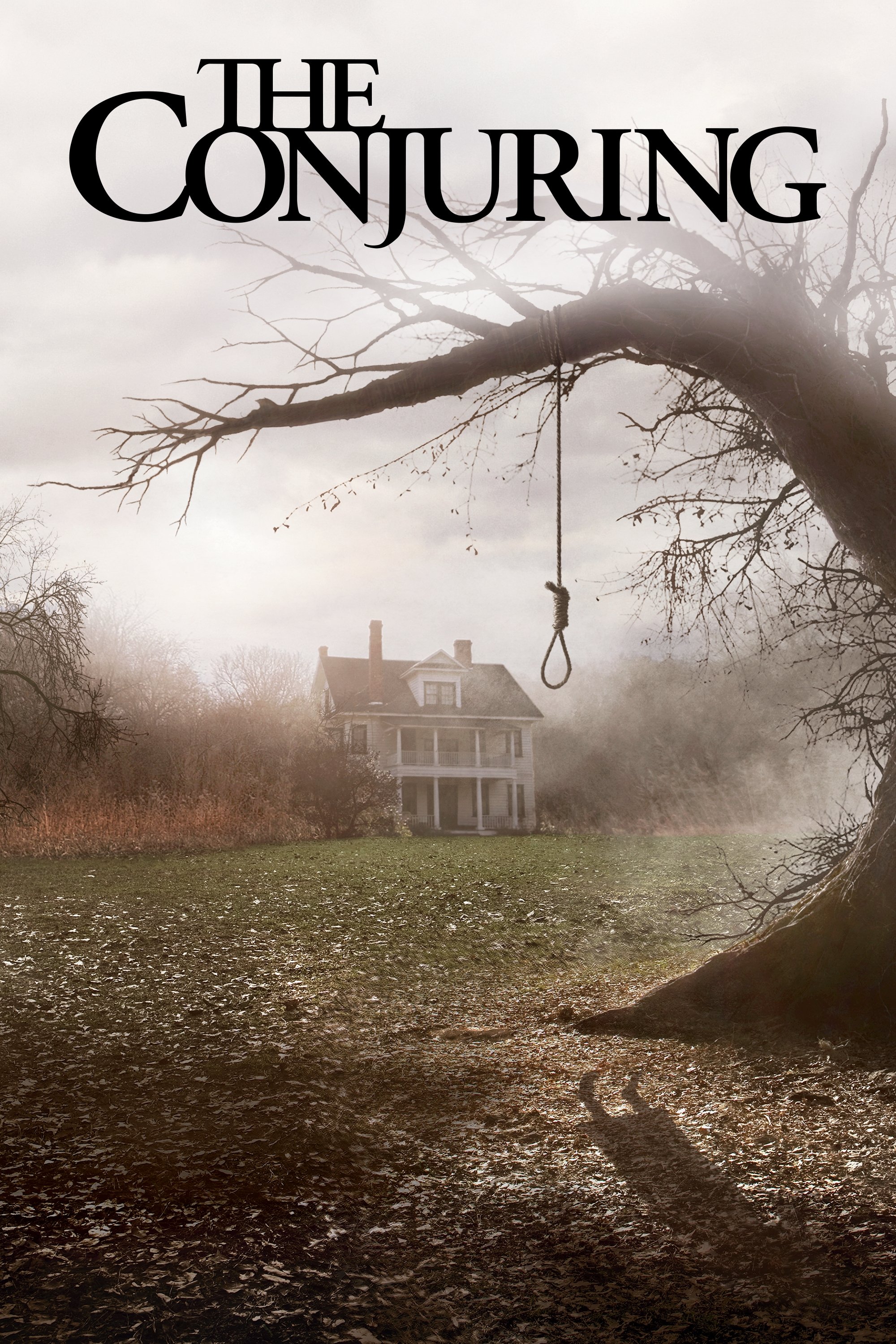
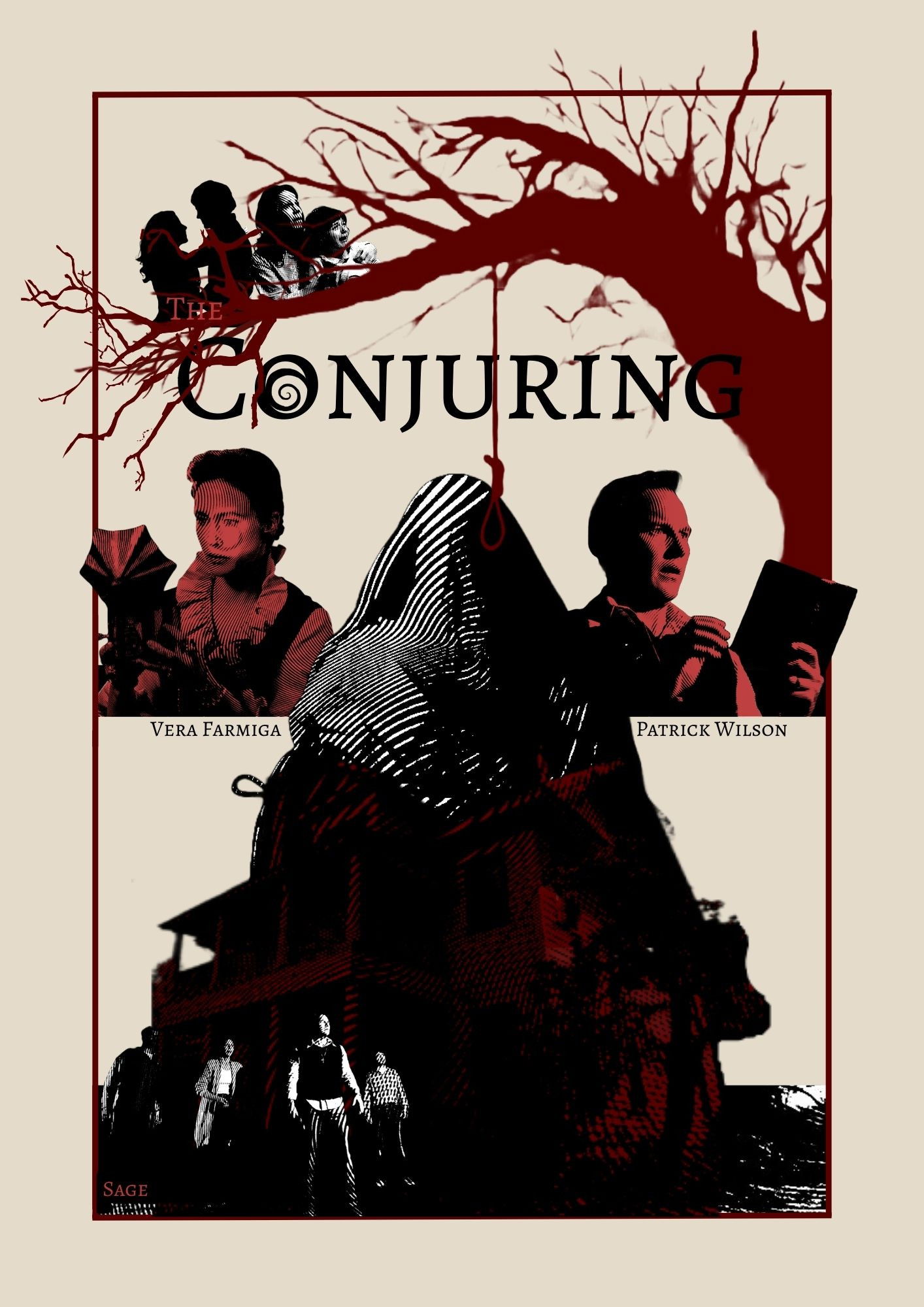
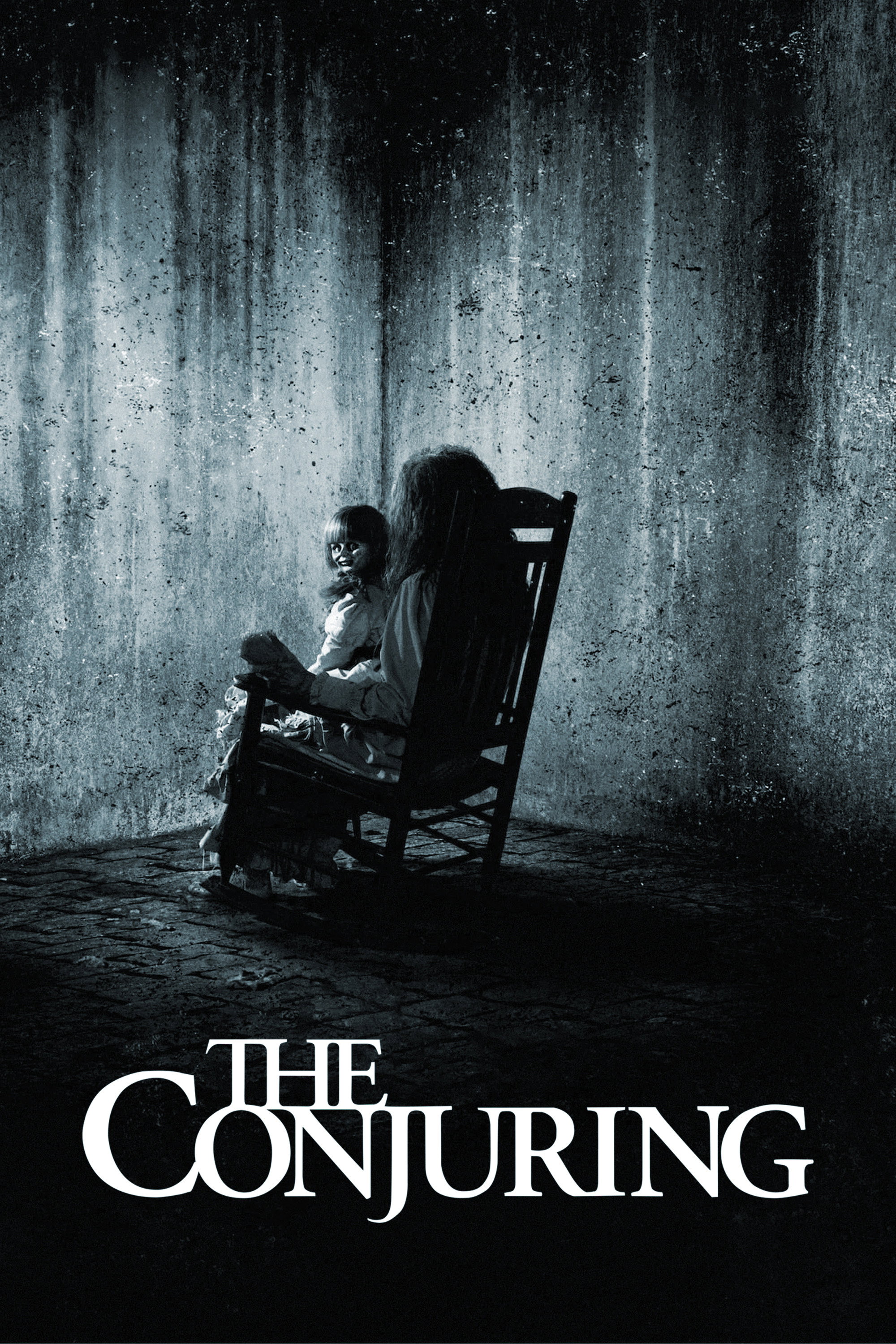
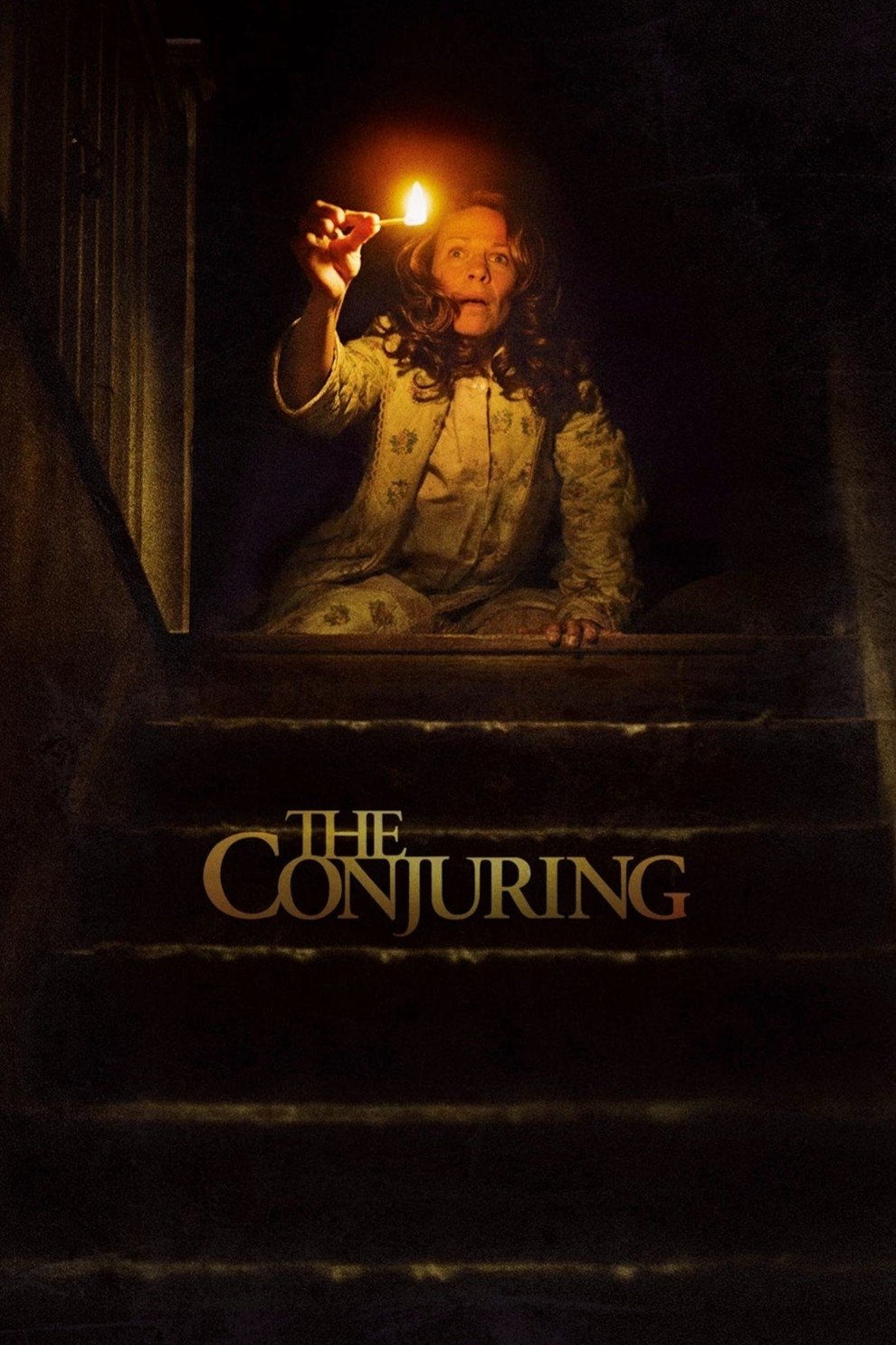
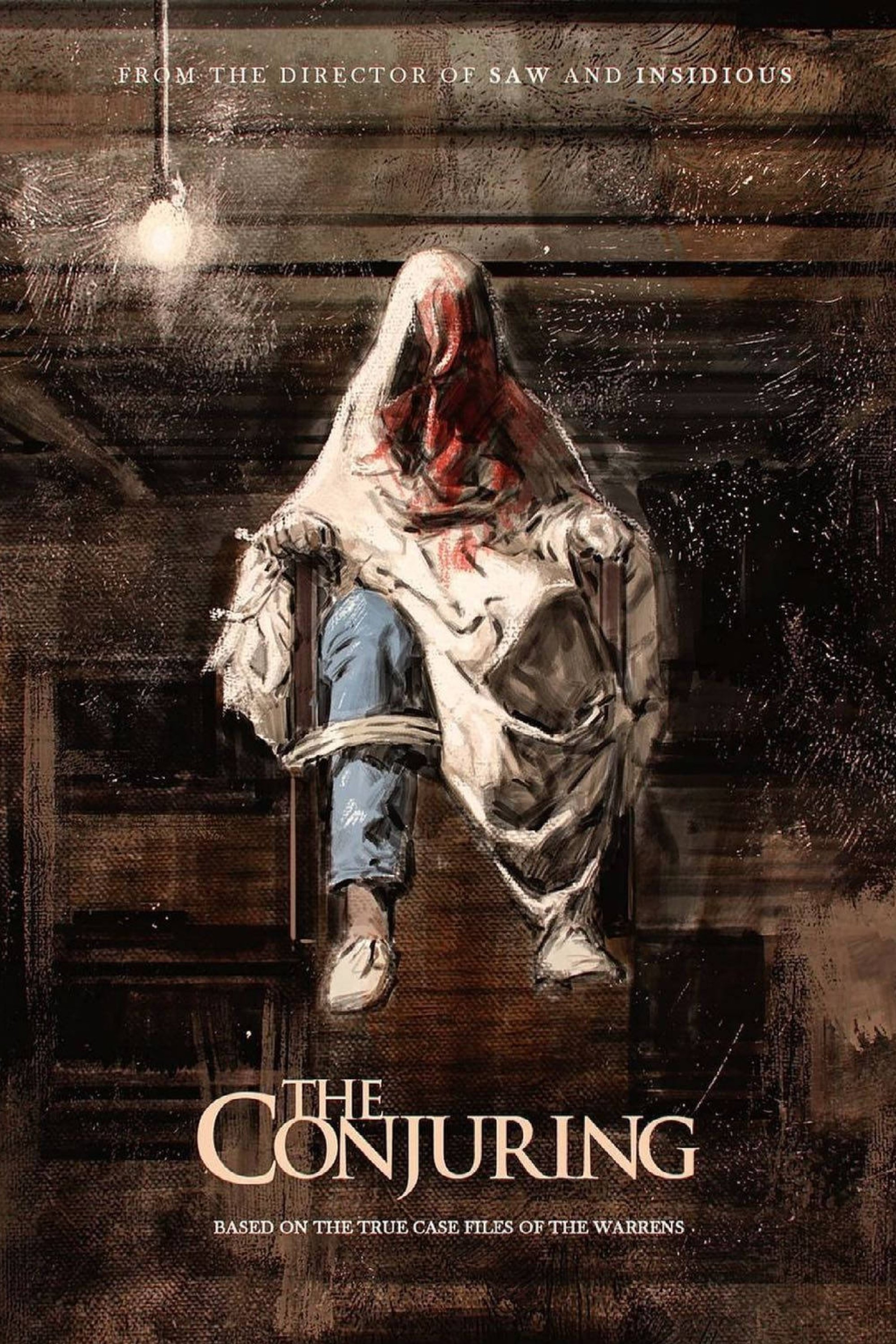
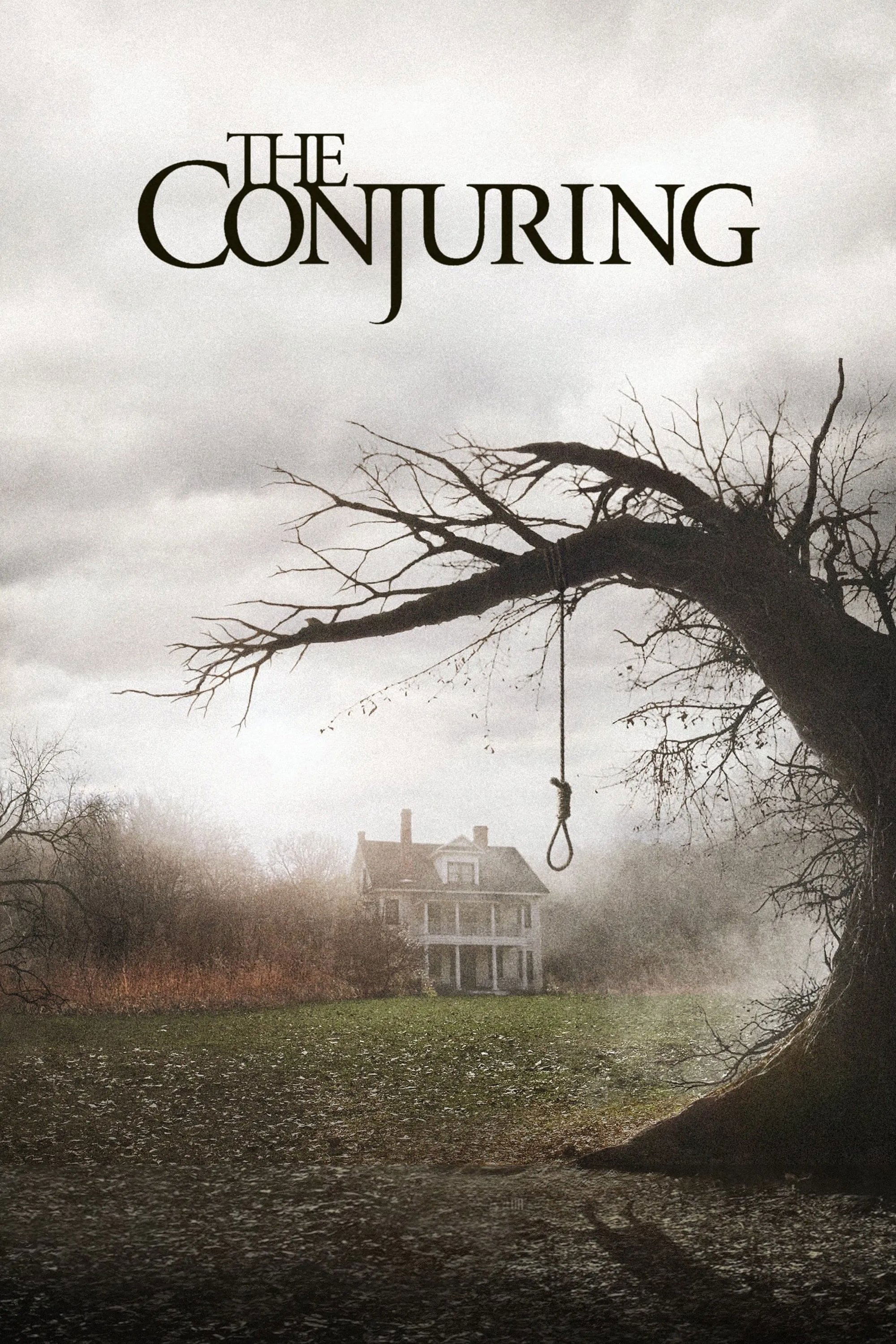
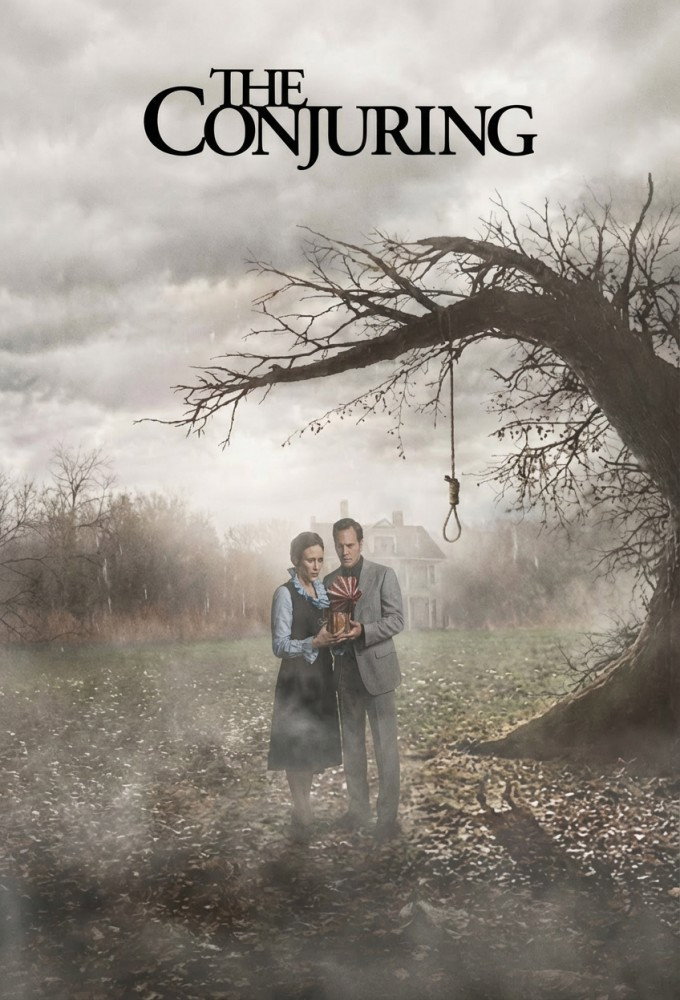
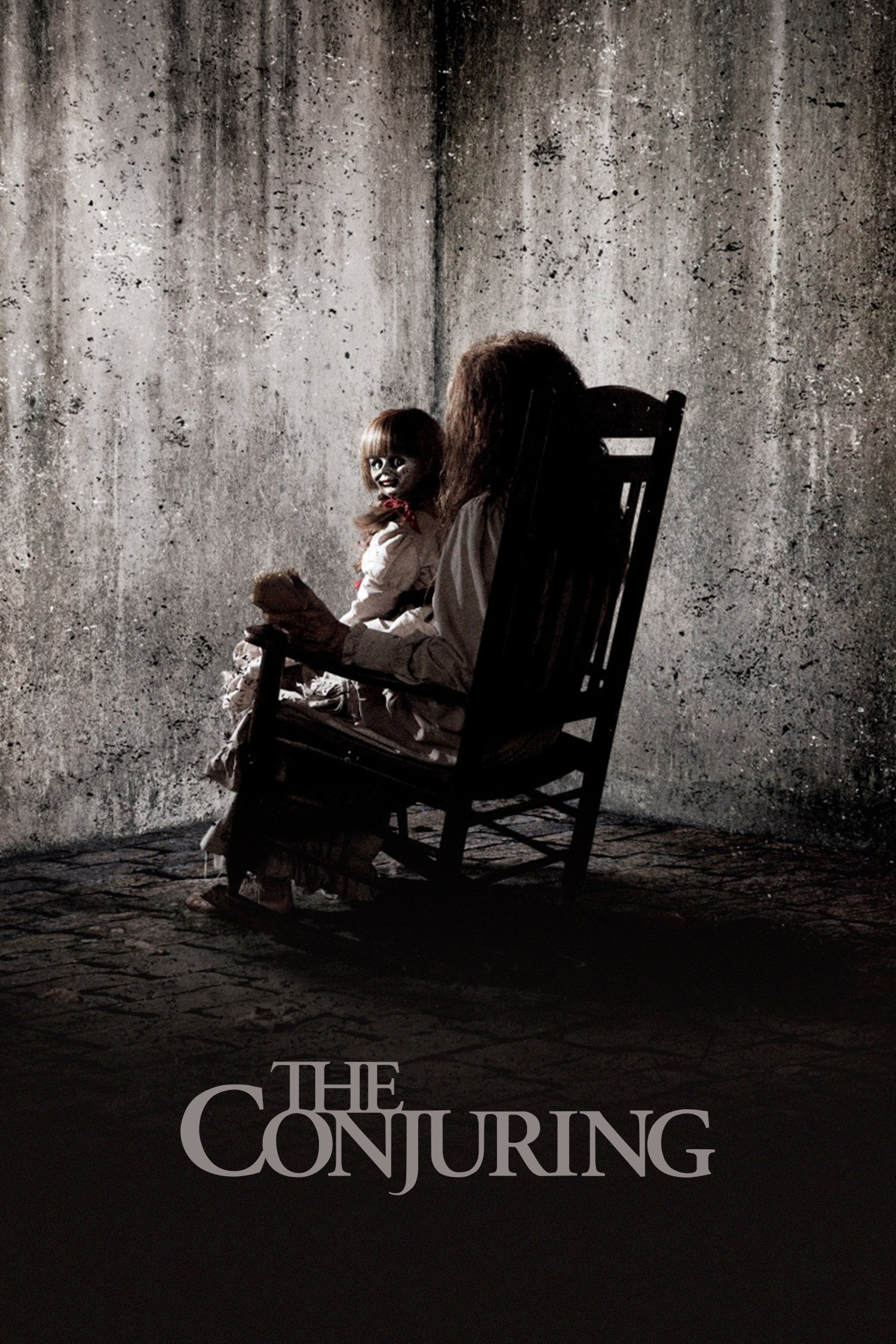
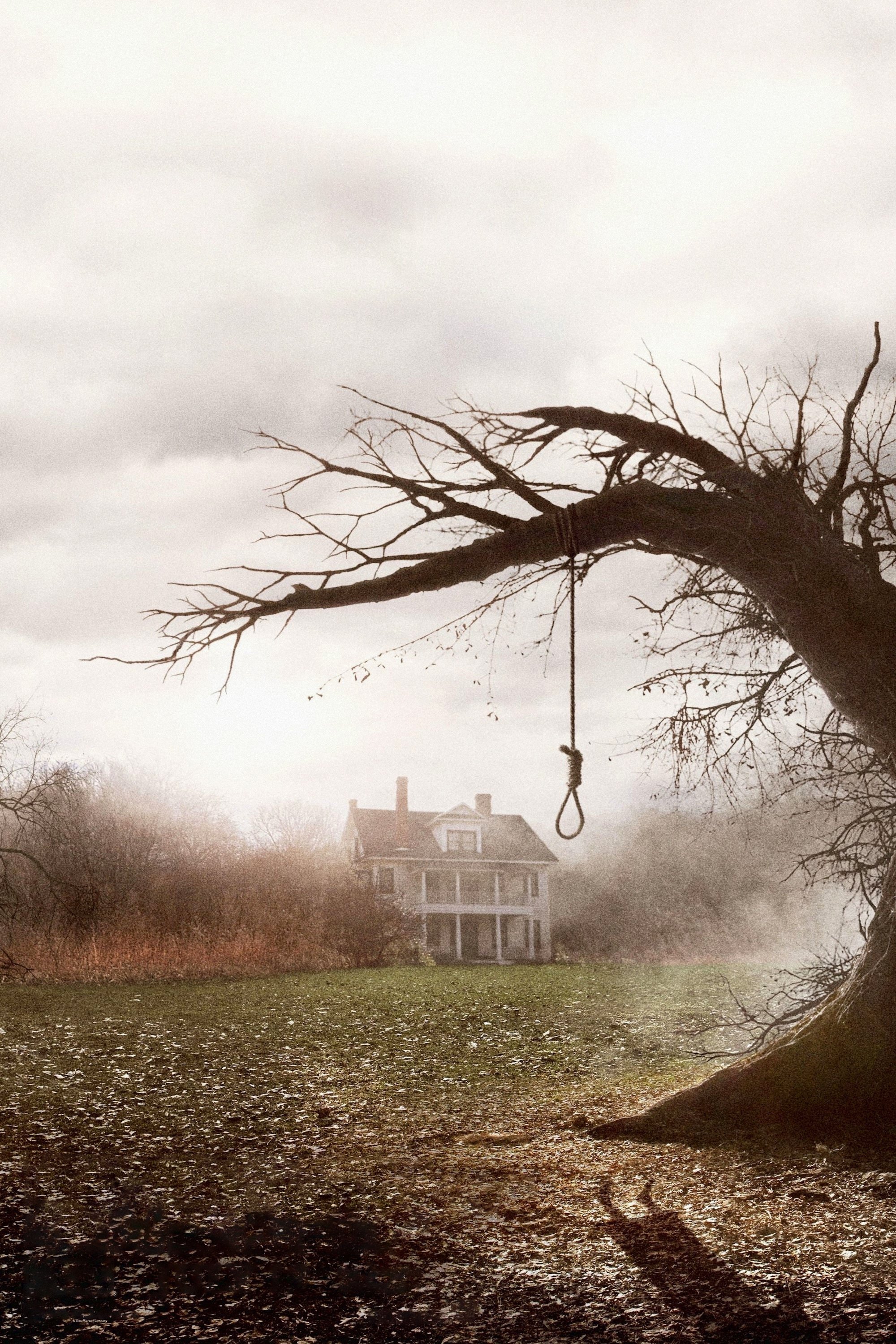
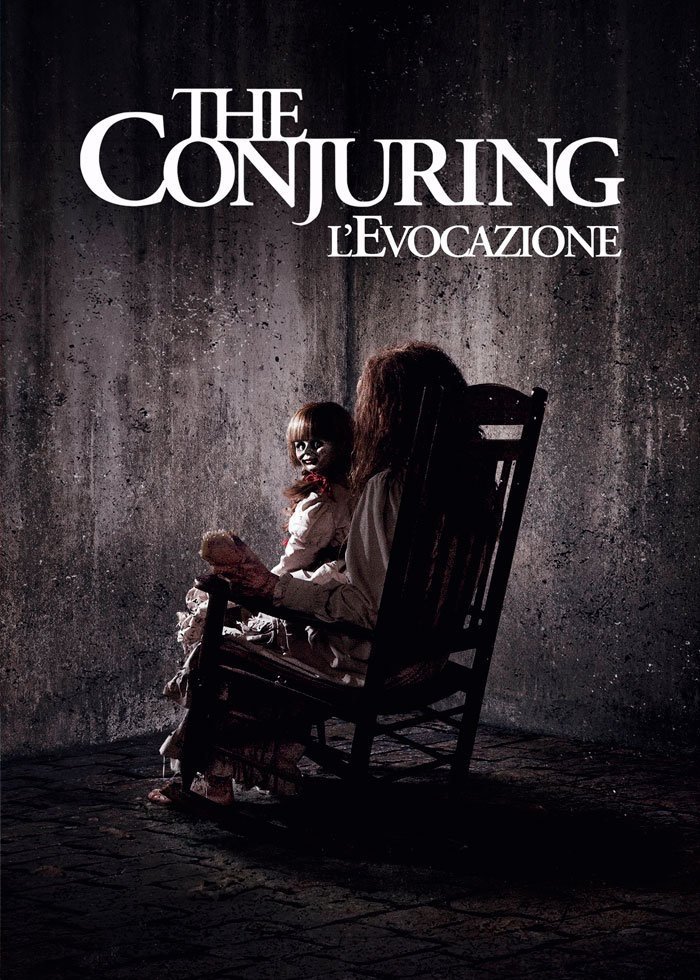
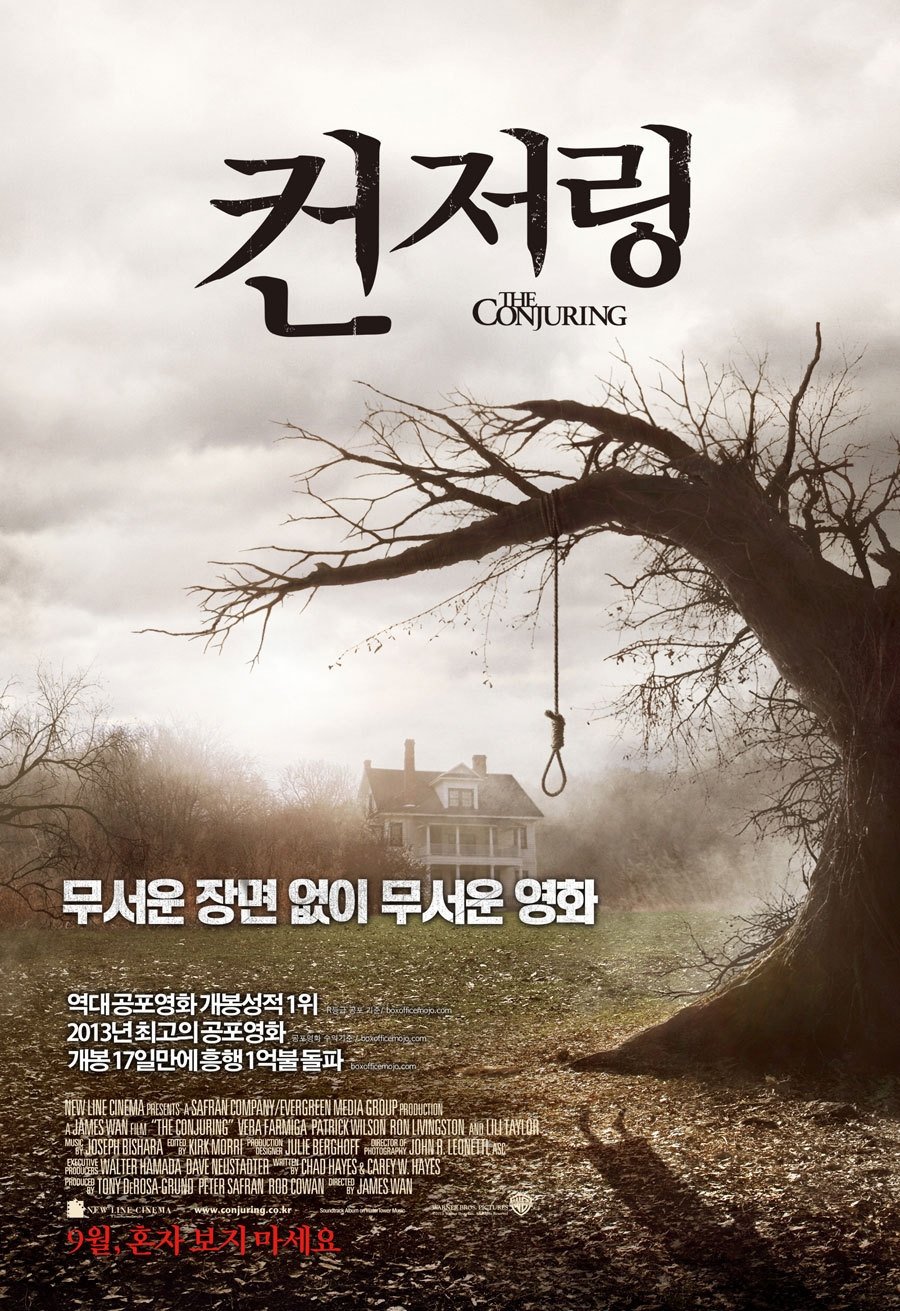
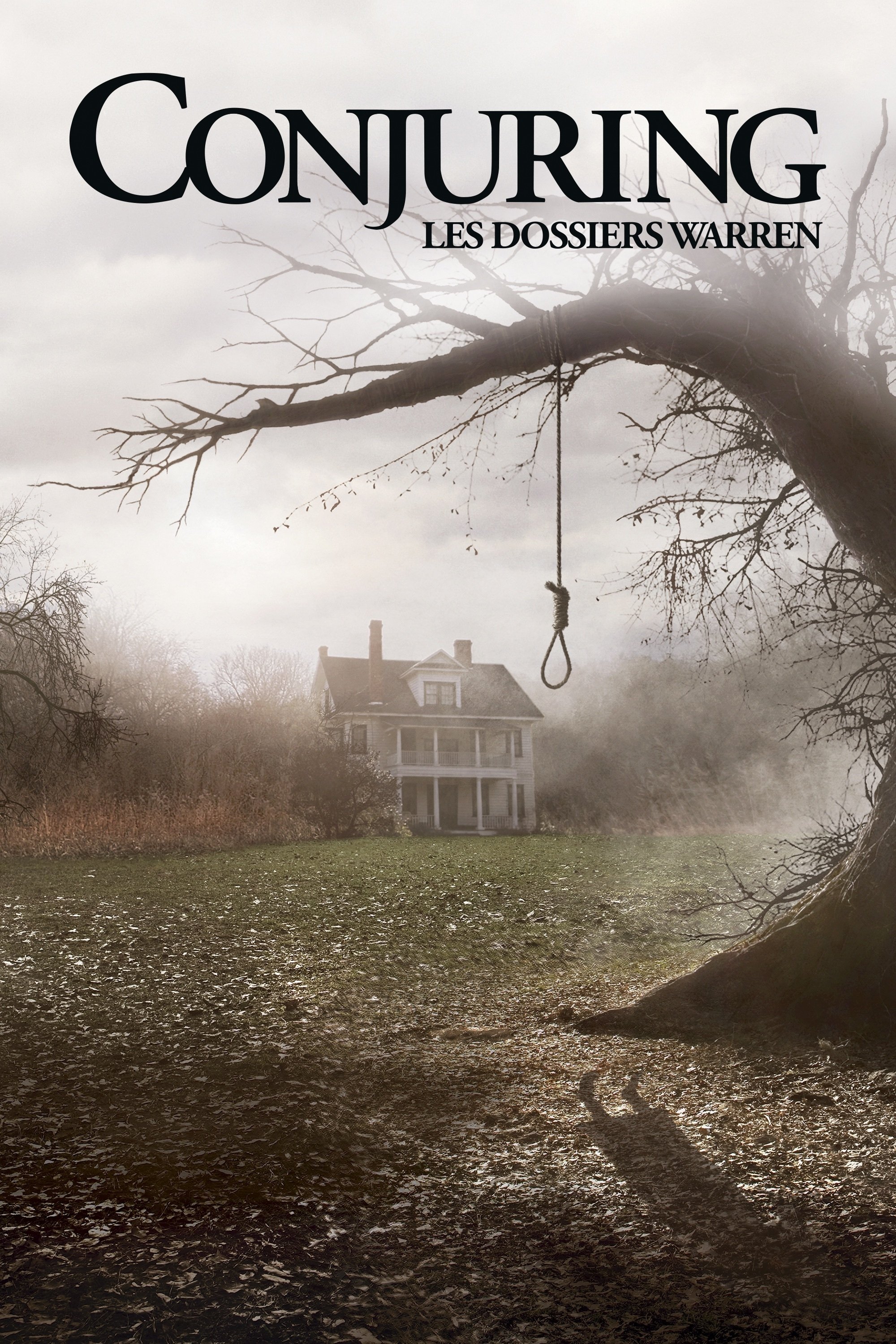
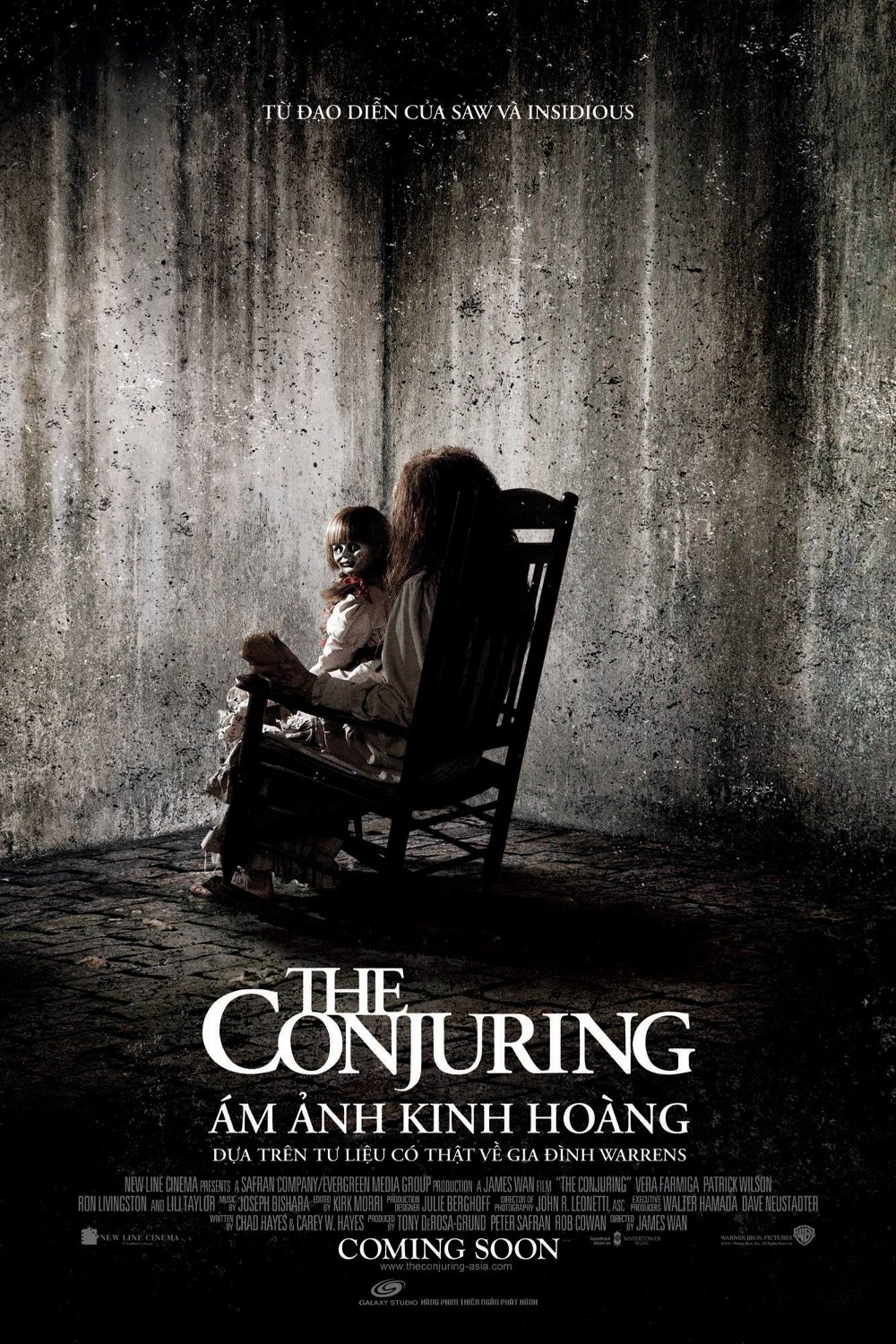
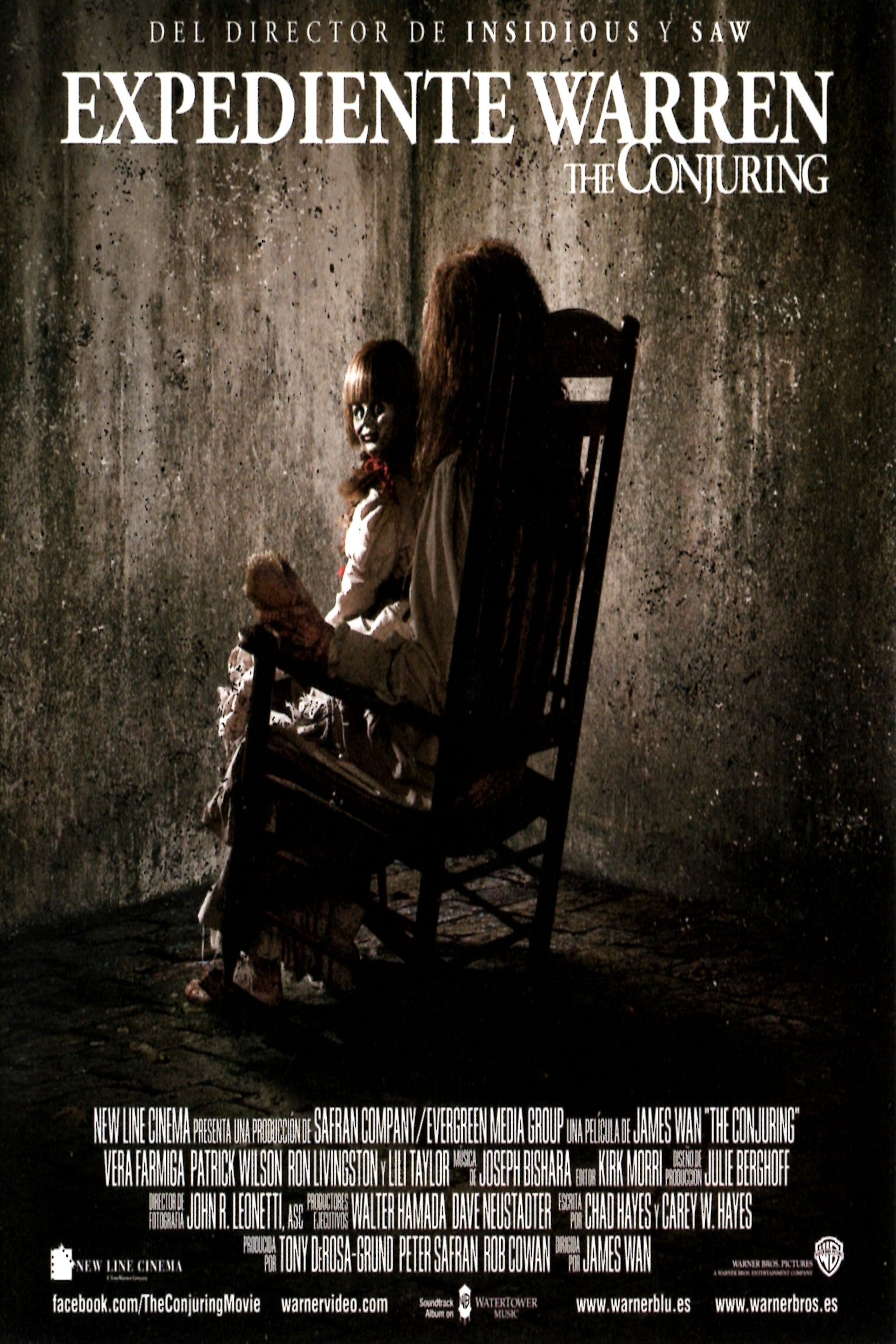
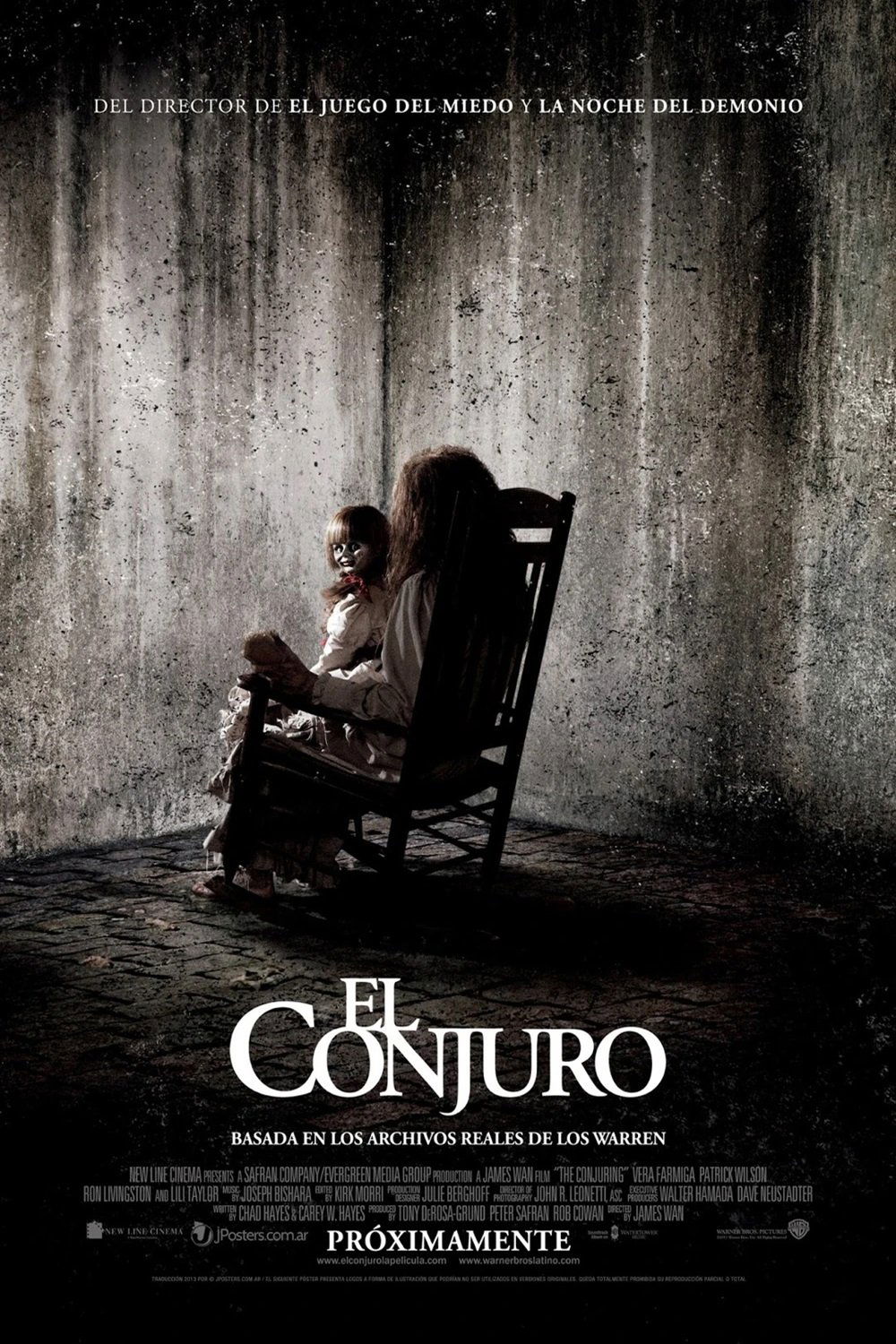
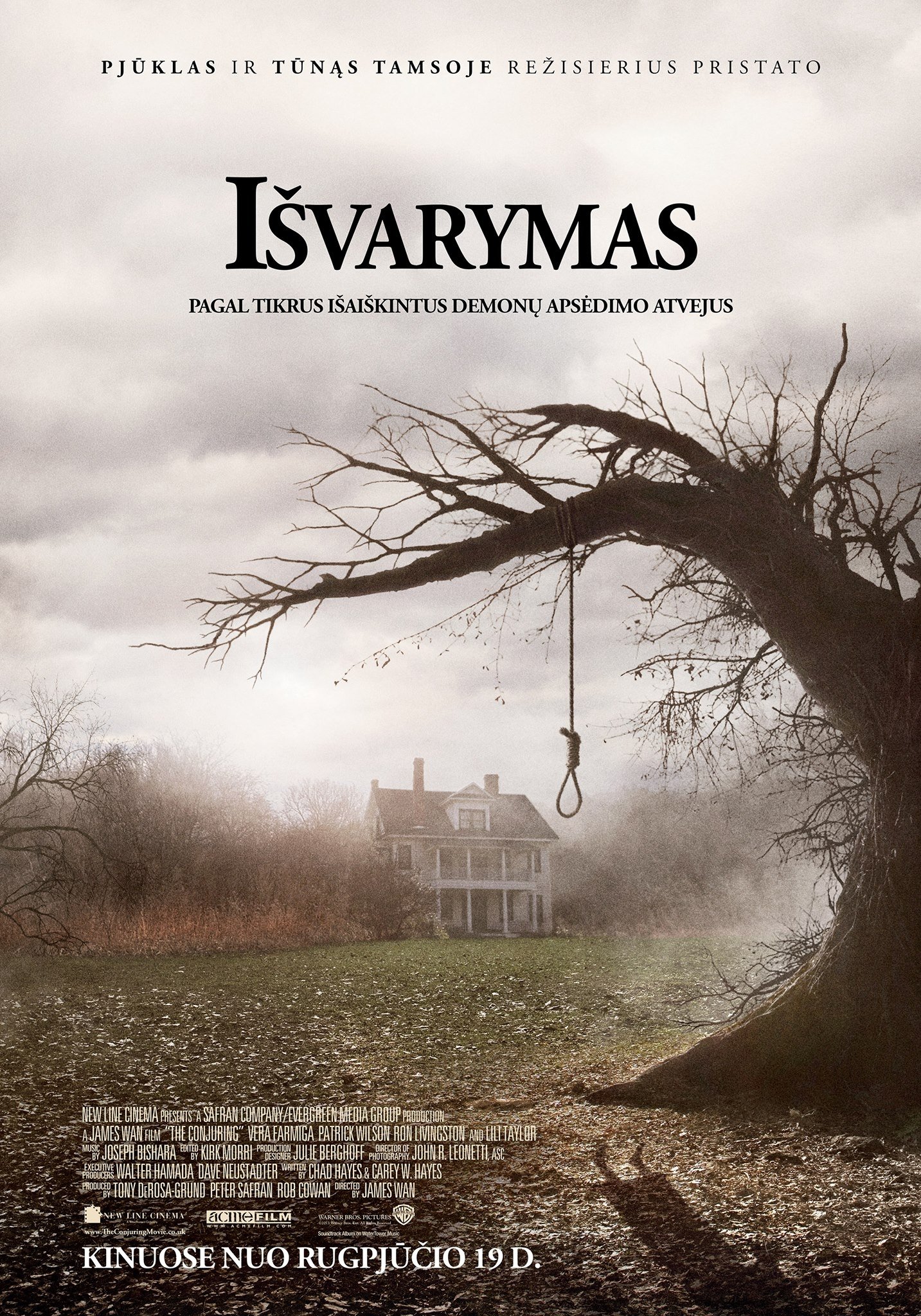
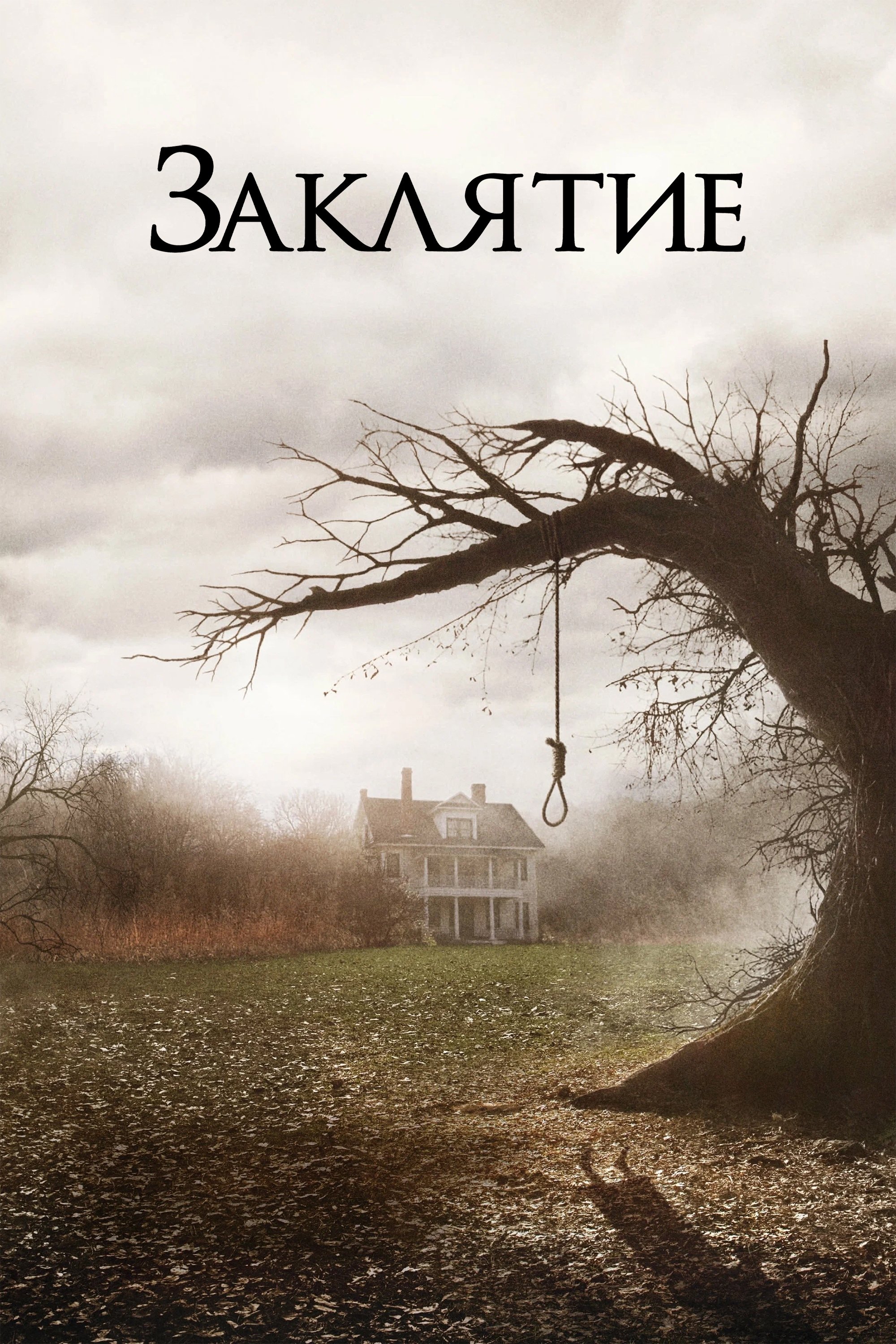
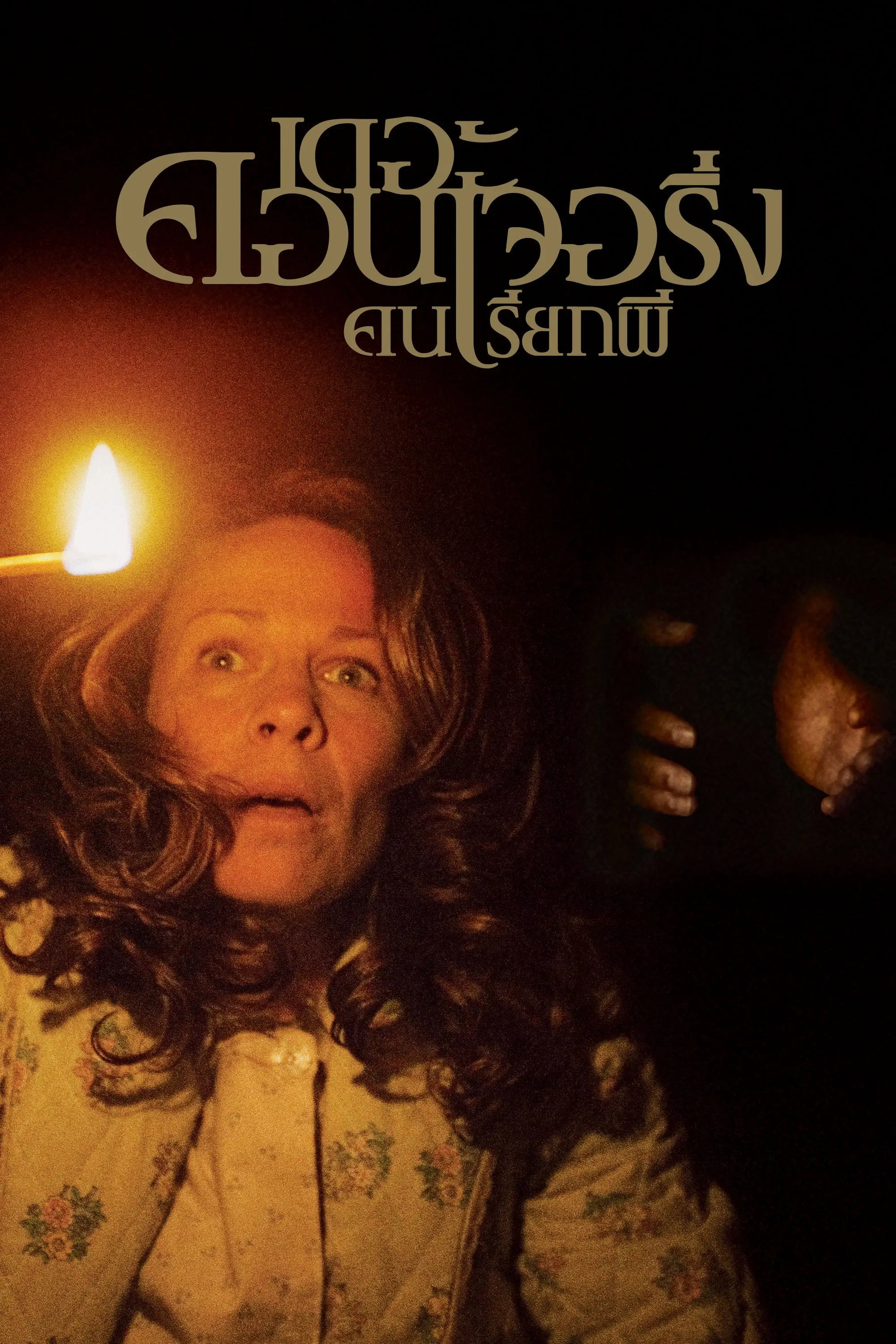
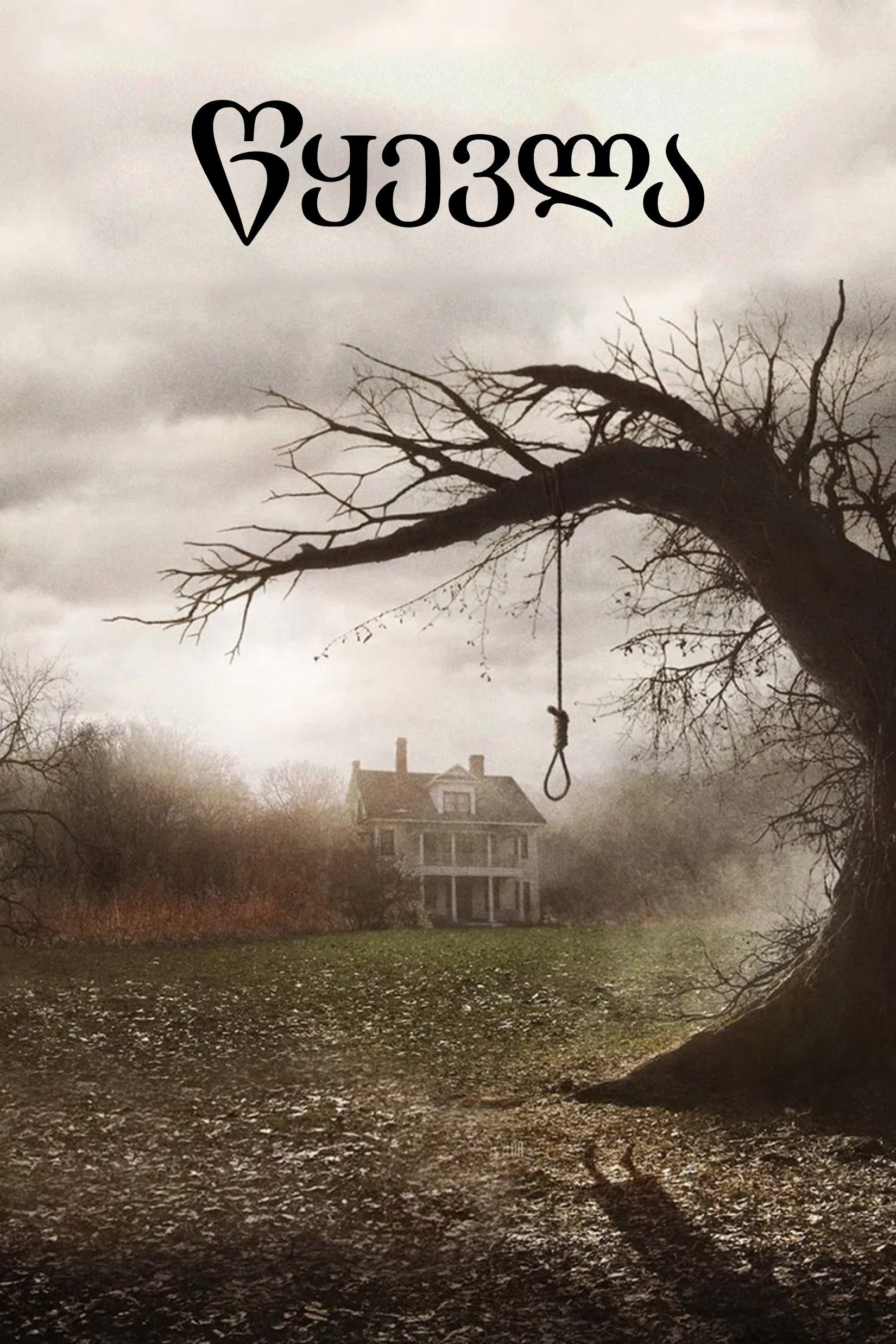
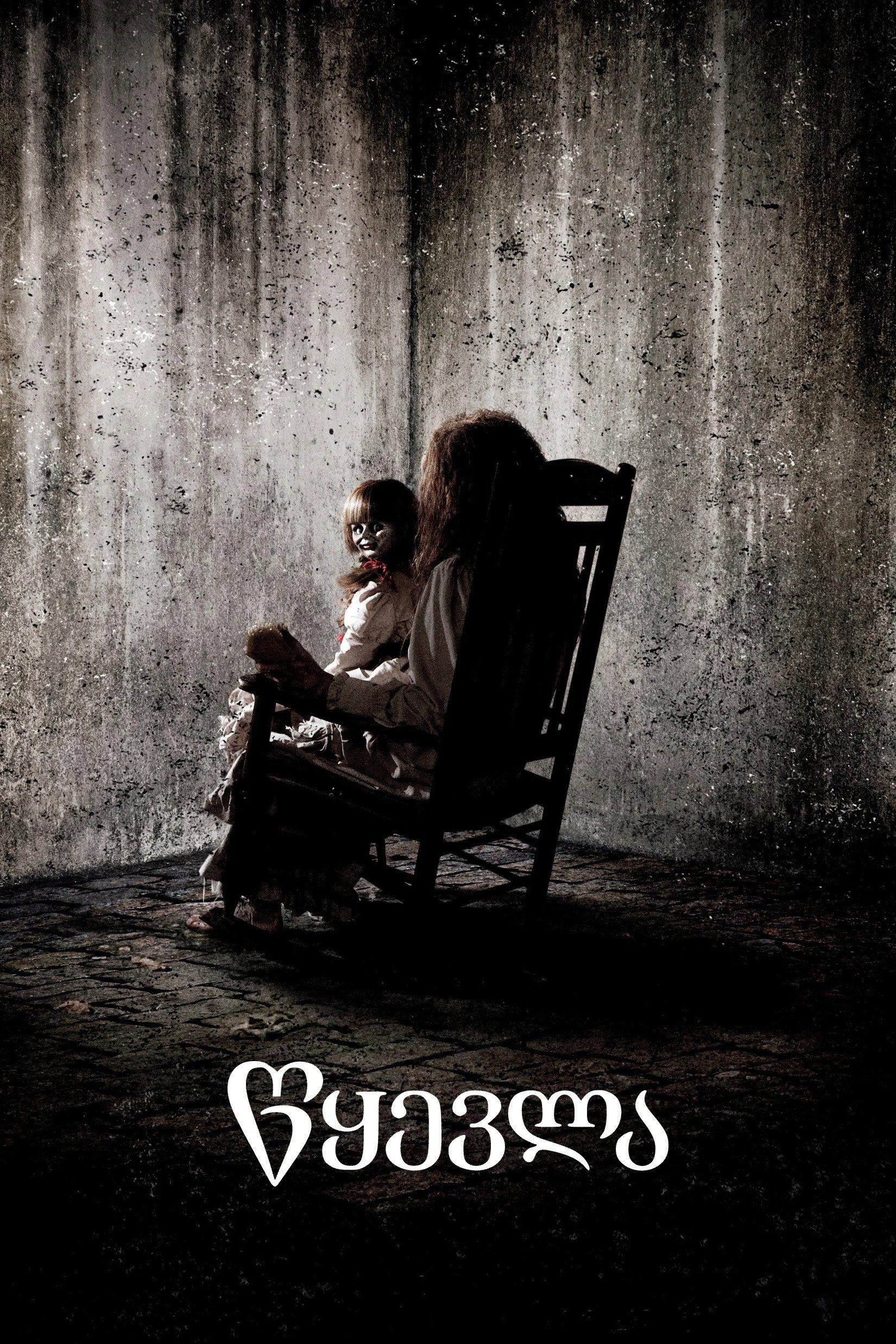
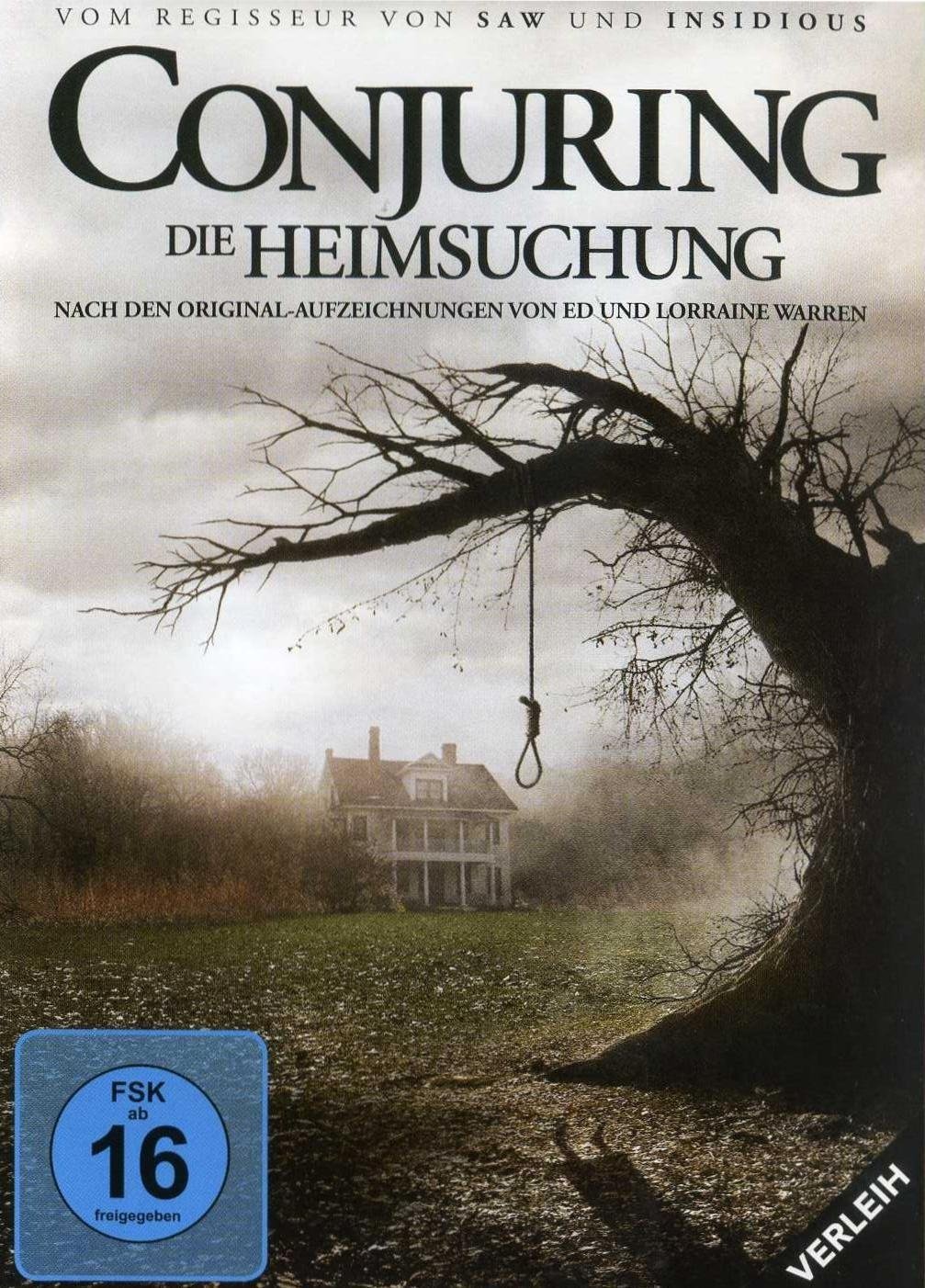
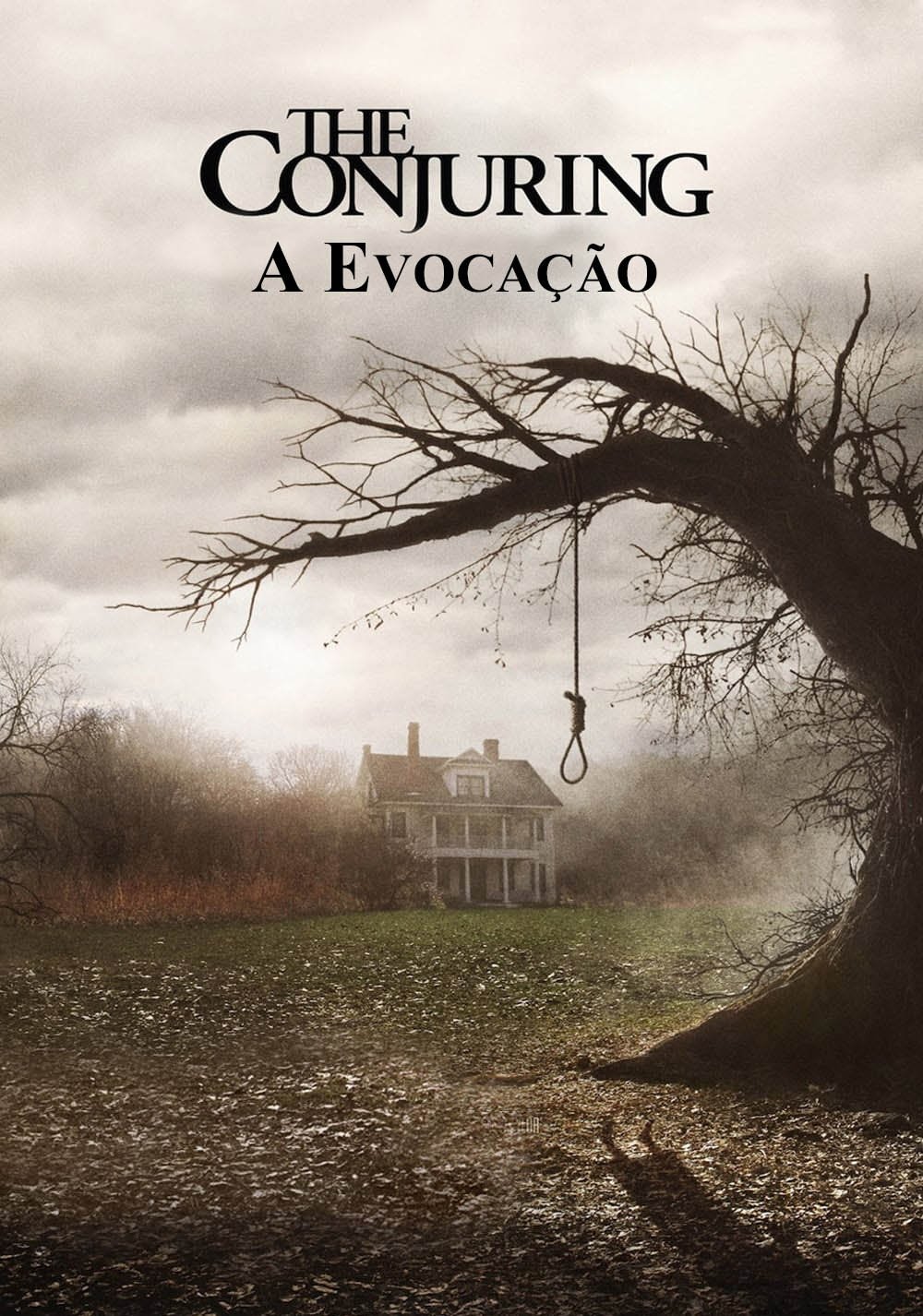
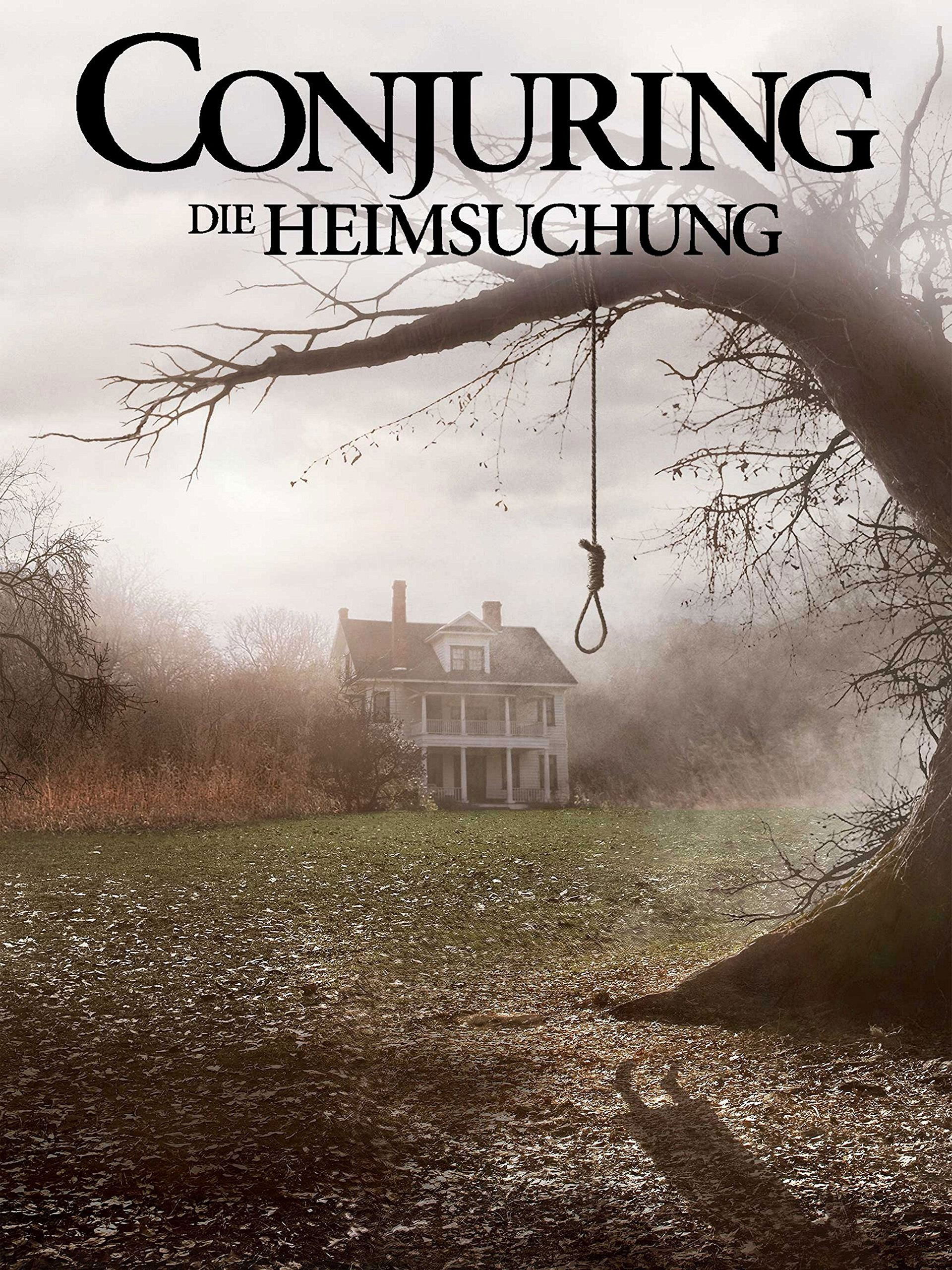
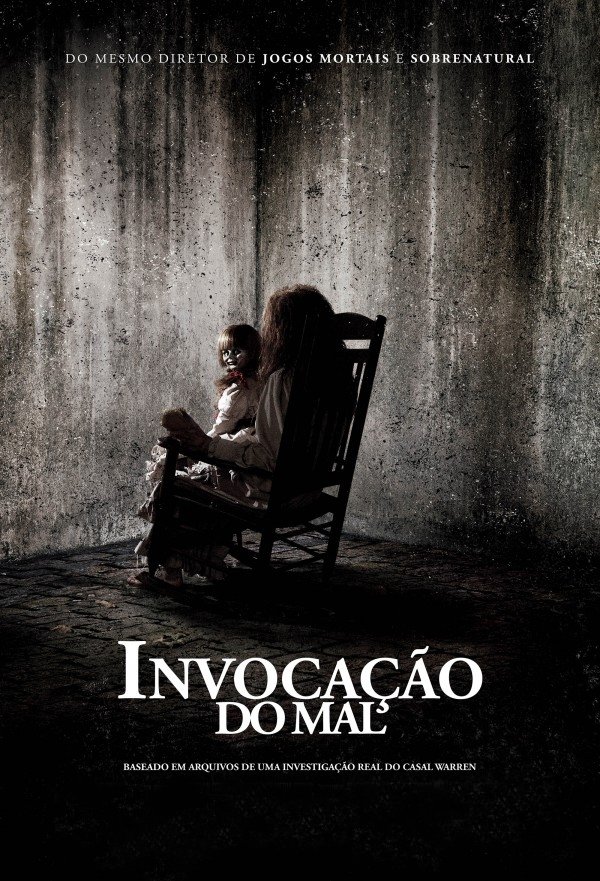
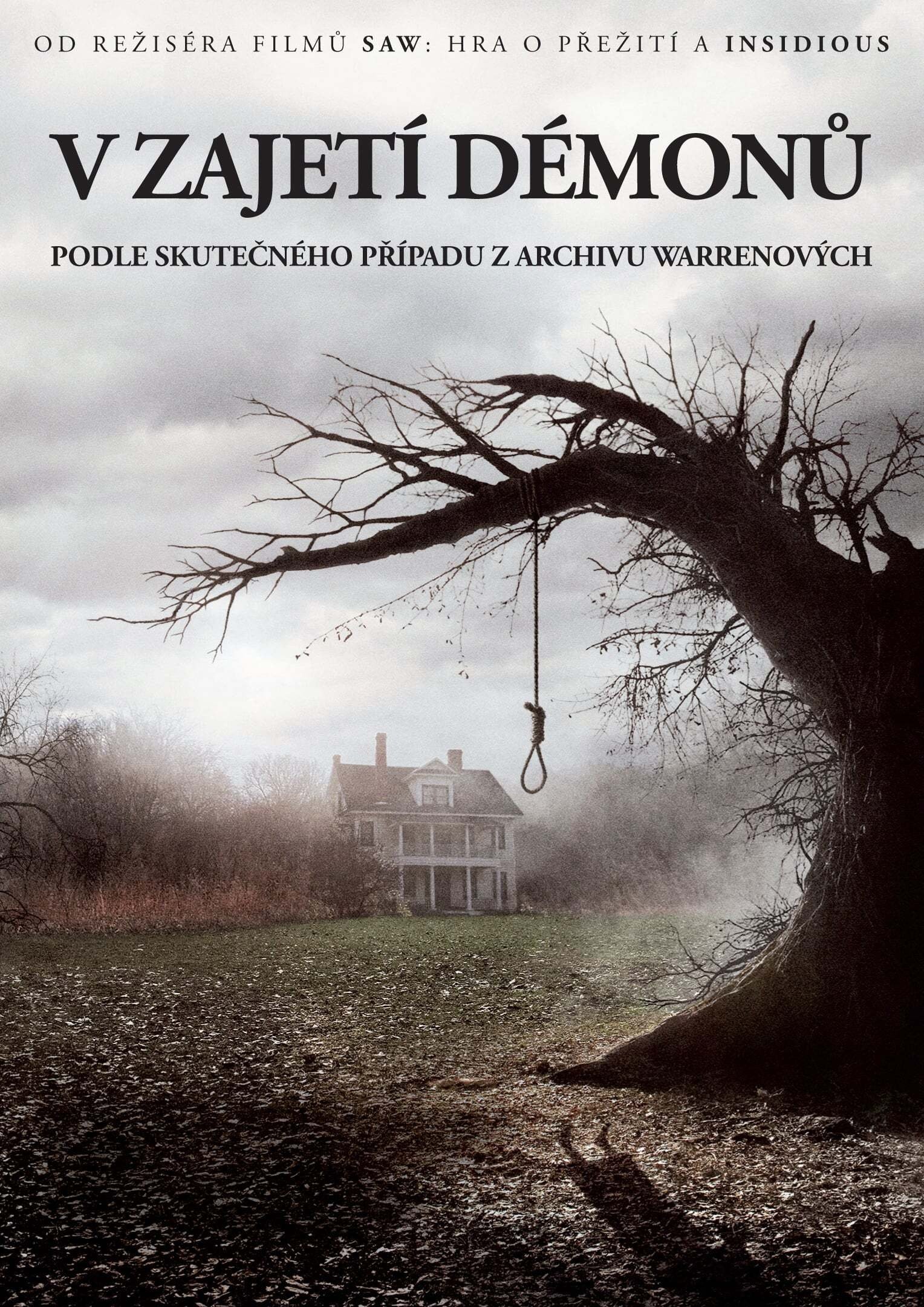
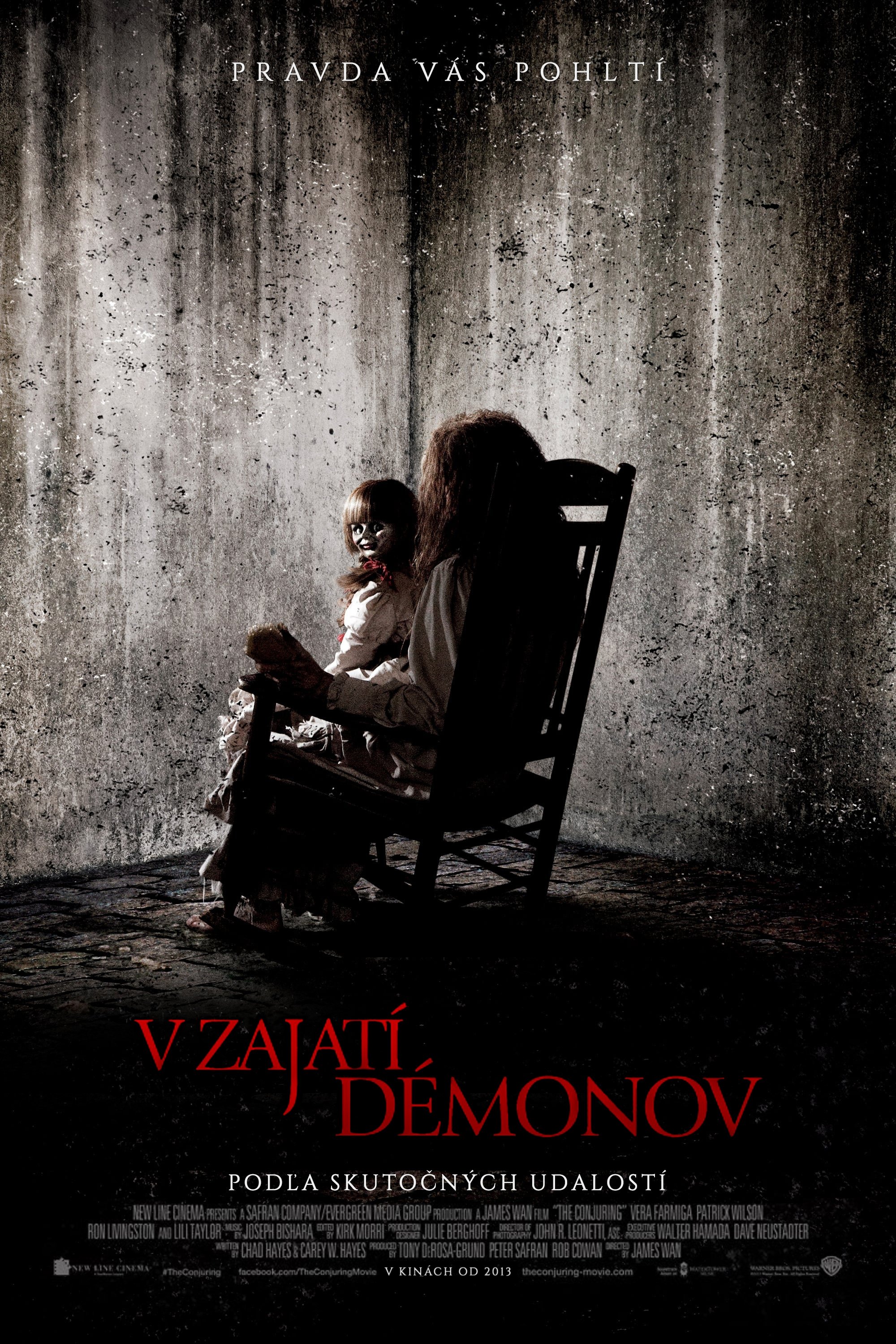
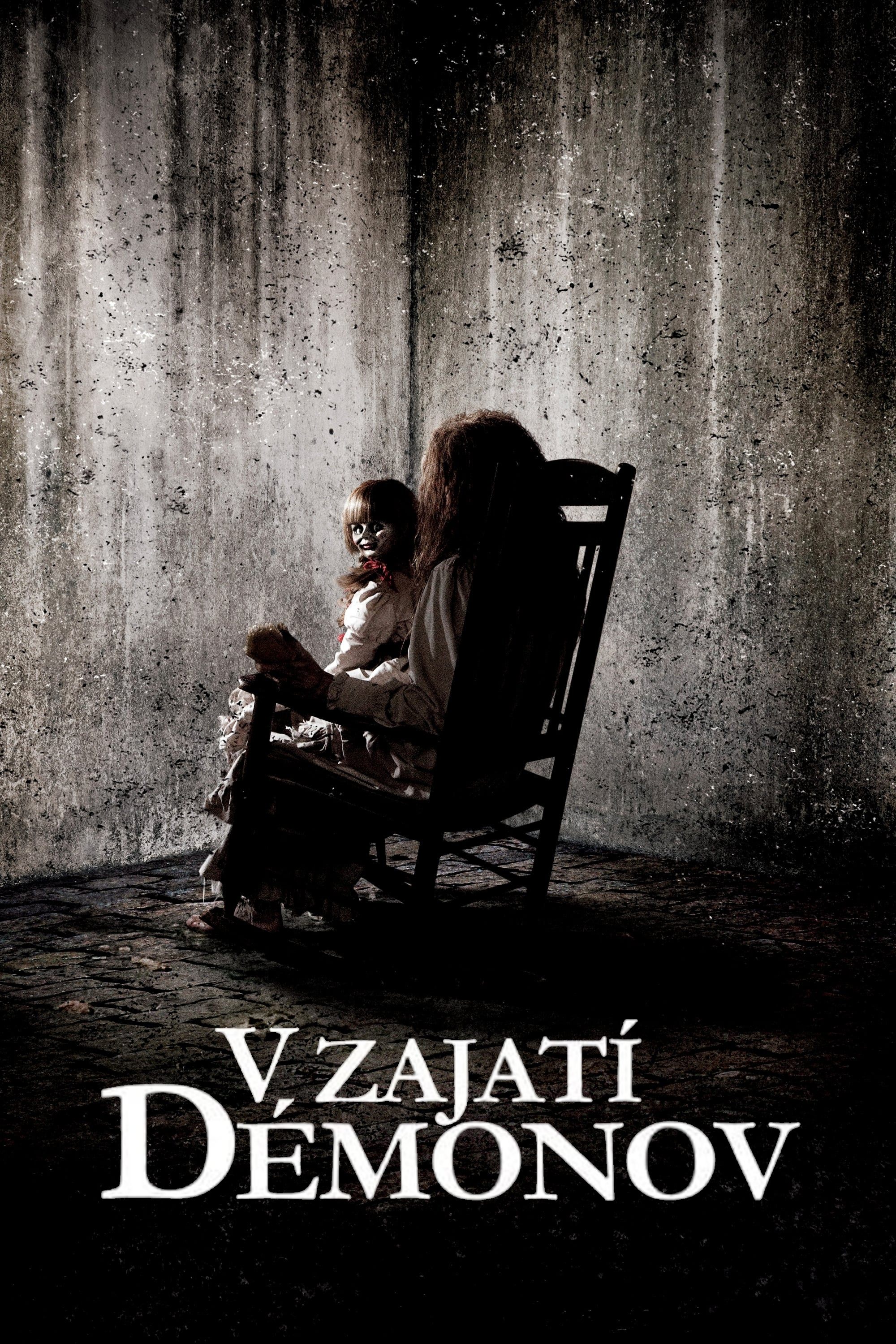
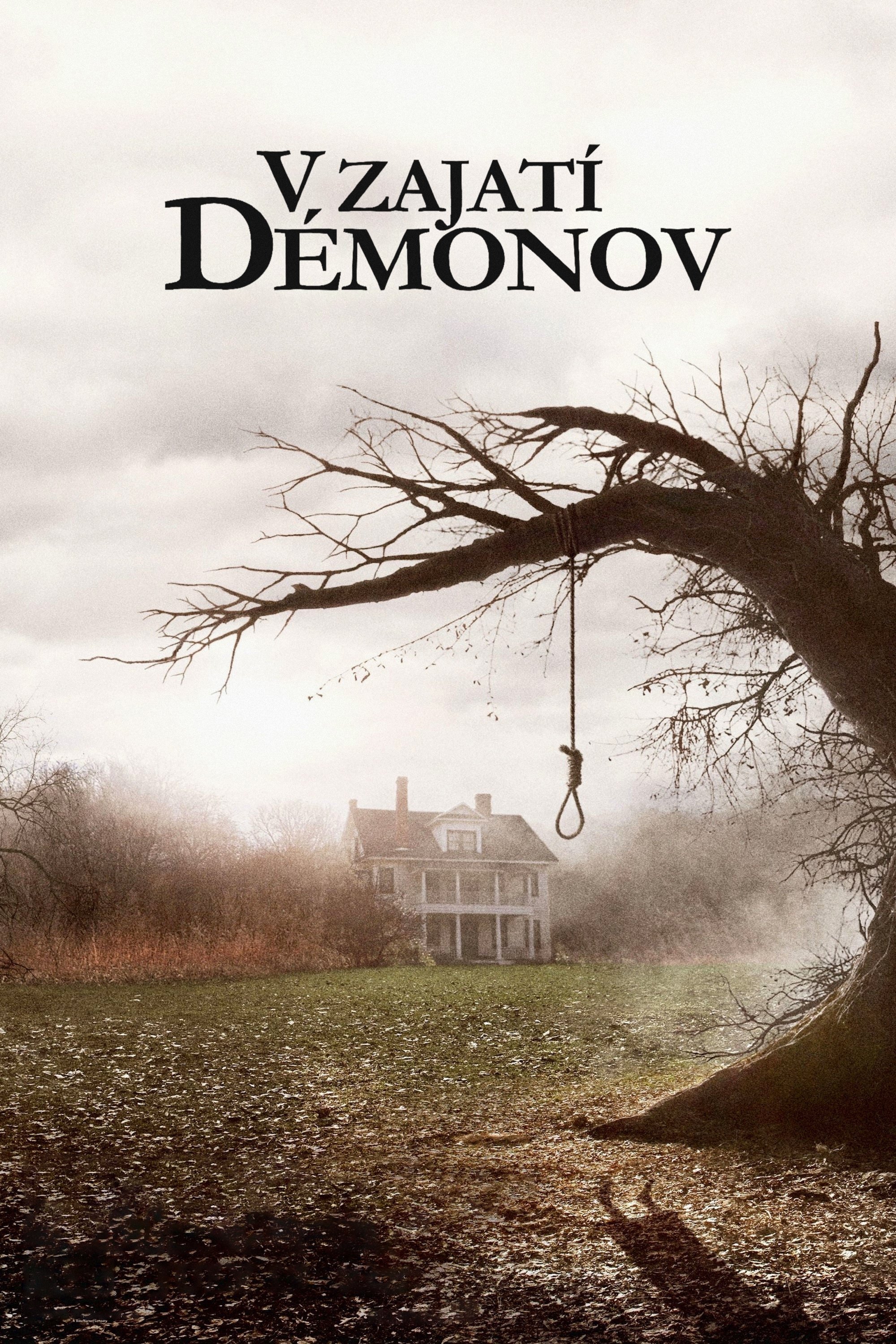
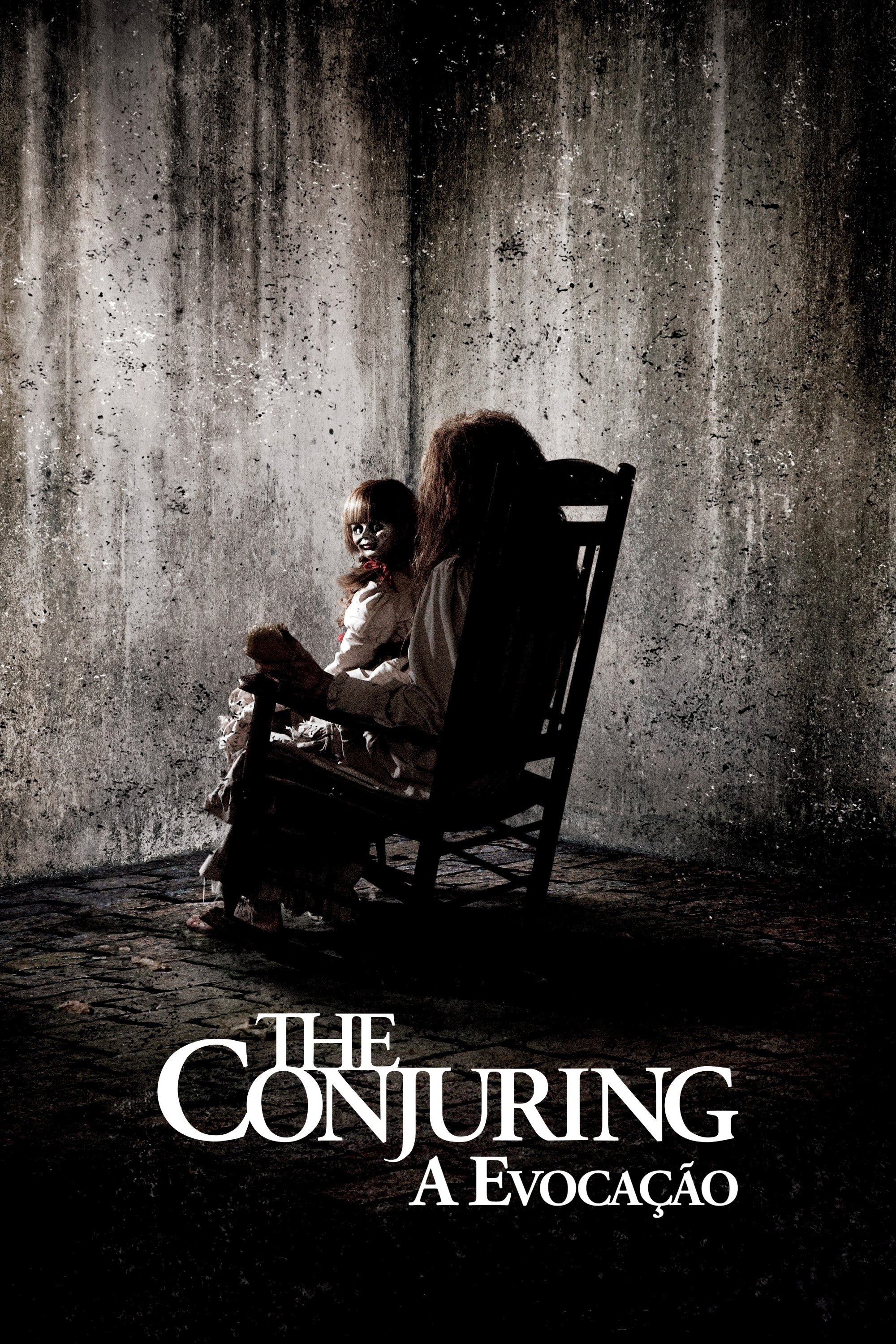
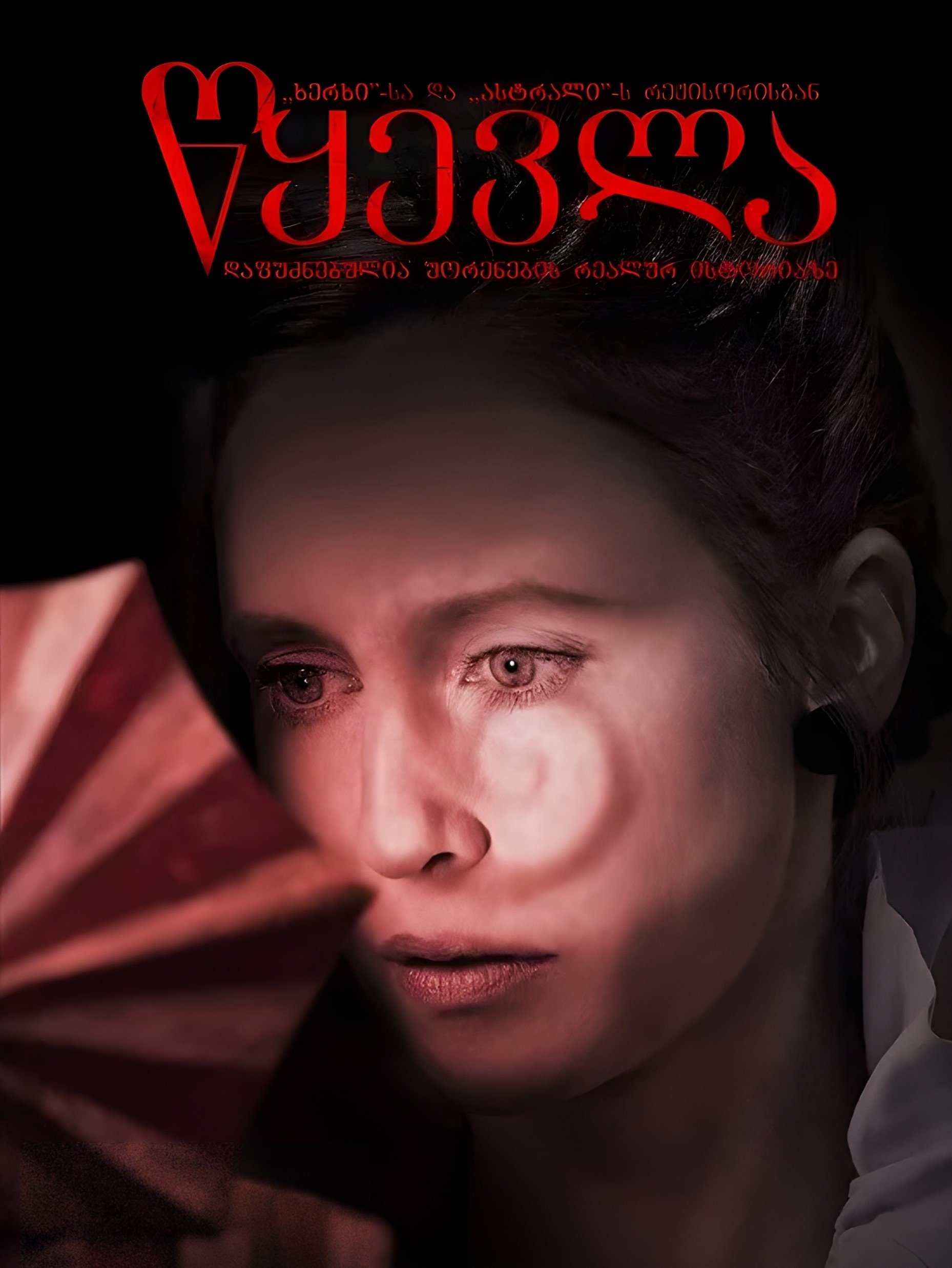
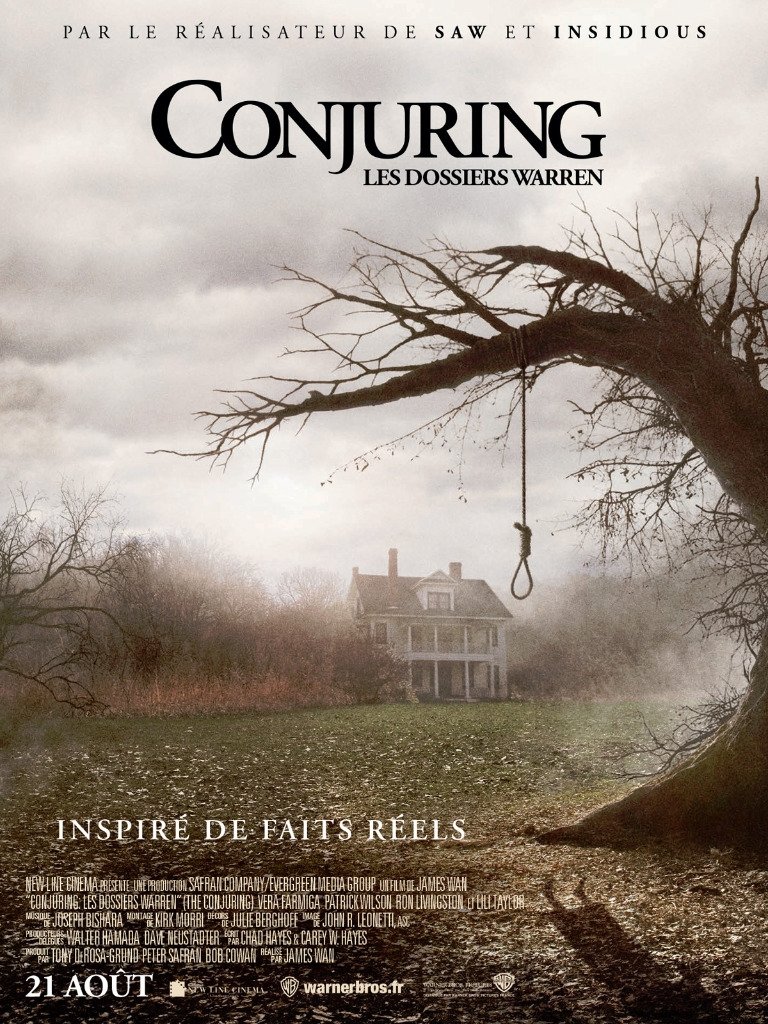
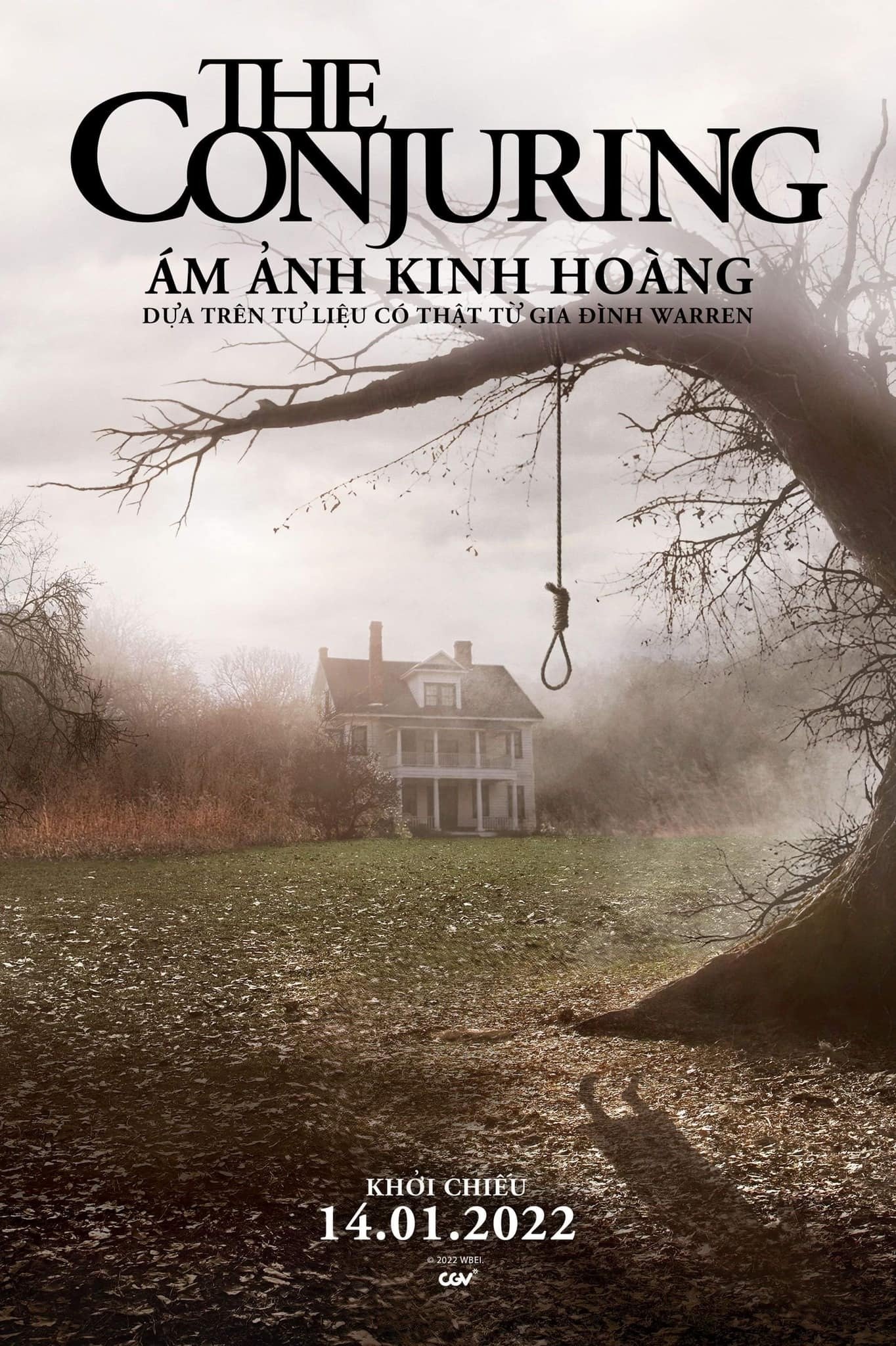
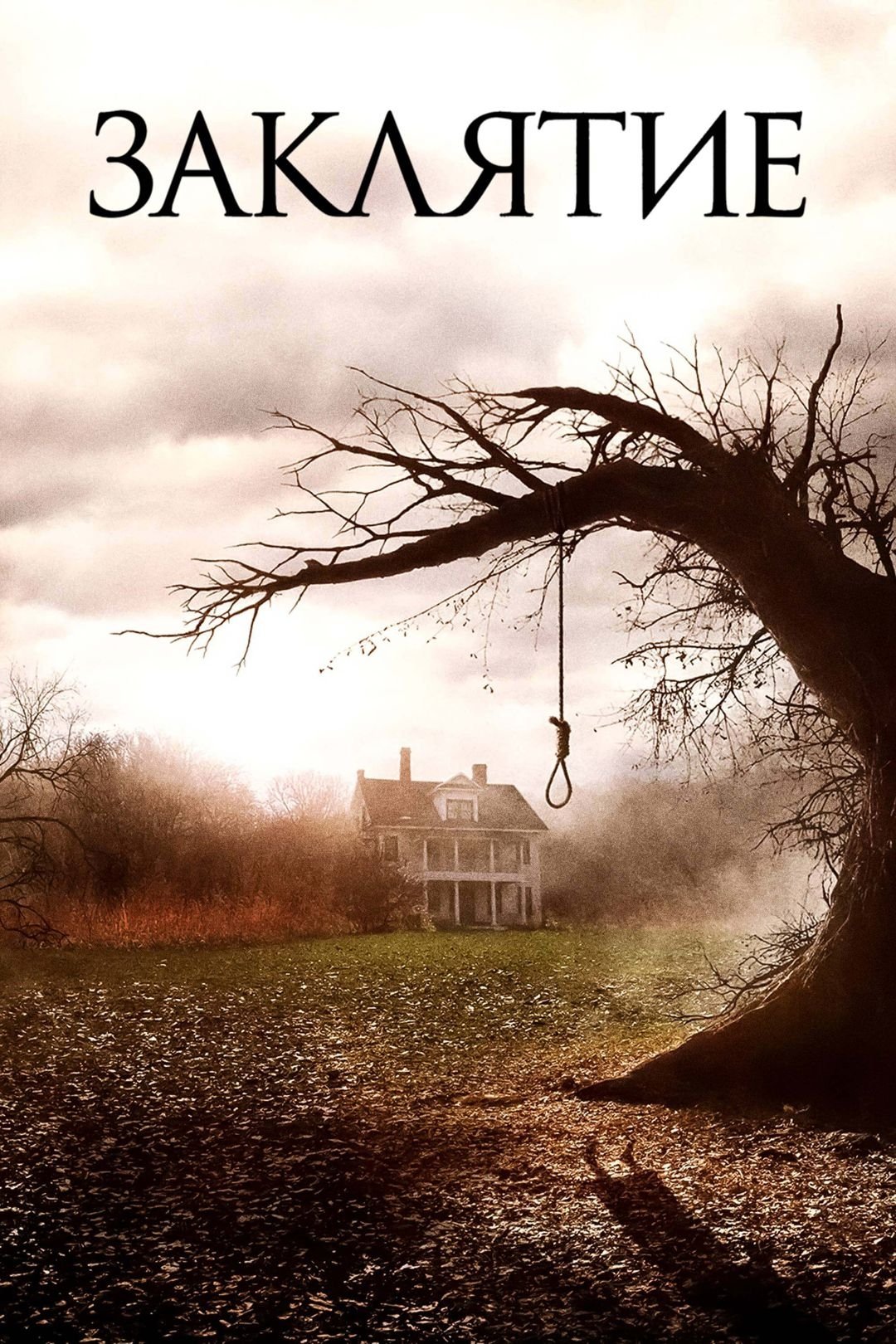
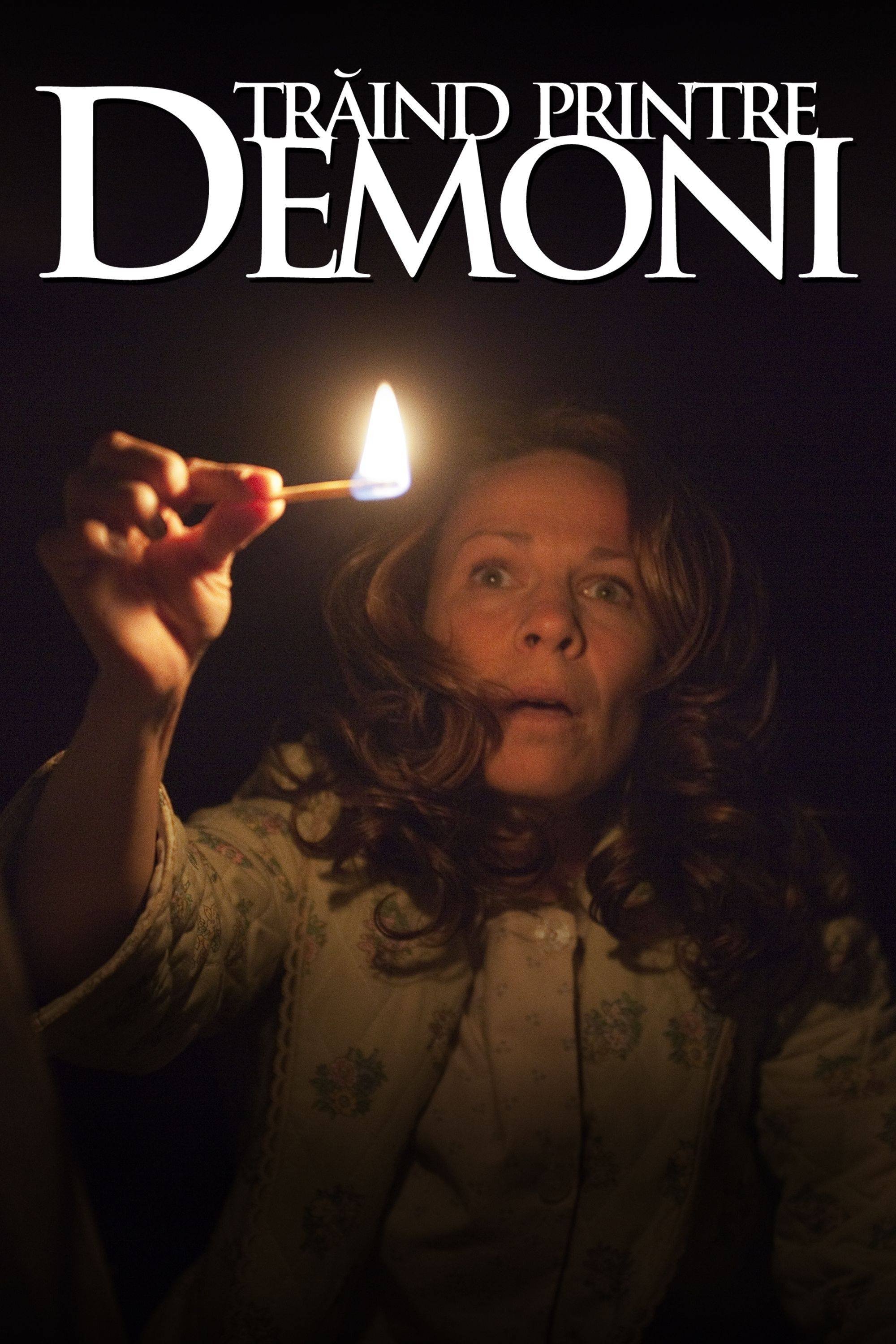
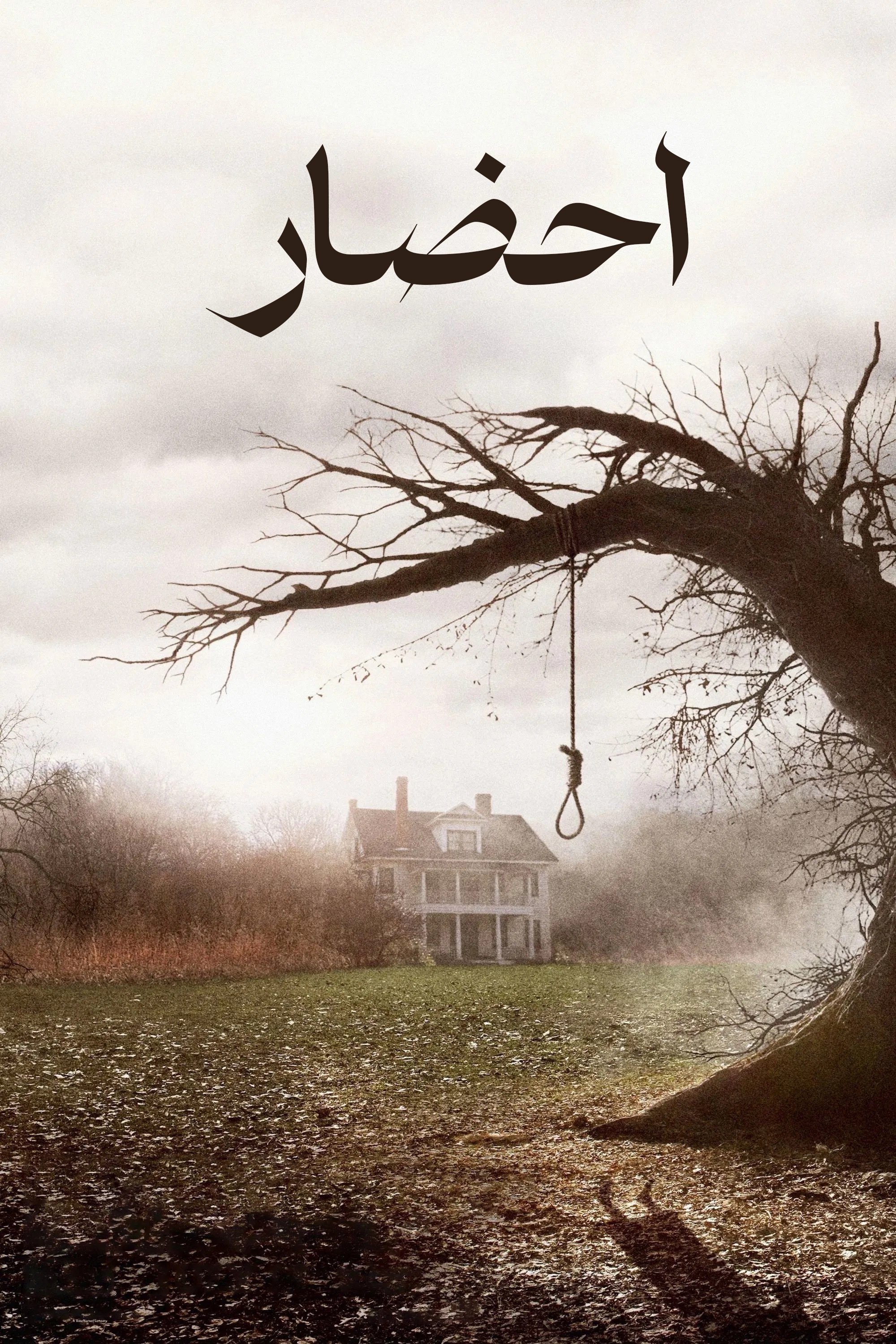
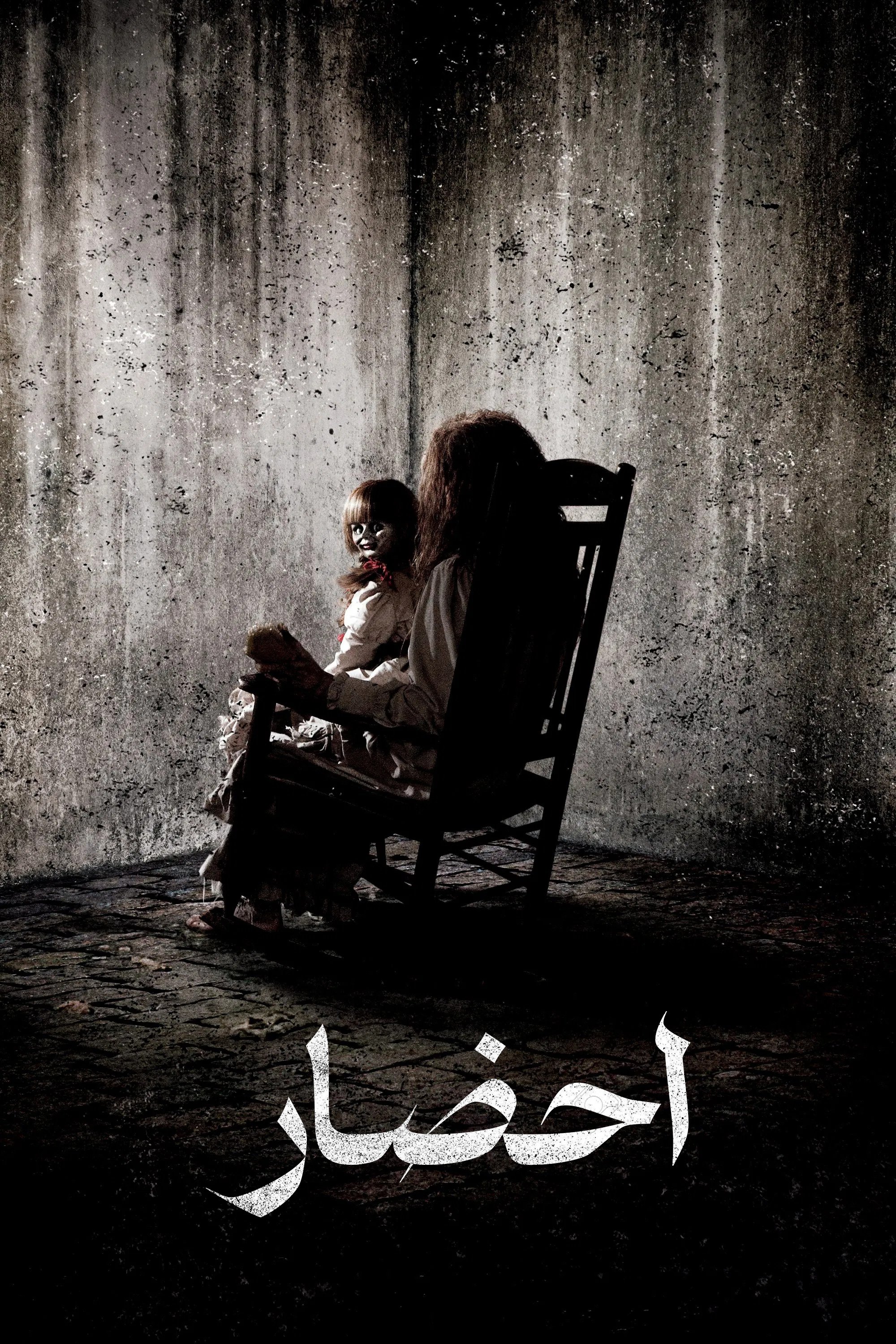
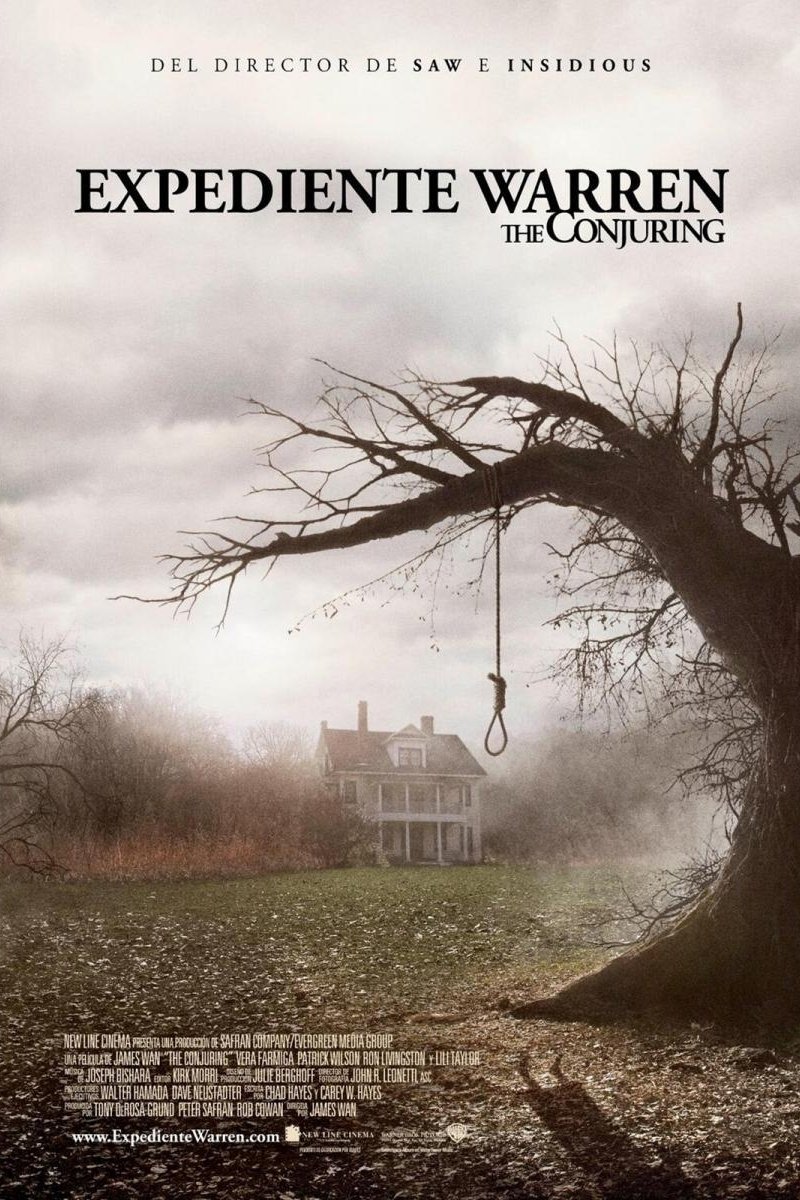
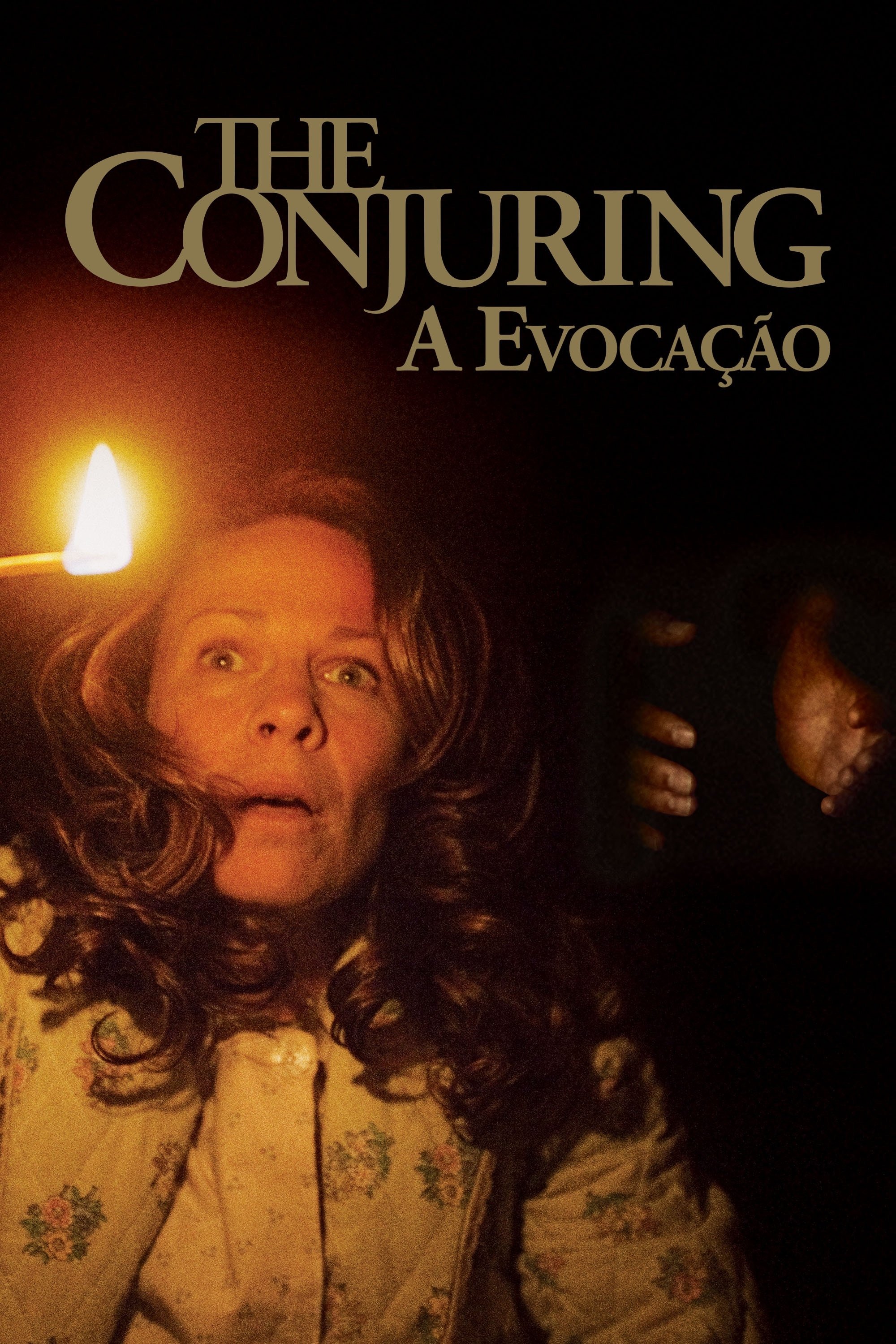
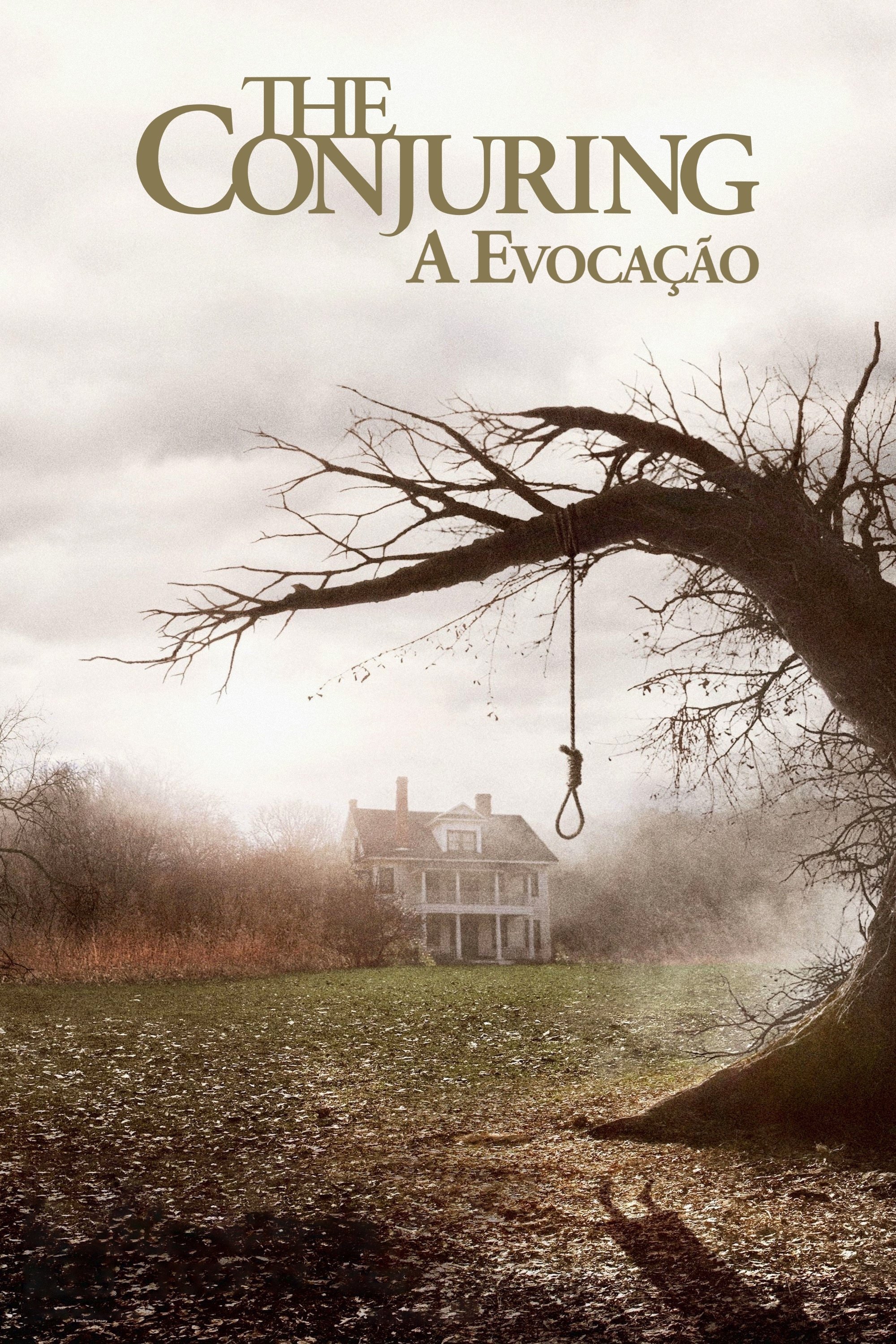
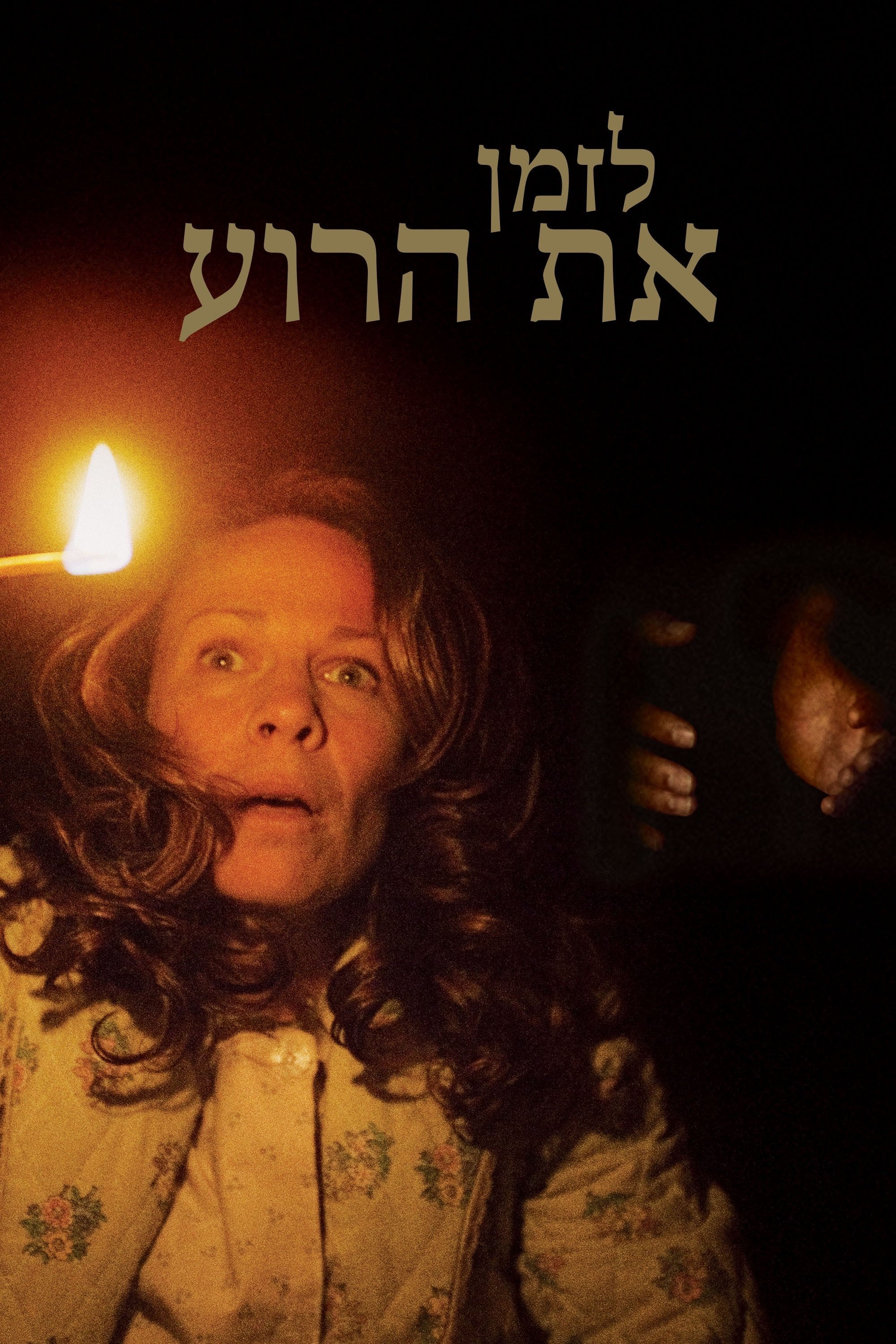
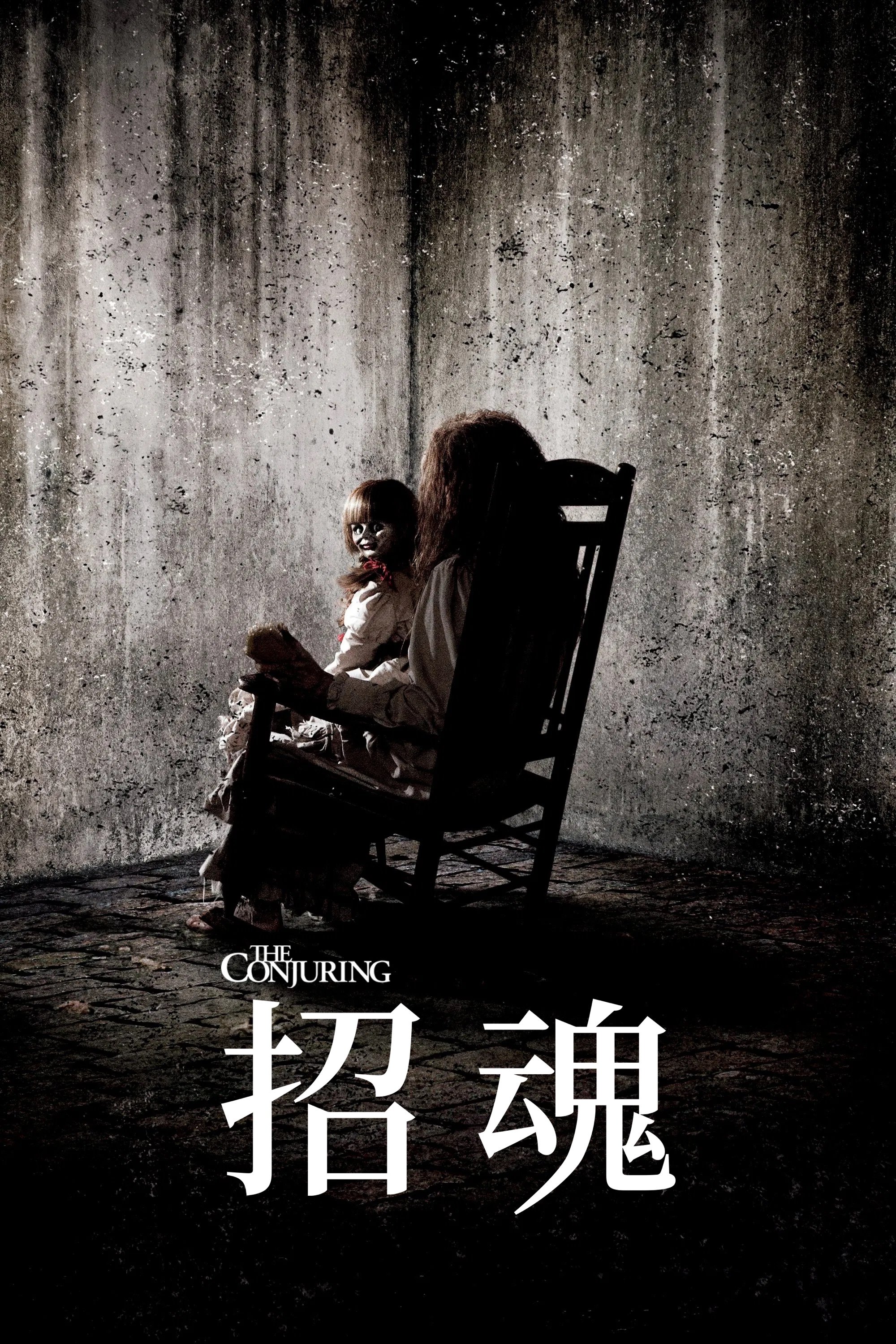
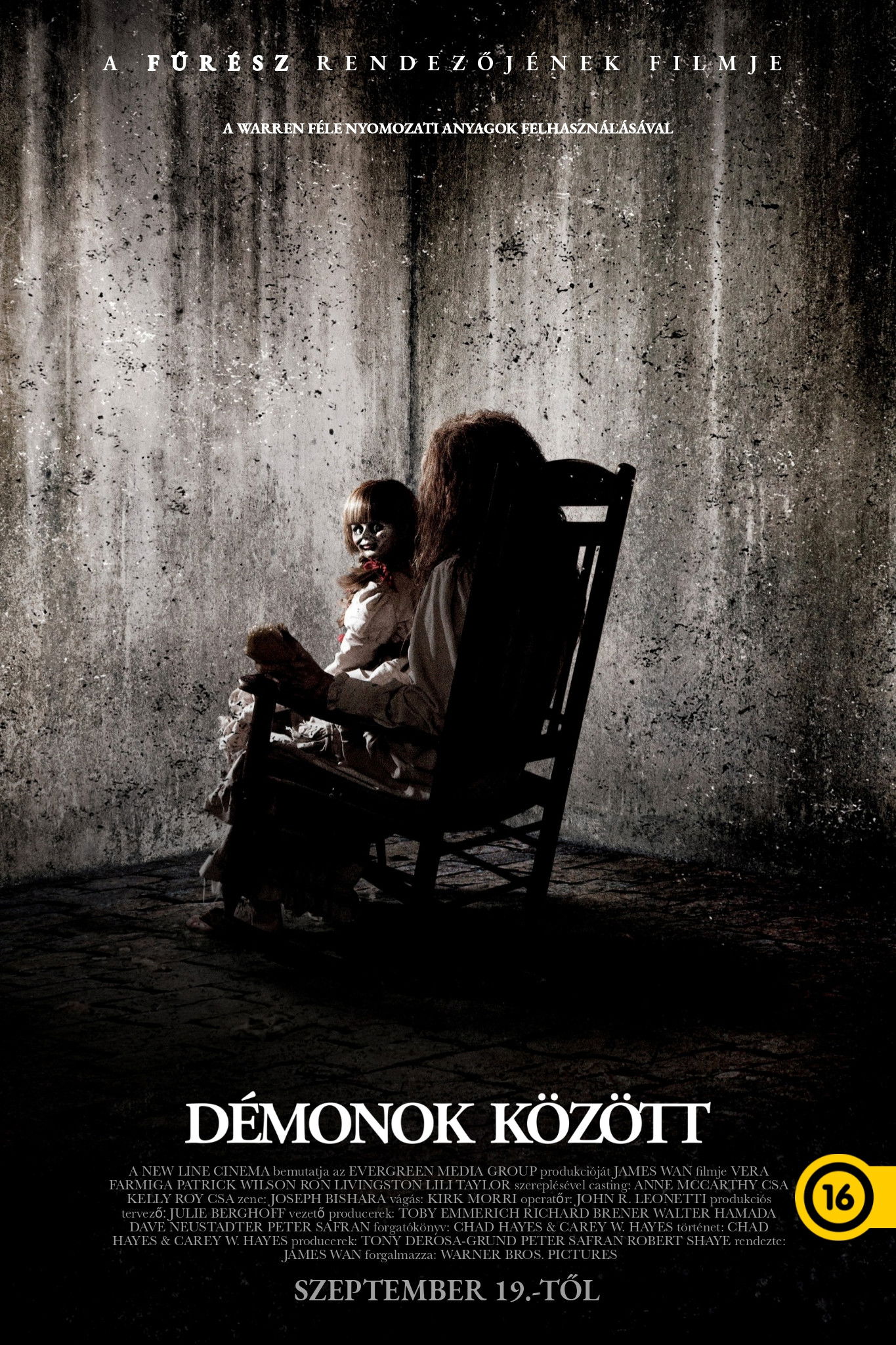
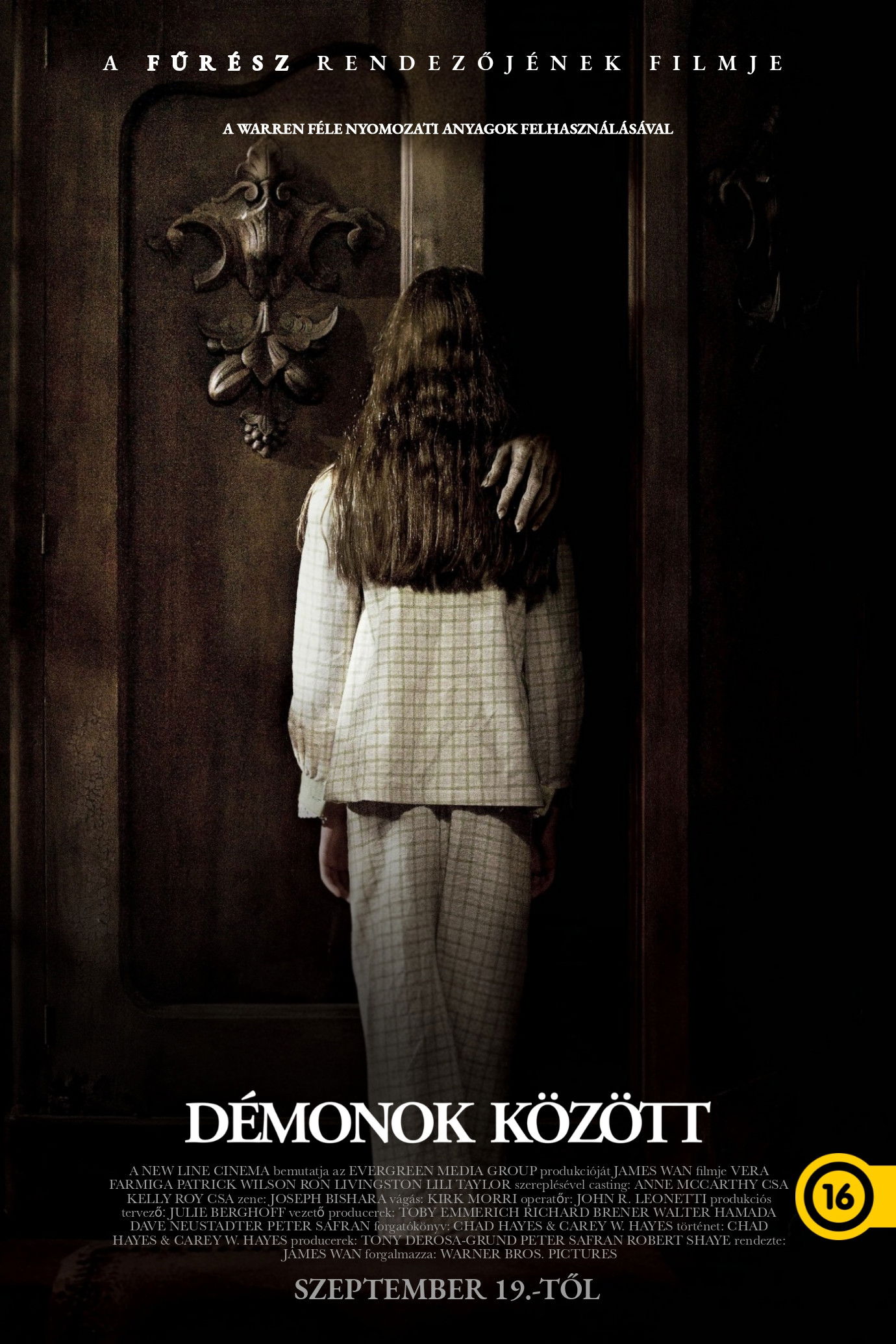
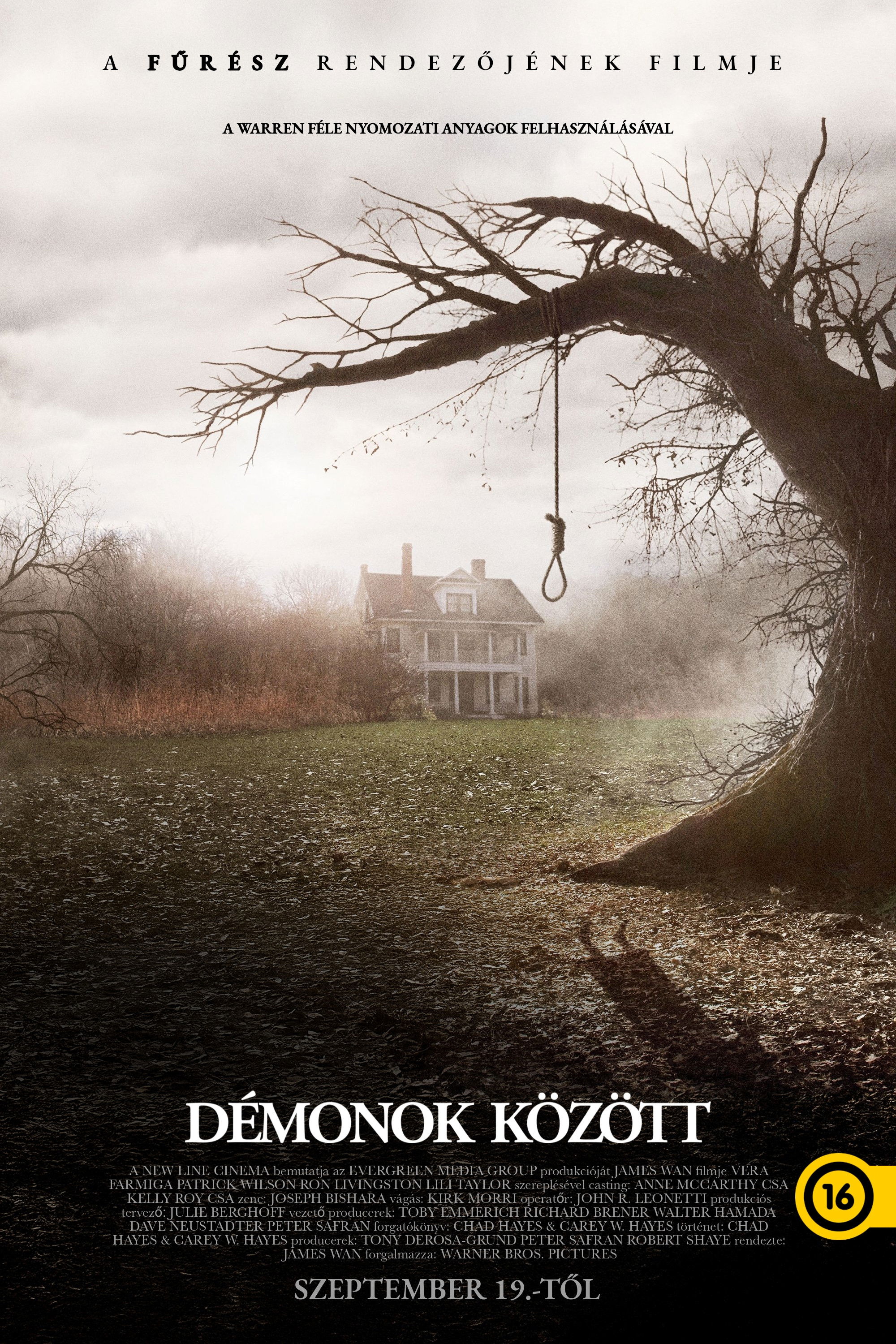
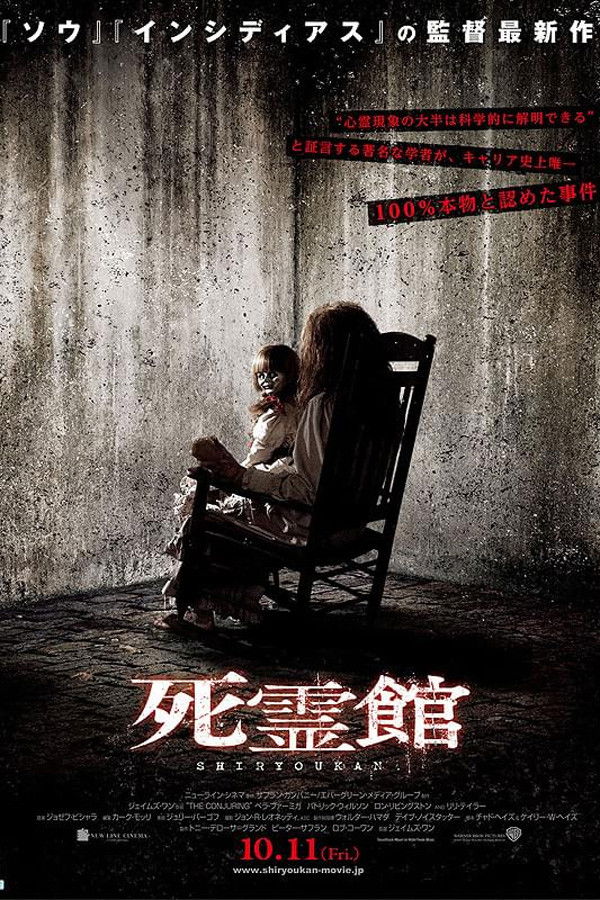
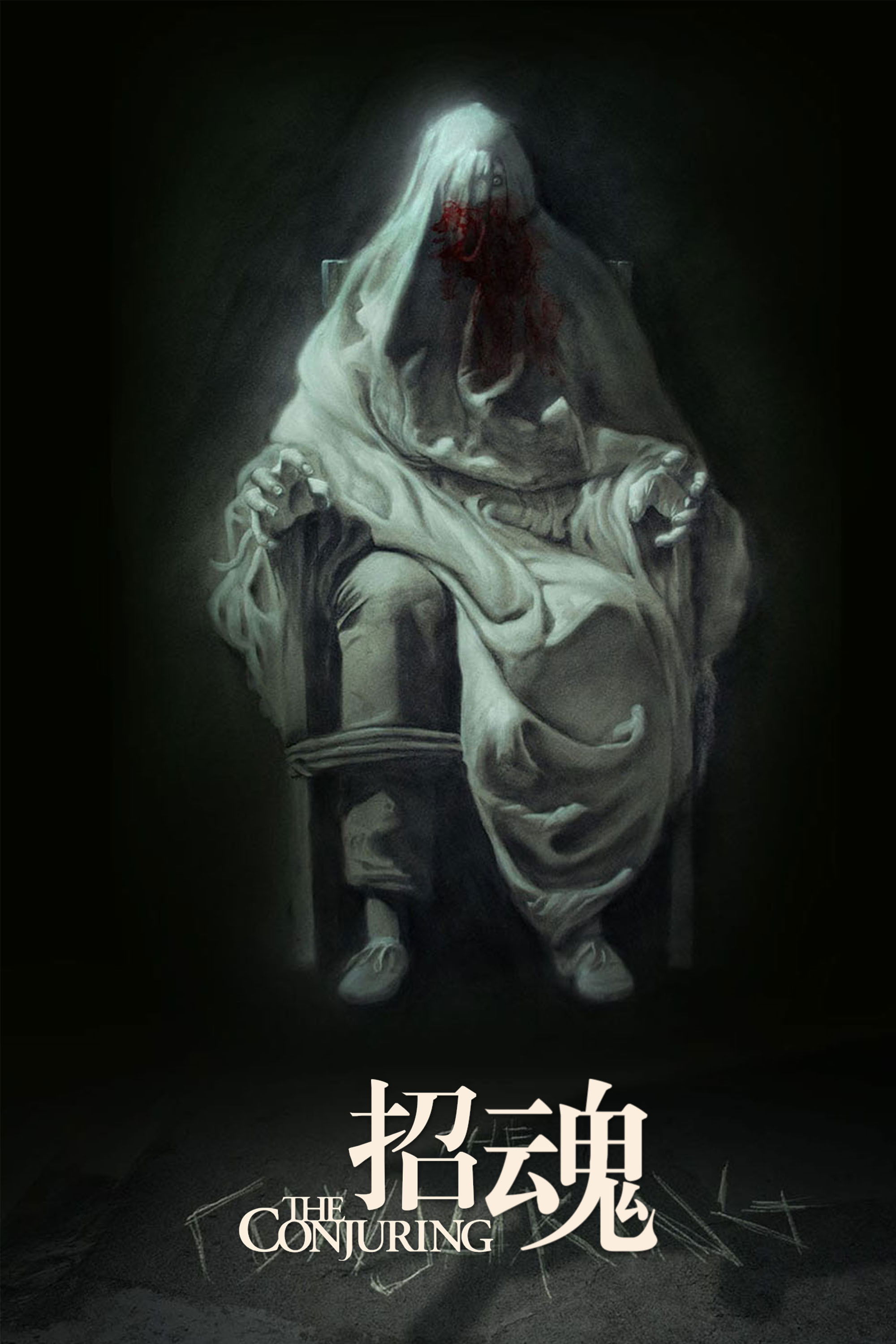
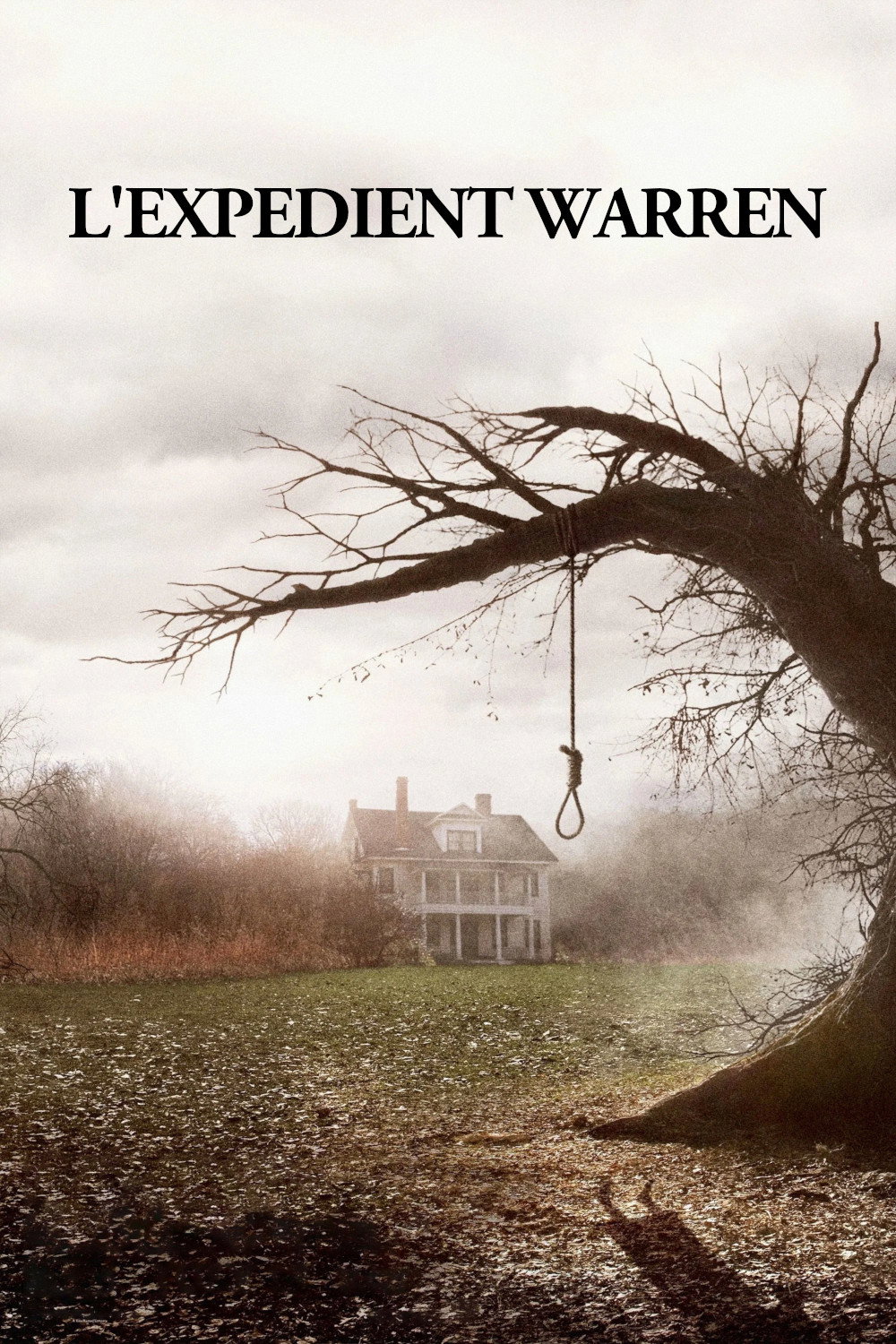
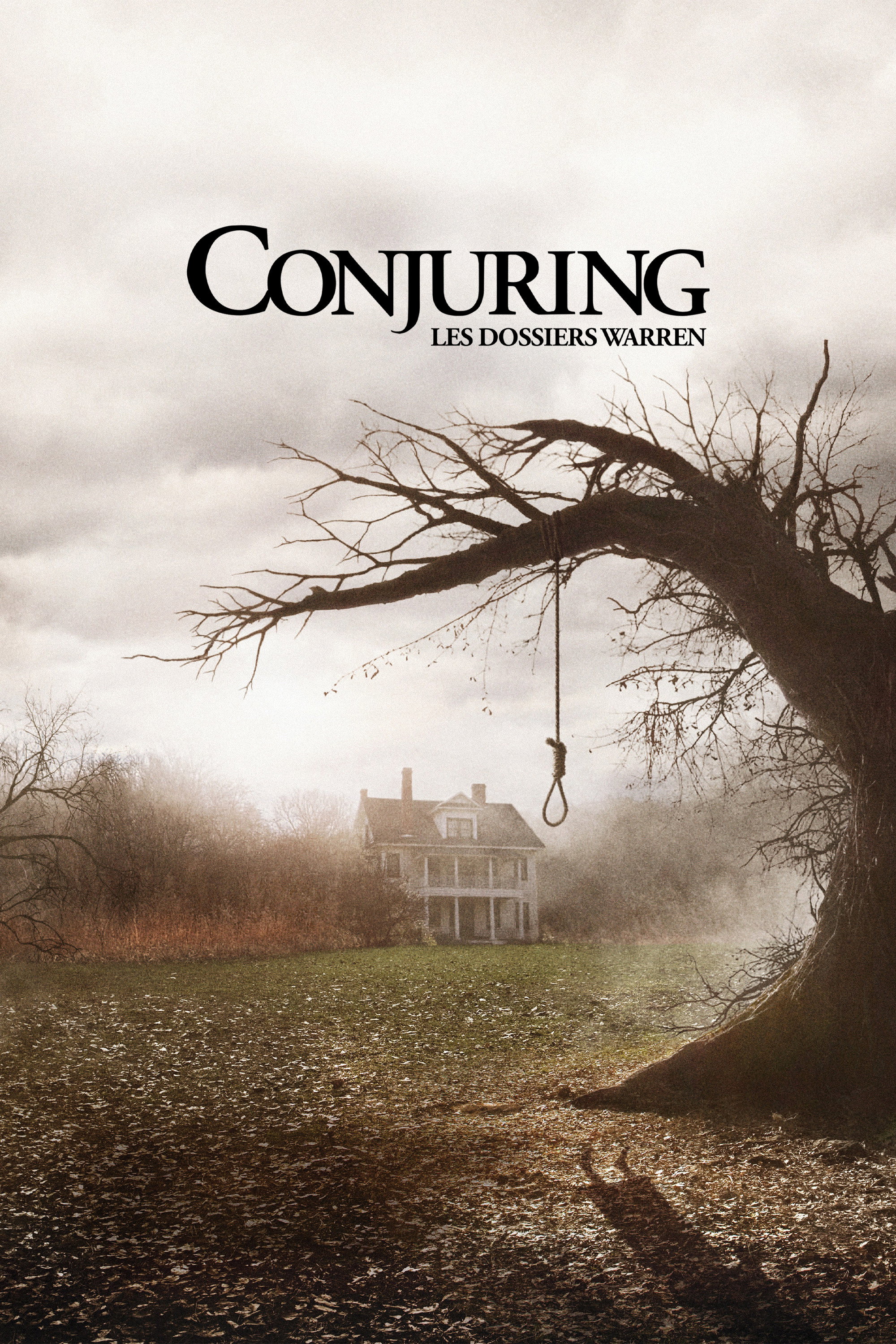
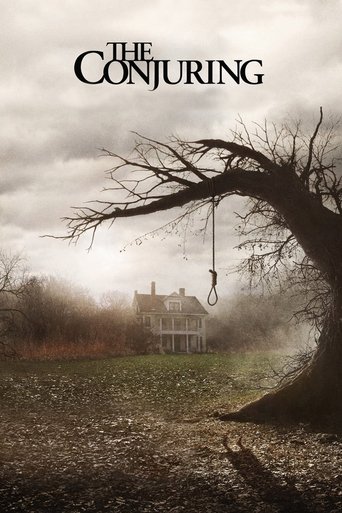
The Conjuring (2013) poster
Director
Production Companies
Evergreen Media Group , The Safran Company , New Line Cinema
Plot

In 1971, Roger and Carolyn Perron move with their five daughters into an old farmhouse in Rhode Island. Strange noises, unexplained bruises and increasingly frightening encounters convince Carolyn that the house is occupied by a hostile presence. As the disturbances begin to threaten the children, she turns to paranormal investigators Ed and Lorraine Warren. Their investigation uncovers a disturbing history connected to the property, while Lorraine senses that the danger may be focused on Carolyn herself. With the family's attempts to live normally becoming impossible, the Warrens search for a way to confront the force haunting the farmhouse.

Alternative Titles
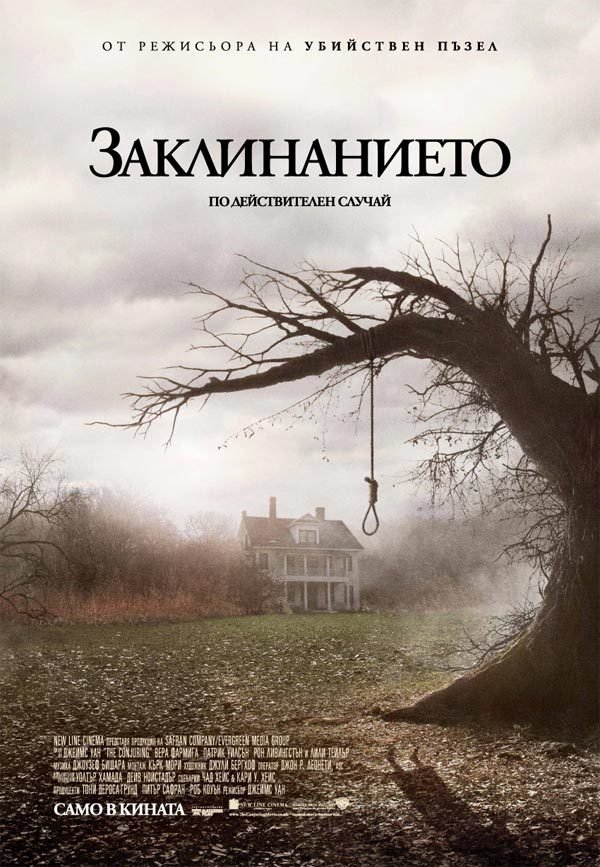
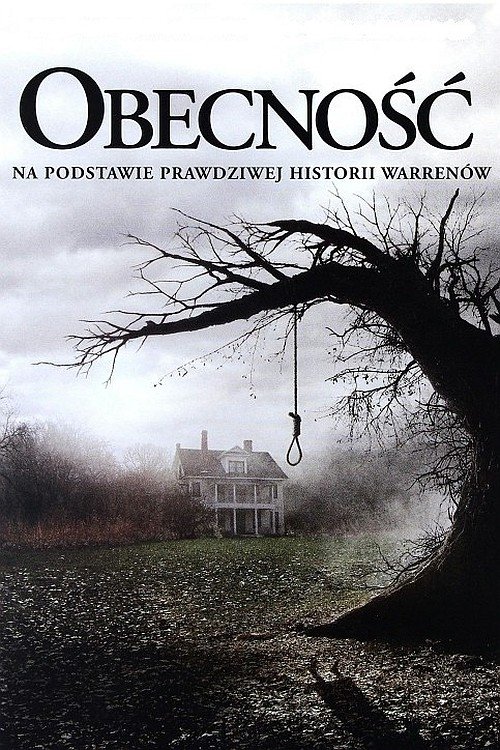
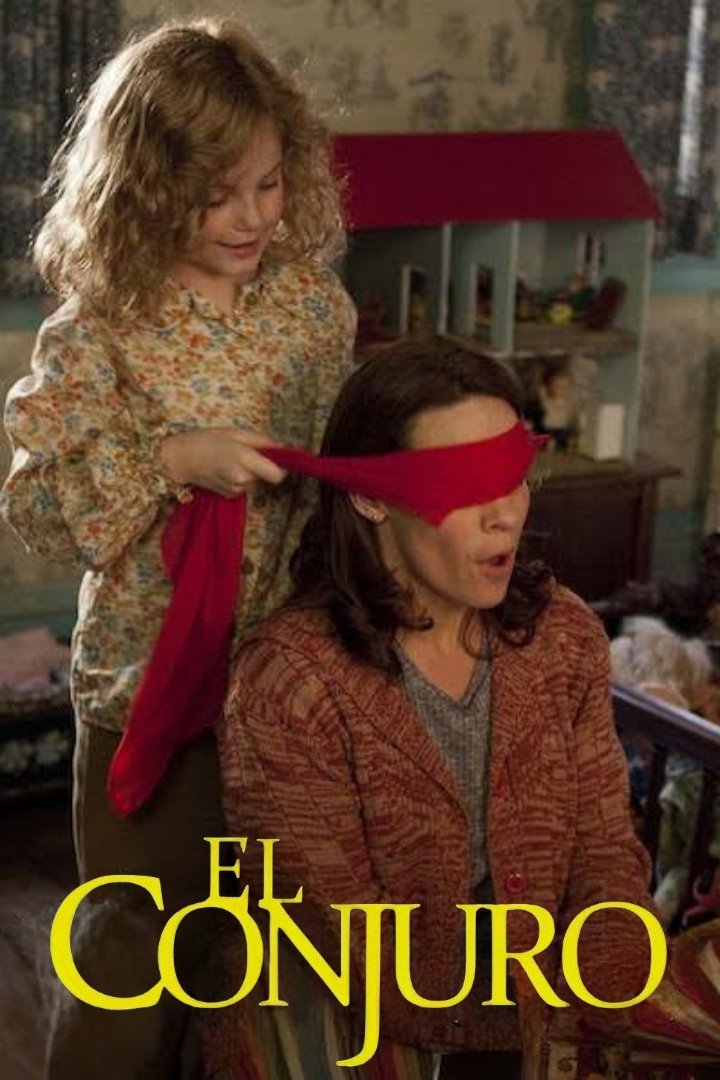
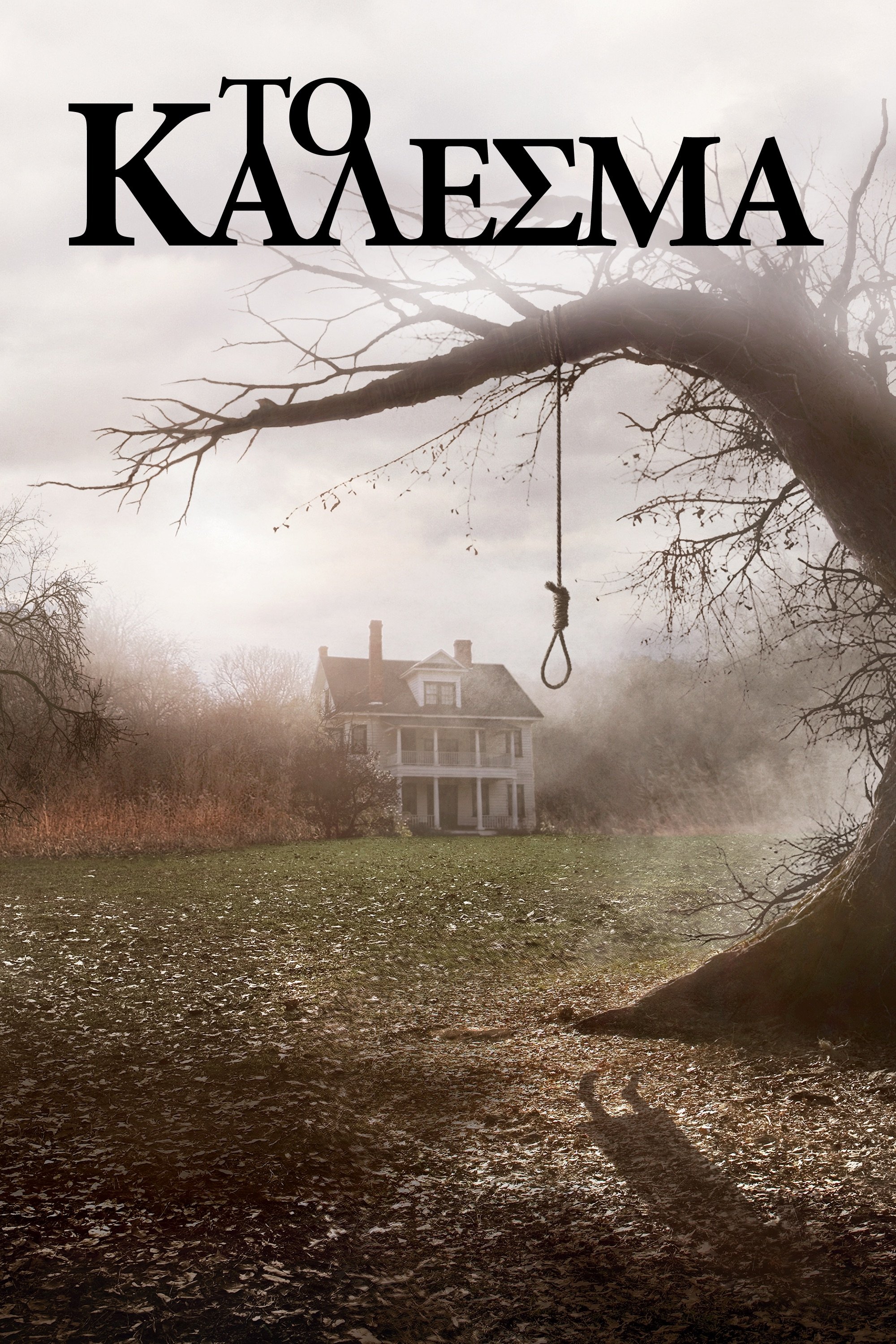
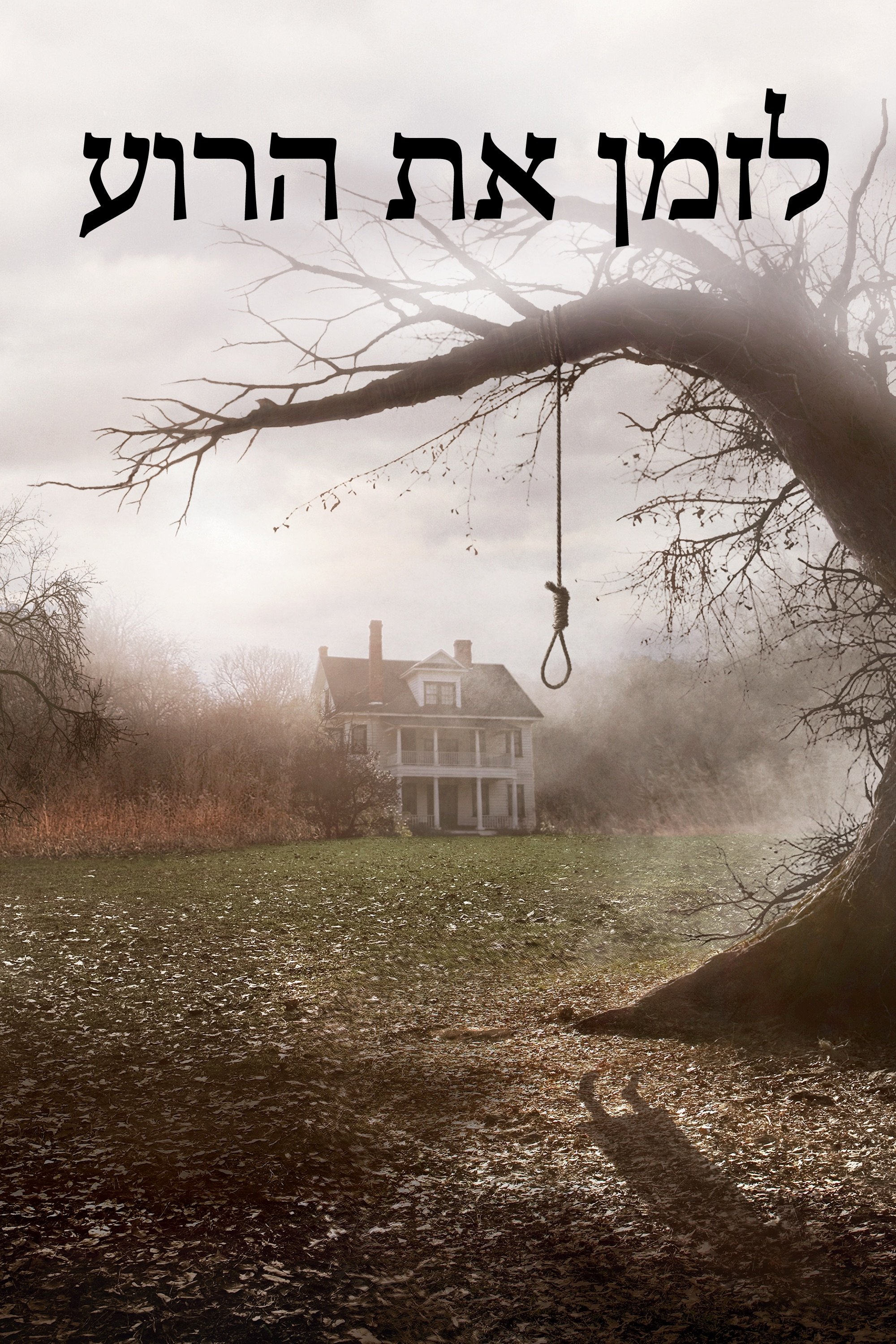
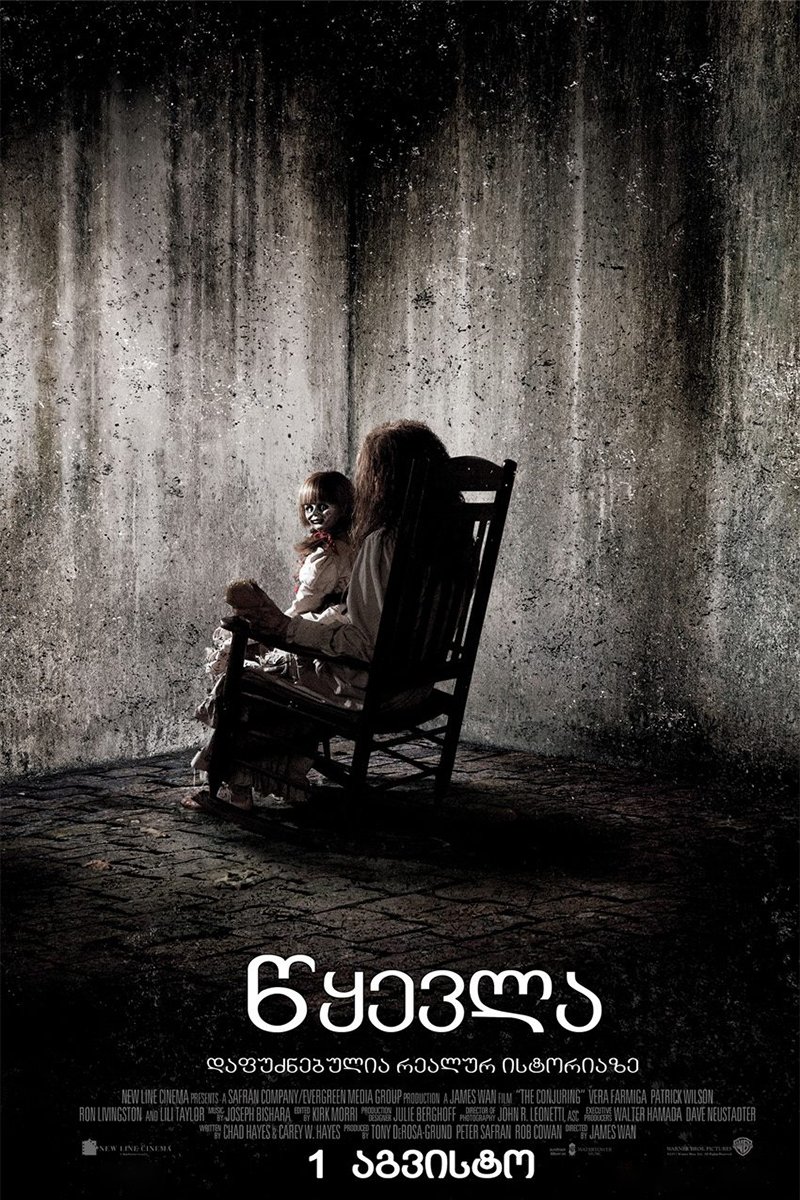
Dosjet Uorren (Albania) Անեծքը (Armenia) El Conjuro (Argentina) Conjuring: Die Heimsuchung (Austria) — German বাংলা (Bangladesh) I (Belgium) — Dutch Заклинанието (Bulgaria) Invocação do Mal (Brazil) — Portuguese
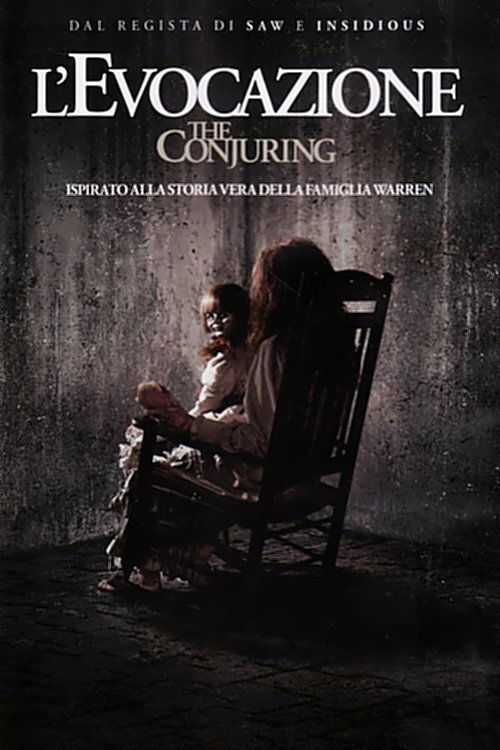
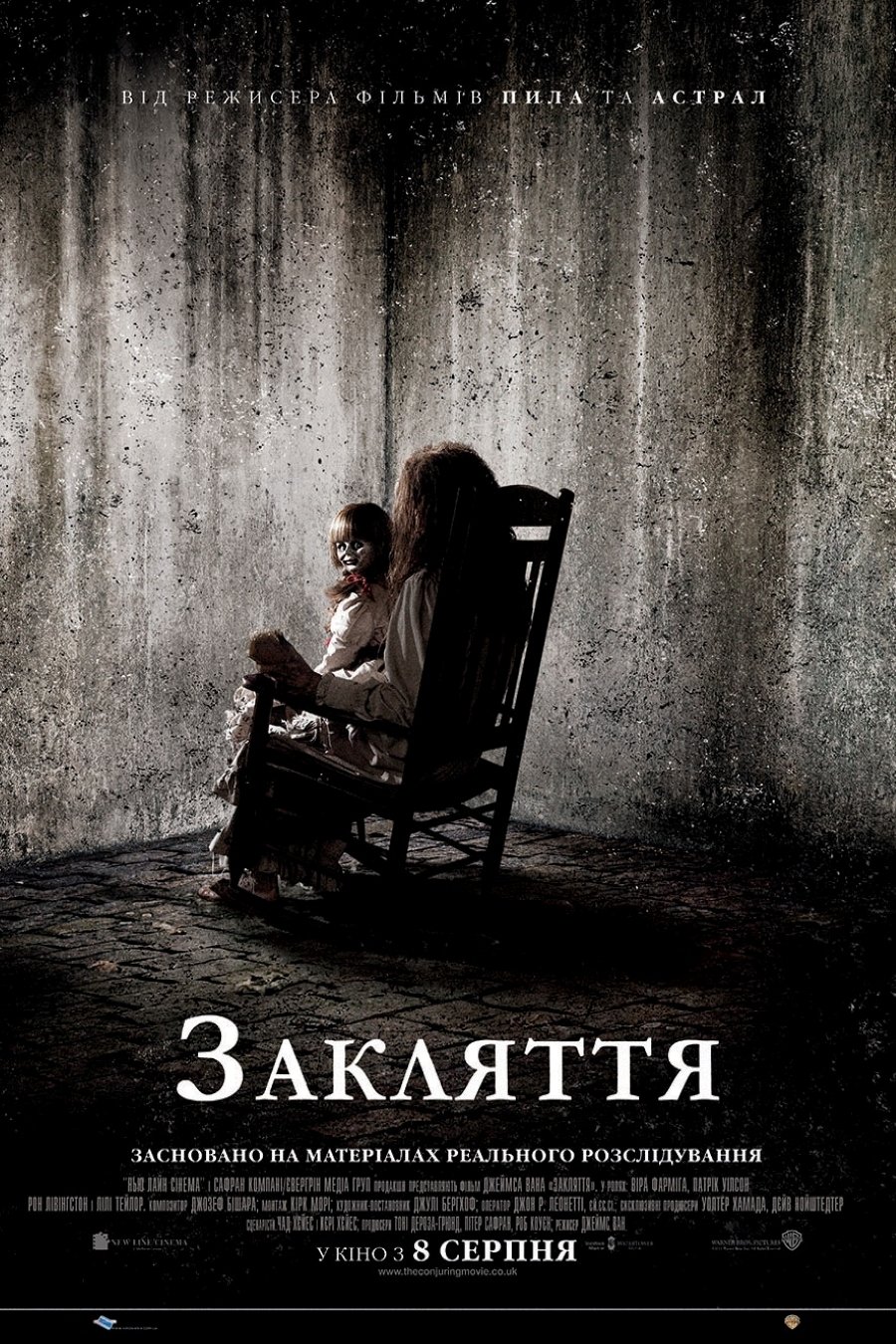
Show all 62 alternative titles La Conjuration (Canada) Conjuring: Die Heimsuchung (Switzerland) — German 古宅惊魂 (China) 招魂 (China) V Zajetí Démonů (Czechia) Conjuring - Die Heimsuchung (Germany) — German Conjuring – Die Heimsuchung (Germany) Nattens Dæmoner (Denmark) Kurja kutsumine (Estonia) — Estonian الشعوذه (Egypt) Expediente Warren (Spain) — Spanish L'expedient Warren (Spain) Warren fitxategia (Spain) — Basque Kirottu (Finland) Conjuring - Les Dossiers Warren (France) Conjuring : Les Dossiers Warren (France) — French Conjuring Les Dossiers Warren (France) Conjuring, Les Dossiers Warren (France) წყევლა (Georgia) — Georgian Το Κάλεσμα (Greece) 詭屋驚凶實錄 (Hong Kong SAR China) Prizivanja (Croatia) — Croatian Prizivanje (Croatia) Démonok Között (Hungary) לזמן את הרוע (Israel) द कॉन्जुरिंग (India) — Hindi ദ കോൺജൂറിങ്ങ് (India) احضار (Iran) L'evocazione - The Conjuring (Italy) 死霊館 (Japan) 컨저링 (South Korea) தி கான்ஜுரிங் (Sri Lanka) Išvarymas (Lithuania) Ļaunuma Izsaukšana (Latvia) Хараал (Mongolia) El Conjuro (Mexico) — Spanish Obecność (Poland) The Conjuring - A Evocação (Portugal) — Portuguese Trăind Printre Demoni (Romania) Prizivanje Zla (Serbia) Призивање зла (Serbia) — Serbian Заклятие (Russia) الشعوذة (Saudi Arabia) Priklicano zlo (Slovenia) — Slovenian V Zajatí Démonov (Slovakia) คนเรียกผี (Thailand) เดอะ คอนเจอริ่ง คนเรียกผี (Thailand) — Thai Korku Seansı (Türkiye) 厲陰宅 (Taiwan) — Chinese Закляття (Ukraine) The Untitled Warren Files Project (United States) — Working Title The Warren Files (United States) — Working Title Laʼnat (Uzbekistan) — Uzbek Ám Ảnh Kinh Hoàng (Vietnam)

Trailers & Videos

10 videos

Film Guide & Analysis

James Wan rebuilt the classical haunted-house film for a modern audience, combining period atmosphere, carefully controlled scares and a fictionalized version of the Perron family haunting into the foundation of one of contemporary horror's largest franchises.

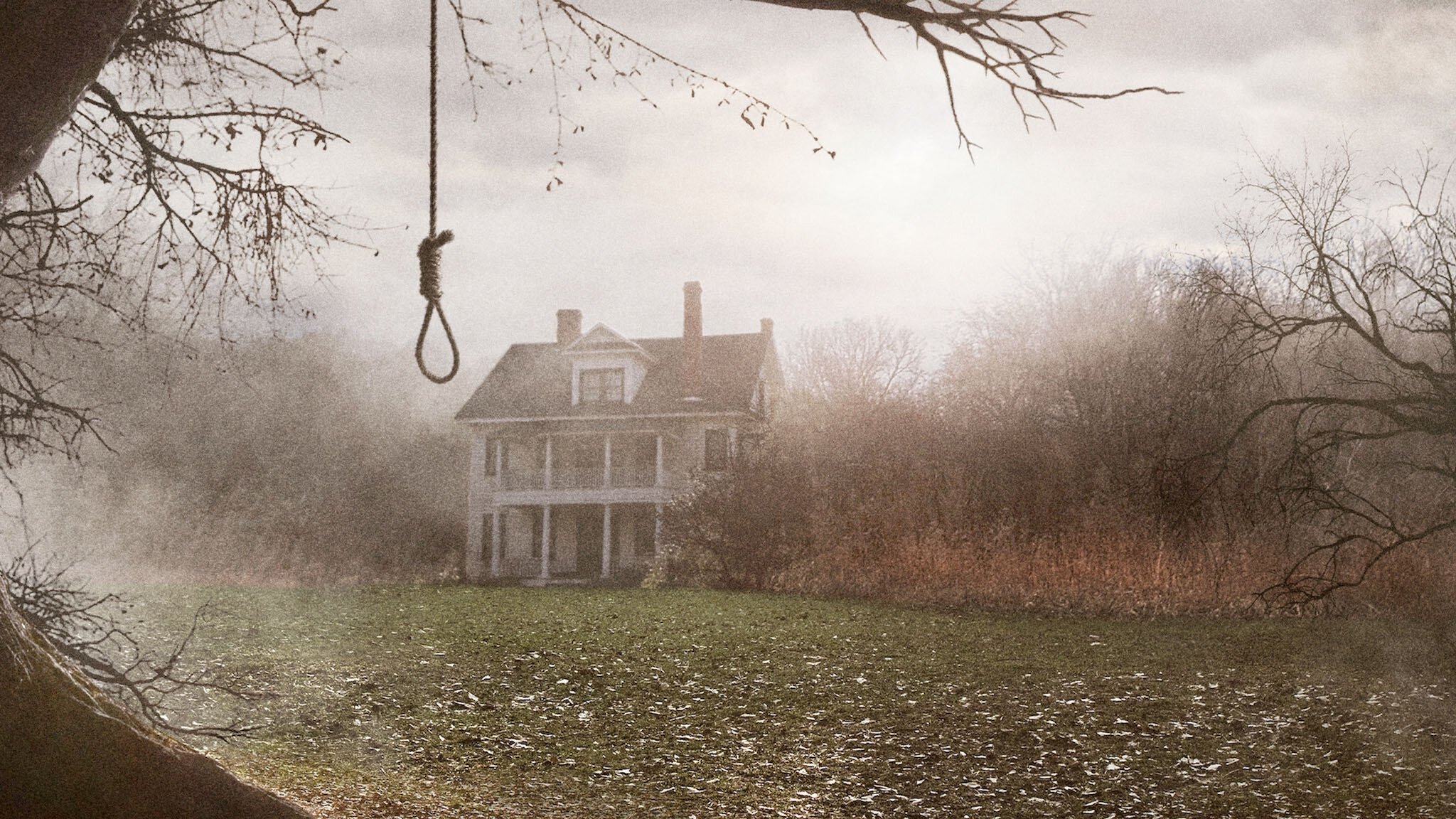
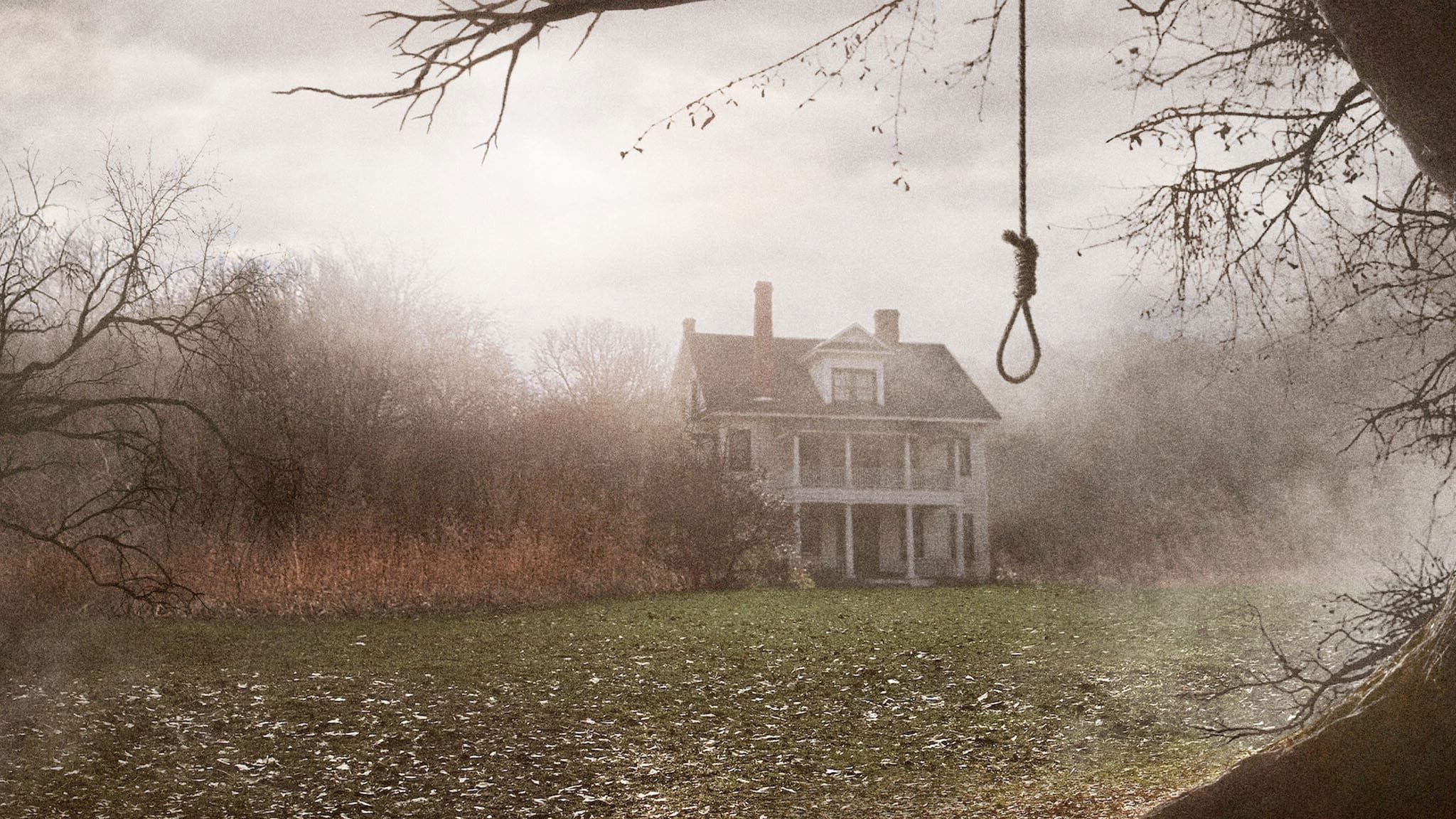
The Conjuring arrived in 2013 with a premise that deliberately looked backward. Rather than reinvent supernatural horror through found footage, aggressive digital imagery or graphic violence, James Wan returned to the architecture of the classical haunted-house film: an isolated family home, unexplained noises, doors opening by themselves, darkness beyond stairways and investigators attempting to understand forces they cannot see. What made the approach distinctive was not the novelty of those elements but the precision with which Wan reorganized them. The film repeatedly allows audiences to understand the geography of a room before introducing a disturbance, making empty space, silence and anticipation as important as any visible apparition.

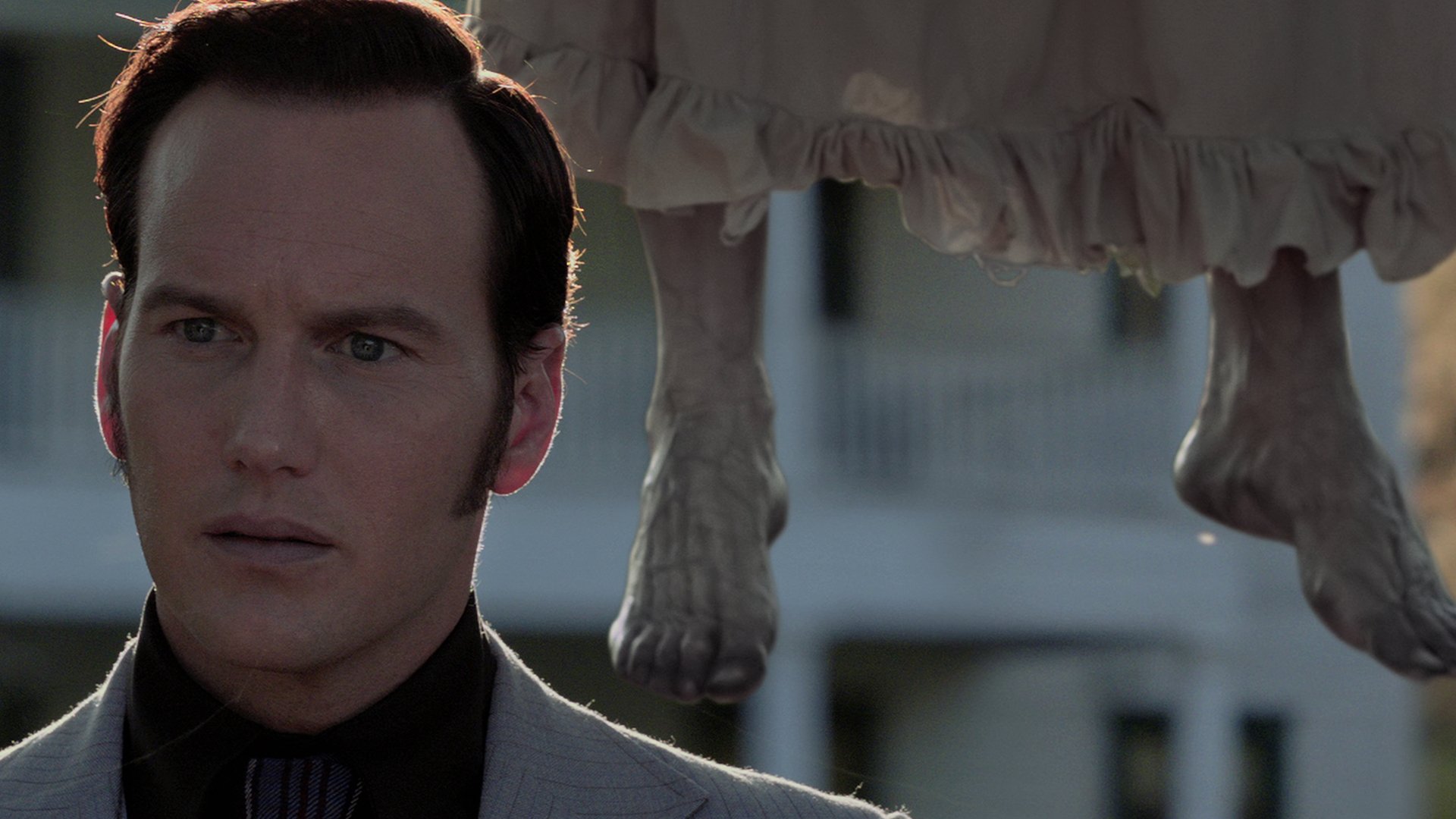
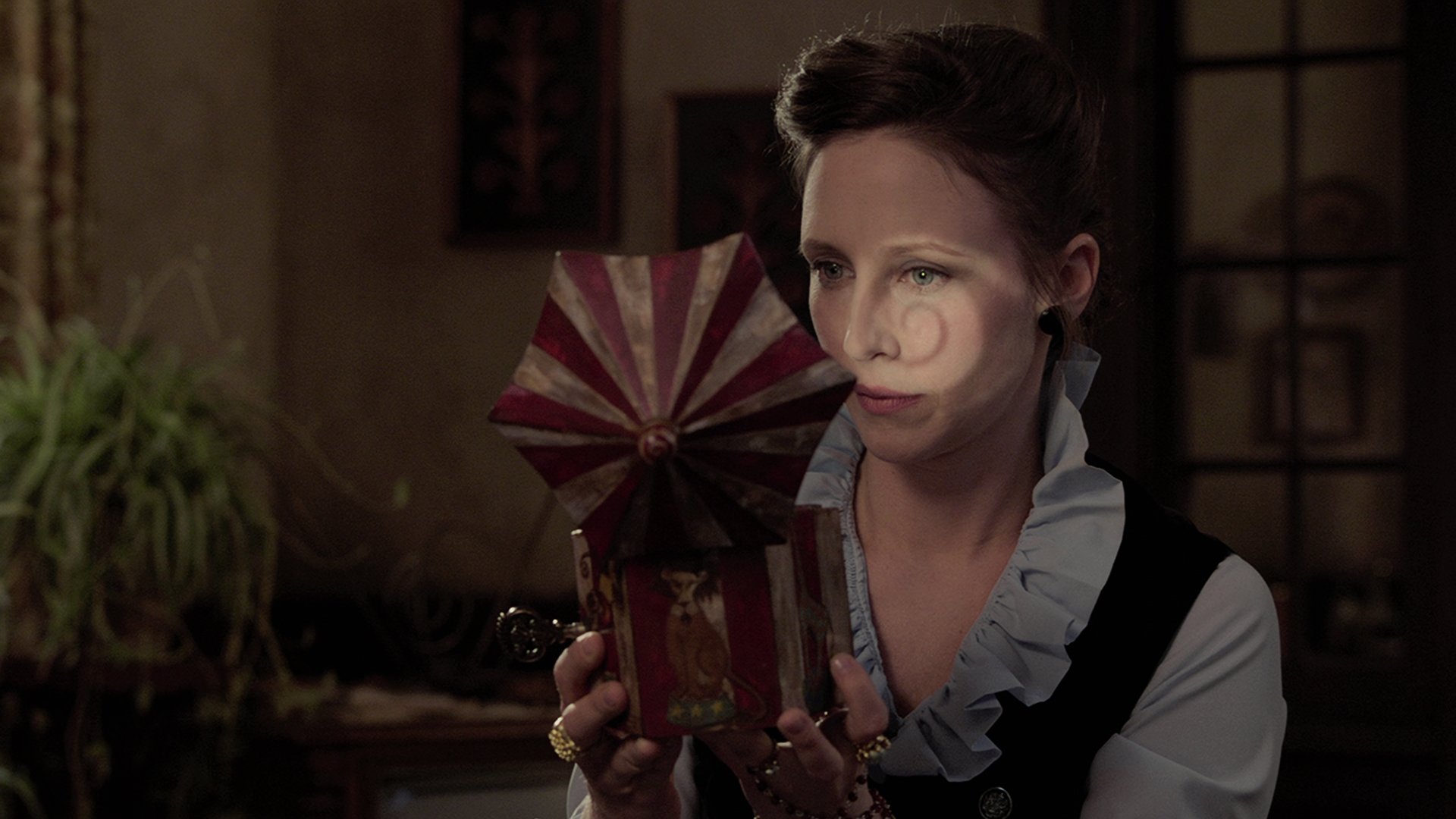
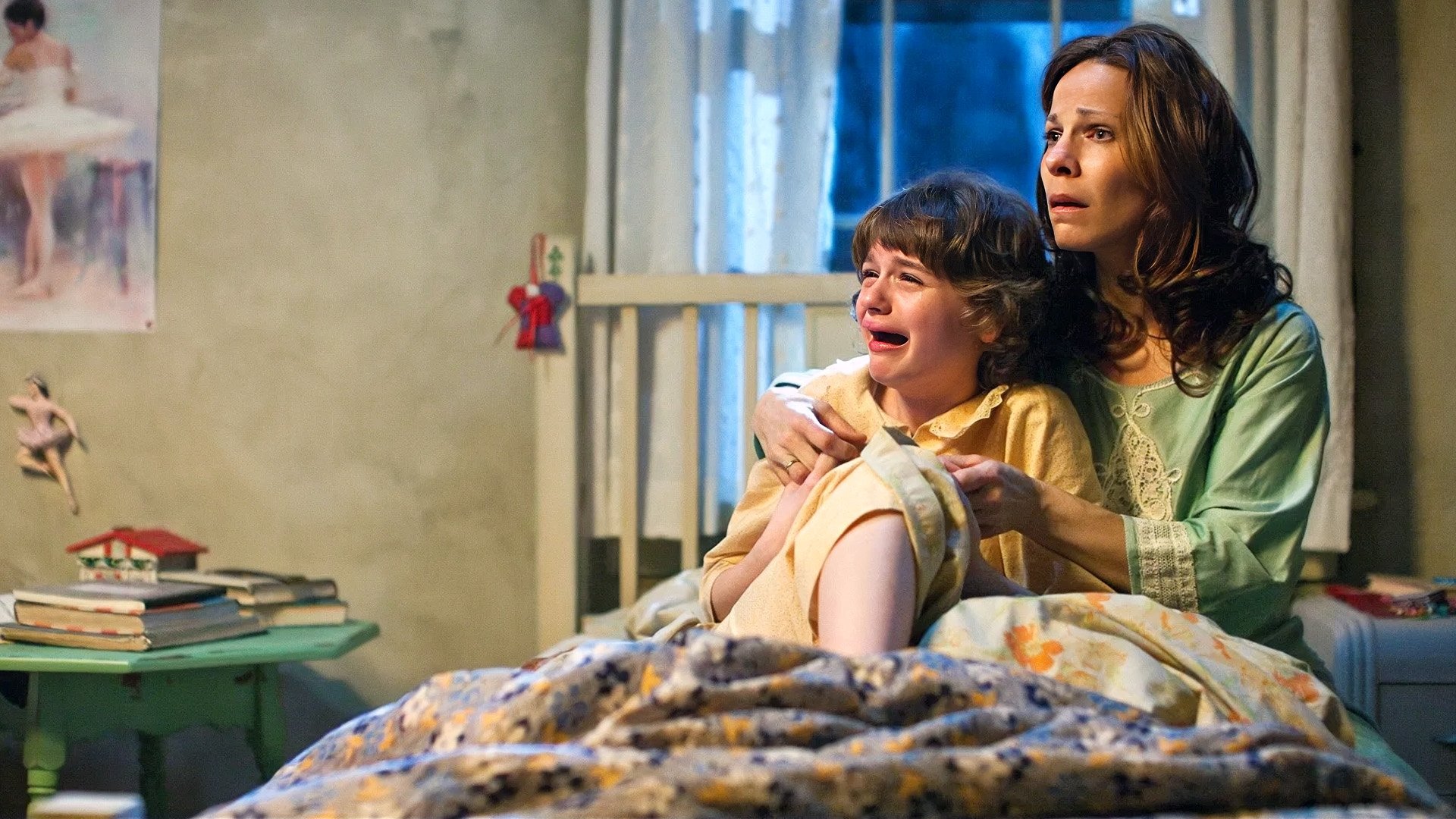
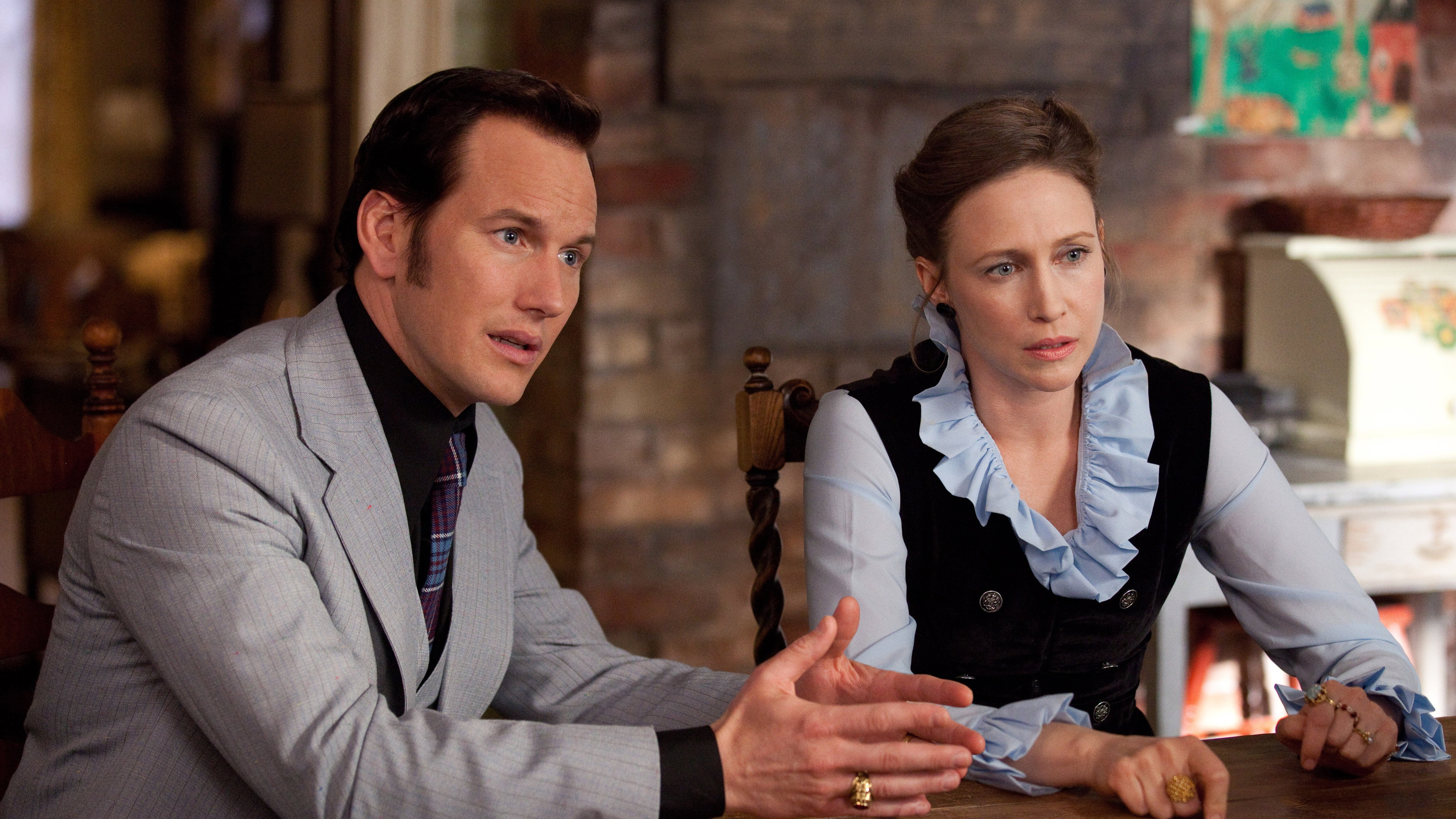
The story was inspired by paranormal claims made by the Perron family and by investigators Ed and Lorraine Warren, but The Conjuring is a dramatized horror film rather than a historical reconstruction. Roger and Carolyn Perron really did move with their five daughters into a Rhode Island farmhouse in 1971, and the Warrens later visited the property after the family reported unusual experiences. The film builds a much more definite supernatural mythology around those accounts, particularly through its depiction of Bathsheba Sherman. That fictionalization proved extraordinarily effective as cinema. With Patrick Wilson and Vera Farmiga establishing the Warrens as recurring protagonists, the movie transformed a self-contained haunted-house narrative into the foundation of an interconnected horror franchise while helping establish a dominant visual and narrative model for studio supernatural horror throughout the following decade.

Development and the Warrens

The project developed over many years before reaching James Wan. Early versions centered more conventionally on the Perron family and the phenomena they reported inside their farmhouse. Screenwriters Chad and Carey Hayes later recalled receiving a treatment through producer Peter Safran and finding the basic haunting effective but familiar. Their crucial suggestion was to change the dramatic point of view. Ed and Lorraine Warren appeared in the material primarily as investigators arriving to help the family, but the Hayes brothers recognized that people who voluntarily entered supposedly haunted locations could provide a different kind of protagonist. Asking what might frighten professional paranormal investigators became one of the screenplay's organizing ideas.

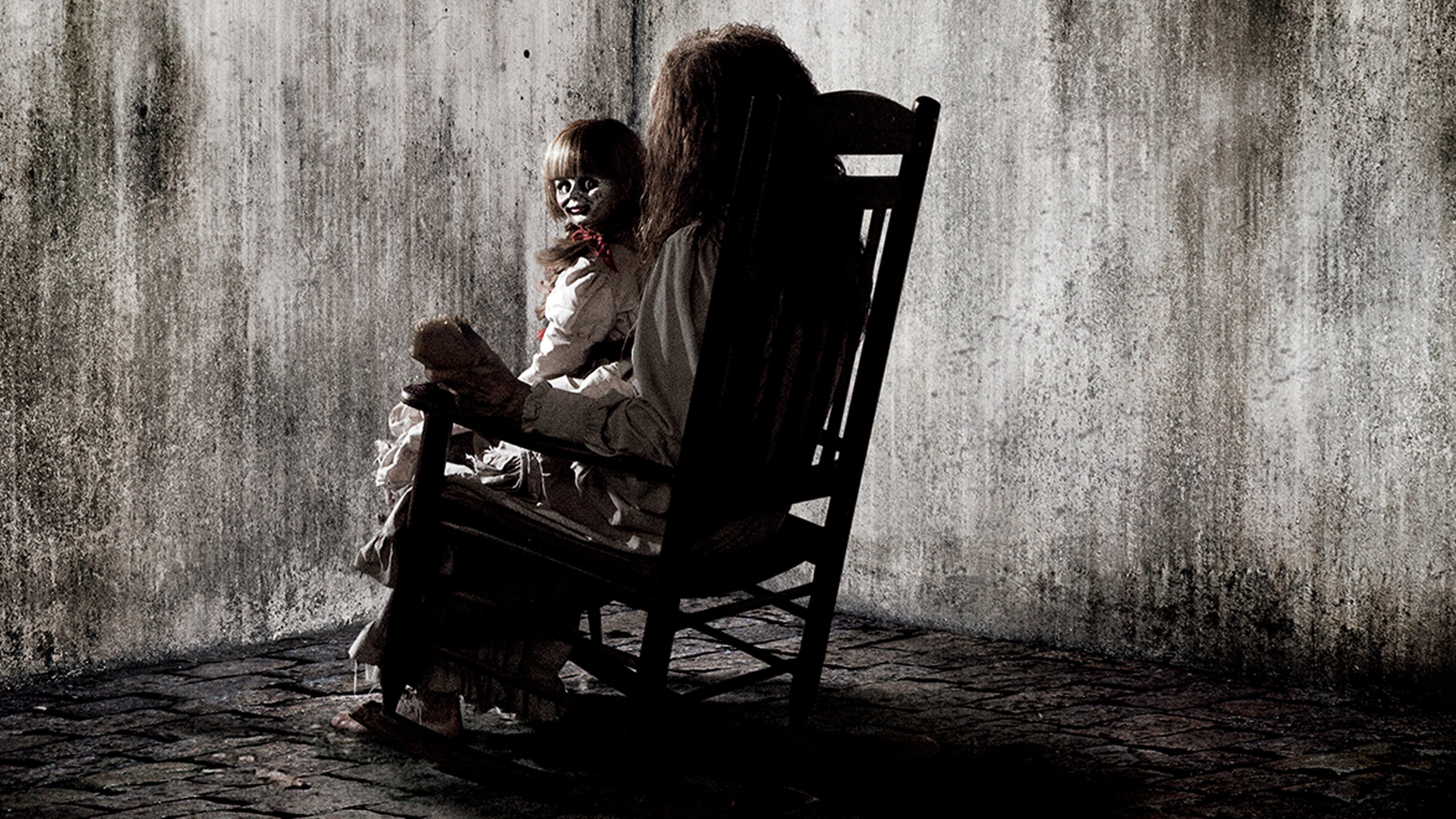
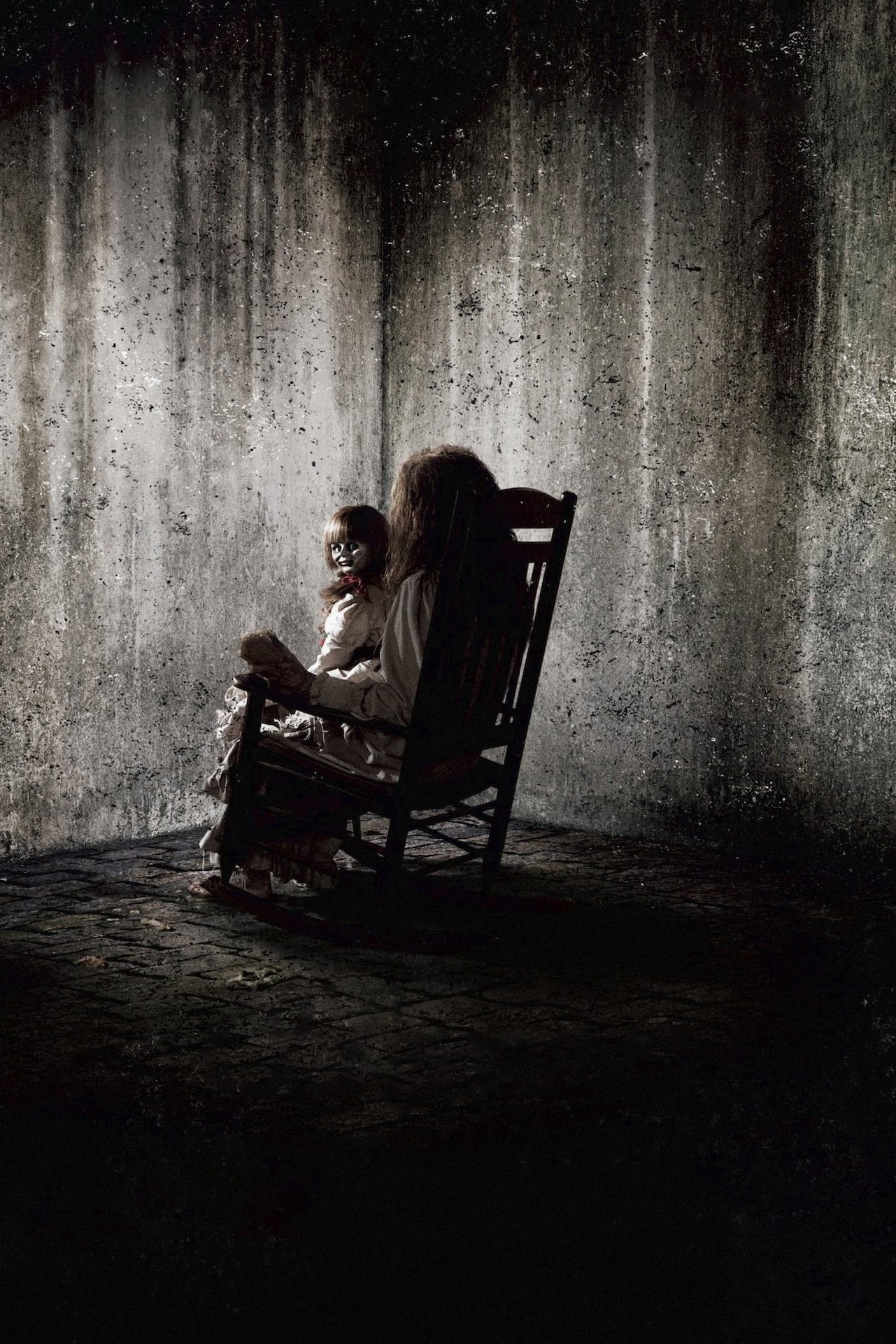
The change also created possibilities extending beyond a single case. The writers understood early that the Warrens' numerous investigations could potentially support additional stories, while their marriage provided the film with a stable emotional center. The final narrative consequently alternates between the Perron household and the Warrens rather than treating the investigators merely as specialists who appear during the climax. Ed and Lorraine are introduced through the Annabelle case, establishing both their methods and the existence of a larger world of supernatural incidents before the film moves to Rhode Island.

Wan was attracted to the possibility of treating the material as a mature period ghost story. He described the project as an opportunity to work with familiar haunted-house conventions while giving them a different texture through the early-1970s setting, production design, photography and practical effects. The objective was not to pretend that audiences had never seen doors close by themselves or heard noises inside an old house. Instead, Wan concentrated on timing, character and spatial control, treating established genre mechanisms as tools that could still work if presented with enough discipline.
The Perron Case and the Fictional Bathsheba

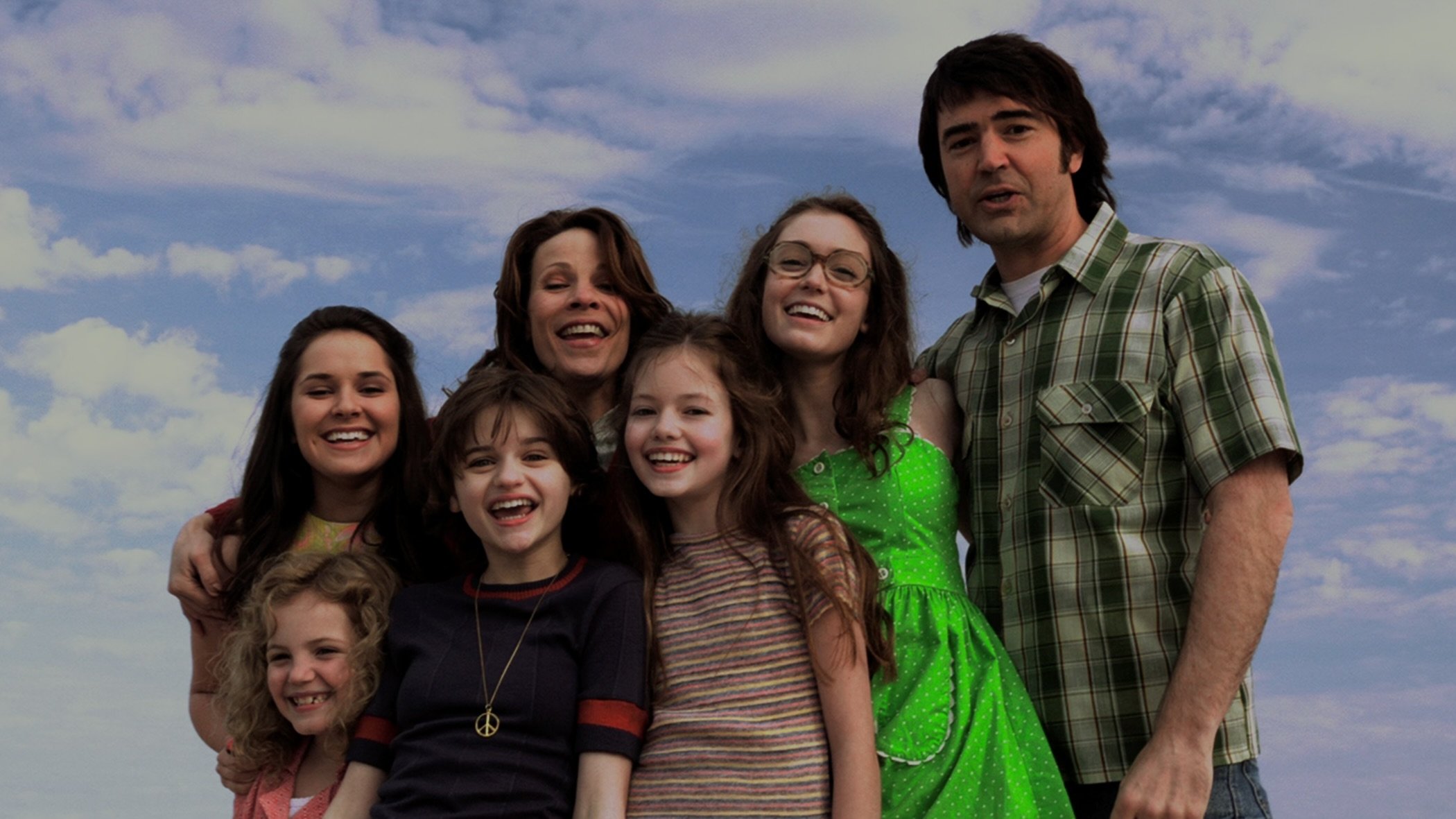
The historical foundation of The Conjuring is considerably narrower than the film's supernatural narrative. Roger and Carolyn Perron moved with their daughters Andrea, Nancy, Christine, Cindy and April into an old farmhouse in Burrillville, Rhode Island, in 1971 and remained there until 1980. Members of the family have described unexplained sounds, moving objects, apparitions and other events during that period. Ed and Lorraine Warren also visited the property, and Andrea Perron later described a séance involving her mother. These events survive primarily through personal testimony and paranormal literature rather than independently verifiable evidence of supernatural activity.

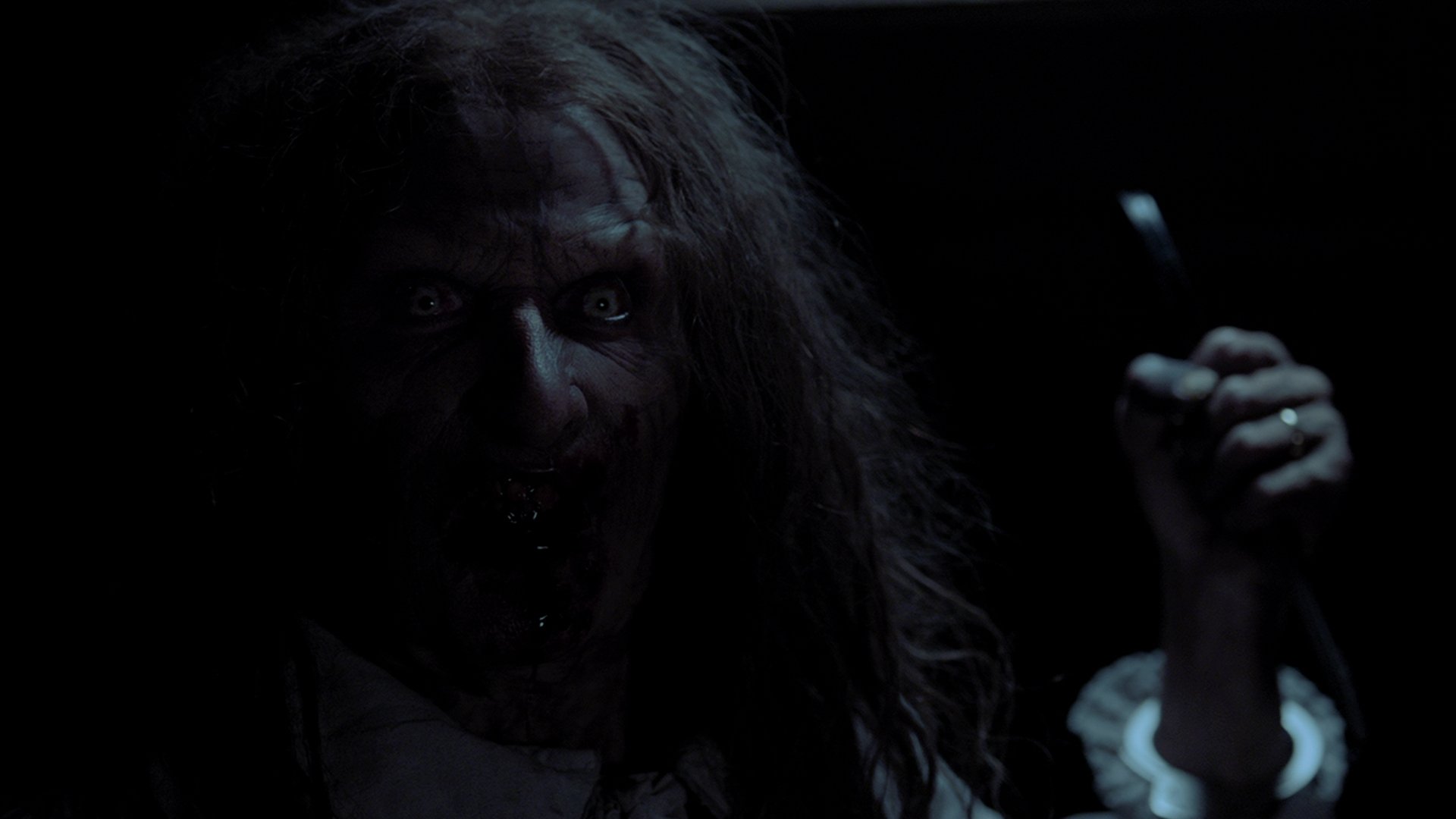
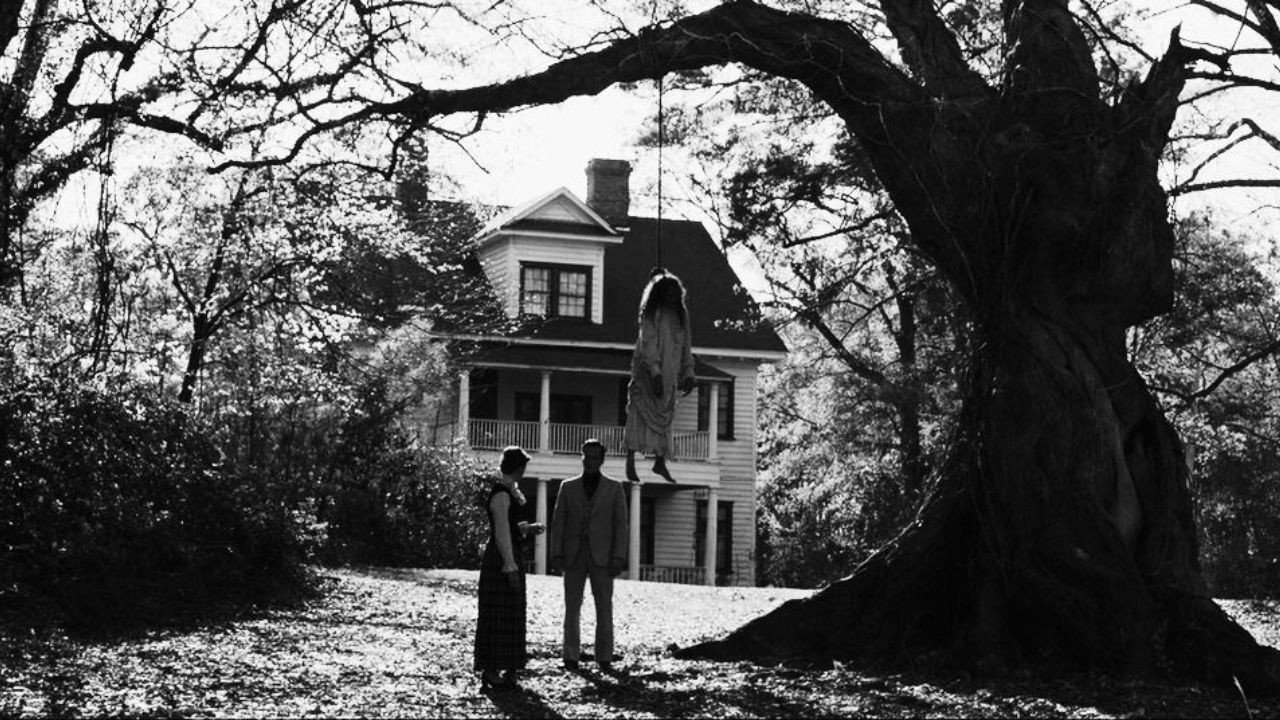
The film transforms those accounts into a much more structured conflict. Bathsheba Sherman becomes the central evil force, presented as a nineteenth-century witch associated with infanticide, Satanic worship, suicide and a curse on the property. Historical research does not support those allegations. Bathsheba Sherman was a real woman who lived in the area, but surviving records do not document her as a witch or child murderer, and research into property history indicates that she did not live in the Perron farmhouse. Records place her death in 1885 and attribute it to paralysis, commonly understood as a stroke, rather than suicide.

The distinction matters because the fictional Bathsheba became one of the movie's most memorable elements and has frequently been repeated outside the film as though her backstory were documented history. It is better understood as the screenplay's solution to a dramatic problem. The Perrons' accounts consist of numerous reported incidents spread across years, while a feature film benefits from a concentrated antagonist and escalating objective. By attributing the haunting to a single malevolent figure, The Conjuring turns ambiguous paranormal testimony into a coherent possession narrative while also creating a final confrontation that the historical record cannot substantiate.

The House as a Controlled Environment

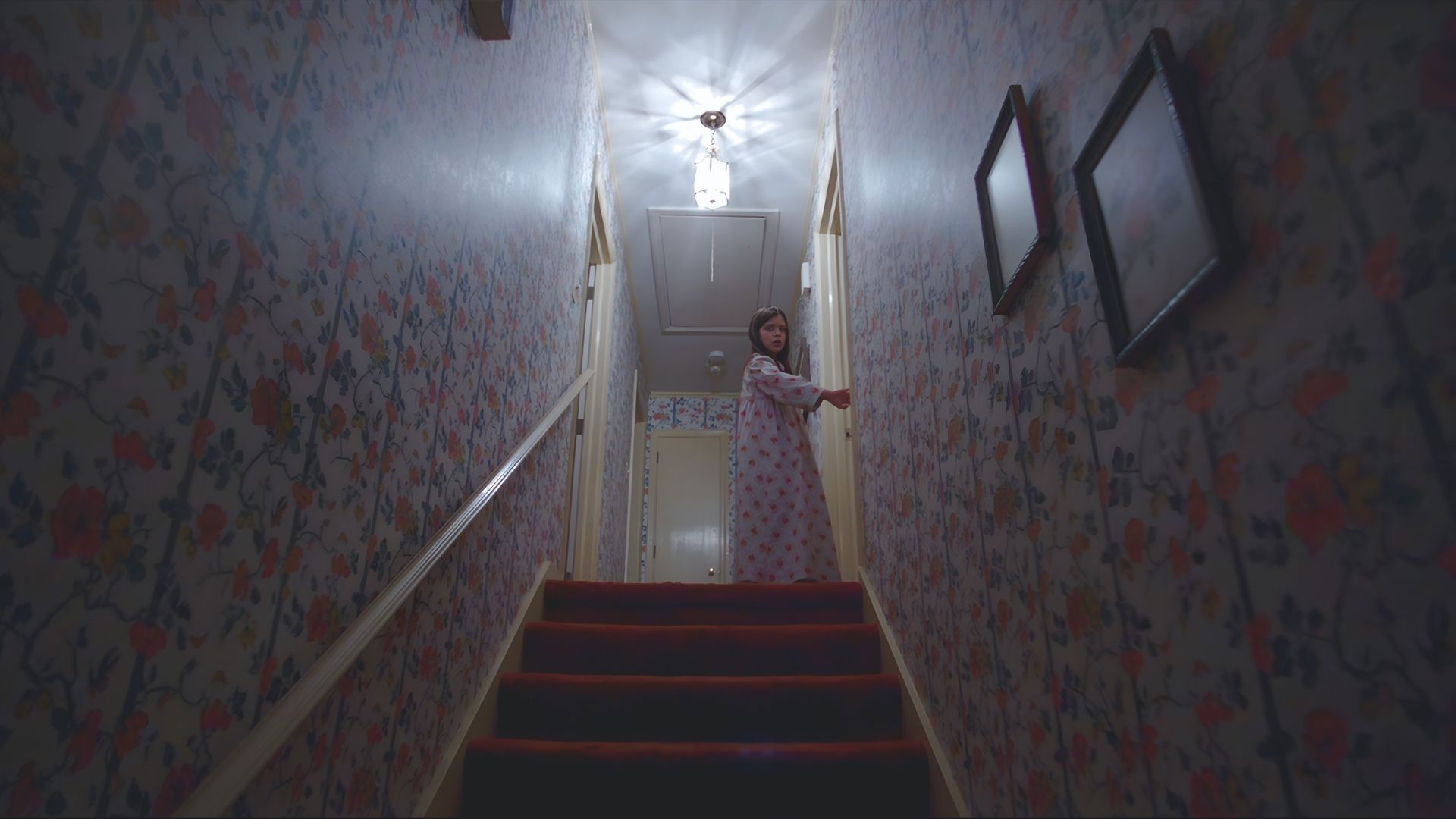
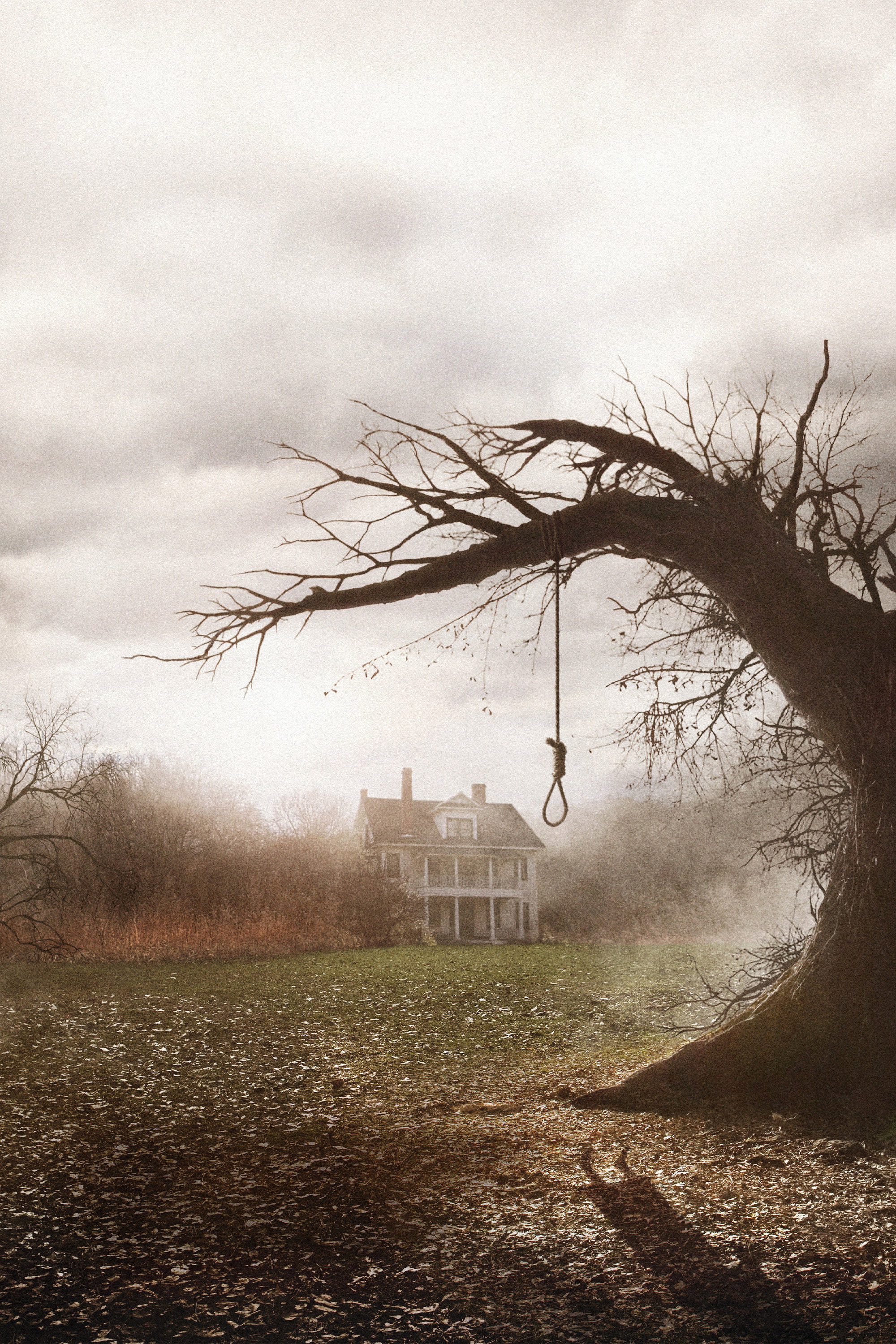
Production designer Julie Berghoff approached the Perron home as a place that needed to look genuinely habitable before it could become frightening. The filmmakers did not want an exaggerated Gothic mansion that would immediately announce itself as a horror location. The family has invested its resources in the property, so the audience must believe that ordinary people could reasonably decide to live there. Berghoff concentrated on aging materials, dark architectural areas and practical sources of light while preserving enough domestic warmth for the later corruption of the space to register.

The interiors were constructed with close attention to physical texture. Berghoff has described using actual layers of plaster rather than simply painting surfaces to imitate age because real material reacted differently when photographed. Beams, basement structures, patches and deterioration were designed according to how an old rural house might actually have been built and repaired. This attention is important because Wan frequently allows the camera to explore rooms for extended periods. Walls and corridors cannot function merely as backgrounds; the audience is encouraged to learn them and anticipate where a threat might appear.

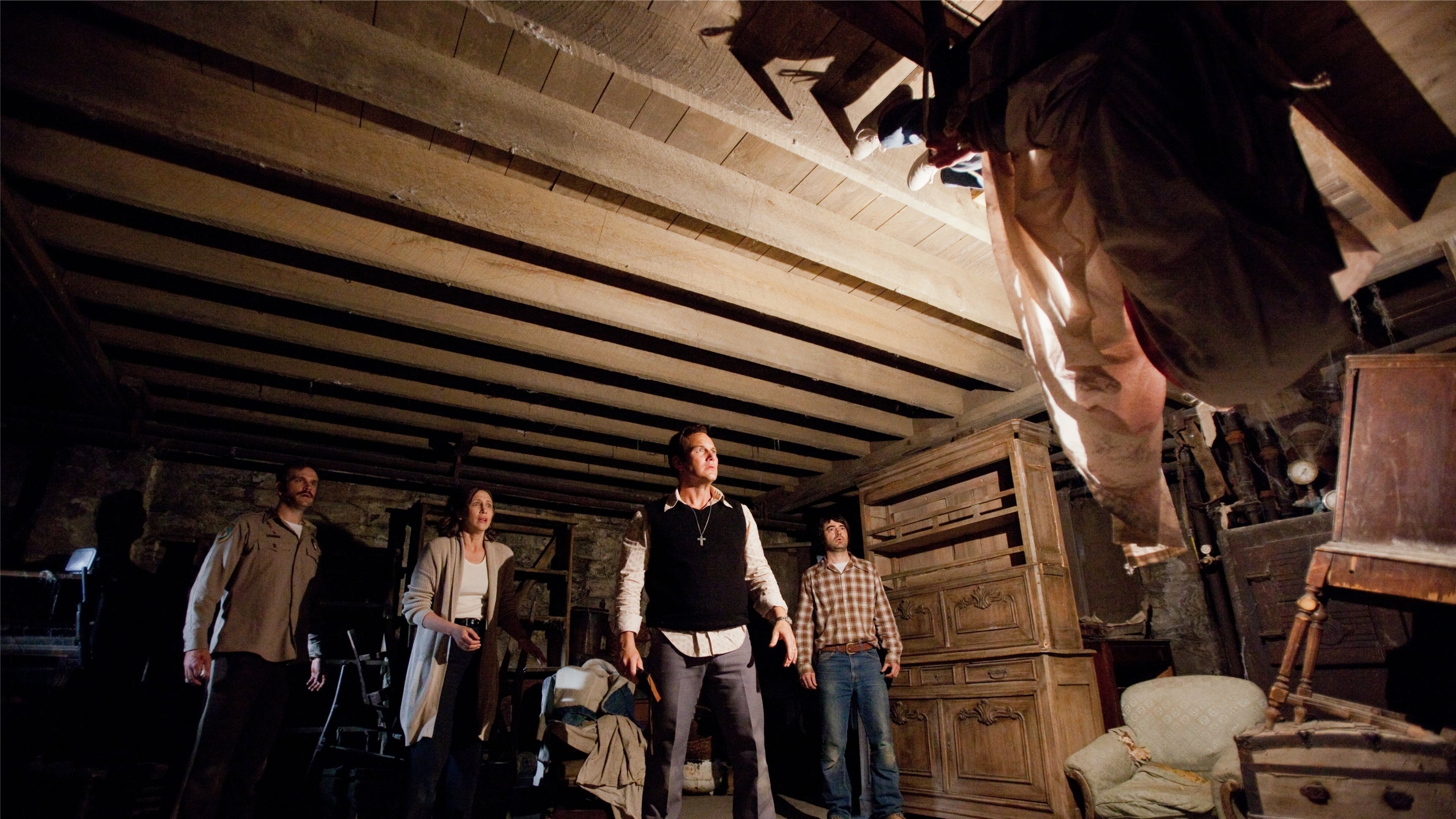
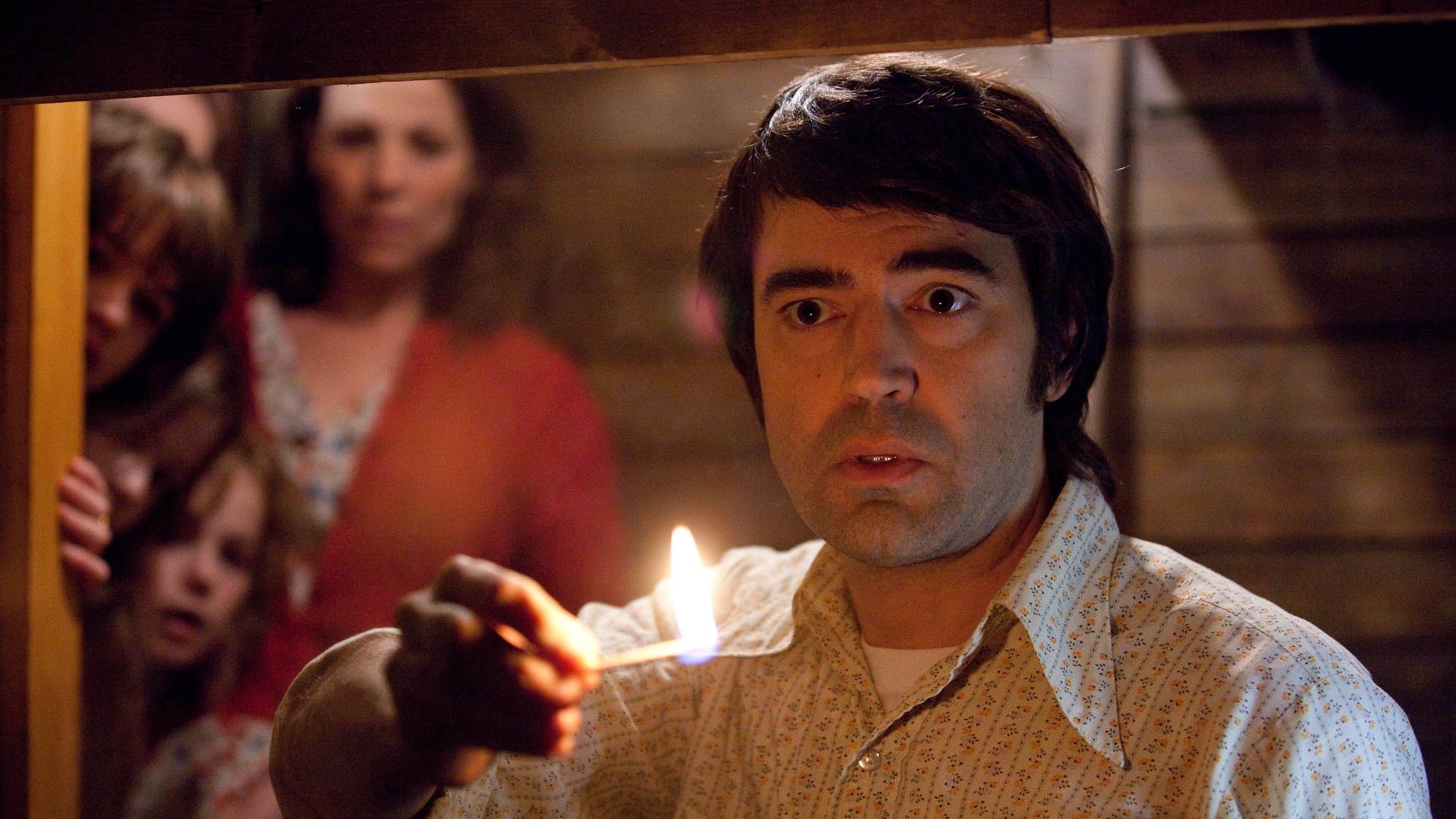
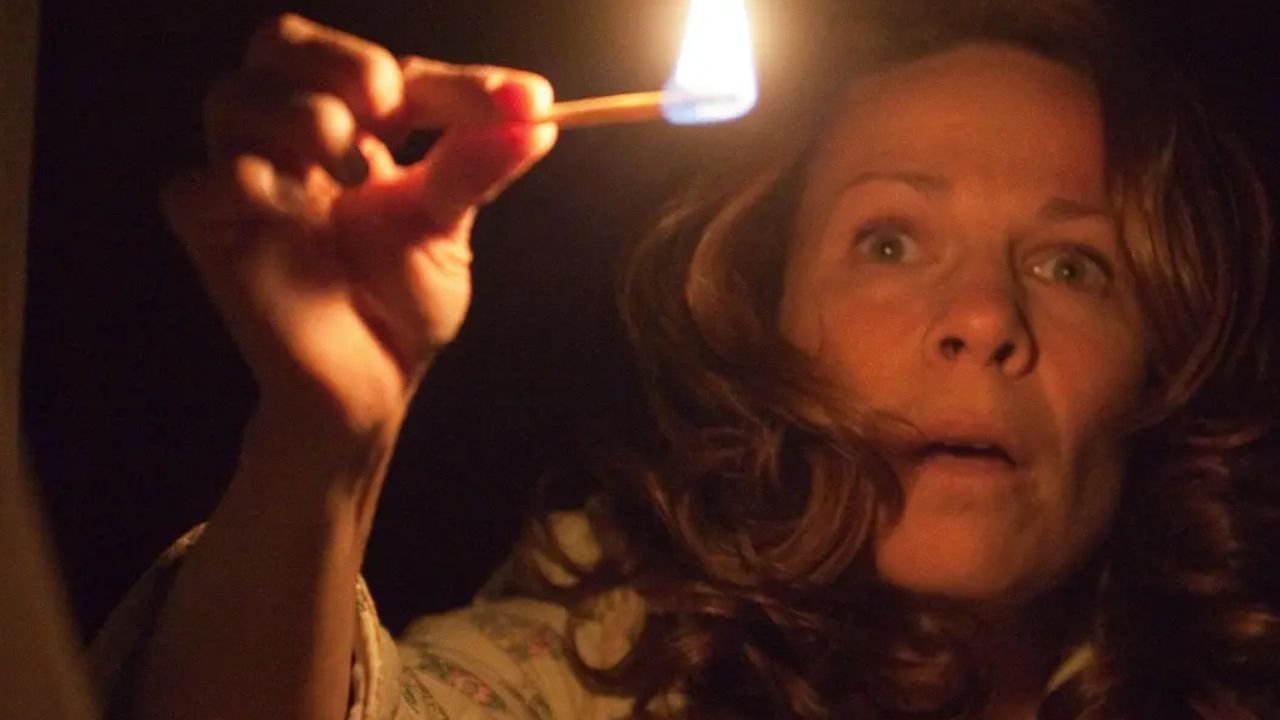
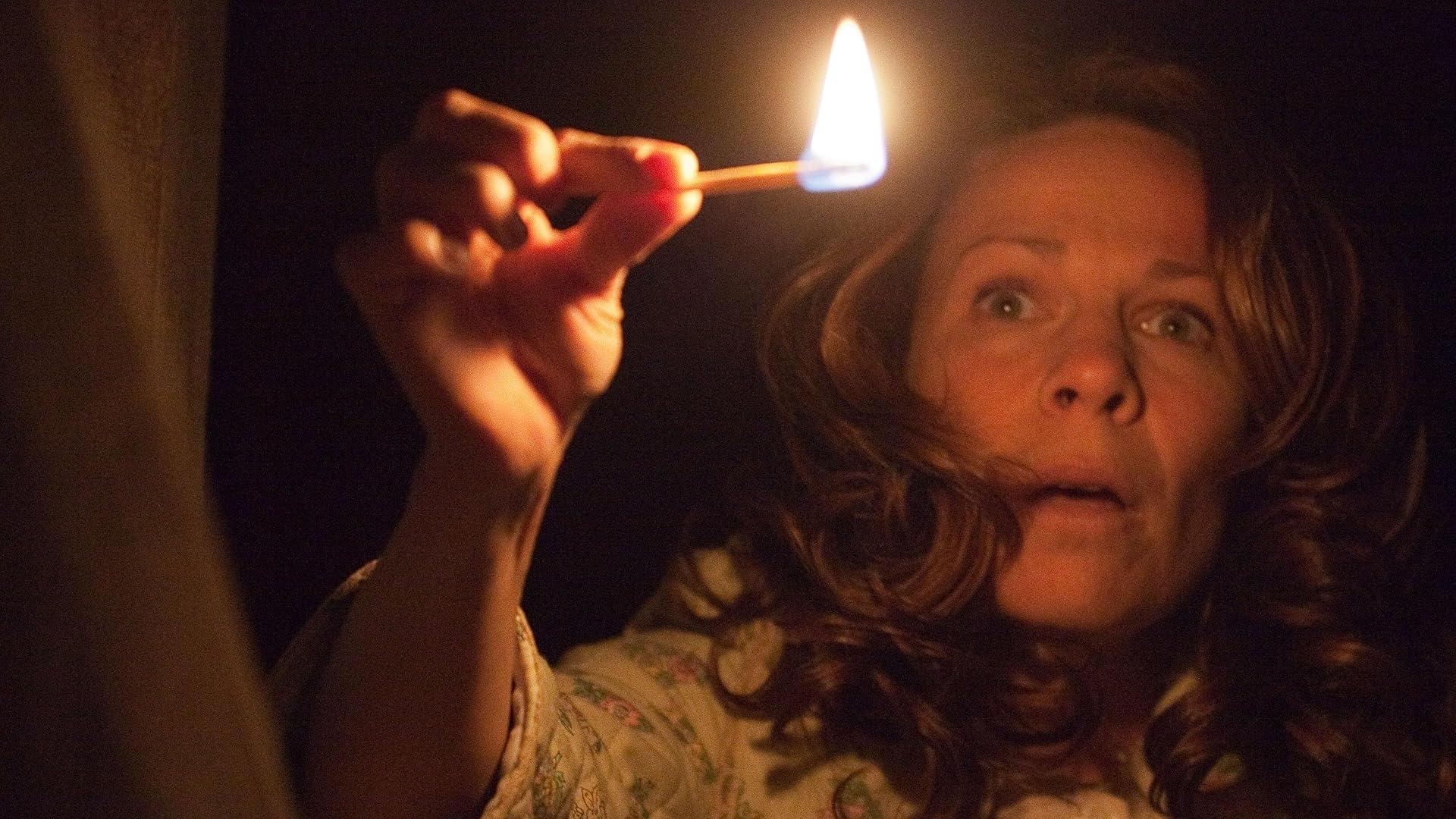
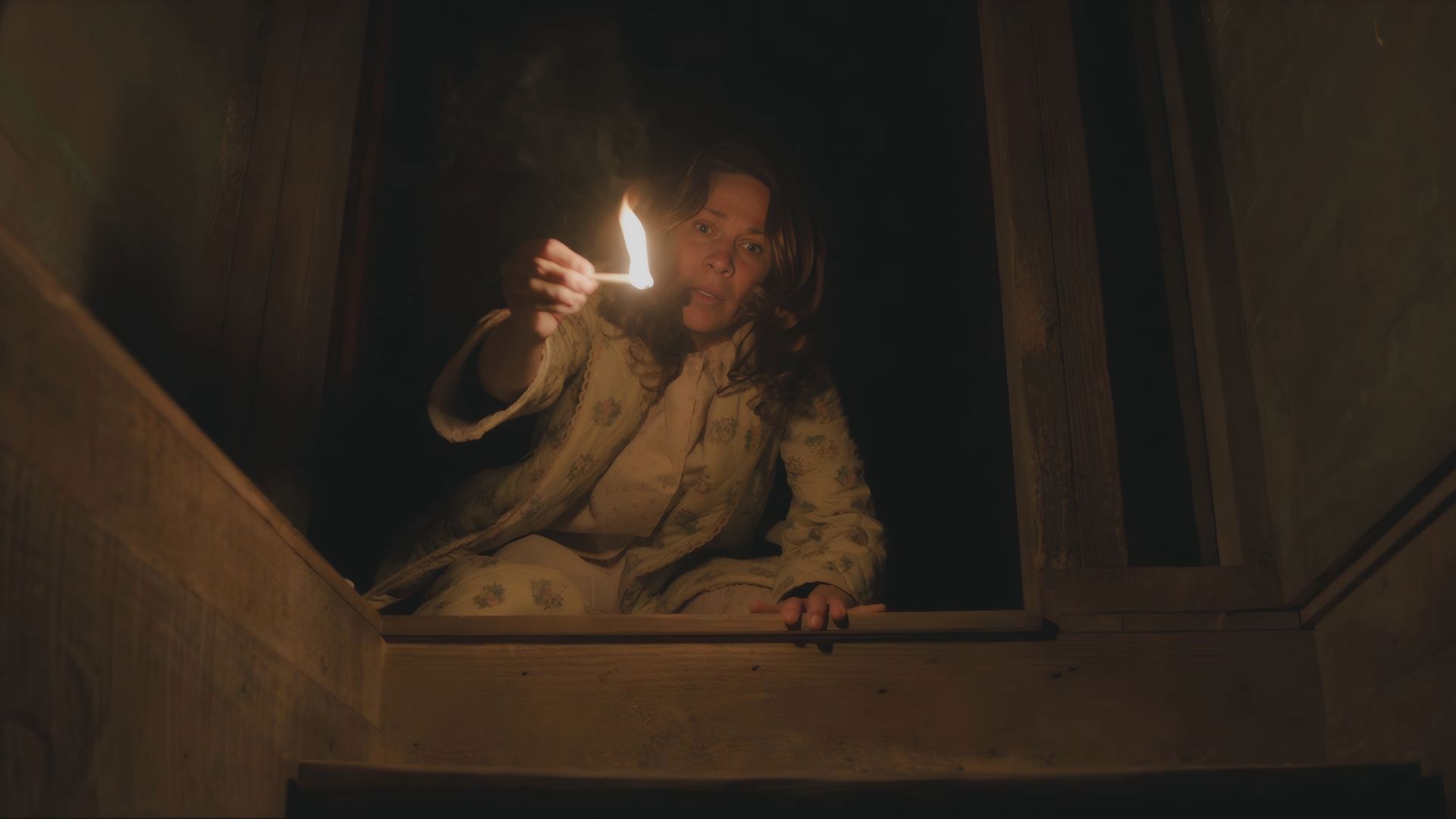
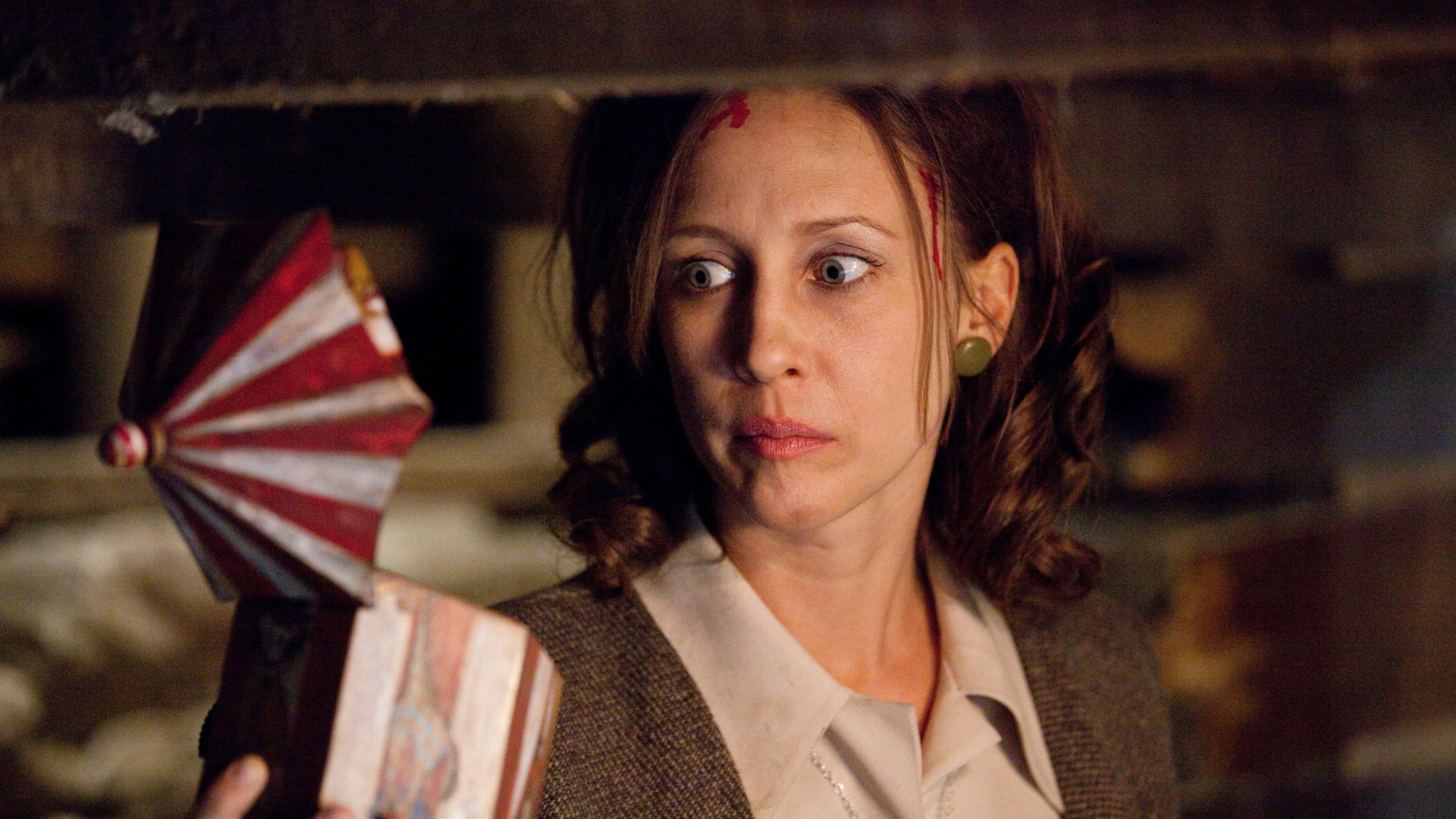
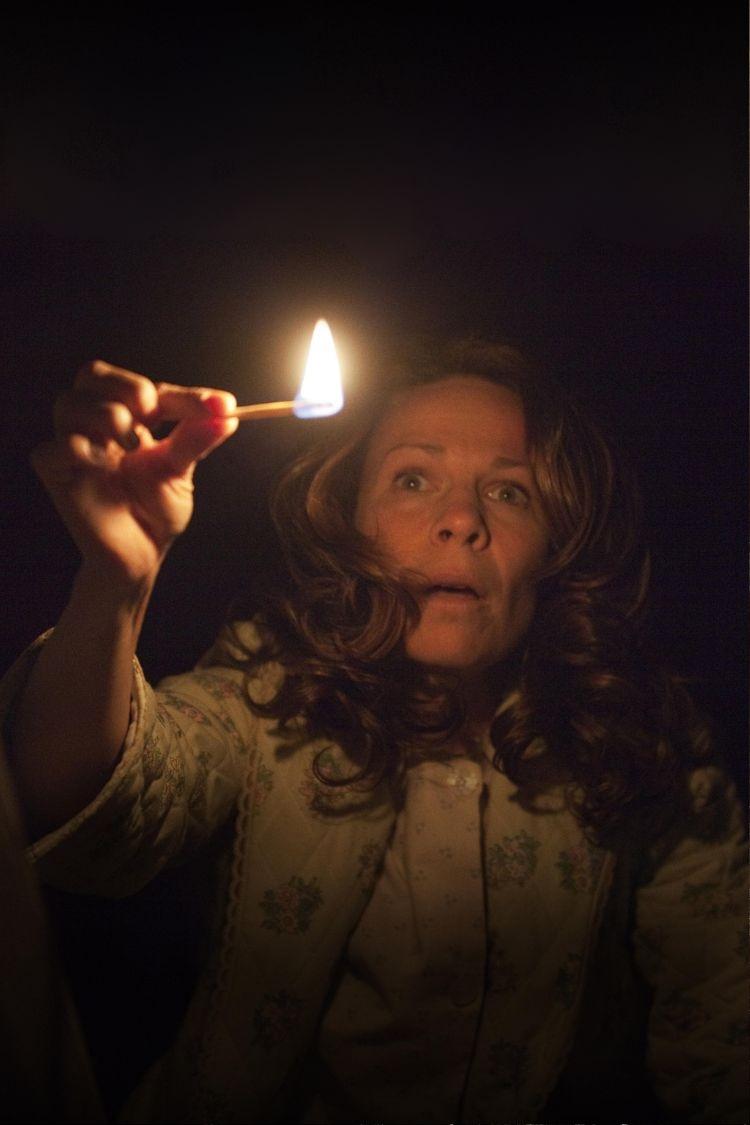
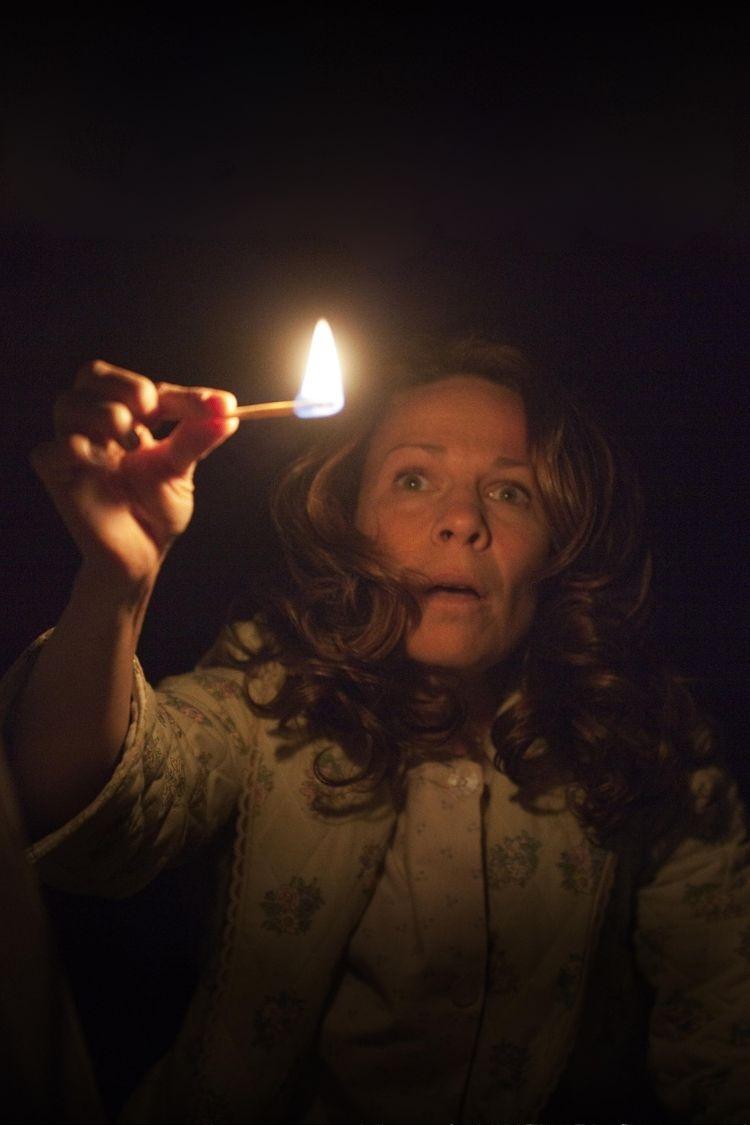
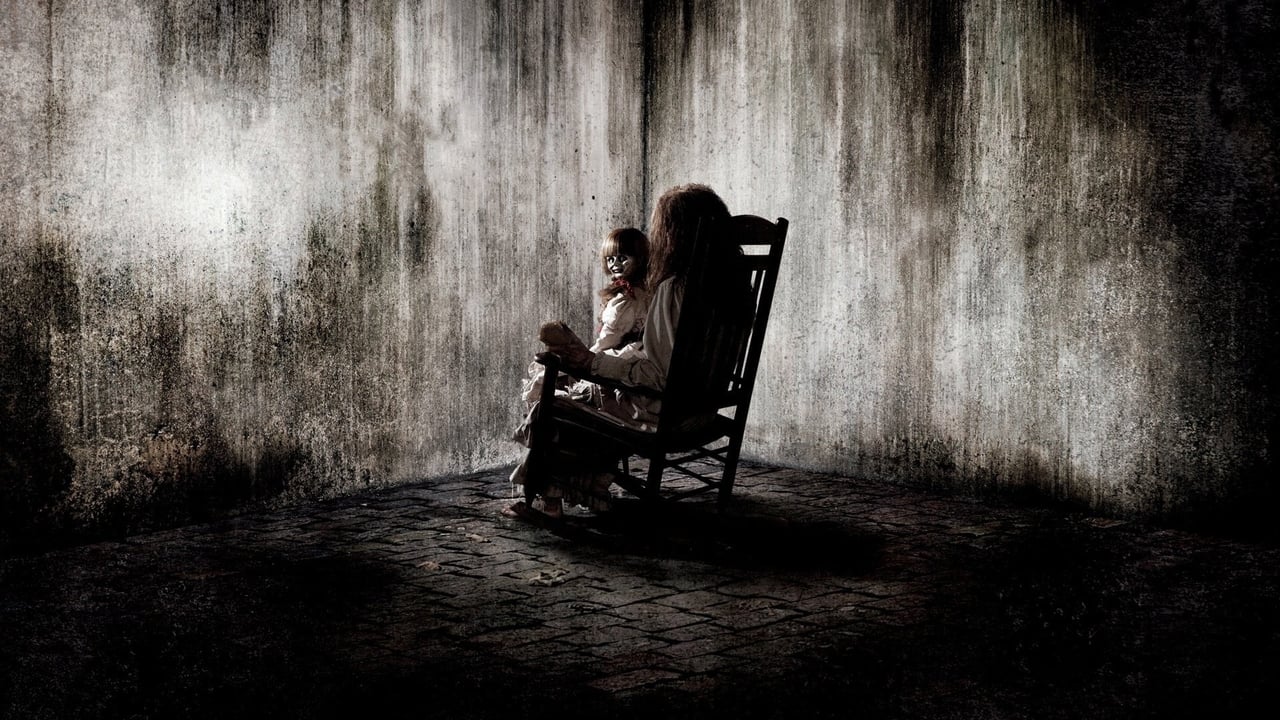
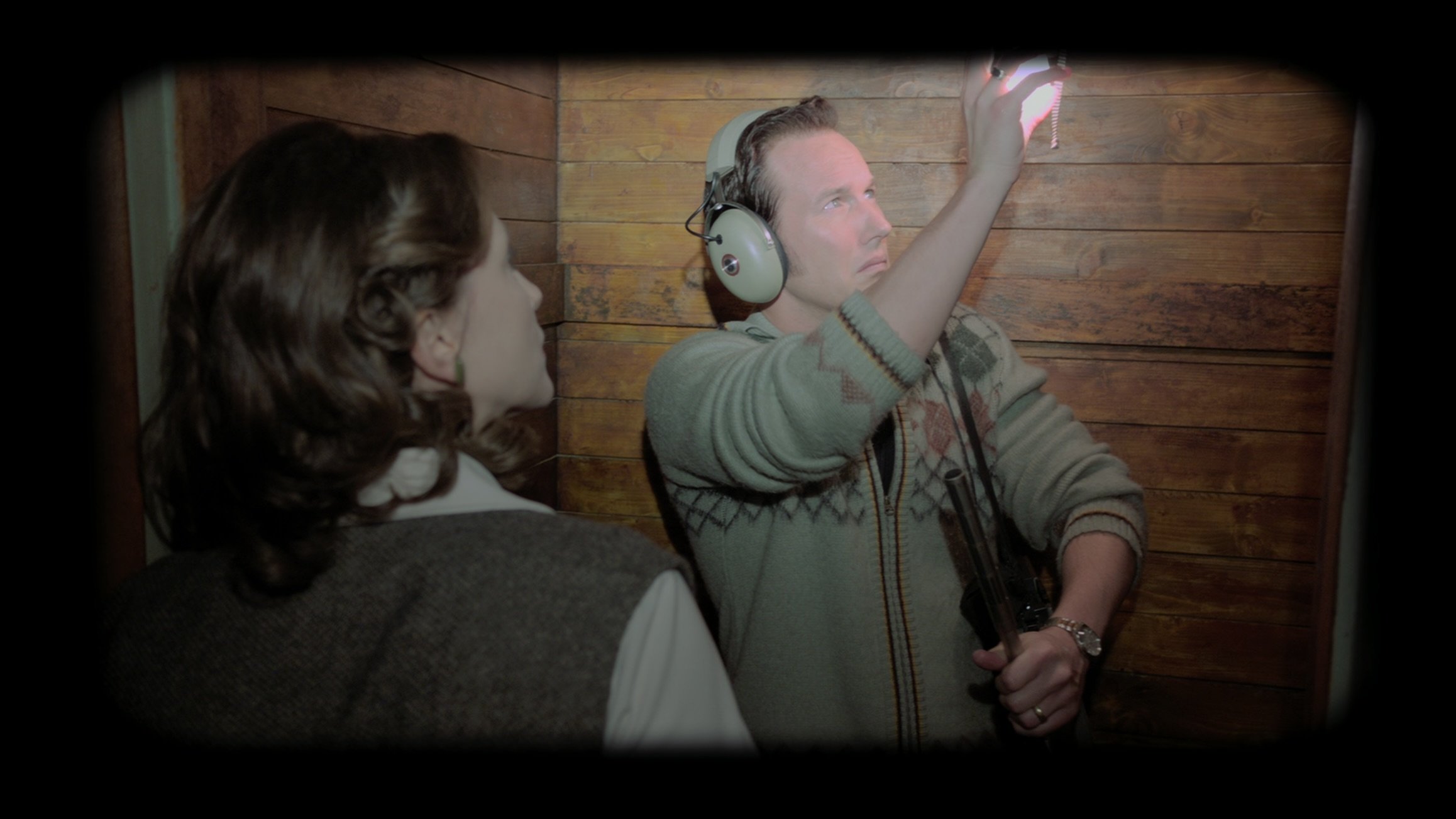
The house consequently becomes a mechanism for suspense. Hidden spaces, wardrobes, staircases and the cellar acquire specific meanings as the narrative progresses. The famous clapping sequence depends almost entirely on the audience understanding the geometry of a dark room and the distance between Carolyn and an apparently empty wardrobe. Later sequences reuse parts of the house that have already been established, allowing earlier domestic spaces to return in more threatening forms. The building never needs to become architecturally impossible. Its horror comes from the suggestion that an ordinary physical environment contains presences operating according to rules its occupants cannot perceive.

Cinematography and Scare Construction

Cinematographer John R. Leonetti worked with Wan to give the film a period atmosphere without simply reproducing the visual defects of 1970s photography. Leonetti described the goal as an unusually realistic feeling, treating constructed interiors as though the crew had arrived at an actual location whose architecture could not conveniently change for the camera. Wide-angle lenses were used frequently, allowing rooms and surrounding negative space to remain visible around characters. The technique makes the audience search the image rather than waiting for the editing to reveal where the danger is located.

Wan often lets the camera move through the house with characters instead of fragmenting every scene into rapid coverage. Long movements establish spatial relationships before anything supernatural occurs, which means the viewer knows when an expected doorway, staircase or person is suddenly absent. Other moments use carefully restricted framing so that an audience can suspect something exists immediately outside the visible image. These strategies are especially effective because the film does not depend on constant visual effects. An unexplained sound or movement can be frightening precisely because the room itself has already been presented as coherent and real.

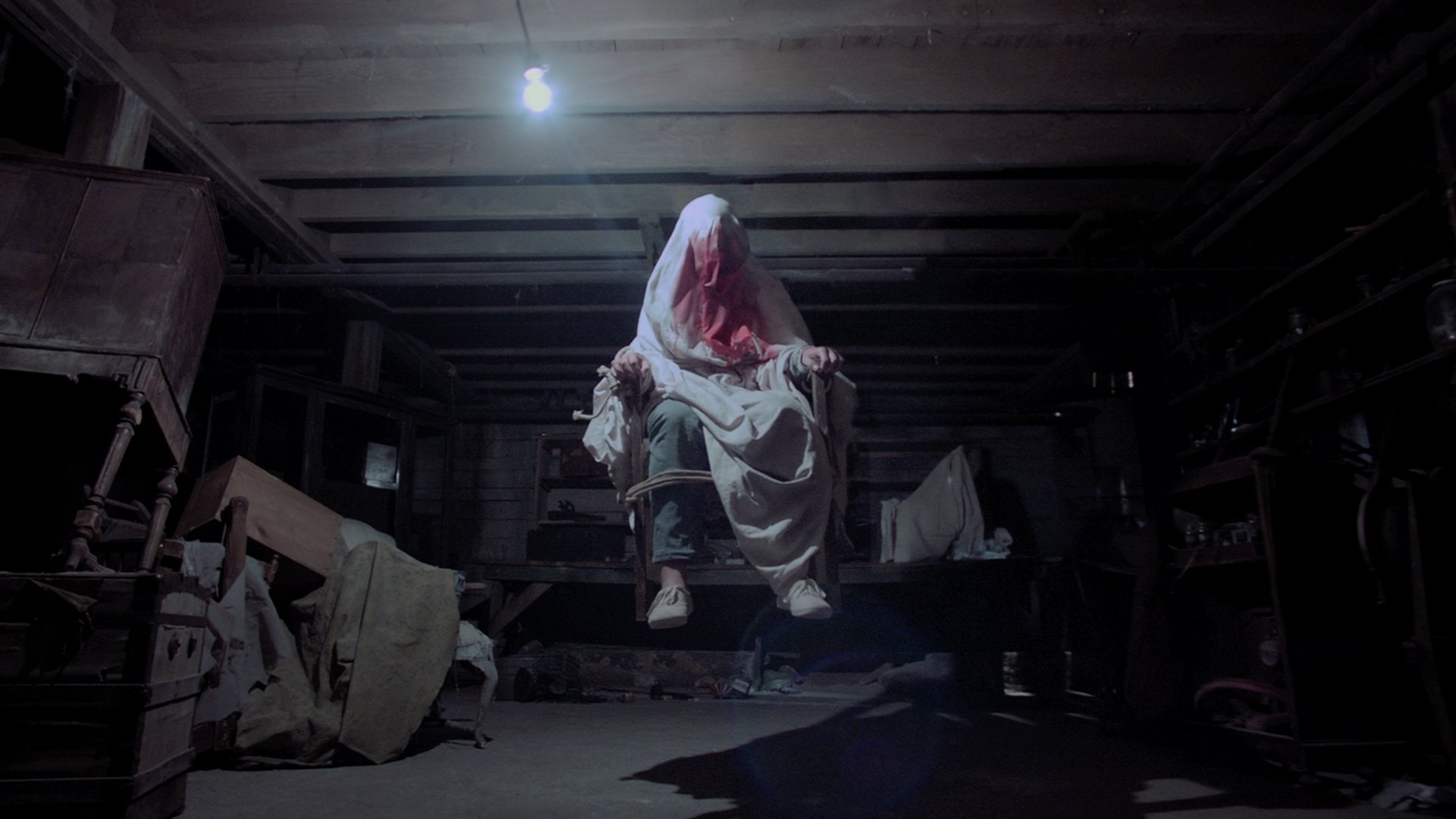
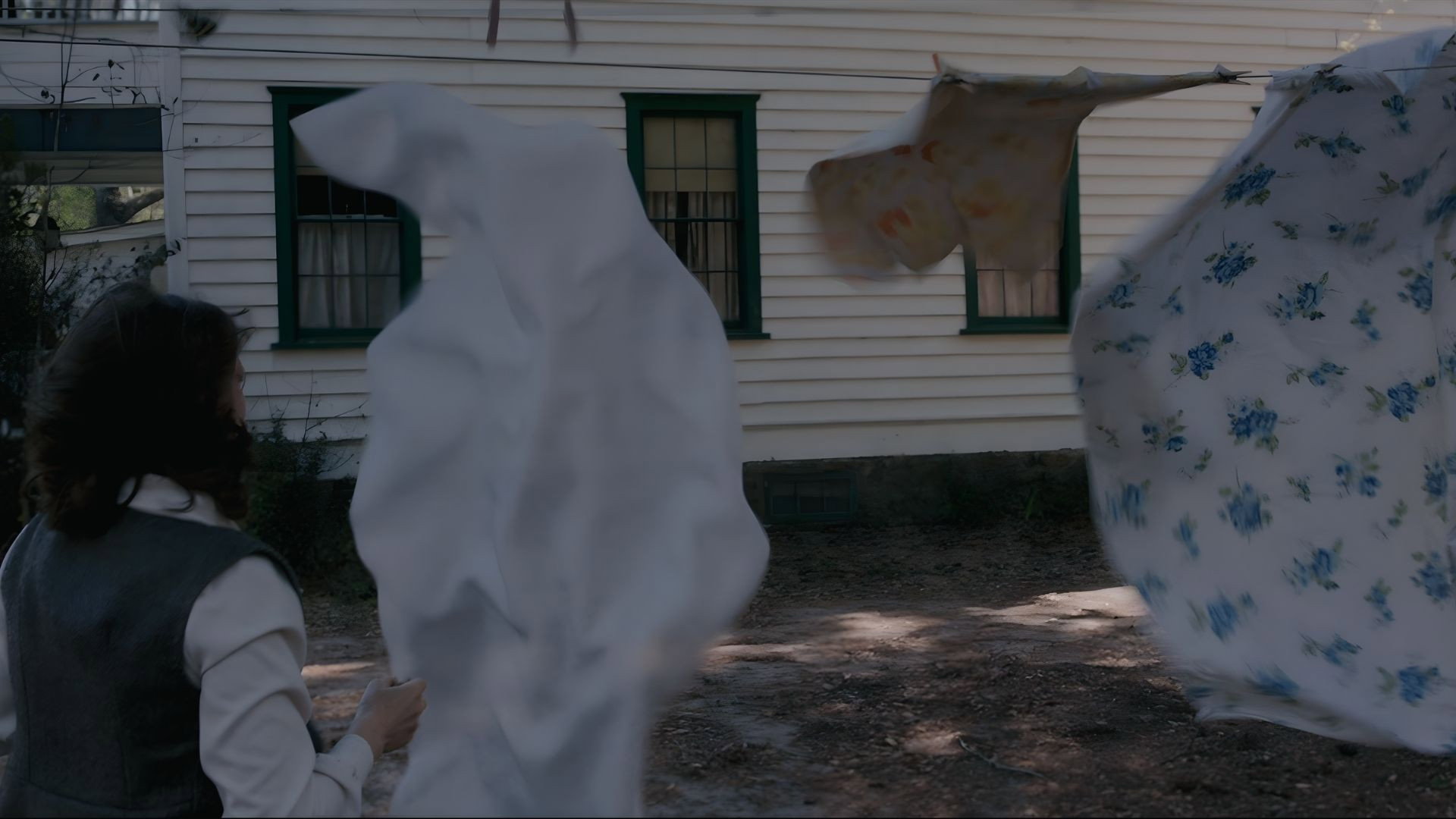
The approach reflects Wan's stated interest in restraint after Insidious. He still uses sudden shocks, but many of the best-known sequences delay their payoff. Hands appear from darkness during the clapping game, a sheet catches briefly on an invisible form outside the house, and a figure becomes perceptible only after the audience has spent time examining an apparently empty space. The scares therefore emerge from the act of looking. The Conjuring does not eliminate the jump scare; it frequently earns it by extending the period in which viewers know that something should happen but cannot predict exactly when or where.

Family, Faith and Possession

The supernatural structure of The Conjuring is built around two families. The Perrons are placed under pressure as Carolyn becomes increasingly vulnerable to the force associated with the house, while the Warrens represent a partnership accustomed to confronting similar claims. Chad and Carey Hayes have described the Warren relationship as central to their version of the story. This gives the film a different emotional arrangement from many possession narratives in which investigators or priests remain external specialists. Ed and Lorraine have a child, a home and a marriage that can themselves be threatened by the work they undertake.

Faith is presented largely through the Warrens' worldview and through the supernatural rules adopted by the screenplay. Catholic imagery, possession, exorcistic procedure and demonic hierarchy provide the framework through which the characters interpret events. These elements should not be confused with independently verified explanations for the Perron family's experiences. They belong to the film's dramatic system, which transforms uncertain phenomena into a conflict with identifiable supernatural stakes.

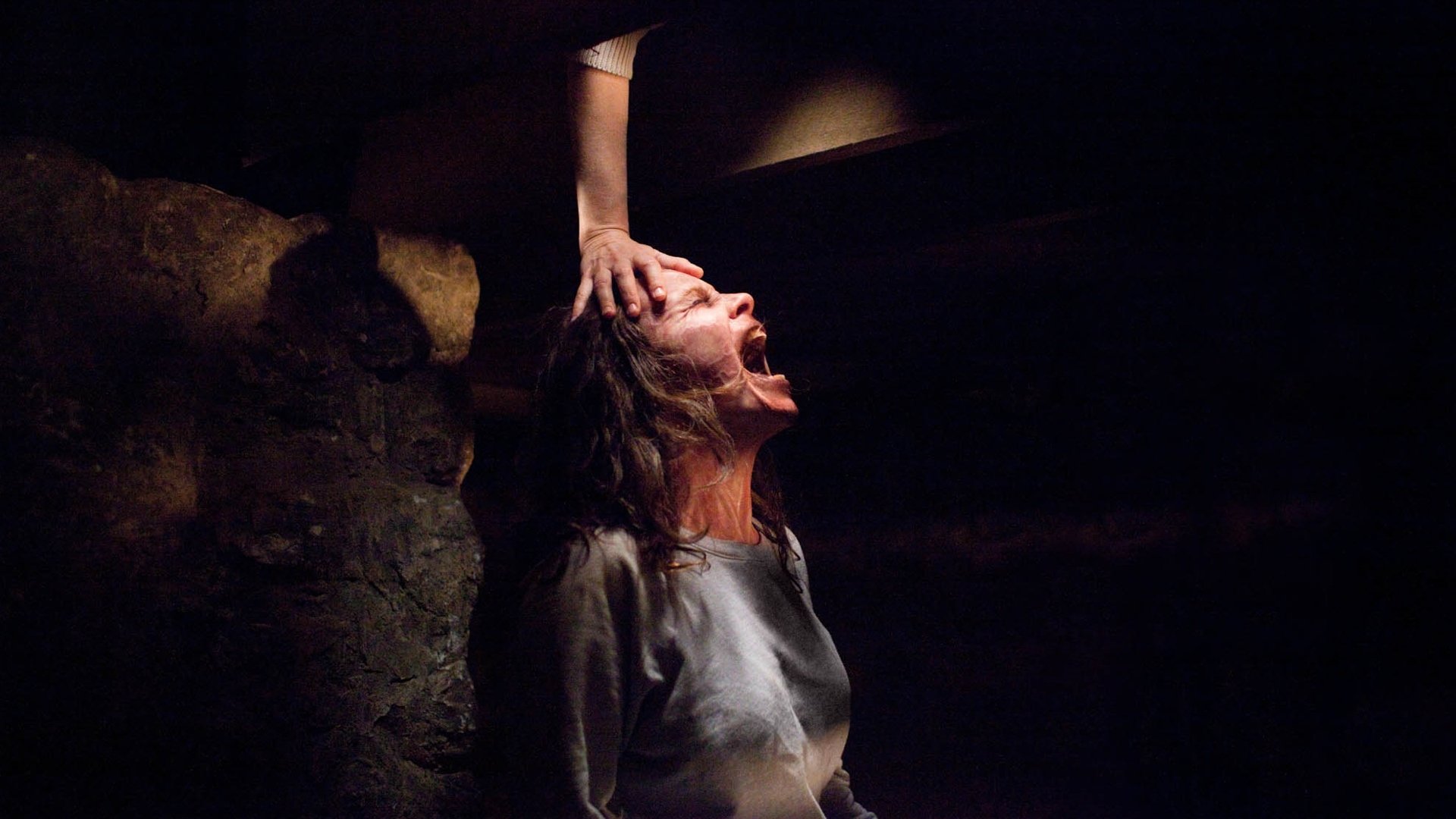
Wan also avoids making the final possession sequence primarily an effects showcase. Carolyn remains physically recognizable and the emotional objective is tied to her relationship with her daughters. Ed attempts to reach the person inside the possession by forcing her to remember her family. This reinforces a theme established throughout the film: the supernatural force isolates and divides, while the protagonists survive through relationships that remain emotionally meaningful. The resolution is religious horror, but it is structured around family attachment rather than theology alone.
Music and Sound

Joseph Bishara returned after working with Wan on Insidious and developed a score built largely around unstable textures rather than conventional melodic horror writing. Wan had discussed finding a balance between the memorable thematic quality of Lalo Schifrin's work on The Amityville Horror and the more abrasive atonal language used in Insidious. Bishara responded with clustered brass, extended instrumental techniques, electronic sounds and vocal textures capable of functioning almost as part of the film's environmental sound rather than clearly separated musical cues.

The score's relationship with silence is particularly important. Many sequences withhold prominent music while ordinary noises inside the farmhouse acquire abnormal significance: floorboards, knocks, doors, clocks and clapping hands become potential evidence of a presence. When Bishara's material enters more forcefully, it can therefore feel less like accompaniment than an expansion of sounds already embedded in the environment. Avant-garde vocalist Diamanda Galás contributed layered vocal improvisations to parts of the score, while Mark Isham supplied the contrasting Family Theme.
Sound allows Wan to threaten areas outside the frame without immediately showing them. A noise upstairs can redirect attention away from the character currently visible, while silence after a disturbance can be more threatening than the disturbance itself. This is especially useful in a story where the antagonistic force is invisible for long stretches. Before the film gives Bathsheba a clearly readable body, her presence is constructed through changes in the behavior of rooms, animals, objects and sound. The soundtrack therefore performs much of the work normally assigned to a visible monster.

Release, Reception and Legacy

Warner Bros. released The Conjuring widely in the United States on July 19, 2013. The film carried an R rating despite containing comparatively little graphic gore, a fact that became part of its publicity after Wan discussed the ratings process publicly. Made for a reported production budget of approximately $20 million, it opened with about $41.9 million domestically. The original theatrical run reached approximately $137.4 million in the United States and Canada and more than $319 million worldwide, an exceptional commercial result for a period supernatural horror film without an established franchise title.

Contemporary critical response was also substantially stronger than that received by many studio ghost films of the period. Reviews frequently singled out Wan's command of suspense and his ability to make familiar haunted-house devices effective again. The film did not invent the grammar it used, and Wan openly acknowledged that fact. Its achievement was demonstrating that old mechanisms such as unseen footsteps, cellar doors, possessed bodies and empty corners could remain powerful without ironic distance if staging, performance and timing were controlled carefully enough.

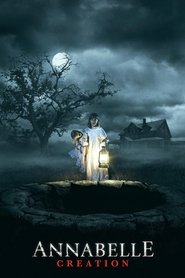
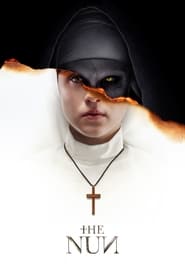
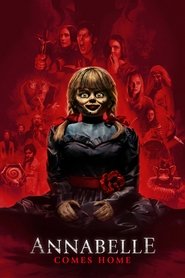
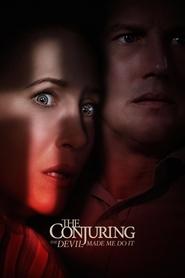
The commercial consequences were enormous. Annabelle followed in 2014 by expanding an object introduced in The Conjuring into an independent storyline, while The Conjuring 2 returned Wilson and Farmiga to the Warren roles in 2016. Further Annabelle films, The Nun, its sequel and additional Conjuring entries transformed the original production into the foundation of a shared horror universe. Beyond that franchise, The Conjuring helped strengthen a broader studio appetite for supernatural horror driven by period atmosphere, practical environments and carefully engineered set pieces rather than extreme gore. Its influence is therefore both industrial and stylistic. The film demonstrated that classical haunted-house language could support a modern blockbuster-sized horror property without abandoning the basic simplicity that had made that language effective in the first place.

Connections

Cast

View Full Cast & Crew →

Release & Distribution

Production Companies (3)

  • Evergreen Media Group US
  • New Line Cinema US
  • The Safran Company US

Distributors (2)

  • InterCom HU
  • Warner Bros. Entertainment US

Release History (86)

Release DateTerritoryRelease TypeFormatDistributorCertificationNotes
2013-06-08 Spain Premiere — — 16 Nocturna, Madrid International Fantastic Film Festival
2013-06-27 United Kingdom Premiere — — — Edinburgh International Film Festival
2013-07-15 United States Premiere — — — Hollywood, California
2013-07-18 Australia Theatrical — — MA15+
2013-07-18 Canada Premiere — — — Fantasia Film Festival
2013-07-18 United Kingdom Theatrical — — 15
2013-07-18 New Zealand Theatrical — — —
2013-07-19 Canada Theatrical — — 14A
2013-07-19 Spain Theatrical — — 16
2013-07-19 Ireland Theatrical — — 15A
2013-07-19 United States Theatrical — — R
2013-07-24 Kazakhstan Theatrical — — Е16
2013-07-25 Cambodia Theatrical — — 18
2013-07-25 Russia Theatrical — — 16+
2013-07-26 Indonesia Theatrical — — 17+
2013-07-26 Norway Theatrical — — 15
2013-07-26 Poland Theatrical — — 15
2013-08-01 Germany Theatrical — — 16
2013-08-02 India Theatrical — — A
2013-08-02 Taiwan Theatrical — — 16
2013-08-05 Argentina Premiere — — — Buenos Aires
2013-08-08 Ukraine Theatrical — — —
2013-08-09 Romania Theatrical — — I.M.-18
2013-08-15 Peru Theatrical — — 14
2013-08-15 Singapore Theatrical — — NC-16
2013-08-15 Uruguay Theatrical — — —
2013-08-21 Switzerland Theatrical — — 16
2013-08-21 France Theatrical — — 12
2013-08-21 Italy Theatrical — — VM14
2013-08-21 Philippines Theatrical — — R-13
2013-08-22 United Arab Emirates Theatrical — — —
2013-08-22 Switzerland Theatrical — — 16
2013-08-22 Czechia Theatrical — — 14
2013-08-22 Kuwait Theatrical — — 16
2013-08-22 Thailand Theatrical — — 15
2013-08-23 Switzerland Theatrical — — 16
2013-08-23 Colombia Theatrical — — —
2013-08-23 Estonia Theatrical — — 15
2013-08-23 Finland Theatrical — — K-16
2013-08-23 Lithuania Theatrical — — N-16
2013-08-23 Latvia Theatrical — — —
2013-08-29 Chile Theatrical — — 14
2013-08-29 Hong Kong SAR China Theatrical — — IIB
2013-08-29 Slovakia Theatrical — — 15
2013-08-30 Türkiye Theatrical — — 15+
2013-09-05 Albania Theatrical — — —
2013-09-05 Argentina Theatrical — — 16
2013-09-05 Croatia Theatrical — — 16
2013-09-05 Israel Theatrical — — 14
2013-09-05 North Macedonia Theatrical — — 16
2013-09-05 Netherlands Theatrical — — 16
2013-09-06 Mexico Theatrical — — B-15
2013-09-06 Sweden Theatrical — — 15
2013-09-06 Vietnam Theatrical — — —
2013-09-11 Belgium Theatrical — — 16
2013-09-12 Denmark Theatrical — — 15
2013-09-12 Lebanon Theatrical — — 16
2013-09-13 Brazil Theatrical — — 14
2013-09-13 Portugal Premiere — — — MOTELX - Lisbon International Horror Film Festival
2013-09-17 South Korea Theatrical — — 15
2013-09-19 Hungary Theatrical — — 16
2013-09-19 Portugal Theatrical — — M/16
2013-09-20 Bulgaria Theatrical — — D
2013-09-20 Greece Premiere — — — Athens Film Festival
2013-09-26 Greece Theatrical — — Κ-18
2013-09-26 Serbia Theatrical — — —
2013-09-27 Venezuela Theatrical — — C
2013-10-11 Japan Theatrical — — PG12
2013-10-22 United States Physical DVD, Blu-ray — R Blu-ray / DVD
2013-11-29 Bangladesh Theatrical — — —
2013-12-18 Netherlands Physical DVD, Blu-ray — 16 Blu-ray / DVD
2013-12-23 Croatia Physical DVD — — DVD
2014-01-24 Germany Physical DVD — 16 DVD
2016-07-03 Israel TV — — 14
2018-05-06 Slovakia TV — — 15 Markíza
2018-10-06 Netherlands TV — — 16 Veronica
2020-10-23 United States Theatrical — — R Re-Release
2021-10-31 Mexico Limited Theatrical — — B-15 Re-Release
2022-01-14 Vietnam Theatrical — — — Re-Release
2023-08-31 Mexico Limited Theatrical — — B-15 Re-Release
2025-08-15 Indonesia Limited Theatrical — — 17+ Re-Release
2025-08-21 Argentina Theatrical — — — Re-Release
2025-08-21 Brazil Theatrical — — —
2025-09-22 New Zealand Physical — — R16
2026-01-13 Germany Digital — — — HBO Max
2026-01-26 France TV — — 12 RTL9
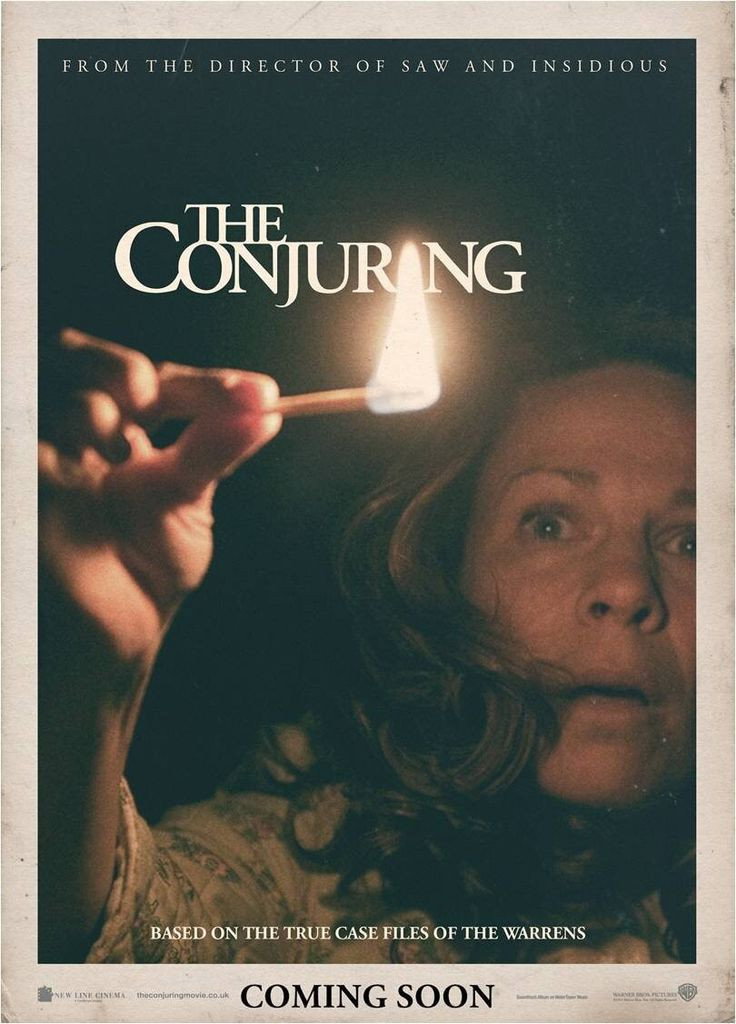
Based on the true case files of the Warrens.