Blumhouse Productions
, Stage 6 Films
, Lionsgate Canada
, FilmDistrict
, Oren Peli Productions
Plot
After the events that forced the Lamberts to flee their haunting, Josh and Renai take their children to the home of Josh's mother, Lorraine. Their attempt to recover is interrupted by new disturbances, and Renai becomes increasingly alarmed by changes in her husband's behavior. While investigators pursue clues left by Elise Rainier, Lorraine revisits memories of Josh's childhood encounters with the supernatural. The family gradually realizes that its connection to the Further has not ended. To protect one another, the Lamberts must uncover a history involving a persistent spirit and the secrets surrounding Josh's earlier experiences.
Alternative Titles
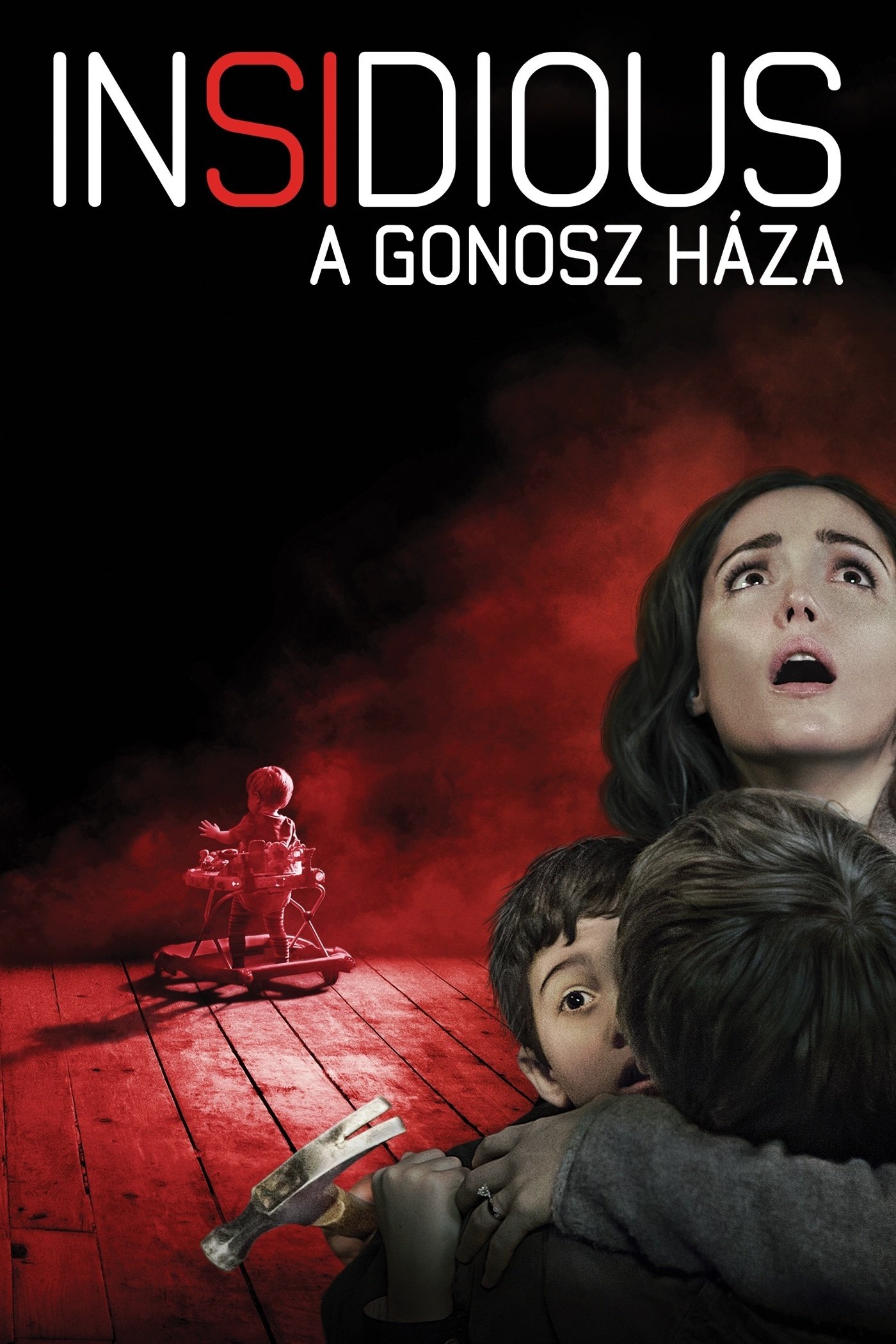
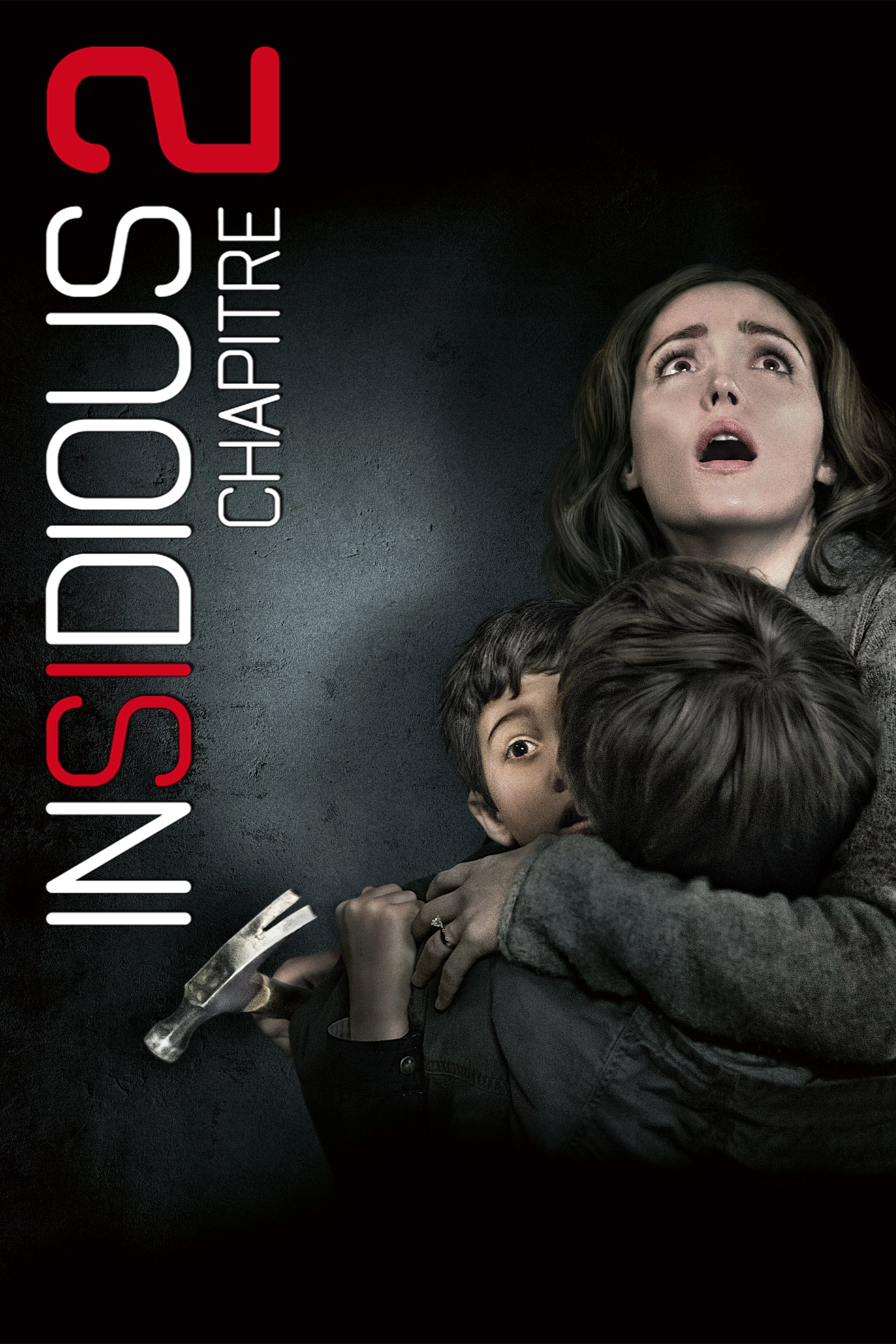
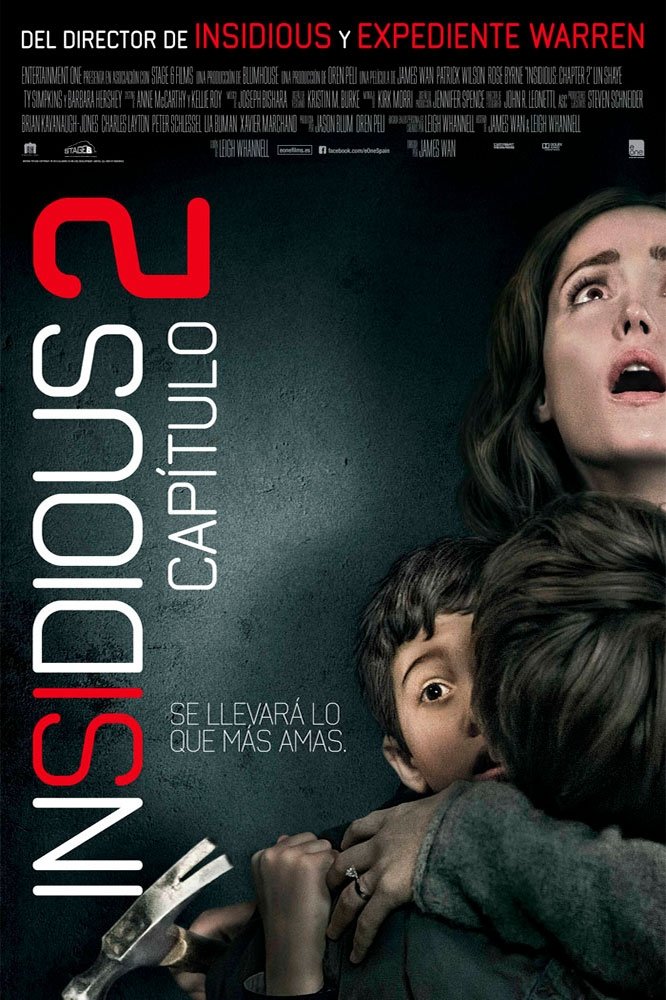
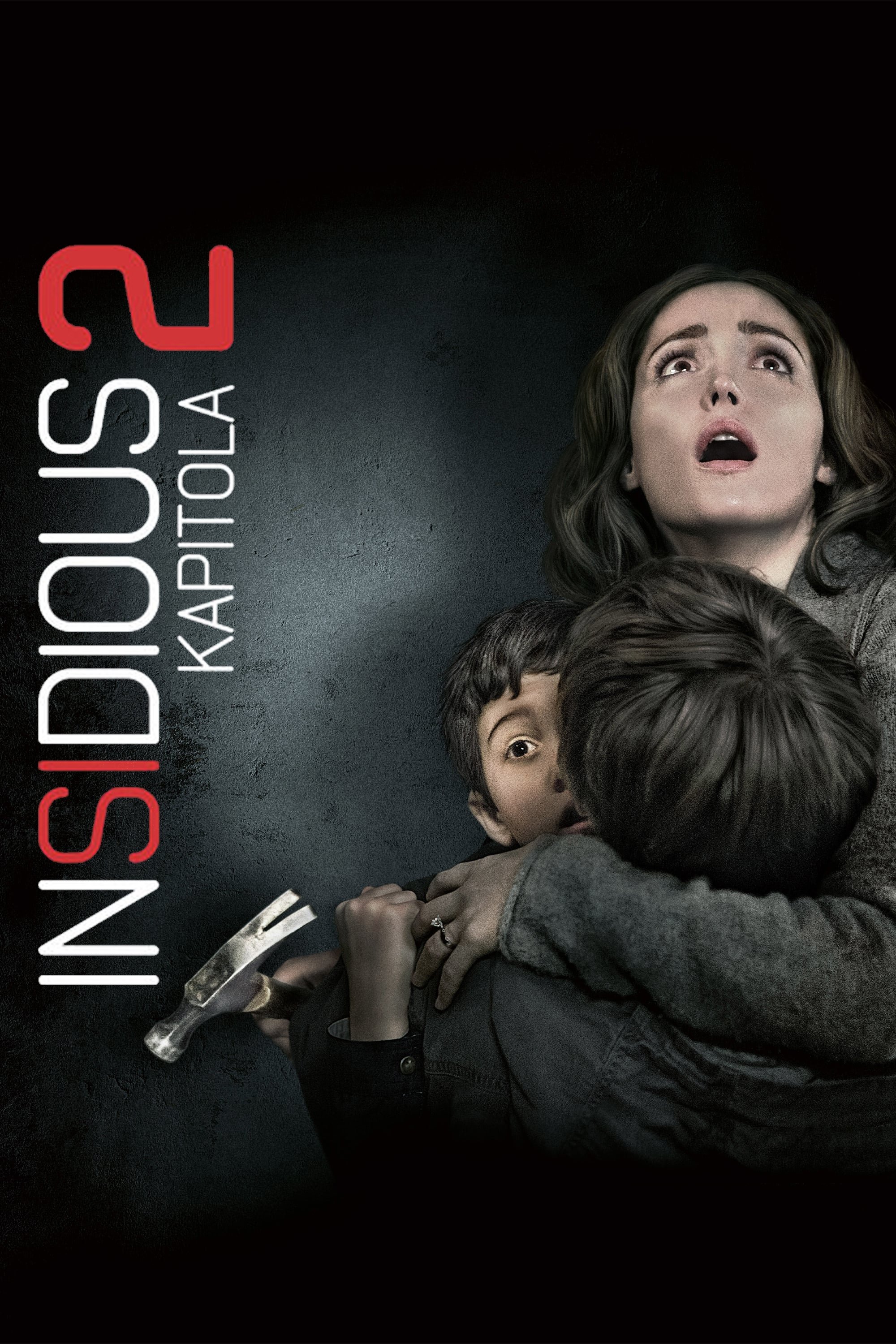
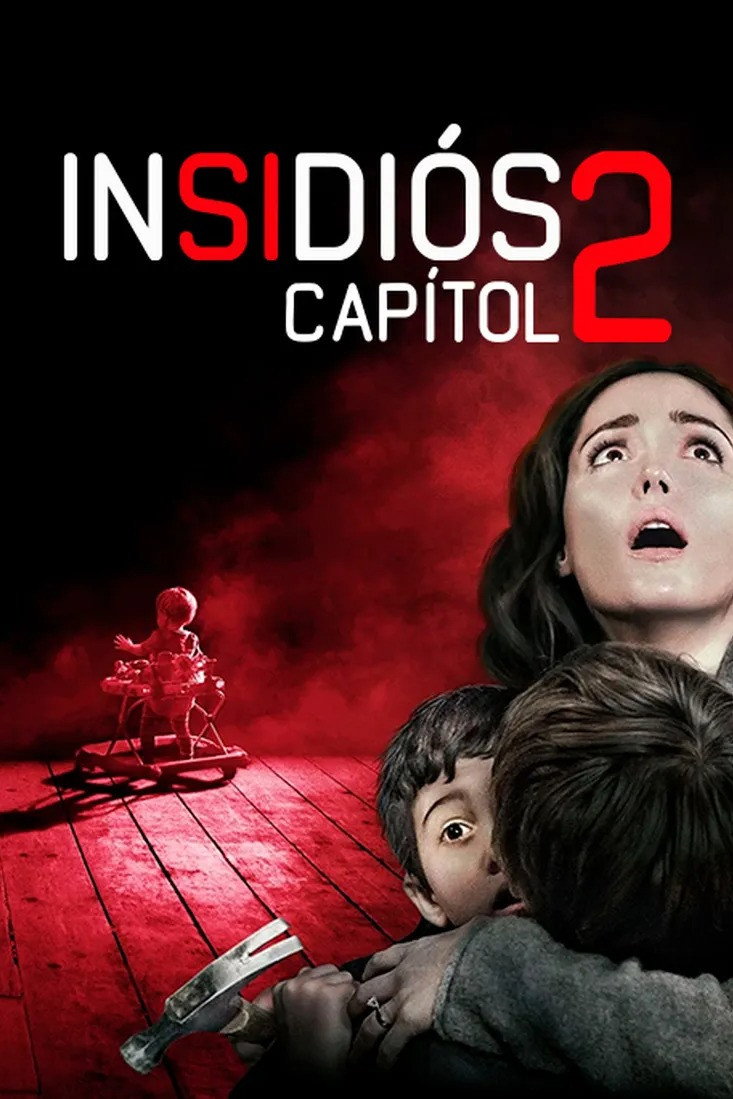
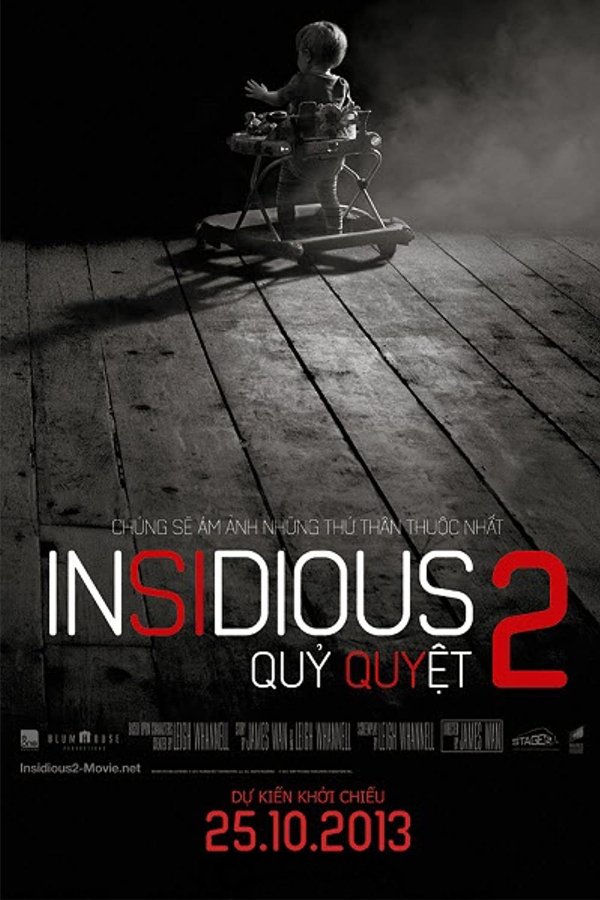
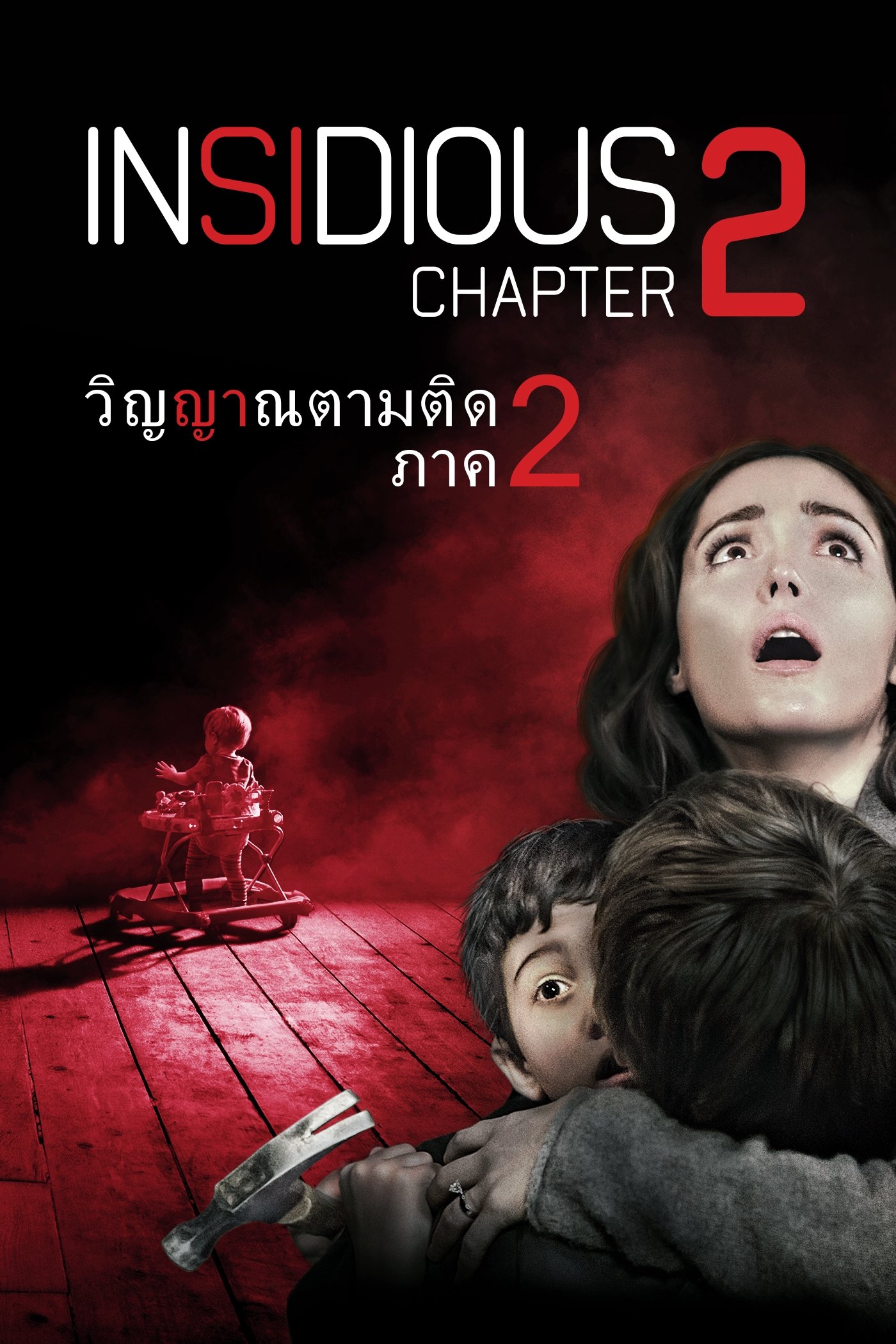
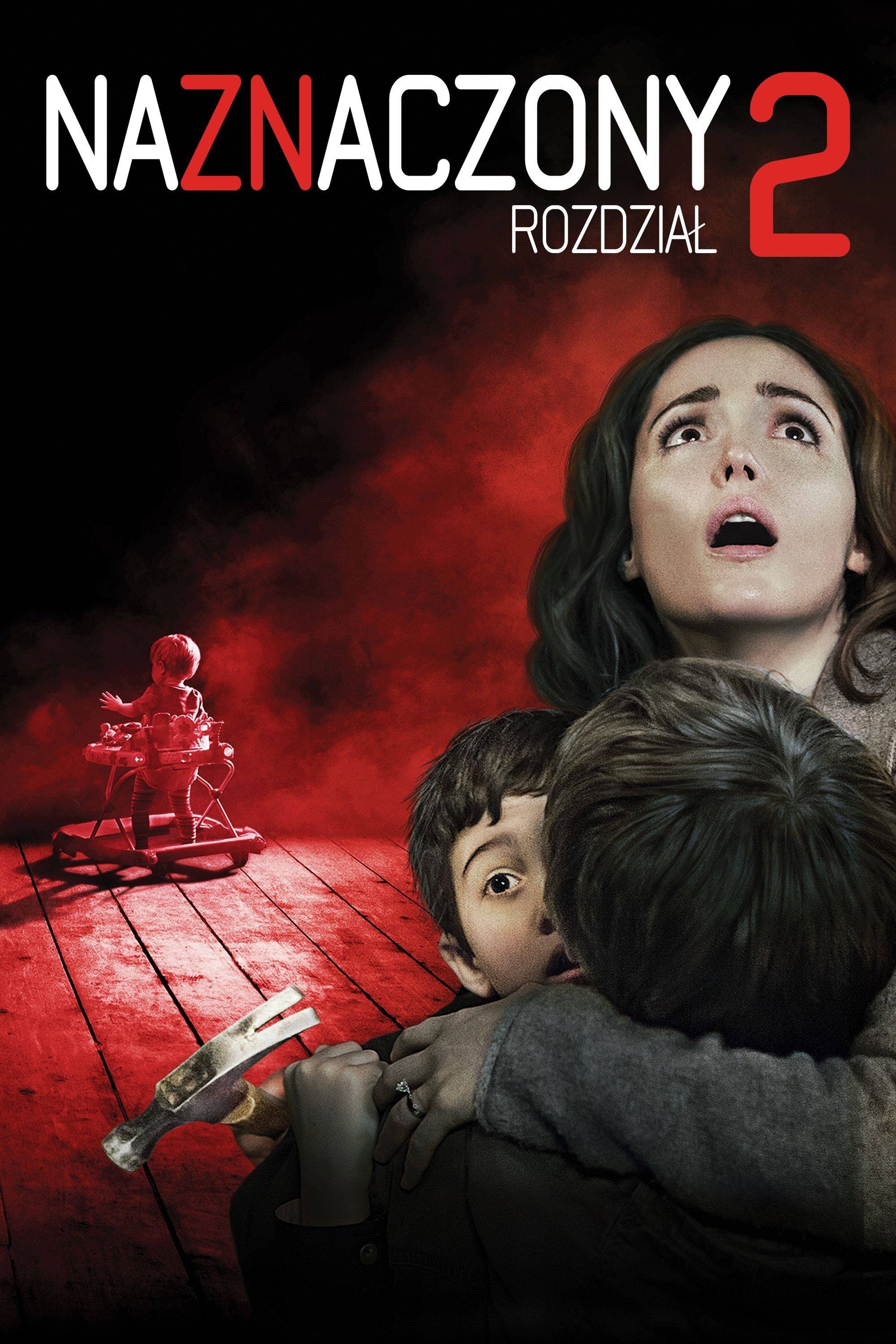
Коварен капан 2 (Bulgaria) — BulgarianSobrenatural: Capítulo 2 (Brazil) Insidieux : Chapitre 2 (Canada) 儿凶2 (China) — 港译潜伏2 (China) — Chinese阴儿房第2章 (China) — 台译阴儿房第2章:阴魂守舍 (China) Insidious: Kapitola 2 (Czechia) — CzechShow all 53 alternative titlesInsidious 2 (Denmark) — DanishInsidiós: Capítol 2 (Spain) — CatalanInsidious: Capítulo 2 (Spain) — SpanishRiivattu 2 (Finland) — FinnishInsidious : Chapitre 2 (France) ასტრალი: ნაწილი 2 (Georgia) — GeorgianΠαγιδευμένη Ψυχή: Κεφάλαιο 2 (Greece) — Greek兒凶續集 (Hong Kong SAR China) — ChineseInsidious: A gonosz háza (Hungary) — Hungarianהרוע שבפנים: חלק 2 (Israel) — Hebrewהרוע שבפנים: פרק 2 (Israel) इन्सिडीअस चैप्टर 2: कपटी आत्मा (India) — HindiLævís: Kafli 2 (Iceland) — IcelandicInsidious 2 - Oltre i confini del male (Italy) Oltre i confini del male: Insidious 2 (Italy) — Italianインシディアス 第2章 (Japan) 인시디어스 2: 두 번째 집 (South Korea) 인시디어스 2: 두번째 집 (South Korea) 인시디어스: 두 번째 집 (South Korea) 인시디어스: 두번째 집 (South Korea) — KoreanTūnąs tamsoje: antra dalis (Lithuania) — LithuanianAstrāls: 2.nodaļa (Latvia) — LatvianLa noche del demonio: Capítulo 2 (Mexico) Naznaczony 2 (Poland) Naznaczony: Rozdział 2 (Poland) — PolishInsidious: Capítulo 2 (Portugal) — PortugueseSobrenatural - Capítulo 2 (Portugal) Sobrenatural Capítulo 2 (Portugal) Insidious: Capitolul 2 (Romania) — RomanianАстрална подмуклост: Поглавље 2 (Serbia) — SerbianАстрал: Глава 2 (Russia) — Russianغدار: الفصل الثاني (Saudi Arabia) Insidious Chapter 2 (Sweden) — SwedishZakleti 2 (Slovenia) — SlovenianInsidious: Kapitola 2 (Slovakia) — SlovakLa Noche del Demonio Capitulo 2 (El Salvador) วิญญาณยังตามติด (Thailand) วิญญาณยังตามติด 2 (Thailand) — Thaiอินซิเดียส 2 (Thailand) Ruhlar Bölgesi: Bölüm 2 (Türkiye) — Turkish陰兒房第2章:陰魂守舍 (Taiwan) — ChineseАстрал: Частина 2 (Ukraine) — UkrainianInsidious - Chapter 2 (United States) Insidious 2 (United States) — Collection TitleQuỷ Quyệt 2 (Vietnam)
James Wan returns to the Lambert family, connecting a father's possession to childhood trauma through the Further, practical ghost makeup and shifting timelines.
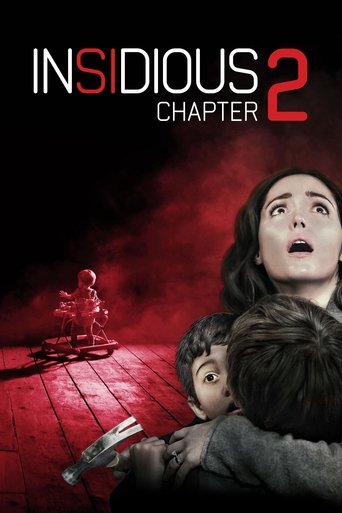
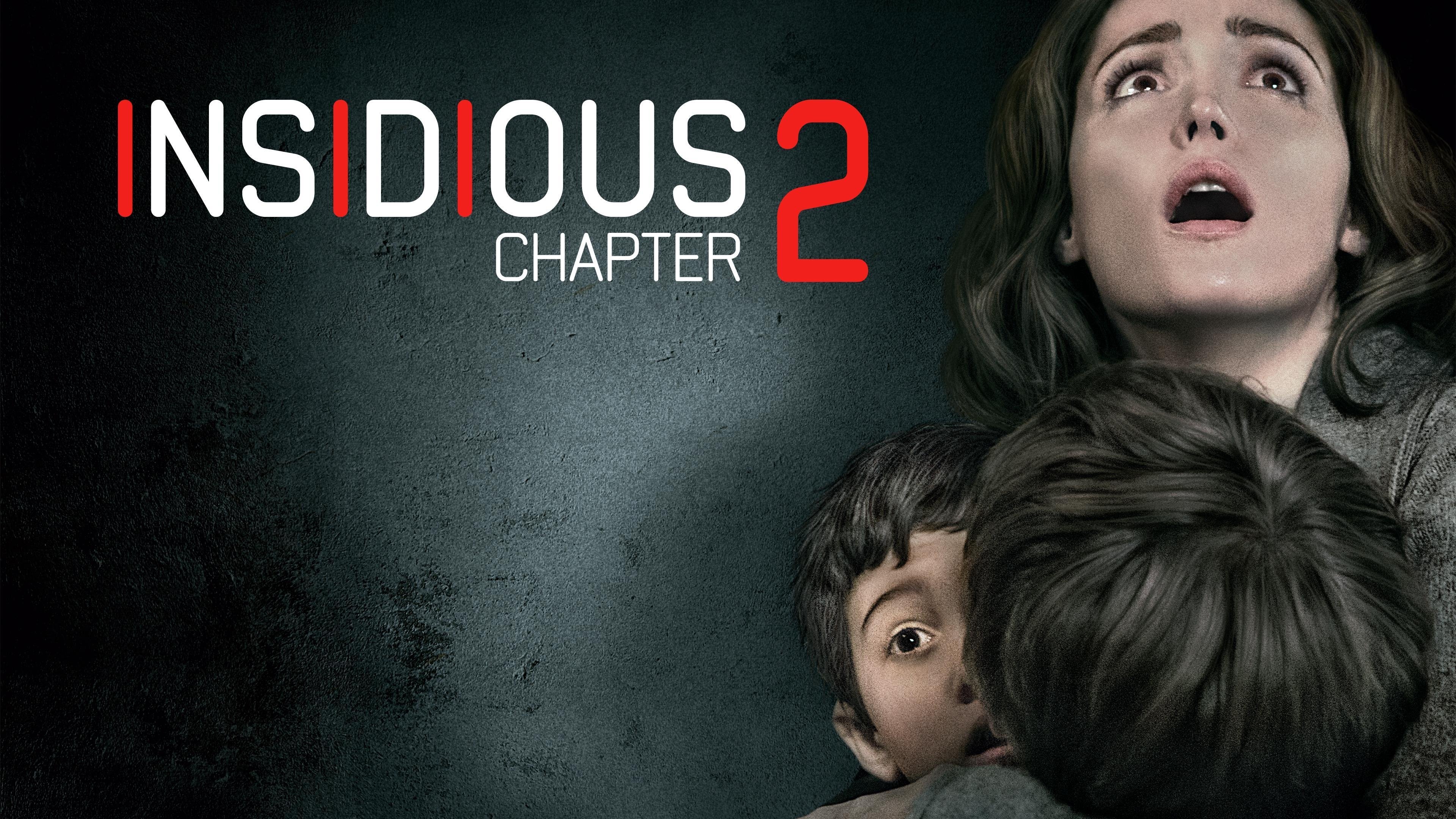
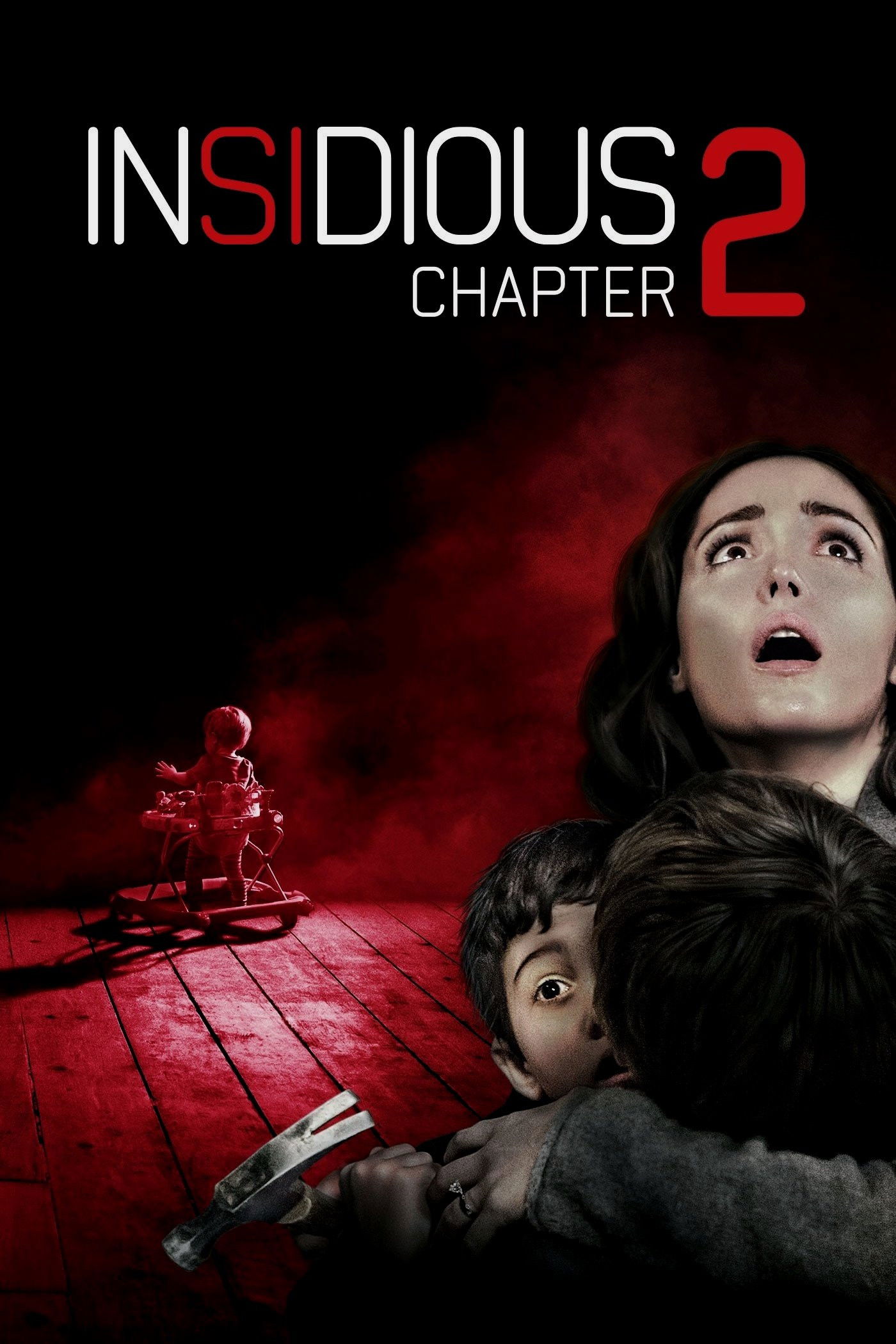
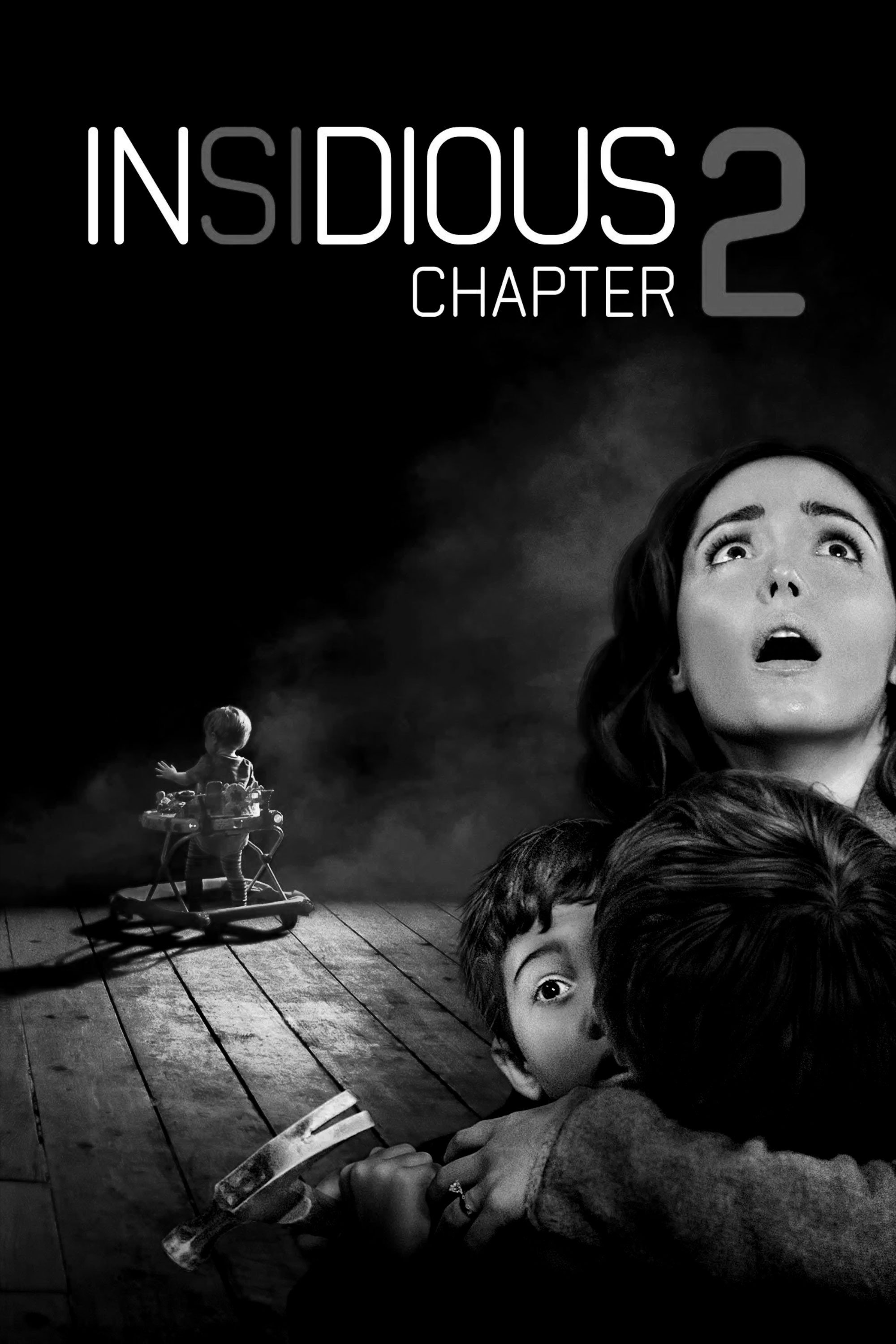
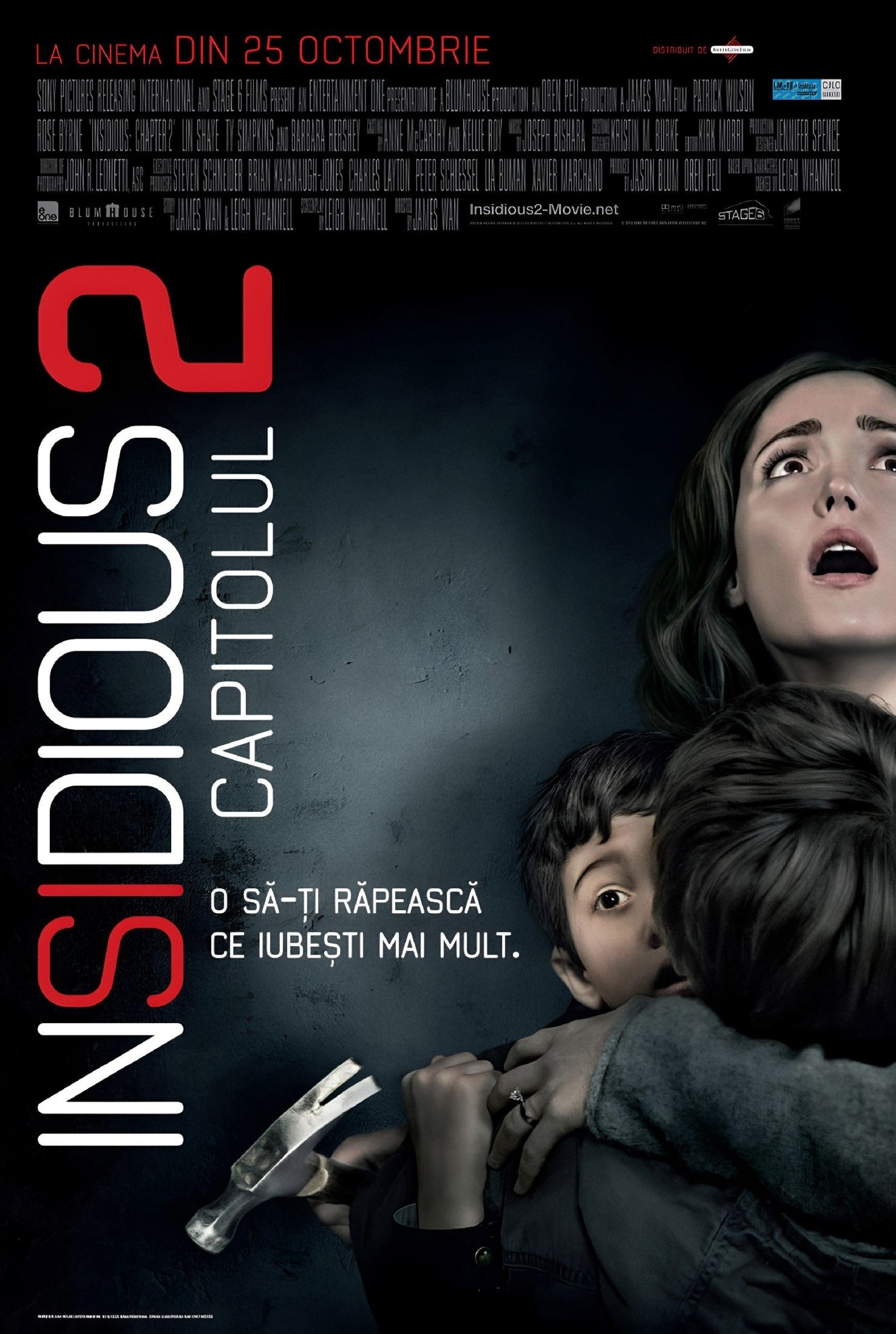
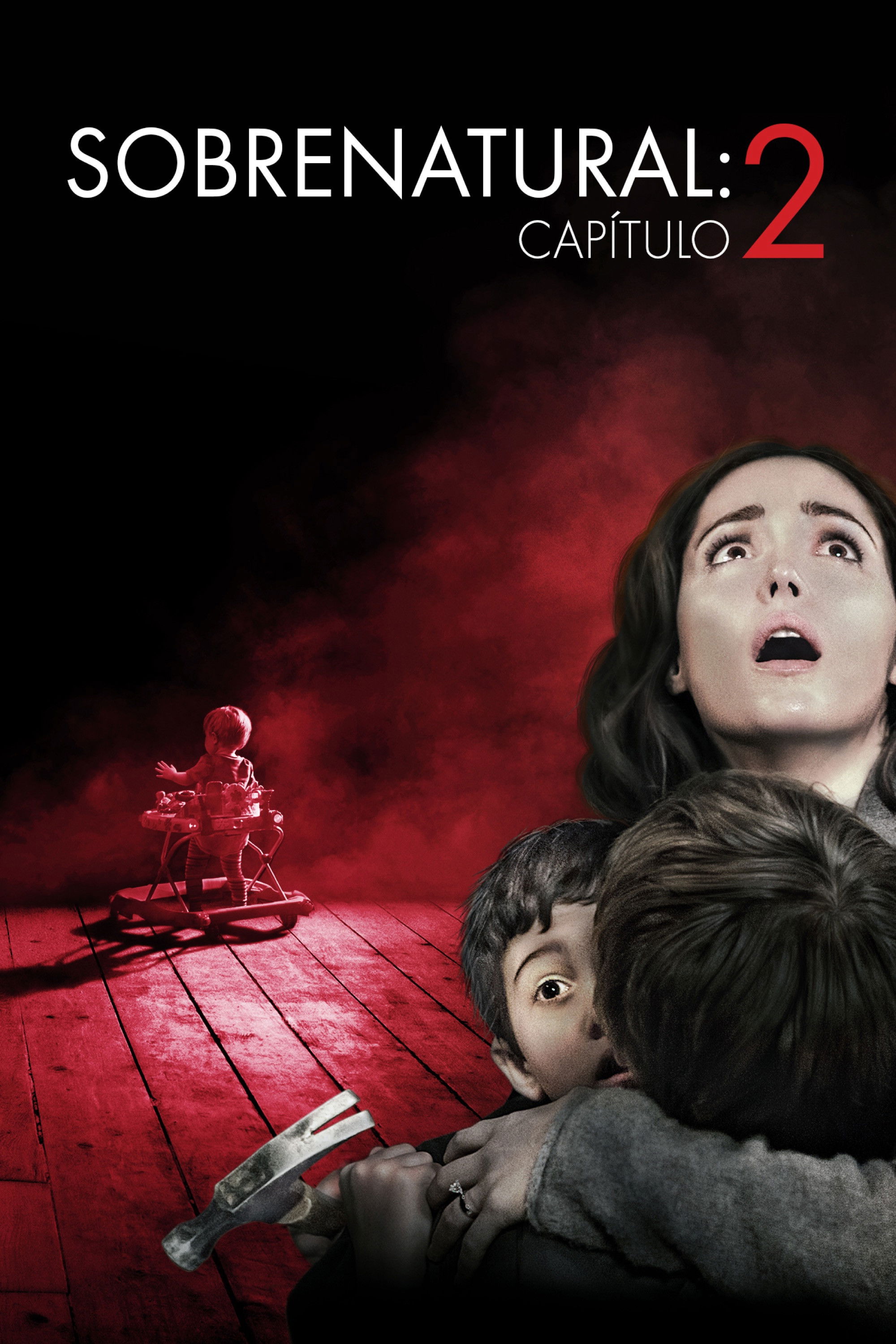
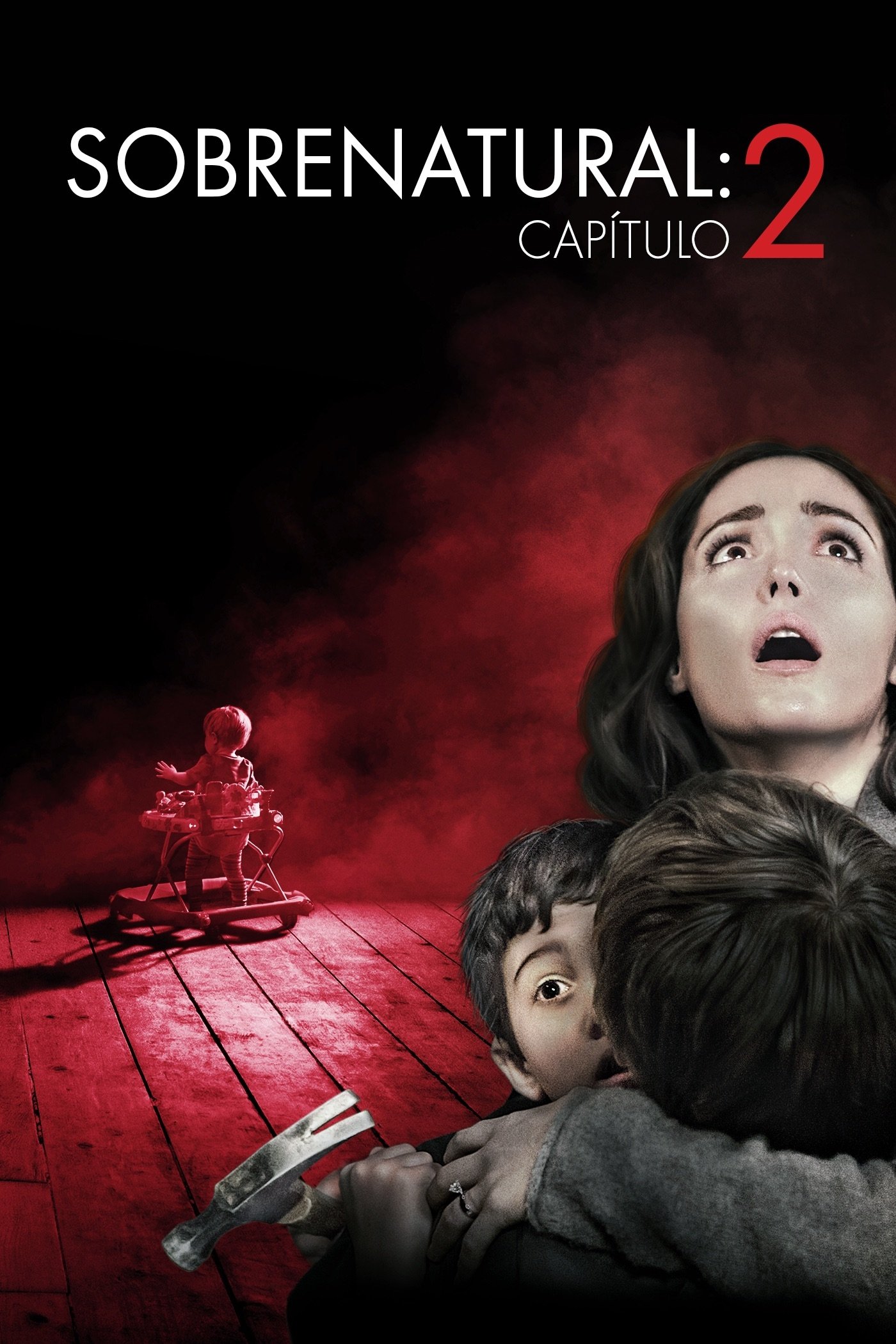
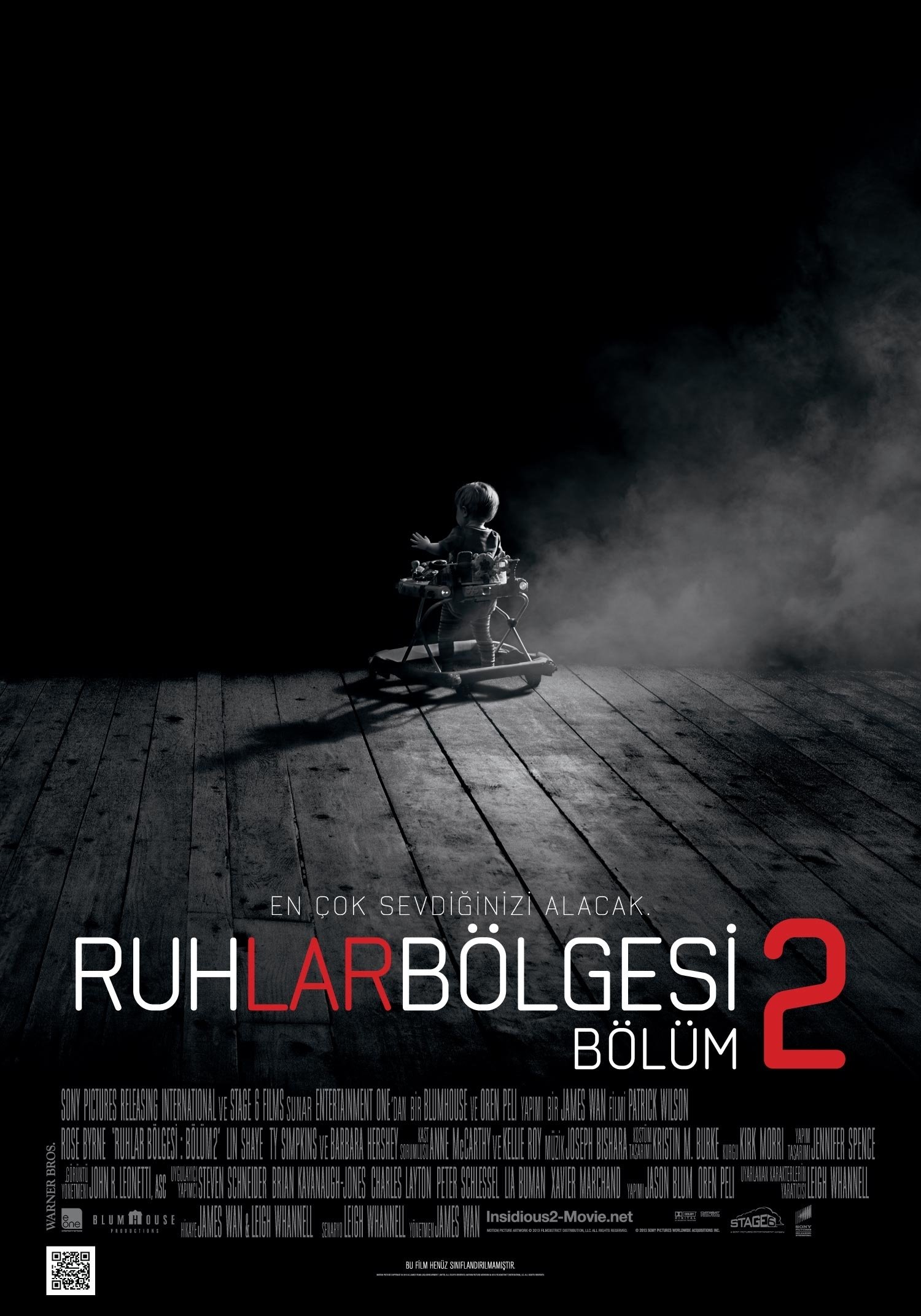
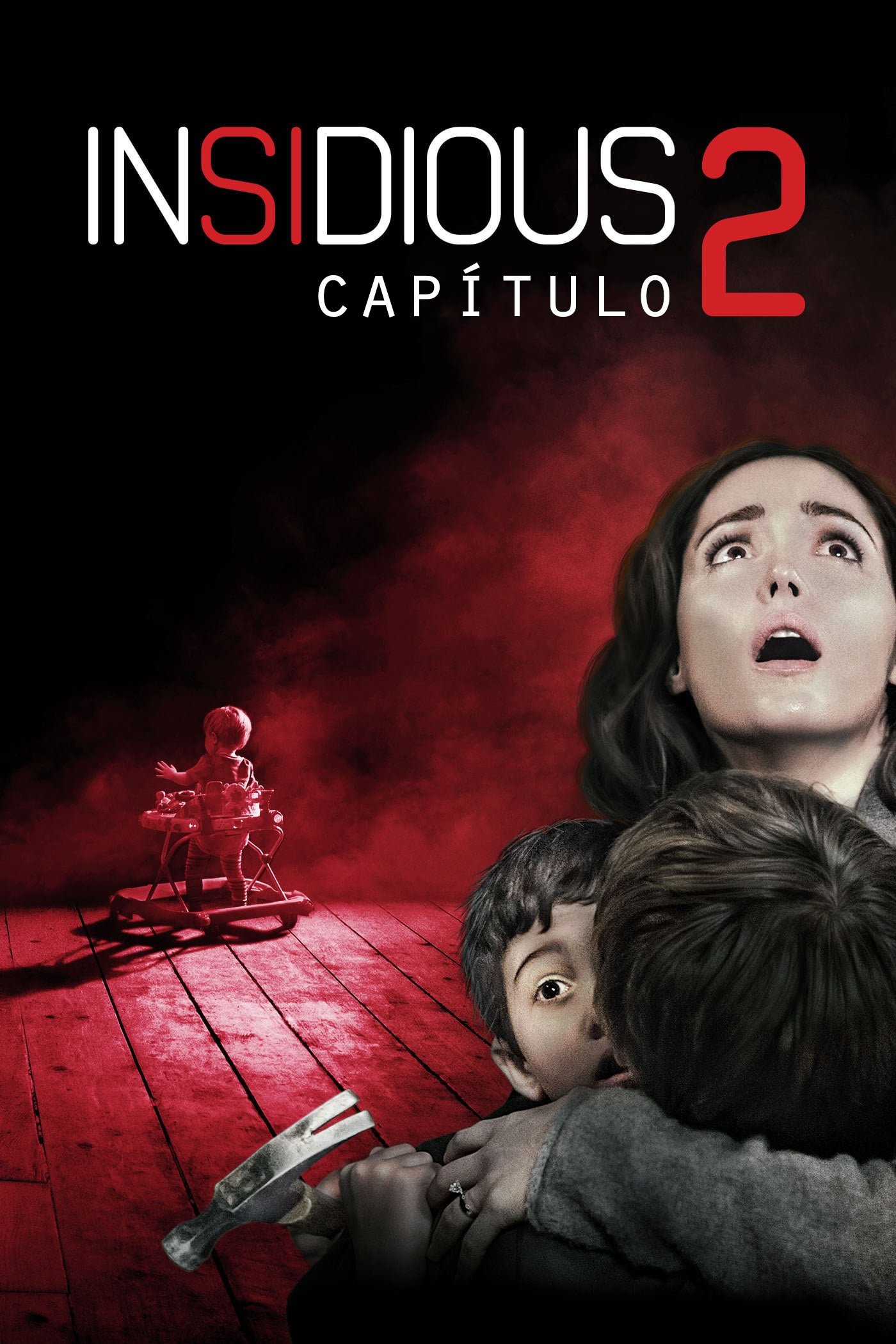
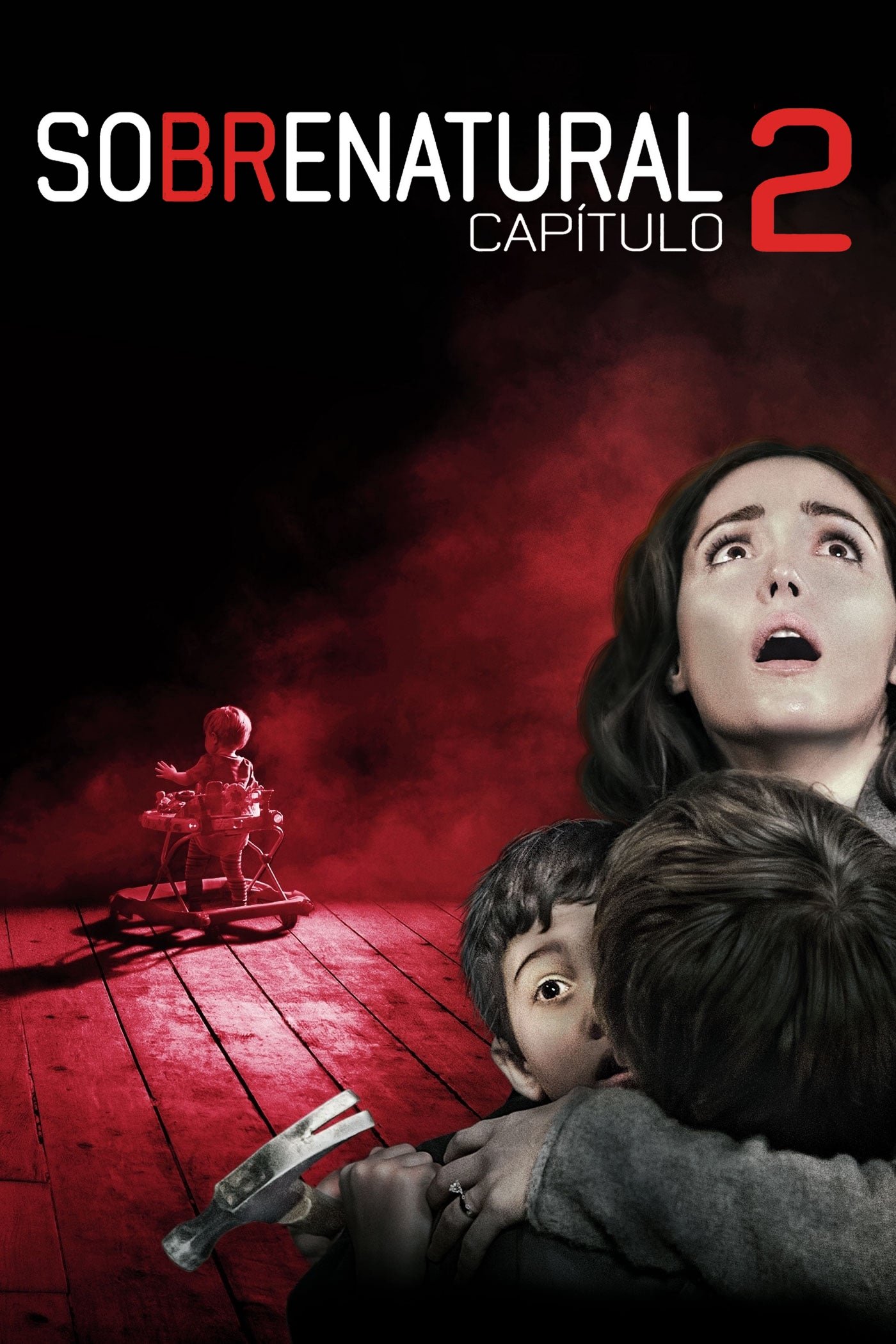
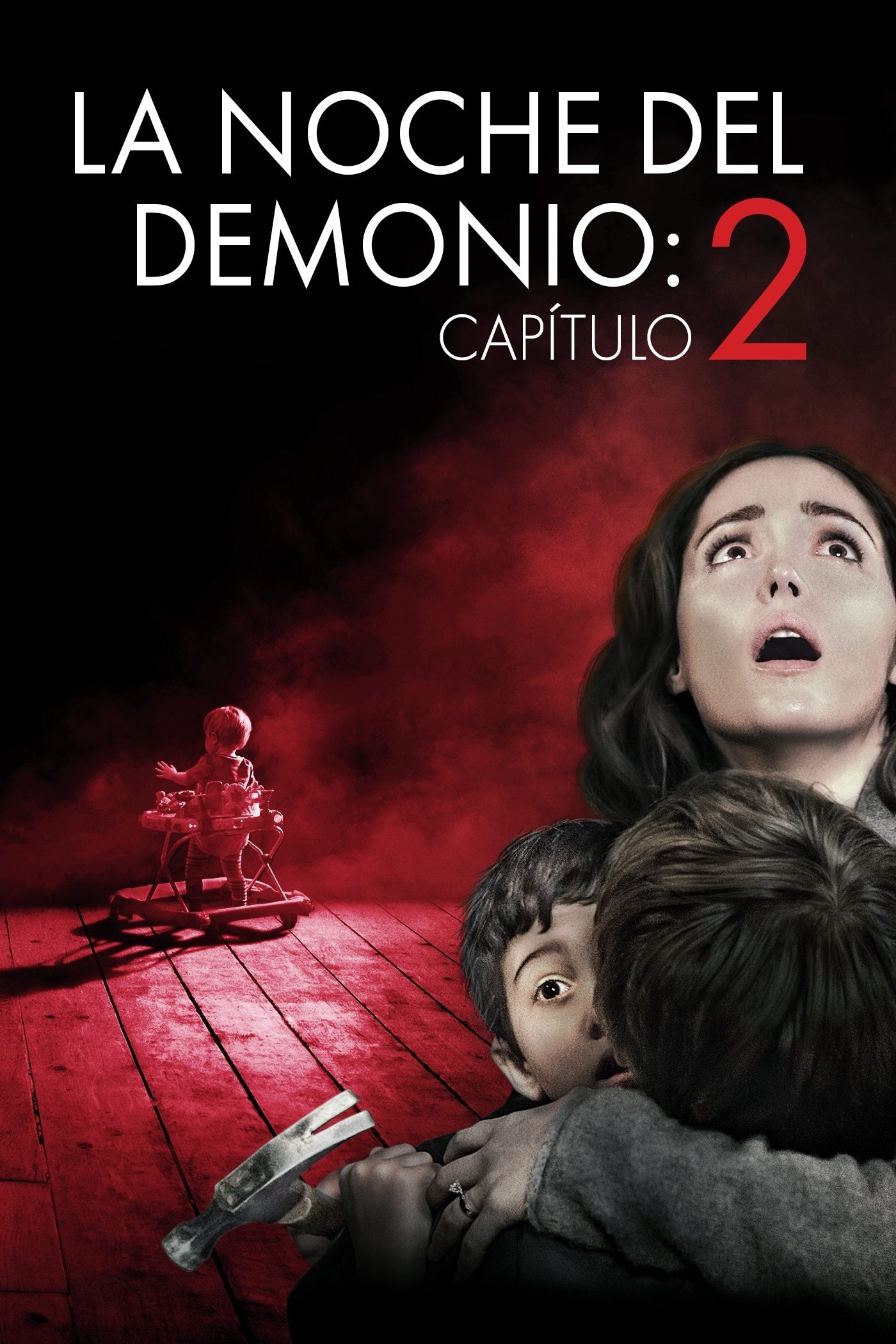
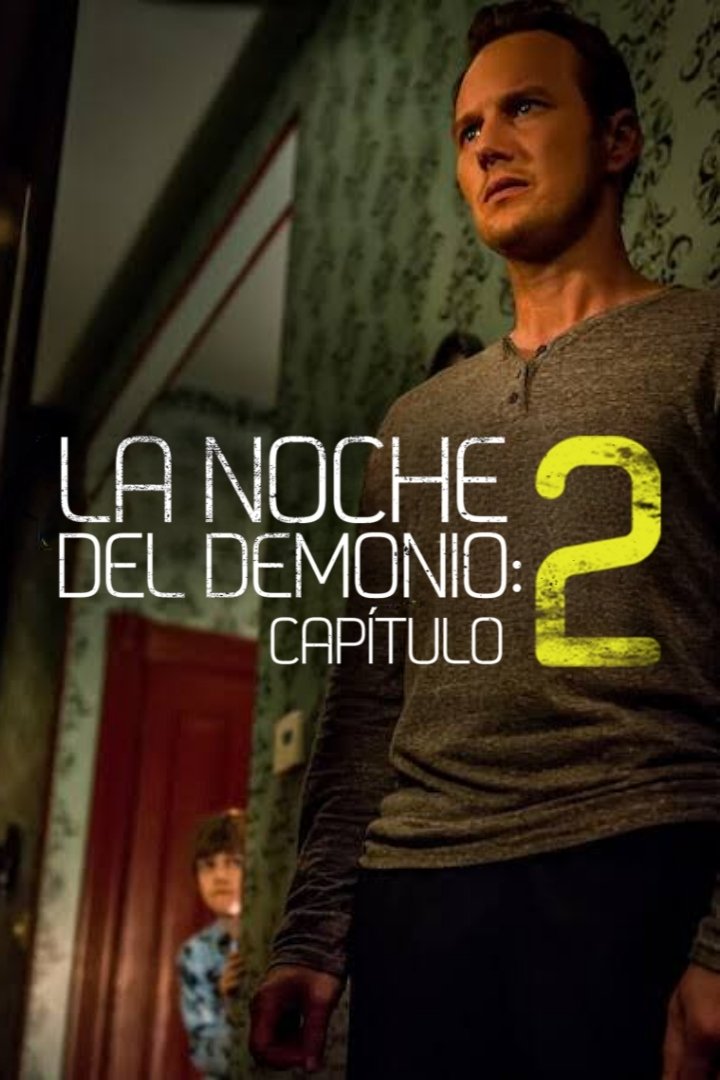
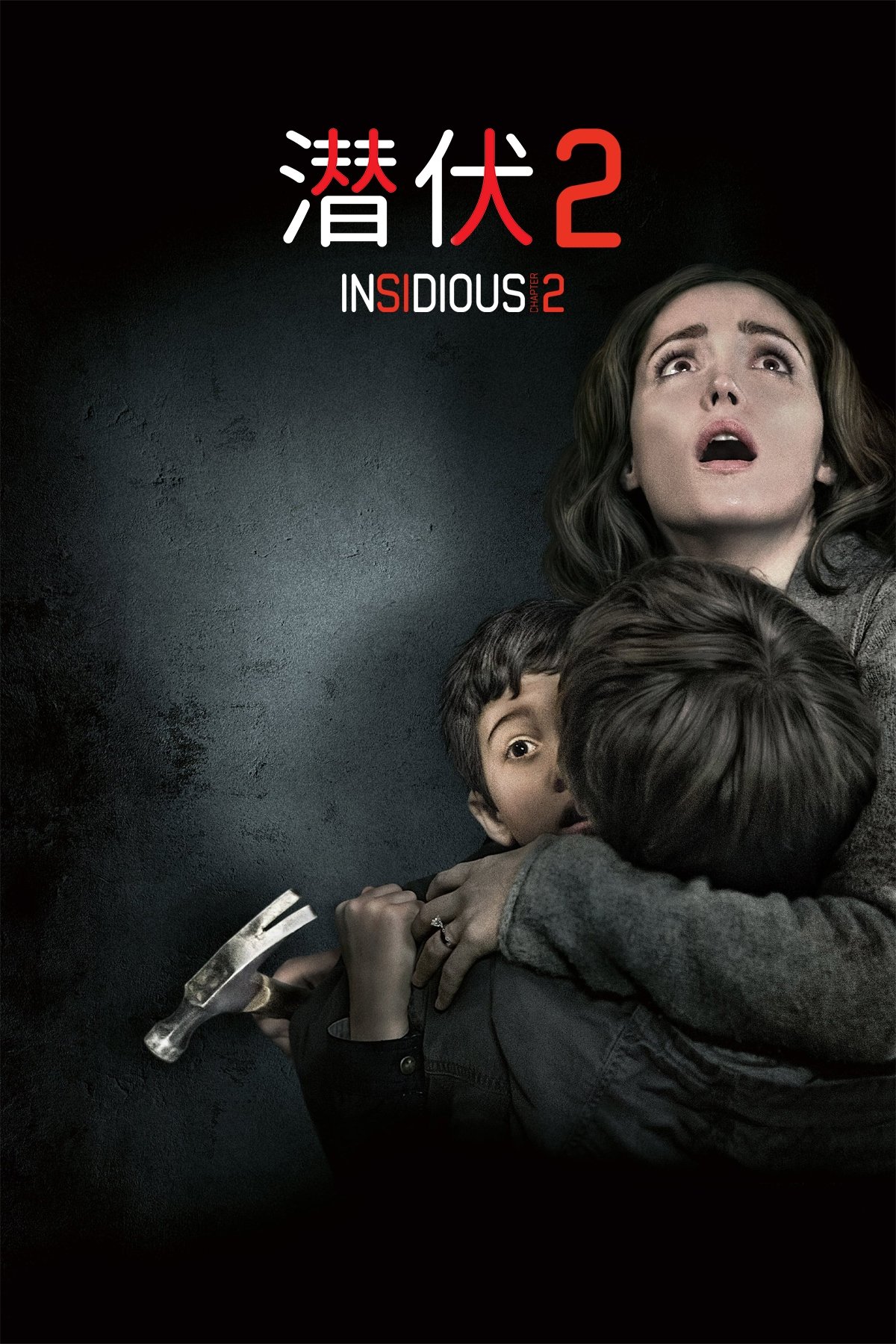
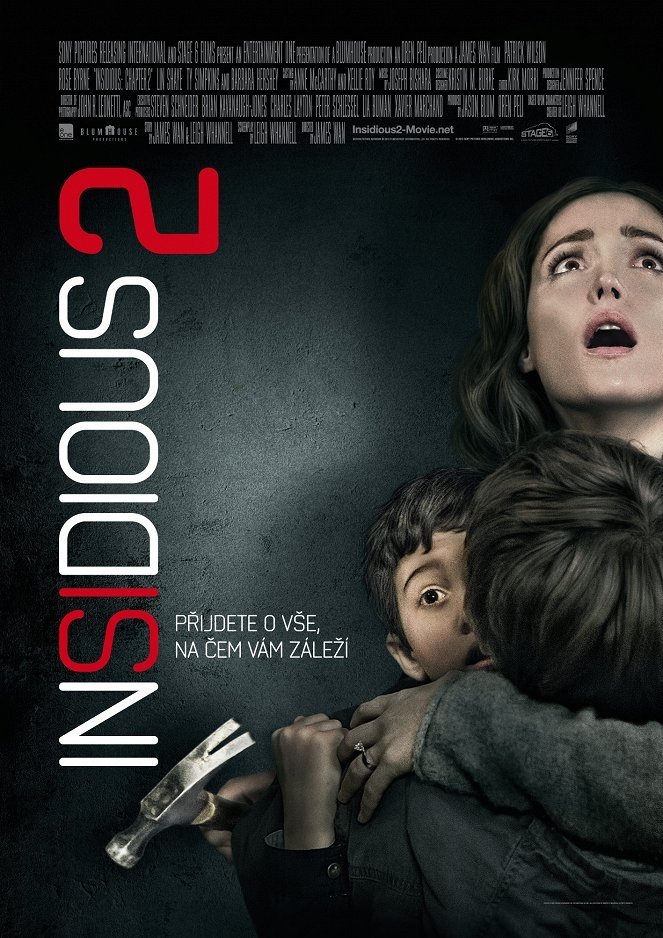
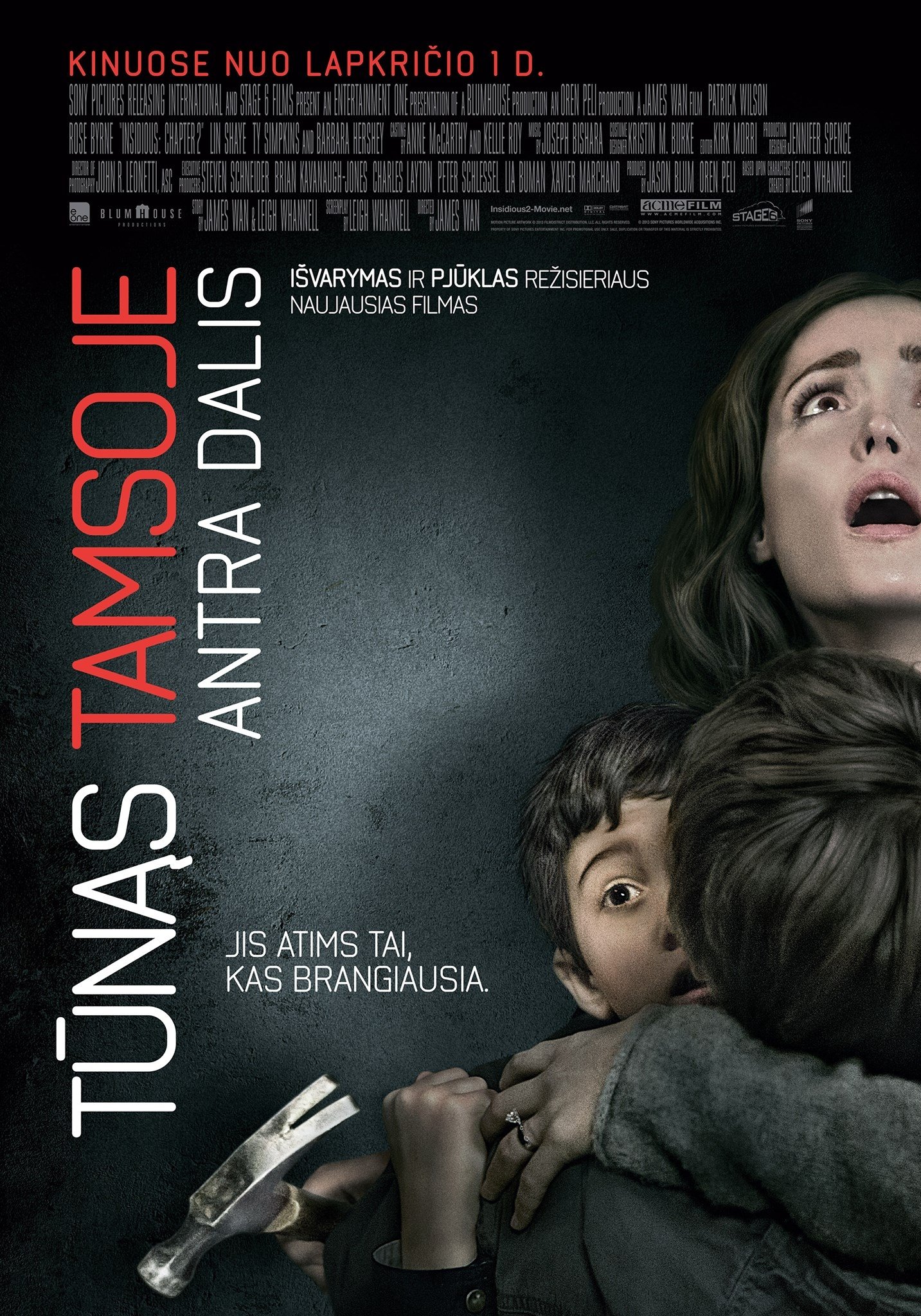
Insidious: Chapter 2 (2013) resumes the Lambert family's ordeal at the moment its apparent rescue collapses. Josh has returned from the spirit world known as the Further, but the medium Elise Rainier is dead and his wife Renai has reason to suspect that the man living beside her is no longer himself. James Wan keeps the principal cast of Insidious (2010) and shifts the immediate threat from the entrapped son Dalton to a father whose body has become dangerous to his family. The sequel uses this change to turn ordinary domestic trust into a source of fear, while a parallel investigation reaches into Josh's childhood and the history of a violent apparition.
Leigh Whannell wrote the screenplay from a story developed with Wan, connecting incidents seen in the first film to new scenes set decades earlier and within the Further. Wan described making the two installments as parts of a continuous story, although the production required a rapid return to low-budget filmmaking after The Conjuring. Reporting from a disused Los Angeles hospital documents elaborate sets, recreated rooms and physical ghost makeup. The picture also exposes a tension within its own design: its increasingly detailed mythology expands what supernatural horror can show, but demands explanations that some contemporary critics believed weakened the suspense.
A Sequel Conceived as a Direct Continuation
The commercial success of Insidious brought Wan and Whannell back to characters whose immediate future had been left unresolved. In a September 2013 interview with David Crow, Whannell stated that he had not been imagining sequels when writing the original picture. The project had been a return to independent horror filmmaking after the difficulties they experienced following Saw (2004). He nevertheless welcomed the opportunity to follow its ending more closely than the later Saw sequels had followed the direction established by their creators. For the new installment, the collaborators chose continuity of situation and performance rather than a different household encountering the same type of spirit.
Wan described both Insidious films to interviewer Evan Dickson as a single extended narrative. His account also identifies a practical problem: the child performers were growing older while the sequel was intended to begin only moments after the earlier ending. He had just completed The Conjuring (2013), whose larger resources made the transition back to a compressed independent schedule difficult. Wan characterized the shoot as especially demanding and credited his familiarity with the cast and crew for making it possible. This is direct testimony about the production circumstances, distinct from the finished film's appearance of uninterrupted time. The title Chapter 2 announces the narrative connection without implying that the first screenplay had been designed as half of a planned two-film release.
Possession and the Breakdown of Family Trust
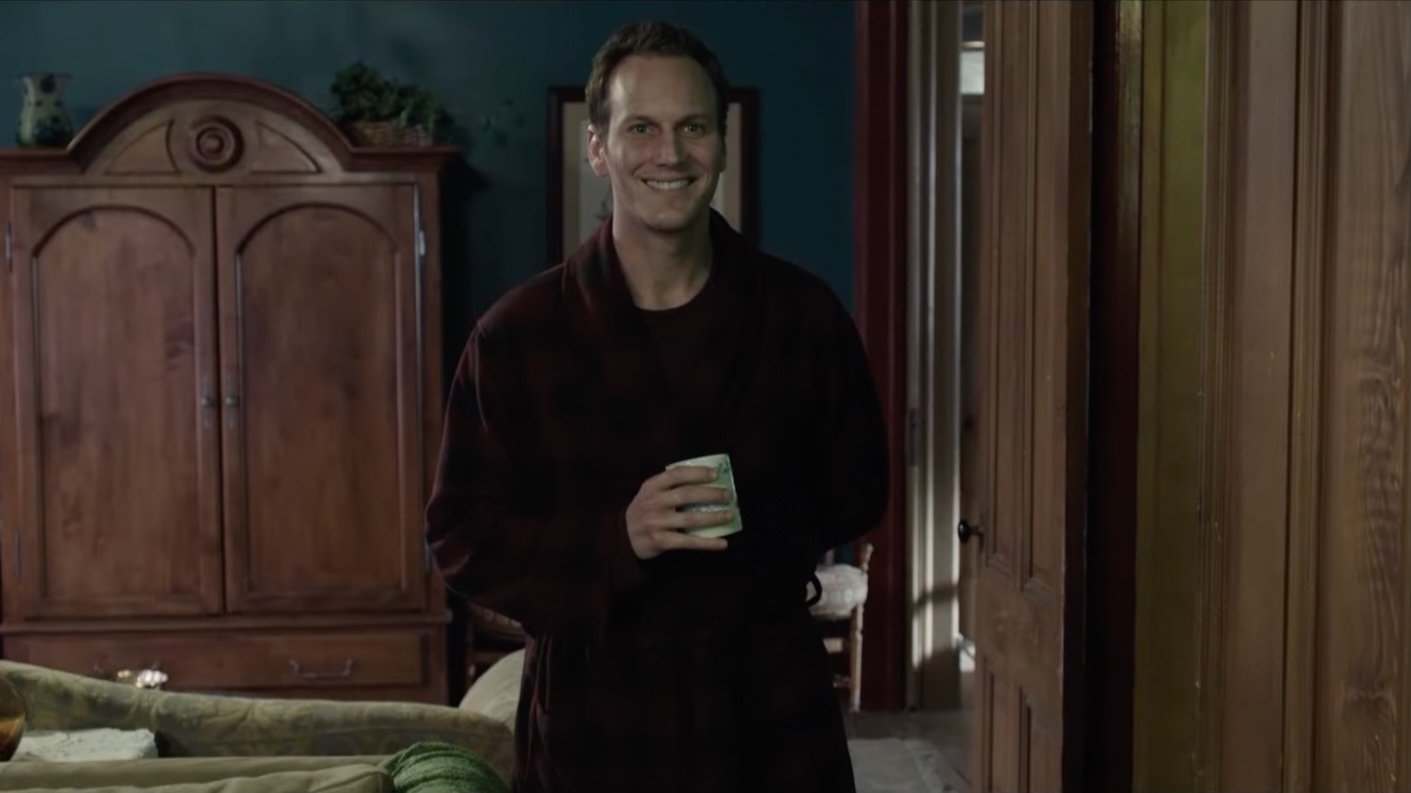
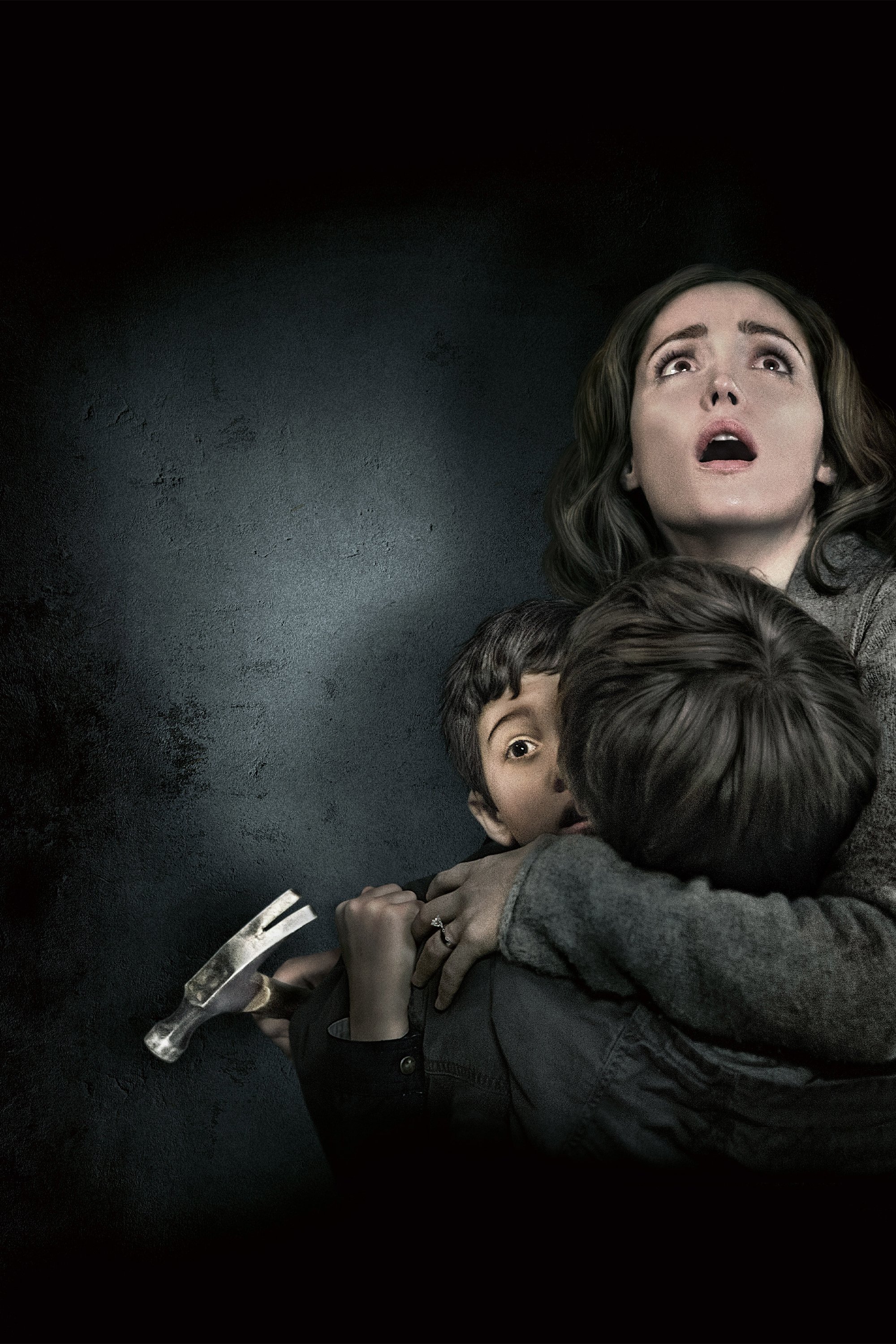
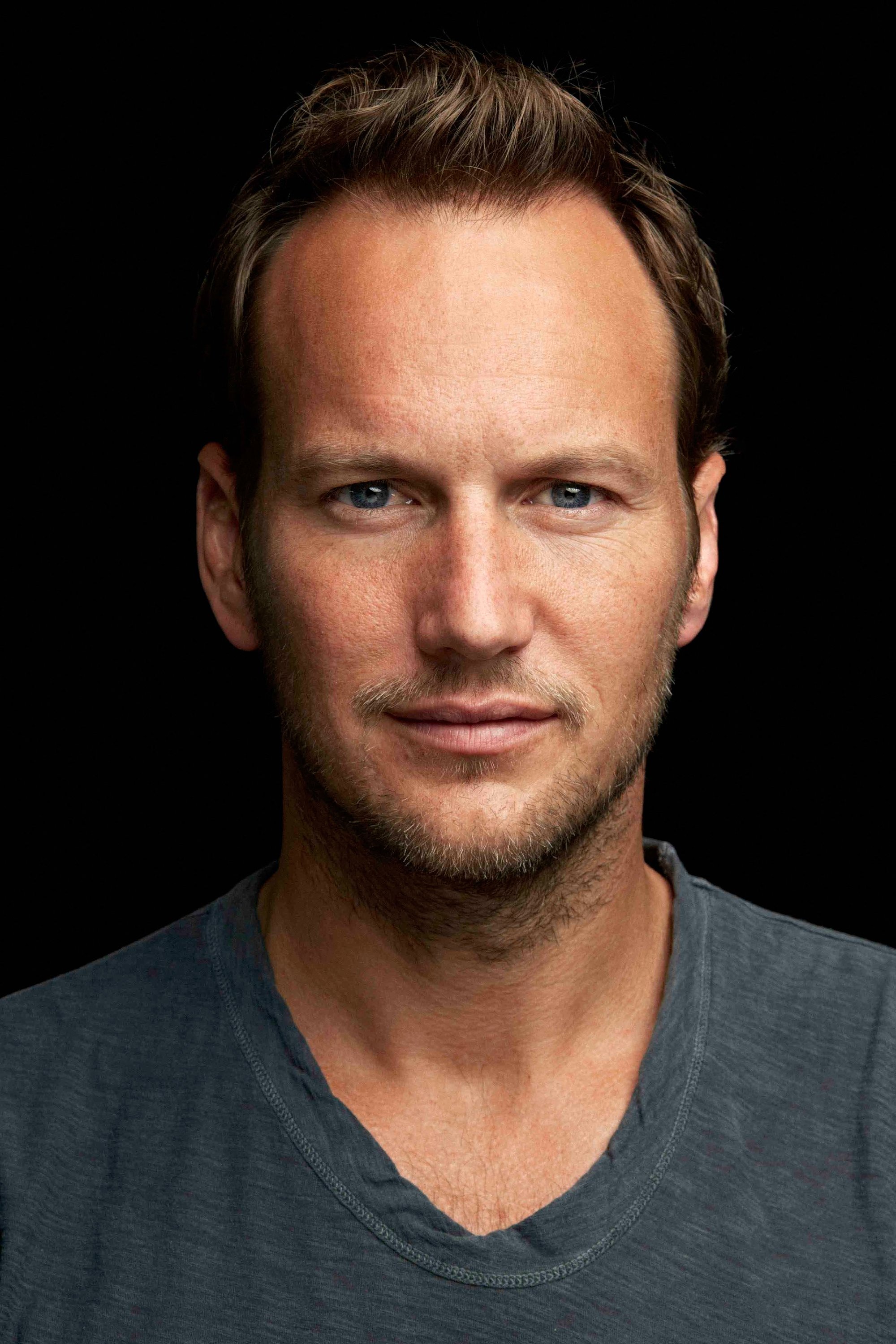
The most important reversal concerns Josh Lambert. The first film used his ability to project into the Further as a means of saving Dalton; the sequel reveals the risk carried back into the family home when his body was occupied by another presence. Patrick Wilson's performance must therefore carry conflicting possibilities. Josh can appear reassuring in an ordinary conversation and become threatening through an abrupt change in manner, leaving Renai unable to trust the evidence of his familiar appearance. Rose Byrne's responses register the emotional cost of sharing a house with someone whose identity may have been displaced. Domestic objects and children's rooms become threatening because danger has entered the household through its supposed protector.
Barbara Hershey's Lorraine provides knowledge of disturbances that preceded Dalton's recent experience, giving the family's immediate crisis a history. She seeks help from Specs and Tucker, played by Whannell and Angus Sampson, and from another medium, Carl, portrayed by Steve Coulter. Their investigation does not grant them the uninterrupted authority that Elise exercised: even the helpers must work with partial memories and unreliable appearances. Meanwhile, the family's efforts to protect one another place Renai and the children in different kinds of jeopardy. The sequel's central horror is the gap between recognizing the face of a loved one and knowing who controls the actions behind it.
The Further and the Rewriting of Earlier Events
Whannell uses the Further as more than a storage place for hostile spirits. Events in that darkened realm intersect with moments that previously appeared isolated, so the film can return to the first installment and change the audience's understanding of what was heard or seen. A childhood encounter with Elise becomes connected to the adult crisis, and Josh's passage through the other world reveals the origin of disturbances outside ordinary chronological order. In his contemporaneous Den of Geek interview, Whannell likened the pair of pictures to a serial whose installments might be joined into one long narrative. That description is his account of the storytelling ambition, not evidence of literal time travel outside the fictional rules of the series.
The method offers opportunities for formal suspense: rooms seem familiar but belong to another moment, while a noise with no apparent source can later acquire a different meaning. It also requires the spectator to follow two processes at once, as investigators reconstruct the human story behind an apparition and Josh seeks a route back to his living body. The film's recurring dark passages and obscured figures maintain the Further's visual continuity, but the sequel assigns the space a more complicated narrative function. Rather than merely threatening characters with unknown occupants, it permits the past to confront the present and gives particular earlier scares newly specified causes.
Parker Crane, the Bride in Black and Inherited Abuse
The apparition known as the Bride in Black is identified with Parker Crane, whose past the investigators uncover through hospital records and Lorraine's memories. His mother Michelle subjected him to severe coercion and humiliation, and the film connects his later murders and spectral identity to that history. The use of a bridal dress belongs to a particular fictional serial-killer construction; it cannot explain real violence or establish an association between gender nonconformity and murder. The story's immediate function is to give the figure pursuing Josh a personal history while making the mother's influence persist beyond both characters' deaths.
Parker's emergence from a previously anonymous nightmare figure changes the scale of the threat. Instead of confronting an unexplained spectral silhouette, the family faces an identity formed through domestic domination and repeated harm to others. The repeated emphasis on a face that can hide another presence links Parker's story to Josh's occupation. It also marks a tonal shift toward investigative horror, where hospital evidence, photographs and testimony become essential to locating the origin of an apparition. This explanation supplies narrative coherence, but at a cost: identifying the ghost's motives can reduce some of the earlier image's uncertainty. The film's treatment of abuse is therefore central to its mythology and open to critical examination.
Linda Vista Hospital, Recreated Sets and Ghost Makeup
An eyewitness report by Evan Dickson documents shooting at the former Linda Vista hospital in Los Angeles. The crew used the site for scenes tied to Parker Crane and also constructed domestic interiors within the building. Dickson saw a recreation of the Lambert living room associated with the climax of the first film, a detail that explains how this production could stage new material connected to familiar earlier scenes. Wan said the filmmakers had long heard about the location and that Whannell had previously visited it while researching supernatural stories. Such anecdotes document the writers' visits and the choice of a filming site; they do not establish that the building was haunted.
The hospital's discarded administrative environment helped the investigators' pursuit of an older case feel material and specific. Elsewhere, the production's ghosts remained physical performances with dedicated makeup work, not simply unseen effects created in post-production. A further set visit reported elaborate preparation for featured background spirits, including latex wounds, stained teeth, costume changes and multiple makeup stations. Those observations concern actual processes witnessed on set, without proving that all apparitions were made by one method. In combining bodily figures with the artificially darkened Further, the film keeps a trace of the low-budget theatricality that characterized the first installment even as its chronology and number of settings become more elaborate.
Framing, Sound and the Rhythm of Supernatural Scares
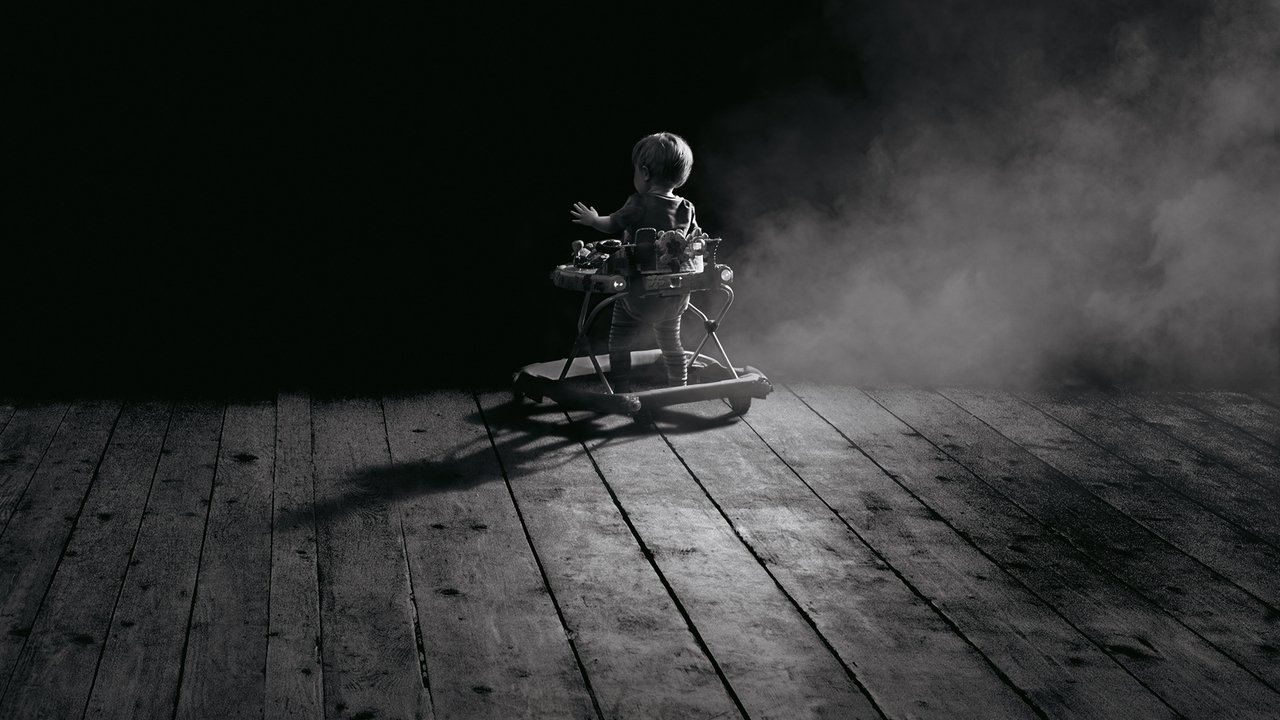
John R. Leonetti returned as cinematographer, with Kirk Morri editing and Joseph Bishara composing the music. Their credited participation establishes continuity in the filmmaking team, while the film itself reveals how empty rooms are used to structure attention. Wan repeatedly allows spectators to survey a doorway, a staircase or a quiet corner before altering the frame through a sudden figure or movement. The family house is especially effective because it is visually ordinary: a piano, a child's toy or a dark adjoining room can become suspicious without elaborate production design. The camera's patient interest in apparently vacant space prepares the audience to anticipate an interruption.
Bishara's ominous music and abrupt changes in volume support that visual strategy, although the film does not depend on music at every moment of uncertainty. A quiet domestic gesture can become alarming through an unfamiliar sound elsewhere in the building, particularly when a character cannot determine its source. The sequel also introduces extended excursions into the Further, where moving shadows and exaggerated makeup can turn dread into spectacle. This variation created a critical disagreement in 2013: some observers found ingenuity in the way the imagery revisited earlier scenes, while others felt that the accumulation of jolts and explained mechanisms undermined tension. Those reactions concern different aspects of a deliberate balance between haunted-house restraint and supernatural extravagance.
September 2013 Release, Reviews and Franchise Continuity
FilmDistrict opened Insidious: Chapter 2 widely in the United States on September 13, 2013, with a PG-13 rating. In contemporary reporting for the Los Angeles Times, Amy Kaufman described an estimated $41.1 million opening weekend and a production budget of approximately $5 million. The estimate was published before final weekend reporting; later box-office accounts place the domestic opening at roughly $40.3 million. The commercially striking result confirmed strong audience interest in a direct continuation, but theatrical gross must not be confused with profit after distribution and marketing. Kaufman's report also recorded a B+ CinemaScore from opening-weekend viewers, higher than the earlier film's B, despite weaker critical notices.
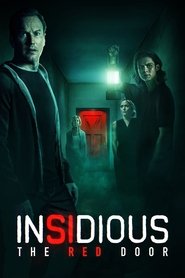
Mike McCahill's September 2013 Guardian review criticized the repeated startling effects but gave qualified recognition to the narrative's movement backward and sideways through the first film. Robert Abele, in a separate contemporary review, was harsher about the sequel's dependence on familiar devices. These are identifiable contemporary judgments, not grounds for claiming unanimous rejection. In later installments, the franchise pursued stories about Elise and the Further before returning to the Lambert family in Insidious: The Red Door (2023). The second chapter's lasting position within the series rests in its direct resolution of the original cliffhanger and its expansion of the Further into a place where memory, identity and apparently settled events can change meaning.
References
Bloody Disgusting — Interview: James Wan on the Difficult Shoot of Insidious: Chapter 2
Evan Dickson's original September 2013 interview about the two-film continuity, child actors, time constraints, The Conjuring and the return to an independent production.
Den of Geek — Interview with Leigh Whannell, Writer of Insidious and Saw
David Crow's original September 2013 conversation on the lack of an initial sequel plan, the collaboration with Wan, long-form continuity and possible future stories within the Further.
Bloody Disgusting — Special Report: Getting Answers and Escaping Ghosts on the Set of Insidious Chapter 2
Evan Dickson's May 2013 firsthand visit to Linda Vista hospital, including direct testimony from Wan, Whannell and the actors about the location, reconstructed interiors and story development.
Mike McCahill's September 12, 2013 review distinguishing repetitive shock devices from the sequel's more elaborate treatment of time and narrative continuity.
Los Angeles Times — Insidious: Chapter 2 Is No. 1, as Low-Budget Horror Rules Again
Amy Kaufman's original September 15, 2013 industry reporting documenting the distributor's opening-weekend estimate, reported financing and opening-audience response.