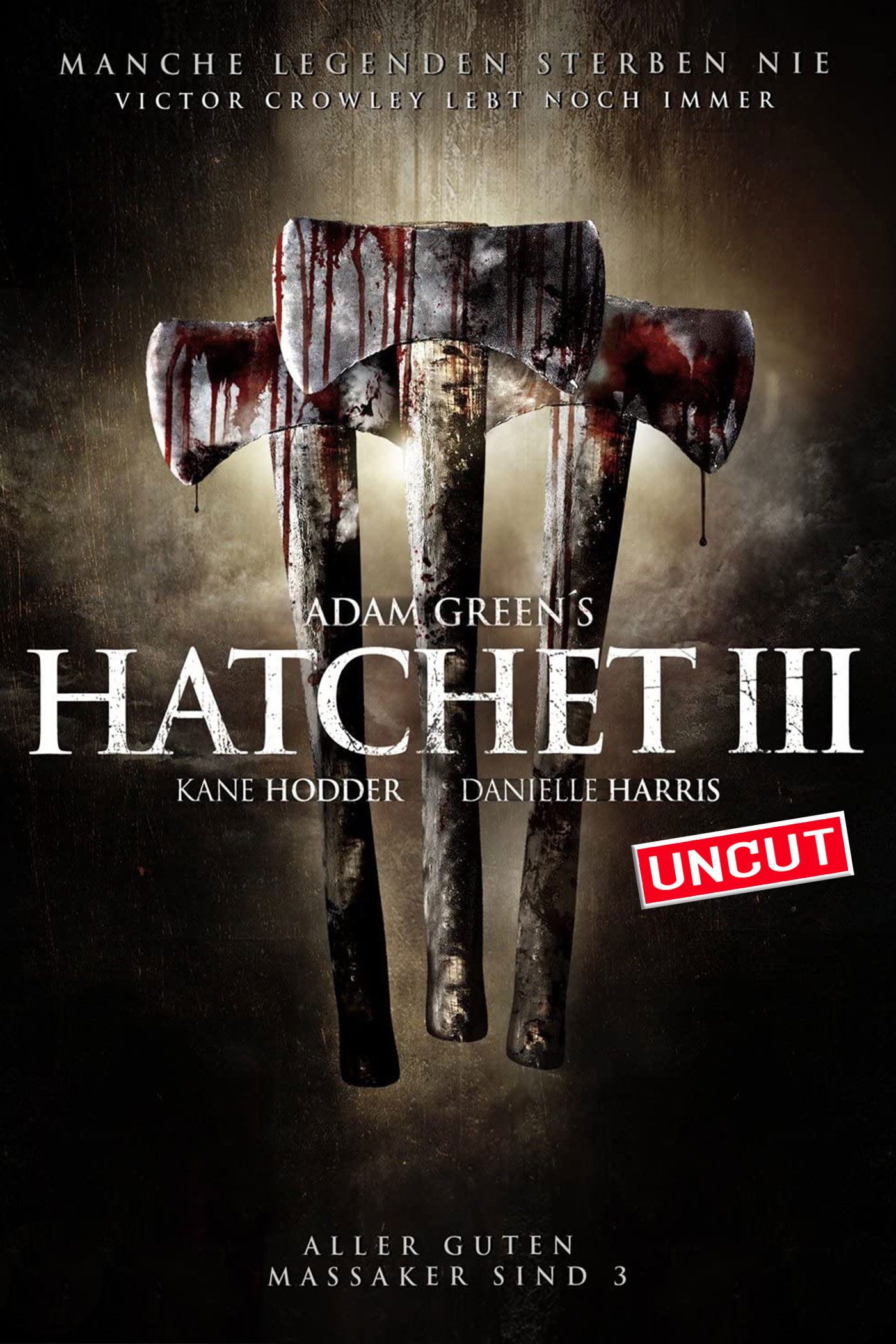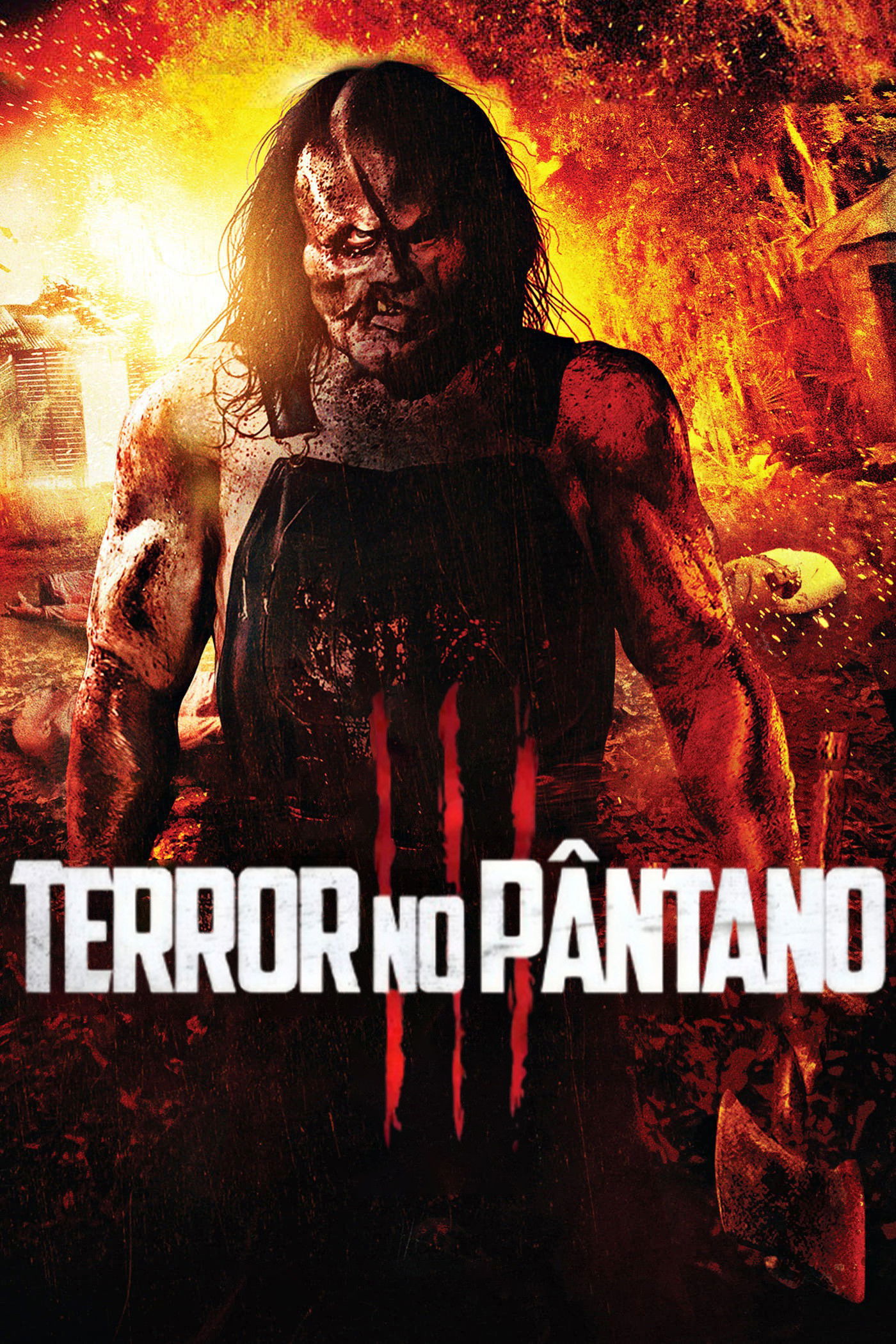
Hatchet III (2013)

US
HORROR FILM Thriller Action Comedy
SUBGENRES SLASHER SPLATTER
Runtime
89 min
Release
June 14, 2013
Budget
$1,169,935
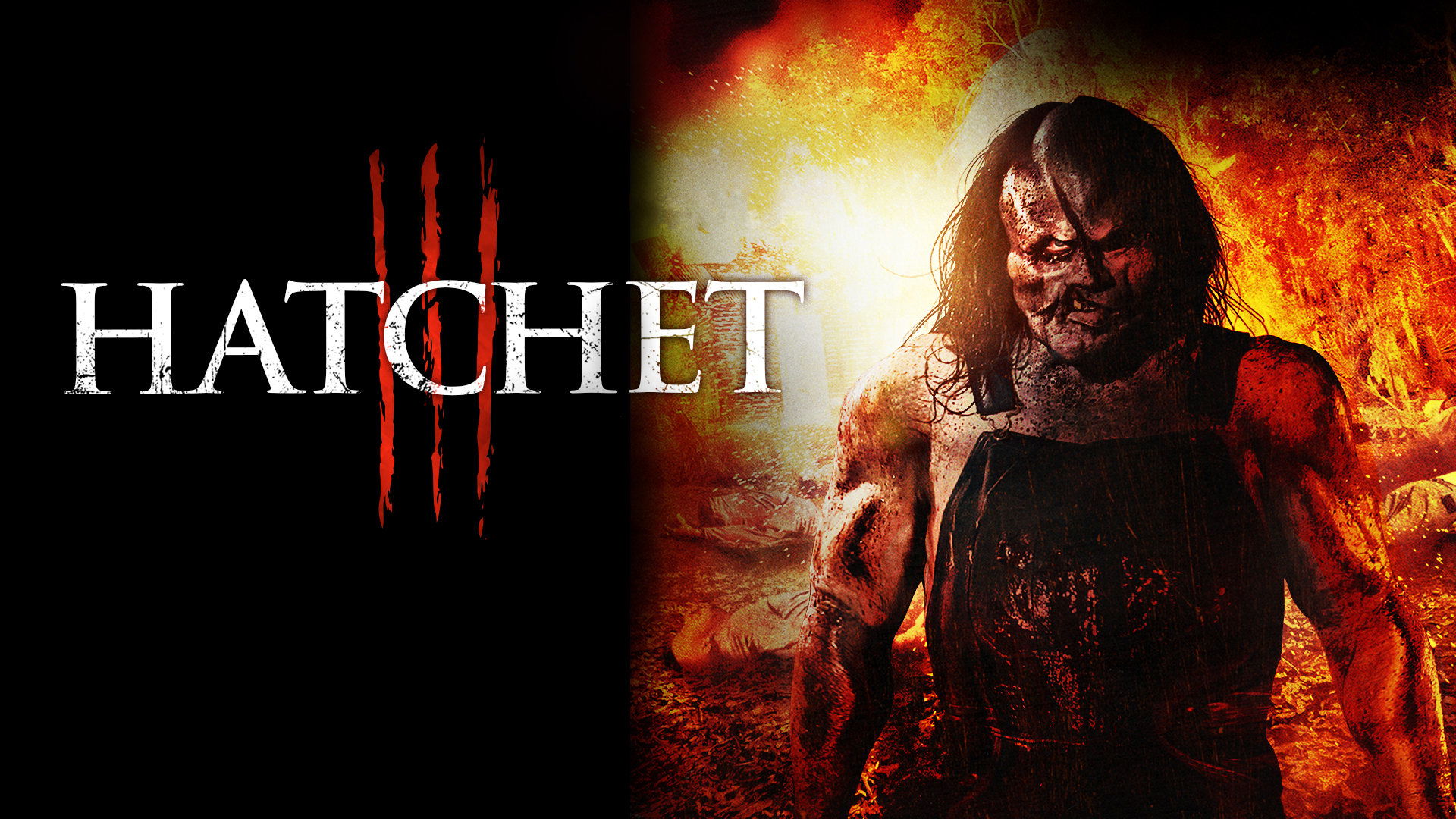
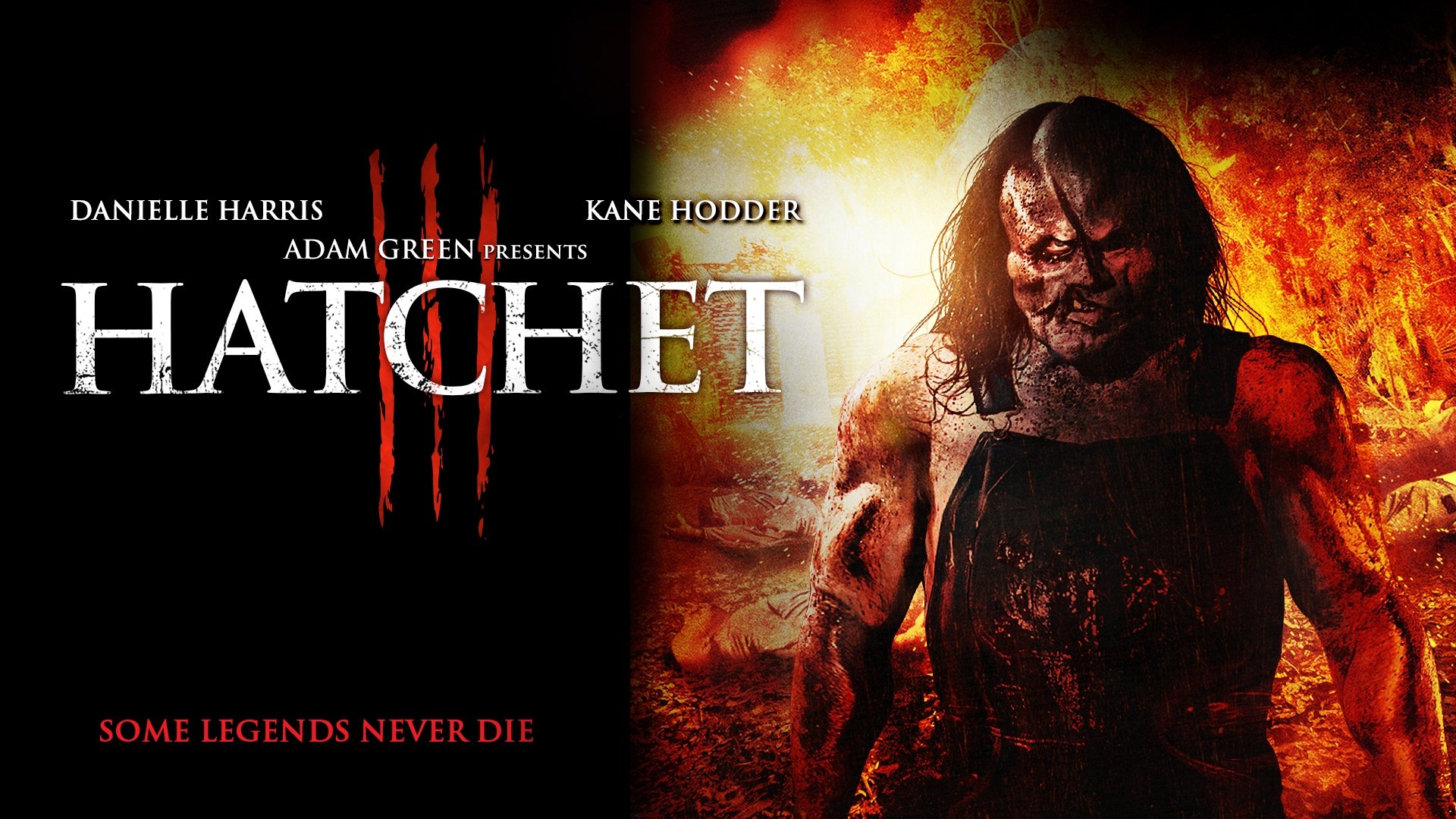
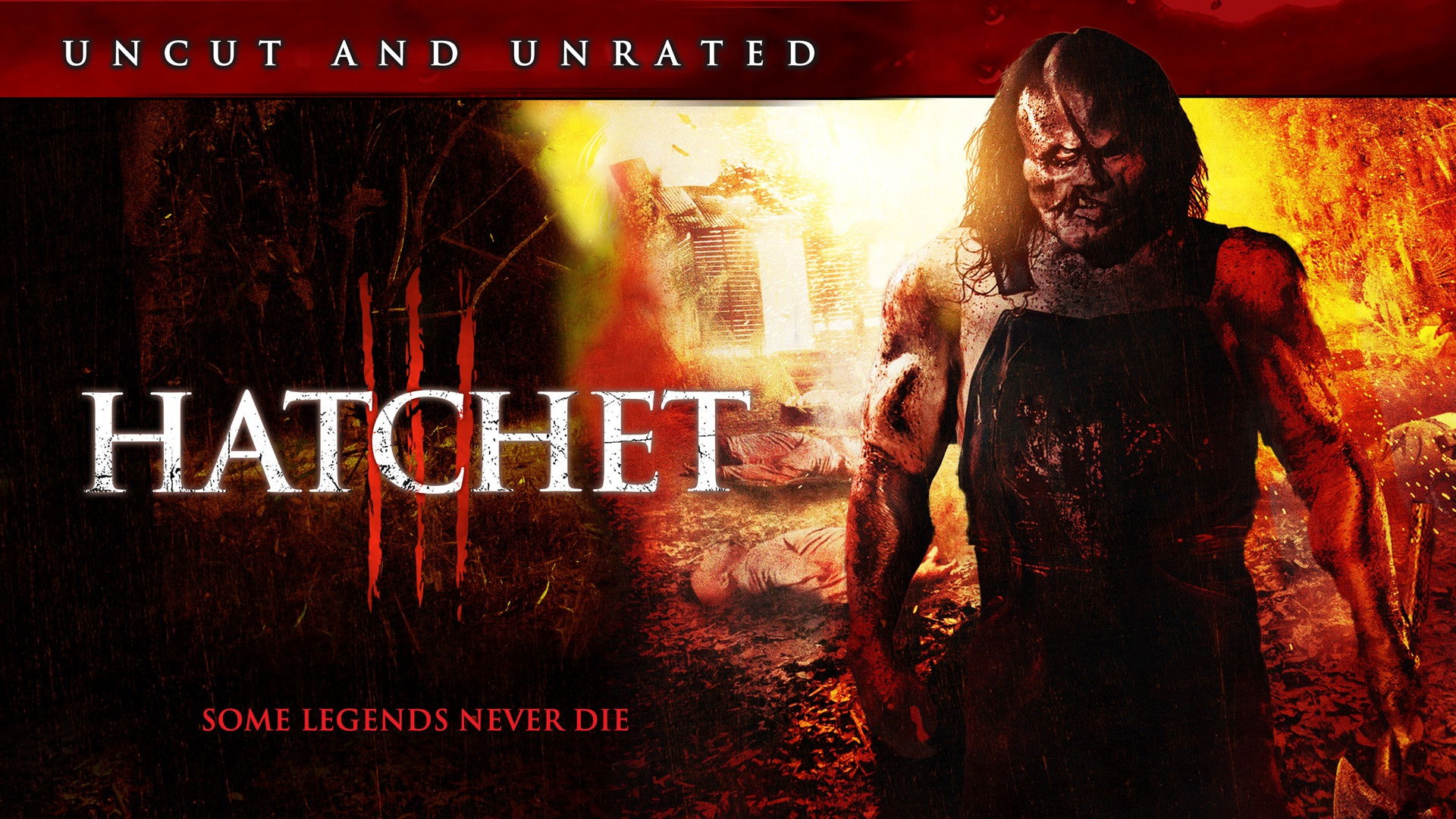
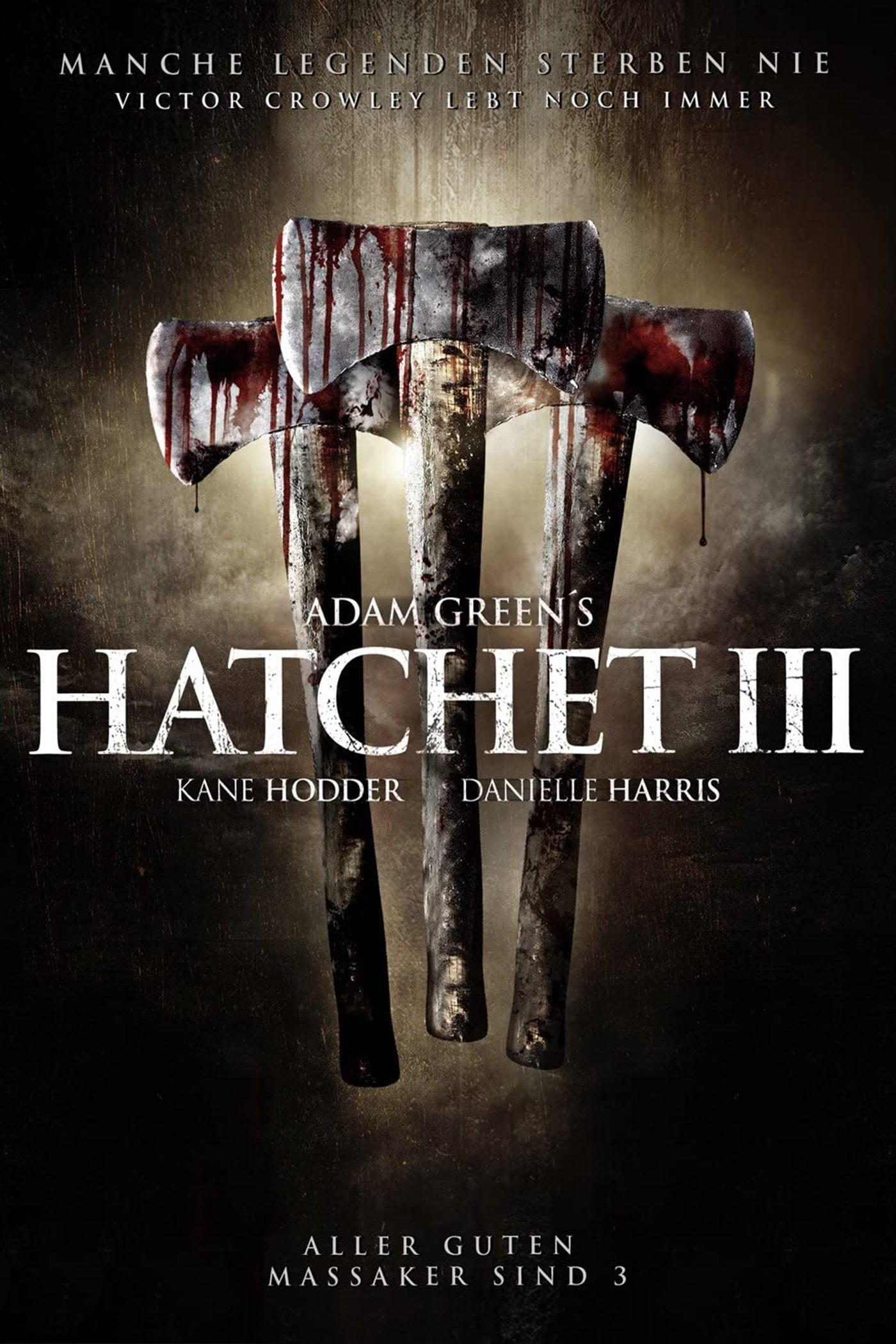
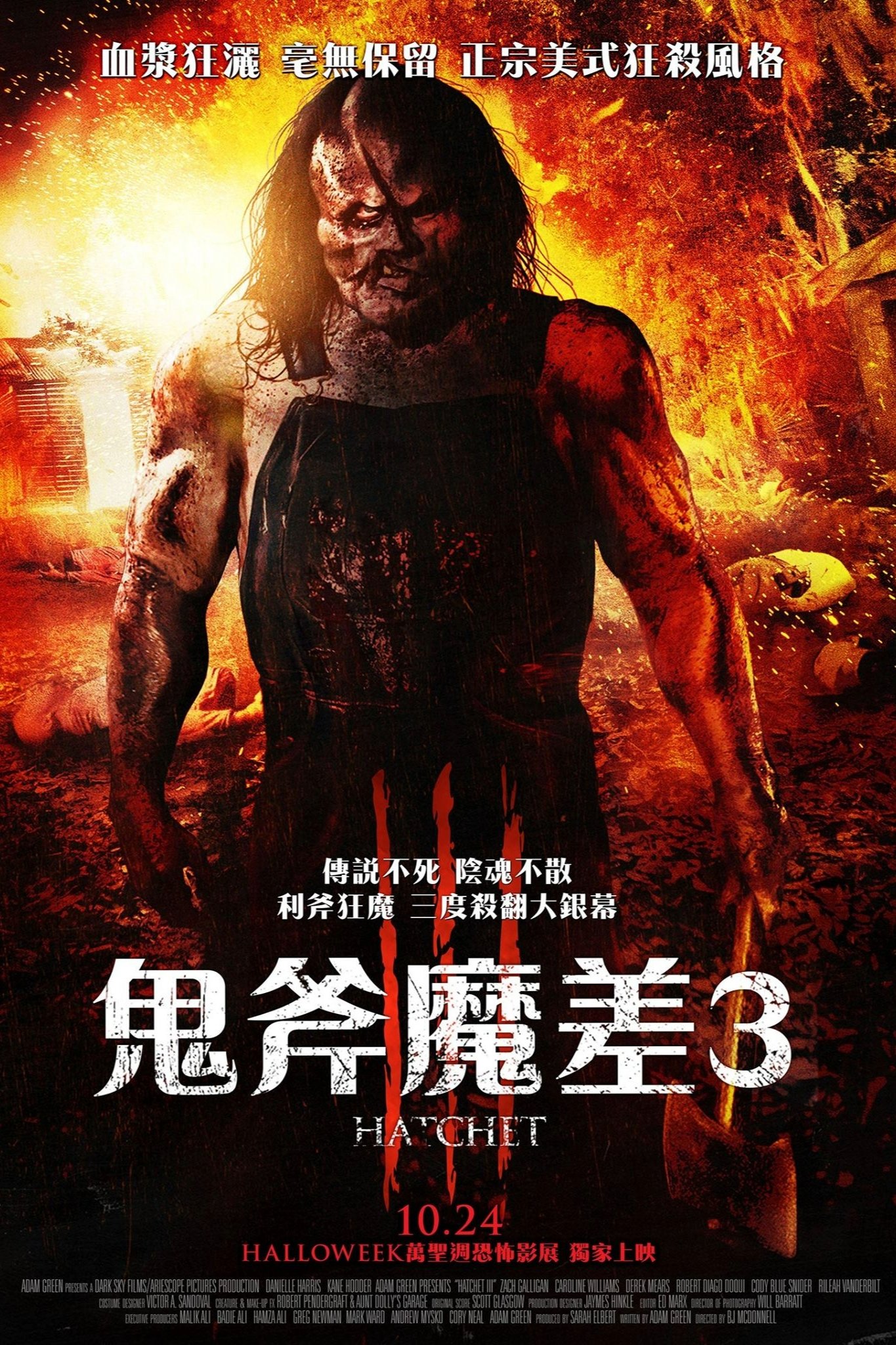
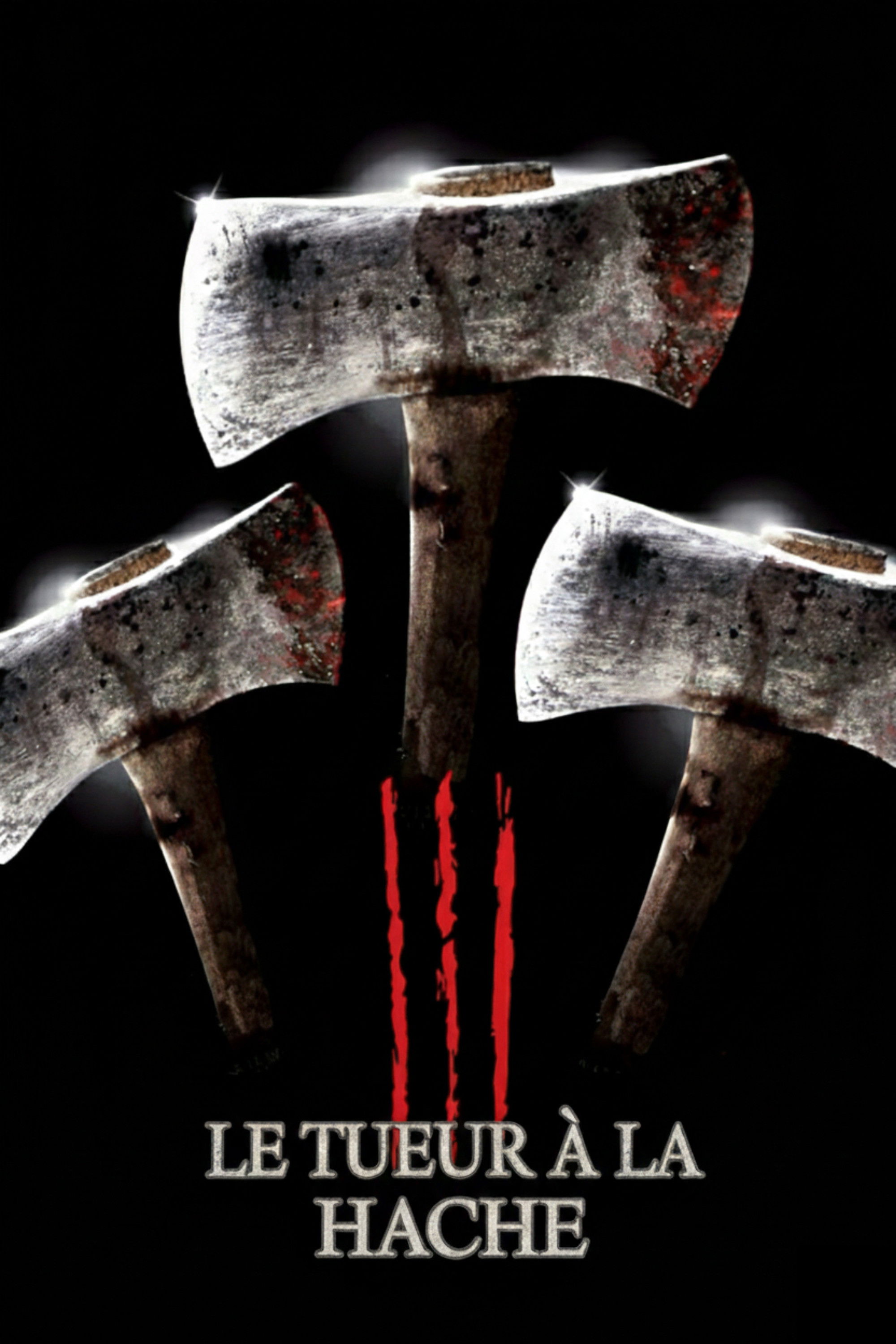
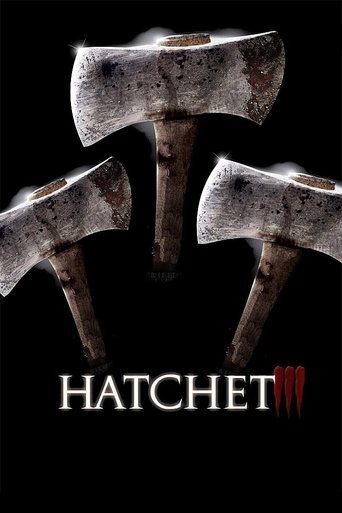
Hatchet III (2013) poster
Director
Writer
Production Companies
ArieScope Pictures , Dark Sky Films
Plot

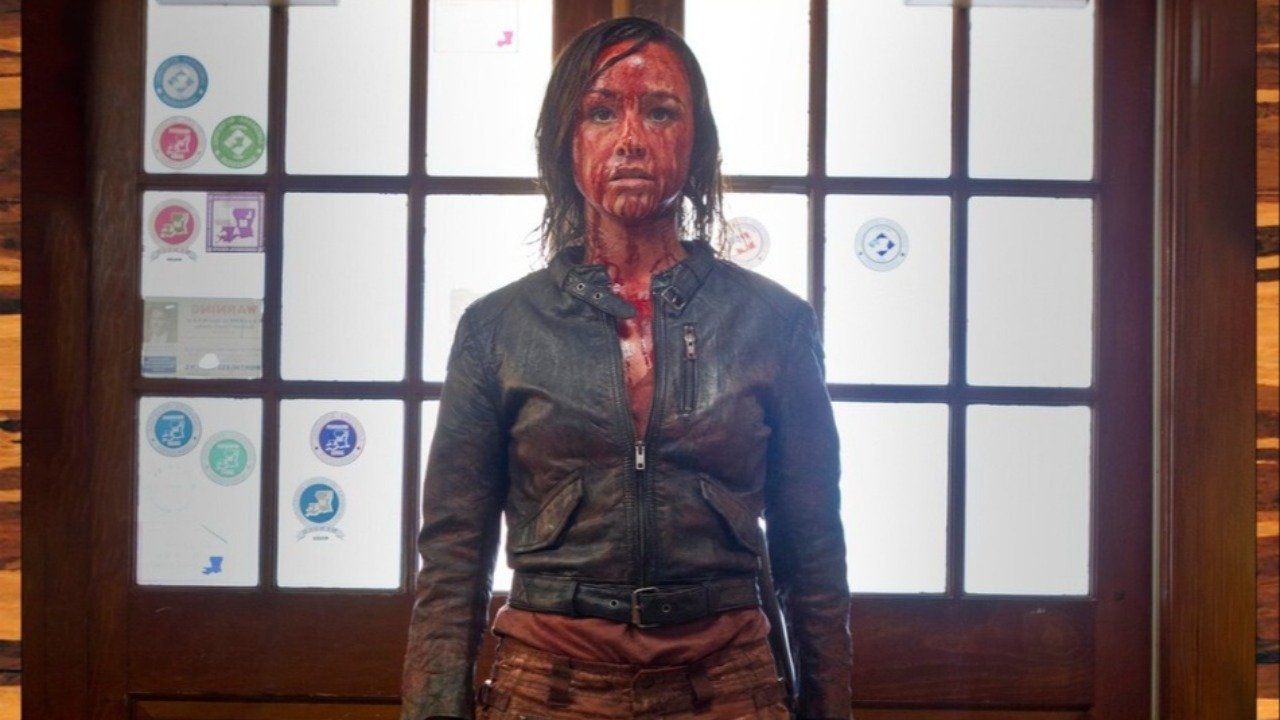
After surviving another encounter with Victor Crowley, Marybeth emerges from Honey Island Swamp and reaches the authorities. A search-and-recovery operation enters the area, bringing police officers, emergency workers and a heavily armed tactical unit into the place where so many people have disappeared. As the operation deteriorates, Marybeth works with a woman researching the Crowley legend to investigate whether the curse has a specific origin and a possible ending. The film continues the events of the first two installments, bringing the confrontation between Marybeth and Crowley toward a resolution.

Alternative Titles
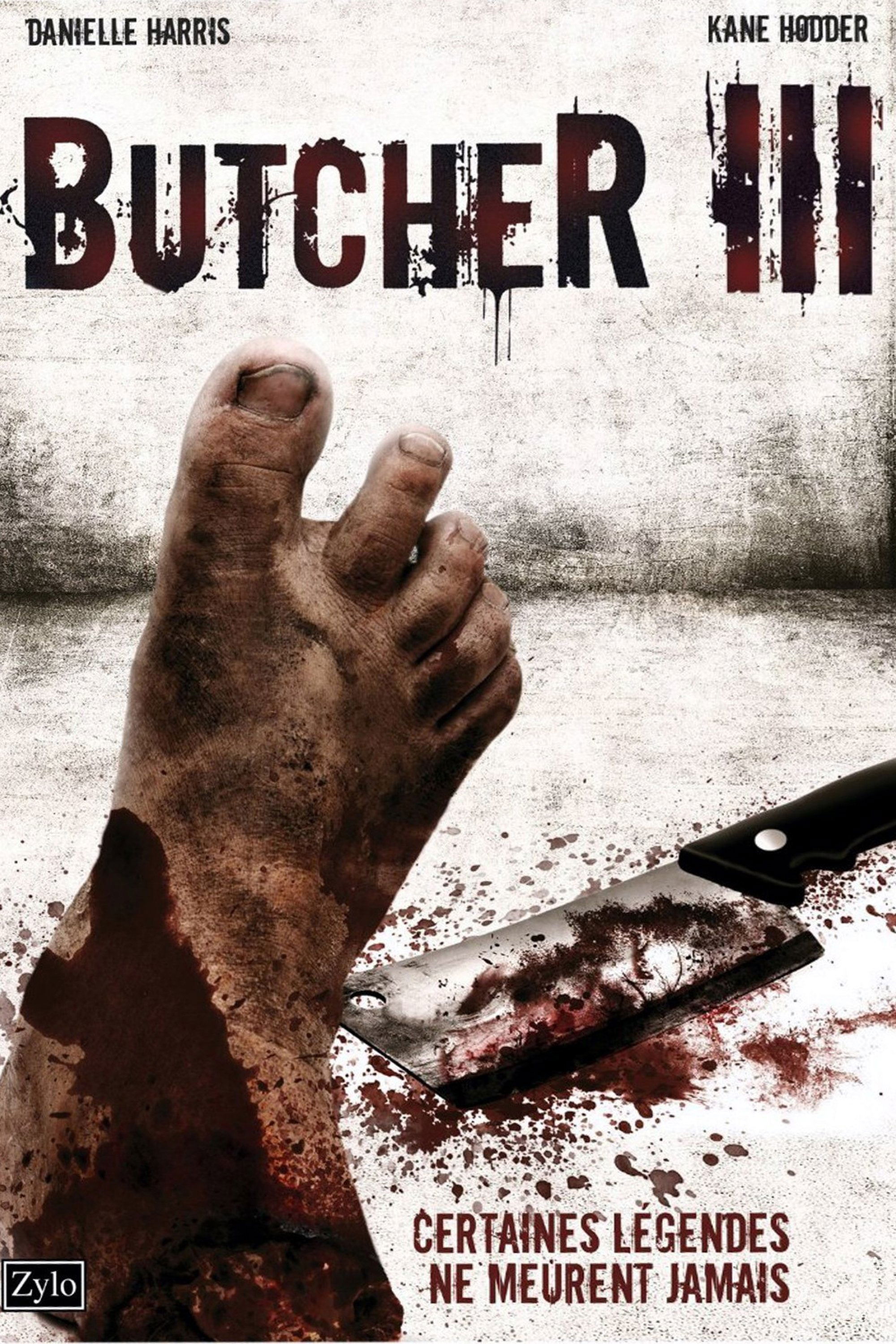
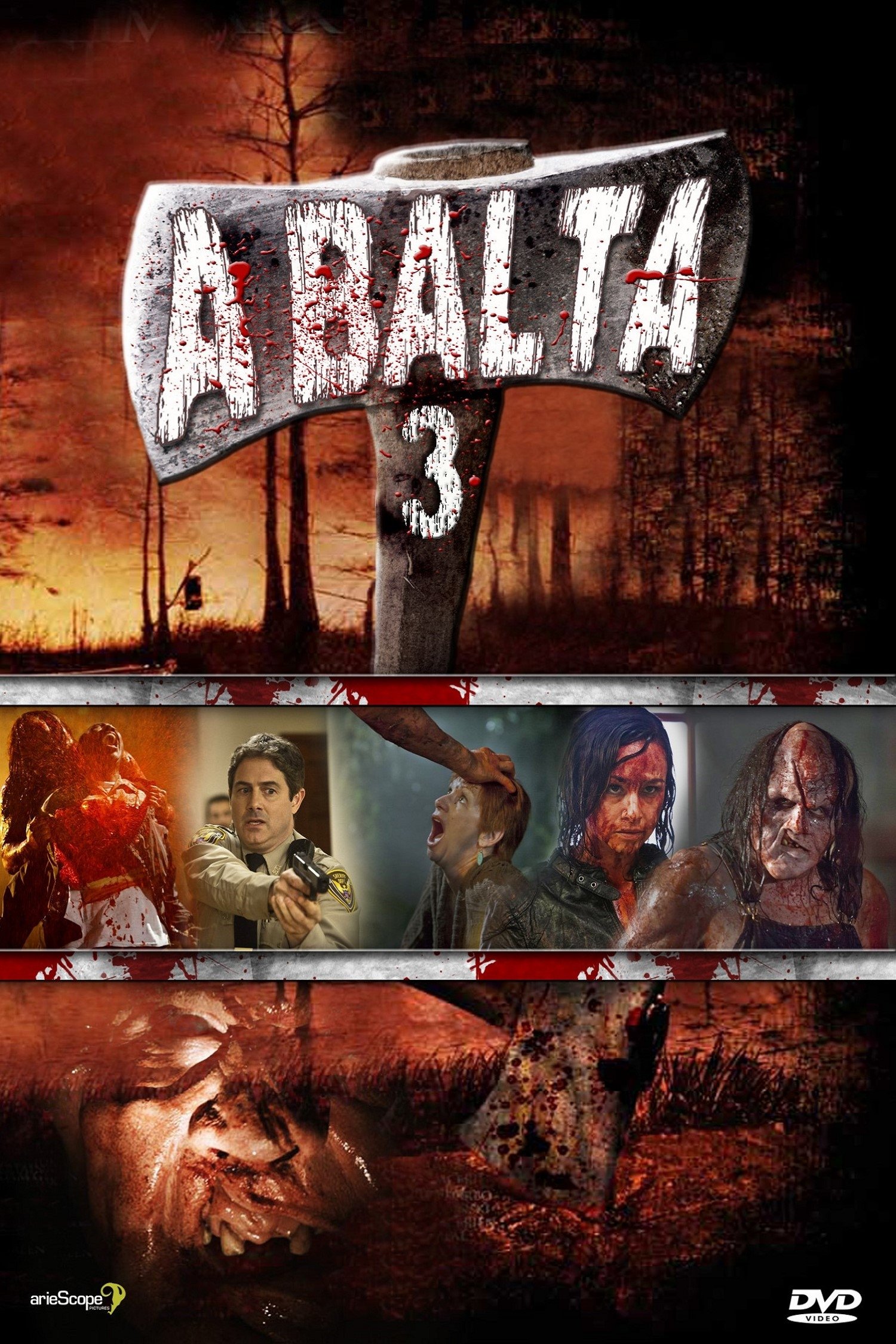
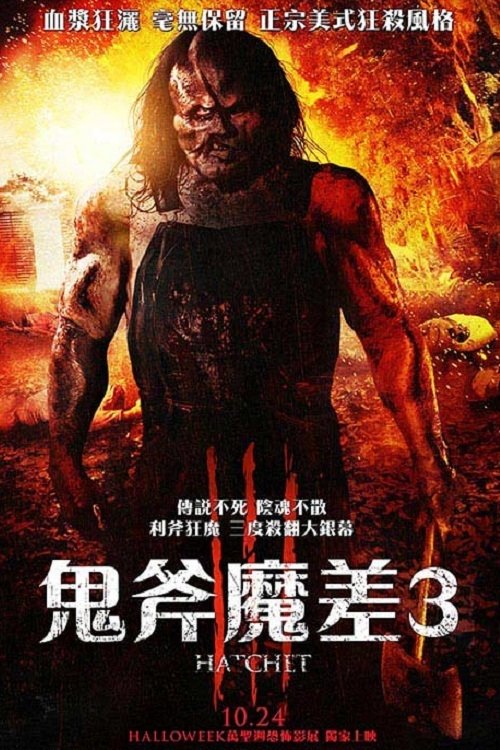
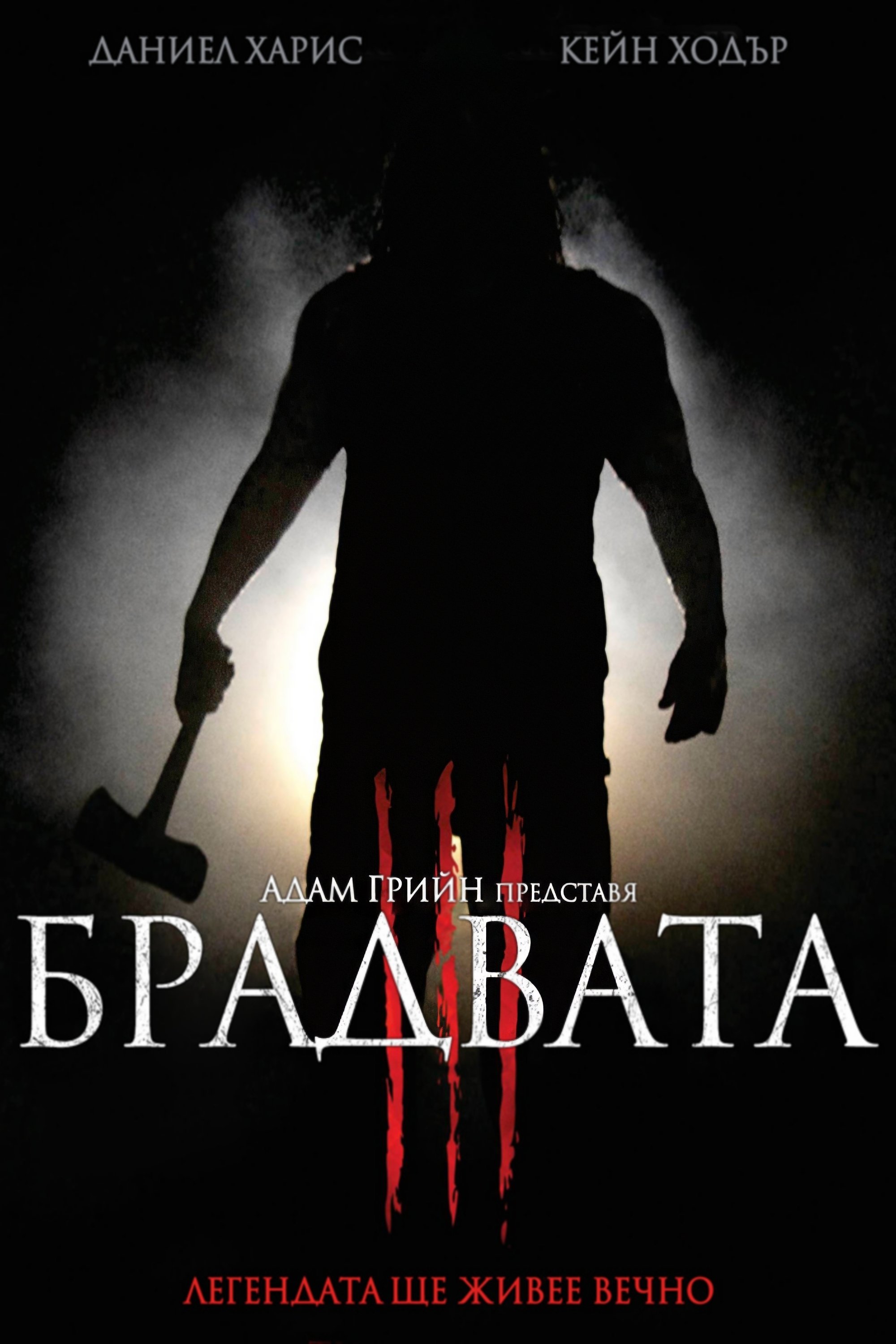
Брадвата 3 (Bulgaria) — Bulgarian Terror no Pântano 3 (Brazil) — Portuguese Le tueur à la hache 3 (Canada) — French 短柄斧3 (China) Hatchet 3 (Germany) Butcher 3 (France) Butcher III (France) — French 鬼斧魔差 3 (Hong Kong SAR China) — Chinese
Show all 24 alternative titles Balta 3 (Hungary) — Hungarian ハチェット レジェンド・ネバー・ダイ (Japan) 손도끼 3 (South Korea) — Korean Kirvis 3 (Lithuania) Hatchet 3 (Mexico) — Spanish Topór 3 (Poland) — Polish Pesadelo no Pântano III (Portugal) — Portuguese Barda III (Romania) — Romanian Топор 3 (Russia) — Russian الفاس 3 (Saudi Arabia) — Arabic Balta 3 (Türkiye) — Turkish 鬼斧魔差3 (Taiwan) — Chinese Adam Green Presents Hatchet III (United States) — Full Title Hatchet 3 (United States) Hatchet III: Rated R Version (United States) — Streaming/Rental MPAA Cut Title Lưỡi Rìu 3 (Vietnam)

Trailers & Videos

1 video

Film Guide & Analysis

BJ McDonnell brings Adam Green's slasher trilogy to its initial conclusion through Louisiana night shoots, widescreen photography and practical Crowley effects.

Hatchet III (2013) brings the first Victor Crowley story to a violent conclusion while changing the practical circumstances under which that story was filmed. Adam Green remained the screenwriter and a producer, but handed the directing role to BJ McDonnell, a camera operator who had worked on the earlier installments. The film resumes the confrontation between Marybeth and Crowley at the point where Hatchet II ended, then sends a police search party into the swamp. Its larger ensemble and increasingly militarized response to the killer shift the familiar slasher pursuit toward a series of action-horror confrontations. The comic excess and physical makeup effects of the previous films remain central to its identity.

The production also reversed the geographic illusion of its predecessors. The original Hatchet relied heavily on a California location modified to resemble Louisiana, and Hatchet II used stage construction. For the third entry, the crew worked in actual Louisiana wetlands during short summer nights. Interviews with McDonnell, Green and cinematographer Will Barratt provide unusually detailed accounts of the conditions, the new widescreen compositions and the prosthetic choices made for Kane Hodder. Those accounts explain the film's craft without requiring the production's own claims about its magnitude to be treated as an objective judgment of its achievement.

A New Director Within the Same Creative Team

McDonnell had operated cameras for Green on the earlier Hatchet productions before being offered his first feature directing assignment. In a 2013 interview with HorrorNews.net, he explained that Green provided the principal story while inviting substantial input on action scenes and individual deaths. McDonnell proposed material that Green incorporated into the screenplay, and the two checked the feasibility of elaborate killings with effects specialists before committing to them. The arrangement gives a more precise picture than the idea of a sequel simply passing from one director to another. Creative decisions continued to be negotiated within a familiar team, with Green retaining an active writing and producing role.

Green told Cinema Chords that handing over direction allowed him to continue other writing obligations, although his duties in Louisiana remained extensive. He also said he trusted McDonnell's command of the camera and did not feel obliged to supervise every shot. This continuity extended to cinematographer Will Barratt, who worked on the trilogy as its settings and resources changed. McDonnell's long familiarity with the earlier films mattered because the new installment resumes an existing story rather than introducing Crowley to an unfamiliar audience. The director inherited established characters, a violent comic tone and an expectation that deaths would be engineered primarily as physical effects.

Night Shoots in a Real Louisiana Swamp

The swamp scenes were photographed on location outside New Orleans in late May and June 2012. Barratt contrasted this with the first film's dressed California terrain and the second film's soundstage environments in a contemporary Dread Central interview. Here the crew had to deal with real water, unpredictable weather and restricted access for lighting and equipment. The setting gave the photographs depth and an irregularity of vegetation that had previously been manufactured, but it also denied the filmmakers much of the control available on a set. The distinction matters to the finished film, in which armed teams enter a landscape that is difficult to survey or secure.

McDonnell recalled sixteen nights of swamp filming during a season that offered roughly eight hours of darkness per night, followed by several additional days of filming in Los Angeles. He described rain interruptions, mud, insects and the pressure of mounting complex action scenes within a limited schedule. Green's separate account emphasized how much of a producer's work was devoted to keeping the shoot functioning under these conditions. Their remarks are retrospective descriptions by the people involved, rather than audited production records. Nevertheless, the agreement between the director and cinematographer on the location's practical difficulties helps explain why the film was so carefully planned around night exteriors and relatively concentrated bursts of violence.

Widescreen Composition and Camera Movement

McDonnell deliberately altered the image proportions of the series. He said that where the earlier Hatchet films used approximately 1.85:1 framing, he wanted a 2.40:1 widescreen composition and selected Panavision lenses for that approach. A wider field lets the camera register groups of characters, the margins of the woodland and the distance between a searching party and an approaching threat. It also creates space for action to unfold across the frame. The increased horizontal reach can make the swamp appear more expansive, though the environment remains difficult to read once darkness and vegetation divide it into isolated pools of light.

The director approached moving shots through his experience as a camera and Steadicam operator. In his HorrorNews.net interview, McDonnell credited Brian Sowell with much of the operating and Eric Leach with further camera work and second-unit direction, while saying he performed the Steadicam work himself because of the budget. Barratt described illumination as a significant problem on the location. These production decisions link the film's appearance to the resources available: the camera must give momentum to the pursuit while the lighting isolates visible stretches of swamp from the darkness. McDonnell's ambition for a broader image can be documented through his own explanation; whether that makes the third film more visually successful than the earlier entries remains a matter of critical judgment.

Prosthetic Gore and Crowley's Reworked Face

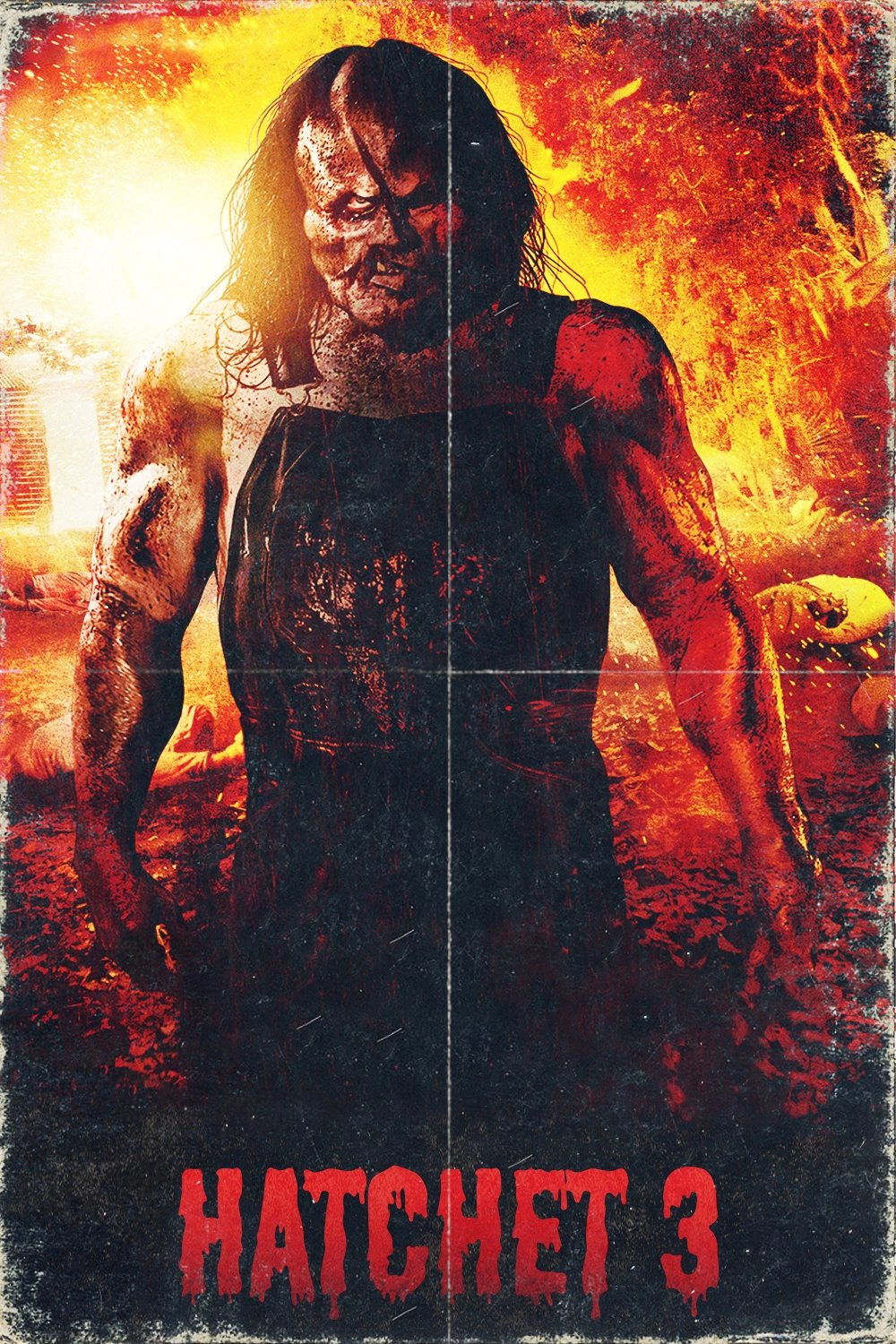
The killings remain organized around fabricated bodies, blood effects and a killer whose physical presence is unusually important. Robert Pendergraft was among the effects collaborators consulted while Green and McDonnell developed the more elaborate sequences. In a 2013 interview with Cinema Chords, Green explained that Crowley's makeup retained the established sculptural design but changed from foam latex to silicone. He believed the new appliance made it easier to read Hodder's facial expressions. Green also recalled that the makeup was extremely heavy in the Louisiana heat. Such accounts explain the decision to modify the material while retaining the monster's recognizable appearance.

Green described the film's practice as strongly oriented toward physical appliances, while acknowledging digital work for wire removal. The distinction prevents a misleading absolute claim that the picture contains no computer-assisted finishing. Elaborate stunts and dismemberment effects depend on coordination among performers, prop construction, makeup technicians and camera placement. They are designed to remain visible long enough for spectators to appreciate their artificial physicality as part of the spectacle. The pleasure offered by these effects is consequently linked to an established slasher tradition of conspicuous cinematic manufacture, even as the story places greater emphasis on the weapons and personnel brought into the swamp.

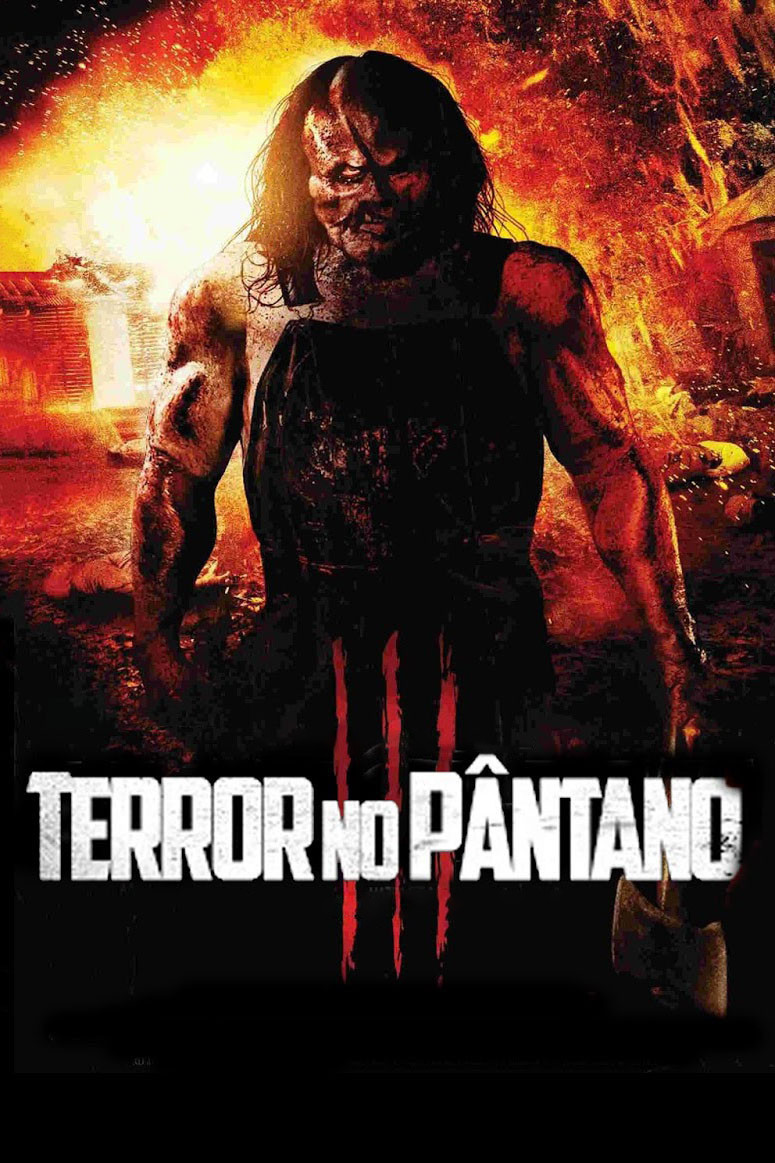
The revised Crowley makeup also changes the relation between monster and performer. The earlier films built their killer's identity through brute motion and a memorable disfigured face; silicone allowed the third film to show more of Hodder's expressions through the appliance, according to Green. That choice accompanies a story in which Crowley faces organized resistance rather than tourists or isolated revenge-seekers. Individual attacks still arrive as self-contained demonstrations of practical effects, but the surrounding confrontations are broader. Critical judgments on whether the effects consistently work are divided, and the existence of prosthetics alone does not establish that every illusion succeeds equally well.

Marybeth, Crowley and the Change in Slasher Scale

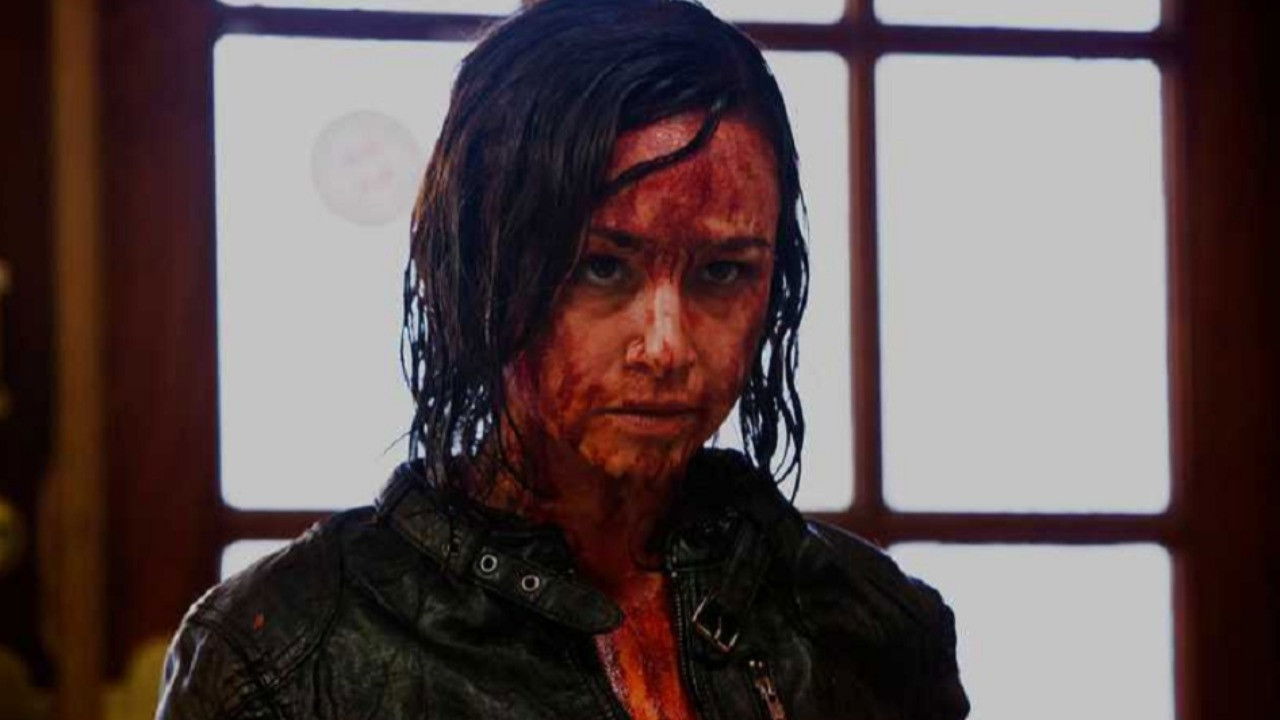
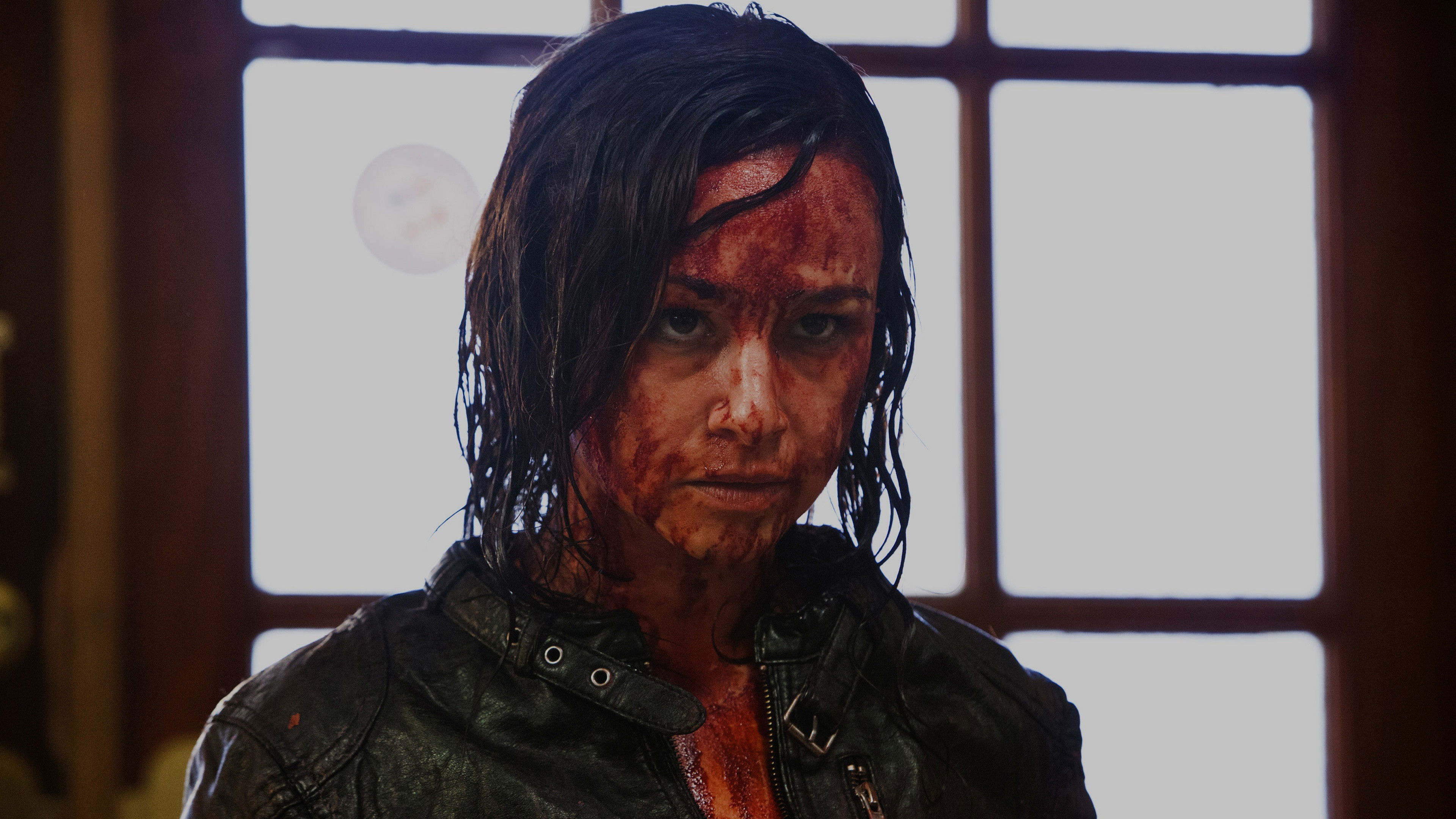
The narrative begins with Marybeth emerging from the previous film's carnage, leaving her account of Crowley to be tested by the authorities. The subsequent search turns a private survival story into a public emergency. Sheriff Fowler and the people he sends into Honey Island Swamp treat the terrain as a crime scene, while the film's supernatural premise defeats their assumptions about ordinary violence. Amanda's research into the Crowley legend provides a route back to the family curse underpinning the original story. The structure alternates between attempts to explain the killer and attempts to destroy him through superior force, with both approaches shaping the final confrontation.

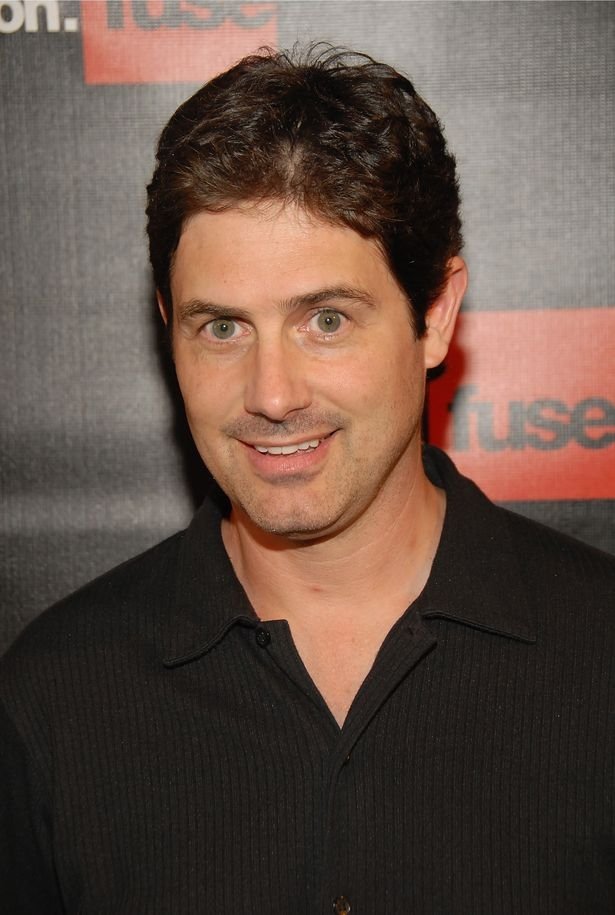
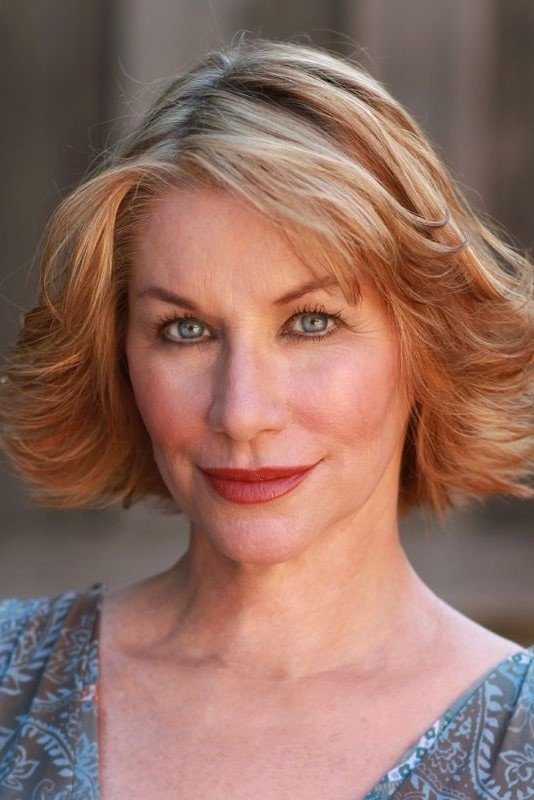
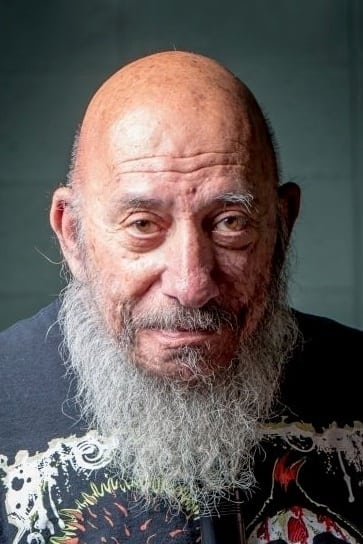
Danielle Harris and Kane Hodder continue the principal conflict, while Zach Galligan, Caroline Williams and Derek Mears bring associations with earlier genre films into the ensemble. Their casting contributes to the picture's self-conscious slasher vocabulary, but the functional contrast among the characters is more important than a list of cameos. Marybeth knows what the search party is entering; the newcomers remain committed to rules of investigation and force that the film repeatedly undermines. The escalation makes sense as a sequel's attempt to increase its physical scale, though it creates an obvious dramatic tradeoff. Repeated attacks on groups of armed personnel reduce opportunities for sustained uncertainty and move the experience toward an accumulation of violent encounters.

Release, Critical Response and Place in the Series

Hatchet III received a limited American theatrical opening alongside video-on-demand availability on June 14, 2013, through the Dark Sky and MPI release operation. It followed on home video in August. Those stages should not be combined into an unsupported total gross or an assumed measure of commercial success: the simultaneous limited-theater and on-demand strategy does not produce a single transparent theatrical performance figure. The 2013 publicity described the film as the conclusion of the Crowley-Marybeth story, a characterization that accurately describes the filmmakers' immediate dramatic intention. It does not mean that the character or the franchise ceased to exist after this production.

Contemporary criticism highlighted the difference between a satisfying practical-effects showcase and a coherent suspense film. Reviewing the film for Slant in June 2013, Drew Hunt criticized its irregular pacing and what he regarded as disorienting action staging, arguing that McDonnell did not find an especially individual approach within Green's established formula. Other genre critics responded more favorably to the enlarged violence and to the revised appearance of Crowley. These responses are best treated as evaluations of particular formal choices, rather than proof of a universal critical consensus. The film's reception illustrates how the same broadening of the series could be valued as a generous spectacle or questioned as a loss of its earlier comic rhythm.

The continuity of personnel and the altered location leave Hatchet III with a recognizable place in the series. Green's screenplay completes the initial arc, while McDonnell's compositions and the Louisiana shoot create a noticeably different viewing experience from the earlier entries. The later film Victor Crowley (2017) established that the property could continue beyond this apparent endpoint. What remains distinctive about the third installment is the attempt to conclude a revenge-and-curse narrative through increasingly large physical confrontations while retaining an independent horror production's commitment to visible prosthetic effects. Its significance is therefore clearest within the development of the Hatchet cycle and the survival of practical slasher filmmaking in the digital era.
References

  1. HorrorNews.net Interview: BJ McDonnell - Director (Hatchet III)

    Direct interview on the writing collaboration, 2.40:1 widescreen approach, Panavision lenses, Steadicam work, reported budget and sixteen-night swamp shoot.

  2. Dread Central The Minds Behind Hatchet III: An Interview with Cory Neal, Sarah Elbert and Will Barratt

    June 2013 original interview with the producers and cinematographer comparing the trilogy's locations, lighting and practical production challenges.

  3. Cinema Chords Film4 FrightFest Interview: Adam Green Talks Hatchet III, Holliston and Chiggers

    Direct testimony from Green on handing over direction, location difficulties, the silicone Crowley makeup and limited digital wire removal.

  4. Icon Vs. Icon The New Blood: BJ McDonnell Discusses His Directorial Debut With Hatchet III

    Jason Price's original June 2013 interview on effects planning with Robert Pendergraft, Louisiana night shoots and the director's visual ambitions.

  5. Slant Magazine Review: Hatchet III

    Drew Hunt's contemporary June 2013 criticism of the film's pacing, spatial organization and relation to earlier installments.

Connections

Cast

View Full Cast & Crew →

Release & Distribution

Production Companies (2)

  • ArieScope Pictures US
  • Dark Sky Films US

Distributors (1)

  • MPI Media Group US

Release History (3)

Release DateTerritoryRelease TypeFormatDistributorCertificationNotes
2013-06-14 United States Theatrical — — R
2013-08-20 Germany Theatrical — — 18
2014-01-20 United Kingdom Physical — — 18
Some legends never die.