From Stage to Screen
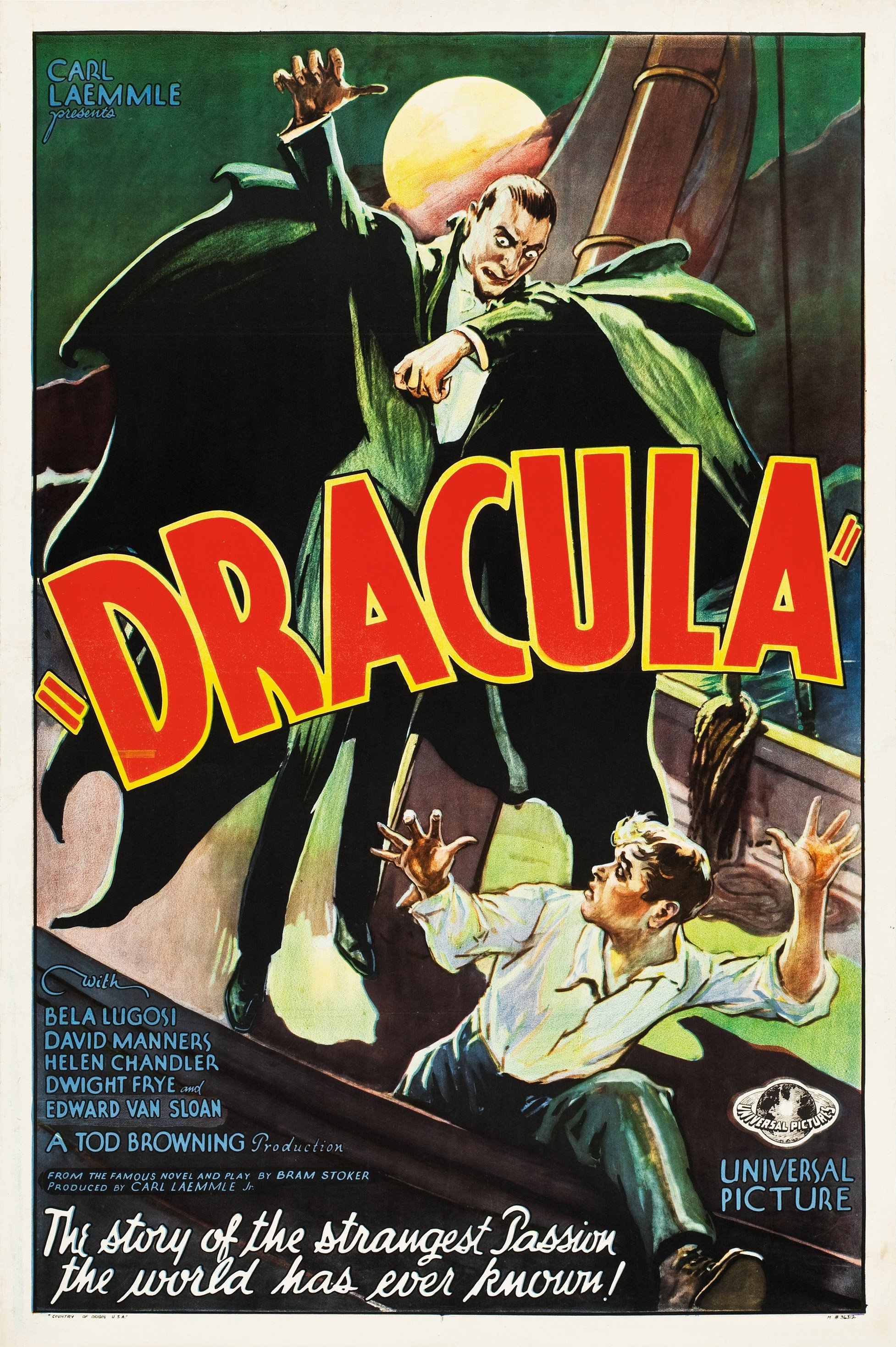
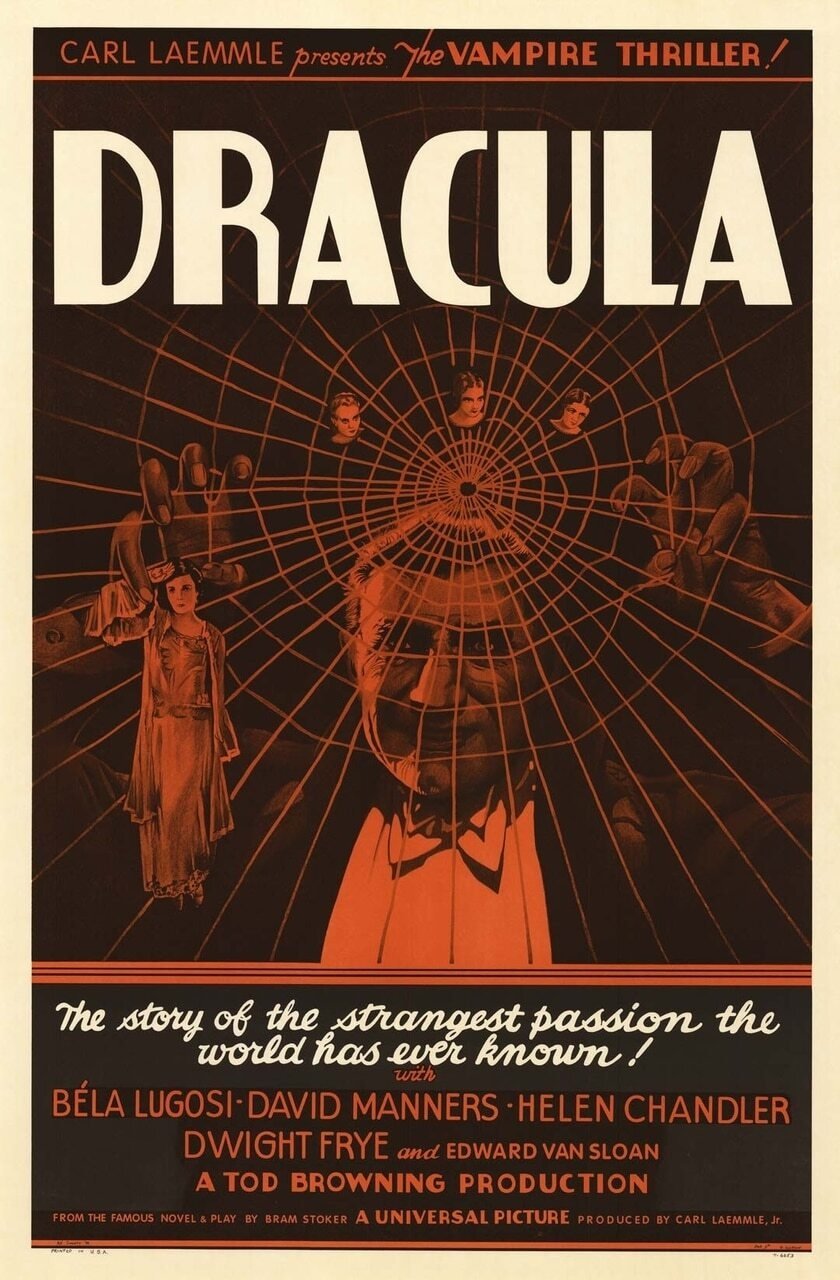
Universal acquired rights connected with both Bram Stoker's novel and the theatrical adaptation that had already proven successful in Britain and on Broadway. Béla Lugosi created the role in the American stage production that opened in October 1927, giving the studio a performer who had already developed Dracula before audiences. He was not, however, the original first choice for the film. Lon Chaney had been associated with the role before his death in 1930, and AFI records several other actors who were considered during development. Lugosi's eventual casting therefore emerged from a process rather than from an assumption that stage and film roles would automatically remain together.
The screenplay credited Garrett Fort and additional dialogue by Dudley Murphy, but the larger development history involved multiple writers and treatments. The film compresses Stoker severely. Renfield absorbs narrative functions associated with Jonathan Harker's trip to Transylvania, Lucy receives a greatly reduced story, and much of the novel's documentary structure disappears. These changes reflect both the stage adaptation and the practical requirements of an early sound feature running little more than seventy minutes.
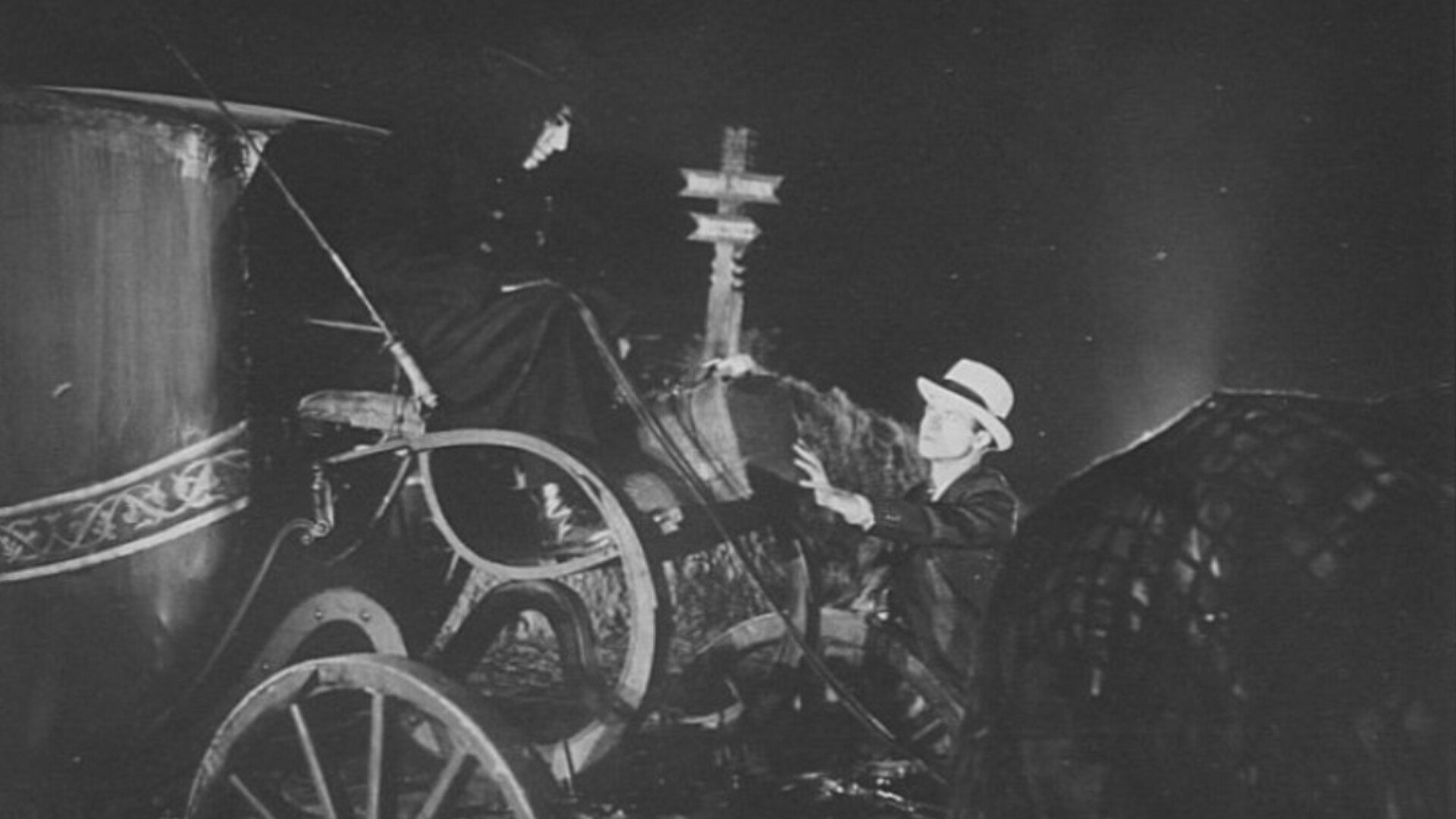
Principal photography ran from late September to November 1930, with additional scenes and retakes extending into January 1931. AFI records a total production cost of $341,191.20, slightly below the studio's original estimate. The economy is visible in the concentration of later scenes around Seward's sanitarium and Carfax Abbey, but the opening Transylvanian material establishes enough scale that the film never feels confined entirely to one theatrical space.
Béla Lugosi and the Aristocratic Vampire
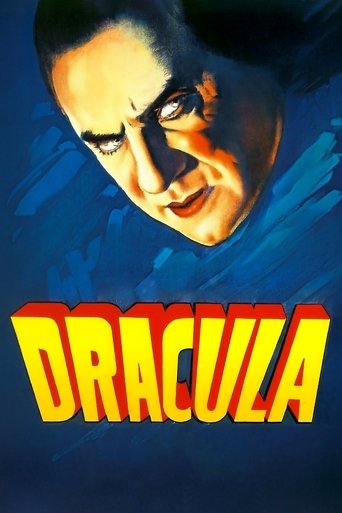
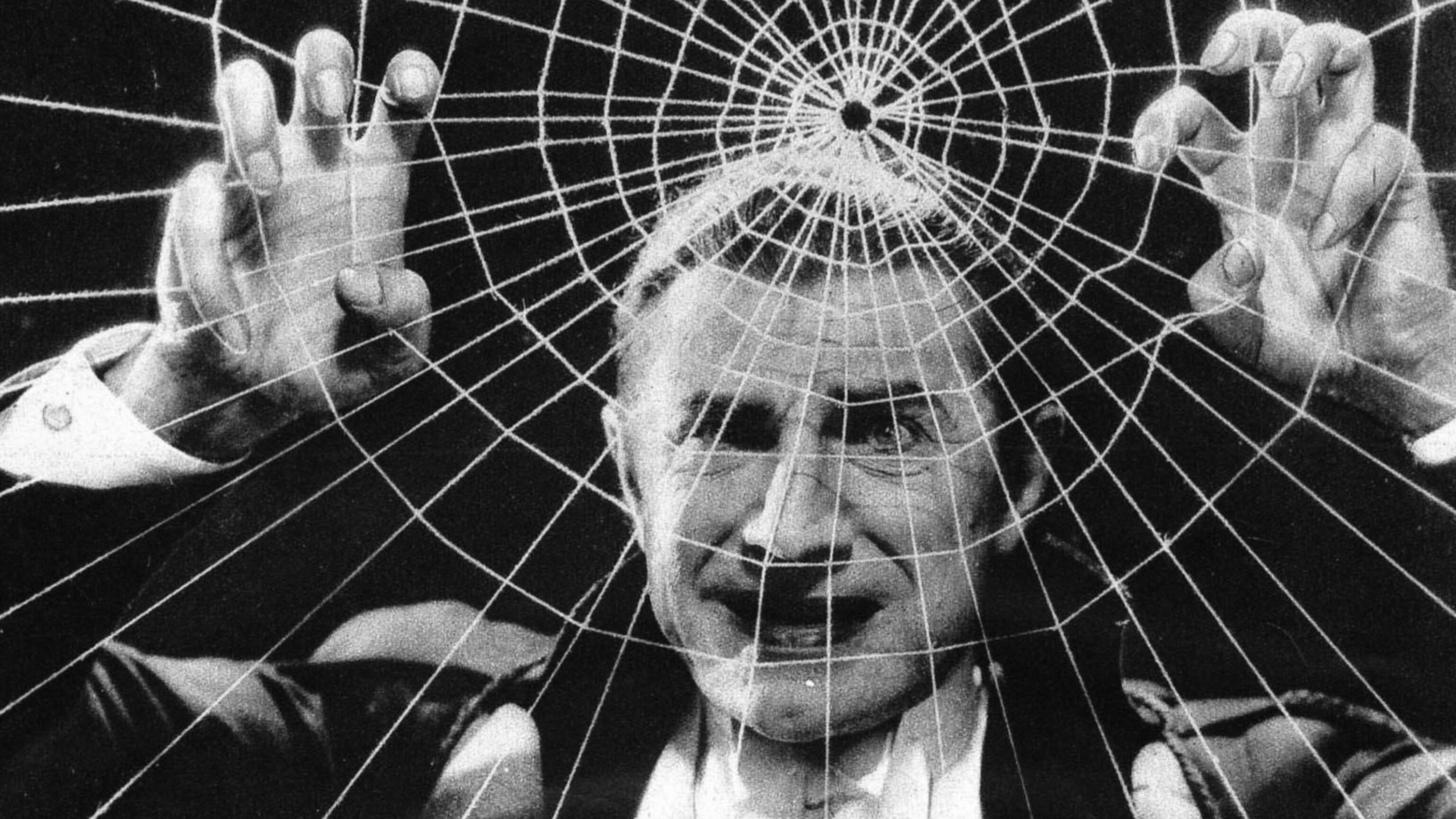
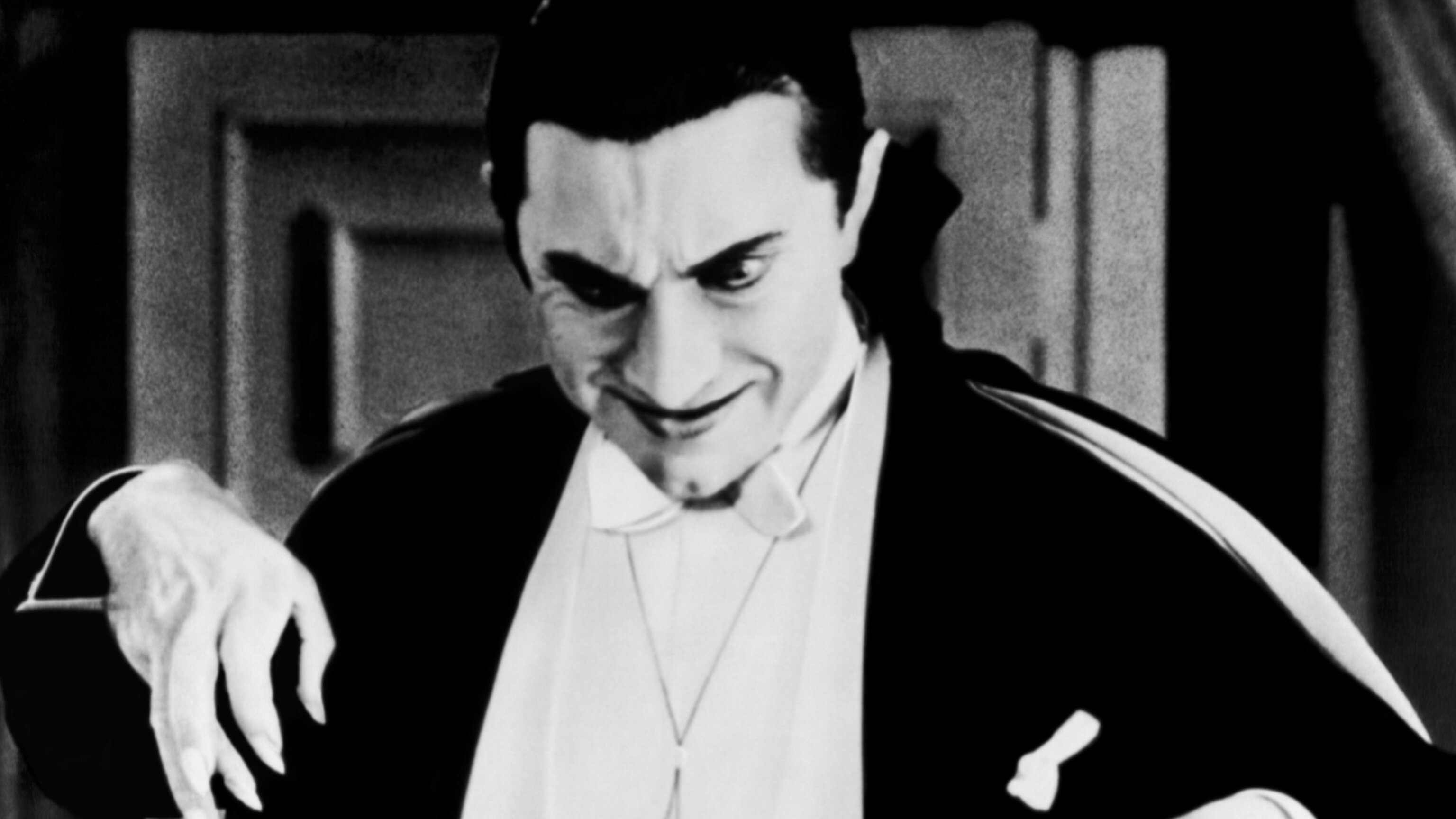
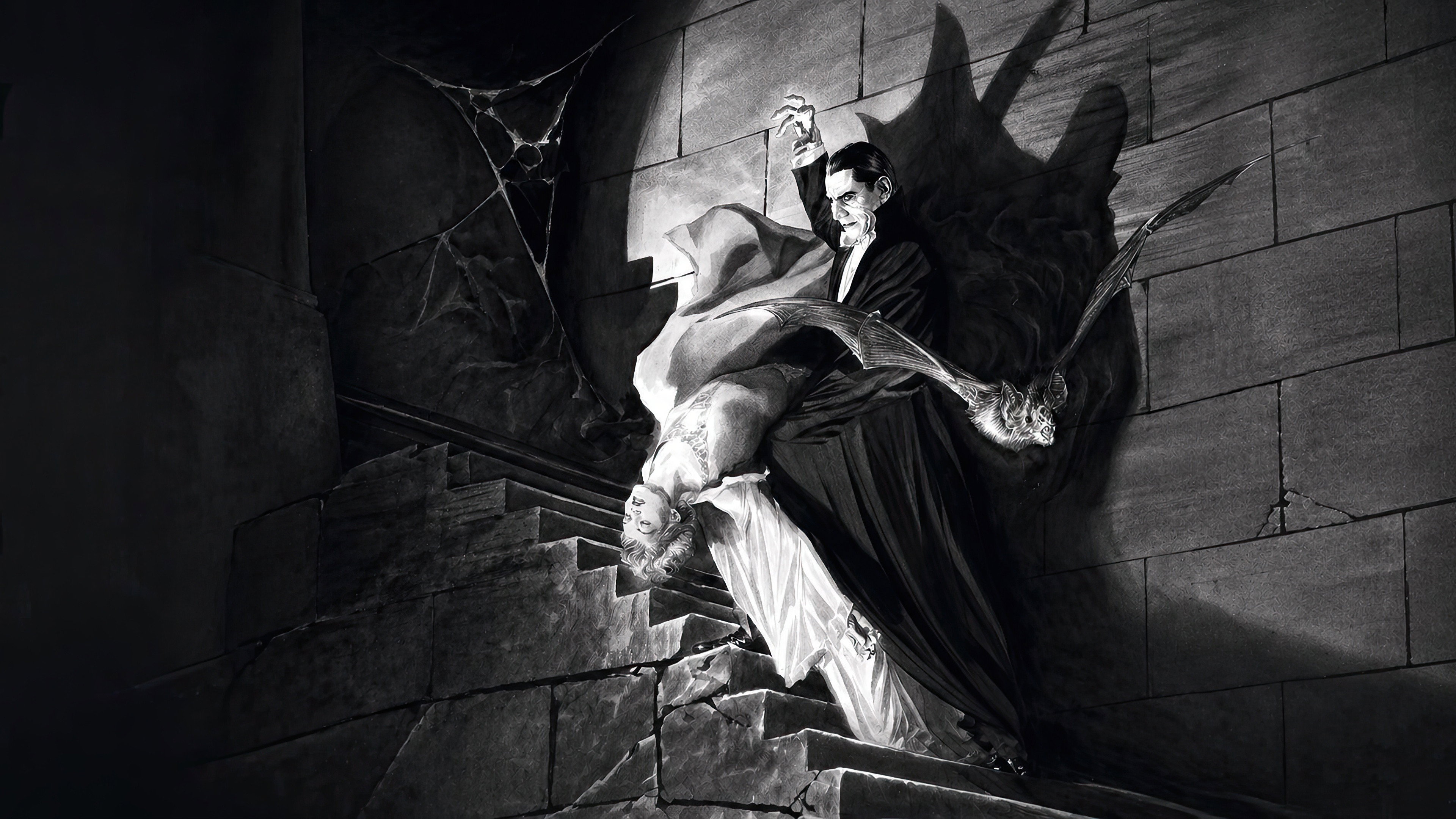
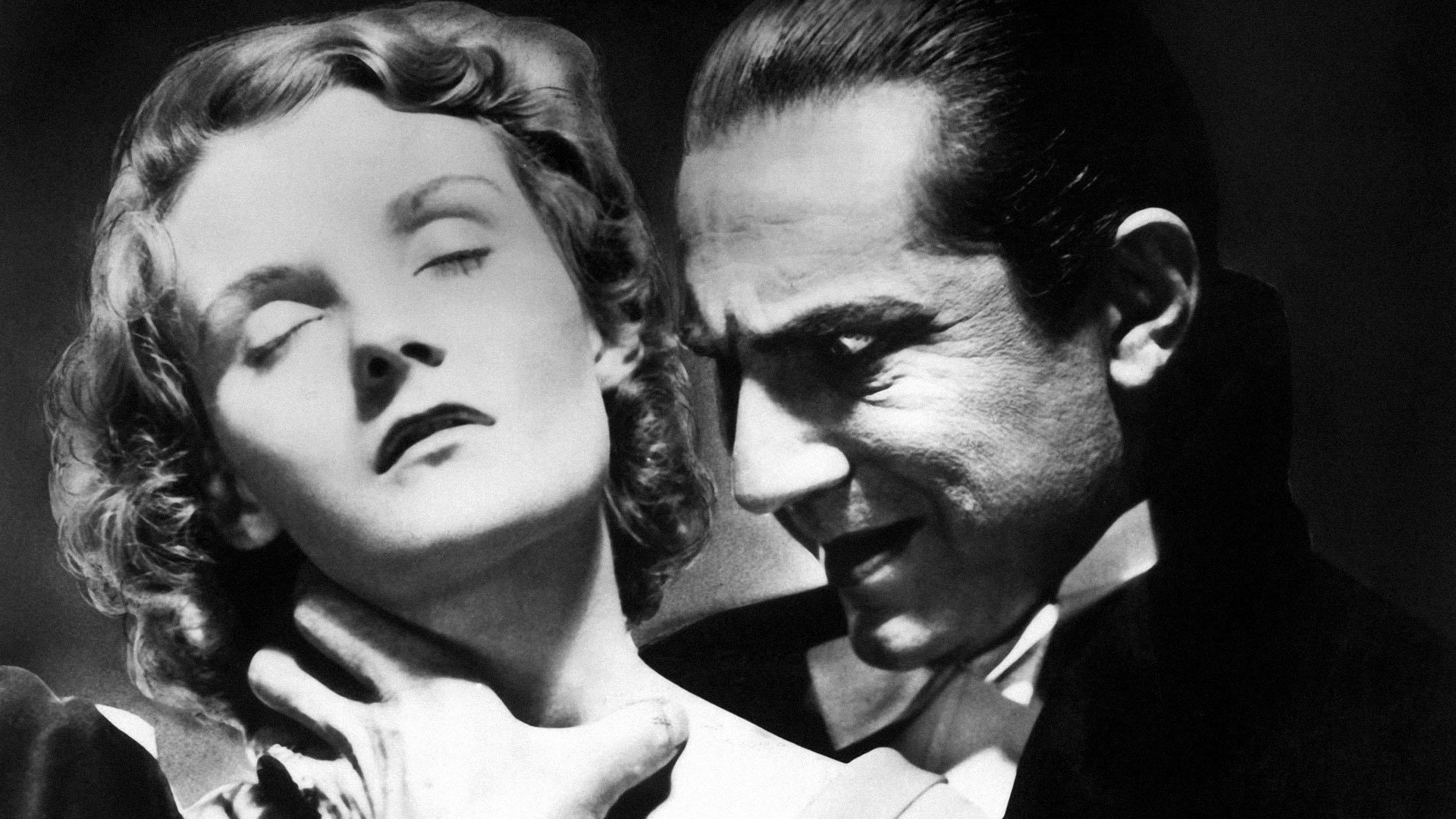
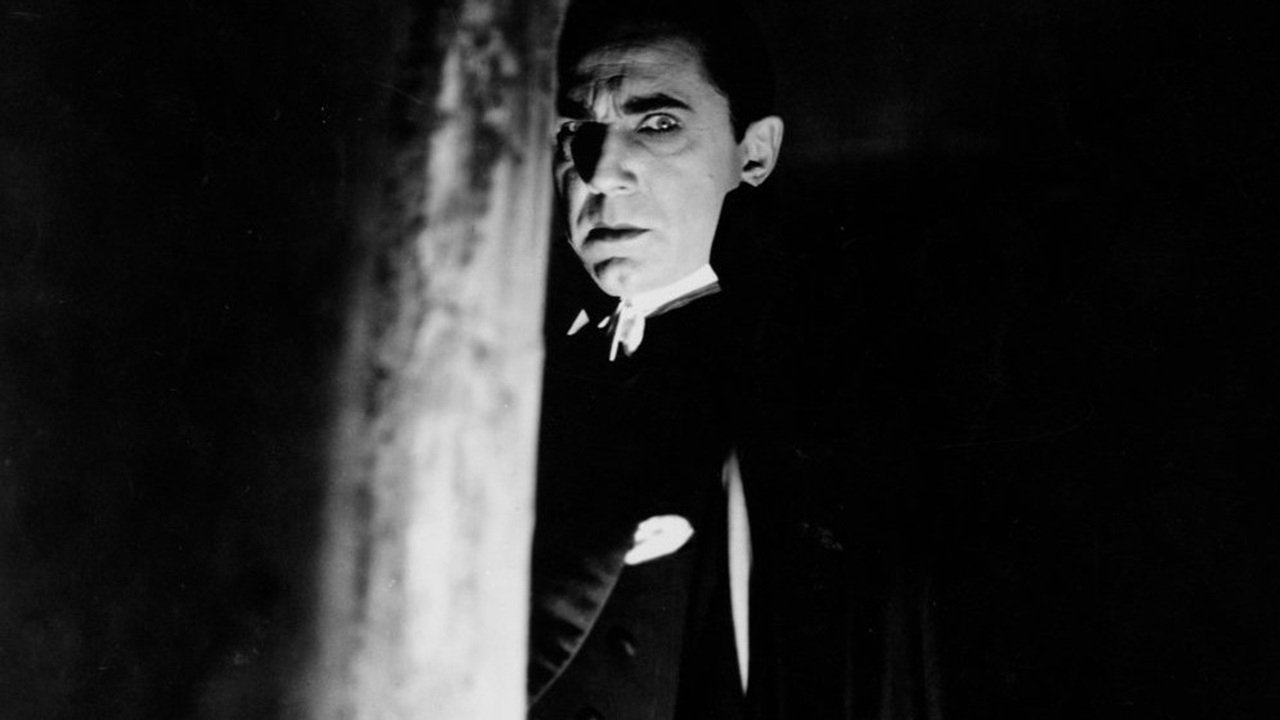
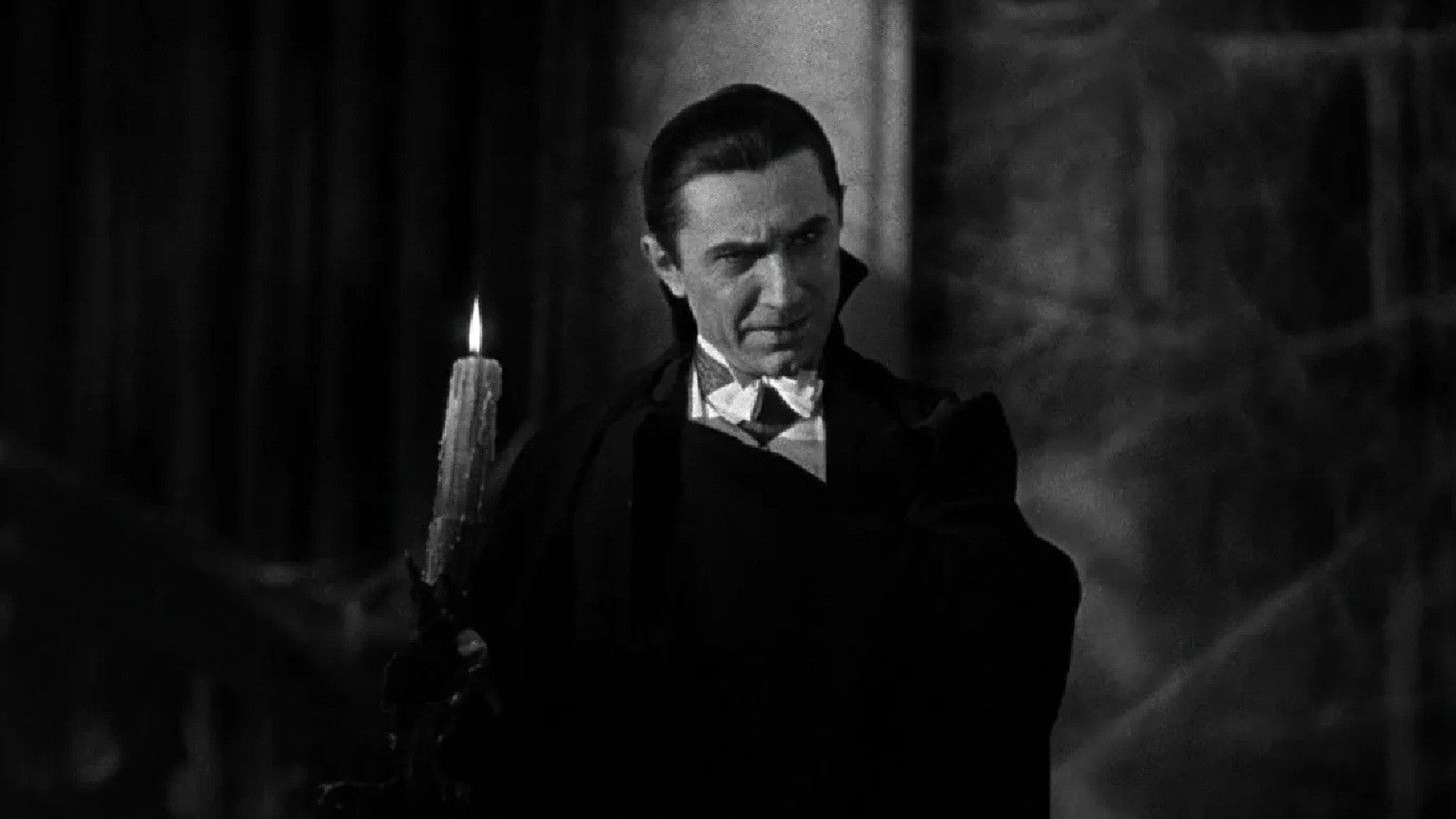
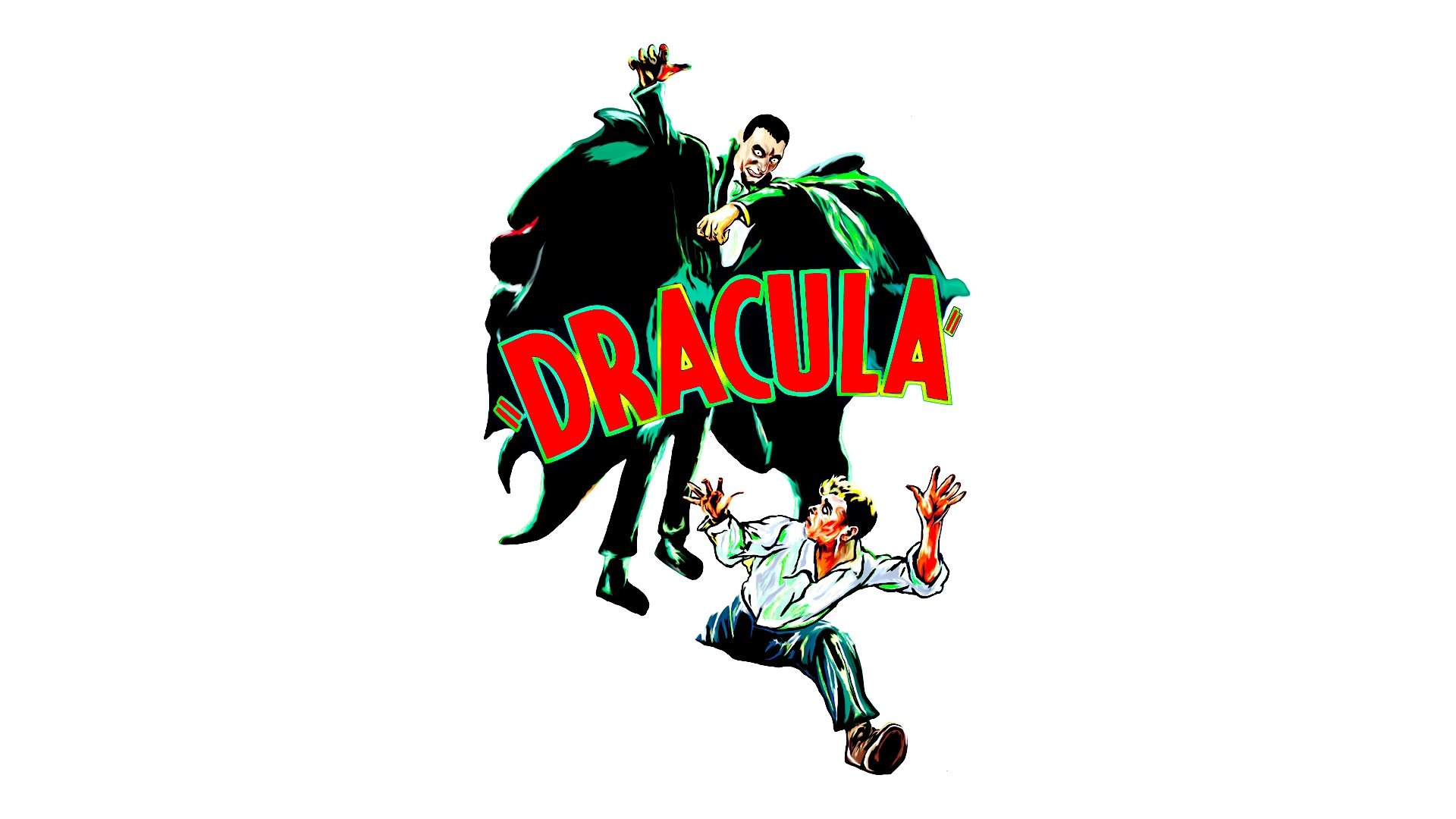
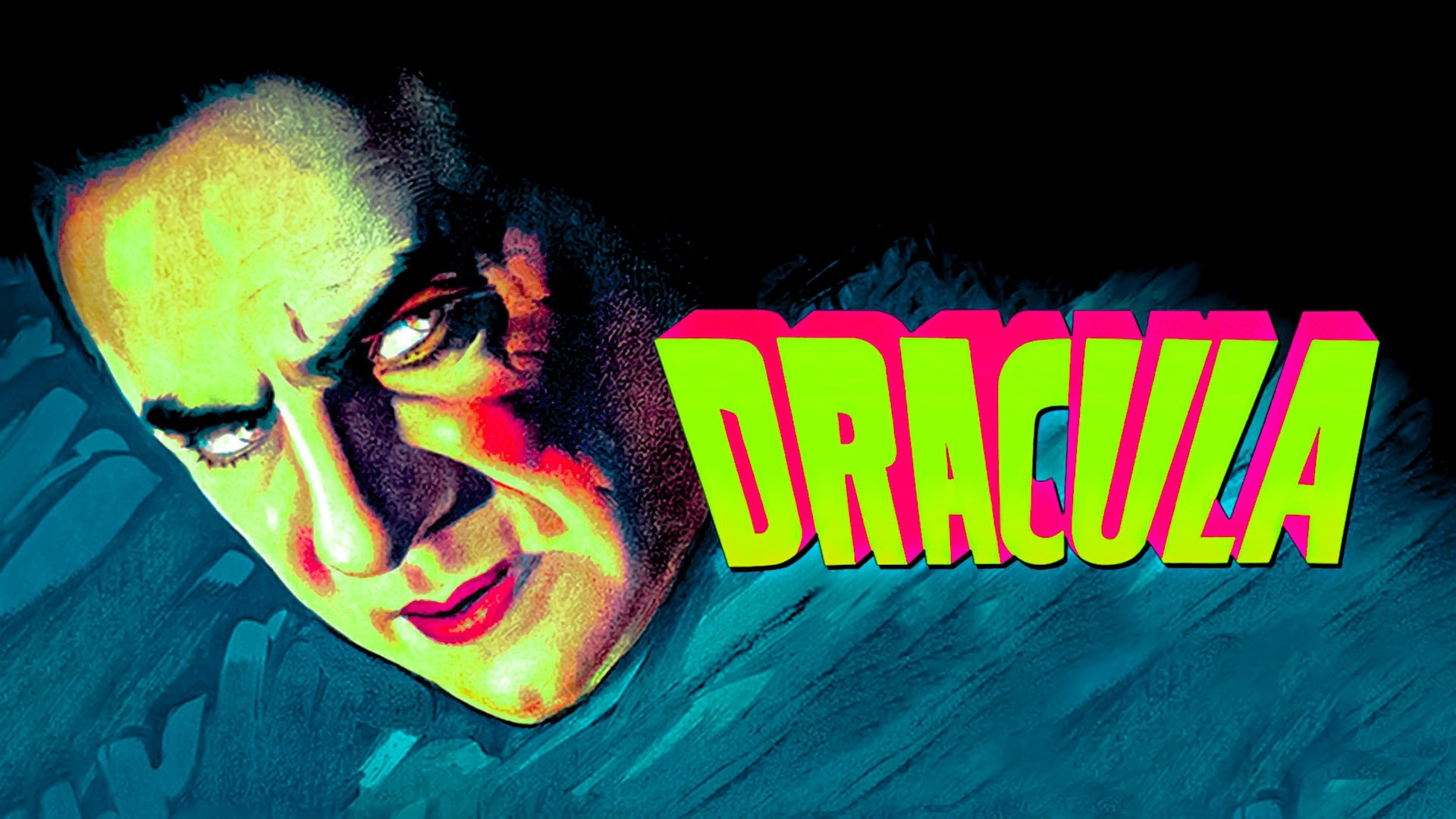
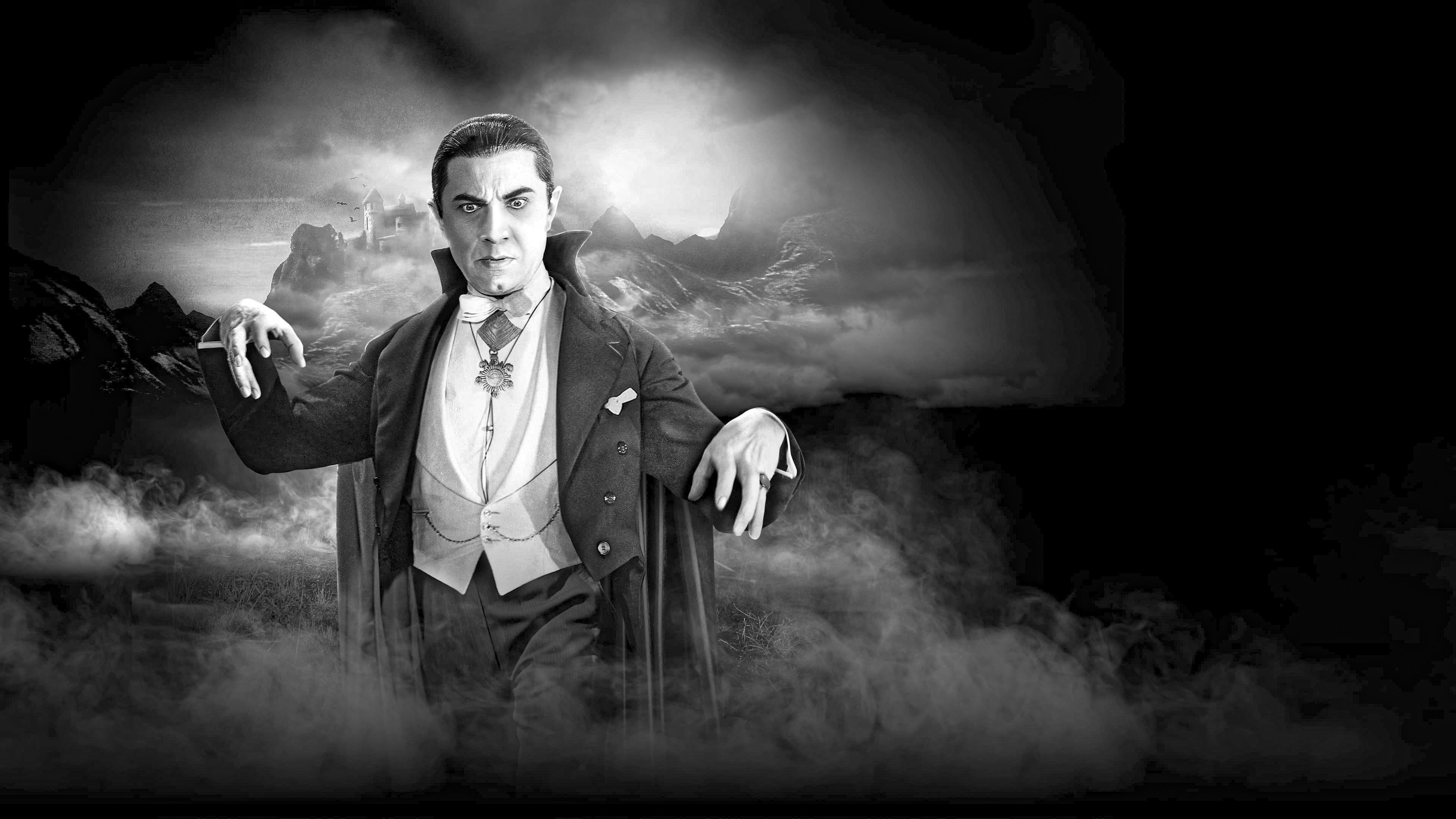
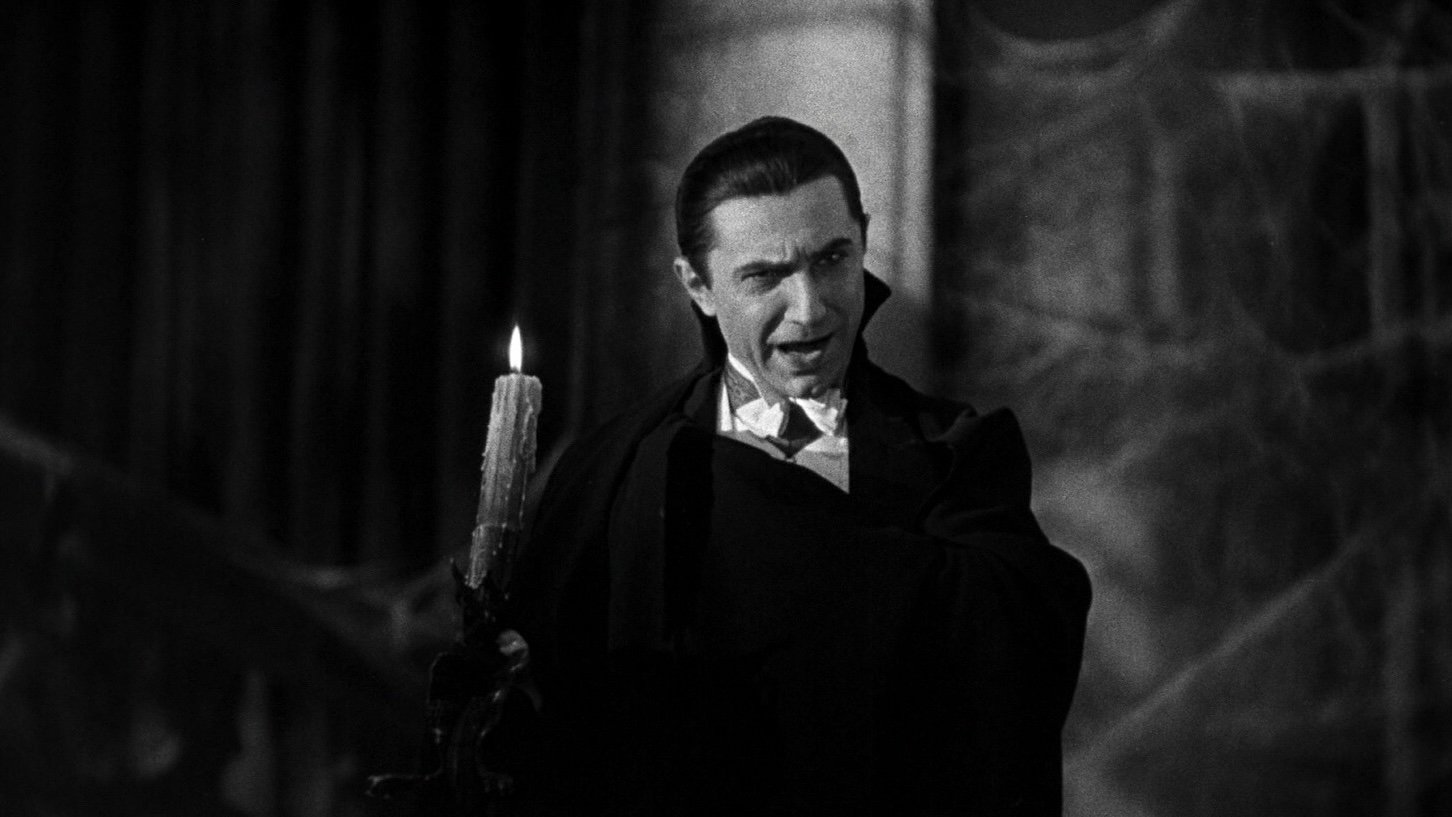
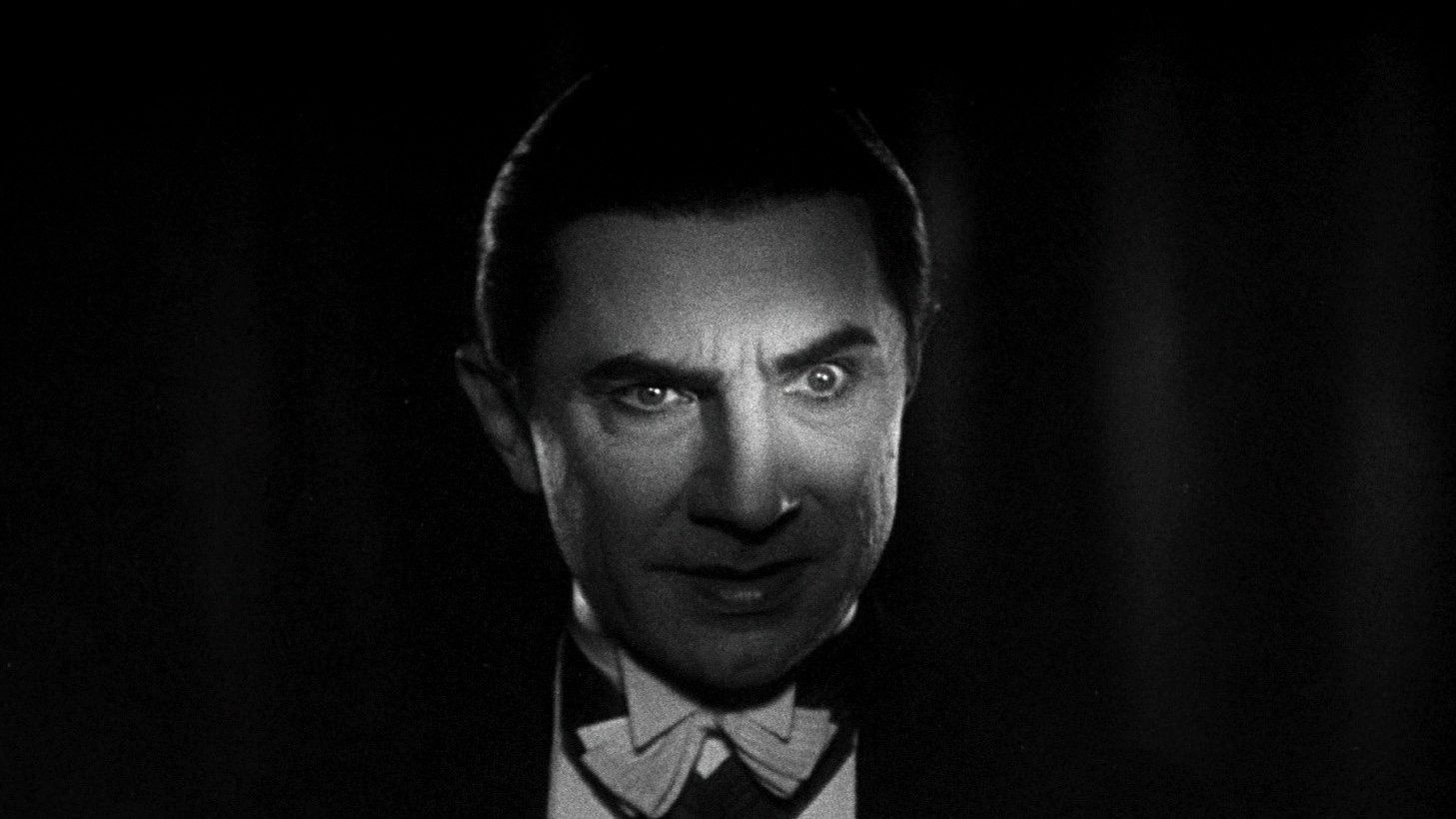
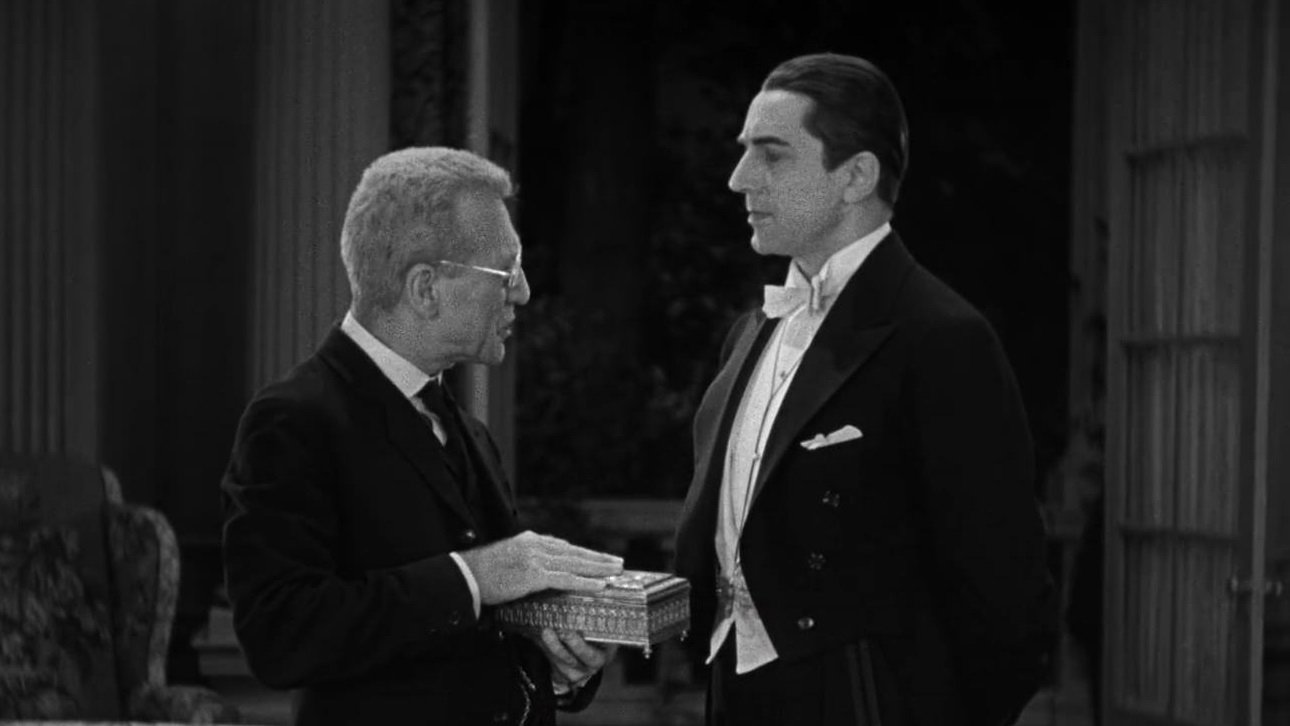
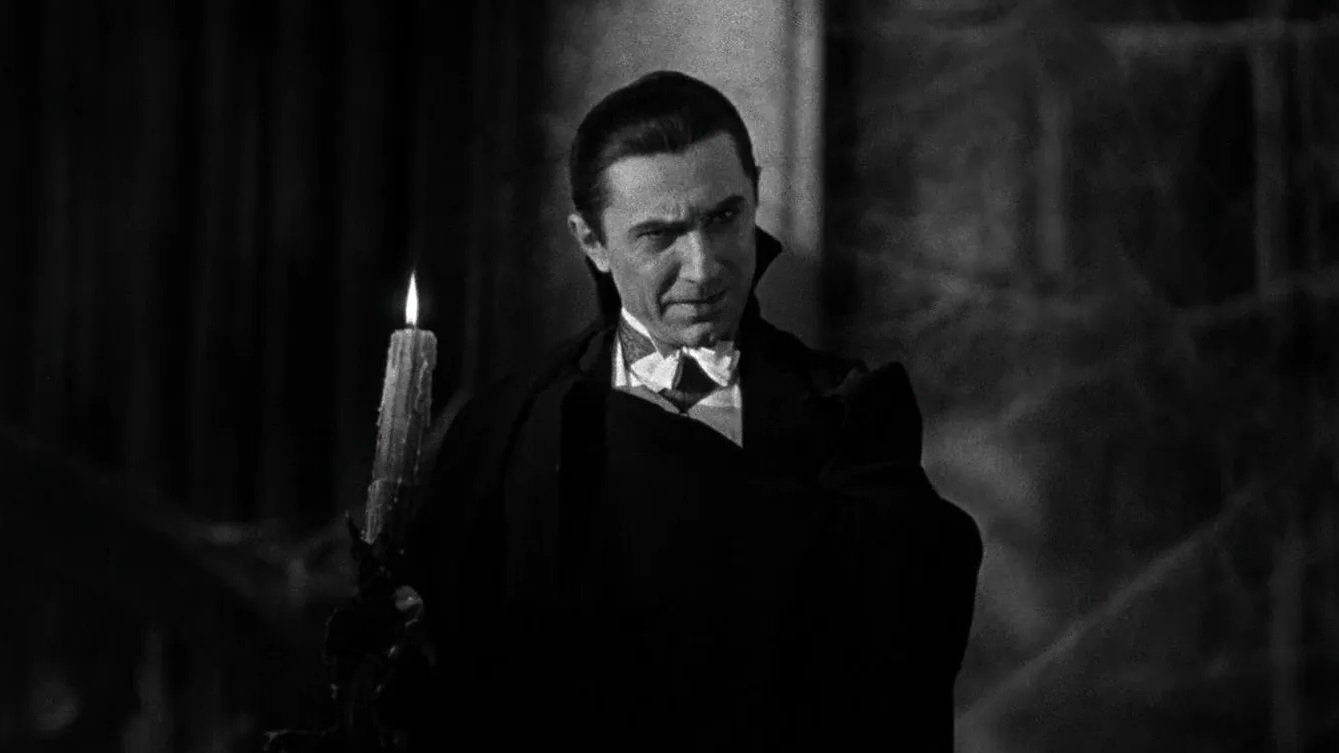
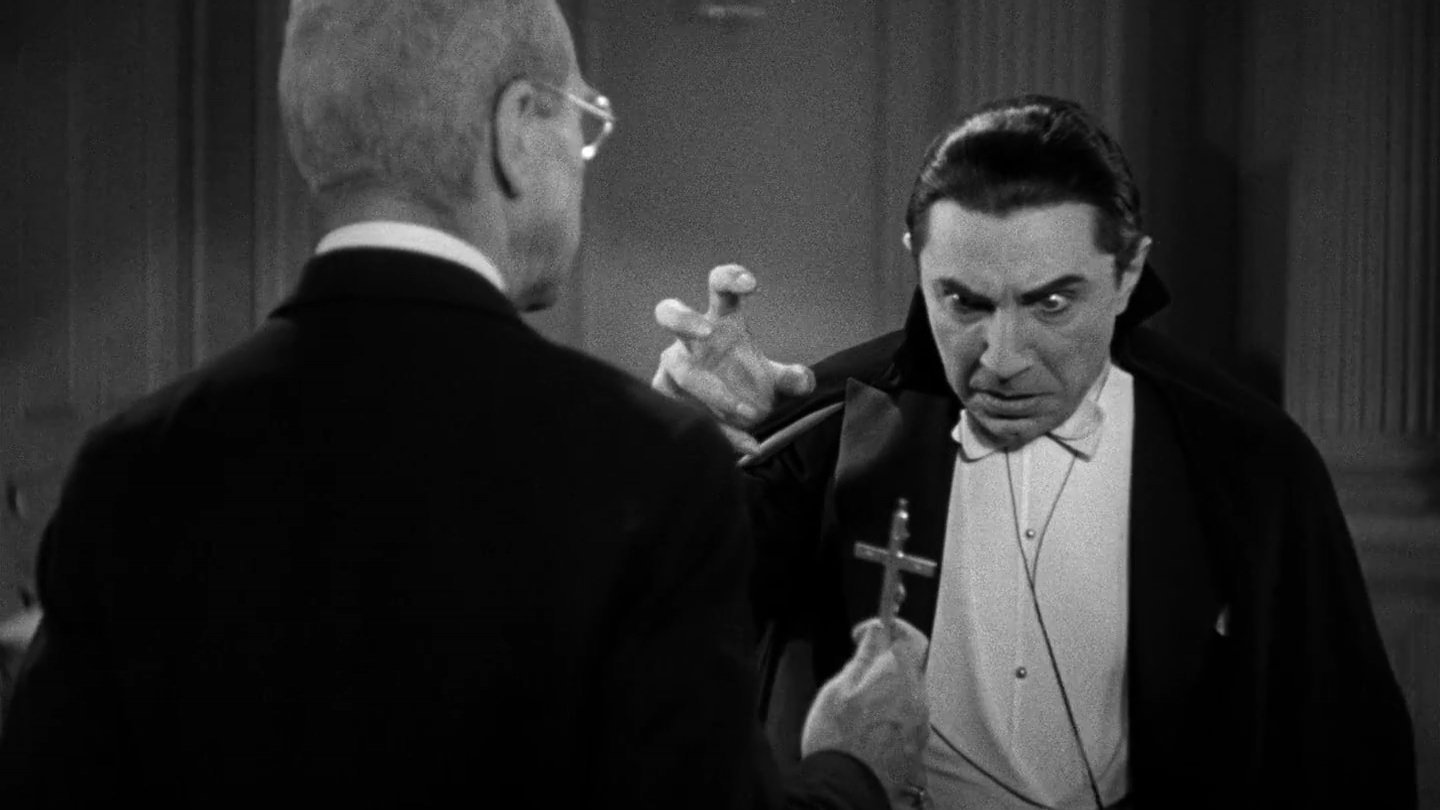
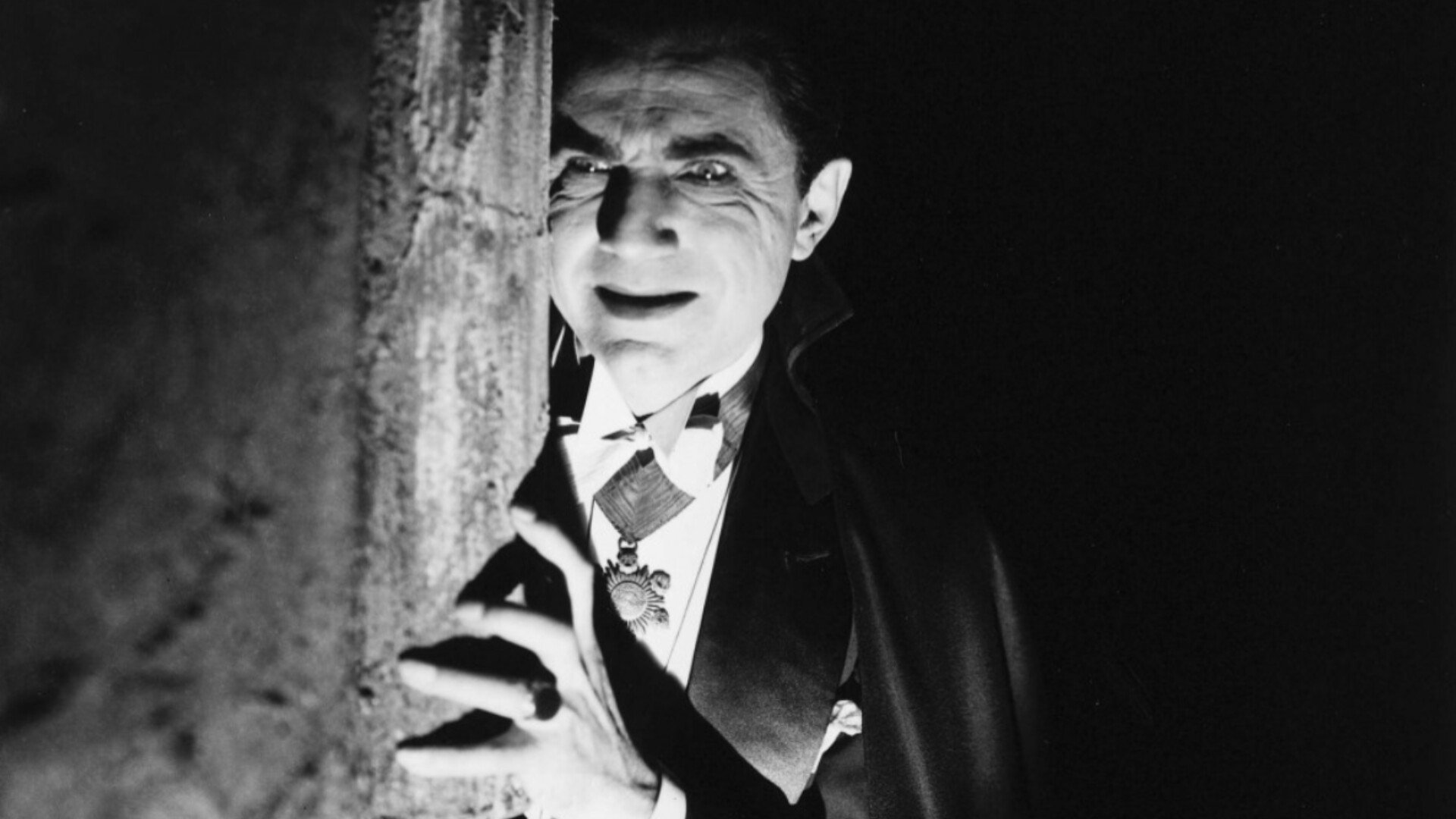
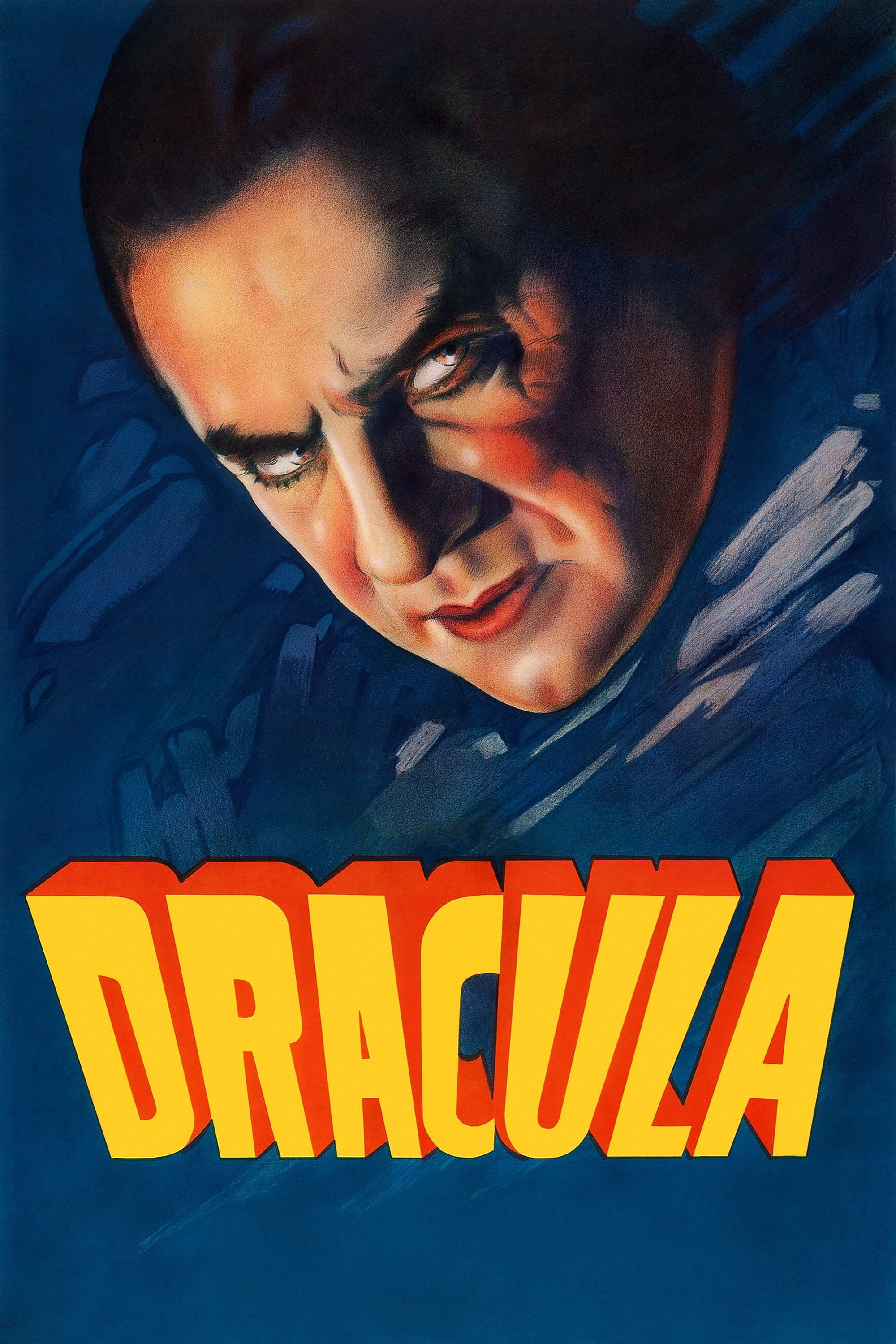
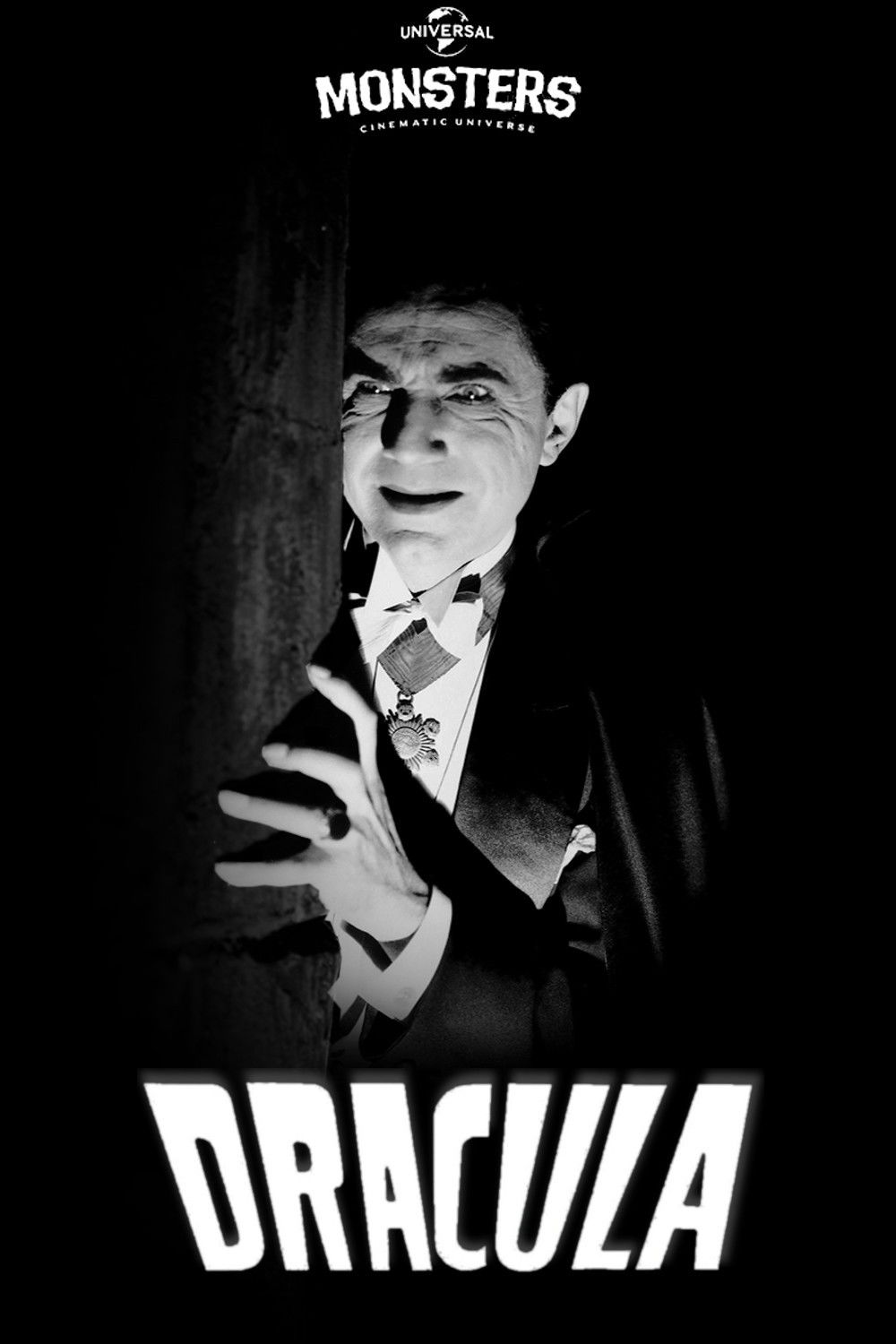
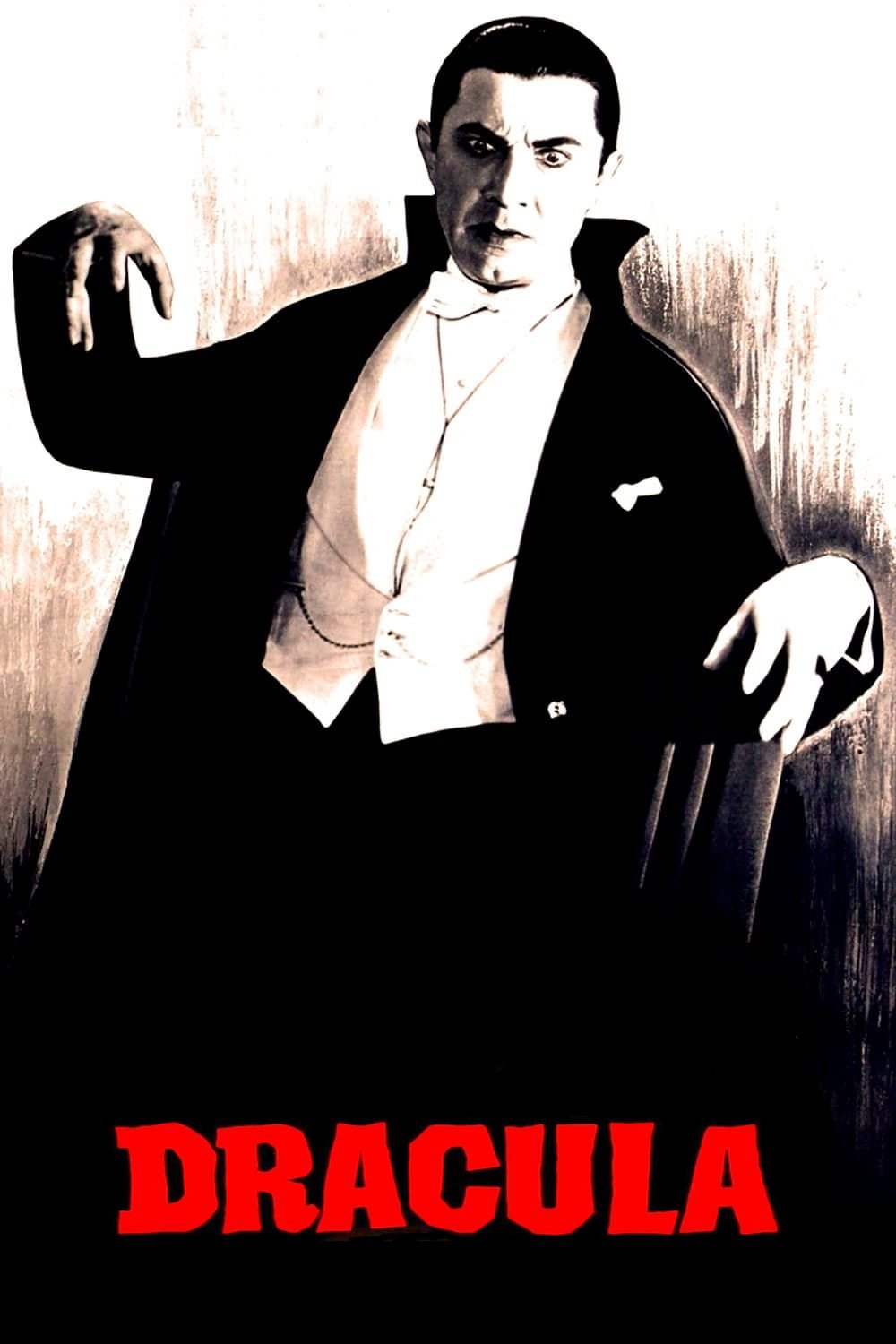
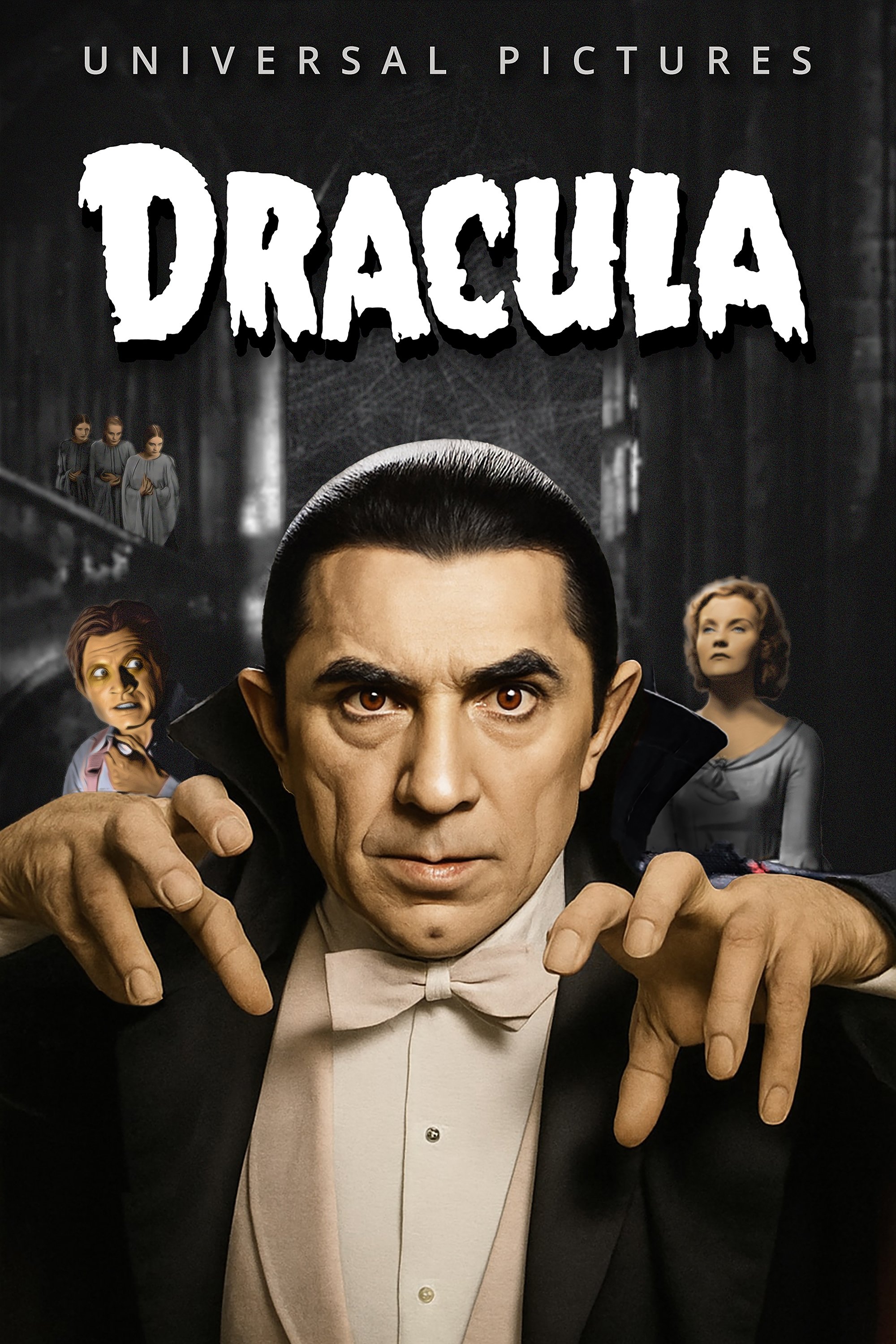
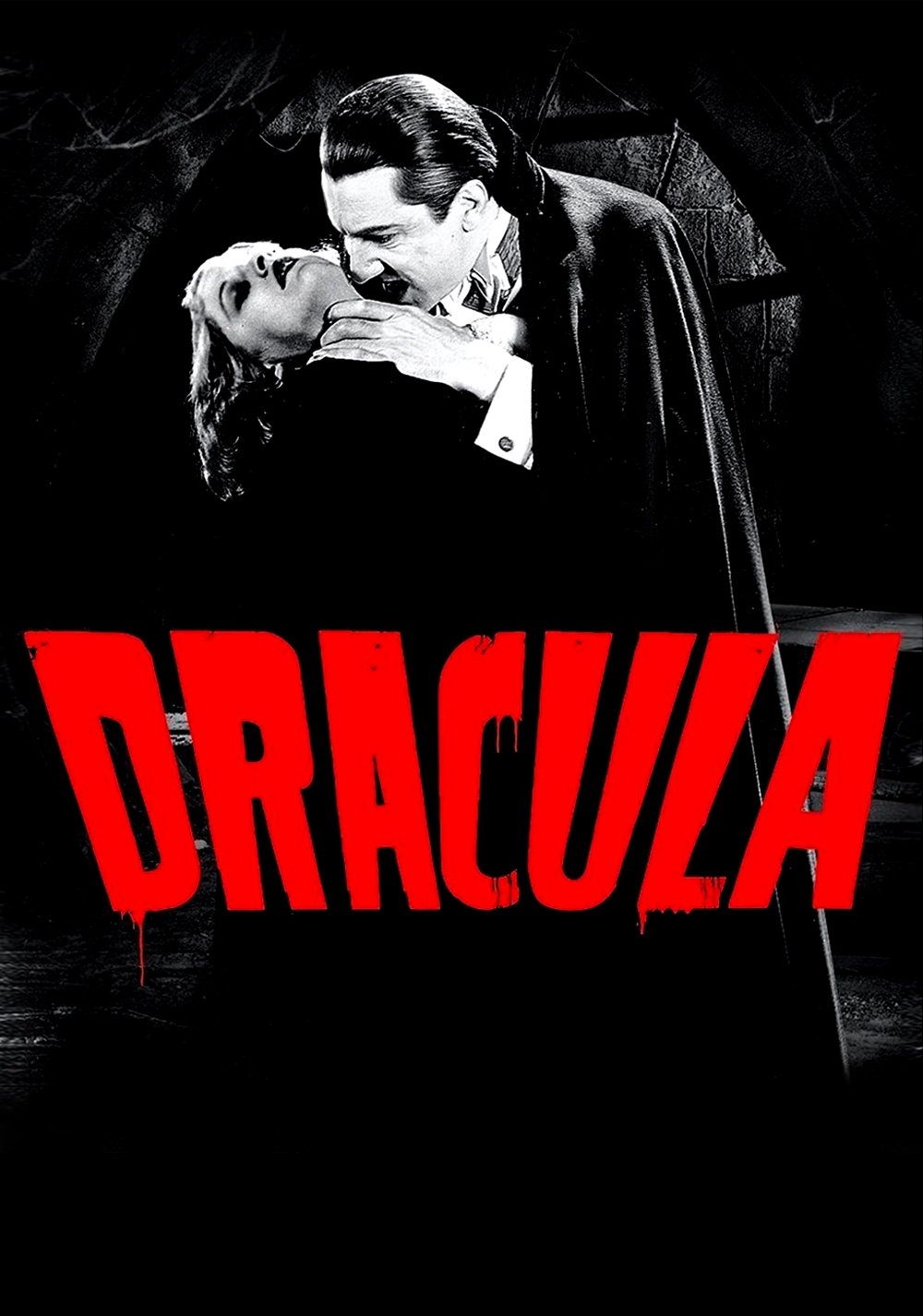
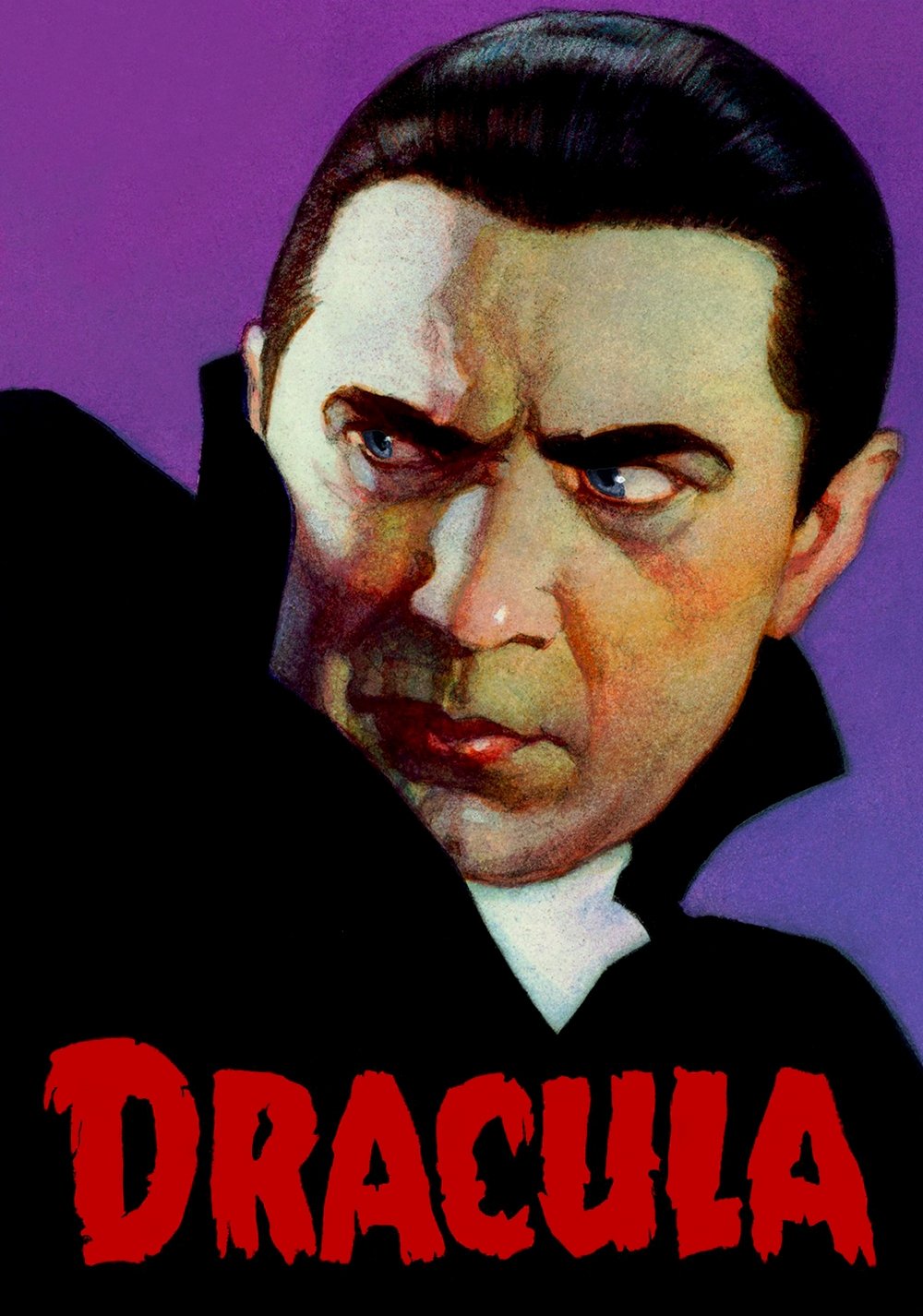
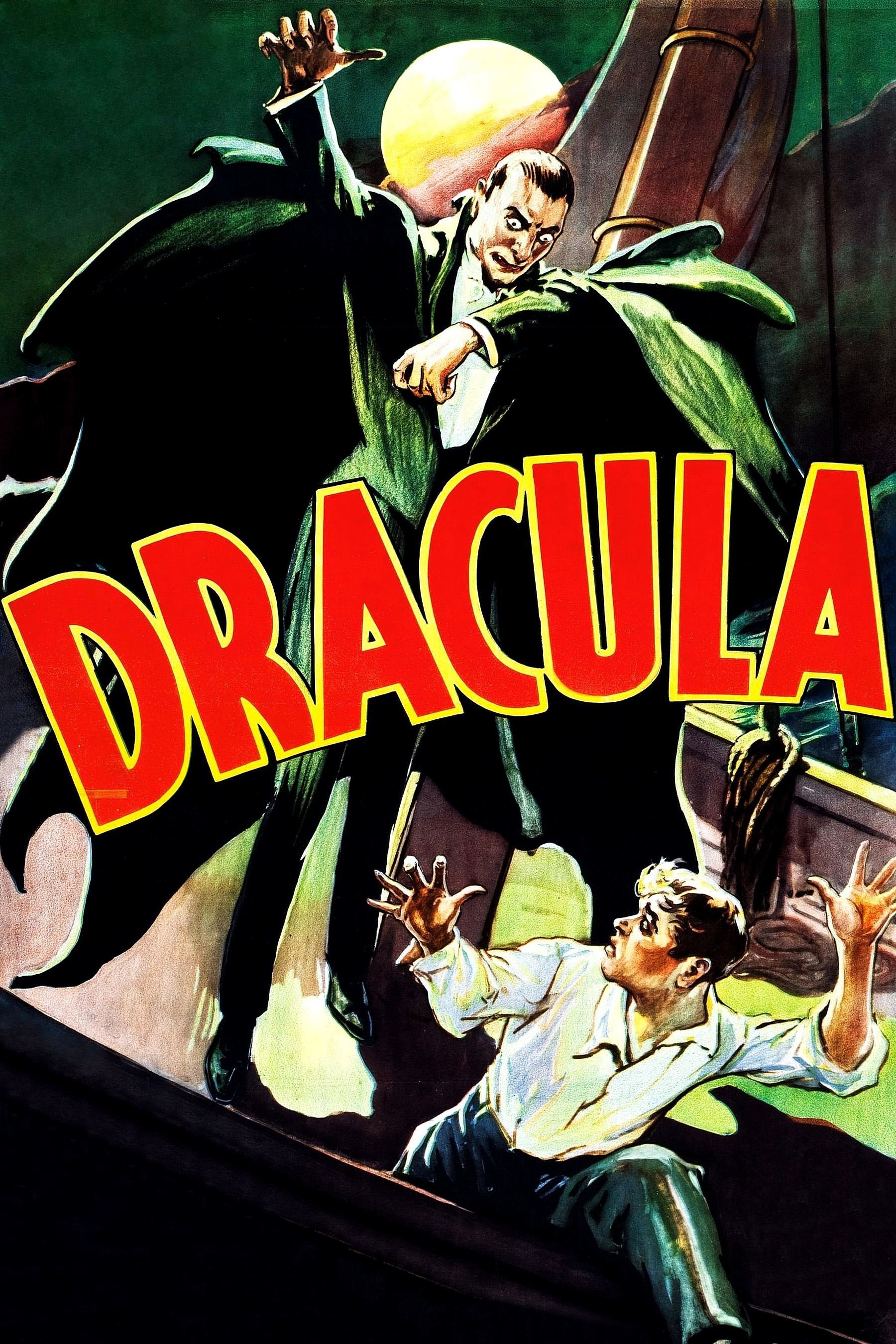
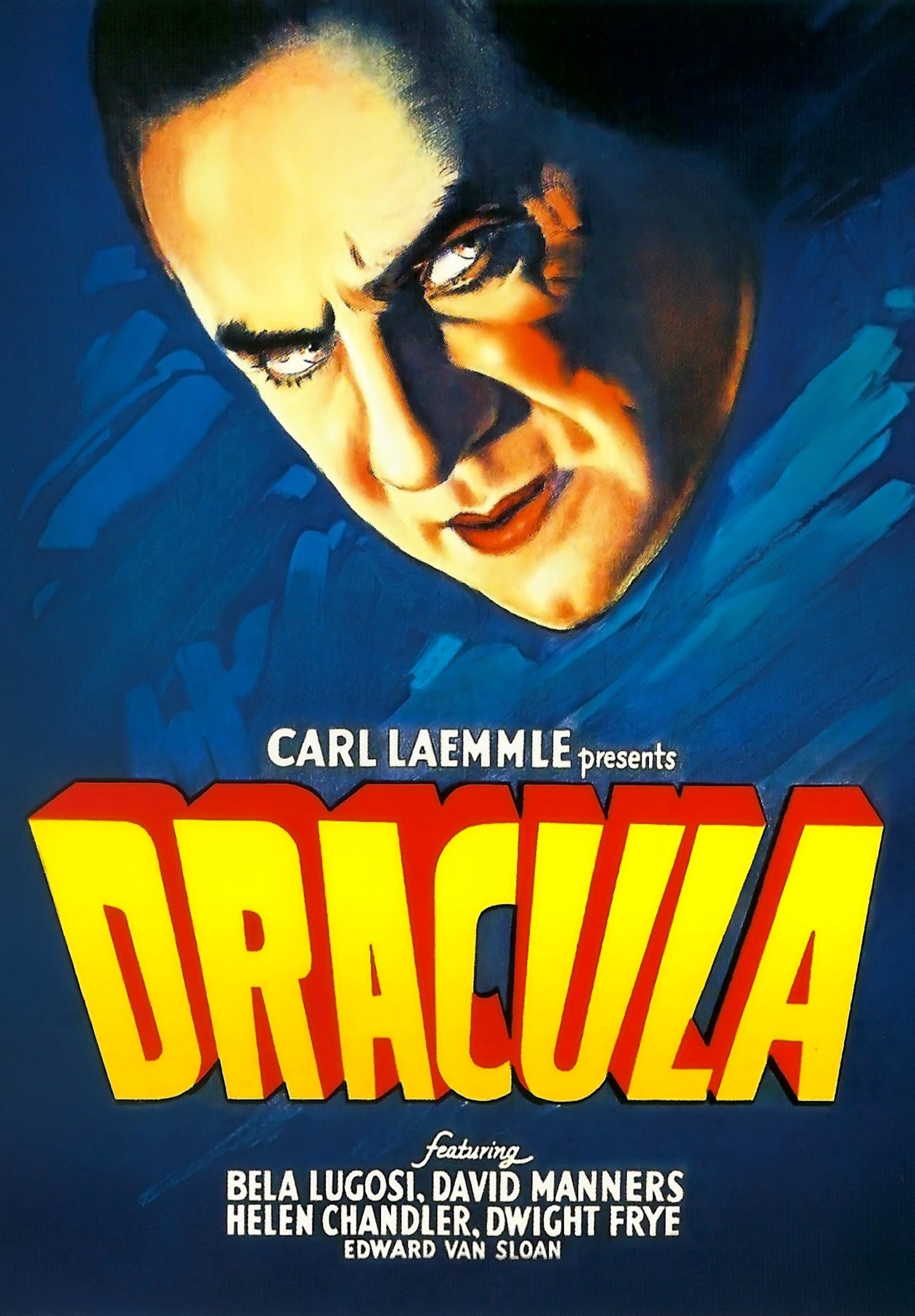
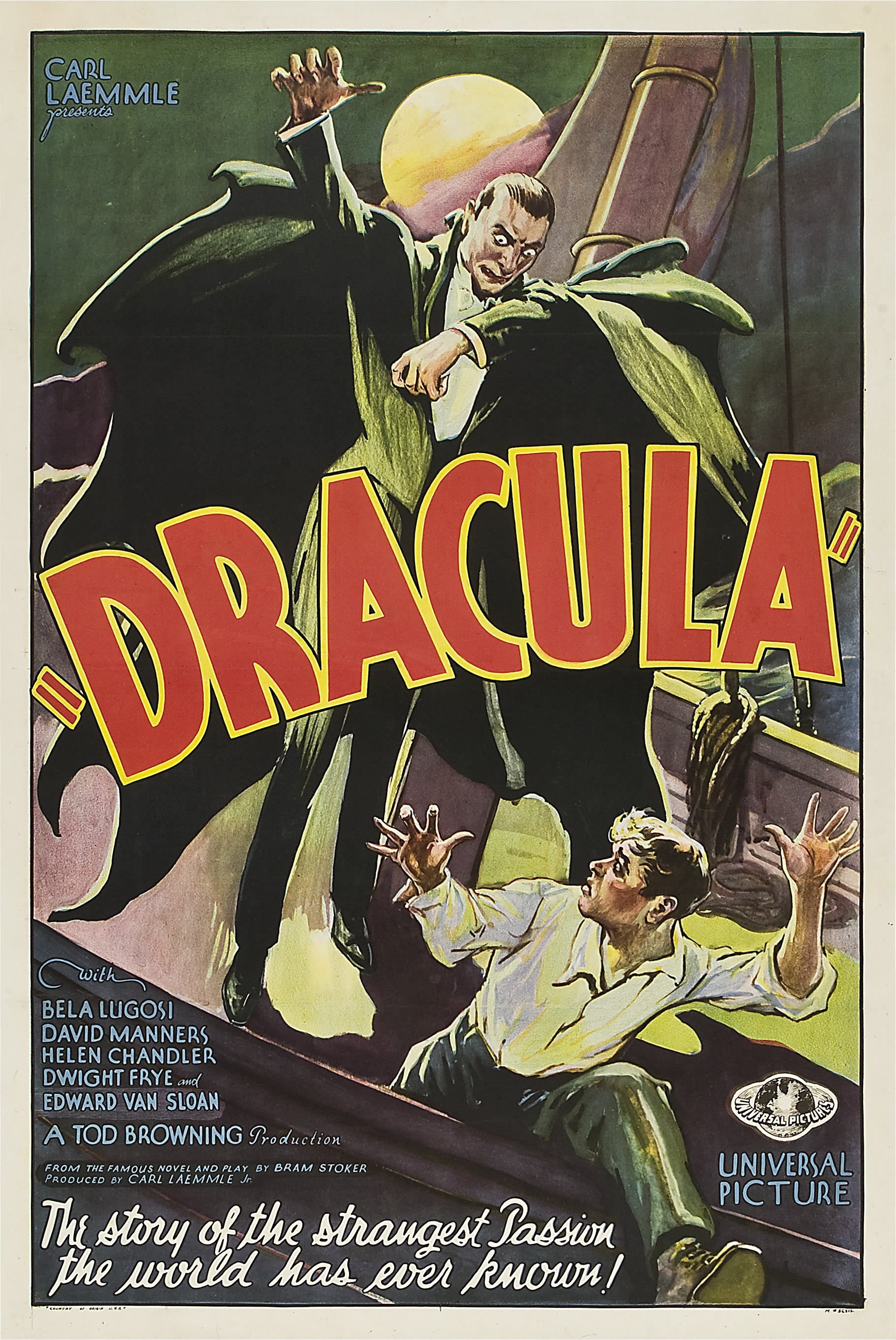
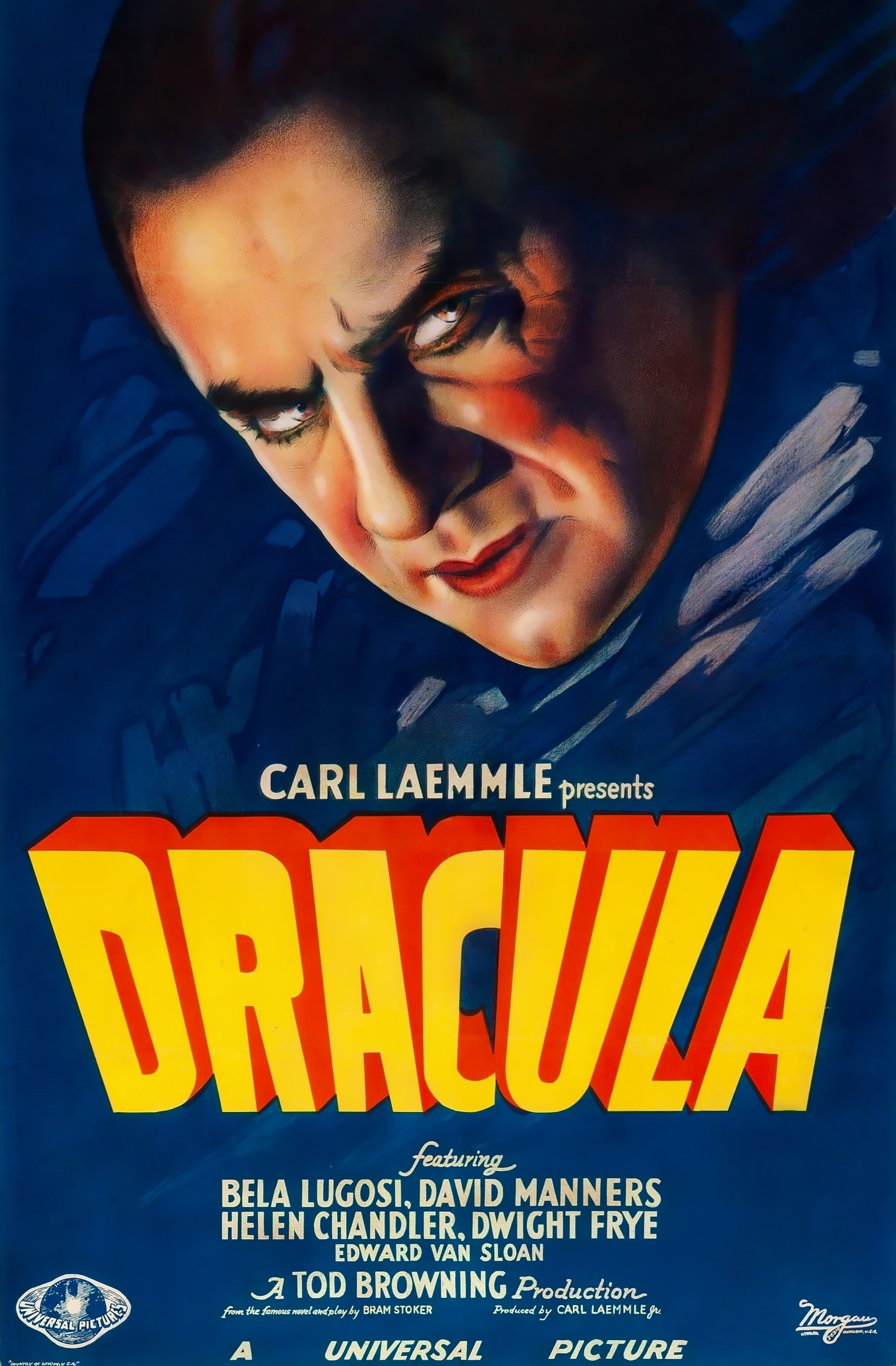
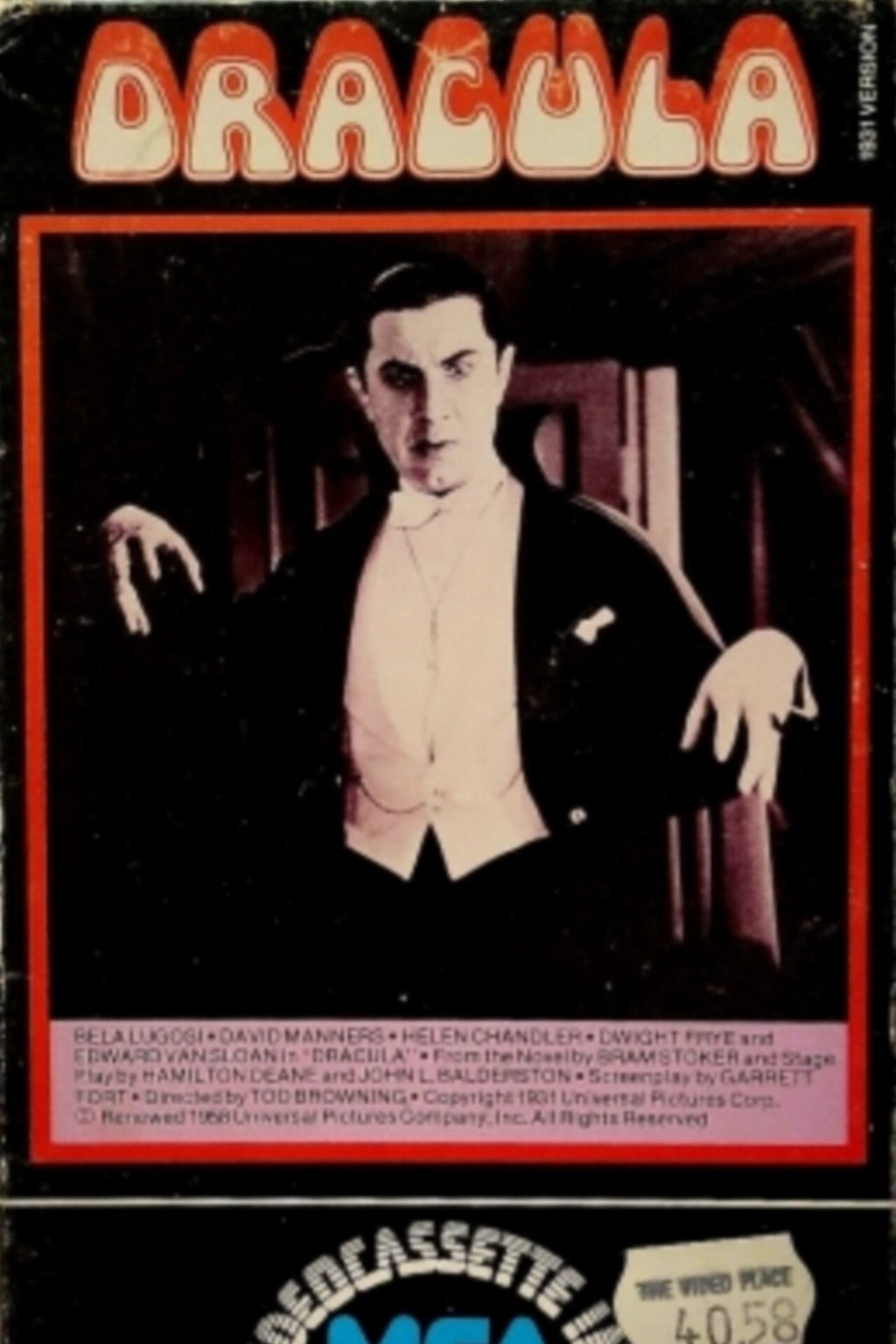
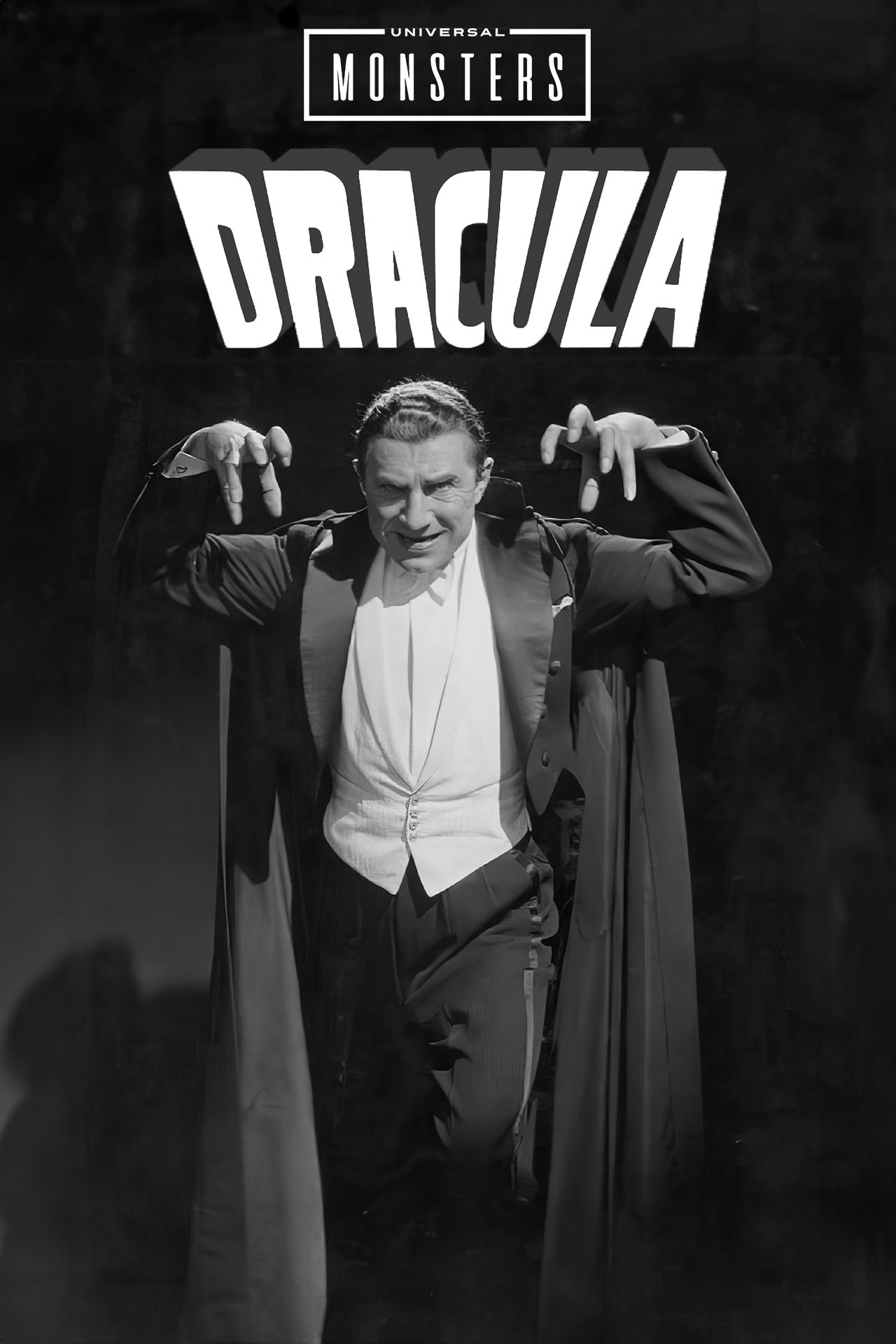
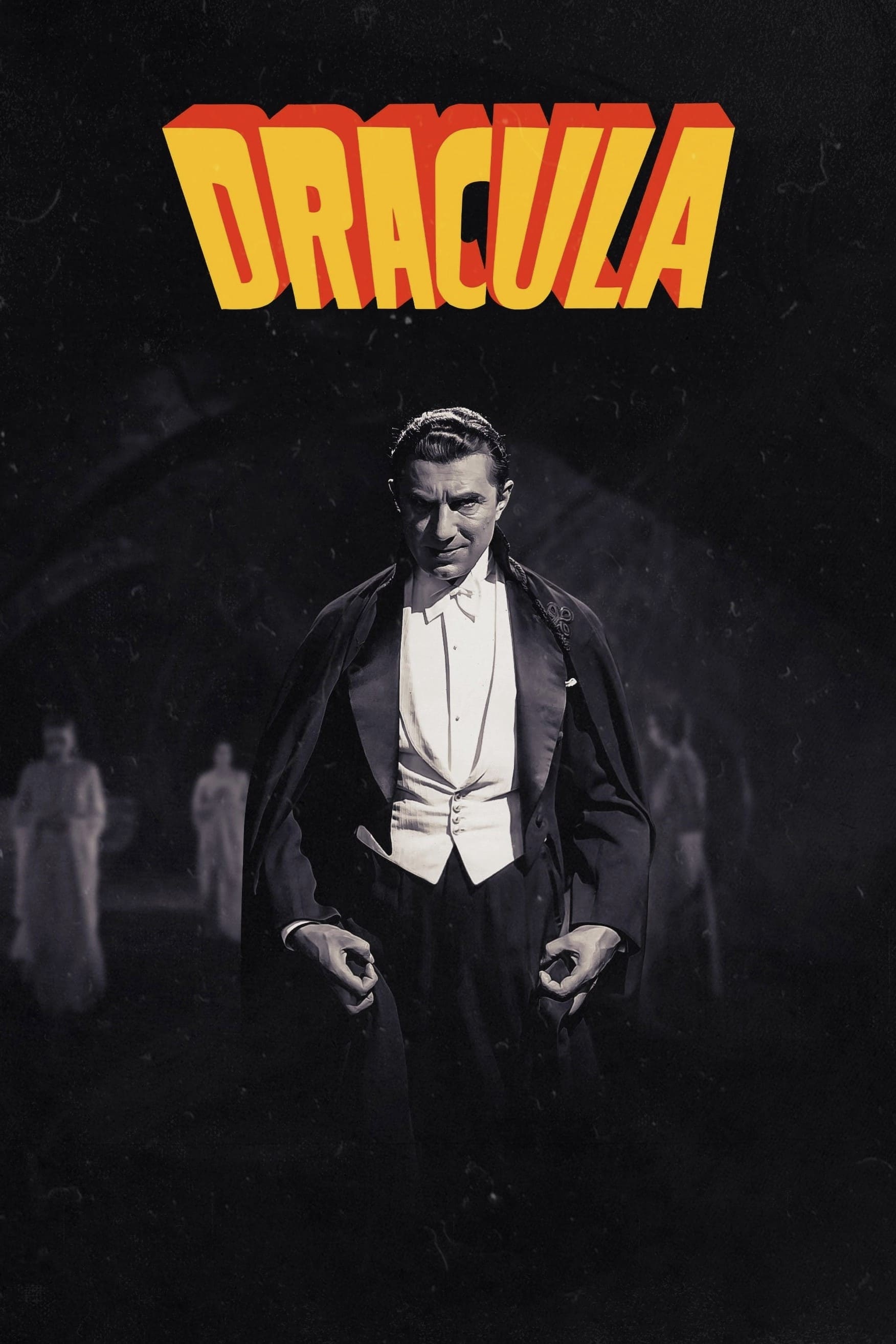
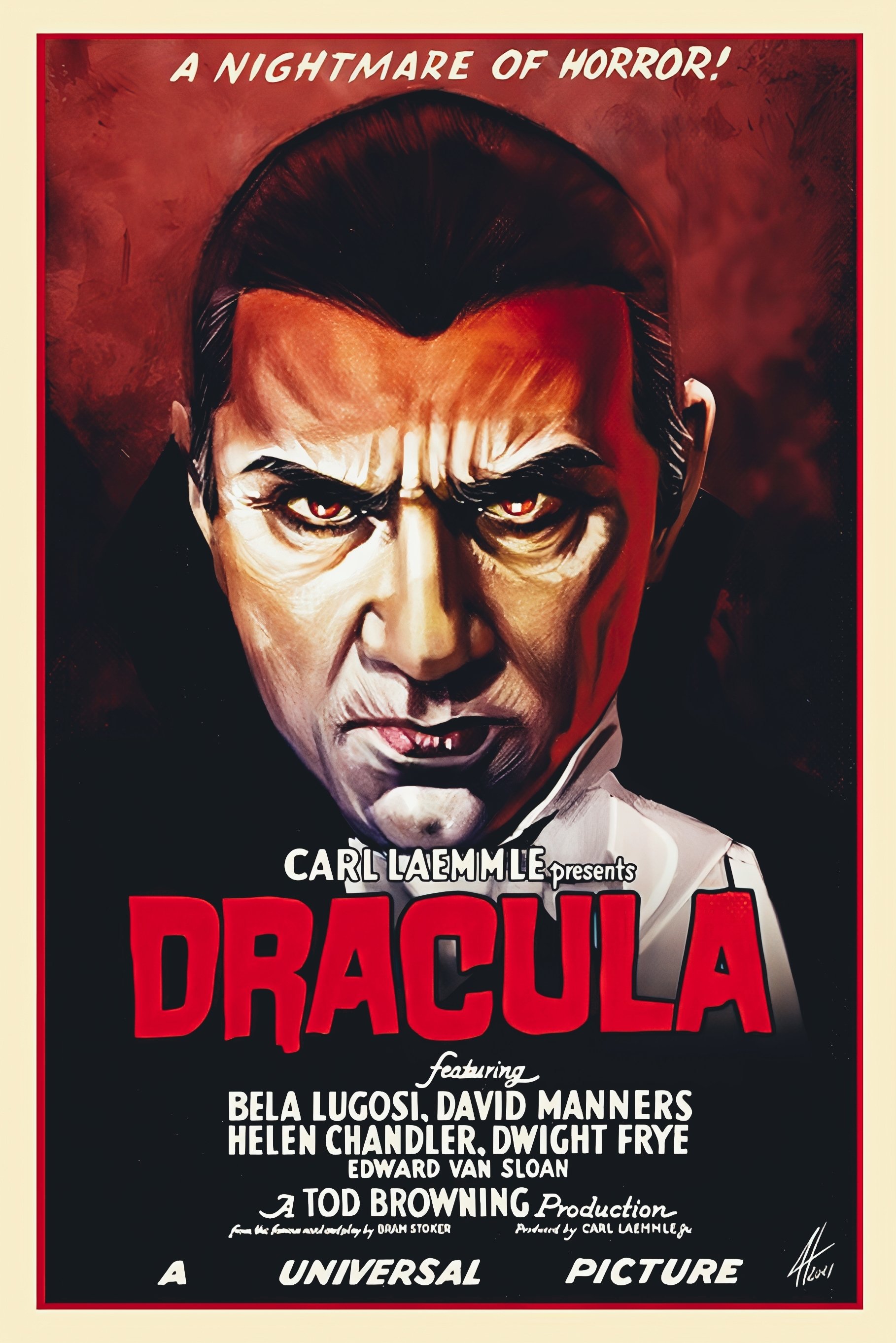
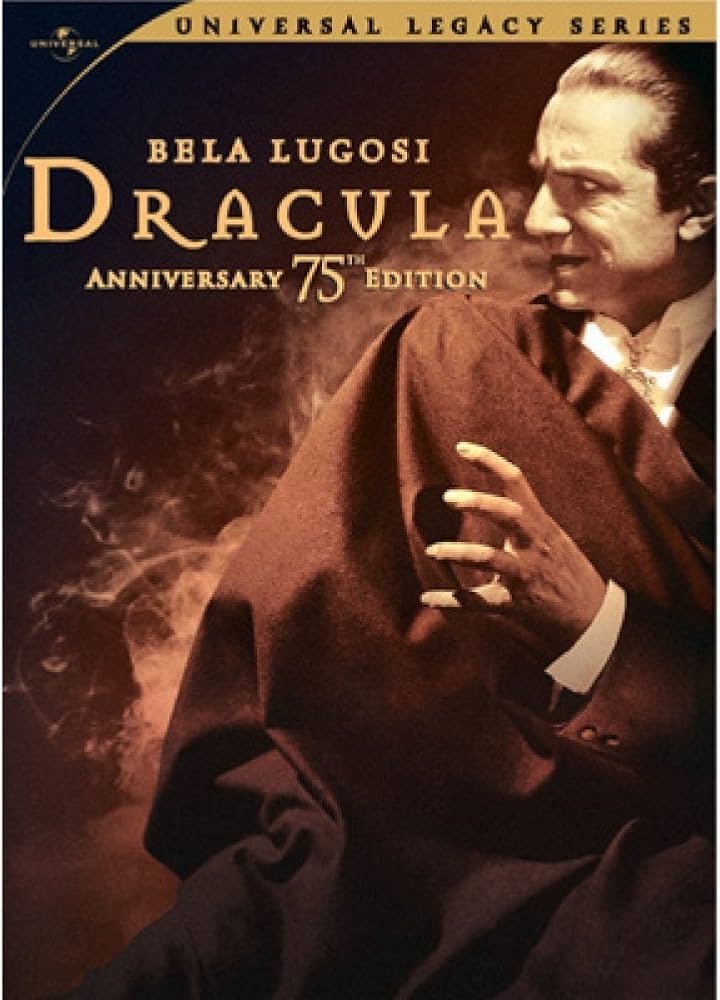
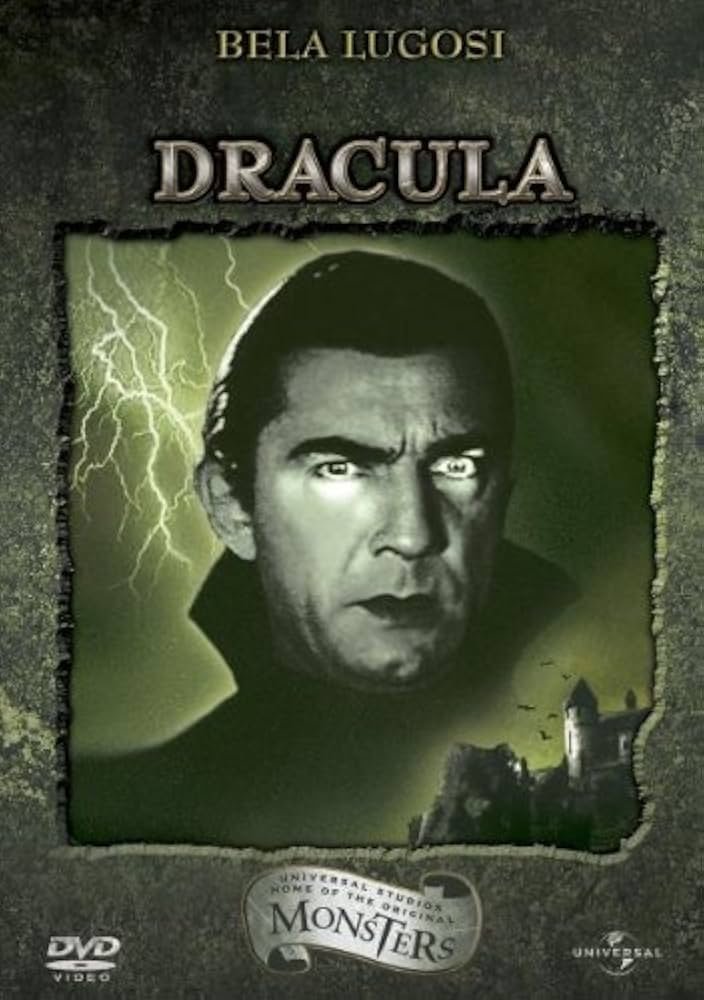
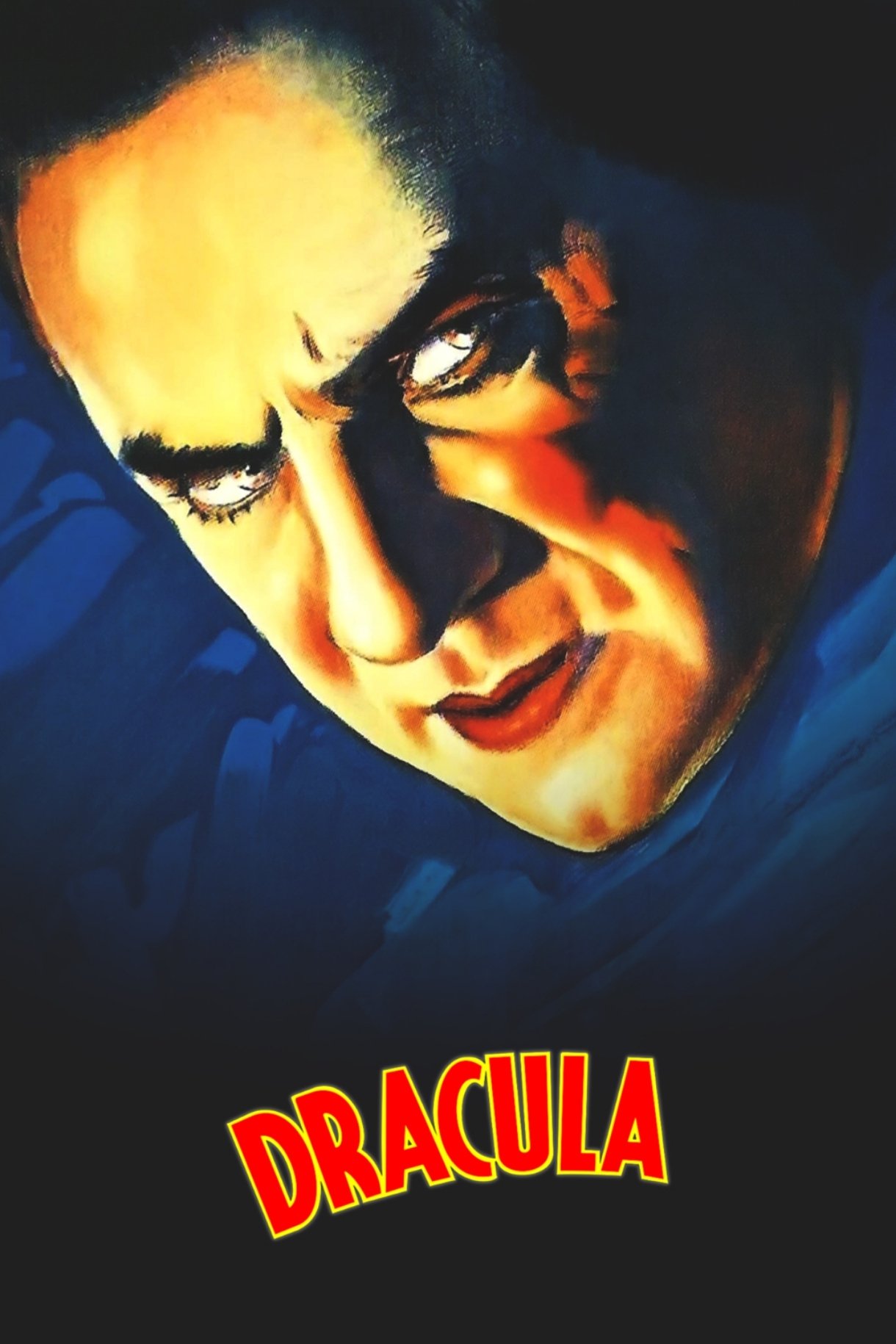
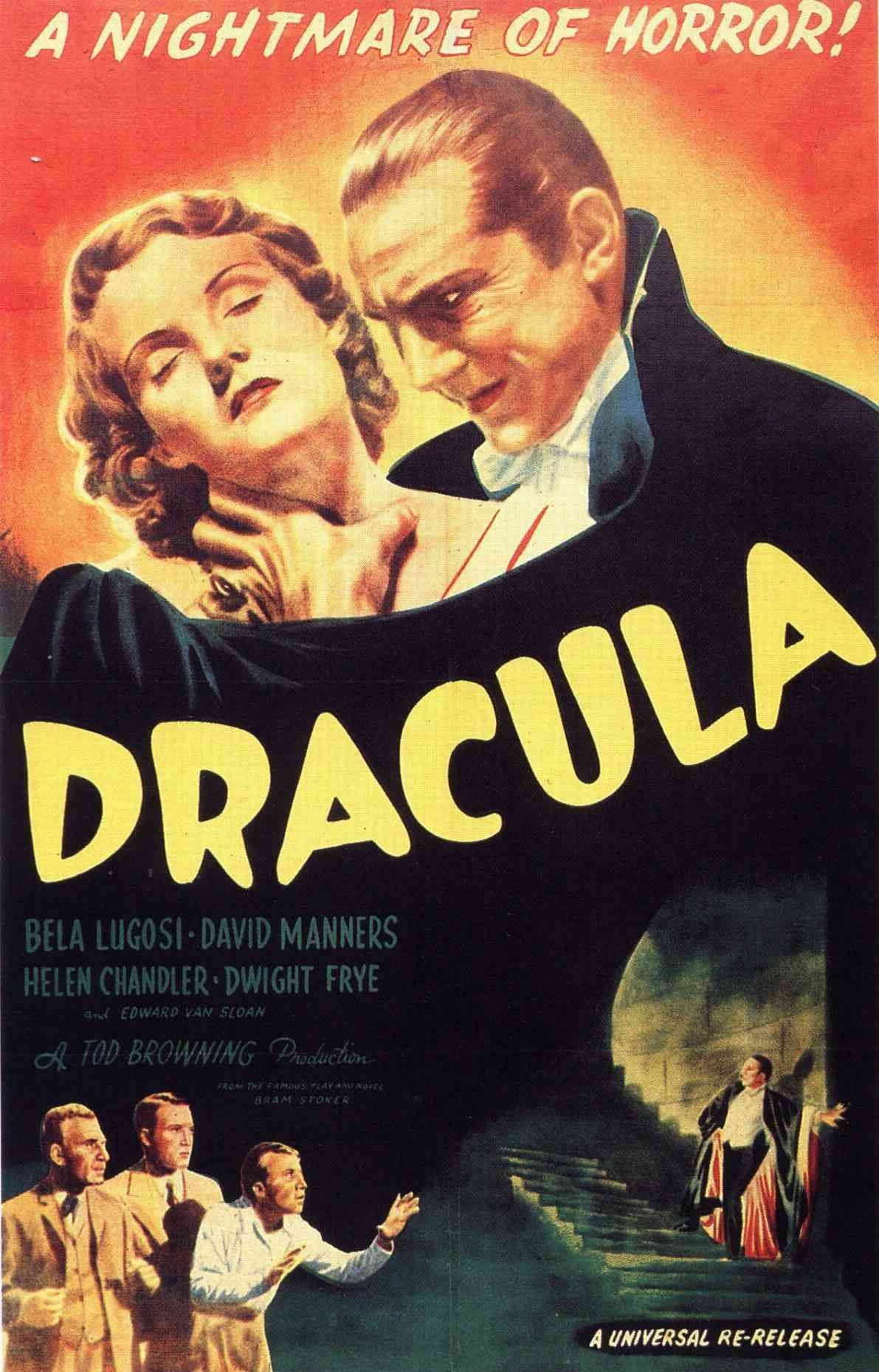
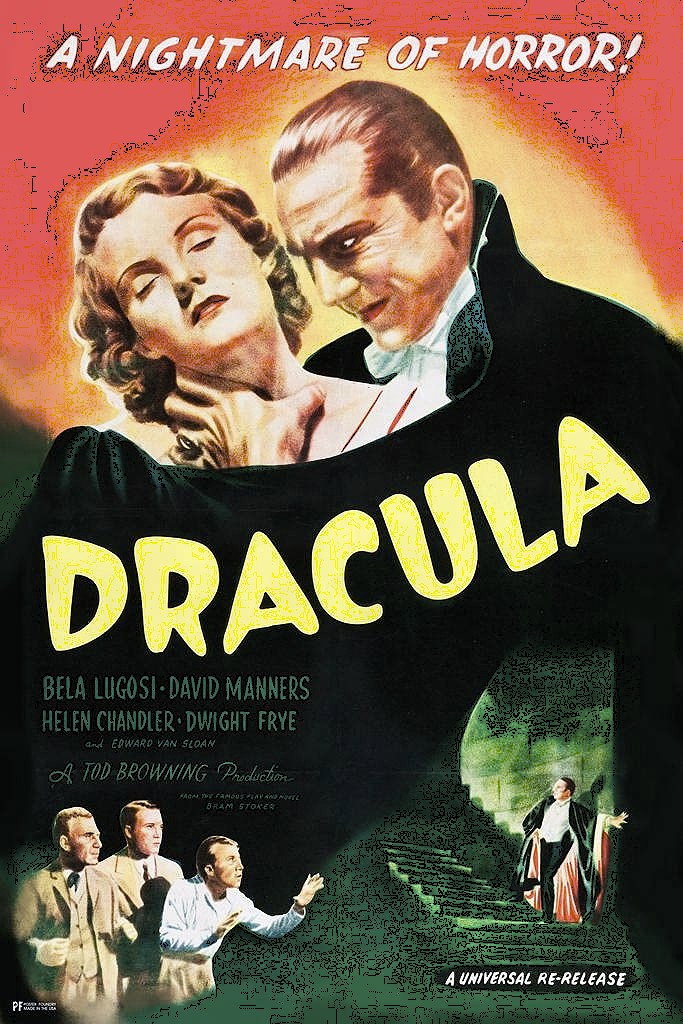
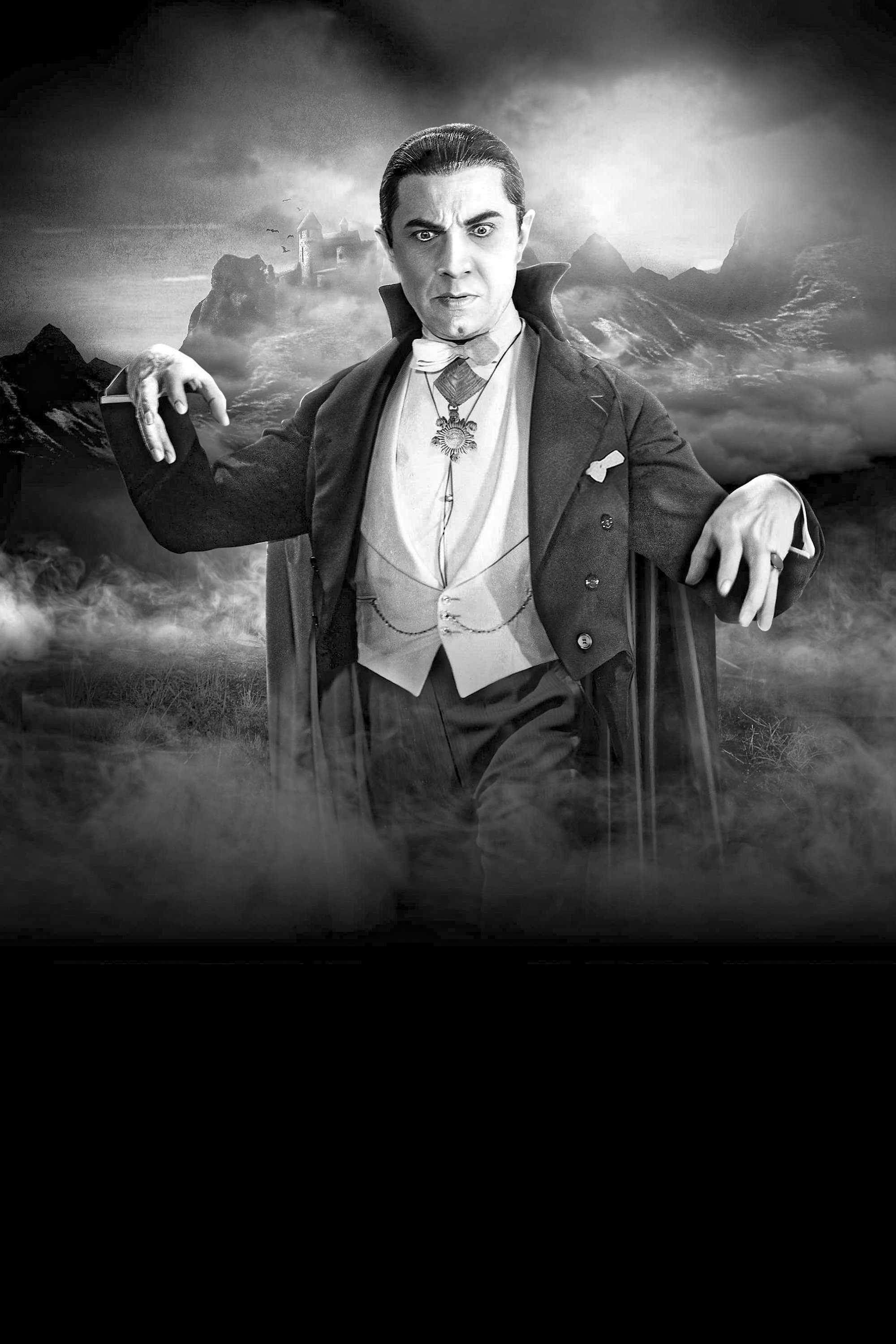
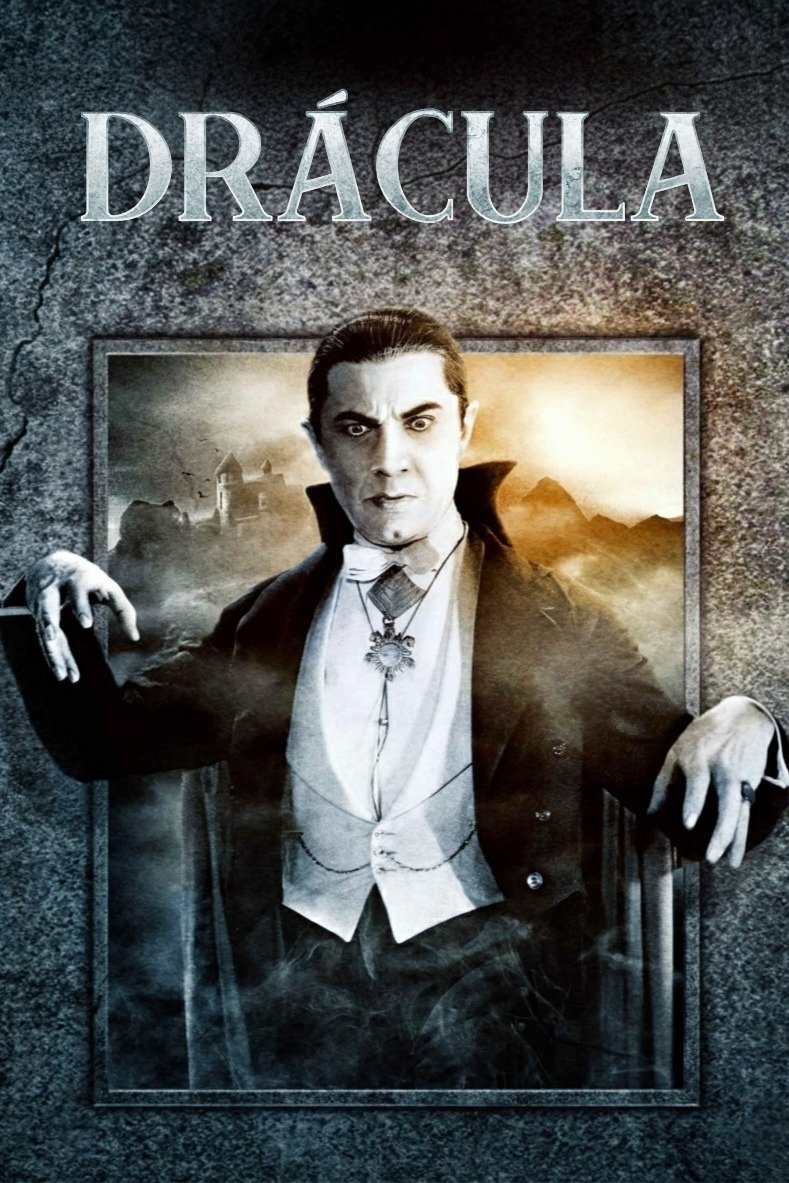
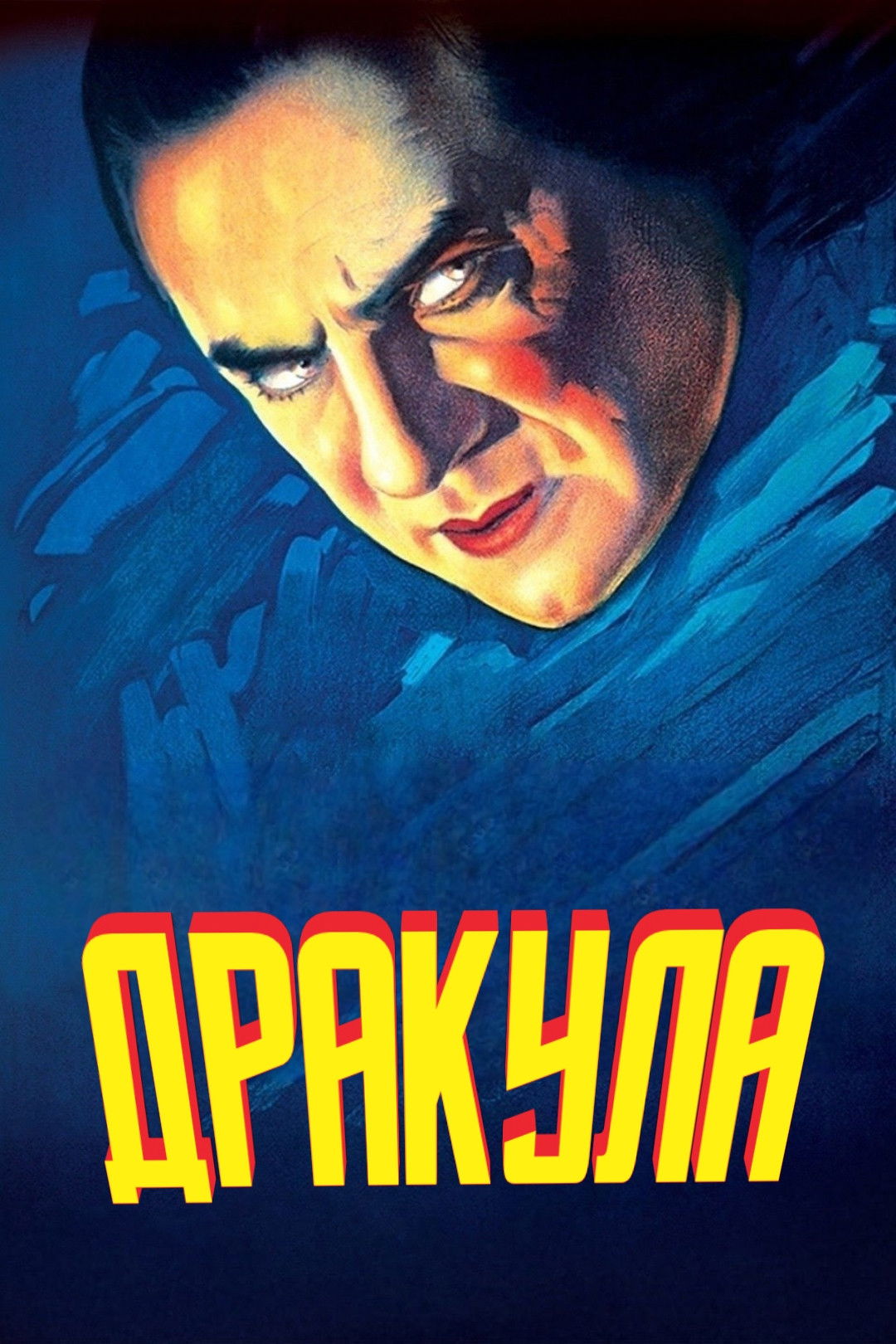
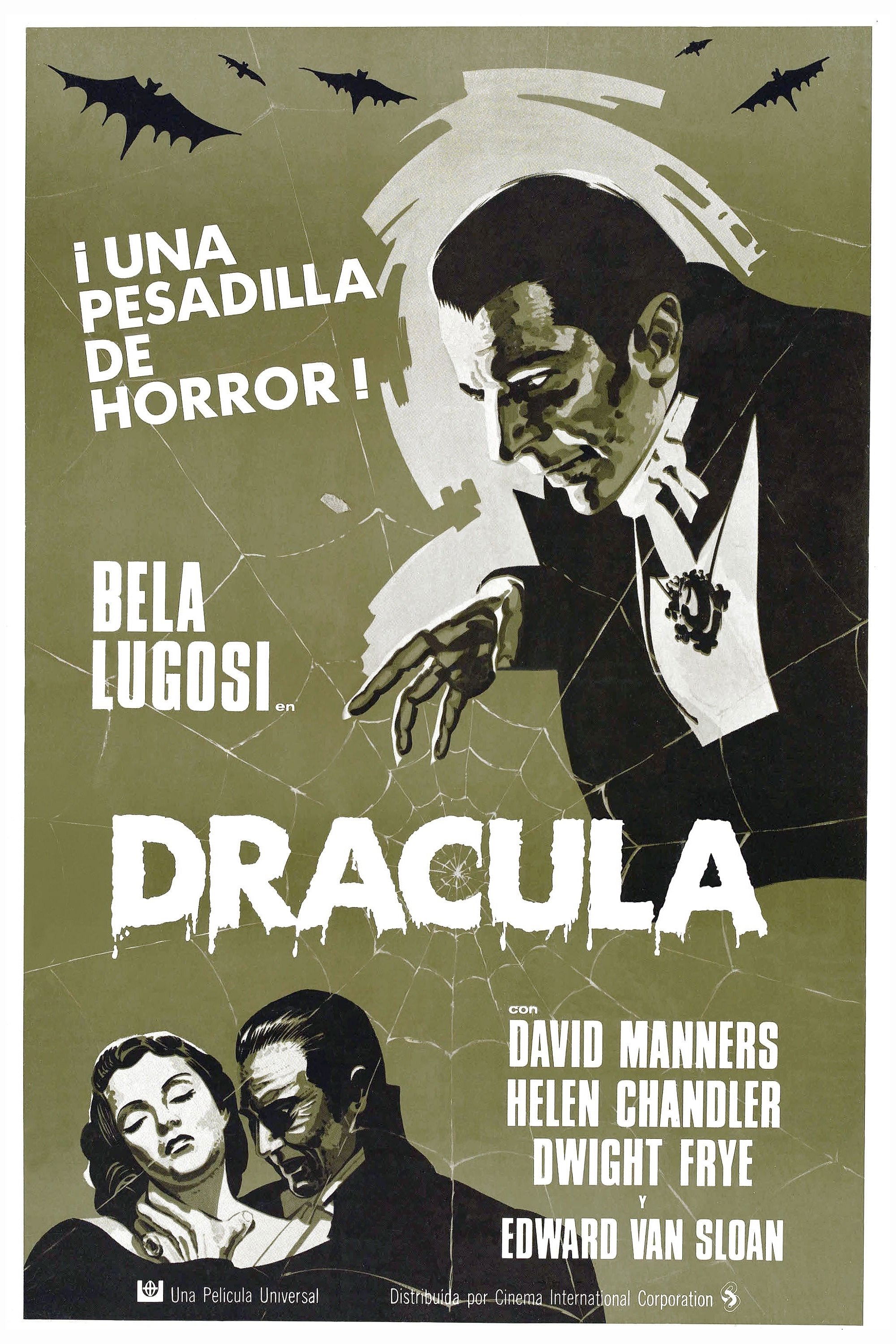
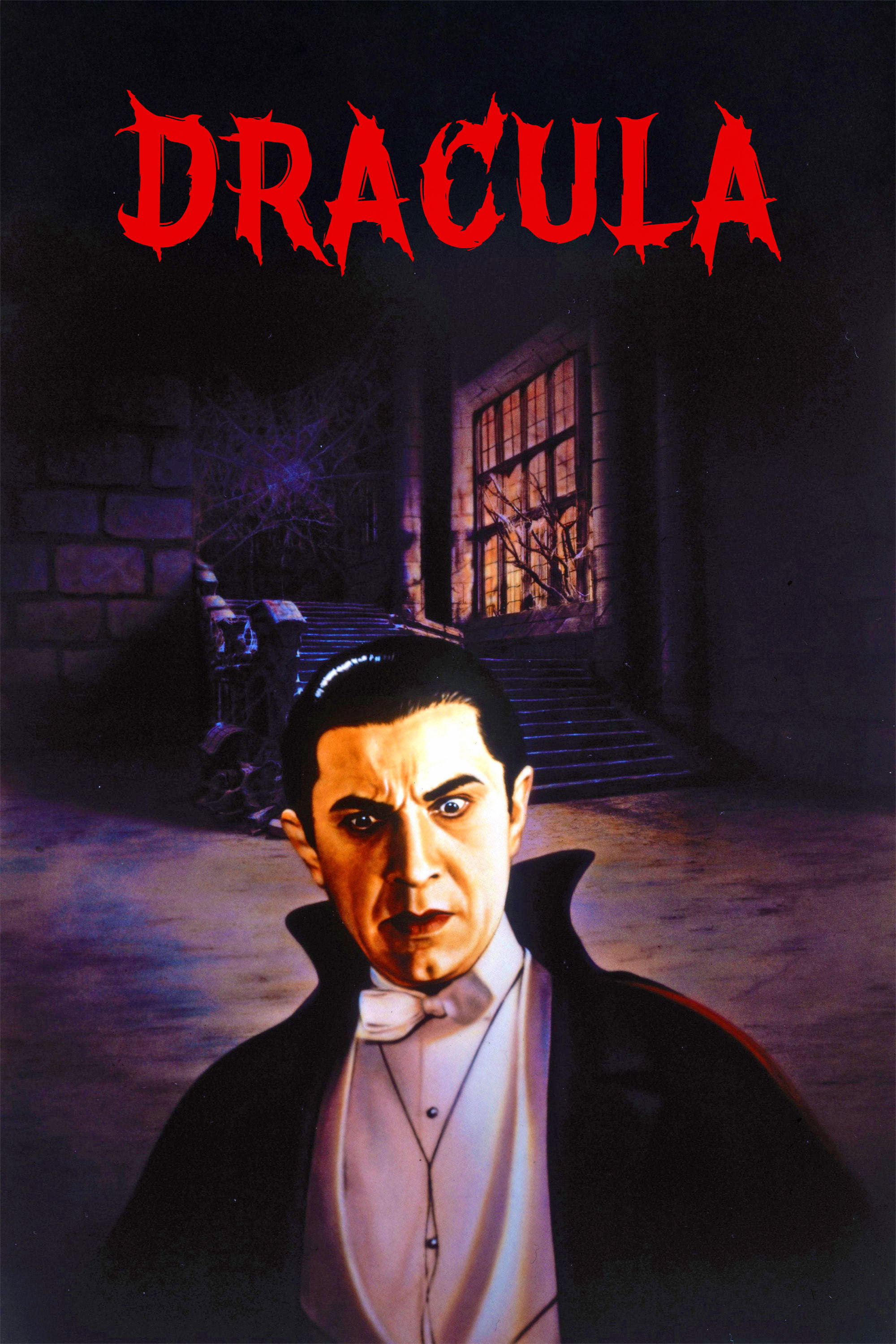
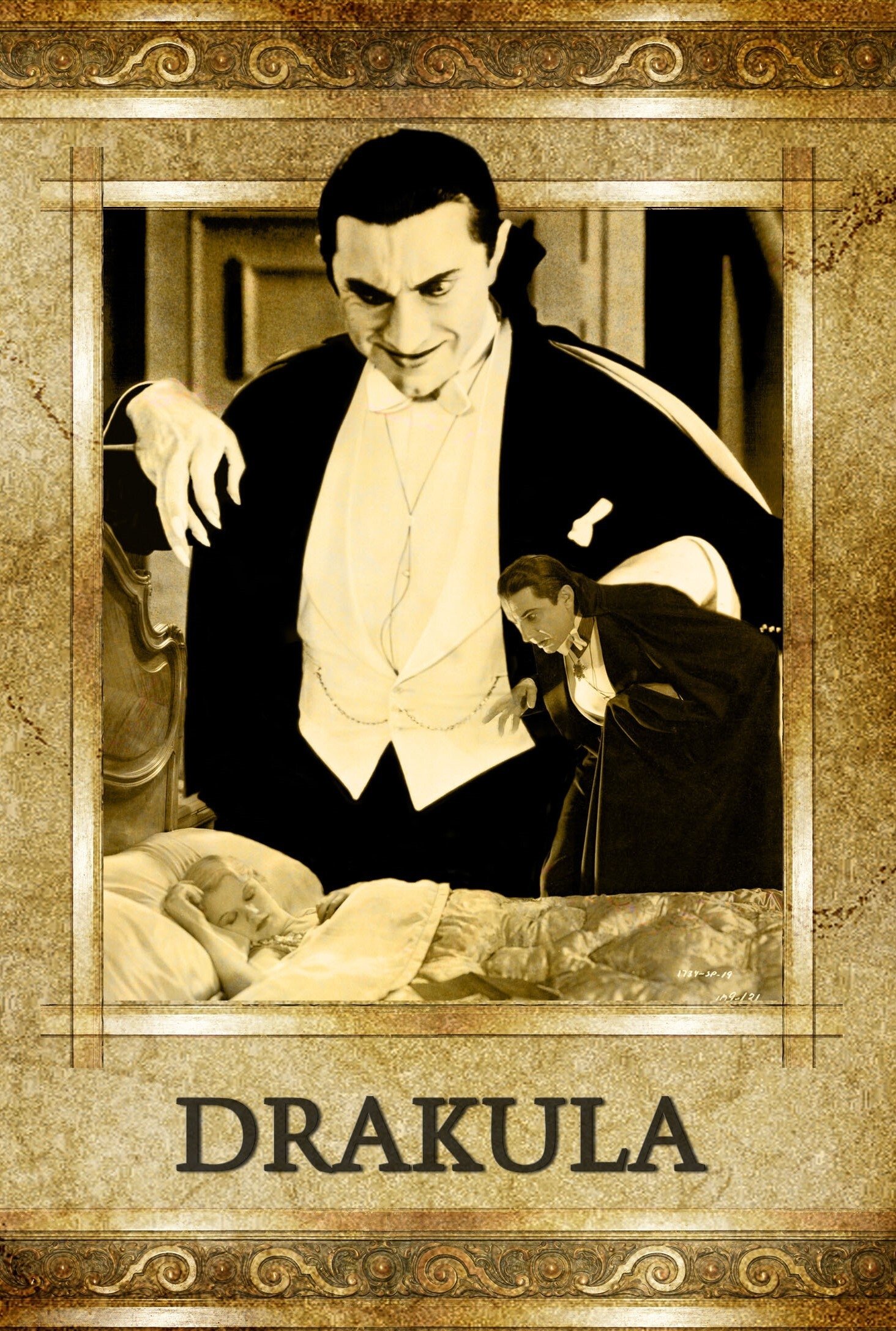
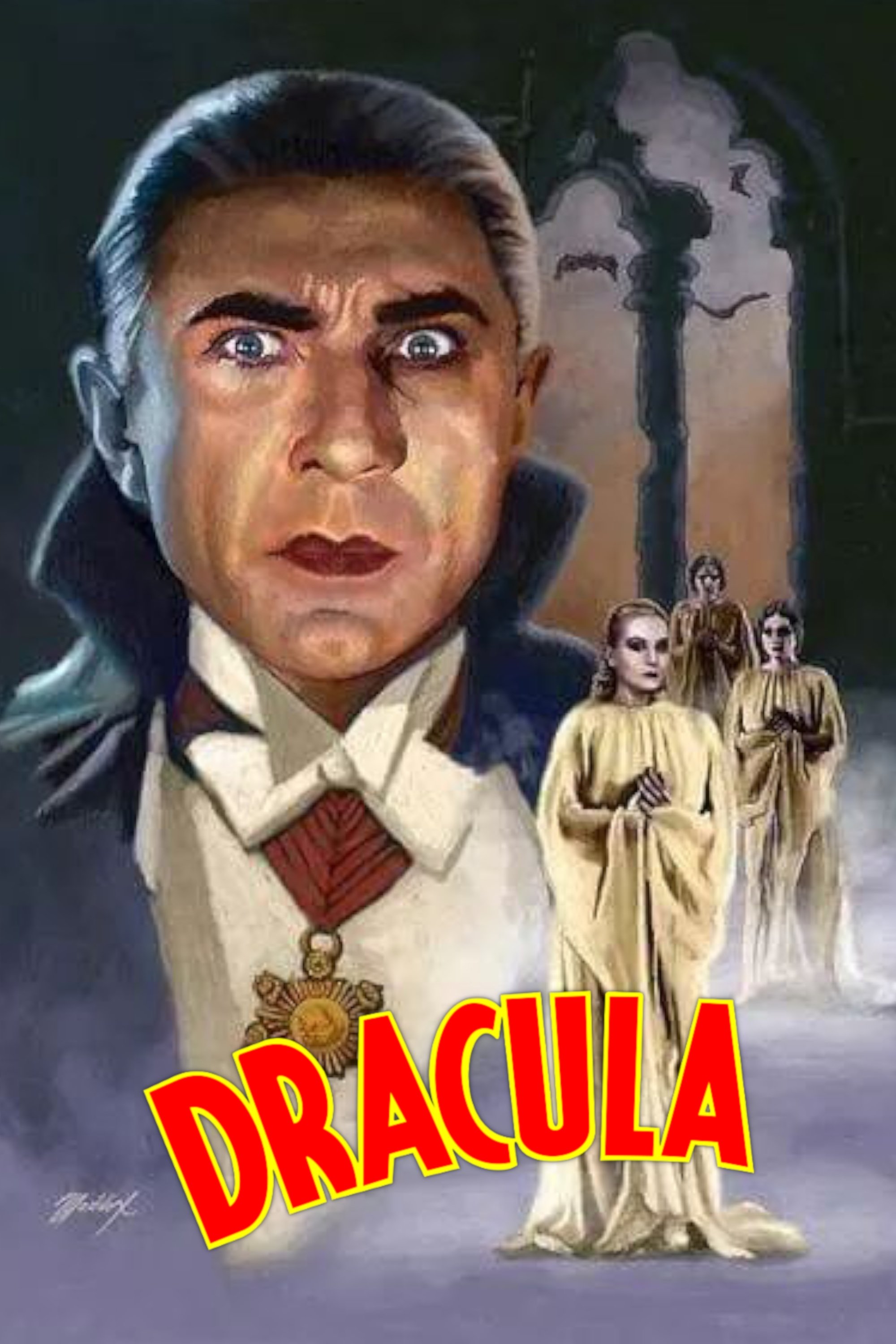
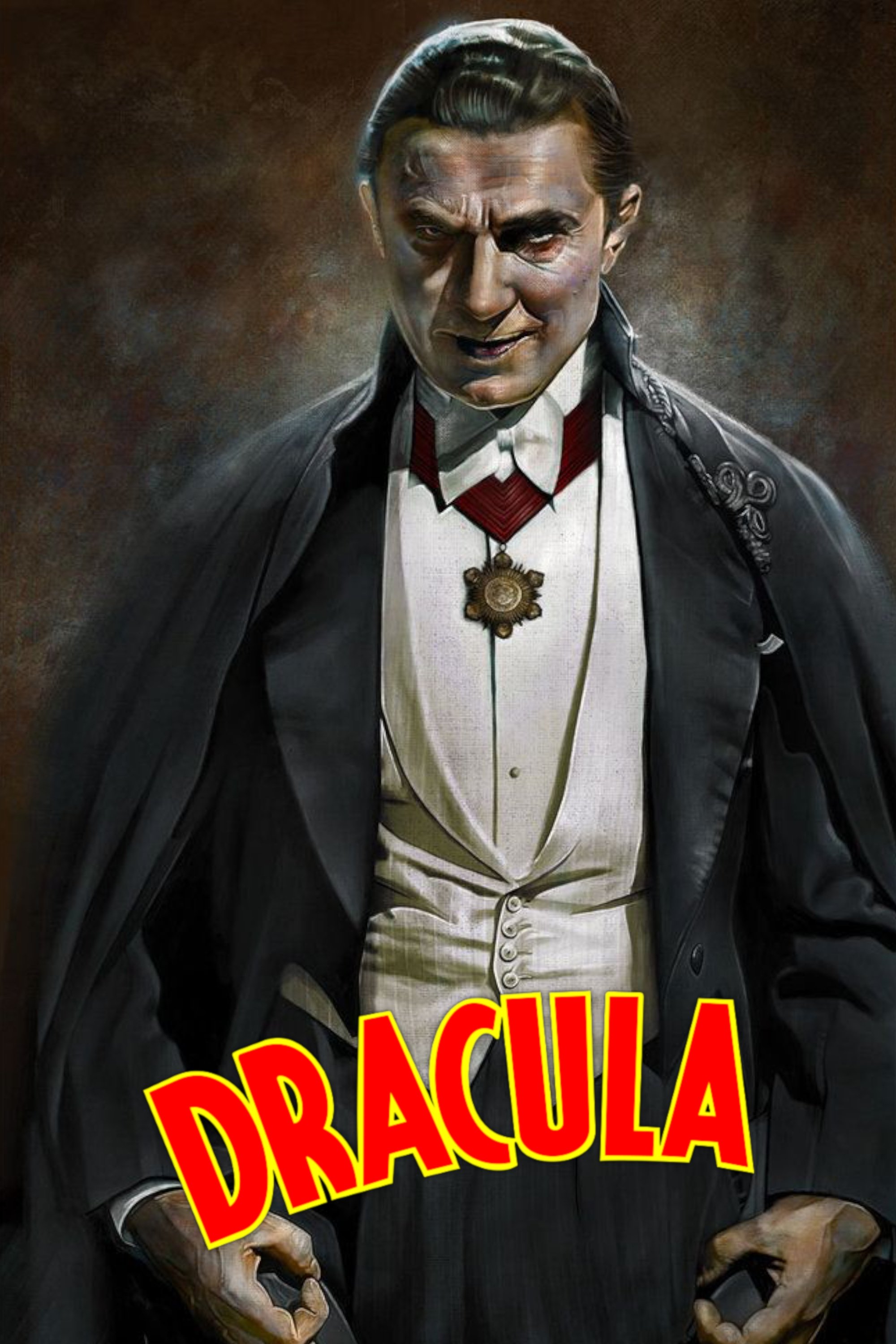
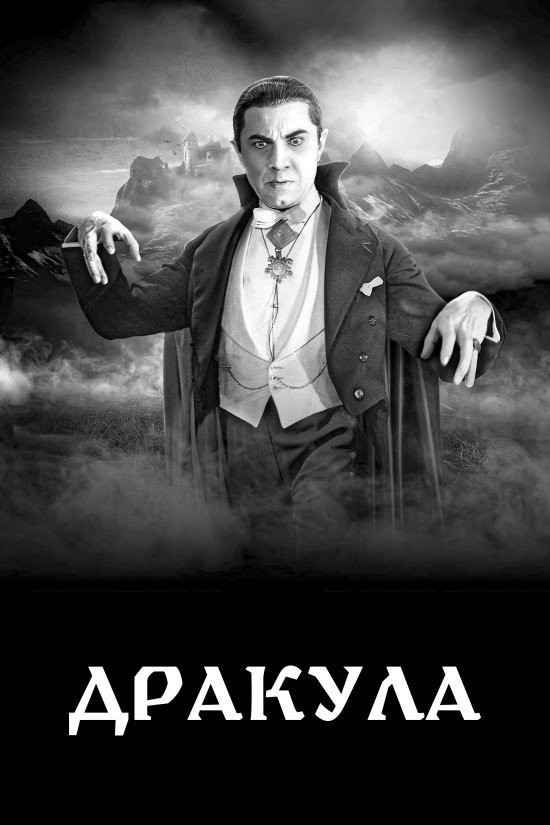
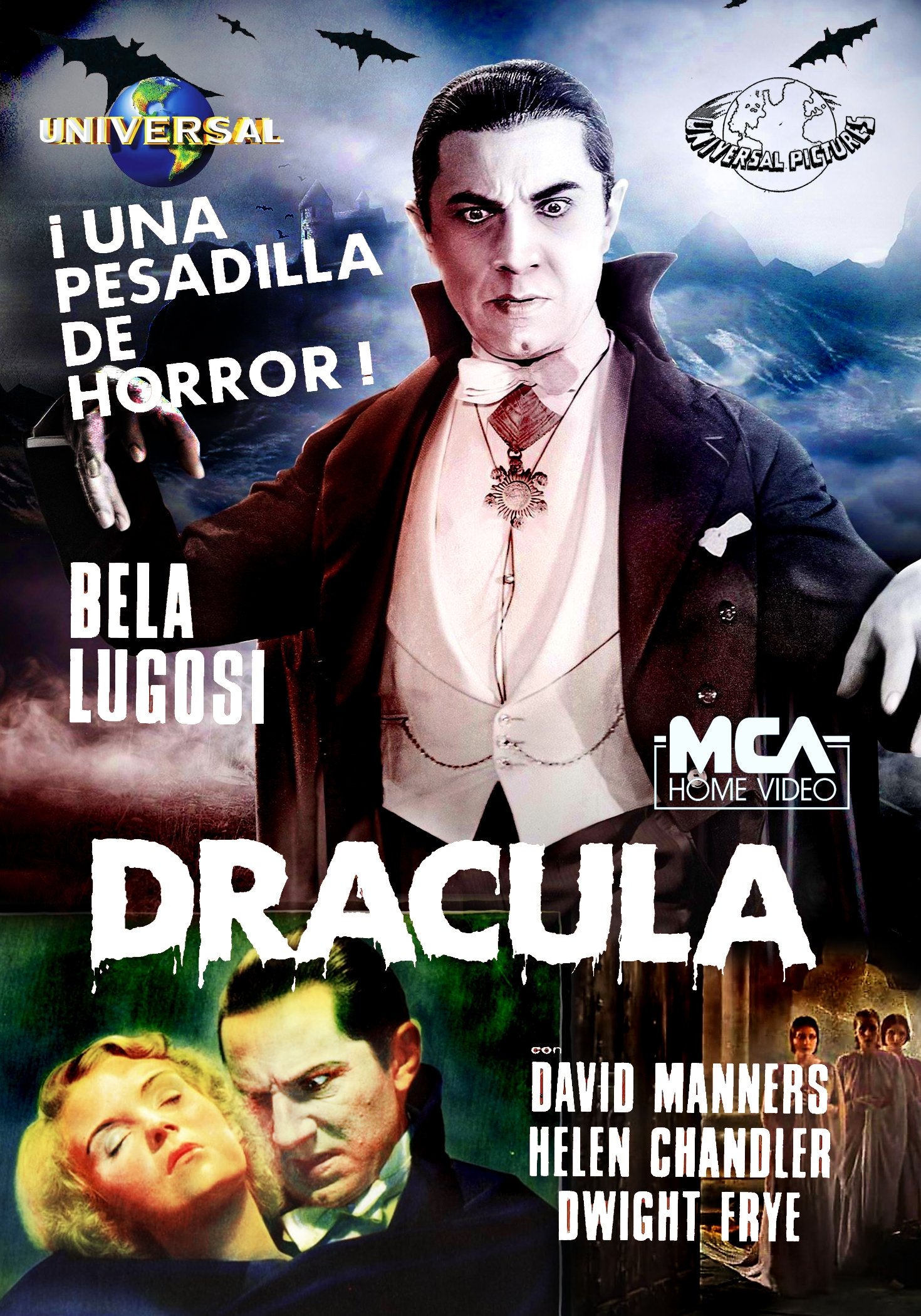
Lugosi's performance became the film's most durable contribution to vampire culture. His Dracula is neither visibly decomposed nor animalistic when first encountered. He receives Renfield as a nobleman, dresses formally and moves with extreme control. Danger emerges through Lugosi's pauses, gaze and vocal rhythm before physical violence occurs. The performance gives the Count the ability to function socially in London, where his status and manners initially protect him from suspicion.
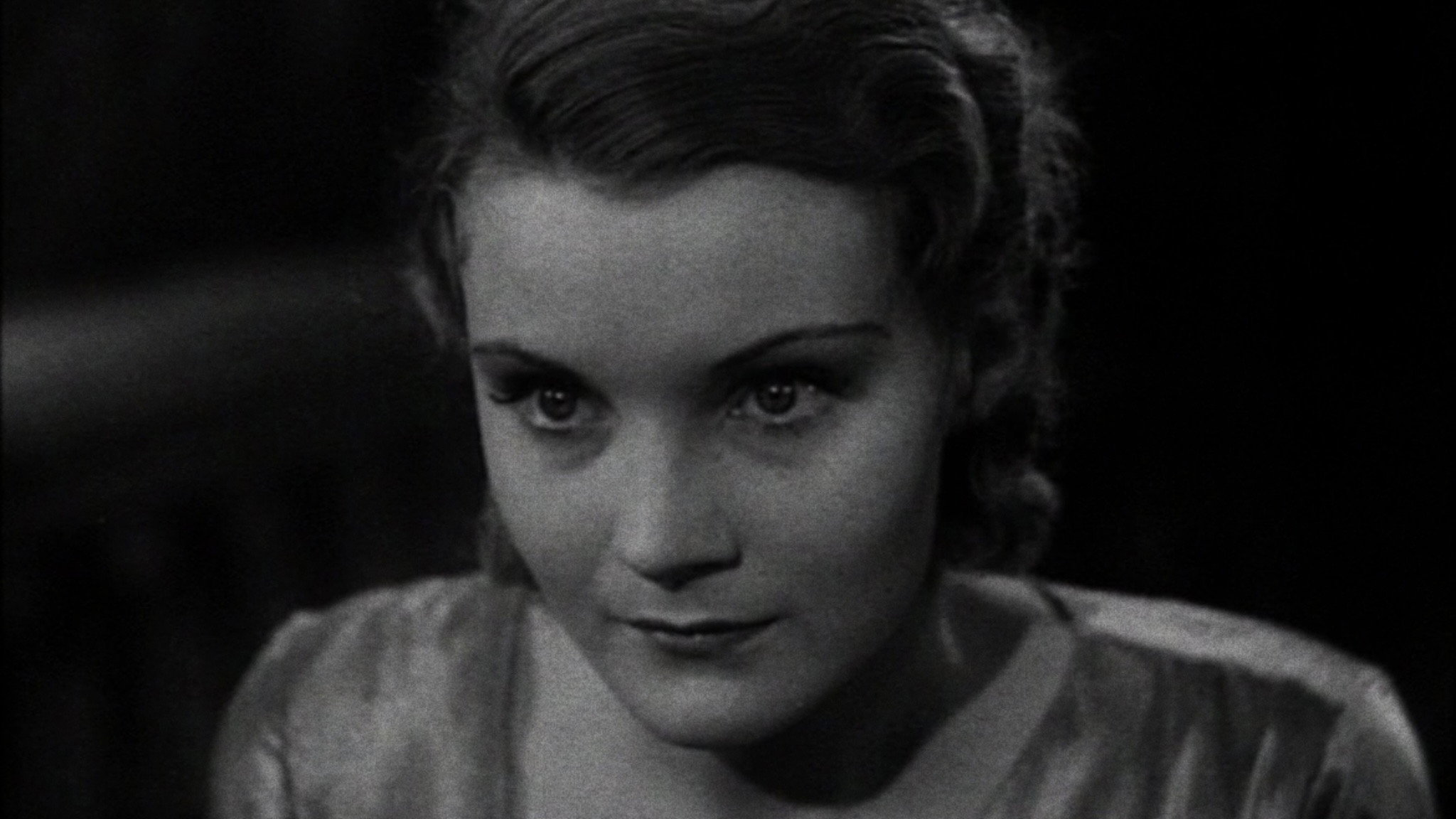
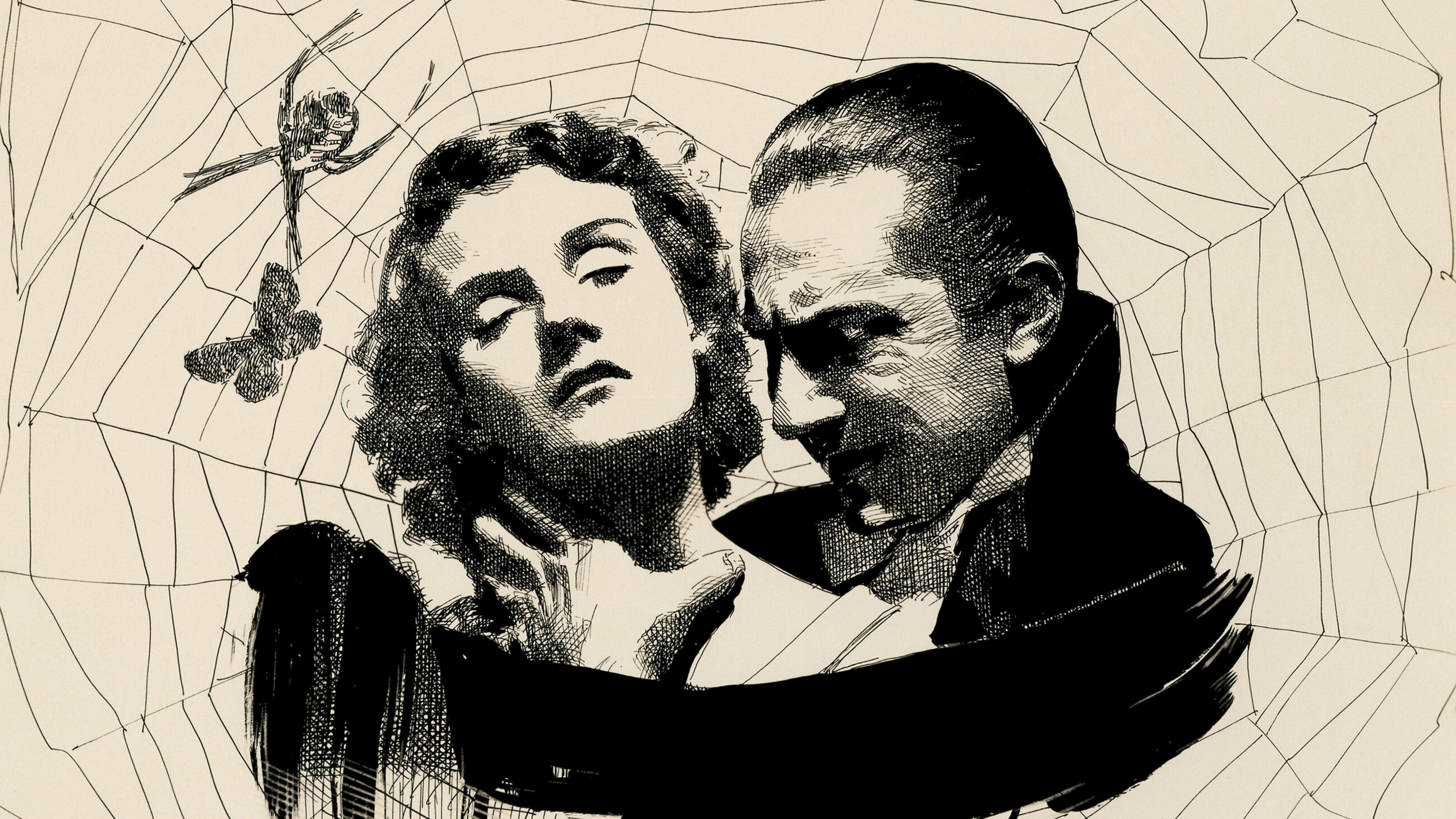
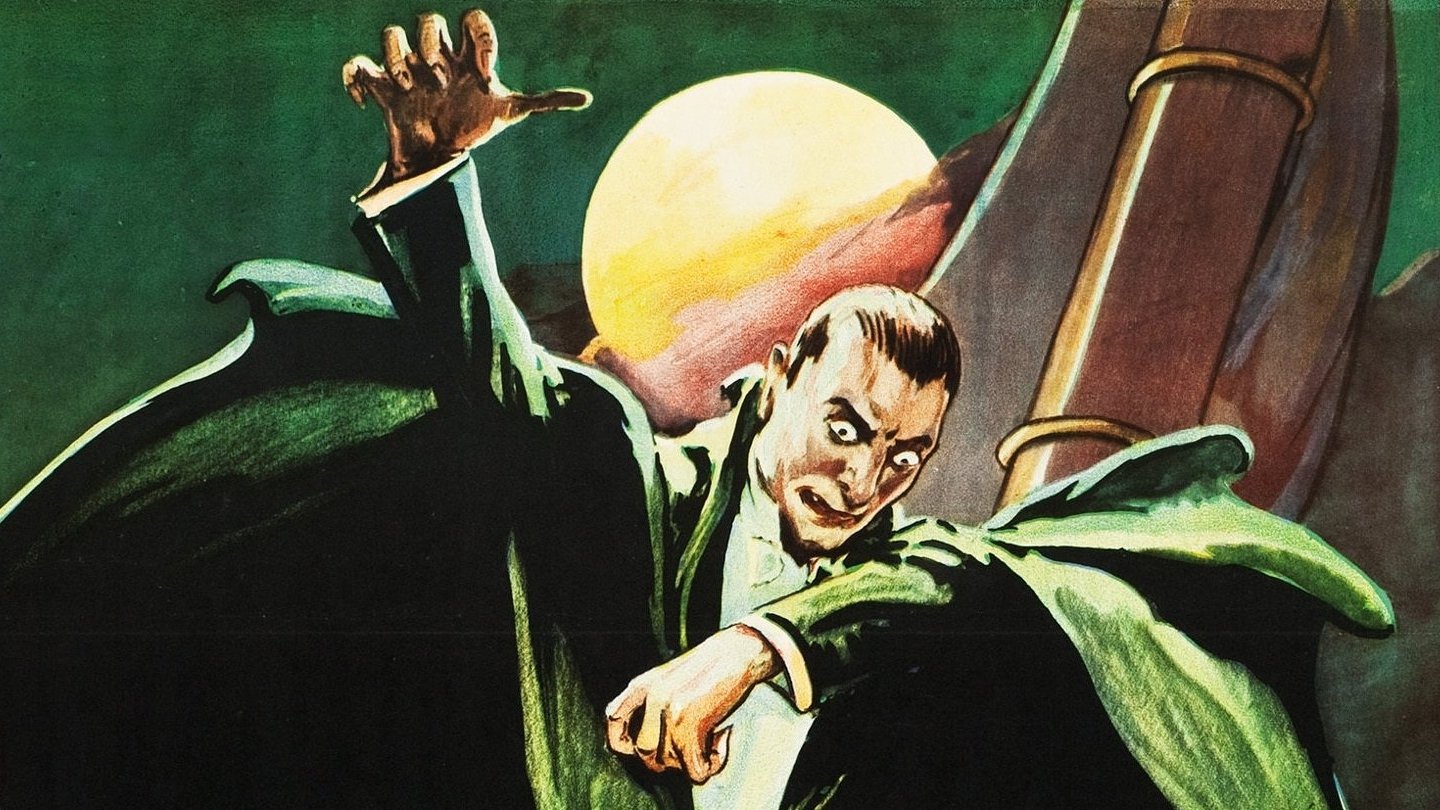
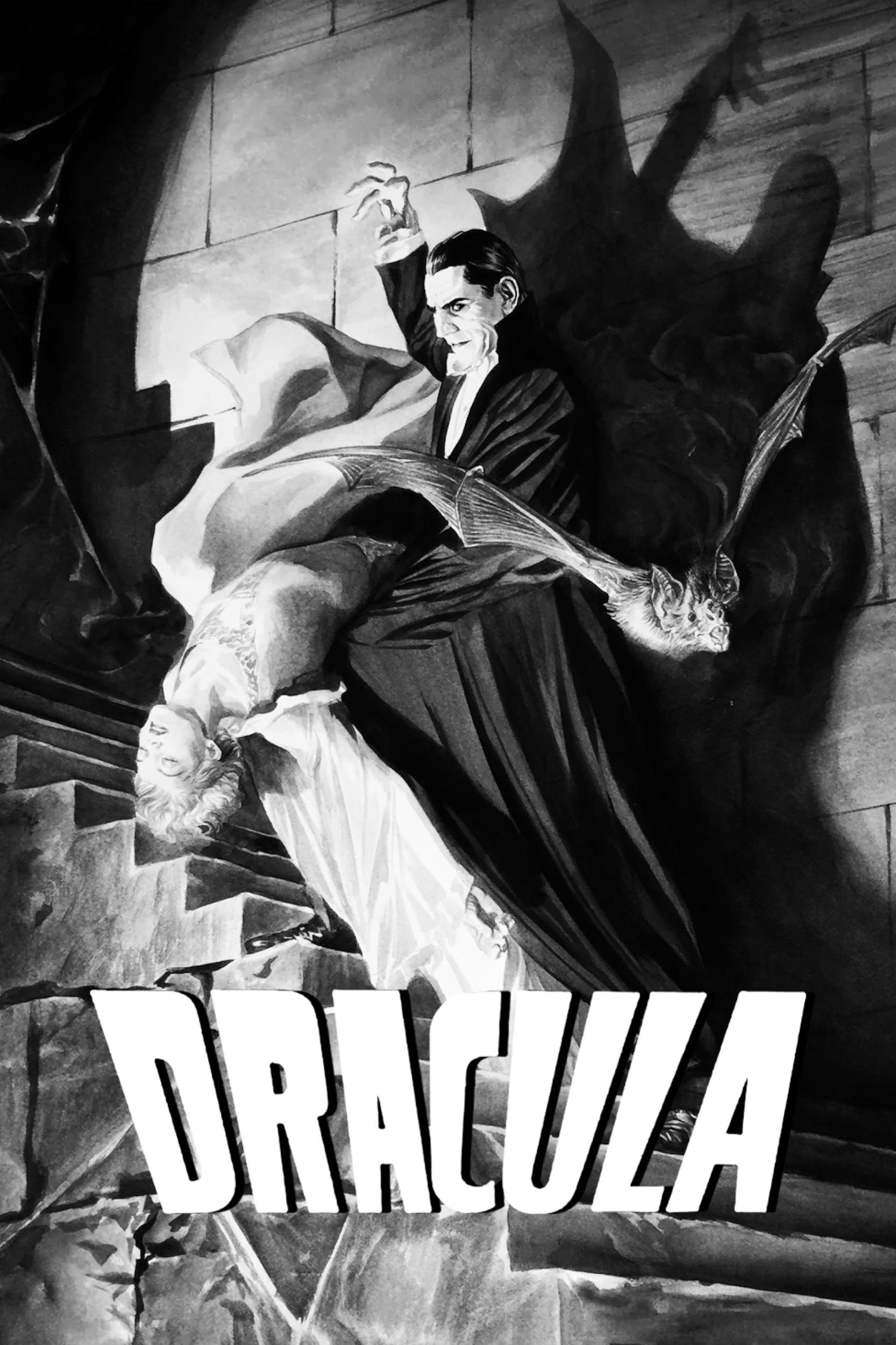
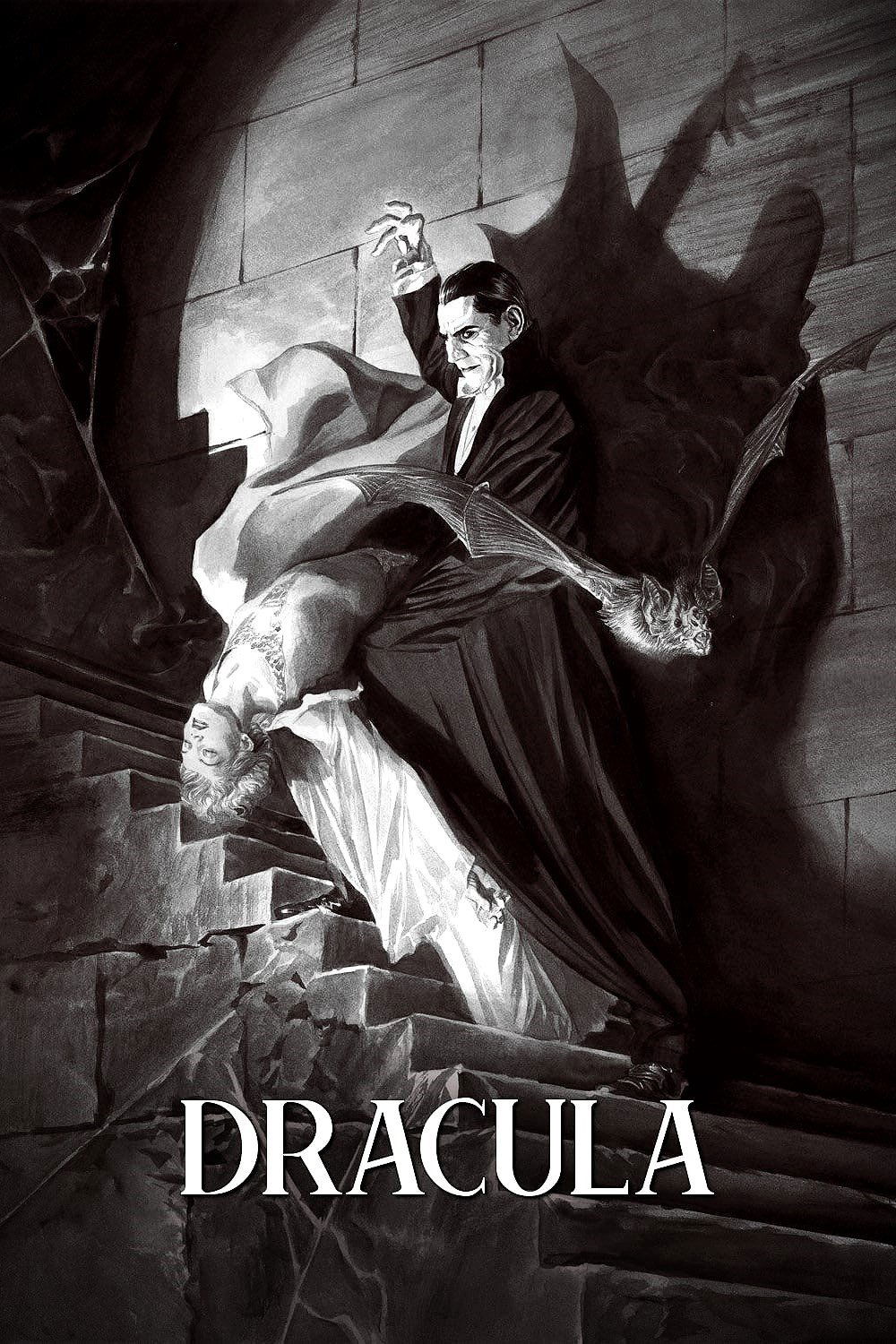
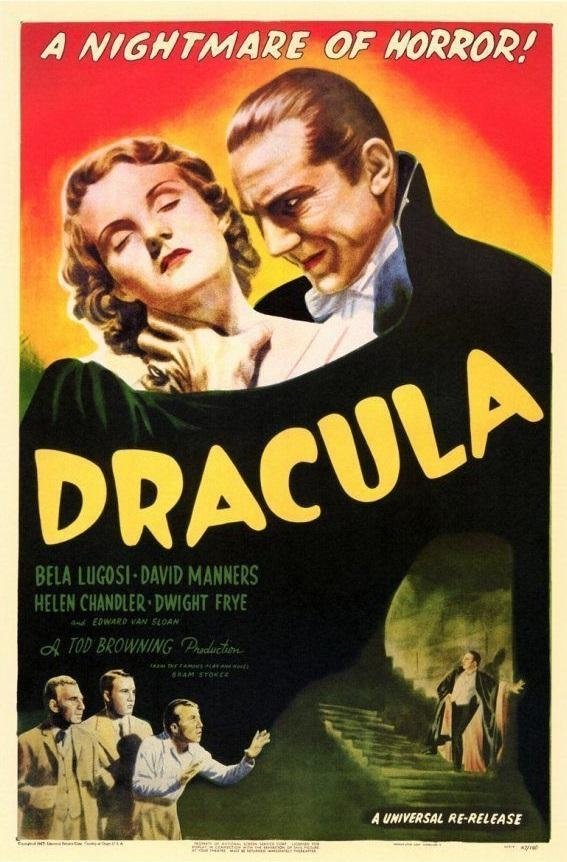
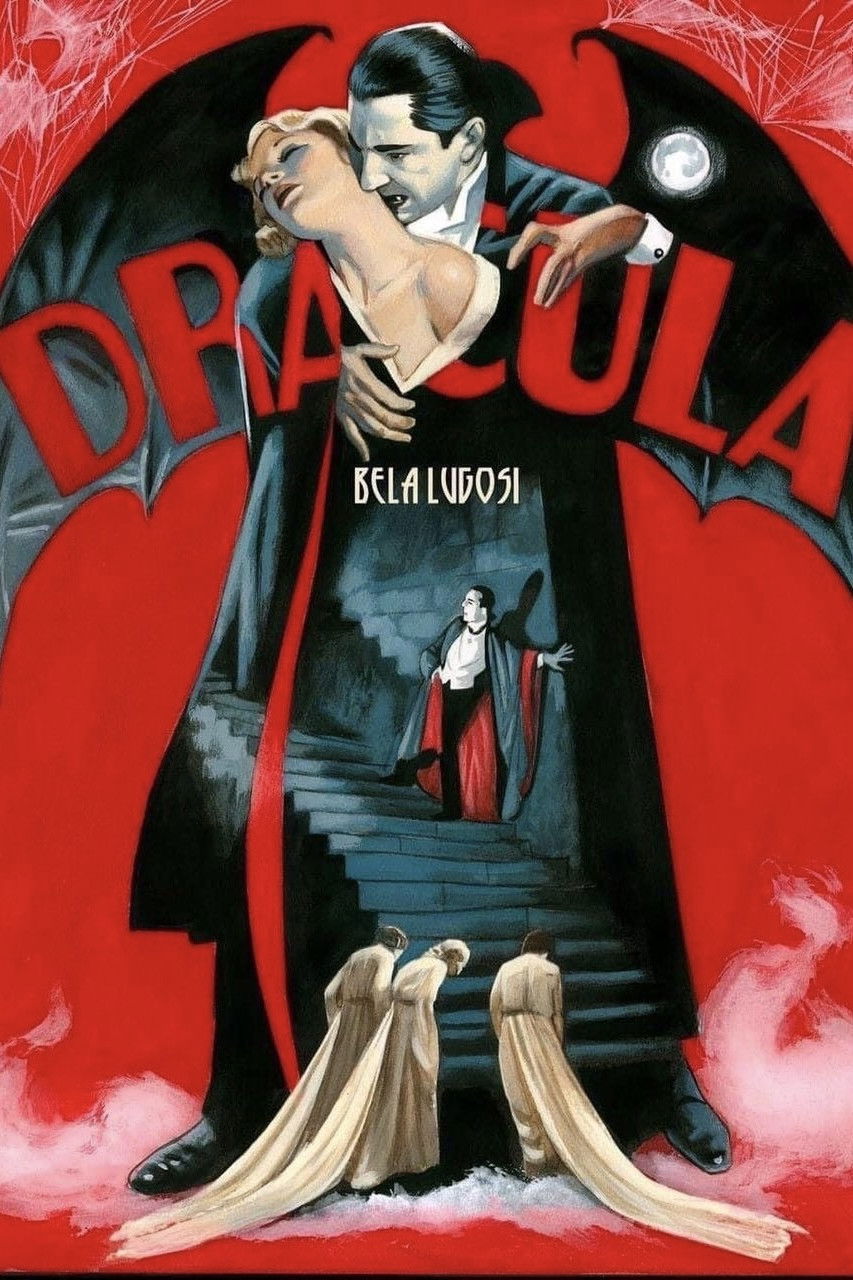
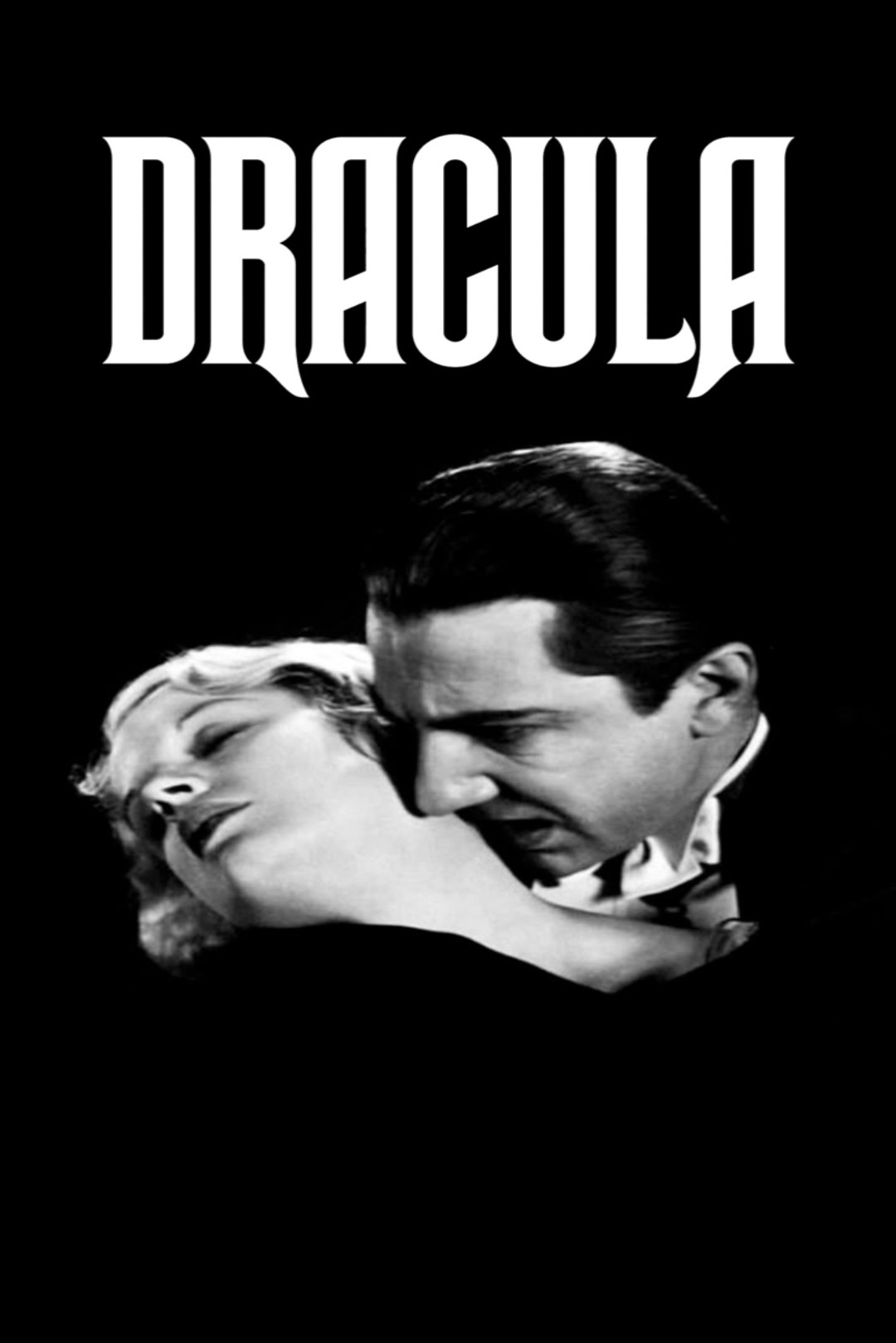
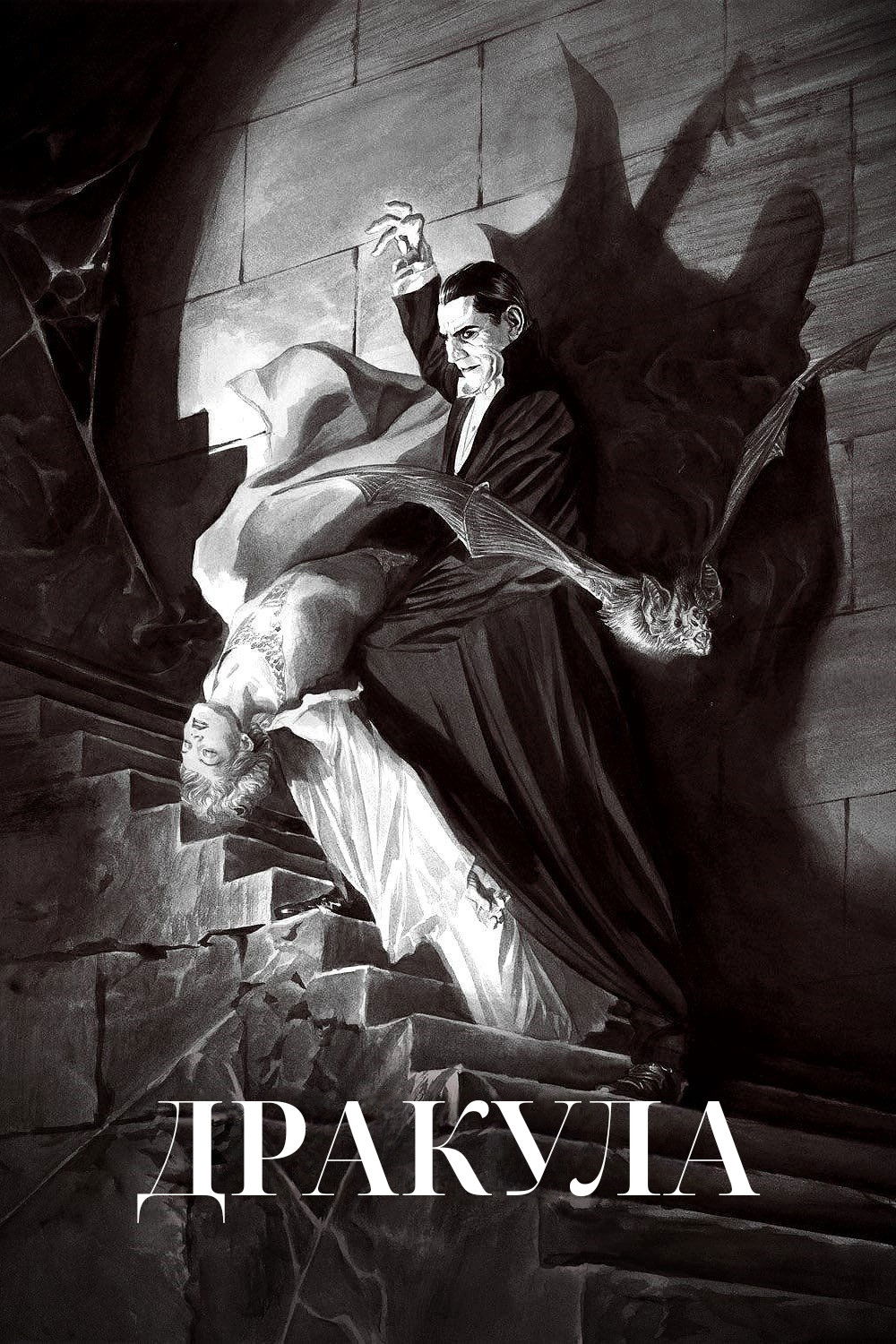
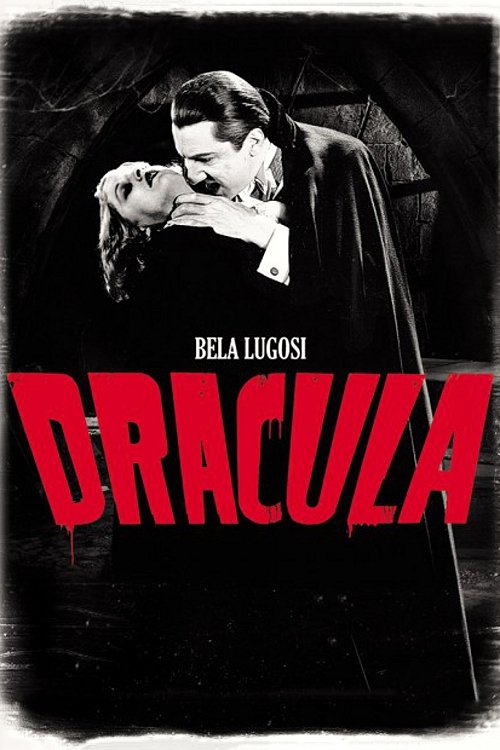
That elegance does not remove the predatory nature of the character. Dracula travels with coffins of native soil, attacks sleeping women and uses hypnosis to overcome human resistance. The tension comes from the fact that monstrosity can occupy a body accepted as aristocratic and civilized. Lucy is attracted to him before becoming a victim, while Mina can converse with him before his influence becomes openly supernatural. The vampire therefore enters modern social space instead of remaining imprisoned inside the castle where Renfield first meets him.
Later screen Draculas would become more overtly sexual, physically violent or emotionally tragic, but many still define themselves in relation to Lugosi. His accent, cape and deliberate delivery became material for remakes, comedy and parody precisely because they were so immediately recognizable. The Library of Congress has described the portrayal as the characterization that defined Dracula for decades, an influence extending far beyond the specific narrative of Browning's film.
Gothic Space and Early Sound
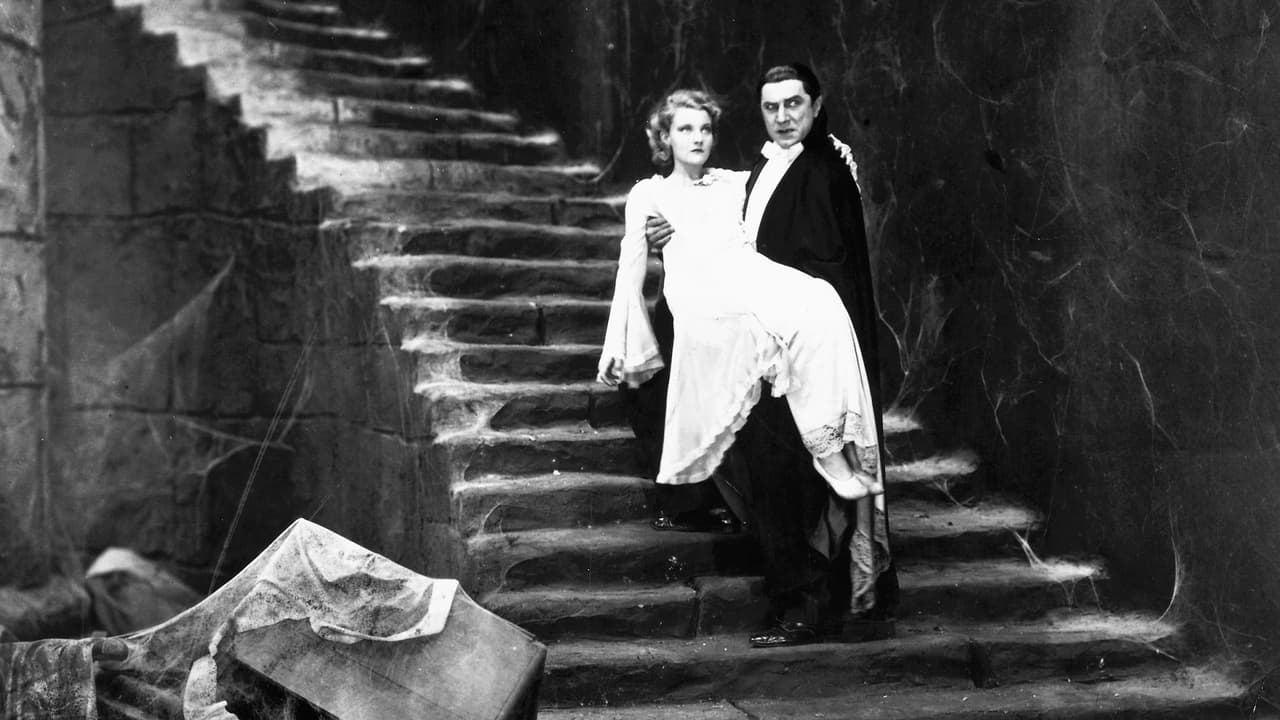
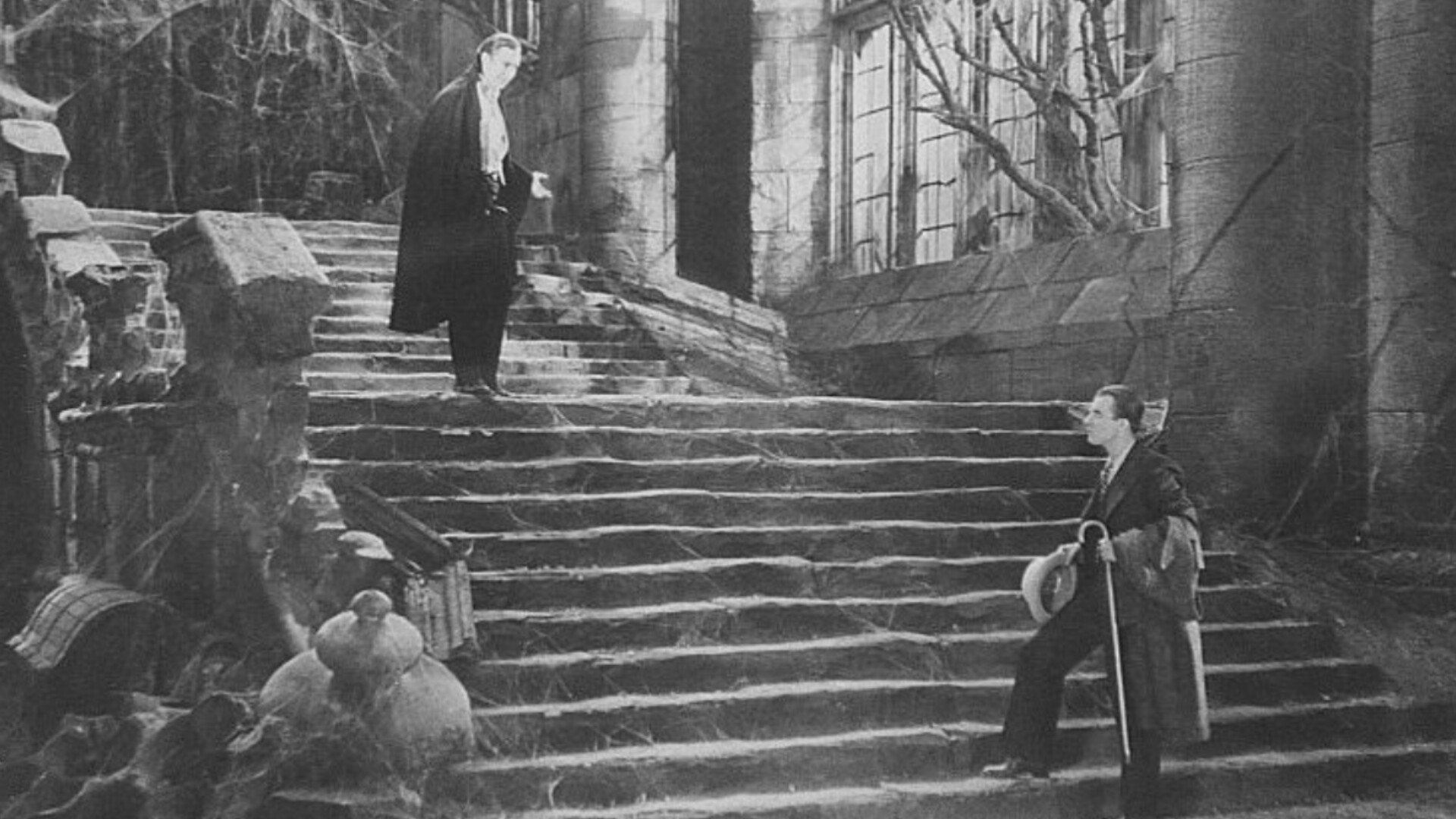
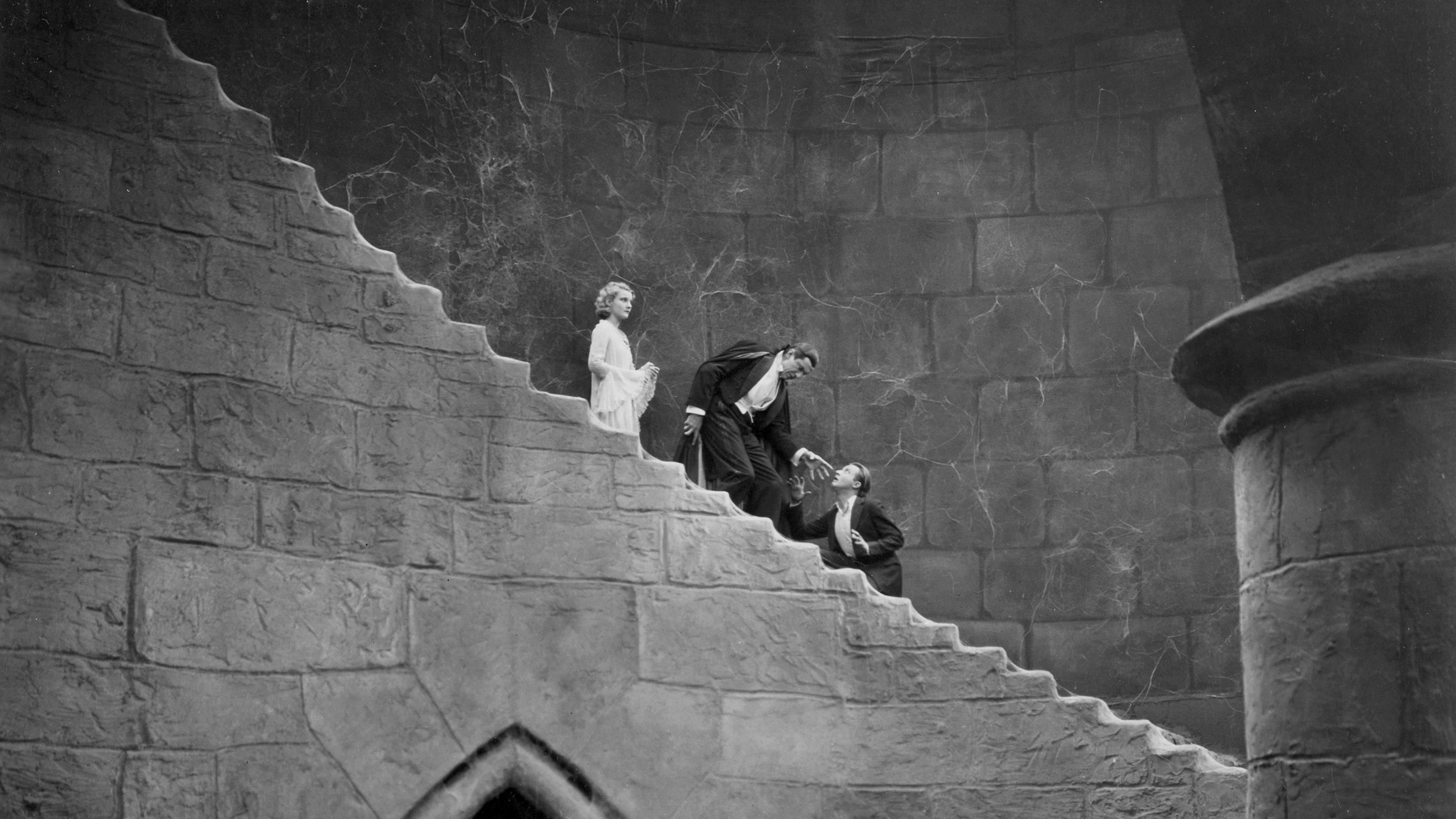
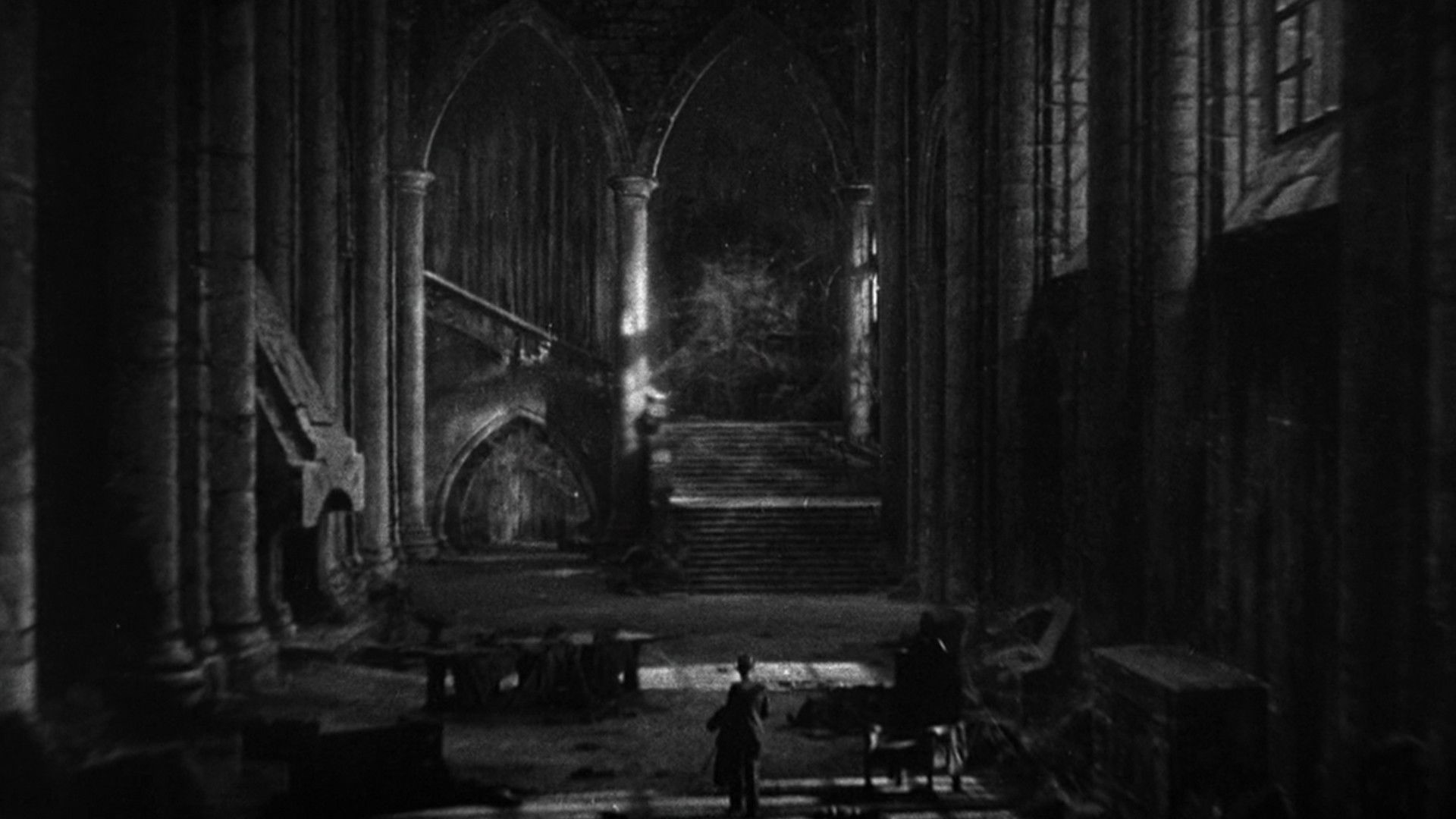
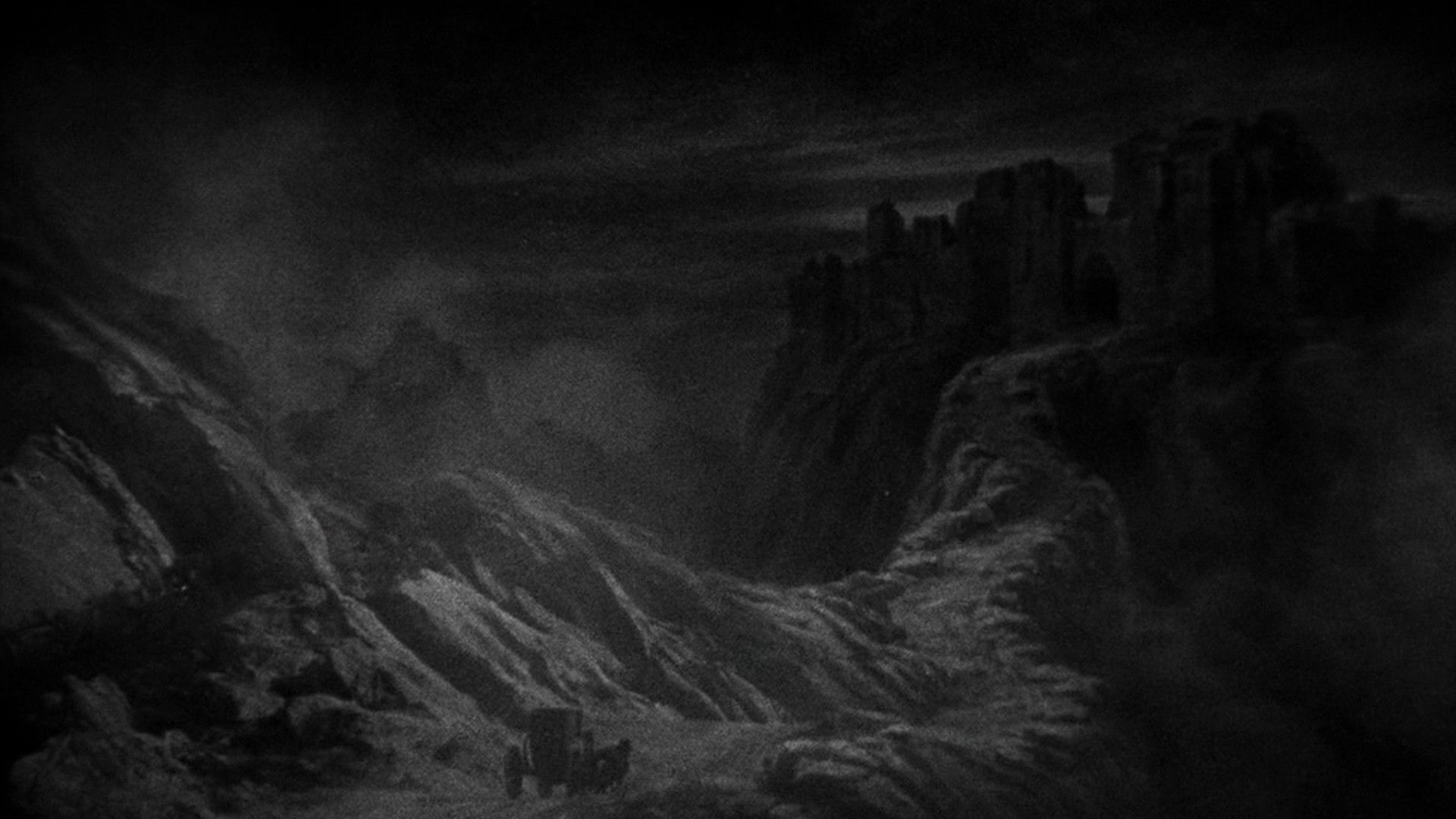
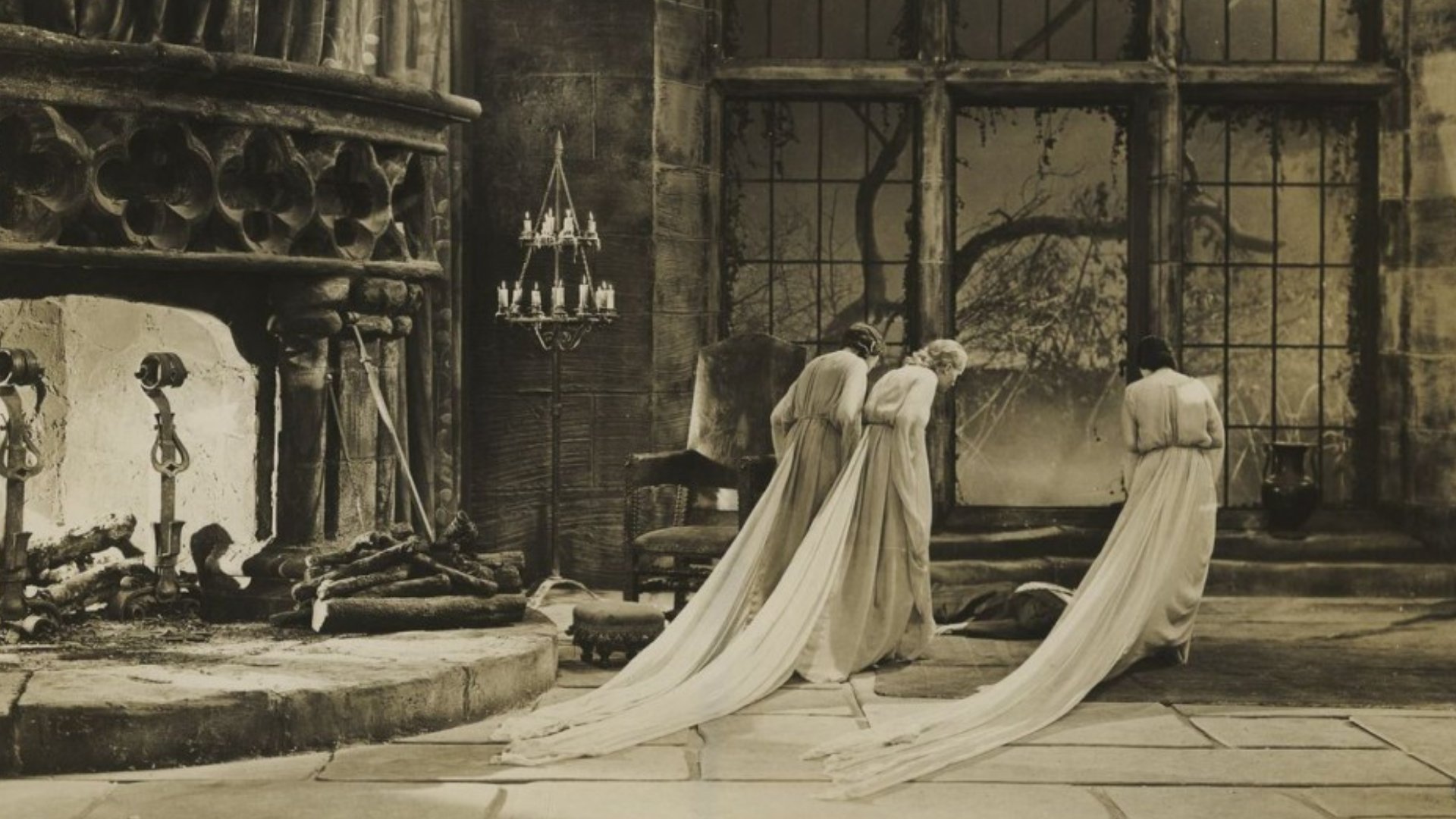
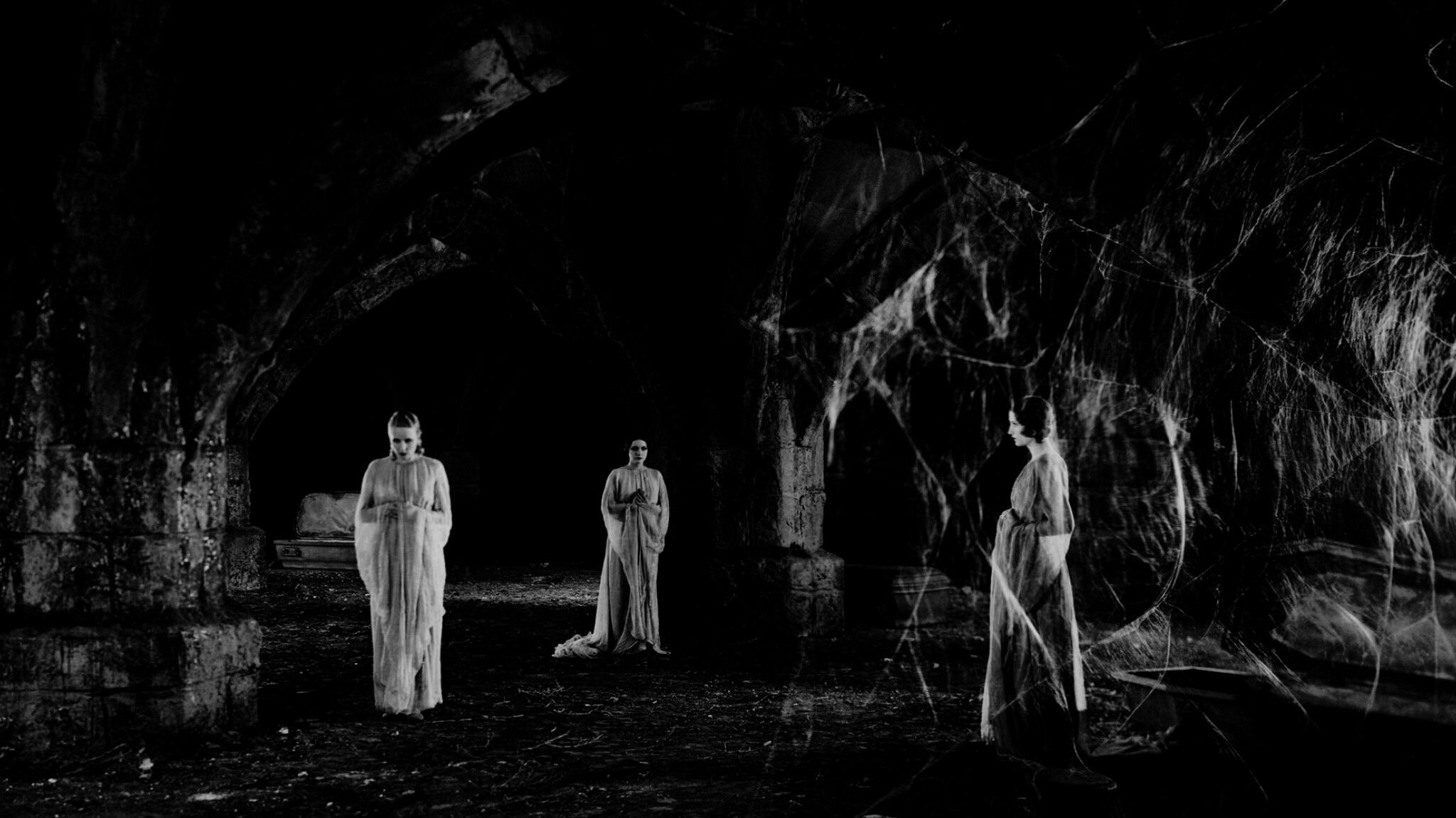
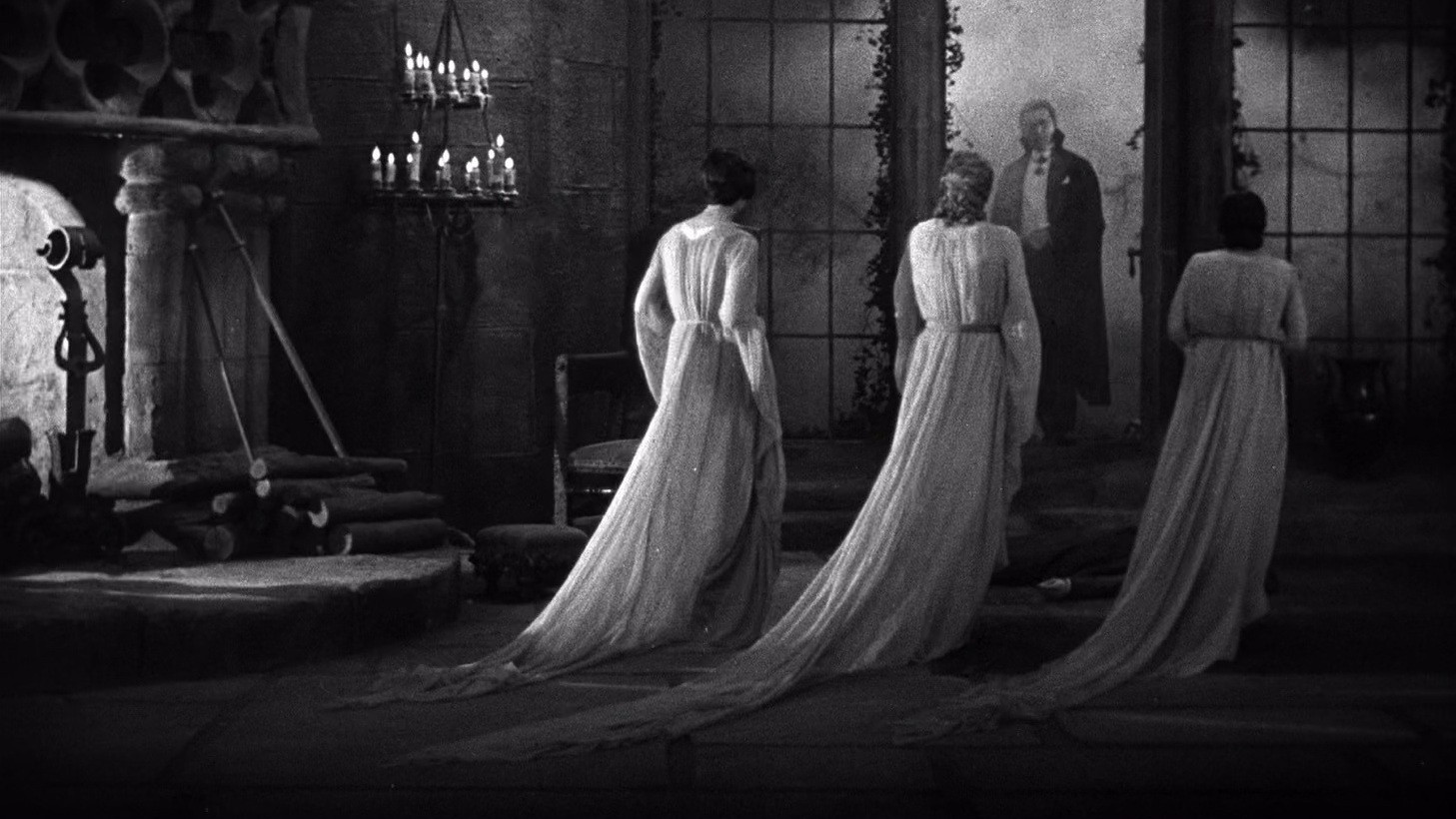
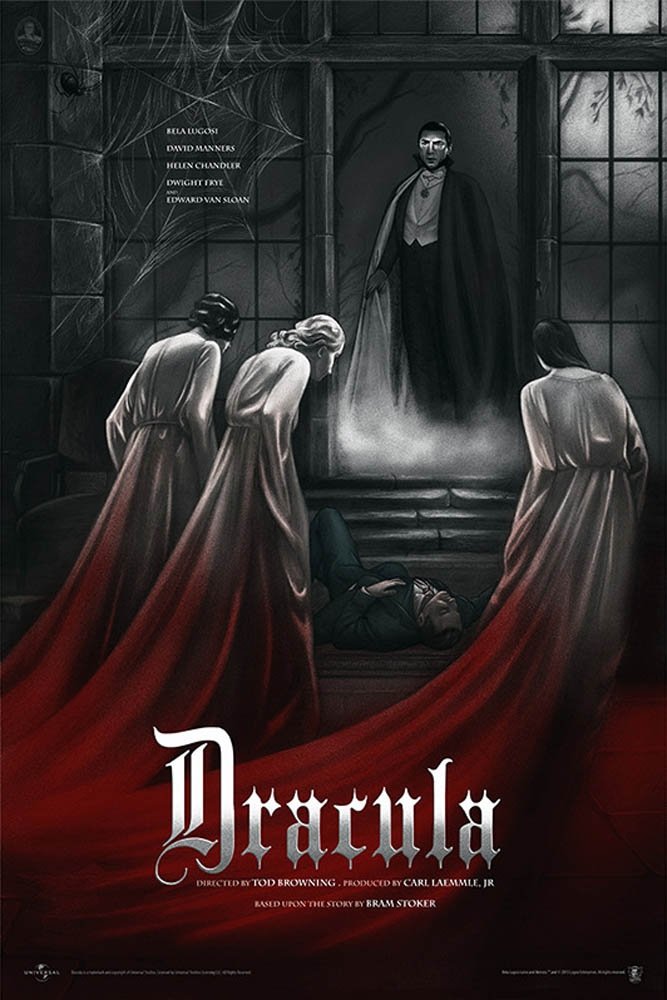
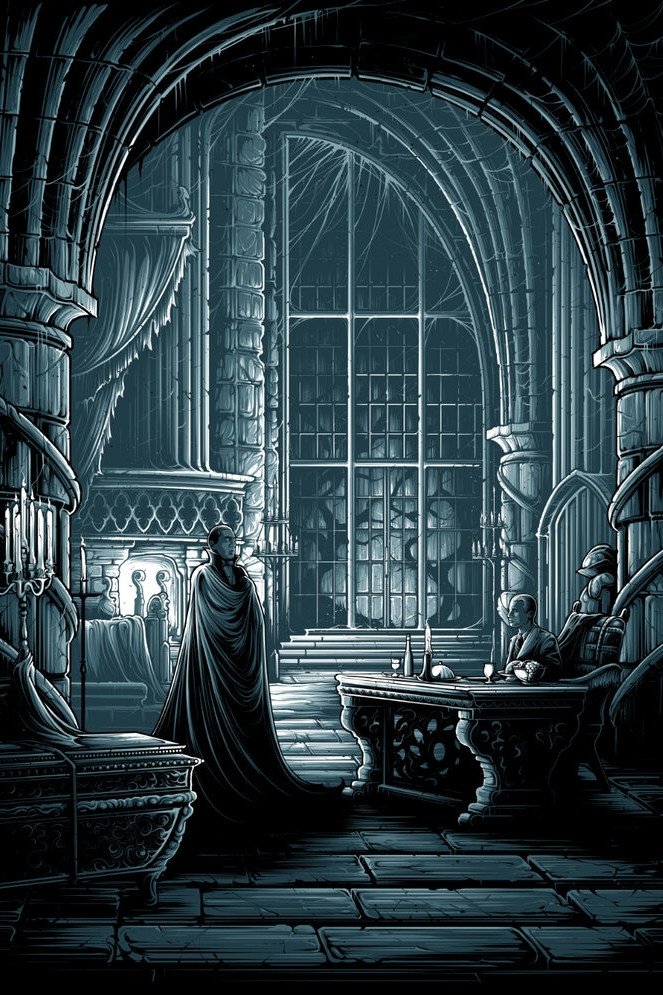
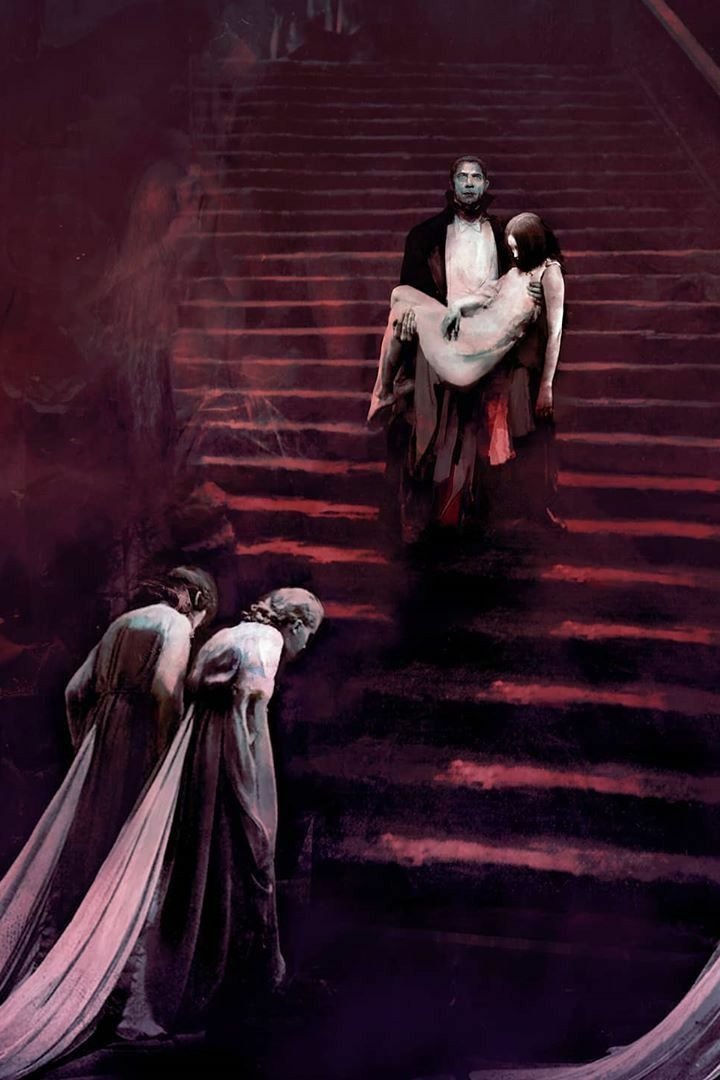
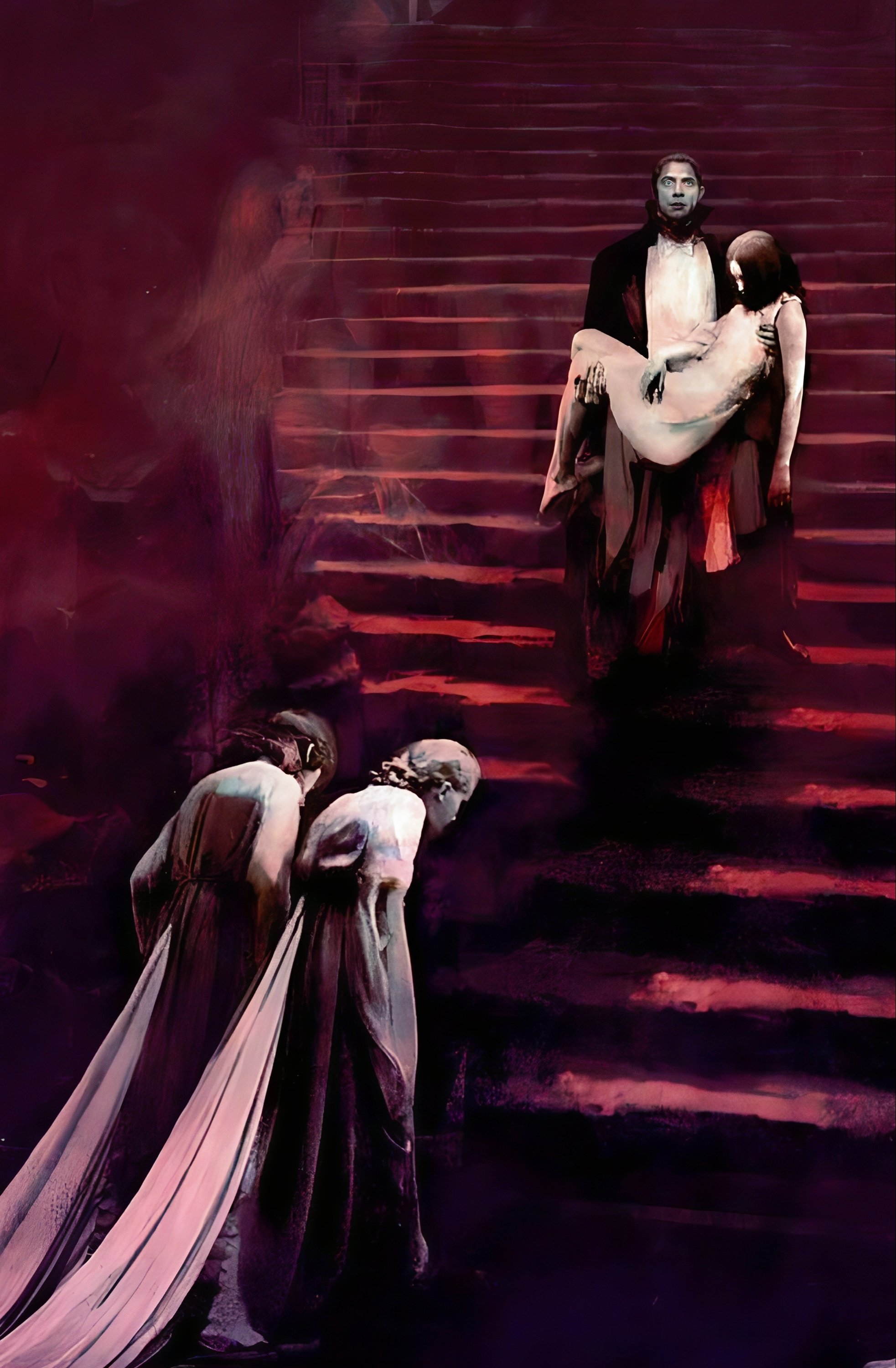
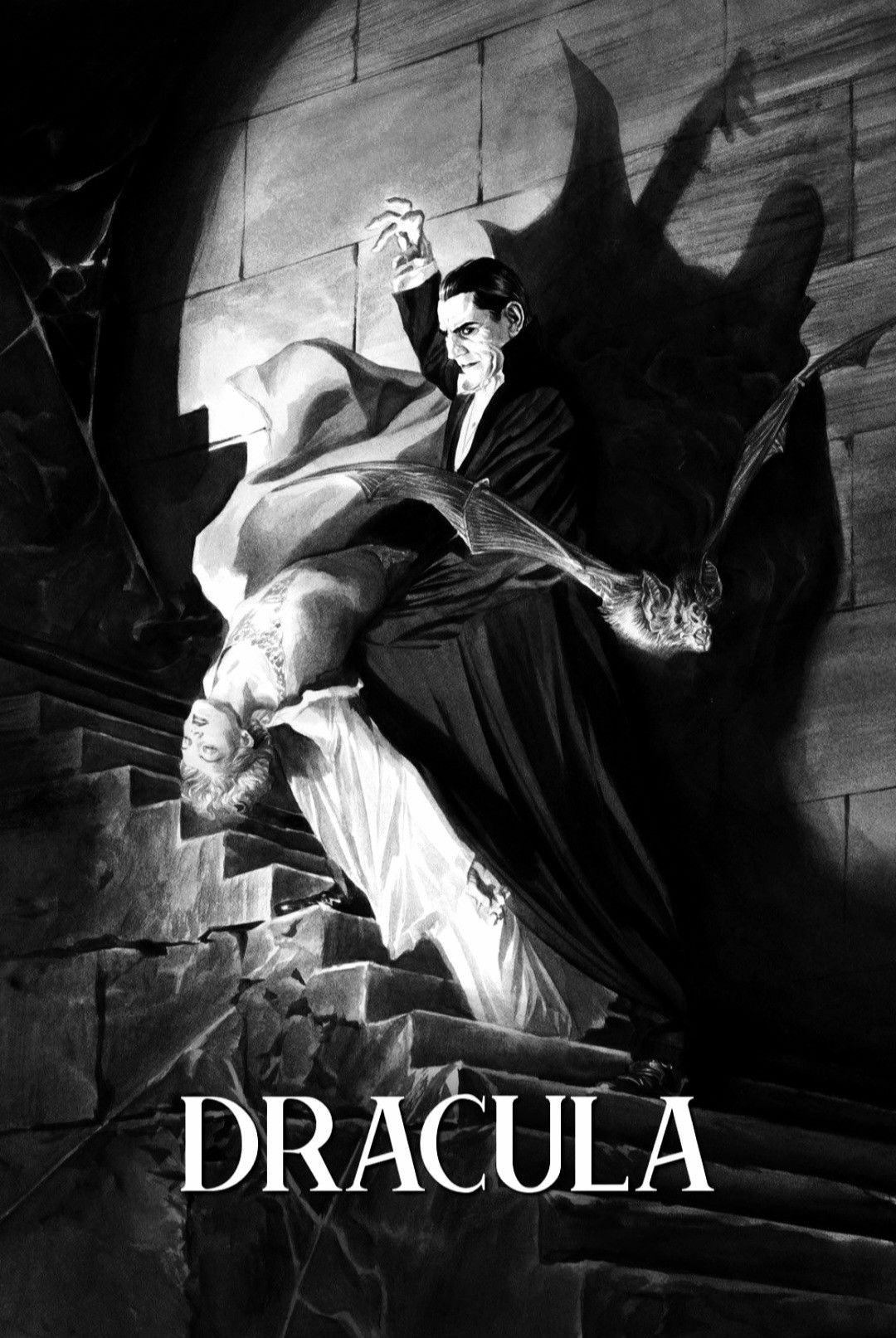
Karl Freund's cinematography and Charles D. Hall's art direction give Dracula its most powerful visual environments. Dracula's castle is enormous, damaged and partially reclaimed by animals, with staircases, arches, webs and empty depth surrounding the Count. Human bodies occupy only small portions of some compositions, making the architecture itself appear ancient enough to have outlived ordinary life. The image of Dracula descending the staircase toward Renfield became one of the defining entrances of early sound horror.
The film's relationship with sound is equally distinctive. Dracula arrived only a few years into Hollywood's transition to synchronized dialogue, and its soundtrack is sparse by later standards. Long stretches contain no continuous musical score, leaving voices, footsteps and silence unusually exposed. Lugosi's pauses become more pronounced because music does not constantly instruct the viewer how to interpret them. Renfield's laughter can likewise dominate a scene with very little competition from the soundtrack.
The combination sometimes reveals the transitional nature of the production. Certain dialogue scenes retain a static quality inherited from stage practice and the technical restrictions of early sound recording. Yet the opening passages and Freund's more mobile compositions demonstrate another possibility: sound horror could retain the expressive architecture and shadow inherited from silent European cinema while adding voices capable of turning monsters into personalities.
Renfield, Van Helsing and Vampire Rules
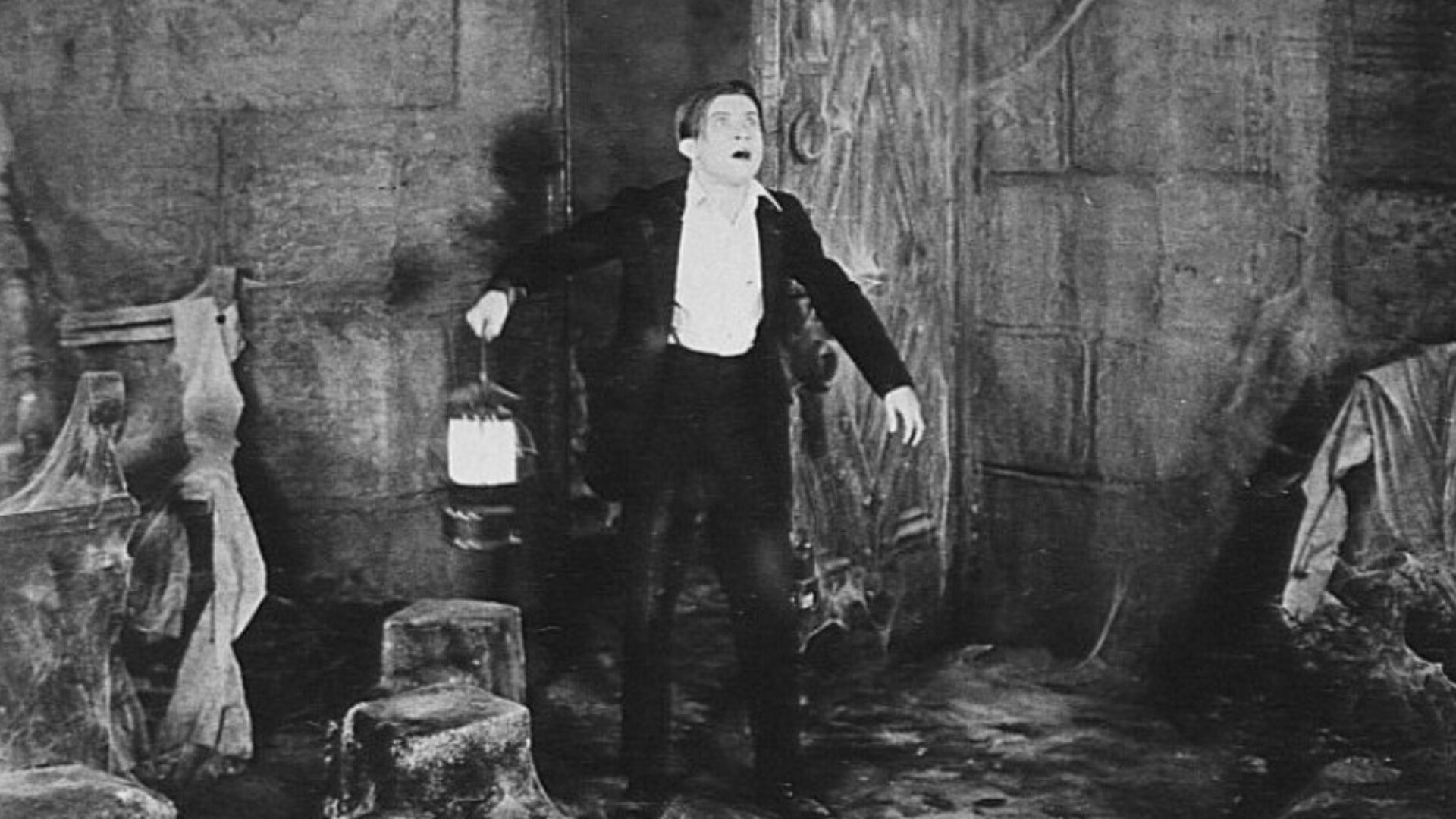
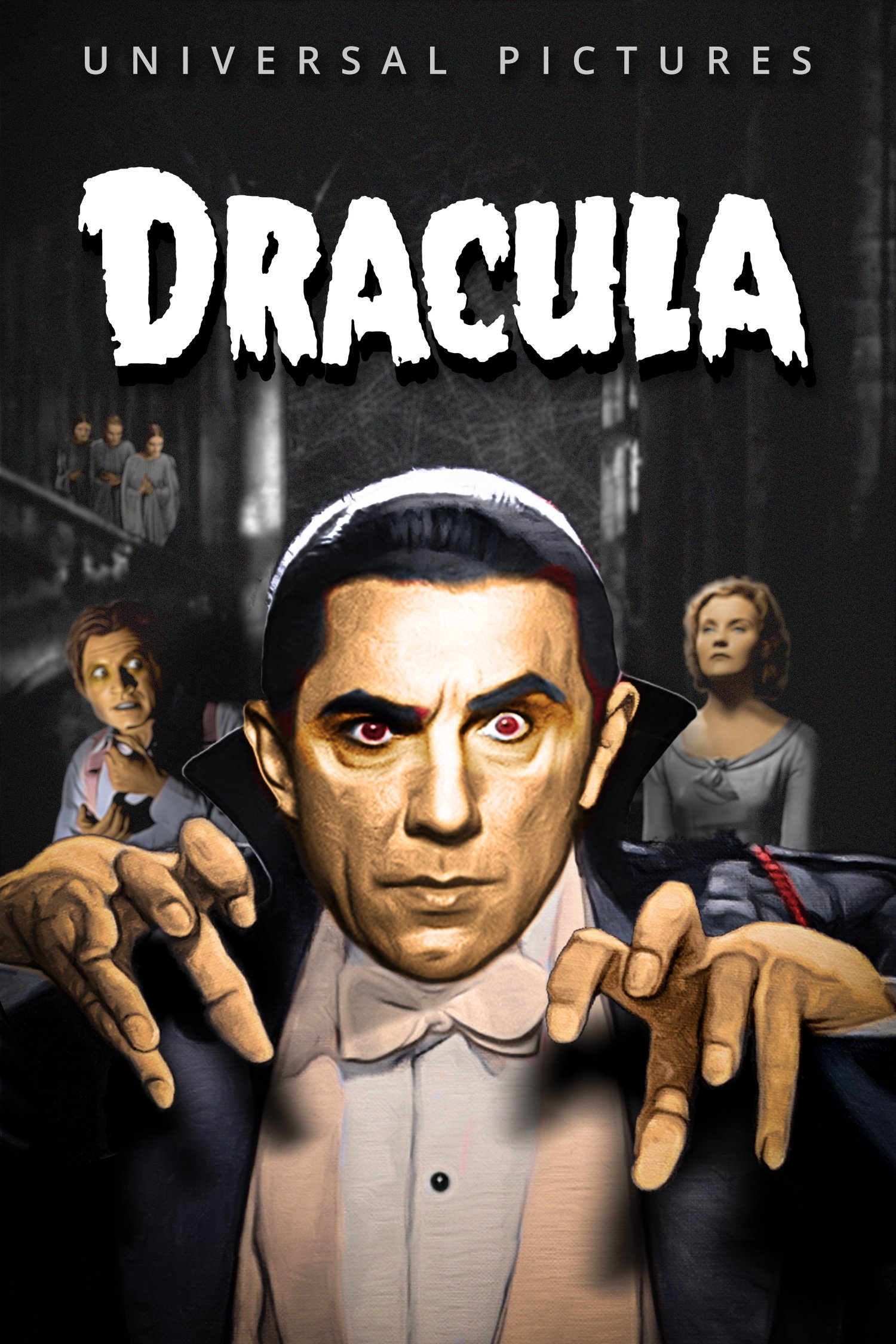
Dwight Frye's Renfield provides a human reflection of Dracula's supernatural control. He begins as an ordinary businessman traveling to Transylvania and emerges from the voyage to England psychologically transformed, consuming insects and small animals while remaining obedient to his master. Frye moves between terror, devotion and sudden manic laughter, giving the film a second performance as influential within Universal horror as many of its monsters. Renfield is victim and servant simultaneously, aware enough to fear Dracula but unable to free himself from him.
Edward Van Sloan's Van Helsing supplies the opposite form of knowledge. He accepts evidence that the other characters initially dismiss and translates folkloric rules into practical defense. Mirrors expose Dracula's lack of reflection, crucifixes resist his influence and daylight restricts his movements. The film does not stop to build a complete scientific system for vampirism. Instead, Van Helsing's confidence makes supernatural rules usable inside a modern environment populated by doctors and psychiatrists.
Their opposition also establishes a pattern repeated throughout later vampire cinema. Dracula possesses ancient knowledge and hypnotic authority; Van Helsing possesses specialized knowledge capable of recognizing and limiting him. Ordinary characters survive between those two systems. The monster can therefore be defeated not because supernaturalism disappears under rational examination, but because one rational investigator accepts that the supernatural has rules of its own.
Two Draculas on the Same Sets
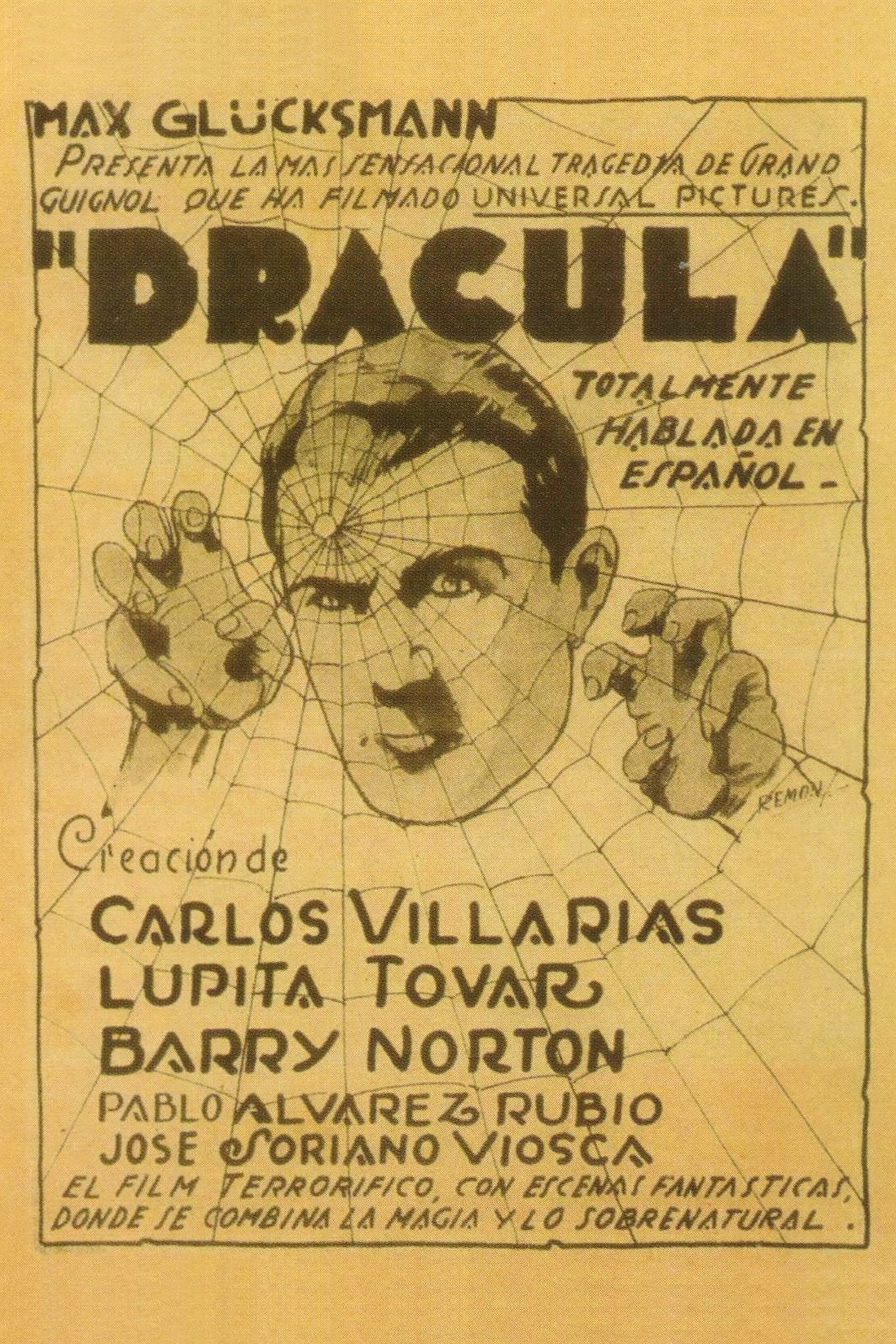
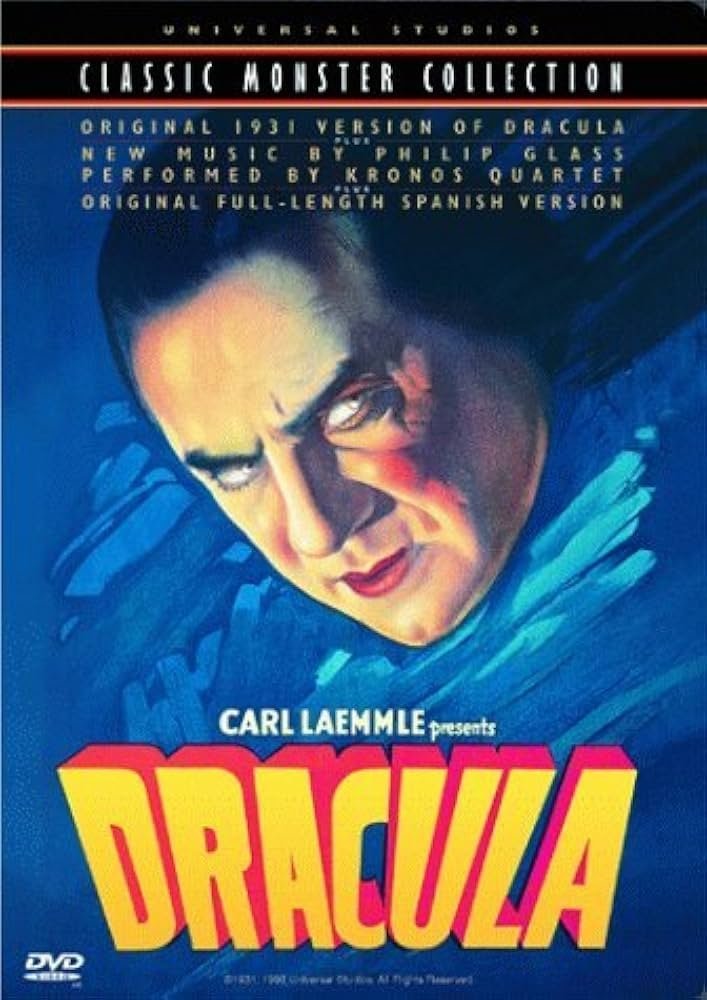
Universal simultaneously produced a Spanish-language Drácula for audiences at a moment when dubbing had not yet become standard international practice. George Melford directed Carlos Villarías, Lupita Tovar and a separate cast at night after Browning's English-language company had finished using the same sets during the day. The arrangement produced two films sharing scenery and much of the same screenplay while developing noticeably different performances, camera movement and pacing.
The Spanish version is substantially longer and has subsequently gained a reputation among historians for more fluid cinematography and a greater willingness to use movement and visual sensuality. Library of Congress material notes that Melford's crew could examine what the English production had accomplished and sometimes adjust its own approach. The different censorship expectations of Spanish-speaking markets also allowed elements of violence and eroticism to be handled differently.
The comparison is historically valuable because it prevents Browning's film from appearing to represent the only way Universal's sets and screenplay could have been translated into cinema. The two versions act almost like a controlled experiment in direction. Lugosi nevertheless remained the defining Dracula internationally, while the Spanish production itself eventually received recognition through selection for the National Film Registry in 2015.
Censorship and Version History
The version of Dracula familiar today does not reproduce every element audiences encountered in 1931. AFI records that original release prints included an afterword delivered by Edward Van Sloan, warning the audience that vampires might actually exist. That theatrical gesture extended the horror beyond the narrative, treating spectators almost as participants emerging from a stage attraction. The material was later removed and is not part of the standard surviving version.
Further alterations occurred during the mid-1930s as censorship became more restrictive. AFI notes that soundtrack material surrounding the deaths of Renfield and Dracula was cut in 1936. Such changes are important because early horror films frequently circulated for decades in versions modified after initial release. What appears to be an inherent stylistic choice may sometimes reflect later censorship or incomplete survival rather than the exact construction first shown to audiences.
Dracula consequently belongs to a period in which horror was still negotiating what could be shown, heard and implied in American sound cinema. The violence remains restrained visually, but predation, blood drinking and undead sexuality are central to the narrative. That balance helped create a model Universal could expand almost immediately with Frankenstein and the other monsters that followed.
Release and Legacy
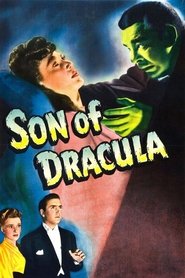
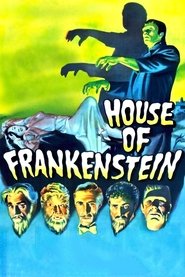
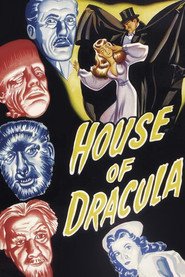
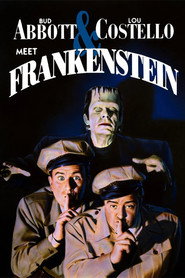
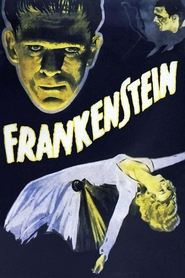
Universal released Dracula in February 1931, at the beginning of a remarkable period for American studio horror. Its success was followed the same year by Frankenstein and helped establish Carl Laemmle Jr.'s willingness to develop supernatural subjects as major studio properties. Universal would continue returning to Dracula through sequels, crossovers and remakes, while other studios and national cinemas produced their own competing versions of the vampire.
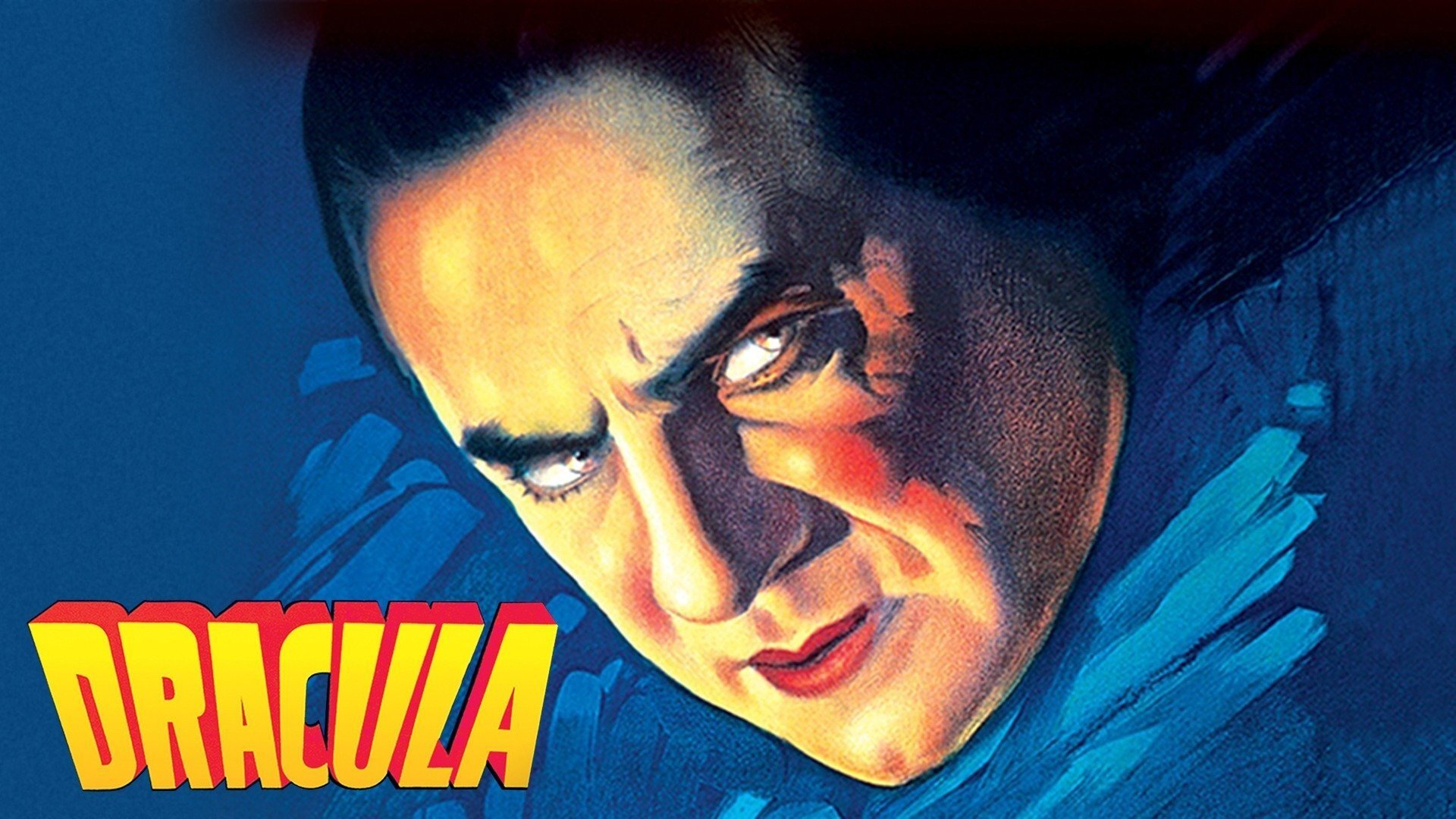
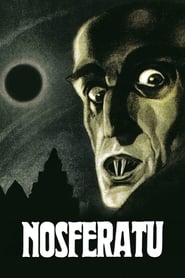
The film's most influential legacy lies in its visual style and performances. Stoker had created Count Dracula decades earlier and Nosferatu had already demonstrated the power of the vampire on screen, but Lugosi supplied a version capable of entering popular culture in an unusually stable form. Formal evening clothes, continental accent, intense gaze and aristocratic control became signals through which audiences could identify Dracula even when the character's name was absent.
The Library of Congress selected Dracula for the National Film Registry in 2000, recognizing a work whose importance extends beyond the Universal monster cycle. Later adaptations by Hammer, television productions and filmmakers such as Werner Herzog and Francis Ford Coppola would revise the vampire radically, but the need to revise him demonstrates the strength of the 1931 model. Browning's Dracula remains one of the points from which the history of the cinematic vampire can be measured.