Development: A Sequel to the 1974 Original
The project was conceived as a direct continuation of the first film, beginning in the immediate aftermath of Sally Hardesty's escape. Screenwriters Adam Marcus and Debra Sullivan developed a story in which law enforcement and armed townspeople descended on the Sawyer property. Marcus later recalled that their intention was to extend the original's family mythology by exploring Leatherface's isolation and his dependence on relatives who had formed his understanding of the world. His account also describes a larger production that had to be reduced when the financing available for filming fell short of what the early screenplay envisioned.
The distinction between the writers' initial conception and the finished film is essential to its most widely discussed continuity problem. Marcus has stated that their draft was principally set in the early 1990s, when a baby taken from the Sawyer house in the 1970s could plausibly be a young adult. The released version moves the later action into the contemporary world while retaining a protagonist presented as much younger than the dates would imply. The resulting discrepancy reflects the revised production and has no hidden explanation within the story.
Luessenhop brought a different emphasis to the material. In an interview conducted around the release, he said that he rejected the continuities established after Hooper's original and repeatedly studied the 1974 film's compositions. He also acknowledged that the chronology had been loosened to suit the age of the new characters. The director's interest in returning to recognizable settings was therefore paired with a willingness to alter narrative details. That combination established the central method of the sequel: close visual references to the first film surrounding a substantially new treatment of its killer.
The Sawyer Family and the Problem of Sympathy
The prologue changes the moral arrangement of the earlier film. The Sawyers remain responsible for extreme violence, yet the local attackers who burn their home become participants in another atrocity. This development supplies a revenge framework that gradually competes with the familiar spectacle of a murderer pursuing strangers. The discovery of Heather's ancestry then alters the audience's access to Leatherface. The new household is organized around an inheritance that preserves the family's history in physical form, with domestic rooms and hidden spaces serving as repositories for secrets excluded from Heather's childhood.
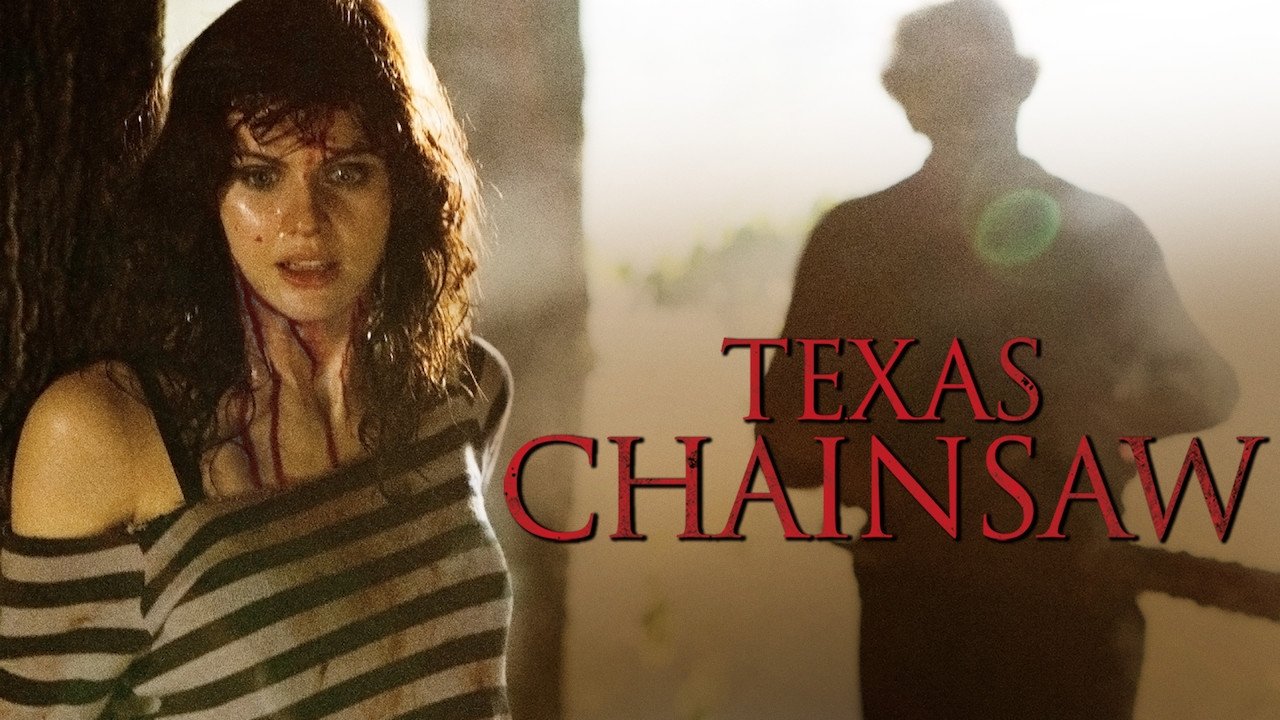
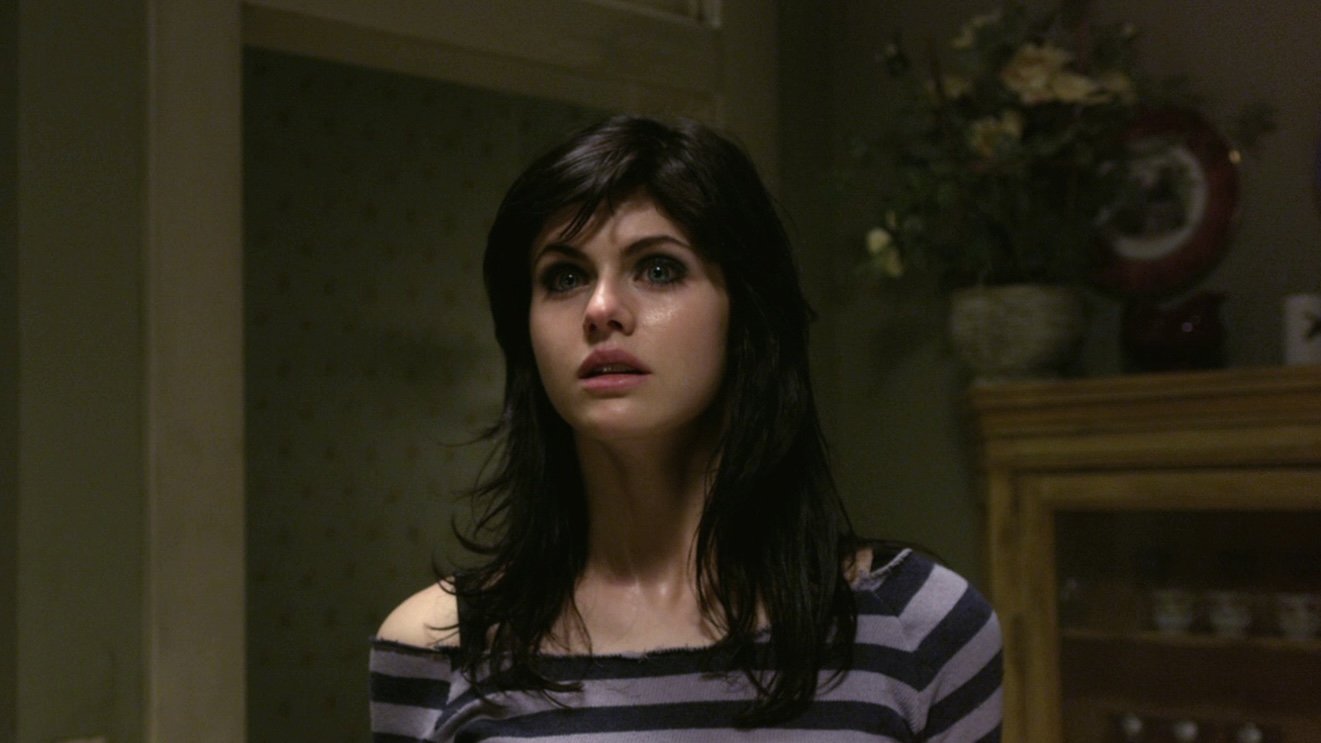
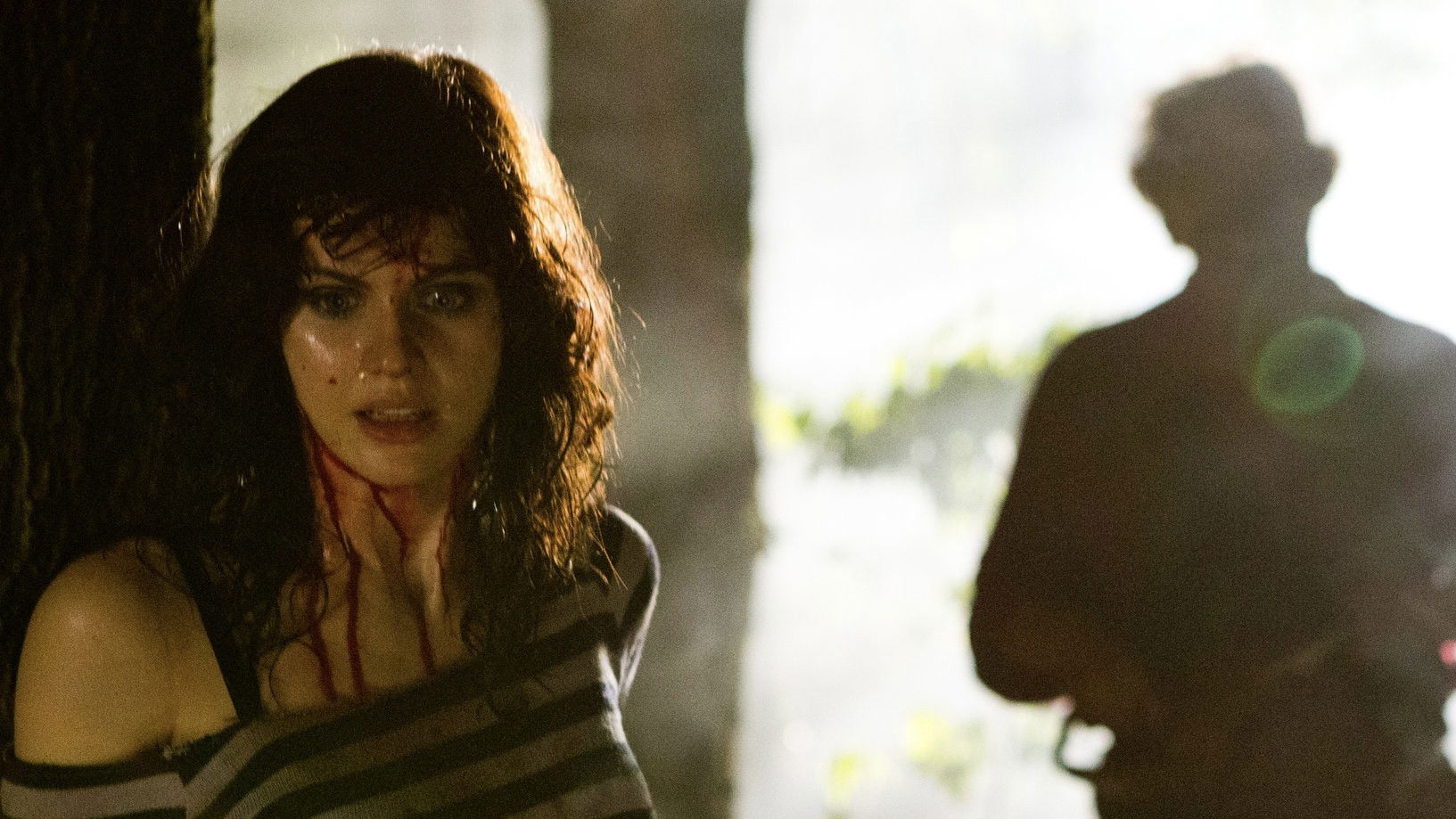
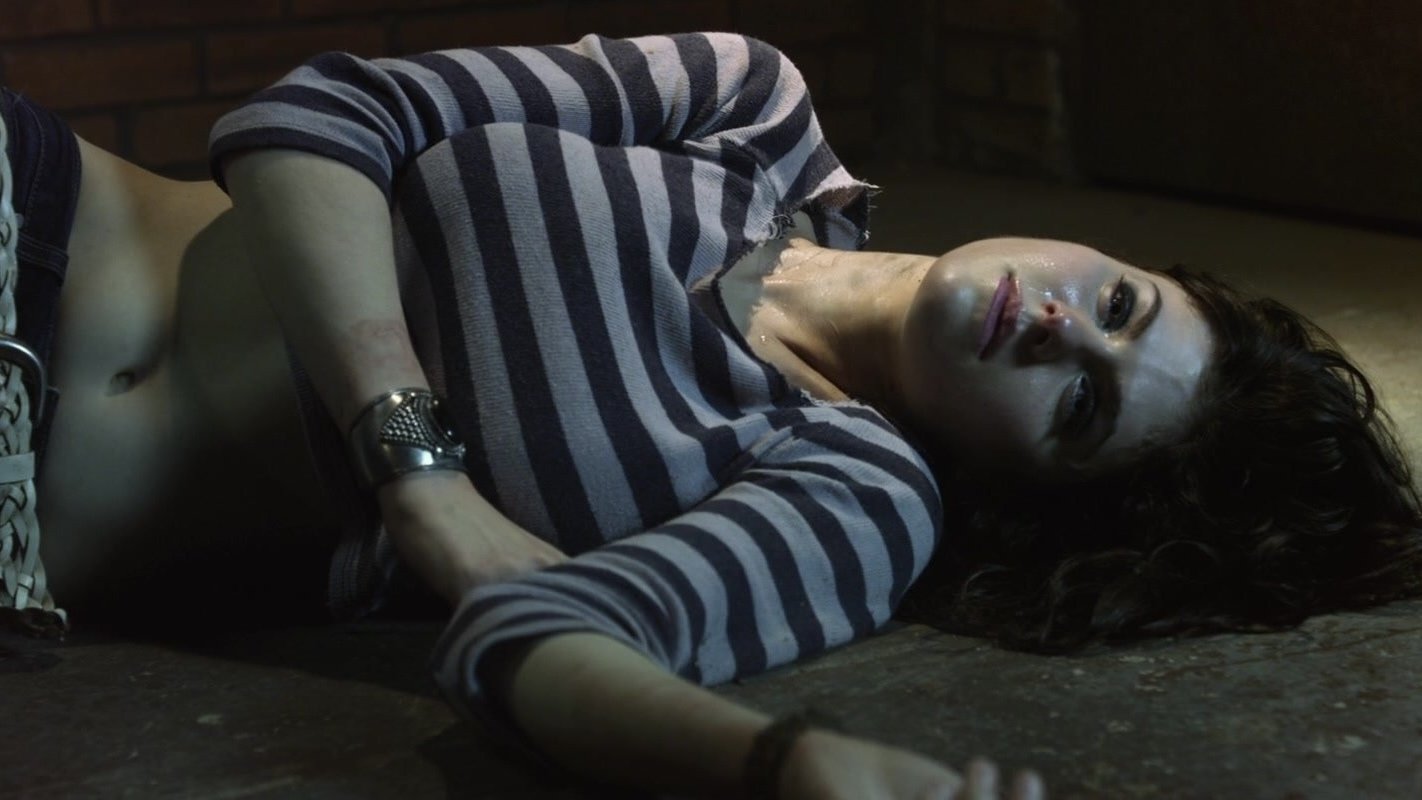
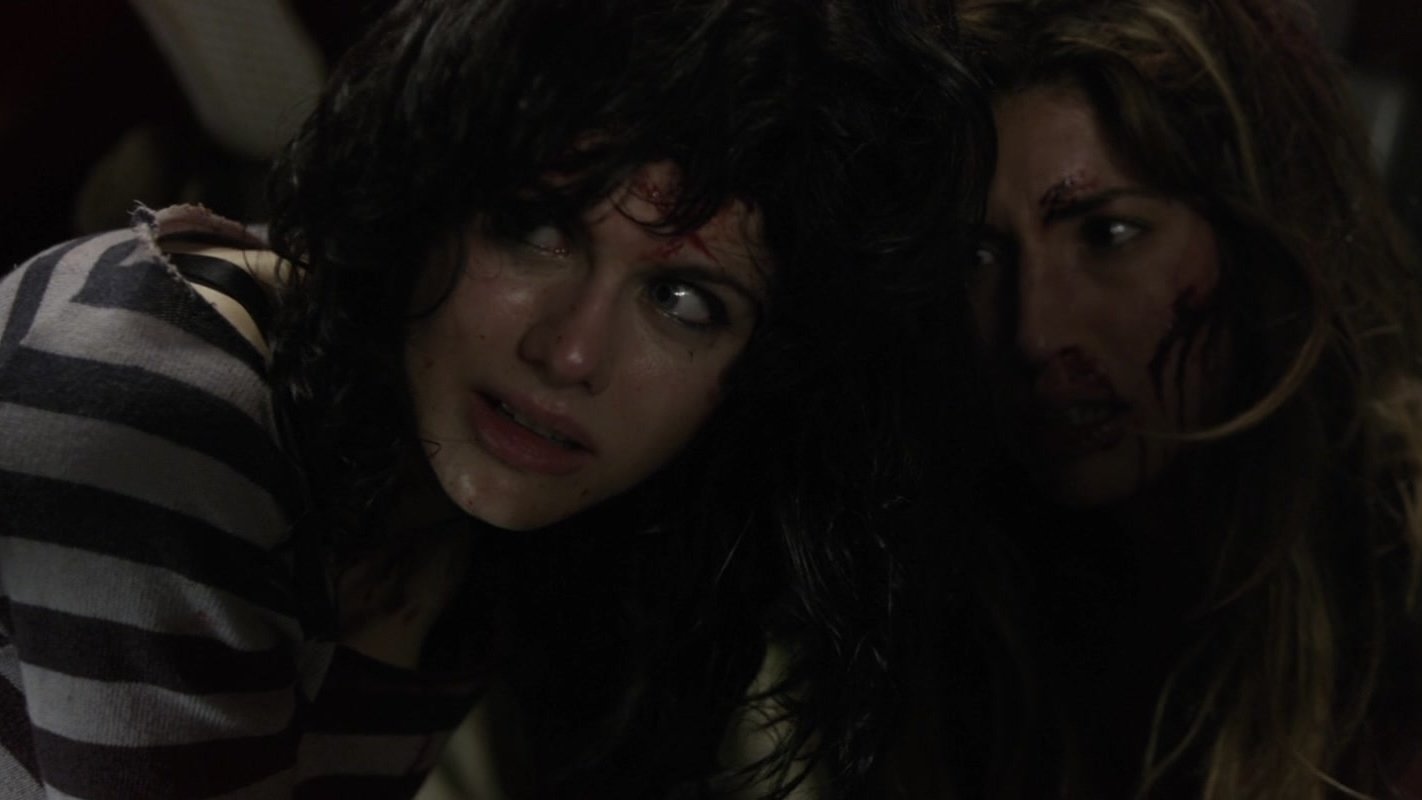
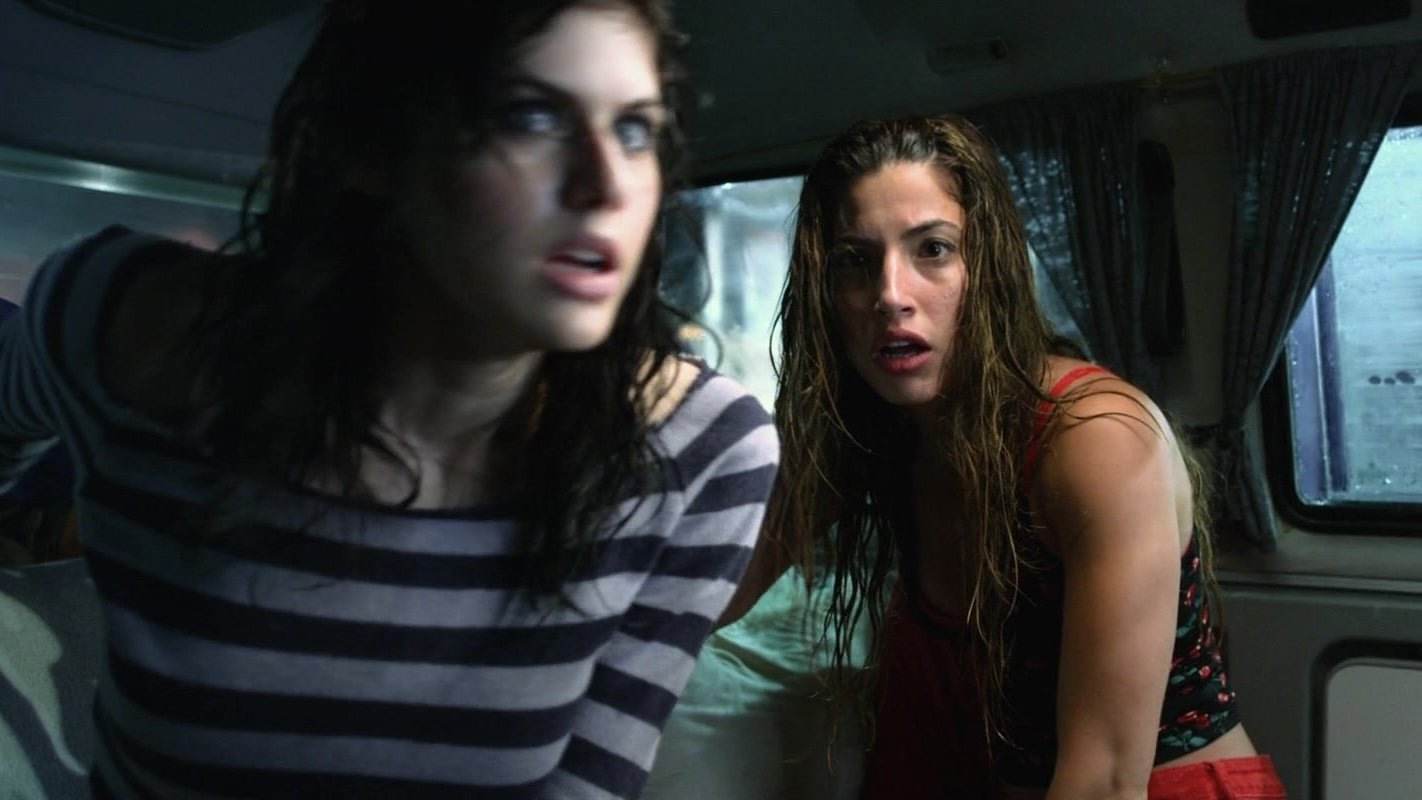
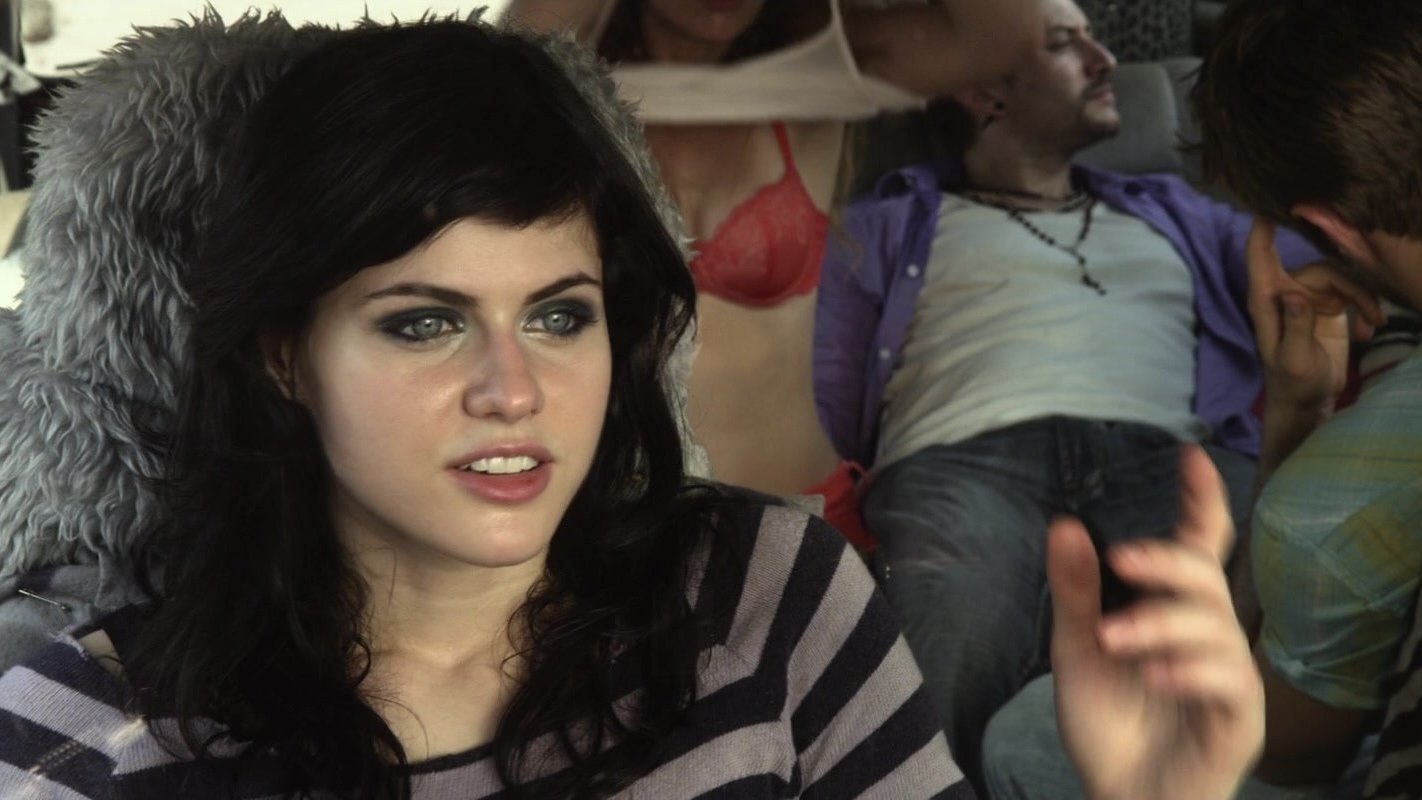
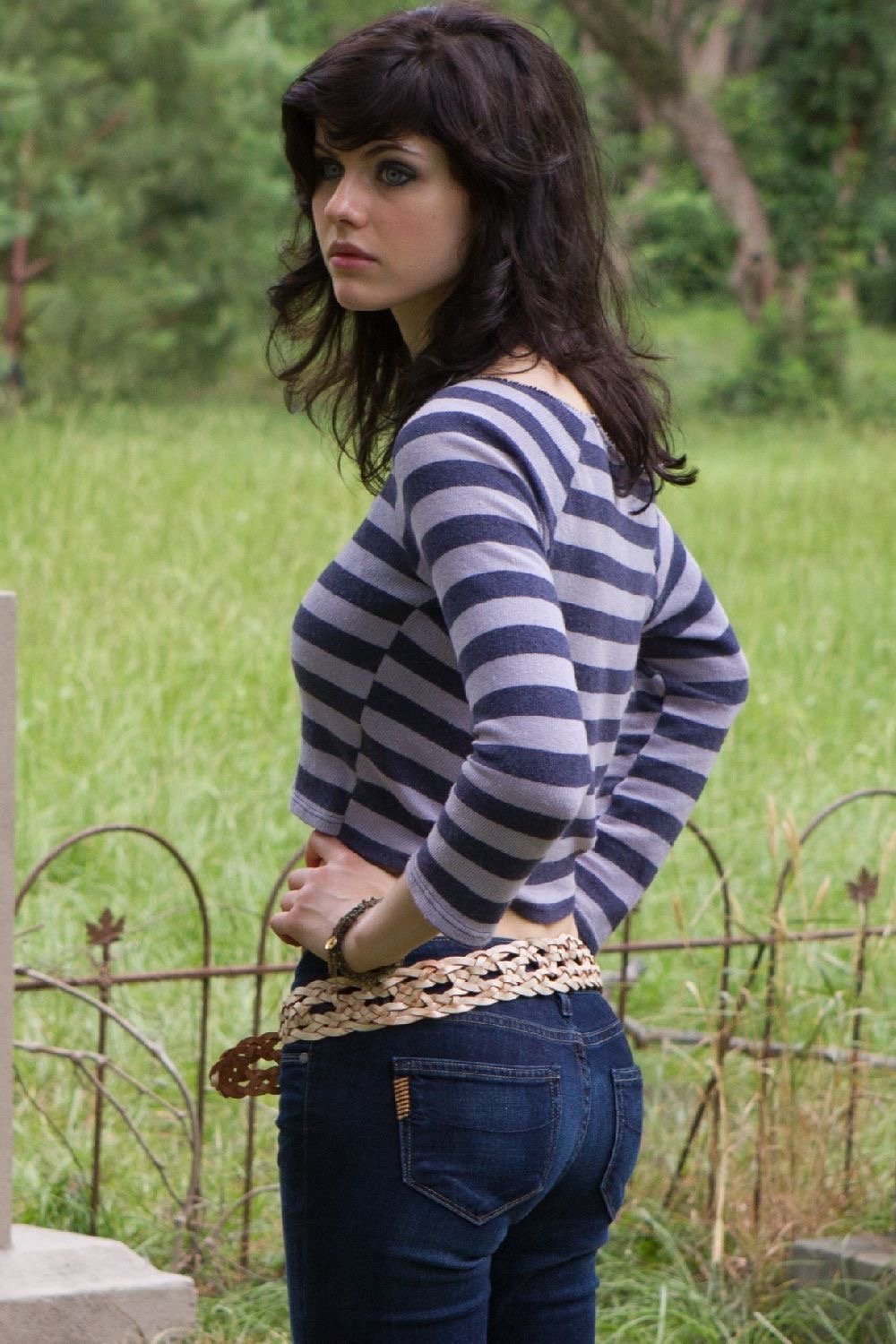
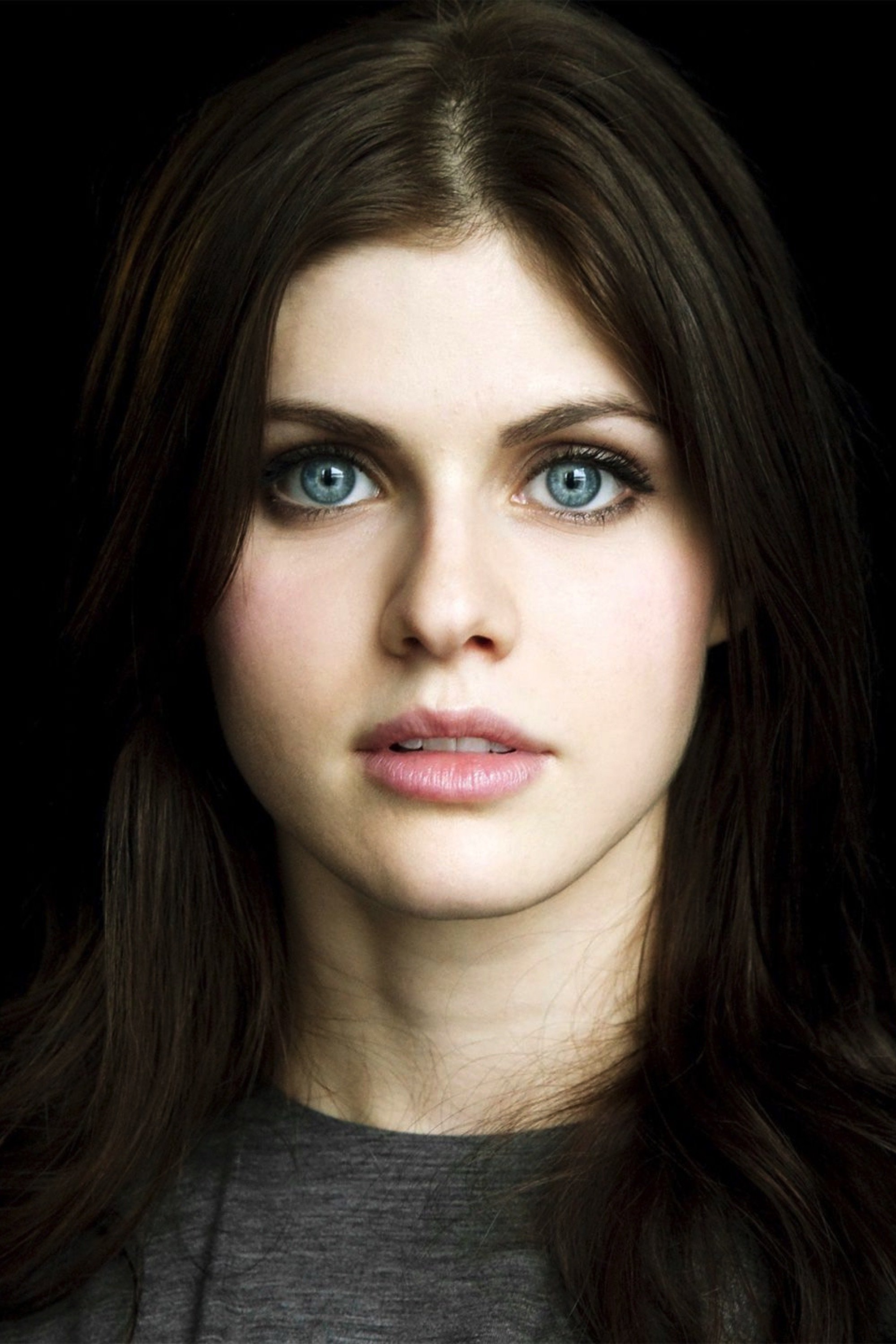
Heather's changing relationship to the killer is the picture's defining narrative gamble. Alexandra Daddario plays a woman who discovers that her personal history has been concealed, and her survival becomes inseparable from the murderer she initially fears. The film eventually asks viewers to reconsider the alliance between victim and monster through blood relations. That reversal transforms the final-girl convention: the protagonist survives a murderer only to discover that she belongs to his family. The interpretation concerns the film's dramatic structure; it does not absolve Leatherface of his actions.
The antagonism between the Sawyers and the respectable local authorities further complicates the story's assignment of guilt. The public face of civic order conceals responsibility for the original retaliatory attack, while the surviving outlaw family possesses information that Heather has been denied. These opposing forms of secrecy create a pointed but unstable idea of justice. Because the conclusion places such weight on familial loyalty, it narrows the perspective of the people Leatherface has harmed. The result is a markedly different horror mechanism from Hooper's original, which derives much of its force from the captives' inability to understand the family's private logic.
Leatherface, Dan Yeager and Returning Performers
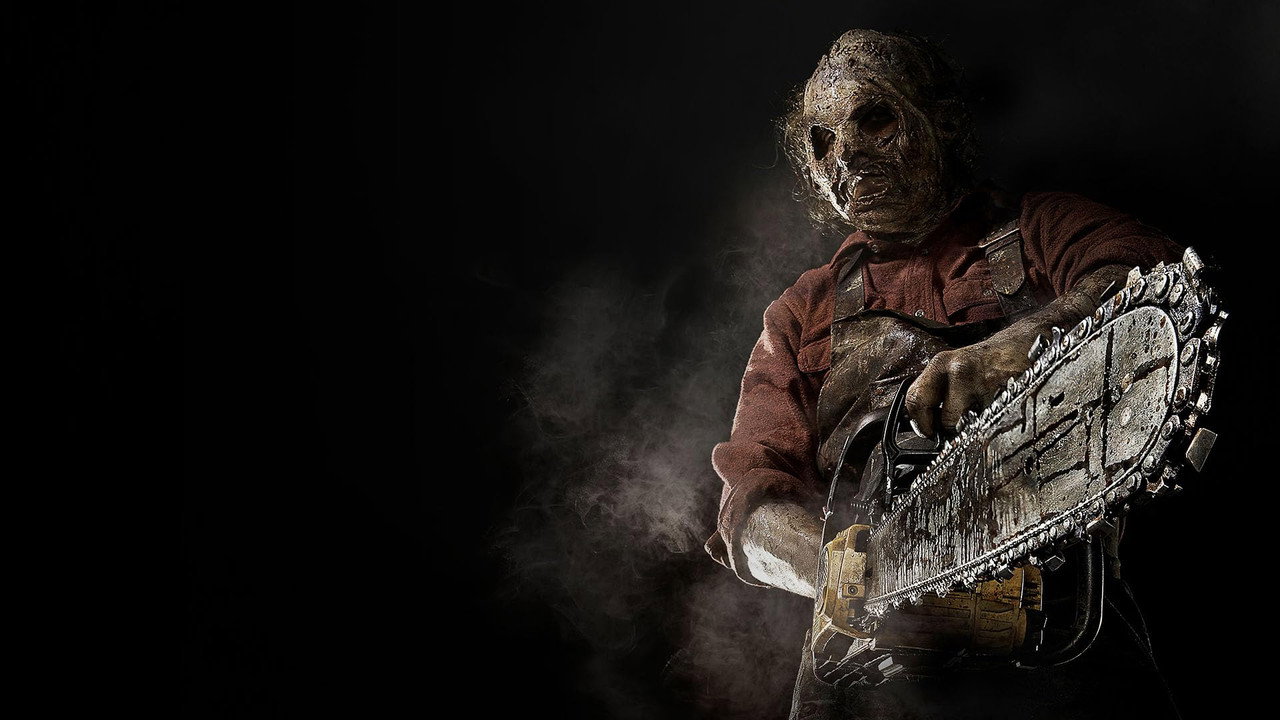
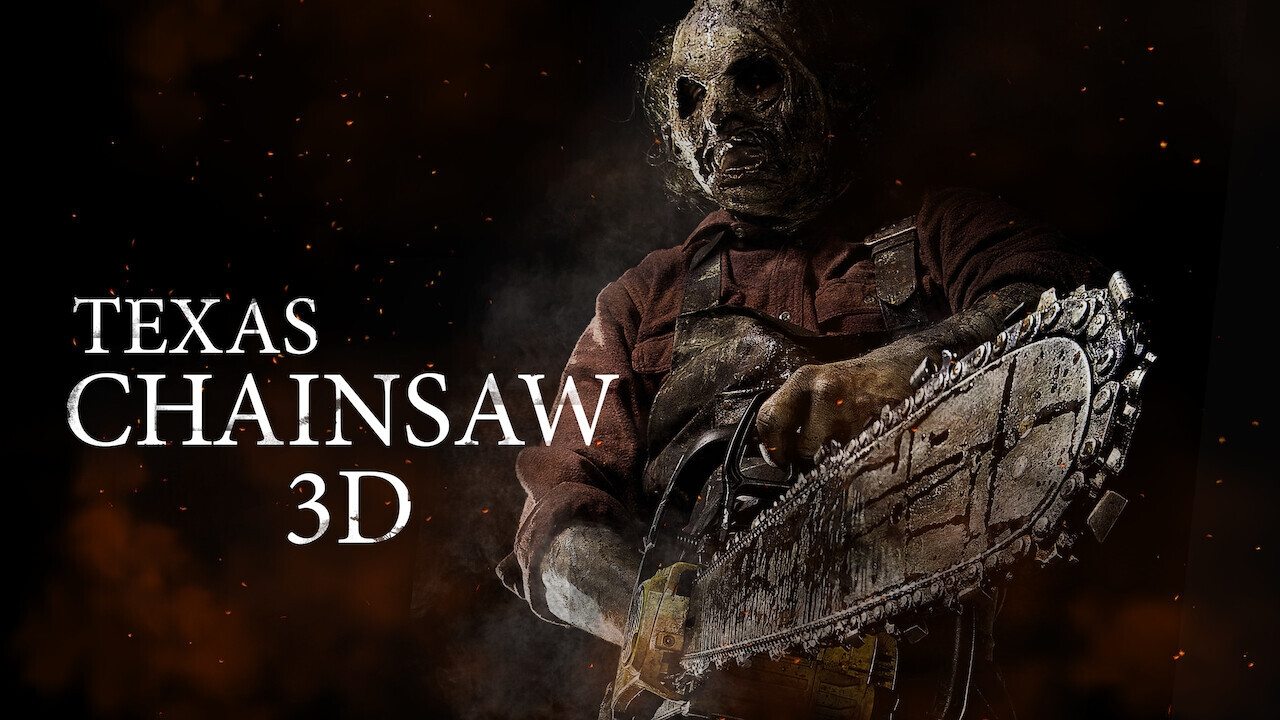
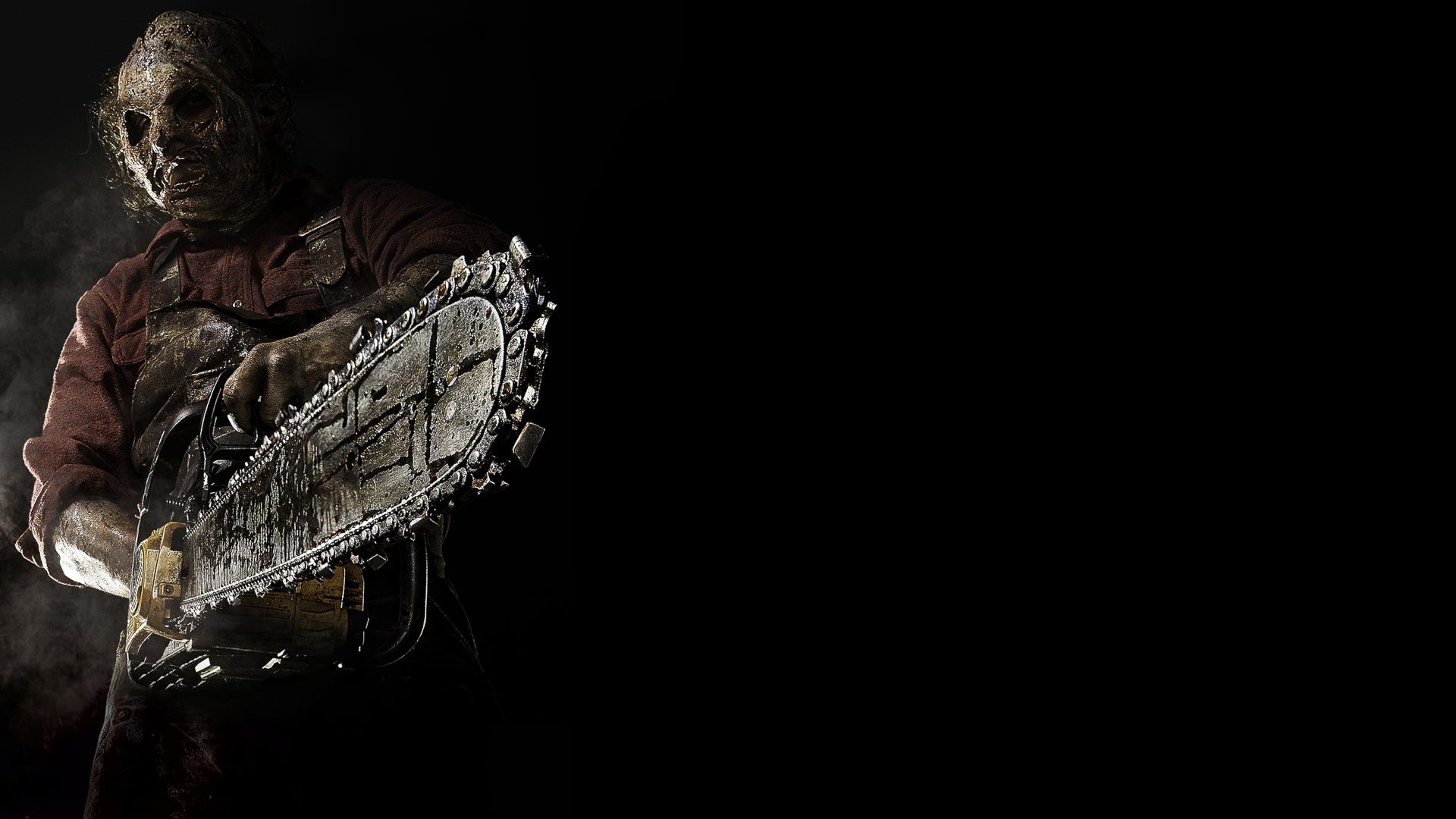
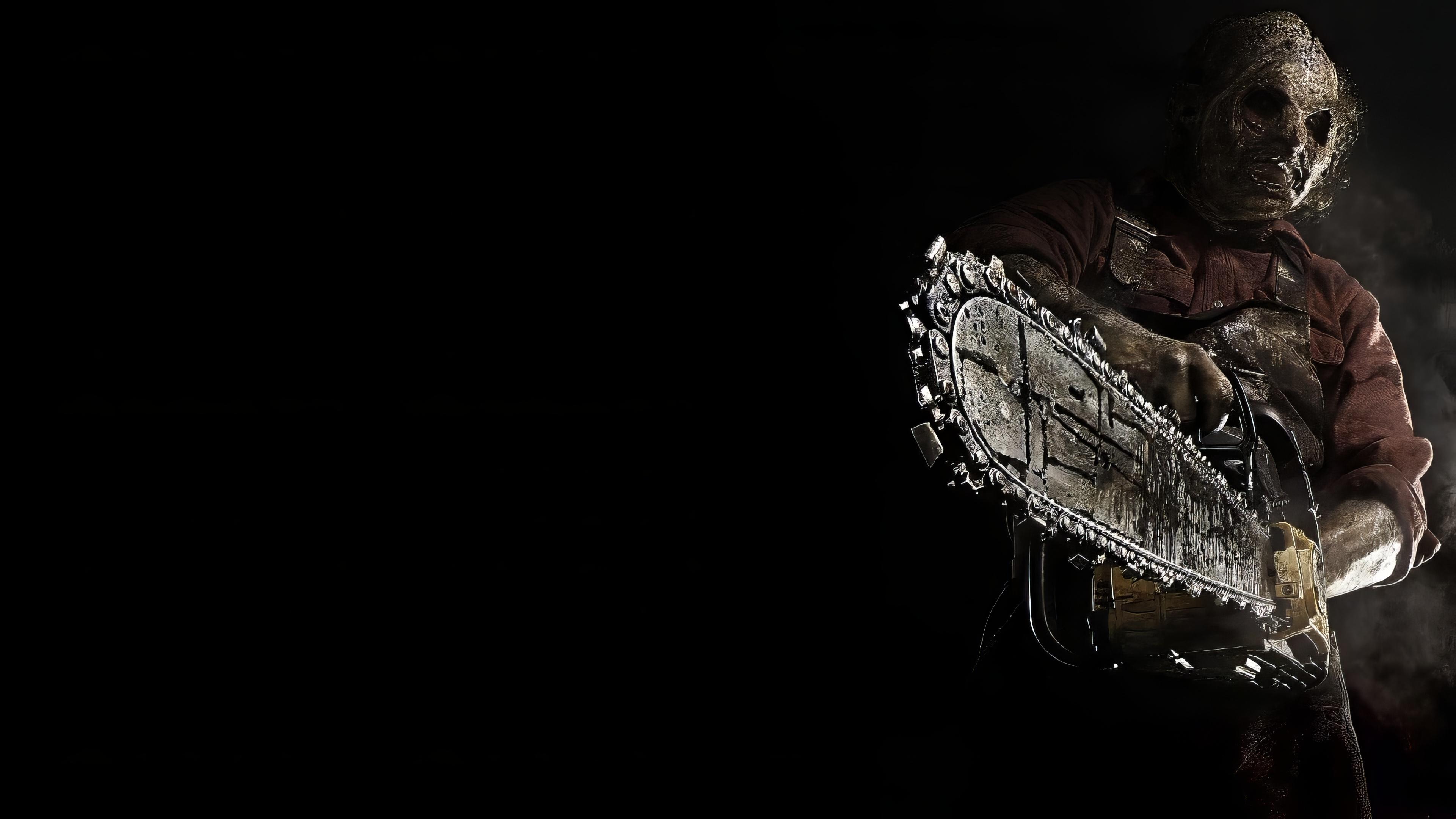
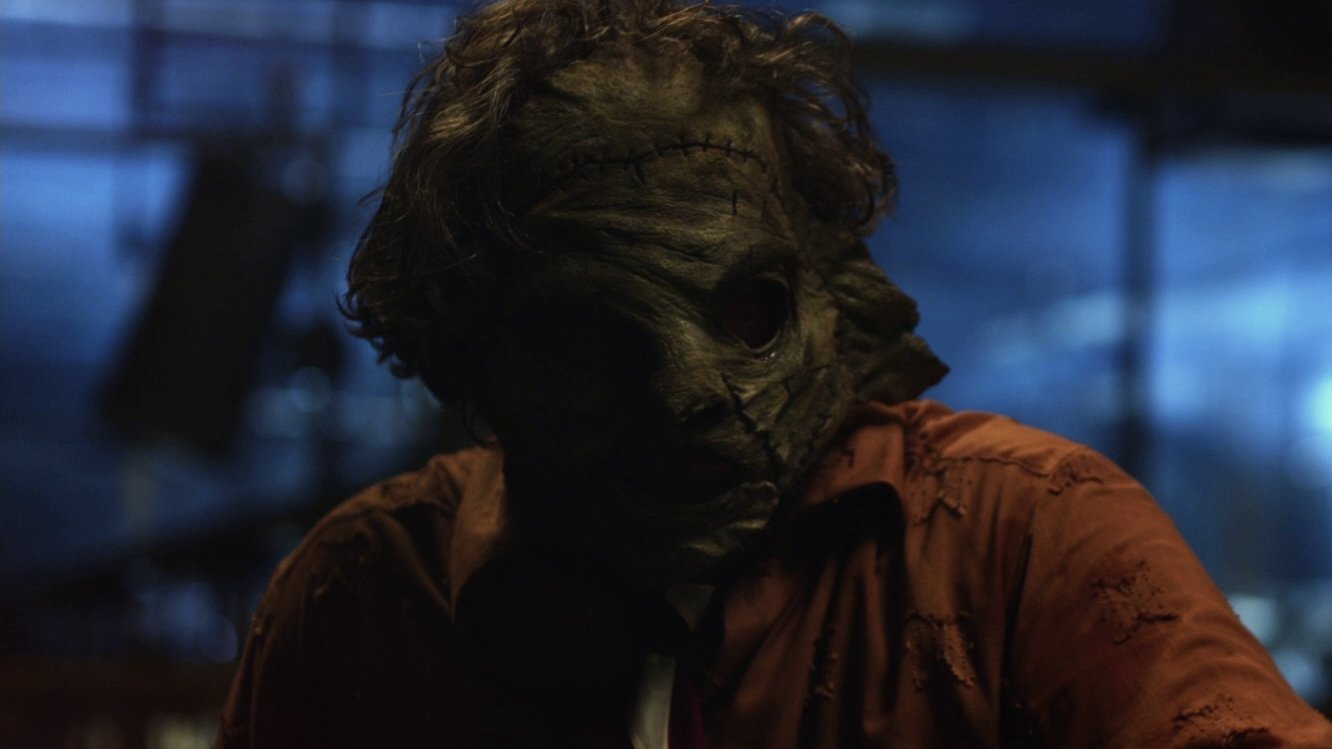
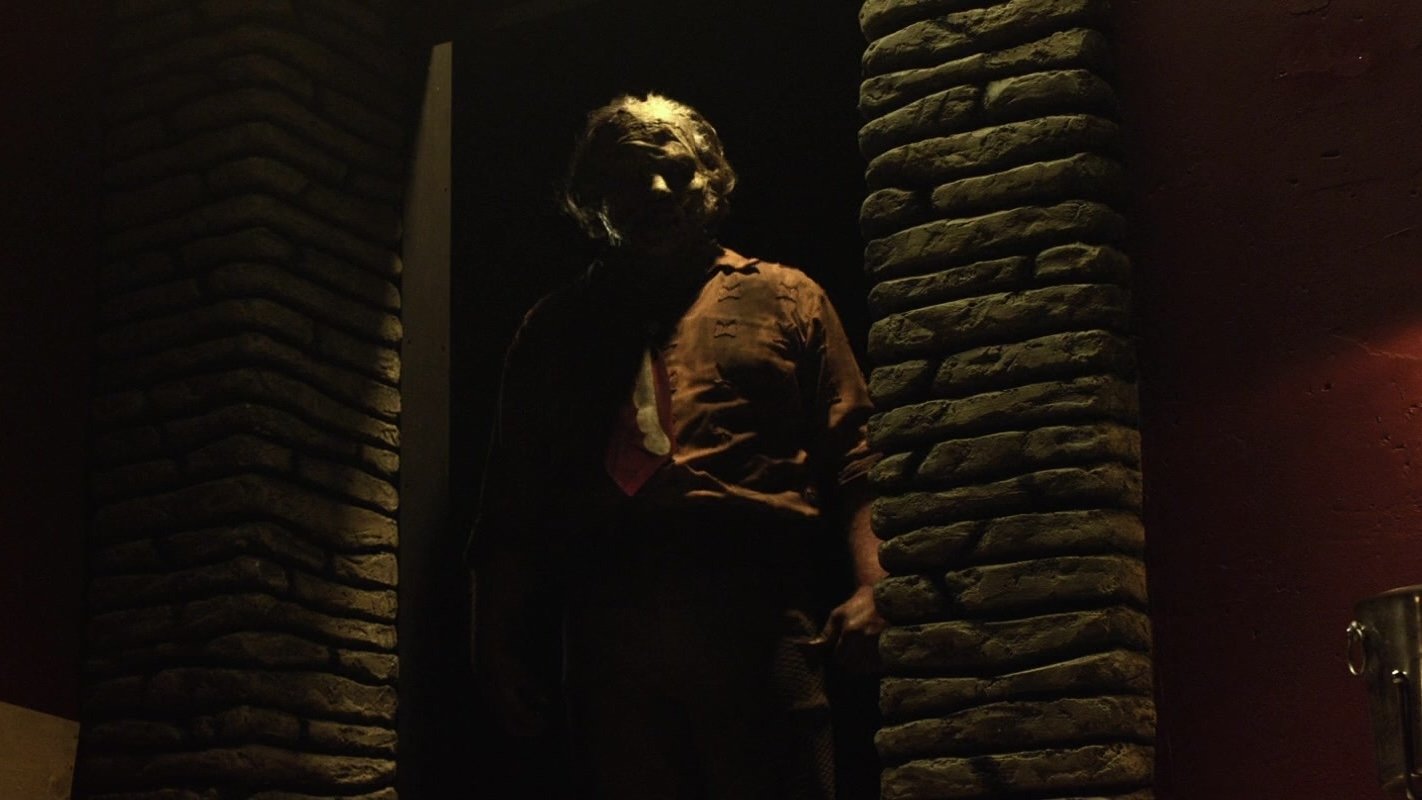
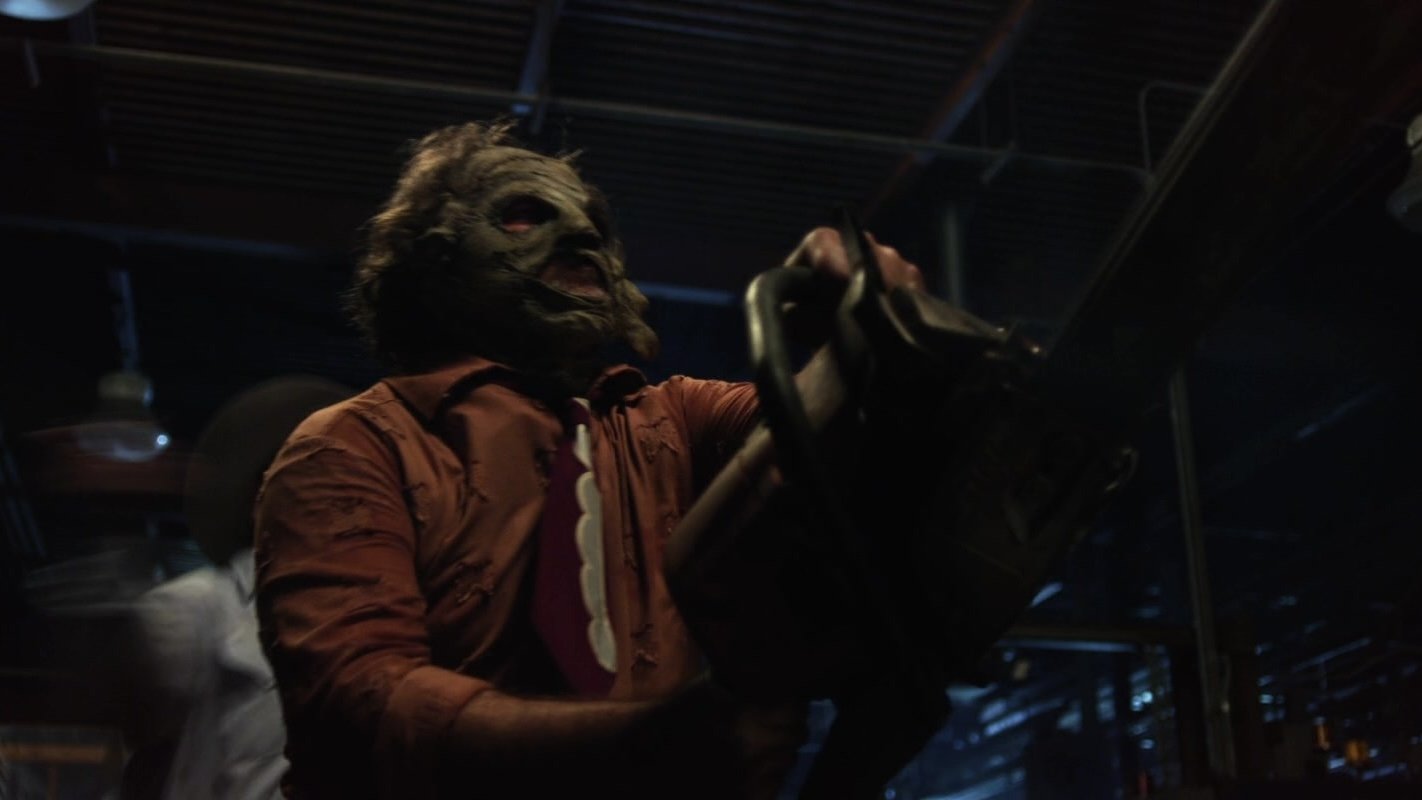
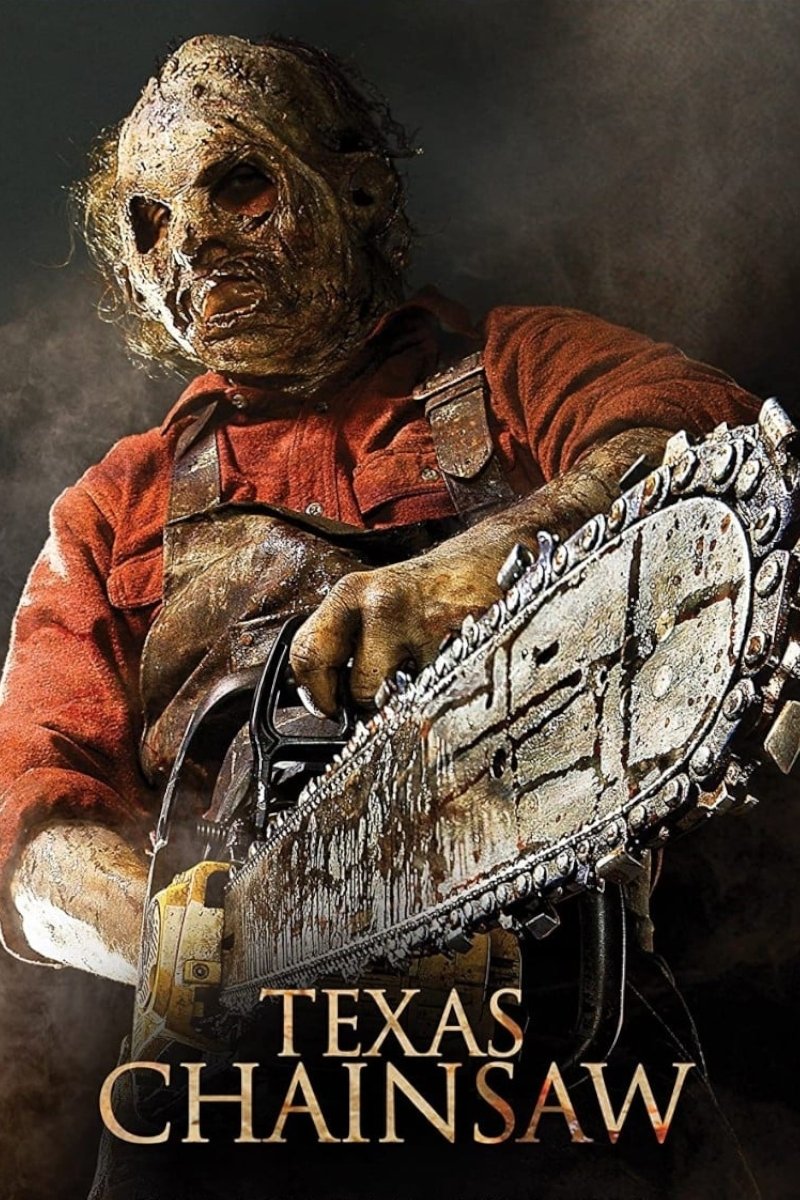
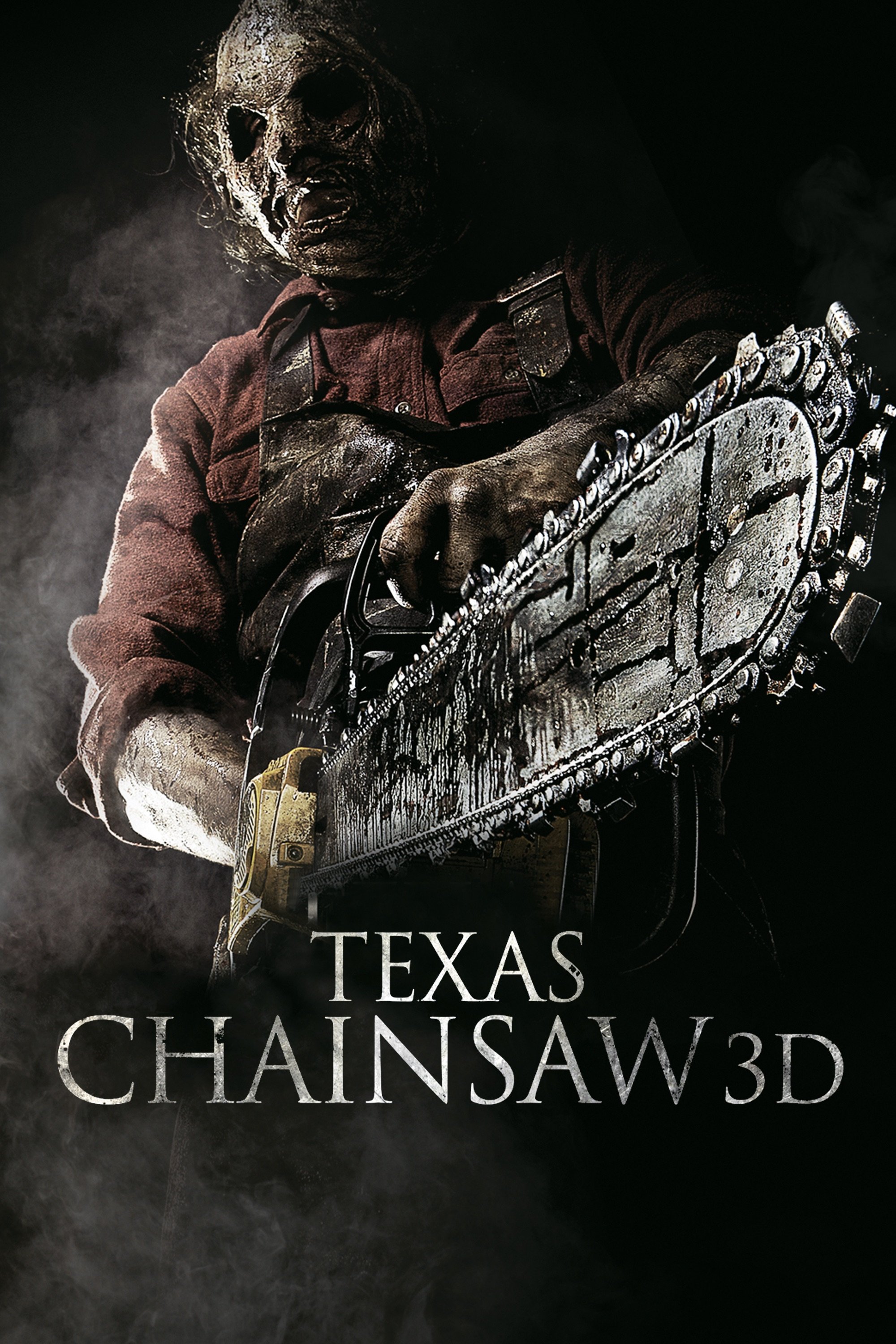
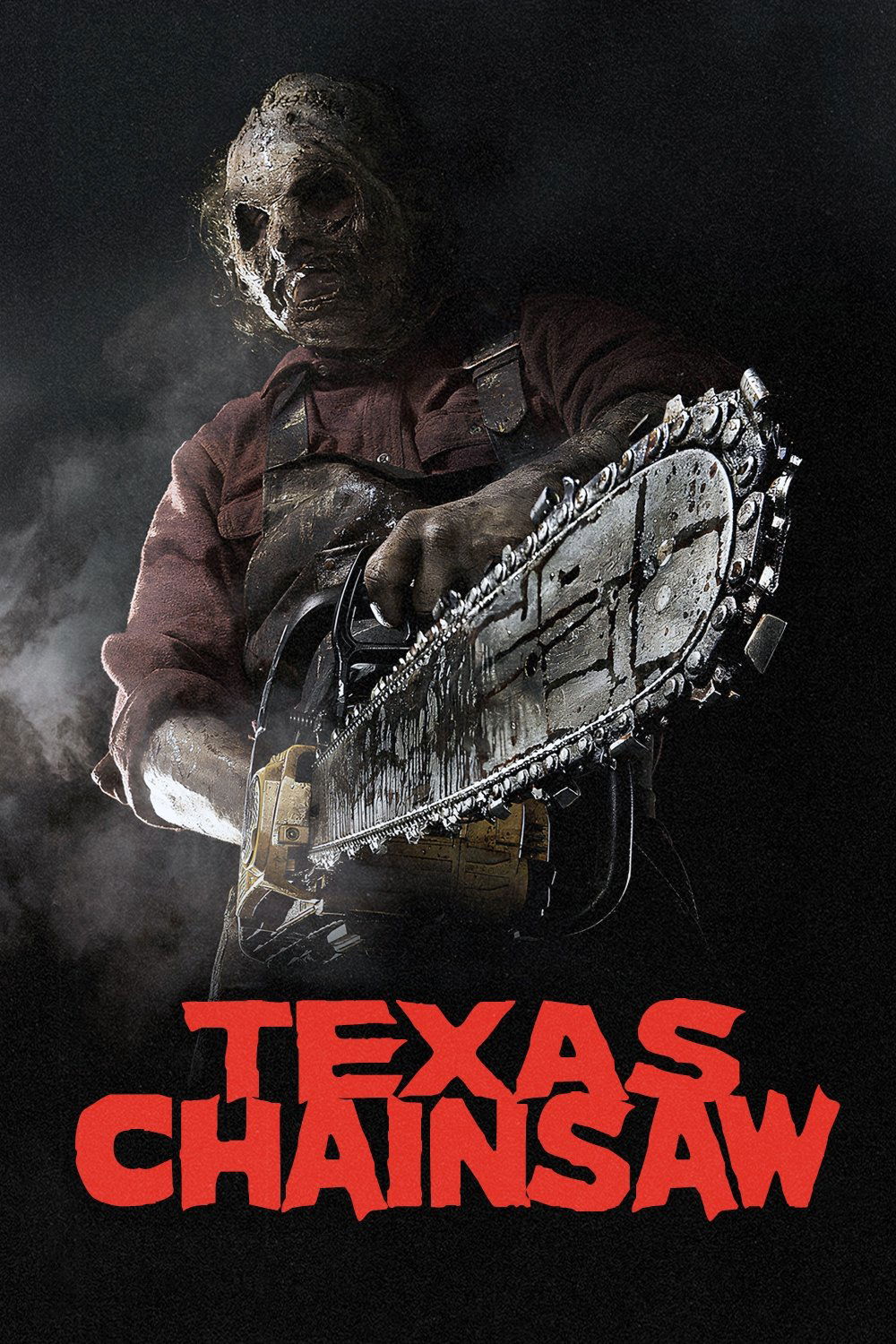
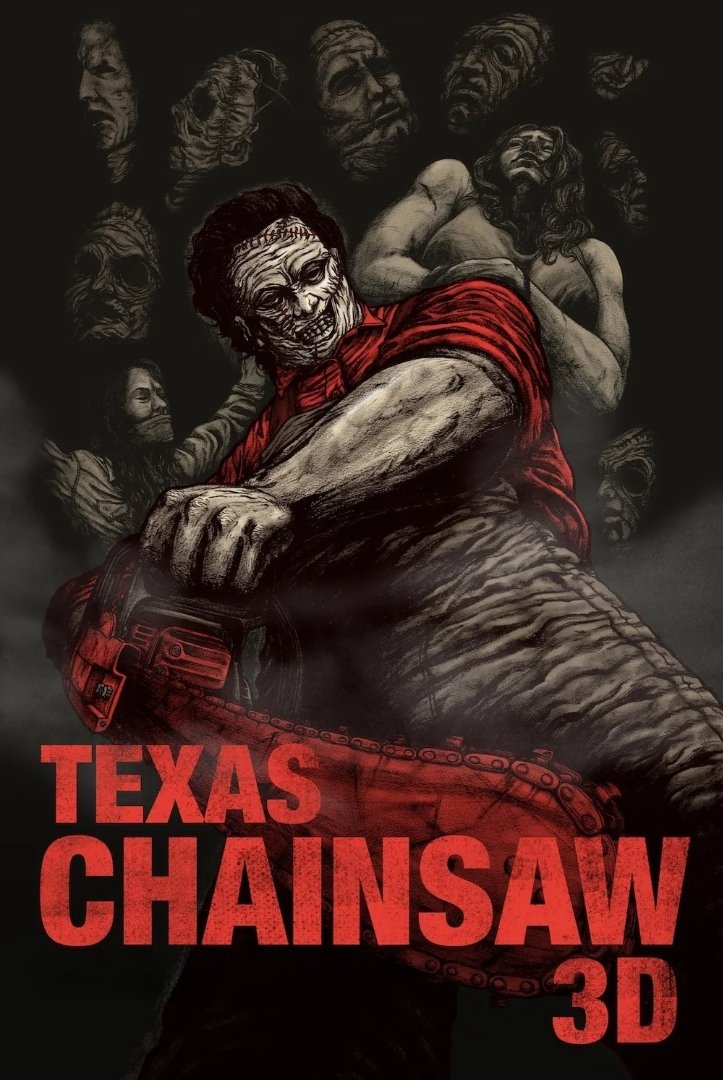
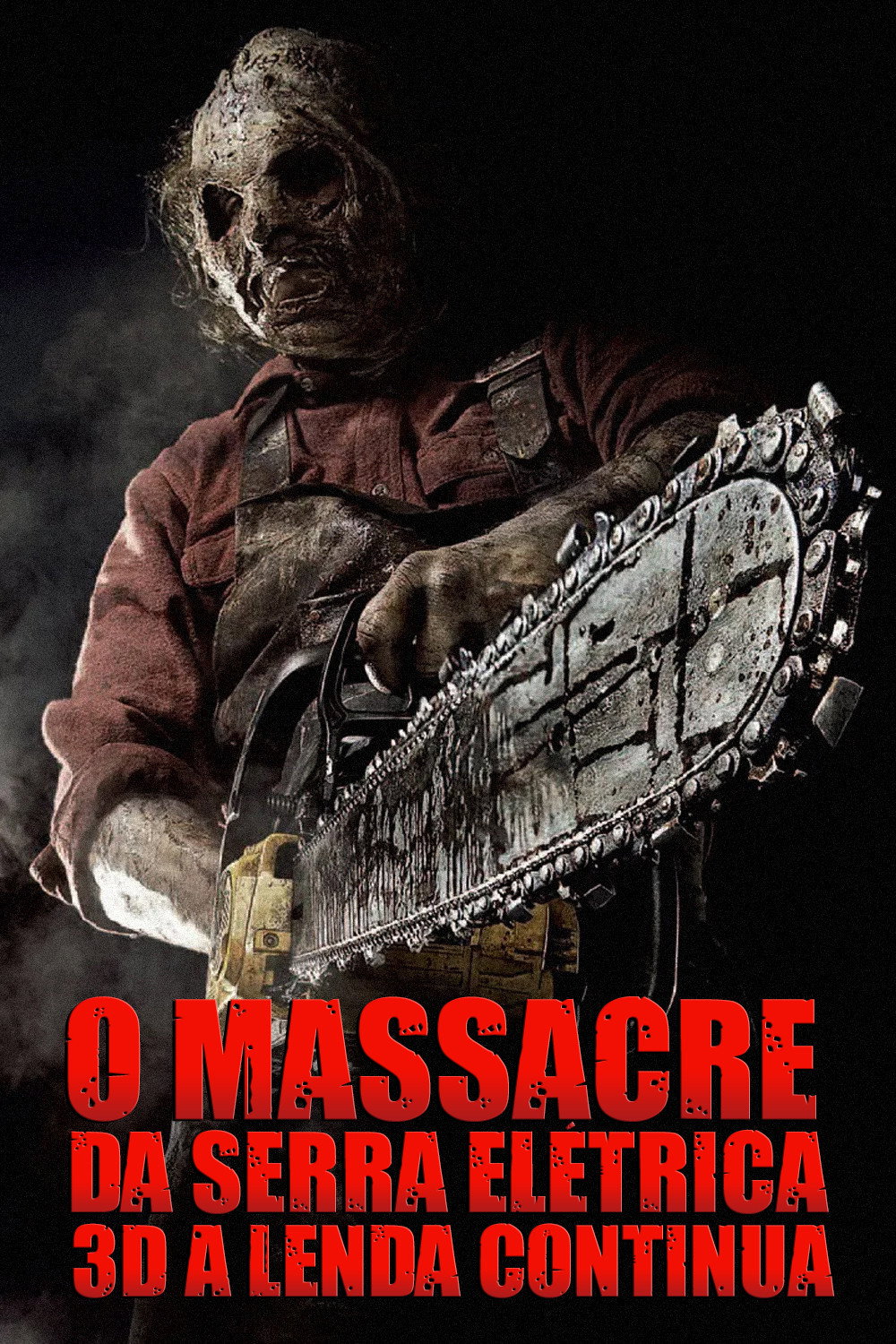
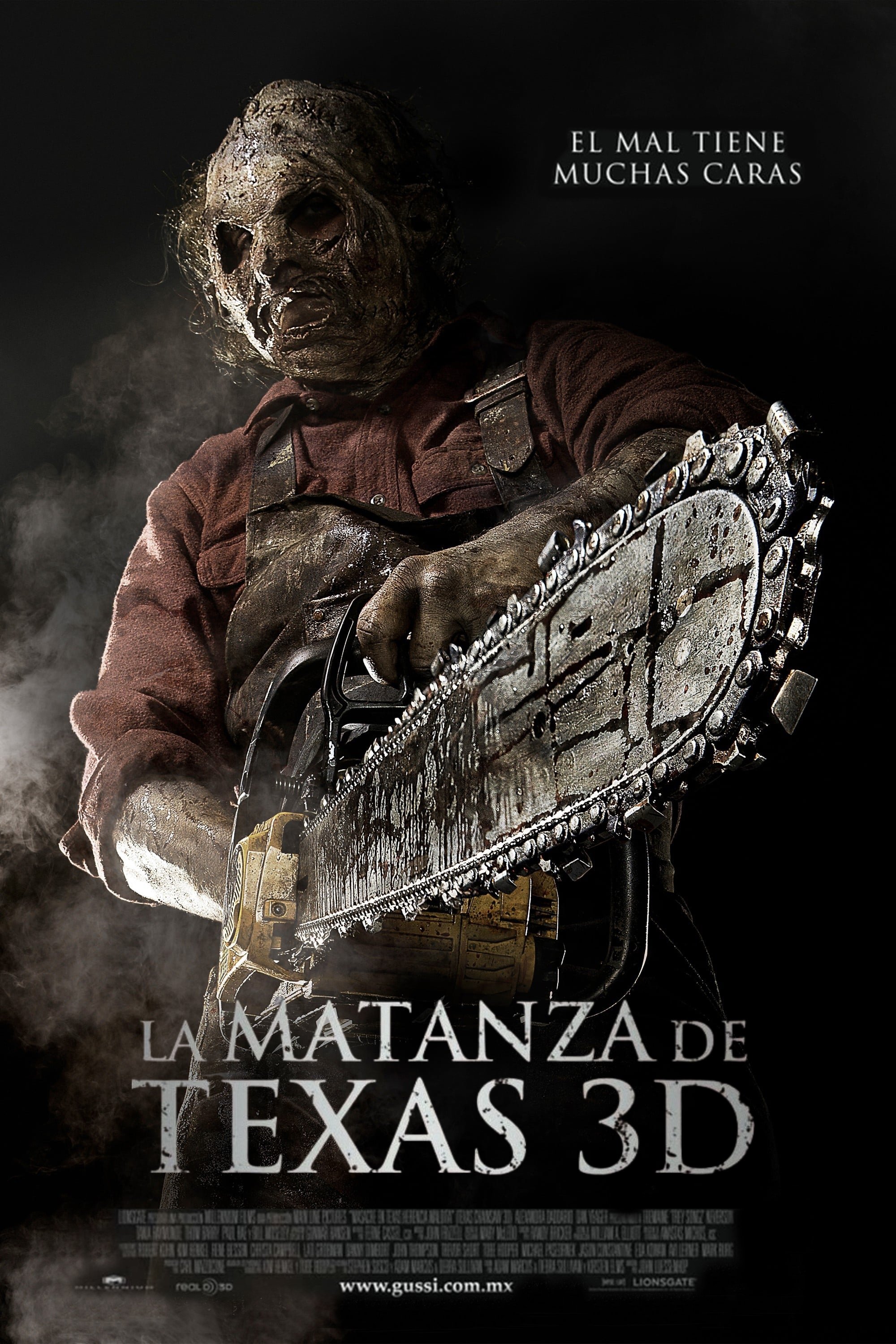
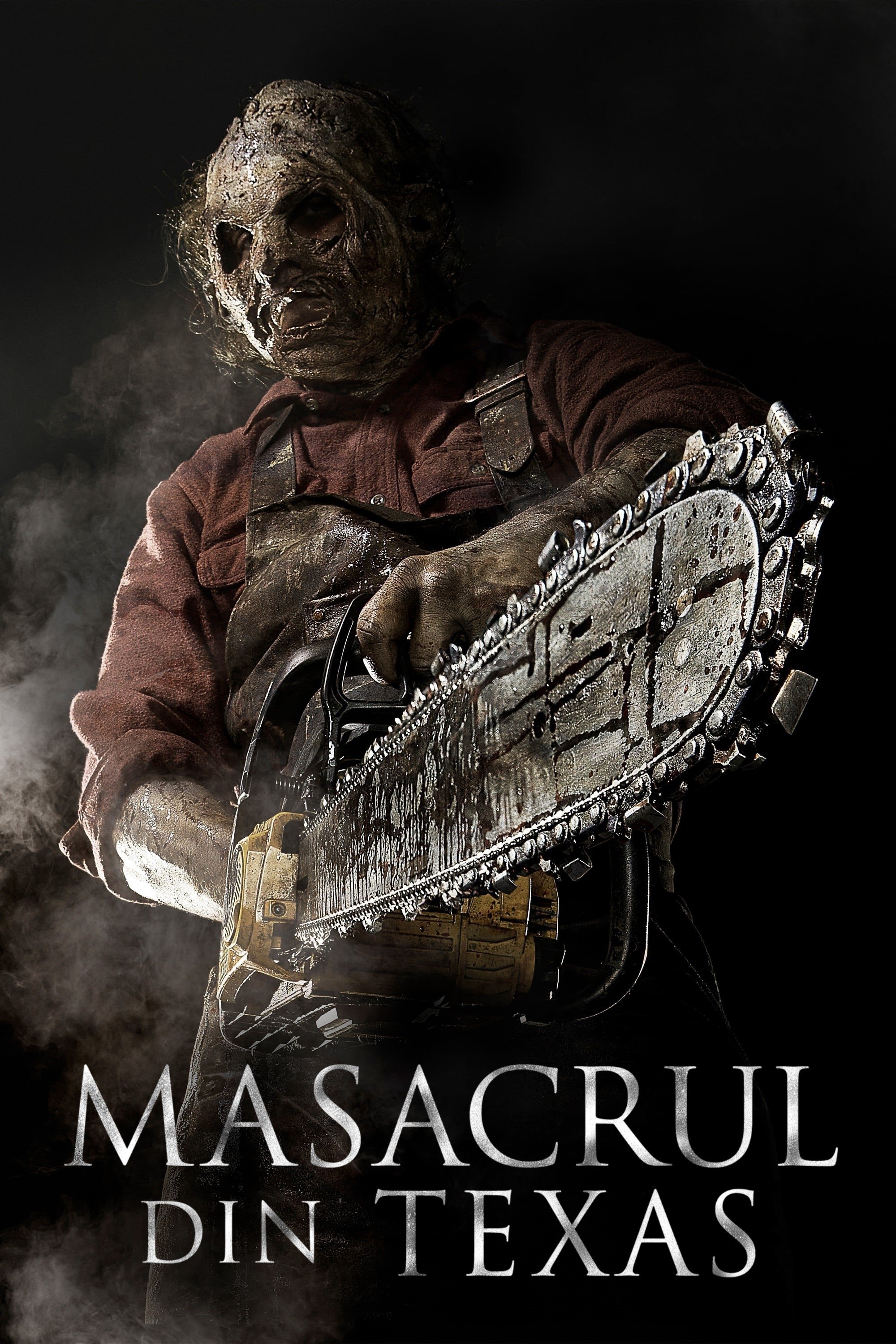
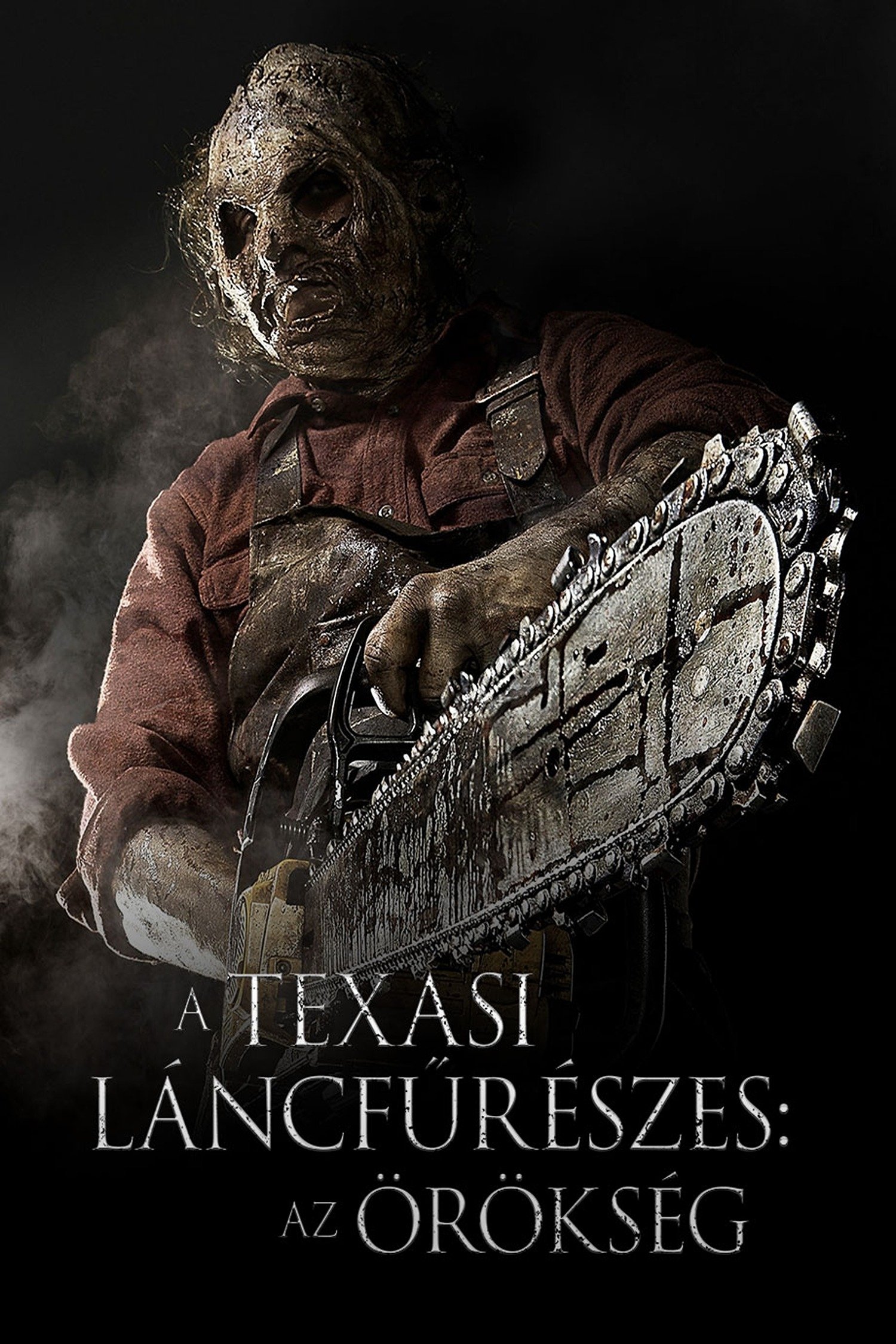
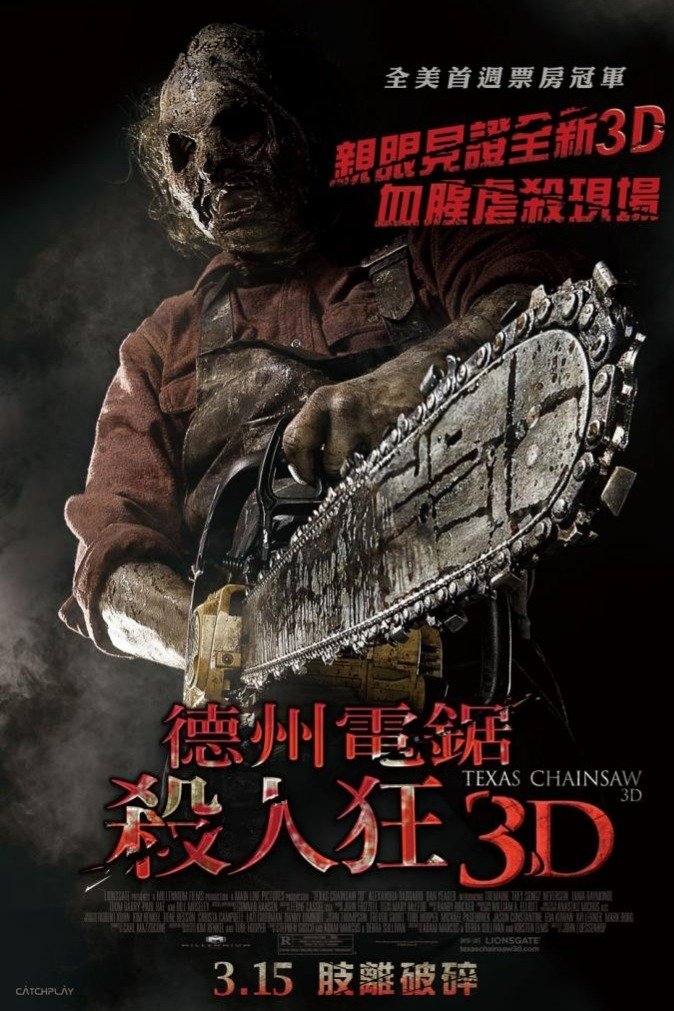
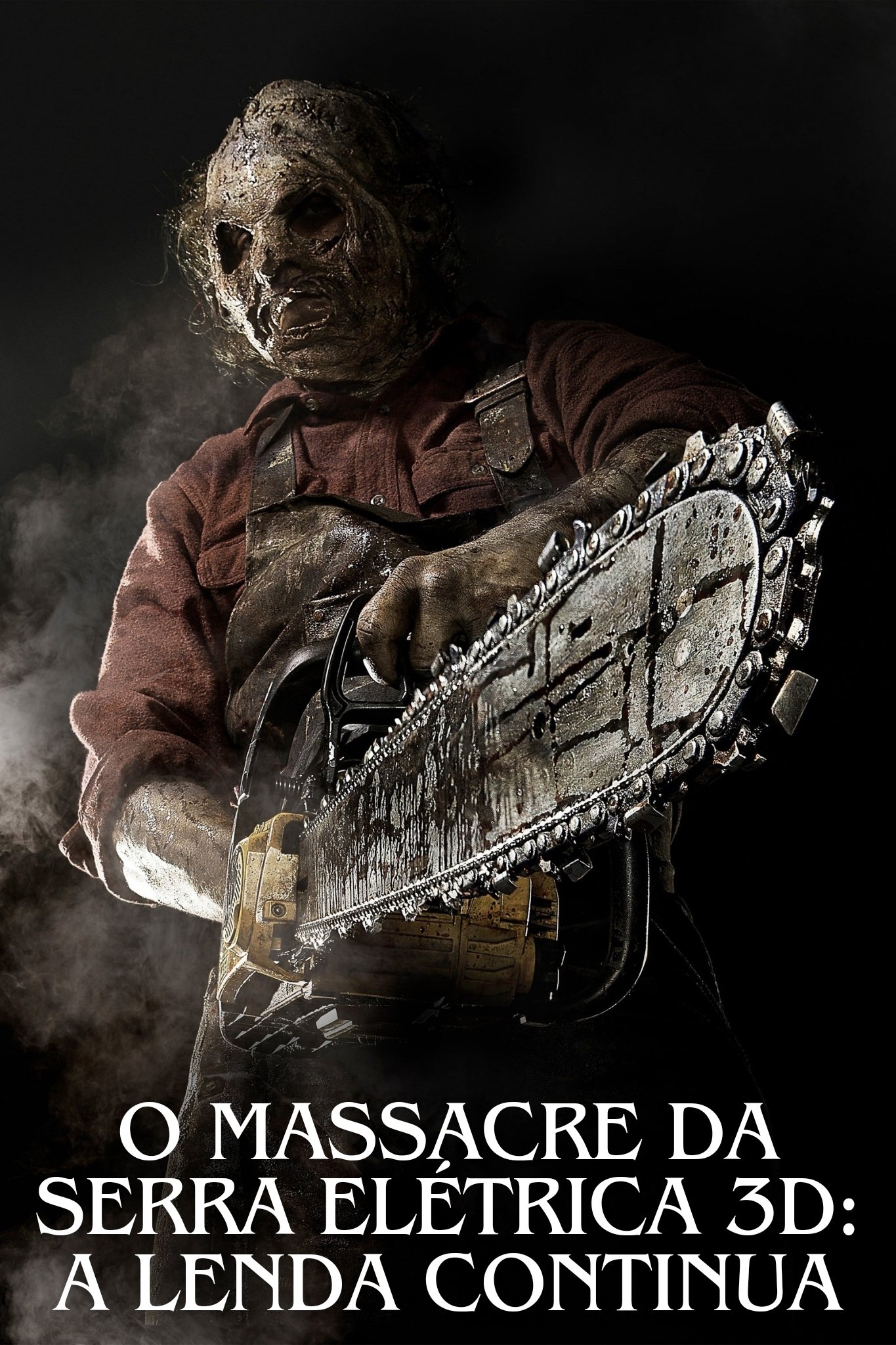
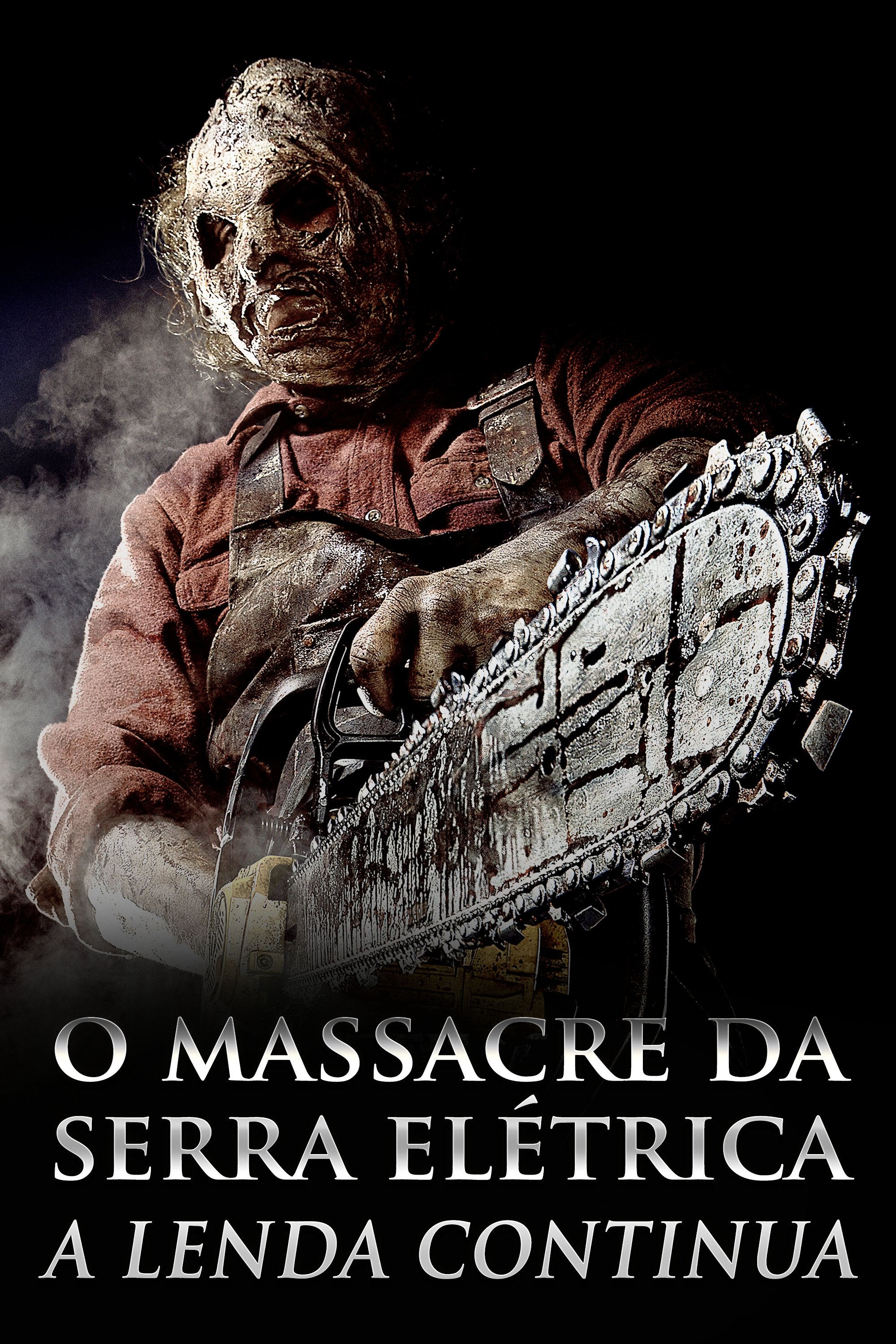
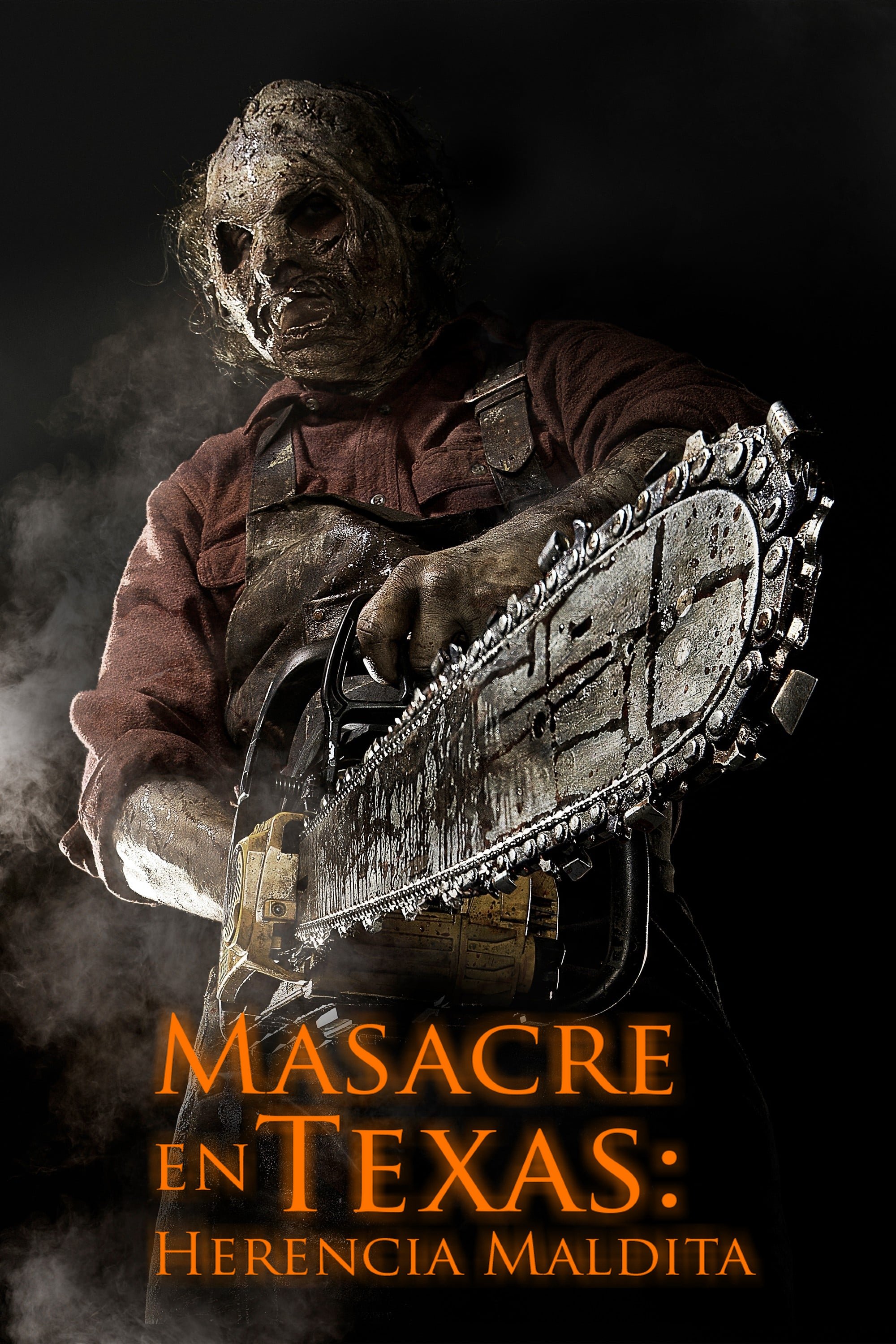
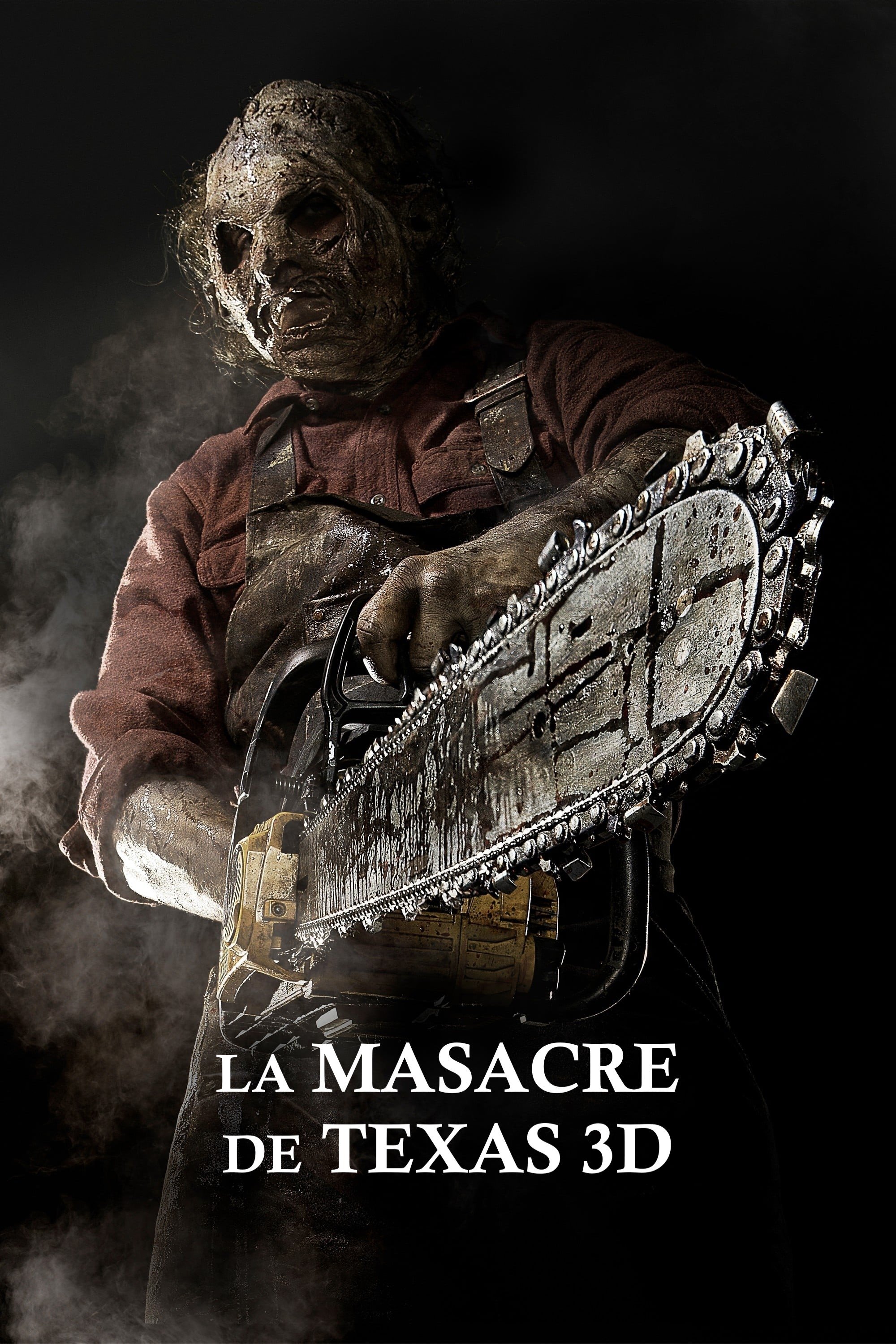
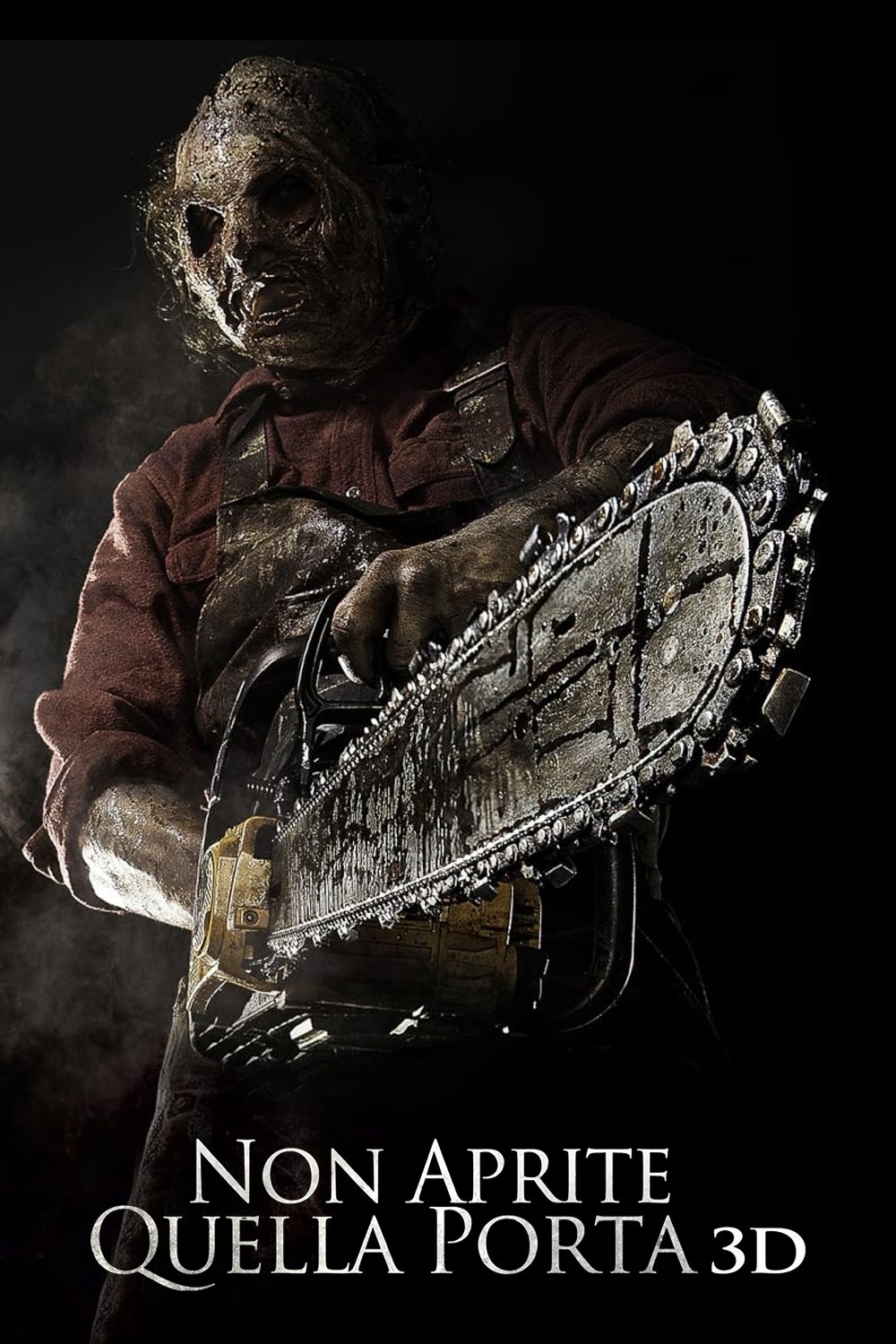
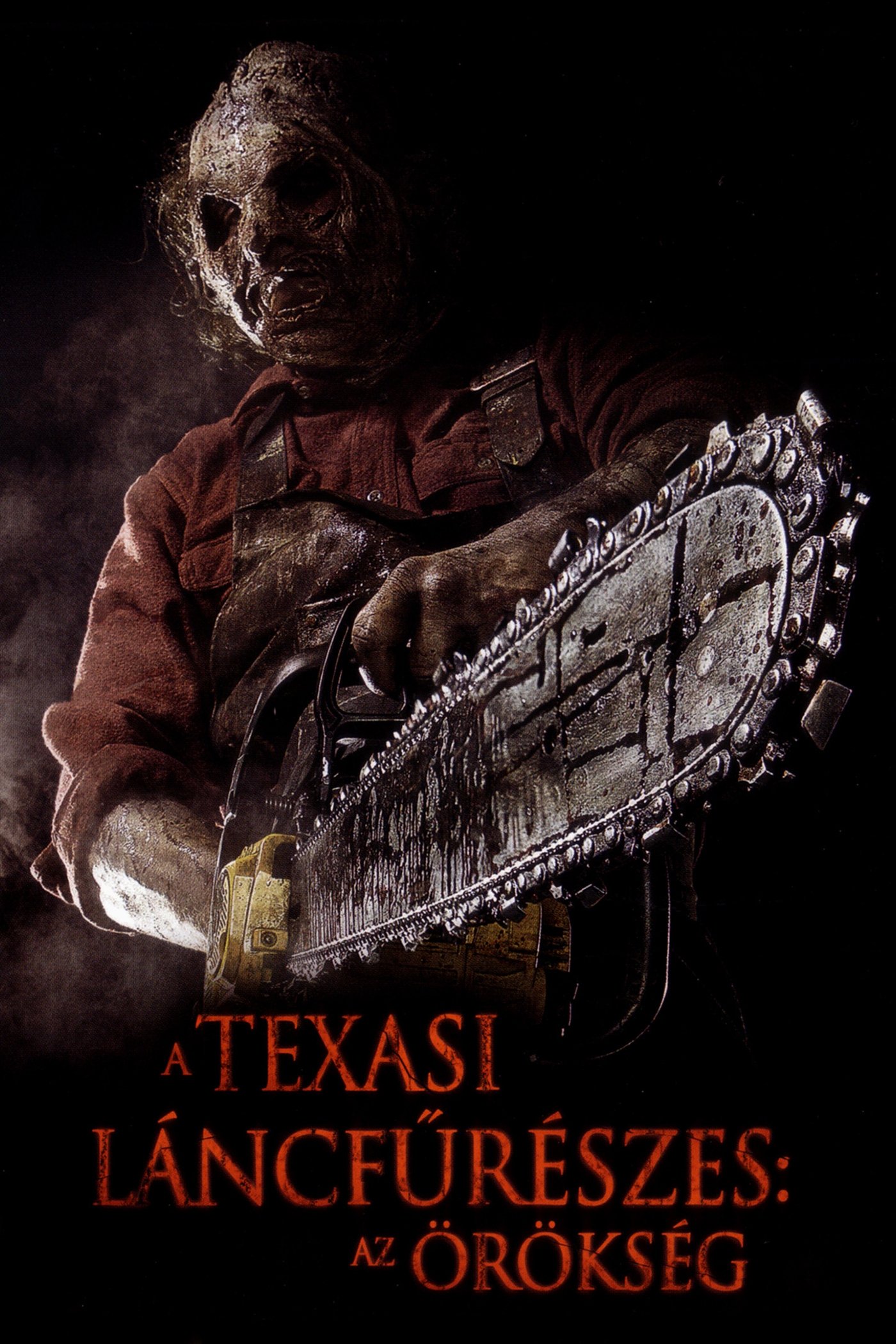
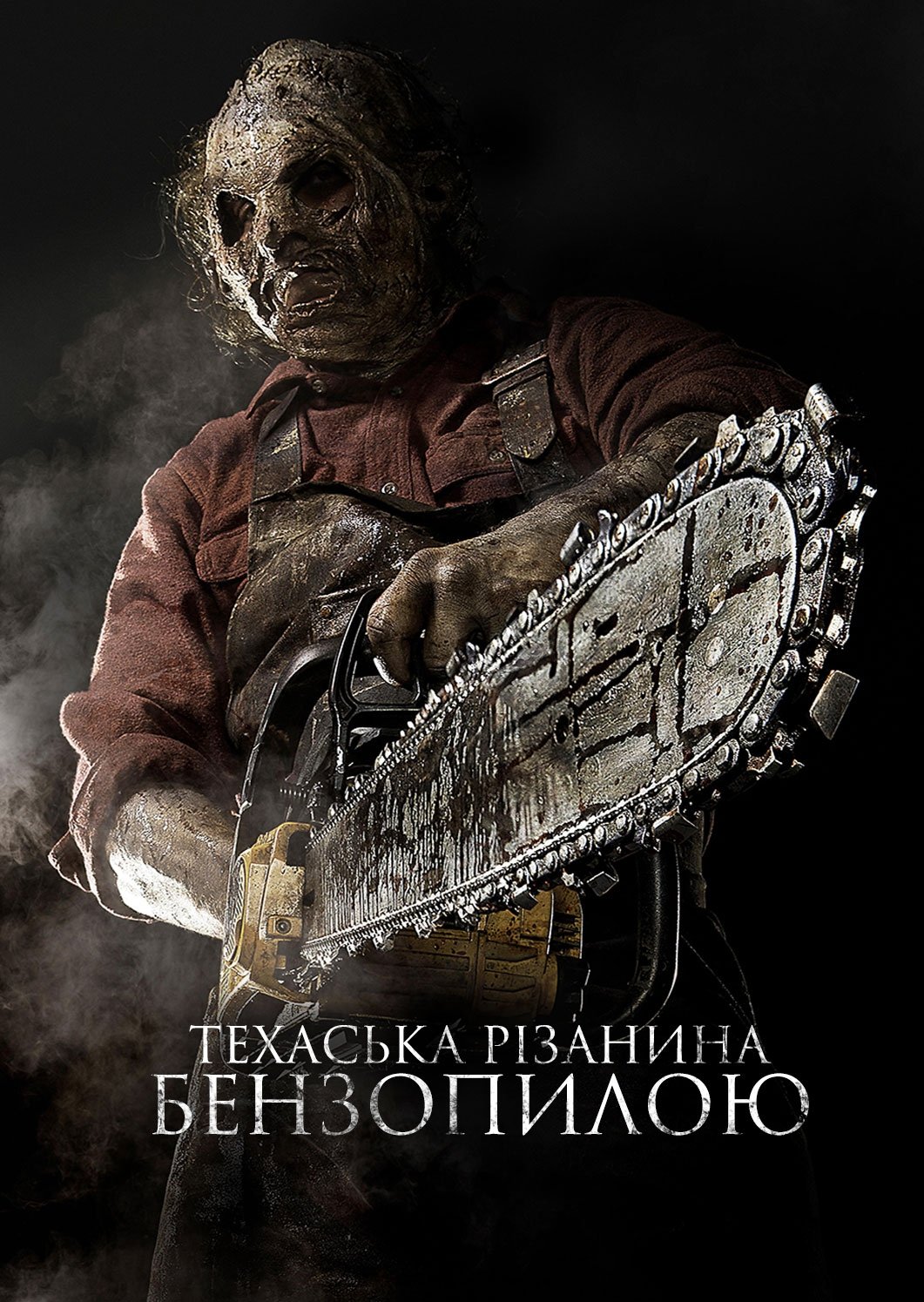
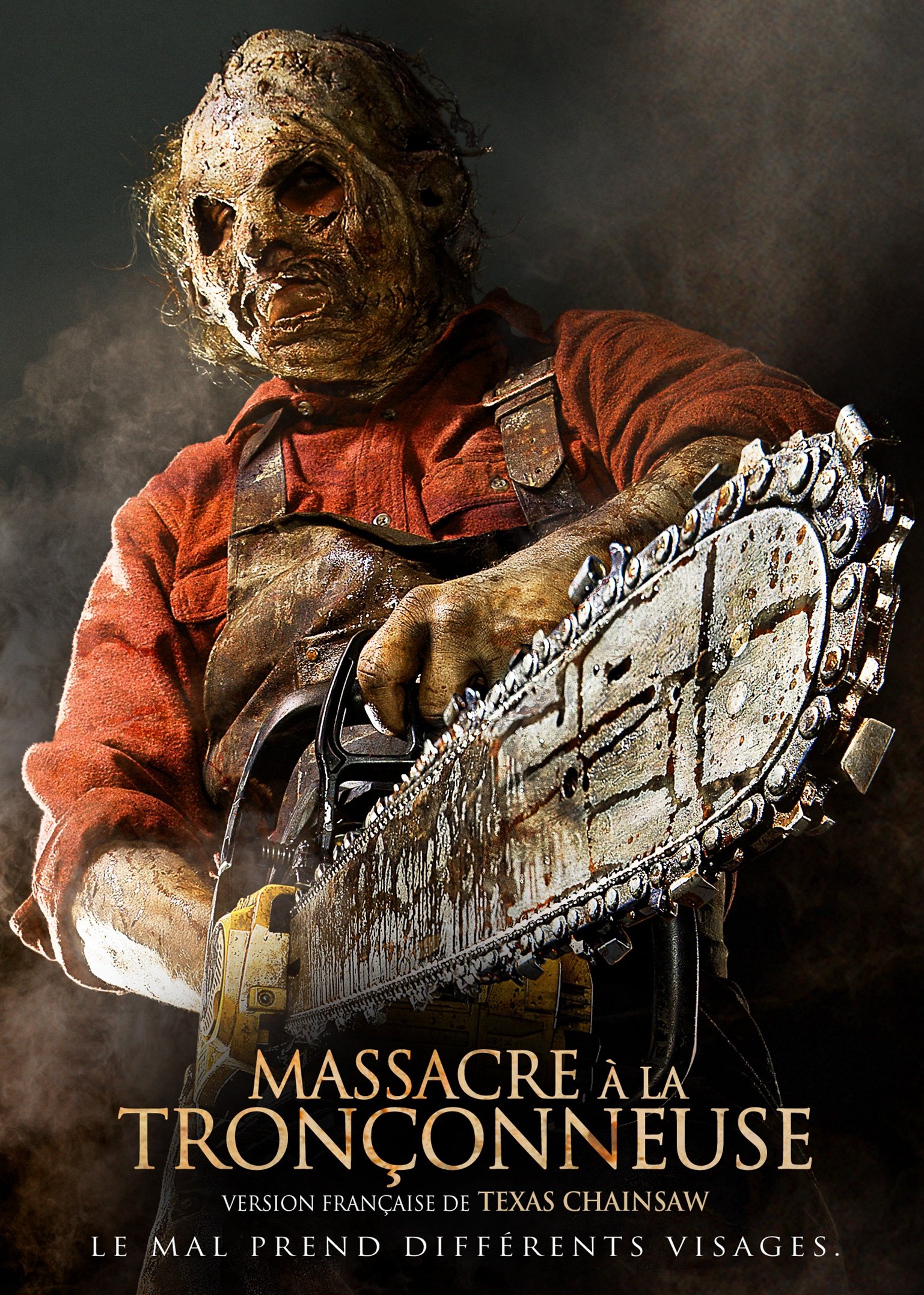
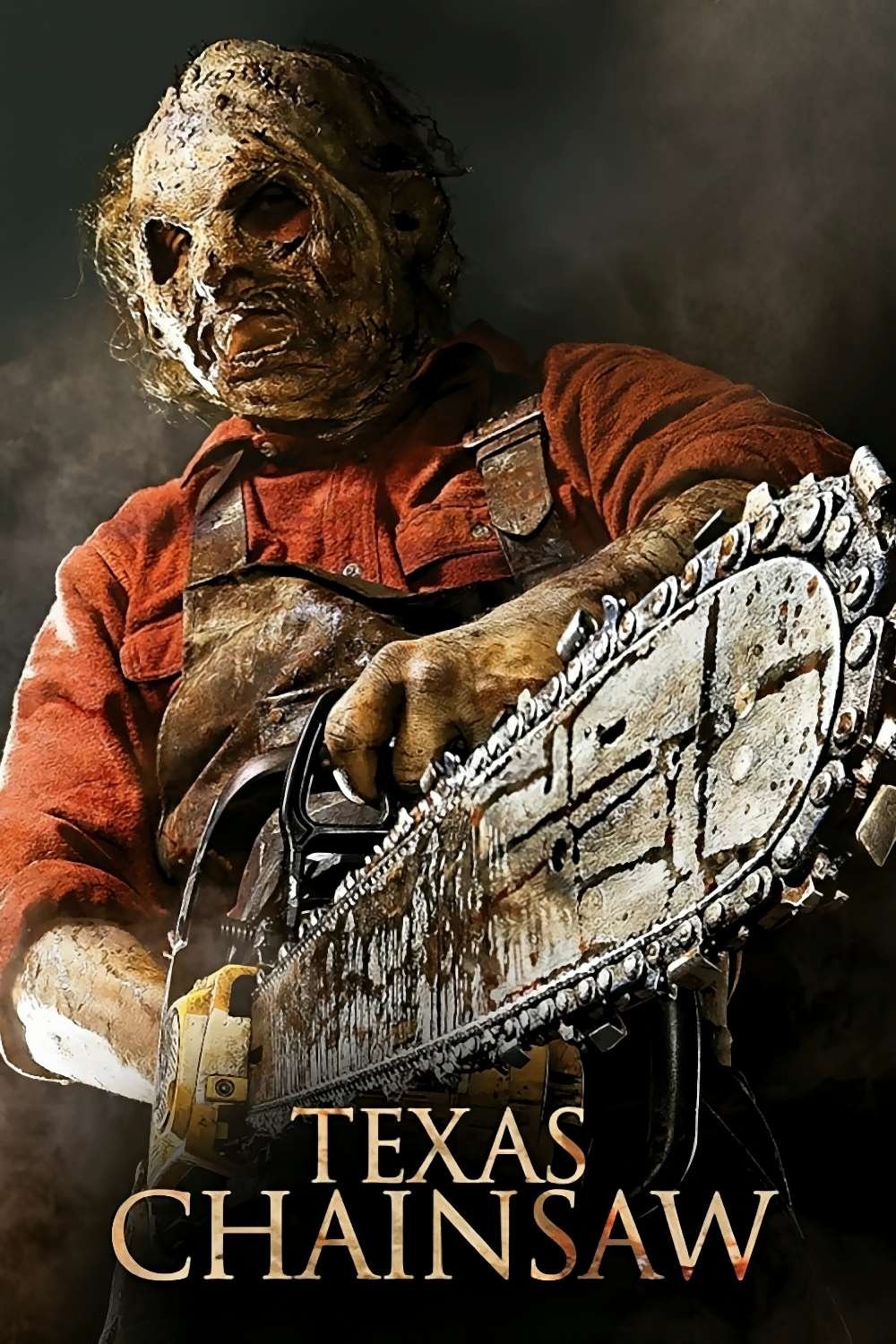
Dan Yeager's Leatherface was designed to suggest an older, physically substantial man whose behavior remained shaped by childhood dependence and years of confinement. Luessenhop discussed the need to consider how the character would walk, handle his chainsaw and respond to his surroundings after the passage of time. The performance is largely communicated through movement and posture because the character's face remains concealed. At moments of confrontation he advances as a familiar slasher threat; in scenes involving kinship, the same masked body is asked to register uncertainty and attachment.
Gunnar Hansen, who created the role for Hooper, returned in a different part and spoke directly about his encounter with Yeager. In an interview with Michael Gingold, Hansen said that the new actor asked him questions about the original performance because he wanted to preserve a sense of continuity. Hansen also described seeing a reconstructed farmhouse and a mask resembling one from the original shoot. His approval of those details was a participant's response before seeing the completed film, so it reveals the production's intentions without endorsing every choice in the released sequel.
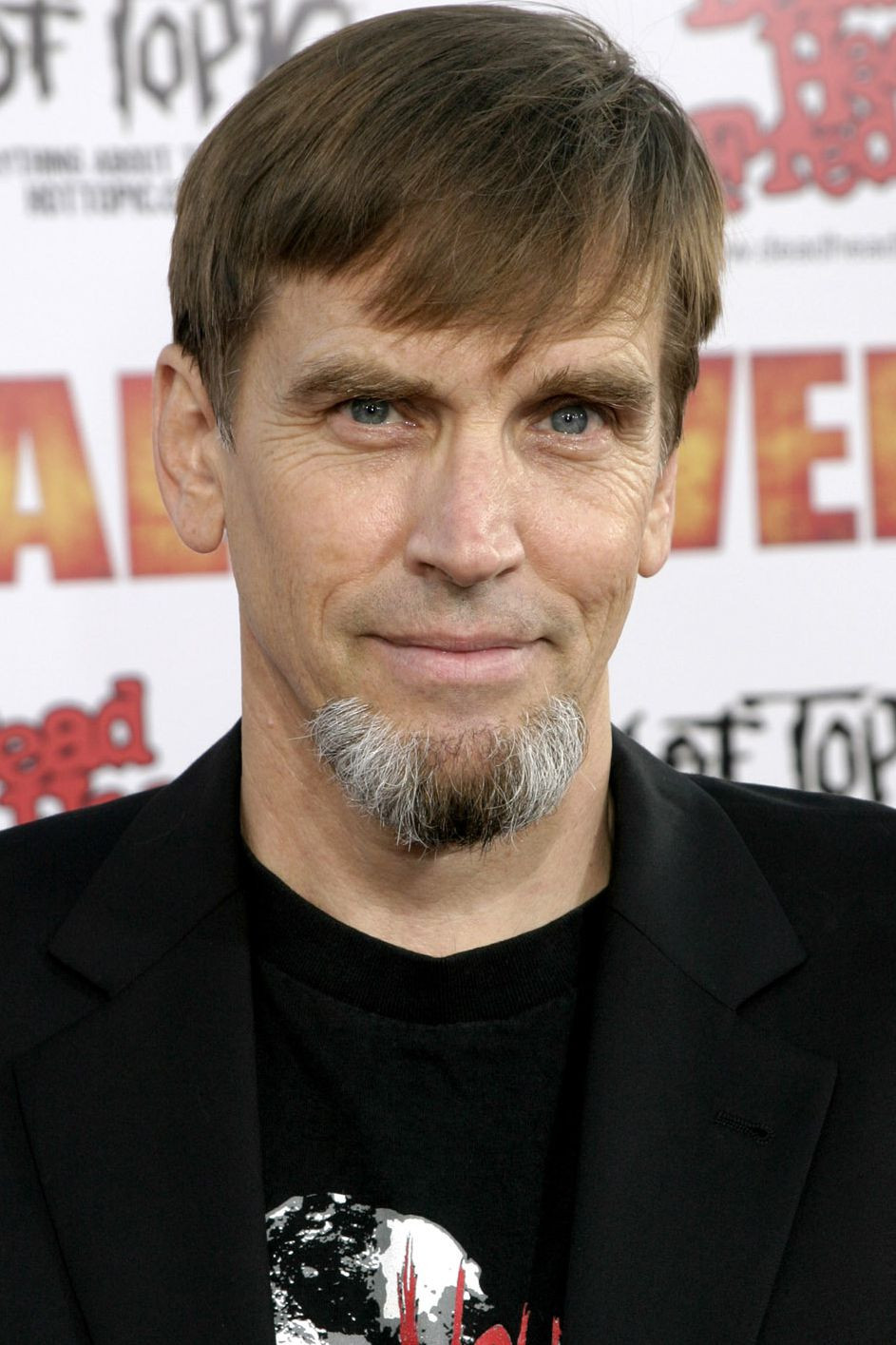
The use of performers associated with the earlier films reinforces that connection. Marilyn Burns appears as Verna Carson, John Dugan returns as Grandpa Sawyer and Bill Moseley plays Drayton Sawyer after having portrayed Chop Top in Hooper's 1986 sequel. Their presence has different narrative functions: the prologue depends on recreating the family world of 1974, while the later material relies on Heather's discovery of the family's surviving legacy. These appearances supply franchise continuity and an element of casting recognition. They do not turn the 2013 film into a reconstruction of the original ensemble's working methods.
Stereoscopic Photography and the Louisiana Shoot
The film's most thoroughly documented technical decision was to photograph in native 3D under a constrained production schedule. In a detailed report for ICG Magazine, cinematographer Anastas Michos described using a 3ality Technica stereoscopic system with paired RED Epic cameras. Luessenhop and Michos favored relatively wide lenses so that foreground and background could remain legible within the same image. Their approach sought depth across an entire setting instead of relying solely on weapons thrust toward the audience. The ambition required careful blocking because changing a stereoscopic camera position was substantially more complicated than moving a conventional unit.
Shooting around Shreveport, Louisiana, exposed the crew to intense summer heat and equipment constraints. Michos explained that the rigs were difficult to place in confined spaces and that the cameras sometimes needed cooling to continue operating. He also described additional lighting requirements created by the 3D system. Soft sources helped sustain illumination across the wooded exteriors, while harder accents identified threatening objects and separated the landscape into readable planes. This work makes the night pursuit scenes visually distinct from the abrasive, economical camera movement that Daniel Pearl and Hooper had developed for the original production.
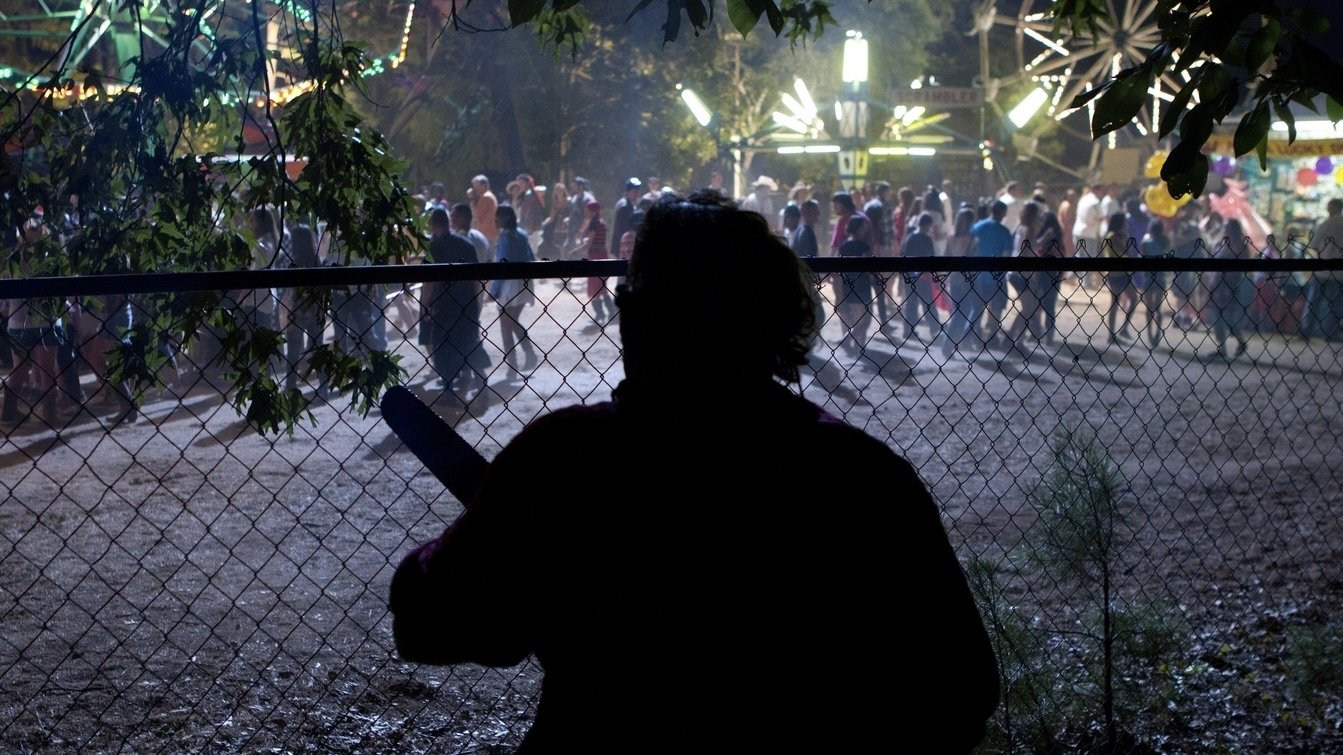
The technical differences are especially visible in the carnival pursuit. Steadicam operator Nick Davidoff described running with a heavy rig through a carefully choreographed environment, where the wide lens registered an extensive field of action. The film also uses depth to isolate Heather in passageways and exterior spaces while allowing Leatherface to move toward the spectator. A complicated combination of zoom and camera movement marks an encounter inside the Sawyer residence. These procedures explain why the sequel's image often feels more carefully staged and polished than its source, even when the locations and objects deliberately recall 1974.
Violence, 3D Display and the Slasher Formula
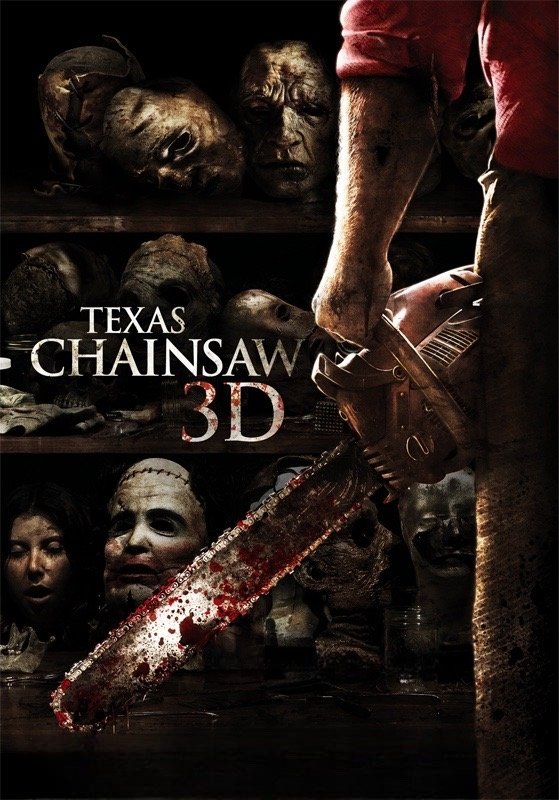
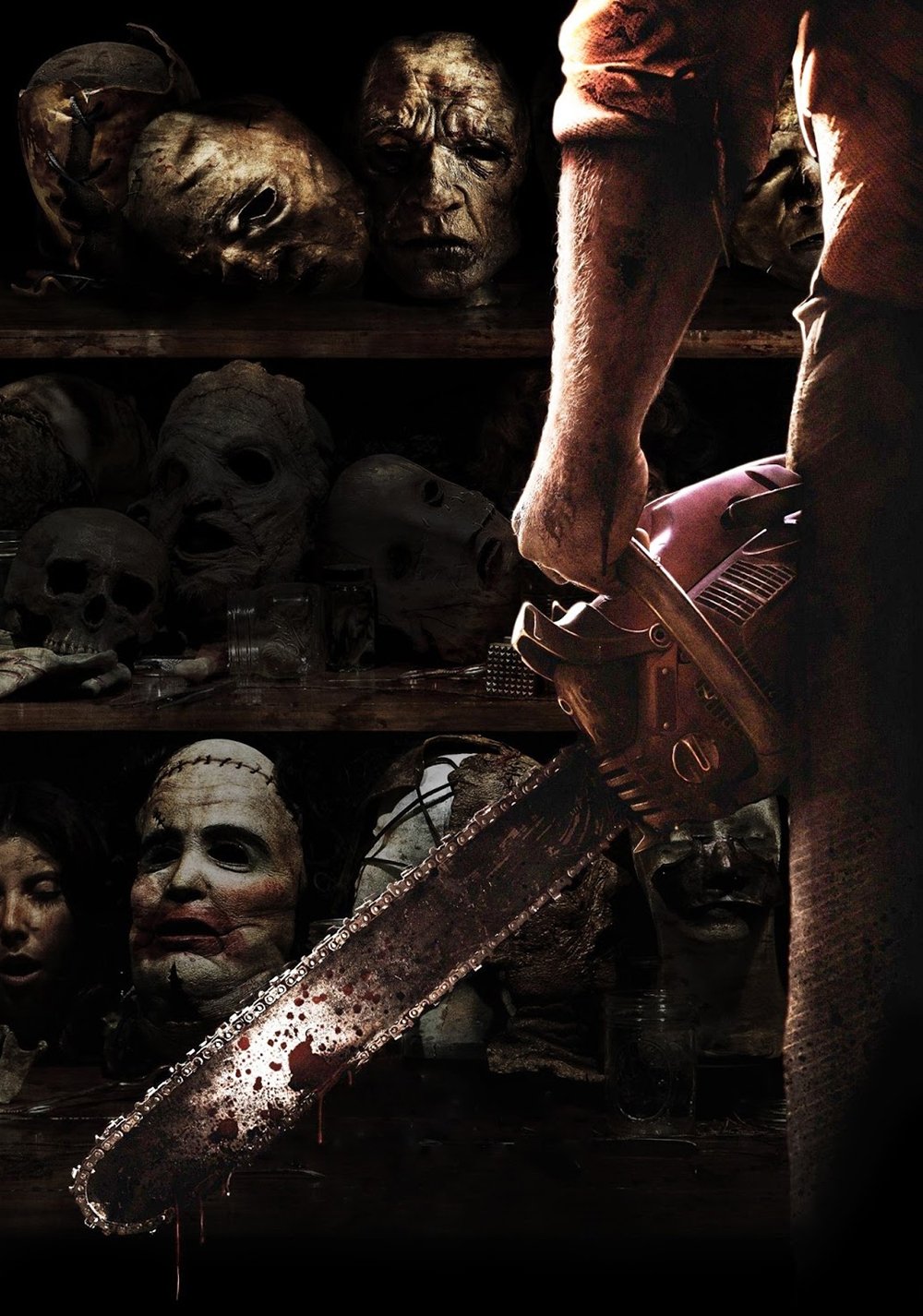
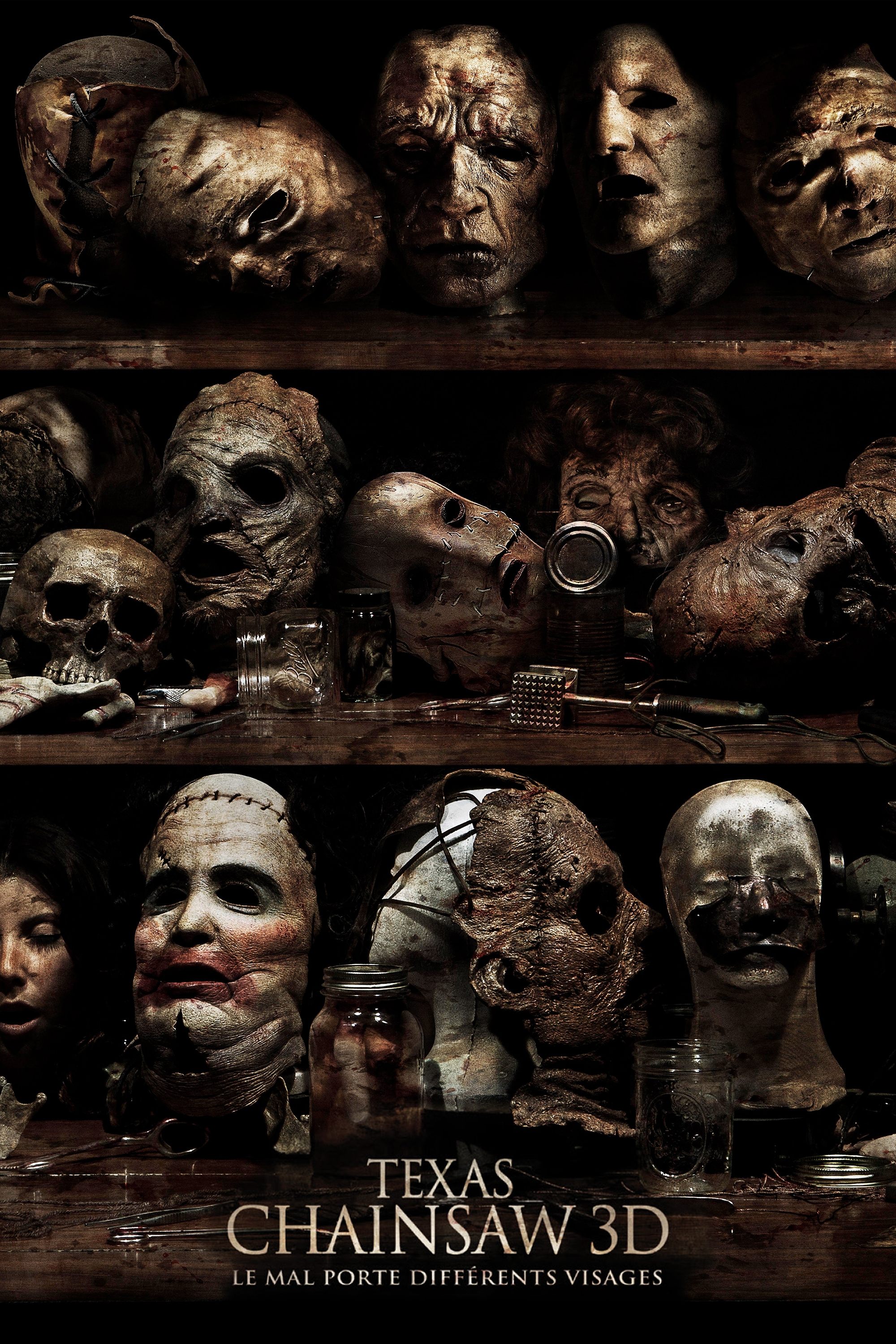
The violence combines inherited Chainsaw iconography with the expectations of commercial 3D horror. Hooks, blades, masks and a working environment of tools link the attacks to the first film's slaughterhouse imagery. Yet the sequel distributes its set pieces across a broader succession of locations, including public entertainment spaces and the concealed rooms of Heather's property. Threat is frequently organized around the anticipated trajectory of a weapon, a body or the chainsaw blade in stereoscopic space. These devices emphasize the collision between performer and audience as an attraction in its own right.
Luessenhop distinguished his interest in the placement of attacks from a simple pursuit of the highest possible body count. That stated intention helps explain the film's alternation between chase scenes and exposition about the town's earlier violence. At the same time, the screenplay repeatedly returns to conventional slasher machinery: vulnerable visitors, abrupt disappearances and attempts to flee through unfamiliar rooms. The shifting status of Leatherface creates a further tension. Scenes built to generate fear of the killer must coexist with a later effort to solicit sympathy for him, leaving the violence susceptible to different interpretations as the audience's loyalties are redirected.
Release, Contemporary Criticism and Franchise Position
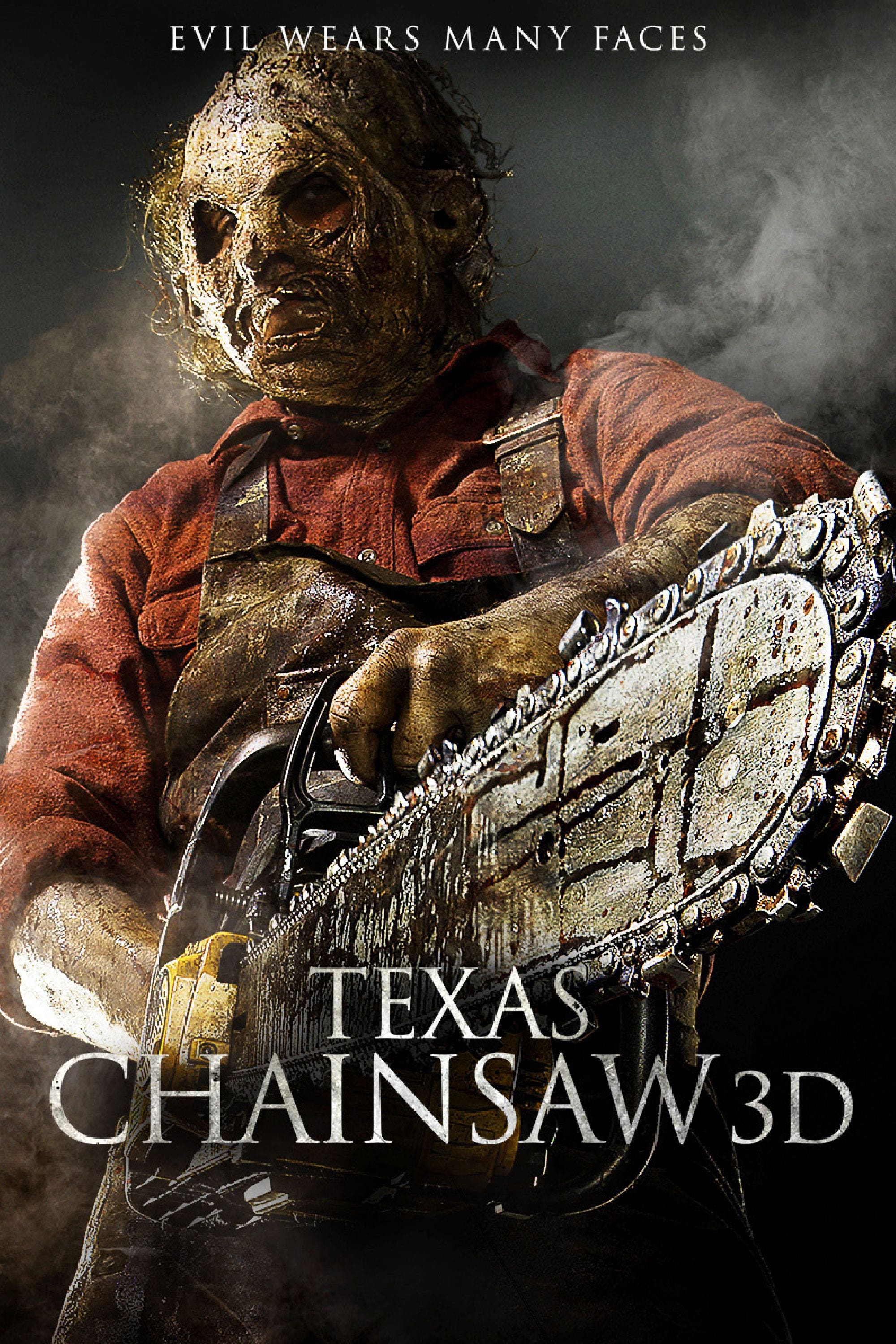
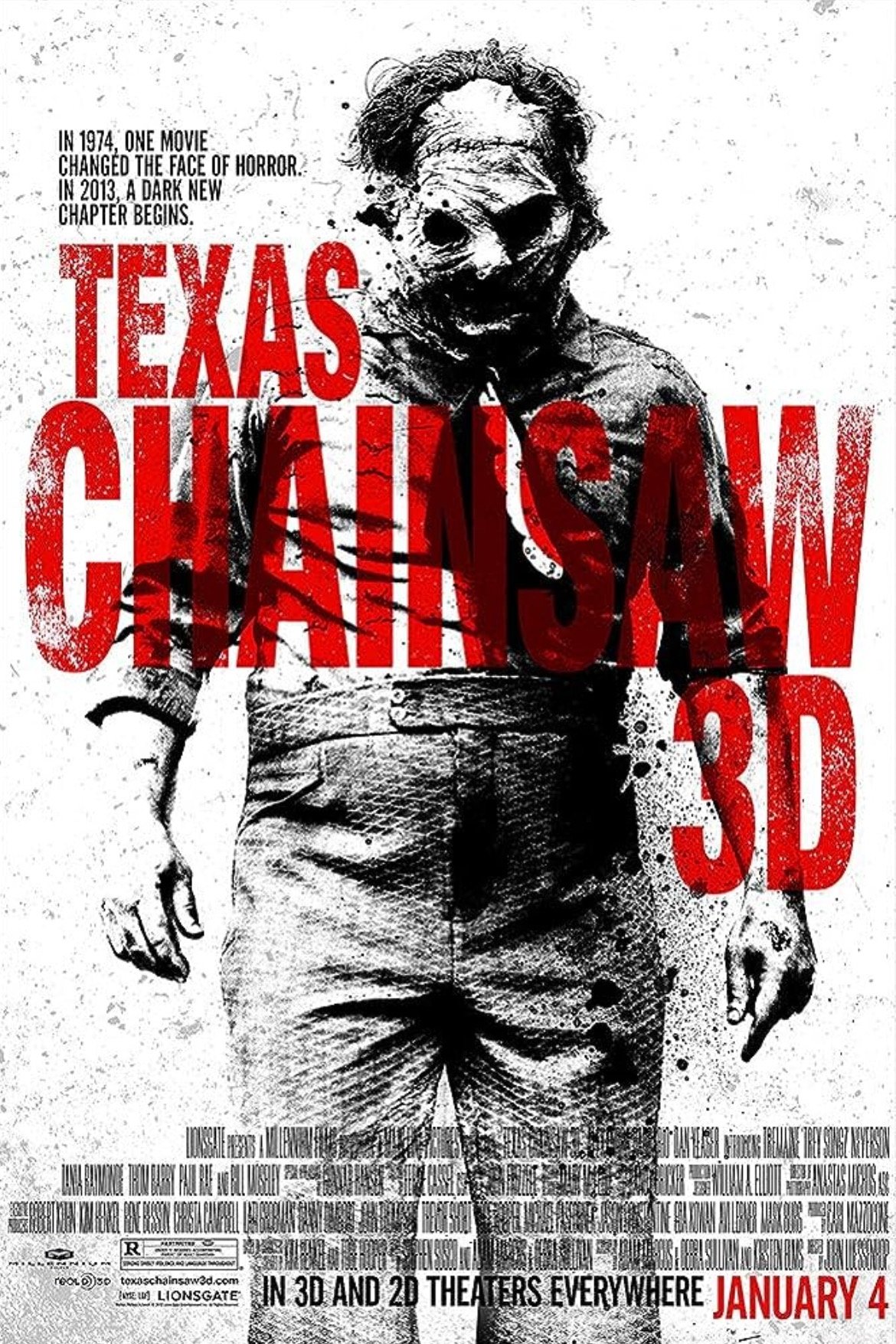
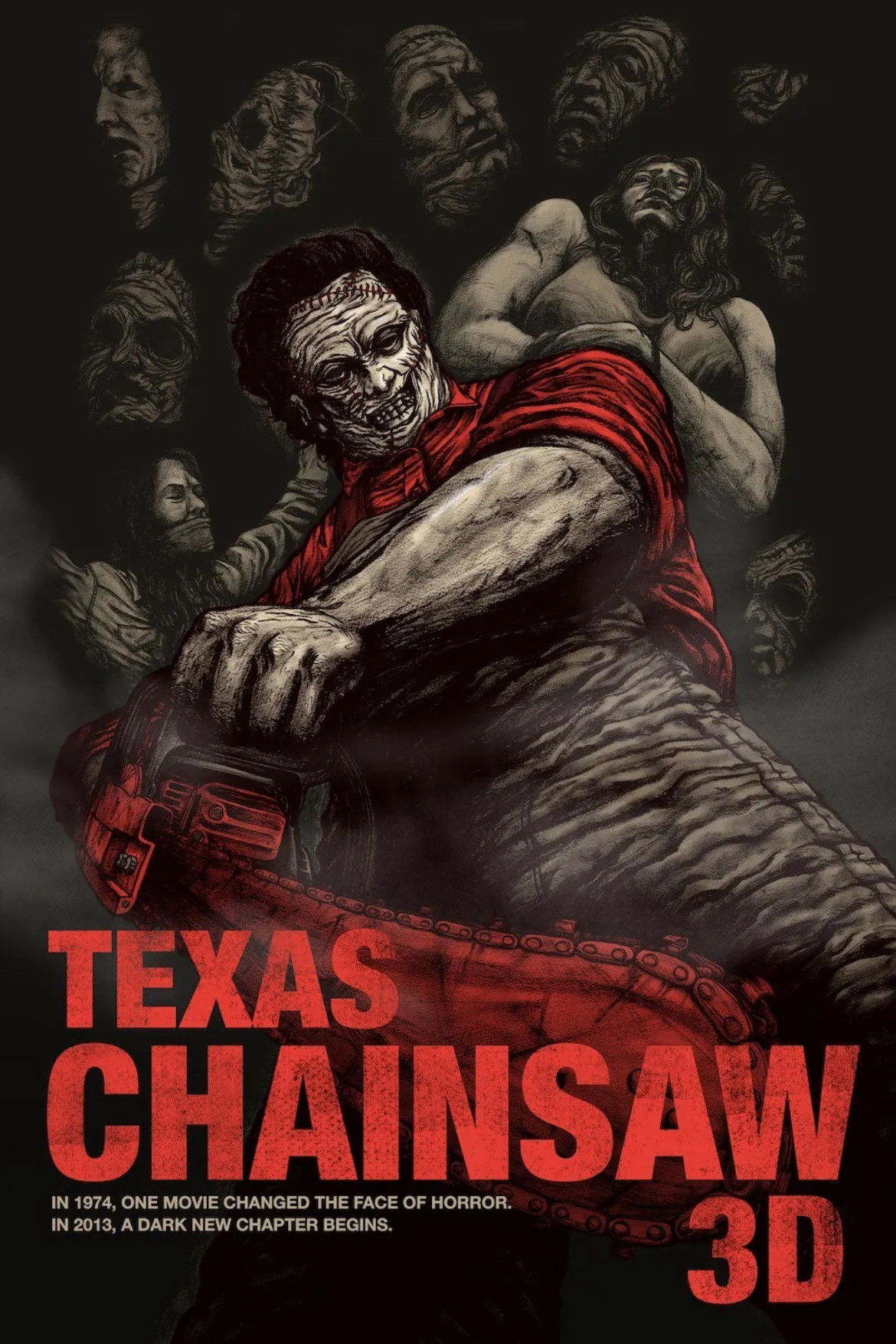
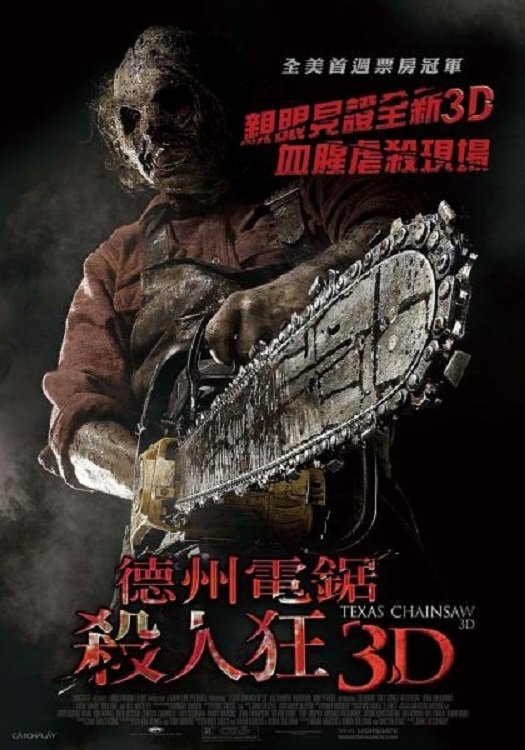
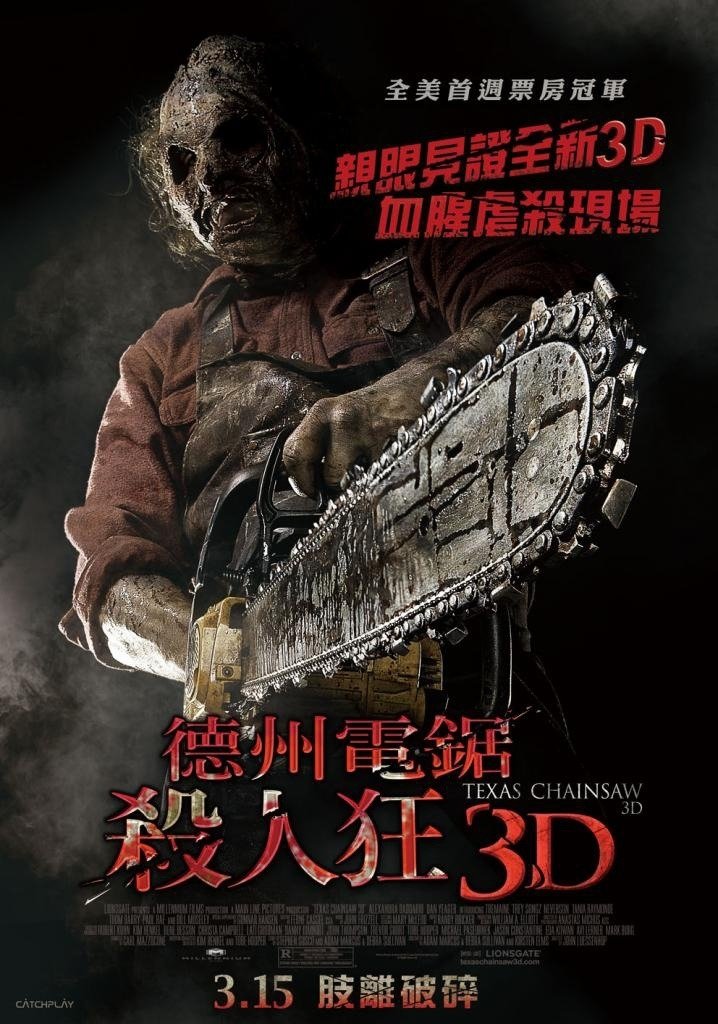
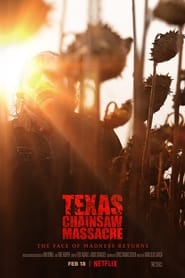
Lionsgate opened Texas Chainsaw 3D in American theaters on January 4, 2013. The American Film Institute records a 92-minute running time and an R classification. The release followed the 2003 remake and its 2006 prequel, but the new film severed continuity with those productions. It also arrived during an established cycle of horror properties marketed through recognizable villains and franchise titles. Its strategy depended on familiarity with the original movie while offering a new relationship between Leatherface and a heroine whose identity was tied directly to his surviving family.
The critical response was divided in its assessment of that experiment. Writing in the Los Angeles Times shortly after the opening, Mark Olsen argued that the sequel discarded the unsettling social implications he associated with Hooper's work in favor of straightforward gore. Other contemporary assessments granted the film limited credit for introducing a fresh family dynamic, even while questioning the execution and tonal changes. These judgments belong to the 2013 release period, and they should remain distinct from the filmmakers' stated ambitions or later fan discussion about what constitutes an authentic continuation.
The film's significance within the series rests on its attempt to reorganize established iconography around inherited loyalty. It retains a direct connection to the original's final escape while ignoring other accounts of the Sawyer family, a strategy later franchise entries would also use in different ways. The chronology problem remains a conspicuous weakness, but its documented production history is revealing: even an installment designed to restore continuity could introduce new contradictions. Texas Chainsaw 3D thus illustrates how the legacy-sequel model can preserve familiar images while radically changing the emotional position of a horror antagonist.